

Blue sky background with fluffy white clouds at the bottom and a gradient that transitions from deep blue at the top to lighter blue near the horizon.
We're Here to help

Sleeping After Surgery & Recovery Resources

Resources and recovery tips for post-surgical sleep, mastectomy recovery, and sleep hygiene for optimal healing

NEW! - Pre-Surgery Meditation for Promoting Calm

What to Ask Your Oncologist About Sleeping During Treatment
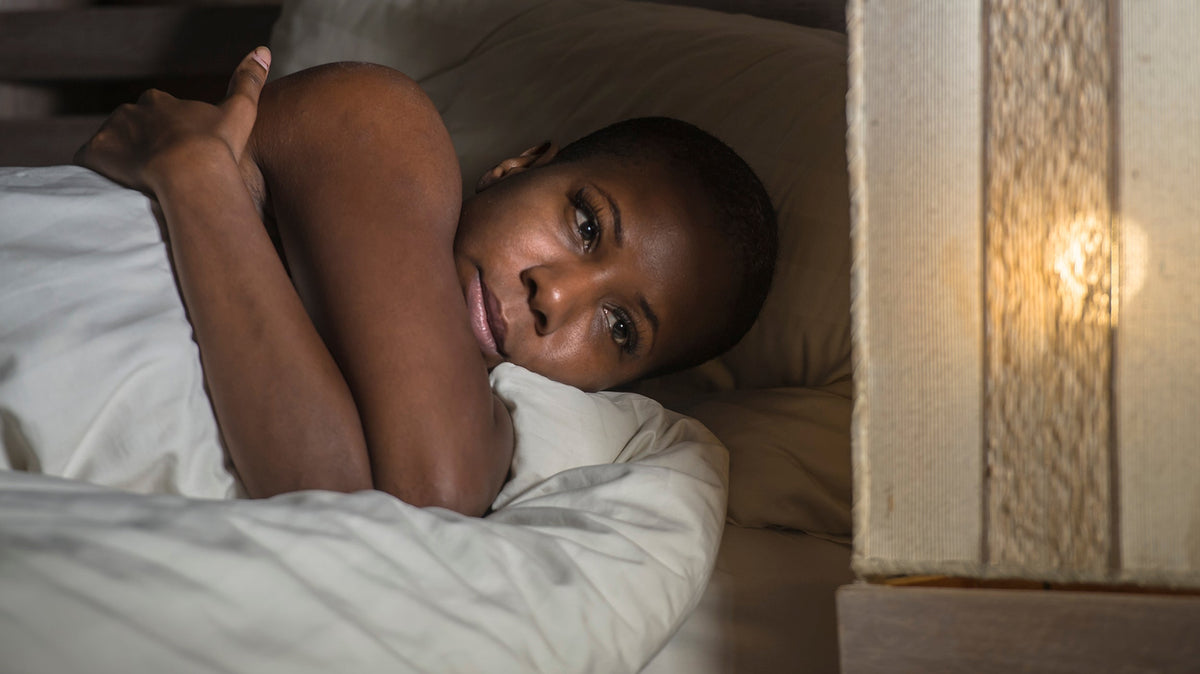
What to Ask Your Oncologist About Sleeping During Treatment

Table of Contents Why Should You Ask Your Oncologist About Sleep? What Should You Ask About the Causes of Your Sleep Problems? What Should You Ask About Sleep Positions and...
A woman struggling to sleep. Cancer treatment can disrupt sleep through surgical pain, medication side effects, and hot flashes. See the common causes and practical ways to sleep better.

How Cancer Treatment Can Disrupt Your Sleep: Common Causes and What Can Help

Around 61% of people with cancer report sleep problems. Learn how surgery, medications, night sweats, and anxiety disrupt sleep, and what can help.
Person sleeping on a sofa in a white robe and light blue head cover.

How Can I Help Someone Better Sleep During Chemo?
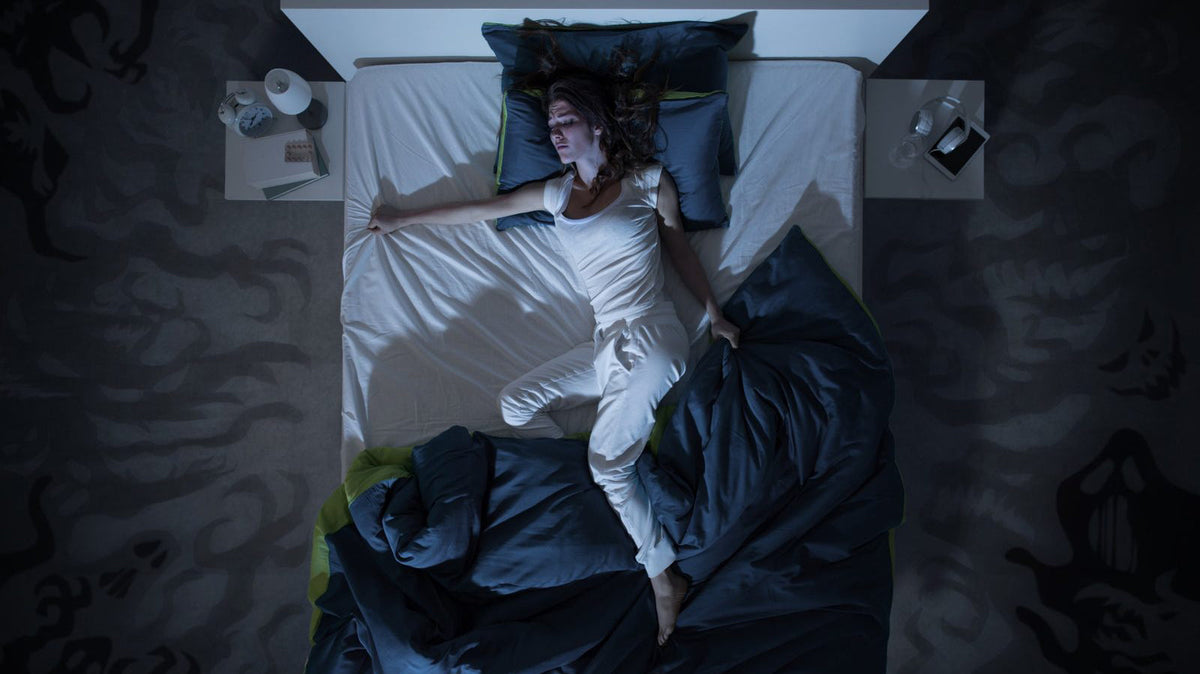
Table of Contents Why Does Chemo Make Sleep So Hard? How Can a Caregiver Spot a Sleep Problem Early? What Sleep Positions Work Best During Chemo? How Can I Help...
Woman lying awake in bed at night, looking uncomfortable with tangled bedding, unable to sleep because of night sweats

Why Does Tamoxifen Cause Night Sweats?
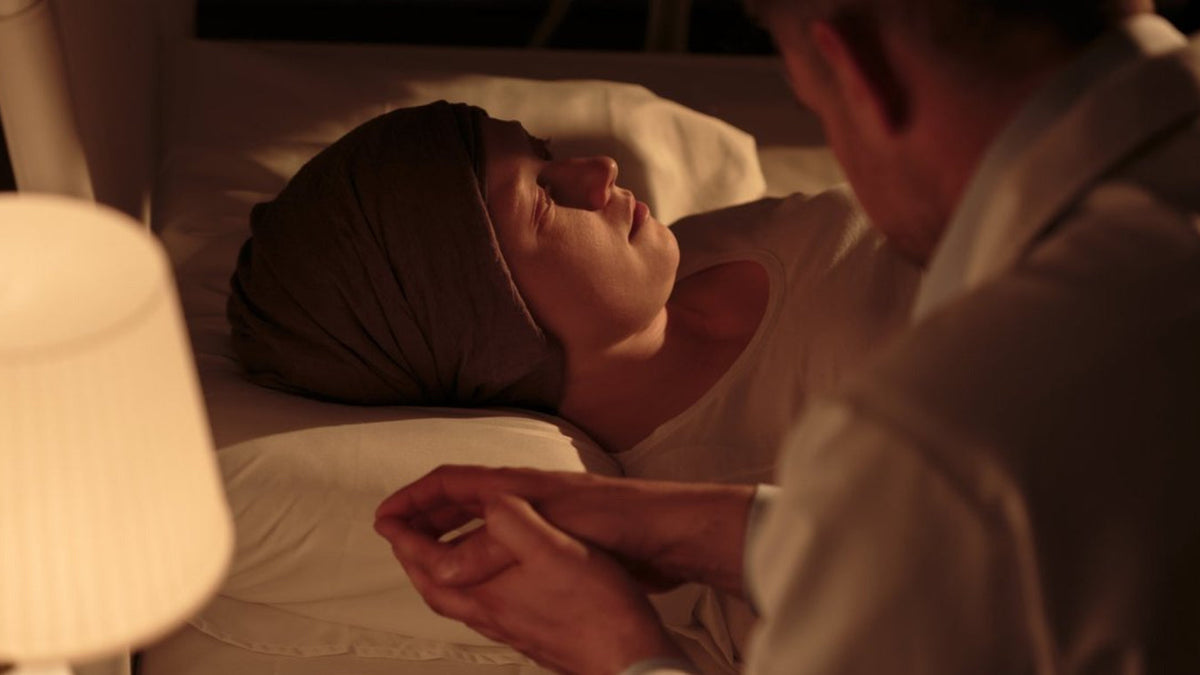
Tamoxifen blocks estrogen’s effects in the body, which changes how the brain regulates temperature and causes night sweats. This guide explains how common they are, how long they last, what your oncologist can do, and which sleep environment changes help you stay comfortable.
Person resting on their back in bed while a caregiver holds their hand, with a lamp and glass of water on the nightstand.

How to Sleep Comfortably During Radiation Treatment

Radiation treatment affects sleep through skin sensitivity, fatigue, and a daily treatment schedule. This guide covers back-sleeping positions, protecting treated skin, arm support, managing fatigue, and bedroom changes that make rest more comfortable from the first session through recovery.
Woman with bonnet siting with woman with scrubs and a clipboard.

Can I Sleep on My Side with a Chemo Port?

Most people can sleep on their side with a chemo port once the incision has healed and their care team clears them. Learn which positions are safe, how to sleep during infusions and pump cycles, and how to keep the port protected overnight.
Doctor holding womans hand at desk .

Can You Sleep on Your Stomach After a Lumpectomy
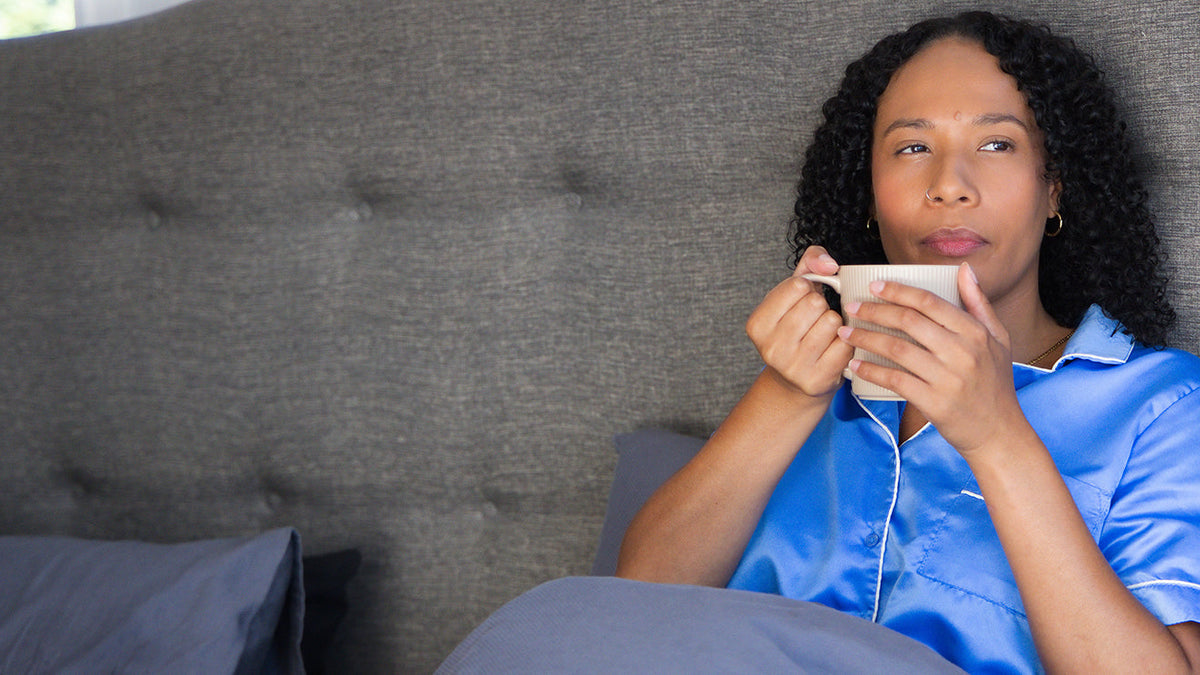
Most surgeons say to wait at least six weeks before stomach sleeping after a lumpectomy. See the timeline, what delays it, and how to stay on your back.
A woman in bed.  If you're not sure how long you'll have to sleep elevated after a lumpectomy, we have the answers in our complete guide.

How Long Do You Sleep Elevated After a Lumpectomy: Complete Guide

How long do you sleep elevated after a lumpectomy? Most patients need one to two weeks, up to four in some cases. See the timeline and angle.
A woman laying on the couch with the back of her hand on her forehead.

Sleeping With One Breast After a Mastectomy
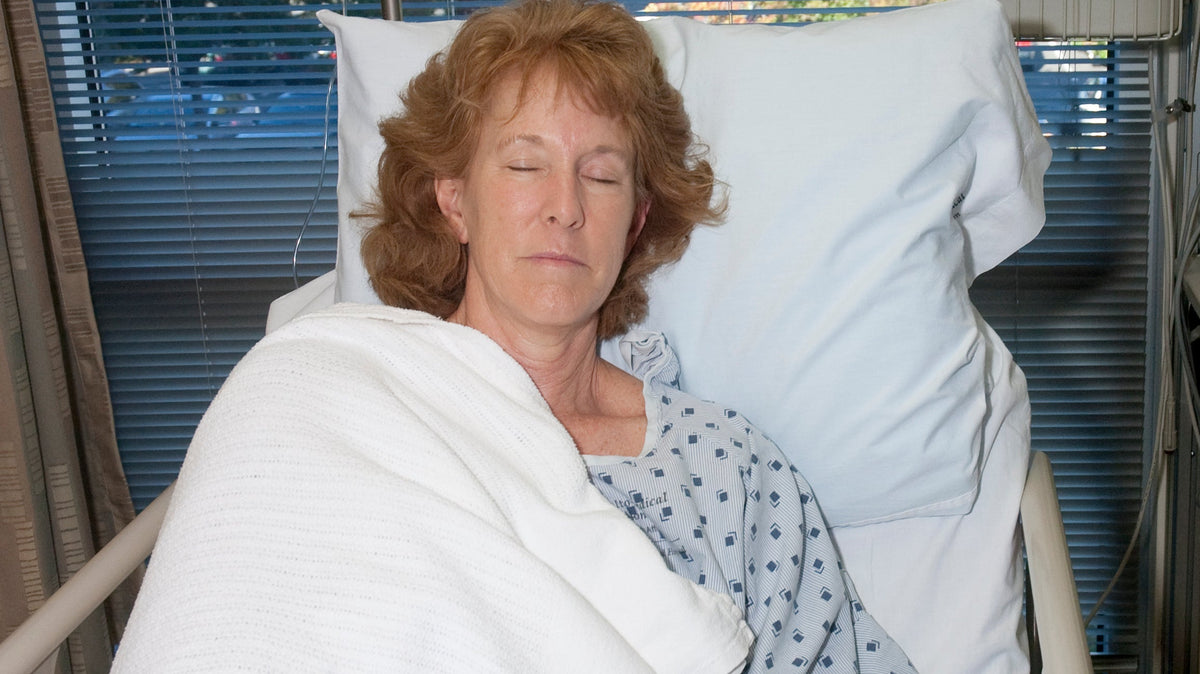
Sleeping with one breast after a mastectomy? Learn safe positions, when side sleeping returns, and how to support your remaining breast and stop rolling.
Woman sleeping  at an elevated angle  after surgery.

Can I Sleep on My Stomach After a Mastectomy?
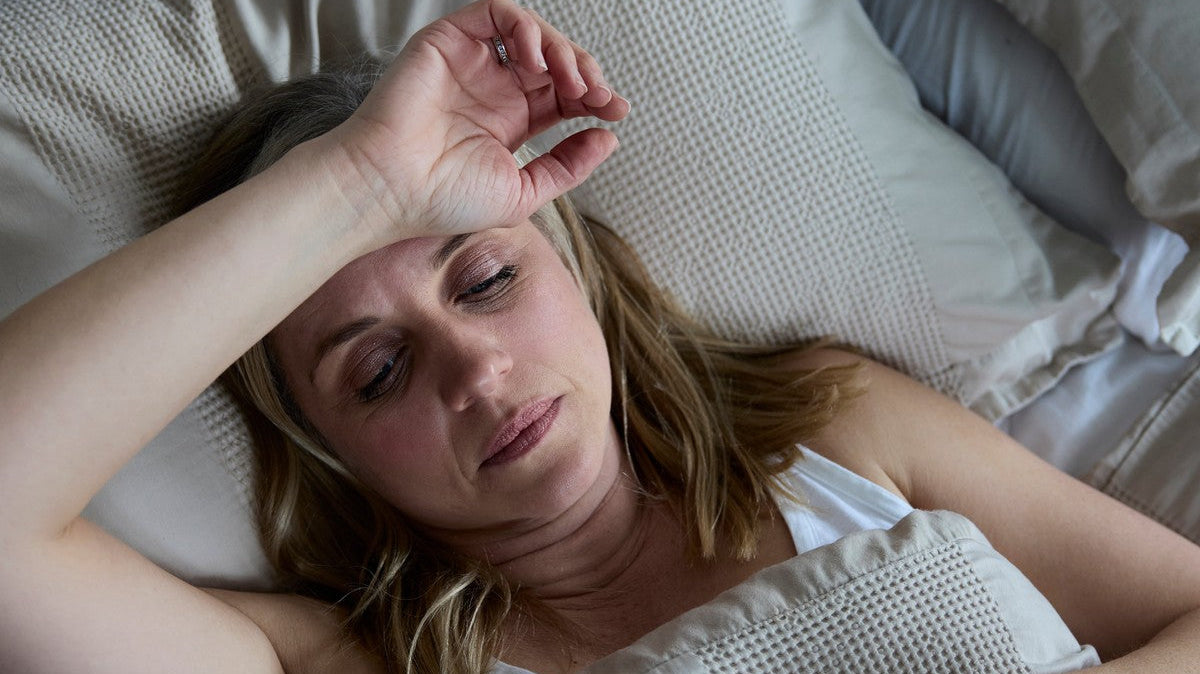
No, stomach sleeping puts pressure on healing chest tissue after a mastectomy. Here's how long the restriction lasts and how to avoid it.
Woman lying awake in bed, struggling to get comfortable during post-surgical recovery

How to Sleep With a JP Drain Bulb Without It Pulling
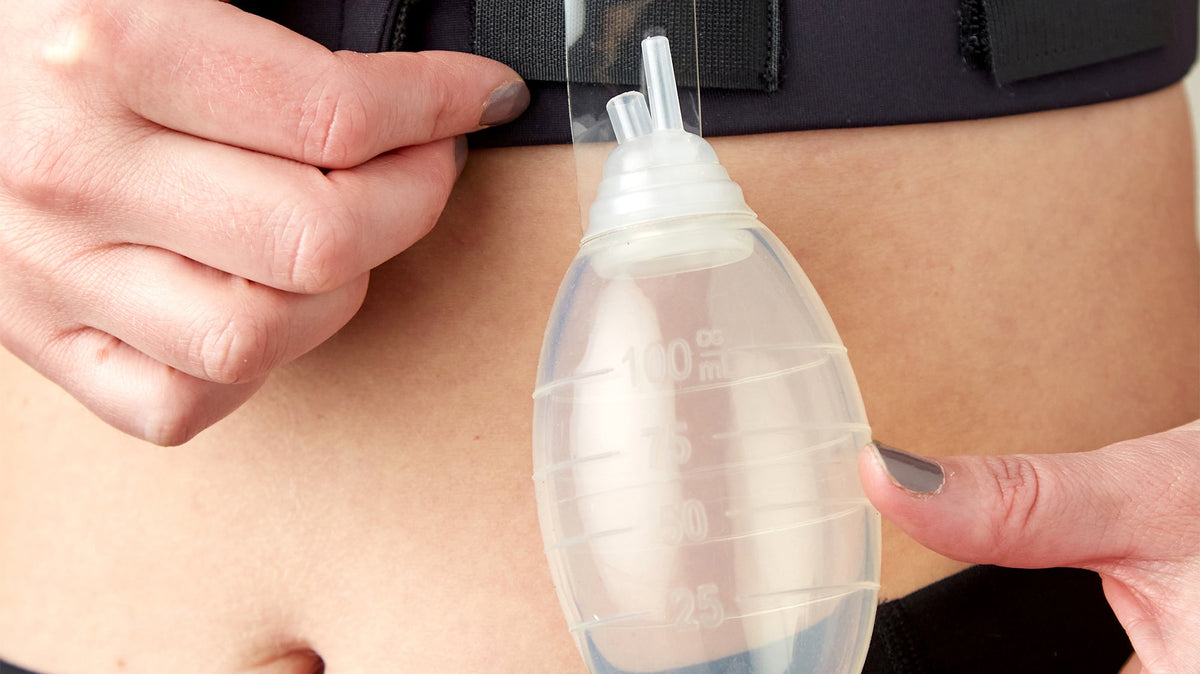
How to sleep with a JP drain bulb without it pulling: positioning, drain security, and setup tips to protect your drain and get real rest.
A detail of the post surgical drain bulb for the Larissa bra. Not sure how to sleep with surgical drains after a mastectomy? Read more in our complete guide.

How to Sleep With Surgical Drains After a Mastectomy

Table of Contents Why Do Surgical Drains Make Sleep So Difficult After a Mastectomy? What Is the Best Sleep Position With Surgical Drains in Place? How Do I Secure My...

Important Medical Disclaimer

The information provided on this page is for educational purposes only and should not replace professional medical advice from your healthcare provider. Sleep Again Pillows are positioning support products designed to help maintain sleep positions recommended by medical professionals during recovery and for therapeutic use.

Always follow your surgeon's or physician's specific post-operative instructions and positioning requirements. Medical guidance from your healthcare team takes precedence over any general information provided here. Recovery timelines, positioning angles, and product suitability vary based on individual surgical procedures, medical conditions, and patient-specific factors.

Consult your healthcare provider before purchasing positioning equipment if you have specific medical concerns or questions about whether these products are appropriate for your recovery or medical condition(s). Your medical team can provide personalized recommendations based on your unique situation.

Sleep Again Pillows do not diagnose, treat, cure, or prevent any medical condition. These products provide positioning support to help maintain sleep angles and positions as directed by your healthcare provider.