

Most people don't think about sleep until their first night home from surgery. Planning for it now makes every stage that follows easier.
Between appointments, decisions, and waiting on results, sleep is usually the last thing on the list. It becomes urgent quickly. After a mastectomy or lumpectomy, you'll likely need to sleep elevated and on your back while incisions and drains heal. Treatment brings its own sleep problems after that. This guide walks through each stage, from diagnosis and surgery prep through active treatment and beyond, with detailed resources for patients and the people caring for them.

Stage 1: Diagnosis & Pre-Surgery
The weeks between diagnosis and surgery are when you have the most control over how recovery goes. These guides cover the sleep disruption that starts at diagnosis and the preparation that makes your first nights home easier.
- Can a Breast Cancer Diagnosis Cause Insomnia?
- Being Diagnosed with Breast Cancer
- What to Ask Your Surgeon Before a Mastectomy
- How to Sleep the Night Before a Mastectomy
- How to Prepare Your Bedroom for Mastectomy Recovery
- Essential Tips for Planning Your Recovery Before Cancer Surgery
- Can I Use My HSA to Buy Mastectomy Recovery Pillows?


Stage 2a: Surgical Recovery — Mastectomy Path
After a mastectomy, sleep position is dictated by your incisions, drains, and any reconstruction. These guides cover how long back sleeping typically lasts, how to manage drains overnight, and when side and stomach sleeping become options.
- How Can I Sleep Comfortably After Mastectomy Surgery?
- Why Do Doctors Recommend Sleeping Elevated After Mastectomy?
- What Should I Do If I Can't Sleep After Mastectomy Surgery?
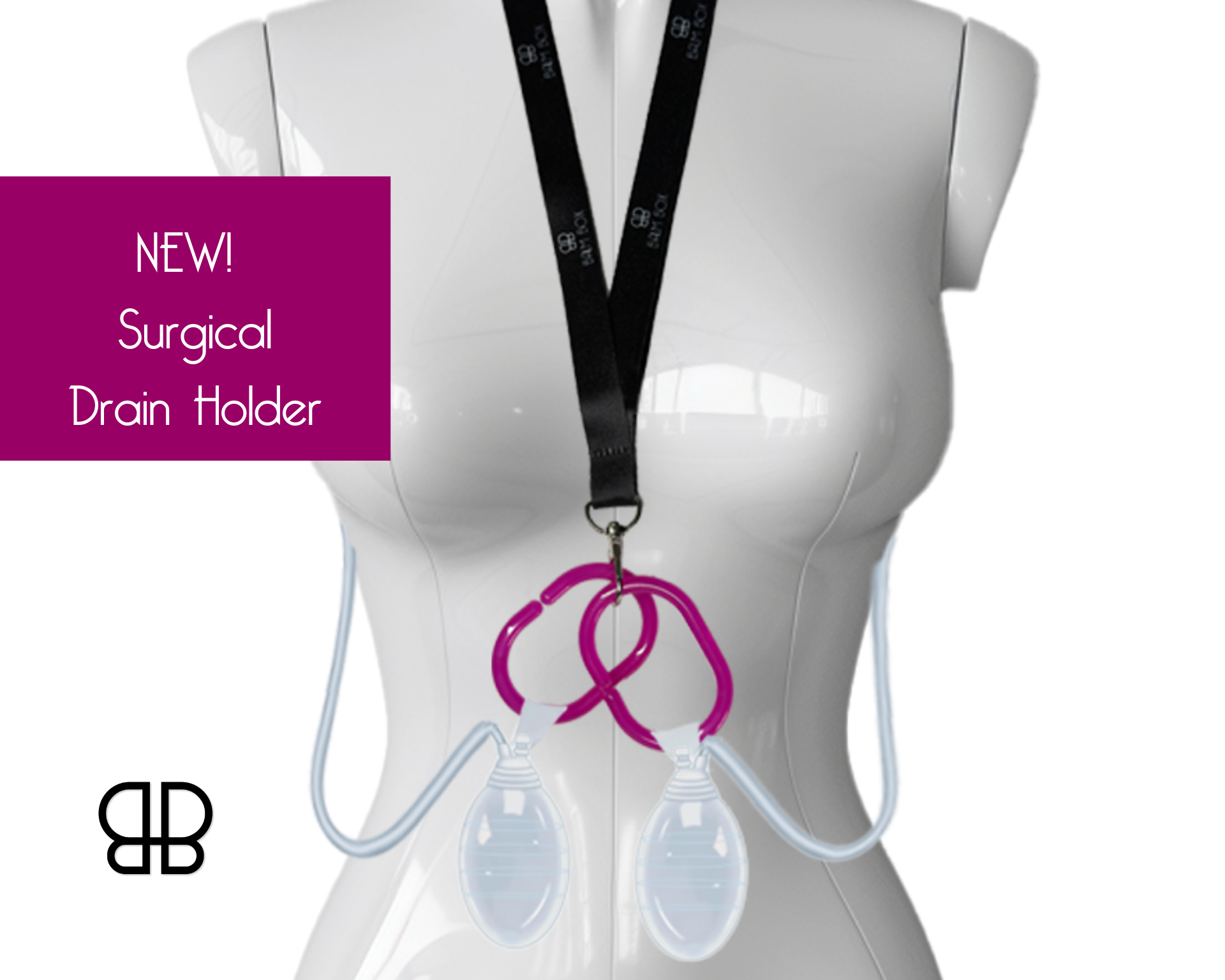
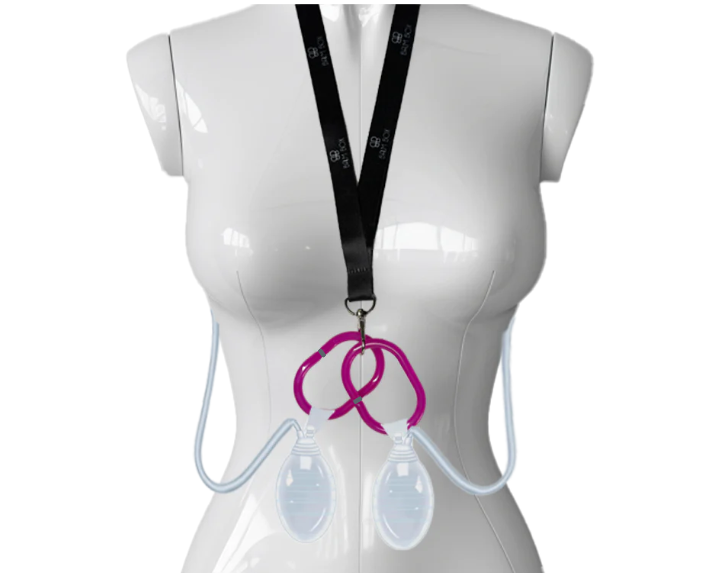
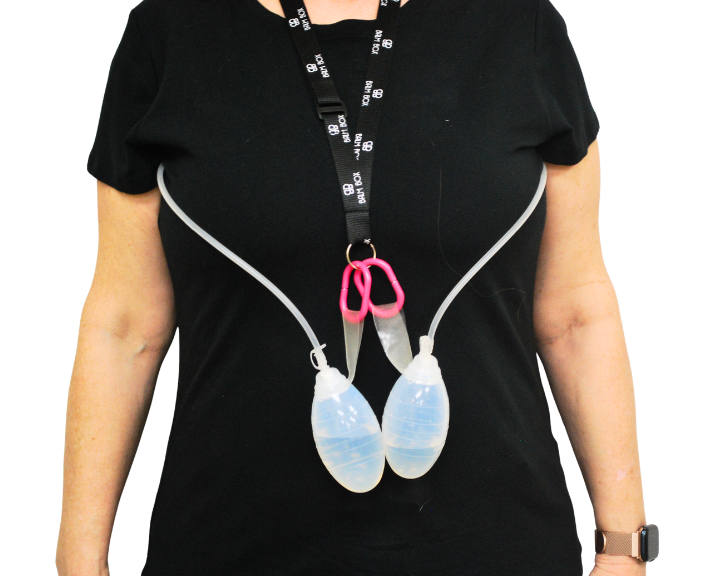
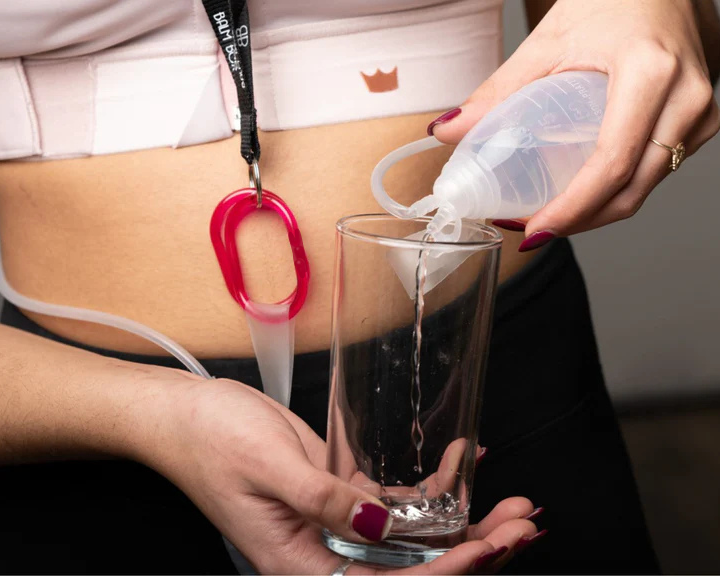
- How to Sleep With Surgical Drains After a Mastectomy
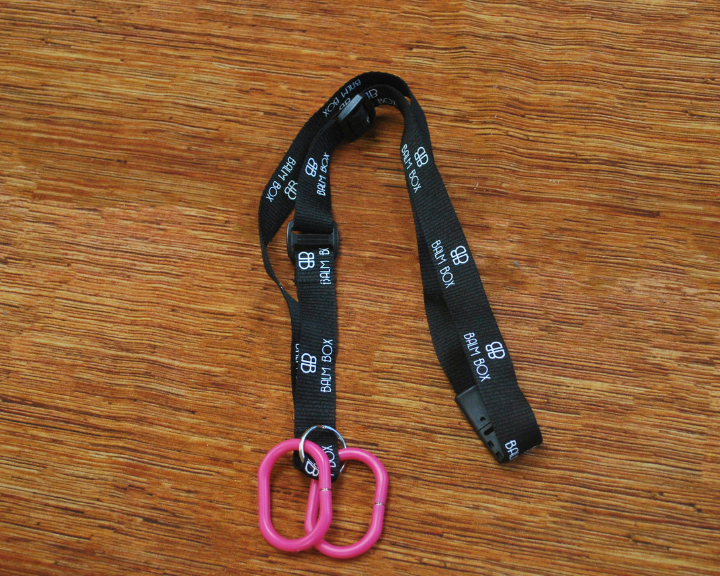
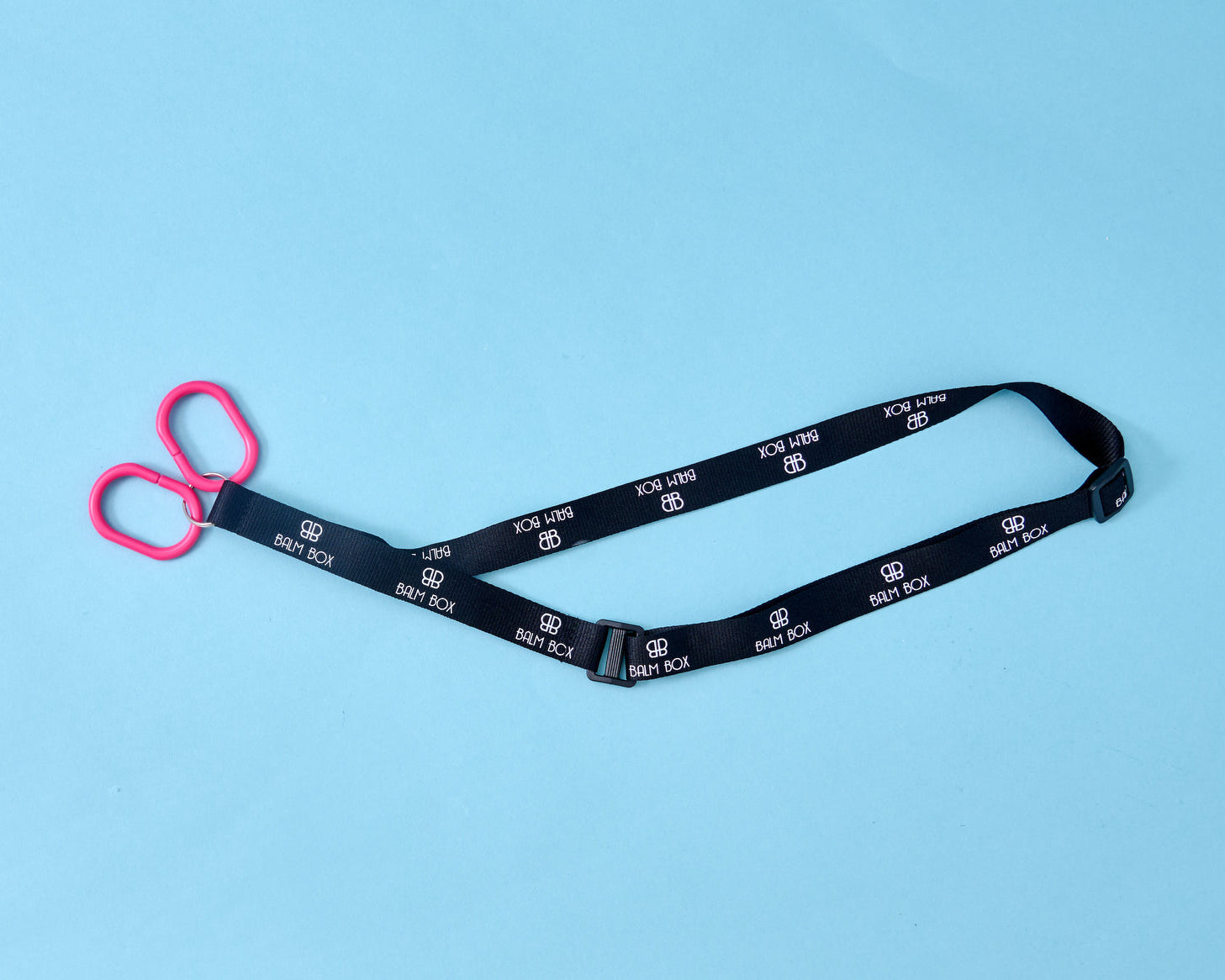
- How to Sleep With a JP Drain Bulb Without It Pulling
- How Do I Stop Rolling Over in My Sleep After Breast Surgery?
- When Can I Sleep on My Side After a Mastectomy?
- Can I Sleep on My Stomach After a Mastectomy?
- How to Get Comfortable Sleeping With One Breast After a Mastectomy
- Sleeping With Tissue Expanders
- How to Sleep After DIEP Flap Reconstruction
- Breast Implant Removal Recovery (Explant)
- Mastectomy Recovery: Essential Guide to Healing and Comfort
- Mastectomy Recovery Must-Haves
- Mastectomy Pillow vs. Standard Pillow
- Our Cancer Stories: Recovery From a Mastectomy
- Pre-Surgery Meditation to Help You Prepare for Surgery


Stage 2b: Surgical Recovery — Lumpectomy Path
A lumpectomy is a smaller surgery, but the incision still needs protection while it heals, and radiation often follows. These guides cover positioning in the first weeks and when you can return to your usual sleep position.
- How to Sleep After a Lumpectomy
- Can I Sleep on My Side After a Lumpectomy?
- How Long Do You Sleep Elevated After a Lumpectomy?
- Can You Sleep on Your Stomach After a Lumpectomy? — Publishing Oct 13

Stage 3: Active Treatment
Chemo, radiation, and hormone therapy each affect sleep differently. A port in the upper chest changes how you lie down, radiation can leave skin tender, and hormone therapy can bring night sweats. These guides address each one.
- Can I Sleep on My Side With a Chemo Port? — Publishing Oct 15
- How to Sleep Comfortably During Radiation Treatment — Publishing Oct 20
- Why Does Tamoxifen Cause Night Sweats? — Publishing Oct 22
- How to Stop Night Sweats After Surgery
- Improving Sleep Quality During Cancer
- Comfort and Pain Management for Cancer Patients


Ongoing Support & Caregivers
These guides are for the people helping someone through treatment, and for patients looking after themselves between appointments.
- How Can I Help Someone Sleep Better During Chemo? — Publishing Oct 27
- What to Ask Your Oncologist About Sleep During Treatment — Publishing Oct 29
- Why Is Self Care So Hard?
- Best Gifts for Breast Cancer Patients
- Post Surgery Gifts for Her
- Best Gifts for Better Sleep
- Cancer Gift Registries
- What No One Tells You About Sleep During Mastectomy Recovery (Salto Health)


Resources for Breast Cancer Patients in Canada
Sleep Again ships directly within Canada. These guides cover coverage, shipping, and provincial resources.
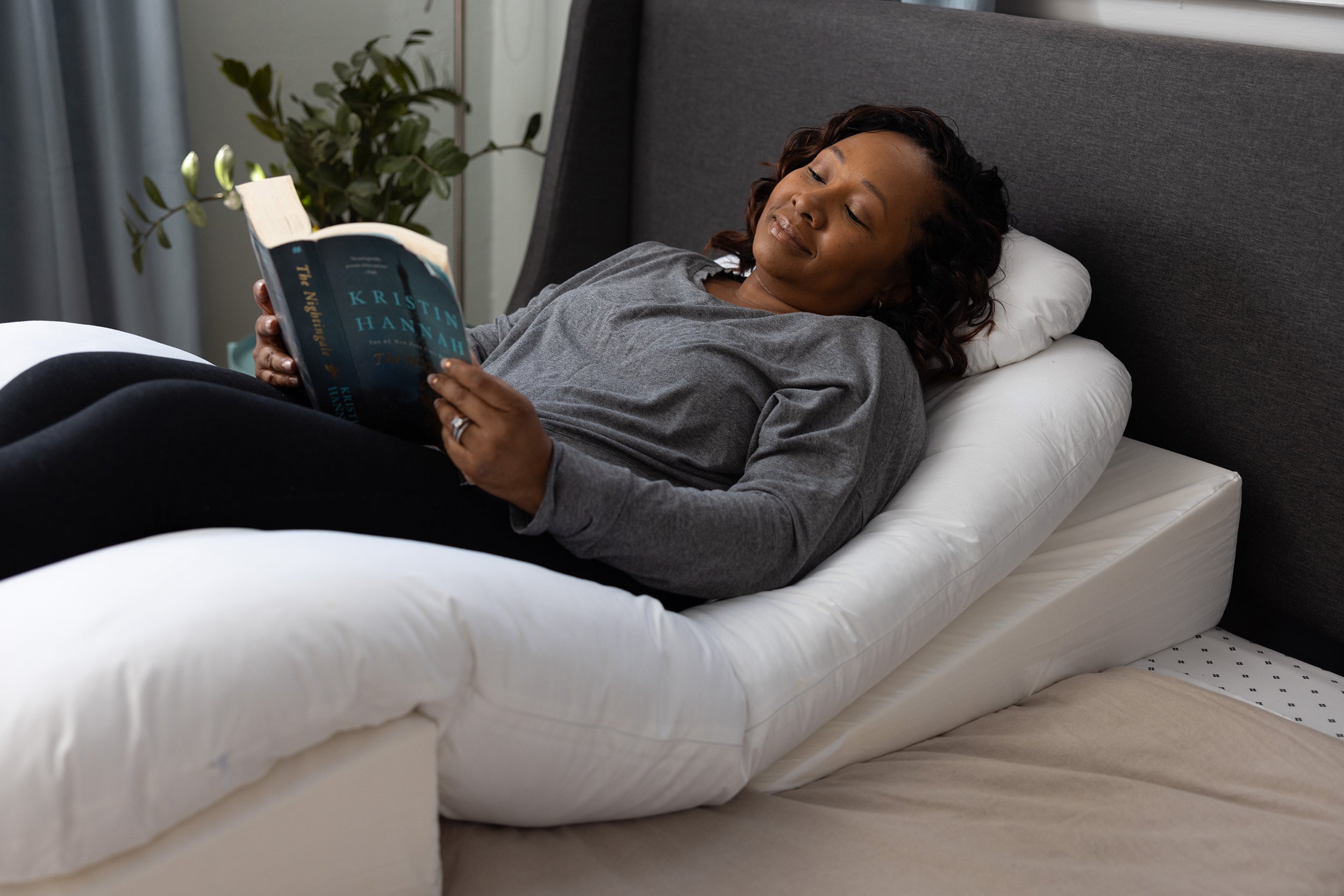
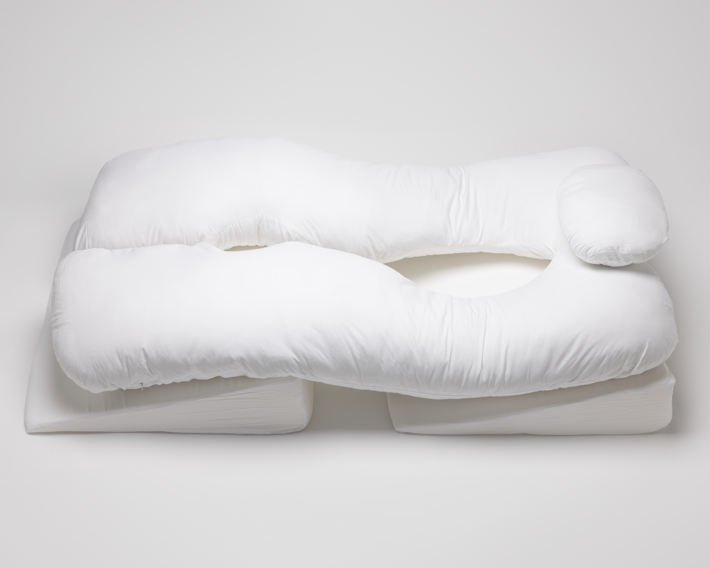
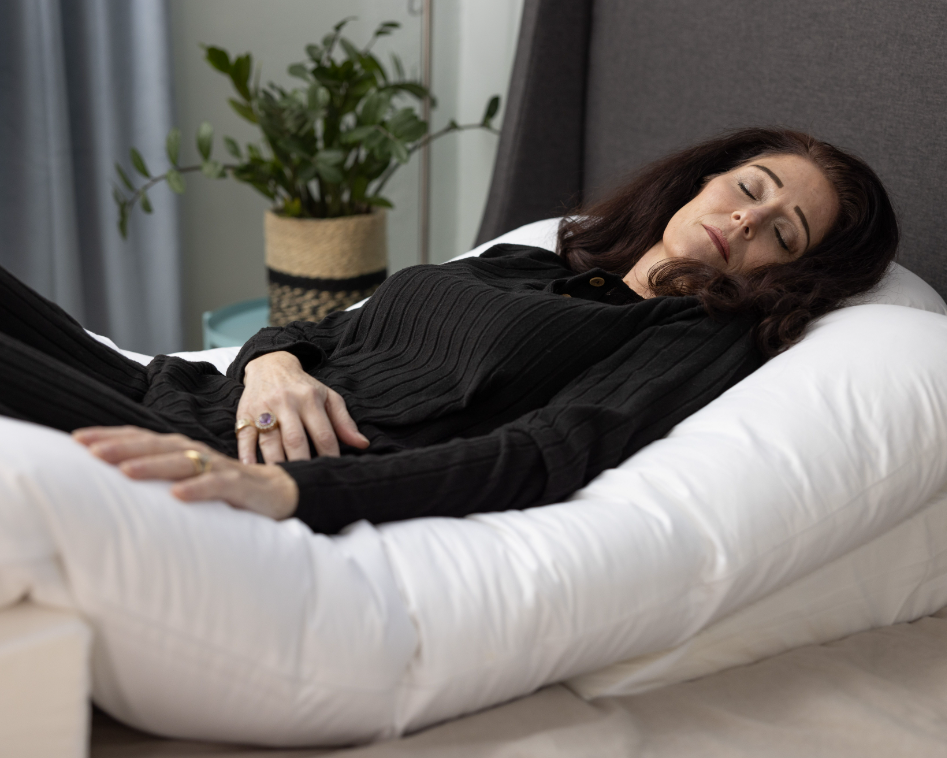

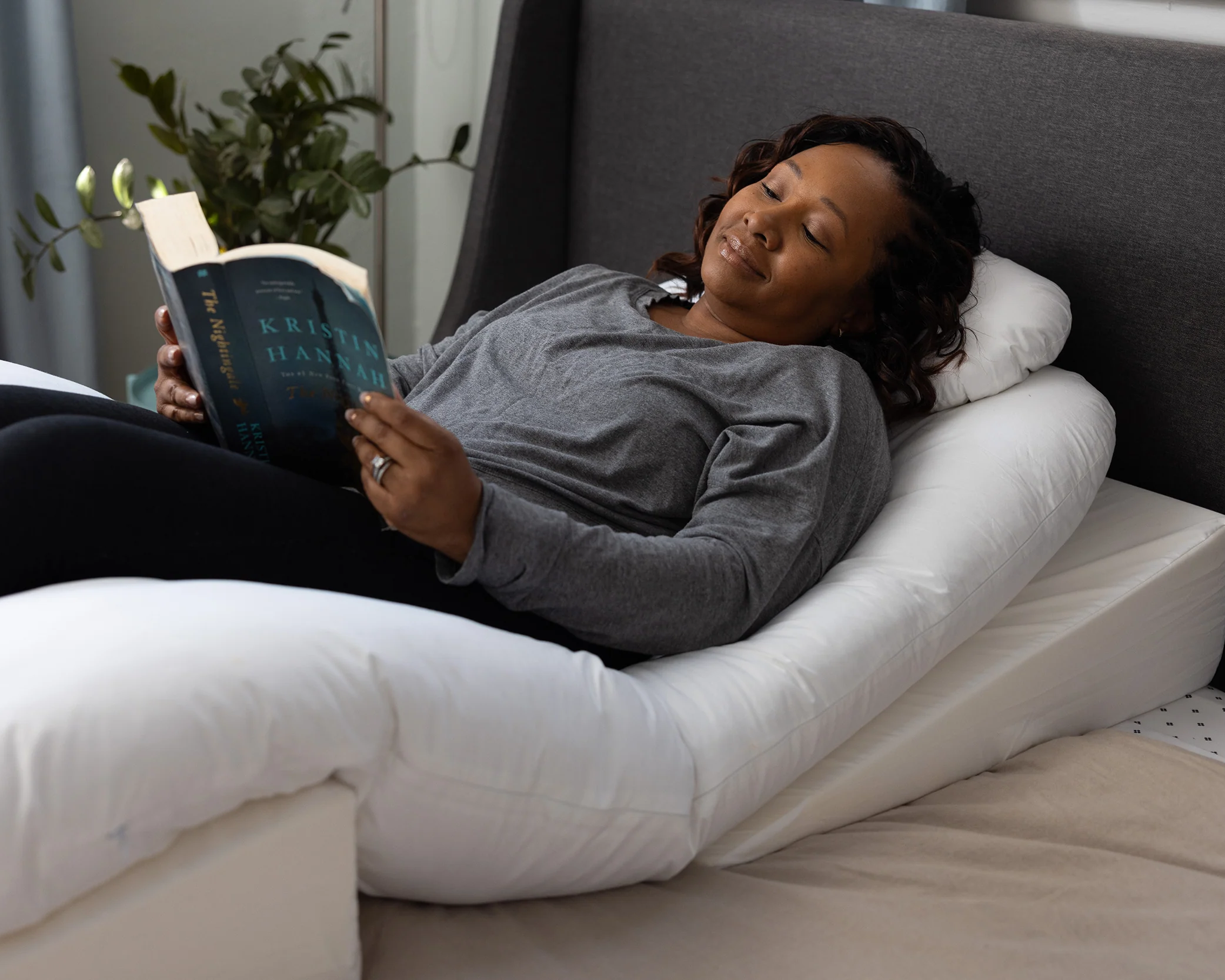
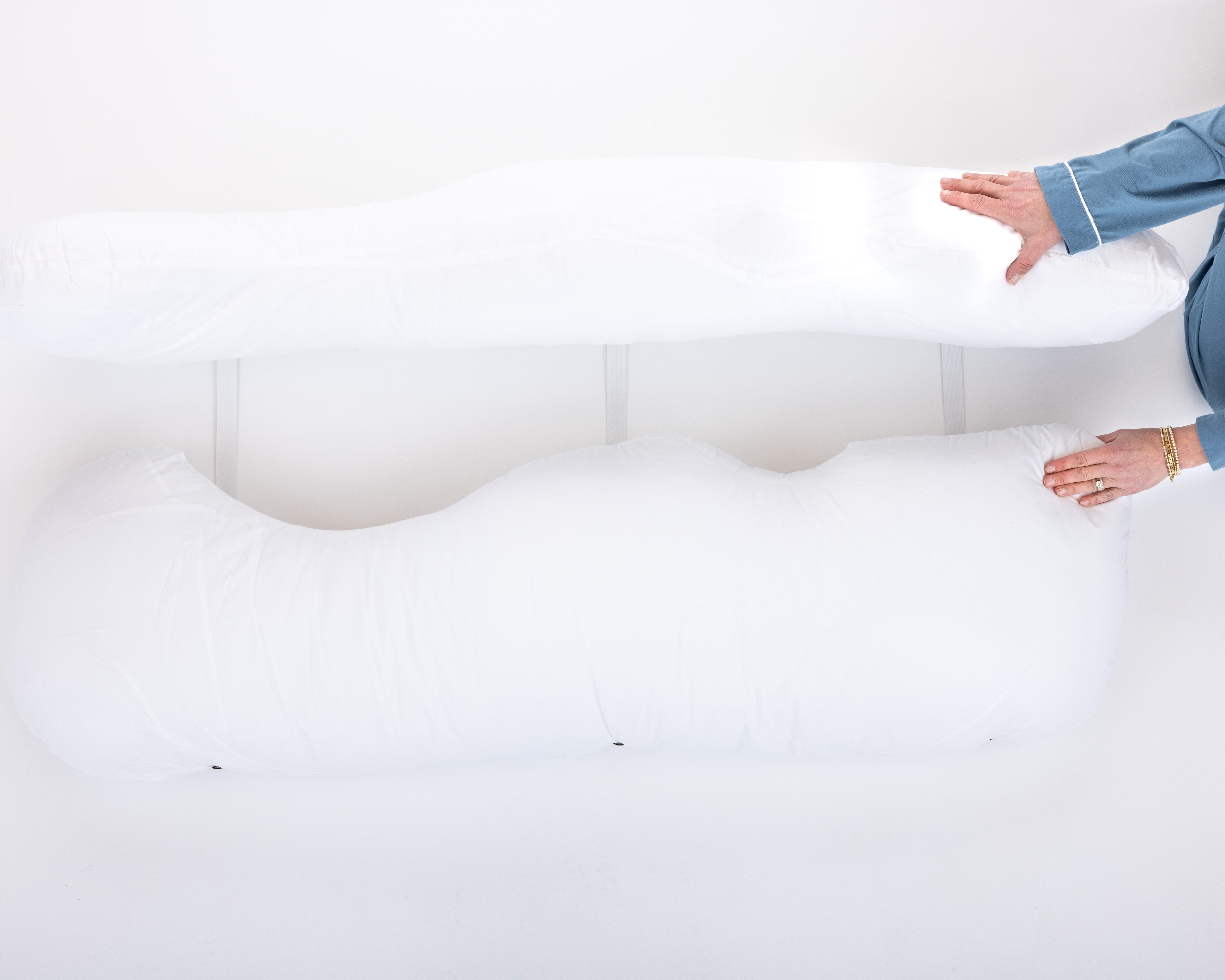
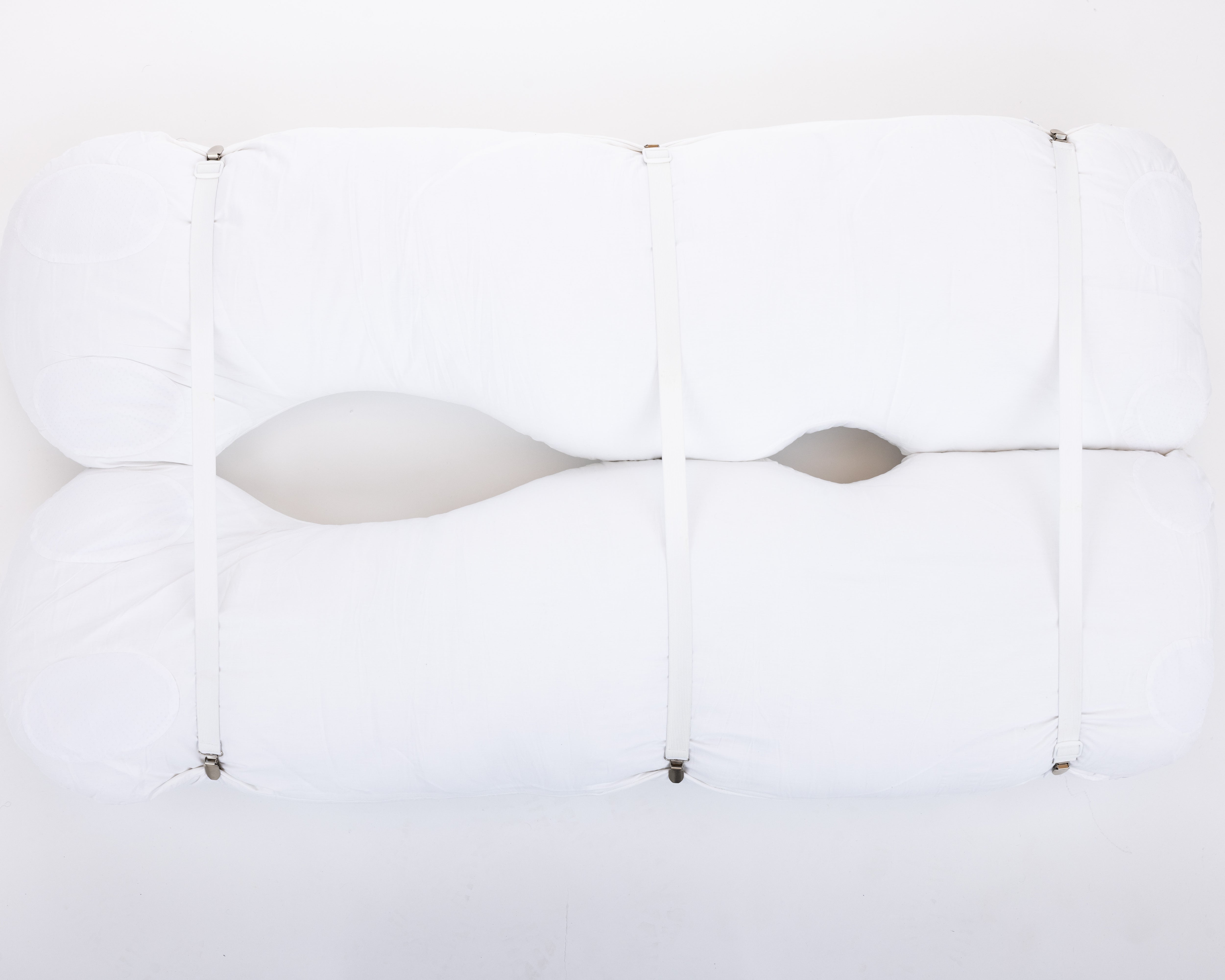
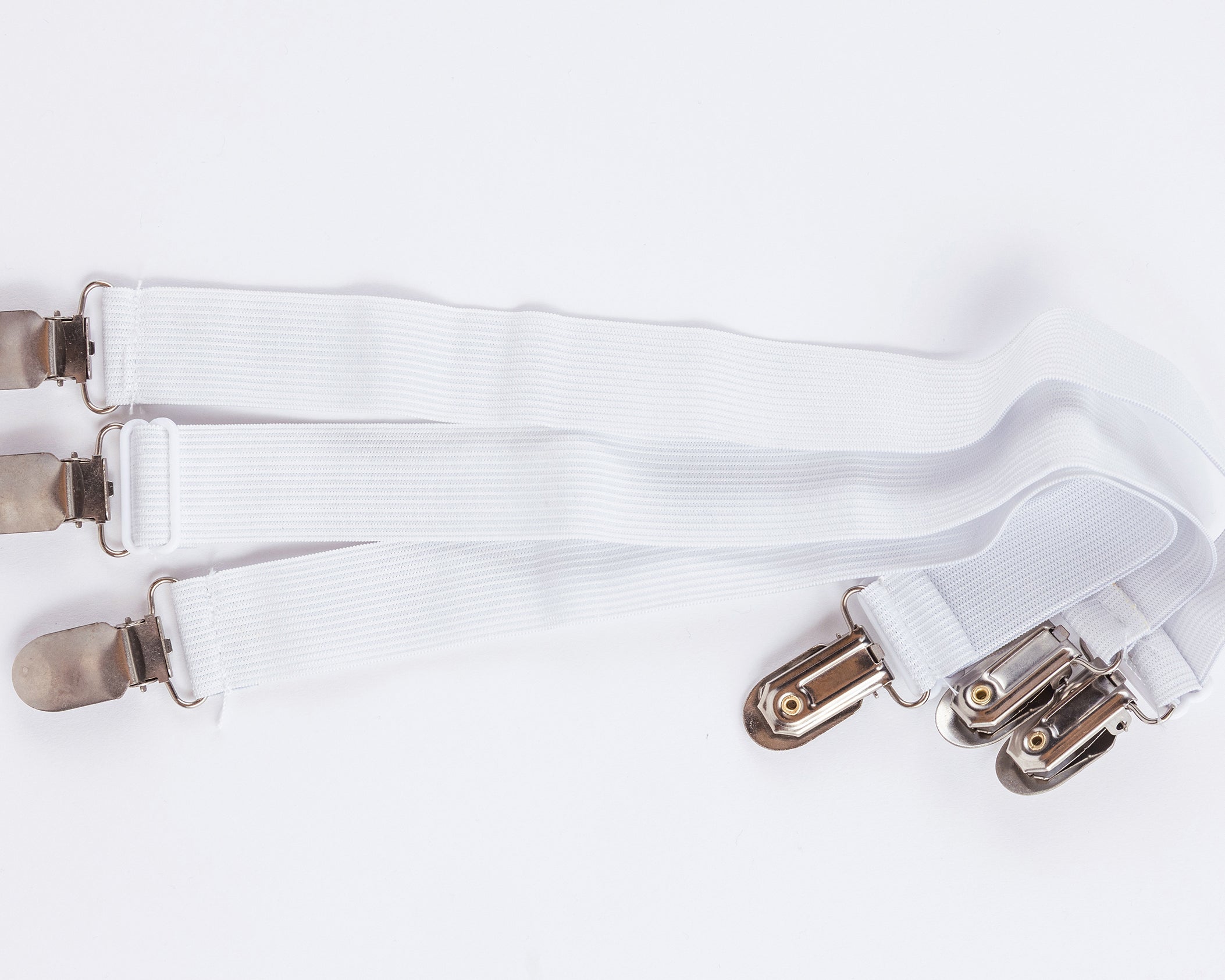
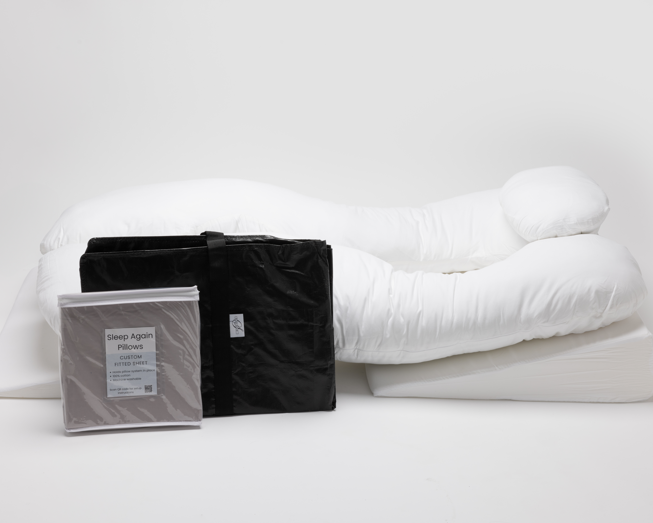
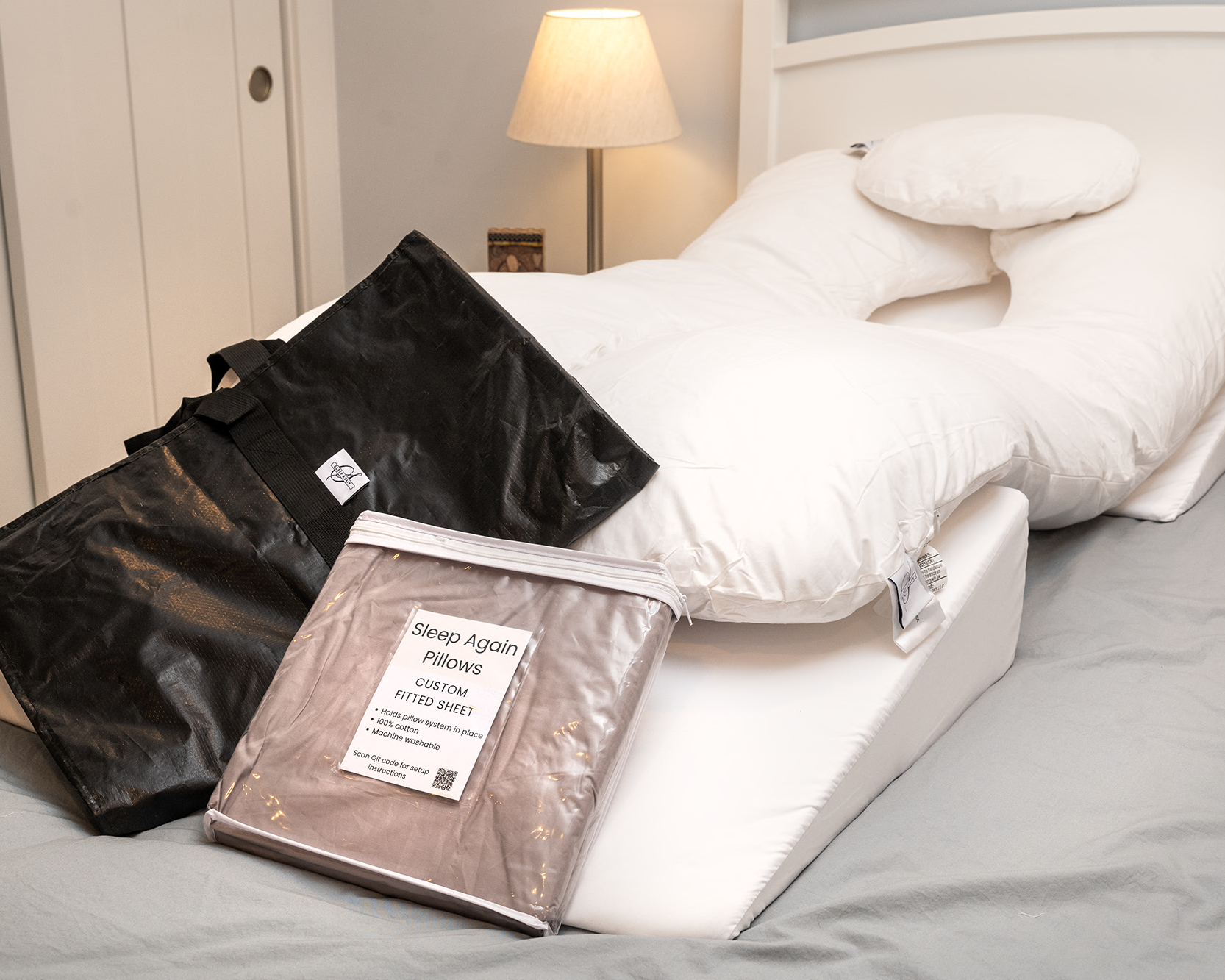
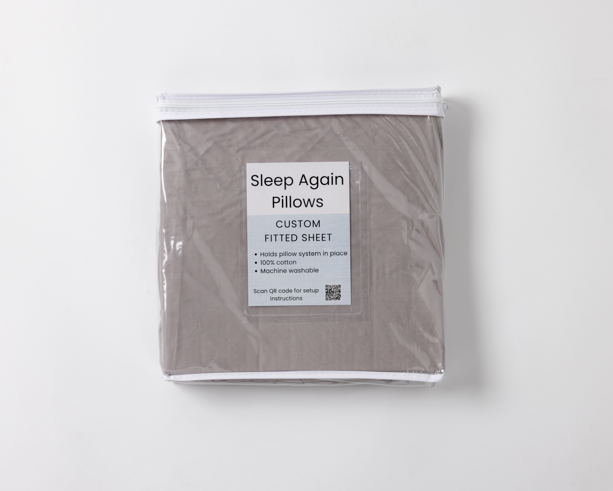
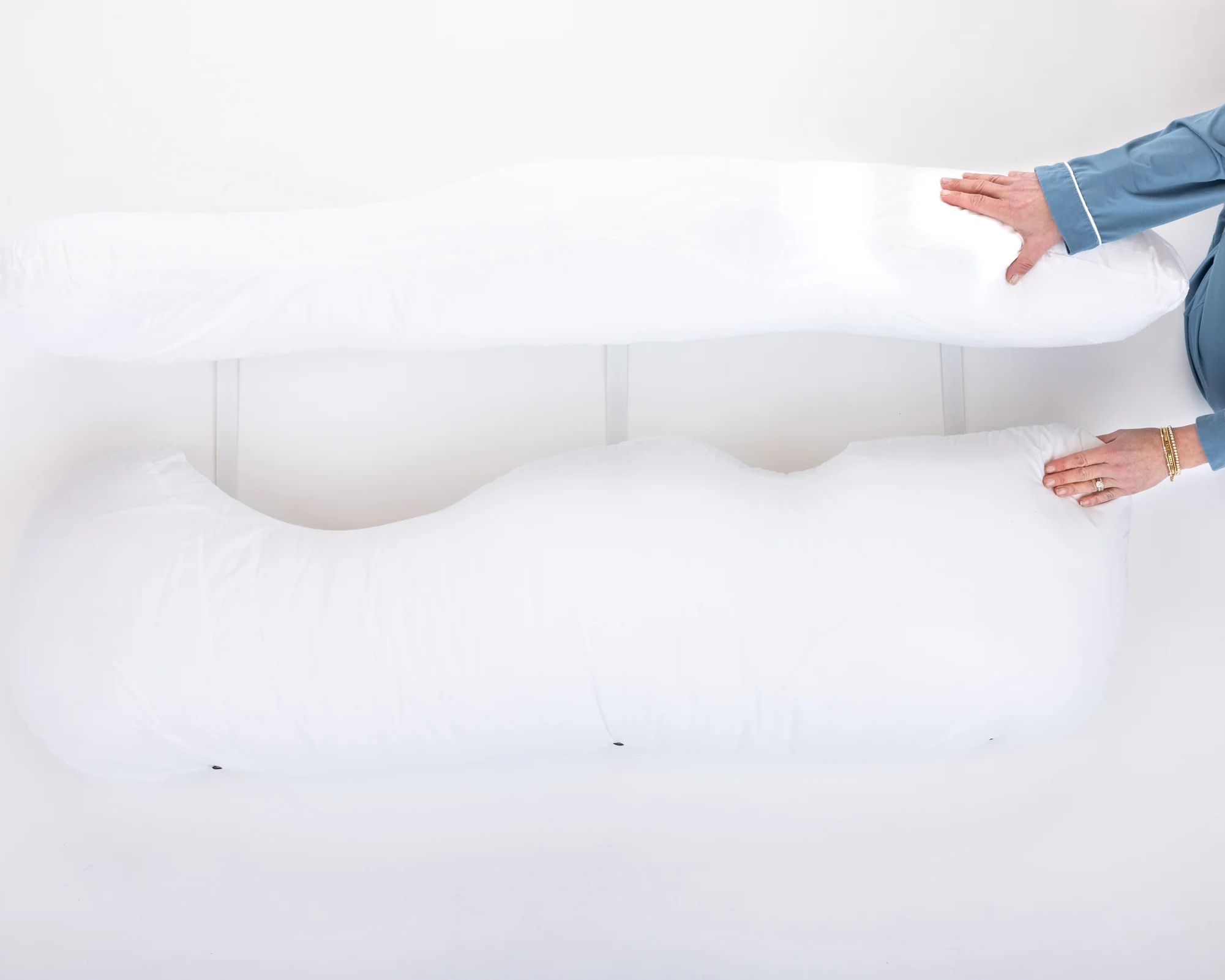
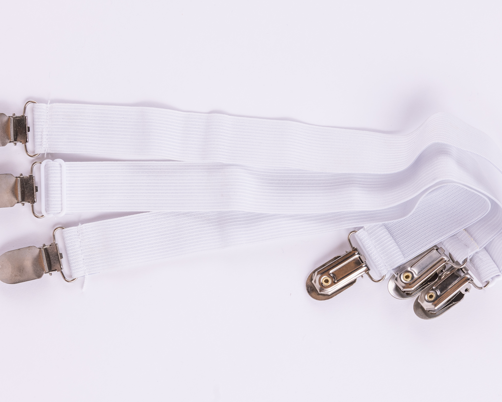
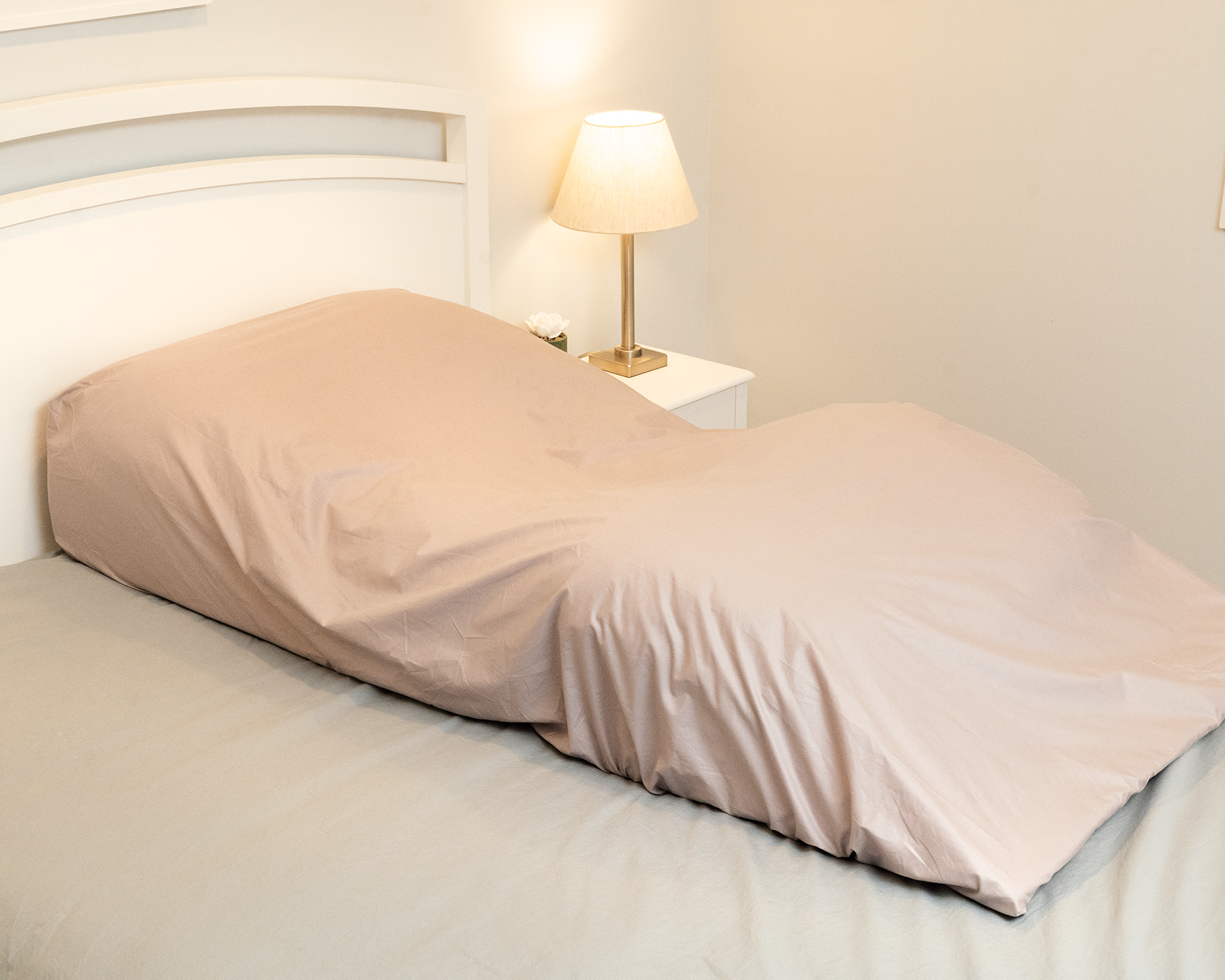
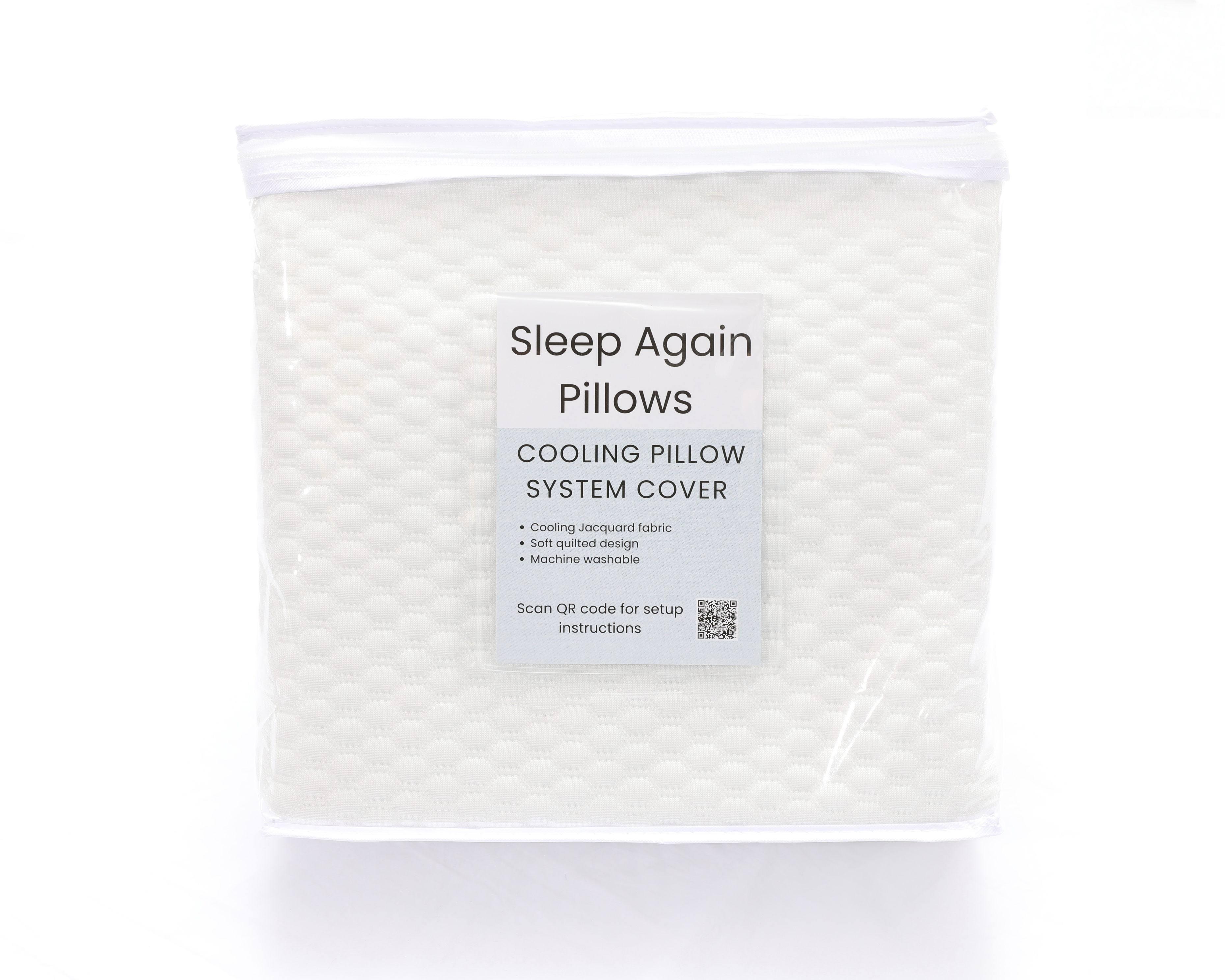

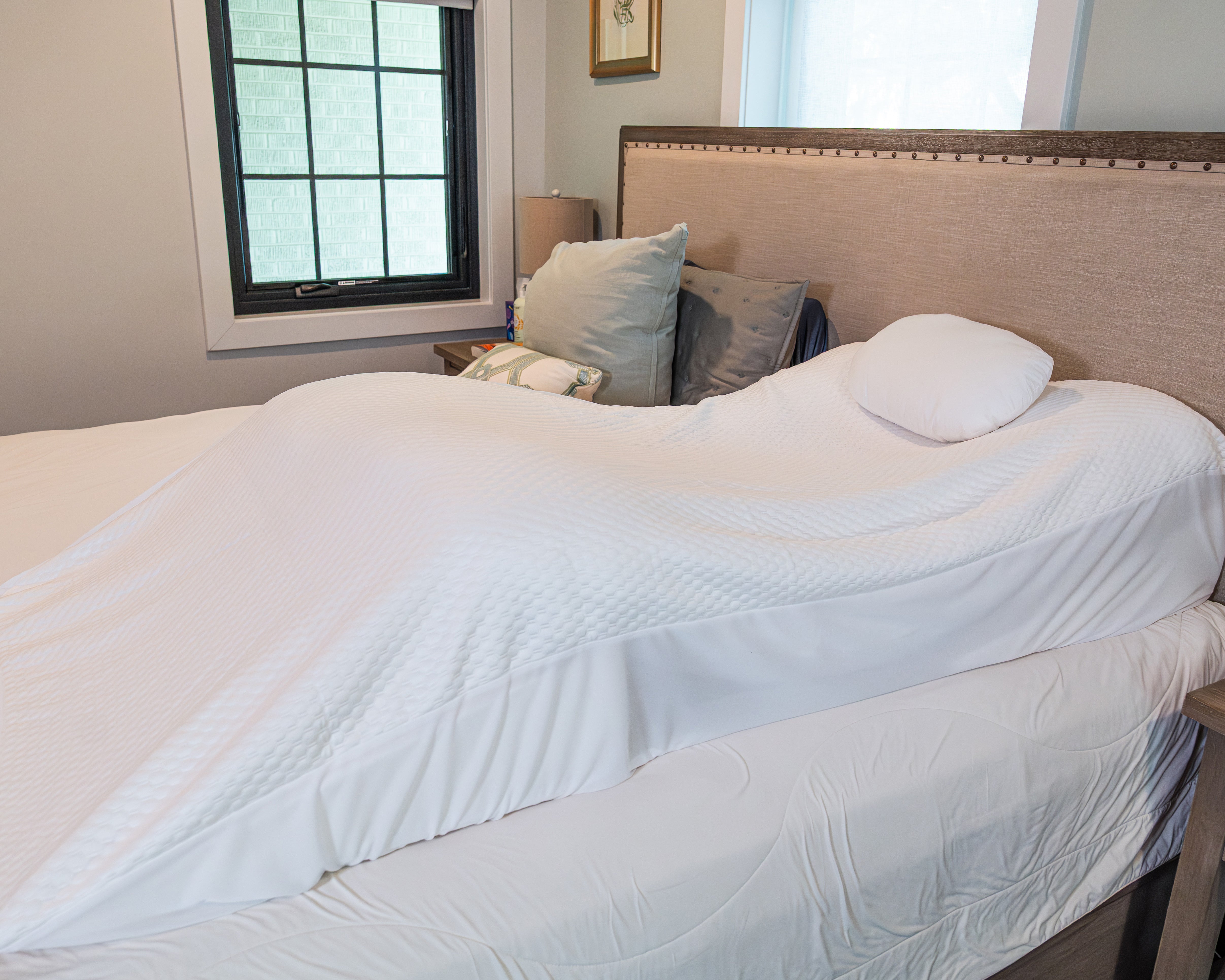
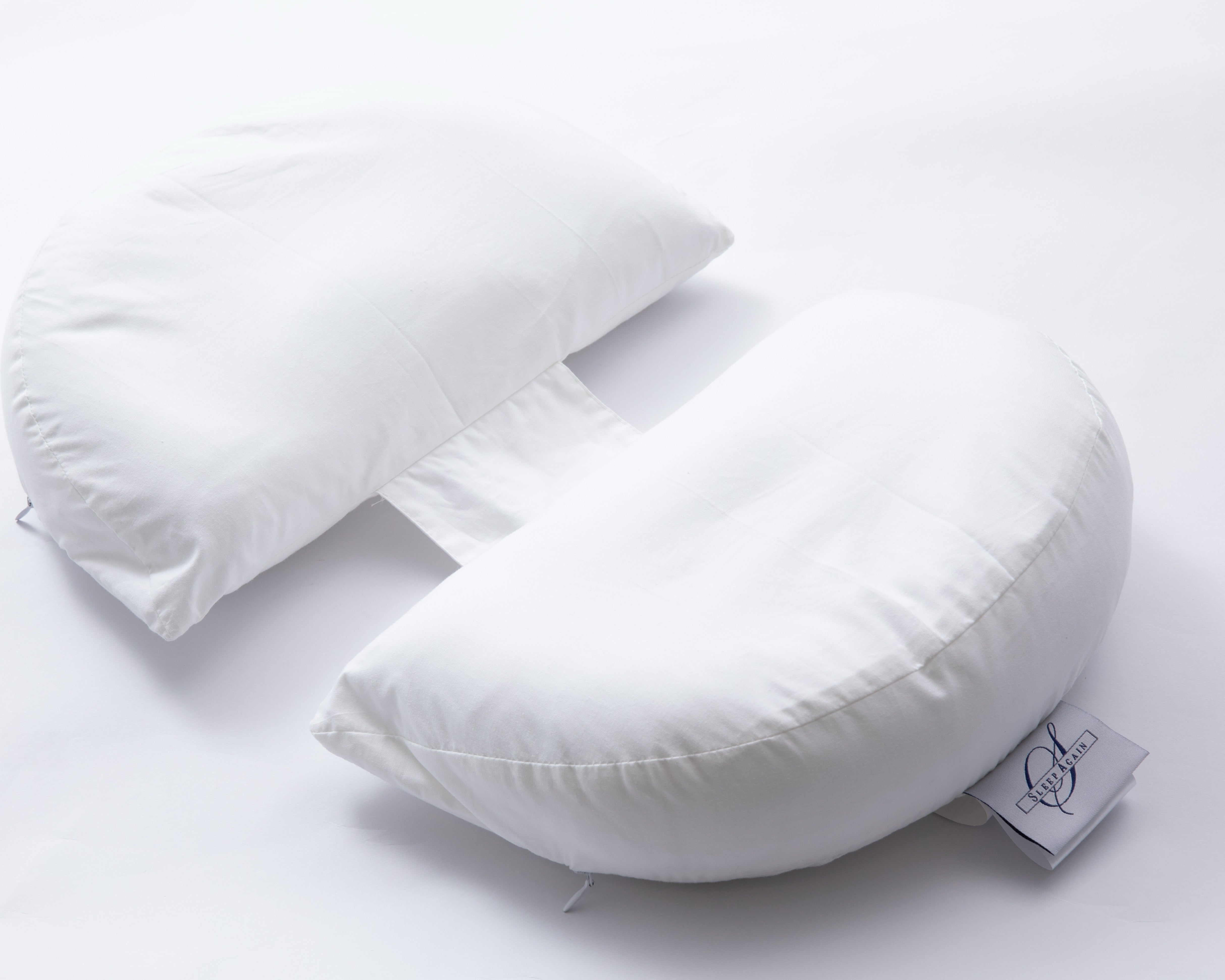
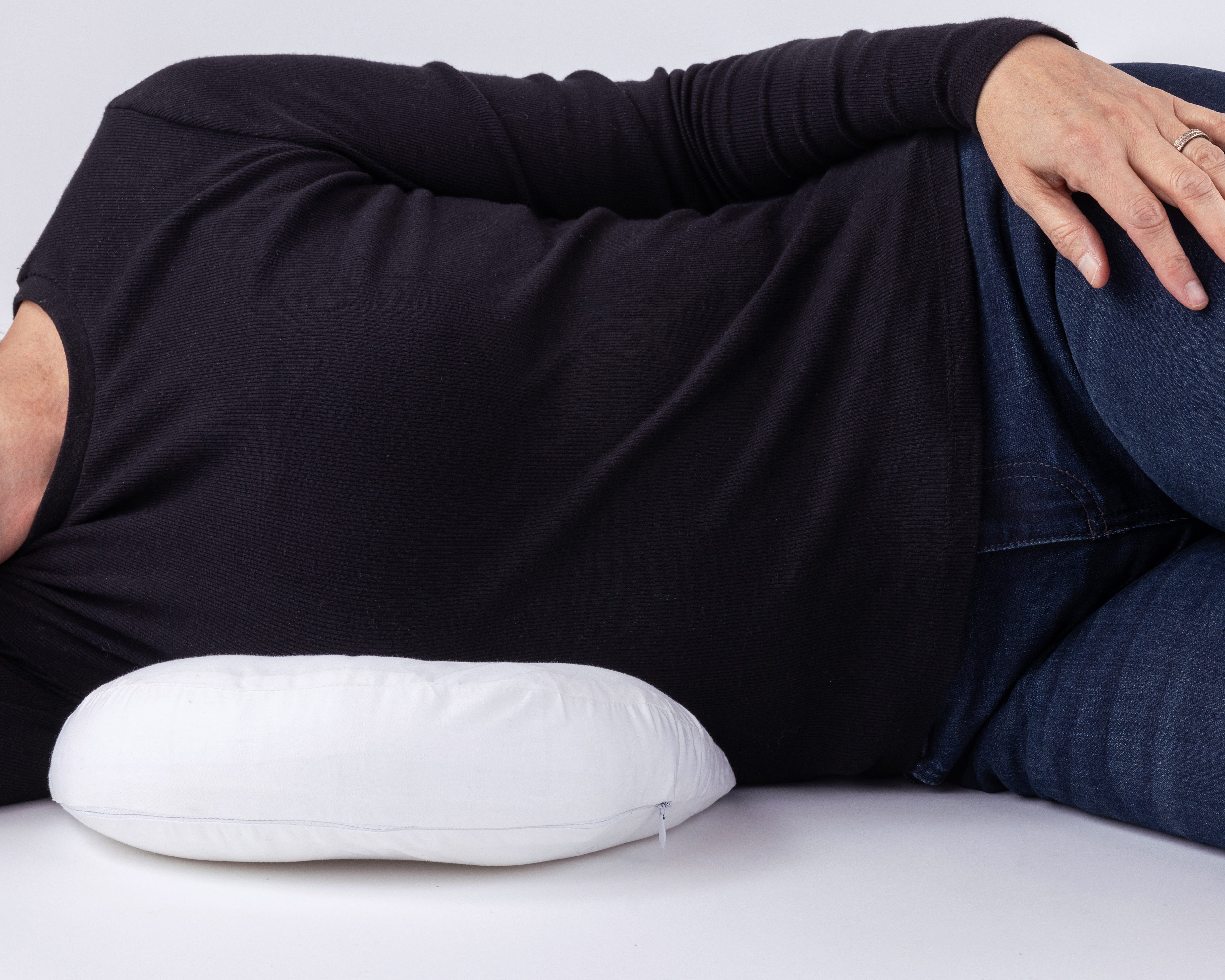
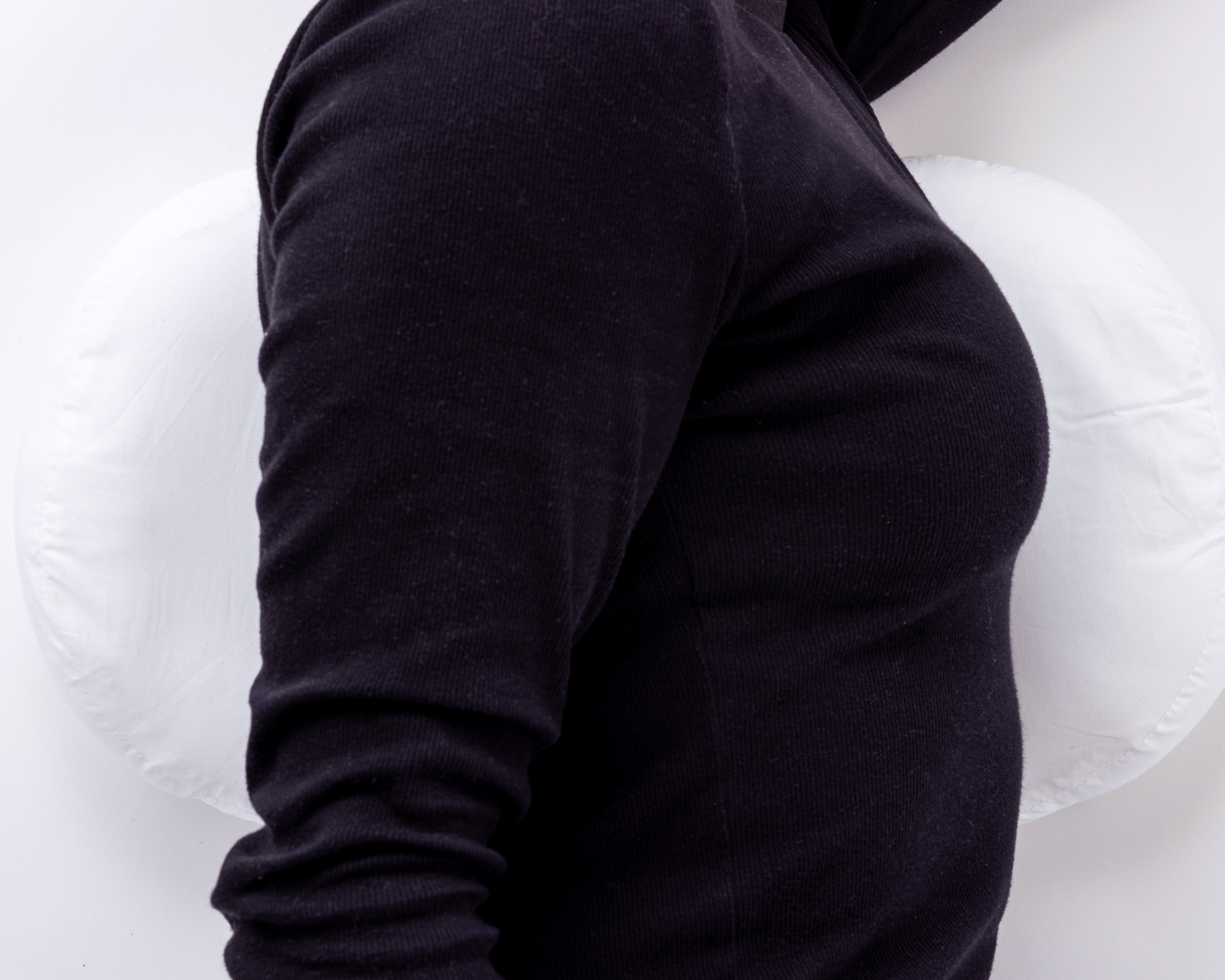
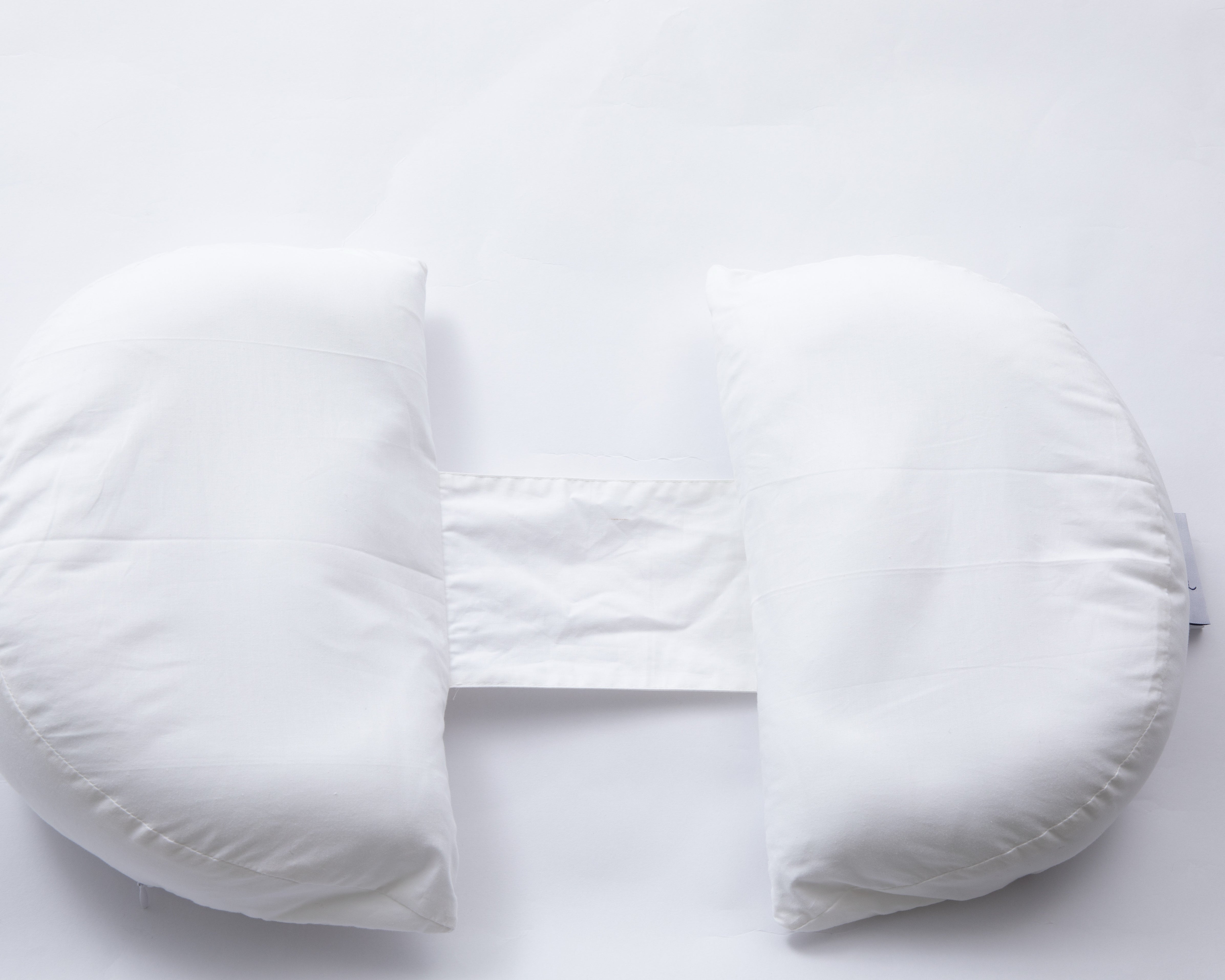
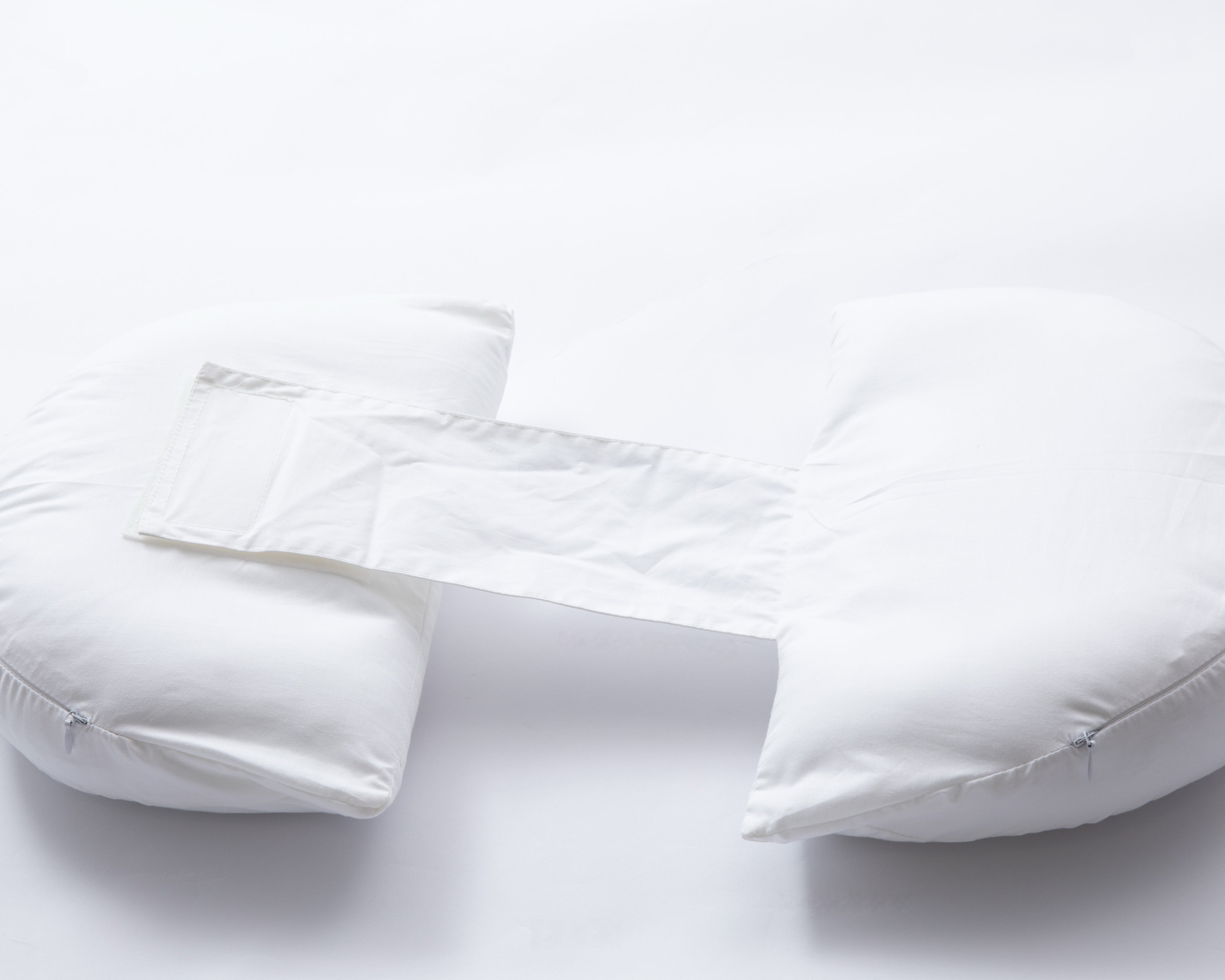
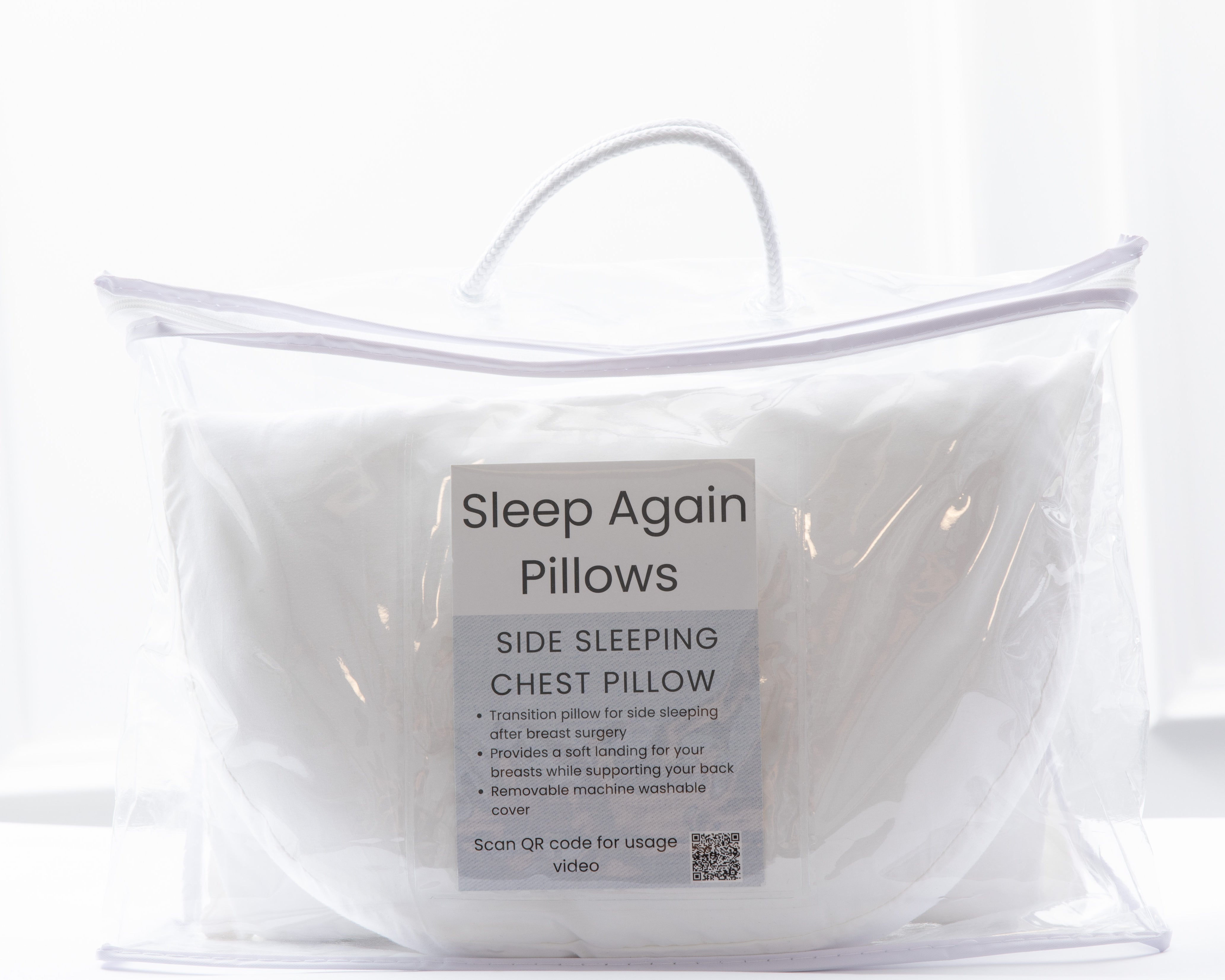
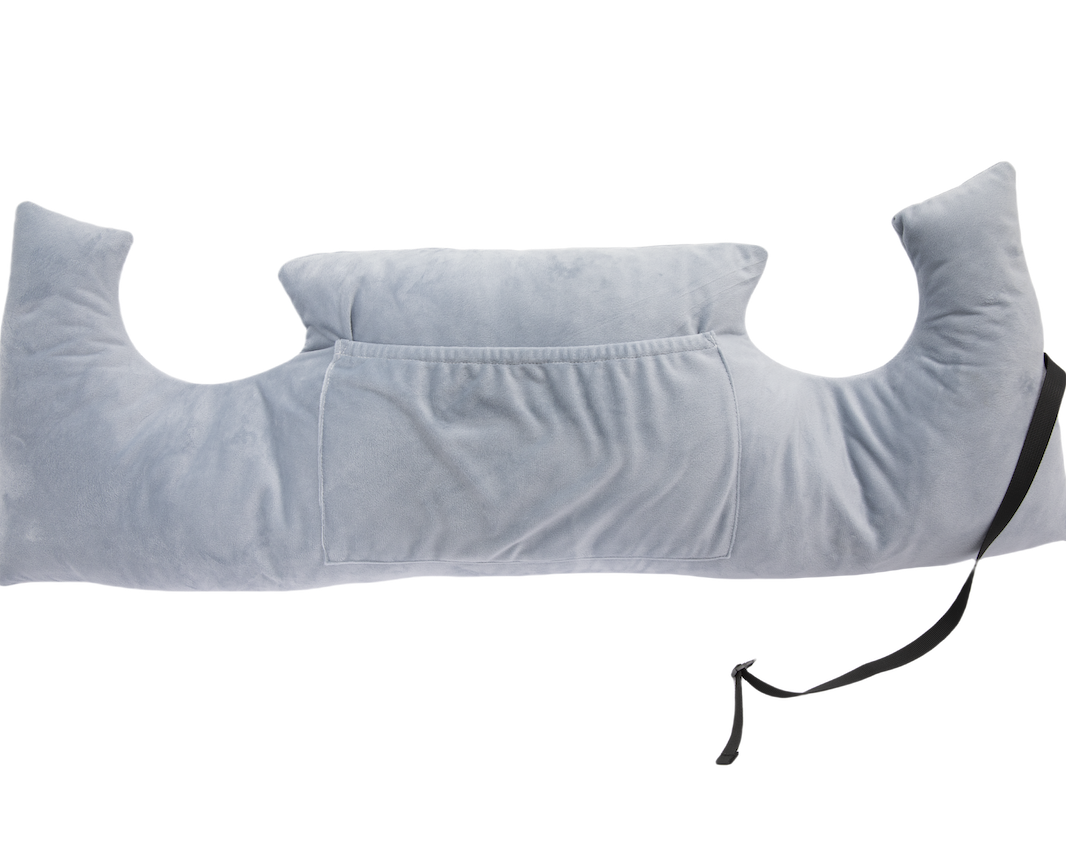
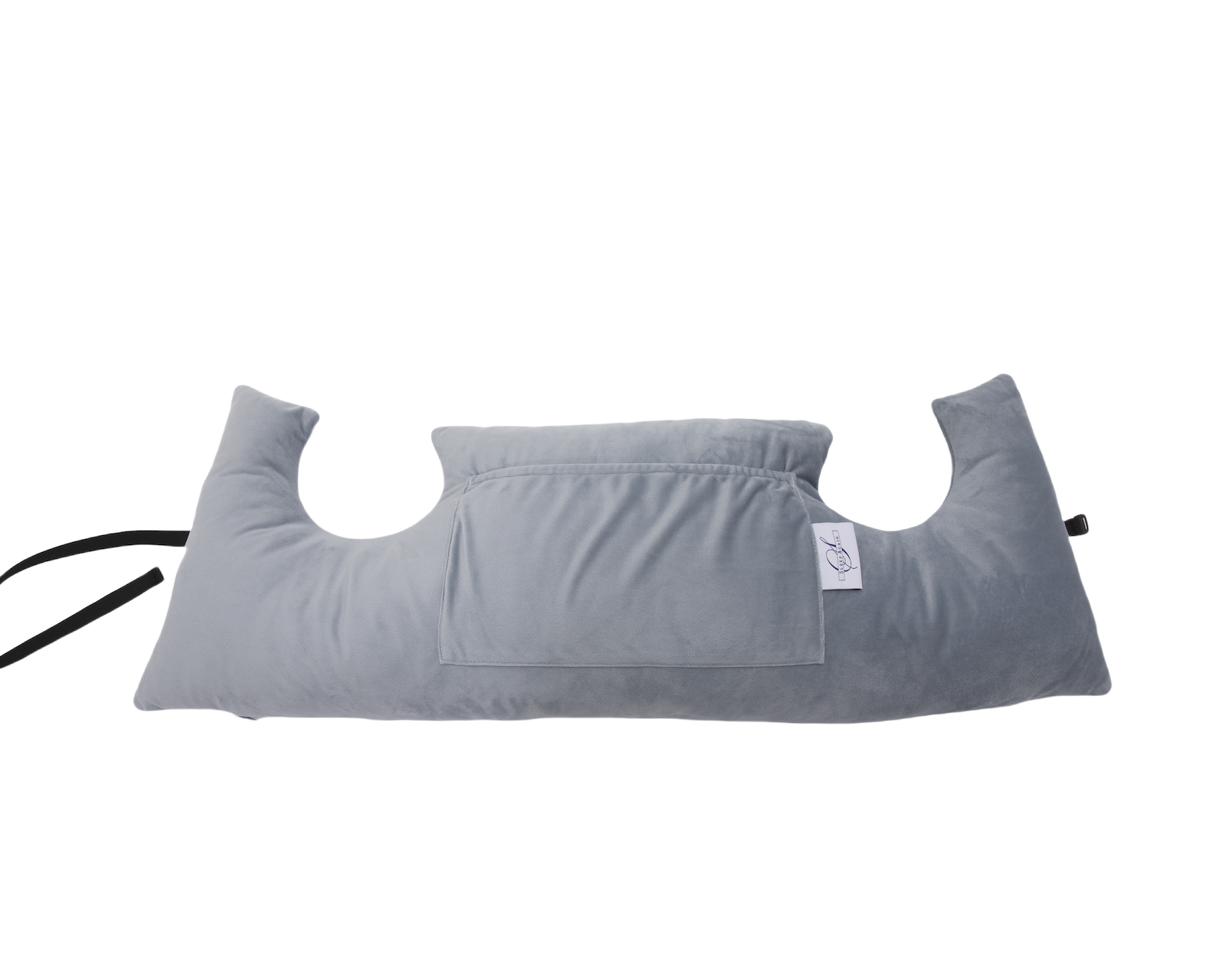
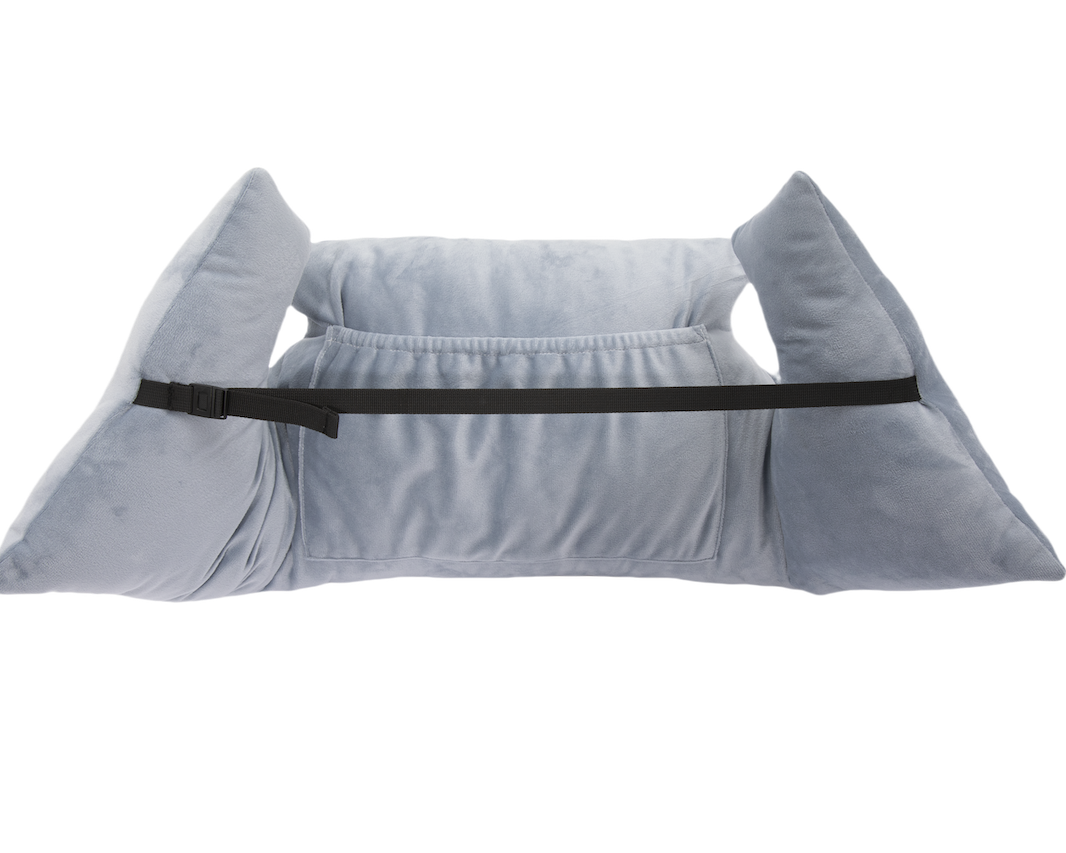
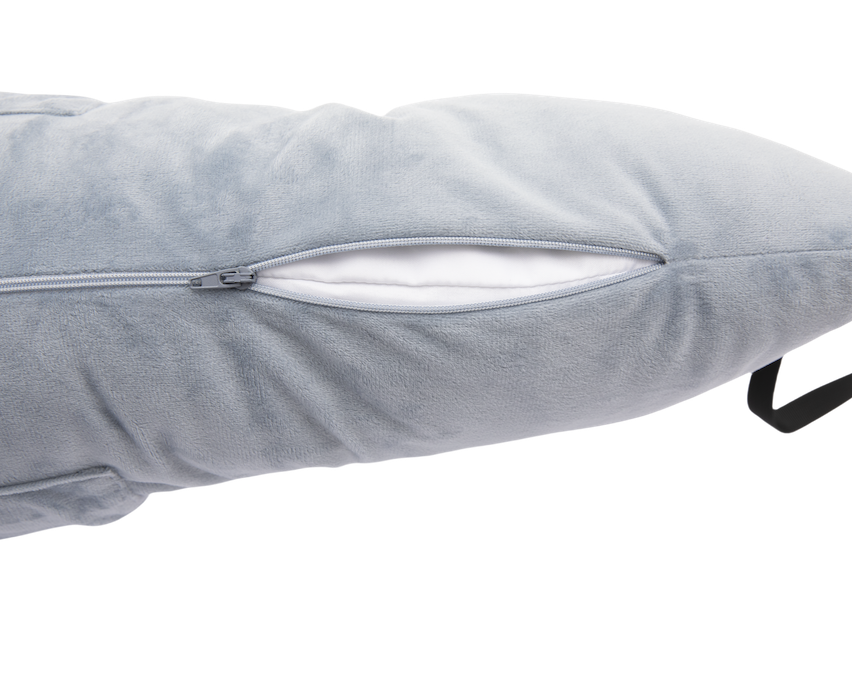
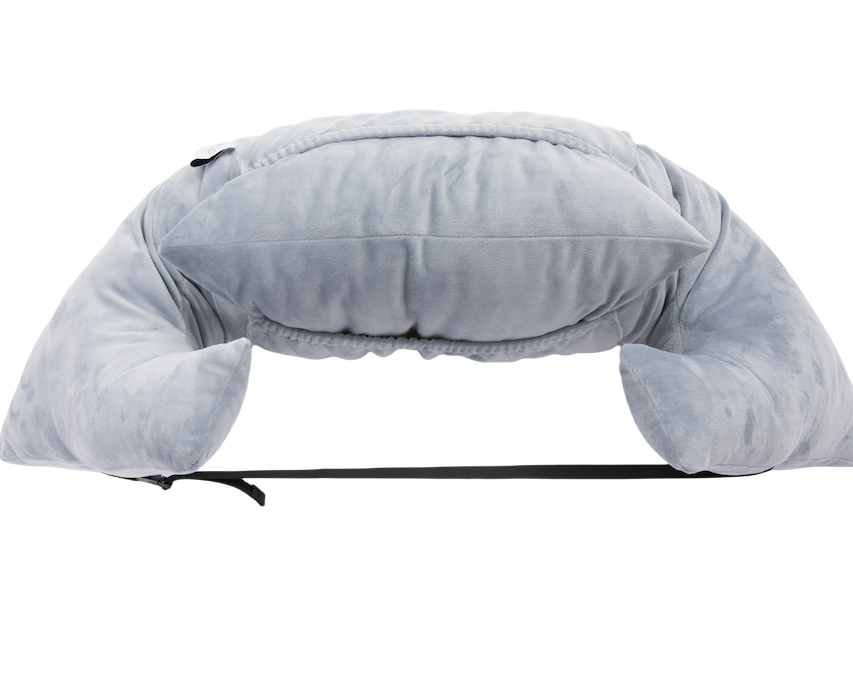
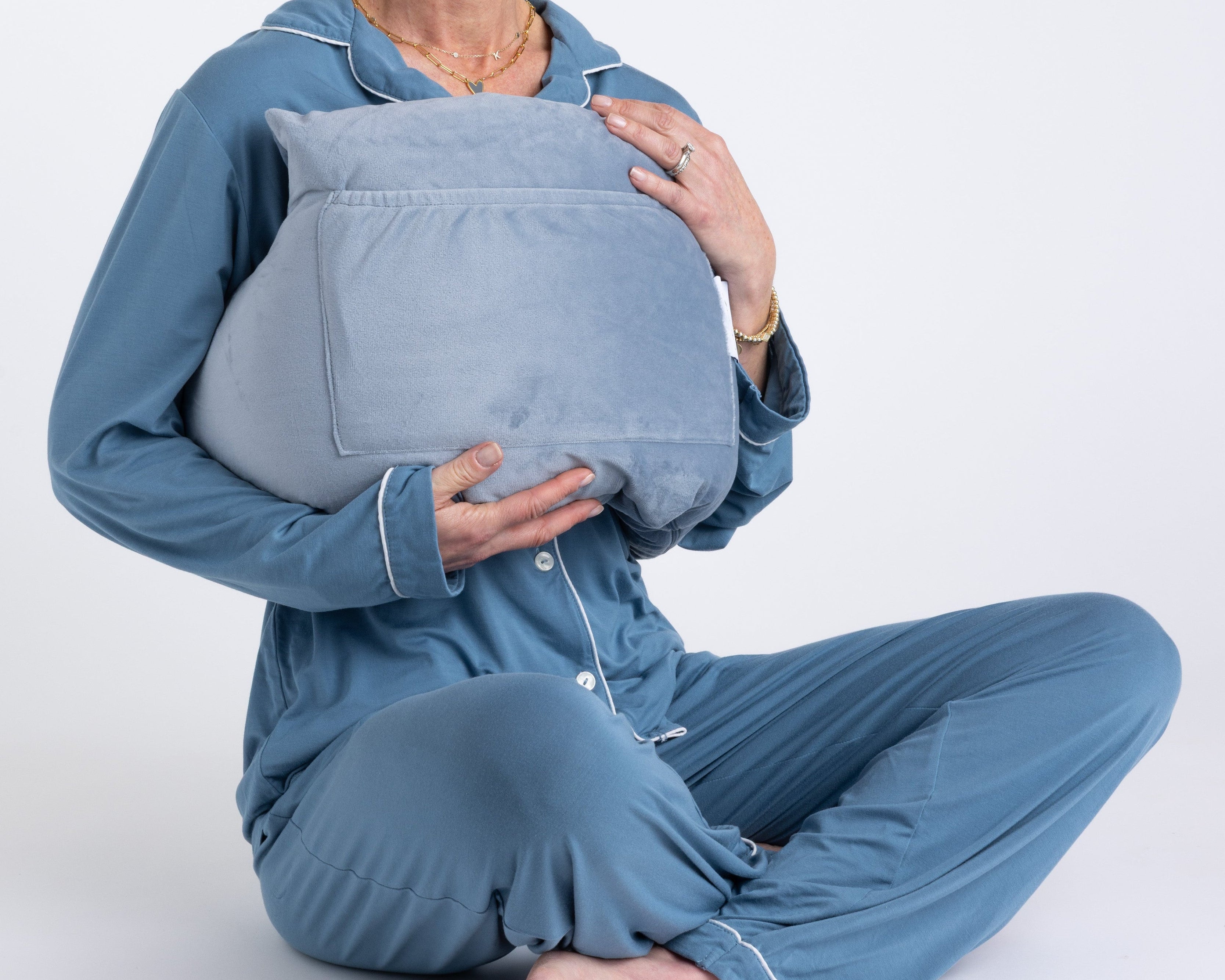
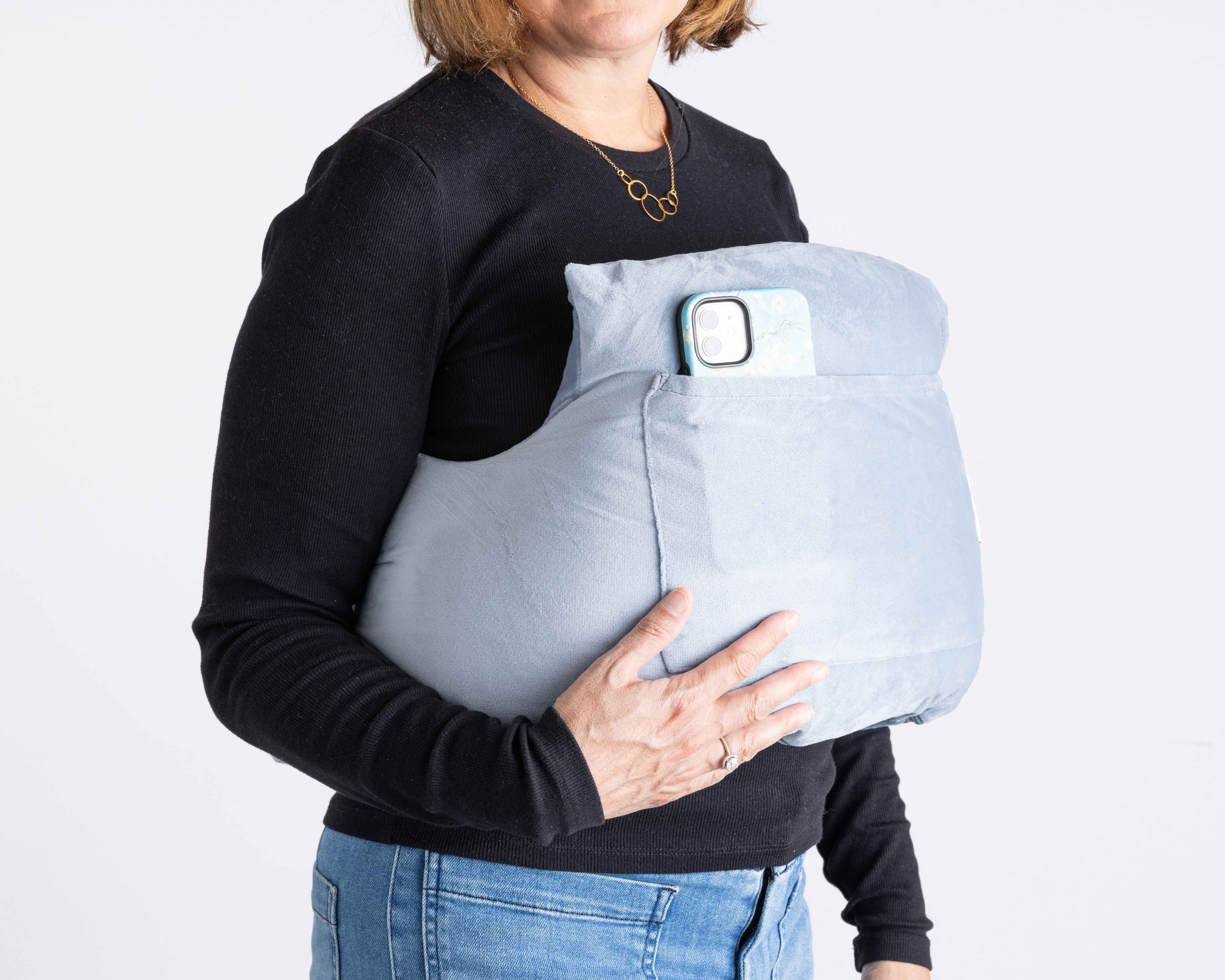
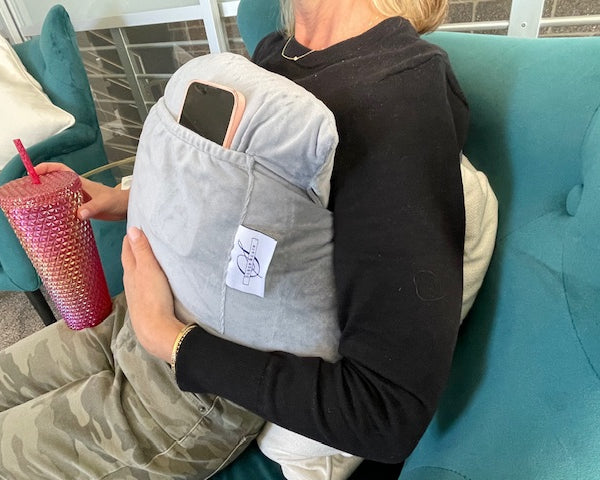
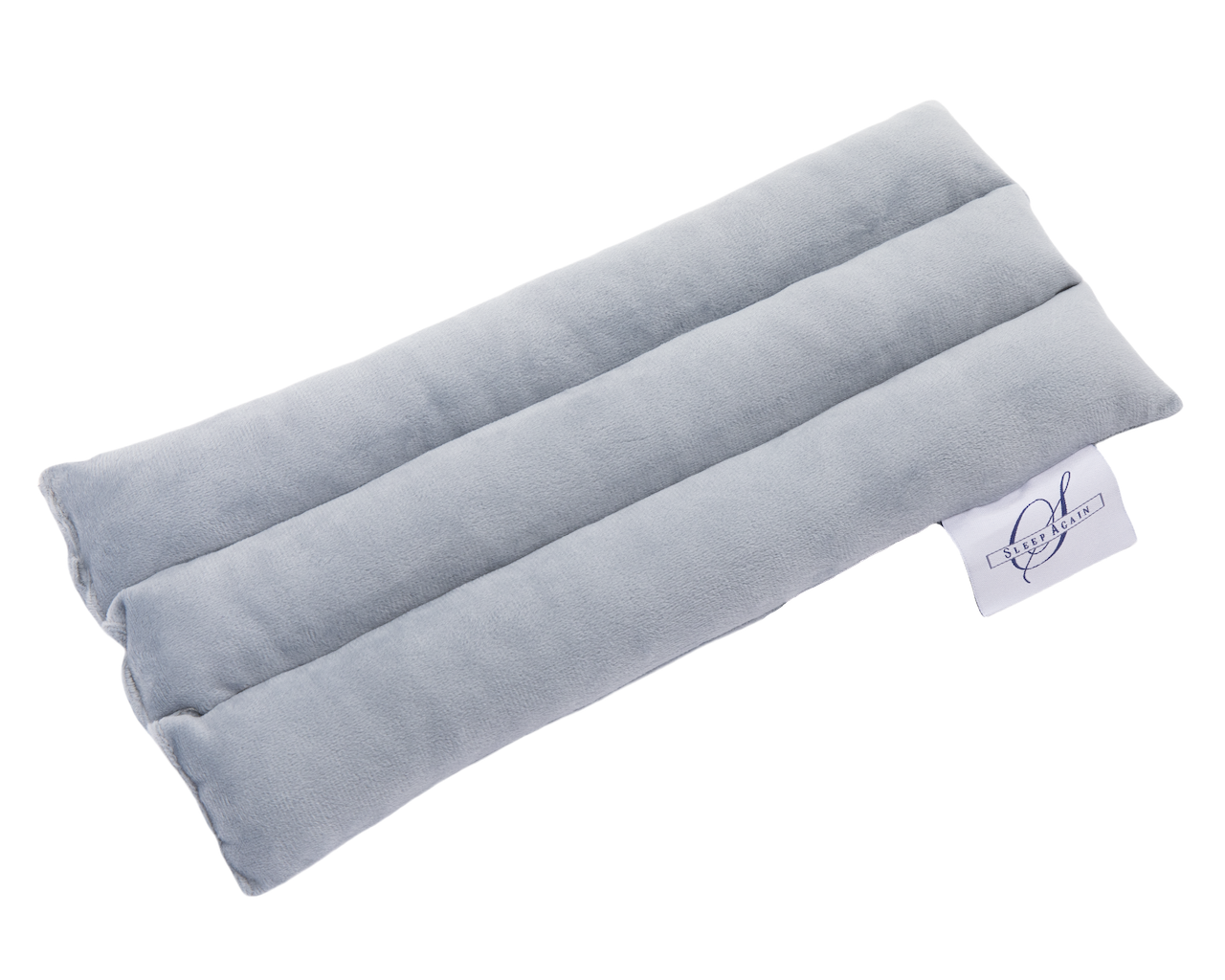
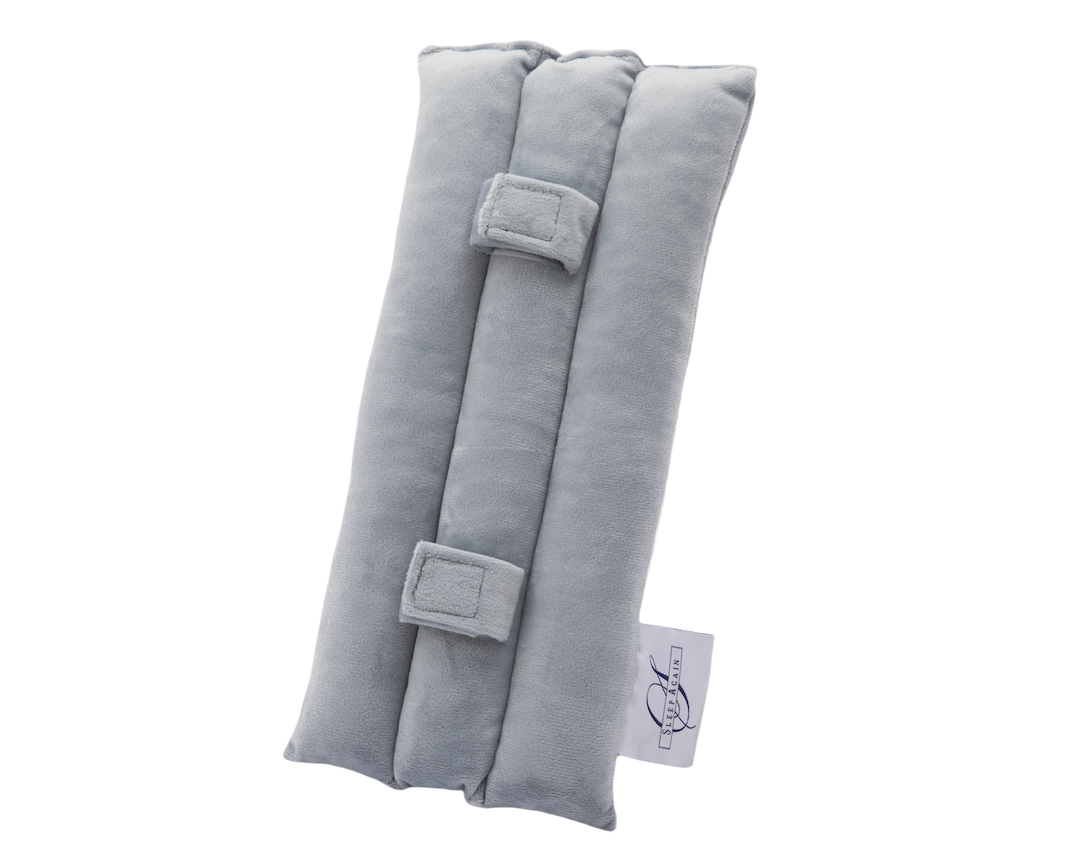
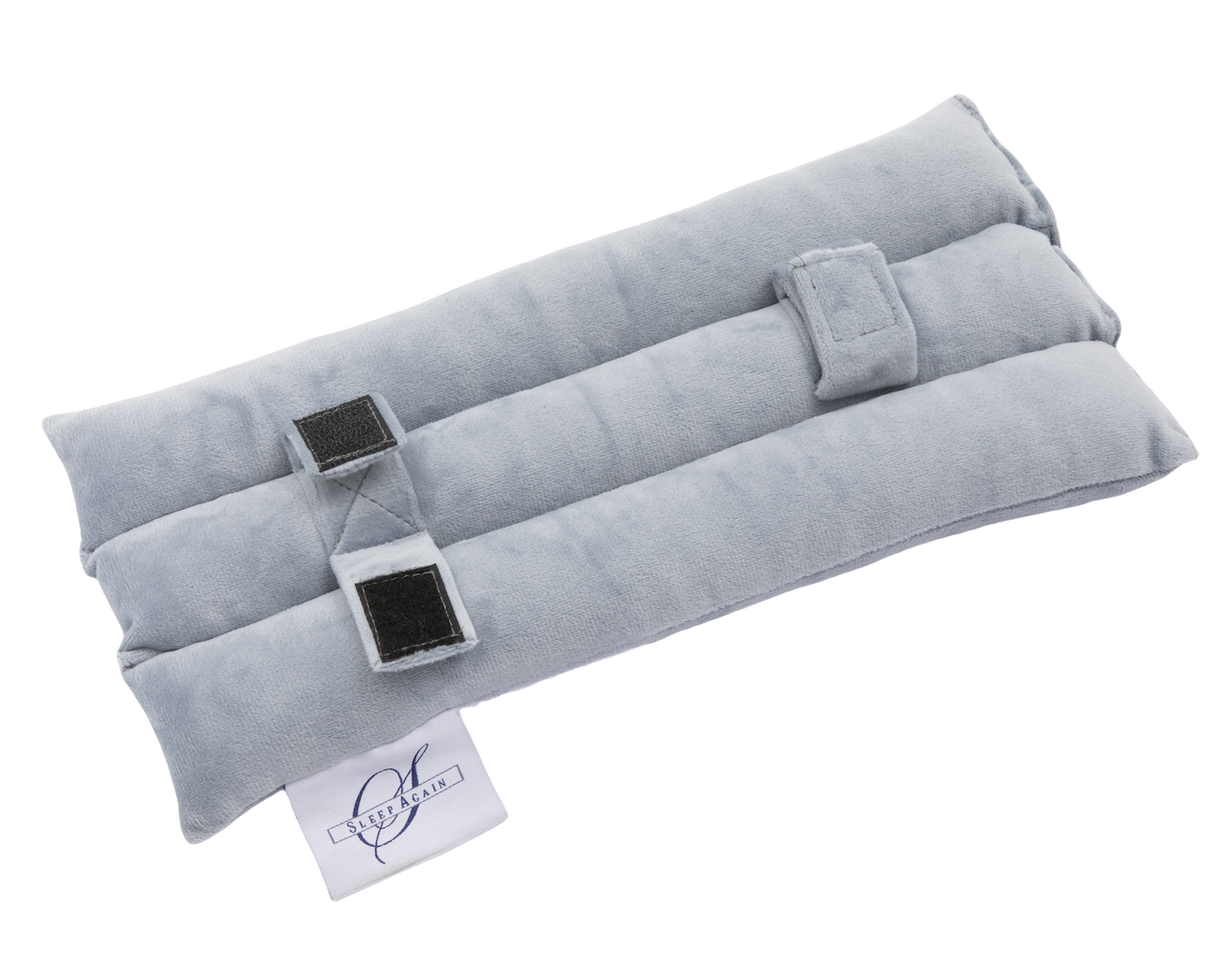

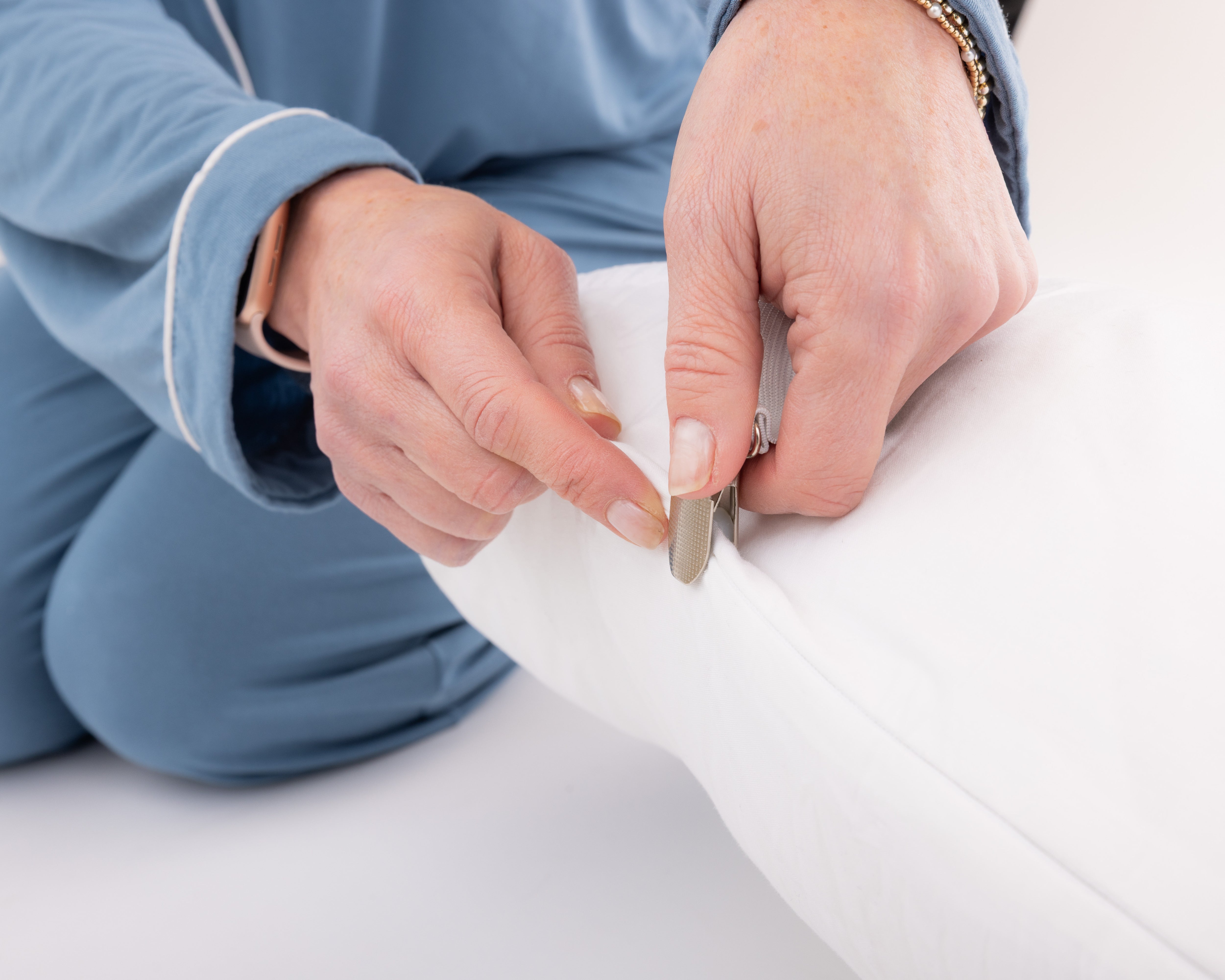
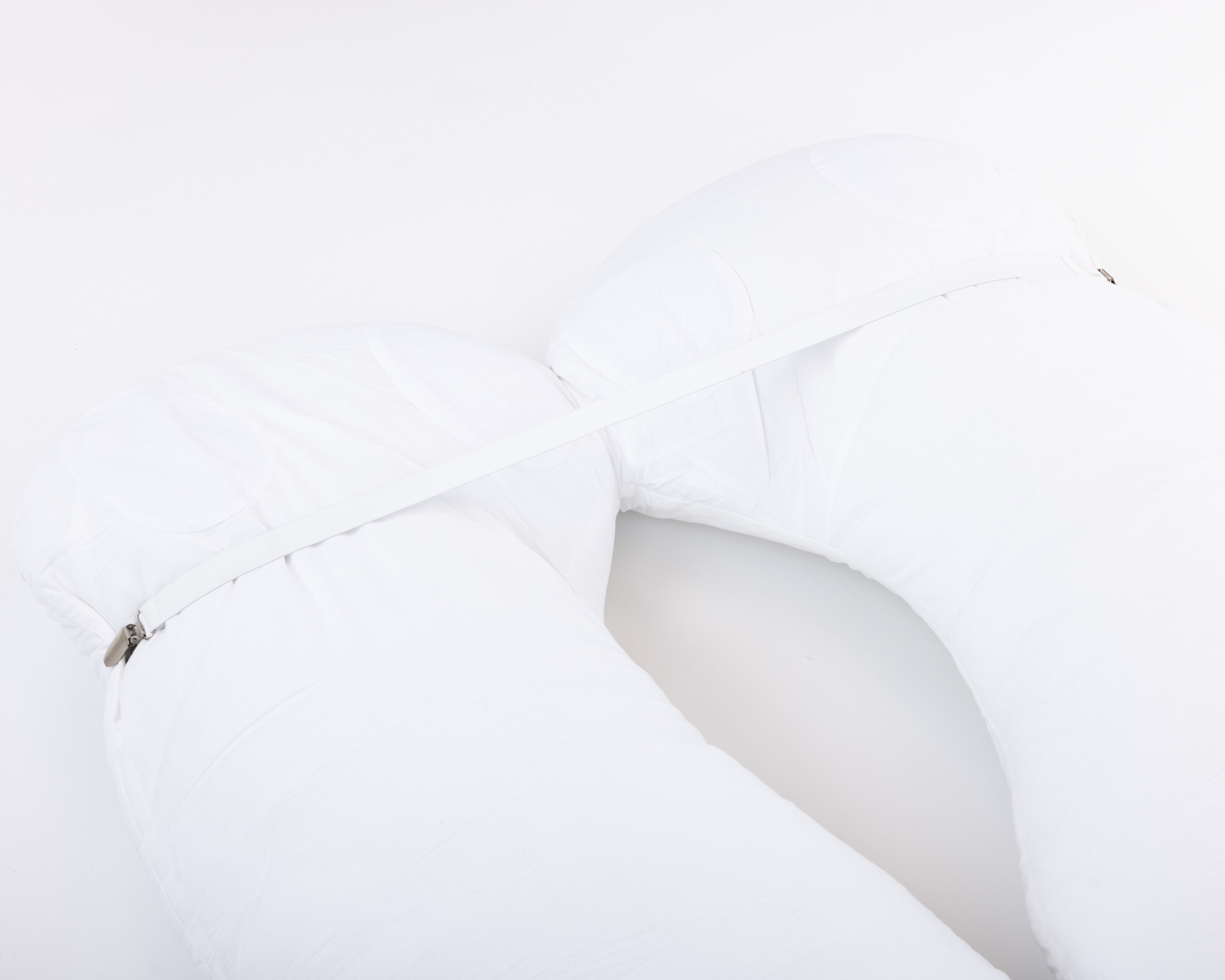
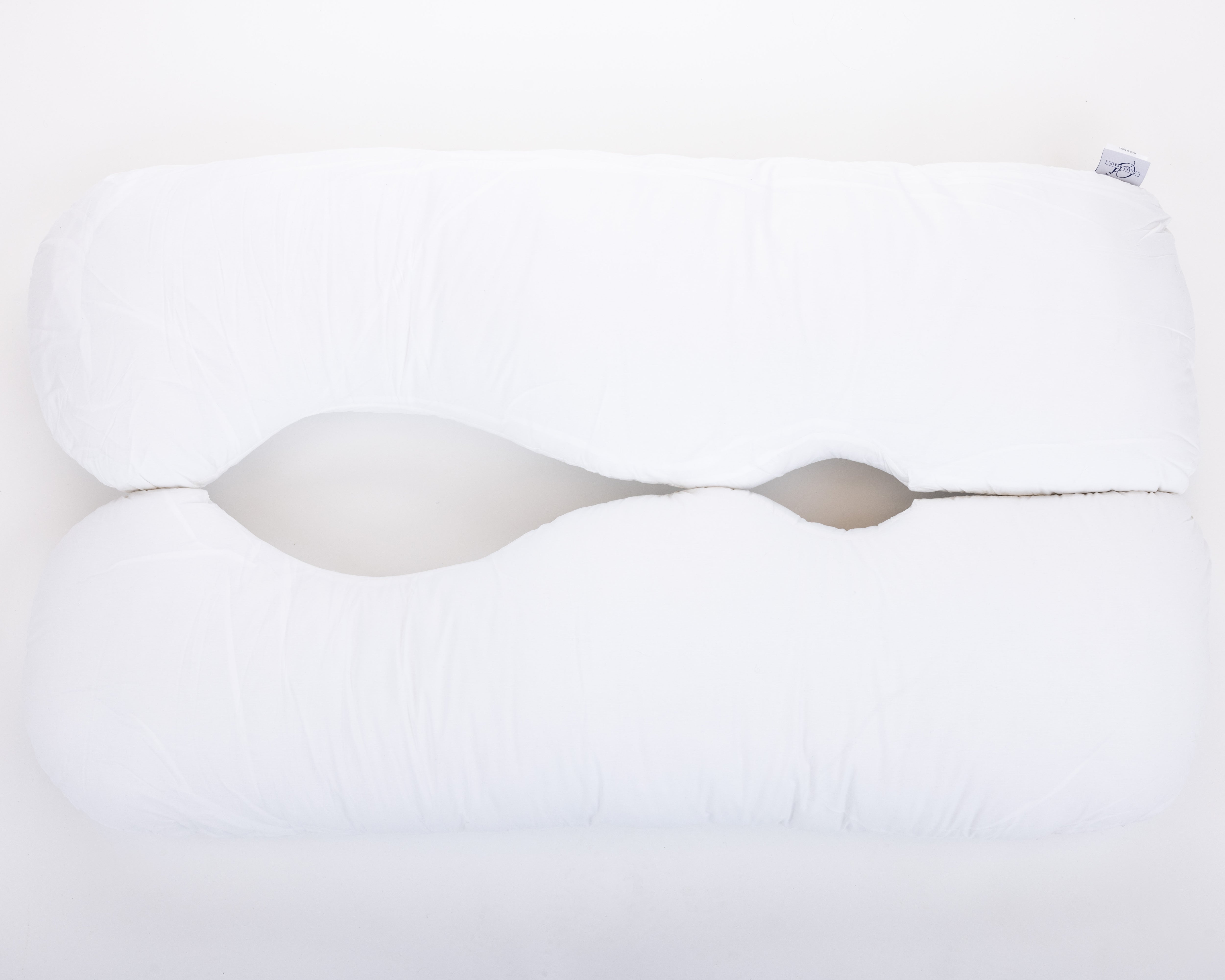
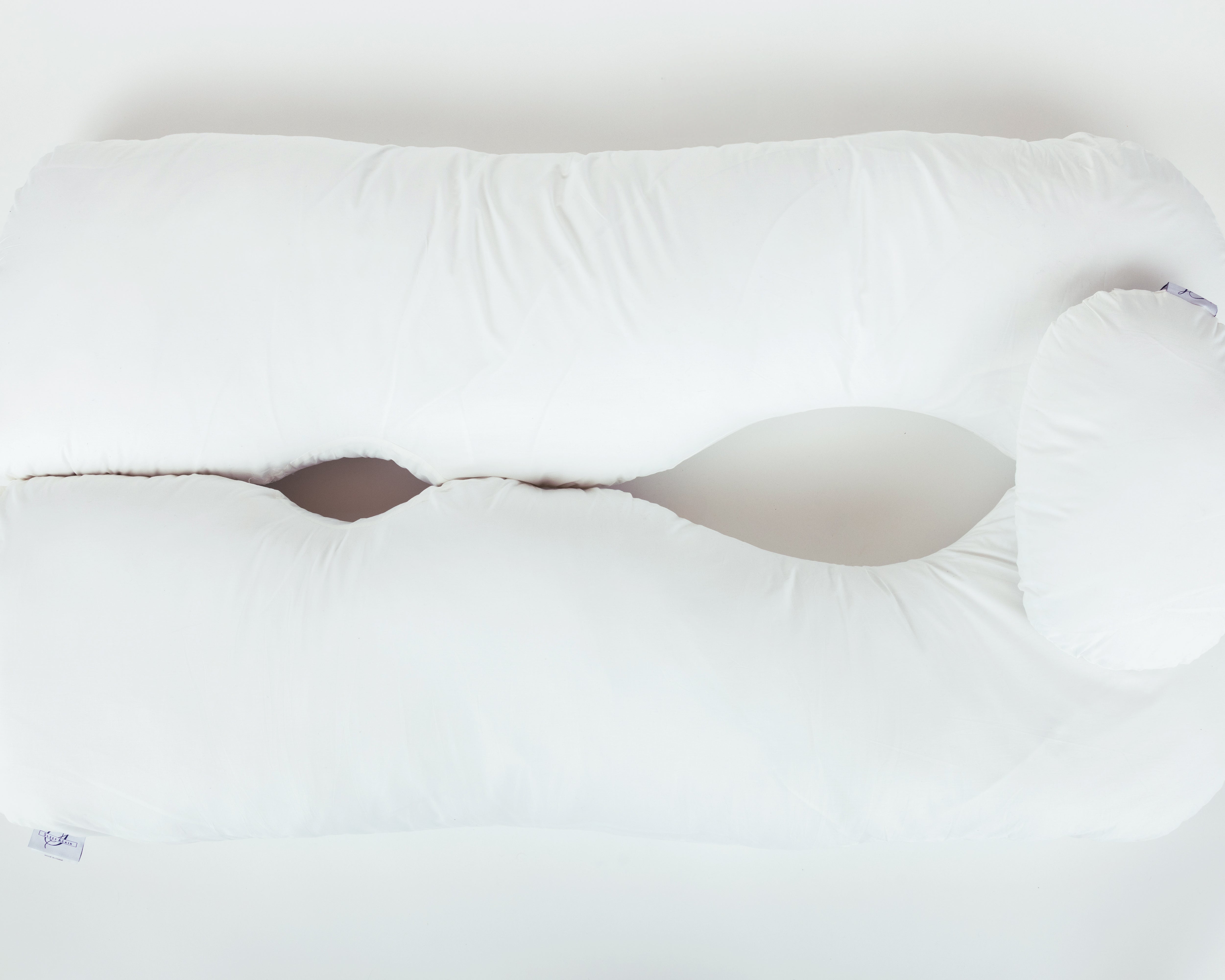
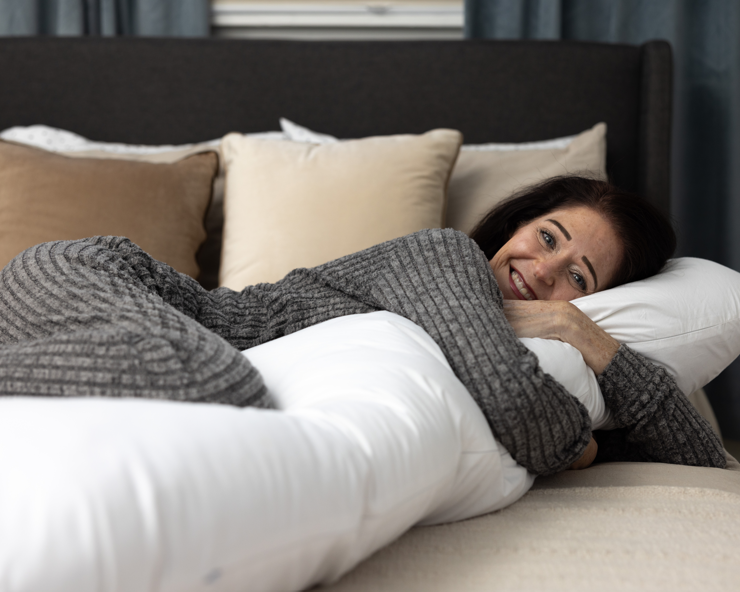
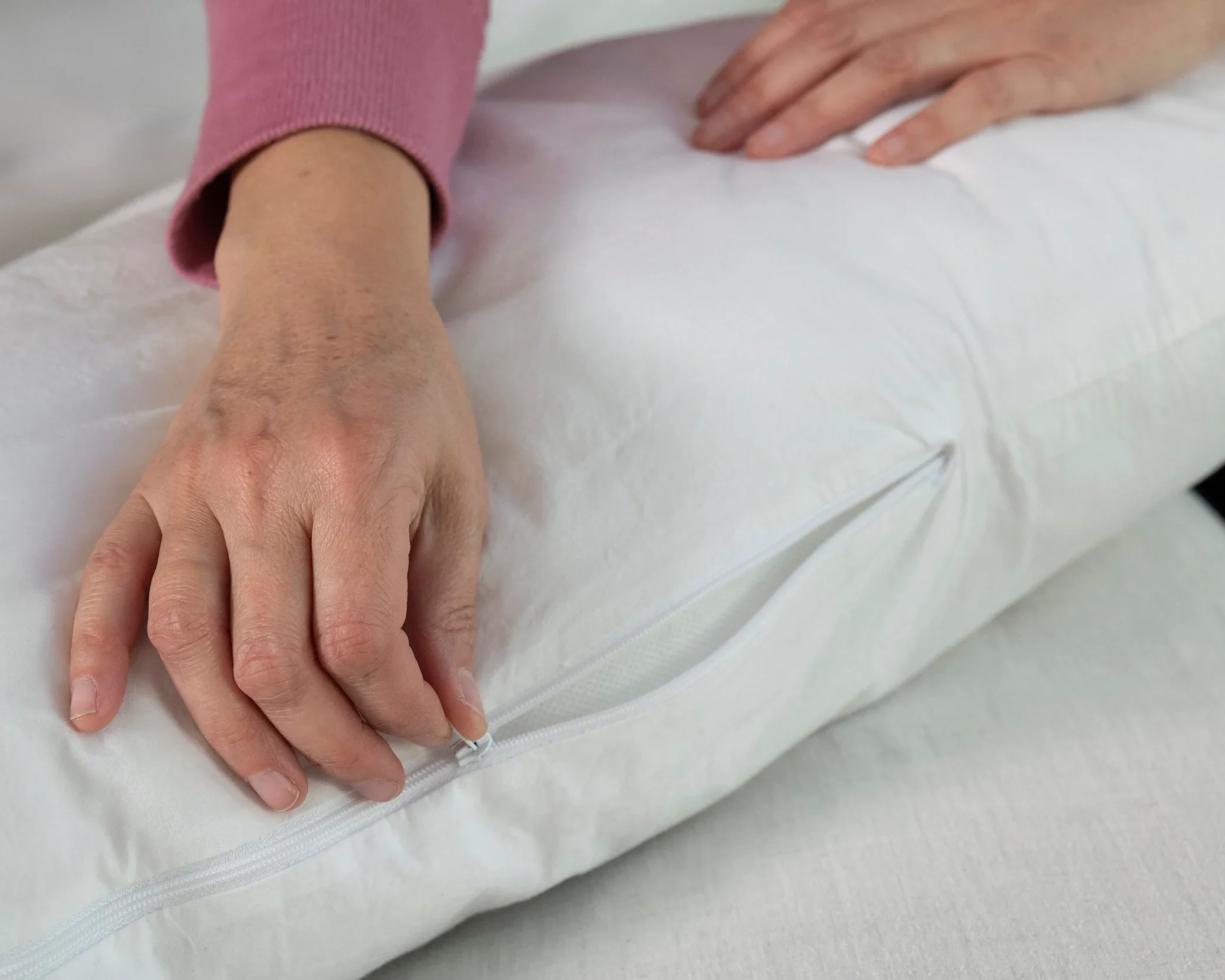
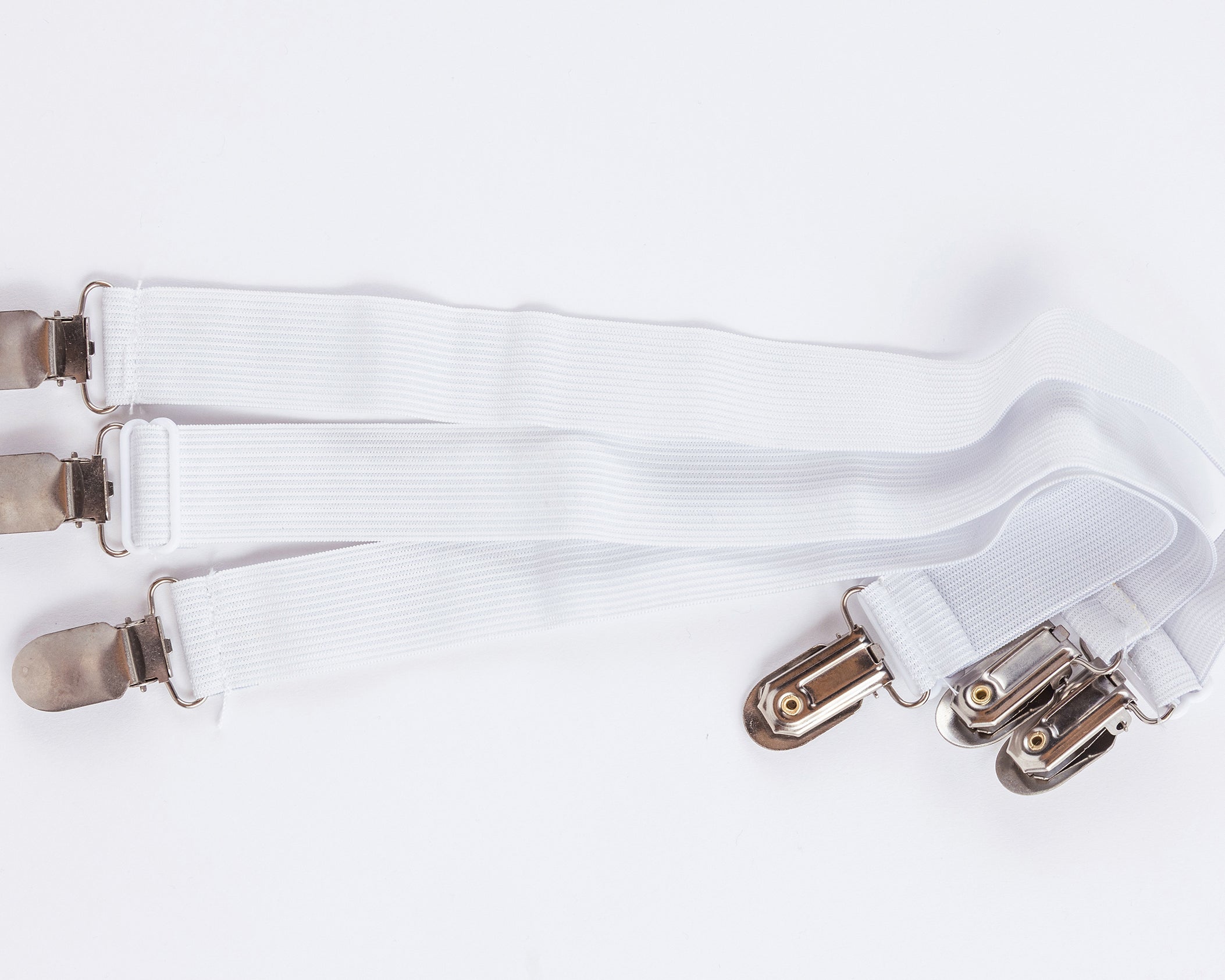
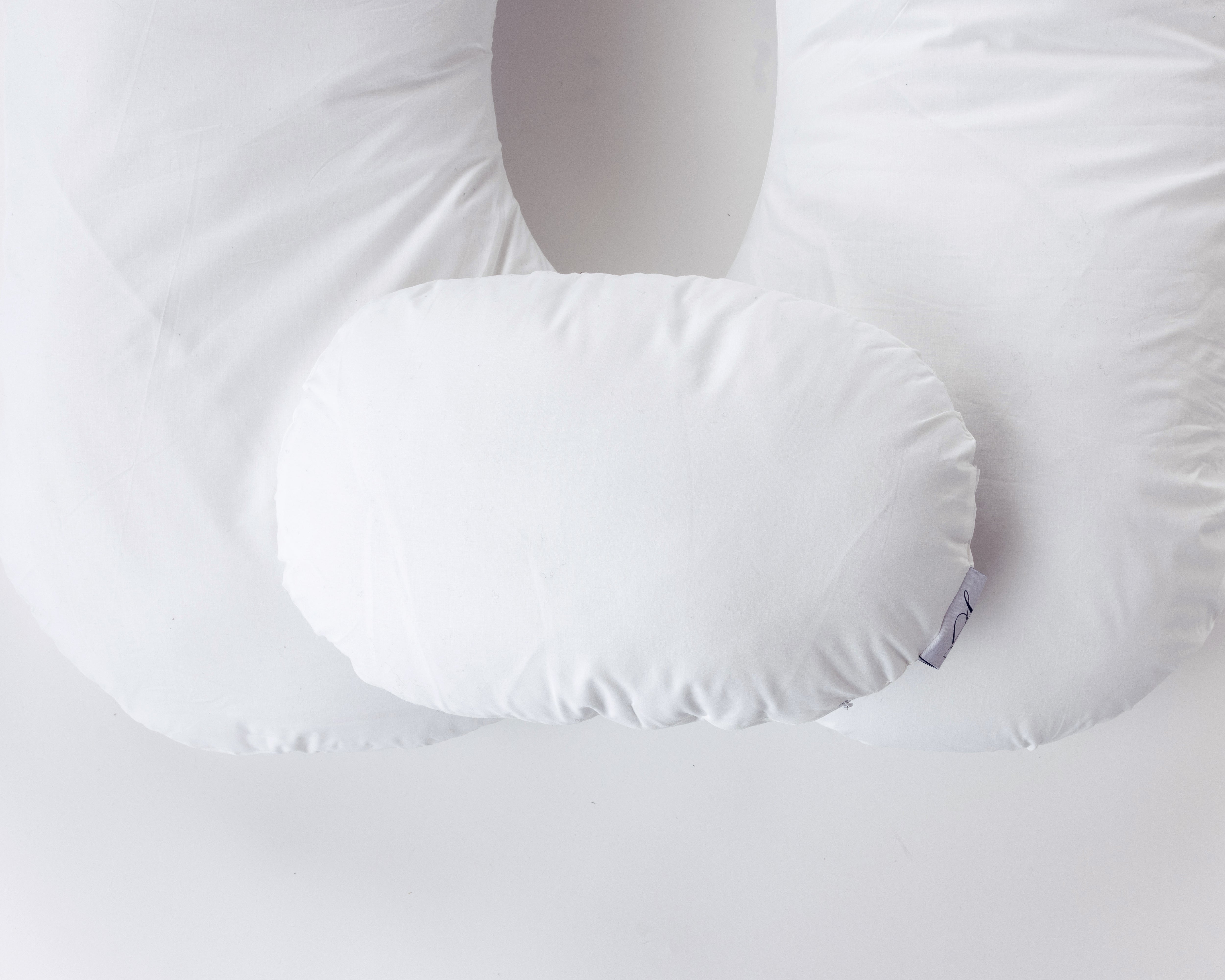
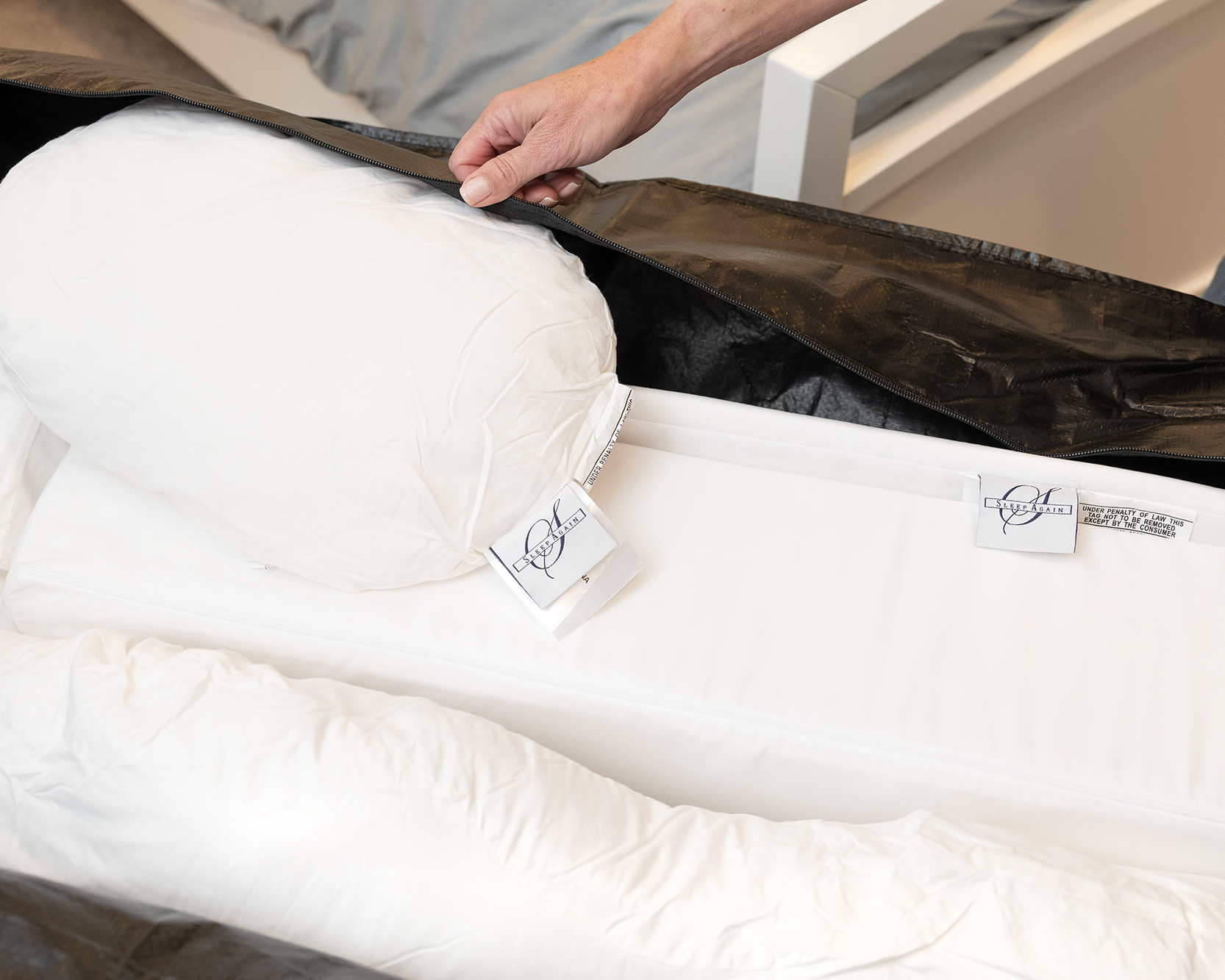
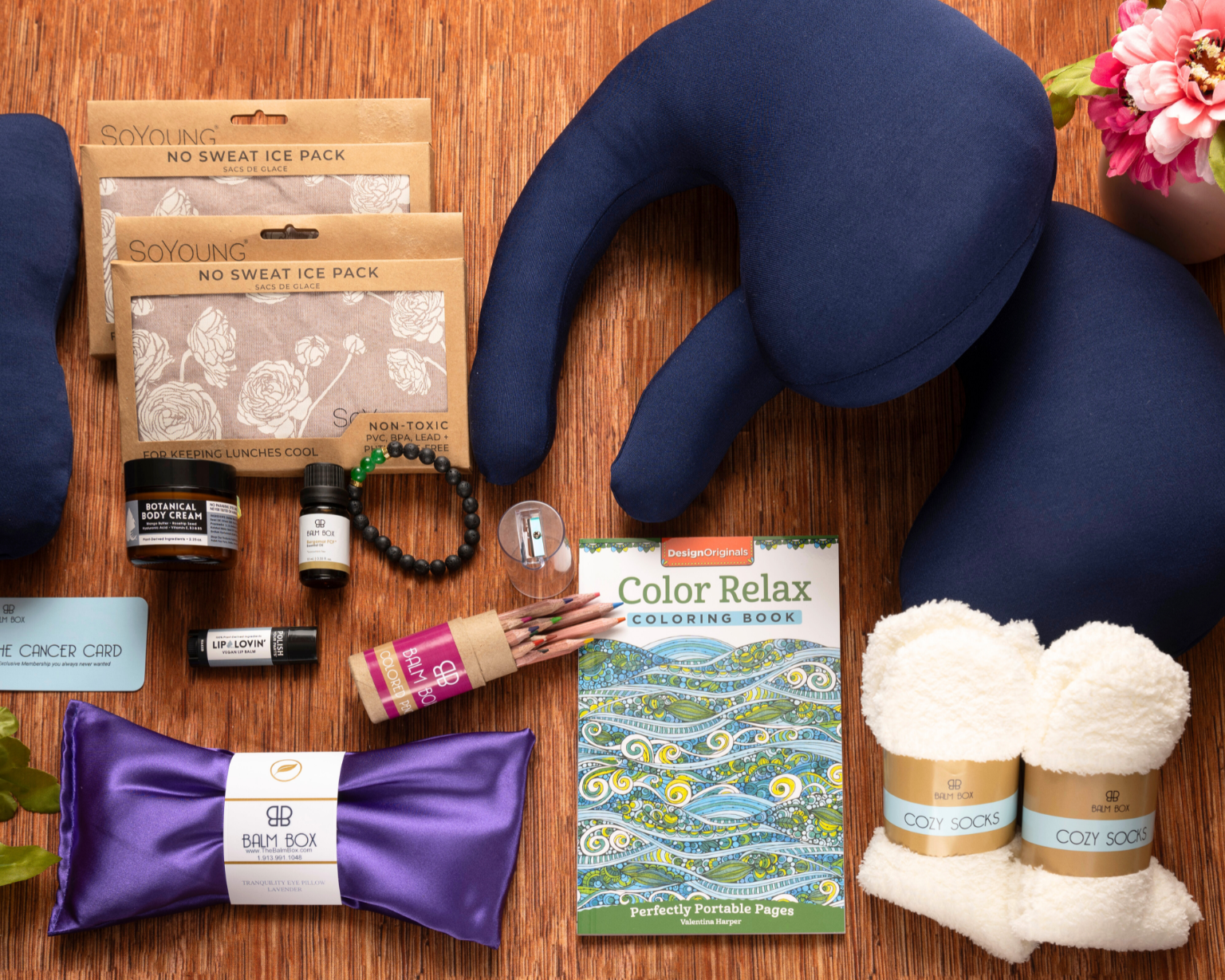
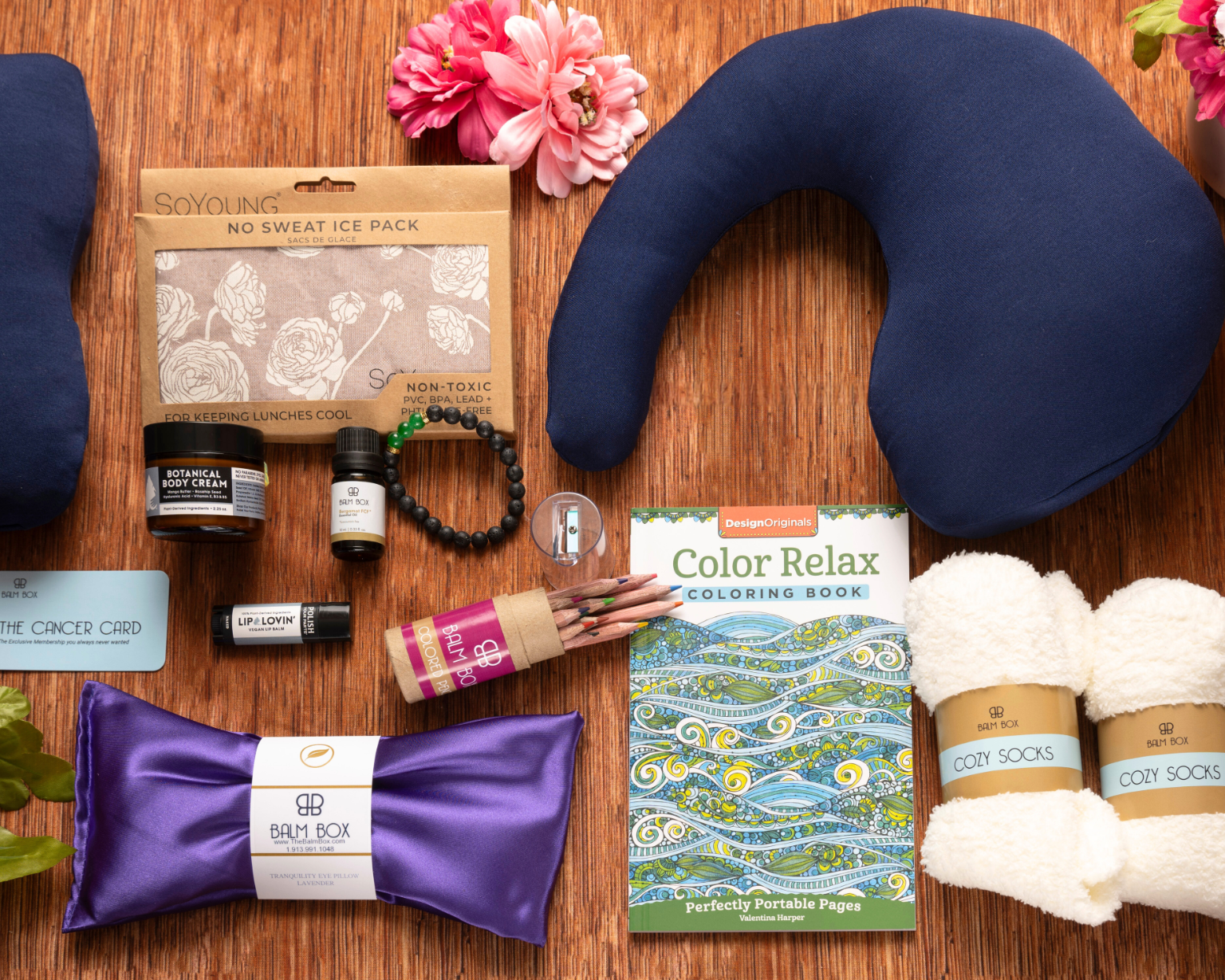
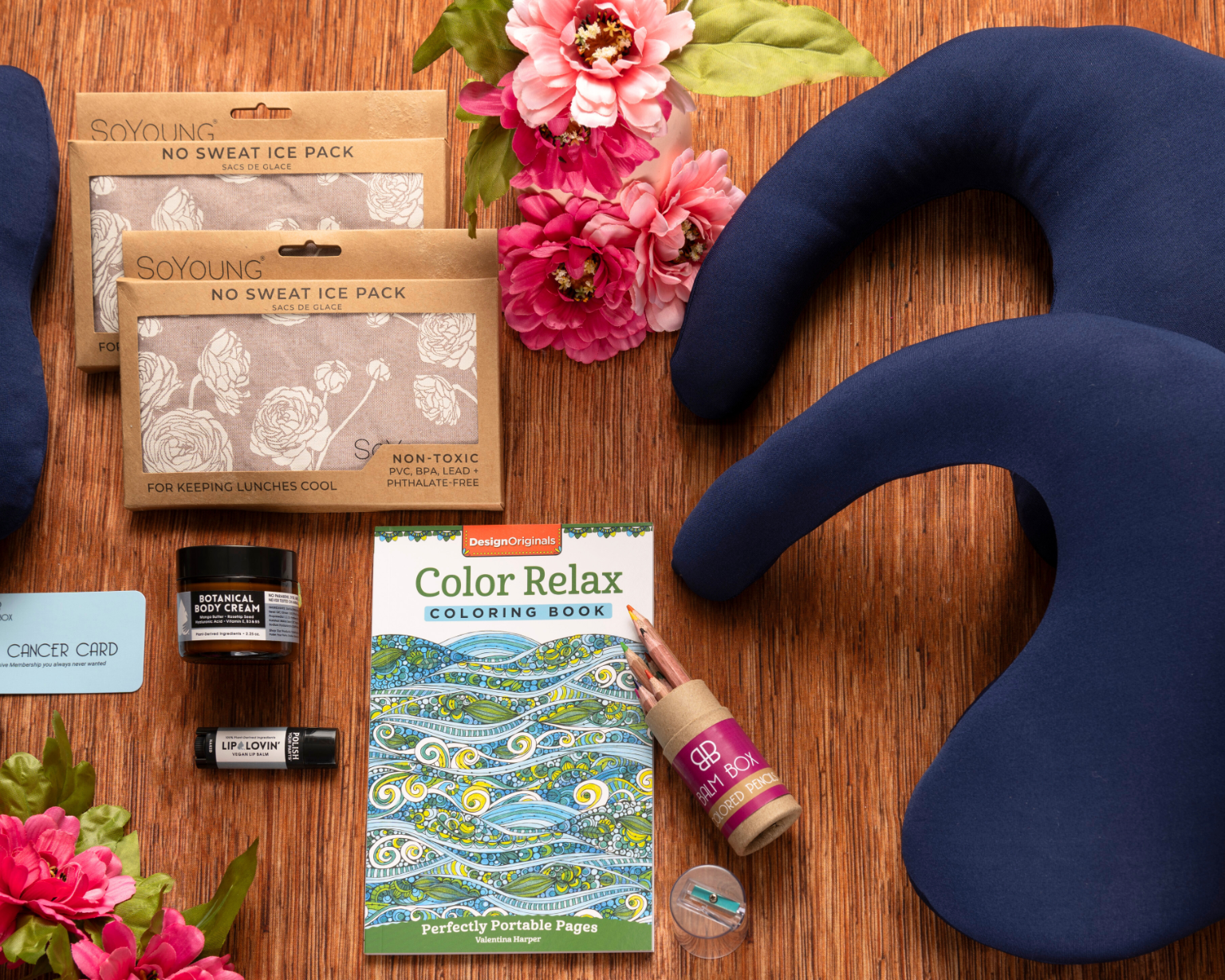
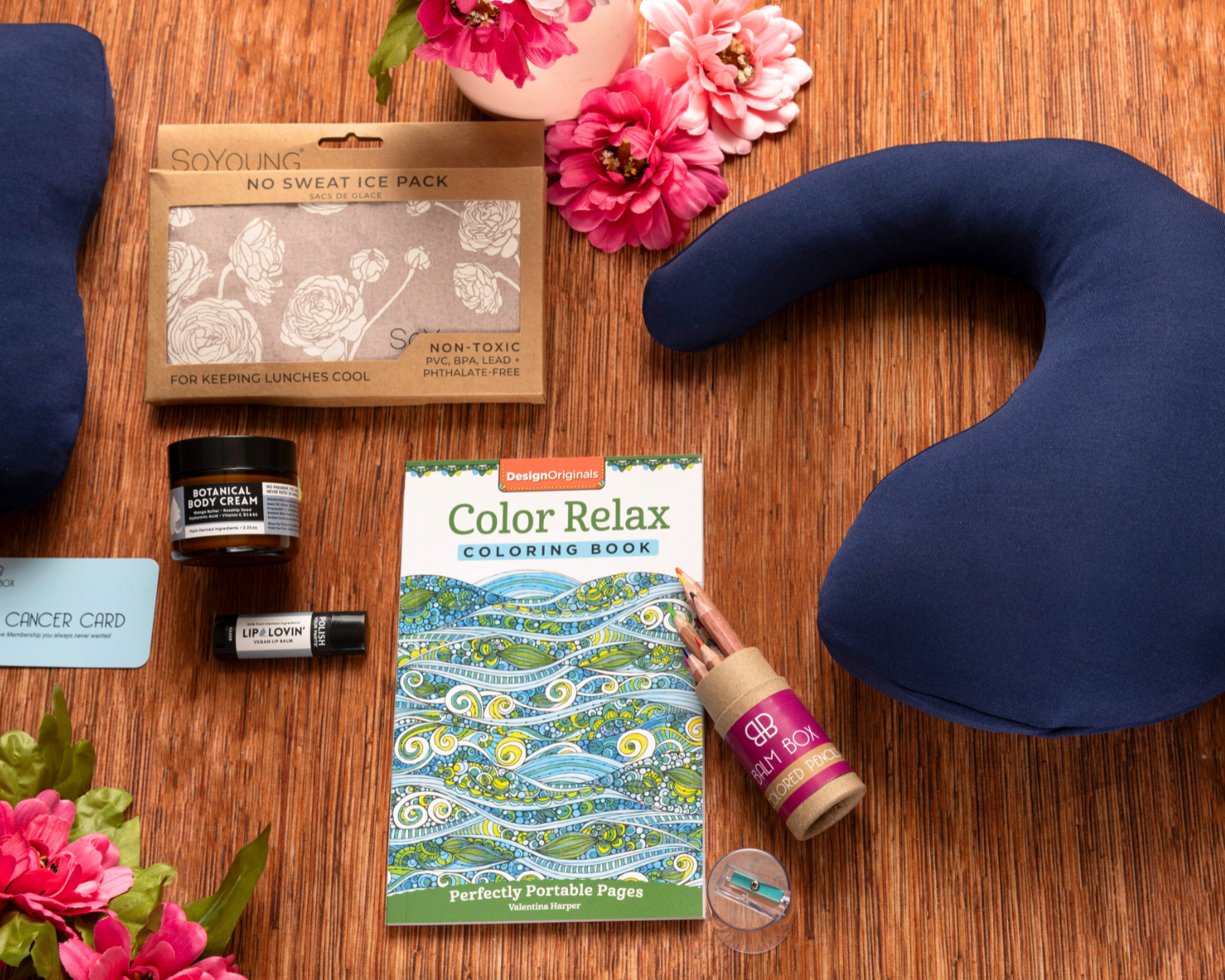
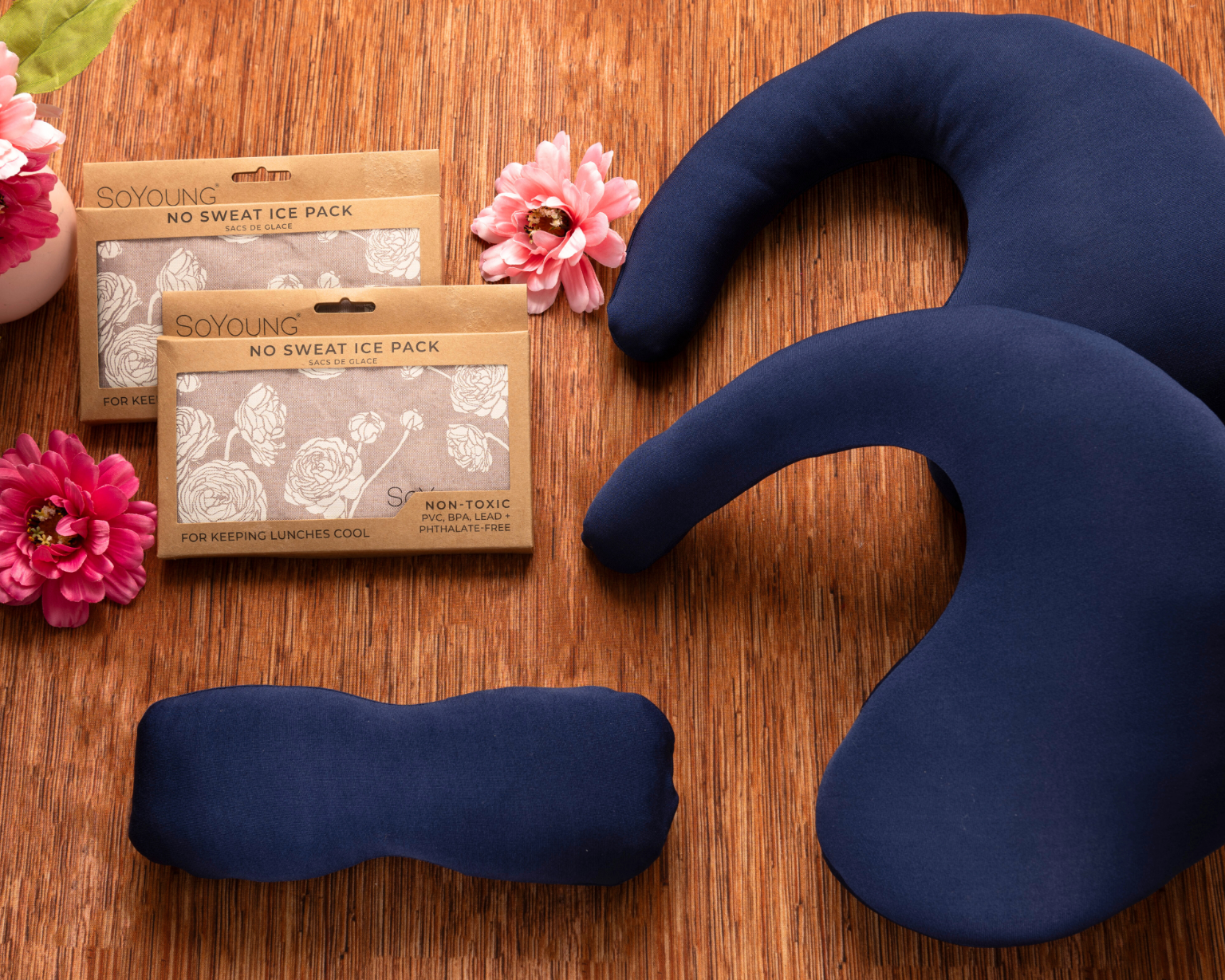
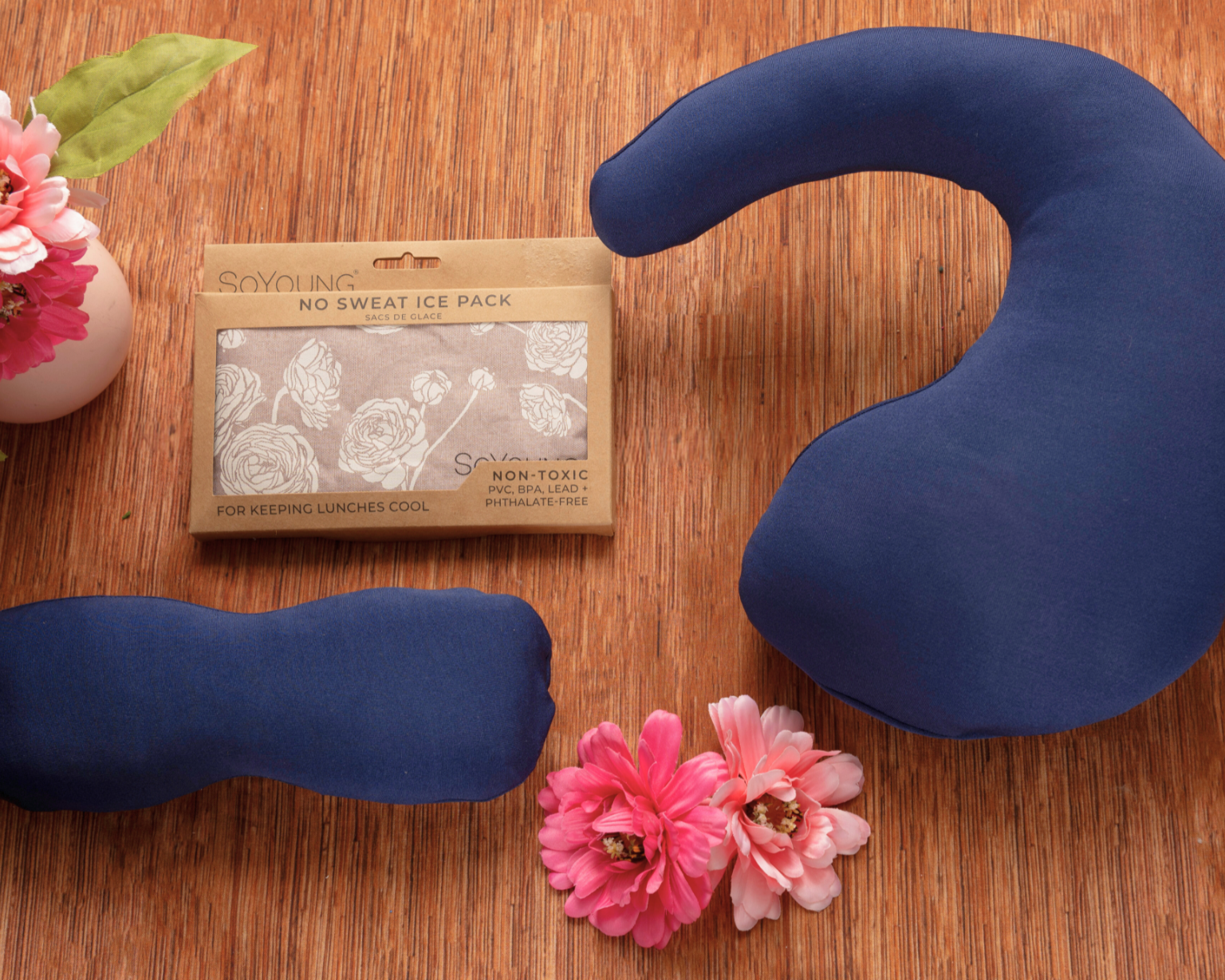
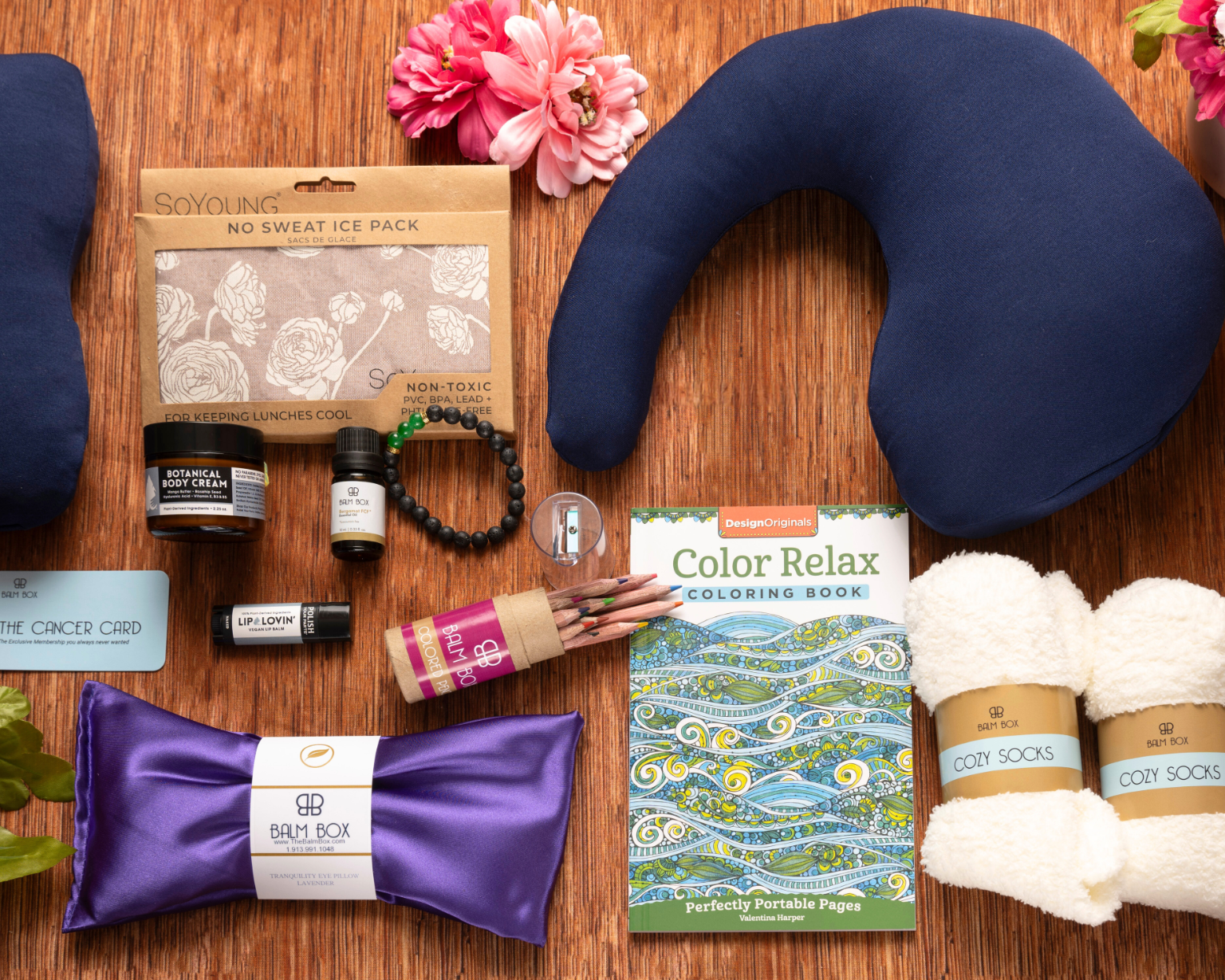
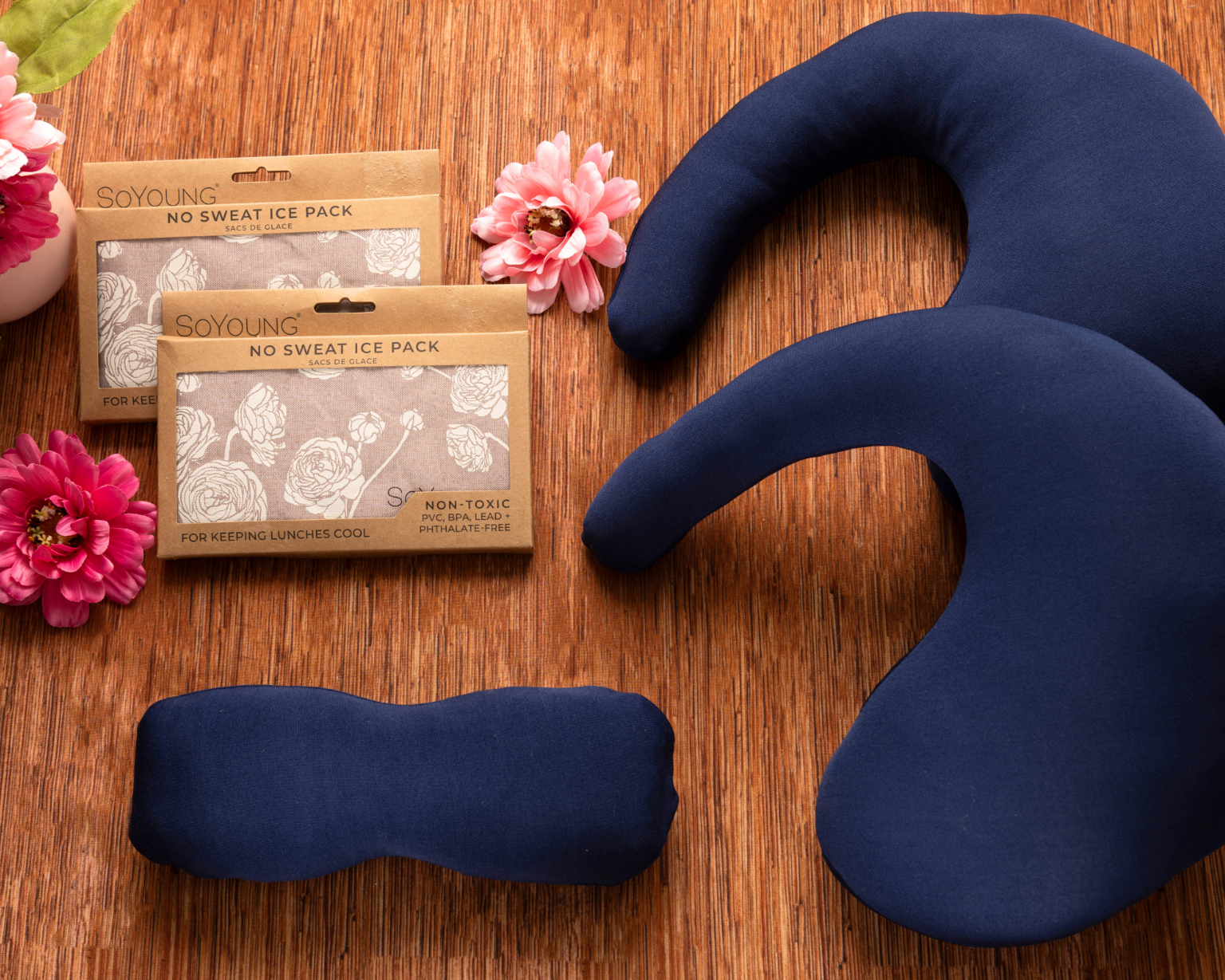
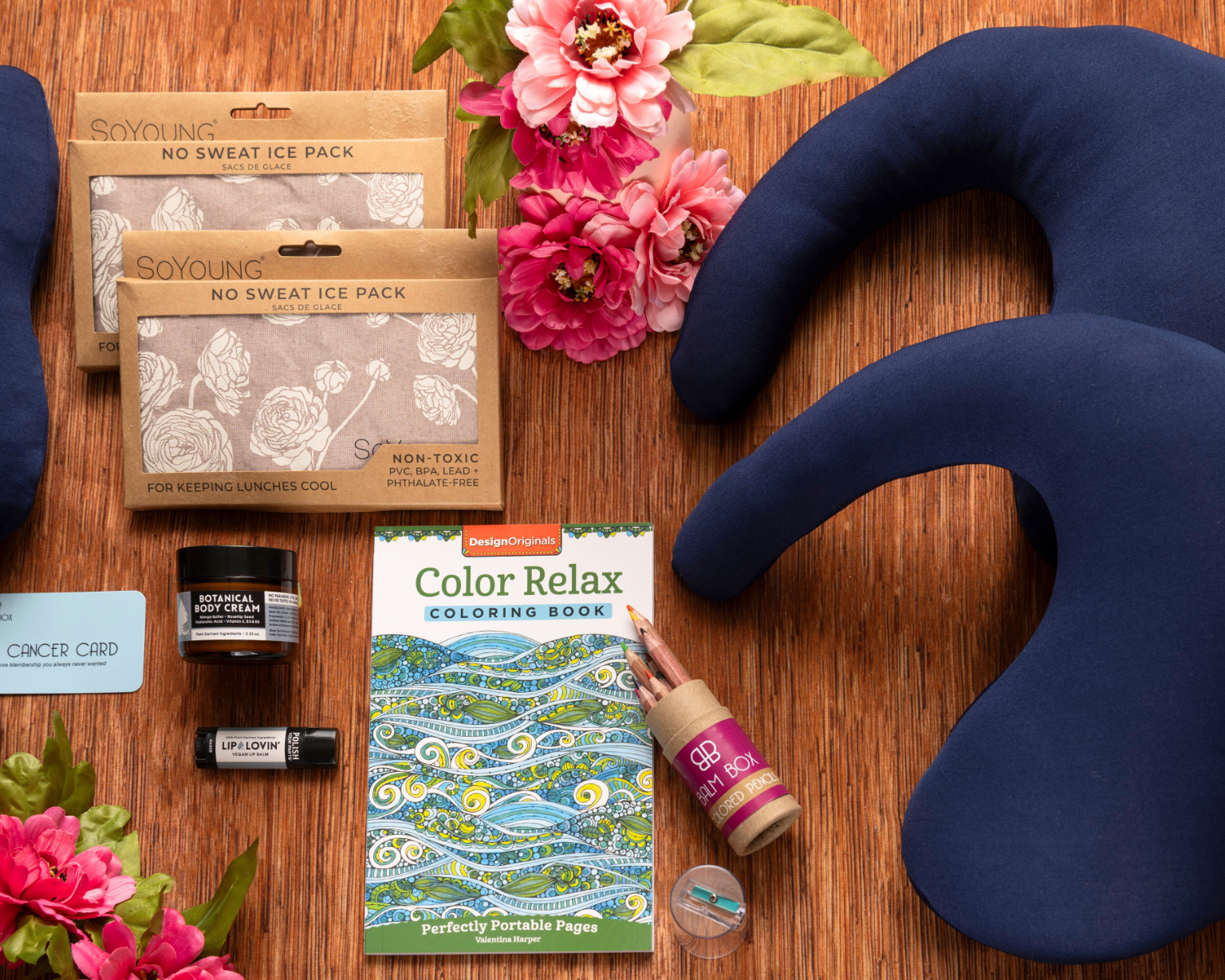
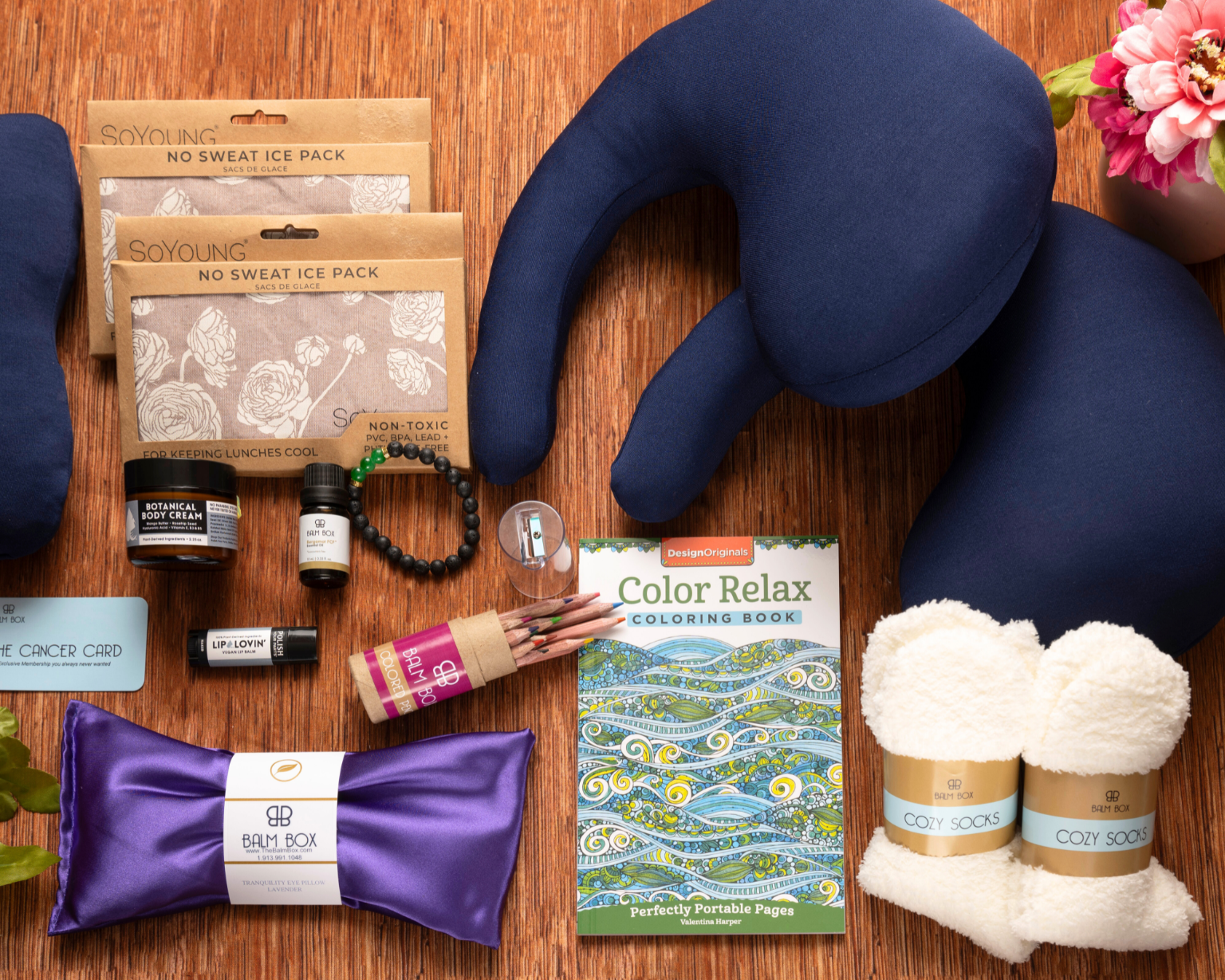
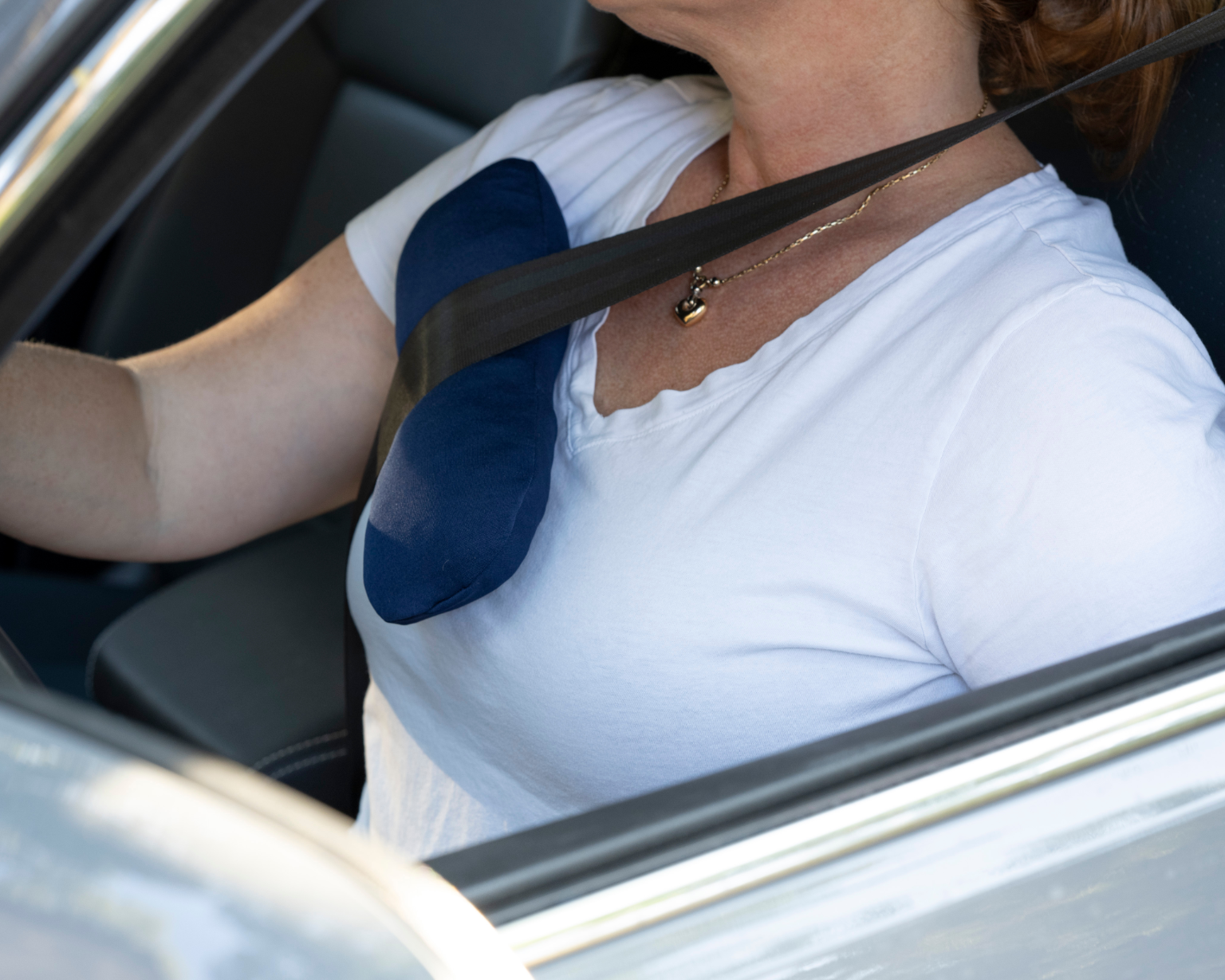
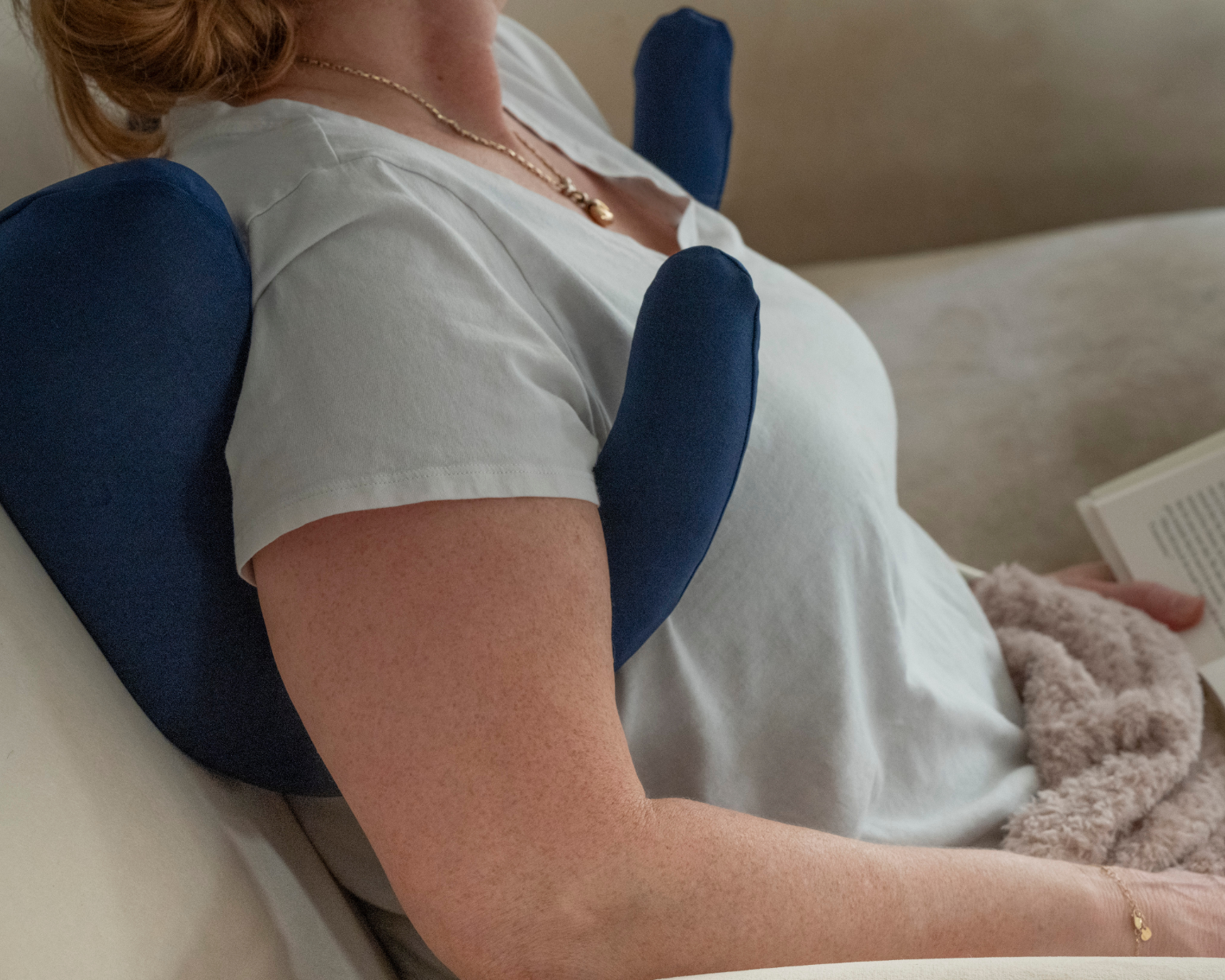




Sleep was the one thing I needed during cancer treatment that no one could gift me. So I set out on a mission and created the Sleep Again Pillow System.
Rachel Baumel, Founder and Inventor of the Sleep Again Pillow System, Cancer Survivor