
Sleeping with tissue expanders requires elevated back sleeping at 30-45 degrees for the first 2-4 weeks, followed by carefully supported side sleeping on your non-operated side. The key is maintaining consistent support that adapts as your expanders are filled weekly, preventing pressure on expanding tissue while ensuring comfortable rest throughout the reconstruction process.
Tissue expander placement creates unique sleep challenges during the reconstruction process. The reality of living with expanders becomes clear when bedtime arrives, and your body reminds you that your chest now contains devices that make finding comfortable sleeping positions surprisingly challenging.
The good news? With the right positioning strategies and support system, you can actually sleep comfortably during tissue expansion. The better news? These aren't just "grin and bear it" survival tactics—proper sleep positioning actively supports your reconstruction success while preventing the complications that come from poor positioning during this critical healing period.
Understanding Tissue Expanders: What You're Actually Sleeping With
Before we dive into positioning strategies, it helps to understand exactly what's happening inside your chest and why sleep becomes so complicated during the expansion process.
Tissue expanders are essentially empty breast implants with a valve that allows your surgical team to gradually fill them with saline solution over several weeks or months. Unlike permanent implants that arrive at their final size immediately, expanders start relatively small and grow incrementally, stretching your skin and chest muscle to create the pocket that will eventually accommodate your permanent implants.
Here's what makes sleeping with expanders uniquely challenging:
Your chest contains devices that are actively changing size every 1-2 weeks. Each expansion appointment adds 60-120cc of saline, creating fresh tightness and pressure that affects positioning comfort. What felt manageable last week becomes uncomfortable after Tuesday's fill appointment, and what works this week might need adjustment after next week's expansion.
The expanders sit either partially or completely under your pectoralis major muscle, which means any chest movement—including the natural breathing expansion that happens during sleep—creates sensations ranging from tightness to outright discomfort. Your body interprets this as a signal to move, which is why you might wake up multiple times per night trying to find relief.
The firmness factor creates another sleep challenge. Tissue expanders are significantly firmer than natural breast tissue or even permanent implants. They don't compress or conform to sleeping positions the way natural tissue does, which means positions that were comfortable before surgery now create pressure points and discomfort.
Finally, the bilateral nature of double mastectomy with expanders eliminates the "good side" sleeping option that single-sided surgery patients can use. Both sides of your chest are involved in the reconstruction equation, which significantly limits comfortable sleeping positions during the early expansion phases.
The Timeline Reality: How Sleep Needs Change During Expansion
Understanding the tissue expansion timeline helps you prepare for changing sleep requirements and adjust your support system as reconstruction progresses.

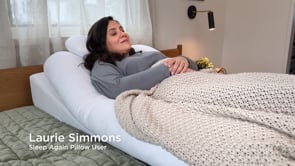
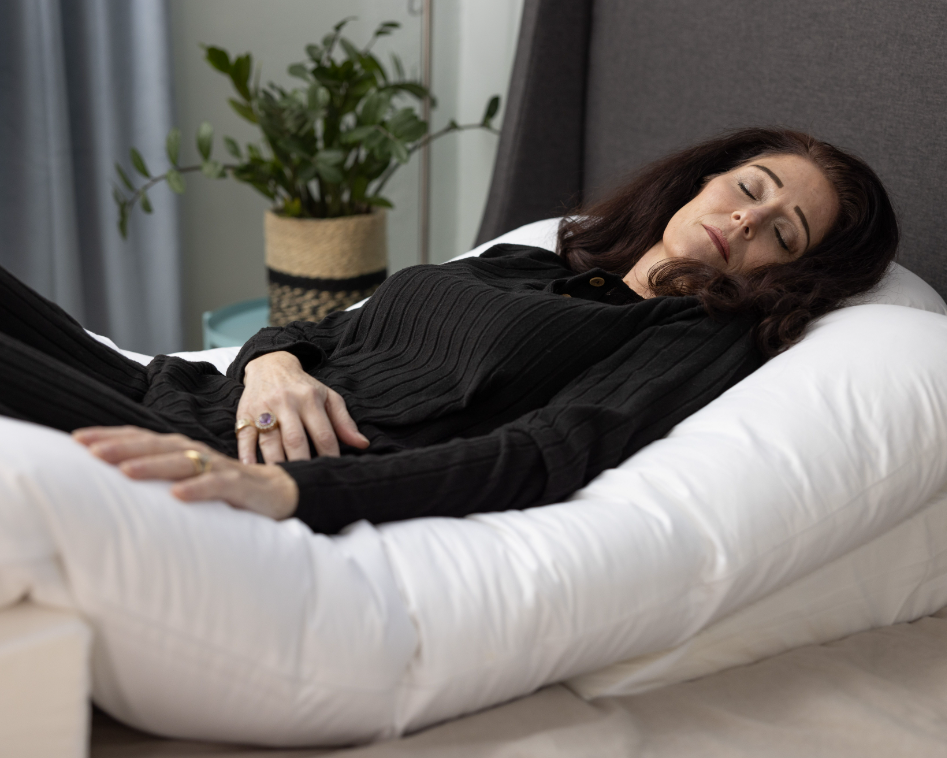
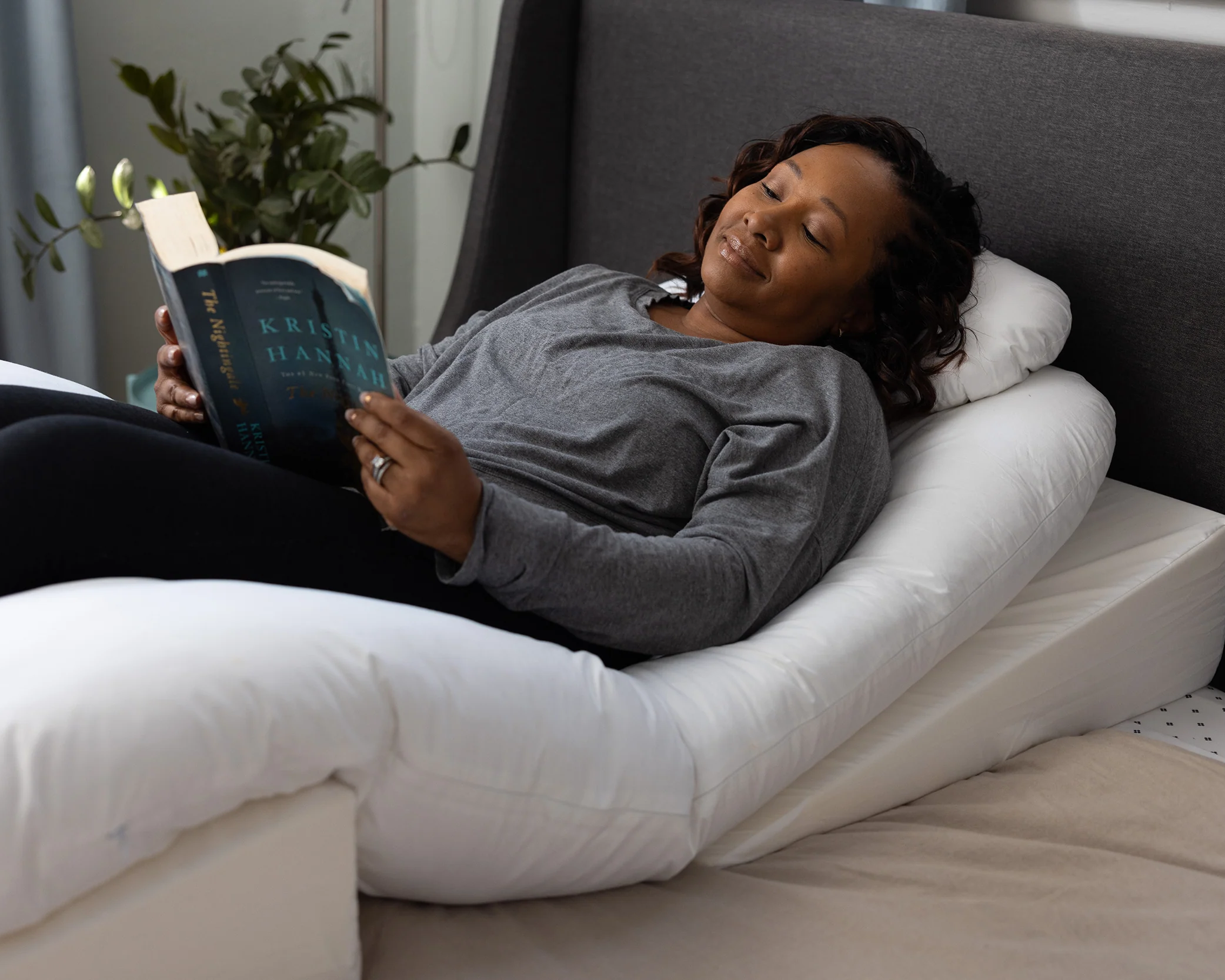
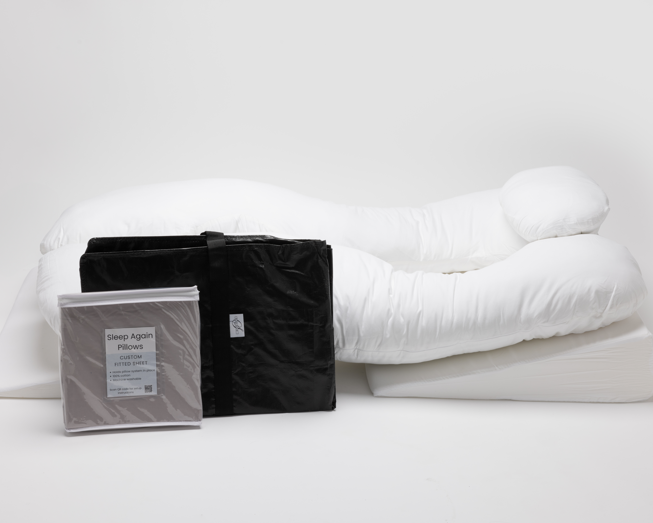
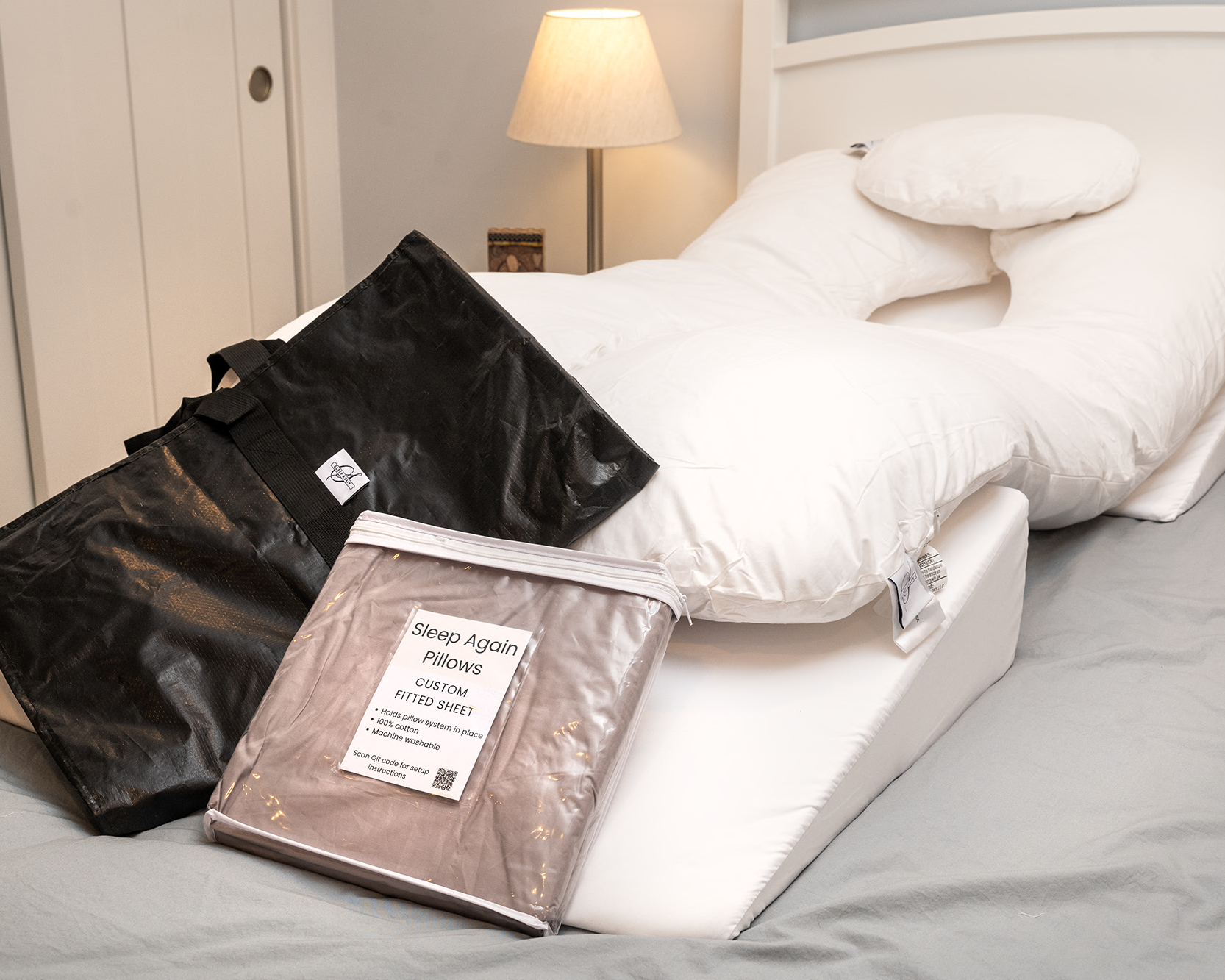
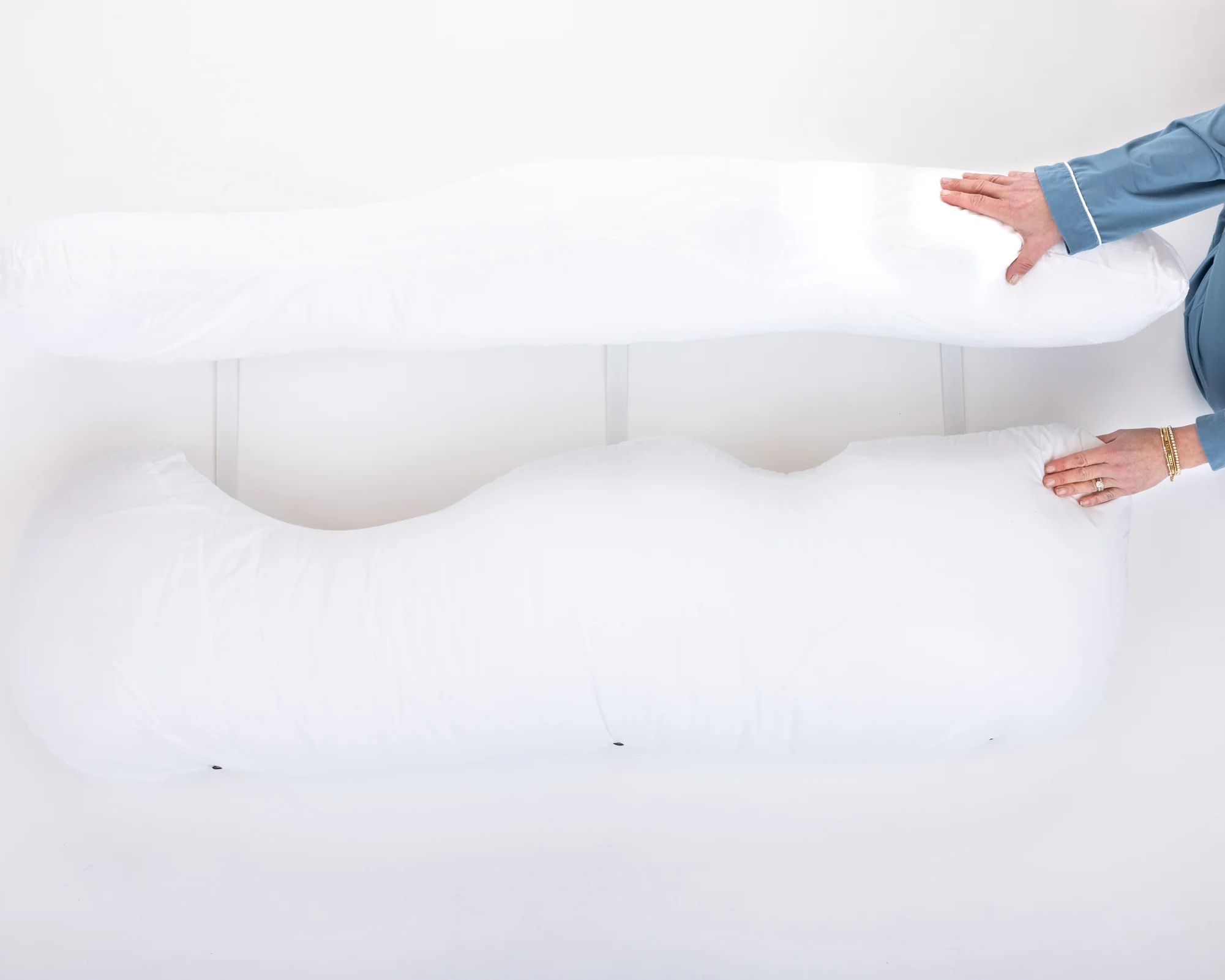
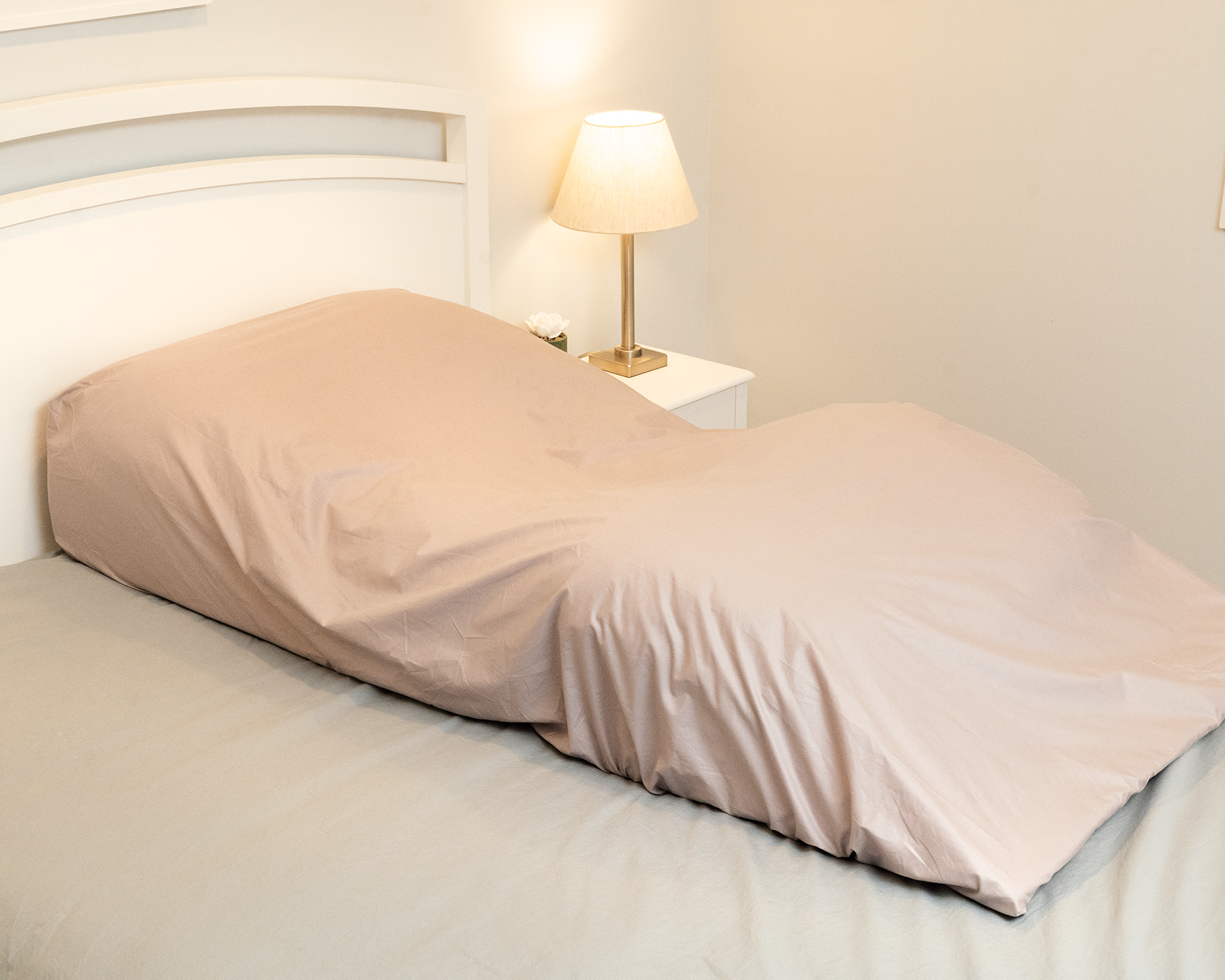
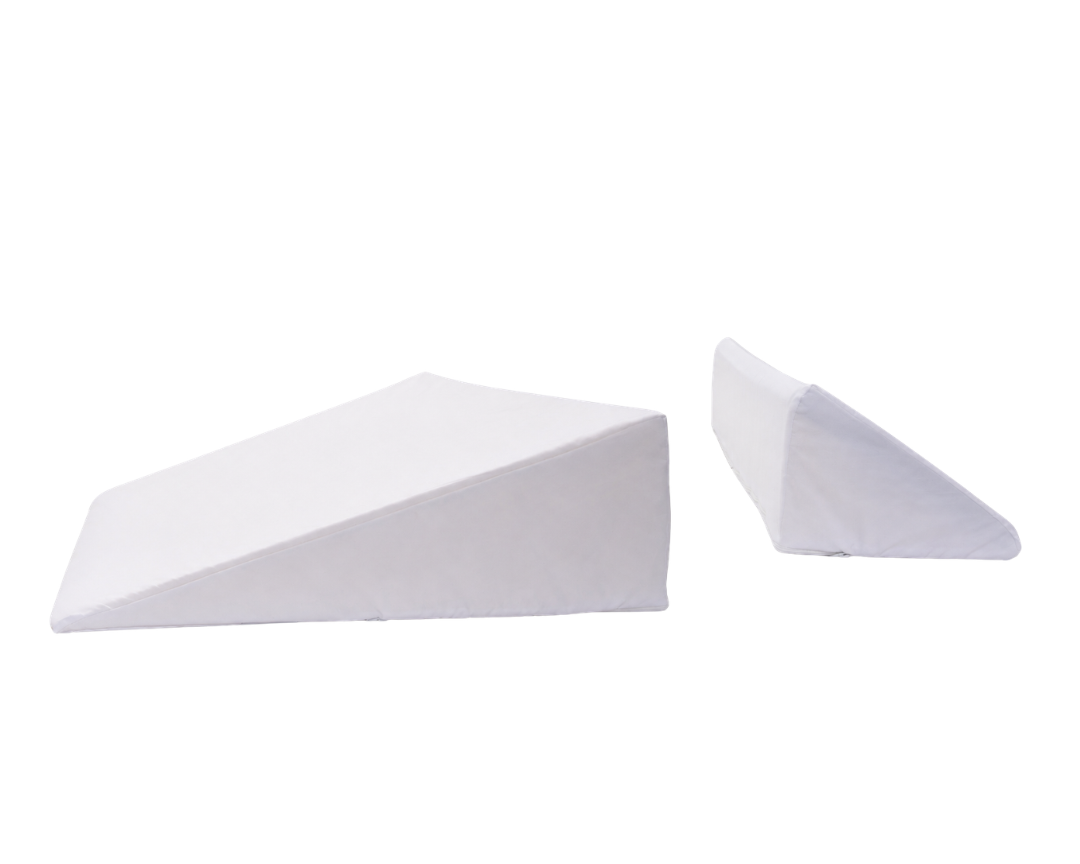
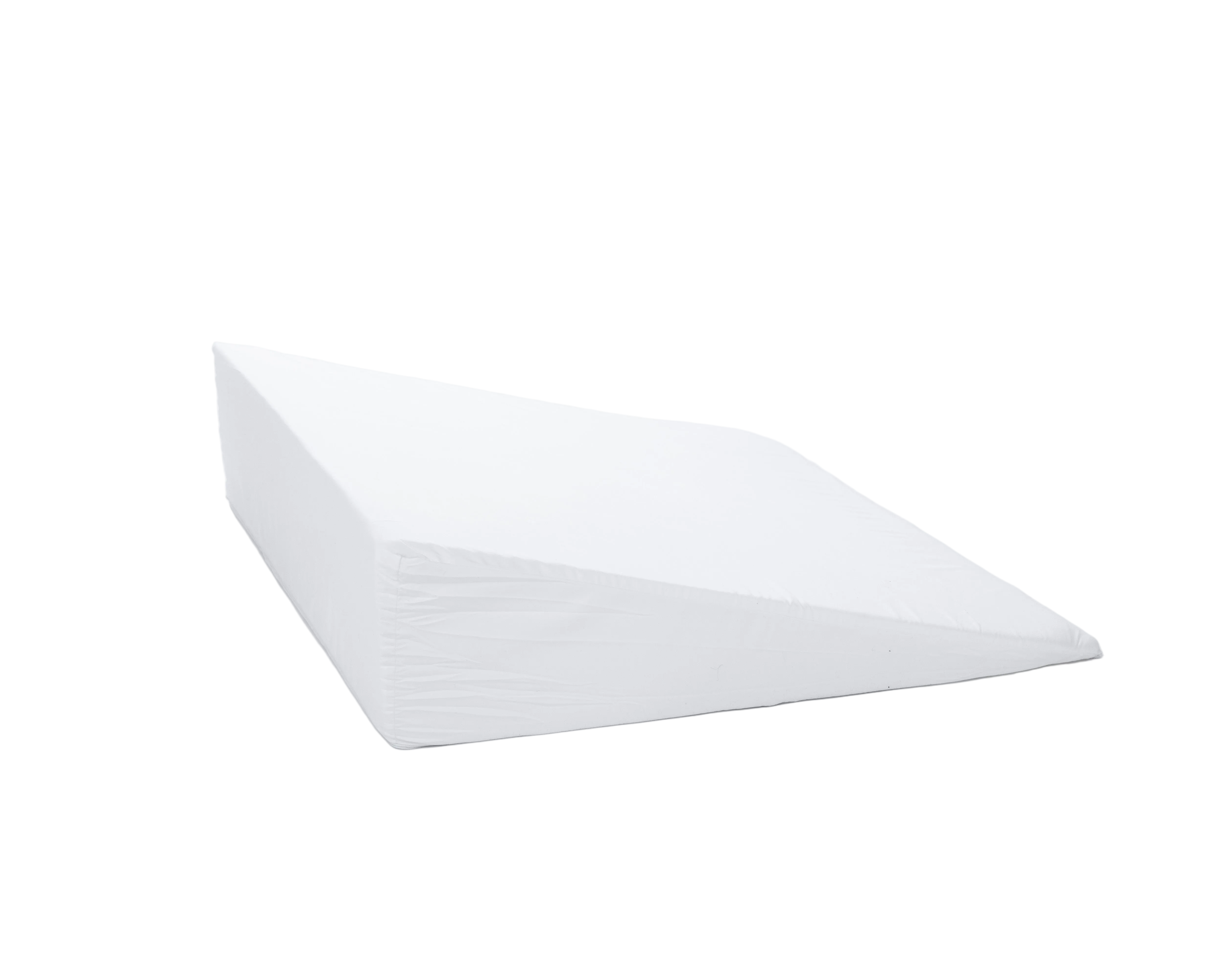
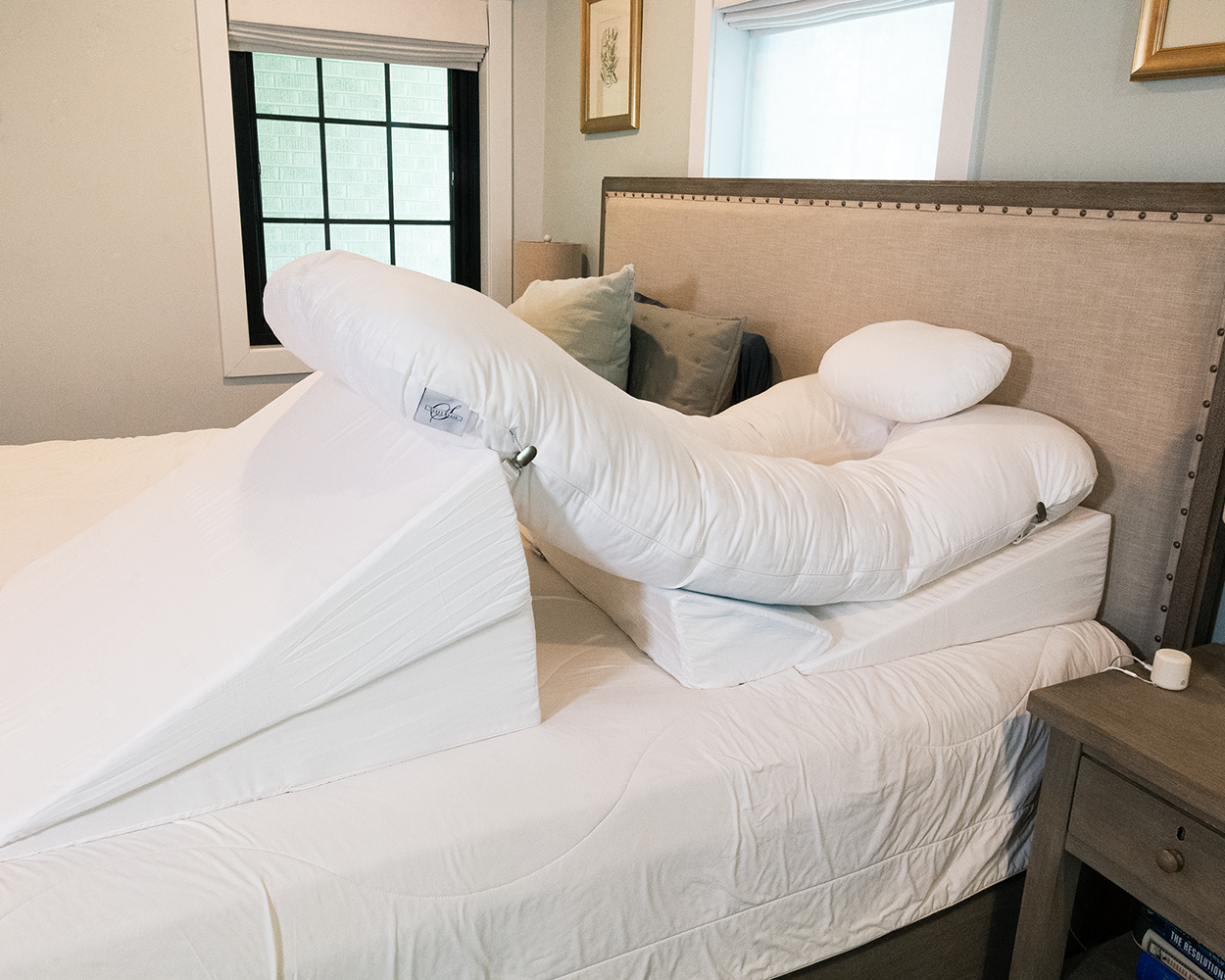
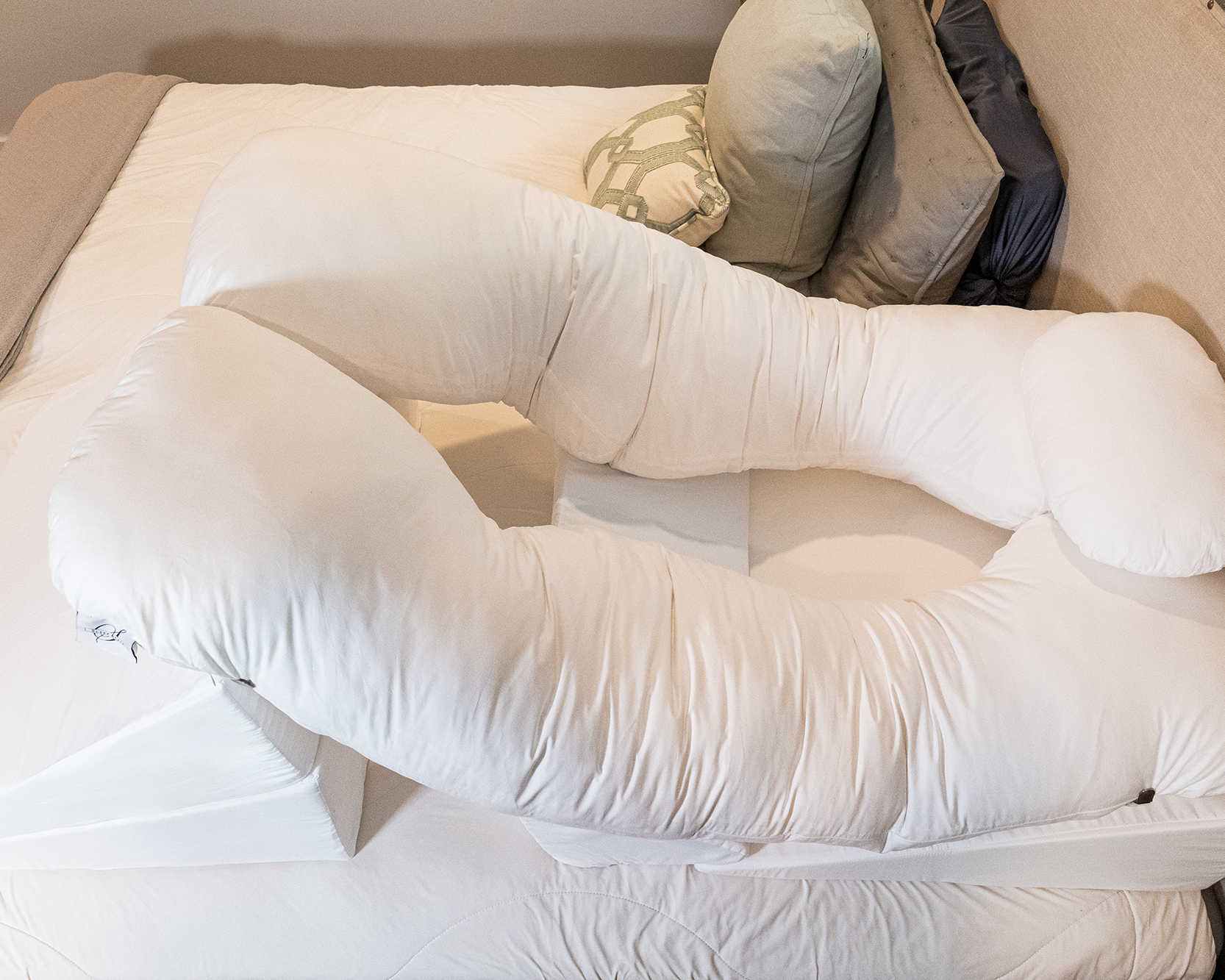
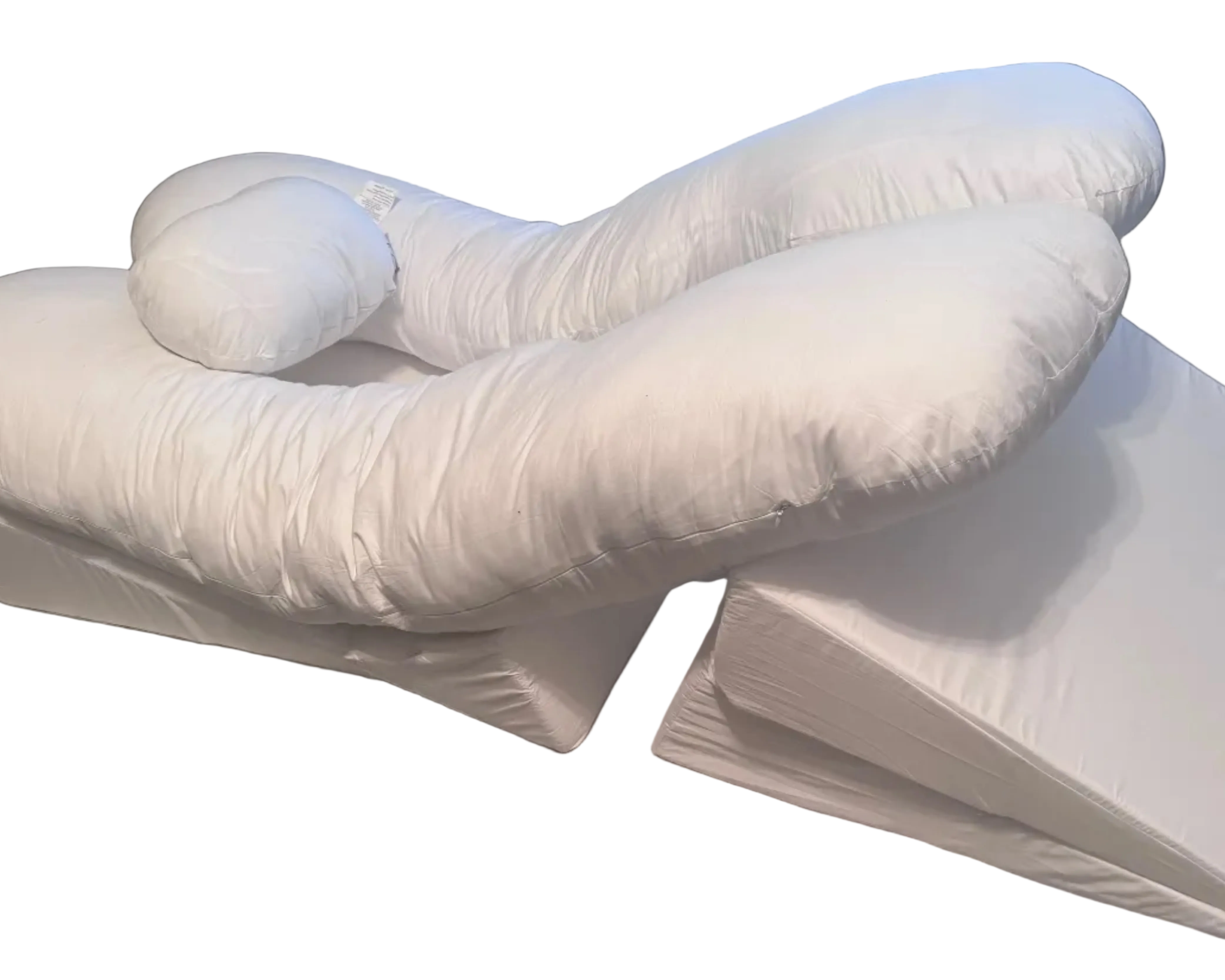
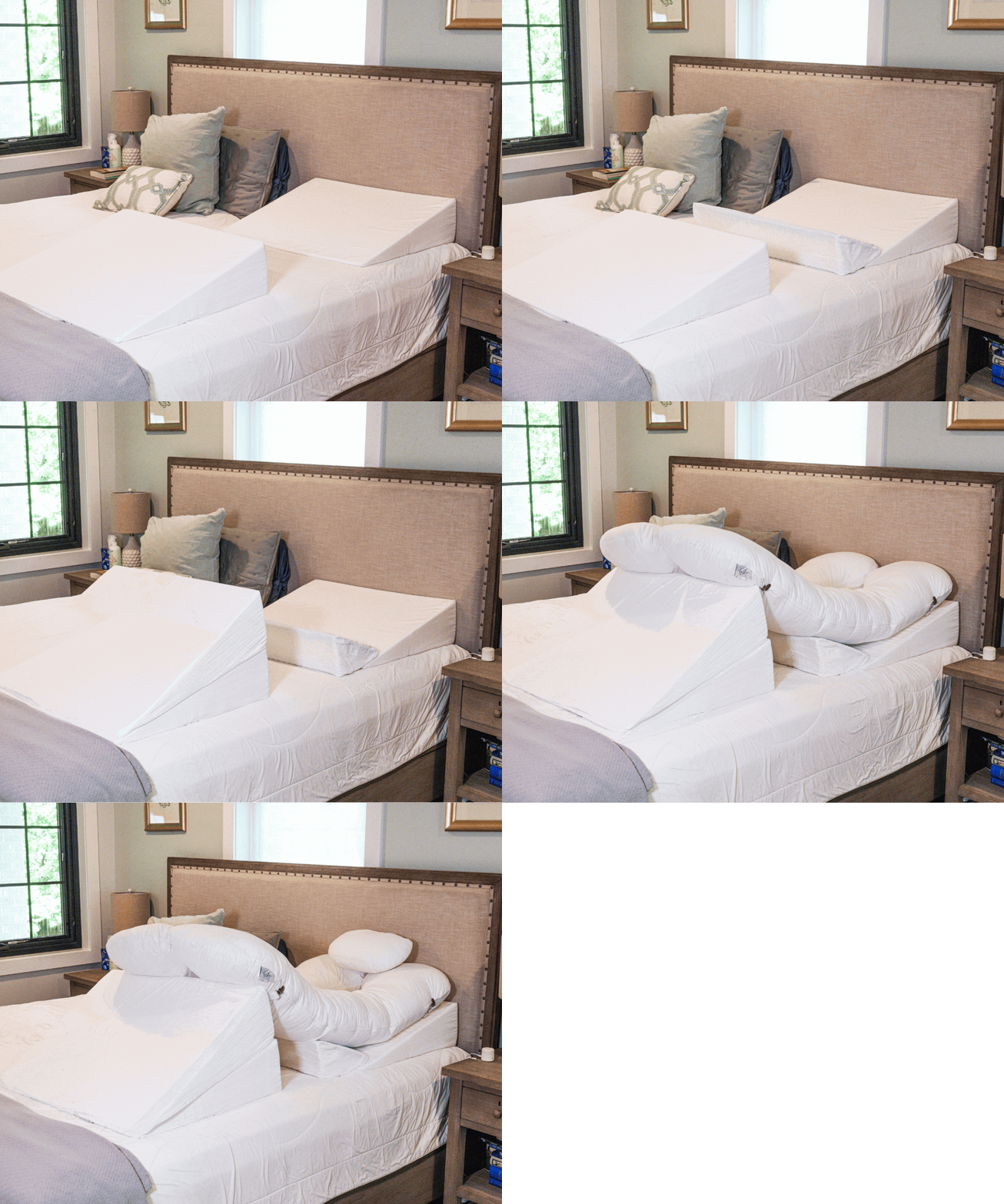
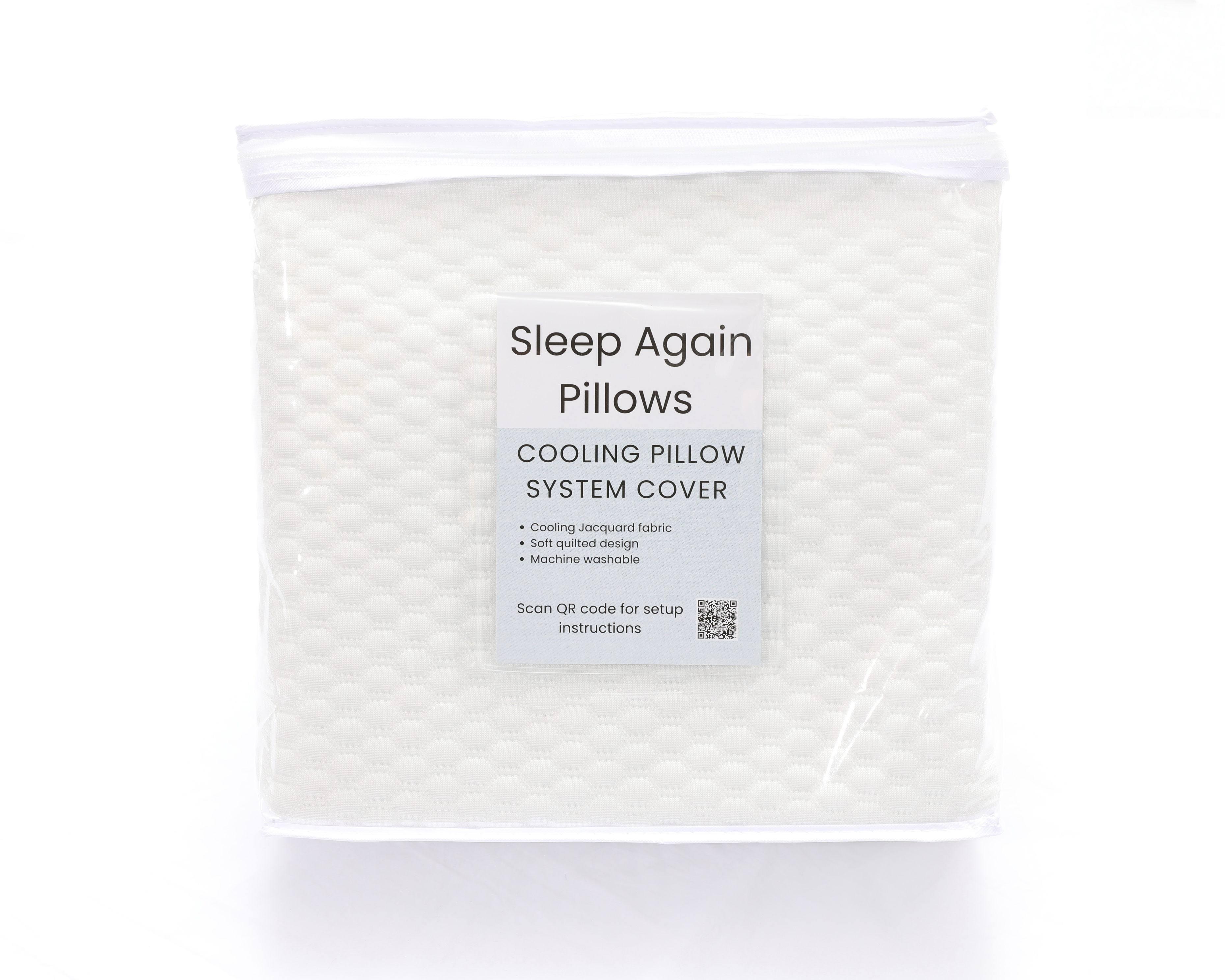
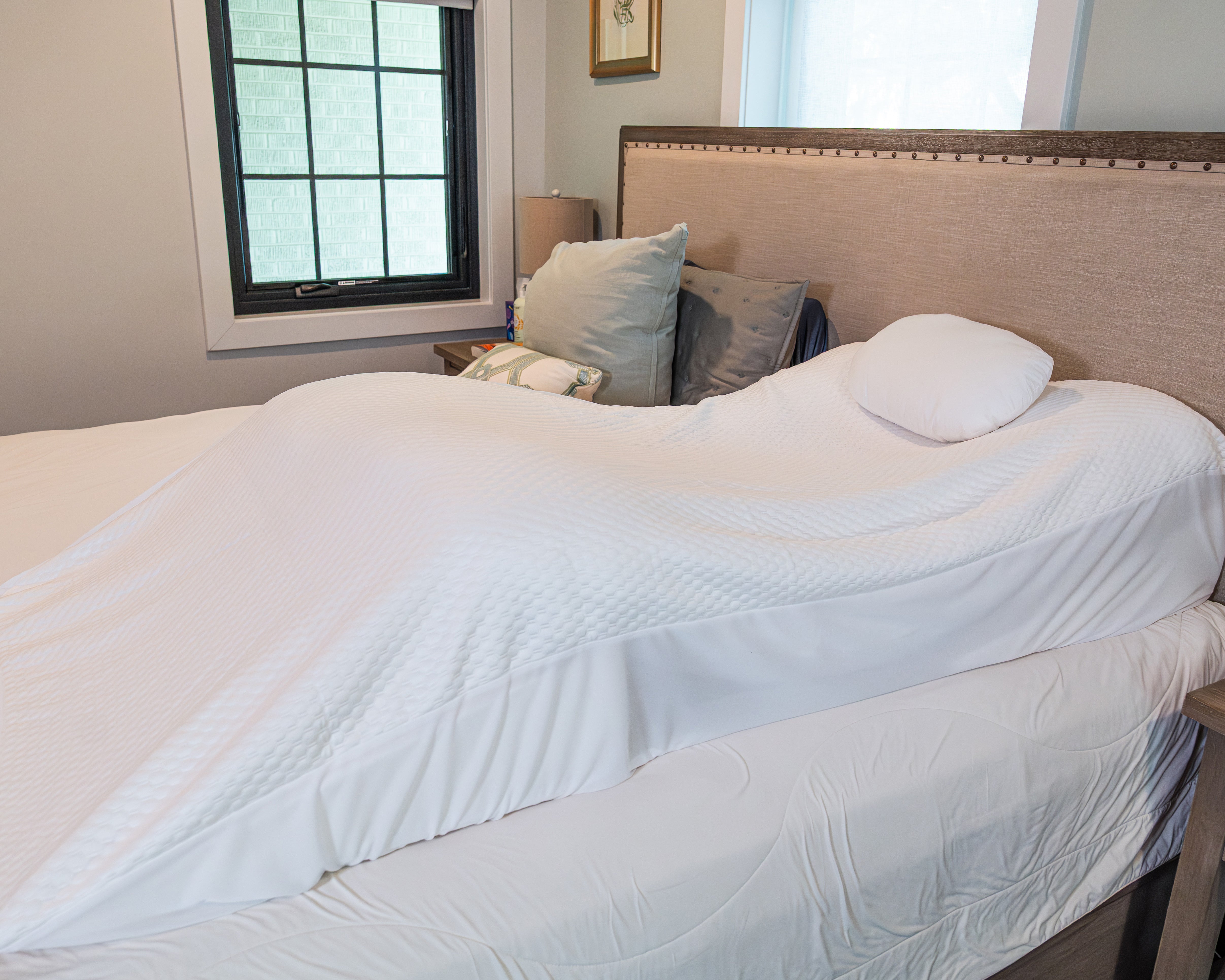
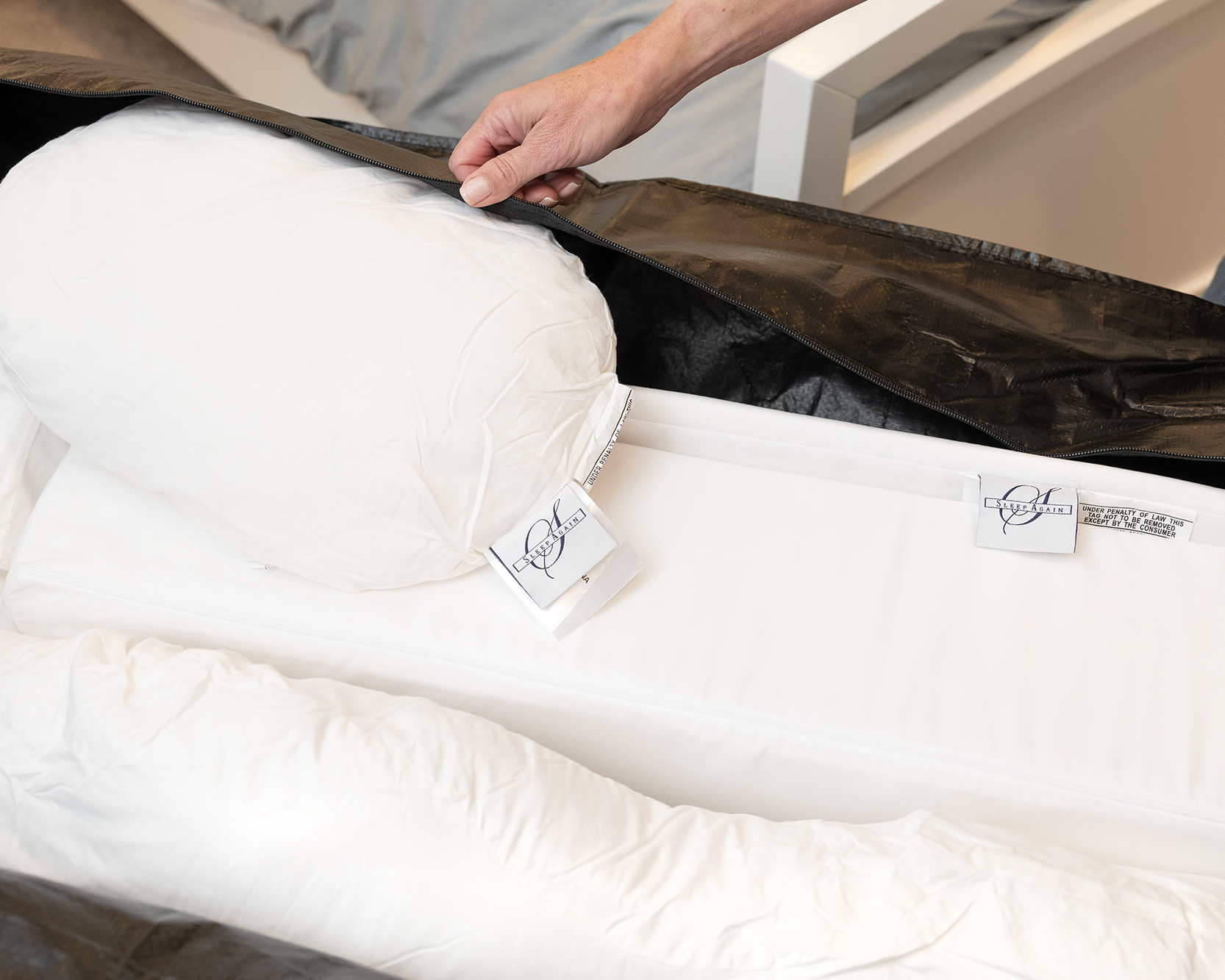
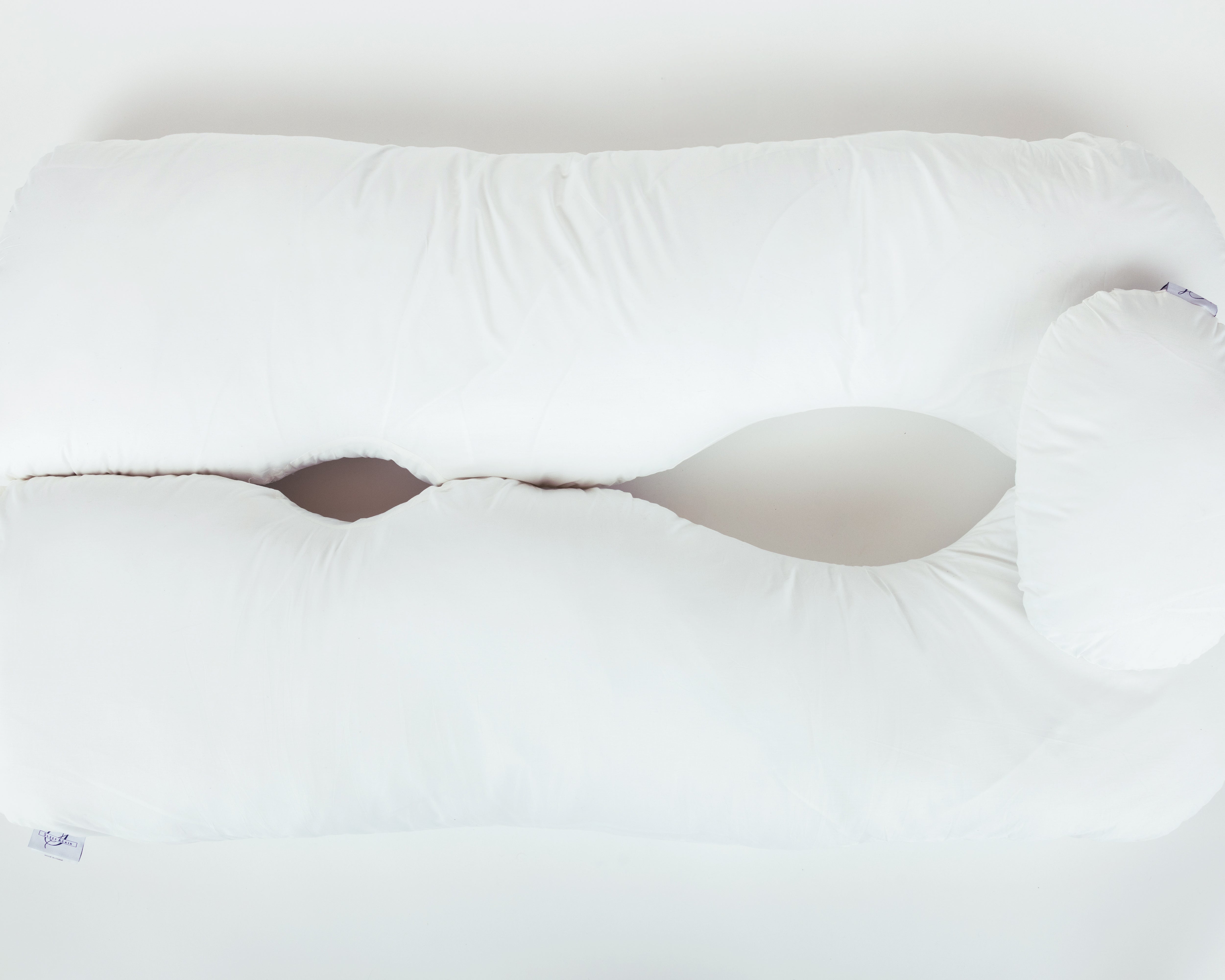
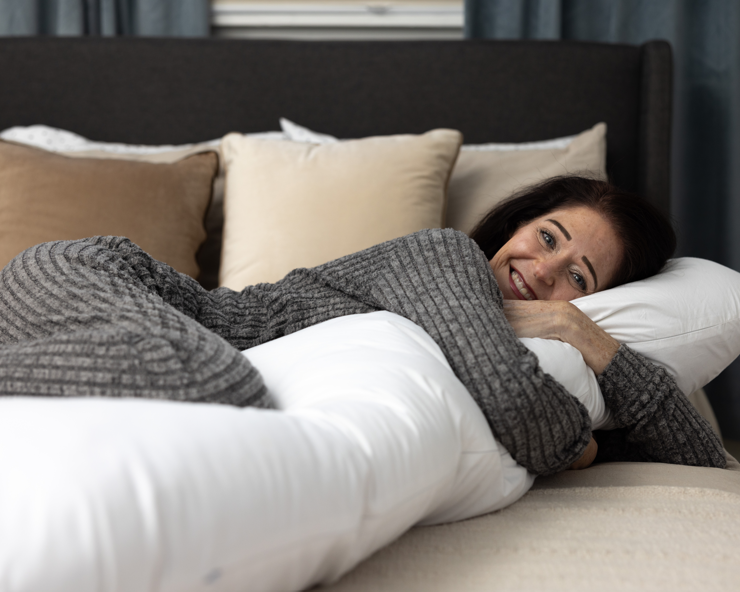
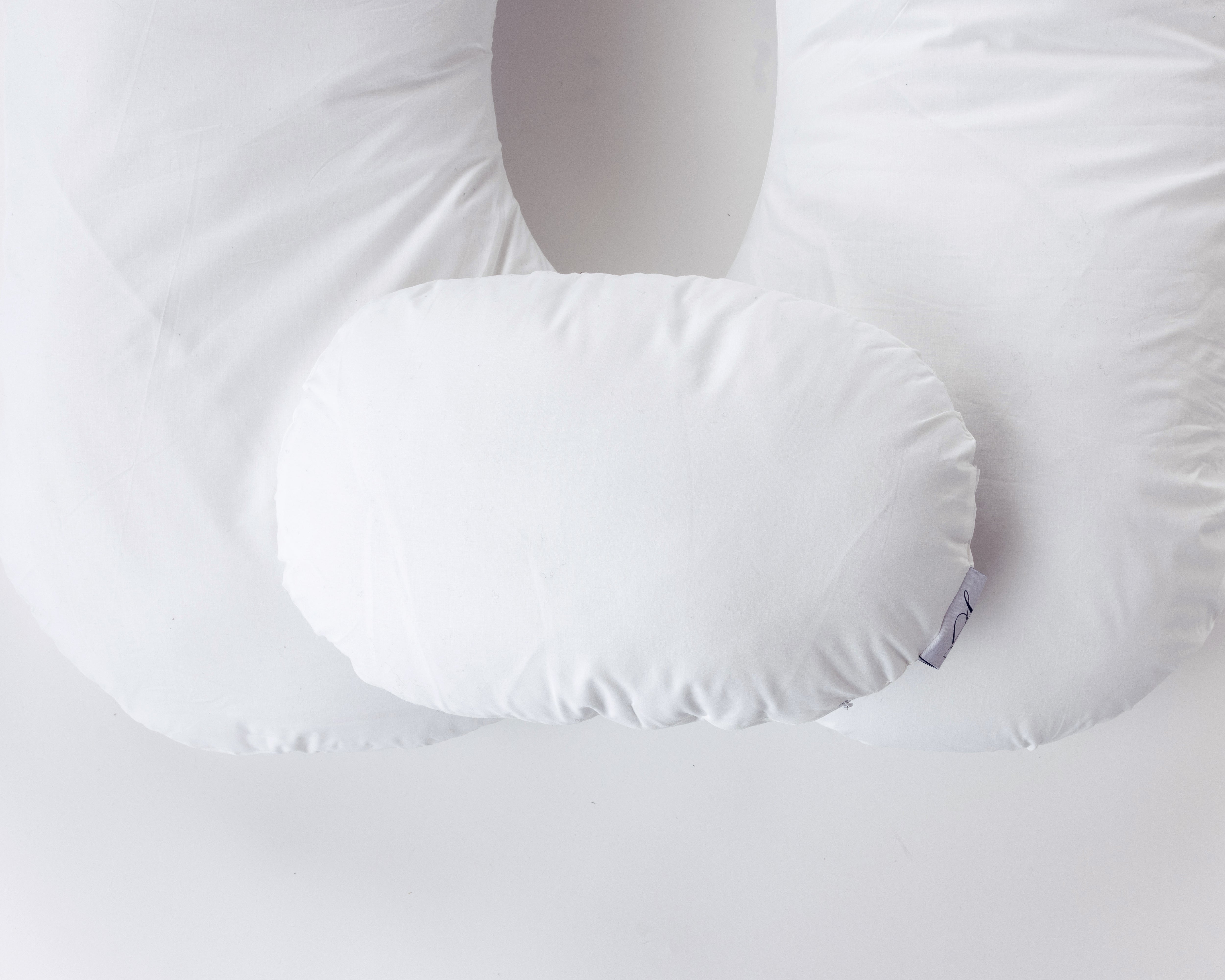
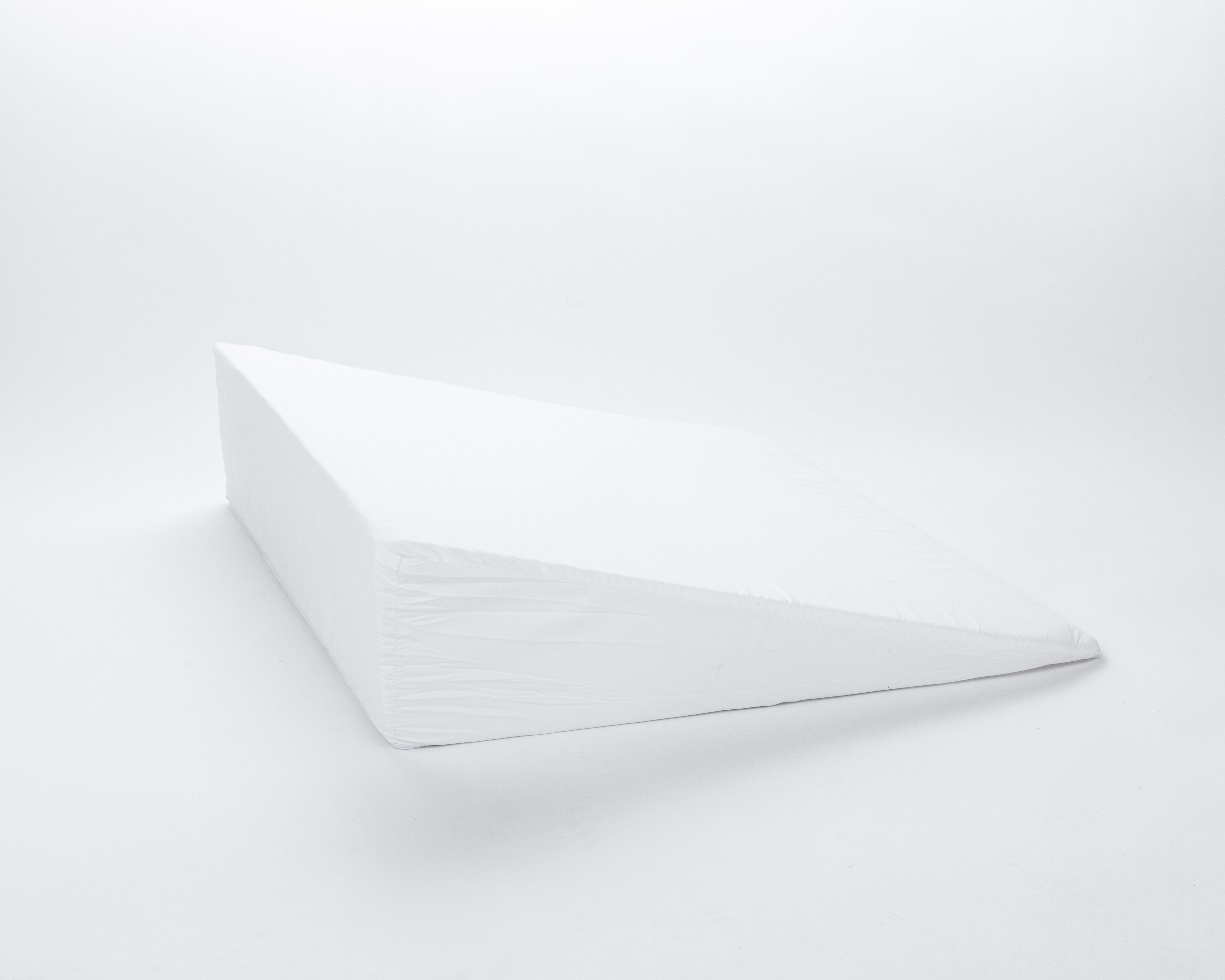
Weeks 1-2 (Immediate Post-Placement): Strict elevated back sleeping at 30-45 degrees. Side sleeping and stomach sleeping are completely off-limits. You're managing surgical drains, compression garments, pain medication, and the adjustment to having expanders. The Sleep Again Pillow System is the #1 doctor-recommended full-body pillow system for post-surgery recovery and can help you achieve better sleep and healing during this critical initial phase of elevated back sleeping. The system supports the optimal degree of elevation, plus prevents rolling over onto your side during the night.
Weeks 3-4 (First Expansion Phase): Continued elevated back sleeping at 30-45 degrees, with possible brief side-lying if your surgeon approves. The tightness after your first expansion typically peaks within 24-48 hours, creating a weekly cycle where comfort varies based on proximity to your last fill appointment. Consistent elevation becomes crucial—something standard pillows struggle to maintain as they compress overnight.
Weeks 5-8 (Active Expansion): Back sleeping at 30-45 degrees remains primary, with increasing tolerance for supported side sleeping between appointments. This phase presents the greatest comfort variation—days after fills require stricter positioning, while mid-cycle days allow more freedom. Many patients find this the most challenging phase mentally, as the finish line is visible but still weeks away.
Weeks 9-12+ (Final Expansion and Maintenance): Once you reach target volume, positioning restrictions begin relaxing. However, the firmness of fully expanded expanders still prevents stomach sleeping, and you'll maintain these devices for weeks or months before exchange surgery. Many patients describe adapting to a "new normal" while eagerly anticipating softer permanent implants.
SHOP THE SYSTEM FOR BACK SLEEPING WITH TISSUE EXPANDERS
The Back Sleeping Foundation: Mastering Your Primary Position
Elevated back sleeping at 30-45 degrees isn't just a recovery position—it's the therapeutic foundation that supports successful tissue expansion while ensuring comfortable, restorative sleep.
Why elevation matters: The 30-45 degree angle reduces swelling by facilitating lymphatic drainage, prevents fluid accumulation that creates additional tightness, and optimizes blood flow to stretching chest tissue. Gravity works in your favor, naturally supporting proper tissue distribution around expanders while reducing muscular work your pectoralis muscles must perform. This elevation also prevents unconscious rolling, allowing deeper sleep cycles.
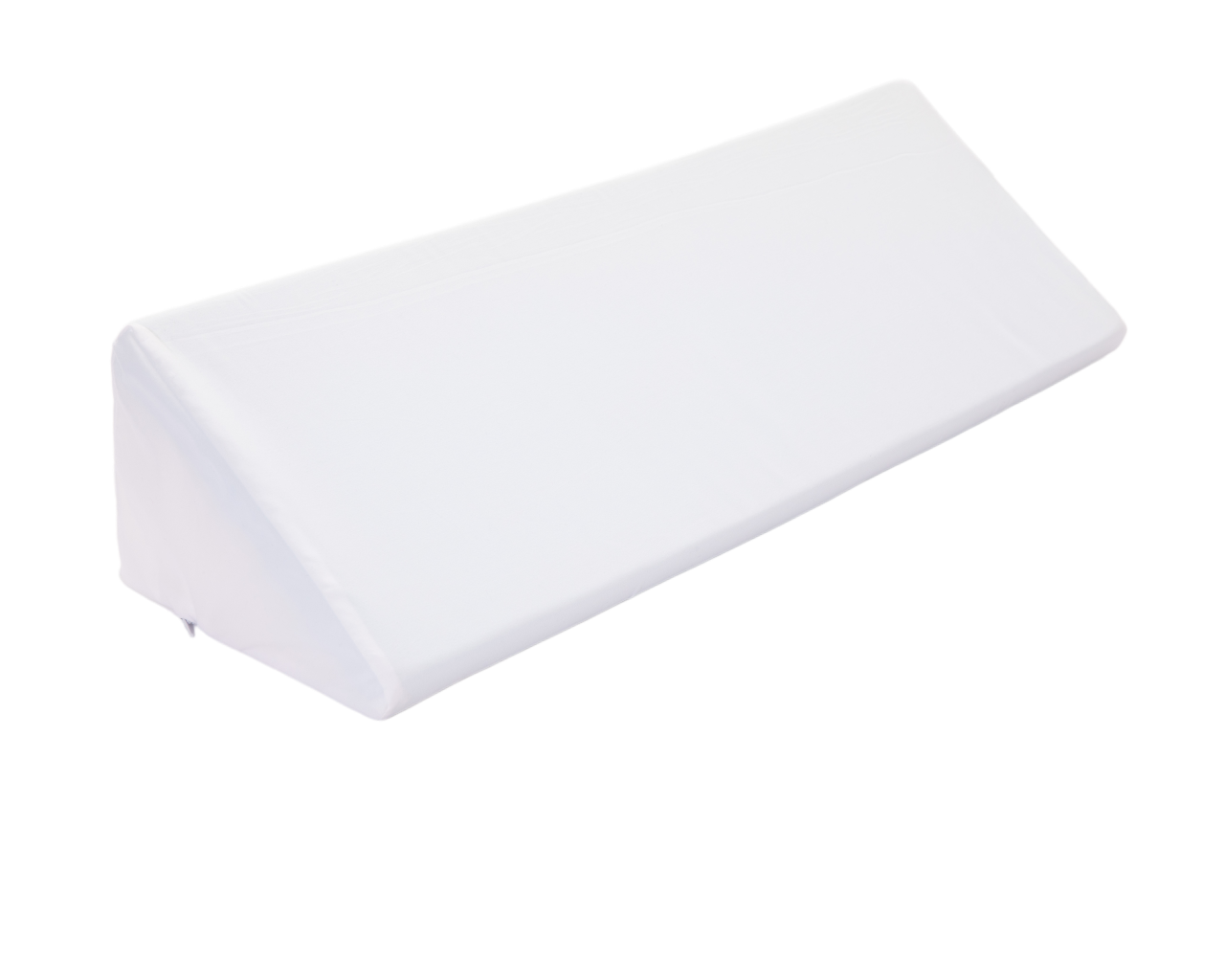
Building effective elevation: Start with a firm base supporting your entire torso from hips to shoulders—not just head and shoulders, which forces uncomfortable spinal curves. Add substantial knee support to maintain natural spinal curves and prevent sliding. Create bilateral arm support so arms don't fall away and pull on chest muscles.
The stability challenge emerges around week three: individual pillows compress, develop gaps, and shift independently. By morning, most household arrangements have collapsed to ineffective angles and created new pressure points.

The Side Sleeping Option: When and How to Add Position Variety
Once your surgical team clears you for side sleeping, proper positioning becomes essential for preventing complications while allowing positional variety.
Why extra caution is needed: Tissue expanders are firmer than natural tissue or permanent implants. Side sleeping concentrates body weight on the expander and surrounding tissue, potentially affecting pocket development. The muscle compression can exacerbate expansion-related tightness, particularly within 48-72 hours after fill appointments.
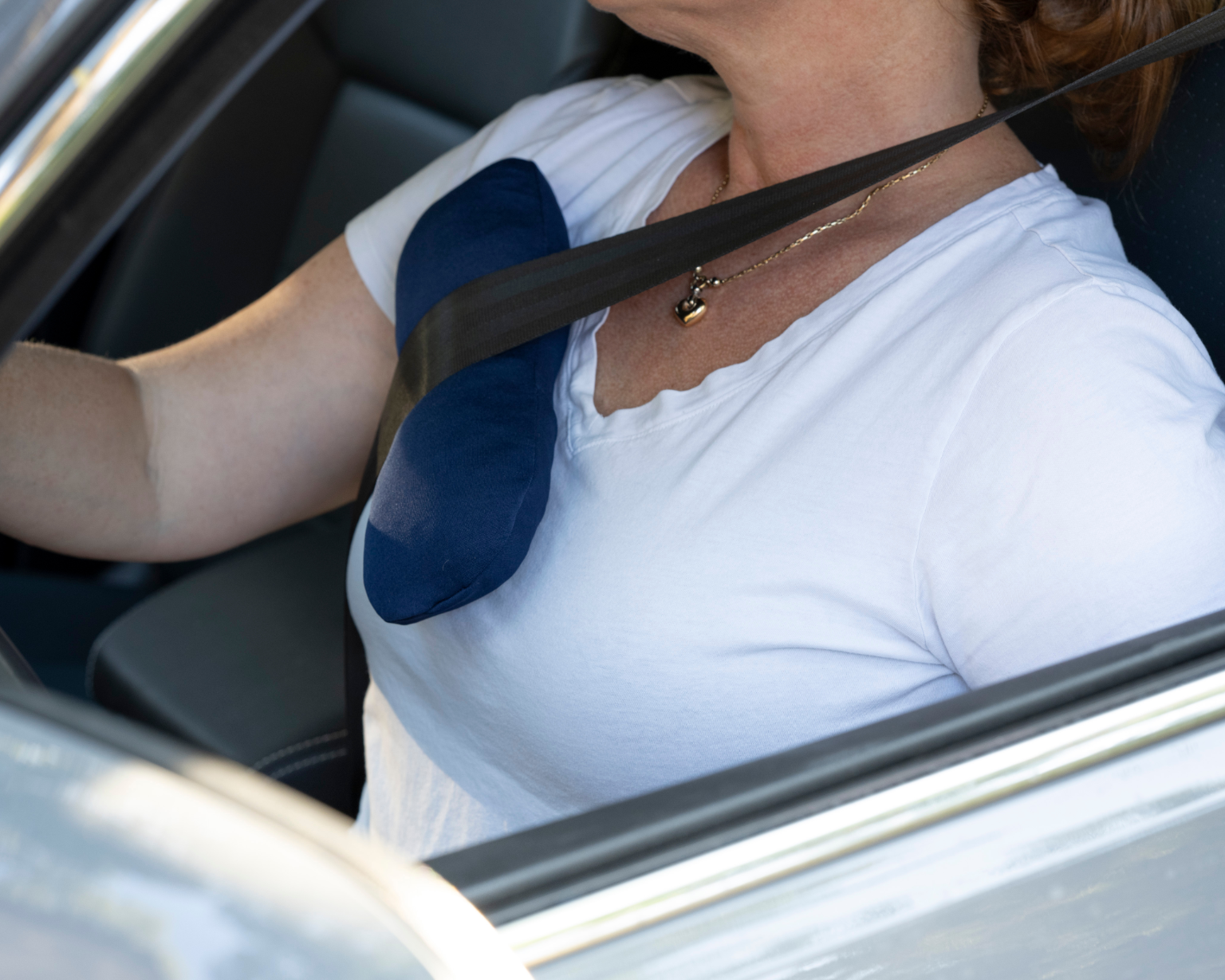
The proper setup requires comprehensive support: A chest protection pillow becomes non-negotiable, serving multiple functions—preventing forward rolling, creating a barrier between arm and chest to reduce pressure, and maintaining spinal alignment. Standard pillows fail expander patients because they're too soft, compress under sustained pressure, and lack the contouring needed for post-mastectomy anatomy.
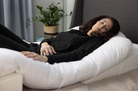
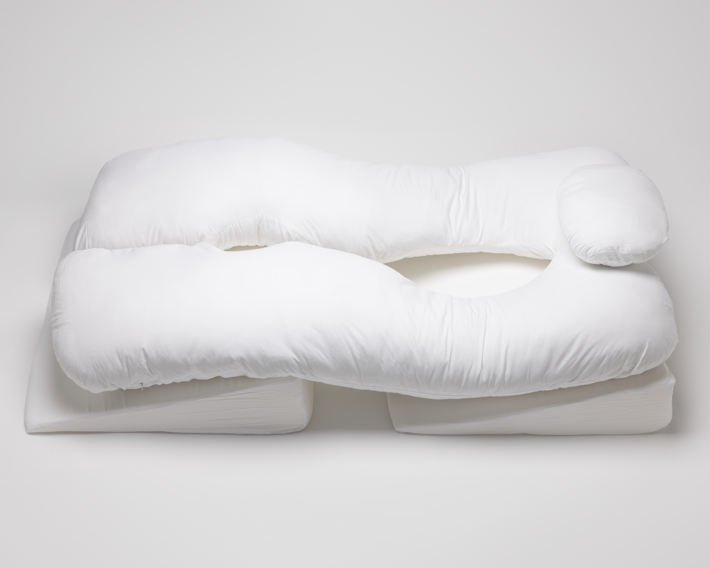
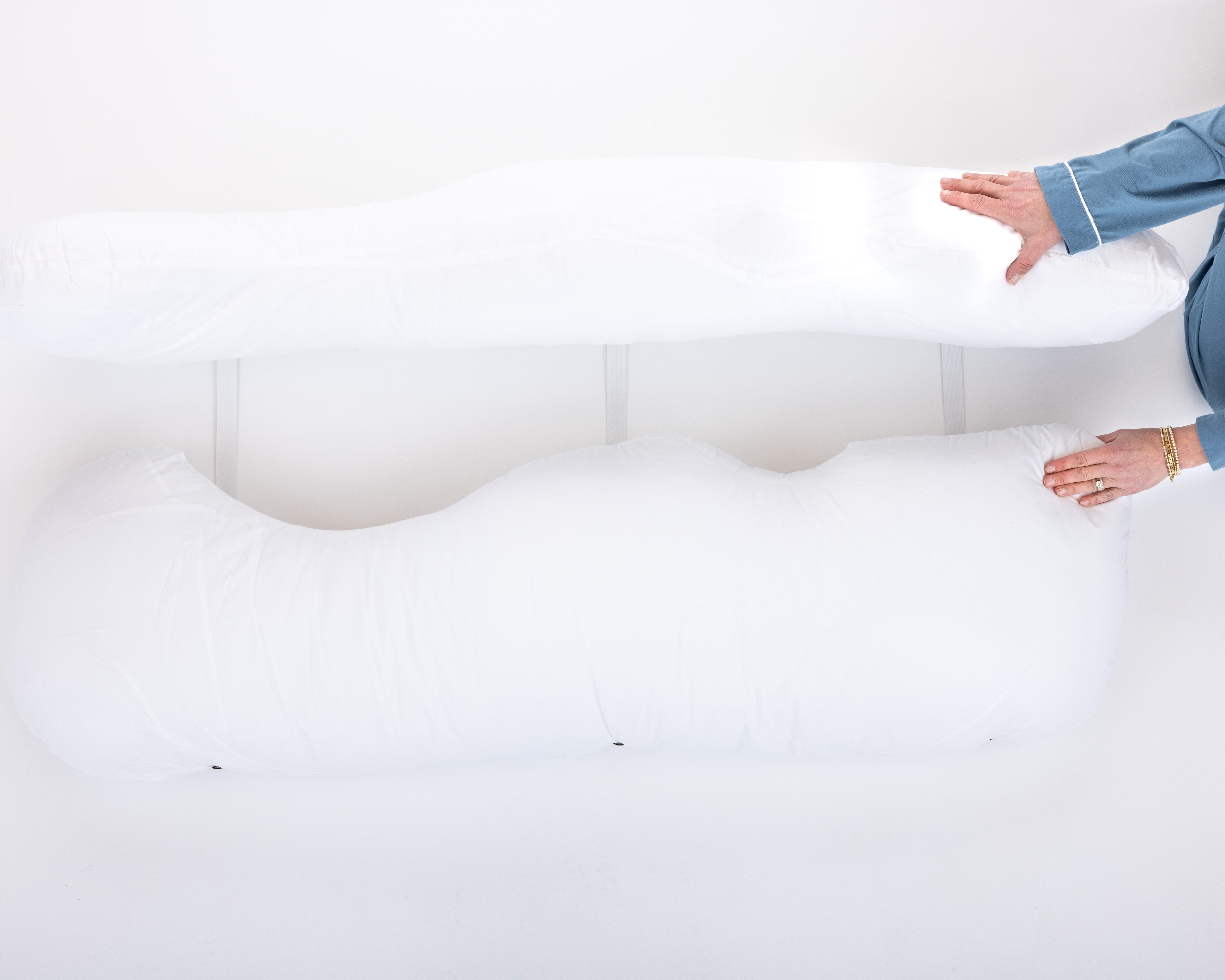
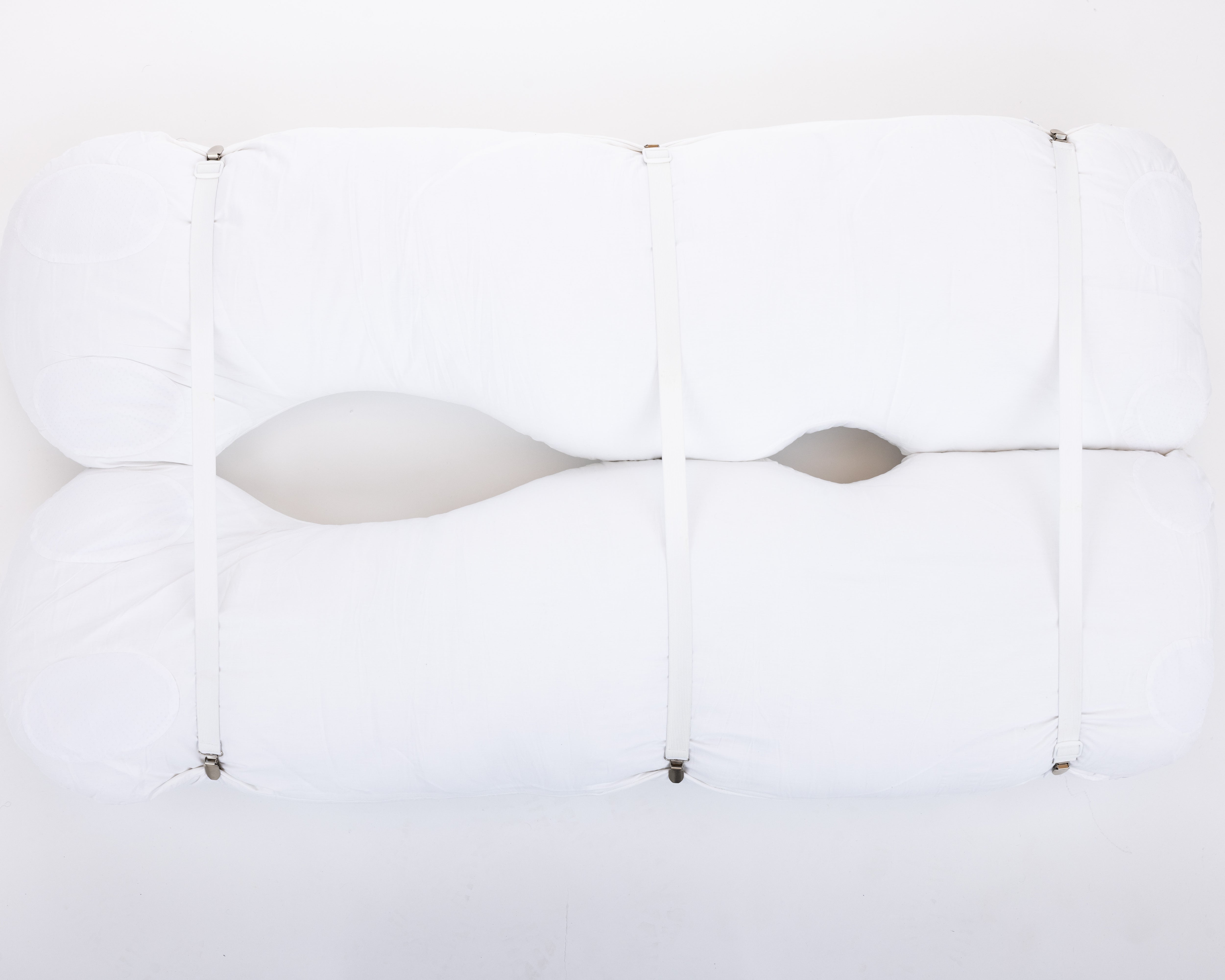
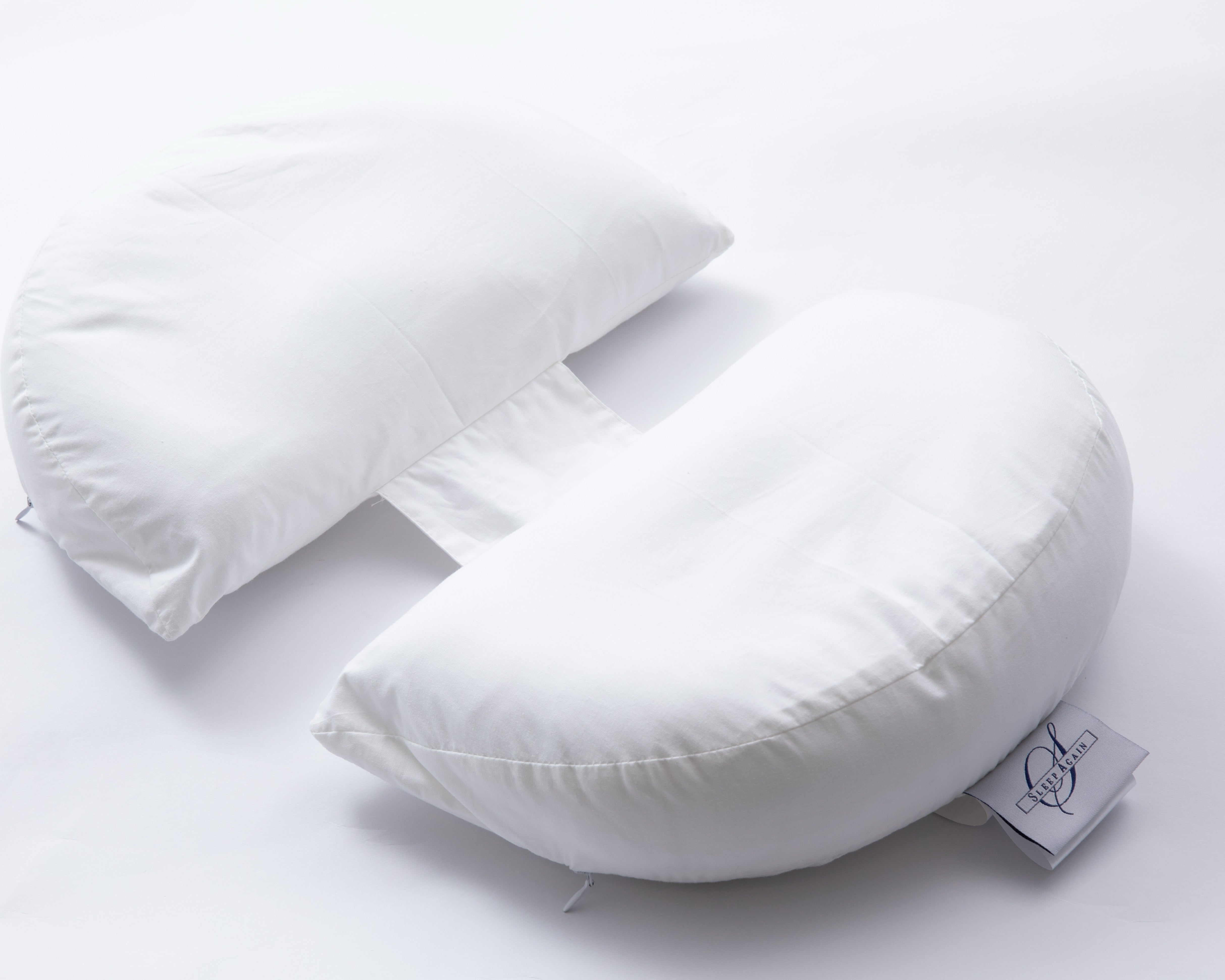
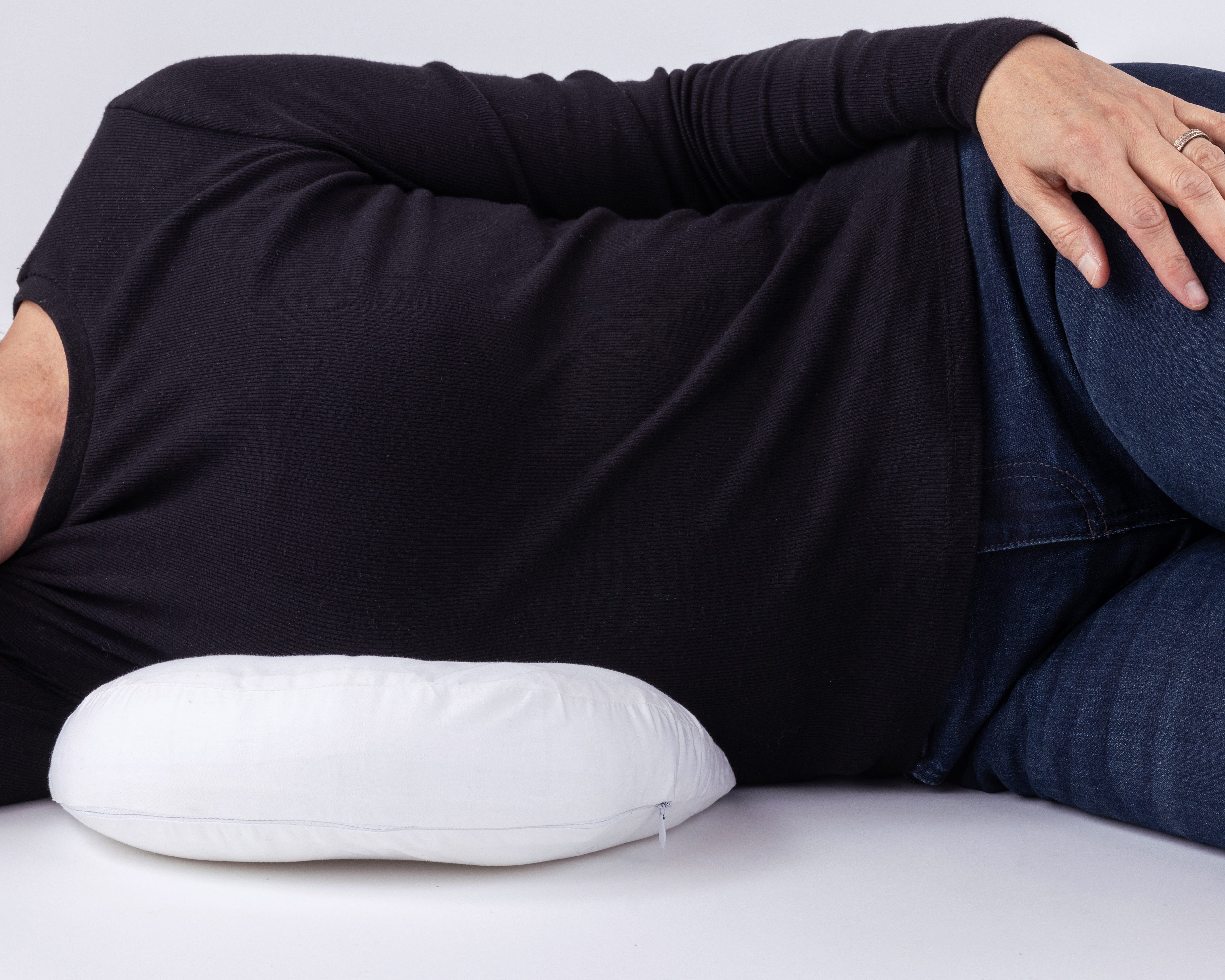
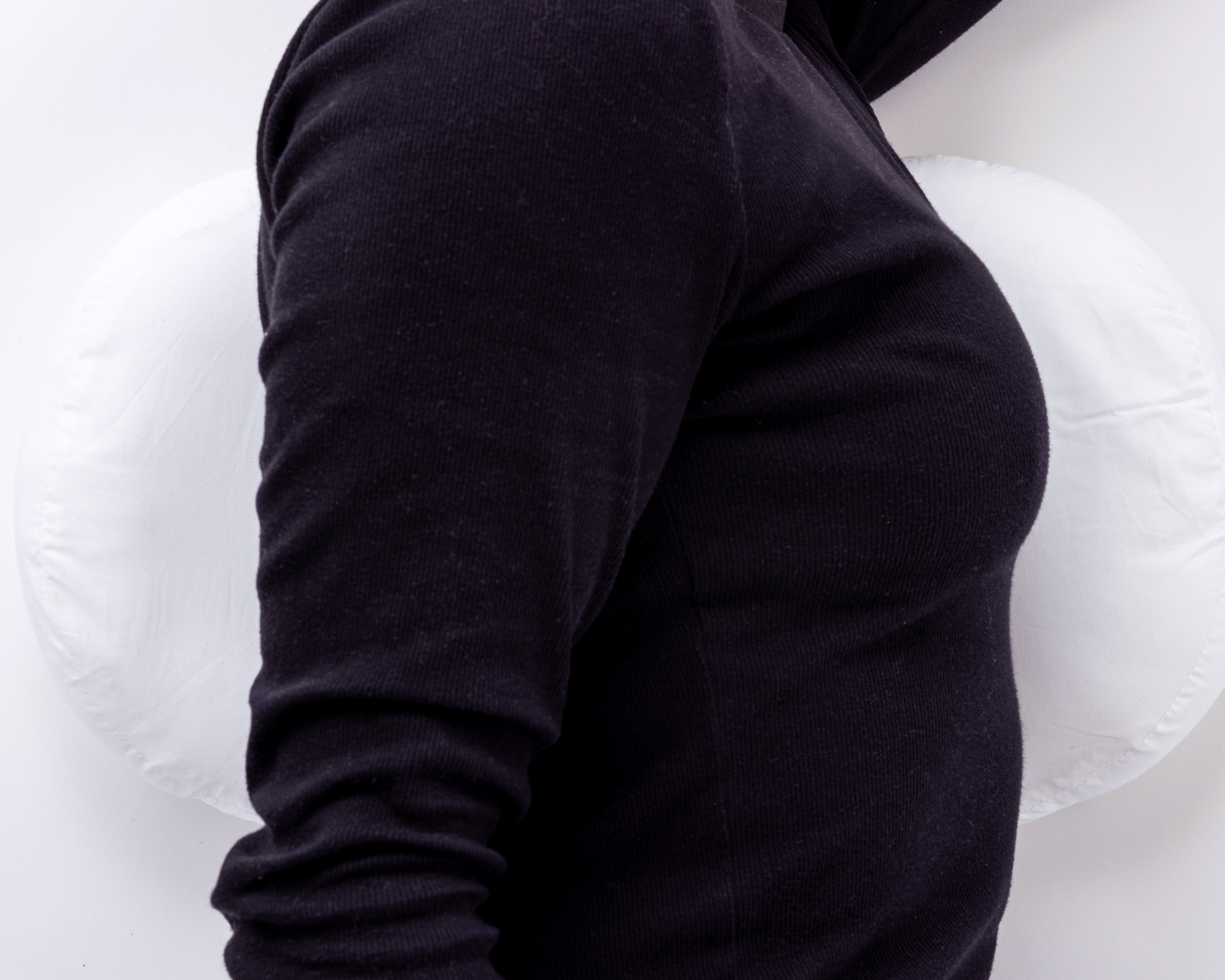
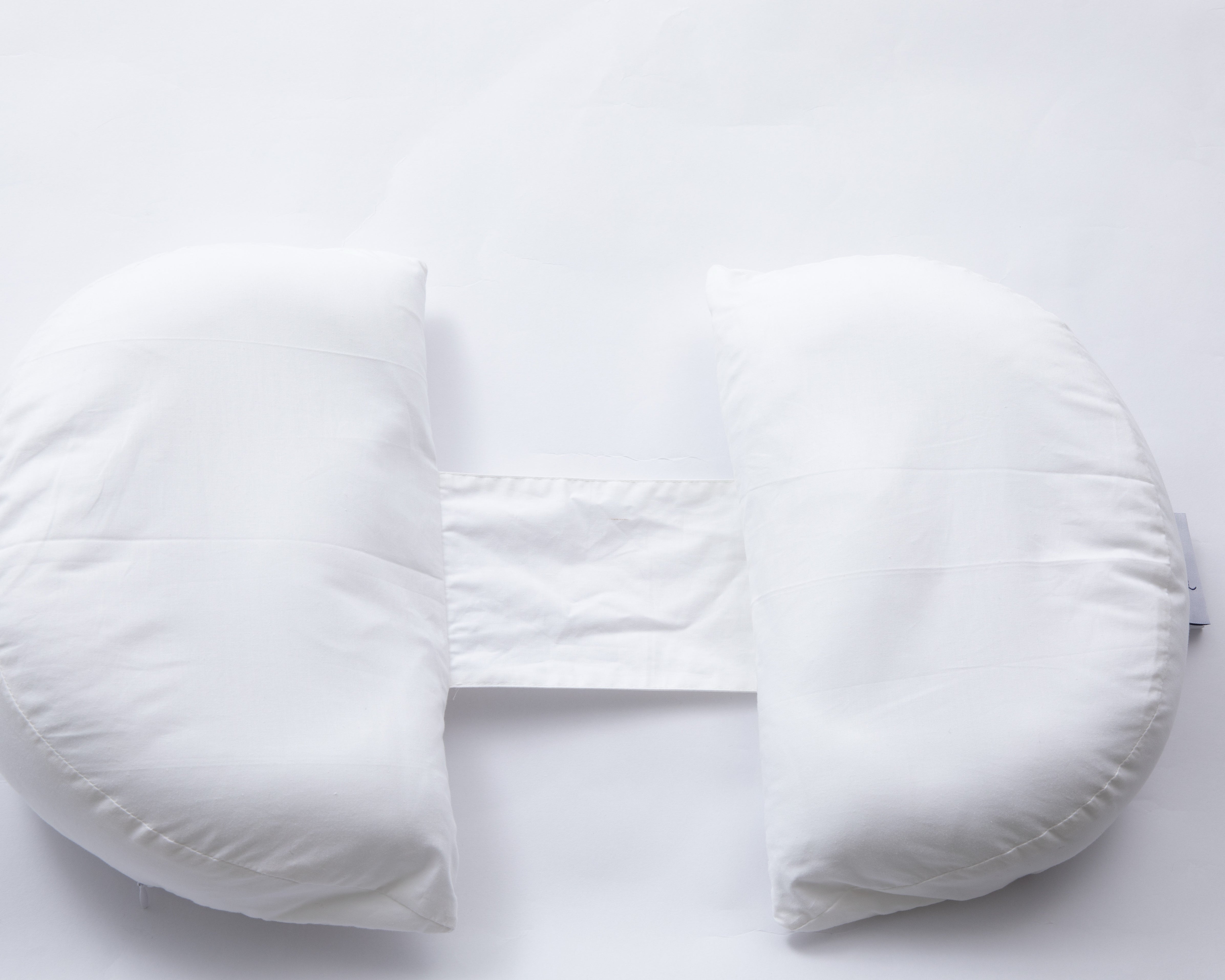
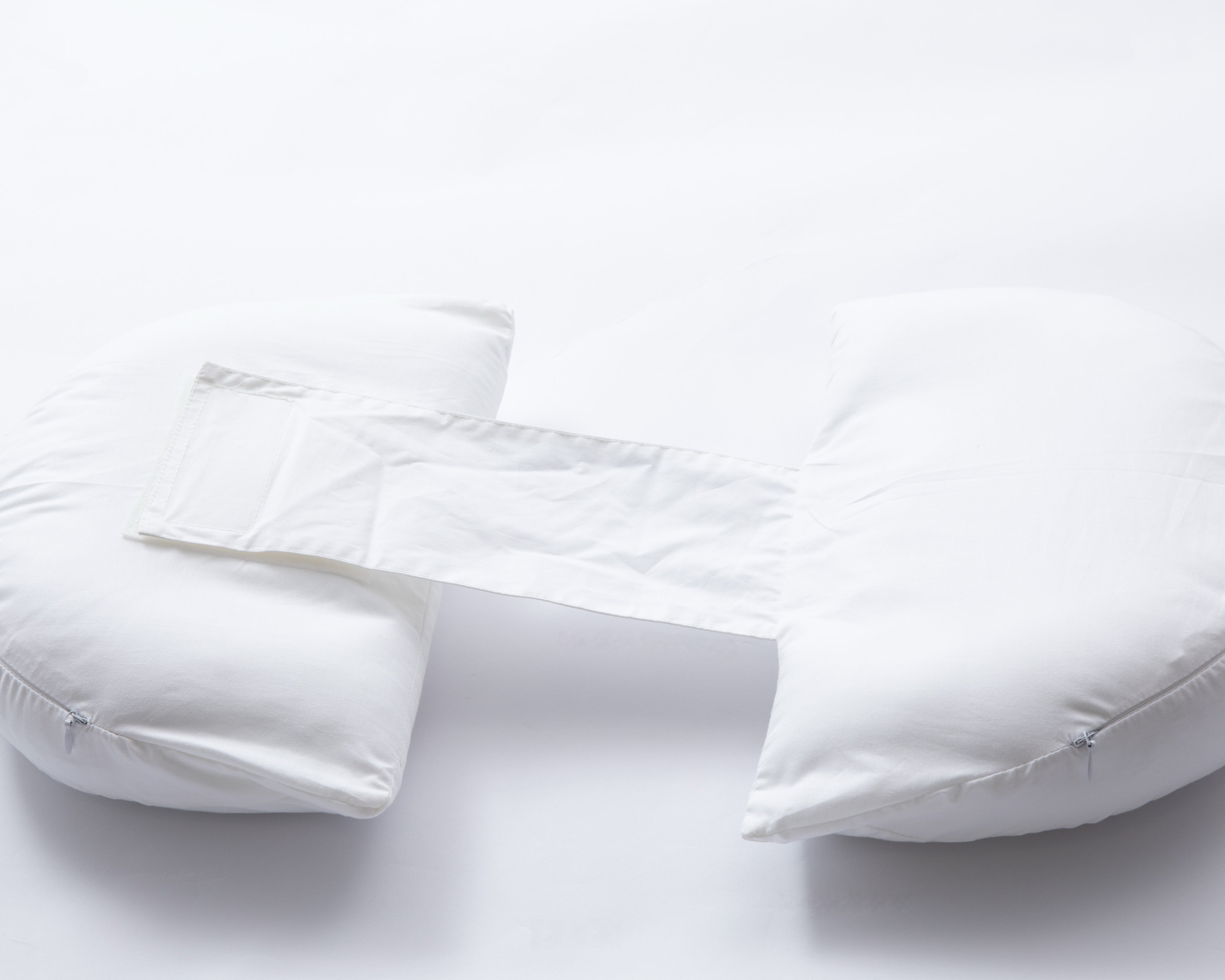
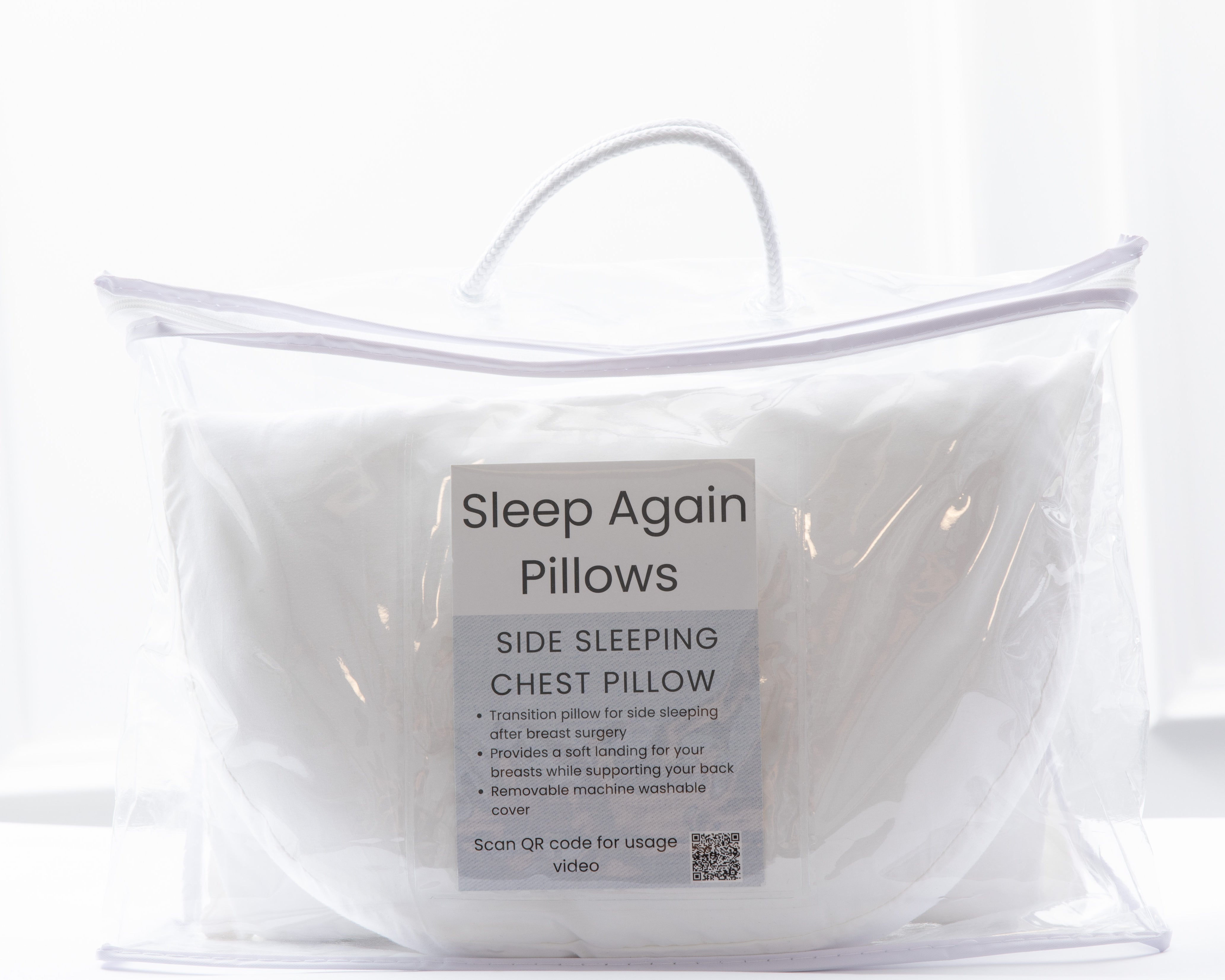
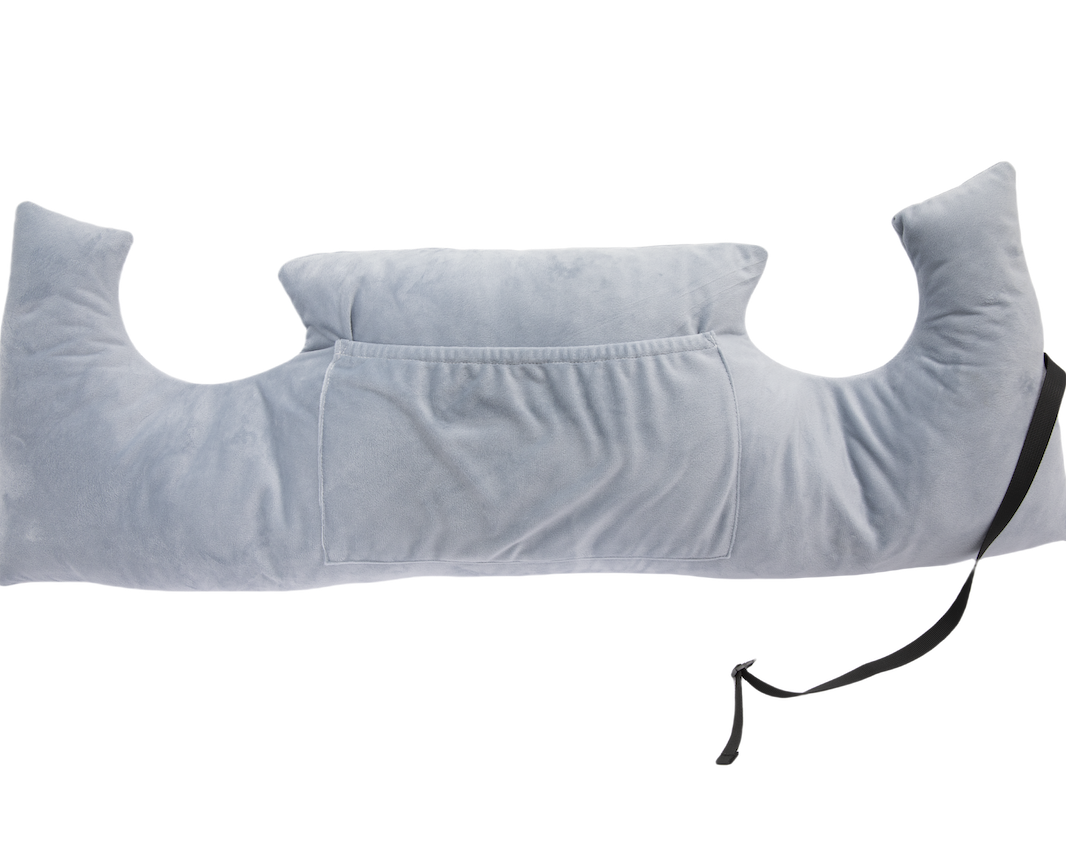
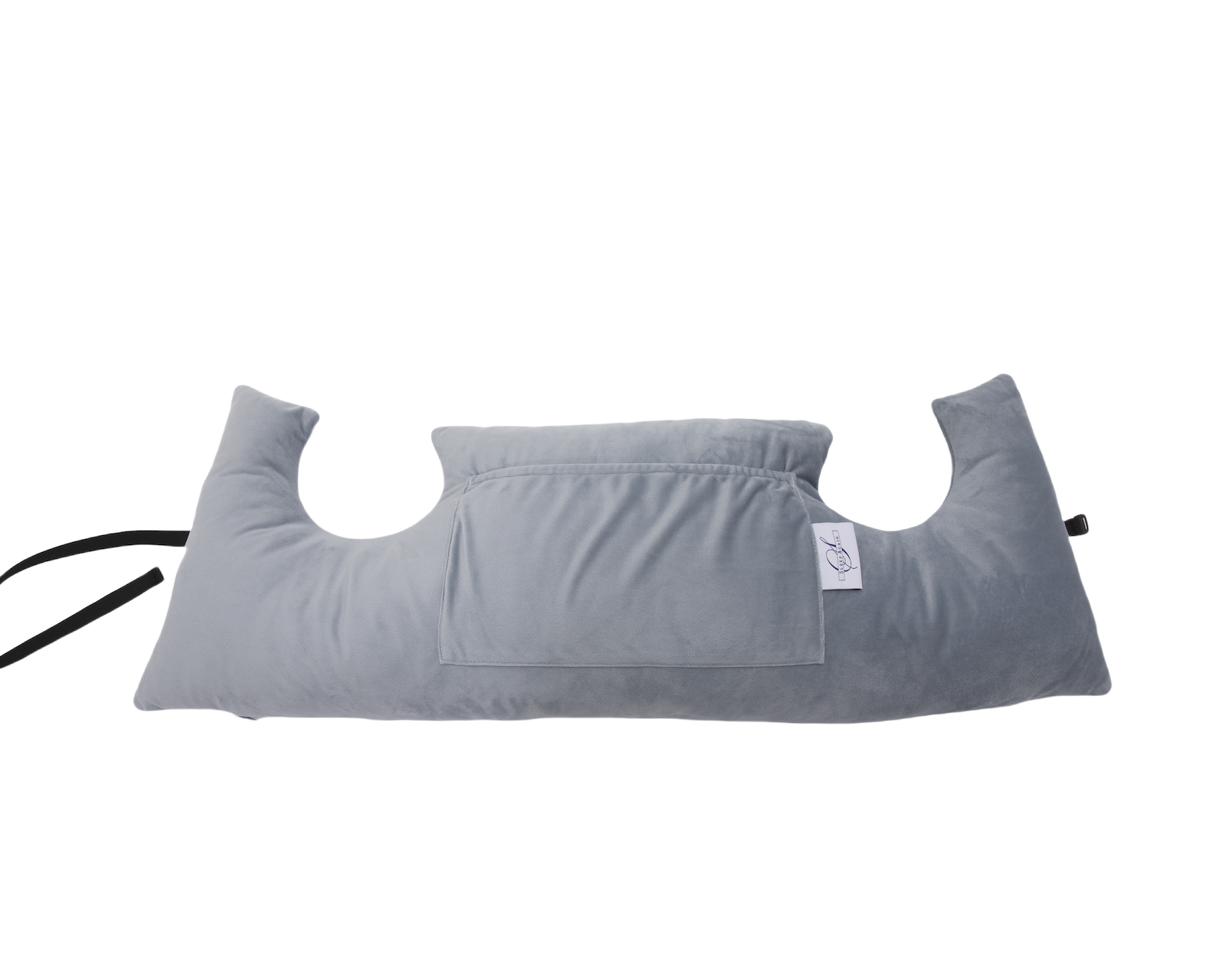
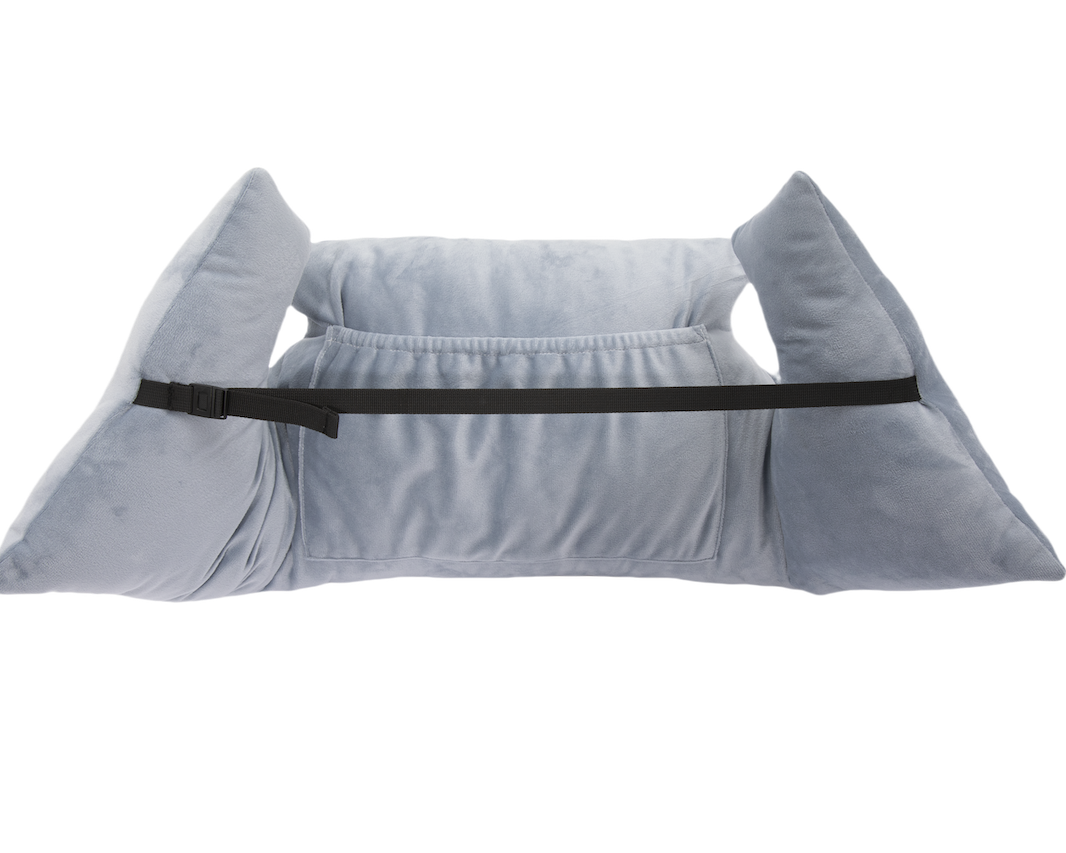
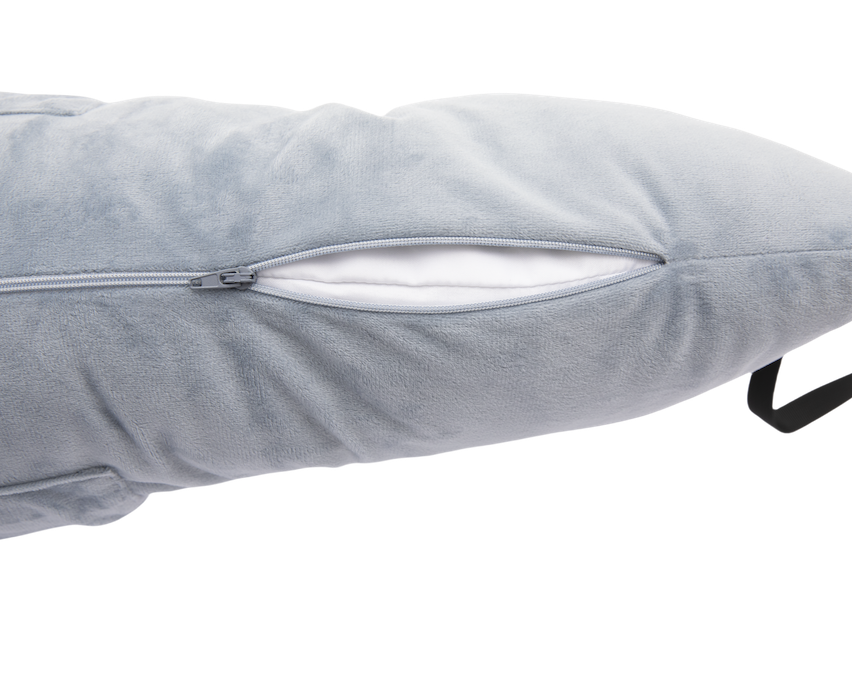
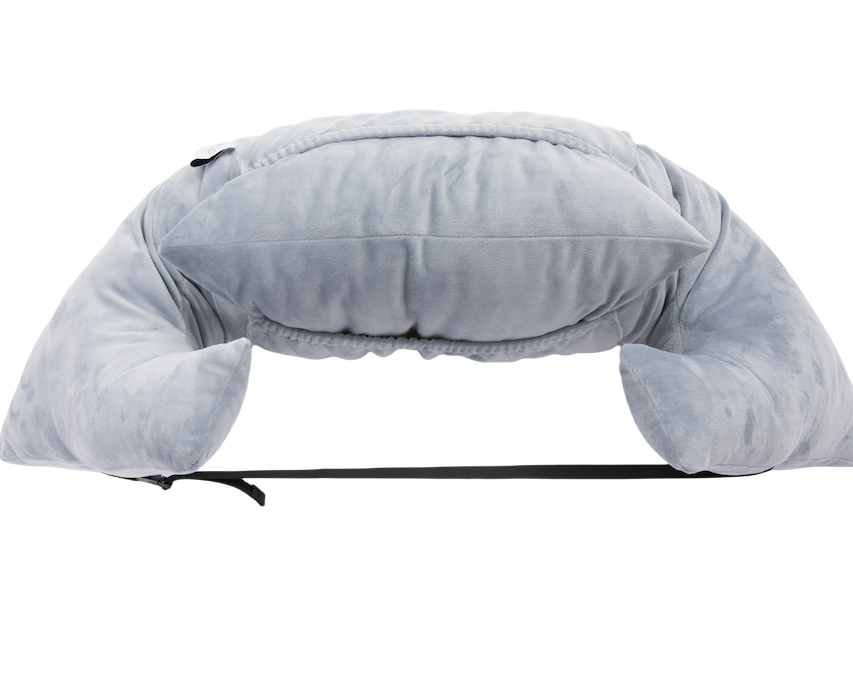
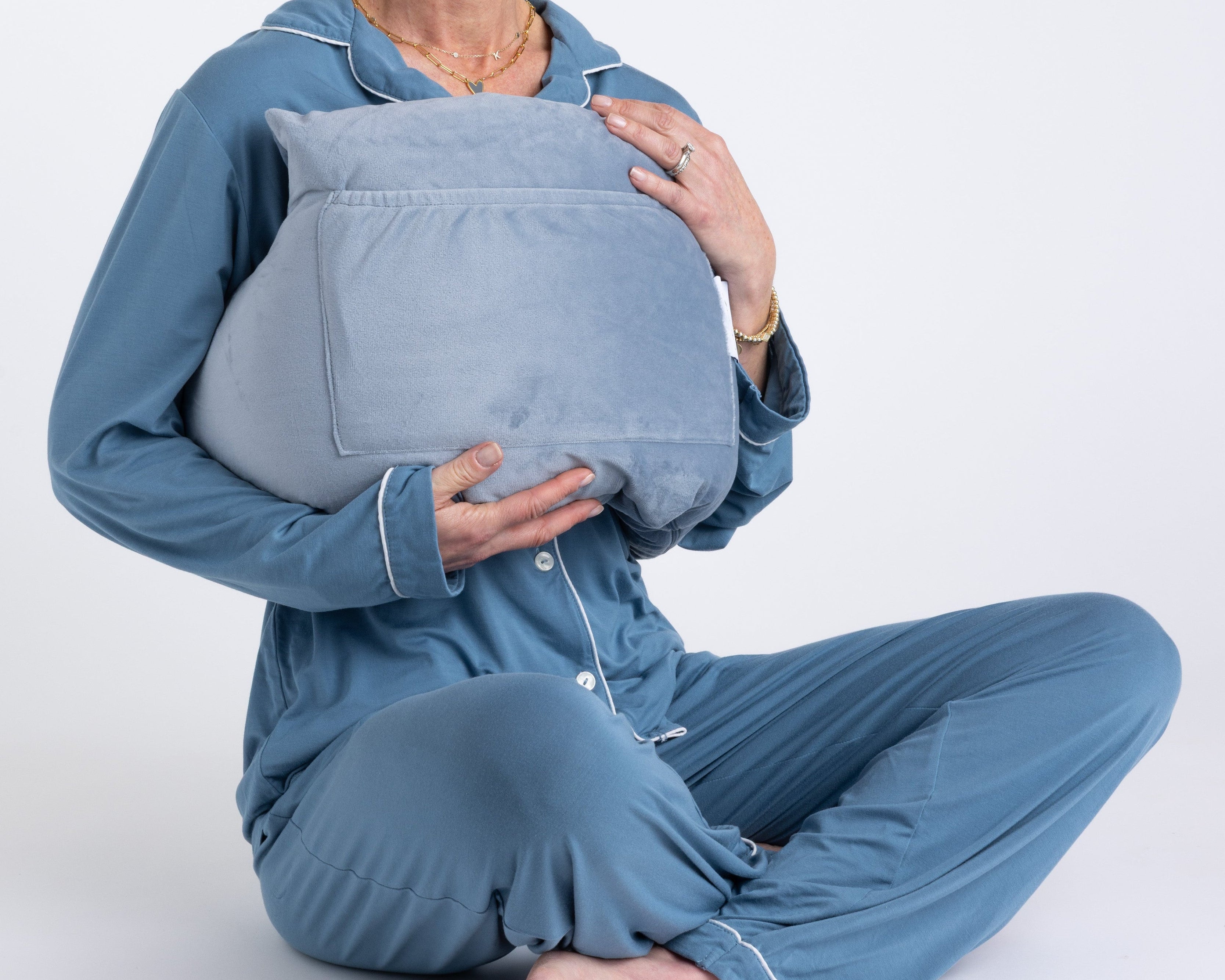
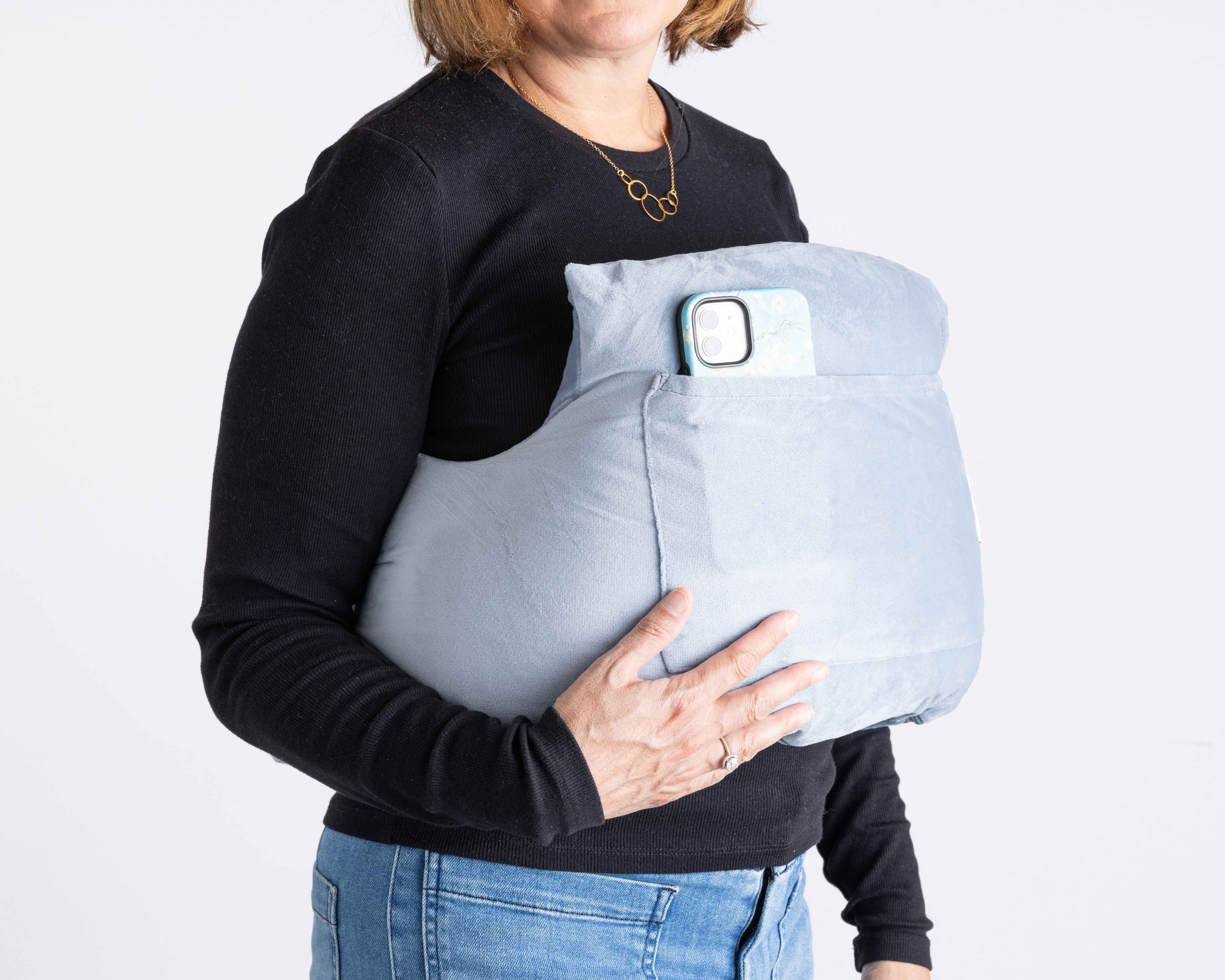
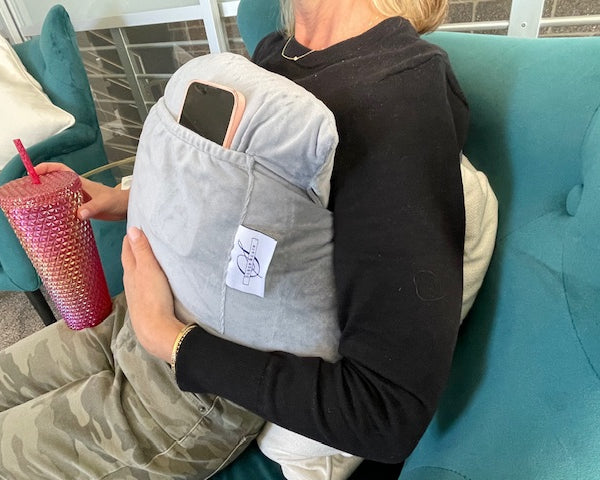
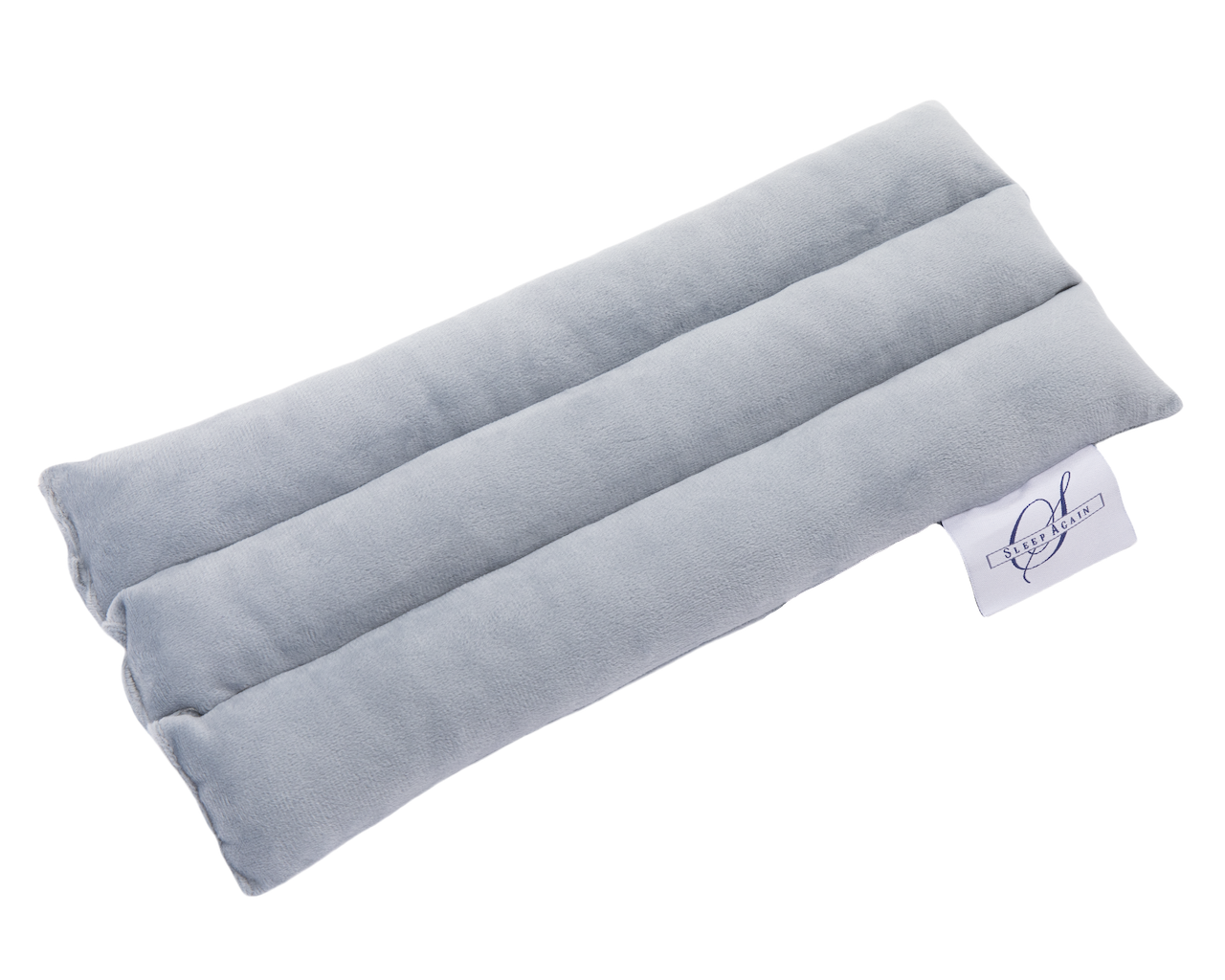
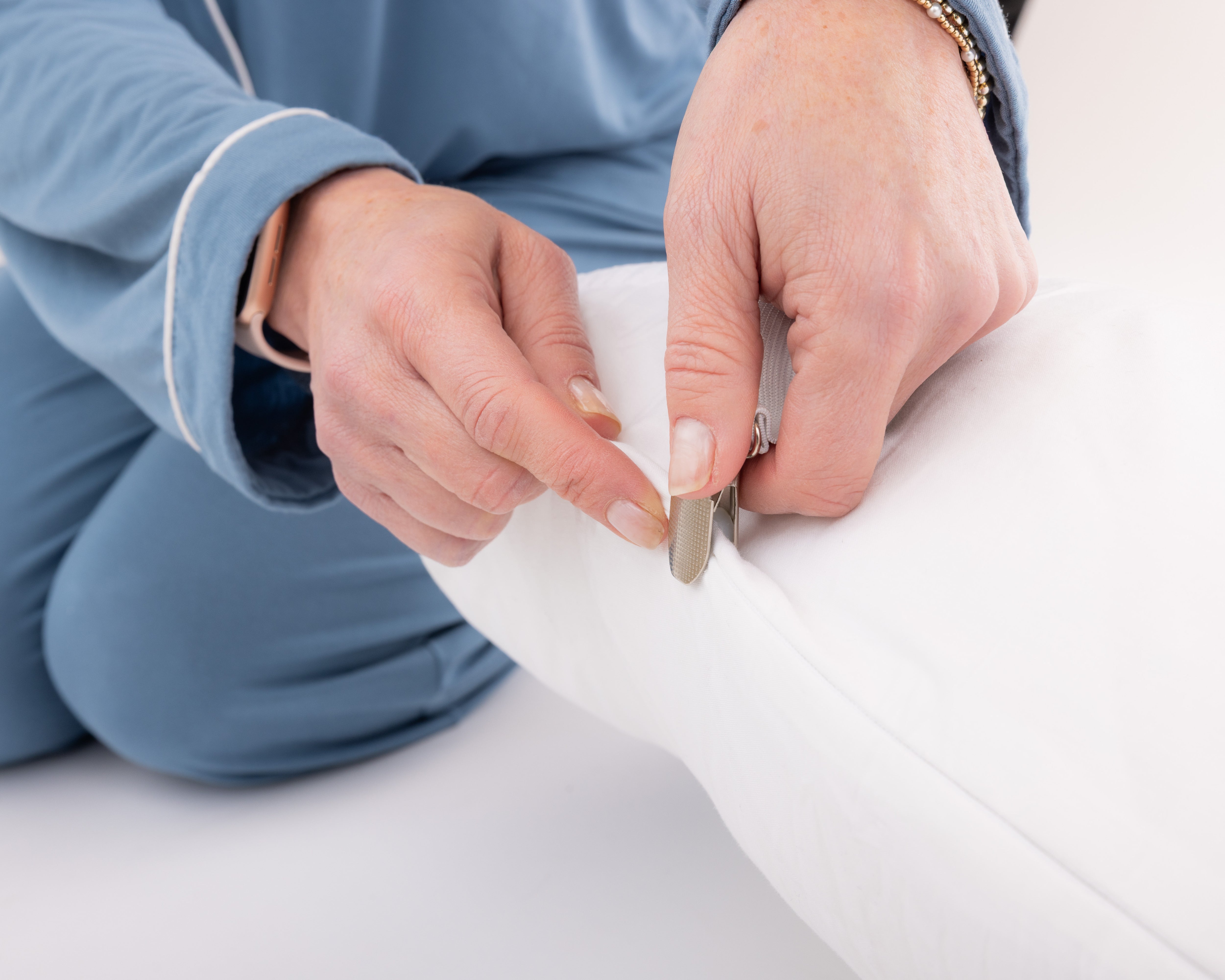
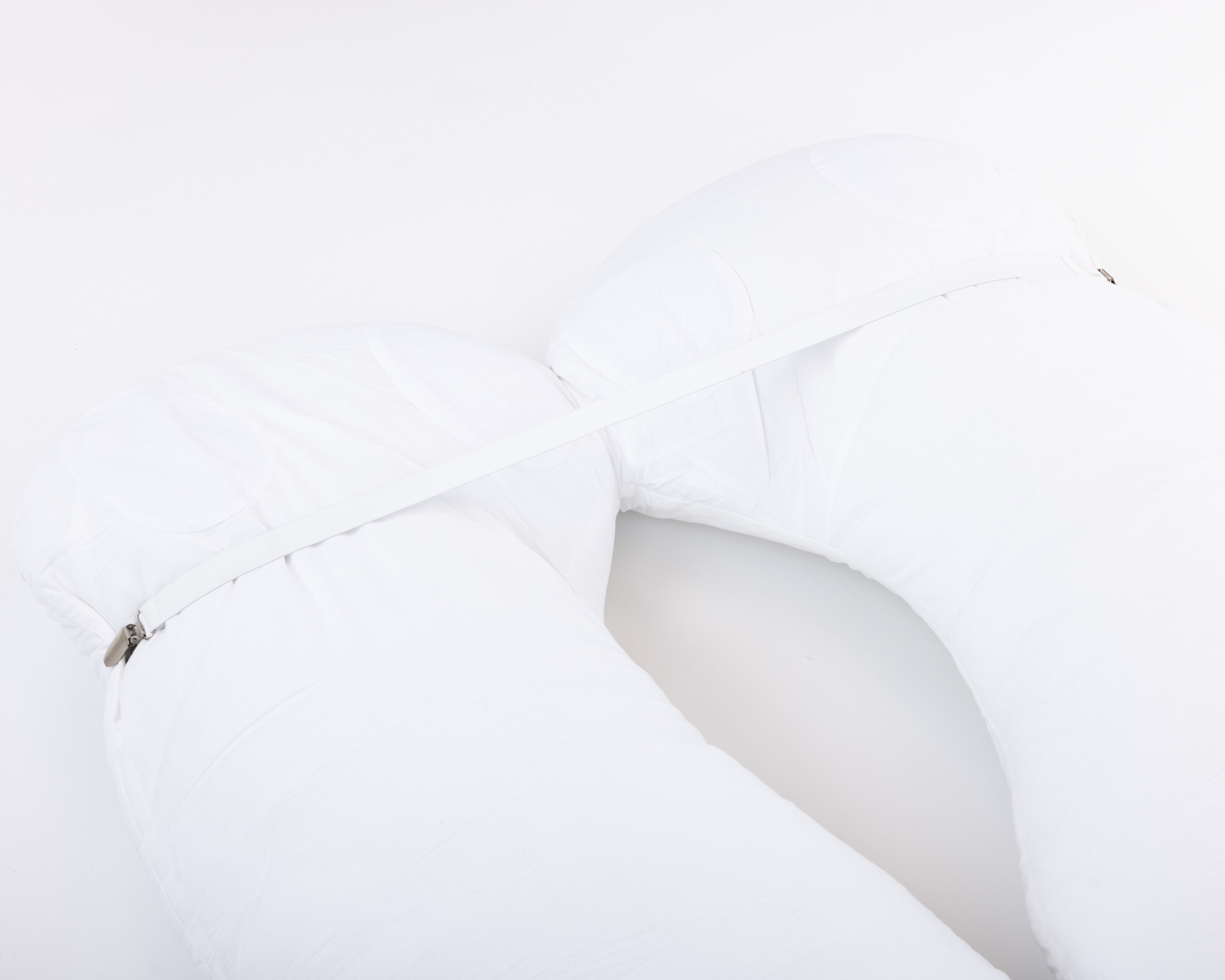
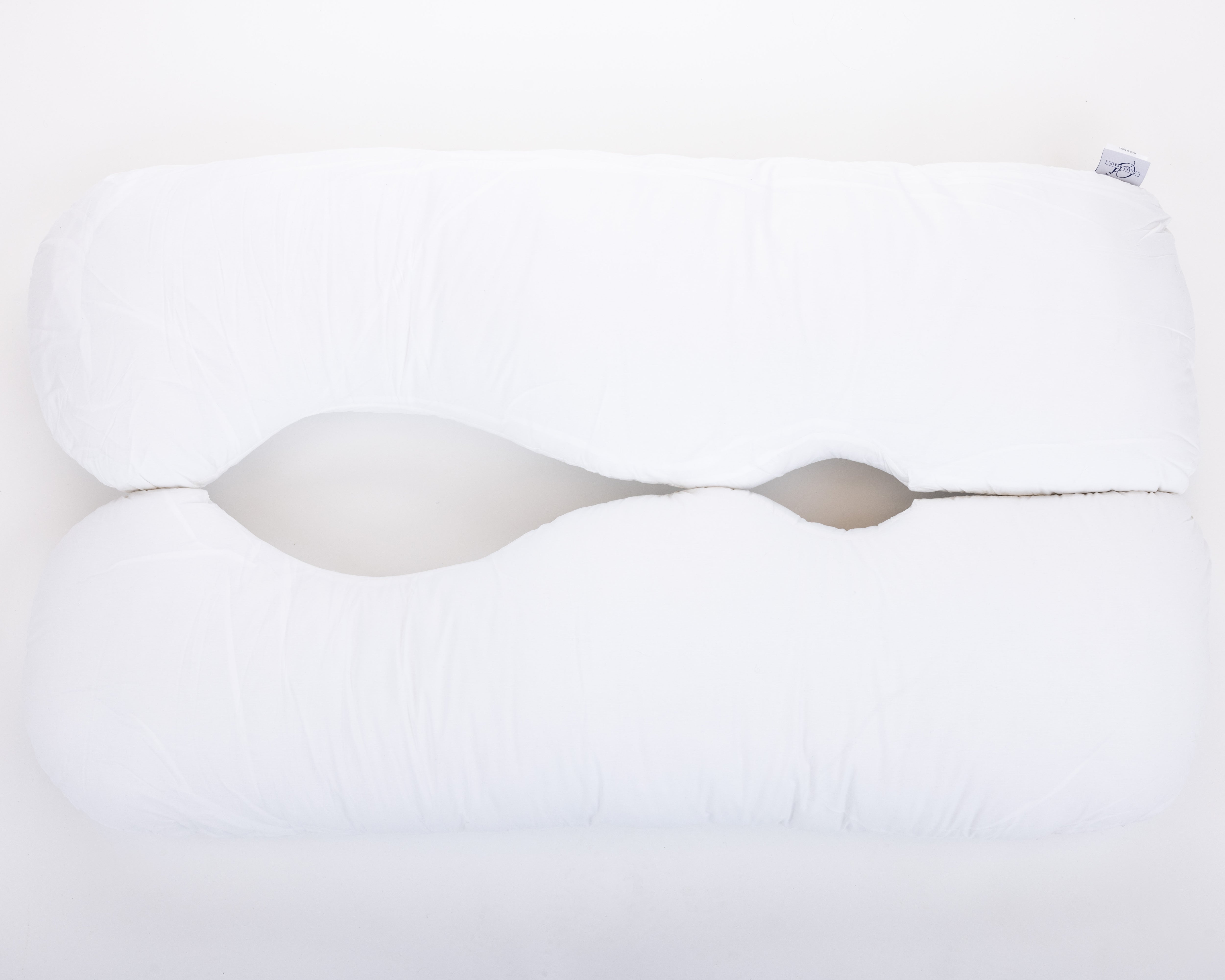
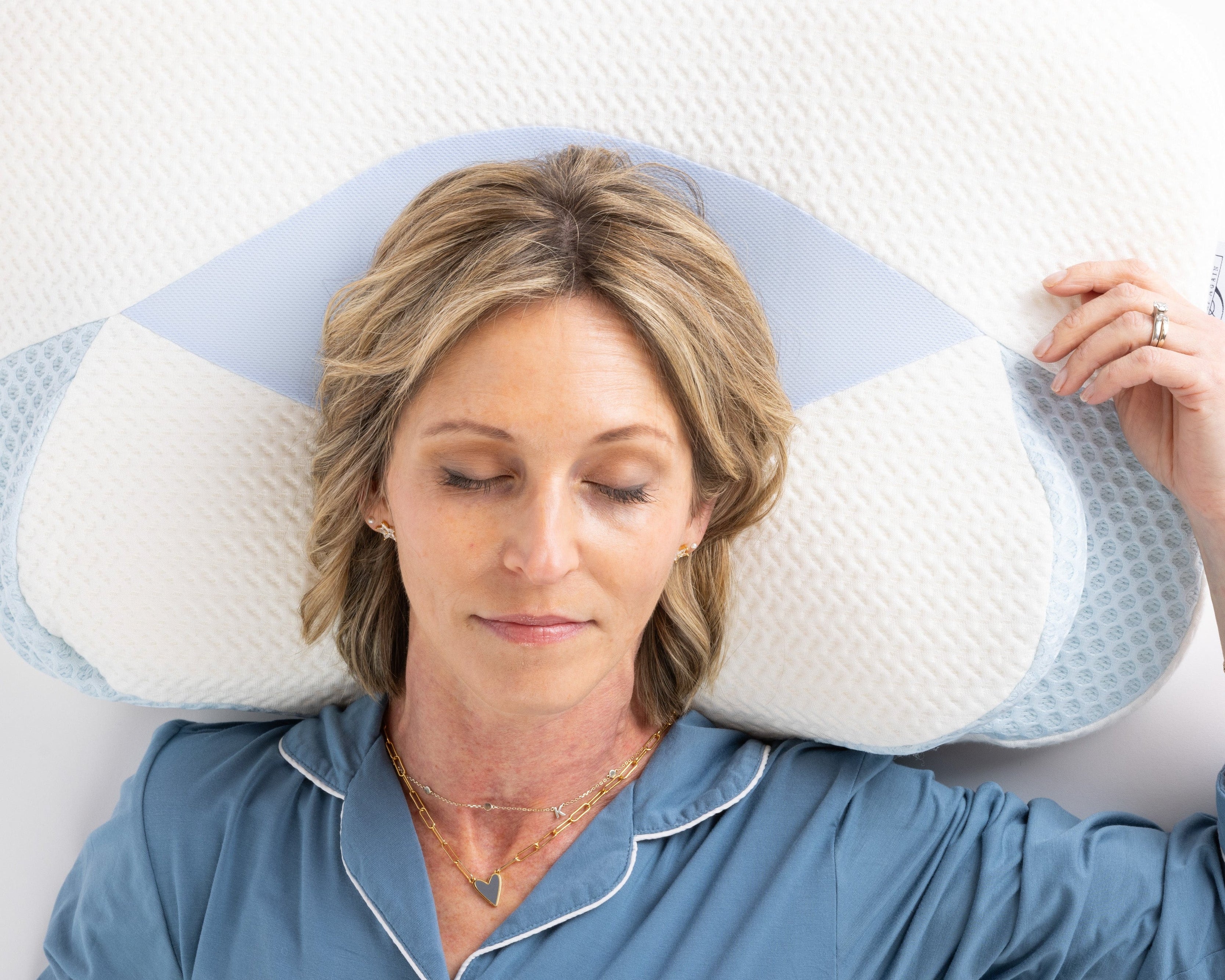
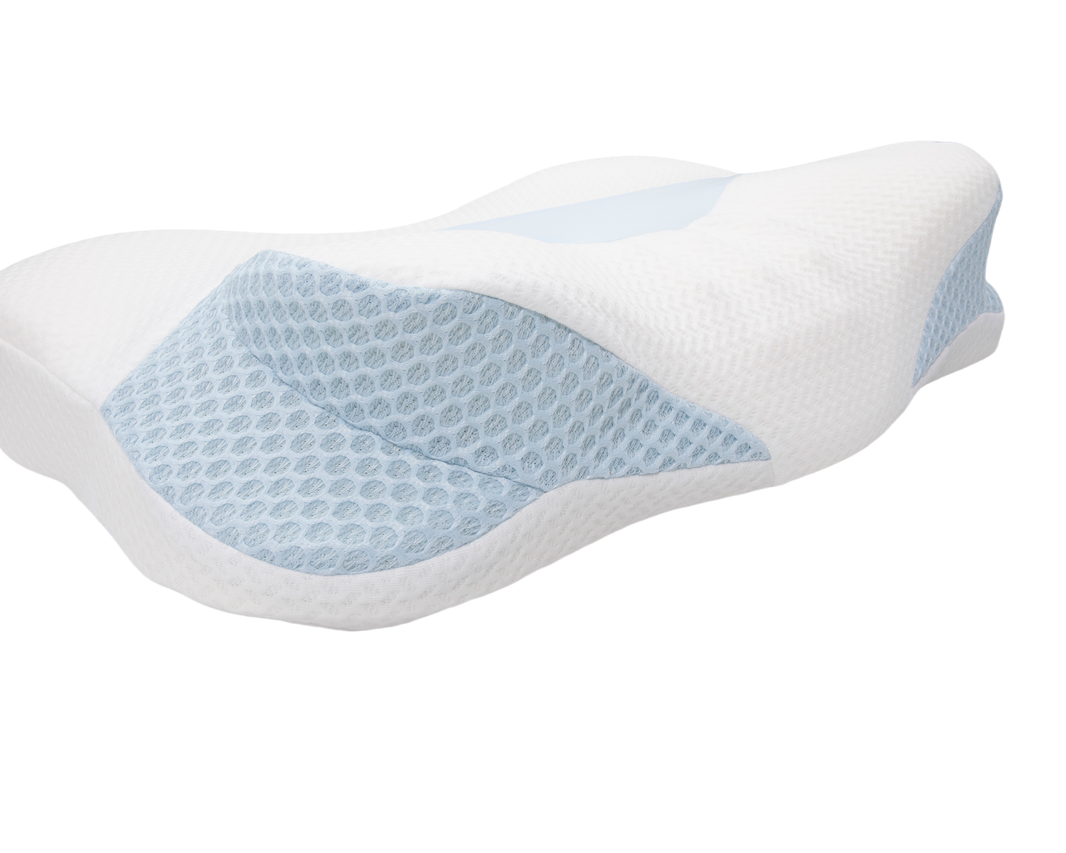
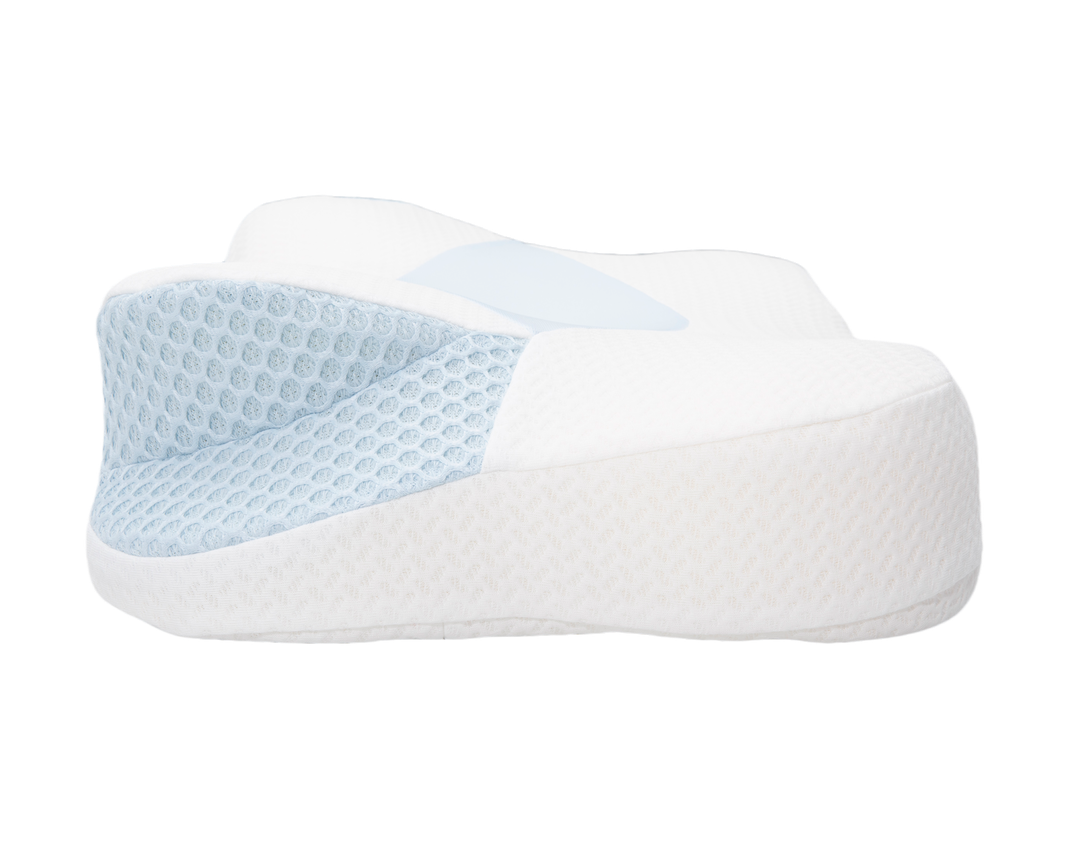
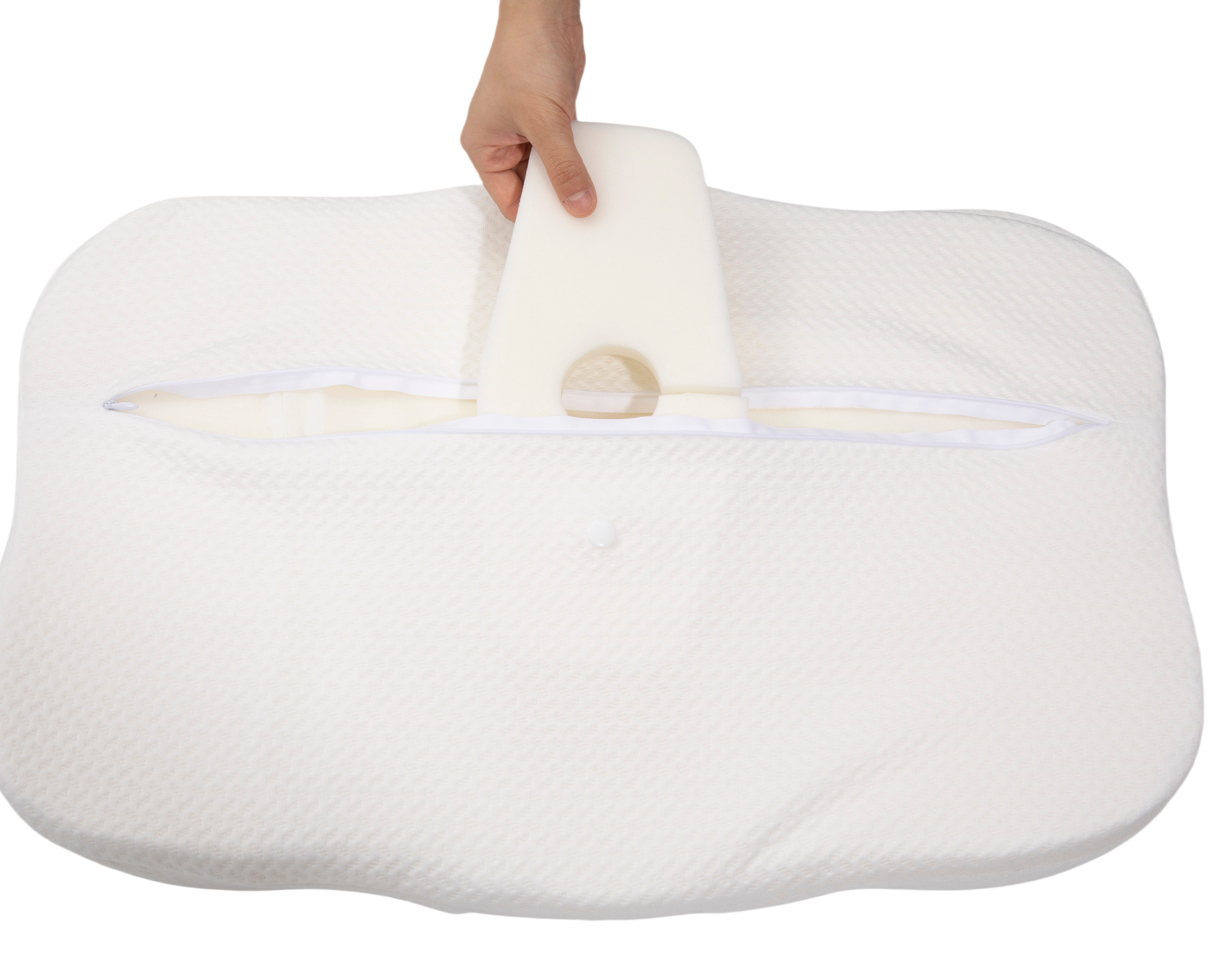
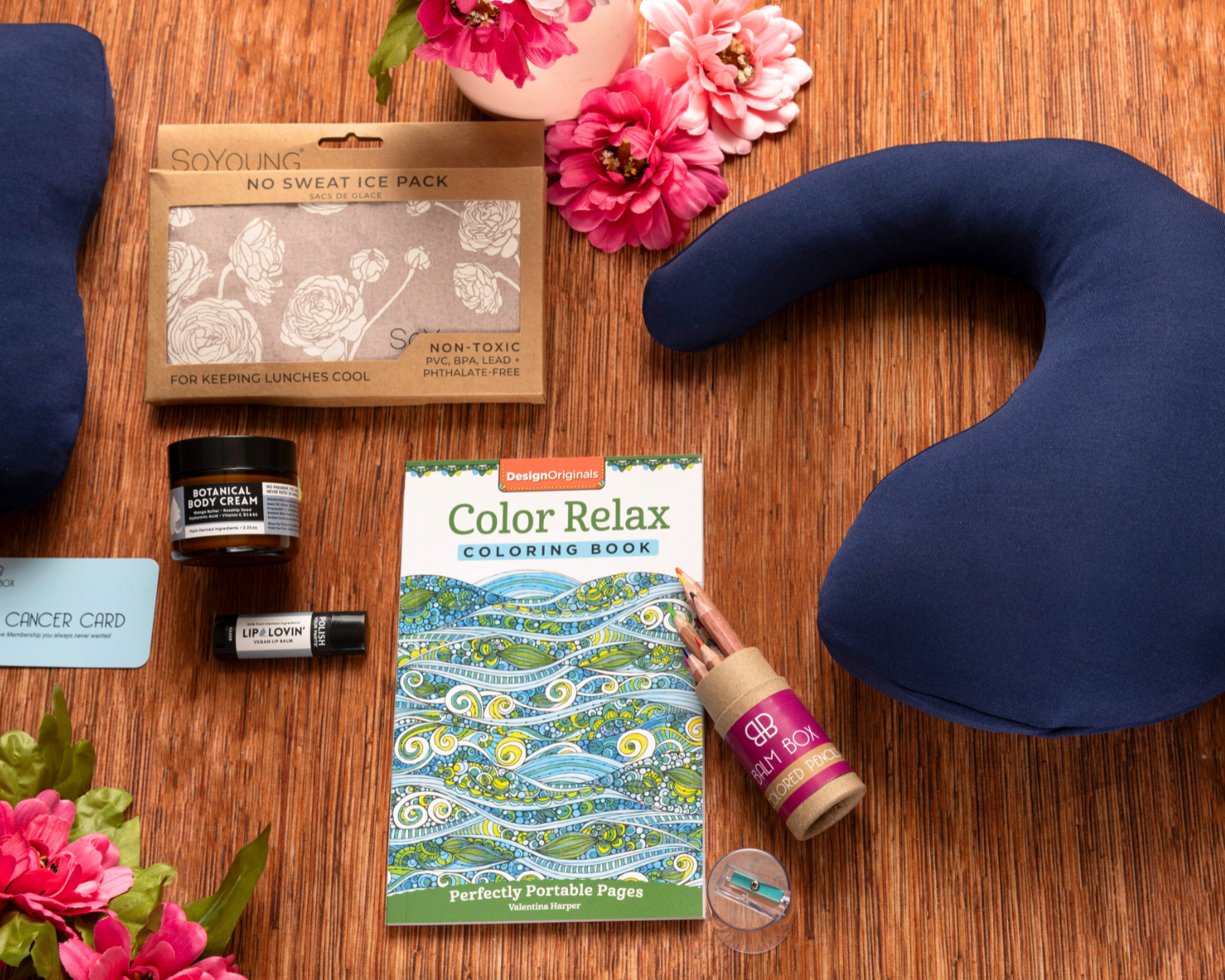
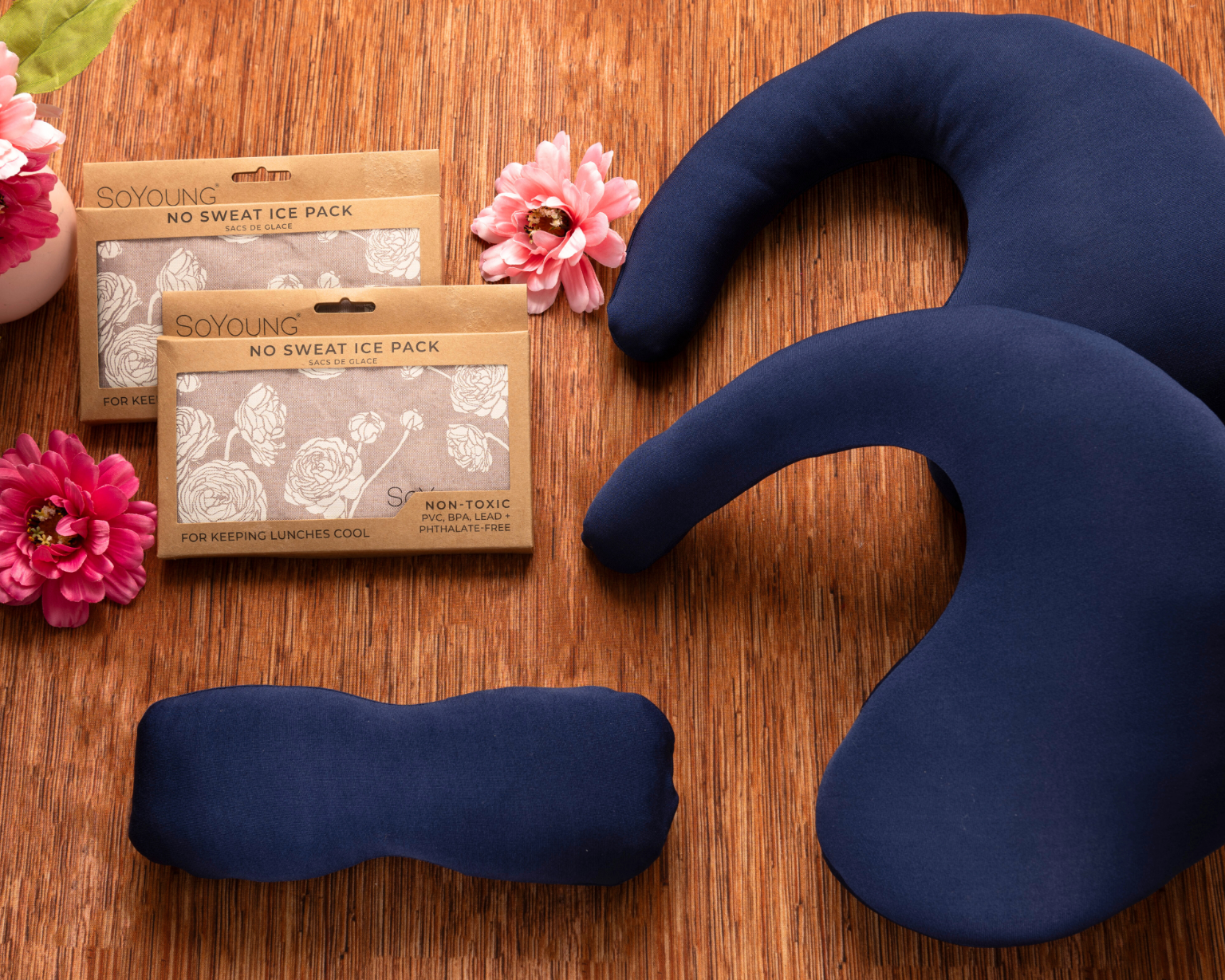
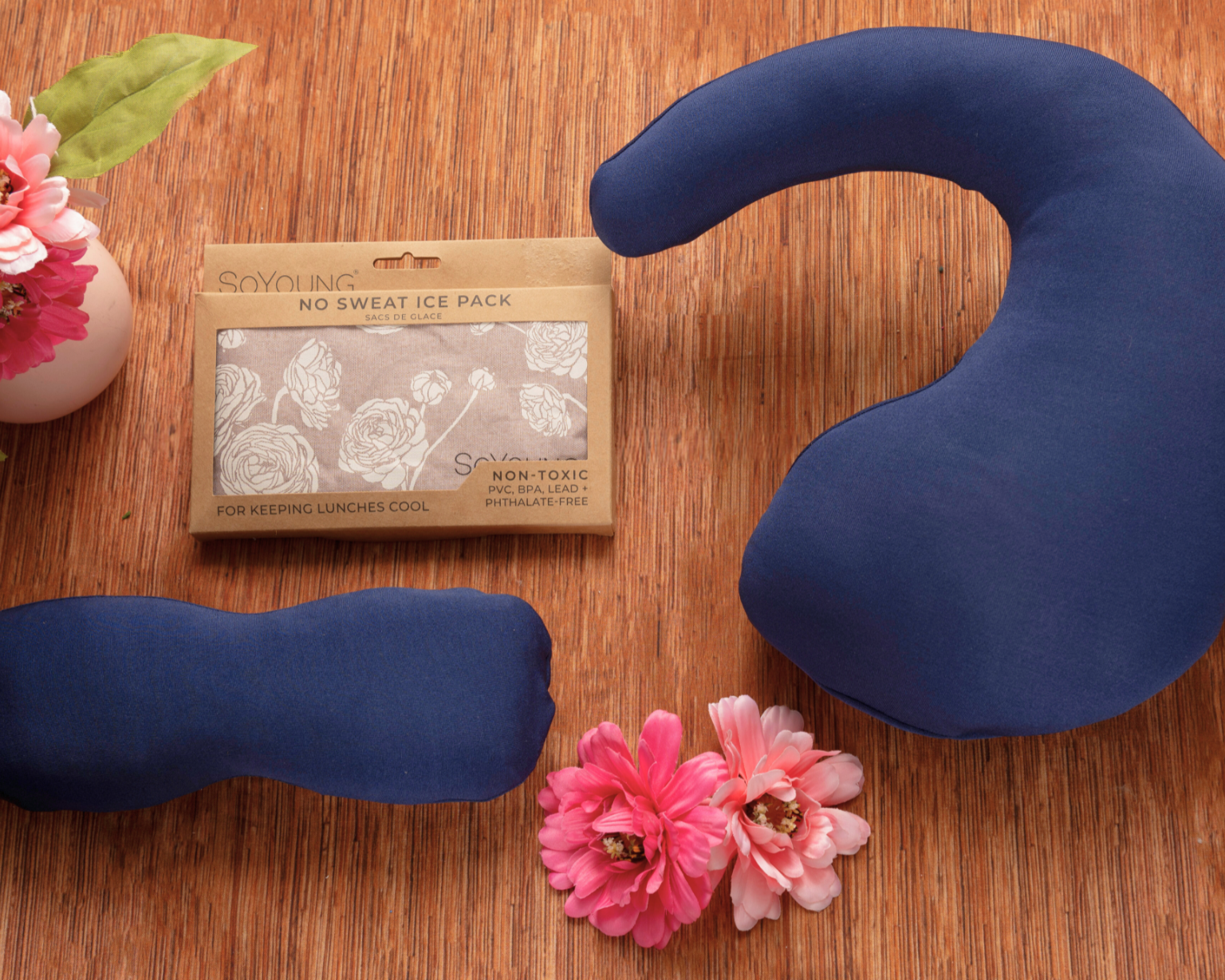
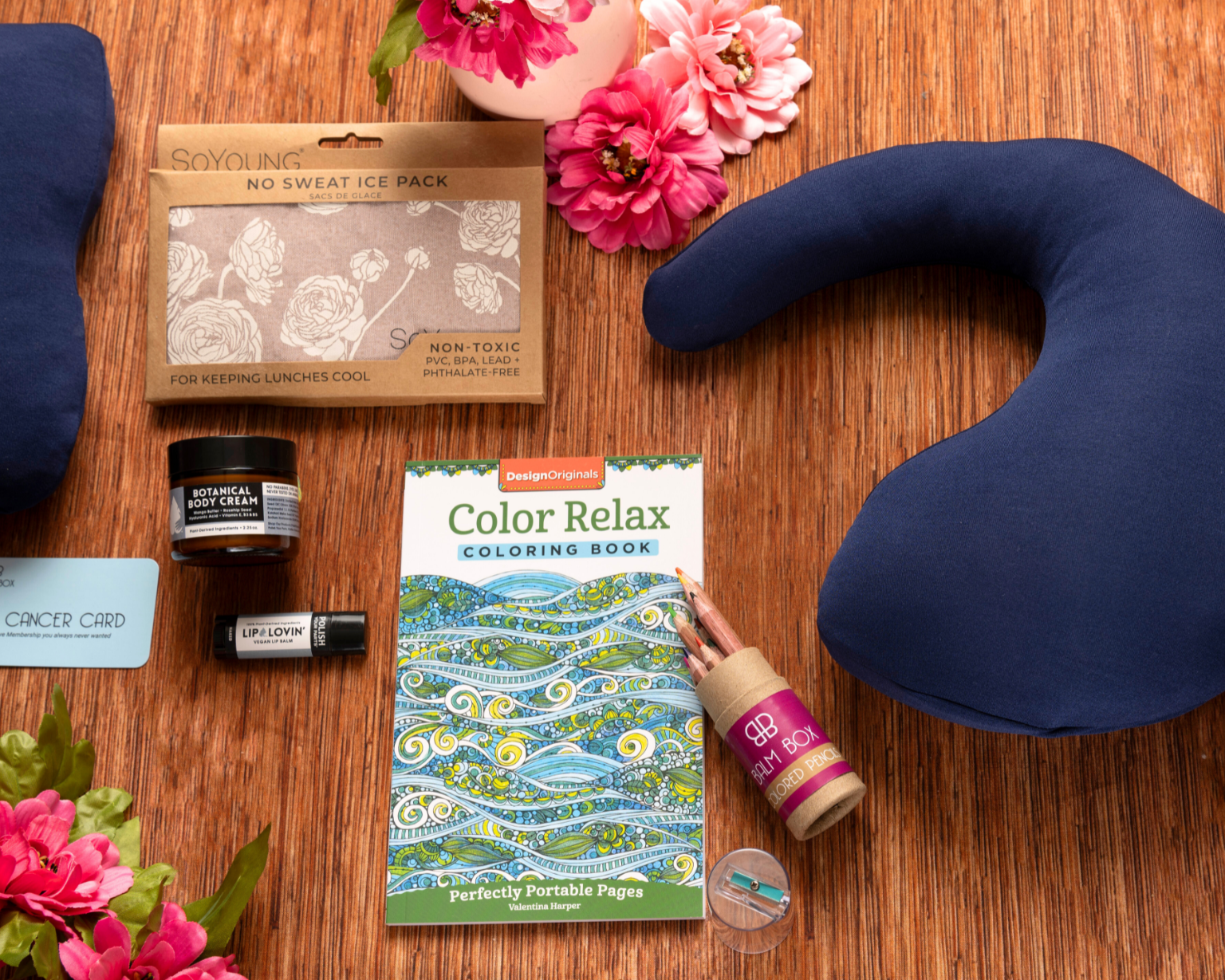
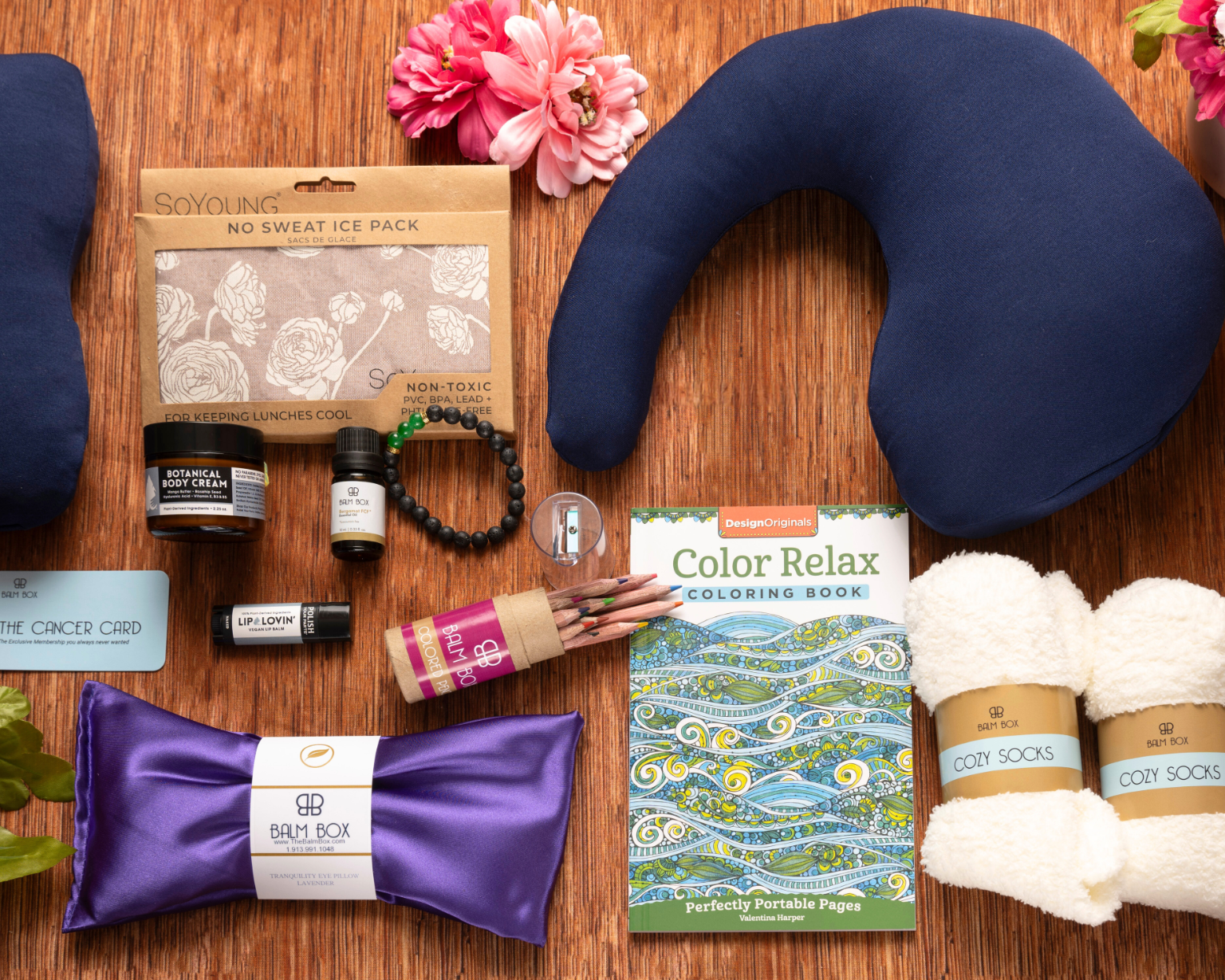
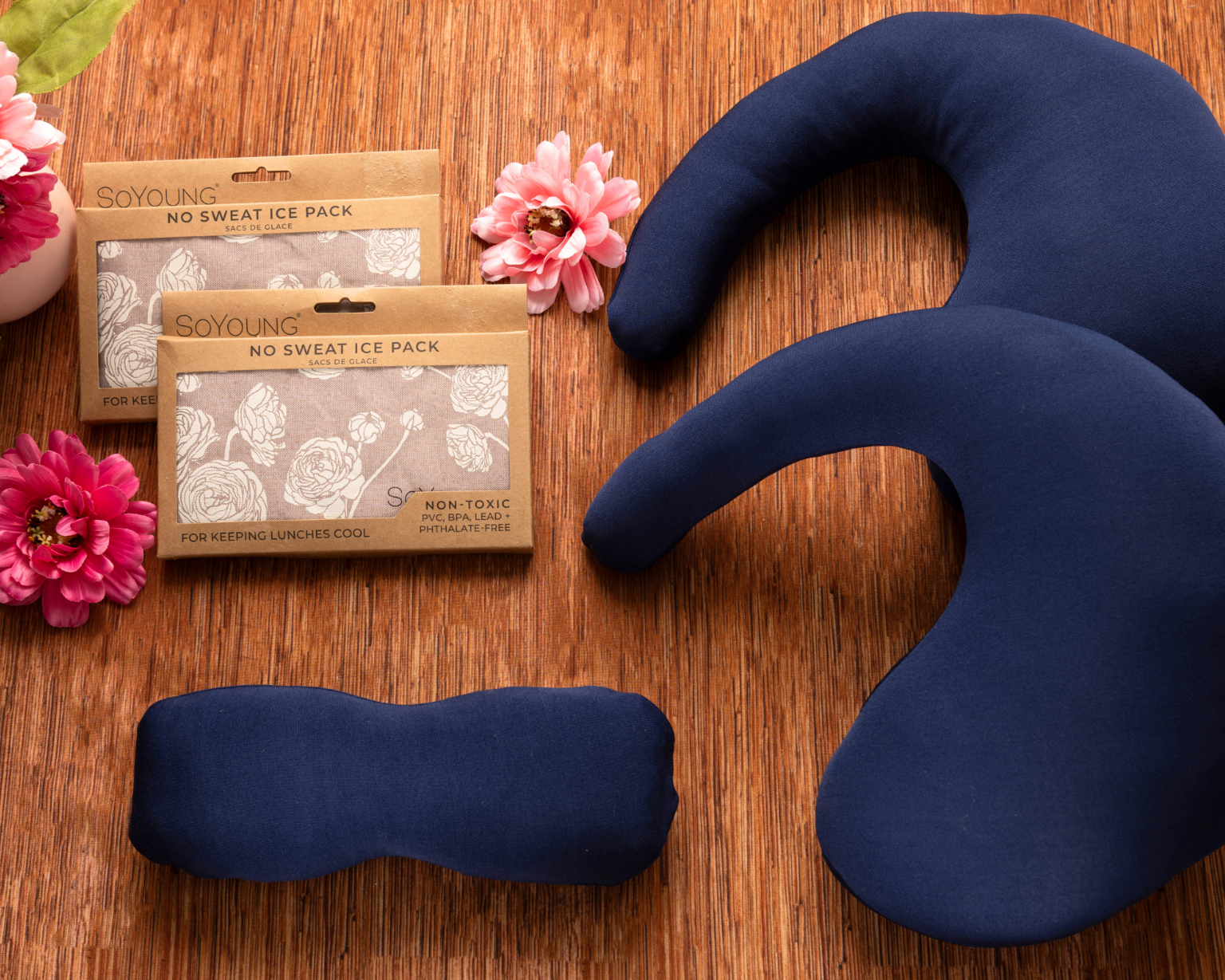
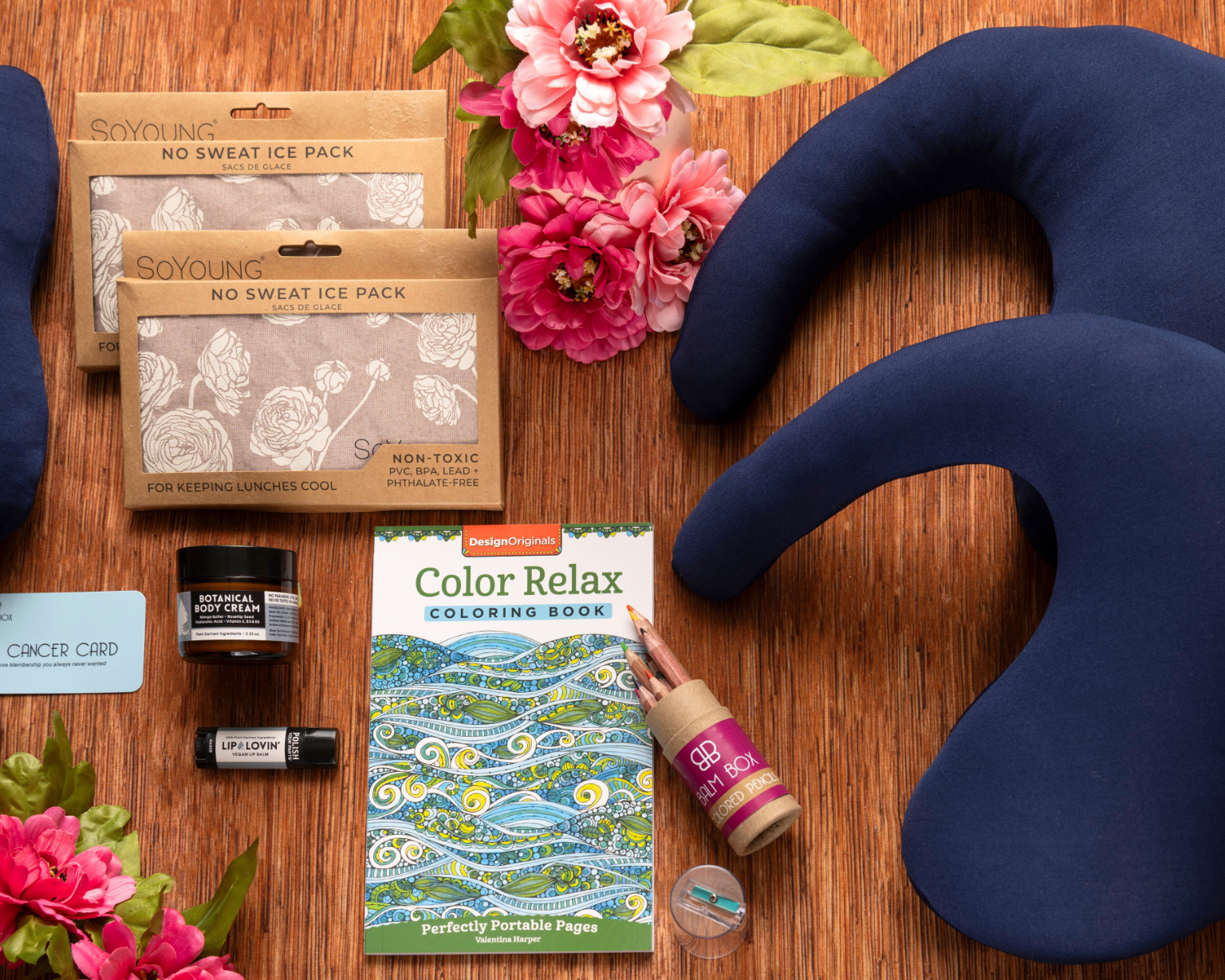
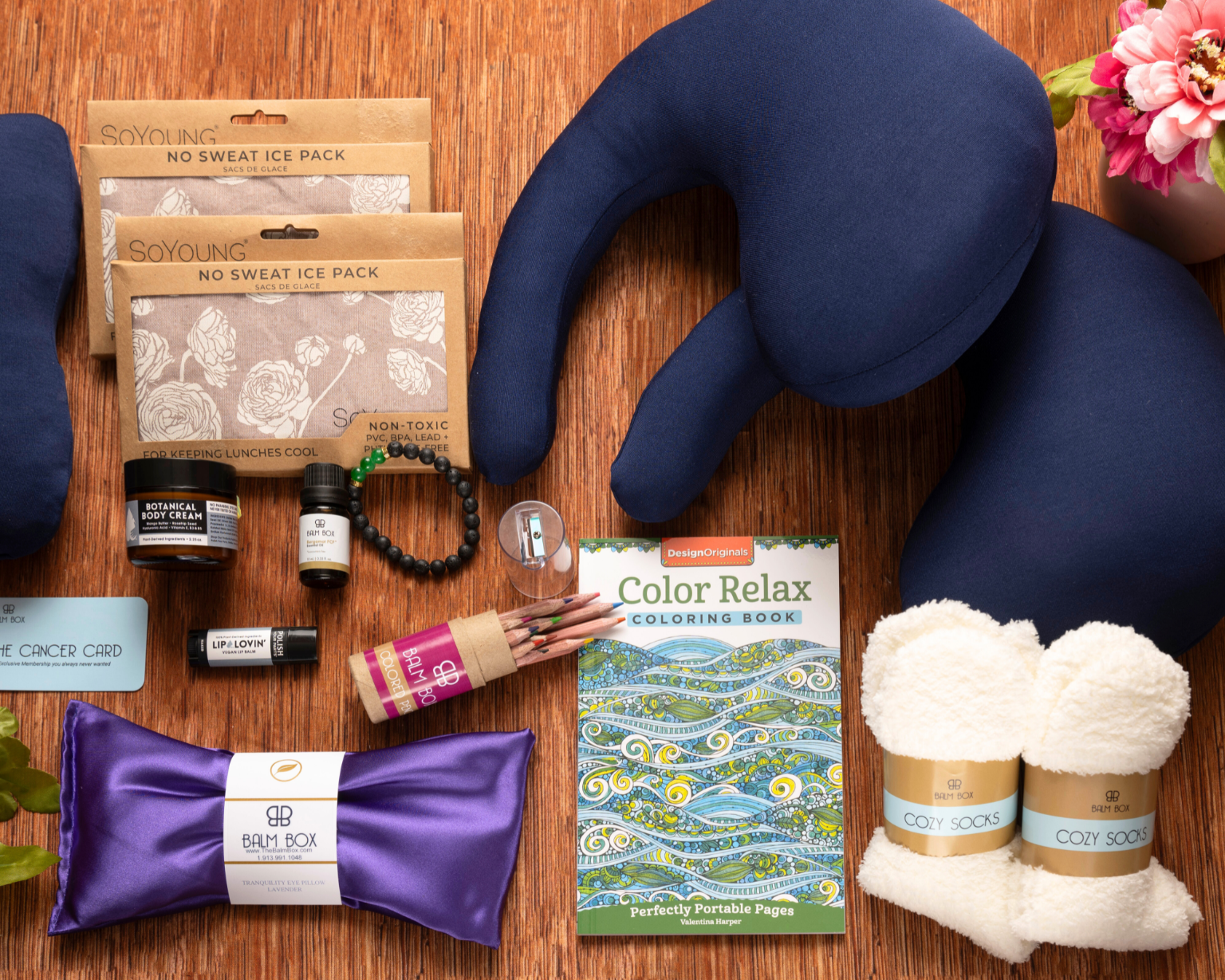
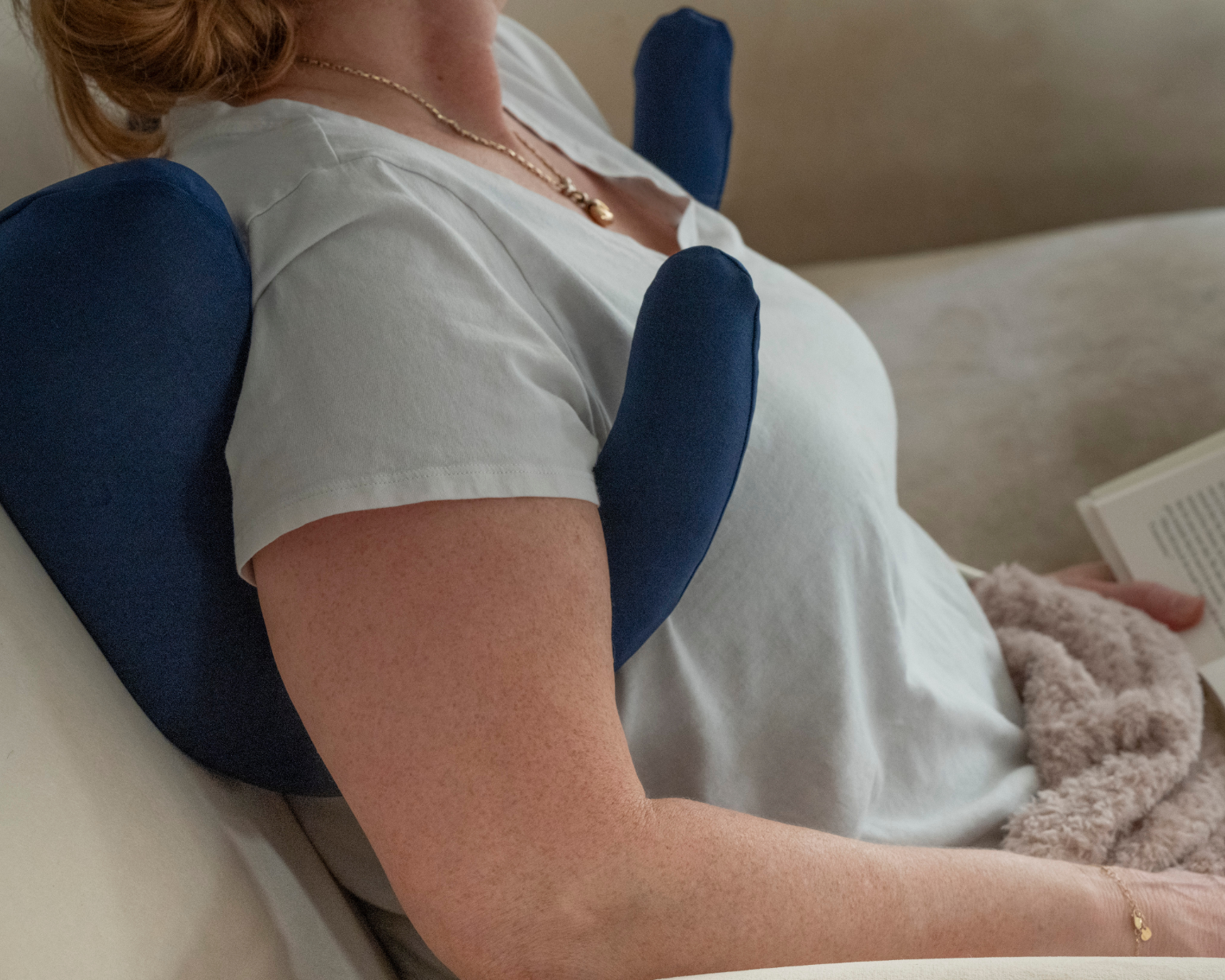
The Side Sleeping Chest Pillow was specifically created for the transition back to side sleeping after breast surgery, addressing the tenderness and pain from incisions and drains that tissue expander patients experience. The adjustable width allows the sides to be perfectly positioned to cradle your chest while simultaneously supporting your back. The symmetrical design means you can turn freely on either side during the night—crucial during expansion when comfort needs vary from one night to the next.

Key features that make the Side Sleeping Chest Pillow effective for expander patients:
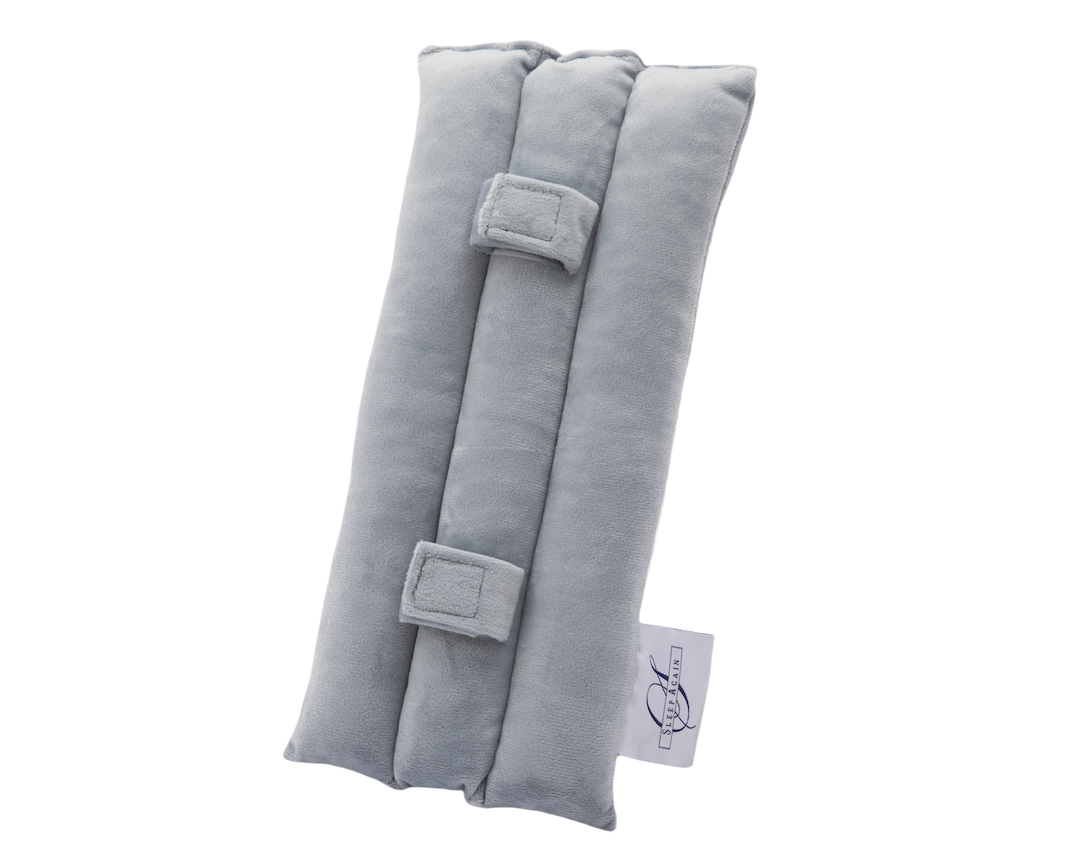
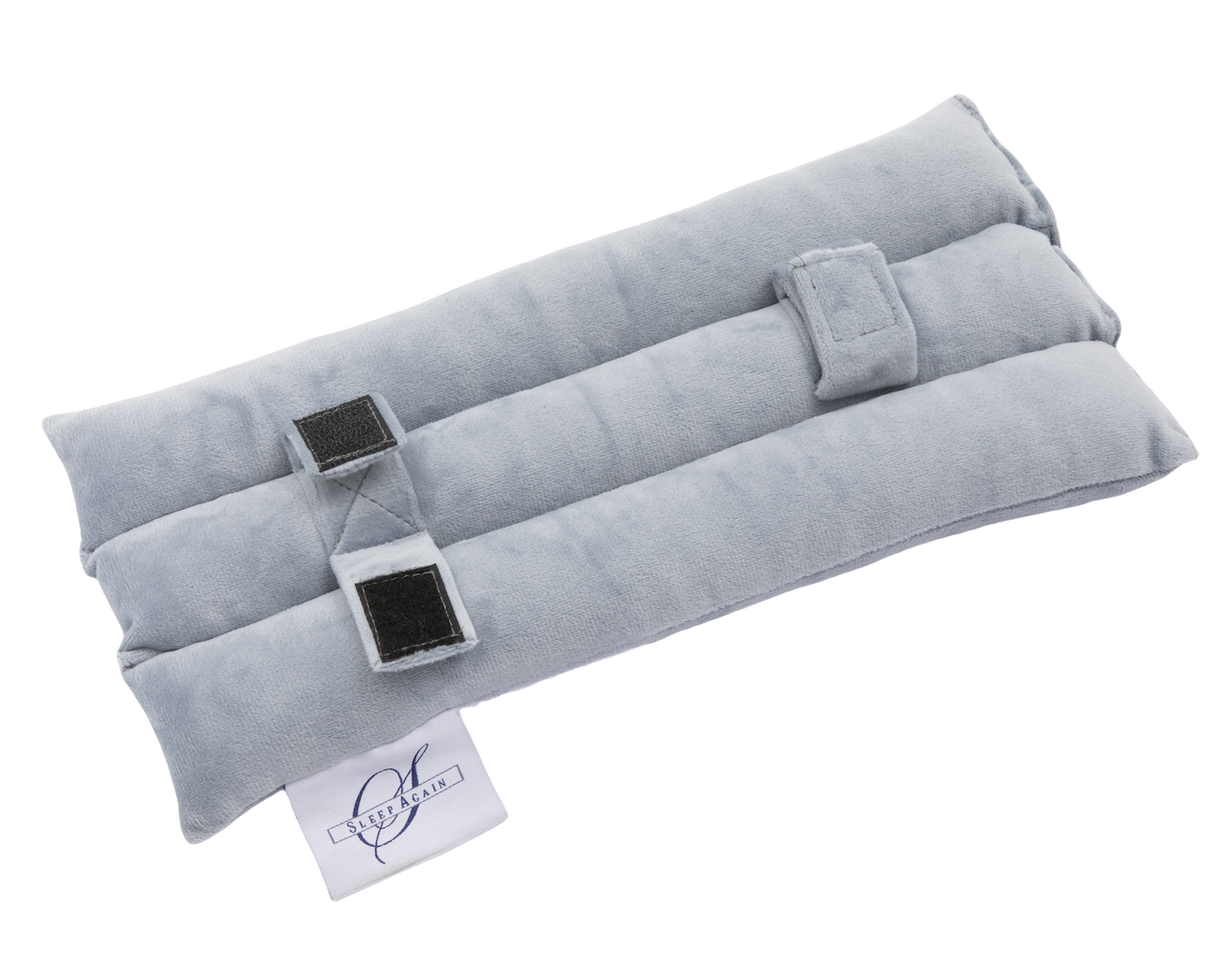
Adjustable width for customized support: The adjustable width allows you to perfectly position the sides to cradle your chest while simultaneously supporting your back. As your expanders increase from 200cc to 600cc, you can adjust the positioning to accommodate your changing anatomy throughout the expansion process.
Symmetrical design for side-to-side flexibility: The symmetrical design allows you to turn freely on either side during the night. This is crucial for expander patients whose comfort levels vary throughout the expansion cycle—what feels comfortable on your right side one week might shift to preferring your left side after an expansion appointment.
Specifically designed for breast surgery recovery: Created specifically for the transition back to side sleeping after breast surgery, this pillow addresses the tenderness and pain from incisions, drains, and expanding tissue that make standard pillows inadequate for chest protection.
Medical-grade support materials: The pillow maintains therapeutic positioning throughout the night without the compression and flattening that occurs with standard pillows. This consistent support prevents gradual migration toward uncomfortable positions and protects expanding tissue during vulnerable sleep hours.
HSA/FSA eligible purchase: At $45.00, the Side Sleeping Chest Pillow is HSA/FSA eligible, allowing you to use pre-tax healthcare dollars for this essential recovery equipment. This makes professional-grade chest support more accessible during an already expensive reconstruction process.
Positioning the Side Sleeping Chest Pillow for Optimal Support
For side sleeping between expansion appointments: Place the Side Sleeping Chest Pillow against your chest, creating a supportive barrier that prevents forward rolling while keeping your top arm elevated away from direct chest pressure. The adjustable width lets you customize the fit as your expanders change size, while the symmetrical design means you can switch sides freely as comfort needs vary.
Position a firm pillow between your knees to maintain spinal alignment. The Side Sleeping Chest Pillow's consistent support keeps your upper body stable, eliminating the common problem where chest pillow compression causes gradual forward rotation during sleep.
For the transition from back to side sleeping: Many patients start the night in elevated back sleeping and transition to supported side sleeping once initial deep sleep phases pass. Keep the Side Sleeping Chest Pillow positioned beside you for seamless transition without middle-of-the-night pillow rearrangement.
During the 48-hour post-expansion window: Position the pillow alongside your torso during elevated back sleeping as a barrier that prevents unconscious rolling attempts despite increased chest discomfort.
SHOP THE SIDE SLEEPING CHEST PILLOW FOR SLEEPING WITH TISSUE EXPANDERS
The Weekly Expansion Cycle: Adjusting Your Sleep Setup
The 48-hour post-expansion window: The first 48 hours after each fill bring the greatest tightness. Return to stricter back sleeping at 30-45 degrees during this period.
The mid-cycle comfort phase (days 3-7): This represents your comfort peak within each cycle—the ideal window for practicing side sleeping technique. Many patients use this as their "sleep training" window for experimenting with positioning.
Pre-expansion strategy: The days before your next appointment might bring anticipatory discomfort, warranting more conservative positioning even if mid-cycle side sleeping was comfortable.
Common Tissue Expander Sleep Problems (And Real Solutions)
Let's address the specific sleep challenges that almost every expander patient encounters and provide practical solutions rather than generic advice.
Problem: Waking Up Multiple Times Per Night
Why it happens: The firmness of tissue expanders creates pressure sensations that your sleeping brain interprets as discomfort requiring a position change. Additionally, the chest tightness—particularly during active expansion phases—can create mild breathing restriction that triggers awakening.
Real solution: Comprehensive support that eliminates pressure points reduces wake-ups significantly. When your entire body feels supported and comfortable, you're less likely to experience the position-seeking behaviors that create frequent awakening. The combination of proper elevation for back sleeping and strategic chest support for side sleeping addresses the positioning triggers that cause most night wakings.
Problem: Shoulder and Neck Pain Despite "Proper" Positioning
Why it happens: Your head elevation doesn't match your torso elevation, creating neck strain. Or your arms are hanging unsupported, pulling on shoulder muscles and creating tension that radiates to your neck.
Real solution: Your head support must be proportional to your torso elevation. Higher body elevation requires more head support to maintain neutral neck alignment. Similarly, arm support must be substantial enough to prevent your arms from "falling away" from your body, which creates the shoulder pulling that leads to morning pain.
Problem: Sliding Down Your Pillow Arrangement During Sleep
Why it happens: Your elevation support lacks proper angle or stability, gravity pulls you downward, and your lower body positioning doesn't anchor you in place.
Real solution: Knee elevation that's substantial enough to create a "stopping point" prevents downward sliding. Additionally, ensuring your elevation support extends from hips through shoulders (not just shoulders through head) creates a stable base that resists sliding.
Problem: One Side Tolerates Side Sleeping Better Than the Other
Why it happens: Asymmetric expansion, different muscle responses on each side, or handedness affecting how you naturally position your arms can all create side preference during recovery.
Real solution: Accept the asymmetry rather than forcing uncomfortable positions. If one side feels more comfortable for side sleeping, use that side for your position variety and maintain back sleeping as primary. As expansion progresses and tissue adaptation occurs, side comfort often equalizes.
Problem: Chest Feels "Tight" During Sleep Despite Comfortable Daytime Positioning
Why it happens: Extended immobility in any position creates fluid stasis and perceived tightness. The same positioning that feels fine for 2-3 hours during daytime activities becomes uncomfortable when maintained for 7-8 hours overnight.
Real solution: The therapeutic elevation angle that facilitates lymphatic drainage becomes crucial for overnight positioning. Proper elevation prevents the fluid accumulation that creates morning tightness and discomfort that wasn't present at bedtime.
Professional Support vs. DIY Solutions: The Real Cost Analysis
The hidden costs of DIY approaches: Initial pillow shopping requires purchasing 4-8 different pillows ($150-$300), followed by replacement purchases by weeks 4-6 when compression makes them ineffective ($75-$150). Add 15-20 minutes nightly setup time plus midnight adjustments over 8-12 weeks (20+ hours), sleep quality impacts from inadequate positioning, and relationship strain when arrangements sprawl across bed space. Total DIY investment: $225-$450 plus significant time and quality-of-life costs.

The Side Sleeping Chest Pillow: Targeted Solution
Unlike comprehensive positioning systems, the Side Sleeping Chest Pillow specifically solves the chest protection challenge for side sleeping during expansion. At $45.00, it represents a focused investment in the single most difficult positioning challenge expander patients face: safe, comfortable side sleeping that protects expanding tissue.
HSA/FSA eligible: The Side Sleeping Chest Pillow qualifies for HSA/FSA purchase, allowing you to use pre-tax healthcare dollars for this essential recovery equipment. This makes professional-grade chest support significantly more affordable than paying out-of-pocket, especially during a reconstruction process that already involves substantial medical expenses.
When it makes sense: You've received surgeon clearance for side sleeping, are experiencing back sleeping fatigue, and your expansion is progressing smoothly.
What makes it different: The adjustable width allows customized positioning that standard body pillows can't provide. The symmetrical design lets you switch sides freely as comfort needs change throughout the expansion cycle. The firmness maintains therapeutic positioning without the compression that makes standard pillows ineffective within weeks.
Long-term value: Many patients continue using the Side Sleeping Chest Pillow long after reconstruction for improved side sleeping comfort, reduced shoulder tension, and better spinal alignment. At $45.00, it transforms from recovery equipment into permanent sleep quality improvement—less than the cost of 3-4 standard pillows that would compress and need replacement during the same period.
SHOP THE SIDE SLEEPING CHEST PILLOW
Frequently Asked Questions About Sleeping with Tissue Expanders
Q: How long do I need to sleep elevated after tissue expander placement?
A: Most surgeons recommend elevated back sleeping at 30-45 degrees for the first 2-4 weeks post-placement. However, many patients find continuing with elevated sleeping improves comfort throughout the entire expansion process and even after exchange surgery.
Q: Can I sleep on my stomach at all during tissue expansion?
A: Stomach sleeping is not recommended during active tissue expansion. The pressure on your chest creates multiple problems: direct pressure on the expanders themselves, compression of the muscle covering the expanders, restriction of chest expansion during breathing, and potential impact on the breast pocket that's developing. Most surgeons clear stomach sleeping only after exchange to permanent implants and several weeks of healing from that second surgery.
Q: Why do I wake up with more chest tightness than when I went to bed?
A: Overnight immobility creates fluid stasis in the chest area, particularly if your elevation isn't optimized for lymphatic drainage. Additionally, your chest muscles may be contracting during sleep in response to the expander presence, creating cumulative tightness by morning. Proper therapeutic elevation and comprehensive support reduce this morning tightness significantly.
Q: Is the Side Sleeping Chest Pillow worth buying just for tissue expansion recovery?
A: At $45.00 and HSA/FSA eligible, the Side Sleeping Chest Pillow costs less than purchasing 3-4 standard pillows through trial-and-error attempts. Many expander patients continue using it long after reconstruction is complete for the side sleeping comfort improvements—reduced shoulder tension, better spinal alignment, and the adjustable chest support that prevents forward rolling. The symmetrical design that was essential during expansion continues providing value for general side sleeping comfort. Plus, if you experience any future surgeries requiring chest protection, you'll already have the support tools you need. The pillow essentially pays for itself through eliminated trial-and-error costs during expansion, then continues providing value indefinitely.
Q: My surgeon said I can sleep "however is comfortable" after week 2. Should I trust that?
A: Surgeons vary in their specific positioning guidance based on surgical technique, individual patient factors, and their experience with patient outcomes. However, "whatever is comfortable" often translates to "we don't have specific restrictions" rather than "all positions are equally beneficial." Even without strict restrictions, elevated back sleeping typically provides the most consistent support for optimal healing and expansion results.
Q: How do I know if side sleeping is causing problems with my expansion?
A: Warning signs include increased swelling on one side compared to the other, asymmetric tightness, visible shifting of expander position, or discomfort that persists beyond the normal 48-hour post-expansion window. If you notice these signs, return to elevated back sleeping exclusively and discuss your concerns with your surgical team at your next appointment.
Q: Can I use a travel neck pillow for chest support during side sleeping?
A: Travel neck pillows lack the size, shape, and firmness needed for adequate chest protection during side sleeping with expanders. While creative DIY solutions sometimes work temporarily, purpose-designed support typically provides more consistent results with less trial-and-error frustration.
Q: Will sleeping position affect my final reconstruction results?
A: Proper positioning during expansion helps develop symmetrical breast pockets, optimizes tissue stretch, and may reduce complication risks. While sleeping position isn't the only factor determining final results, it certainly plays a supporting role in creating the optimal conditions for successful expansion and reconstruction outcomes.
Medical Disclaimer:
This information is provided for educational purposes only and should not replace professional medical advice from your surgical team. Mastectomy procedures vary significantly in technique, extent, and individual patient factors that affect recovery timelines.
Always follow your surgeon's specific post-operative instructions regarding sleep positioning, physical activity restrictions, and recovery milestones. These medical guidelines take precedence over any general information provided here.
Contact your healthcare provider immediately if you experience signs of complications, including fever, sudden increase in pain, wound drainage, significant swelling, or breathing difficulties during recovery. Your surgical team knows your specific case and can provide guidance appropriate to your individual situation.
The mention of specific products is for informational purposes only and does not constitute medical endorsement. Consult your surgical team about positioning support options appropriate for your recovery needs. Every patient's recovery is unique, and equipment that works well for one patient may not be suitable for another based on individual medical factors.