
Night sweats after surgery are one of recovery's least expected challenges. Pain, limited mobility, strict sleeping positions — those make the list, but waking up drenched multiple times a night for weeks on end rarely does.
Here is the reality: post-surgical night sweats are extremely common, have well-understood causes, and respond well to targeted interventions. The problem is that most recovery guidance focuses on pain management, leaving the temperature piece completely unaddressed. This guide covers why night sweats happen, who is most affected, and what you can actually do to sleep cooler while your body heals.
Why Do I Have Night Sweats After Surgery?
Night sweats after surgery are not random. They are the product of several overlapping physiological processes — all of which, inconveniently, tend to peak at night.
The surgical stress response. Every surgical procedure triggers acute inflammation. Damaged tissue, incision healing, and the metabolic demands of repair all generate heat. Your hypothalamus responds by elevating your set-point temperature and then driving sweating as the corrective mechanism. This cycle runs on its own schedule and has no interest in your sleep quality.
Anesthesia disruption. General anesthesia temporarily dysregulates the autonomic nervous system, which governs thermoregulation among other involuntary functions. As anesthesia clears — a process that takes days, not hours — thermoregulatory signals can misfire, producing sweating episodes that have no relationship to actual overheating.
Post-operative fever cycles. A low-grade fever in the first 48–72 hours after surgery is a standard immune response. As each fever breaks, your body sweats to dissipate accumulated heat. Multiple low-grade fever cycles in early recovery produce multiple sweating episodes per night.
Cortisol fluctuations. Surgical stress elevates cortisol and adrenaline throughout recovery. As these hormones drop during overnight hours, the sudden shift triggers vasodilation and sweating in a pattern that closely resembles hot flashes because physiologically, it is the same mechanism.
Medication effects. Opioid pain medications, corticosteroids, and certain antibiotics can all trigger or amplify sweating as direct pharmacological side effects, independent of the healing process itself.
The result is a feedback loop: surgery-related factors drive heat production, your body sweats in response, and moisture-trapping bedding holds that heat back against your skin, triggering the next episode before the previous one has fully resolved. Breaking the cycle requires addressing multiple contributing factors simultaneously, not just one in isolation.
Are My Night Sweats After Surgery Normal, or a Warning Sign?
This distinction matters and is worth understanding clearly.
Expected post-surgical sweating begins within the first few days after surgery, coincides with mild post-operative fever below 100.4°F (38°C), and gradually improves over one to two weeks as inflammation resolves. This is a standard feature of normal healing.
Sweating that requires medical attention: Fever above 100.4°F (38°C) persisting beyond 48 hours, sweating accompanied by shaking chills or rapid heartbeat, or sweating that develops or intensifies after a period of improvement. Any of these combinations can indicate post-surgical infection or another complication requiring prompt evaluation.
The general principle: gradual improvement is reassuring. A sudden worsening — particularly after a period of normal recovery — warrants a call to your surgeon regardless of how mild other symptoms seem.
This guide addresses the management of expected night sweats during normal healing.
If you have any concerns about infection or complications, contact your surgical team before implementing any self-management strategies. When in doubt, the safer call is always to check in with your medical team rather than assume the symptom is routine.
Which Types of Surgery Cause the Most Night Sweats?
While virtually any procedure can produce post-surgical night sweats, certain surgeries are associated with more intense or prolonged episodes.
Breast surgeries — including mastectomy, lumpectomy, breast augmentation, and reduction — consistently produce significant night sweats. Procedures involving lymph node removal or disruption compound the effect by altering lymphatic function alongside the standard inflammatory response.
Abdominal and pelvic surgeries — hysterectomy, oophorectomy, tummy tuck, and gastric procedures — involve major tissue disruption and substantial post-operative inflammation. Hysterectomy and oophorectomy carry the additional factor of immediate surgical menopause, making night sweats a near-universal experience.
Cardiac and thoracic surgeries — open heart surgery and lung procedures — involve prolonged operative stress and extended thermoregulatory disruption that can persist for weeks into recovery.
Orthopedic surgeries — shoulder, hip, and knee — produce substantial inflammatory responses as the body repairs bone, cartilage, and connective tissue. The elevated metabolic demand of orthopedic healing generates measurable excess heat throughout the recovery period, often well beyond the first two weeks.
Any surgery requiring general anesthesia carries the autonomic disruption component regardless of the specific procedure involved. Post-surgical night sweats are a real possibility regardless of procedure complexity.

Why Are Night Sweats Worse After Breast Cancer Treatment or During Perimenopause?
Patients recovering from breast cancer surgery and treatment — and those who are perimenopausal at the time of any surgery — experience night sweats at significantly higher rates and intensity than the general post-surgical population.
Multiple overlapping mechanisms are responsible.
Chemotherapy-induced menopause. Certain chemotherapy drugs used in breast cancer treatment suppress ovarian function, triggering chemical menopause. The abrupt loss of estrogen — without the gradual hormonal transition of natural menopause — produces intense vasomotor symptoms, including hot flashes and night sweats that can be more severe than those of natural menopause.
Hormone-blocking therapies. Tamoxifen, aromatase inhibitors, and other hormone-suppressing medications commonly prescribed in breast cancer treatment reduce estrogen activity throughout the body, directly impairing thermoregulation. Night sweats in patients on these therapies can persist for the entire duration of the treatment course.
Surgical menopause from oophorectomy. Patients who undergo oophorectomy as part of breast cancer risk reduction or treatment experience immediate surgical menopause. Without the gradual hormone transition of natural menopause, vasomotor symptoms are abrupt and often intense.
Perimenopausal amplification. For patients already in perimenopause at the time of surgery, surgical stress layers onto an already-unstable hormonal baseline. Surgery-induced cortisol fluctuations and temporary estrogen suppression amplify vasomotor symptoms that were already developing, producing night sweats more intense and prolonged than either condition would generate independently.
For patients in active breast cancer treatment or perimenopause, managing night sweats is not a short-term problem. It requires durable environmental solutions built for extended use.
The type of interventions that remain effective month after month, not just through the acute recovery window. Discussing the combined hormonal picture with your gynecologist alongside your surgical team can identify whether additional clinical interventions are appropriate for your specific situation.
What Medications Prescribed After Surgery Cause Night Sweats?
Reviewing your post-surgical medication list is a practical first step in understanding your specific sweating pattern.
Opioid pain medications are among the most common pharmacological triggers. Opioids disrupt the hypothalamic temperature set-point through direct central nervous system effects. Sweating patterns often improve in parallel as opioid doses are reduced during recovery.
Corticosteroids prescribed to manage post-operative inflammation can elevate body temperature and disrupt overnight cortisol rhythms, compounding the natural hormonal fluctuations of recovery.
Certain antibiotics, particularly those given prophylactically after surgery, cause sweating as a direct side effect across multiple drug classes.
Antidepressants, including SSRIs and SNRIs, are occasionally incorporated into post-surgical pain protocols. Night sweats are a recognized side effect of this drug class.
If a specific medication appears to correlate with your sweating episodes, discuss timing adjustments with your surgical team. Taking certain doses earlier in the day may shift the peak side-effect window away from overnight sleep. Do not adjust prescription timing without medical guidance, but the conversation is worth having, particularly if sweating is significantly disrupting your rest.
How Do I Stop Night Sweats After Surgery?
Effective management requires layered interventions — environmental, behavioral, and equipment-based — working together.
Optimize bedroom temperature. The target range for post-surgical recovery is 65–68°F. Surgical patients run measurably warmer than normal, and standard sleeping temperatures that felt comfortable before surgery can actively amplify overheating during recovery. A ceiling or portable fan improves evaporative cooling — direct airflow toward the bed, not at incision sites.
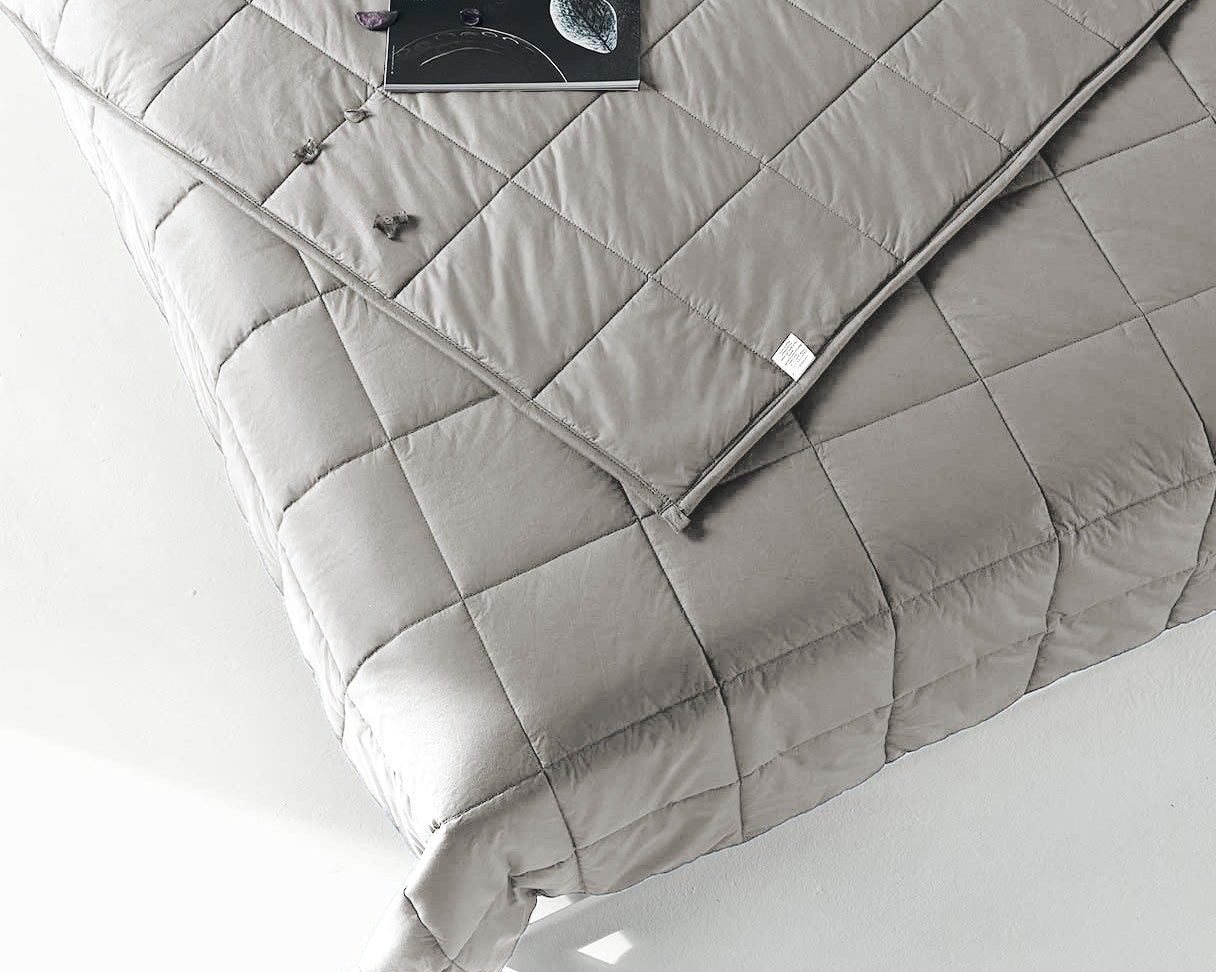
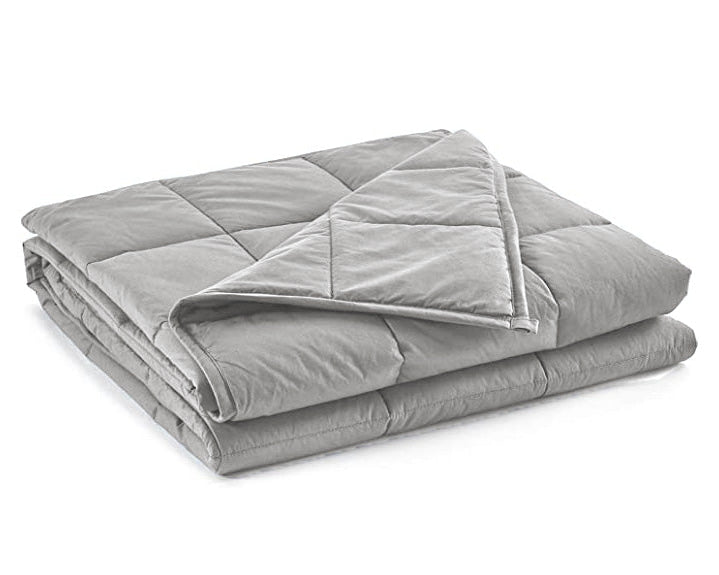
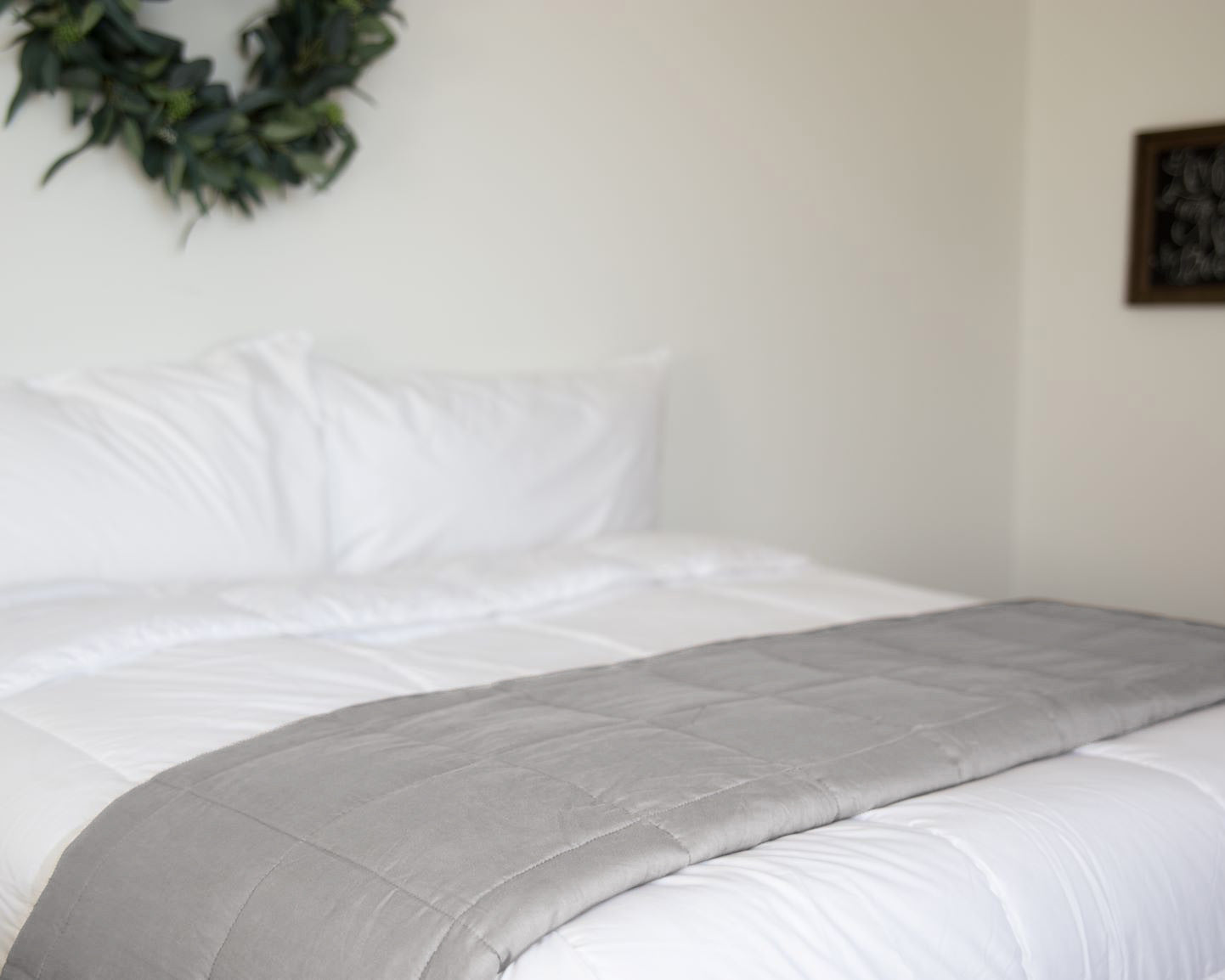
Layer your bedding. A single heavy cover forces an all-or-nothing thermal choice. Layered, removable bedding allows real-time temperature adjustment during sweating episodes without fully waking. Build from a cooling base layer up through lightweight, removable options so adjustments are immediate.
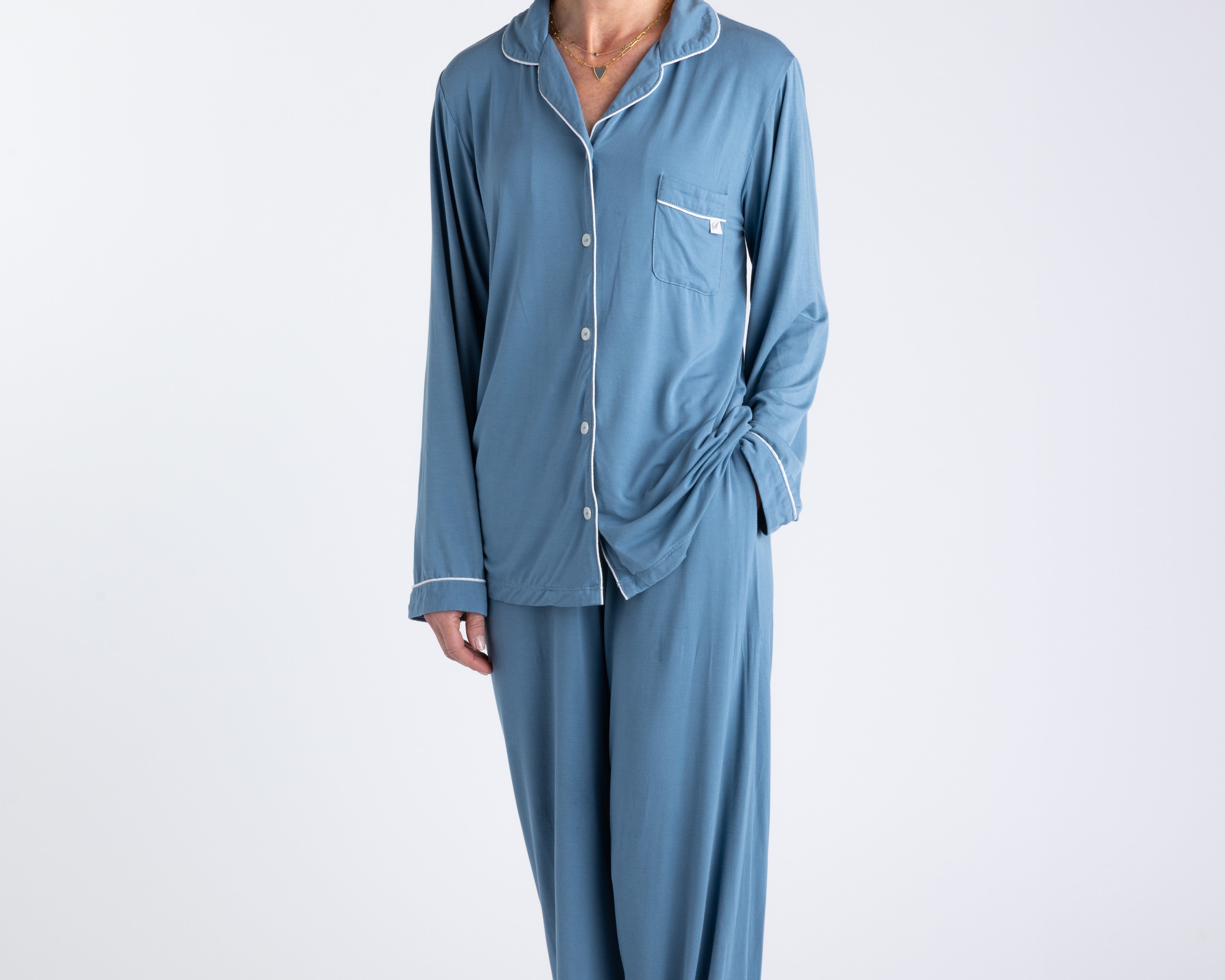
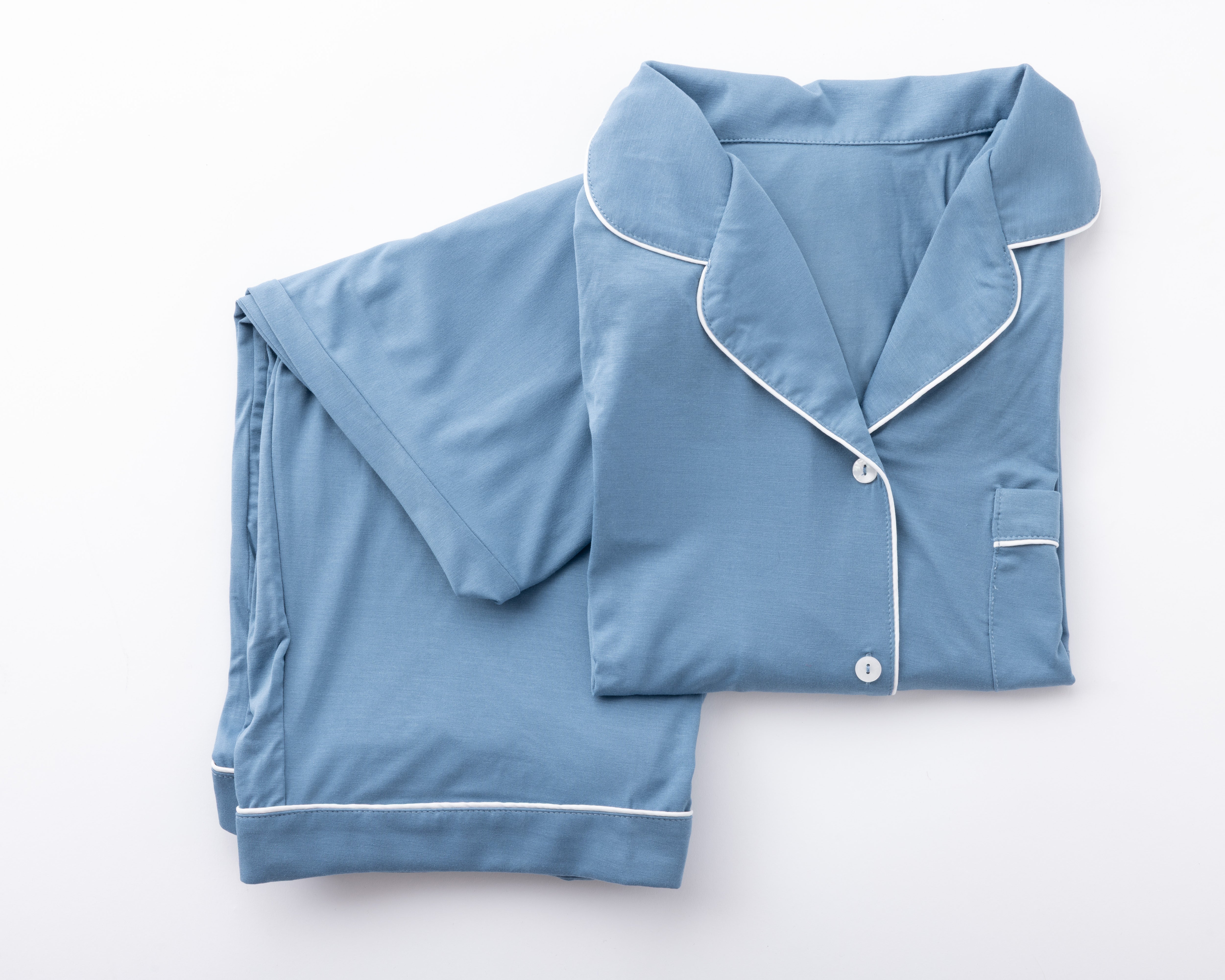
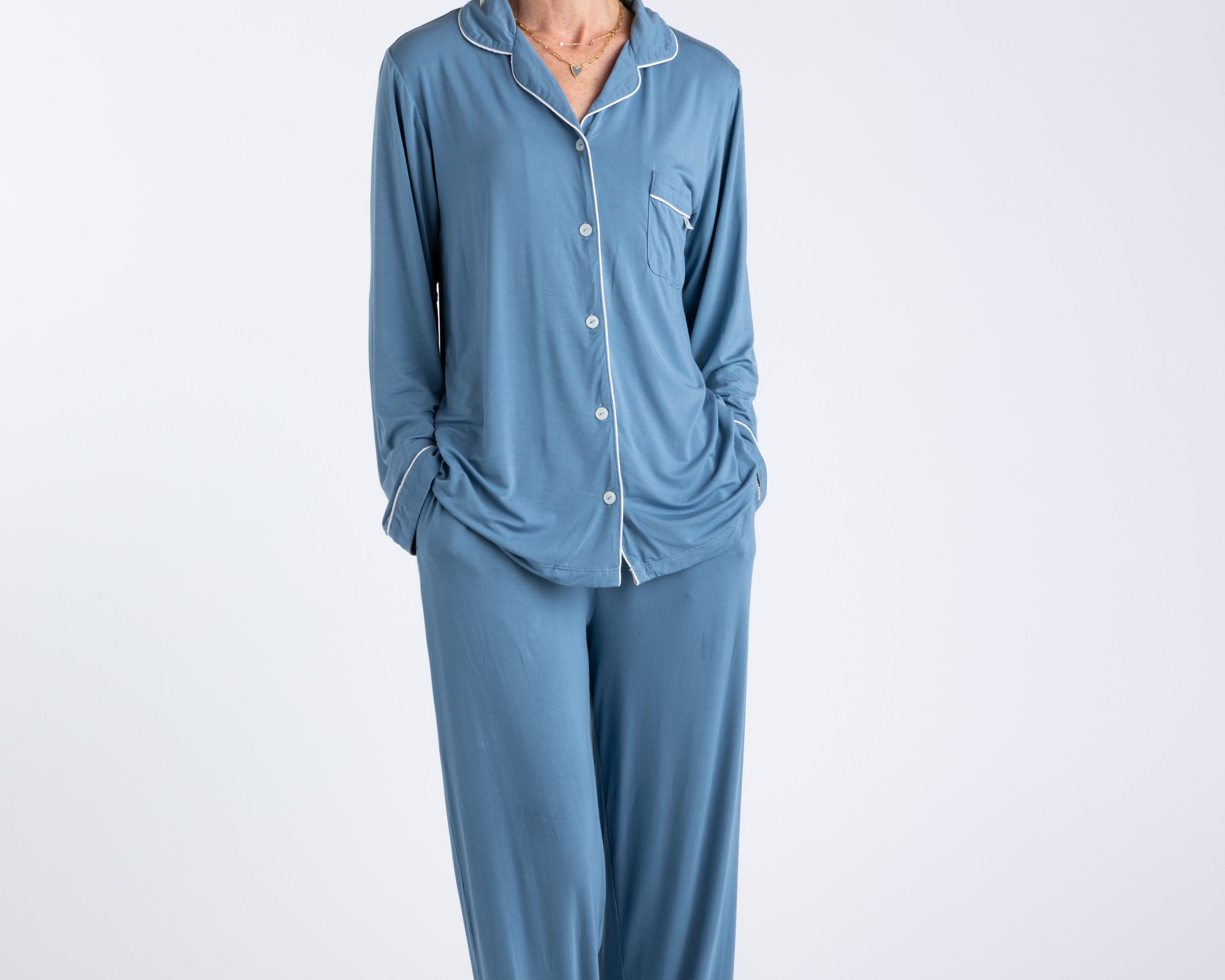
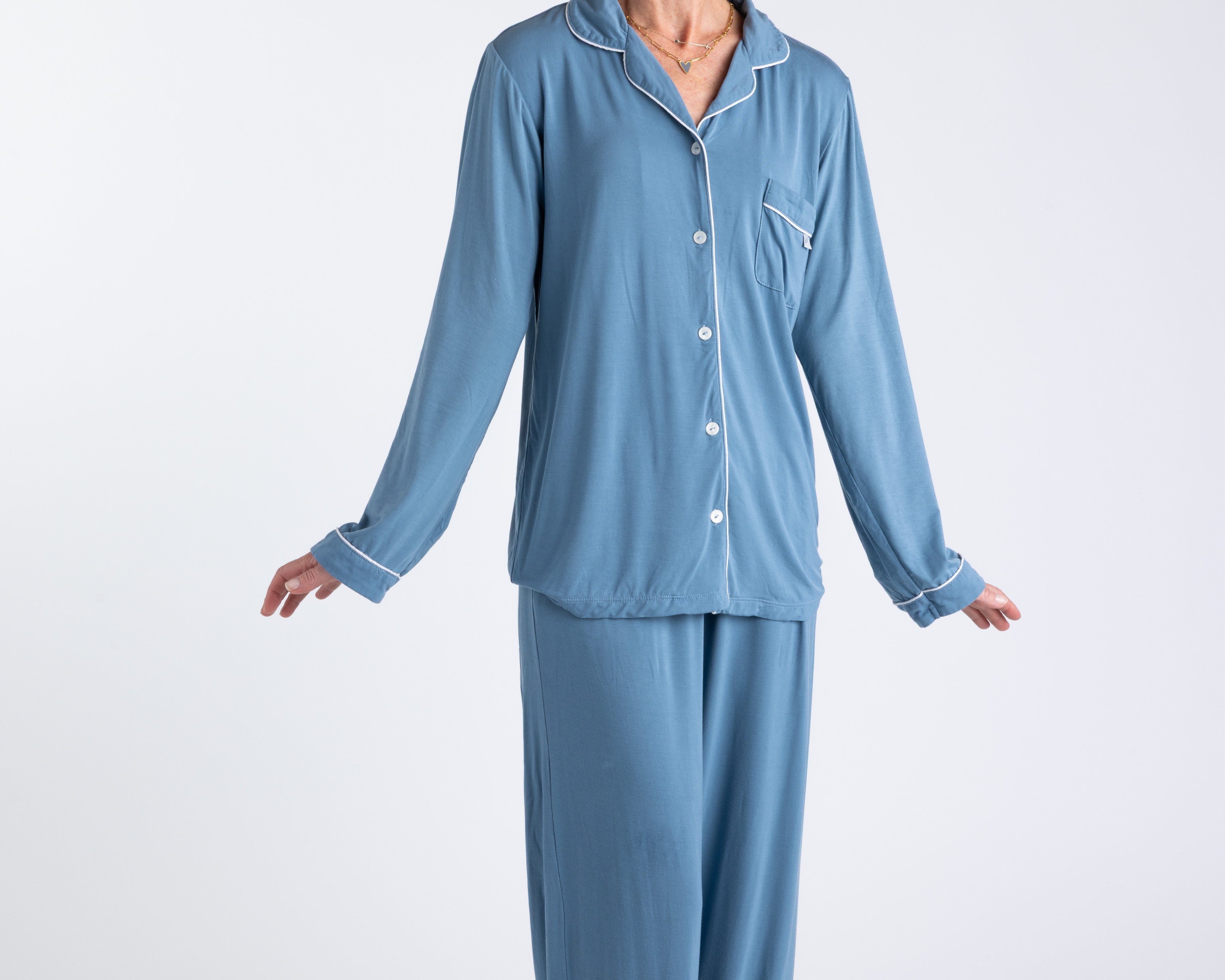
Wear appropriate sleep clothing. Loose-fitting, breathable fabric allows airflow and supports the evaporative cooling your body is trying to execute. Tight garments — particularly around the torso — impede that process regardless of fabric type.
Stay consistently hydrated. Sweating depletes fluids and electrolytes. Dehydration raises perceived body temperature and intensifies thermoregulatory instability, compounding the sweating cycle. Front-load fluid intake earlier in the day to maintain adequate hydration without disrupting overnight sleep. Water is the priority; electrolyte drinks can help replace what sweating takes, particularly during heavy post-operative sweating periods.
Address the positioning equation. Night sweats do not occur in isolation from other recovery sleep challenges. A patient repositioning frequently due to discomfort generates significantly more body heat than one who is properly supported and sleeping still. Proper elevated back sleeping at 30–45 degrees reduces surgical site swelling, which reduces localized heat generation. Better positioning means less movement, less friction, and a lower overall thermal load across the night.

What Makes the Sleep Again Cooling Fitted Sheet Different from Standard Bedding?
Standard cotton sheets absorb moisture and hold it against the skin. That is the opposite of what a post-surgical patient needs when sweating episodes occur multiple times a night.
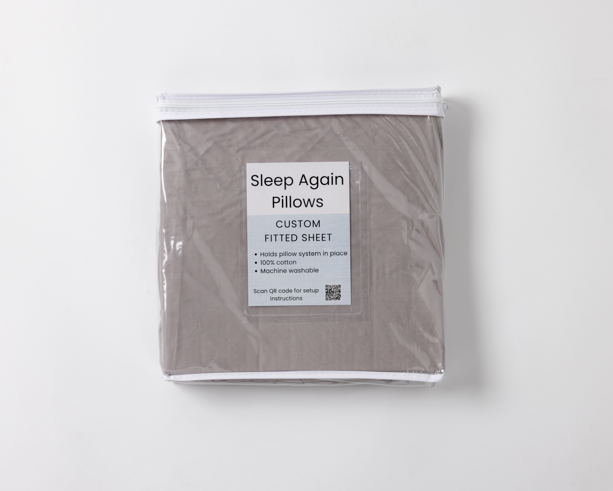
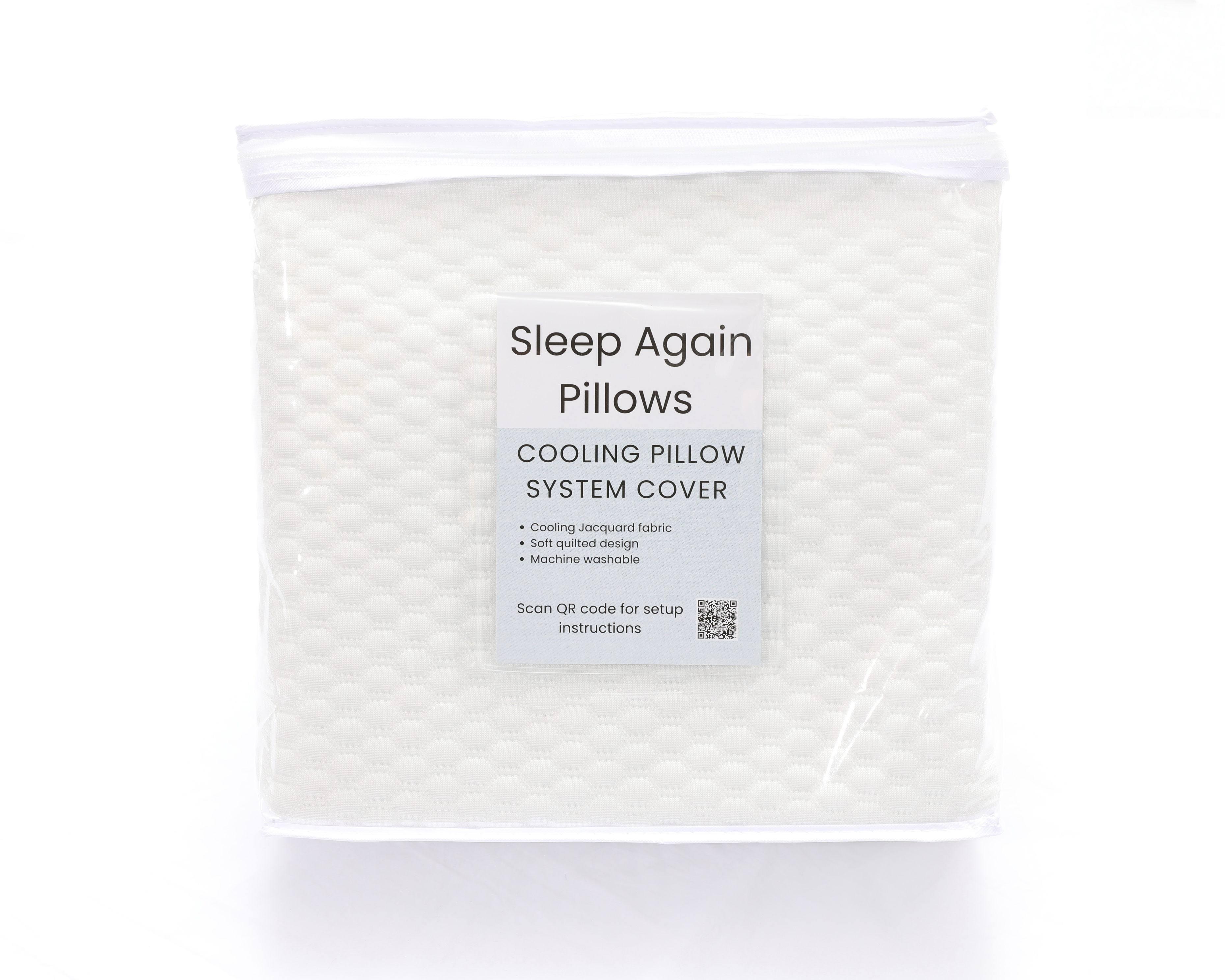
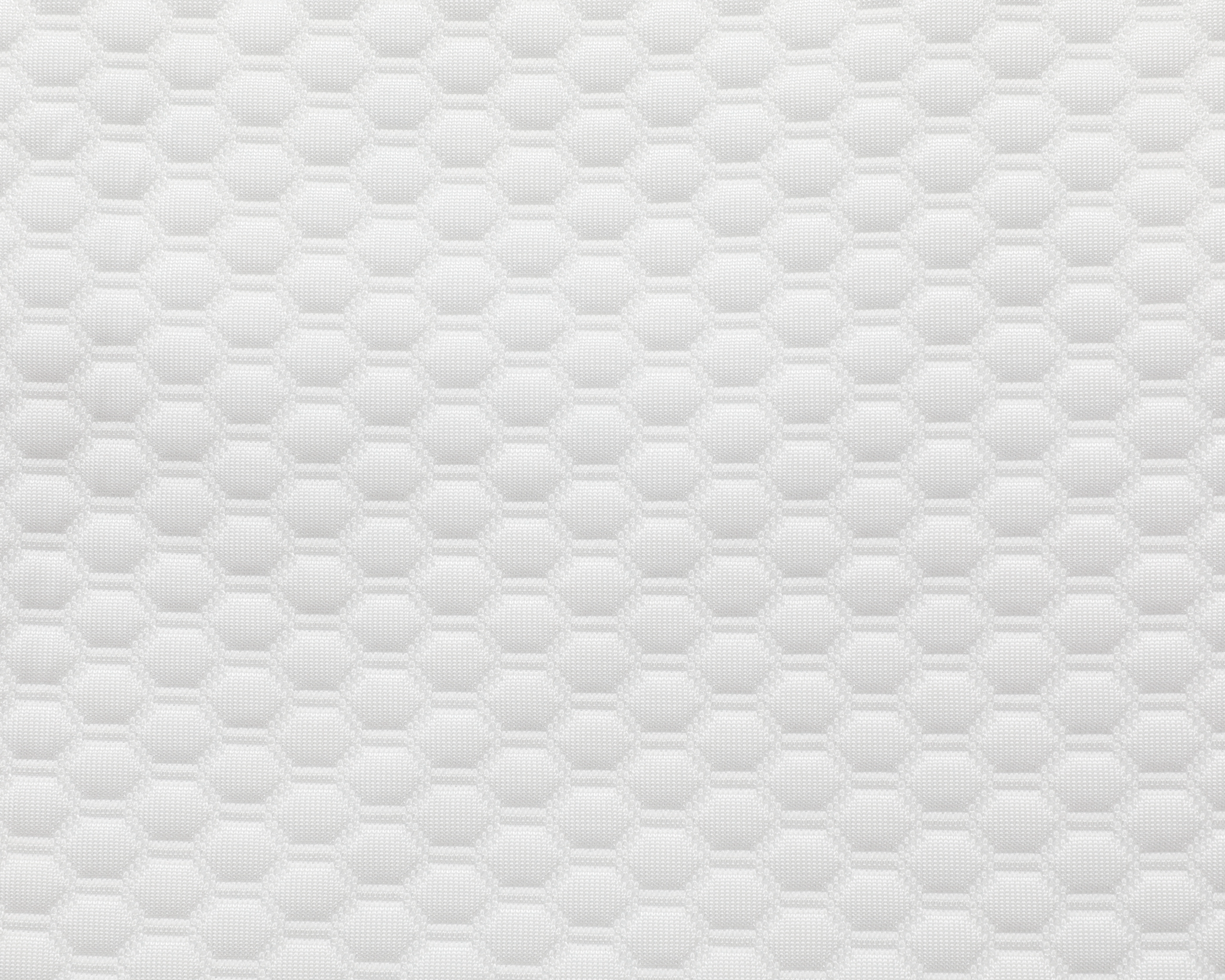
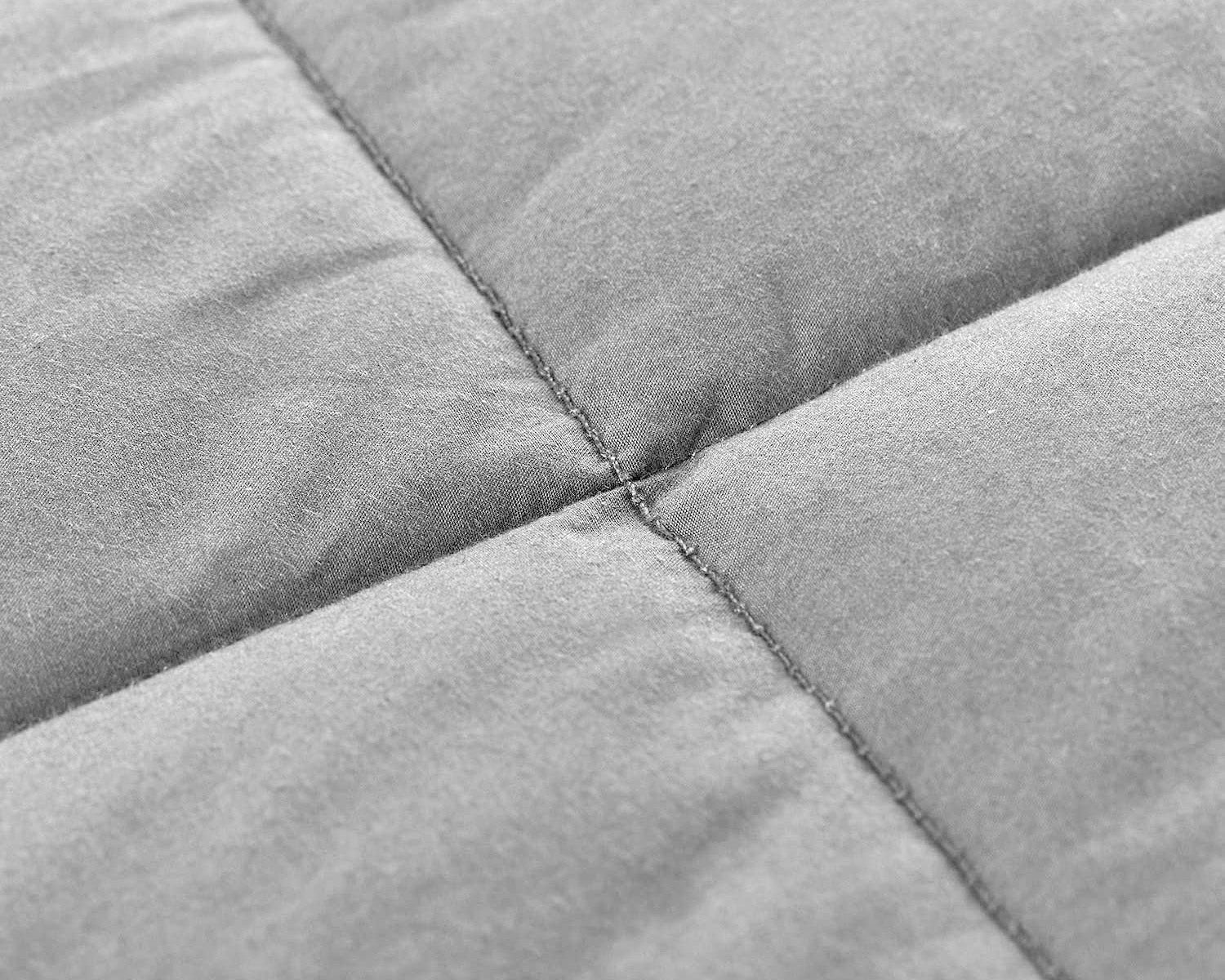
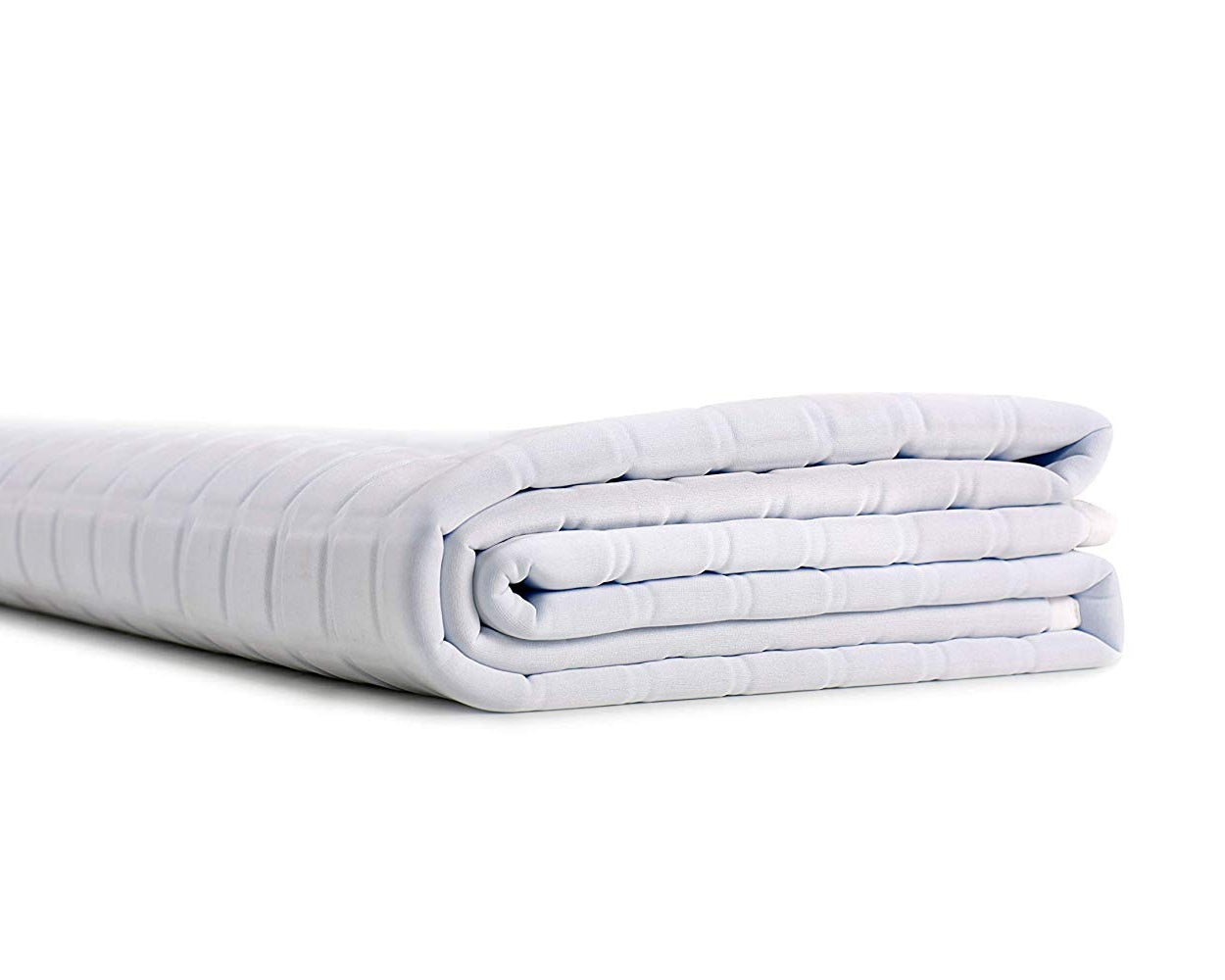
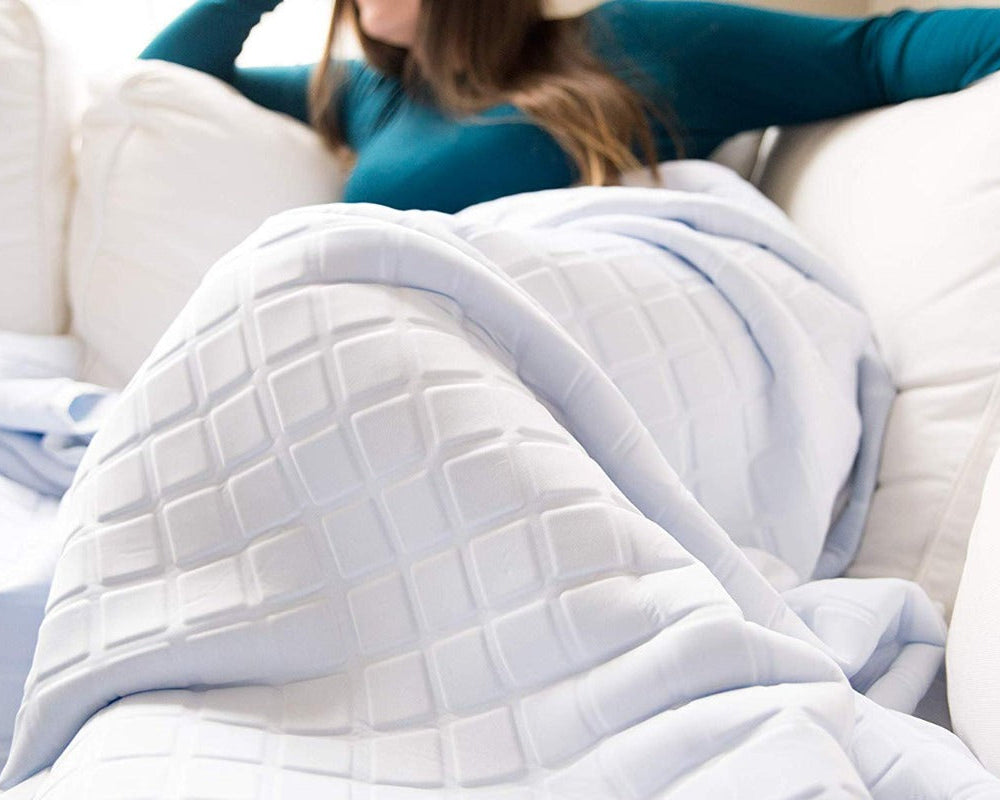
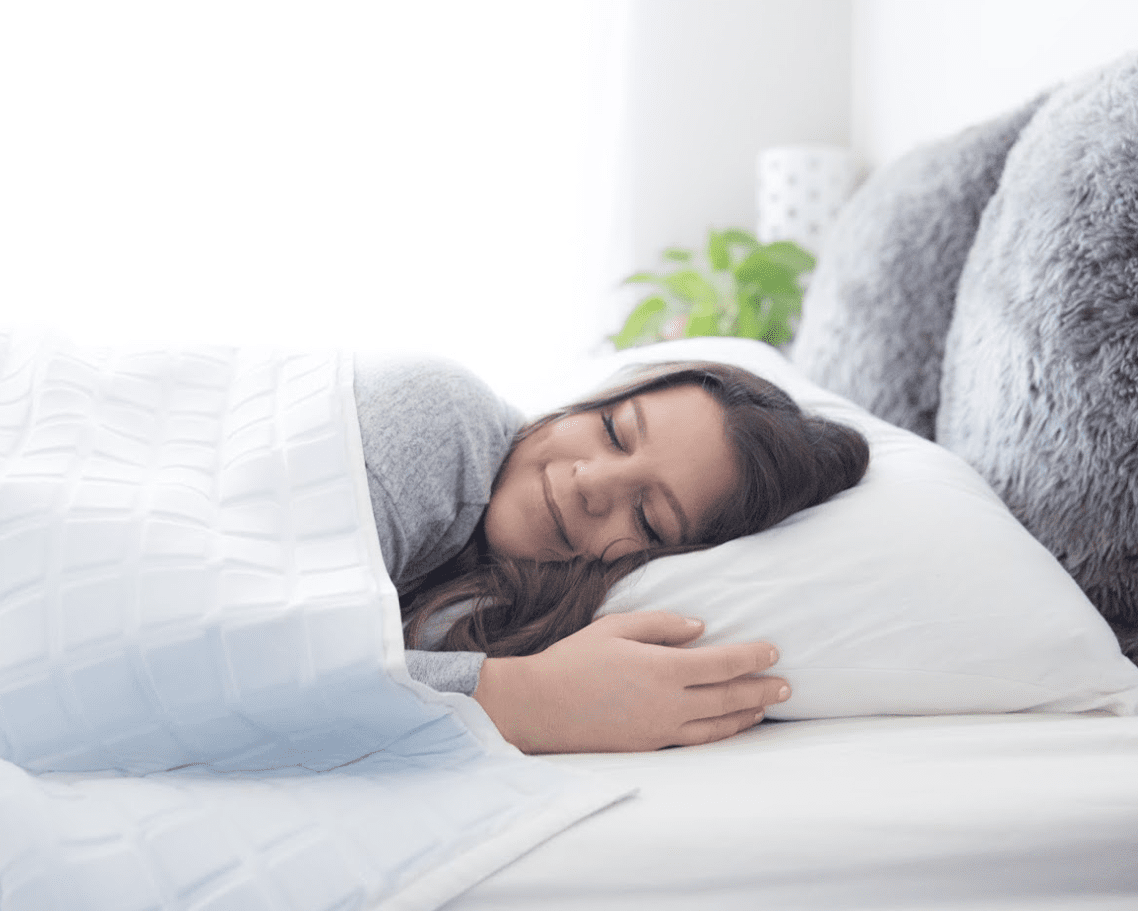
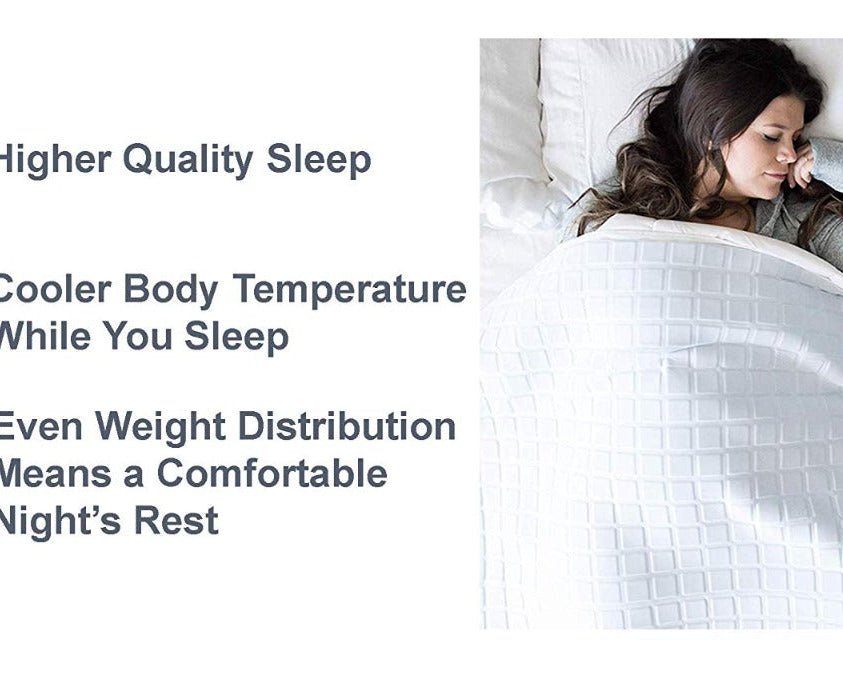
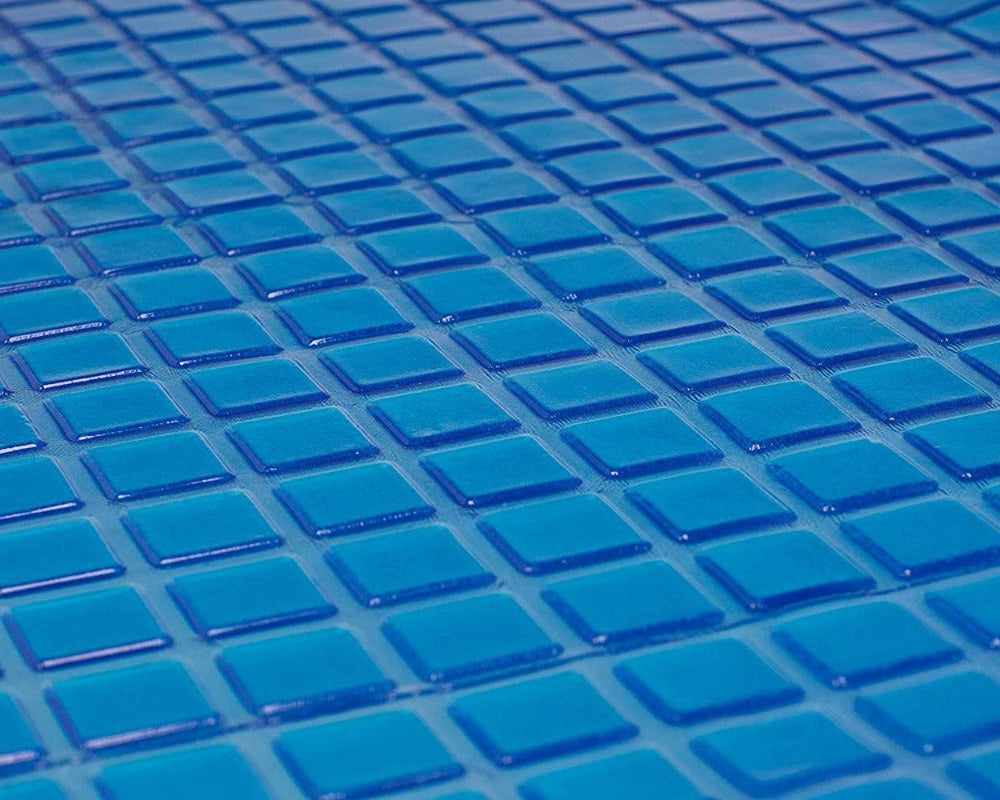
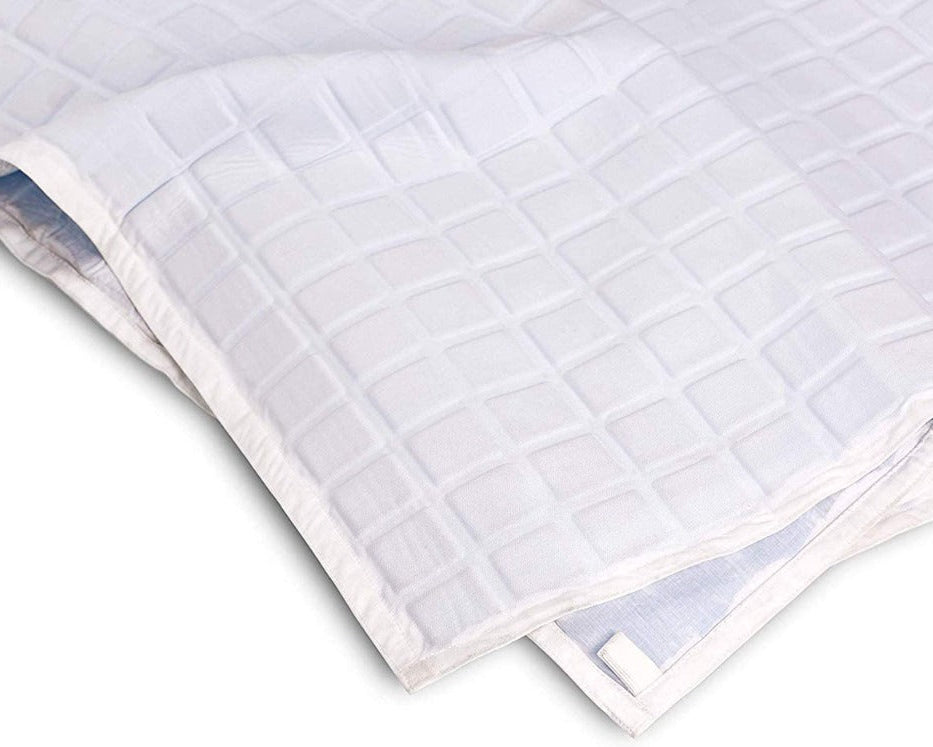
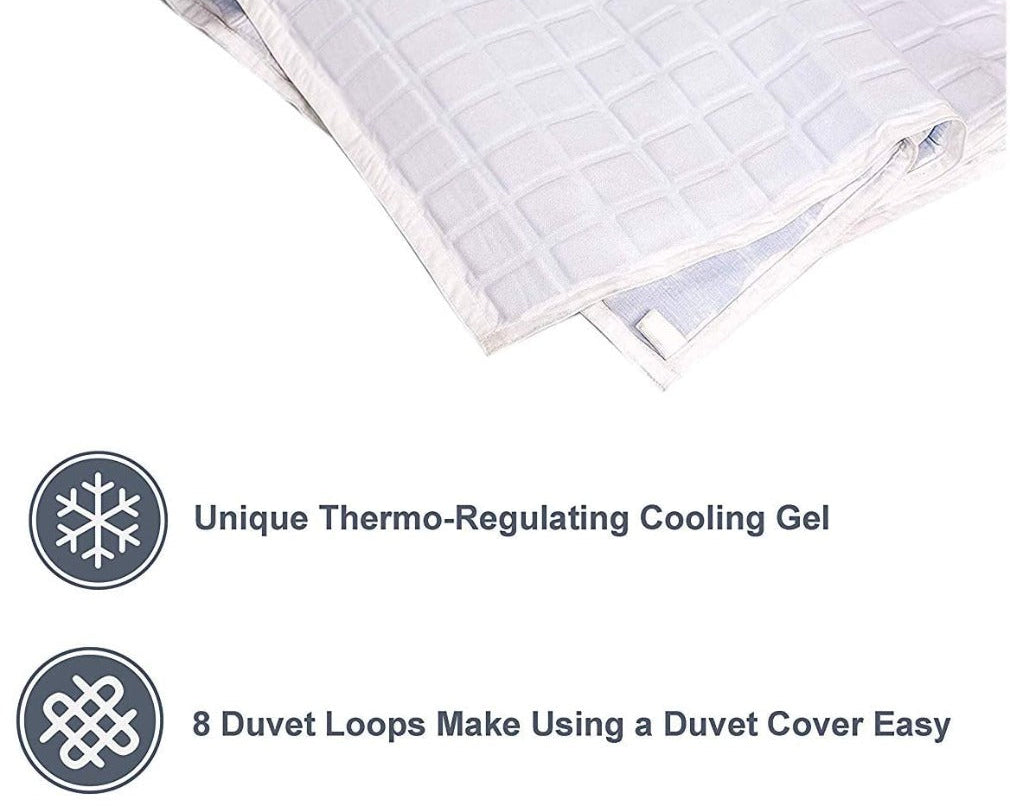
The Sleep Again Pillows Cooling Fitted Sheet uses breathable, moisture-wicking fabric engineered to pull heat and sweat away from the body rather than trapping it. Unlike standard cotton, which becomes clammy as it saturates, the cooling fabric continues actively managing heat and moisture throughout the night, providing consistent benefit across multiple episodes rather than degrading in effectiveness as it absorbs.
For post-surgical patients, this is the single highest-impact bedding change available. The sleep surface is in direct contact with the body for eight or more hours every night. A surface that traps heat makes every other temperature management strategy work harder. One that actively wicks moisture and transfers heat away makes all of them more effective.
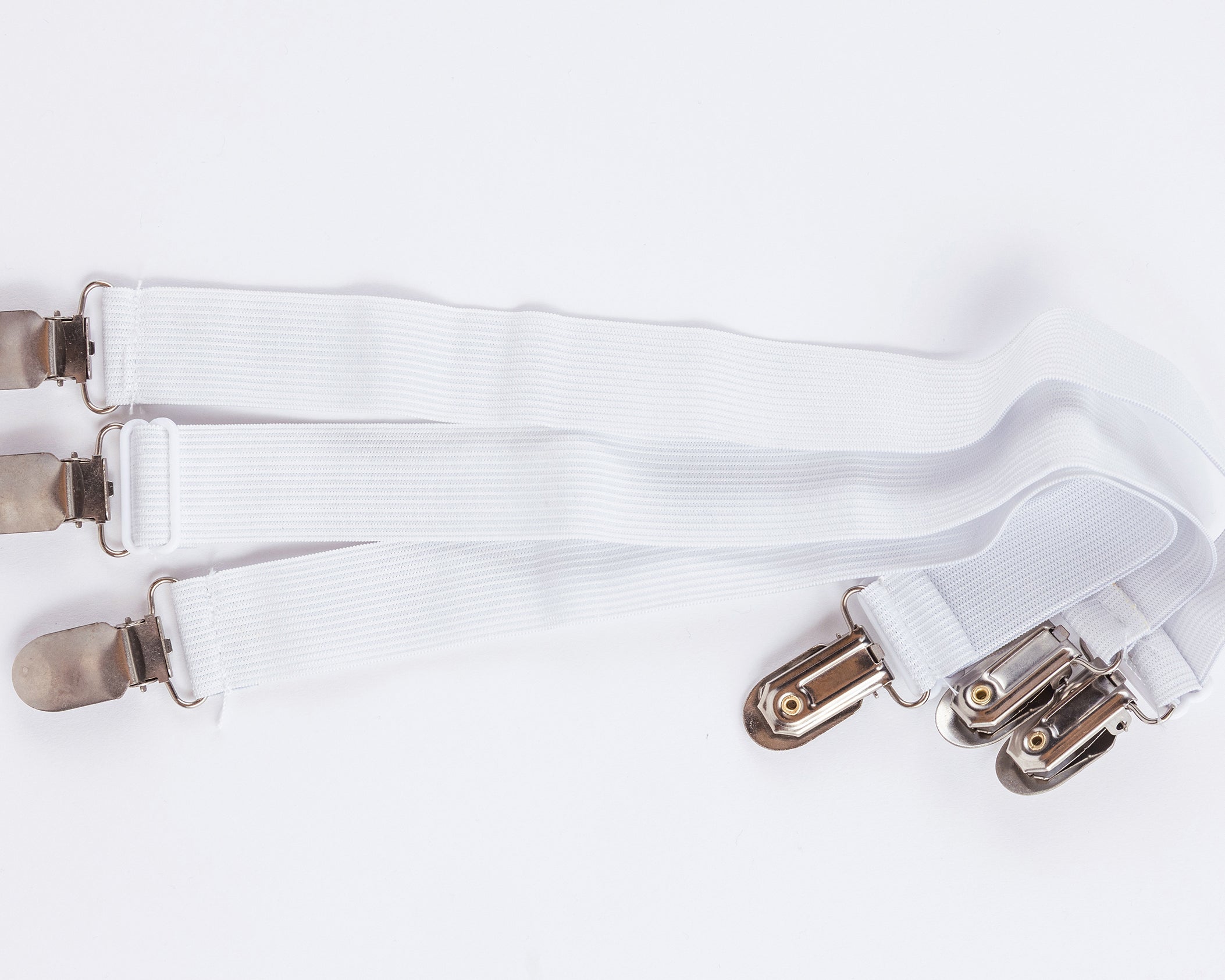
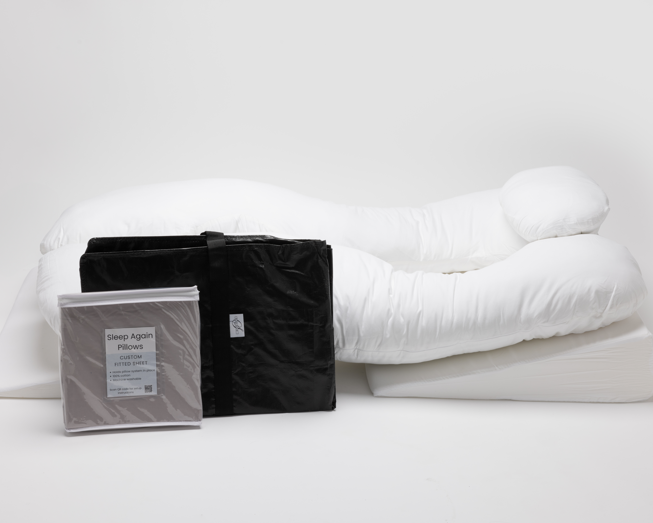
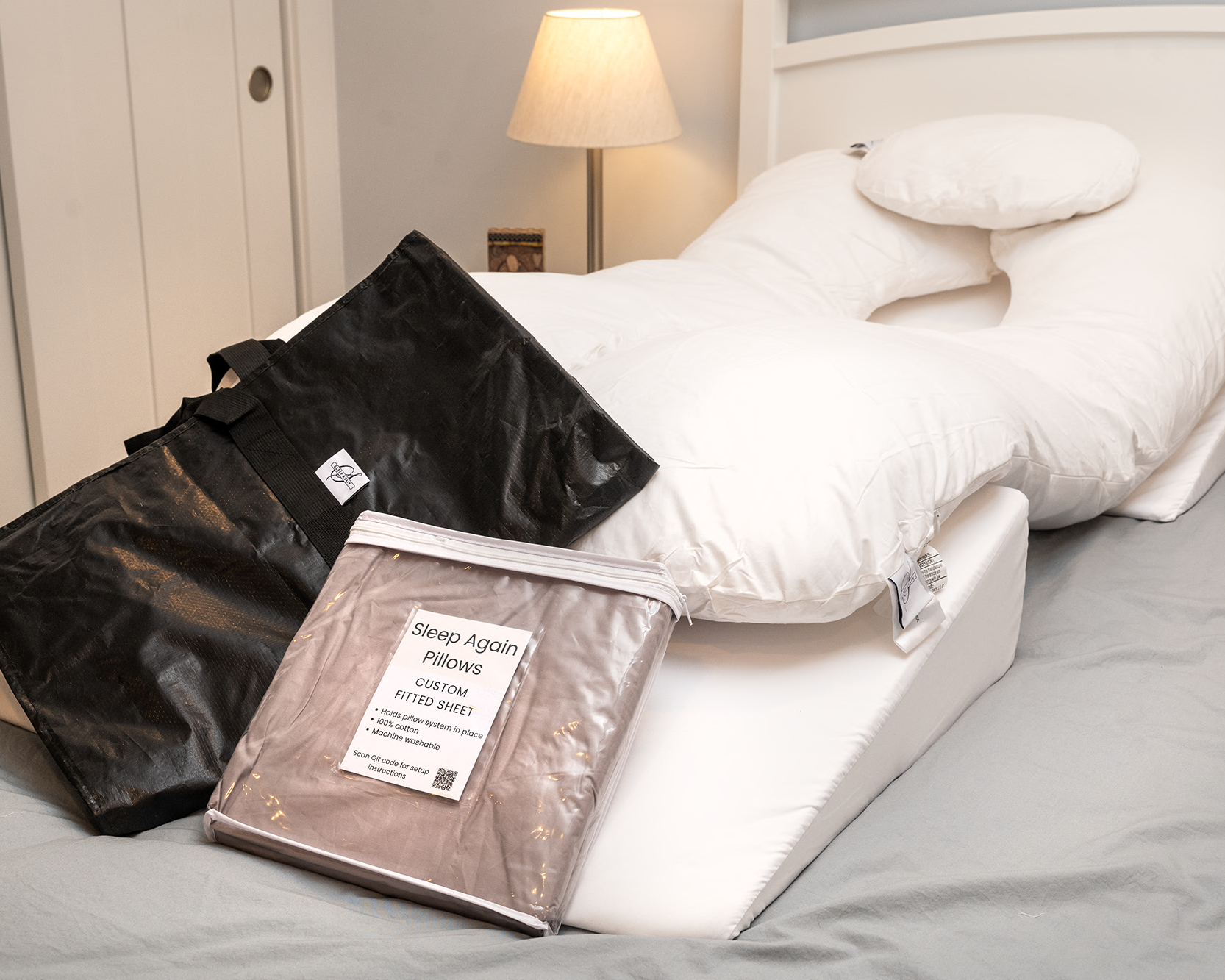
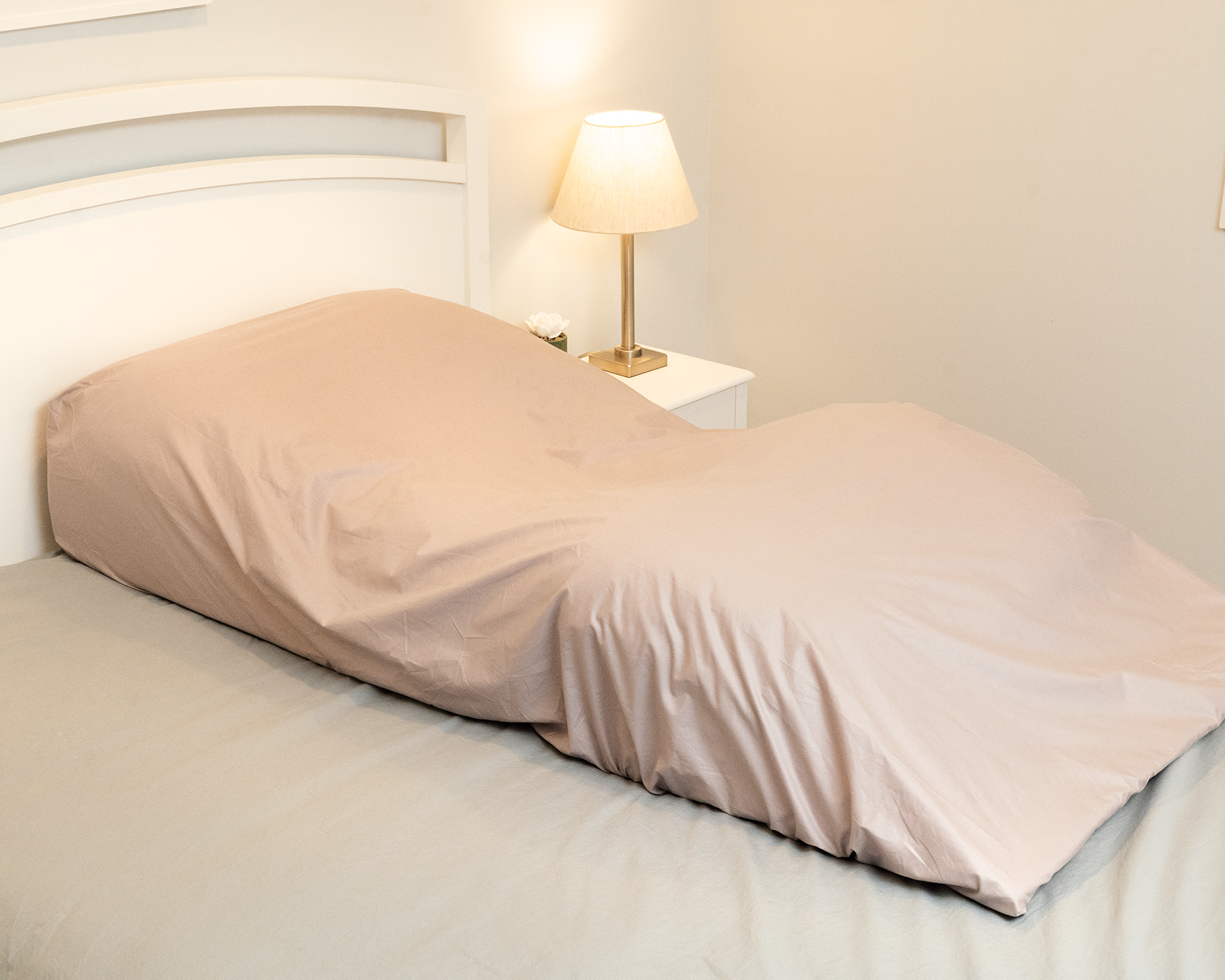
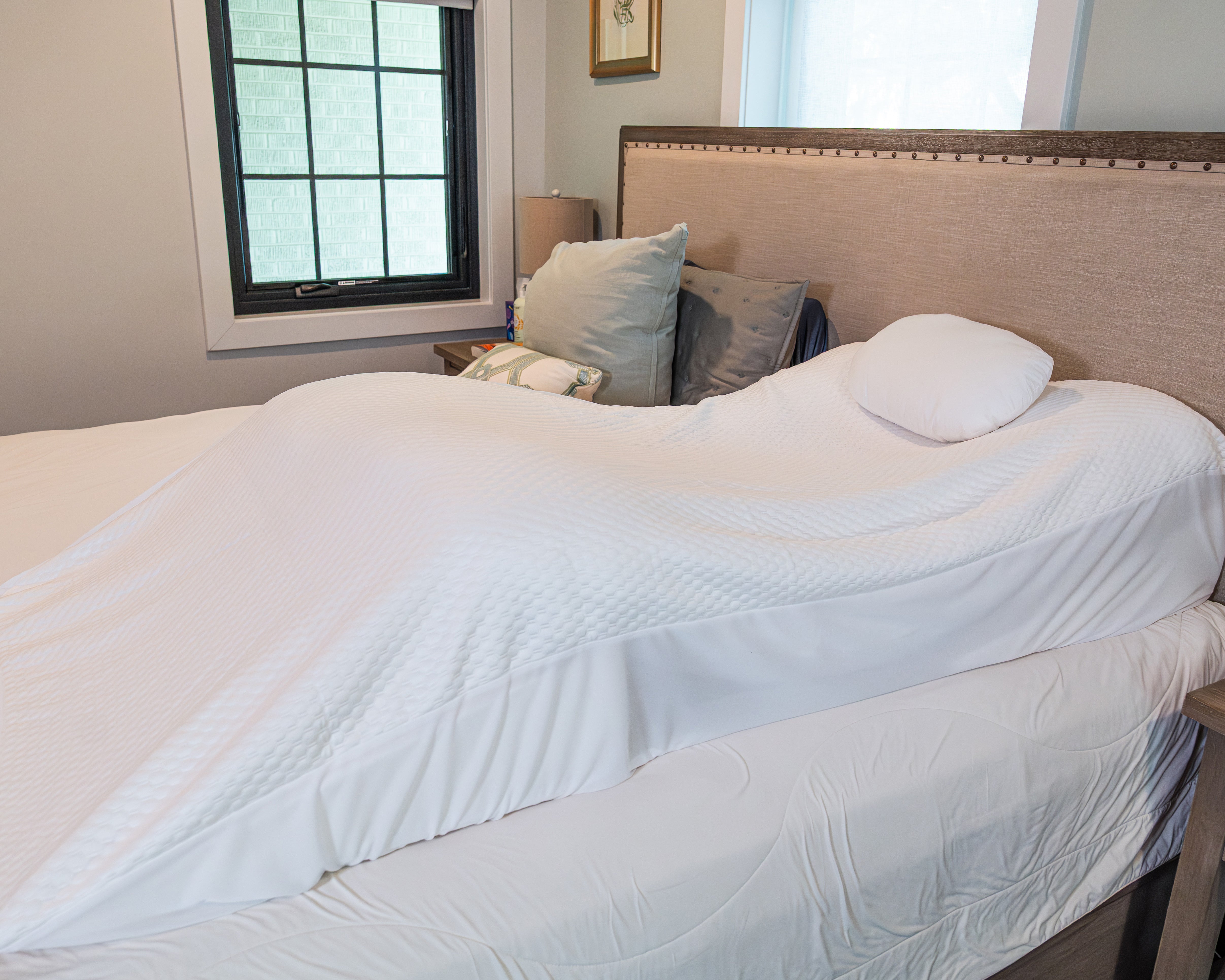
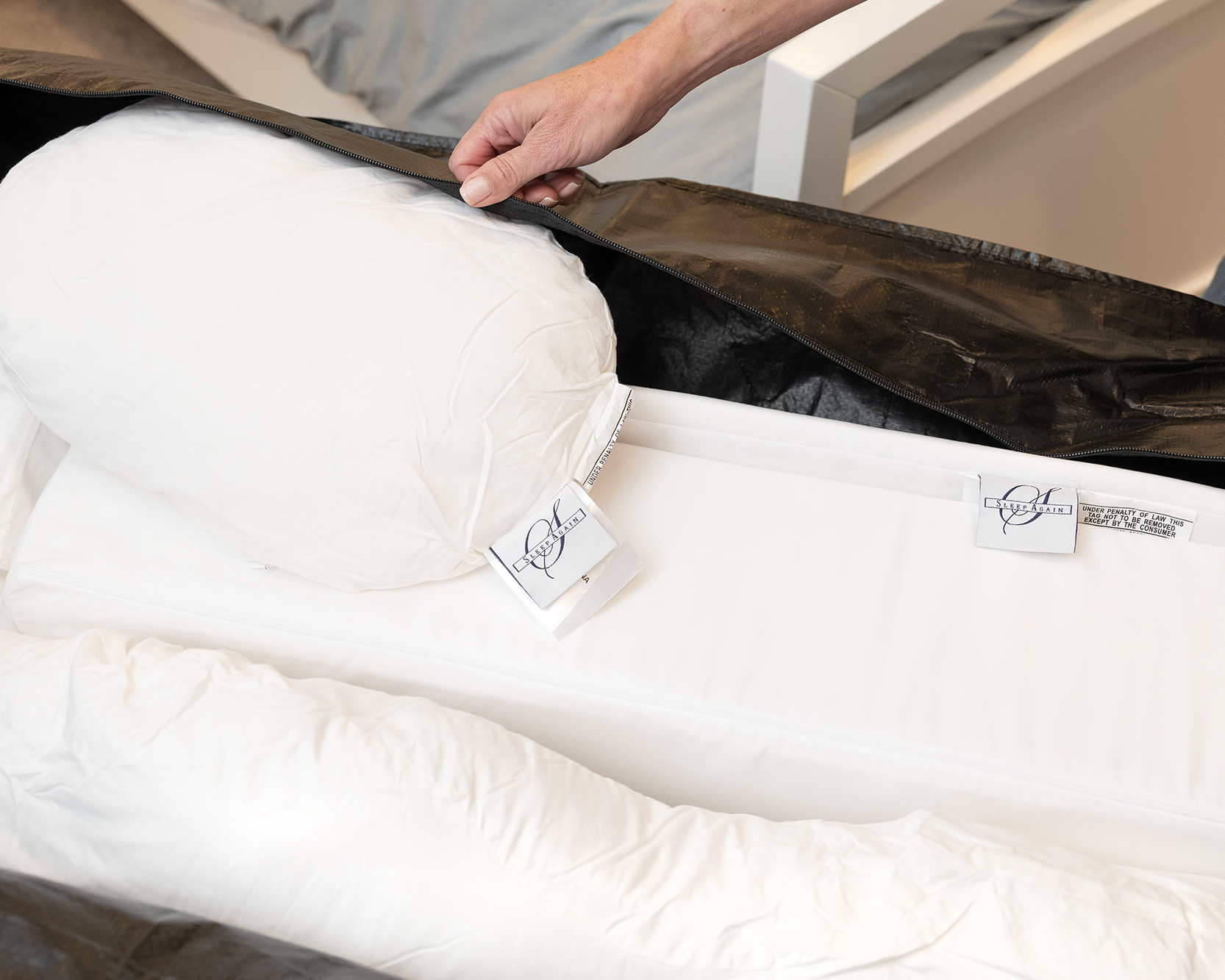
The Cooling Fitted Sheet fits directly over the Sleep Again Pillow System positioning components, creating a seamless cooling surface across the full sleep setup, so patients managing both night sweats and surgical positioning needs do not have to choose between solutions.
SHOP THE BEST COOLING SHEET FOR NIGHT SWEATS AFTER SURGERY

What Is the Best Positioning System for Managing Night Sweats During Recovery?
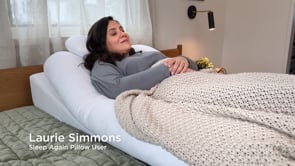
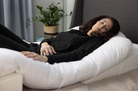
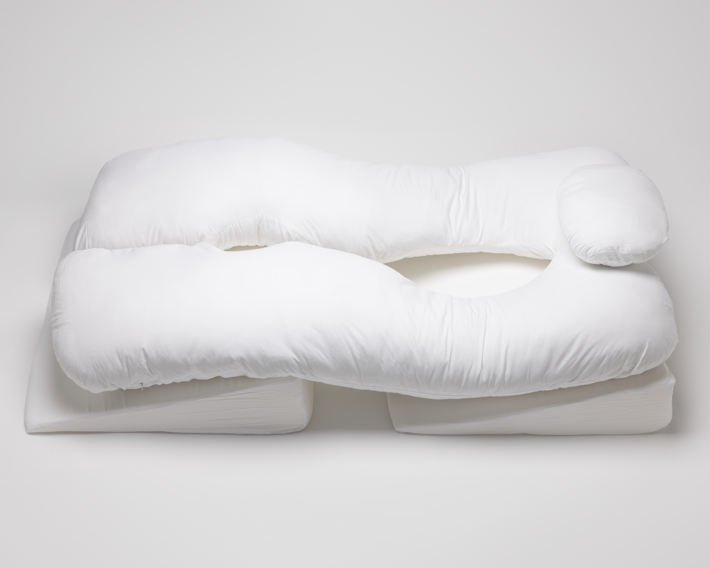
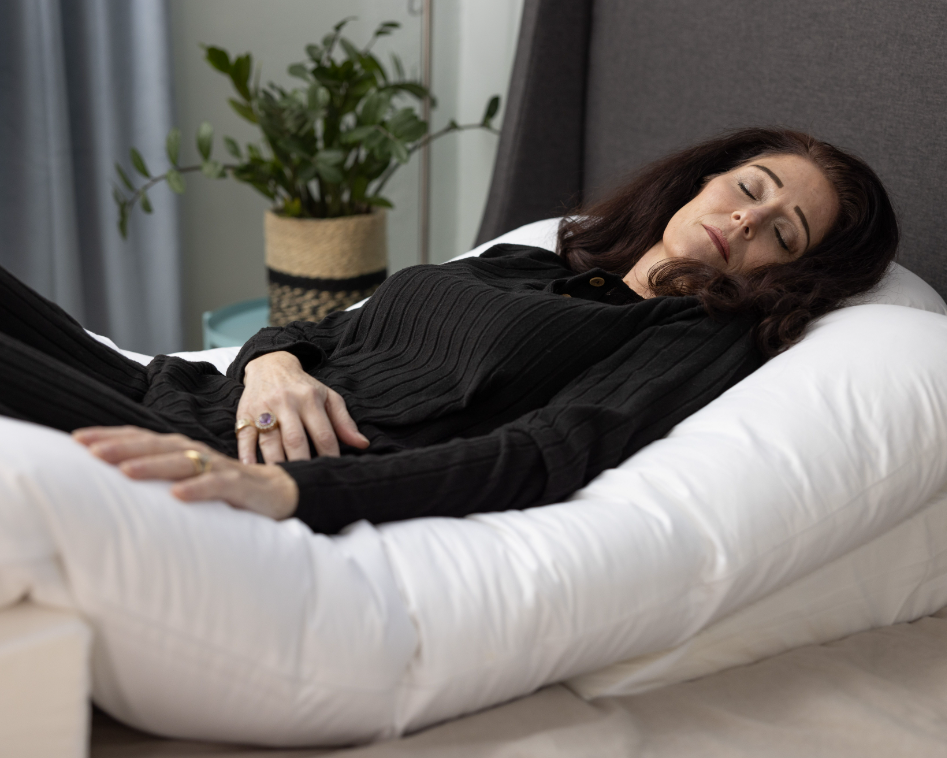
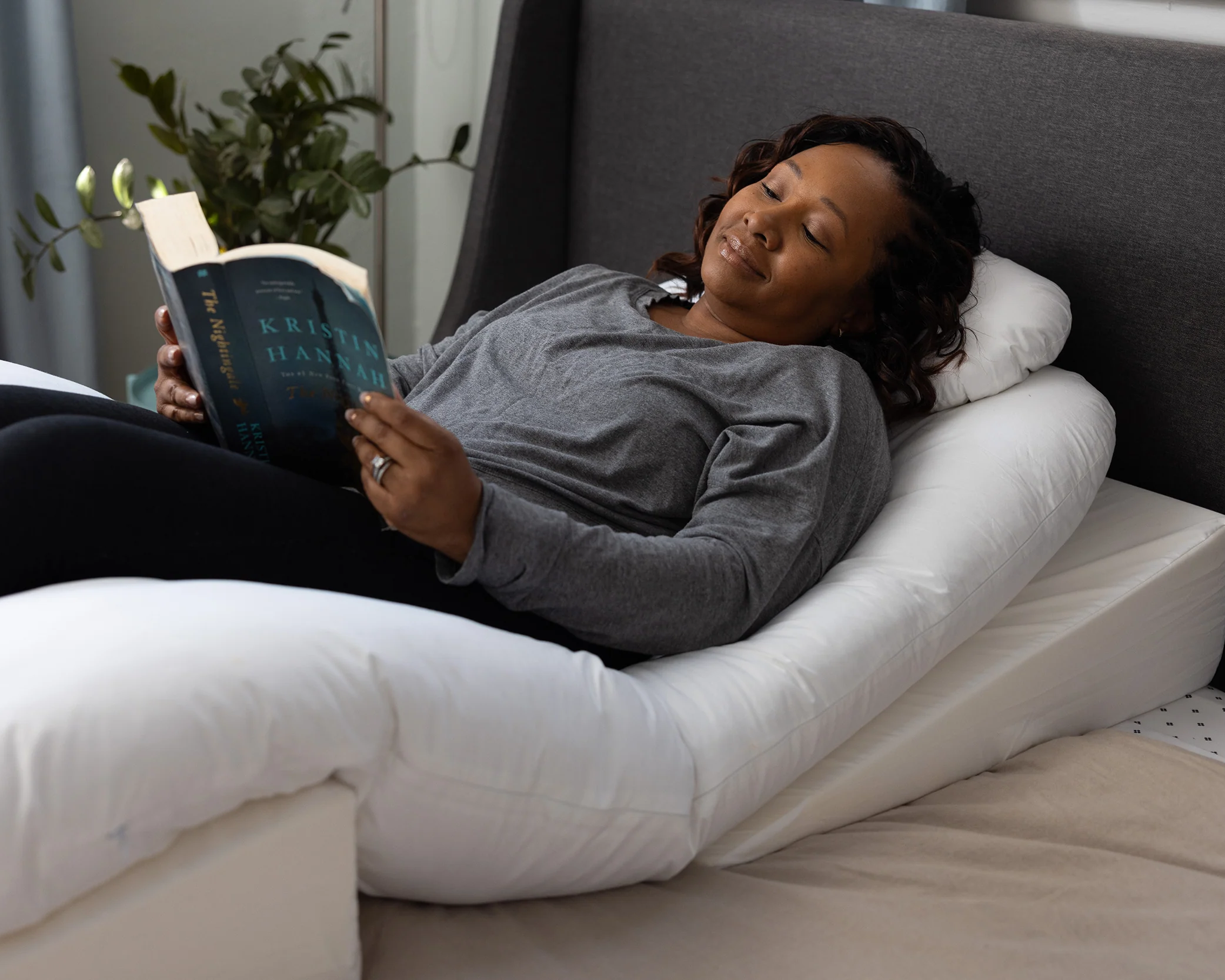
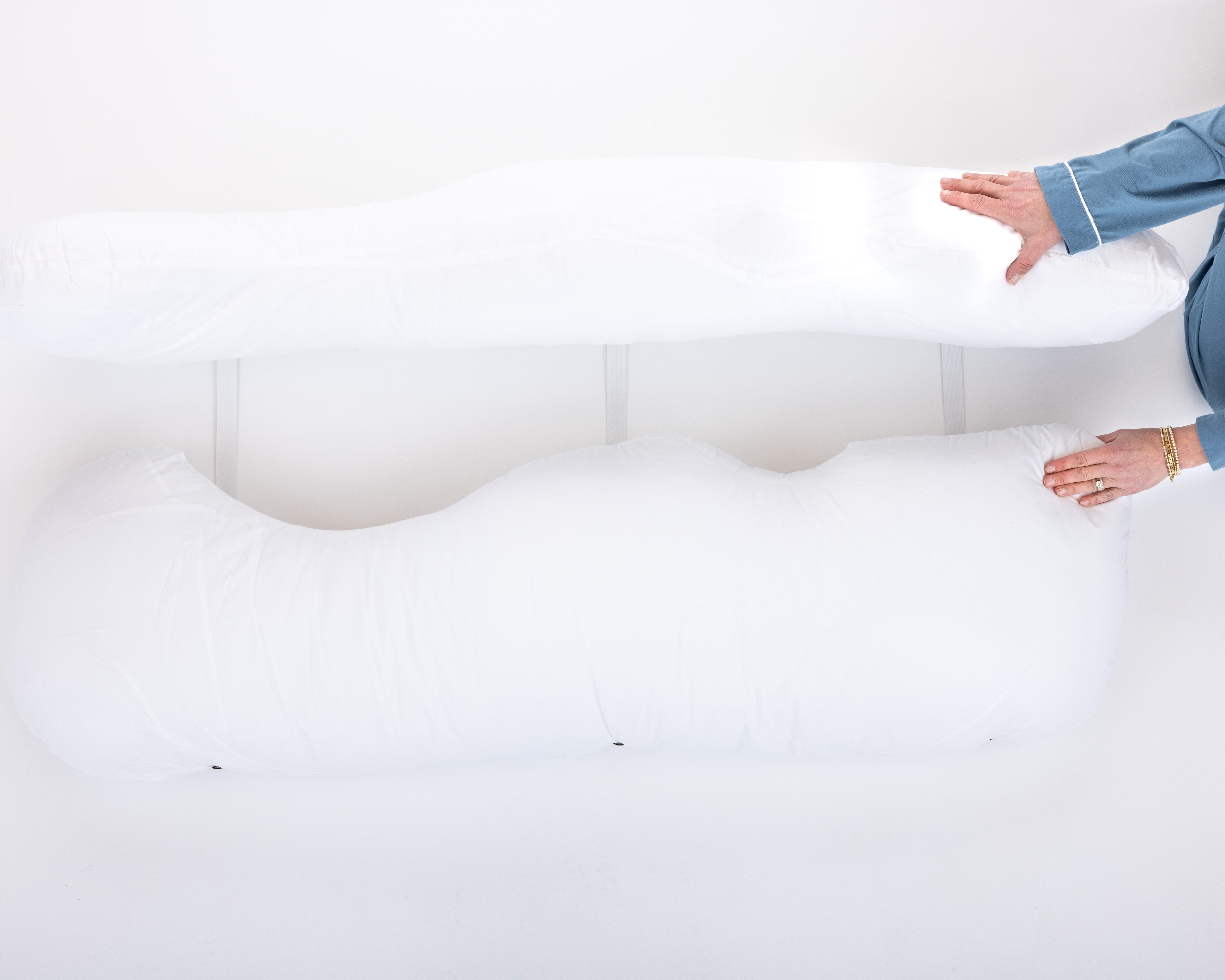
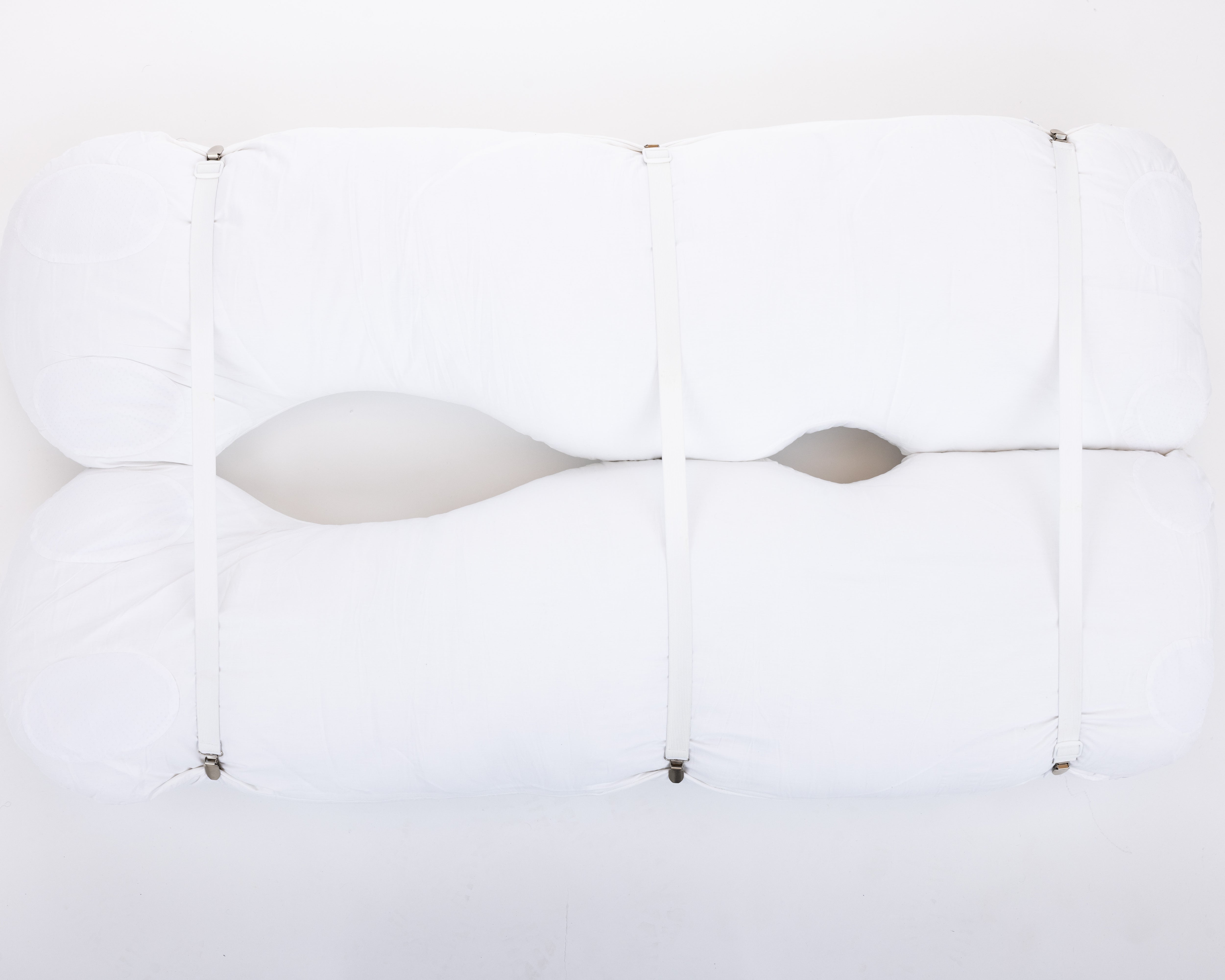
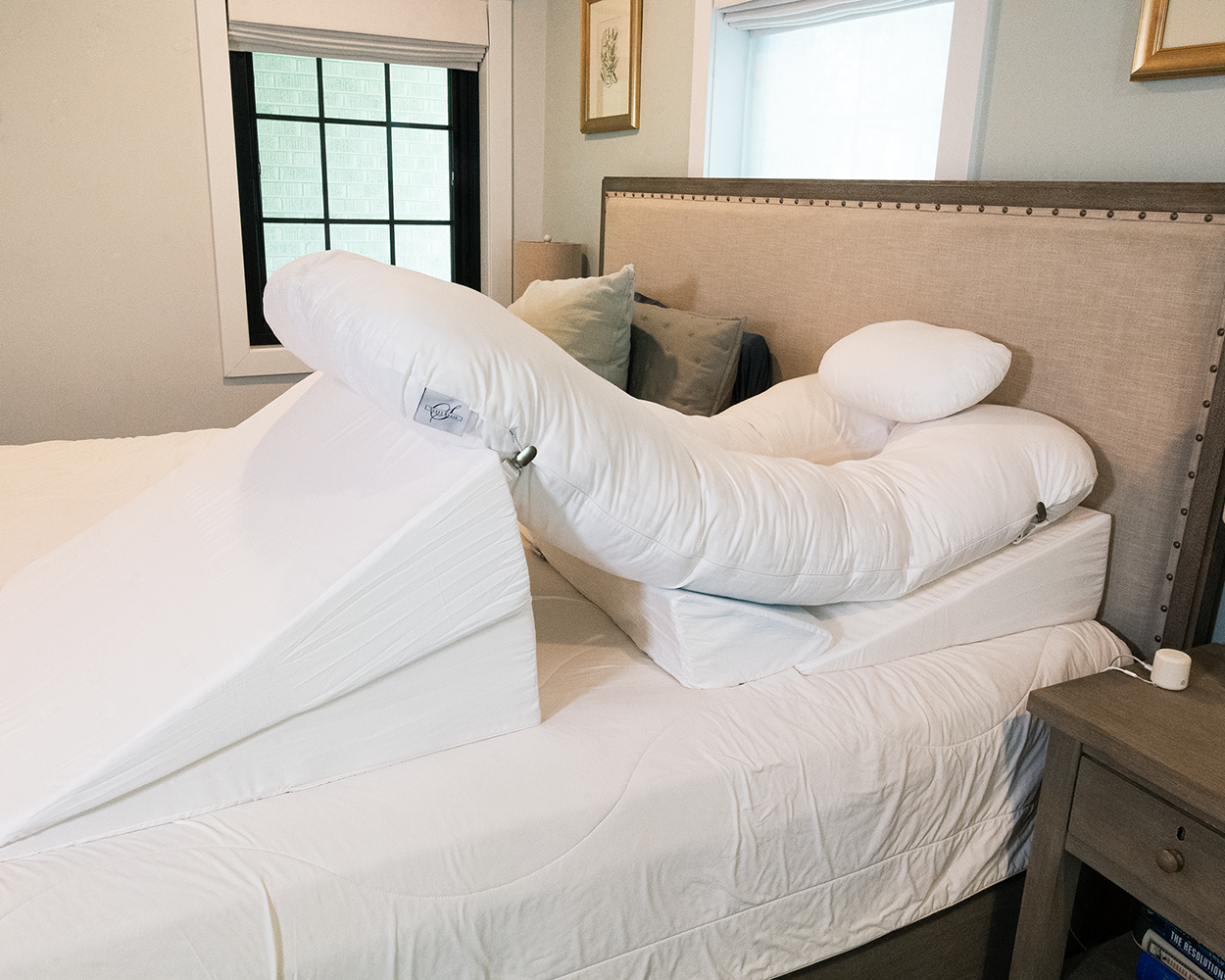
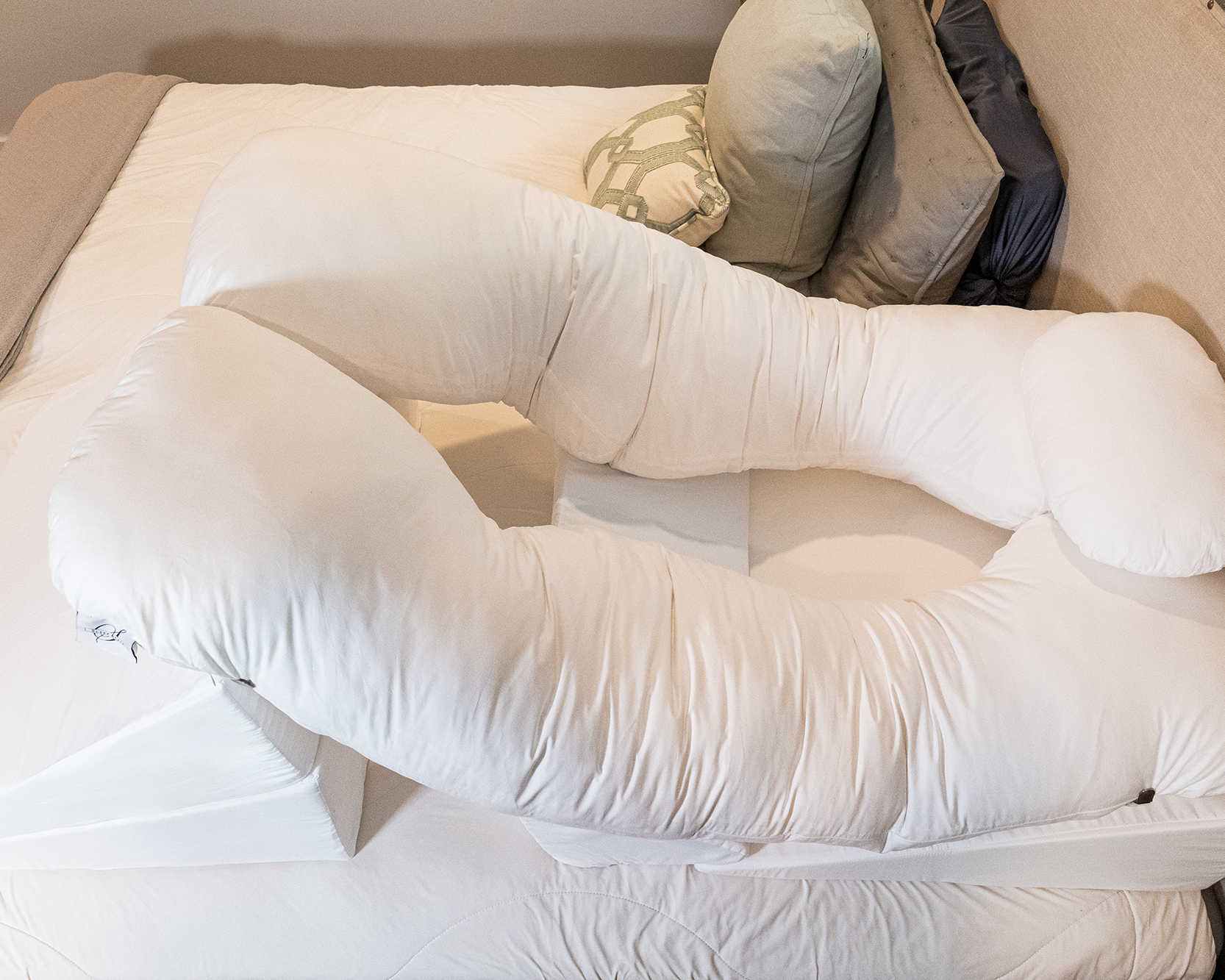
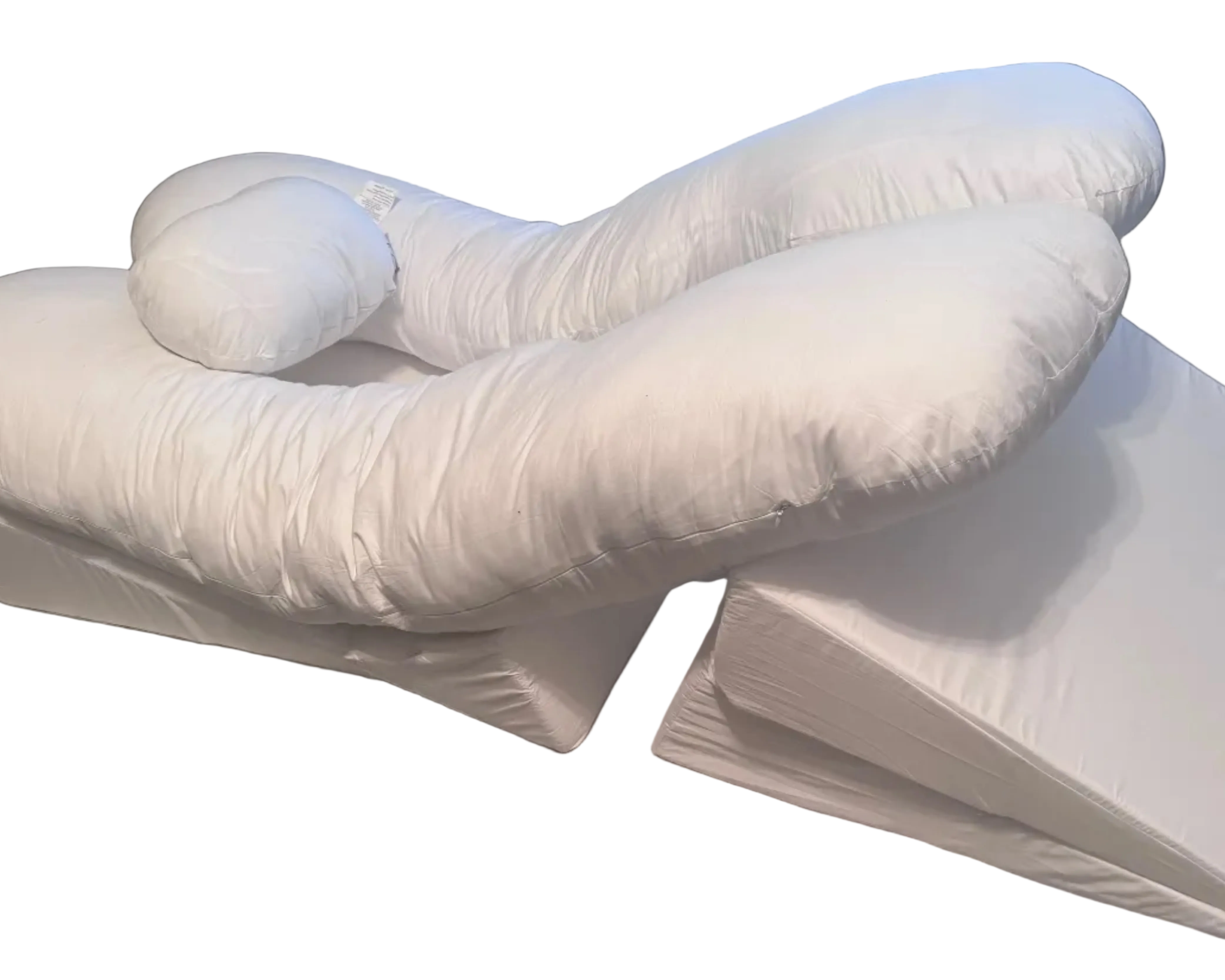
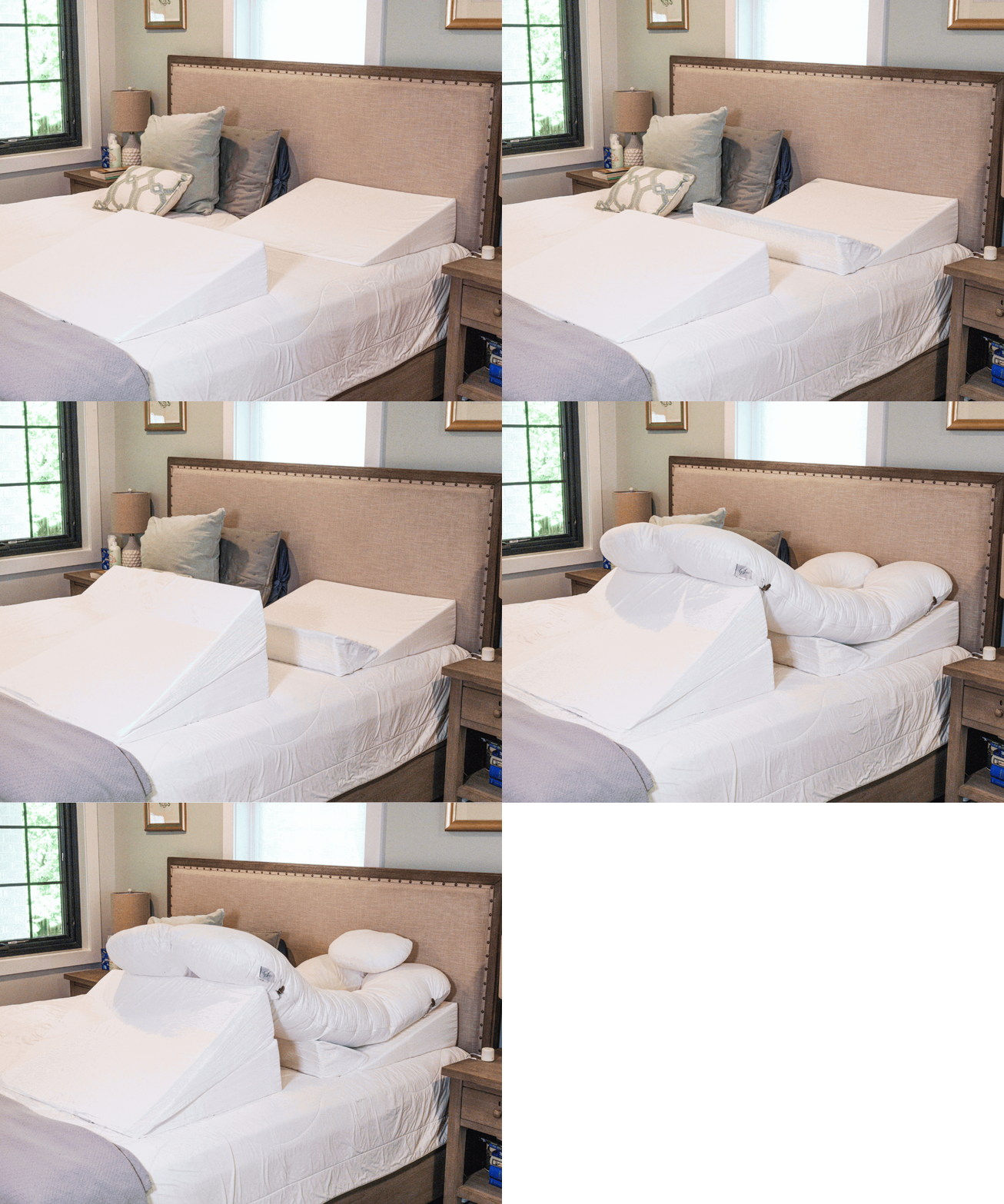
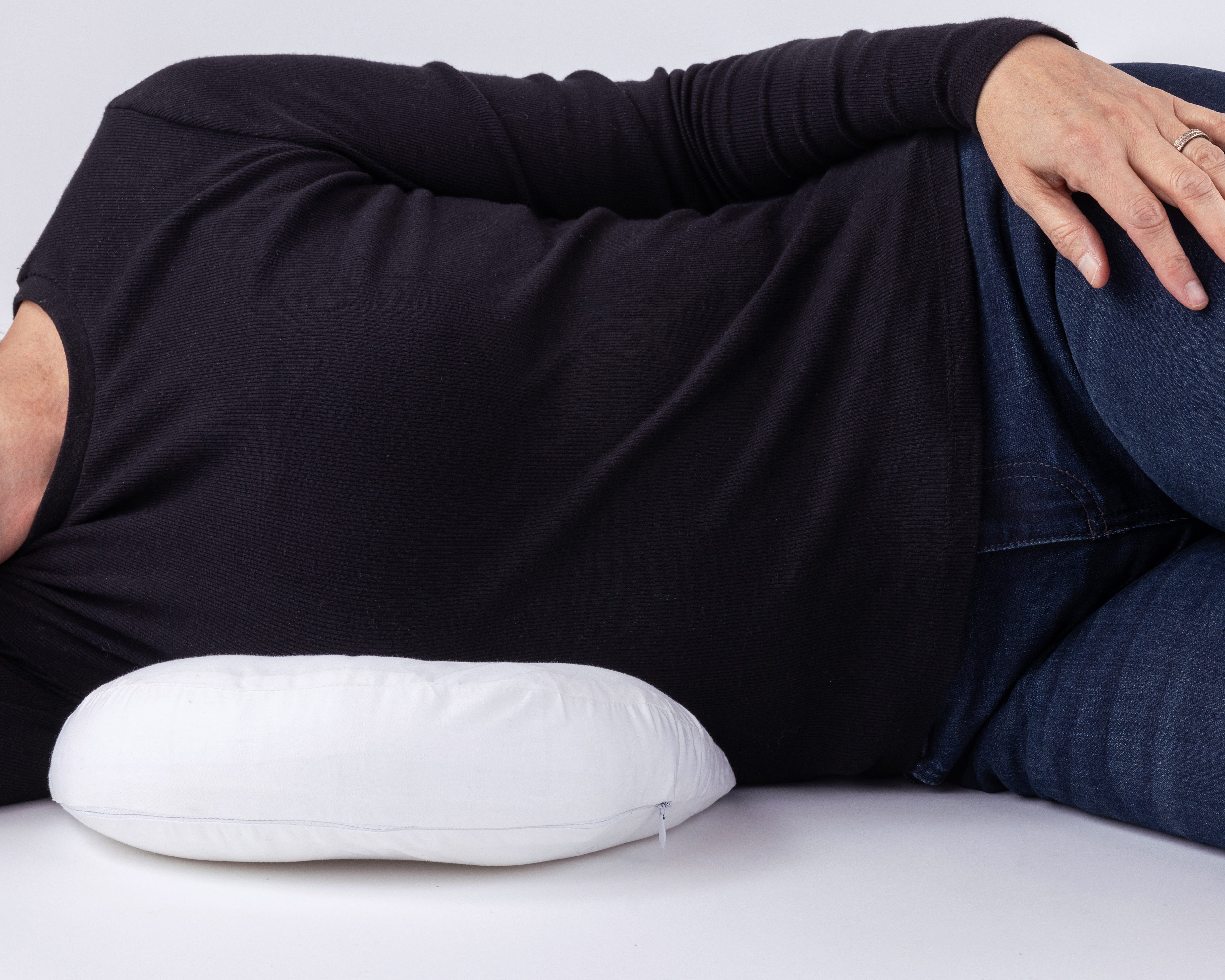
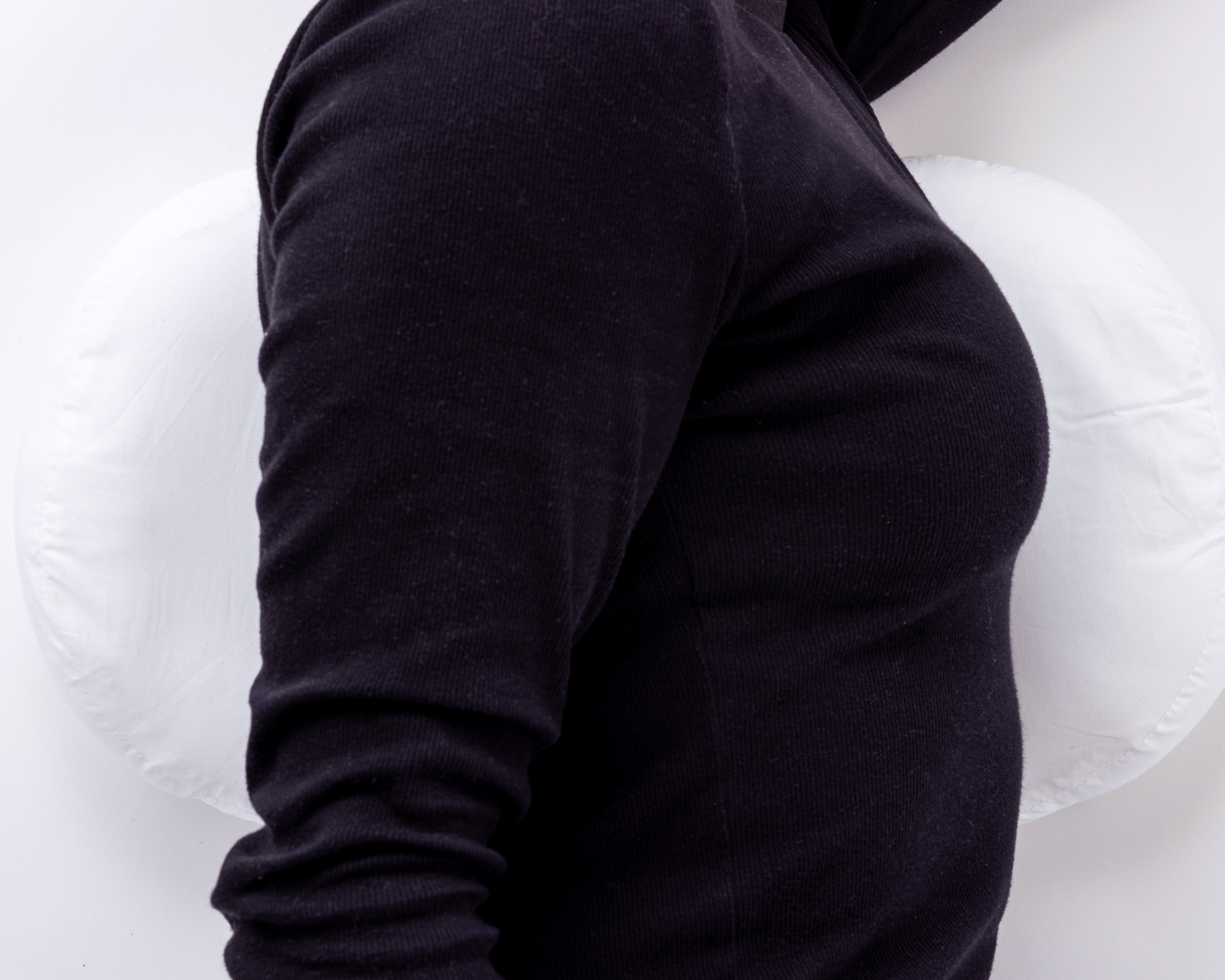
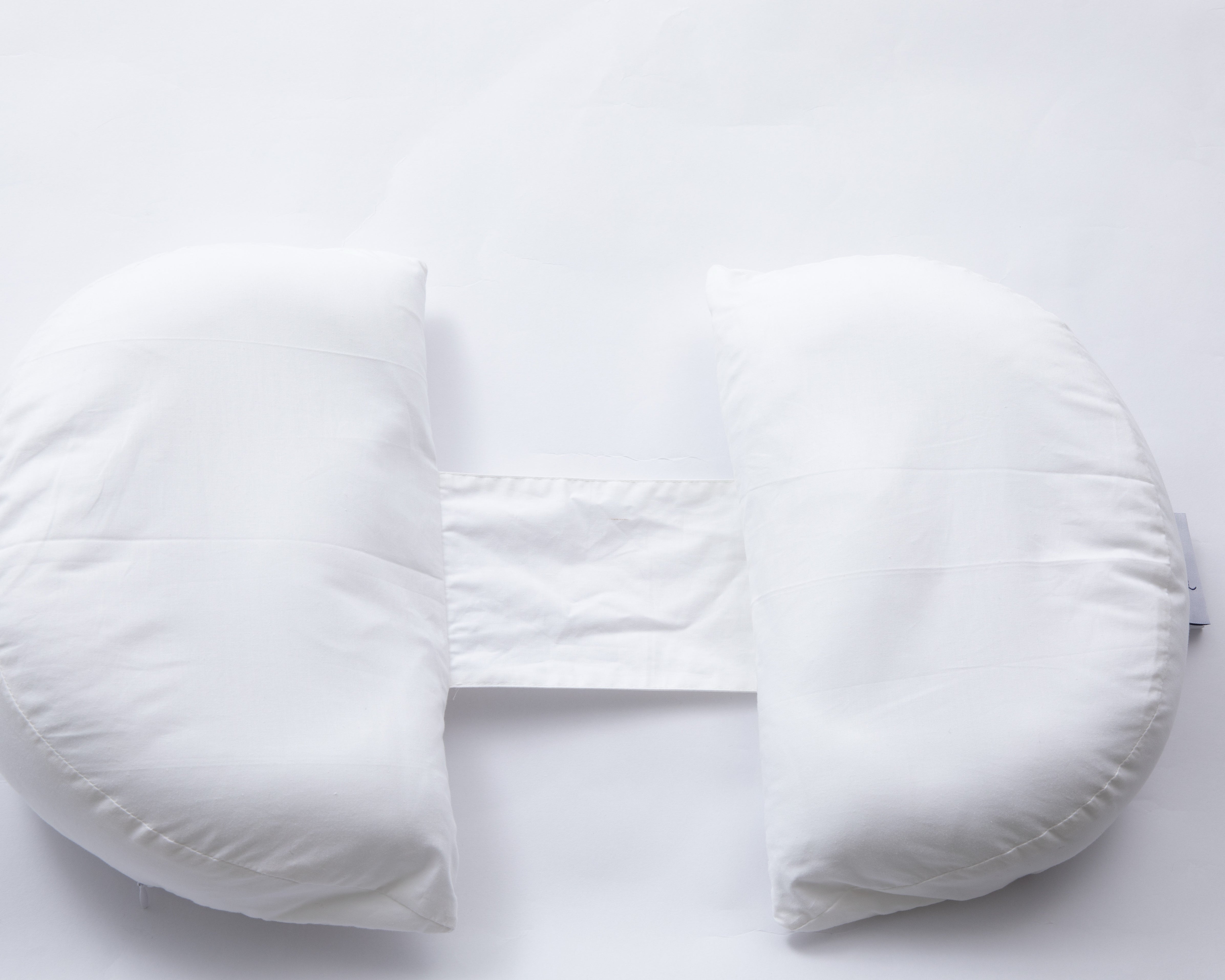
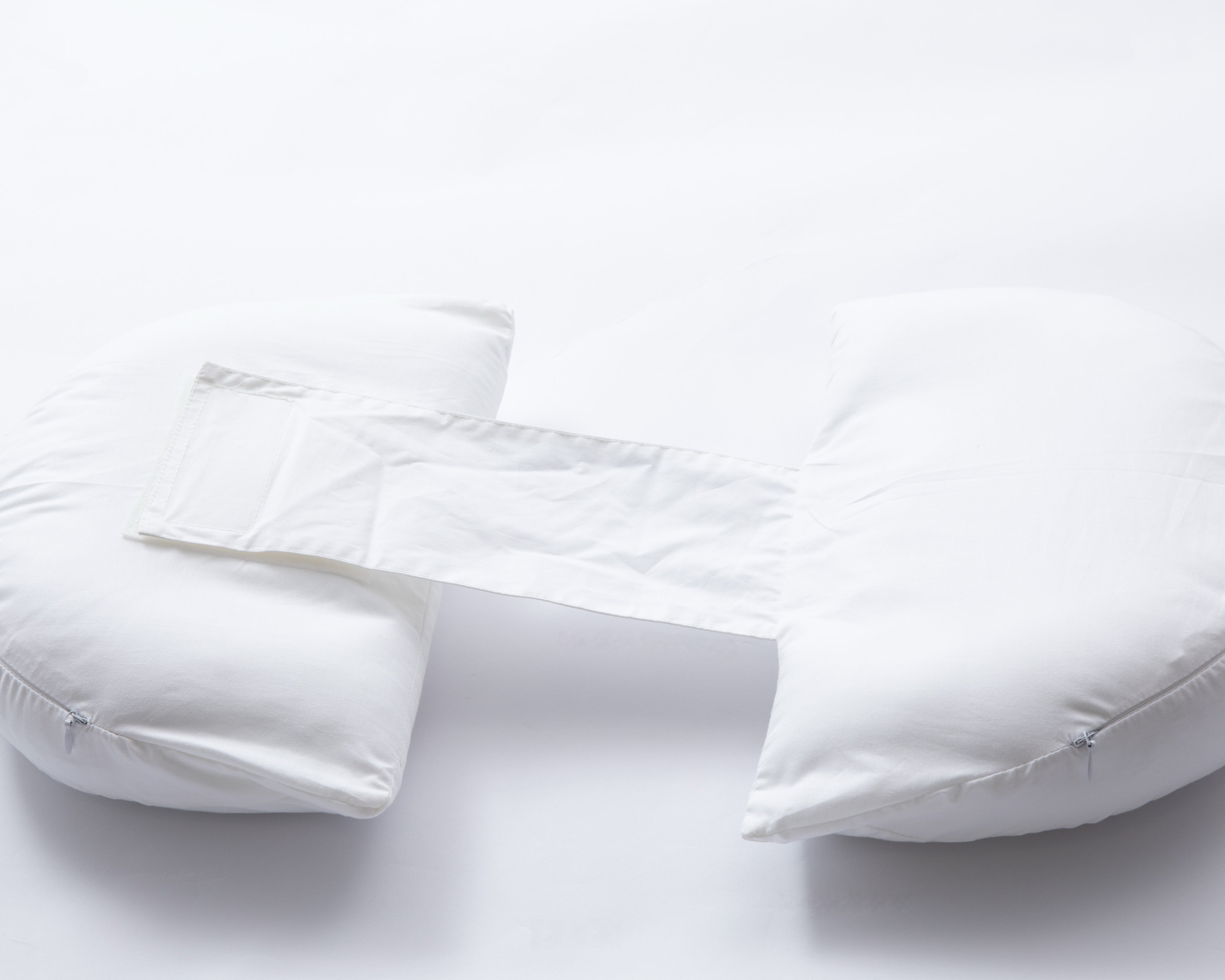
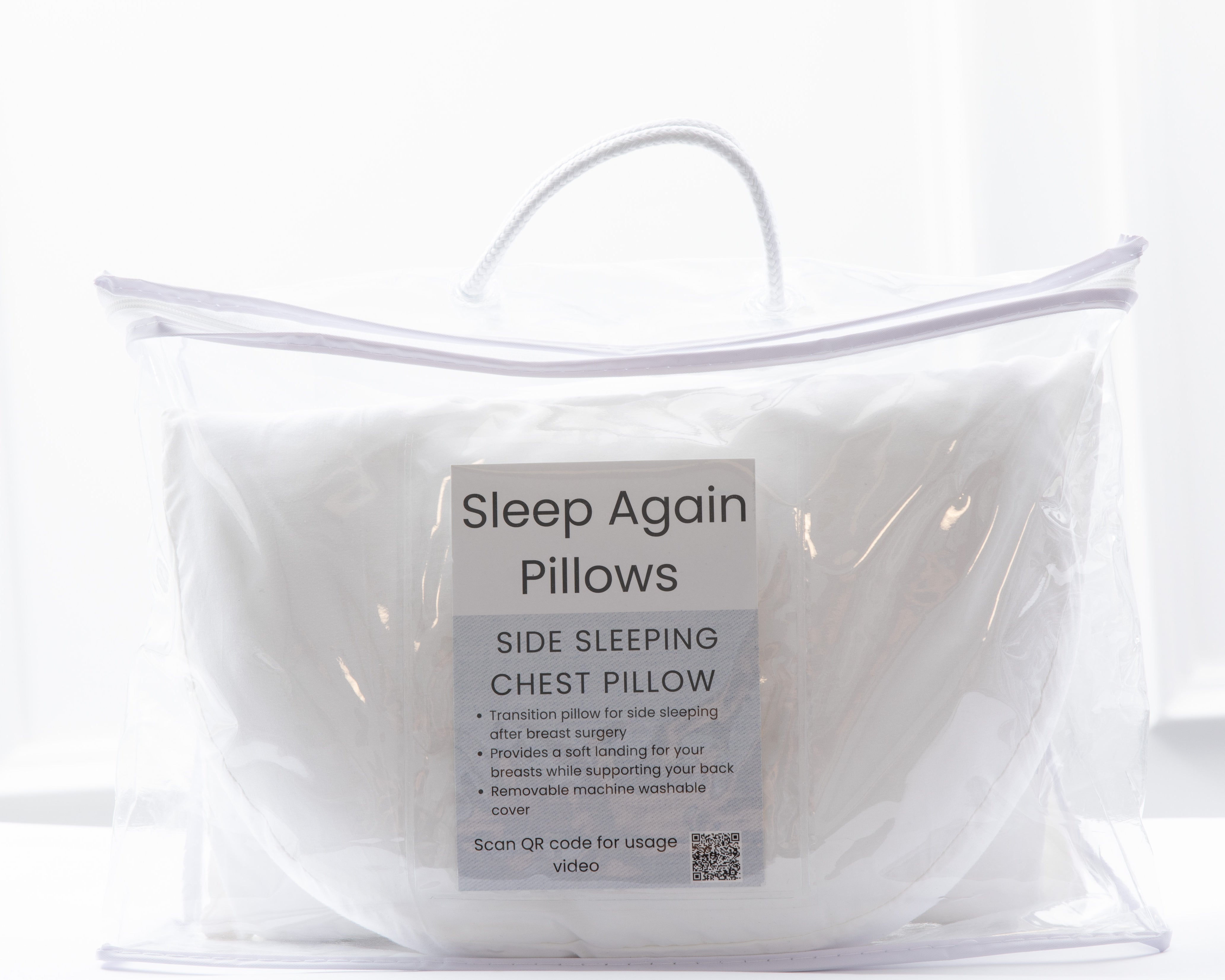
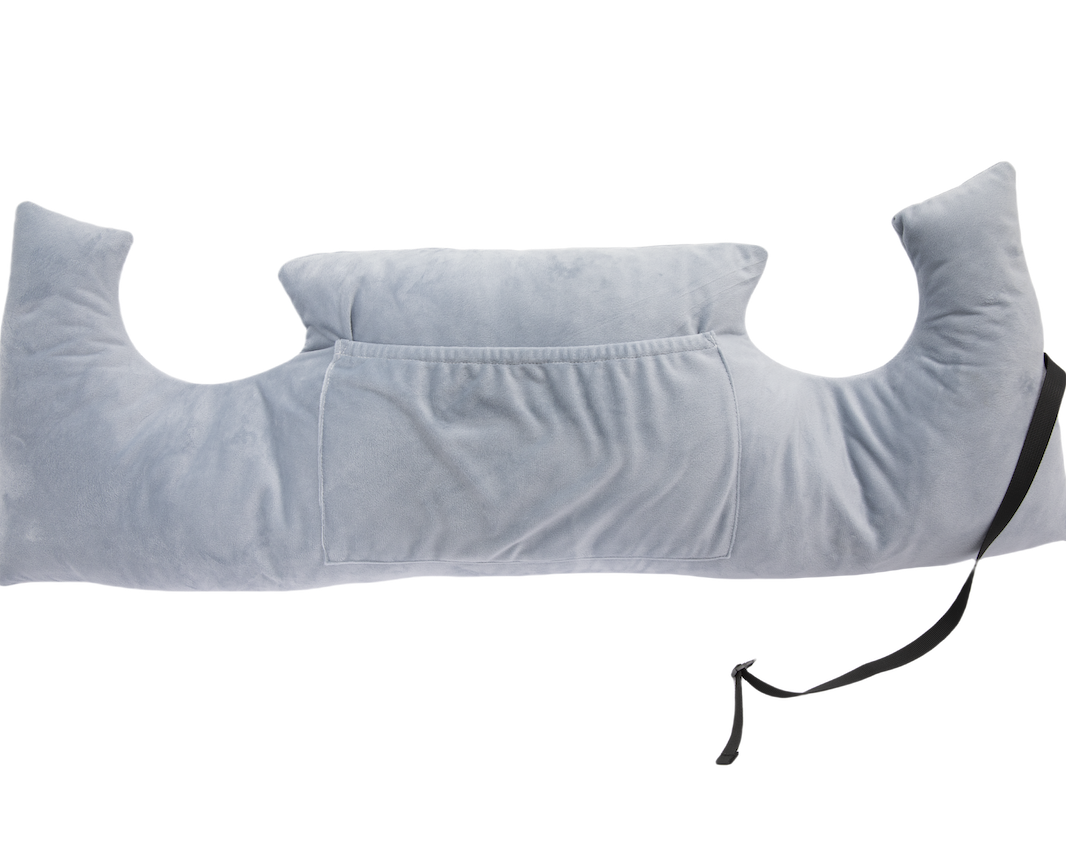
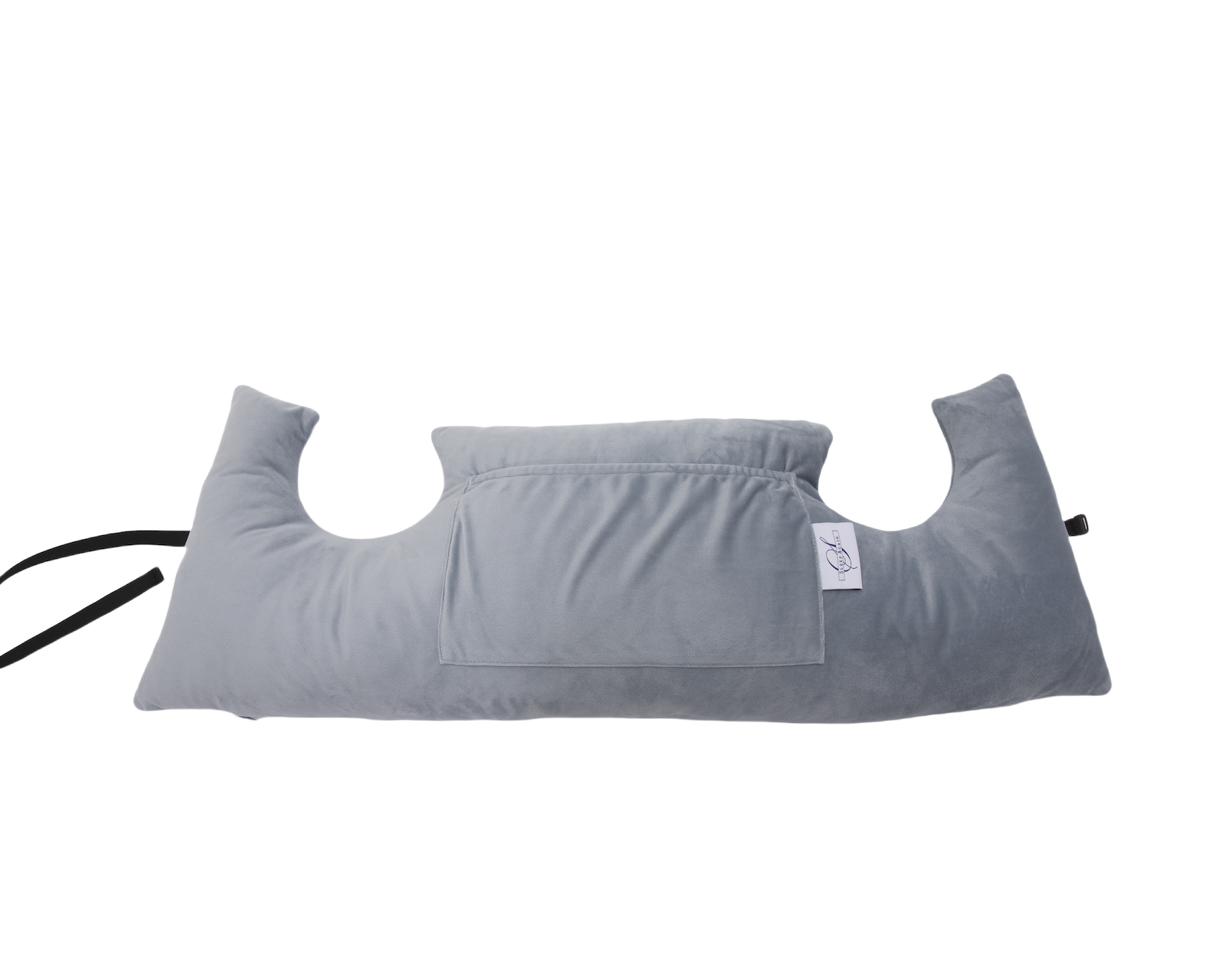
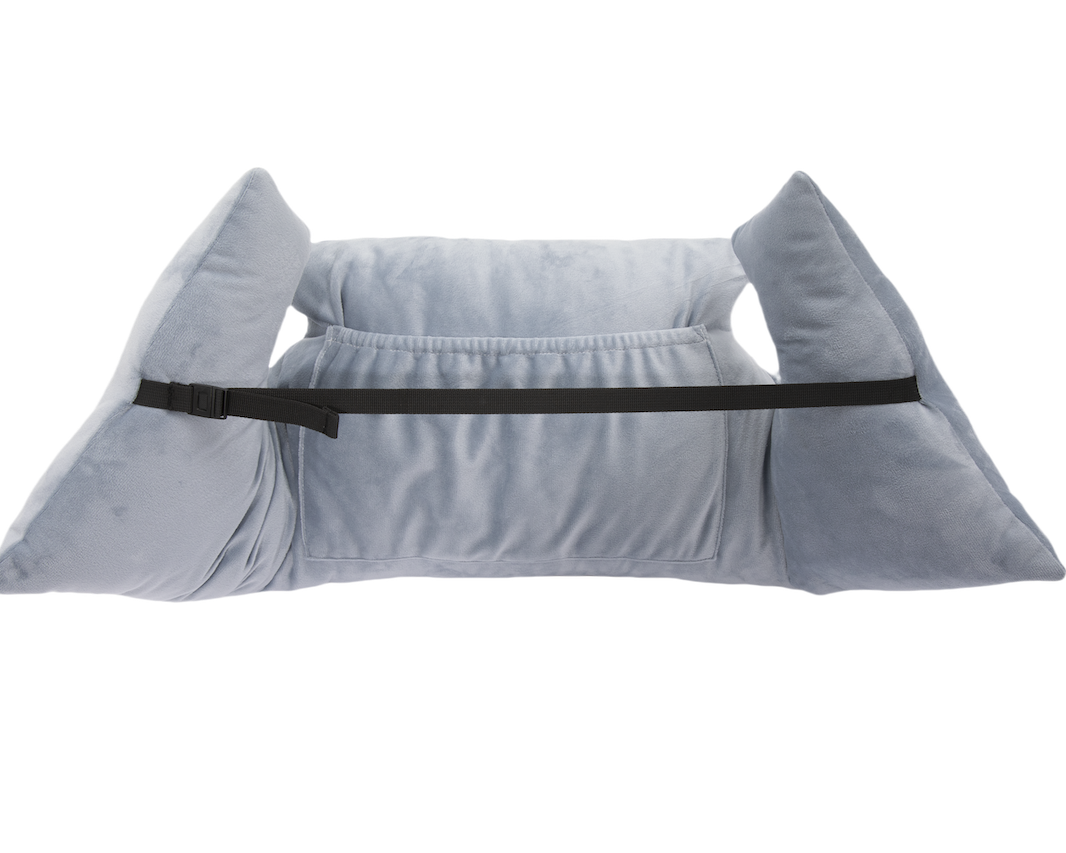
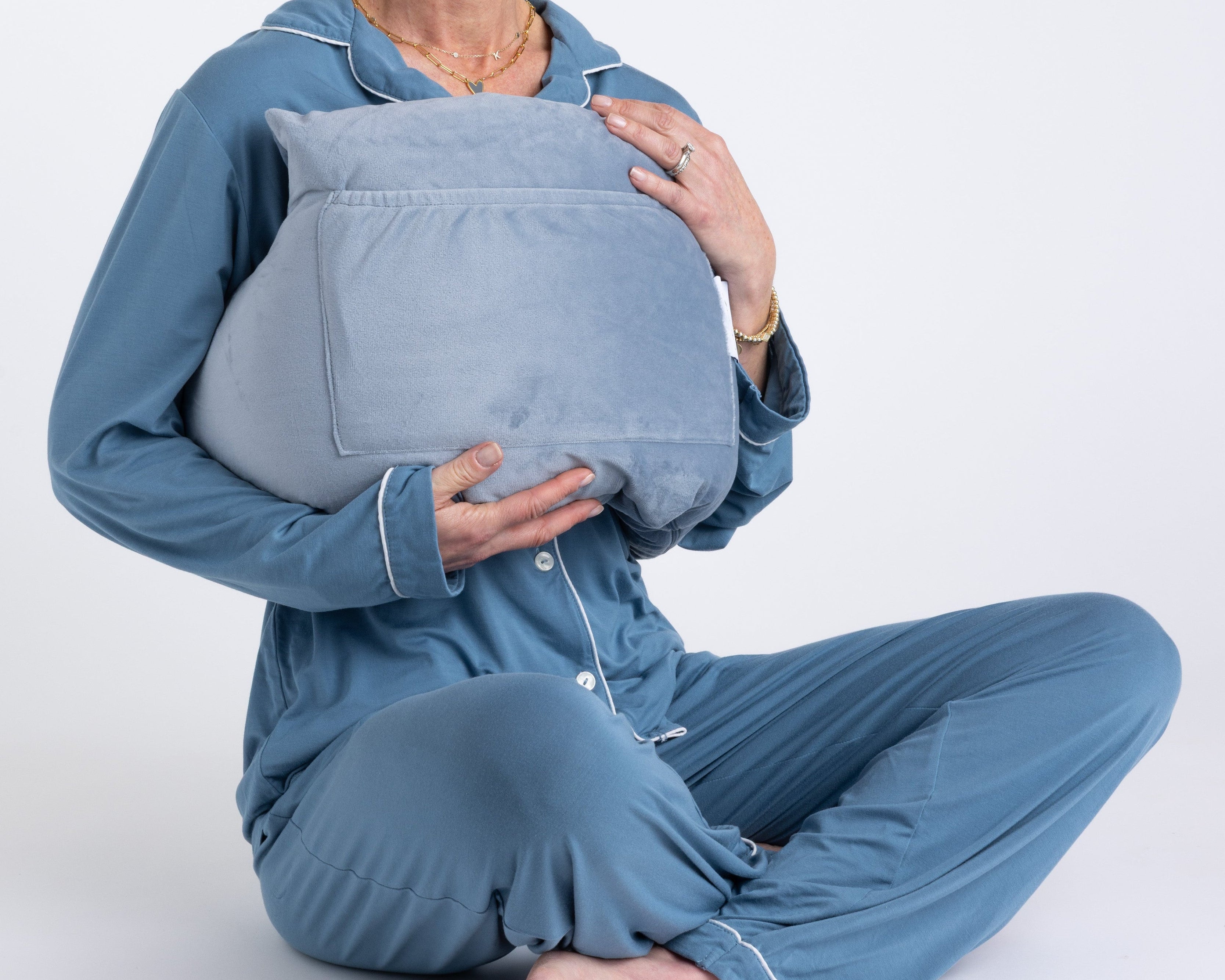
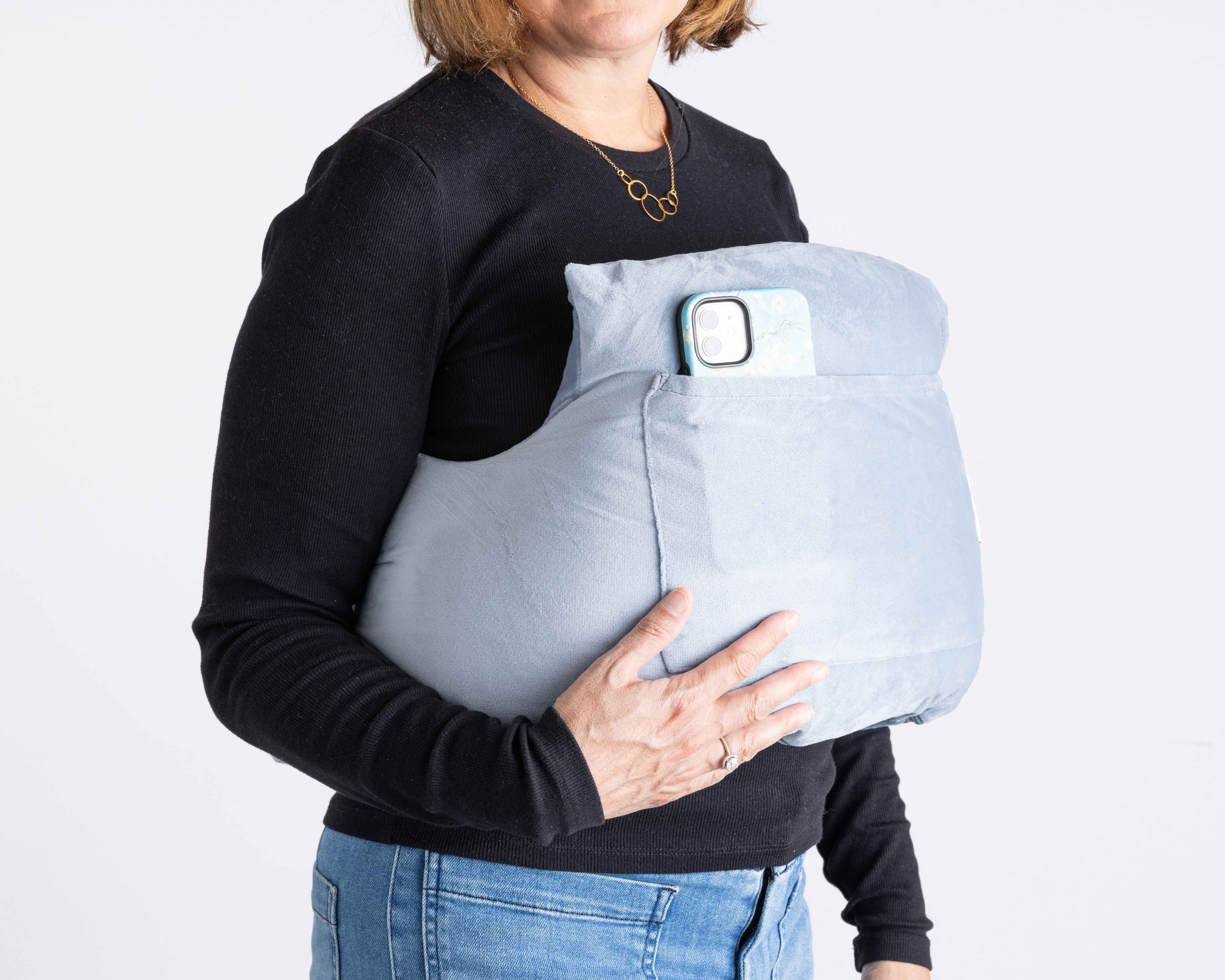
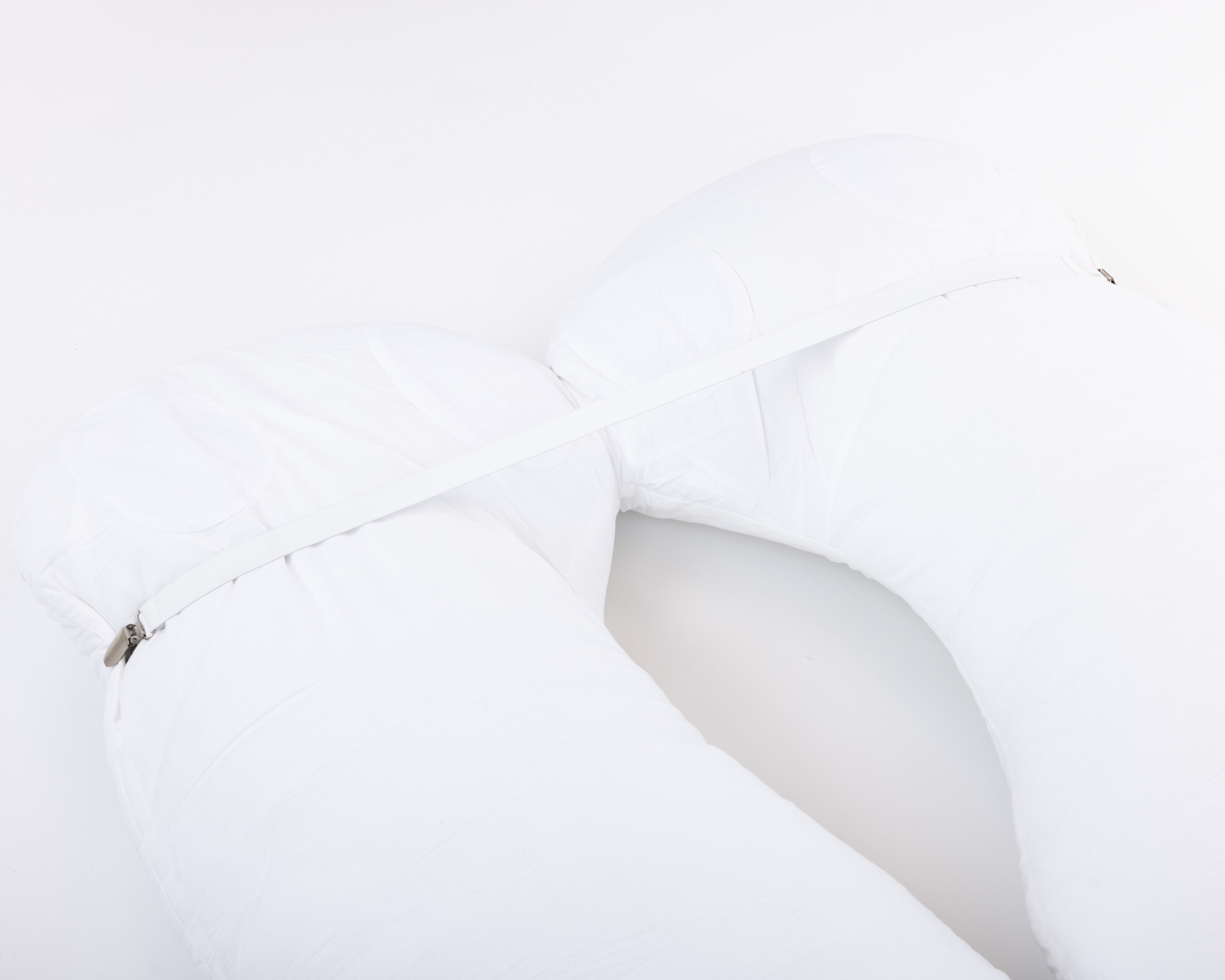
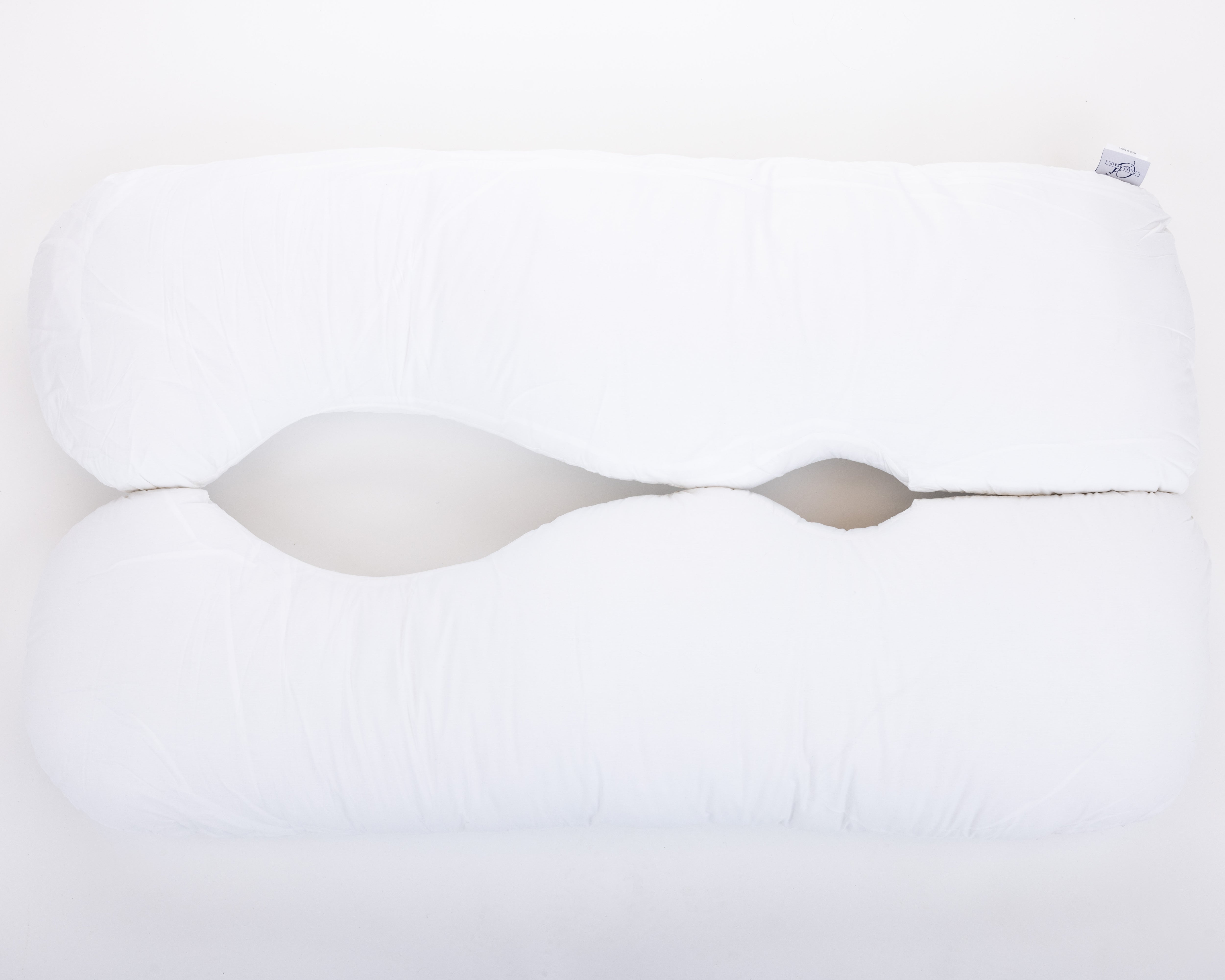
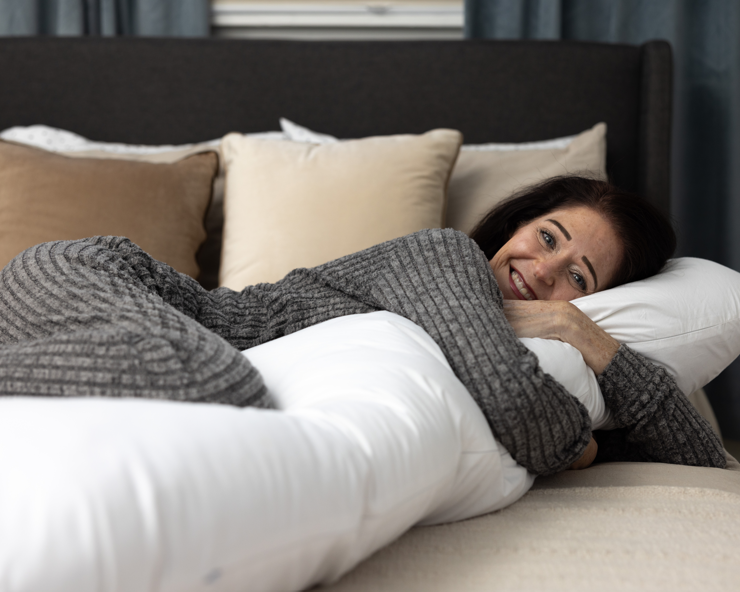
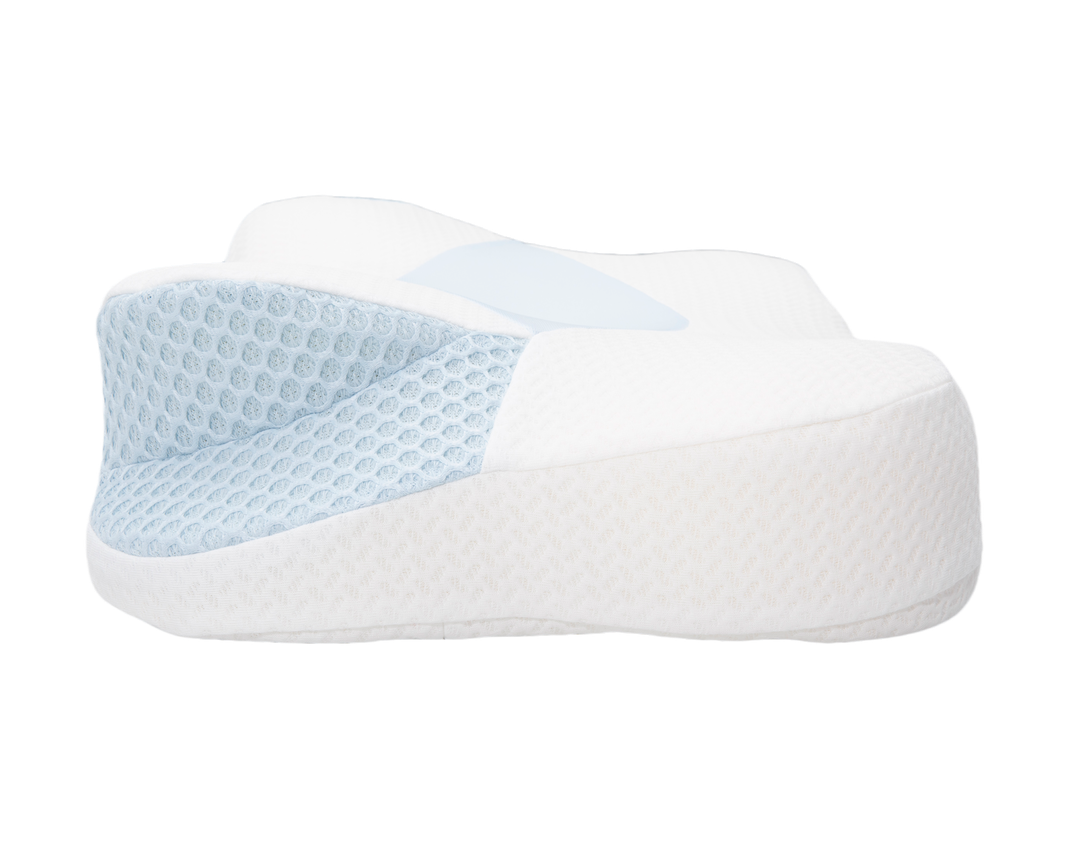
The Sleep Again Pillow System addresses the positioning component of post-surgical sleep comprehensively.
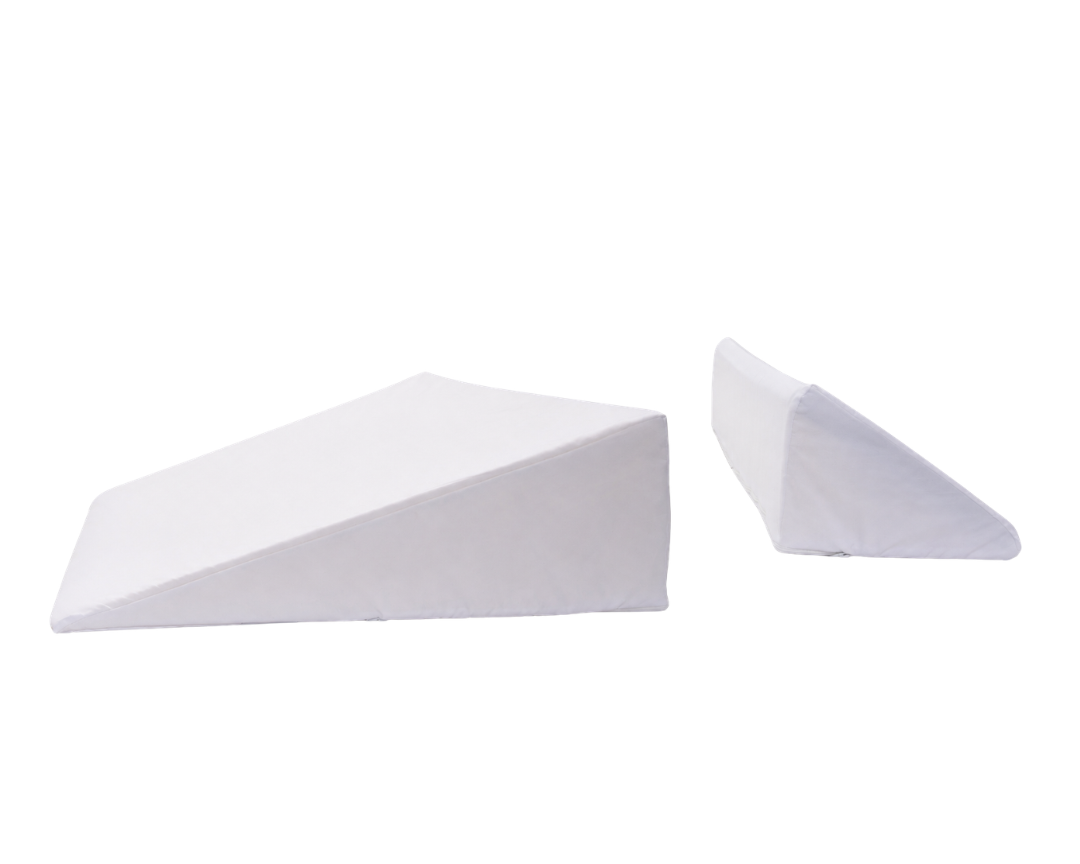
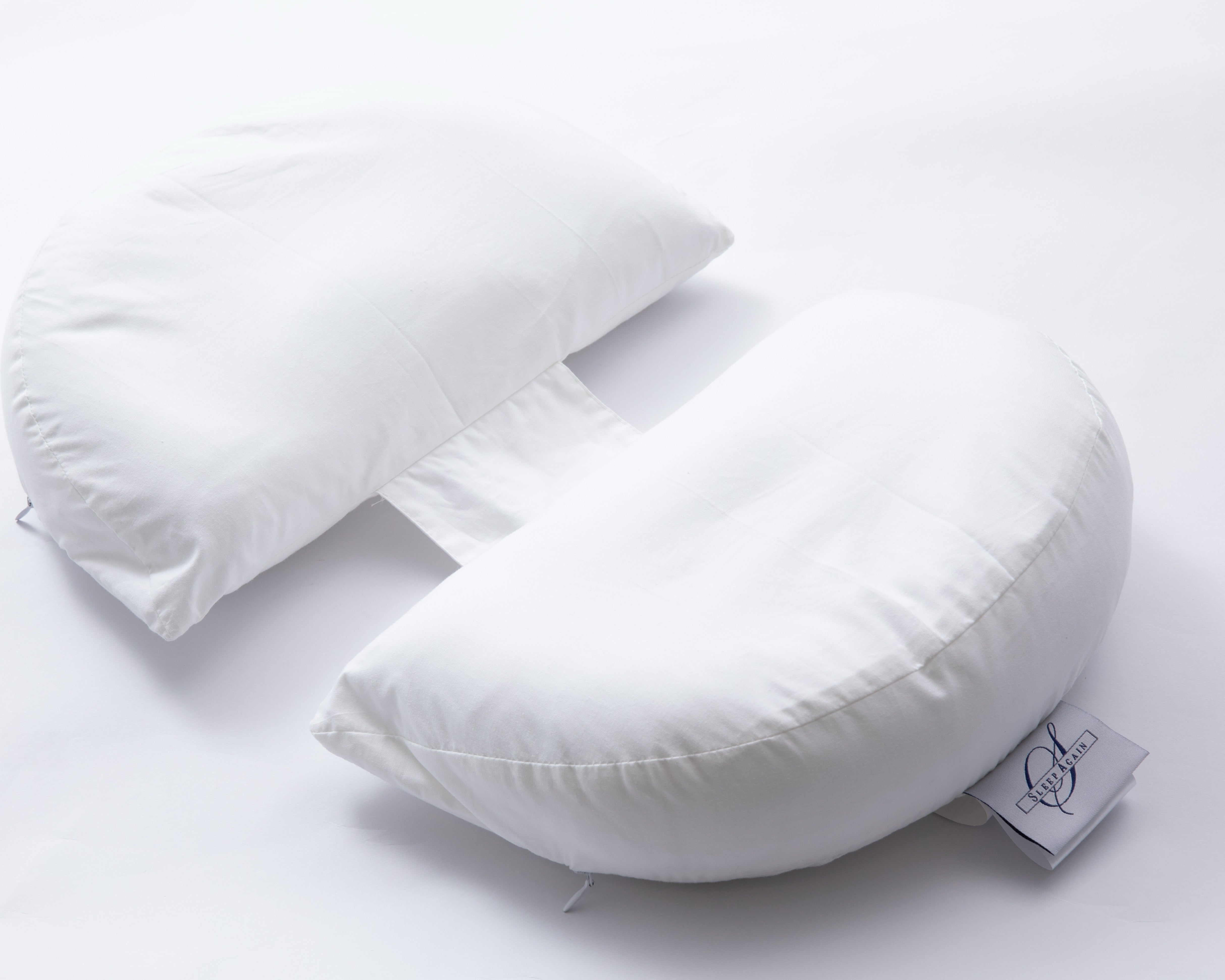
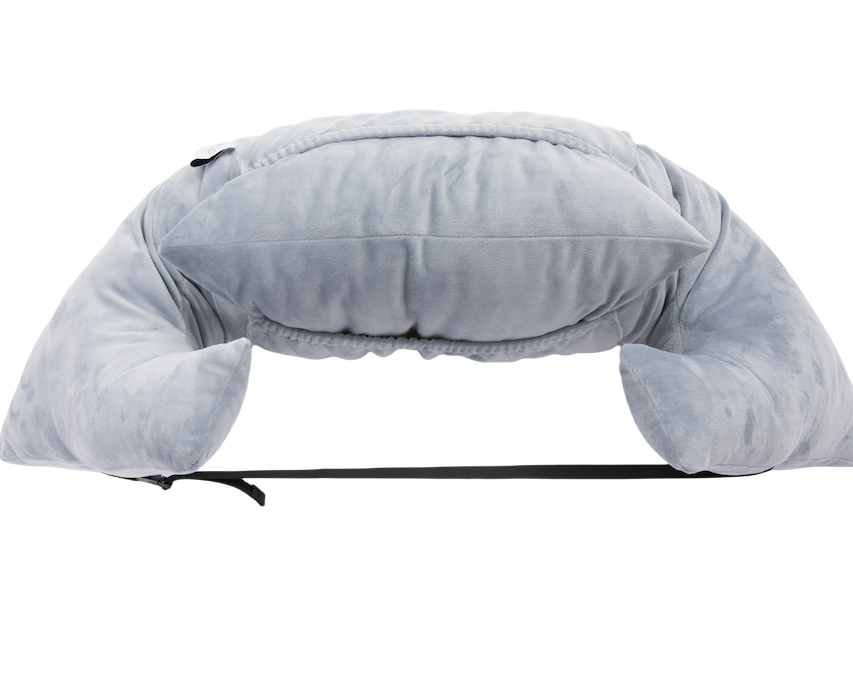
Every Sleep Again Pillow System includes:
-
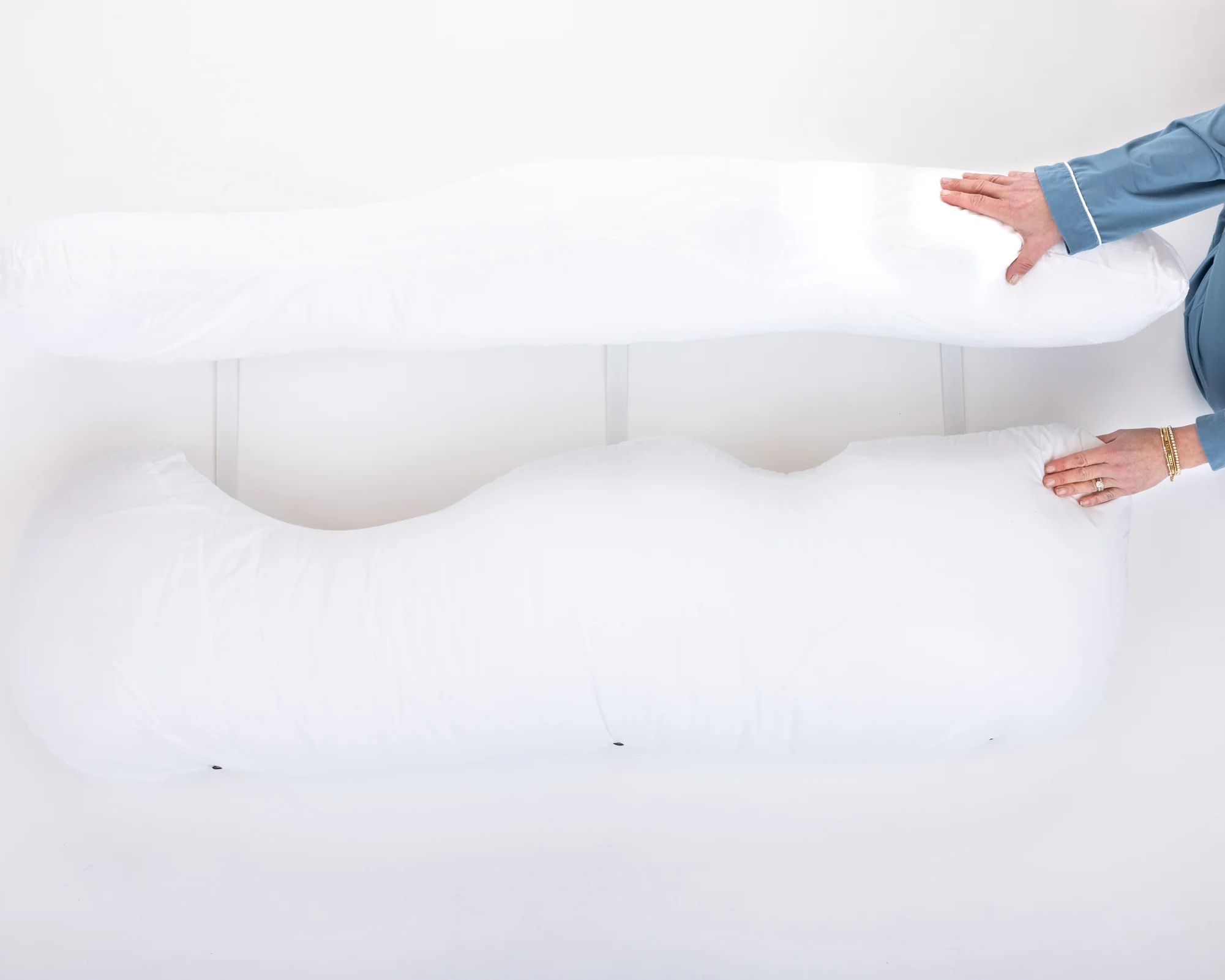
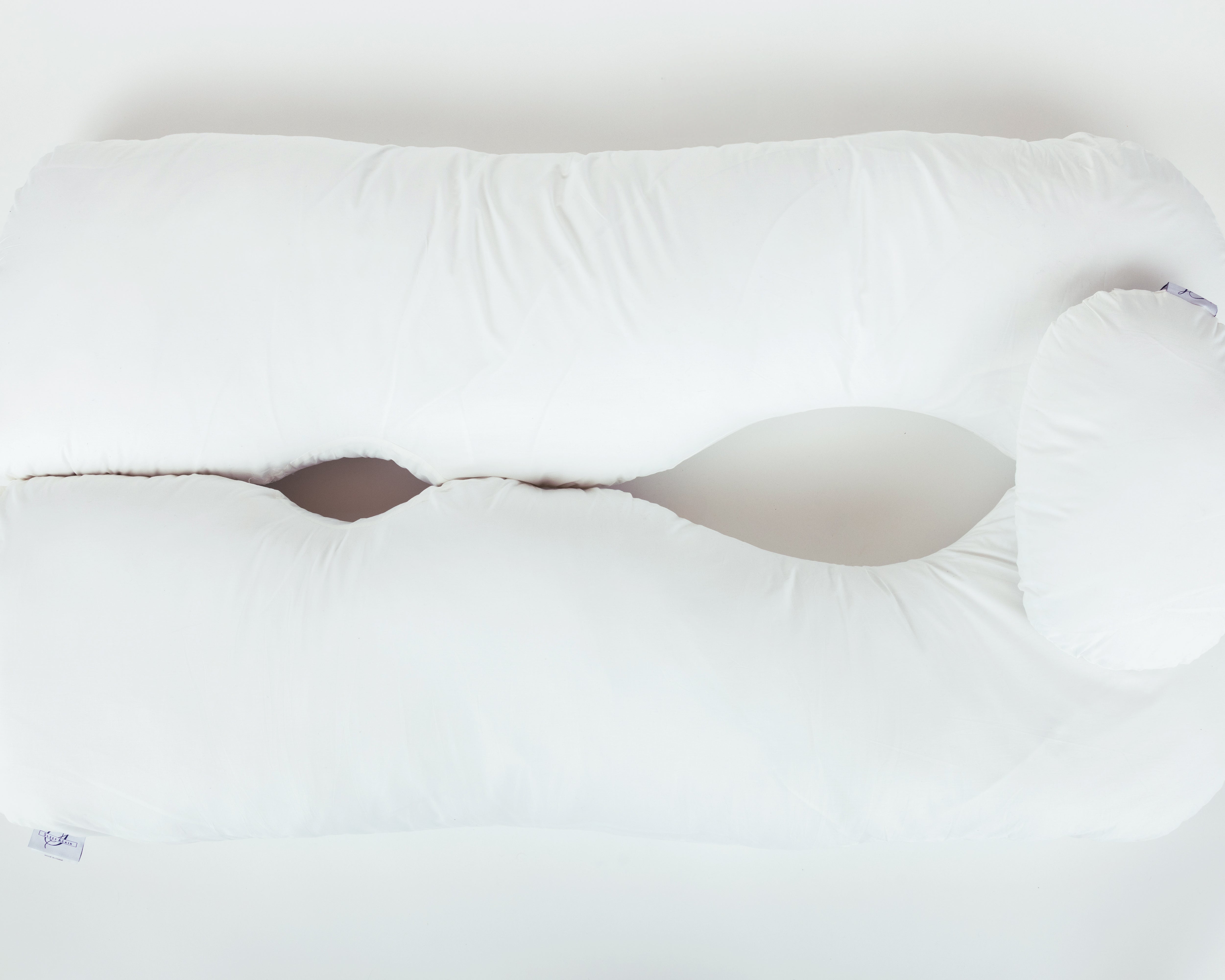
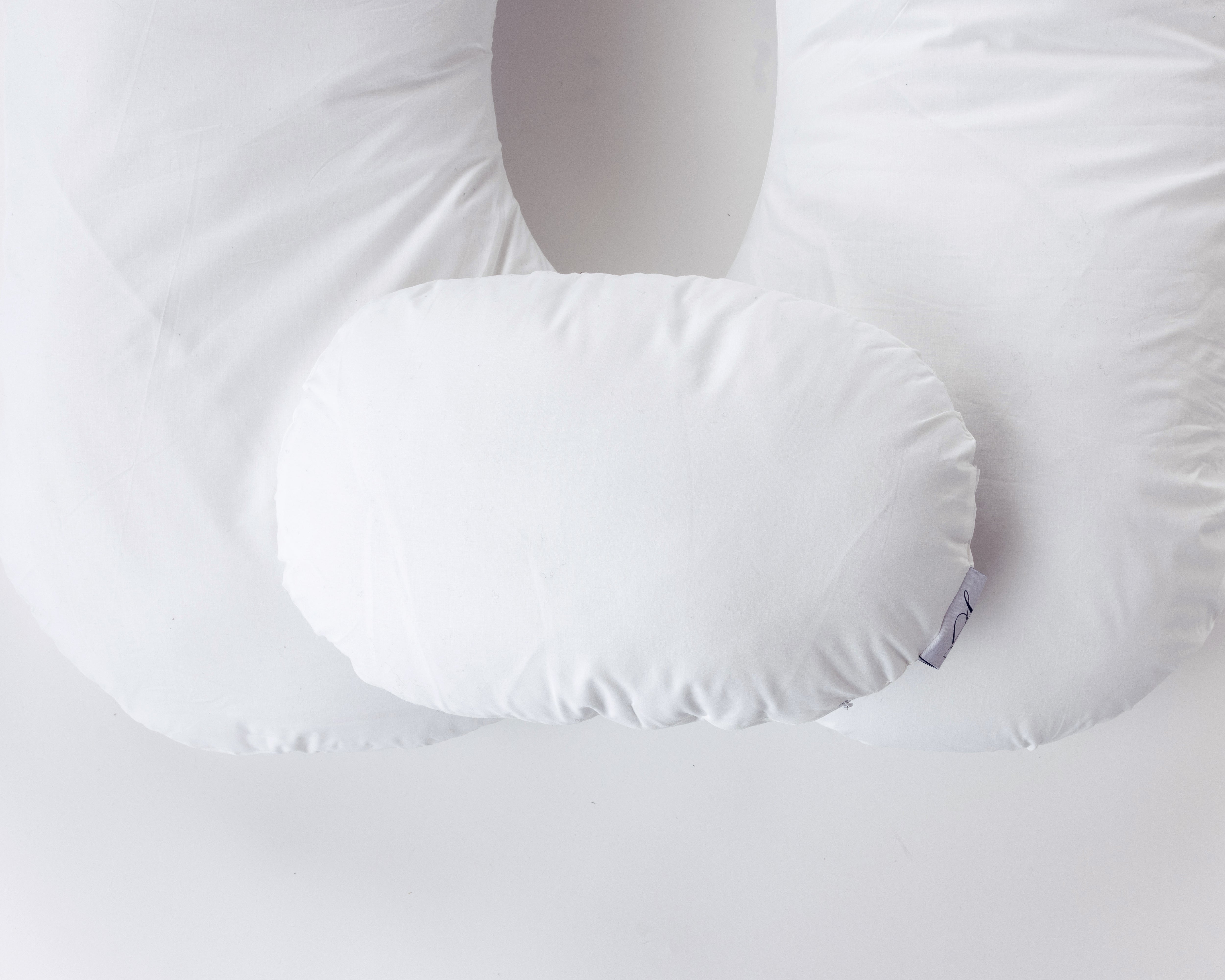
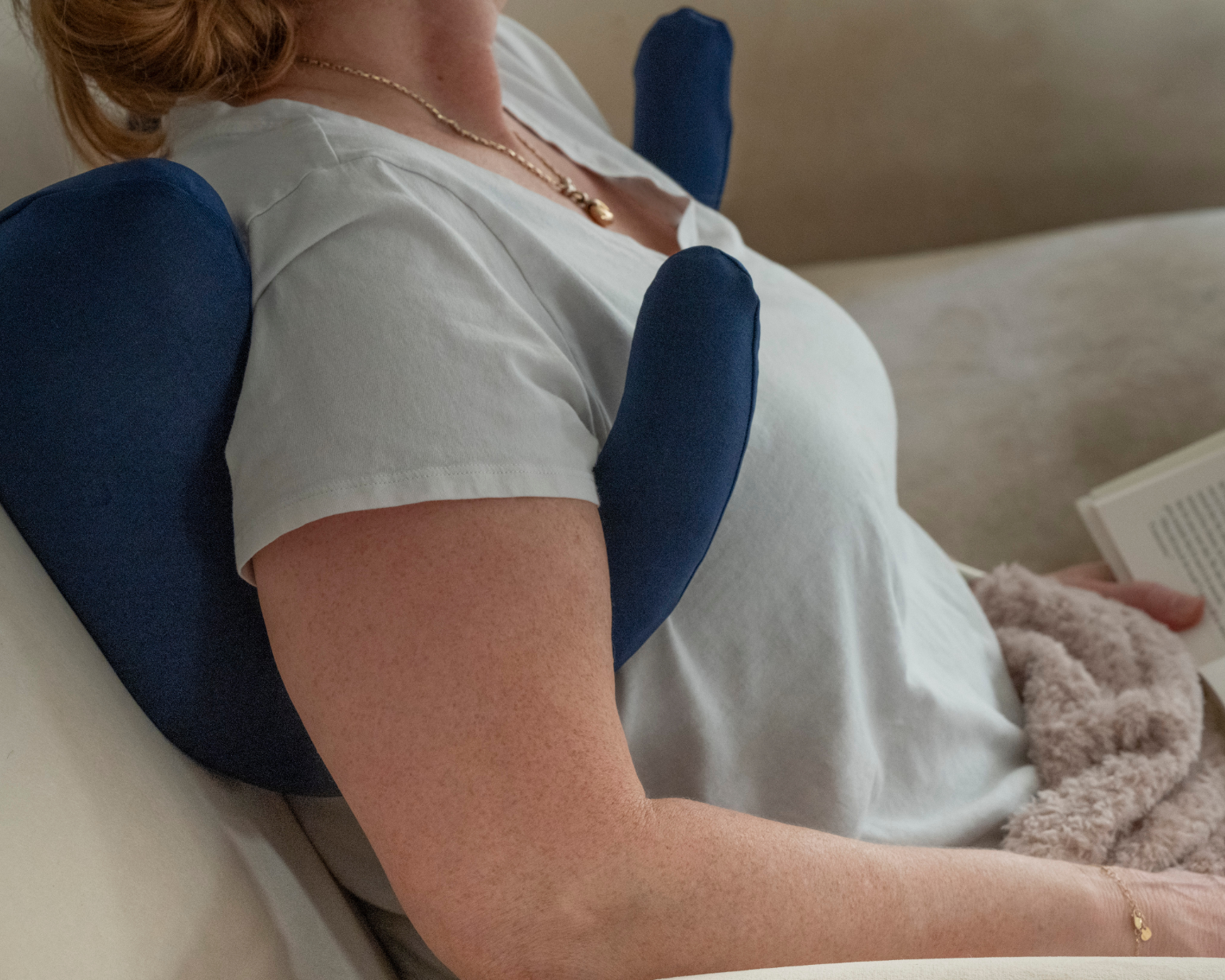
Two Contoured Side Pillows
-
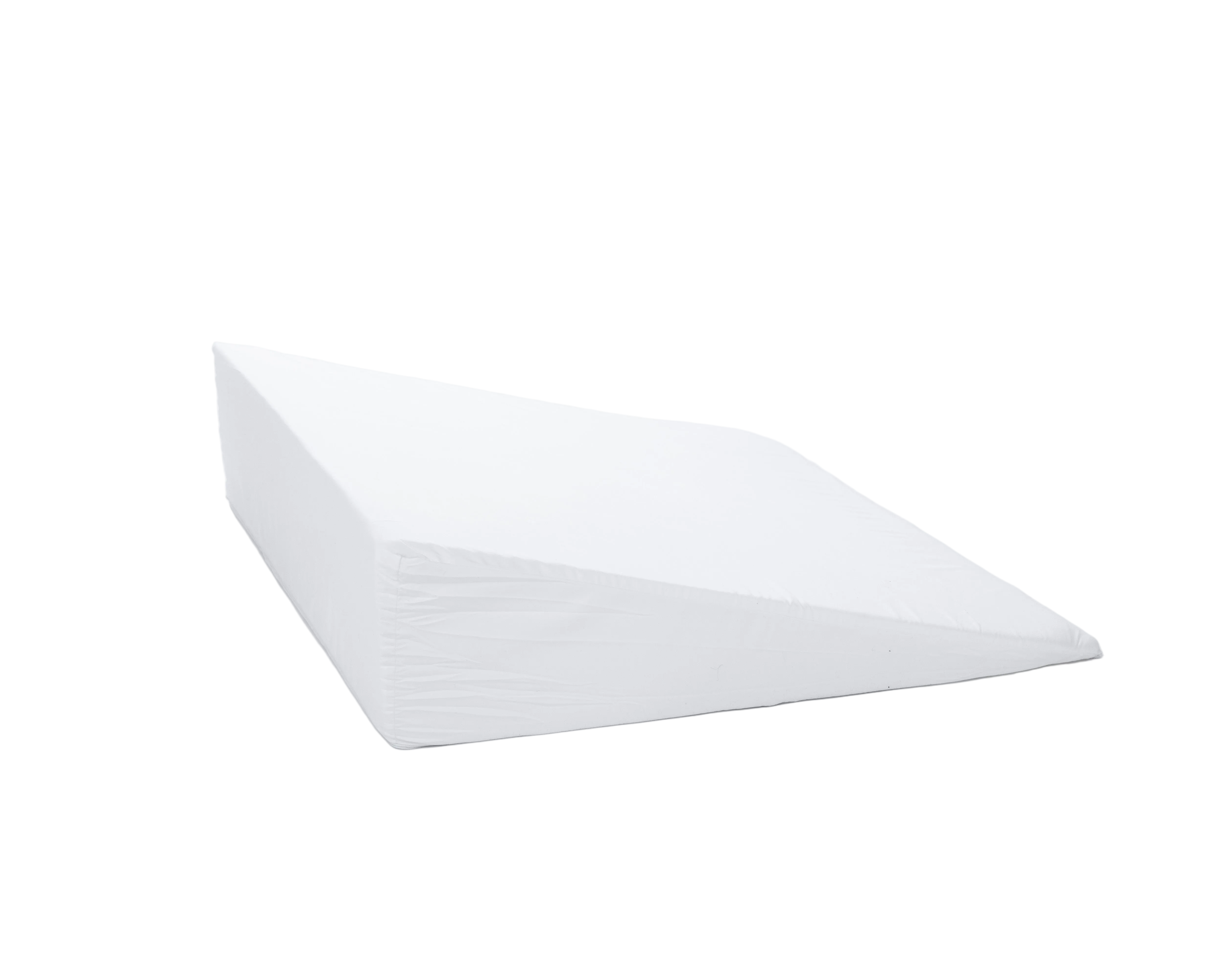
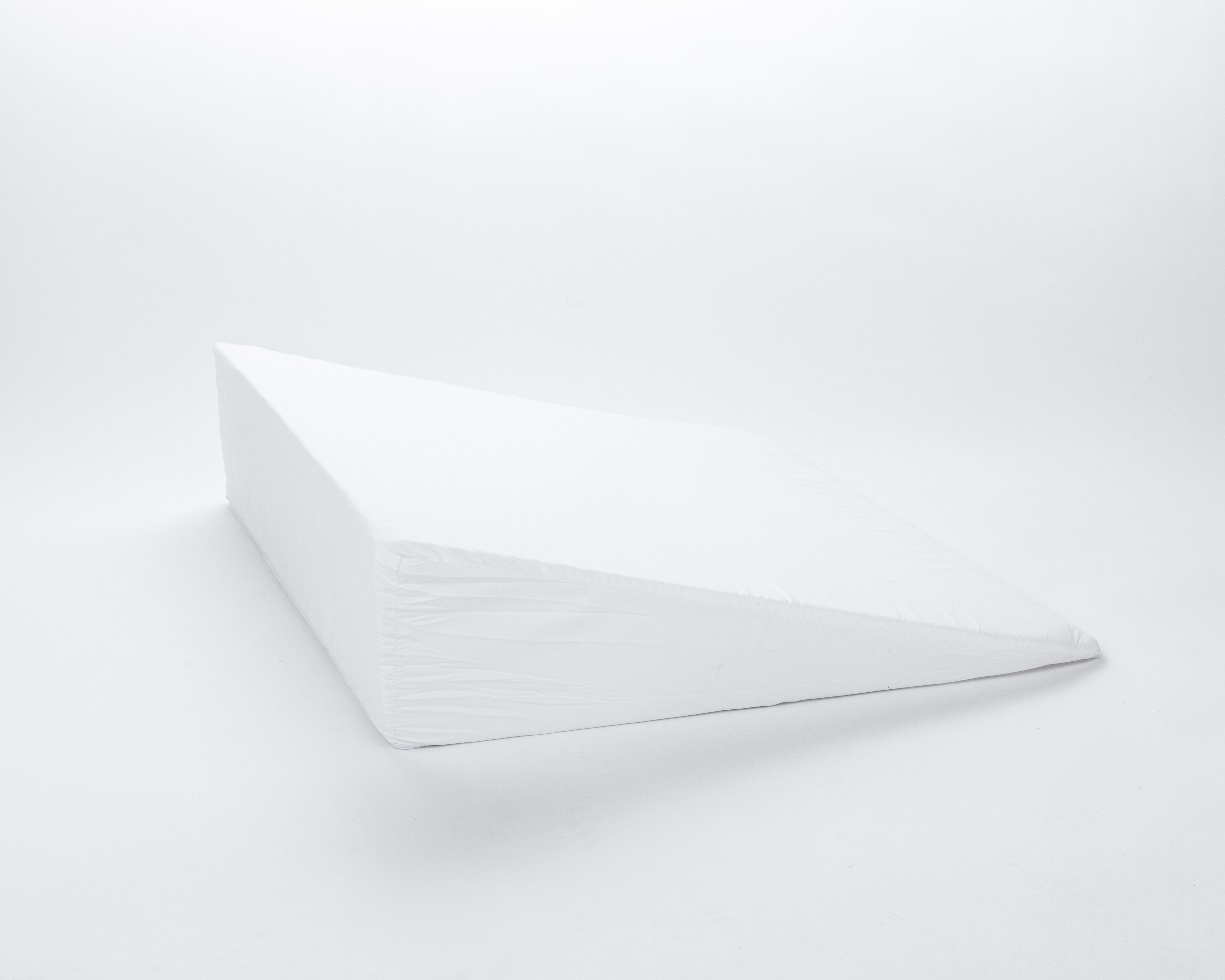
Upper Body Wedge
-
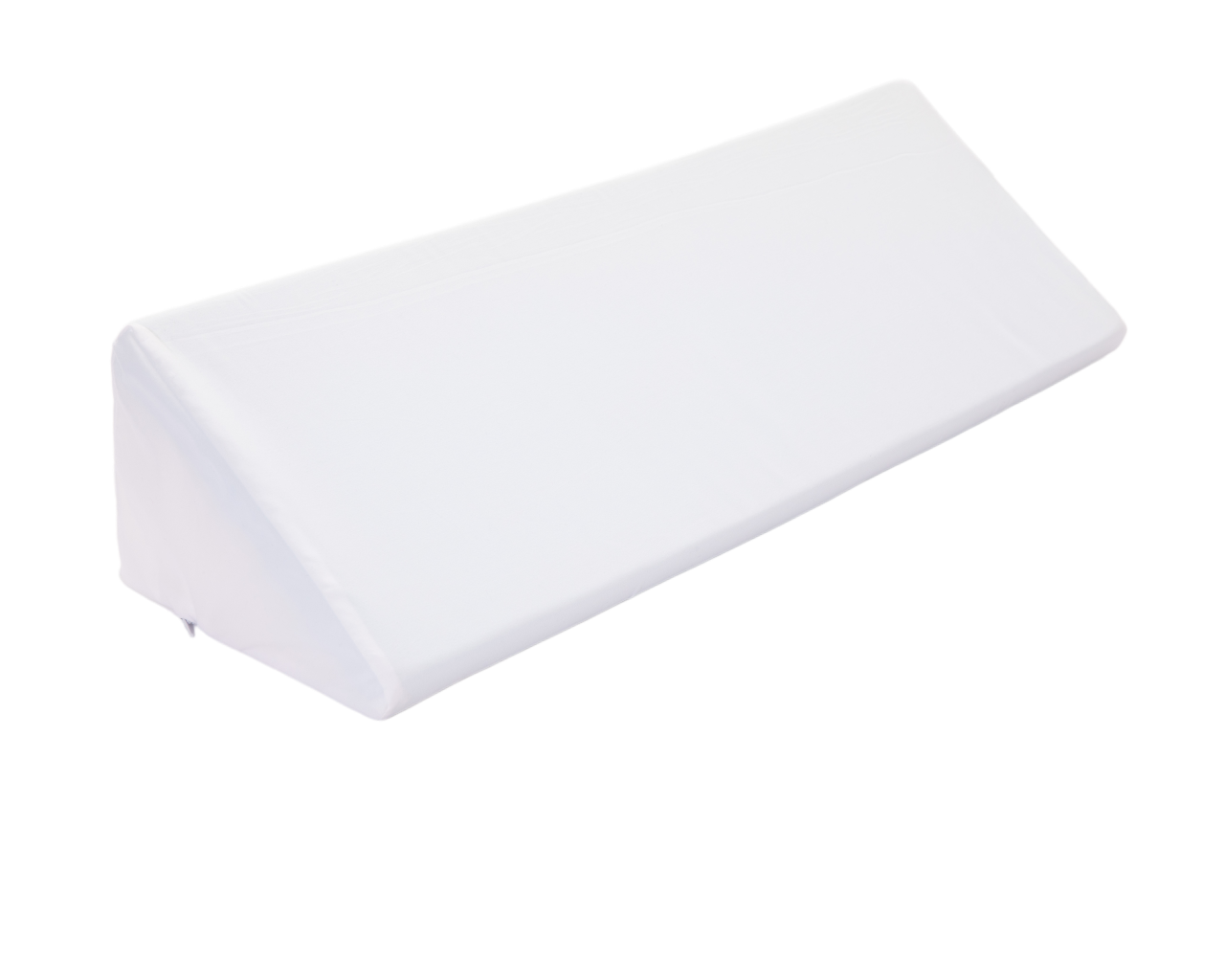
Leg Support Wedge
-
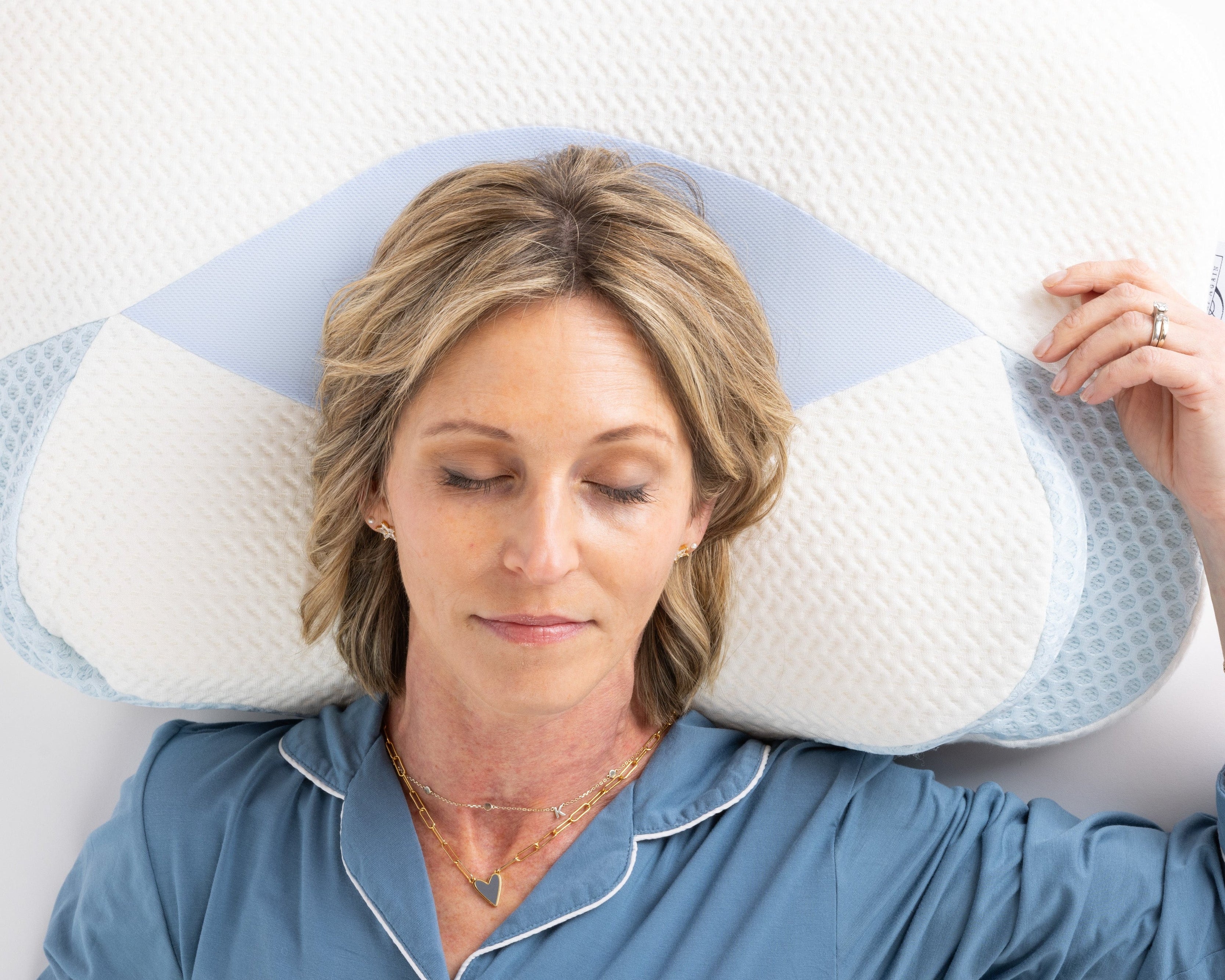
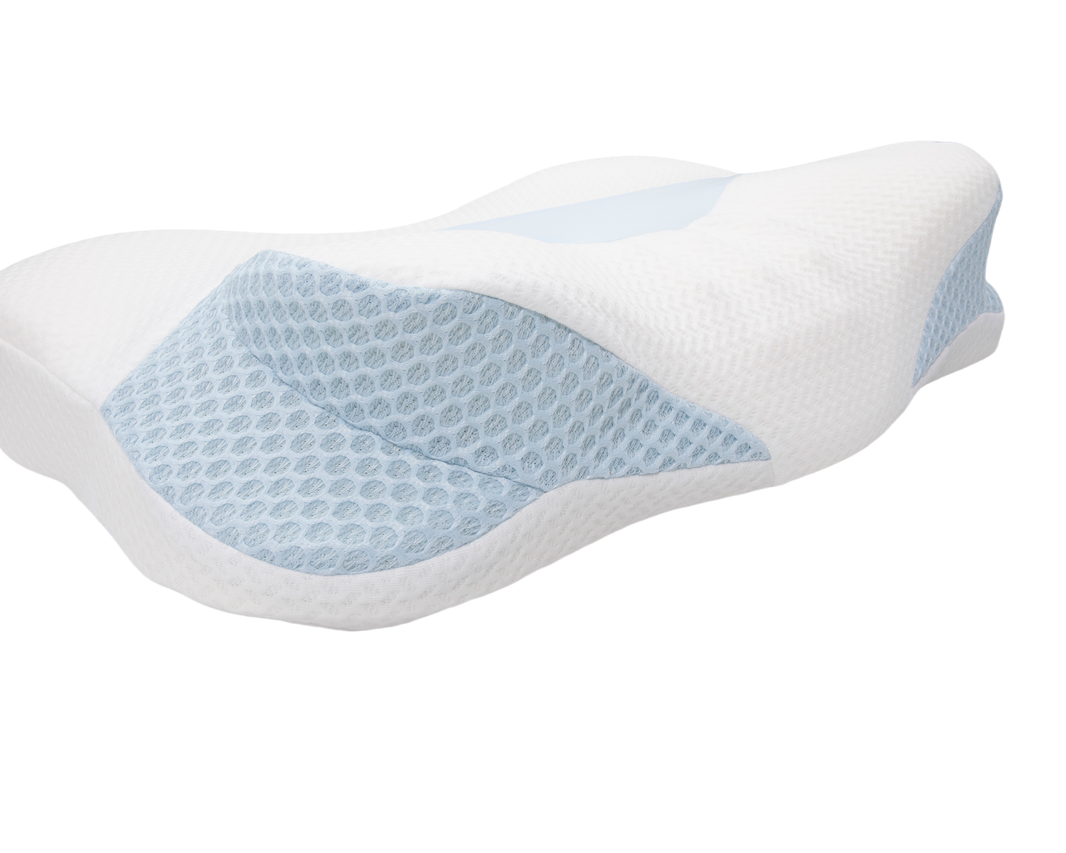
Head Pillow
-
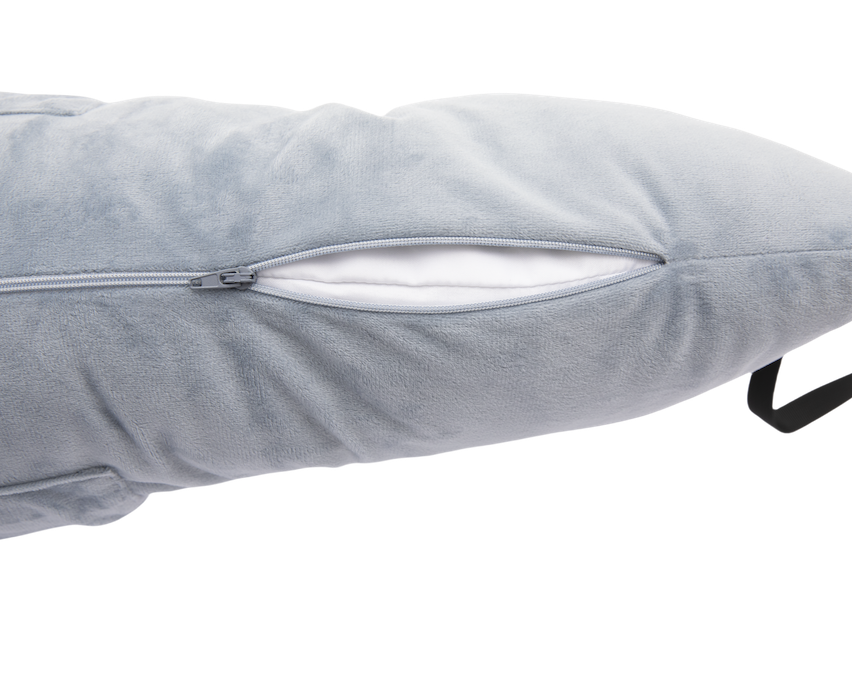
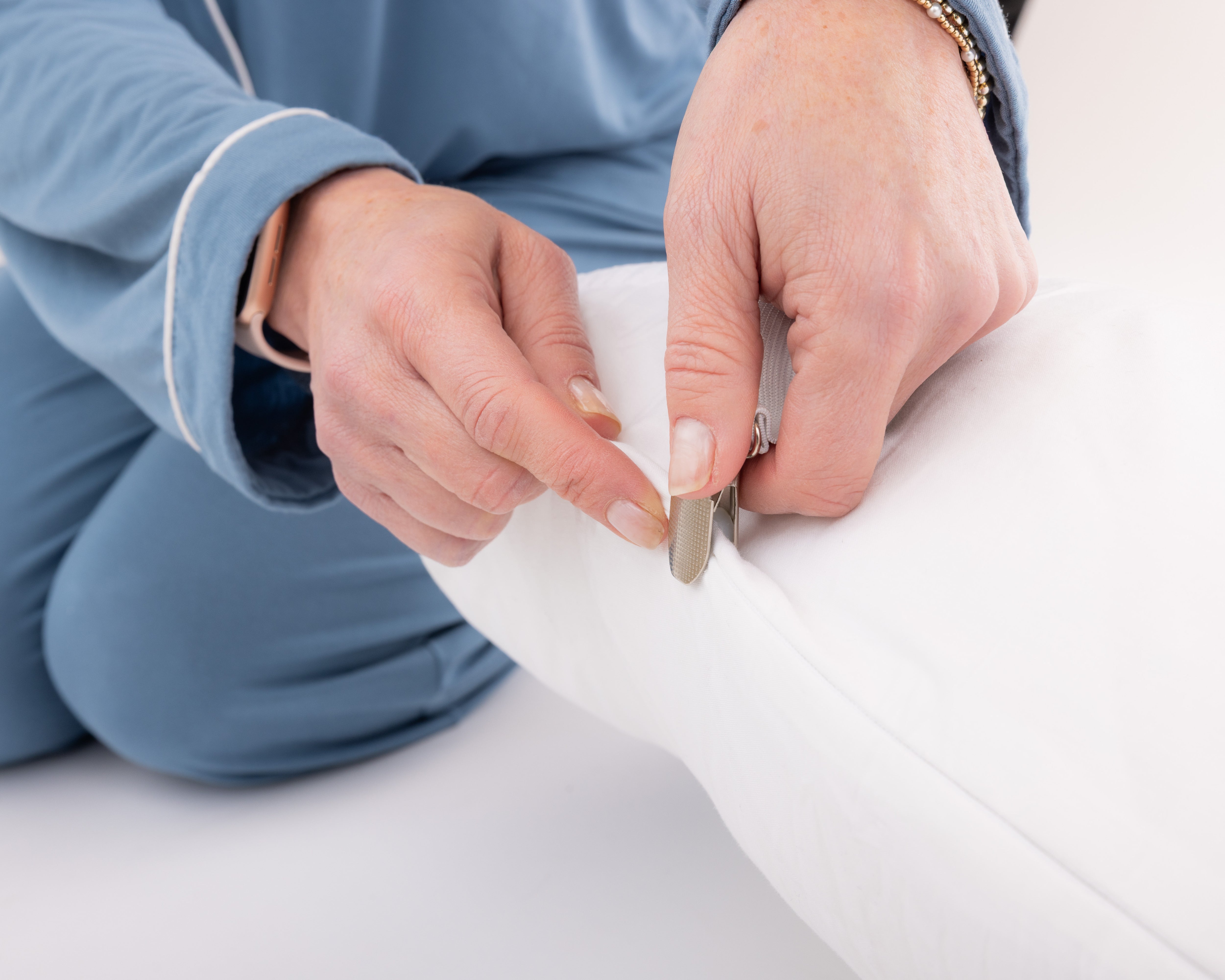
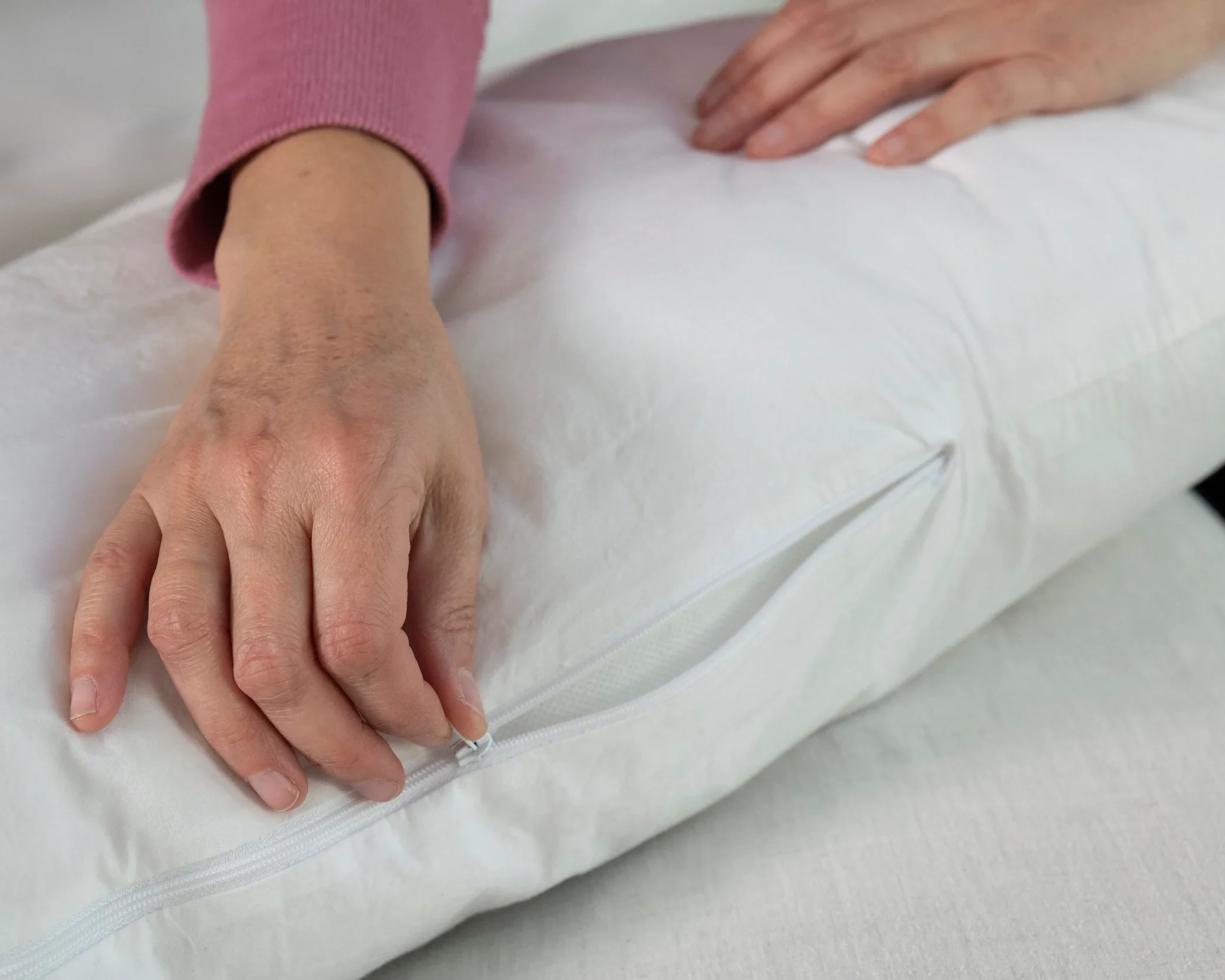
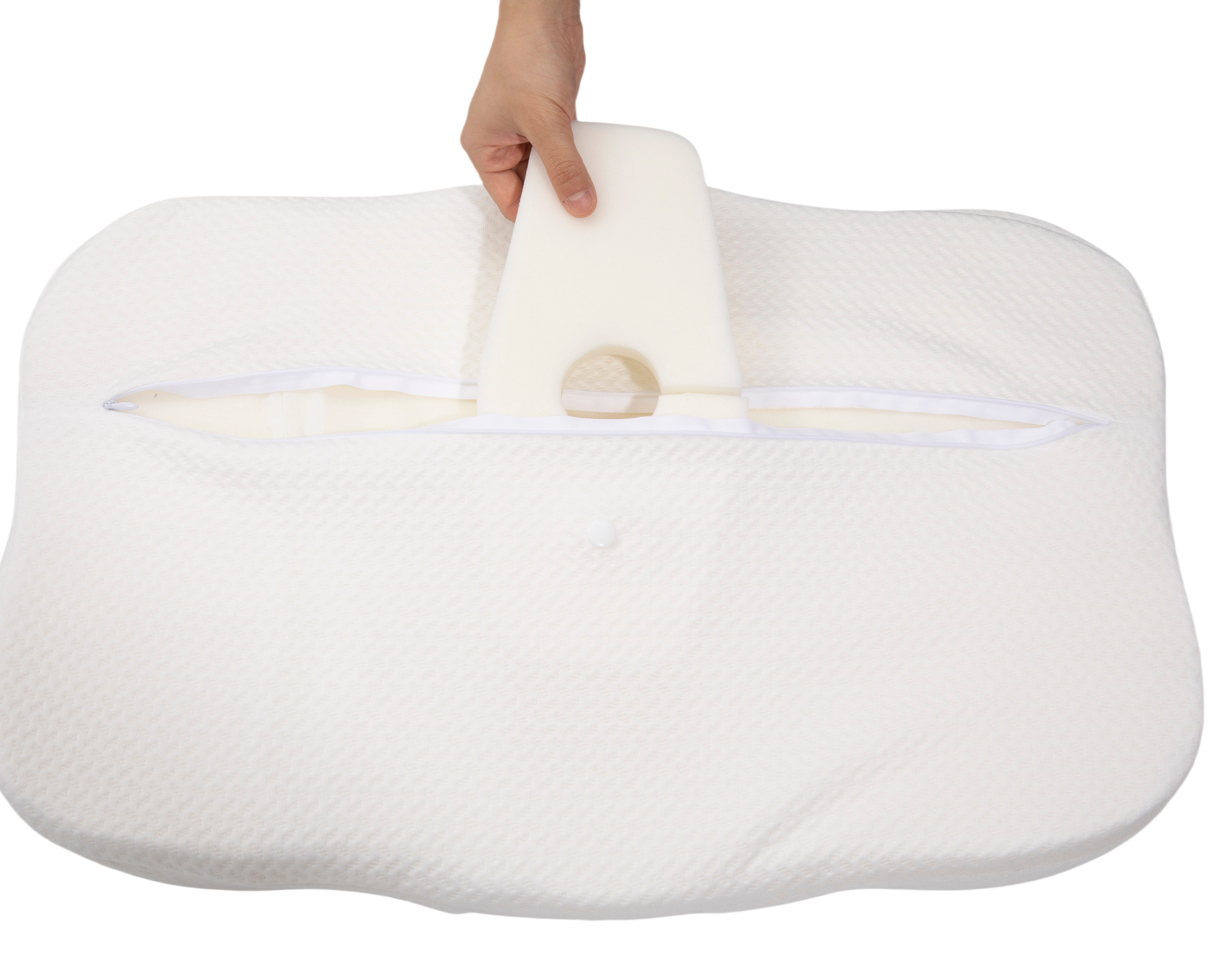
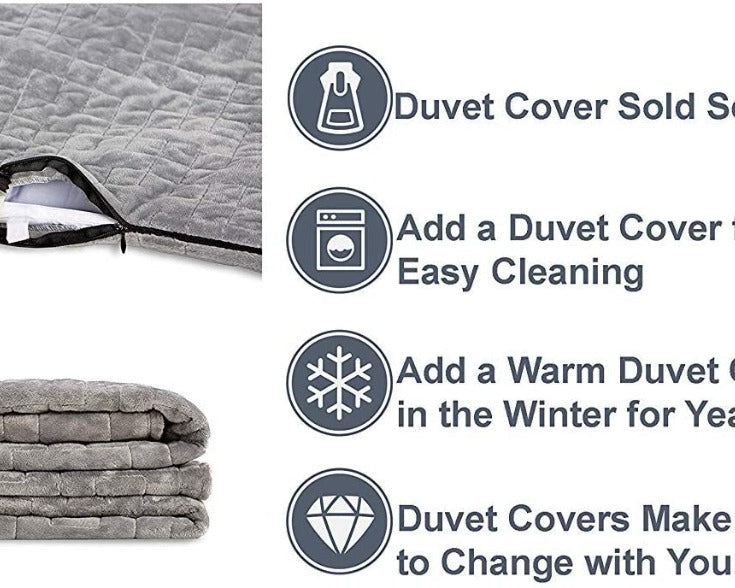
Removable, washable slipcovers for every piece
The removable, washable slipcovers are directly relevant to night sweat management.
Post-surgical patients go through bedding at a significantly higher rate than normal sleepers. A system with washable covers on every component — not just pillowcases — maintains hygiene standards without requiring full equipment replacement after each episode.
The integrated design maintains a 30–45 degree elevation throughout the night. Standard pillows compress and lose elevation within hours; the Sleep Again Pillow System holds its position. Stable elevation means less repositioning, less movement-generated heat, and more continuous rest.
The Sleep Again Pillow System is eligible for purchase using HSA and FSA funds, making it a tax-advantaged option for patients managing both positioning and temperature challenges during recovery.
Please note that due to federal regulations for bedding products, all sales are final and not returnable.
SHOP THE BEST SYSTEM FOR POST-SURGERY NIGHT SWEATS
Does Sleeping Elevated Help Reduce Night Sweats?
Yes — indirectly but meaningfully. Elevated back sleeping at 30–45 degrees reduces localized swelling at surgical sites. Swelling is an active inflammatory process that generates heat. Less swelling means less heat generation at the site, which reduces the total thermal load your hypothalamus is managing overnight.
Elevation also improves venous and lymphatic return, reducing the fluid accumulation that drives post-surgical inflammation, cutting downstream heat production as a secondary effect.
The impact alone is not sufficient to replace direct temperature management strategies, but it is a real contributing factor. Proper elevation, cooling bedding, and environmental temperature management work as a system. Each one amplifies the others.
How Long Do Night Sweats Last After Surgery?
The timeline depends on the type of surgery, contributing causes, and individual healing factors.
Standard post-operative night sweats driven by the inflammatory healing response typically peak in the first one to two weeks and resolve gradually over four to six weeks as healing progresses.
Medication-related sweating follows the medication schedule. As opioids are tapered and antibiotic courses end, drug-driven sweating usually resolves within days of discontinuation.
Hormone-related sweating after procedures affecting ovarian function — including oophorectomy and some breast cancer treatments — may persist for months. This is not a short-term recovery phase; it requires ongoing environmental management.
Treatment-related sweating in breast cancer patients on hormone-suppressing therapies can continue throughout the entire treatment course. For this patient population, night sweats are a sustained side effect of treatment that requires a long-term environmental strategy built to last.
Night sweats persisting beyond six weeks following standard surgery without a clear hormonal or medication cause should be discussed with your medical team rather than managed indefinitely without guidance.
What Should I Do Before Surgery to Prepare for Night Sweats?
Pre-surgical preparation is far more effective than solving the problem during recovery, when physical mobility and cognitive function are both reduced.
Order Sleep Again's Cooling Fitted Sheet with your Sleep Again Pillow System before your procedure and have it on your bed before you come home. A cooling sleep surface should be part of your setup from the first night of recovery — not something introduced after several nights of disrupted sleep have already accumulated.
Set your bedroom thermostat to the 65–68°F recovery target in the days before surgery so the temperature change feels normal rather than abrupt on your first night home. Prepare layered bedding and test the arrangement while you can still move freely. Have breathable sleep clothing accessible without effort.
Discuss medication timing with your surgical team at your pre-operative appointment. That is the easiest moment for the conversation, well before you need the information and are operating at reduced capacity.
Patients who set up their recovery sleep environment before surgery consistently report better first-week sleep quality, less frustration navigating the disruptions of early recovery, and greater confidence managing a process that involves many simultaneous demands. Every accommodation in place before your procedure is one less problem to solve while managing pain, restricted mobility, and post-operative fatigue simultaneously.
FAQs About Night Sweats After Surgery
Is it normal to have night sweats after surgery without any fever?
Yes. Post-surgical night sweats regularly occur without fever as a result of the inflammatory response, anesthesia disruption, cortisol fluctuations, and medication effects. The absence of fever does not make sweating abnormal. It is a common feature of normal recovery that can persist for several weeks even when healing is progressing exactly as expected. Fever is one possible cause of post-surgical sweating, but it is far from the only one.
Do night sweats after surgery affect the healing process?
Sleep disruption from night sweats has real downstream effects on recovery. Tissue repair occurs primarily during deep sleep. Repeated sweating-related awakenings fragment sleep architecture, reducing total time in restorative sleep phases. Patients who sleep poorly during recovery consistently show slower wound healing, increased inflammation markers, and higher pain levels than those who achieve consistent rest. Addressing night sweats effectively is a healing quality issue, not merely a comfort one.
Does the Sleep Again Cooling Fitted Sheet work with the Sleep Again Pillow System?
Yes. The cooling fitted sheet fits over the Sleep Again Pillow System components, functioning as part of an integrated recovery sleep setup. Patients managing both night sweats and surgical positioning do not need separate solutions for each.
Setting Yourself Up for Cooler, Drier, Better Recovery Sleep
Post-surgical night sweats are predictable, well-understood, and manageable. The foundation is environmental: a cooler room, moisture-managing bedding, and removable layers.
The Sleep Again Cooling Fitted Sheet addresses the single highest-impact variable — the sleep surface itself — with fabric engineered to move heat and moisture away from the body throughout the night, not just until the first sweating episode saturates standard cotton.
Combined with proper surgical positioning through the Sleep Again Pillow System, the result is a sleep environment that actively supports recovery rather than compounding its most disruptive side effects. Washable covers on every positioning component mean hygiene stays manageable through extended elevated-sweating periods.
Set up your cooling environment before surgery. Implement every strategy from night one. And contact your surgical team if sweating worsens rather than improves over time. That call is always the right one.
Important Medical Disclaimer
The information provided on this page is for educational purposes only and should not replace professional medical advice from your healthcare provider. Sleep Again Pillows are positioning support products designed to help maintain sleep positions recommended by medical professionals during recovery and for therapeutic use.
Always follow your surgeon's or physician's specific post-operative instructions and positioning requirements. Medical guidance from your healthcare team takes precedence over any general information provided here. Recovery timelines, positioning angles, and product suitability vary based on individual surgical procedures, medical conditions, and patient-specific factors.
Consult your healthcare provider before purchasing positioning equipment if you have specific medical concerns or questions about whether these products are appropriate for your recovery or medical condition(s). Your medical team can provide personalized recommendations based on your unique situation.
Sleep Again Pillows do not diagnose, treat, cure, or prevent any medical condition. These products provide positioning support to help maintain sleep angles and positions as directed by your healthcare provider.