
If you are researching a panniculectomy, you are already thinking ahead, and that is exactly the right instinct. Most patients prepare carefully for the surgery itself and considerably less for what comes after, specifically what happens when they lie down to sleep.
Sleep is not a passive part of recovery. It is the phase during which your body does the majority of its repair work — releasing growth hormone, managing inflammation, and restoring immune function. Your ability to sleep well after panniculectomy depends directly on how you position your body, and that requires equipment and habits you should have in place before surgery day.
This guide covers what to expect, the positioning principles your surgeon will likely echo, and how to prepare your recovery sleep setup so you are ready from night one.
What Is a Panniculectomy — and Why Does It Make Sleep Complicated?
A panniculectomy is a surgical procedure that removes the pannus — the apron of excess skin and fatty tissue that hangs below the abdomen. It is often performed following significant weight loss, bariatric surgery, or as a reconstructive procedure after pregnancy.
Unlike an abdominoplasty (tummy tuck), a panniculectomy is typically medically indicated, addressing skin rashes, infections, and mobility limitations caused by the hanging tissue.
Depending on the extent of the procedure, it may also involve drainage tubes, a compression garment, and several weeks of movement restrictions. The abdominal wall is directly involved, which means every position you sleep in will either support or stress your recovery.
Your abdomen participates in nearly every movement your body makes: sitting up, rolling over, coughing, and even breathing deeply. Sleep positioning after panniculectomy is not just a comfort consideration — it is a clinical one.
Why Sleep Positioning Matters More After Panniculectomy Than You Think
After a panniculectomy, your abdominal incisions are under tension. Tissue has been removed, and the remaining skin has been pulled and sutured, creating a tight, sensitive area that reacts poorly to stretching or compression.
Sleep positioning matters for several specific reasons:
Swelling management. Post-surgical swelling is expected, but proper positioning uses gravity to encourage lymphatic drainage rather than allowing fluid to pool at the incision site. Lying flat can work against this process.
Incision integrity. Positioning that stretches or compresses the lower abdomen puts unnecessary strain on your sutures. The wrong position does not just cause discomfort — it can interfere with how well the incision heals and affect your final results.
Circulation and healing. Quality blood flow delivers oxygen and nutrients to healing tissue. The right sleep position supports circulation without placing pressure directly on the surgical area.
Abdominal muscle recovery. The muscles involved in stabilizing your torso are under stress after this surgery. Positions that force these muscles to work throughout the night prevent the rest they need to recover.
Breathing and comfort. Lying flat after abdominal surgery can make it harder to breathe deeply and comfortably. Elevating the upper body opens the chest and reduces the effort required for full, restorative breaths.

The Case for Elevated Back Sleeping After Panniculectomy
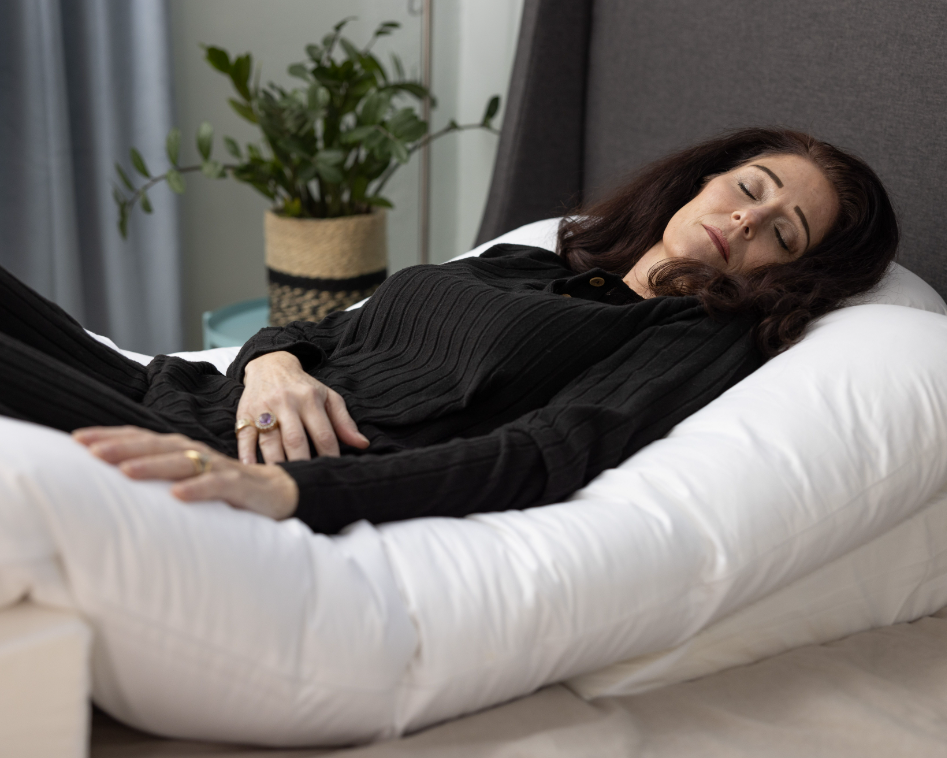
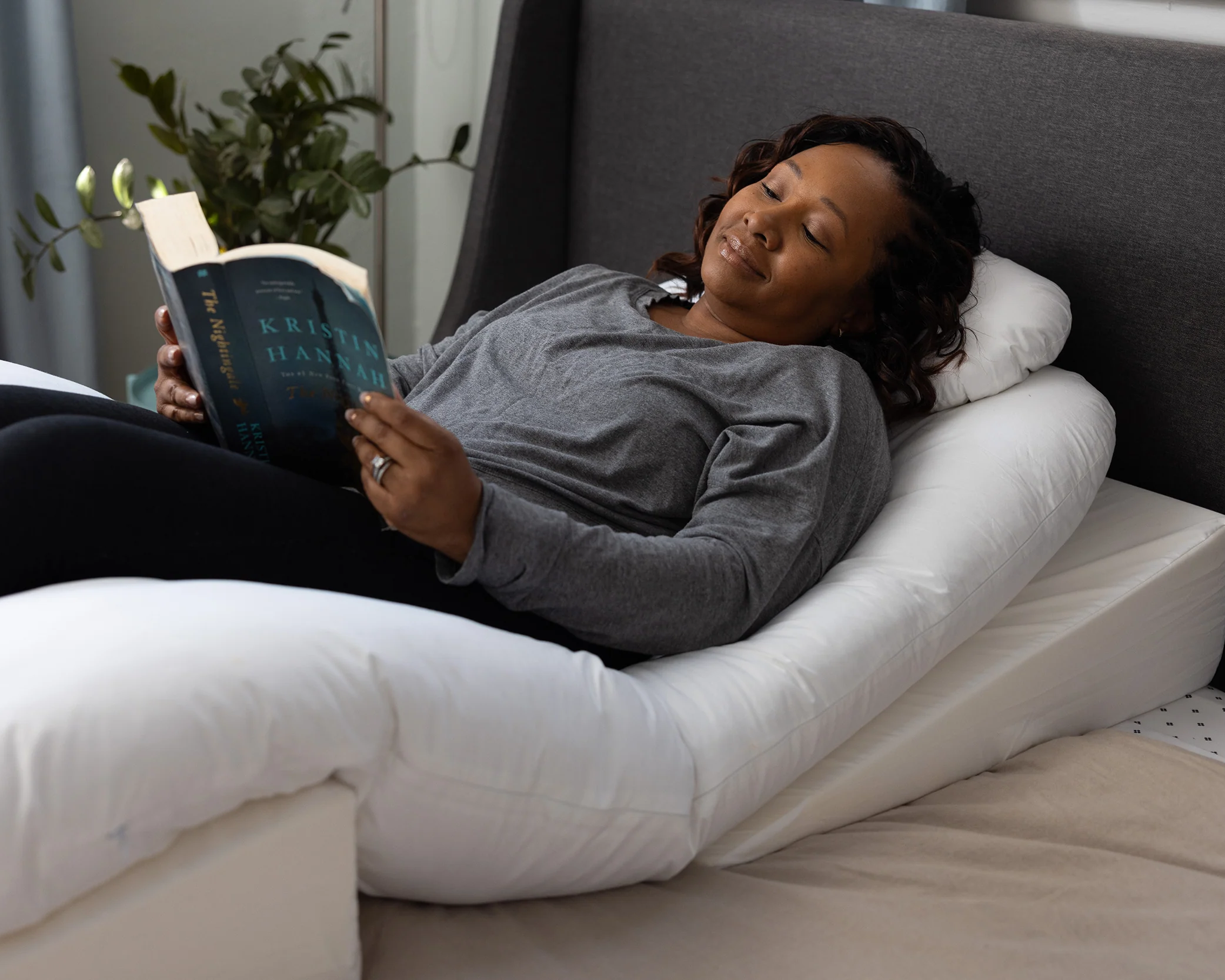
The sleep position universally recommended after panniculectomy is elevated back sleeping — upper body at a 30-to-45-degree incline, knees gently bent and supported.
Here is why it is the clear choice:
It takes tension off the incision. When the upper body is elevated and the knees are slightly raised, the abdominal wall is in a relaxed, shortened position. This reduces pull on the sutures throughout the night and minimizes the risk of disruption to healing tissue.
It reduces post-surgical swelling. Gravity works in your favor when your upper body is elevated. Fluid drains away from the surgical site rather than accumulating around it, reducing swelling and improving comfort.
It protects against fluid complications. Seroma (fluid accumulation) is a concern after panniculectomy. Consistent elevation supports the body's ability to manage post-surgical fluid appropriately.
It supports deeper breathing. With the upper body elevated and the abdomen relaxed, breathing becomes easier. This is particularly relevant in the first few days when discomfort may cause shallow breathing.
It simplifies getting in and out of bed. When your upper body is already elevated, repositioning and rising require less abdominal effort, reducing strain on your incision during nighttime movement.
The angle matters. A 30-45 degree incline is the recommended range for meaningful therapeutic benefit and is appropriate for most patients during the first several weeks of recovery.
How to Achieve the Proper Elevated Angle: Setup Essentials
Knowing you need a 30-to-45-degree upper body incline and knowing how to actually create and maintain it throughout the night are two different things. Standard pillows compress significantly under body weight, losing elevation within the first hour or two of sleep. A setup that starts at the right angle will not necessarily stay there without proper support.
Here is what the ideal elevated back sleep setup requires:
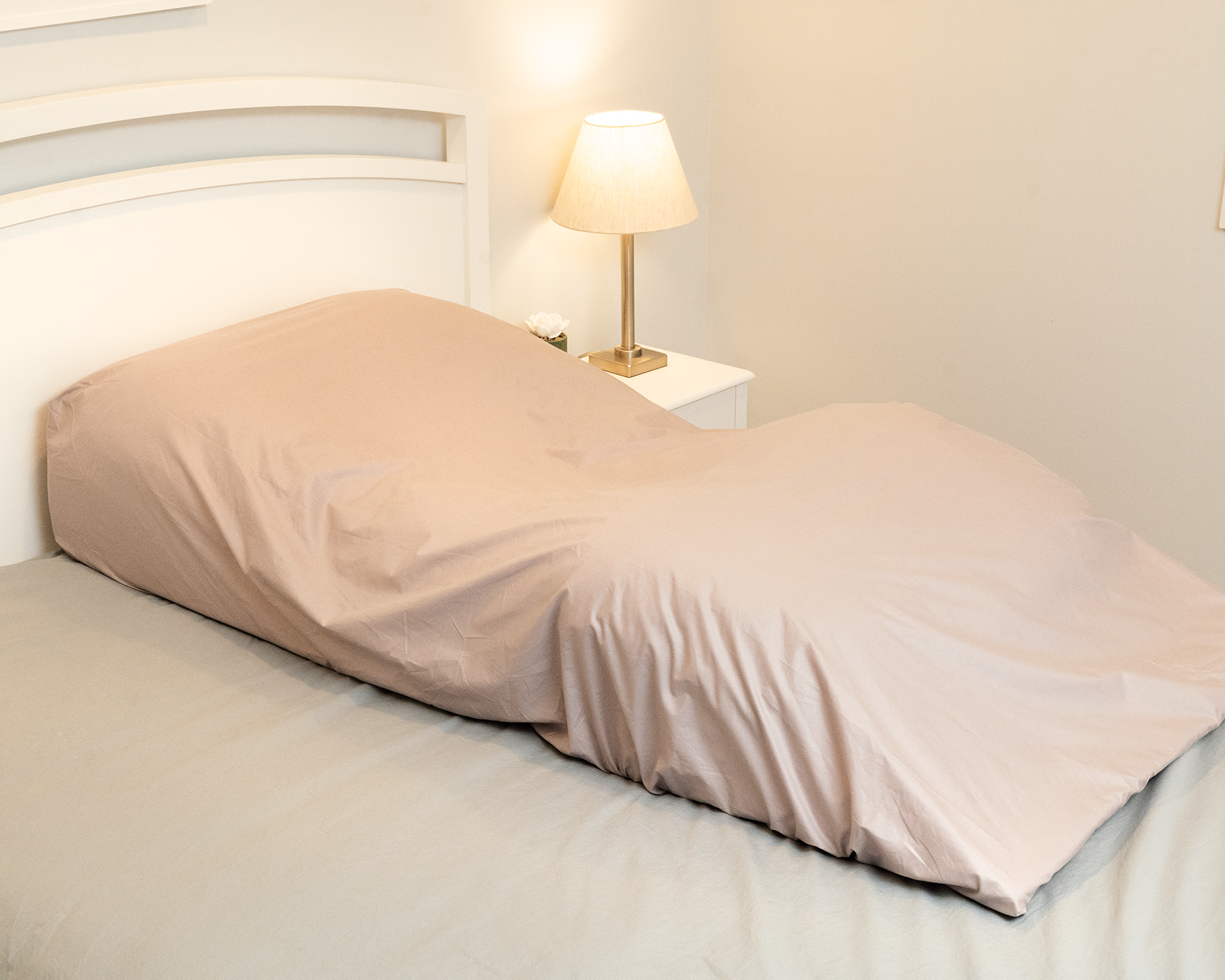
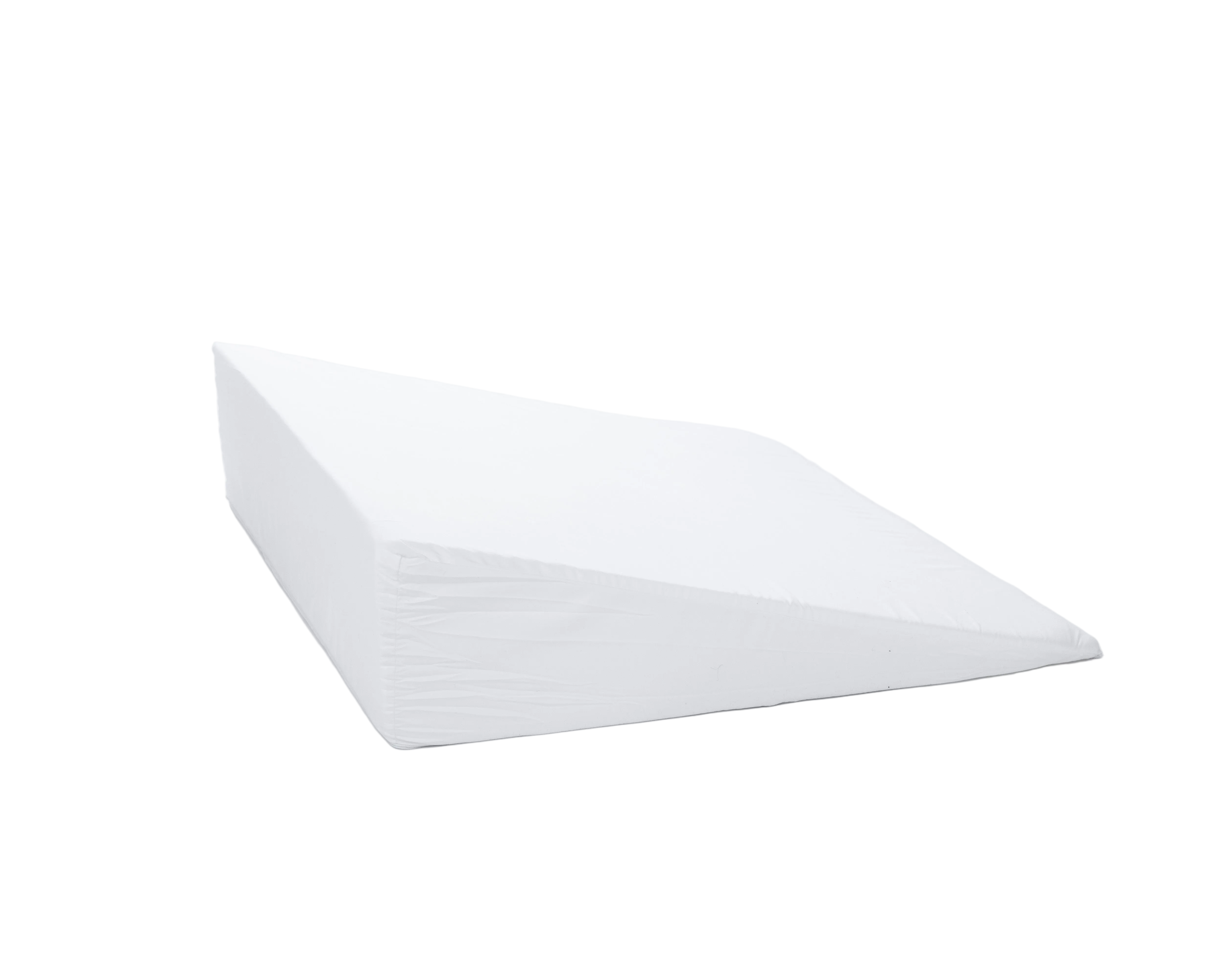
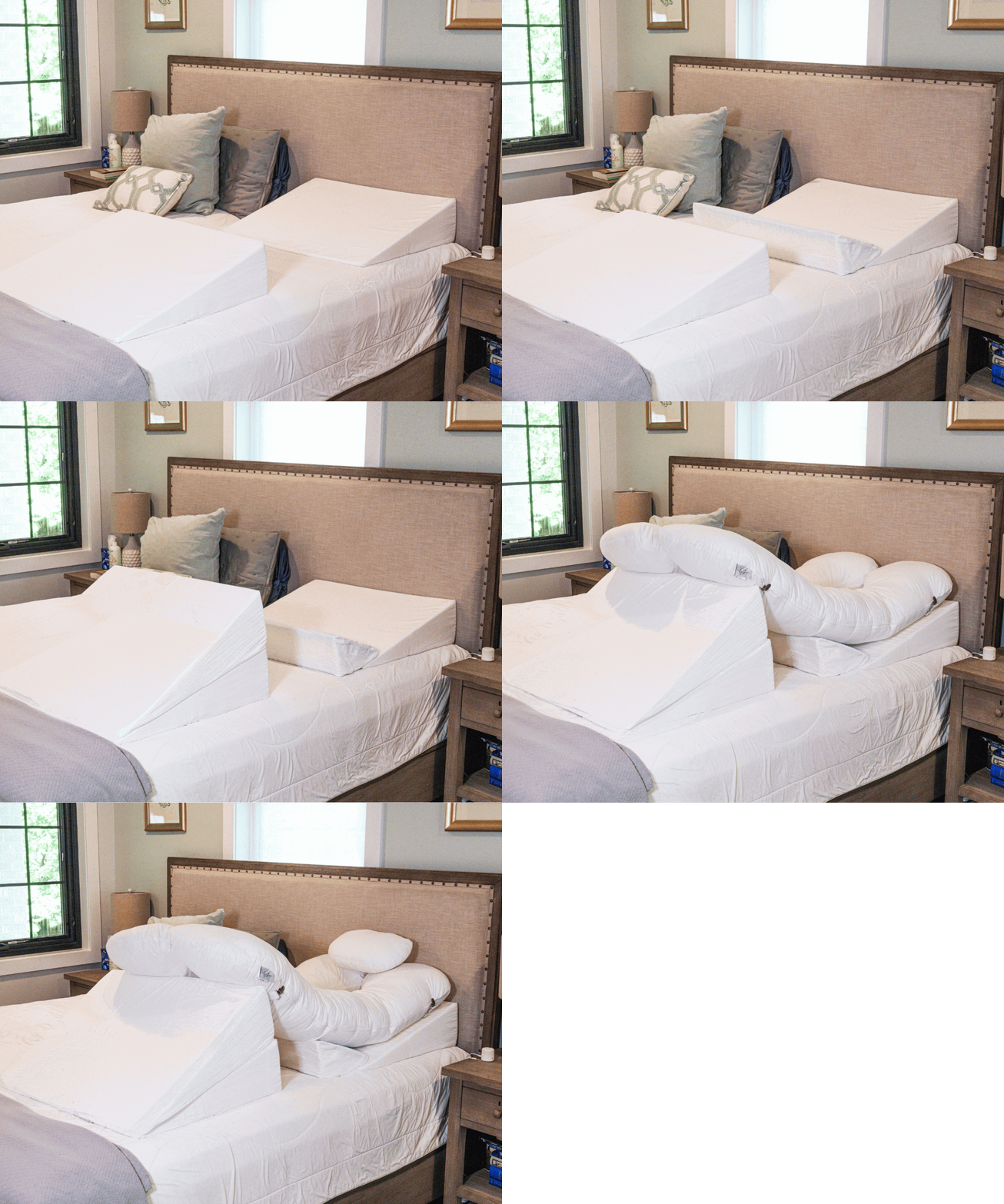
Upper body elevation. The incline should be firm, consistent, and graduated — distributed evenly from hips to head so the torso is held at the correct angle without pressure points or gaps. A wedge-style support is the most effective solution for this.
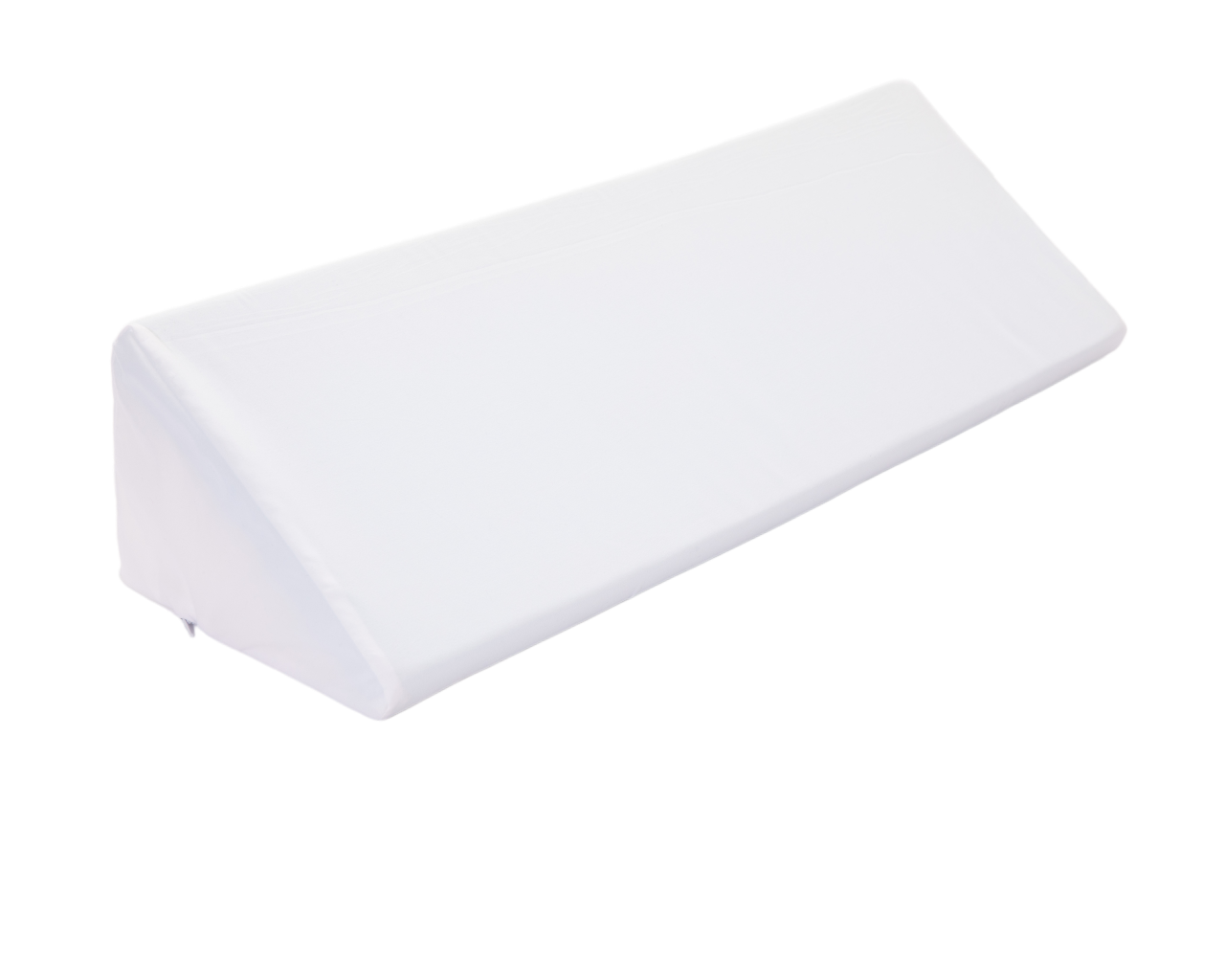
Knee support. With your upper body elevated, your lower body also needs repositioning. Placing support under the knees keeps them gently bent, which relaxes the hip flexors and reduces tension on the lower abdominal area. Without knee support, your body will naturally try to flatten out, which counteracts the elevation work.
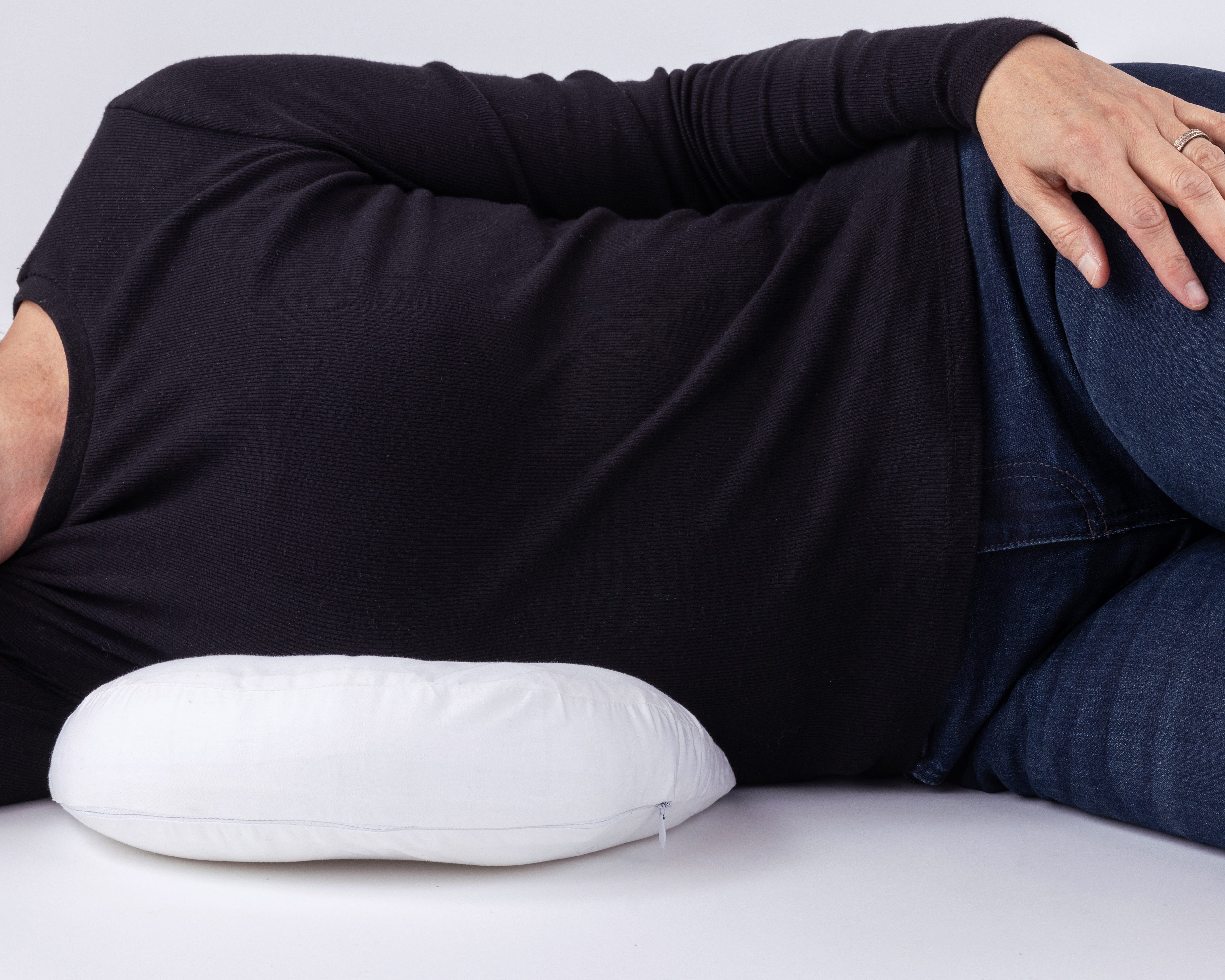
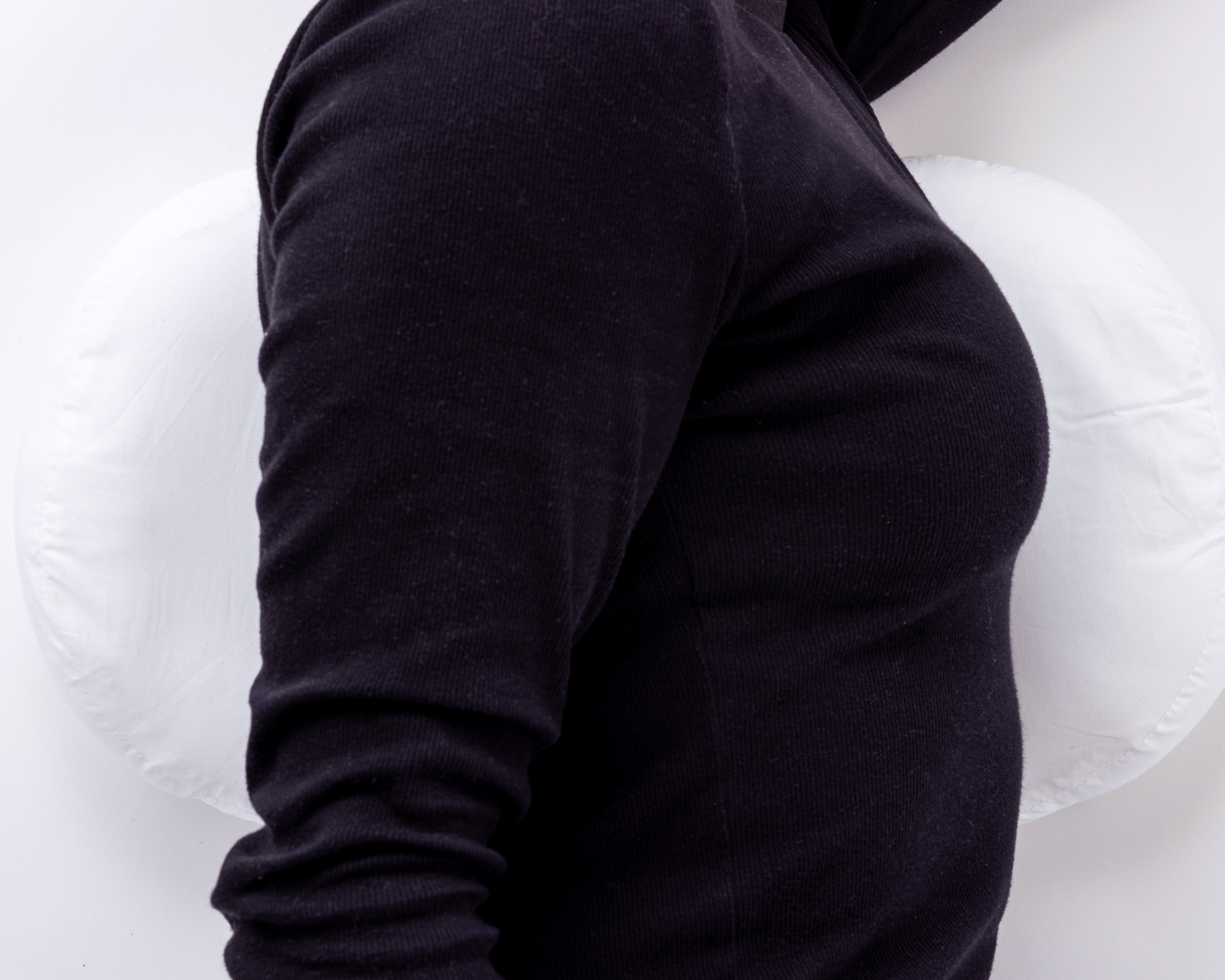
Hip and back cradle. The areas alongside your torso need support to prevent unconscious rolling during sleep. A rolled-over position in the night can put sudden pressure on the incision area. Lateral support pillows that stay in place throughout the night address this directly.
Head support with neck mobility. Head support at the elevated angle must be proportionally positioned — too high strains the neck, too low breaks alignment with the torso. A purpose-built head support that accounts for the elevation angle is noticeably more comfortable than a standard pillow placed on top of a wedge.
Building this setup from standard household pillows is possible for short-term recovery, but the limitations are real. Pillows compress and shift, creating gaps and pressure points that require readjustment during the night, which means broken sleep during the phase when uninterrupted rest matters most.
Week-by-Week Recovery Sleep Expectations
Recovery after panniculectomy follows a reasonably predictable pattern, though individual experience varies based on the extent of the procedure, age, overall health, and adherence to post-operative instructions.
Week 1: Discomfort is at its highest, and your body's need for restorative sleep is also at its peak. The 30-to-45-degree elevation position is essential during this phase. Movement in and out of bed should use the log-roll technique to minimize abdominal strain. Expect some sleep disruption; the goal is to maximize the quality of sleep you do get through consistent positioning.
Week 2: Swelling begins to reduce, and discomfort typically decreases. Most patients find the elevated back position more comfortable as the acute recovery phase passes. Drainage tubes are usually removed during this period. Positioning discipline remains critical — the incision site is still healing and still vulnerable.
Weeks 3–4: Mobility improves and sleep quality generally increases. Many patients can adjust their elevation slightly toward the 30-degree end of the range if cleared by their surgeon. Side sleeping is not typically permitted until the surgeon gives specific clearance.
Week 5 and beyond. Each patient's timeline for returning to normal sleep positions varies. Your surgeon's guidance is the authoritative source. Many patients continue to prefer some degree of elevation even after restrictions are lifted, for both comfort and the continued sleep benefits elevated positioning provides.
Sleep Positions to Avoid After Panniculectomy
Can I Sleep on My Stomach After Panniculectomy?
No. Stomach sleeping places direct pressure on your abdominal incision, compresses the surgical site, and stretches the healing tissue. It also restricts comfortable breathing and strains the neck when turned to the side for extended periods. Stomach sleeping should be avoided until your surgeon explicitly clears it, which will not occur until healing is well advanced.
Can I Sleep on My Side After Panniculectomy?
Side sleeping may be introduced cautiously with surgeon clearance, but it should not be the primary position in early recovery. It can create torque and compression on the lower abdomen and incision area. If side sleeping is explored, it requires significant lateral support — pillows behind the back and in front to prevent full rotation.
What About Sleeping Flat on My Back?
Flat back sleeping is not recommended after panniculectomy. The benefits of elevation — reduced swelling, relaxed abdominal wall, improved breathing, and incision protection — are not realized without it. Most patients also find flat back sleeping uncomfortable after this surgery due to increased pull on the lower abdominal incision.
Preparing Before Surgery: The Pre-Surgery Sleep Plan
The most overlooked component of panniculectomy preparation is sleep setup. Having a proper positioning system configured and tested before the procedure date eliminates a significant source of post-surgical stress.
Preparing your sleep environment before surgery means your support structure is tested, adjusted, and ready — not assembled while managing post-anesthesia fatigue and incision discomfort.
Practical pre-surgery sleep preparation includes:
-
Identifying your recovery sleep location (adjustable bed, recliner, standard bed with positioning support)
-
Setting up and testing your elevation system at the correct angle
-
Practicing the log-roll technique for getting in and out of bed
-
Arranging your bedside area so essentials are within reach without sitting up fully

The Sleep Again Pillow System: Purpose-Built for Panniculectomy Recovery
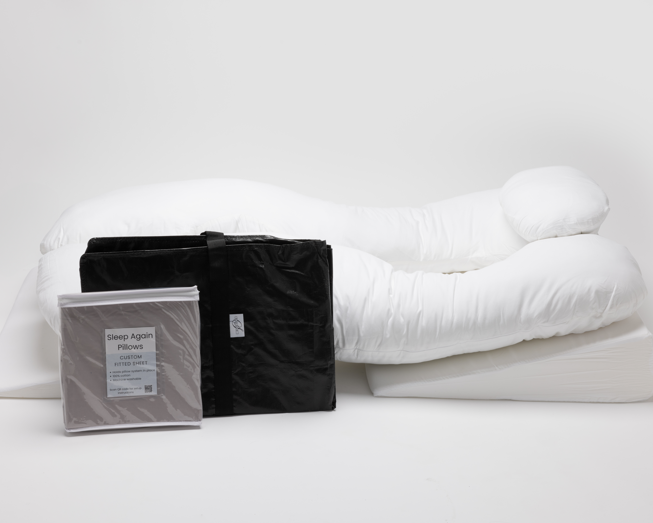
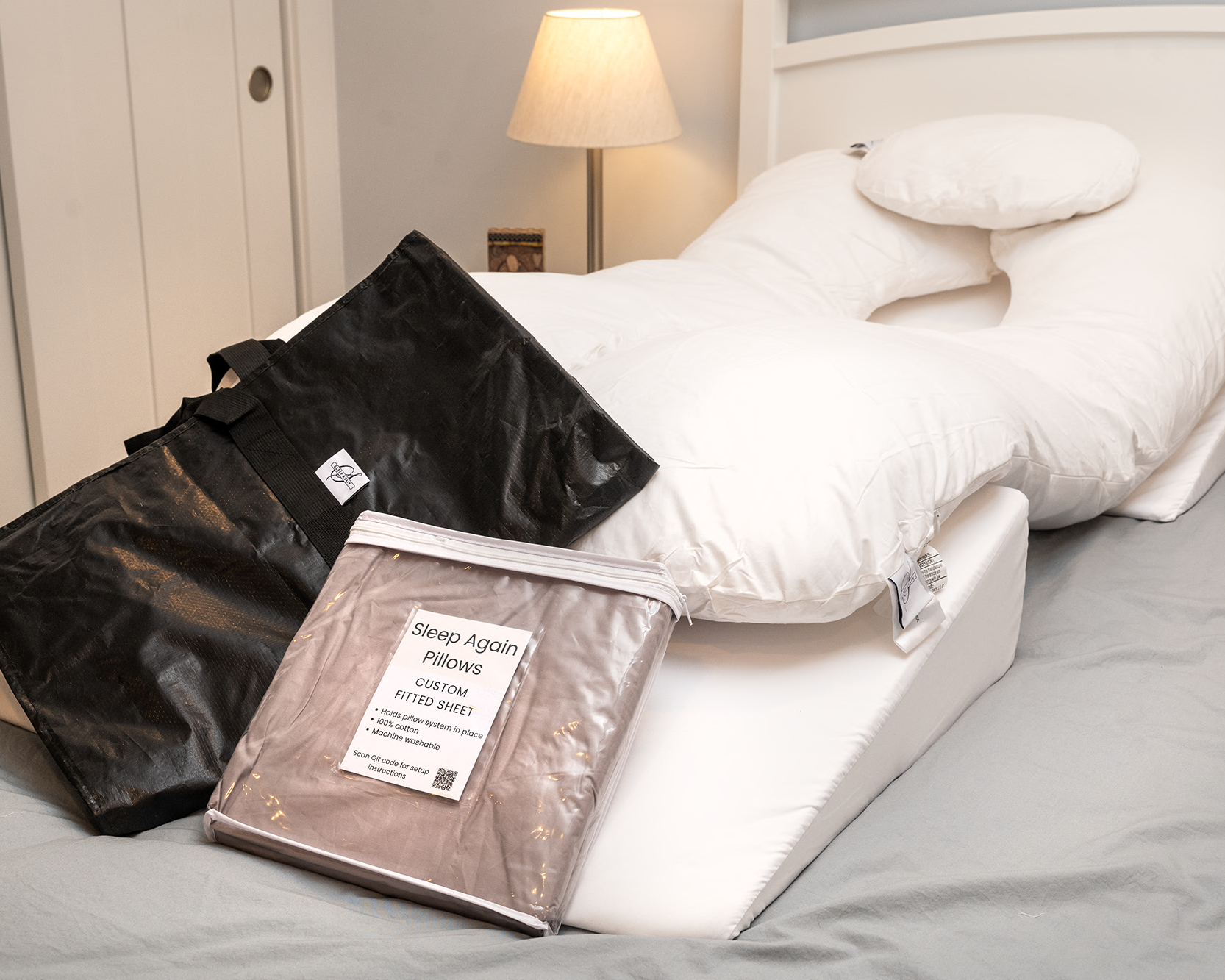
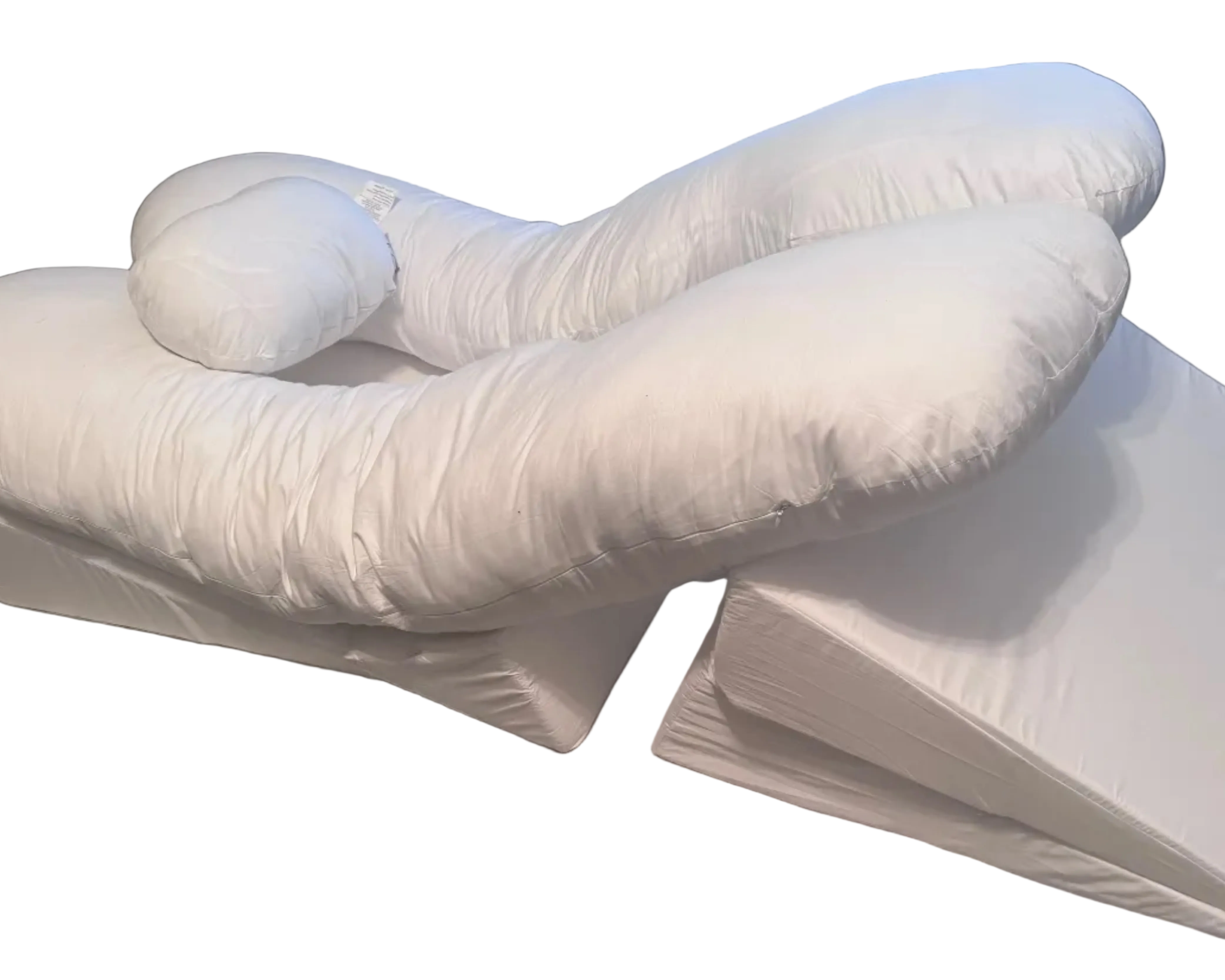
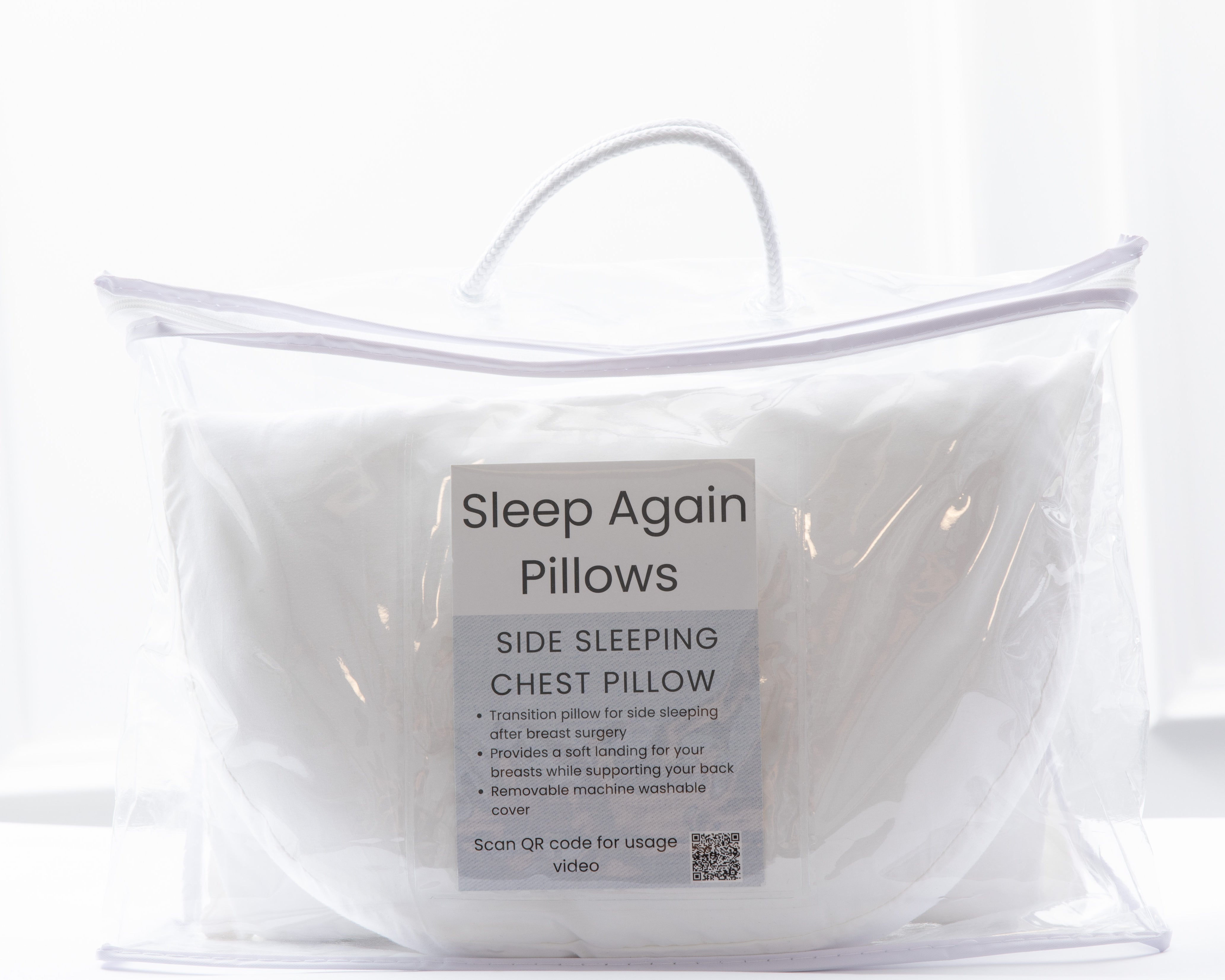
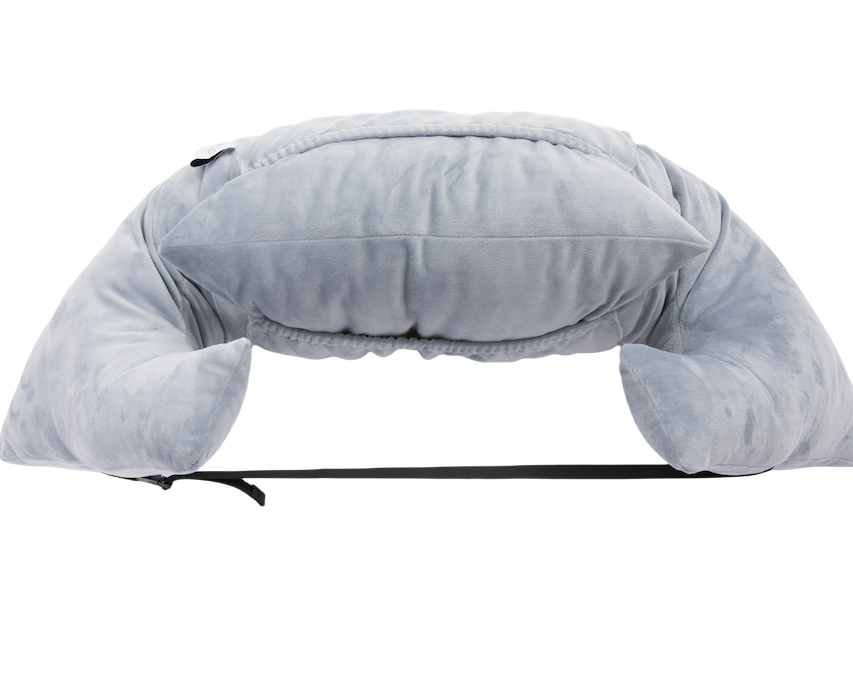
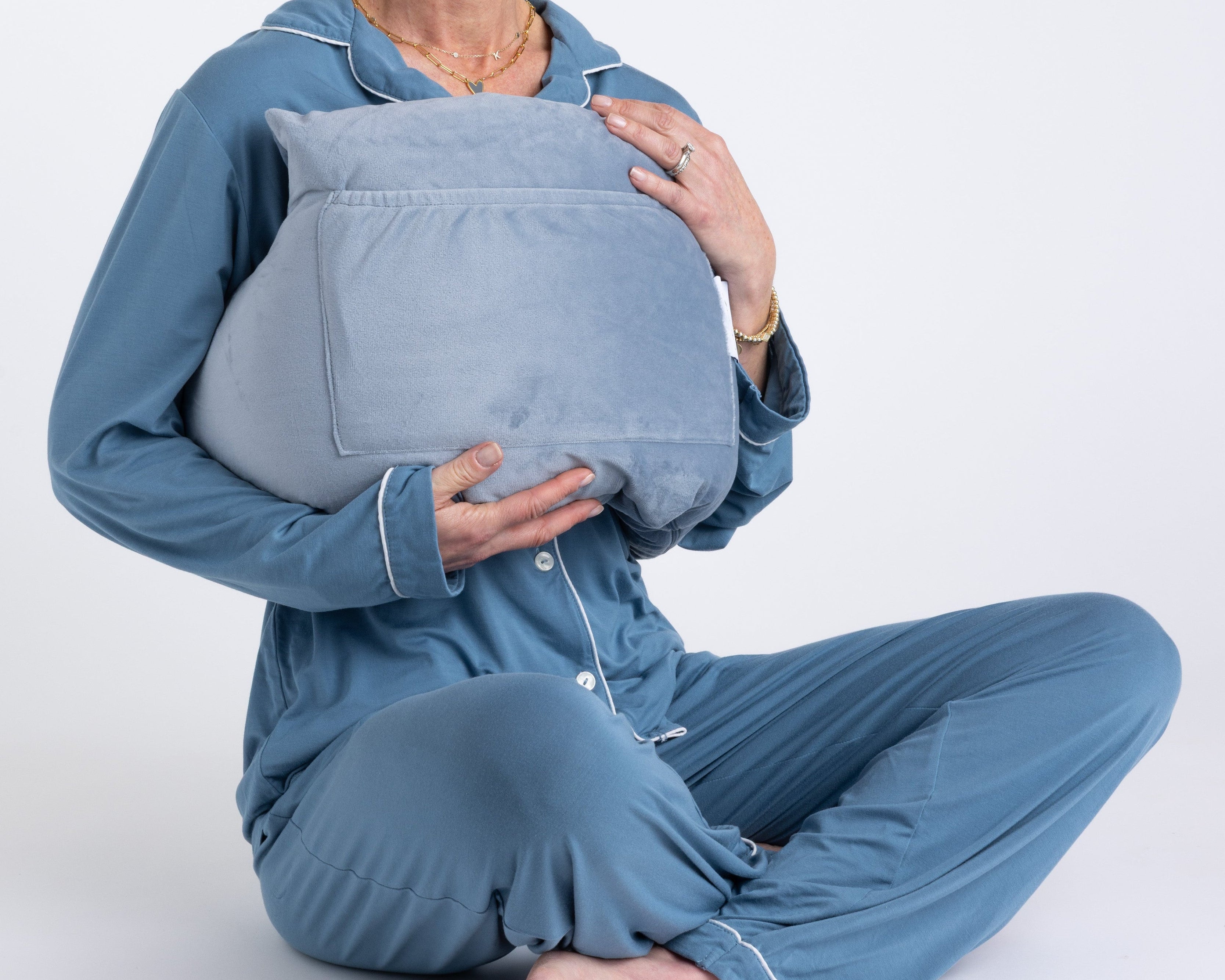
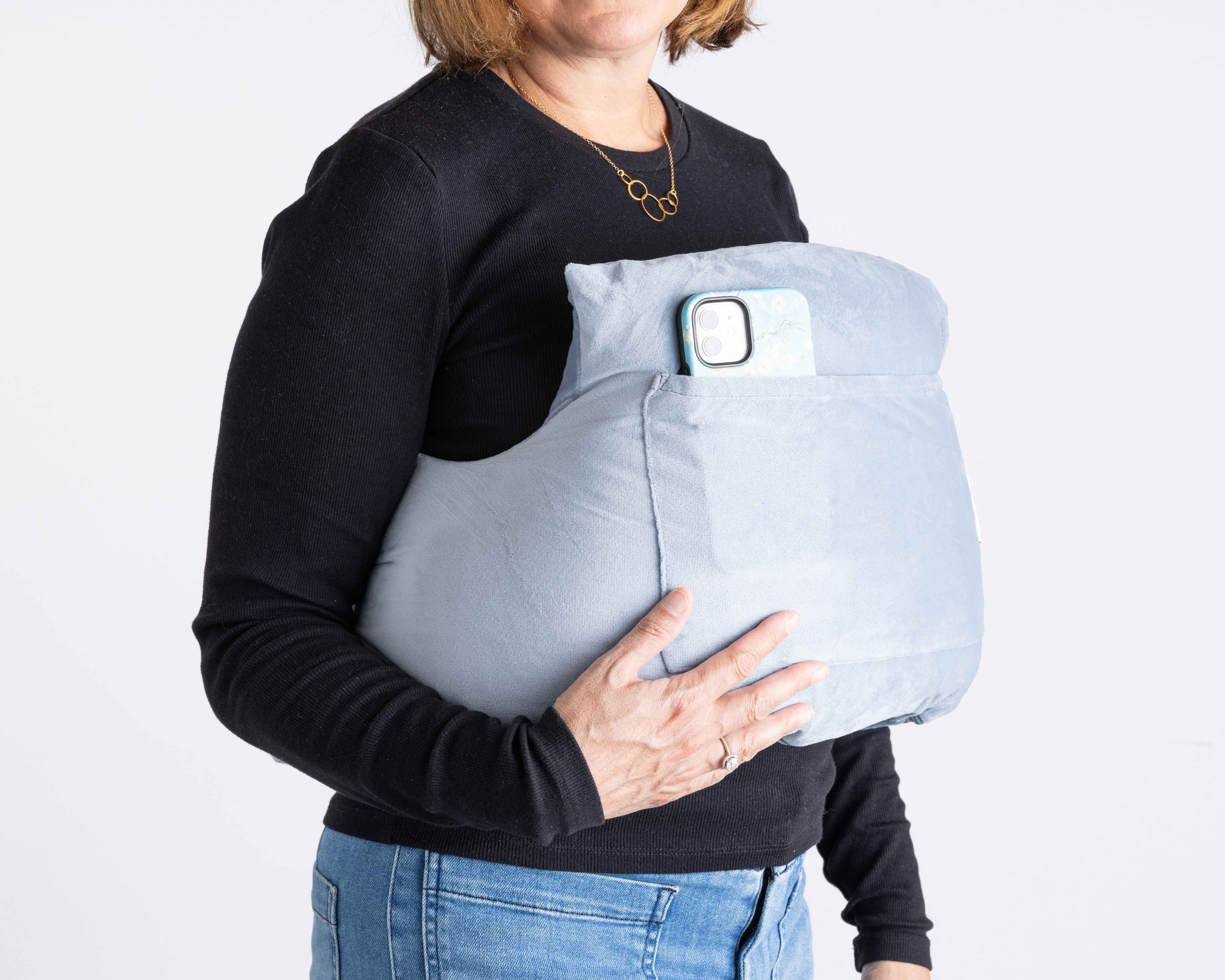
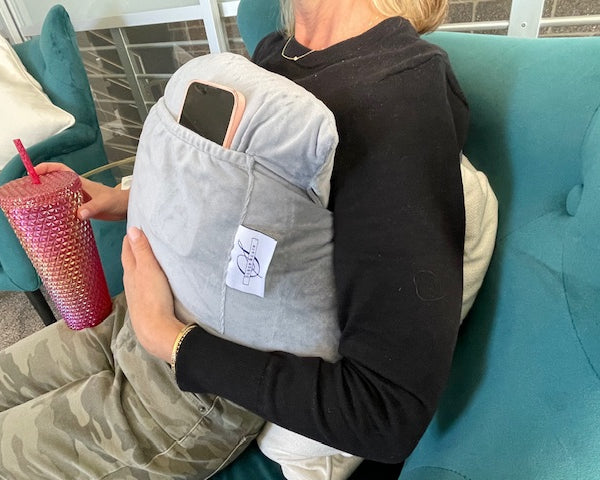
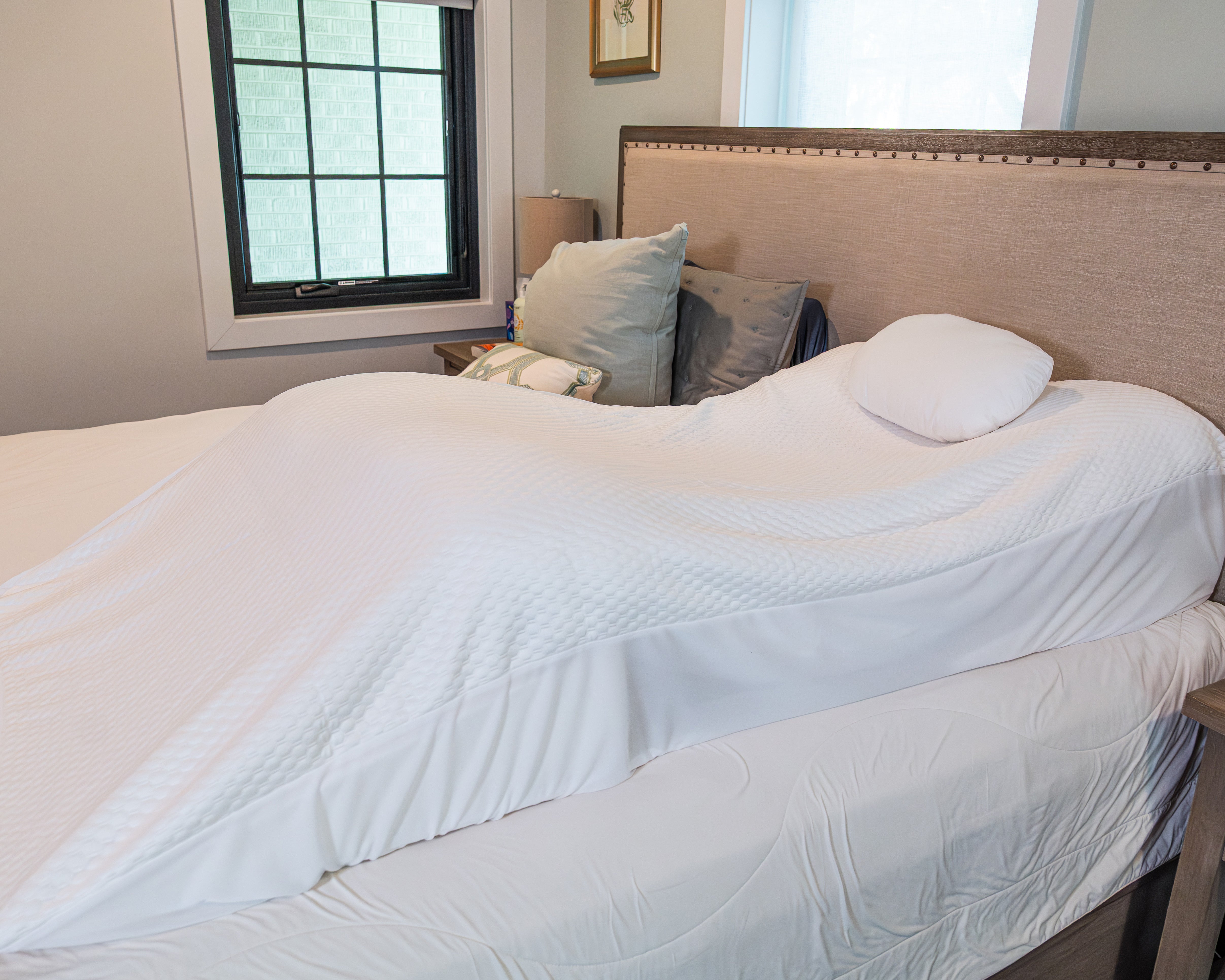
For patients seeking a comprehensive, purpose-built recovery sleep solution, the Sleep Again Pillow System is the only full-body positioning system designed specifically for post-surgical recovery sleep.
The system creates and maintains the 30-to-45-degree elevated back sleep position that panniculectomy recovery requires — from the first night home through the full recovery timeline.
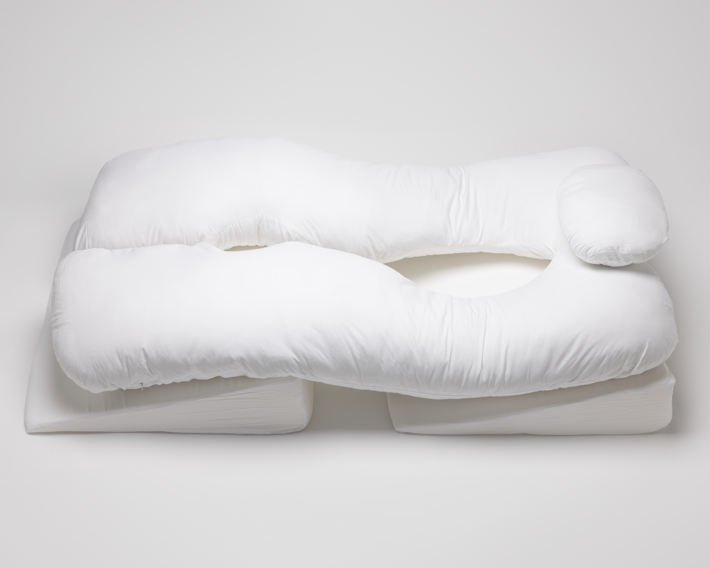
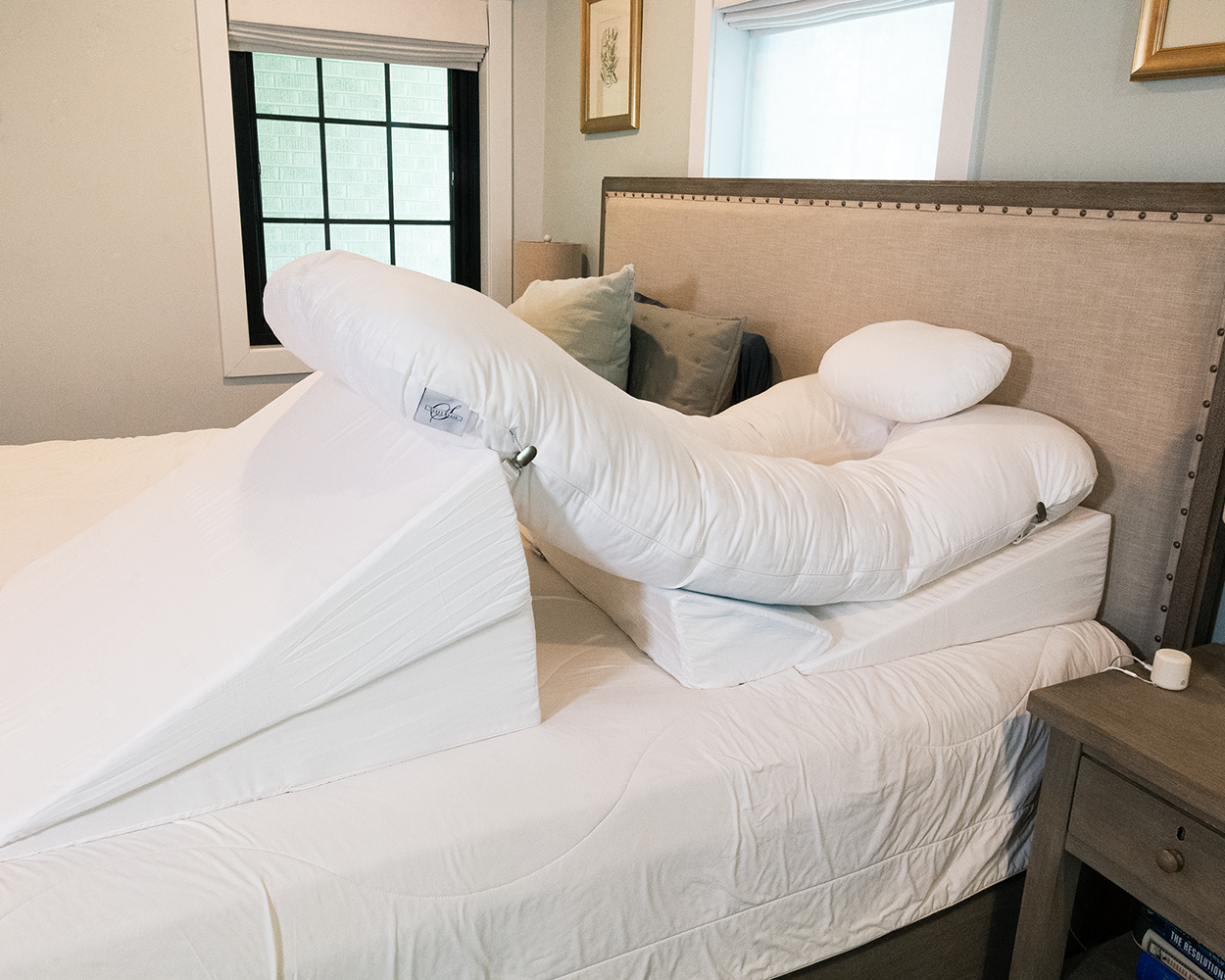
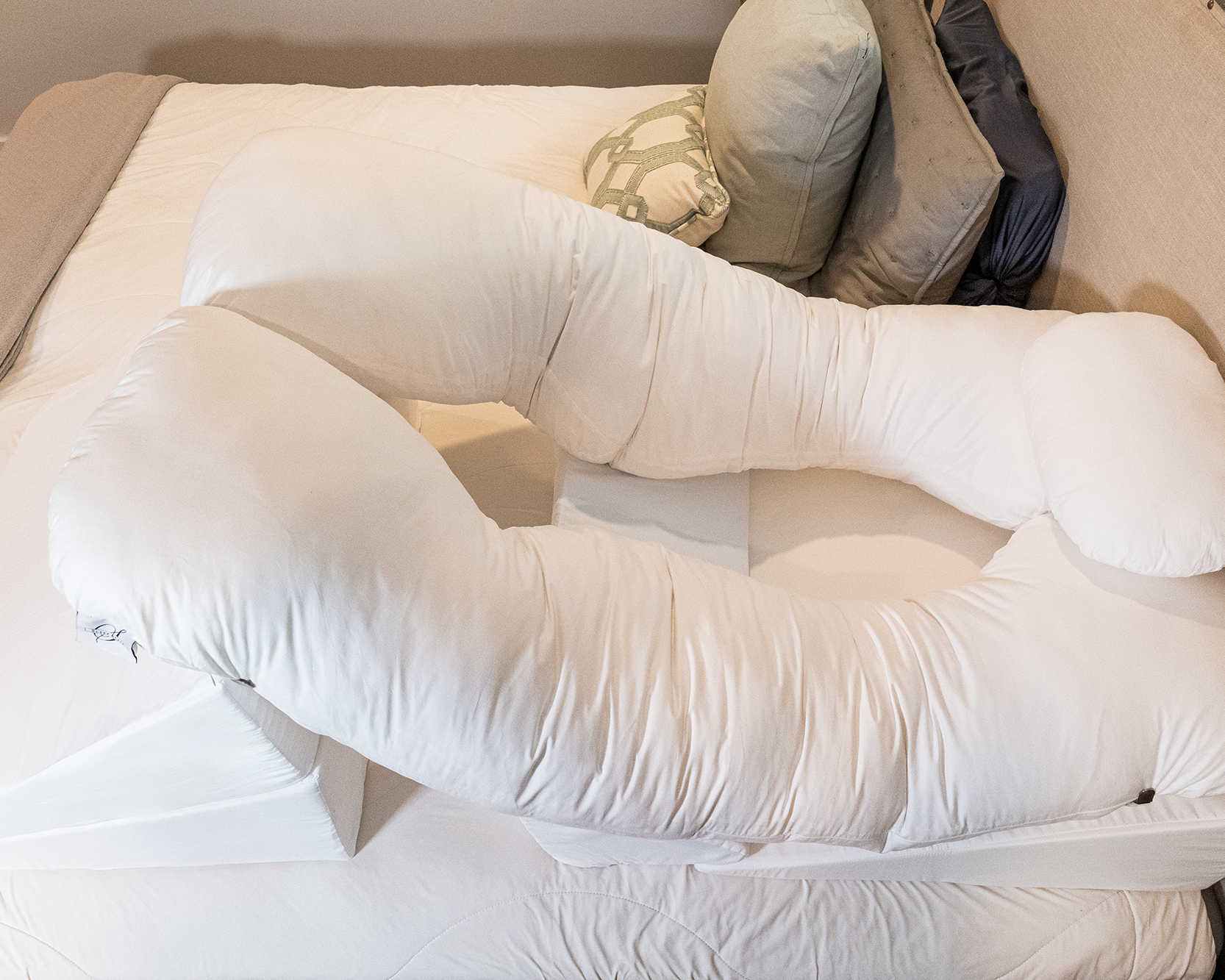
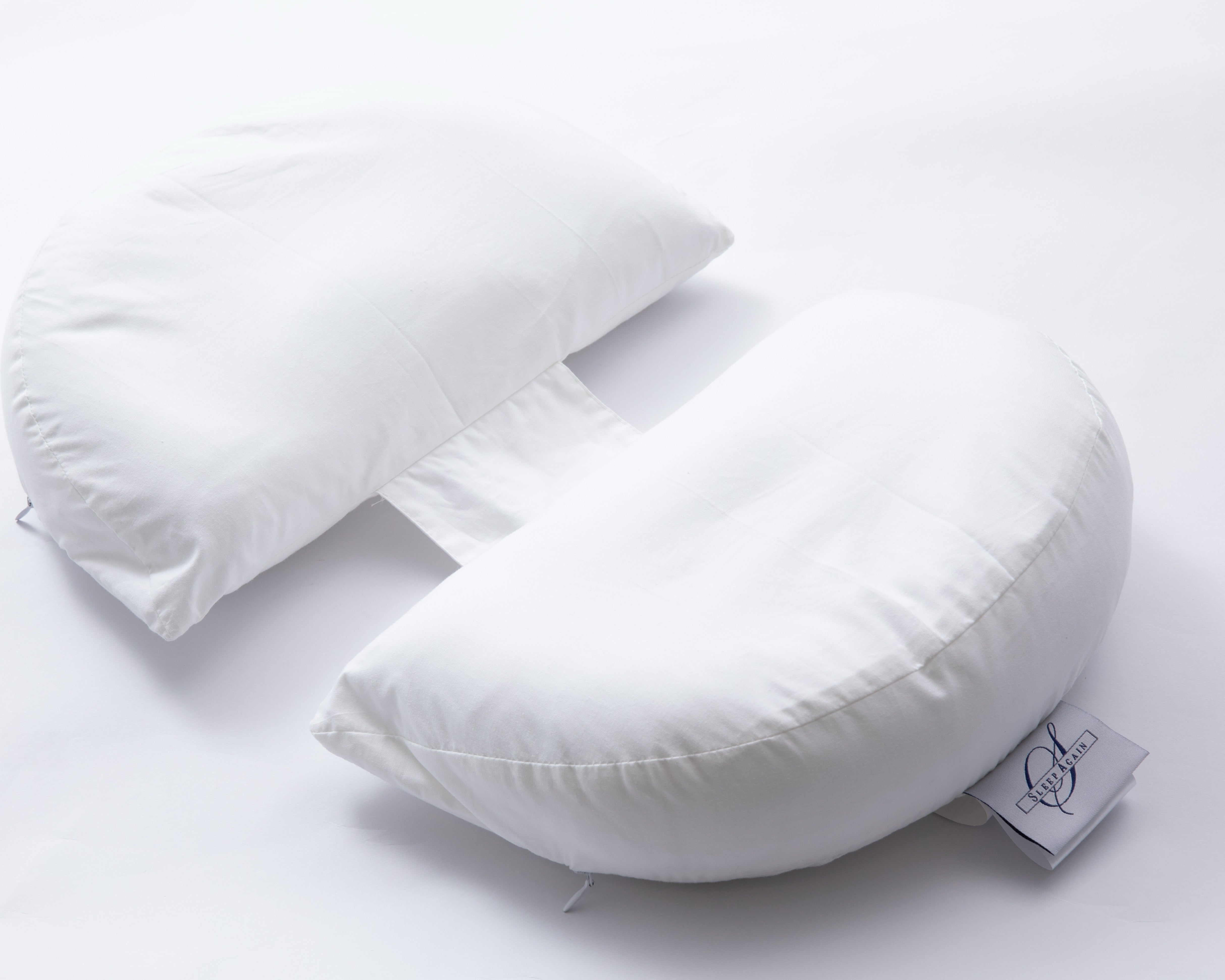
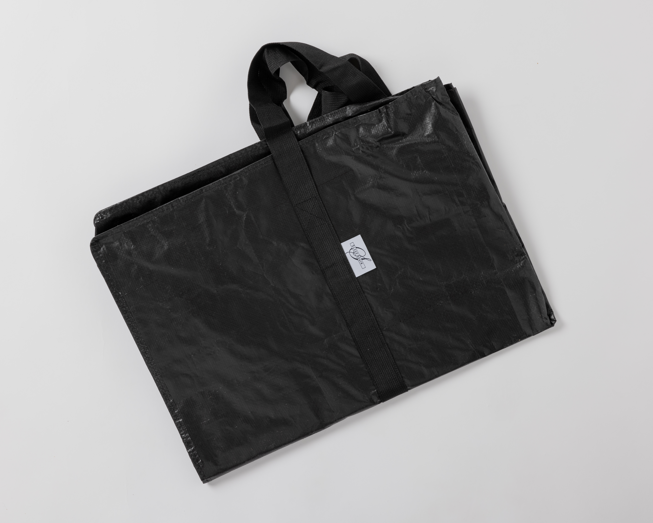
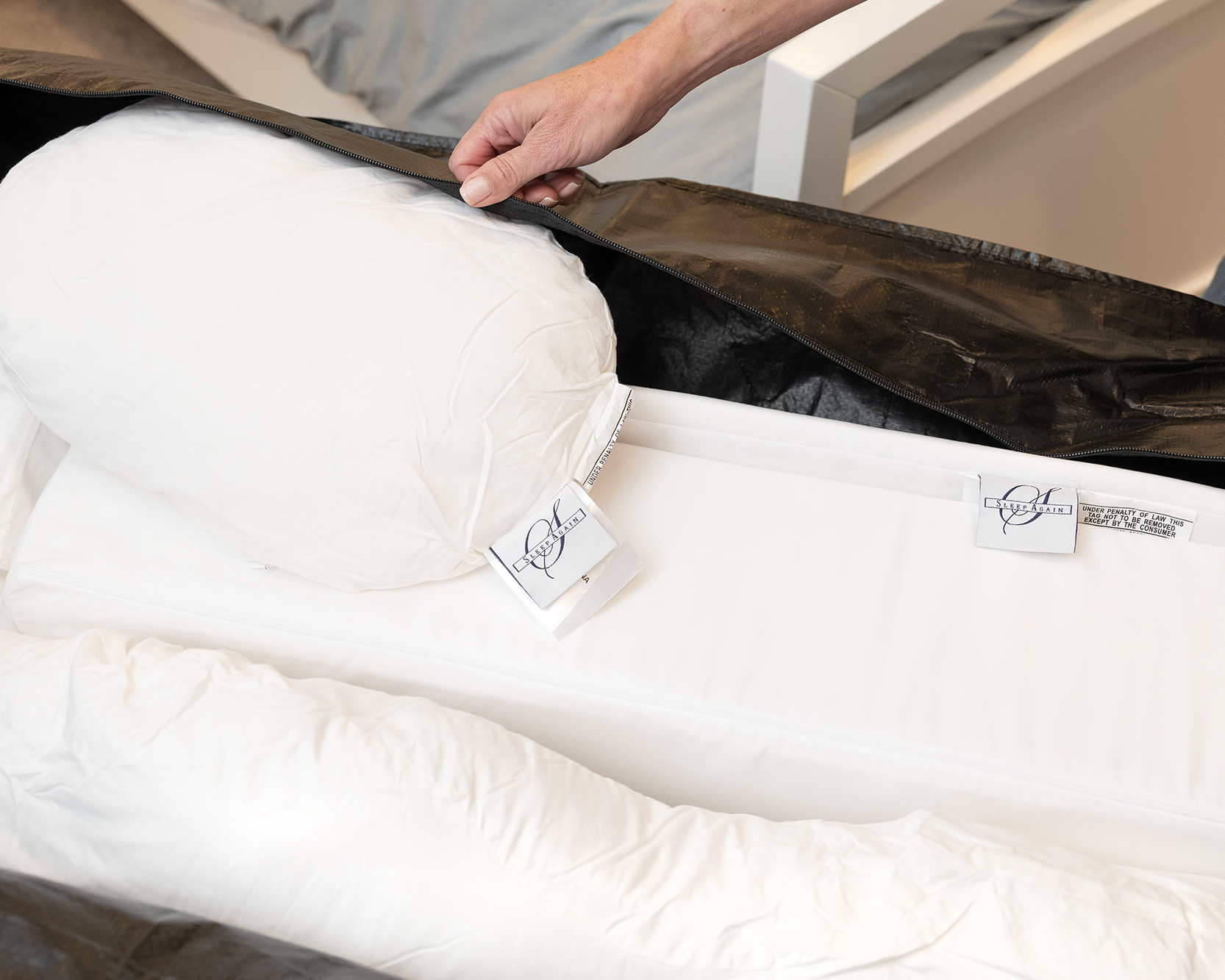
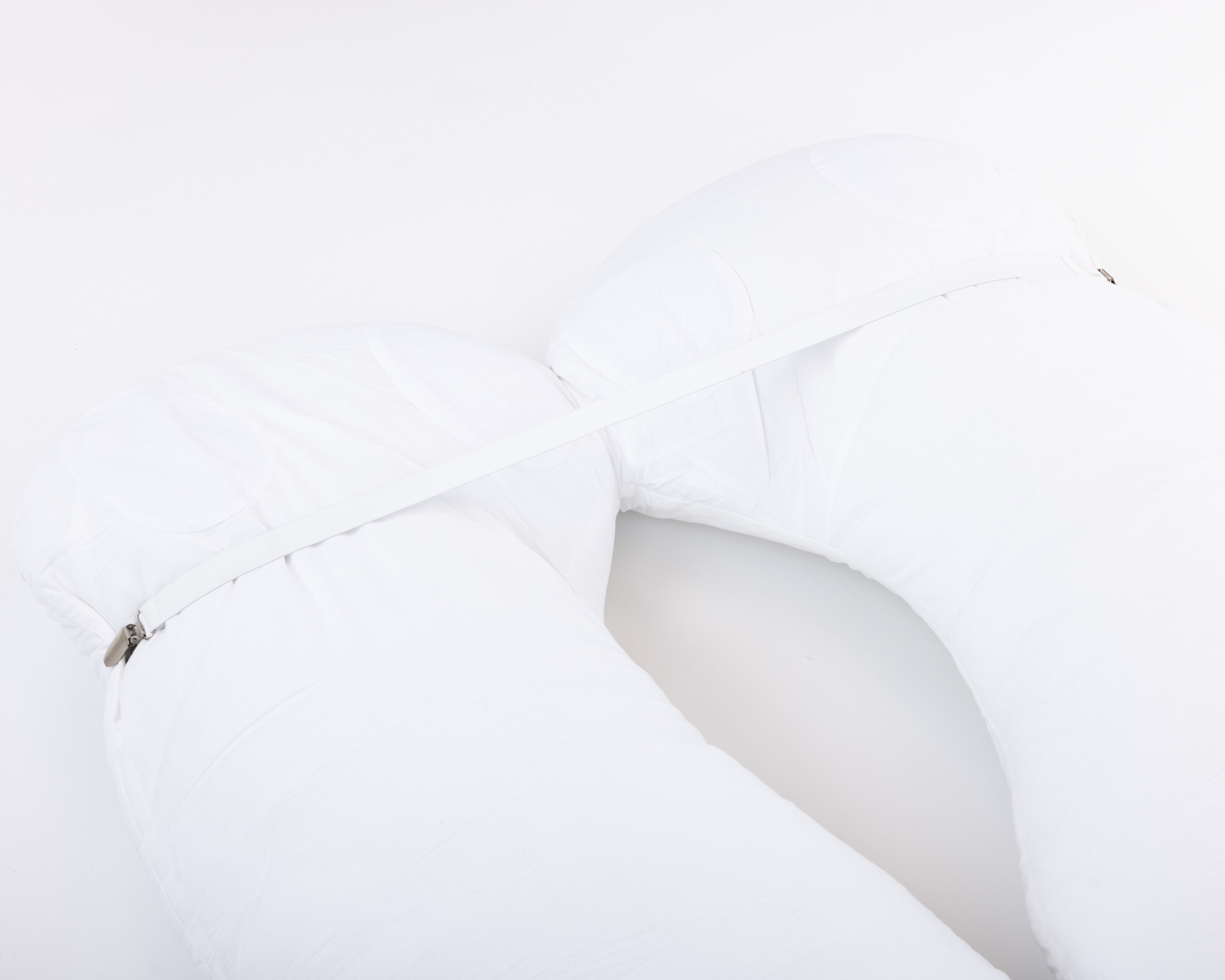
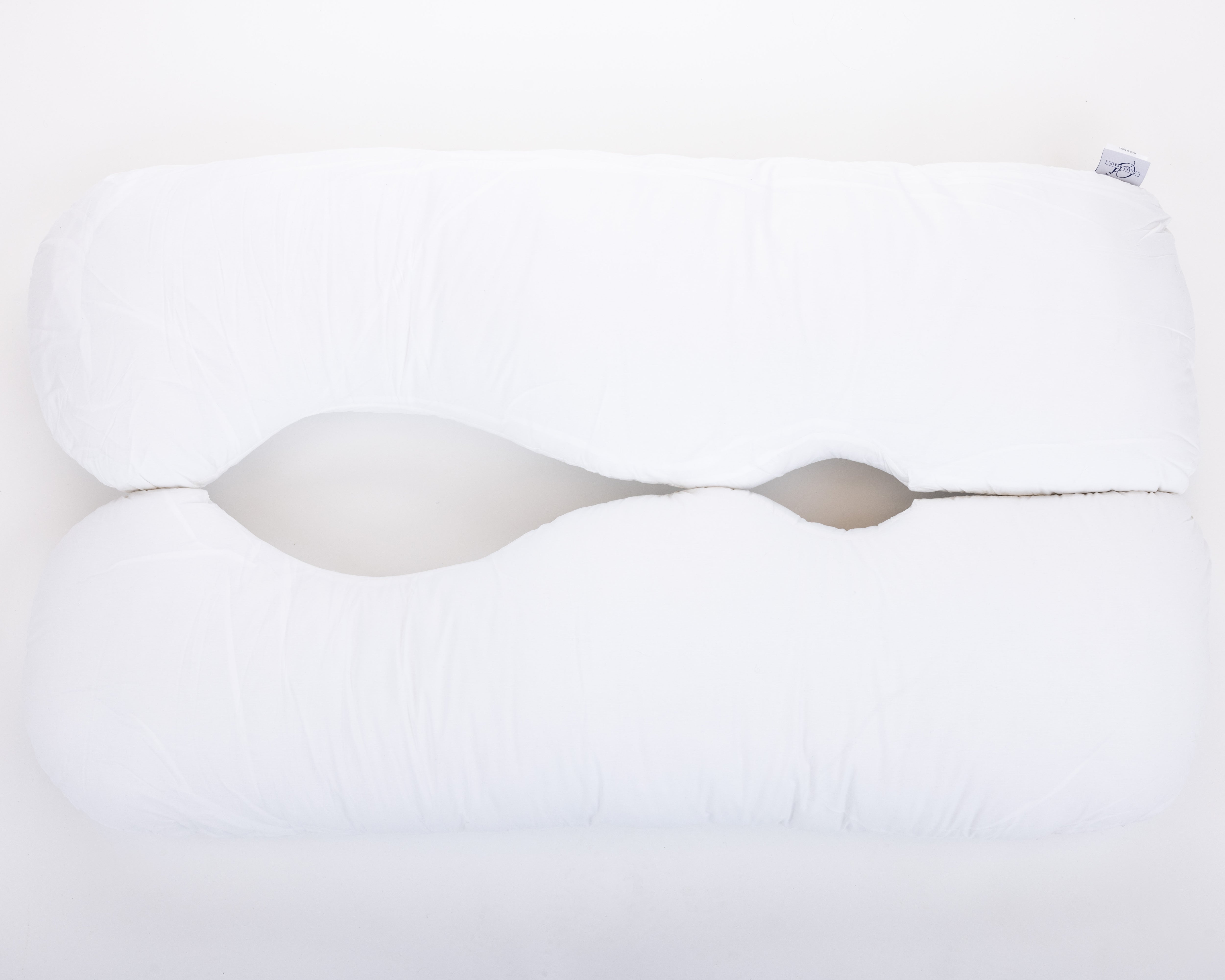
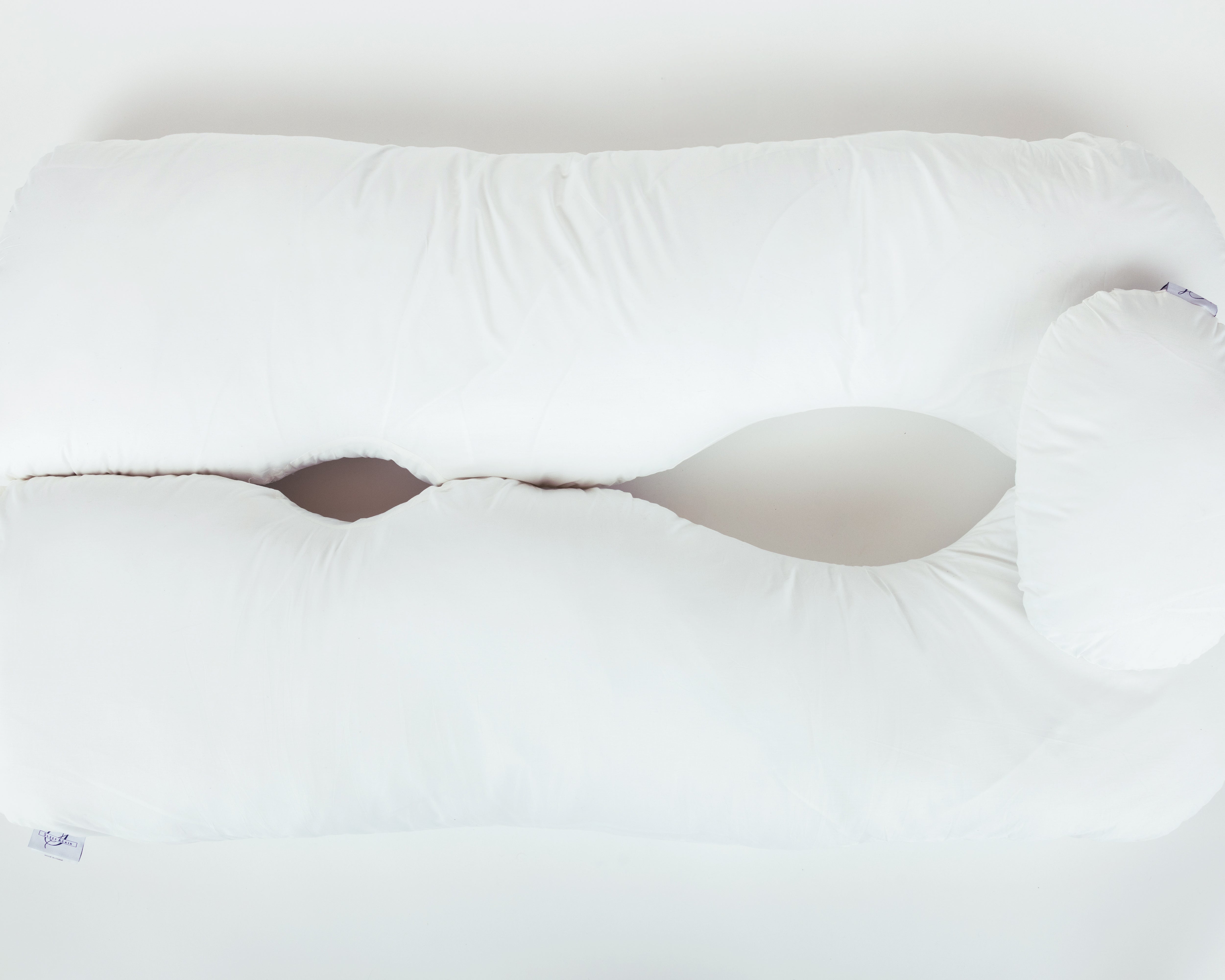
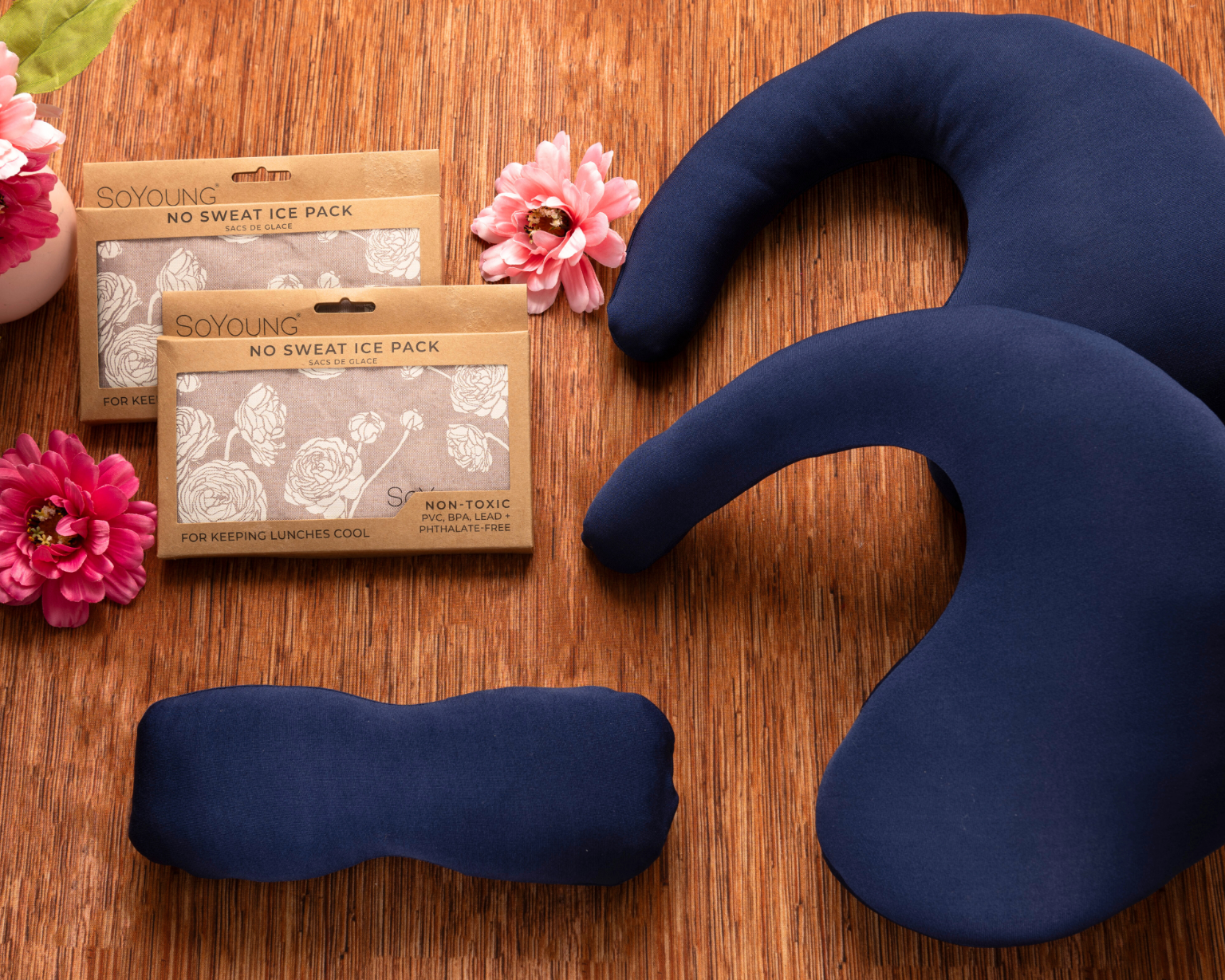
Every Sleep Again Pillow System includes:
-
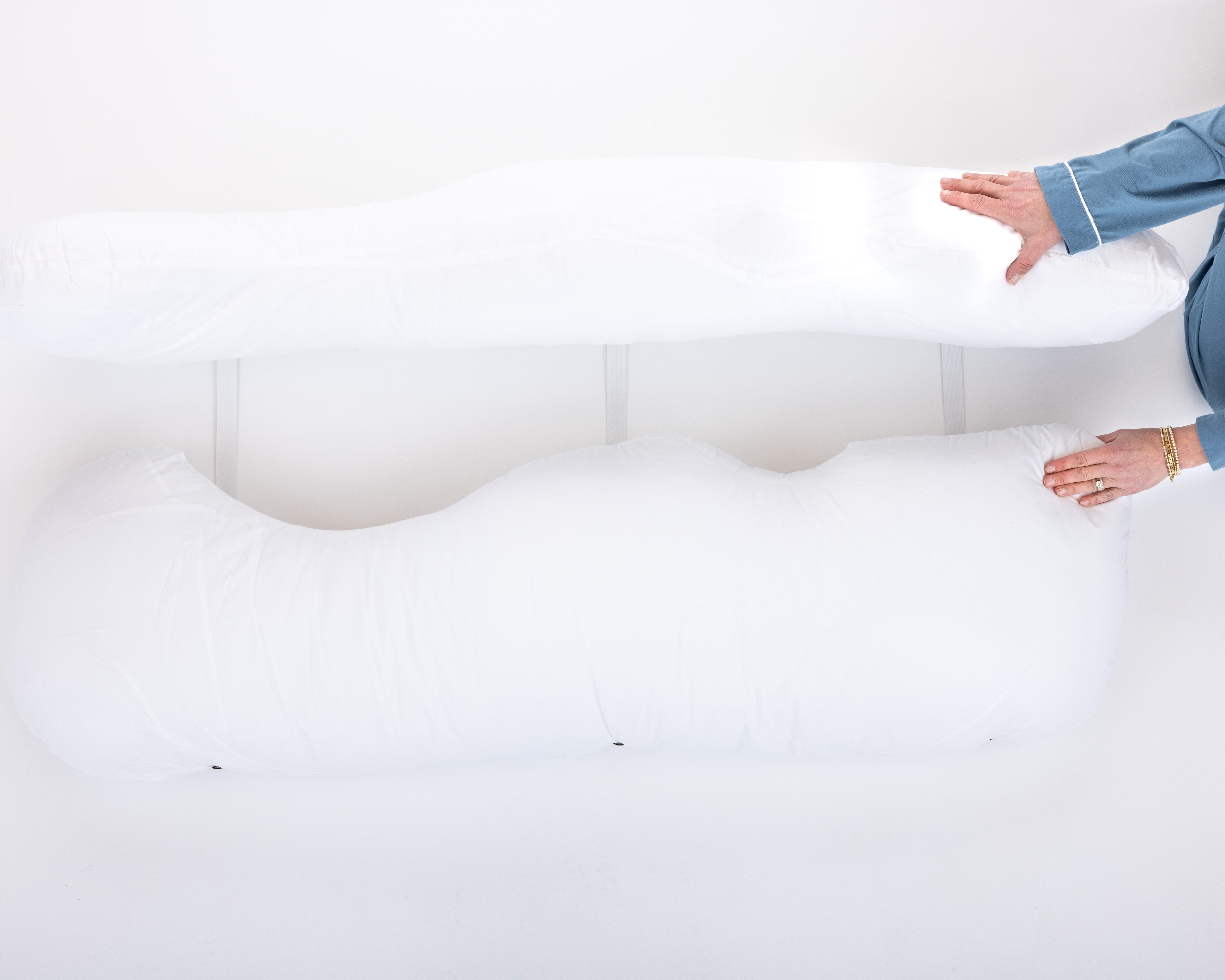
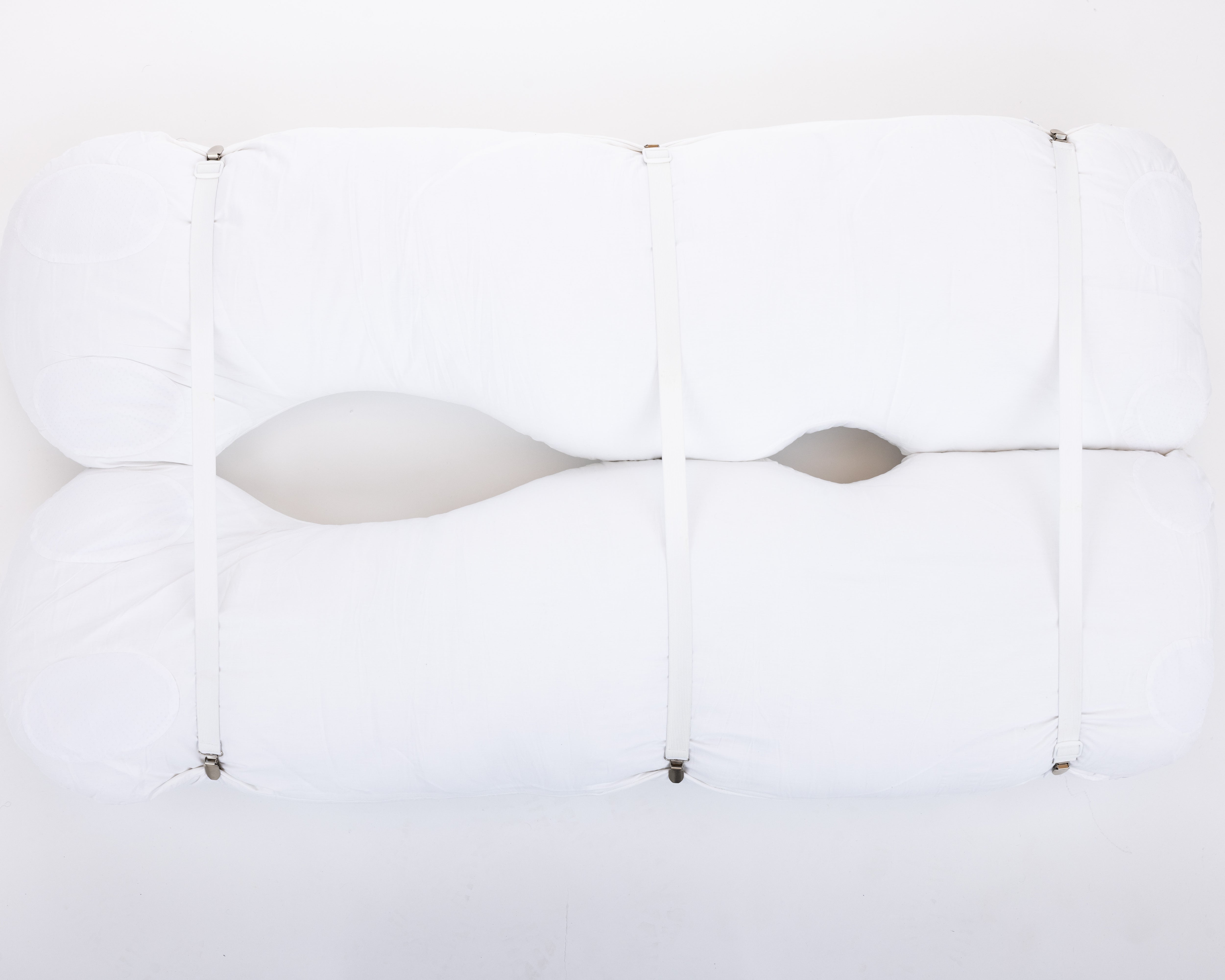
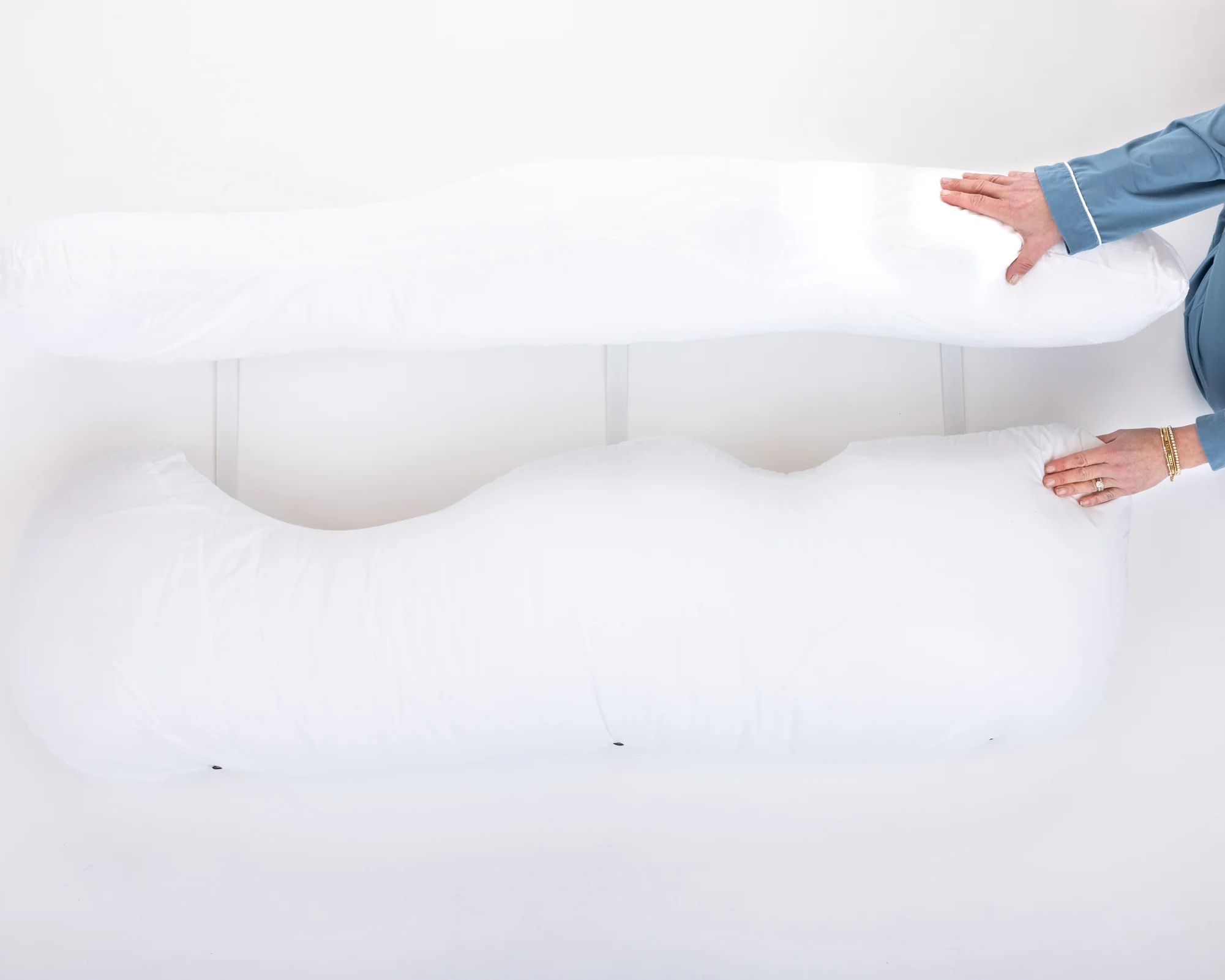
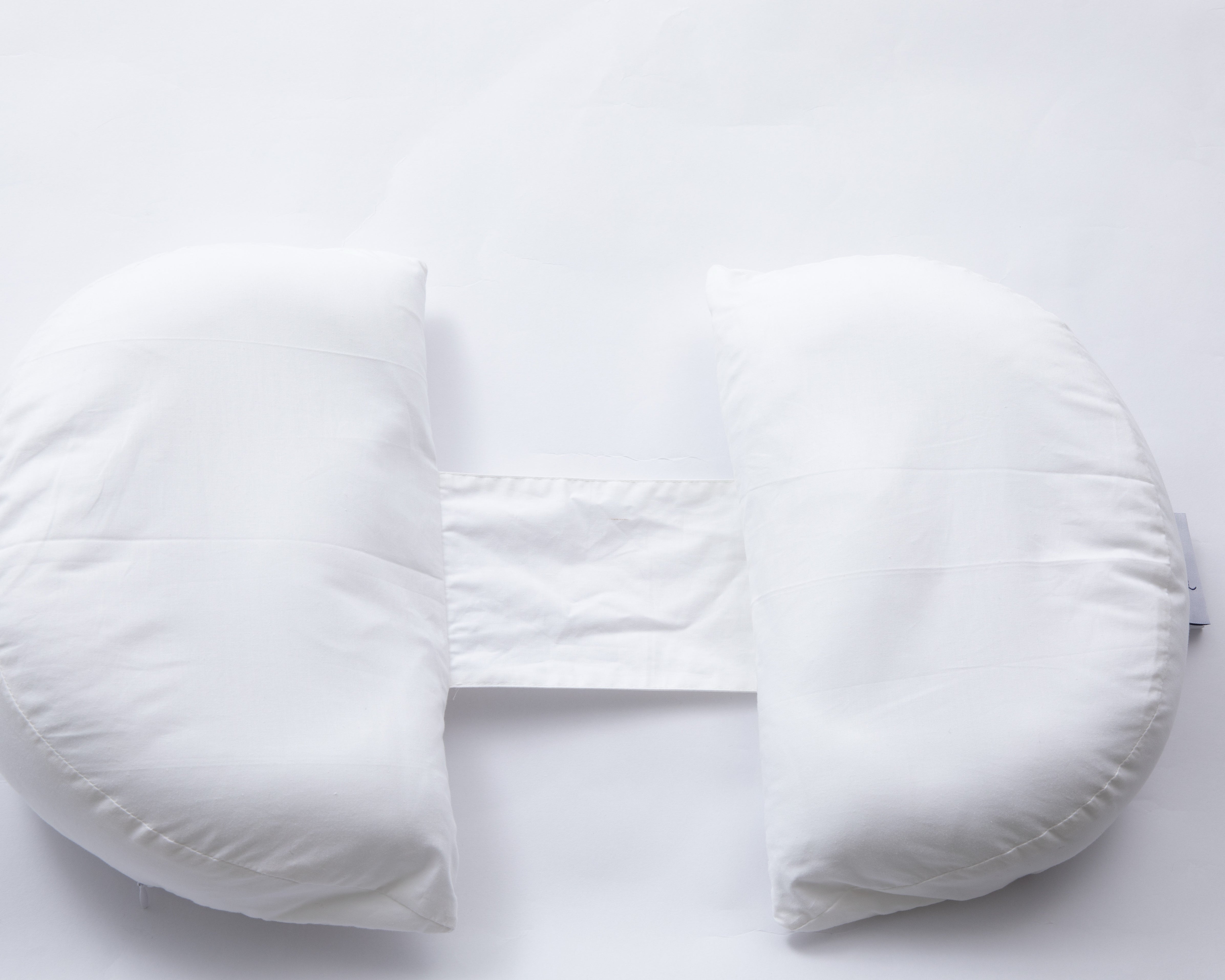
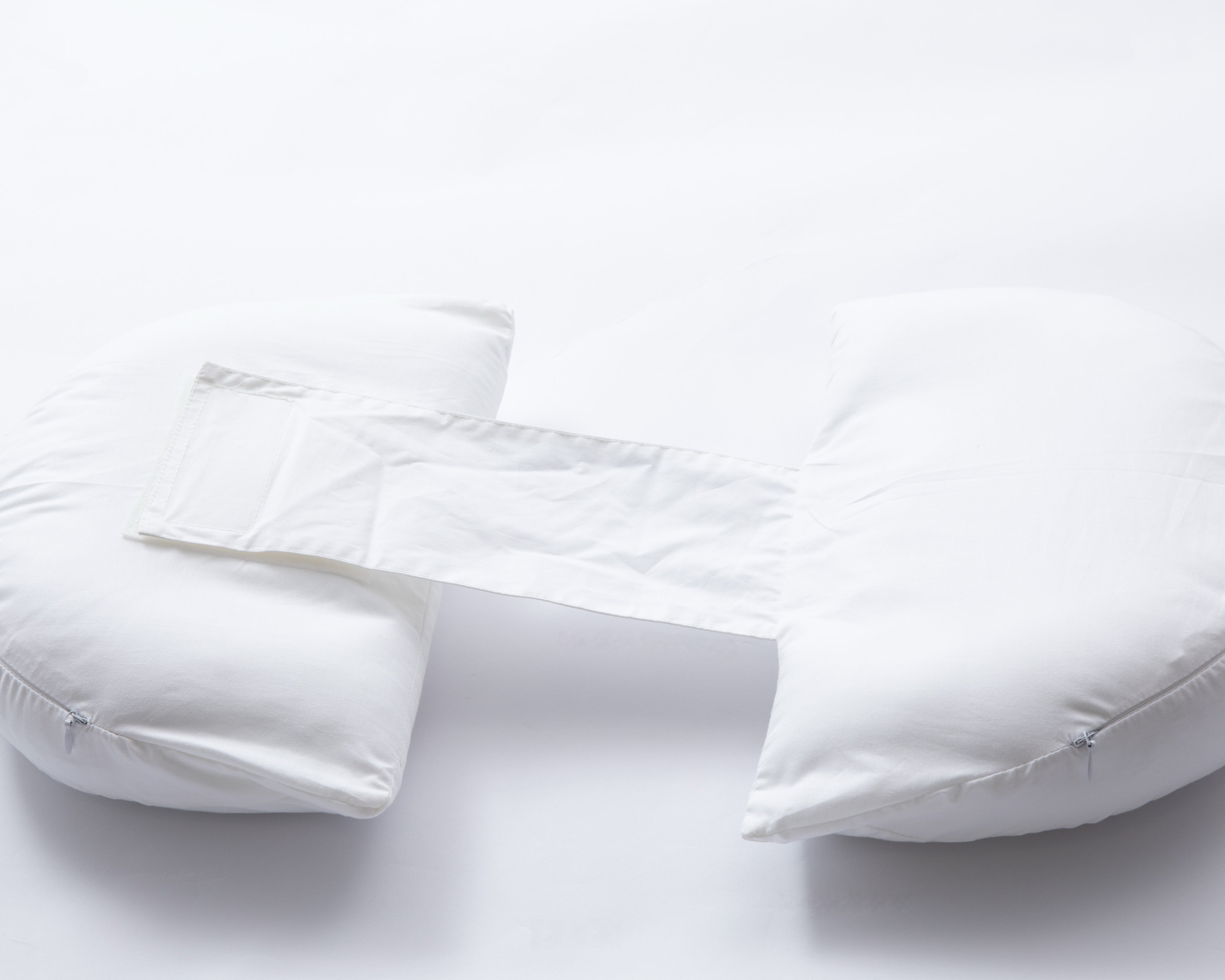
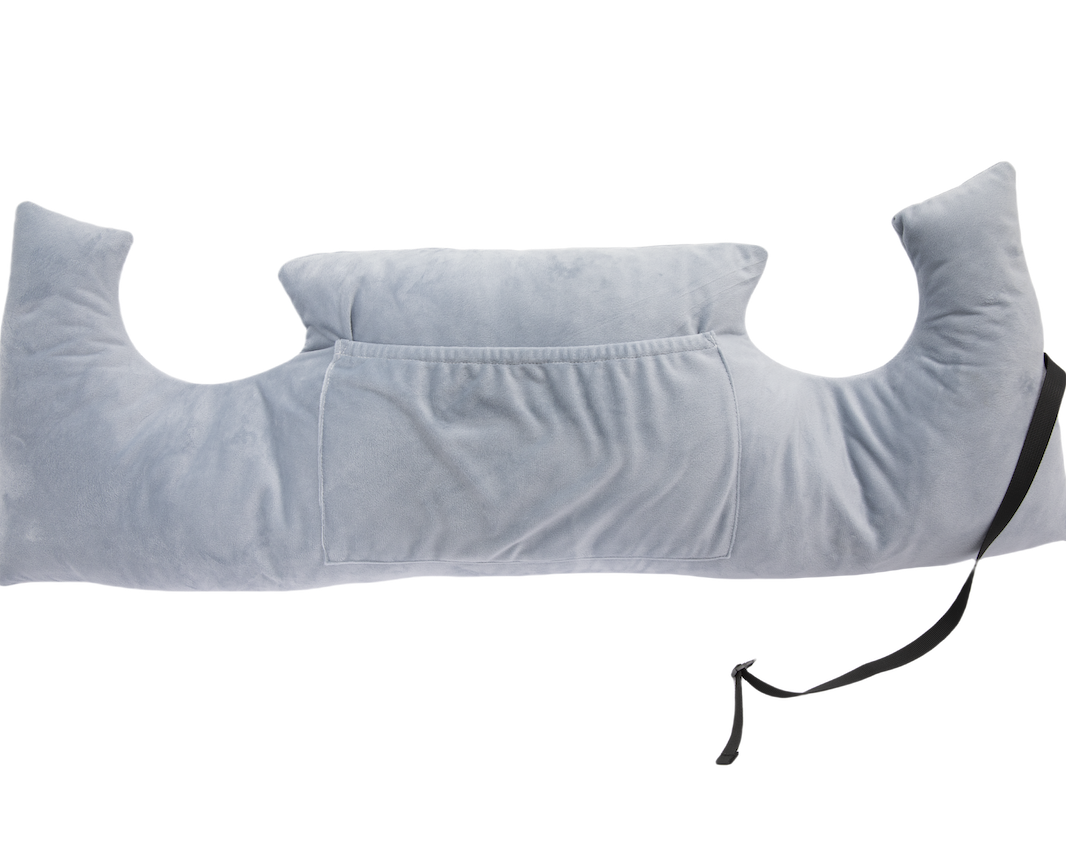
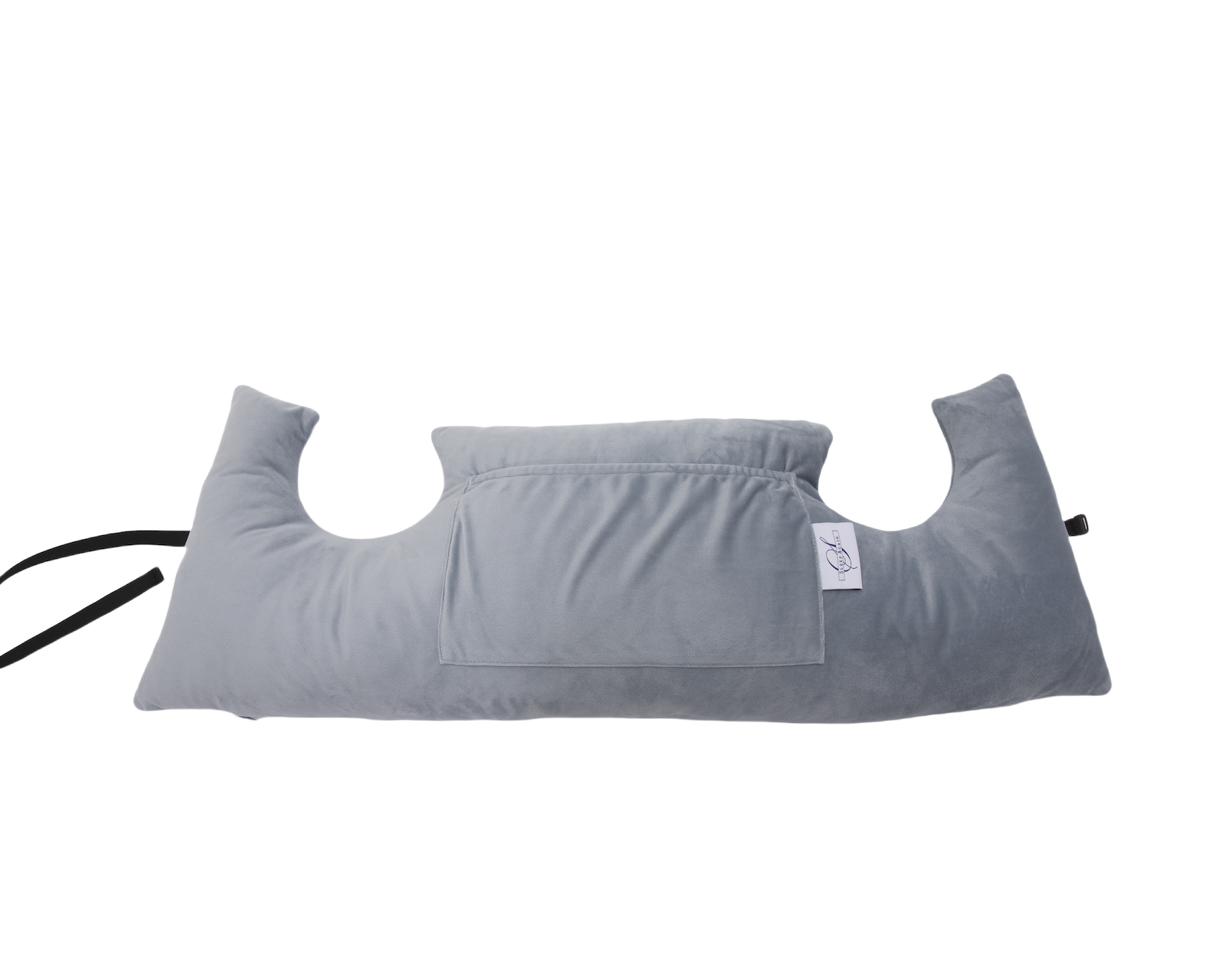
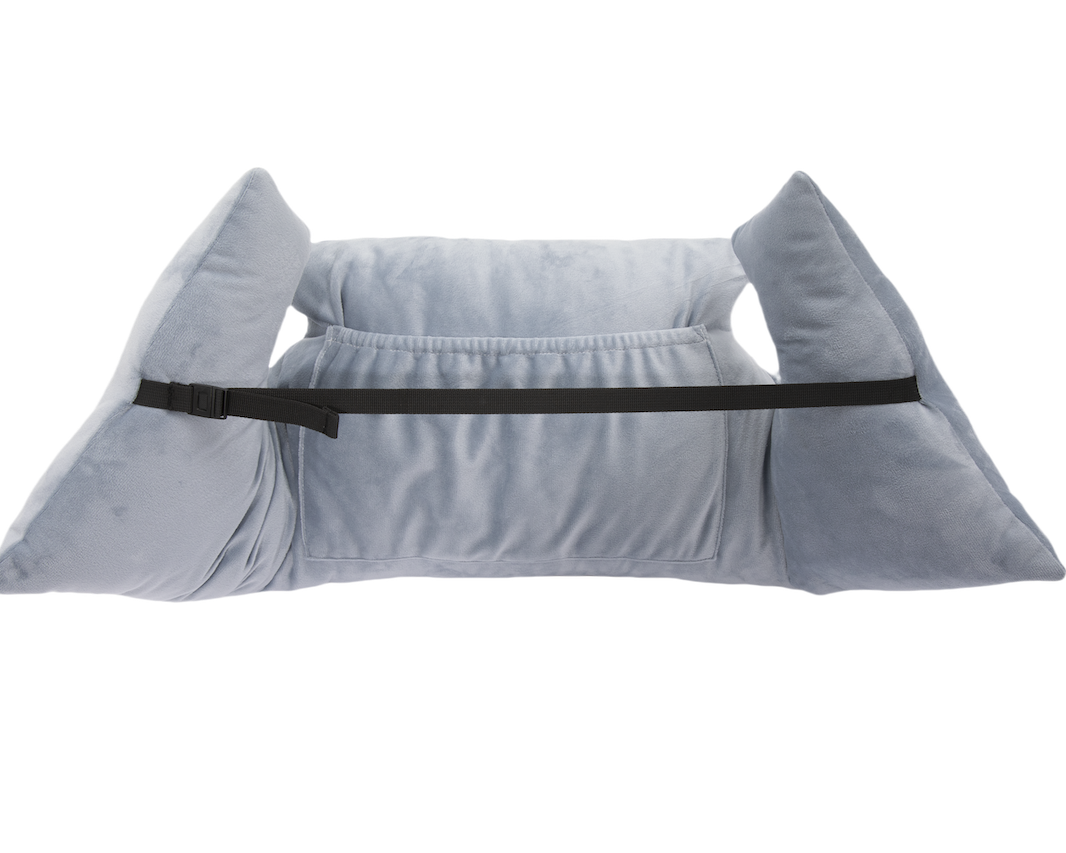
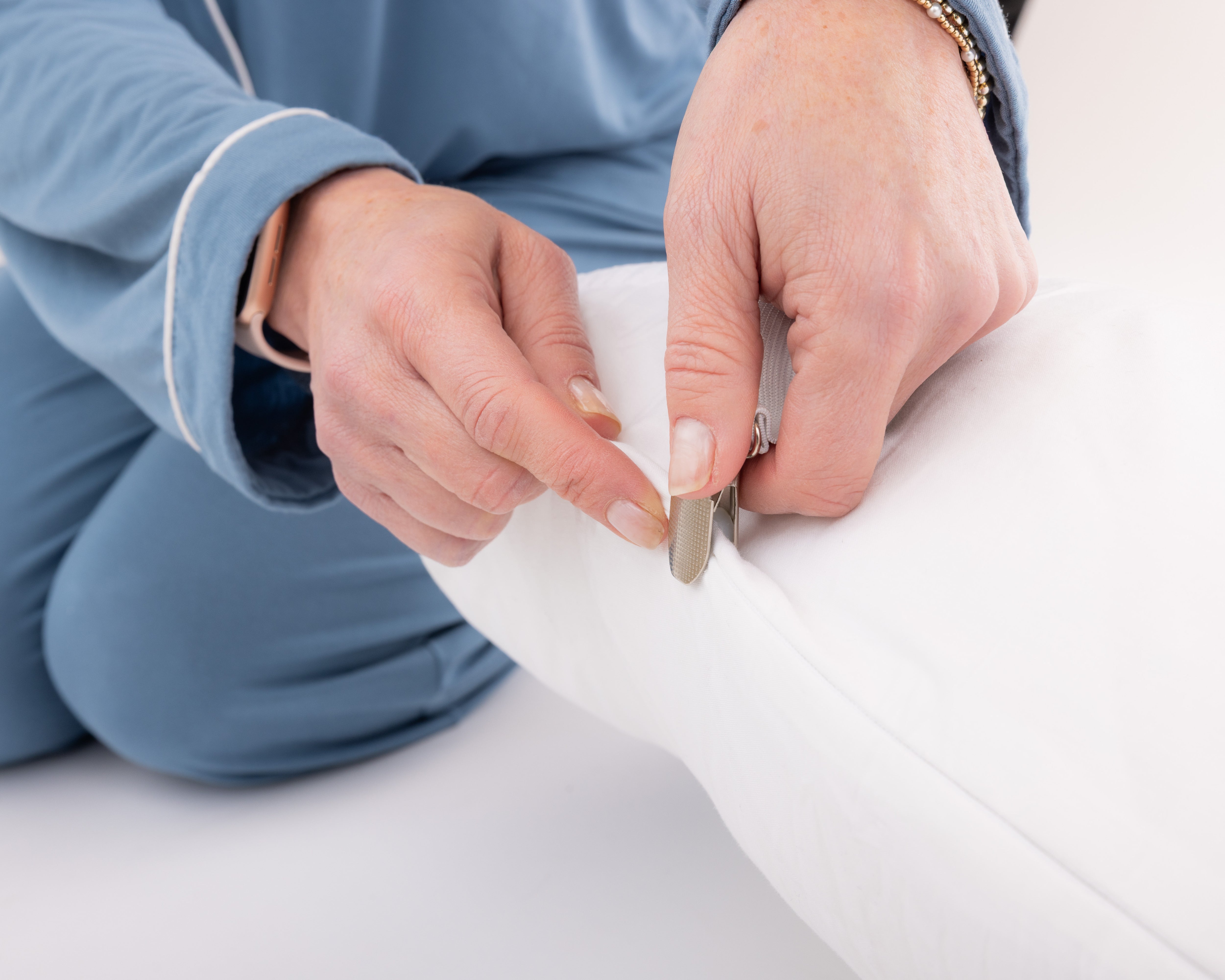
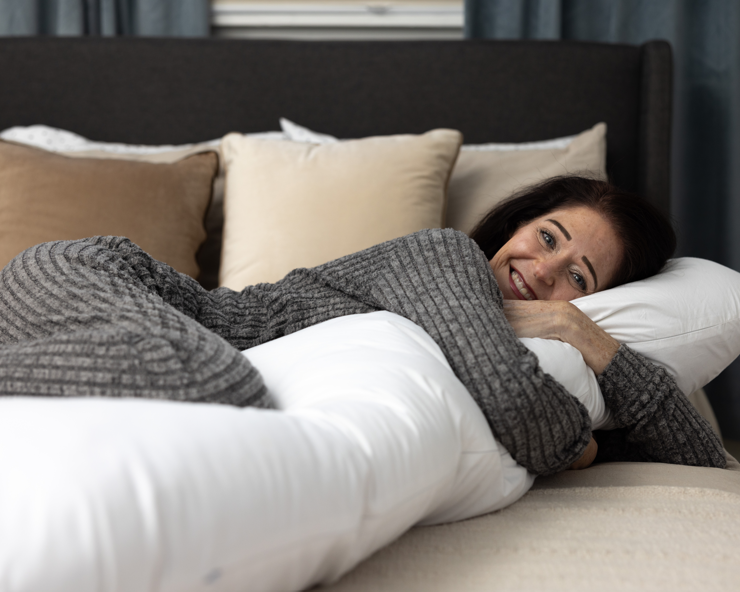
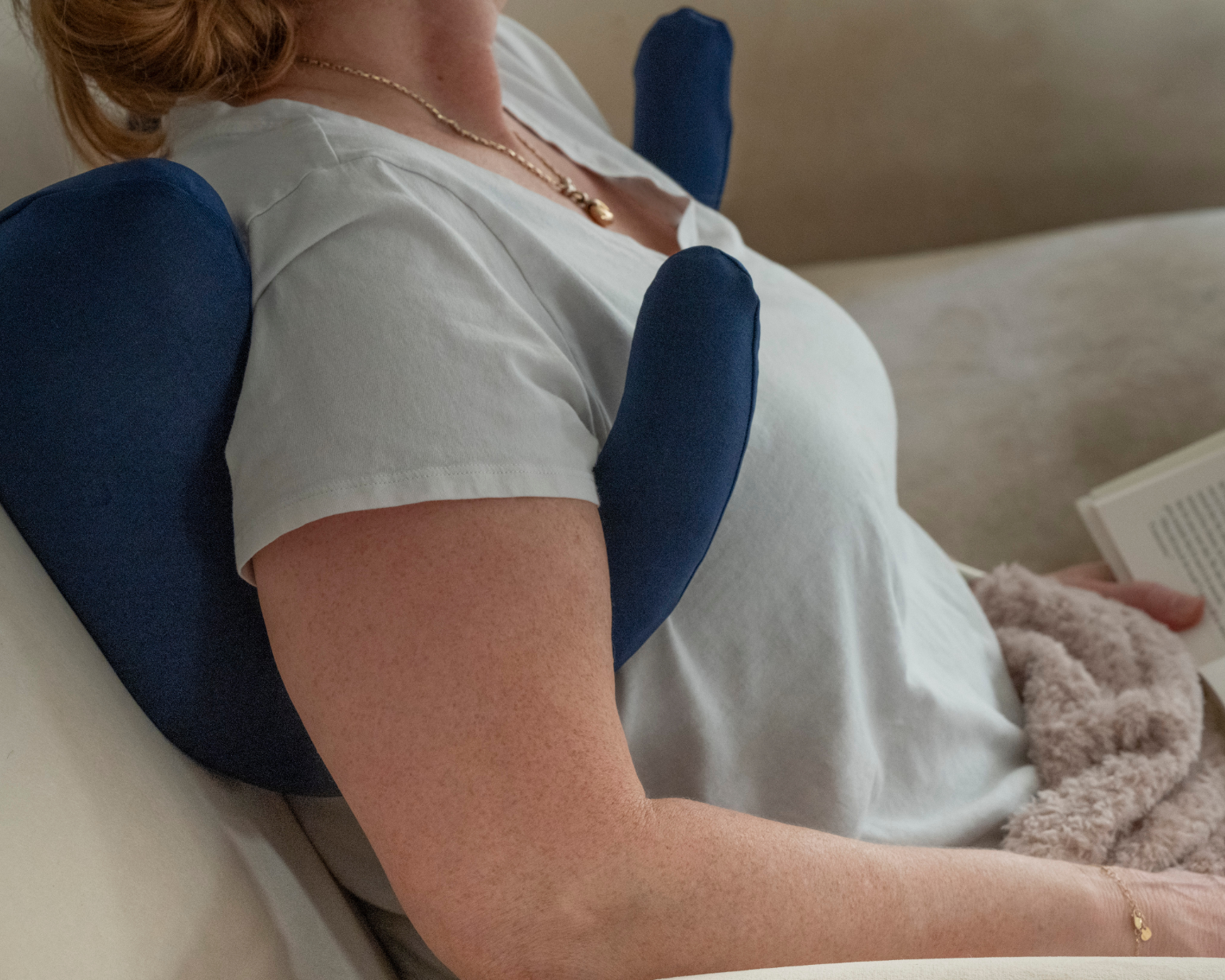
Two Contoured Side Pillows to cradle the back and hips and prevent rolling throughout the night
-
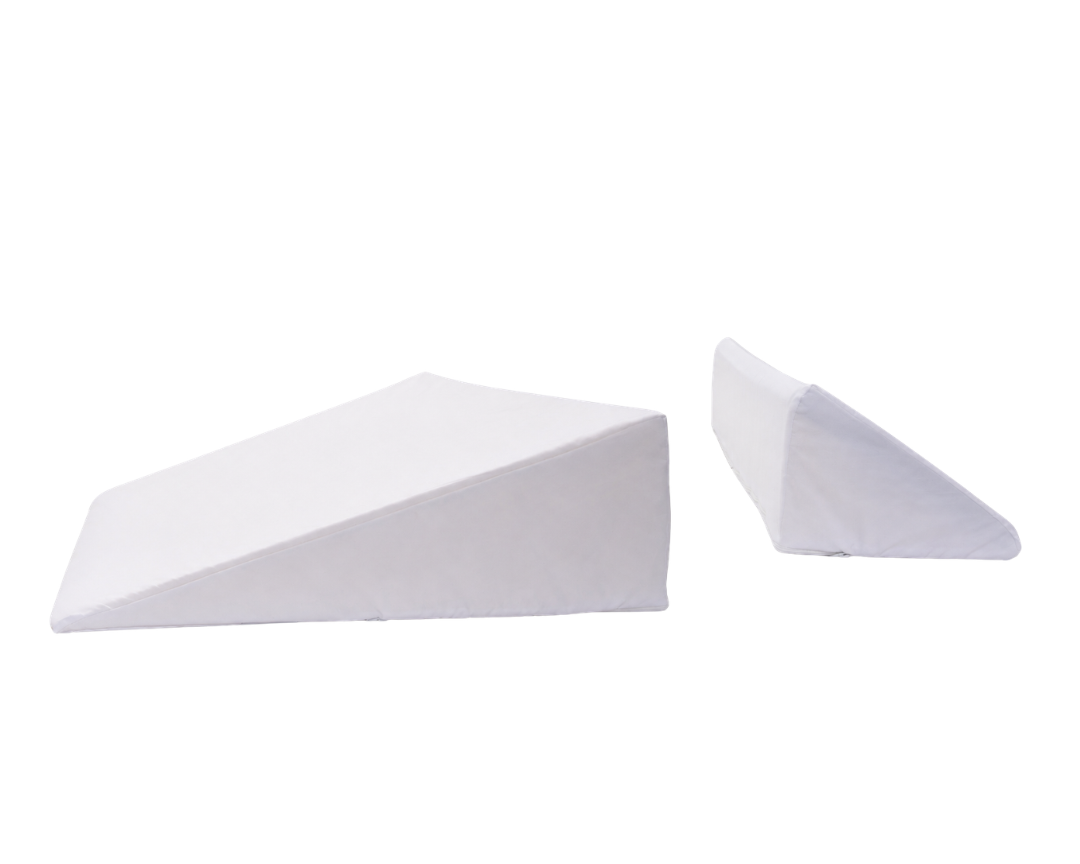
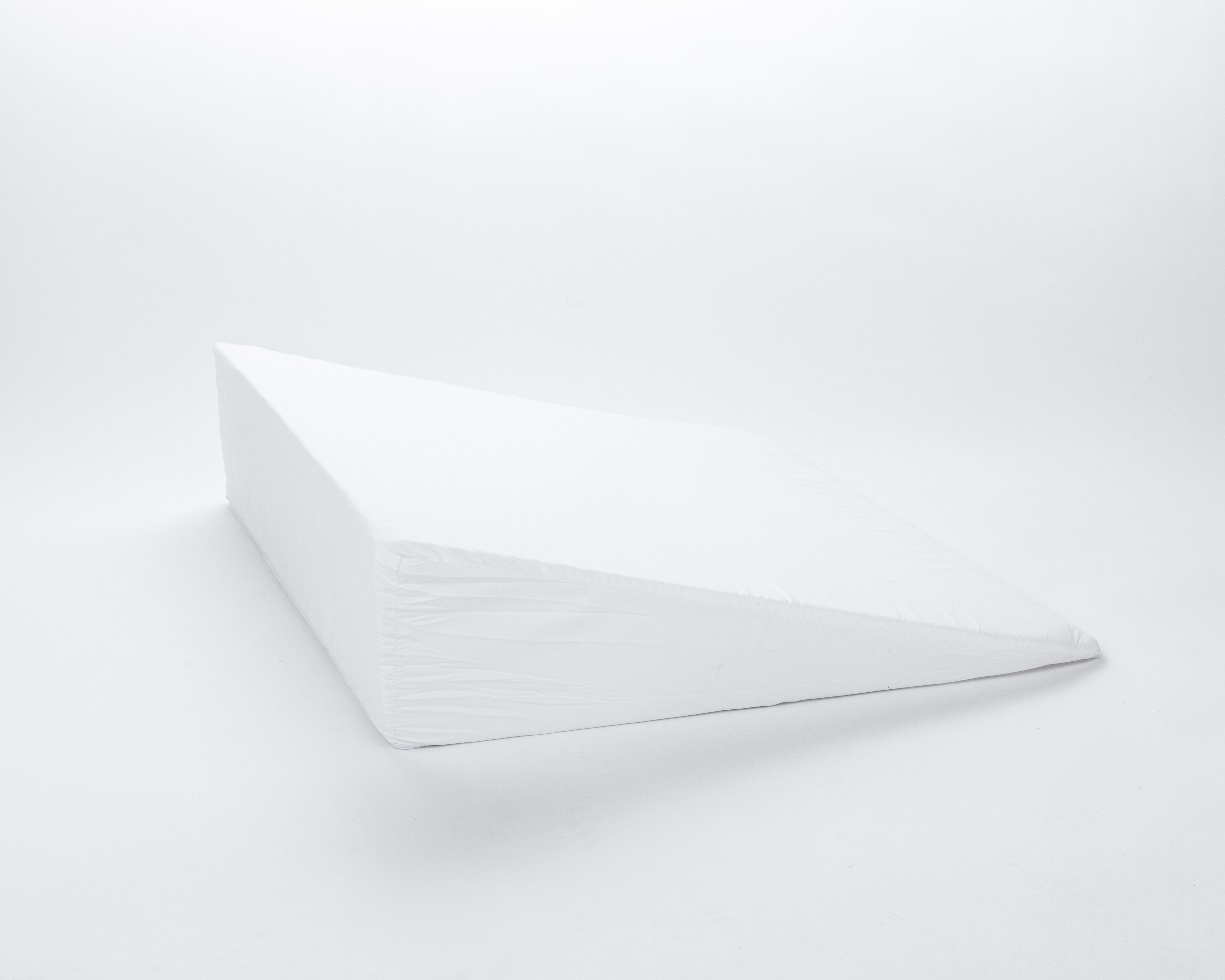
Upper Body Wedge to create optimal upper body incline
-
Leg Support Wedge to gently elevate legs
-
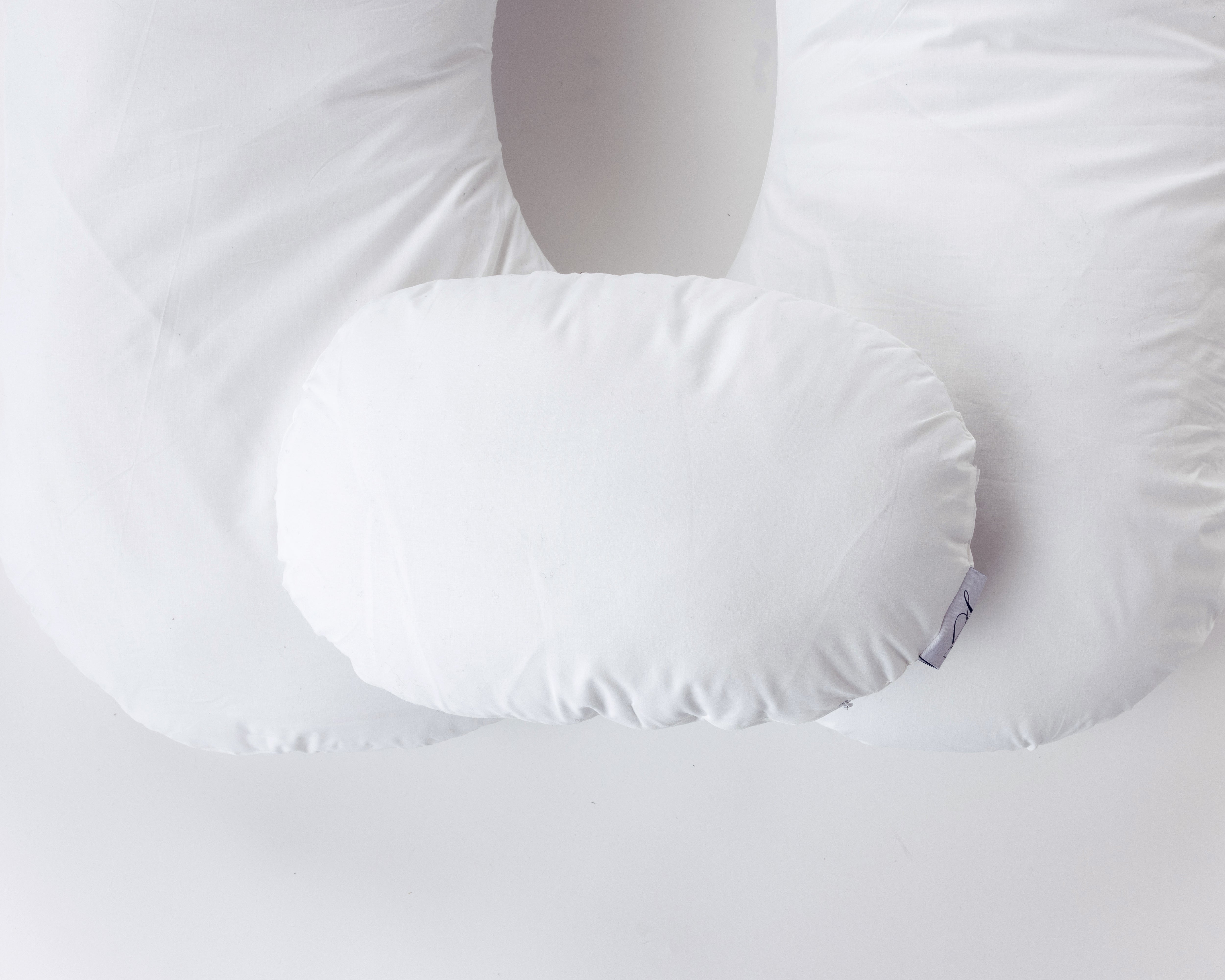
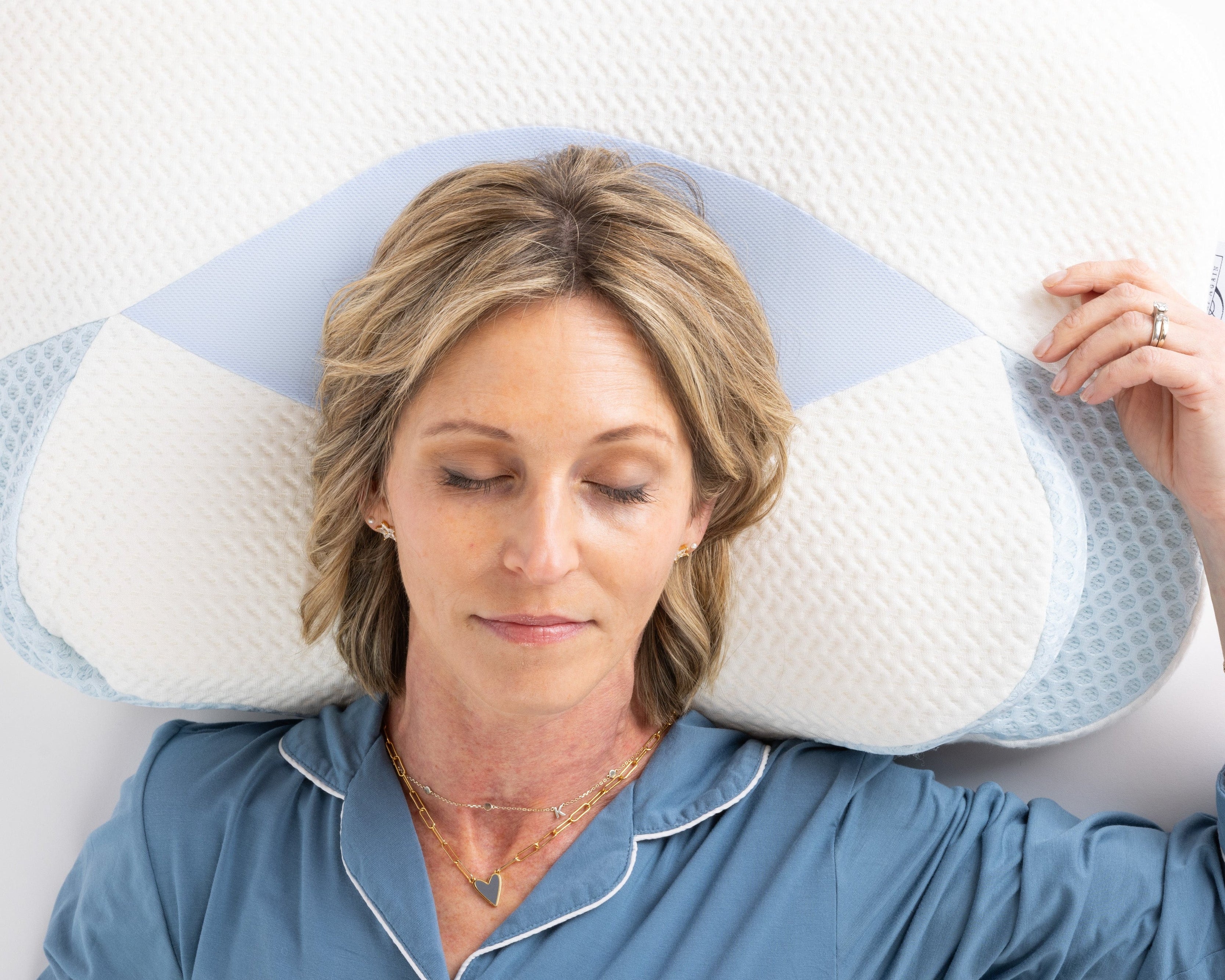
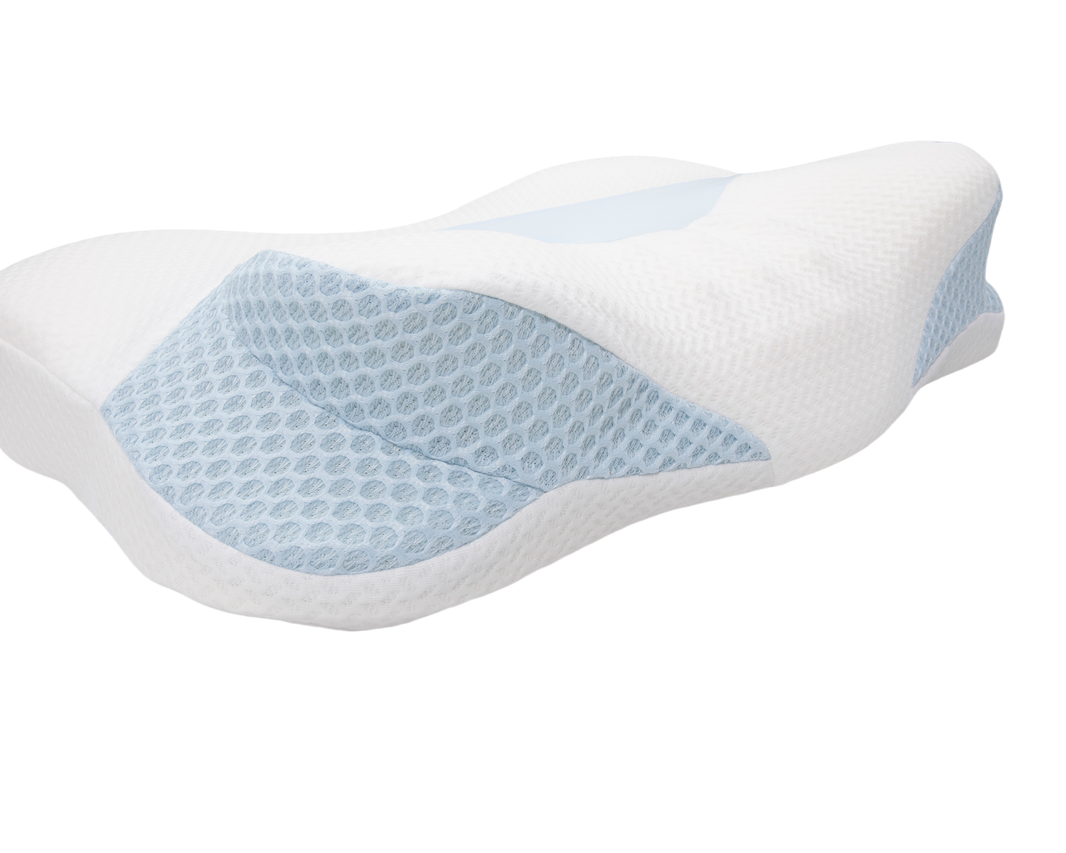
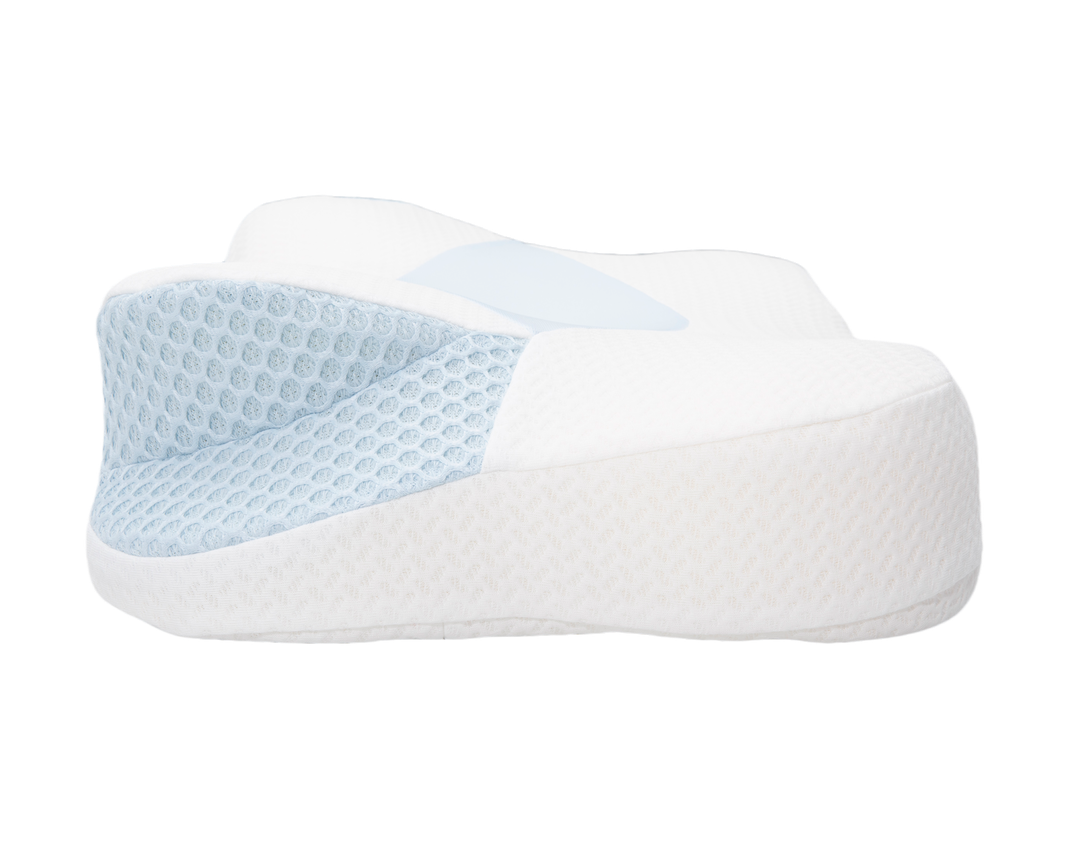
Head Pillow to provide head support and neck mobility
-
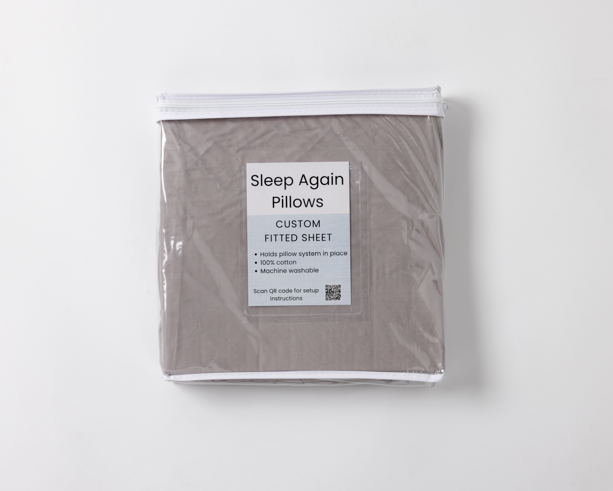
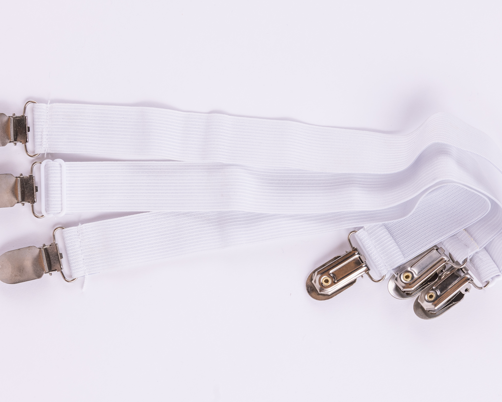
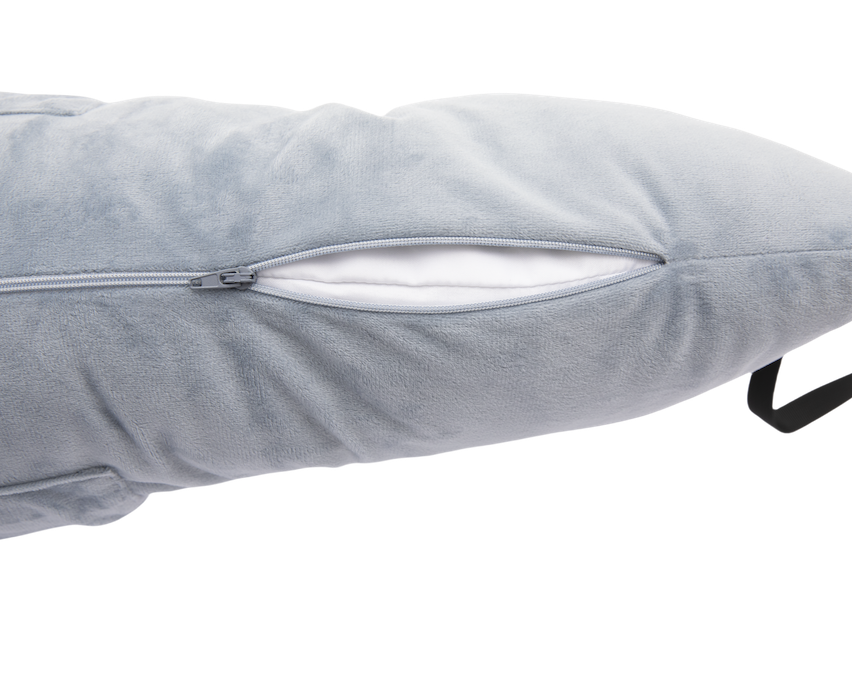
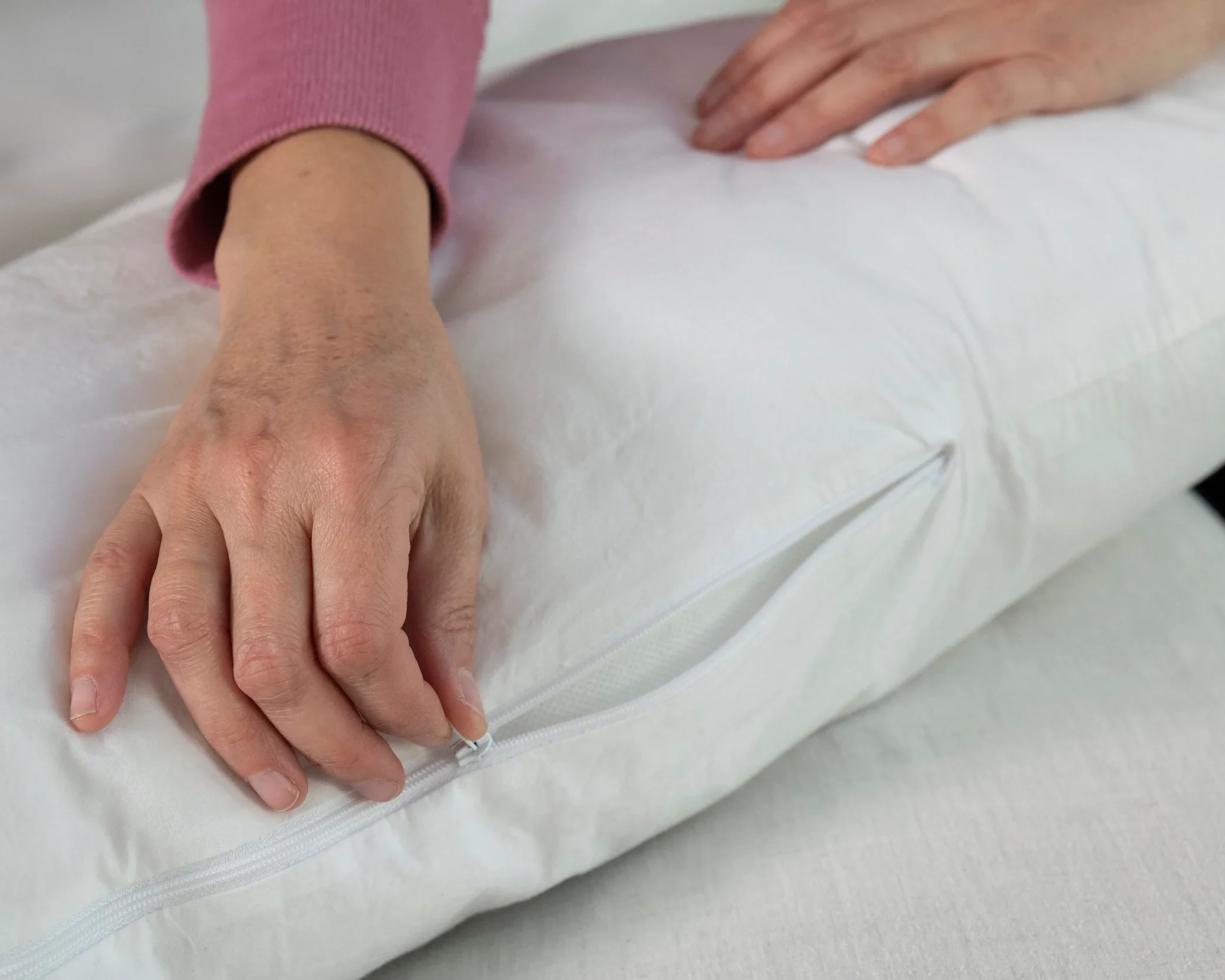
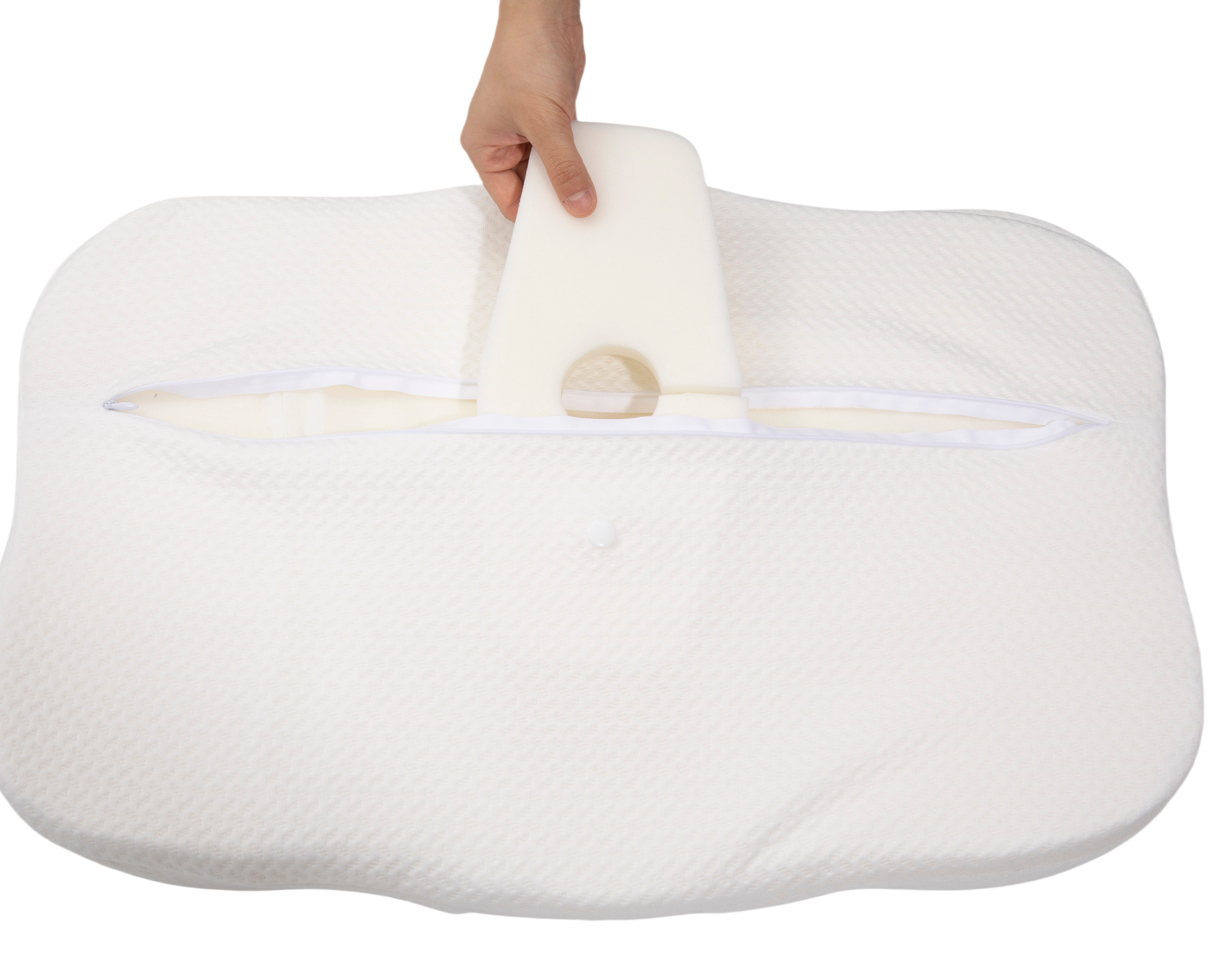
Removable, washable slipcovers for every piece
SHOP THE BEST SYSTEM FOR PANNICULECTOMY RECOVERY

How Each Component Addresses Panniculectomy Recovery Needs
Each piece of the Sleep Again Pillow System is designed to solve a specific positioning problem that panniculectomy patients encounter during recovery sleep.
The Upper Body Wedge creates and holds the 30-to-45-degree incline that post-panniculectomy recovery requires. Standard household pillows compress under body weight and lose elevation within the first hour or two of sleep. The Upper Body Wedge maintains its angle throughout the night, which means the therapeutic benefit — reduced swelling, relaxed abdominal wall, incision protection — is delivered consistently for the full duration of sleep. Elevation that gradually flattens overnight provides partial benefit at best.
The Two Contoured Side Pillows address the lateral support problem directly. After panniculectomy, rolling onto the side during sleep can place sudden compression on the lower abdominal incision. The Contoured Side Pillows cradle the back and hips, creating stable lateral boundaries that prevent unconscious rolling without creating pressure points of their own. This protection is passive and maintained. It does not require waking up to readjust.
The Leg Support Wedge handles a requirement that is easy to underestimate. Elevating the upper body without simultaneously supporting the knees creates extension in the lower back and tension across the lower abdominal area — the exact location of the panniculectomy incision. The Leg Support Wedge keeps the knees gently raised, relaxing the hip flexors and reducing pull on the surgical site. For panniculectomy recovery, this is a functional positioning component, not an optional comfort feature.
The Head Pillow provides head and neck support sized for the elevated body angle. When the torso is inclined, a standard flat pillow placed on top disrupts alignment between the head and spine. The Head Pillow is proportioned to support the neck in a neutral position relative to the elevated torso, which improves comfort and reduces neck strain across a full night of sleep.
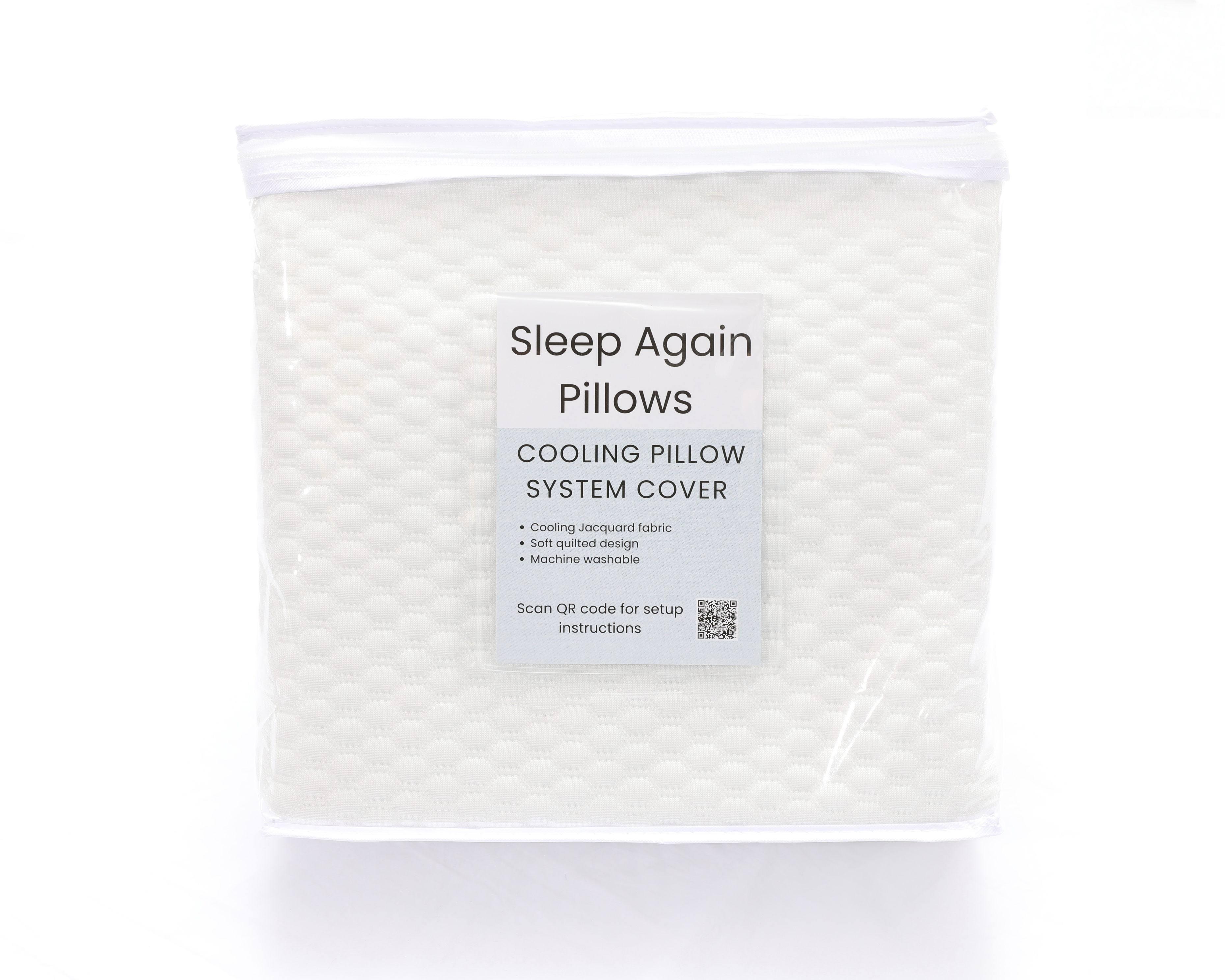
The removable, washable slipcovers meet the hygiene requirements of a multi-week recovery period. Post-surgical recovery involves compression garments, heightened skin sensitivity, and extended time in bed. Slipcovers that can be laundered regularly throughout the recovery timeline are a practical necessity, not a convenience feature.
GET THE BEST SLEEP SYSTEM FOR YOUR RECOVERY

The Sleep Again Pillow System vs. DIY Setups
While a DIY elevated back sleep setup assembled from household pillows is possible for the first night or two of recovery, the limitations become apparent quickly.
Pillows compress and shift during sleep, creating gaps in support and requiring readjustment during the night. Each readjustment means waking up, which interrupts the deep sleep phases during which the body performs the majority of its repair work. The Sleep Again Pillow System eliminates this by providing components designed to maintain their positions and angles throughout the night without adjustment.
For panniculectomy patients, whose positioning requirements typically span four to six weeks, the cumulative difference between a setup that holds and one that needs constant correction is significant. Recovery sleep is not the time to troubleshoot pillow arrangements.
Ordering Before Surgery
The right time to order the Sleep Again Pillow System is before your procedure date. Having a fully configured sleep setup in place eliminates the need to assemble and adjust positioning support while managing post-anesthesia fatigue and surgical discomfort. The system can be set up and tested at the correct angle in advance.
The Sleep Again Pillow System is HSA/FSA eligible, which means patients can use pre-tax medical funds toward the purchase.
Please note that all sales are final and not returnable per federal regulations.
BE PREPARED FOR YOUR PANNICULECTOMY RECOVERY
Sleeping After Panniculectomy: FAQs
How Long Do I Have to Sleep Elevated After Panniculectomy?
Most surgeons recommend elevated back sleeping for a minimum of four to six weeks following panniculectomy. The specific timeline depends on the extent of your procedure, healing progress, and your surgeon's protocol. Follow your surgical team's guidance above any general timeline.
Is It Normal to Have Difficulty Sleeping After Panniculectomy?
Yes. Sleep disruption in the first one to two weeks is common and expected. Discomfort, medication effects, and adjustment to an unfamiliar sleep position all contribute. The goal in early recovery is to maximize the quality of sleep you do get through consistent positioning — not to expect uninterrupted nights immediately.
What Is the Best Way to Get In and Out of Bed After Panniculectomy?
The log-roll technique is the standard recommendation after abdominal surgery. Rather than sitting straight up — which requires significant abdominal muscle engagement — roll onto your side first, then use your arms to push up to a seated position. This distributes the effort away from your incision and reduces strain on the surgical site.
Can I Use My Recliner to Sleep After Panniculectomy?
Recliners are not designed for post-surgical positioning. Most allow the hips to sink in ways that create tension on the lower abdominal incision, and few provide the knee elevation or lateral support that panniculectomy recovery requires. A dedicated elevated sleep setup — upper body wedge, knee support, and lateral pillows — gives you consistent positioning across your entire recovery.
When Can I Return to Sleeping on My Side After Panniculectomy?
Side sleeping clearance is typically given between four and six weeks post-operatively, depending on healing progress. Introducing side sleeping before clearance risks placing torque and compression on an incision that has not yet reached adequate strength. When it is reintroduced, do so gradually and with lateral support to control the degree of body rotation.
Why Does My Lower Back Hurt When I Try to Sleep Elevated After Panniculectomy?
Lower back discomfort during elevated back sleeping is usually caused by insufficient knee support. When the upper body is elevated without corresponding knee support, the lower back is placed in an extended position that creates strain over time. Adding firm support under the knees to keep them gently bent resolves this in most cases. If it persists, discuss it with your surgical team.
Do I Need to Set an Alarm to Reposition During the Night?
Setting a scheduled alarm for repositioning is not necessary and can fragment your sleep further. The goal is a starting position stable enough to last through natural sleep cycles. Waking repeatedly due to discomfort usually points to a setup issue — insufficient elevation, inadequate knee support, or lateral support that has shifted — not a need for more frequent repositioning.
Important Medical Disclaimer
The information provided on this page is for educational purposes only and should not replace professional medical advice from your healthcare provider. Sleep Again Pillows are positioning support products designed to help maintain sleep positions recommended by medical professionals during recovery and for therapeutic use.
Always follow your surgeon's or physician's specific post-operative instructions and positioning requirements. Medical guidance from your healthcare team takes precedence over any general information provided here. Recovery timelines, positioning angles, and product suitability vary based on individual surgical procedures, medical conditions, and patient-specific factors.
Consult your healthcare provider before purchasing positioning equipment if you have specific medical concerns or questions about whether these products are appropriate for your recovery or medical condition(s). Your medical team can provide personalized recommendations based on your unique situation.
Sleep Again Pillows do not diagnose, treat, cure, or prevent any medical condition. These products provide positioning support to help maintain sleep angles and positions as directed by your healthcare provider.