
Canadian surgical wait times are a known reality of the public health system. Whether you're looking at a few months or closer to a year, one thing is consistent across every specialty, every province, and every procedure type — the patients who use that time well recover faster and more smoothly than the patients who don't.
This is your guide to doing exactly that. Not because optimism is a strategy, but because preparation is.
The Pre-Surgery Window: Why It Matters More Than Most Patients Realize
There's a widespread assumption among surgical patients that recovery begins the day of surgery. It doesn't. Recovery begins the moment you know surgery is coming — and how you spend the weeks and months leading up to your procedure has a direct, measurable impact on what happens afterward.
Surgeons increasingly recognize the value of what's called prehabilitation — the deliberate preparation of the body and its environment before surgery, designed to arrive at the procedure in the best possible condition and with the clearest possible recovery plan. It's not about being in peak athletic shape. It's about eliminating avoidable barriers to recovery before they arise.
The wait period that feels passive is, in reality, your single best opportunity to influence your own outcome.
How Do I Physically Prepare My Body for Surgery?
Physical preparation before surgery is one of the highest-return investments a surgical patient can make. The principle is straightforward: the body that heals best is the body that arrived at surgery with the most reserves.
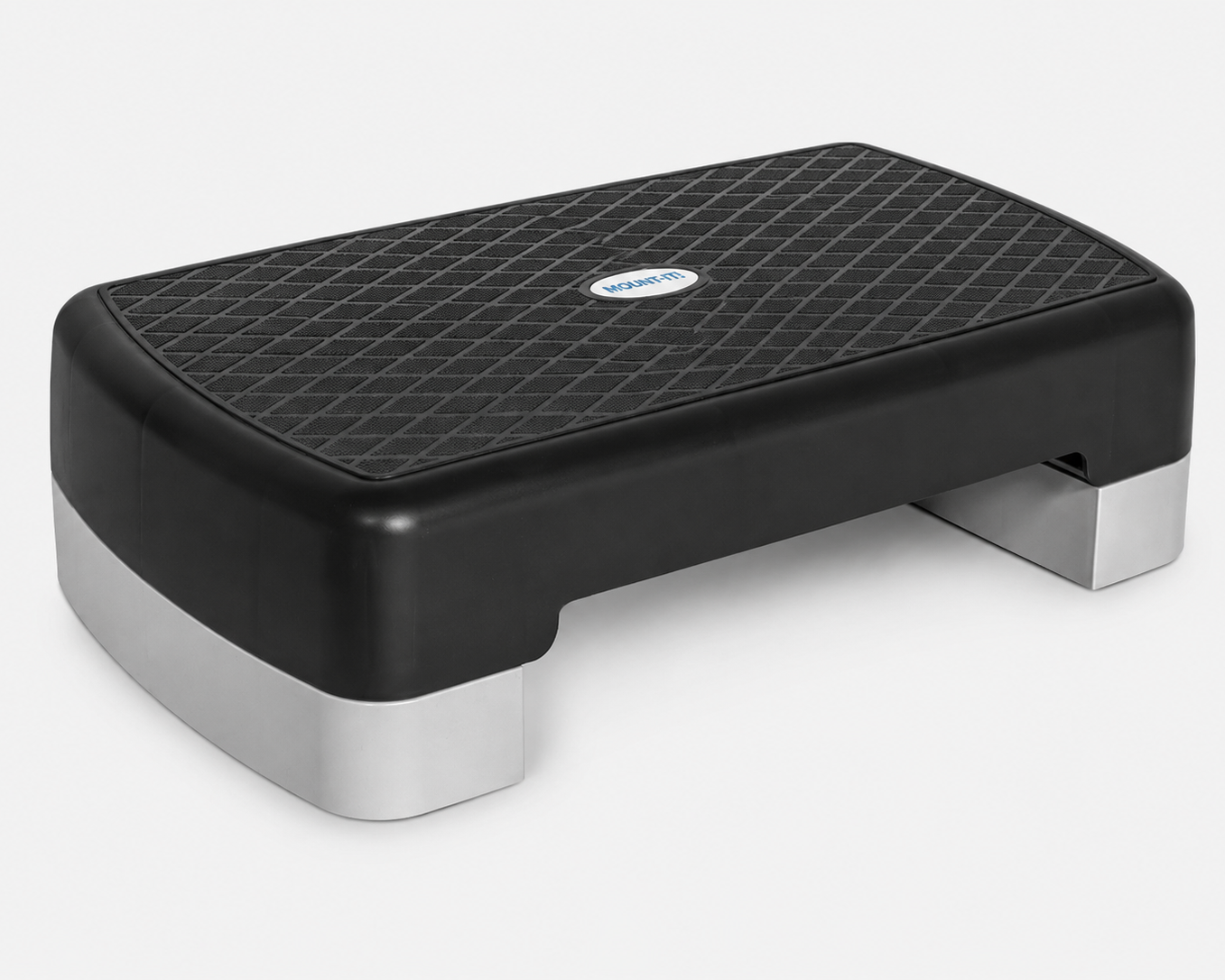
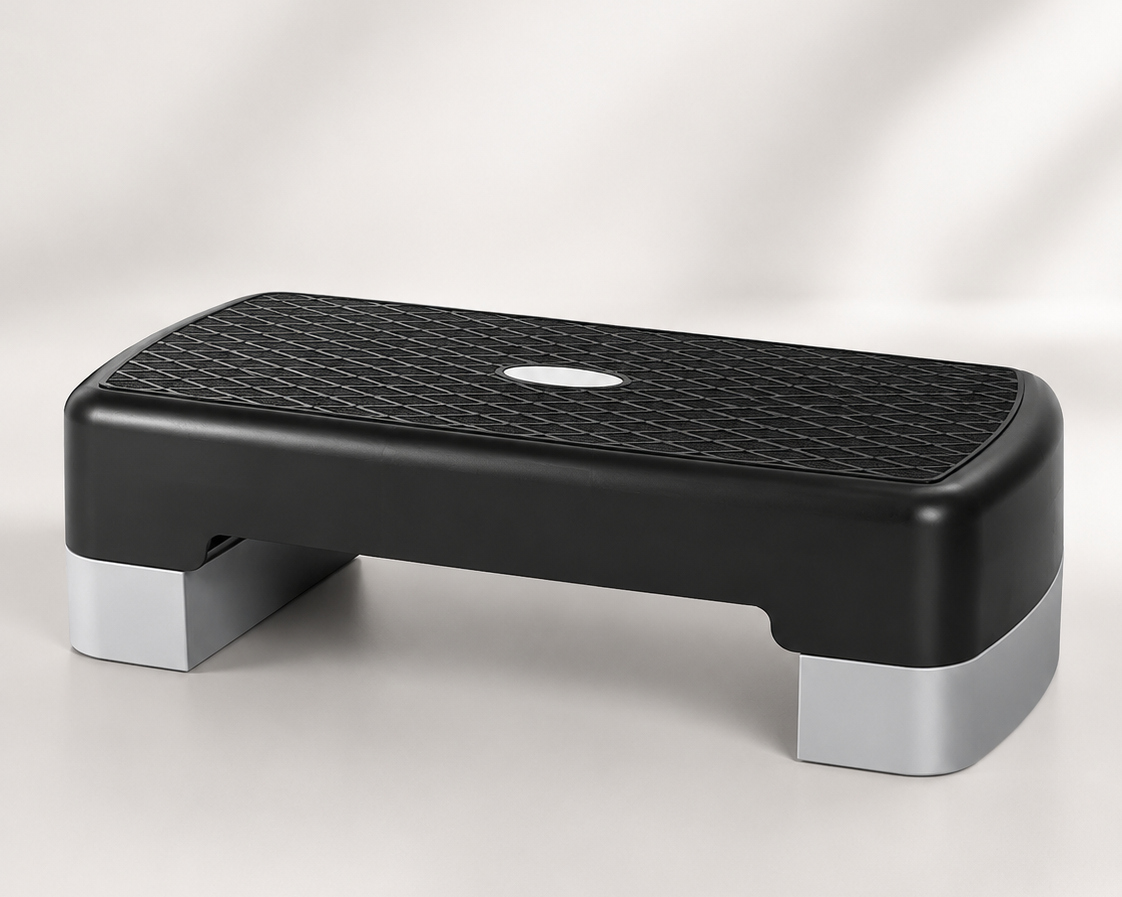
Build a cardiovascular baseline. The heart and lungs carry a significant load during surgery and recovery. Moderate-intensity aerobic exercise — walking, swimming, stationary cycling — strengthens cardiovascular function, supports healthy circulation, and improves the body's capacity to deliver oxygen and nutrients to healing tissue. Even patients managing pain or limited mobility can generally find a low-impact option that works. The goal isn't fitness performance; it's functional reserve.
Strengthen supporting musculature. Surgical recovery places unexpected demands on muscles adjacent to the operative site. Patients who undergo hip or knee surgery, for example, quickly discover that the strength of their core and surrounding leg muscles determines how well they navigate the early weeks of recovery. Building targeted strength in the weeks before surgery — with physiotherapy guidance specific to your procedure — creates a buffer against the deconditioning that follows any significant operation.
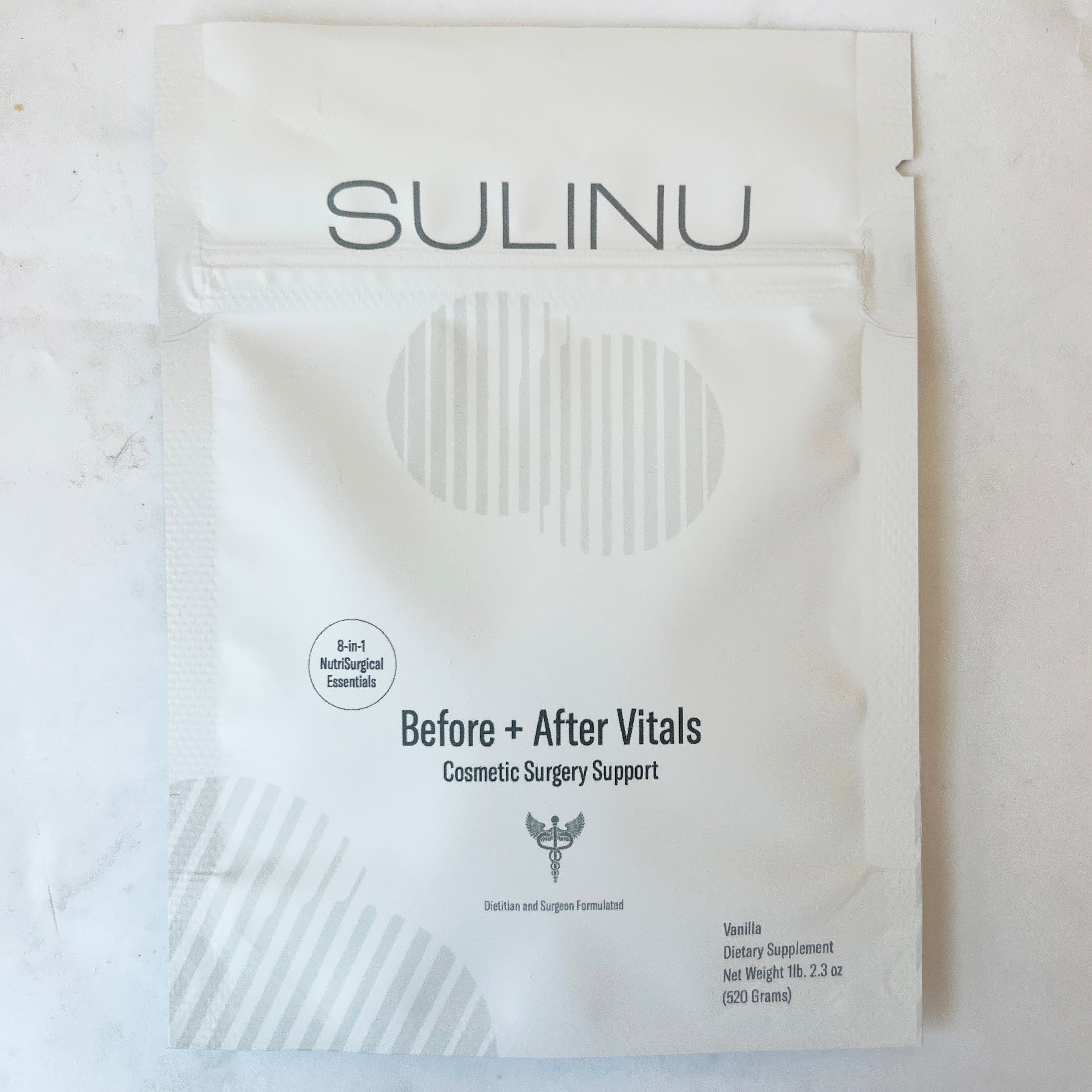
Prioritize protein and nutrition. Tissue repair is a nutritional process. The body draws heavily on protein to rebuild what surgery disrupts, and patients who arrive nutritionally depleted heal more slowly and are more vulnerable to infection. A pre- and post-surgical supplement can help support your healing journey.
Address modifiable risk factors. Smoking is the most impactful modifiable risk factor in surgical outcomes, with well-documented effects on wound healing, respiratory function during anesthesia, and infection risk. Every week of smoking cessation before surgery improves outcomes. Reducing alcohol intake is similarly well-supported. These are not minor lifestyle suggestions. They have a direct, measurable impact on recovery quality.
Support your sleep. Chronic pain conditions that require surgical intervention often disrupt sleep for months or years before the procedure. Patients who address sleep quality proactively — using positioning systems, consistent sleep schedules, and environmental optimization — arrive at surgery better rested and better positioned to handle the physiological demands of healing.
How Do I Set Up My Home for Post-Surgical Recovery?
The recovery environment is something many patients think about after surgery. Thinking about it before surgery is the better approach, and the wait period gives you the time to do it properly.
Your bedroom is your recovery headquarters. For the first several weeks following most surgical procedures, your bedroom is where the majority of your recovery happens.
Assess it now, while you have the time and clarity to make thoughtful decisions:
• Is your bed at a height that allows you to get in and out without significant strain?
• Do you have a way to support doctor-recommended sleep positioning, such as elevated back sleeping?
• Are essential items — medications, water, phone, reading material — accessible without reaching or twisting?
• Is there enough space for recovery positioning equipment?
Eliminate fall hazards. Post-surgical patients are temporarily at elevated risk for falls due to reduced strength, altered balance, and medication effects. Bathroom grab bars, a shower chair, a raised toilet seat, and cleared pathways through your home are straightforward modifications that dramatically reduce this risk. These take a few hours to install before surgery. After surgery, they're significantly harder to arrange.
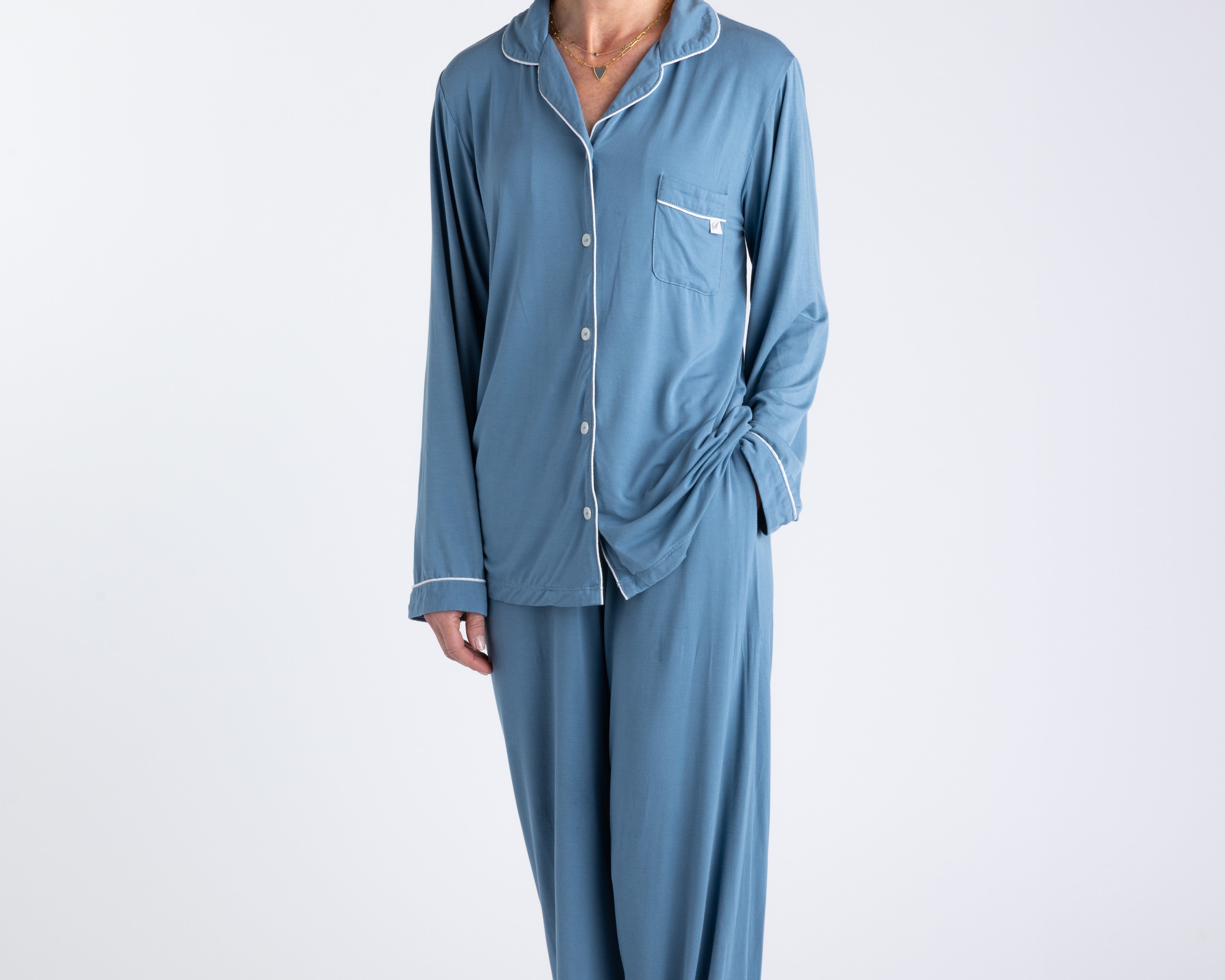
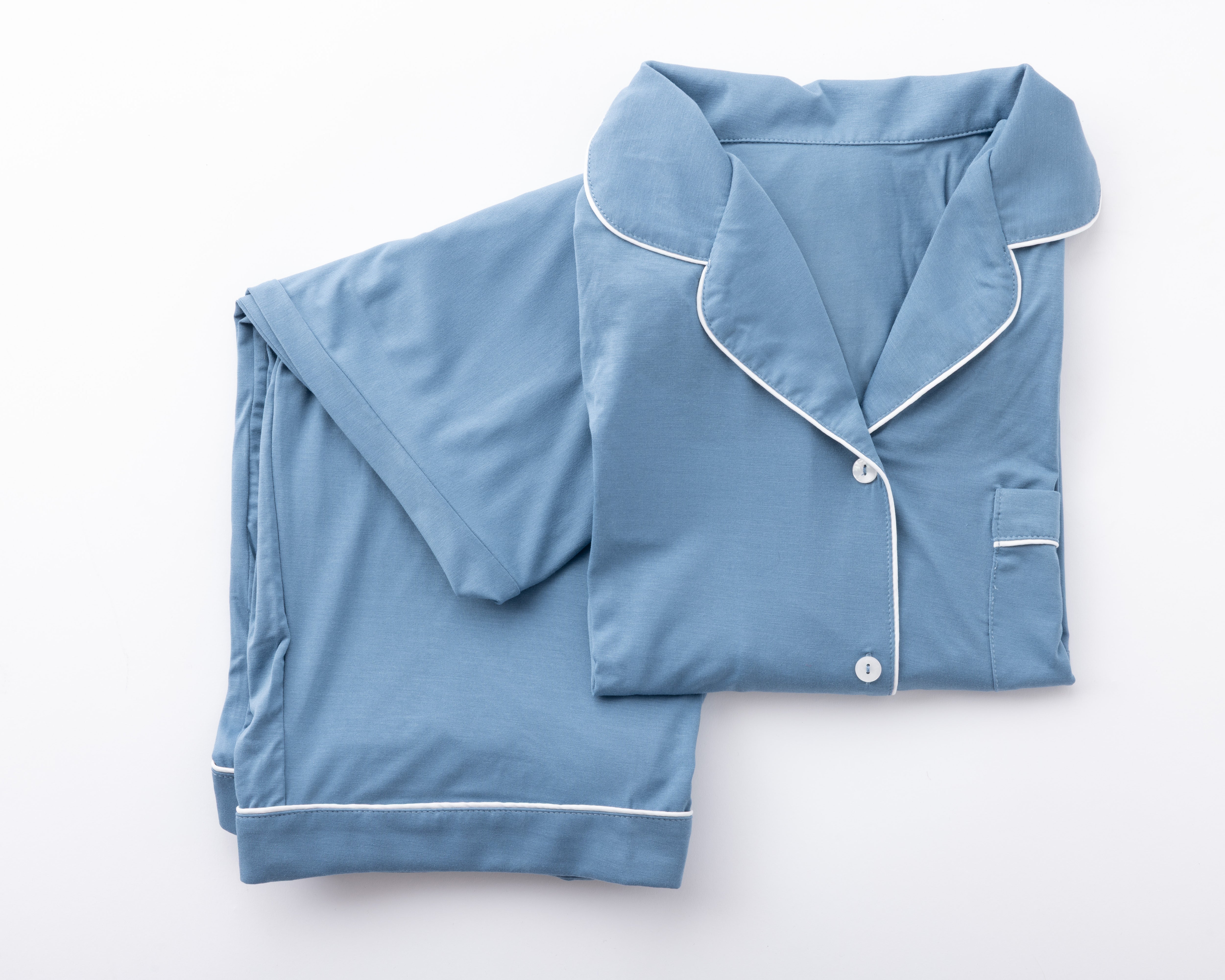
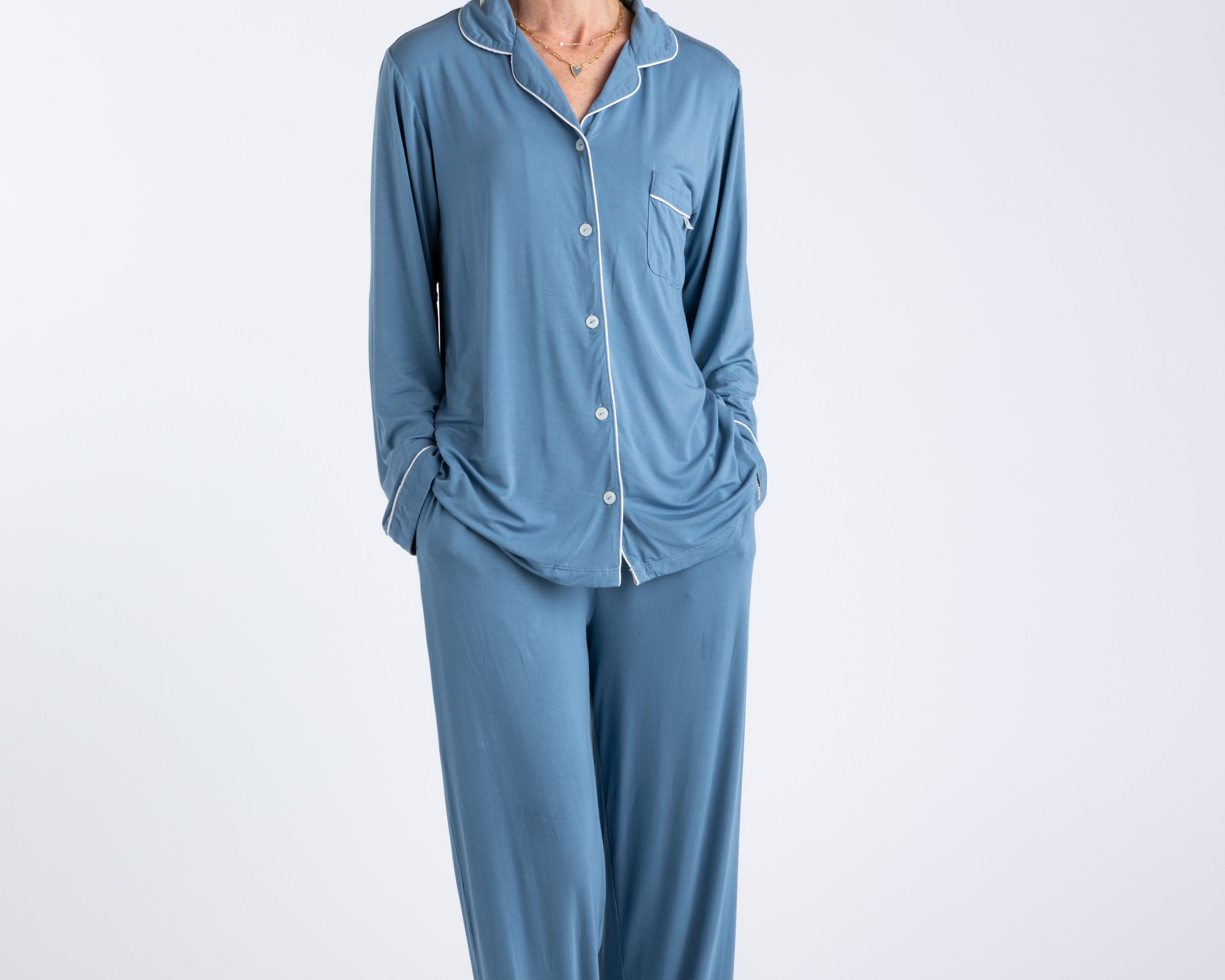
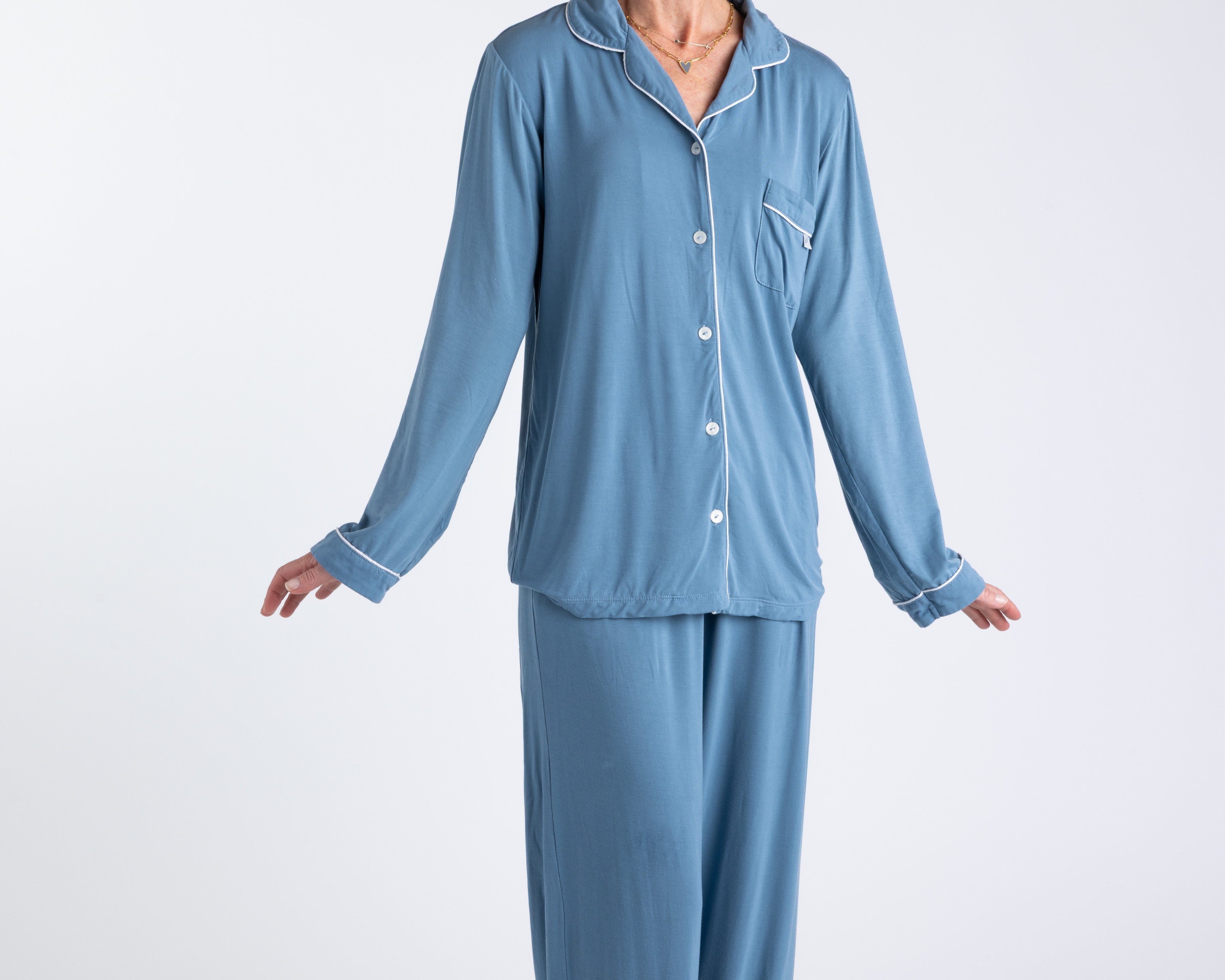
Prepare your clothing. Loose-fitting, front-opening garments are the practical standard for recovery from most upper-body, chest, abdominal, and orthopedic procedures. Purchase these in advance. Clothing that is incompatible with the post-surgical range of motion is a predictable and entirely avoidable obstacle.
Stock your kitchen for recovery. Meal preparation is a physical activity that most surgical patients underestimate. Pre-cooking and freezing high-protein meals, stocking easy-to-prepare nutritious options, and organizing your kitchen for minimal bending, reaching, and carrying removes a significant source of physical strain during recovery.
Coordinate your support team. If someone is helping with your recovery — a partner, family member, friend — brief them before surgery, not during it. Cover your surgeon's specific positioning restrictions, your medication schedule, the physical tasks you'll need assistance with, and how long each phase of recovery is expected to last. Recovery transitions are smoother when the support person arrives informed rather than learning the plan in real time.

Why Does Sleep Positioning Matter So Much After Surgery?
Sleep is when the body performs the majority of its repair work. The physiological mechanisms that drive tissue healing — growth hormone release, immune cell activity, inflammatory regulation, protein synthesis at wound sites — are predominantly active during deep sleep.
Patients who sleep poorly during recovery heal more slowly, experience more intense and longer-lasting pain, and are more susceptible to post-surgical complications. This makes sleep positioning a clinical matter, not a comfort preference.
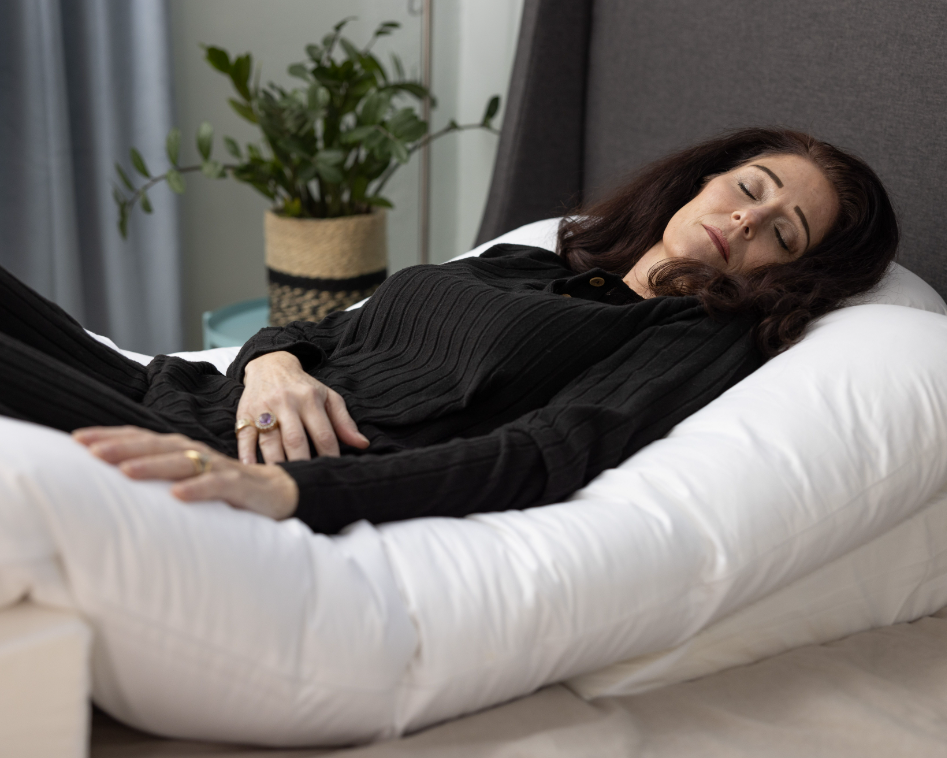
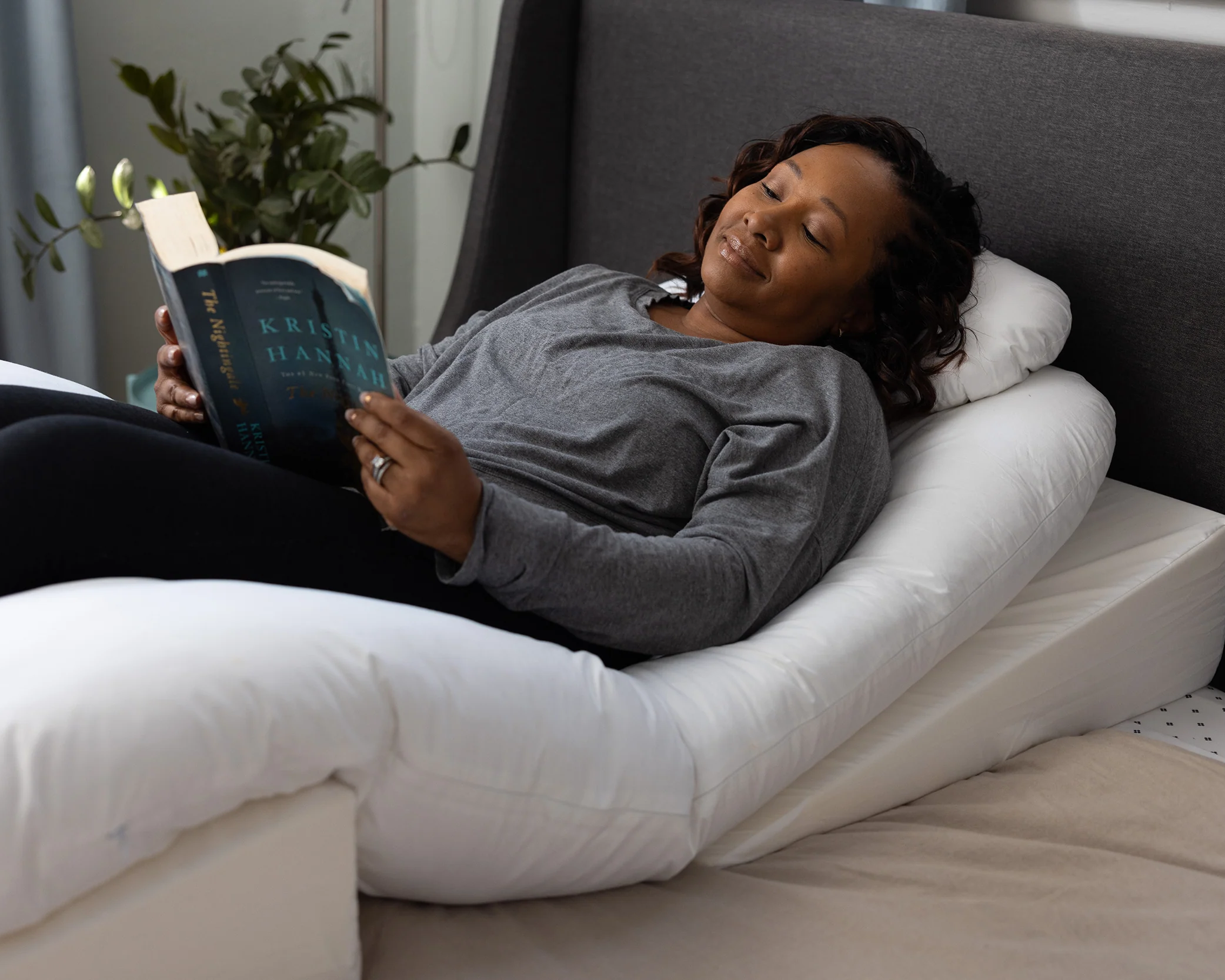
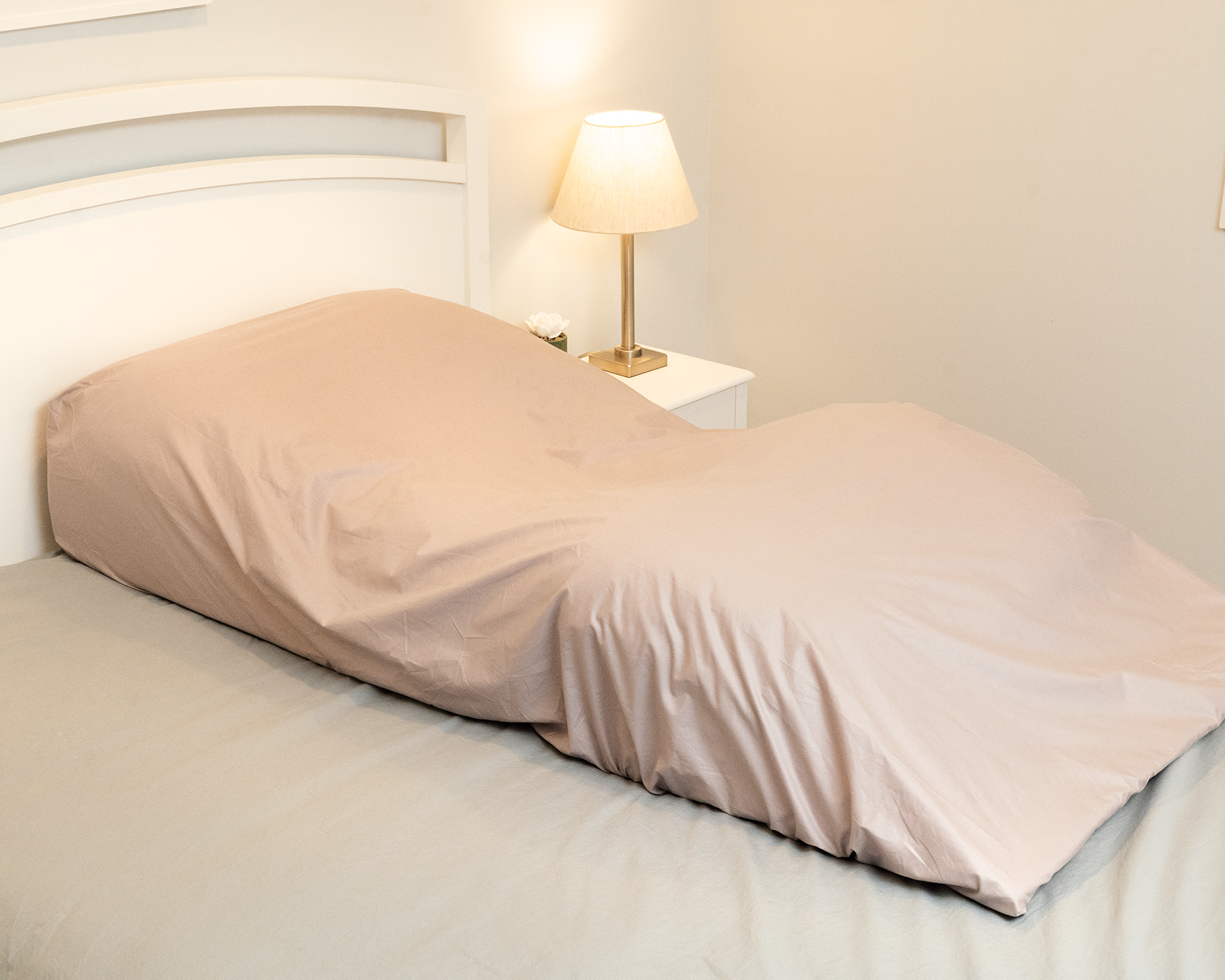
Following the majority of surgical procedures, physicians recommend elevated back sleeping at a 30 to 45 degree incline.
This position accomplishes several things simultaneously:
• It reduces swelling by encouraging fluid drainage away from the surgical site.
• It decreases direct pressure on incisions.
• It supports respiratory function, which is particularly important following chest, cardiac, or abdominal procedures.
• It makes transitioning from lying to sitting significantly easier during the early recovery period when core strength and abdominal muscle engagement are limited.
The challenge most patients encounter is that maintaining a consistent 30 to 45 degree elevation angle throughout a full night of sleep using standard household pillows is genuinely difficult. Pillows compress, migrate, and shift. A setup that appears correctly positioned at the start of the night frequently fails within the first few hours. Patients who wake up flat or rolled to one side typically experience increased pain and swelling as a direct result.
This is precisely why purpose-built surgical recovery positioning systems exist, and why sourcing them before surgery, rather than locating a solution during recovery week, is a preparation decision with direct clinical consequences.
What Can I Expect from the First Week of Recovery?
The first seven days after surgery are typically the most demanding of the entire recovery period. Understanding what is clinically normal during this phase allows patients to prepare appropriately rather than react to developments that were predictable.
Days 1 to 2 are dominated by the residual effects of anesthesia and acute surgical pain. Energy and cognitive function are significantly reduced. Sleep occurs in shorter intervals rather than extended rest periods, and lying flat is typically either uncomfortable or medically inadvisable. Consistent elevated positioning is most critical during this phase.
Days 3 to 4 represent the peak of post-surgical inflammation for most procedures. Swelling, localized stiffness, and disrupted sleep are expected and normal. Maintaining the prescribed elevation angle during sleep directly supports fluid drainage away from the surgical site and helps reduce the duration and intensity of peak inflammation.
Days 5 to 7 bring gradual stabilization. Pain levels typically begin to improve incrementally, sleep quality starts to recover, and mobility increases slightly. Positional restrictions generally remain in place through this phase and often well beyond it.
Patients who have their recovery sleep environment properly configured before surgery navigate this first week with measurably less disruption than those who are arranging equipment and making decisions during it. The physical and cognitive demands of acute recovery are high enough without avoidable logistical problems layered on top.

What Is the Best Sleep System for Post-Surgical Recovery?
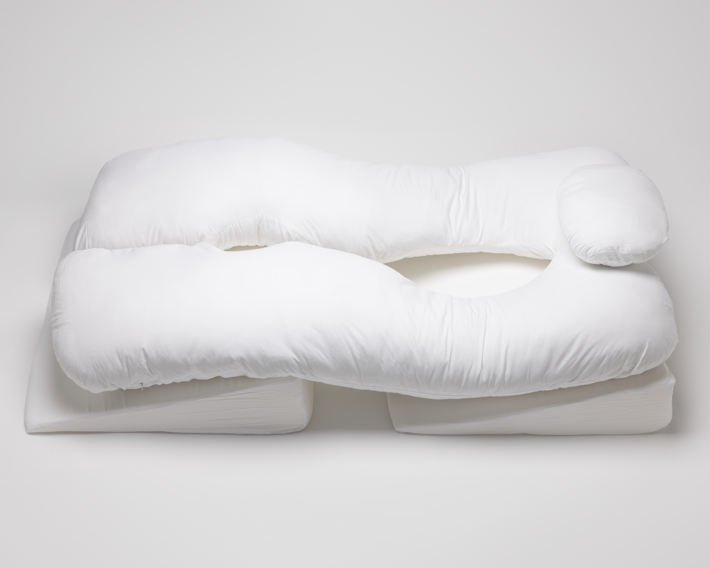
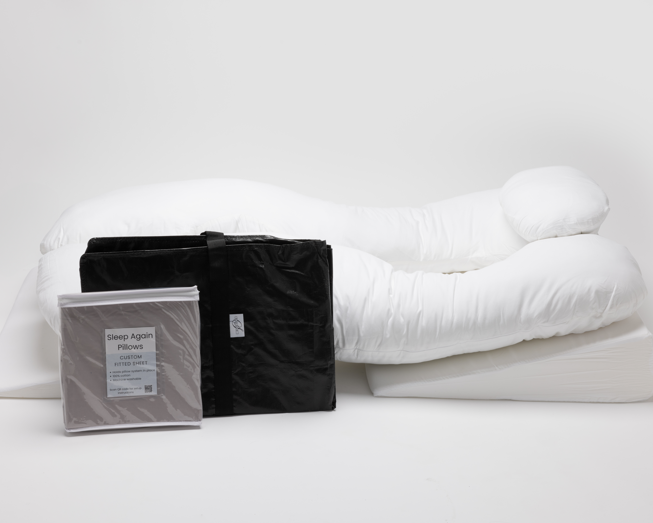
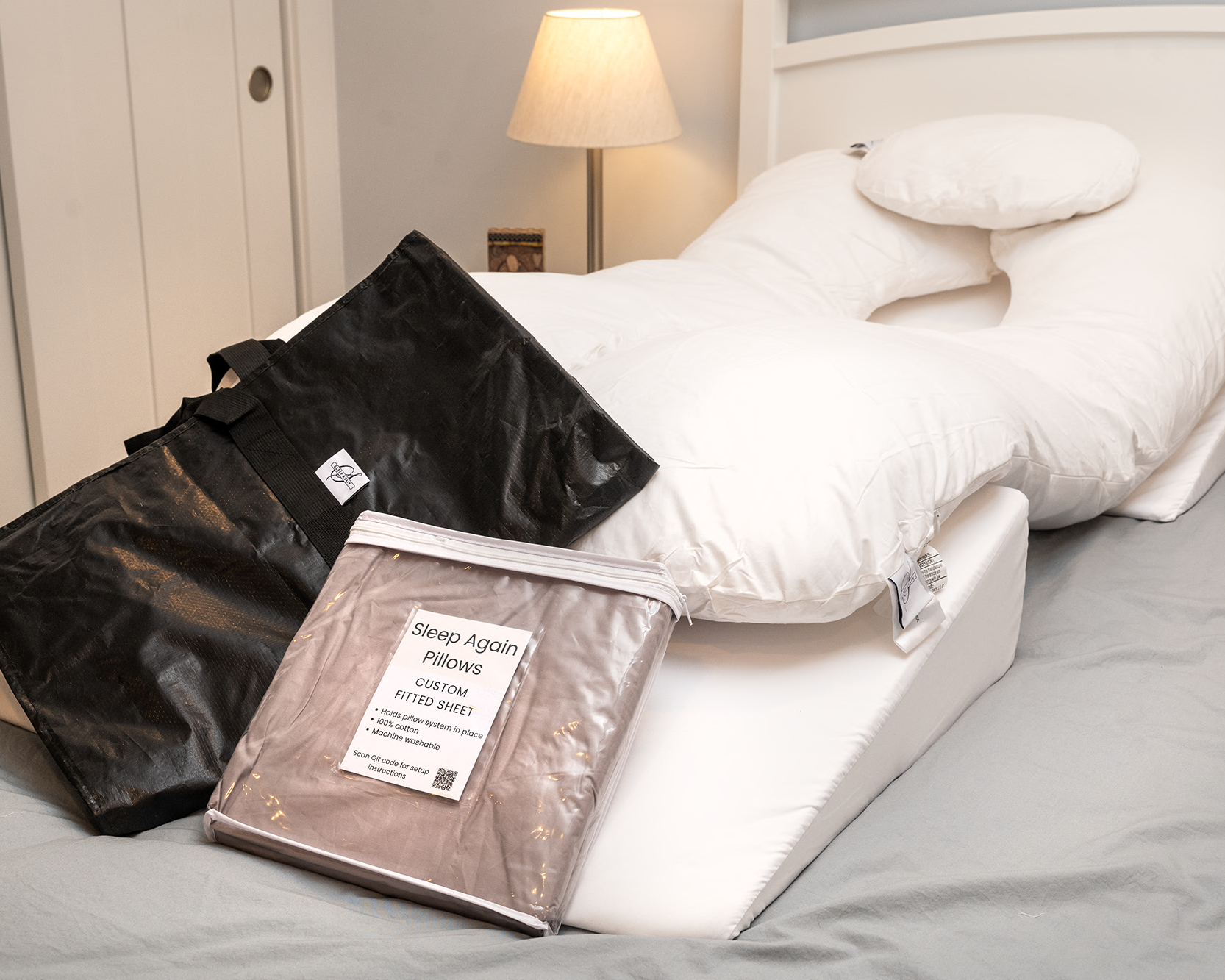
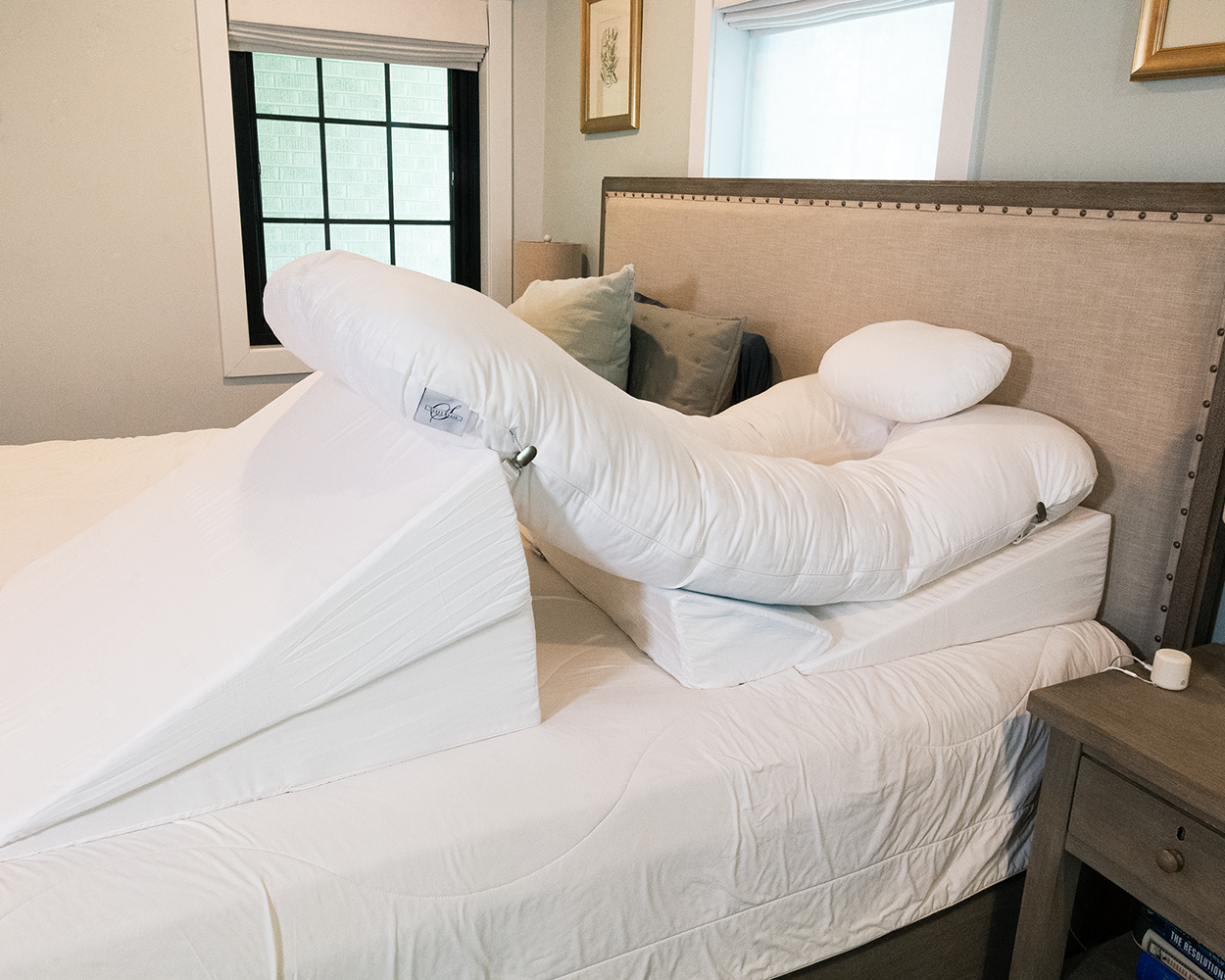
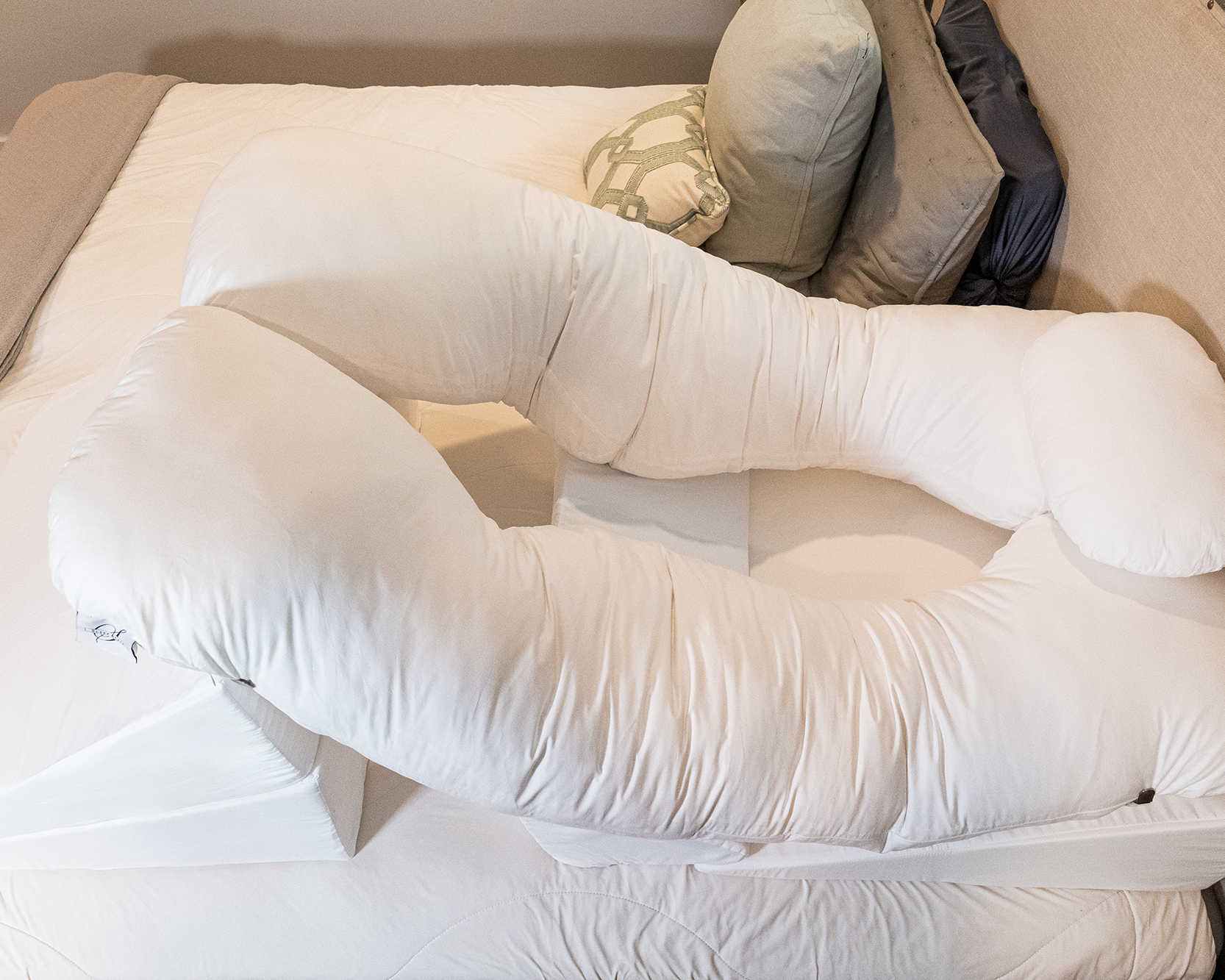
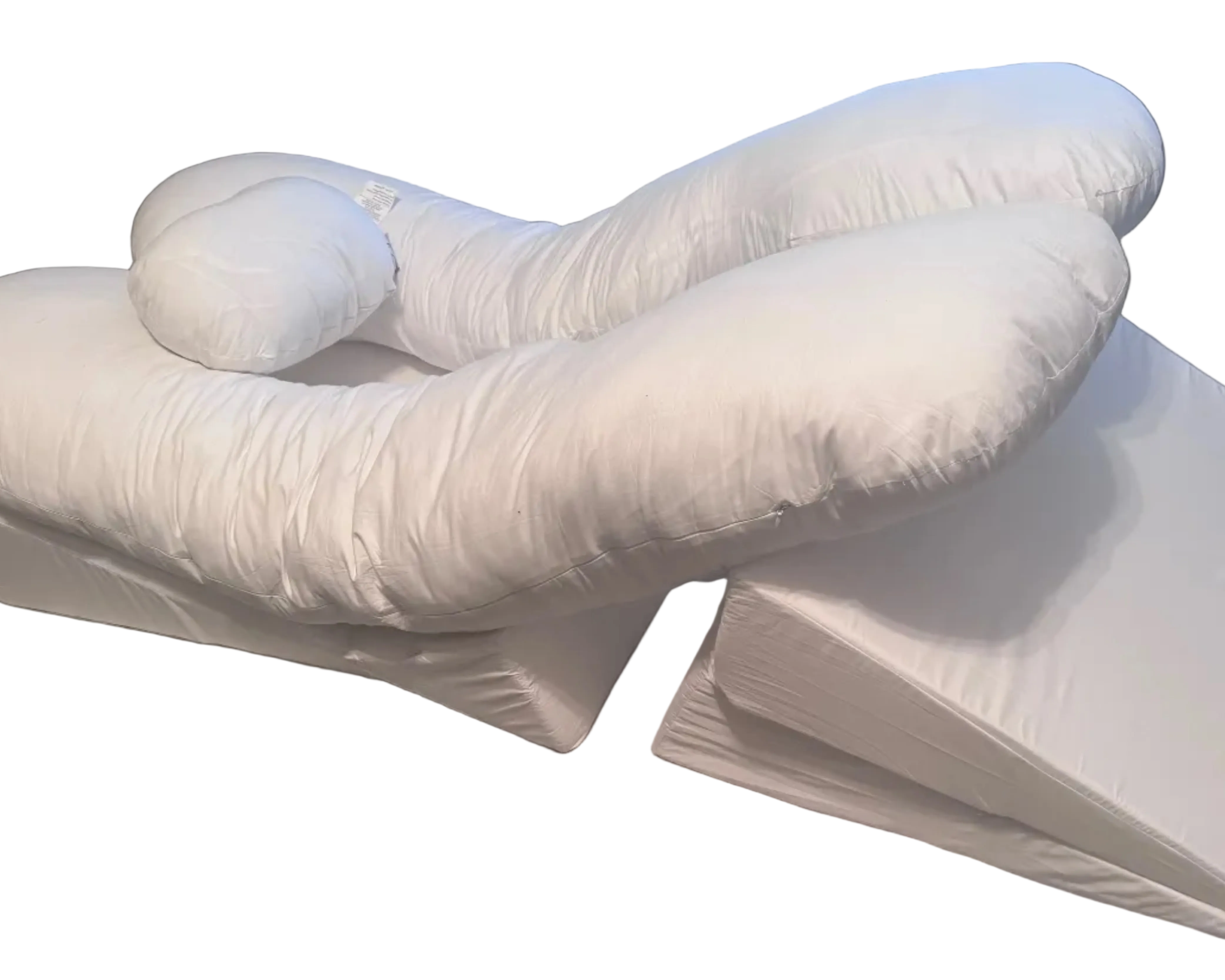
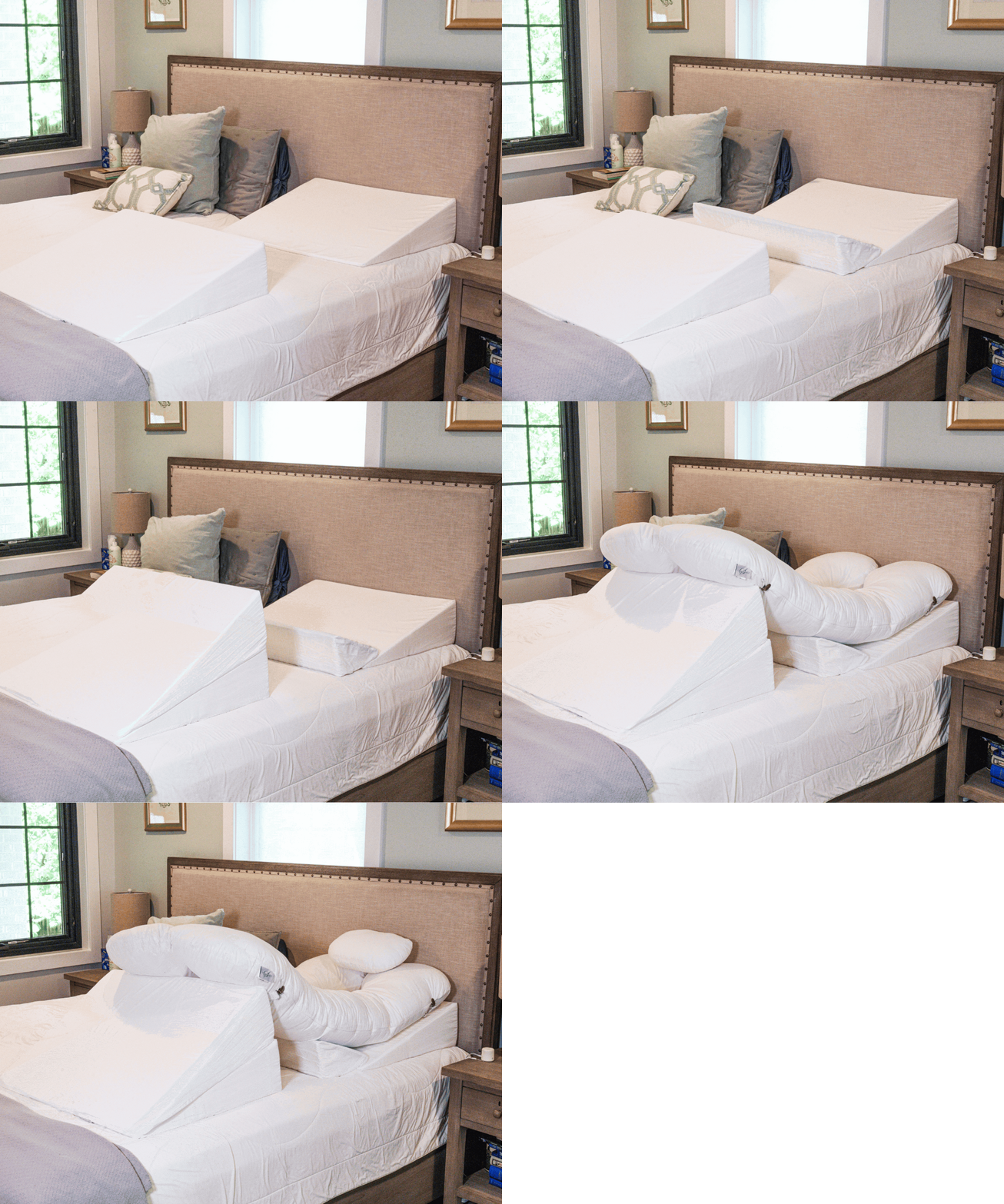
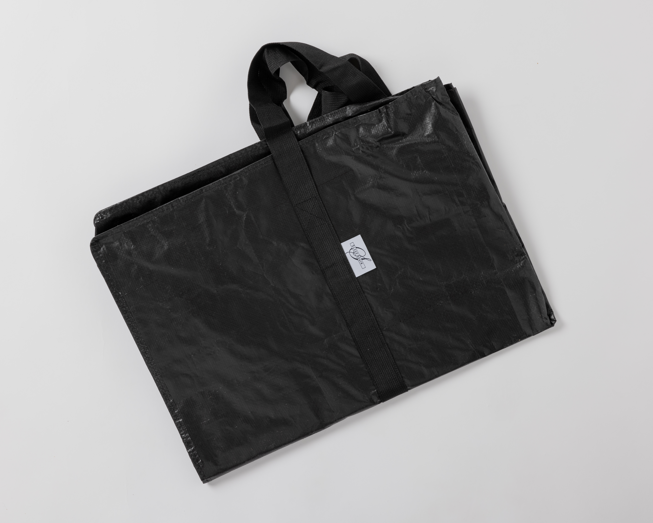
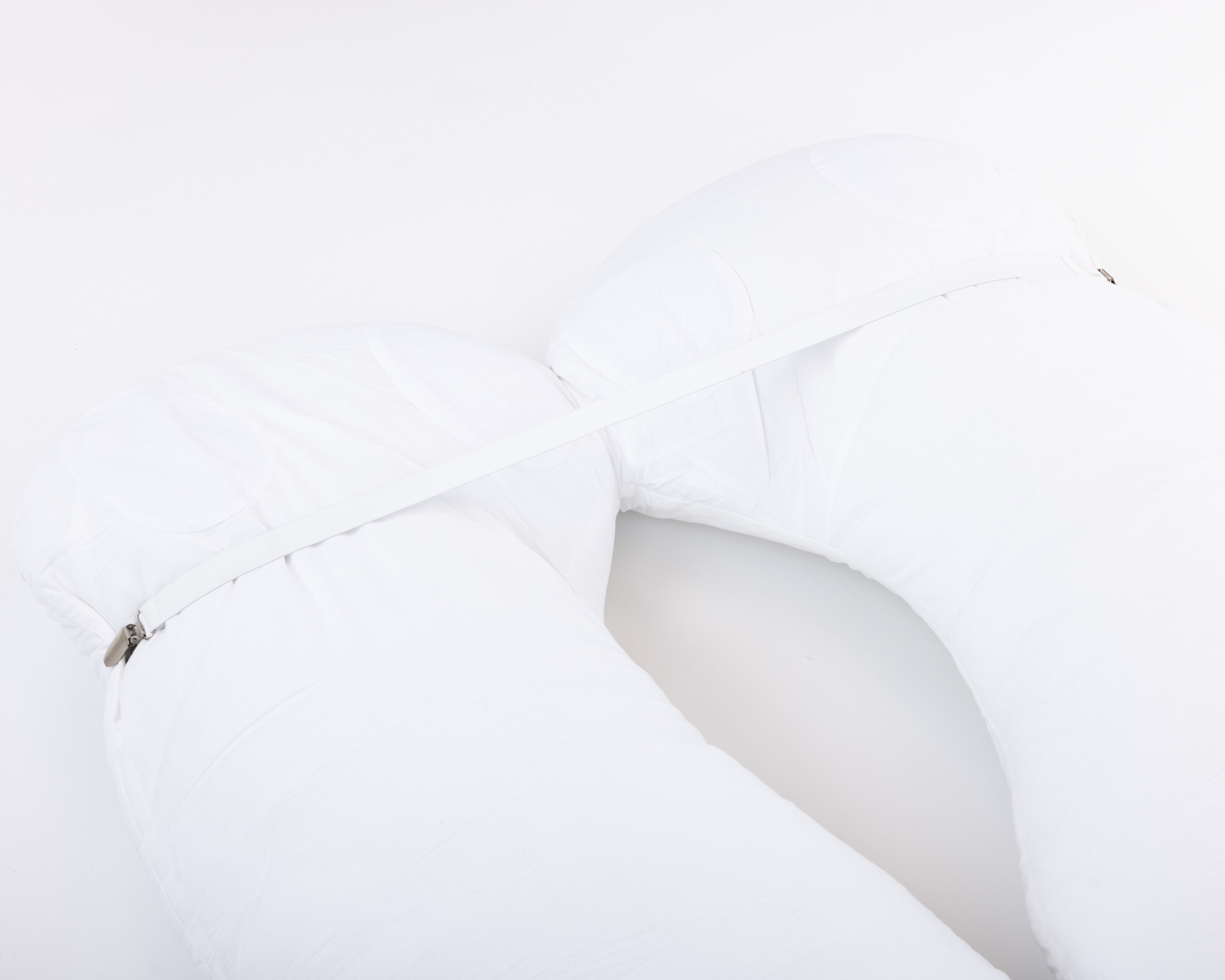
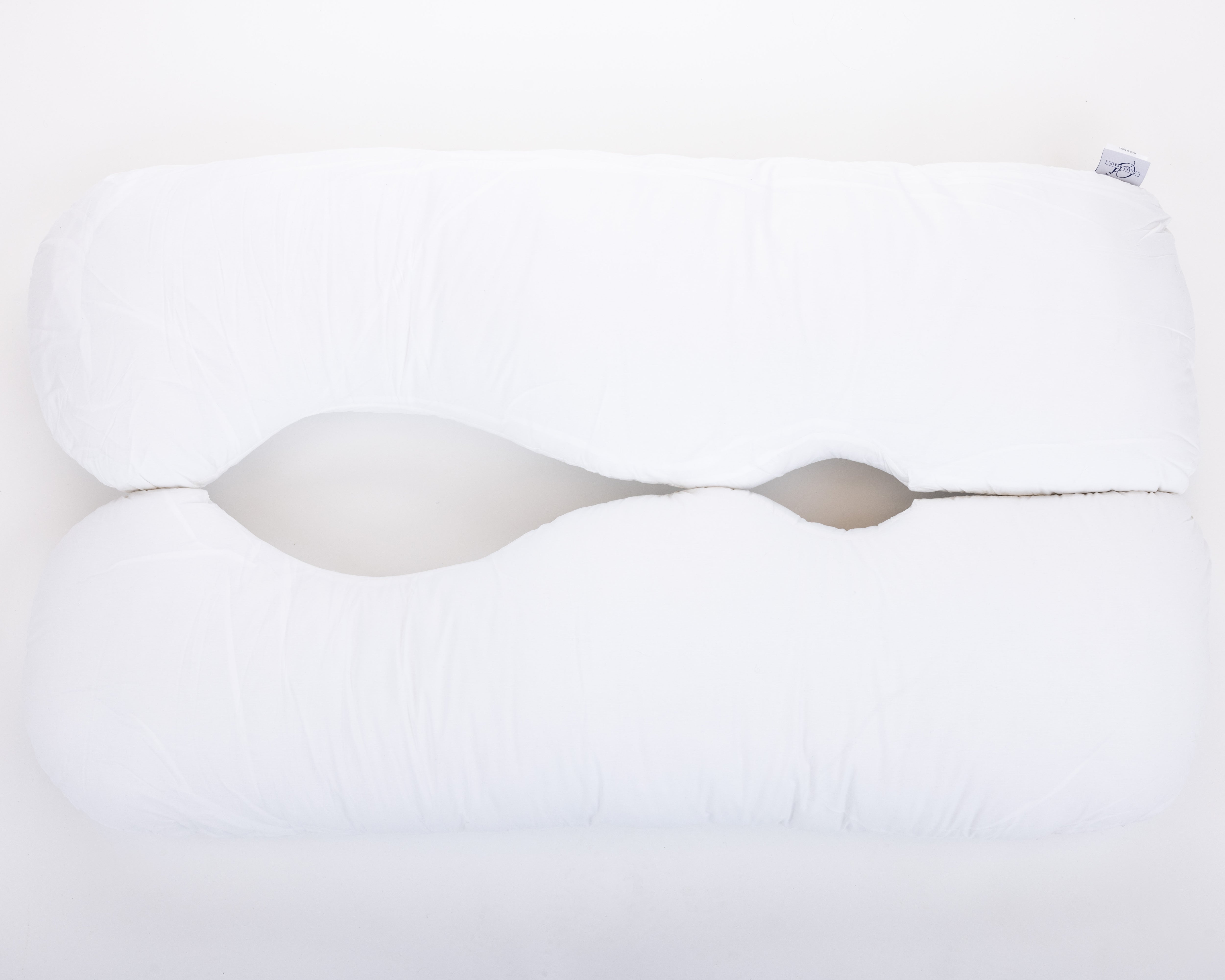
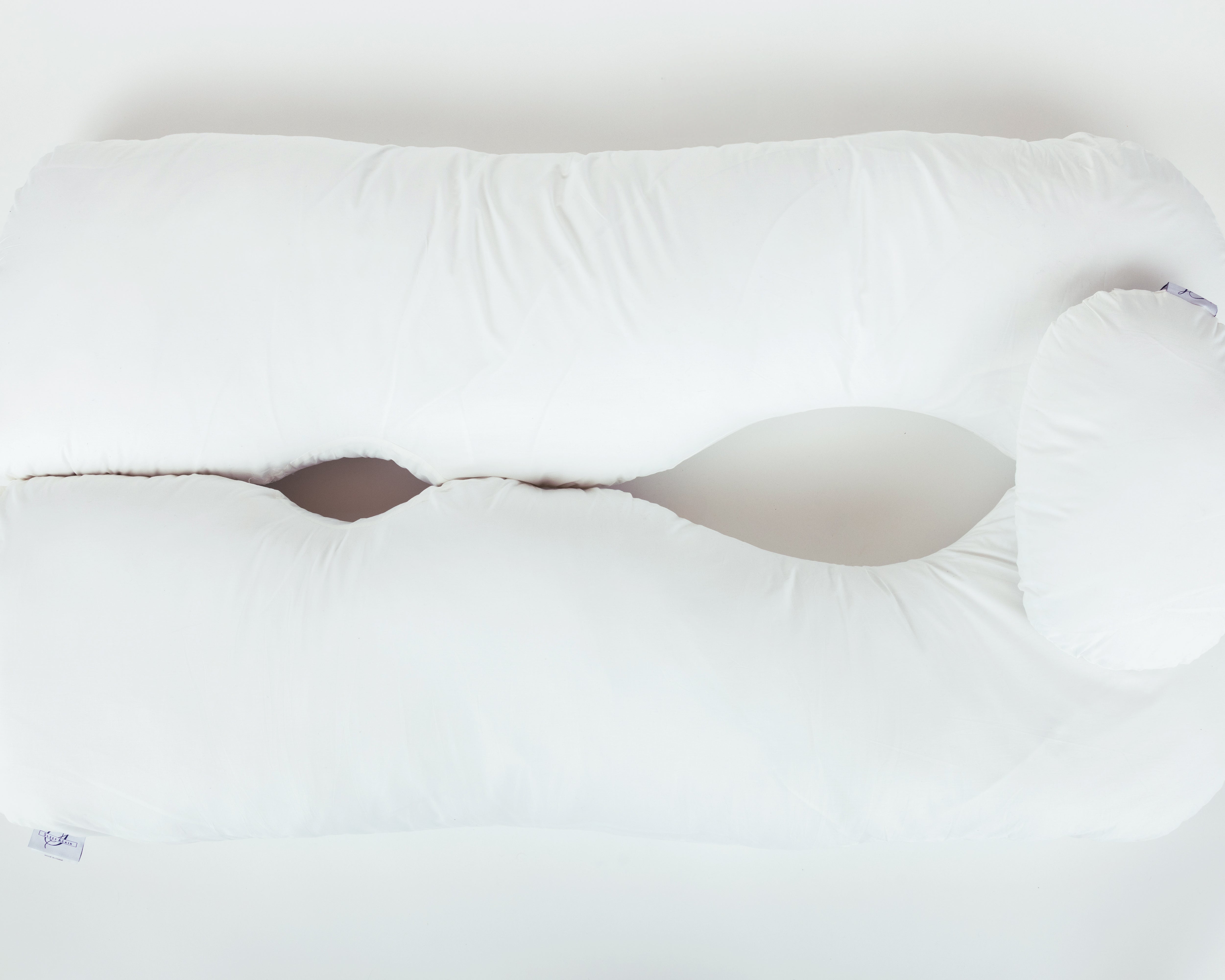
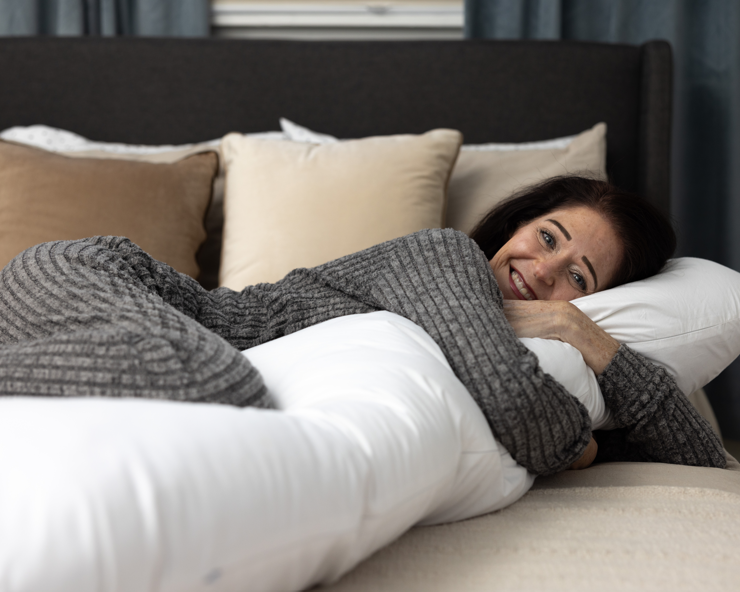
The Sleep Again Pillow System is a complete post-surgical sleep positioning system built specifically for recovery.
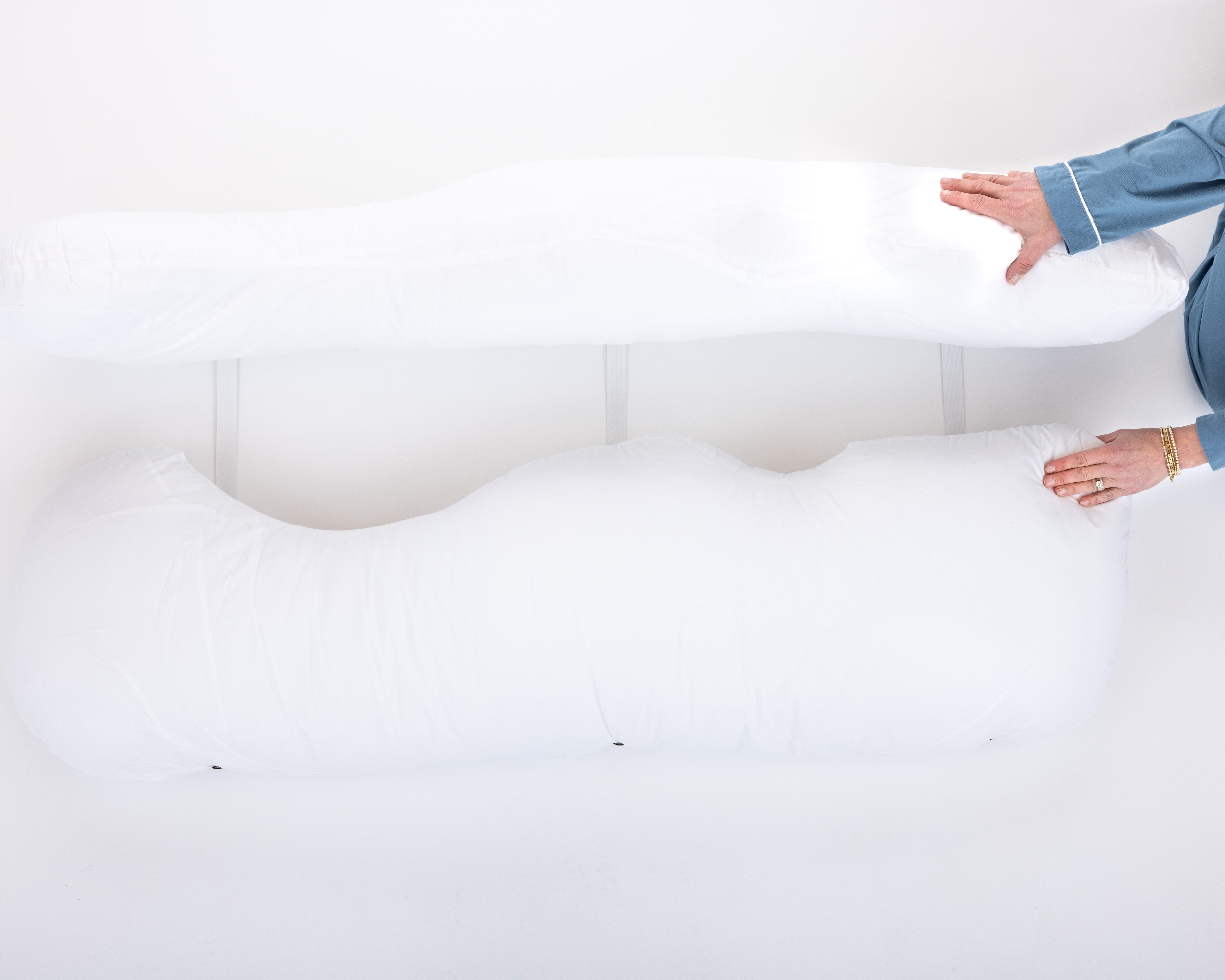
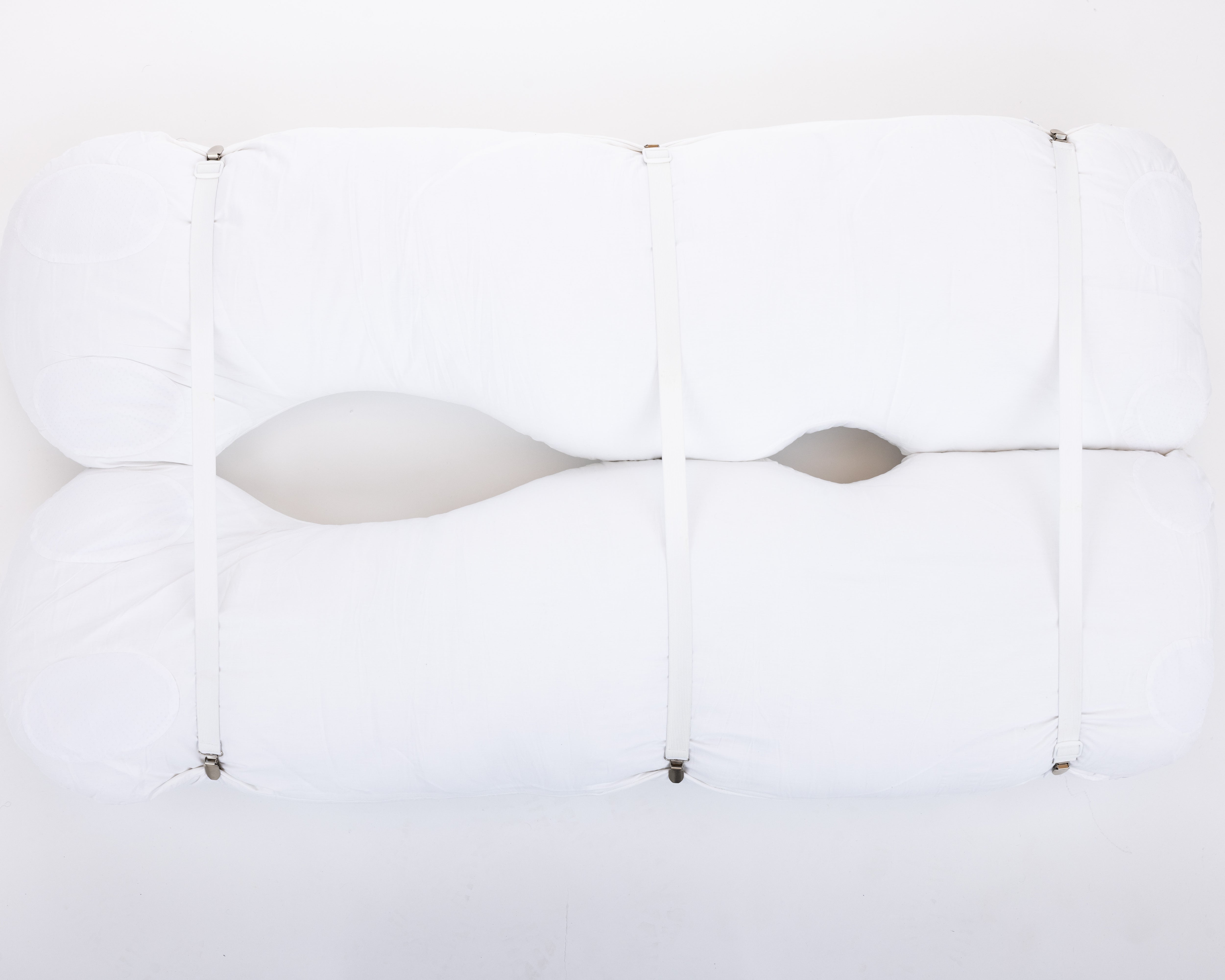
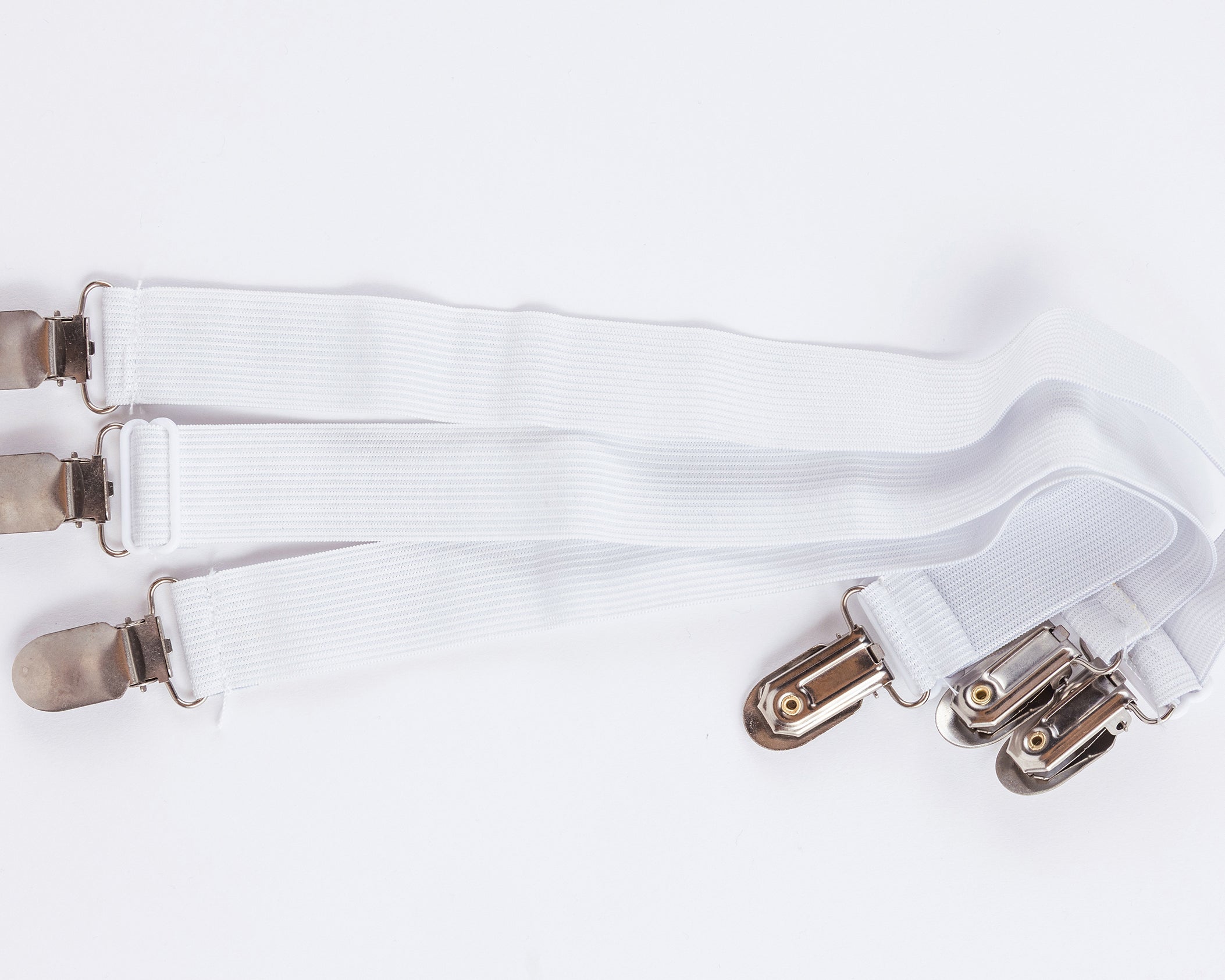
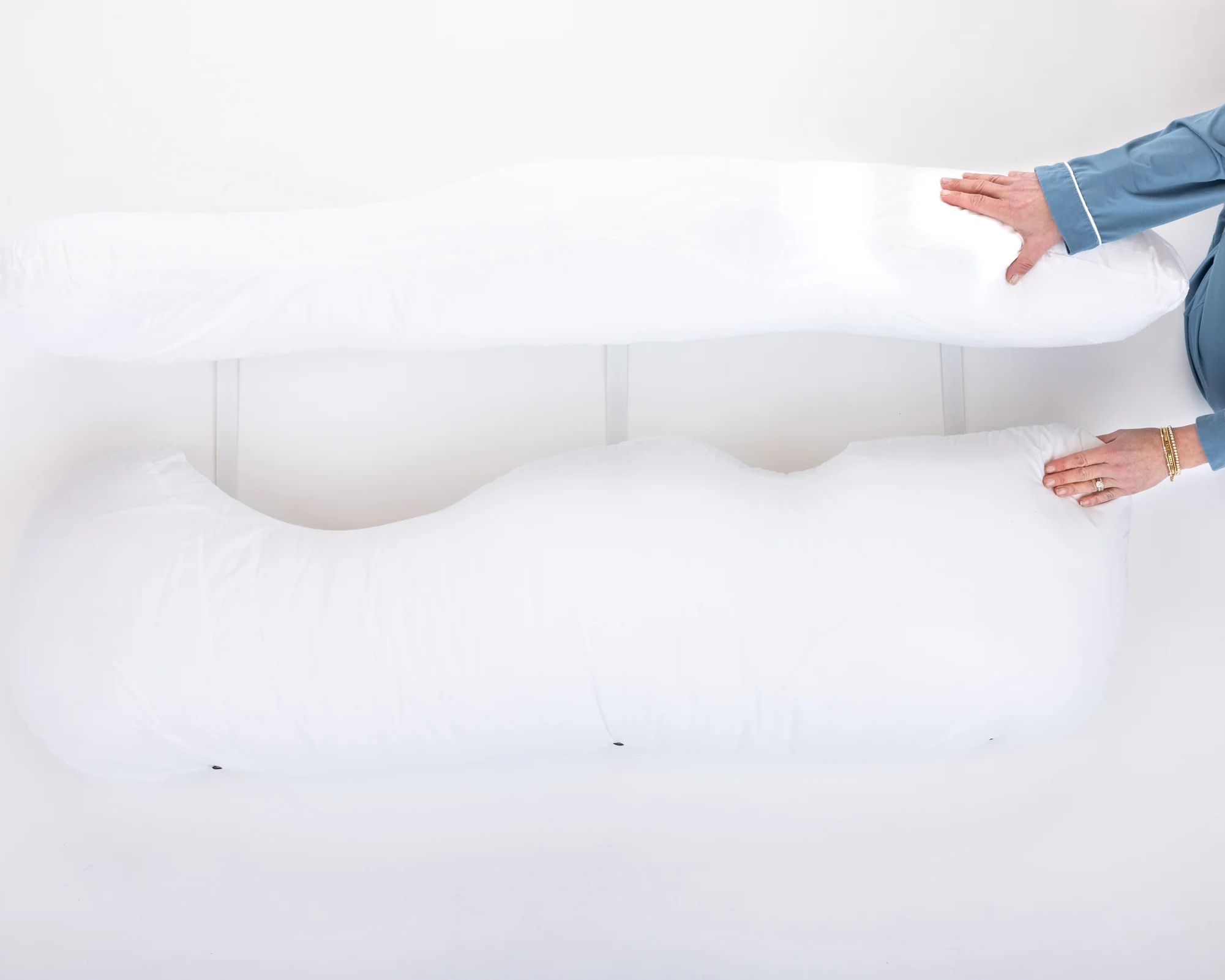
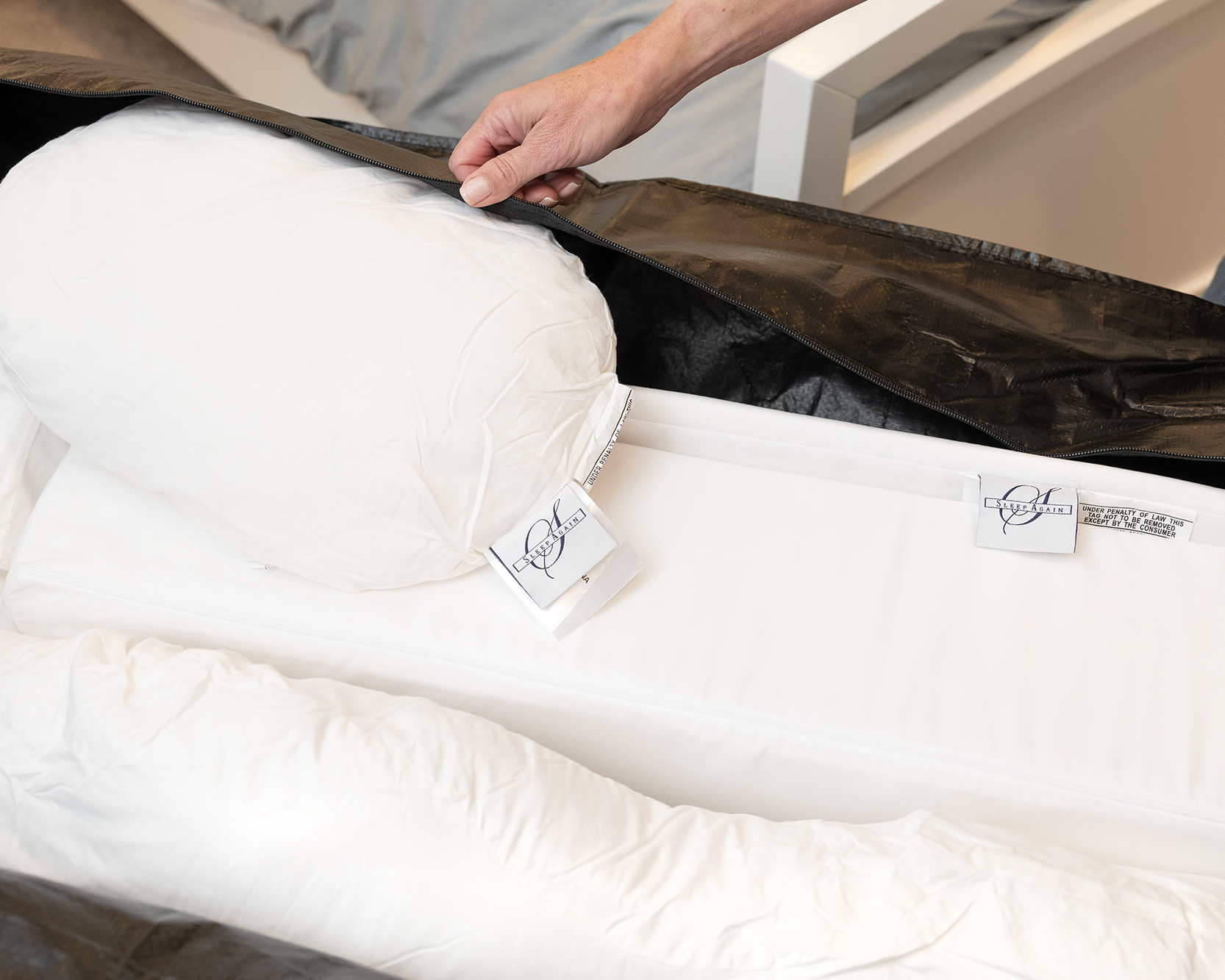
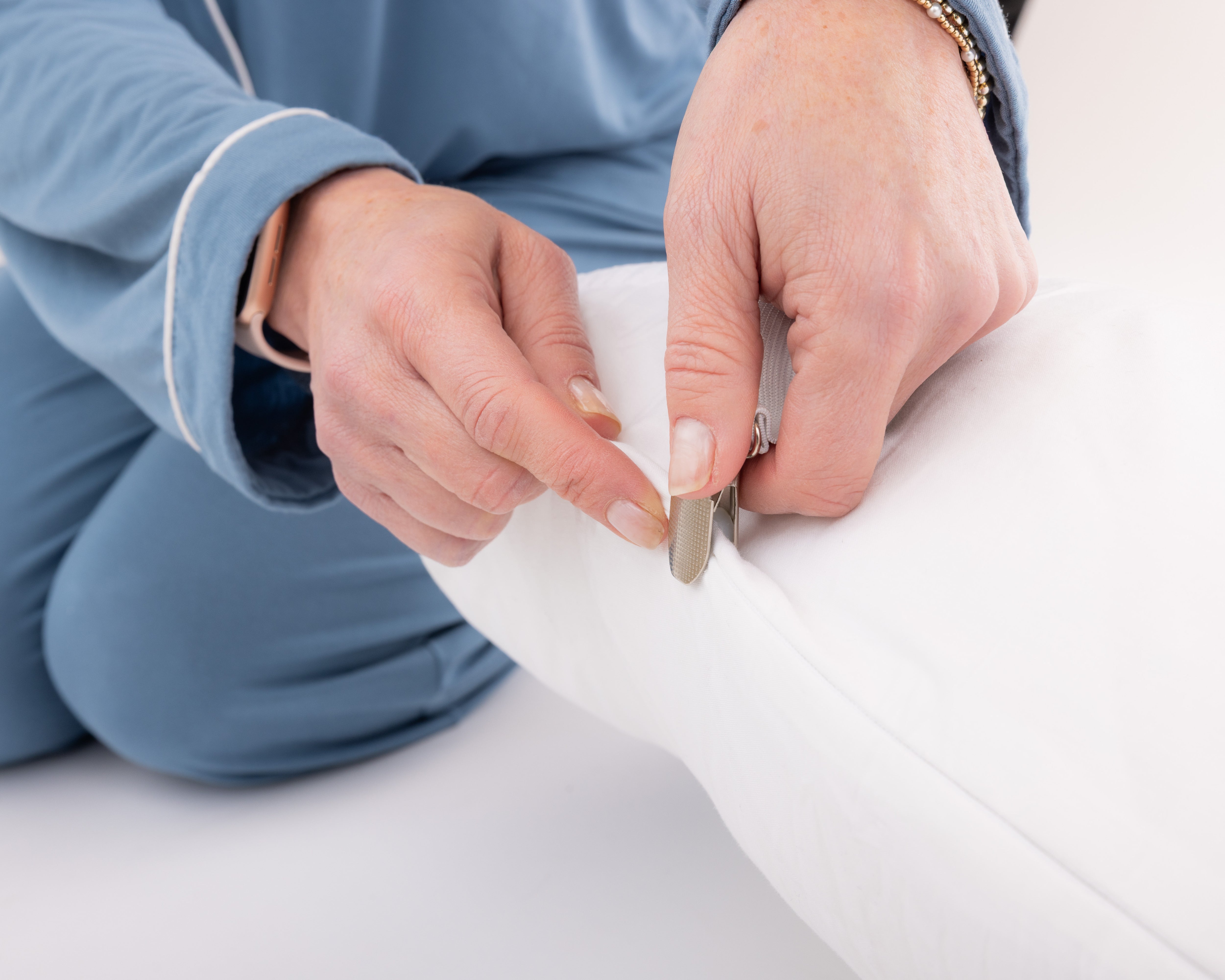
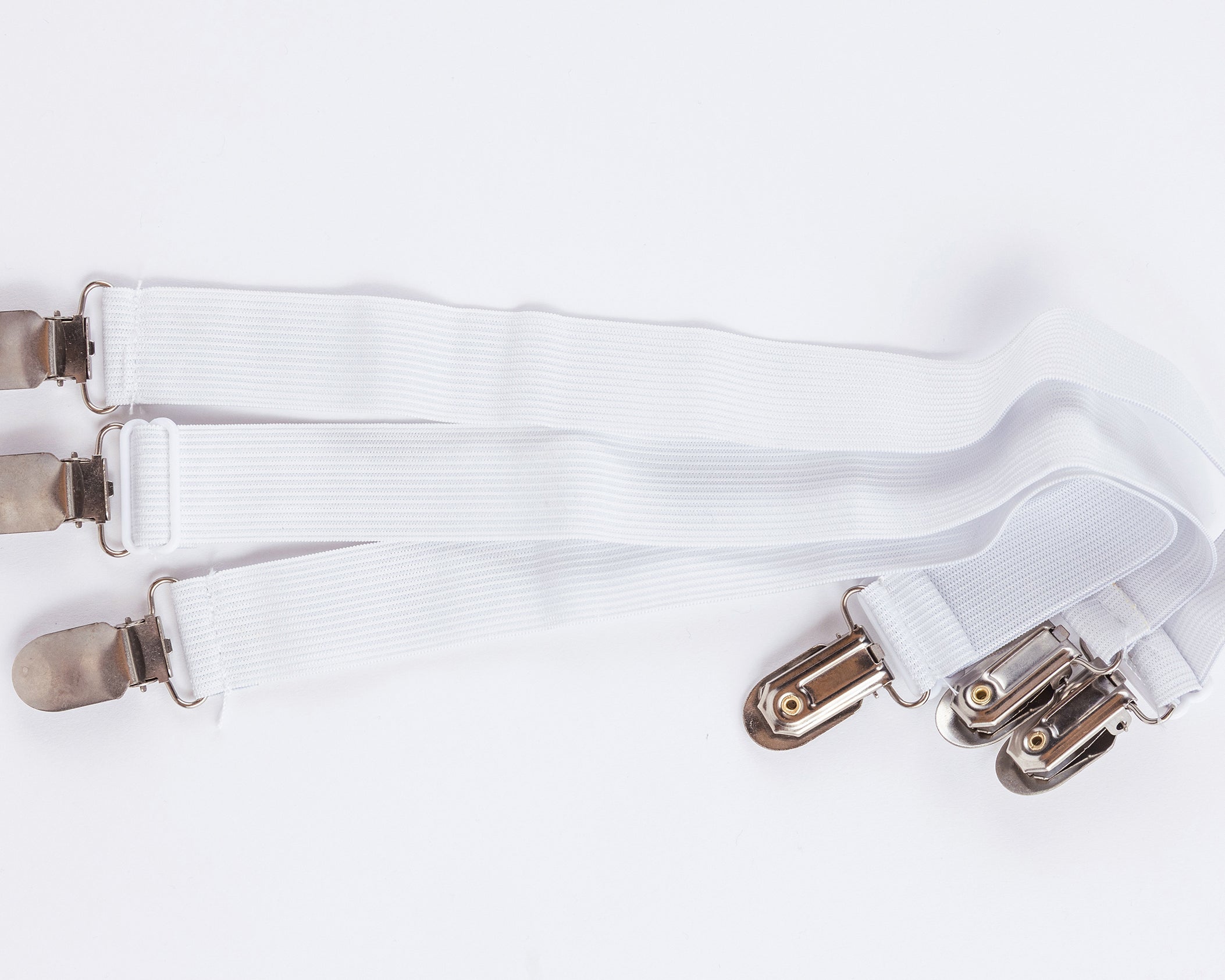
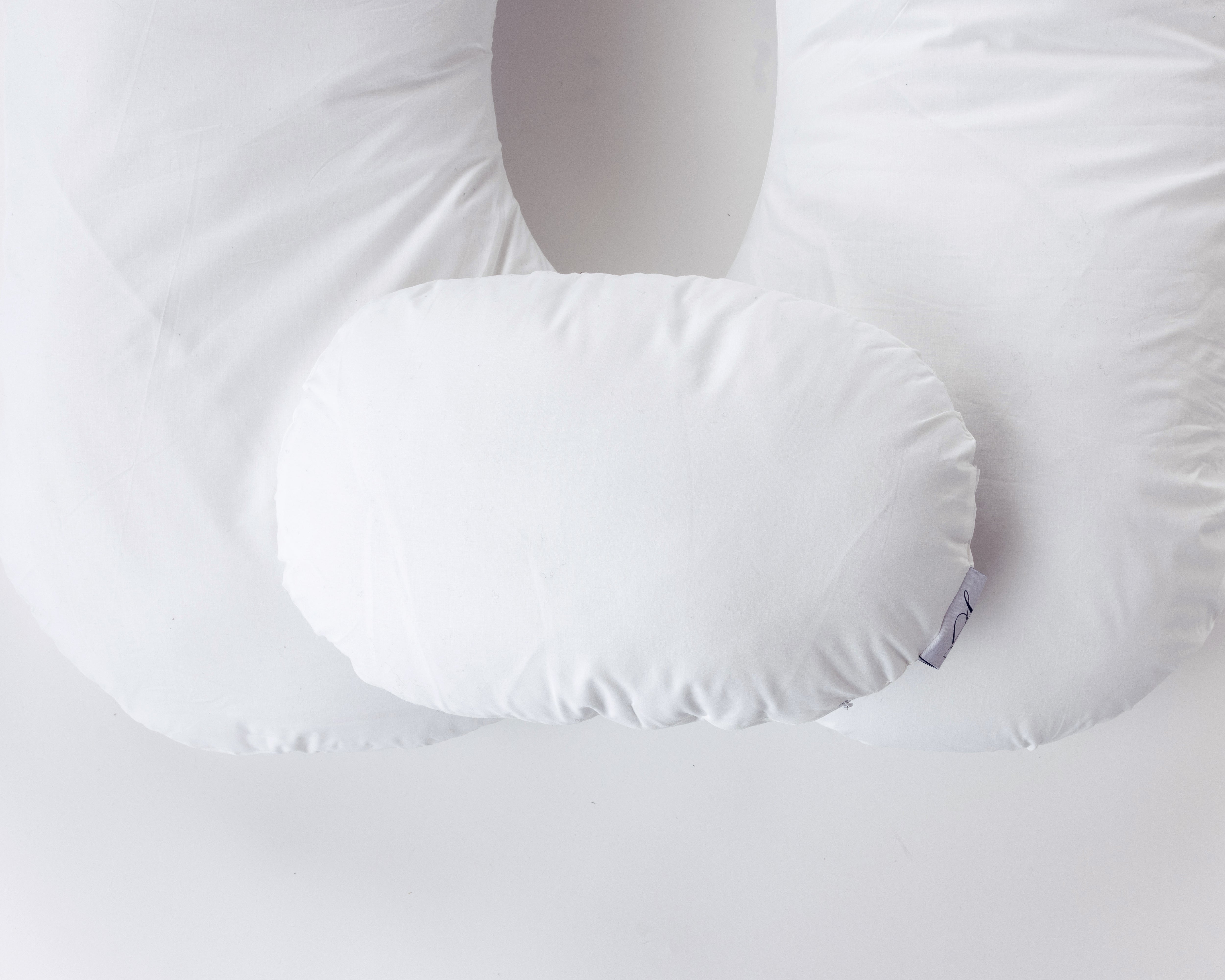
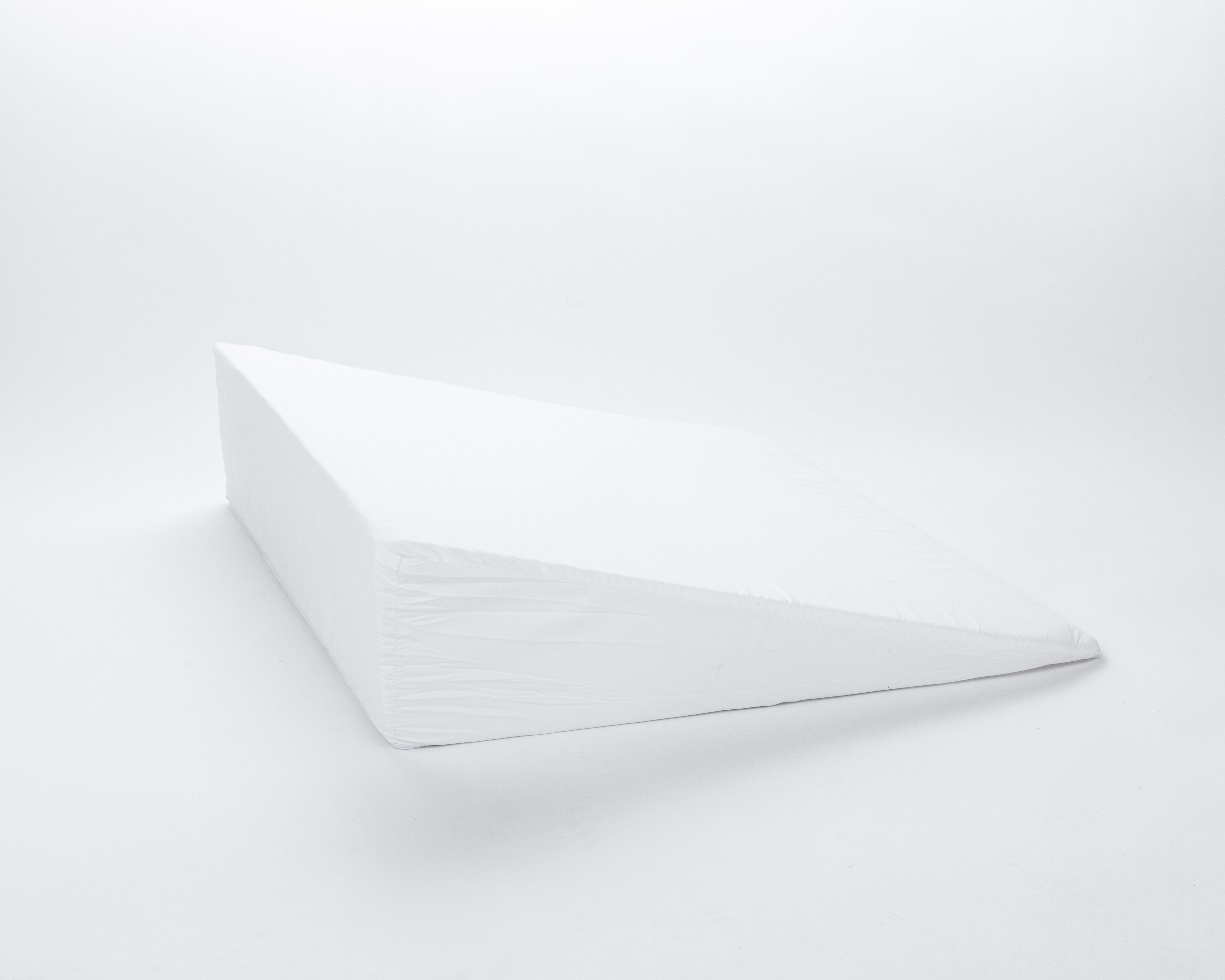
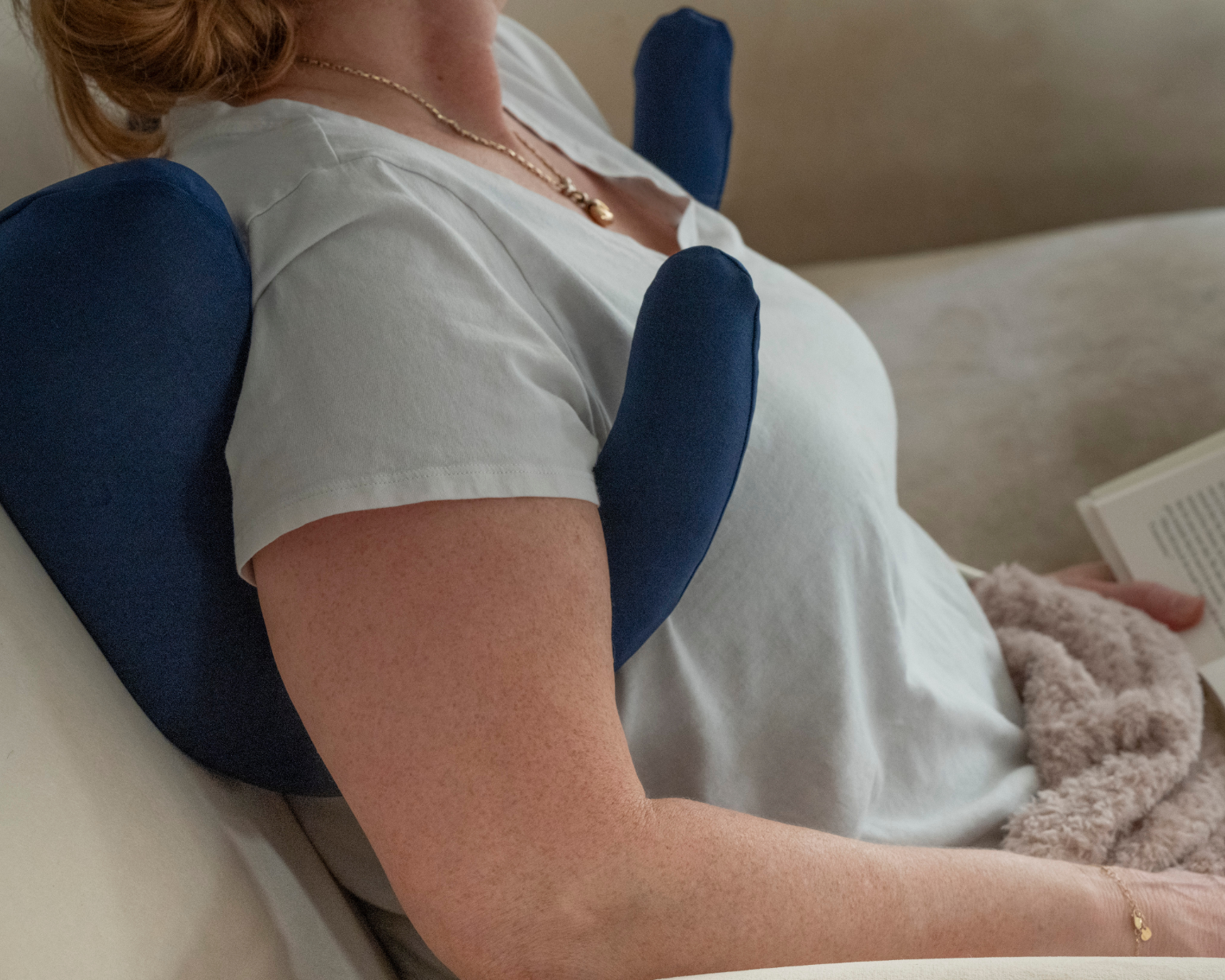
The Sleep Again Pillow System comprises five components:
• Two Contoured Side Pillows
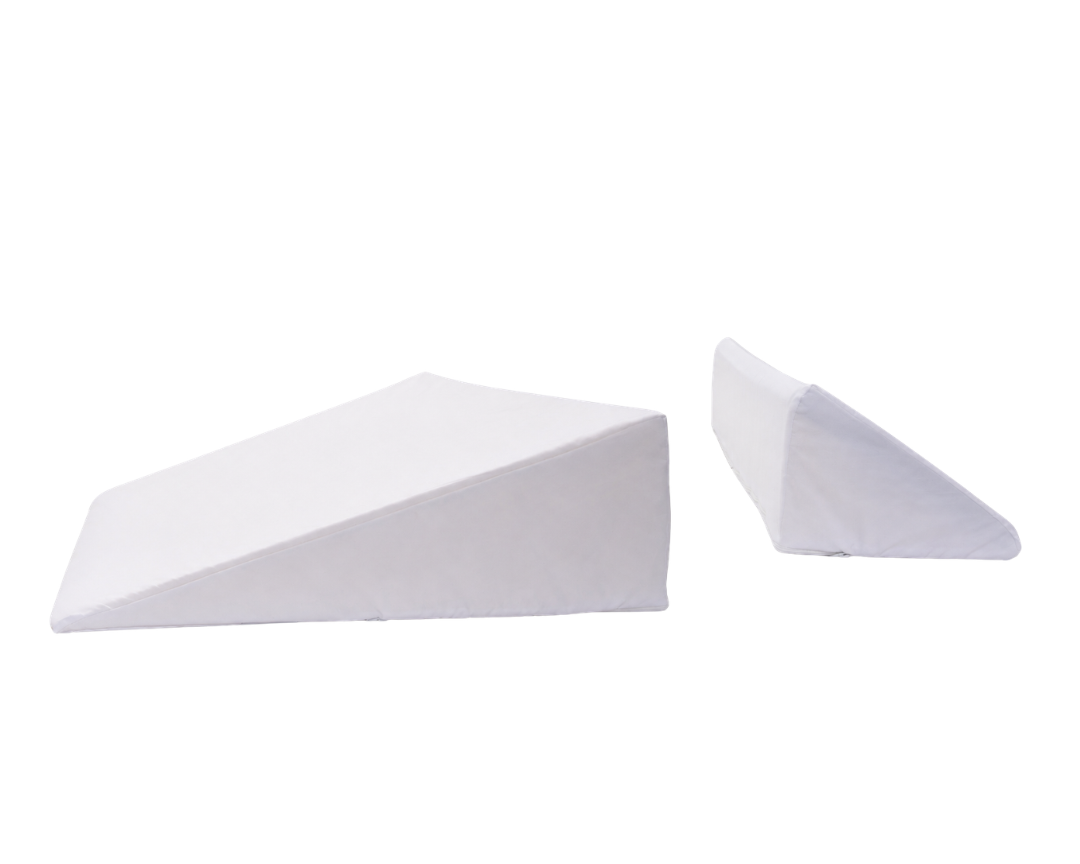
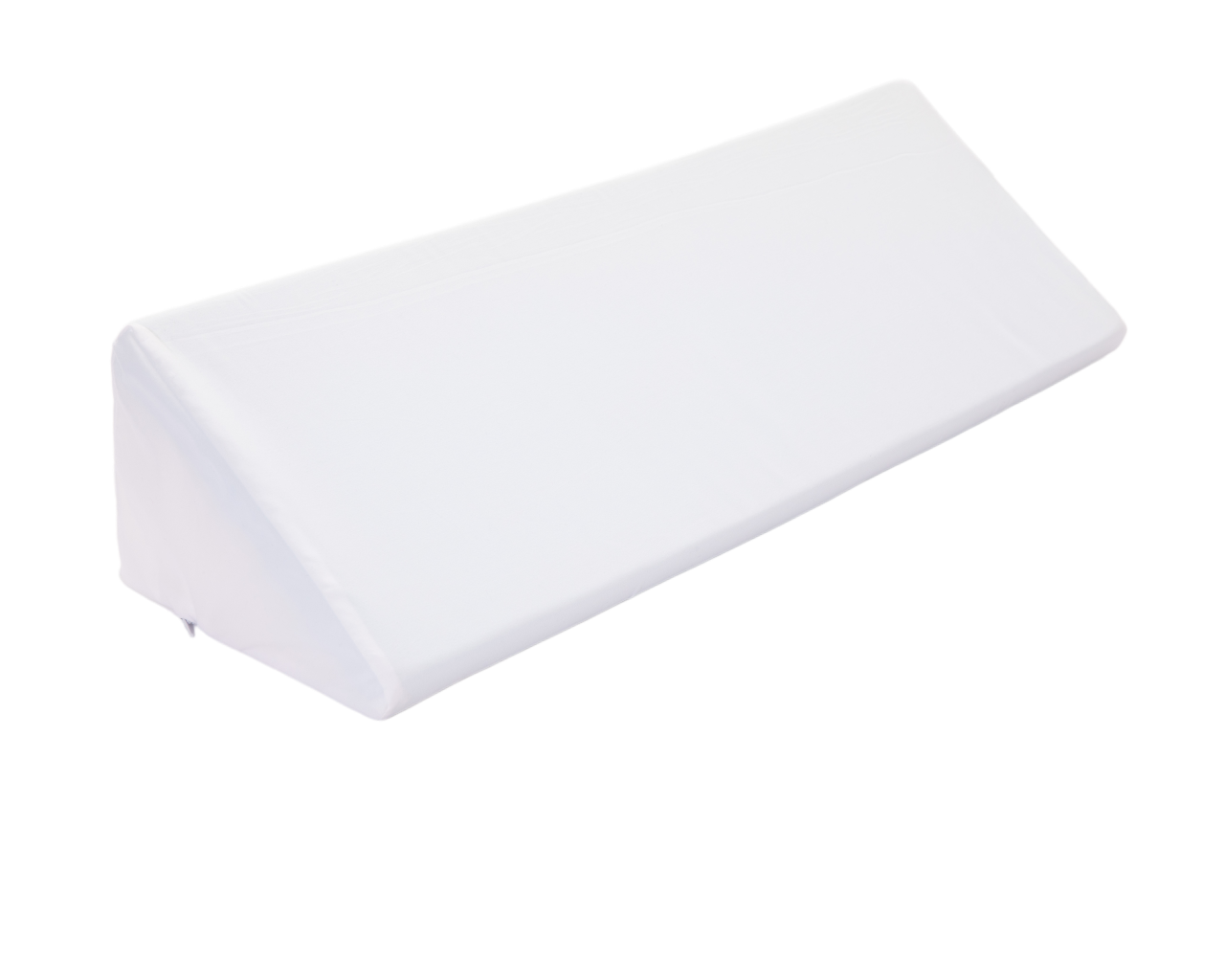
• Upper Body Wedge
• Leg Support Wedge
• Head Pillow
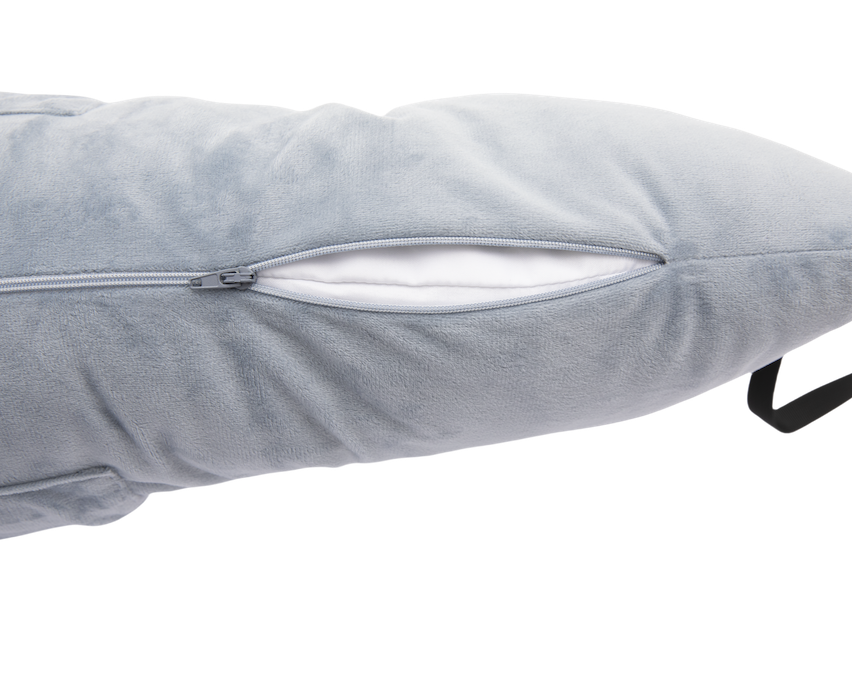
• Removable washable slipcovers for every piece.

The Upper Body Wedge is the structural foundation of the system. It maintains the 30 to 45 degree elevation angle physicians recommend for post-surgical recovery, holding that angle consistently throughout the night without compressing or shifting. This matters because therapeutic benefit from elevation is cumulative — it requires hours of consistent positioning, not just the initial setup.
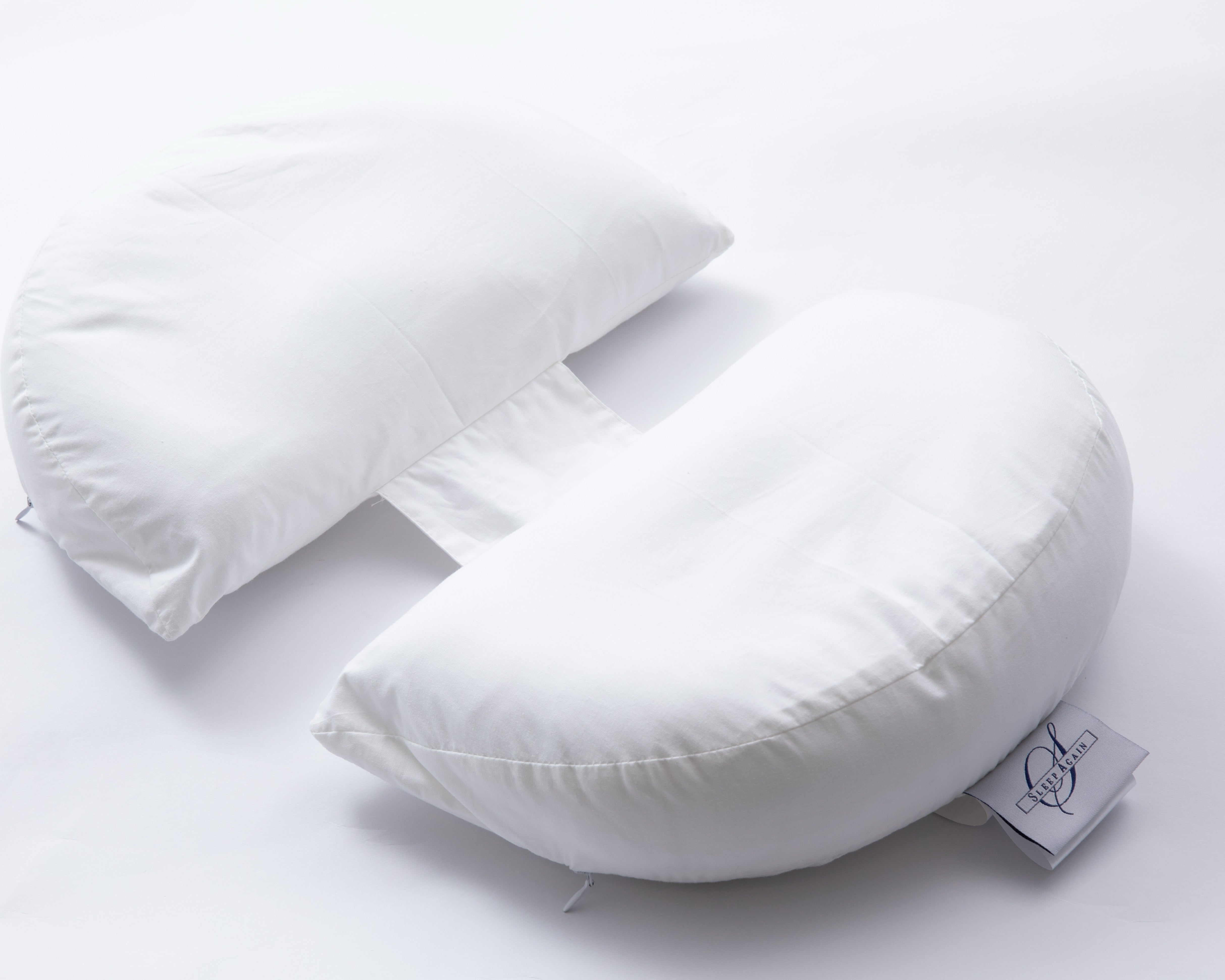
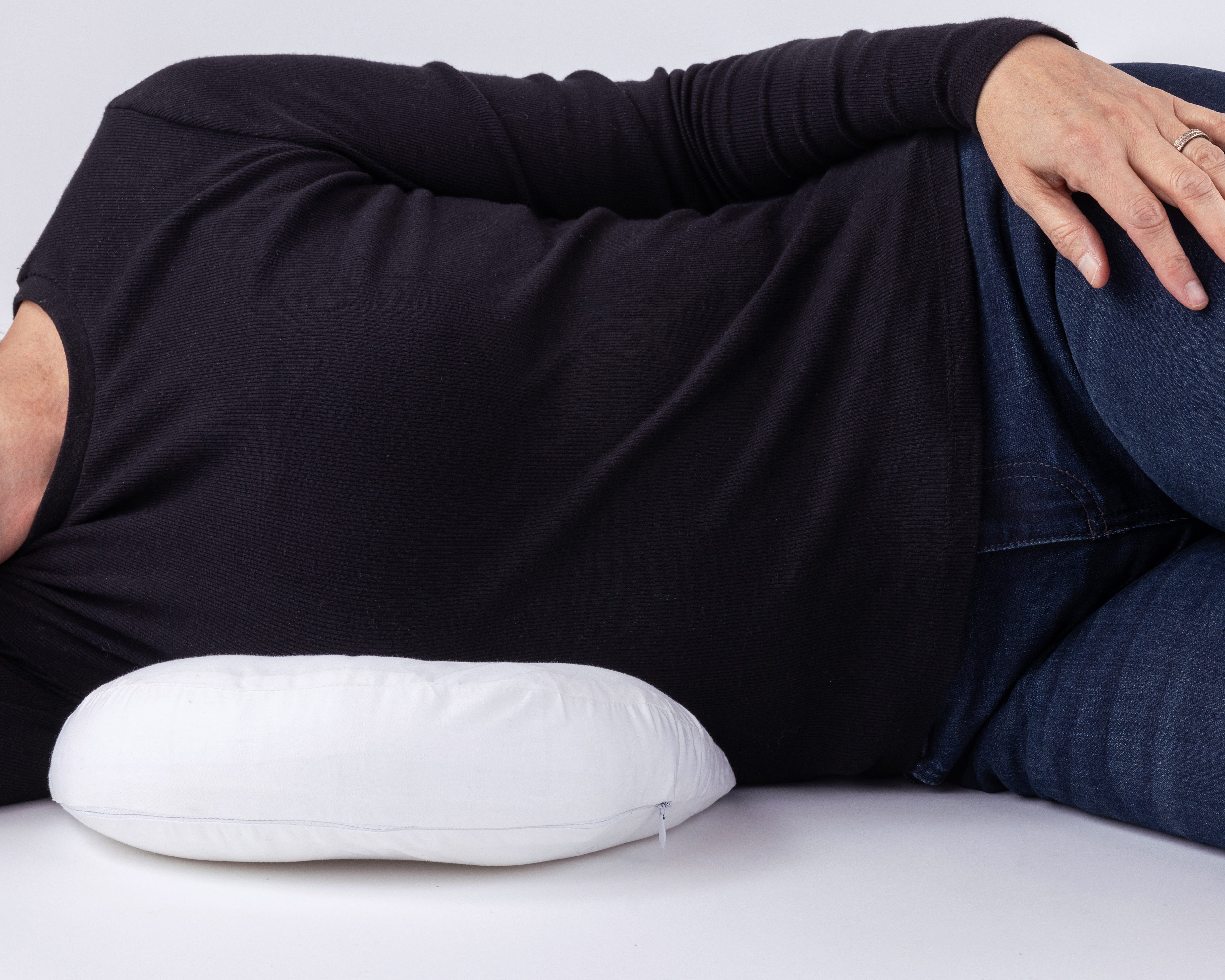
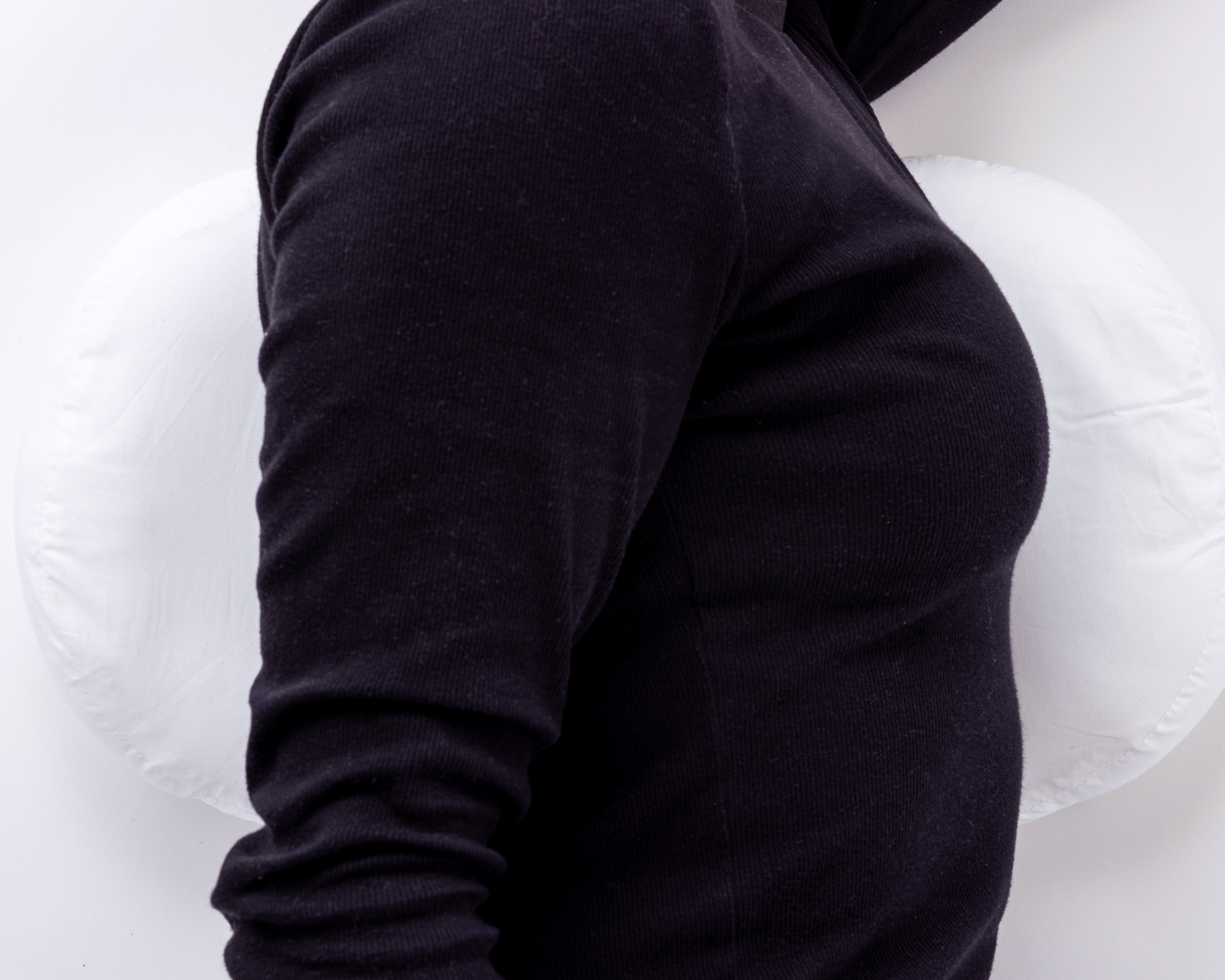
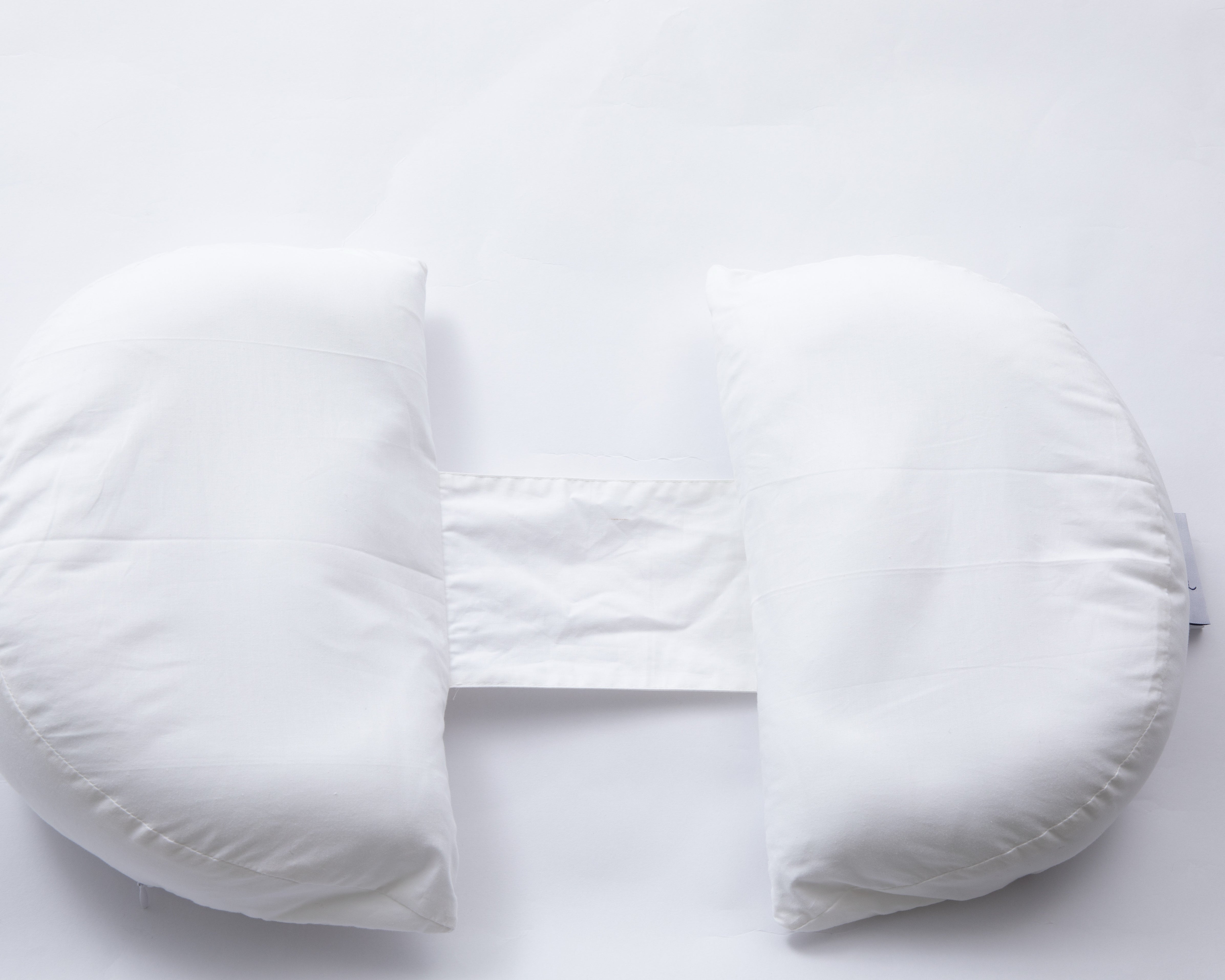
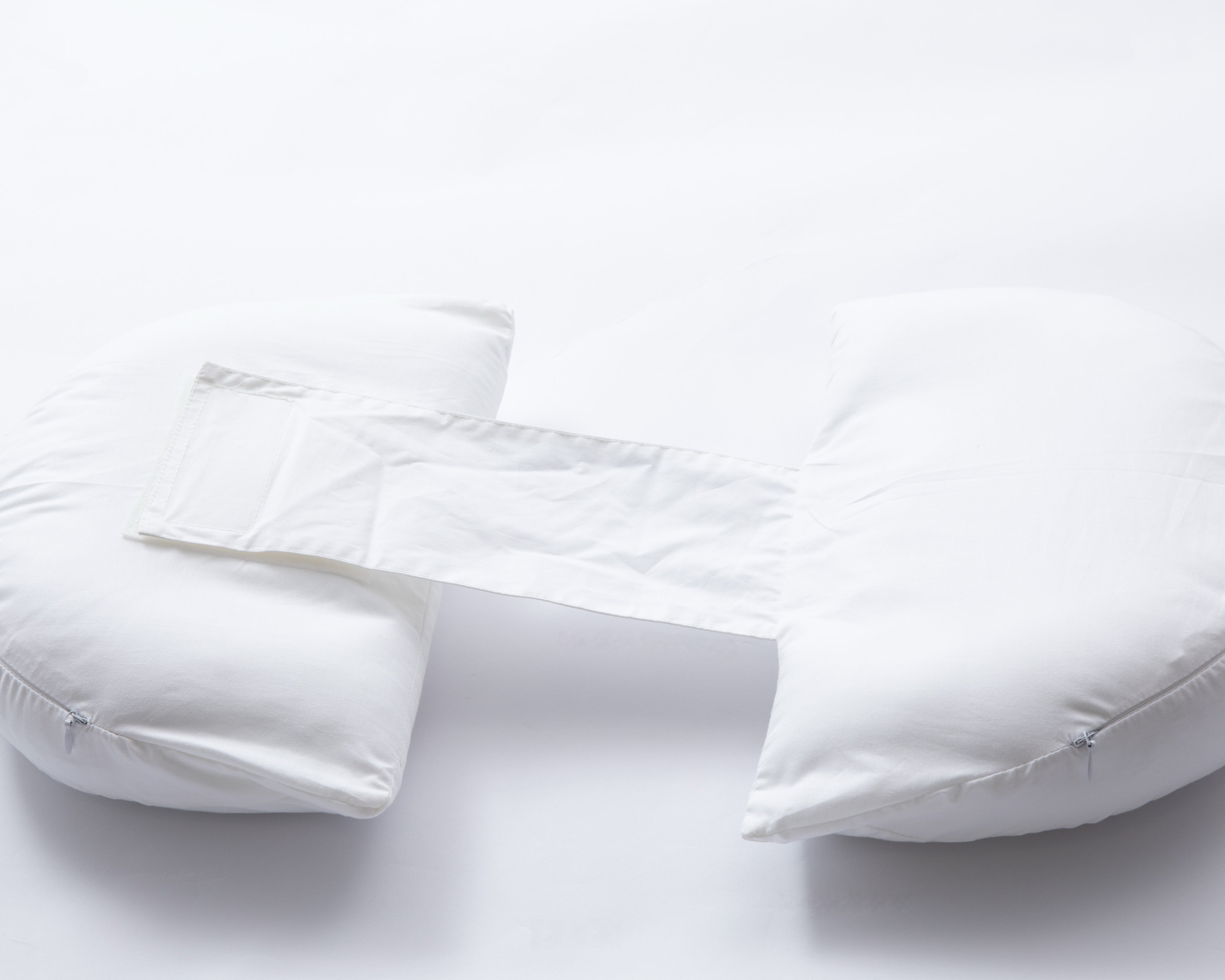
The Two Contoured Side Pillows address lateral migration, which is one of the most common reasons patients wake up in sub-optimal positions during recovery. The contoured design creates a stable boundary on either side of the body, reducing the tendency to roll while eliminating hard pressure points that would otherwise create their own discomfort.
The Leg Support Wedge elevates the lower extremities to support venous return and reduce dependent swelling in the legs and feet — a factor that becomes progressively more significant during the extended periods of reduced mobility that follow major procedures.
The Head Pillow coordinates cervical alignment with the elevated torso position. This is a detail that DIY setups consistently miss: when the upper body is elevated but the head position isn't matched to that angle, neck strain develops over consecutive recovery nights.
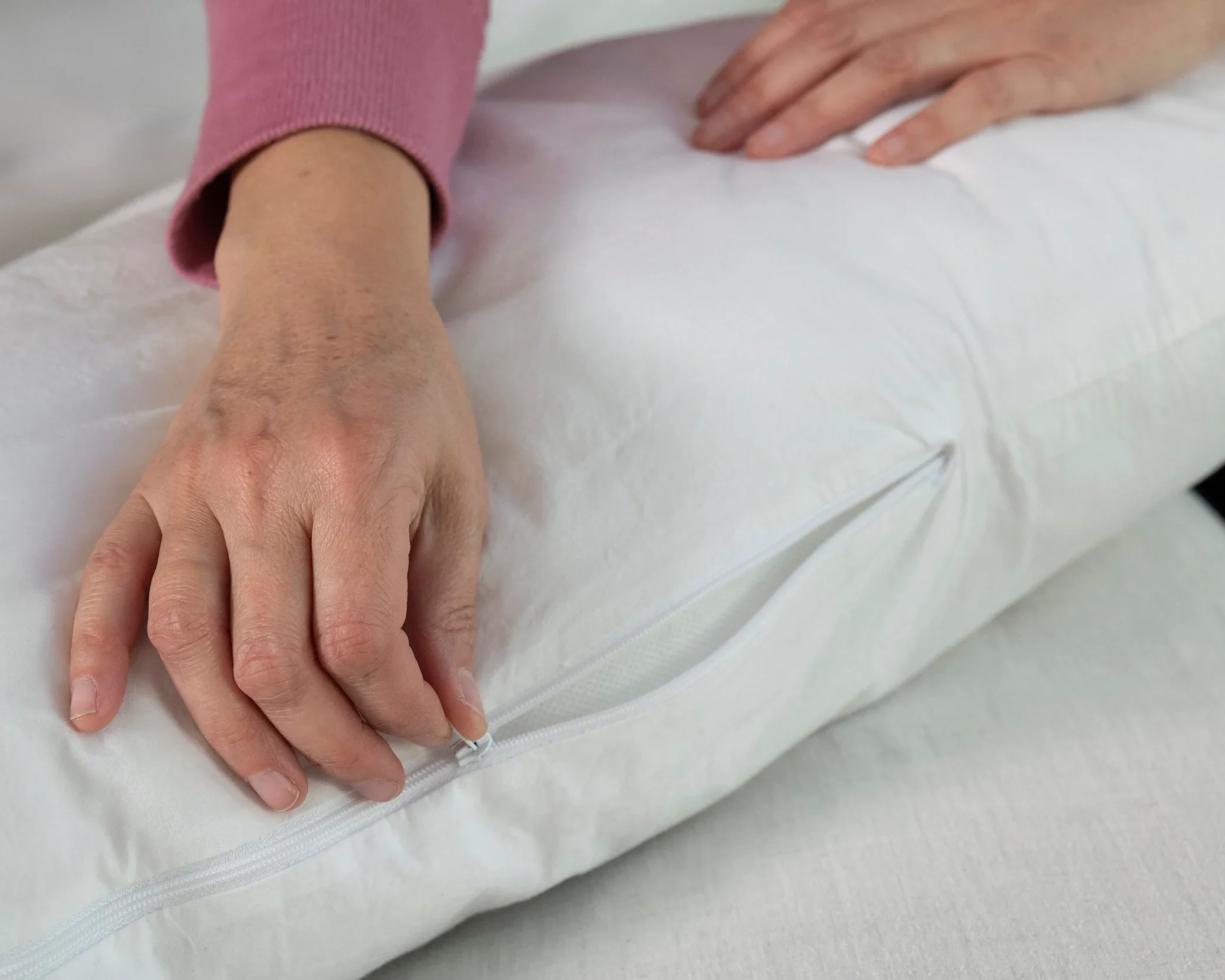
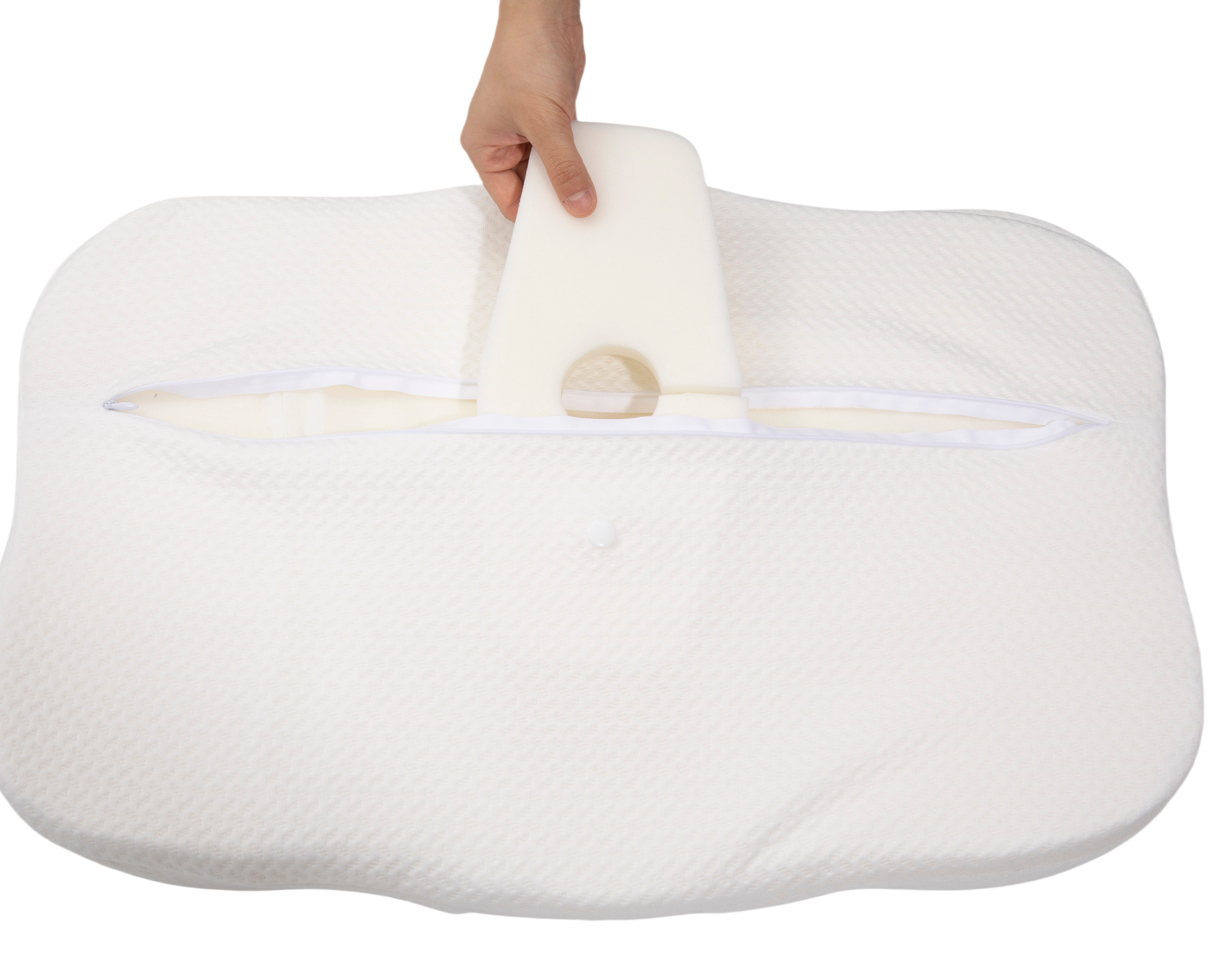
Every component is covered with removable washable slipcovers — a practical necessity in any recovery context involving perspiration, spills, and the general reality of weeks spent in bed.
The Sleep Again Pillow System Bundle is eligible for purchase with HSA and FSA funds. All sales are final and not returnable per federal regulations.
SHOP THE SLEEP AGAIN PILLOW SYSTEM

Is the Side Sleeping Chest Pillow Different from the Sleep Again Pillow System?
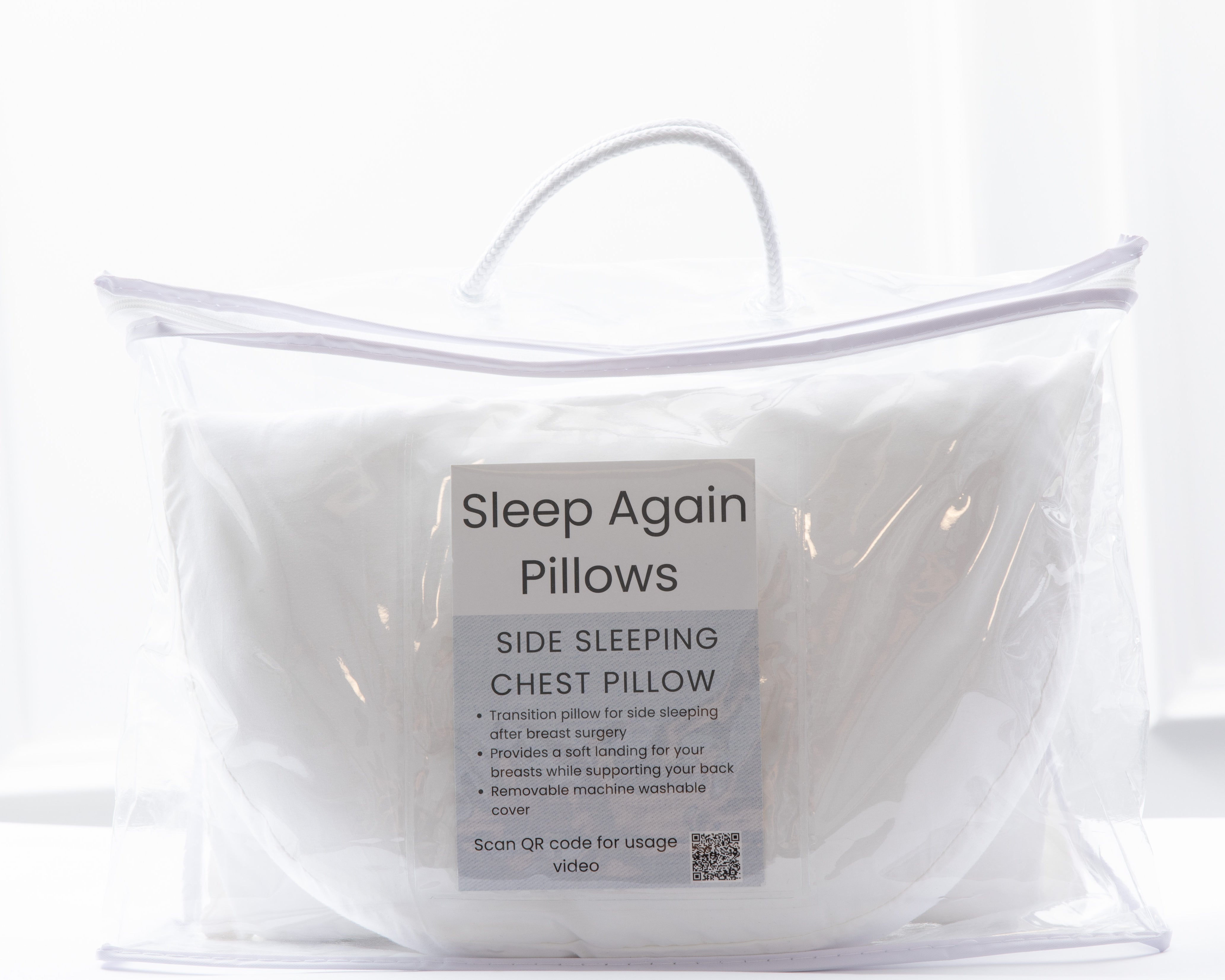
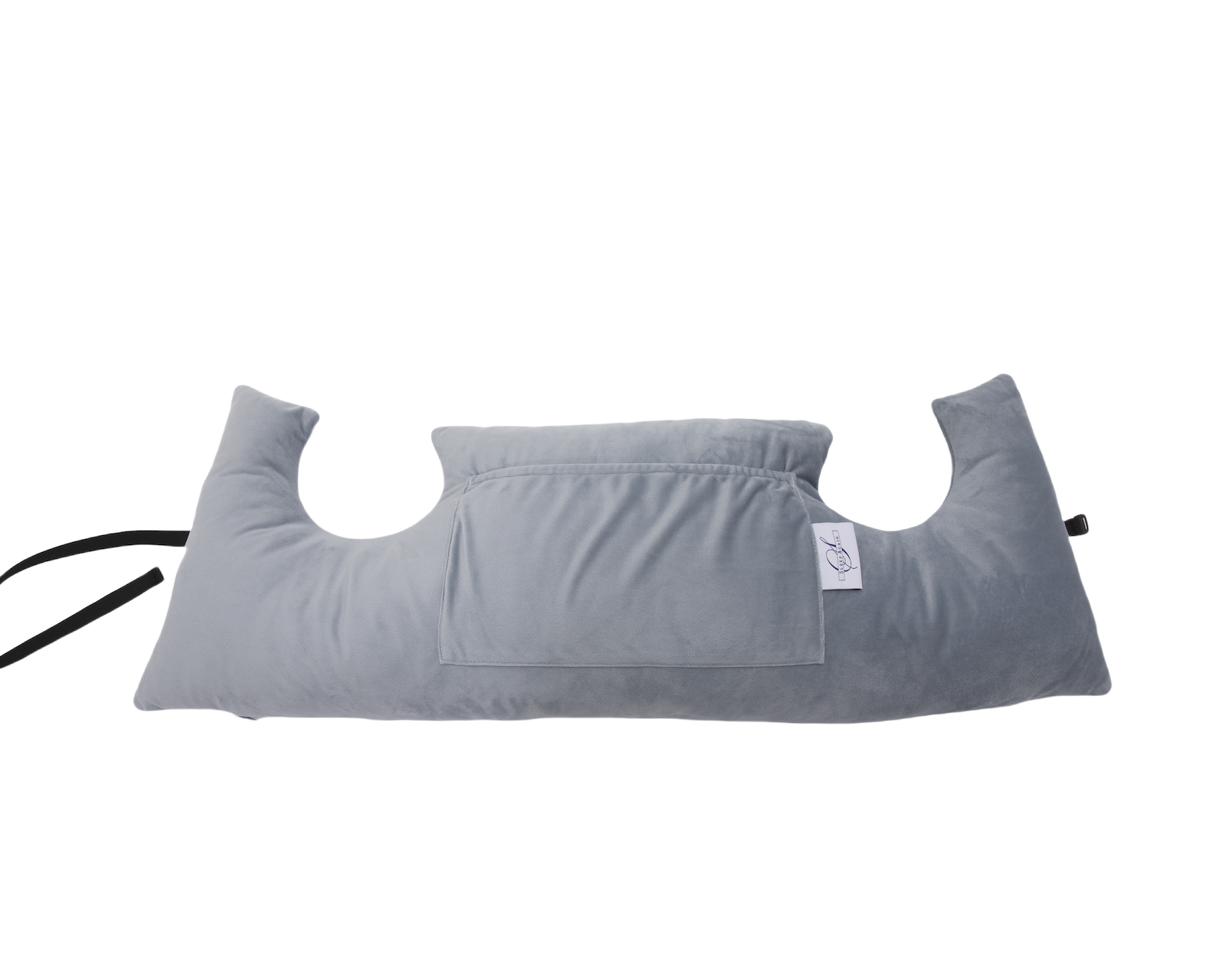
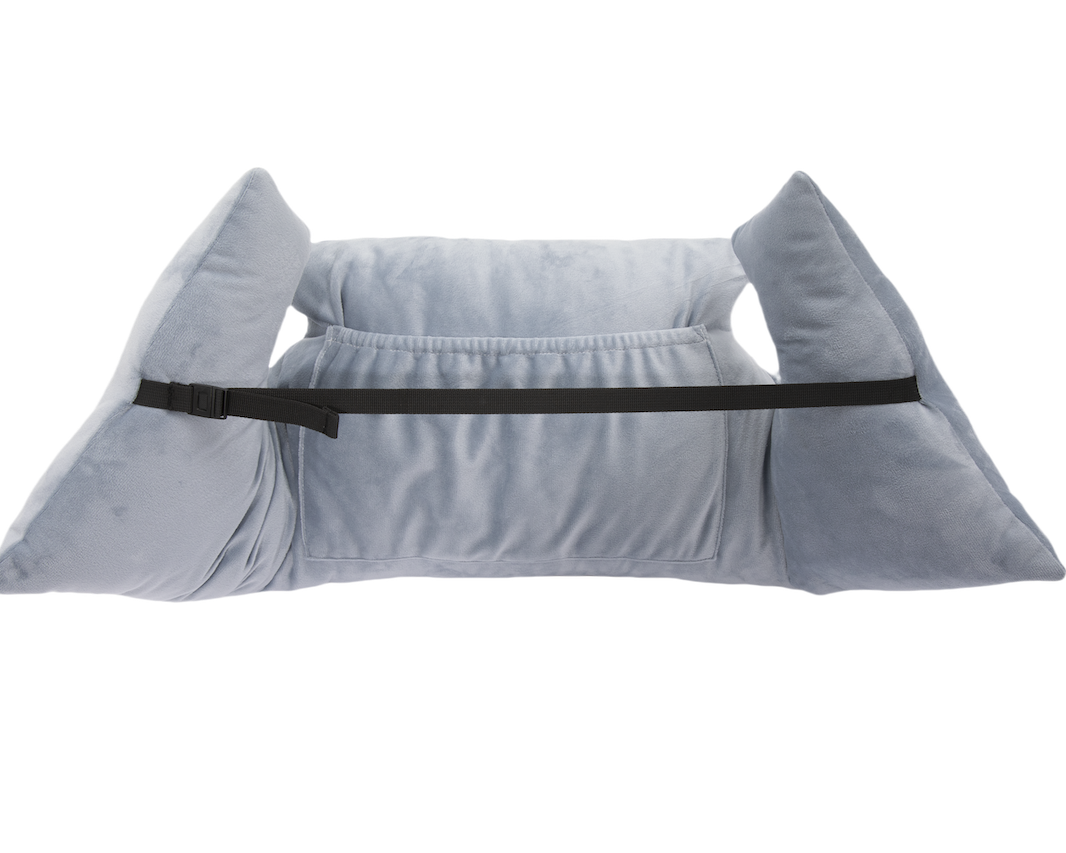
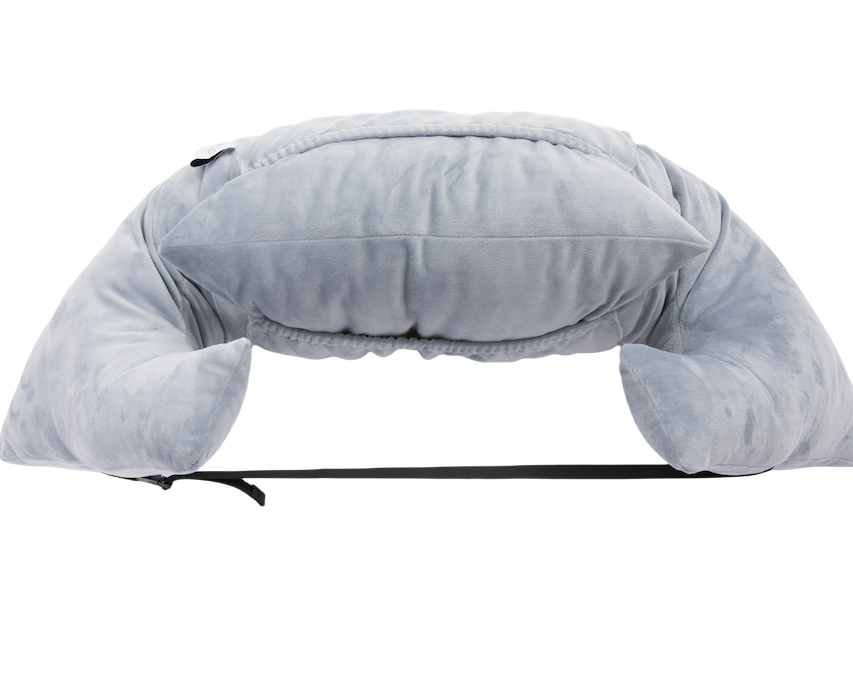
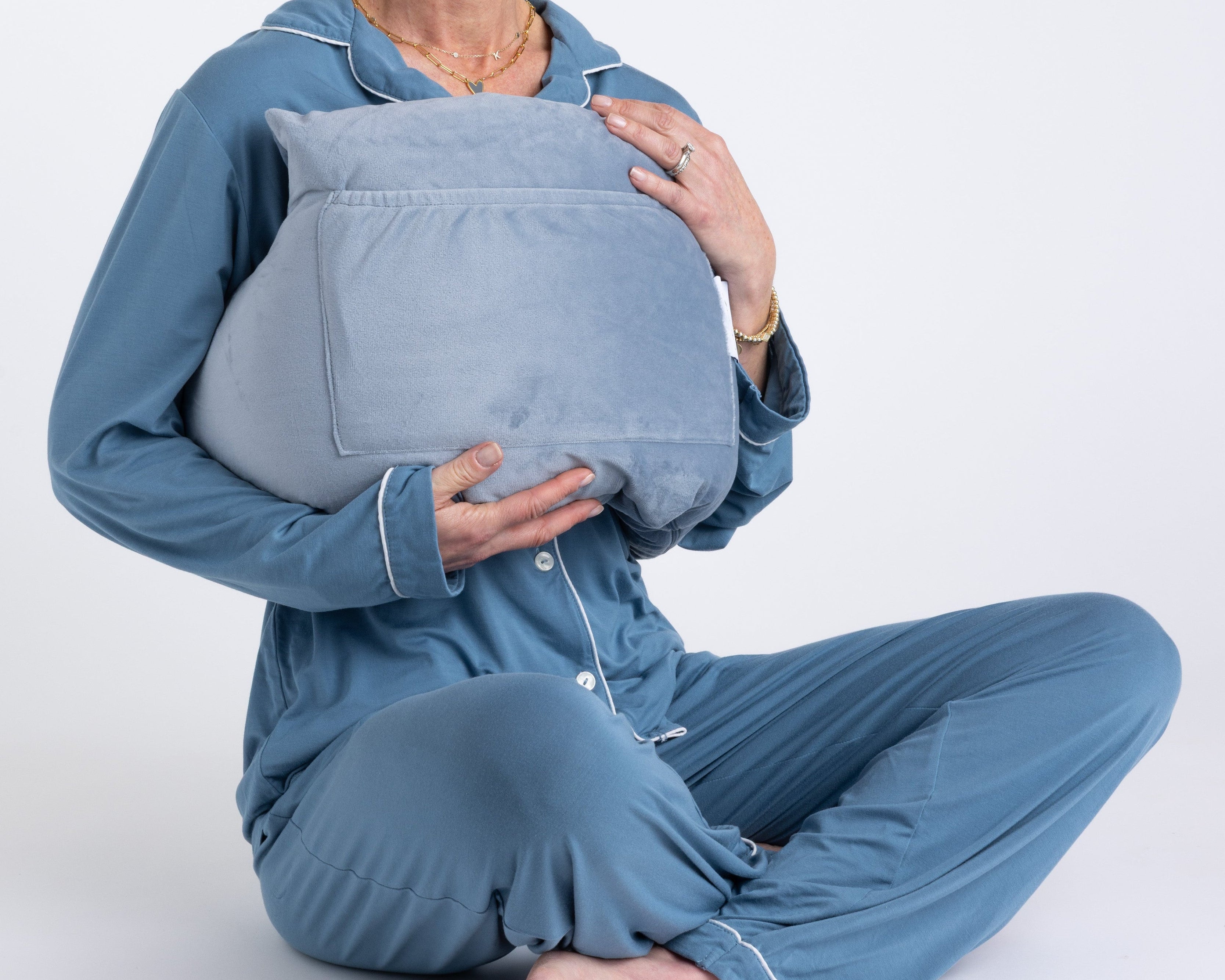
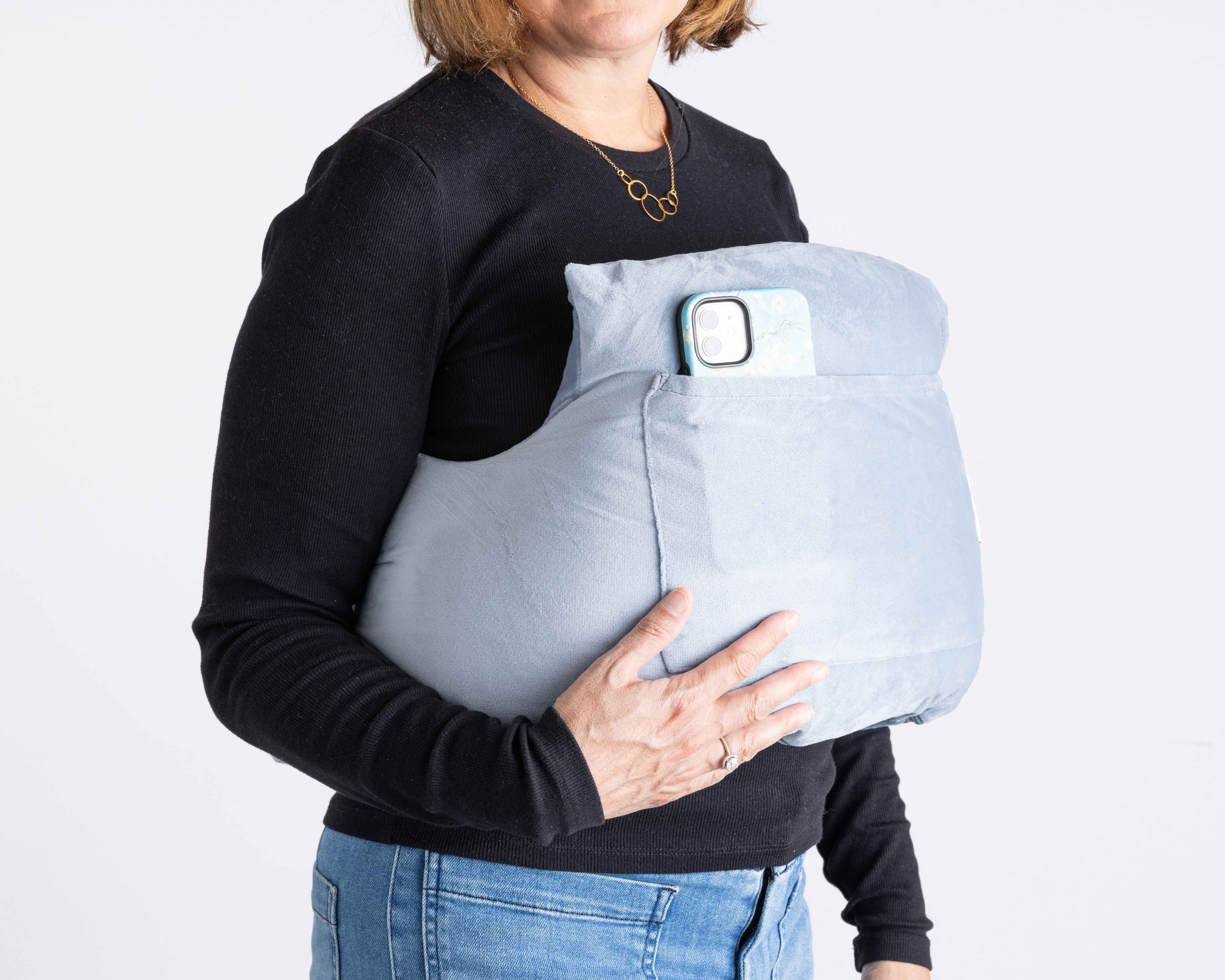
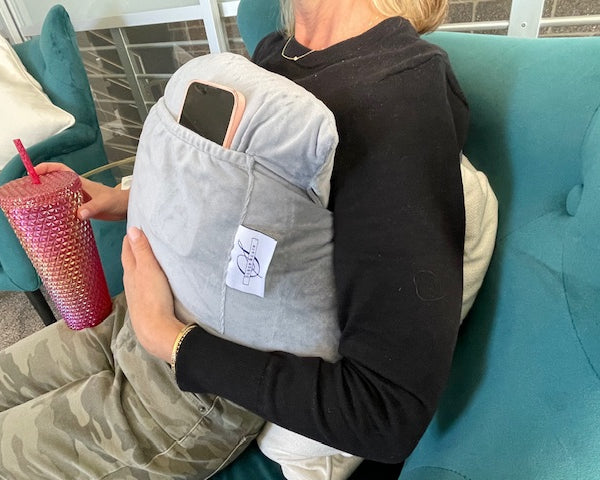
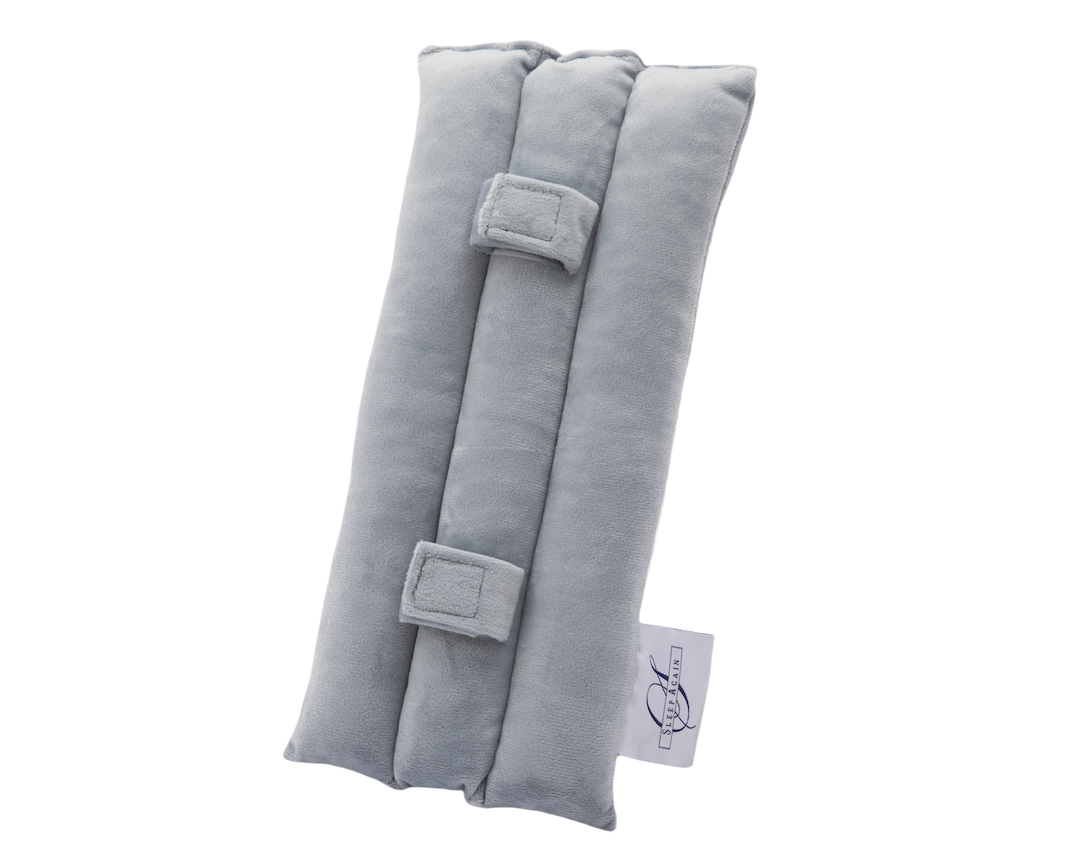
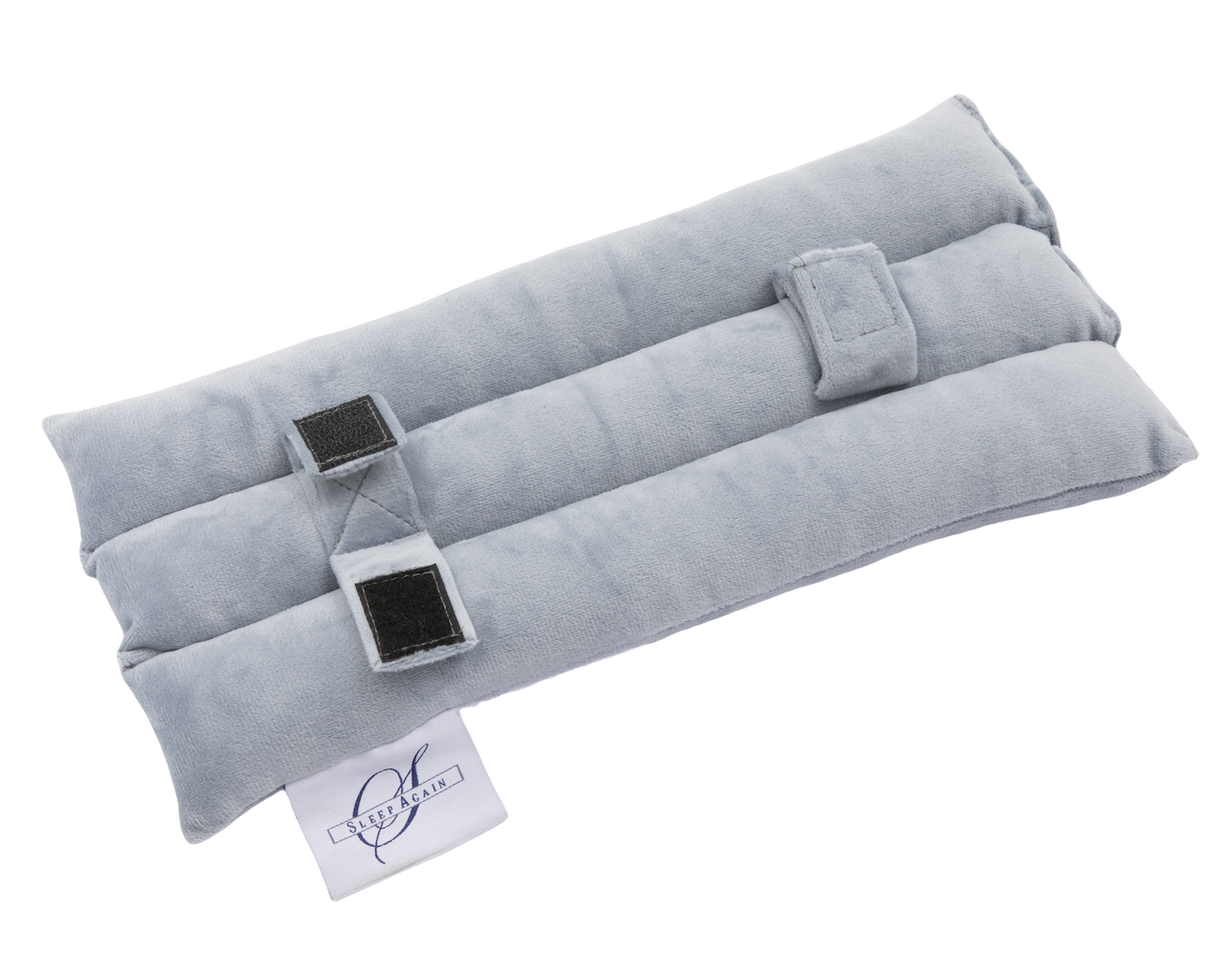
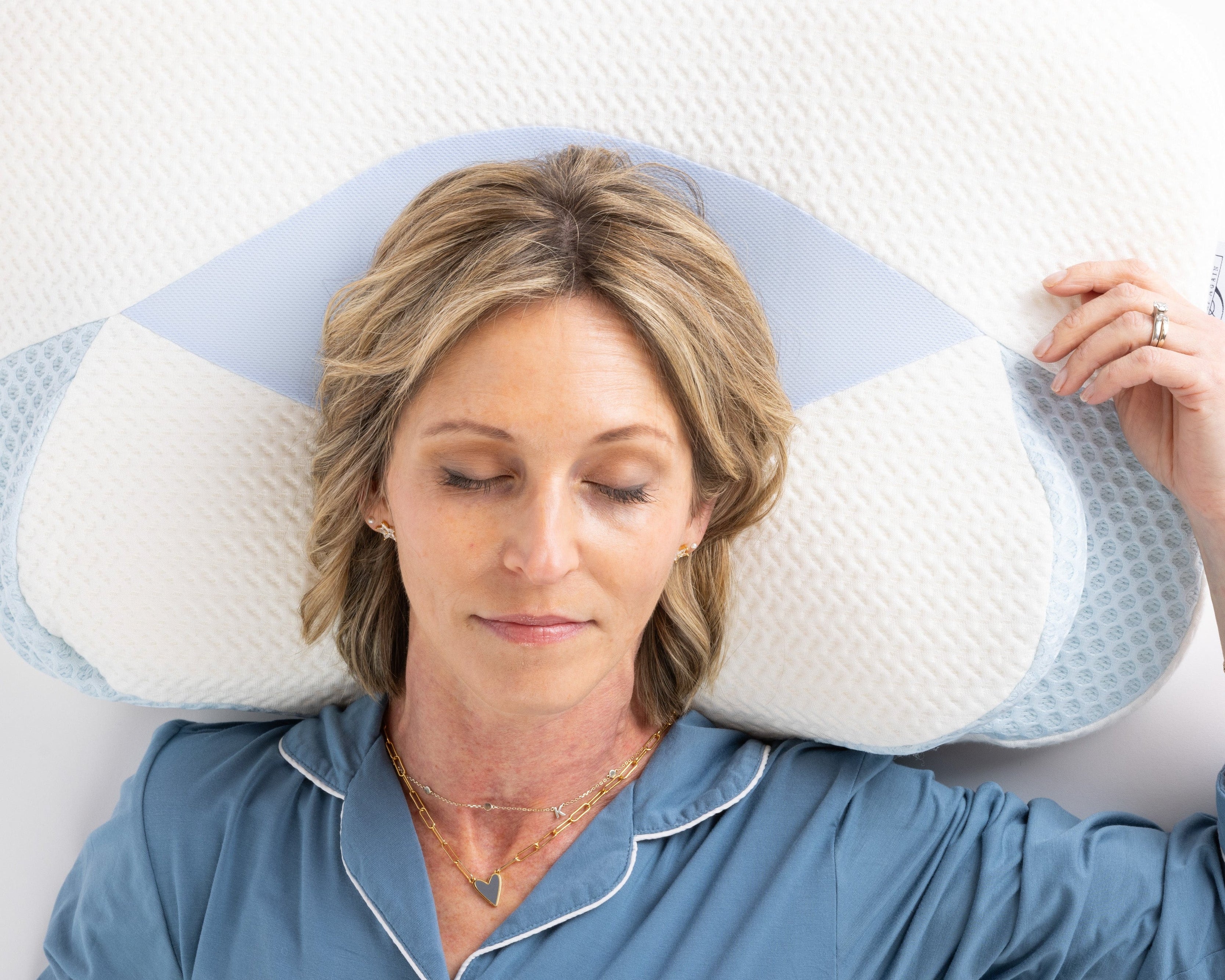
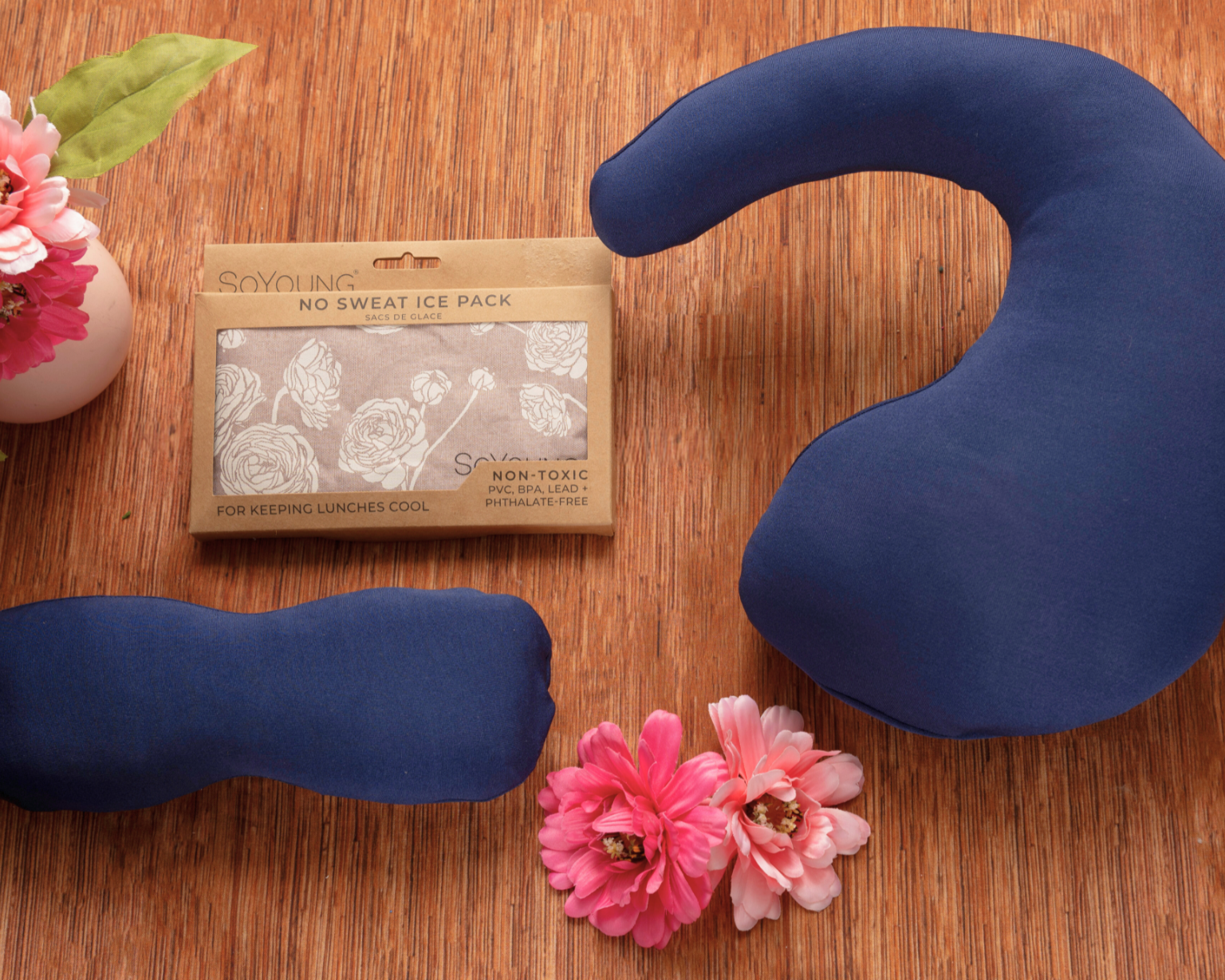
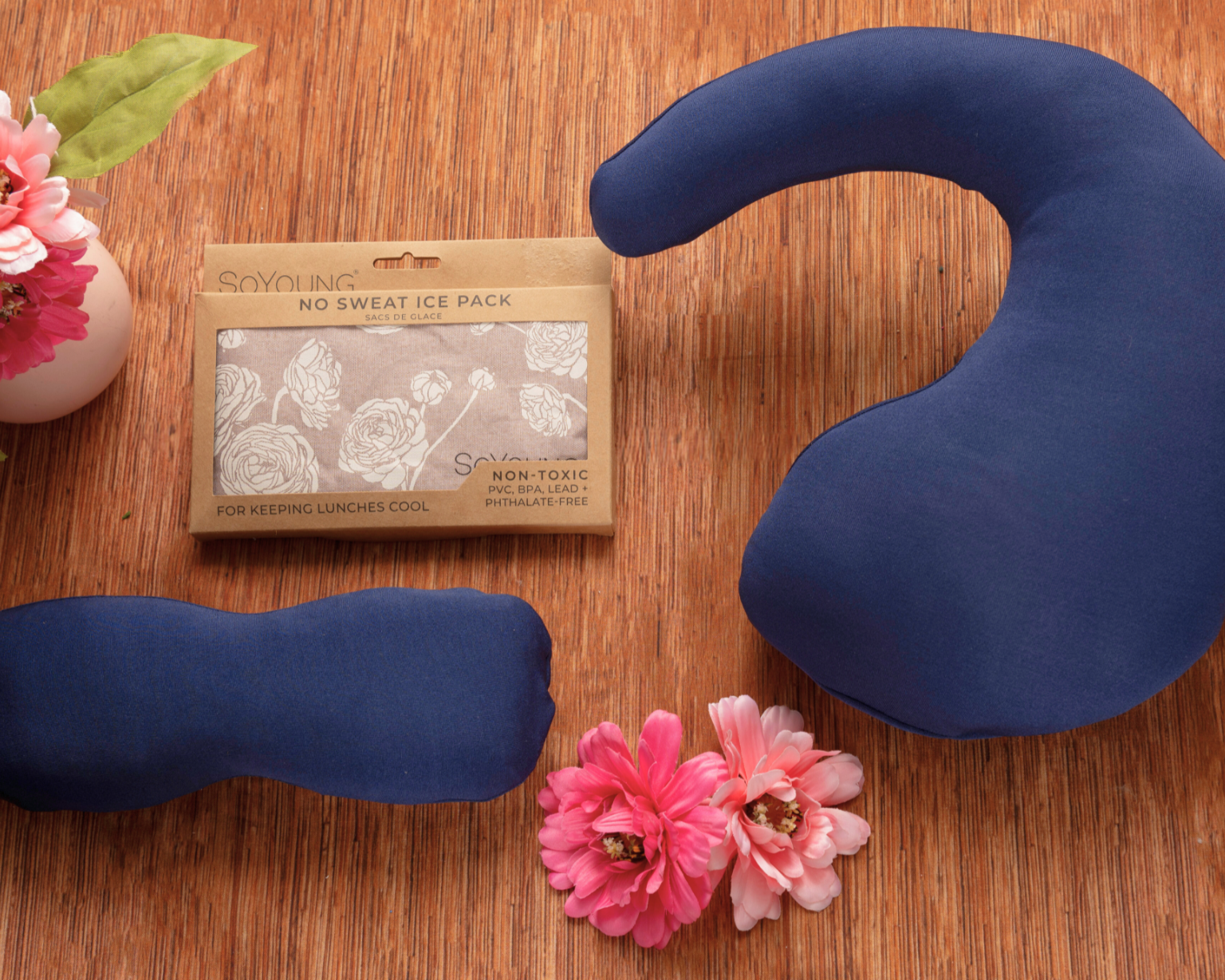
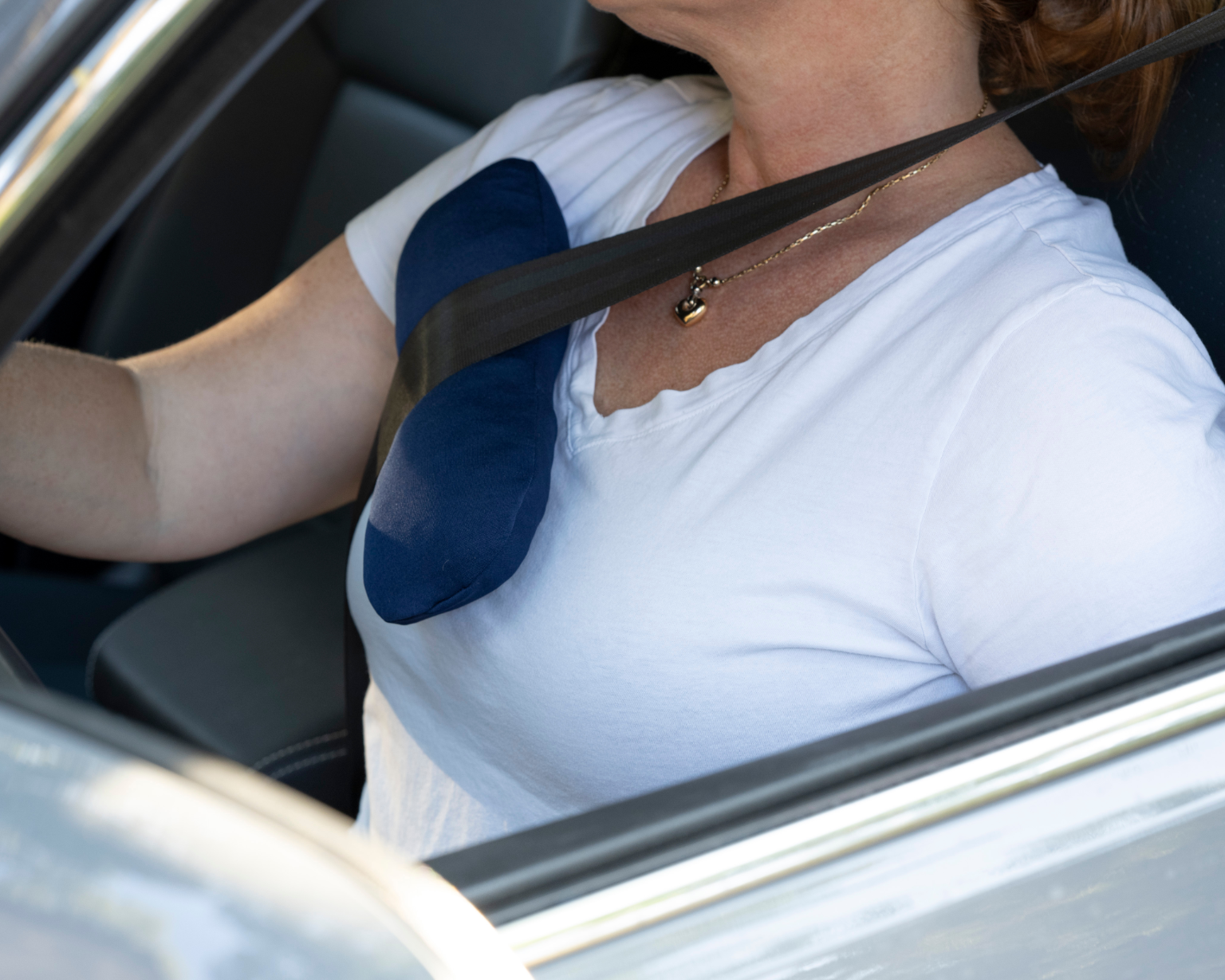
Yes — the Side Sleeping Chest Pillow addresses a separate recovery challenge: chest and sternum protection during side sleeping.
For patients recovering from breast surgery, mastectomy, open heart surgery, or thoracic procedures, the healing surgical site comes into direct contact with the mattress surface when lying on the side. That contact places pressure on tissue that needs protection, restricts airflow, and generates localized warmth — none of which support optimal healing.
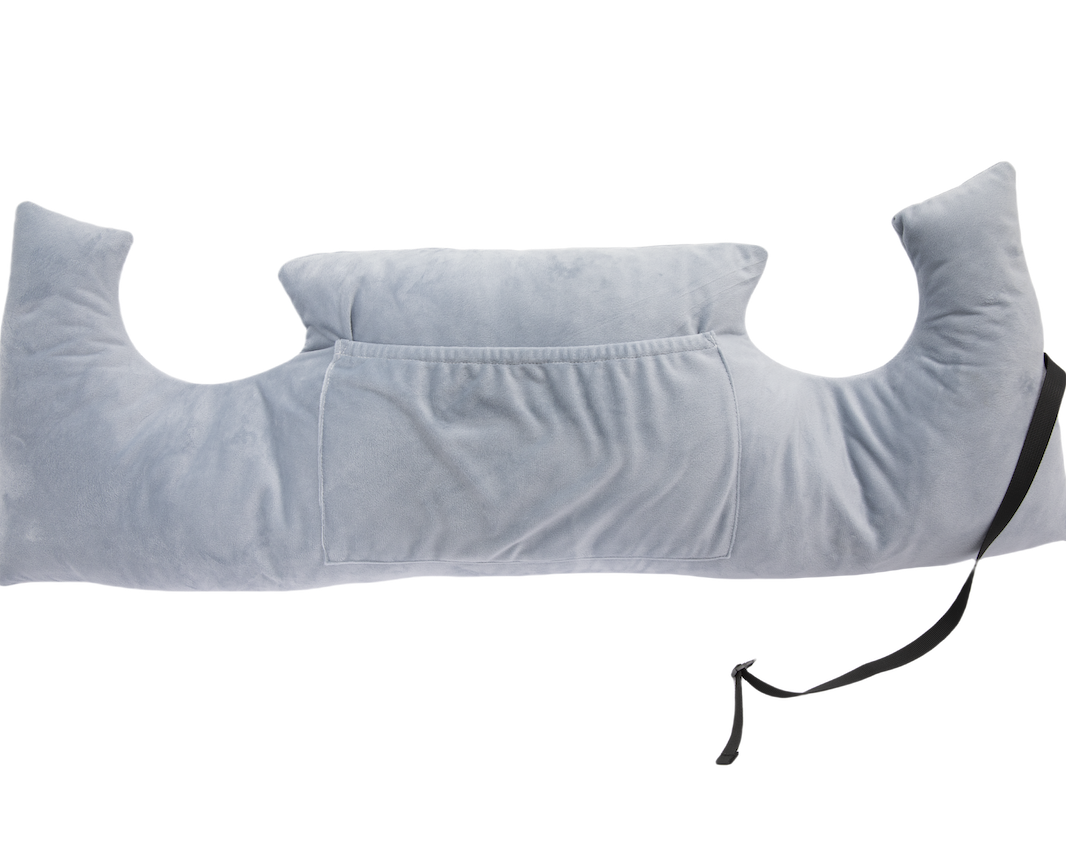
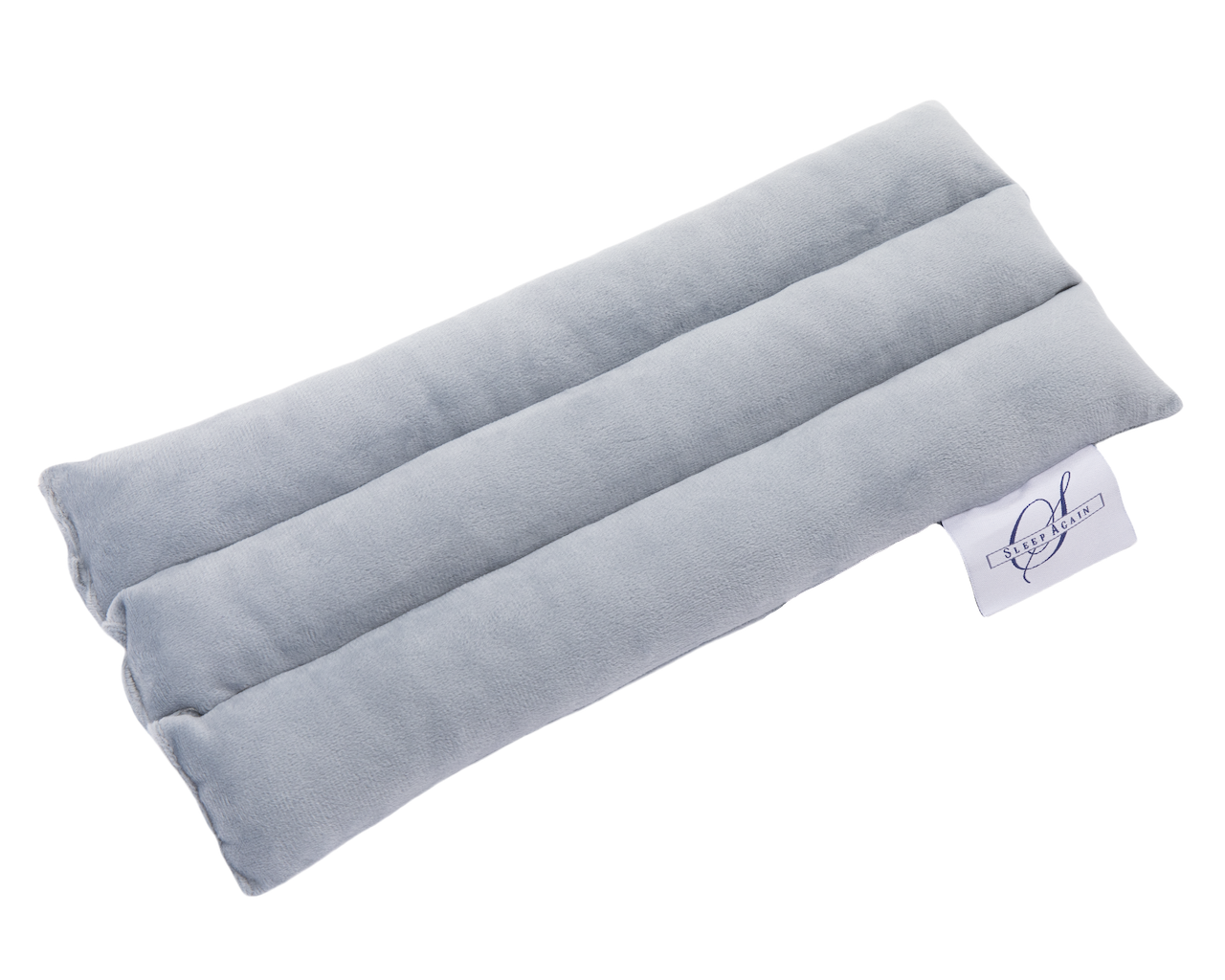
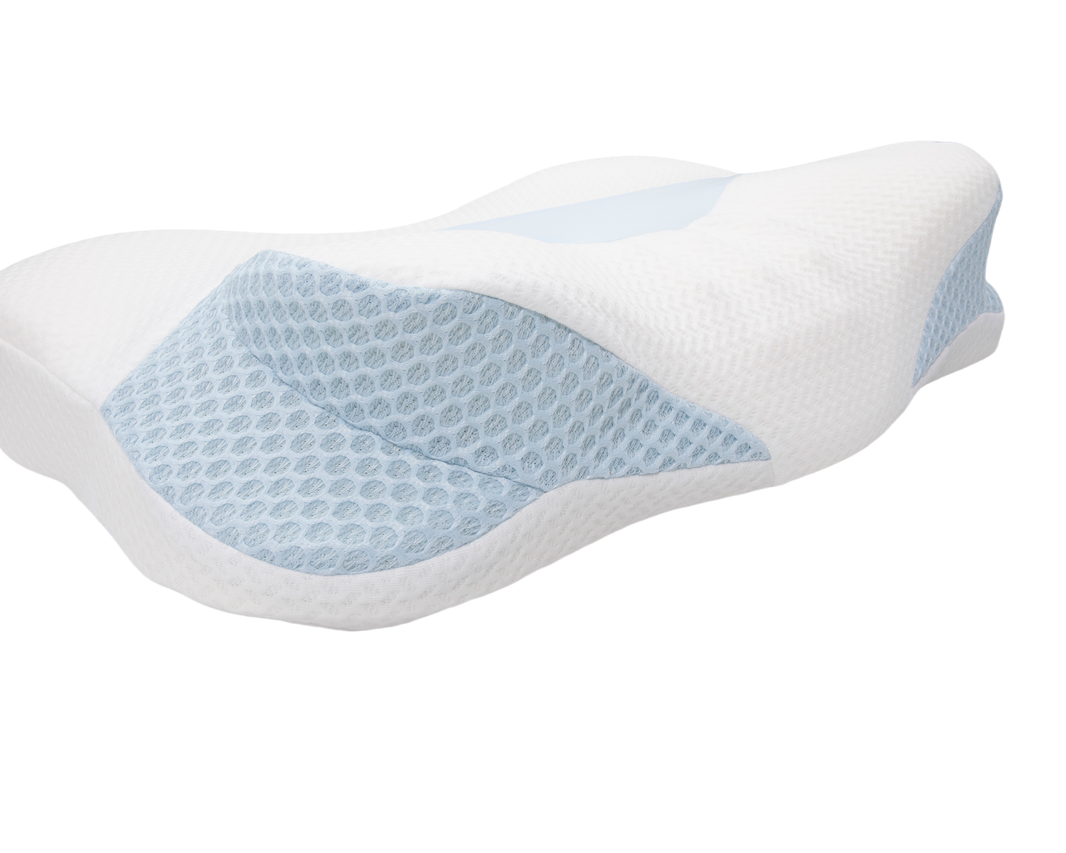
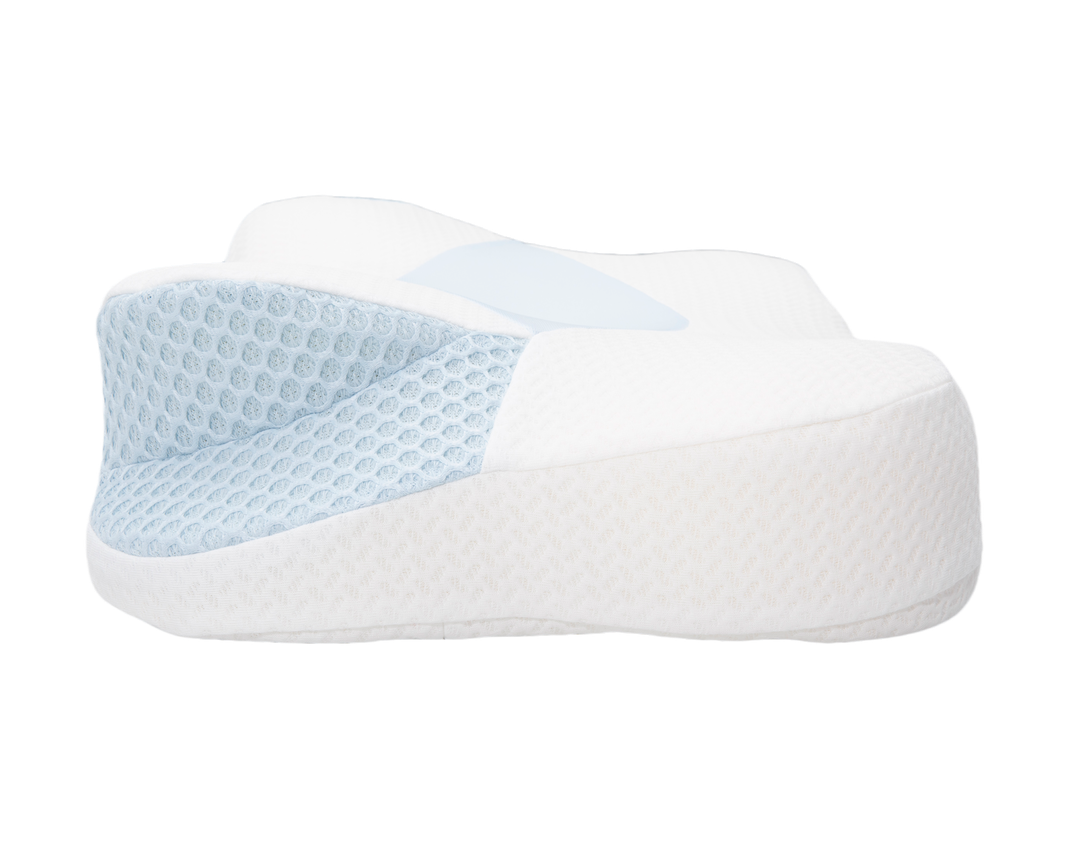
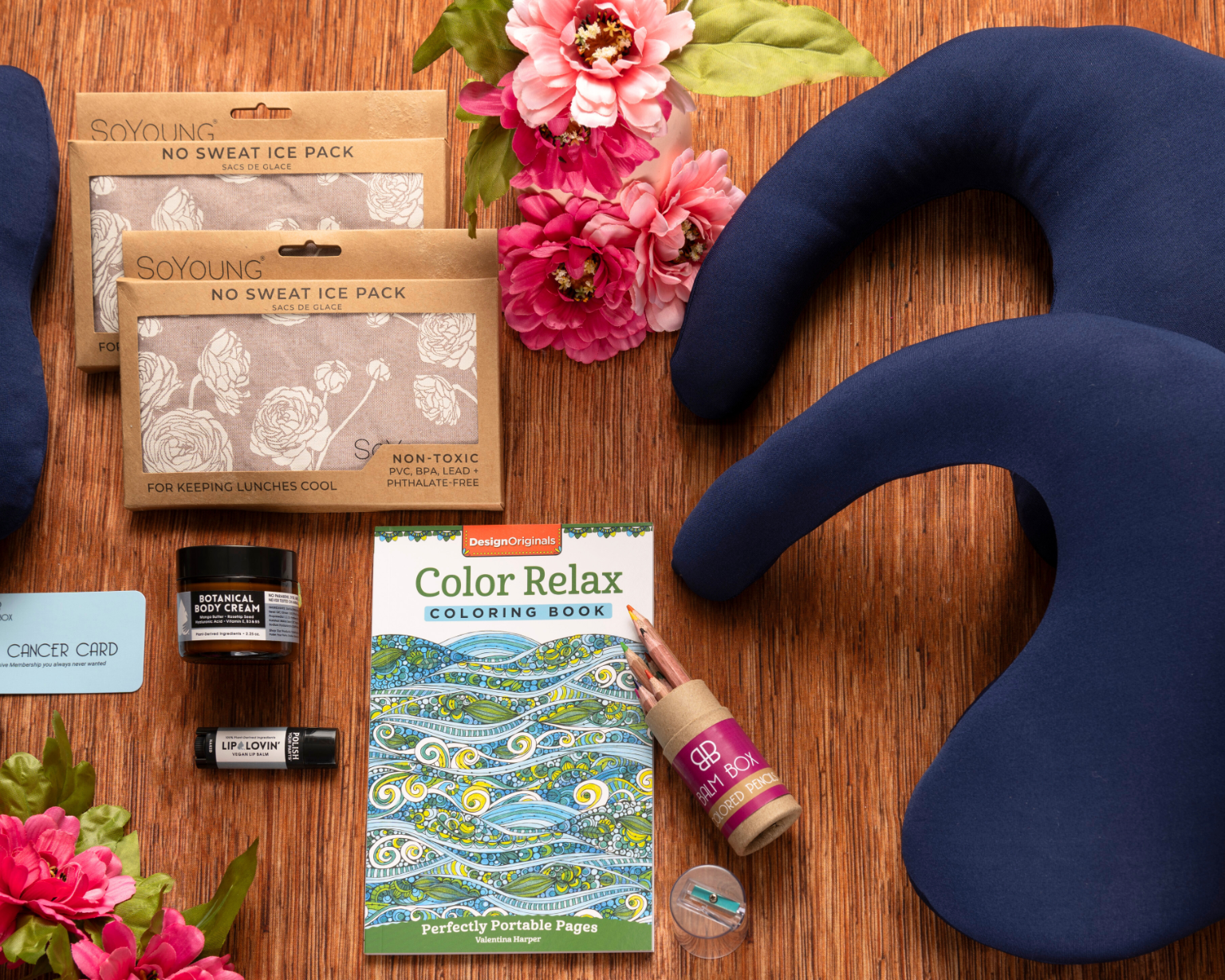
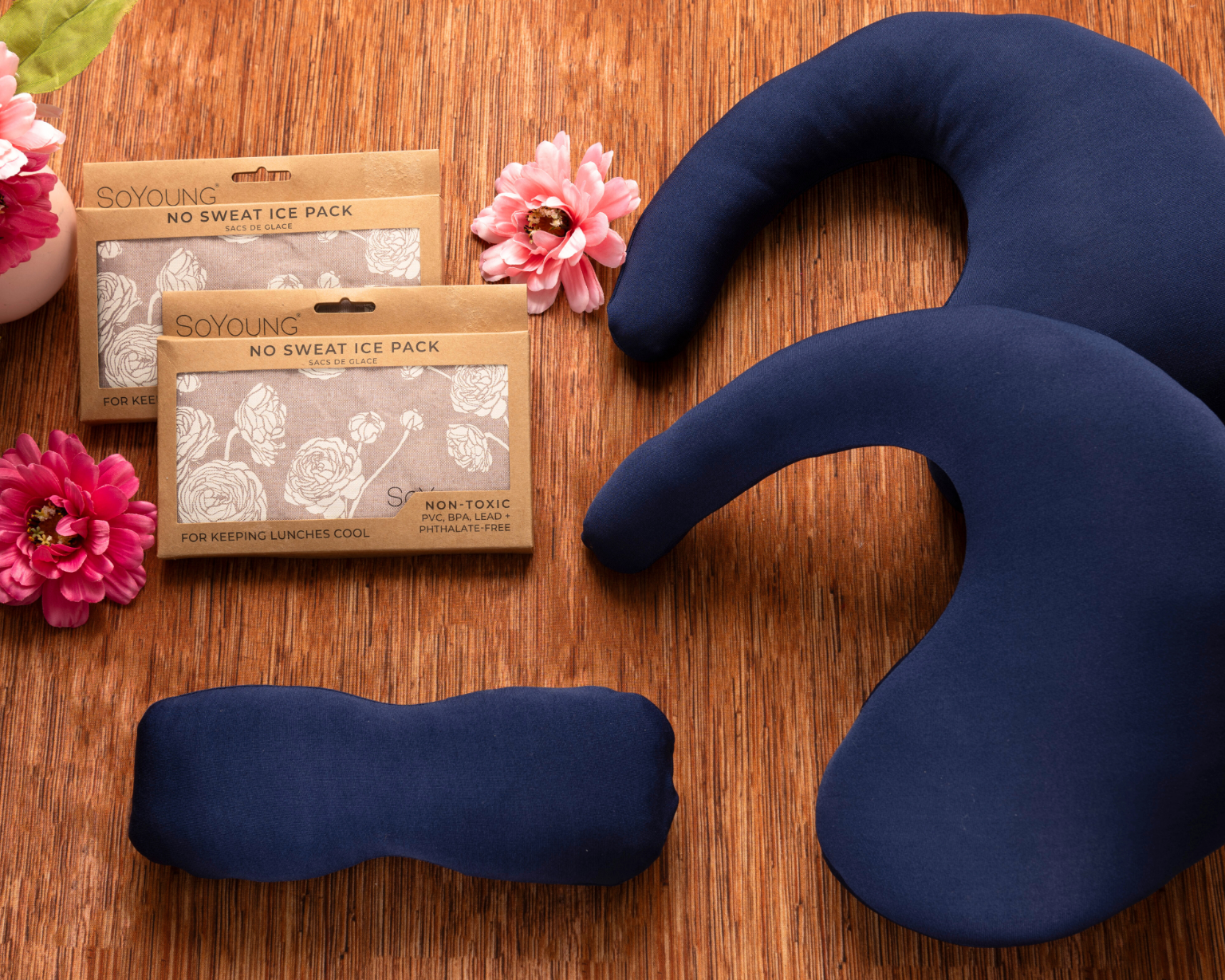
The Side Sleeping Chest Pillow is contoured to create a protective cushioned barrier between the chest wall and the mattress. It functions as a standalone product for patients whose primary need is chest protection during side sleeping, and complements the Sleep Again Pillow System for those requiring comprehensive support across both positions throughout recovery, such as mastectomy patients transitioning back to side sleeping after breast surgery.
SHOP THE SIDE SLEEPING CHEST PILLOW

What About Night Sweats and Temperature During Recovery?
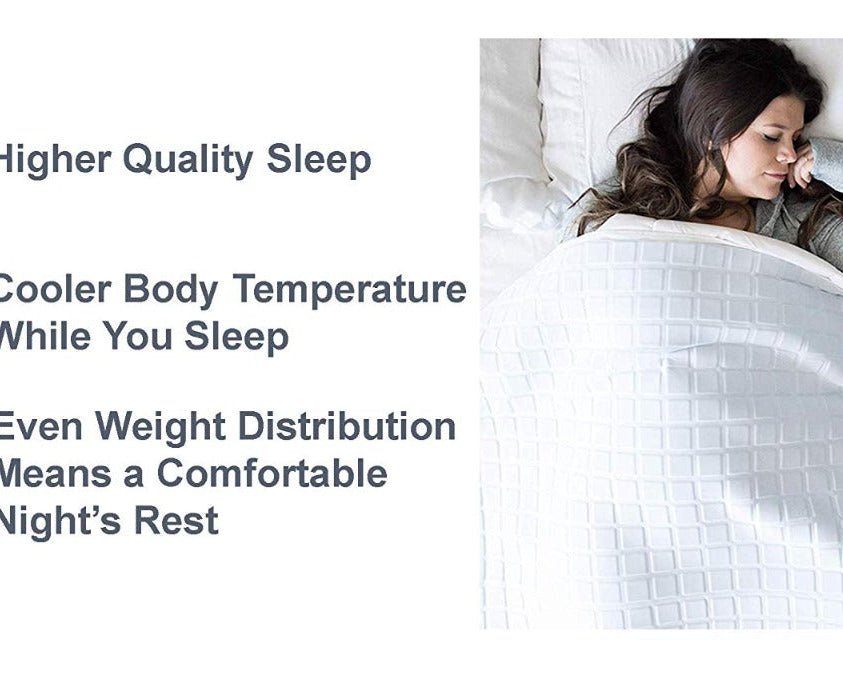
Post-surgical night sweats are common and well-documented. The body's inflammatory response to surgical trauma, shifts in hormonal regulation, and the thermal effects of certain post-operative medications all affect the body's ability to maintain stable temperature during sleep. For patients already managing disrupted sleep from pain or positioning adjustments, waking repeatedly from overheating is a compounding problem — not a minor inconvenience.
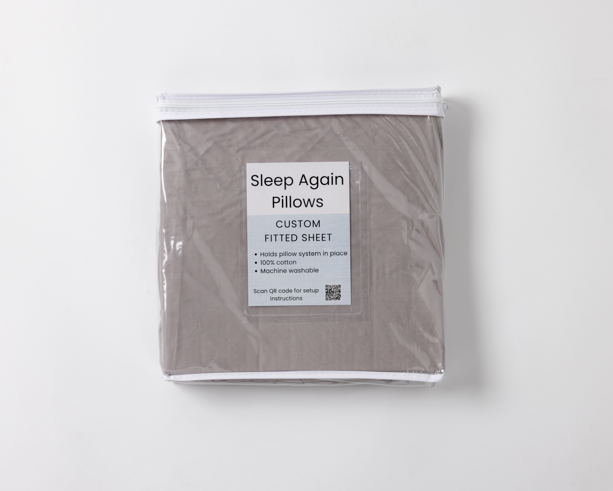
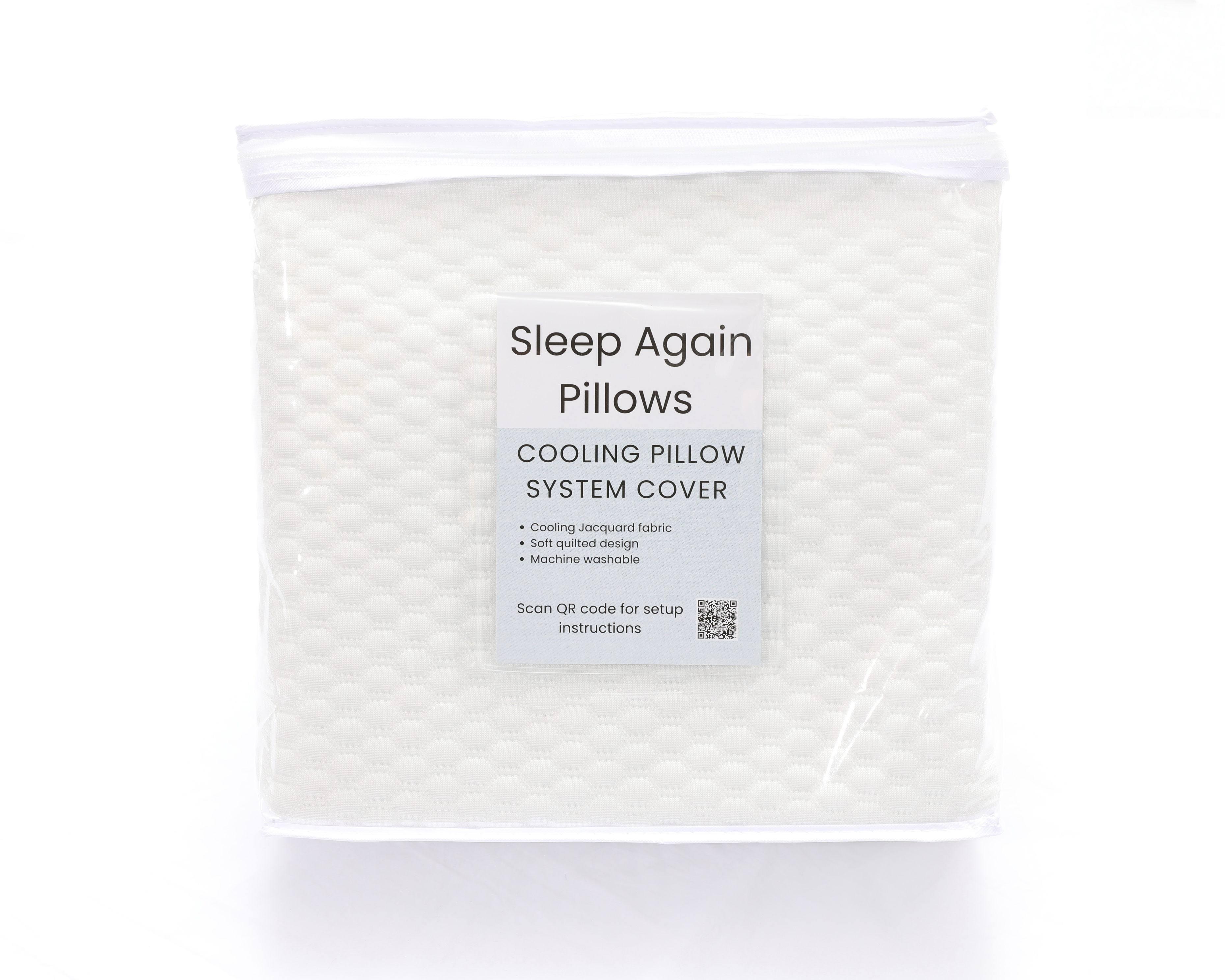
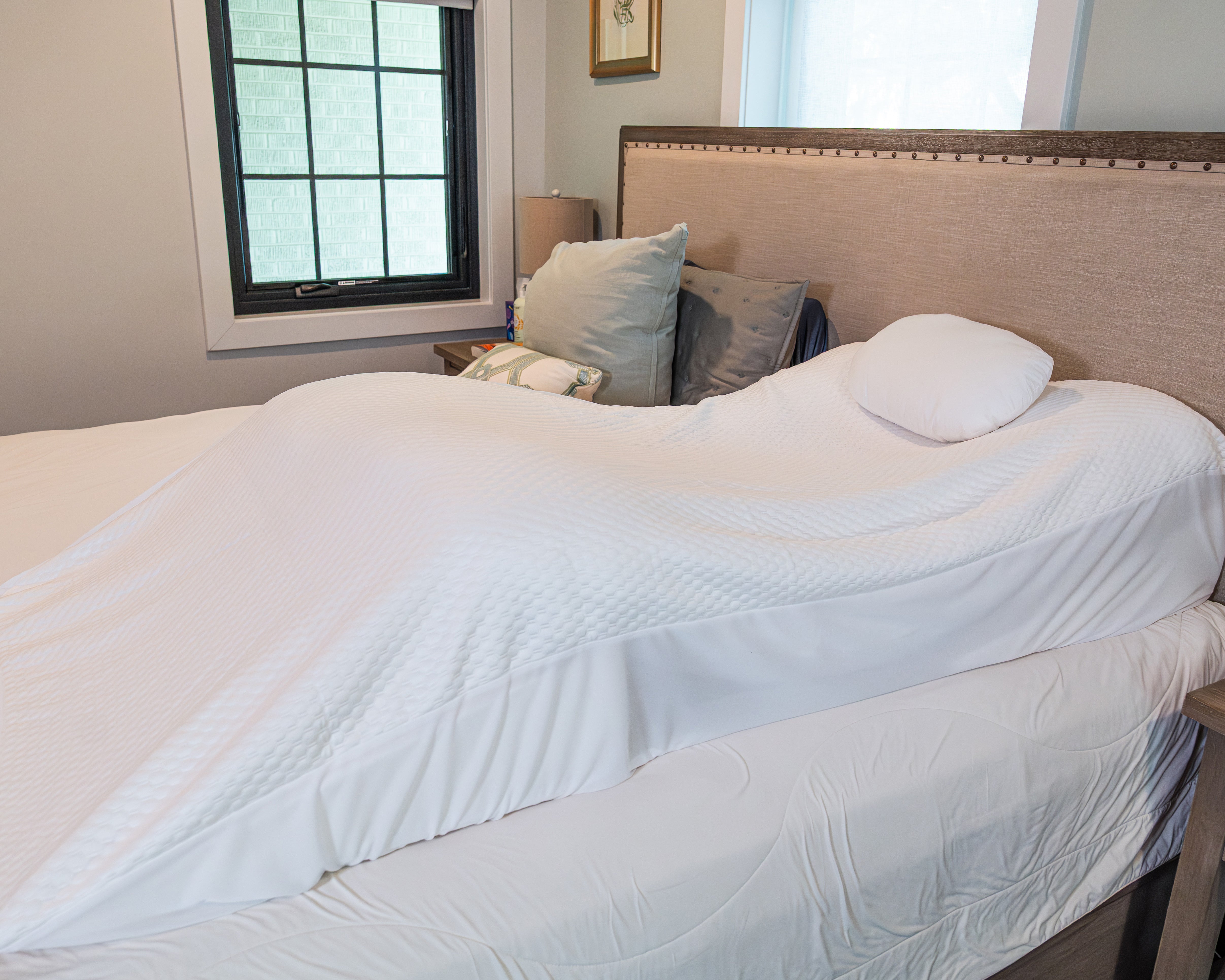
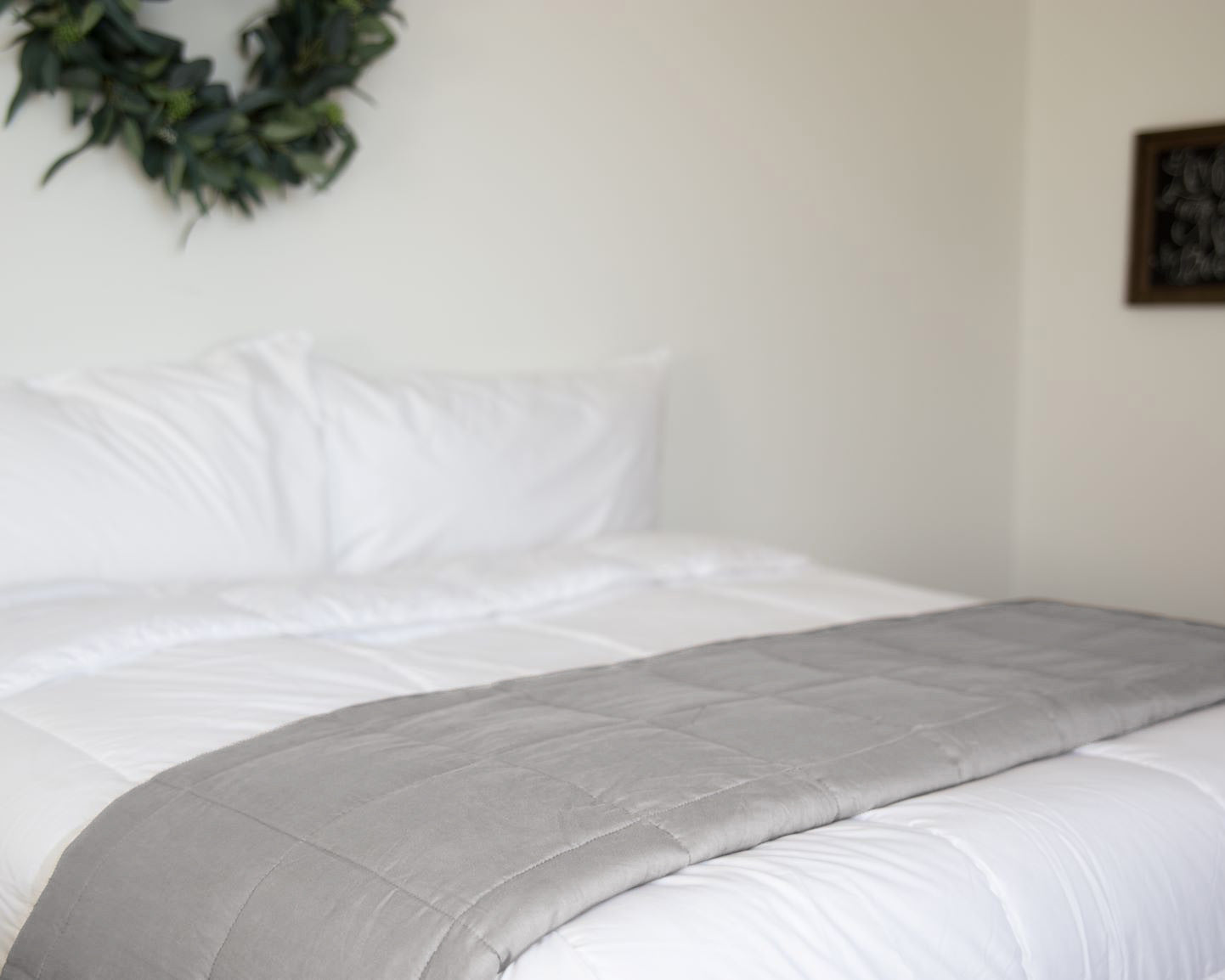
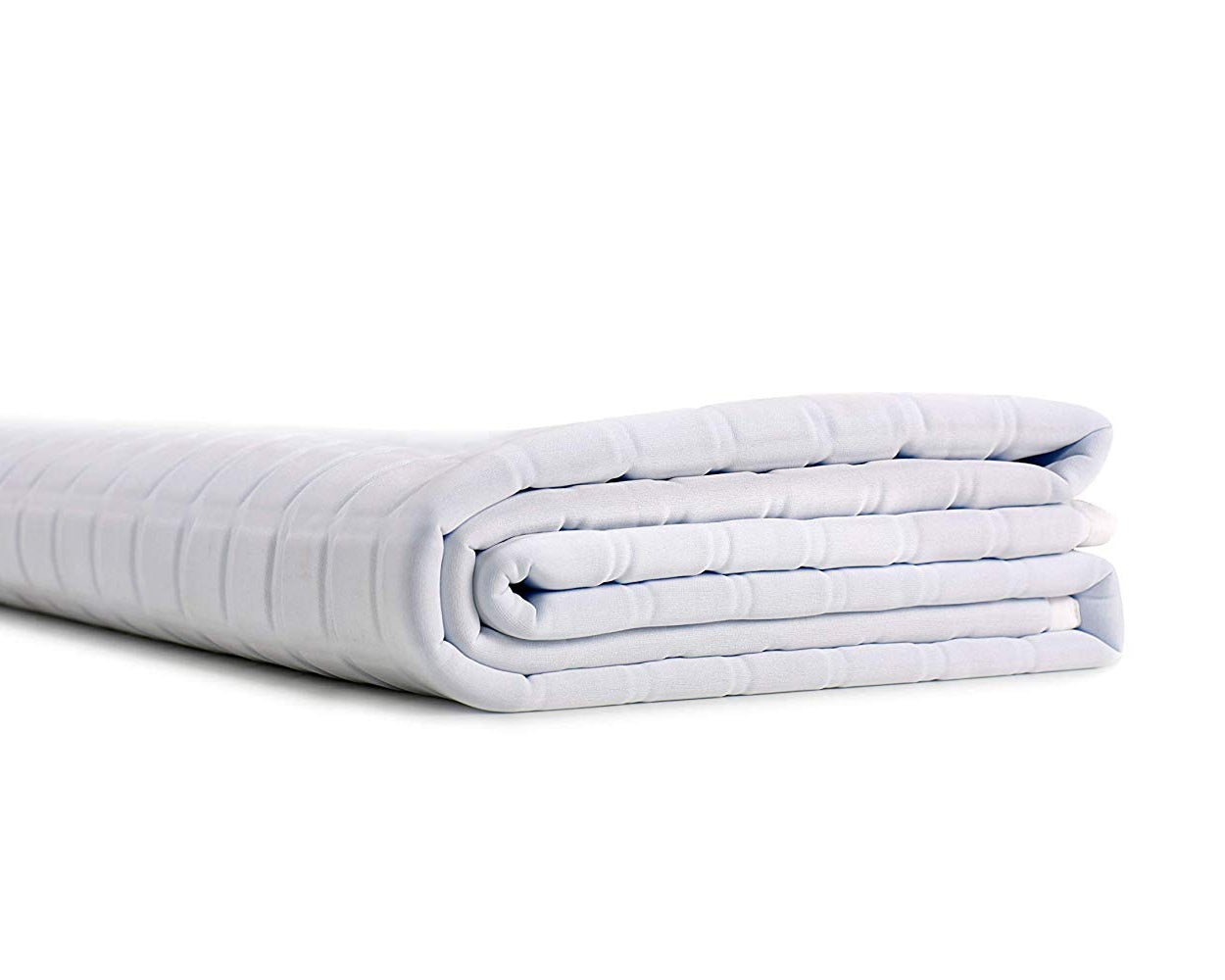
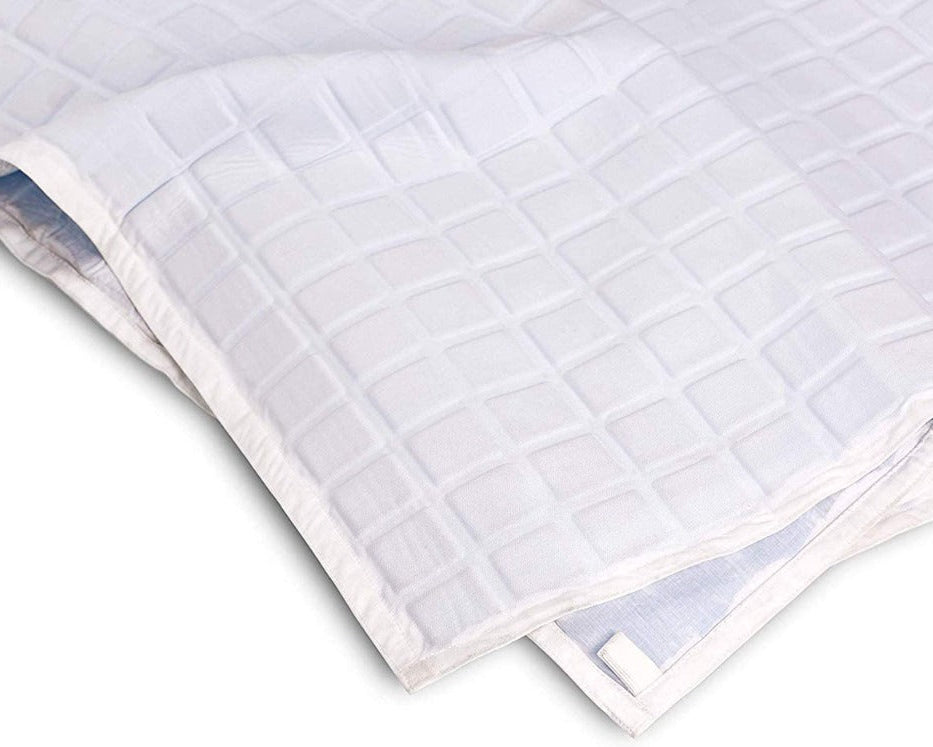
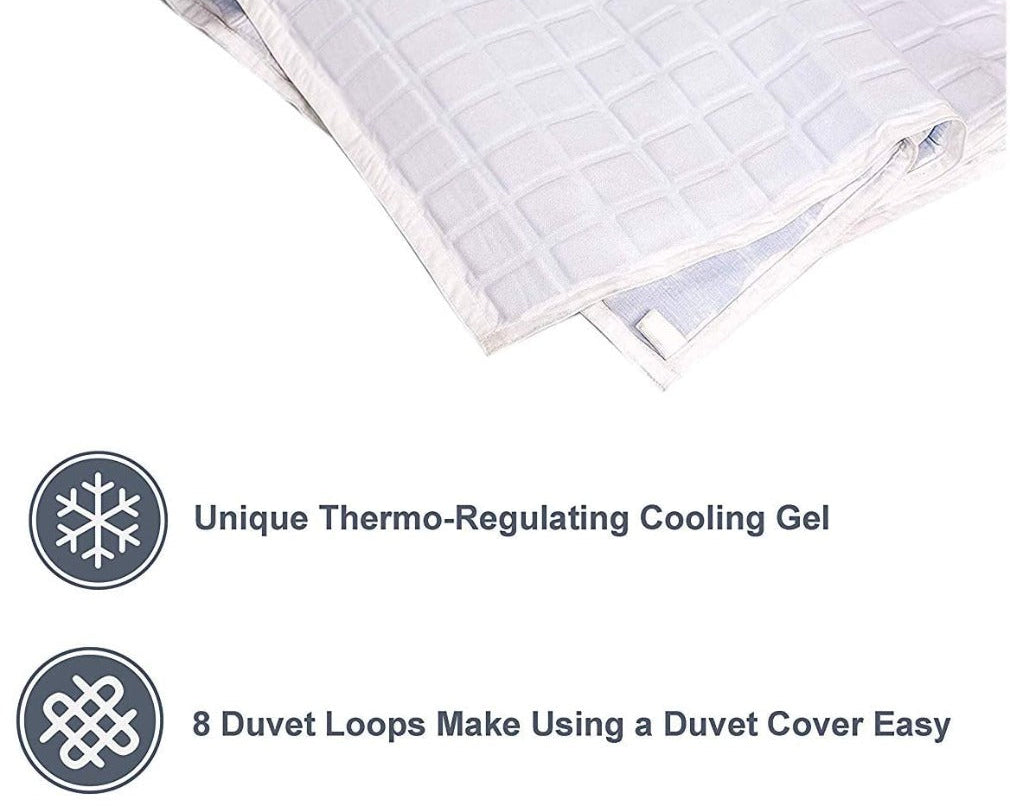
The Sleep Again Cooling Fitted Sheet is engineered to draw heat away from the body surface, improving thermal regulation throughout the night. For post-surgical patients using the Sleep Again Pillow System — where the body maintains sustained contact with multiple support surfaces — managing heat buildup is a practical consideration with direct implications for sleep continuity. Better temperature regulation means fewer wake-ups. Fewer wake-ups mean more time in the deep, restorative sleep phases where the body does the work of recovery.
KEEP YOUR COOL DURING RECOVERY

The Sleep Again Pillow System: Now Available for Direct Canada Shipping
The Sleep Again Pillow System is now available for direct shipping within Canada, which means no customs forms, no import duties, no border delays, and no currency conversion surprises.
Founded by a breast cancer survivor and Canadian citizen, Rachel Baumel, right, pictured above with co-founder, Kate Devlin, left, they want to help you be prepared for your surgery well in advance.
GET READY FOR YOUR SURGERY TODAY
Frequently Asked Questions About Surgery Wait Times and Preparation in Canada
Why are surgical wait times so long in Canada?
Canada's publicly funded health system manages surgical access through centralized waitlists that prioritize patients based on clinical urgency. Elective and semi-elective procedures — which include many orthopedic, gynecological, plastic, and general surgeries — are scheduled based on available surgical time, anesthesiologist availability, and operating room capacity. Demand consistently exceeds available resources across most provinces, producing extended wait periods that have grown over several decades. The specifics vary by province, specialty, and individual health region, but extended waits are a structural feature of the current system rather than an anomaly.
Is there anything I can do to move up the surgical waitlist?
Waitlist priority in Canada's public system is determined by clinical urgency, not patient request. The most productive step is ensuring your surgical team has current, accurate information about your condition. If your symptoms worsen materially during the wait, contact your specialist's office, as a change in clinical status can warrant priority reassessment. Some patients also explore accredited private surgical options domestically or abroad; these pathways involve additional costs and considerations that should be discussed with your surgical team directly.
What is prehabilitation, and is it right for me?
Prehabilitation refers to structured pre-surgical preparation designed to improve post-surgical recovery outcomes. A standard prehab program addresses cardiovascular conditioning, targeted strength training, nutritional optimization, and mental and emotional preparation. Prehabilitation is increasingly offered through Canadian hospitals and physiotherapy practices, particularly for major elective procedures. Ask your specialist or GP whether a prehab program is available and appropriate for your specific procedure and health status. It's a reasonable, evidence-supported question for any patient with a meaningful wait time ahead.
What sleep position will my surgeon recommend after surgery?
For many surgical procedures, elevated back sleeping at a 30 to 45 degree incline is the standard recommendation. Your surgeon will provide positioning guidance specific to your procedure, which always takes precedence over general recommendations. For surgeries involving the chest, breast, or sternum, additional lateral chest support can be beneficial when transitioning back to side sleeping.
Should I buy recovery sleep equipment before or after surgery?
Before surgery. The post-surgical period involves fatigue, pain, and the cognitive effects of anesthesia and pain medication. Decision-making is impaired, online research is frustrating, and delivery timelines create pressure that doesn't need to exist during recovery week. The wait period is the right time to research, purchase, and set up recovery equipment — when you have the clarity and bandwidth to do it properly.
Can I use HSA or FSA funds for post-surgical positioning equipment?
Post-surgical positioning equipment purchased for a medically necessary recovery purpose may qualify for HSA and FSA reimbursement. Supporting documentation from your surgeon or specialist strengthens eligibility. The Sleep Again Pillow System is eligible for HSA and FSA reimbursement. Eligibility criteria vary by plan and provider. Review your specific account's requirements before purchasing.
Does the Sleep Again Pillow System work across different surgery types?
The Sleep Again Pillow System supports the elevated back sleeping position recommended following breast surgery, mastectomy, cardiac surgery, and abdominal, thoracic, and orthopedic procedures. Its five-component design addresses full-body positioning from head to leg. Patients with specific positional restrictions, such as those following spinal surgery, should confirm the appropriateness of any positioning system with their surgical team before use.
How is the Side Sleeping Chest Pillow different from a standard pillow or body pillow?
A standard pillow provides generalized cushioning without anatomical design for post-surgical recovery. The Side Sleeping Chest Pillow is contoured to support the chest during side sleeping. For patients recovering from chest or breast procedures, this can be helpful during the tender transition back to side sleeping following the doctor-recommended period of back sleeping. Always follow your surgeon's recommendations on sleep positioning.
The Bottom Line: Prepare Now, Recover Better
The wait between referral and surgery is not empty time. It's a preparation period — and the length of Canada's surgical queues means most patients have more of it than they realize.
Patients who invest that period in physical conditioning, home setup, nutritional preparation, and proactive sourcing of recovery equipment consistently arrive at surgery in better condition and navigate recovery with fewer avoidable complications. The ones who treat the wait as something to get through rather than something to use tend to hit problems that could have been solved in advance.
The Sleep Again Pillow System — comprising the Upper Body Wedge, Leg Support Wedge, Two Contoured Side Pillows, Head Pillow, and removable washable slipcovers for every piece — is purpose-built for exactly this recovery need. For patients requiring chest protection during side sleeping, the Side Sleeping Chest Pillow addresses what the Sleep Again Pillow System is not designed for. And for patients managing post-surgical temperature disruption, the Sleep Again Cooling Fitted Sheet rounds out the sleep environment for the Sleep Again Pillow System.
Your surgery date is set. Your preparation starts now.
Important Medical Disclaimer
The information provided on this page is for educational purposes only and should not replace professional medical advice from your healthcare provider. Sleep Again Pillows are positioning support products designed to help maintain sleep positions recommended by medical professionals during recovery and for therapeutic use.
Always follow your surgeon's or physician's specific post-operative instructions and positioning requirements. Medical guidance from your healthcare team takes precedence over any general information provided here. Recovery timelines, positioning angles, and product suitability vary based on individual surgical procedures, medical conditions, and patient-specific factors.
Consult your healthcare provider before purchasing positioning equipment if you have specific medical concerns or questions about whether these products are appropriate for your recovery or medical condition(s). Your medical team can provide personalized recommendations based on your unique situation.
Sleep Again Pillows do not diagnose, treat, cure, or prevent any medical condition. These products provide positioning support to help maintain sleep angles and positions as directed by your healthcare provider.