
Being diagnosed with cancer can be extremely overwhelming, from having to manage the physical symptoms of cancer and the side effects of cancer treatment to coping with the emotional challenges of a diagnosis. For many patients, managing the pain that comes with cancer is crucial to improve their quality of life and well-being.
Types of cancer pain
While not every patient will experience pain from their cancer, many patients still experience it, especially for those with recurrent or metastatic cancer. Pain can be classified into 2 main types — acute and chronic. Acute/nociceptive pain refers to a sudden, temporary pain arising due to tissue injury. For example, the pain a patient experiences from undergoing an operation. On the other hand, chronic/neuropathic pain refers to a persistent form of pain that extends beyond normal recovery timelines, typically lasting for months. For instance, changes or damage to one’s nerves may result in chronic pain.
The type and amount of pain you experience depends heavily on individual factors, such as the type and stage of cancer or the type of treatment. Additionally, the type of pain you feel may influence the type of treatment you require. For instance, cancer pain could be due to the nerves, bones or tissue. By understanding the type of pain that you are feeling, it can help you to better communicate your discomfort to your doctors.
Pain management
Pain management often comes in different forms, from medications to lifestyle changes. It is a component of palliative care, which is targeted at improving the quality of life of patients living with severe illnesses.
For many cancer patients, being able to manage their pain is an important aspect of their cancer journey as it has a direct impact on their quality of life. For one lung cancer patient, his “biggest fear is that I’ll have a miserable life. That I’ll just die one day in pain from all the symptoms and side effects. Quality of life is very important to me.”
Medication
For cancer patients who are experiencing pain, medication may help to relieve some of it. The type of pain treatment depends on the severity and type of pain that you are experiencing. Some of the common pain medications include:
-
Over-the-counter (OTC) pain relievers: these are non-opioid medications that can be used to relieve mild to moderate levels of pain.
-
Opioids: these are prescription-based medications that are used to treat moderate to severe levels of pain. They can be short-acting for immediate pain relief or long-acting which relieves pain at a slower pace but lasts for a longer time.
Alternative pain treatment
While medication is helpful to manage pain in most cancer patients, for some, it may not be sufficient. For such patients, alternative treatments may be required to help them manage their pain. Some of these alternatives include:
-
Trans-cutaneous electrical nerve stimulation: use of an electrical current for pain relief, particularly for pain related to the nerves.
-
Nerve blocks: used to prevent pain signals from being sent to the brain by injecting a numbing medicine into a nerve.
-
Complementary therapy: some of such forms of therapy include acupuncture, massage therapy and meditation.
The most appropriate form of pain treatment varies from patient to patient, depending on different factors, such as the severity of pain and individual response to the treatment. Hence, it is important to discuss with your healthcare team to determine which form of treatment is the most appropriate for your situation.
Lifestyle changes
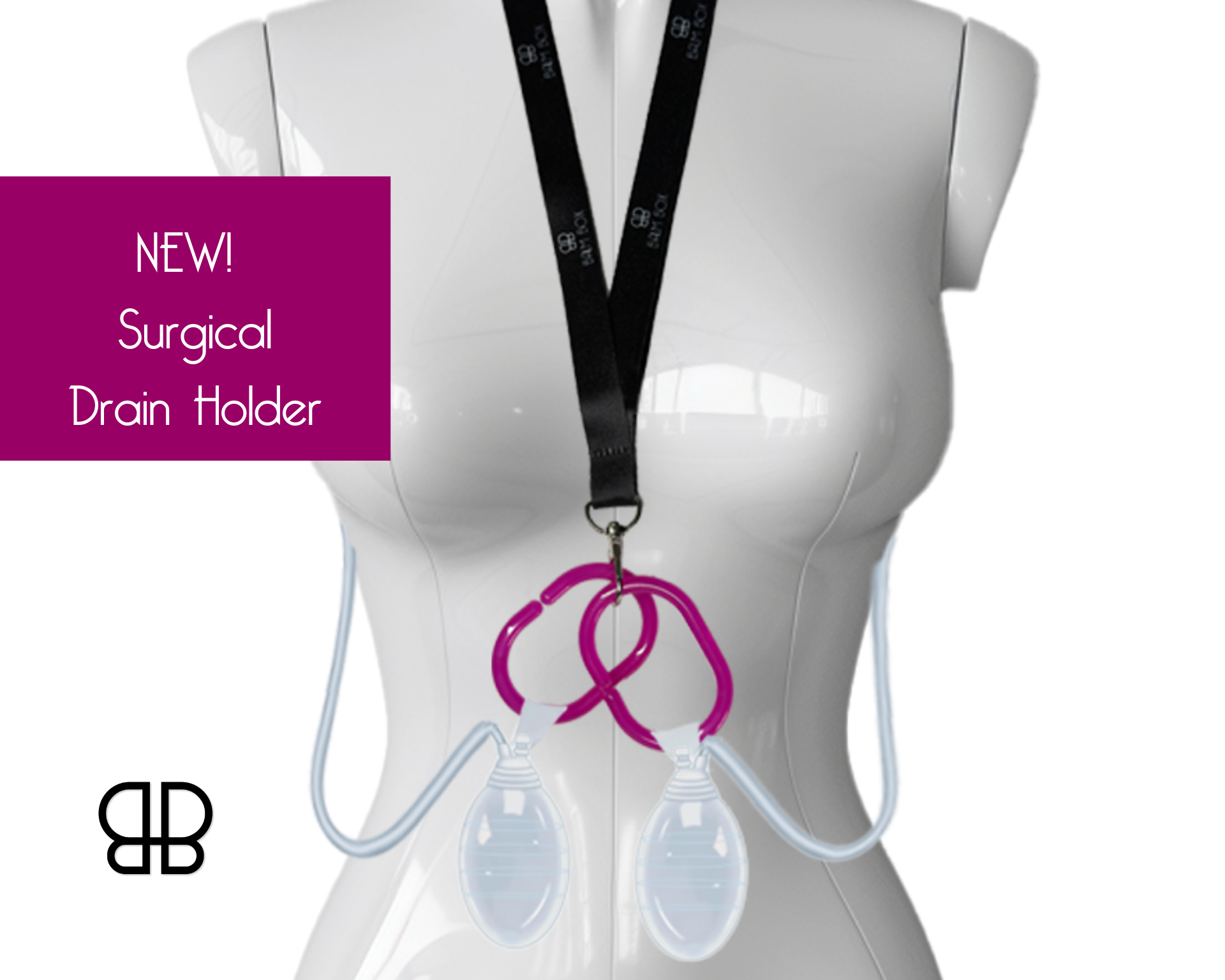
Besides medication, small changes to your daily life can have a huge impact on pain management. Light exercises or movements can help to manage pain and stress. Moreover, there are many products available for cancer patients to help with their recovery and improve their quality of life.

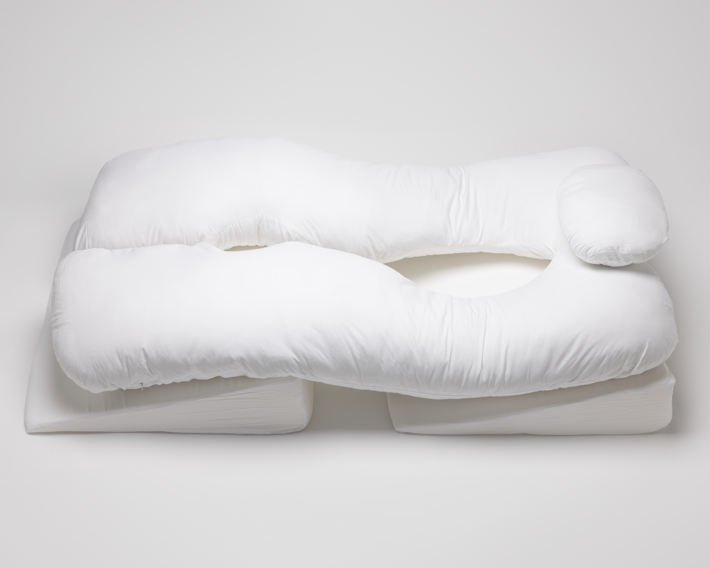
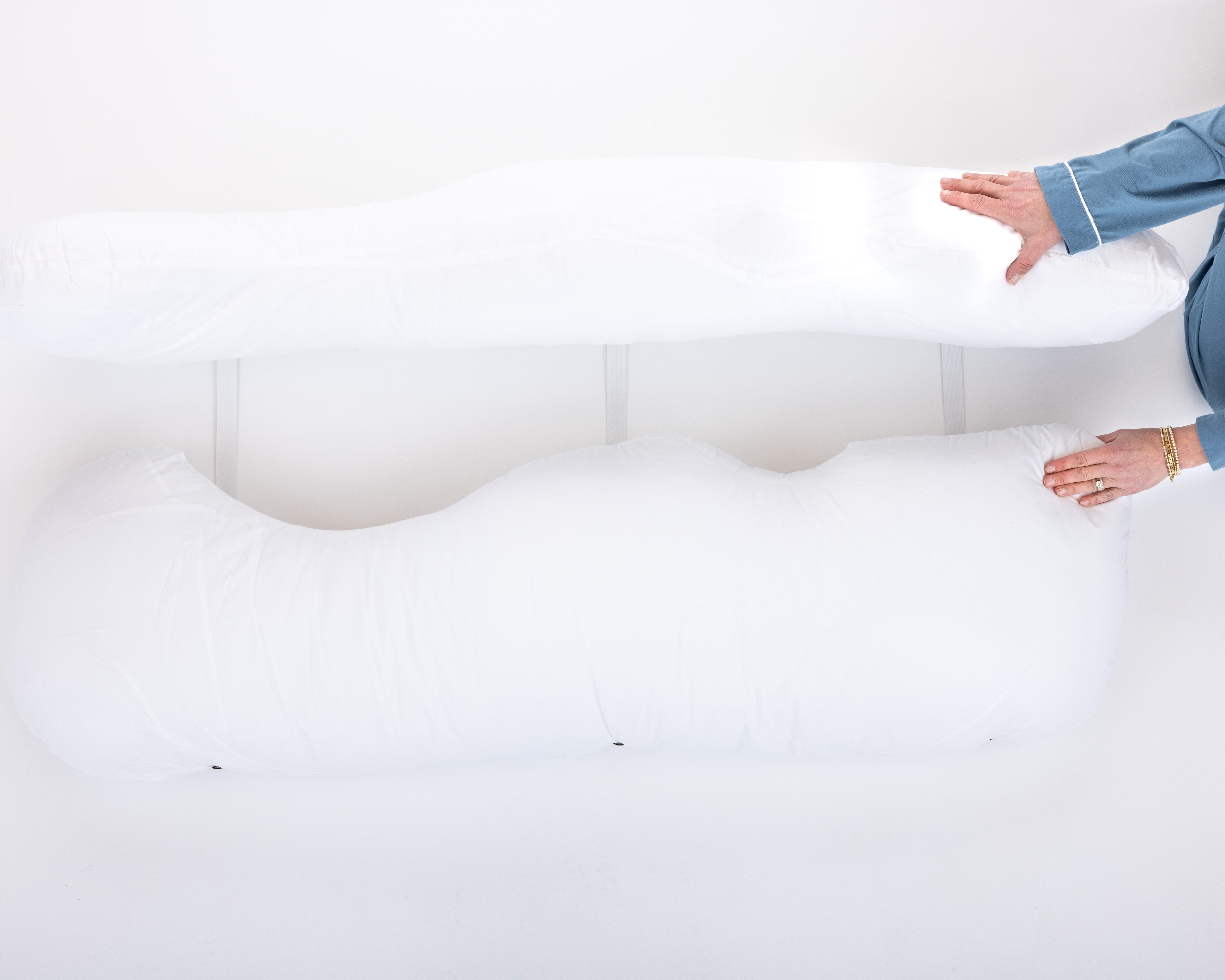
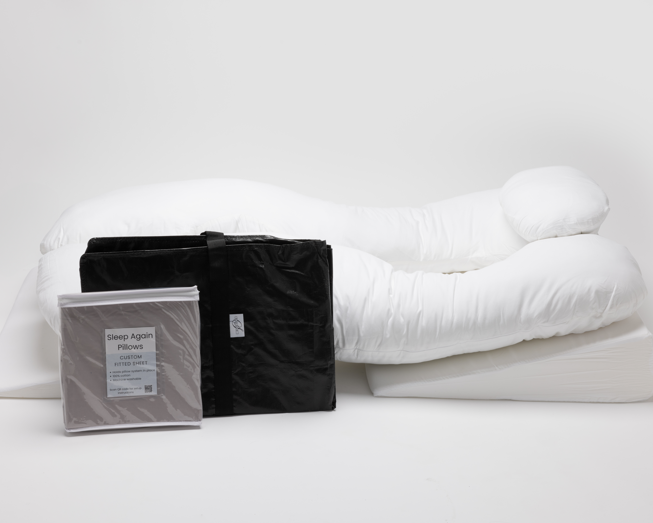
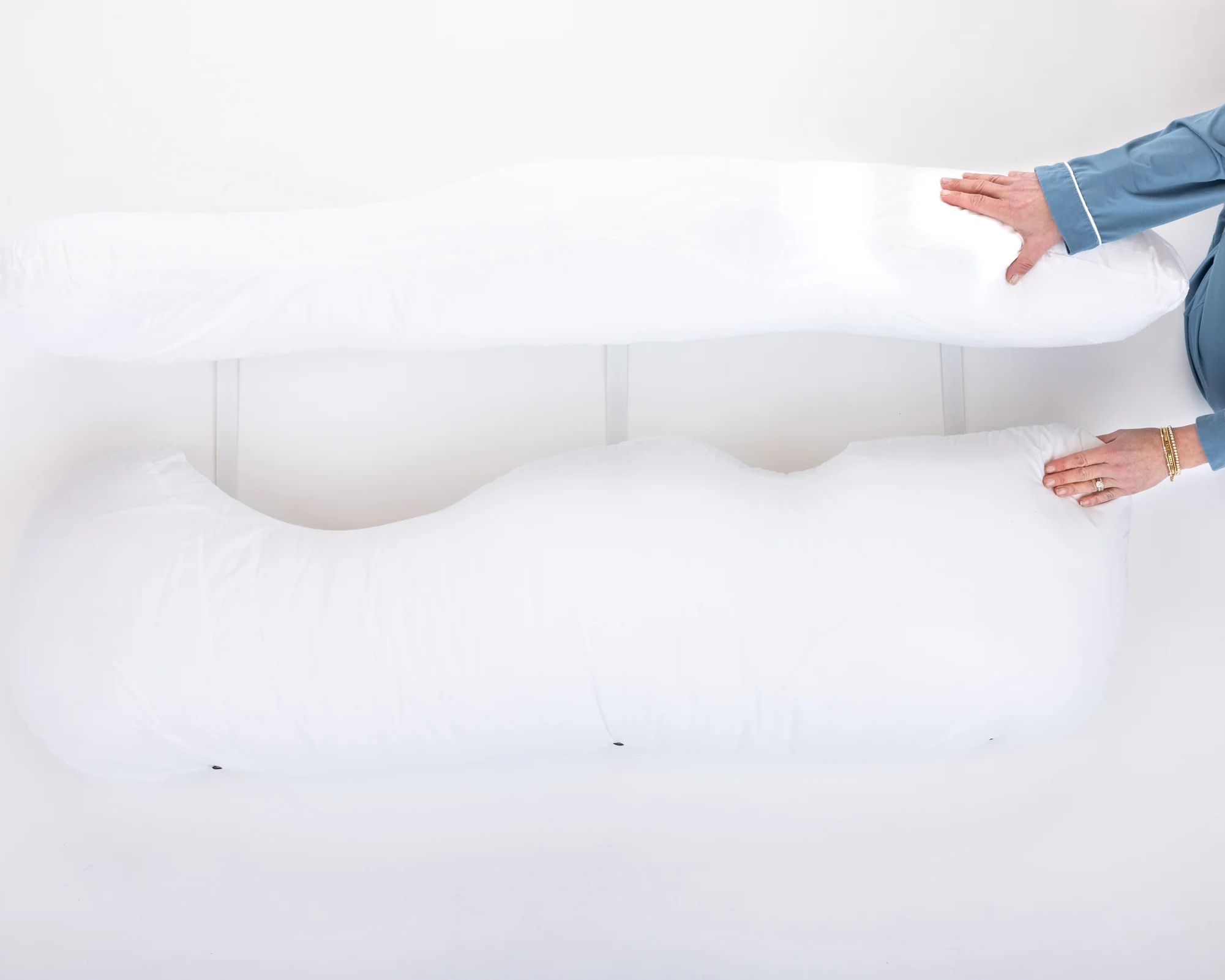
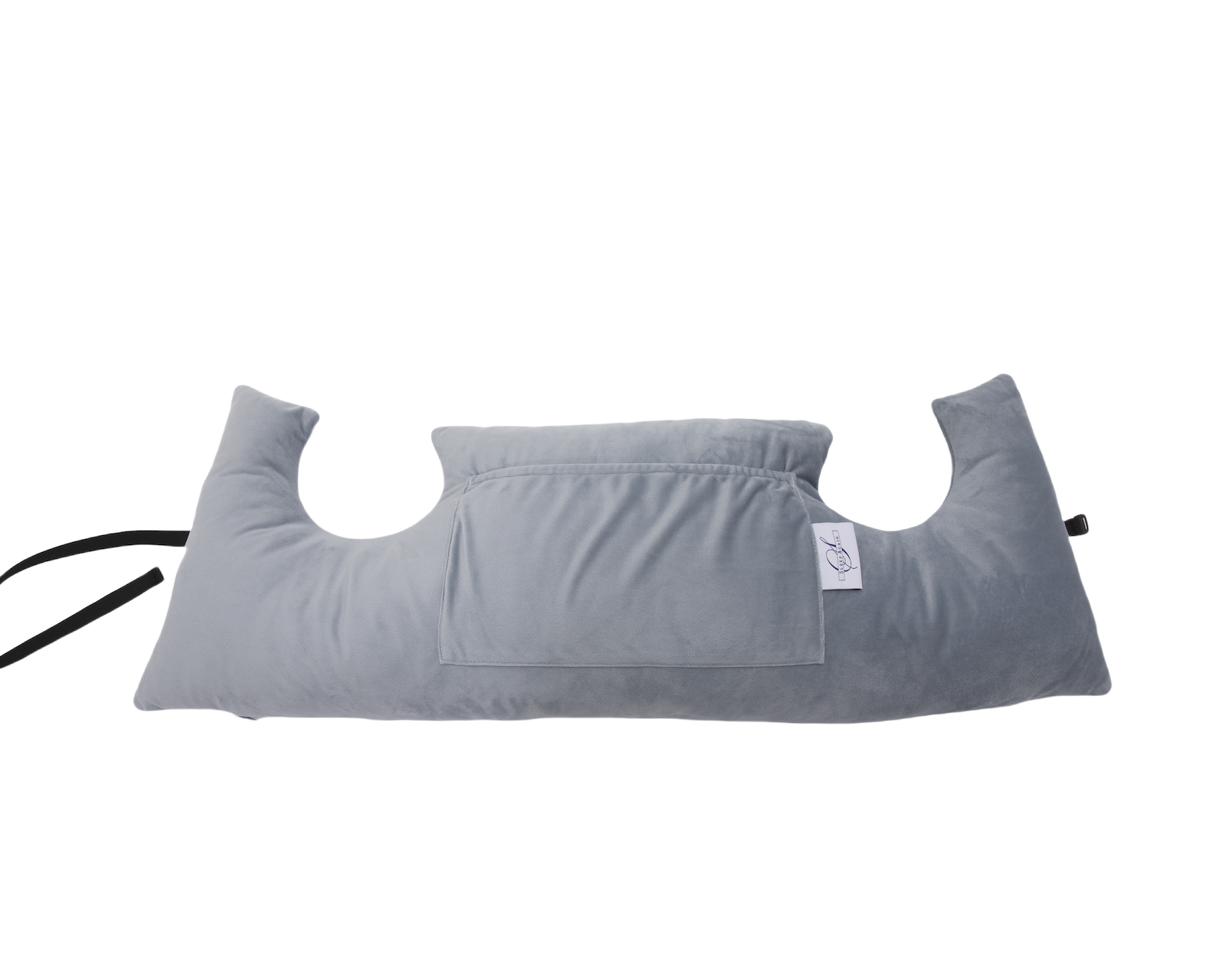
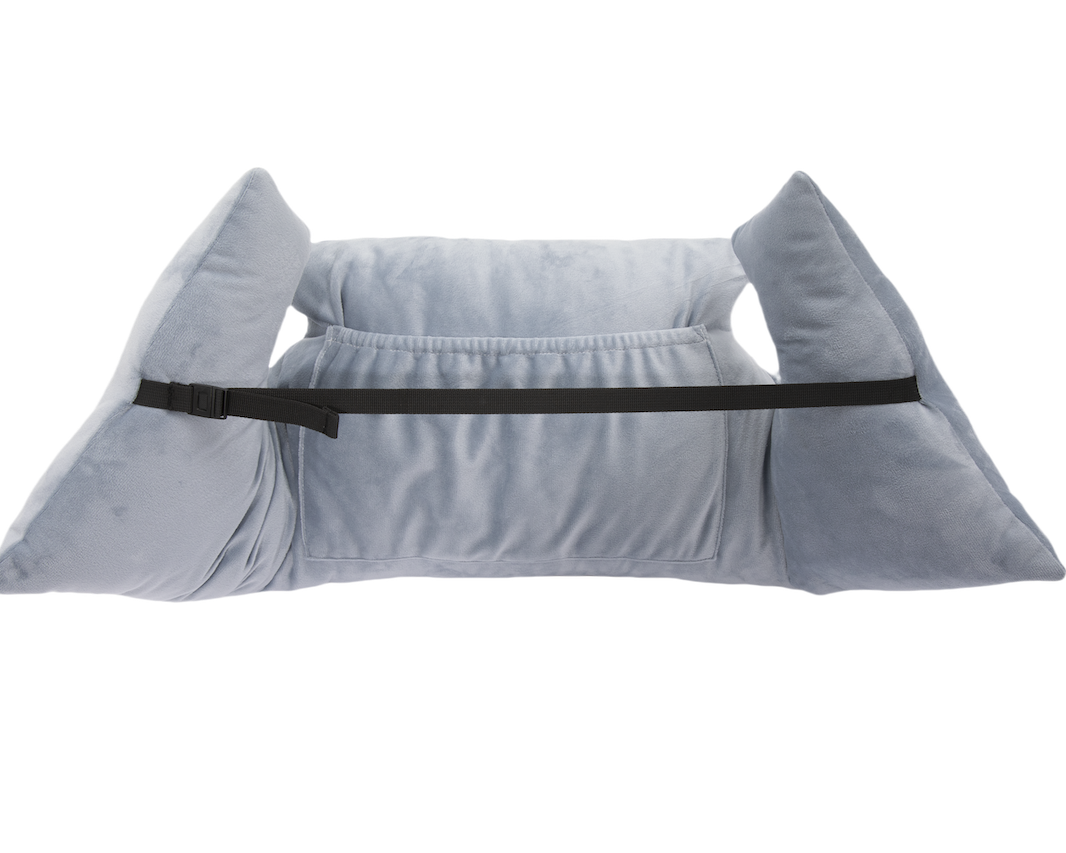
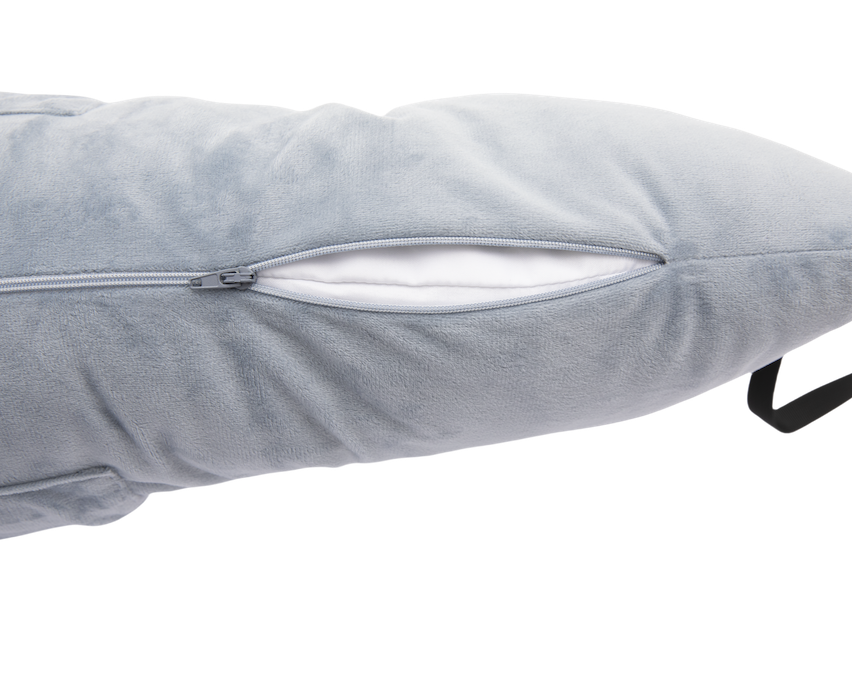
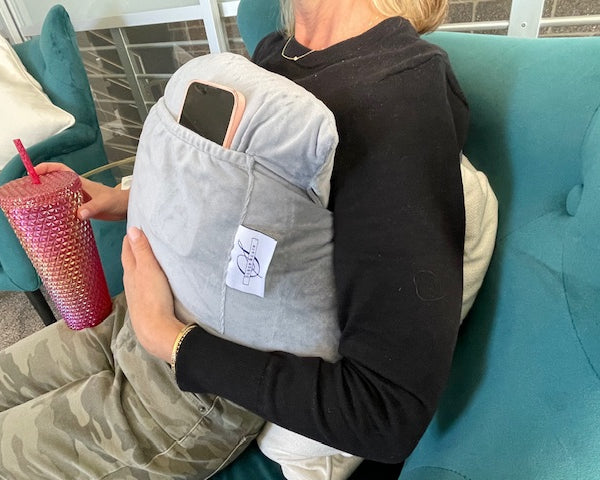
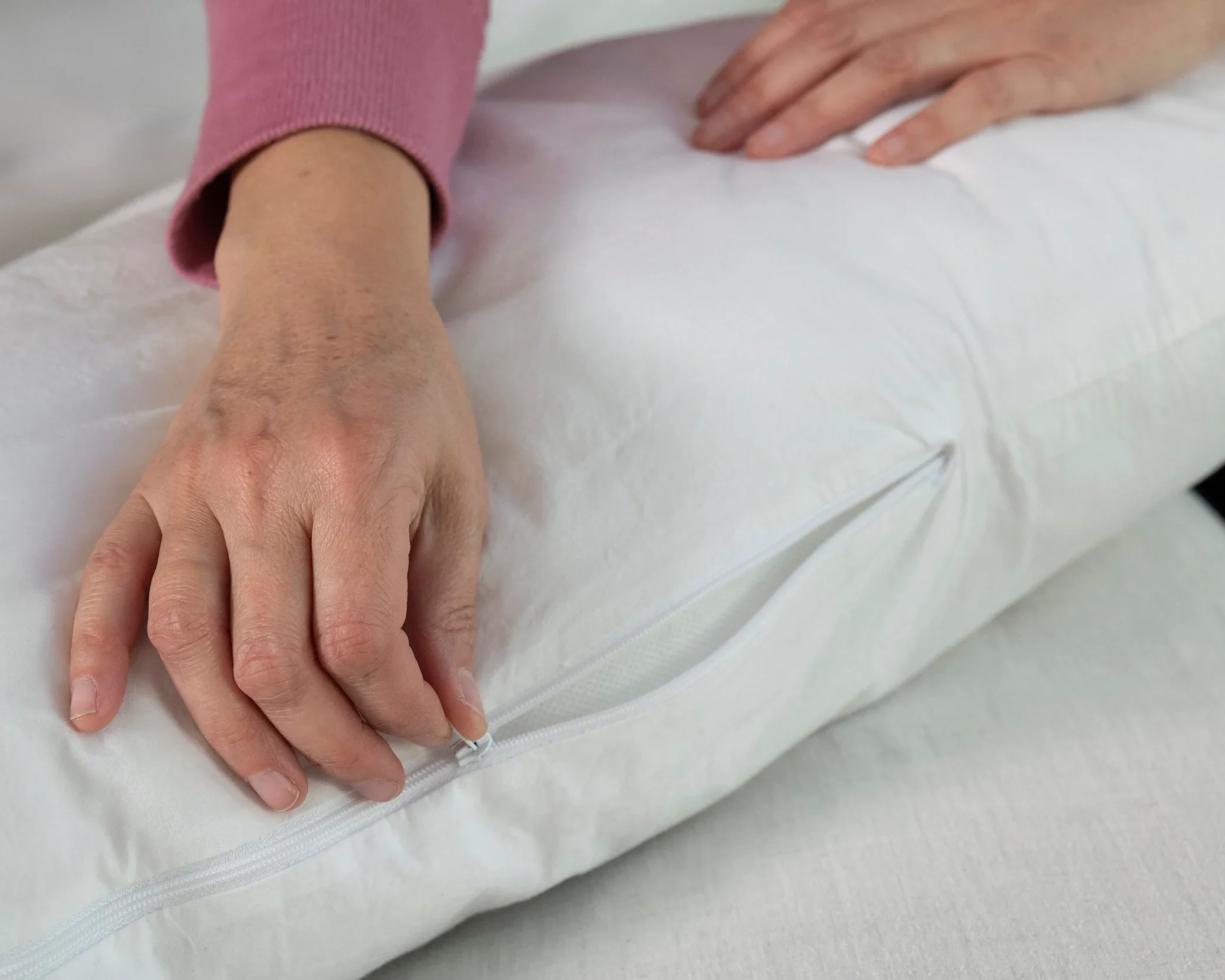
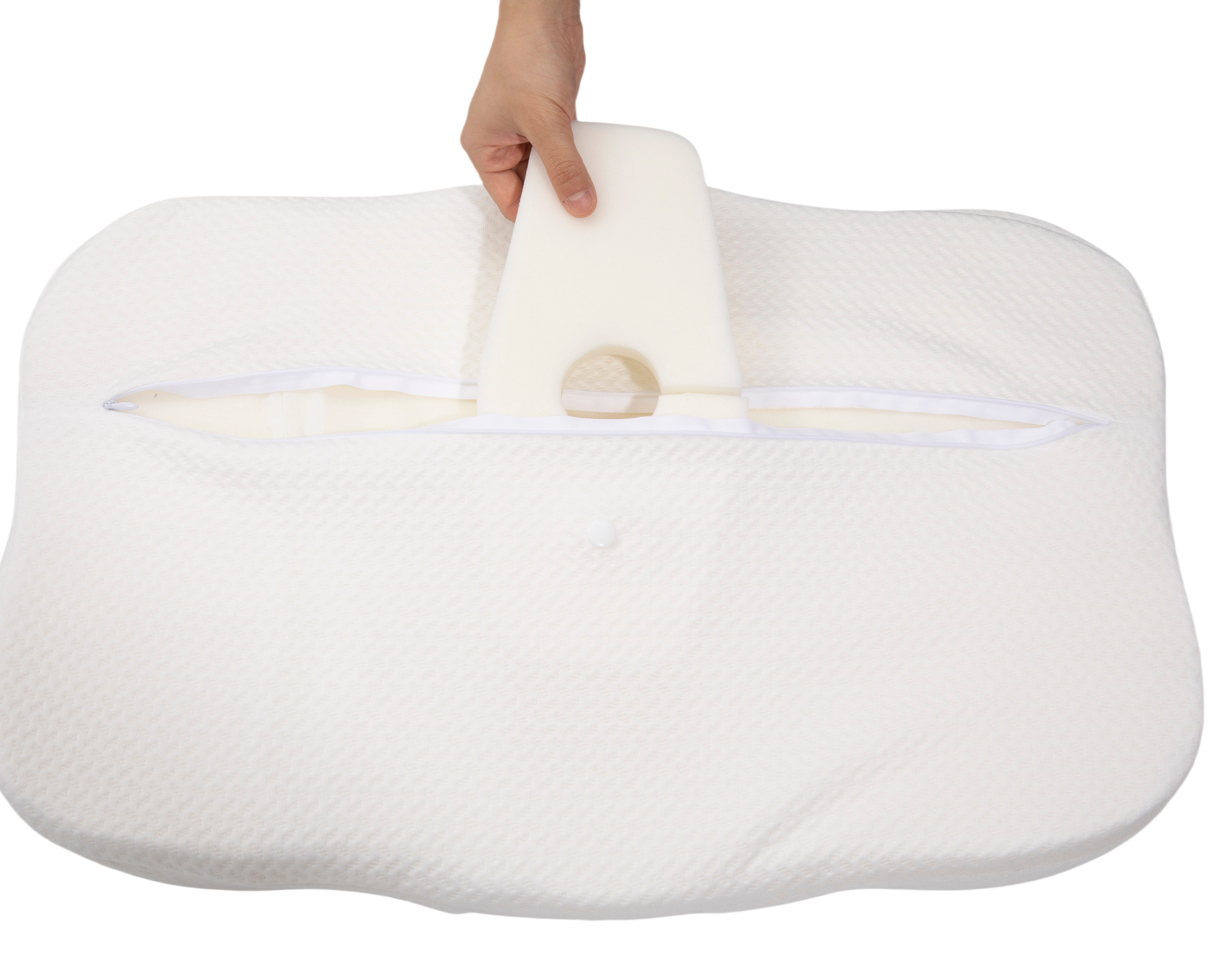
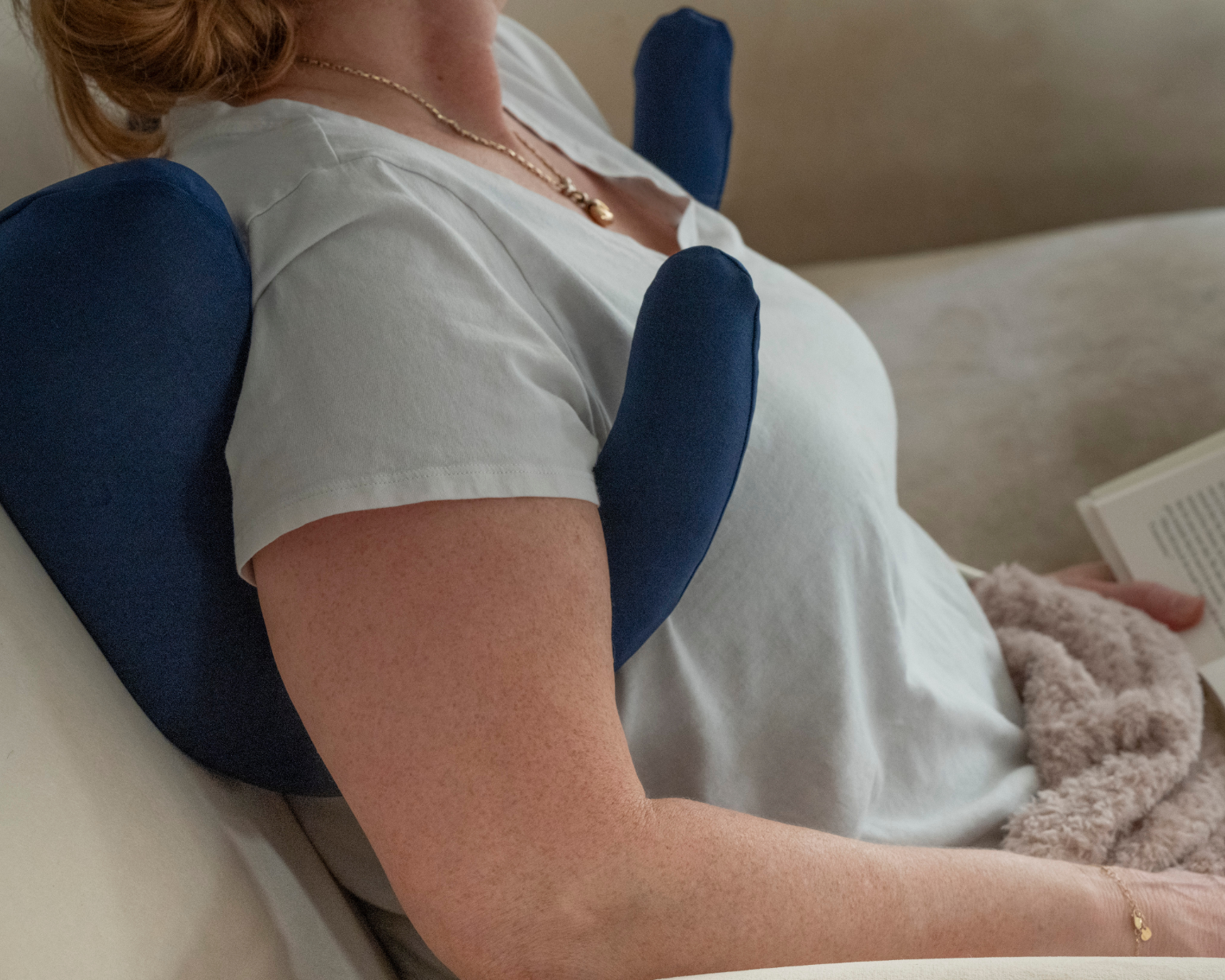
For instance, discomfort during sleep has been reported as a common problem that cancer patients face, especially after surgery where they experience pain at the surgical site. Specially designed pillows may help cancer patients to find a more comfortable position to sleep in, especially after surgery. This is especially important for patients who have undergone surgeries such as mastectomy or colectomy, which may require them to use an external attachment or device as part of their recovery. For such patients, having special pillows such as a side-sleeping chest pillow may help to relieve some of their discomfort and pain.
Importance of comfort and pain management for cancer patients
Pain management is an integral aspect of cancer care and its impact extends beyond the management of physical symptoms. By improving the quality of life of cancer patients, pain management also supports their emotional well-being. Through medication, supportive therapies and lifestyle changes, cancer patients can improve their quality of life despite their illness.
This article was created in collaboration with Our Cancer Stories and is intended for educational purposes.
Writer: Darren Lam | Editor: Tasharani Palani
Sources
American Cancer Society. Sleep problems
Cancer Research UK. Causes and types of cancer pain
Macmillan Cancer Support. Cancer pain management without drugs
Mayo Clinic. Cancer pain: Relief is possible