
The decision to remove breast implants often takes months or years. The preparation for recovery usually gets a few days — and it shows. Patients who set up their environment before surgery consistently have an easier recovery than those who improvise after it.
Your body performs its most intensive tissue repair during sleep. The ability to maintain a protected, therapeutic position throughout the night directly influences swelling, incision integrity, and overall healing efficiency. Understanding what your body will need before your surgery date—and having the right support in place in advance—reduces the physical and logistical burden of early recovery significantly.
This guide covers what to expect at every stage of explant recovery, with a specific focus on sleep positioning, the week-by-week timeline, and how to prepare your recovery environment before your procedure date.
What Is Breast Explant Surgery, and Why Do Women Choose It?
Breast explant surgery is the surgical removal of breast implants. Depending on your situation, your surgeon may perform a simple implant removal, a capsulectomy (removal of the scar tissue capsule surrounding the implant), an en bloc capsulectomy (implant and capsule removed as a single unit), or a combination procedure that includes a breast lift or fat transfer.
People pursue explant surgery for a wide range of reasons: concerns related to Breast Implant Illness (BII), implant rupture or leak, capsular contracture, changes in aesthetic preferences, or simply a desire to return to their natural anatomy. The FDA has continued to issue updated guidance on implant safety monitoring, and growing awareness of systemic symptoms associated with certain implant types has contributed to a meaningful increase in explant procedures in recent years.
Regardless of the reason, explant surgery is a legitimate, medically recognized procedure, and recovery follows predictable patterns that thorough advance preparation can significantly improve.
What Should You Do Before Your Explant Surgery?
Is Pre-Surgery Preparation Really Worth the Effort?
Yes. What you do before surgery determines what recovery feels like after it. Patients who prepare their recovery environment in advance consistently report smoother early-stage healing than those who try to arrange everything after the fact—when they are managing soreness, drain tubes, a compression bra, and restricted arm mobility simultaneously.
Your pre-surgery checklist should include the following:
Medical preparation:
-
Attend your preoperative appointment and review your surgical plan, anesthesia type, and any medication adjustments required beforehand.
-
Stop blood-thinning medications, supplements like fish oil or vitamin E, and NSAIDs as directed by your surgeon—typically one to two weeks prior.
-
Arrange a responsible adult to drive you home and stay with you for at least the first 24 hours.
-
Confirm whether you will have drains post-surgery and how to care for them at home.
Home setup:
-
Designate a primary recovery space—somewhere you can rest in an elevated position without needing to navigate stairs or reach for anything above shoulder height.
-
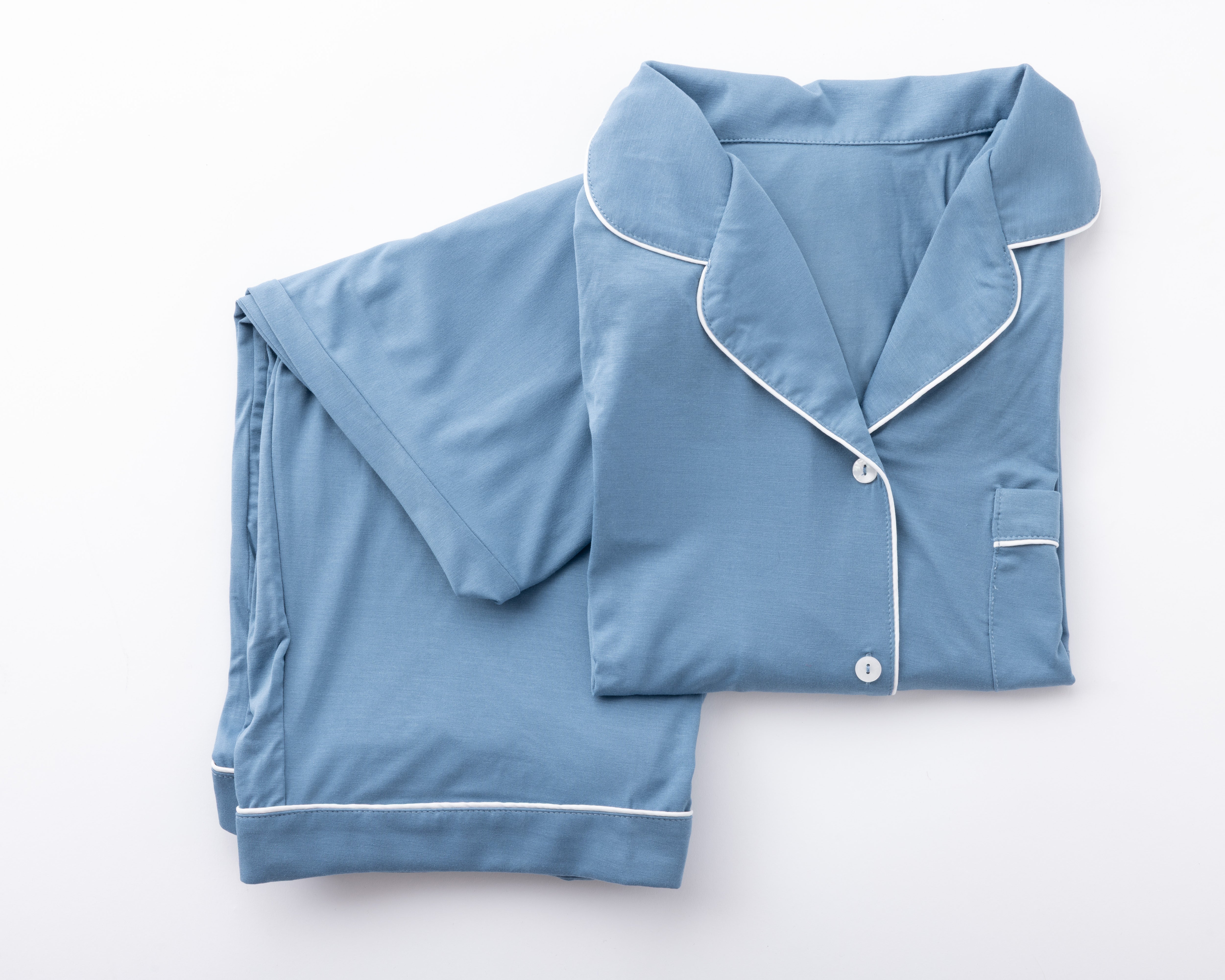
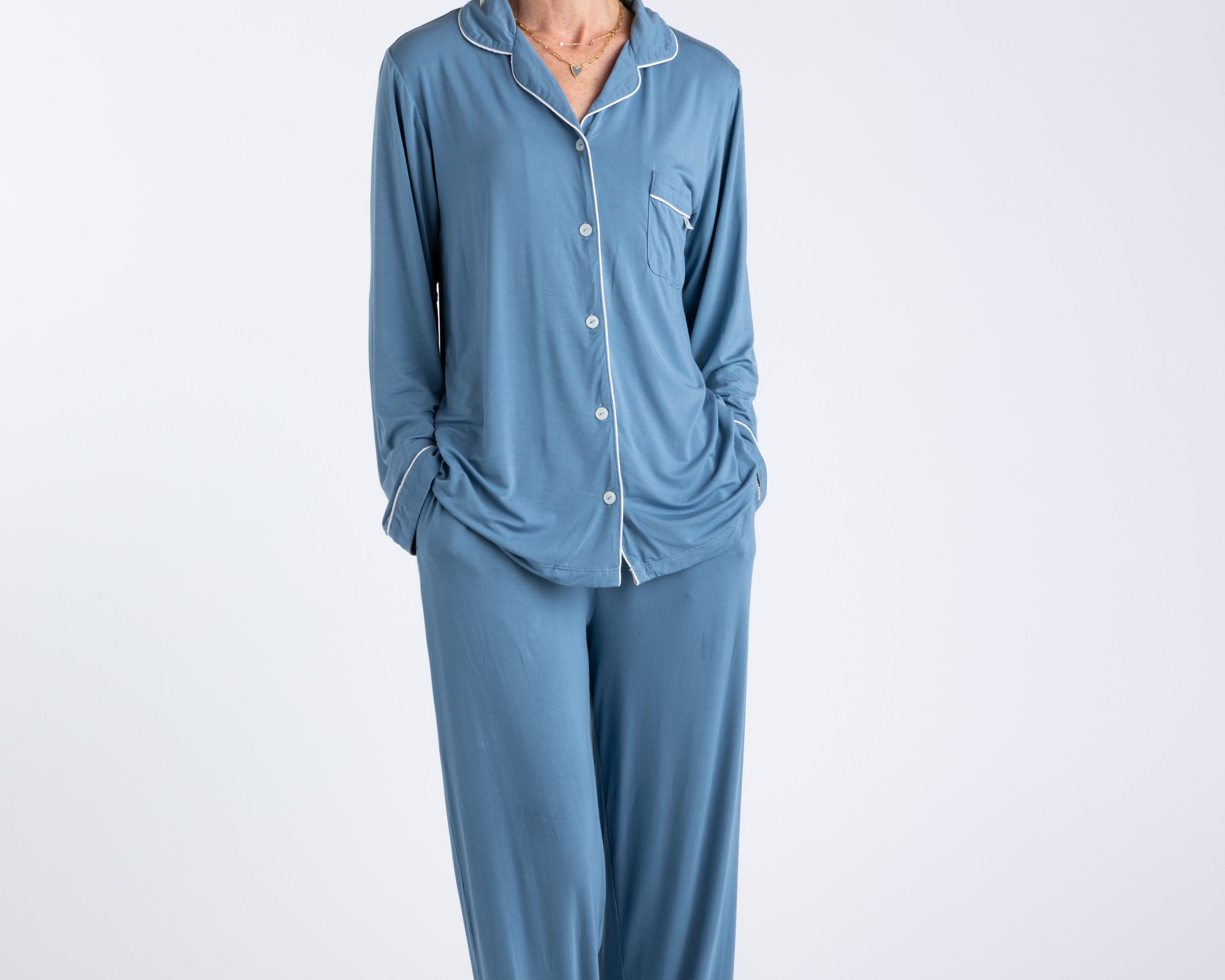
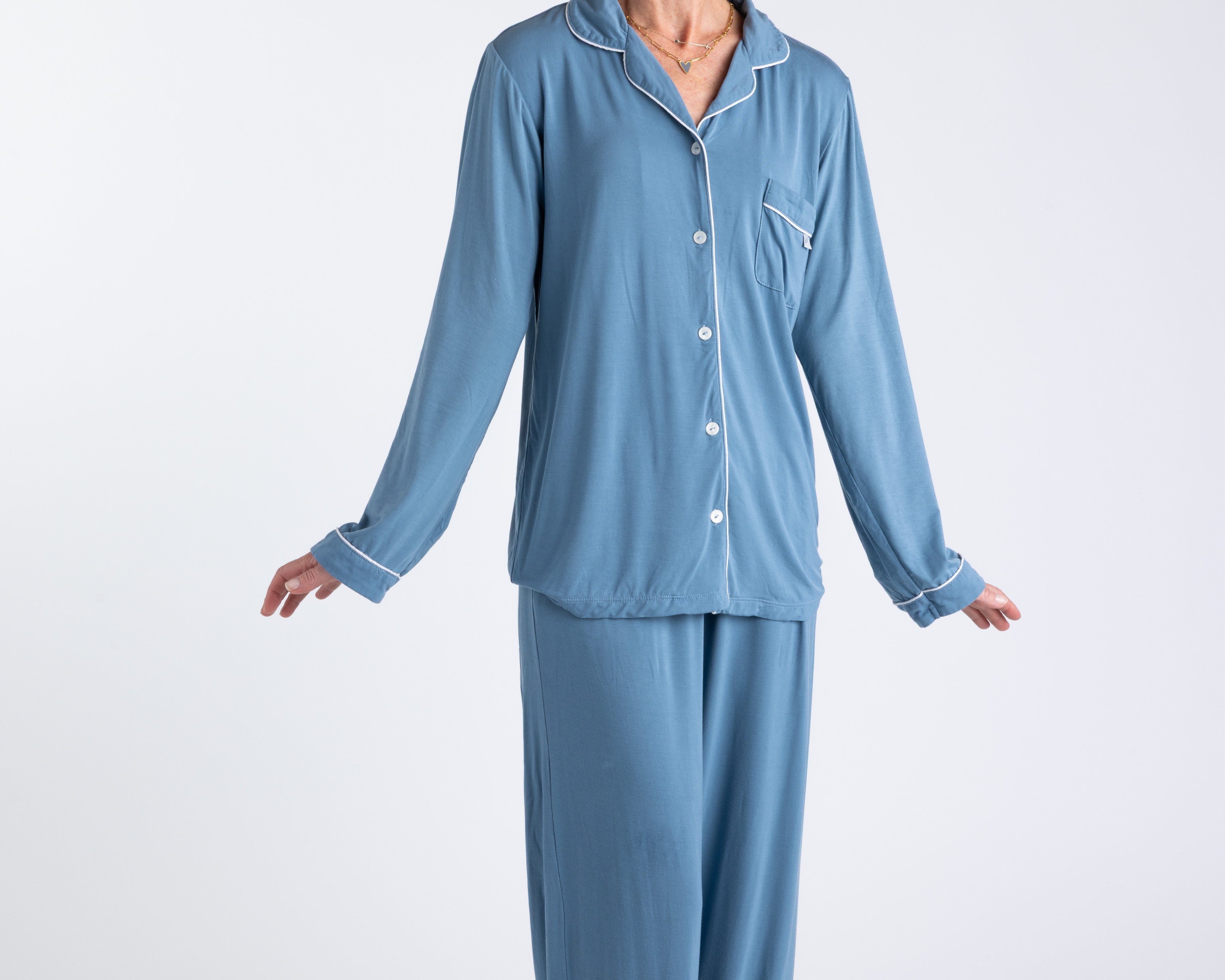
Stock your recovery area with prescriptions, water, light snacks, loose front-opening clothing, gauze and dressings, and any compression garments your surgeon recommends.
-
Move everyday items to counter height or below so nothing requires reaching overhead during the first two weeks.
-
Arrange your sleep support before your surgery date. Waiting until after surgery to shop and set up a positioning system is inefficient and uncomfortable.
Mental preparation:
-
Set realistic expectations for the timeline. Full tissue remodeling after explant surgery typically takes three to six months. Final breast shape may not be apparent for up to a year.
-
Plan for one to two weeks off work, with longer if your job involves physical demands or overhead reaching.
What Happens Immediately After Breast Implant Removal?
What Can You Expect in the First 24 to 48 Hours?
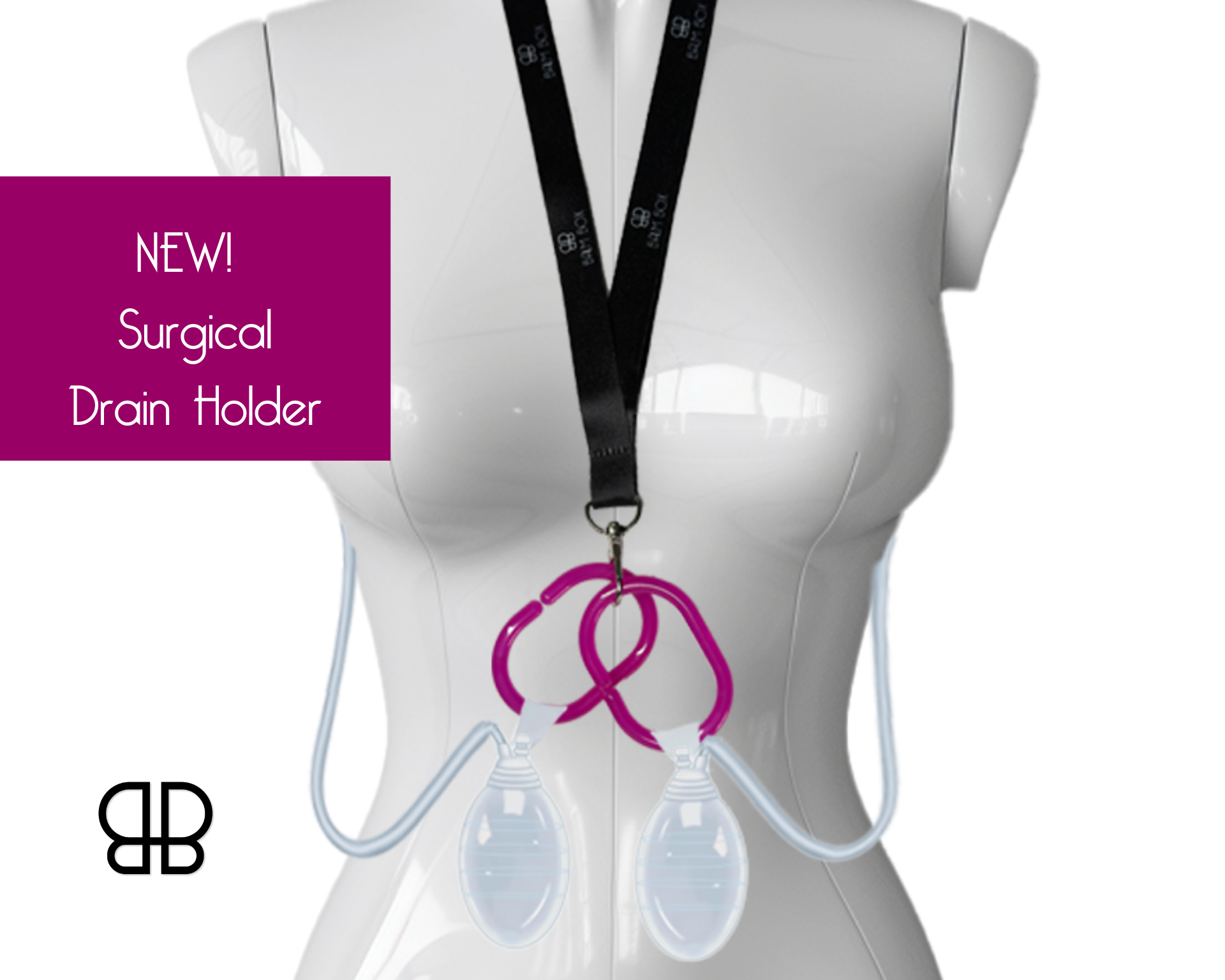
You will leave the surgical center with gauze dressings or bandages over your incisions. Depending on the extent of your procedure—particularly if capsulectomy was performed—you may have one or two surgical drains in place, which are thin tubes designed to prevent fluid accumulation under the skin. A surgical drain holder can help manage drains during recovery. Your surgeon will send you home with specific instructions for monitoring and emptying the drain output.
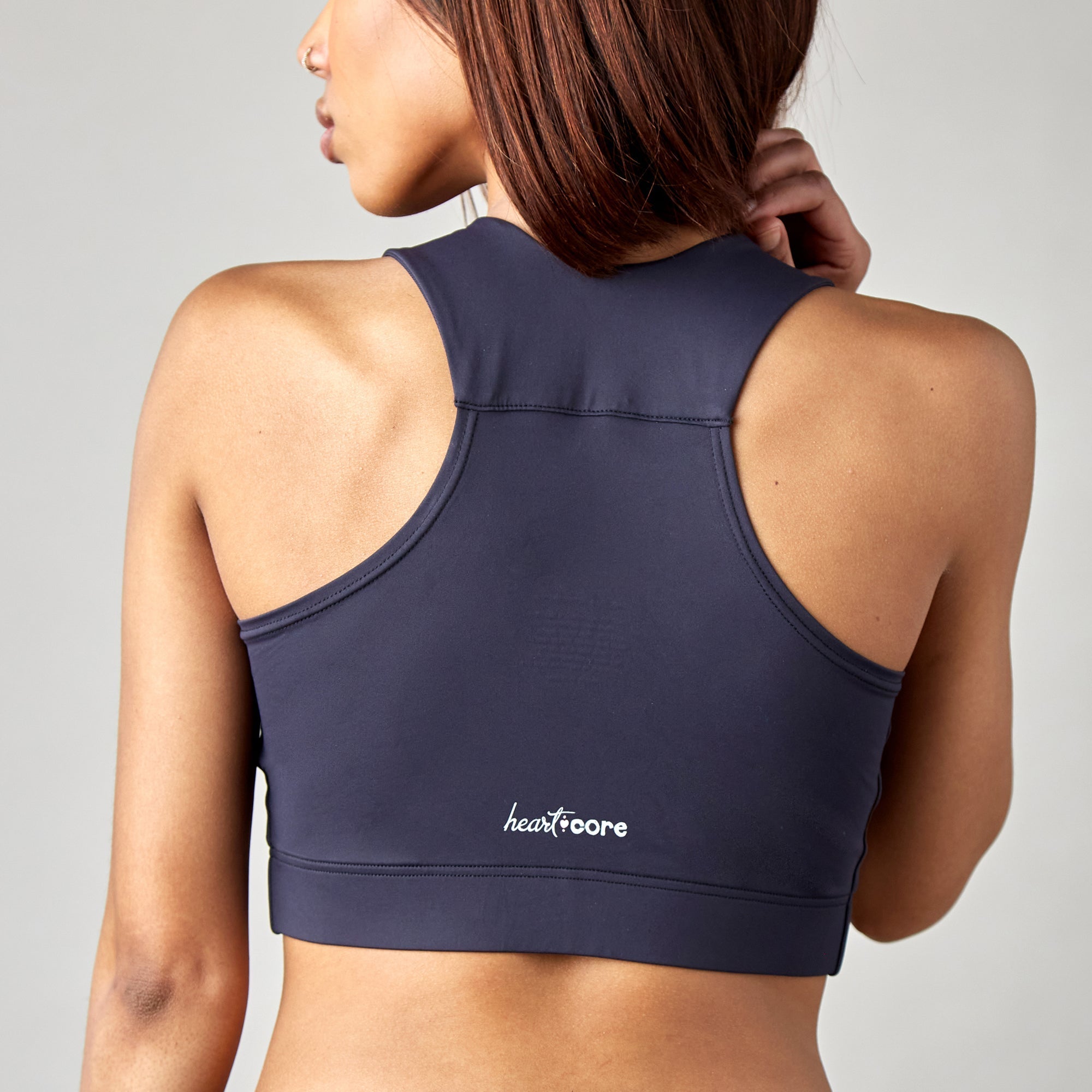
A support bra or compression garment will typically be provided or prescribed immediately after surgery, or you can purchase a compression bra for breast surgery in advance. This compression serves a specific function: it helps manage swelling, supports breast tissue as it begins to adjust to the absence of implants, and keeps the chest stable during early healing. Most surgeons recommend wearing a compression bra around the clock for at least two to four weeks, removing it only to shower.
Common immediate post-surgical experiences include:
-
Mild to moderate swelling and bruising, which typically peaks around day three before gradually subsiding
-
Soreness, tightness, and sensitivity across the chest and surrounding tissue
-
Restricted arm mobility—most surgeons advise keeping elbows at your sides and avoiding lifting anything over five pounds for the first two weeks
-
Fatigue, which is a normal response to anesthesia and surgical recovery
Light movement—short walks around your home—is encouraged beginning the same day as surgery to promote circulation and reduce the risk of blood clots. However, all exertion beyond gentle walking should be avoided during the first week.
How Should You Sleep After Breast Implant Removal?
Sleep positioning after explant surgery is not a minor detail. It directly affects swelling, incision integrity, fluid drainage, arm comfort, and the quality of rest you get during the most physically demanding phase of recovery. Consistently poor positioning—or sleeping flat when you should be elevated—can increase swelling, place undue stress on healing incisions, and compromise drain function if drains are still in place.

What Is the Recommended Sleep Position After Explant Surgery?
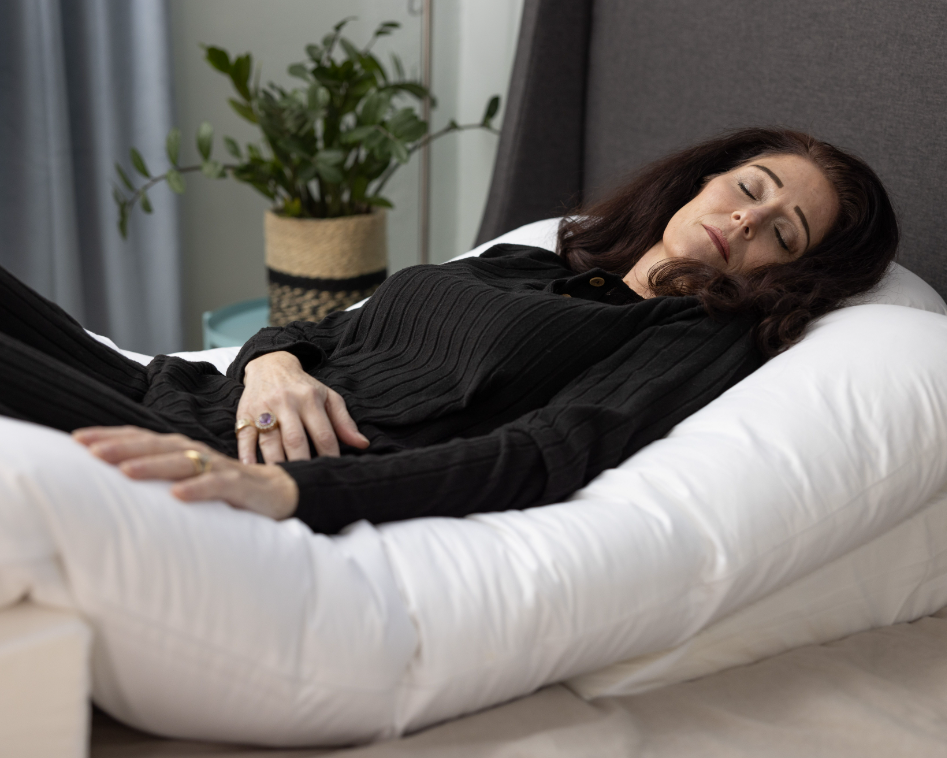
Back sleeping at 30 to 45 degrees of elevation is the medically preferred position during explant recovery. This angle accomplishes several things simultaneously:
-
Reduces swelling. Elevation above heart level encourages fluid drainage away from the surgical site rather than pooling in breast tissue.
-
Protects incisions. Flat sleeping puts pressure directly on the chest and incision sites. Elevation shifts that pressure away.
-
Supports drain function. If drains are in place, elevation reduces pressure on the drain sites and allows fluid to move more effectively.
-
Reduces discomfort. Patients consistently report that elevated back sleeping is significantly more comfortable during the first week than any other position.
Most surgeons recommend maintaining this elevated back sleeping position for a minimum of two weeks. Side sleeping is typically cleared at the two-to-three week mark, depending on healing progress, procedure type, and individual surgeon guidance. Stomach sleeping is generally off-limits for six weeks or longer.

What Is the Best Way to Achieve and Maintain Elevation at Night During Explant Surgery?
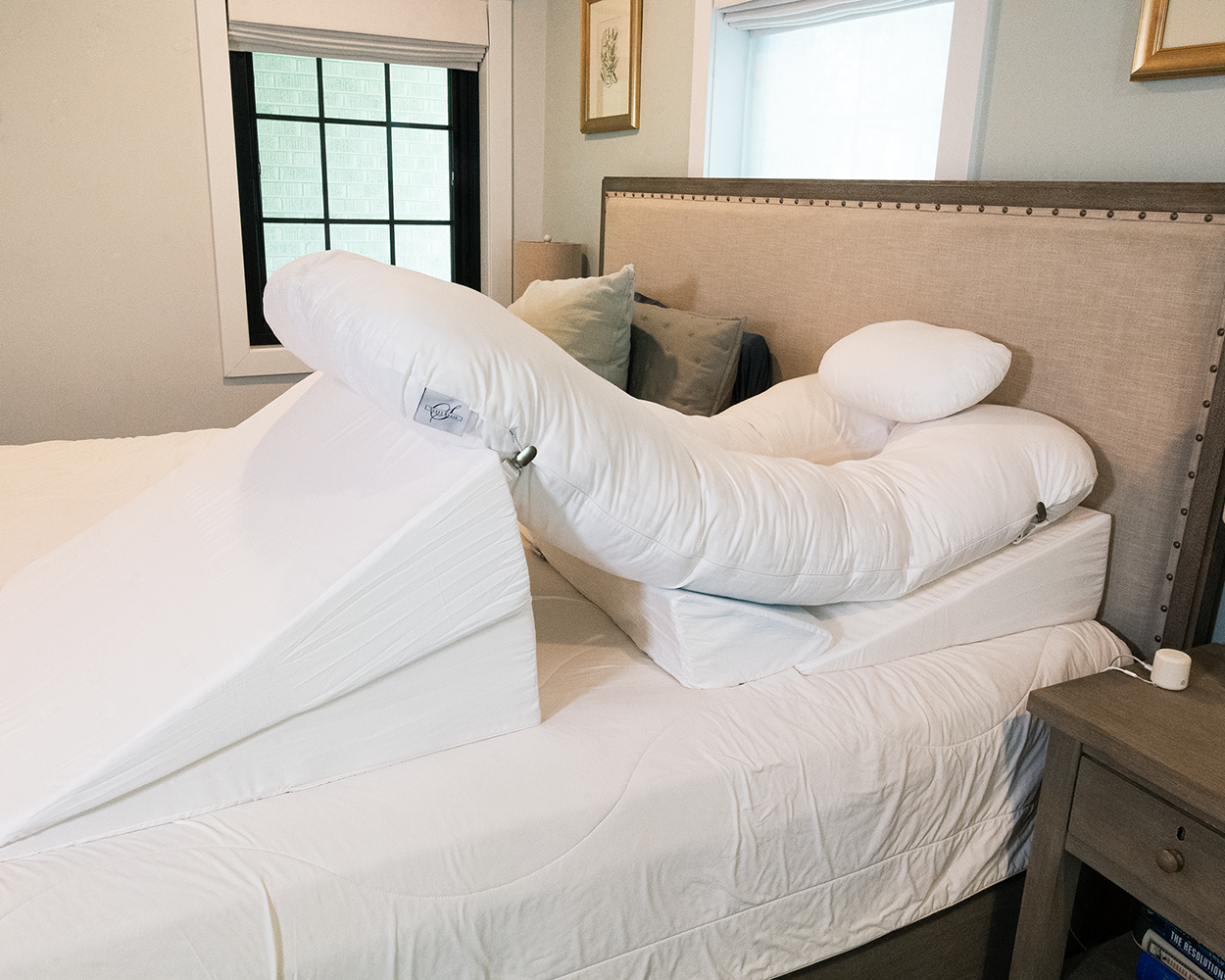
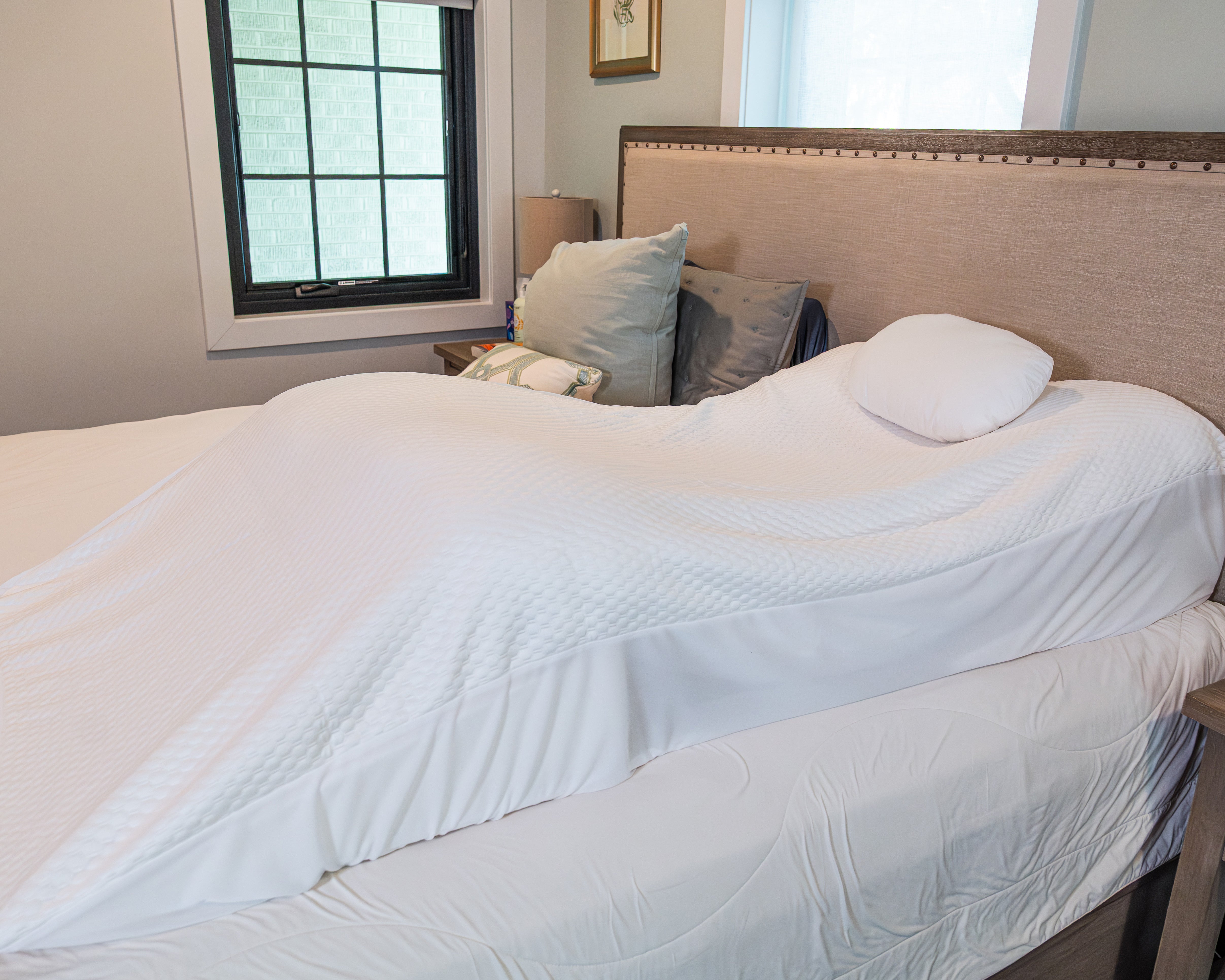
Stable, consistent elevation requires more than stacking household pillows. Pillows compress and shift during normal sleep movement, and without a purpose-built system, therapeutic elevation angles are rarely maintained through a full night. For explant patients who need reliable positioning across multiple weeks of recovery, an integrated sleep support system makes a measurable difference.
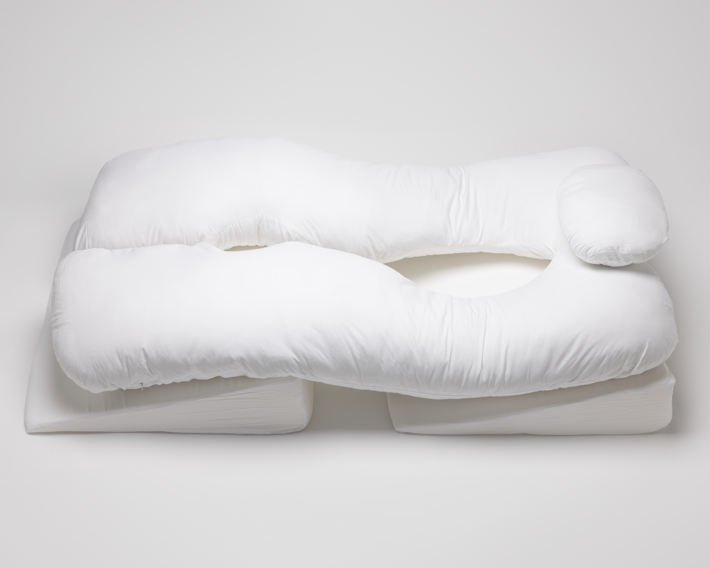
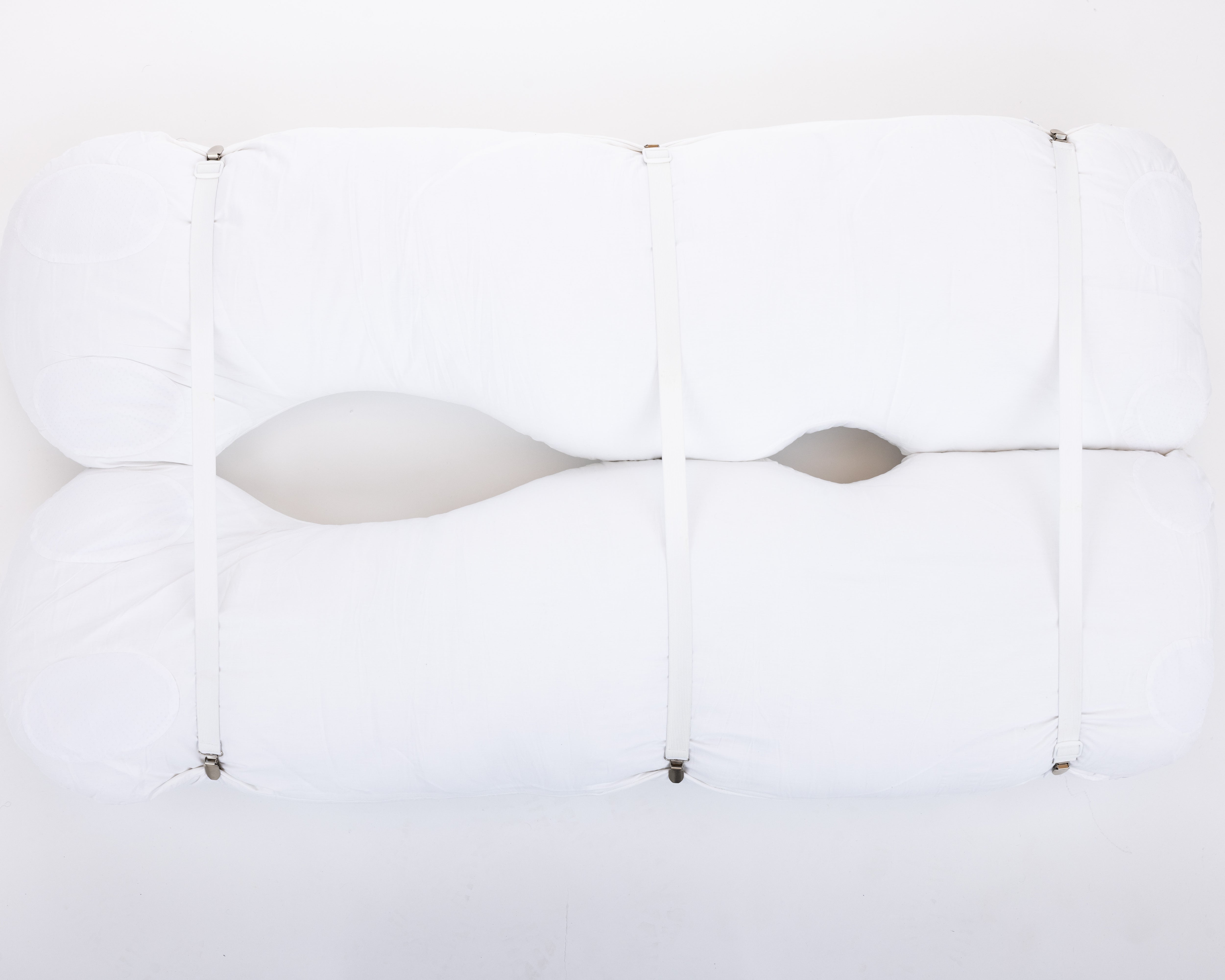
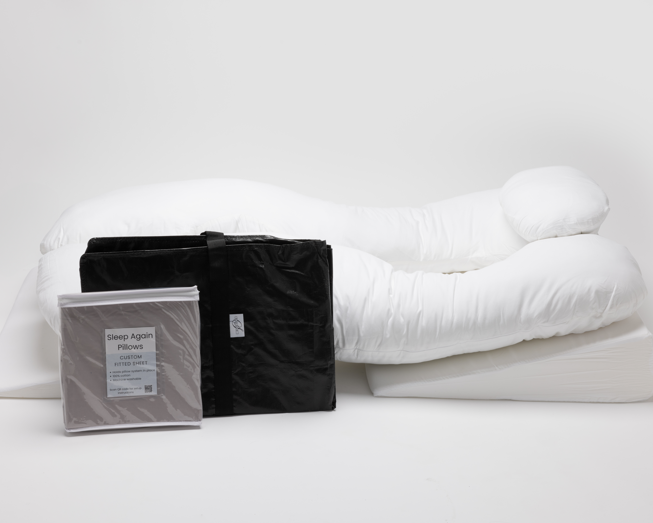
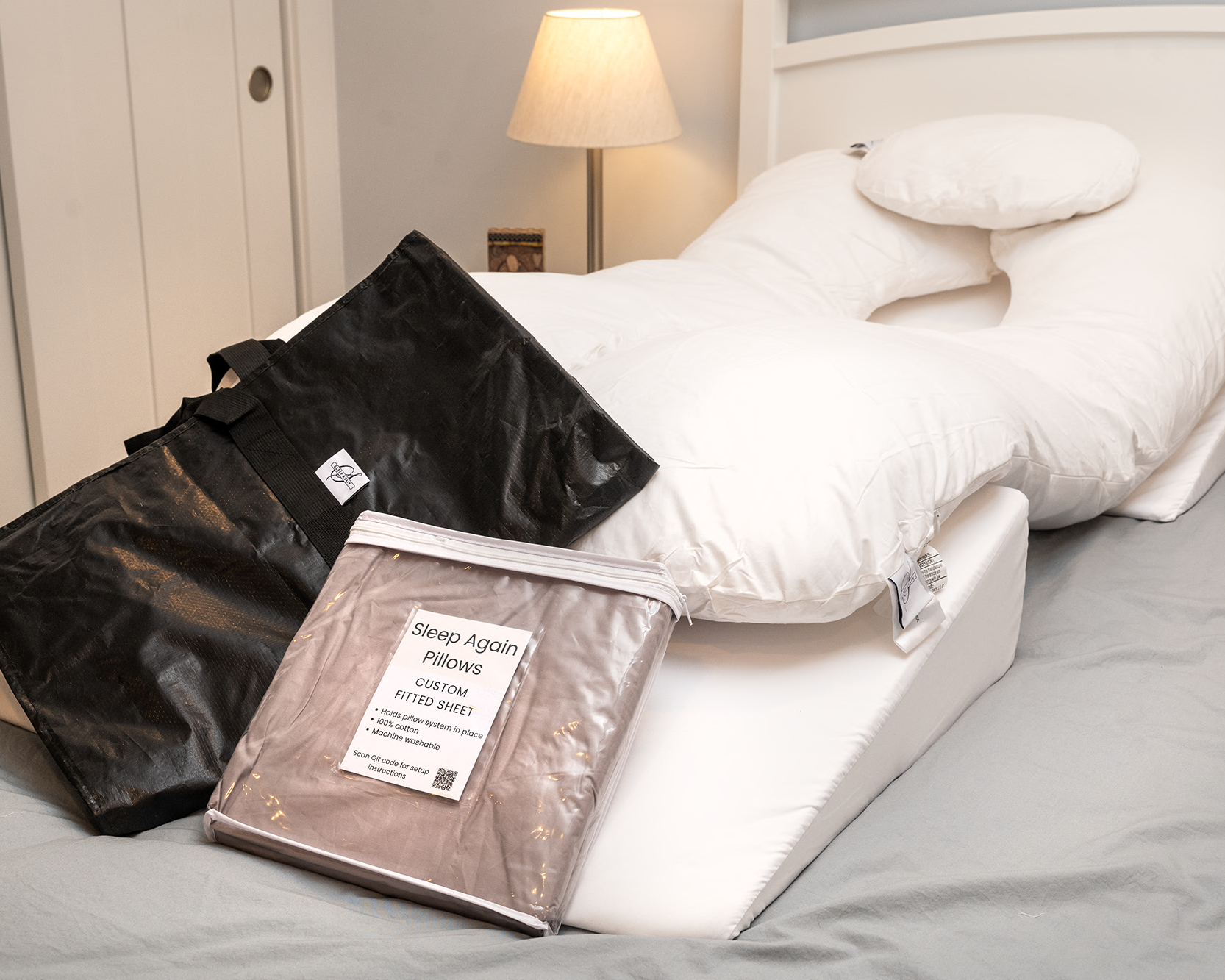
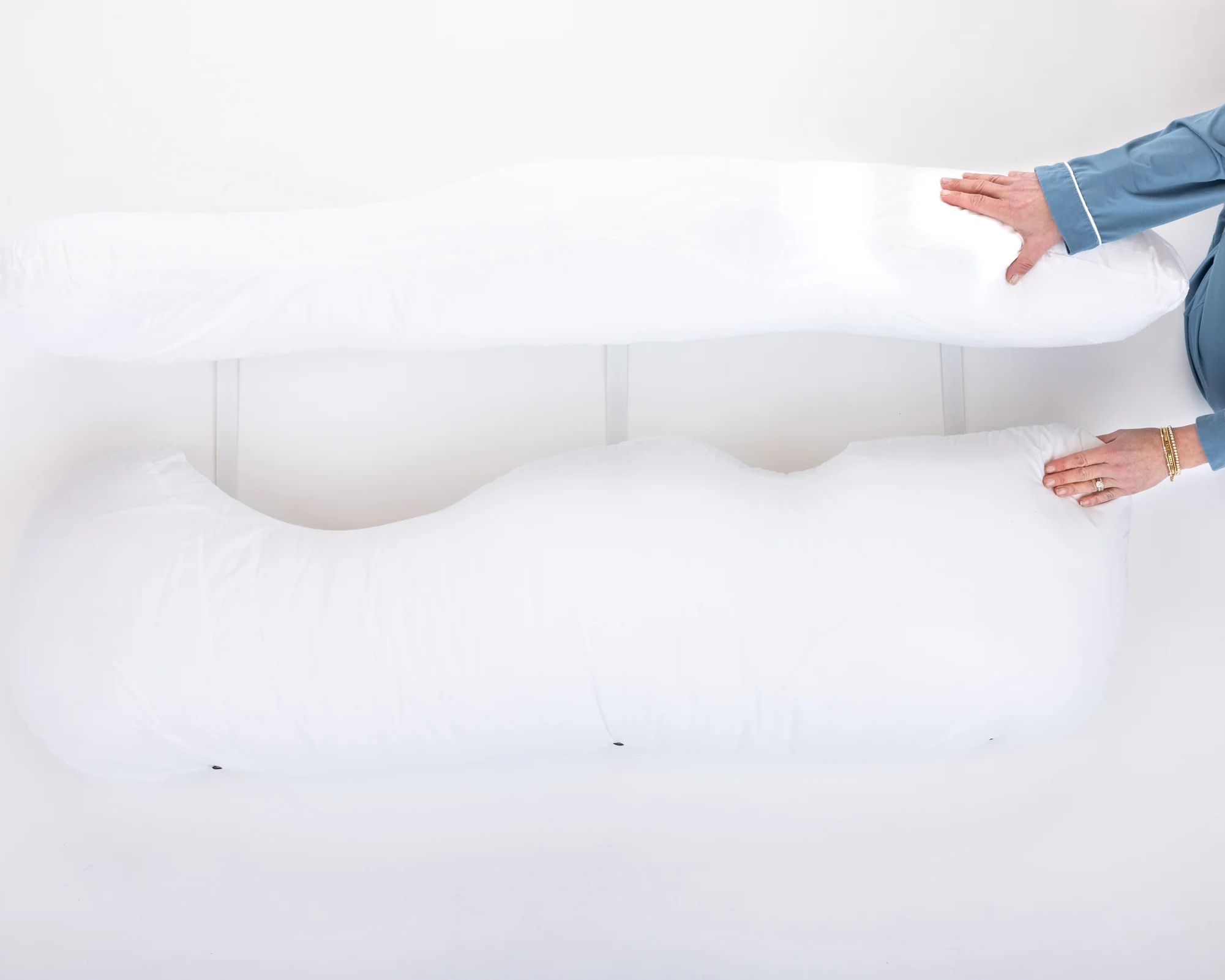
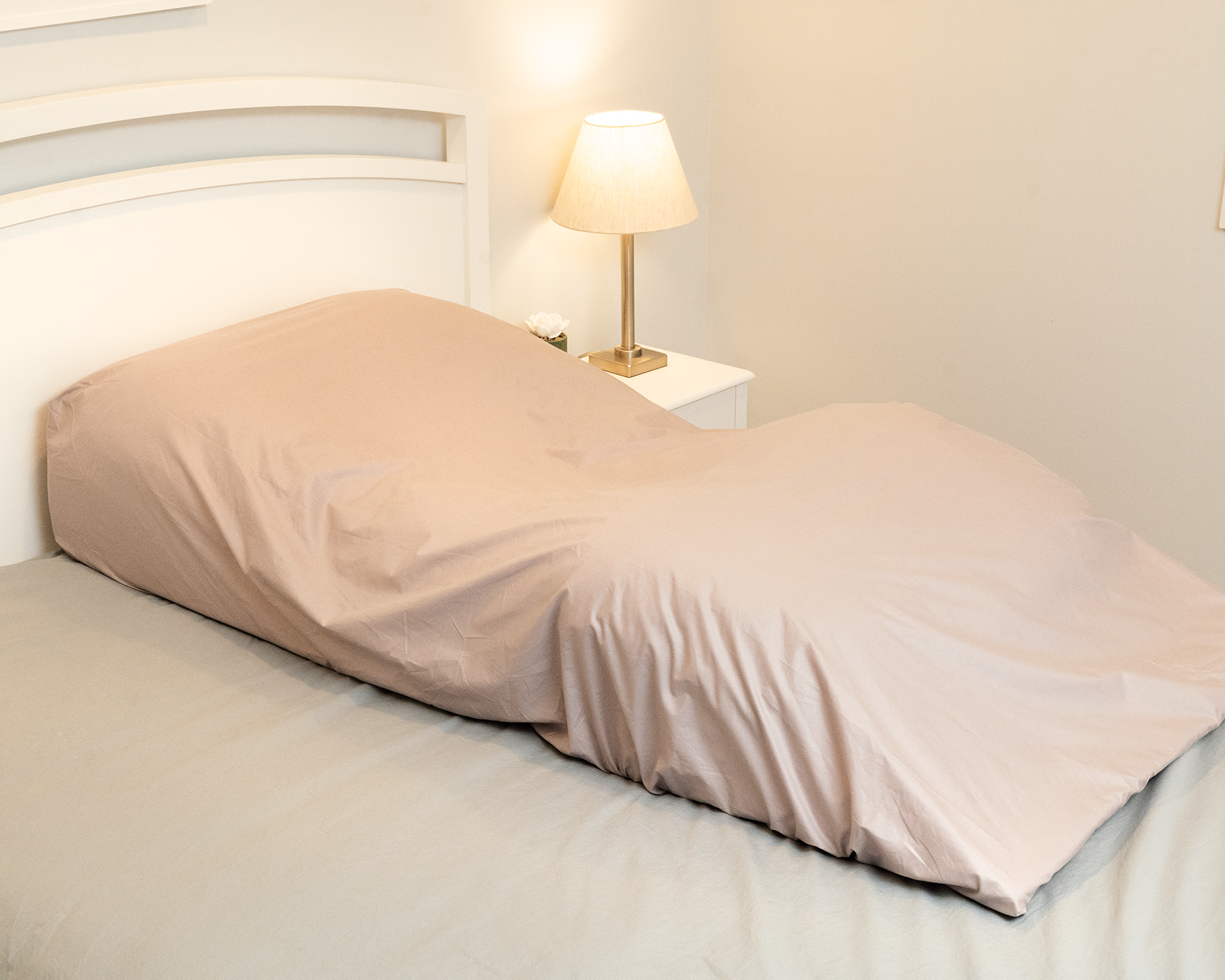
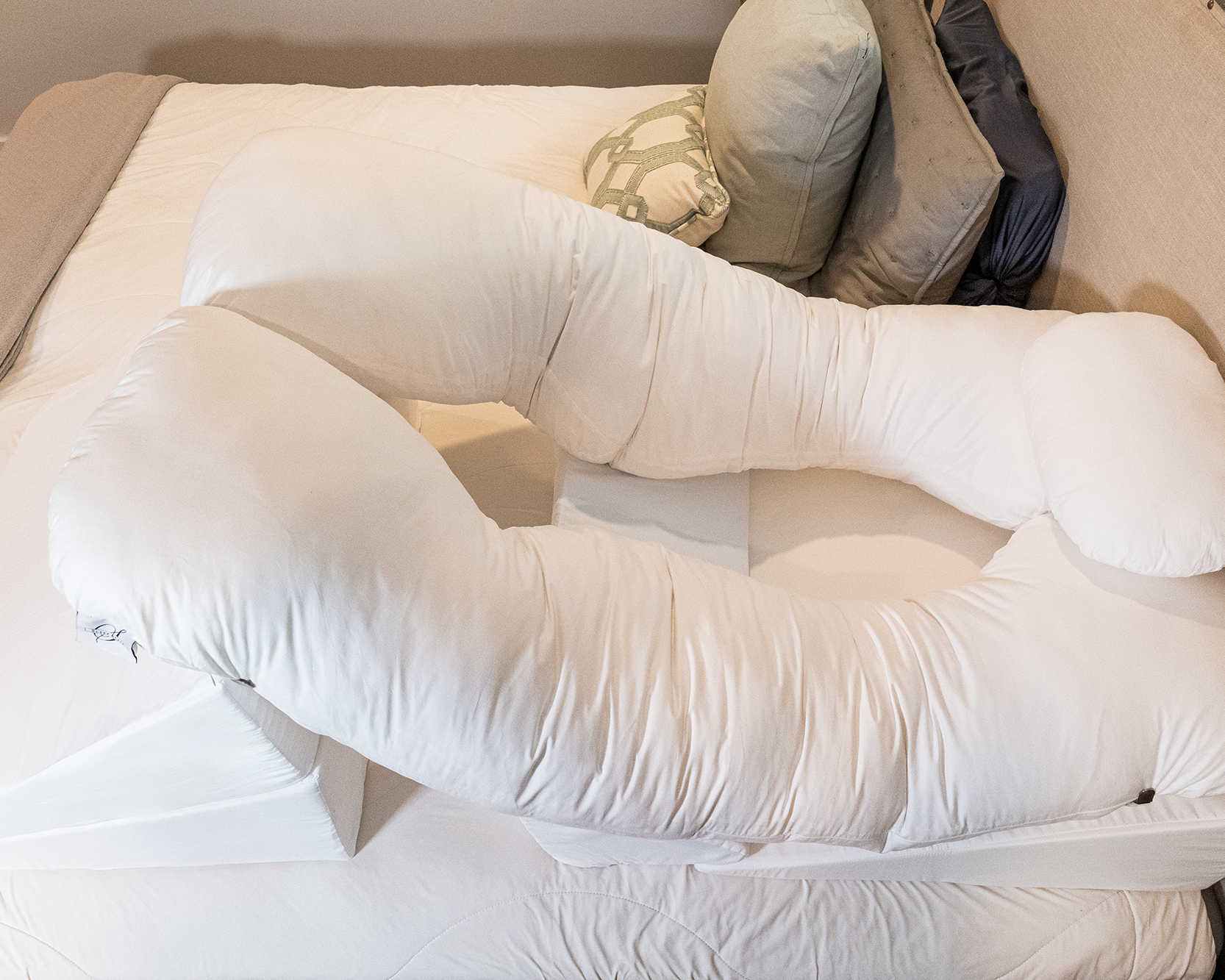
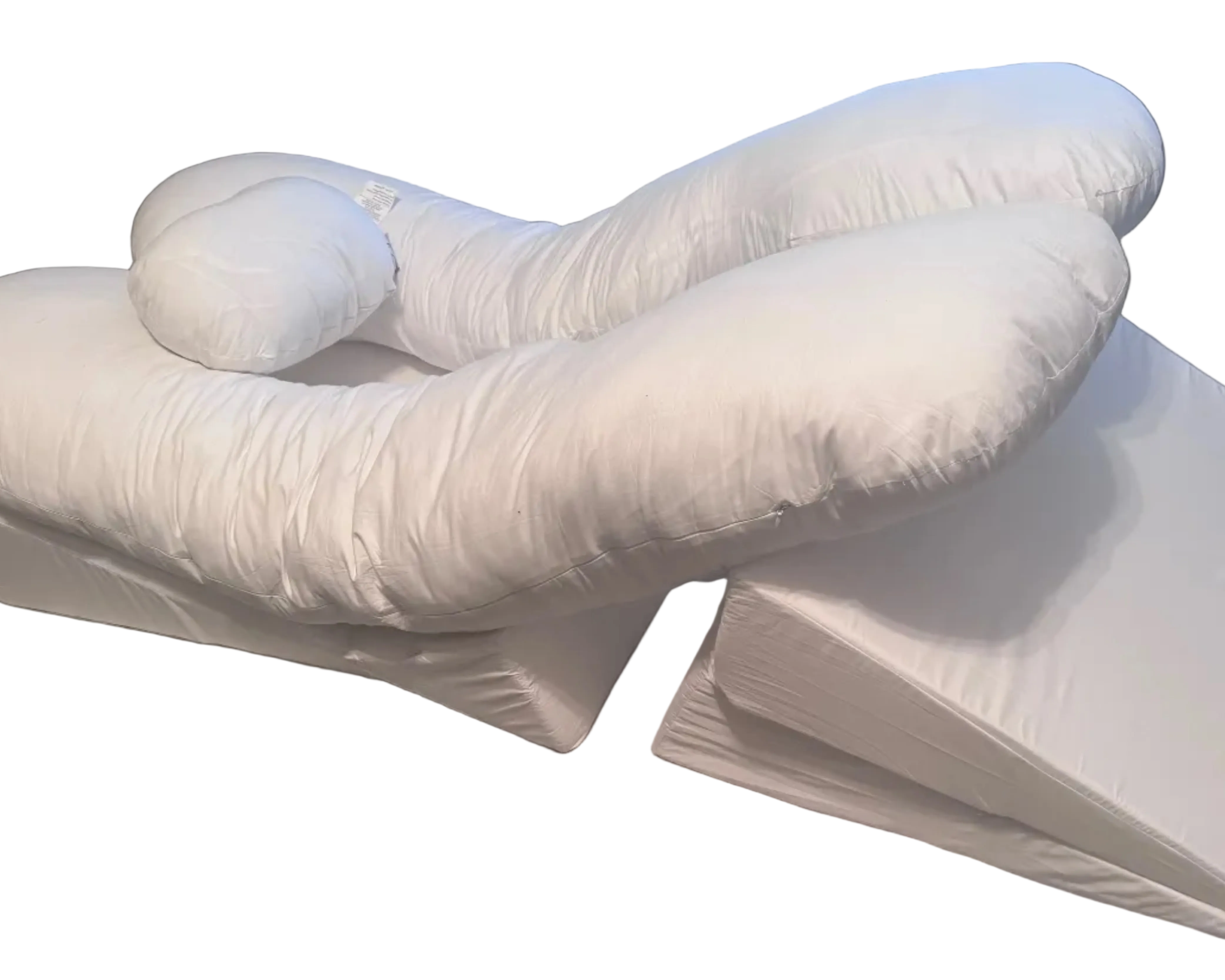
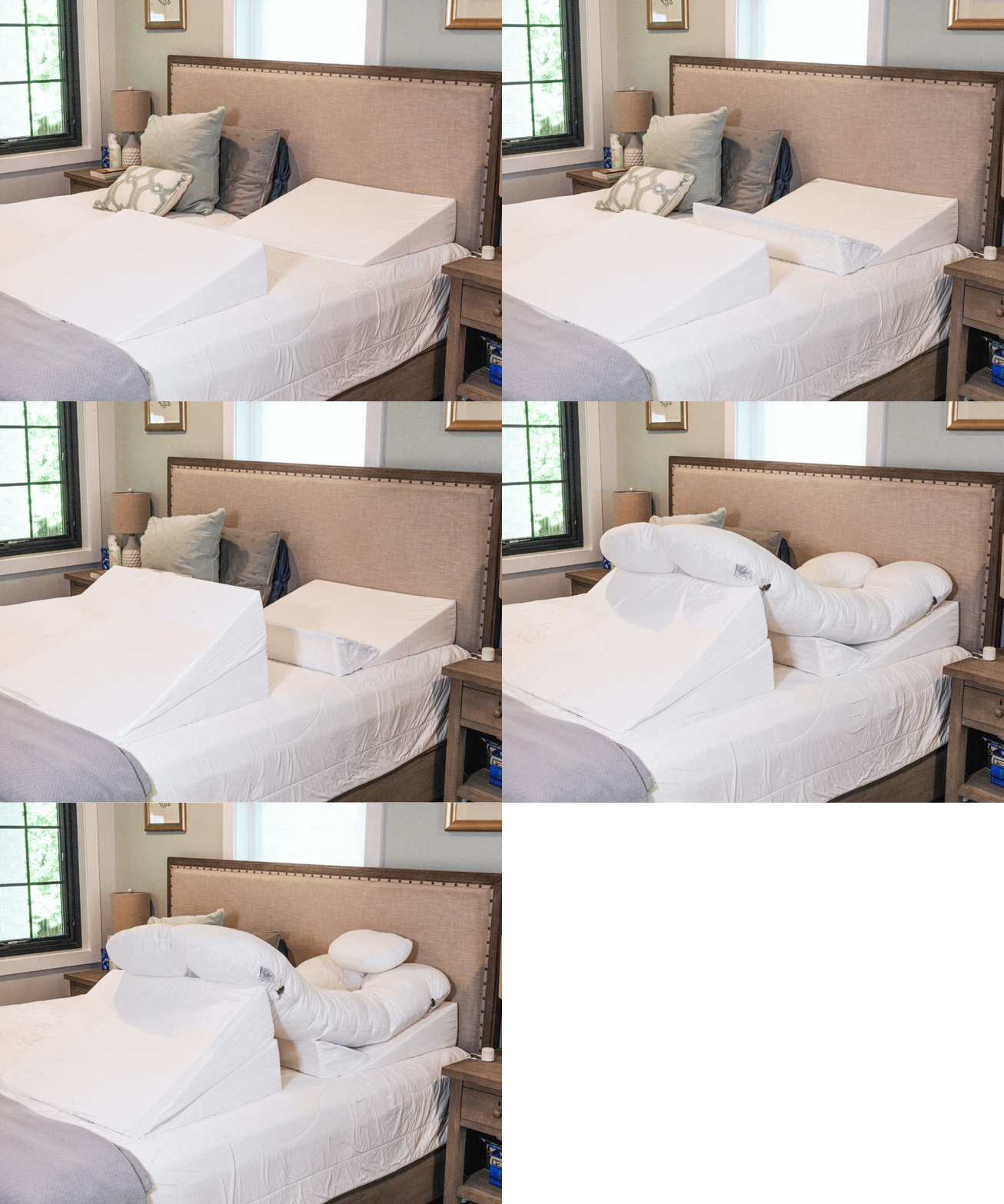
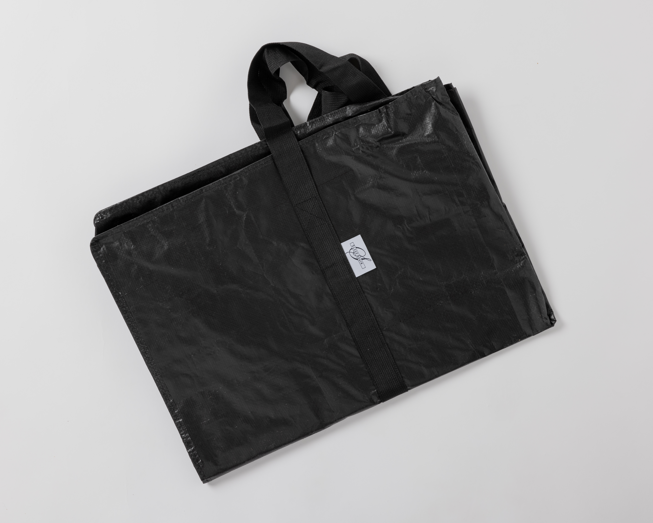
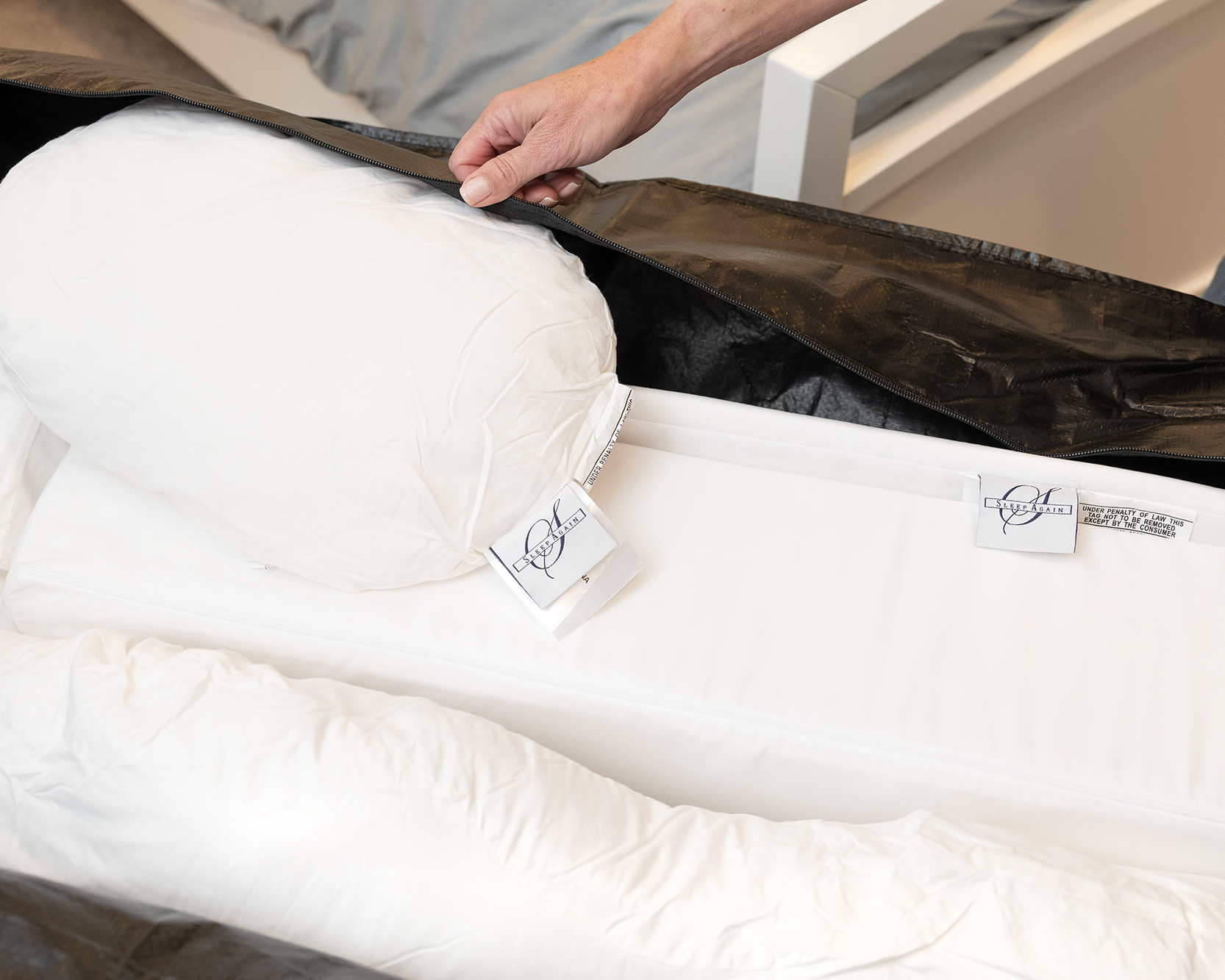
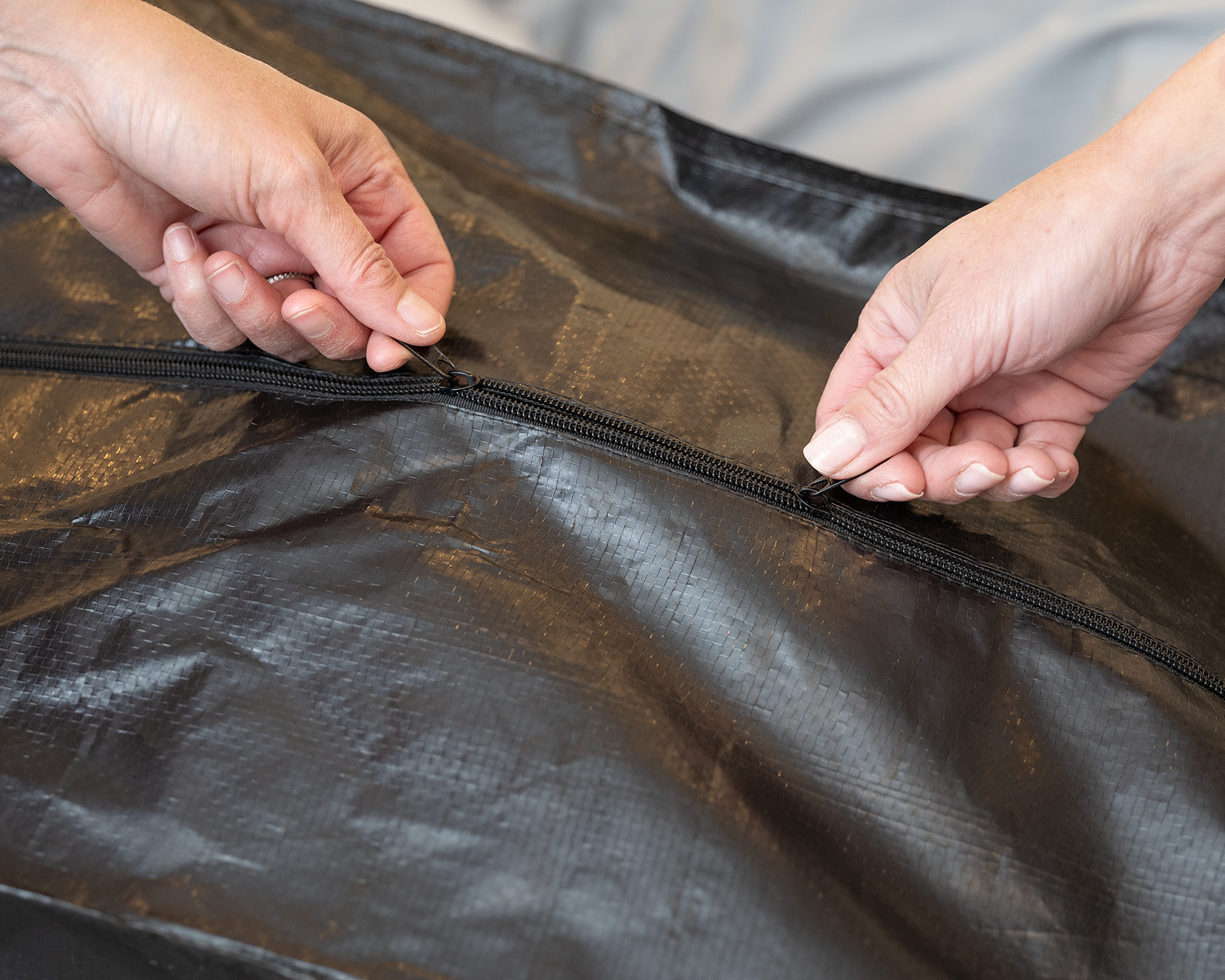
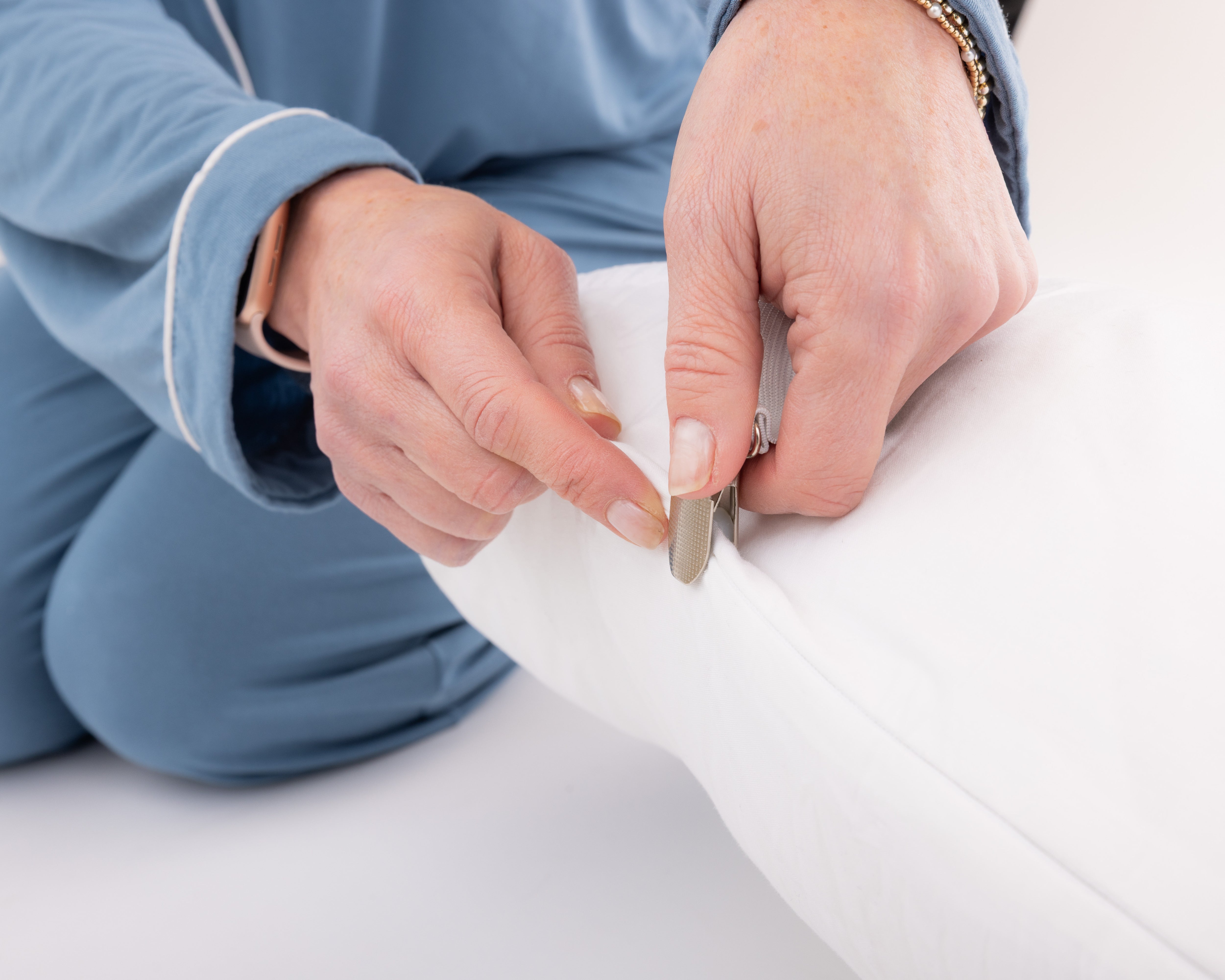
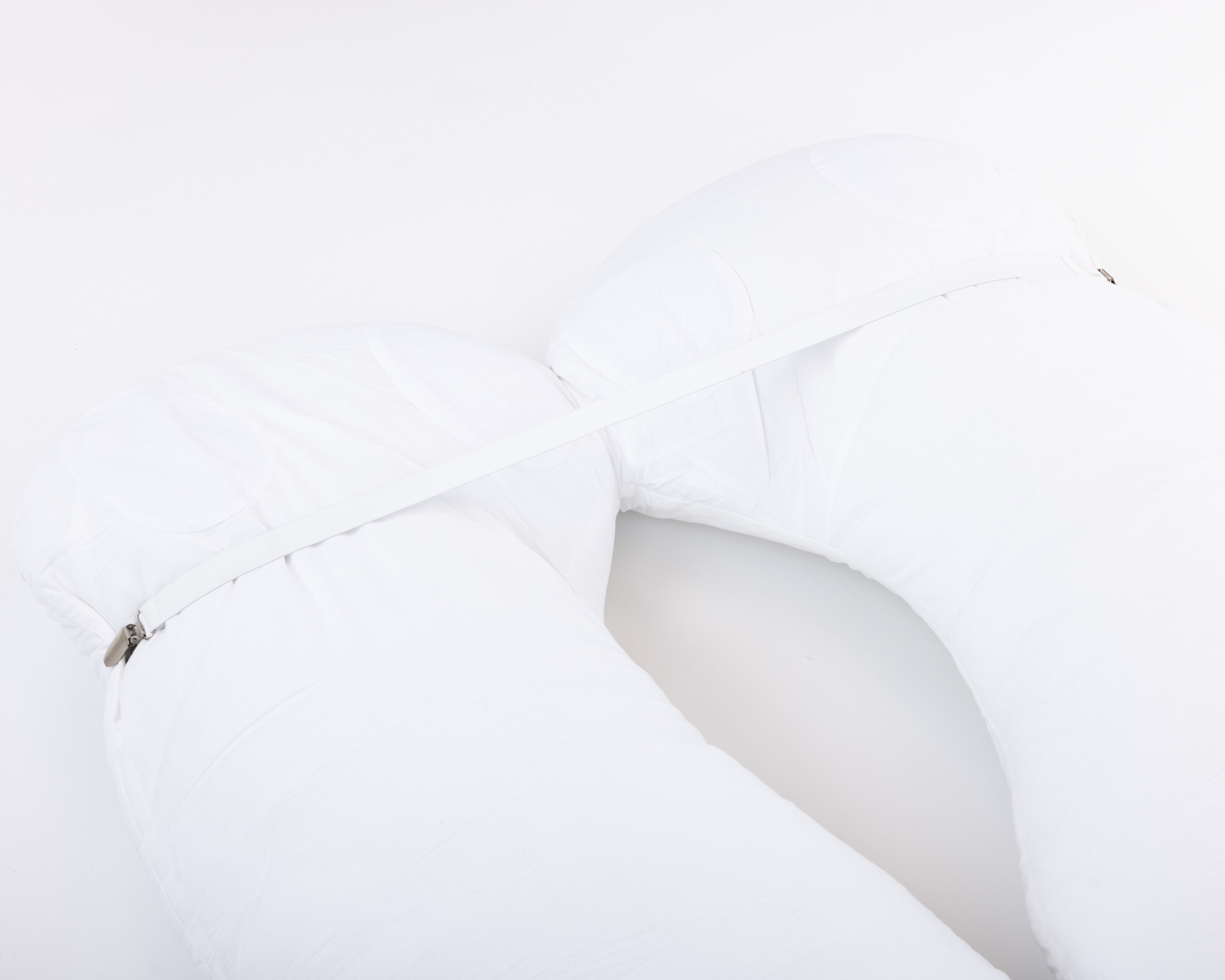
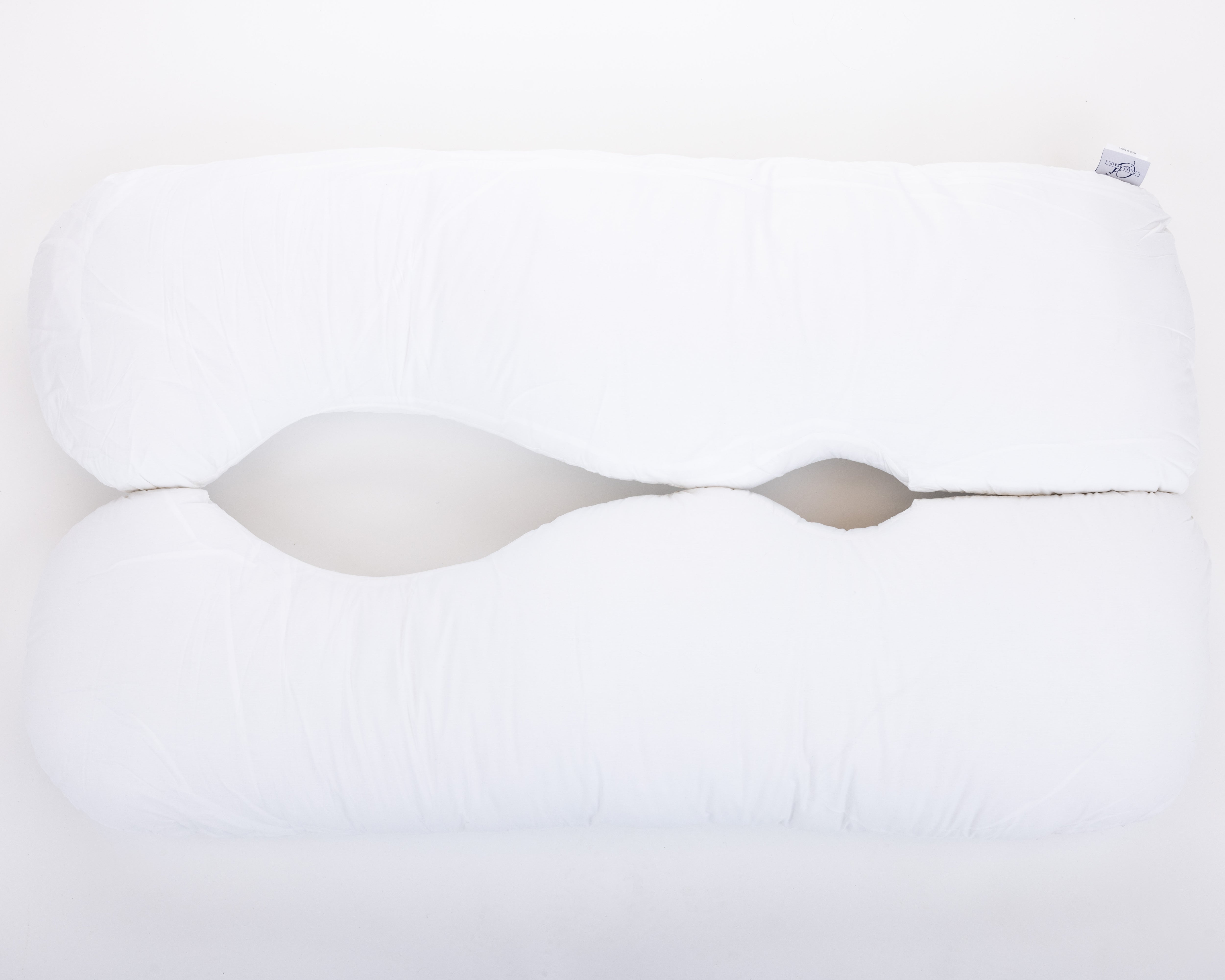
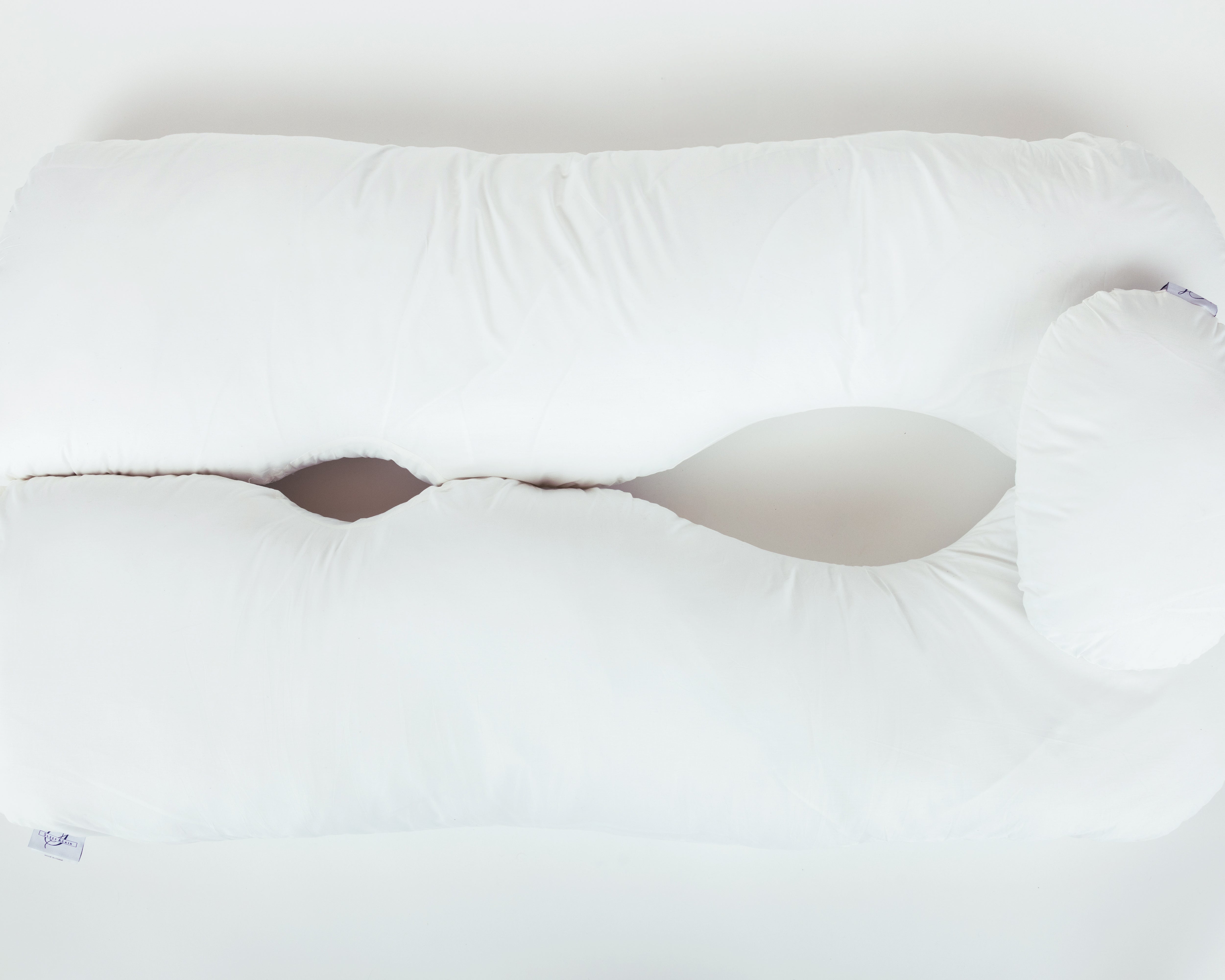
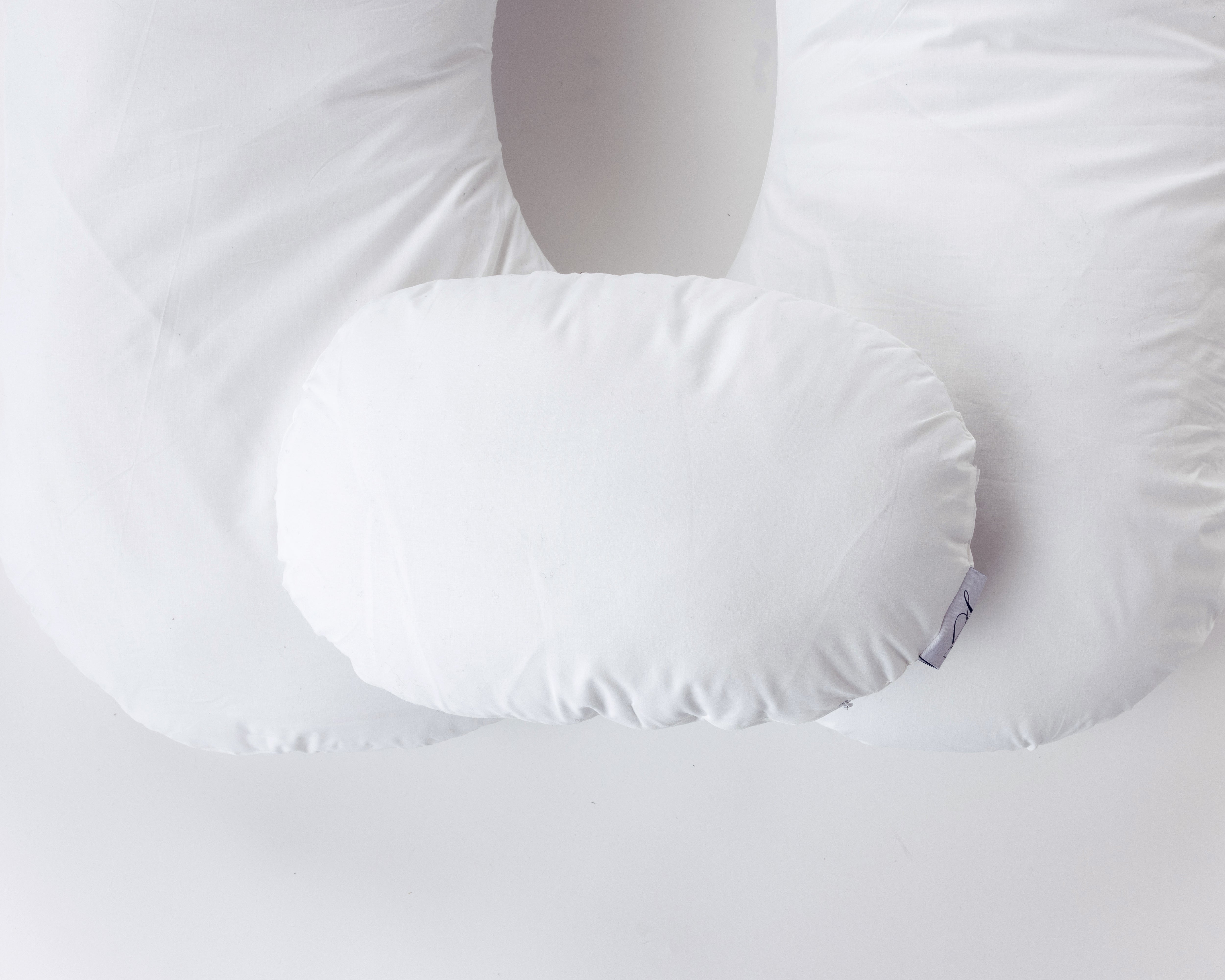
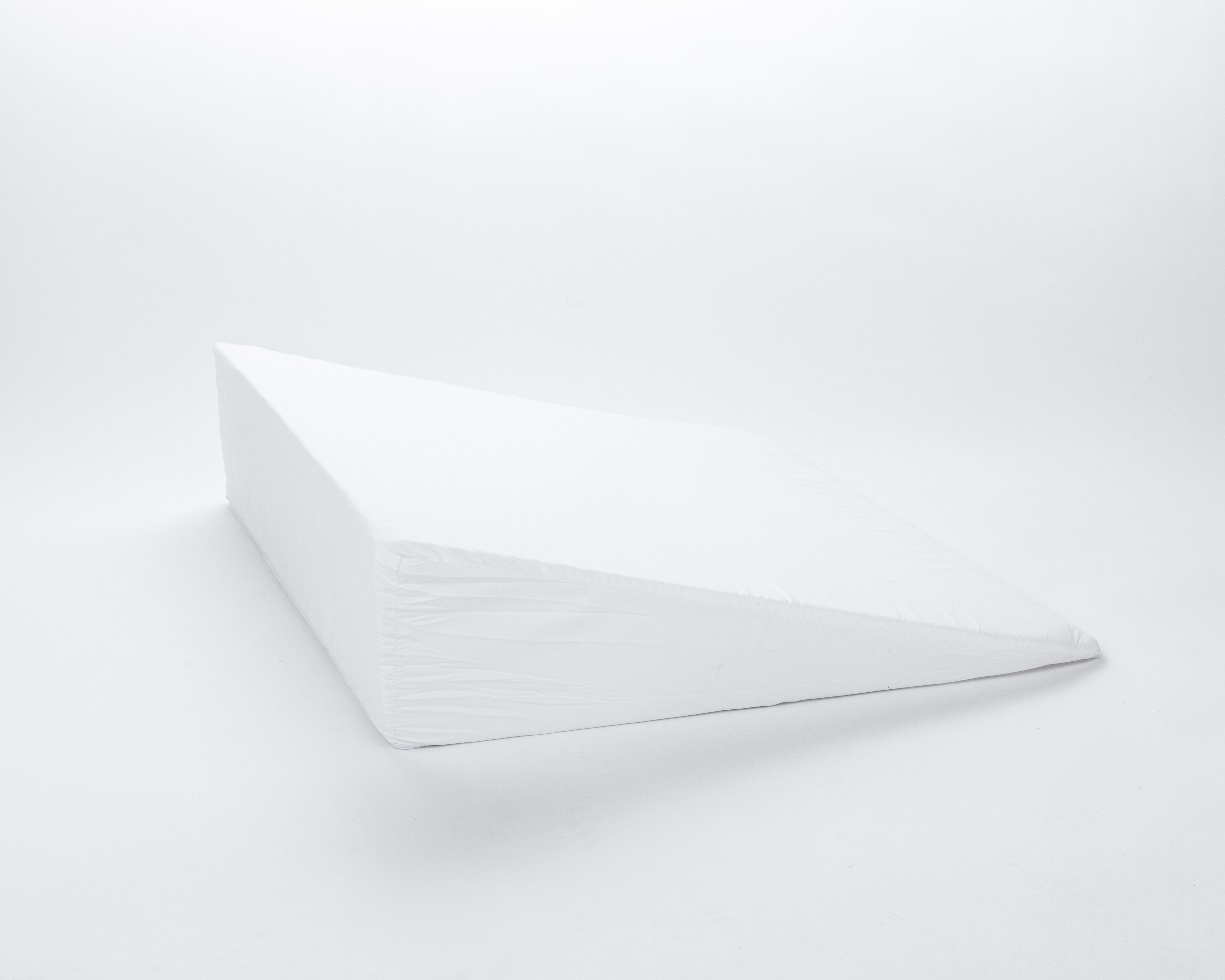
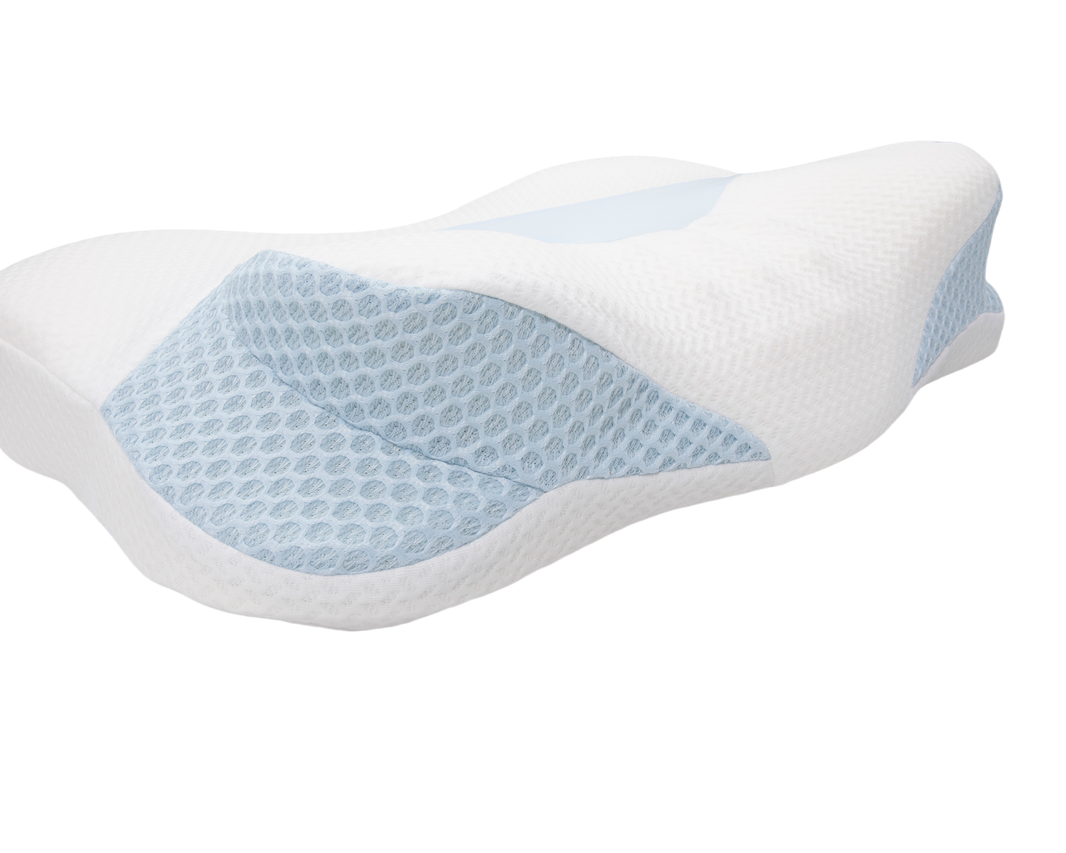
The Sleep Again Pillow System is a complete post-surgical sleep positioning system designed specifically for this recovery context.

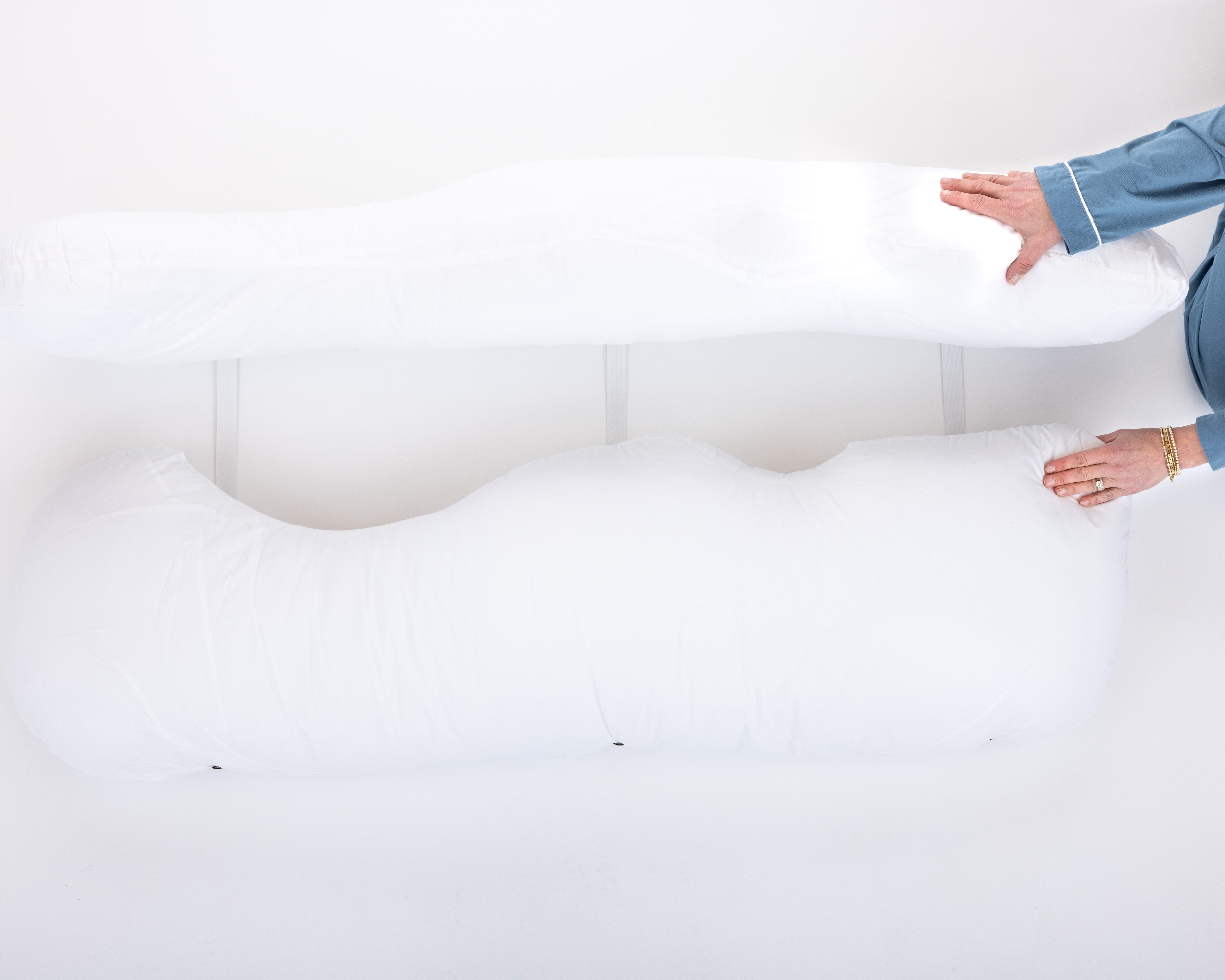
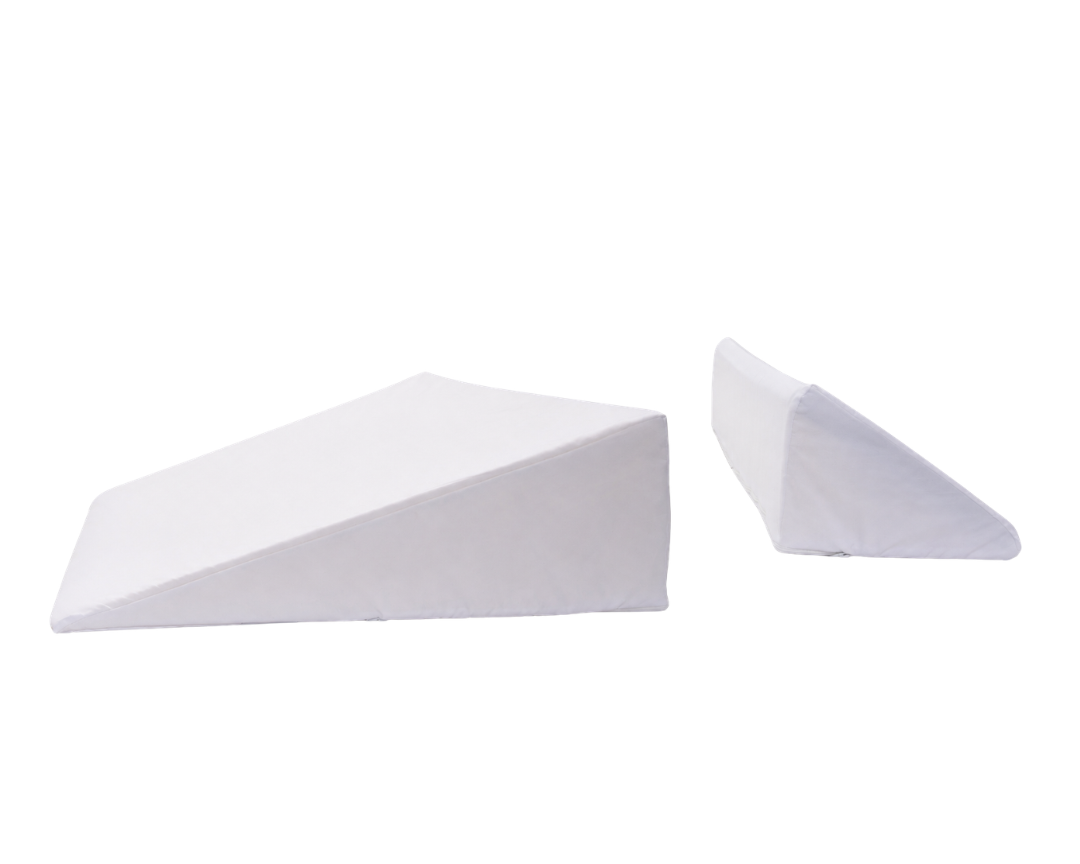
It includes five components engineered to work together:
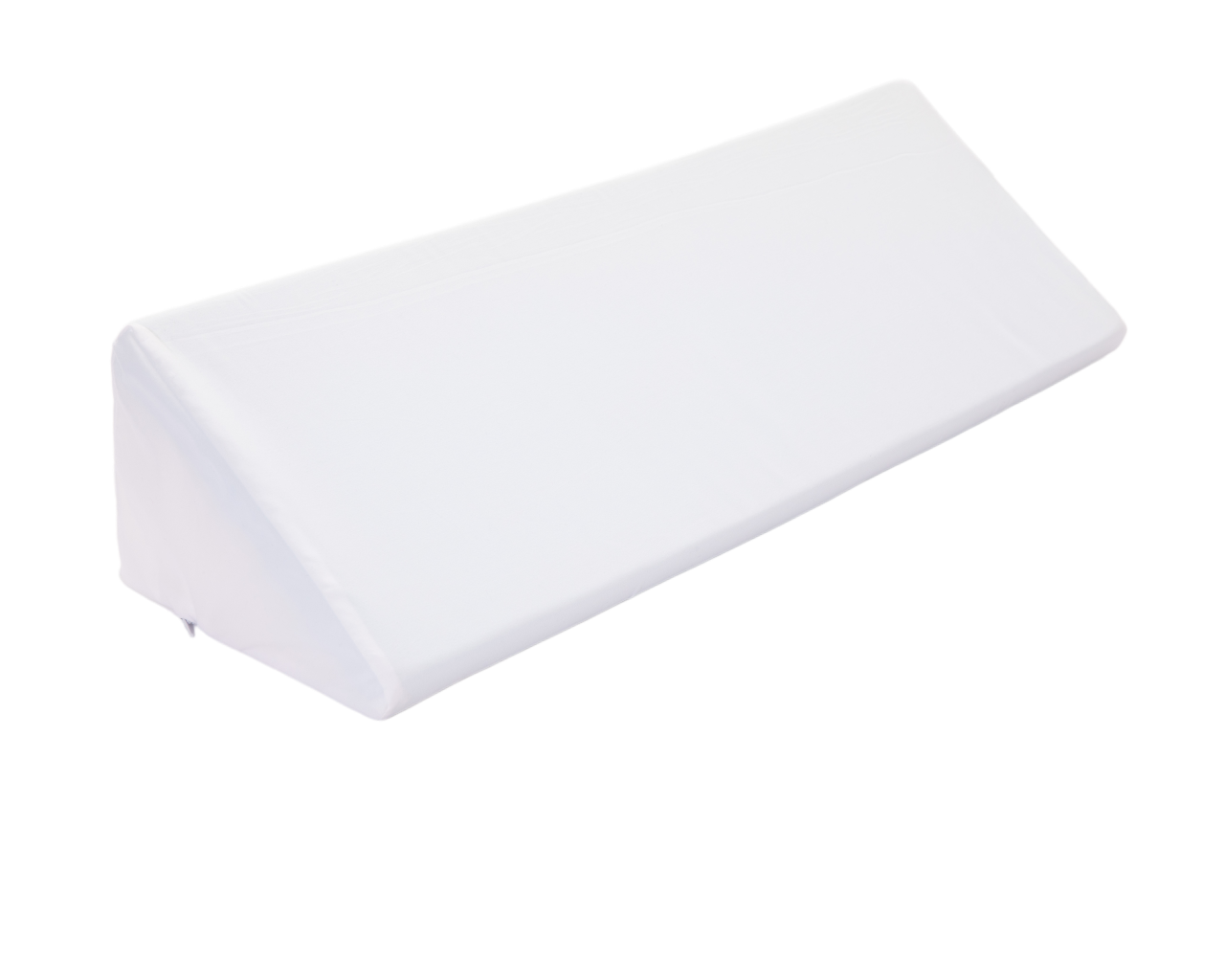
✓ Two Contoured Side Pillows prevent rolling onto healing tissues
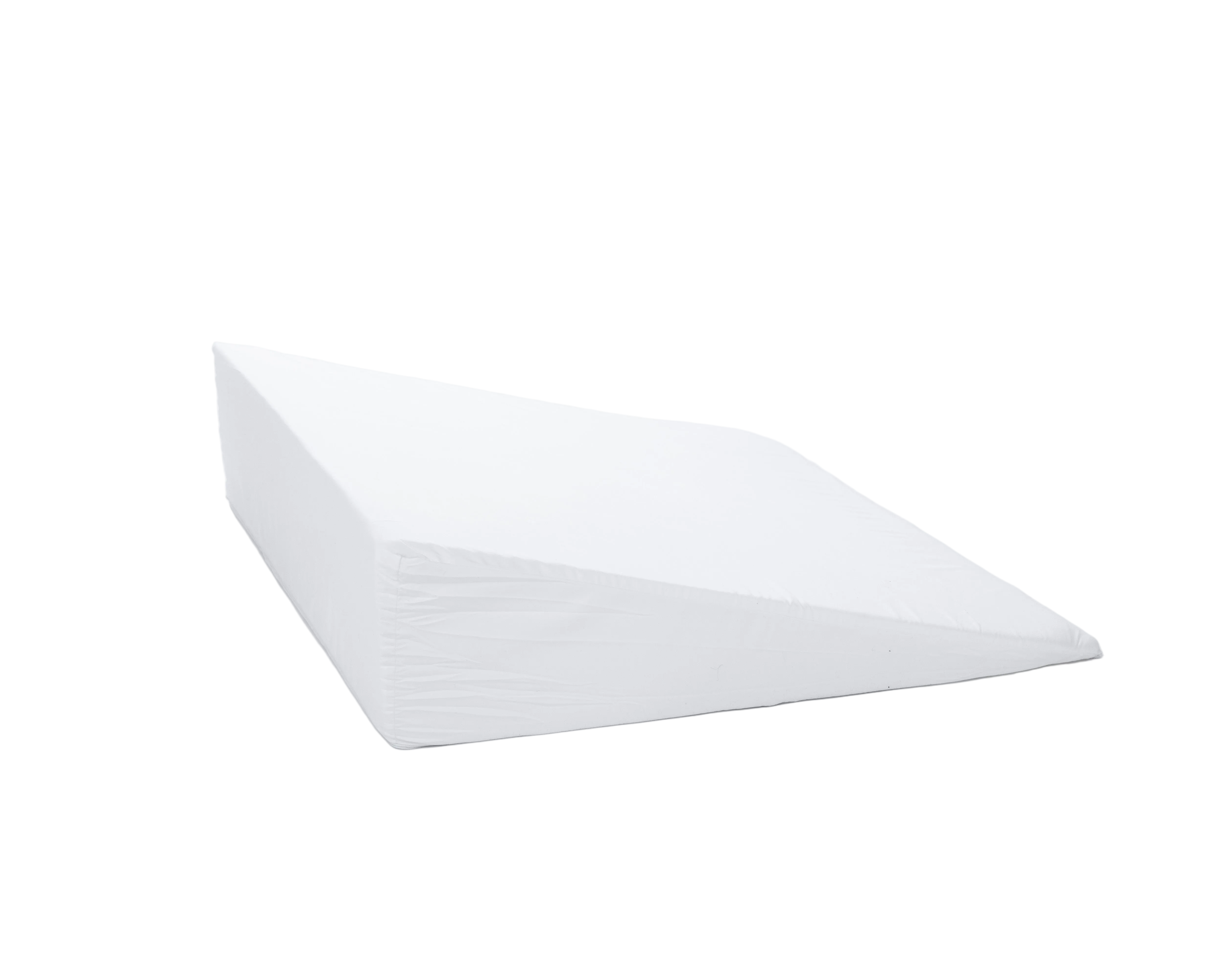
✓ Upper Body Wedge to maintain 30-45 elevation during the night
✓ Leg Support Wedge reduces lower back tension
✓ Head Pillow maintains neutral cervical alignment
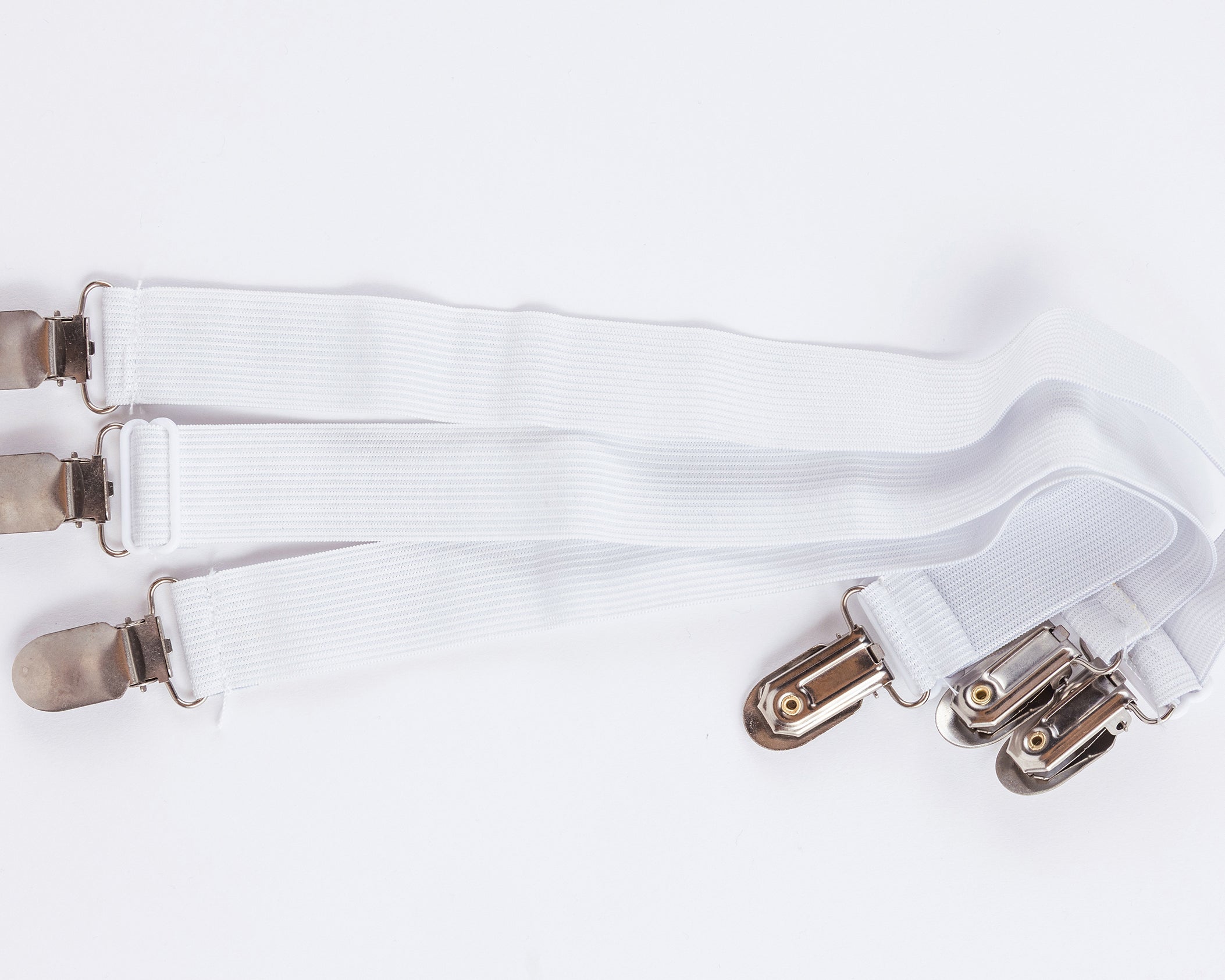
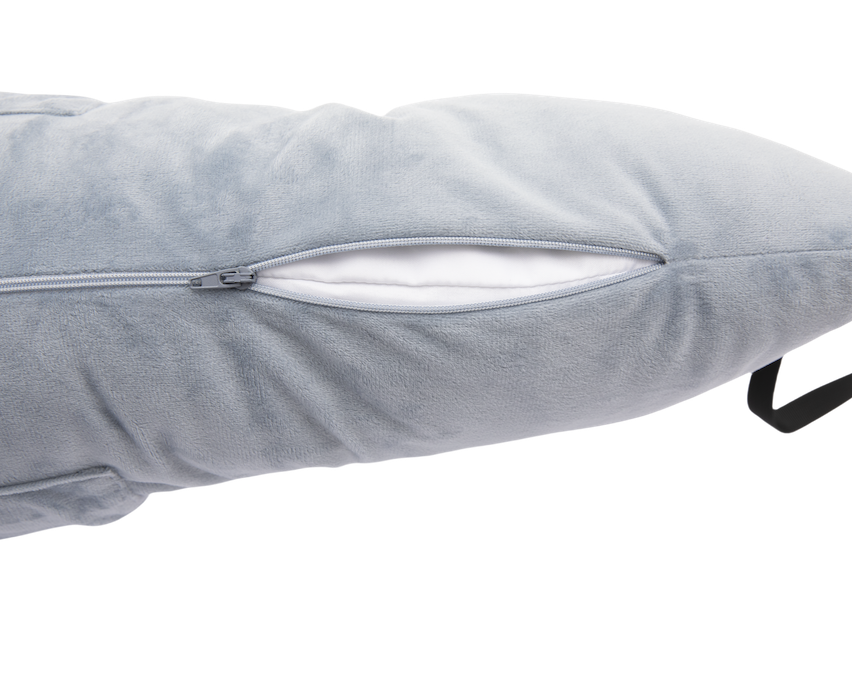
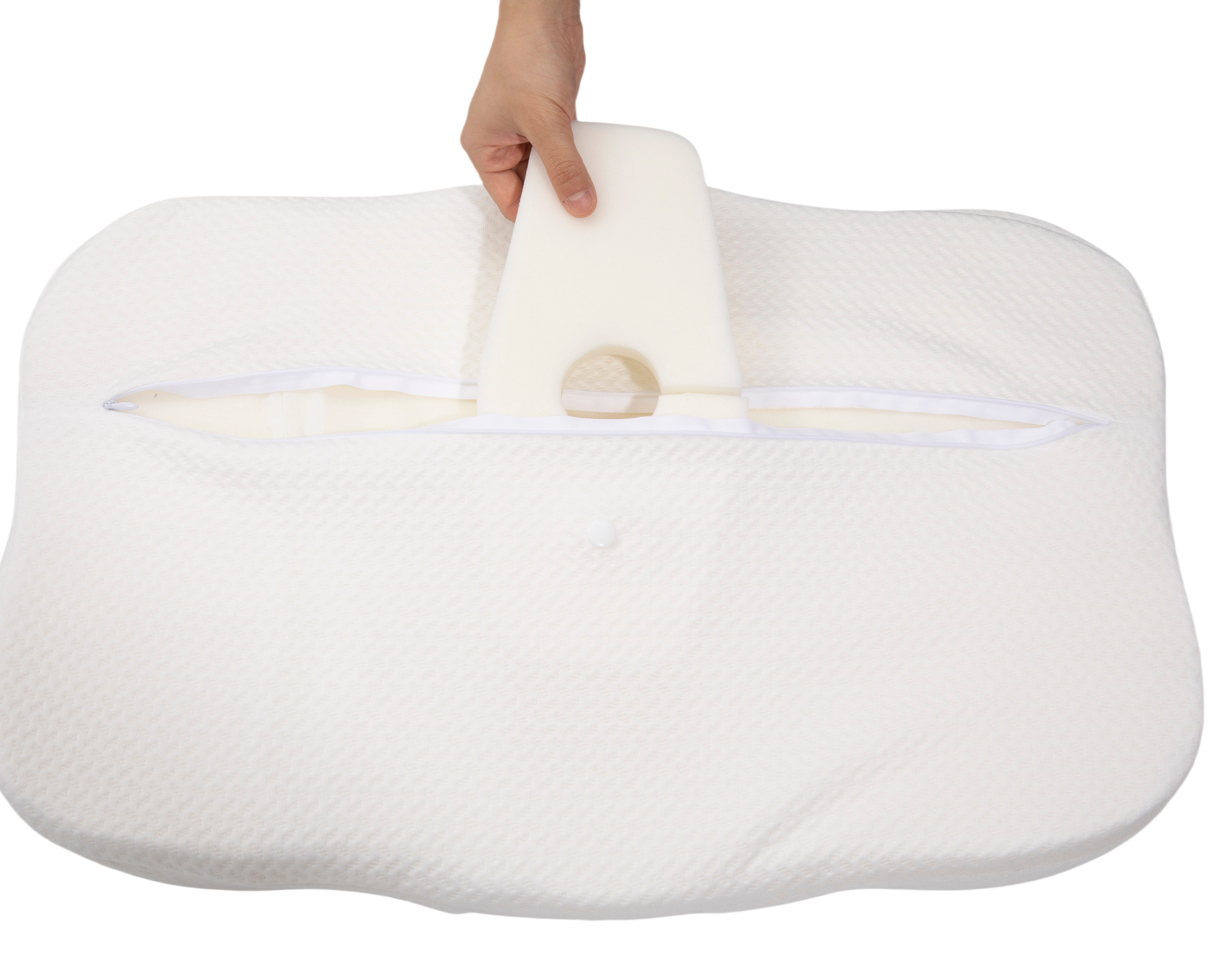
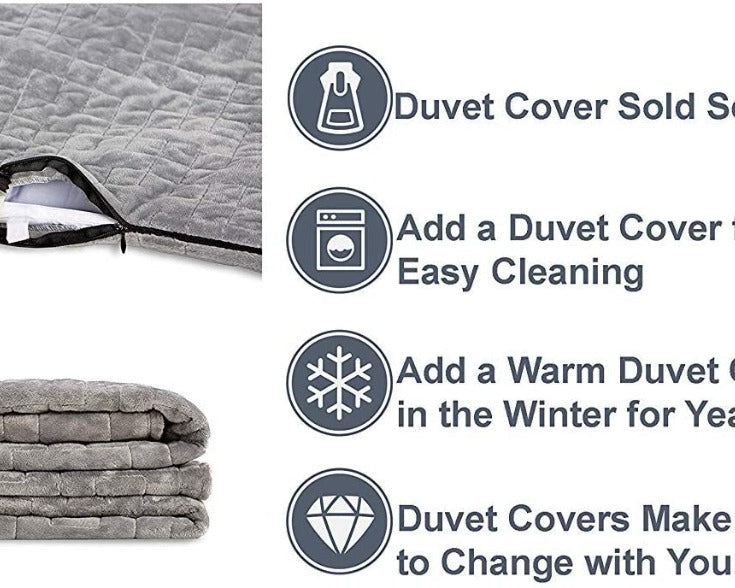
✓ Removable washable slipcovers for every piece.
This integrated design keeps your upper body elevated at a consistent therapeutic angle throughout the night without the pillow drift, collapse, or gap-filling that DIY arrangements require.
The Sleep Again Pillow System is eligible for purchase with HSA and FSA funds as a post-surgical recovery aid. All sales are final and not returnable per federal regulations.
SUPPORT YOUR SLEEP DURING EXPLANT SURGERY RECOVERY

When Can You Transition to Side Sleeping After Explant Surgery?
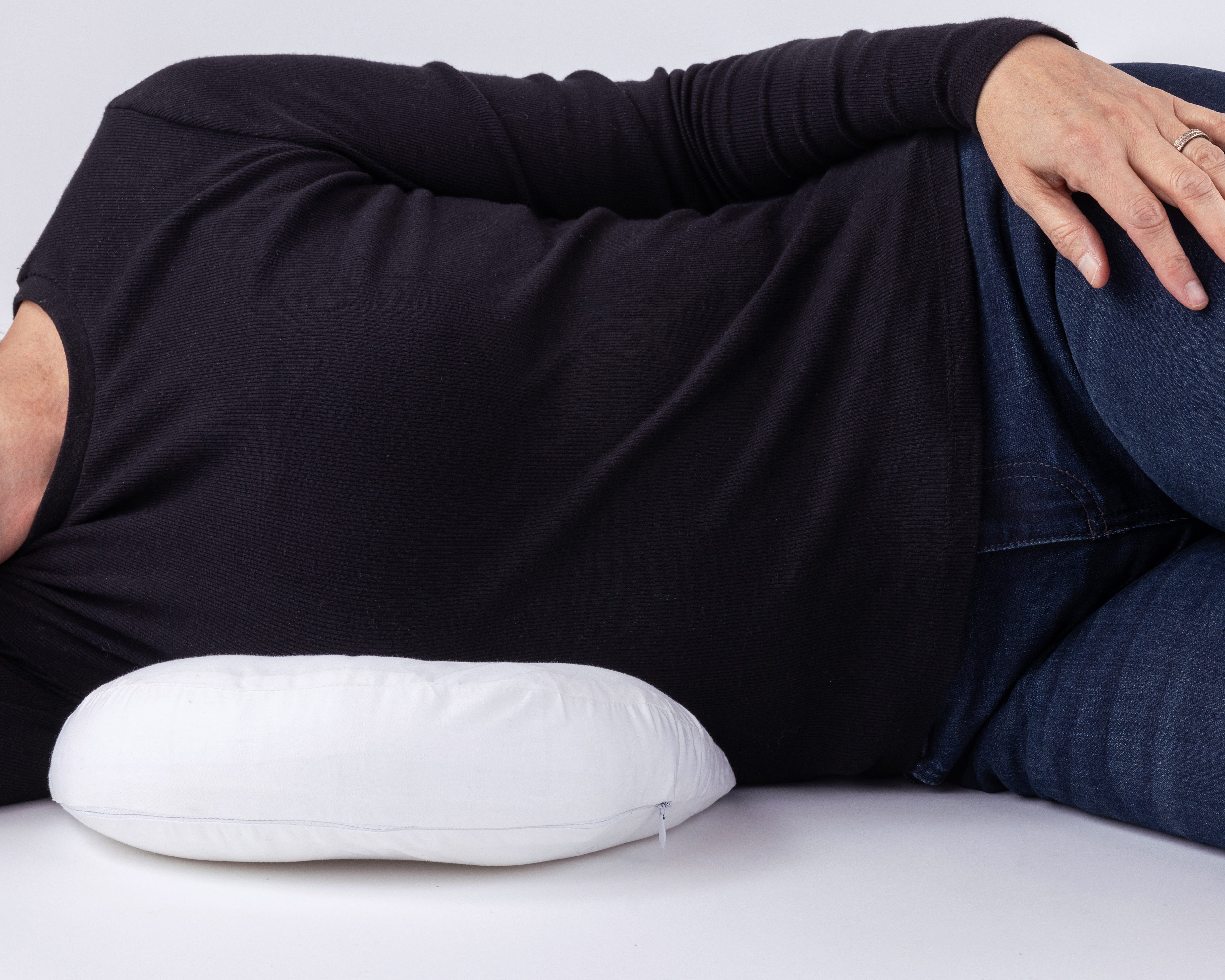
Most surgeons clear side sleeping at two to three weeks post-explant, provided healing is progressing normally, and there is no undue pressure on the breast tissue. However, the transition to side sleeping after chest surgery—even with medical clearance—presents its own positioning challenges. Pressure on the chest from mattress contact, arm placement, and pillow height can all create discomfort against healing tissue during this phase.
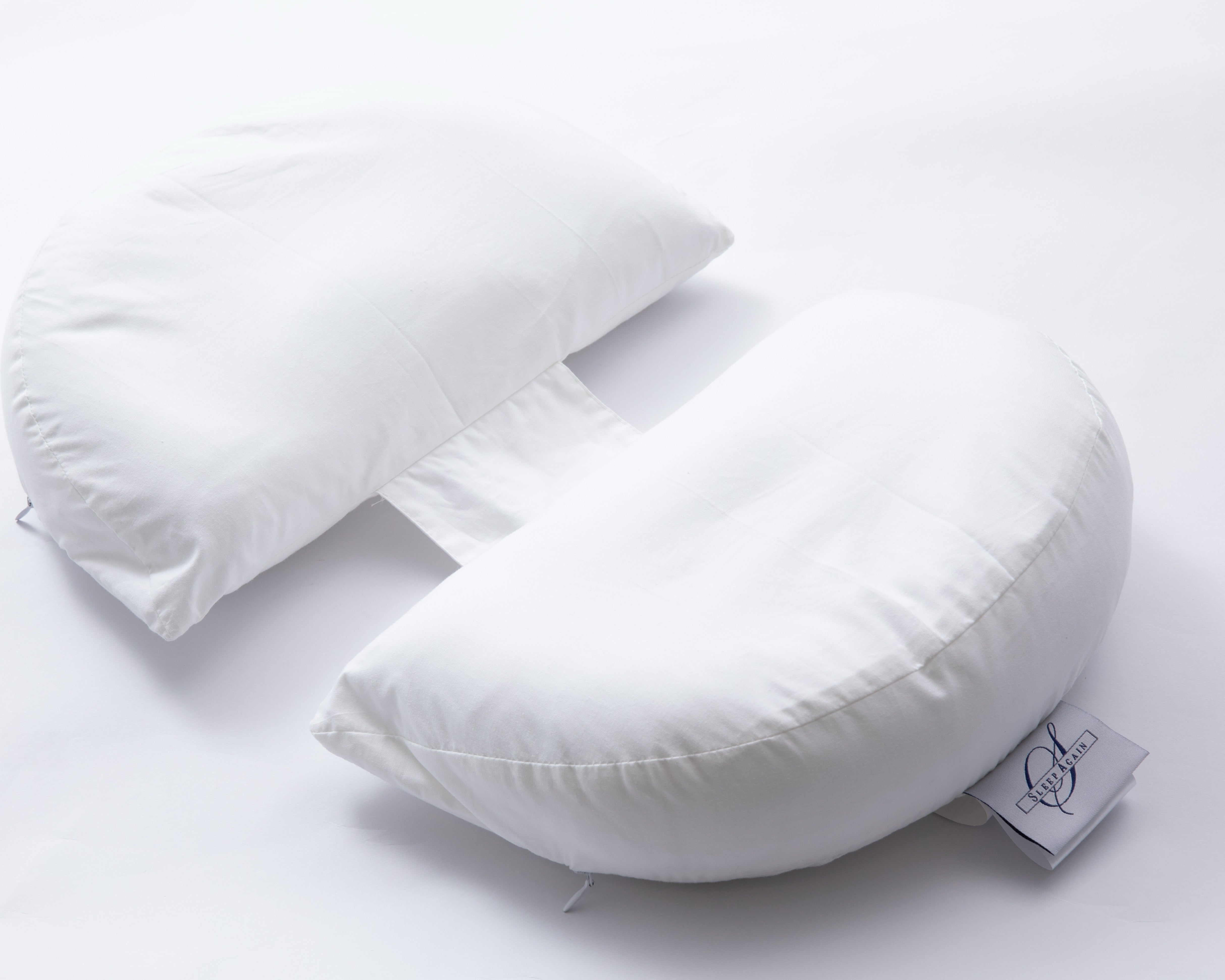
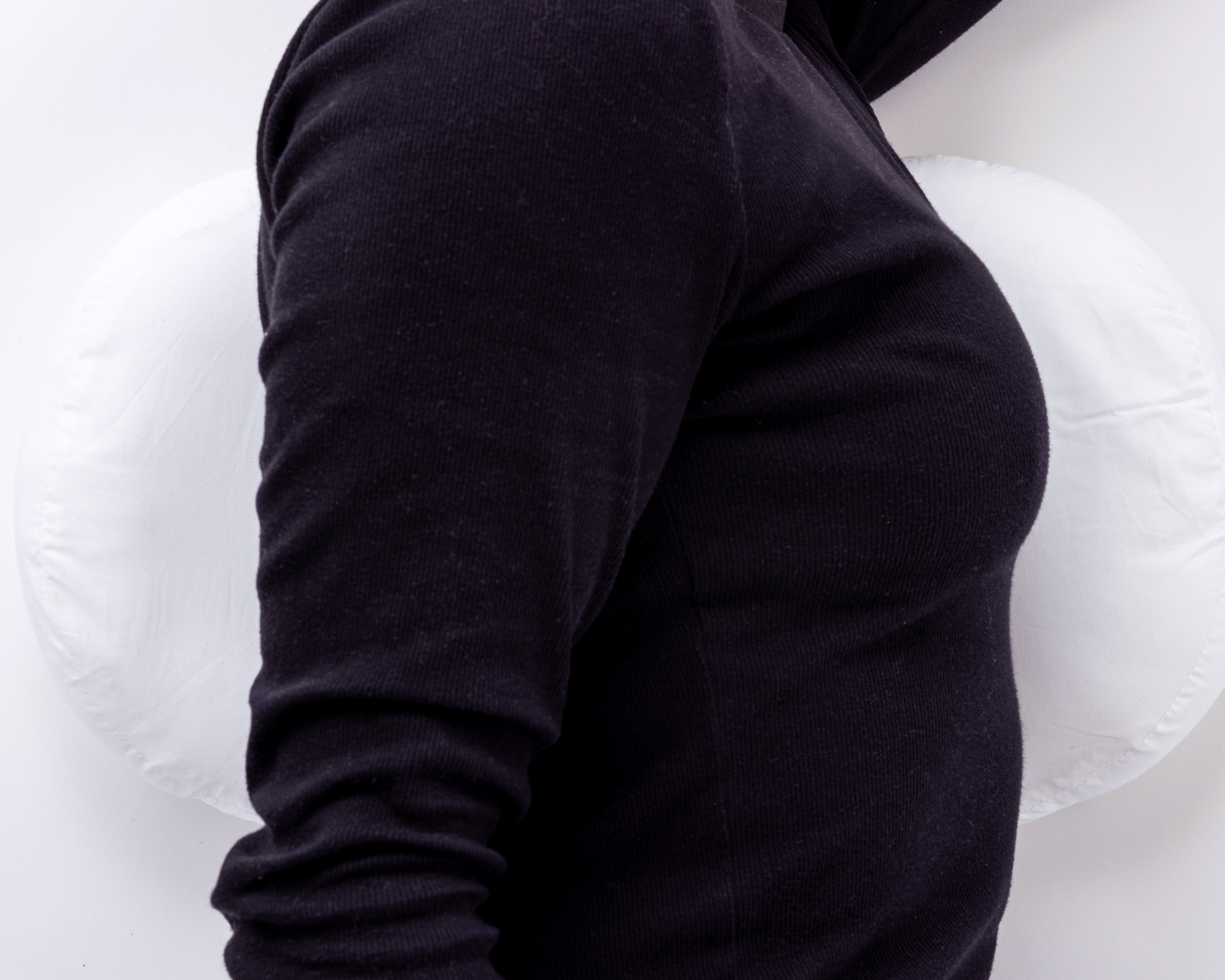
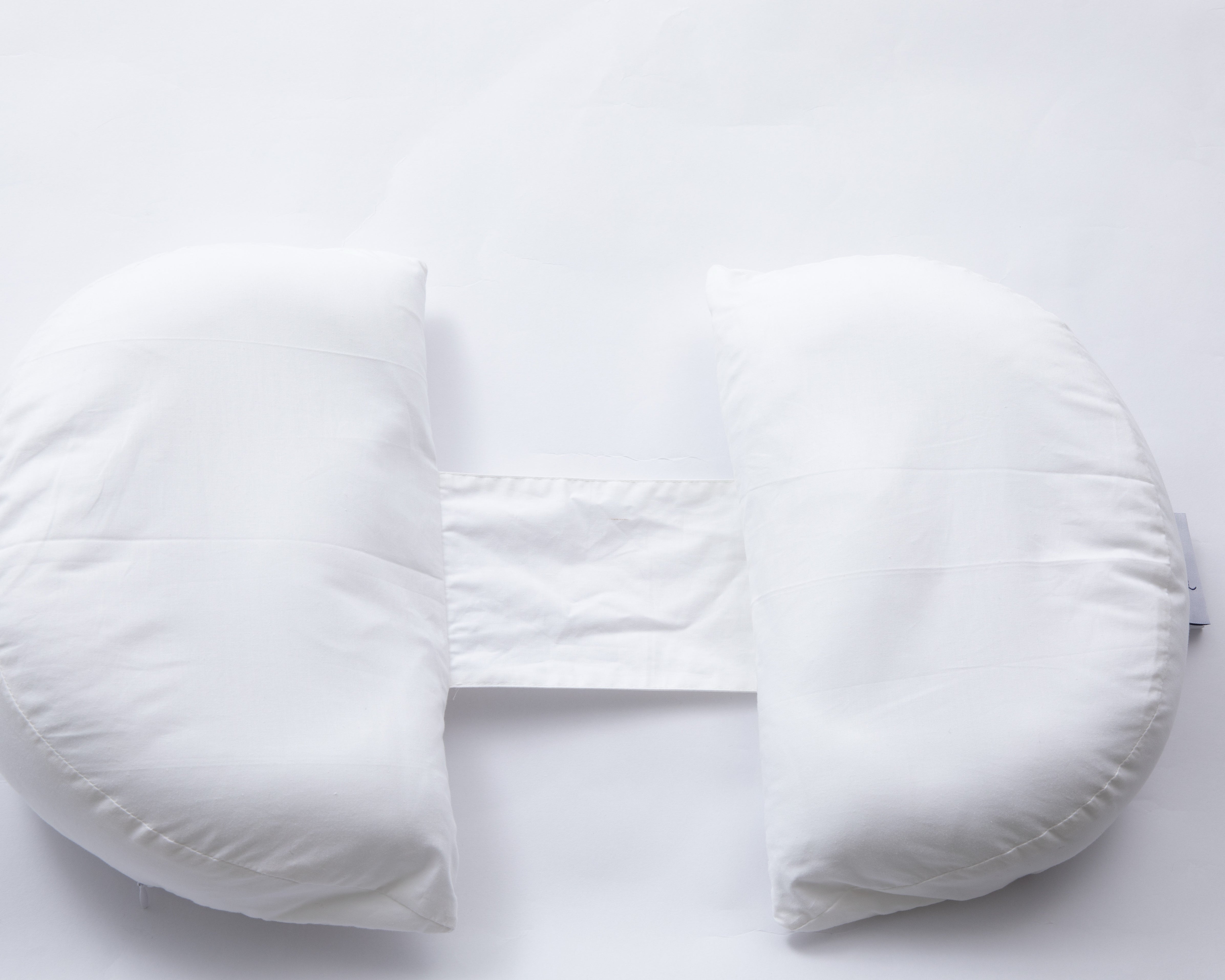
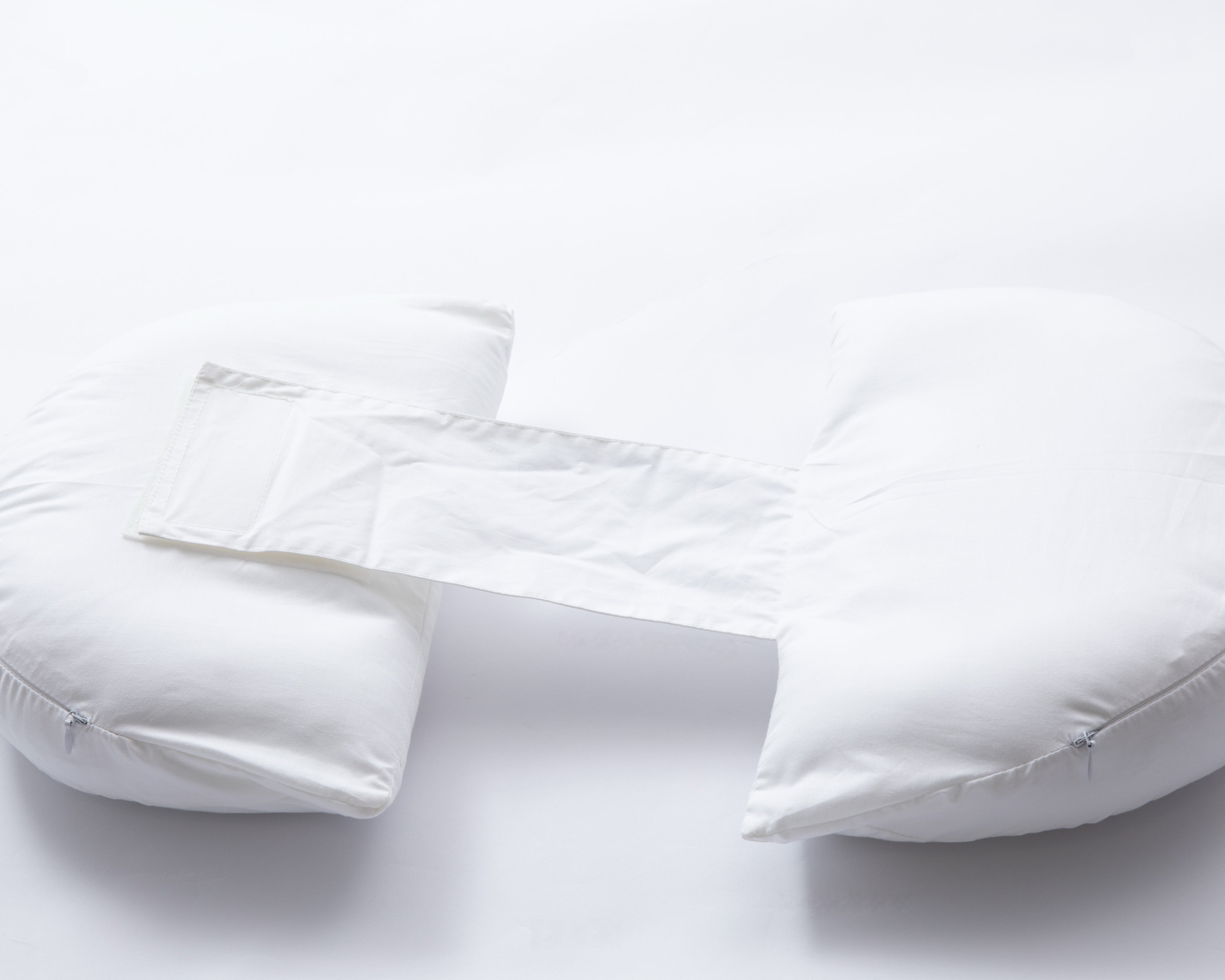
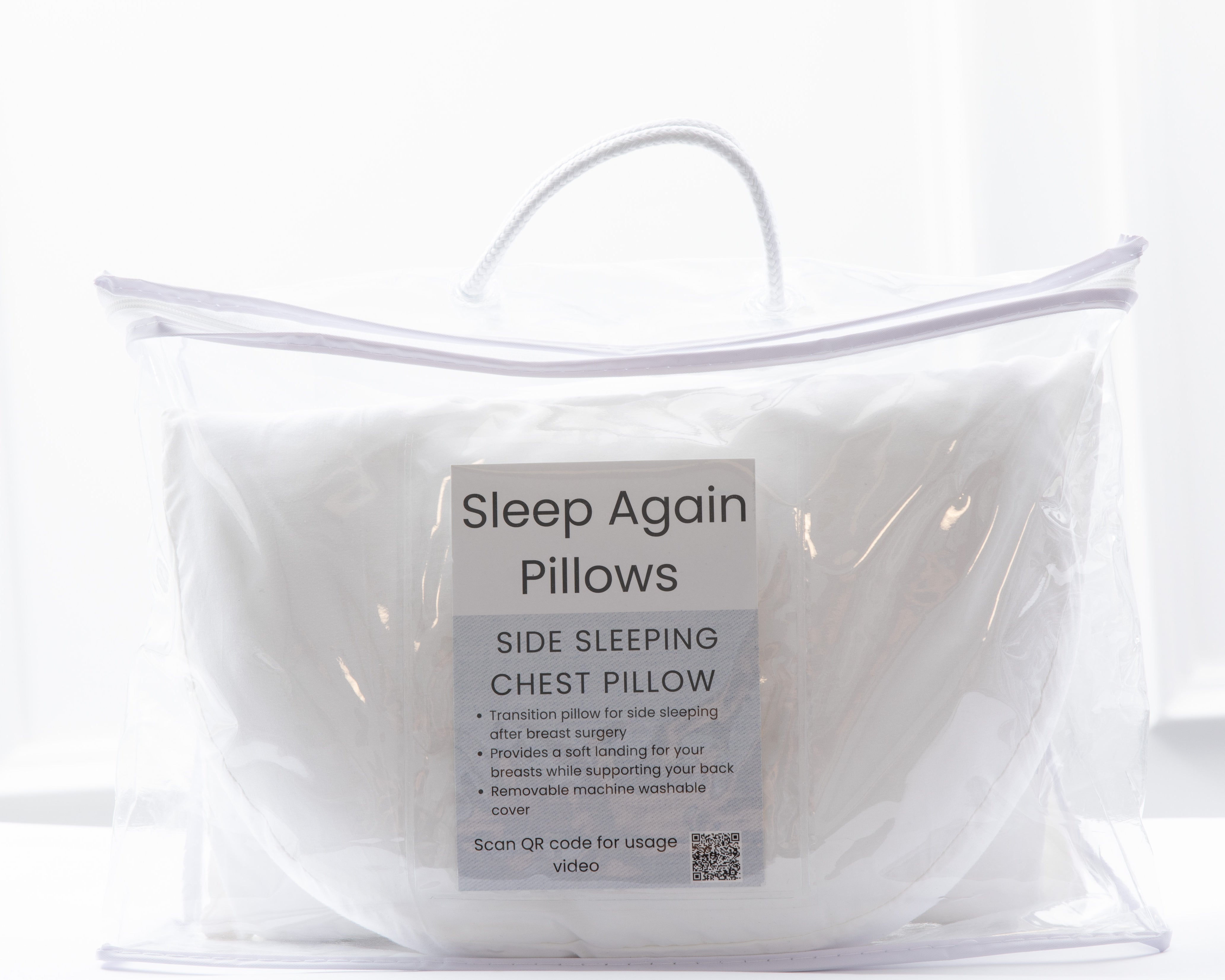
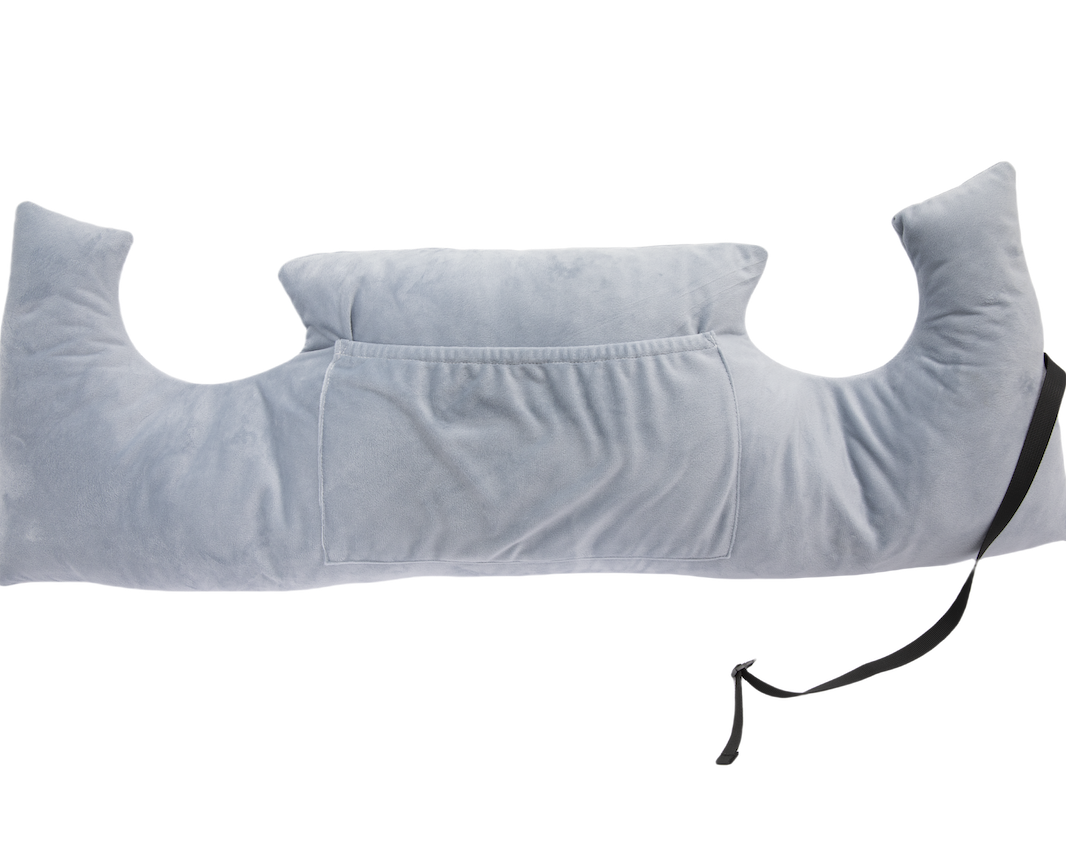
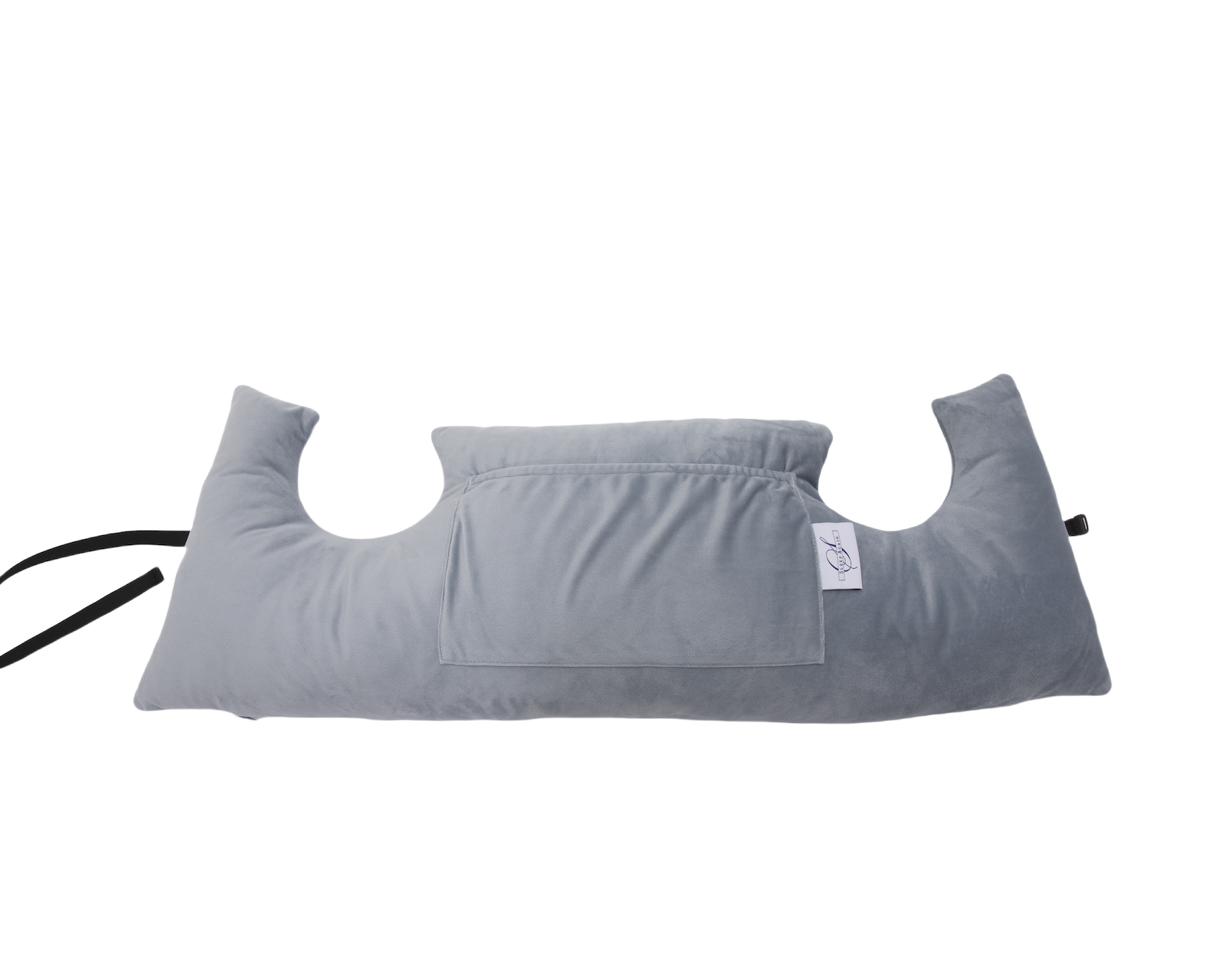
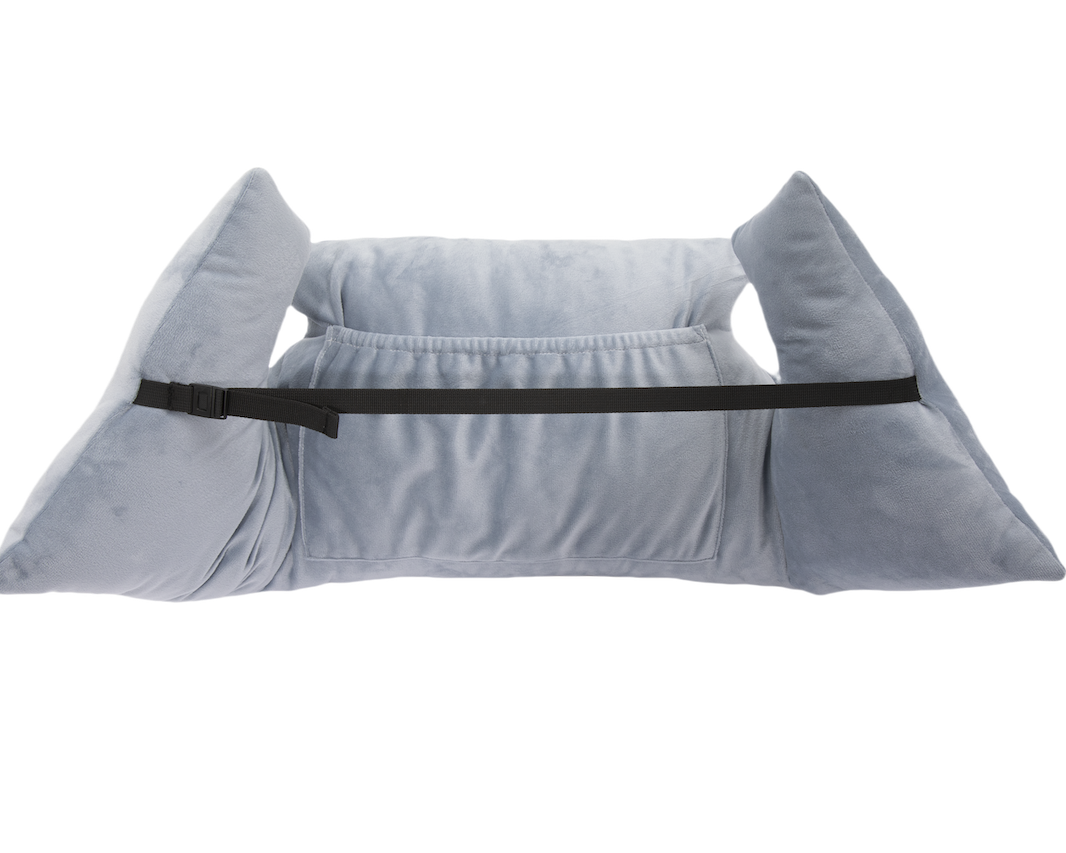
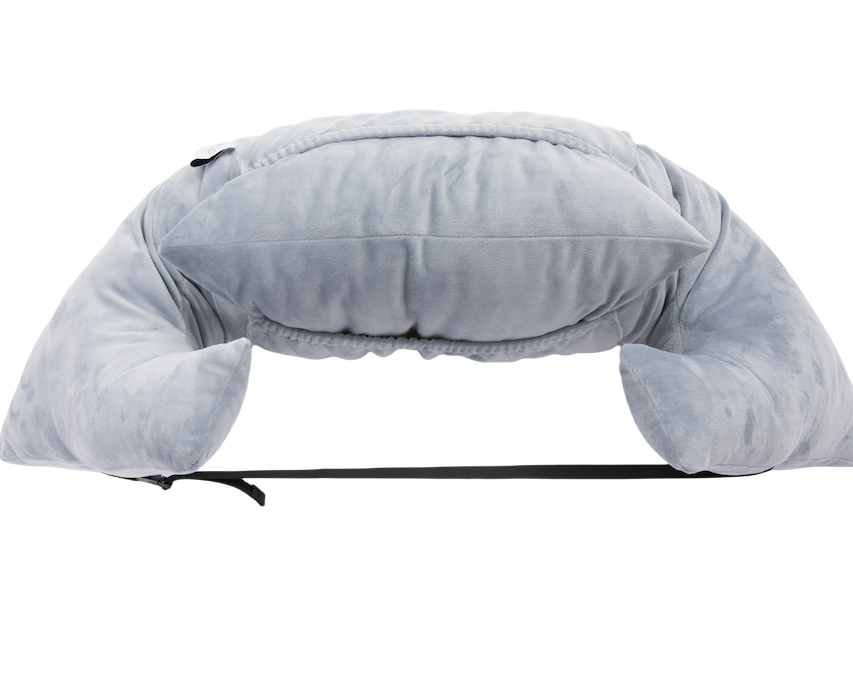
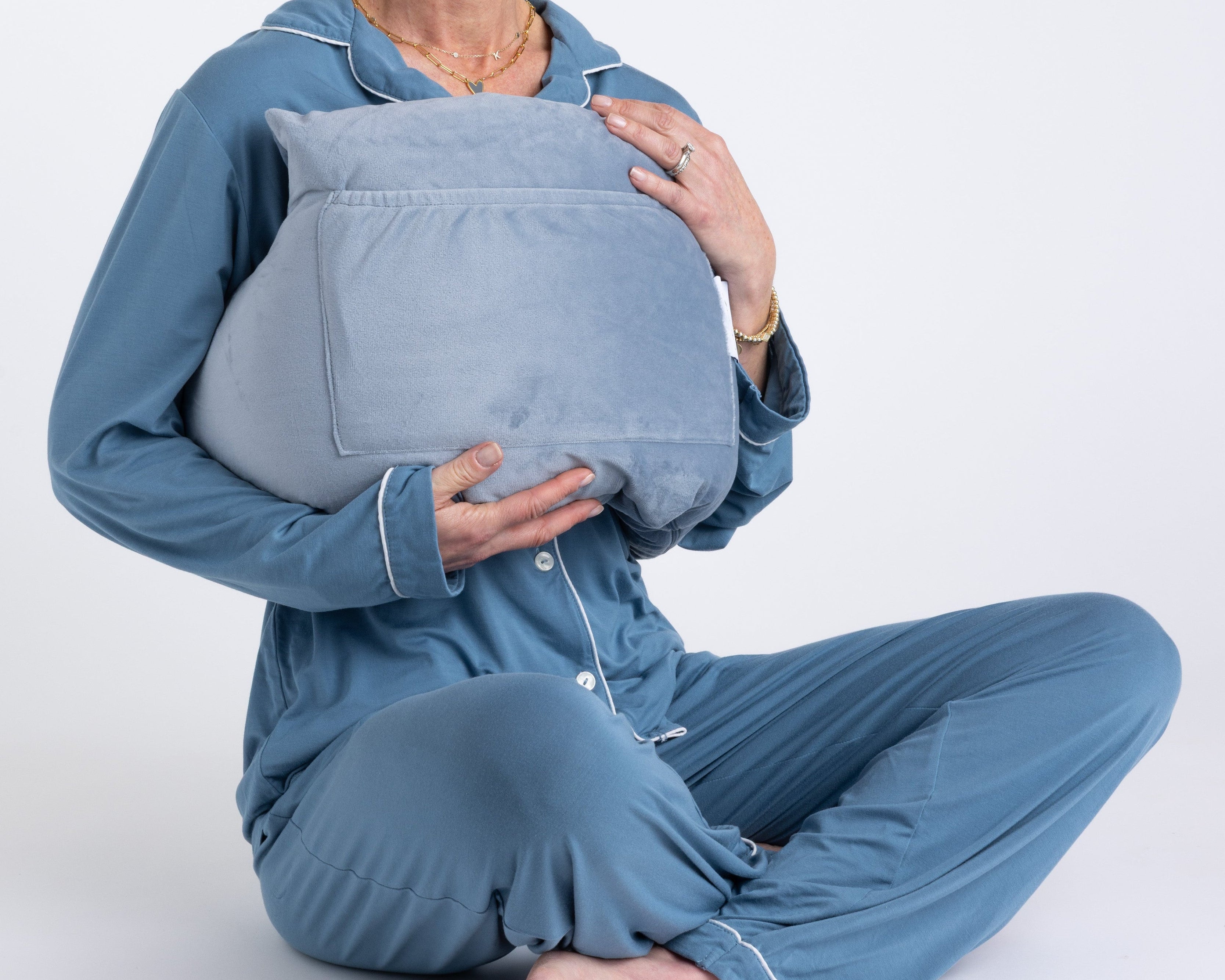
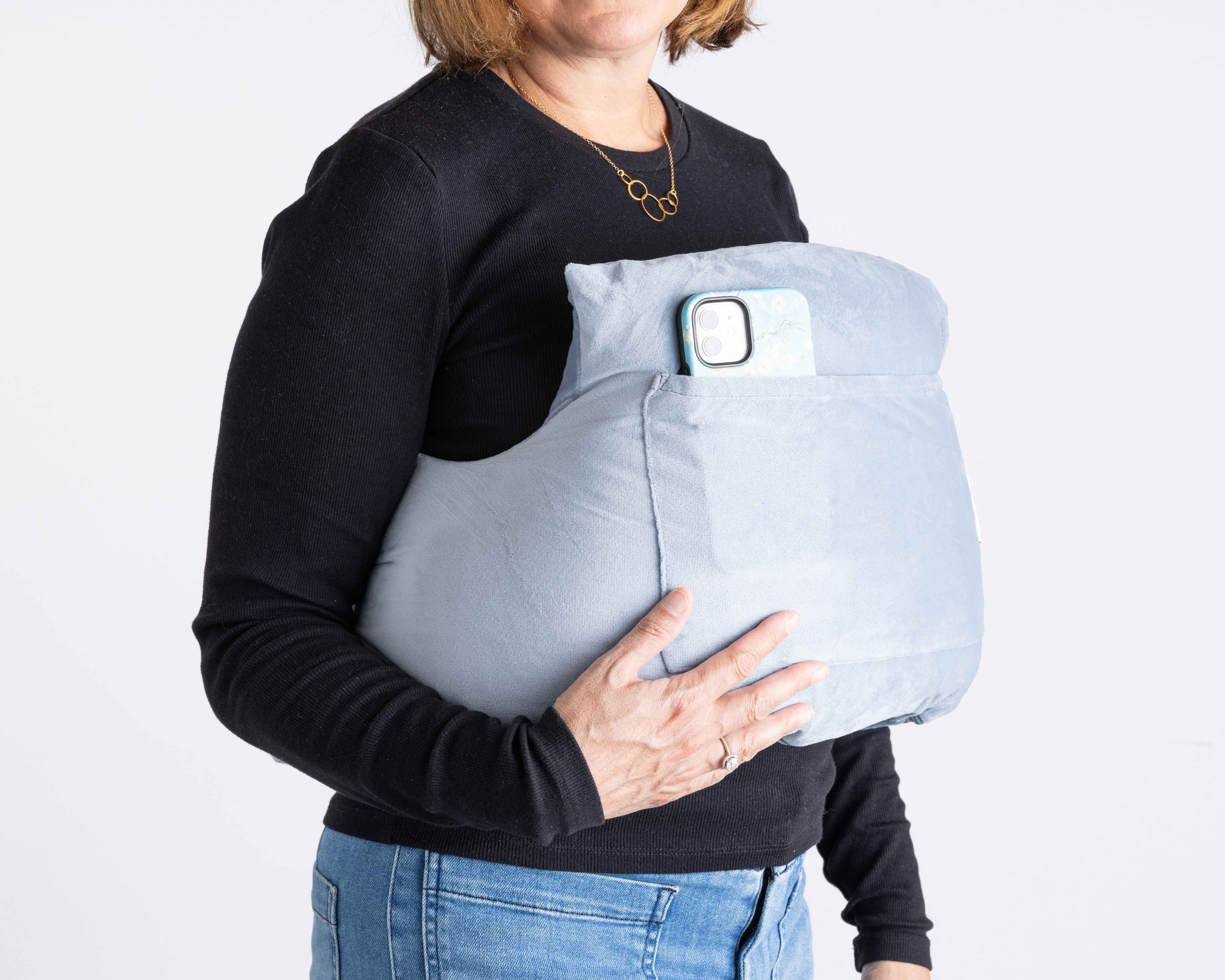
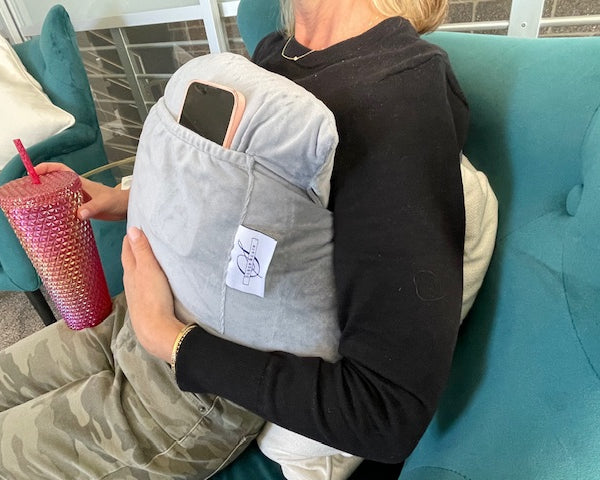
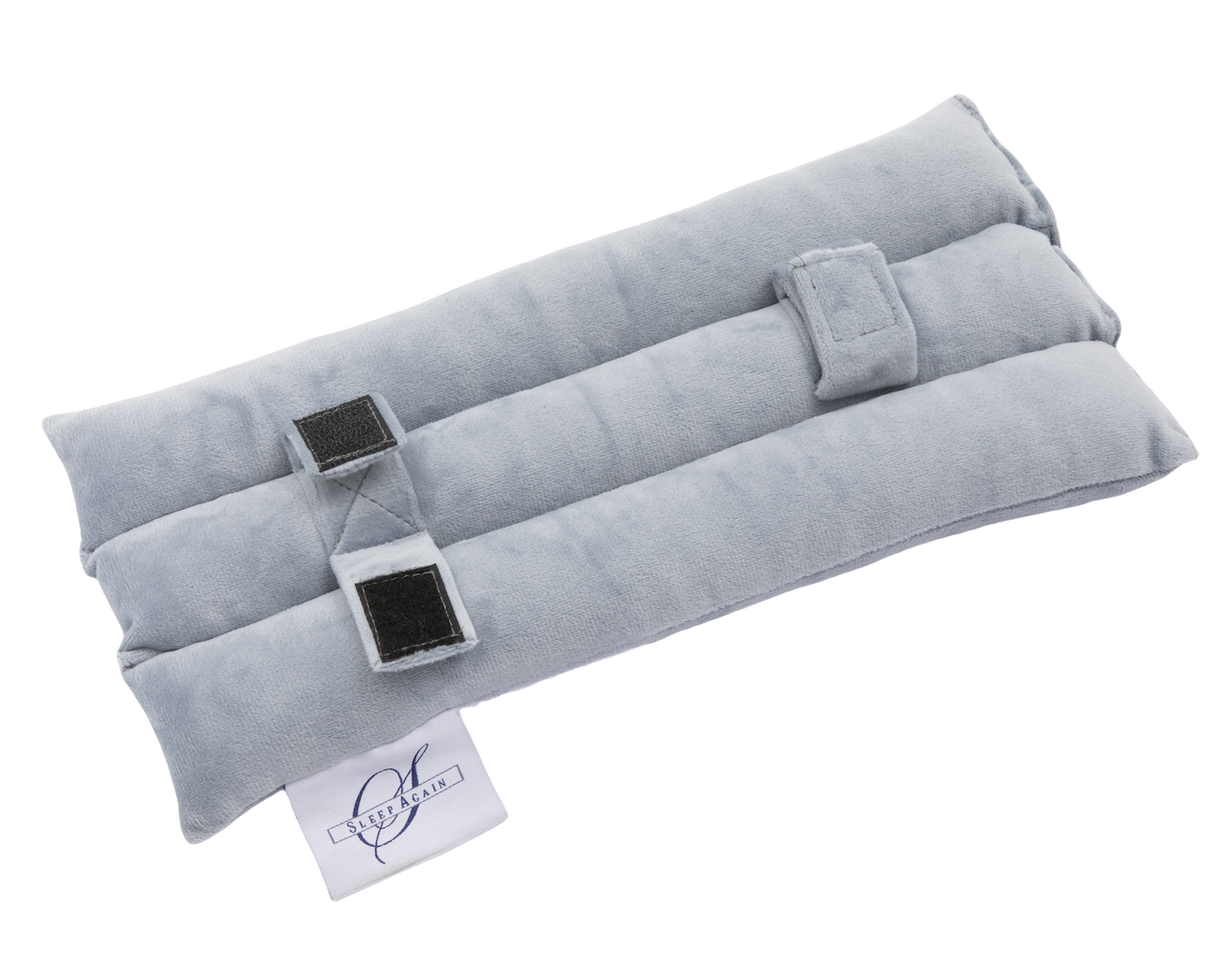
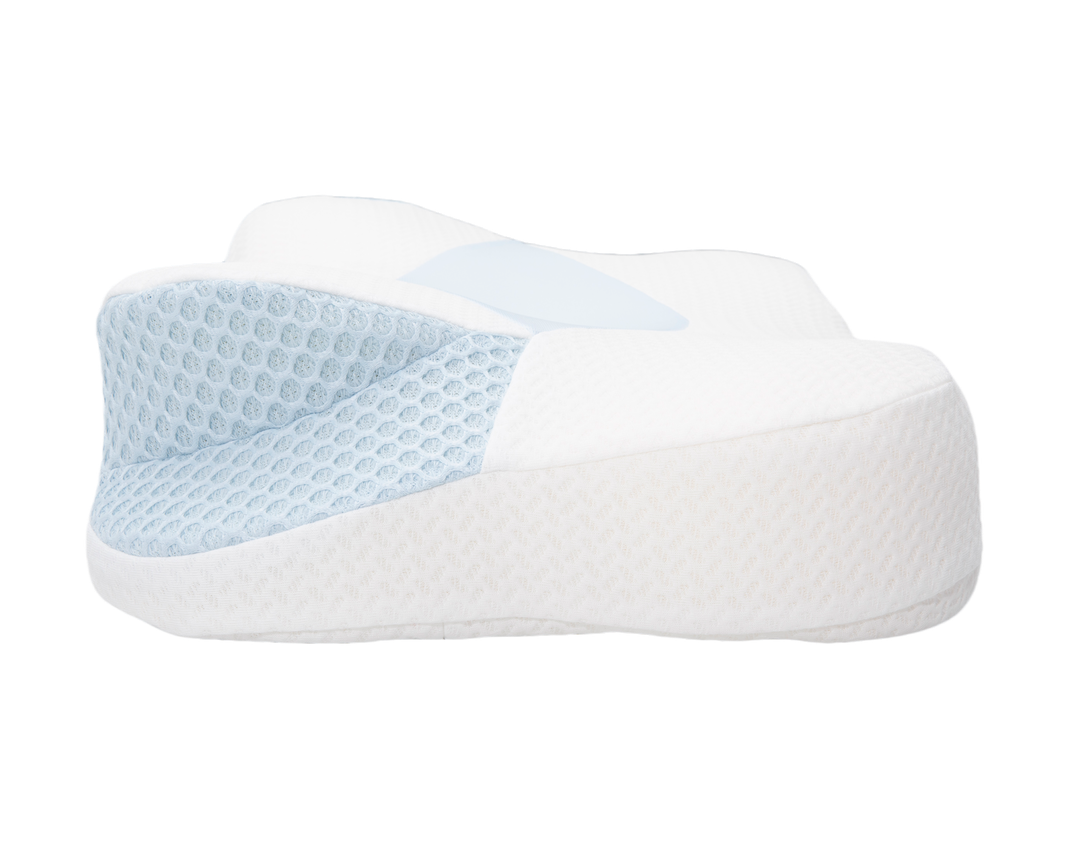
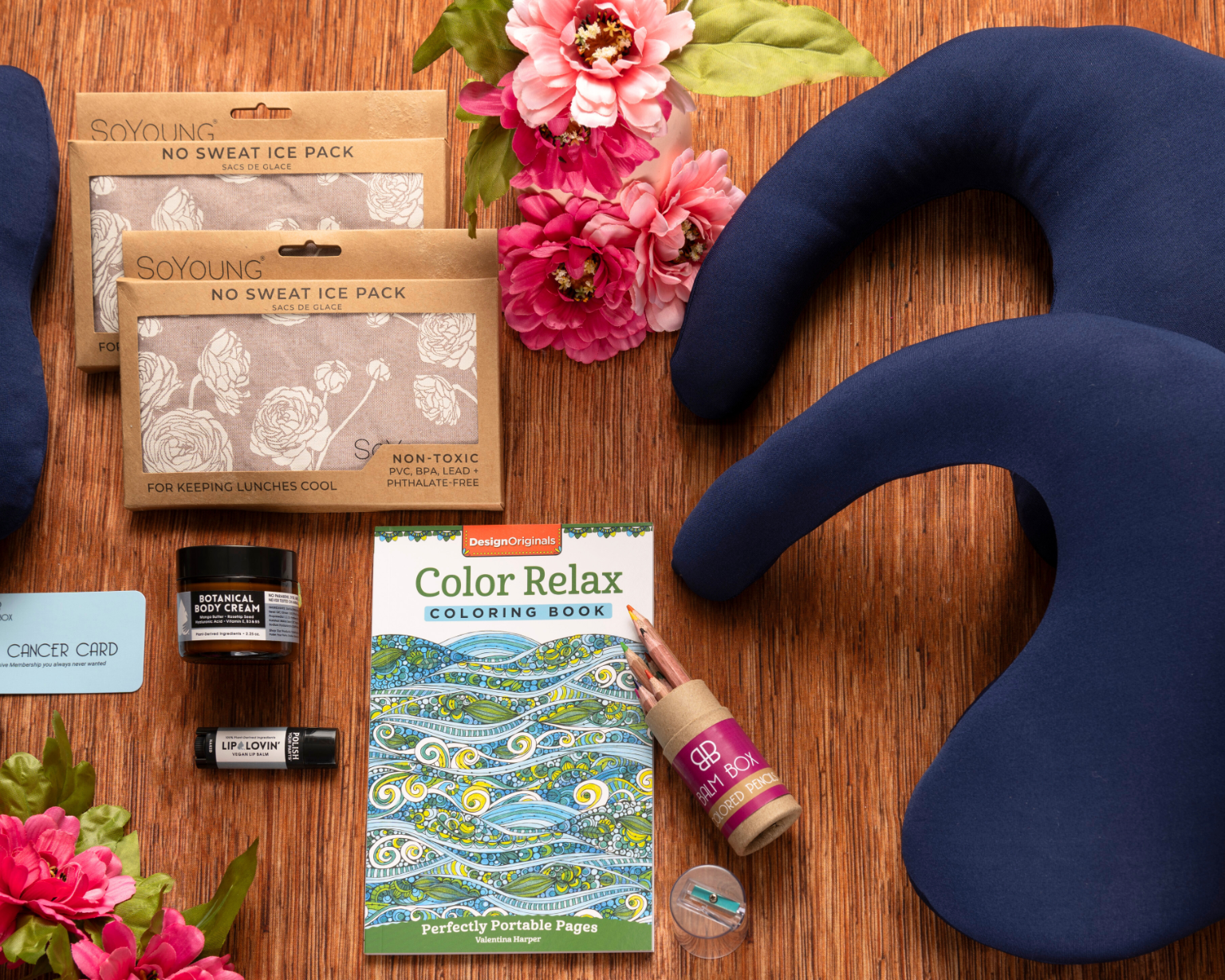
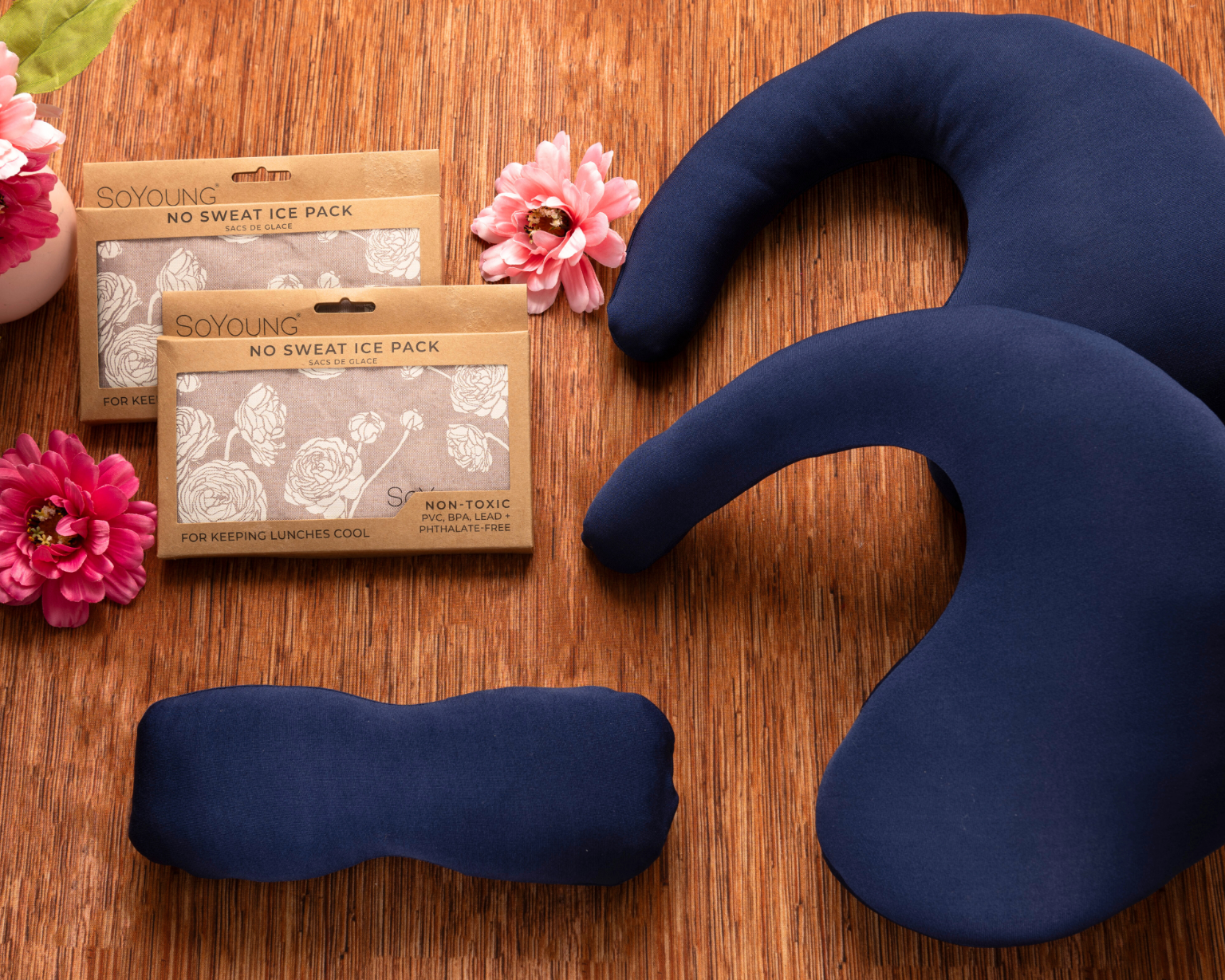
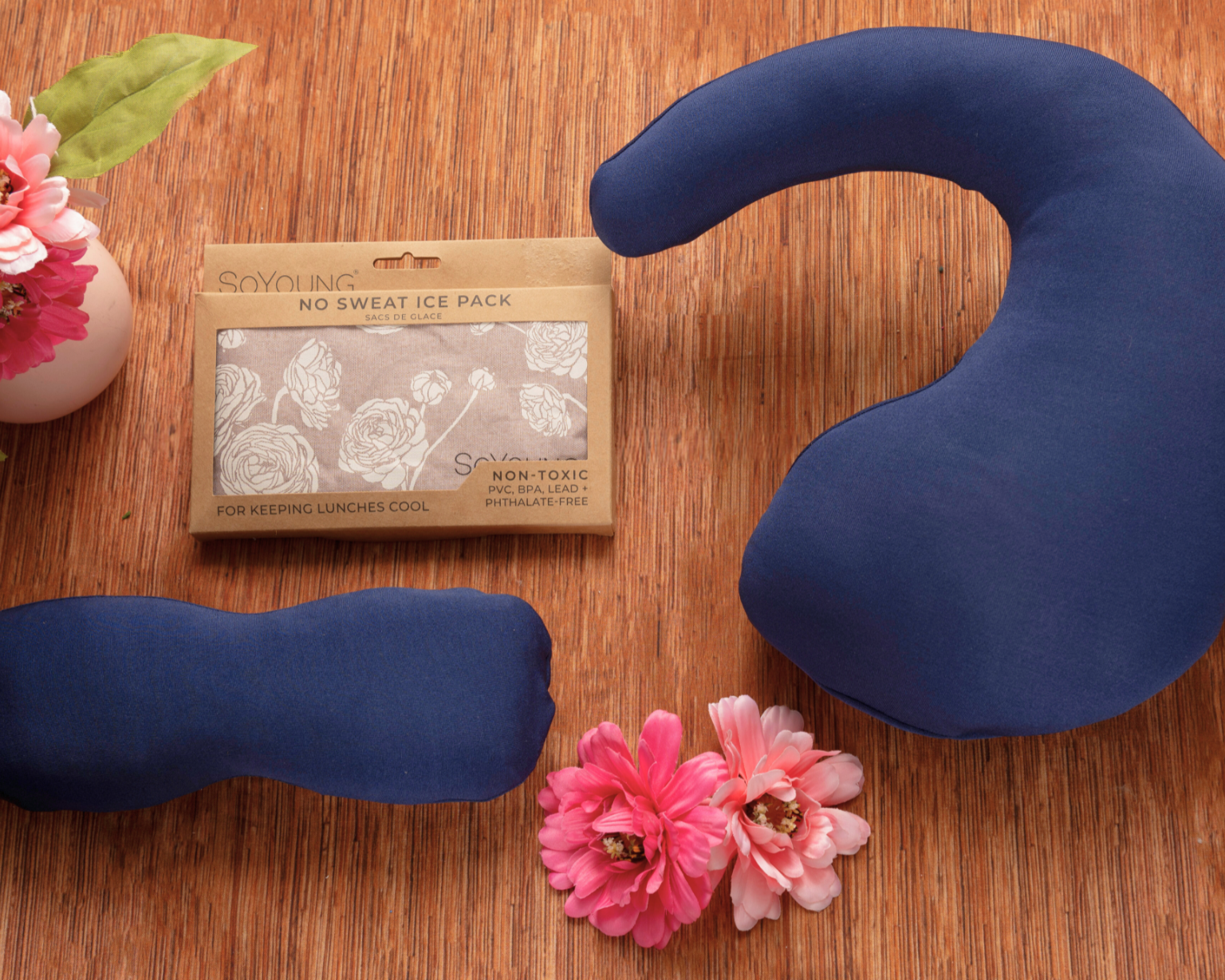
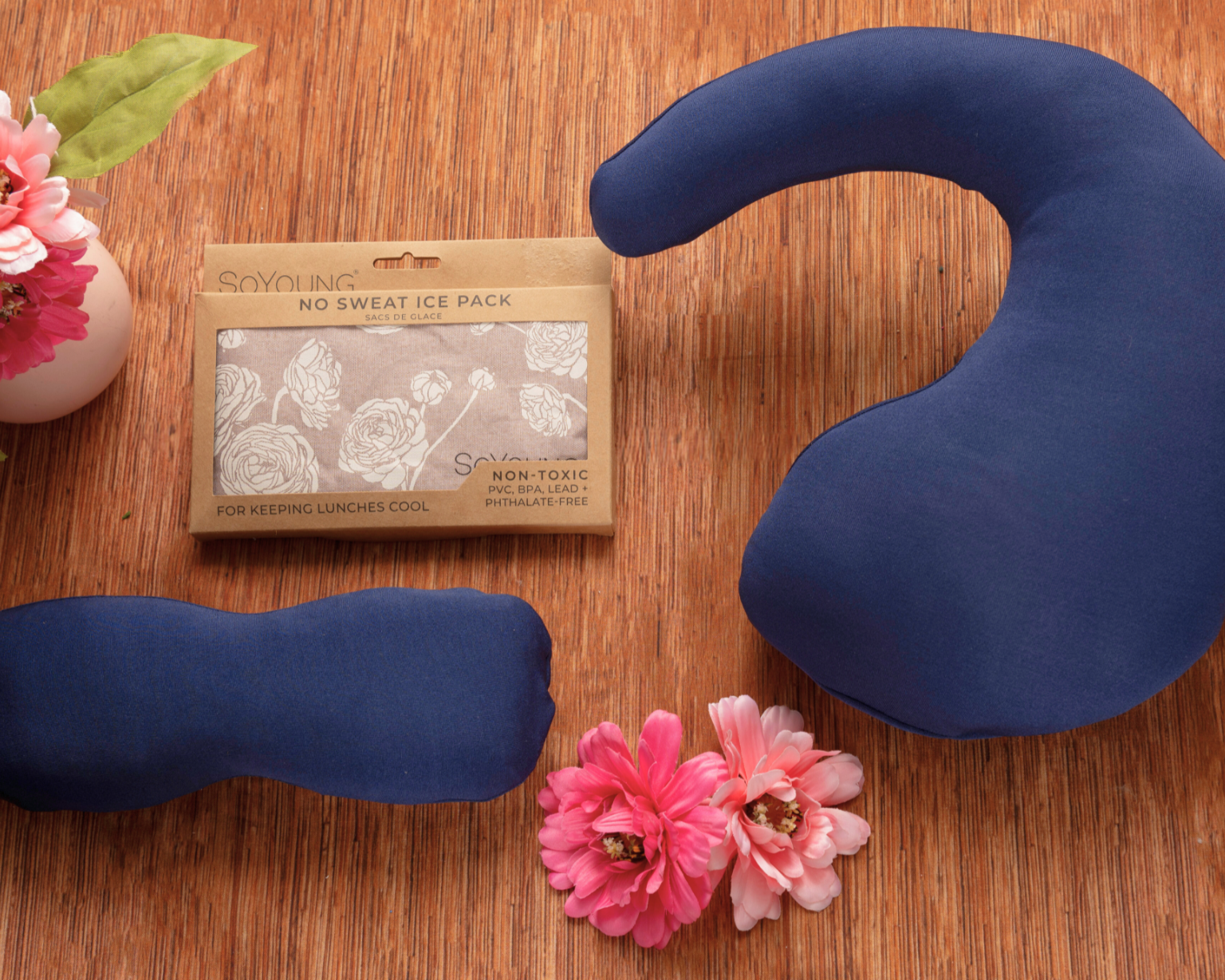
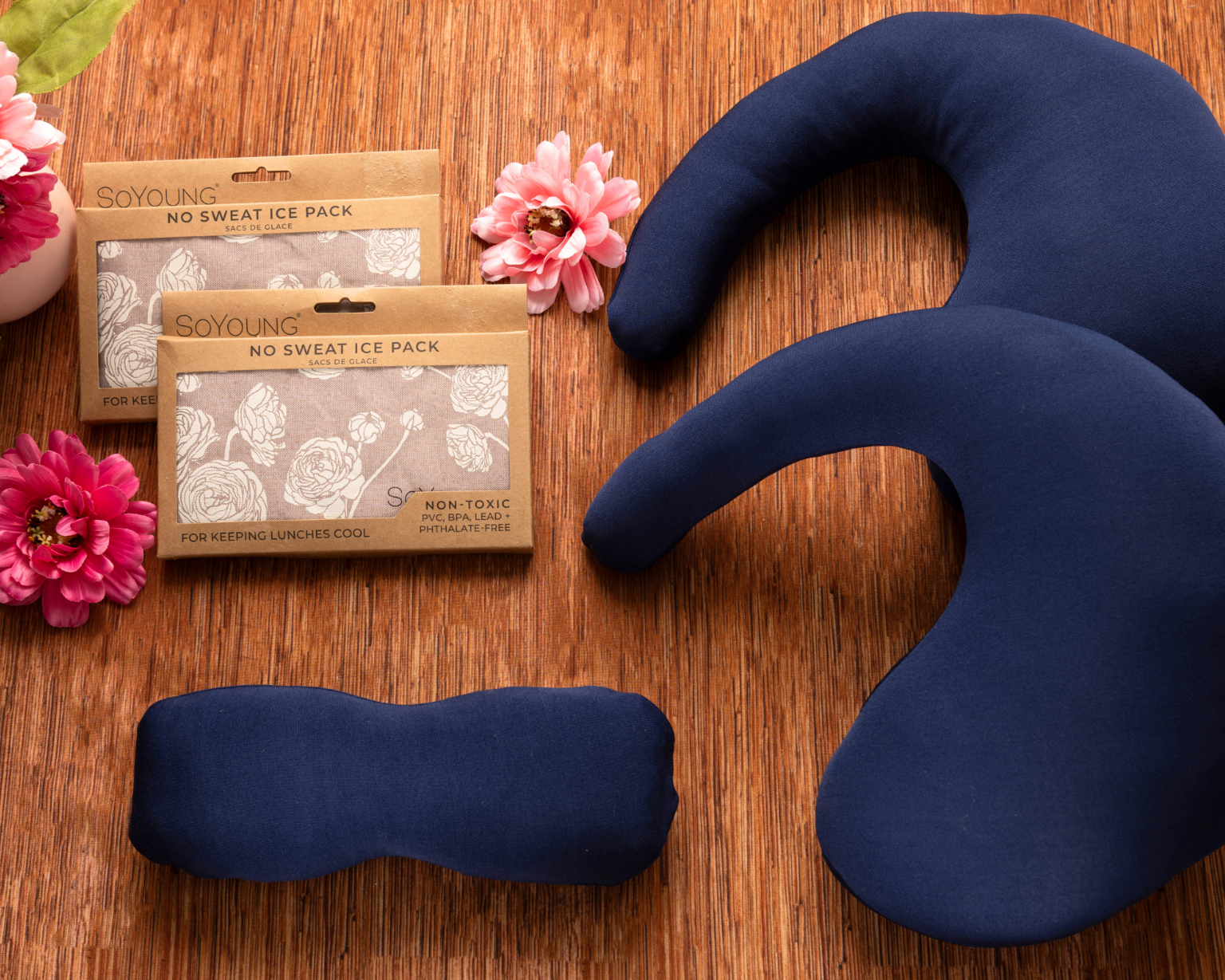
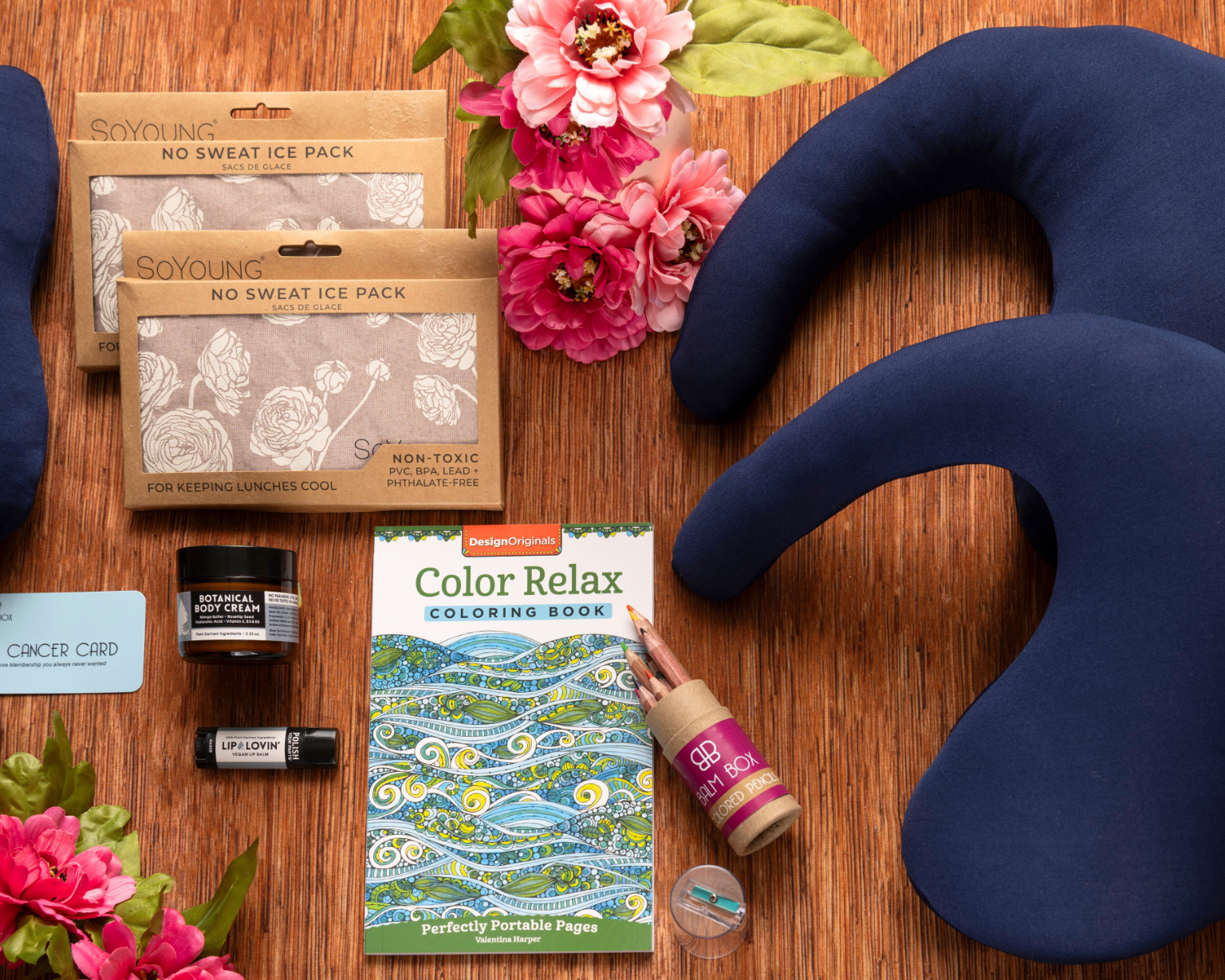
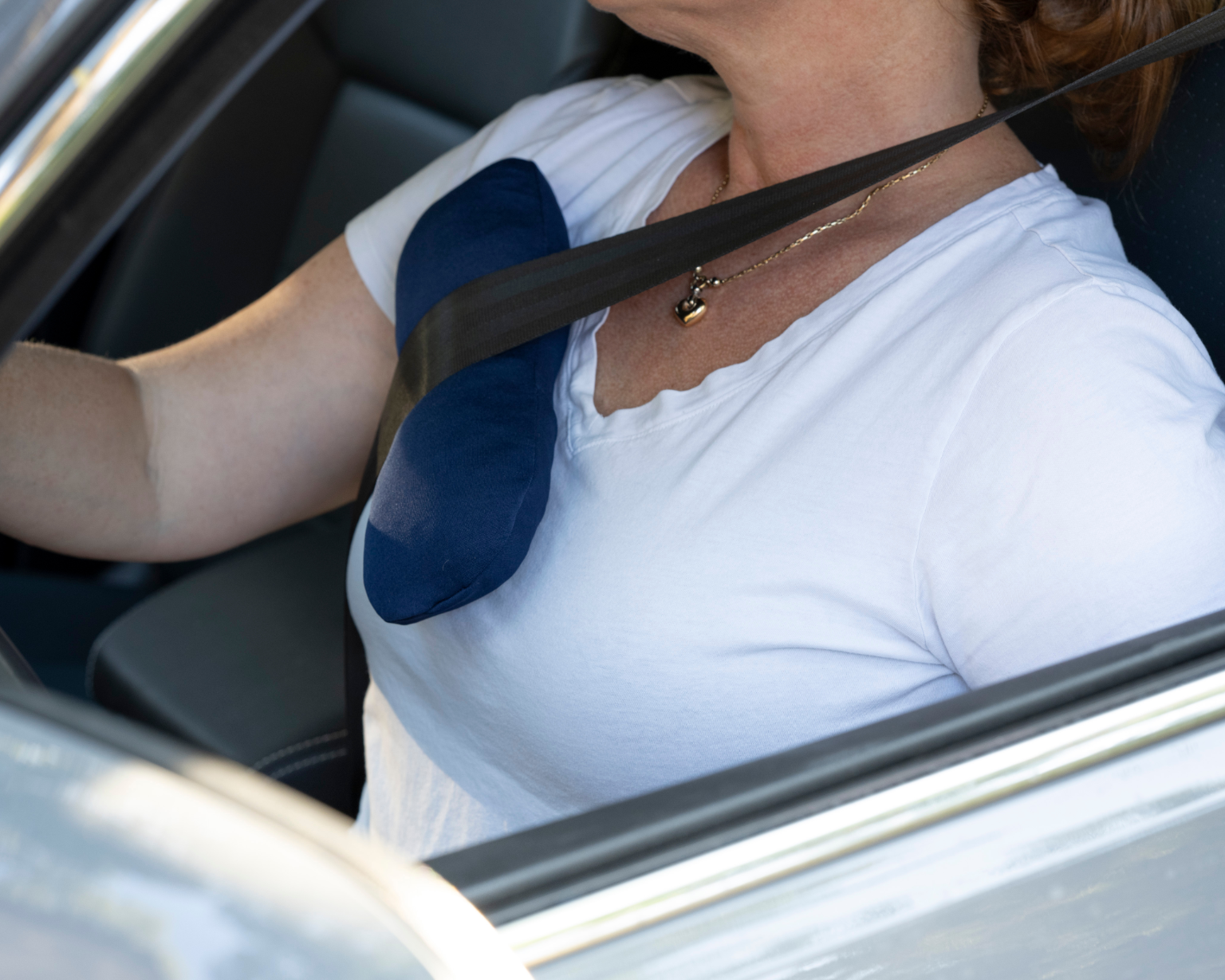
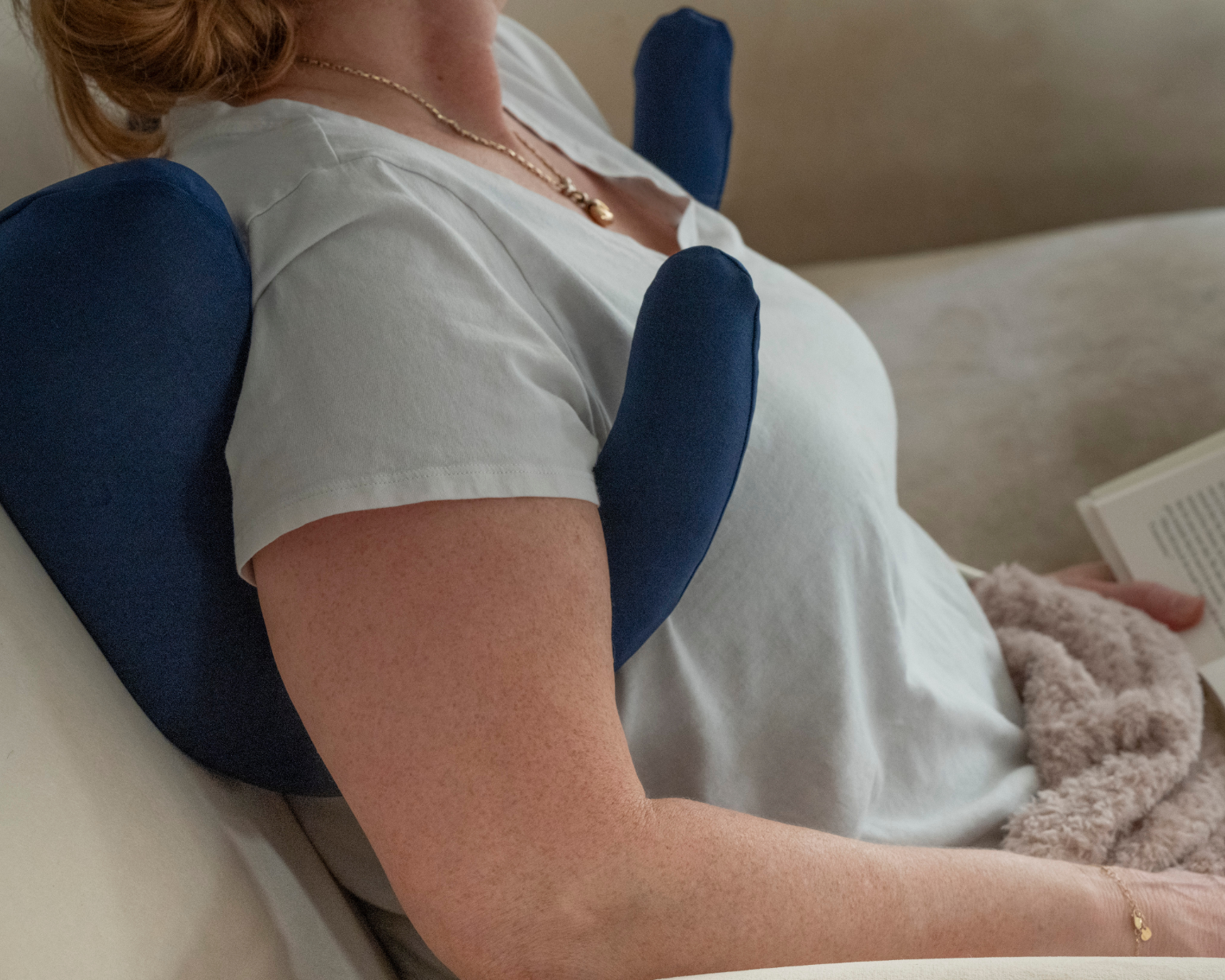
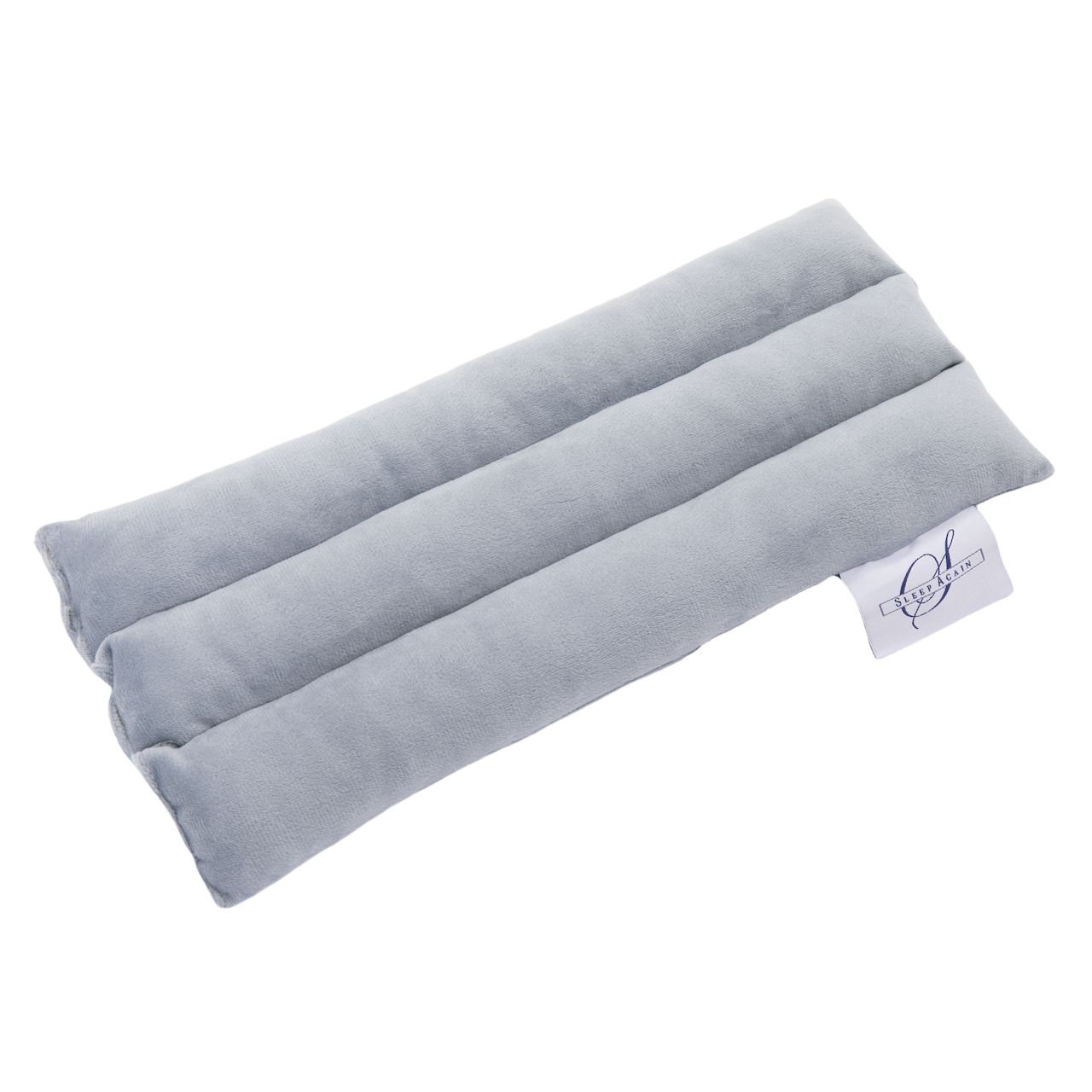
For patients ready to introduce side sleeping, the Side Sleeping Chest Pillow provides a targeted solution. It is designed to position between the chest and the mattress surface, creating a buffer that protects healing breast tissue from direct contact pressure while enabling comfortable side sleeping. This is particularly valuable for patients who are long-established side sleepers and find sustained back sleeping difficult to maintain beyond the first two weeks.

The Side Sleeping Chest Pillow is also an effective standalone recovery tool for patients with uncomplicated explant procedures who are cleared for side sleeping earlier than expected. Used in combination with the Sleep Again Pillow System, it provides full coverage across both the back-sleeping and side-sleeping phases of explant recovery.
SUPPORT SIDE SLEEPING AFTER BREAST IMPLANT REMOVAL

What About Sleep Temperature After Chest Surgery?
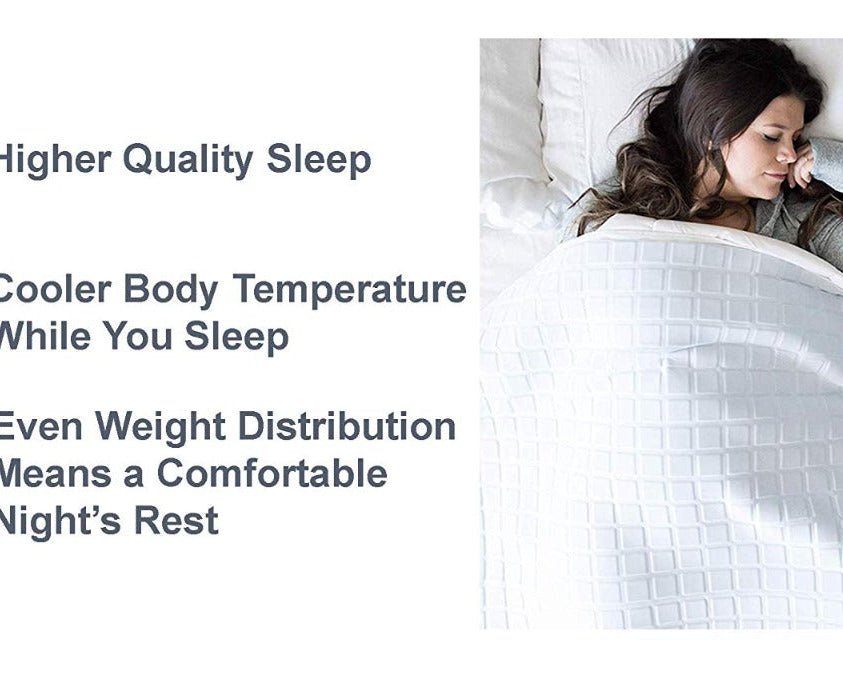
This is a frequently overlooked recovery factor. Post-surgical inflammation generates heat, and wearing a compression bra around the clock adds a consistent thermal layer to the chest. Many explant patients find that temperature regulation during sleep becomes an active issue during the first two to four weeks of recovery, particularly in warmer climates or for those who already sleep warm.
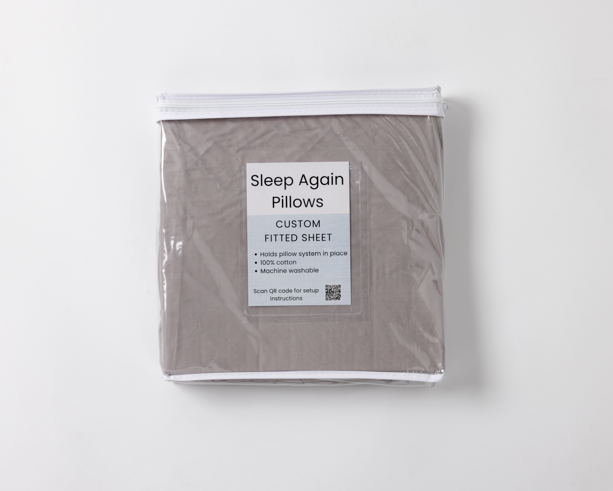
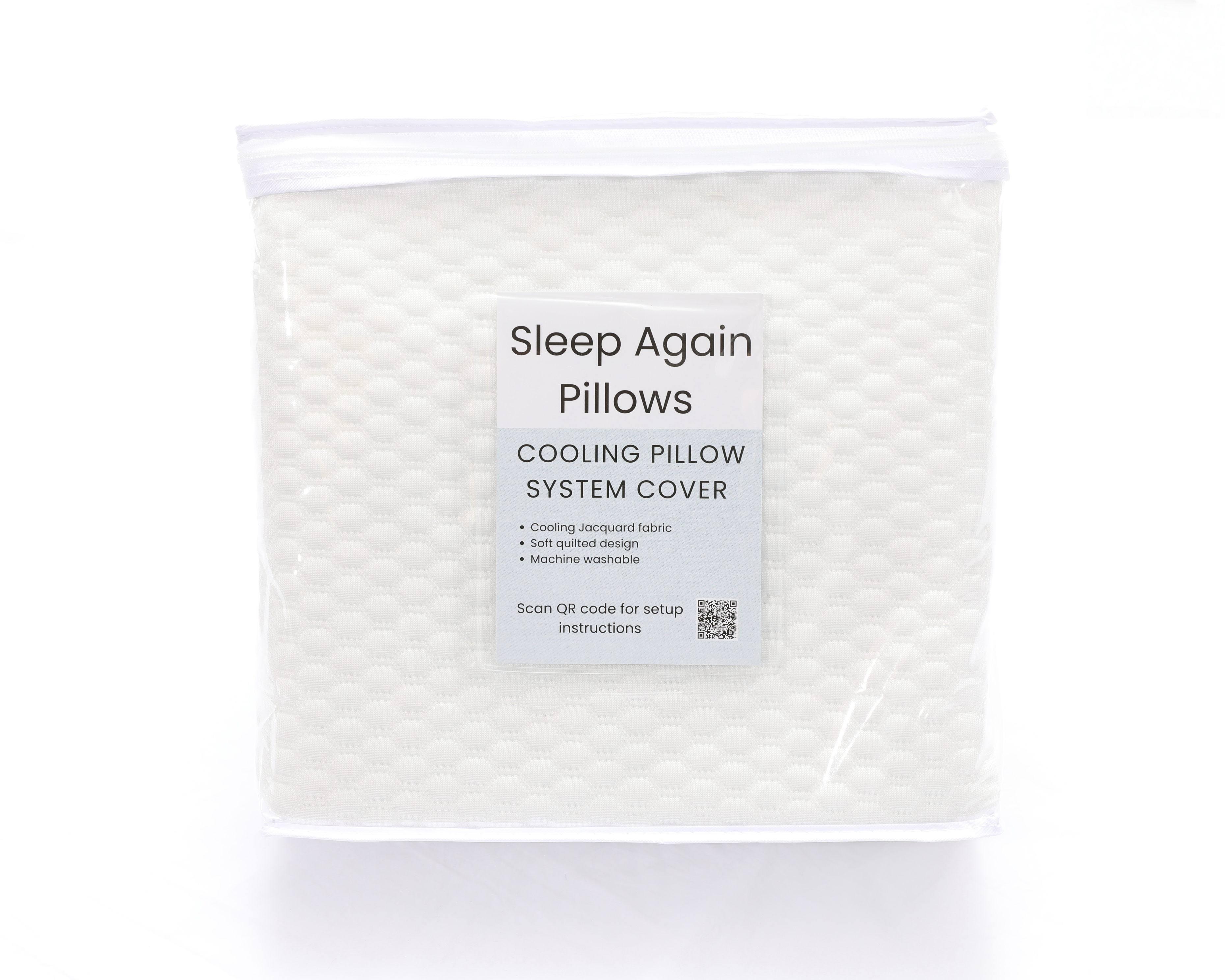
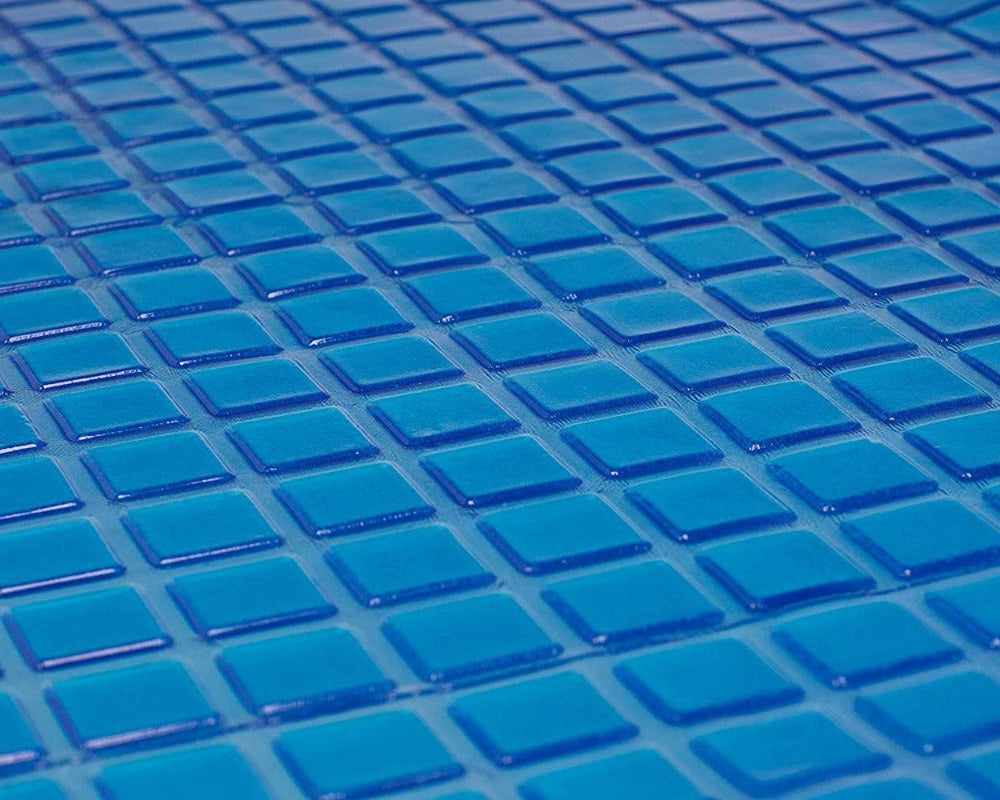
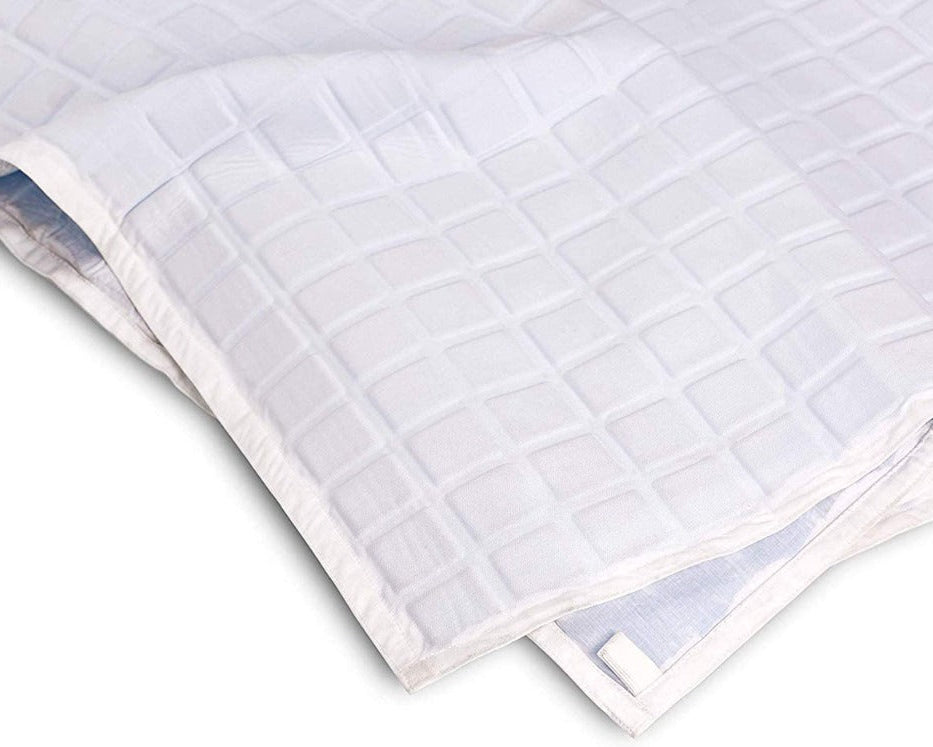
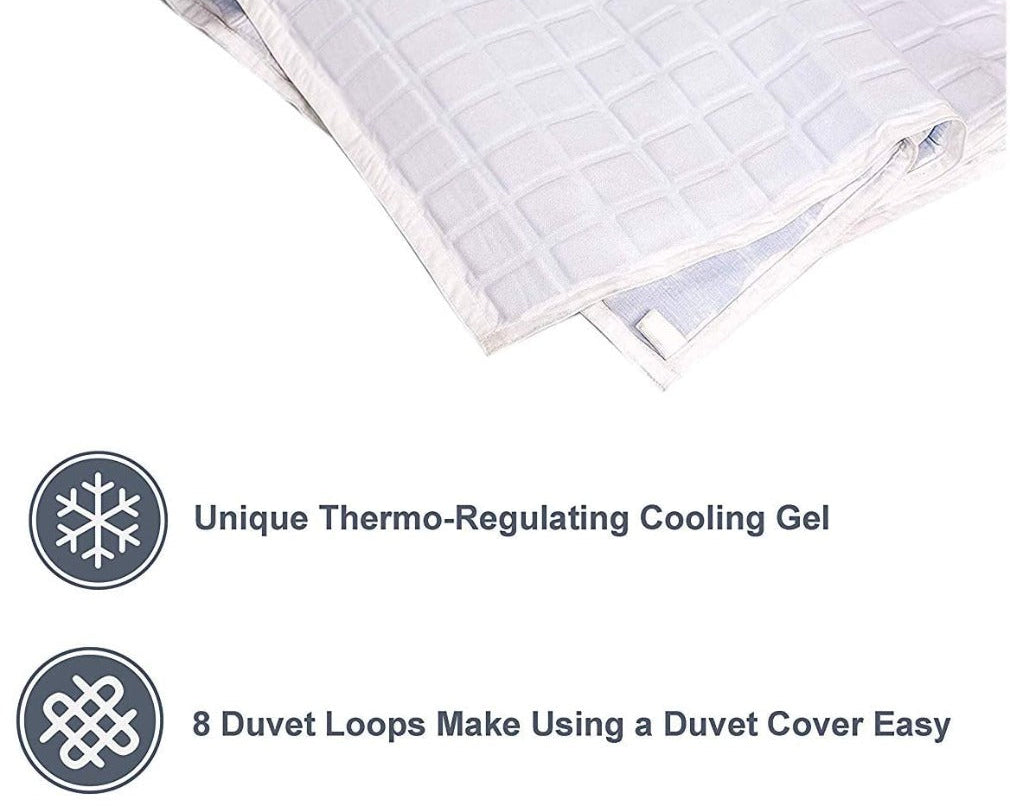
The Cooling Fitted Sheet from Sleep Again Pillows is engineered to actively wick heat away from the body surface throughout the night. Paired with the Sleep Again Pillow System, it creates a thermal management layer that works alongside your compression garment rather than contributing to the heat retention that can disrupt sleep and increase discomfort. For patients who are sensitive to warmth during recovery, this addition meaningfully improves sleep quality during the weeks when quality sleep matters most.
SHOP THE COOLING FITTED SLEEP WITH YOUR SLEEP AGAIN PILLOW SYSTEM
What Is the Week-by-Week Explant Recovery Timeline?
Recovery from explant surgery follows a predictable general progression, though the specifics vary based on procedure type (simple removal vs. capsulectomy vs. en bloc), whether a breast lift was combined, your overall health, and your surgeon's protocols.
Week 1: Rest, Drains, and Compression
The first week is the most physically restrictive phase. Drains, if placed, are typically removed five to seven days after surgery, once output drops below a threshold your surgeon will specify. Pain peaks in the first two to three days and is generally manageable with prescribed or over-the-counter pain relief. Swelling and bruising also peak during this period before beginning a gradual decline.
Priorities this week: rest, elevation, drain management, compression garment compliance, and short walks to maintain circulation. Overhead arm movement and any lifting over five pounds are off-limits.
Week 2: Drains Out, Returning Function
By week two, most patients have had drains removed and experience a meaningful reduction in pain and bruising. Swelling continues to decrease, though some patients notice residual swelling that persists for several more weeks. Most patients with desk-based or low-physical-demand jobs are able to return to work by the end of week two.
Arm mobility begins to improve, though overhead activities remain restricted. Sleep positioning should still prioritize back elevation, with side sleeping typically not yet cleared.
Weeks 3 to 4: Gradual Activity Resumption
Most surgeons clear gentle side sleeping during this window, along with a gradual return to light daily activities and short walks at a comfortable pace. Strenuous exercise, upper body workouts, and anything involving chest engagement remain off-limits. The compression bra continues to be worn as directed.
By the end of week four, most residual bruising is gone. Swelling continues its slow reduction, and breast tissue begins to settle into a new resting position.
Weeks 5 to 6: Clearing for Light Exercise
Most patients receive clearance for low-impact cardiovascular exercise around week four to six. Upper body exercise—particularly any chest-engaging movement—typically requires a longer waiting period. Scar care becomes a more active priority during this phase, with silicone scar sheets or topical treatments often recommended once incisions have fully closed.
Months 2 to 6: Final Shaping
The most visible phase of recovery continues for several months after surgery. Residual swelling resolves slowly, and breast tissue continues to adjust its position. Final breast shape typically becomes apparent between months three and six. Scars continue to mature and fade for up to twelve months post-surgery.
How Does Nutrition Support Explant Recovery?
Recovery nutrition is specific. Your body needs lean protein for tissue repair, targeted micronutrients to manage inflammation, and adequate hydration to support lymphatic drainage and clear anesthetic metabolites. Most patients know this in principle but struggle to execute it consistently during early recovery, when appetite is low and energy is limited.
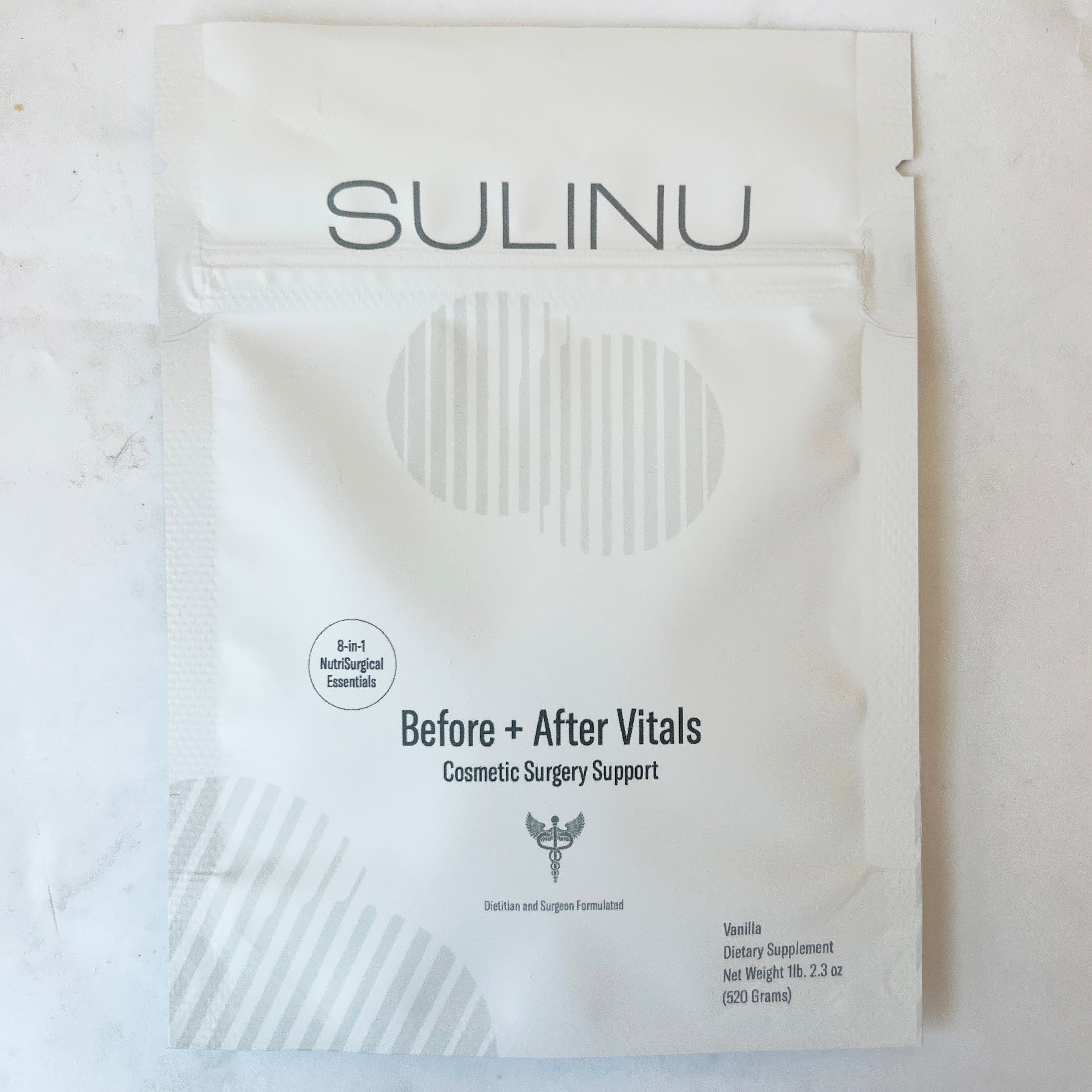
Before + After Vitals NutriSurgical Vitamin Powder consolidates the key nutrients — complete protein, collagen, amino acids, pre- and probiotics, and wound-healing vitamins — into a single daily scoop formulated specifically for surgical recovery, before and after your procedure date.
Foods to limit during recovery include excess sodium (which worsens swelling), heavily processed foods, and significant quantities of simple sugars, which suppress immune response. Fiber is worth prioritizing to offset the constipating effects of pain medications, which many patients underestimate as a recovery issue.
Alcohol should be avoided entirely during antibiotic and pain medication courses, and most surgeons recommend avoiding it for a minimum of two weeks post-surgery.
Can You Use HSA or FSA Funds for Explant Recovery Pillows?
Are Post-Surgical Positioning Pillows HSA/FSA Eligible?
Yes, the Sleep Again Pillow System, when purchased for documented medical recovery use, is generally eligible for reimbursement through Health Savings Accounts (HSA) and Flexible Spending Accounts (FSA).
Using pre-tax health account funds reduces the effective cost of your recovery setup. If you are planning your explant surgery, purchasing your sleep positioning system before your procedure date using HSA or FSA funds ensures it arrives and is fully set up in advance.
What Should You Avoid During Explant Recovery?
What Activities and Habits Can Compromise Healing?
Physical activity restrictions:
-
Avoid any lifting over five pounds during the first two weeks
-
No overhead arm movement during week one and early week two
-
No strenuous exercise or upper body workouts for at least four to six weeks
-
No submerging incisions in water (baths, pools, hot tubs) for a minimum of six weeks
Positioning restrictions:
-
Avoid sleeping flat during the first two weeks—the inclines required for proper drainage and swelling management are not optional
-
Avoid stomach sleeping for six months post-surgery
-
Avoid sleeping on your side before surgeon clearance, typically at two to three weeks
Other factors to avoid:
-
Smoking, which significantly impairs wound healing and increases complication risk
-
Sun exposure to incision sites, which darkens scar tissue
-
Skipping compression garment compliance, which directly affects swelling management and tissue adjustment
-
Resuming normal activities ahead of your surgeon's timeline based on how you feel, rather than confirmed healing milestones
Frequently Asked Questions About Breast Explant Recovery
How Long Does It Take to Fully Recover from Explant Surgery?
Initial recovery—meaning the period when activity is most restricted, and sleep positioning is most structured—typically runs four to six weeks. Full tissue remodeling, final breast shape, and scar maturation continue for up to twelve months. Most patients feel substantially normal at the four-week mark, though healing at a cellular level continues long after external symptoms resolve.
Do All Explant Patients Have Surgical Drains?
Not necessarily. Drains are more commonly used in capsulectomy and en bloc procedures where the extent of tissue disruption creates a higher risk of fluid accumulation. Simple implant removal without capsule removal may not require drains. Your surgeon will determine whether drain placement is appropriate based on your specific procedure.
When Is Side Sleeping Safe After Explant Surgery?
Most surgeons clear side sleeping at two to three weeks, provided there is no unusual swelling, incision complications, or drain-related restrictions still in effect. Using the Side Sleeping Chest Pillow during this transition phase reduces direct pressure on healing breast tissue and makes the switch from back sleeping significantly more comfortable.
Is Elevated Back Sleeping Comfortable for an Extended Period?
With the right support system, yes. Patients who attempt sustained back sleeping with stacked household pillows often find the arrangement collapses or shifts through the night, creating positional discomfort that disrupts sleep. The Sleep Again Pillow System and its integrated design maintain consistent elevation and distribute body weight in a way that reduces the lower back and hip fatigue commonly associated with extended back sleeping.
Why Does Staying Warm Disrupt Sleep During Recovery?
Post-surgical inflammation raises baseline body temperature, and continuous compression garment wear adds thermal insulation to the chest. The combination can significantly disrupt sleep onset and quality for patients who already sleep warm. The Cooling Fitted Sheet draws heat away from the body surface throughout the night, creating a more thermally neutral sleep environment during the recovery period.
Can the Sleep Again Pillow System Be Used Beyond Explant Recovery?
Yes. The system is engineered for medical-grade durability and is designed for multi-use across different recovery contexts. Many patients continue to use components of the Sleep Again Pillow System for general elevated sleeping after their initial recovery period concludes, particularly those who find improved respiratory comfort or reduced acid reflux symptoms with slight elevation.
Important Medical Disclaimer
The information provided on this page is for educational purposes only and should not replace professional medical advice from your healthcare provider. Sleep Again Pillows are positioning support products designed to help maintain sleep positions recommended by medical professionals during recovery and for therapeutic use.
Always follow your surgeon's or physician's specific post-operative instructions and positioning requirements. Medical guidance from your healthcare team takes precedence over any general information provided here. Recovery timelines, positioning angles, and product suitability vary based on individual surgical procedures, medical conditions, and patient-specific factors.
Consult your healthcare provider before purchasing positioning equipment if you have specific medical concerns or questions about whether these products are appropriate for your recovery or medical condition(s). Your medical team can provide personalized recommendations based on your unique situation.
Sleep Again Pillows do not diagnose, treat, cure, or prevent any medical condition. These products provide positioning support to help maintain sleep angles and positions as directed by your healthcare provider.