
Facial feminization surgery (FFS) is one of the most transformative gender-affirming procedures available. It also requires a demanding recovery that affects sleep quality, comfort, and daily routine for several weeks.
The good news: most of the discomfort is concentrated in the first two weeks.
The better news: how you sleep during those two weeks can have a direct, measurable impact on how fast the swelling resolves, how comfortable the process feels, and how clearly your results emerge.
This guide covers the complete FFS recovery timeline — from the first 24 hours through the 12-month mark — with a particular focus on why elevated back sleeping is the most important non-medical thing you can do during recovery.
It also makes a direct case for setting up your sleep environment before surgery day, while you can think clearly and plan without post-operative demands competing for your attention.
What Is Facial Feminization Surgery, and What Does Recovery Actually Involve?
FFS is not a single procedure. It's a combination of procedures — sometimes performed in one session — that reshapes bone and soft tissue to produce more traditionally feminine facial features. Common procedures include brow bone reduction, forehead contouring, hairline lowering, rhinoplasty, jaw and chin reduction, cheek augmentation, lip lift, and tracheal shave.
Because multiple anatomical areas are treated simultaneously, recovery is more complex than recovering from a single cosmetic procedure. Different surgical sites swell at different rates. Different areas of numbness resolve on different timelines. Swelling from brow work generally resolves faster than swelling from lower-face bone work, which can take months.
The bottom line: FFS recovery is manageable, but it requires planning, positioning, and patience.
What Does the FFS Recovery Timeline Actually Look Like?
Here's the week-by-week breakdown most patients can expect.
Days 1–2: Peak Swelling Begins
You'll leave the surgical facility with compression bandages and possibly a surgical drain. Swelling begins within hours and continues increasing over the next two to three days. Discomfort is managed with prescribed medications. Rest is non-negotiable.
Head elevation at 30–45 degrees is critical during this window, and it directly limits how much fluid accumulates in facial tissues overnight.
You will not look like yourself. That's normal, expected, and temporary.
Days 3–5: The Swelling Peak
Swelling typically peaks between days two and four after surgery. Bruising may shift toward the eye area and neck. This is standard as bruising tracks downward with gravity. Cold compresses (to non-incision areas) during waking hours help manage swelling during this phase. Continuing to sleep elevated is essential.
By day four or five, many patients whose procedures were less extensive can transition from prescription pain medication to over-the-counter options like acetaminophen, as directed by their surgeon.
Days 5–7: First Signs of Progress
By the end of the first week, most patients notice the first visible improvement — swelling begins decreasing, and bruising starts fading. Sutures and splints may be removed at the week-one follow-up appointment. You're still sleeping elevated. You're still limited to soft foods if any jaw or chin work was performed. But there's progress.
Weeks 2–3: Noticeable Improvement
Swelling continues resolving, generally from the top of the face downward. Forehead and brow work clears faster than jaw and chin work. Most patients feel significantly better by week two, and many are cleared to return to desk work. Bruising continues to fade. Head elevation during sleep remains important but the urgency is decreasing.
Emotional fluctuations are common during this phase. Healing tissue doesn't reveal final results immediately. The face continues to change and settle over months. Patience during this stretch is legitimately difficult and completely normal.
Weeks 3–6: Recovery Consolidation
By week six, approximately 80% of swelling will have resolved. Facial contours begin looking more recognizable and refined. Scar care becomes the primary focus — keeping incisions out of direct sun, continuing silicone gel if recommended, and gentle massage to soften healing tissue. Most patients return to normal activity during this window, with surgeon clearance.
Sleep positioning becomes more flexible during this phase, though back sleeping remains the most protective option for anyone with healing jaw or chin work.
Months 2–6: Fine-Tuning Phase
Residual swelling — particularly in the lower face after jaw contouring — continues resolving slowly. Sensation in areas of numbness gradually returns. Scars mature and fade. The face begins settling into its final shape, though subtle changes continue.
Month 6–12: Final Results
Complete recovery from facial feminization surgery takes approximately one full year, though most patients feel significantly better after two to three weeks. The final 20% of swelling — particularly around the jaw and chin — resolves slowly over months six through twelve. By the twelve-month mark, results are considered final.
Why Does Sleep Position Matter So Much After FFS?
Sleep position during the first two weeks post-FFS directly affects whether fluid drains away from healing tissue or accumulates within it. The difference in swelling outcomes between well-positioned and flat sleeping is clinically significant, not marginal.
How Does Head Elevation Reduce Swelling?
When the head is elevated at 30–45 degrees above the heart, venous blood and interstitial fluid drain more efficiently away from the face. Lying flat — or worse, face-down — increases hydrostatic pressure in facial tissues, which accelerates fluid accumulation and worsens swelling. This isn't a minor difference. Head elevation at 30–45 degrees is critical during the immediate post-operative period to minimize swelling.
The practical result: patients who maintain consistent elevation throughout the night typically see faster swelling resolution and report more comfortable early recovery than those who sleep flat.
Why Is Back Sleeping Specifically Recommended After FFS?
Back sleeping at an incline does several things simultaneously:
Protects surgical sites. The face never contacts the pillow. With multiple healing incisions across the forehead, scalp, and lower face, keeping pressure off all of these areas simultaneously is only achievable in a back-elevated position.
Maintains consistent elevation. Side sleeping introduces positional asymmetry. One side of the face drops closer to the mattress, creating uneven pressure and potentially uneven swelling. Back sleeping keeps both sides of the face at the same elevation relative to the heart.
Reduces accidental contact during sleep. Even careful sleepers move during the night. Back sleeping with proper positioning support reduces the likelihood of rolling into a position that puts pressure on healing tissue.
Supports compression garments. Many FFS patients wear bandages or compression wraps during early recovery. These sit properly and maintain their function when sleeping on the back, rather than bunching or shifting during side sleeping.
How Long Should Elevated Back Sleeping Continue After FFS?
It can be helpful to keep the head elevated while sleeping for the first 2-3 weeks after surgery, with the benefits decreasing after that point. However, most surgeons advise maintaining head elevation and back sleeping as long as compression garments or bandages are in place. For patients who had extensive jaw and chin work, some degree of caution around sleeping positions is advisable through week four.
Your surgeon's specific post-operative instructions take precedence over any general guidance.
What Happens If You Don't Sleep Elevated After FFS?
Sleeping flat after FFS is not catastrophic, but it's also not neutral. Flat sleeping during peak swelling phases allows fluid to pool in facial tissues overnight, which means waking to increased swelling, more discomfort, and longer overall resolution time.
There's also the issue of accidental pressure. Rolling onto a healing incision site during sleep — particularly hairline incisions or areas with dissolvable sutures — can disrupt healing and increase the risk of complications.
The investment in proper positioning support is modest compared to the investment already made in surgery. DIY pillow arrangements often fail to maintain consistent elevation and require repeated nighttime adjustments, which is the opposite of what early recovery sleep needs.

How Should You Prepare Your Sleep Setup Before FFS?
The ideal time to set up your recovery sleep environment is before surgery, not during recovery. You'll be tired, medicated, and managing multiple post-operative demands in the first 48 hours. Making positioning decisions at that point adds unnecessary difficulty to an already demanding situation.
What Should Your Pre-Surgery Sleep Checklist Include?
Test elevated sleeping before surgery day. Sleep at a 30–45 degree incline for one night using whatever setup you're planning to use during recovery. This reveals fit problems and comfort issues, so you can assess and address them clearly.
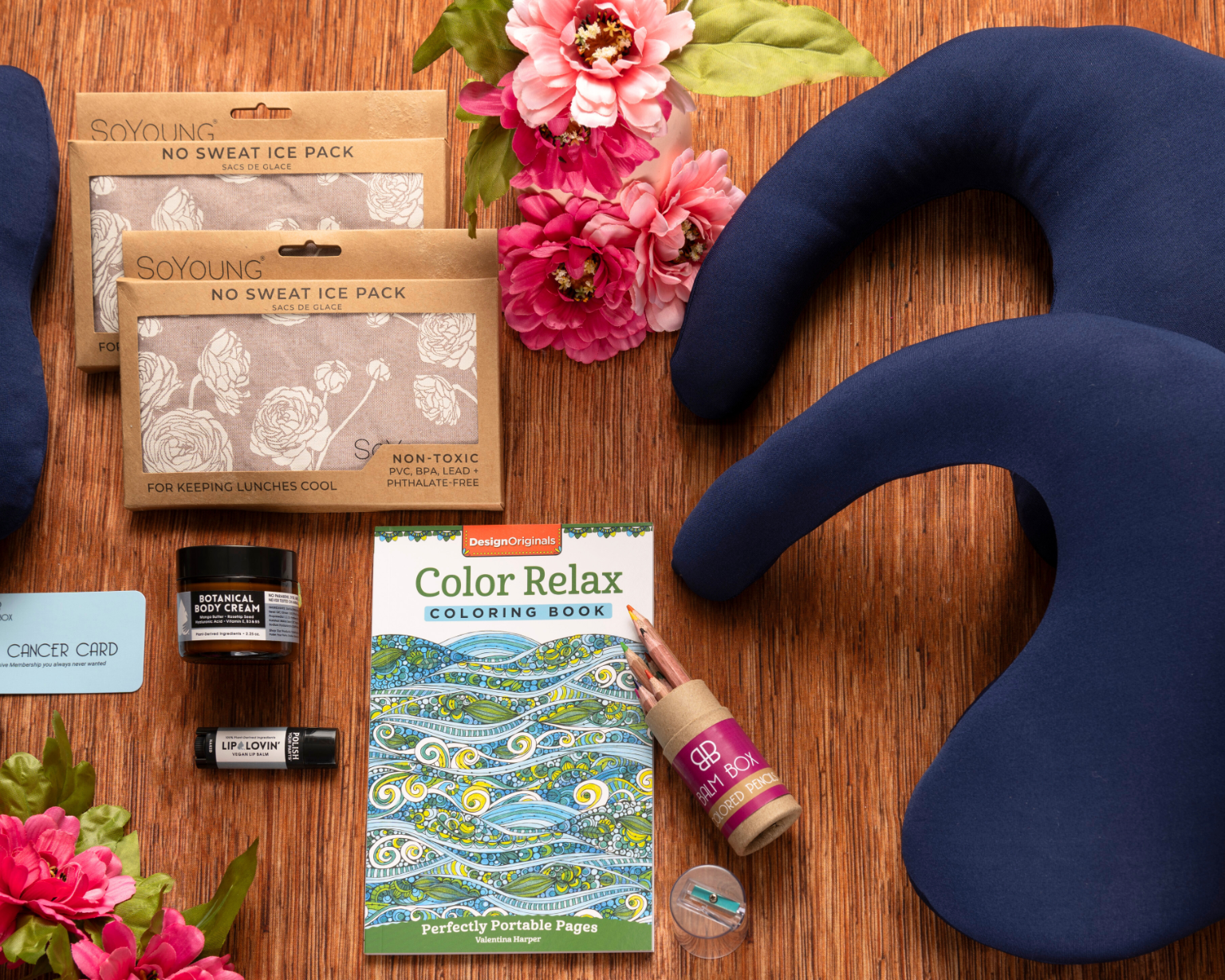
Set up a recovery station bedside. Water, prescribed medications, ice packs (or gel packs), tissues, phone, and anything else you'll need without getting up. You want to minimize unnecessary movement in the first 48 hours.
Plan your sleep surface. Your full-size or queen bed is fine — the key is having a positioning system that maintains elevation throughout the night without requiring readjustment.
Talk to your household. Recovery sleeping takes more space and requires specific conditions. Coordinate in advance rather than negotiating when you're post-surgical and exhausted.
Stock soft foods and easy hydration options. If your FFS includes jaw, chin, or lip procedures, you'll be on a soft or liquid diet for at least two weeks. Preparing a supply of appropriate foods before surgery means one fewer logistical demand during early recovery.
Arrange your medications and follow-up schedule. Know when each medication is due, have a clear record of your post-operative appointments, and have a plan for transportation to your week-one follow-up. Recovery is much smoother when logistics are handled in advance rather than improvised under discomfort.
Have positioning support ready on arrival. Purpose-built pillow systems designed specifically for surgery recovery can be set up in advance of surgery day, reducing stress and anxiety about how you'll sleep and stay comfortable following your procedure.

What Is the Sleep Again Pillow System, and Is It a Good Fit for FFS Recovery?
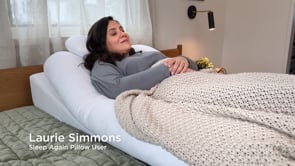
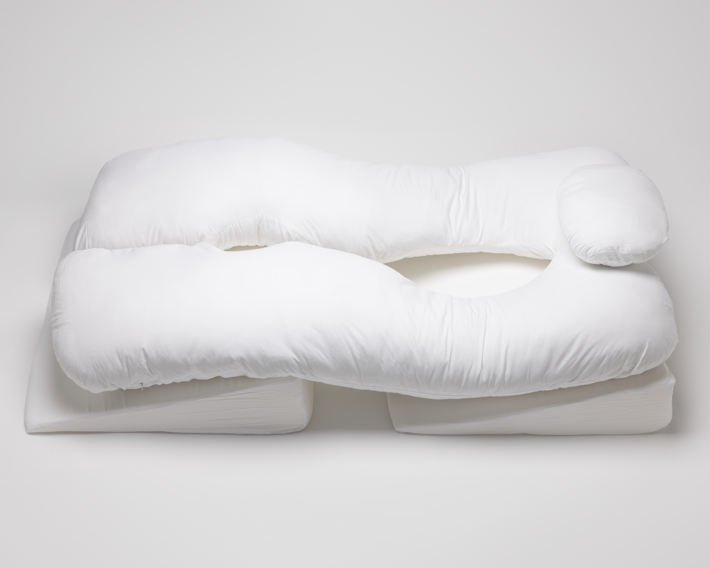
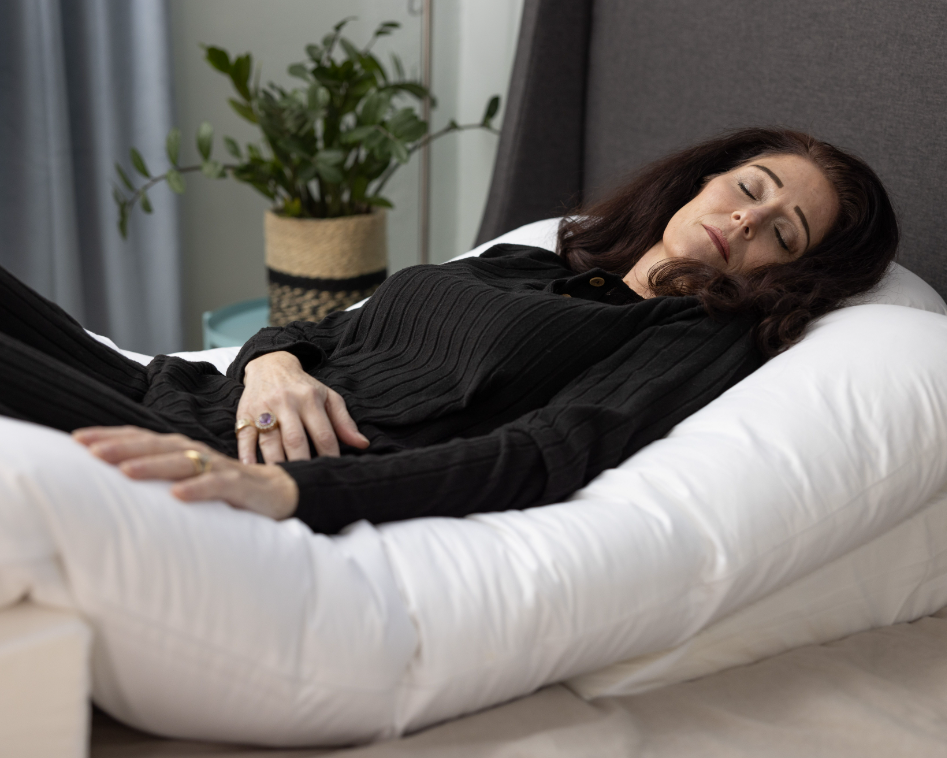
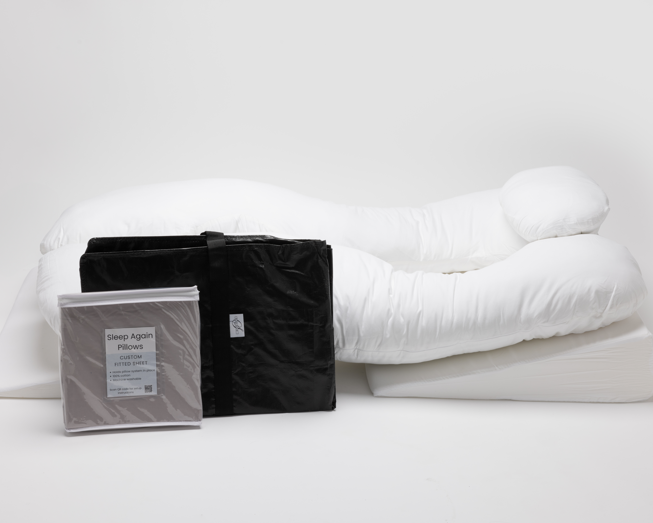
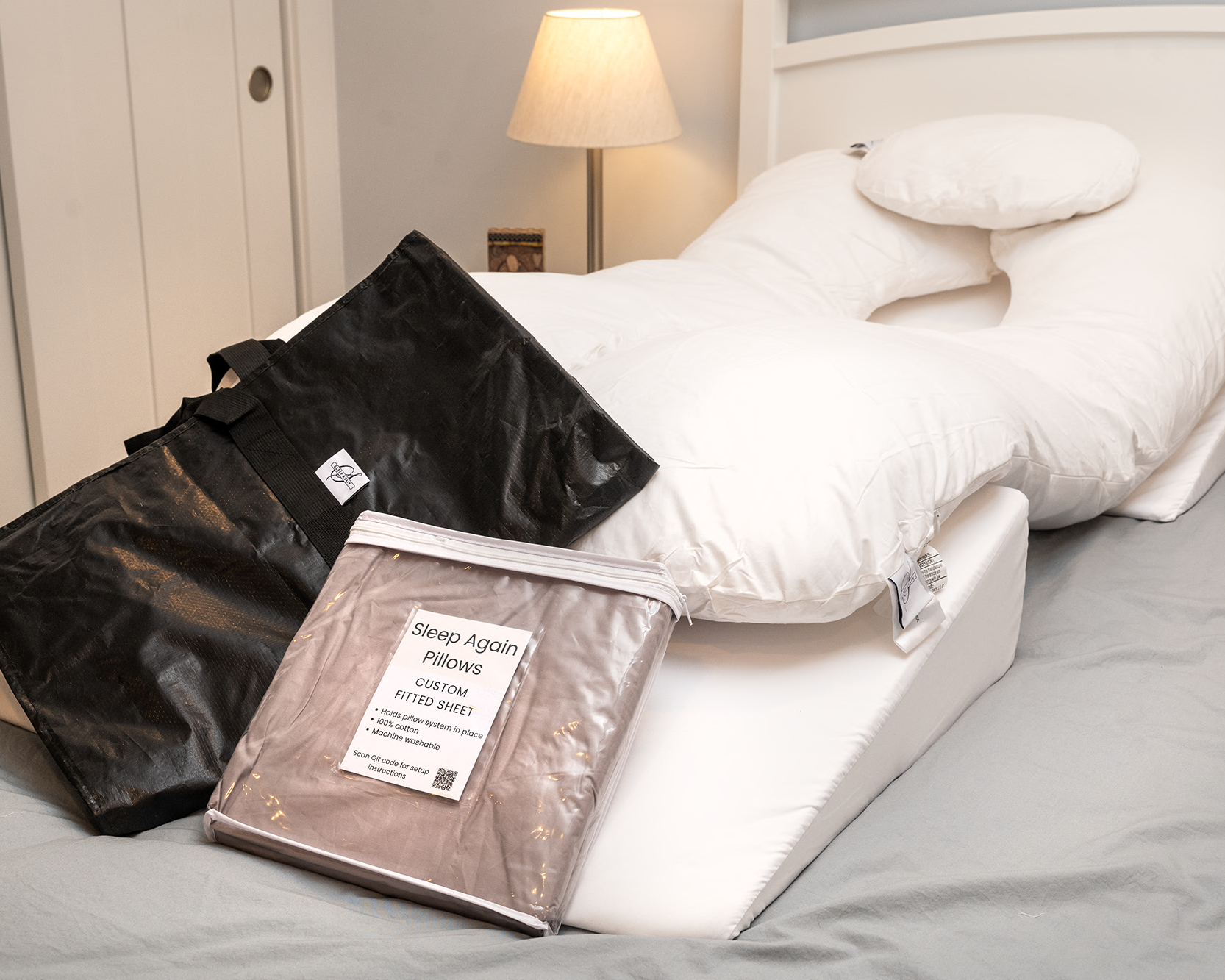
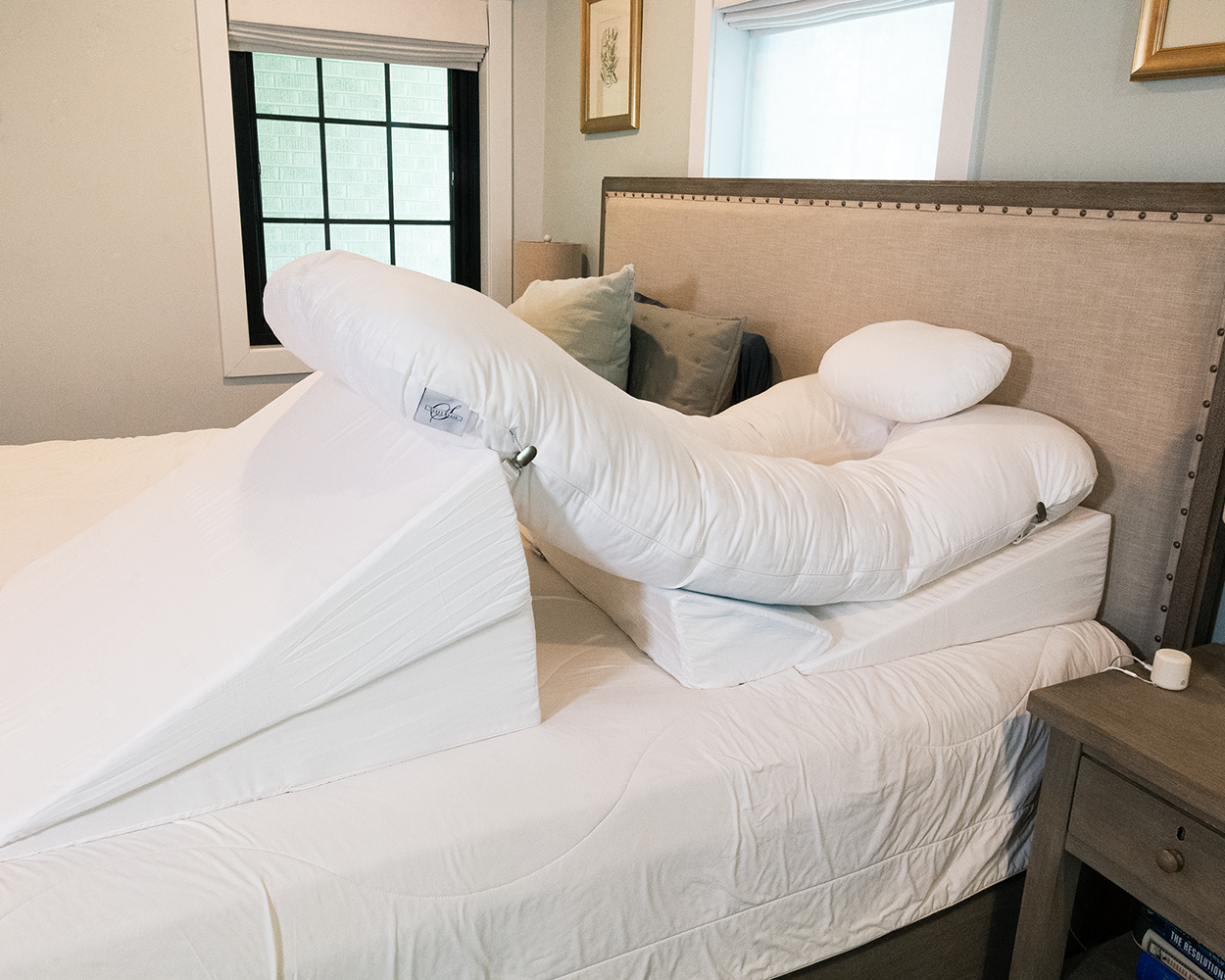
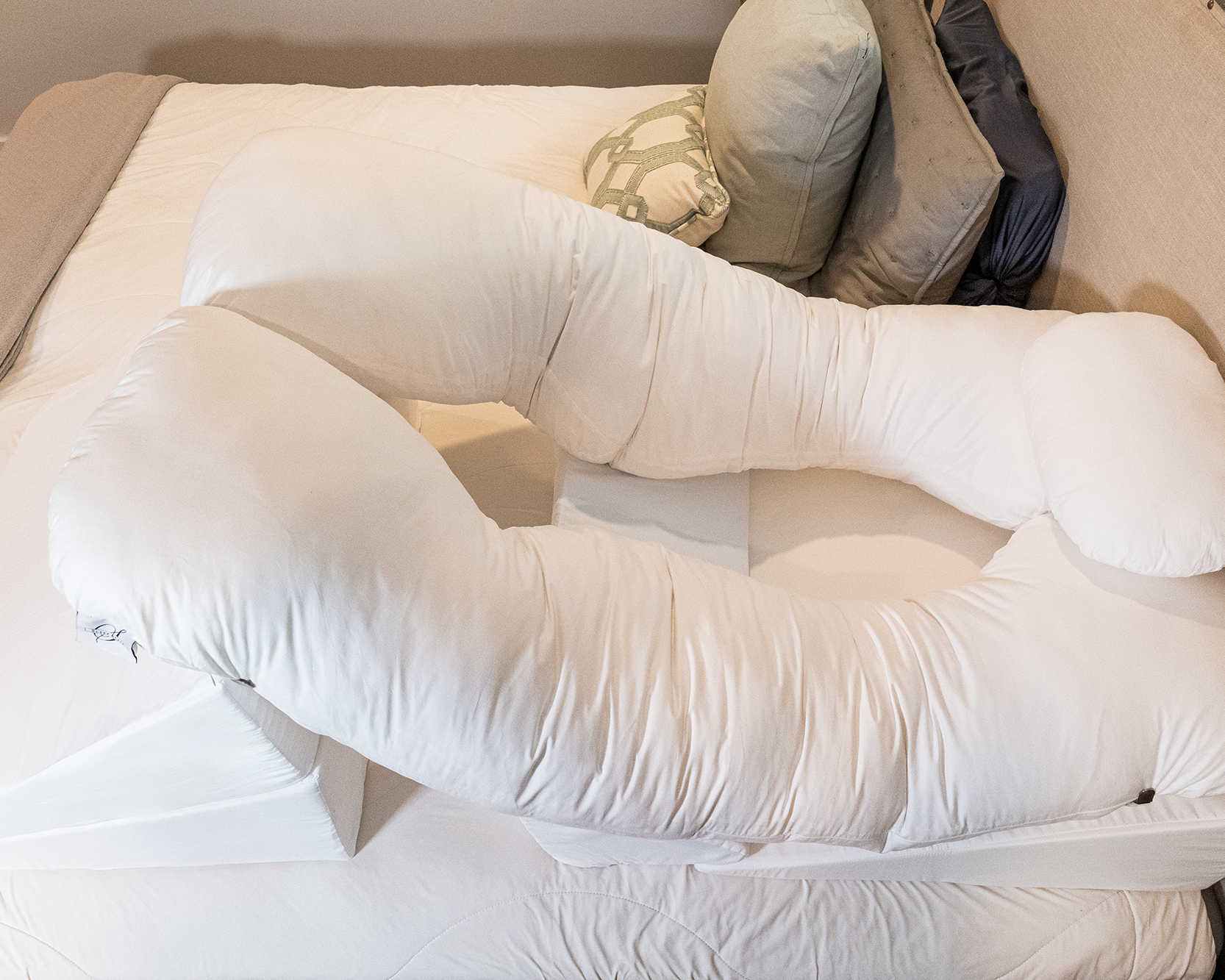
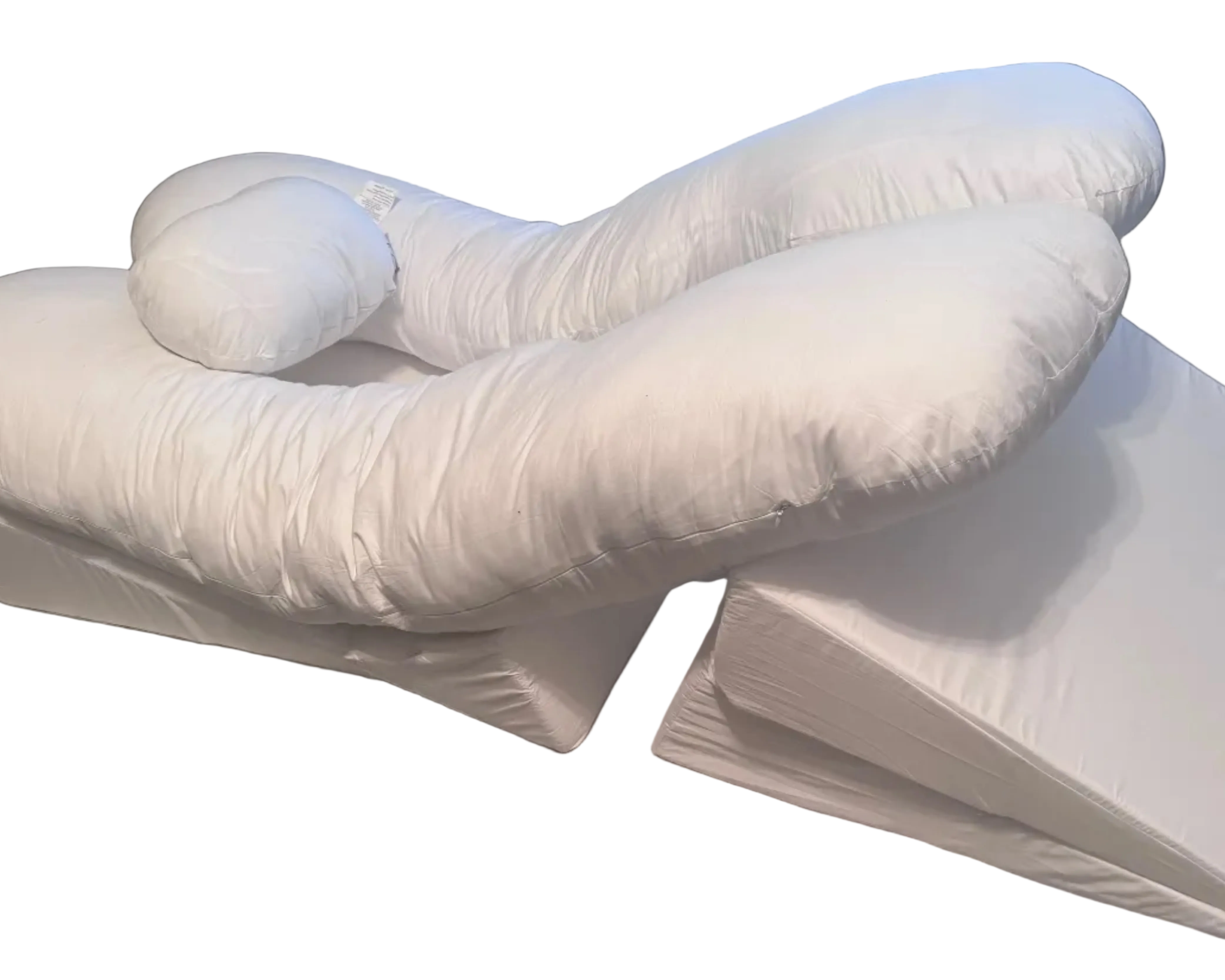
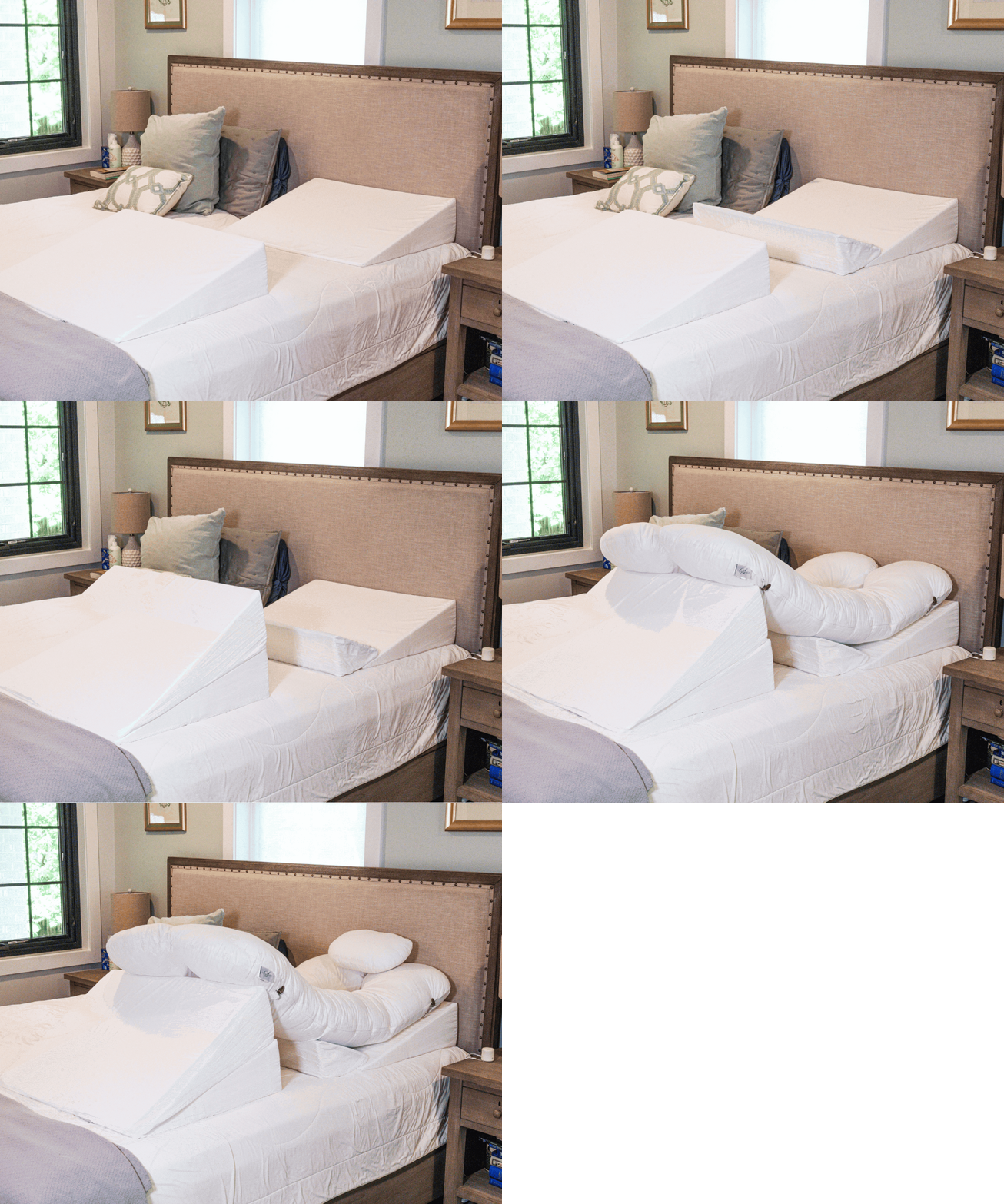
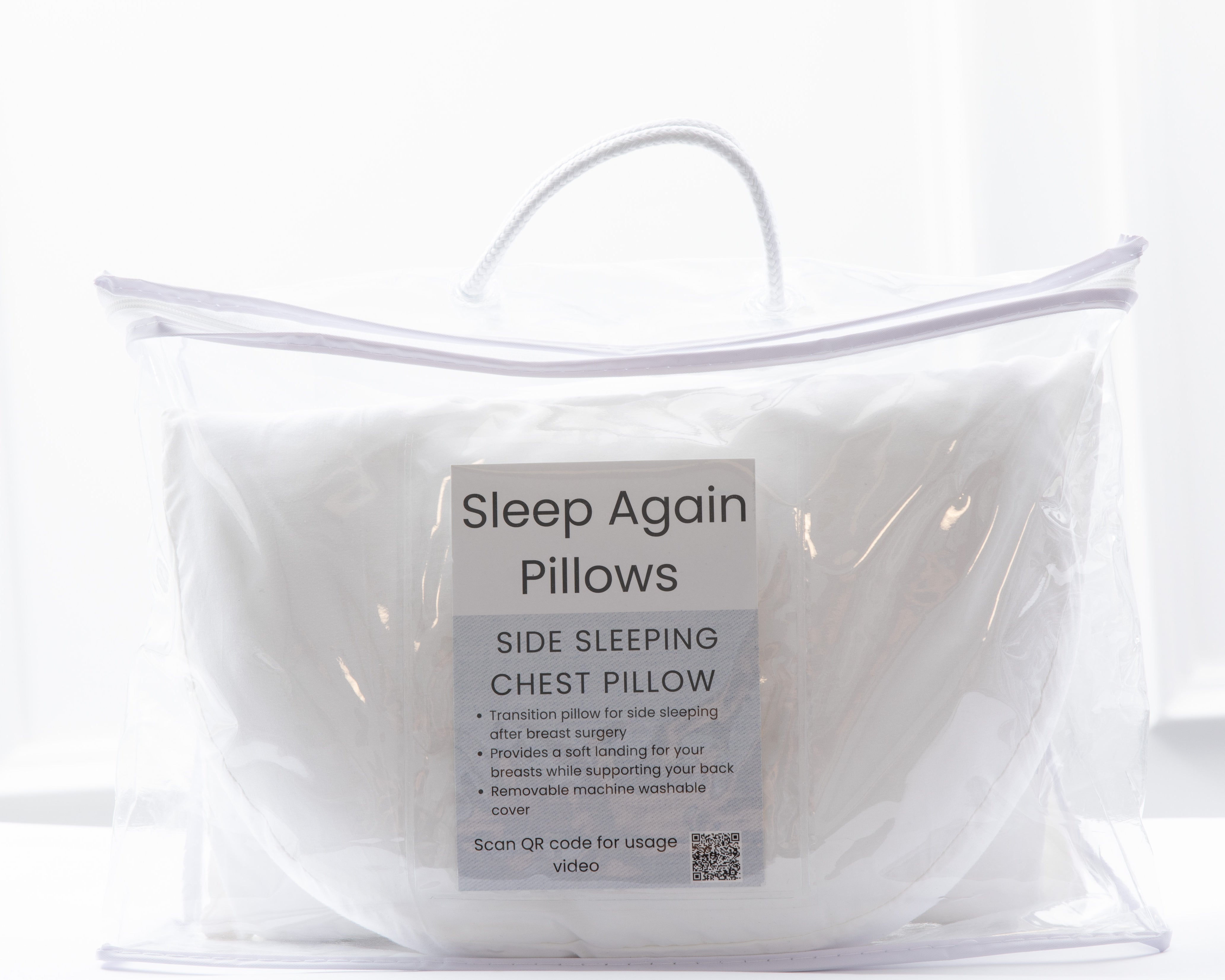
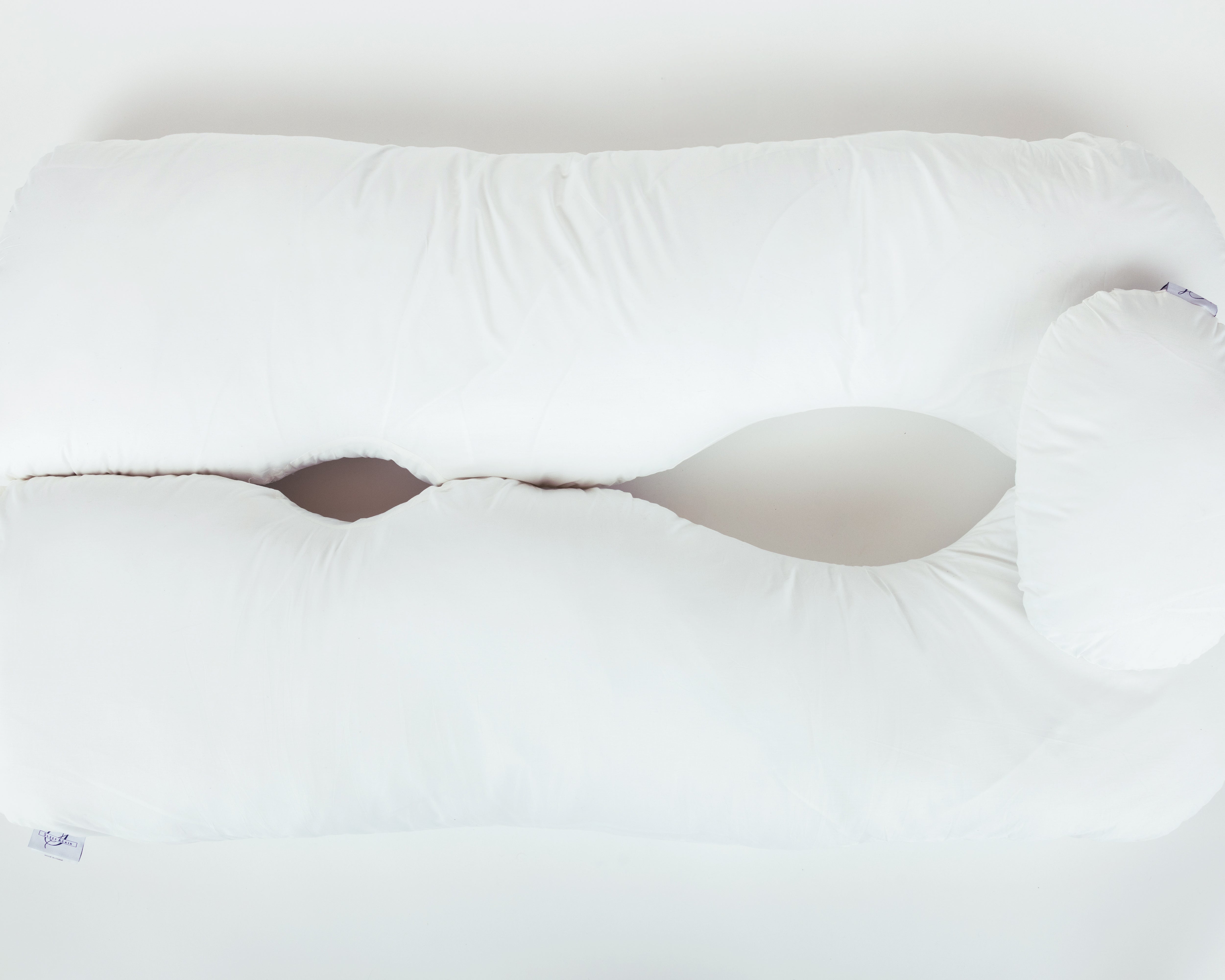
The Sleep Again Pillow System is a five-component full-body positioning system designed specifically for post-surgical recovery. For FFS patients, it addresses the two most demanding early-recovery sleep requirements simultaneously: maintaining consistent head-and-upper-body elevation and keeping you off your face throughout the night.
What Does the Sleep Again Pillow System Include?
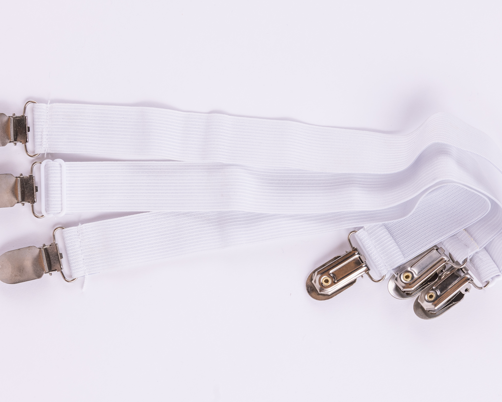
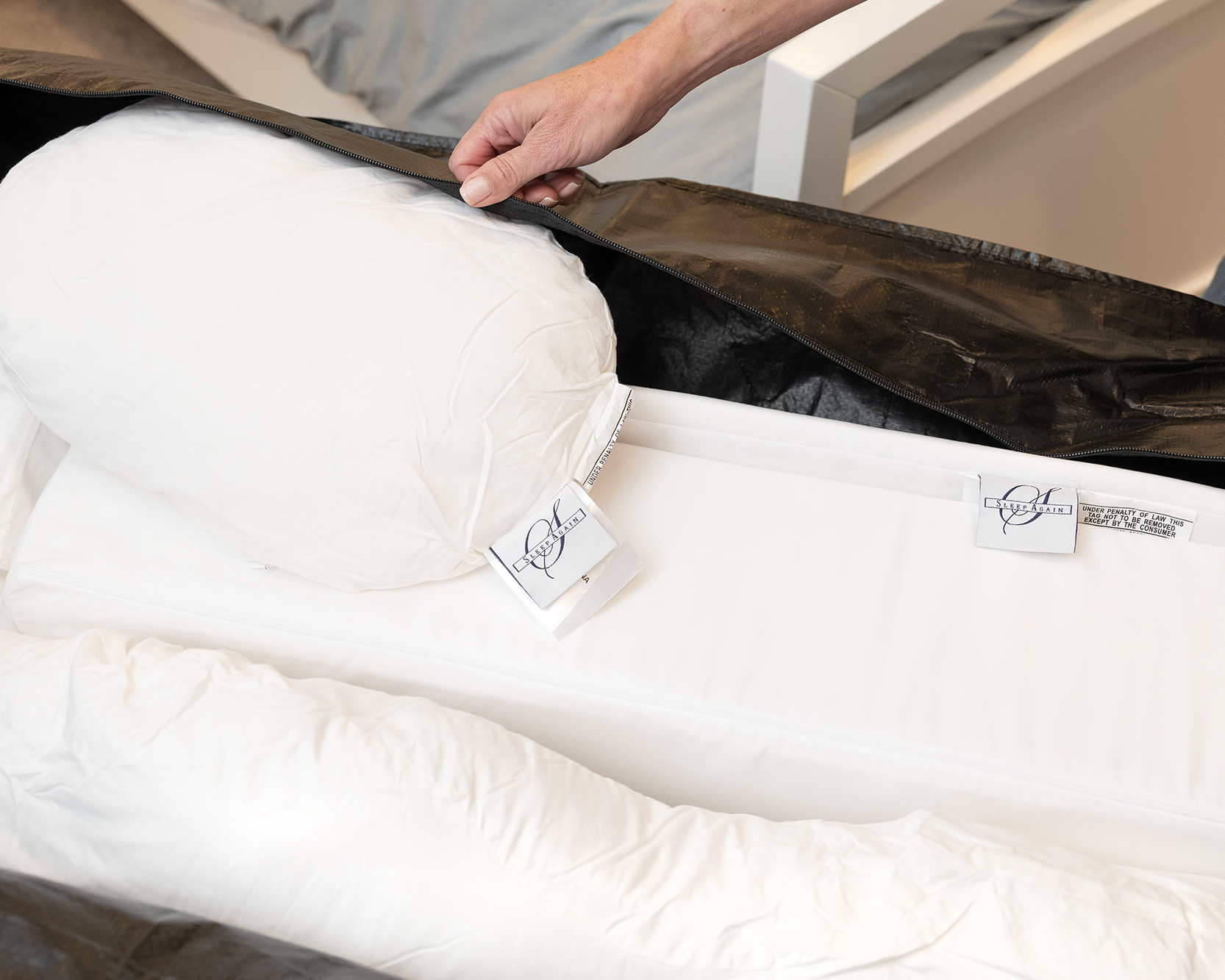
Every Sleep Again Pillow System includes:
-
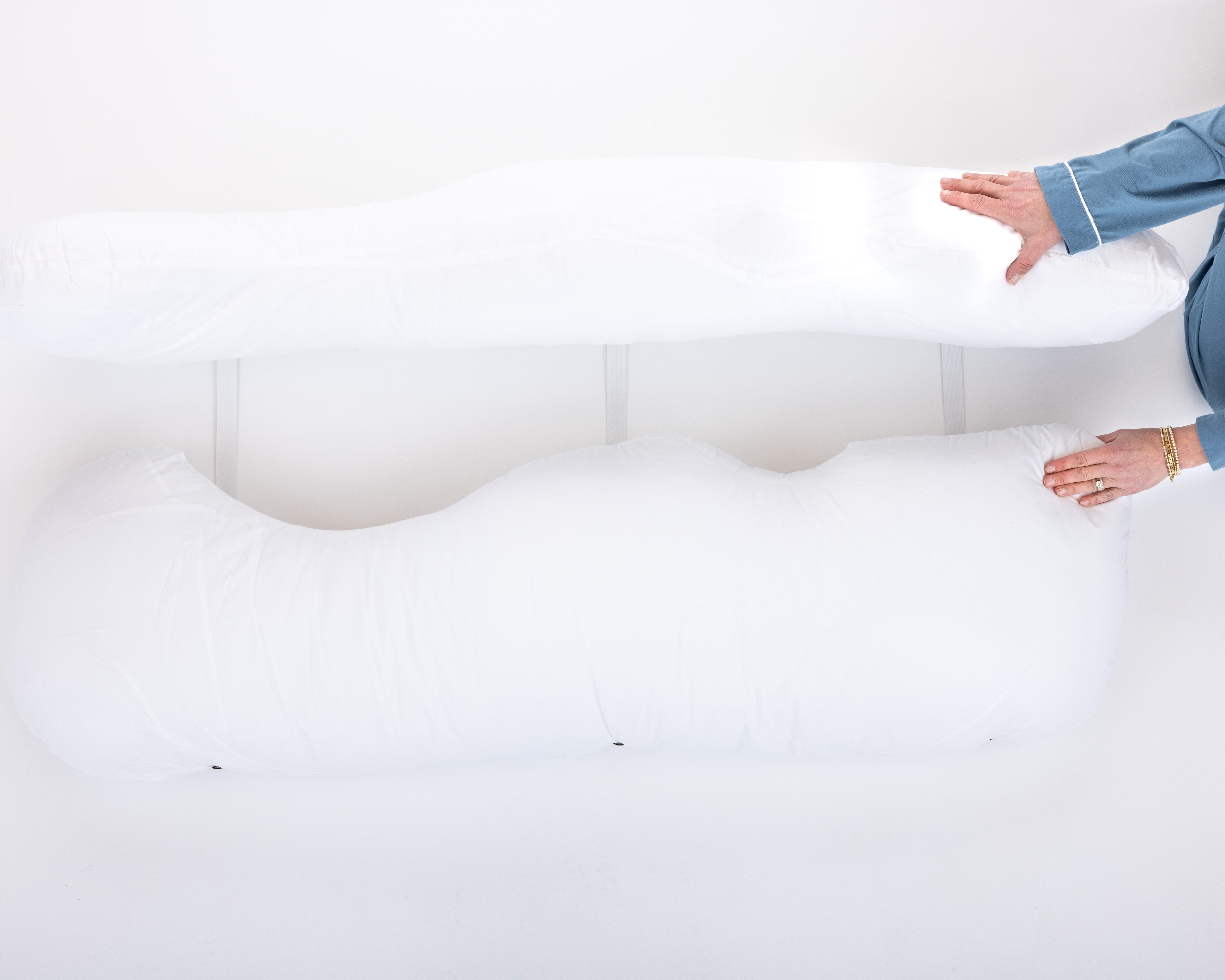
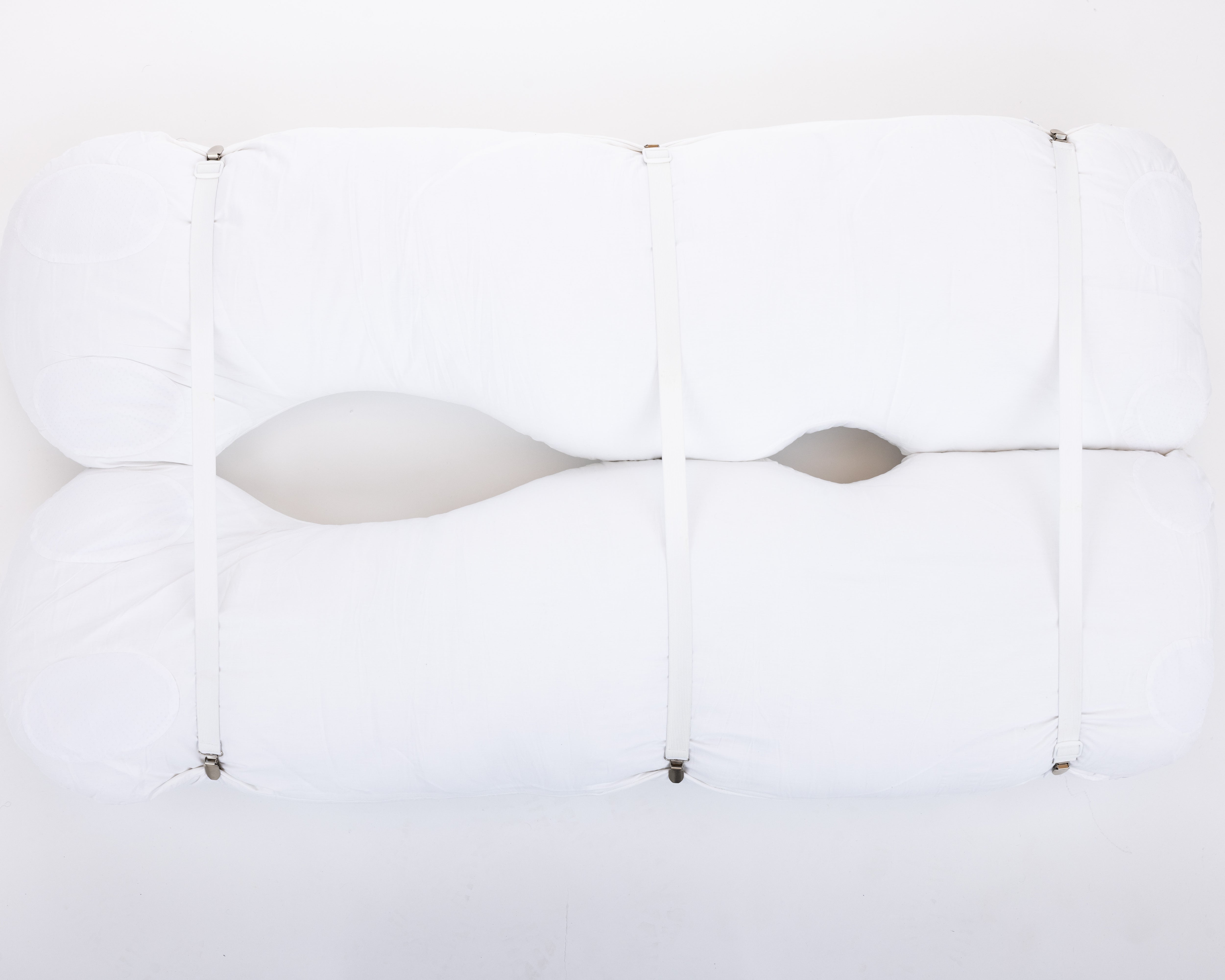
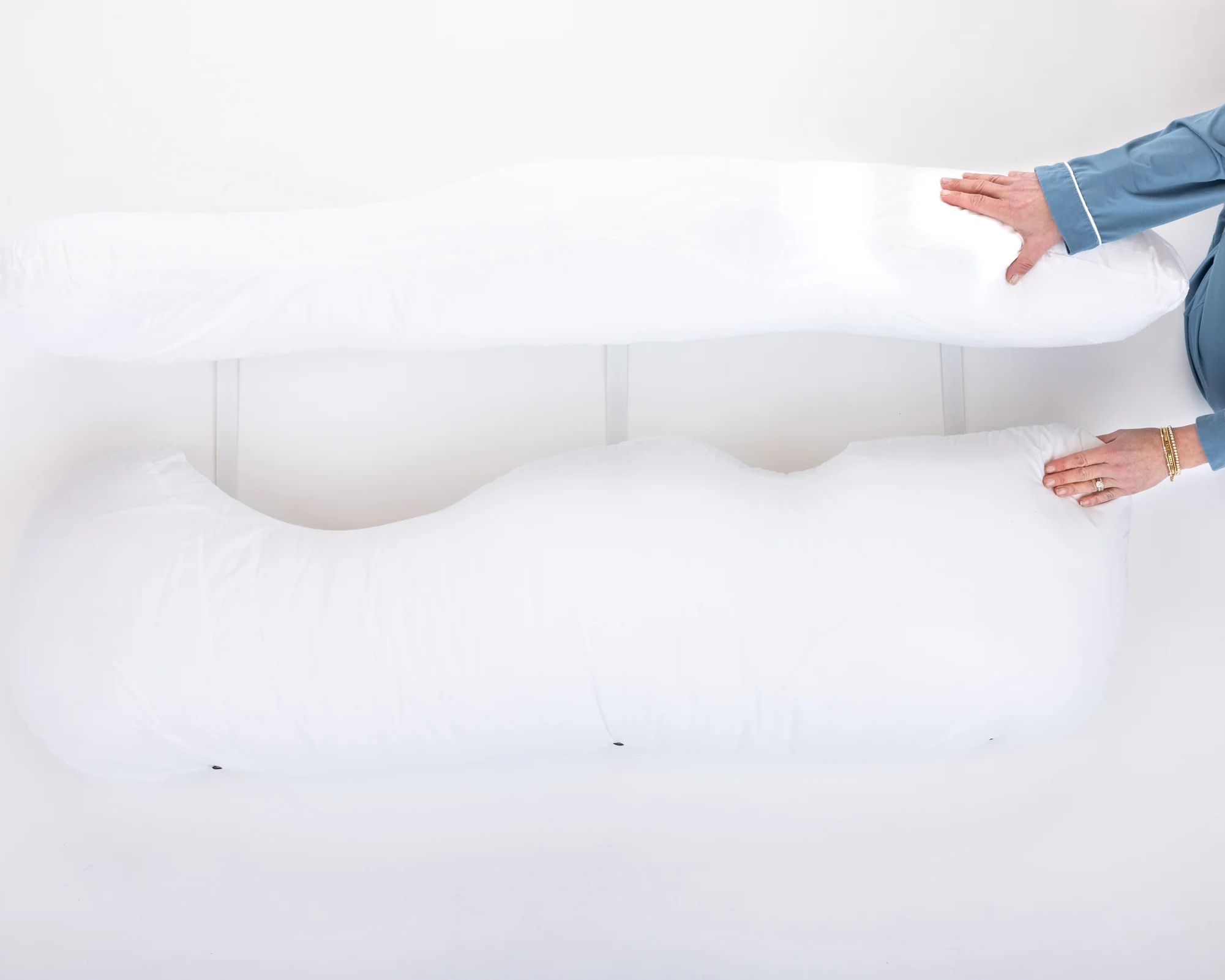
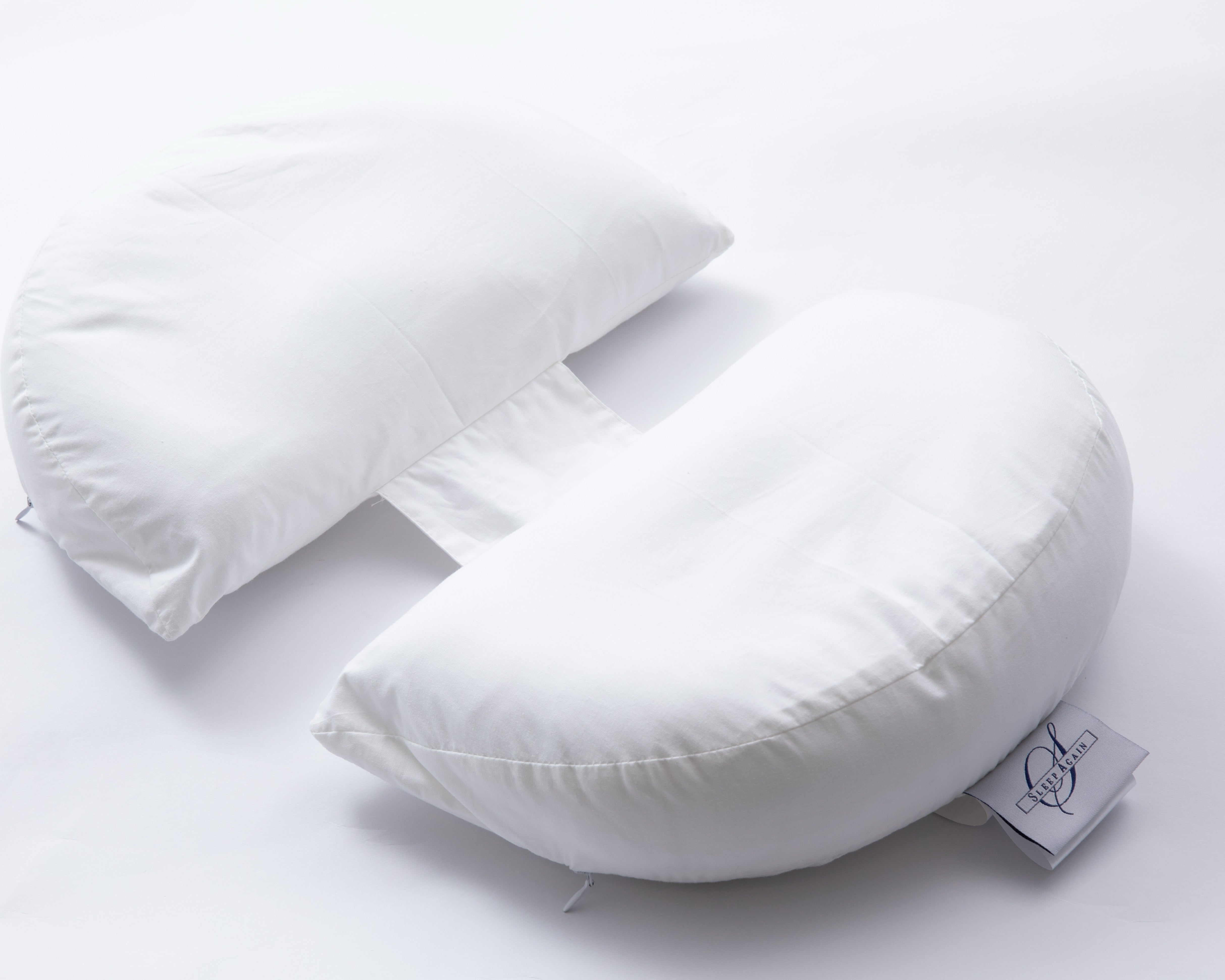
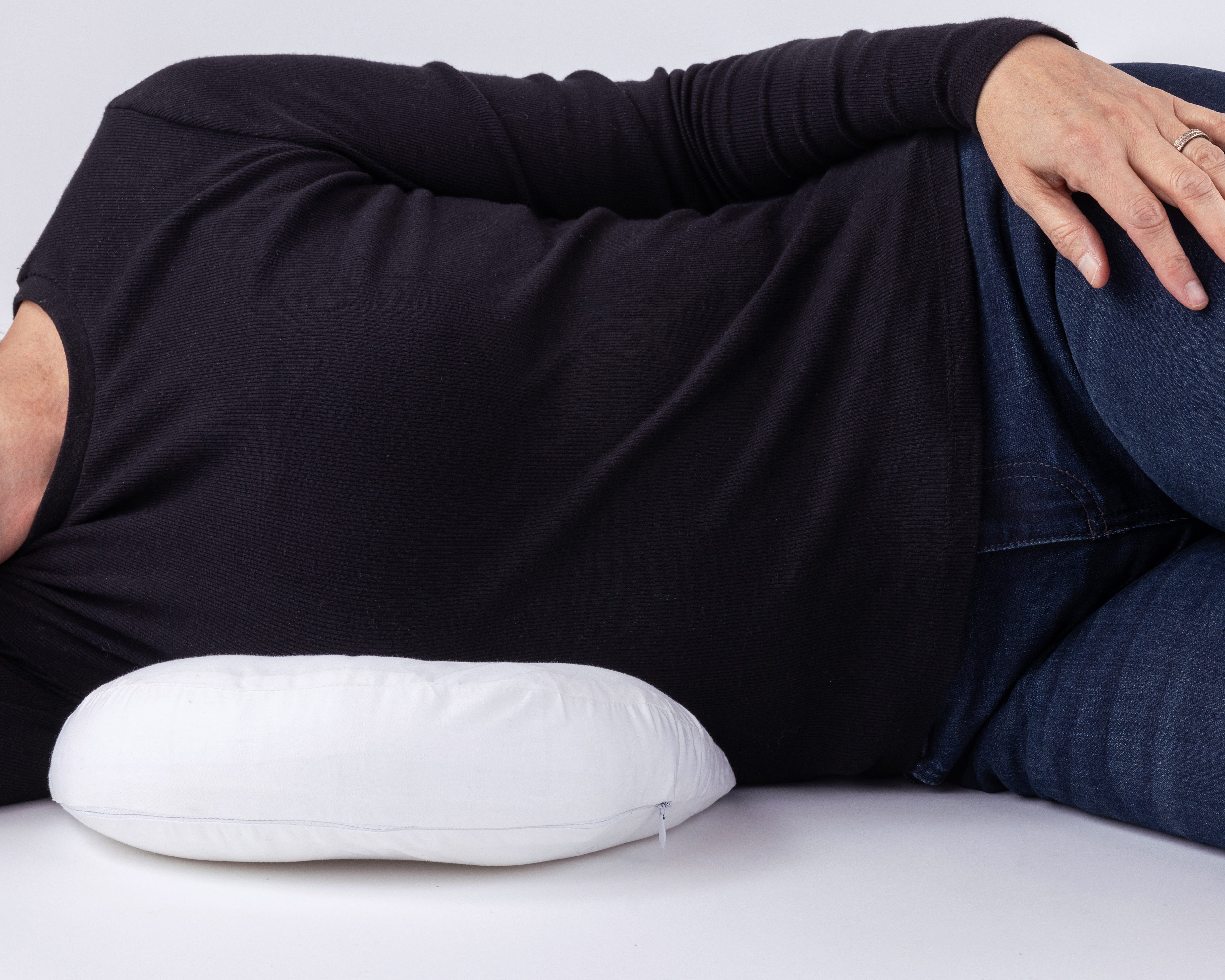
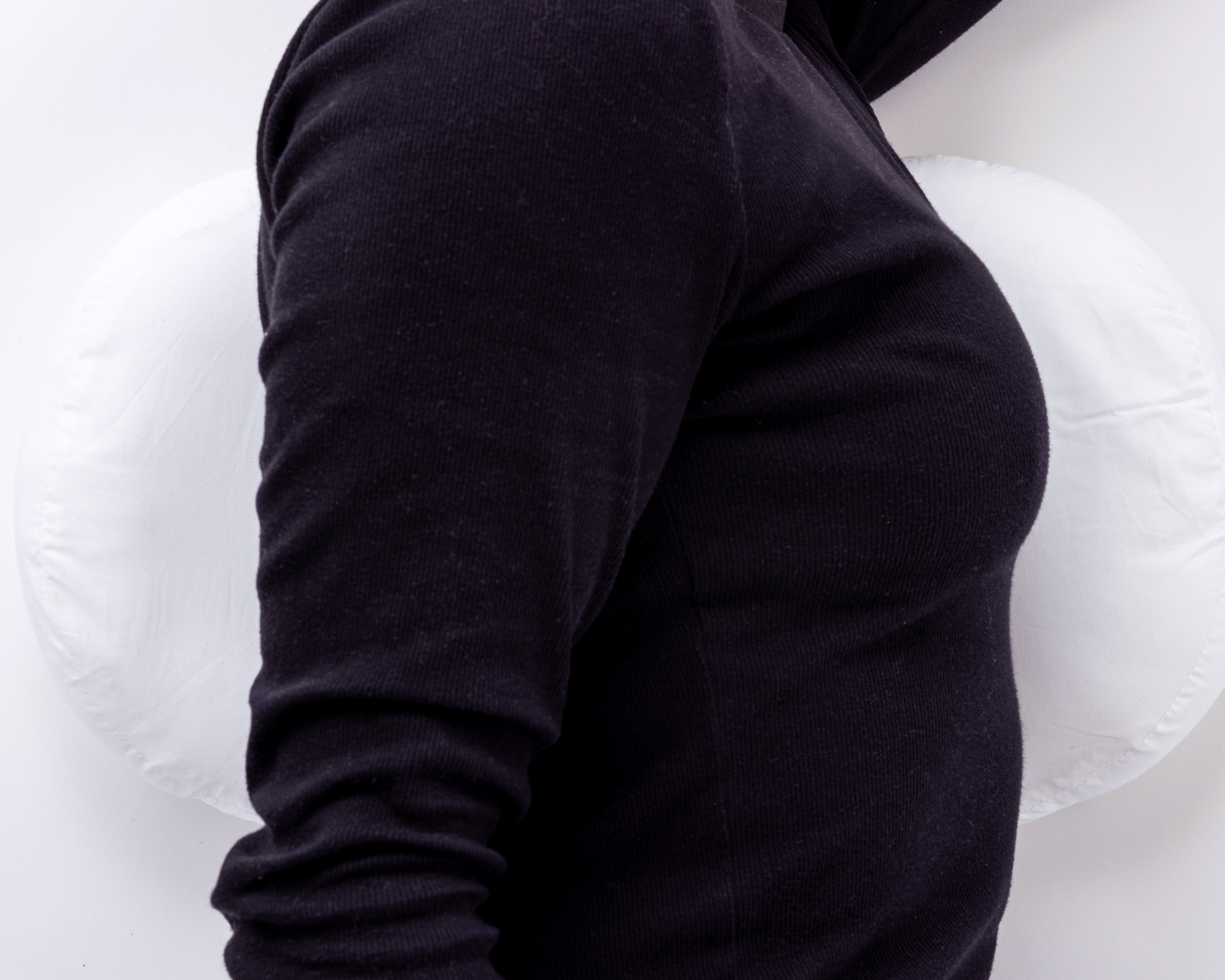
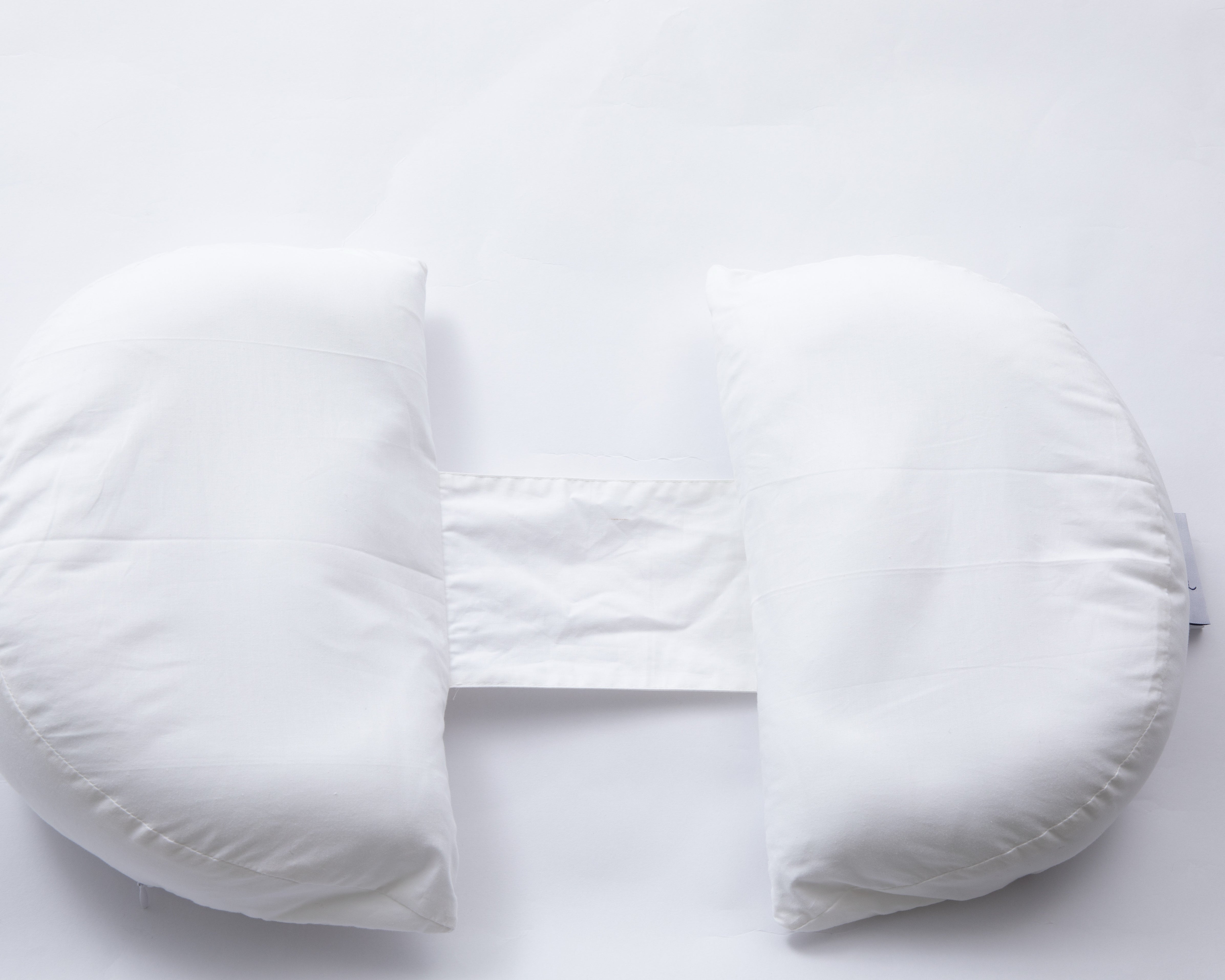
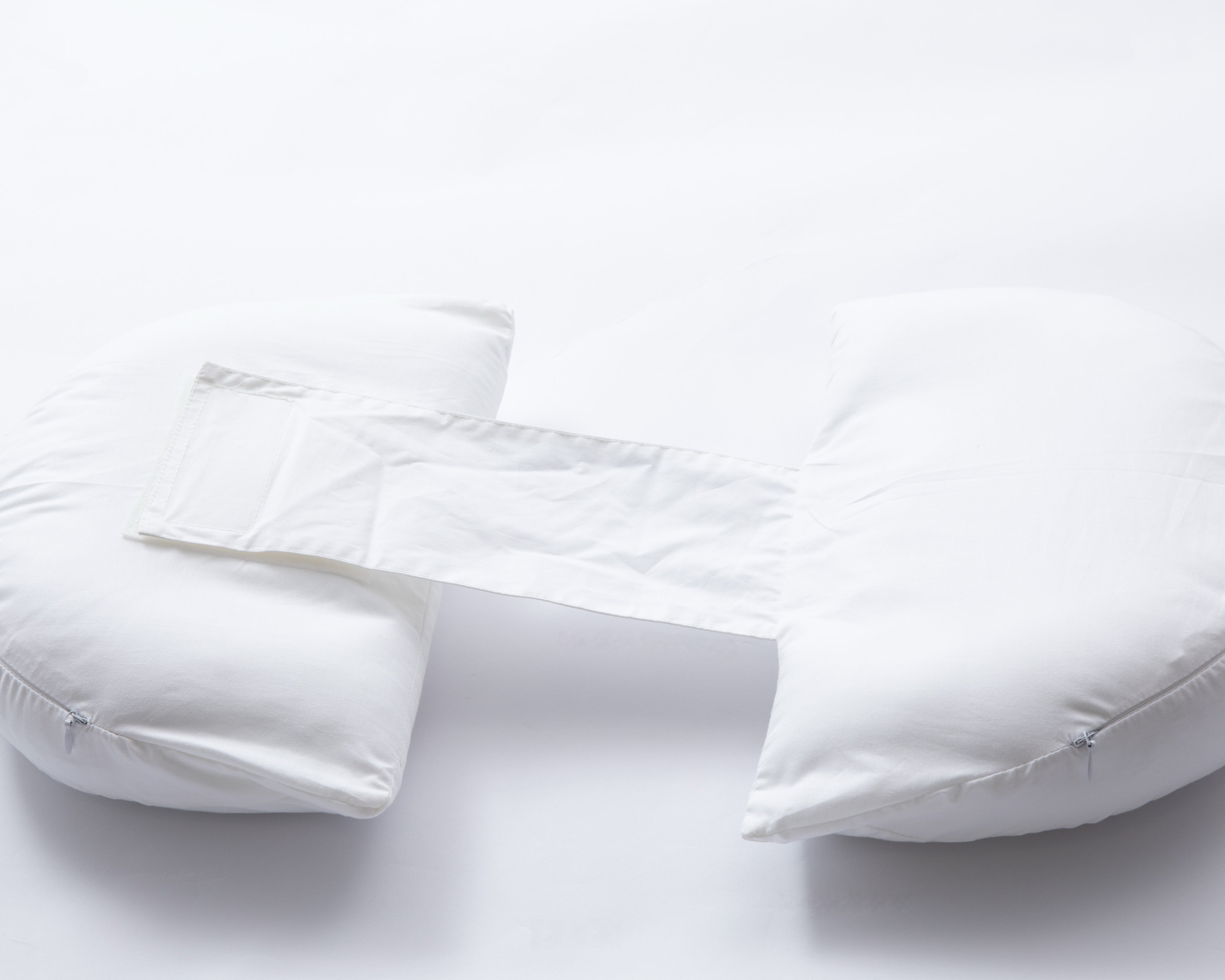
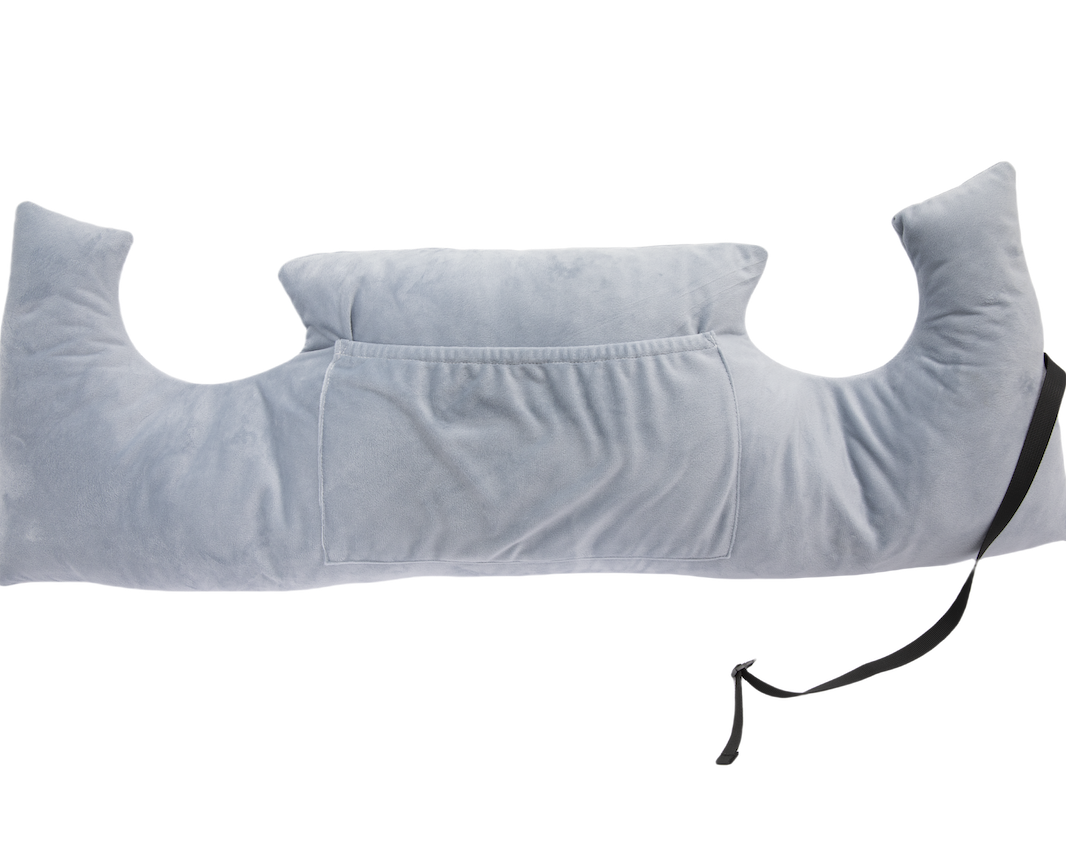
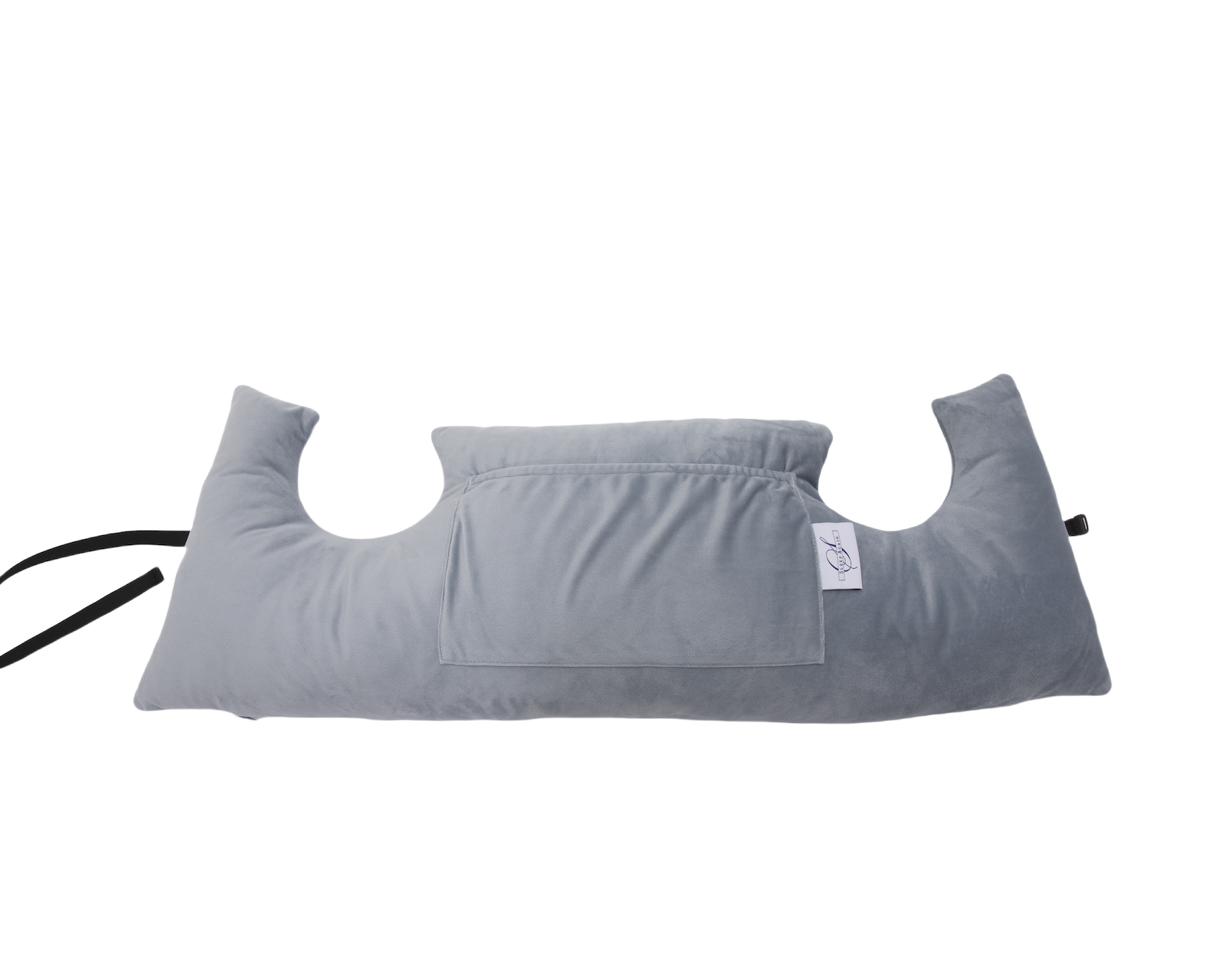
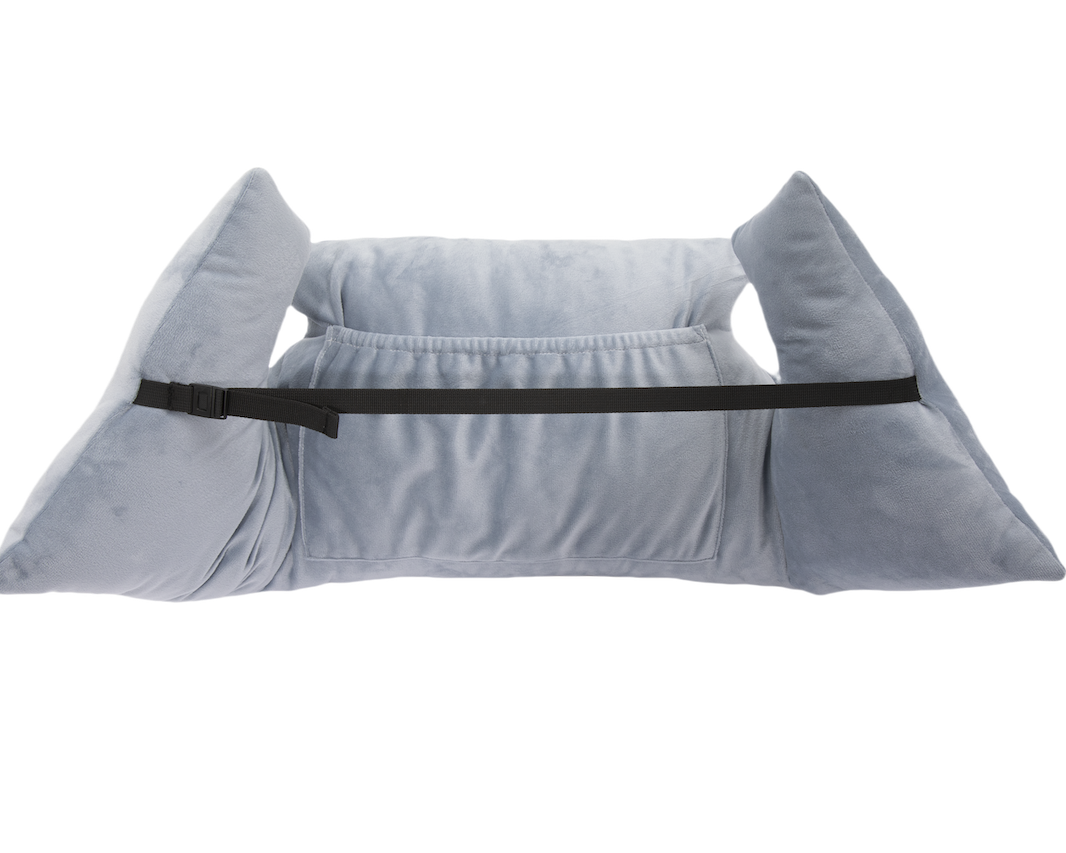
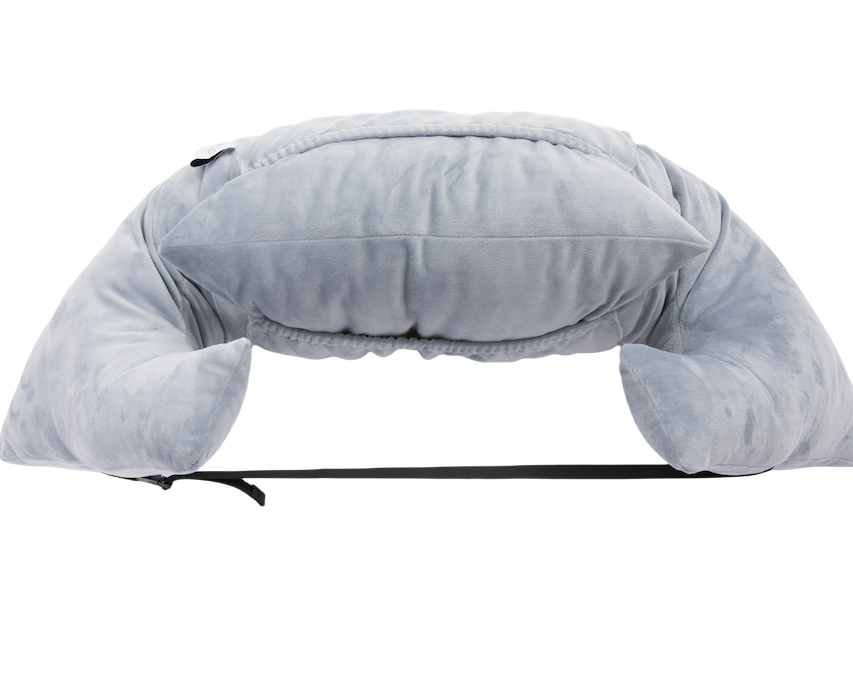
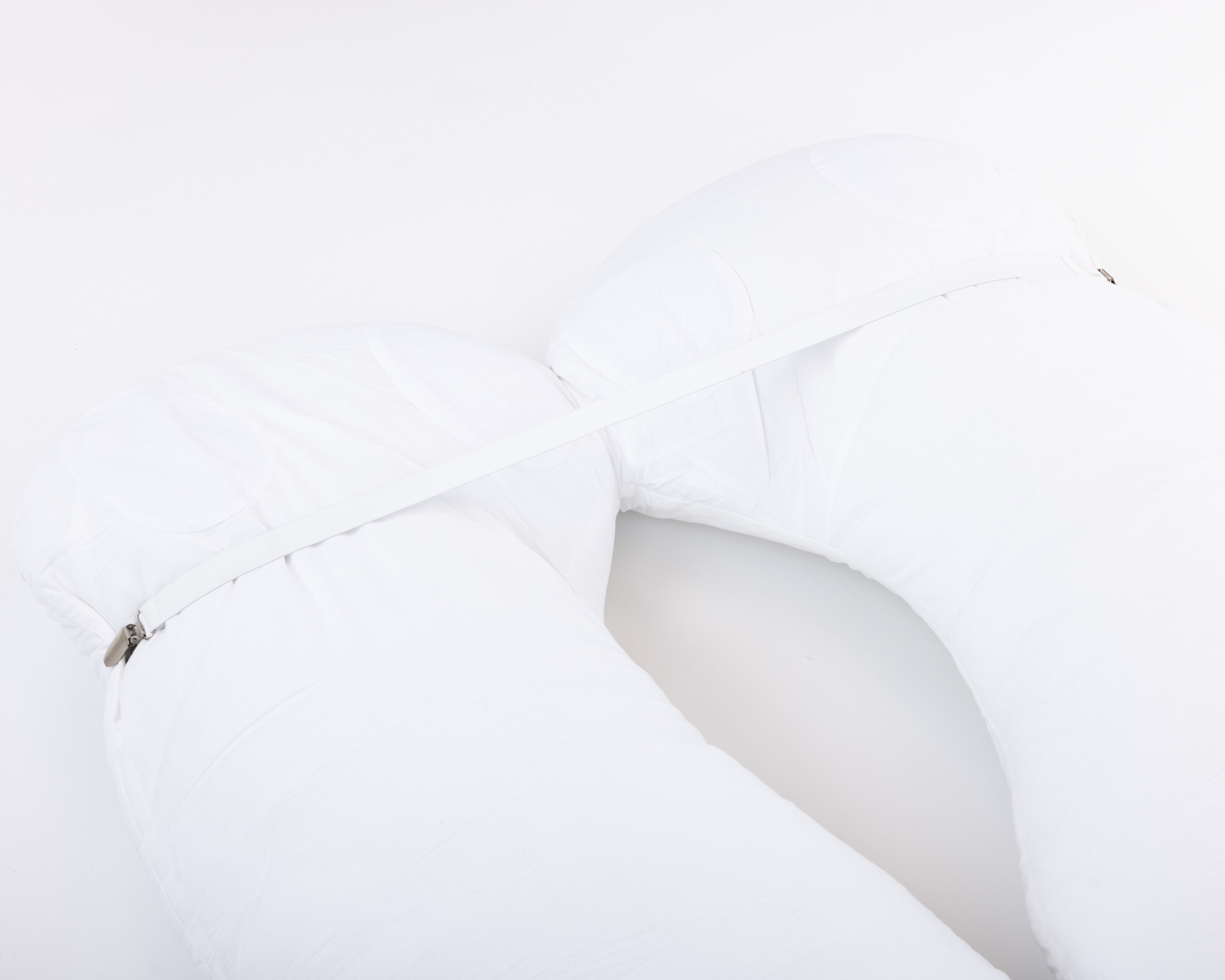
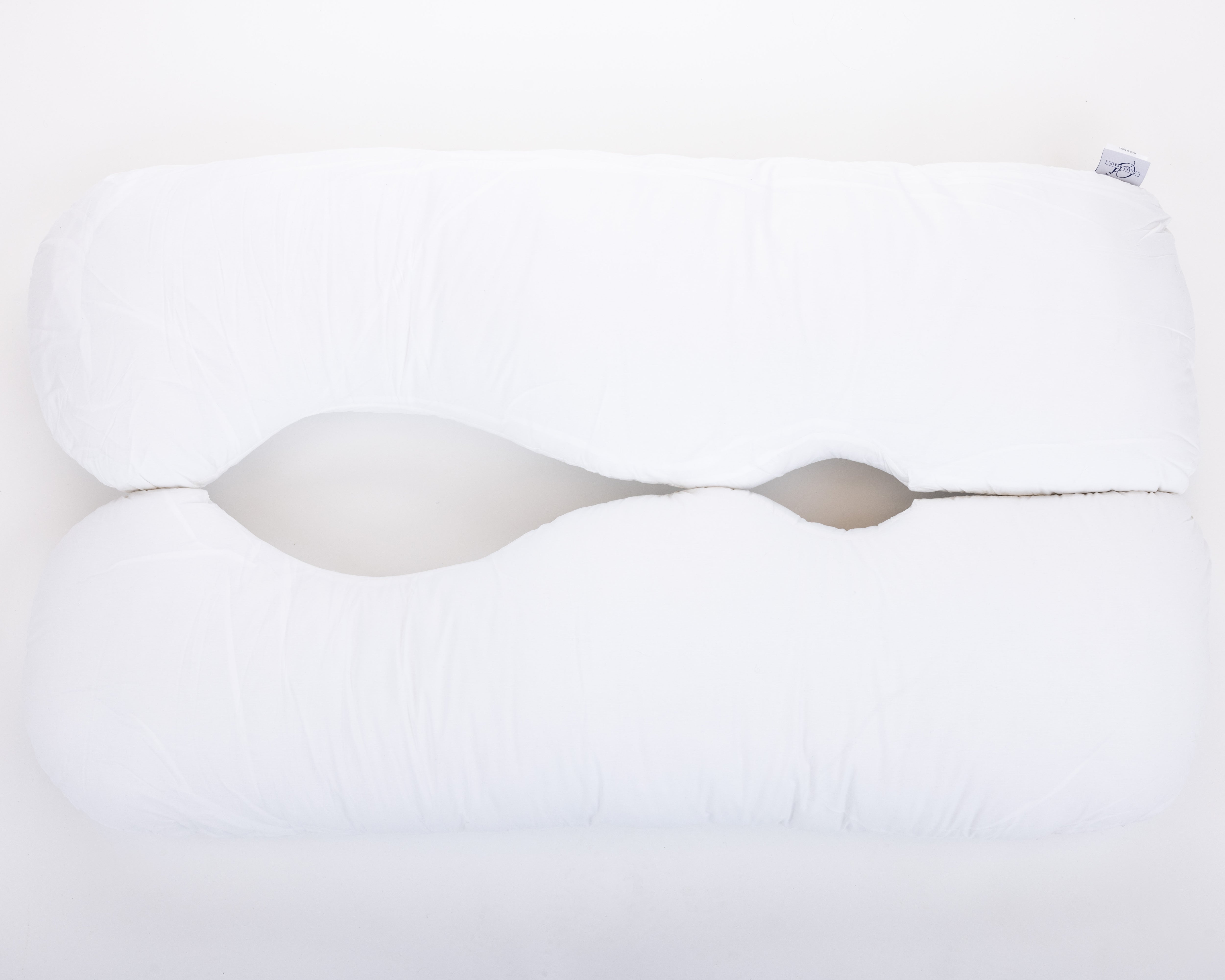
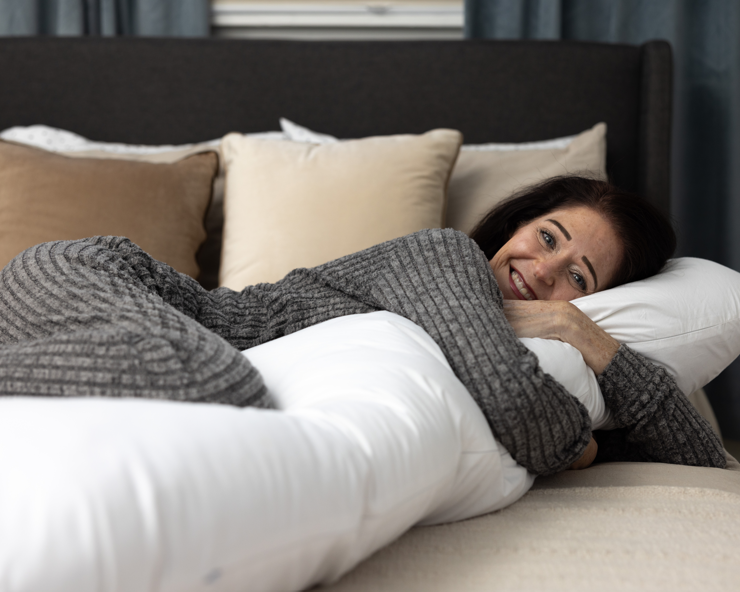
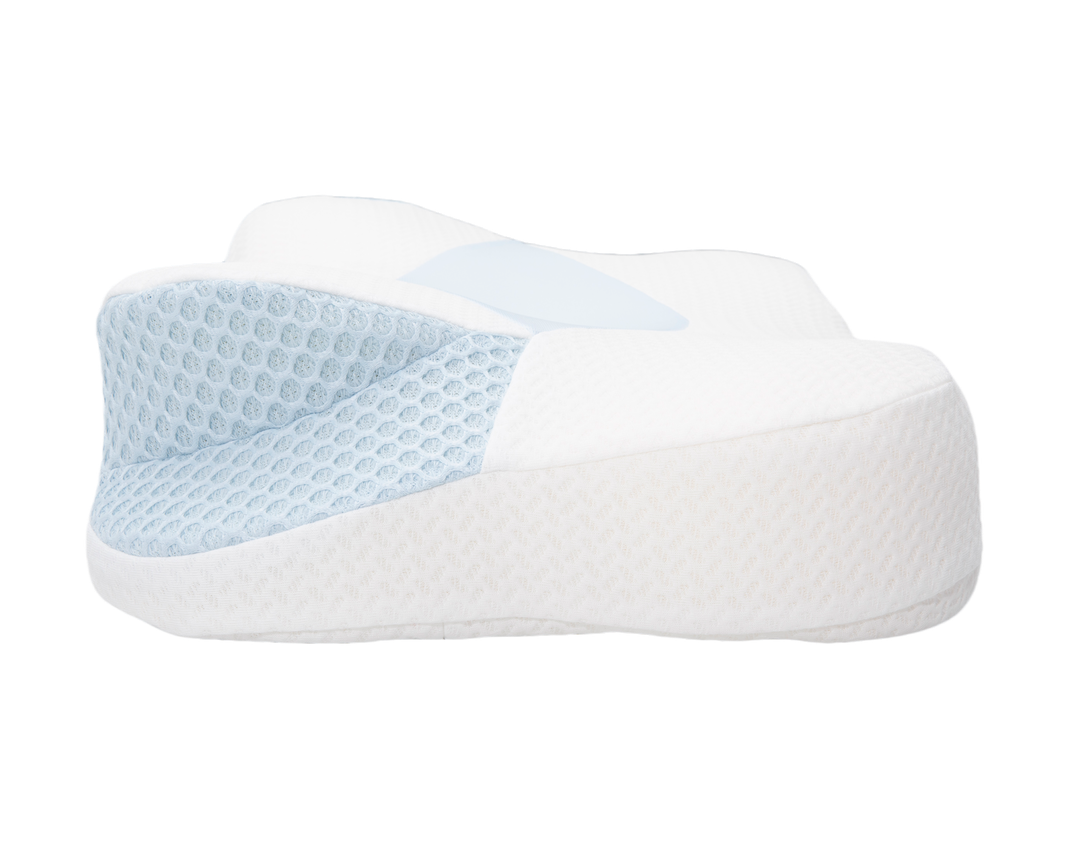
Two Contoured Side Pillows to cradle the back and hips
-
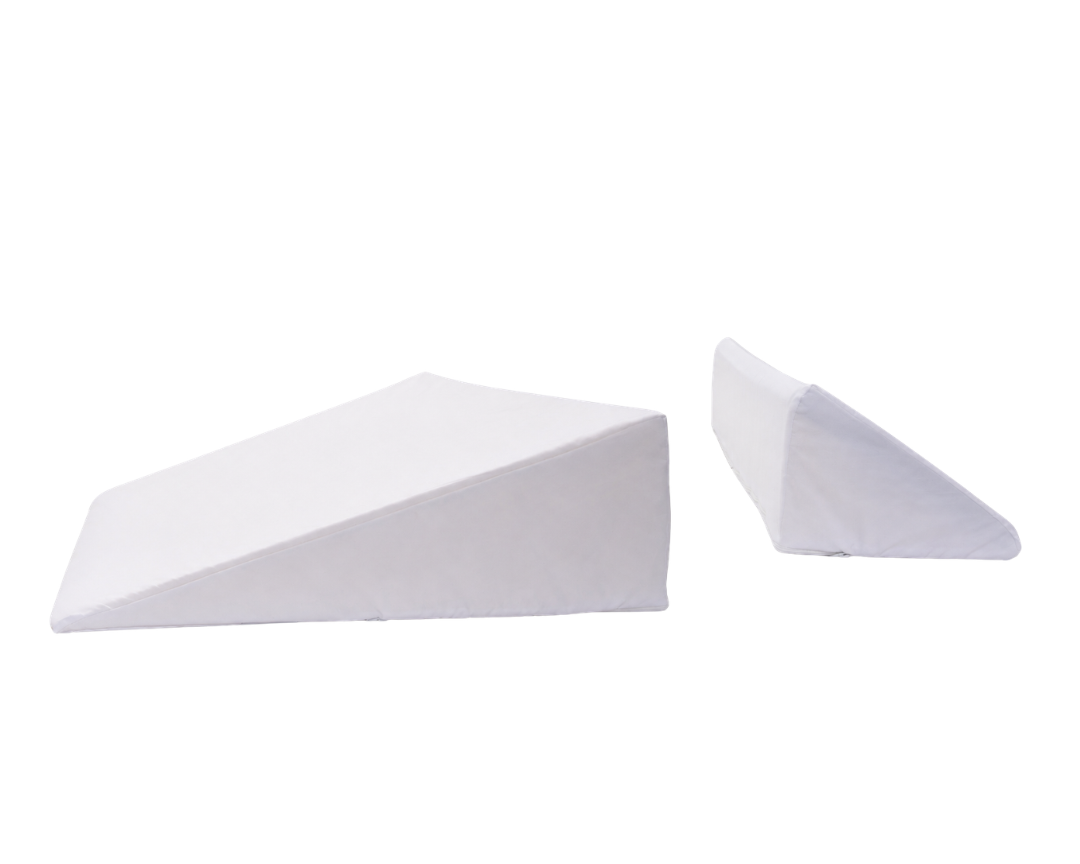
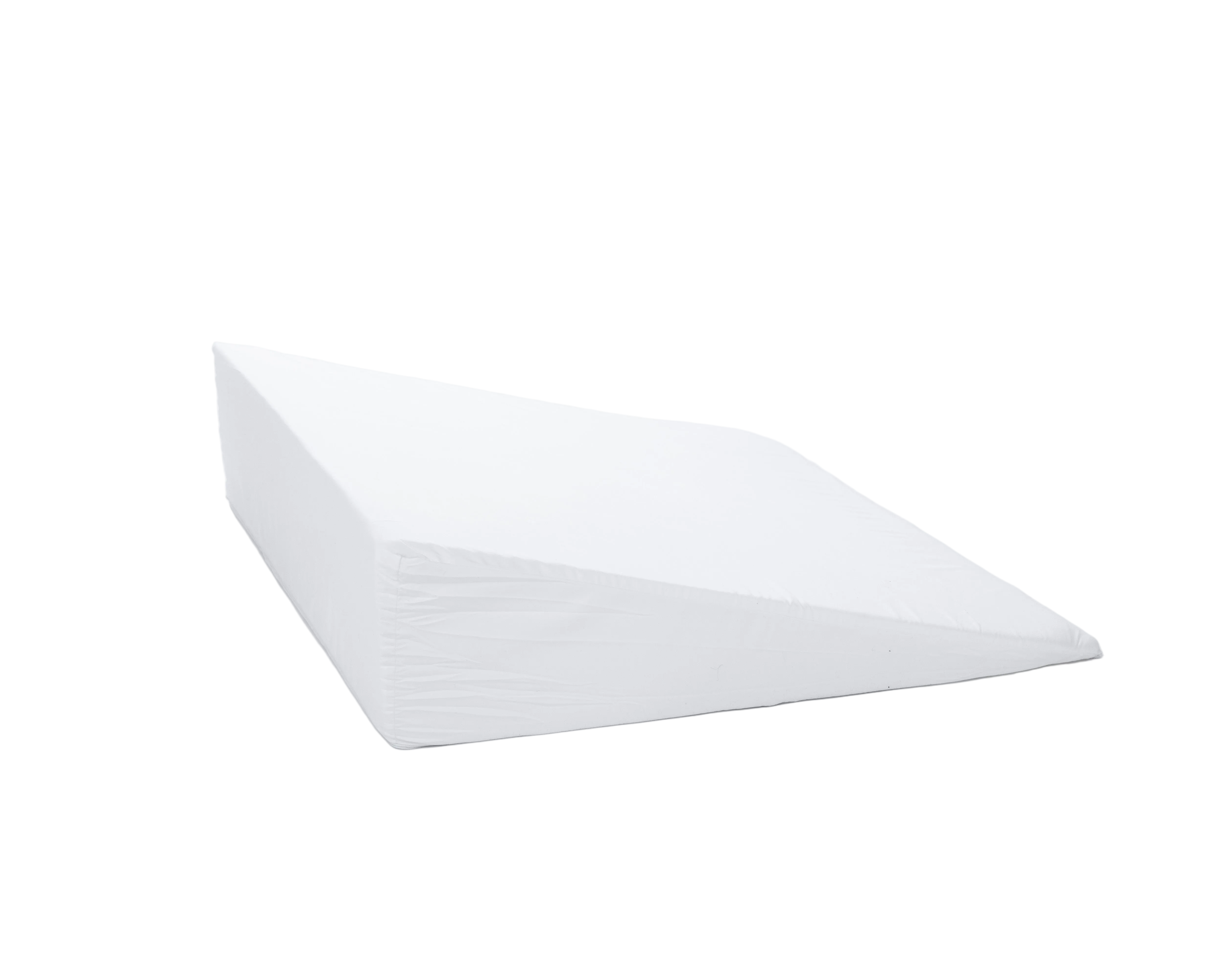
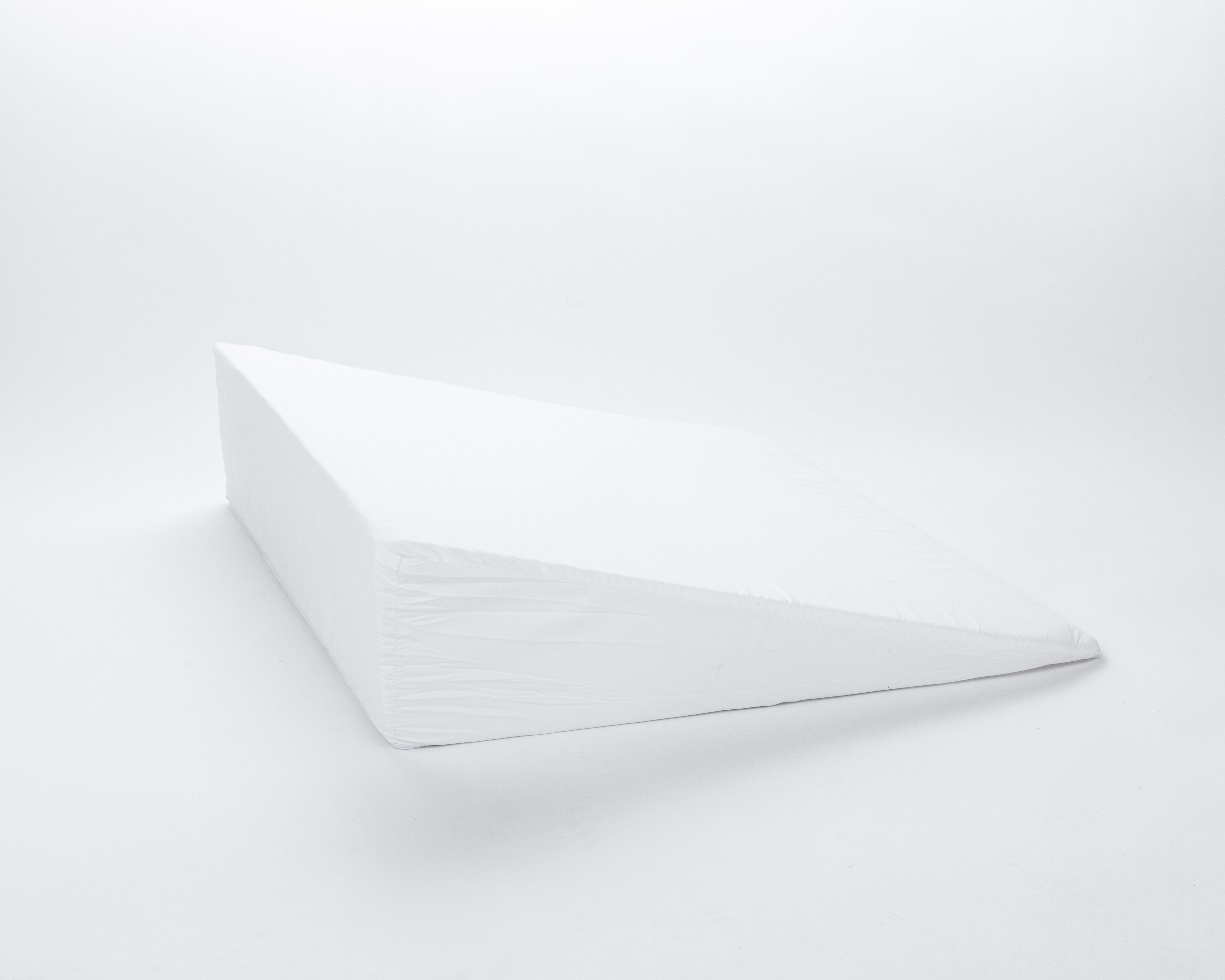
Upper Body Wedge to create optimal upper body incline
-
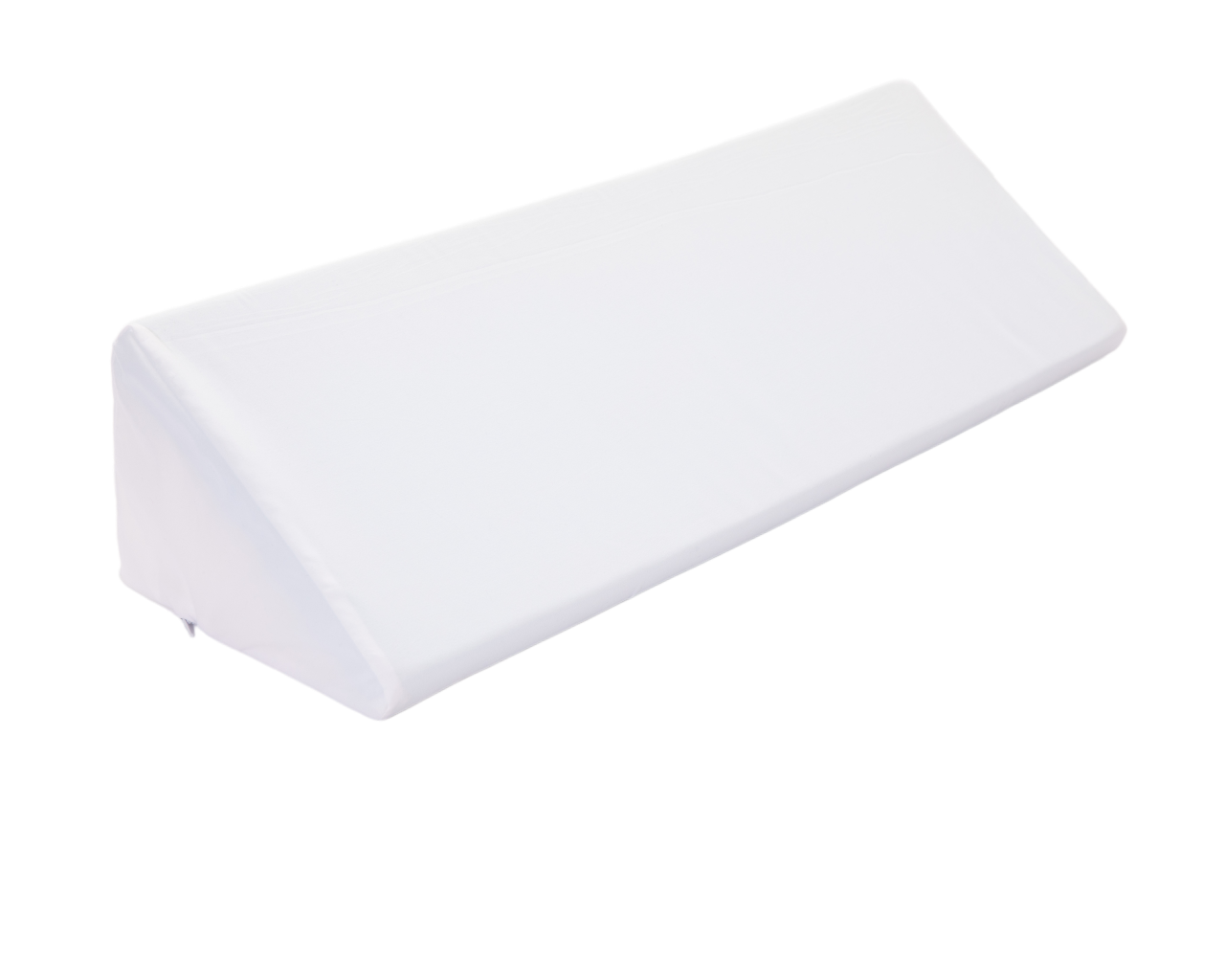
Leg Support Wedge to gently elevate the legs
-
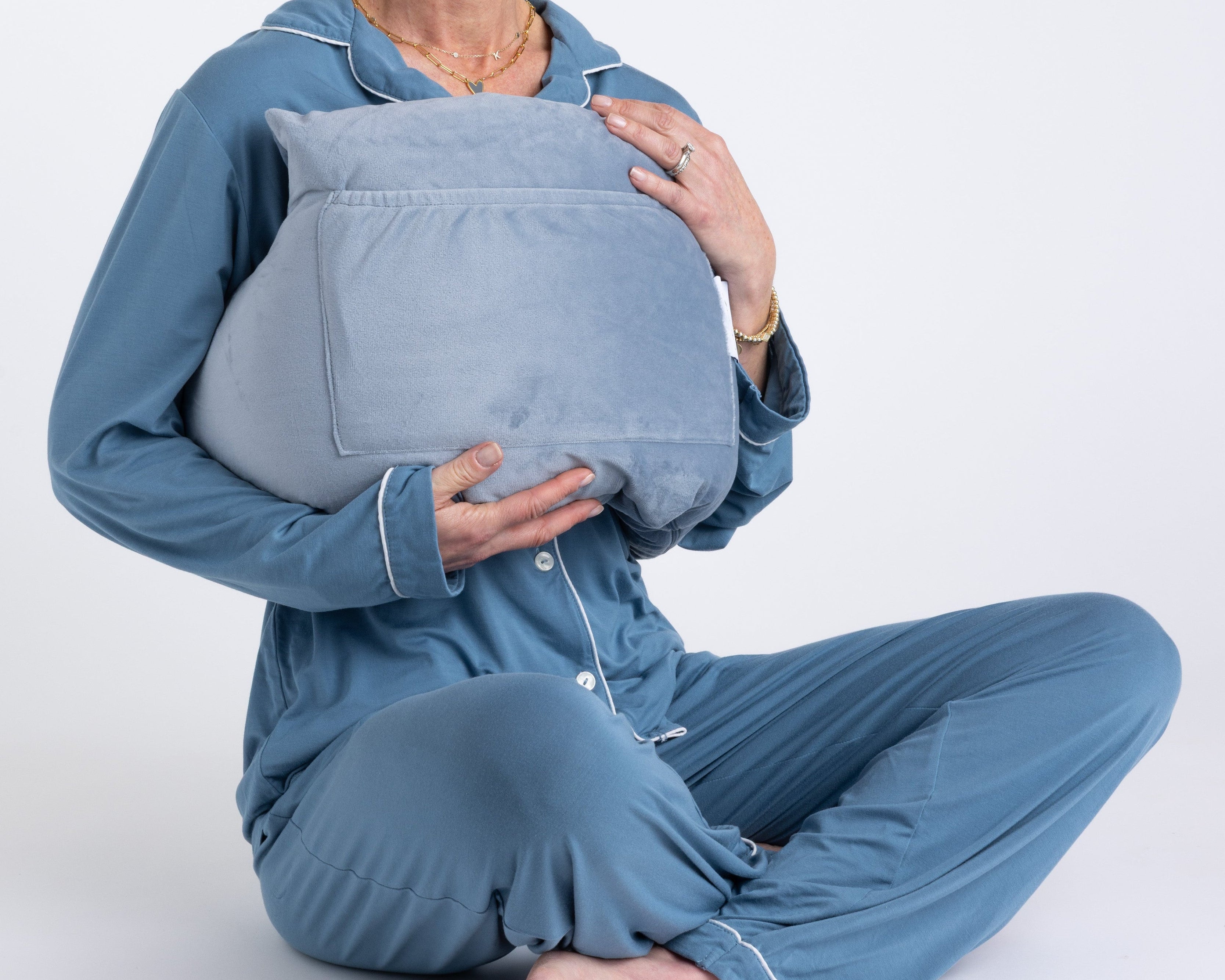
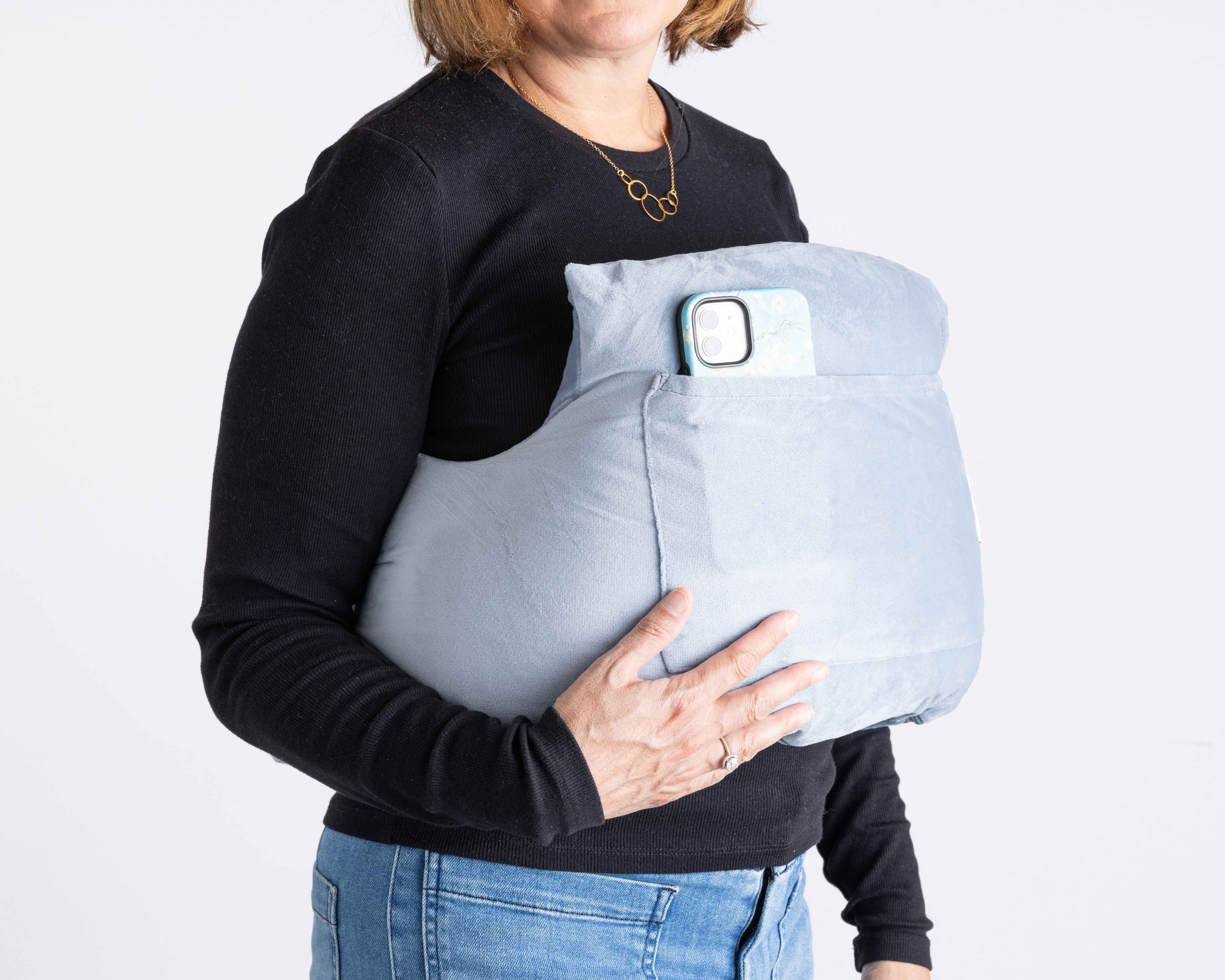
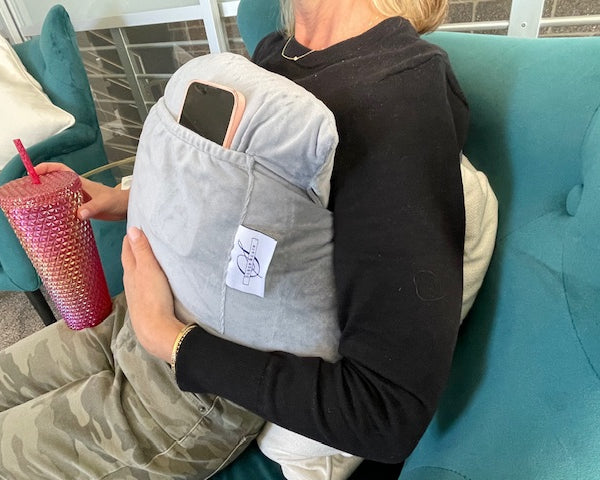
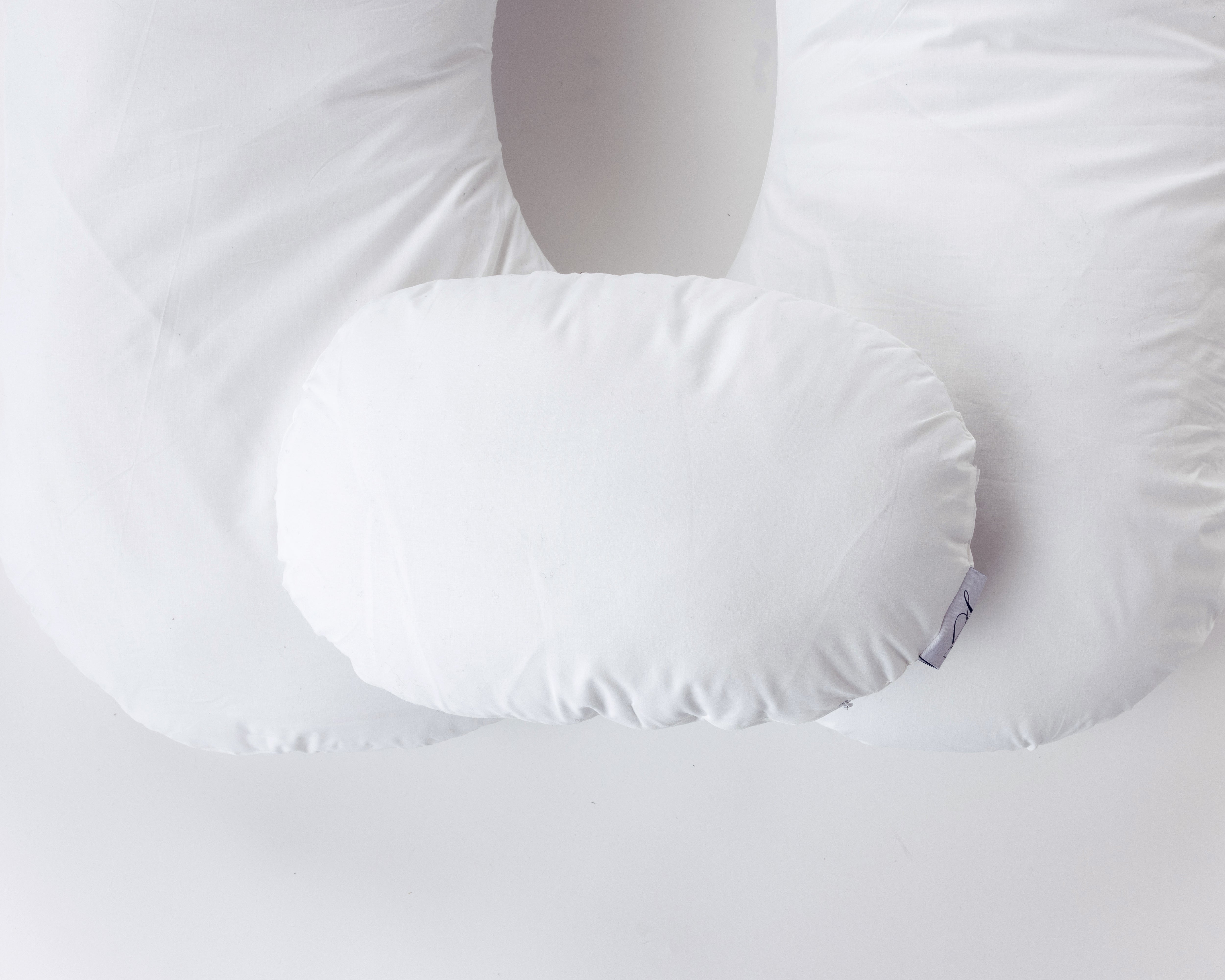
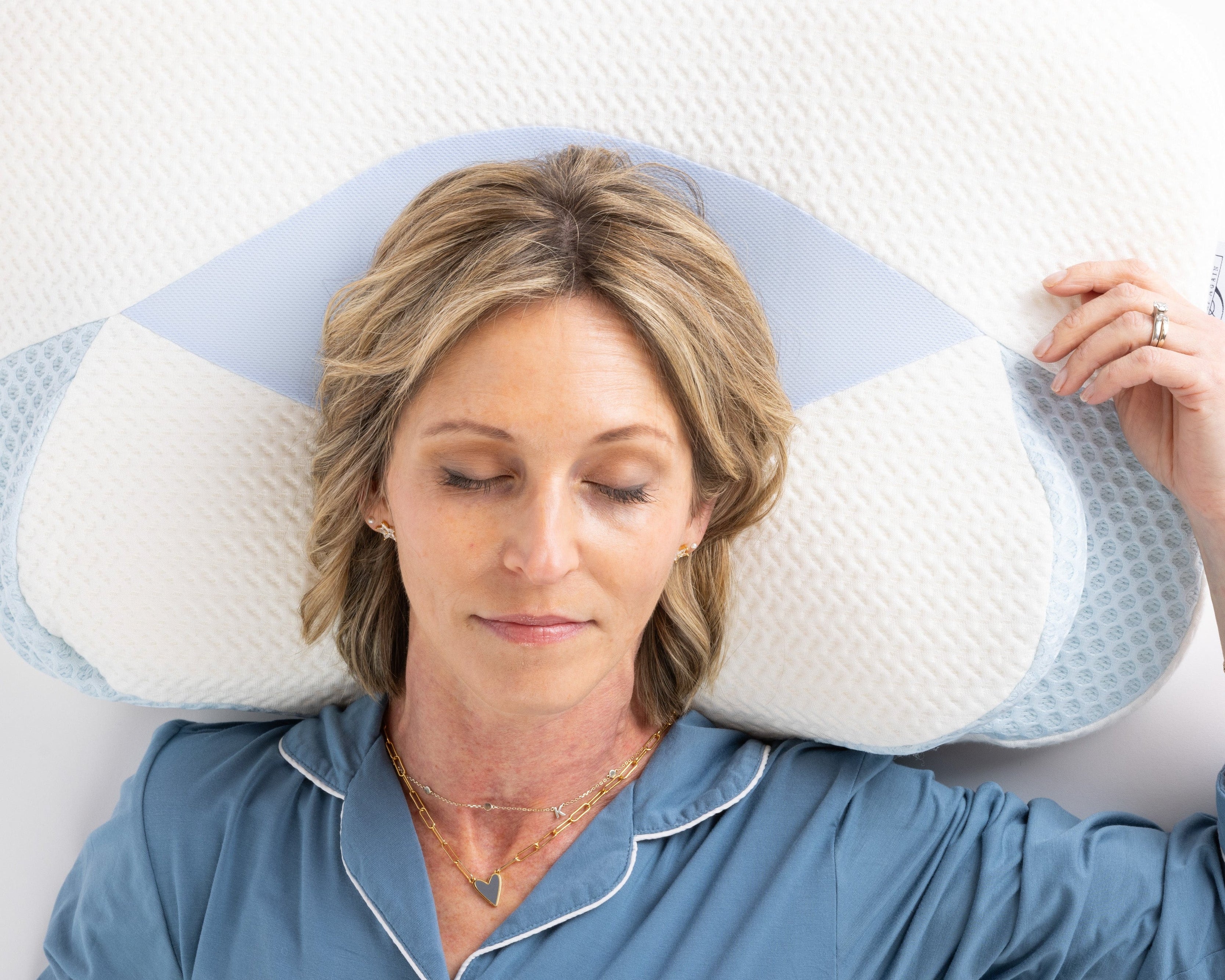
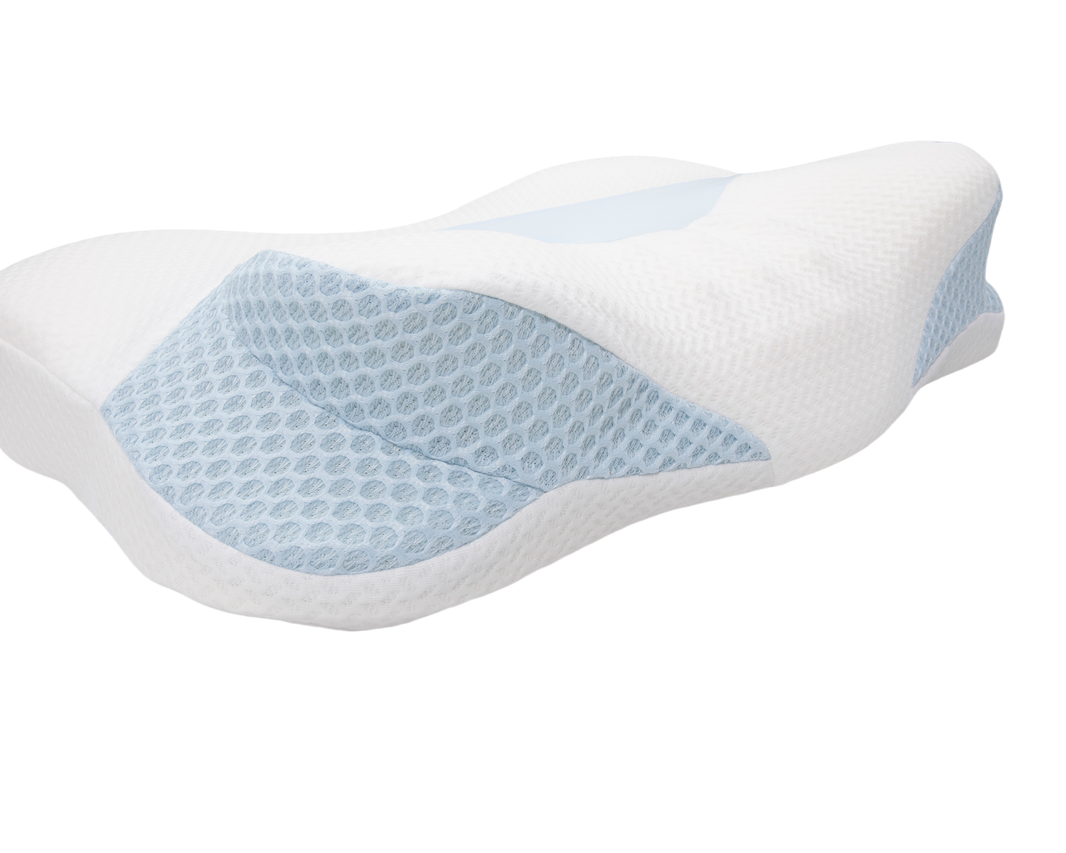
Head Pillow to provide head support and neck mobility
-
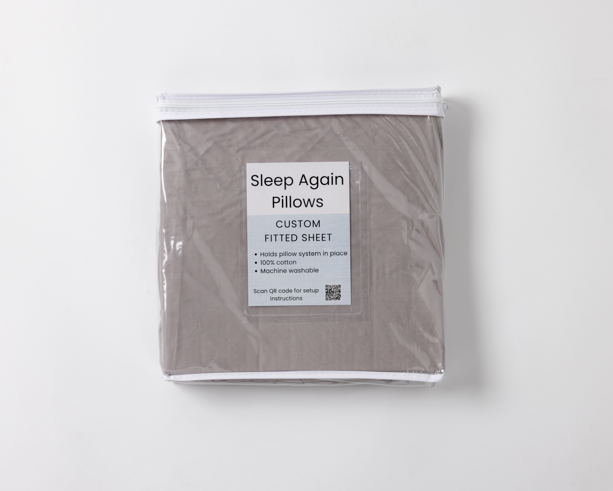
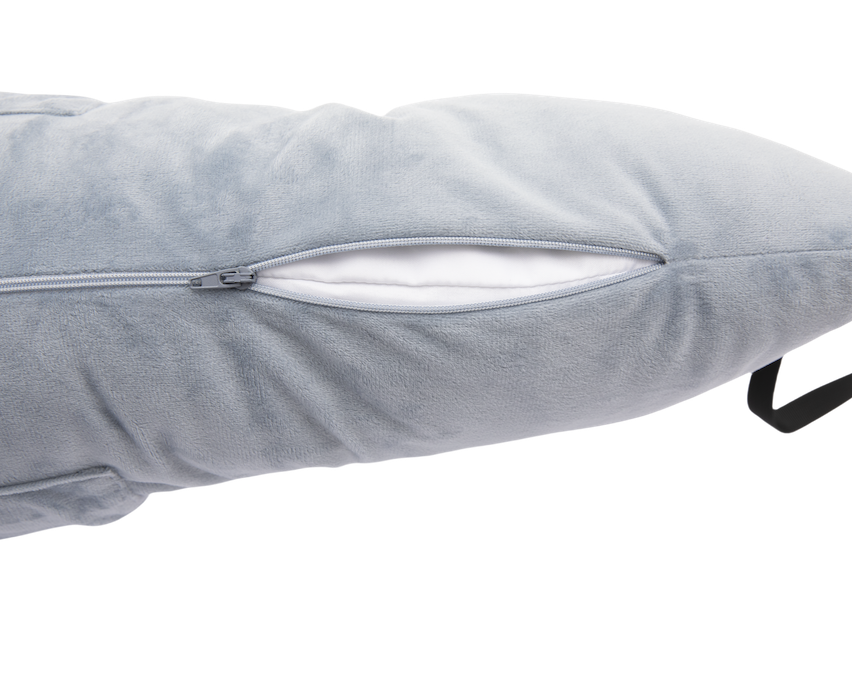
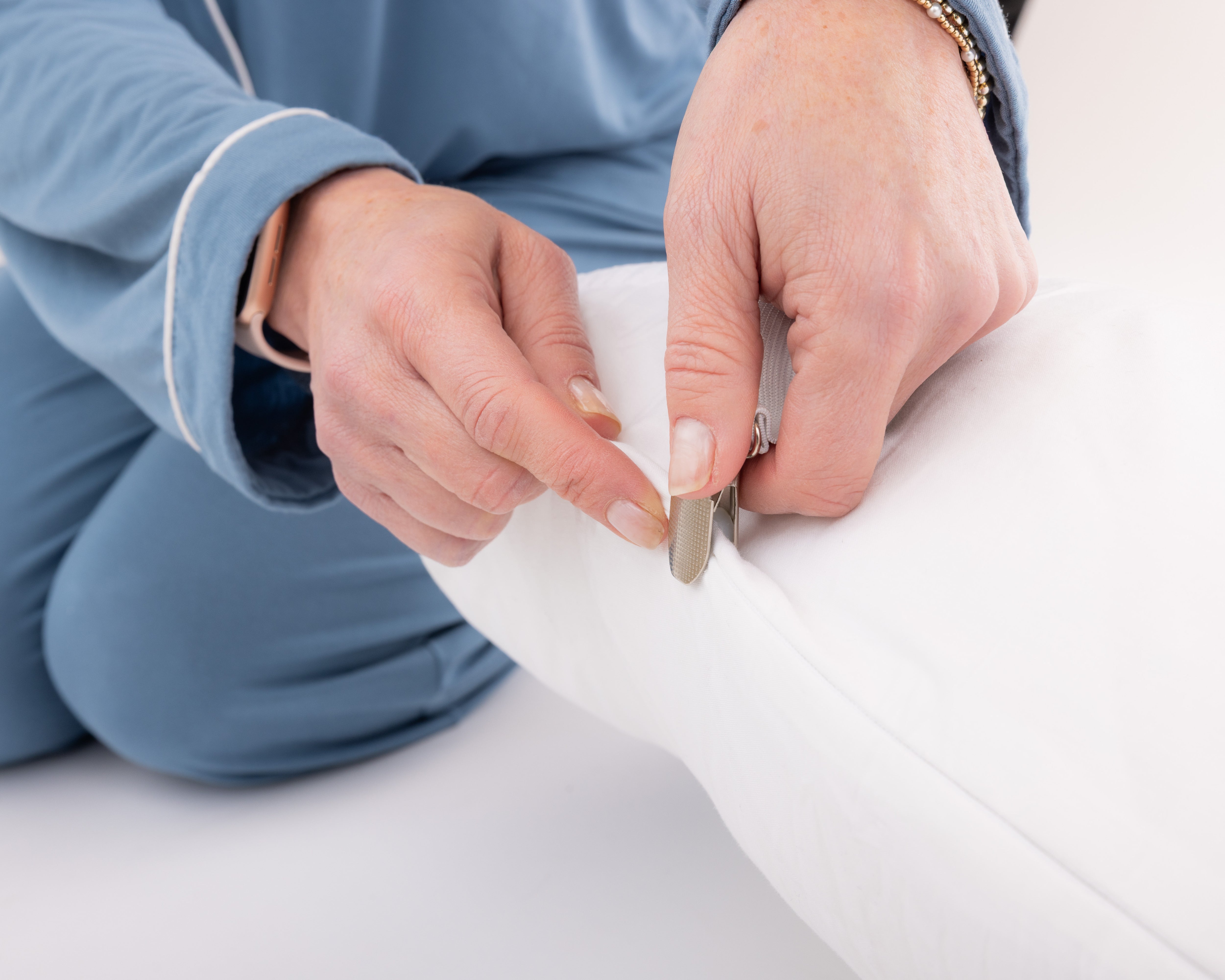
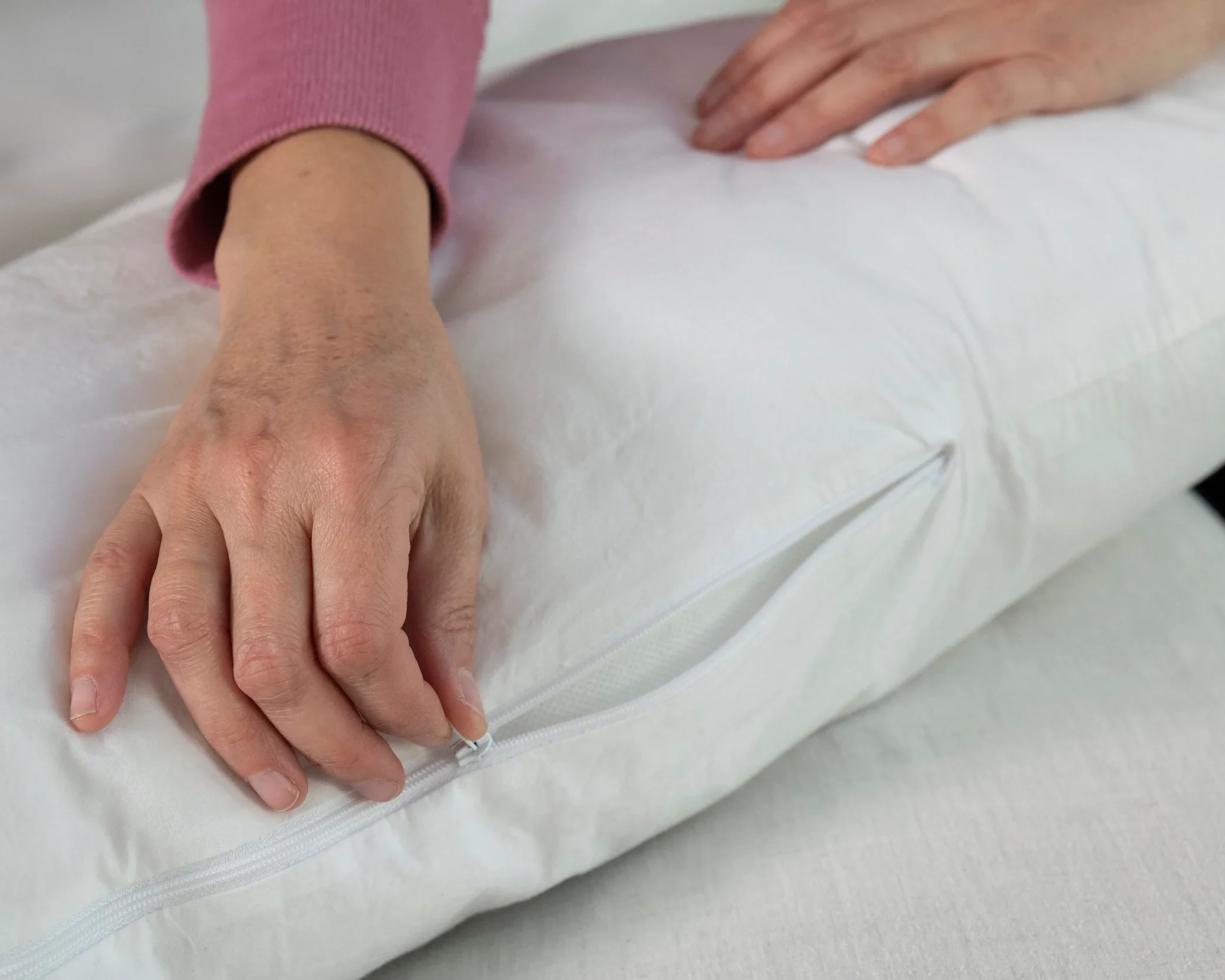
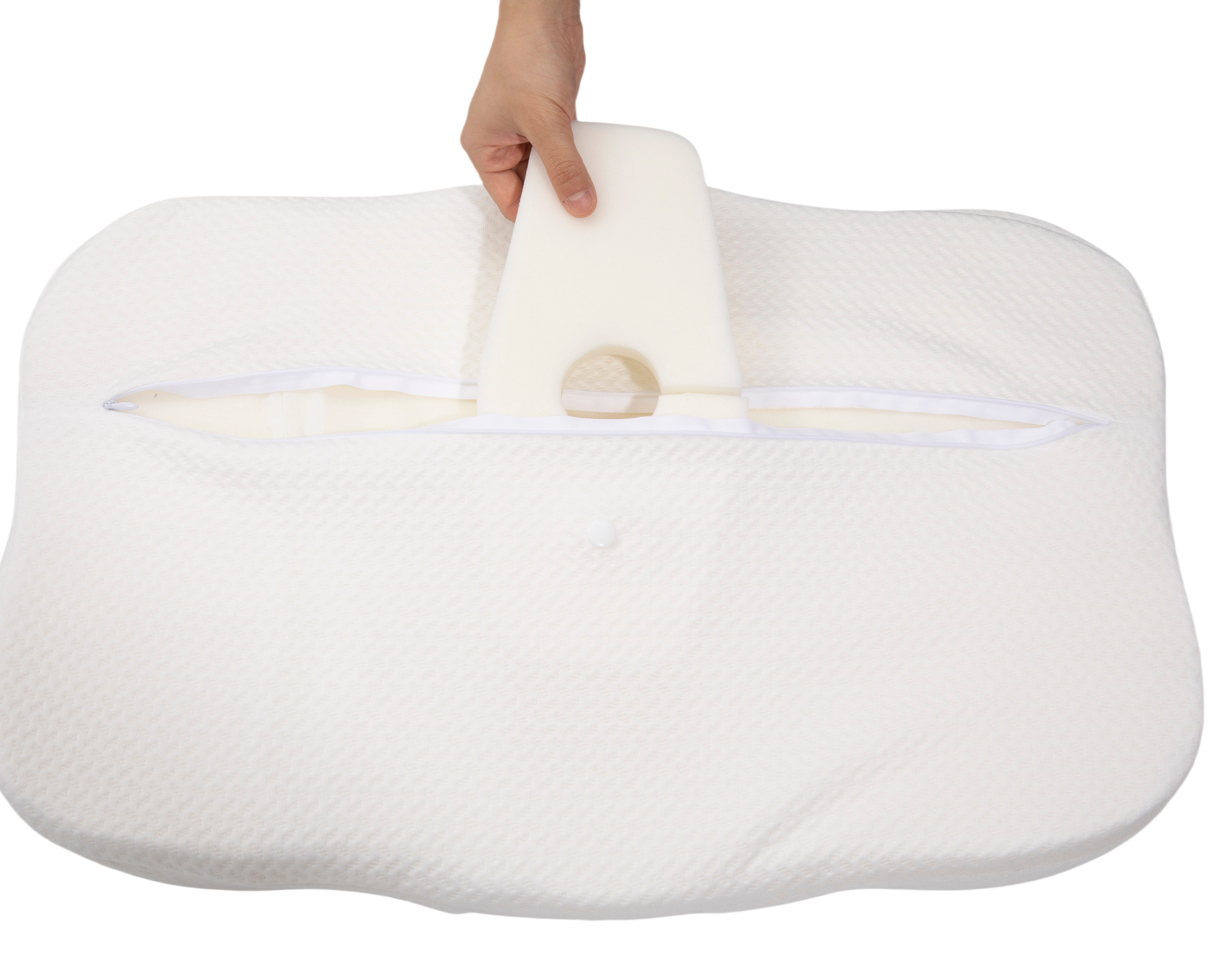
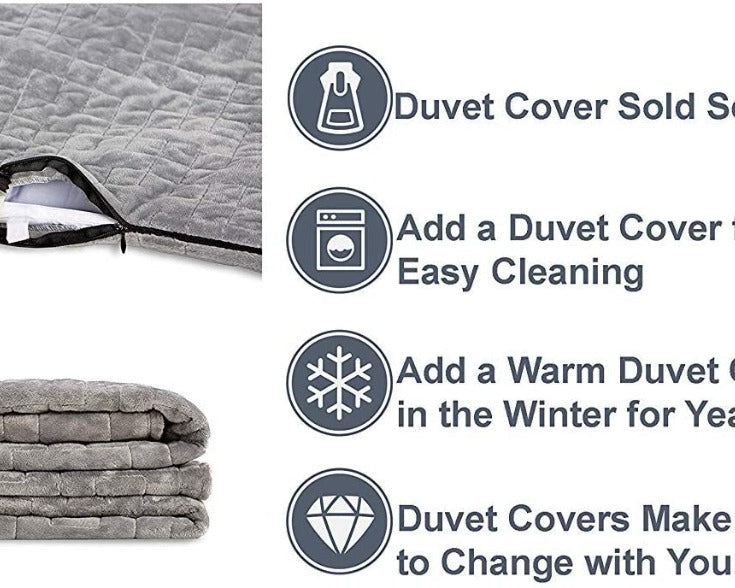
Removable, washable slipcovers for every piece
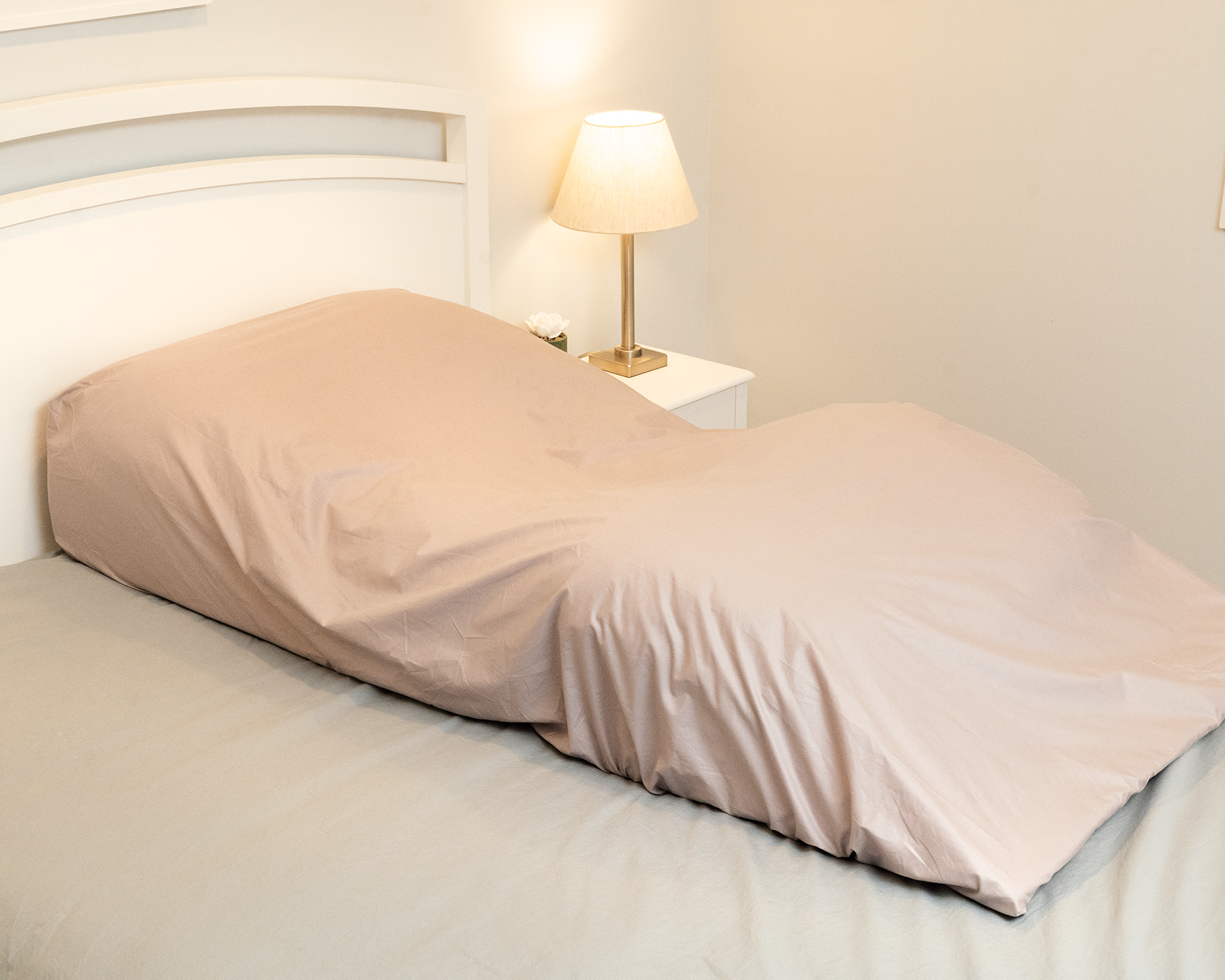
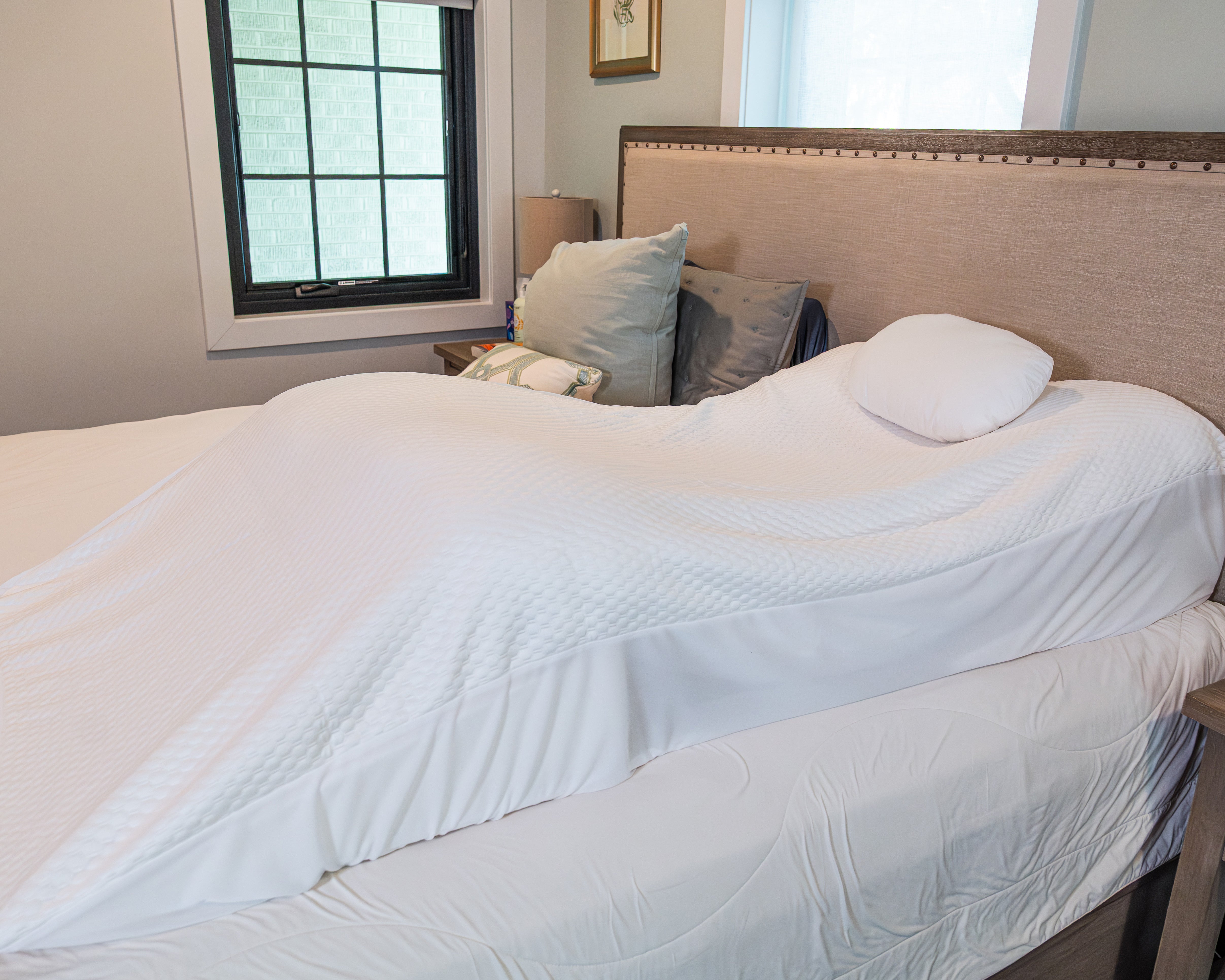
The Upper Body Wedge creates the 30–45 degree incline that FFS surgeons consistently recommend, and maintains that angle throughout the night without compression or collapse.
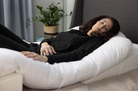
The Contoured Side Pillows provide lateral support that keeps you from rolling off your back, which is one of the most common sleep positioning failures during recovery.
The Head Pillow supports the neck without creating contact pressure on the healing scalp or face.
And the washable slipcovers matter practically. You're spending a significant amount of time in bed during early recovery, and hygienic, easy-to-launder bedding is not a minor consideration.
GET THE BEST SYSTEM FOR YOUR FFS RECOVERY

Why Is the Sleep Again Pillow System Particularly Well-Suited to FFS Recovery?
FFS presents a specific combination of sleep positioning demands that most recovery products aren't designed to address simultaneously.
Facial pressure avoidance is non-negotiable. With healing incisions across the forehead, scalp, jaw, and chin, no part of the face can contact a sleep surface during early recovery. The Sleep Again Pillow System's Upper Body Wedge elevates the entire upper body at the correct therapeutic angle, keeping the face clear of any surface contact throughout the night, something a standard flat pillow arrangement cannot reliably achieve.
Elevation must be consistent, not approximate. The 30–45 degree incline recommended after FFS needs to hold through the full sleep cycle, not just at the start of the night. The Upper Body Wedge maintains its angle through sustained use. Standard pillows compress significantly under body weight and lose that angle by morning. For FFS patients, a degraded incline means increased overnight fluid accumulation in facial tissue, directly affecting swelling resolution the next day.
Lateral rolling is a meaningful risk. FFS patients recovering from jaw and chin work face particular risk from rolling onto the face or side during sleep. The two Contoured Side Pillows create a stable lateral boundary that discourages rolling without using restraints or rigid supports. This is passive protection — it works whether the patient is awake or asleep.
Extended back sleeping requires full-body support. Sleeping on the back for two or more weeks is uncomfortable without proper lower body support. The Leg Support Wedge addresses the lower back pressure that accumulates during extended back sleeping, making the position sustainable for the full required recovery window rather than something patients abandon due to discomfort after the first few nights.
HELP PROTECT YOUR FFS RESULTS TODAY
How Is This Different from Stacking Pillows from the Hall Closet?
Standard household pillows compress 40–60% under sustained body weight. An incline that starts at 35 degrees at bedtime may be closer to 15 degrees by morning — well below the therapeutic window. The Sleep Again Pillow System maintains consistent elevation through the night, which is the entire point.
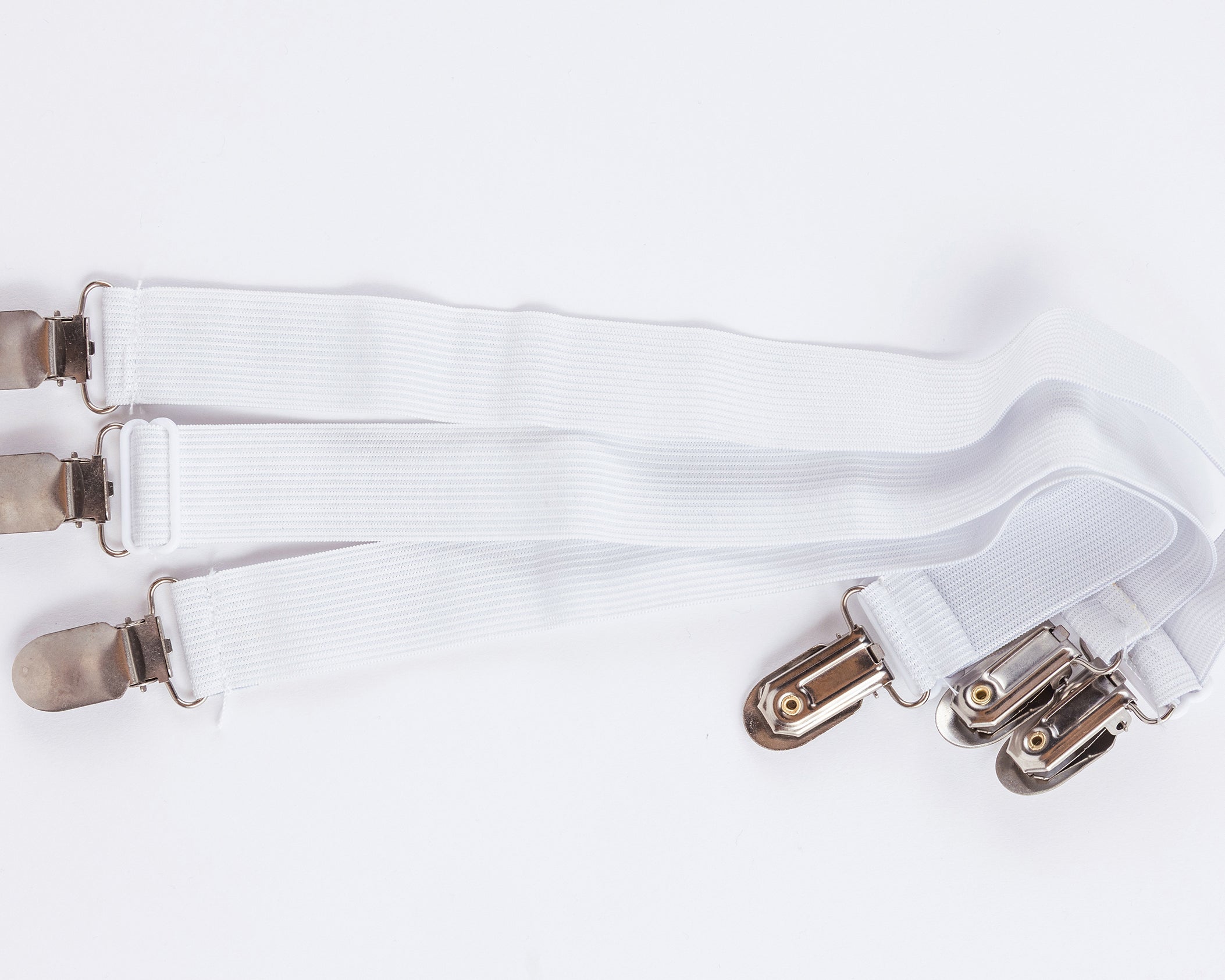
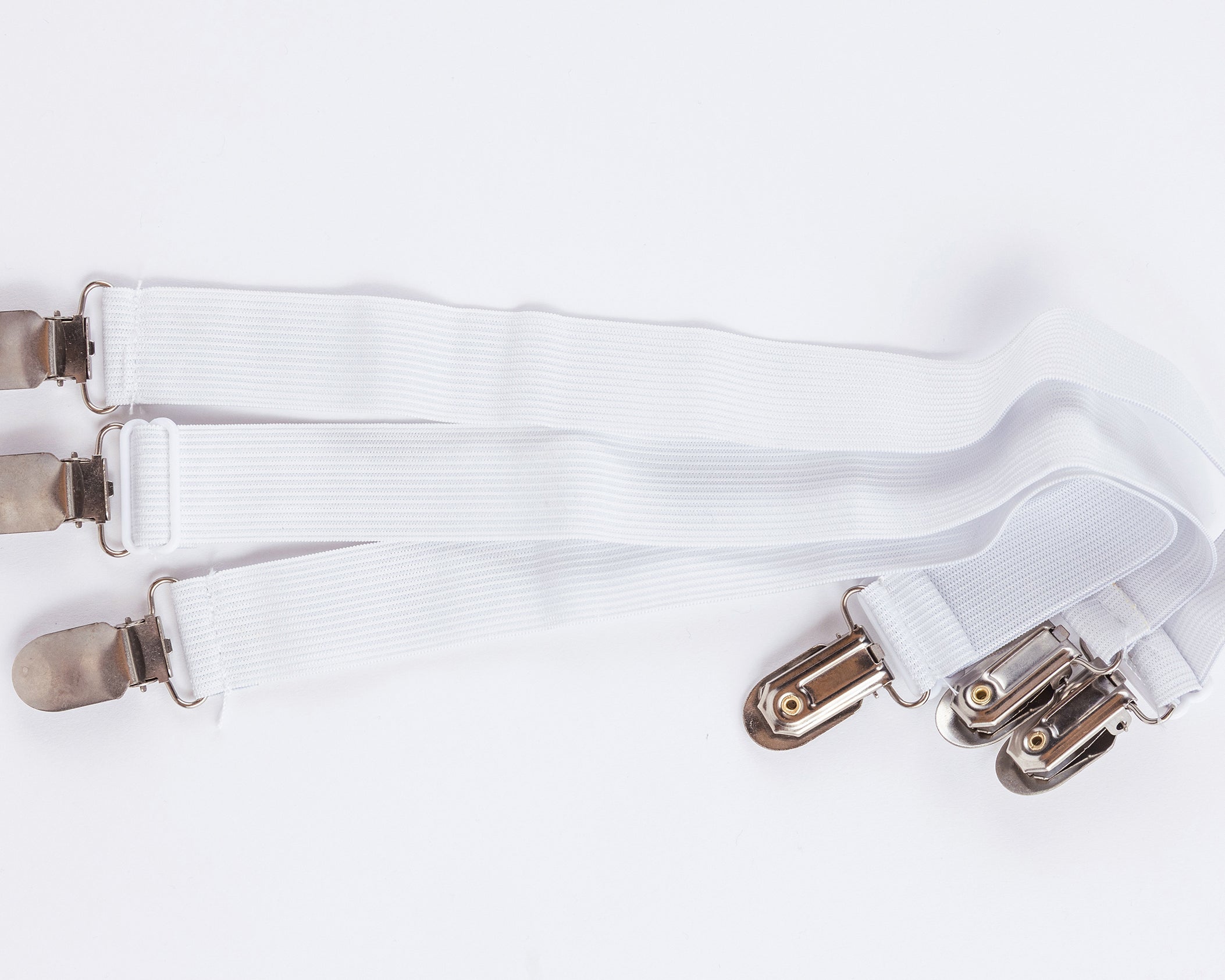
Standard pillows also shift independently during sleep. The integrated design of the Sleep Again Pillow System keeps components working together, reducing the repositioning disruptions that fragment sleep during early recovery.
The Sleep Again Pillow System is eligible for purchase using HSA/FSA funds — a practical consideration for patients planning surgery in the near term.
Please note: due to federal regulations, bedding products are not returnable, and all sales are final.
What Are the Most Common Sleep Challenges During FFS Recovery?
Why Is It So Hard to Fall Asleep After FFS?
Several overlapping factors contribute to post-FFS sleep difficulty. Discomfort from swelling makes settling into sleep harder. Compression bandages can feel unfamiliar and constrictive. Anxiety about the healing process is common, particularly in the first week when swelling is at its peak, and results are least visible. Pain medication schedules may also disrupt natural sleep rhythms.
The most effective responses are mechanical, not pharmaceutical. Position that reduces discomfort, consistent bedtime routines, and an environment set up to minimize stimulation.
What If You Roll Onto Your Side During Sleep?
Some degree of nighttime movement is unavoidable. The goal is not to eliminate movement entirely but to reduce the likelihood of rolling into positions that place pressure on healing tissue. The Contoured Side Pillows in the Sleep Again Pillow System function as lateral positioning support, providing gentle resistance that limits rolling without being restrictive.
Why Is Morning Swelling Worse Than Evening Swelling?
This is normal and expected. During horizontal sleep — even at an incline — some degree of fluid accumulation occurs. Cold compresses to non-incision areas after waking can help. The longer-term answer is consistent, well-maintained elevation throughout the night, which reduces (but doesn't eliminate) overnight fluid accumulation.
Frequently Asked Questions: FFS Recovery and Sleep
How long will I need to sleep elevated after facial feminization surgery?
Most surgeons recommend maintaining head elevation at 30–45 degrees for the first two to three weeks post-surgery. This is when elevation has the greatest impact on swelling management. After two weeks, the requirement relaxes — though many patients find back sleeping comfortable enough to continue beyond that point.
Can I sleep on my side after FFS?
Side sleeping is generally not recommended during the first two weeks of recovery. Placing the face against a pillow surface creates pressure on healing incisions, disrupts compression garments, and introduces positional asymmetry that can contribute to uneven swelling. Your surgeon will advise when side sleeping is safe to resume based on your specific procedures and healing progress.
Is a recliner an acceptable alternative to a bed with a positioning system?
Some patients find recliners comfortable during the first few days of recovery. The limitation of a recliner is that it's difficult to maintain truly comfortable sleep for extended periods, which matters when your body needs significant rest. A proper in-bed positioning setup typically produces better sleep quality over a recovery period of several weeks.
When will I be able to sleep normally after FFS?
Most patients can return to more flexible sleeping positions by weeks three to four, with full clearance from their surgeon. The more extensive the procedures — particularly significant jaw and chin work — the longer the positioning requirements tend to last.
Does sleep quality actually affect how fast I heal from FFS?
Yes, meaningfully. During deep sleep, the body releases growth hormone that drives tissue repair and cellular regeneration. Fragmented or insufficient sleep slows this process. Patients who consistently achieve quality sleep during recovery typically experience faster swelling resolution and report better overall recovery experience.
Can I use my HSA or FSA to purchase a positioning pillow system for FFS recovery?
The Sleep Again Pillow System is HSA/FSA eligible. If you're planning FFS in the near term, purchasing a positioning system as part of your pre-surgery preparation is a straightforward eligible expense.
What warning signs should I watch for related to sleep and recovery after FFS?
Contact your surgical team promptly if you experience: sudden increase in pain during sleep that isn't explained by position; swelling that increases significantly overnight and doesn't improve with elevation; numbness or tingling that worsens rather than gradually improving; or any signs of infection around incision sites. These require medical evaluation rather than positioning adjustments.
How do I actually set up the Sleep Again Pillow System for FFS recovery?
Check out our demonstration videos on how to set up your system. And if you ever have any questions or need our help, email us. We're a small business and will respond to your email as soon as possible.
The Bottom Line on FFS Recovery Sleep
FFS requires substantial commitment — in time, cost, and in the deeply personal process of aligning your appearance with your identity. Protecting that commitment during recovery is not complicated, but it does require preparation.
Elevated back sleeping is the most consistently recommended post-FFS sleep strategy for good reason: it directly reduces swelling, protects healing tissue, and allows the results you've worked toward to emerge clearly and on schedule.
The window where it matters most is two weeks — focused, supported, well-positioned recovery sleep. Set up your environment before surgery day. Have your positioning support in place before you come home. Give yourself the conditions to actually rest.
Important Medical Disclaimer
The information provided on this page is for educational purposes only and should not replace professional medical advice from your healthcare provider. Sleep Again Pillows are positioning support products designed to help maintain sleep positions recommended by medical professionals during recovery and for therapeutic use.
Always follow your surgeon's or physician's specific post-operative instructions and positioning requirements. Medical guidance from your healthcare team takes precedence over any general information provided here. Recovery timelines, positioning angles, and product suitability vary based on individual surgical procedures, medical conditions, and patient-specific factors.
Consult your healthcare provider before purchasing positioning equipment if you have specific medical concerns or questions about whether these products are appropriate for your recovery or medical condition(s). Your medical team can provide personalized recommendations based on your unique situation.
Sleep Again Pillows do not diagnose, treat, cure, or prevent any medical condition. These products provide positioning support to help maintain sleep angles and positions as directed by your healthcare provider.