
Deciding to have gynecomastia surgery isn't a small thing. For most men, it follows years of managing something that affected how they moved through the world — what they wore, whether they took their shirt off, how they felt in their own body. You've made the decision. You've done what it takes to get here. Now comes the part most people don't think about until it's too late: how you're actually going to sleep afterward.
Sleep isn't just passive downtime after surgery. It's when your body does the majority of its cellular repair work — releasing growth hormones, cycling through tissue regeneration, and managing inflammation. If your sleep setup is wrong, your recovery will be longer and more uncomfortable than it needs to be. If it's right, those eight hours every night are working directly in support of your healing.
The good news is that gynecomastia recovery sleep is very plannable. Unlike some surgeries where positioning gets complicated fast, the framework here is straightforward: elevated back sleeping, proper chest protection, and a plan for transitioning back to your preferred position as healing progresses. The challenge is that straightforward doesn't mean that it's also simple to execute without the right equipment, especially for the first several weeks.
This guide is built for patients who are preparing before surgery, not scrambling the night before discharge. The decisions you make now about your setup, your positioning plan, and your week-by-week approach will have a direct impact on how fast and comfortably you heal.
What Actually Happens to Your Chest During Gynecomastia Surgery?
Before you can understand why sleep positioning matters, it helps to understand what your chest will be going through.
Gynecomastia surgery — medically referred to as male breast reduction — addresses the presence of excess glandular tissue, fatty tissue, or a combination of both in the male chest. Depending on your specific anatomy and surgical approach, the procedure typically involves liposuction to remove excess fat, direct excision to remove glandular tissue, or both. In some cases, areola repositioning or skin reduction is also performed to refine the final contour.
The result is a series of incisions that are typically small and placed within natural skin folds that need to heal cleanly. Your chest wall tissues have been surgically altered. Your lymphatic system is dealing with a disruption to normal fluid circulation in the area. Your body is deploying an inflammatory response that, while necessary for healing, produces the swelling and bruising that will characterize your first several weeks of recovery.
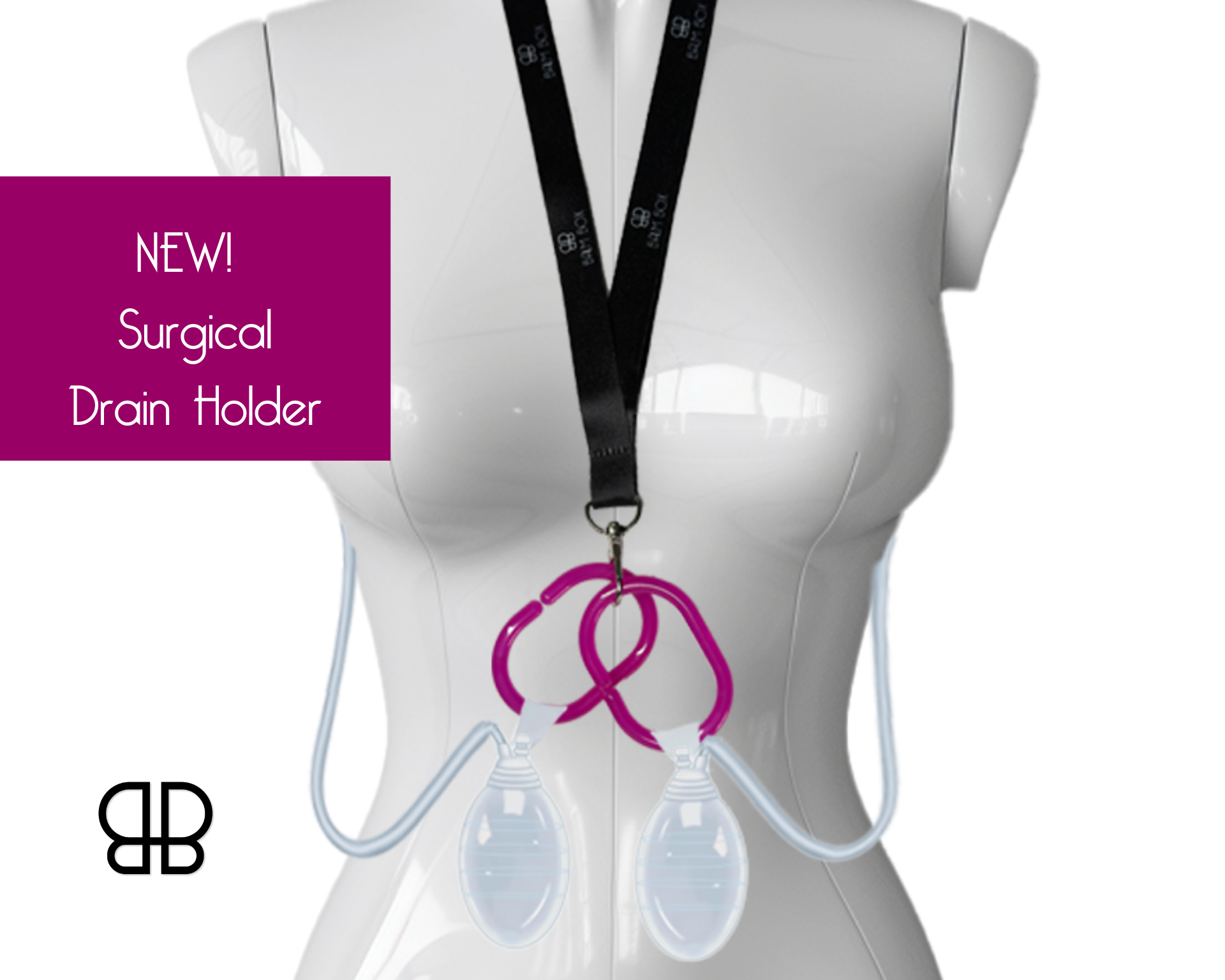
Drain tubes are sometimes placed to capture excess fluid, particularly in more extensive cases. Compression garments are nearly universal. Your surgeon will fit you in one before you leave the facility. The entire chest area is in a state of active, carefully managed healing from day one.
Understanding this helps explain why sleep position isn't optional advice. How you position yourself during the hours you spend horizontal every night either supports or undermines everything happening at that site.
Why Does Sleep Quality Matter So Much After Gynecomastia Surgery?
Sleep is your body's primary recovery window. During deep sleep stages, human growth hormone production increases. This is the same hormone that drives tissue repair and regeneration. Your immune system ramps up its repair activity. Inflammation regulation occurs. Cellular waste products from the surgical site are cleared through lymphatic and circulatory processes.
When sleep is poor — whether from discomfort, wrong positioning, or fragmented cycles — all of this slows down. Healing takes longer. Swelling may linger. Discomfort can increase. The psychological toll of disrupted sleep compounds over time, making recovery harder than it needs to be.
The other reason sleep quality matters specifically after gynecomastia surgery is that you have no conscious control over how you move during sleep. Unintentional rolling onto the chest or side is common. Compression garments can shift. Unsecured pillows migrate. A setup that maintains correct positioning passively without requiring active correction through the night addresses all of these directly.

What Is the Best Sleeping Position After Gynecomastia Surgery?
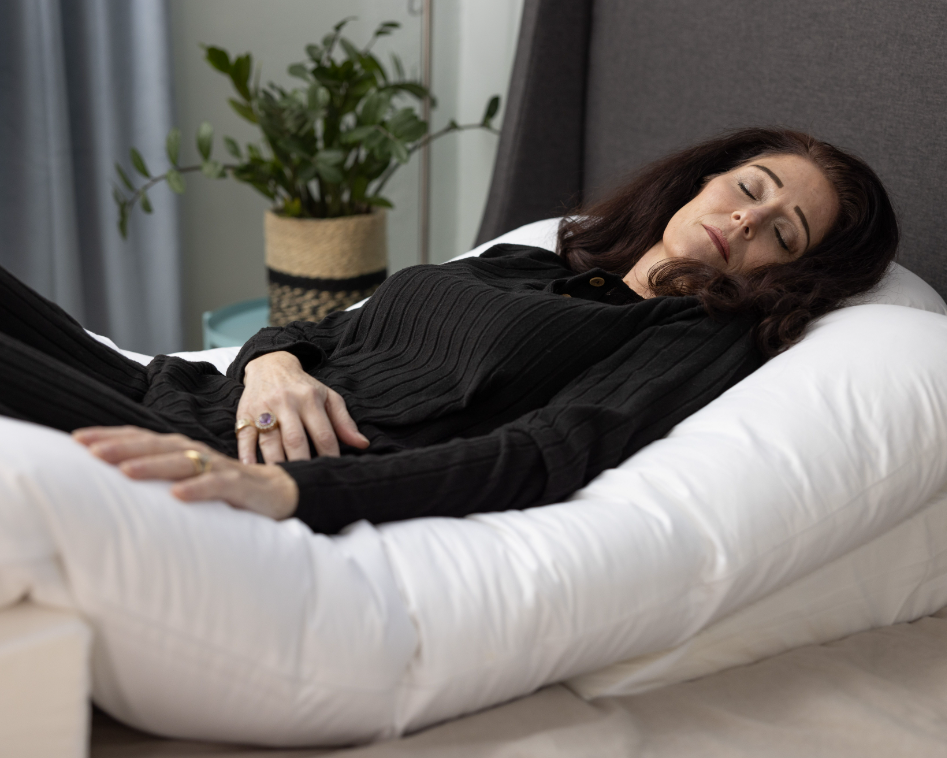
The answer is consistent across surgeons and clinical guidelines: elevated back sleeping at 30 to 45 degrees.
This isn't a preference recommendation. It's the position that addresses the specific physiological demands of chest recovery simultaneously, including fluid drainage, circulation support, incision protection, and compression garment stability. No other position accomplishes all four.
Here's why each element matters:
Elevated, not flat. Lying completely flat after chest surgery allows fluid to pool in the surgical area. When the chest is level with the rest of the body, gravity cannot assist lymphatic drainage. Elevation encourages fluid movement away from the surgical site, directly reducing swelling and the discomfort that comes with it.
Back, not side or stomach. Side sleeping places asymmetric pressure on one side of your chest, which means one surgical site is bearing load it shouldn't be, and your compression garment is being pushed unevenly against healing tissue. Stomach sleeping is the most problematic position of all, placing direct downward pressure on the surgical site. Both positions are off the table for the first four to six weeks.
30 to 45 degrees, not upright. This range delivers the therapeutic benefits of elevation while remaining sustainable through a full night of sleep. Below 30 degrees, the angle is insufficient to generate meaningful fluid drainage. Above 45 degrees, patients tend to slide down during the night, negating the positioning benefit and introducing new pressure points.
How Does Elevated Sleeping Reduce Swelling and Support Chest Healing?
Swelling after gynecomastia surgery is driven by two primary factors: the body's inflammatory response to surgical trauma and the disruption of normal lymphatic fluid circulation in the chest area.
Your lymphatic system is responsible for collecting excess fluid from tissues and routing it back into your bloodstream. It operates through a network of vessels and nodes, and unlike your cardiovascular system, it doesn't have a dedicated pump. It relies on muscle movement, breathing mechanics, and gravity to keep fluid moving.
When your chest lymphatic pathways are disrupted by surgery, fluid management becomes less efficient. Elevation assists gravity to do what the lymphatic system temporarily can't do at full capacity. Fluid is encouraged to drain away from the surgical site rather than accumulate there.
Simultaneously, elevation improves overall circulation efficiency. Your heart doesn't have to work as hard to deliver oxygenated blood to healing tissues when your upper body is at an angle. Better oxygen and nutrient delivery means faster cellular repair. More efficient circulation also means inflammatory byproducts — the metabolic waste of the healing process — get cleared more quickly.
What Happens If You Sleep on Your Side or Stomach Too Soon After Gynecomastia Surgery?
Most patients know they're supposed to avoid side and stomach sleeping. Fewer understand why the consequences are specific enough to take seriously.
Side sleeping too early creates several compounding problems. The direct pressure on healing chest tissue can interfere with wound healing at the incision sites. It creates conditions where fluid accumulates asymmetrically, contributing to uneven swelling and potentially uneven healing. It also shifts the compression garment out of optimal position — the garment is designed to provide even, bilateral pressure, and side sleeping works against that.
A related concern is seroma formation, which is the accumulation of serous fluid in a post-surgical cavity. Side sleeping can create pressure conditions that encourage seromas, which may require drainage at follow-up appointments and can delay the overall healing timeline.
Stomach sleeping is the position your surgeon most wants to prevent in the early weeks. The direct mechanical load on chest tissue and incision sites, combined with the compression of your ribcage, puts physical stress on everything that's healing. It can disrupt wound closure, increase pain, and in early recovery, can affect how the skin and underlying tissue settle into their new contour.
The timeline for returning to side or stomach sleeping varies by individual and by the extent of your procedure. Most surgeons advise at least four to six weeks of back sleeping before transitioning, and clearance at a follow-up appointment before changing positions. Stomach sleeping often requires longer than side sleeping before it's considered safe.
How Do Compression Garments Affect Your Sleep Setup?
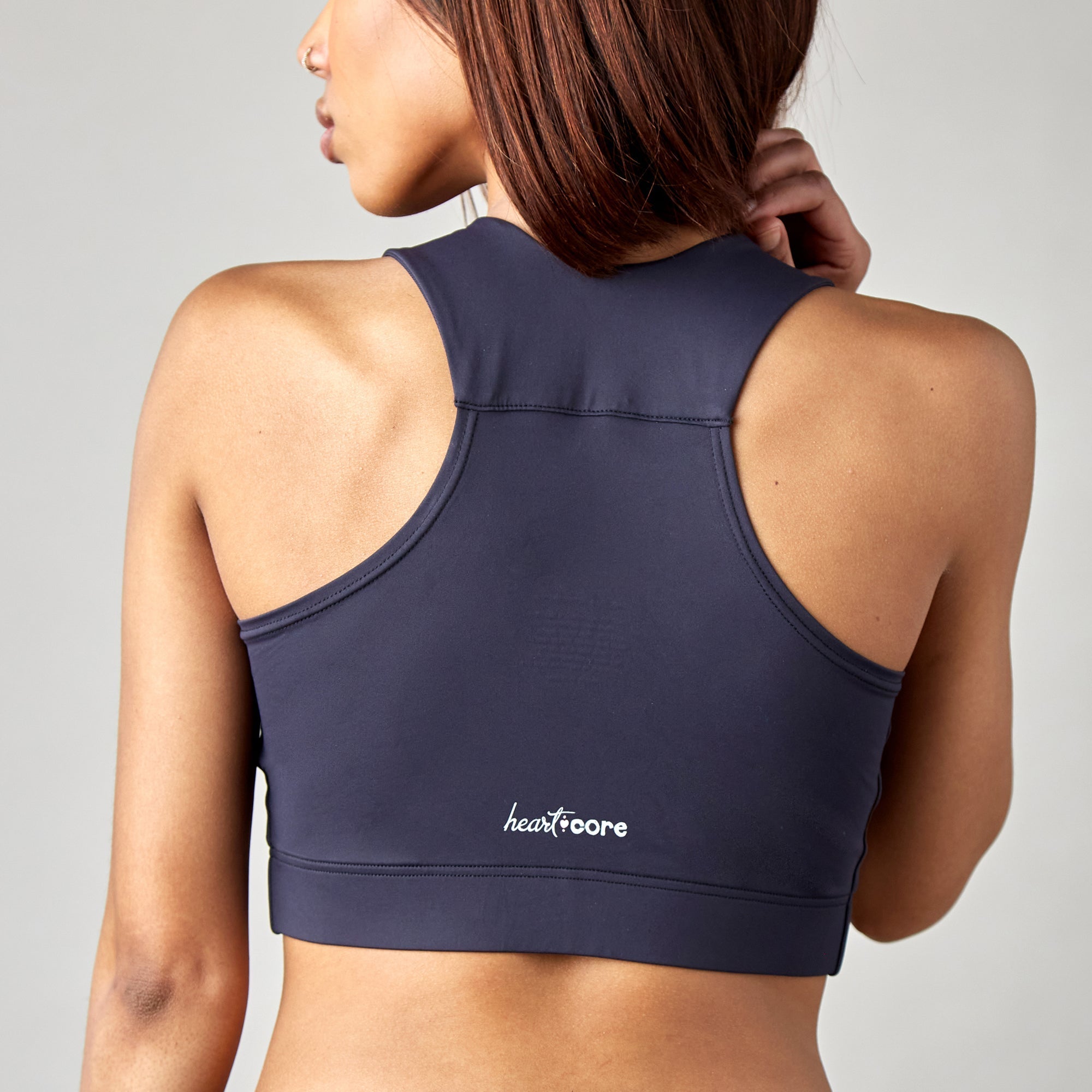
The compression garment your surgeon prescribes after gynecomastia surgery plays a significant role in your sleep logistics. Most patients wear their compression vest continuously during the first two to four weeks, including overnight.
Sleeping in a compression garment changes the physical parameters of your sleep positioning. The garment provides structural support that reduces the need for additional chest padding, but it also means your sleep setup needs to work with the garment rather than against it.
Positioning that shifts the garment — particularly side sleeping — undermines its intended function by distributing pressure unevenly. Correct back-elevated positioning keeps the garment sitting as designed, providing consistent bilateral compression that supports fluid management and tissue settling.
Adjusting a compression garment overnight while your chest is sore is not something you want to do repeatedly. A setup that maintains your position passively reduces that need.

How the Sleep Again Pillow System Supports Gynecomastia Recovery
Standard pillows are not engineered for post-surgical recovery. They compress unpredictably, they migrate during the night, and they require constant manual readjustment. A stacked pillow arrangement cannot reliably maintain a 30-45 degree incline through the night. Elevation is lost as pillows shift, and the therapeutic positioning your surgeon prescribed is no longer working.
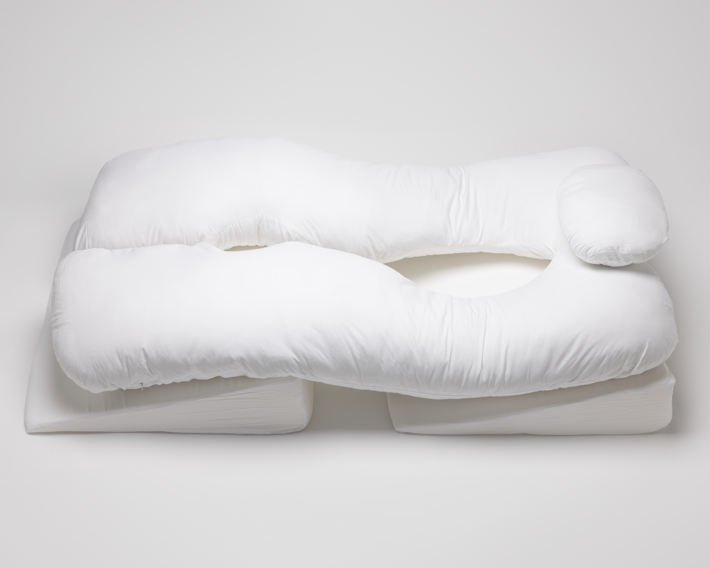
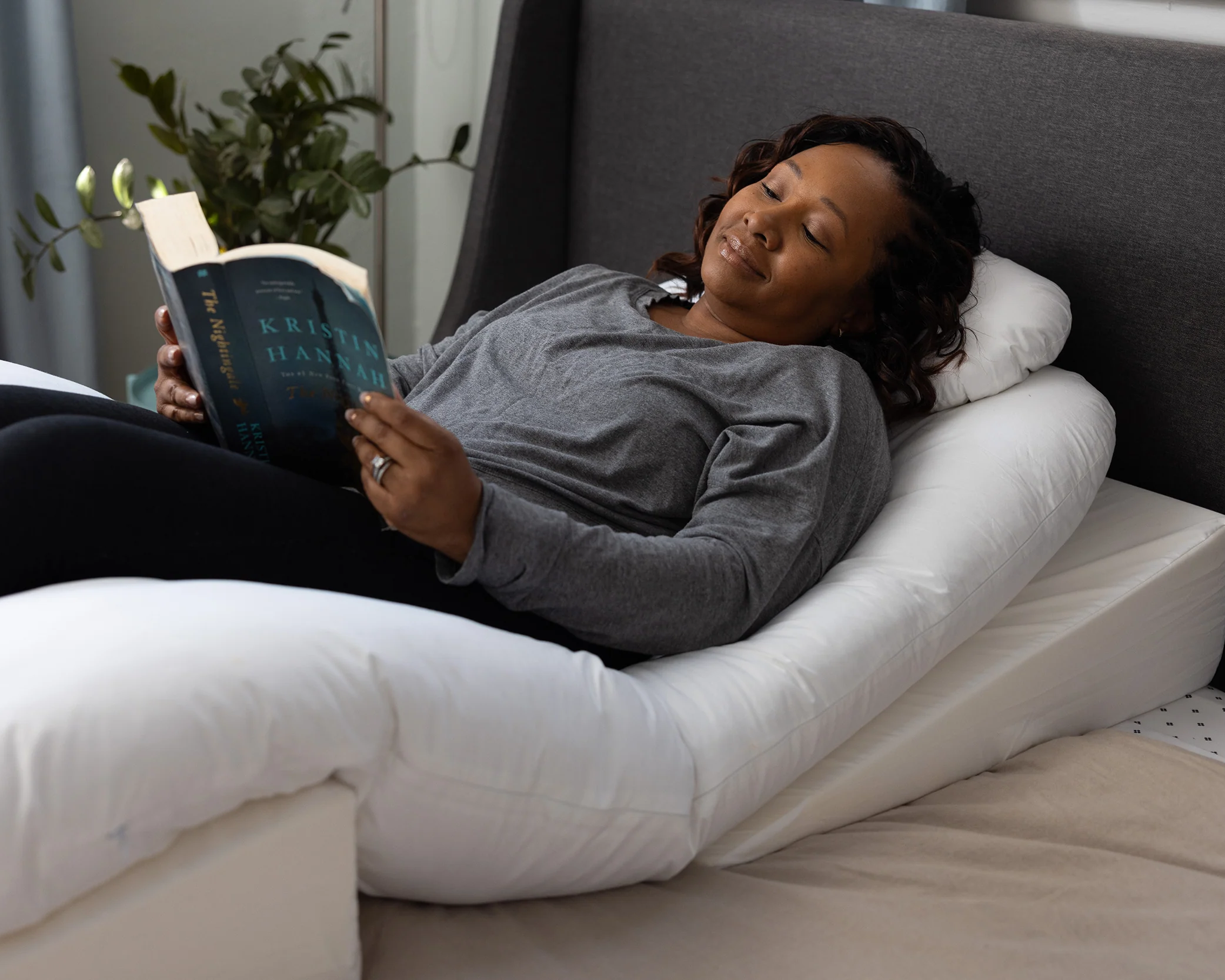
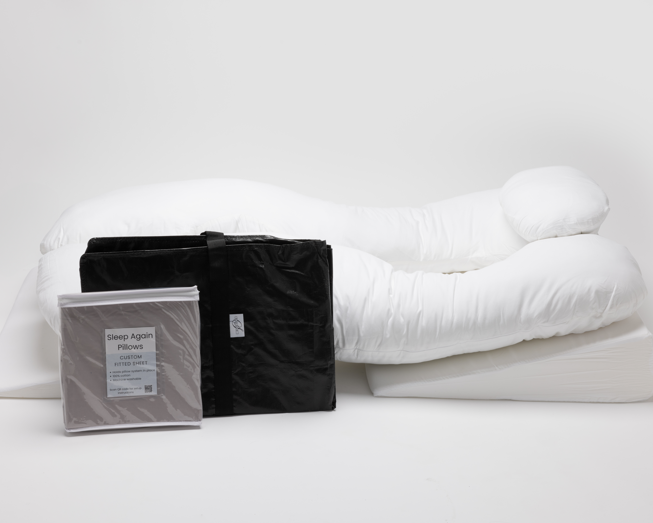
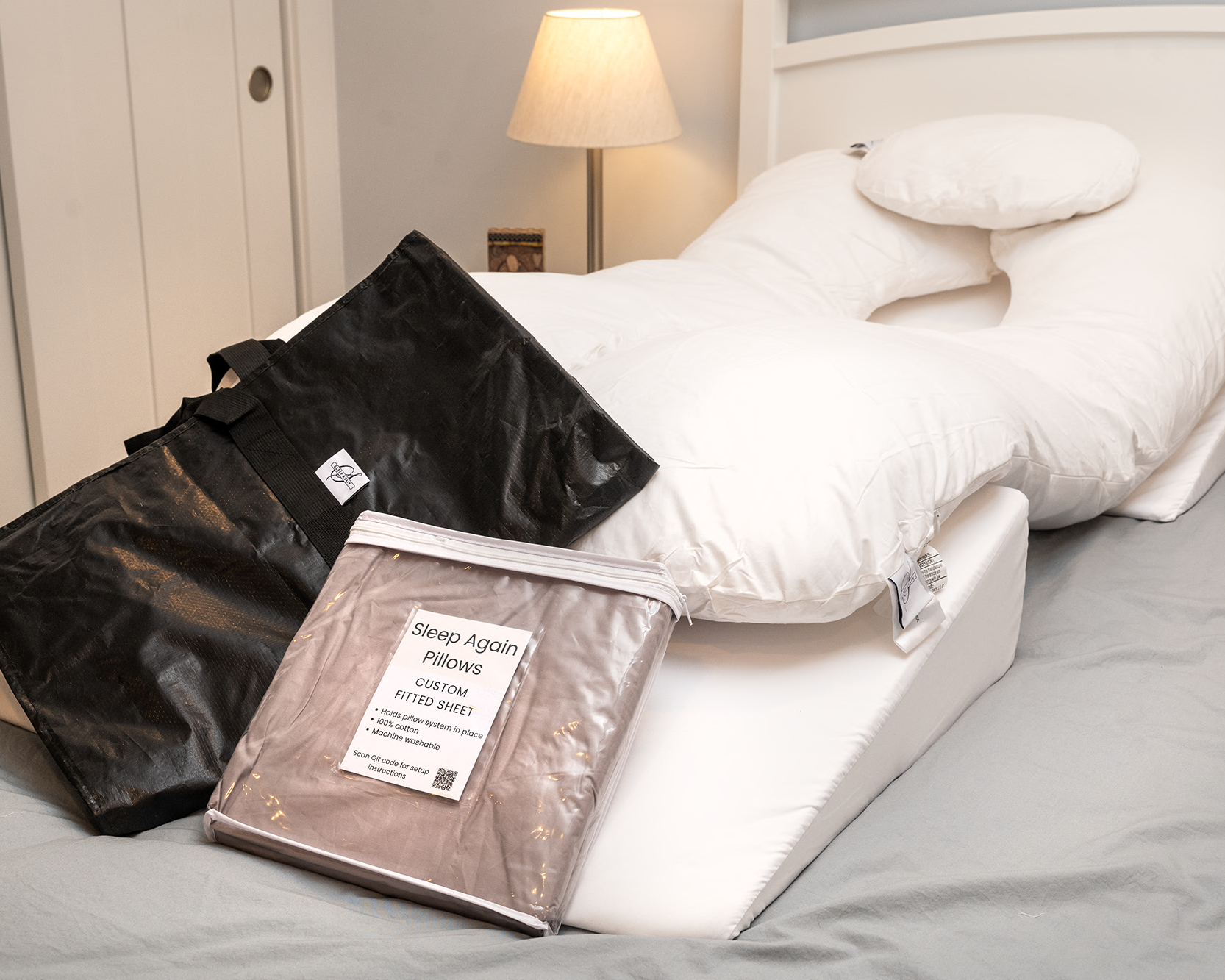
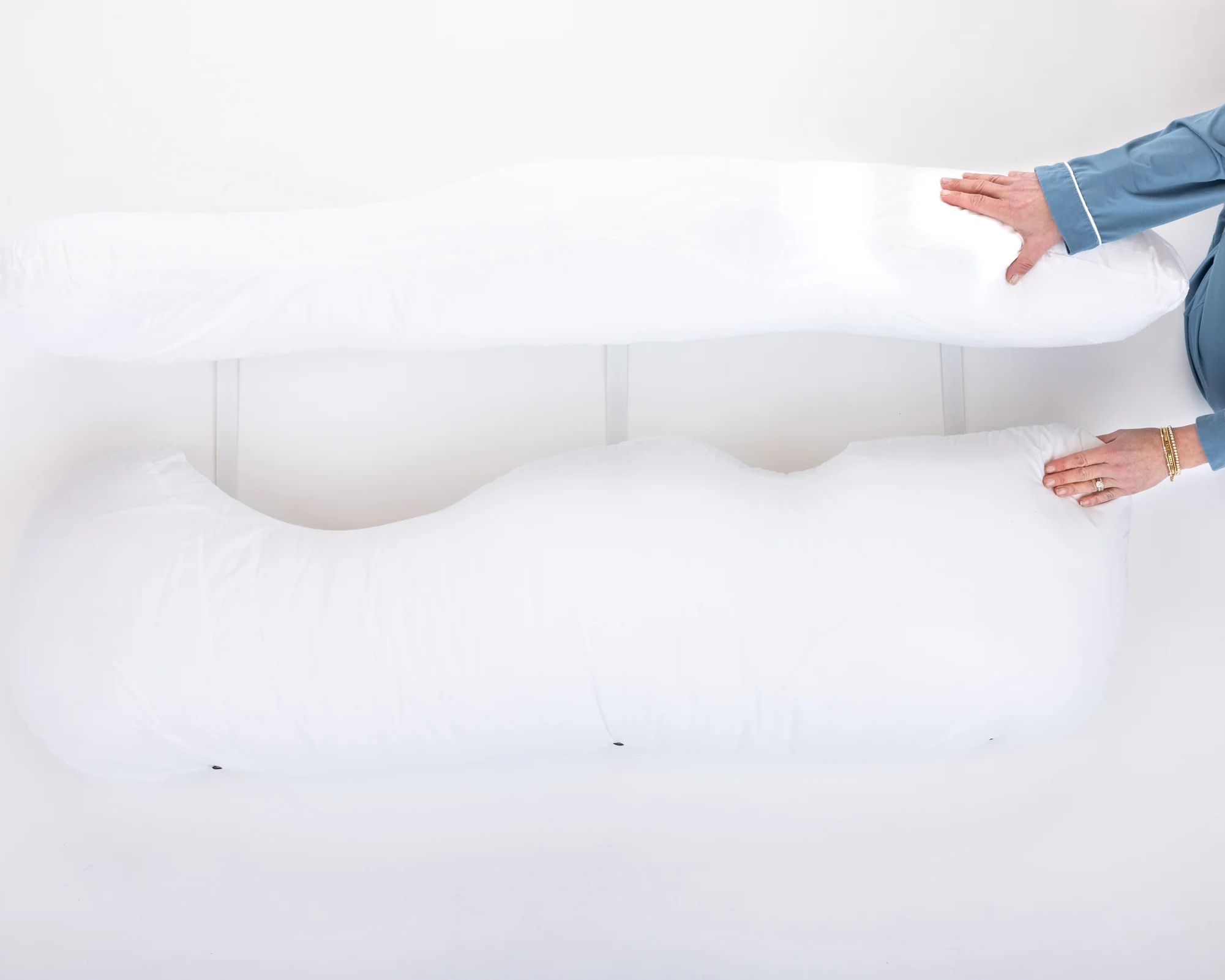
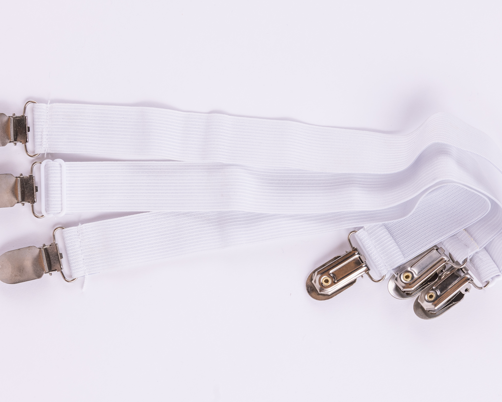
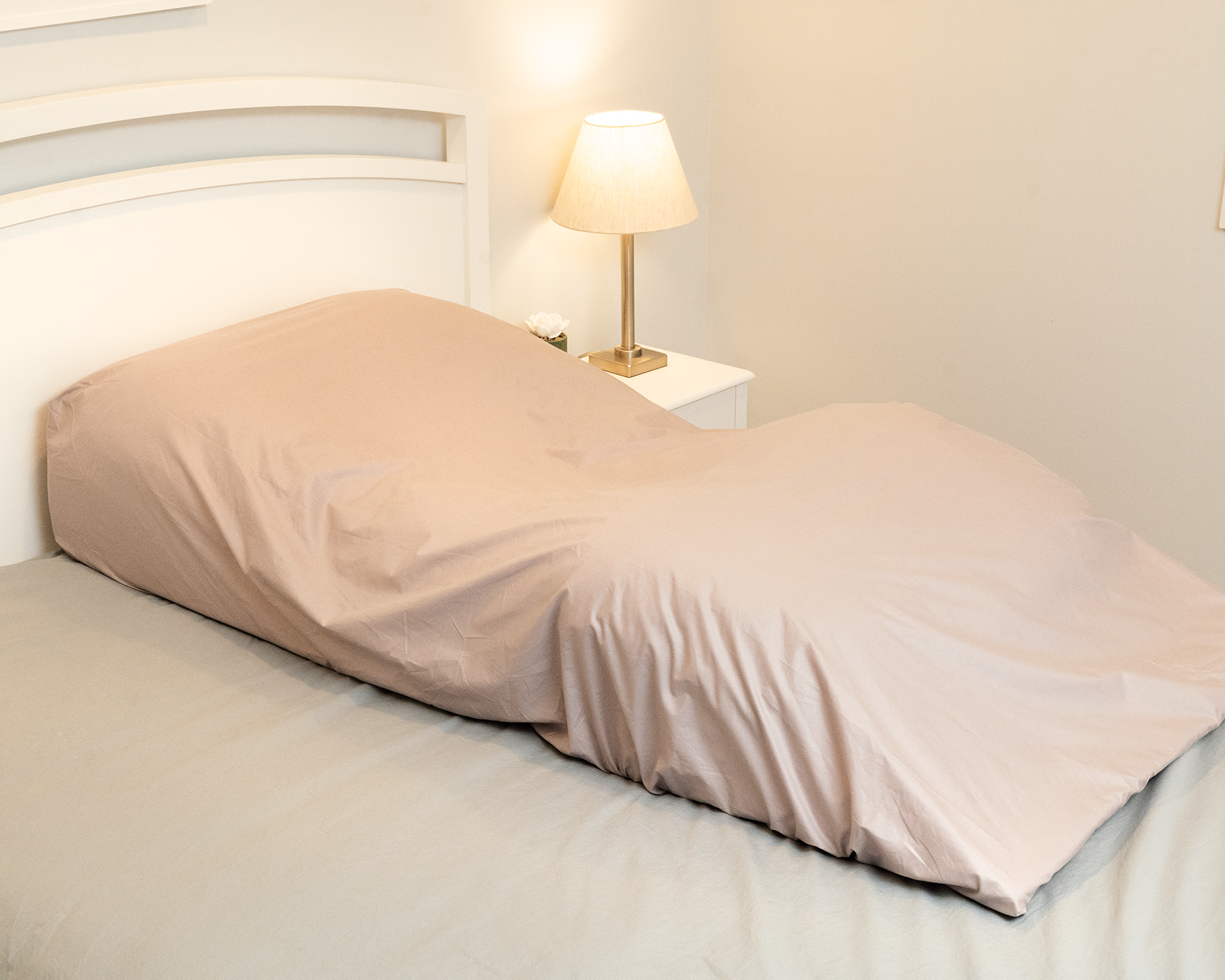
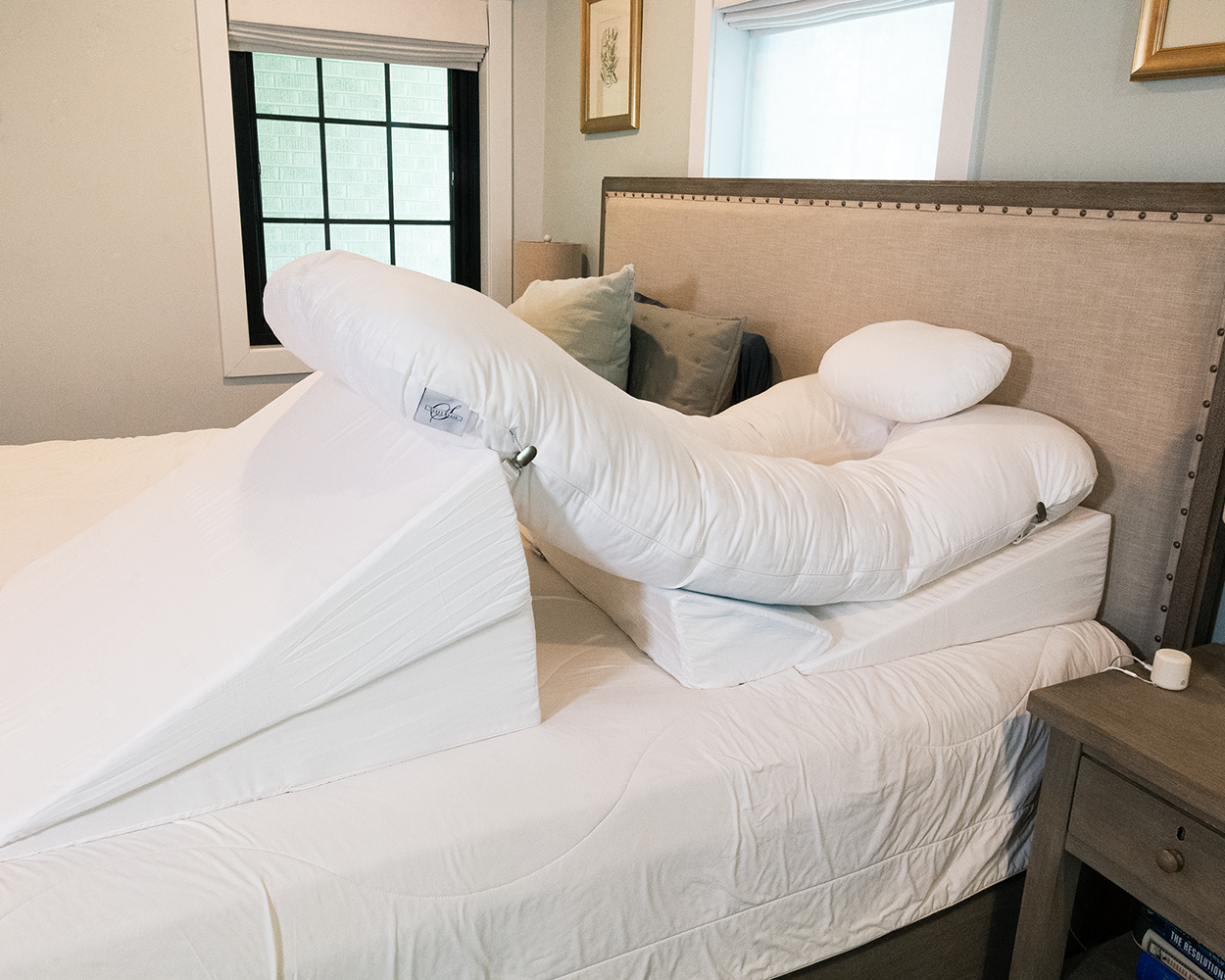
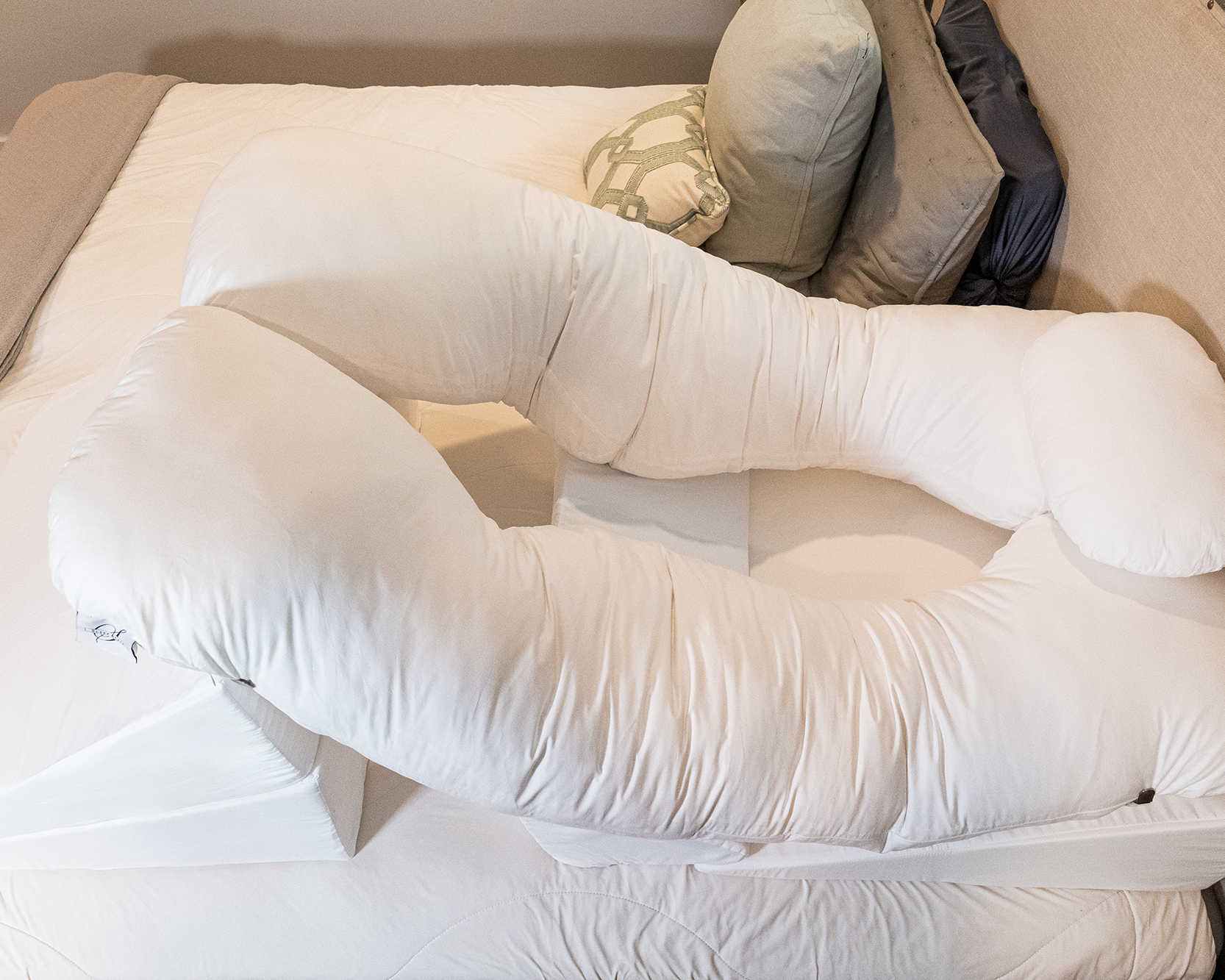
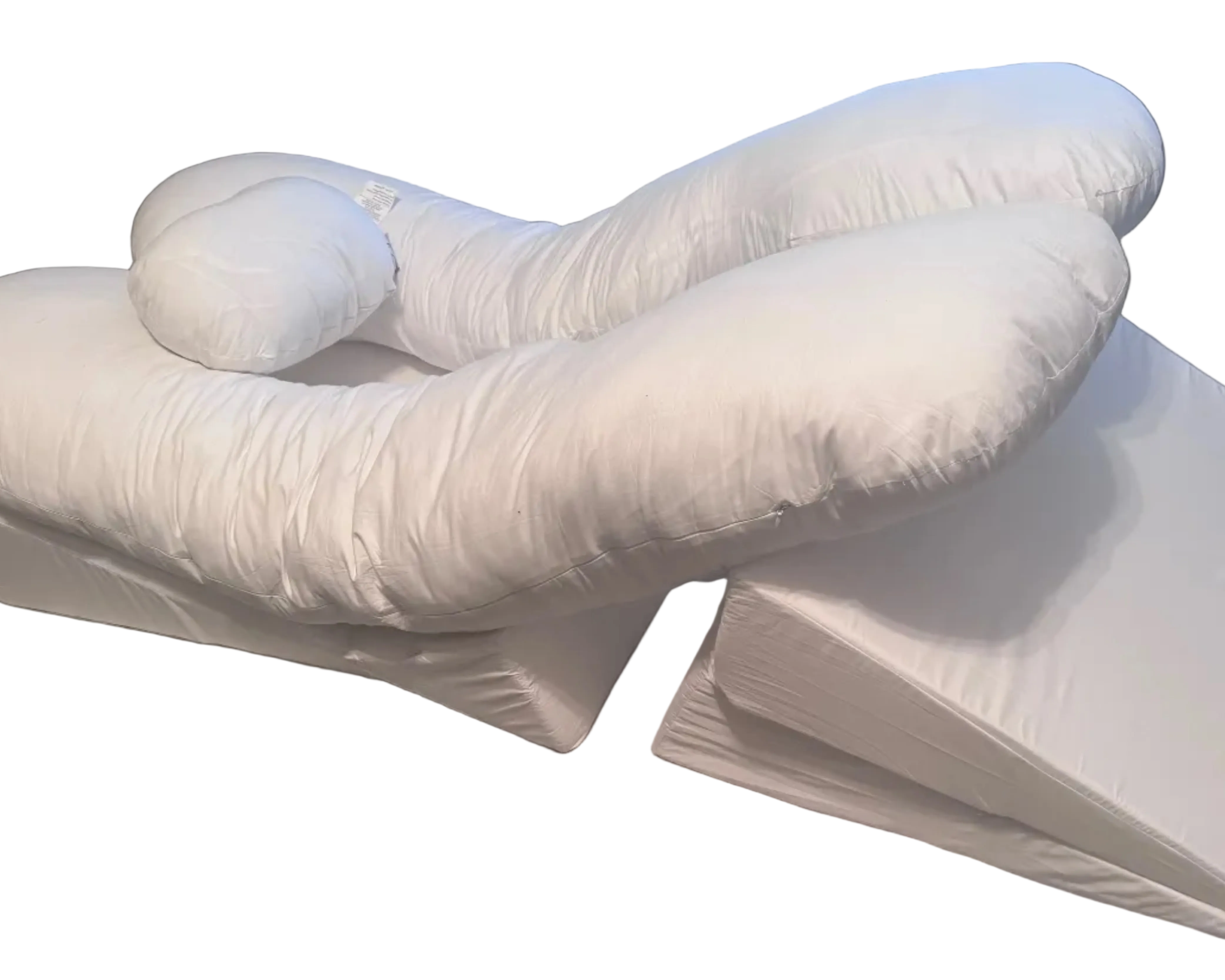
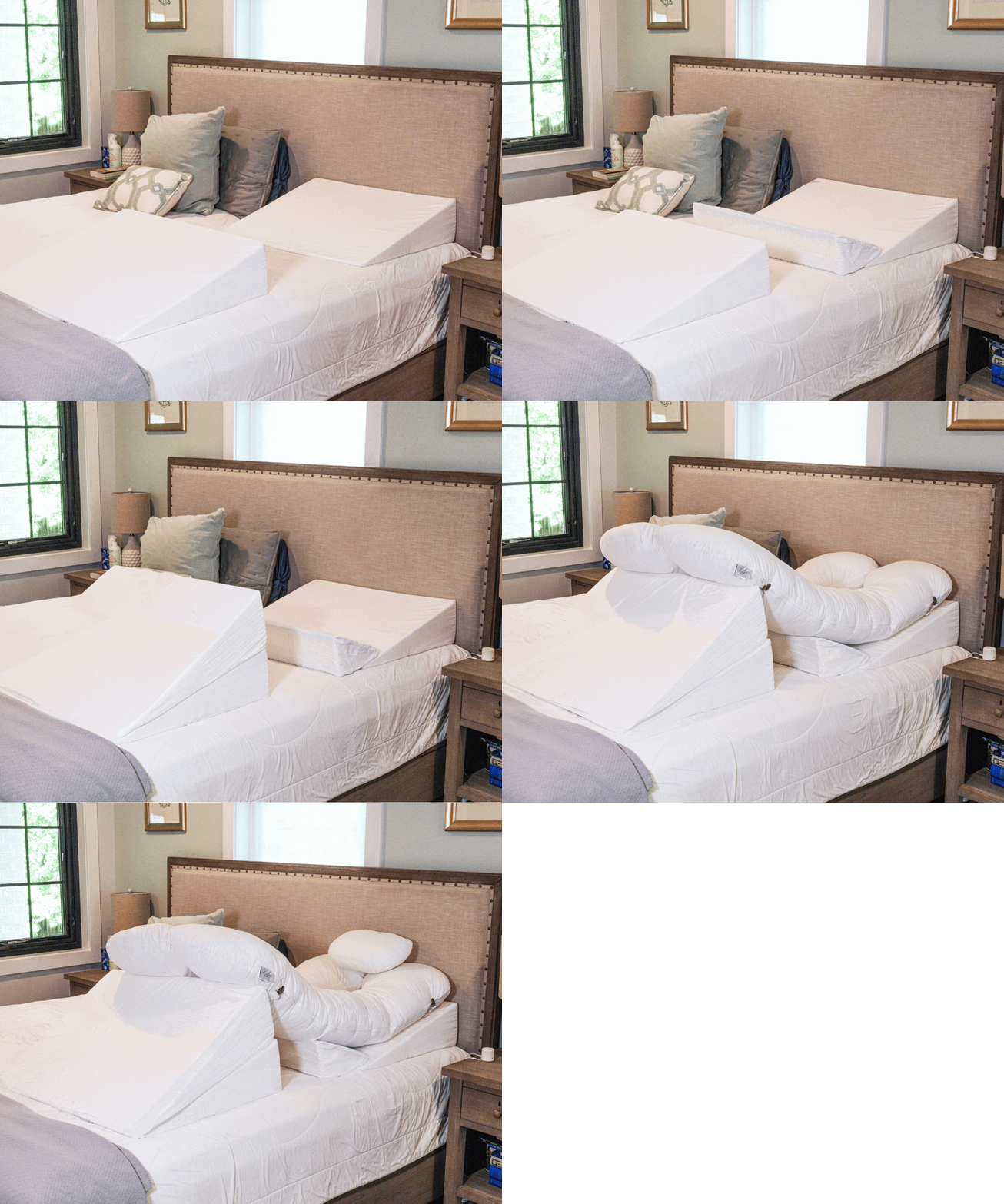
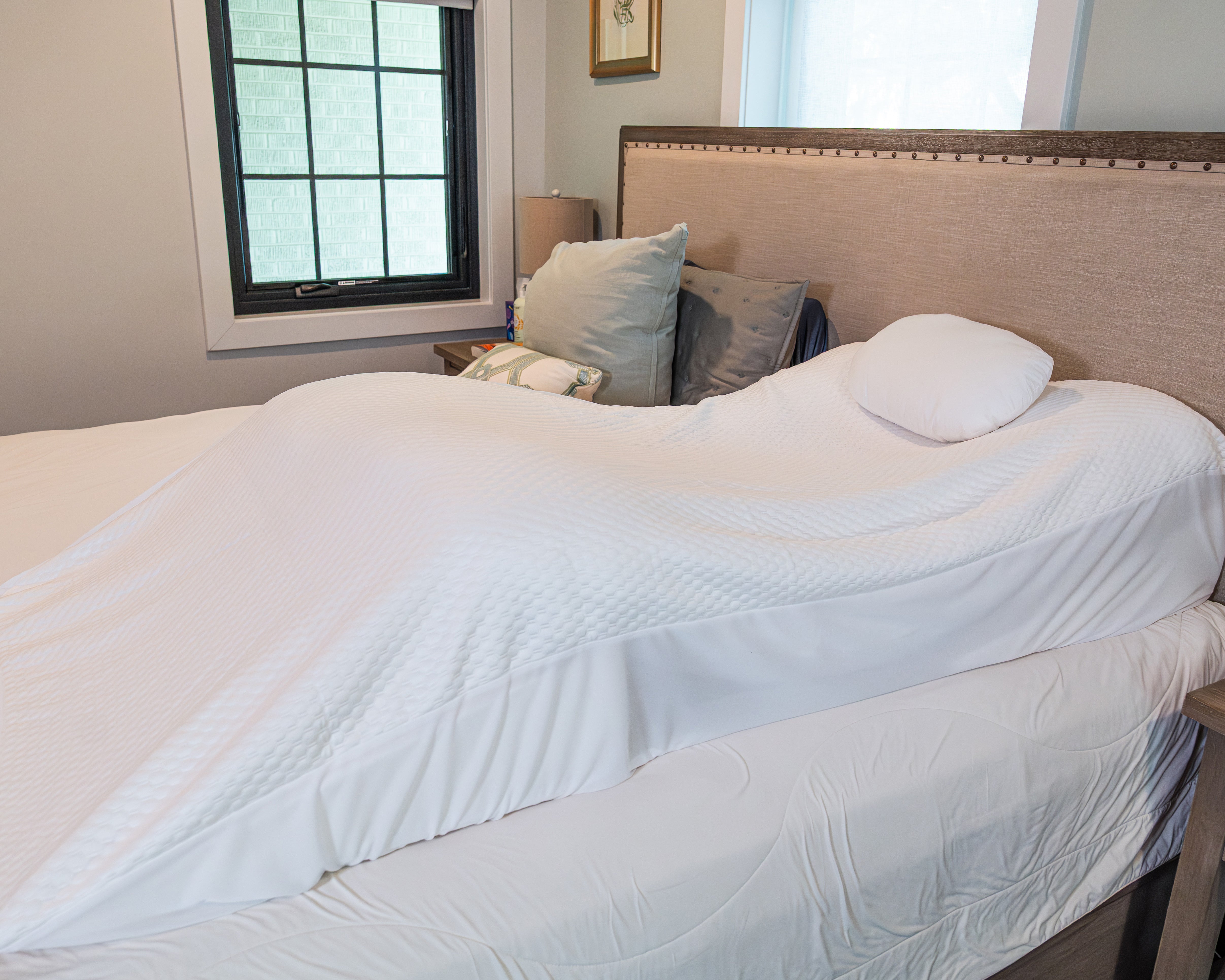
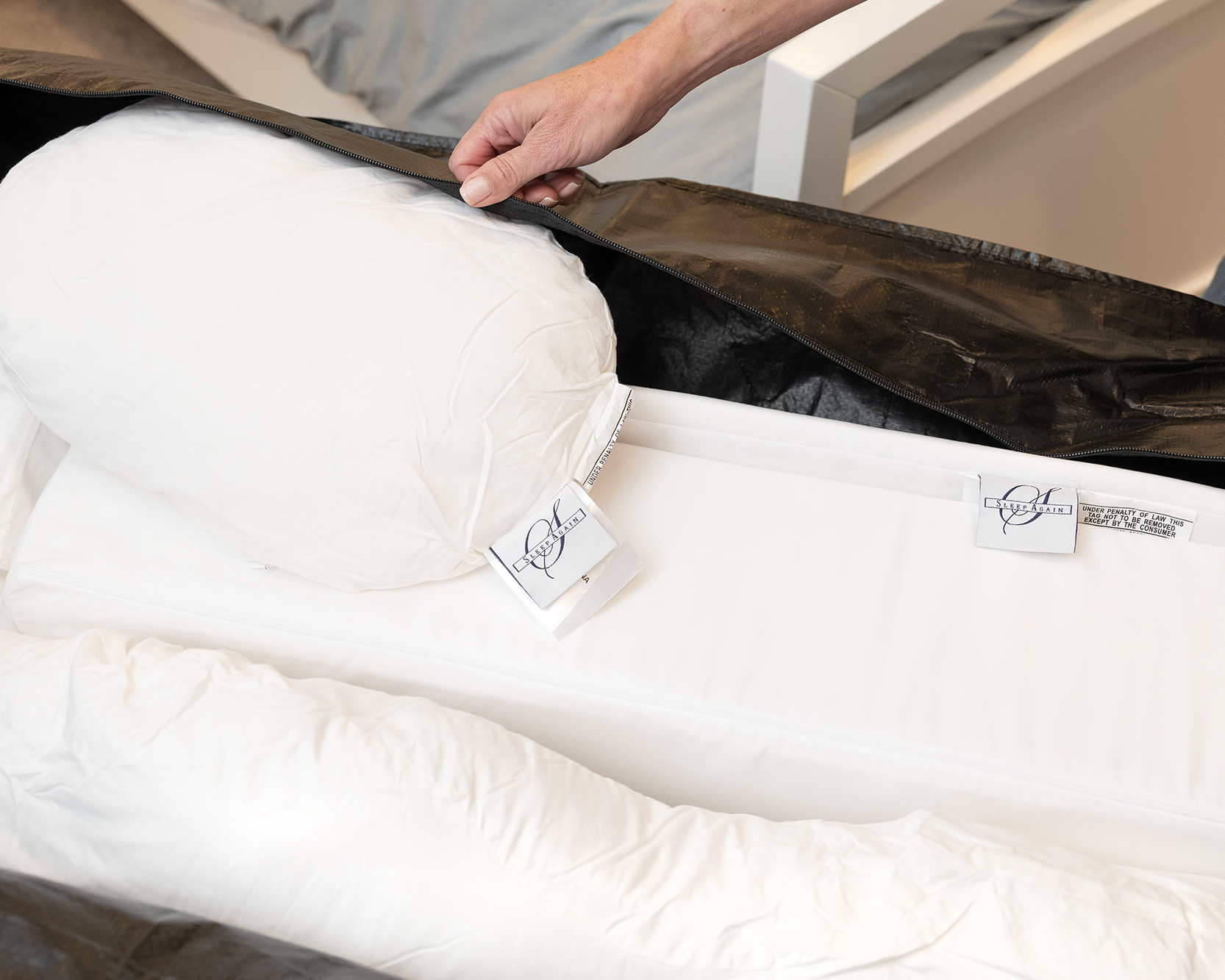
The Sleep Again Pillow System is designed specifically to solve this problem. It's an integrated five-component positioning system built around the therapeutic requirements of surgical recovery, which map directly onto what gynecomastia patients need.
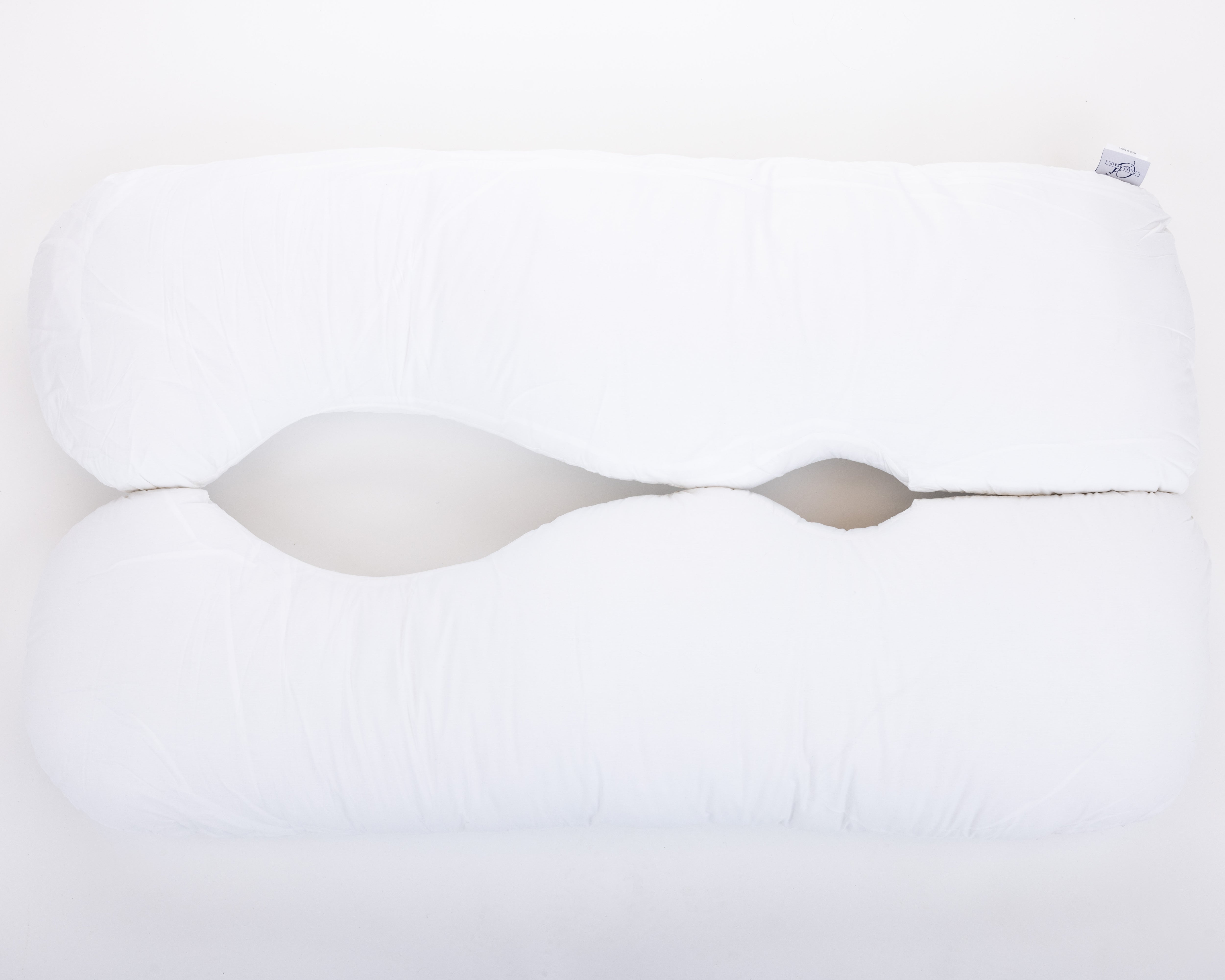
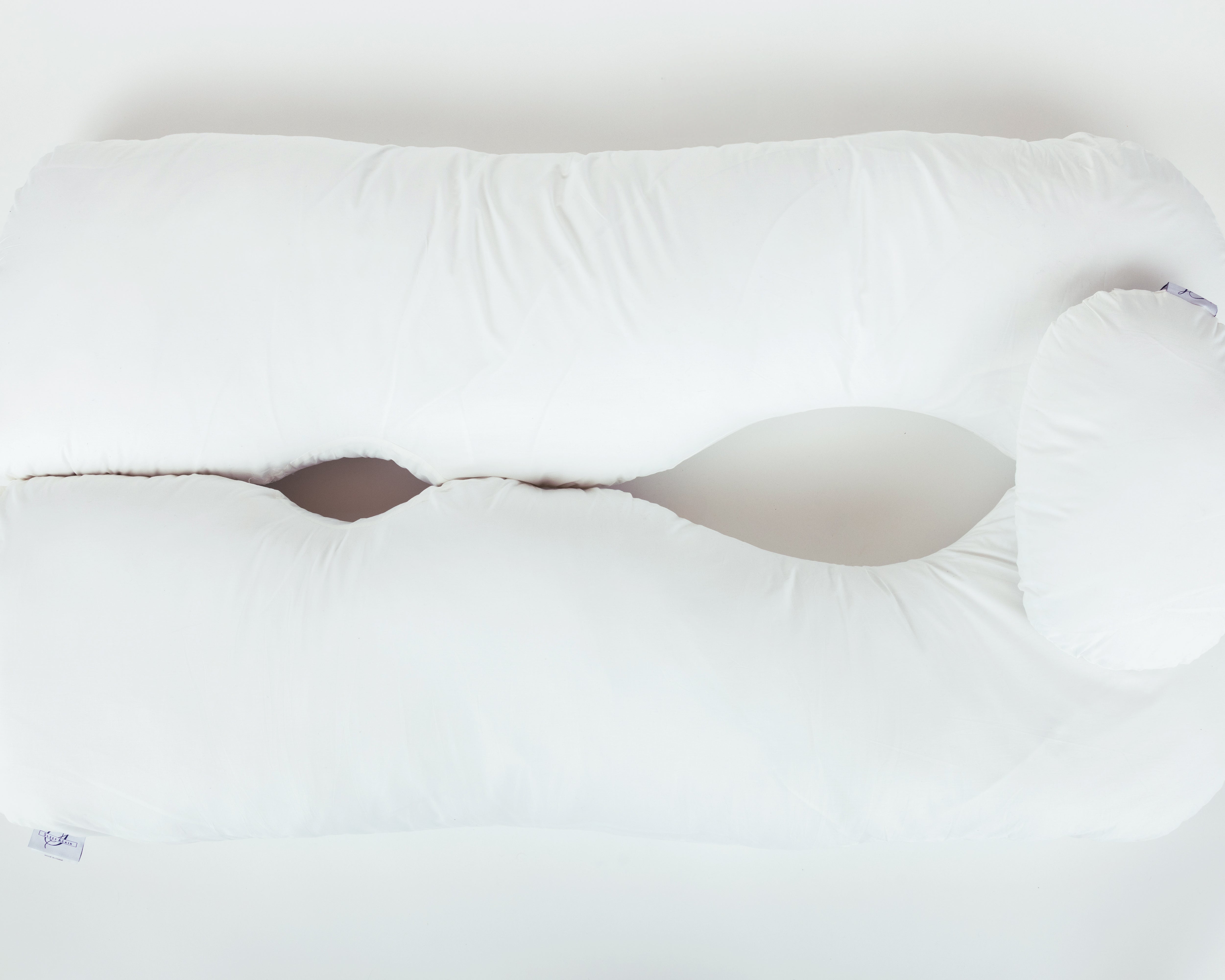
Every Sleep Again Pillow System includes:
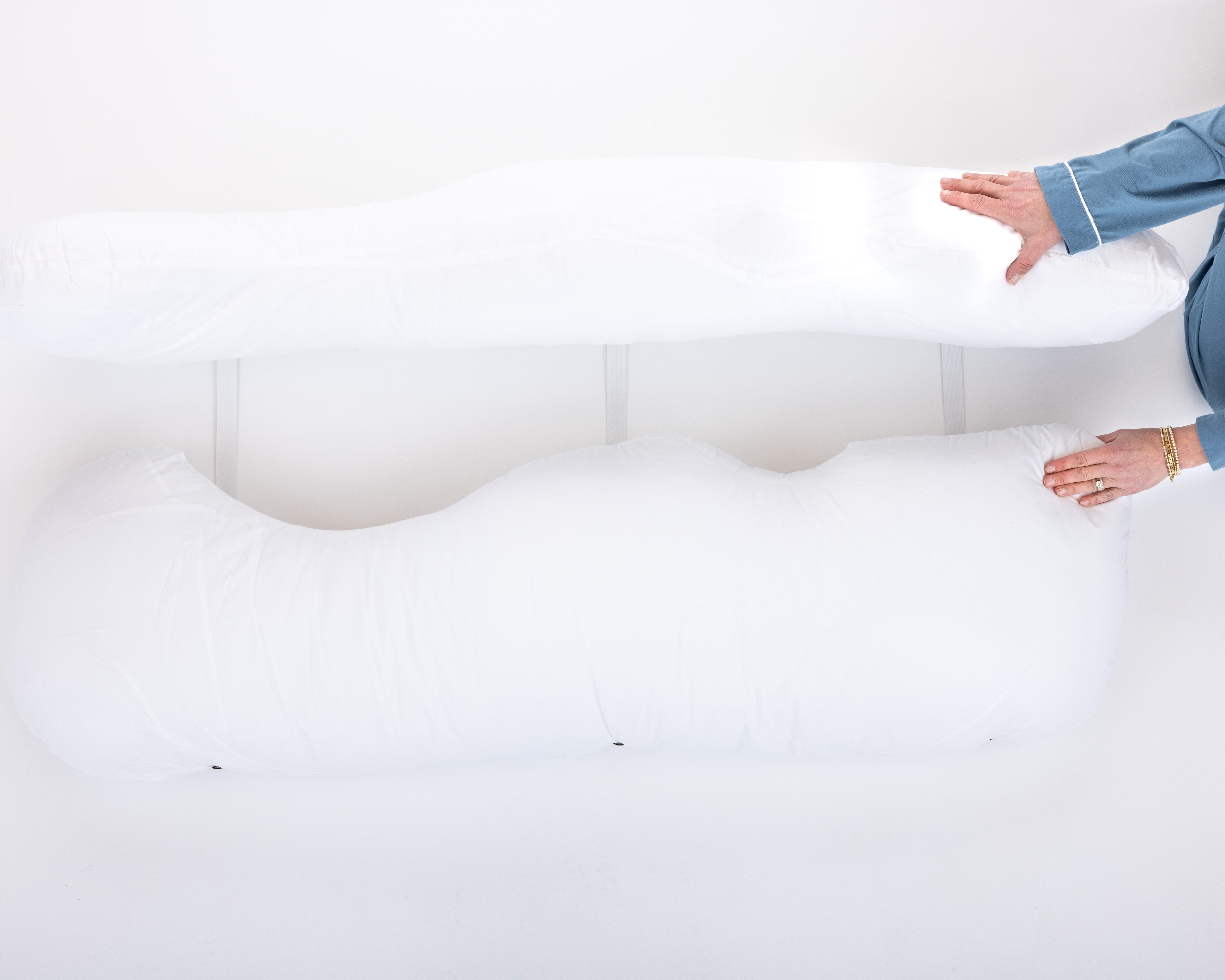
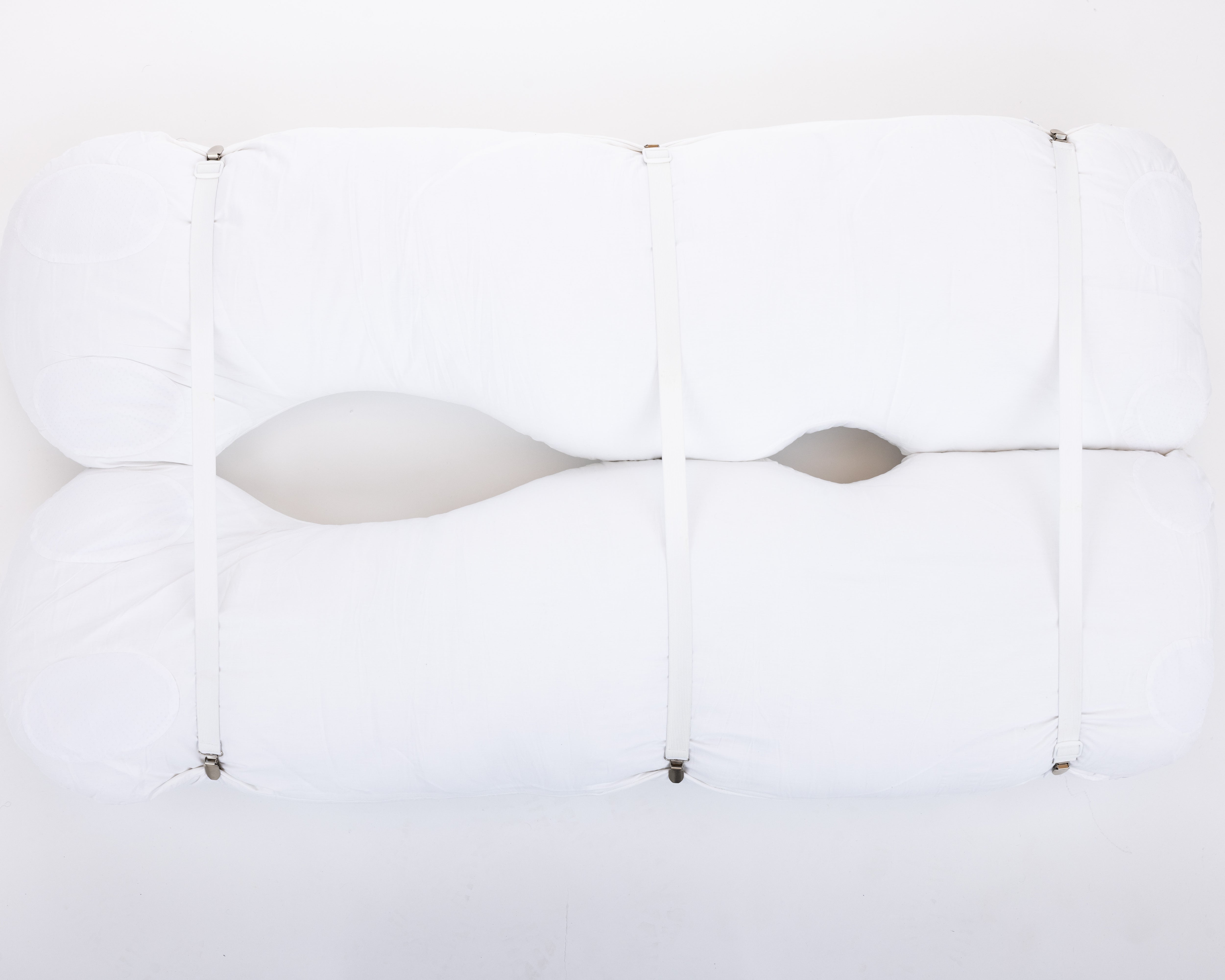
✓ Two Contoured Side Pillows
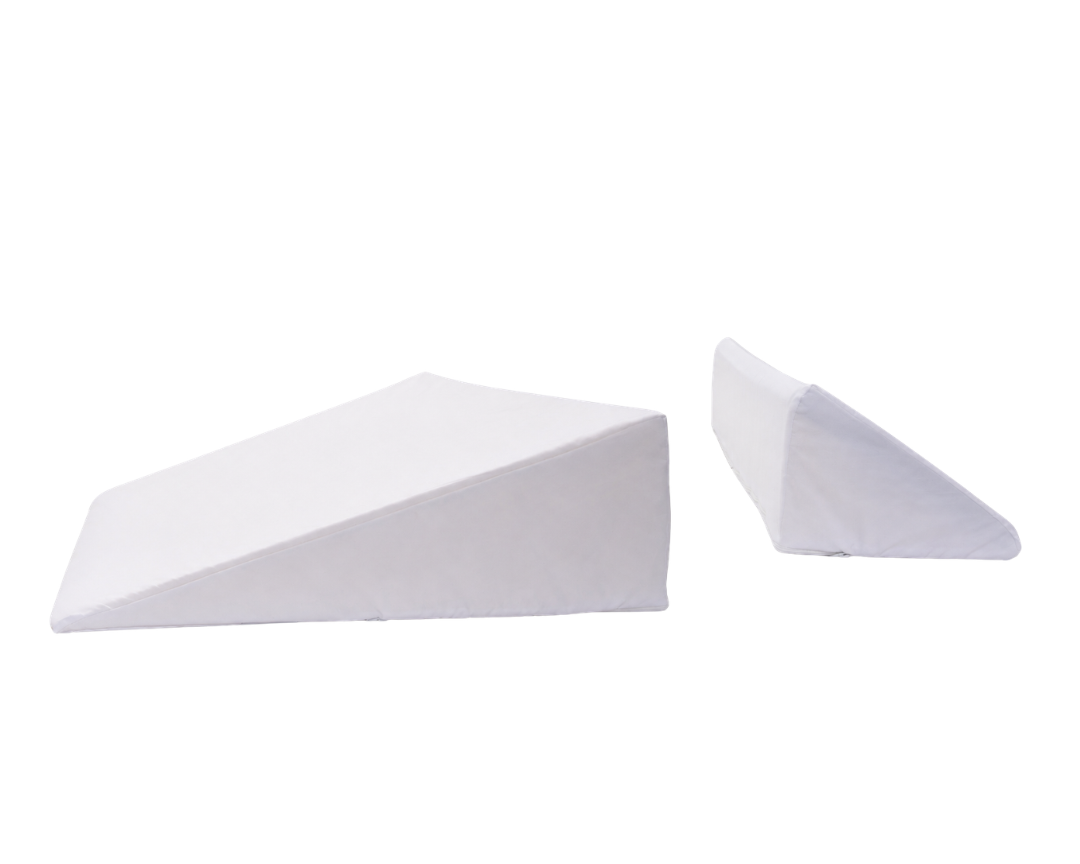
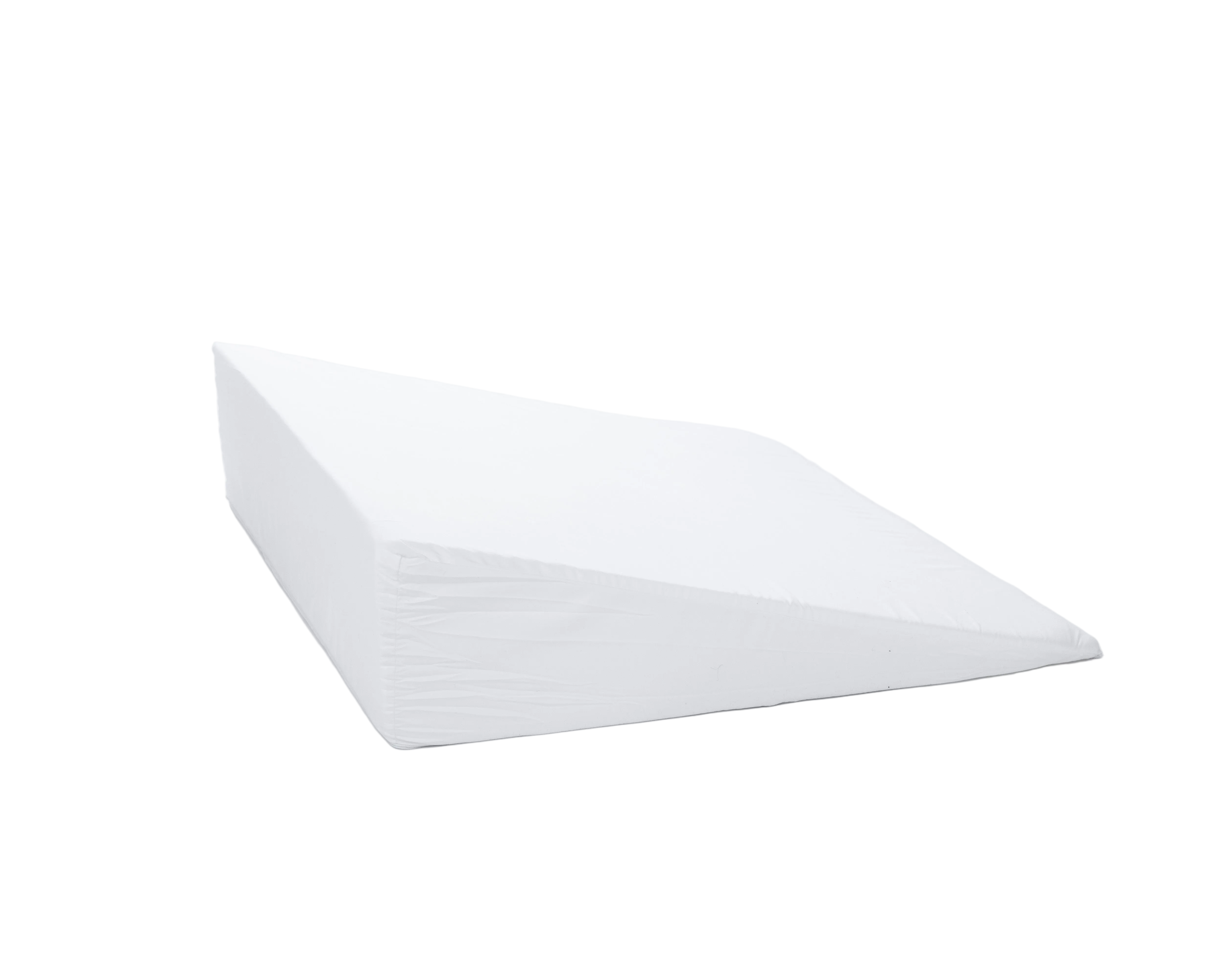
✓ Upper Body Wedge
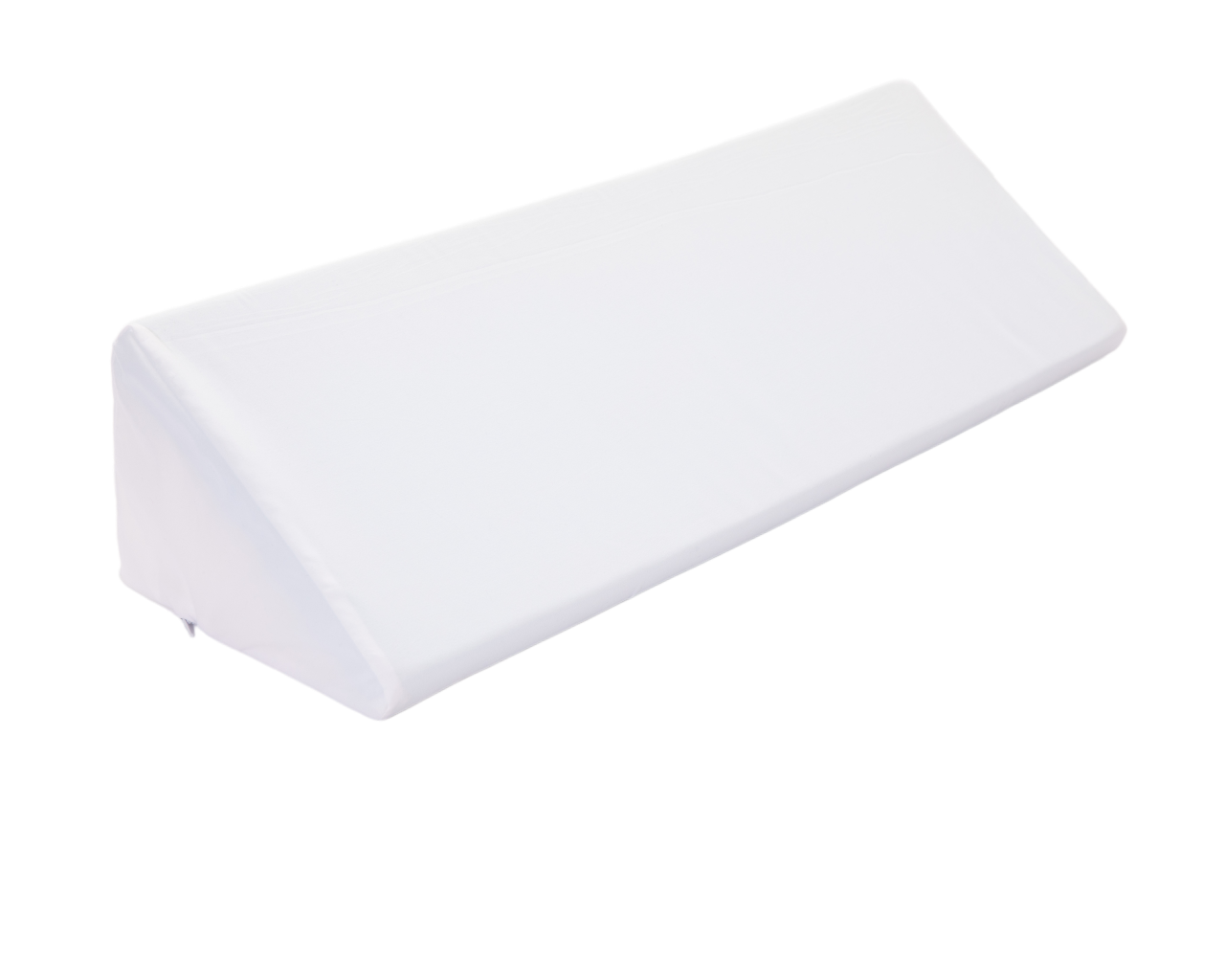
✓ Leg Support Wedge
✓Head Pillow
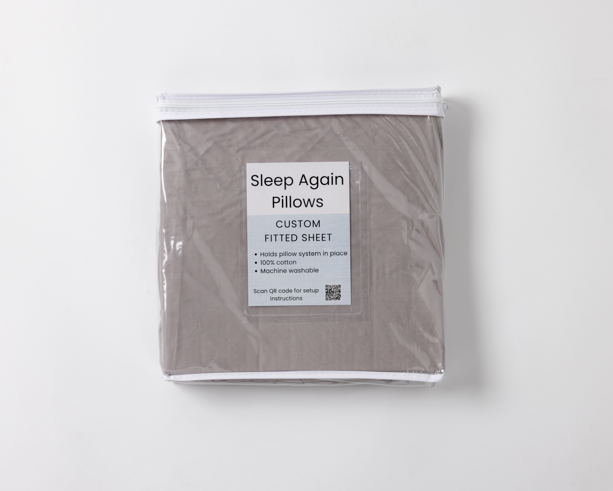
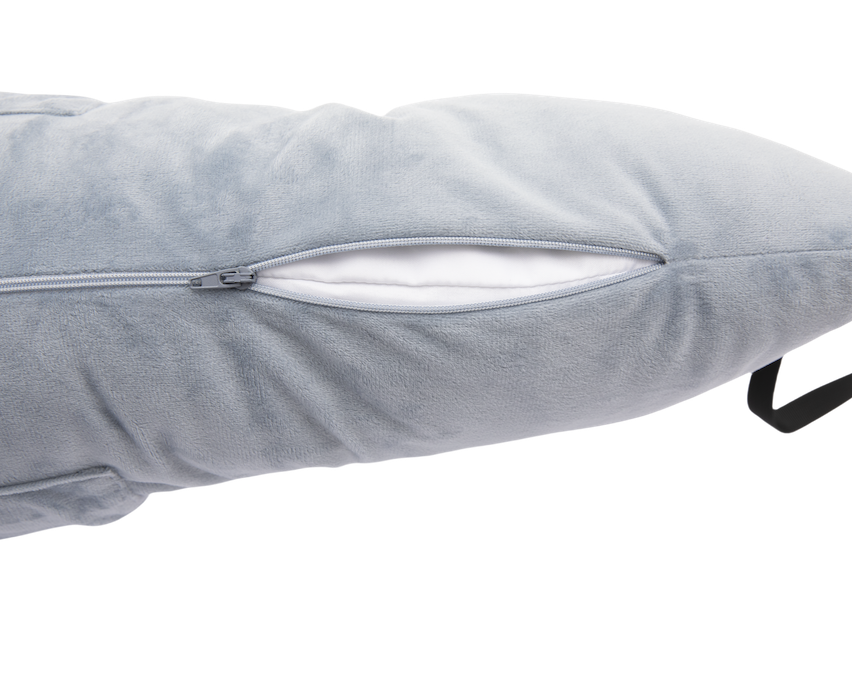
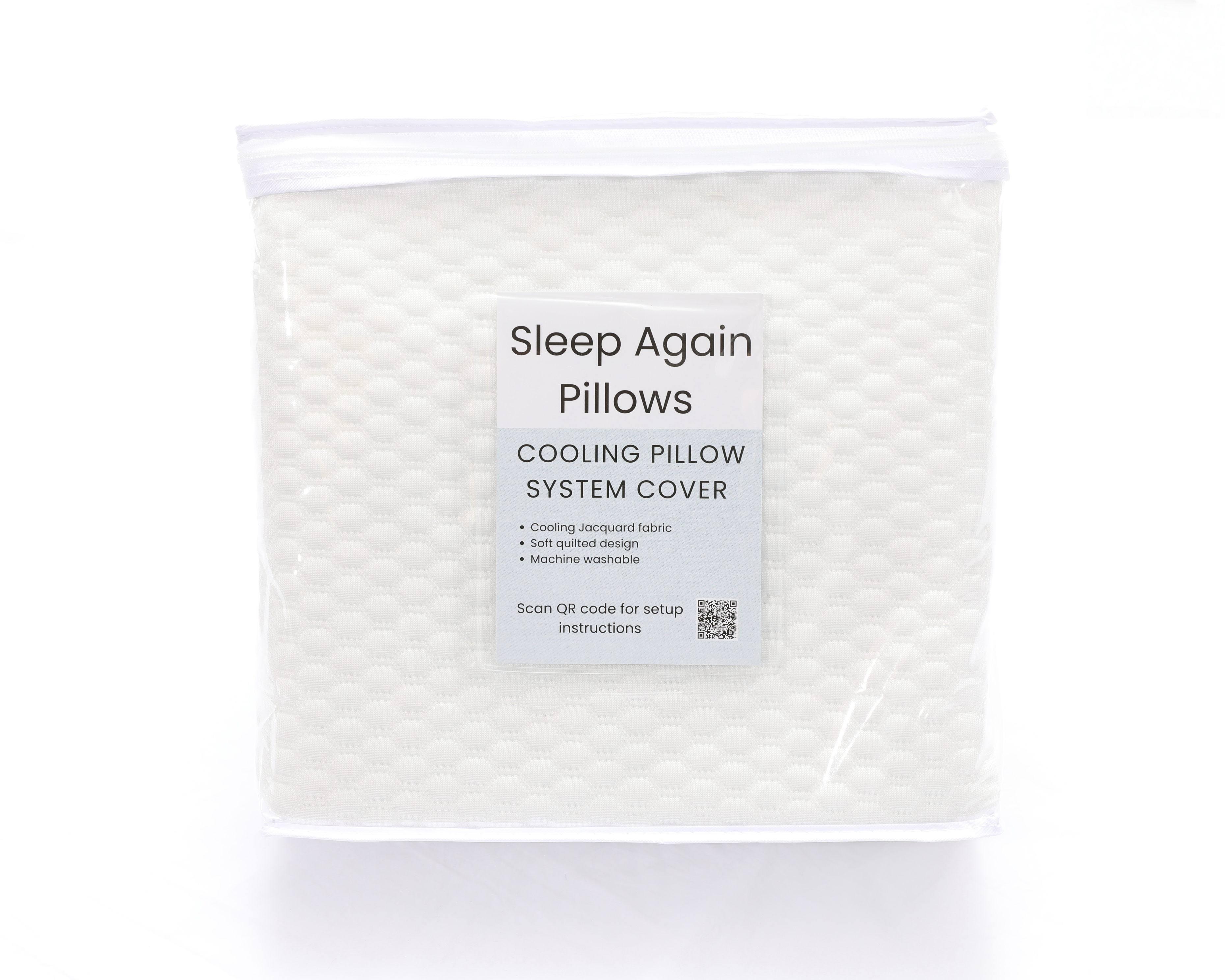
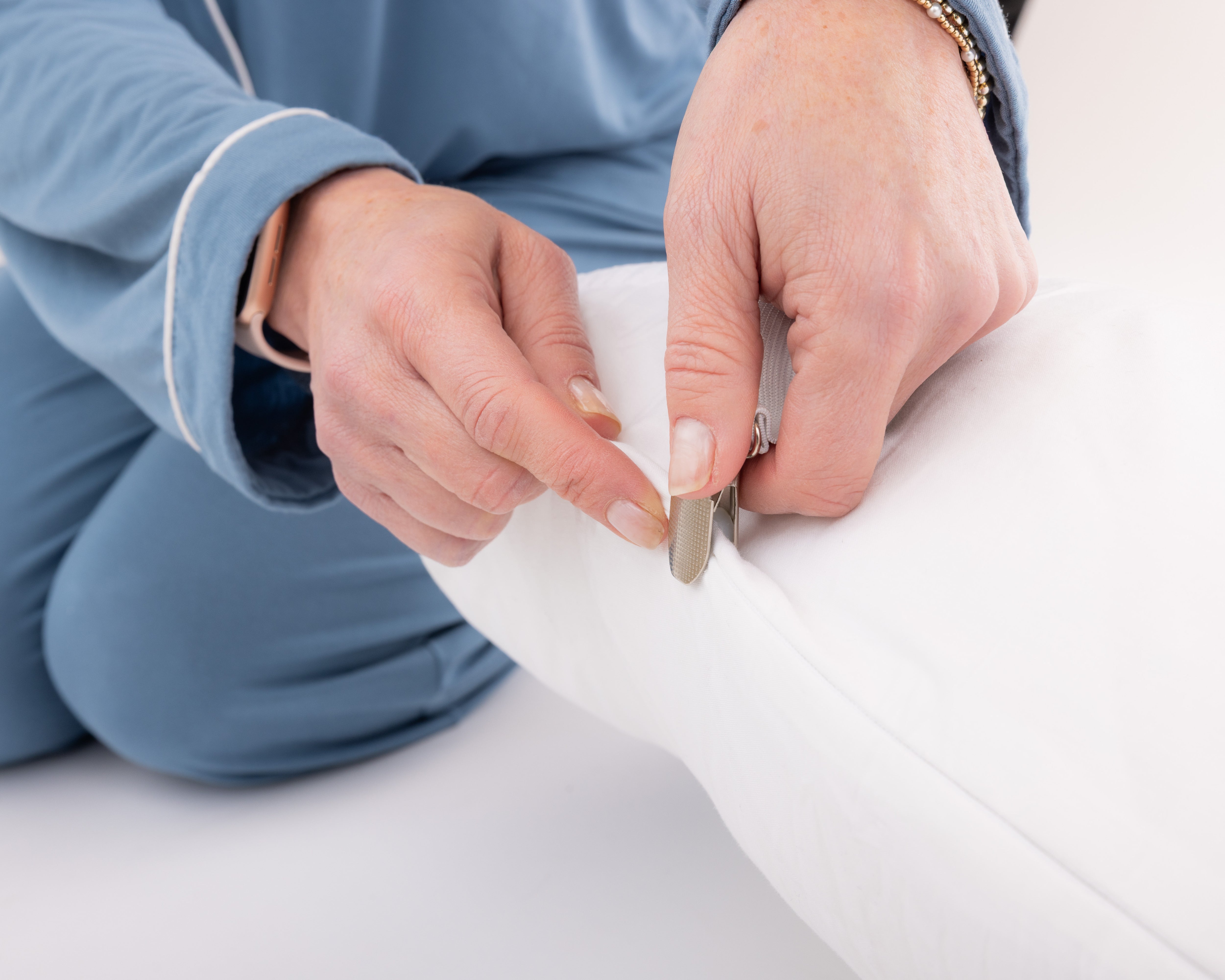
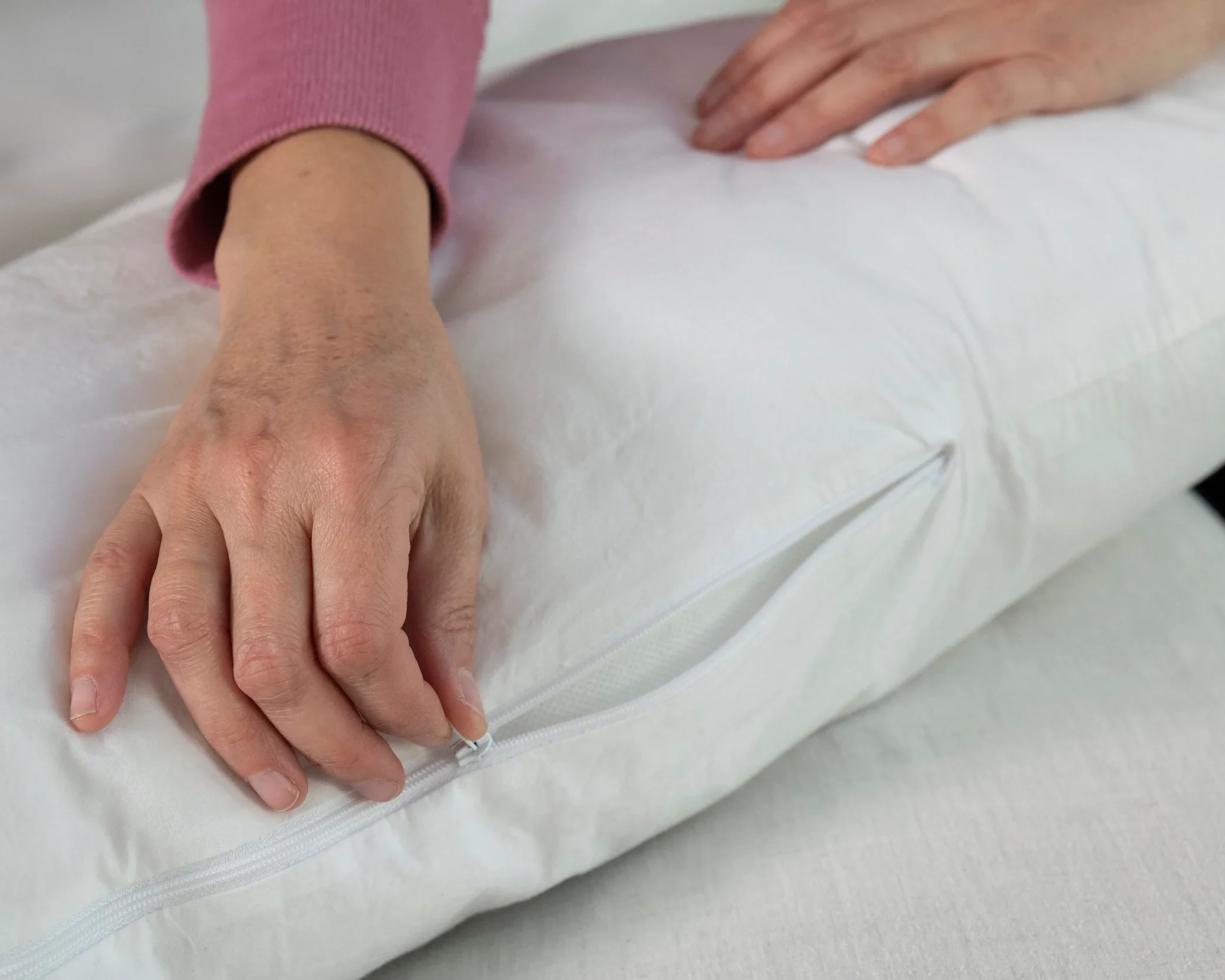
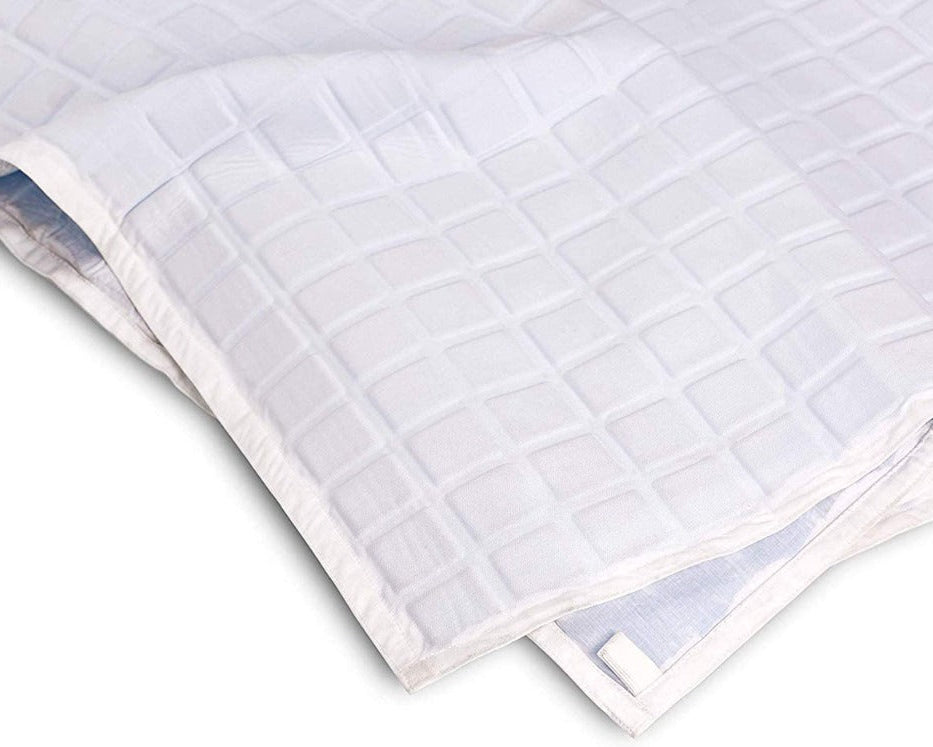
✓ Removable washable slipcovers for every piece.
SHOP THE BEST SYSTEM FOR GYNECOMASTIA RECOVERY

Here's how each component addresses gynecomastia recovery:
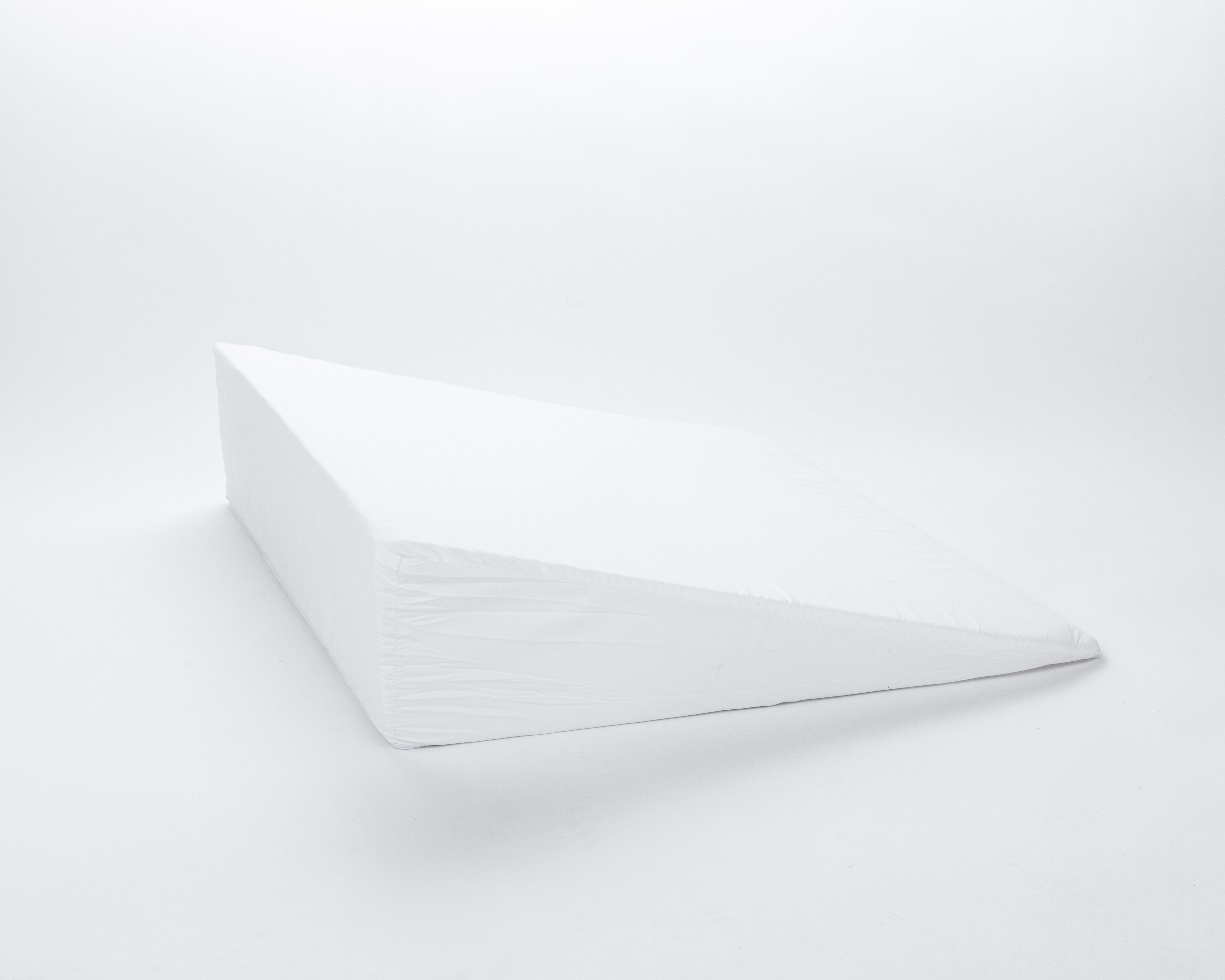
The Upper Body Wedge creates and maintains the 30-45 degree elevation your surgeon prescribed. Unlike stacked pillows, it doesn't compress or migrate overnight. You set it once, and it holds position through the night, which means your therapeutic positioning is working continuously, not just when you first lie down.
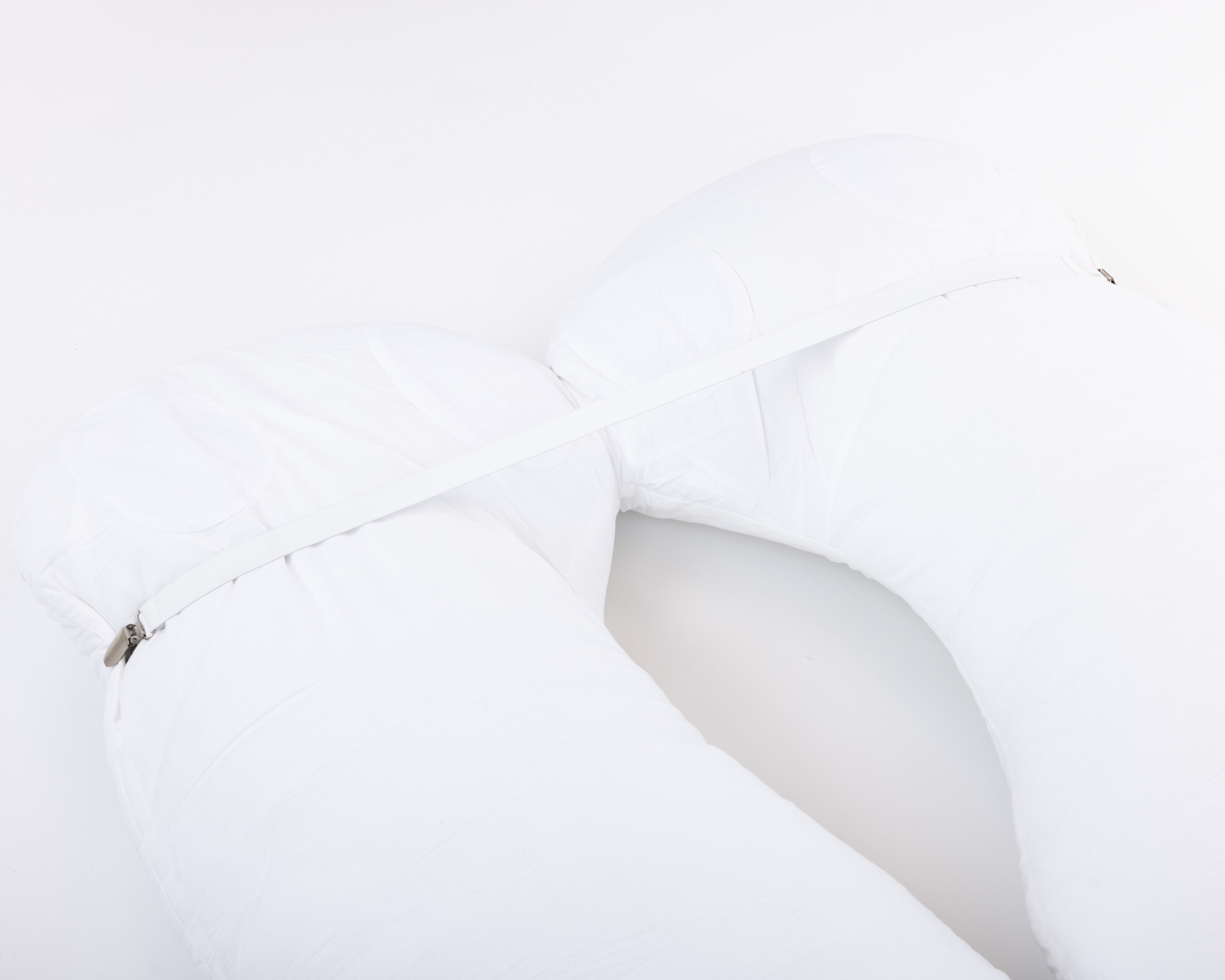
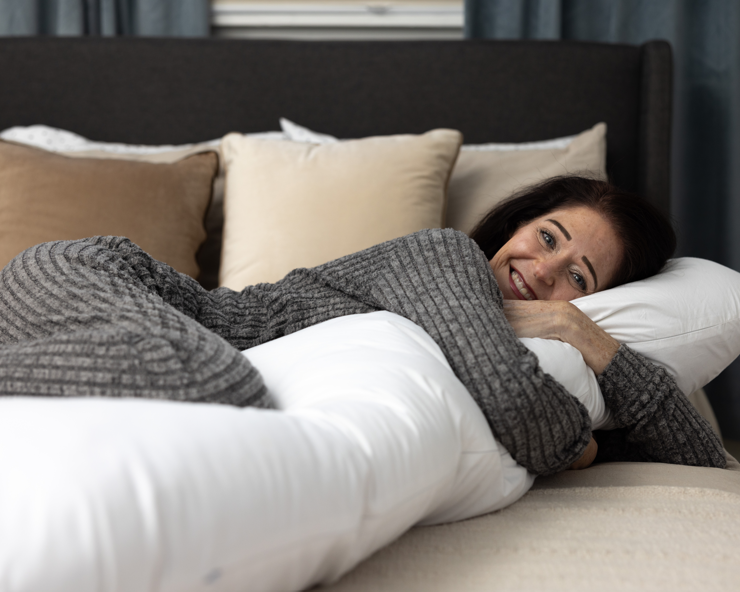
The Contoured Side Pillows serve two purposes in gynecomastia recovery. First, they provide lateral barriers that discourage rolling onto your side during sleep. Second, they support your arms in a natural, comfortable position that keeps shoulder and chest tension minimal, which matters when your chest wall is in recovery, and any upper body strain translates to discomfort.
The Leg Support Wedge prevents the sliding-down problem common with inclined sleeping. When your lower body has no support, gravity pulls you toward a flat position over the course of the night, gradually reducing the elevation angle you started with. The leg wedge anchors your position.
The Head Pillow provides correct cervical support at an elevation angle that standard pillows aren't designed for. Sleeping elevated without proper neck support leads to stiffness and pain that compounds an already challenging recovery.
Removable, washable slipcovers on every component address the hygiene demands of extended recovery. You'll be sweating, potentially dealing with compression garment laundering, and spending significant time in bed. Clean, fresh covers matter.
The Sleep Again Pillow System is eligible for purchase with HSA and FSA funds, recognizing its role as a medical-purpose product rather than a standard comfort item.
Due to federal regulations, bedding products are not returnable, and all sales are final.
SHOP THE #1 DOCTOR-RECOMMENDED POST-SURGERY PILLOW SYSTEM

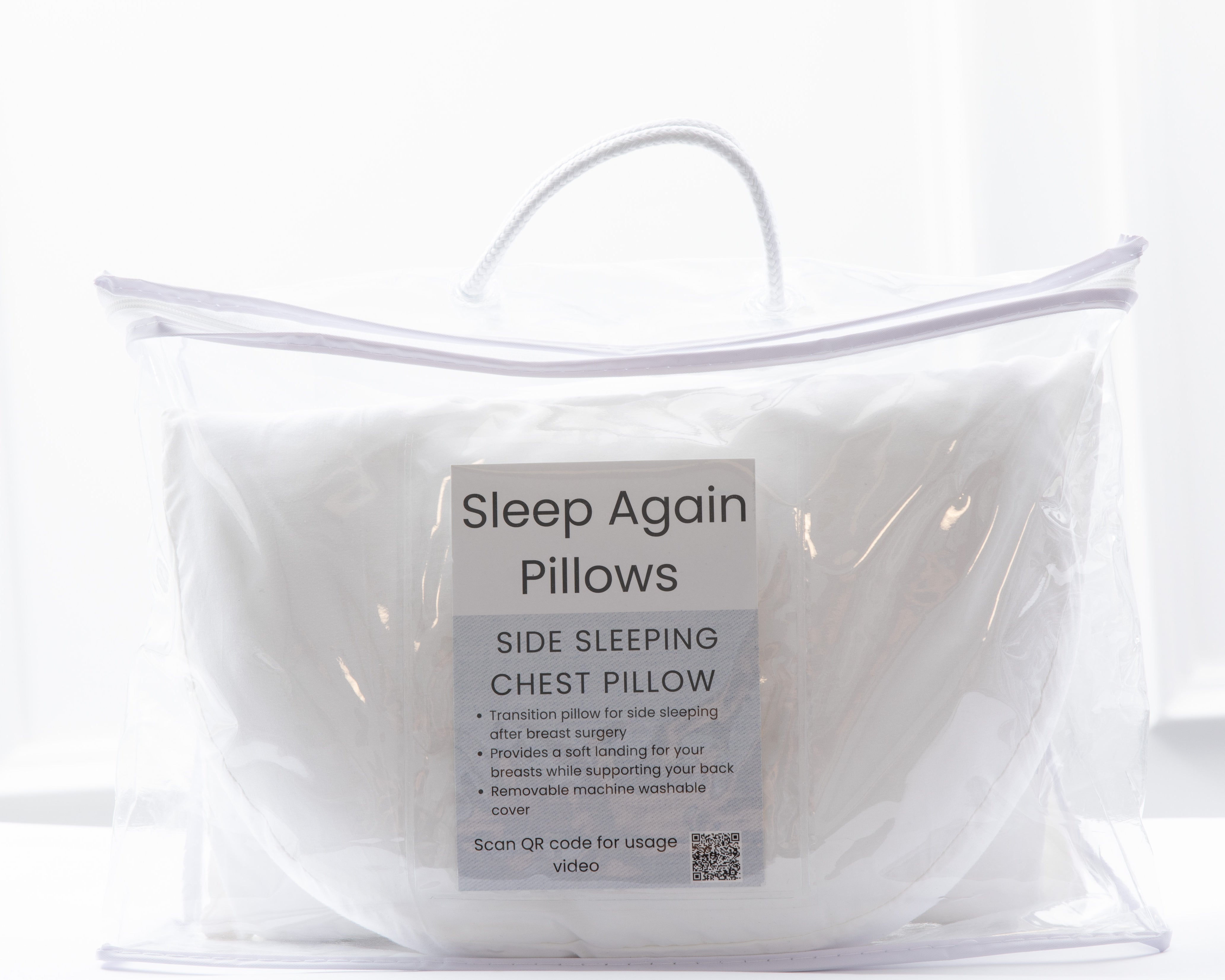
What About Side Sleeping After Gynecomastia Surgery? The Side Sleeping Chest Pillow
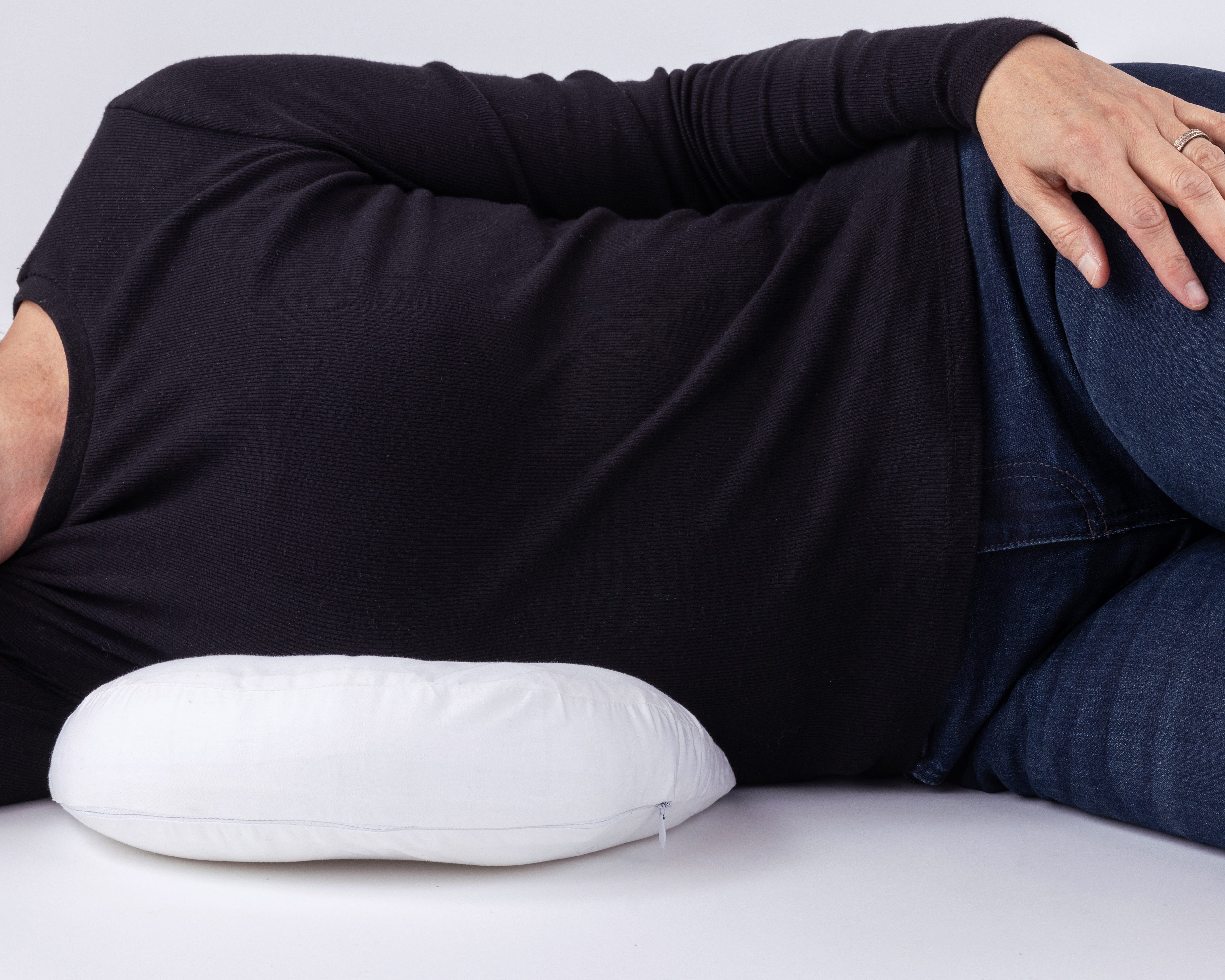
Once your surgeon clears you to begin transitioning toward side sleeping — typically in the four to six week range — a new positioning challenge emerges: how do you sleep on your side without placing pressure on your still-healing chest?
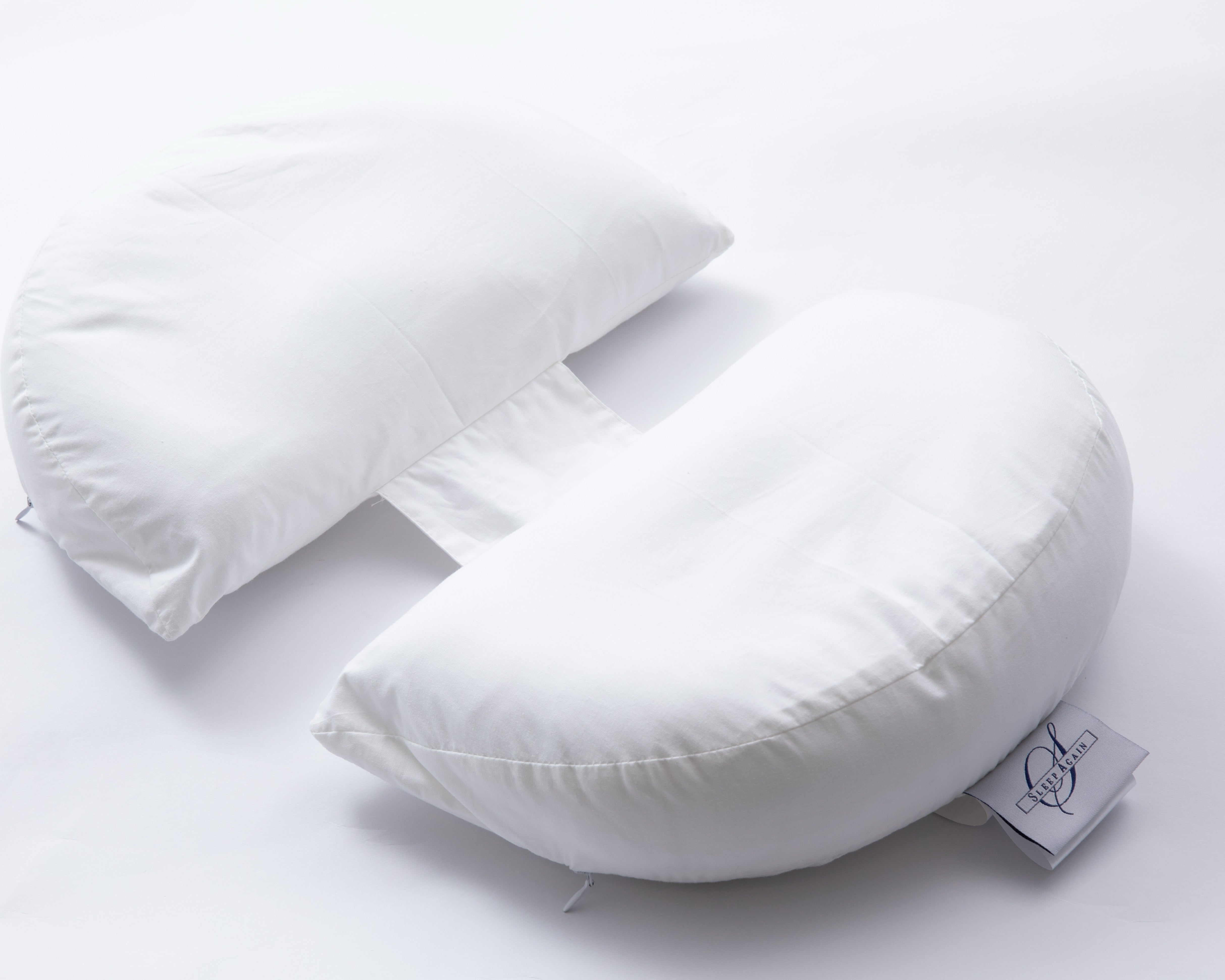
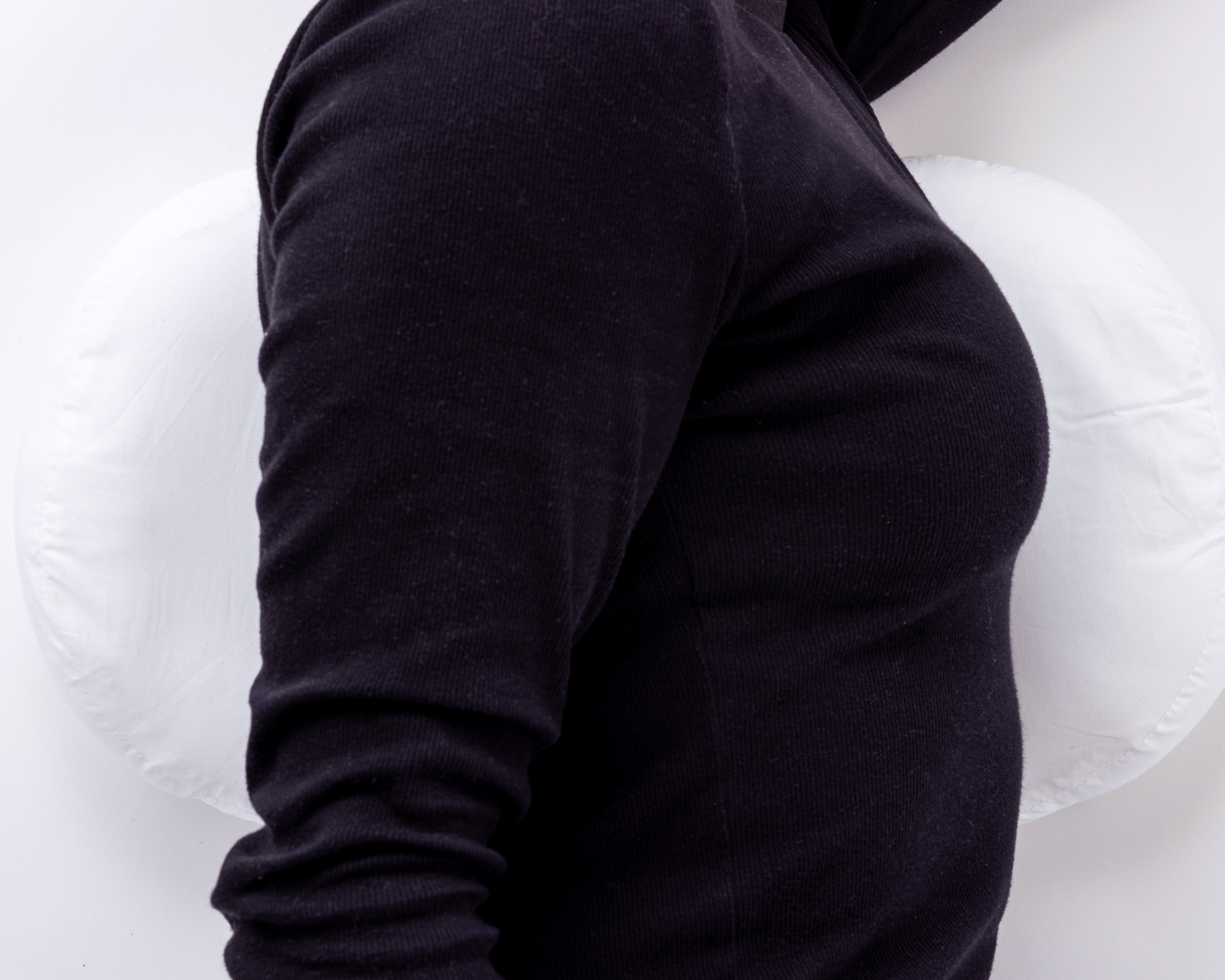
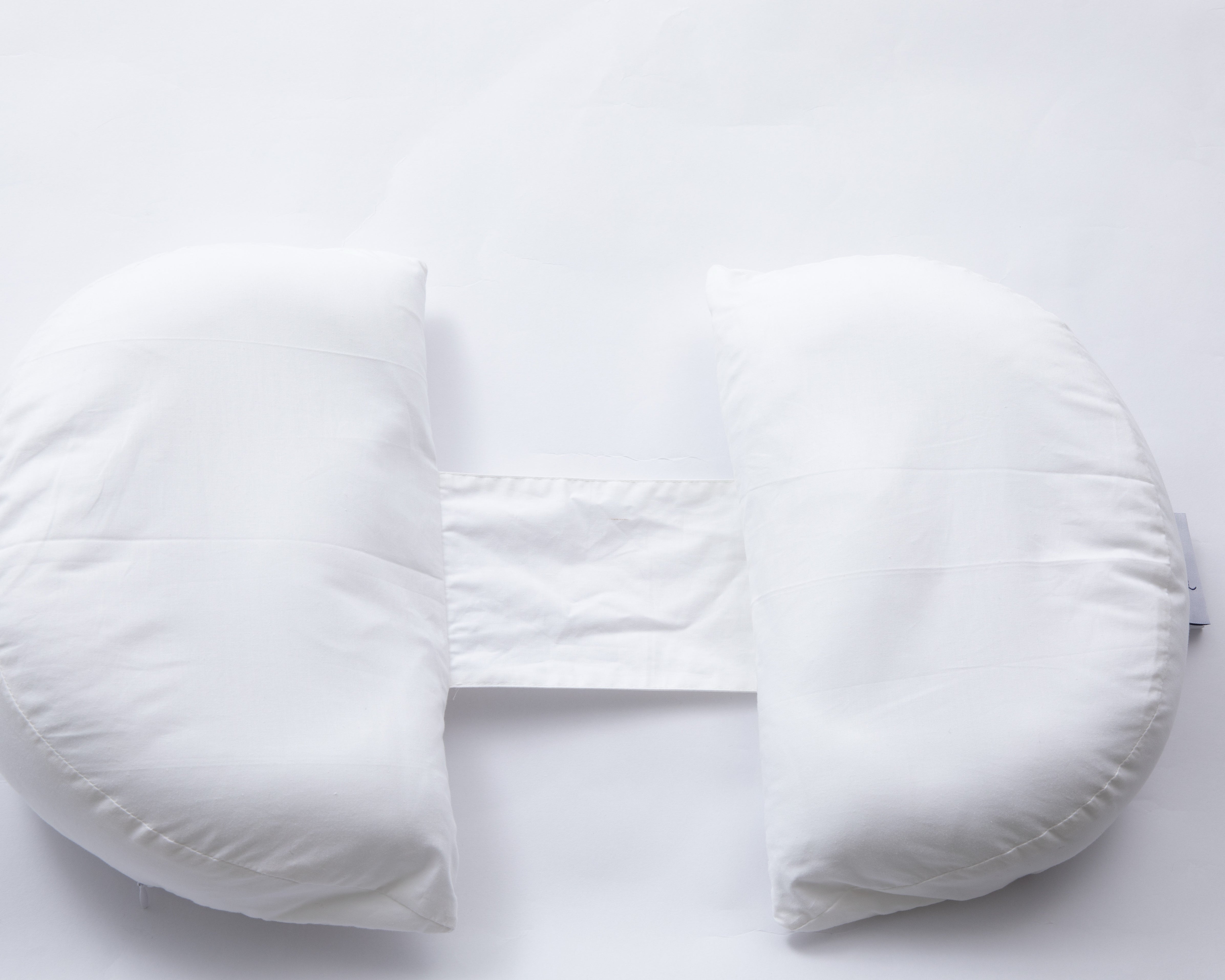
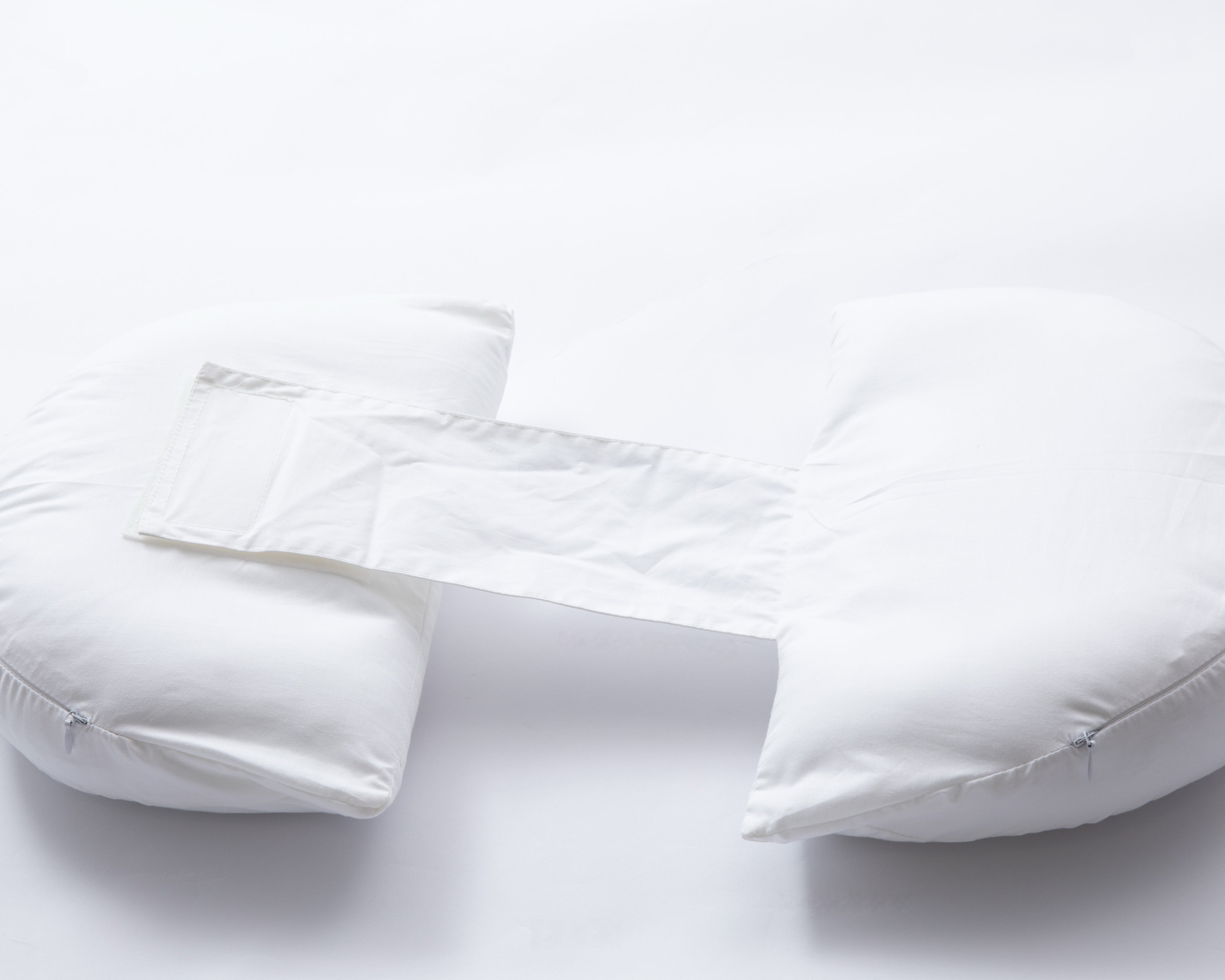
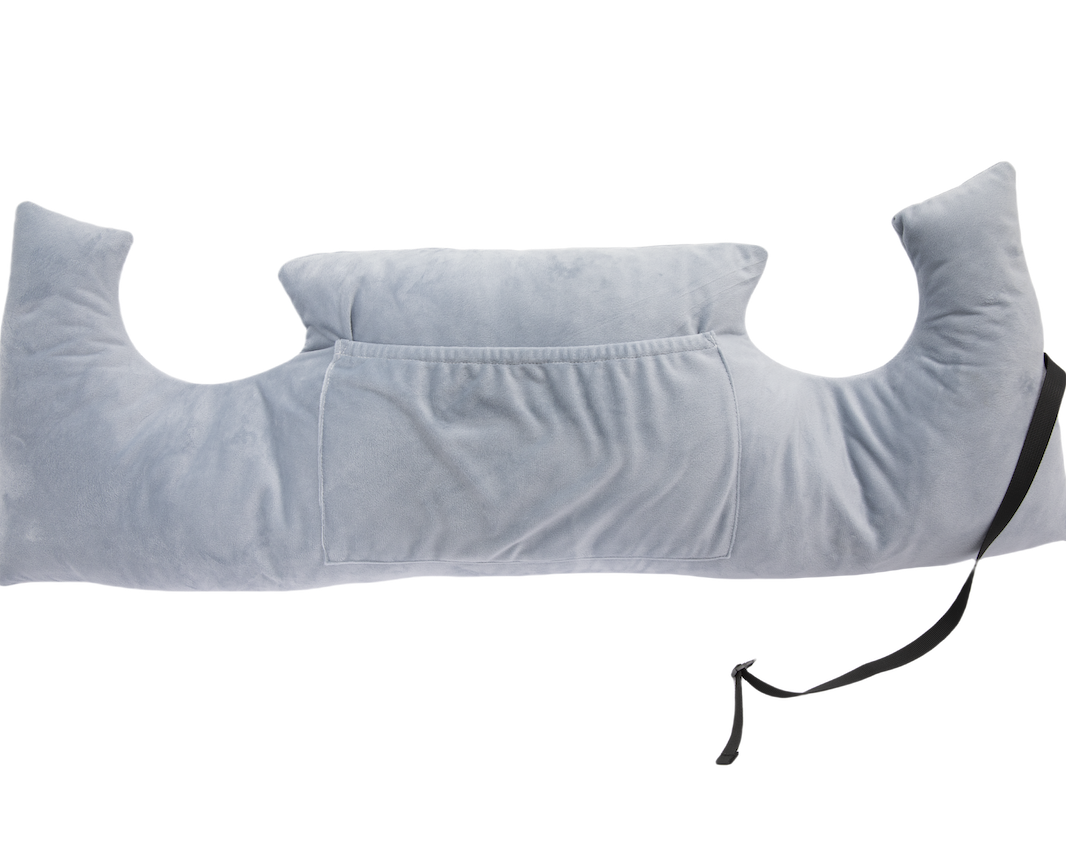
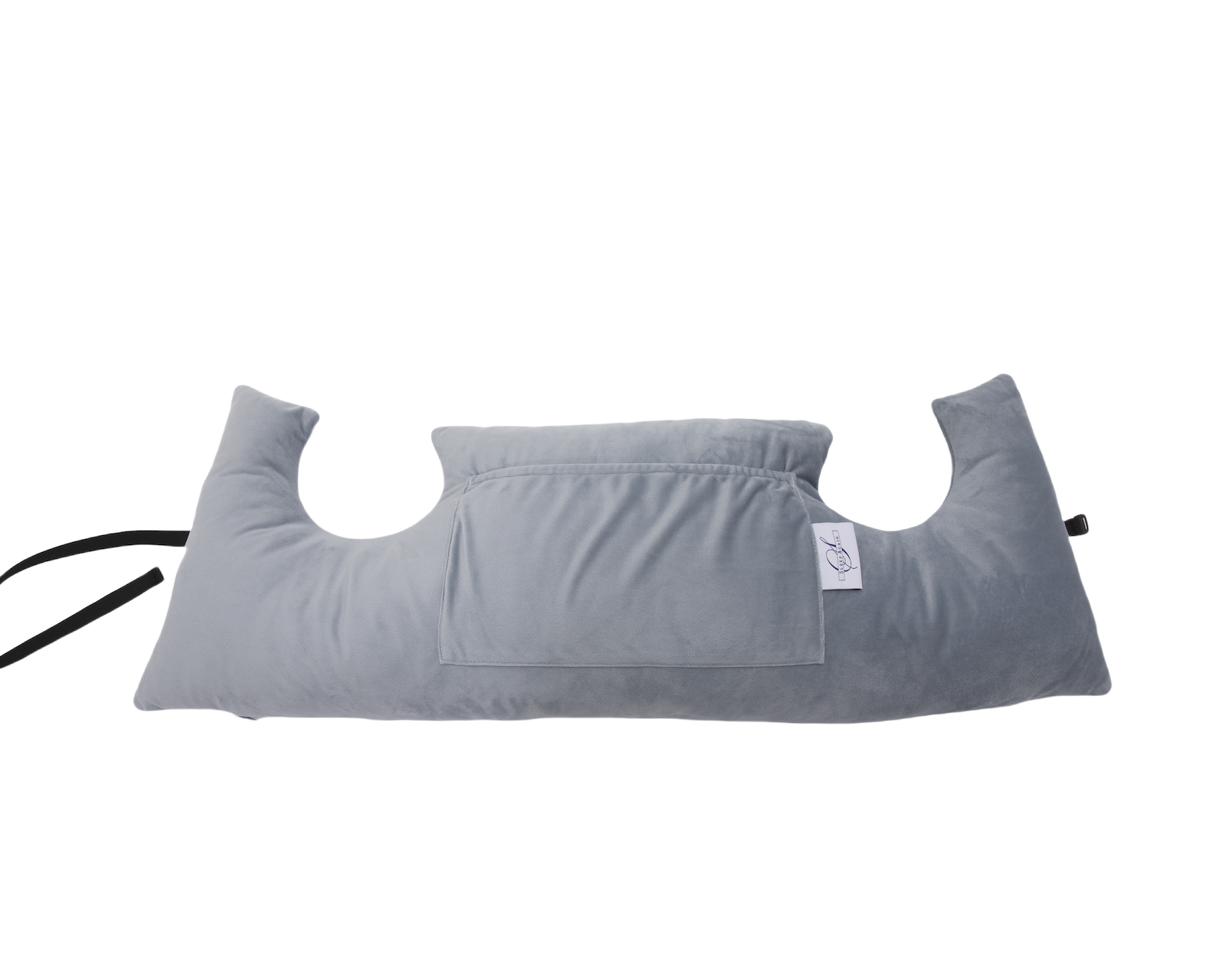
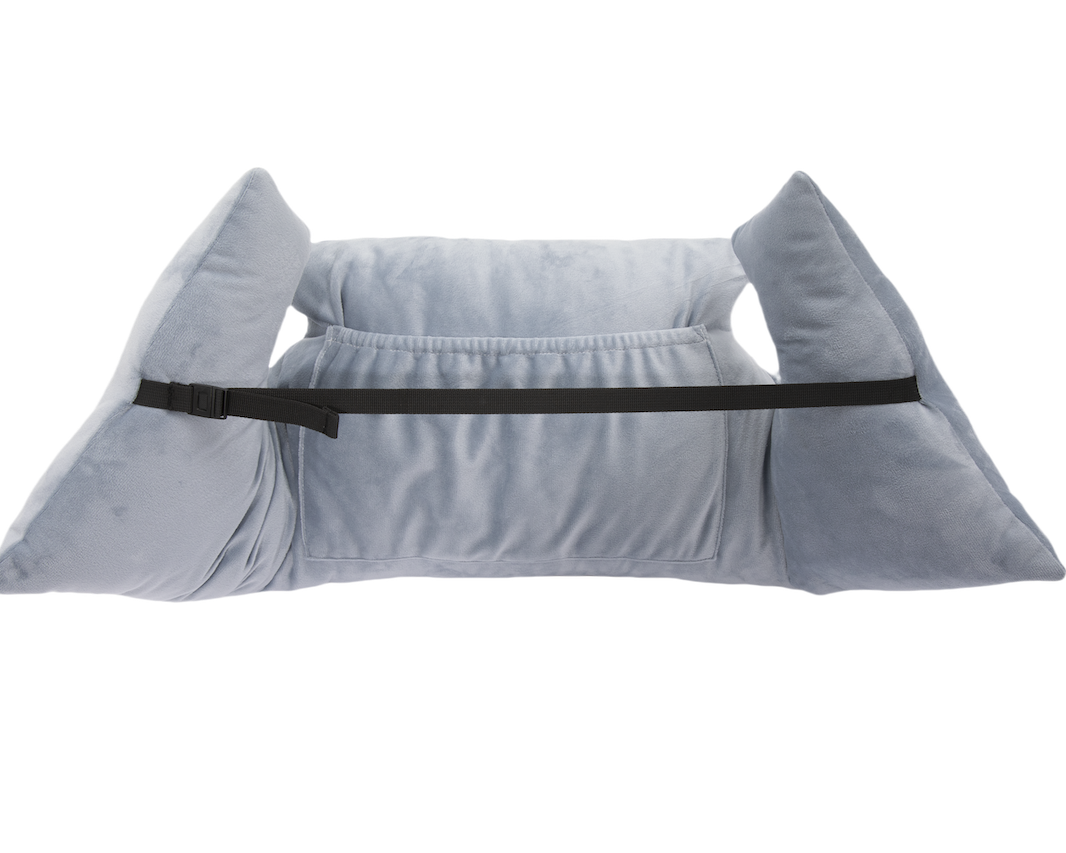
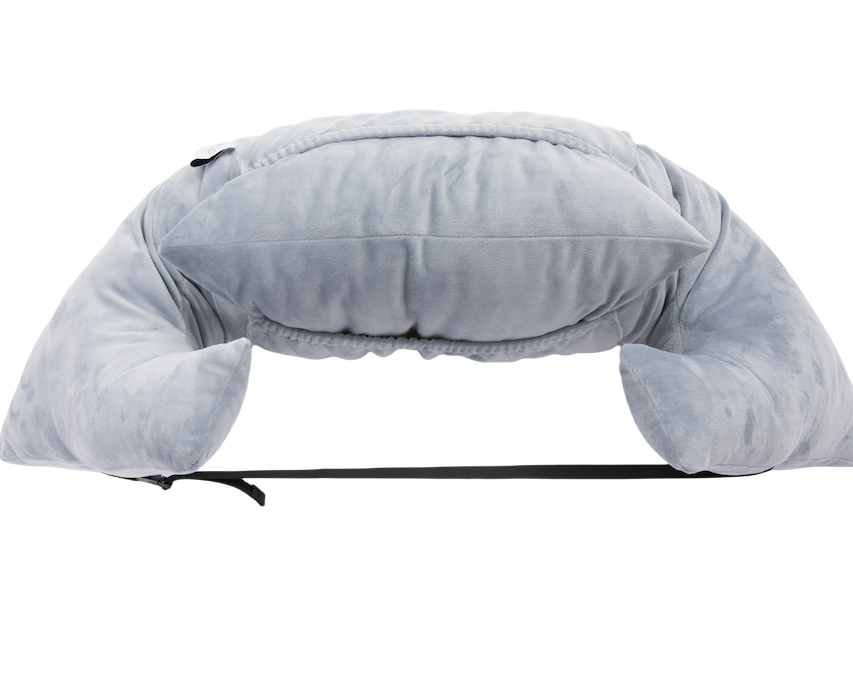
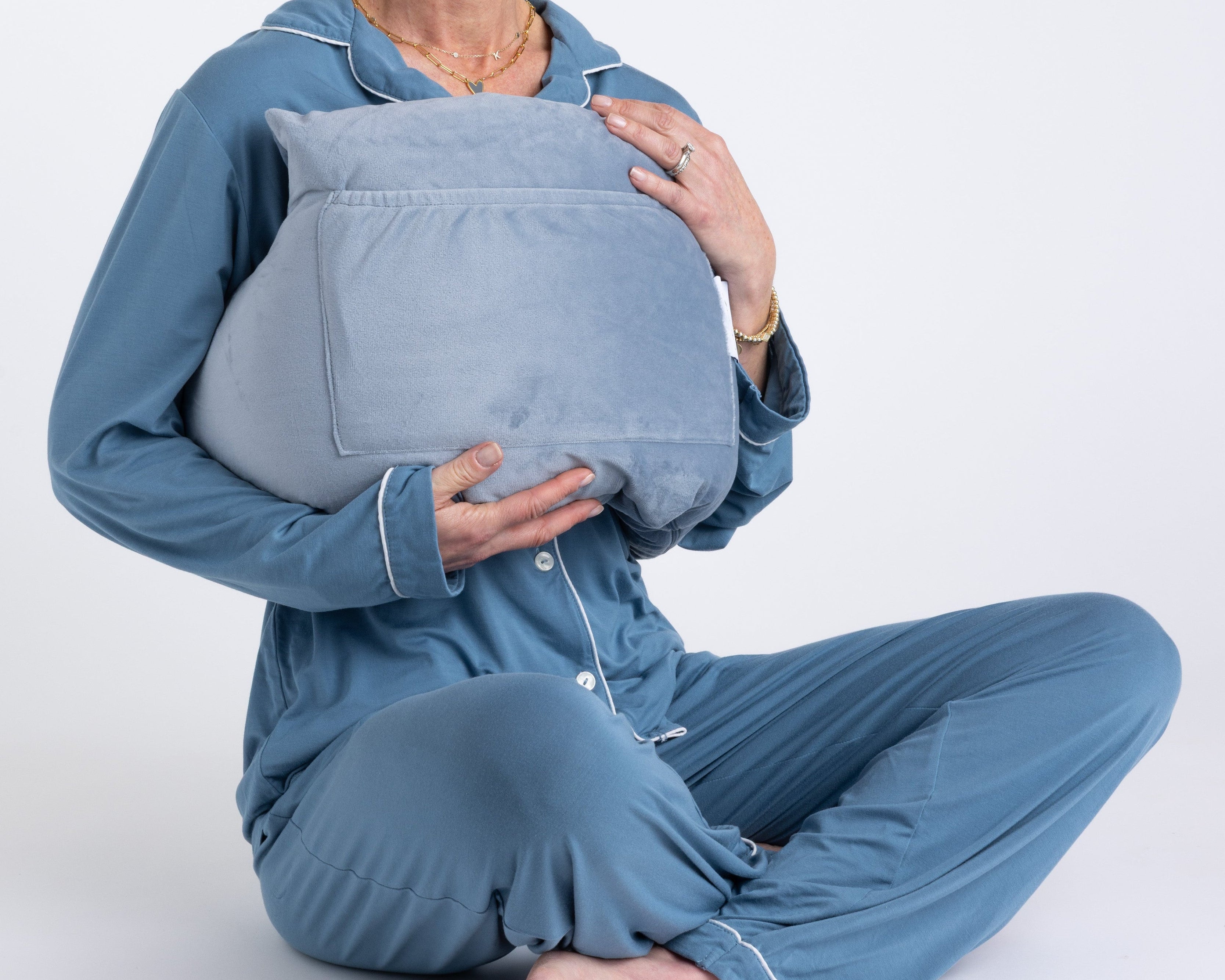
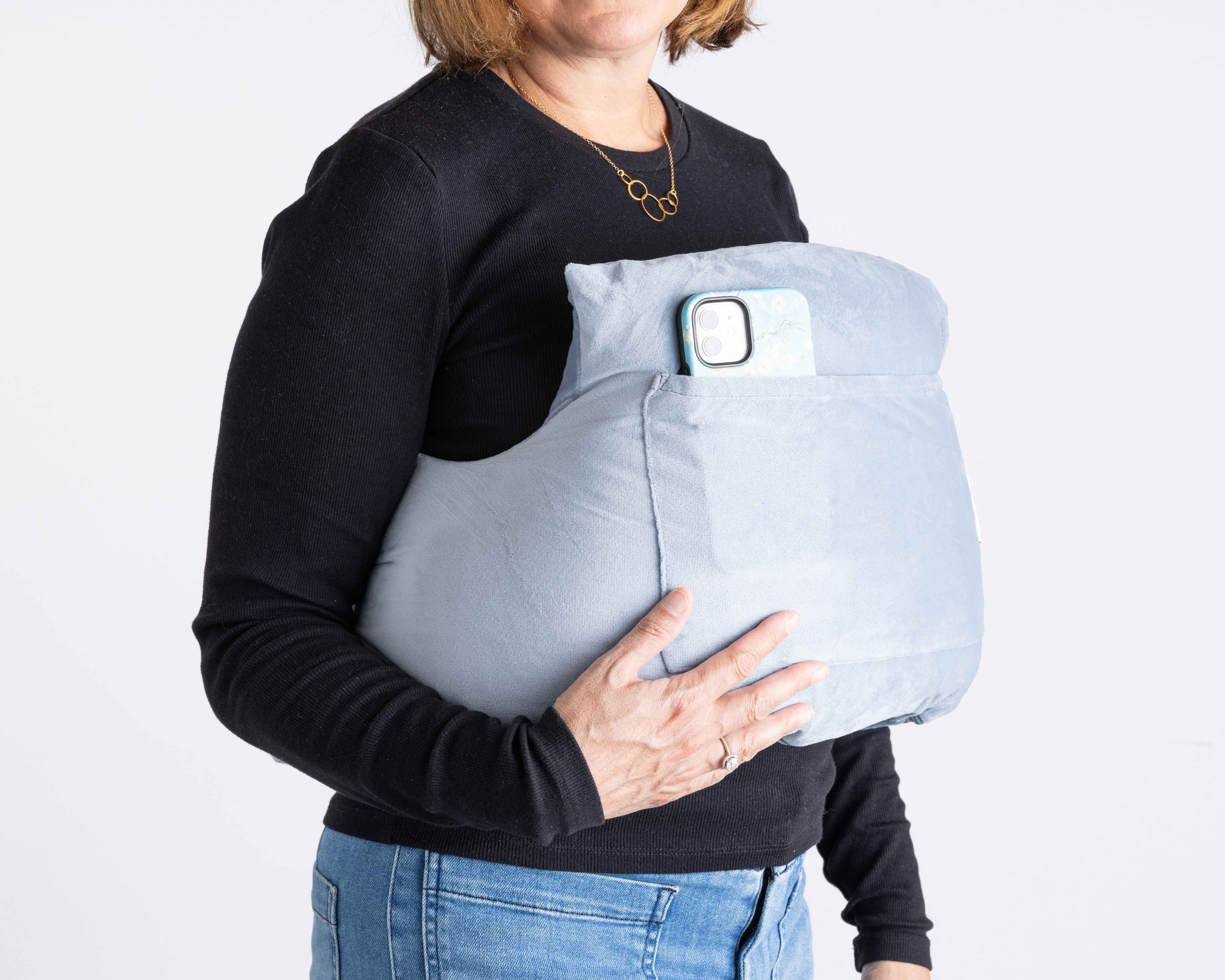
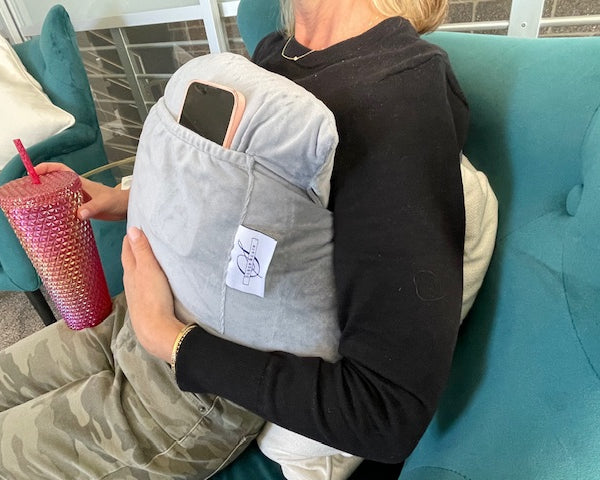
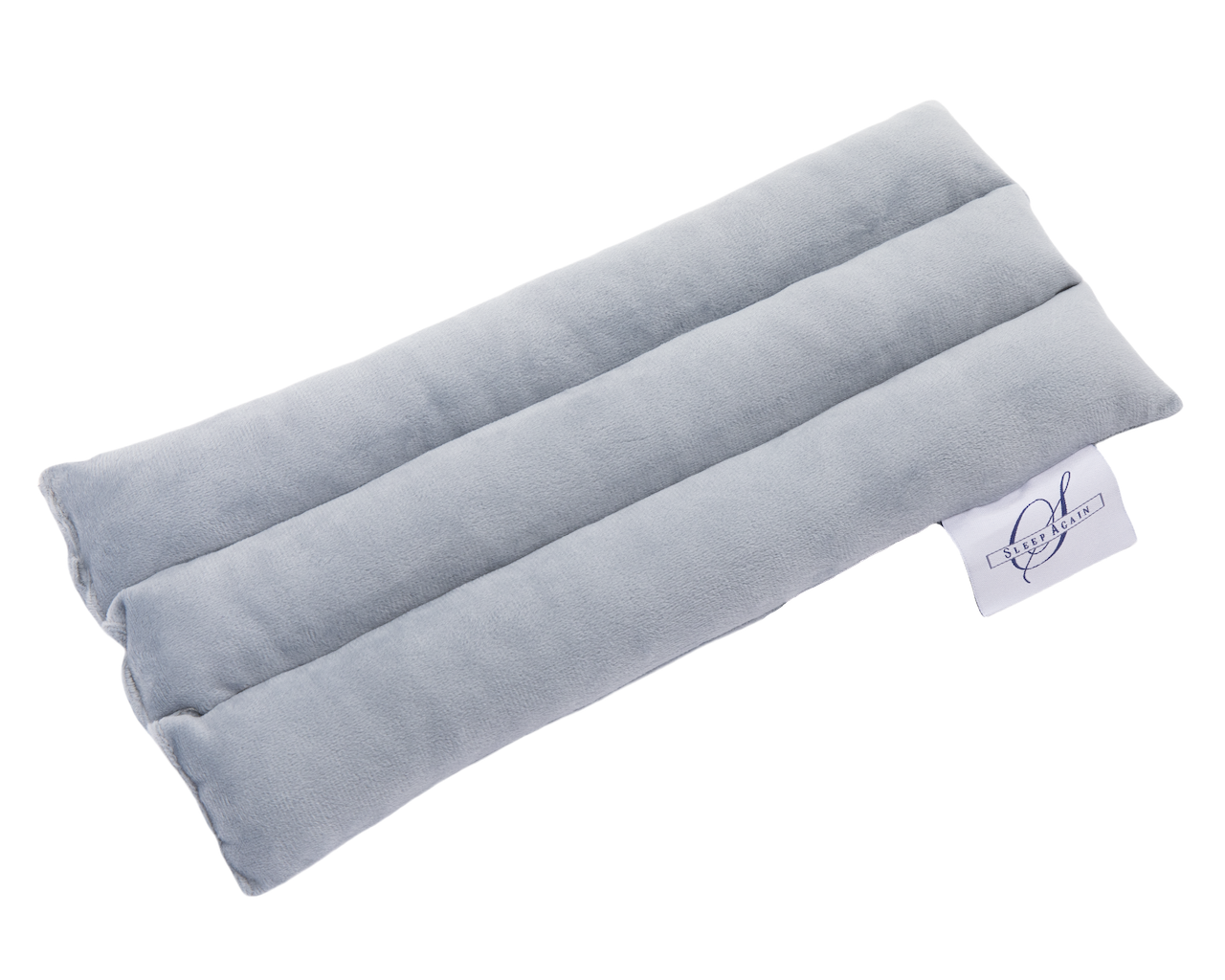
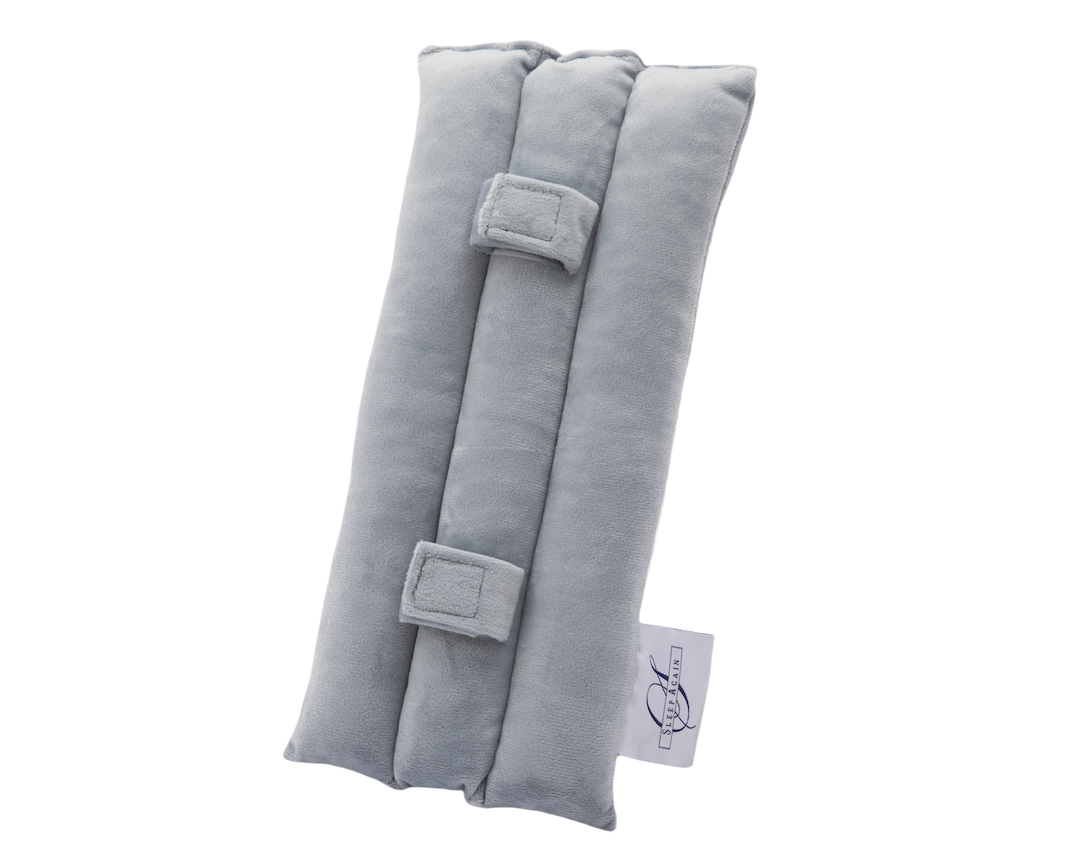
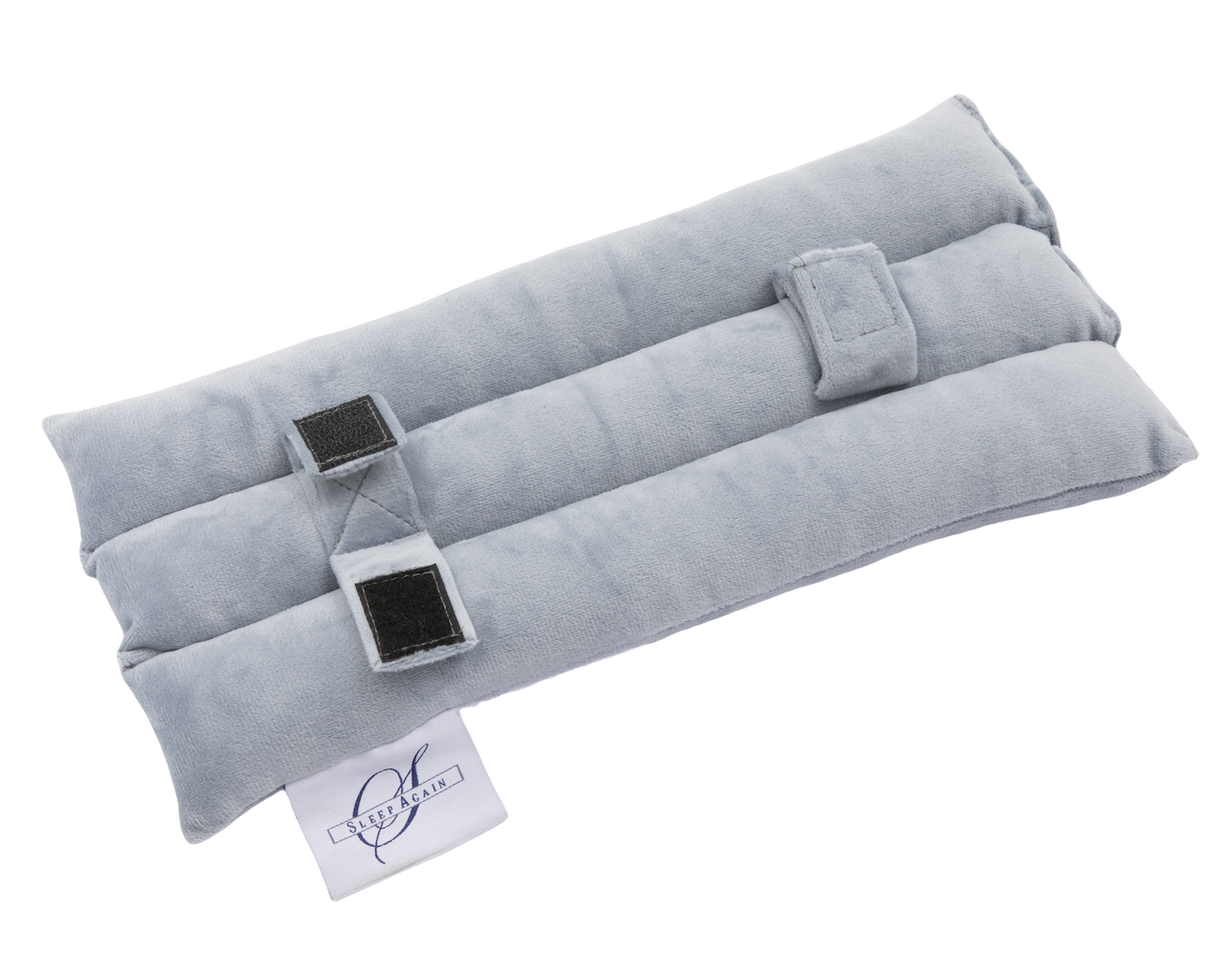
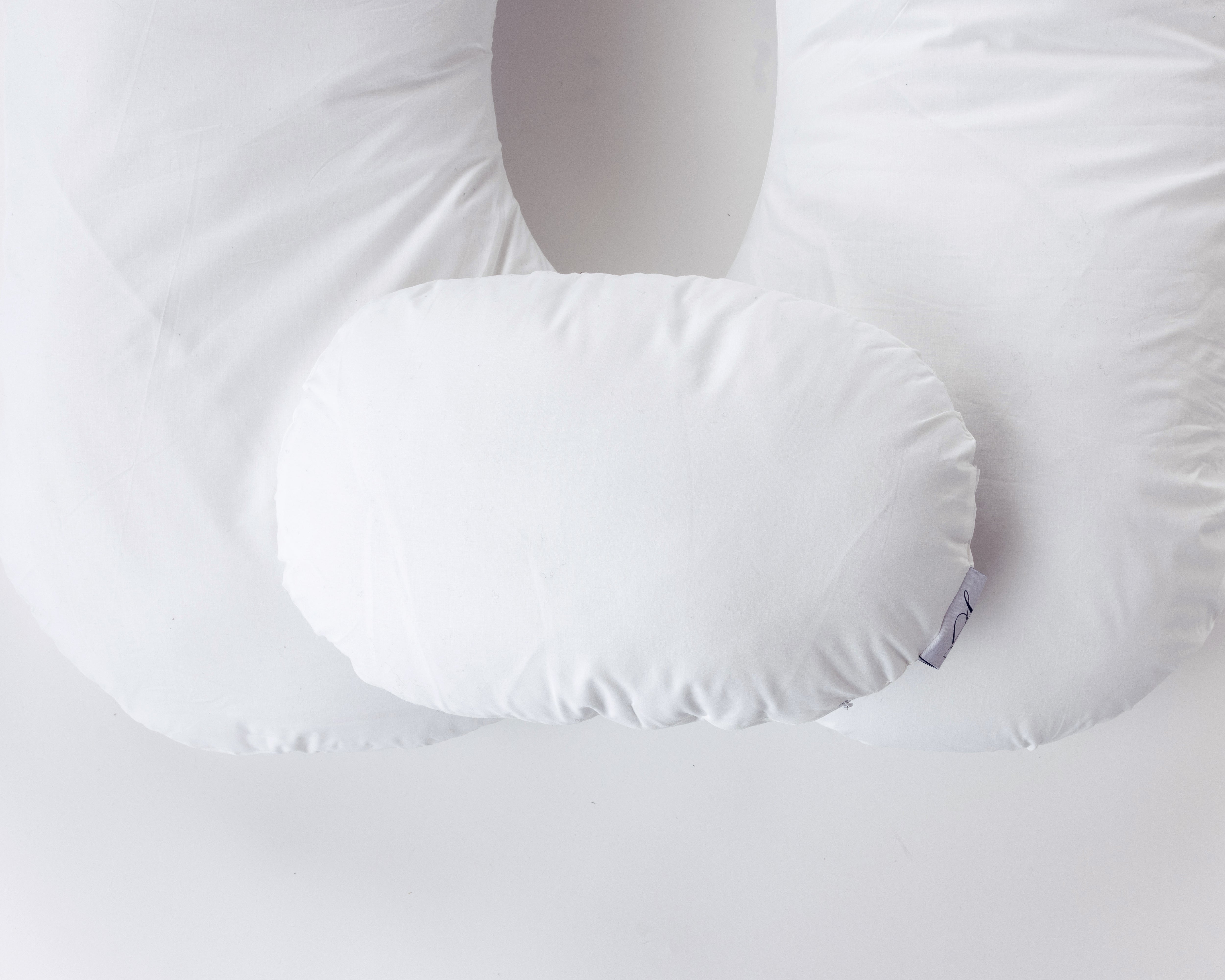
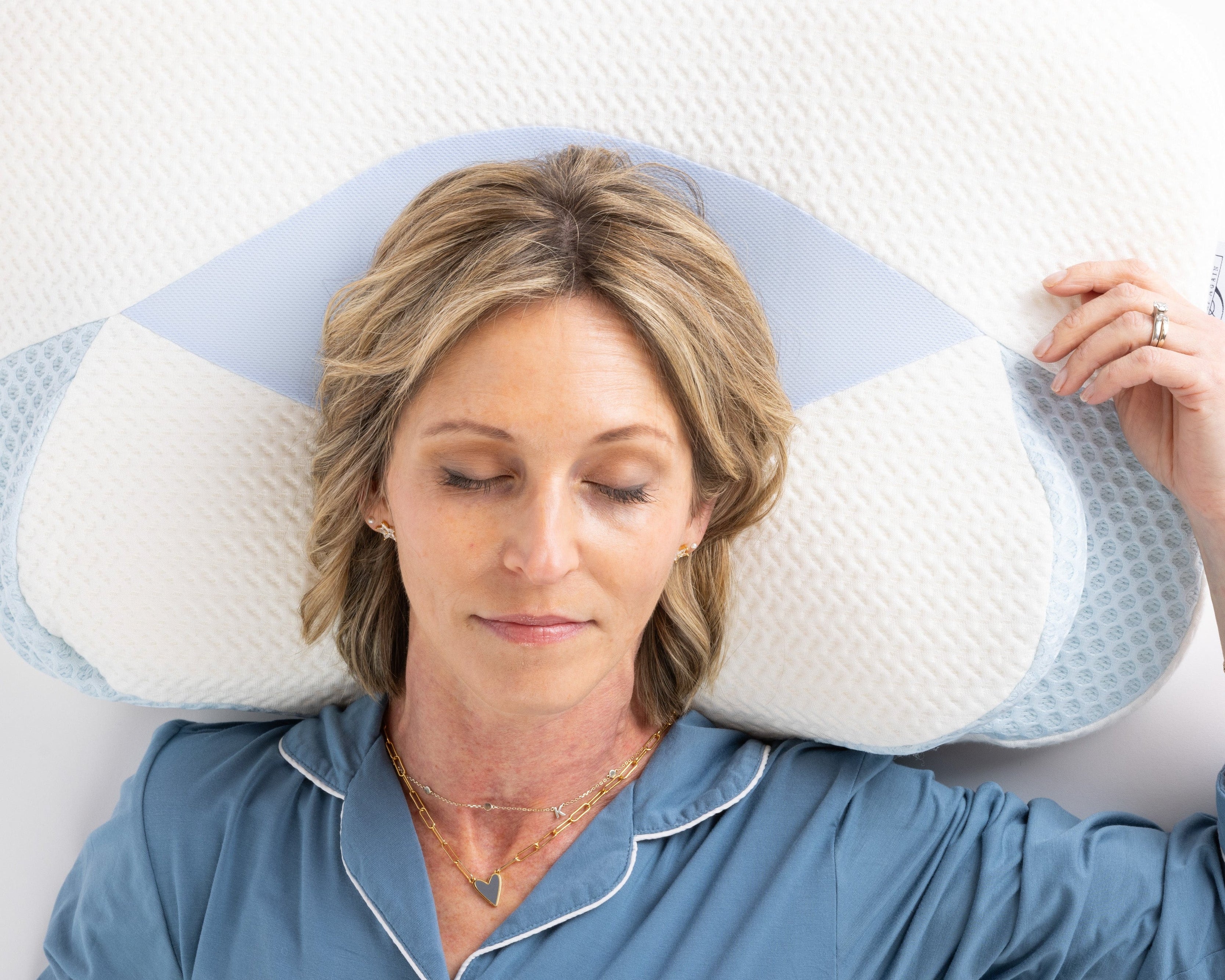
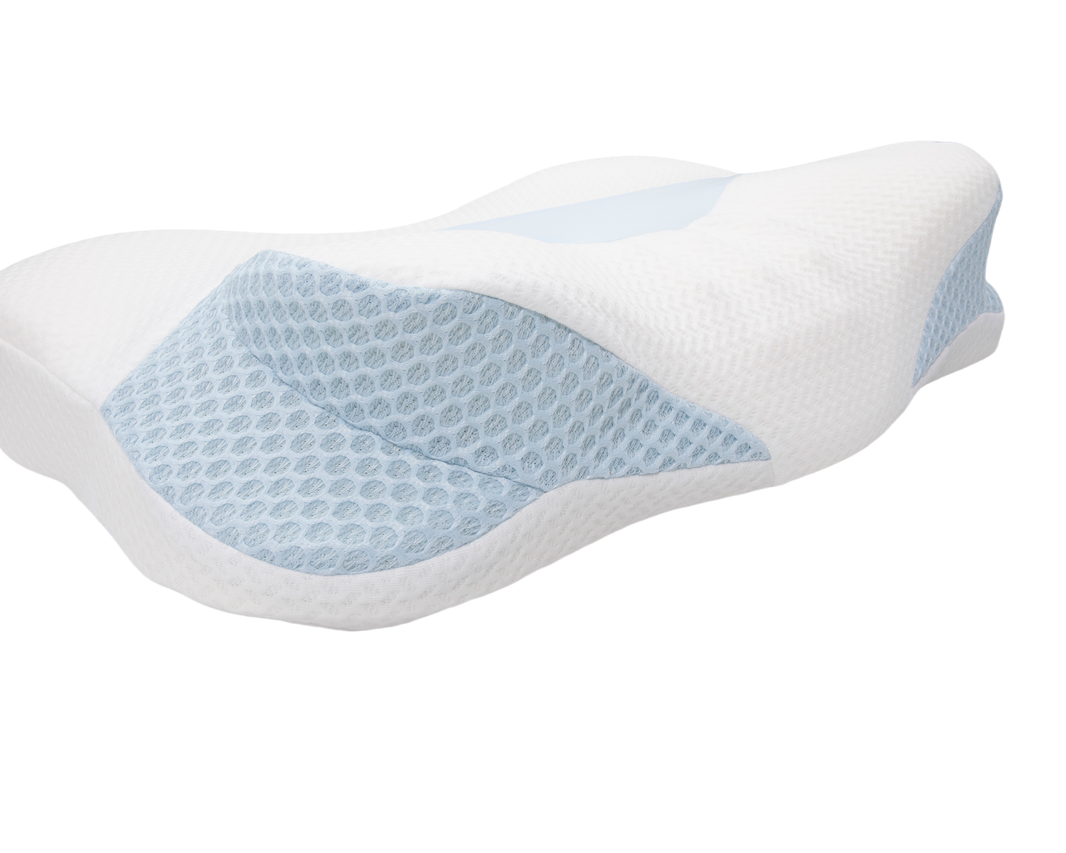
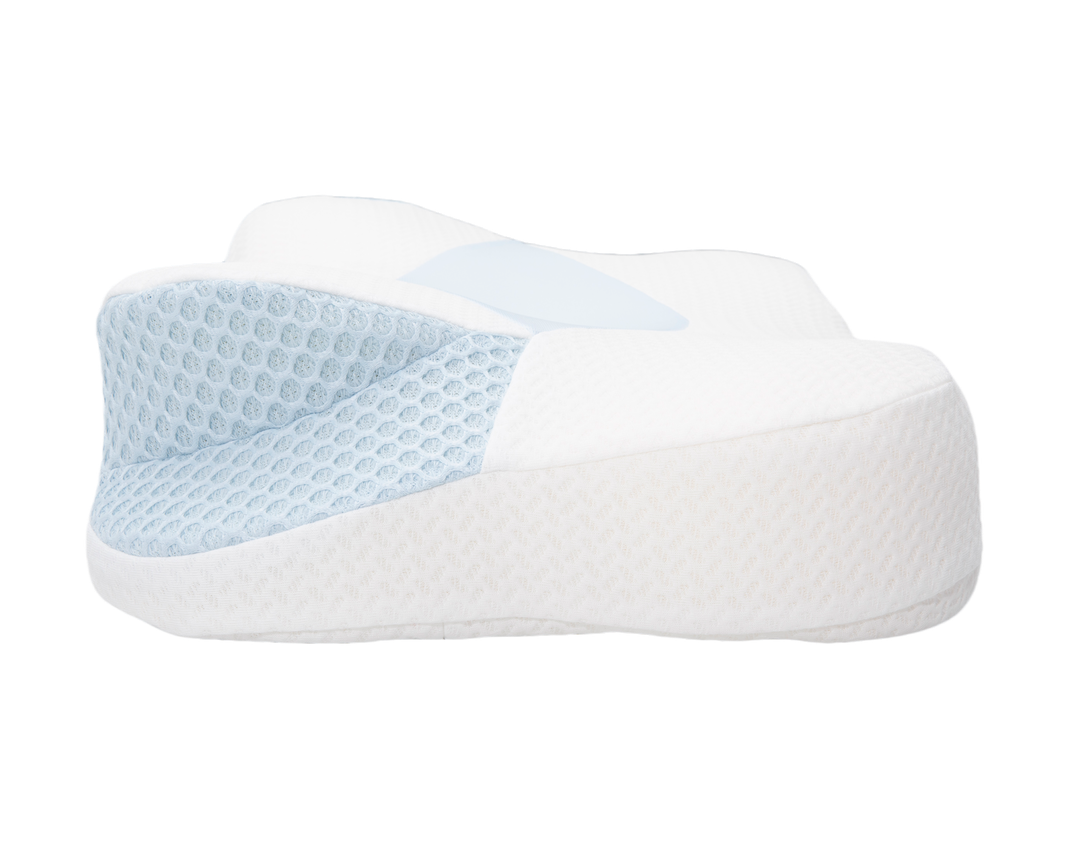
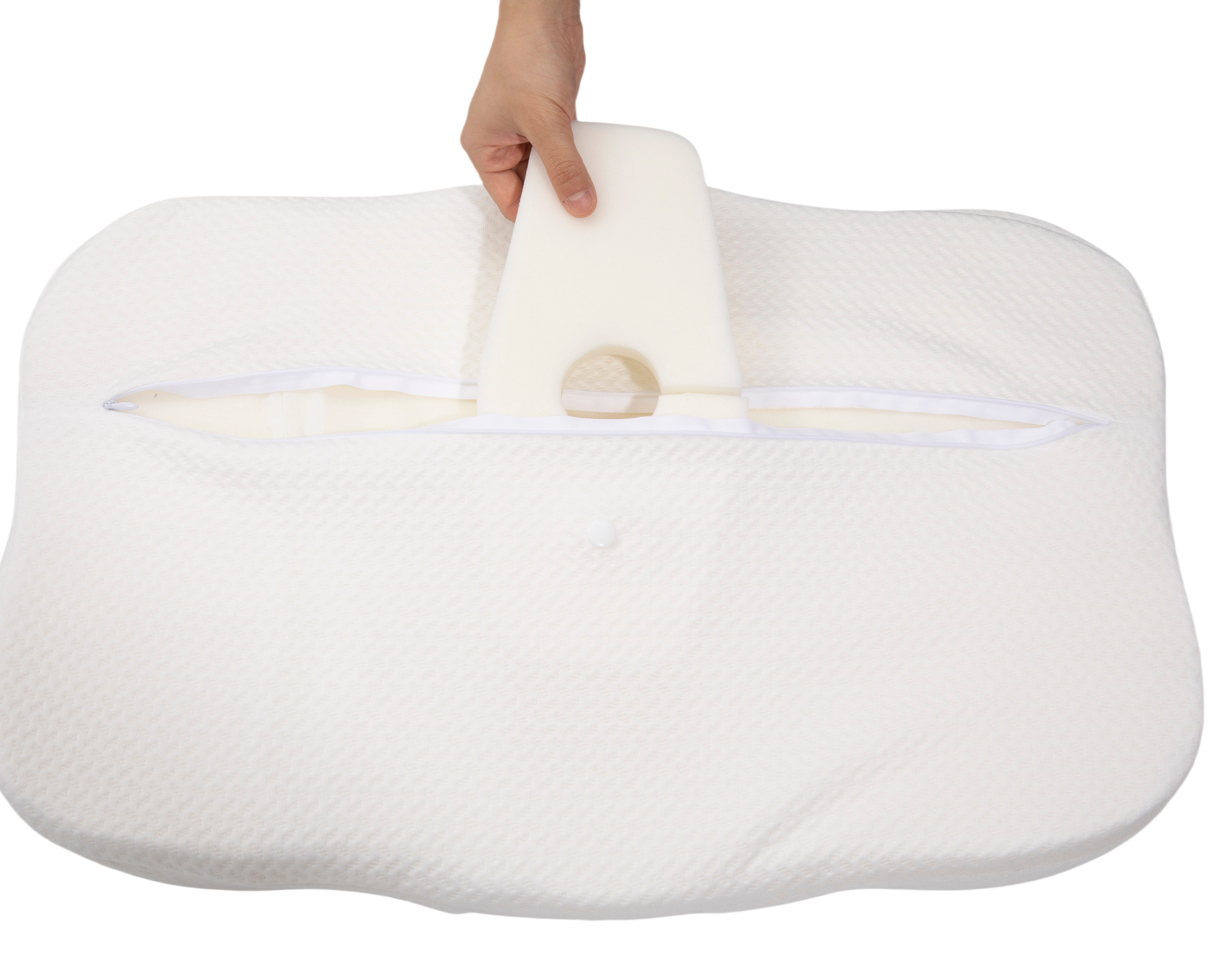
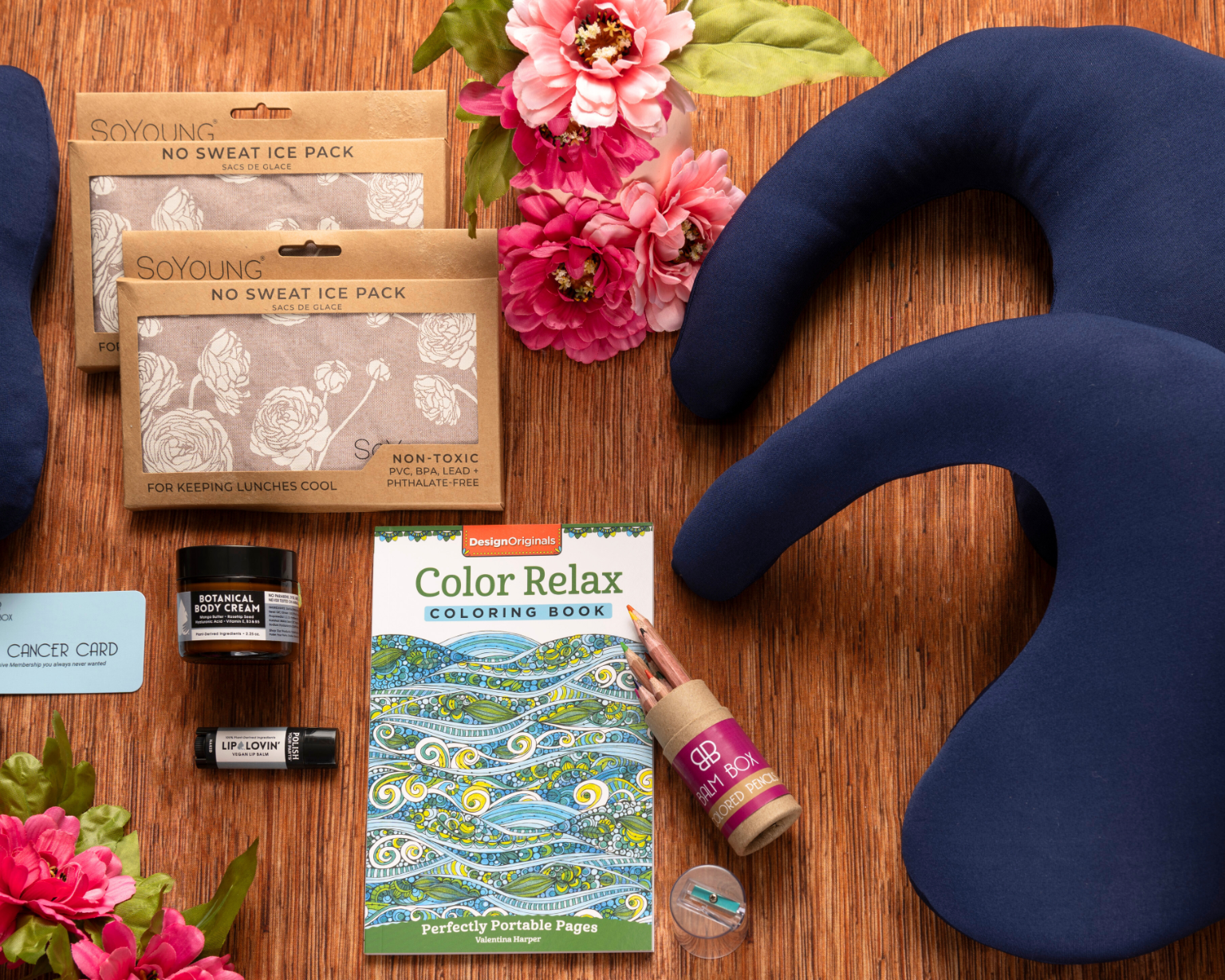
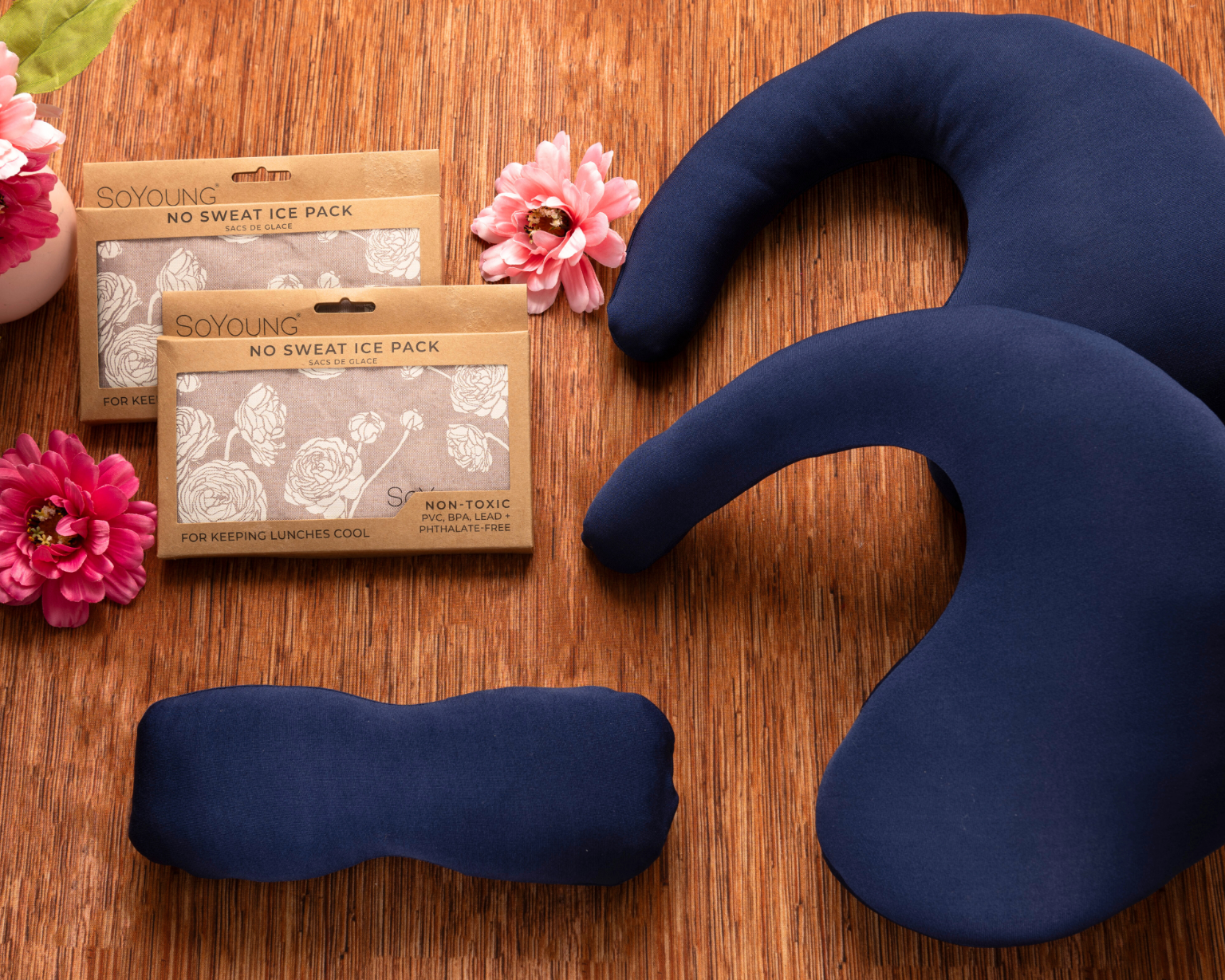
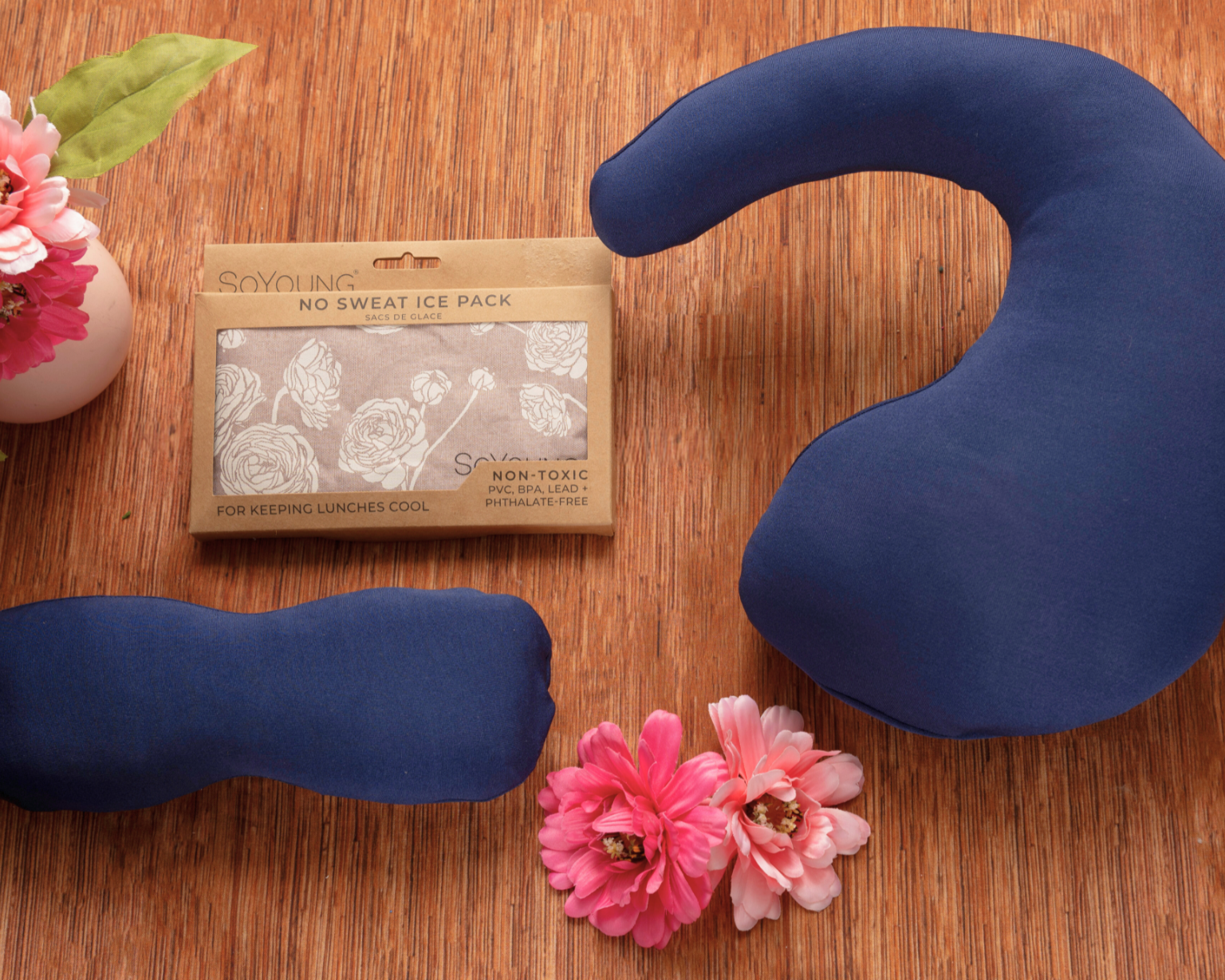
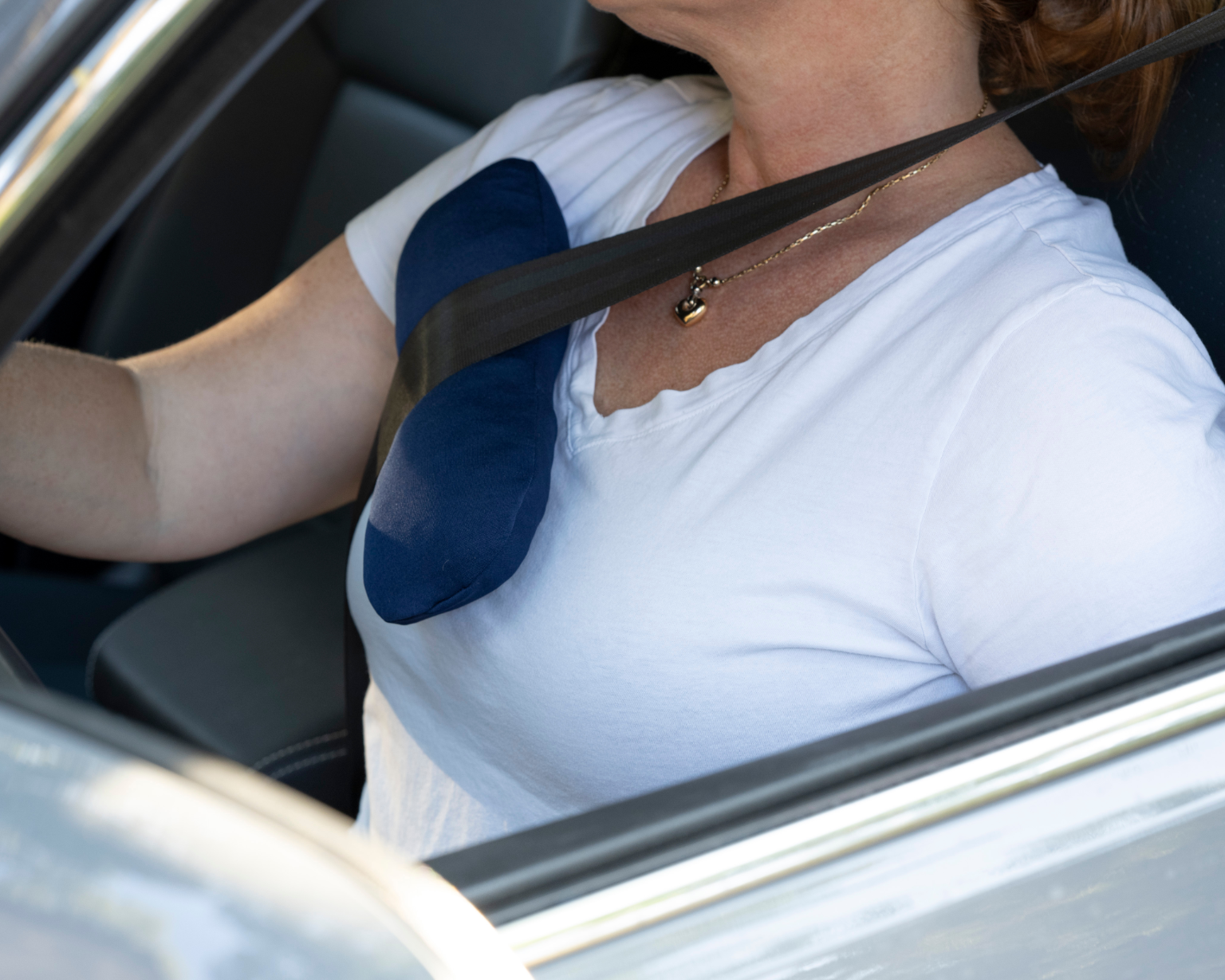
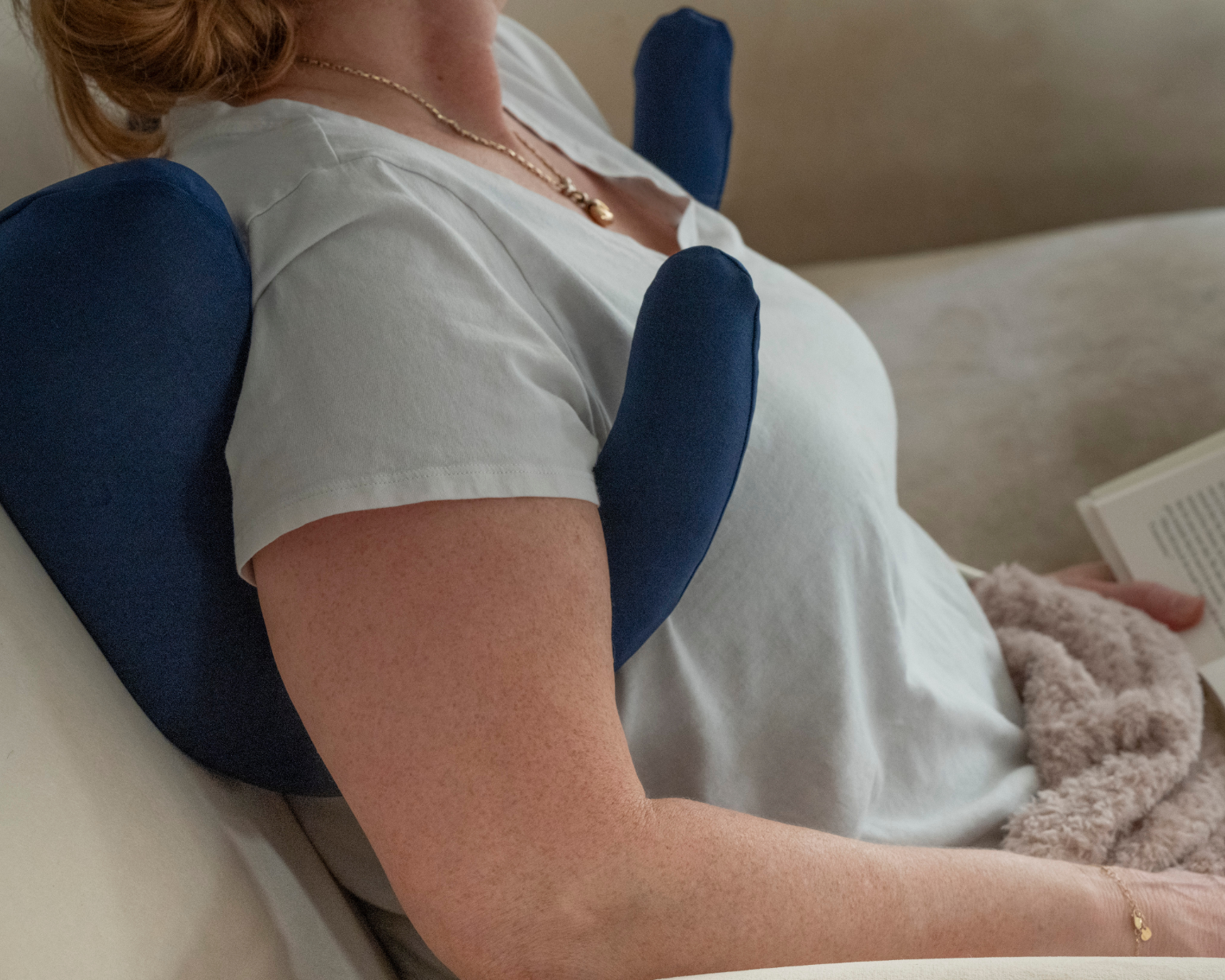
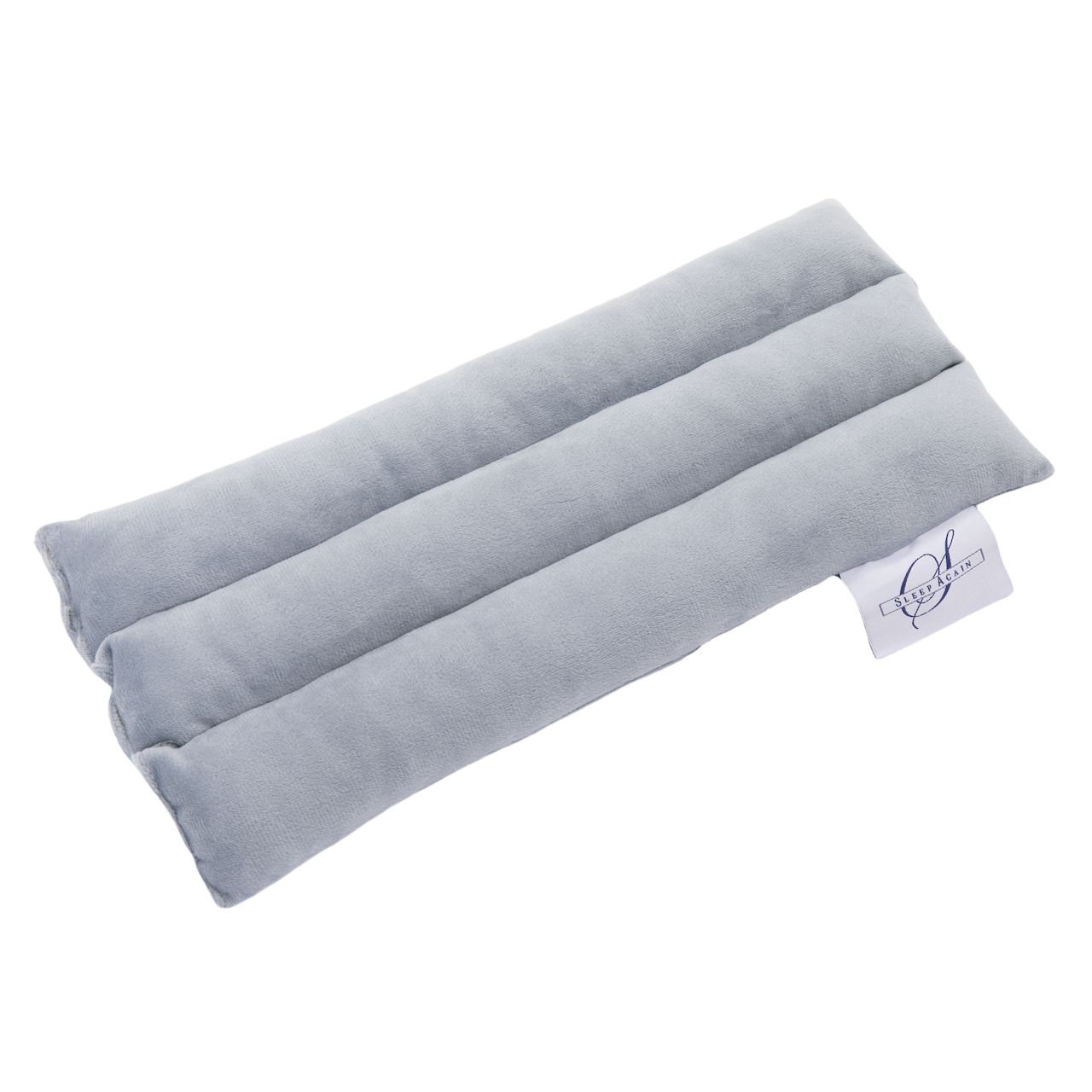
The Side Sleeping Chest Pillow is designed specifically for this transition phase. It slots between your arm and chest when you lie on your side, creating a protective barrier that keeps direct pressure off your chest wall. Your body weight rests on the pillow rather than compressing directly against the surgical site. The pillow's contoured shape is sized for chest protection rather than full-body support, making it easy to position consistently each night without adjusting your existing sleep setup.
This matters during the transition phase for several reasons. Even once your surgeon clears side sleeping, your incisions are still maturing, and your tissues are still settling. Direct chest compression isn't ideal even after formal restrictions are lifted. The Side Sleeping Chest Pillow lets you reclaim the sleeping position most people naturally prefer while still protecting the chest until healing is fully complete.

For patients who are habitual side sleepers, this product supports the transition between the elevated back-sleeping phase and returning fully to normal sleep positions.
Planning ahead and having the pillow ready before you need it means it's available when your surgeon clears you to make position changes.
Used together, the Sleep Again Pillow System and the Side Sleeping Chest Pillow address the full span of gynecomastia recovery sleep: consistent elevated positioning through the restricted phase, and protected side sleeping through the transition back to normal.
Due to federal regulations, bedding products are not returnable, and all sales are final.
SHOP THE BEST CHEST PILLOW FOR SIDE SLEEPING
Week-by-Week Sleep Approach: What to Expect and Plan For
Weeks 1-2: Elevated back sleeping at 30-45 degrees is required. Swelling and bruising are most pronounced during this phase, and compression garments are worn continuously. Consistent elevated back sleeping during this period produces the most direct reduction in swelling and discomfort. Shorter sleep cycles and nighttime waking are normal. Keep water and any prescribed pain management within easy reach.
Weeks 2-3: Acute swelling and bruising begin to resolve. Sleep quality typically improves. Elevated back sleeping continues. Don't reduce your incline angle before your surgeon advises it. Improvement in how you feel is a product of correct positioning, not a signal to change it.
Weeks 3-4: Most patients are sleeping more comfortably and getting longer, uninterrupted rest. Compression garment protocols may shift at follow-up appointments, with night wear requirements varying by surgeon. Some surgeons begin permitting a gradual transition toward a semi-lateral position at this stage, subject to individual assessment at follow-up.
Weeks 4-6: Follow-up appointments during this period will assess whether you're cleared to begin the side-sleeping transition. Introduce the Side Sleeping Chest Pillow as you move toward side sleeping for greater comfort. Progress gradually. Stomach sleeping typically requires a longer wait than side sleeping.
Beyond 6 weeks: Most patients return to a full range of sleep positions with surgeon clearance. Stomach sleeping typically comes last. Use follow-up appointments to confirm clearance for specific position changes rather than assuming based on how you feel. Your surgeon's timeline supersedes any general guideline.
Q&A: Sleeping After Gynecomastia Surgery
How long do I need to sleep elevated after gynecomastia surgery?
Most surgeons recommend elevated back sleeping for a minimum of four to six weeks. Duration varies by procedure extent and individual healing progress. Your surgeon will assess this at follow-up appointments and advise when transitioning to other positions is safe.
Can I sleep in a recliner after gynecomastia surgery?
A recliner can work in the very early days if it keeps you in the 30-45 degree range. The drawback is that it doesn't support proper lower body positioning, making it harder to maintain the angle through the night. Plus, it's just not the same as sleeping in your own bed. A purpose-built positioning system in your own bed provides more reliable, sustained support.
What should I do if I roll onto my side in the night?
Roll back and re-establish your elevated position. Unintentional rolling is common in the early weeks. Building lateral barriers with contoured side pillows reduces the frequency. If it continues consistently, reassess your support setup.
Will wearing a compression garment to sleep affect my positioning?
Your compression garment and your sleep positioning work together. Correct back-elevated sleeping keeps your garment sitting as designed, with even bilateral pressure and proper chest support. Side sleeping shifts the garment and reduces its effectiveness. This is one of the additional reasons correct positioning matters beyond incision protection alone.
Can I take pain medication before bed to help me sleep?
Follow your surgeon's specific instructions on pain management protocols, including timing. Taking prescribed medication as directed before sleep is generally part of post-operative care instructions. Do not adjust dosing schedules without consulting your surgical team.
When can I sleep on my stomach after gynecomastia surgery?
Stomach sleeping requires the longest wait among sleeping positions. Direct chest compression is the position most likely to affect healing, incision integrity, and final contour outcomes. Most surgeons advise waiting until at least six weeks and confirming clearance at a follow-up appointment before returning to prone sleeping. Follow your surgeon's individual guidance.
How do I prepare my sleep setup before surgery?
Set up your positioning system before surgery so you come home to a ready environment. Have water and necessary items within arm's reach, and the Side Sleeping Chest Pillow on hand for when you reach the side-sleeping transition. Pre-surgery setup removes problem-solving from recovery.
Is the Sleep Again Pillow System covered by HSA or FSA?
Yes. The Sleep Again Pillow System is eligible for purchase with HSA and FSA funds.
A Note on Preparing Smart
Patients poised for the smoothest gynecomastia recoveries aren't the ones who tough it out. They're the ones who prepared. Sleep setup is one of the most controllable variables in your recovery, and it's entirely plannable before your surgery date.
Elevated back sleeping creates the conditions for optimal fluid drainage, circulation, and incision protection. The right positioning system maintains those conditions through the night without requiring you to manage it consciously. And when you're cleared to transition to side sleeping, the right chest pillow protects your results through the final phase.
If you're in the planning stage, now is the time to sort this out. The decisions made before surgery have a direct impact on how comfortably and efficiently recovery proceeds.
Important Medical Disclaimer
The information provided on this page is for educational purposes only and should not replace professional medical advice from your healthcare provider. Sleep Again Pillows are positioning support products designed to help maintain sleep positions recommended by medical professionals during recovery and for therapeutic use.
Always follow your surgeon's or physician's specific post-operative instructions and positioning requirements. Medical guidance from your healthcare team takes precedence over any general information provided here. Recovery timelines, positioning angles, and product suitability vary based on individual surgical procedures, medical conditions, and patient-specific factors.
Consult your healthcare provider before purchasing positioning equipment if you have specific medical concerns or questions about whether these products are appropriate for your recovery or medical condition(s). Your medical team can provide personalized recommendations based on your unique situation.
Sleep Again Pillows do not diagnose, treat, cure, or prevent any medical condition. These products provide positioning support to help maintain sleep angles and positions as directed by your healthcare provider.