
A mommy makeover compresses some of the most significant body changes you can make into a single surgery. The results are worth it — and so is taking recovery seriously.
Sleep is where your body does the majority of its repair work, which means your positioning setup is more than a comfort question. You're managing breast tissue and abdominal repair simultaneously, often with liposuction and surgical drains in the mix. This guide covers the sleep positions, elevation requirements, pillow setups, and week-by-week timelines that give you the best possible foundation for healing.
What Is a Mommy Makeover and Why Does It Complicate Sleep?
A mommy makeover is a combination of cosmetic surgeries — most commonly a tummy tuck (abdominoplasty), breast augmentation, and/or breast lift — performed in a single operative session. Some patients also include liposuction, a thigh lift, or other body contouring procedures depending on their goals and surgeon's recommendations.
Each procedure places different demands on positioning. A tummy tuck requires a flexed hip position to reduce tension across the abdominal closure. Breast augmentation and lift require chest elevation to manage swelling and protect incision integrity. Liposuction adds compression garment considerations. The good news is that these requirements are largely compatible, and the semi-reclined, elevated position recommended after a mommy makeover satisfies both the abdominal and breast needs simultaneously. The challenge is executing it consistently, night after night, throughout your recovery.
Why Does Sleep Position Matter So Much After a Mommy Makeover?
Sleep is when your body does its most intensive repair work. During deep sleep phases, your body releases growth hormone, which drives tissue regeneration and cellular repair. Your immune system is also most active during sleep, producing the white blood cells that protect healing surgical sites from infection. Poor positioning disrupts all of this:
Increased swelling. Lying flat allows fluid to pool in healing tissues. Elevated positioning uses gravity to encourage drainage away from surgical sites, reducing postoperative swelling and discomfort.
Incision tension. Sleeping completely flat after a tummy tuck places mechanical stress on the abdominal closure that elevated positioning eliminates.
Disrupted sleep cycles. Repositioning multiple times per night because your pillow setup has shifted interrupts sleep architecture. Fragmented sleep equals slower healing.
Increased pain perception. Sleep deprivation lowers the body's pain threshold, making the same level of discomfort feel significantly more intense.

What Is the Best Sleep Position After a Mommy Makeover?
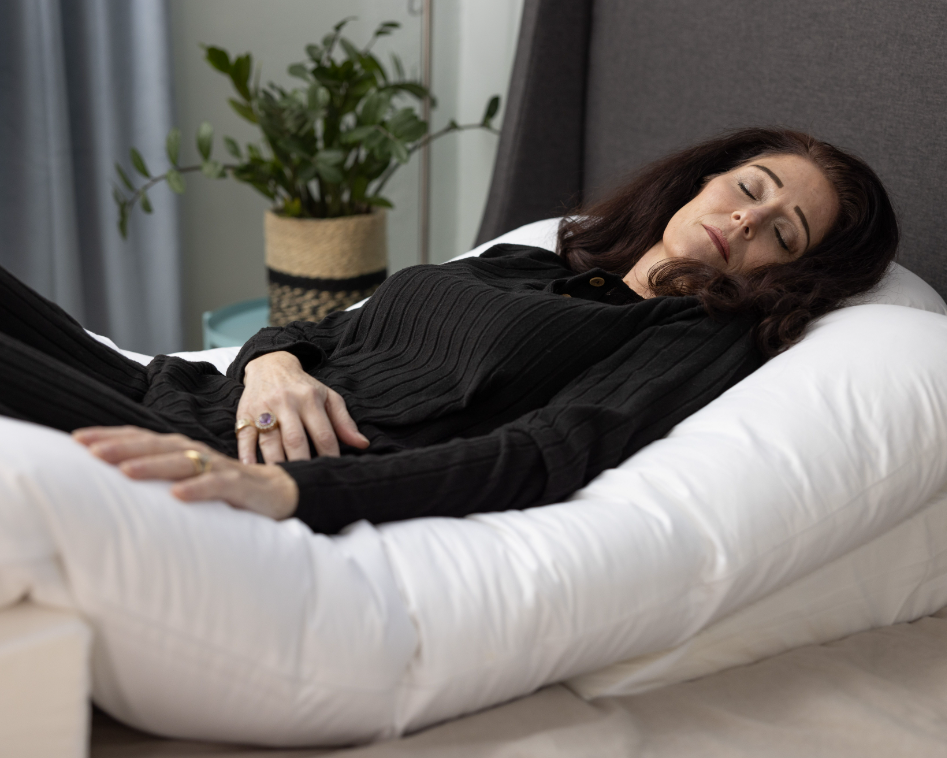
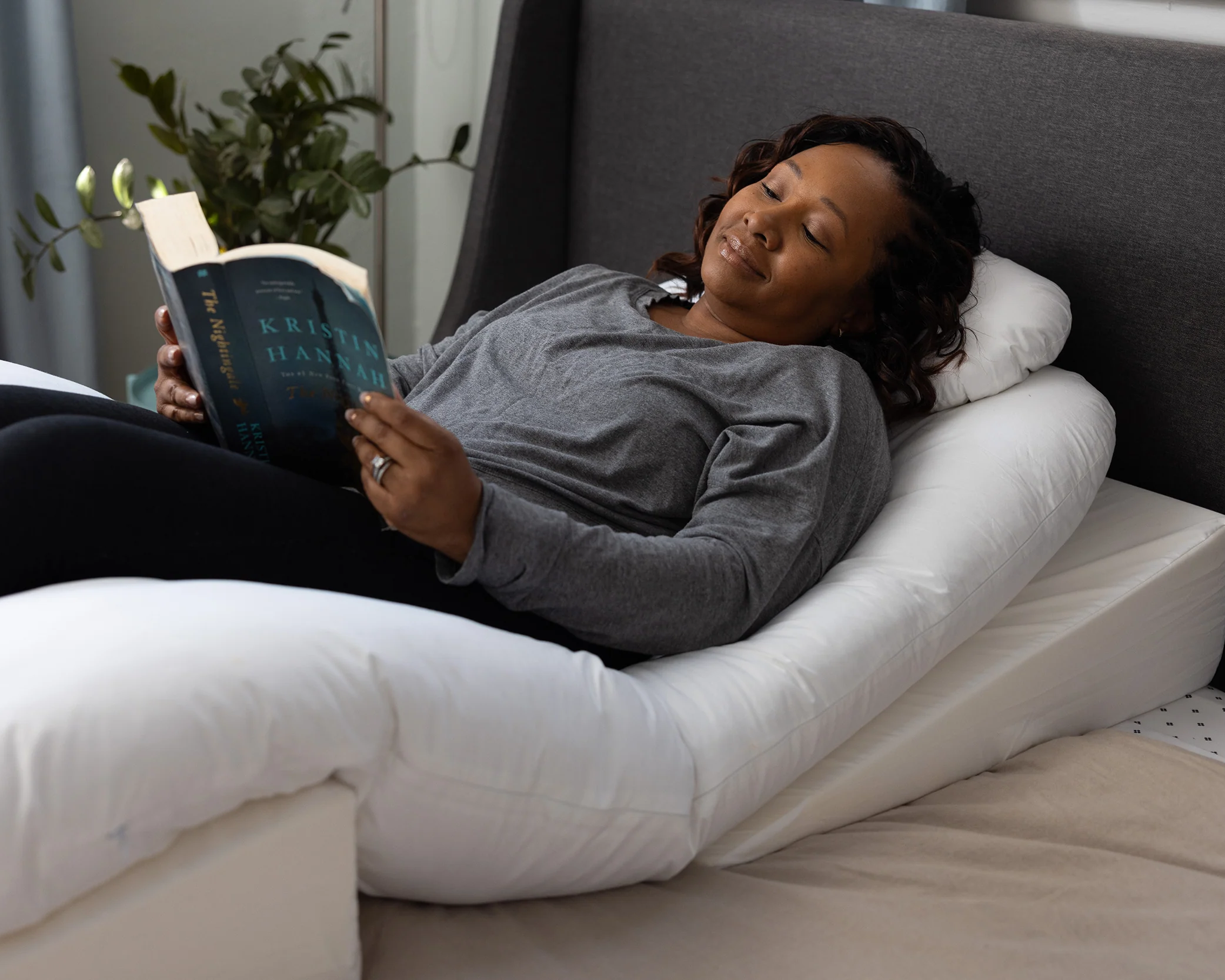
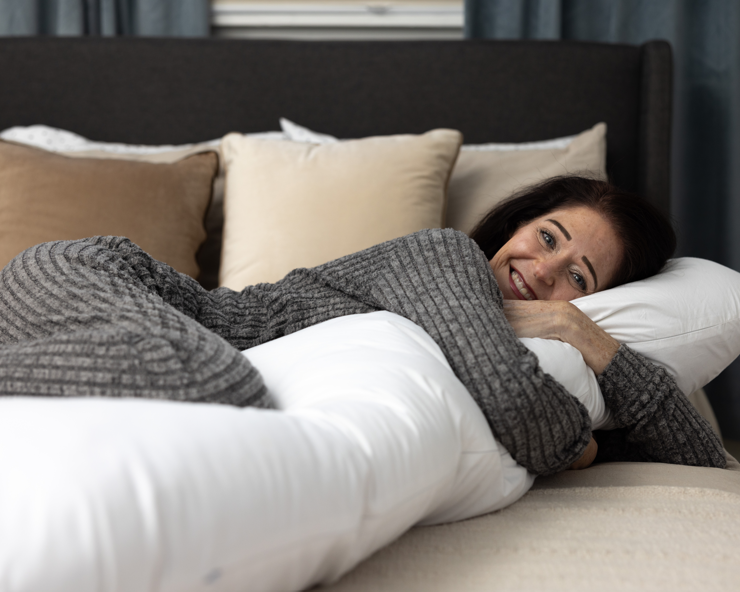
The standard position recommended after a mommy makeover is back sleeping with upper body elevation and light knee flexion. These two elements work together as a system: elevation manages swelling and protects breast incisions, while the bent-knee position releases tension across the tummy tuck closure. This position accomplishes several things simultaneously:
- Chest elevation reduces tension on breast incisions and controls swelling after augmentation or lift
- Upper body elevation discourages fluid pooling across all surgical sites
- Flexed hip position reduces tension on the tummy tuck closure
- Back-only contact prevents direct pressure on breasts, abdomen, or liposuction treatment areas
How Elevated Should You Be After a Mommy Makeover?
Most plastic surgeons recommend 30 to 45 degrees of upper body elevation during the initial recovery phase. A general framework:
Weeks 1–2: Swelling is at its peak, incisions are most vulnerable, and the tummy tuck closure is under the greatest tension. Maintain strict back sleeping at 30-45 degrees.
Weeks 3–4: Swelling decreases and the abdominal closure becomes more stable. Elevated back sleeping is still maintained during this time period.
Weeks 4–6: Many patients begin exploring carefully supported side sleeping during this phase. Wait for your surgeon's clearance before attempting side sleeping or other sleeping positions.
Week 6 and beyond: Position expansion based on individual healing and clearance. Most patients return to their preferred sleep position within eight to twelve weeks.
Your surgeon's specific instructions take precedence. Whether you had muscle repair as part of your tummy tuck, the type of breast procedure performed, and your individual healing rate all affect progression pace.
How Do You Set Up Your Bed for Mommy Makeover Recovery Sleep?
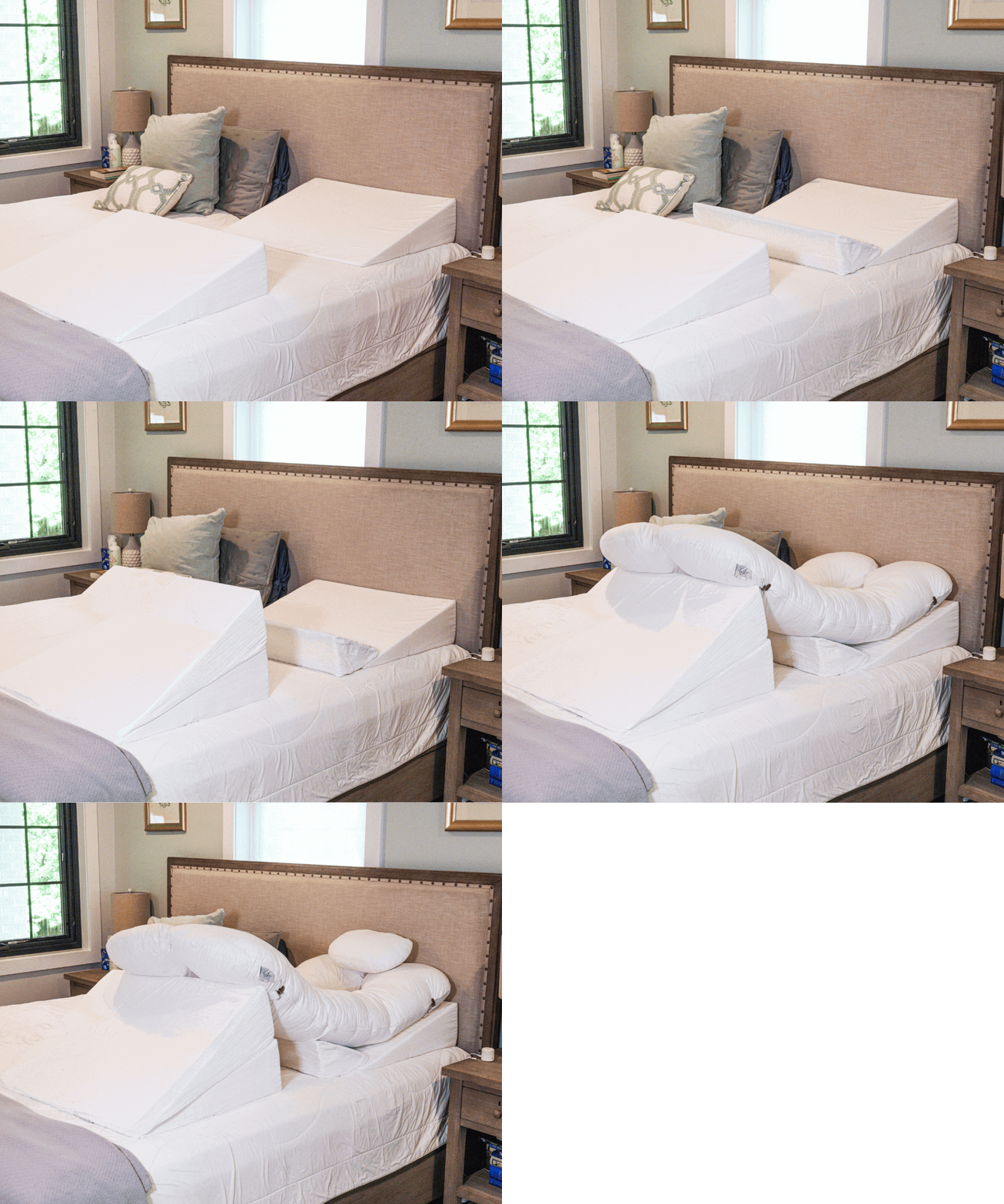
Bed setup before surgery is one of the highest-impact preparations you can make. The goal is a stable environment that holds the correct position throughout the night without requiring readjustment.
The components you need:
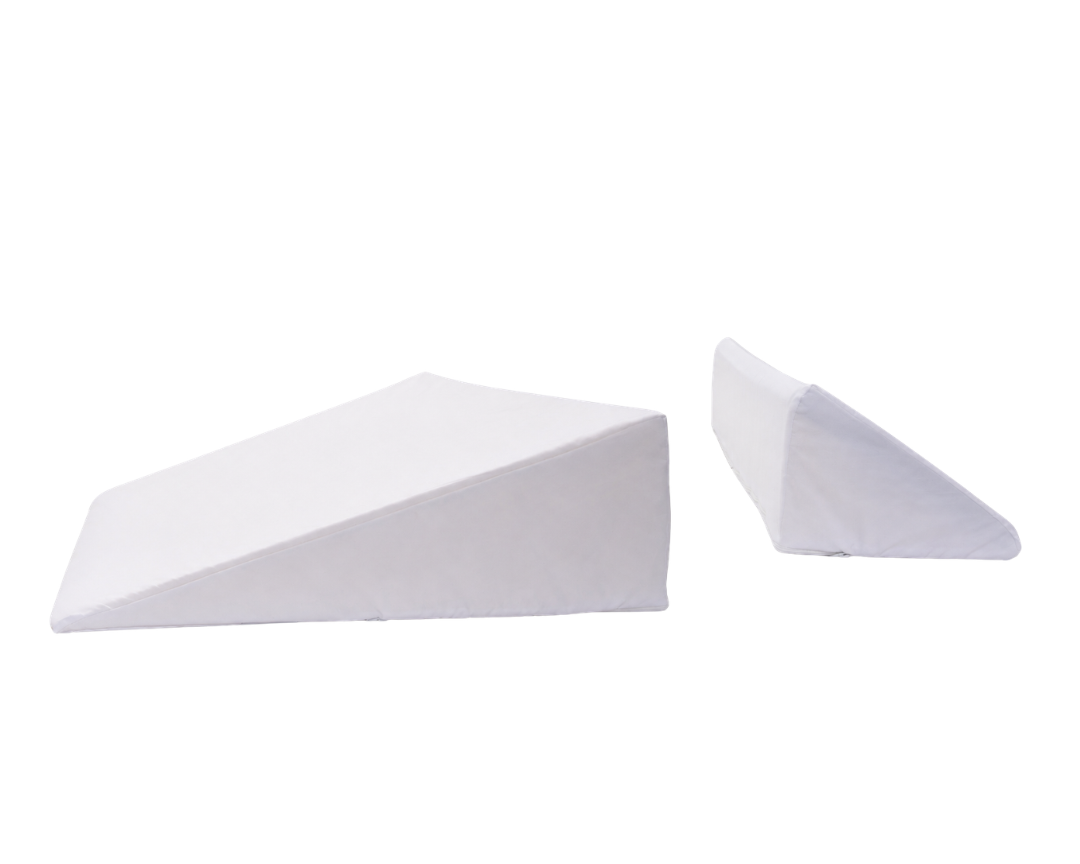
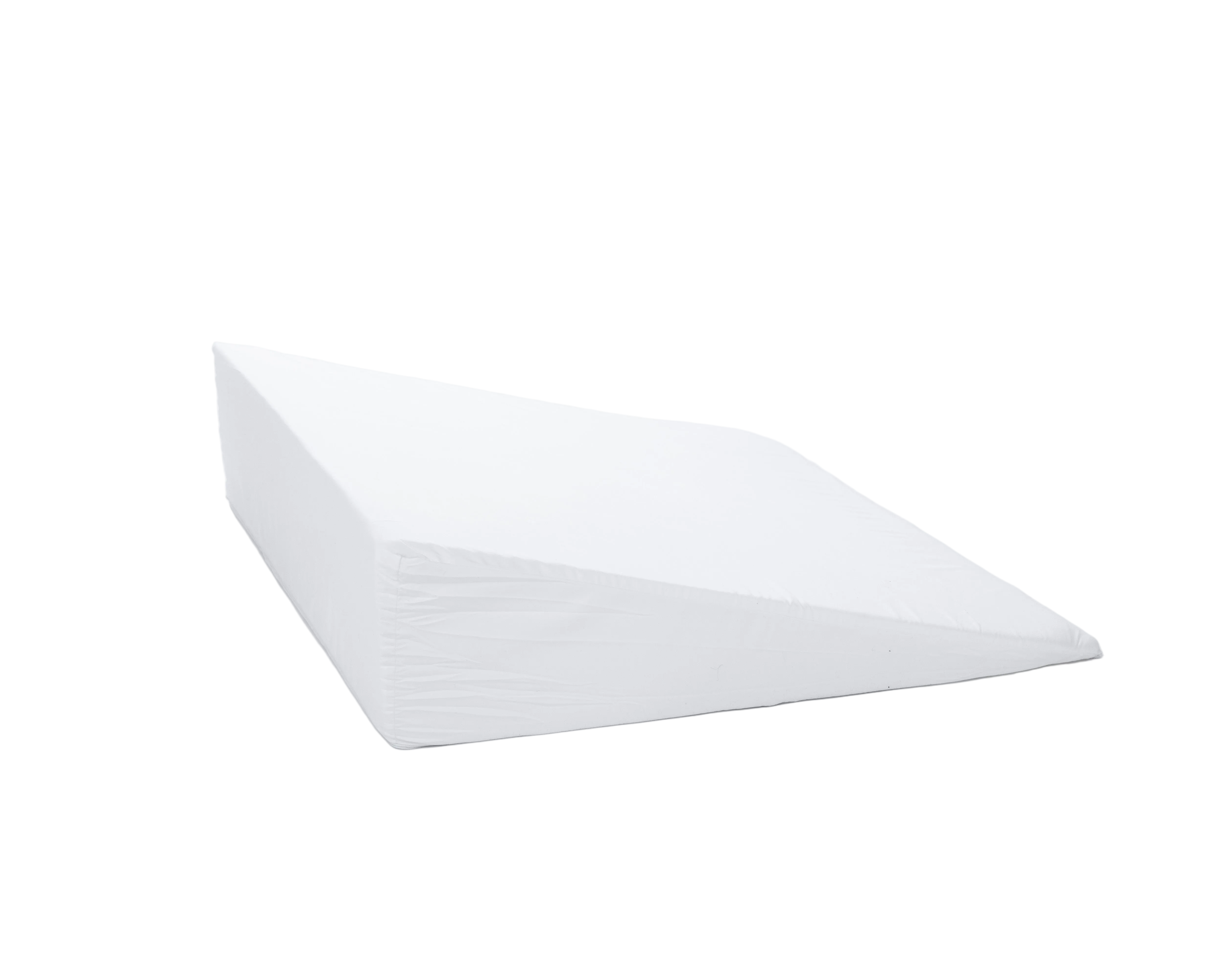
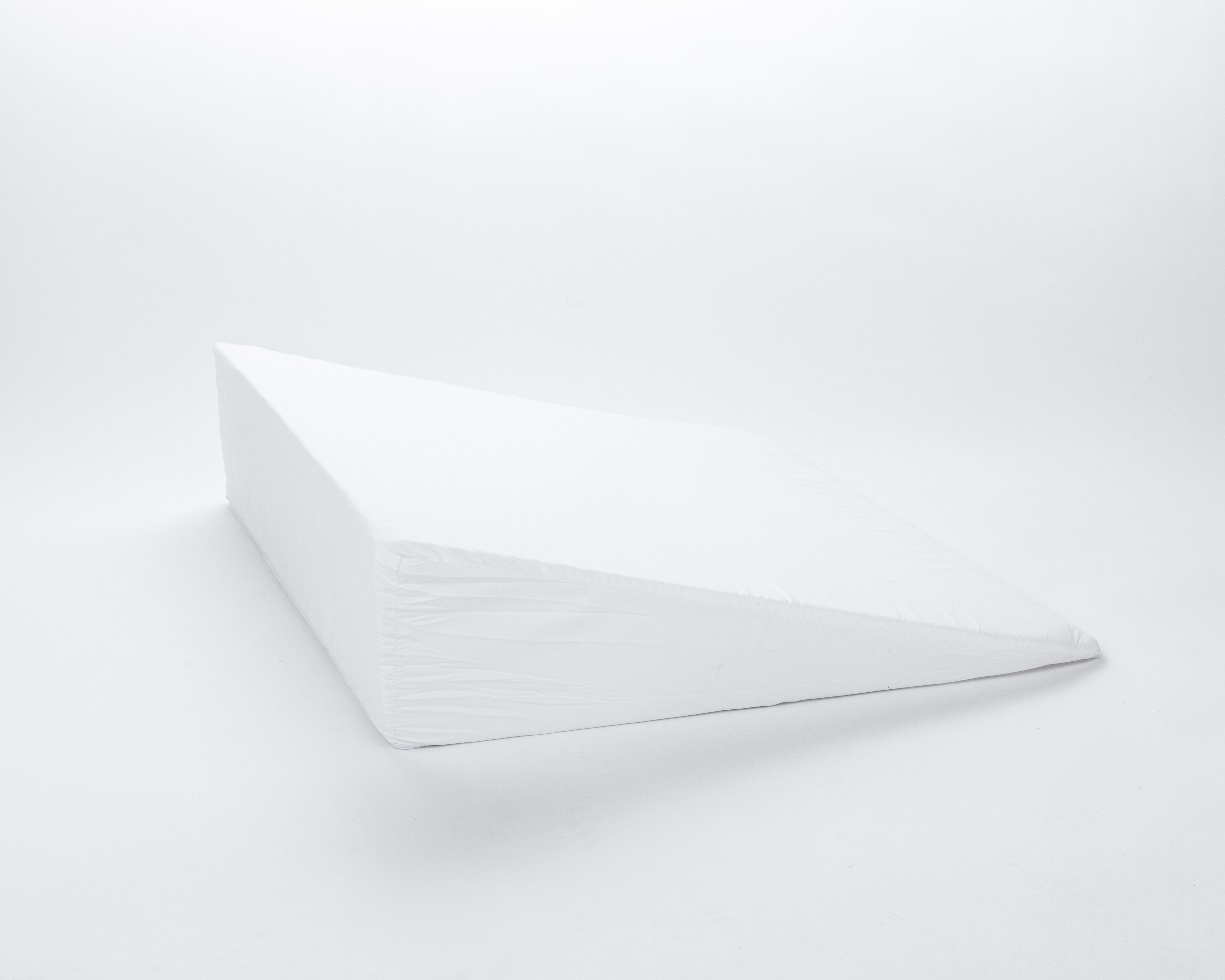
An upper body wedge that holds the torso at the correct elevation angle. This must be firm and non-compressible — structural density is what distinguishes purpose-built recovery wedges from household pillows.
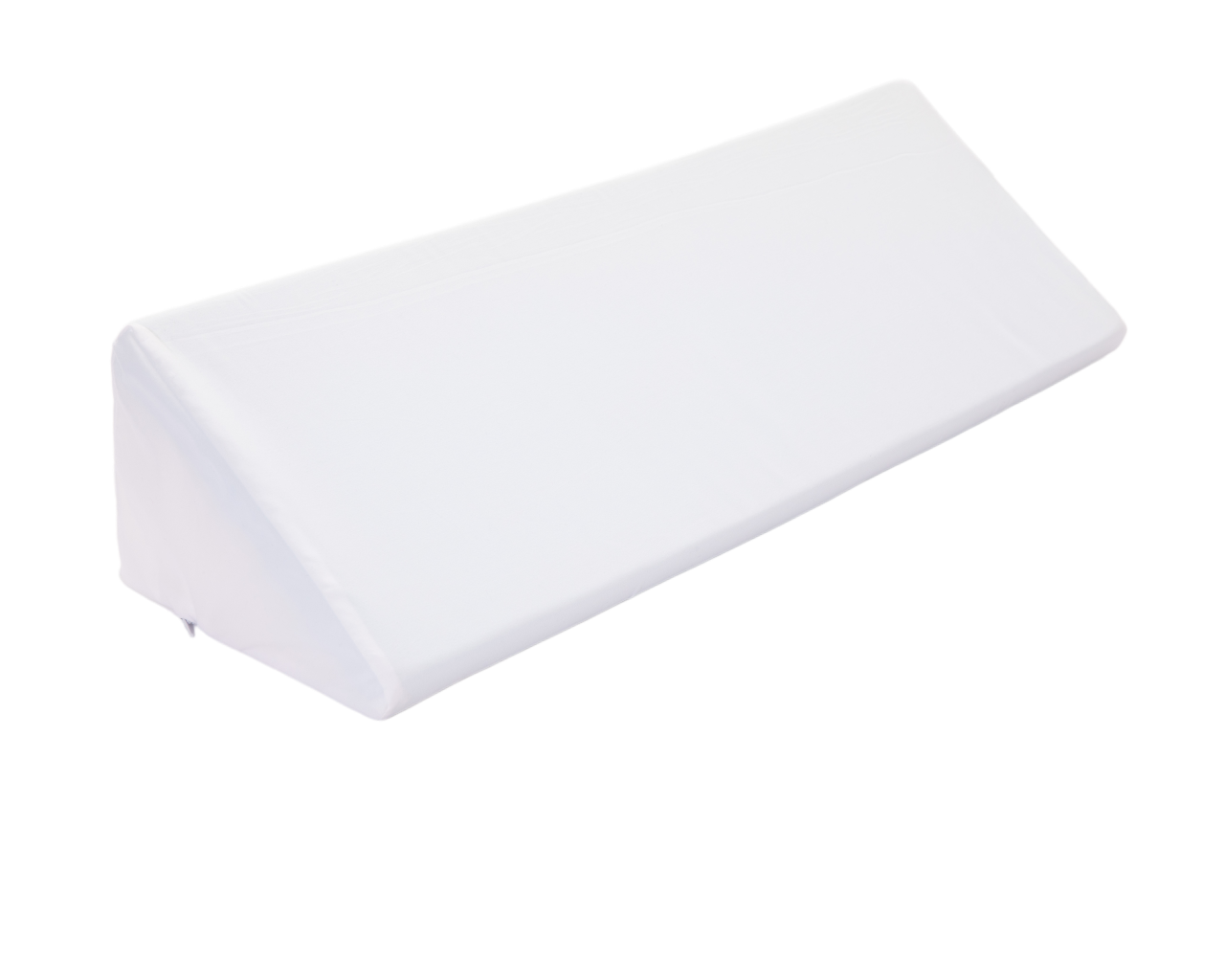
A knee and leg support wedge that creates the hip flexion needed to relieve tummy tuck tension.
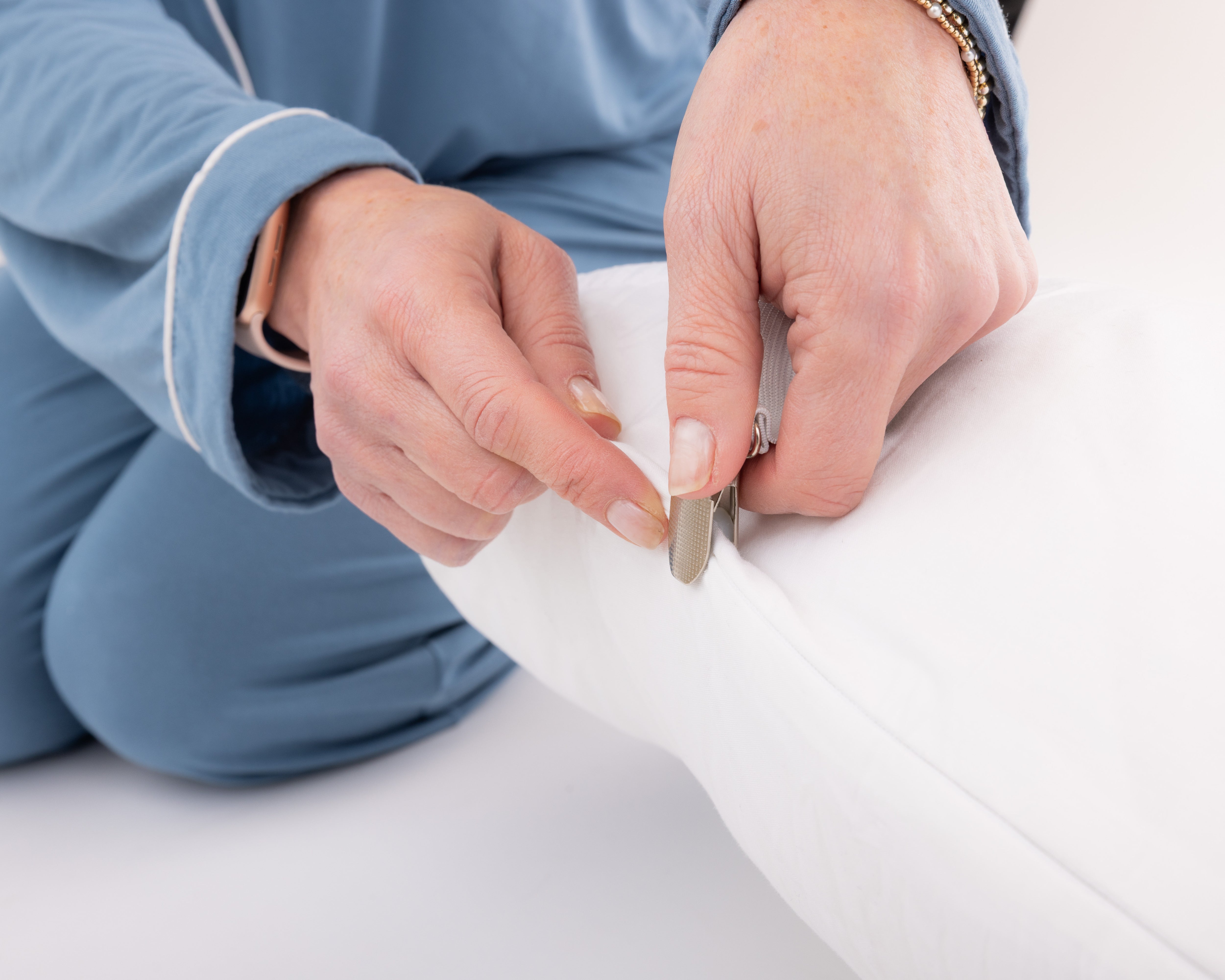
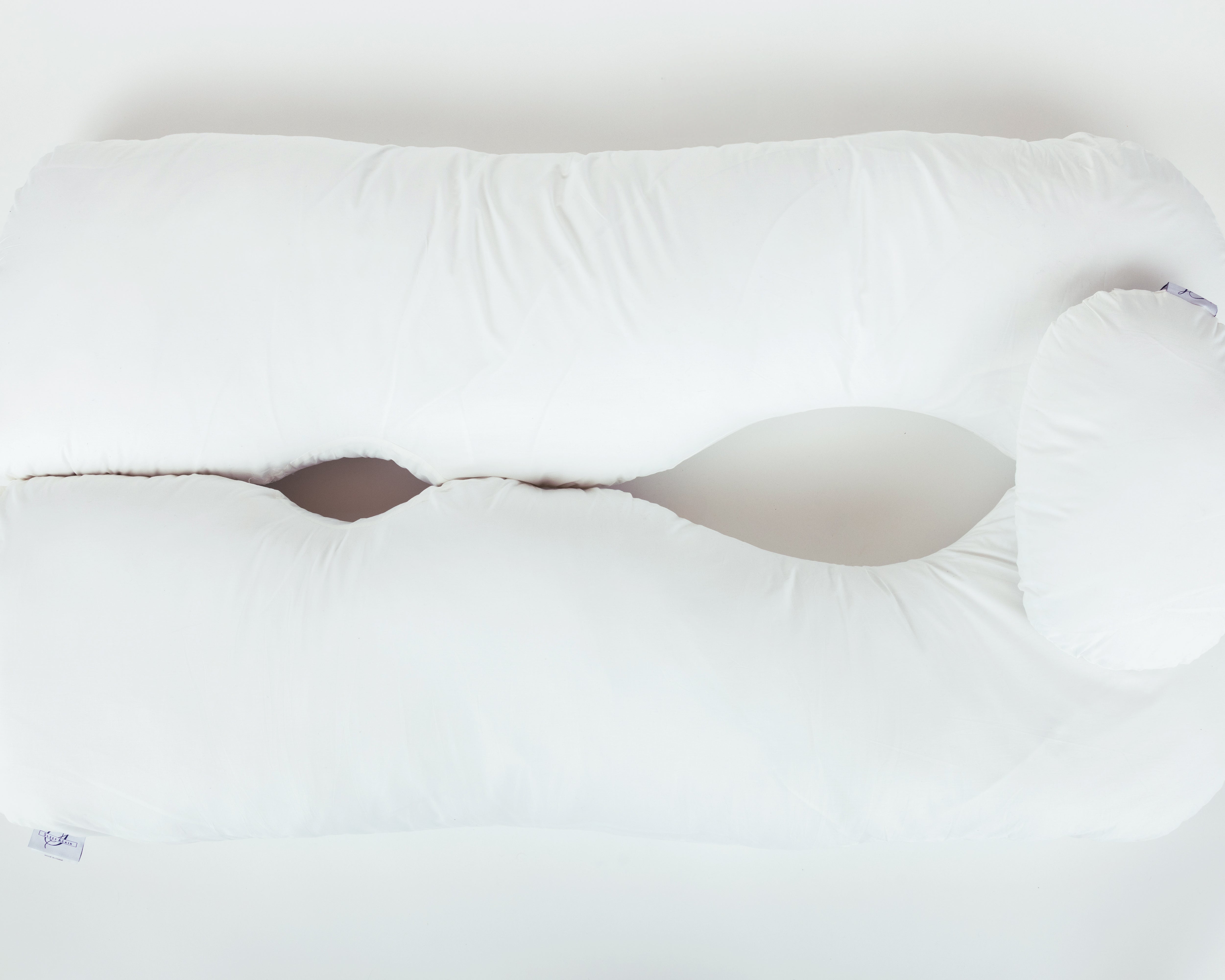
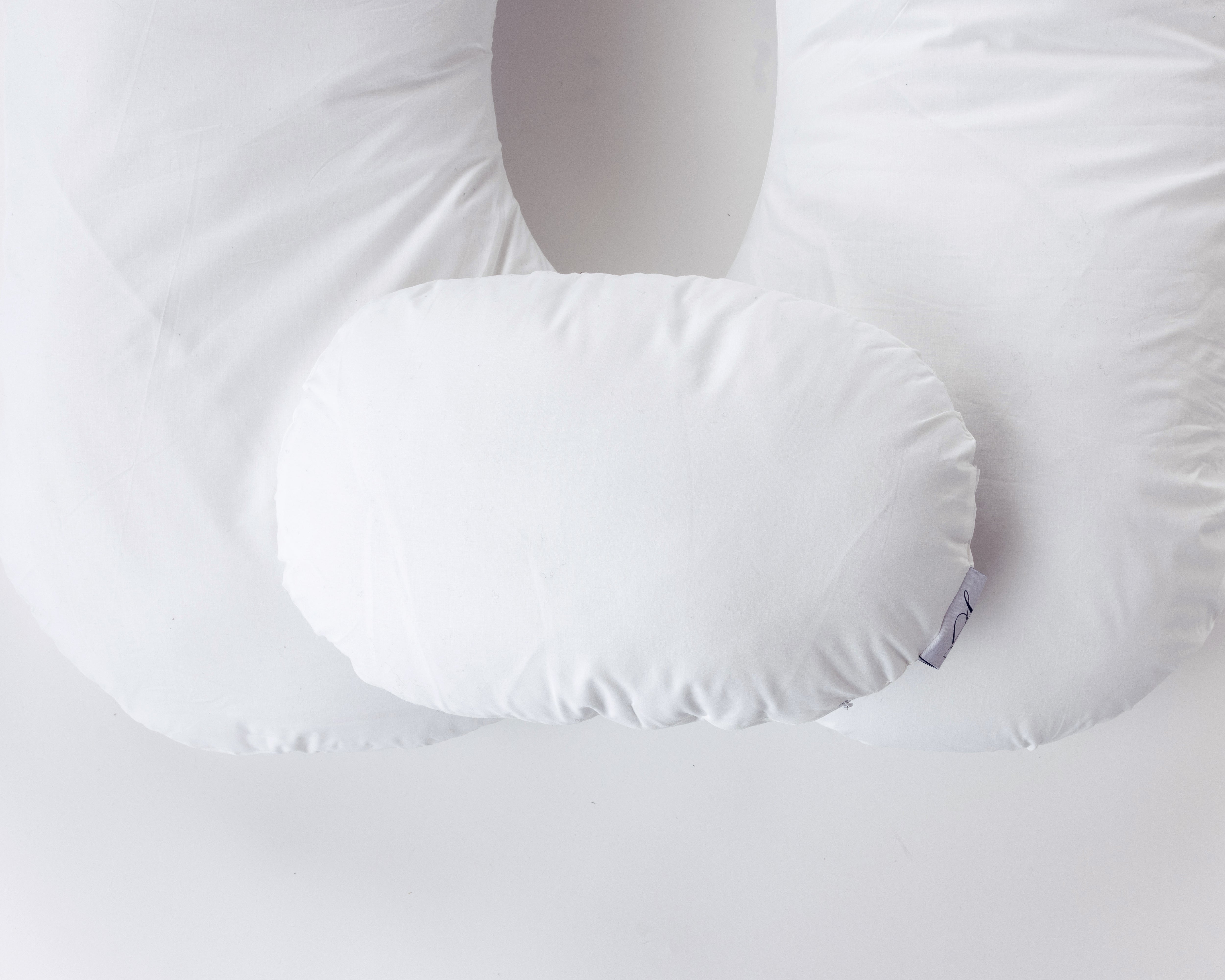
Lateral support pillows positioned alongside the body to prevent rolling. After mommy makeover surgery, rolling involuntarily can put sudden pressure on healing tissue.
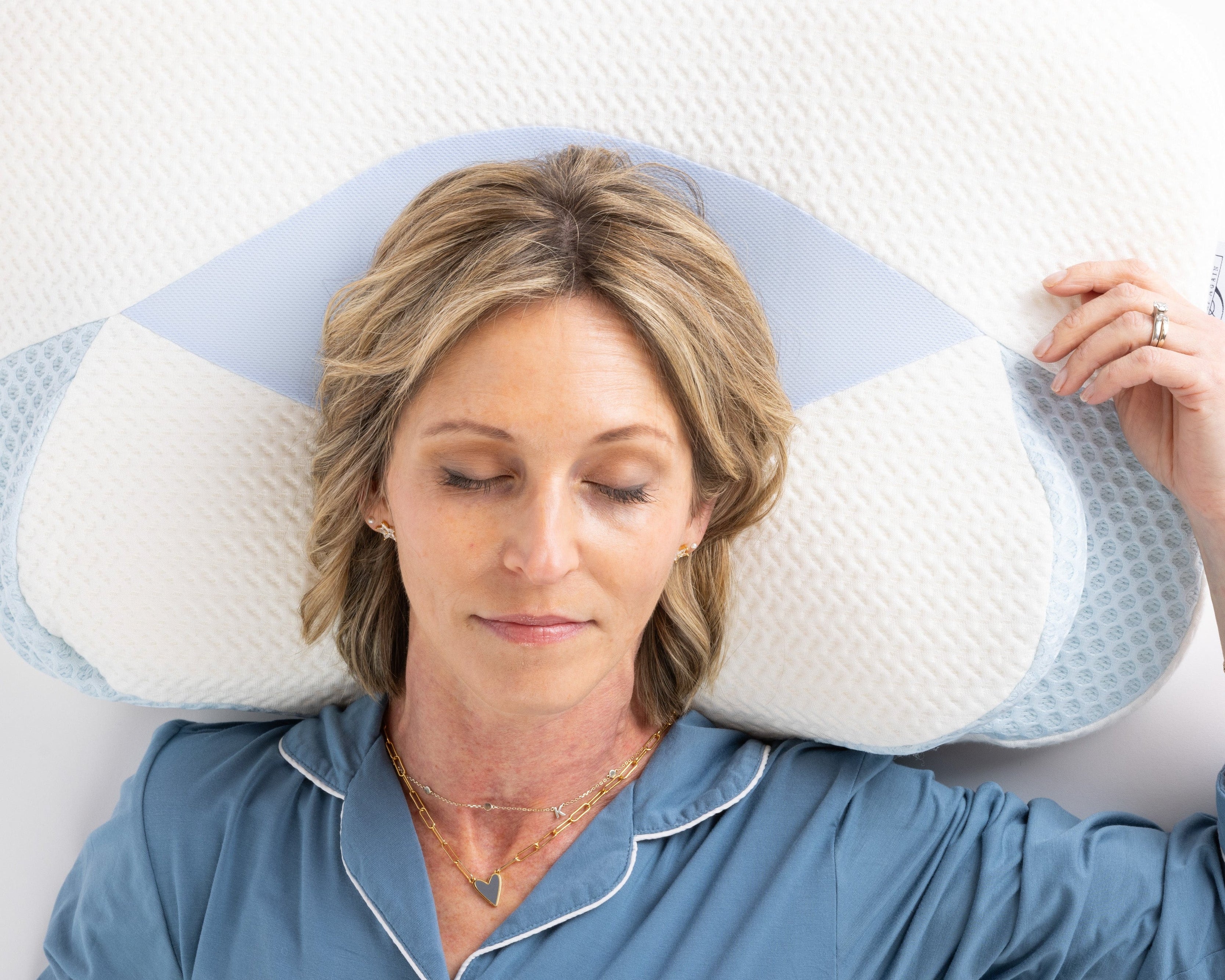
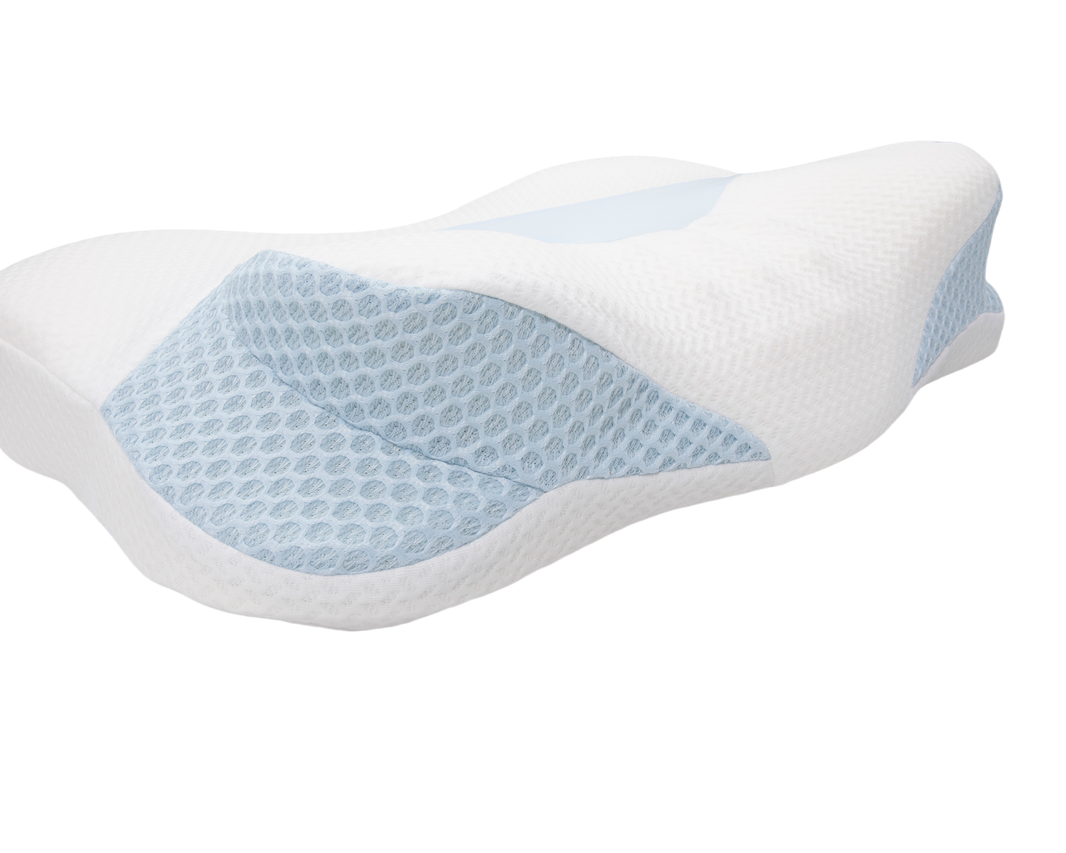
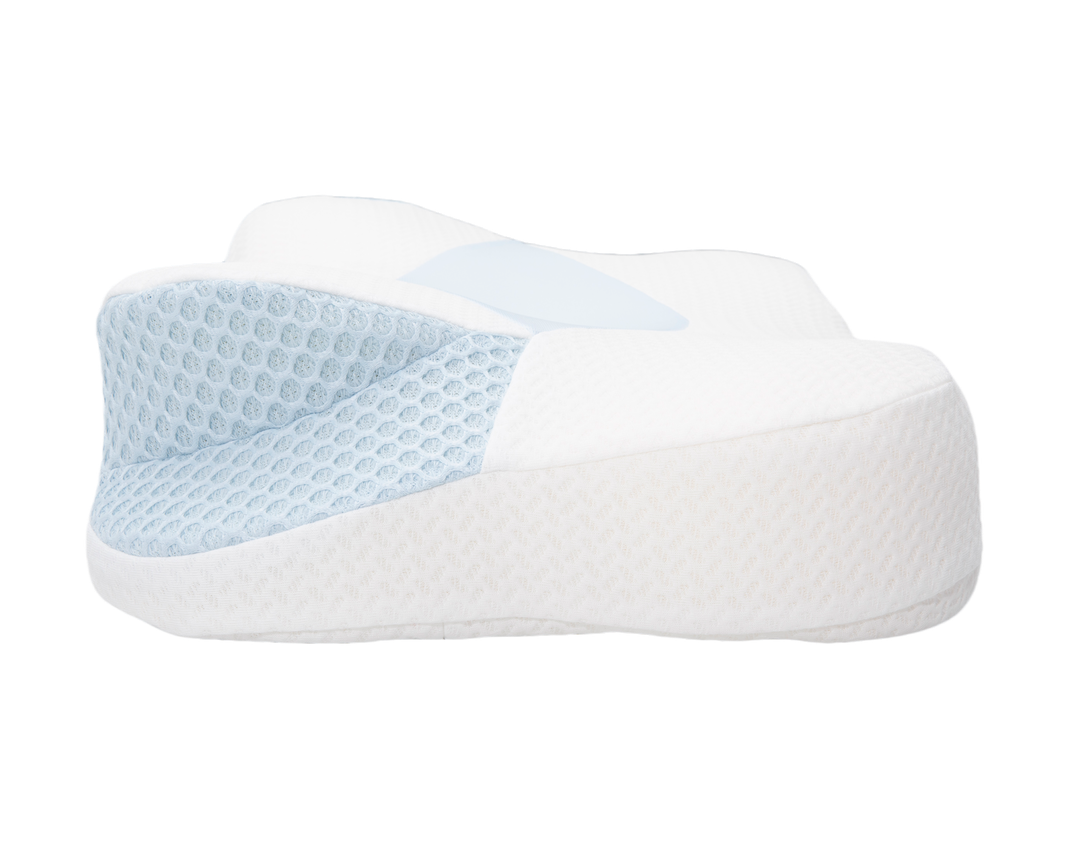
A properly fitted head pillow that maintains comfortable neck alignment at the elevated torso angle. Poor head support at elevation is one of the most common drivers of neck pain and nighttime waking during recovery.
Sourcing these components individually creates an integration problem. Pieces from different sources may not work together, and standard pillows lack the structural density to maintain therapeutic angles overnight.
Having the complete setup configured and ready before you come home from surgery removes one significant source of first-week stress.

What Is the Sleep Again Pillow System and How Does It Address Mommy Makeover Recovery?
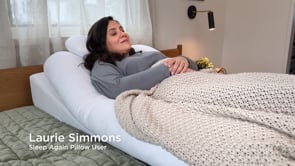
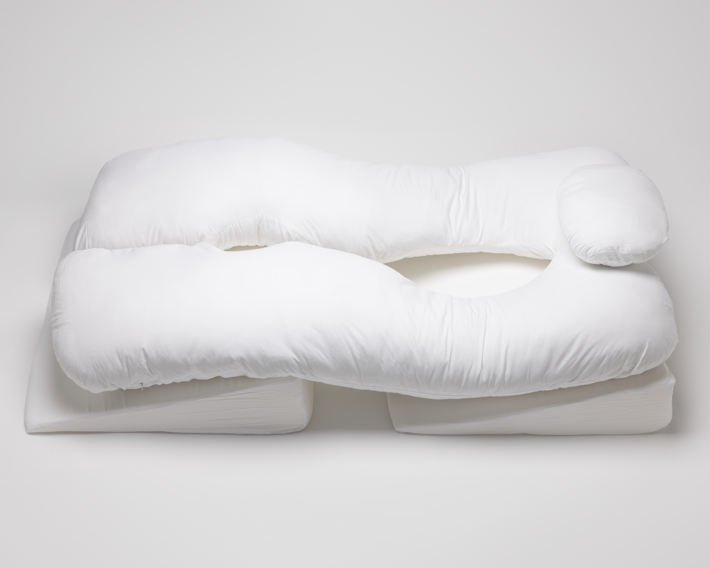
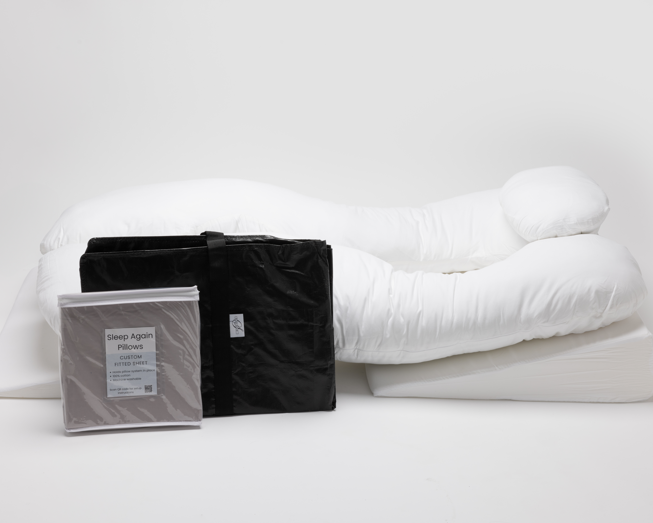
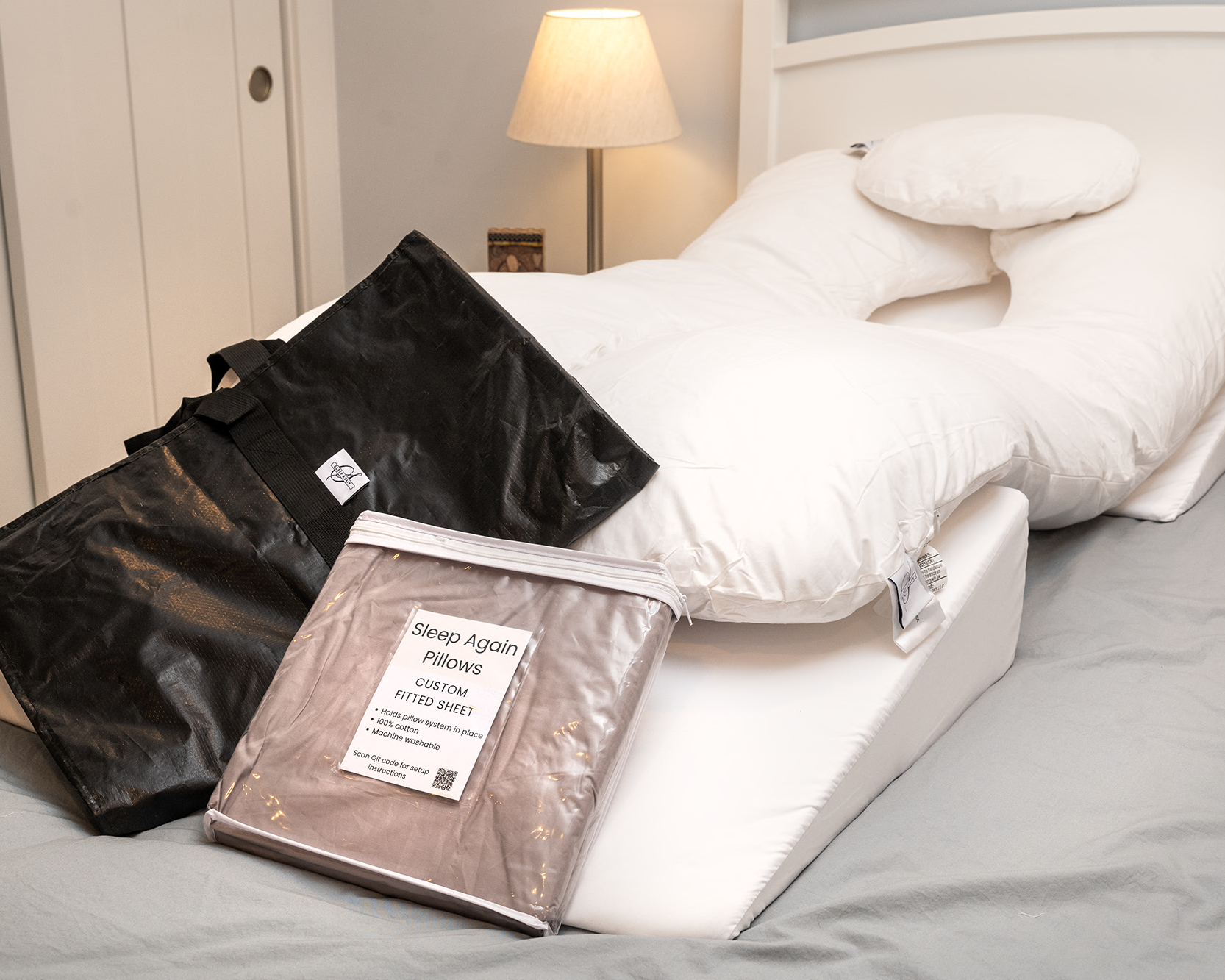
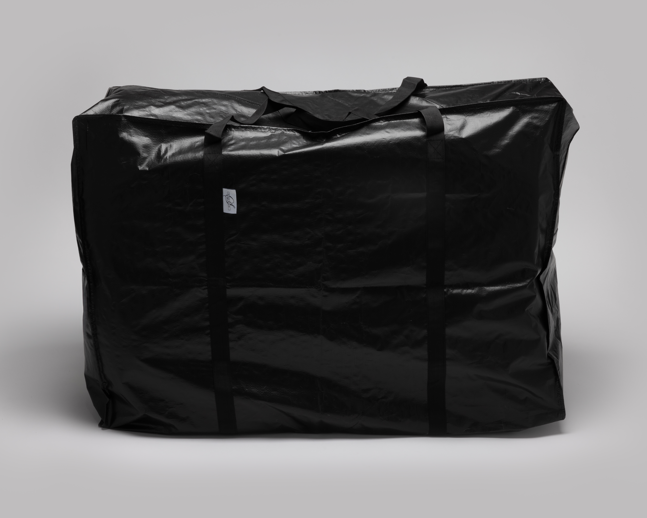
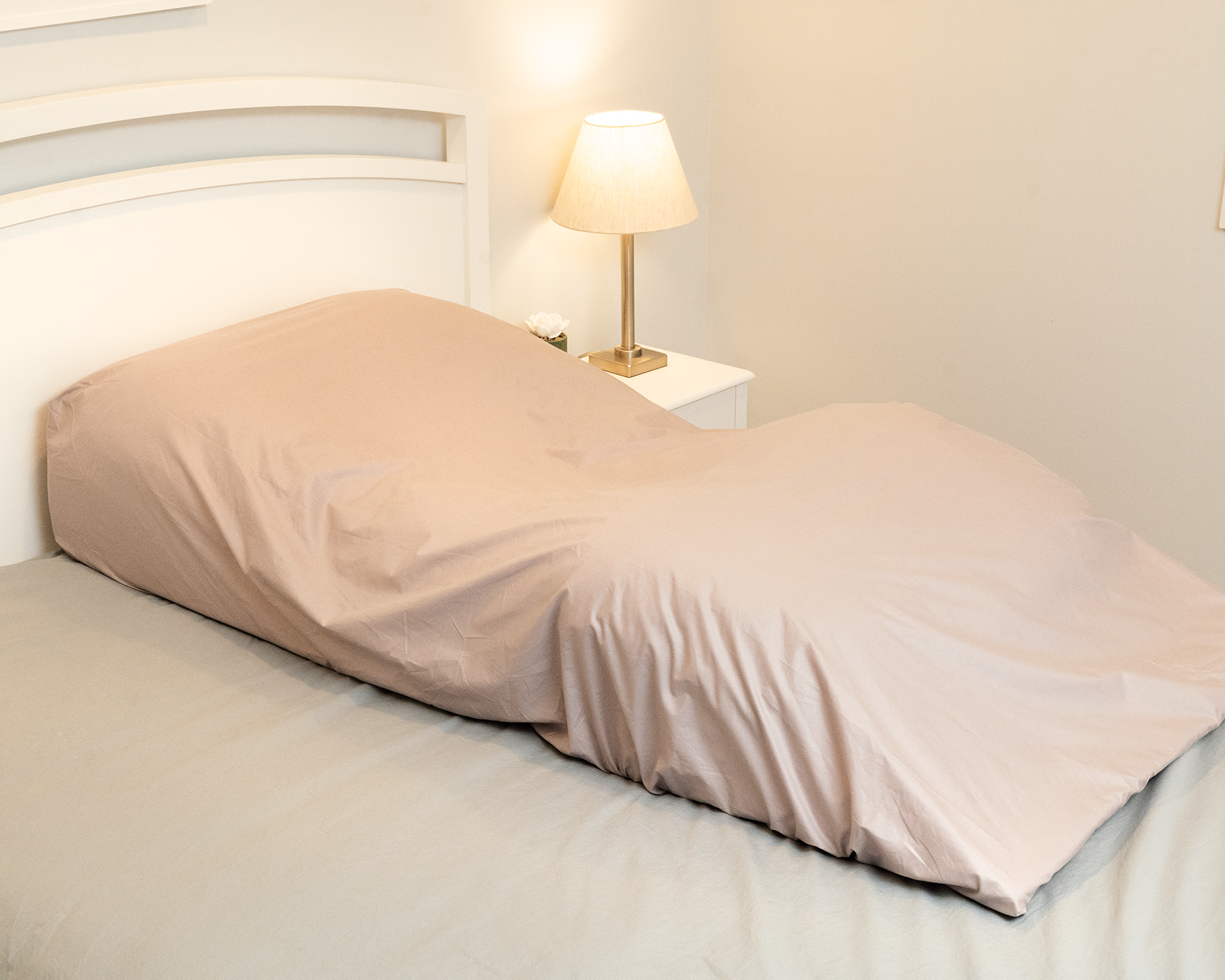
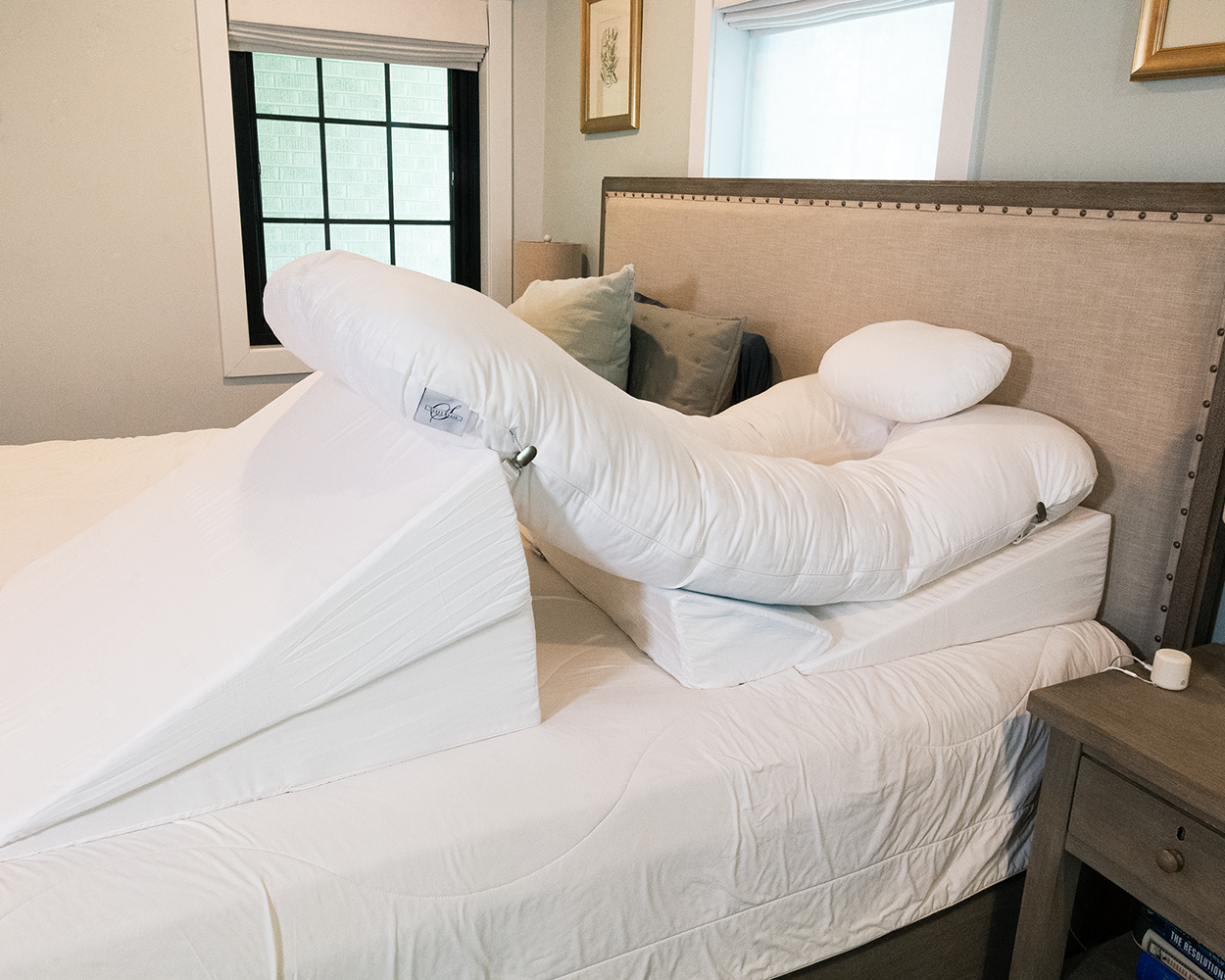
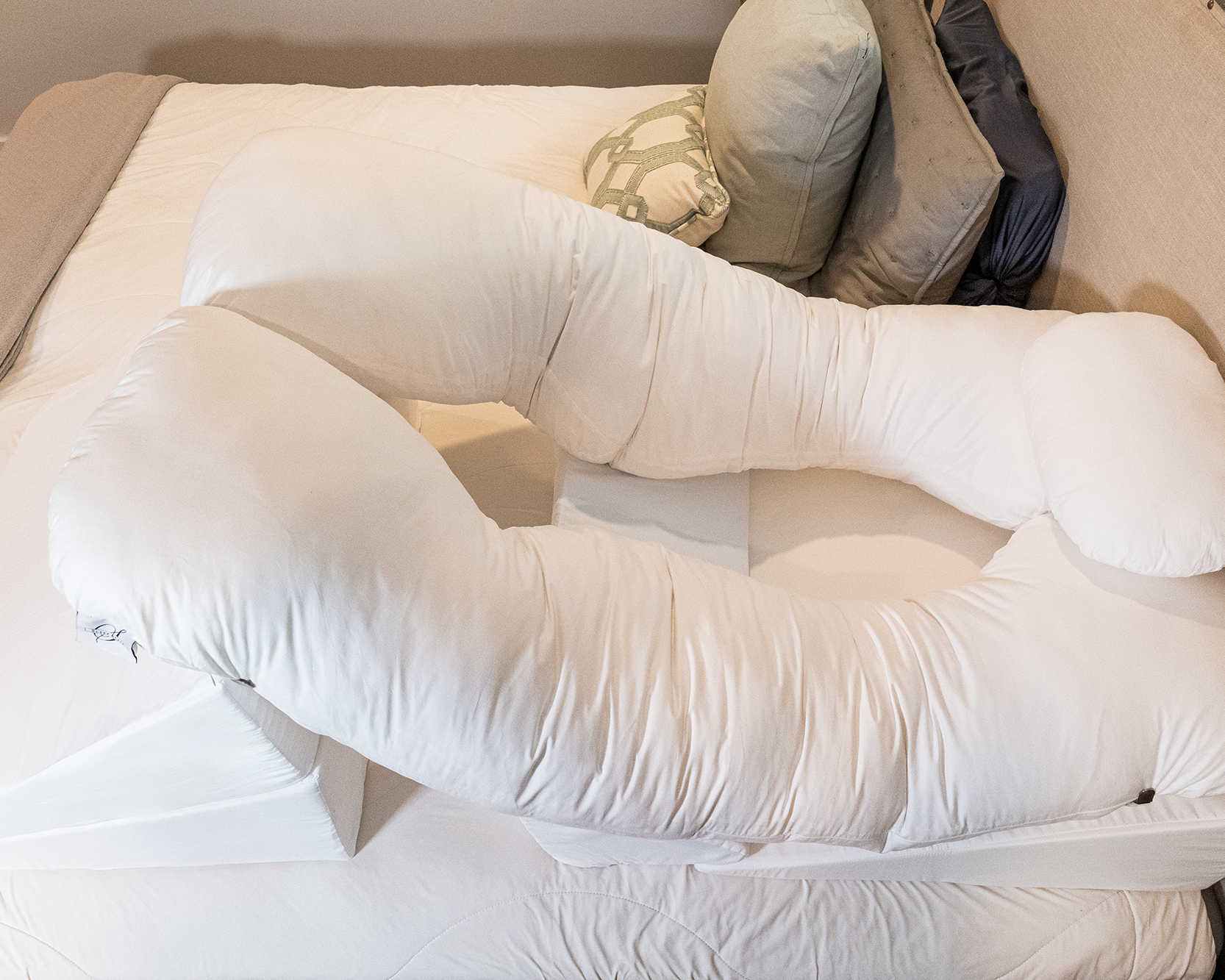
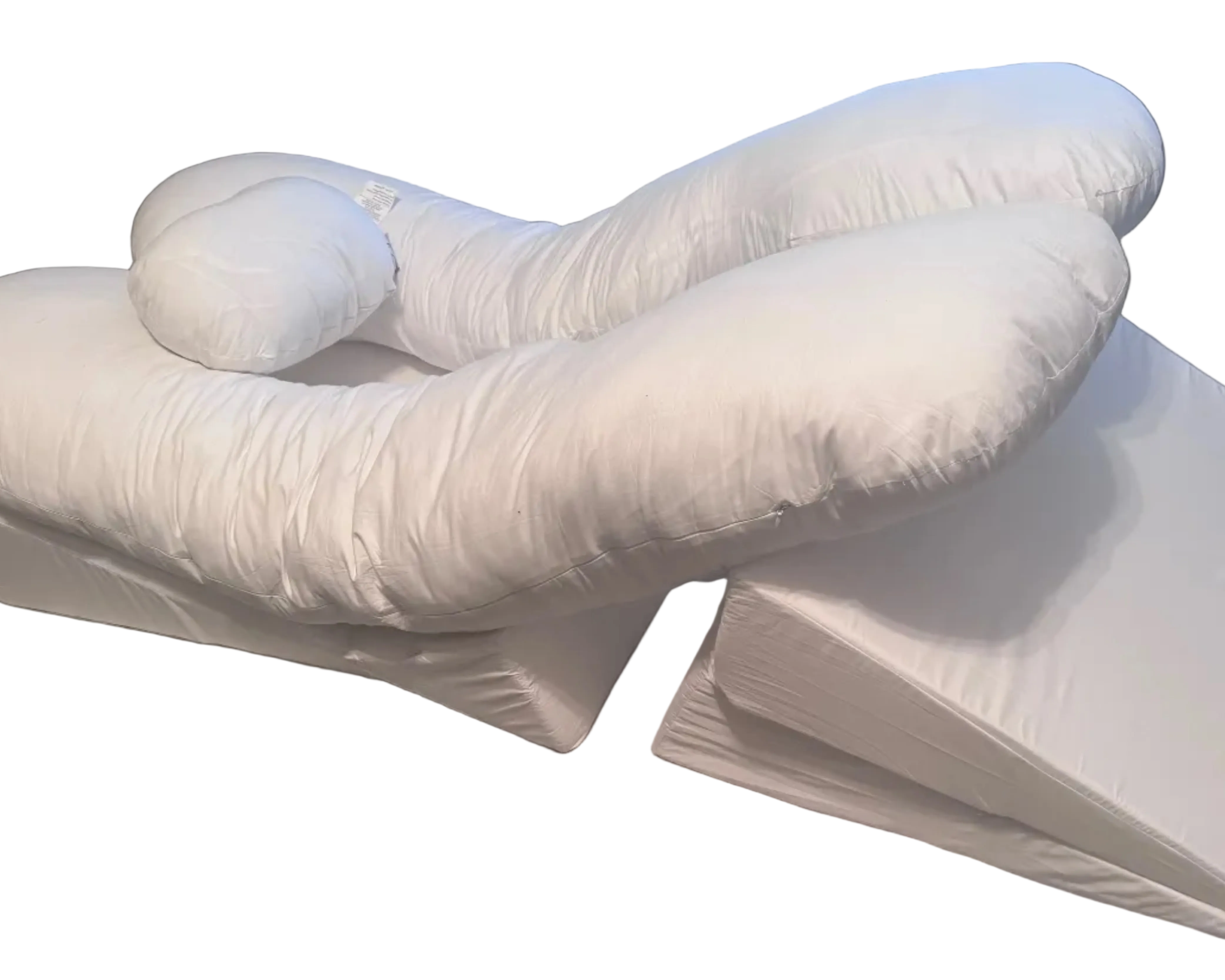
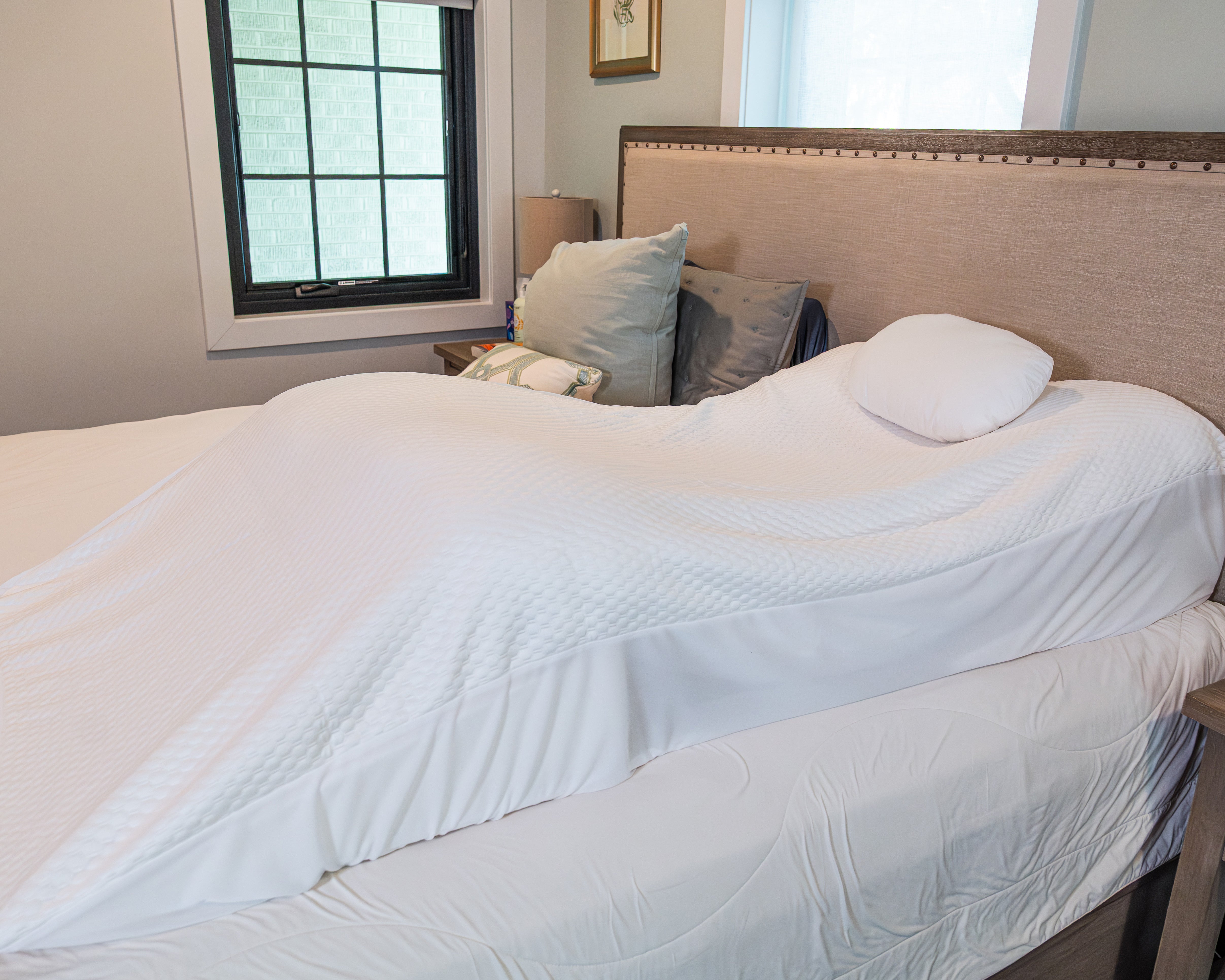
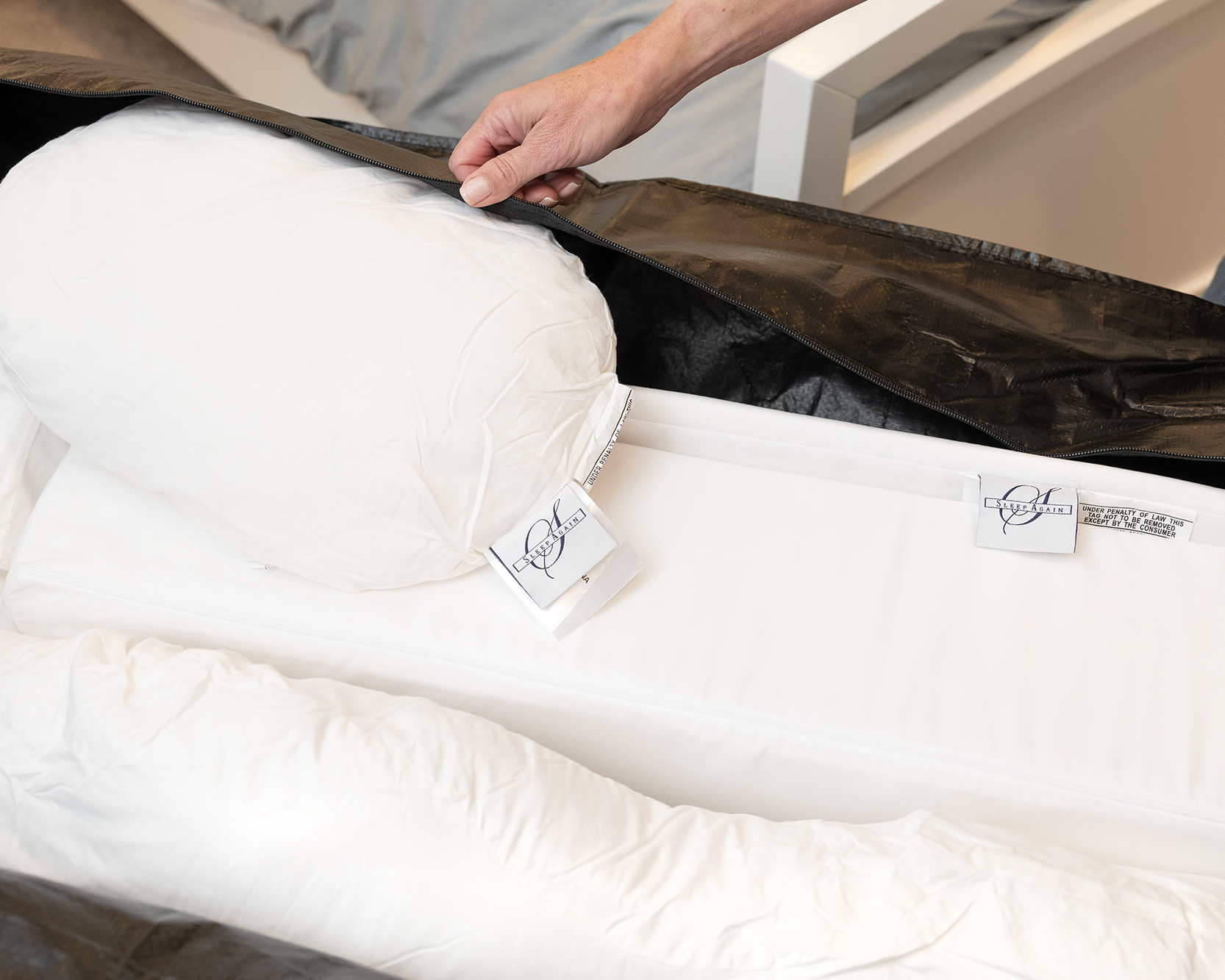
The Sleep Again Pillow System is a purpose-built, five-component recovery positioning system designed for post-surgical patients recovering in a back-elevated sleeping position.
Every Sleep Again Pillow System includes:
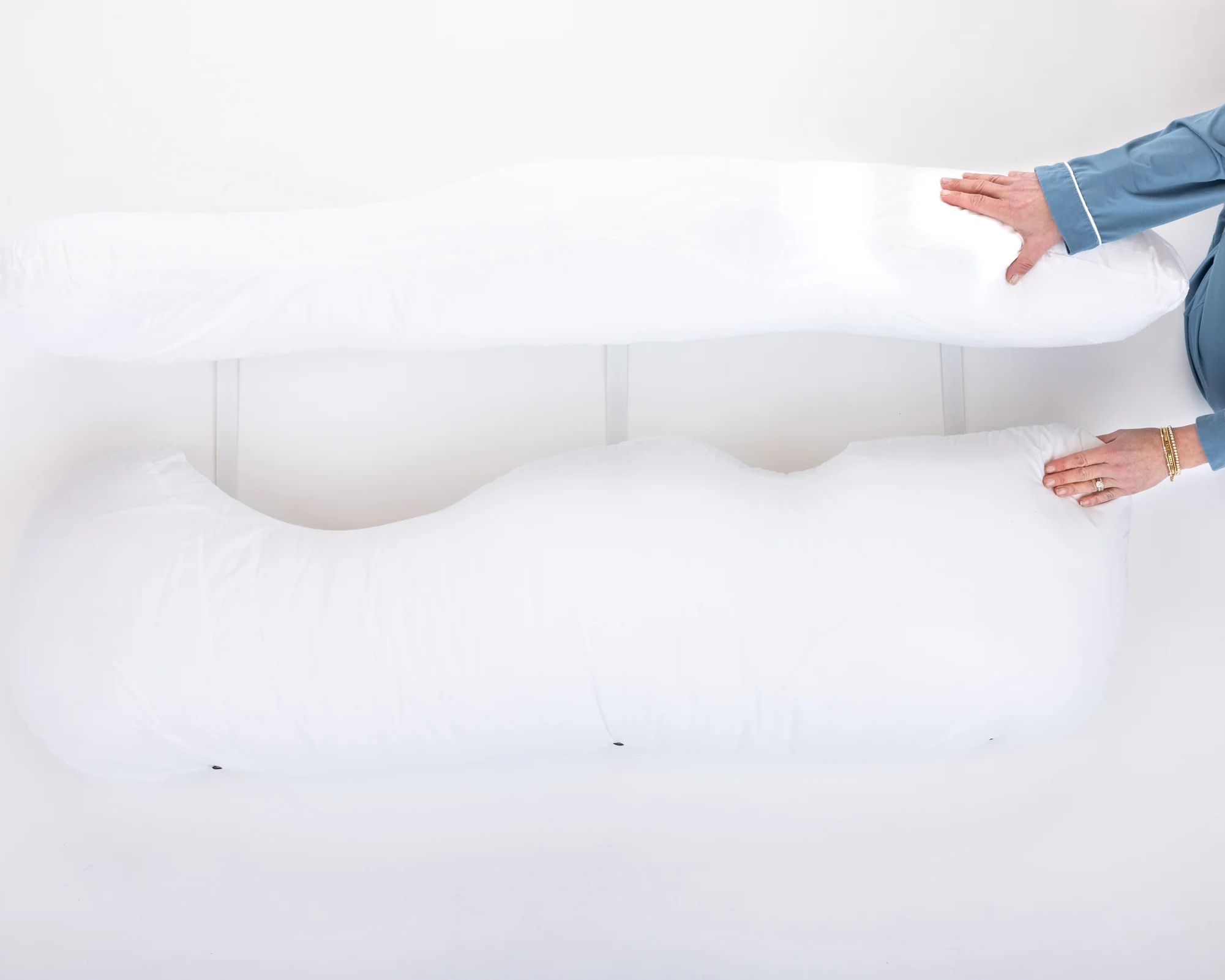
✓ Two Contoured Side Pillows
✓ Upper Body Wedge
✓ Leg Support Wedge
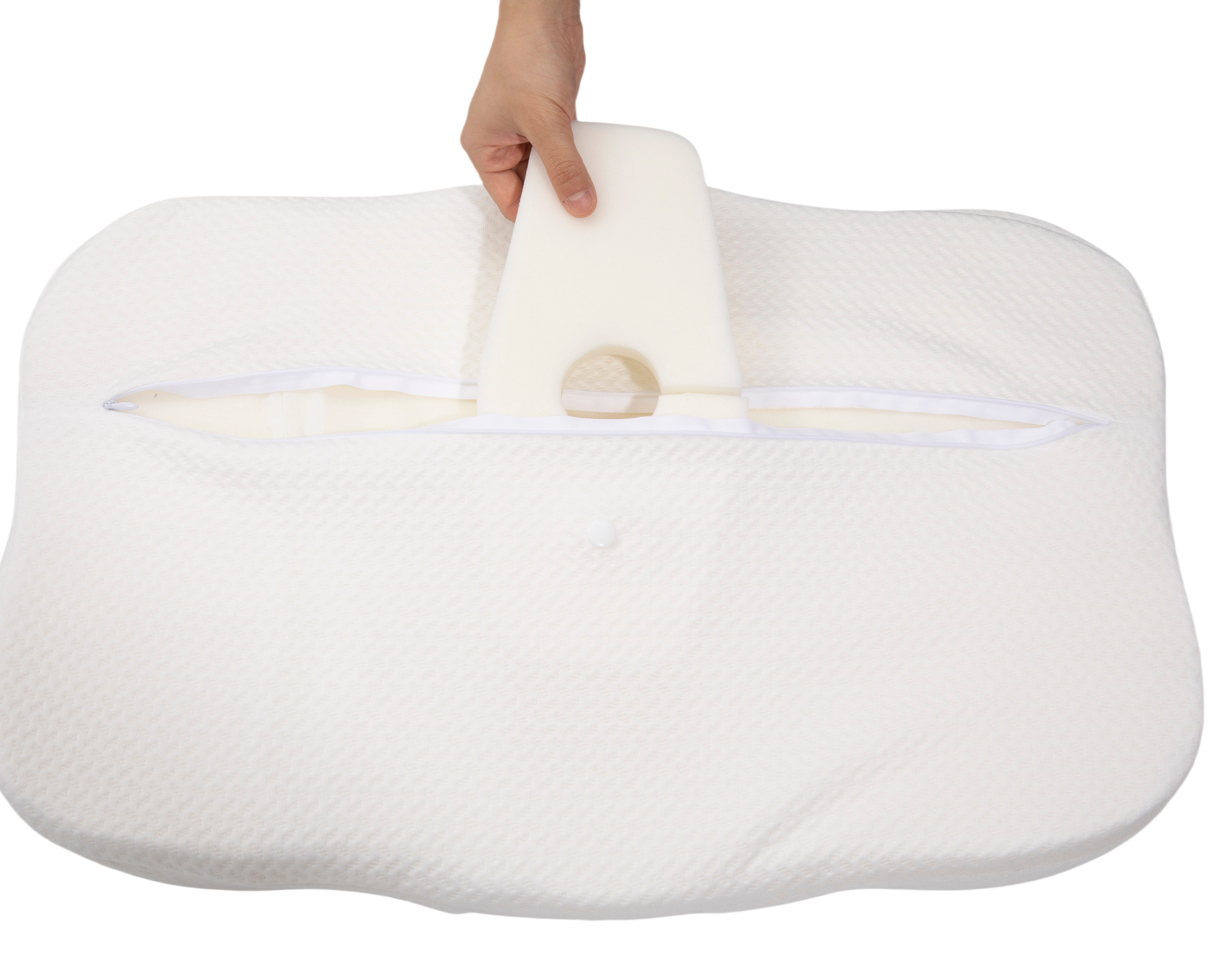
✓ Head Pillow
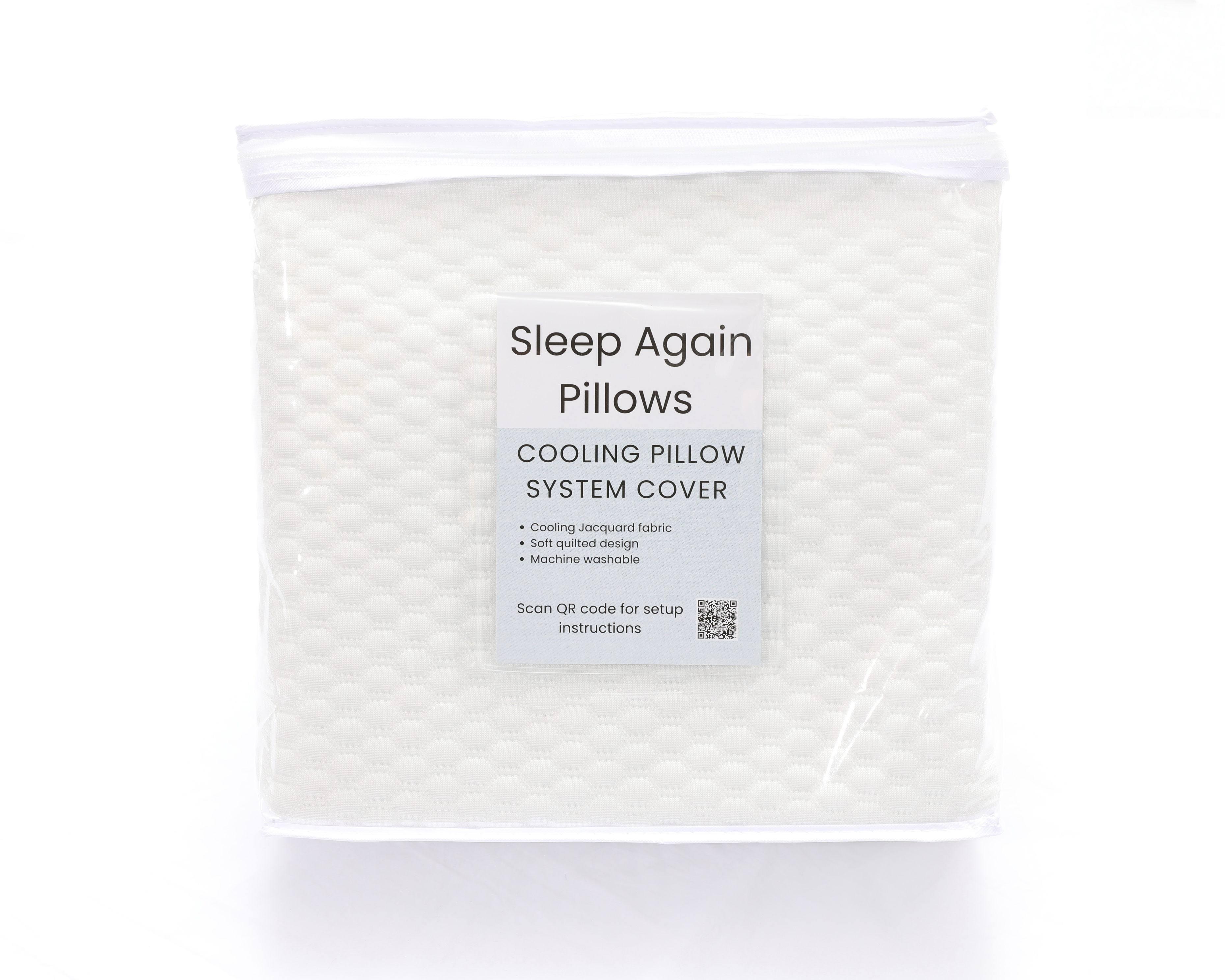
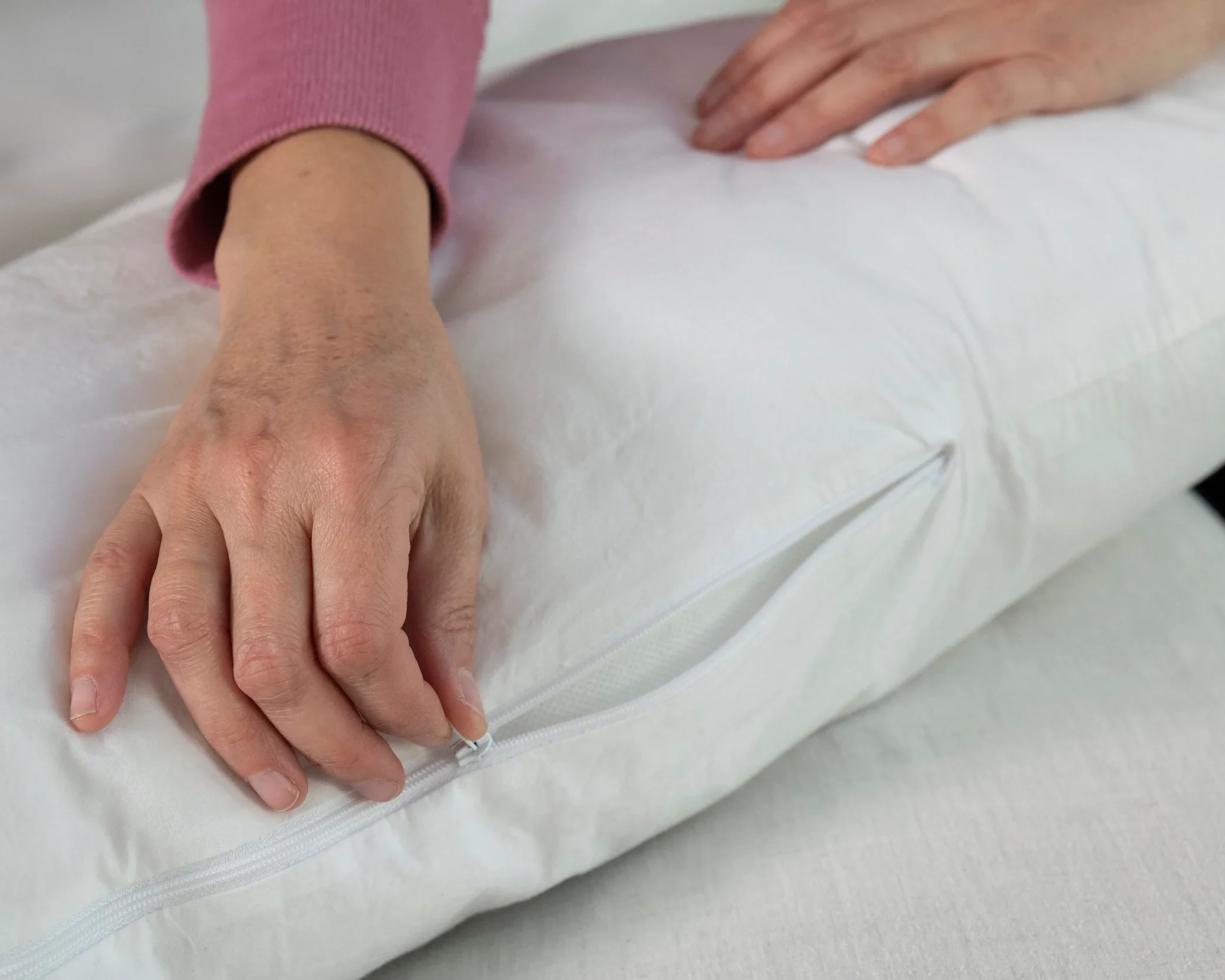
✓ Removable washable slipcovers for every piece.

For mommy makeover patients, each component addresses a specific need:
The Upper Body Wedge creates the 30–45 degree elevation that protects both the breast procedures and the abdominal repair. High-density construction maintains its angle throughout the night without compressing or shifting.
The Leg Support Wedge sits under the knees to create the hip flexion that reduces tummy tuck tension — completing the full recliner-equivalent position that surgeons recommend.
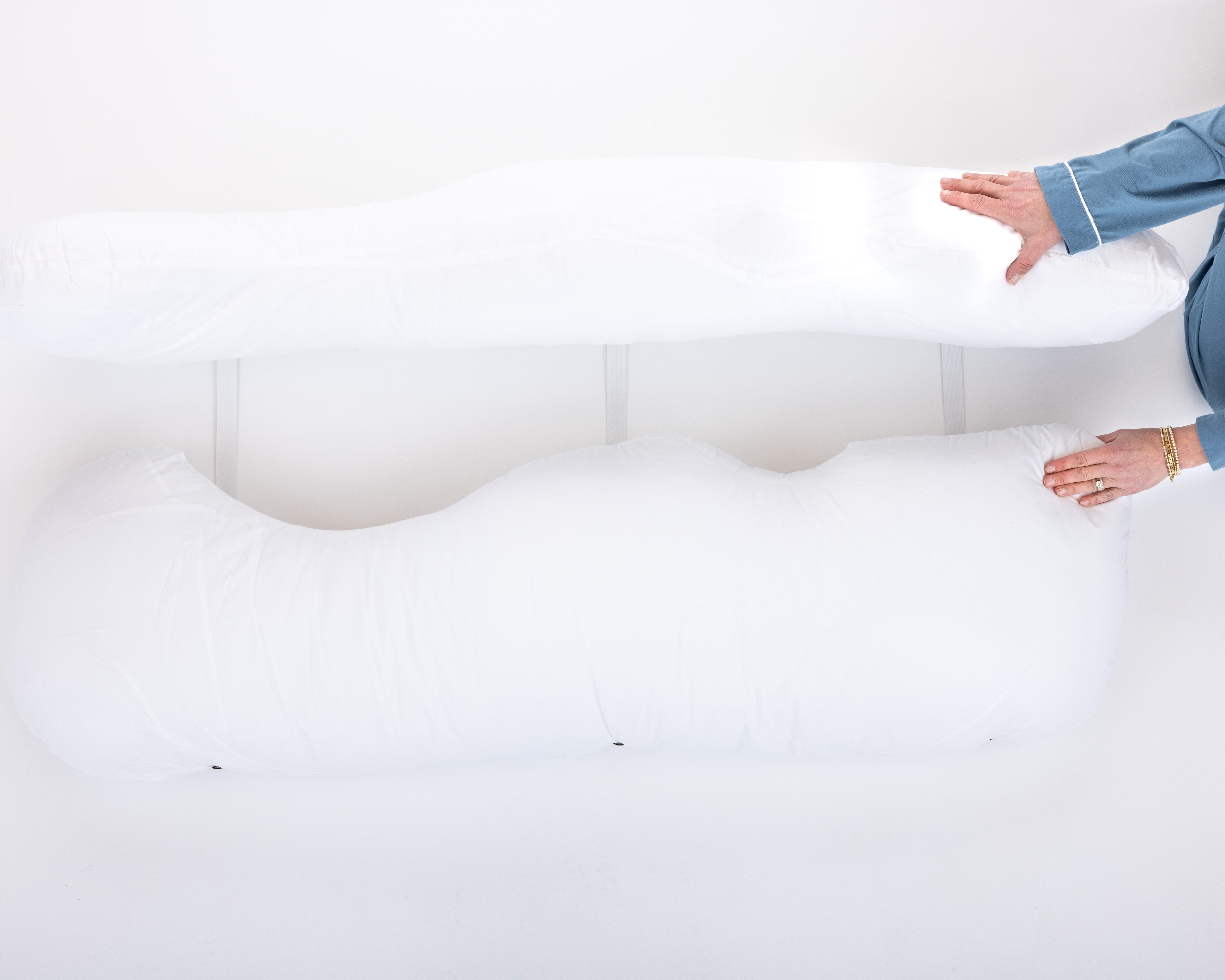
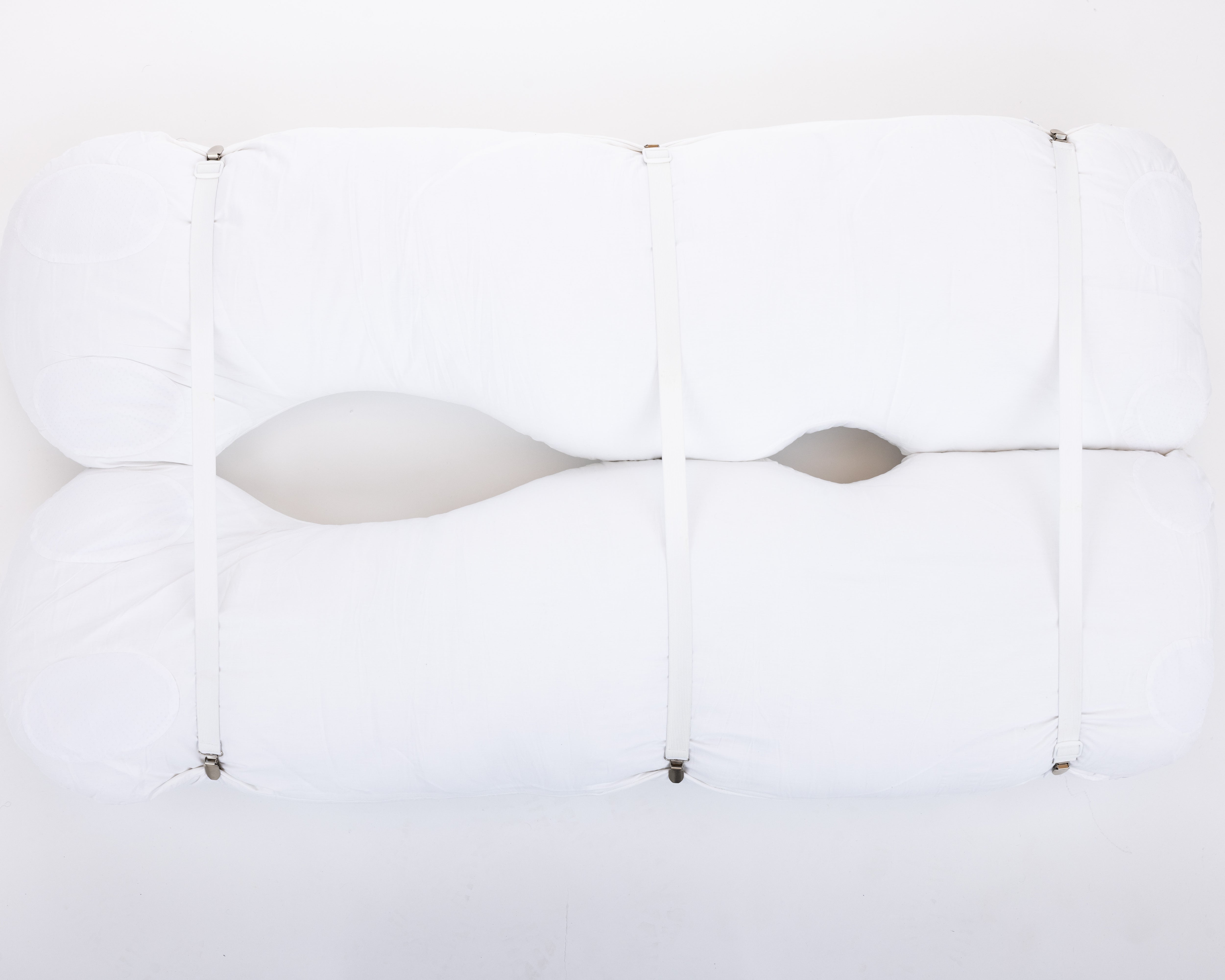
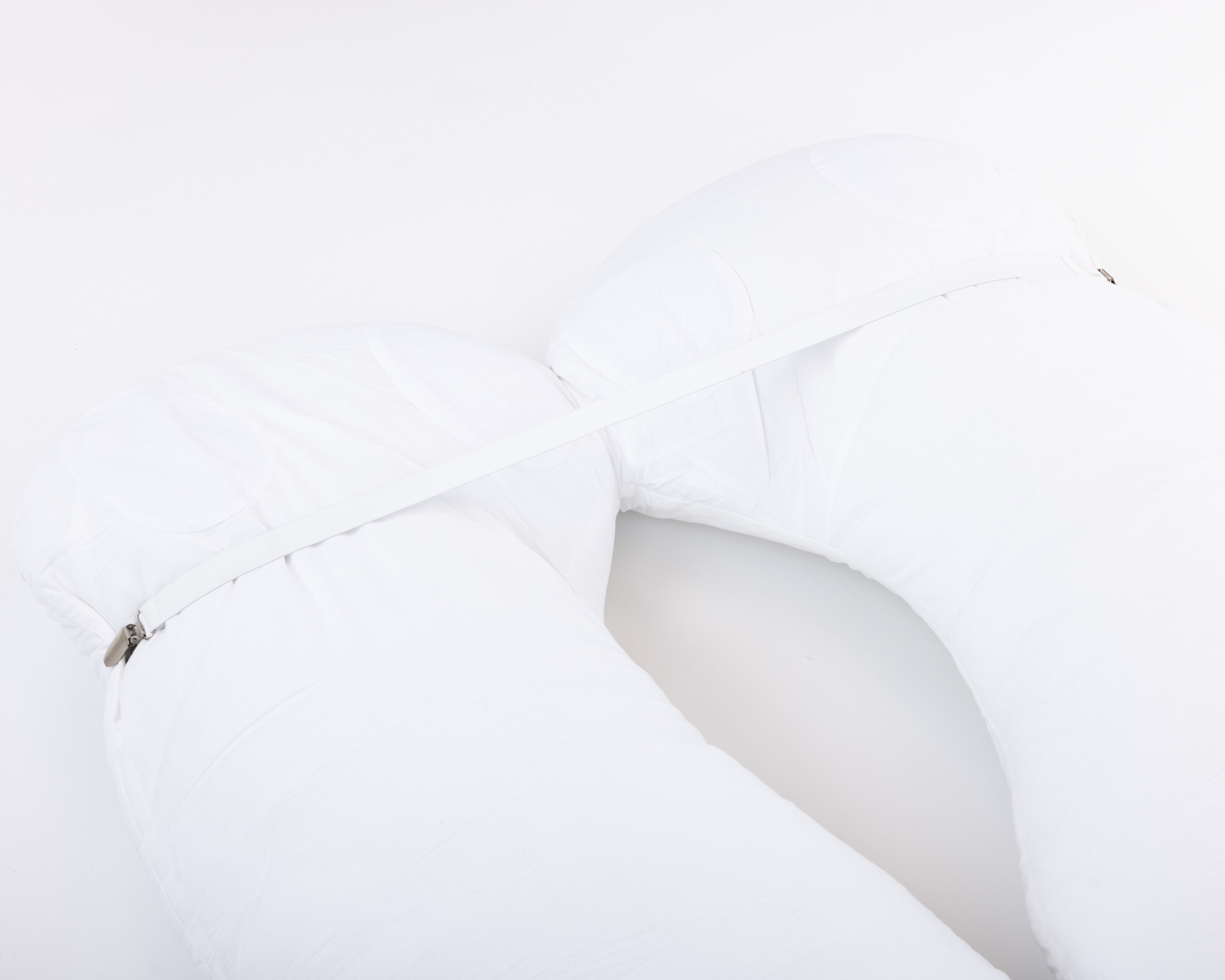
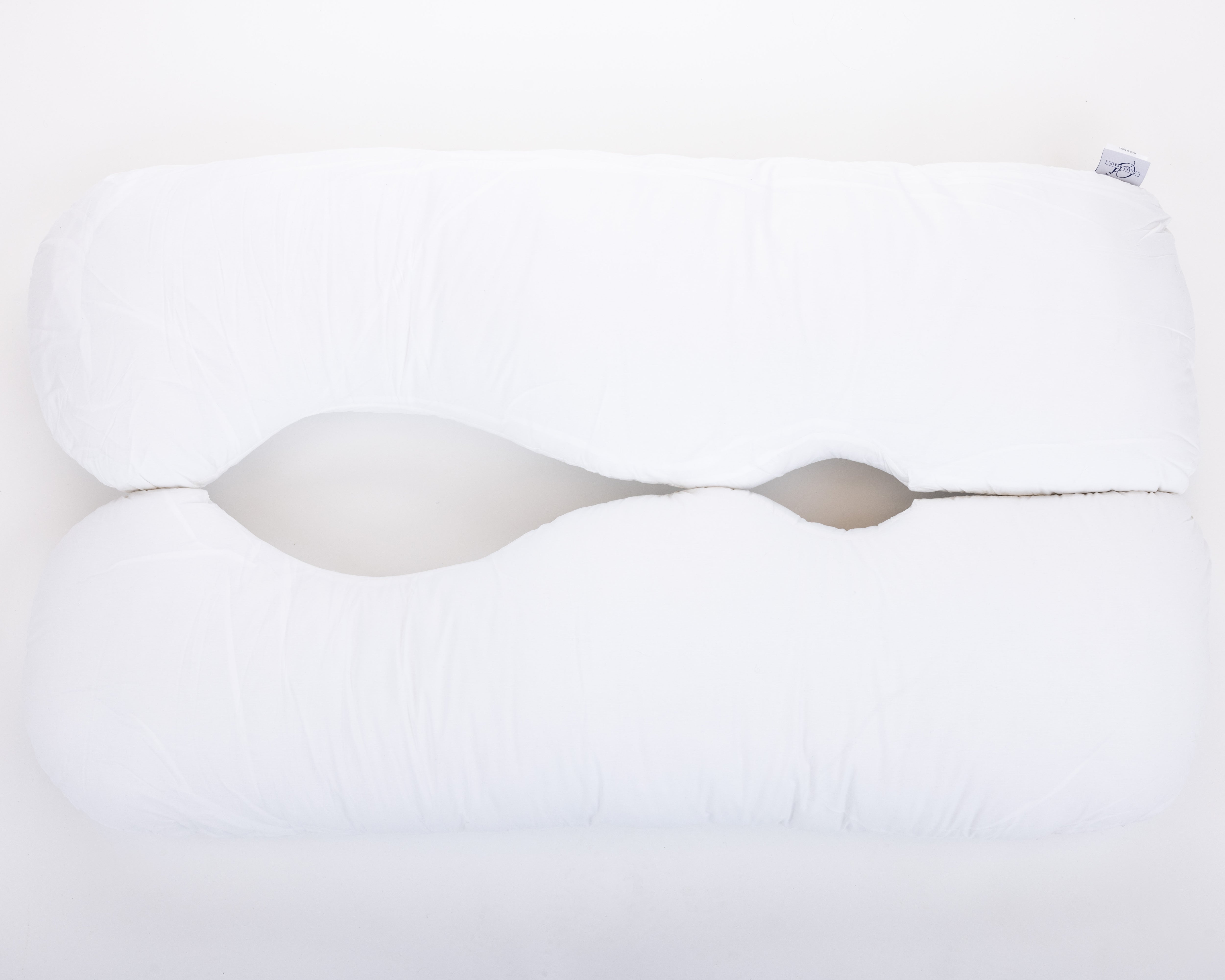
The Two Contoured Side Pillows act as lateral anchors to prevent rolling. This is particularly important during the first two to four weeks when involuntary movement could place sudden pressure on breast implants or the abdominal closure.
The Head Pillow supports the neck and head at an angle consistent with the elevated torso position, eliminating the neck strain that commonly disrupts sleep when elevation is achieved without proper head support.
The removable, washable slipcovers simplify hygiene management throughout the recovery period.
The Sleep Again Pillow System is eligible for purchase with HSA and FSA funds as a post-surgical recovery tool.
Due to federal regulations, bedding products are not returnable, and all sales are final.
GET THE BEST SYSTEM FOR MOMMY MAKEOVER RECOVERY
When Can You Sleep on Your Side After a Mommy Makeover?
Side sleeping timelines depend on which procedures were included and individual healing progress:
Weeks 1–2: Back sleeping only. Both the tummy tuck and breast procedures are in their most vulnerable phase. Side sleeping places lateral pressure on breast implants or lift incisions and can rotate the torso in a way that stresses the abdominal repair.
Weeks 2–4: Side sleeping may be cautiously introduced once the surgeon confirms the tummy tuck closure is stable and breast incisions are healing appropriately. When first reintroduced, it should be in a supported position — knees slightly bent, chest supported, a pillow behind the back to prevent full rollover.
Weeks 4–8: Most patients can sleep on their sides comfortably, though breast support remains beneficial to manage residual tenderness and protect incisions.
Always get explicit clearance from your surgeon before progressing. These timelines reflect general patterns, not individual prescriptions.

What Is the Side Sleeping Chest Pillow and When Does It Help After a Mommy Makeover?
Once cleared for side sleeping, breast support during the transition becomes the next positioning priority. After augmentation, lift, or both, chest tissue remains sensitive to lateral pressure. Side sleeping without support creates discomfort and places mechanical stress on healing incisions.
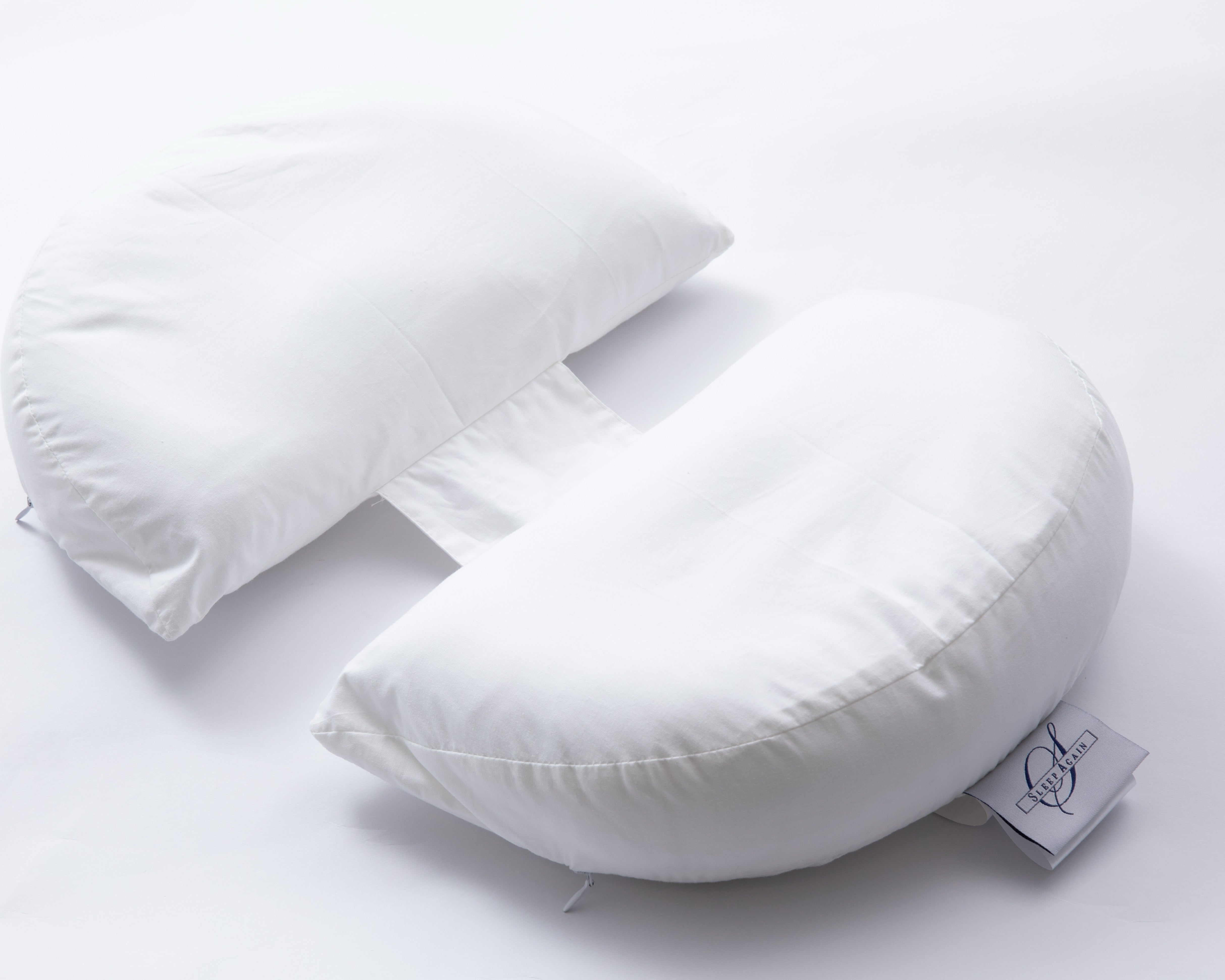
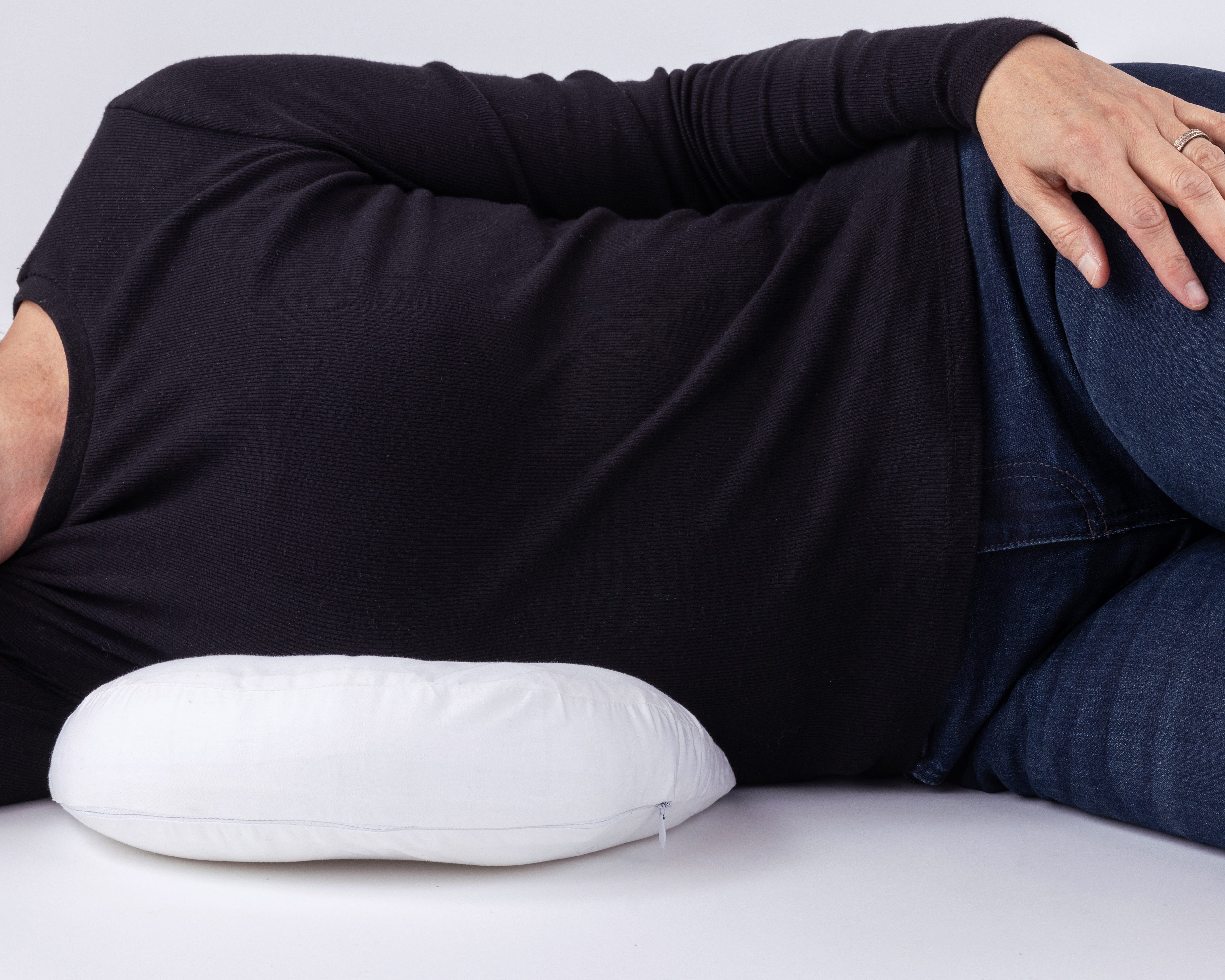
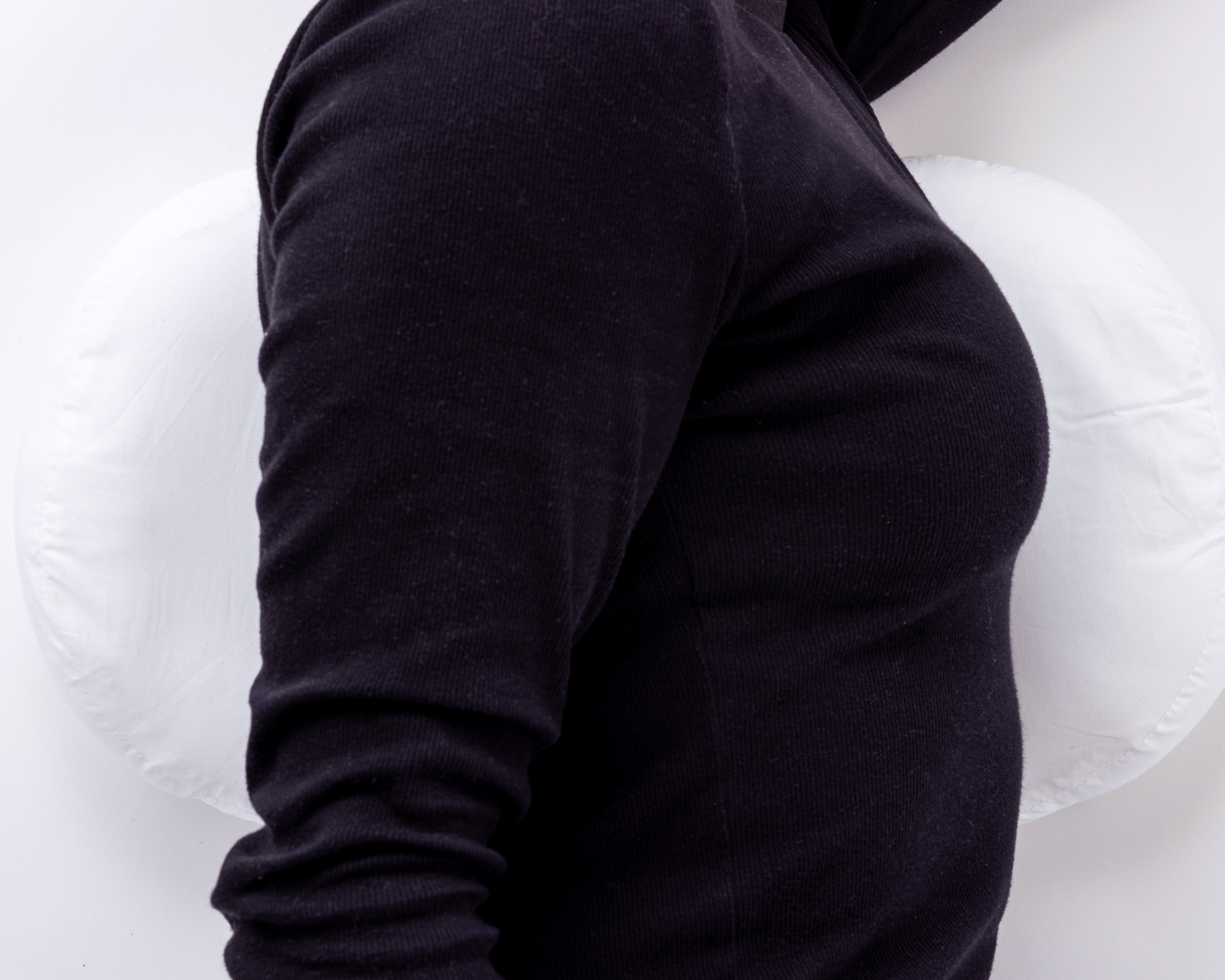
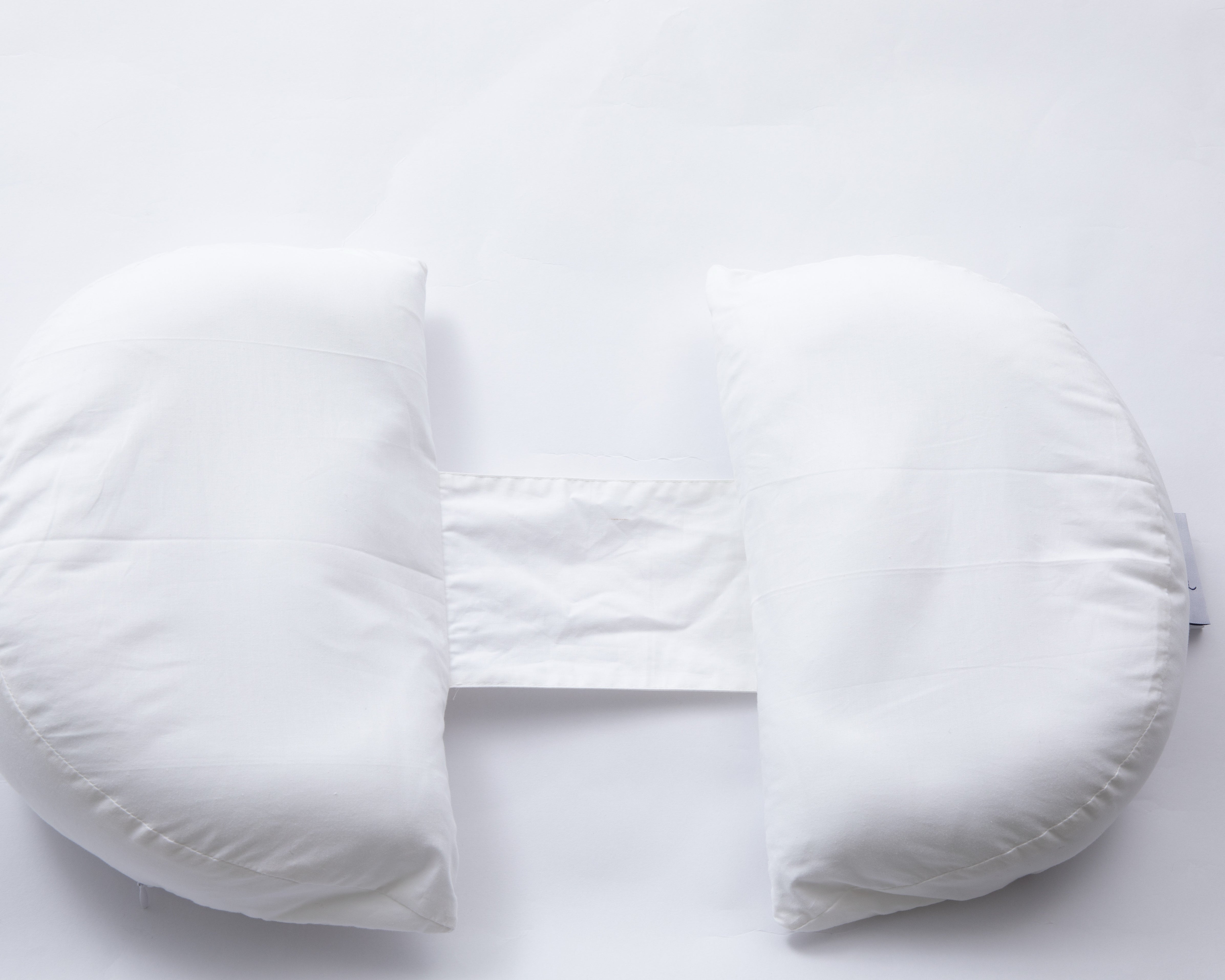
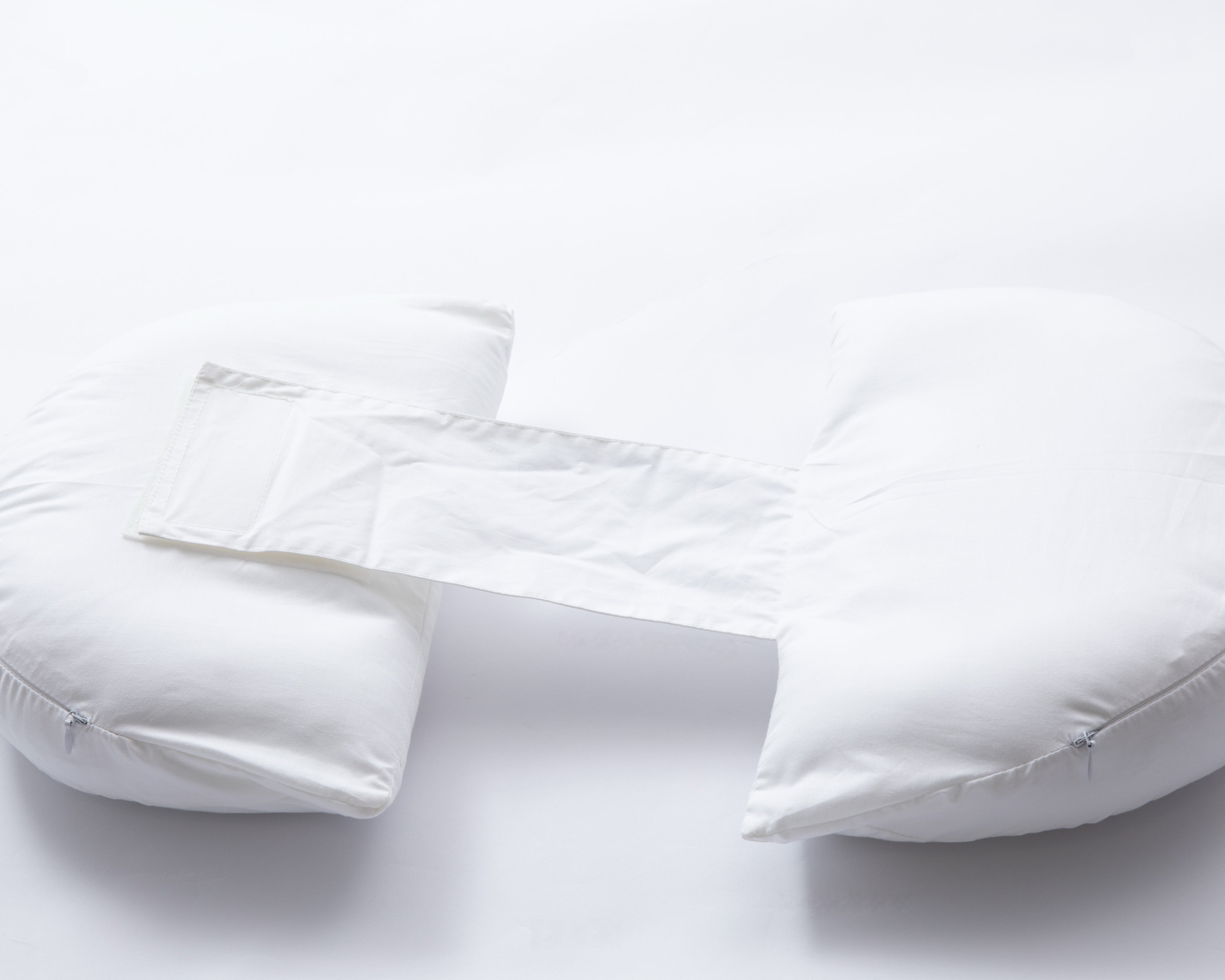
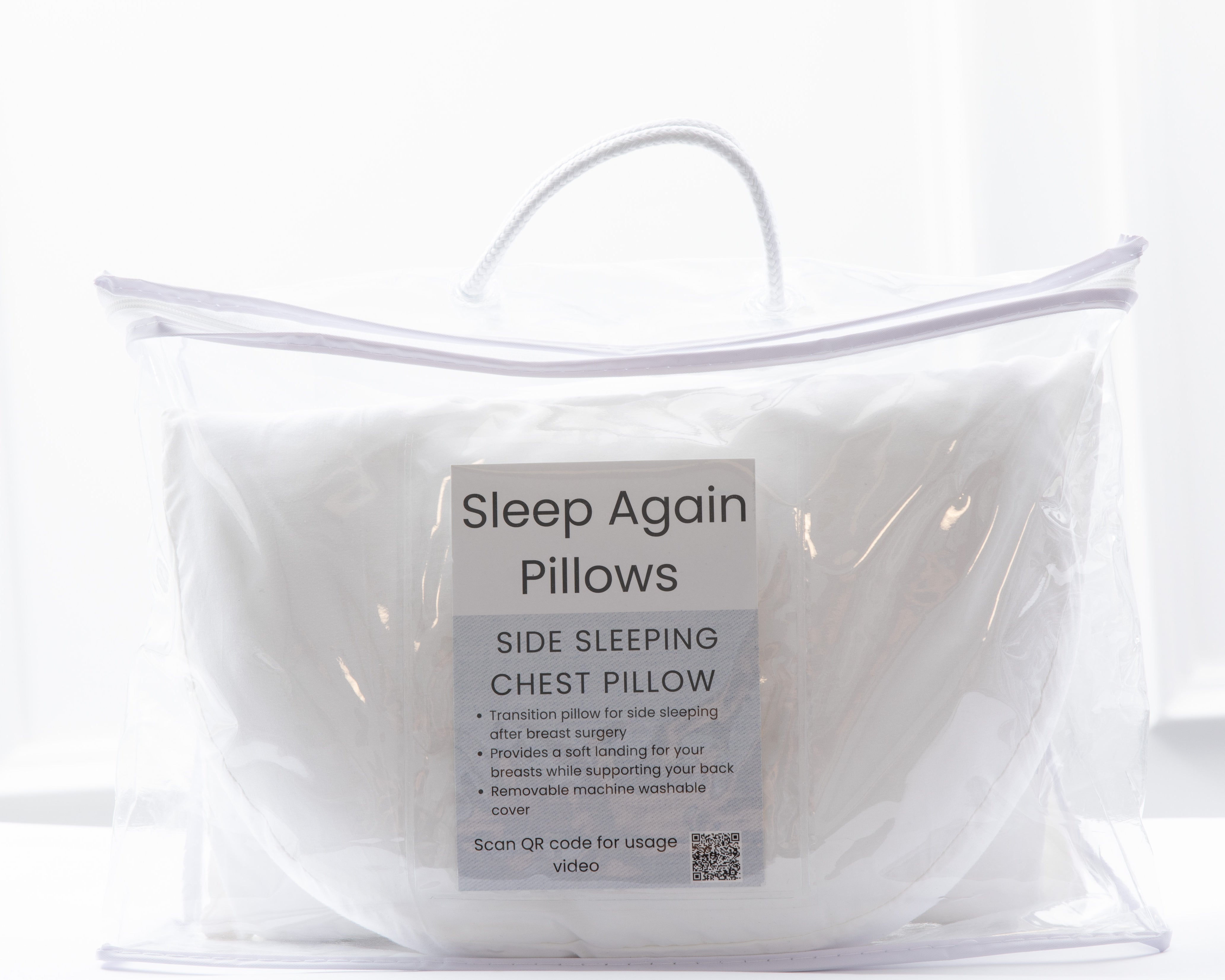
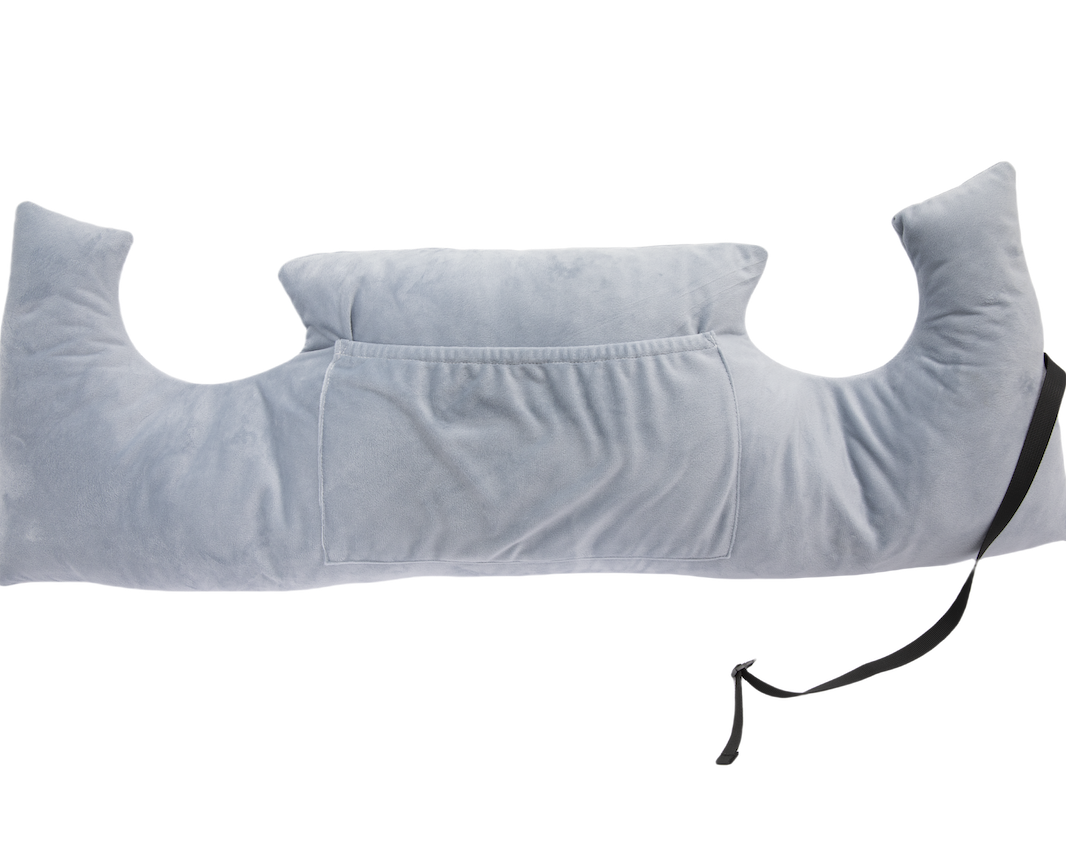
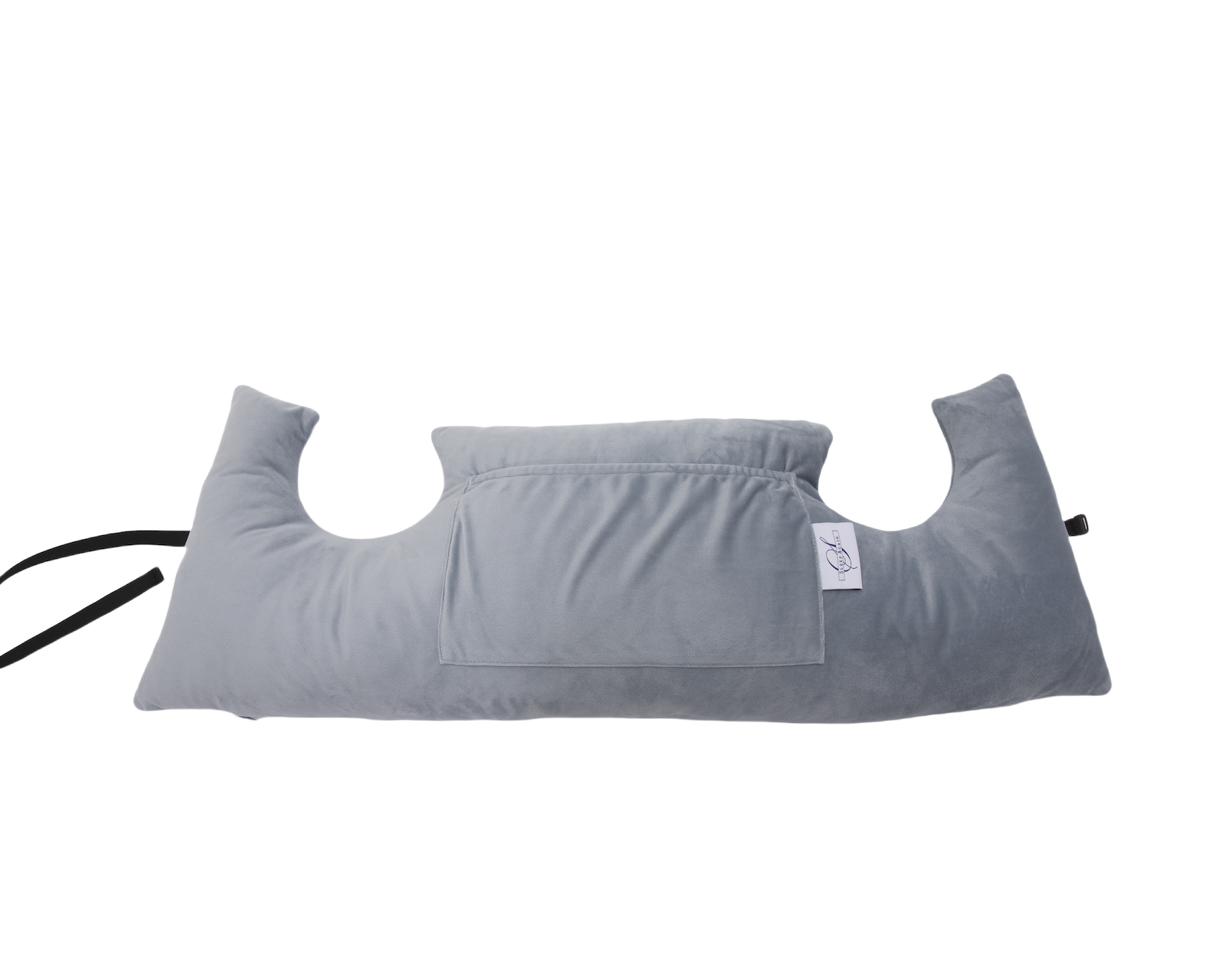
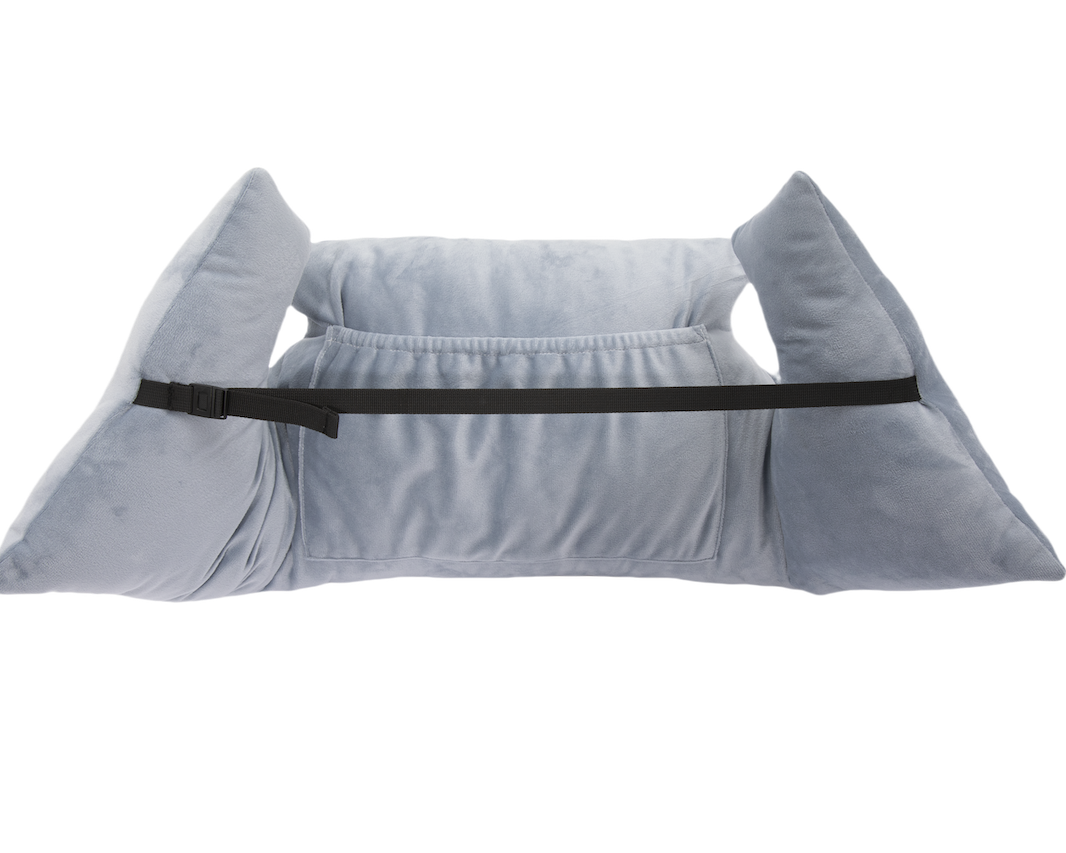
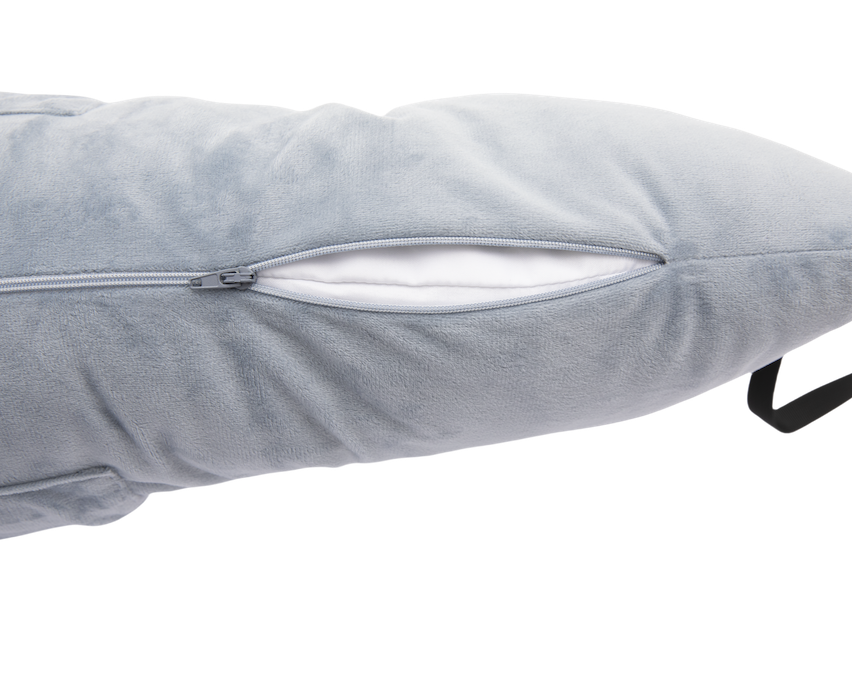
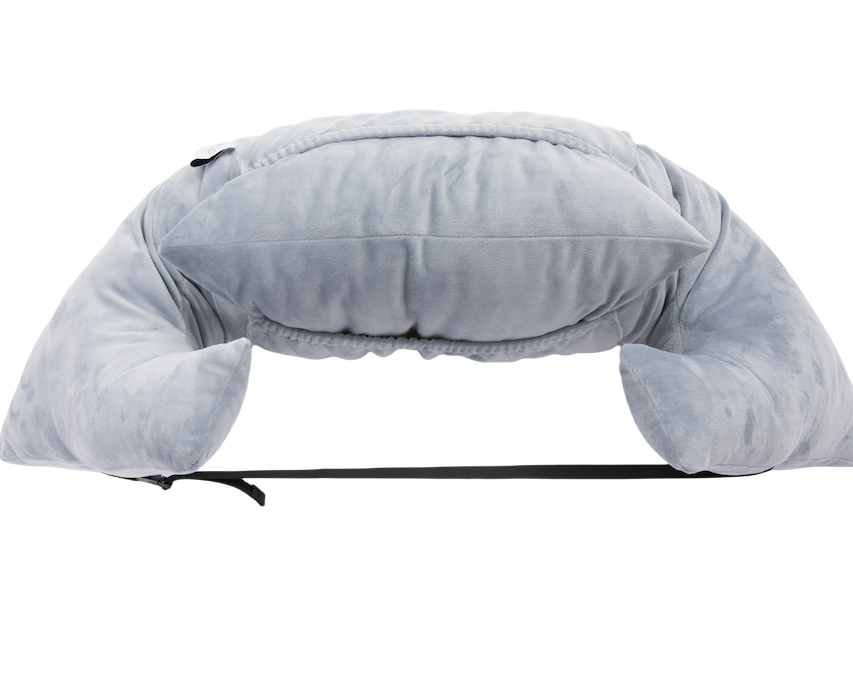
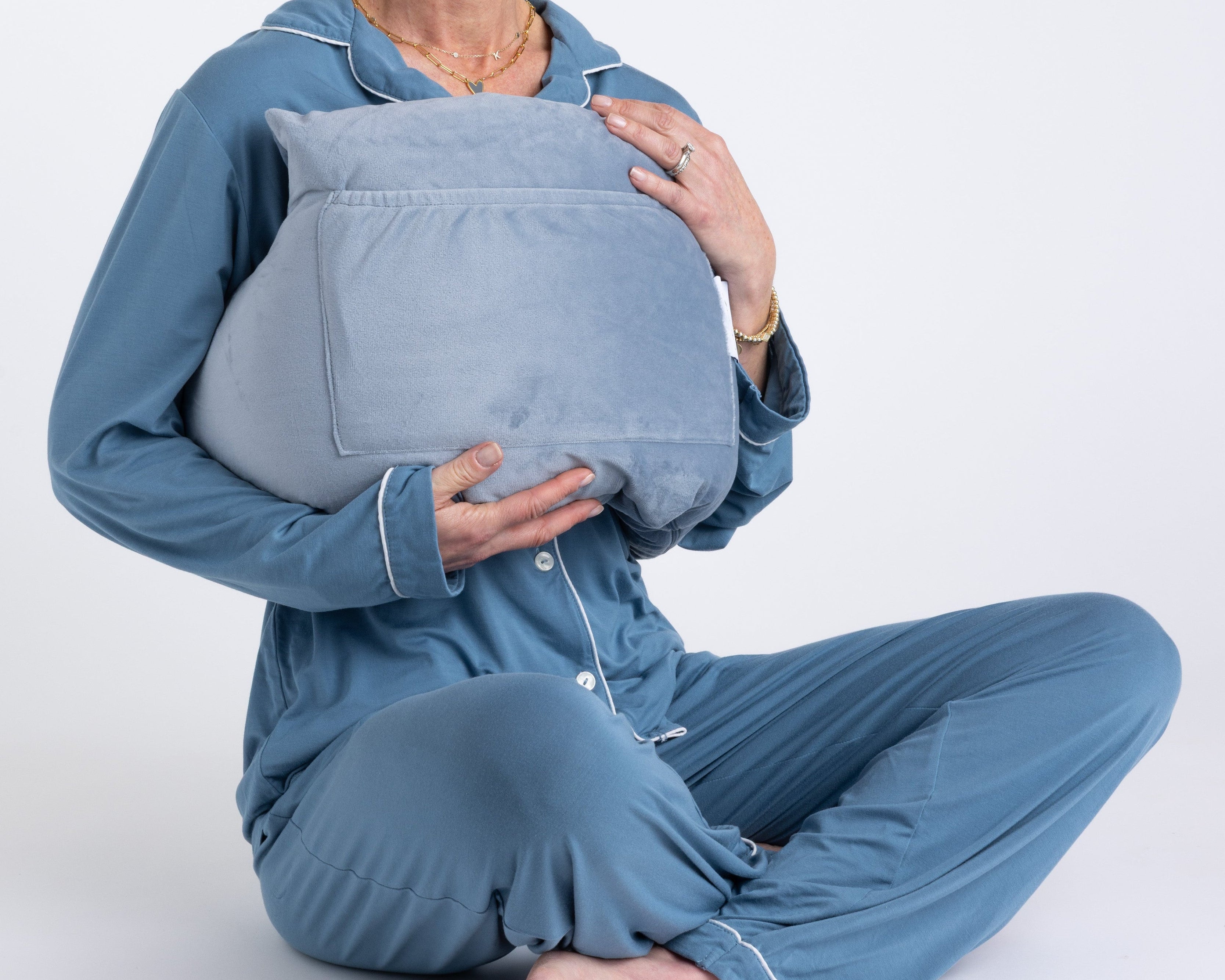
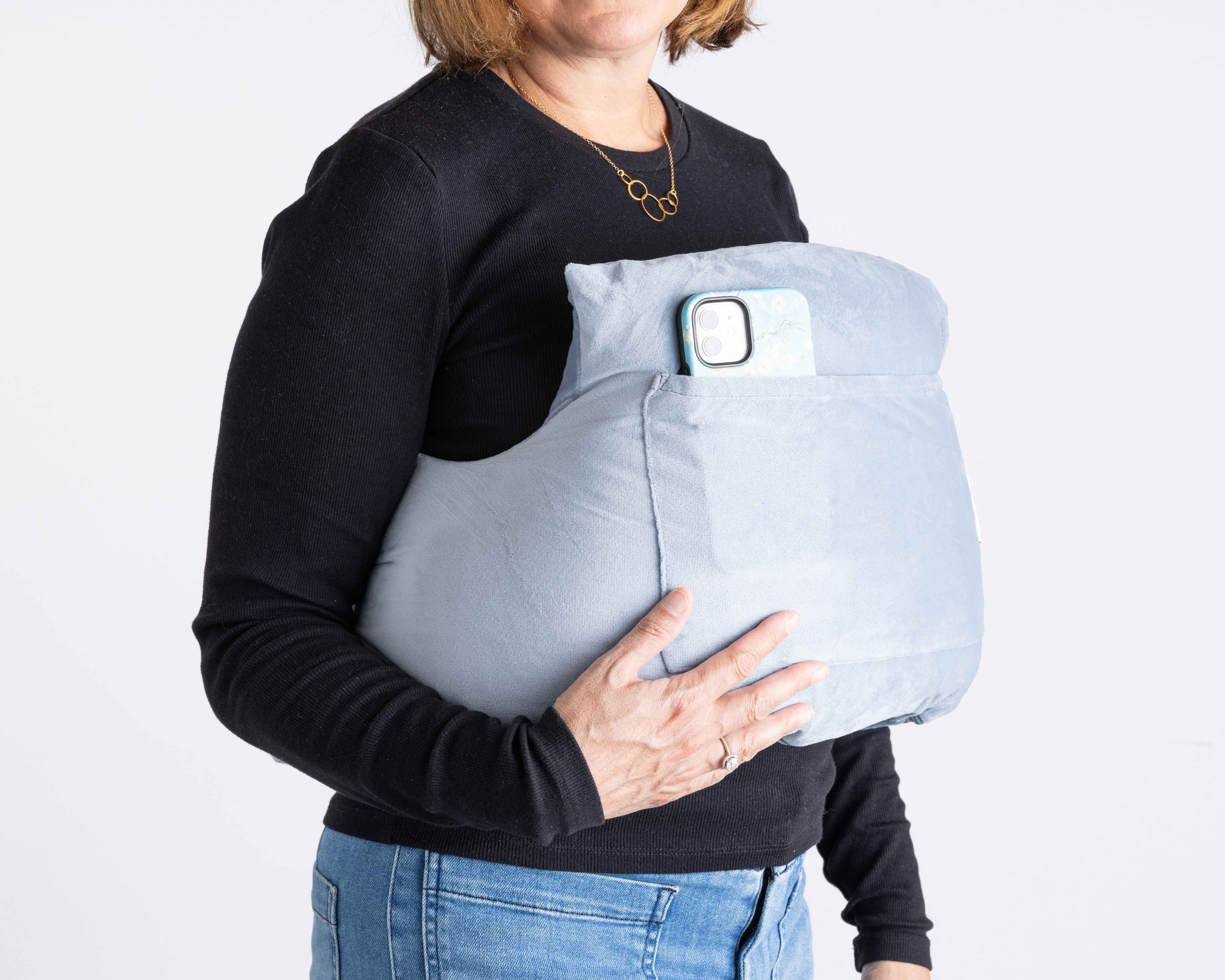
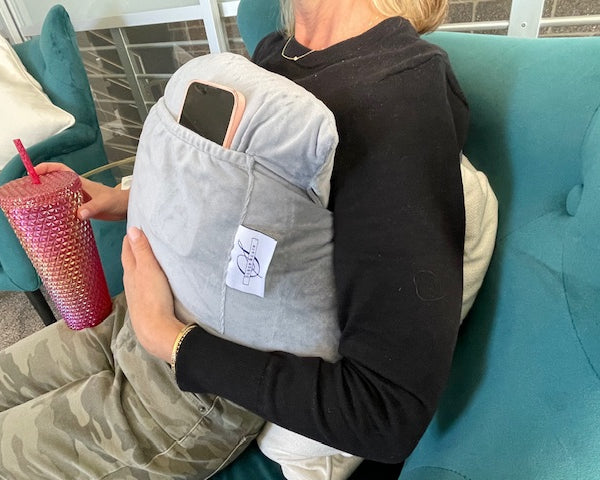
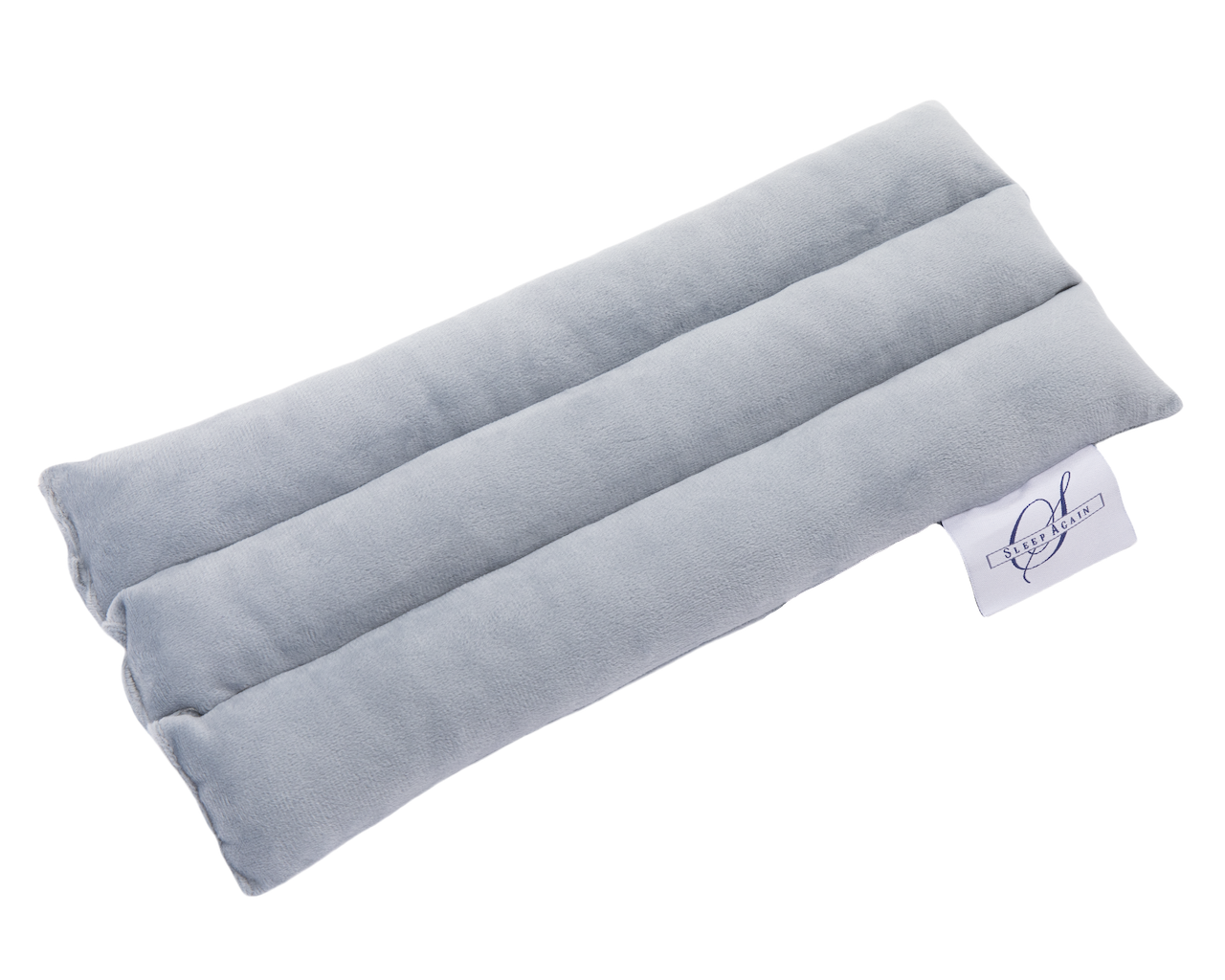
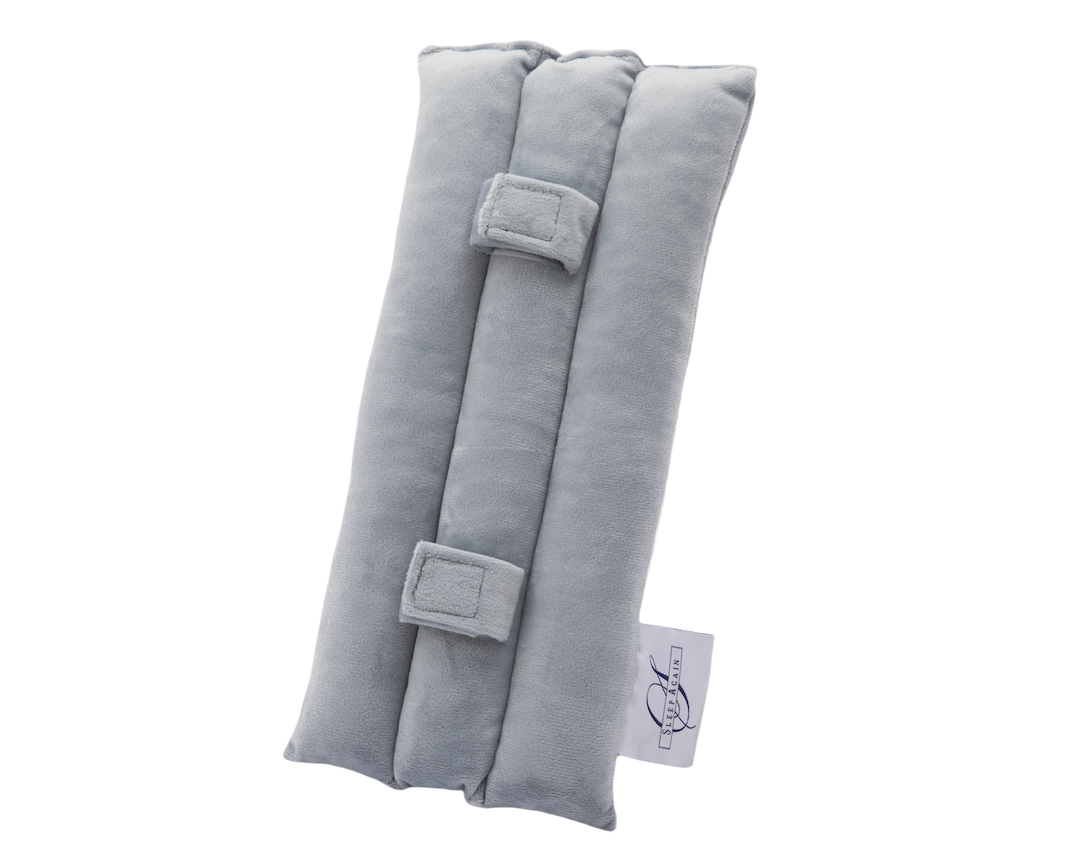
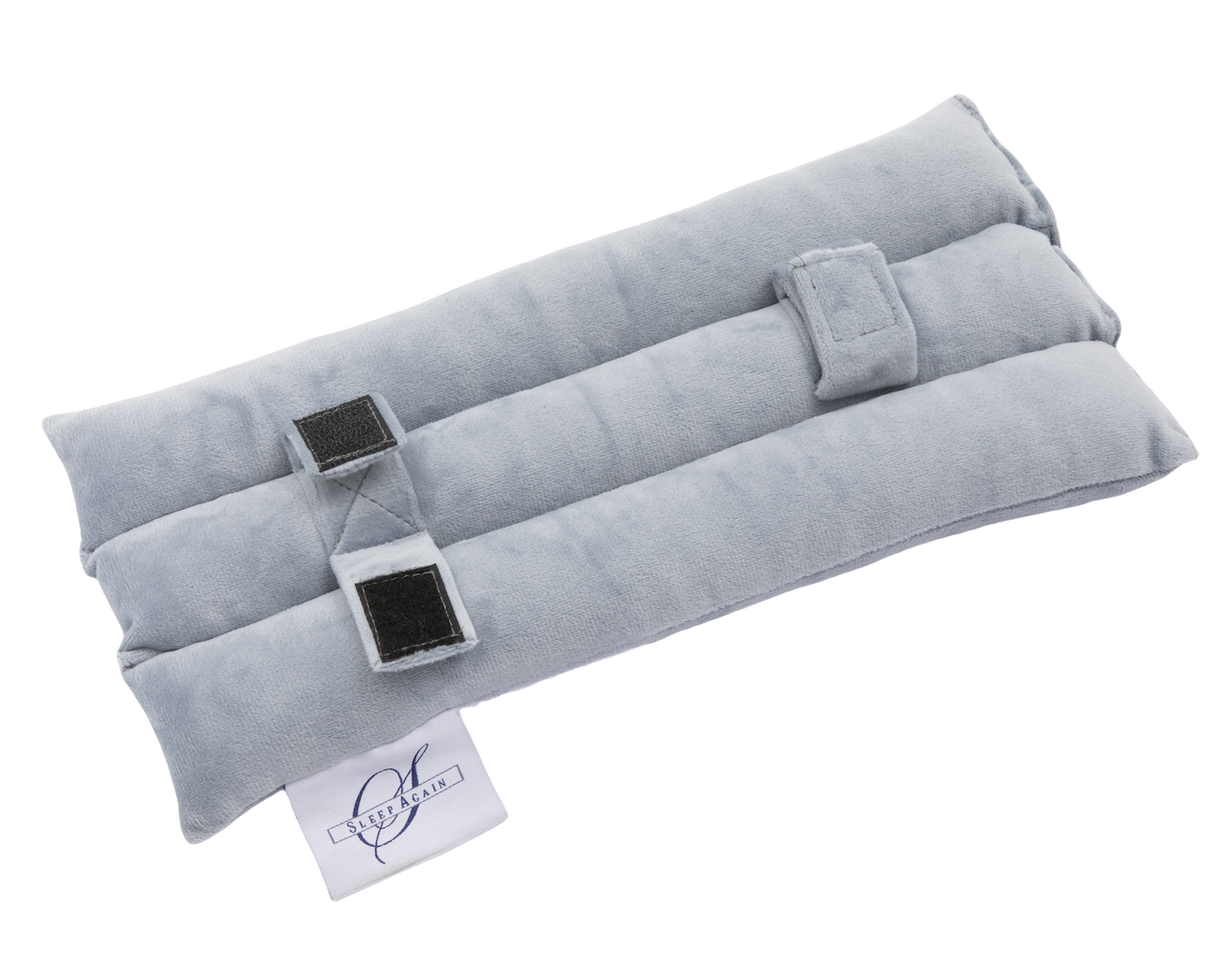
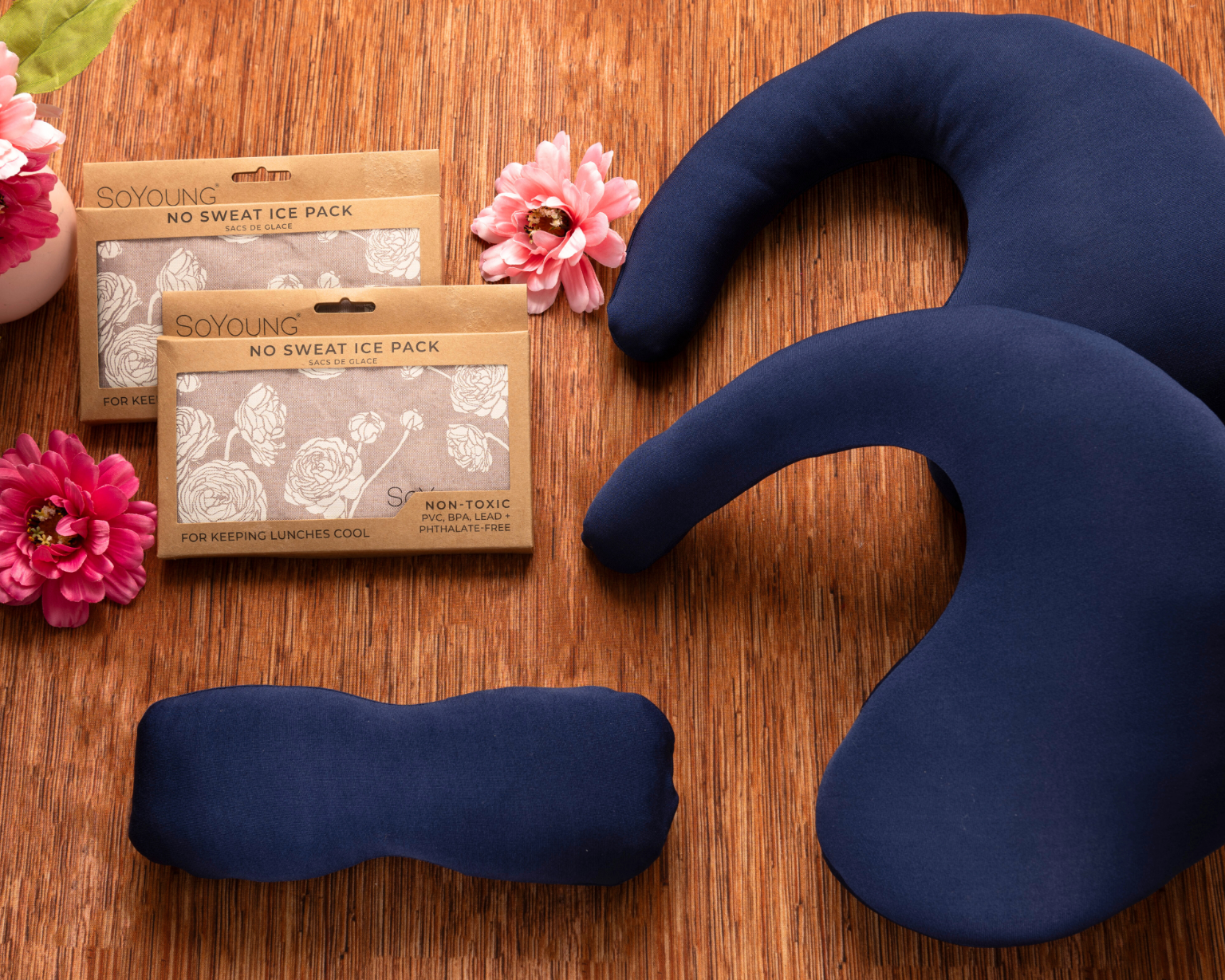
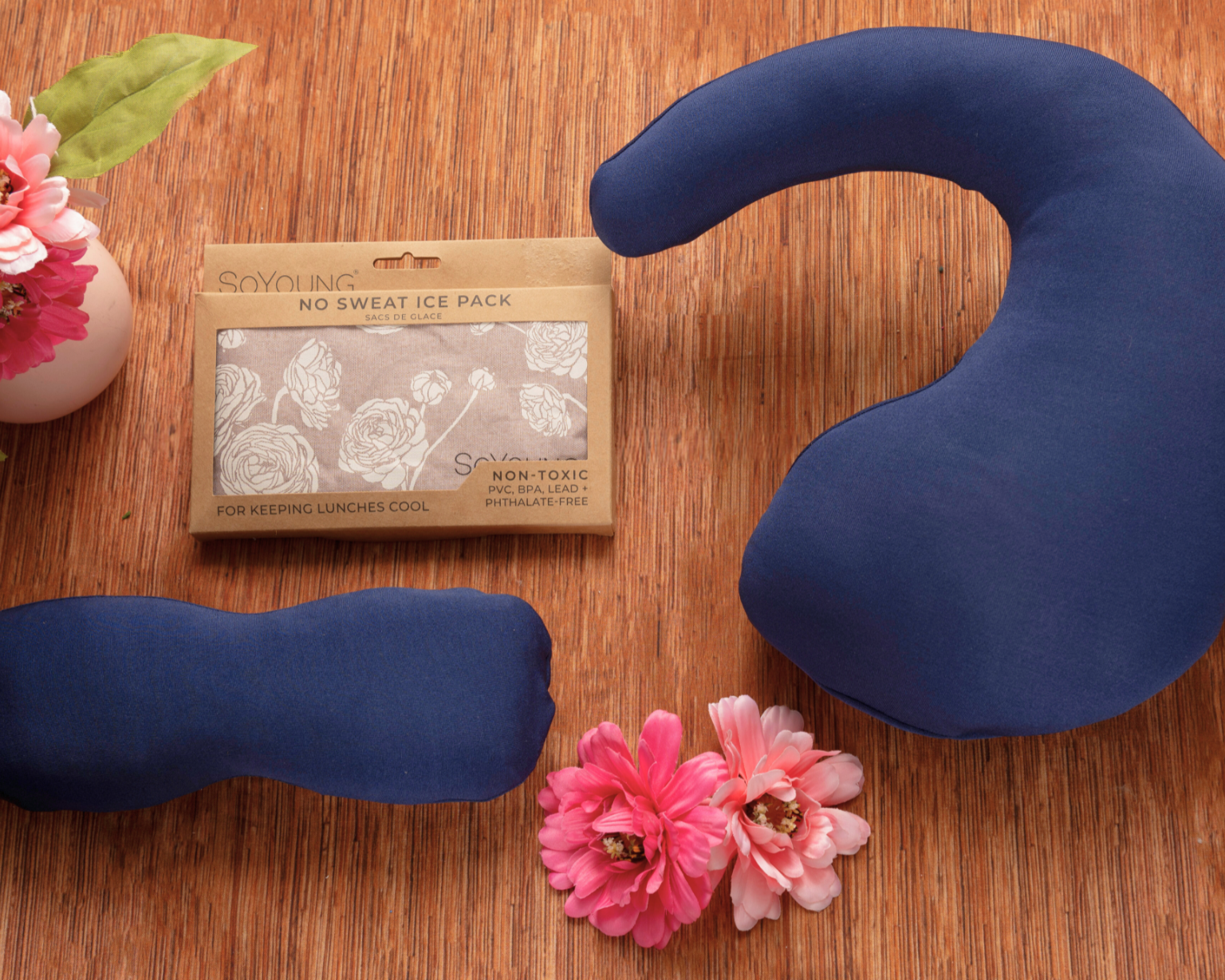
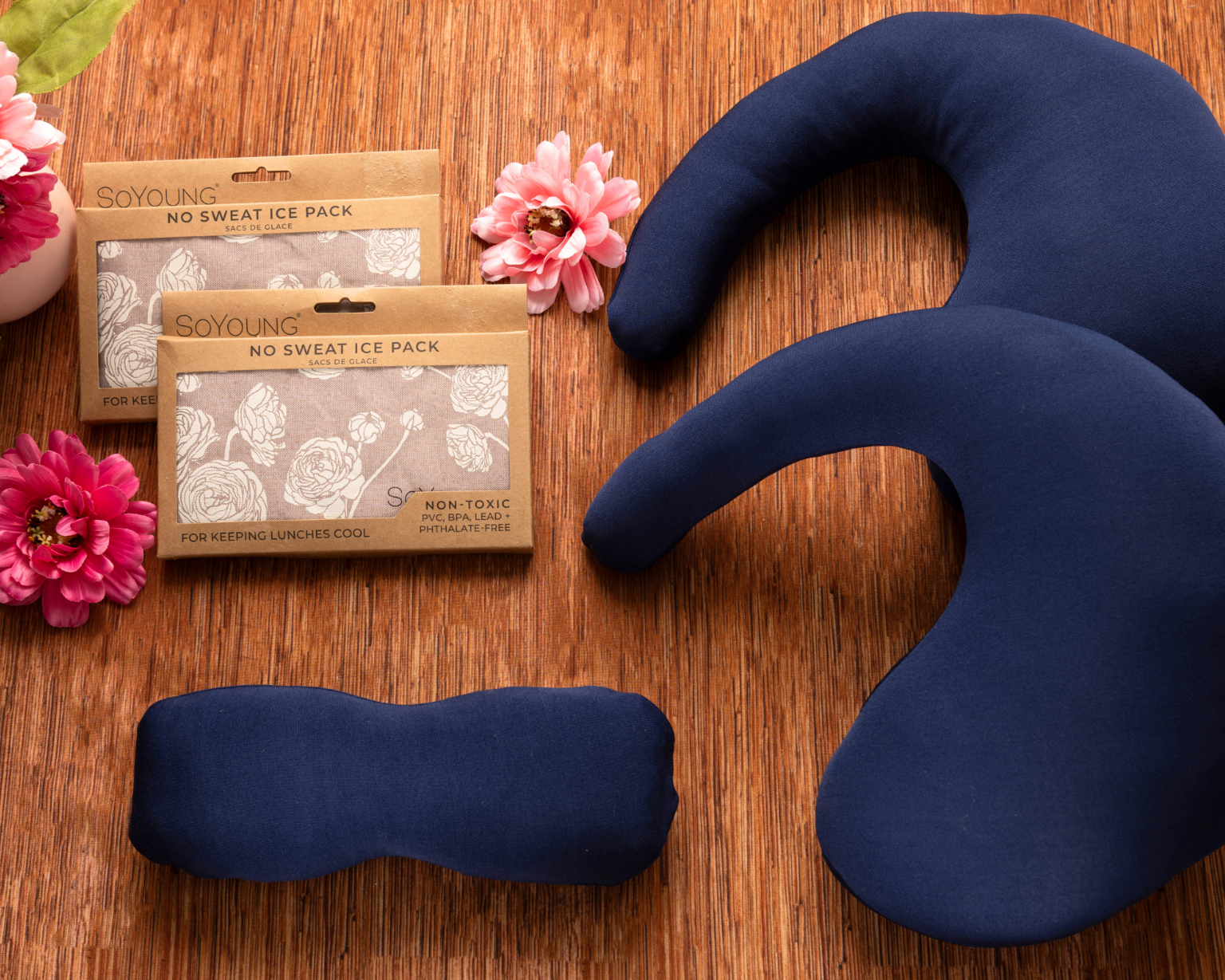
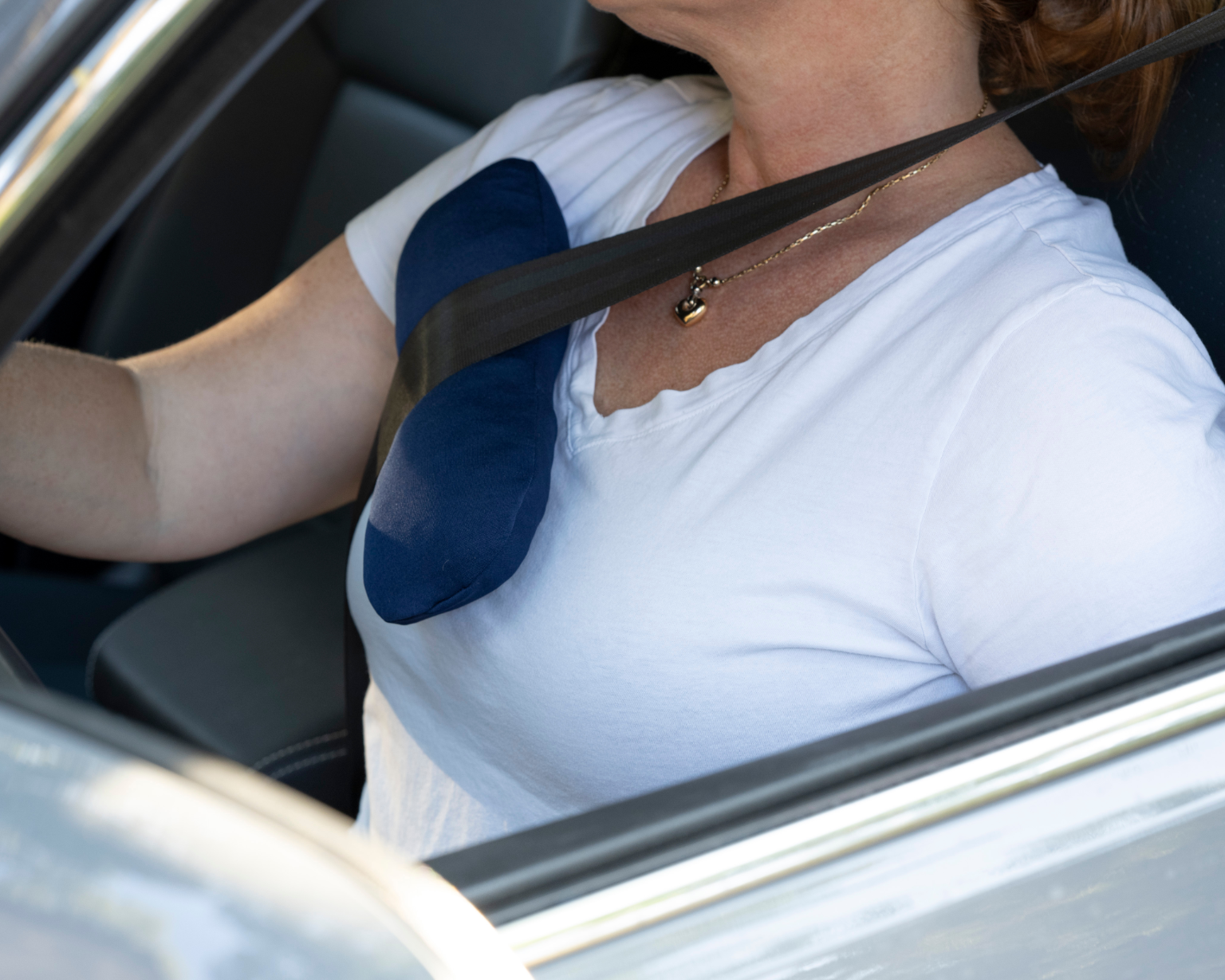
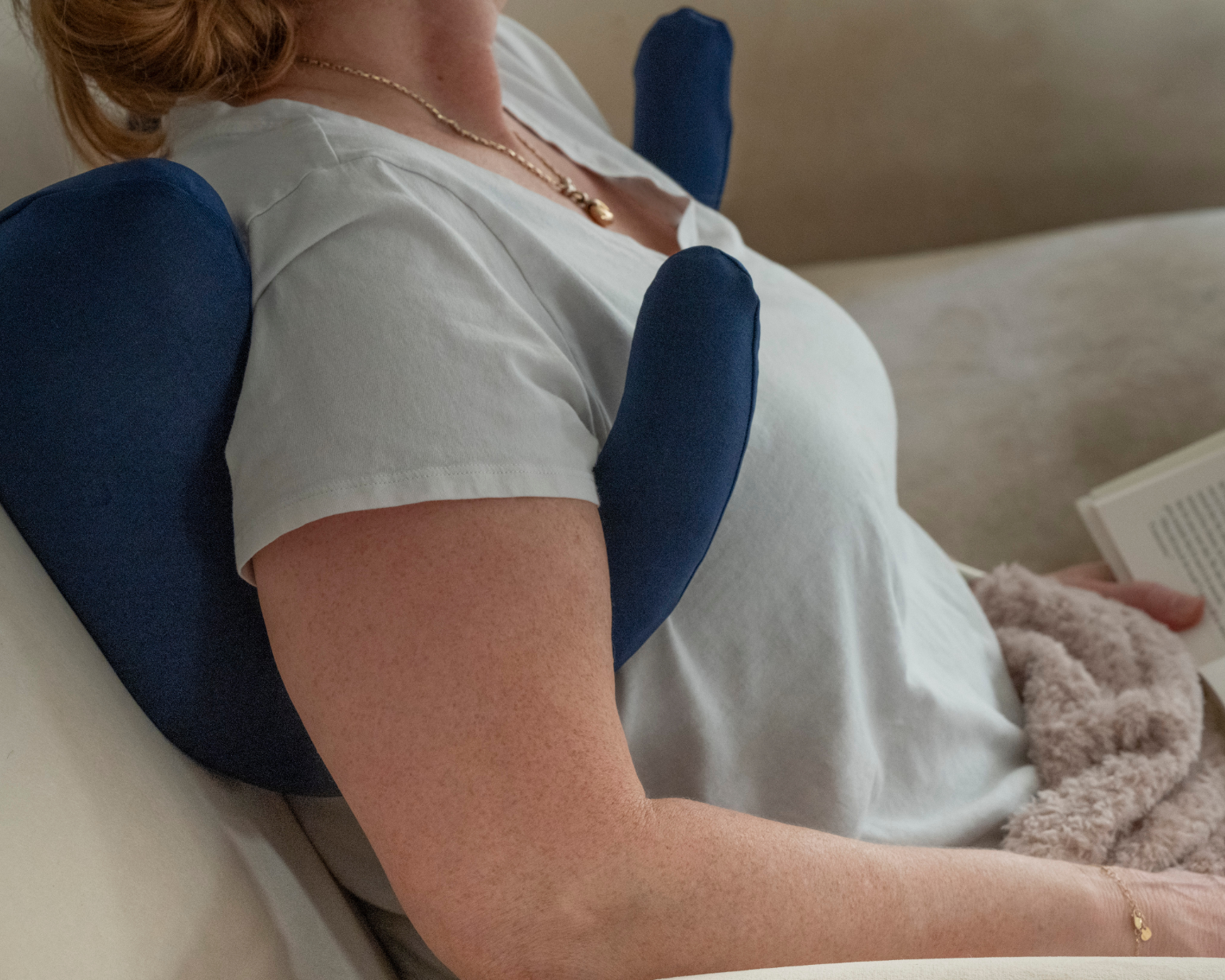
The Side Sleeping Chest Pillow is designed specifically for this phase. It is a contoured support pillow that positions between the arm and the body during side sleeping, cushioning breast tissue from direct pressure and distributing weight away from healing incision sites.

For mommy makeover patients, it provides the support layer that makes the transition from back to side sleeping manageable. Standard pillows apply compression; the Side Sleeping Chest Pillow creates cushioned separation — a meaningful difference for post-surgical breast tissue.
It is also useful for patients who have been cleared for side sleeping but continue to experience breast tenderness as swelling resolves, which can persist for several weeks beyond the initial recovery phase.
Due to federal regulations, bedding products are not returnable, and all sales are final.
SHOP THE BEST PILLOW FOR SIDE SLEEPING AFTER A MOMMY MAKEOVER
How Do You Prevent Rolling Over in Your Sleep After a Mommy Makeover?
Rolling during sleep is one of the most common concerns among mommy makeover patients during the first two to three weeks. Anxiety about waking up in a compromised position can disrupt sleep quality even for patients who never actually roll.
The solution is physical, not behavioral:
Lateral support pillows positioned alongside the body create a barrier that requires active effort to roll past — effort the sleeping body does not typically generate. This is the function of the Two Contoured Side Pillows in the Sleep Again Pillow System.
If rolling anxiety is significantly affecting your sleep quality, discuss it with your surgeon. They may have specific recommendations based on your exact procedure combination. For most patients, a well-anchored lateral support setup resolves the concern within the first few nights once they see that the system holds position.
What Are the Most Common Sleep Challenges After a Mommy Makeover?
Discomfort from the elevated position. Back sleeping at an angle is unfamiliar for most patients, especially those who normally sleep on their side or stomach. The first few nights require adjustment while the body adapts to both the surgery and the position.
Neck and shoulder tension. Sleeping elevated on an inadequate head support creates forward head positioning that strains the neck. This is a pillow problem, not a surgery problem. It resolves when head support is calibrated to the elevated torso angle.
Tummy tuck tightness. The abdominal repair creates a sensation of tightness that is most noticeable when the hips are flat. Adequate knee support significantly reduces this.
Waking from medication timing. Many post-surgical patients are on scheduled pain medications that require middle-of-the-night dosing during the first week. Plan your bedside setup to make medication access easy without requiring you to fully sit up or get out of bed.
Compression garment discomfort. After tummy tuck and liposuction, compression garments are worn during sleep as well as during the day. Discuss garment fit with your surgeon if it is significantly affecting your ability to rest.
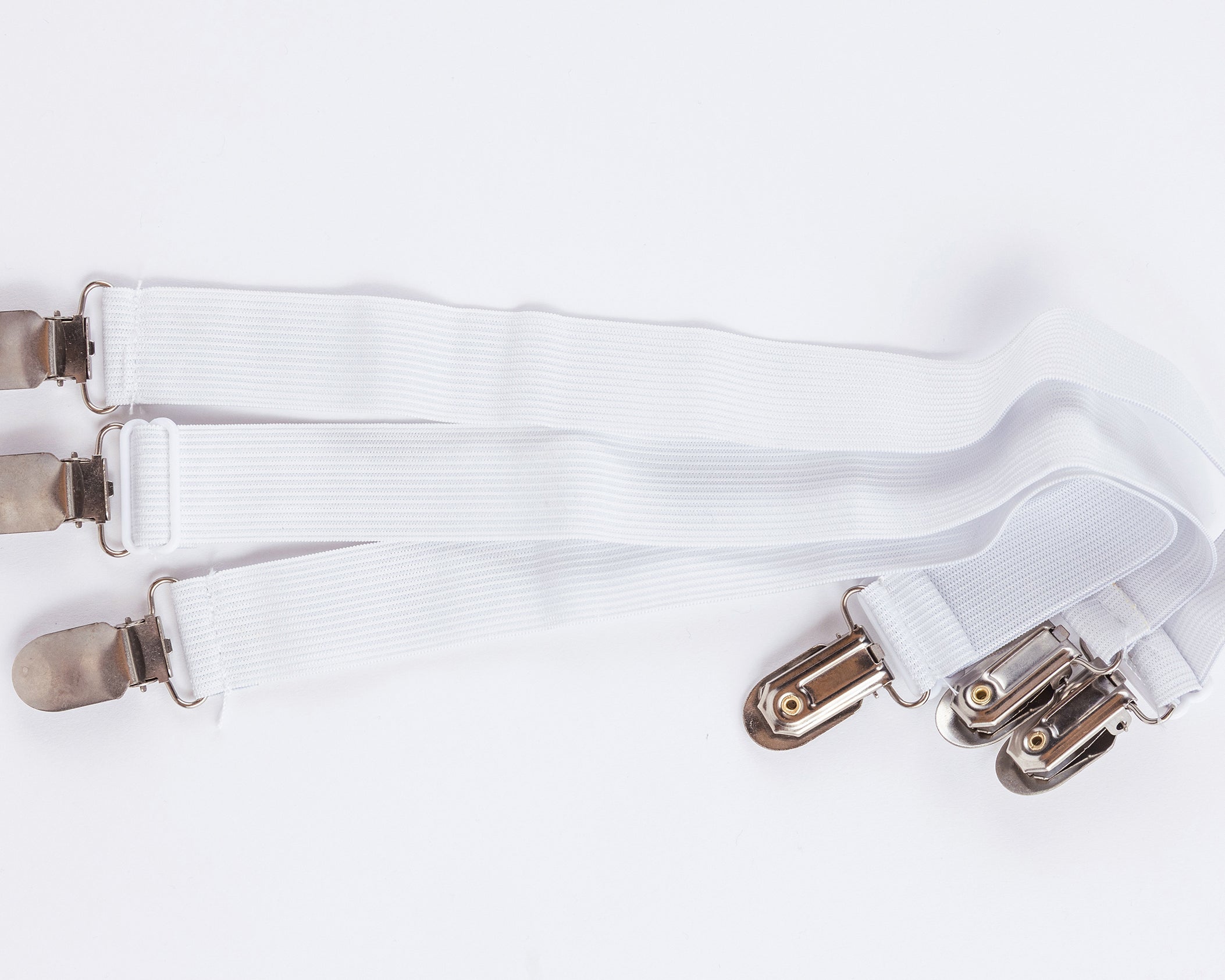
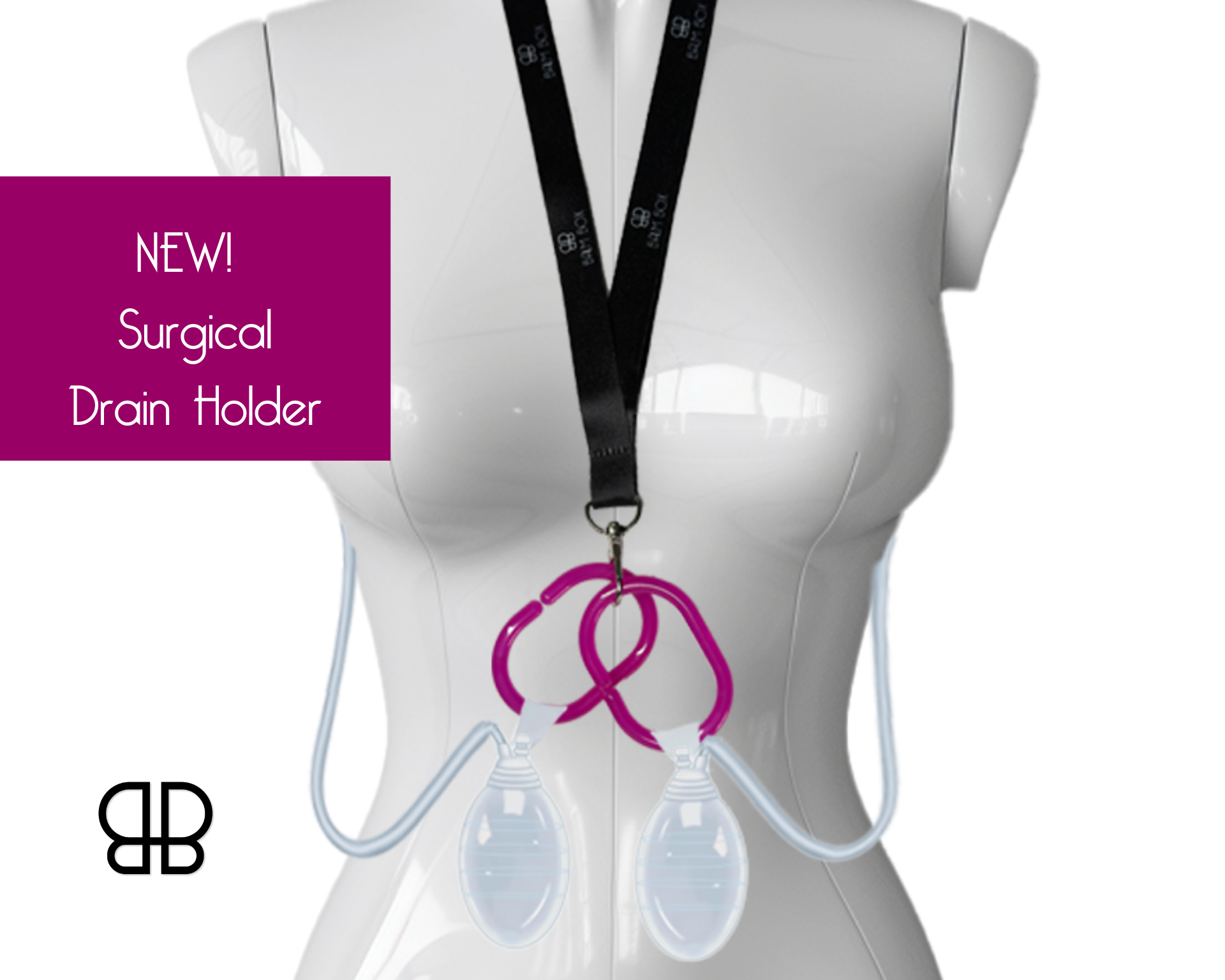
Drain management. Patients with surgical drains need to account for tube placement when setting up their sleep position. Ensure drain tubing is not compressed or kinked by any component of your pillow setup.
What Should You Have Ready Before Your Mommy Makeover Surgery?
Primary positioning system: The Sleep Again Pillow System set up and configured in your bed before you come home from surgery.
Side sleeping chest support: If your surgeon expects to clear you for side sleeping in the later recovery weeks, the Side Sleeping Chest Pillow can be ordered in advance and kept ready.
Bedside recovery station: Water, prescribed medications, a phone charger, and any required medical supplies within arm's reach. Minimize the need to fully get up during the night, particularly in the first week.
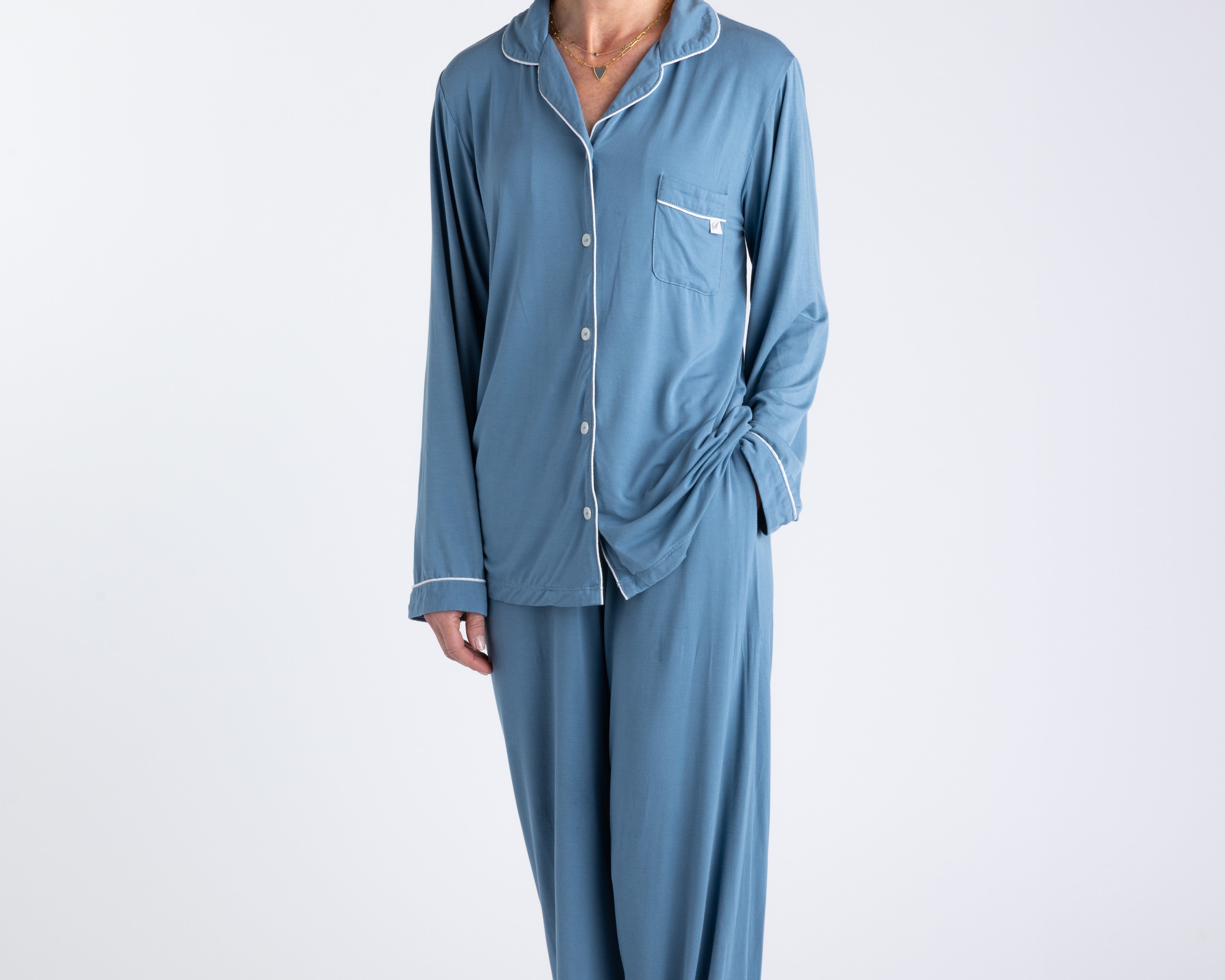
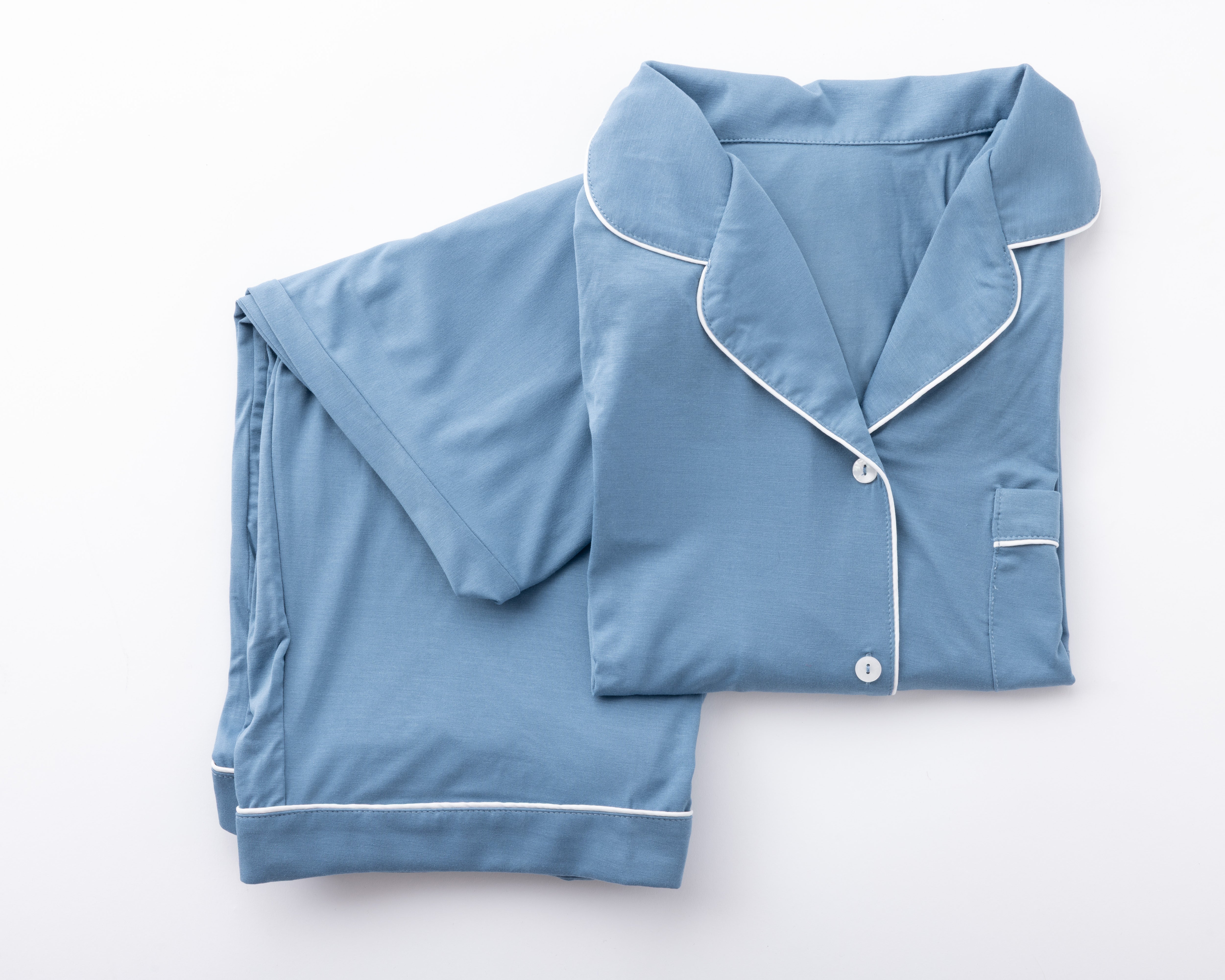
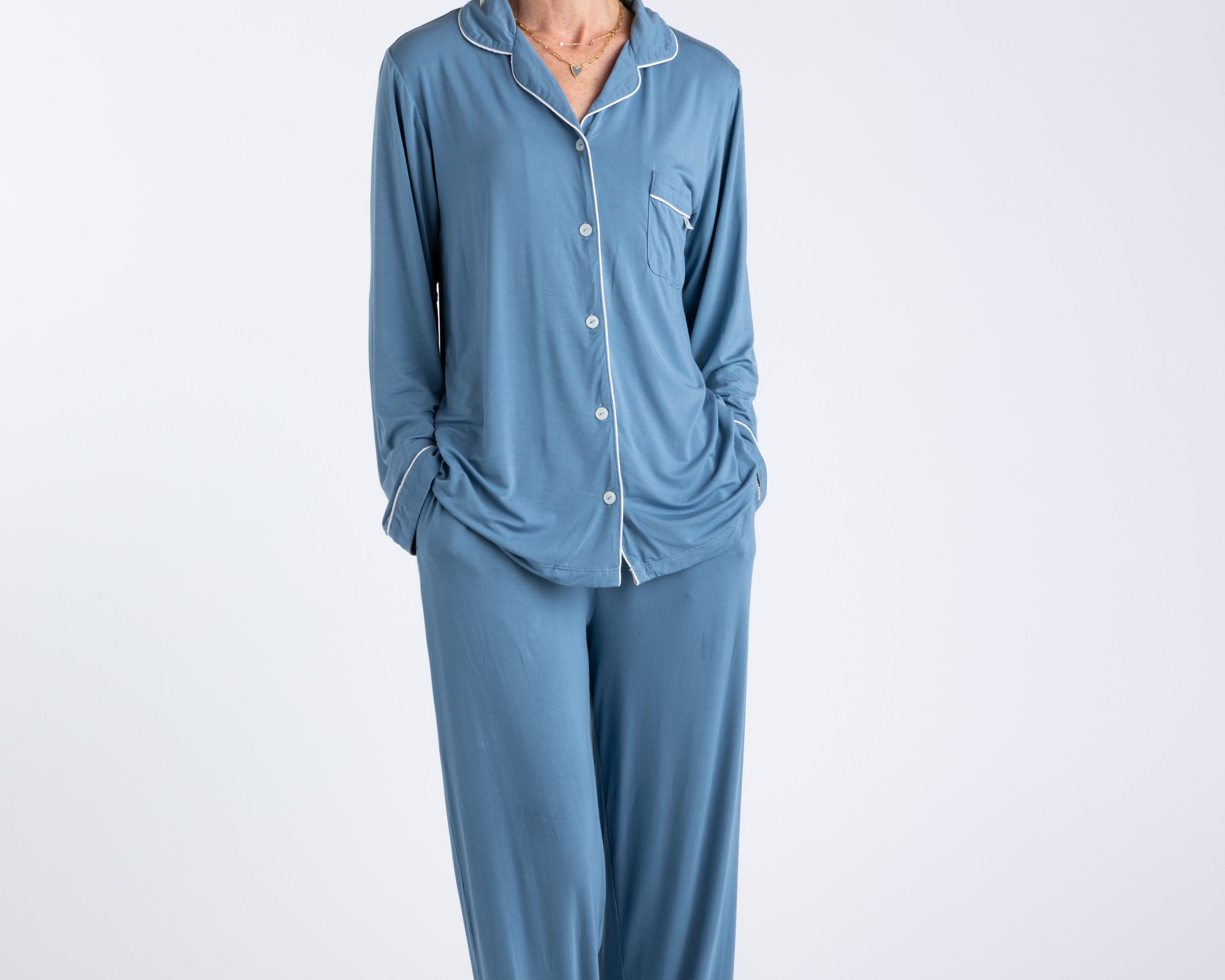
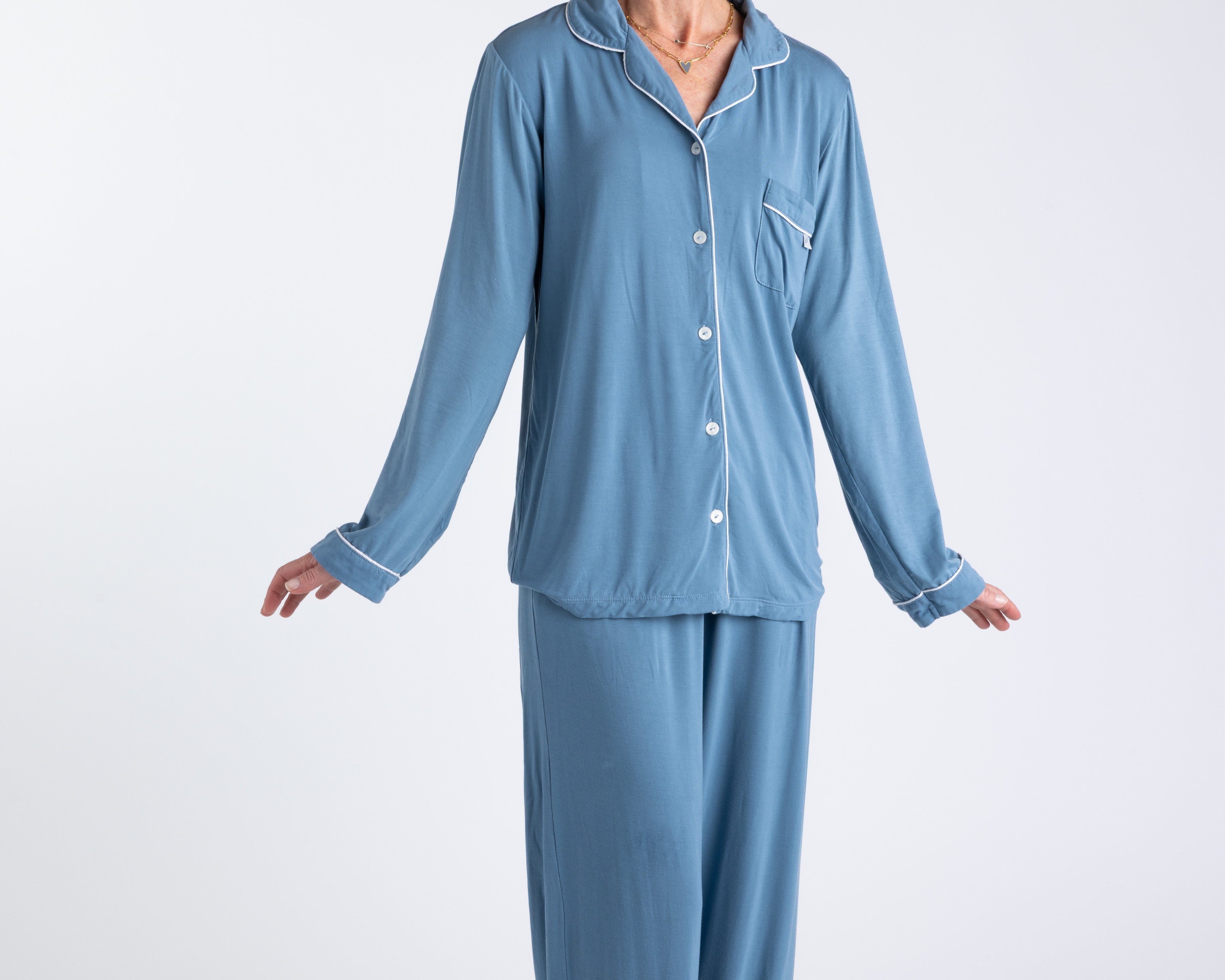
Loose, comfortable clothing: Garments that do not require pulling over the head, do not have waistbands at the tummy tuck incision line, and can be put on and removed without significant abdominal effort.
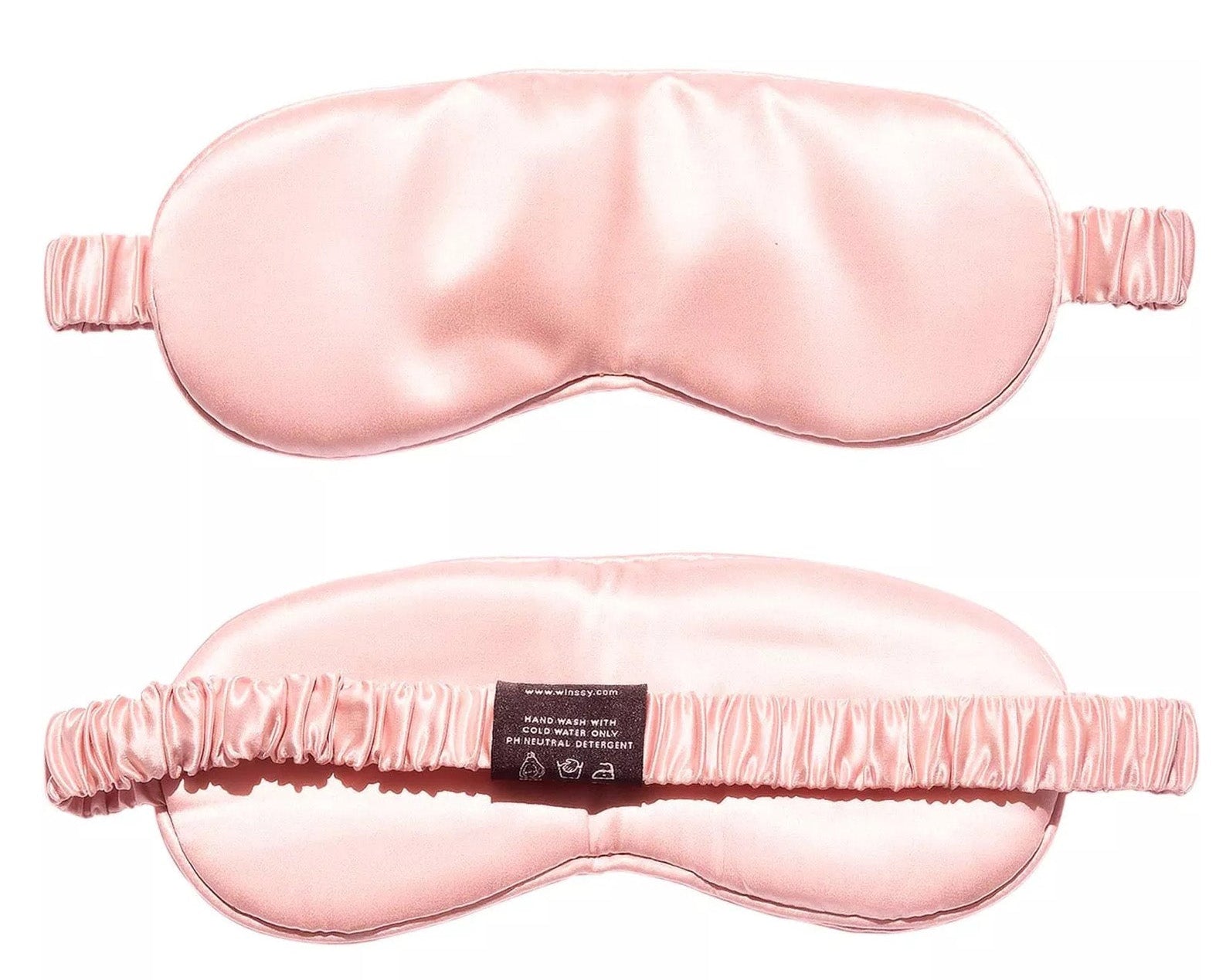
Blackout curtains or a sleep mask: Sleep quality during recovery is already compromised by discomfort and positioning adjustment. Light control is a low-effort way to protect what sleep depth you can achieve.
Can You Use an HSA or FSA to Buy Mommy Makeover Recovery Pillows?
Yes. The Sleep Again Pillow System is eligible for purchase using HSA (Health Savings Account) and FSA (Flexible Spending Account) funds.
Purpose-built post-surgical positioning products qualify as medical expenses under most plans. If you are planning your surgery in advance, FSA accounts in particular often have year-end use-it-or-lose-it deadlines — timing your recovery pillow purchase accordingly lets you use pre-tax healthcare dollars for your setup. Check with your benefits administrator for plan-specific eligibility confirmation.
How Long Does Sleep Disruption Last After a Mommy Makeover?
Most patients experience the most significant disruption during the first two weeks — the phase when elevation requirements are strictest, mobility is most limited, and pain medication schedules are most active. By weeks three and four, most patients are sleeping in longer stretches with less overnight waking as swelling decreases and the abdominal closure stabilizes. Pain medication needs typically decrease during this phase as well, reducing the number of scheduled middle-of-the-night doses that interrupt sleep.
By weeks six to eight, the majority of patients are sleeping relatively normally. Full return to stomach sleeping typically takes ten to twelve weeks, and some patients find their sleep preferences have shifted by that point. The disruption is temporary — knowing the general arc before you begin makes it easier to manage when you are in the middle of it.
Q&A: Common Sleep Questions Before Mommy Makeover Surgery
Why can't you sleep flat after a mommy makeover?
Lying flat after a tummy tuck places direct tension on the abdominal closure and significantly increases discomfort. It also allows fluid to pool across surgical sites rather than drain away. The elevated, bent-knee position addresses both problems simultaneously — managing swelling, protecting breast incisions, and releasing tension on the abdominal repair in a single setup.
How do you stop worrying about rolling over in your sleep after a mommy makeover?
Physical lateral pillow support is the solution. Positioning pillows alongside the body create a barrier that prevents rolling without requiring the patient to maintain position consciously. The Two Contoured Side Pillows in the Sleep Again Pillow System serve this function throughout the back-sleeping recovery phase.
What happens if you accidentally roll onto your stomach after a mommy makeover?
Normal nighttime movement rarely causes serious problems, but sustained pressure on healing breast implants or the tummy tuck closure can cause pain and swelling. Contact your surgeon if you have concerns about a specific incident. Consistent lateral support is the best prevention.
When can you sleep on your side after a mommy makeover?
Most patients begin exploring side sleeping between weeks two and four with explicit surgeon clearance, depending on healing progress and the specific procedures included. The Side Sleeping Chest Pillow makes that transition more comfortable by cushioning and supporting breast tissue during the shift away from back sleeping.
Can you sleep on your stomach after a mommy makeover?
Stomach sleeping is the last position to be reintroduced, typically after six to twelve weeks and only with full surgeon clearance. Not all patients return to stomach sleeping. Some find that the positioning habits developed during recovery become a preferred long-term sleep style.
How do you sleep with surgical drains after a mommy makeover tummy tuck?
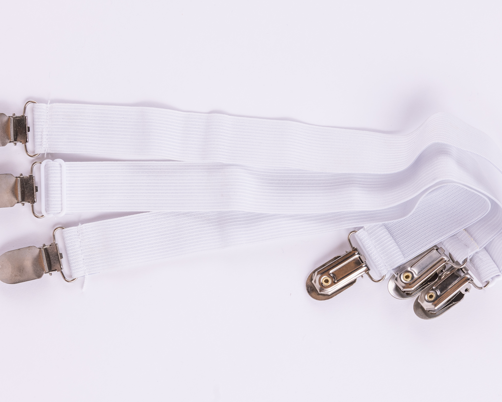
Using a drain holder specifically designed for drain management can help greatly to secure drains while you sleep.
Important Medical Disclaimer
The information provided on this page is for educational purposes only and should not replace professional medical advice from your healthcare provider. Sleep Again Pillows are positioning support products designed to help maintain sleep positions recommended by medical professionals during recovery and for therapeutic use.
Always follow your surgeon's or physician's specific post-operative instructions and positioning requirements. Medical guidance from your healthcare team takes precedence over any general information provided here. Recovery timelines, positioning angles, and product suitability vary based on individual surgical procedures, medical conditions, and patient-specific factors.
Consult your healthcare provider before purchasing positioning equipment if you have specific medical concerns or questions about whether these products are appropriate for your recovery or medical condition(s). Your medical team can provide personalized recommendations based on your unique situation.
Sleep Again Pillows do not diagnose, treat, cure, or prevent any medical condition. These products provide positioning support to help maintain sleep angles and positions as directed by your healthcare provider.