
Recovery From A Mastectomy
A mastectomy is a surgical procedure primarily used to treat or prevent breast cancer. Recovering from a mastectomy is both a physical and emotional journey, and it is normal to feel anxious or worried about the recovery process. Understanding what to expect after a mastectomy can help you to better prepare for the surgery and make the journey less overwhelming.
What is a mastectomy?
Typically performed as a part of breast cancer treatment, a mastectomy is a surgical procedure that involves the removal of the whole breast. It can also be performed preventatively for women who are at a high risk of developing breast cancer.
There are a few different types of mastectomy and the type of mastectomy performed varies according to each individual patient’s case. Depending on the type of mastectomy, different amounts of breast tissue, skin and nearby structures such as the nipple or lymph nodes may be removed.
Breast reconstruction surgery
Breast reconstruction surgery may be coupled with or done after mastectomy for patients who hope to restore the appearance of their breasts. There are many considerations for patients when opting for breast reconstruction surgery, from medical and health considerations to personal preferences. The recovery process also varies depending on the type of reconstruction surgery performed, requiring both physical care and emotional support.
What to expect after mastectomy?
The recovery timeline for mastectomy is typically four to six weeks. You may experience some side effects such as pain and swelling. These side effects are common and can be managed with medication and lifestyle changes.
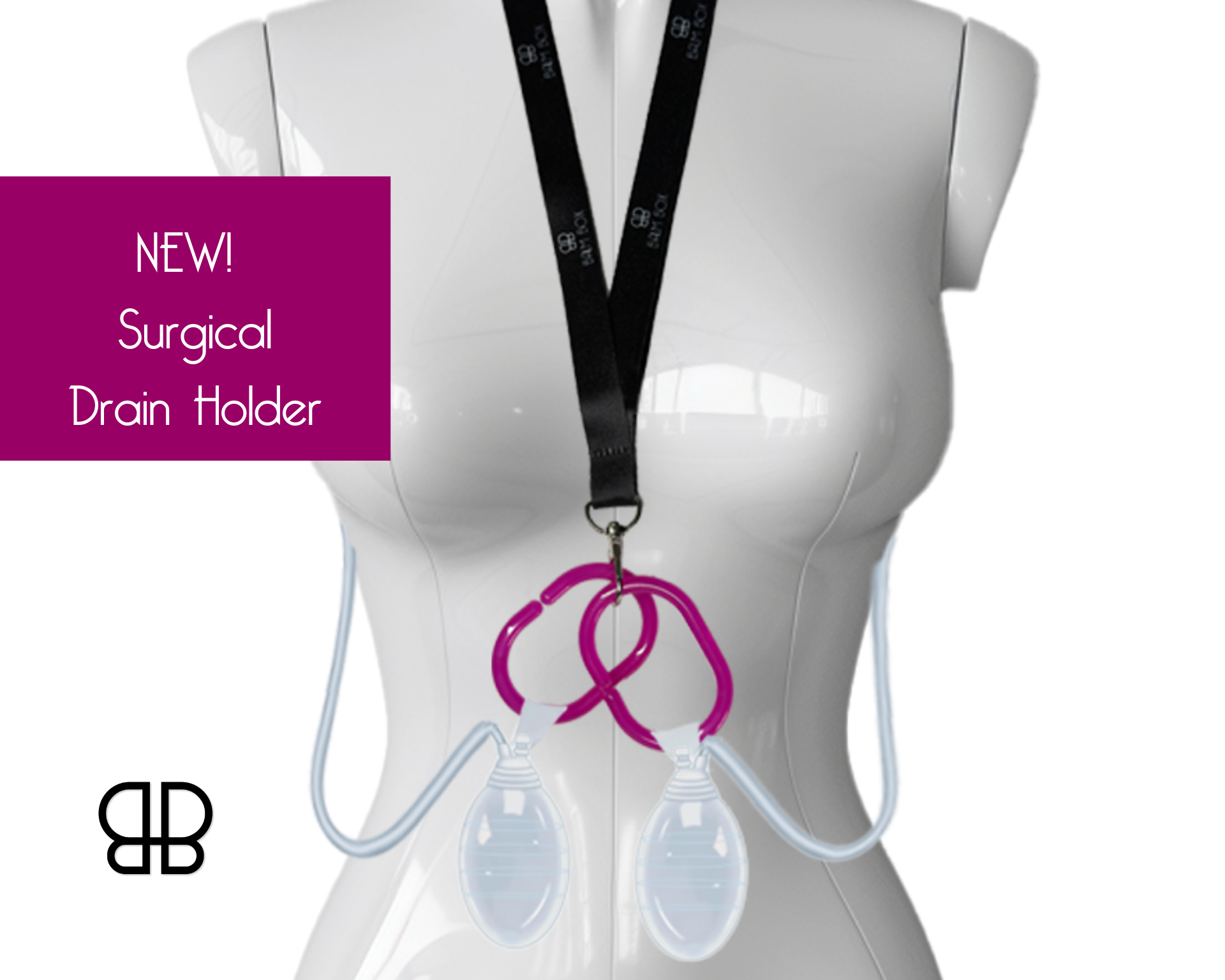
Post-mastectomy, patients can expect to have a surgical drain hanging from their side. As the body generates fluid in response to the inflammation caused by surgery, a drain is required to remove the fluid after it forms to prevent any buildup. The drain is typically required for two to three weeks or until the drain’s output drops below a certain level.
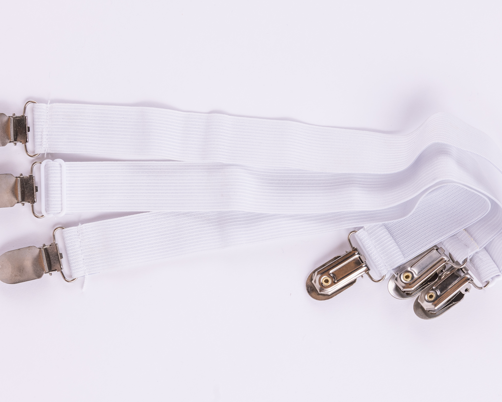
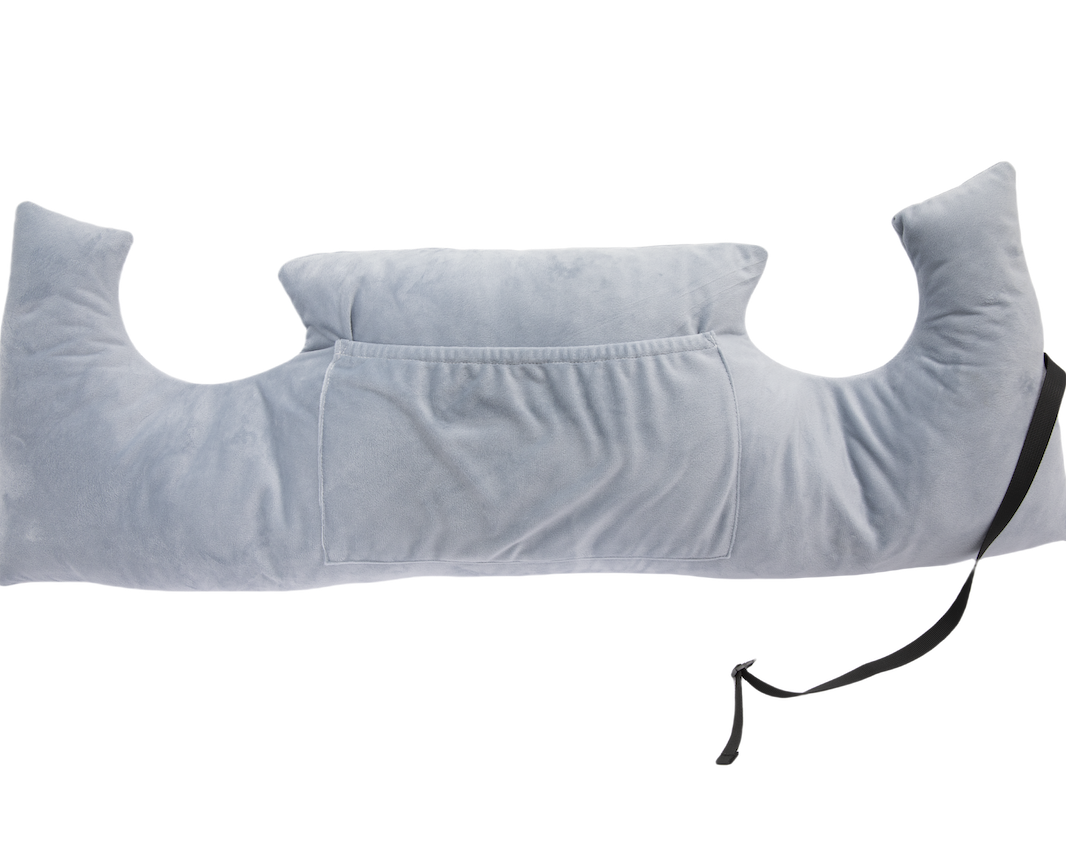
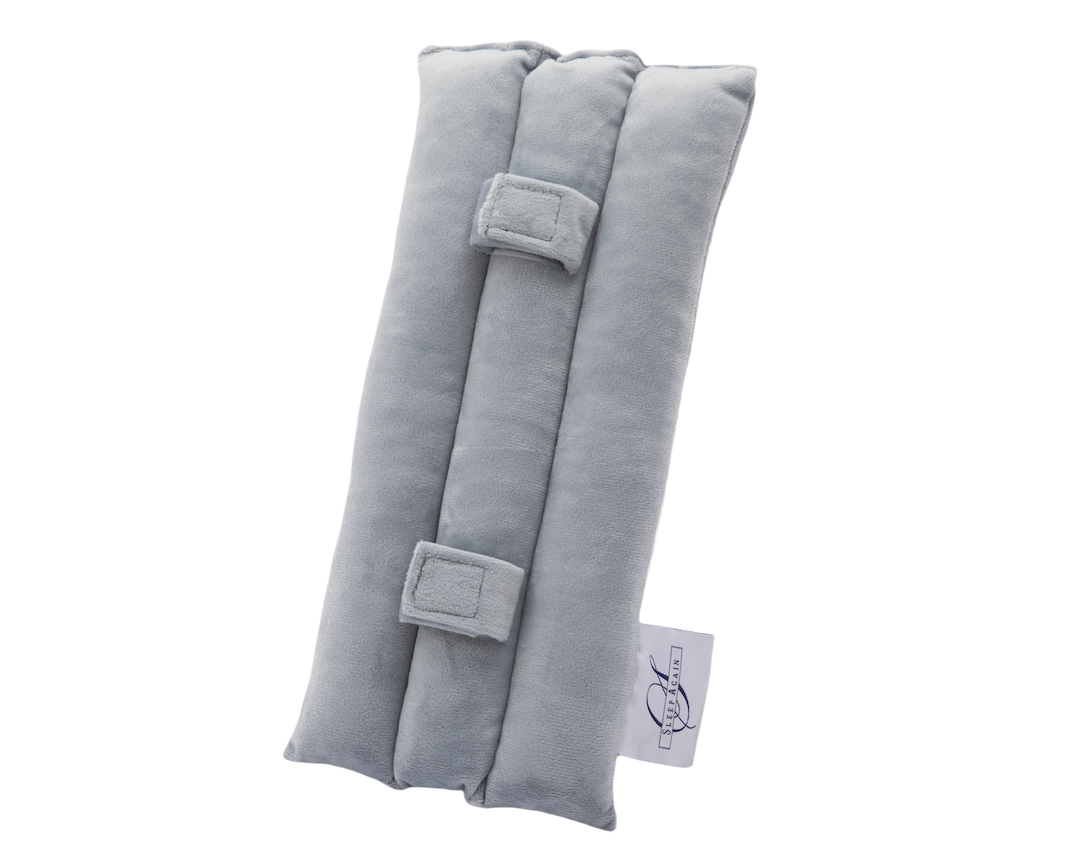
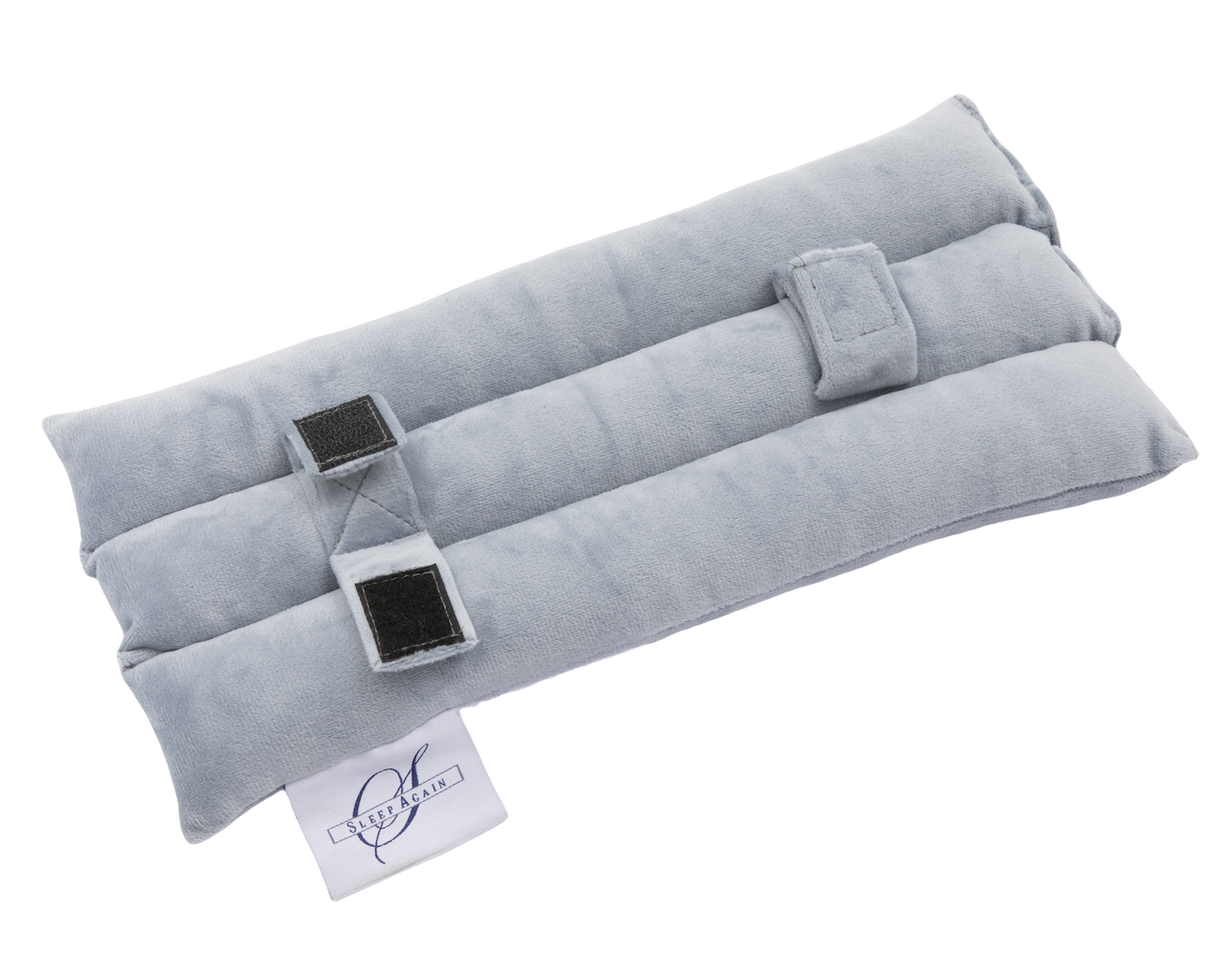
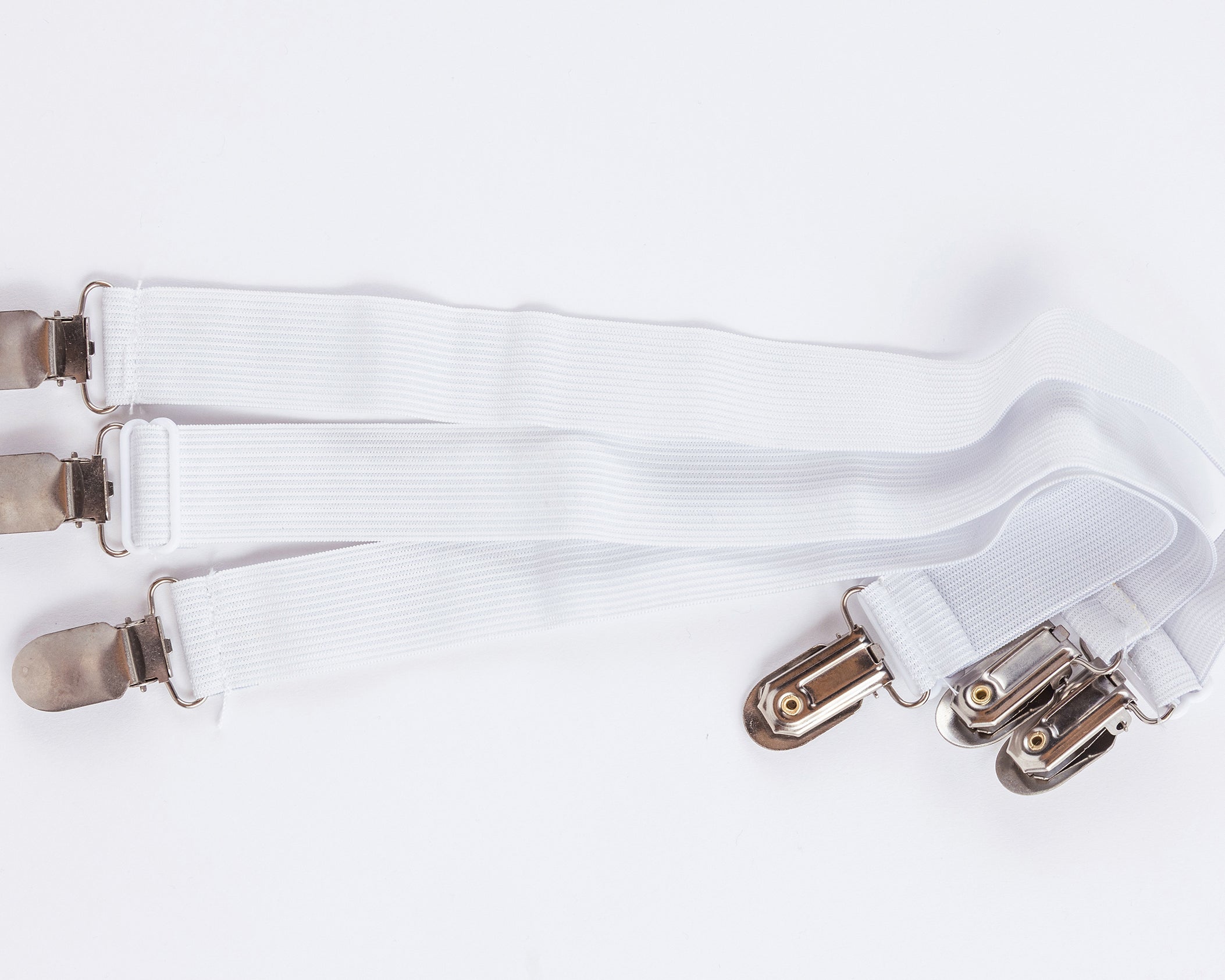
Managing a surgical drain after a mastectomy is an important part of recovery, as it helps remove excess fluid and reduce swelling. Patients should empty and record drainage regularly, keep the site clean and secure the drain to prevent discomfort during daily activities. Using a surgical drain holder can make daily movement more comfortable by keeping the drain safely in place and discreetly supported.

Pain and sleep management
Pain is one of the most common issues faced by patients post-surgery. In most cases, over-the-counter pain medications can help patients to manage their pain. In more severe cases, patients may require the use of stronger pain medications (e.g. opioids).
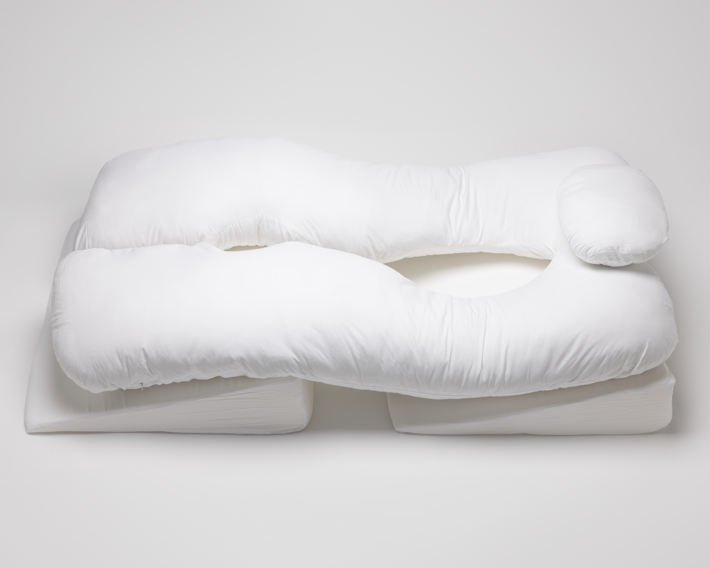
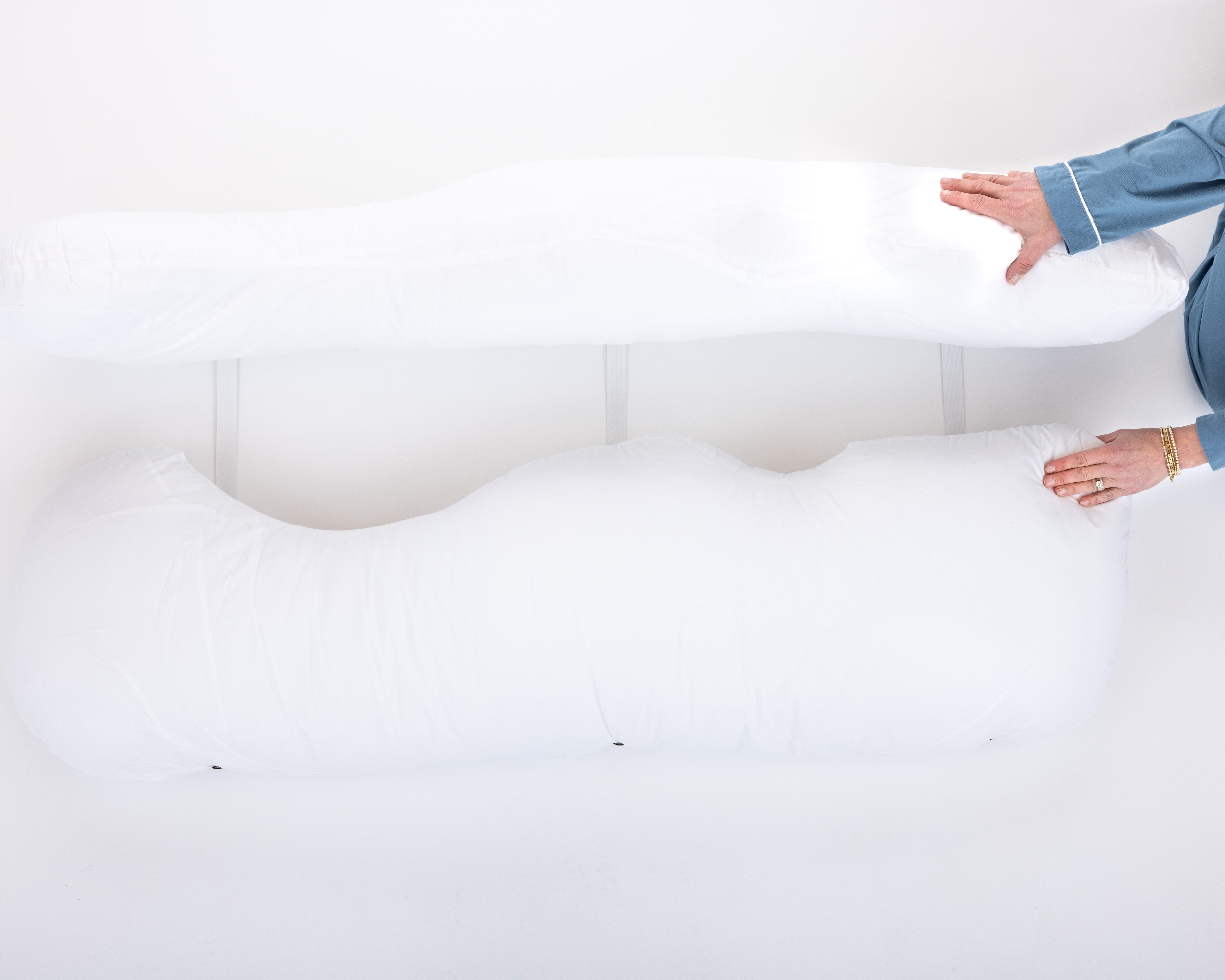
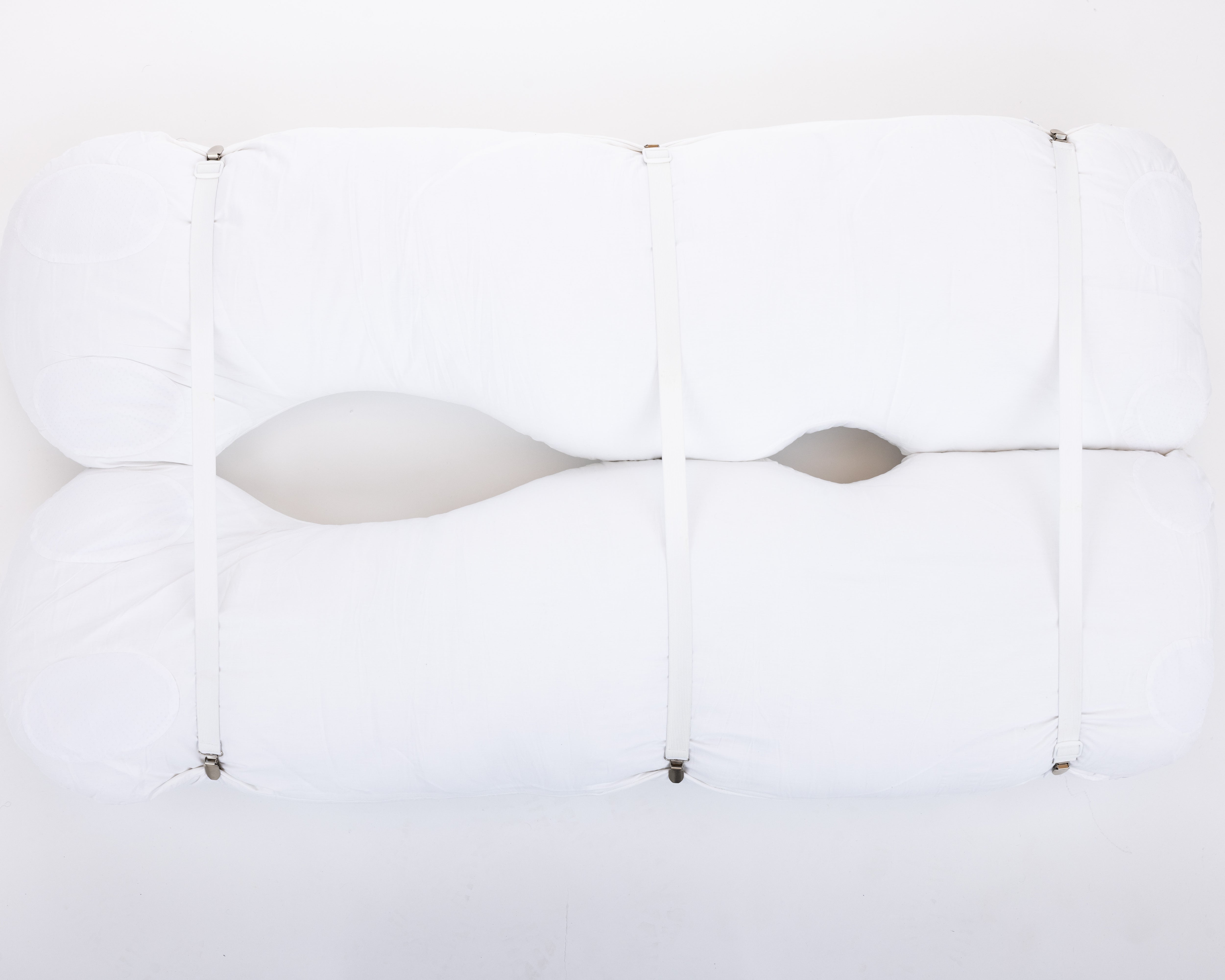
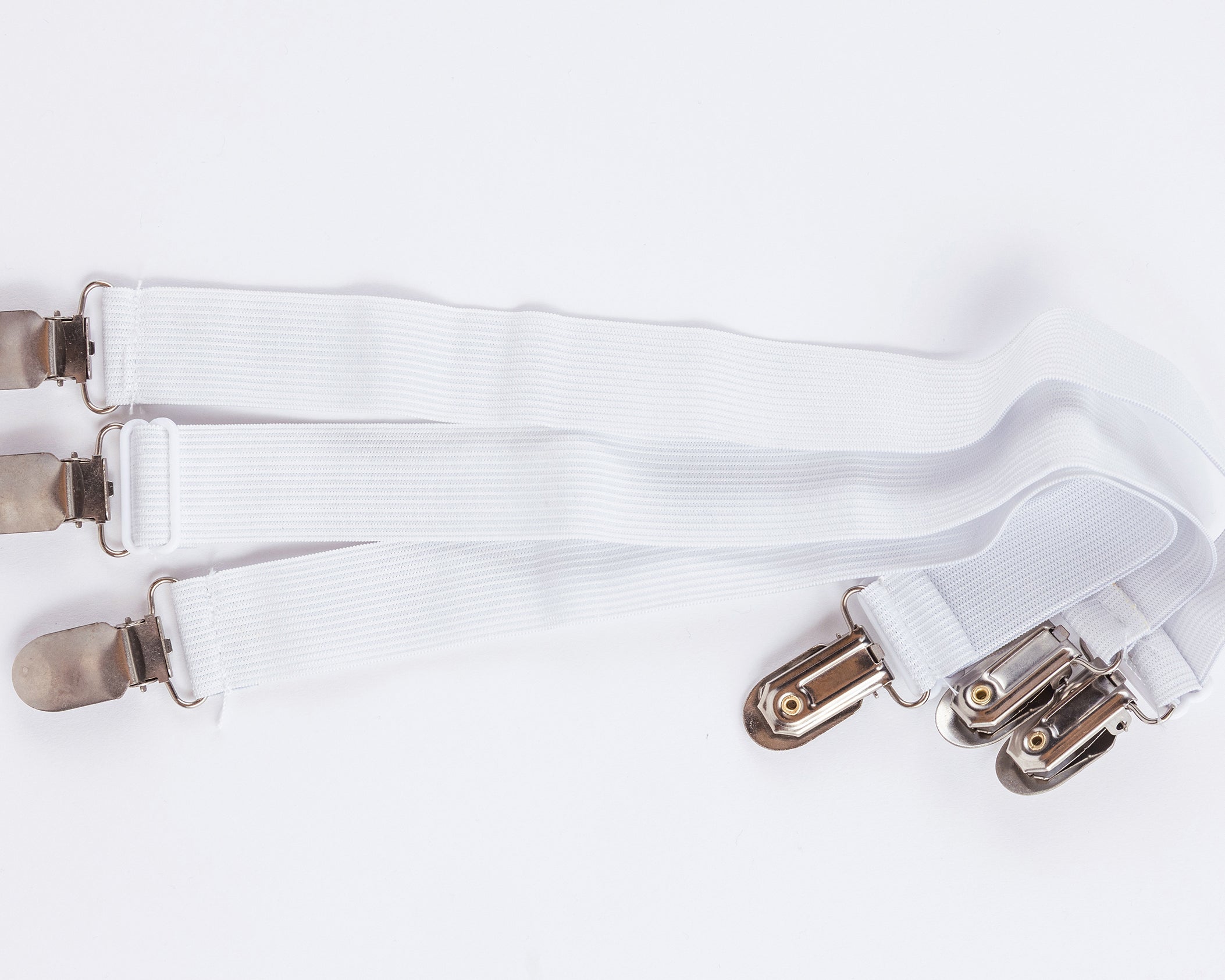
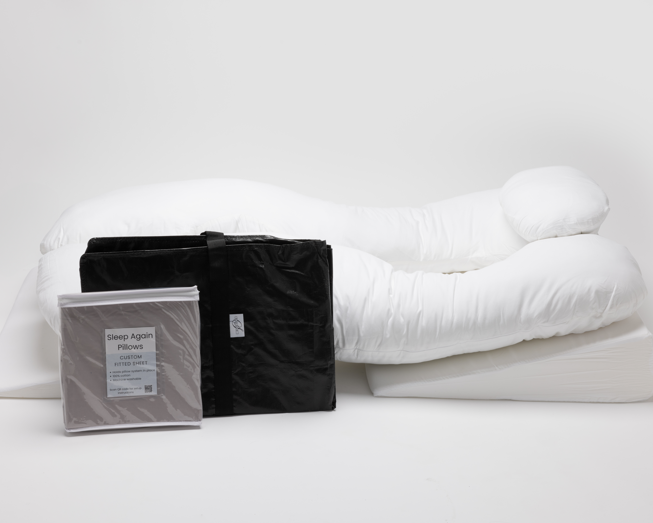
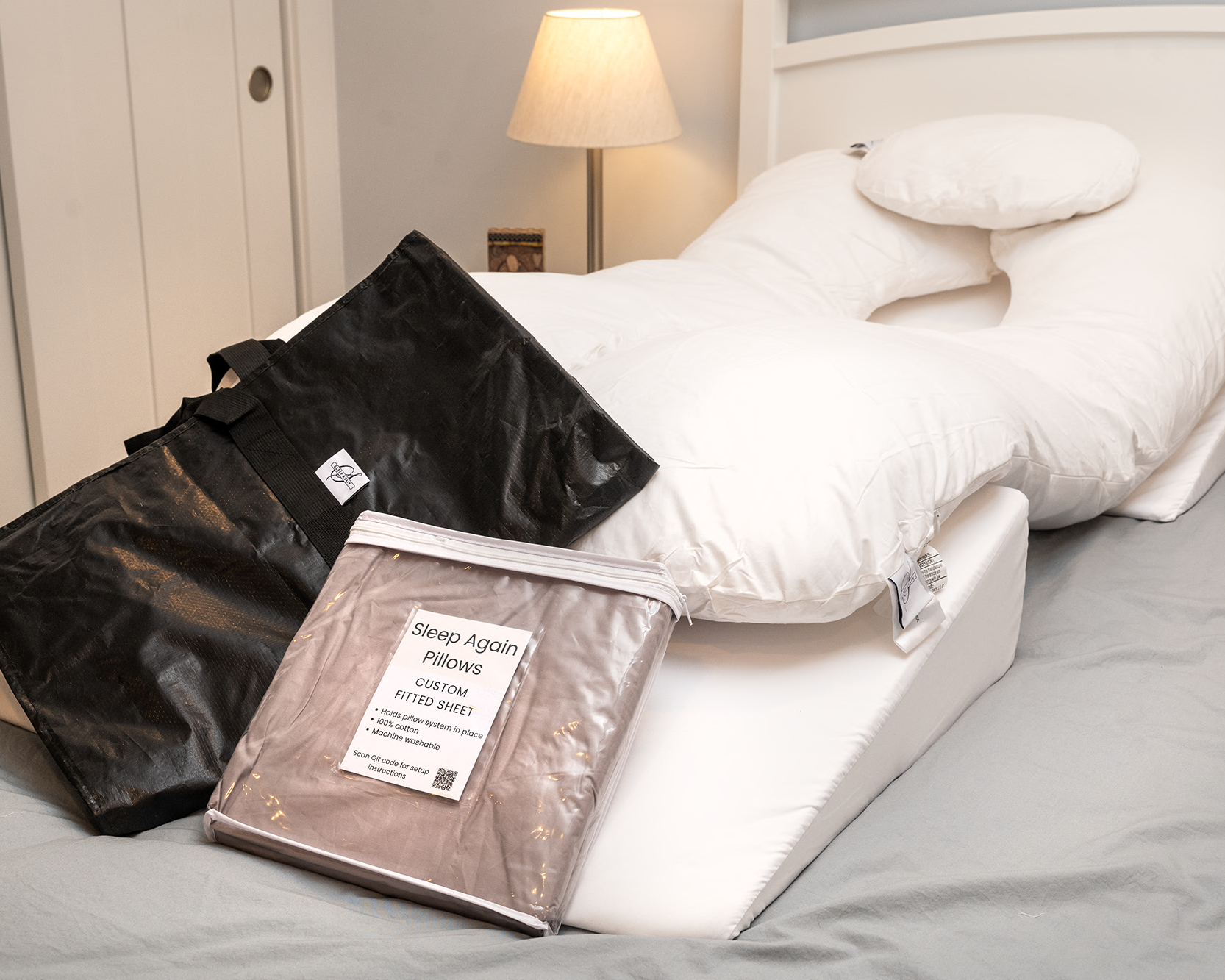
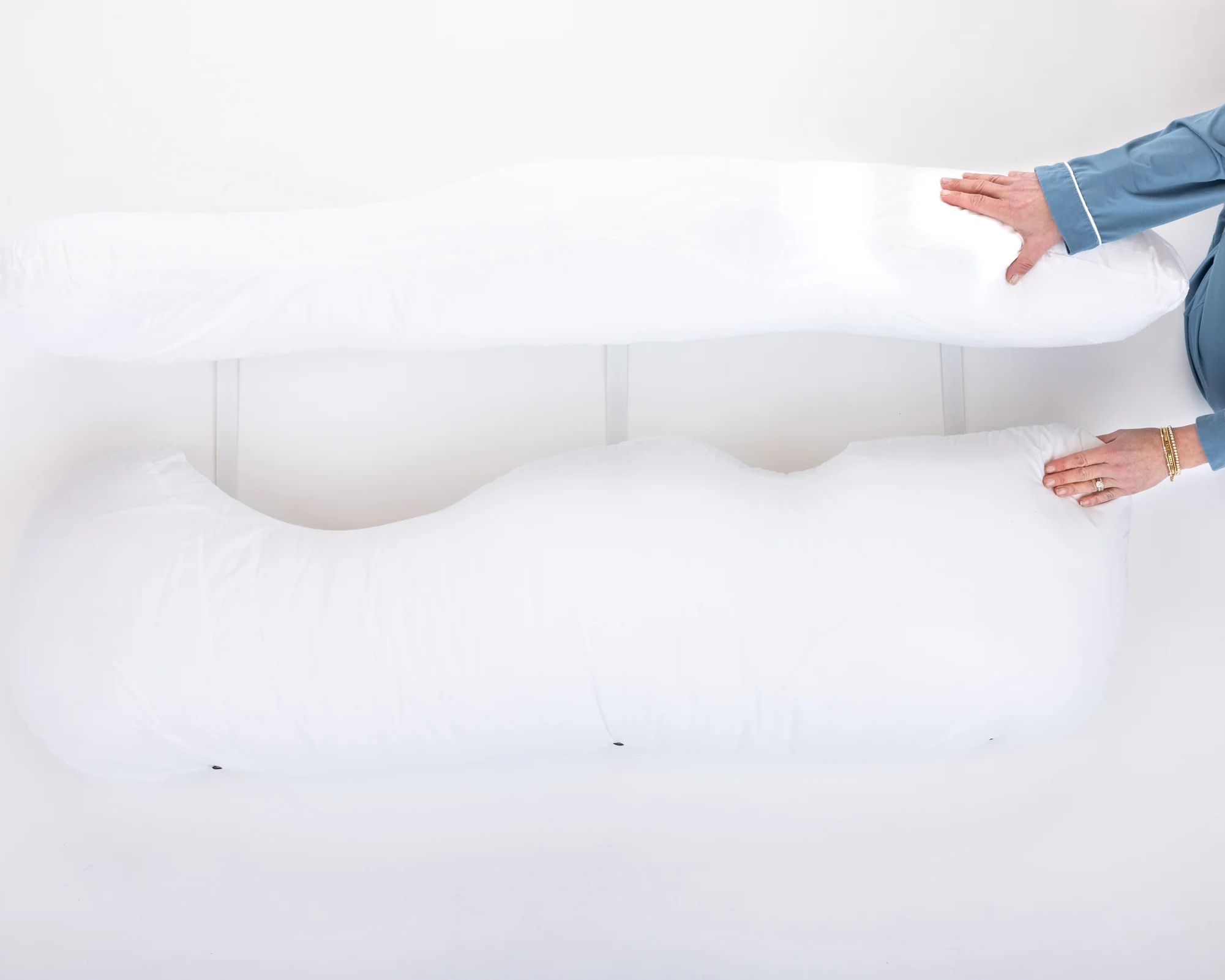
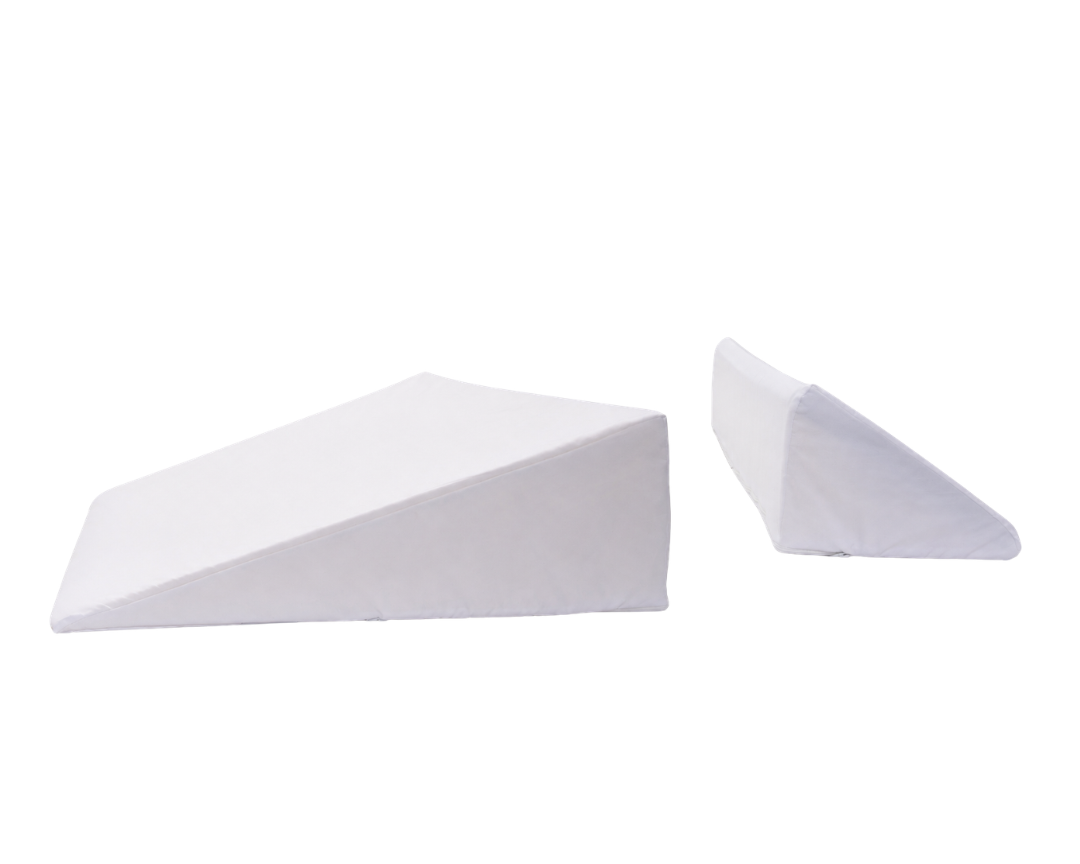
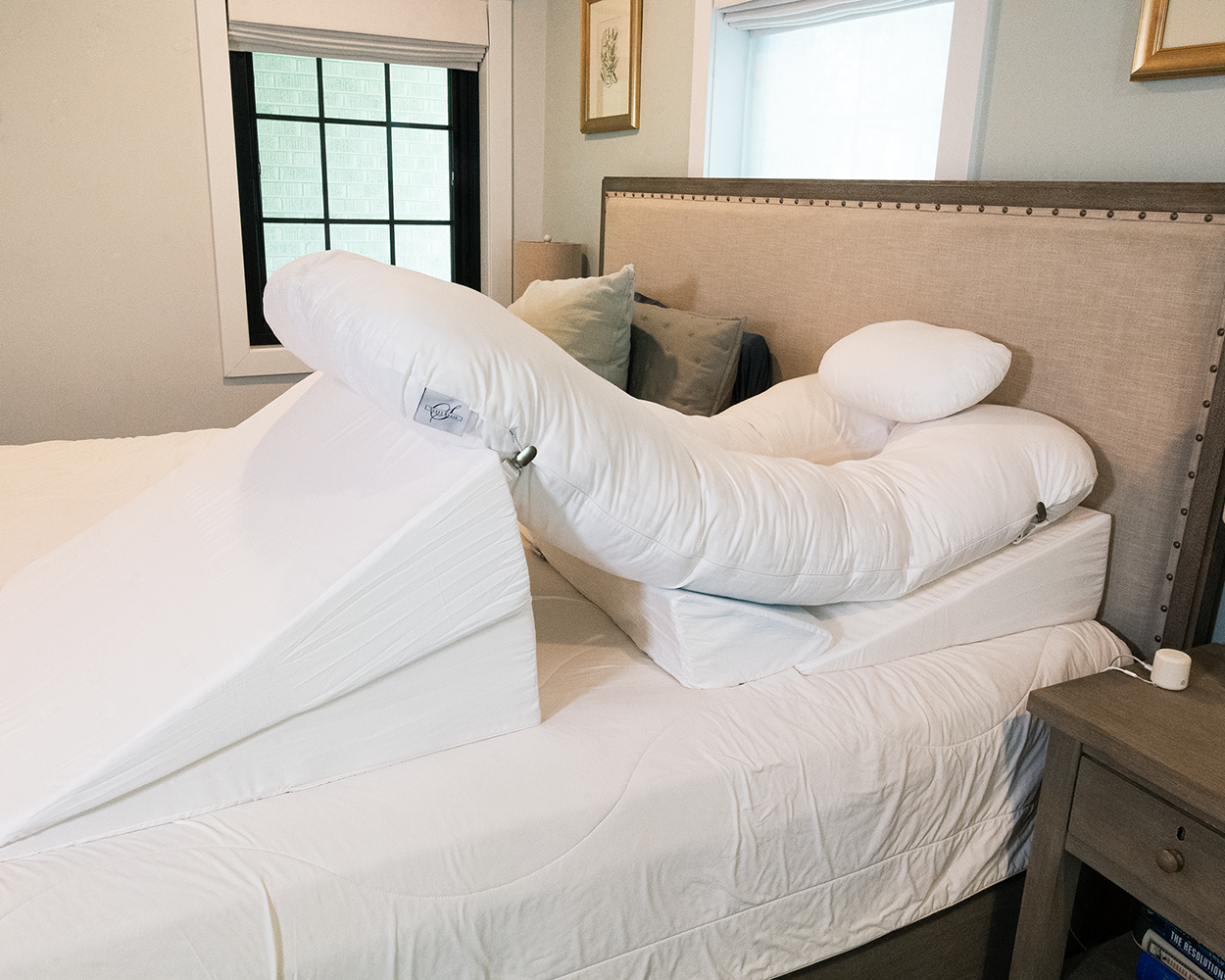
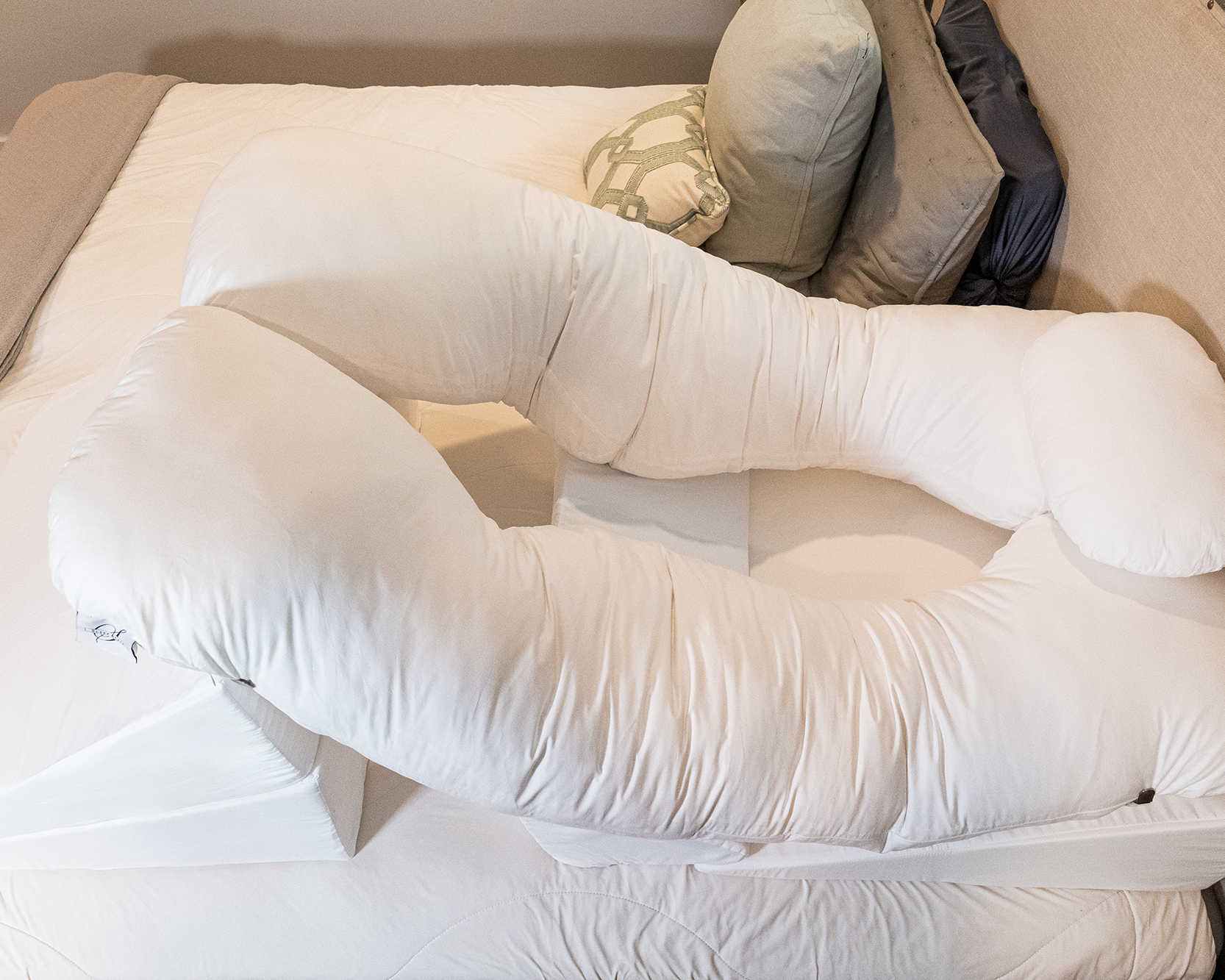
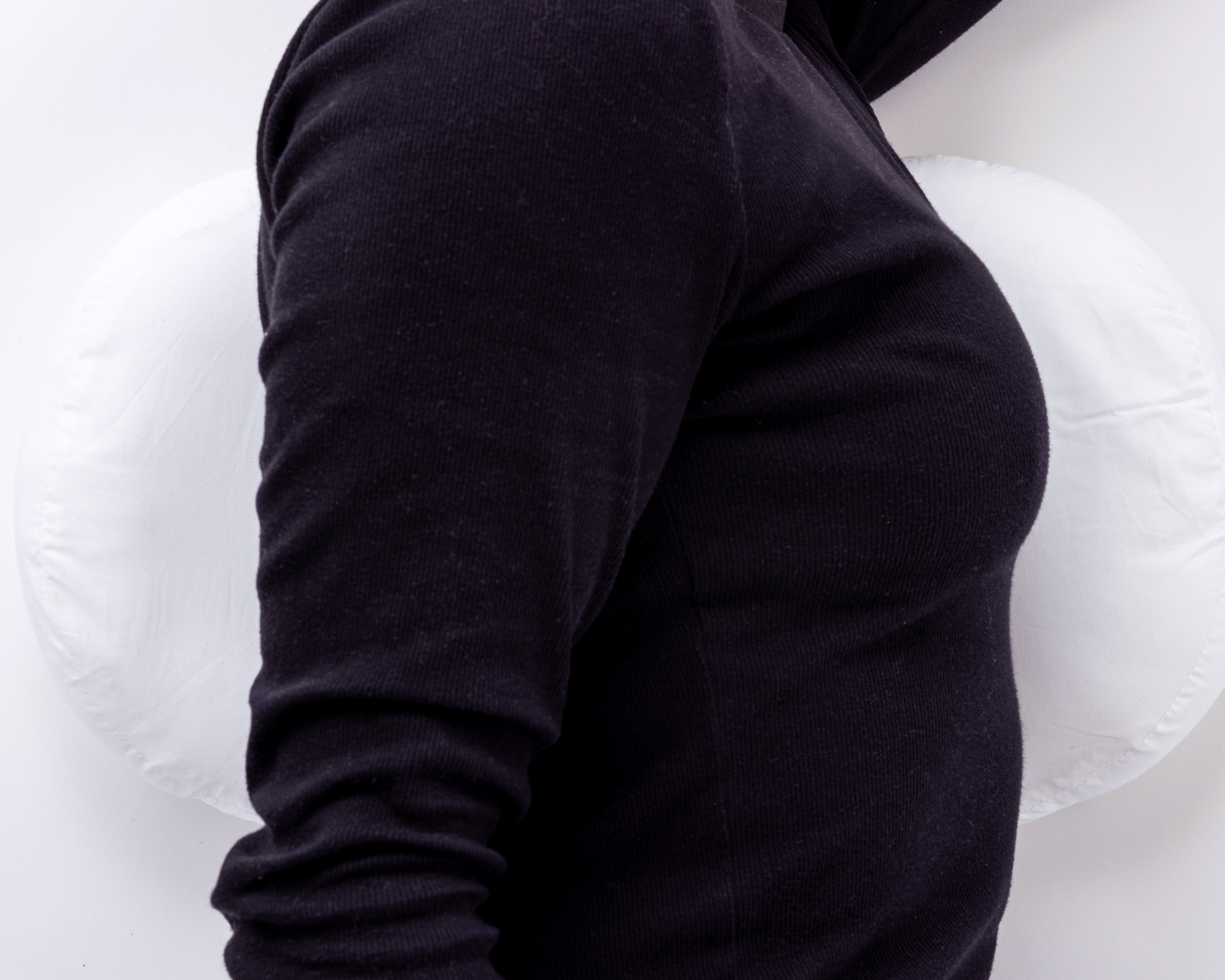
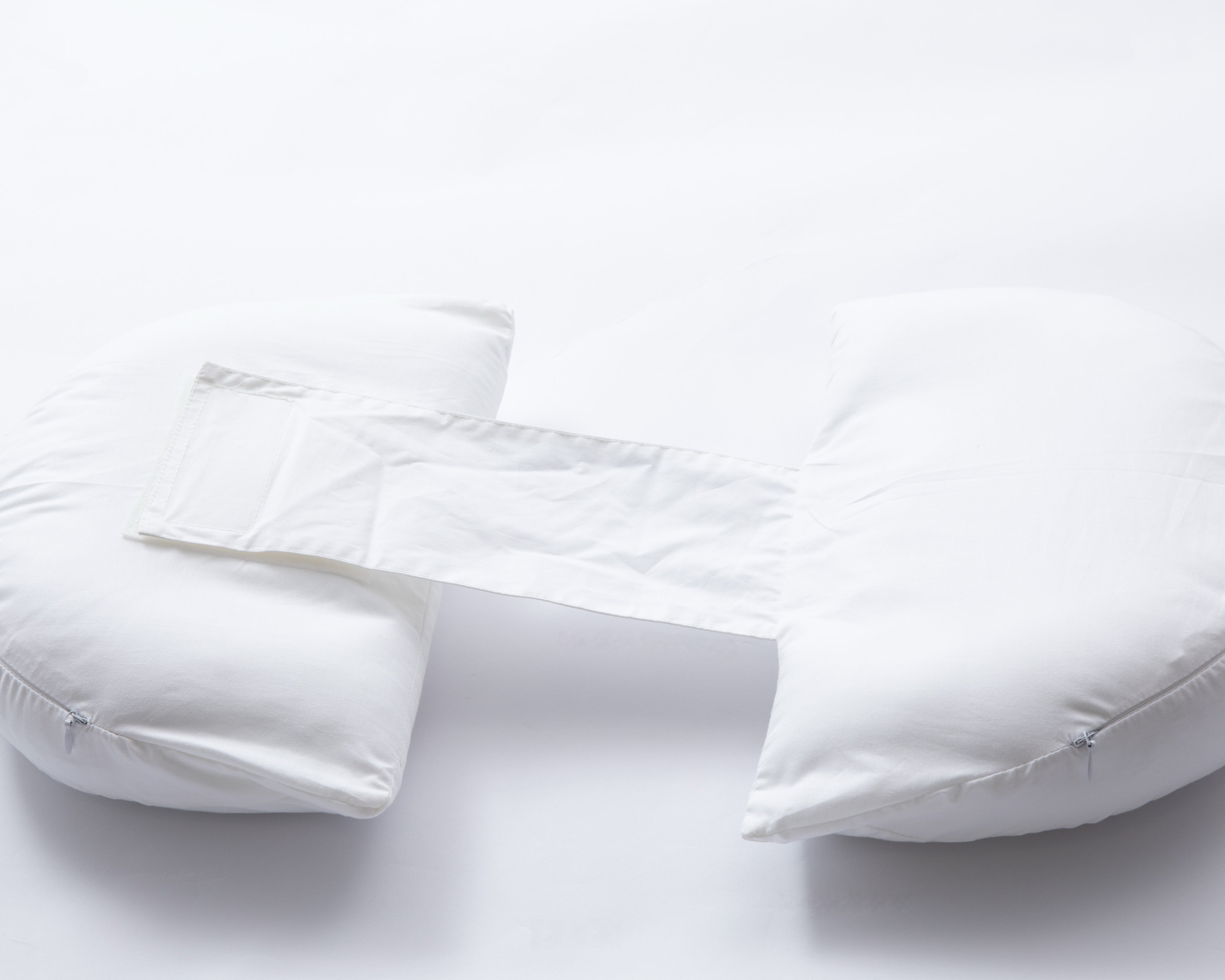
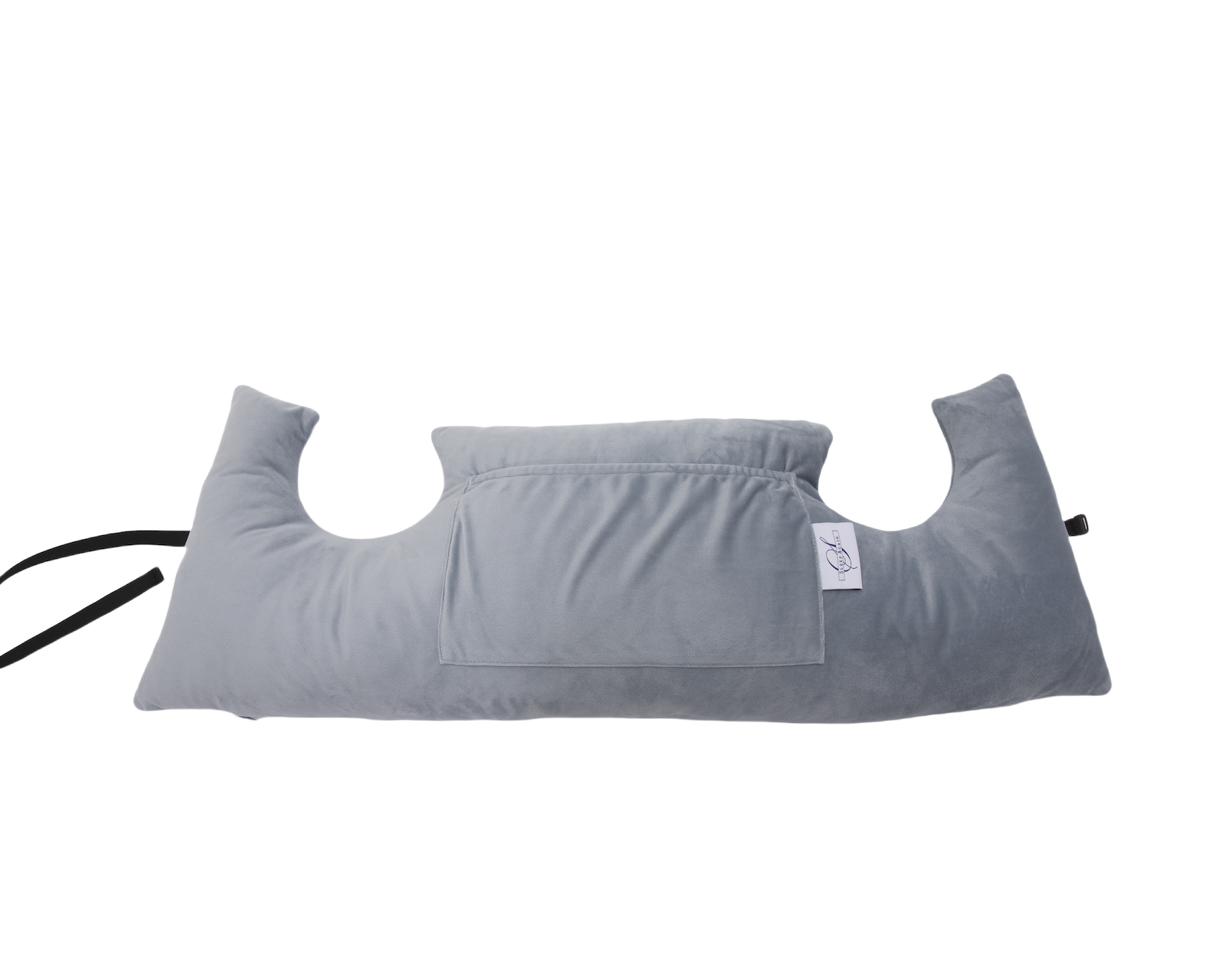
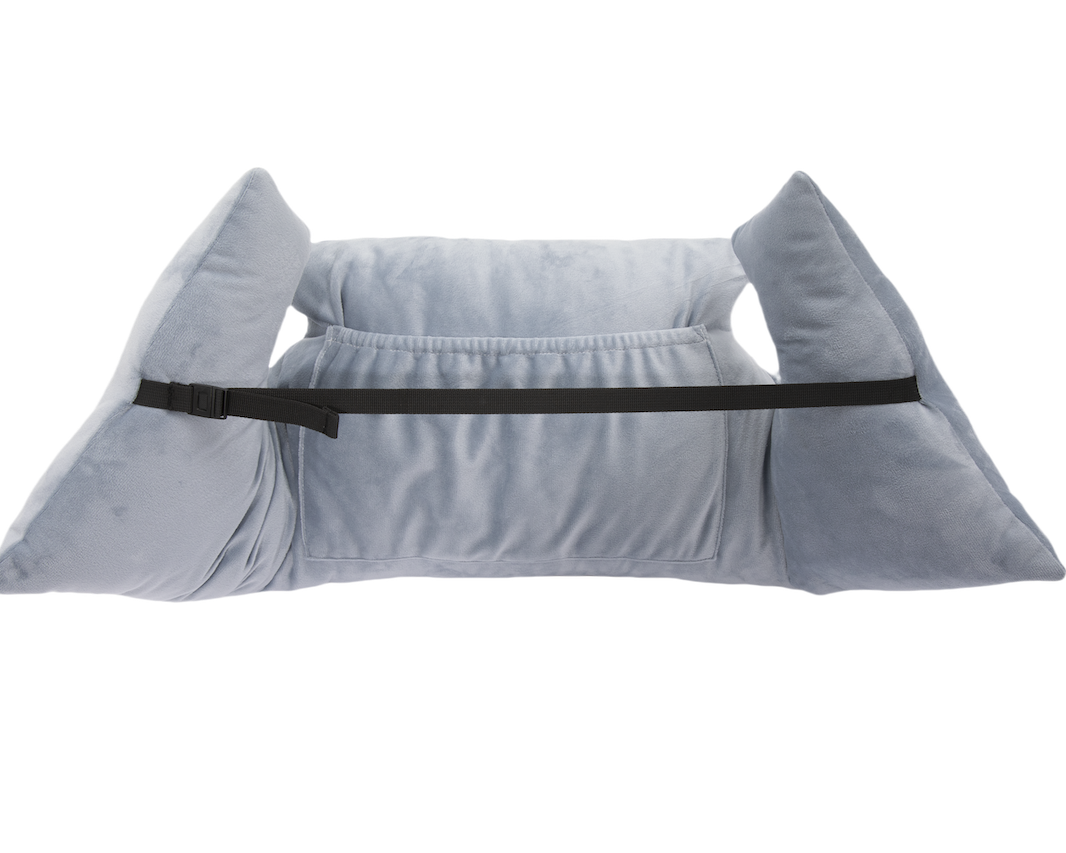
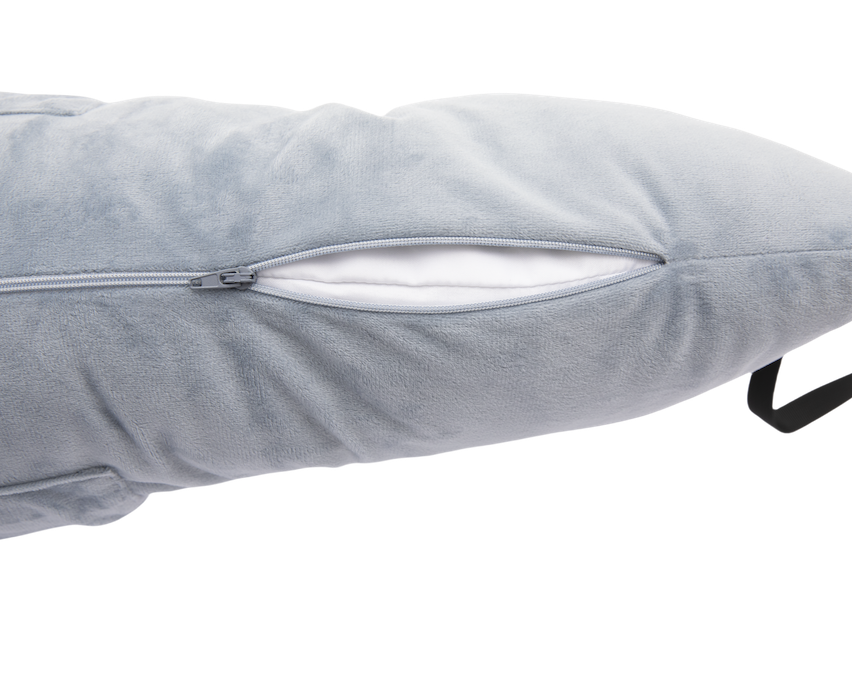
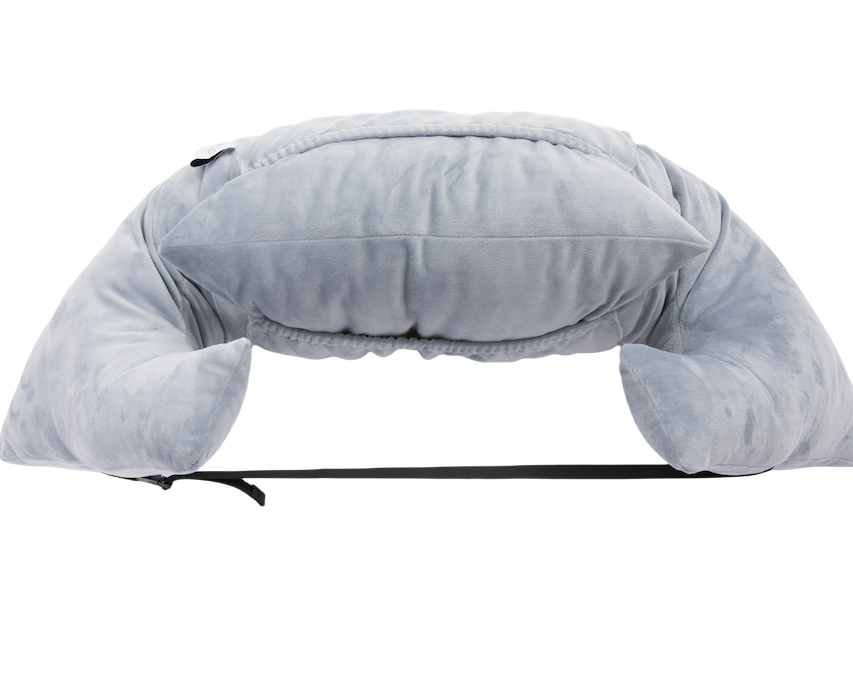
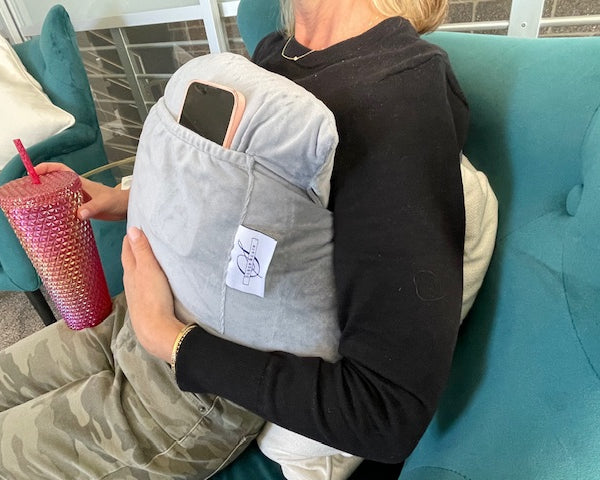
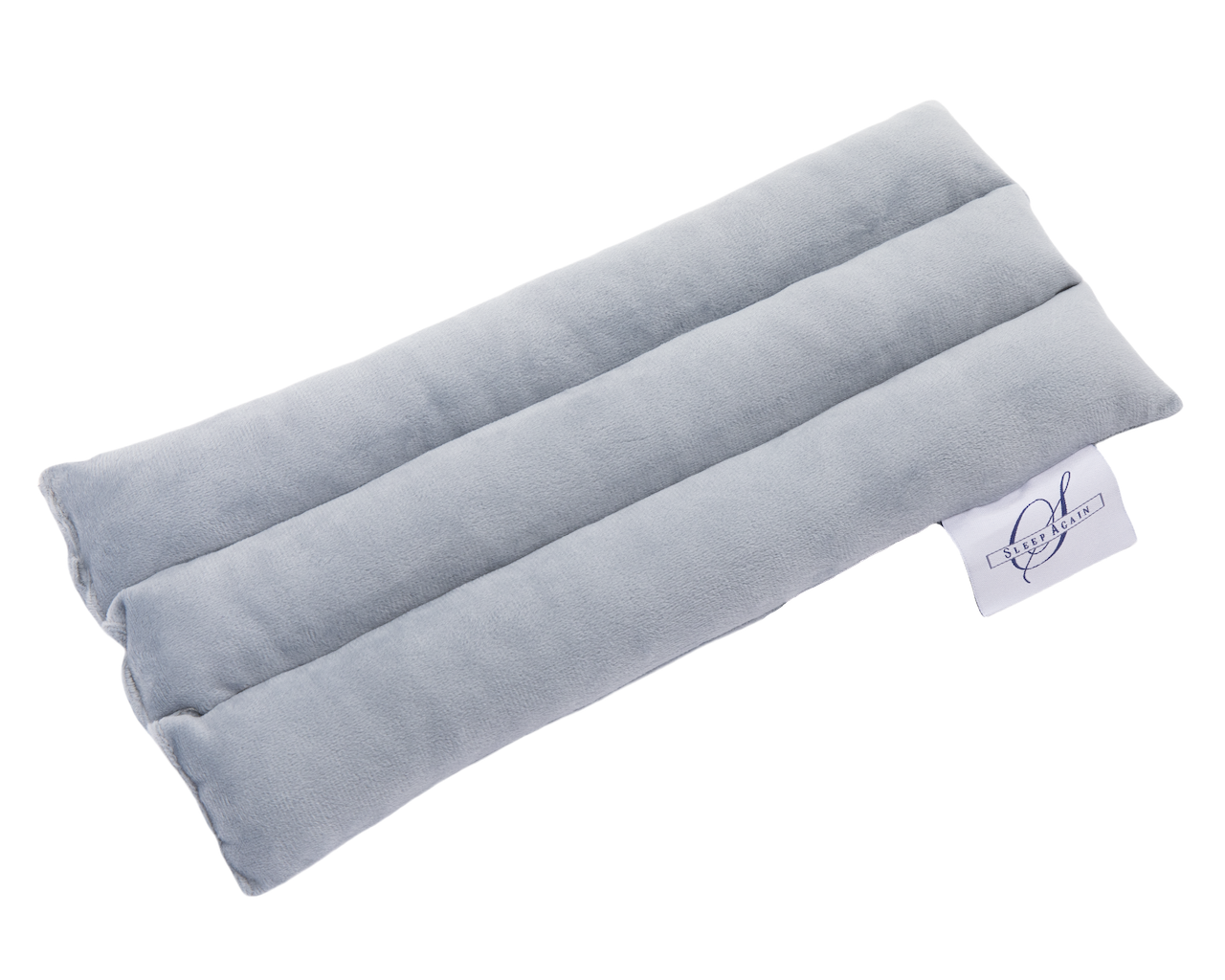
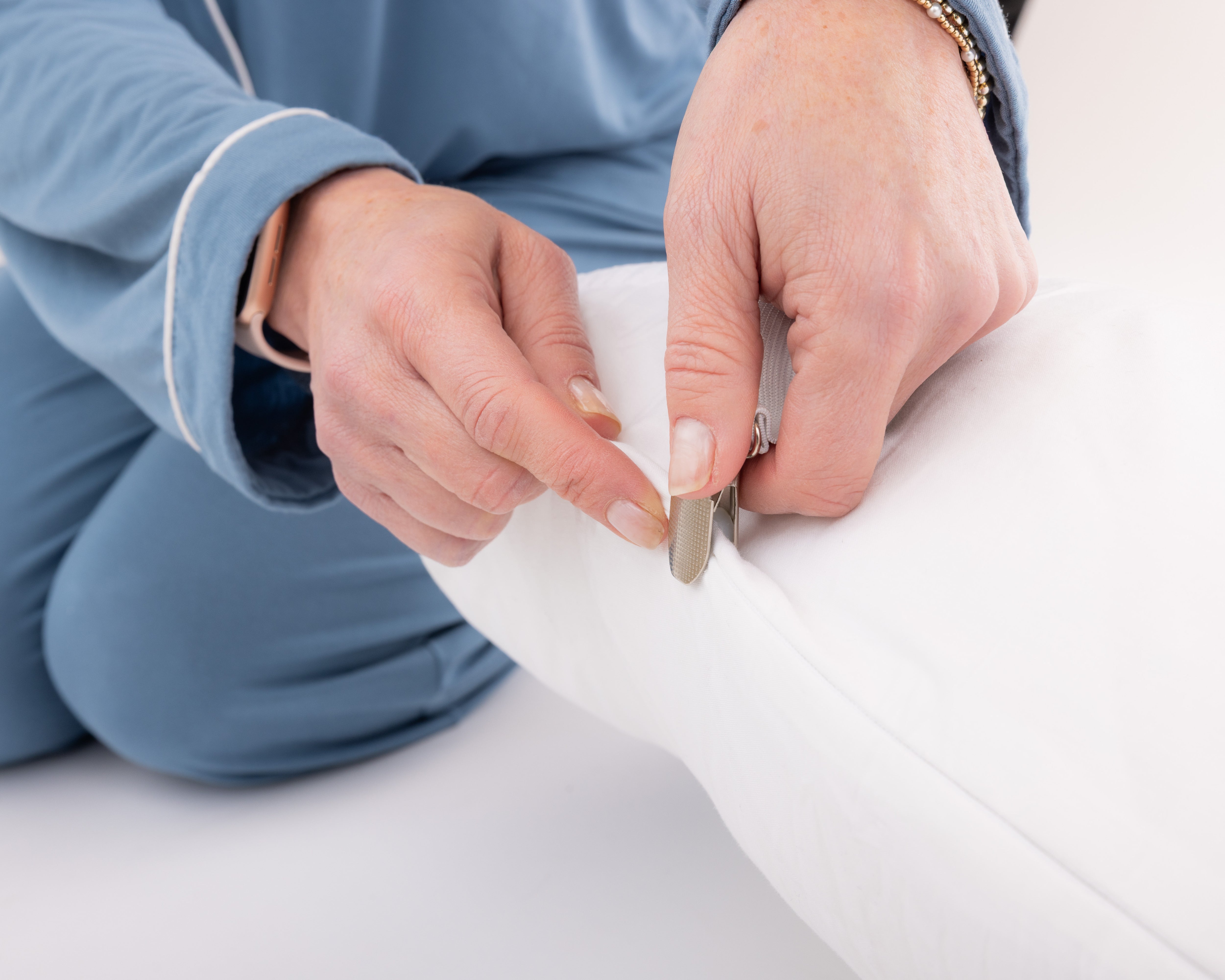
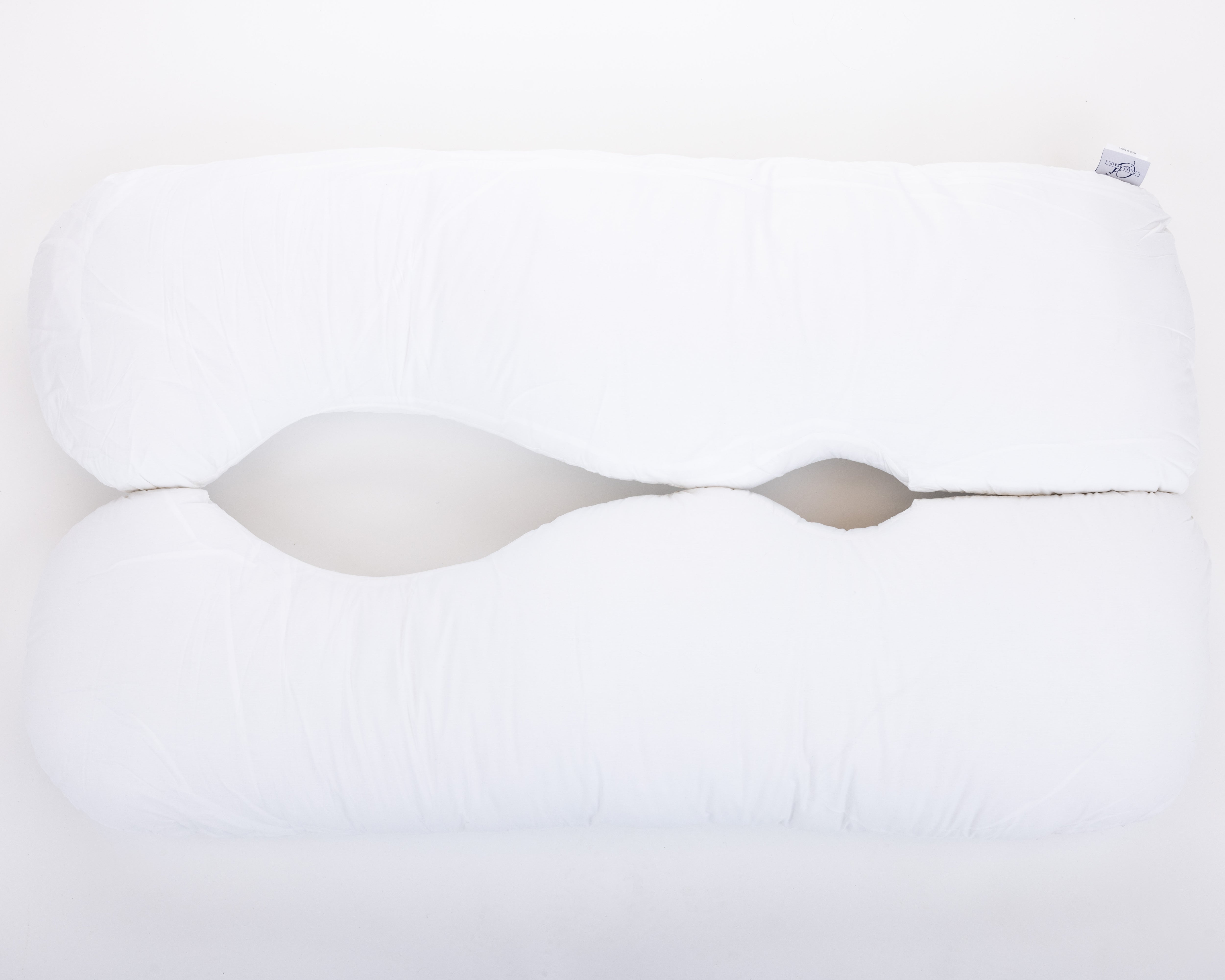
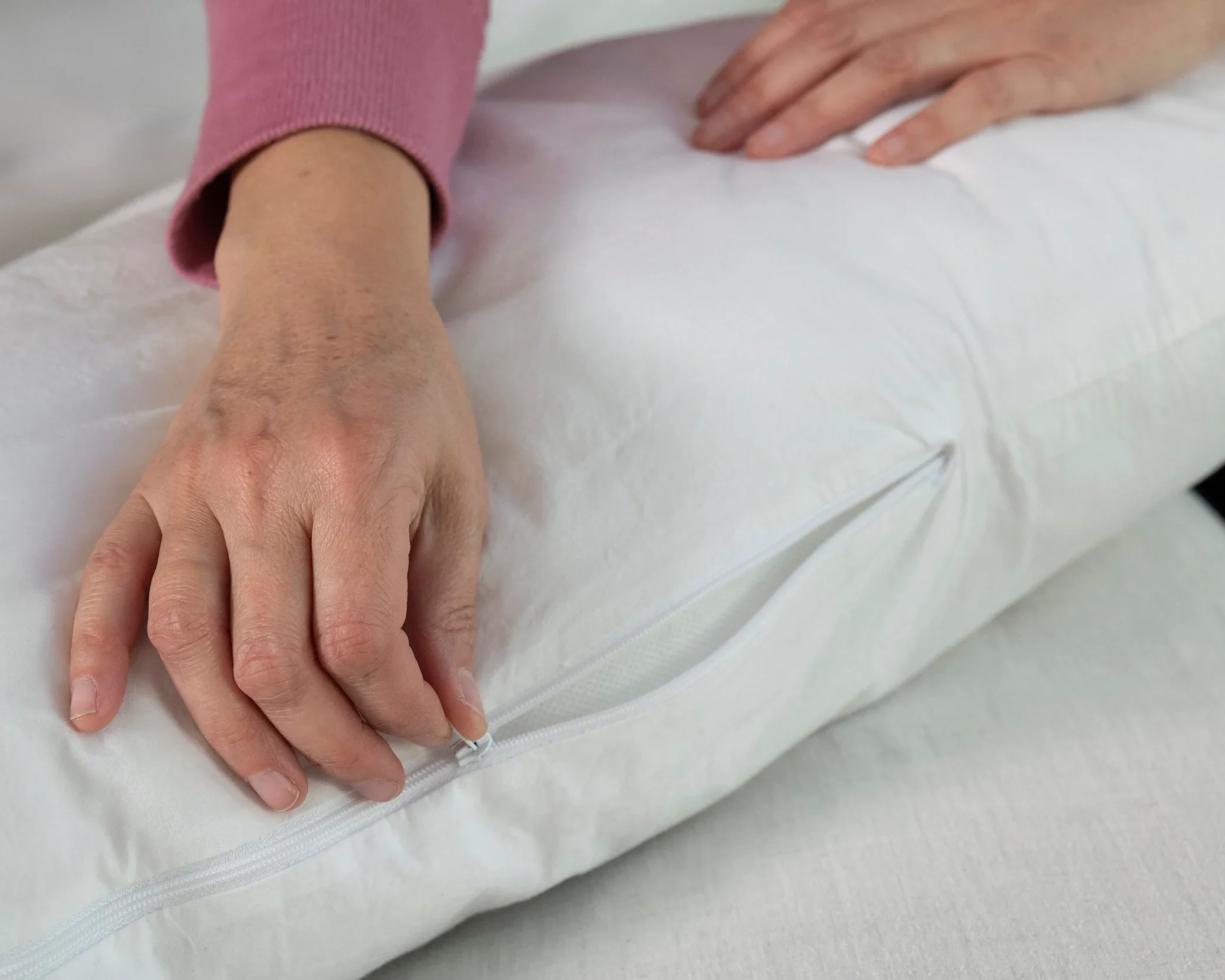
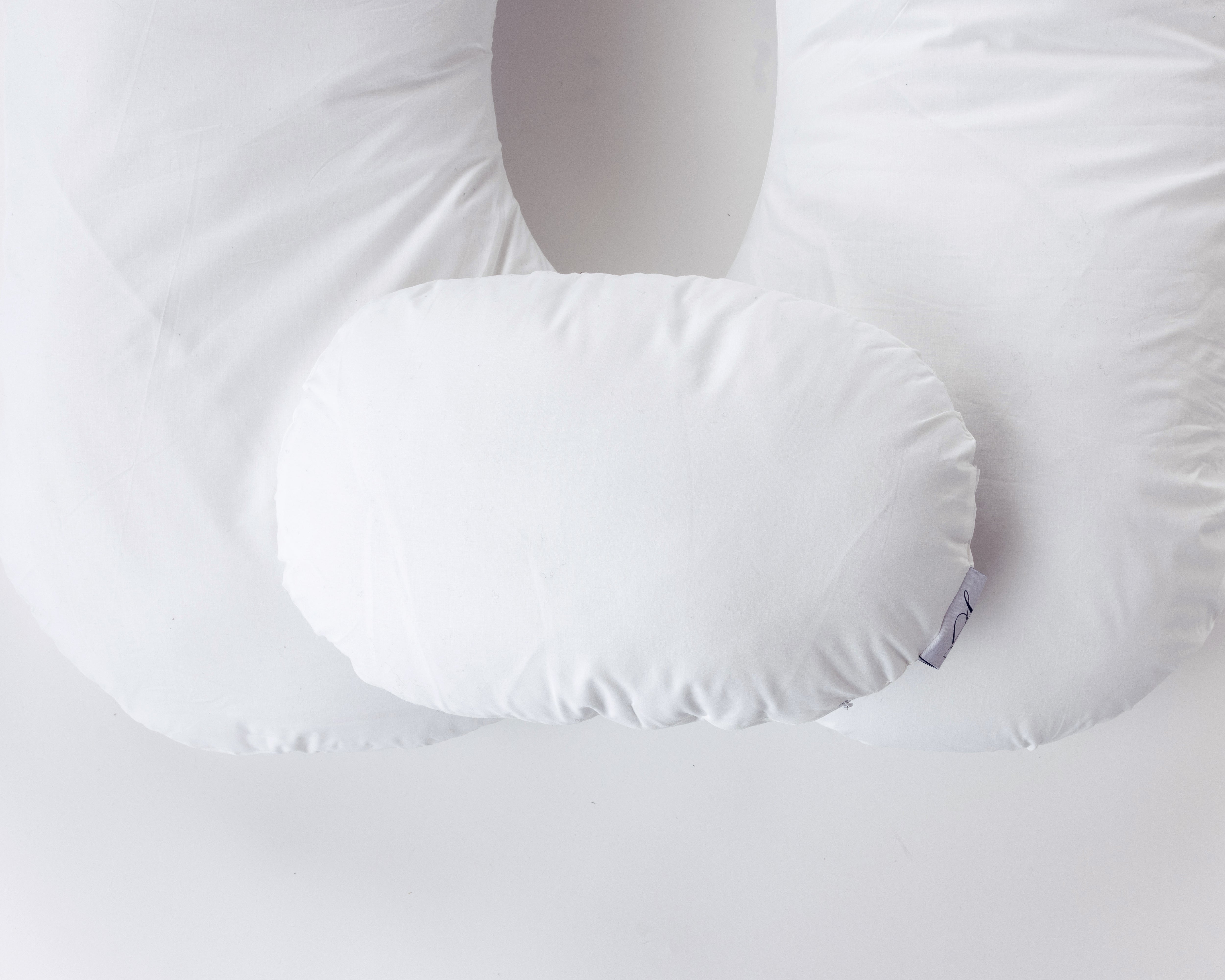
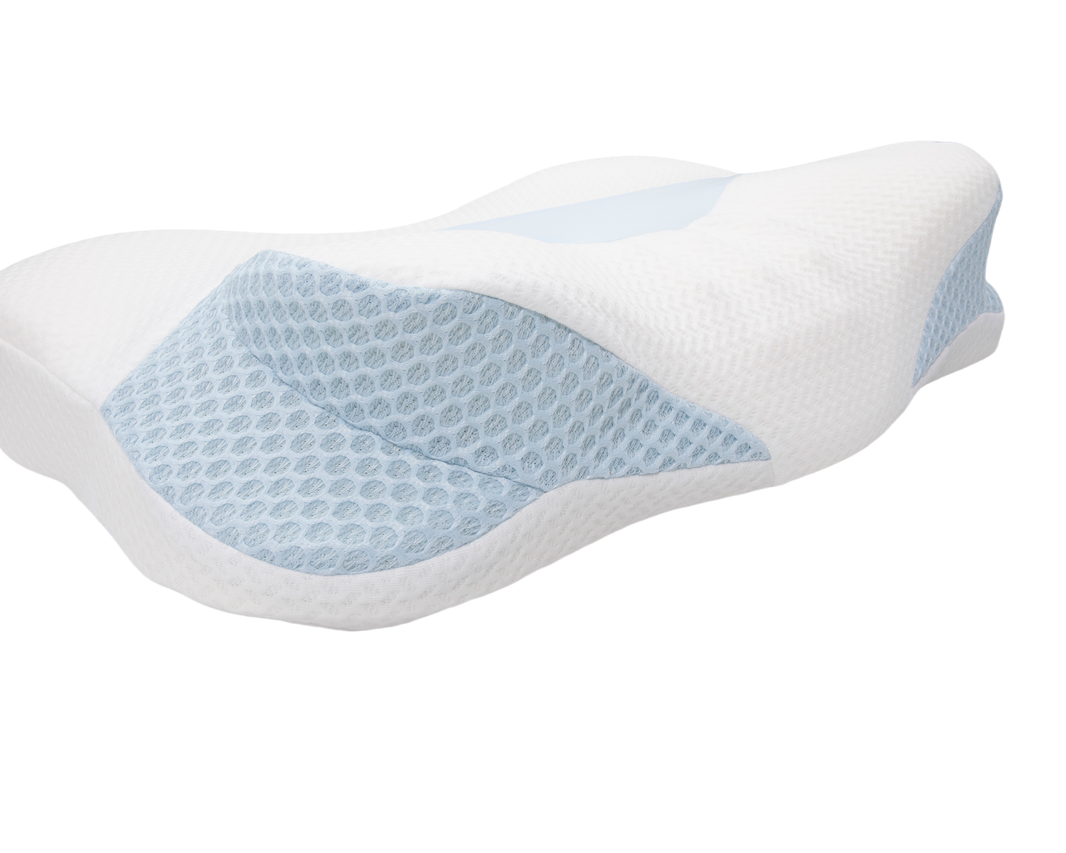
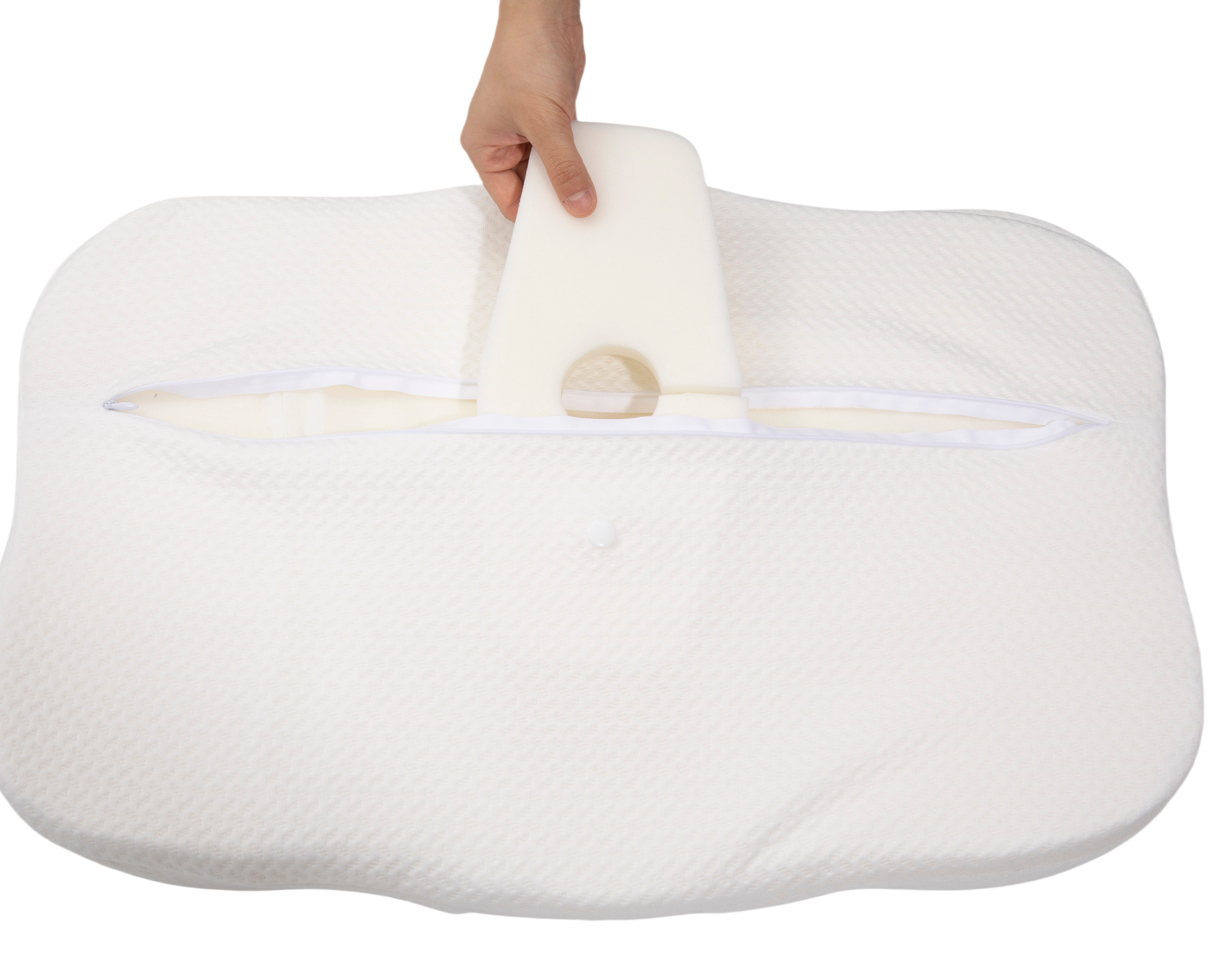
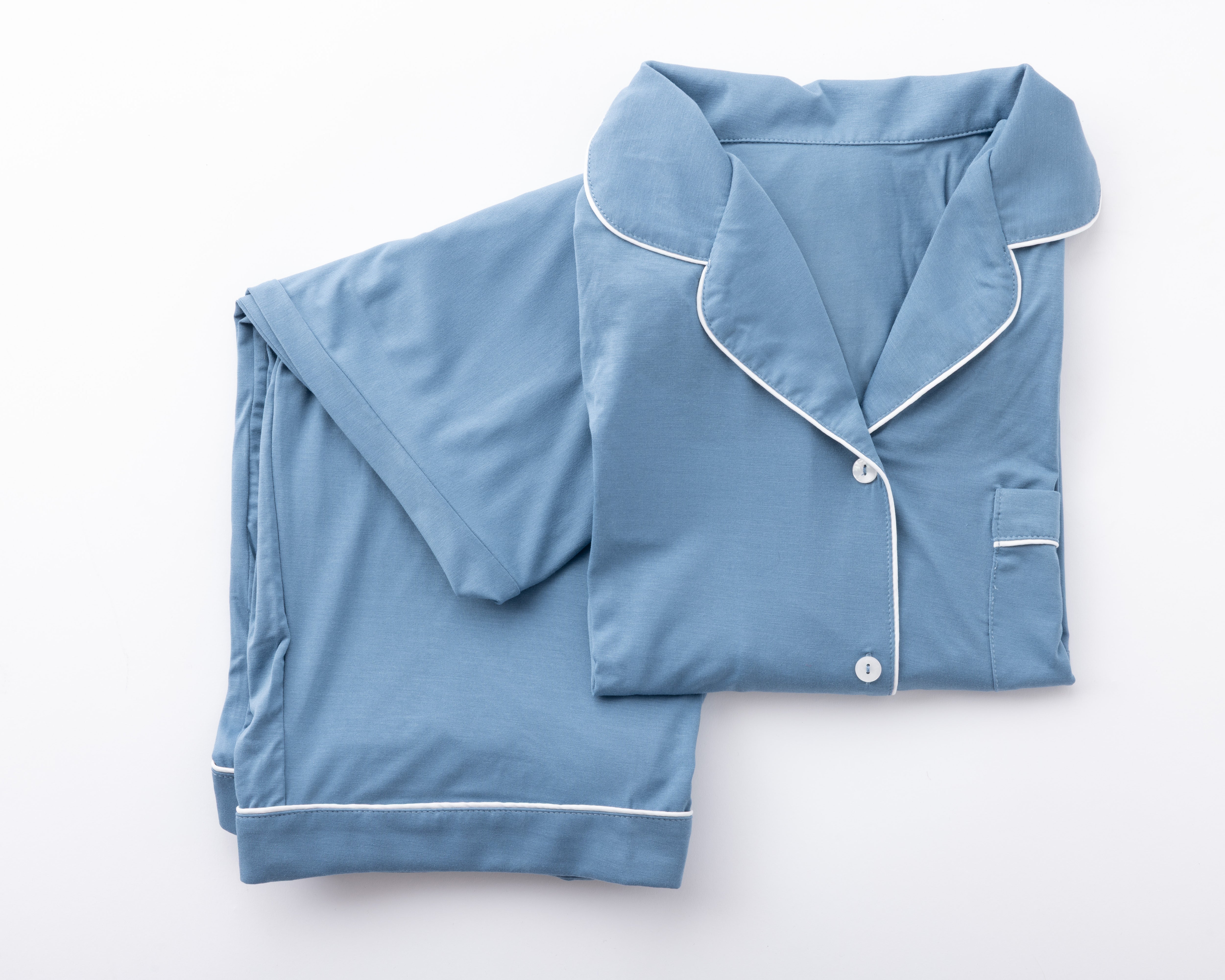
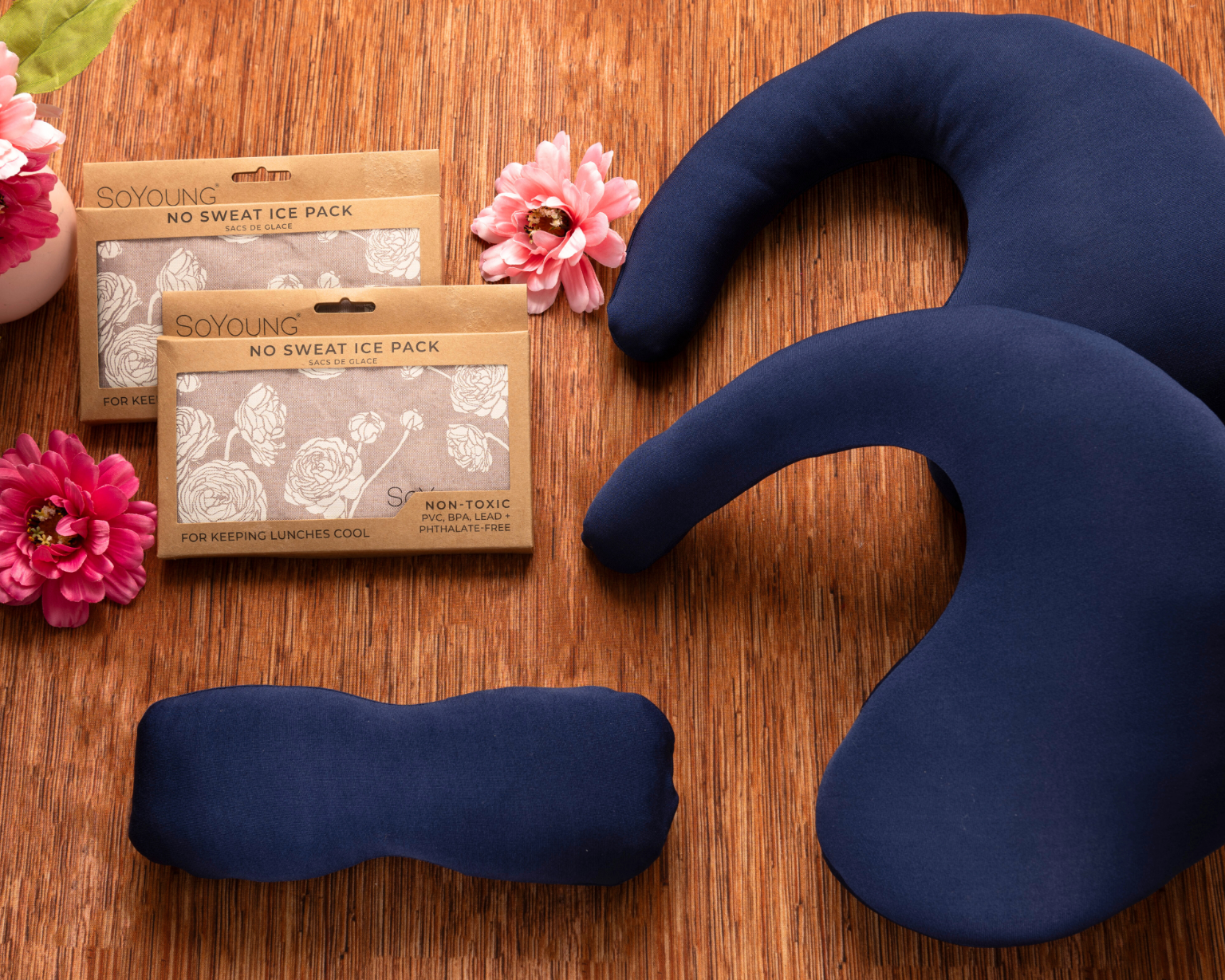
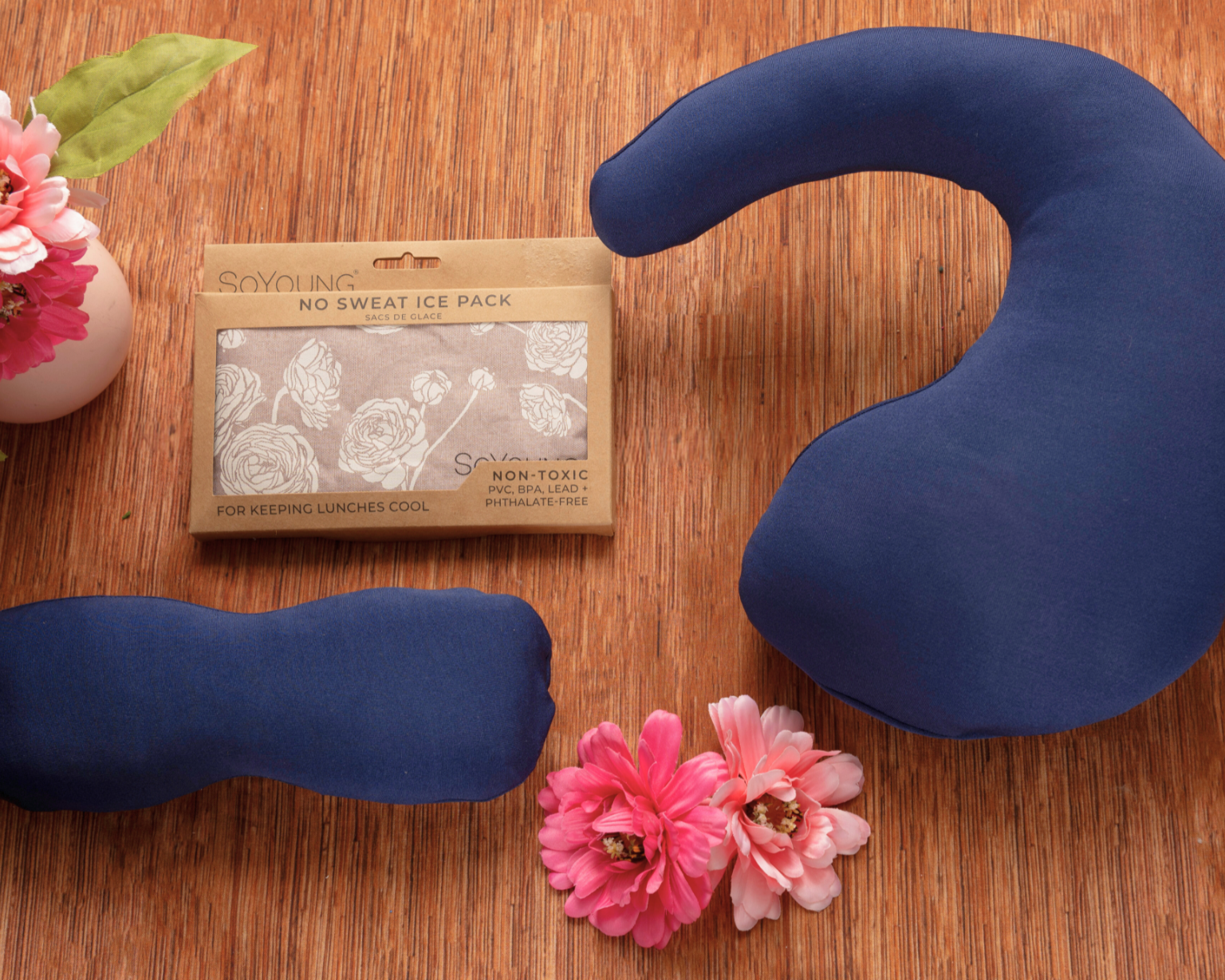
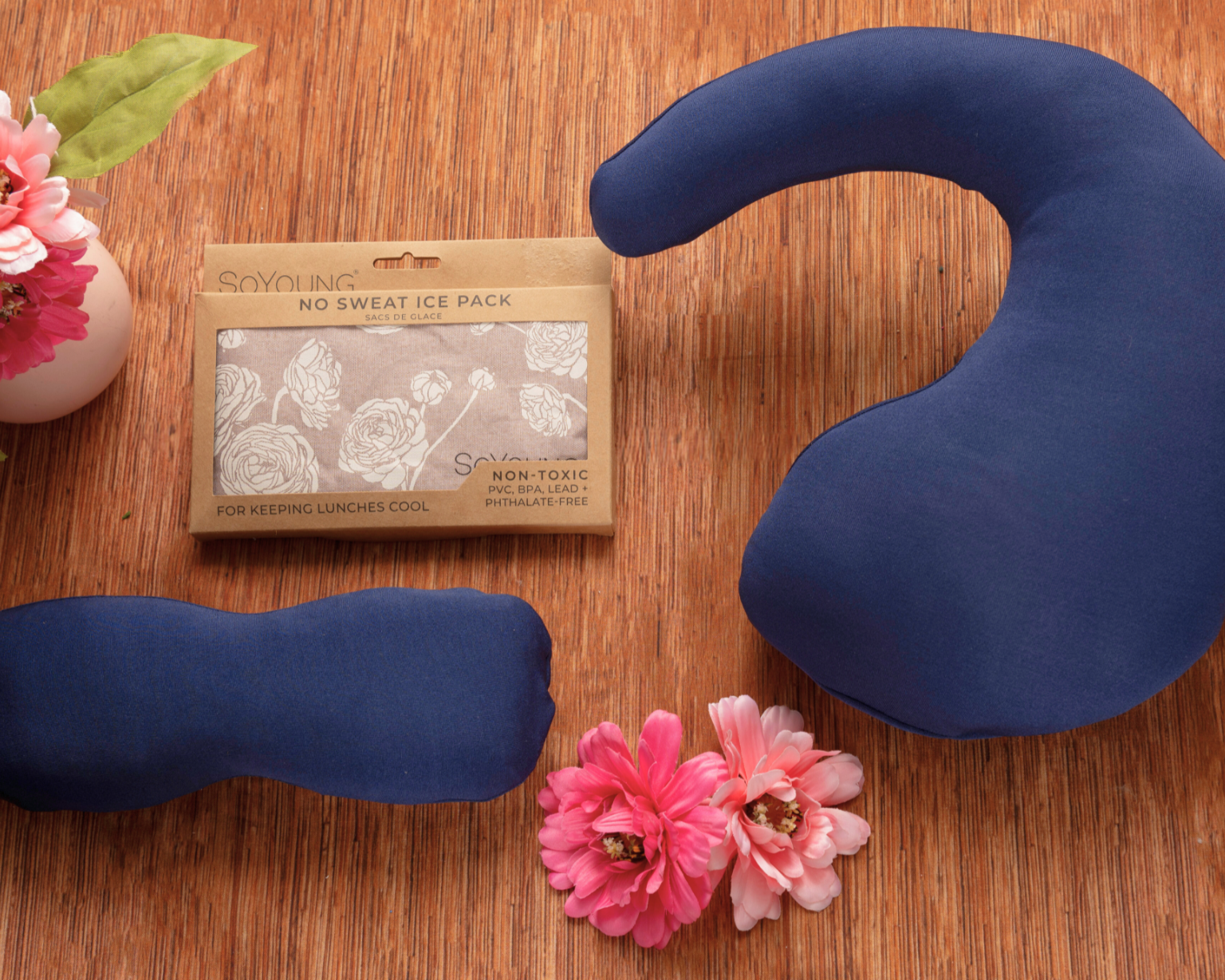
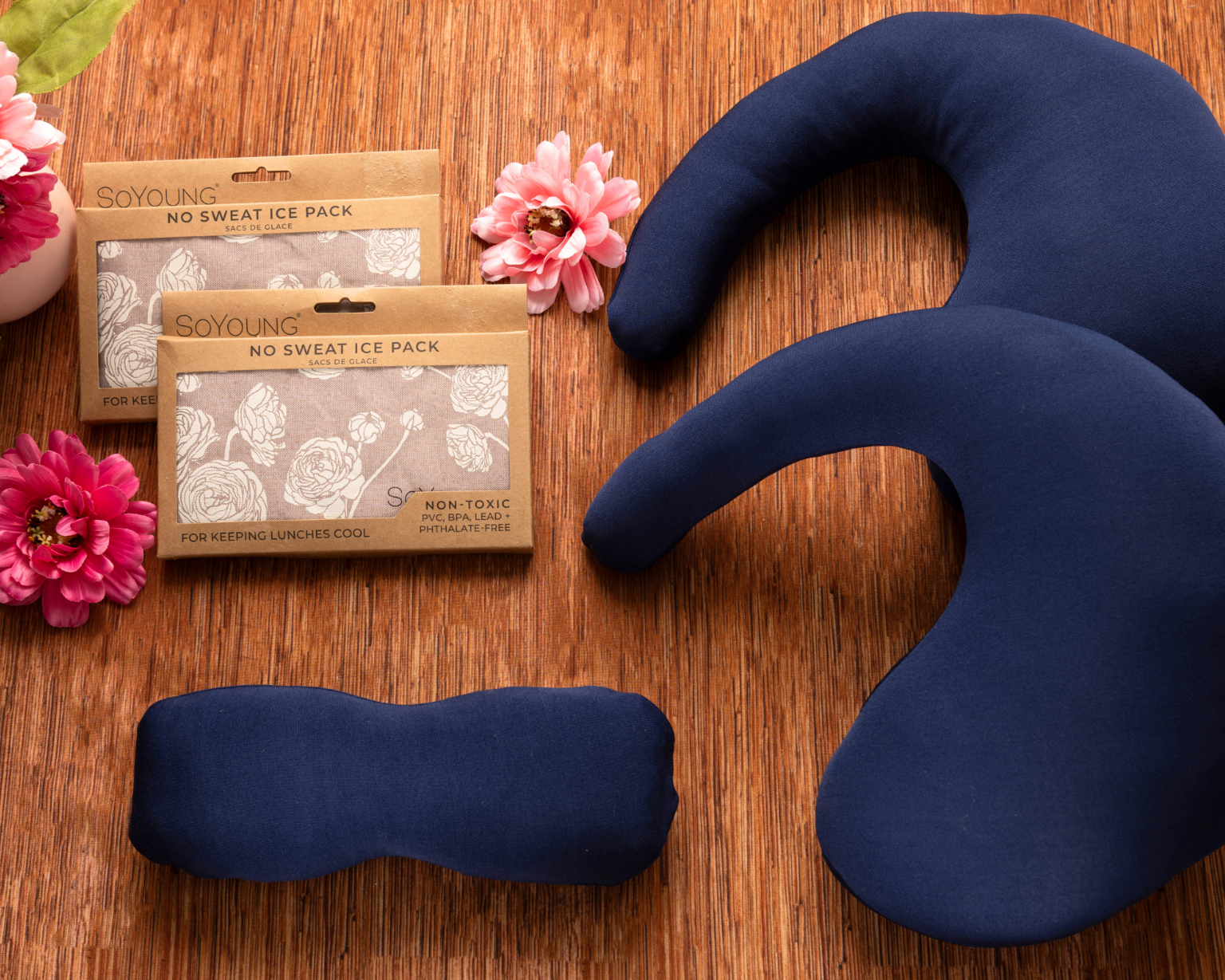
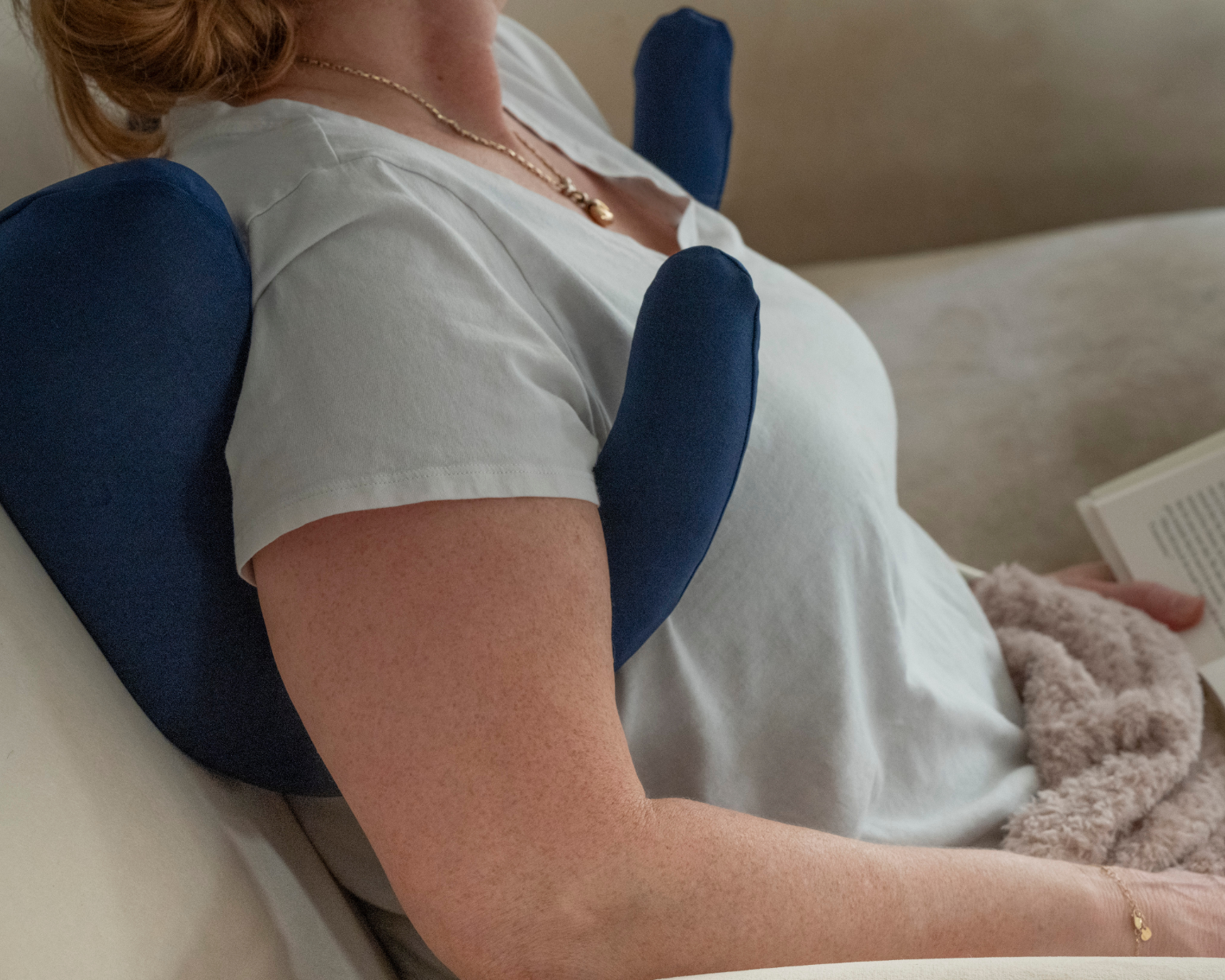
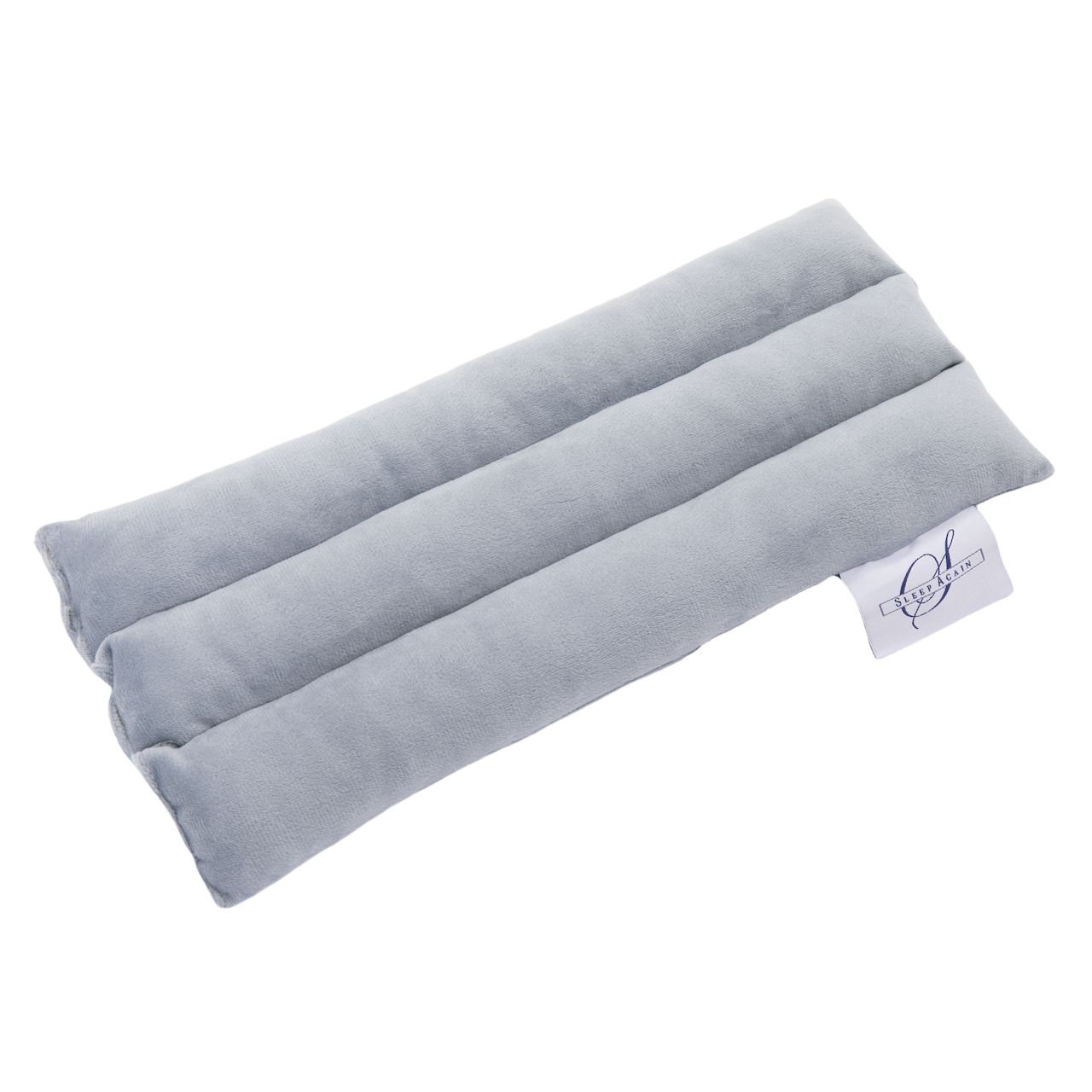
Another common issue that patients face is difficulty sleeping due to the surgical drain. Patients may find it hard to find a comfortable position to sleep in. One breast cancer survivor, who previously underwent mastectomy shared that having a specially designed pillow post-surgery was particularly useful in her cancer journey. There are many specially designed pillows to support breast cancer patients after their mastectomy. These may depend on the patient’s preferred sleeping position, with different pillows offering varying types of support during recovery.
Diet and physical activity
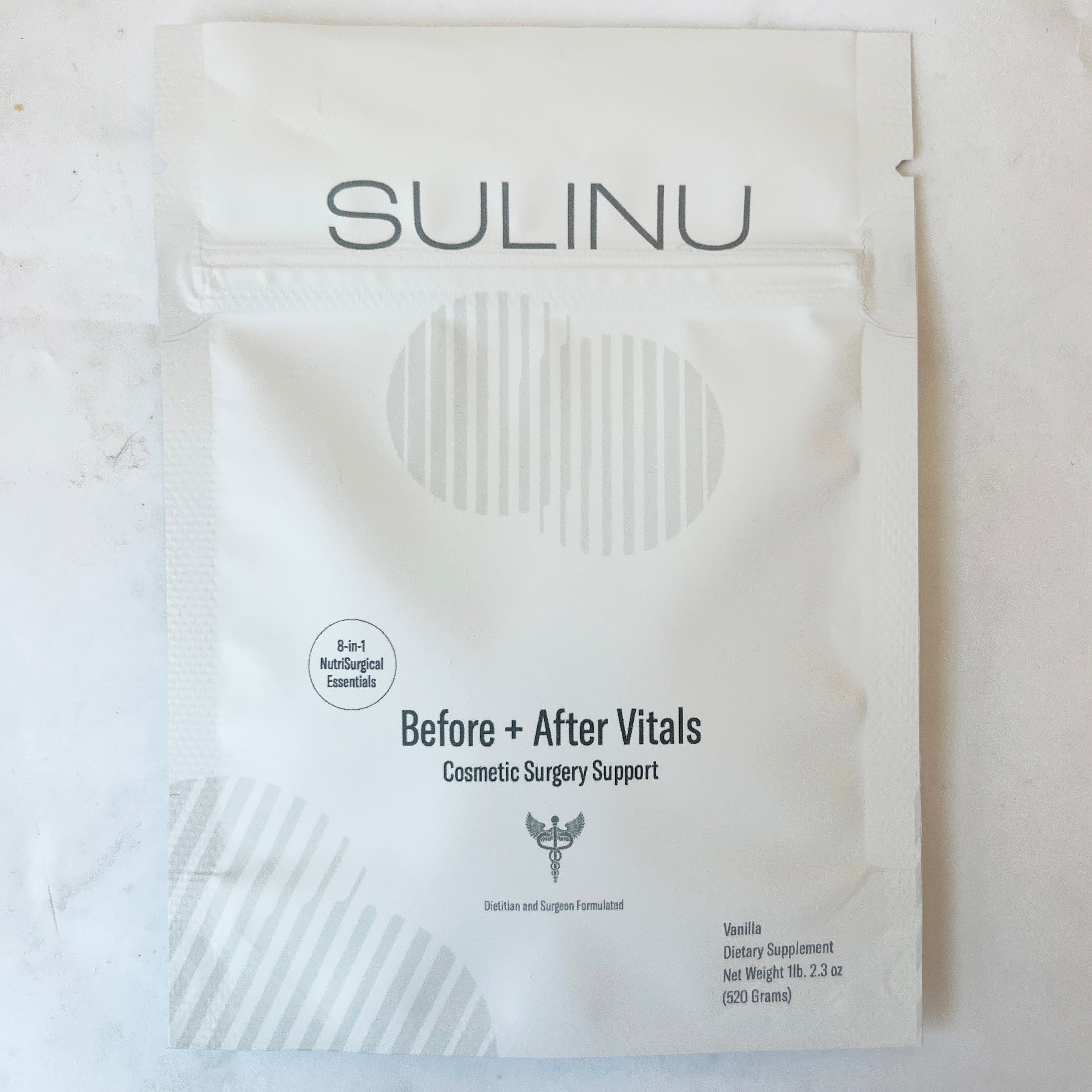
Proper diet and nutrition is important to ensure a smoother and quicker recovery process after mastectomy. Having a balanced diet will help provide your body with the extra support it needs to repair damaged tissue and strengthen immunity. Focus on consuming protein-rich foods such as lean meat, healthy fats such as avocado and whole grains such as brown rice and oats. Ensure that your body is hydrated by drinking plenty of water.
Physical activity is generally not recommended immediately post-mastectomy, especially when the surgical drains are still attached. However, small, light movements to regain mobility and reduce stiffness can be useful for some patients.
Everyone will have their own recovery journey, some may feel ready to take on daily challenges within weeks, while others may require more time. Nonetheless, it is important to listen to your body and to not rush the process.
Emotional support
Beyond physical recovery, patients may feel emotionally overwhelmed after undergoing a mastectomy. They often experience a wide range of feelings including grief and anxiety, typically arising from body-image concerns and uncertainty about the future. Support from family, friends, healthcare providers and support groups can provide reassurance, practical guidance and a safe space for patients to express their emotional struggles. Do not hesitate to seek professional help or additional support if you feel overwhelmed or need extra guidance.
Adjusting to life after mastectomy
Every individual’s experience with mastectomy is different and it is completely normal to feel overwhelmed or anxious about the future. While life may not return to exactly how it was before, it is possible for you to regain your confidence and live a happy, fulfilling life again. Adjusting to these changes may take some time, but with patience and the right guidance, you will find a new normal that is right for you.
This article is a collaboration with Our Cancer Stories and is not sponsored.
Sources
American Cancer Society. Mastectomy
American Cancer Society. Should I Get Breast Reconstruction Surgery?
Georges Pharmacy. Nutrition for Recovery: Eating Well After Mastectomy
MD Anderson. Mastectomy recovery: What to expect after breast removal surgery