
If you're preparing for a neck lift, you've likely spent time researching the procedure itself—the technique, the surgeon, the anticipated results. What often gets less attention is the recovery, and specifically, how sleep will factor into how well and how quickly you heal. This guide covers what you need to know before your surgery date to approach recovery with a clear plan.
Sleep is one of the most powerful healing tools available to your body, and how you position yourself during those hours matters more after a neck lift than almost any other variable within your control. Getting this right before surgery—not after—puts you in the best possible position to recover comfortably and protect the results you've worked toward.
Why Sleep Matters So Much After a Neck Lift
During sleep, your body redirects significant resources toward cellular repair. Tissue regeneration accelerates, inflammation markers decrease, and the healing process that your surgeon initiated in the operating room continues at its most productive pace. For neck lift patients specifically, this matters because the tissues, muscles, and skin of the neck are actively reestablishing themselves in their new position throughout recovery.
Disrupted sleep—whether from discomfort, improper positioning, or repeatedly waking up to readjust—cuts into this healing window. Patients who sleep well tend to notice faster reduction in swelling, more manageable discomfort levels, and a smoother overall recovery trajectory. Patients who struggle with sleep during recovery often experience the reverse.
The good news is that with the right preparation, sleep after a neck lift is entirely manageable. The key is understanding why position matters and setting up your sleep environment before surgery.
What Happens to Your Neck During Recovery
A neck lift—also called a lower rhytidectomy or platysmaplasty—addresses loose skin, excess fat, and weakened platysma muscle in the neck and jawline area. Depending on the scope of your procedure, incisions may be located behind the ears, under the chin, or both. The tissues are repositioned, tightened, and sutured in place.
In the days and weeks following surgery, those tissues need to remain as undisturbed as possible. Swelling is normal and expected, peaking in the first 48 to 72 hours before gradually subsiding. Bruising typically follows a similar timeline. A sensation of tightness under the chin and along the neck is common as tissues settle into their new position—this is part of normal healing, not a cause for concern.

The Case for Elevated Back Sleeping
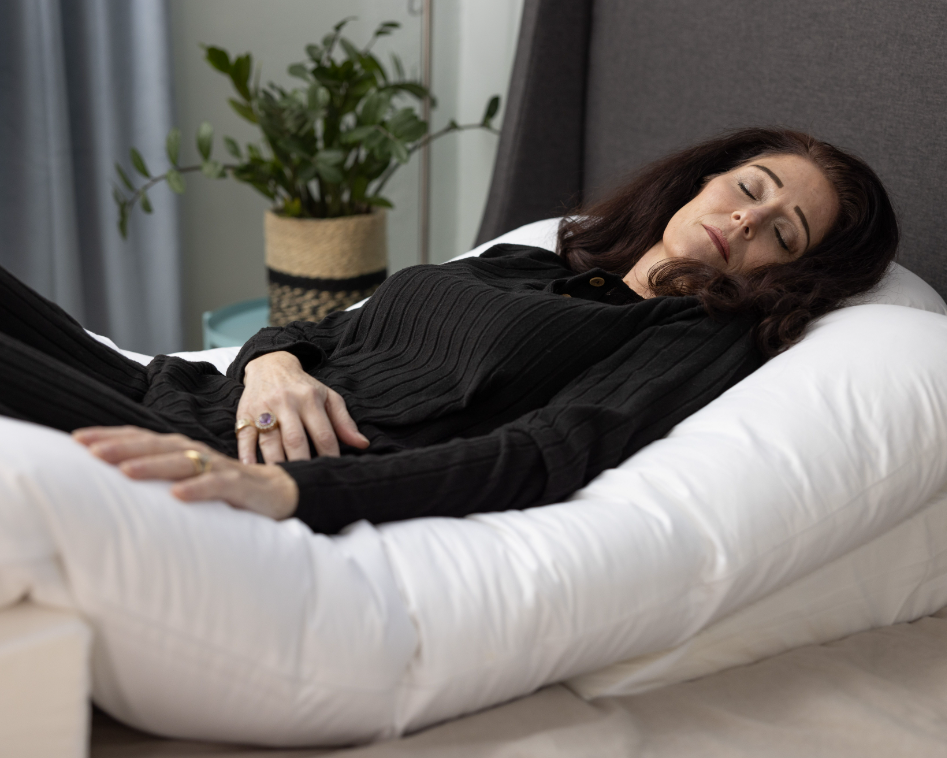
Surgeons across the board recommend elevated back sleeping after neck lift surgery, and the reasoning is well-supported. Sleeping on your back with your head and upper body raised at 30 to 45 degrees is the position that most directly supports how neck tissue heals.
Swelling Reduction Through Gravity
Swelling after surgery is caused by fluid accumulating in and around the surgical site. When you sleep elevated, gravity assists in moving excess fluid away from the neck and face, reducing its concentration at the incision sites. Less localized fluid means less swelling, less pressure, and faster visual improvement. Sleeping flat, by contrast, allows fluid to pool in the surgical area overnight, which can extend the swelling phase and increase overnight discomfort.
Incision Protection
Sleeping on your side or stomach places mechanical pressure on the neck and face. That pressure creates friction against healing incisions, introduces shear forces on the tissue that your surgeon has carefully repositioned, and can compromise scar quality. Elevated back sleeping keeps the neck free from contact pressure throughout the night.
Neutral Spinal and Neck Alignment
When your head and upper body are elevated at the right angle, the neck remains in a neutral position—not flexed forward, not extended back, not rotated to one side. This neutral alignment prevents the neck muscles from tensing or guarding during sleep, which reduces morning stiffness and protects the structural integrity of the lift.
Easier Position Changes
Getting in and out of bed becomes substantially easier from an elevated position. Rather than pulling yourself upright from a flat surface—which engages the neck and abdominal muscles and can cause sudden pressure shifts—you transition from a semi-reclined position with minimal strain on the surgical site.
The Optimal Angle
Most surgeons recommend starting at 40 to 45 degrees in the first several days when swelling is at its highest, then gradually reducing the angle toward 30 degrees as healing progresses. This gives you therapeutic benefit during the most critical healing window while allowing a gradual transition back toward normal sleeping positions over the weeks that follow.
How Long Should You Sleep Elevated After a Neck Lift?
Most patients are advised to maintain elevated back sleeping for a minimum of two to four weeks, though your surgeon will provide specific guidance based on the scope of your procedure and your individual healing progress. The first week is the most critical period for consistent positioning. Swelling is highest, tissue is most vulnerable, and the healing processes underway are most sensitive to disruption.
By the second week, many patients notice meaningful improvement in swelling and begin to feel more comfortable. However, the underlying tissues continue to heal and stabilize well beyond what is visible externally. Maintaining proper positioning through the full recovery window your surgeon recommends is important even when you start to feel better.
The timeline roughly breaks down as follows:
Days 1–3: Peak swelling and discomfort. Strict elevated back sleeping is essential. 40 to 45 degrees provides the most effective fluid drainage.
Days 4–7: Swelling begins to subside. Bruising shifts in color as healing progresses. Continue elevated back sleeping at 30 to 45 degrees. Avoid any sleeping position that places pressure on the neck.
Weeks 2–4: Visible improvement continues. Most patients return to light activity and desk work. Maintain elevated back sleeping until your surgeon clears you to transition.
Beyond Week 4: With surgeon clearance, you can begin transitioning back toward your normal sleep positions. Many patients find that even after clearance, elevated back sleeping continues to feel comfortable and choose to maintain it longer.
Preparing Your Sleep Environment Before Surgery
The single most practical thing you can do to improve your neck lift recovery experience is to set up your sleep environment before your surgery date. Decisions made in advance are easier than those made during the early days of recovery.
What to Set Up in Advance
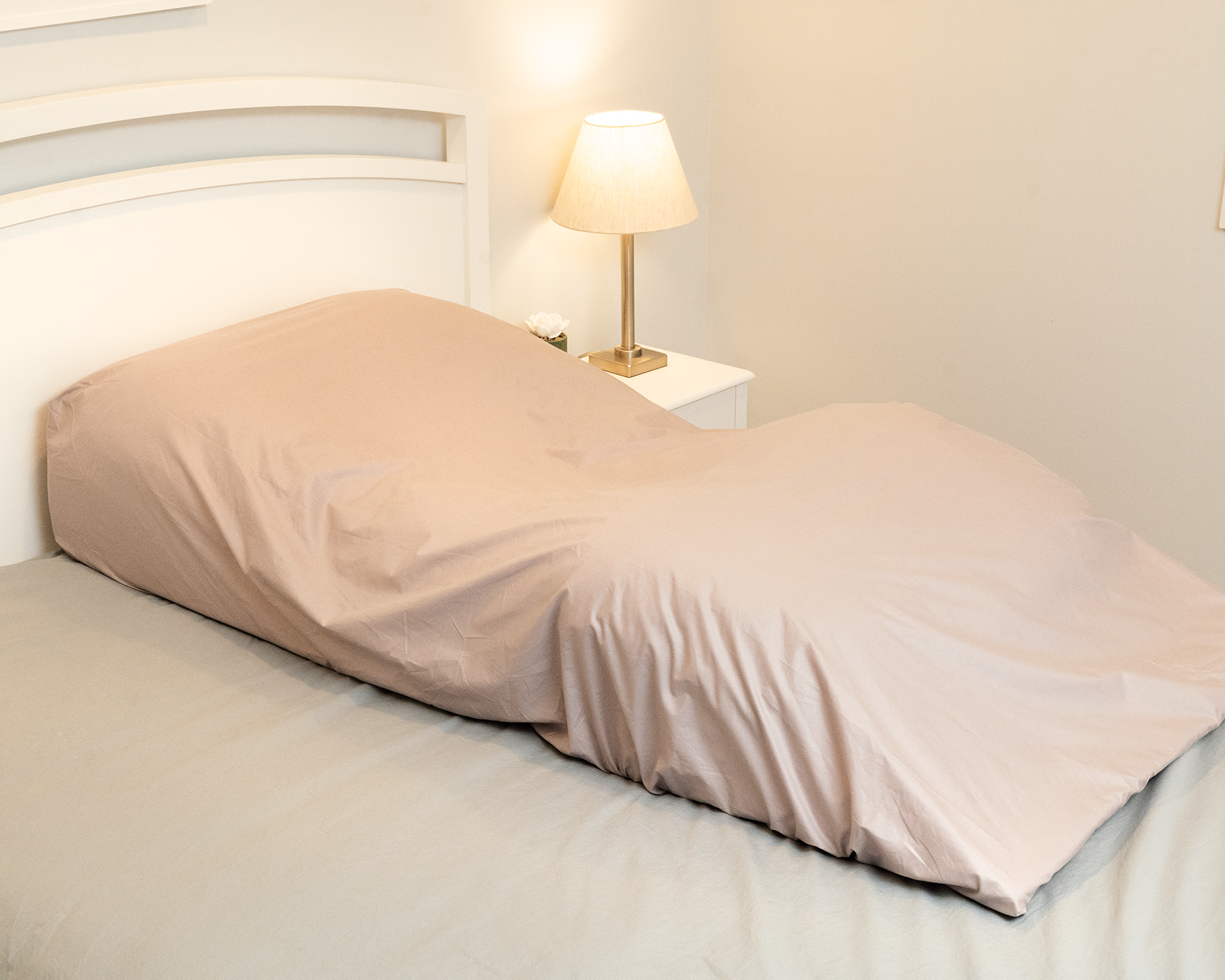
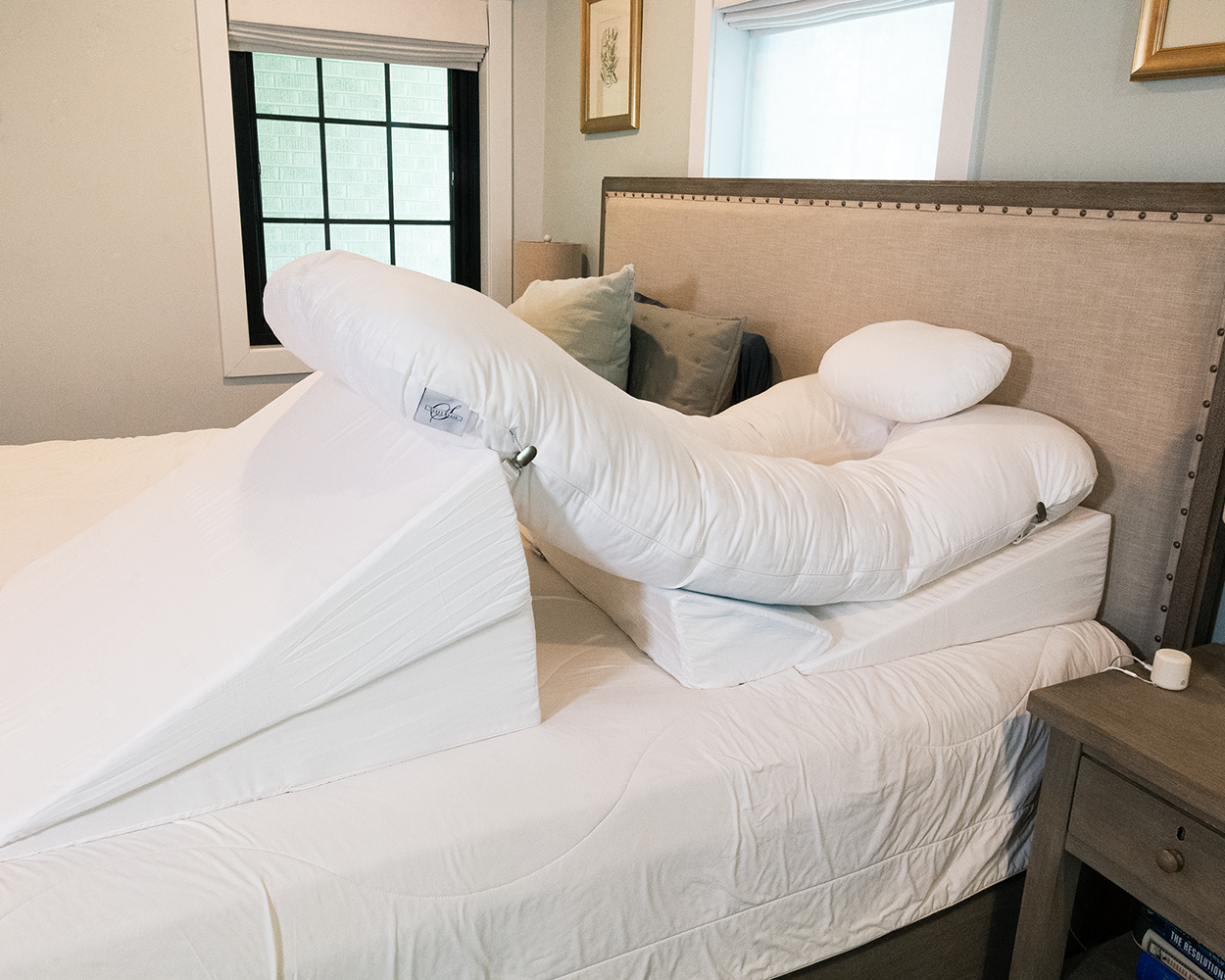
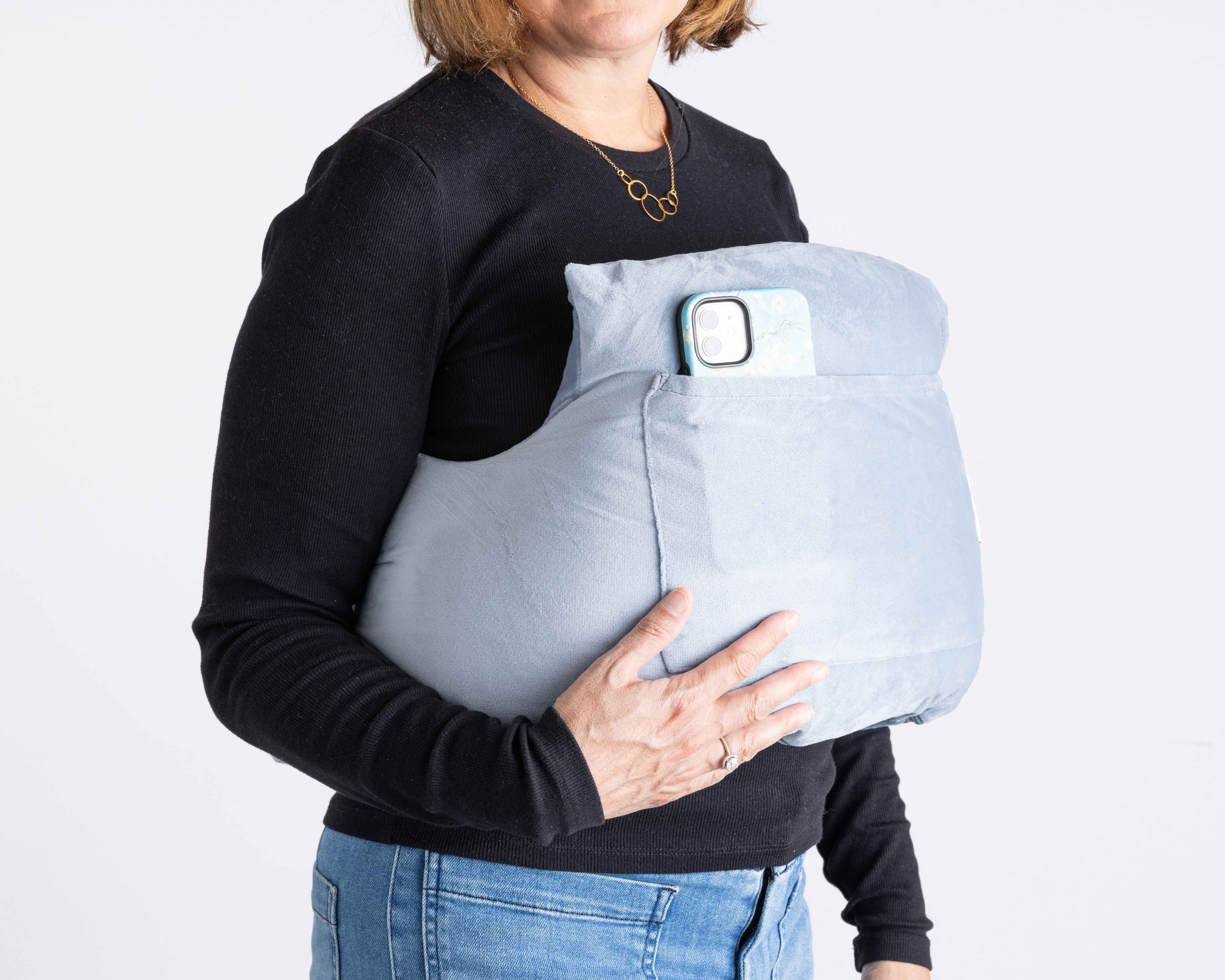
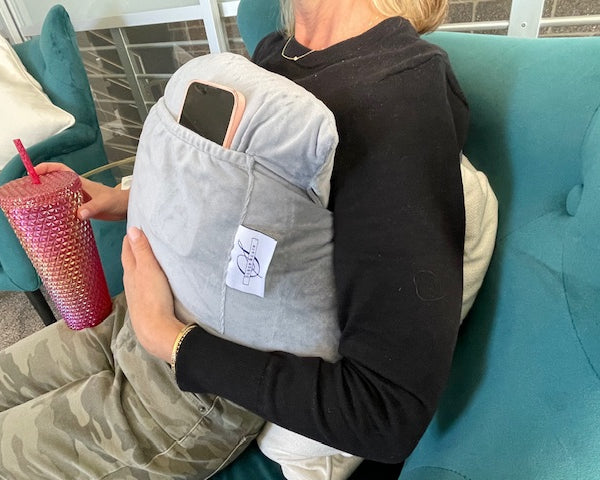
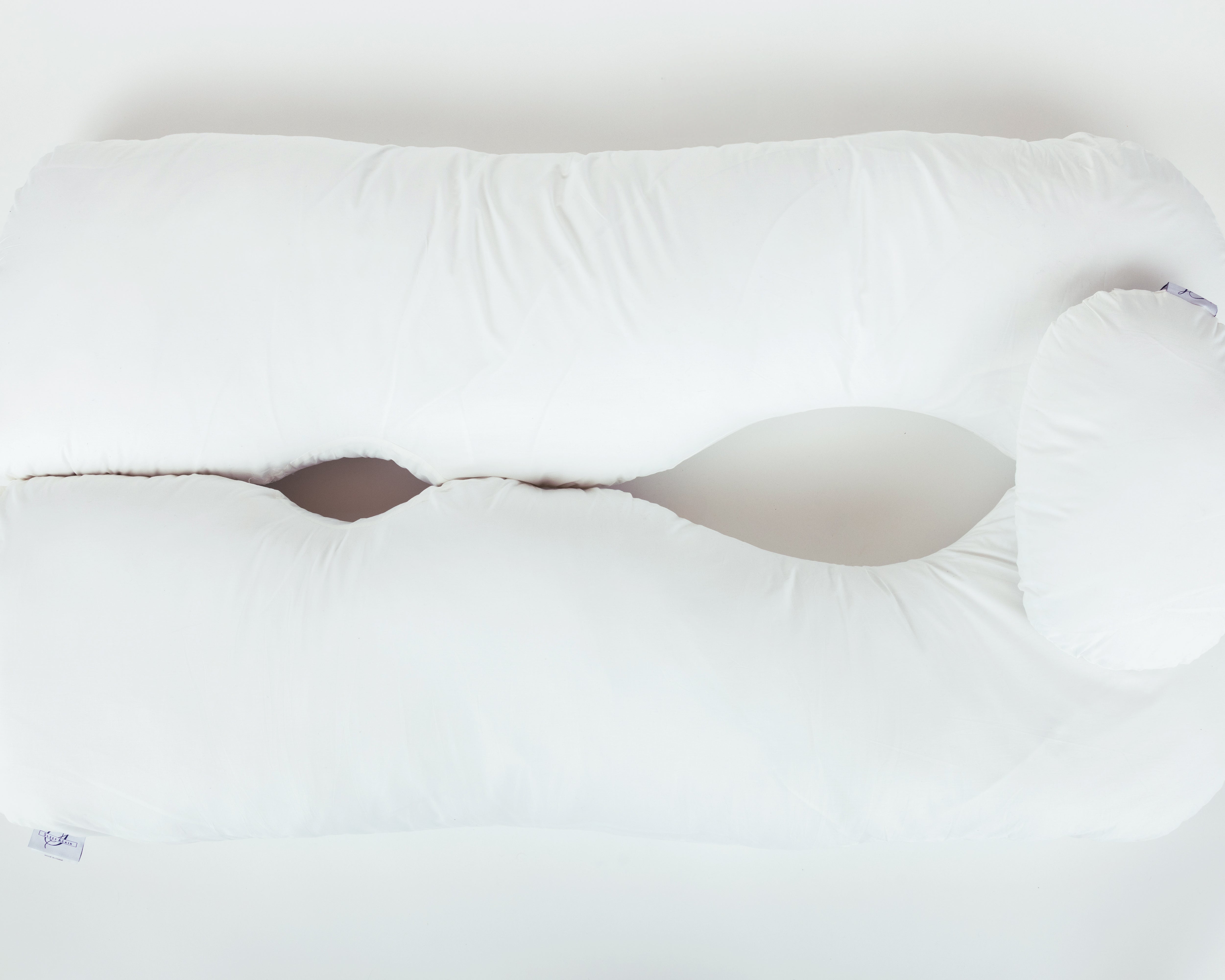
Post-surgery positioning pillow system: Decide how you'll achieve 30 to 45 degrees of elevation and have it ready before you come home from surgery. Recliner chairs might work for some patients in the first few days, but it's not the same as sleeping in your own bed. A full-body pillow system designed specifically for post-surgery recovery can help protect your results by providing a safe, secure, and comfortable way to sleep during neck lift recovery while also providing peace of mind even before you arrive home from your procedure.
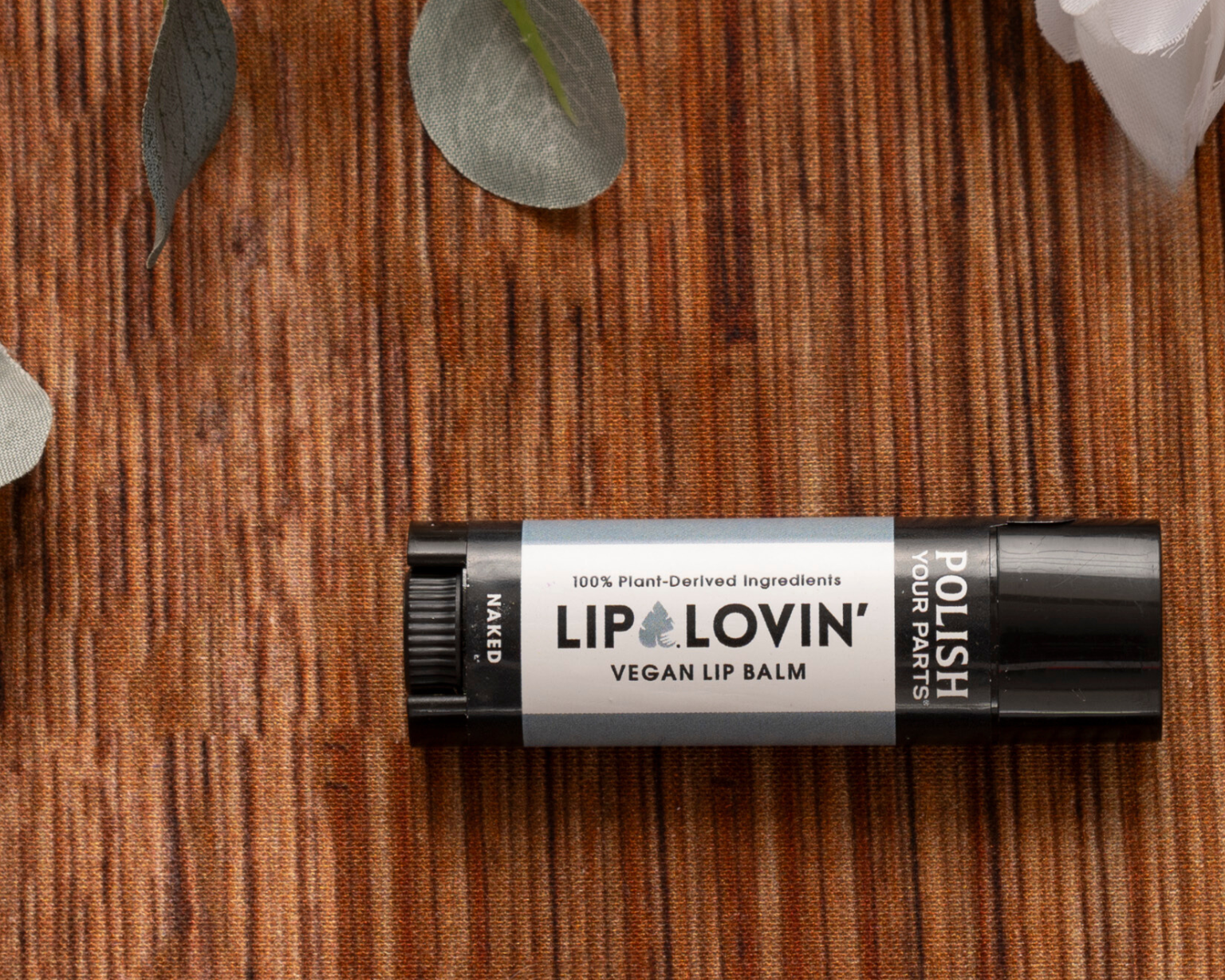
Bedside organization: Place everything you'll need within arm's reach—water, prescribed medications, lip balm (mouth breathing during elevated sleeping can cause dryness), a phone charger, and anything else you'd typically reach for during the night. Reducing how much you need to move or stretch is worth the pre-surgery effort.
Lighting: A low nightlight or bedside lamp with a dimmer makes middle-of-night bathroom trips safer without requiring overhead lighting that disrupts sleep.
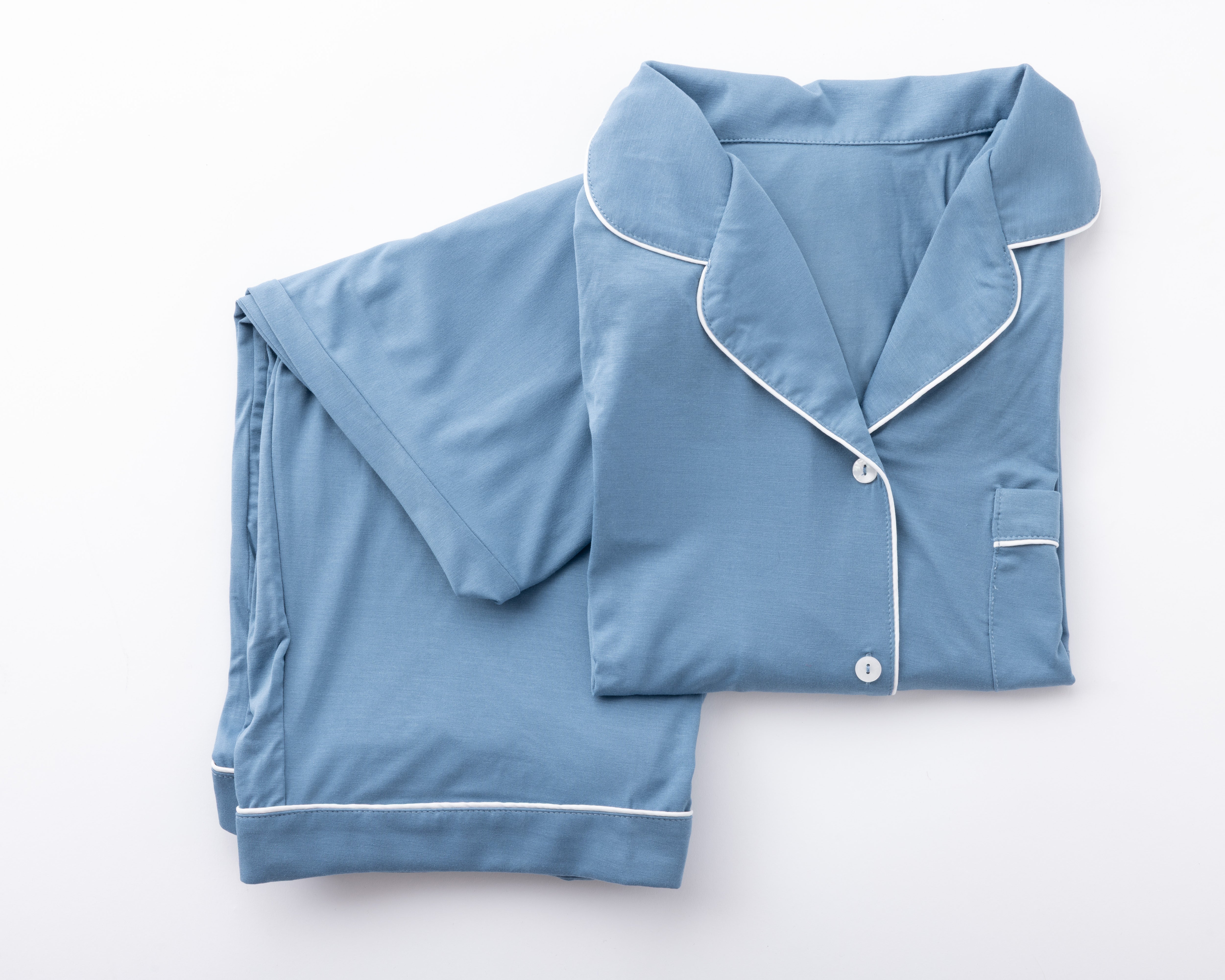
Loose, front-opening clothing: Anything pulled over the head introduces neck movement you want to avoid. Button-down tops and zip-up items eliminate this issue entirely.
Humidifier: If you're prone to dry throat or airway sensitivity, a room humidifier can offset the dryness that sometimes accompanies elevated sleeping and mouth breathing.
The Problem with Improvised Pillow Arrangements
Many patients attempt to recreate the necessary elevation using whatever pillows they have at home. The problem is structural. Standard bed pillows compress under body weight, shift during sleep, and lose their angle over the course of a night—breaking position and disrupting the sleep cycles needed for healing. A purpose-built positioning system that maintains its structure and angle throughout the night eliminates this entirely.

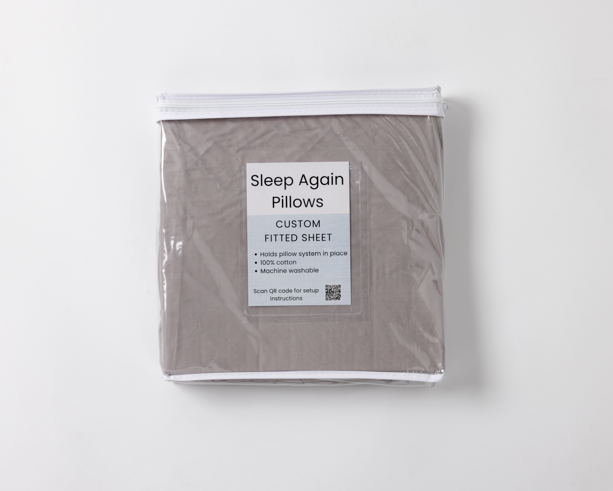
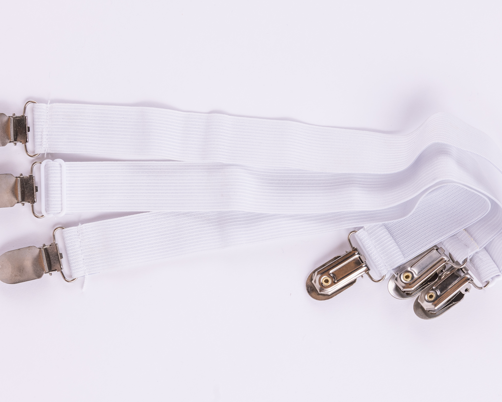
The Sleep Again Pillow System: How to Heal Faster After a Neck Lift Recovery
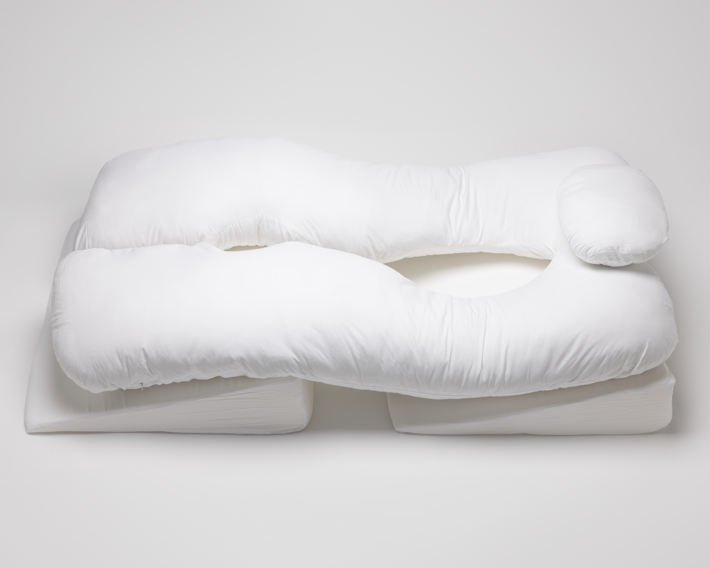
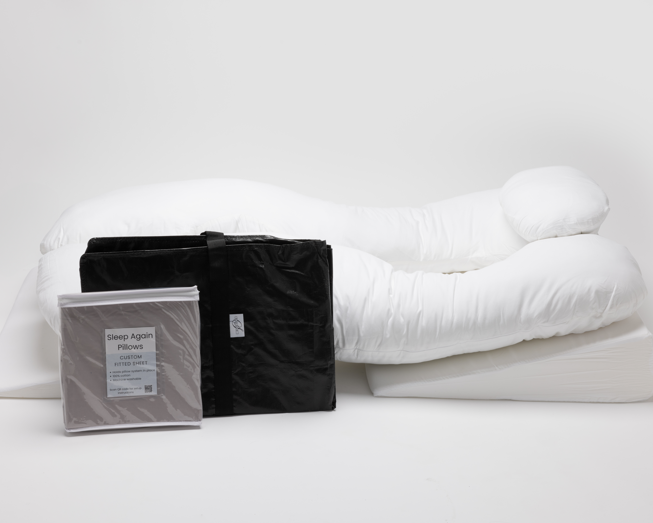
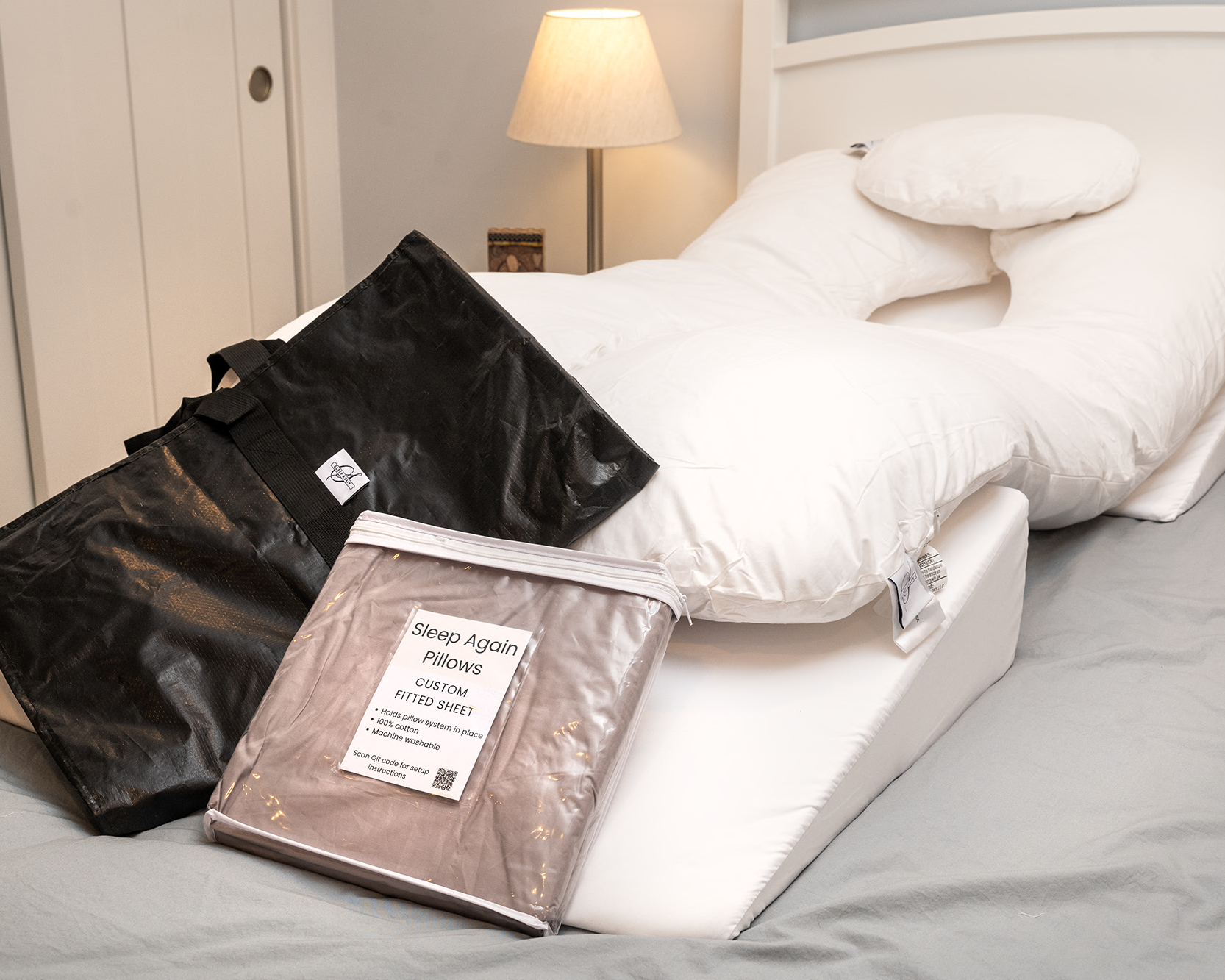
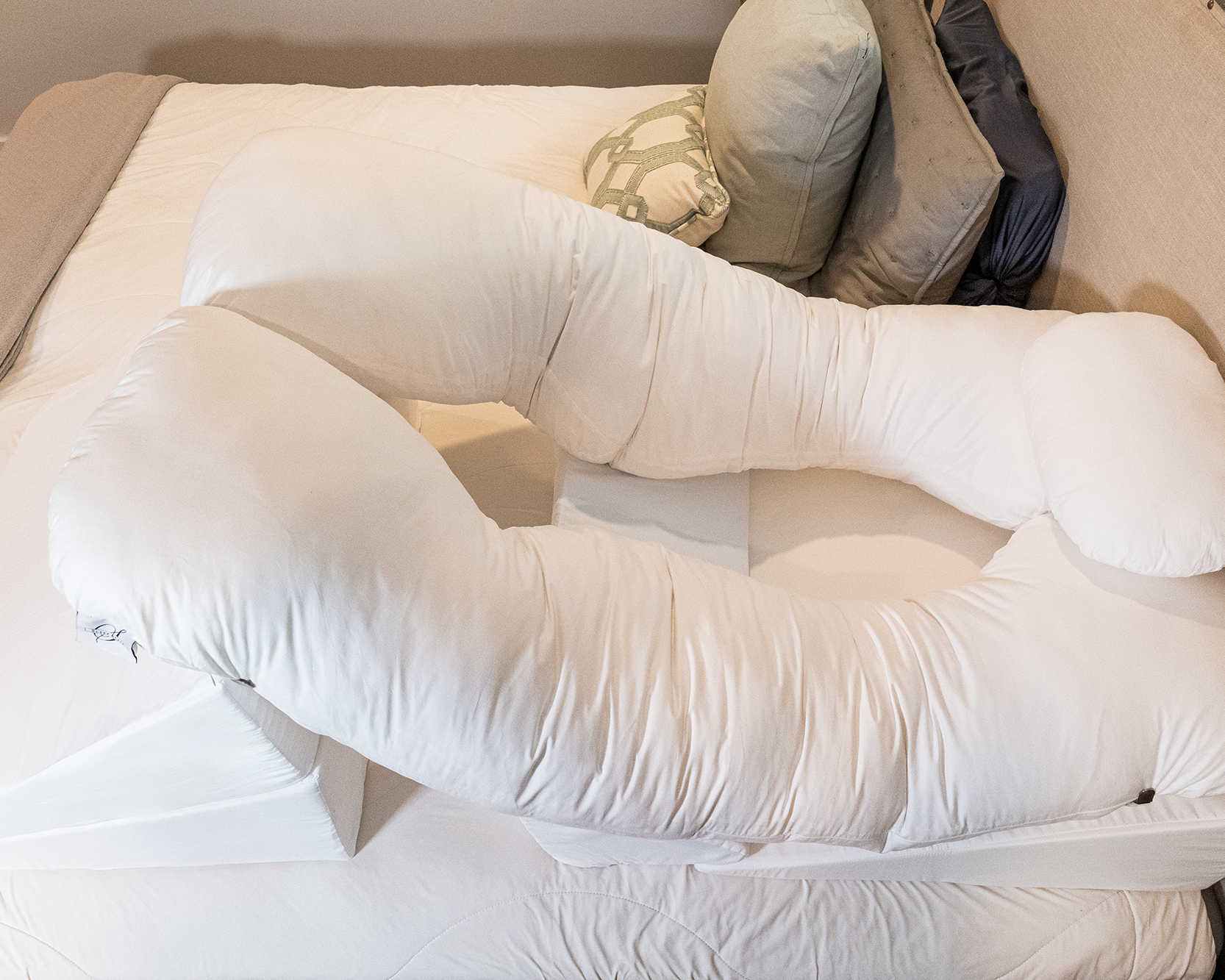
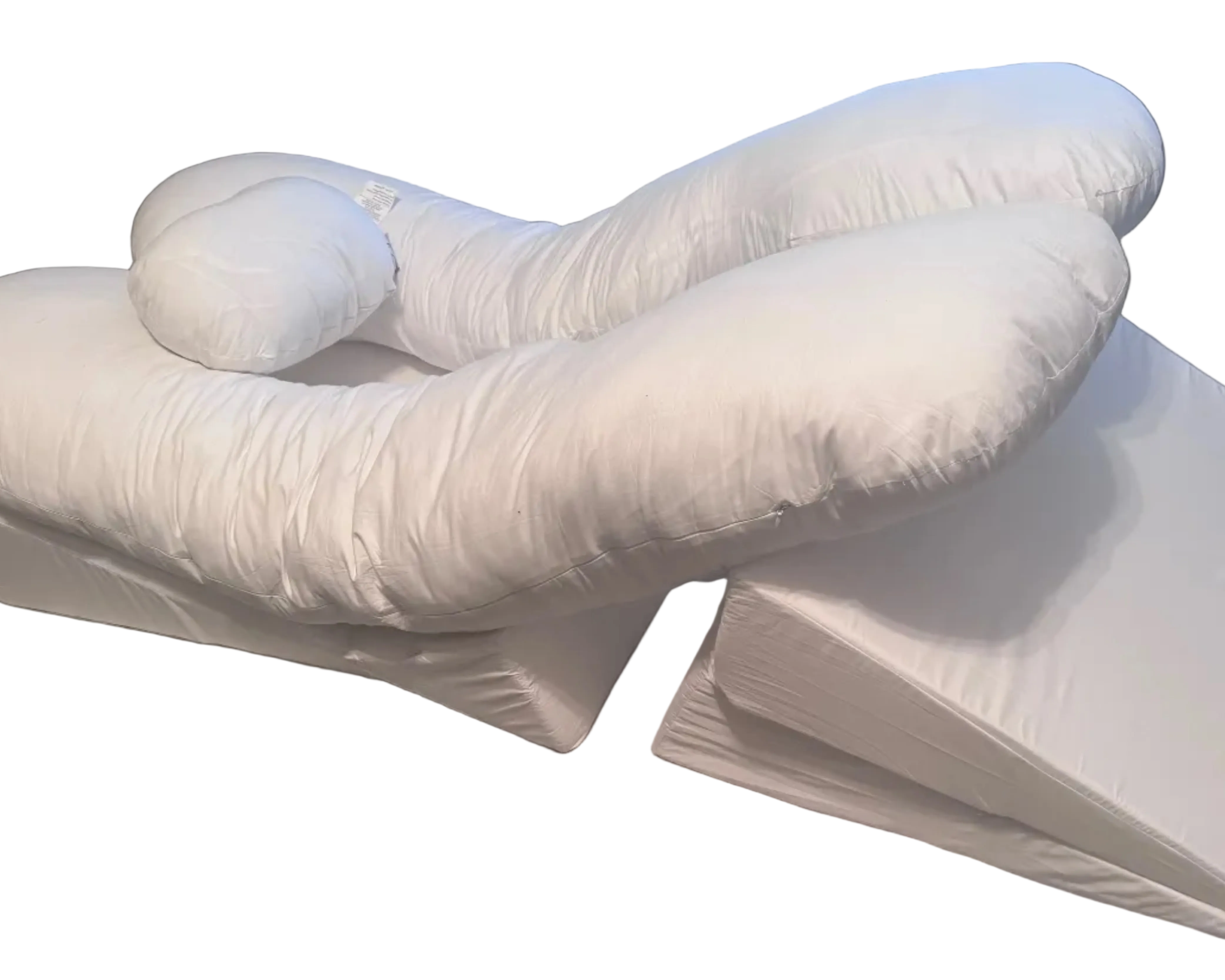
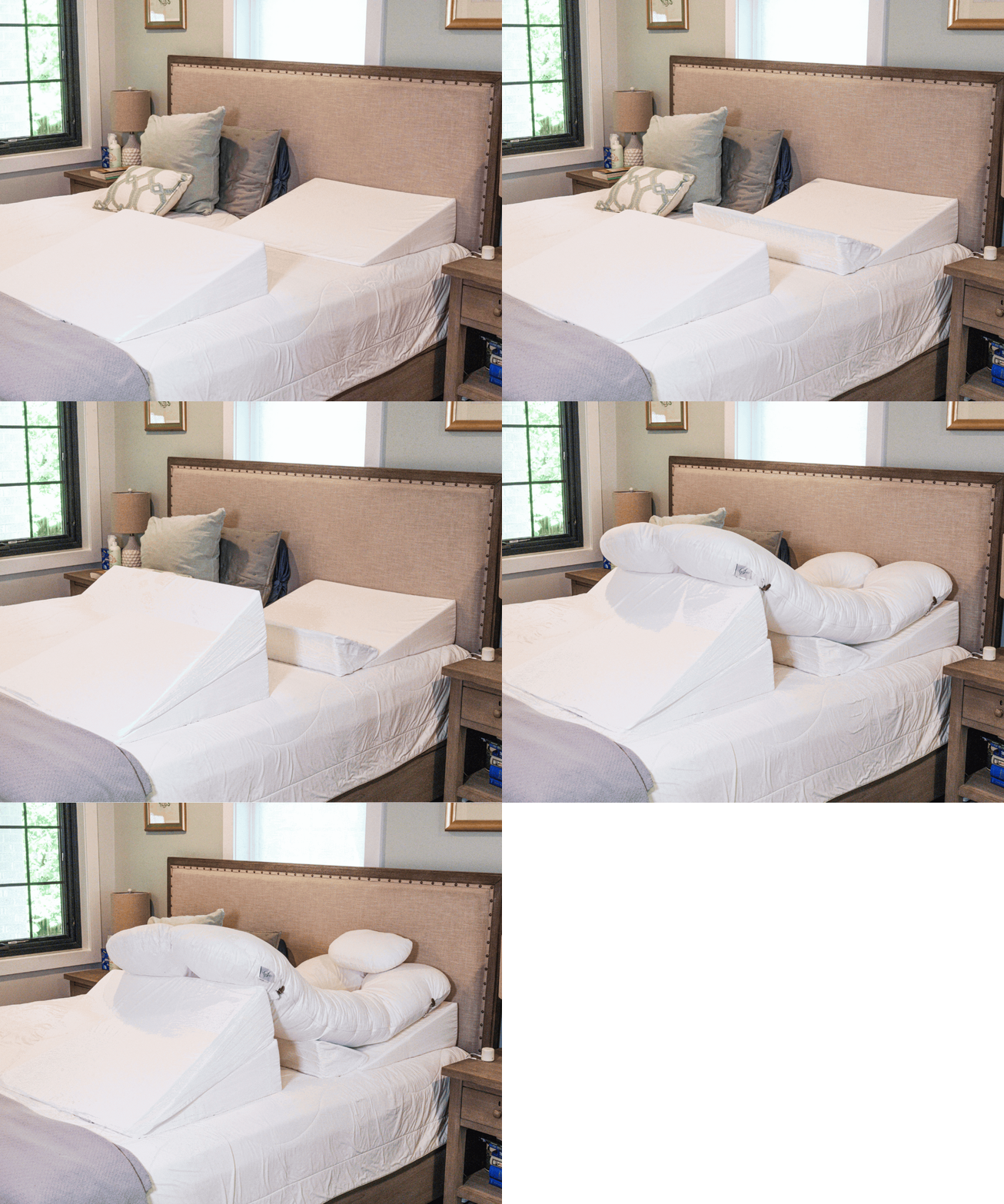
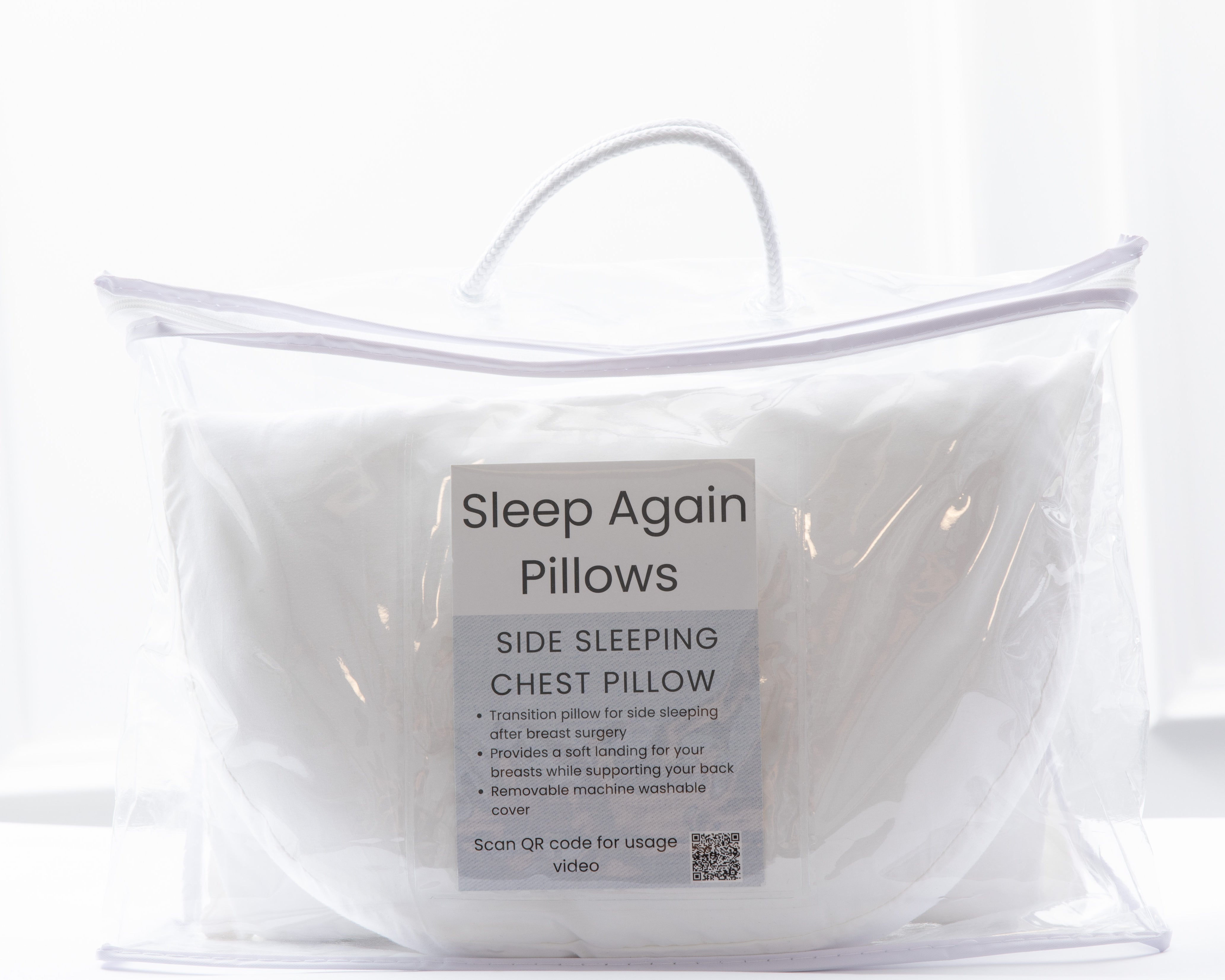
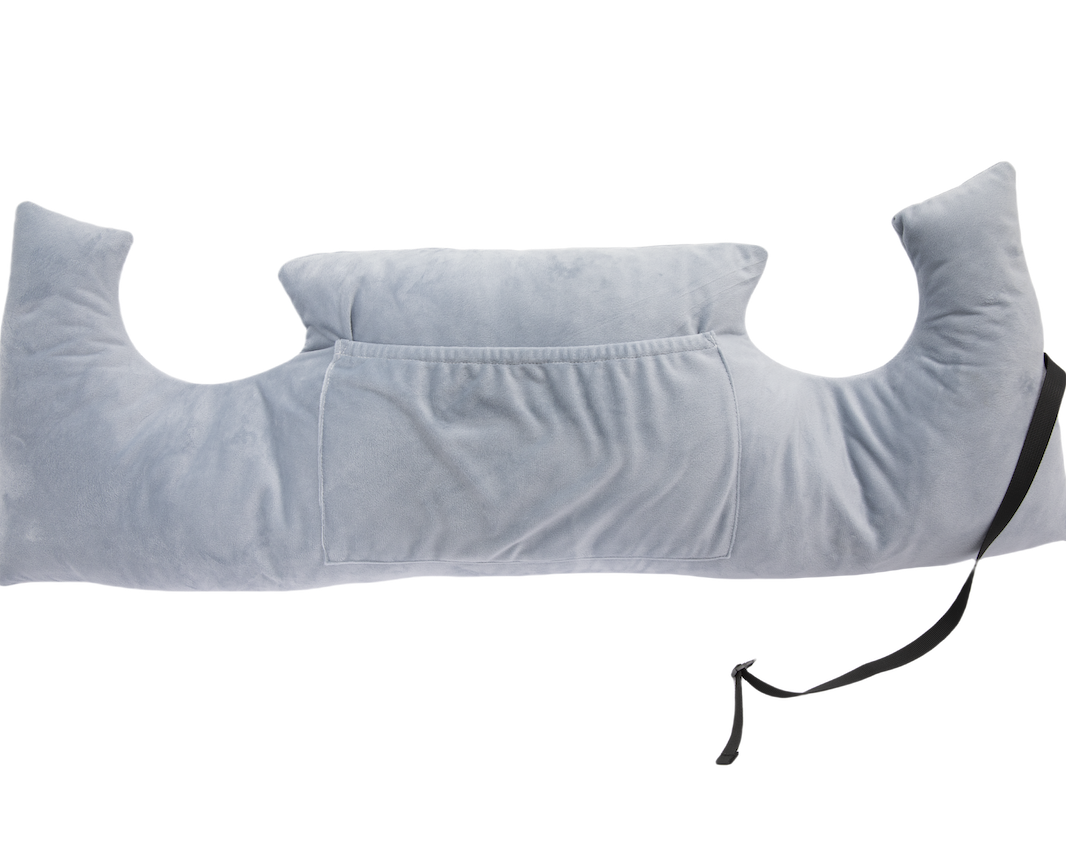
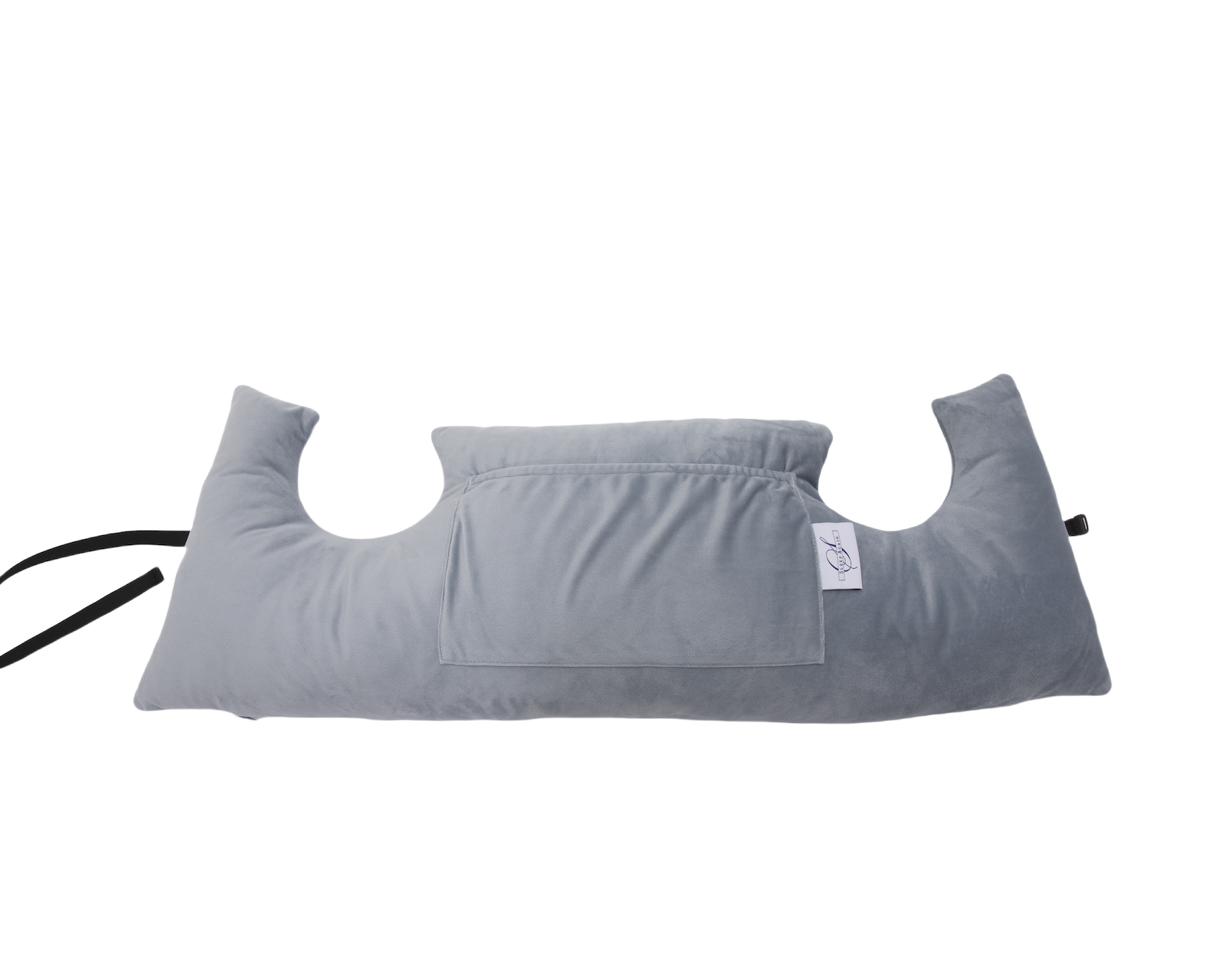
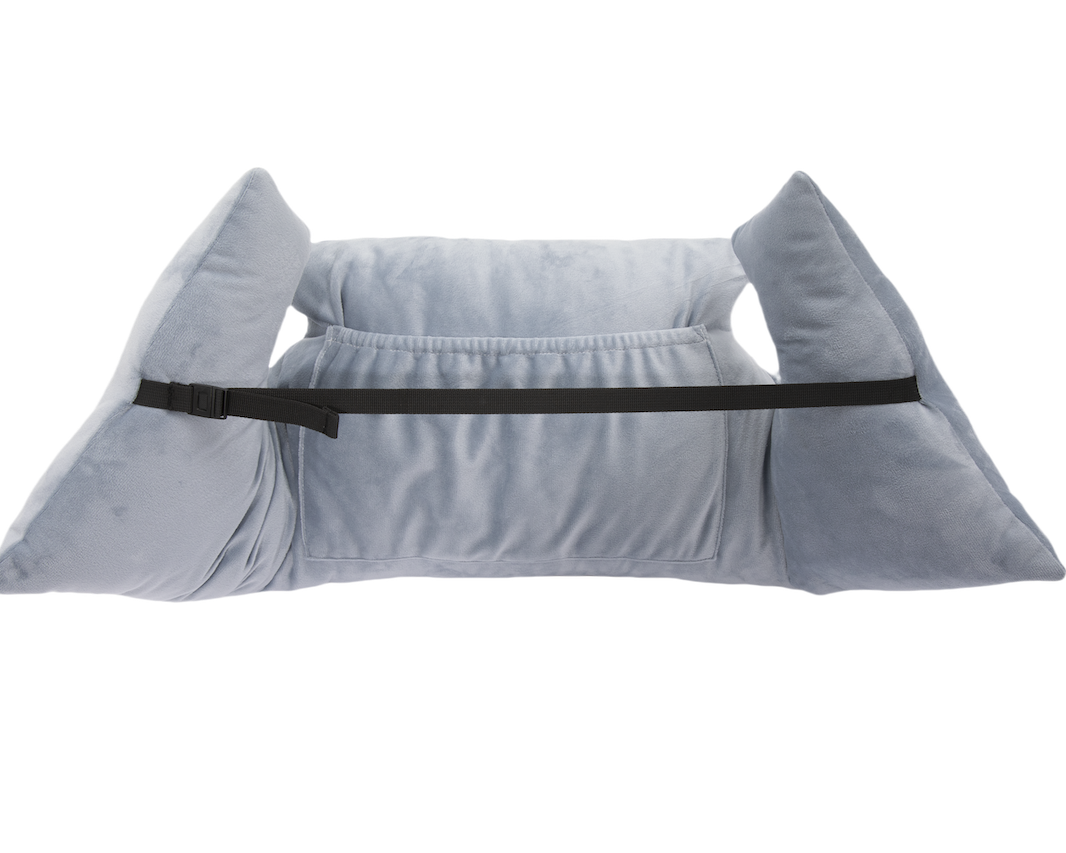
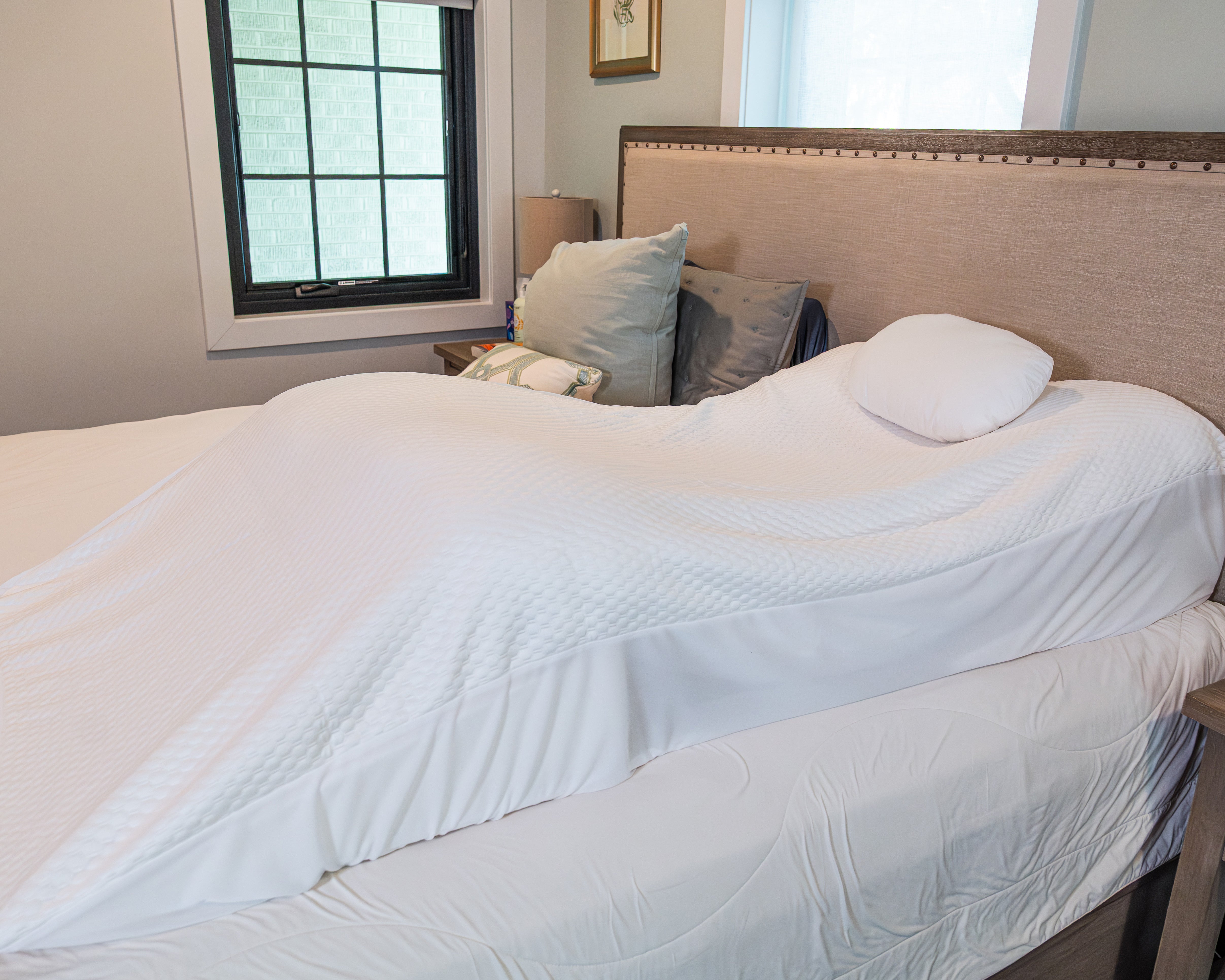
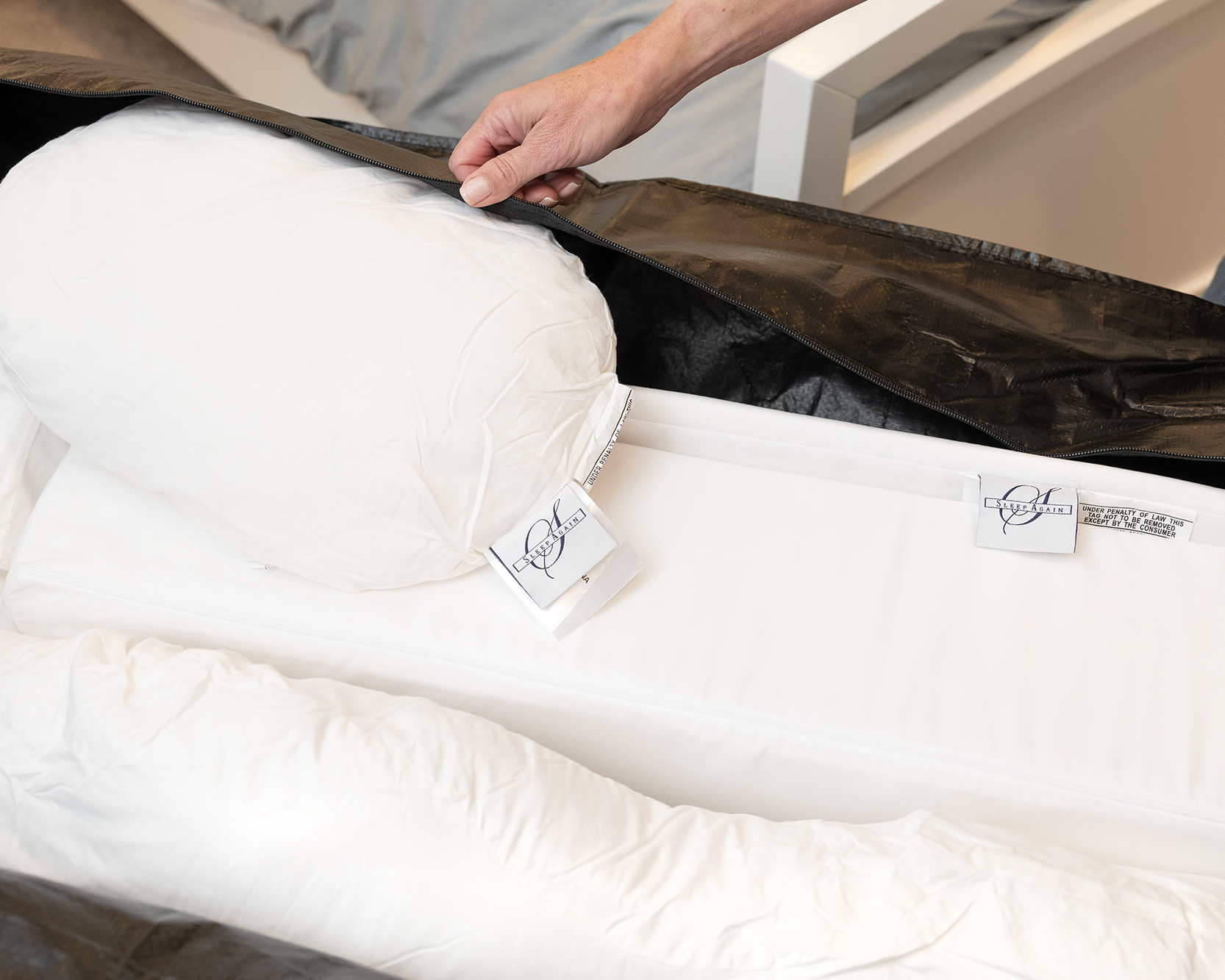
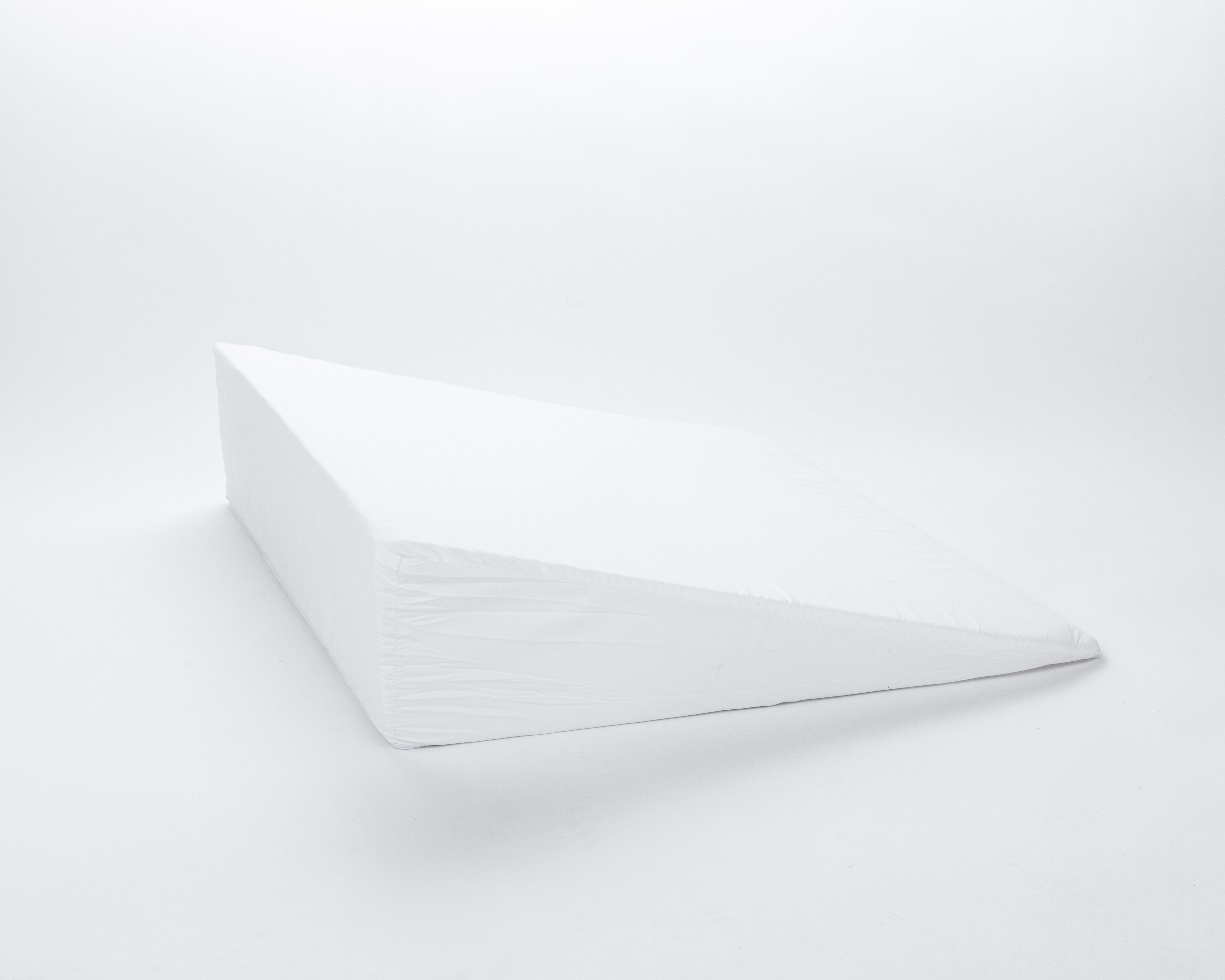
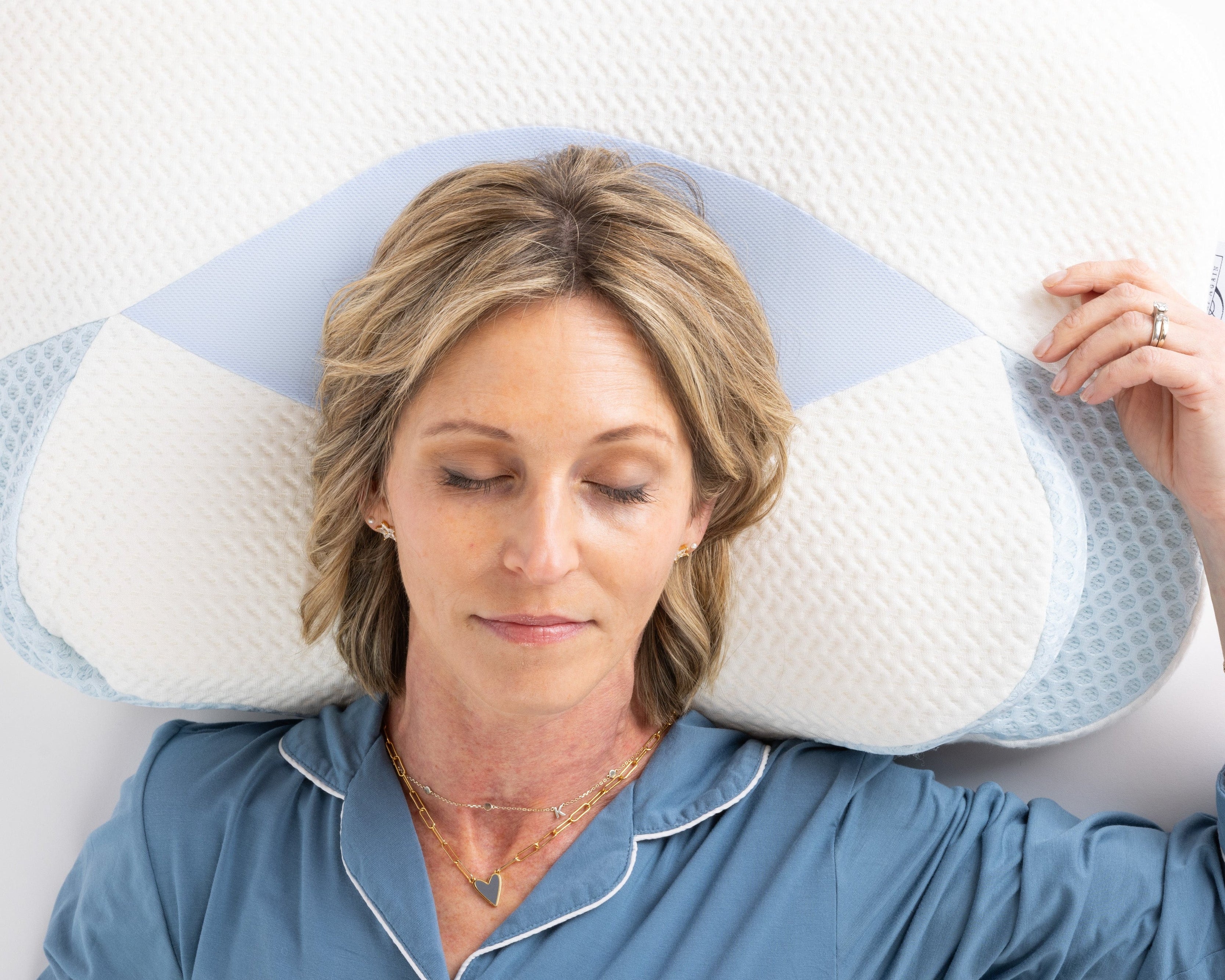
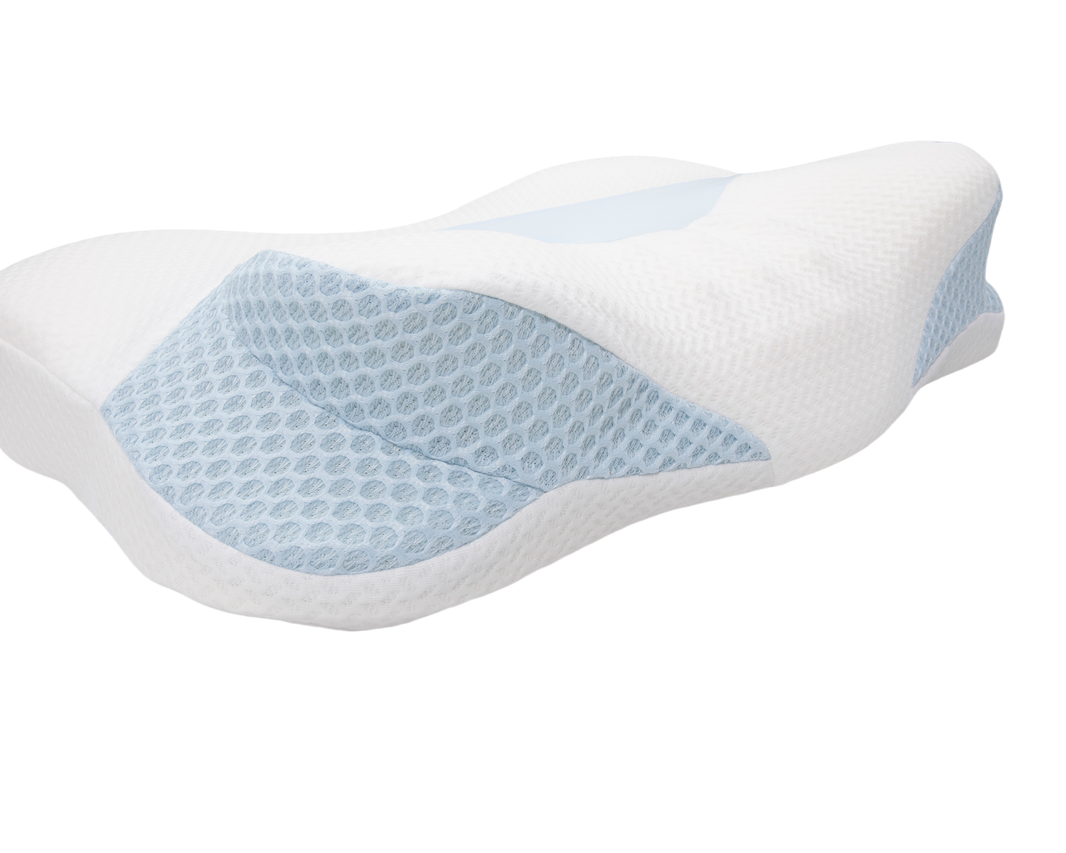
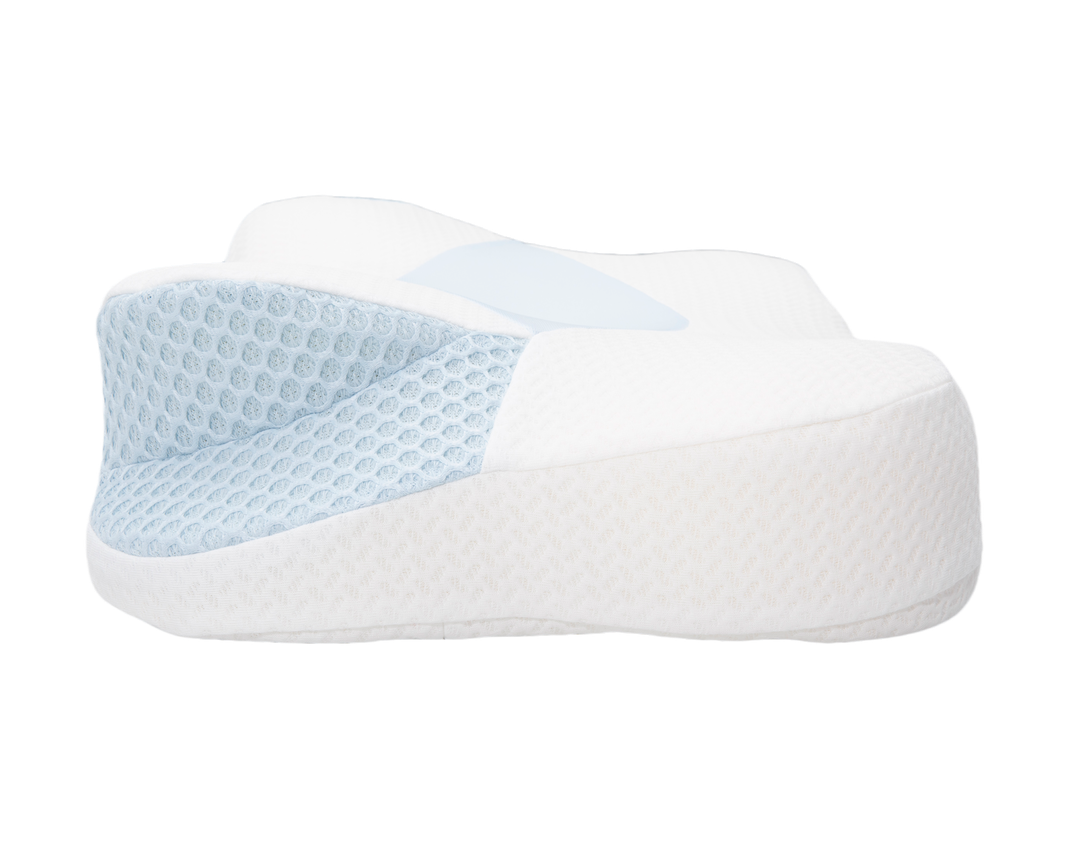
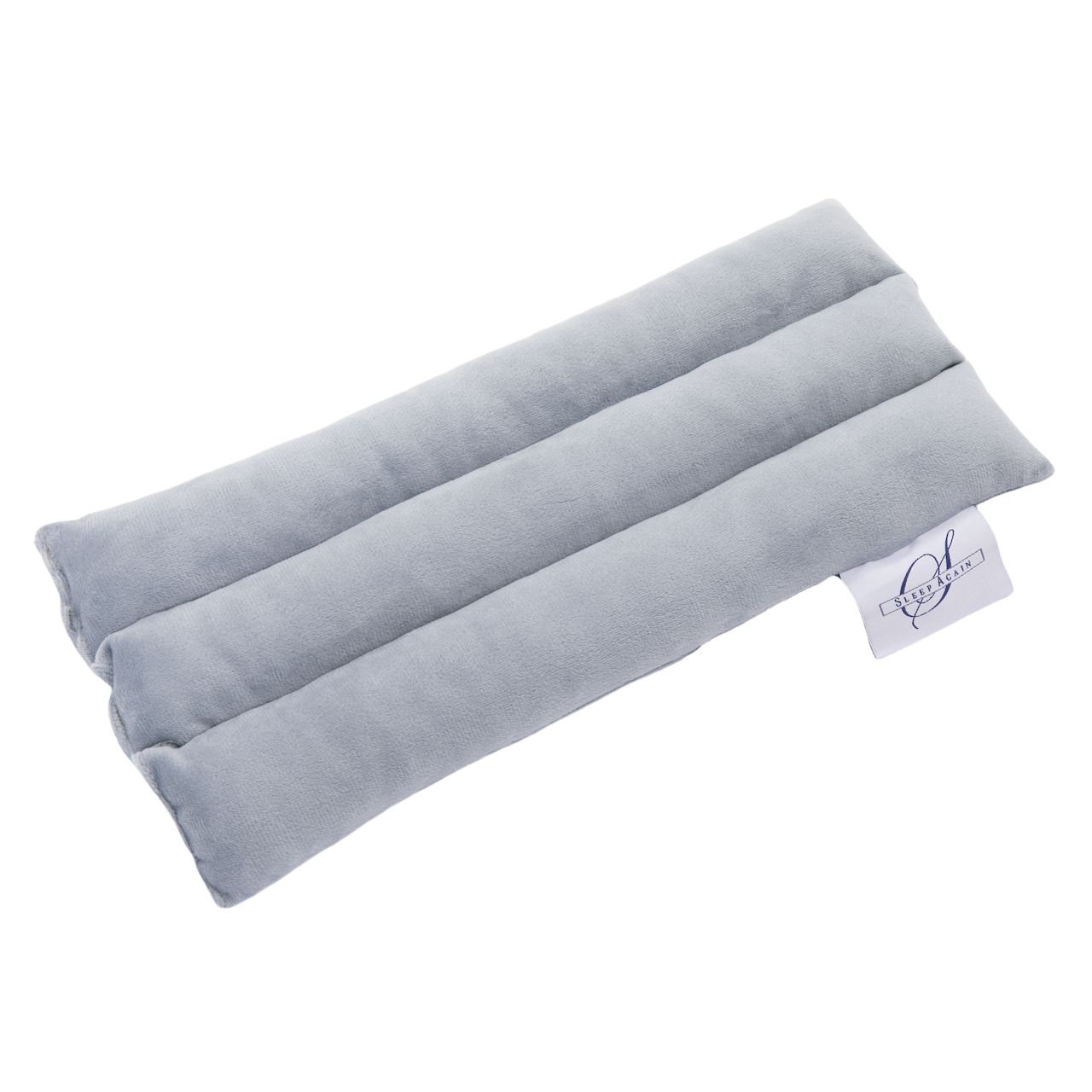
For patients preparing for neck lift surgery, the Sleep Again Pillow System is designed specifically to address the positioning challenges that come with post-surgical recovery. Unlike standard bed pillows or generic wedge cushions, it functions as a complete, integrated system that supports the full body in a stable, elevated position—not just the head.
Every Sleep Again Pillow System includes:
-
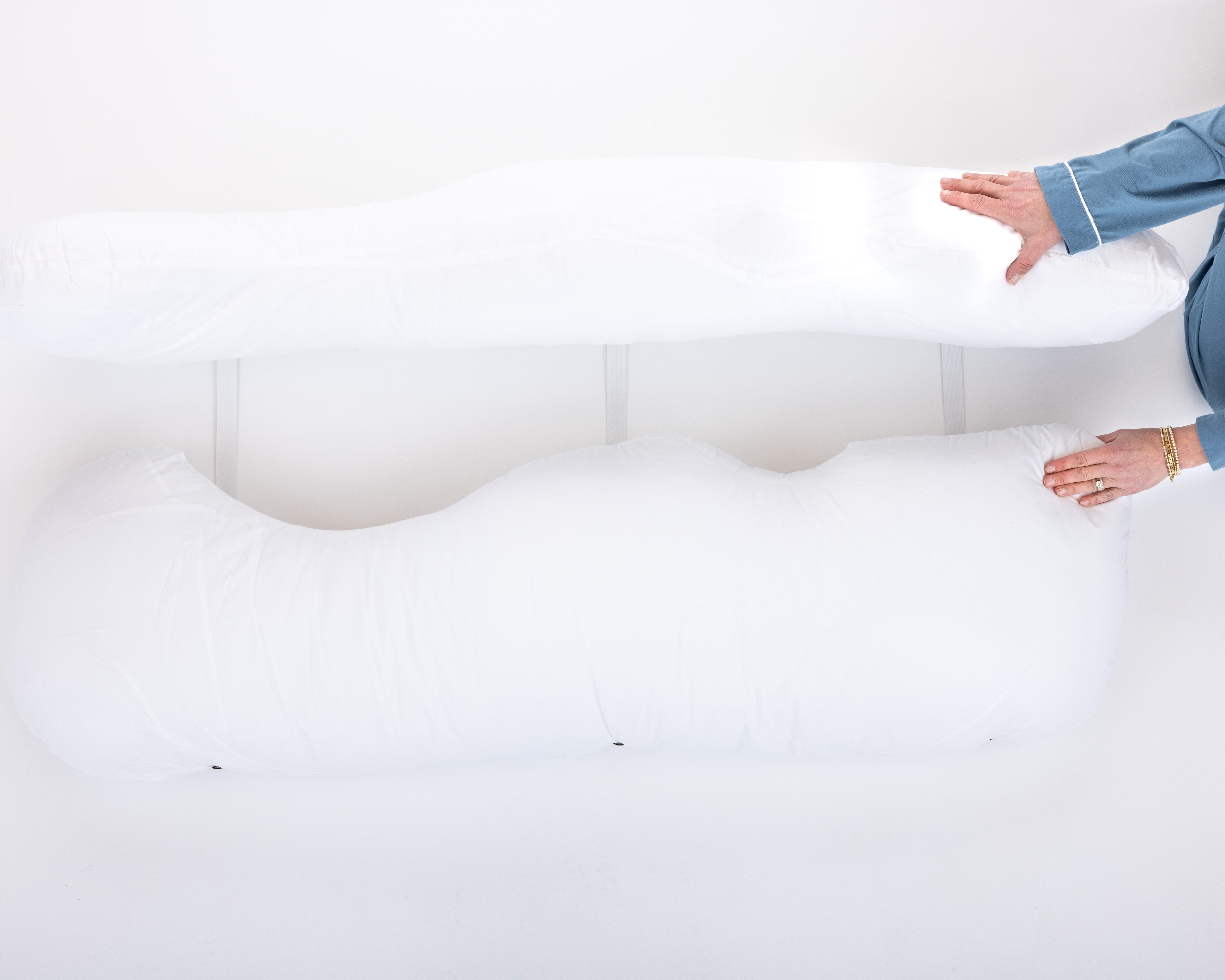
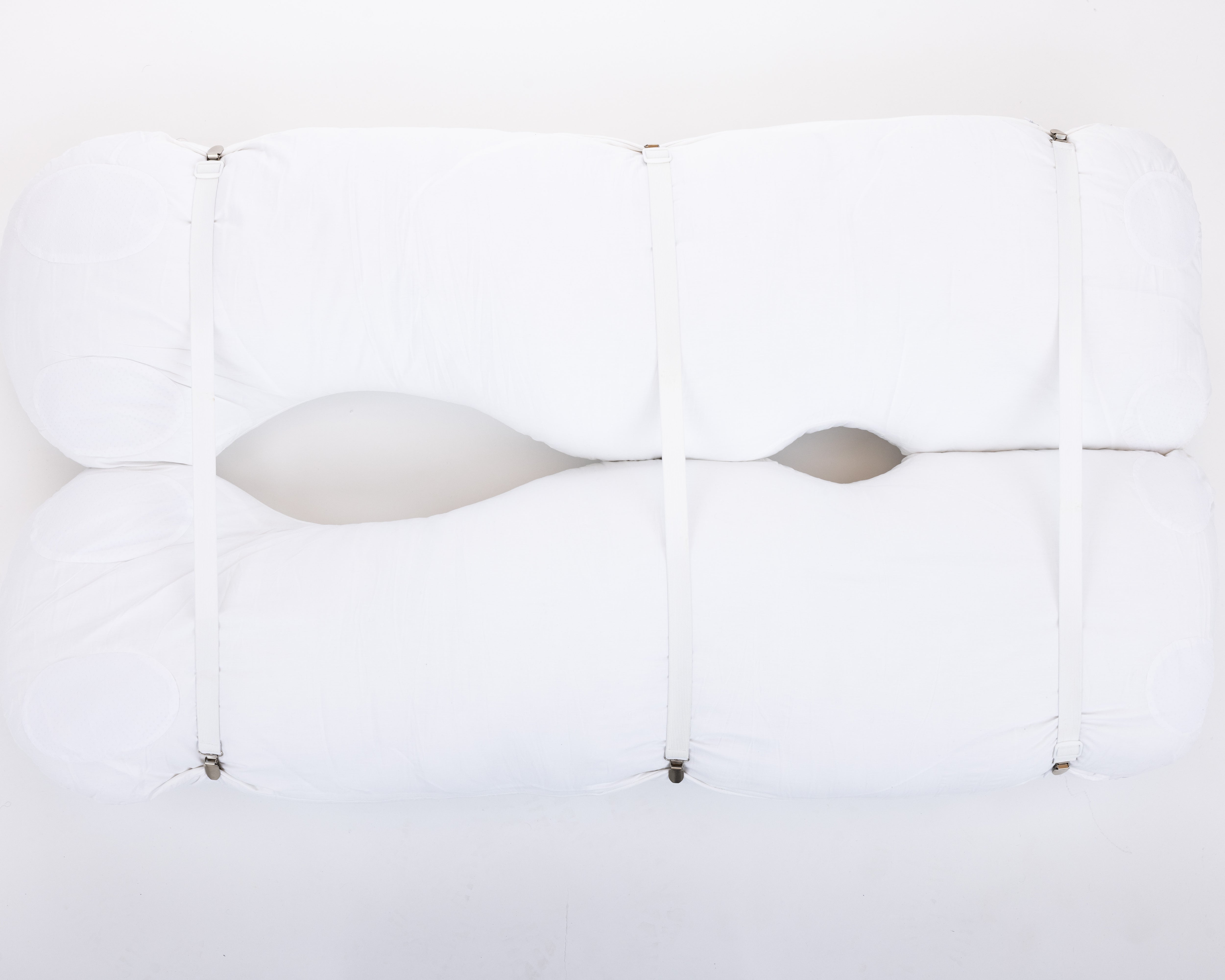
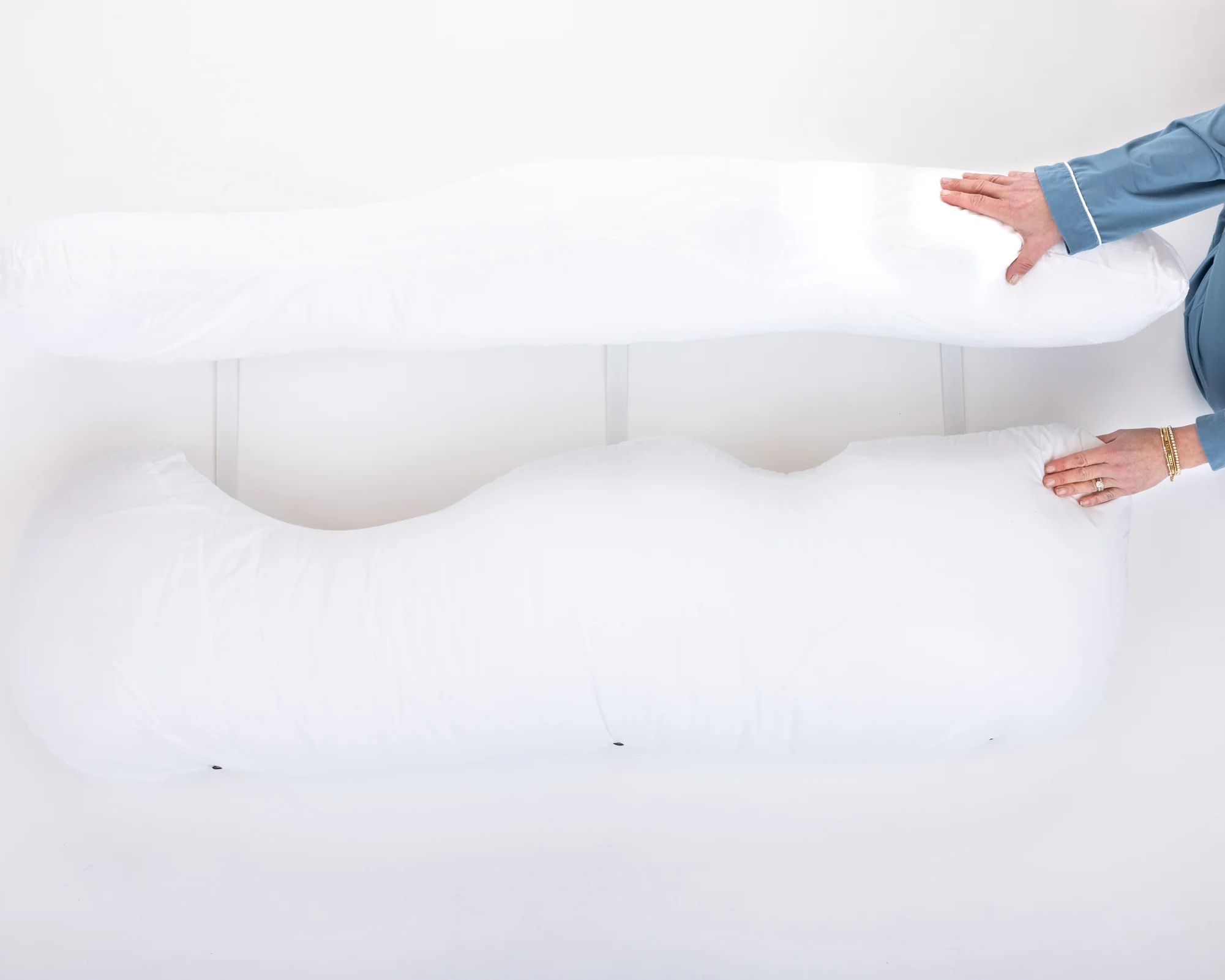
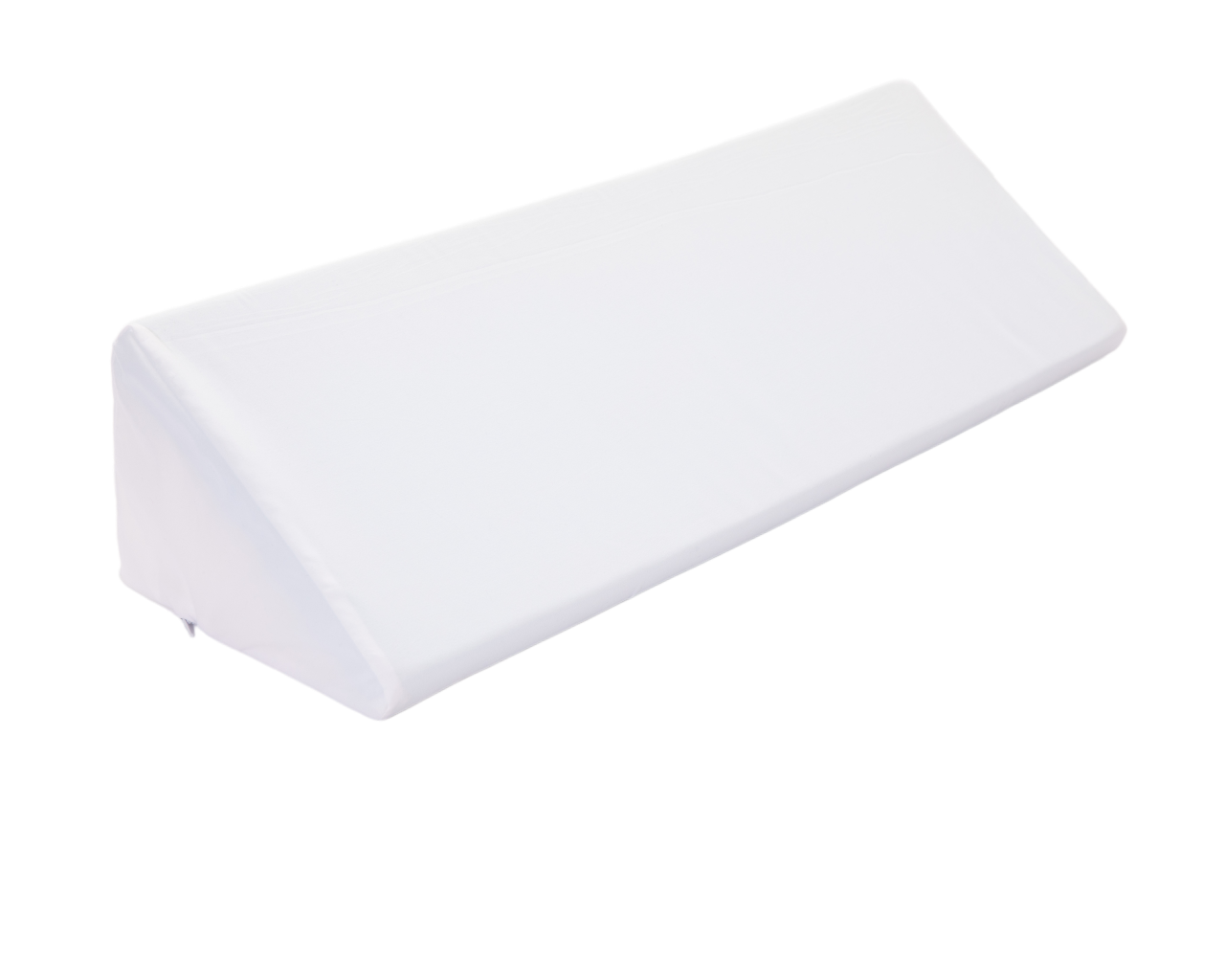
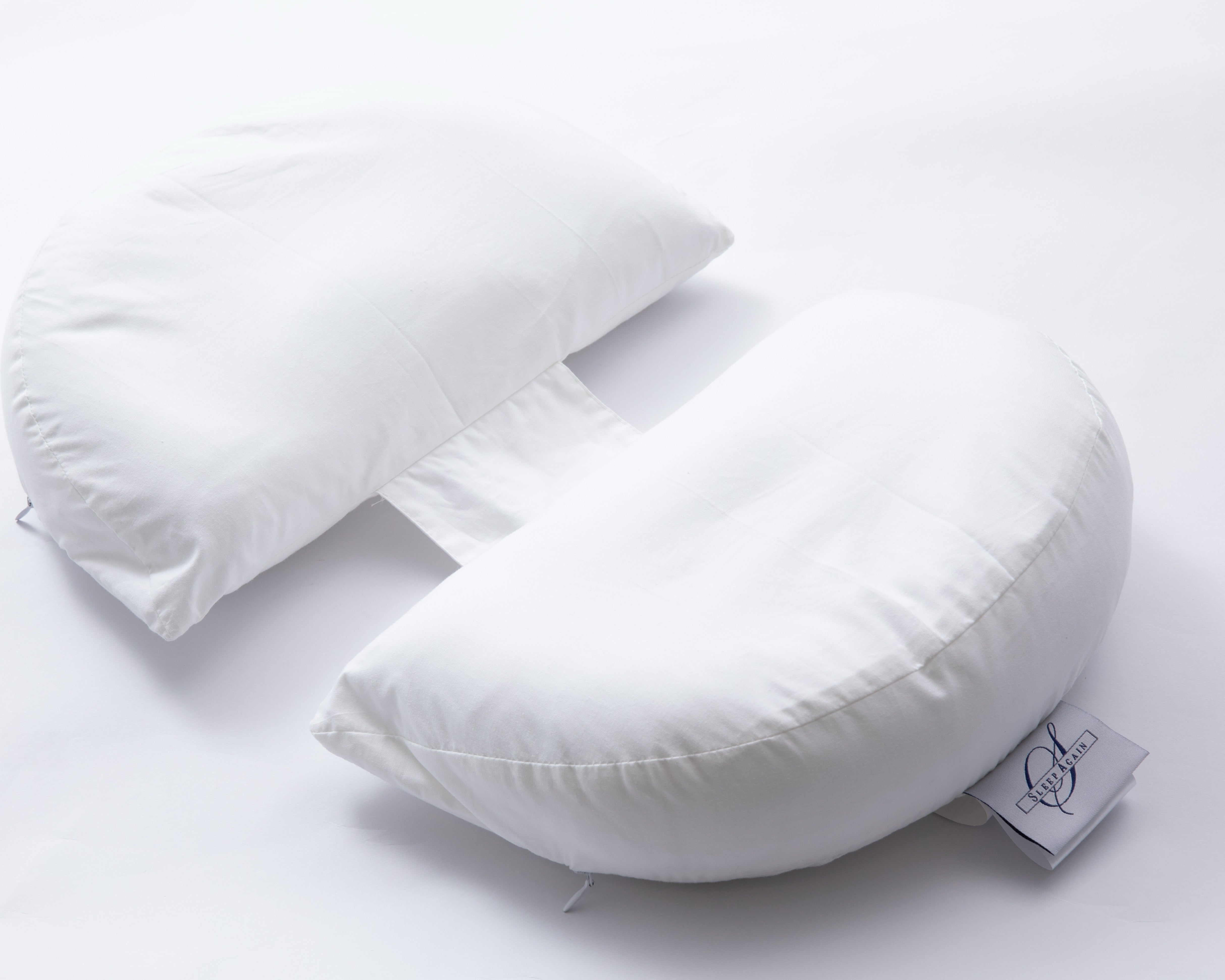
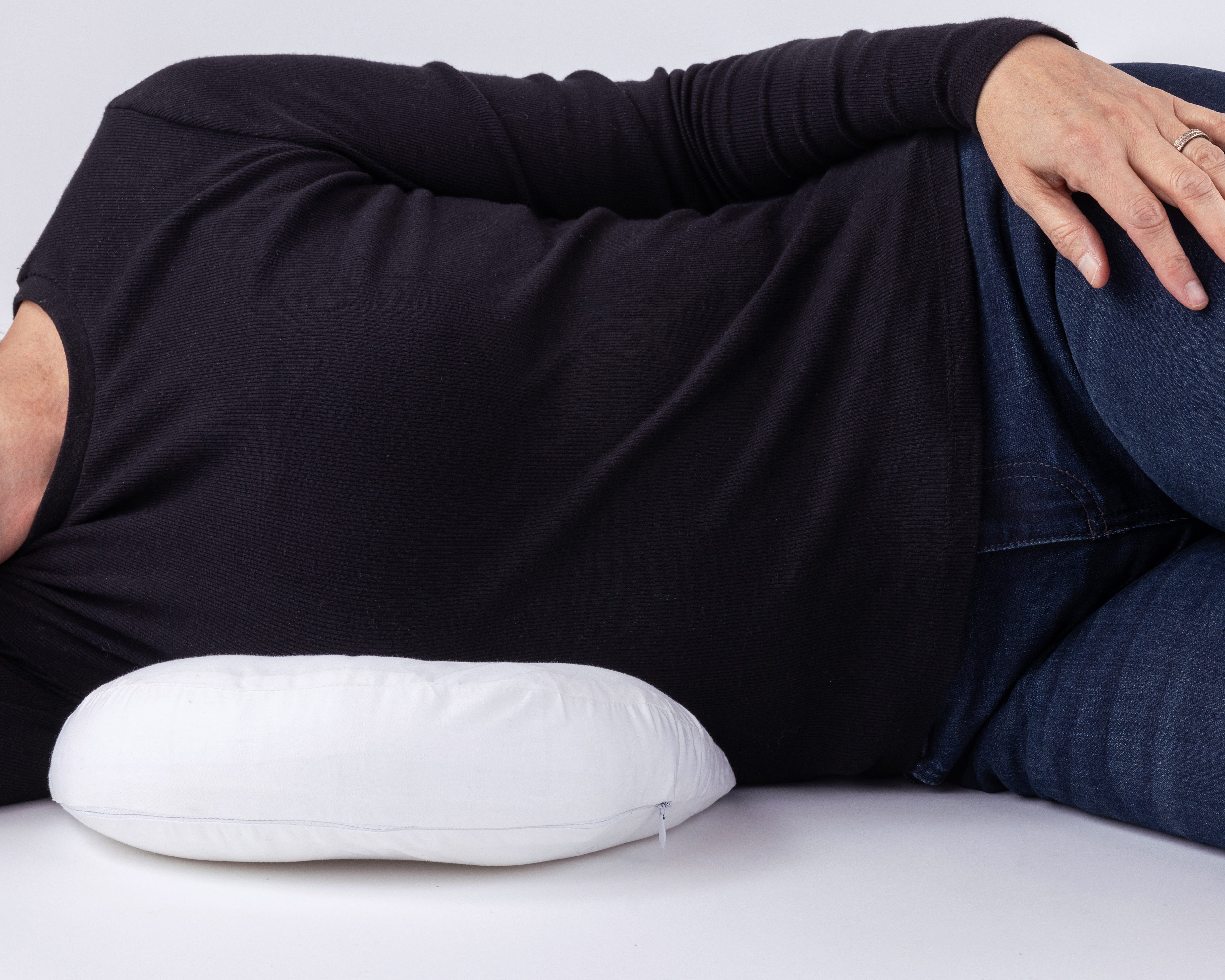
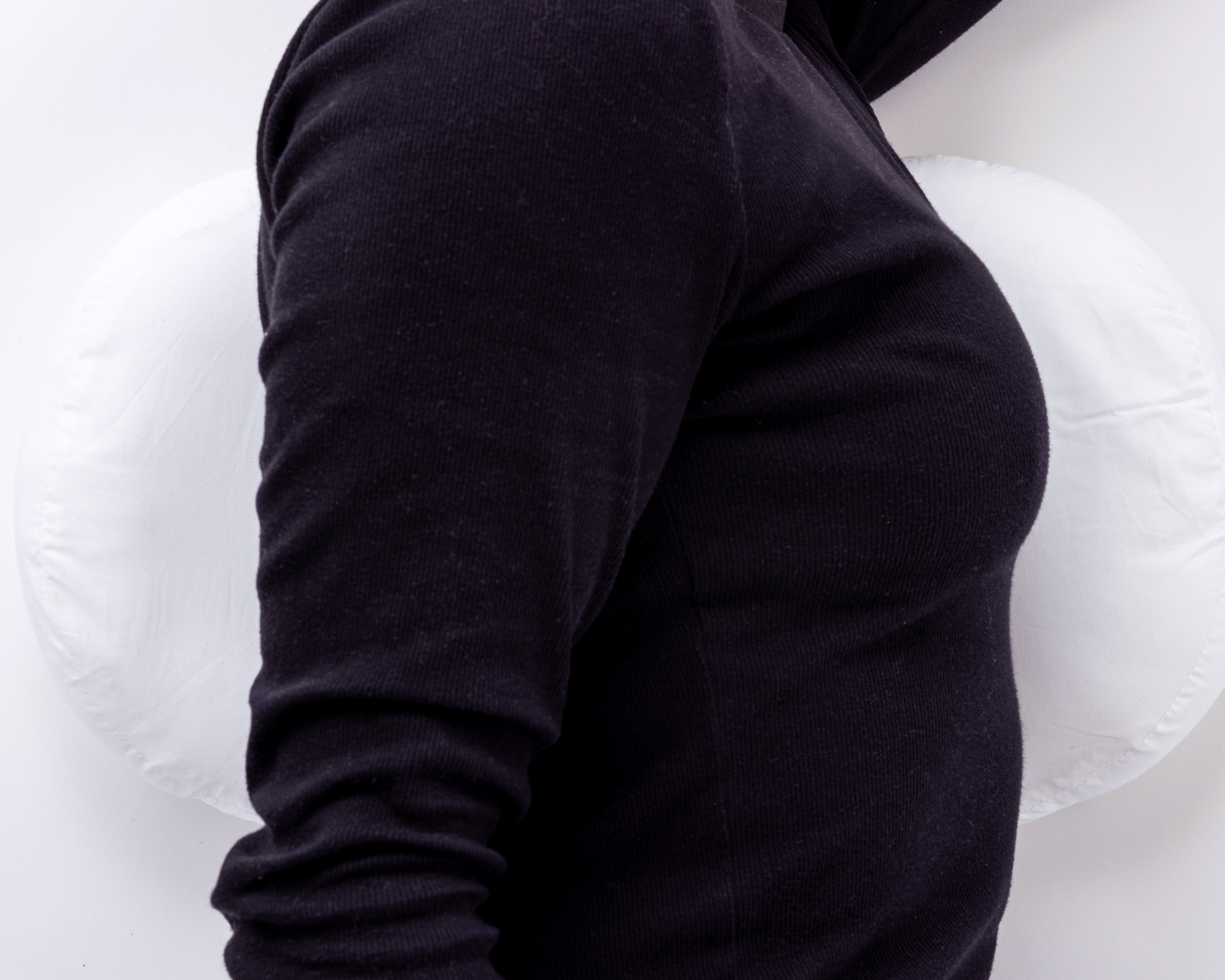
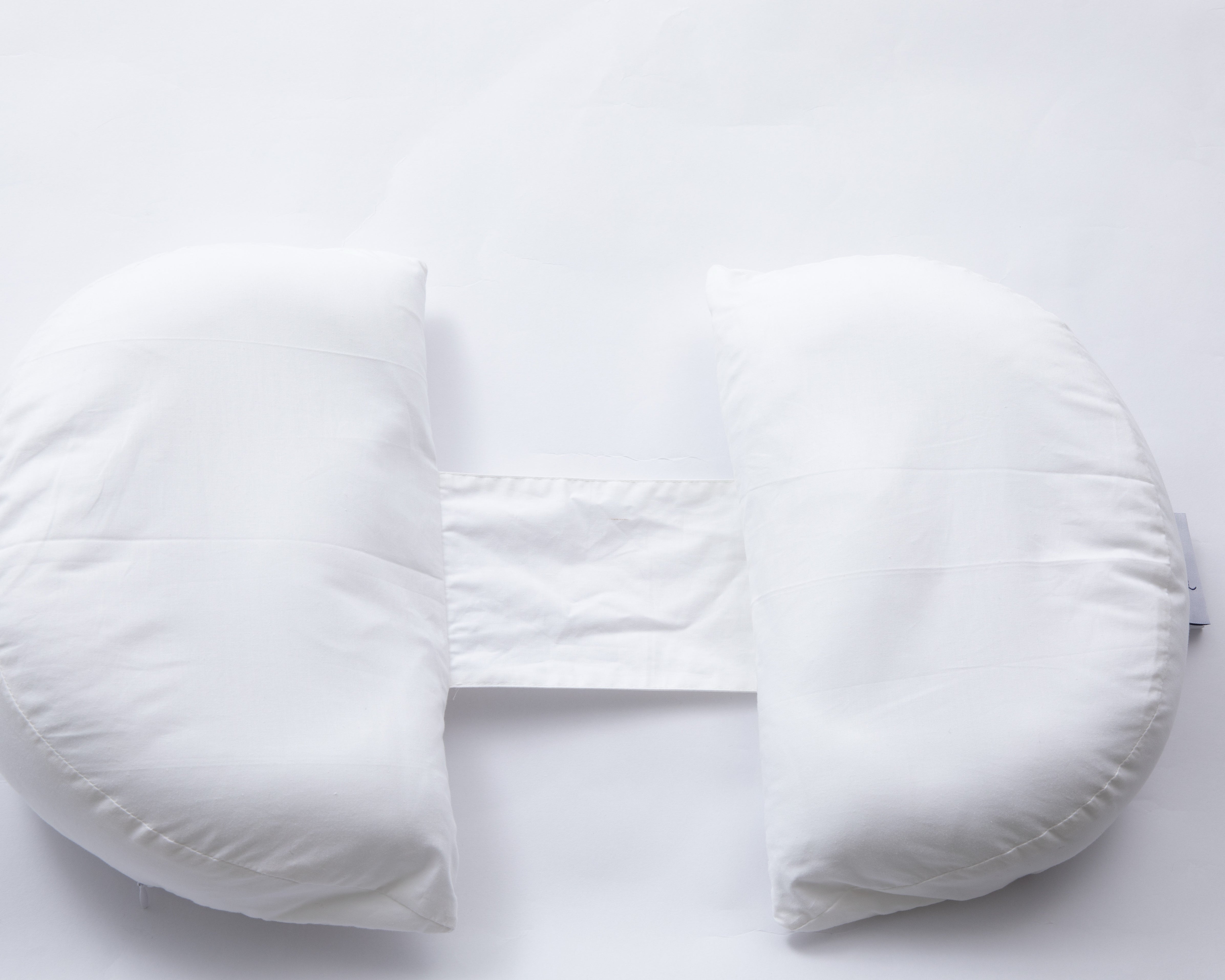
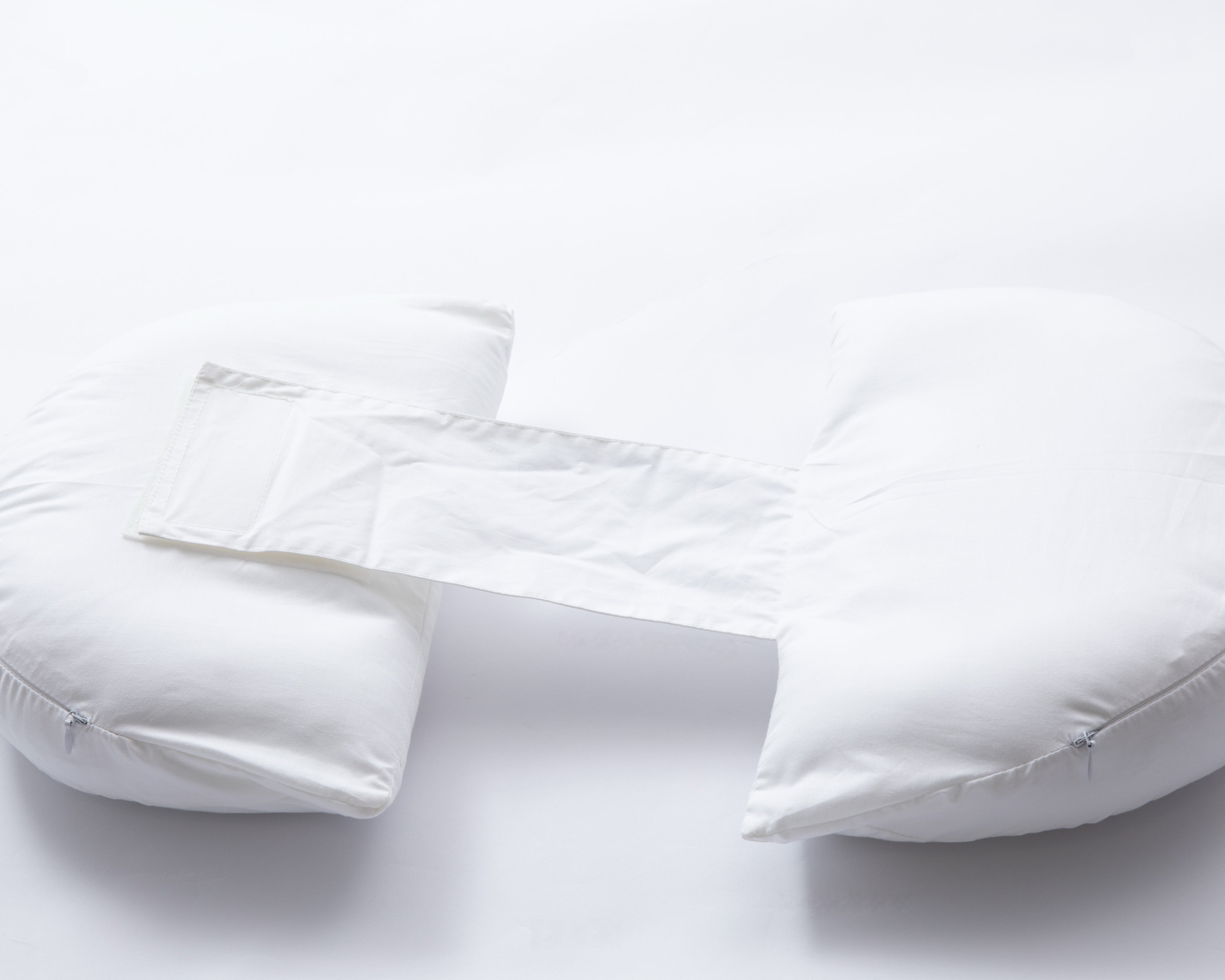
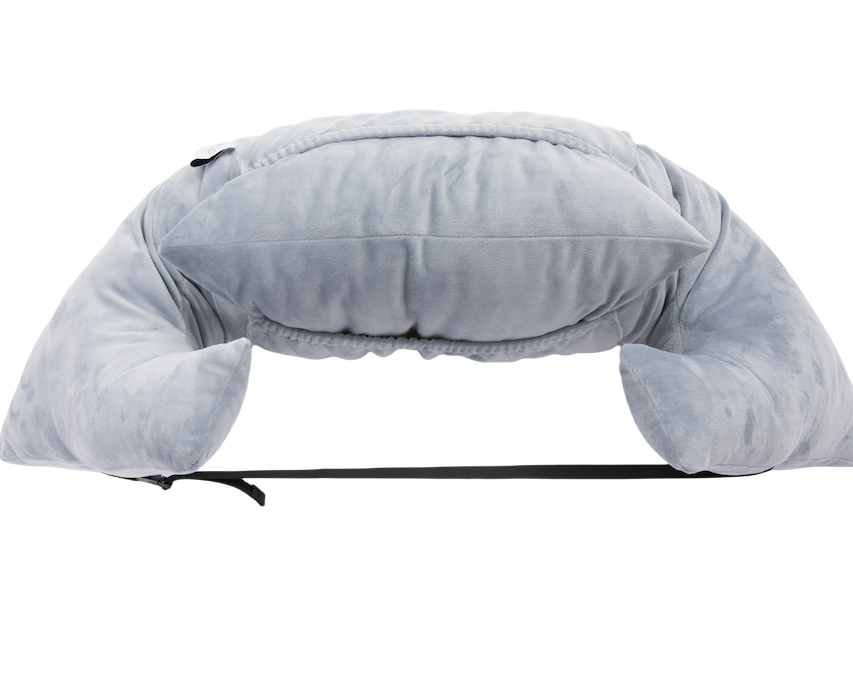
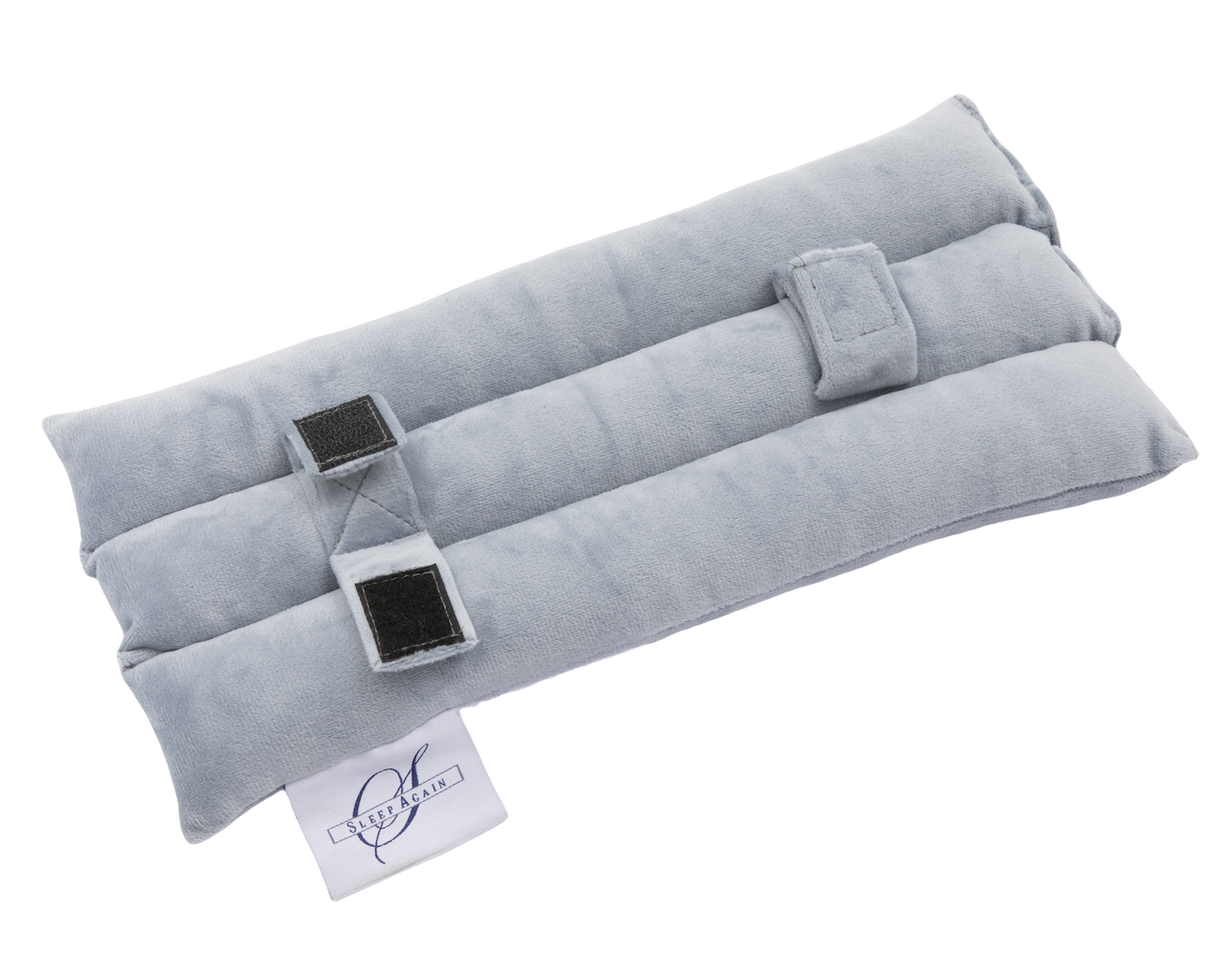
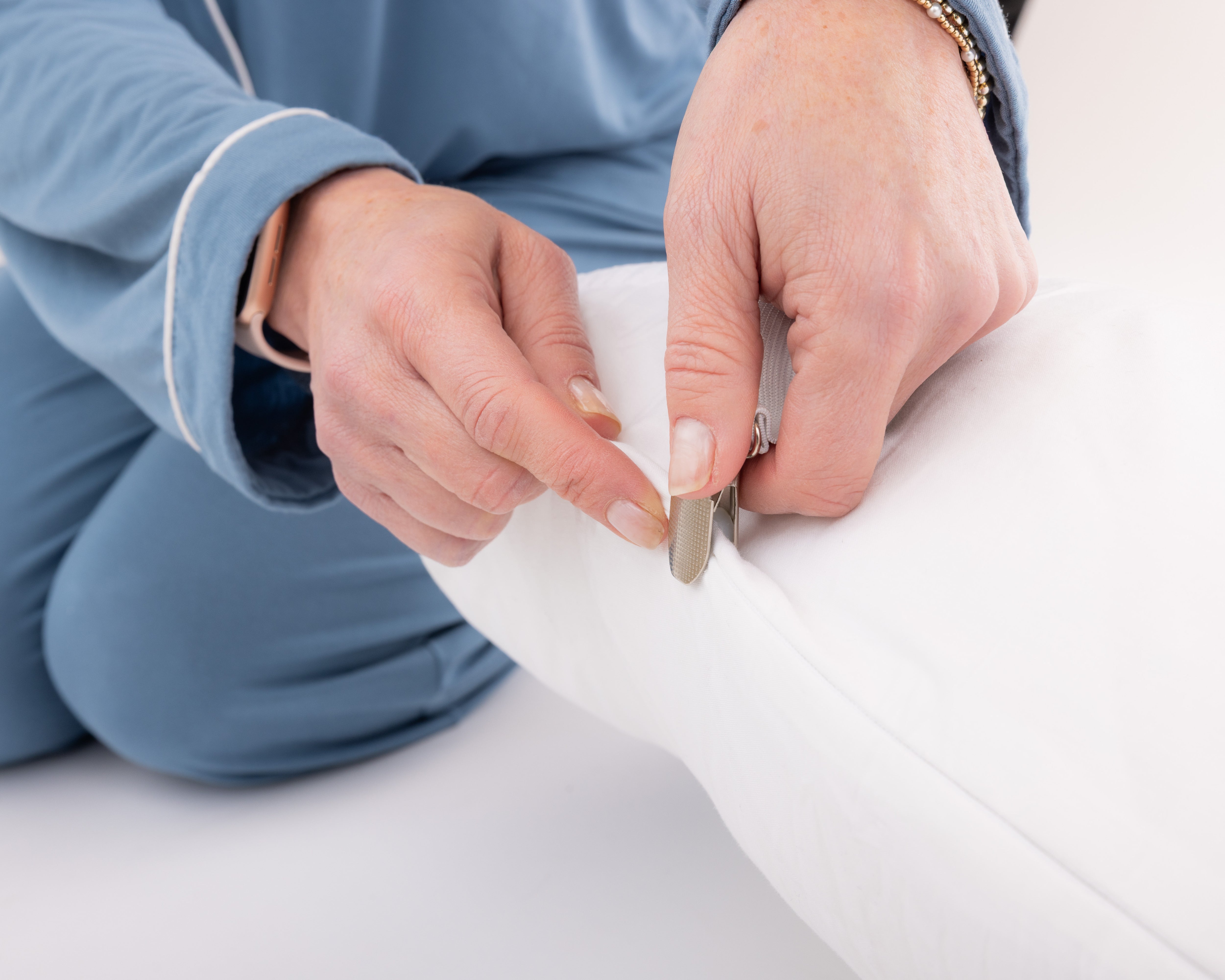
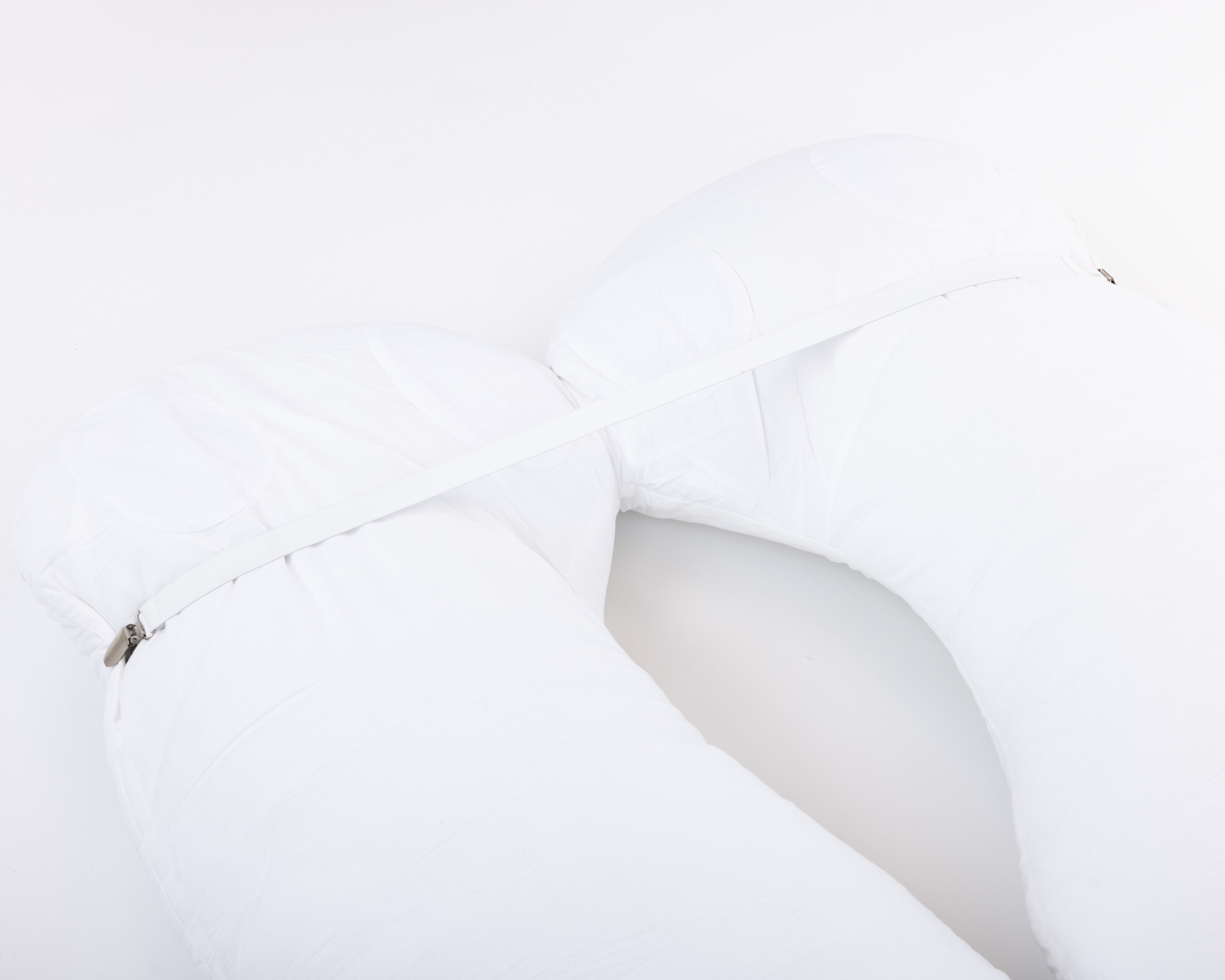
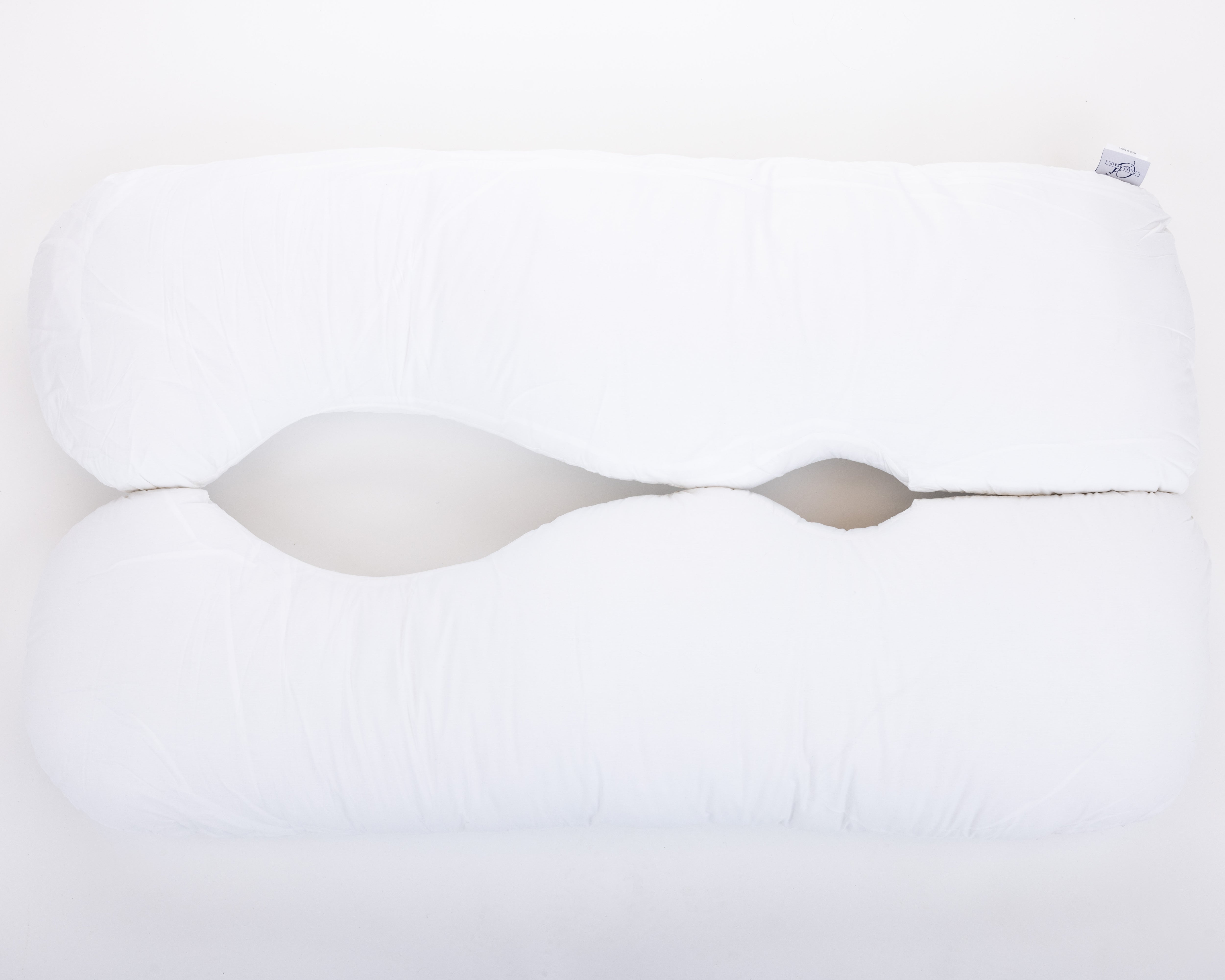
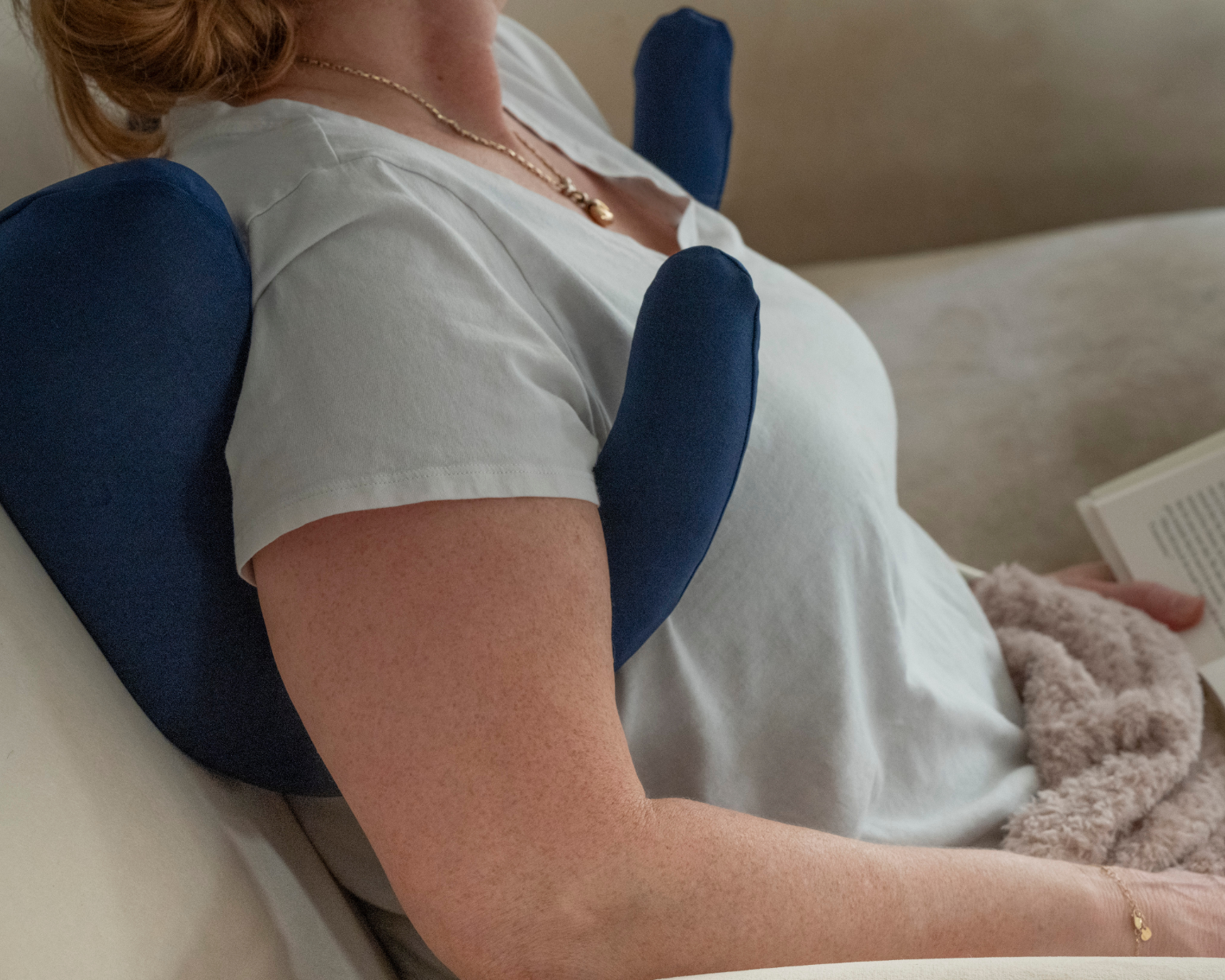
Two Contoured Side Pillows to cradle the back and hips, providing lateral stability and preventing unconscious rolling during sleep
-
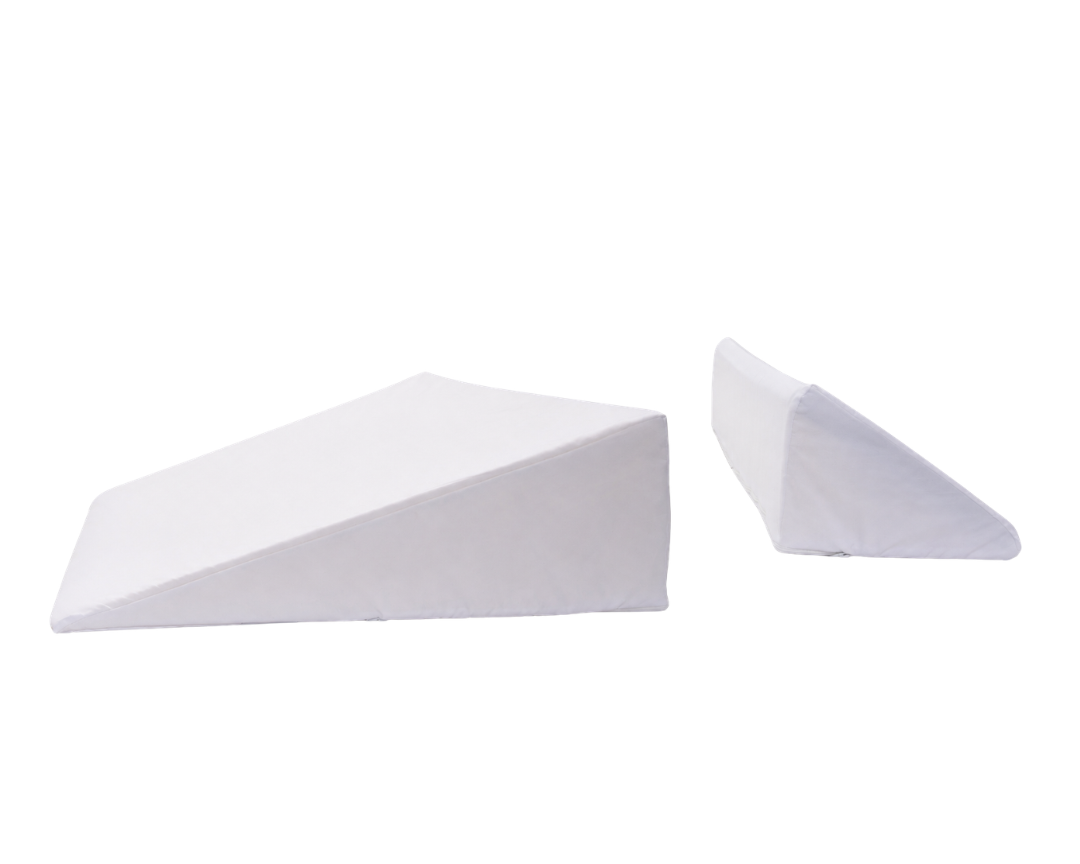
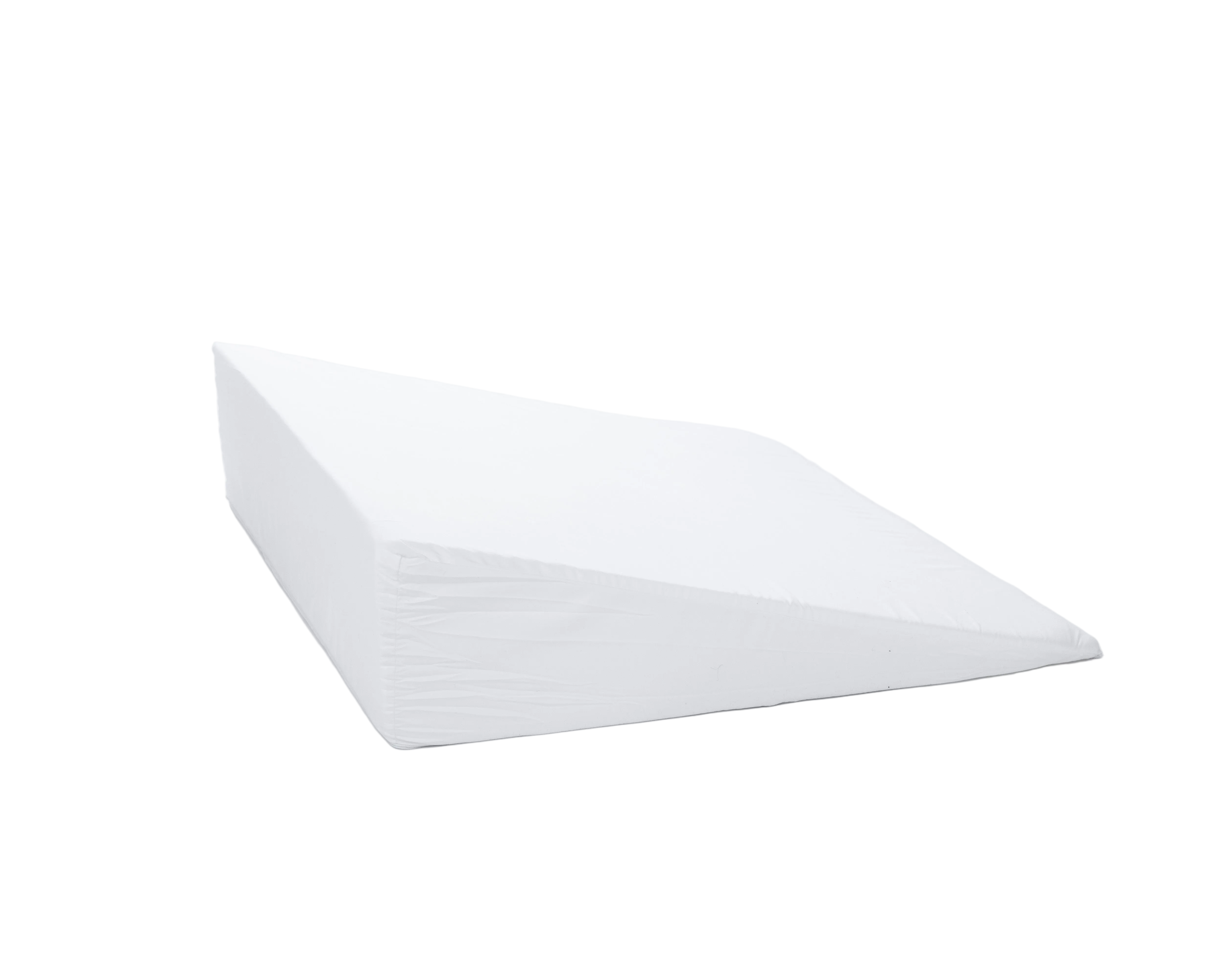
Upper Body Wedge to create the optimal upper body incline for therapeutic elevation
-
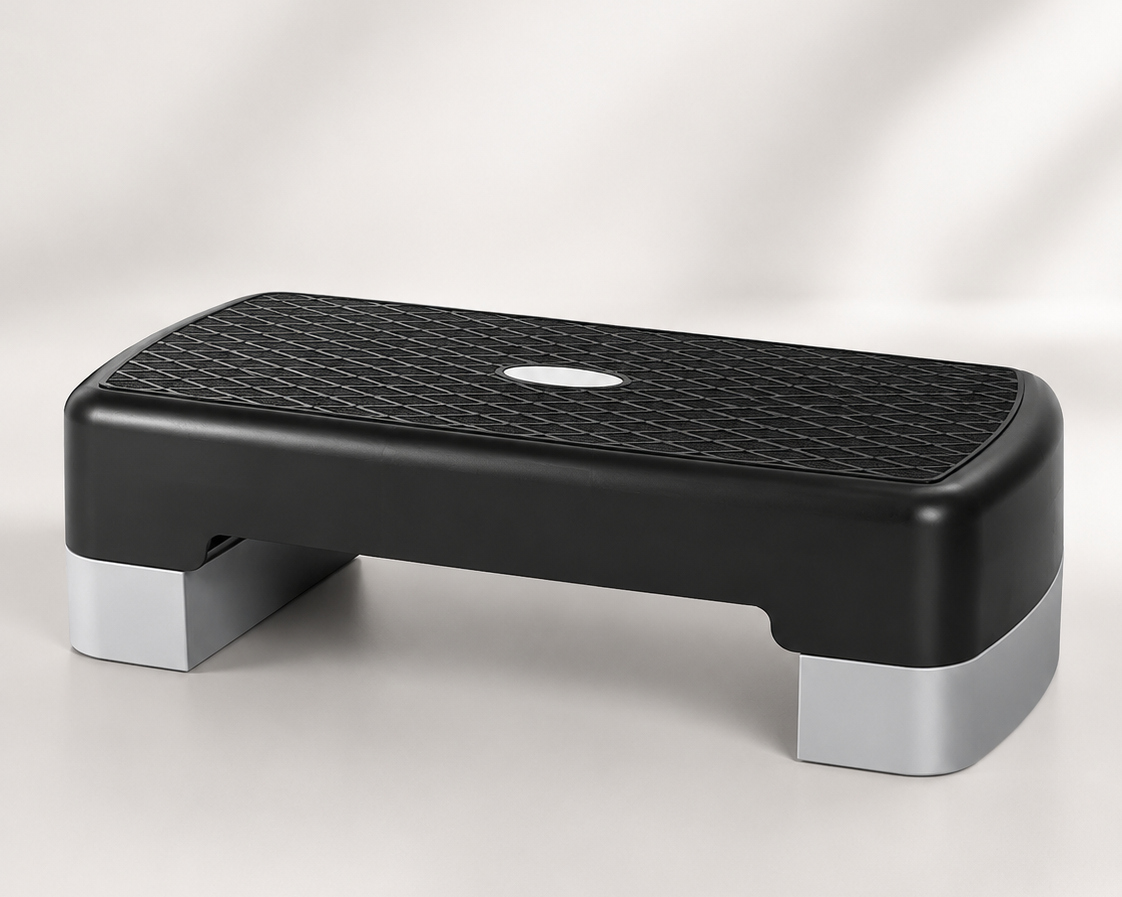
Leg Support Wedge to gently elevate the legs, reducing lower back strain that often develops from extended elevated sleeping
-
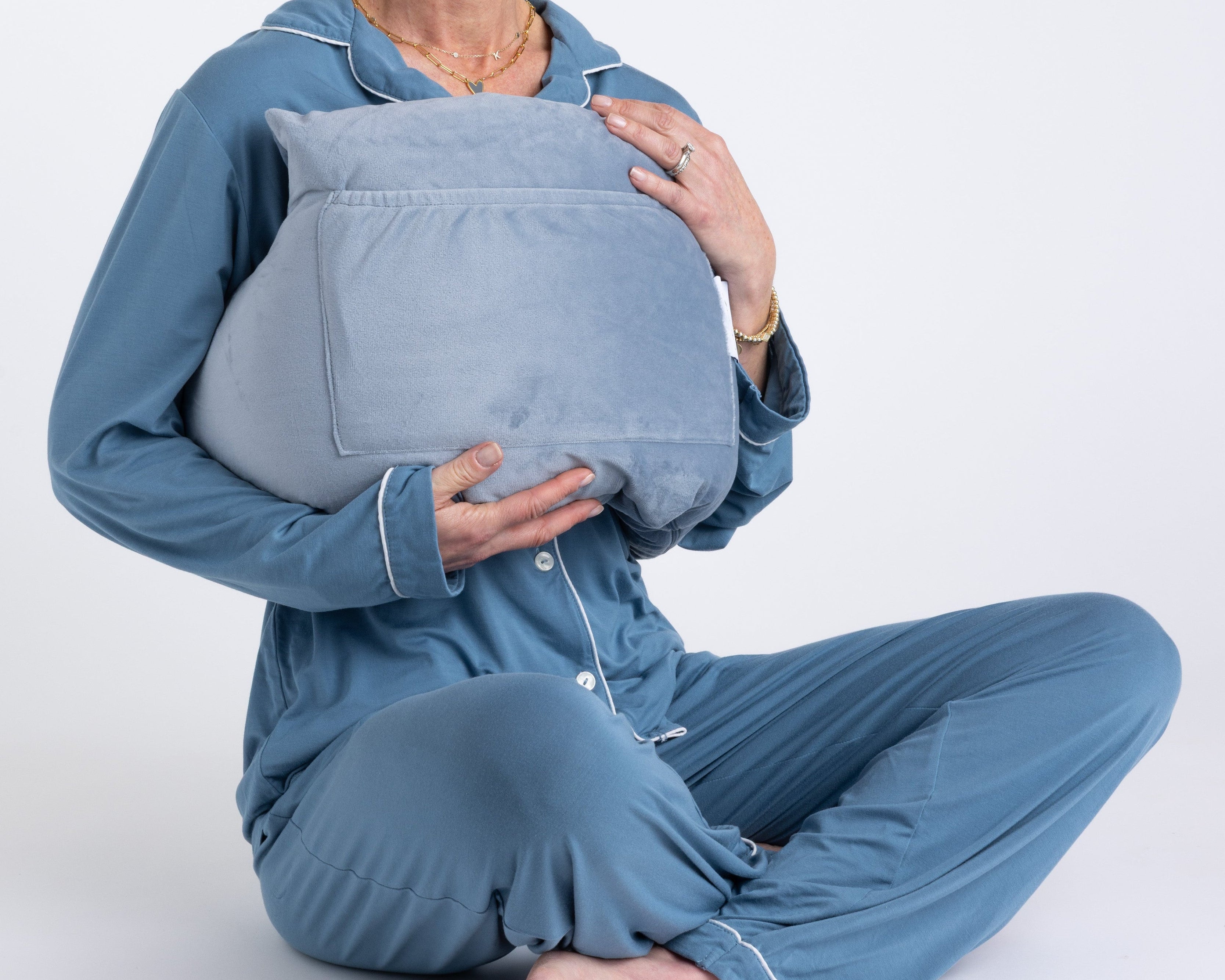
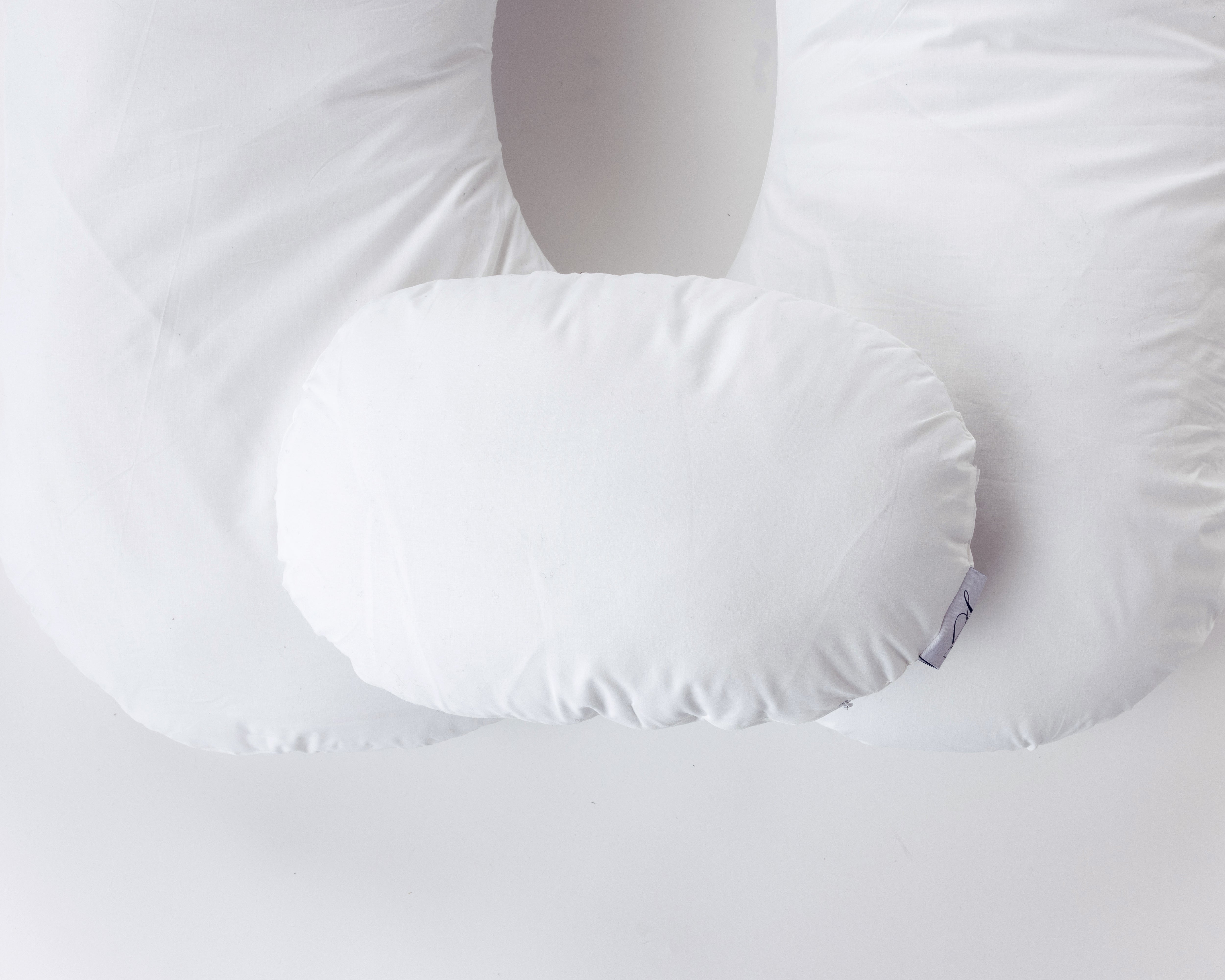
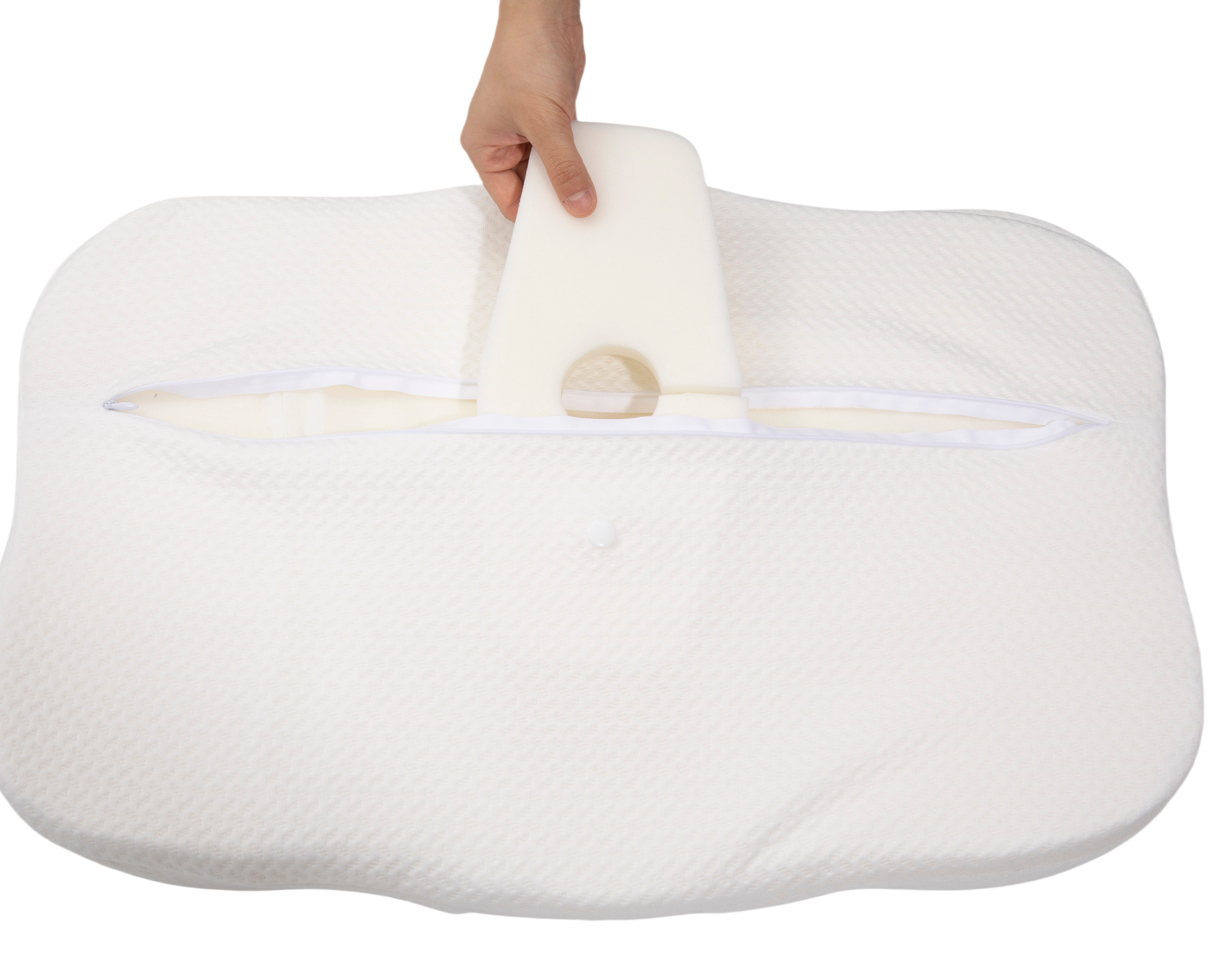
Head Pillow to provide head support and neck mobility without placing pressure on the surgical site
-
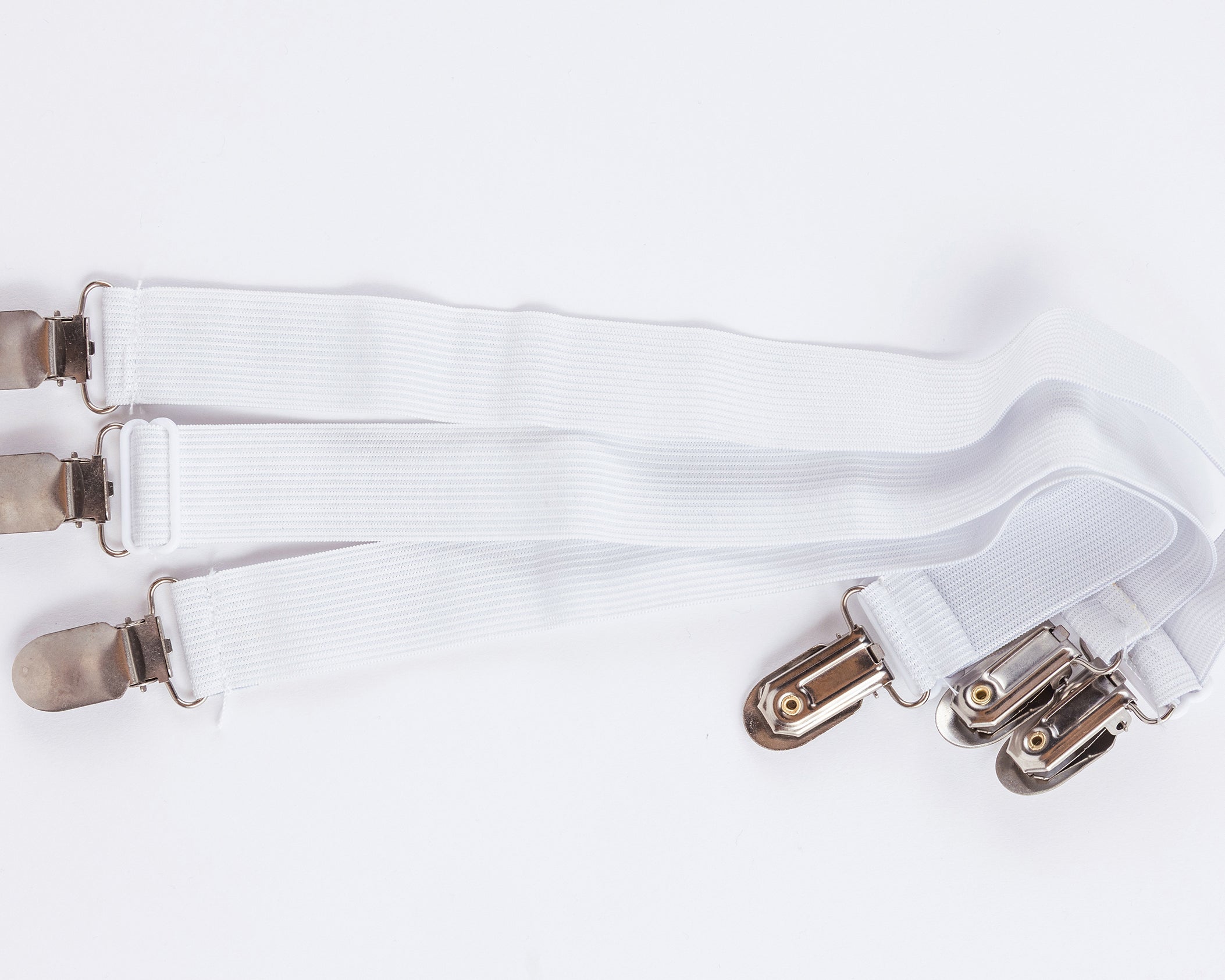
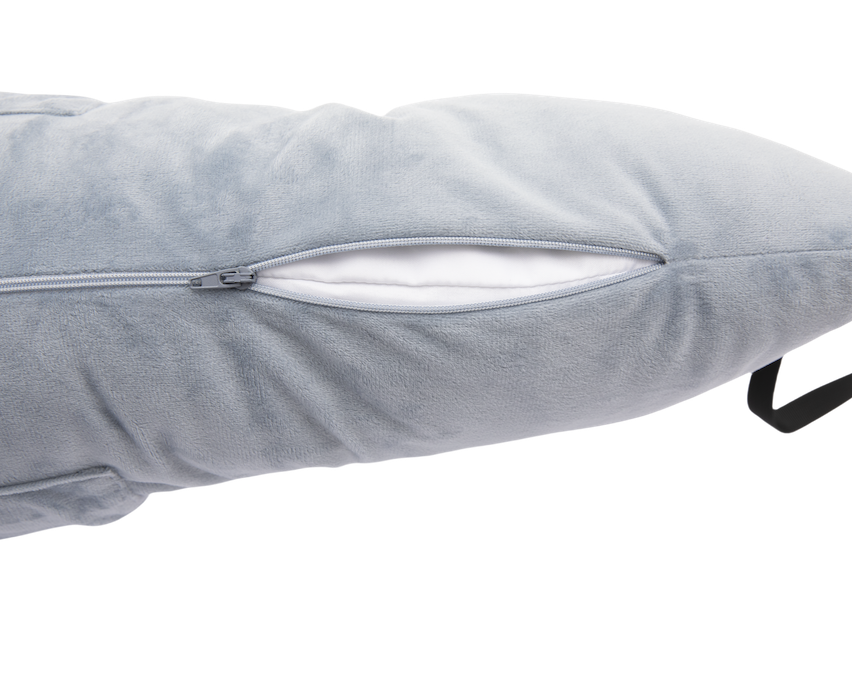
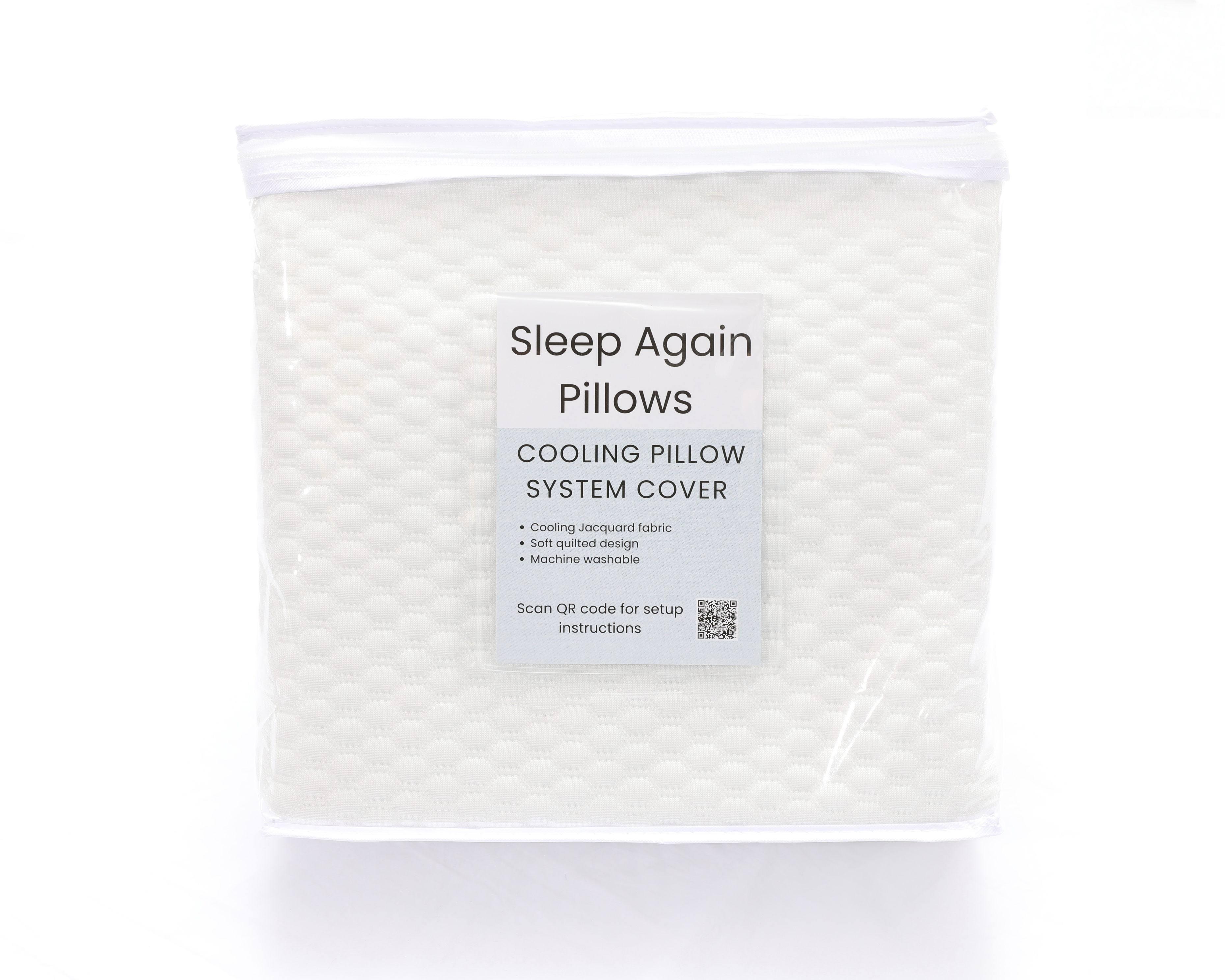
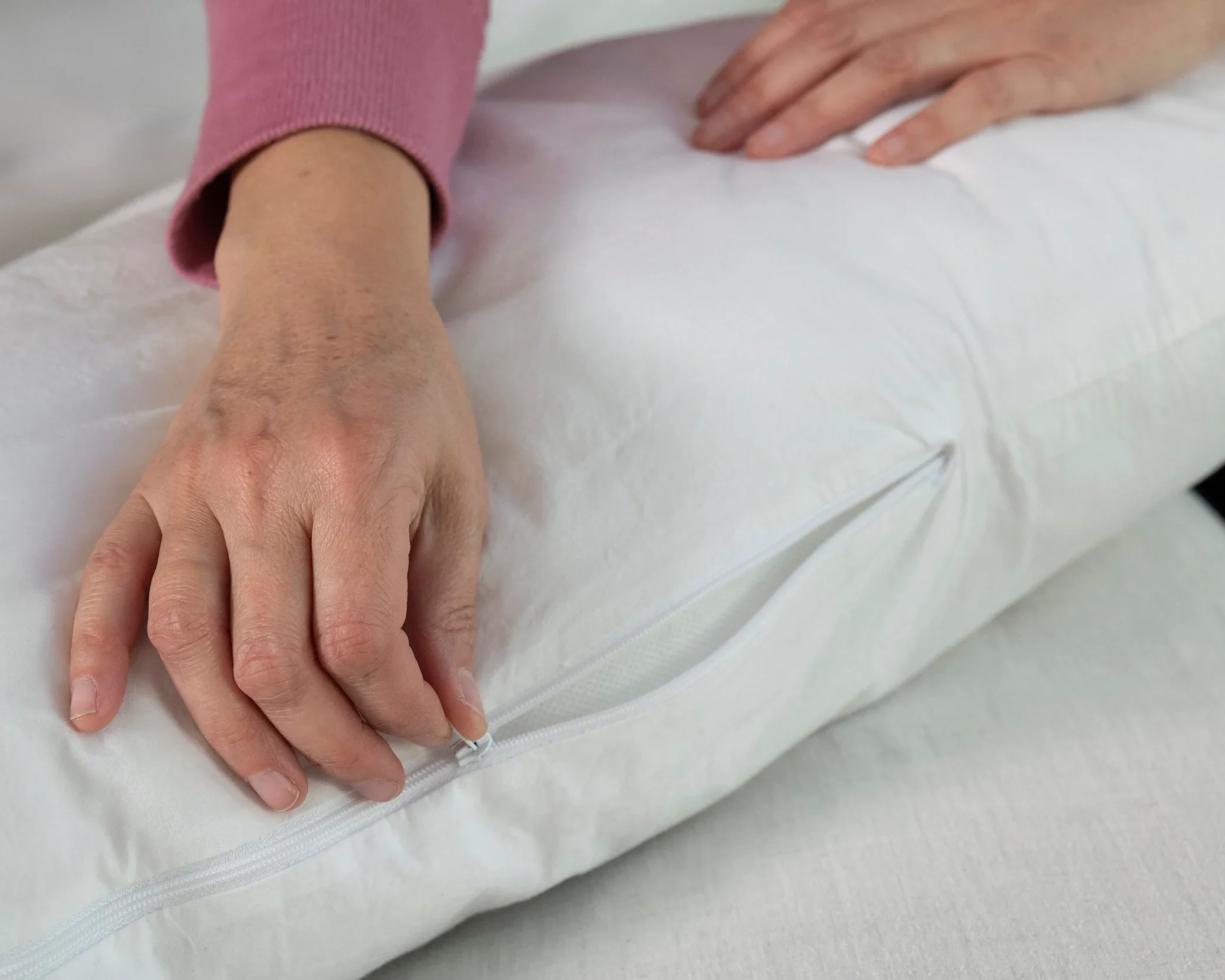
Removable, washable slipcovers for every piece, making hygiene maintenance easy throughout recovery
What distinguishes a full-body system from a single wedge pillow is how each component reinforces the others. The leg wedge reduces lower back compensation, the side pillows maintain lateral position, and the integrated design keeps everything working together throughout the night rather than shifting independently. For neck lift patients, that consistency is what makes the difference.
The Sleep Again Pillow System is also HSA/FSA eligible. This means patients using health savings or flexible spending accounts can apply those funds toward recovery preparation. Confirming eligibility with your benefits provider before purchase is recommended.
SHOP THE BEST PILLOW FOR NECK LIFT RECOVERY

Managing Common Sleep Challenges After Neck Lift Surgery
Even with proper positioning in place, neck lift recovery sleep presents a few predictable challenges. Knowing what to expect makes them easier to navigate.
Tightness and Pressure Sensation
A feeling of tightness under the chin and along the neck is among the most common sensations during recovery. It reflects the tissues healing in their repositioned state. Ensuring that your pillows are supporting your shoulders—not just your head—helps prevent the neck muscles from tensing or guarding all night, which can amplify this sensation.
Dry Mouth and Throat
Sleeping elevated with your head back can cause the jaw to relax and mouth breathing to increase. This leads to morning dryness in the throat and mouth. Keeping water on the bedside table and using a room humidifier reduces this effectively. A small amount of lip balm before sleep helps as well.
Difficulty Getting Comfortable Initially
The first several nights are typically the most challenging for sleep quality. Discomfort is at its highest, positioning feels unfamiliar, and the body hasn't yet adapted to the new sleep setup. Staying consistent with positioning and following your surgeon's guidance on pain management—including taking prescribed medication before bed as directed—makes a significant difference in these early nights.
The Urge to Roll
Even habitual back sleepers can find themselves waking on their side during recovery. Physical barriers on either side of the body—firm pillows or contoured side pillows built into a recovery system—make unintentional rolling less likely without disturbing sleep.
Lower Back Discomfort
Extended elevated sleeping places different demands on the lower back than flat sleeping does. Elevating the legs slightly with a support wedge resolves this for most patients by reducing the lumbar tension that develops from lying in a reclined position for extended periods.
PROTECT YOUR NECK LIFT RESULTS TODAY
What to Avoid While Sleeping After a Neck Lift
Knowing what to avoid is equally important as knowing what to do.
Stomach sleeping: Completely off-limits during recovery. It places direct pressure on the neck and face, creates friction against incisions, and compromises the structural integrity of the healing tissue.
Side sleeping on the operated area: Pressure on the surgical site should be avoided. If your surgeon permits side sleeping later in recovery, it must be on the unaffected side with the neck never pressed against the pillow.
Flat sleeping: Even setting aside the positioning issues, rising from a completely flat position requires significant neck and core engagement. This is avoidable and unnecessary during recovery.
Sleeping without positional support: Relying on willpower alone to stay in position is unreliable. Physical barriers and structured support systems are more consistent and allow for restful sleep.
Excessive screen time before bed: Post-surgical pain medication and the disruption of anesthesia already affect sleep quality. Adding screen stimulation makes it harder to fall and stay asleep. A wind-down routine that doesn't involve devices helps.

Nutrition, Hydration, and Sleep Quality
Recovery sleep quality is also influenced by factors beyond positioning. Hydration plays a meaningful role in healing—proper fluid intake supports circulation, reduces fluid retention, and helps flush inflammatory byproducts from the body. Salty or processed foods can increase fluid retention and worsen overnight swelling, so moderating intake during recovery is worthwhile.
Protein-rich nutrition supports tissue repair. Light, easily digestible meals in the evenings tend to be more comfortable than heavy ones, particularly in the first week when the neck can feel tight, and swallowing may feel slightly different than usual.
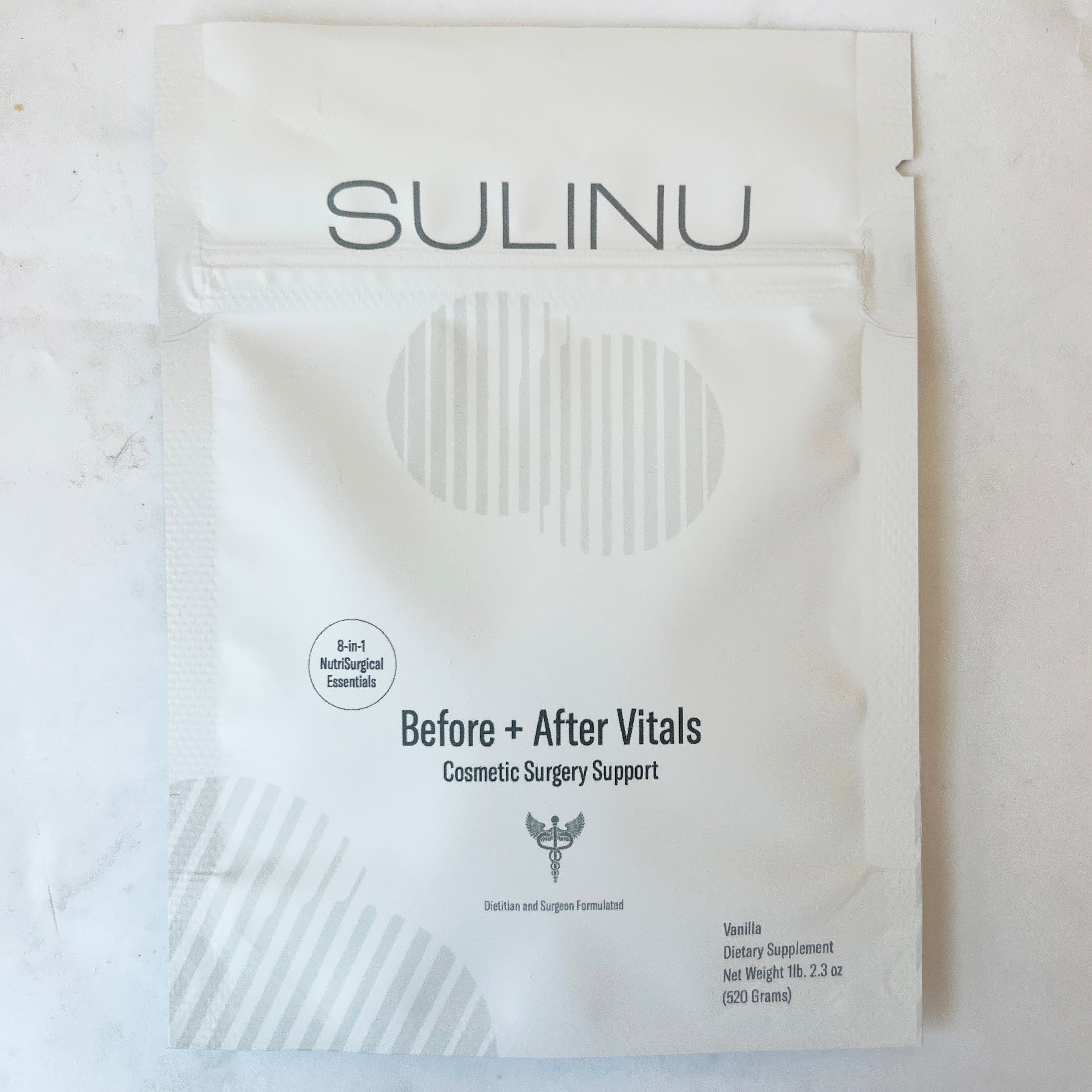
Some studies suggest that most people are nutrient-depleted even before undergoing surgery. Sulinu's Before + After Vitals is a leading NutriSurgical supplement designed specifically to support wound healing after surgery. Third-party tested and endorsed by plastic surgeons, this powerful supplement contains all your protein, collagen, amino acids, micronutrients, synbiotics, and enzymes in one scoop.
FAQs: Neck Lift Sleep Recovery
How elevated does my head need to be while sleeping after a neck lift?
The standard recommendation is 30 to 45 degrees. Start at the higher end of that range during the first few days when swelling peaks, then ease toward 30 degrees as healing progresses. Your surgeon will confirm the appropriate angle for your specific procedure.
Can I sleep in a recliner after neck lift surgery?
Yes, but it might compromise your sleep quality. For most people, sleeping in a recliner just isn't the same as sleeping in your own bed. A full-body pillow system designed specifically for post-surgery recovery can help protect your results by providing a safe, secure, and comfortable way to sleep during neck lift recovery that is often far superior to a recliner.
What if I naturally sleep on my side or stomach?
Your normal sleep preferences don't disappear, but they need to be managed during recovery. Surrounding yourself with physical barriers—firm pillows or a purpose-built positioning system with side support—prevents unconscious rolling during sleep. The Sleep Again Pillow System and its contoured side pillows specifically address this by making lateral rolling more difficult without disrupting sleep.
How long until I can sleep normally again?
Most surgeons recommend maintaining elevated back sleeping for two to four weeks at a minimum. Individual recovery timelines vary based on the scope of the procedure, your general health, and how consistently you follow post-surgical care instructions. Your surgeon will advise you on when it's appropriate to begin transitioning back toward your normal positions.
Will I be able to sleep at all in the first few days?
Sleep quality is often disrupted in the first 48 to 72 hours. Discomfort, the effects of anesthesia, and the unfamiliar positioning all contribute. Most patients find that sleep improves meaningfully after the first several nights as swelling begins to recede and the body adapts to the recovery position. Following your surgeon's pain management instructions—including timing medications before sleep—helps significantly.
Is it normal to feel tightness in the neck while sleeping?
Yes. Tightness under the chin and along the neck is a normal feature of neck lift recovery, reflecting tissues healing in their repositioned state. It typically eases as swelling subsides over the first two weeks. If it feels pronounced overnight, check that your pillows are supporting your shoulders, not just your head.
Does sleep position affect final results?
Sleep position during recovery can have an impact on the healing process. Consistent elevated back sleeping reduces swelling more effectively, protects incision lines from pressure and friction, and keeps tissues in the optimal alignment for healing. Patients who maintain proper positioning during recovery generally experience a smoother healing trajectory and fewer complications.
Can I use my HSA or FSA to purchase a recovery positioning system?
The Sleep Again Pillow System is HSA/FSA eligible. It's recommended to confirm eligibility with your benefits provider before purchasing, as account administrators handle eligibility verification.
Planning Ahead: A Pre-Surgery Checklist for Sleep Preparation
With your surgery date confirmed, use the weeks before to prepare your sleep environment fully. This checklist covers the essentials:
-
Obtain your positioning system at least one week before surgery so you can test it and make any adjustments before your procedure date
-
Rearrange your bedroom so that getting in and out of bed is easy with minimal bending or reaching
-
Stock your bedside table with water, lip balm, phone charger, and prescribed medications once received
-
Set up a humidifier in the bedroom if dry air is a concern
-
Prepare front-opening sleepwear to avoid pulling clothing over the head during recovery
-
Prepare light, nutritious meals in advance to support healing without adding logistical demands during recovery
-
Discuss sleep aids with your surgeon if you have significant concerns about sleep quality—some options are compatible with recovery, and your surgeon can advise accordingly
Preparation before your surgery date removes decision fatigue from the recovery period. Every element of your sleep environment that is set up in advance is one fewer thing you'll need to manage when your priority should simply be resting.
Final Thoughts
Neck lift surgery represents a meaningful investment in how you look and feel—one that deserves equally meaningful preparation. The recovery phase is where results are protected, and complications are prevented, and sleep position is one of the most controllable factors within that window.
Elevated back sleeping at 30 to 45 degrees, consistent positioning throughout the night, proper shoulder and leg support, and a prepared sleep environment are the foundations of a well-managed neck lift recovery. Set these up before surgery, follow your surgeon's specific post-operative instructions, and give your body the uninterrupted rest it needs to do its best healing work.
The effort you invest in preparation now directly shapes the experience you'll have during recovery—and the results you'll see when that recovery is complete.
Important Medical Disclaimer
The information provided on this page is for educational purposes only and should not replace professional medical advice from your healthcare provider. Sleep Again Pillows are positioning support products designed to help maintain sleep positions recommended by medical professionals during recovery and for therapeutic use.
Always follow your surgeon's or physician's specific post-operative instructions and positioning requirements. Medical guidance from your healthcare team takes precedence over any general information provided here. Recovery timelines, positioning angles, and product suitability vary based on individual surgical procedures, medical conditions, and patient-specific factors.
Consult your healthcare provider before purchasing positioning equipment if you have specific medical concerns or questions about whether these products are appropriate for your recovery or medical condition(s). Your medical team can provide personalized recommendations based on your unique situation.
Sleep Again Pillows do not diagnose, treat, cure, or prevent any medical condition. These products provide positioning support to help maintain sleep angles and positions as directed by your healthcare provider.