
Deciding to have otoplasty is the kind of decision people research carefully, weigh thoughtfully, and ultimately feel good about. The surgery itself is well-established and highly effective. What patients often underestimate, however, is how significantly sleep positioning affects the entire recovery experience—and how much easier recovery becomes when you have a plan in place before your procedure date.
This guide is written specifically for people who are still in the planning phase. If your surgery is weeks away, that is exactly the right time to read this. Patients who prepare their sleep setup before the procedure consistently report an easier first week of recovery than those who address it after the fact.
Here, you will find detailed information on sleep positions after otoplasty, elevation principles, ear protection during sleep, what to expect week by week, and how to set yourself up for the most comfortable recovery possible.
What Is Otoplasty and Why Does It Affect Sleep So Significantly?
Otoplasty is a surgical procedure that reshapes and repositions the ears. It is most commonly performed to correct ears that protrude prominently from the head, though it is also used to address asymmetry, repair injury, or reconstruct ear shape. The procedure involves making incisions typically in the natural folds behind or within the ear, reshaping cartilage, and securing the ear in its new position.
Recovery from otoplasty is generally manageable, with most patients returning to normal activities within one to two weeks. However, the ears require careful protection during healing because they are sensitive, external, and highly susceptible to pressure and friction. Sleeping is one of the most vulnerable times for healing ears because most people naturally change positions throughout the night without conscious awareness.
The surgical site on and around the ear needs consistent protection from direct pressure, which eliminates side sleeping during the early recovery period. Swelling and tenderness are standard, and any compression of the ear—even from a soft pillowcase—can cause discomfort and potentially affect healing outcomes.

Why Elevated Back Sleeping Is the Recommended Position After Otoplasty
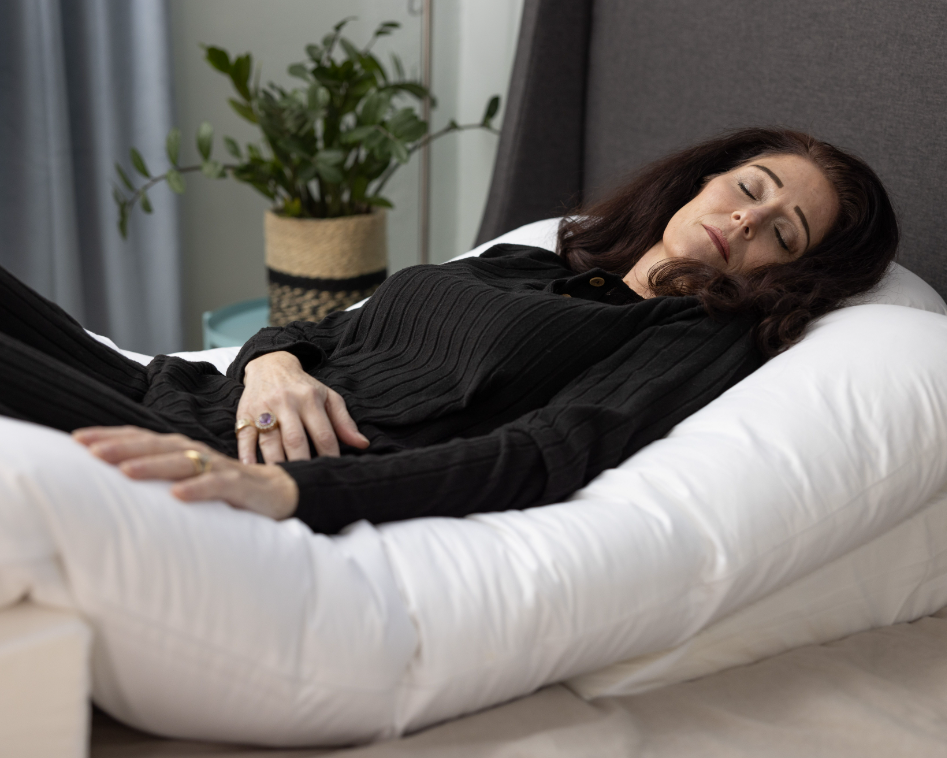
Surgeons consistently recommend elevated back sleeping following otoplasty, and for good reason. This position accomplishes several important therapeutic goals simultaneously, making it the most effective posture for protecting healing ears while promoting overall recovery.
Direct Ear Protection
When you sleep on your back, neither ear makes contact with a surface. This is fundamental. Pressure on healing ear cartilage can disrupt the repositioning achieved during surgery, cause unnecessary pain, and in some cases contribute to complications. Back sleeping removes this risk entirely.
Swelling Reduction Through Elevation
Elevating the head and upper body at 30 to 45 degrees after surgery leverages gravity to support your body’s natural drainage processes. Fluid naturally migrates downward, so keeping the head elevated reduces fluid accumulation around the surgical site. Patients who maintain proper elevation during the first week typically experience less pronounced swelling and faster visible recovery.
Headband Preservation
Following otoplasty, your surgeon will place a compression headband or dressing around your ears. This headband plays an active role in your healing, and it needs to stay in proper position. Back sleeping with appropriate elevation keeps the headband stable throughout the night, whereas side sleeping creates friction that shifts the dressing and potentially compromises its function.
Circulation and Healing Efficiency
Elevation supports circulation throughout the upper body, which promotes more efficient delivery of oxygen and nutrients to healing tissue. Better circulation translates to better healing. The 30 to 45 degree range is considered optimal because it provides meaningful elevation without placing stress on the neck or causing the patient to slide downward during sleep.
Mobility and Getting Up at Night
Rising from a fully flat position requires more physical effort and involves more upper body movement than rising from a partially reclined one. Patients recovering from otoplasty often need to get up during the night, and doing so from a properly elevated position is noticeably easier and less disruptive to the surgical site.
The 30 to 45 Degree Elevation Range: What It Means and How to Achieve It
The 30 to 45 degree elevation range is the therapeutic standard recommended by surgeons after head and facial surgery. This angle is specific enough to provide real benefits—it is not simply propping one pillow under your head. A single standard pillow elevates the head by roughly 10 to 15 degrees. Achieving 30 to 45 degrees requires a more structured approach.
Some patients use a reclining chair for the first several nights, which can provide elevation but often lacks the full-body support needed for quality sleep. Plus, if you don't own a recliner, renting a medical recliner can be costly and challenging to maneuver.
Others attempt to build elevation using multiple stacked household pillows. While this can work in principle, household pillows compress and shift throughout the night, losing their therapeutic angle precisely when support matters most.
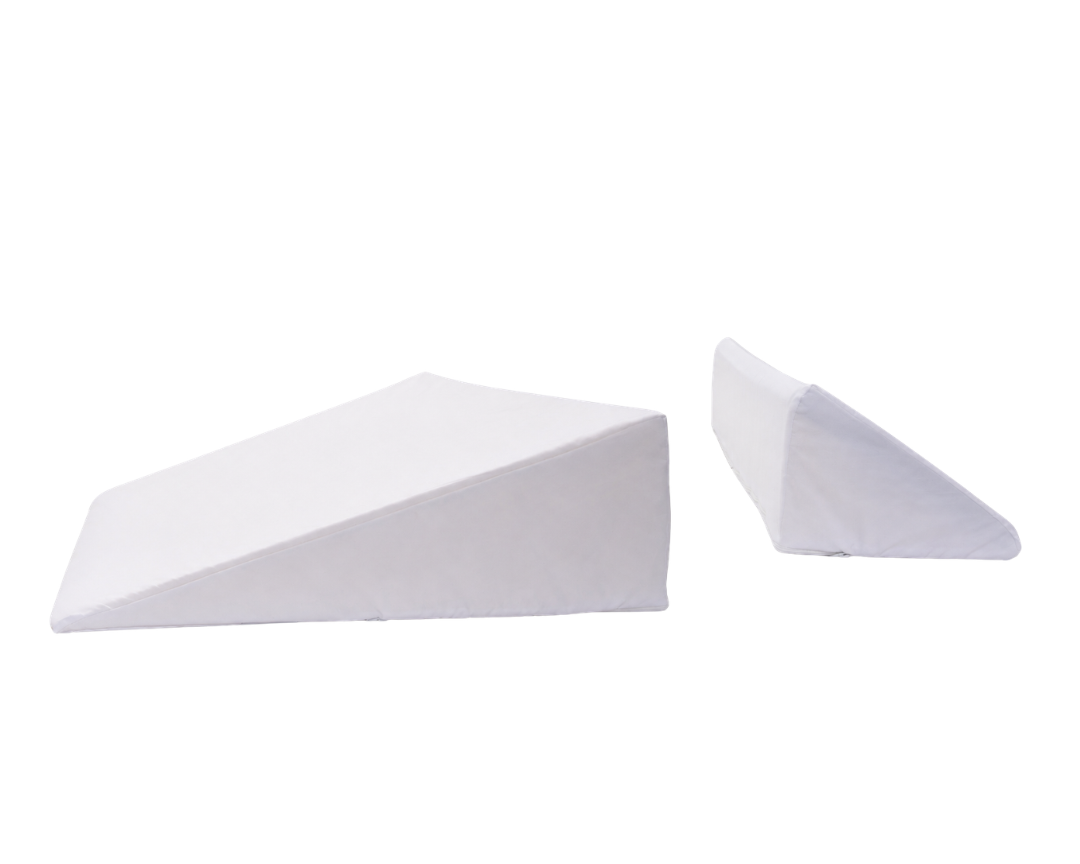
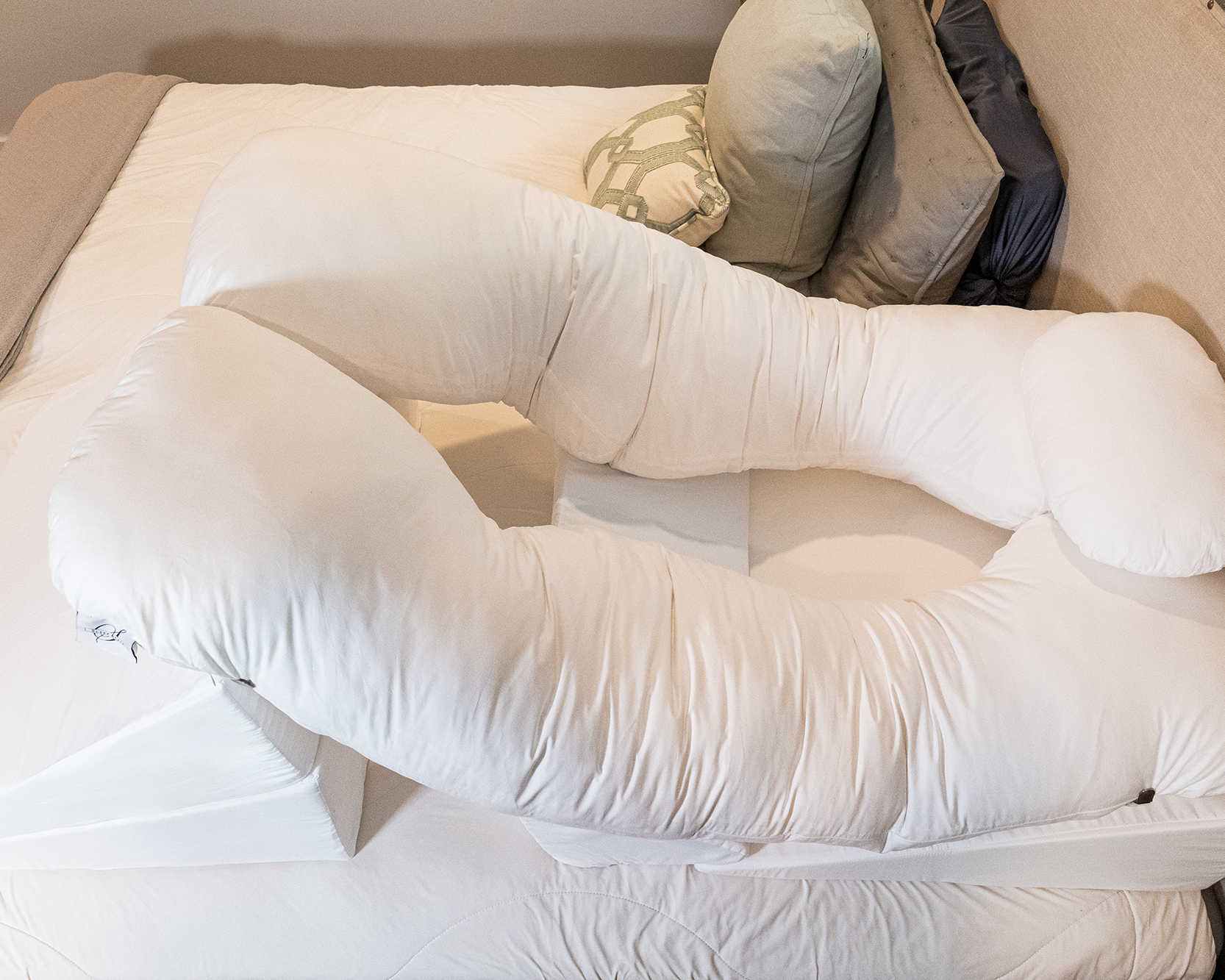
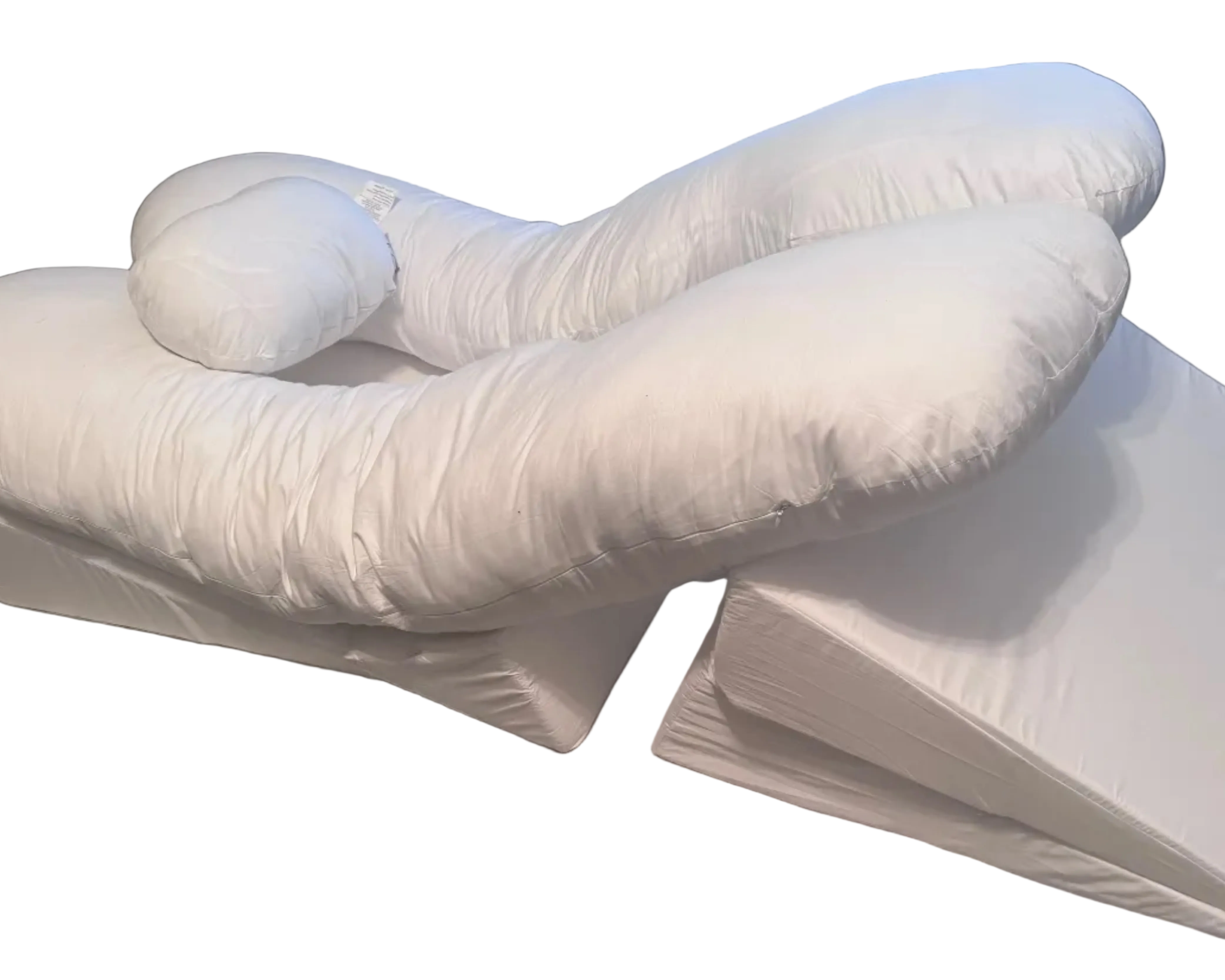
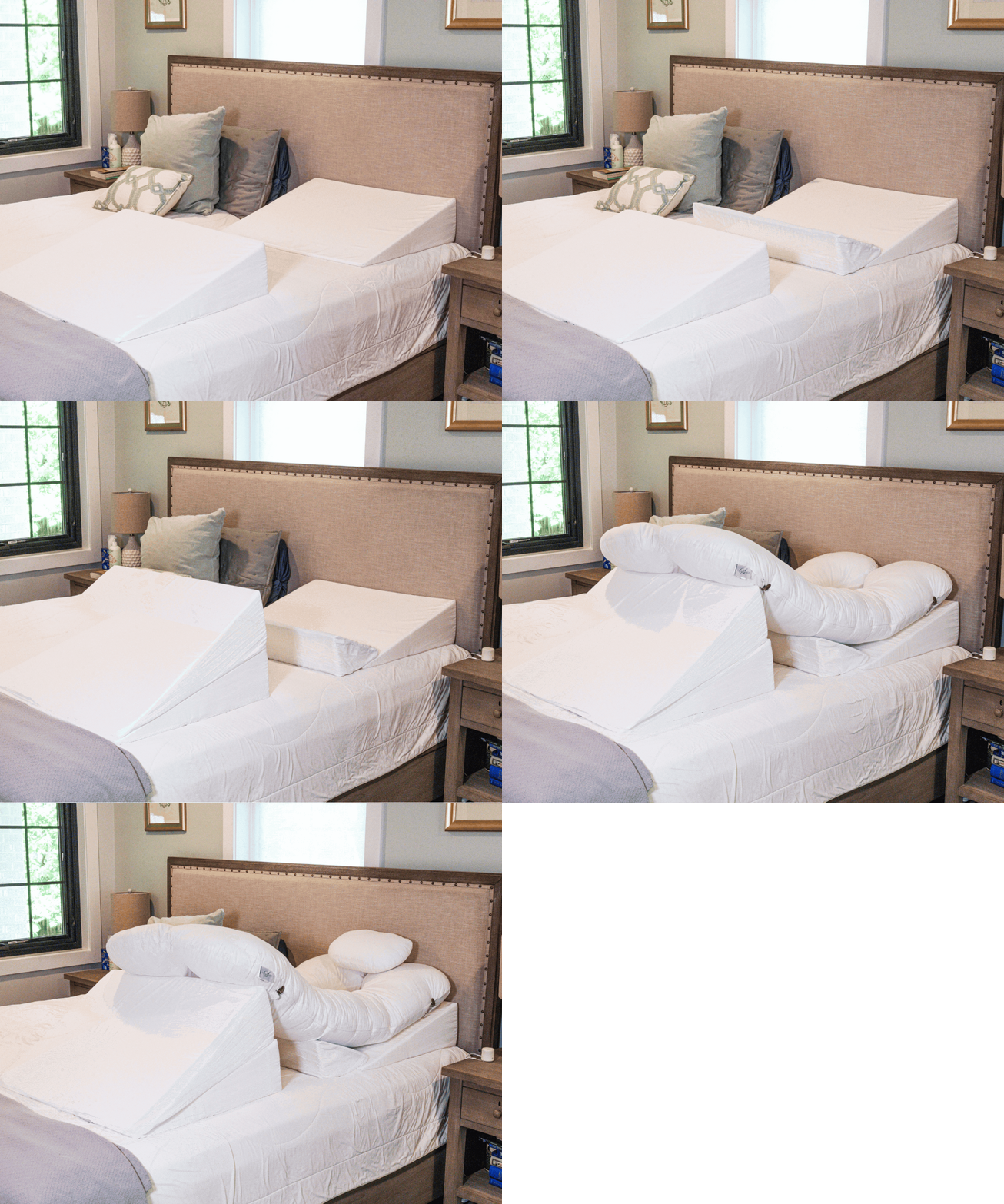
The most consistent approach is a purpose-built pillow system that maintains a stable incline throughout the sleep cycle. Systems that include coordinated support components—a wedge for the upper body, leg support to prevent sliding, side pillows to discourage rolling—provide the most reliable positioning and eliminate the nightly setup challenge that improvised arrangements create.
What to Expect: Otoplasty Recovery Sleep by Week
Days 1 through 3: The Critical Window
Swelling and tenderness are at their most pronounced in the first 72 hours following otoplasty. Your headband dressing will be in full effect, and you may also be managing mild to moderate discomfort with prescribed or over-the-counter pain management. Sleep during this period is functional rather than comfortable—the goal is protection and rest, not ideal comfort. Strict back sleeping with head elevation at the higher end of the range (40 to 45 degrees) is recommended.
Days 4 through 7: Stabilization Phase
Swelling begins to stabilize, and most patients experience meaningful improvement in discomfort levels. The headband remains critical during this period. Sleep quality generally improves as the acute phase passes, though back sleeping remains the only safe option. Many patients find a 35 to 40 degree elevation angle comfortable during this phase.
Weeks 2 and 3: Continued Protection
Your surgeon will provide guidance on headband usage during this phase—some patients transition to nighttime-only headband wear, while others maintain full-time use. Back sleeping continues to be strongly recommended, and most patients have adapted to the position well enough that sleep quality approaches normal levels. Elevation can be reduced to the 30 to 35 degree range as comfort allows.
Week 4 and Beyond: Gradual Transition
By week four, many patients receive clearance to gradually reintroduce other sleep positions, depending on their individual healing progress. Your surgeon’s instructions take precedence here. Even after receiving clearance for side sleeping, many patients choose to continue with elevated back sleeping given how well they have adapted to it and the ongoing comfort benefits it provides.
The Case Against Side Sleeping After Otoplasty
Side sleeping is the most common sleep position in the general population, which means the majority of otoplasty patients will need to make a deliberate change for the short-term during recovery. Understanding why side sleeping is problematic makes it easier to stay committed to back sleeping even when the instinct to roll over is strong.
Direct pressure on the ear during side sleeping compresses healing cartilage. Cartilage has a limited blood supply under normal circumstances; compression reduces that supply further at precisely the time when healing tissue needs circulation most. Even light pressure over extended periods—such as a full night of sleep—can cause discomfort and potentially affect the surgical result.
Additionally, side sleeping generates friction between the ear and pillowcase material. This friction affects the compression dressing and can cause it to shift, reducing its therapeutic function. It also contributes to localized pressure that increases morning soreness.
Most patients who attempt to accommodate side sleeping by using a donut pillow find that these specialty items provide inconsistent positioning and do not address the full-body support challenge that back sleeping requires. The most effective protection comes from preventing side sleeping altogether—not from trying to make it safer.
Pillow Options for Sleeping After Otoplasty: What to Look For
Not all pillow arrangements are equal when it comes to surgical recovery. The qualities that make a pillow comfortable for standard sleeping—softness, give, and adjustability—are often the same qualities that make it unreliable for therapeutic positioning. Recovery sleep requires consistency: stable elevation that holds through the night, firm support that does not compress under body weight, and full-body positioning that keeps you on your back.
When evaluating pillow options for otoplasty recovery, prioritize the following:
-
Stable wedge elevation that maintains angle throughout the night without compressing or shifting
-
Side support to discourage rolling and provide security while sleeping on your back
-
Leg elevation to prevent the tendency to slide down an inclined position during sleep
-
Head support that accommodates neck comfort without adding pressure to the ear area
-
Washable covers, since post-surgical recovery involves compresses, ointments, and dressings that can transfer to linens

The Sleep Again Pillow System: Built Specifically for Surgical Recovery Sleep
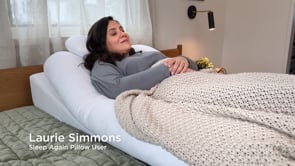
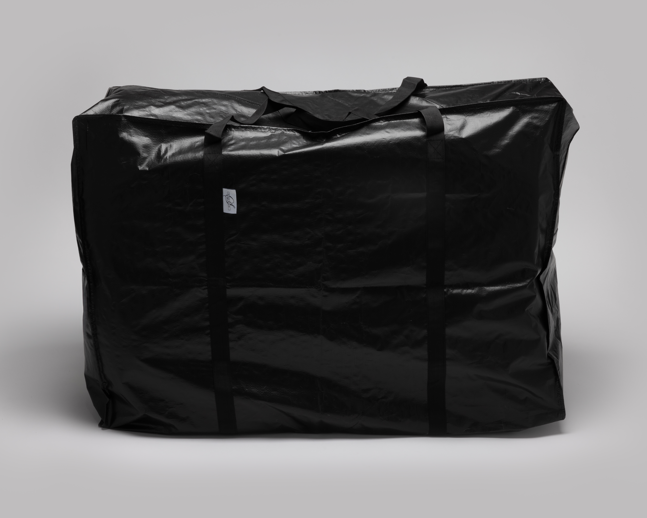
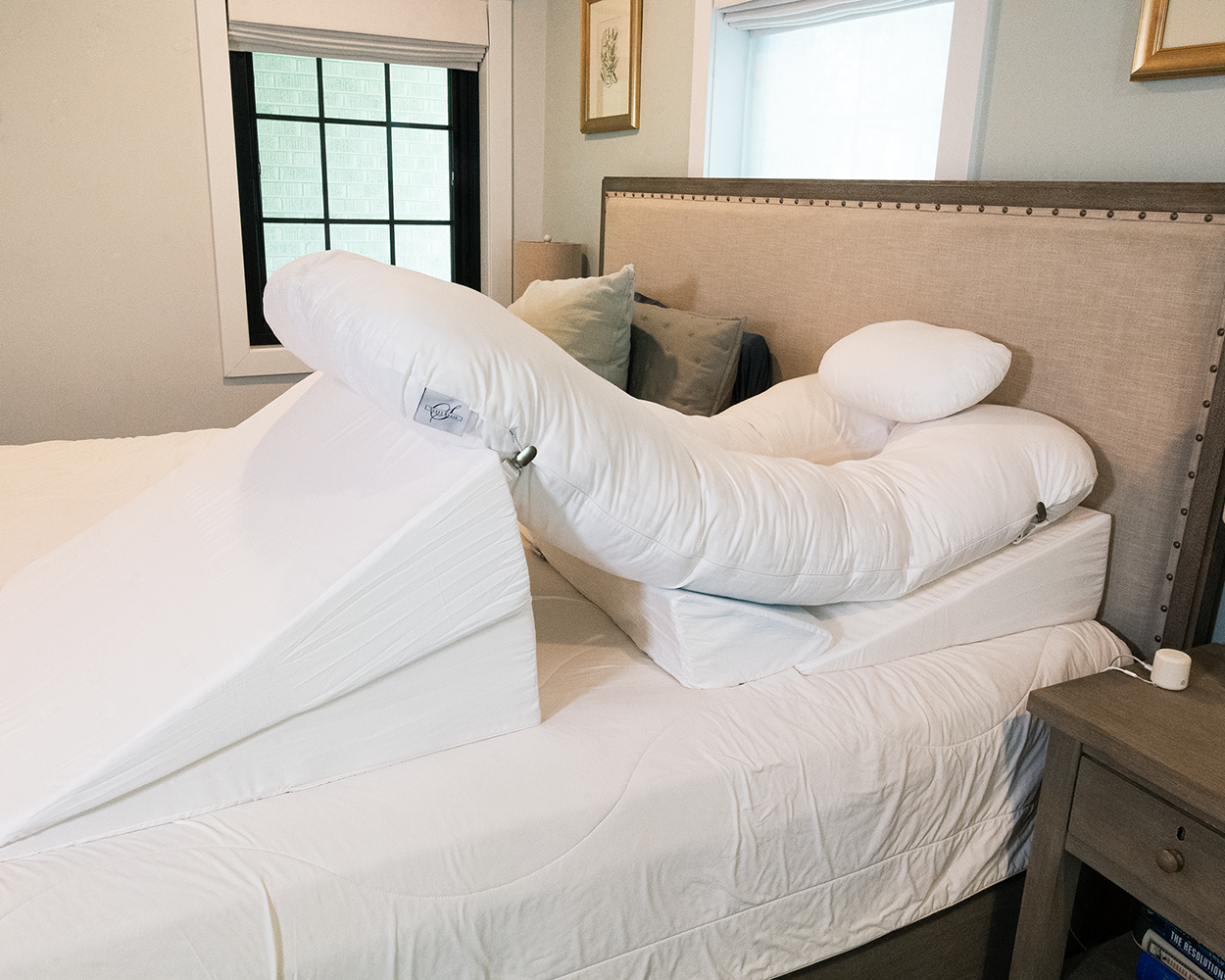
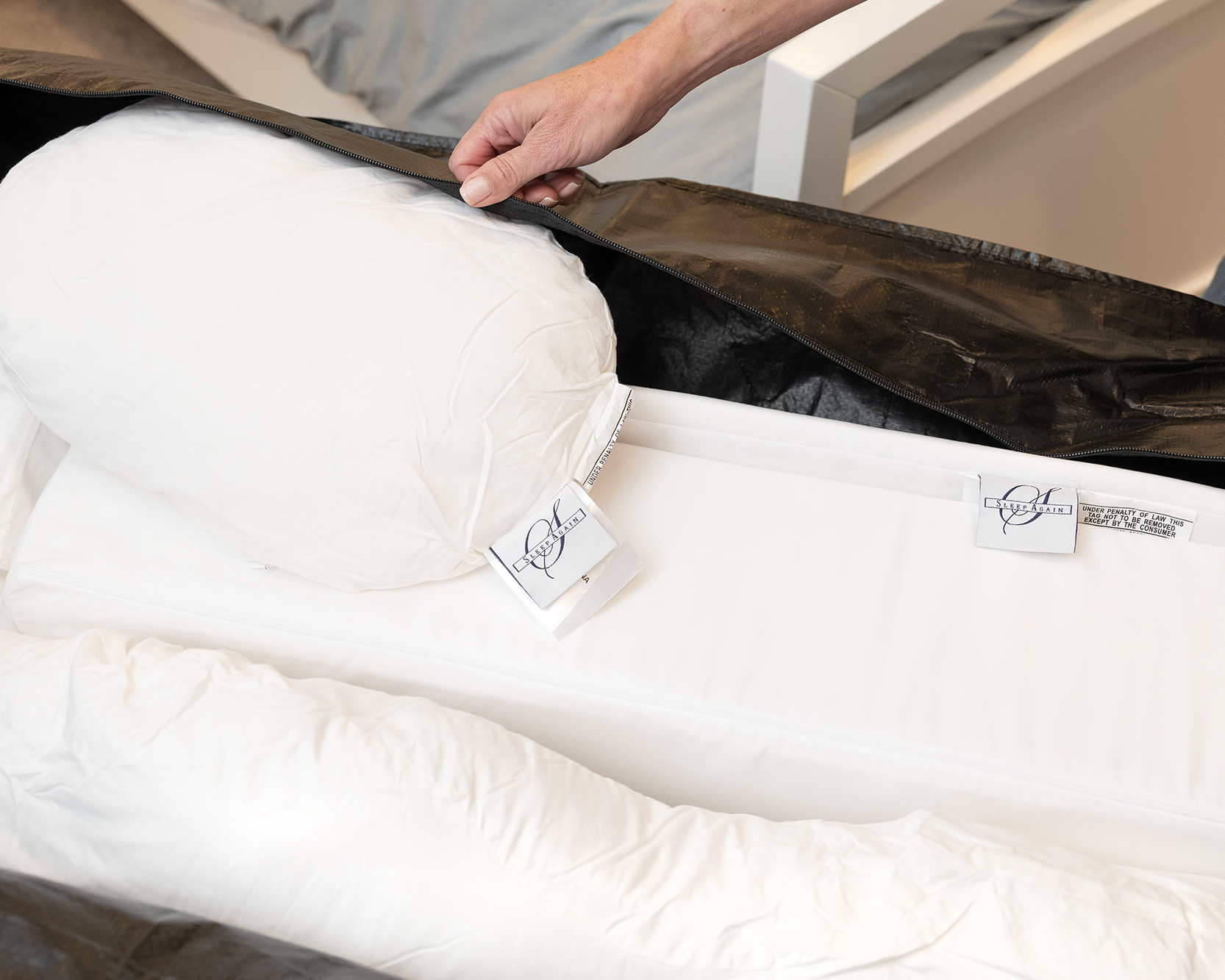
The Sleep Again Pillow System was developed specifically for surgical recovery positioning—not adapted from a general-purpose product, but engineered from the ground up to meet the sleep needs of post-surgical patients. It is the only full-body pillow system designed specifically for surgery support, and it addresses each of the positioning challenges described in this guide.
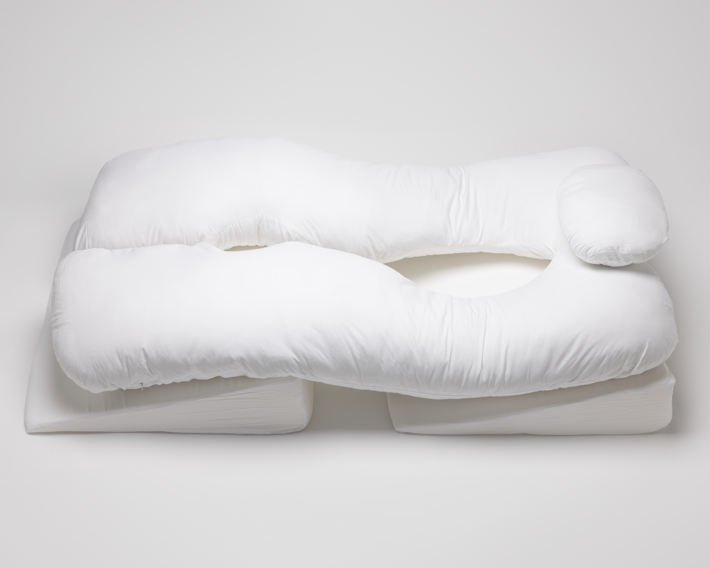
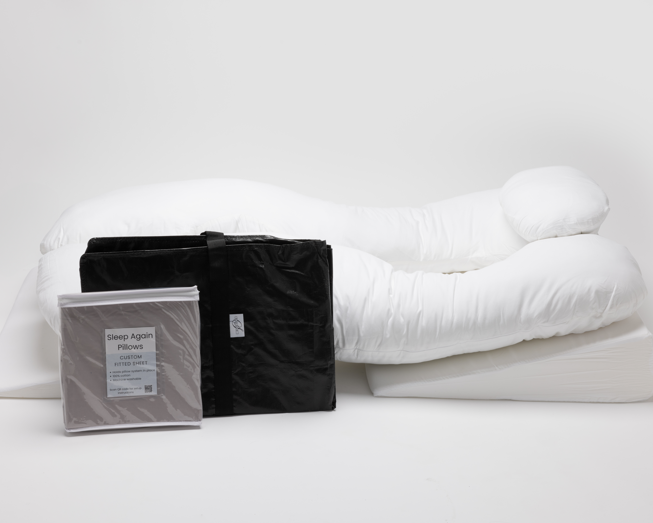
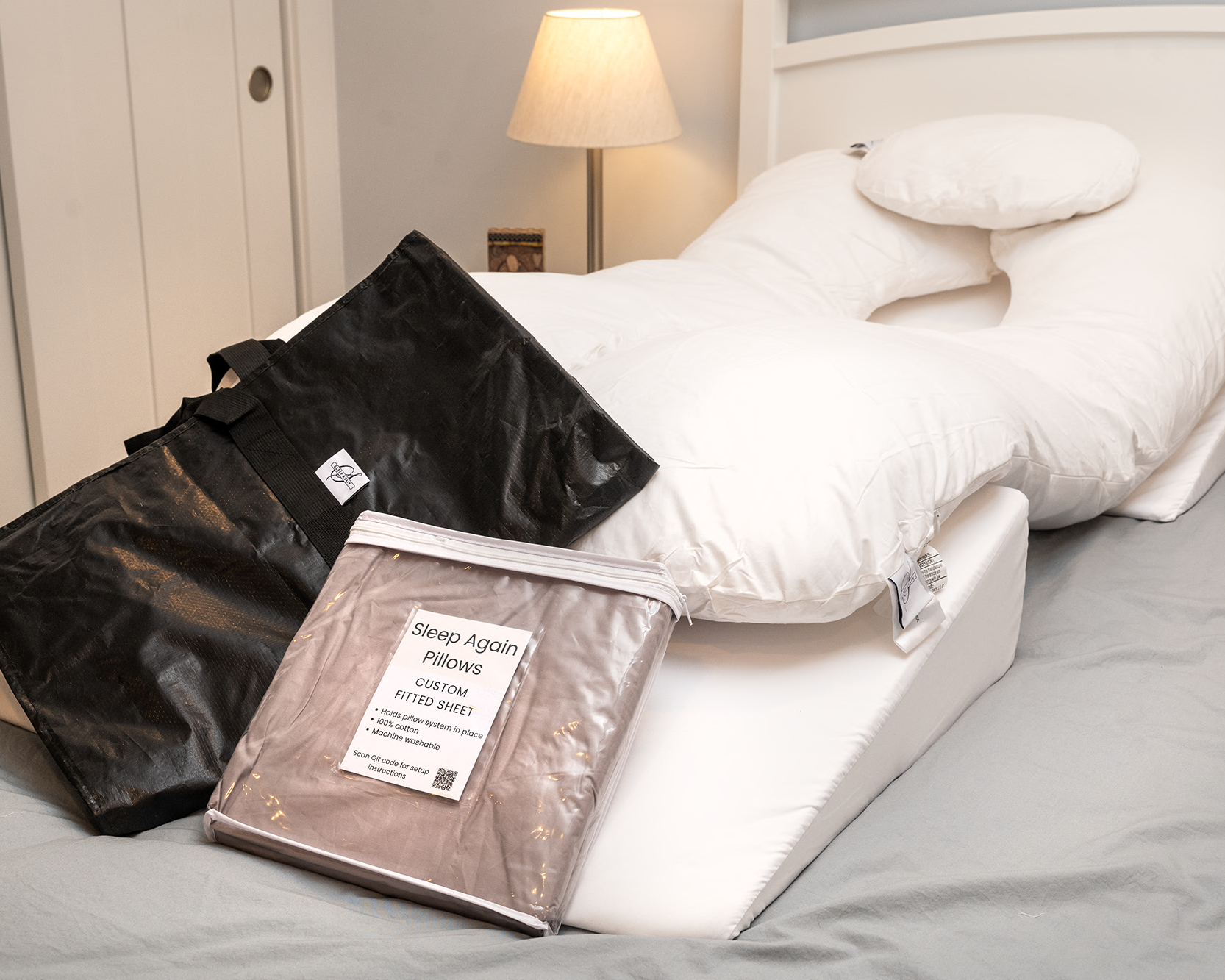
Every Sleep Again Pillow System includes:
-
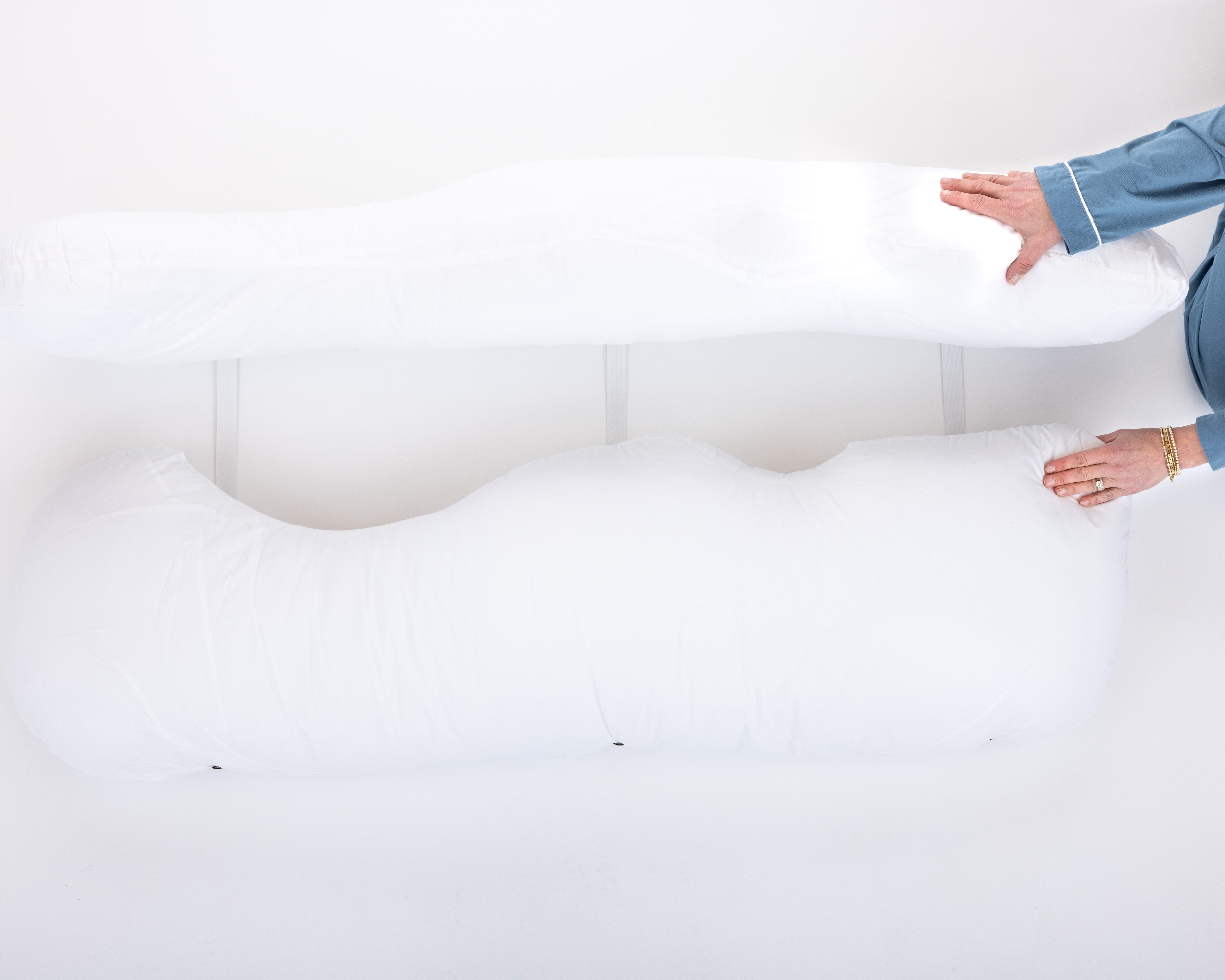
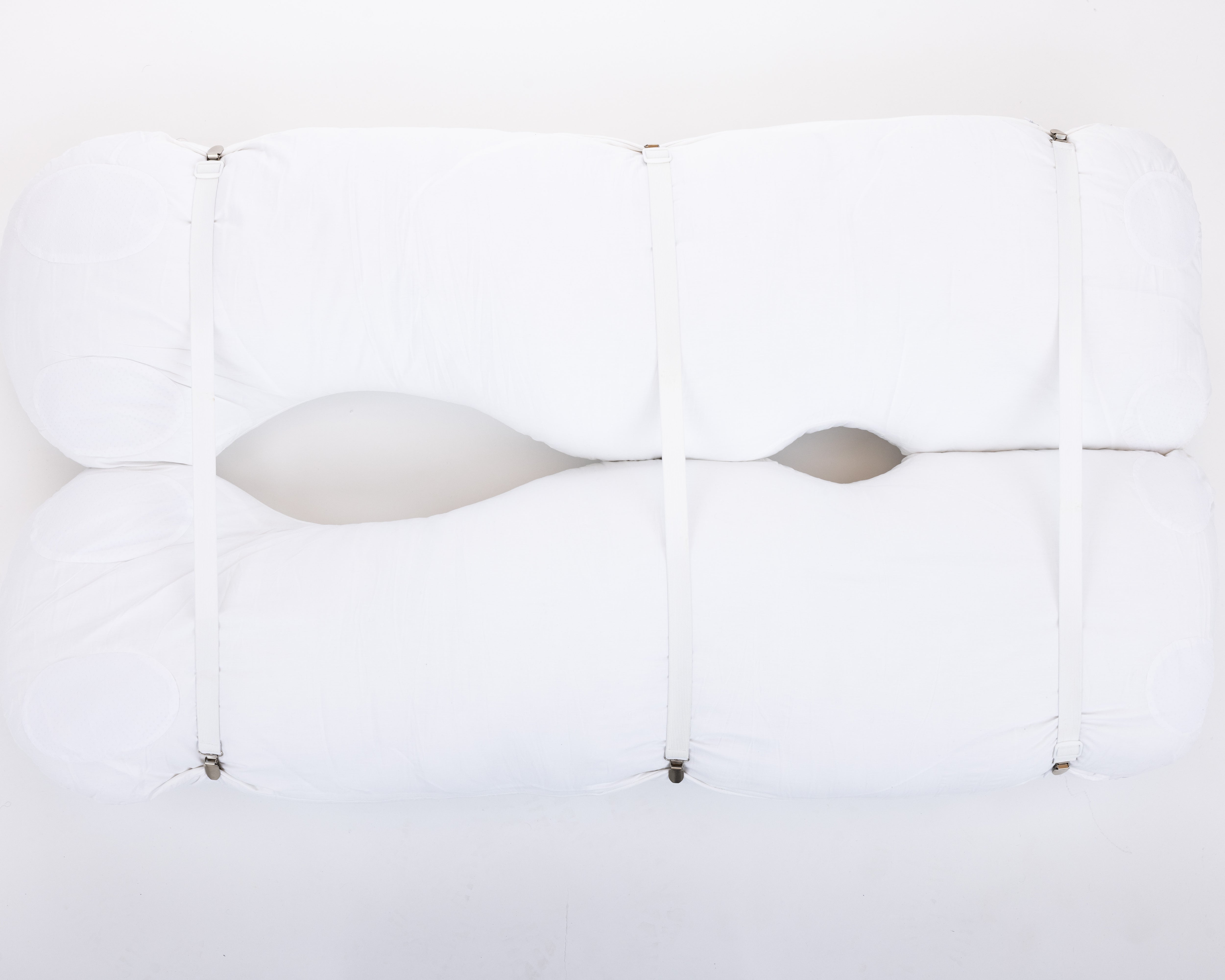
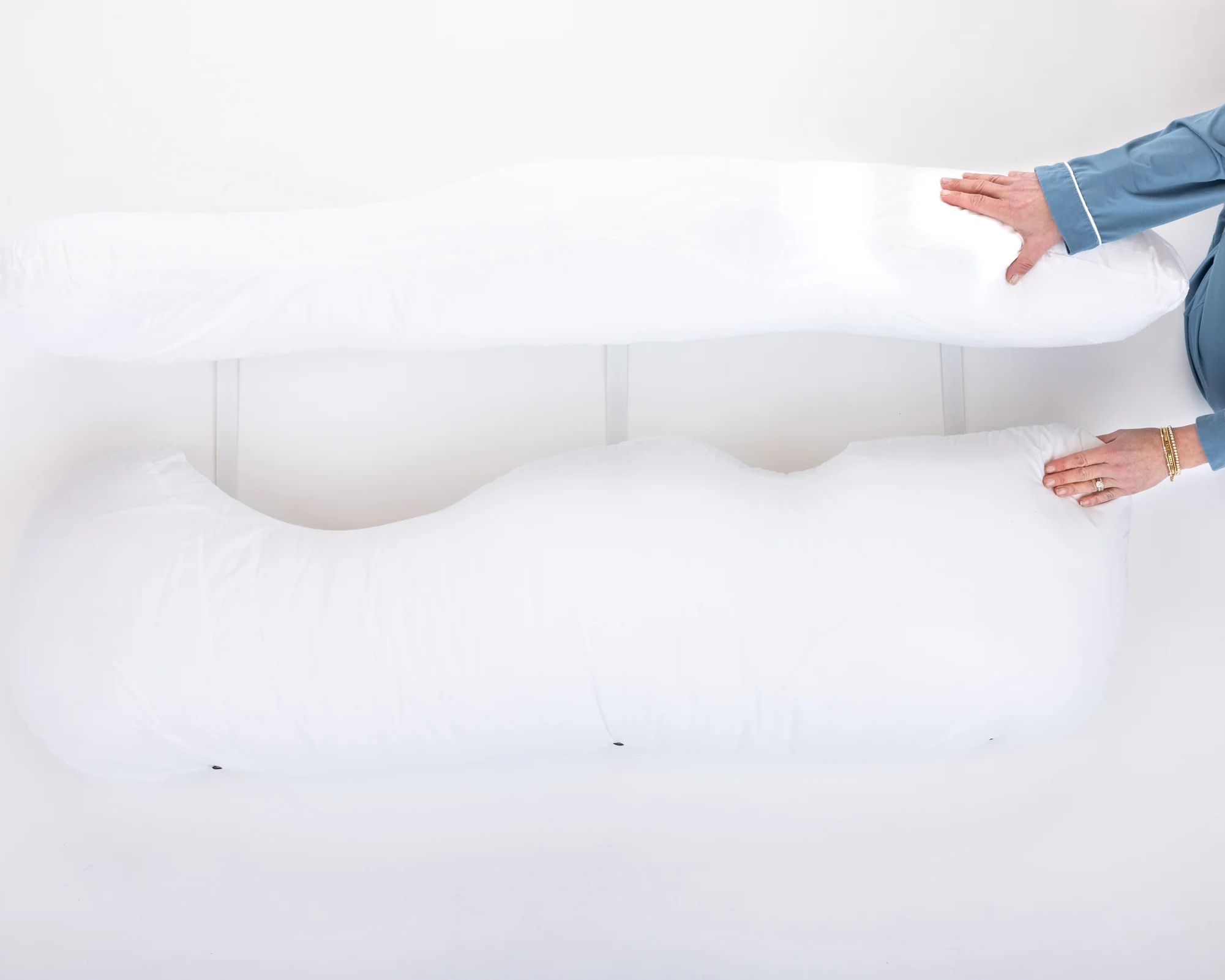
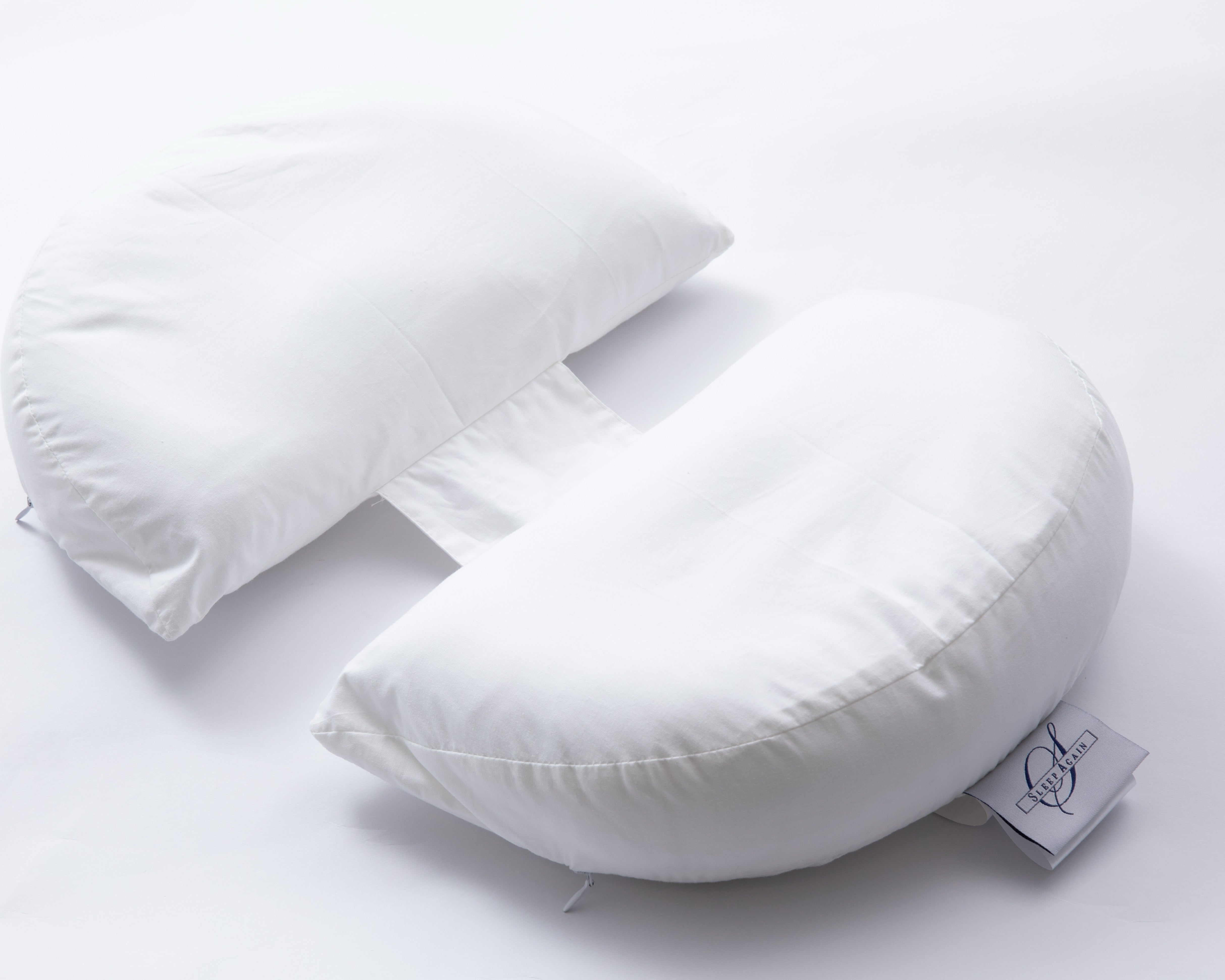
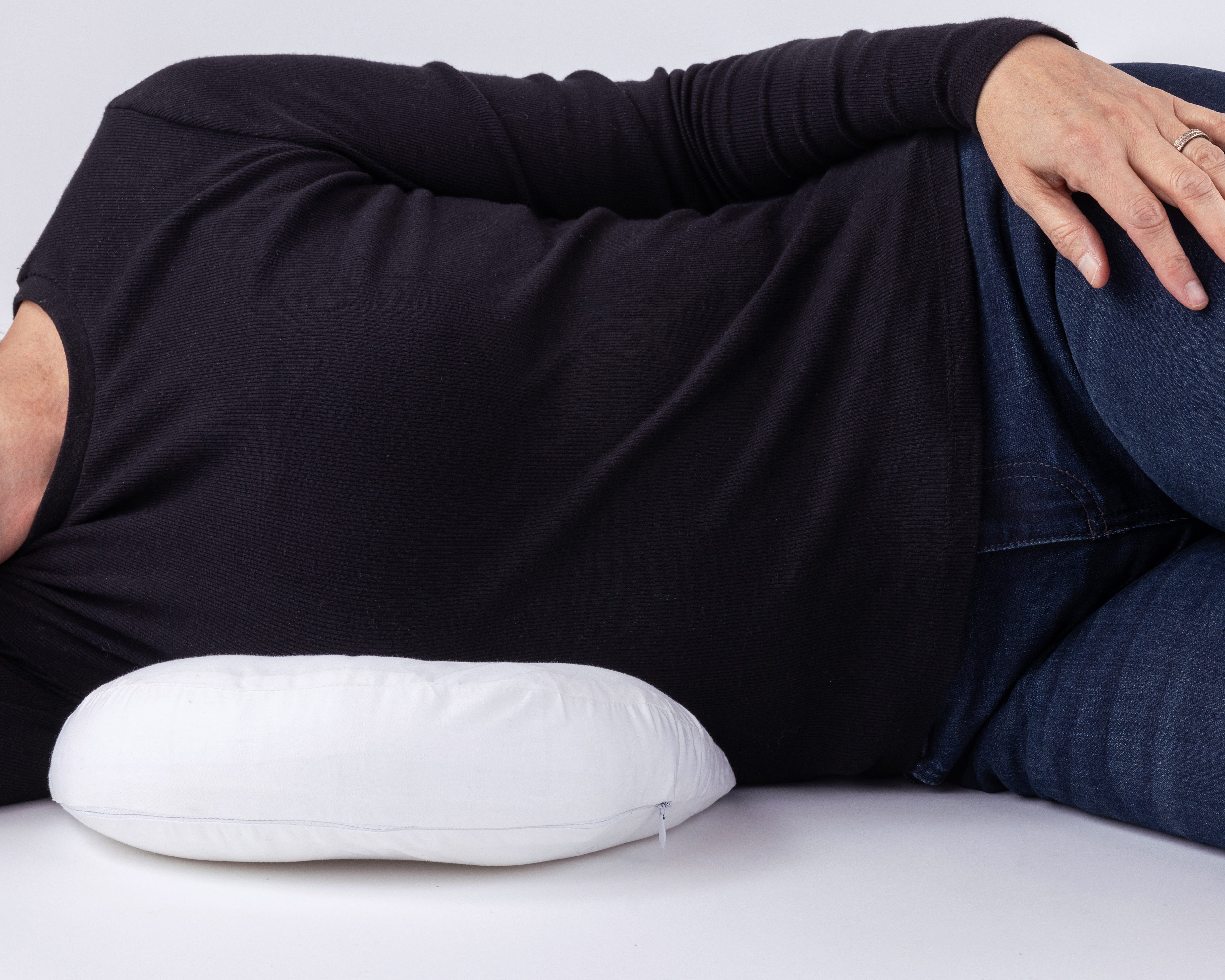
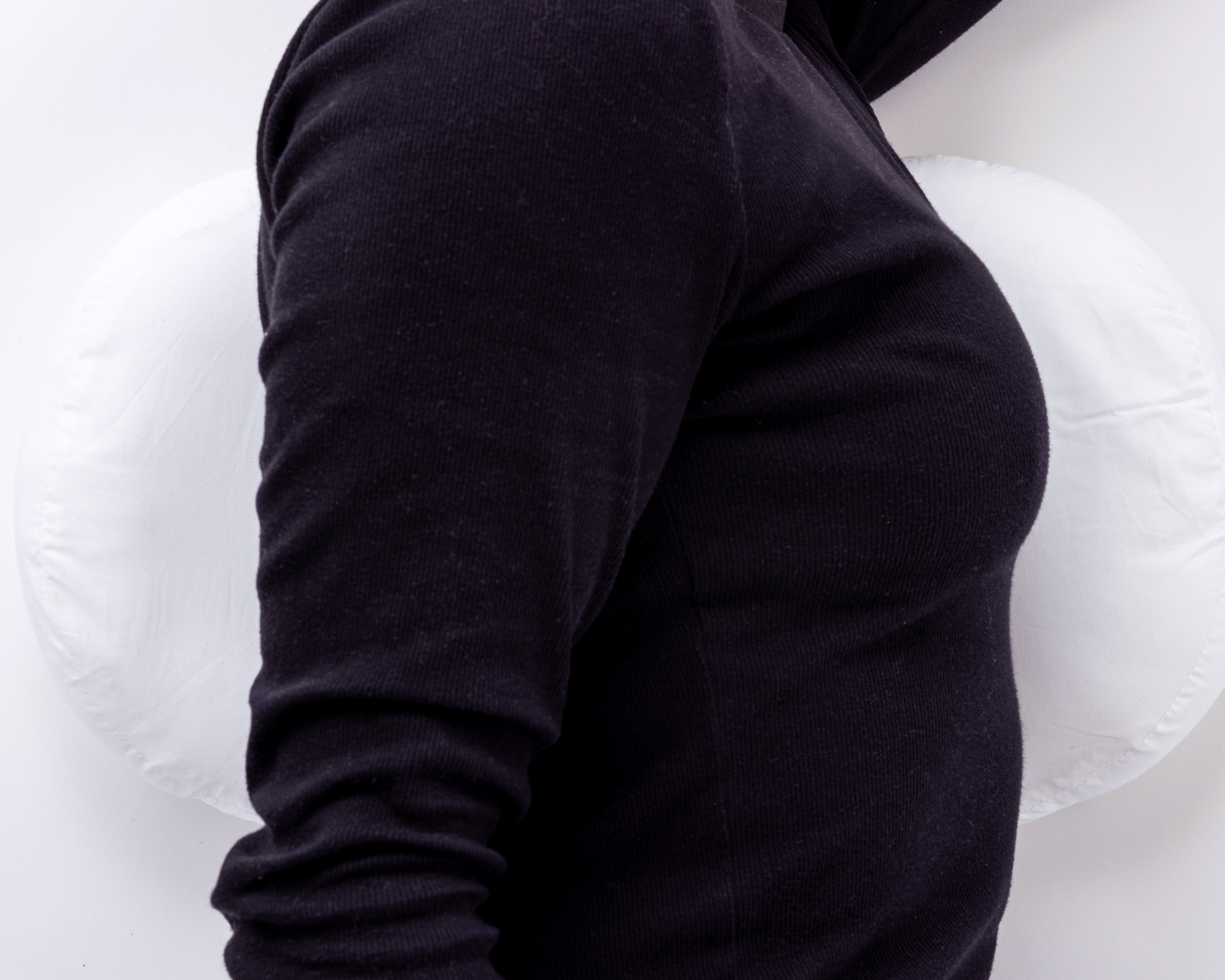
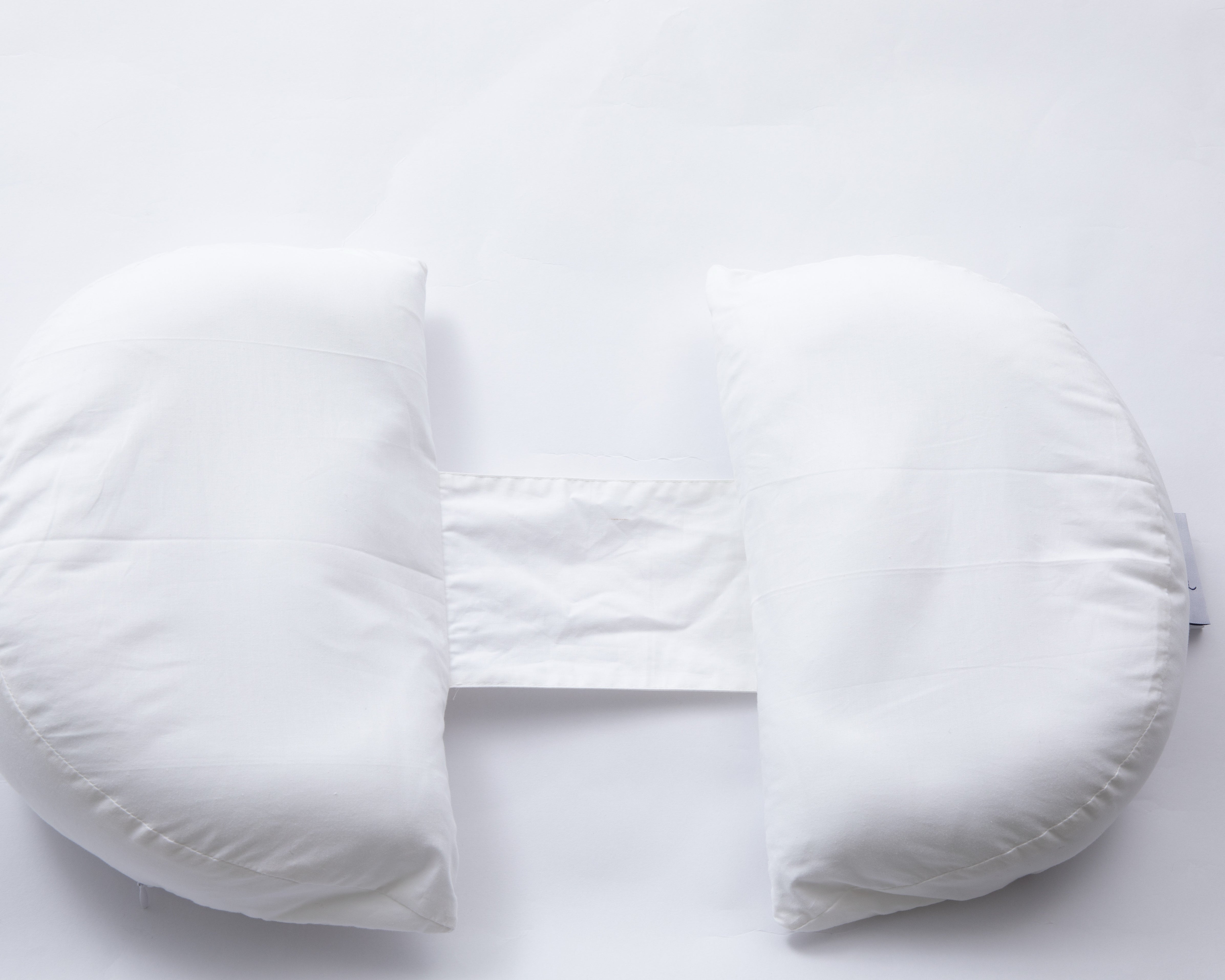
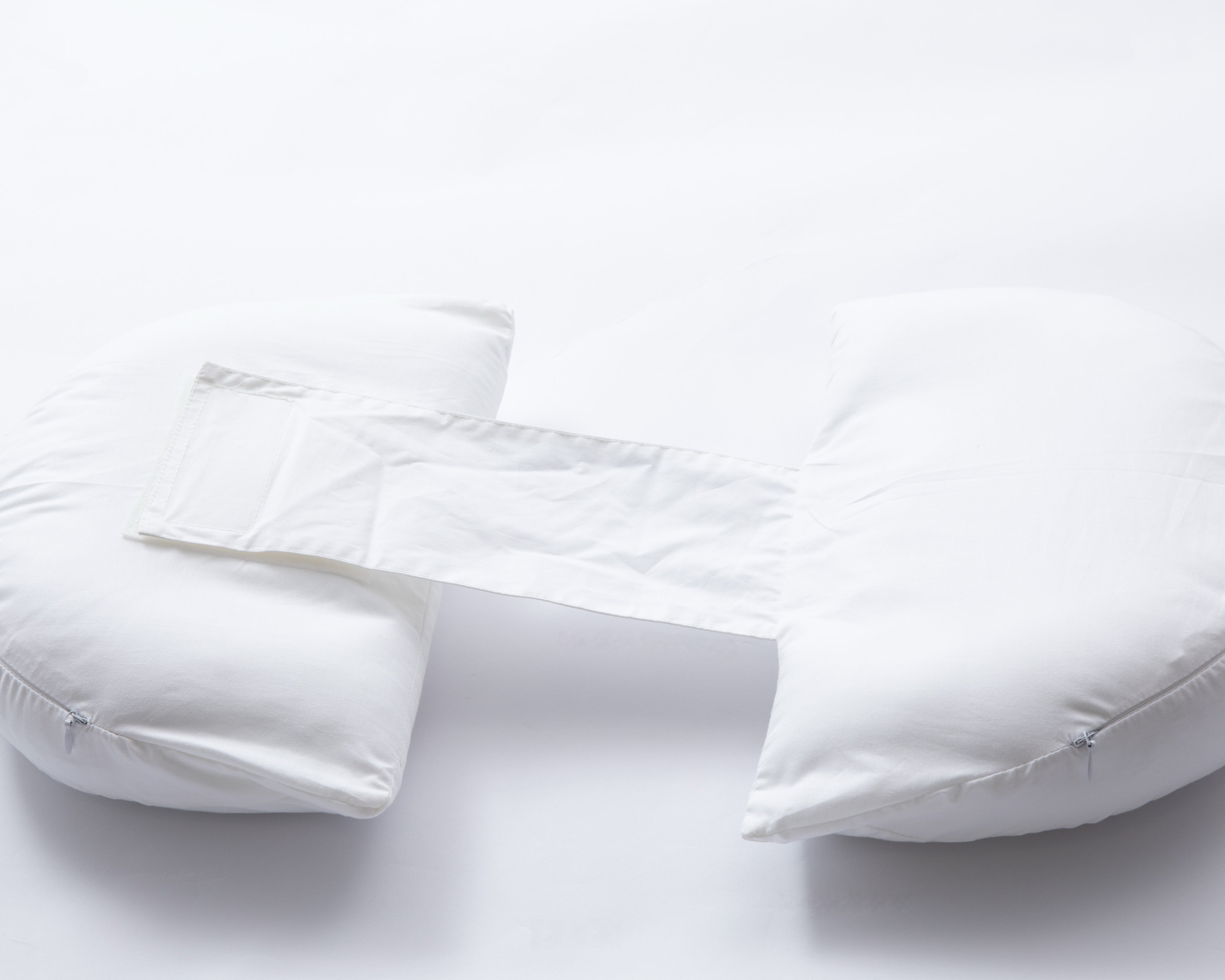
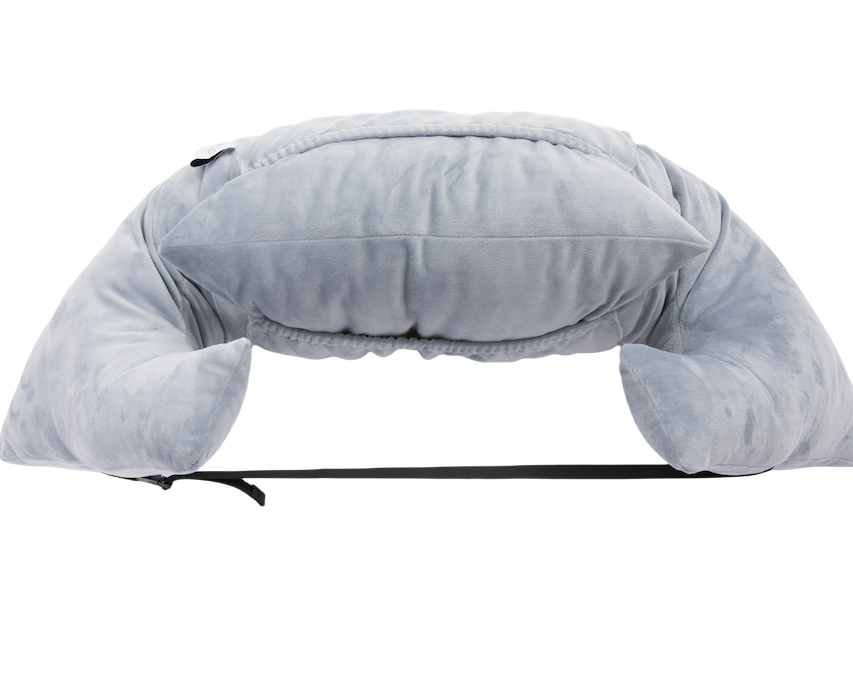
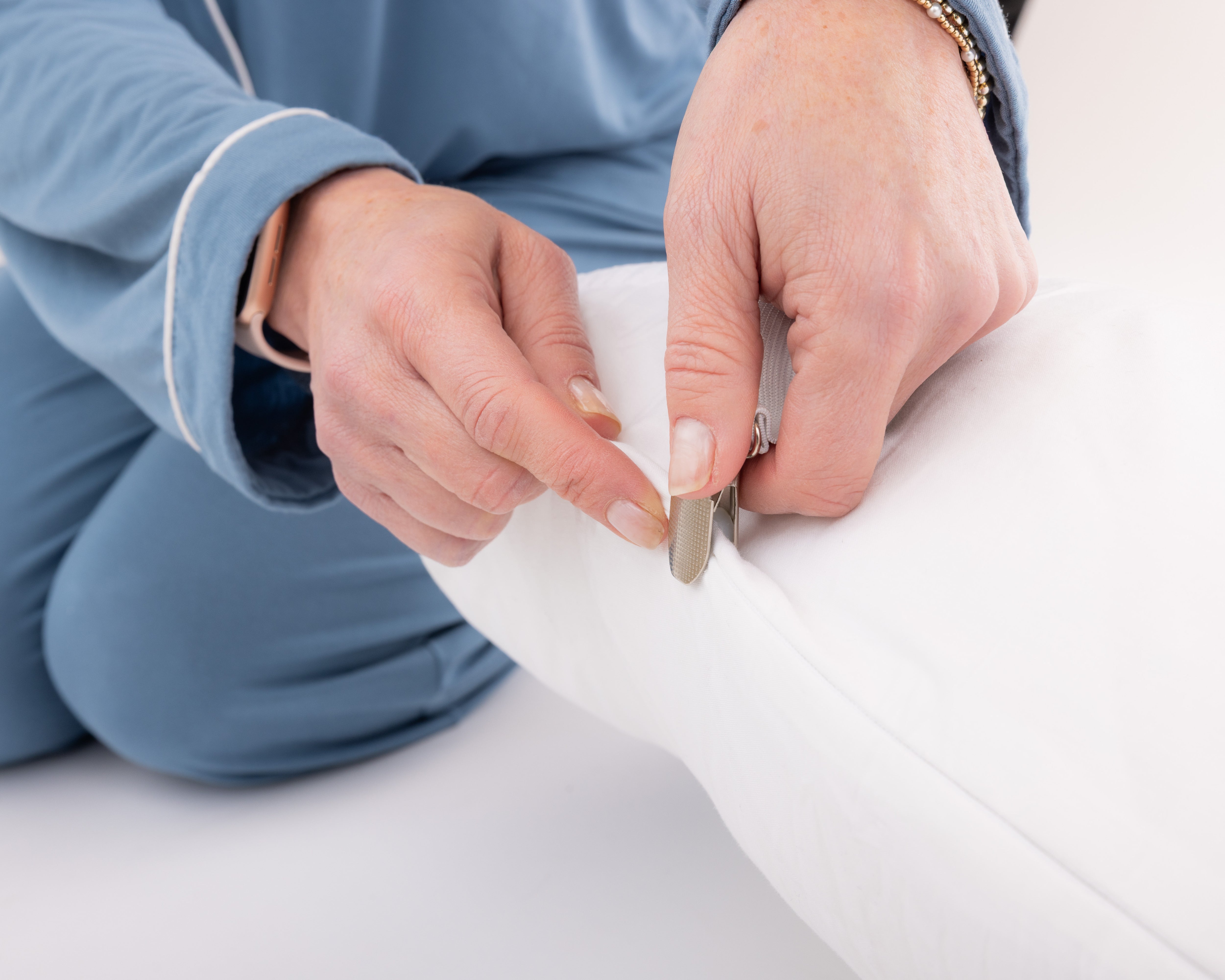
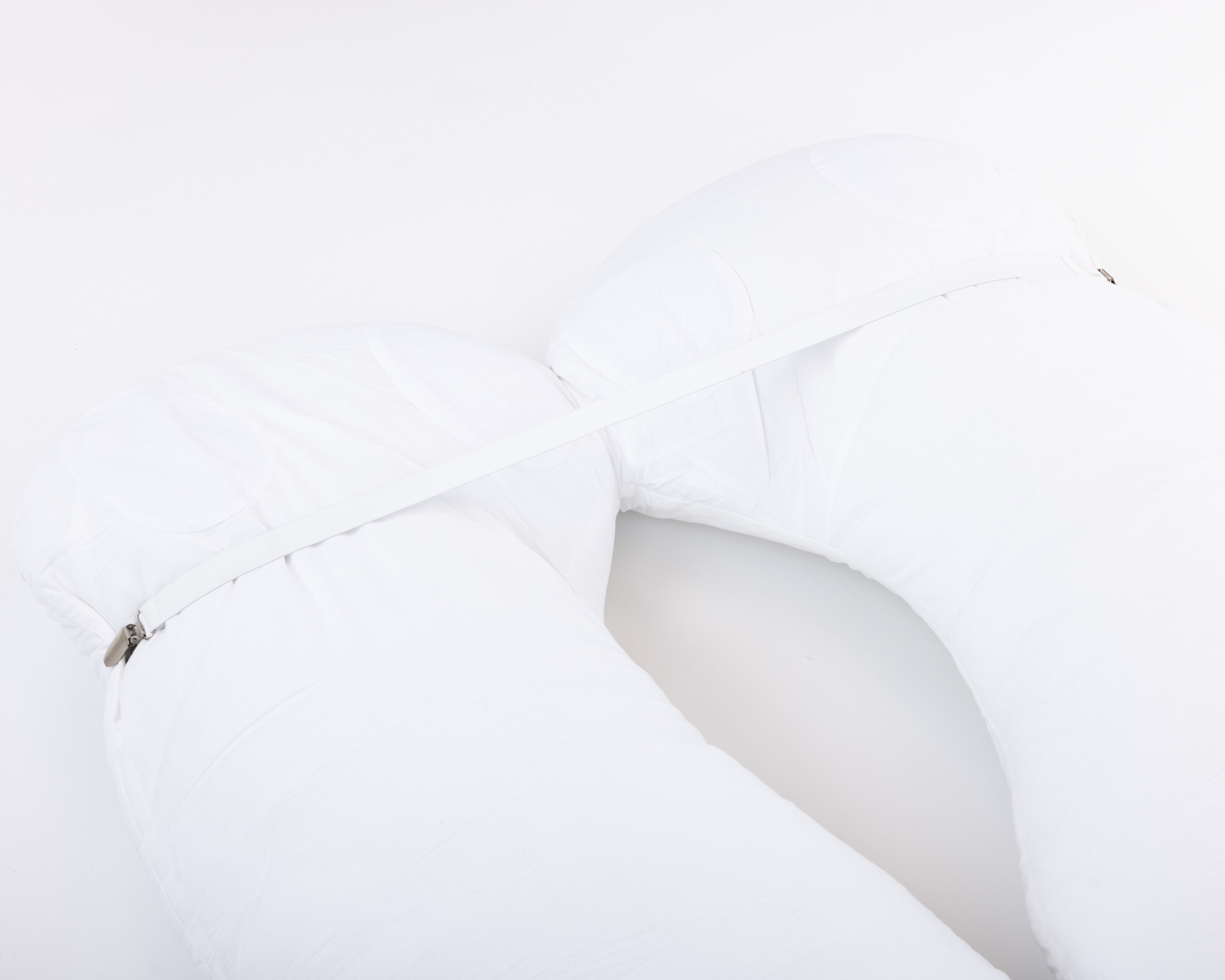
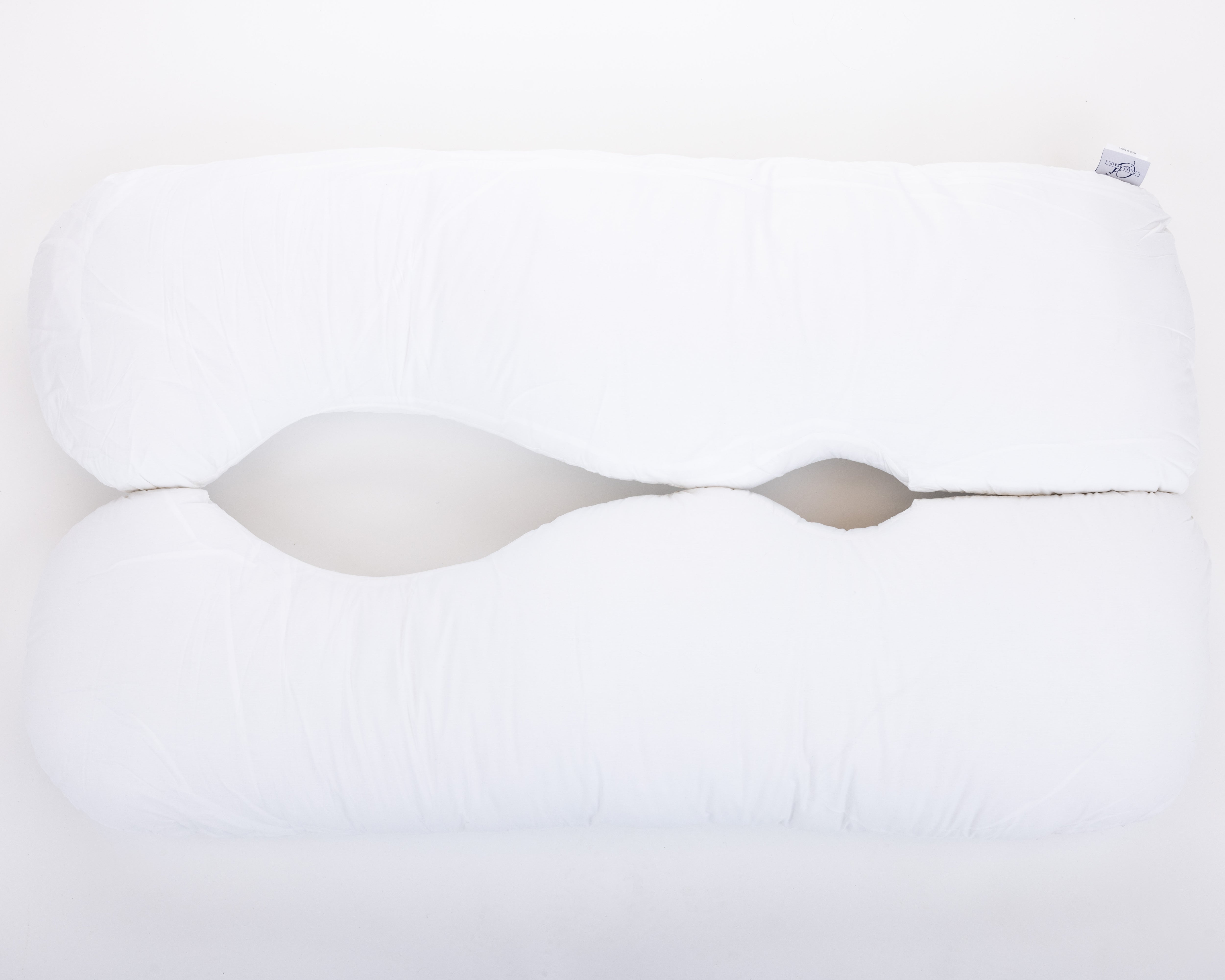
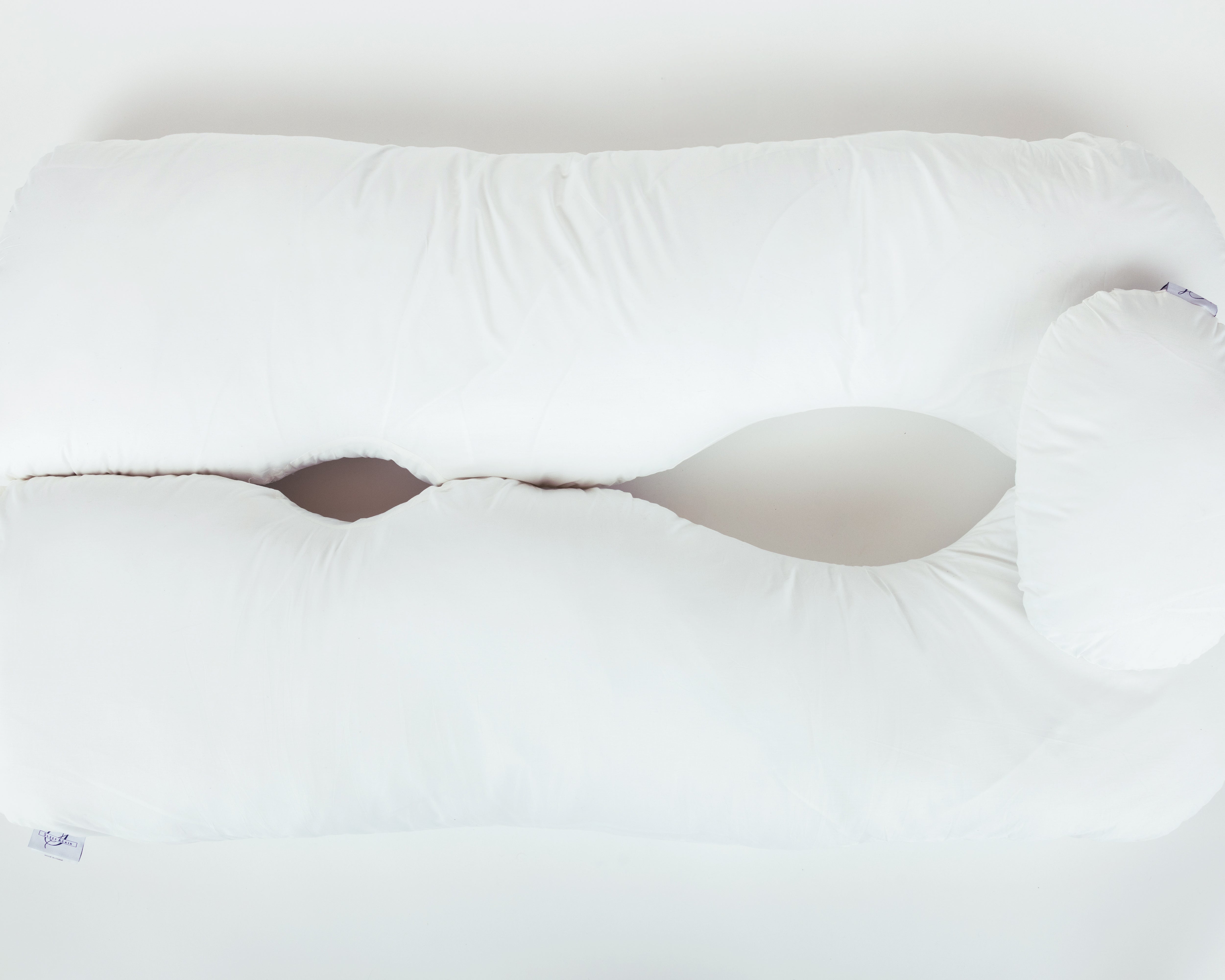
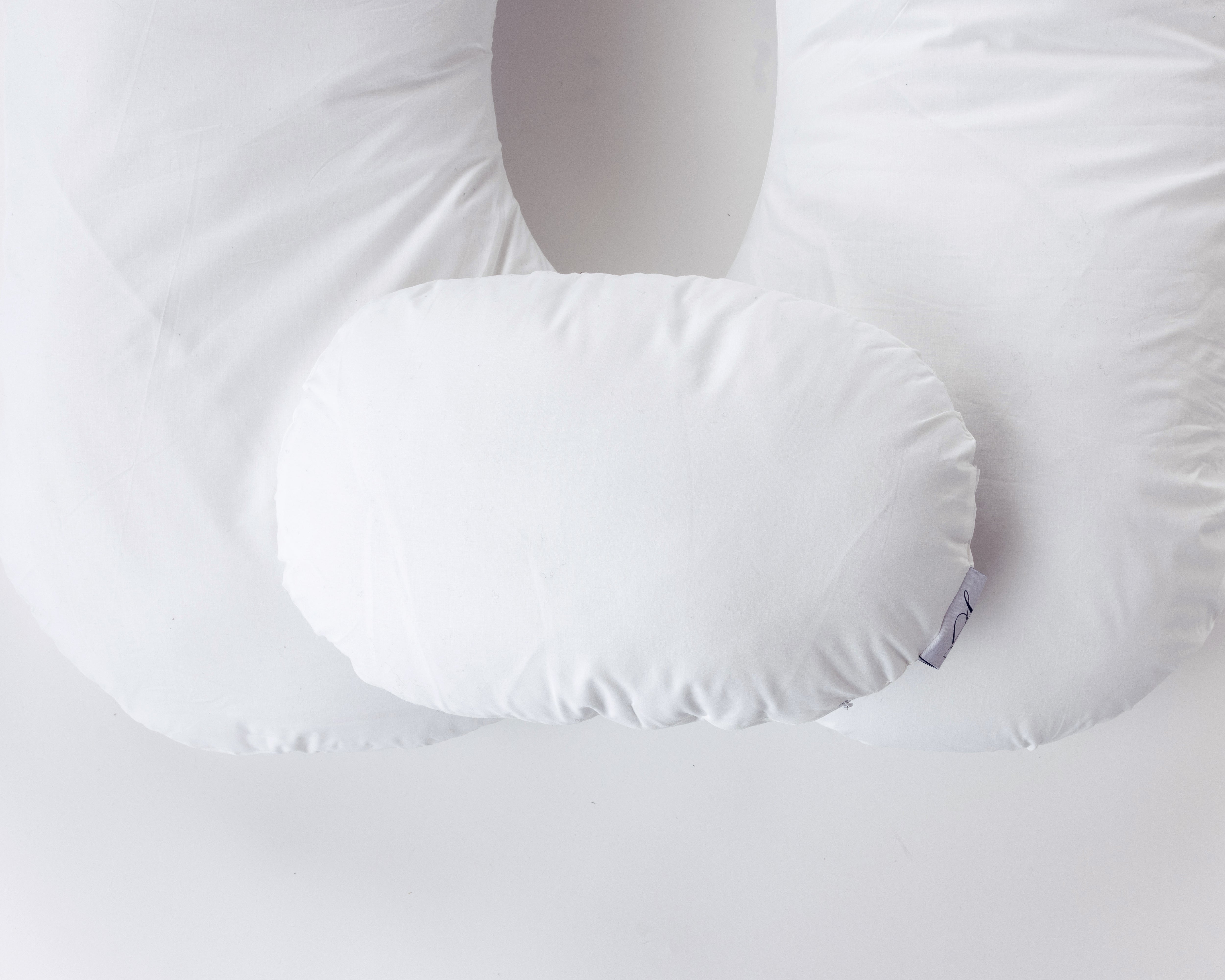
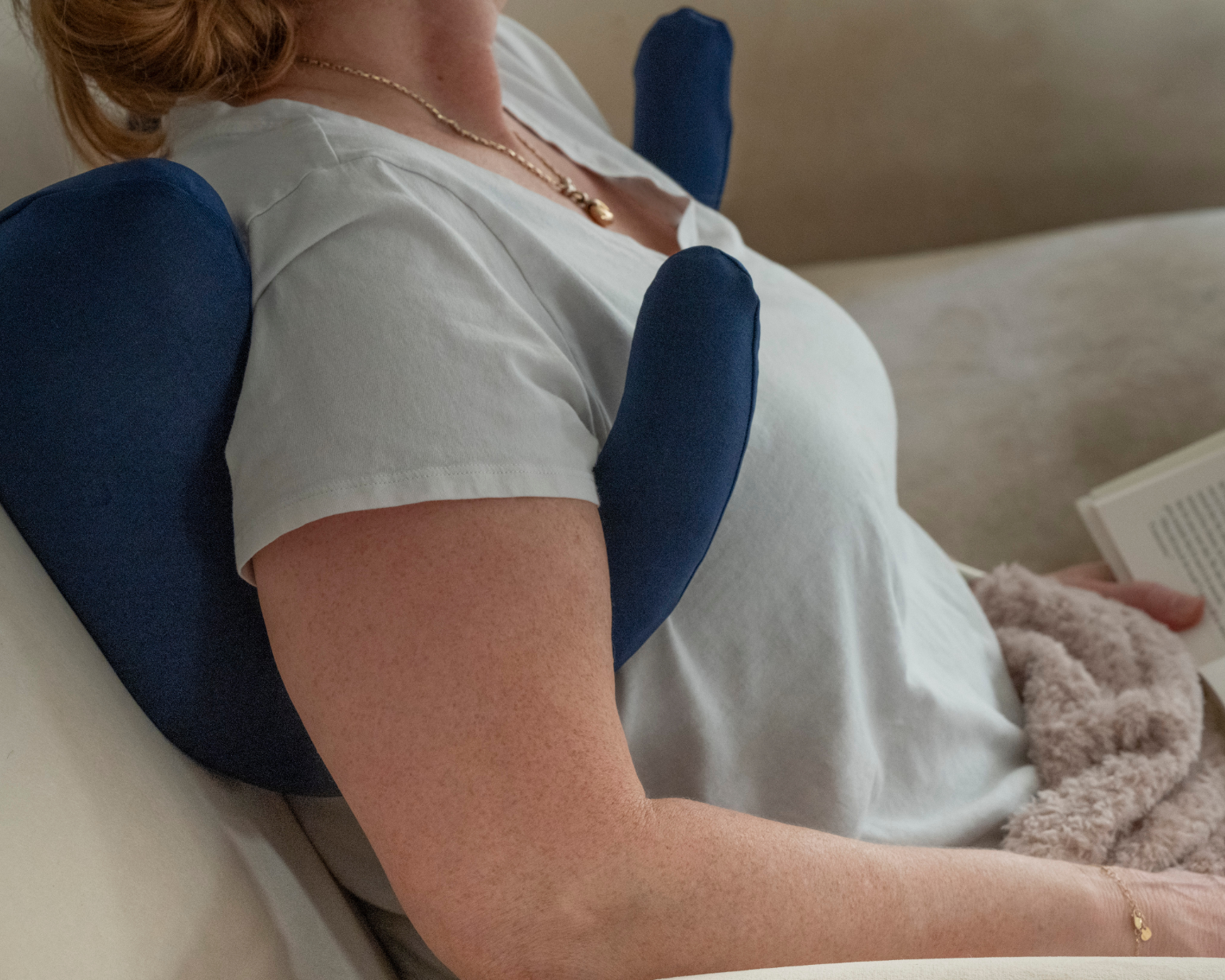
Two Contoured Side Pillows to cradle the back and hips, providing the lateral support needed to stay comfortably in a back-sleeping position throughout the night
-
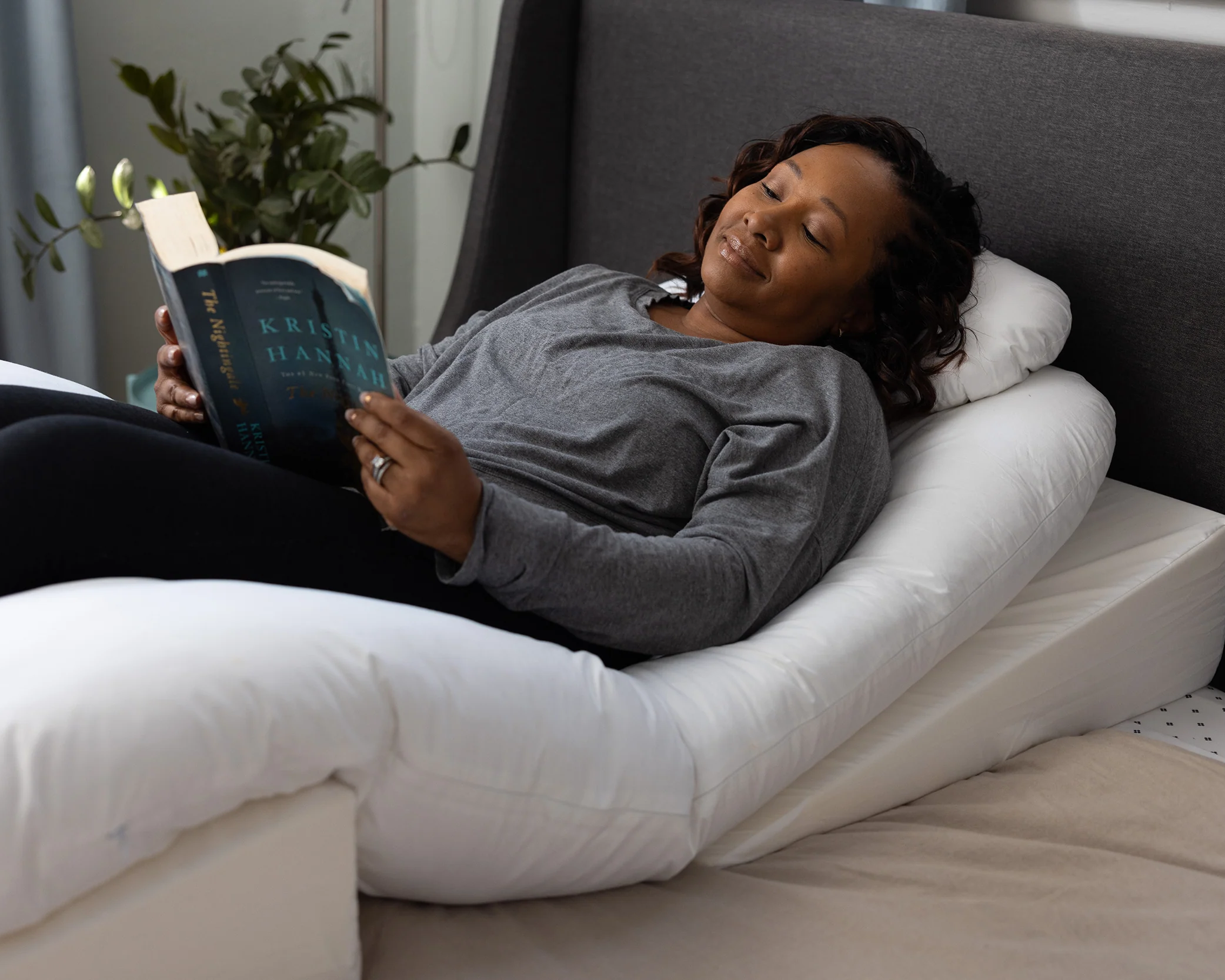
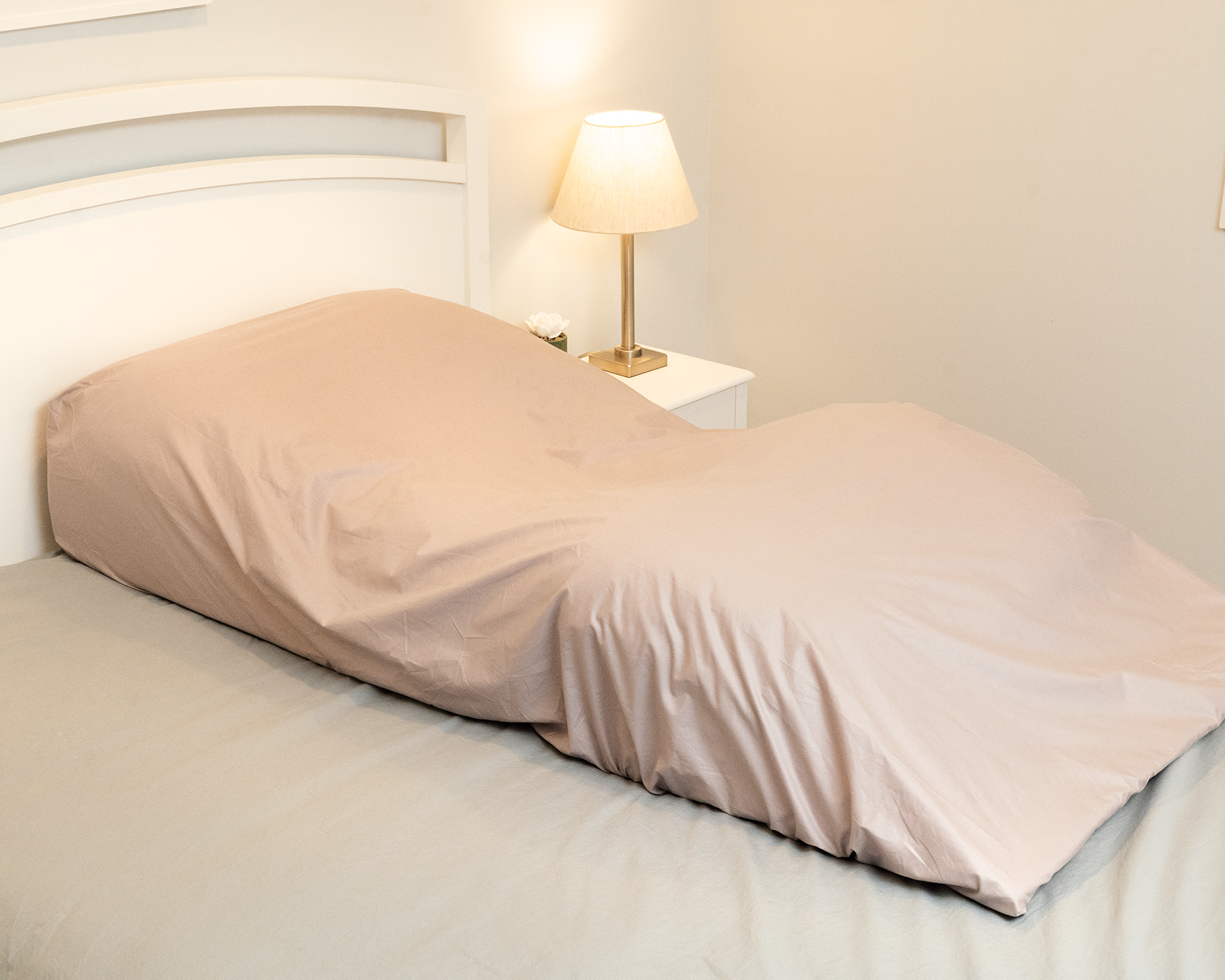
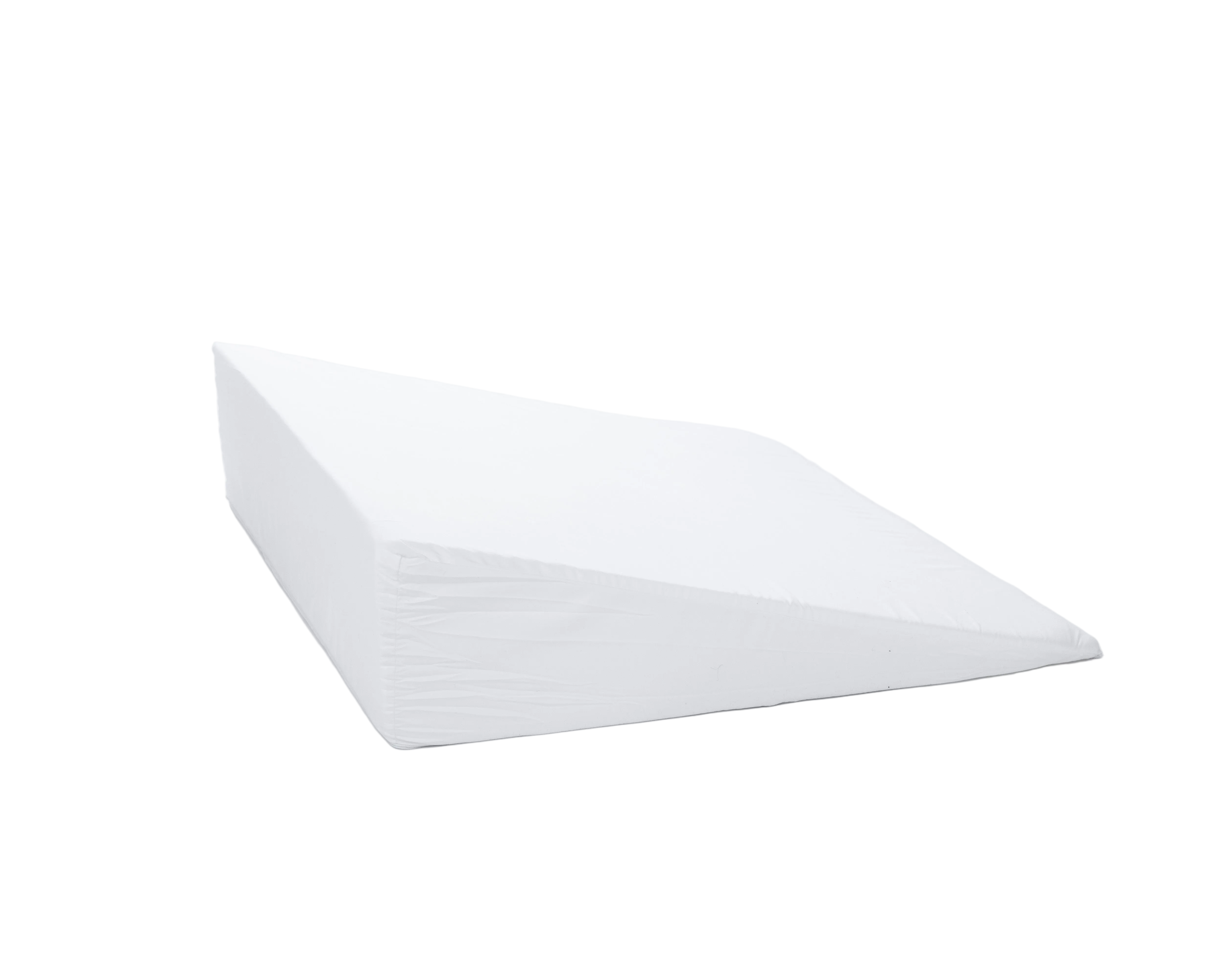
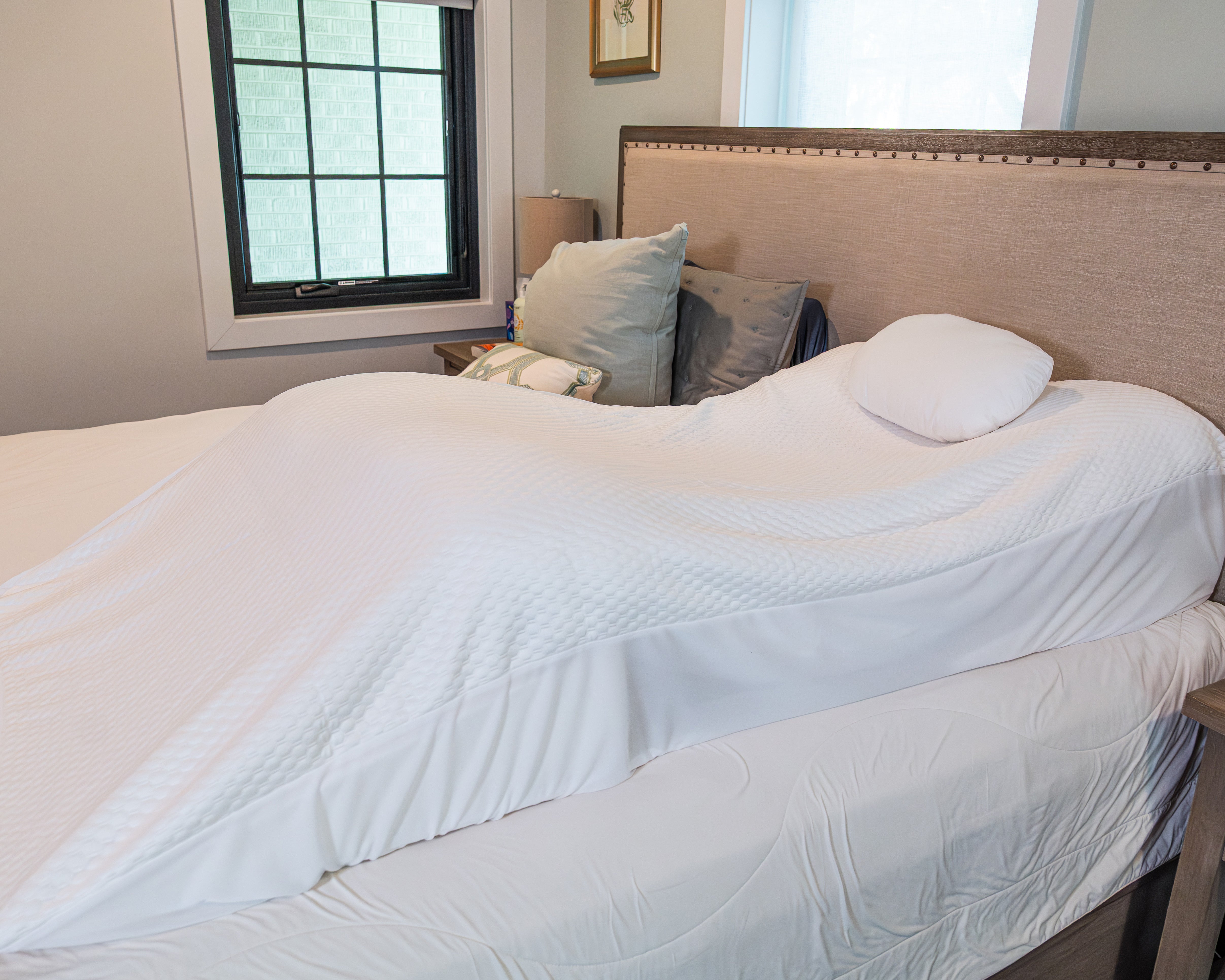
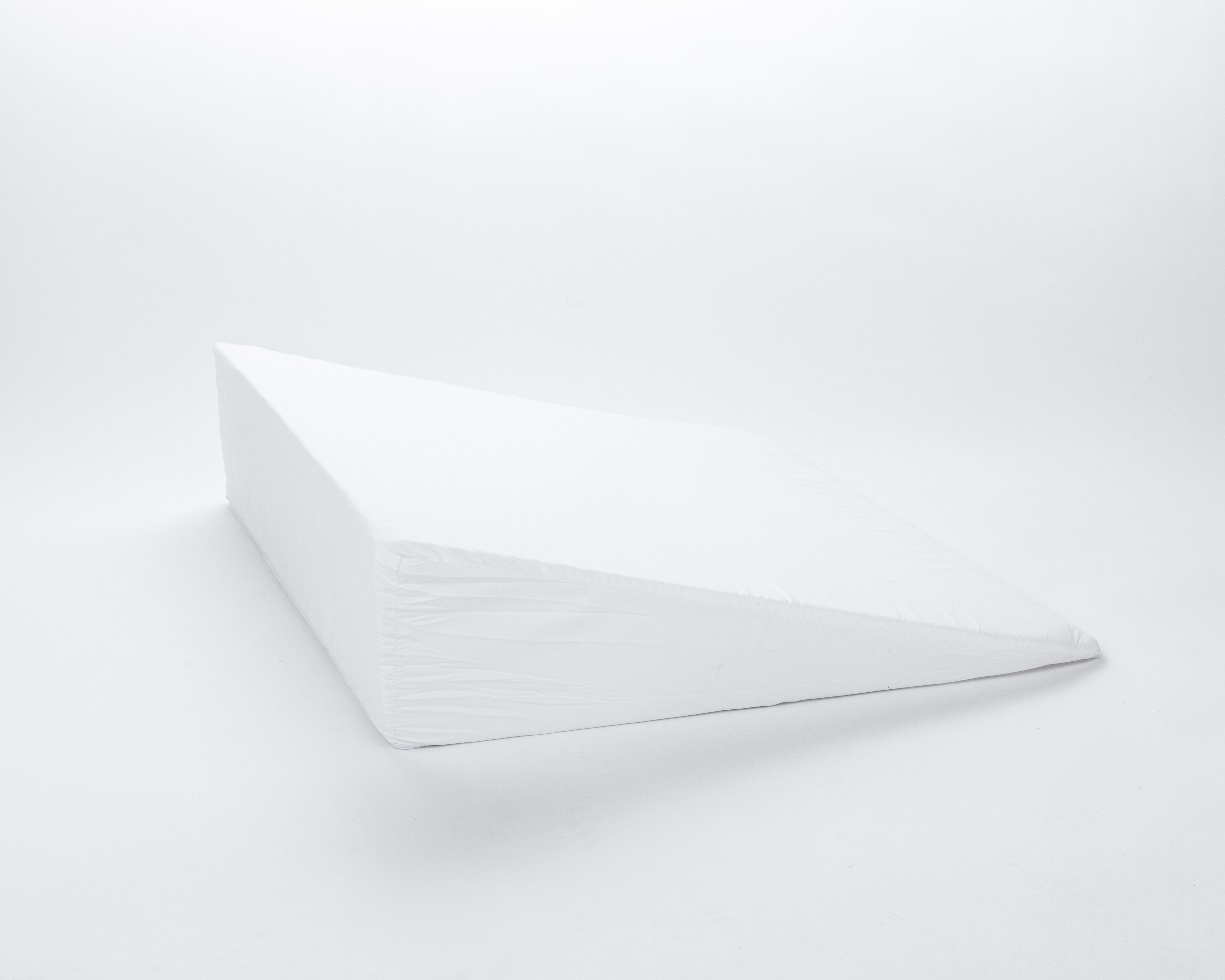
Upper Body Wedge to create an optimal upper body incline in the 30 to 45 degree therapeutic range
-
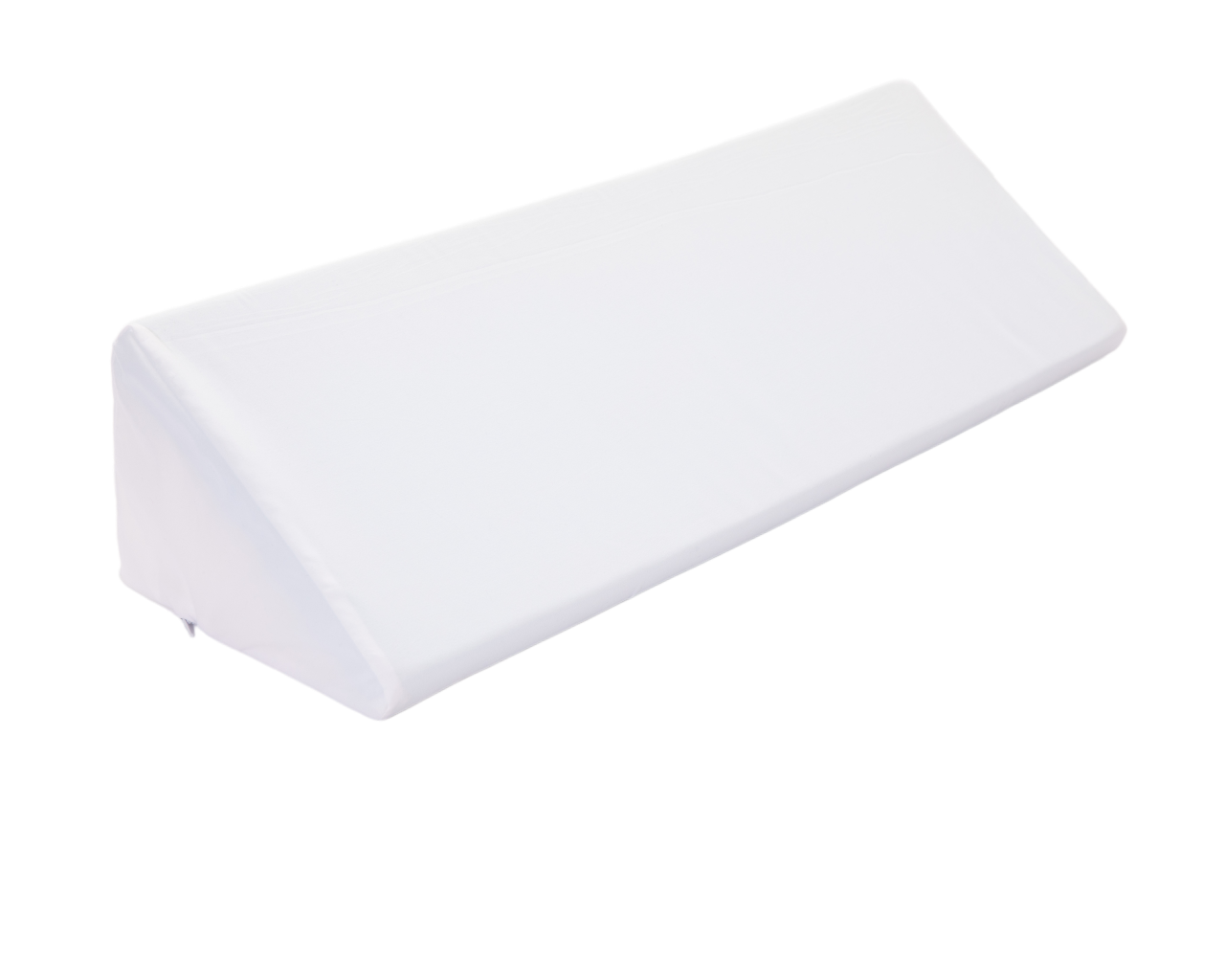
Leg Support Wedge to gently elevate the legs, which prevents sliding down the incline and supports full-body comfort
-
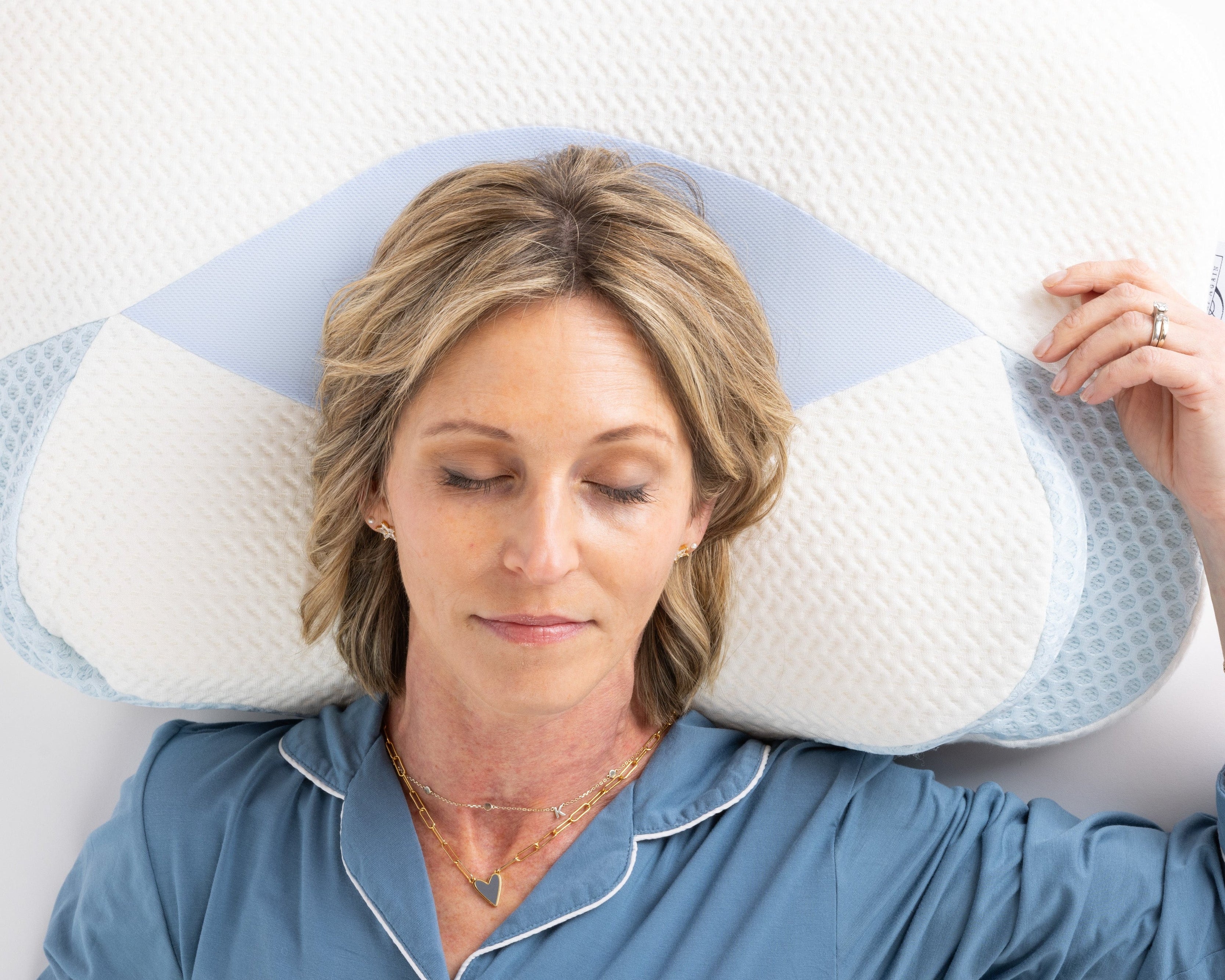
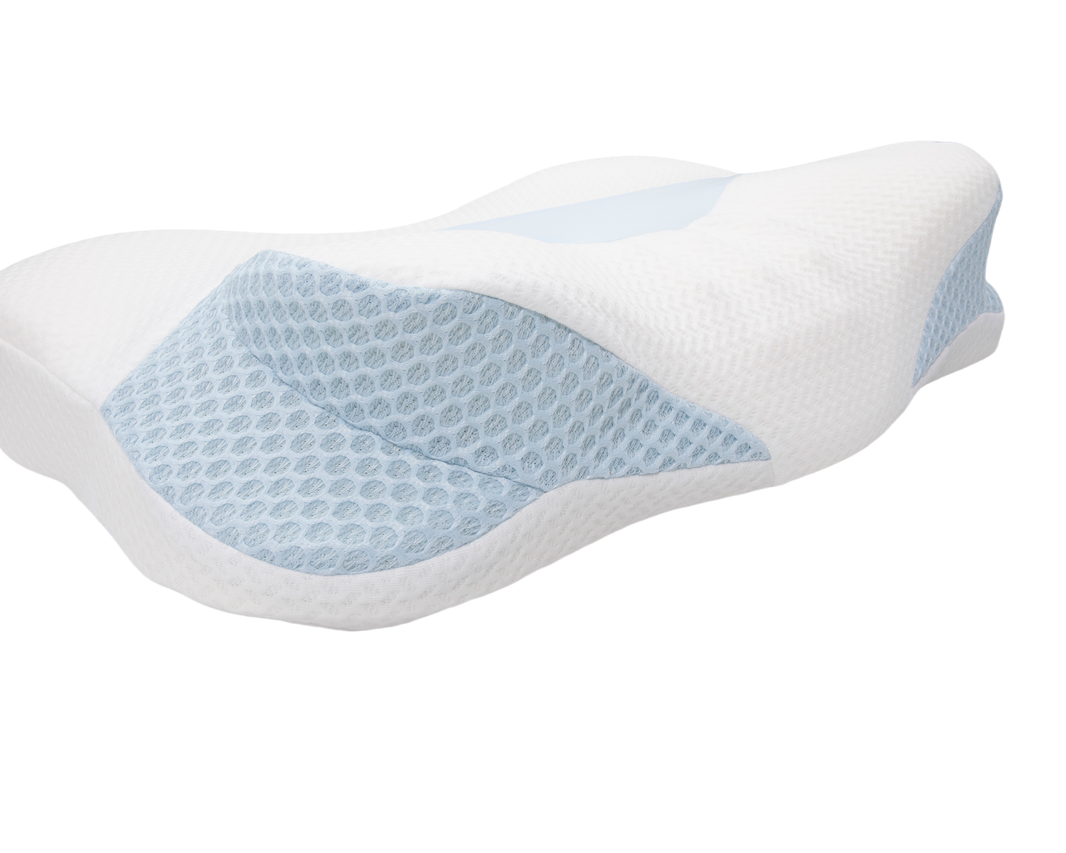
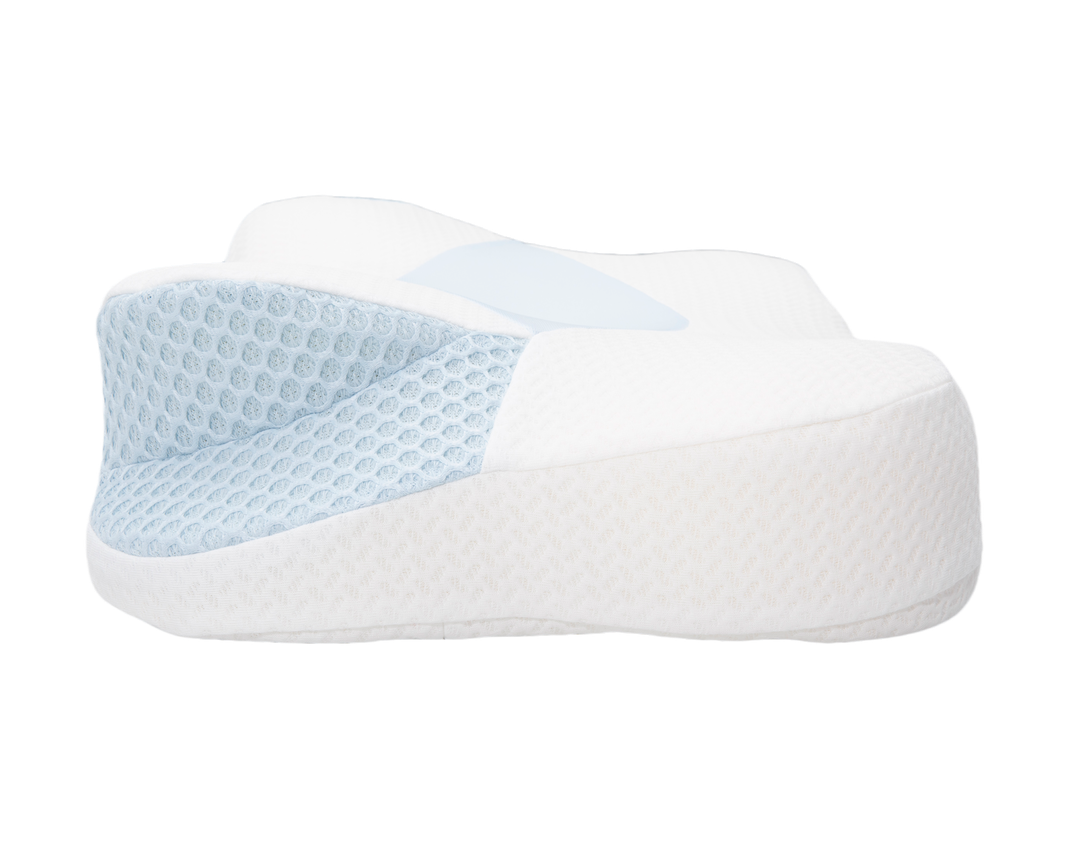
Head Pillow to provide head support and neck mobility while maintaining the incline
-
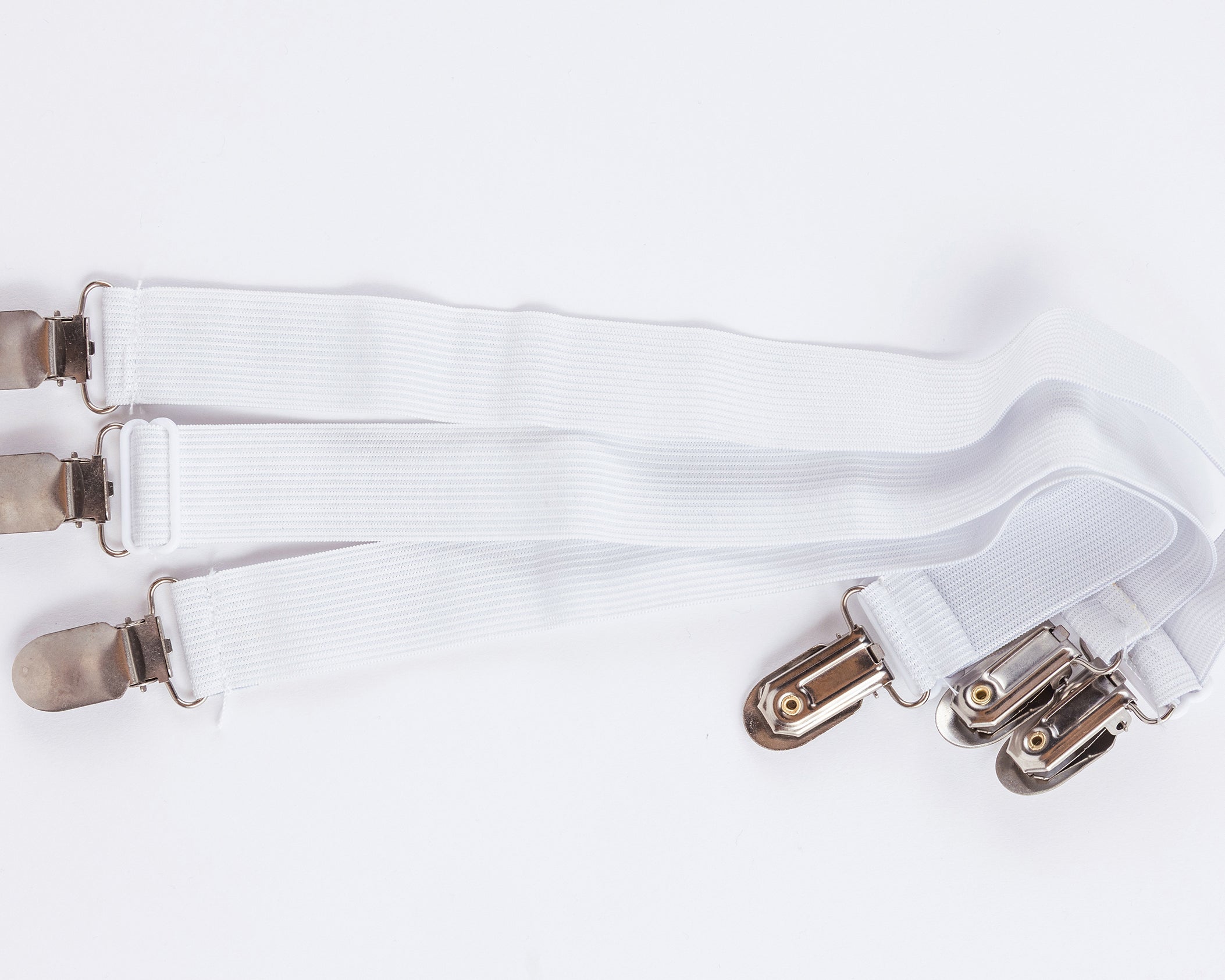
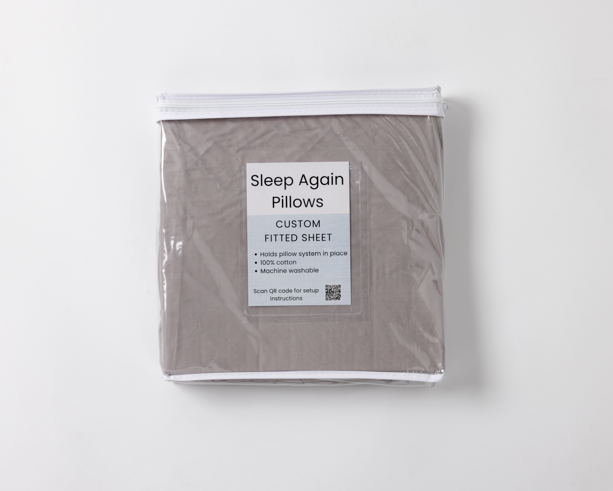
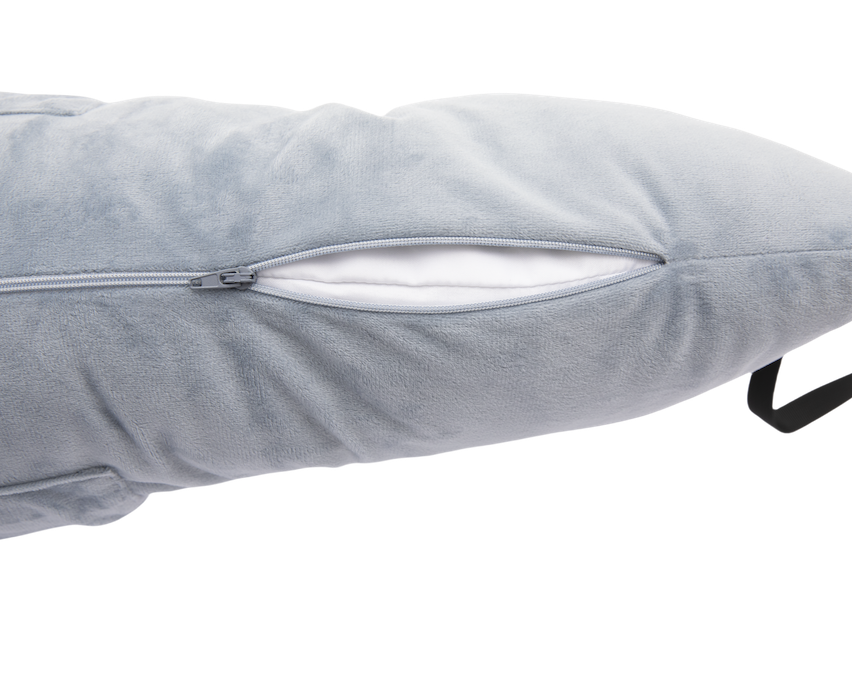
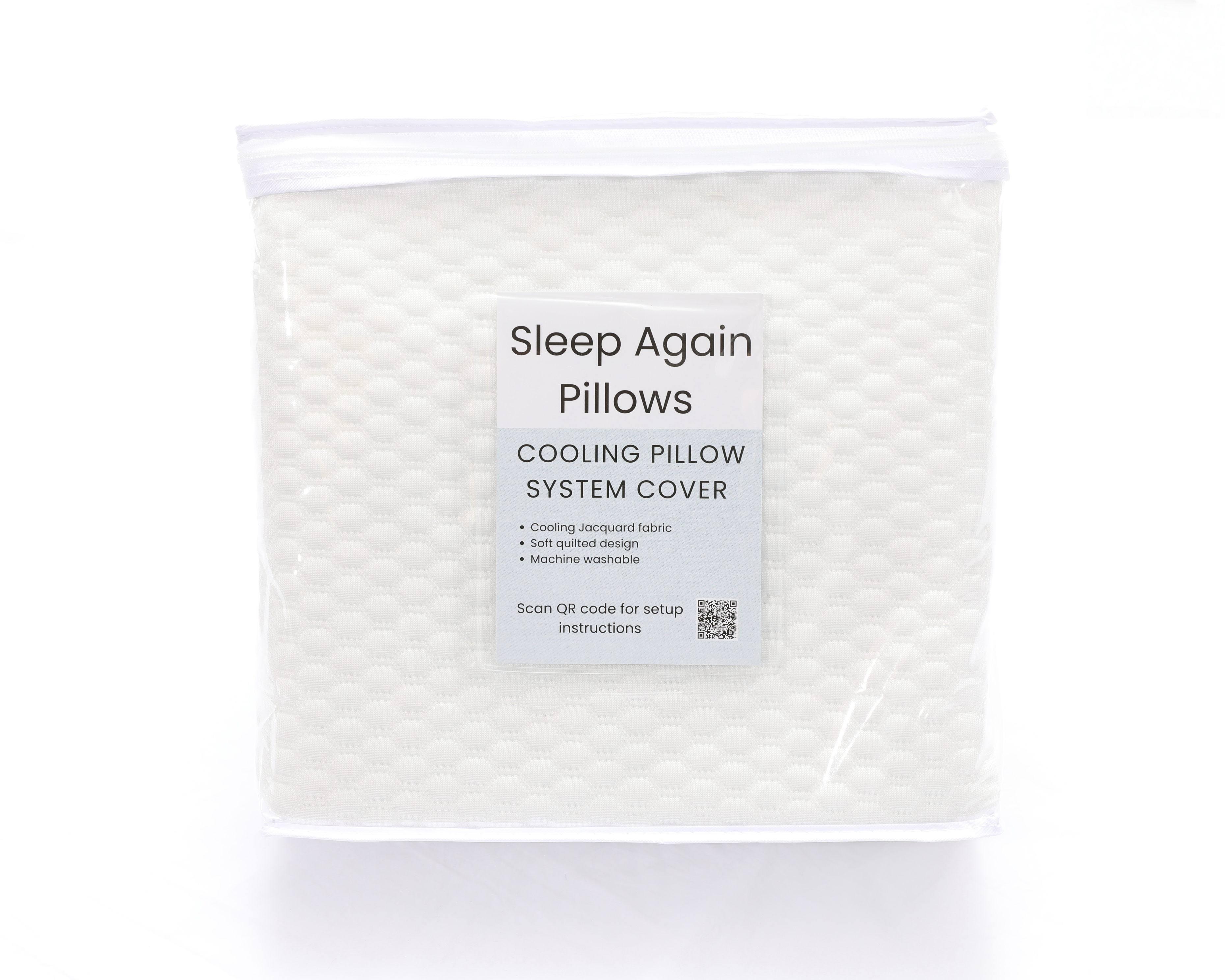
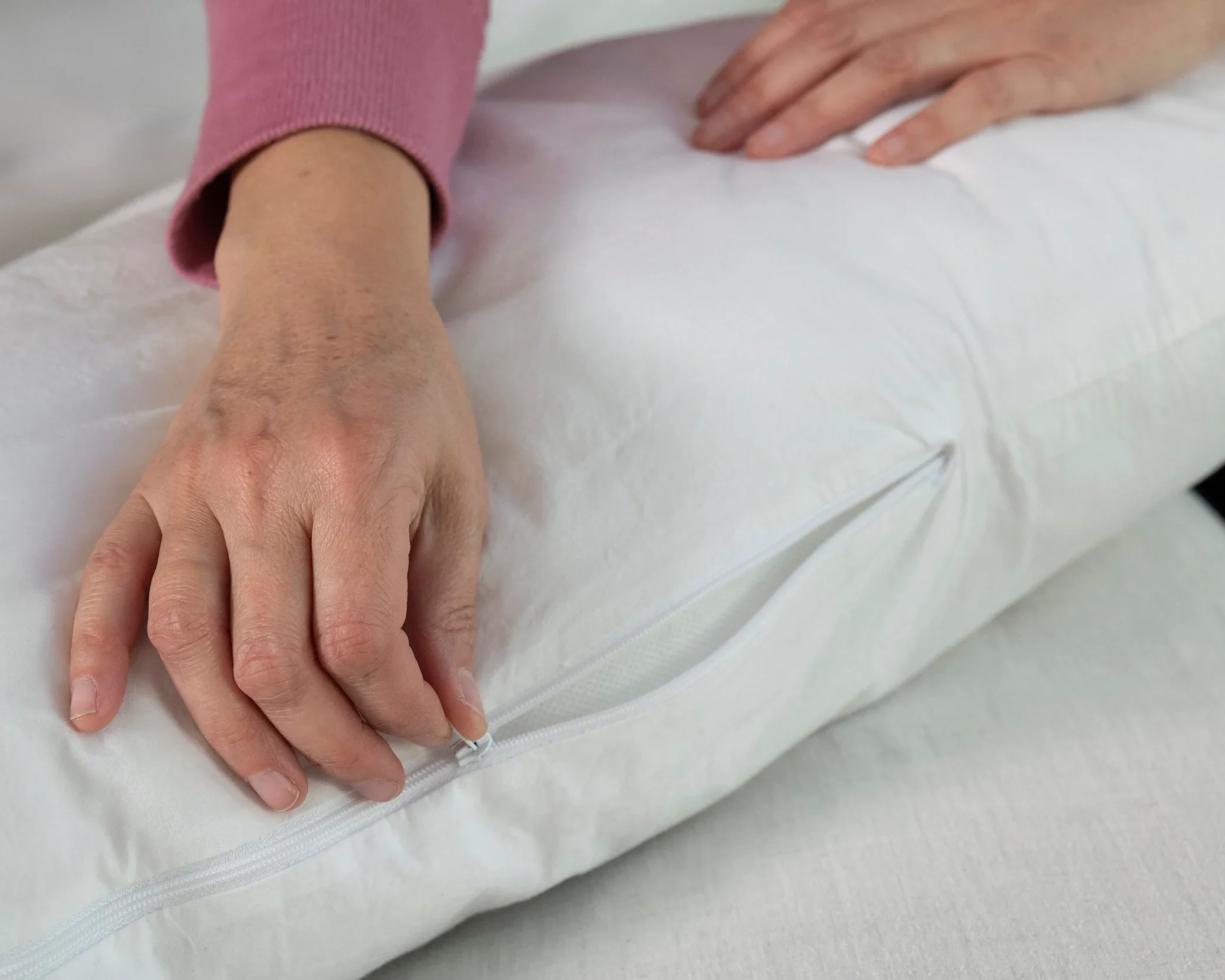
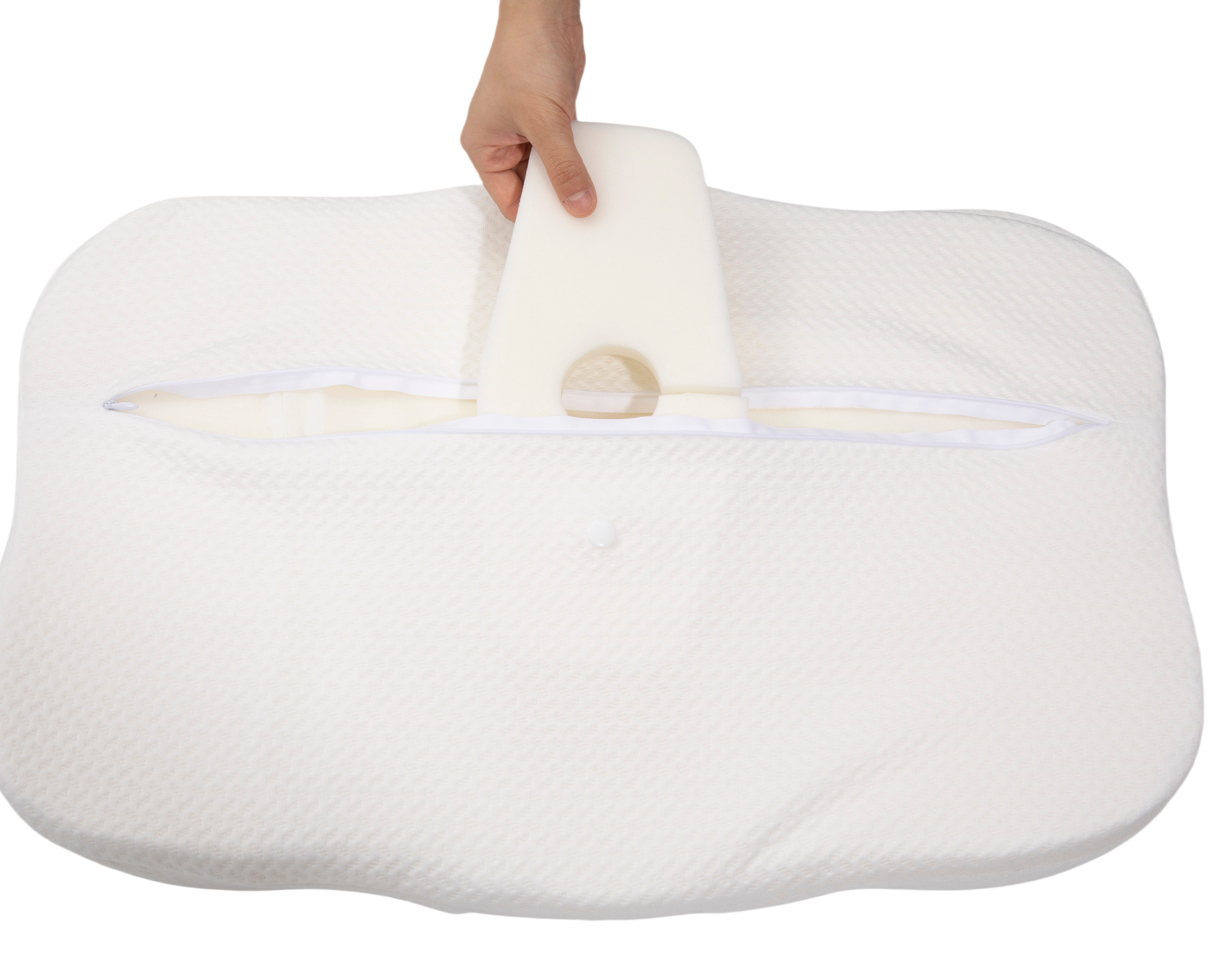
Removable, washable slipcovers for every piece in the system, keeping the setup hygienic throughout recovery
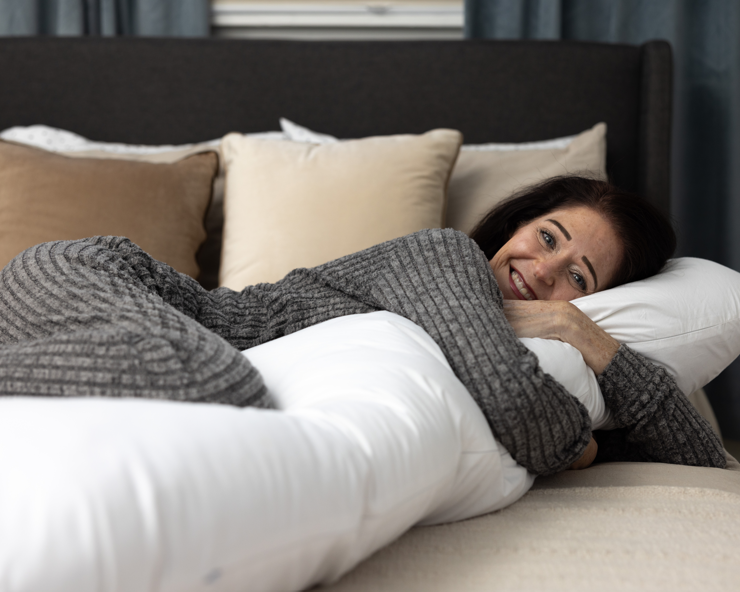
For otoplasty patients, the upper body wedge provides the stable elevation that keeps the head and ears in the correct protective position. The side pillows create a passive barrier that reduces rolling without requiring conscious effort—important during the lighter phases of sleep when patients are most likely to shift positions. The system is HSA/FSA eligible, which is worth noting for patients managing surgical costs.
SHOP THE BEST PILLOW FOR OTOPLASTY RECOVERY

Pre-Surgery Preparation: Setting Up Your Sleep Environment Before Your Procedure
The difference between a smooth otoplasty recovery and a difficult one is often determined before the surgery takes place. Patients who prepare their sleep environment in advance arrive home after surgery with a clear, functional setup already in place. Those who do not typically spend the first evening of recovery trying to improvise solutions while managing surgical anesthesia aftereffects and discomfort.
Pre-surgery preparation for sleep should include the following steps:
-
Test your sleep setup before surgery day. Spend one or two nights practicing elevated back sleeping before your procedure so your body has begun to adapt to the position.
-
Arrange your positioning system at home in advance. Do not wait until the night of surgery to figure out your wedge and pillow arrangement.
-
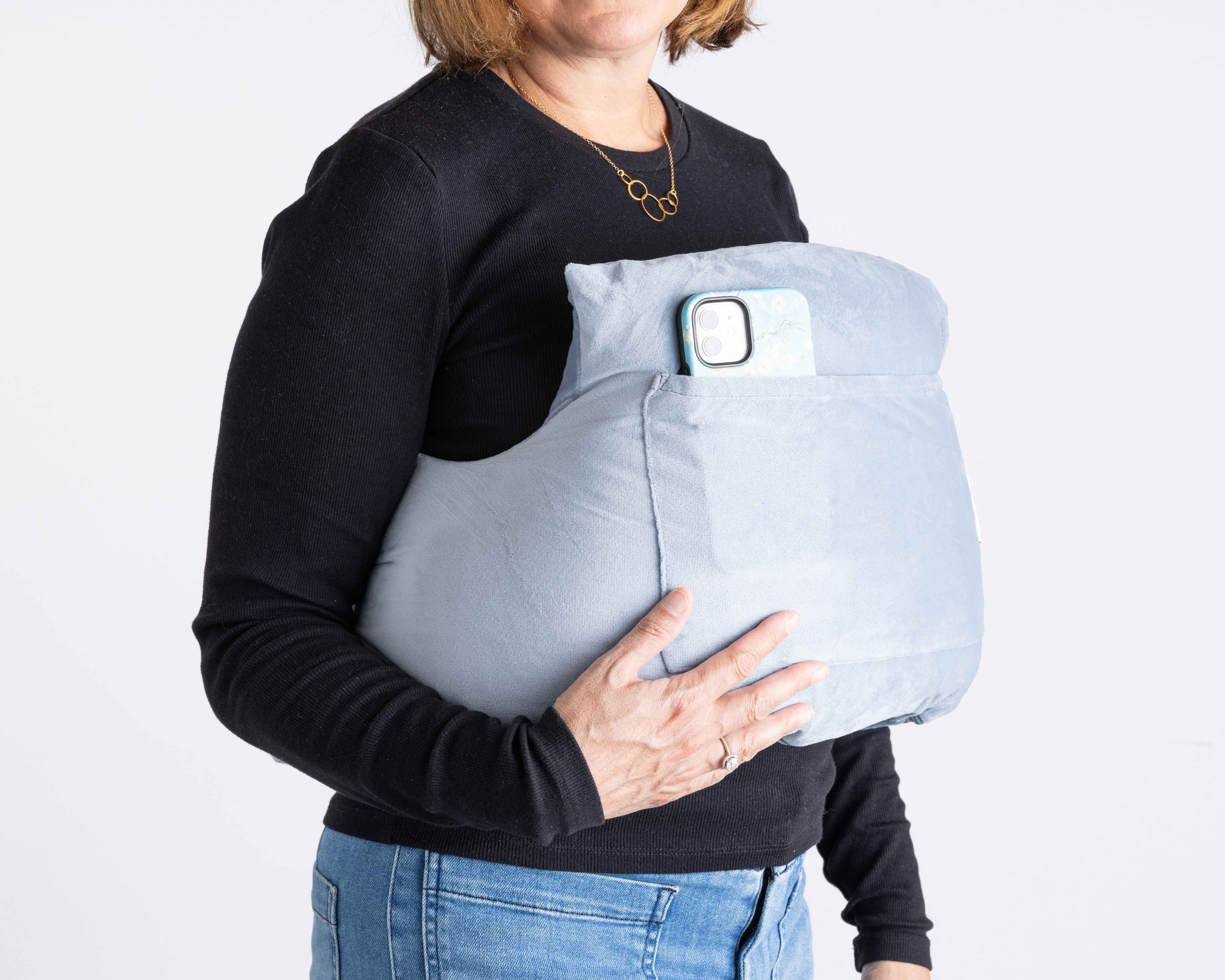
Keep essentials within arm’s reach. Water, medication, your phone, and anything else you might need during the night should be accessible without requiring you to reach or lean significantly.
-
Coordinate your bedroom environment. Consider room temperature, lighting, and sound levels, as quality sleep is directly tied to healing efficiency.
-
Communicate with your household. Let family members or housemates know about your positioning requirements so nighttime disturbances are minimized.
PROTECT YOUR RESULTS DURING OTOPLASTY RECOVERY
Sleeping With Your Otoplasty Headband or Compression Dressing
Your post-surgical compression headband or dressing serves a specific medical function: it holds the ears in their new position while initial healing takes place, reduces swelling, and protects the surgical site. It is not optional, and it cannot be removed for comfort during sleep.
Patients often have questions about sleeping with the headband, particularly in terms of how to position the head without placing pressure on the dressing. The answer is that proper back sleeping with adequate elevation largely resolves this challenge. In this position, the head rests on the back of the skull—not on the ears—which means the dressing remains uncompressed and functional throughout the night.
A head pillow that allows free neck movement is important in this context. You want to be able to gently turn your head to check on a noise or adjust your position without the pillow restricting motion in a way that puts lateral pressure on an ear. This is one reason purpose-built recovery pillows—which account for neck mobility as a design variable—are generally more effective than standard pillows for post-otoplasty sleep.
Common Sleep Challenges After Otoplasty and How to Address Them
Rolling Onto Your Side During Sleep
Most patients roll during sleep out of habit and without awareness. The solution is structural rather than behavioral: create physical resistance on both sides of your body using firm support pillows or bolsters. Because this approach works passively, it is effective even during the lightest stages of sleep when conscious position-holding is not possible.
Sliding Down the Incline During the Night
This is one of the most common complaints among patients who build their own elevation using stacked pillows. The solution is a leg support wedge that creates a physical stop, keeping the body in position on the upper body wedge rather than gradually migrating downward. Without this component, improvised setups frequently result in waking up flat despite having started elevated.
Neck Discomfort From Extended Back Sleeping
Patients unaccustomed to back sleeping often experience neck stiffness in the first few days. This is normal and typically resolves as the body adjusts. Ensuring your head pillow fills the natural gap between the back of your head and the upper body wedge—without pushing your chin toward your chest—is the key adjustment. Gentle neck stretches during the day can also help manage initial stiffness.
Difficulty Falling Asleep in a New Position
Sleep position adaptation follows a neurological pattern: the body registers a new posture as an acceptable sleep state more readily after several exposures. This is why patients who begin practicing elevated back sleeping before surgery adapt significantly faster post-operatively than those encountering the position for the first time while managing surgical recovery. The position itself is not difficult—the adjustment period is simply shorter when it begins earlier.
Ear Tenderness When Adjusting Head Position
Gentle head movements during back sleeping should not cause ear contact with any surface if your positioning is correct. If you notice that turning your head causes ear-to-pillow contact, check whether your side support pillows are positioned adequately and whether your head pillow is providing the right level of elevation to keep your ears clear.
Otoplasty Sleep Recovery: Your Questions Answered
How long do I need to sleep on my back after otoplasty?
Most surgeons recommend strict back sleeping for a minimum of two to four weeks following otoplasty. Some recommend continuing through six weeks, particularly during nighttime sleep. Your individual timeline will be guided by your surgeon based on healing progress, so follow their specific instructions.
Can I sleep on my side at all during otoplasty recovery?
Side sleeping is generally not recommended during the initial healing period because of the pressure and friction it places on the ears and surgical dressing. Once your surgeon gives clearance—typically after several weeks—side sleeping can be reintroduced, though it should be done carefully and with proper ear protection.
What angle should my head be elevated to after otoplasty?
The standard recommendation is 30 to 45 degrees. Higher elevations in the first few days help manage acute swelling. As swelling subsides over the first week, the angle can be reduced toward the lower end of the range. A single regular pillow does not provide adequate elevation—a purpose-built wedge or dedicated elevation system is more reliable.
Can I use a recliner instead of my bed for recovery sleep?
A recliner can work for reading and resting. However, most recliners do not provide adequate full-body support for extended use, and sleep quality tends to suffer. Transitioning to a properly configured bed with a recovery positioning system usually results in better sleep within a few days.
Is it safe to take sleep aids during otoplasty recovery?
This should be discussed with your surgeon. Some mild sleep aids are considered acceptable, while others may interact with post-surgical medications or have effects that are not advisable during recovery. Your surgeon and prescribing physician are the appropriate resources for this question.
When can I sleep without a headband after otoplasty?
Your surgeon will provide a specific timeline for transitioning out of the compression headband. This varies by patient and healing progress. Patients commonly wear the headband full-time for the first week, then transition to nighttime-only wear for several additional weeks. Do not stop wearing the headband during sleep until your surgeon explicitly clears you to do so.
Why do regular pillows not work well for otoplasty recovery sleep?
Standard pillows are designed for comfort during normal sleep, not for maintaining therapeutic positioning. They lack the structural density to hold a consistent incline and are not designed to coordinate with other positioning components. Recovery sleep has specific engineering requirements—stable incline, lateral support, and leg elevation working together—that general-purpose pillows were never built to meet.
Is elevated back sleeping beneficial for swelling specifically?
Yes. Elevation allows gravity to assist your body’s natural drainage processes, reducing fluid accumulation in the tissue around the ears. Patients who maintain consistent elevation during the first week following otoplasty typically experience less severe swelling compared to those who sleep flat.
Can I use HSA or FSA funds to purchase a recovery pillow system?
The Sleep Again Pillow System is HSA/FSA eligible, which can help offset the cost as part of your overall surgical preparation budget. Check with your HSA or FSA administrator for details specific to your plan.
How do I prevent rolling onto my side during sleep after otoplasty?
The most reliable prevention is passive physical positioning: place firm pillows or support components on both sides of your body to create resistance against rolling. This approach does not rely on conscious awareness during sleep and is therefore more consistently effective than behavioral strategies alone.
Your Pre-Otoplasty Sleep Preparation Checklist
Use this checklist in the weeks leading up to your procedure to ensure your sleep environment is ready before surgery day:
-
Identify and set up your elevation system at least one week before surgery
-
Practice sleeping in an elevated back position for two to three nights pre-surgery
-
Verify that your head pillow supports comfortable neck positioning at your chosen angle
-
Confirm you have lateral support pillows that create effective rolling resistance
-
Set up a bedside station with all necessary items within reach
-
Review your surgeon’s specific post-operative sleep instructions and ask any questions before your procedure date
-
Confirm HSA/FSA eligibility for your recovery positioning system if applicable
The Proactive Approach to Otoplasty Recovery Sleep
Recovery from otoplasty is a defined process with a defined timeline. Sleep positioning is not a minor detail within that process—it is one of the primary variables that patients have direct control over and that directly affects outcomes.
Elevated back sleeping at 30 to 45 degrees protects healing ear cartilage, supports the surgical dressing, reduces swelling, and makes the overall recovery experience substantially more manageable. The patients who experience the smoothest otoplasty recoveries are not particularly lucky—they are prepared.
If you are currently in the pre-surgery planning phase, now is the time to establish your sleep positioning plan. Practice the position, set up your environment, and invest in the tools that will make consistent elevated back sleeping possible. Your post-surgical self will benefit directly from the preparation you do today.
Important Medical Disclaimer
The information provided on this page is for educational purposes only and should not replace professional medical advice from your healthcare provider. Sleep Again Pillows are positioning support products designed to help maintain sleep positions recommended by medical professionals during recovery and for therapeutic use.
Always follow your surgeon's or physician's specific post-operative instructions and positioning requirements. Medical guidance from your healthcare team takes precedence over any general information provided here. Recovery timelines, positioning angles, and product suitability vary based on individual surgical procedures, medical conditions, and patient-specific factors.
Consult your healthcare provider before purchasing positioning equipment if you have specific medical concerns or questions about whether these products are appropriate for your recovery or medical condition(s). Your medical team can provide personalized recommendations based on your unique situation.
Sleep Again Pillows do not diagnose, treat, cure, or prevent any medical condition. These products provide positioning support to help maintain sleep angles and positions as directed by your healthcare provider.