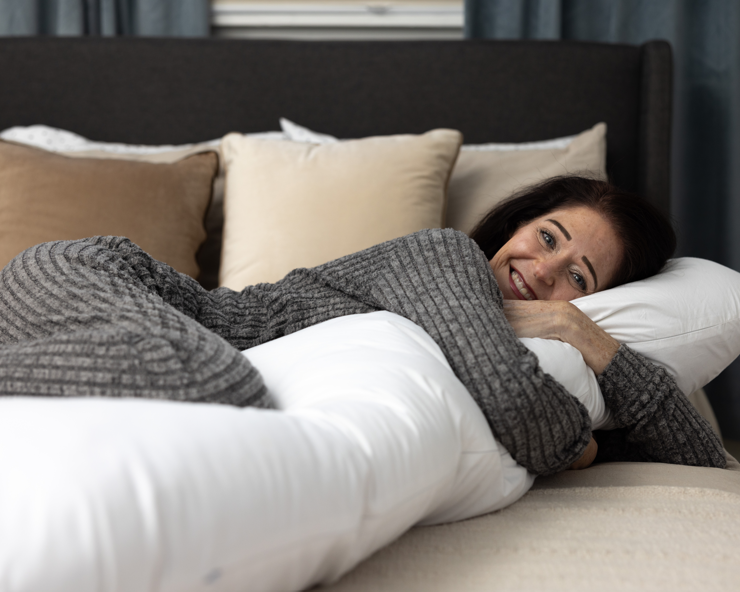

The best time to secure insurance coverage for mastectomy recovery positioning equipment is before your surgery date, not after. Canadian patients who plan their recovery positioning and insurance documentation during pre-operative appointments are set up to recover more comfortably, secure better insurance coverage, and eliminate the stress of arranging equipment while managing post-surgical pain and restrictions.
With Sleep Again Pillows now offering shipping to Canada, patients can order professional positioning equipment weeks before surgery, secure necessary prescriptions during pre-operative consultations, submit insurance pre-authorizations before surgical stress begins, and have complete recovery setups ready for the moment they return home from the hospital.
This guide explains how to maximize Canadian insurance coverage through strategic pre-surgery planning, why elevated back sleeping equipment qualifies as a medical necessity, and how to prepare your recovery positioning before your mastectomy date.

Medical Necessity: Why Surgeons Prescribe Elevated Back Sleeping
Know the medical reasoning behind elevation, and your insurance claim gets stronger. This isn't comfort equipment—it's preventive medical care prescribed before surgery for documented therapeutic benefits.
Why 30-45 Degree Elevation Works
Surgeons prescribe specific angles for specific reasons:
Lymphatic drainage improves with gravity assistance. Mastectomy disrupts lymphatic channels—especially when nodes are involved. Proper elevation from night one reduces fluid accumulation, controls swelling, and minimizes lymphedema risk.
Incisions heal faster without tension. Lying flat pulls on chest incisions and reconstruction areas. Elevation removes this strain, reduces pain, and supports optimal wound closure starting immediately.
Circulation increases when positioned correctly. Better blood flow means more oxygen and nutrients reaching surgical sites for repair, plus less venous pooling that causes swelling and clotting concerns. This starts the first night—not eventually.
Breathing becomes easier with upper body elevation. Chest surgery patients experience immediate respiratory benefits and reduced diaphragm pressure at therapeutic angles.
How Long Do You Need Elevation?
Expect 6-12 weeks of continuous elevated sleeping.
Single mastectomy: typically 6-8 weeks.
Double mastectomy: usually 10-12 weeks.
Immediate reconstruction extends timelines. Tissue expanders mean elevation throughout the entire expansion process—often 3-6 months of progressive fills.
Radiation therapy adds time. Discuss your complete treatment plan pre-surgery to order appropriate equipment upfront.
Why Regular Pillows Don't Cut It
Household pillows compress under body weight and lose elevation within hours. You need equipment that maintains 30-45 degree angles through 8-hour sleep periods across weeks of recovery.
Double mastectomy patients need bilateral protection from day one. Regular pillows shift overnight, creating gaps that let you roll onto surgical sites. Professional systems prevent this.
Surgical drains need stable positioning immediately after surgery when they're most active. Random pillow arrangements create gaps and pressure points that compromise drain function.
Proper spinal alignment at elevation requires coordinated neck, upper back, and lower back support simultaneously. Individual pillows can't deliver this.
This medical necessity documentation transforms your insurance claim from "comfort purchase" to "preventive medical equipment prescribed before surgery."
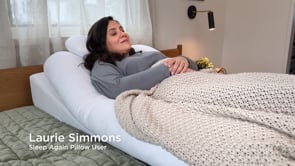
THE SLEEP AGAIN PILLOW SYSTEM SUPPORTS ELEVATED BACK SLEEPING!
SHOP THE SYSTEM AND BE PREPARED FOR YOUR MASTECTOMY
Why Pre-Surgery Planning Matters for Coverage and Recovery
Arranging positioning equipment before surgery means walking into recovery prepared. Waiting until after means fighting insurance paperwork while managing surgical drains, learning equipment setup while on pain medication, and potentially missing critical early positioning days.
Pre-Surgery Documentation Advantages
Pre-surgery appointments are for planning your recovery. Post-surgical appointments are for managing it—wound checks, drain removal, complication monitoring. Get your positioning prescriptions during the planning phase.
Insurance companies often respond better to pre-authorizations submitted before surgery because they signal proactive medical preparation, not "oops, I'm uncomfortable" purchases. Plus, prescriptions stating "patient will require" positioning equipment carry significantly more weight than "patient needed" documentation written after the fact.
Equipment Testing Before Surgical Restrictions
Get your equipment before surgery, and you can test drive everything—try different angles, make sure it works with your bed, and practice the setup when moving doesn't hurt. Wait until after? You're learning a new positioning system while managing drains, working around movement restrictions, and dealing with surgical pain. Not exactly ideal conditions for figuring out complex equipment.
Canadian Shipping Enables Pre-Surgery Planning
Sleep Again Pillows' shipping to Canada makes pre-surgery planning practical for Canadian patients. Order professional positioning equipment 2-4 weeks before surgery and have your systems ready before surgery day.
Understanding Canadian Insurance Coverage for Positioning Equipment
Canadian insurance operates through three primary channels, each requiring different documentation and offering varying coverage levels. Understanding these systems before surgery allows strategic coverage planning.
Provincial Health Insurance Coverage
Provincial health plans cover medically necessary services, including mastectomy surgery, hospital care, and medical follow-ups. Home positioning equipment falls outside standard provincial coverage in most jurisdictions.
Some provinces operate assistive devices programs offering limited medical equipment benefits. British Columbia's ADP program, Ontario's Assistive Devices Program, and similar provincial initiatives occasionally cover prescribed equipment through specific eligibility criteria and approved vendor lists.
Positioning systems rarely qualify under provincial assistive devices programs because classification criteria focus on mobility aids, oxygen equipment, and permanent disability accommodations rather than post-surgical recovery equipment. Patients should contact provincial programs before surgery to confirm current policies and application requirements.
Provincial programs offering equipment benefits typically require co-payments ranging from 25% to 50%, restrict coverage to specific diagnoses, mandate approved vendor selection, and process applications over several weeks. Pre-surgery application timing becomes critical for securing provincial benefits before surgery dates.
Private Extended Health Benefits
Private insurance through employer plans or individual policies often provides primary coverage for positioning equipment. Extended health benefits include categories for durable medical equipment, therapeutic equipment, medical supplies, and post-surgical recovery equipment.
Review extended health benefits documentation before surgery under medical equipment, durable medical goods, therapeutic supplies, or post-surgical equipment categories. Contact insurance providers 4-6 weeks before surgery to confirm coverage percentages, annual maximums, documentation requirements, pre-authorization protocols, submission deadlines, and processing timelines.
Pre-authorization through private insurance allows confirming coverage before purchase, understanding exact reimbursement percentages, identifying documentation gaps before surgery, and eliminating uncertainty about out-of-pocket costs.
Health Spending Accounts
Health Spending Accounts function as employer-funded allowances for eligible health expenses. HSAs accept prescribed medical equipment for post-surgical recovery with simpler approval processes than traditional insurance claims.
Positioning equipment prescribed during pre-operative appointments for mastectomy recovery qualifies as an eligible HSA expense. Patients receive predetermined annual HSA amounts and submit receipts with prescription documentation for reimbursement.
HSA advantages for pre-surgery planning include predictable funding amounts known before purchase, straightforward approval for prescribed equipment, no annual maximum concerns beyond HSA allocation, and fast processing with prescription documentation.
THE SLEEP AGAIN PILLOW SYSTEM IS HSA/FSA ELIGIBLE!
SHOP THE SYSTEM AND BE PREPARED FOR YOUR MASTECTOMY

Durable Medical Equipment Classification
Canadian insurance companies evaluate positioning equipment based on durable medical equipment criteria. DME serves specific medical purposes related to treating or preventing medical conditions, is designed for repeated use over extended periods, is prescribed by physicians for particular medical needs, and differs from consumer comfort products.
Professional positioning systems designed specifically for post-surgical recovery meet DME criteria through therapeutic functions including maintaining prescribed elevation angles, bilateral surgical site protection, drain accommodation, and spinal alignment during recovery positioning.
Generic comfort pillows fail DME qualification because they're marketed for general sleeping comfort rather than therapeutic positioning, sold without medical prescription requirements, and constructed for consumer rather than medical durability standards.
Insurance claims for equipment prescribed before surgery, as preventive positioning support a stronger DME classification than post-surgical comfort purchases.
THE SLEEP AGAIN PILLOW SYSTEM QUALIFIES AS DME!
SHOP THE SYSTEM AND BE PREPARED FOR YOUR MASTECTOMY
Documentation Requirements for Pre-Surgery Coverage
Insurance companies require written surgeon documentation, including diagnosis and upcoming surgical procedure, specific positioning requirements with elevation angles and duration, medical rationale explaining why professional equipment prevents complications, and prescription format meeting insurance standards.
Effective pre-surgery medical documentation might state: "Patient undergoing mastectomy on [date] will require therapeutic positioning equipment to maintain 30-45 degree elevation for 8-12 weeks post-operatively to optimize lymphatic drainage, minimize surgical site pressure, and prevent positioning-related complications. Standard household pillows are inadequate for maintaining consistent therapeutic angles over extended recovery period."
Pre-surgery prescriptions should specify "therapeutic positioning system" or "post-surgical elevation equipment" rather than generic "pillows." Medical equipment terminology strengthens claims.
Surgeons provide this documentation readily during scheduled pre-operative appointments when positioning equipment is framed as preventive medical preparation rather than post-surgical requests competing with complication management.
Maximizing Coverage Through Strategic Pre-Surgery Preparation
Four to six weeks before surgery provides an optimal timeline for insurance preparation and equipment ordering.
Insurance Review Before Surgery
Review the extended health benefits documentation immediately after surgery scheduling. Identify coverage categories including durable medical equipment, medical supplies, therapeutic equipment, and post-surgical recovery supplies. Note coverage percentages, annual maximums, documentation requirements, and pre-authorization protocols.
Contact insurance providers directly with specific questions about coverage for prescribed positioning equipment for upcoming mastectomy recovery. Document representative names, conversation dates, and coverage confirmations. Ask about pre-authorization requirements, preferred documentation formats, submission deadlines, and claims processing timelines.
This pre-surgery review identifies coverage gaps allowing time to explore alternative funding through HSAs, provincial programs, or tax deductibility planning before surgery.
Obtaining Comprehensive Medical Prescriptions
Schedule dedicated pre-operative appointment time to discuss recovery positioning and insurance documentation needs. Request written prescriptions or medical necessity letters including complete diagnosis, upcoming surgical procedure details, positioning requirements with specific elevation angles and duration, medical reasoning for professional equipment preventing complications, and explanation of why household items are inadequate for therapeutic positioning.
Frame equipment requests as preventive medical preparation optimizing recovery outcomes. Surgeons respond more favorably to proactive positioning planning than post-surgical comfort requests.
Some surgeons provide standardized pre-surgical equipment prescriptions; others require specific documentation requests. Prepare your insurance company's documentation requirements to provide your surgeon's office with exact formatting needs.
Tax Deductibility Planning
Canadian tax regulations allow medical expense deductions for prescribed medical equipment serving therapeutic purposes. Pre-surgery equipment purchases with medical prescriptions qualify for tax deductions when combined with other mastectomy-related expenses.
Qualifying expenses require prescriptions from medical practitioners obtained before or during surgery timeline, documentation of medical necessity related to upcoming surgery recovery, and purchase receipts showing equipment costs.
Medical expense deductions reduce taxable income based on expenses exceeding income-based thresholds. Pre-surgery planning allows combining positioning equipment costs with surgical garment expenses, medications, and additional medical supplies anticipated during recovery for maximum tax benefit.
Consult tax professionals during pre-surgery planning about structuring medical equipment purchases to optimize deductibility alongside other anticipated recovery expenses.

The Sleep Again Pillow System: Professional Pre-Surgery Positioning Solution
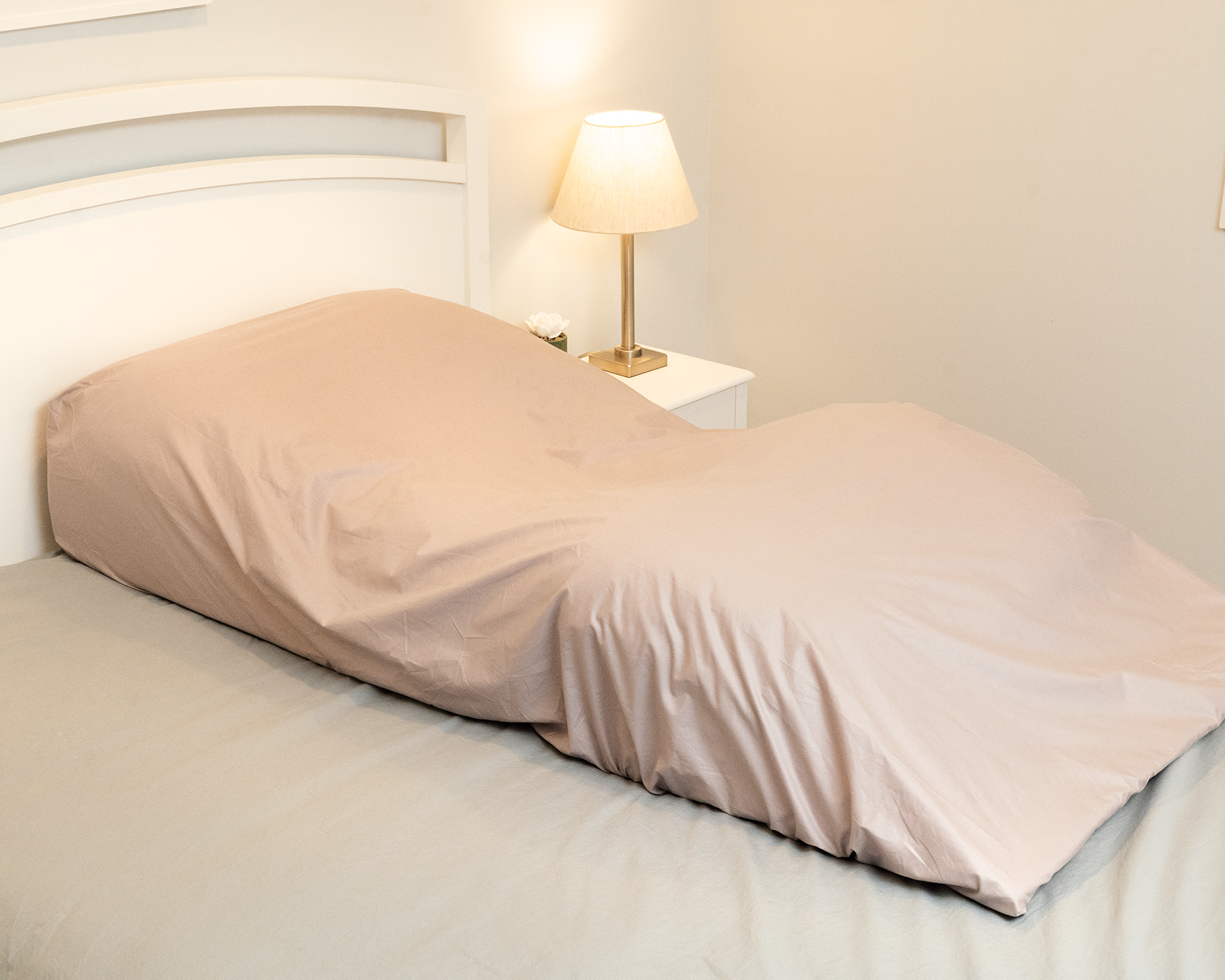
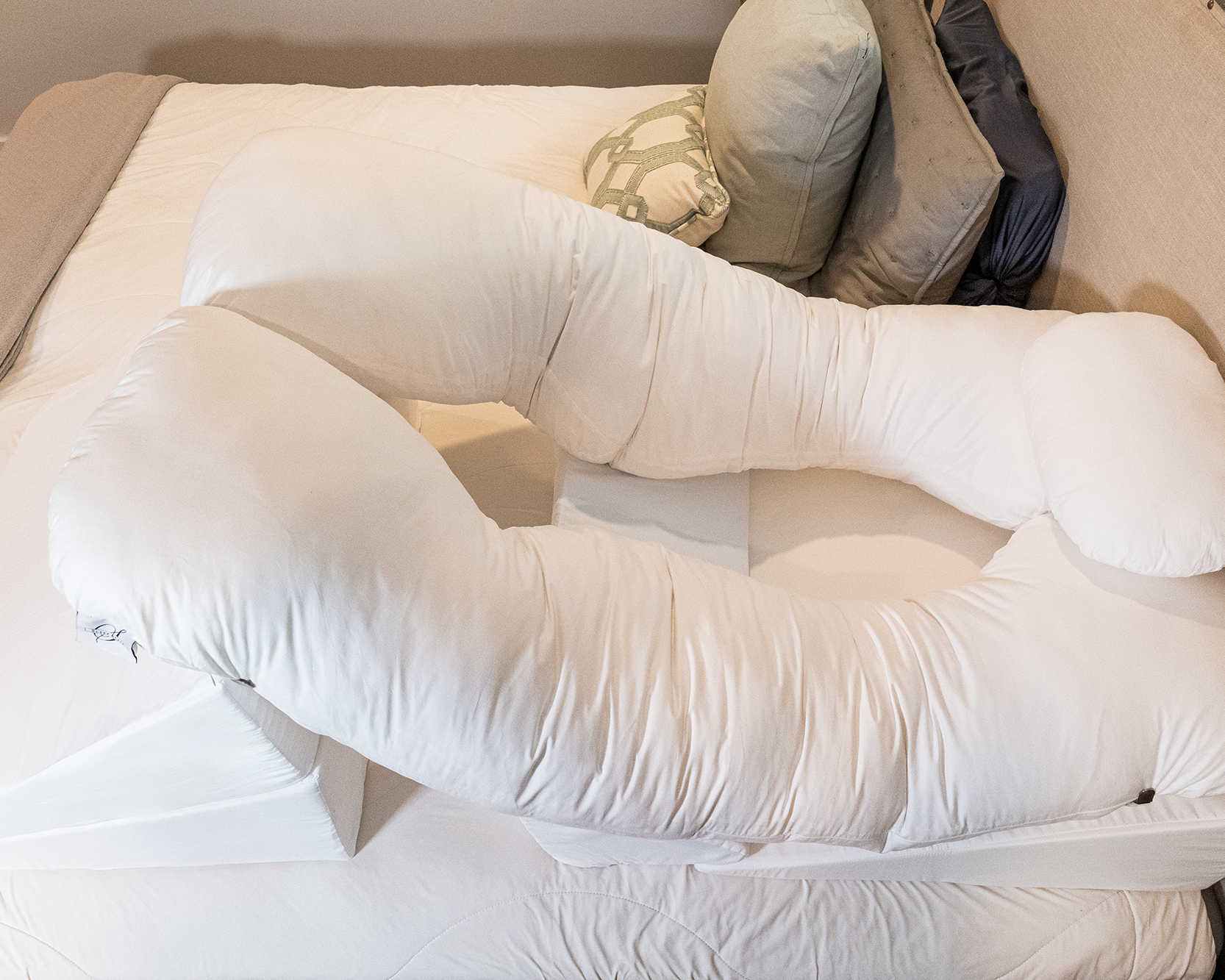
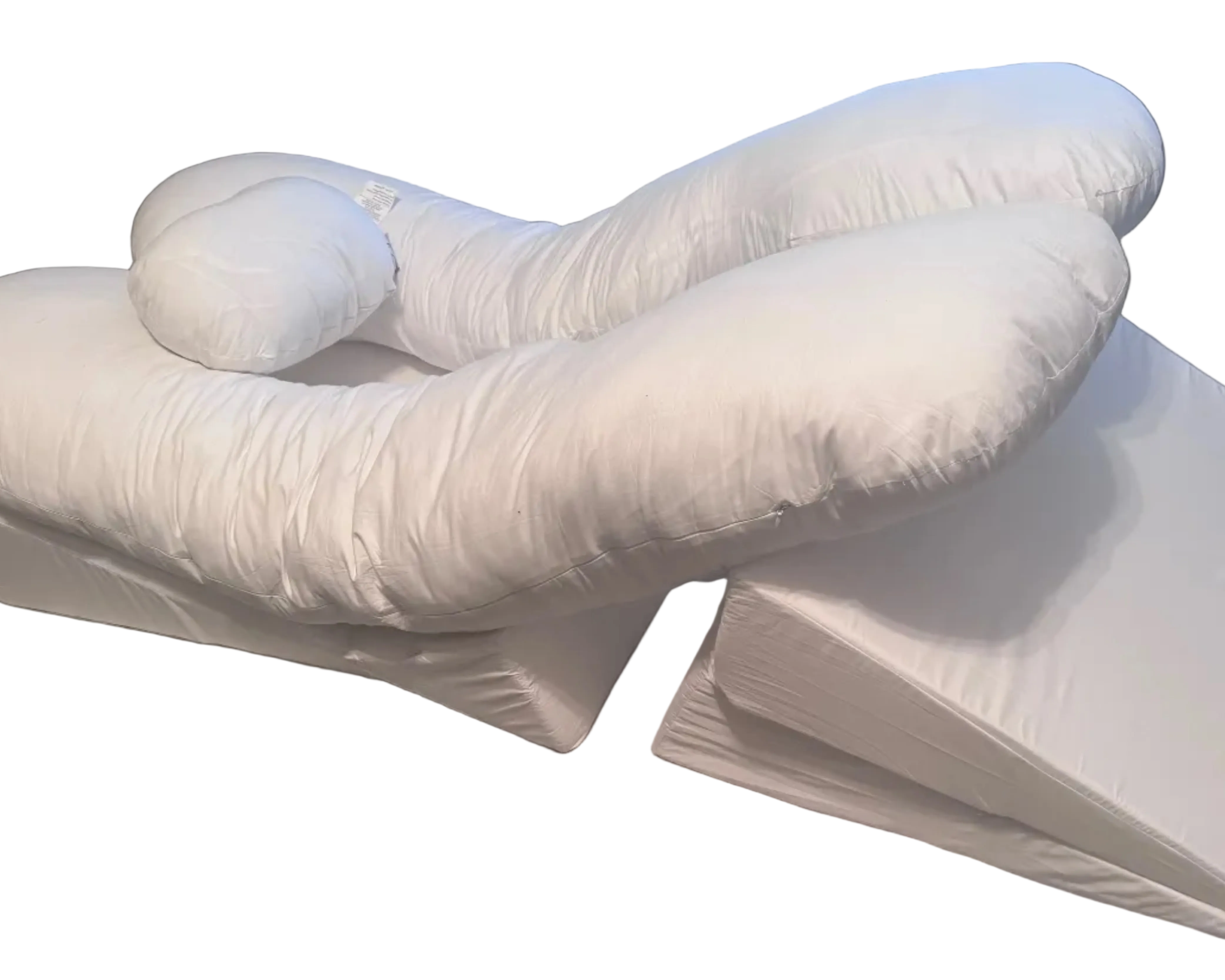
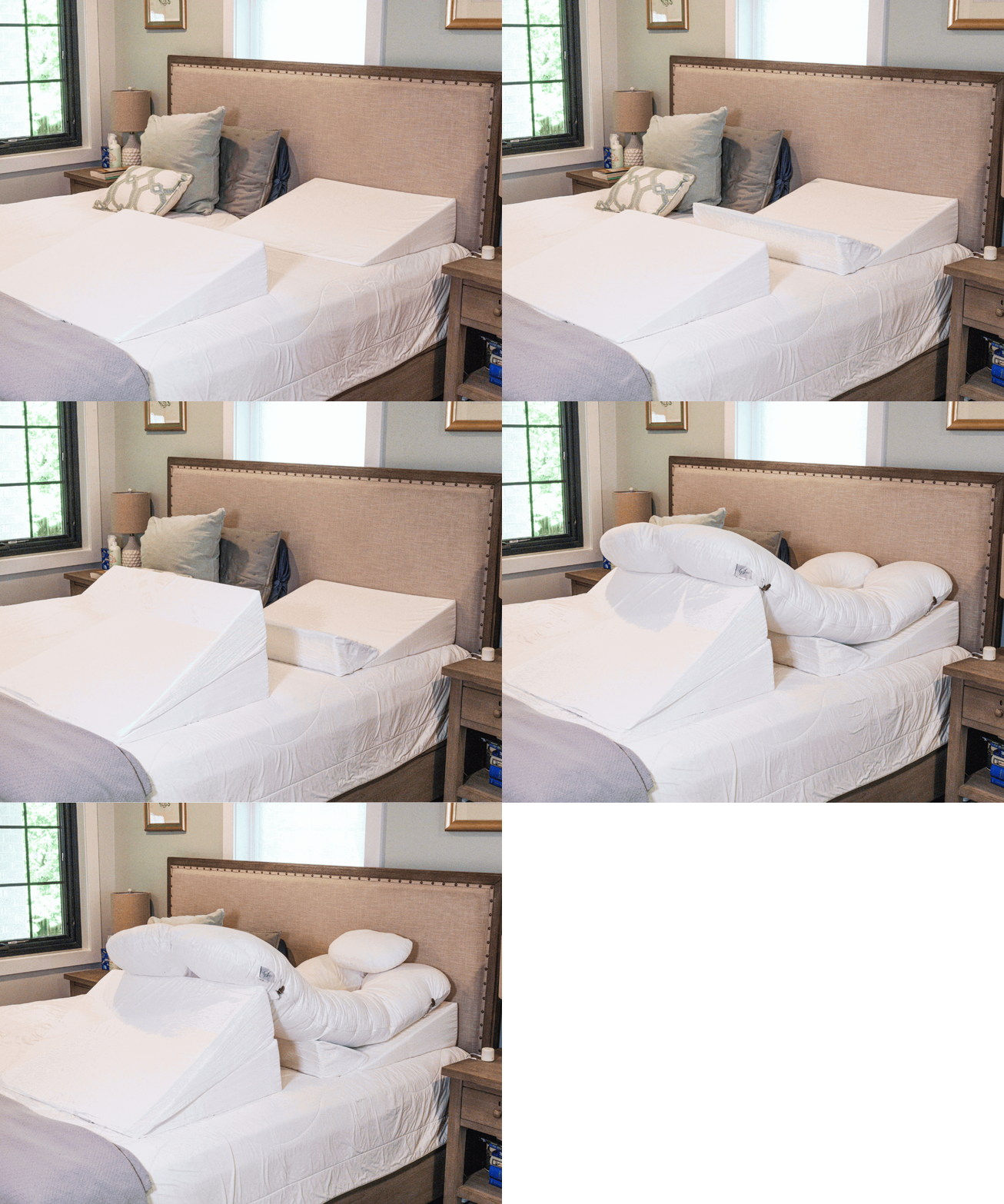
The Sleep Again Pillow System provides professional-grade positioning specifically engineered for post-surgical recovery requirements, now available through direct shipping to Canada for pre-surgery delivery.
Complete Integrated System
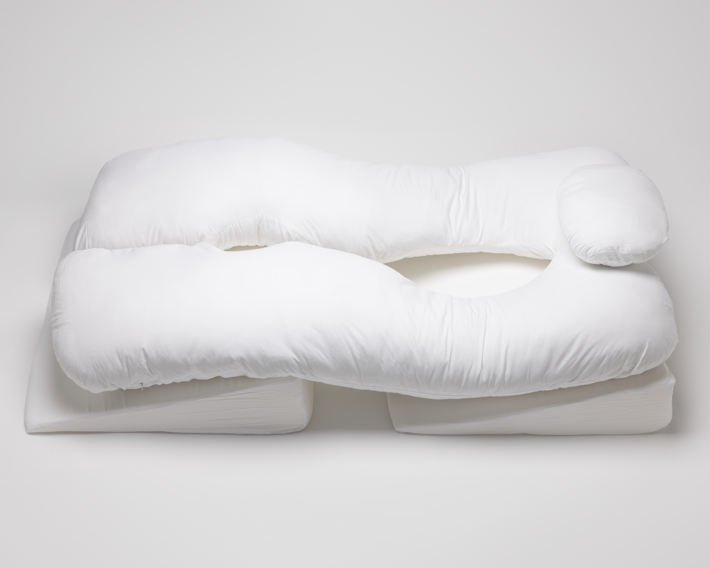
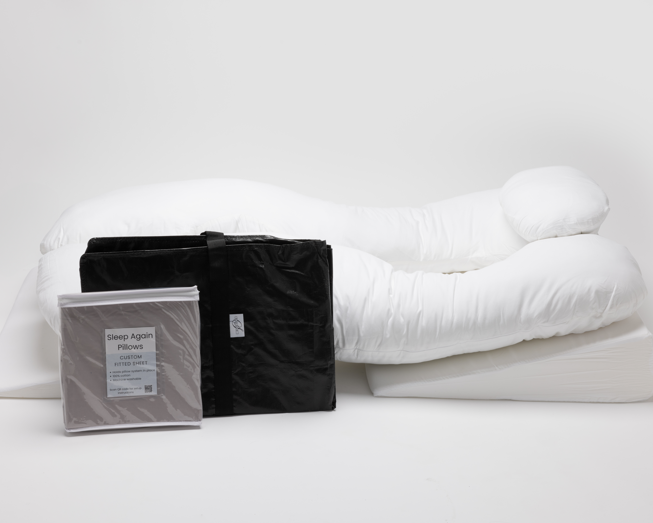
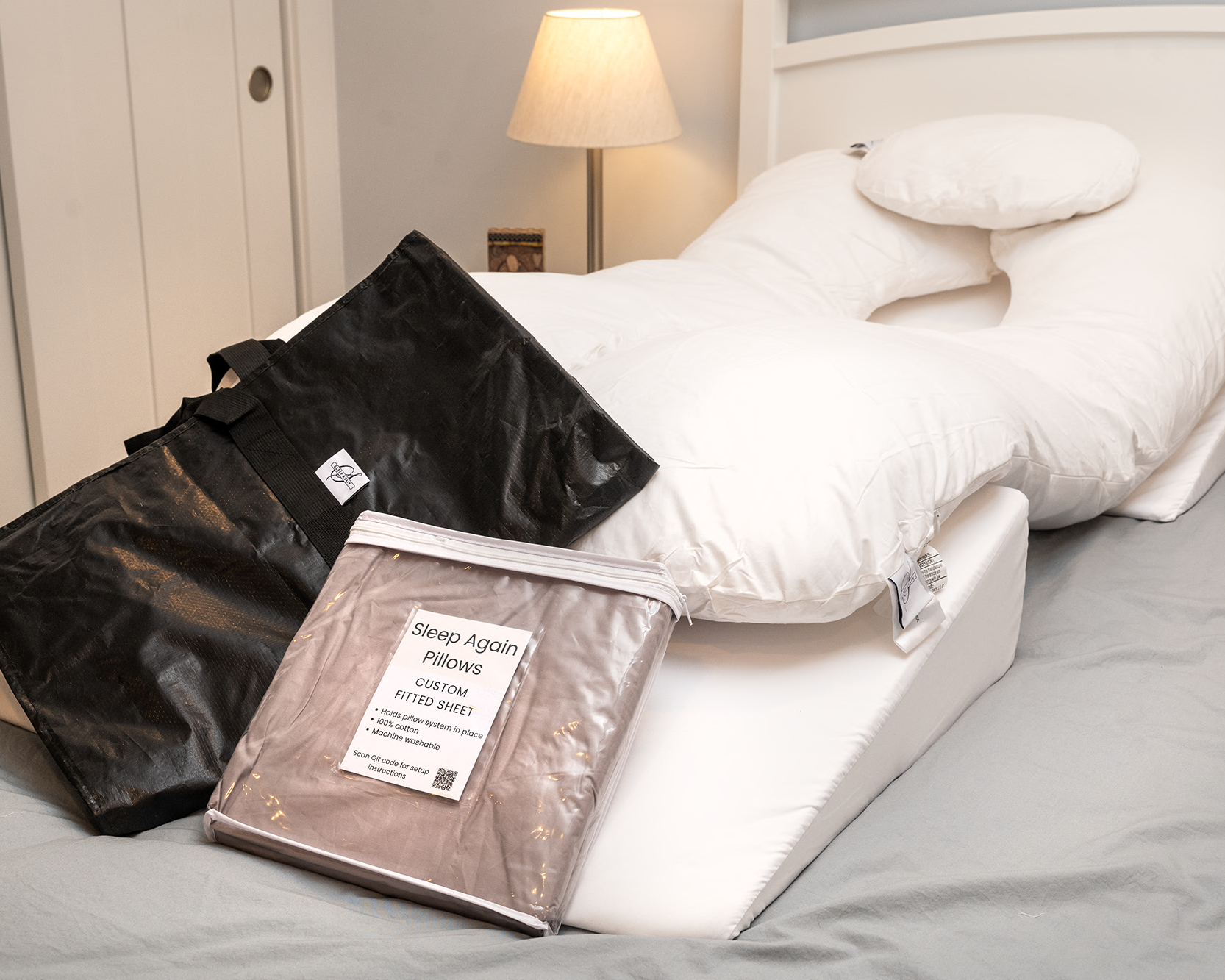
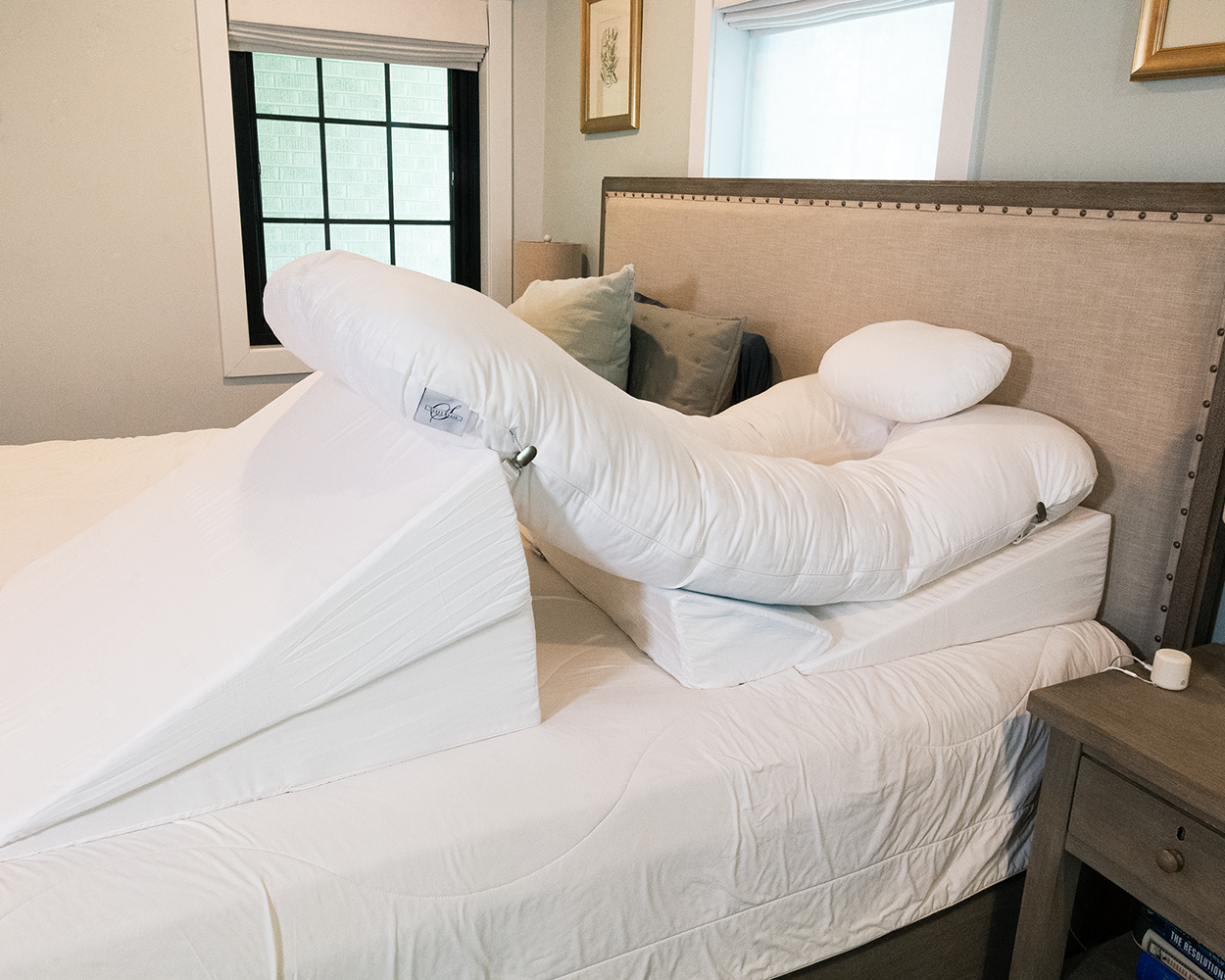
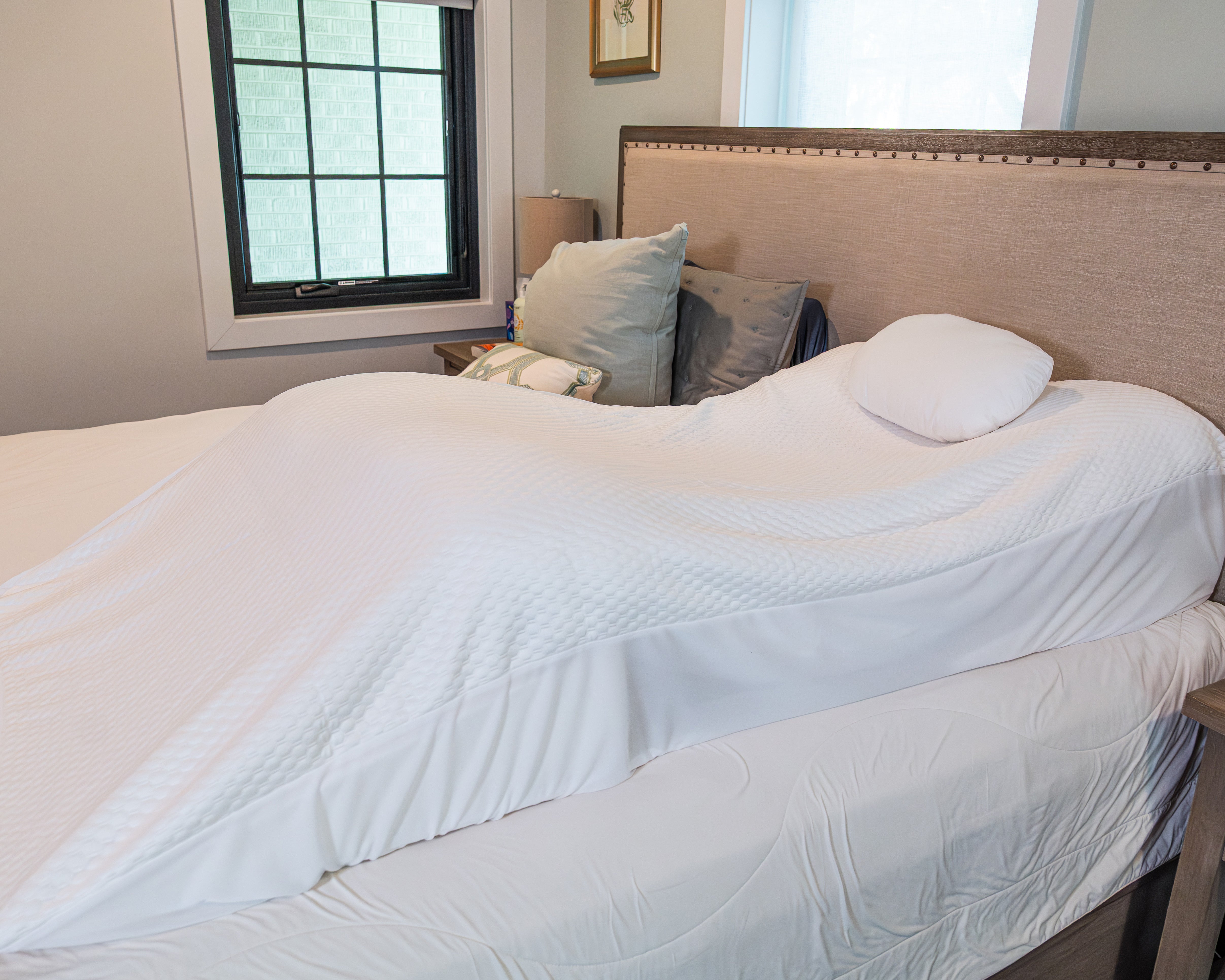
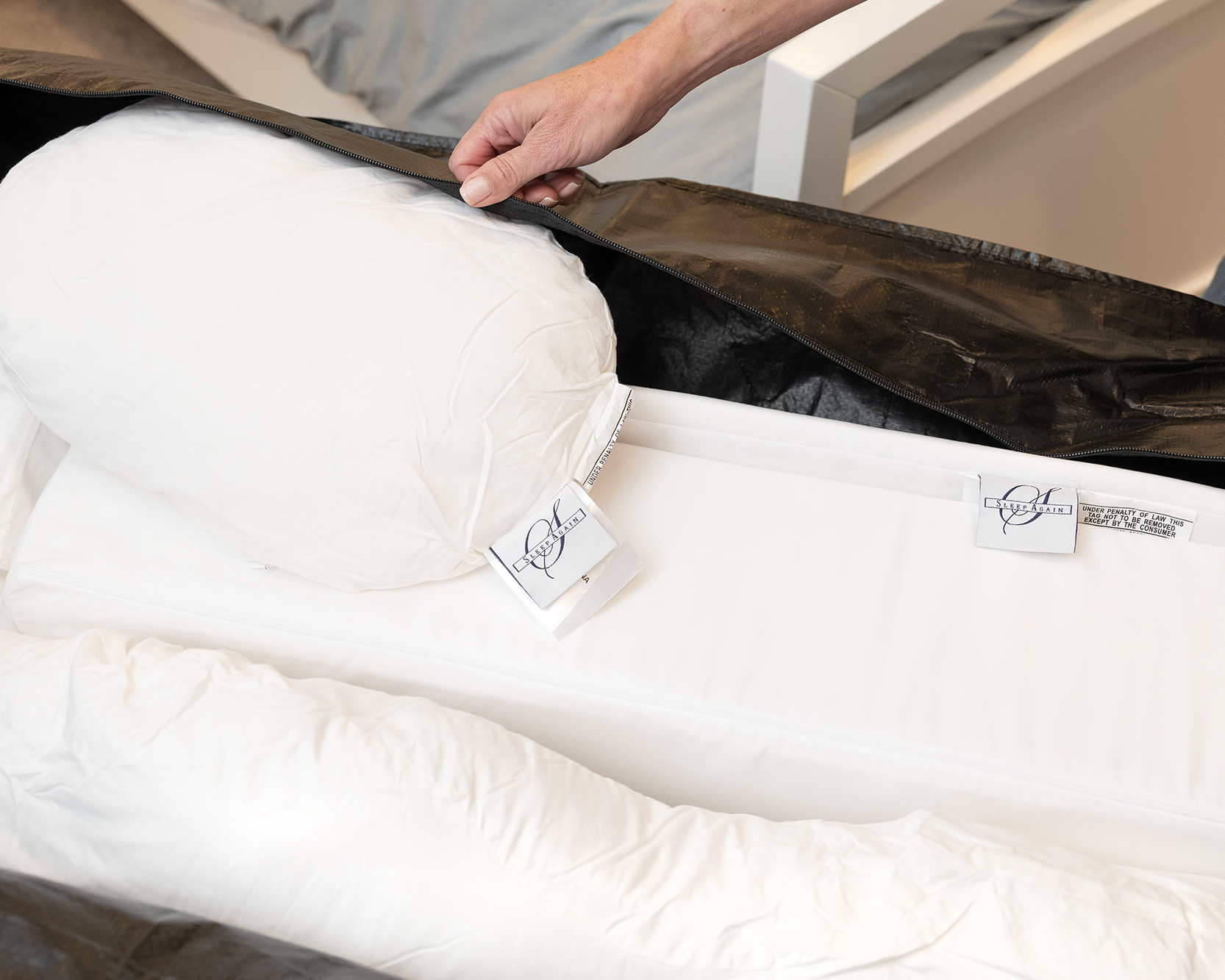
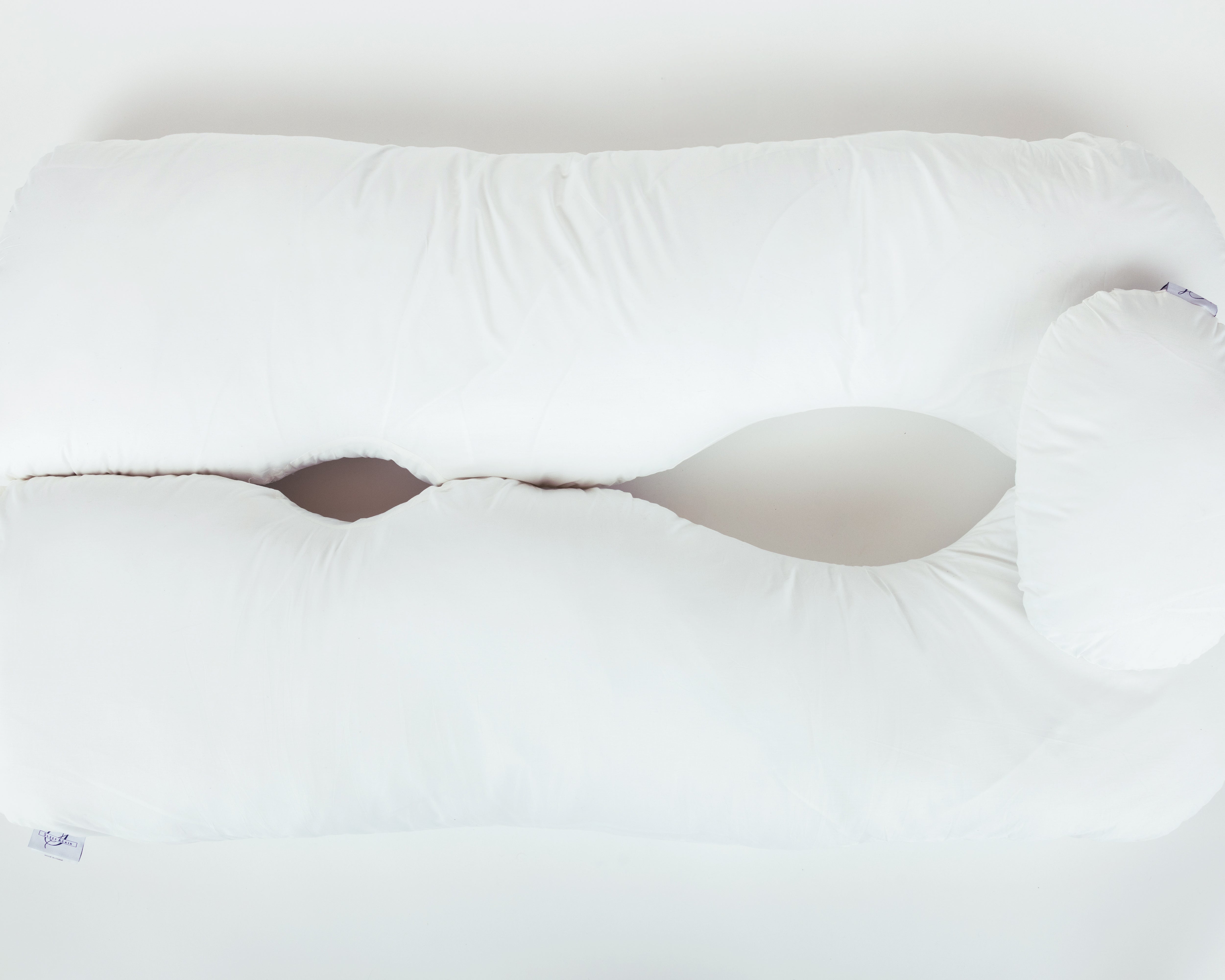
Every Sleep Again Pillow System includes:
-
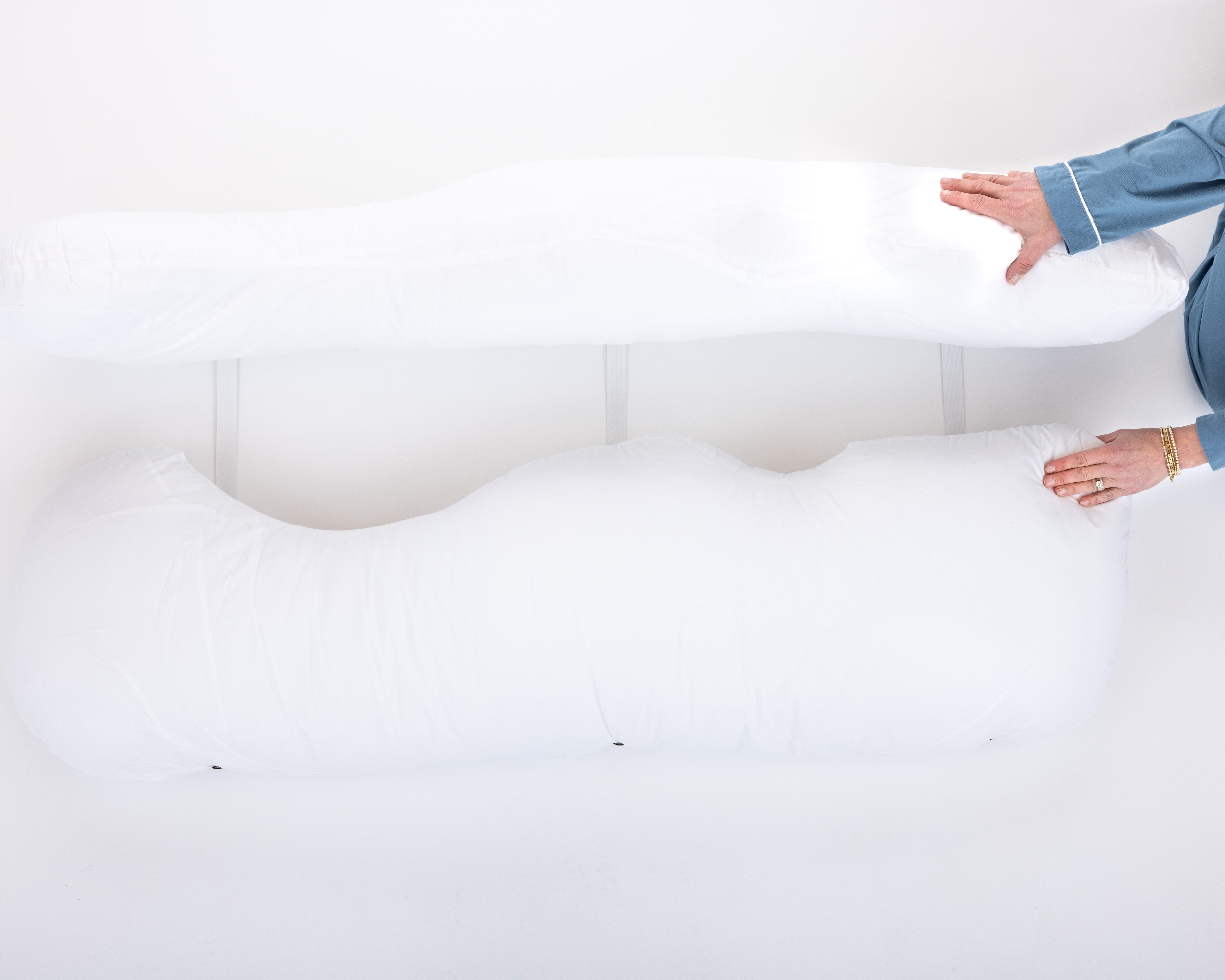
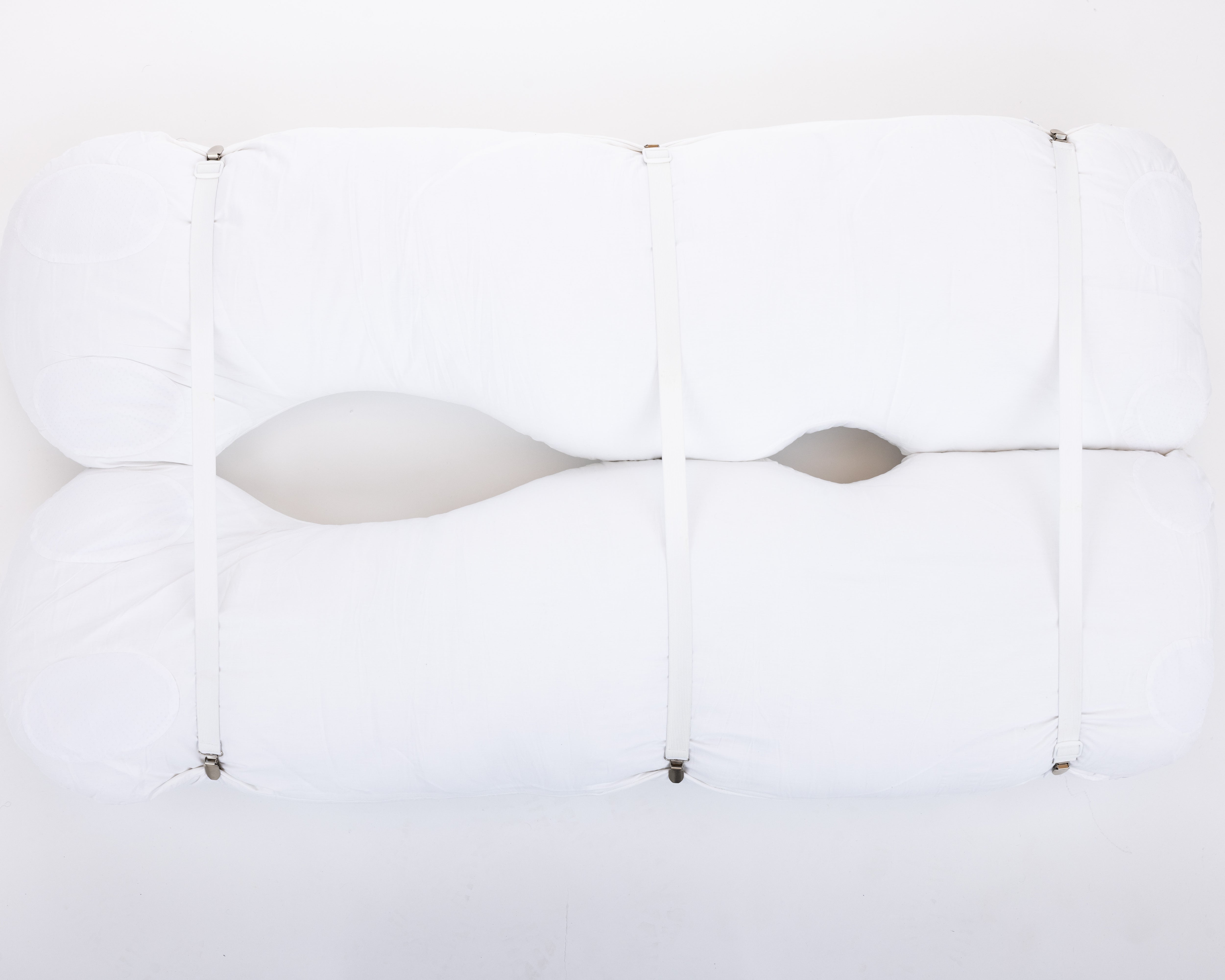
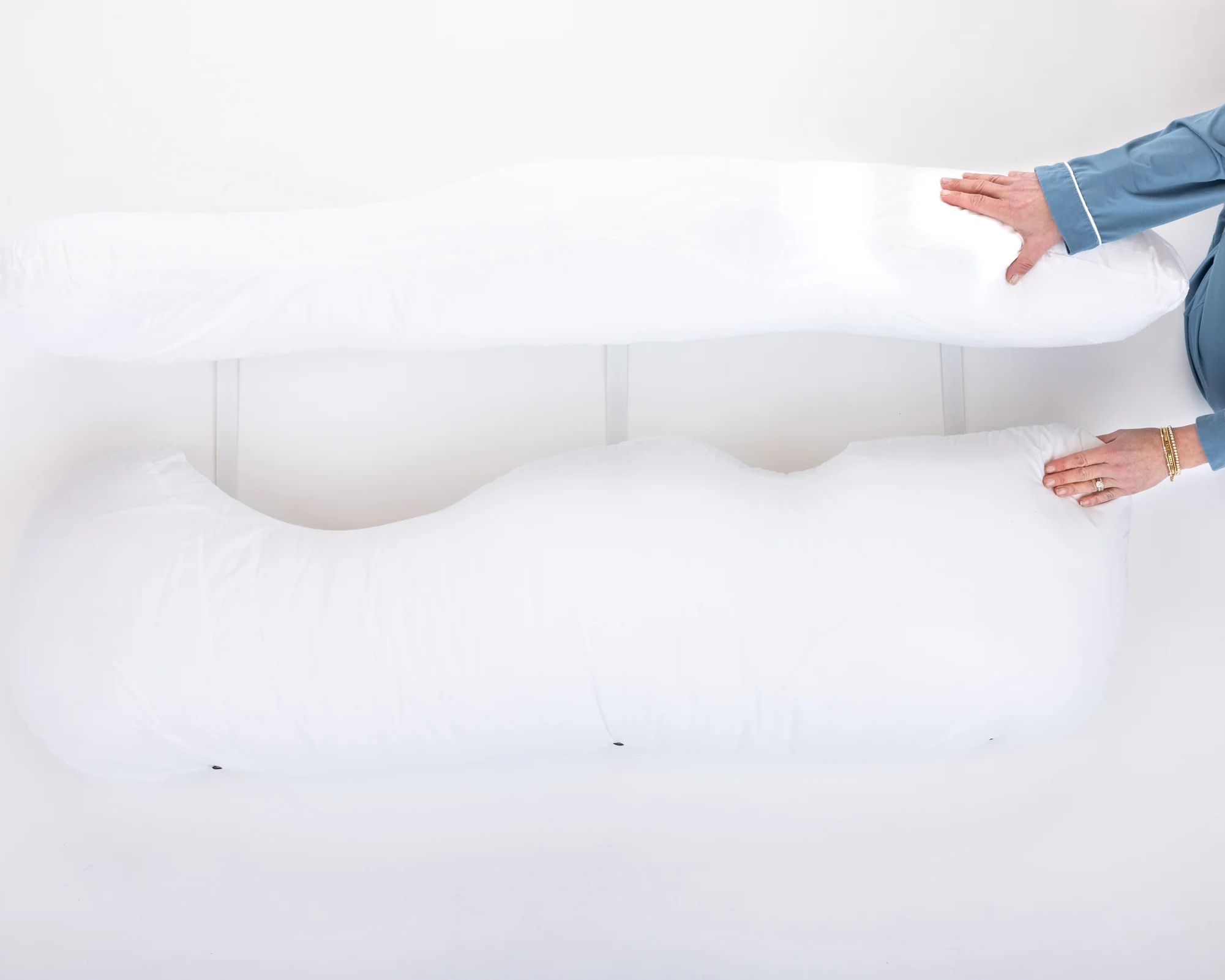
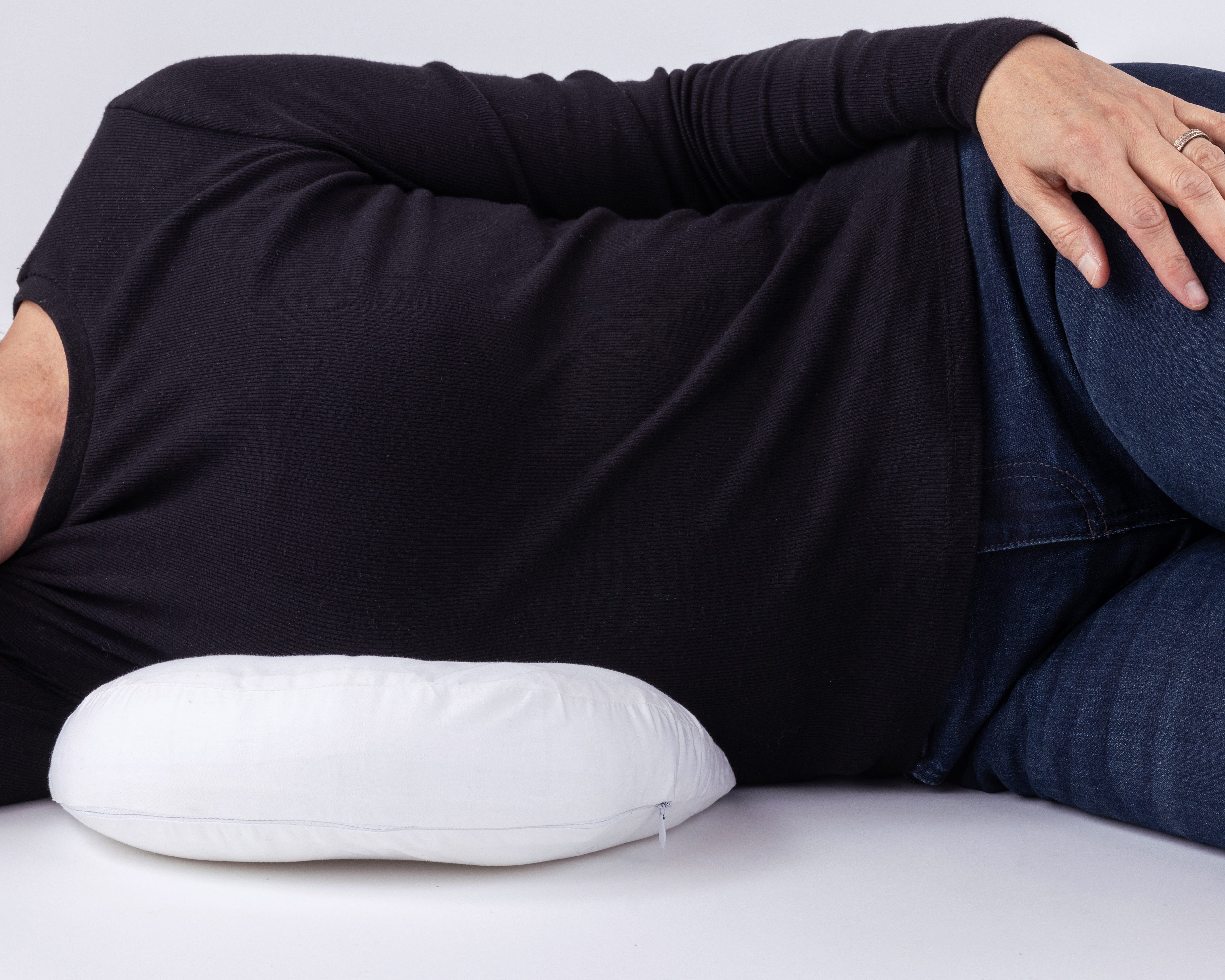
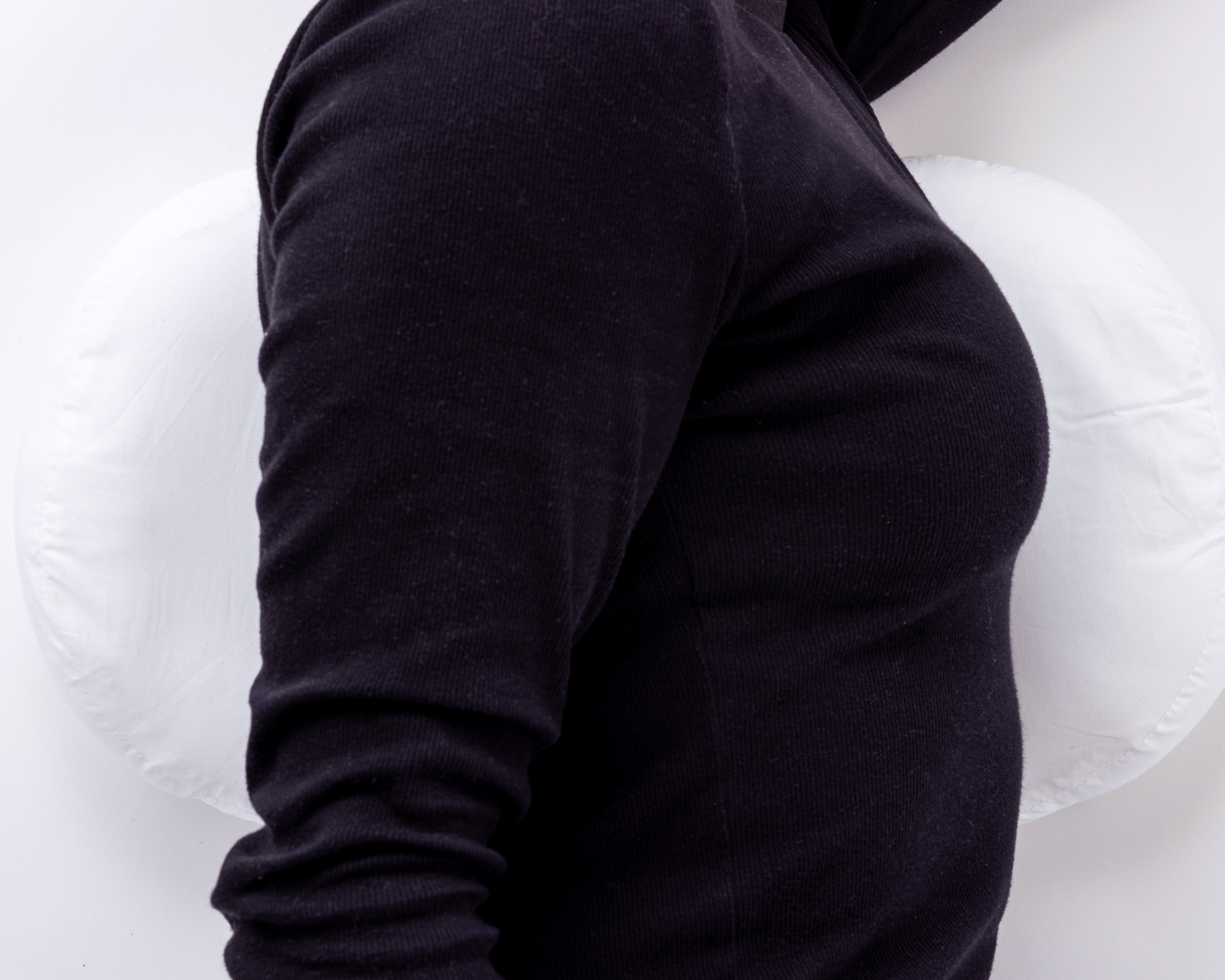
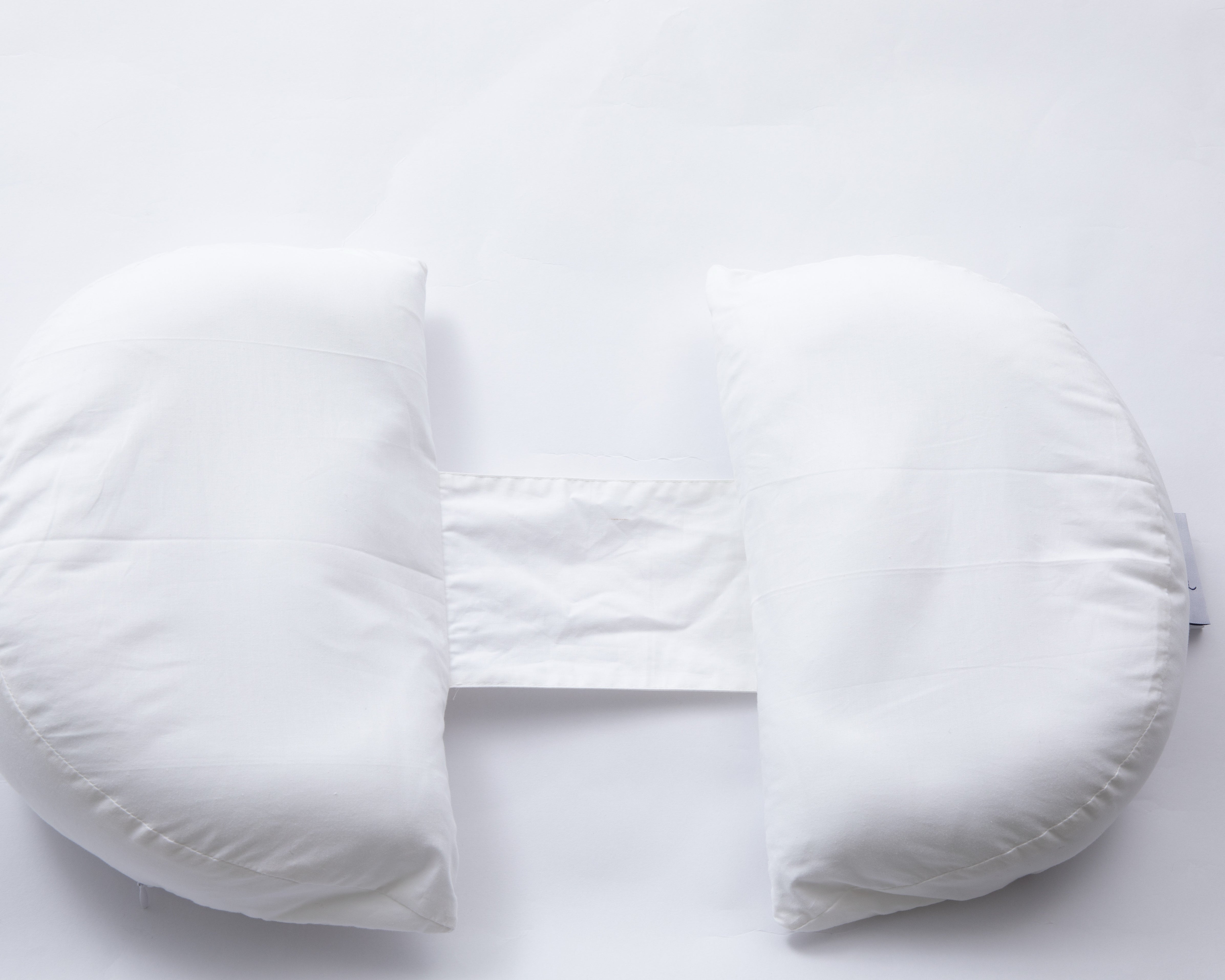
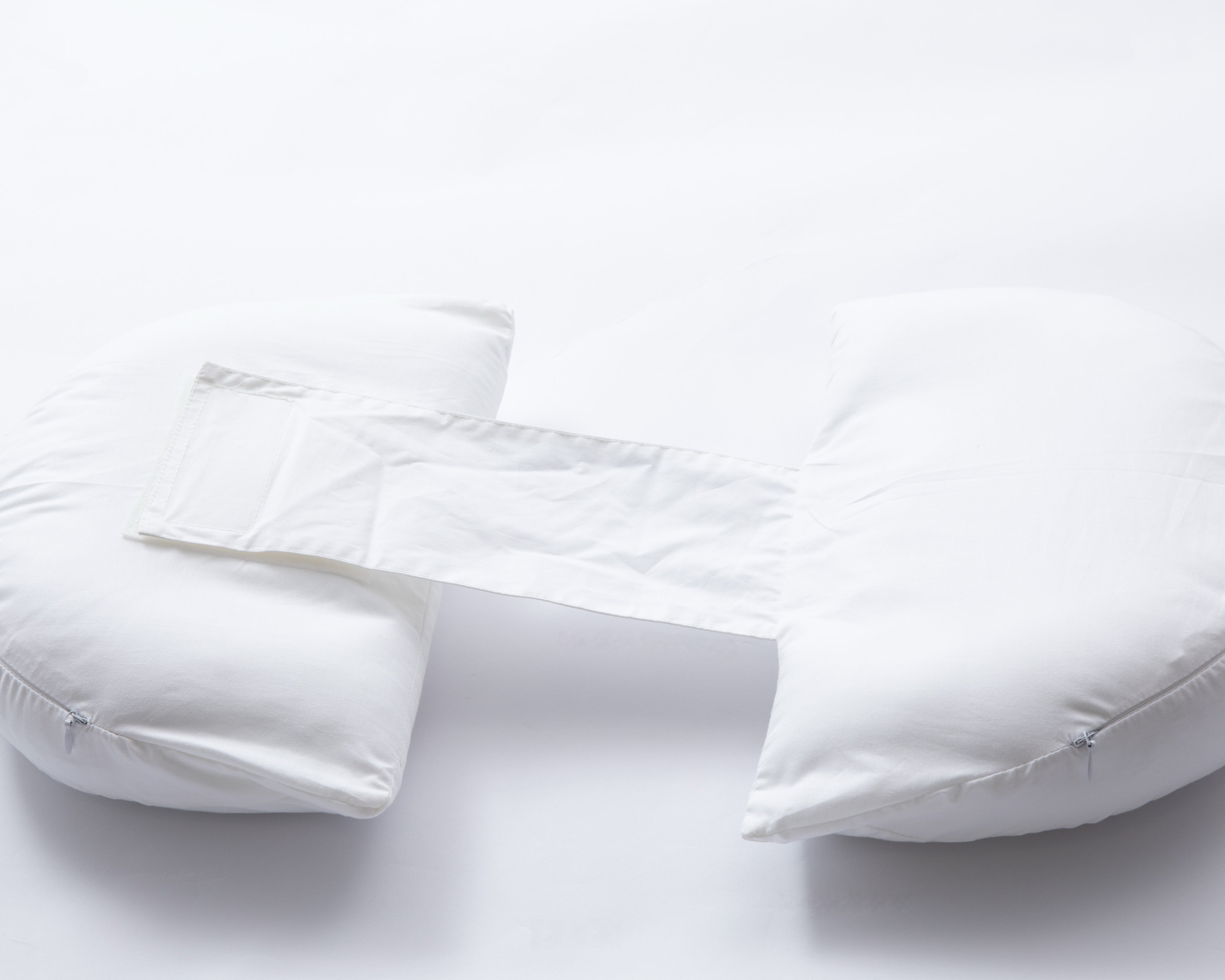
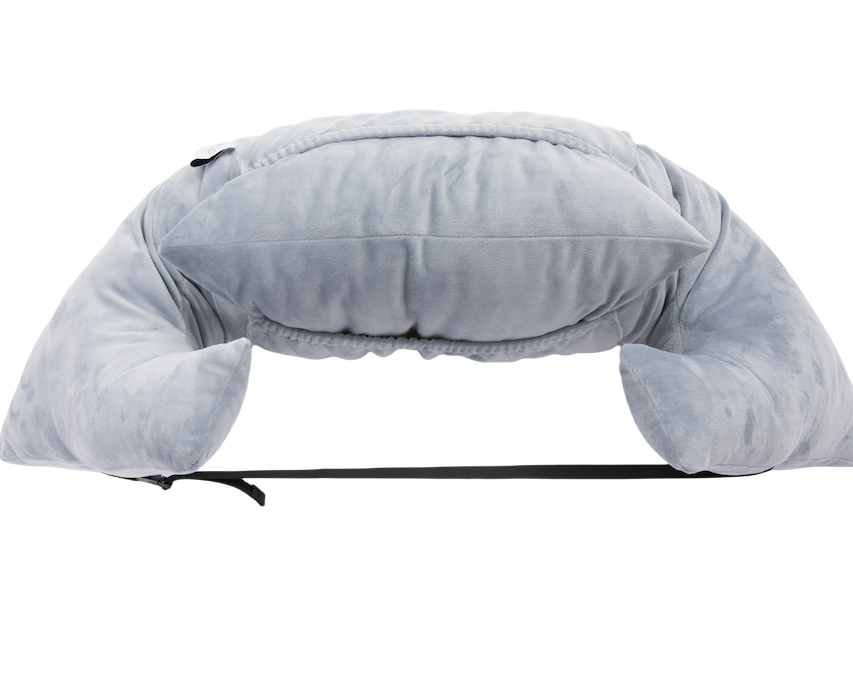
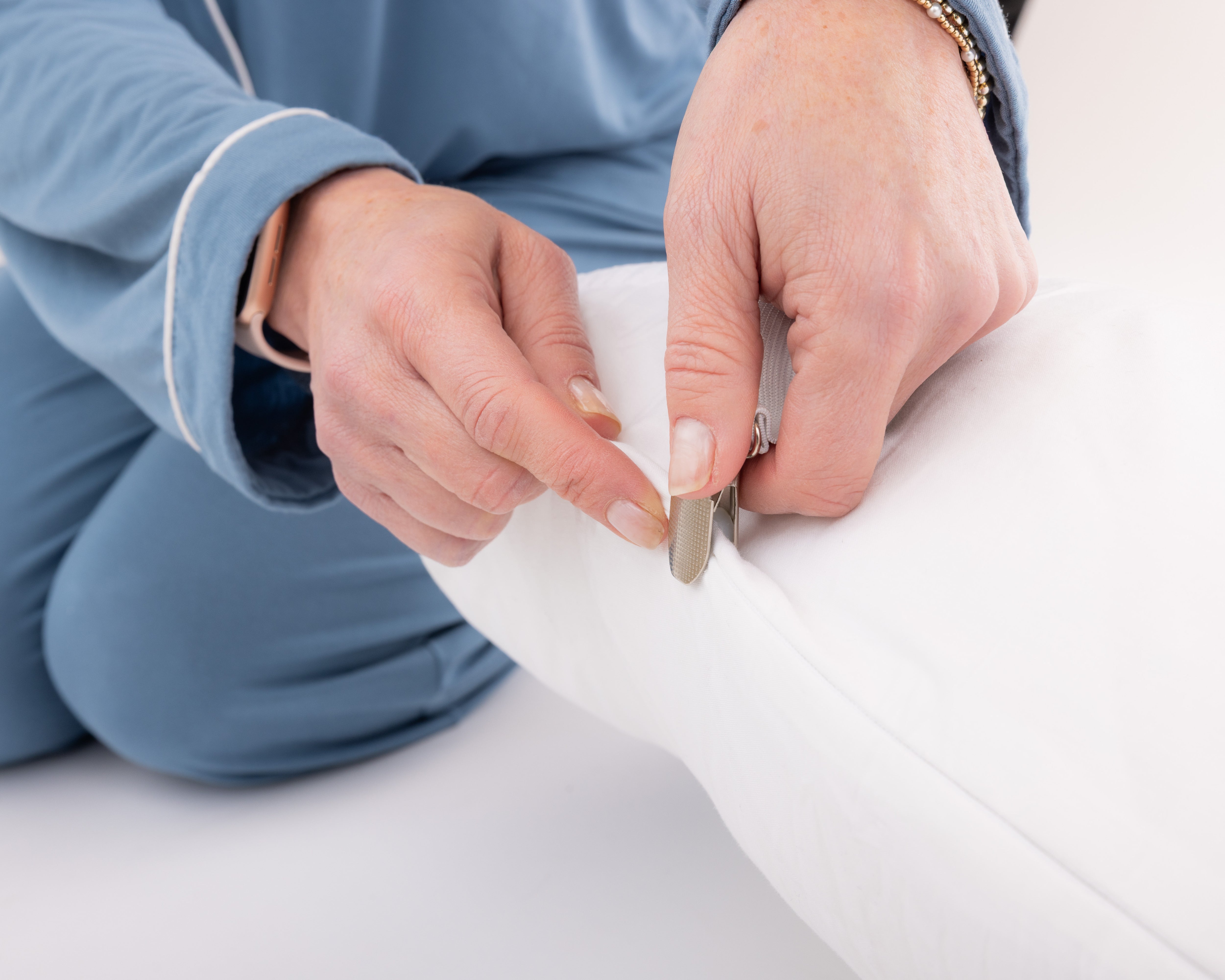
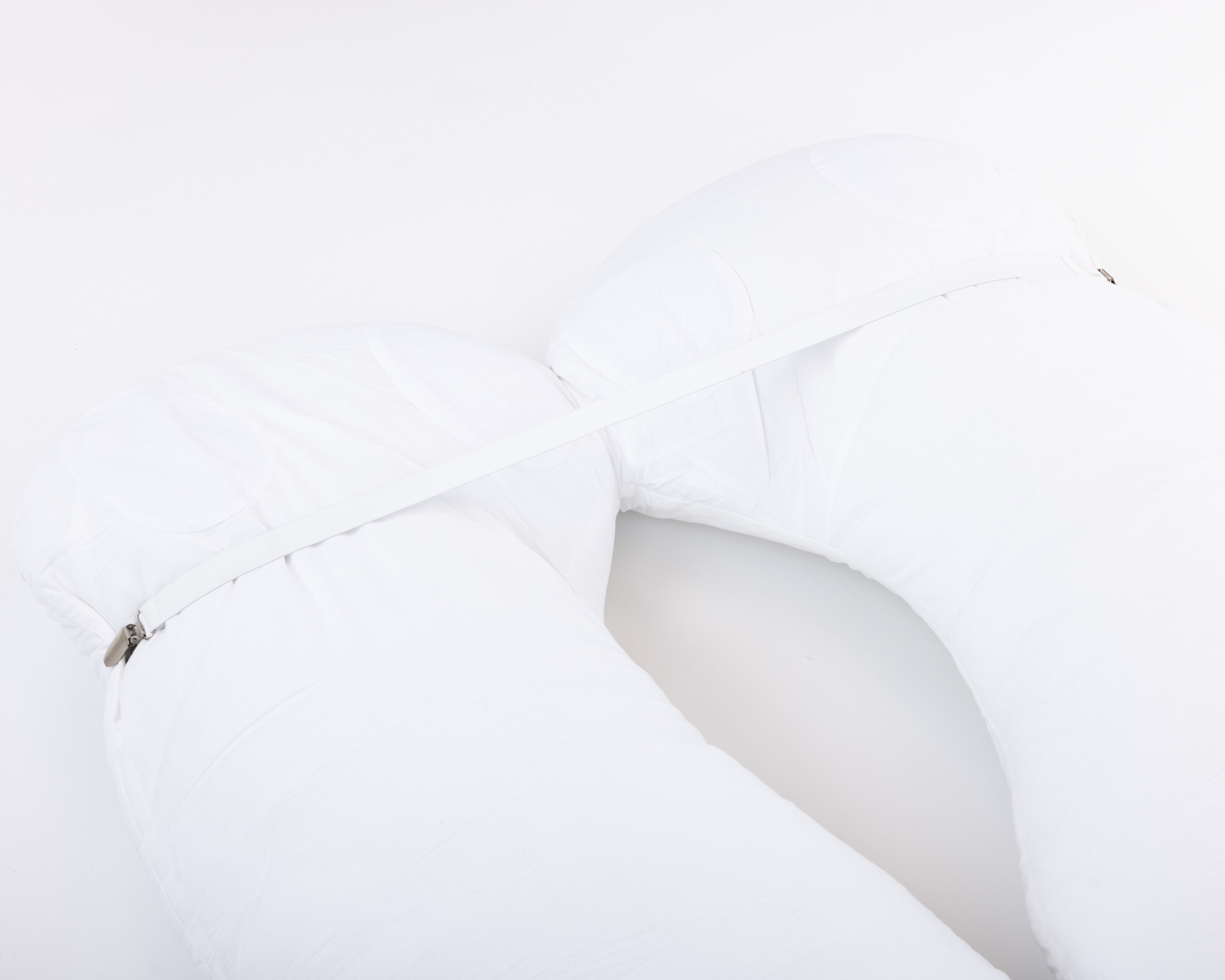
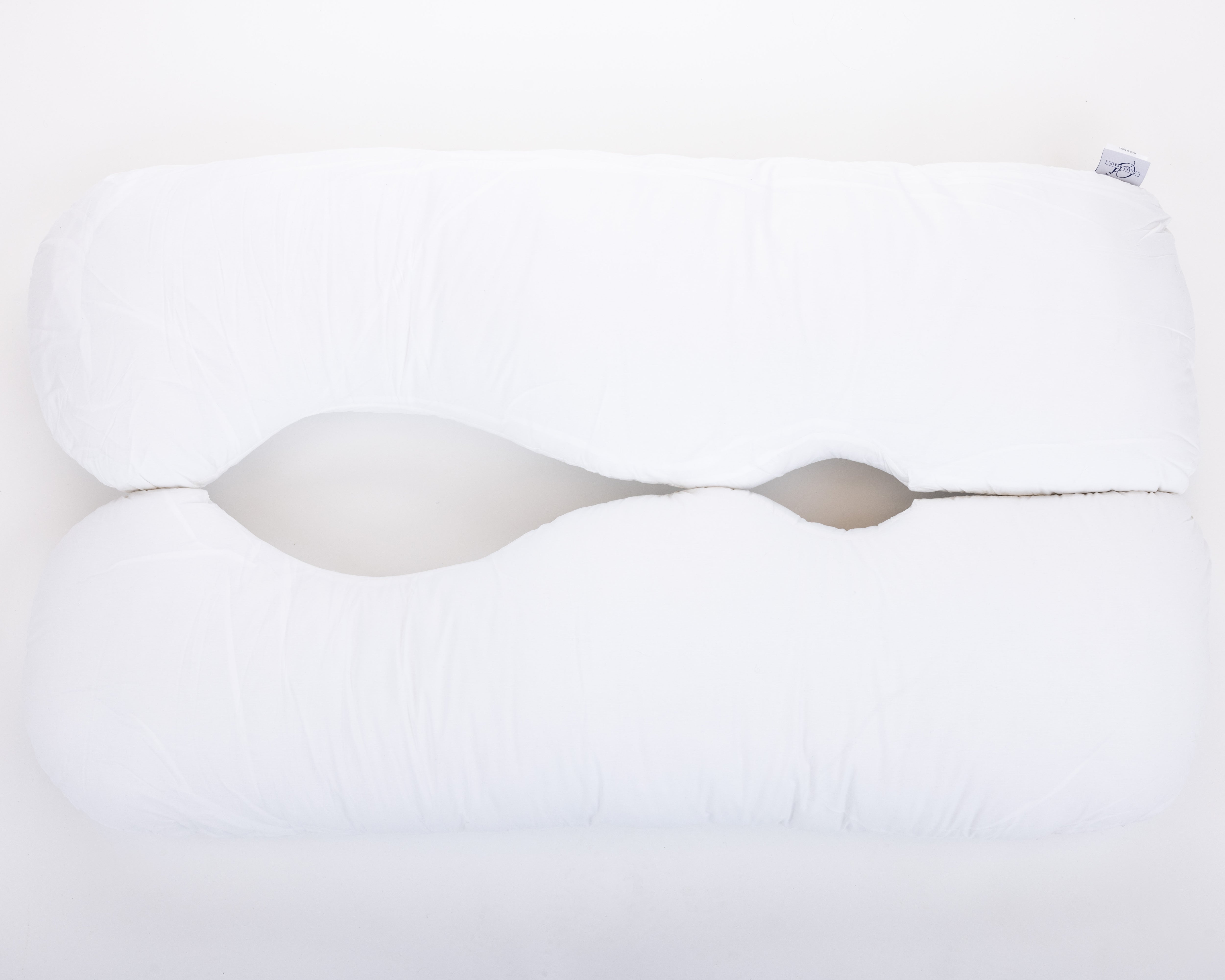
Two Contoured Side Pillows to cradle the back and hips
-
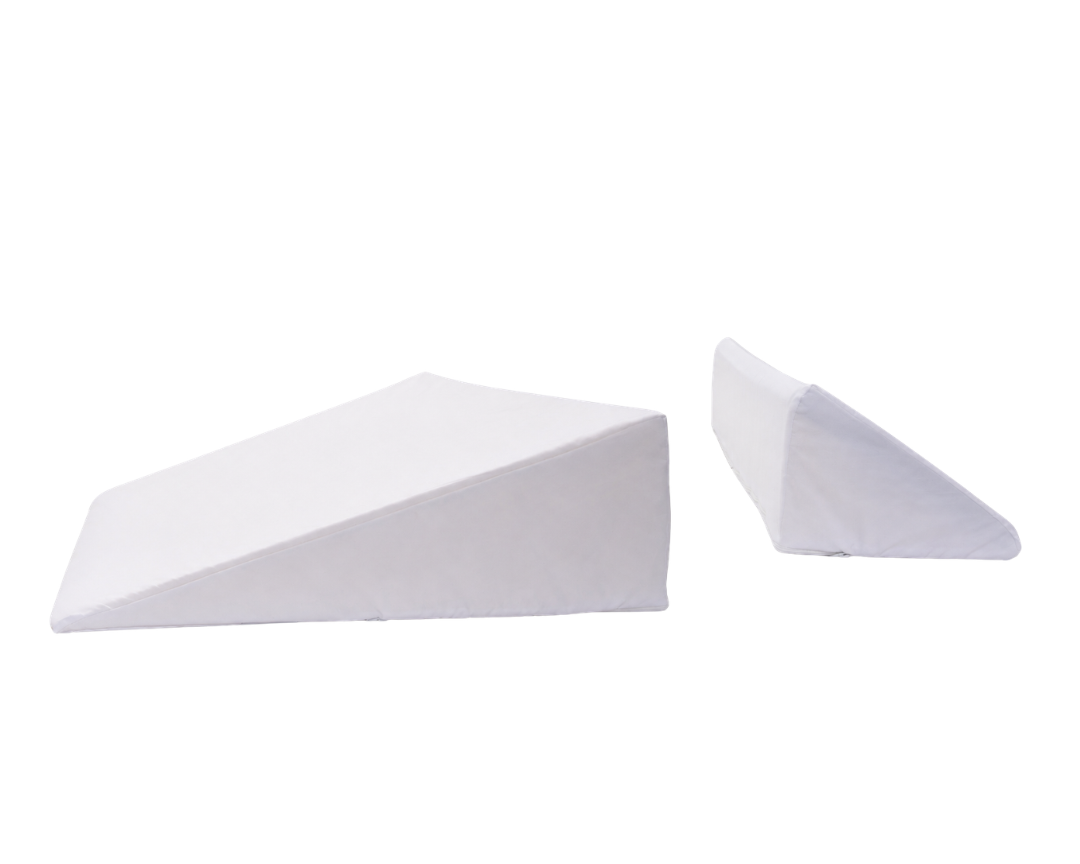
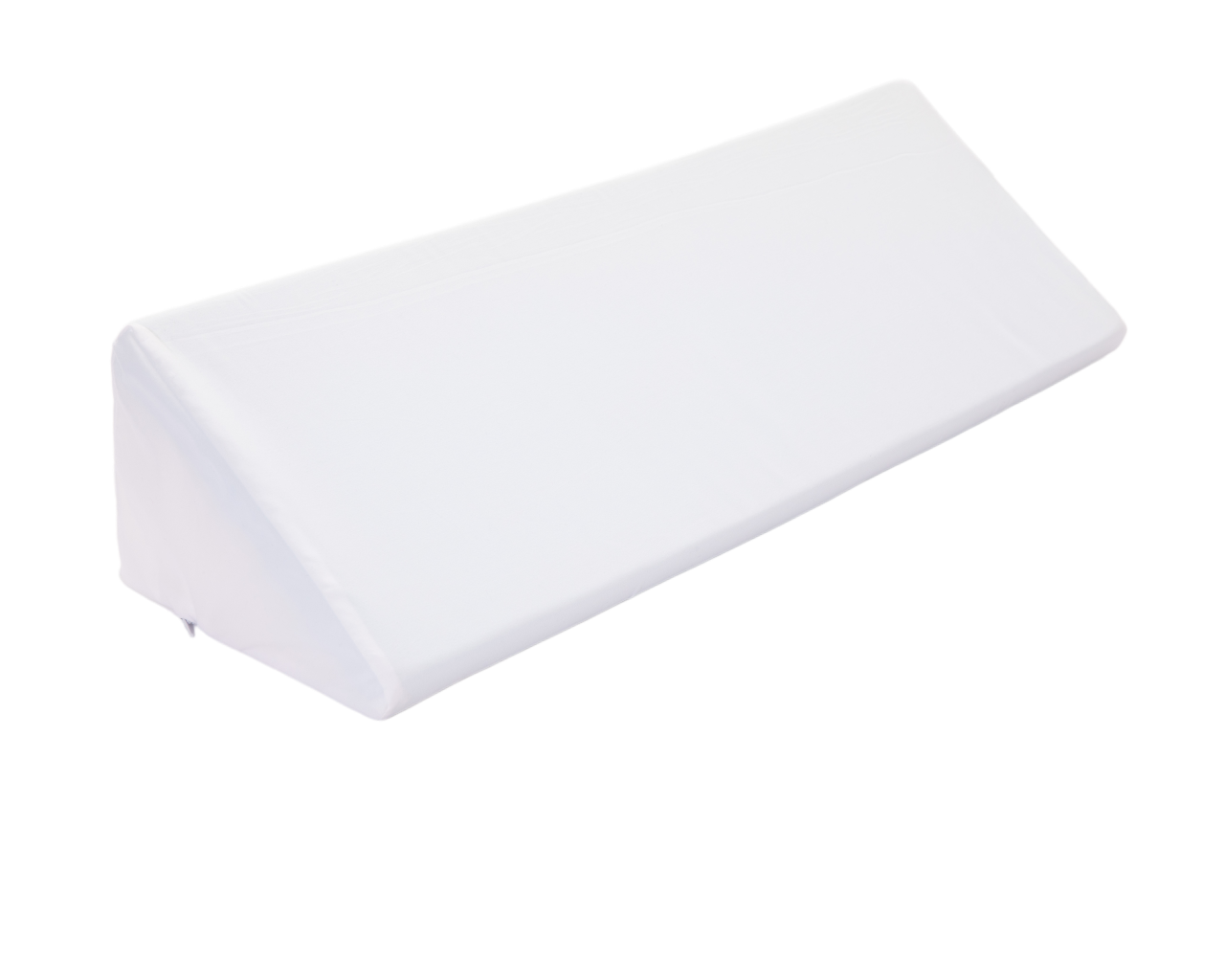
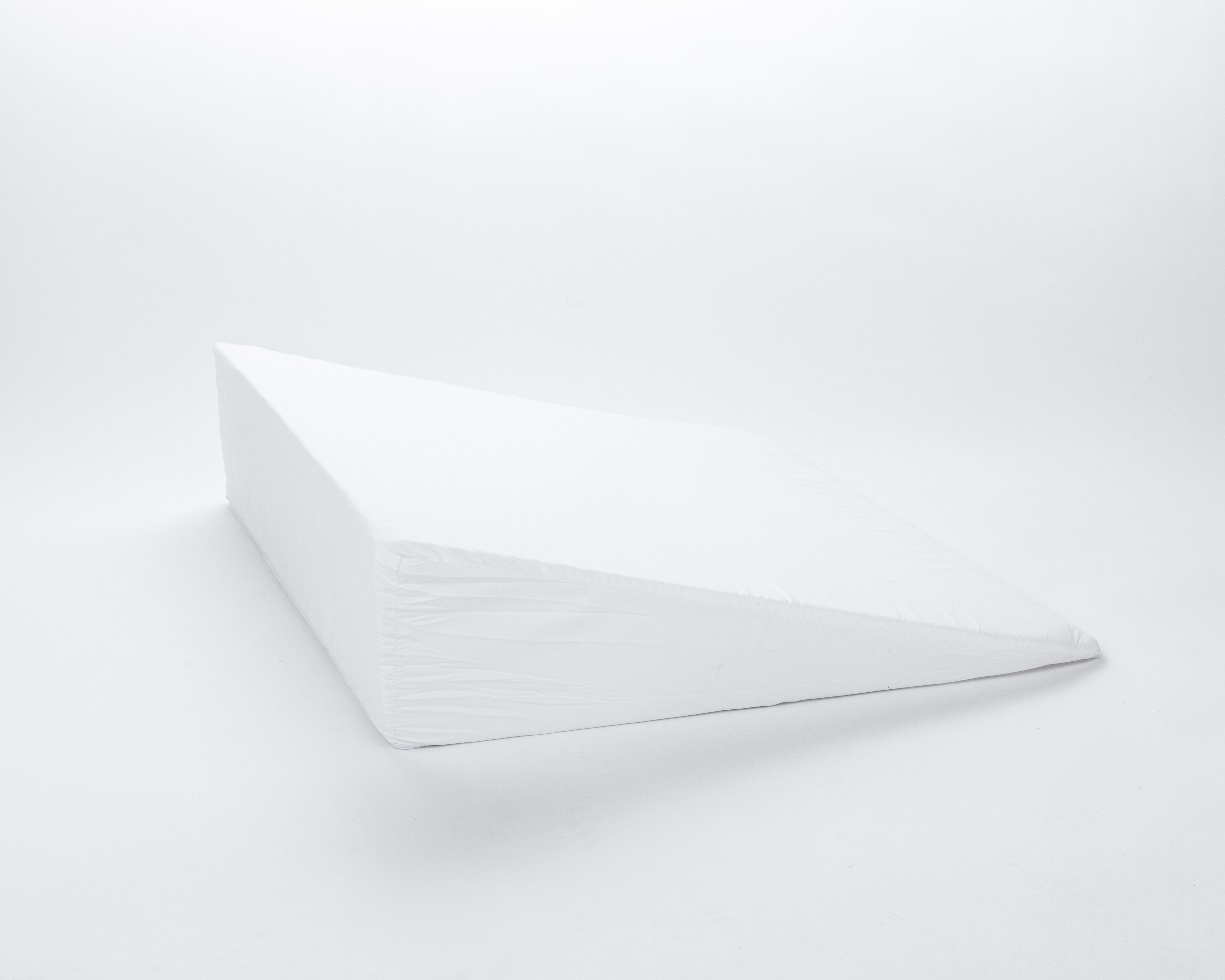
Upper Body Wedge to create optimal upper body incline
-
Leg Support Wedge to gently elevate legs
-
Head Pillow to provide head support and neck mobility
-
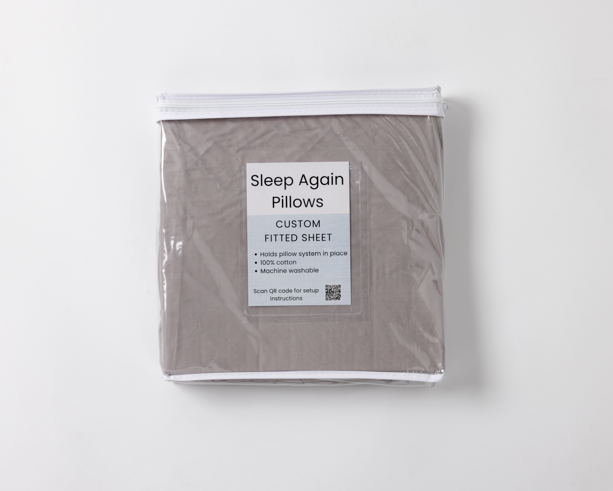
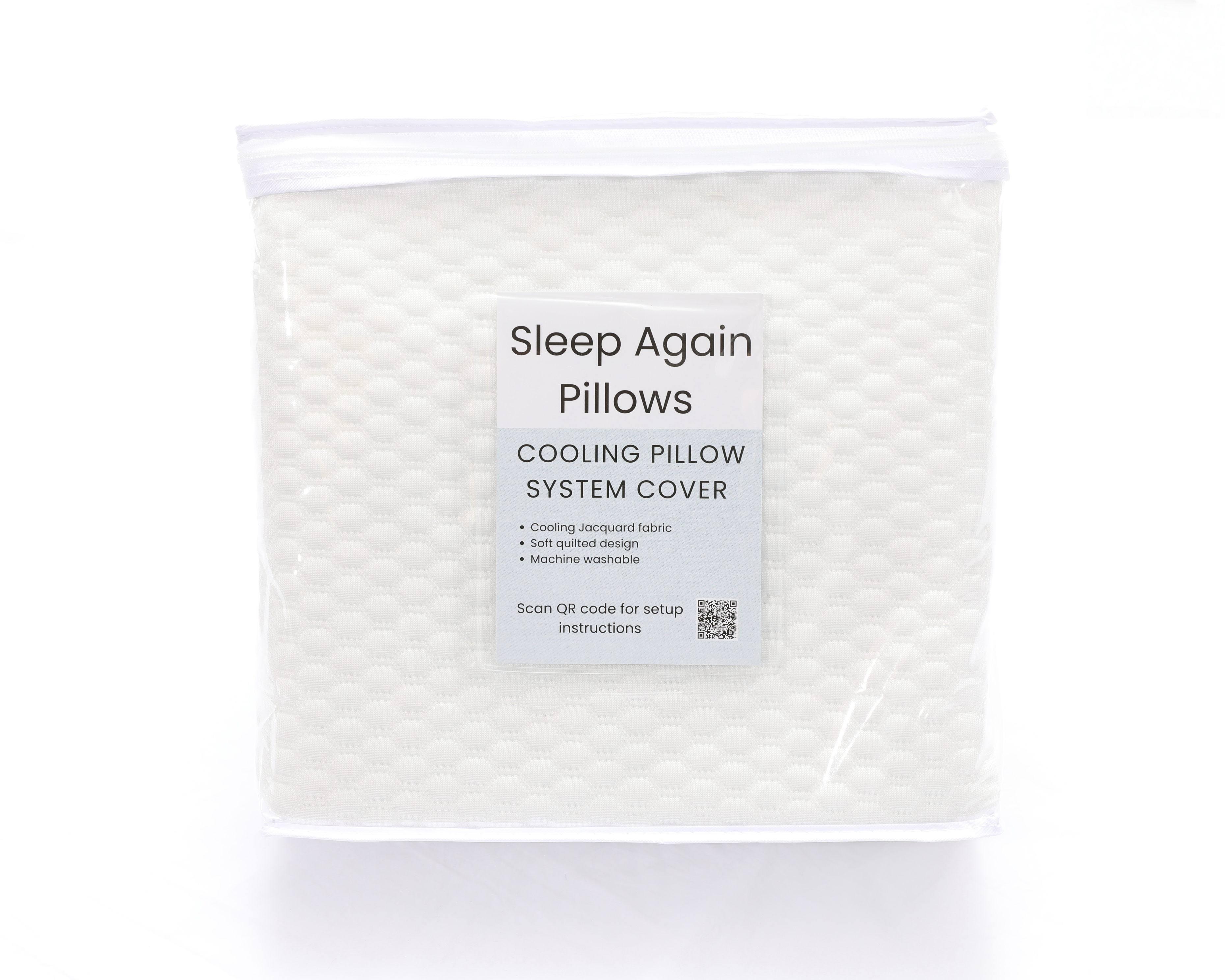
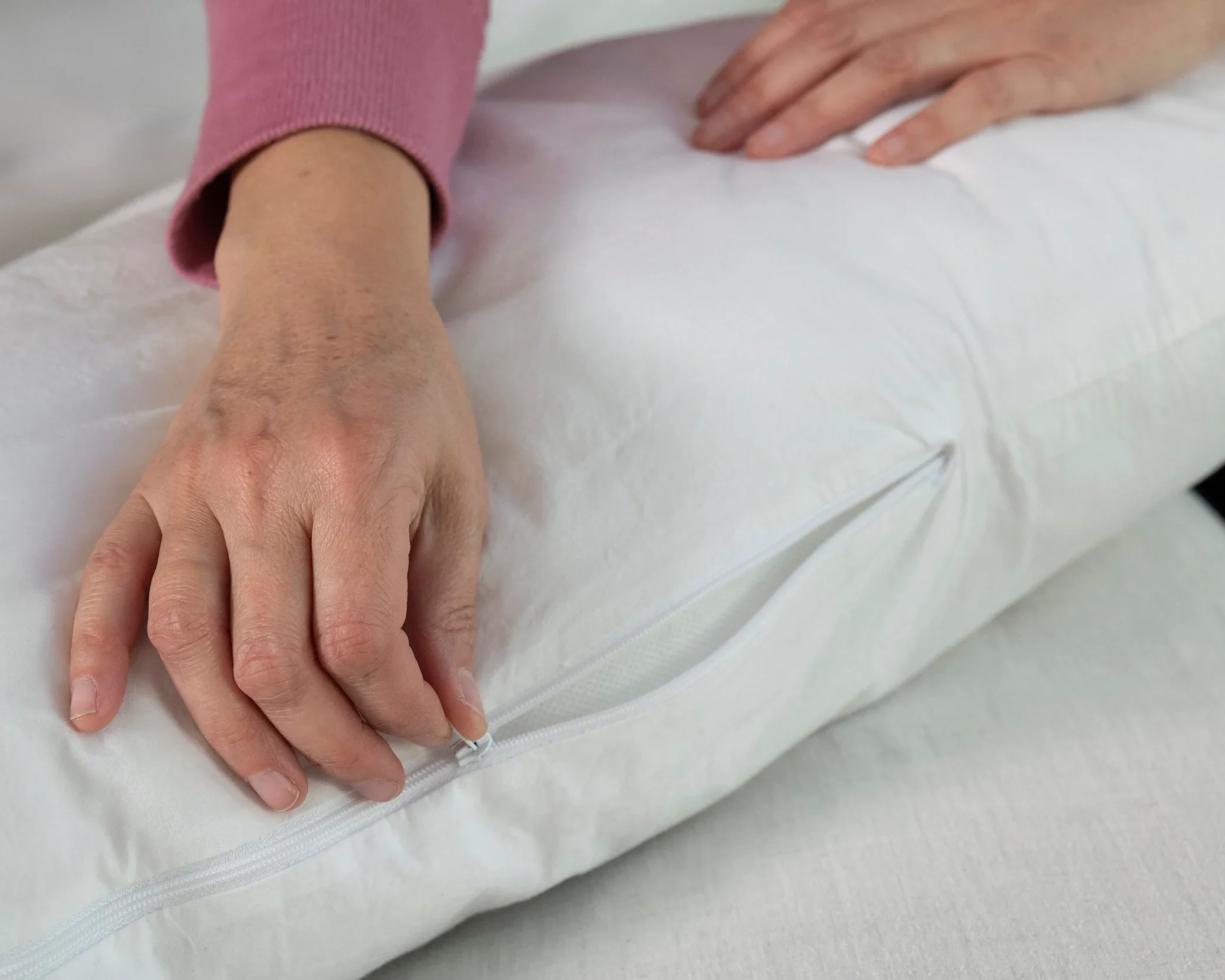
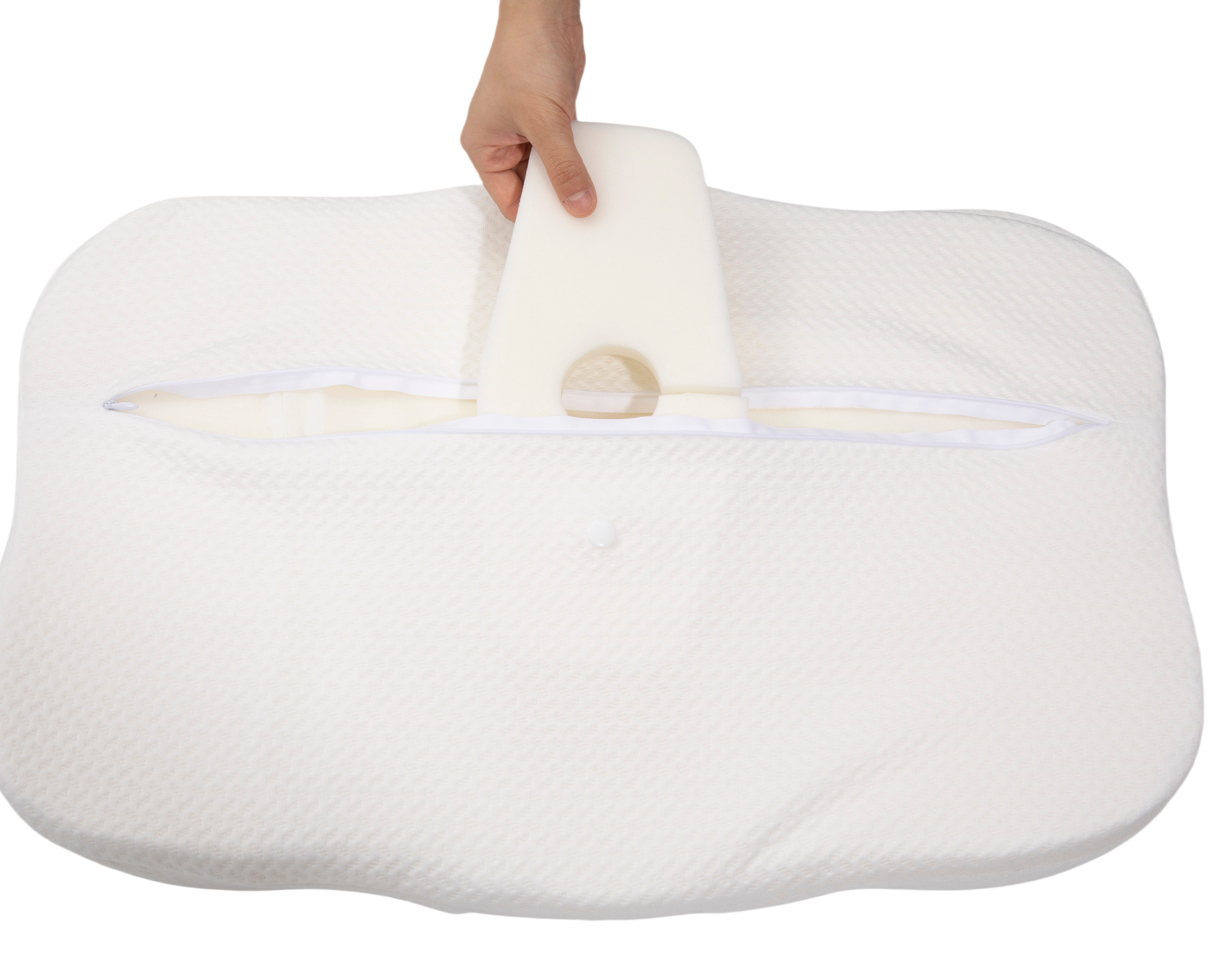
Removable, washable slipcovers for every piece
The integrated design addresses all therapeutic positioning requirements simultaneously. Each component maintains positioning properties throughout extended recovery periods rather than compressing like standard foam products.
Component Functions for Mastectomy Recovery
The Upper Body Wedge maintains prescribed 30-45 degree elevation angles consistently throughout sleep periods from the first post-operative night. Construction materials resist compression under body weight, preserving therapeutic angles across weeks of nightly use.
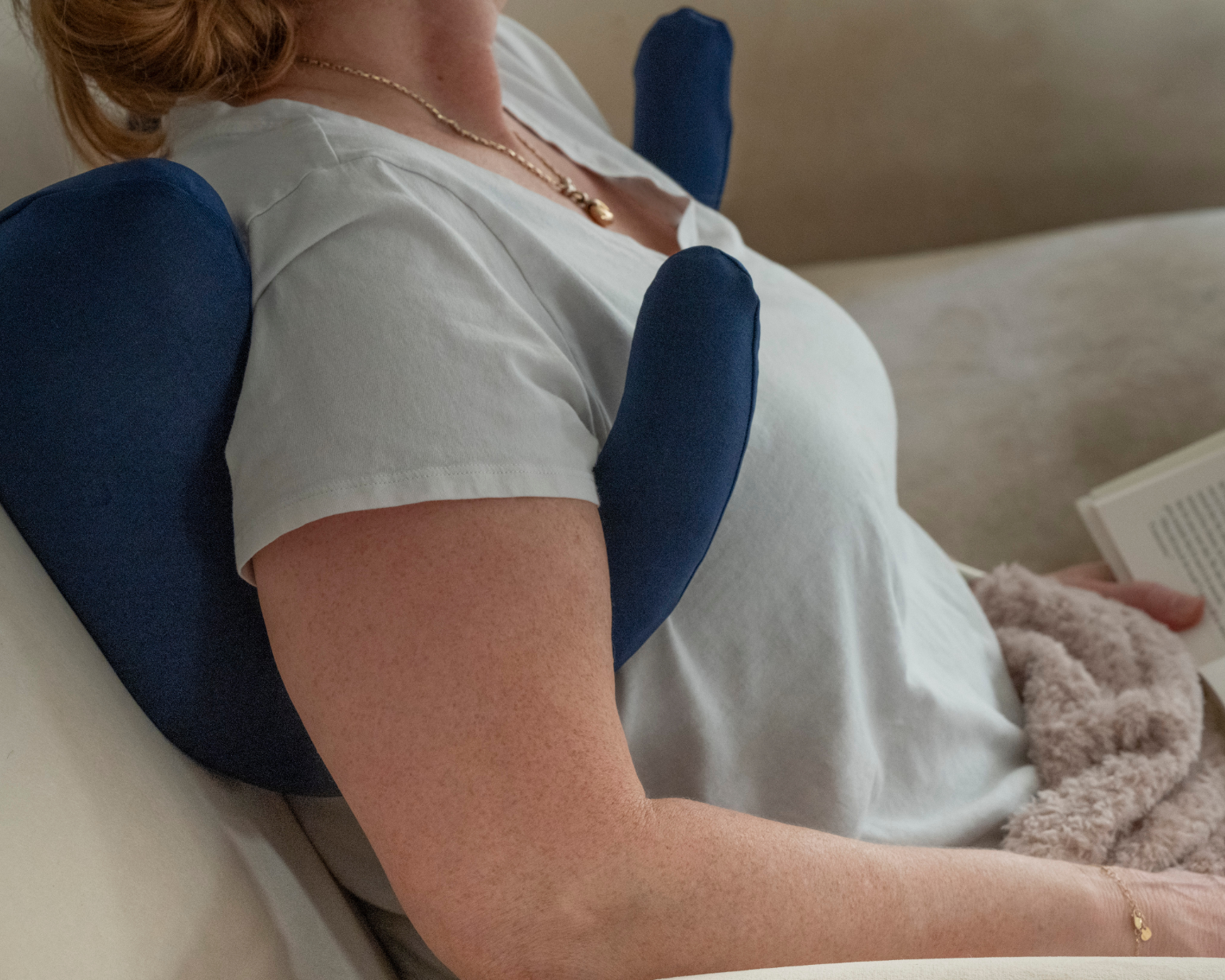
Contoured Side Pillows provide bilateral chest protection preventing rolling onto surgical sites during sleep. Positioning supports both body sides simultaneously, addressing double mastectomy recovery needs where no safe turning side exists.
The Leg Support Wedge prevents downward sliding occurring with upper body elevation. Leg positioning counteracts gravitational pull while maintaining spinal alignment despite elevated torso angles.
The Head Pillow accommodates cervical positioning requirements at elevation angles. Neck support at 30-45 degree body angles differs from flat sleeping positions, requiring specialized head support preventing neck strain throughout recovery.
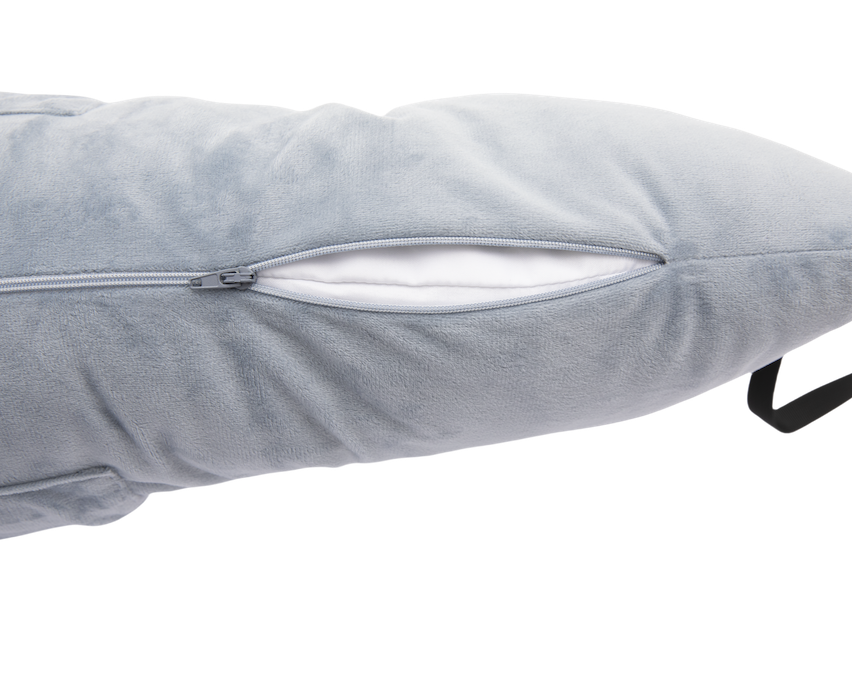
Removable washable covers meet hygiene requirements during recovery involving surgical drains and wound care. Medical-grade covers allow regular cleaning without compromising the positioning structure.
Insurance Coverage Advantages
The Sleep Again Pillow System's classification as durable medical equipment designed specifically for post-surgical support strengthens insurance claims. Integrated system design demonstrates comprehensive medical necessity addressing elevation, bilateral protection, anti-sliding support, cervical alignment, and hygiene requirements in one prescribed solution.
Insurance evaluators assess whether equipment adequately addresses prescribed medical conditions. Complete systems providing multiple therapeutic functions support stronger medical necessity documentation than individual single-purpose products.
Pre-surgery prescriptions for the Sleep Again Pillow System document preventive positioning equipment rather than reactive comfort purchases, strengthening DME classification for insurance approval.
NEW Direct Canadian Shipping for Ultimate Pre-Surgery Planning!
Sleep Again Pillows now ships directly within Canada, making pre-surgery positioning preparation practical for Canadian patients. This new shipping option eliminates previous barriers preventing Canadian patients from securing professional equipment before surgery.
What does new direct Canadian shipping mean? It means you won't be charged any extra import duties (tariffs) since our products aren't crossing an international border. We are so excited to offer this as an option for our Canadian customers!
We recommend ordering the Sleep Again Pillow System 2-4 weeks before surgery to allow time for setup and sleep testing before surgery day.
HSA/FSA Eligibility
The Sleep Again Pillow System qualifies for Health Spending Account purchases when prescribed for mastectomy recovery. HSA eligibility combined with direct Canadian shipping allows pre-surgery equipment purchases using pre-allocated health funds without insurance claim complexity.
THE SLEEP AGAIN PILLOW SYSTEM SHIPS TO CANADA!
SHOP THE SYSTEM AND BE PREPARED FOR YOUR MASTECTOMY

Planning for the Transition Period: Returning to Side Sleeping After Mastectomy
Recovery doesn't end when your surgeon clears you for side sleeping. The 6-12 weeks of elevated back sleeping protect your initial healing, but breast tissue, reconstruction sites, and lymphatic areas remain sensitive for months afterward—often 6-12 months post-surgery.
Why Side Sleeping Needs Special Equipment Post-Mastectomy
Most people sleep on their sides. After a mastectomy, returning to your natural sleep position creates new challenges.
Reconstructed breasts lack natural cushioning and protection. Implants, tissue expanders, and flap reconstruction all create pressure points when you lie directly on them.
Natural breast tissue on the unaffected side (for single mastectomy patients) experiences heightened sensitivity from surgical trauma and healing processes nearby.
Lymphatic systems remain compromised even after initial healing. Side sleeping without proper support can compress lymphatic channels, increasing swelling and discomfort months post-operatively.
Scar tissue continues developing and remodeling for 12-18 months after surgery. Direct pressure on healing incision areas can cause pain and interfere with optimal scar formation.
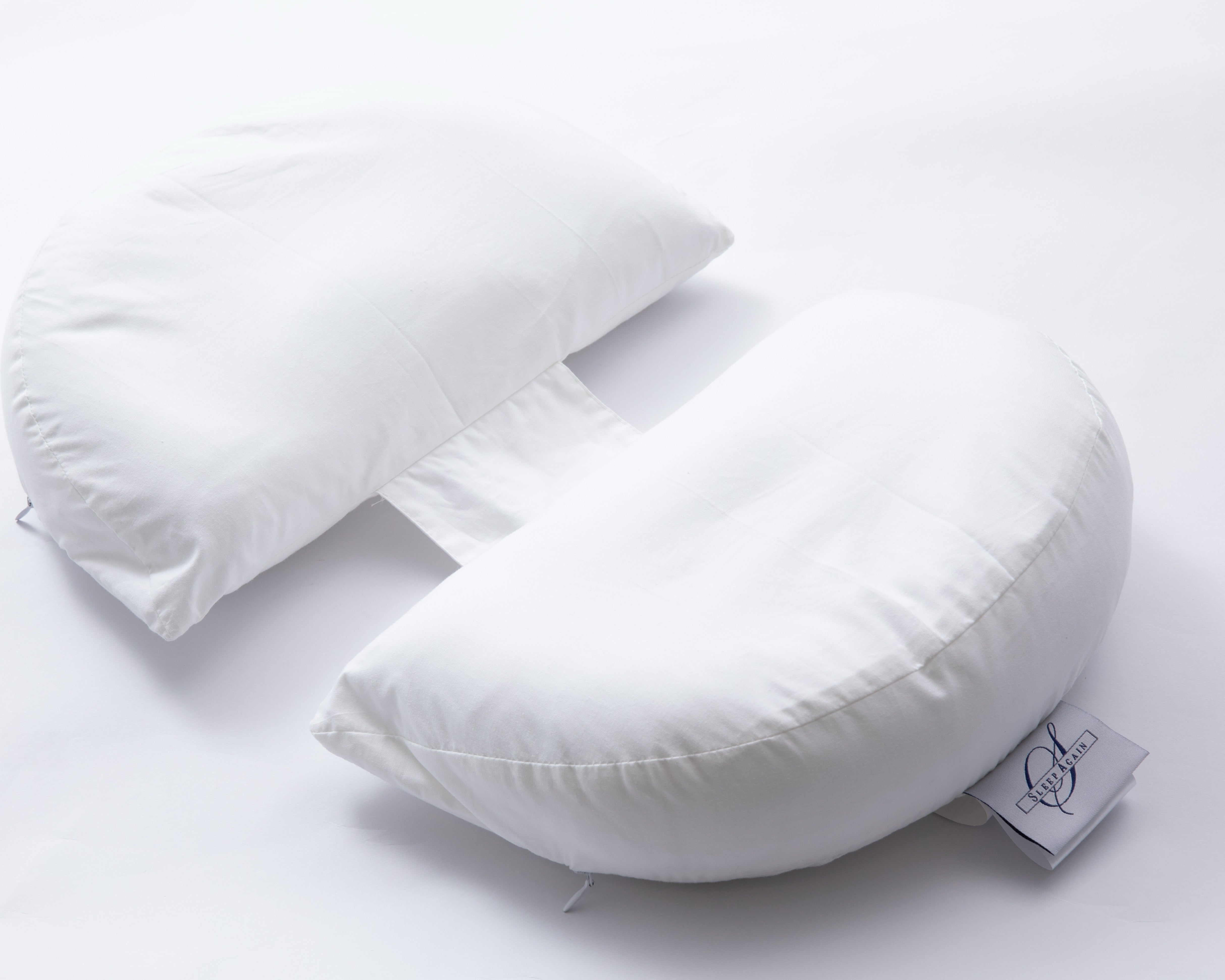
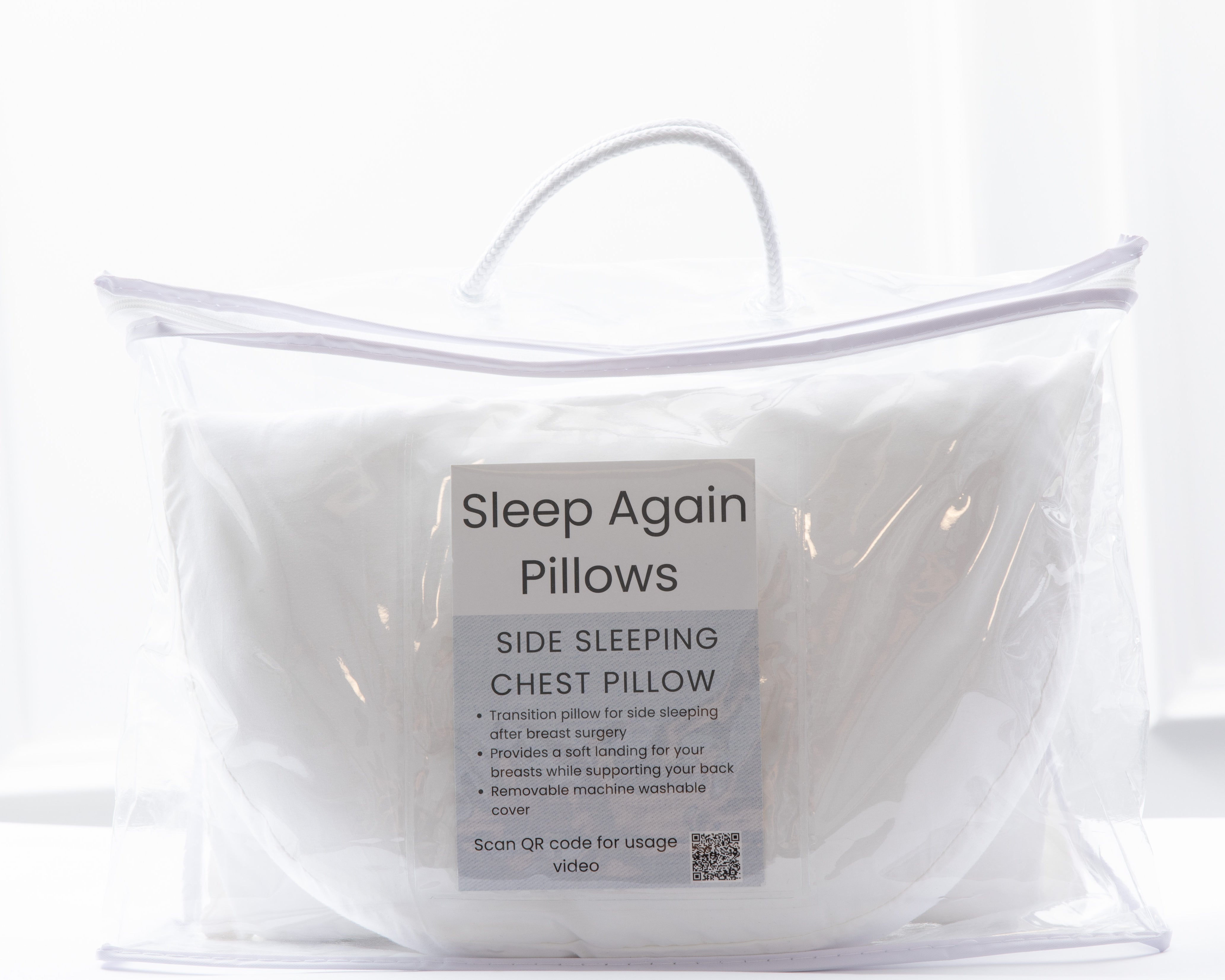
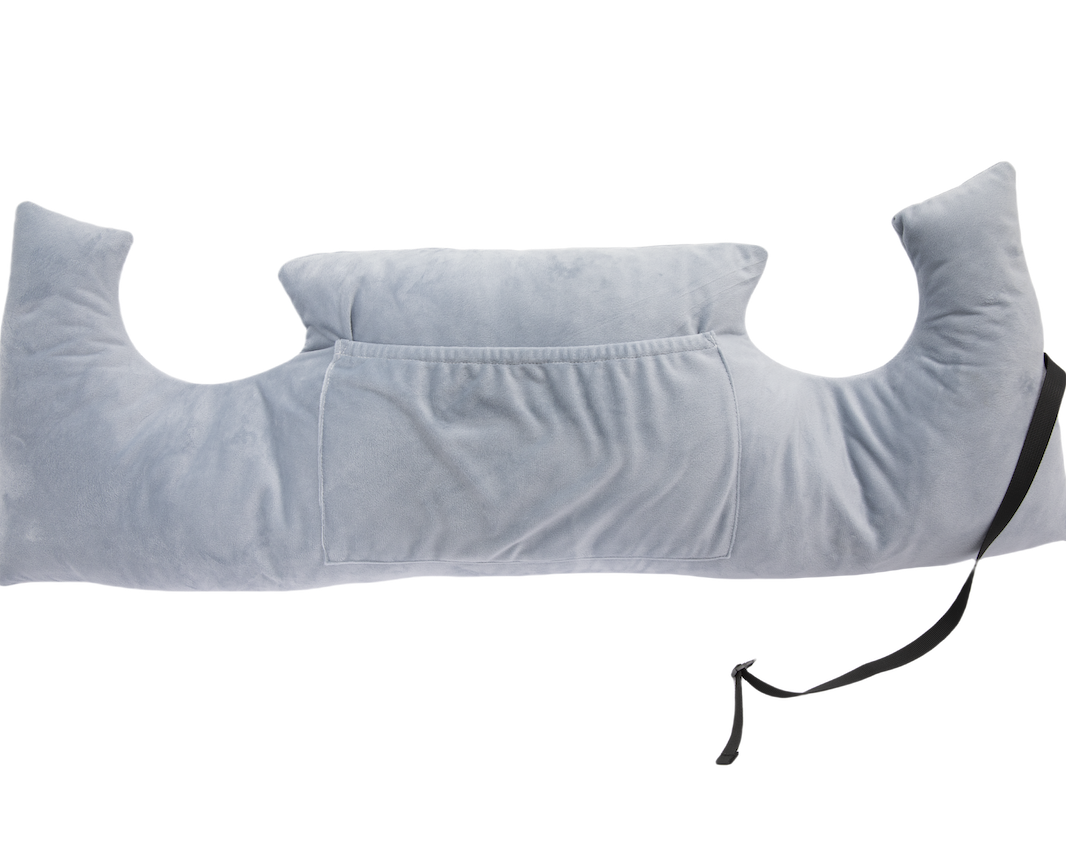
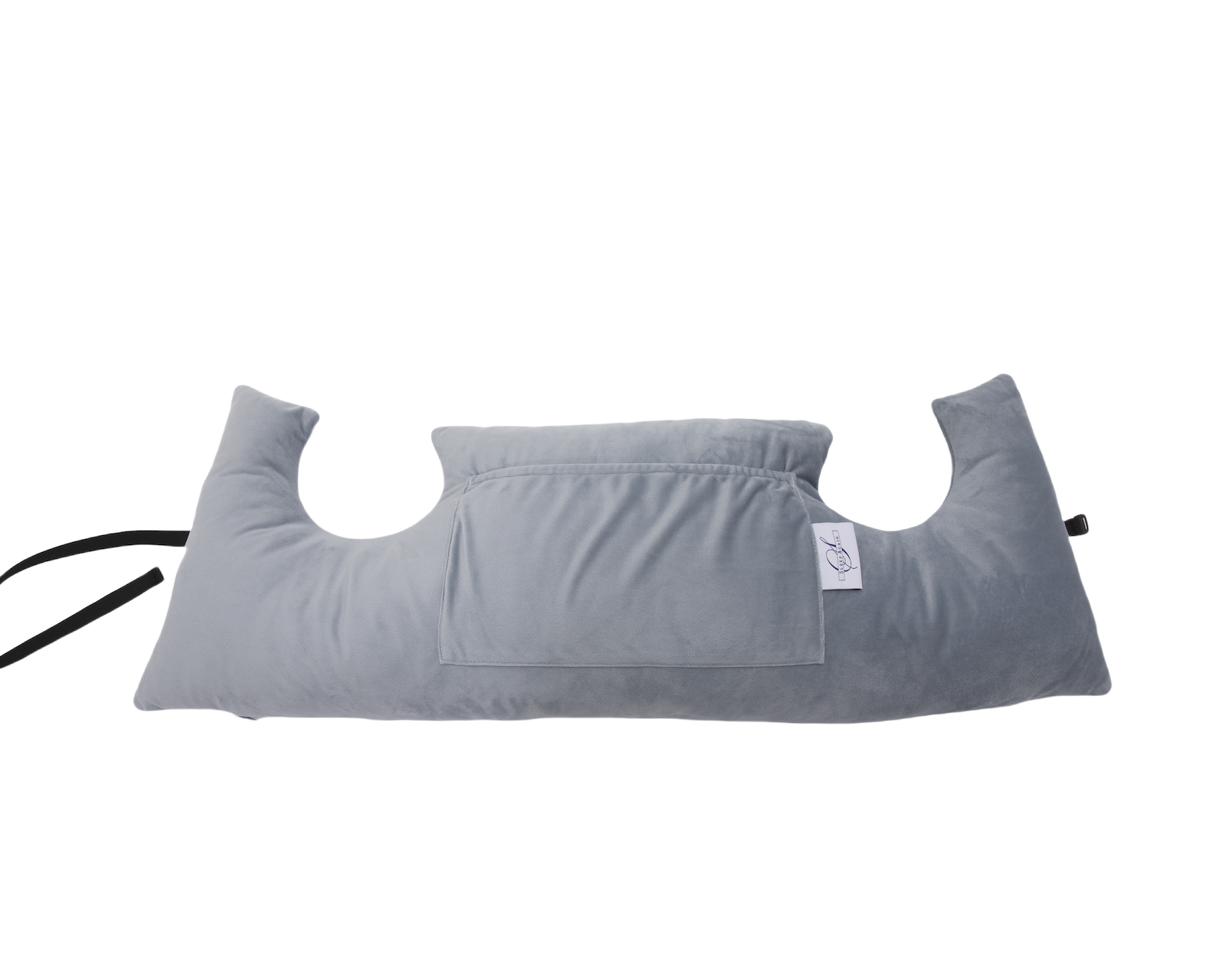
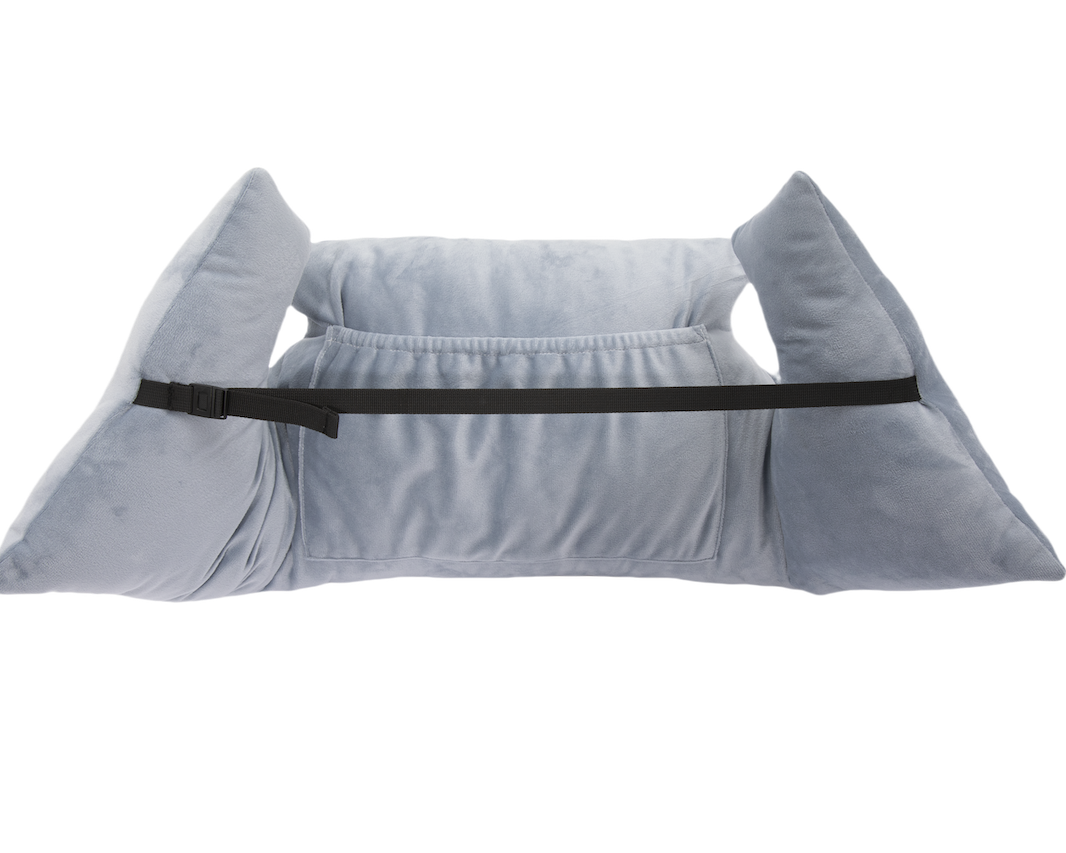
The Side Sleeping Chest Pillow Solution
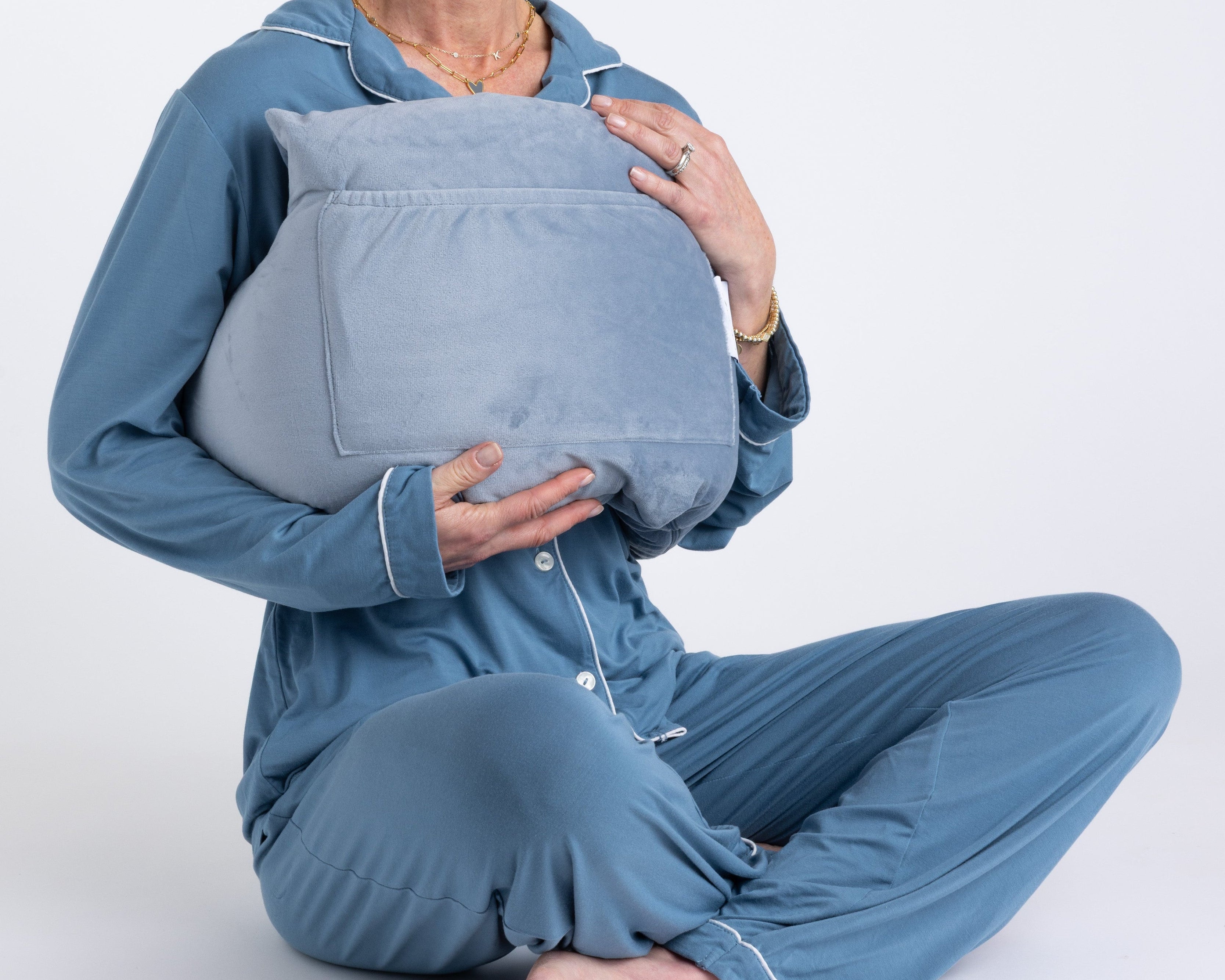
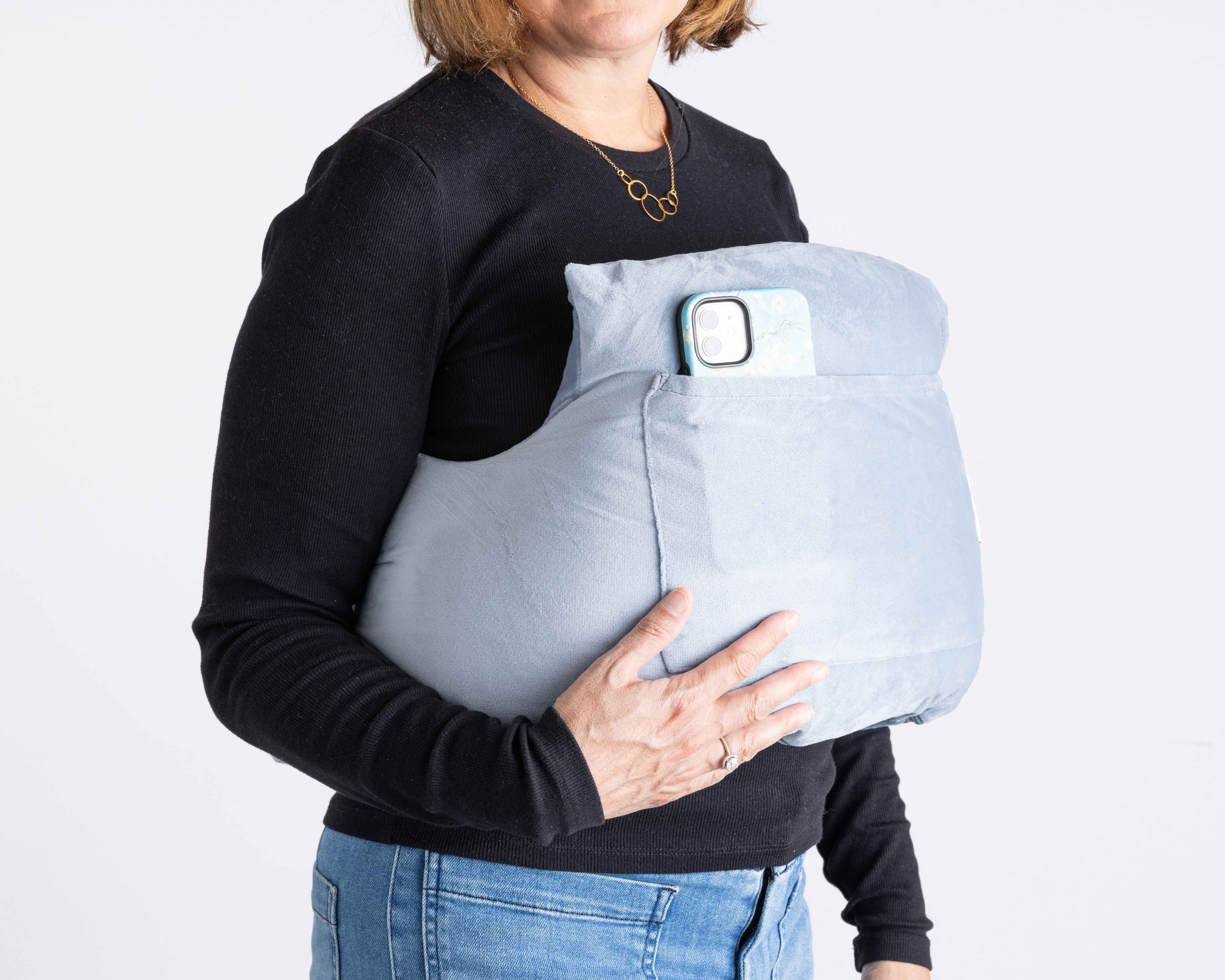
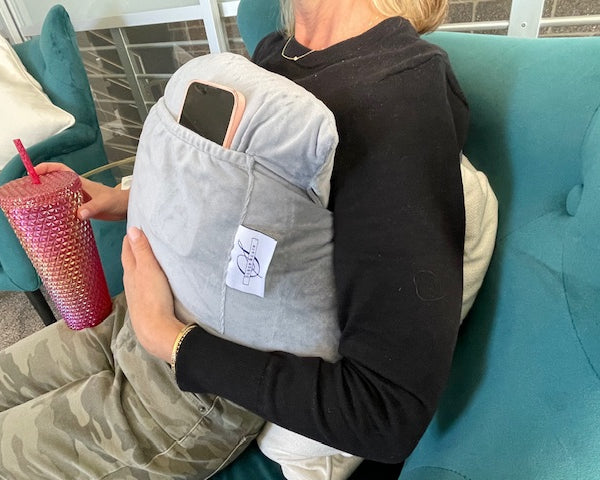
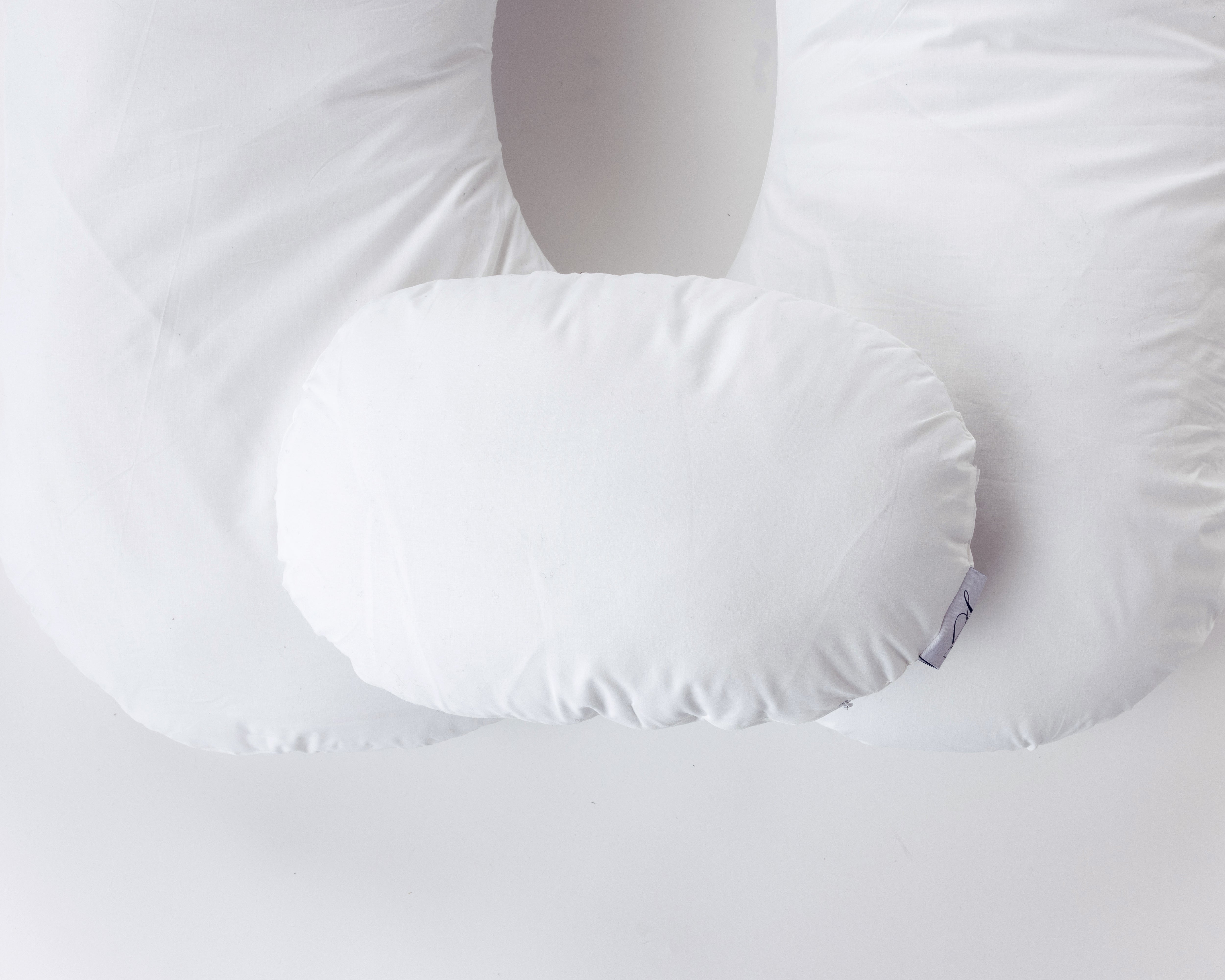
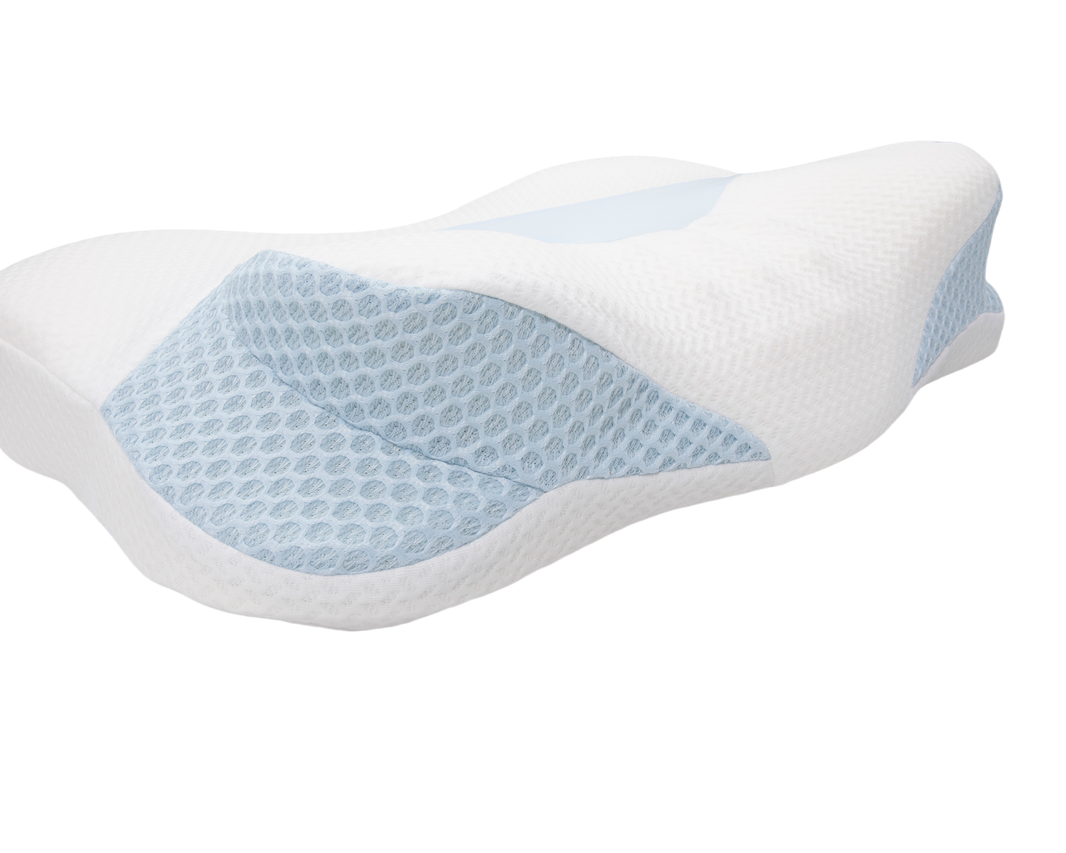
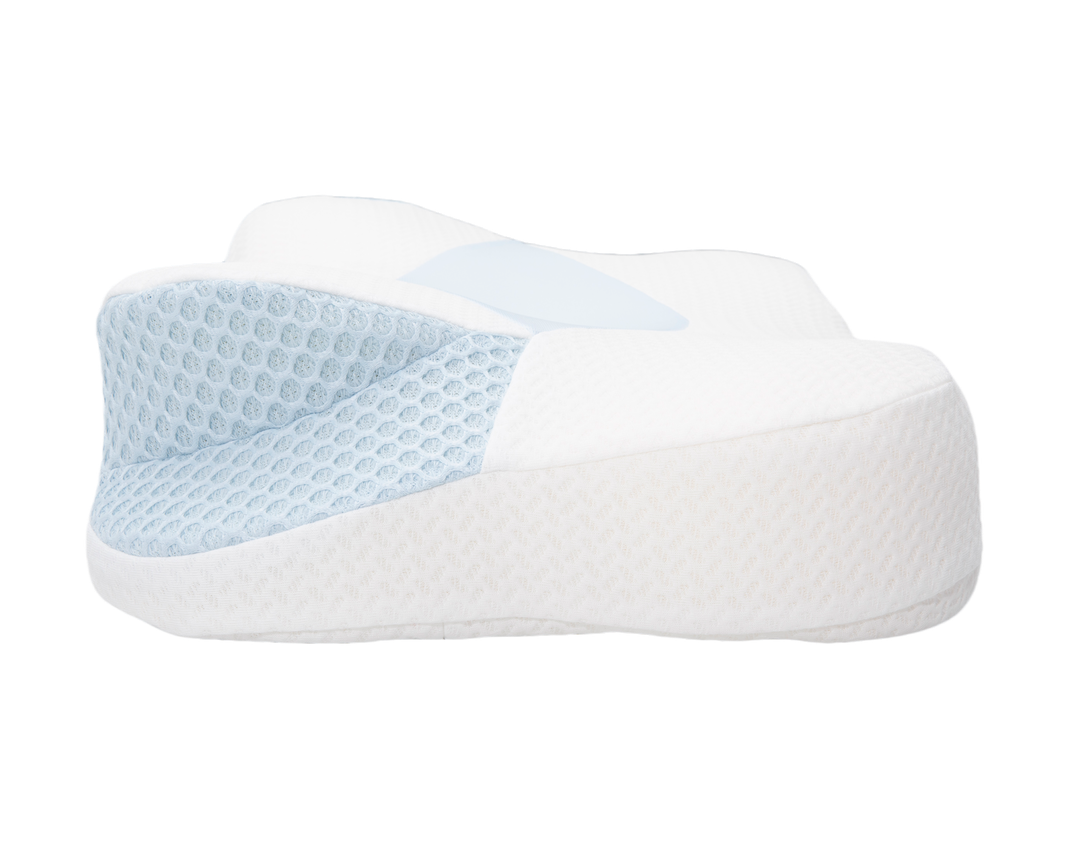
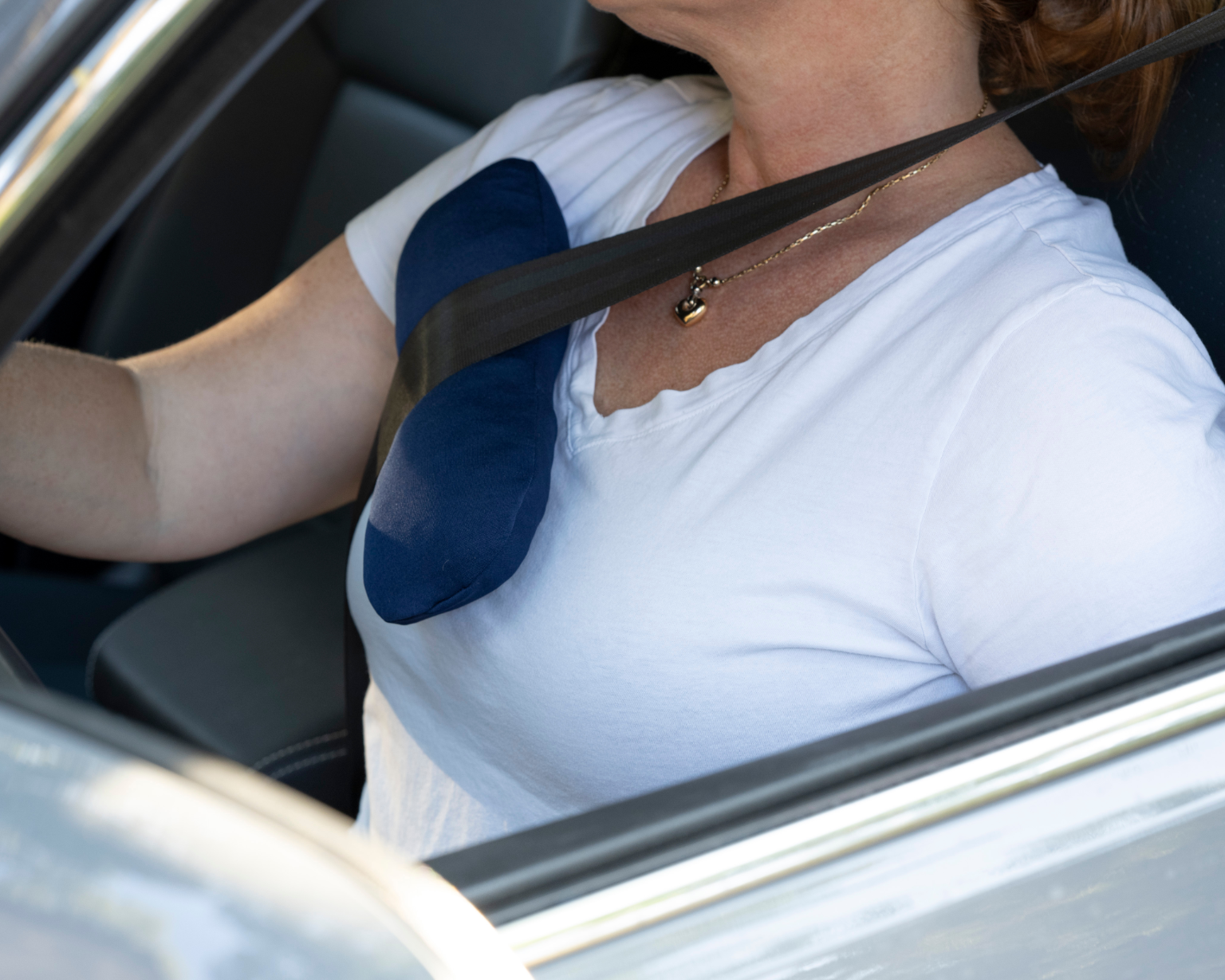
The Side Sleeping Chest Pillow positions between your chest and the mattress, creating a protective barrier that prevents direct pressure on sensitive breast areas while supporting natural side sleeping positions.
The pillow accommodates both single and double mastectomy patients during the extended sensitivity period after initial healing. Patients cleared for side sleeping can transition comfortably without compromising healing tissue or creating new discomfort.
Pre-Surgery Planning Advantage
Order the Side Sleeping Chest Pillow before surgery alongside your elevated positioning system. When your surgeon clears you for side sleeping 6-12 weeks post-operatively, you'll have appropriate equipment ready, not scrambling mid-recovery to research side sleeping solutions while experiencing discomfort.
Pre-surgery prescriptions requesting "complete recovery positioning equipment, including elevated back sleeping system and side sleeping transition support" may strengthen insurance coverage for both systems. Discuss comprehensive positioning needs with your surgeon during pre-operative appointments to include all recovery phases in medical documentation.
Insurance Coverage Potential
The Side Sleeping Chest Pillow may qualify for the same insurance coverage as elevated positioning equipment when:
Prescribed as part of the complete recovery positioning needs before surgery
Included in pre-authorization requests as medically necessary transition equipment
Documented as preventive support for the extended post-surgical sensitivity period
Covered under the same DME classification as the primary positioning system
LEARN MORE ABOUT THE SIDE SLEEPING CHEST PILLOW
Frequently Asked Questions: Pre-Surgery Planning for Canadian Patients
When should I start planning for positioning equipment coverage?
Begin coverage planning immediately after surgery scheduling, ideally 4-6 weeks before your mastectomy date. This timeline allows reviewing insurance benefits, obtaining surgeon prescriptions during pre-operative appointments, submitting pre-authorizations, receiving approval decisions, and ordering equipment with adequate delivery time before surgery.
Can I get coverage approval before my surgery?
Yes. Pre-authorization allows for confirming coverage before surgery. Submit pre-authorization requests 3-4 weeks before surgery with surgeon prescriptions, equipment specifications, and medical necessity documentation. Insurance companies typically process pre-authorizations within 5-10 business days, providing coverage confirmation before your surgery date.
How do I obtain prescriptions during pre-operative appointments?
Discuss recovery positioning and insurance documentation needs during scheduled pre-operative consultations. Request written prescriptions specifying the upcoming surgical procedure, positioning requirements including elevation angles and duration, and medical necessity for professional positioning equipment. Explain that documentation is required for insurance pre-authorization before surgery.
Does provincial health insurance cover positioning equipment if I apply before surgery?
Provincial health plans typically exclude home positioning equipment regardless of application timing. Some provinces operate assistive devices programs with limited equipment benefits requiring pre-surgery applications. Contact provincial assistive devices programs immediately after surgery scheduling to confirm policies, eligibility criteria, application requirements, and processing timelines before your surgery date.
Will private insurance cover equipment ordered before surgery?
Coverage depends on extended health benefit plan design. Many plans cover prescribed positioning equipment whether ordered before or after surgery. Pre-surgery orders with medical prescriptions strengthen claims by documenting preventive medical necessity rather than reactive comfort purchases. Confirm coverage through pre-authorization before purchasing.
Can I use HSA funds for pre-surgery equipment purchases?
Yes. HSA funds cover prescribed medical equipment for upcoming surgical recovery. The Sleep Again Pillow System prescribed during pre-operative appointments qualifies as eligible HSA expense. Pre-surgery HSA purchases allow using current year allocations and preparing recovery positioning before surgery stress.
Why does the Sleep Again Pillow System qualify as durable medical equipment?
The Sleep Again Pillow System qualifies as DME because it's designed specifically for medical purposes related to surgery recovery, built for extended use throughout multi-month recovery periods, prescribed by physicians for therapeutic positioning needs, and classified as medical equipment distinct from consumer comfort products. Pre-surgery prescriptions strengthen DME classification for insurance purposes.
What if I can't afford equipment before getting insurance approval?
Submit pre-authorization requests before purchasing equipment. Pre-authorization confirms coverage percentage and approval before spending money. If approved, purchase equipment knowing the exact reimbursement amount. If denied, appeal with additional documentation before surgery or explore HSA funding, provincial programs, or payment plans through direct Canadian shipping.
What happens if I wait until after surgery to arrange positioning?
Post-surgical equipment arrangement requires managing insurance claims while recovering, obtaining prescriptions during follow-up appointments focused on wound care, learning equipment setup while managing drains and pain, and potentially missing optimal positioning during critical early recovery days. Pre-surgery planning eliminates these complications and improves recovery outcomes.
Medical Disclaimer
The information provided on this page is for educational purposes only and should not replace professional medical advice from your healthcare provider. Sleep Again Pillows are positioning support products designed to help maintain sleep positions recommended by medical professionals during recovery and for therapeutic use.
Always follow your surgeon's or physician's specific post-operative instructions and positioning requirements. Medical guidance from your healthcare team takes precedence over any general information provided here. Recovery timelines, positioning angles, and product suitability vary based on individual surgical procedures, medical conditions, and patient-specific factors.
Consult your healthcare provider before purchasing positioning equipment if you have specific medical concerns or questions about whether these products are appropriate for your recovery or medical condition(s). Your medical team can provide personalized recommendations based on your unique situation.
Sleep Again Pillows do not diagnose, treat, cure, or prevent any medical condition. These products provide positioning support to help maintain sleep angles and positions as directed by your healthcare provider.