
If you're planning facelift surgery and researching what recovery will require, sleep positioning is one of the most important recovery factors to plan for in advance.
You'll need to sleep on your back at a 30-45 degree elevation for 2-4 weeks after face lift surgery. This positioning requirement affects your healing outcomes and surgical results, making advance preparation essential.
This article explains what you need to know about post-facelift sleep positioning before your surgery date, so you can prepare properly and invest in appropriate equipment.
Why Sleep Positioning Matters: What You Need to Know Before Surgery
Understanding sleep positioning requirements before your facelift helps you prepare properly and protects your surgical investment.
Your surgeon will spend hours meticulously repositioning facial tissues, tightening underlying muscles, and creating precise incisions designed to heal invisibly. Your sleep positioning during recovery directly impacts how well those surgical improvements heal.
Sleep positioning affects your face lift results:
Pressure creates asymmetry. Side sleeping creates asymmetrical pressure across healing facial tissues, potentially leading to uneven swelling patterns or tissue settling that affects final symmetry.
Friction delays incision healing. Face lift incisions typically run along the hairline and around the ears. Side sleeping or stomach sleeping creates friction and tension on these delicate healing sites, potentially pulling sutures or causing irritation.
Flat positioning prolongs swelling. Without proper elevation, fluid accumulates in facial tissues due to gravity. This excess swelling extends recovery timelines and delays your ability to see actual surgical results.
Inadequate support risks complications. Healing facial tissues need consistent, protected positioning during the critical healing window. Understanding this requirement before surgery allows you to prepare appropriate equipment and practice the positioning.
The Required Sleep Position: What Your Surgeon Will Prescribe
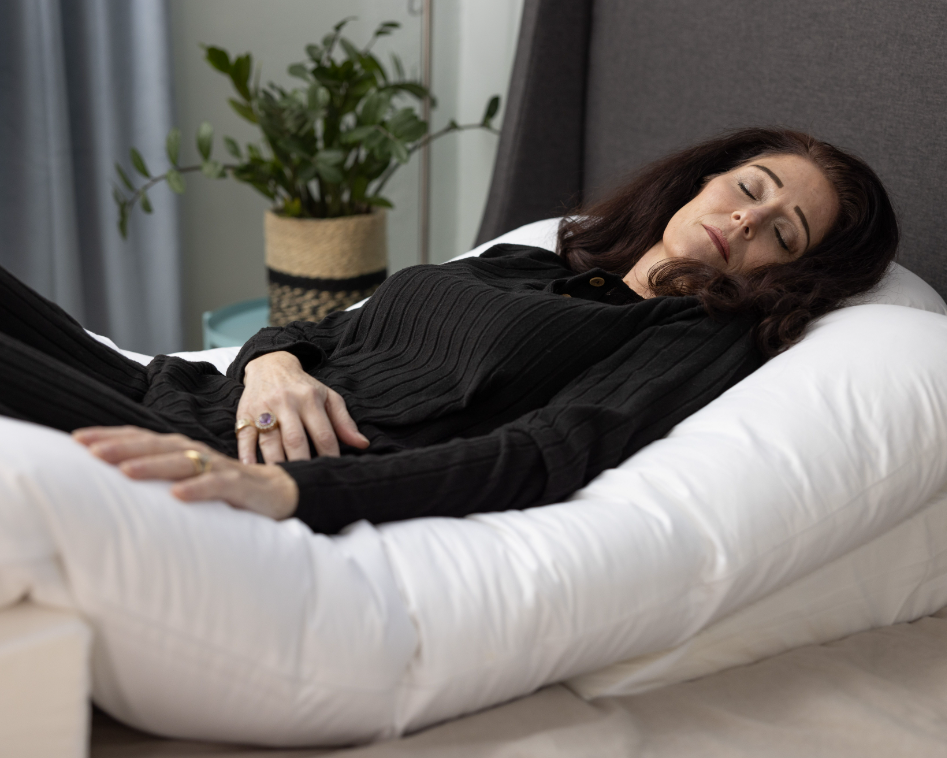
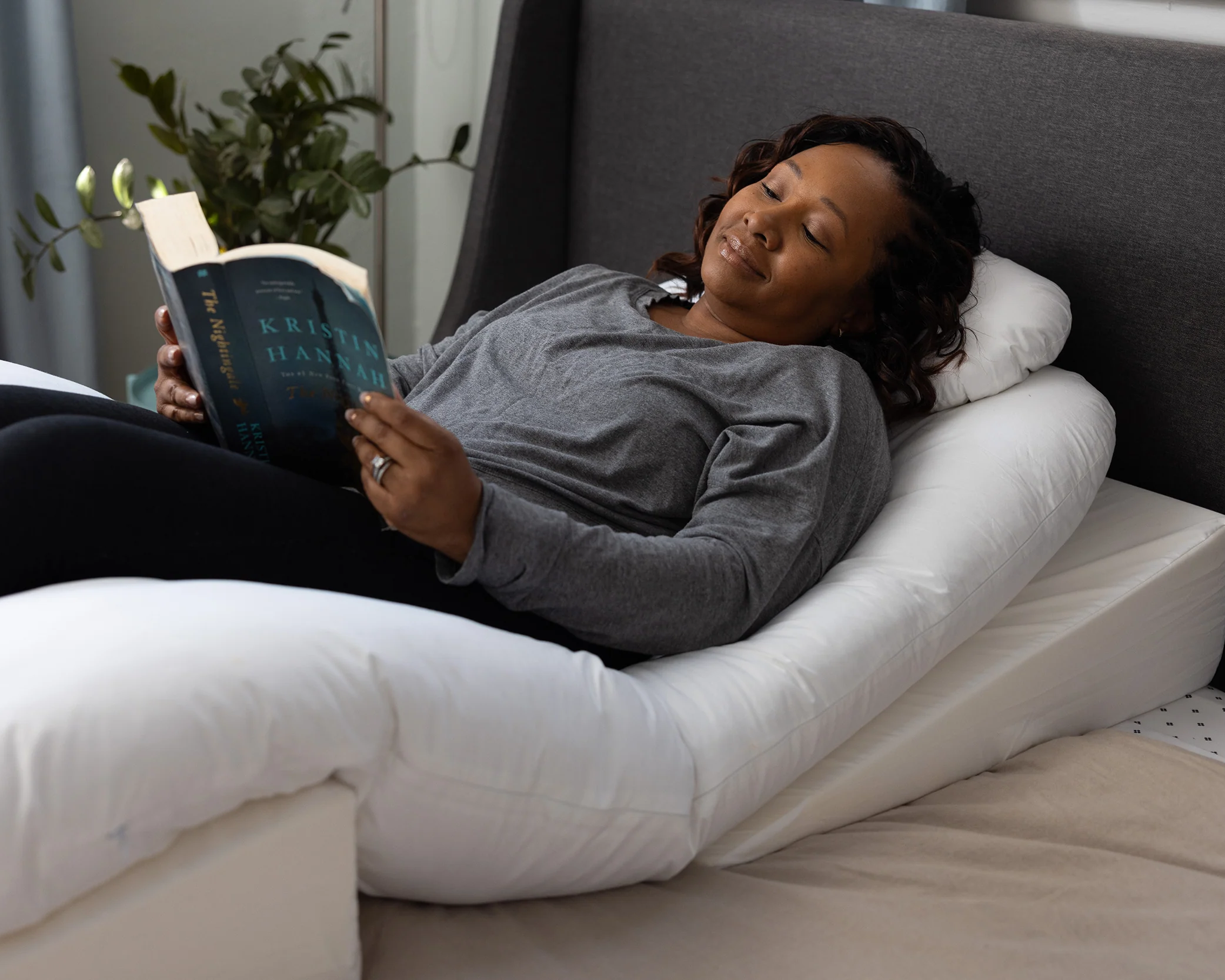
Every plastic surgeon prescribes the same post-operative sleep position: elevated back sleeping at a 30-45 degree angle. Understanding this requirement now allows you to prepare properly.
Why surgeons prescribe this specific angle:
Optimal fluid drainage. The 30-45 degree elevation works with your lymphatic system to encourage fluid drainage away from facial tissues. Too flat and fluids pool; too steep creates neck strain without additional benefits.
Minimal facial pressure. Back sleeping eliminates direct pressure on incision sites and healing facial tissues, preventing compression against pillow surfaces.
Bilateral symmetry support. Unlike side sleeping, which creates uneven pressure, back sleeping provides equal support across both sides of your healing face, promoting symmetrical healing patterns.
Airway optimization. The elevated position benefits breathing during sleep, reducing snoring and improving oxygen flow—both factors that support optimal healing.
You'll need to maintain this elevated back sleeping position for 2-4 weeks after surgery. Some patients continue longer, depending on the healing progress. Knowing this timeline now helps you plan work schedules, travel, and equipment purchases.

Professional Positioning Equipment: What to Purchase Before Surgery
Plan to purchase professional positioning equipment before your surgery date. You'll need equipment that maintains precise elevation angles, provides comprehensive support, stays stable throughout the night, and doesn't require constant adjustment.
The Sleep Again Pillow System: Pre-Surgery Investment
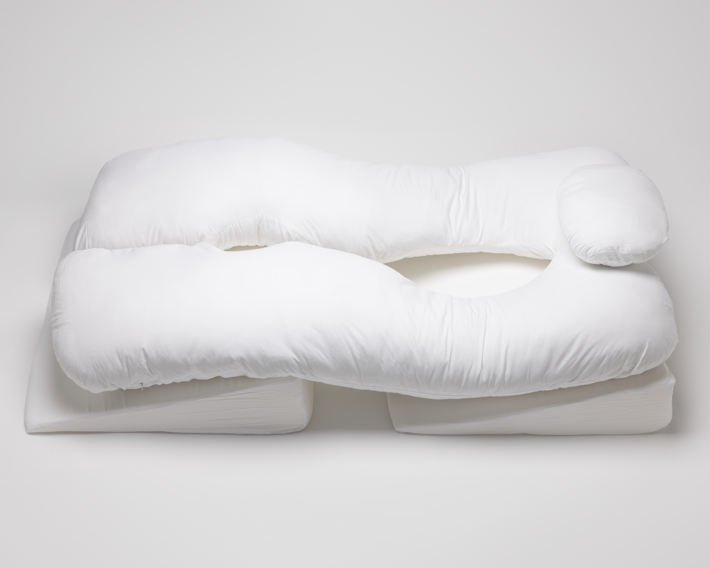
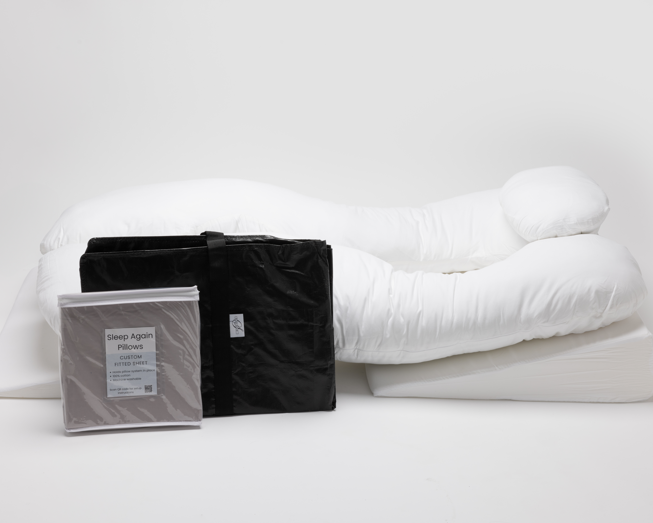
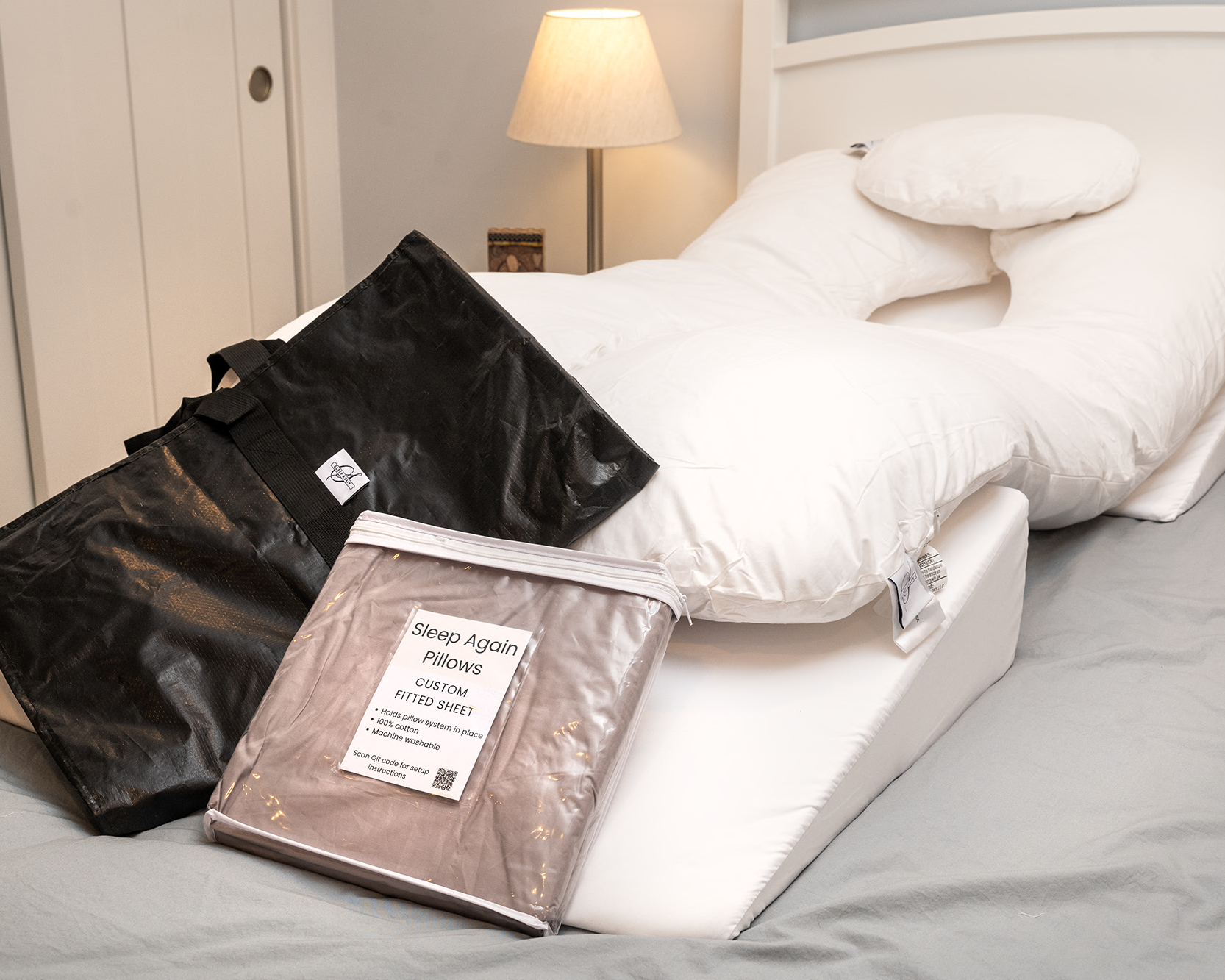
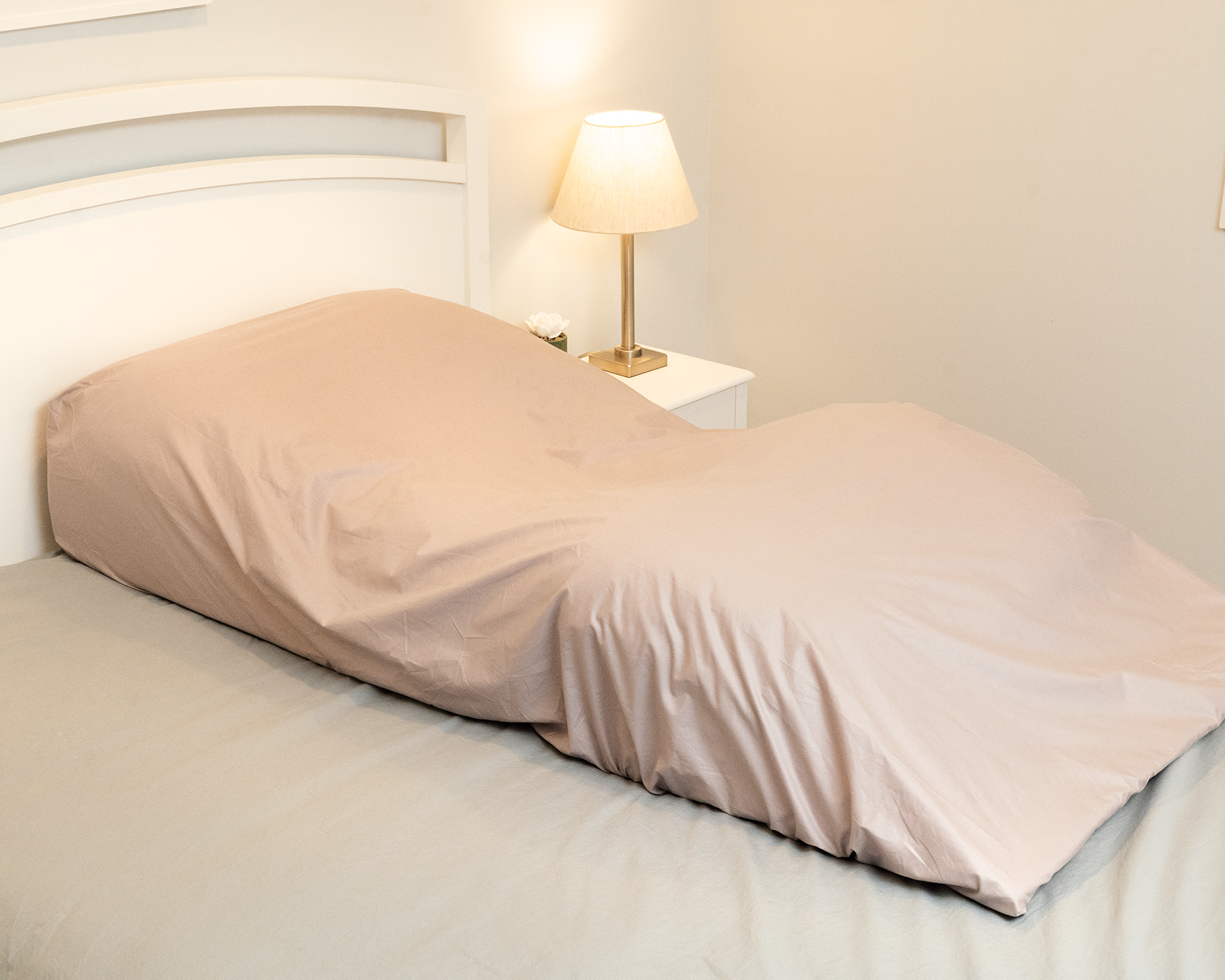
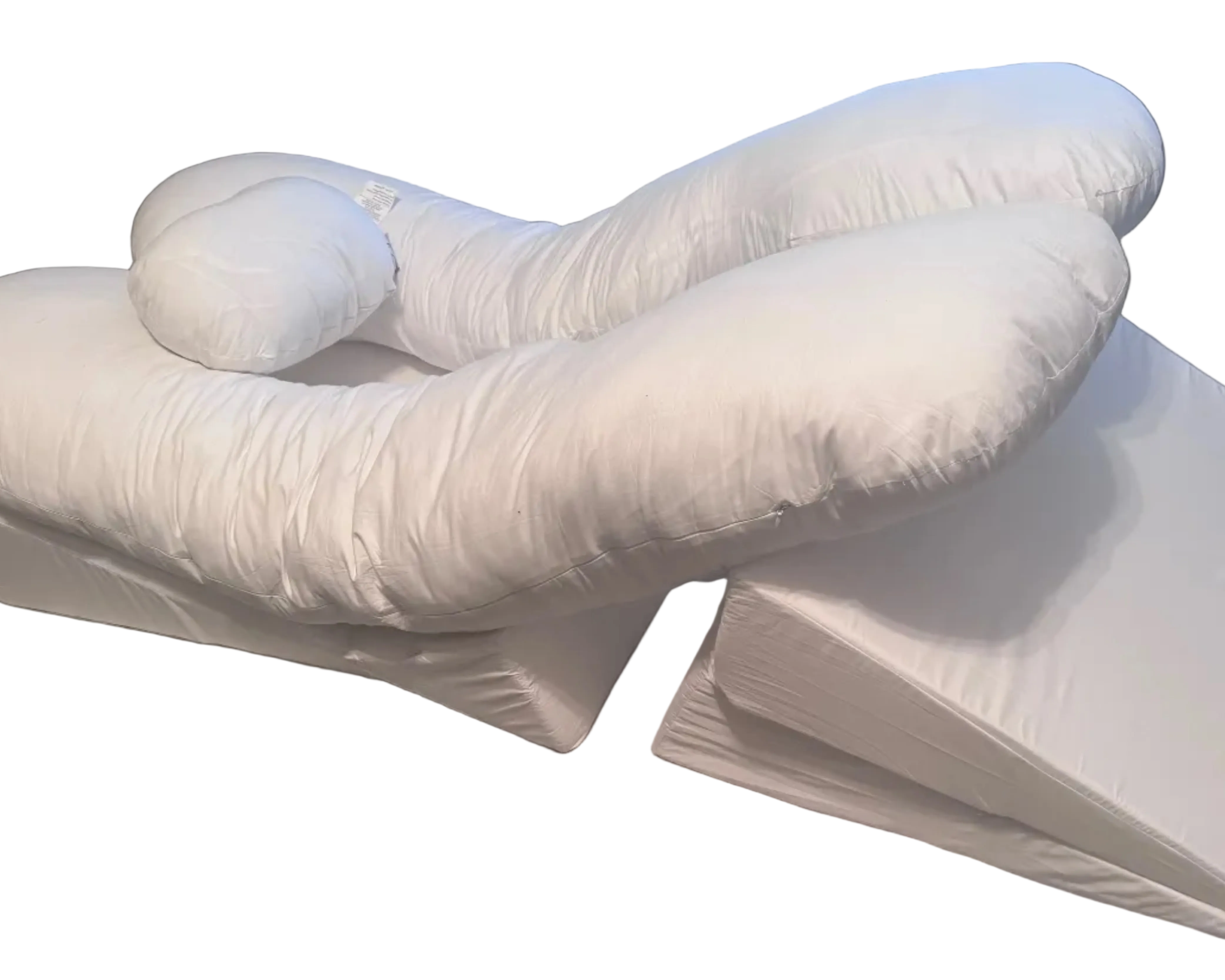
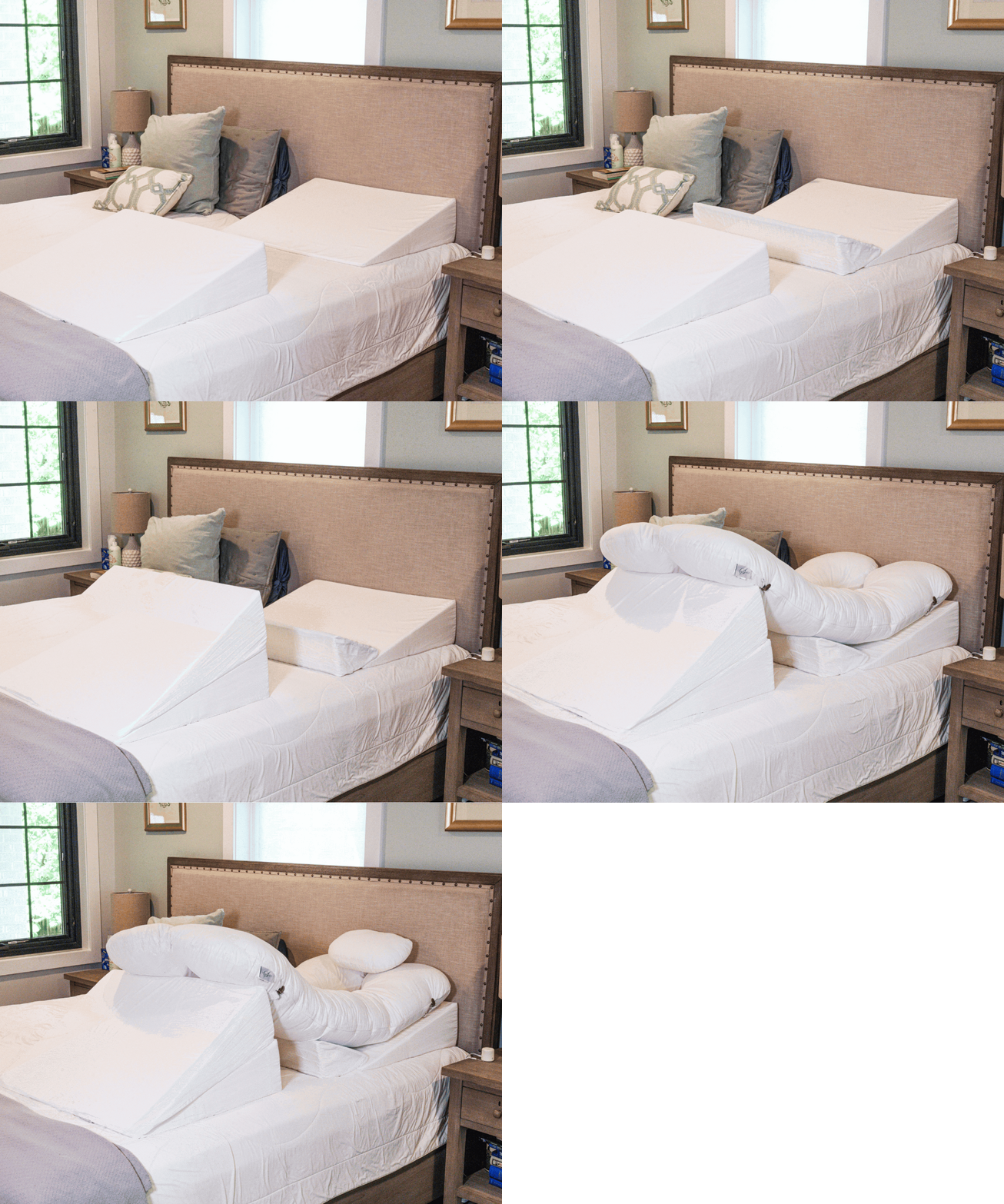
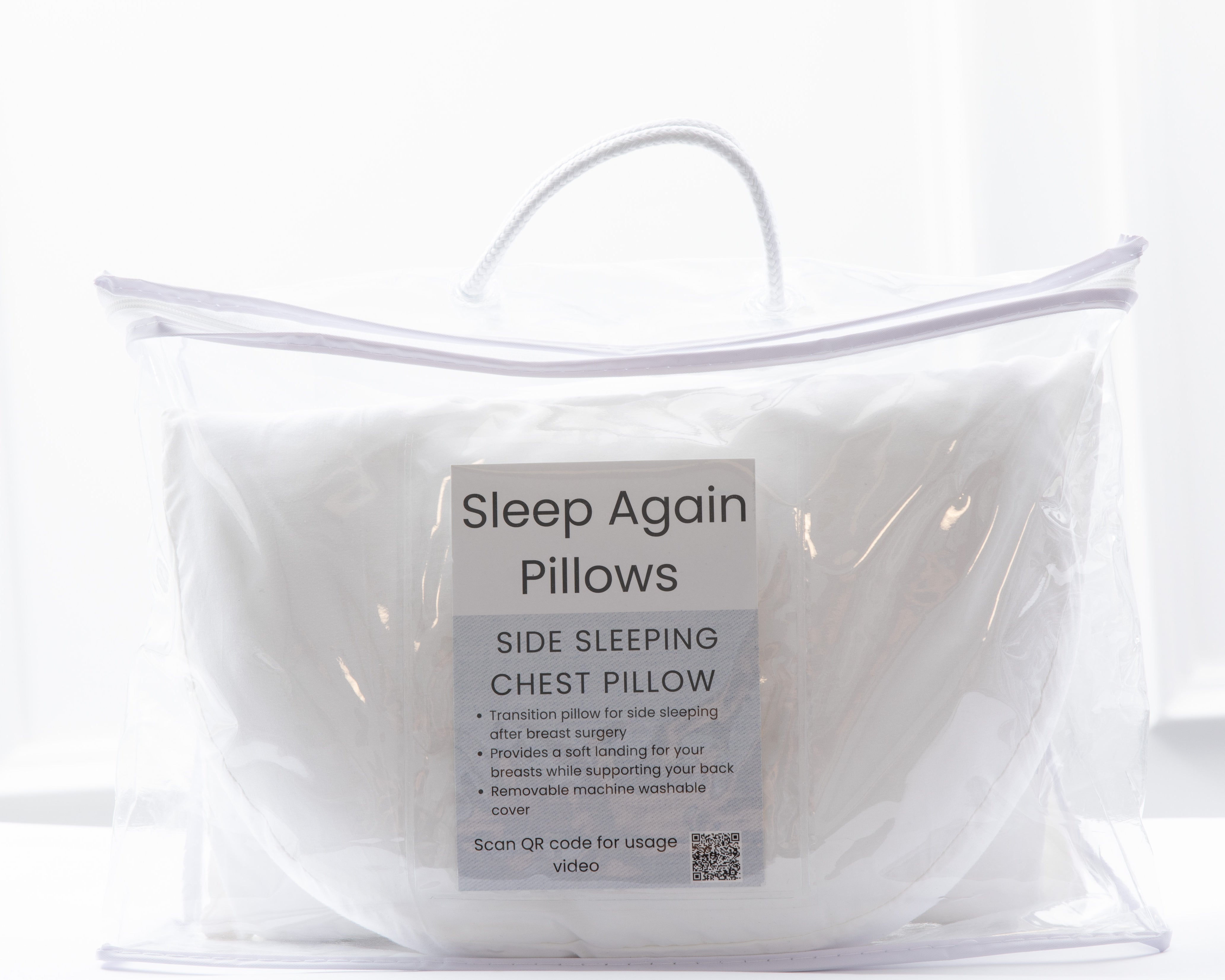
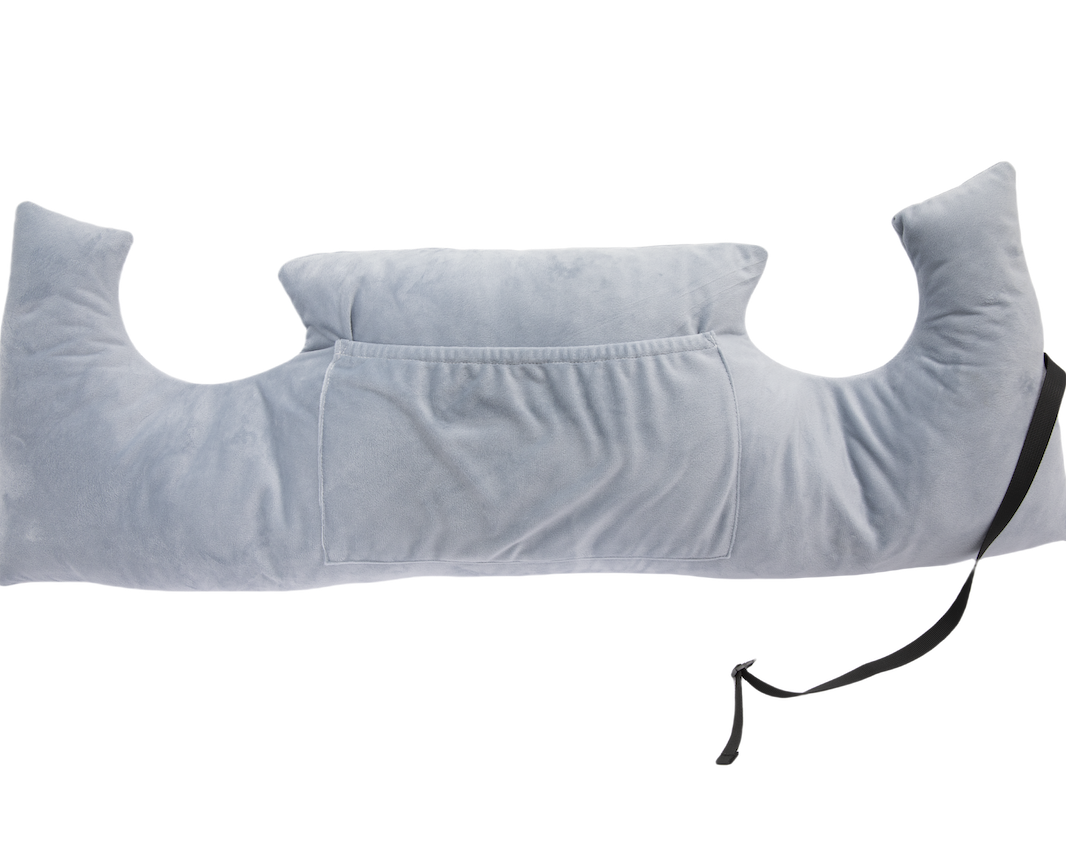
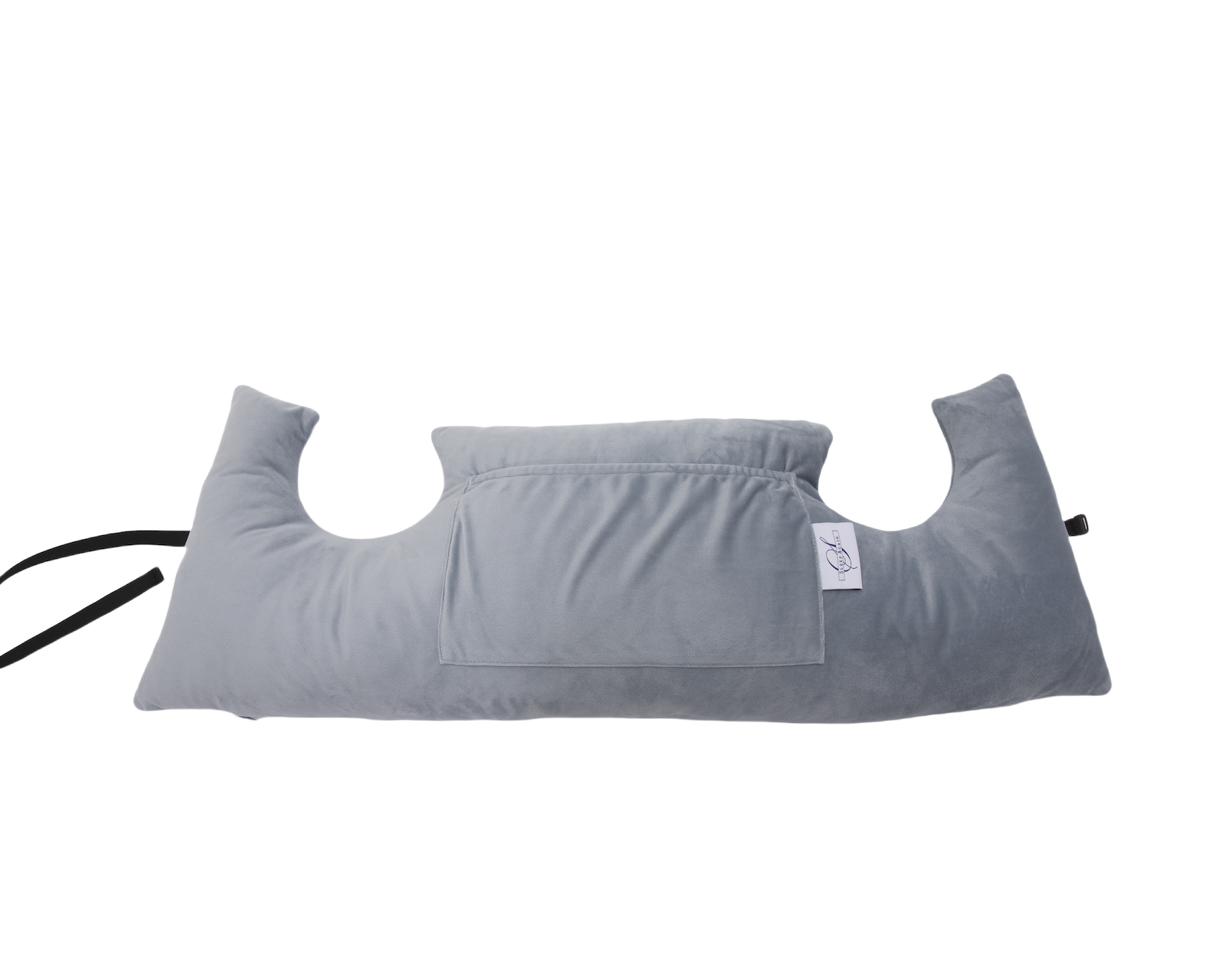
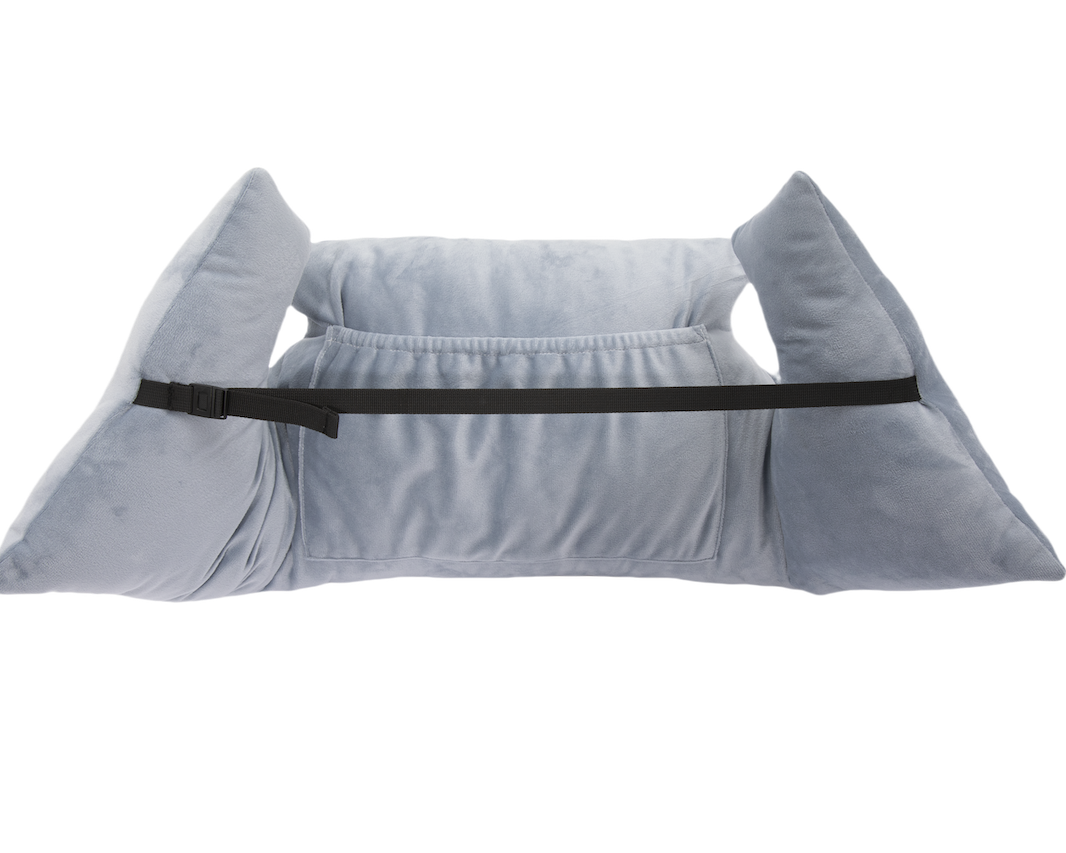
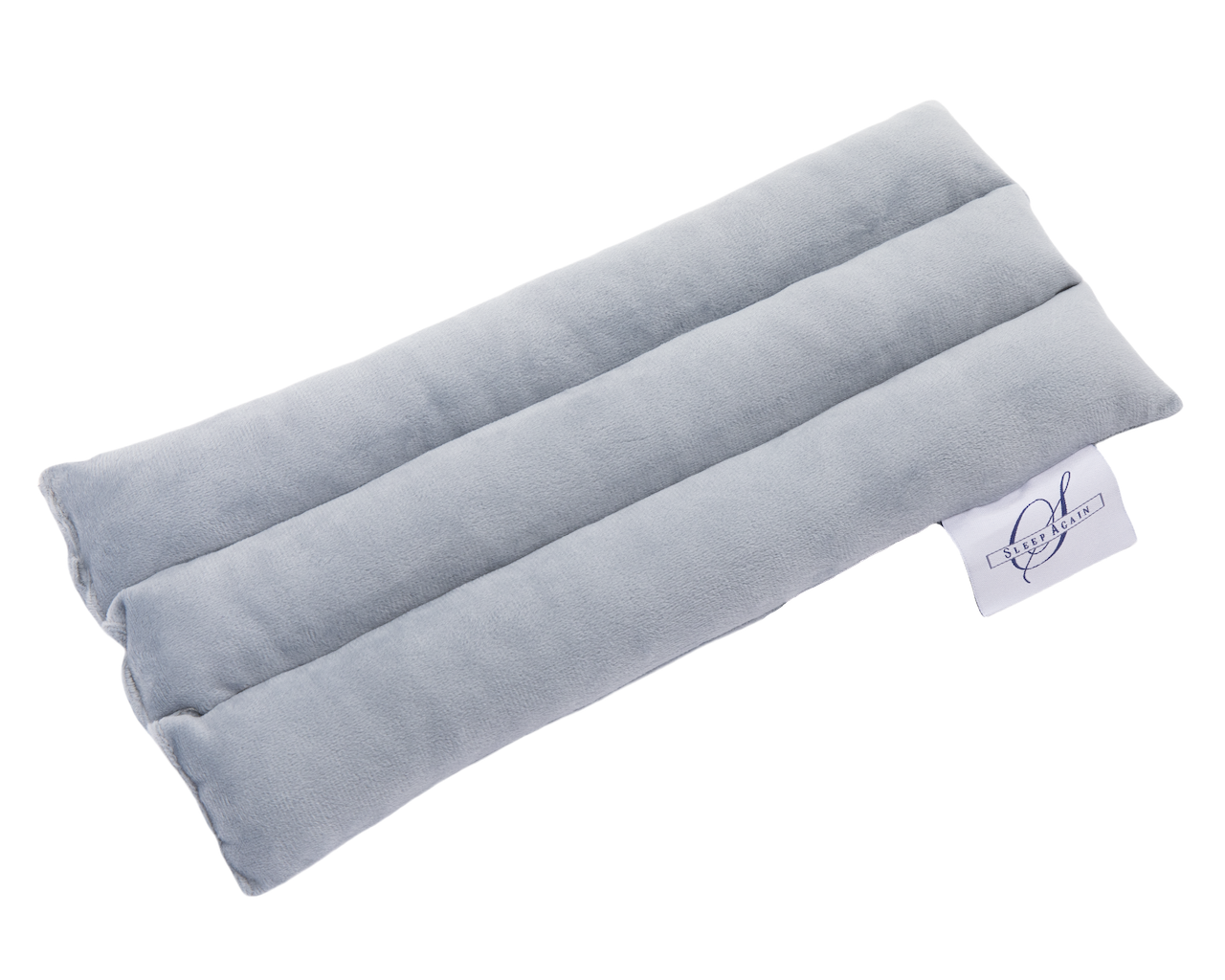
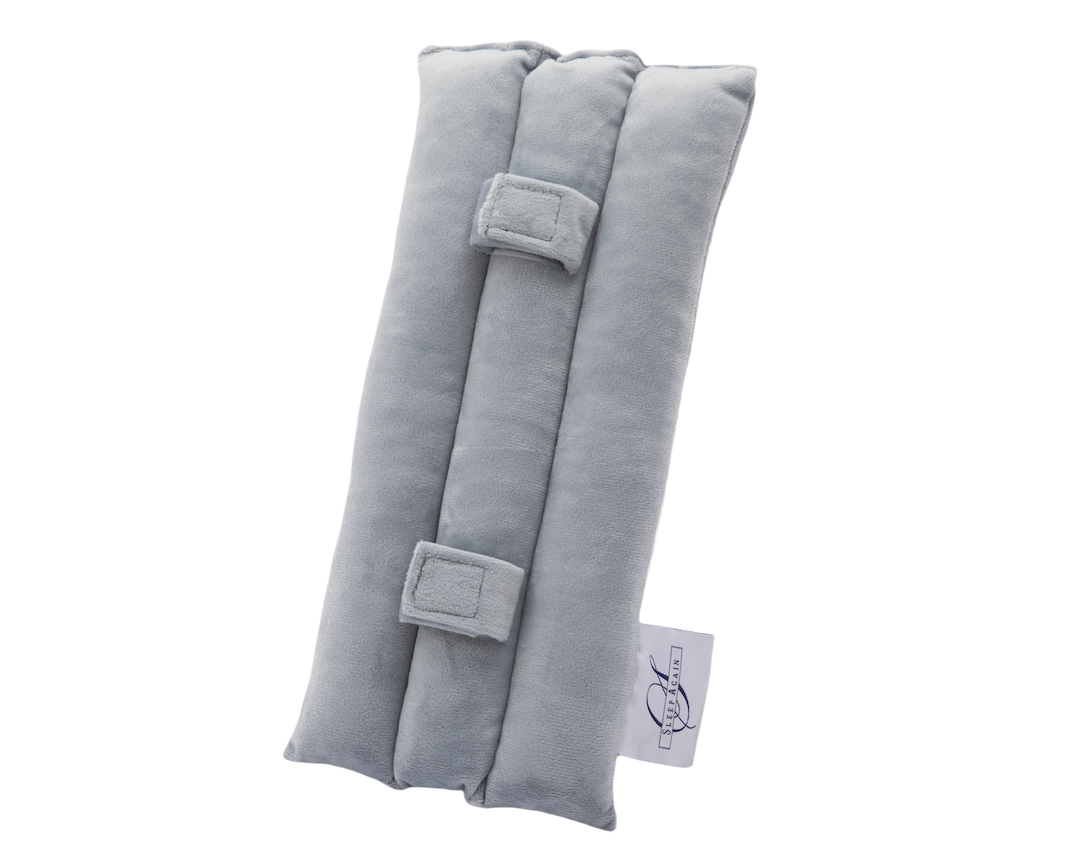
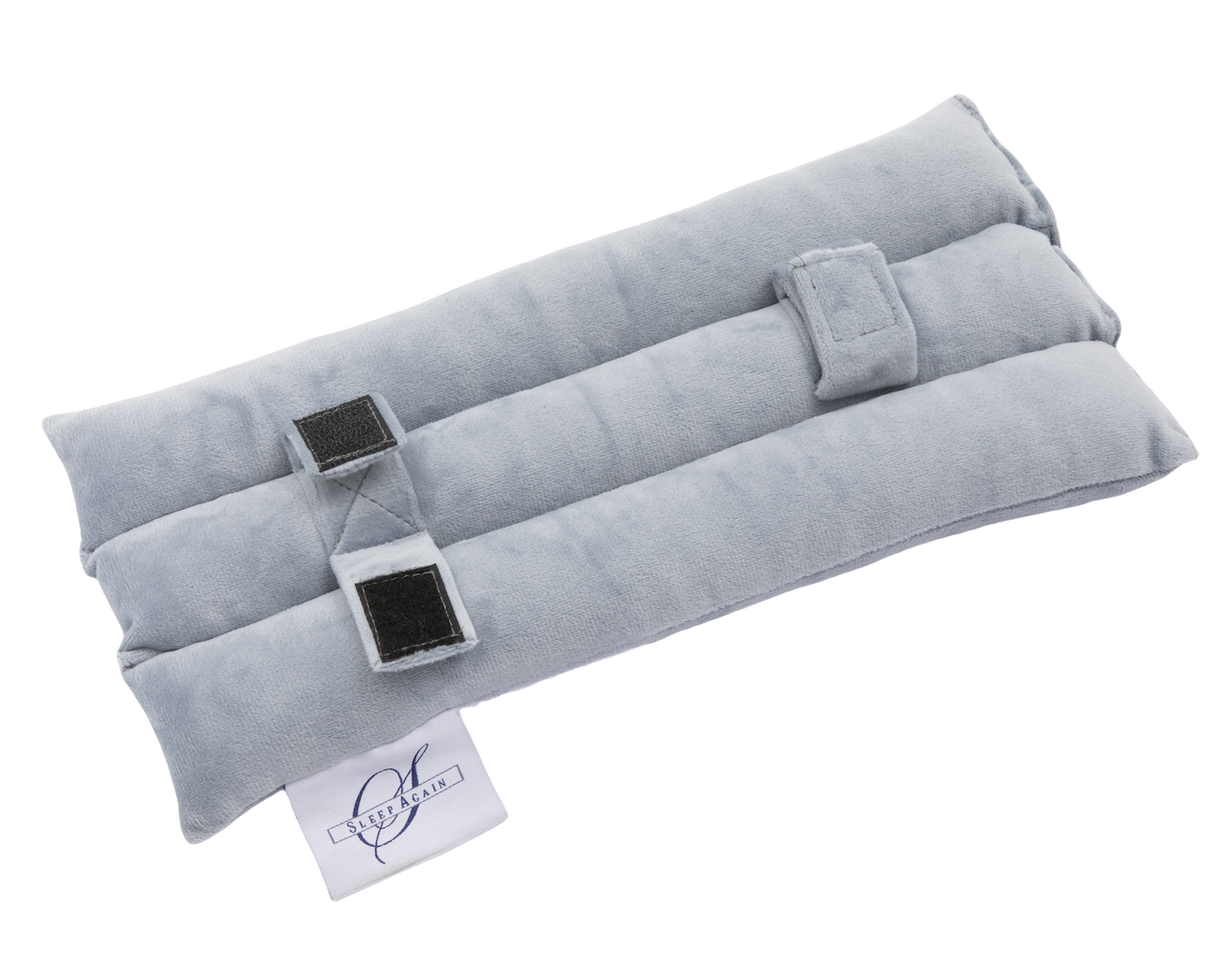
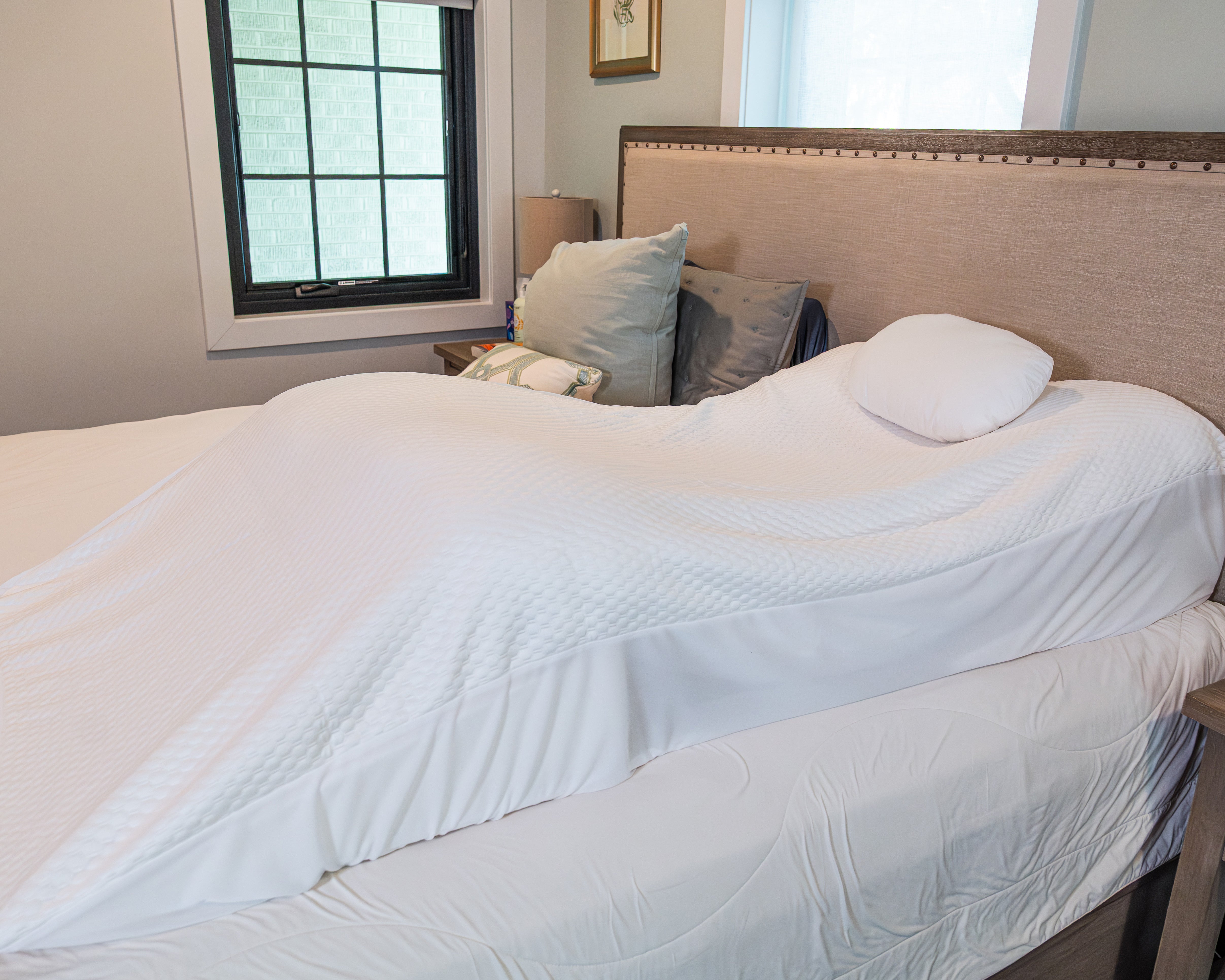
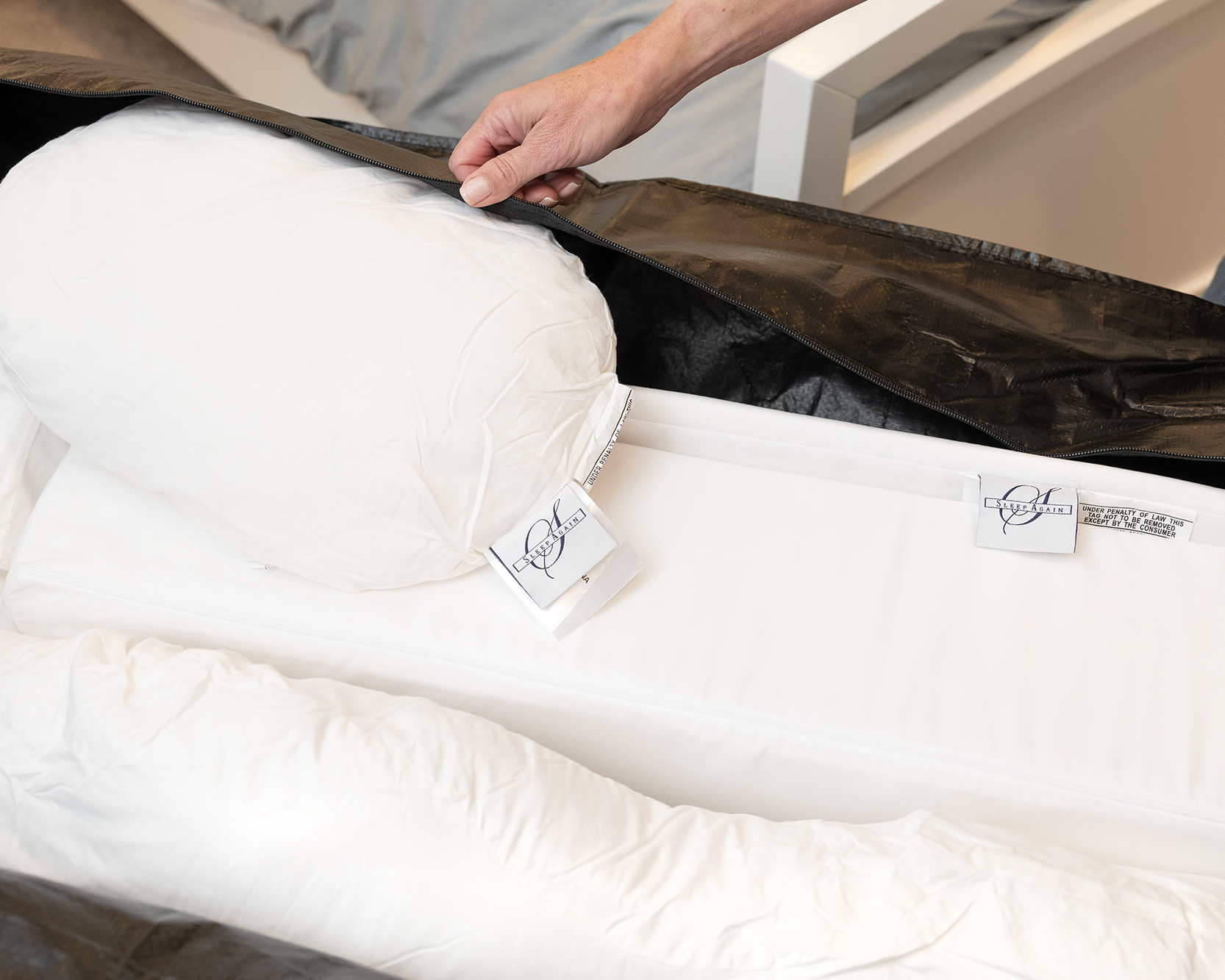
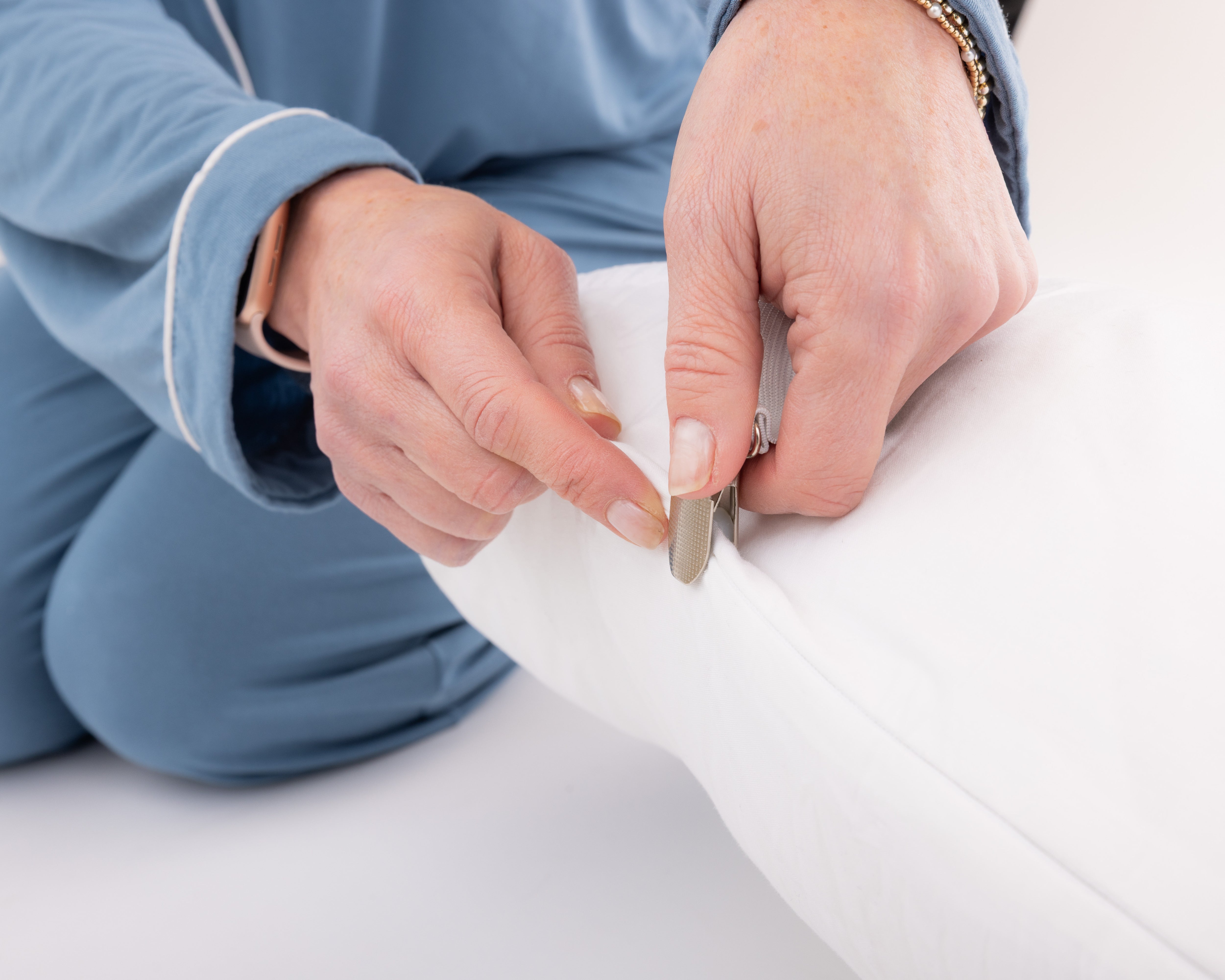
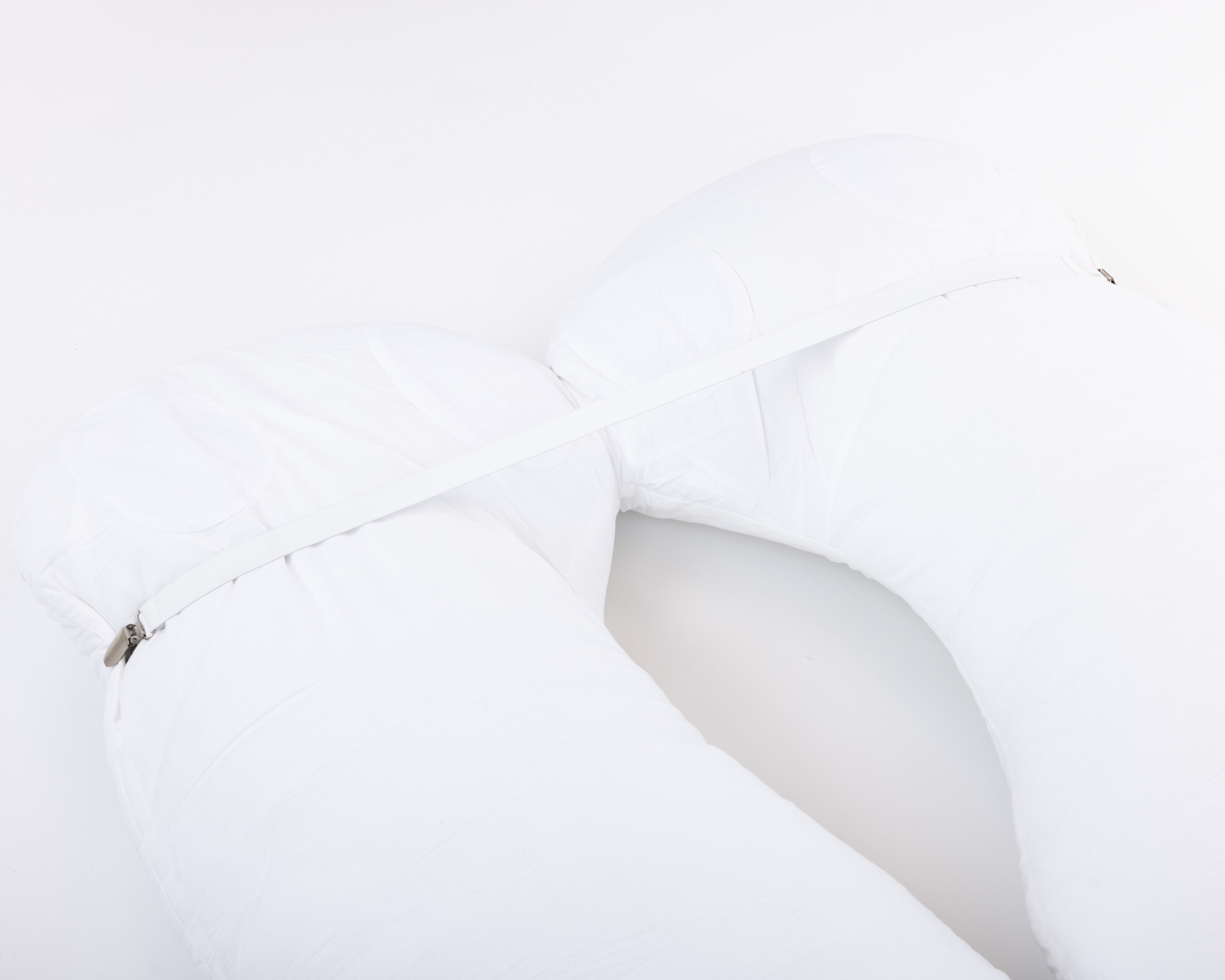
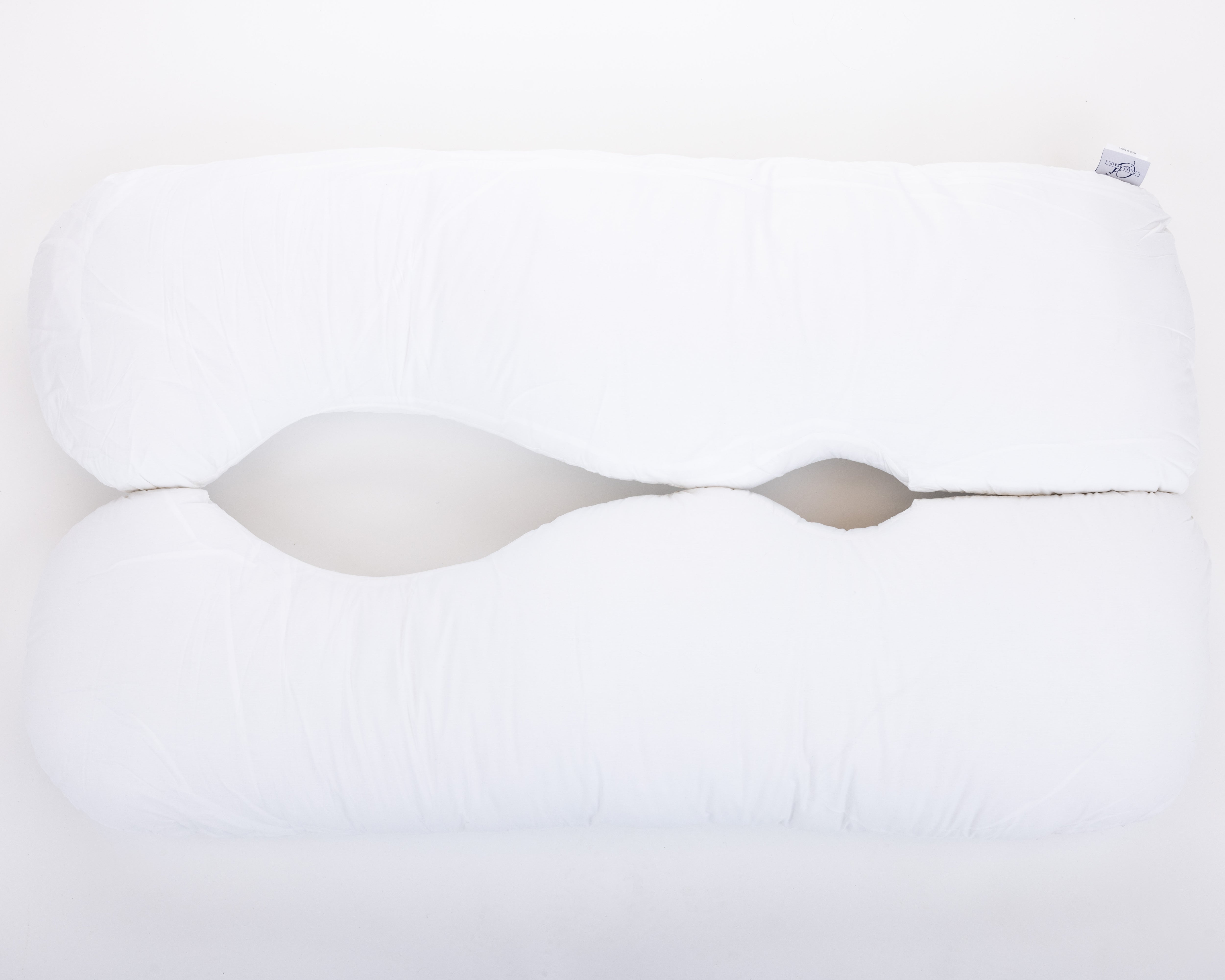
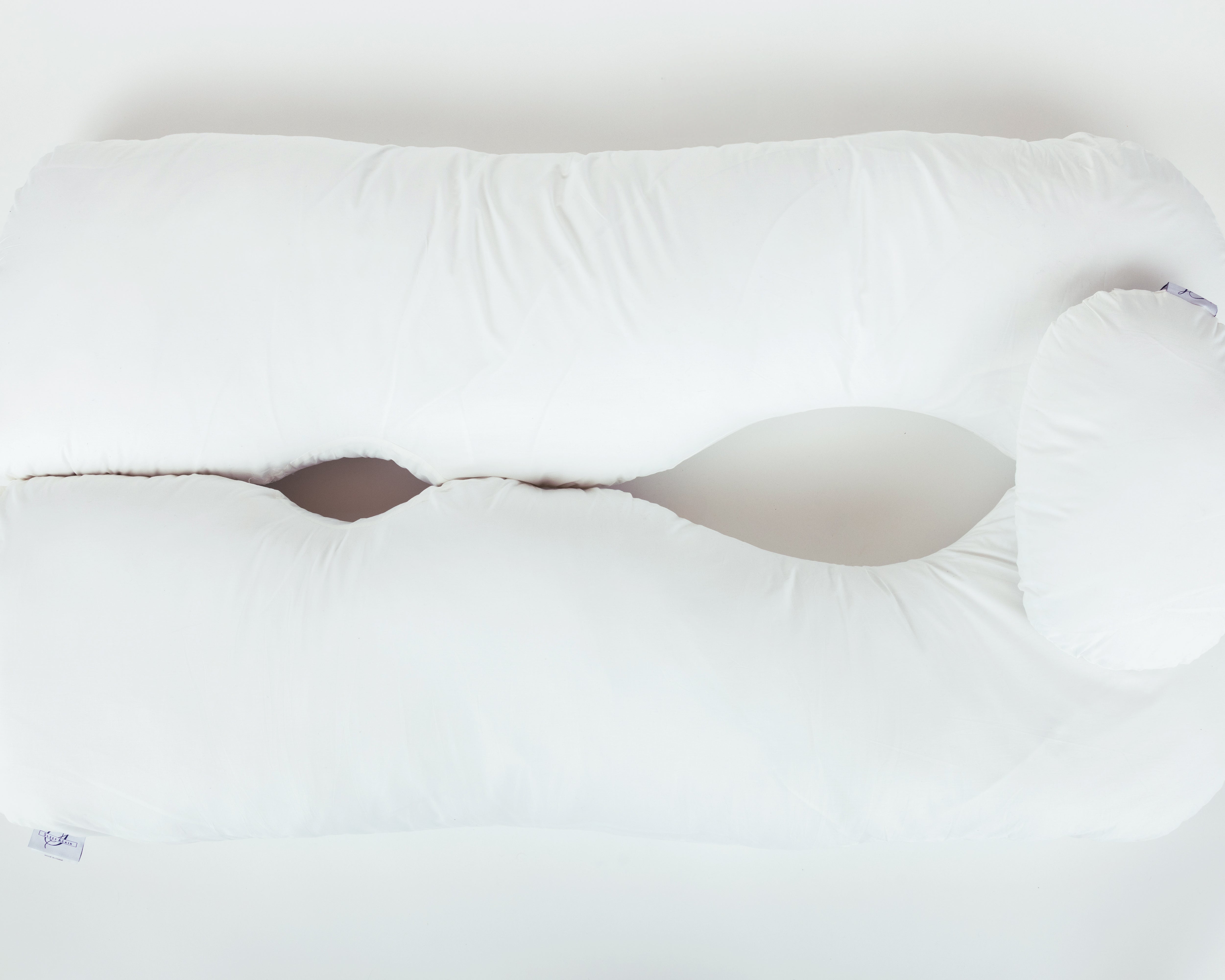
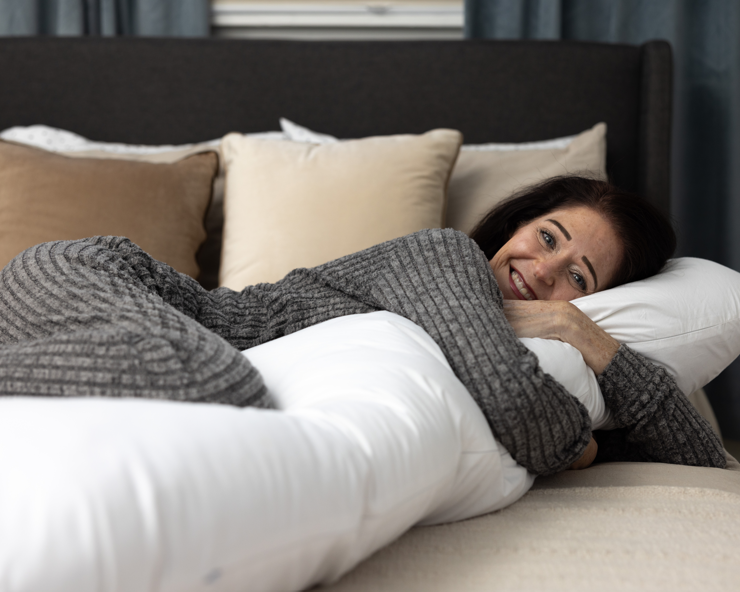
The Sleep Again Pillow System was specifically designed for post-surgical sleep positioning challenges. Order this before your surgery to allow time for delivery and testing.
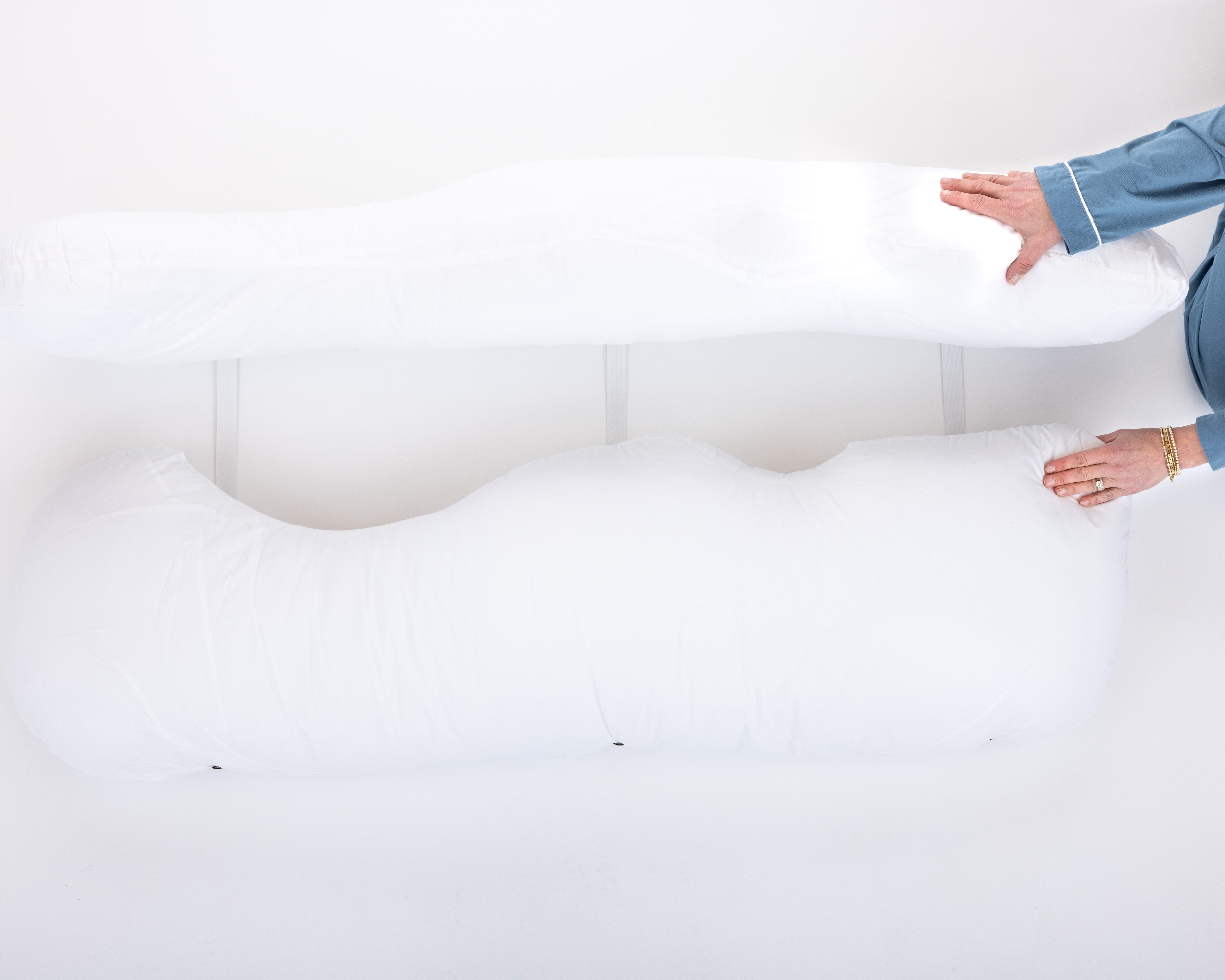
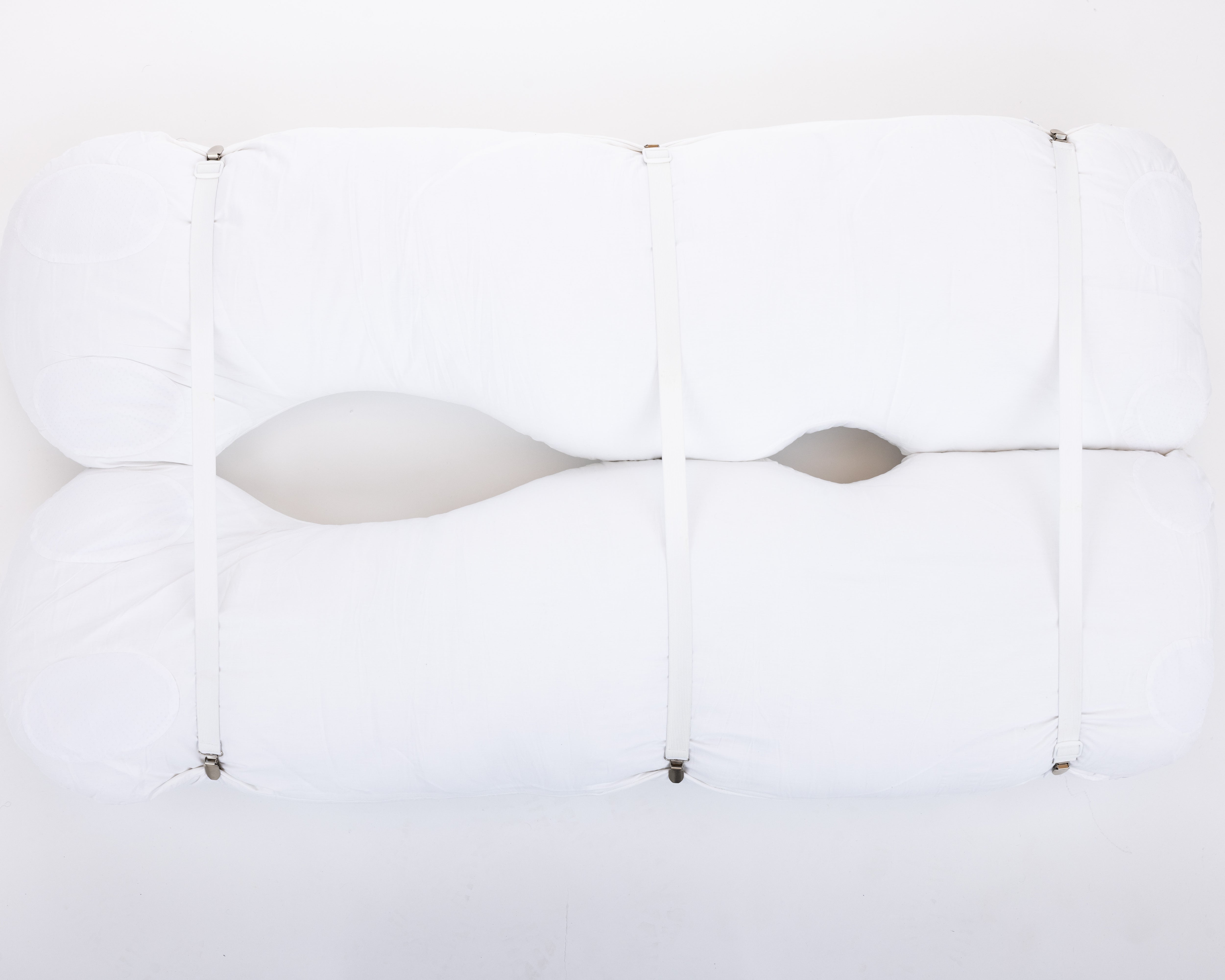
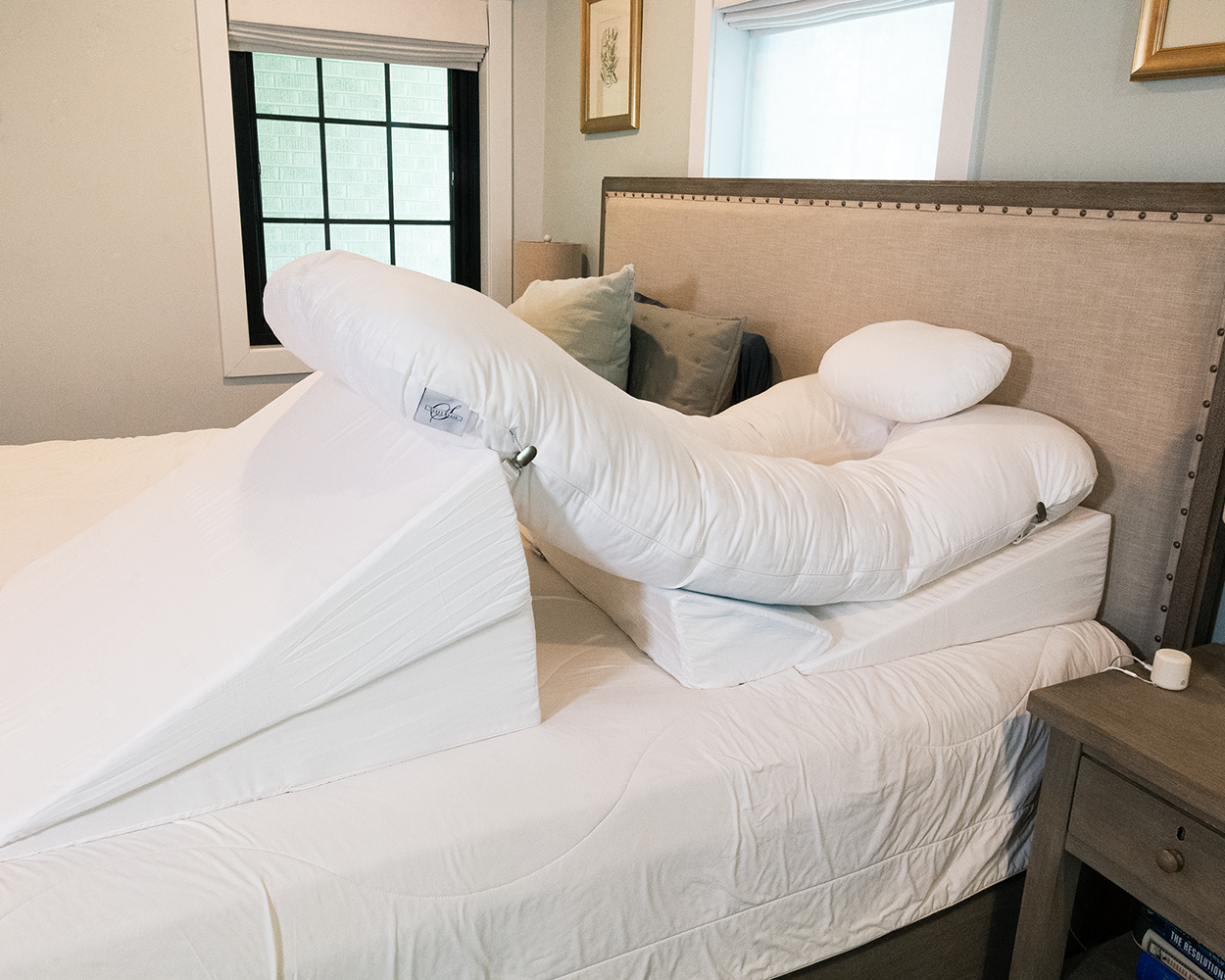
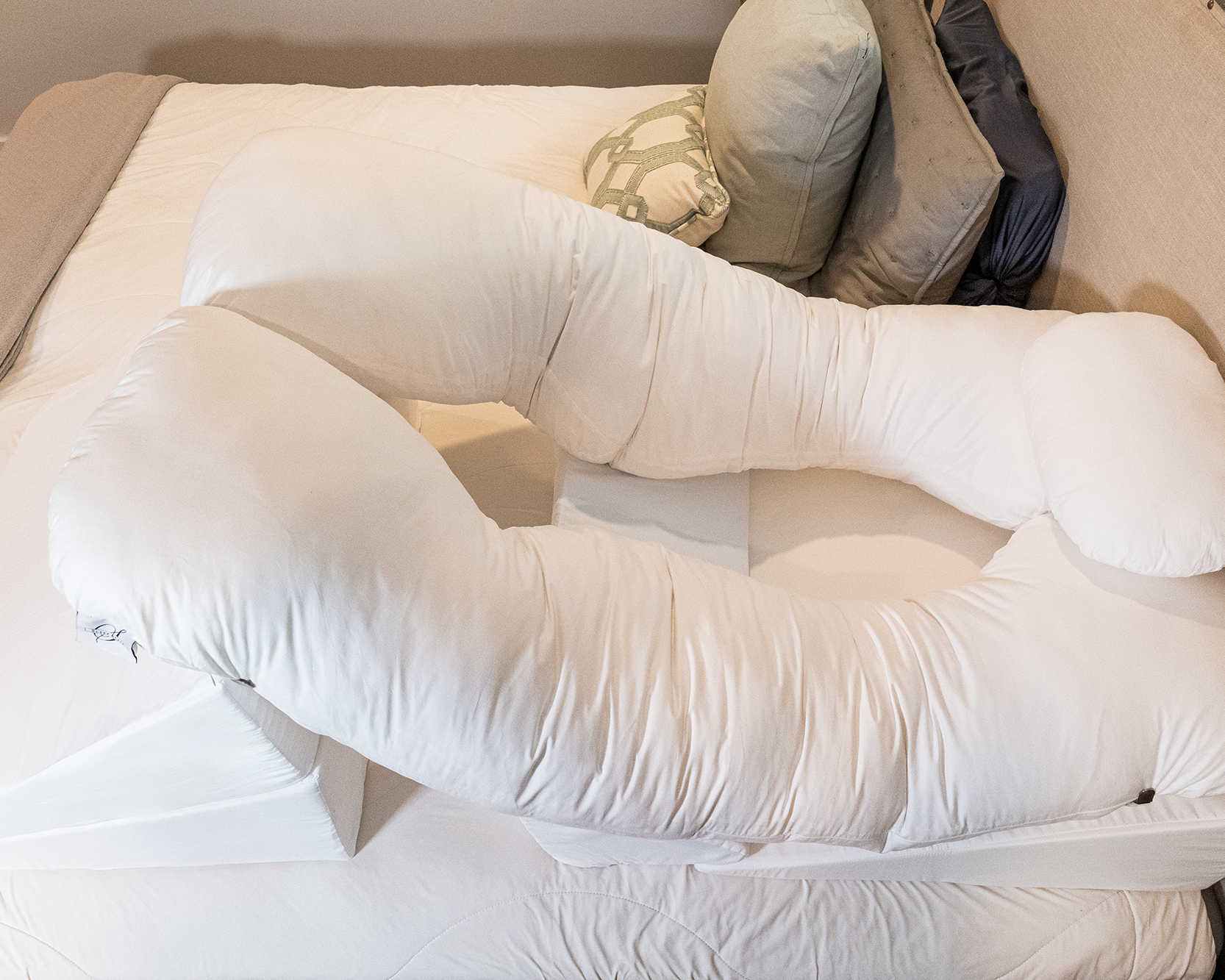
Every Sleep Again Pillow System includes:
-
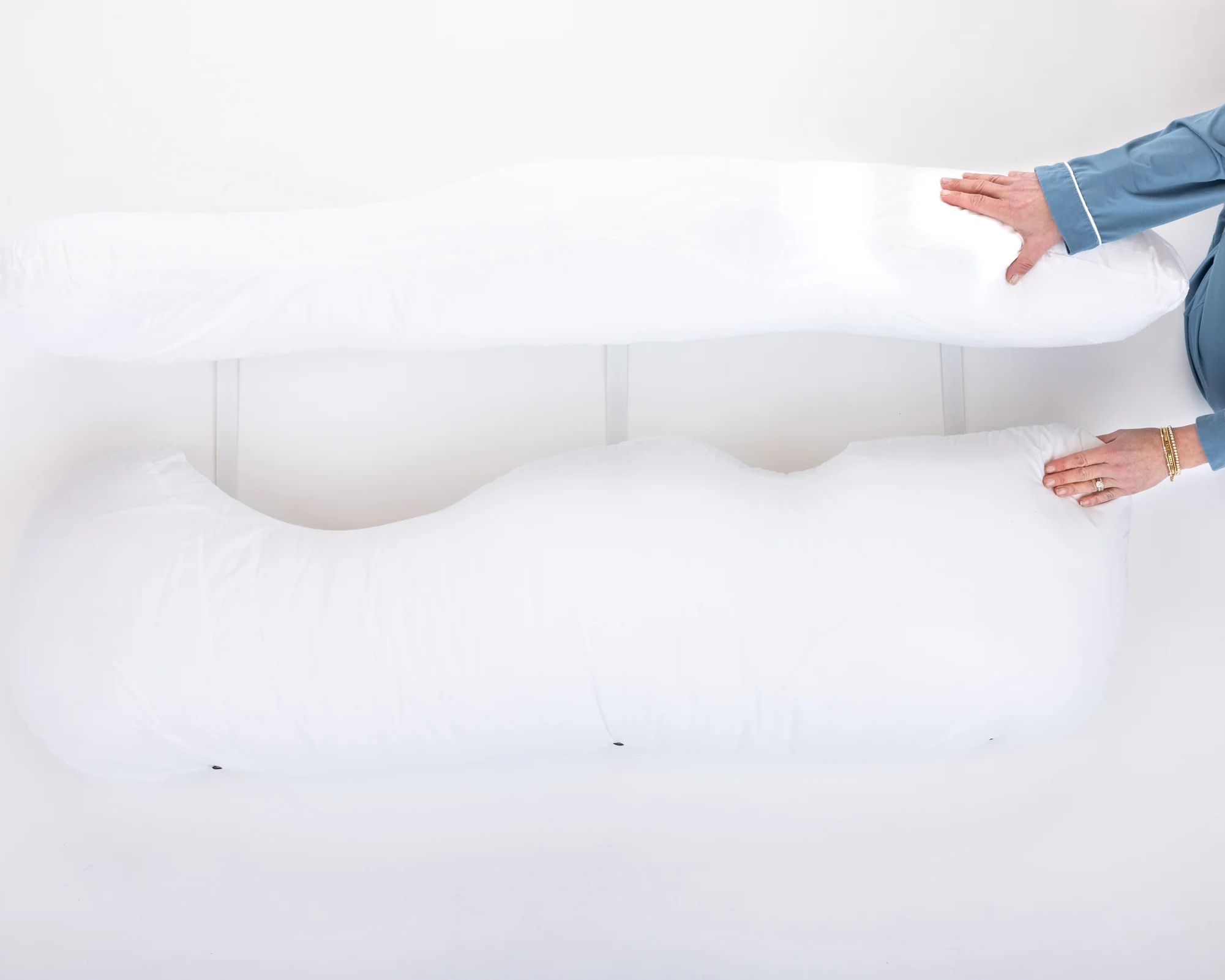
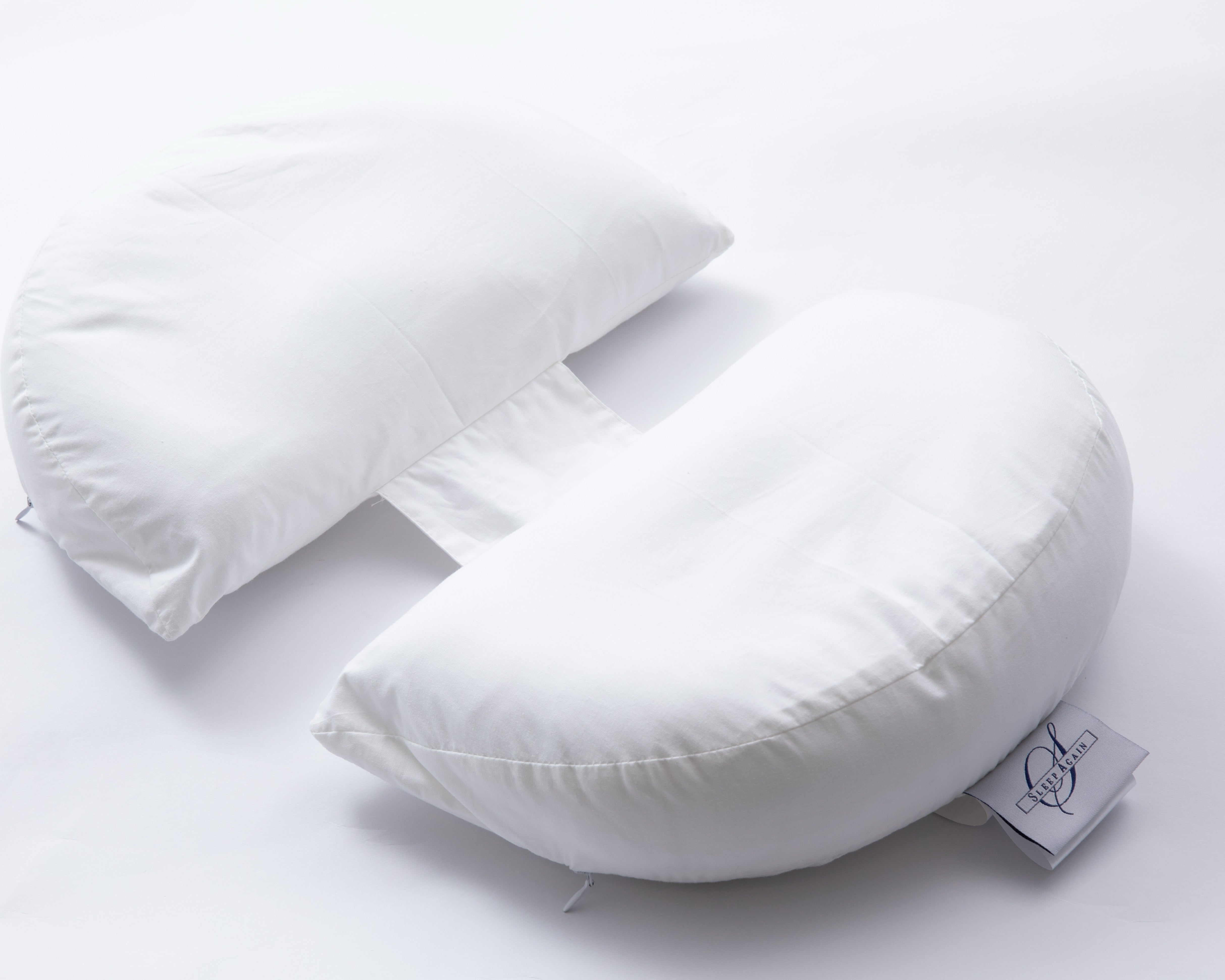
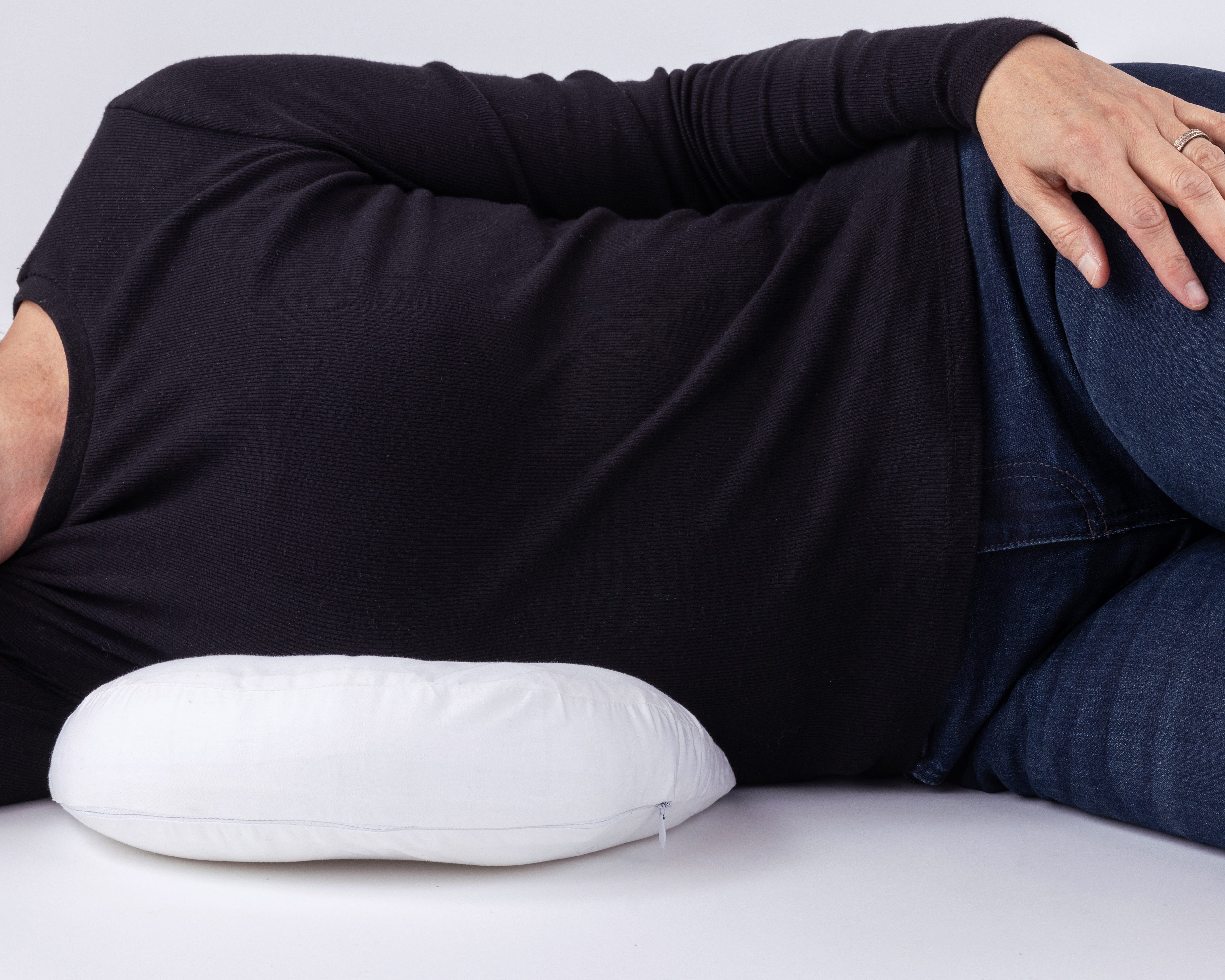
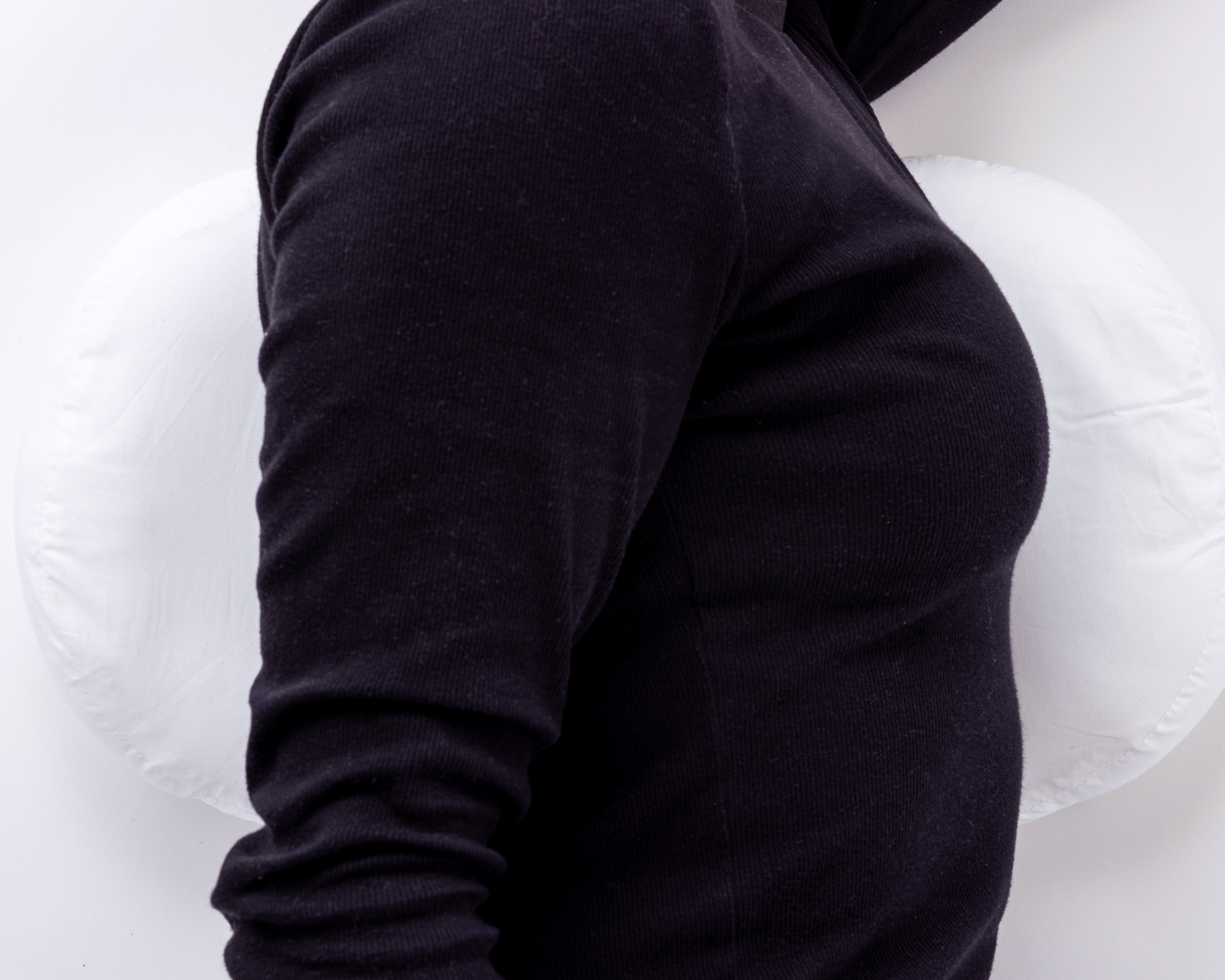
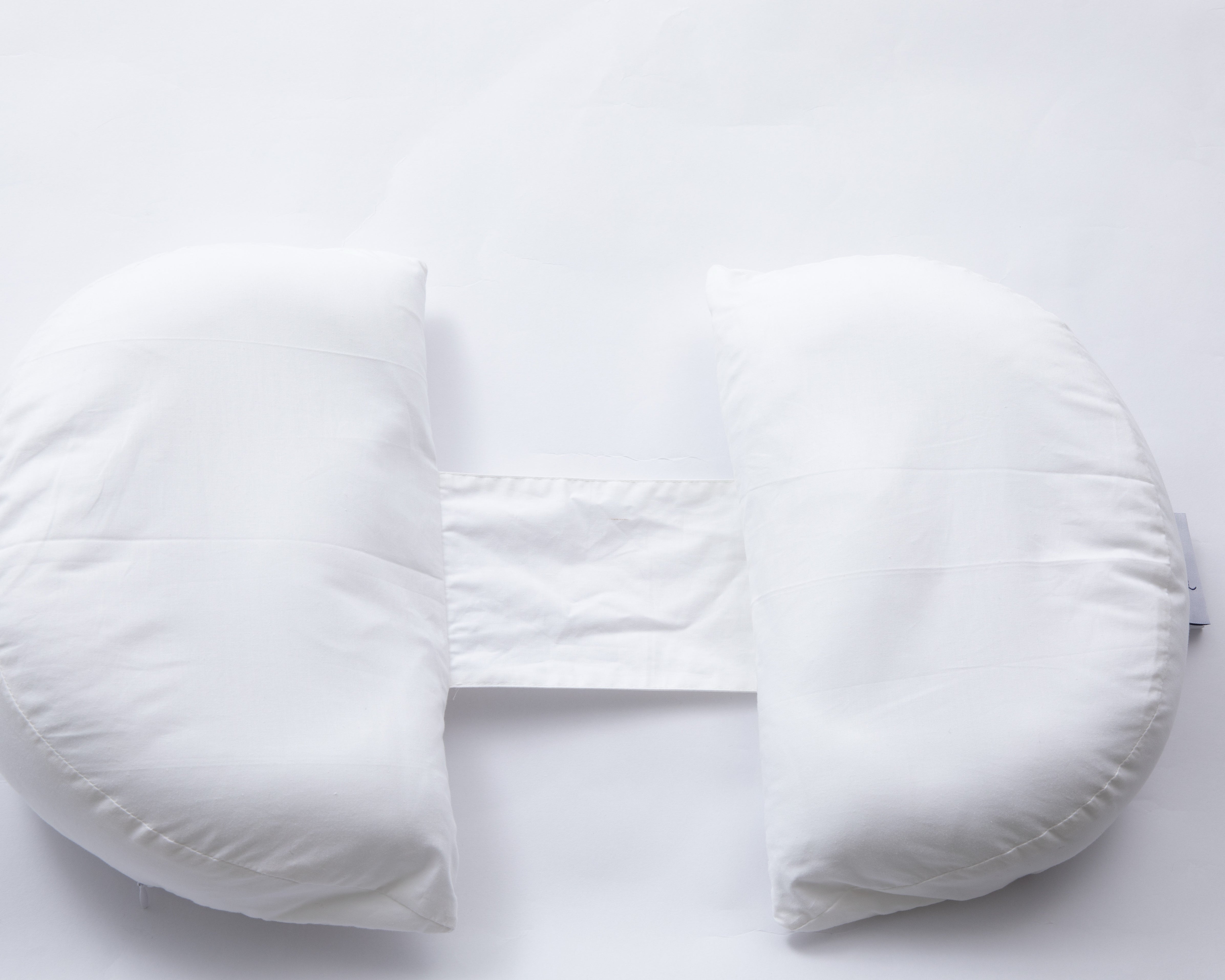
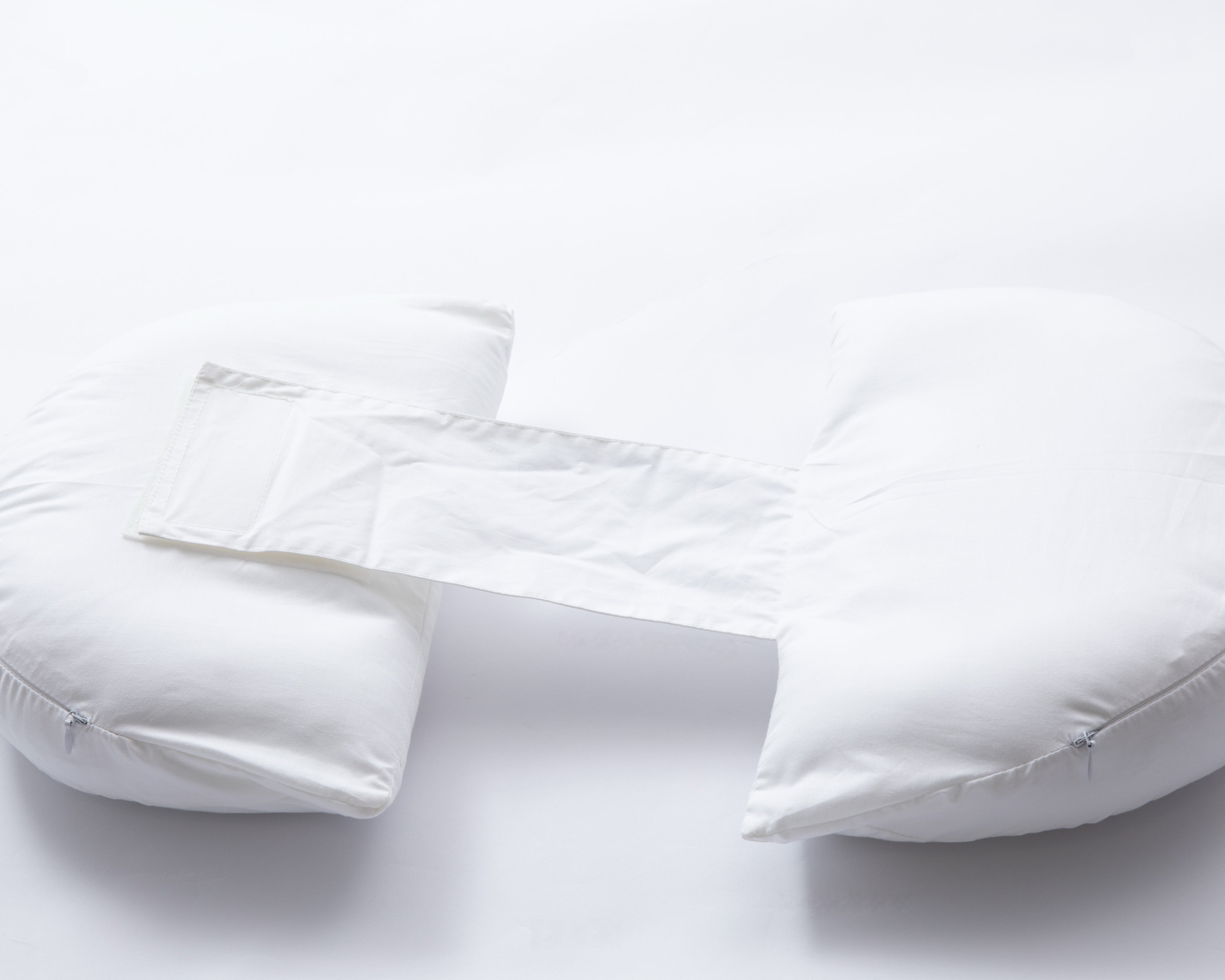
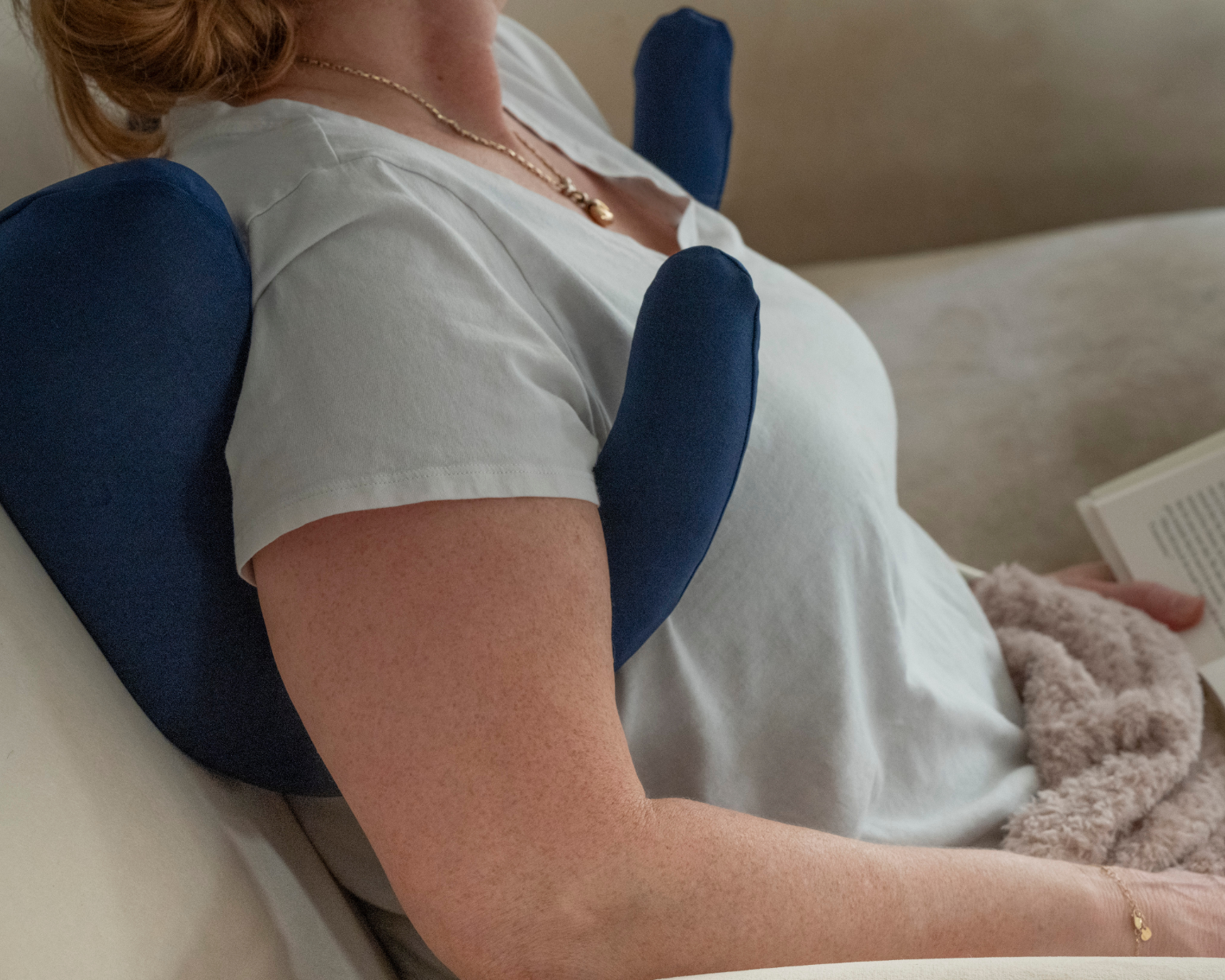
Two Contoured Side Pillows to cradle the back and hips and prevent rolling at night
-
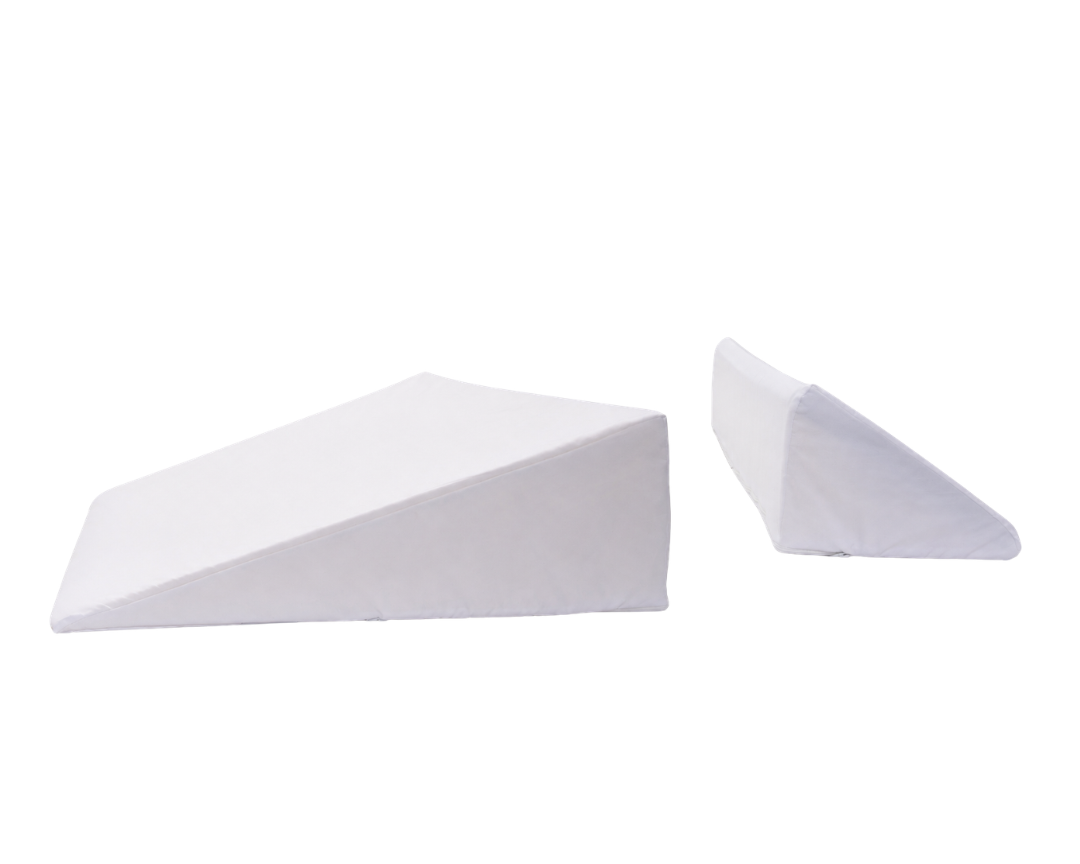
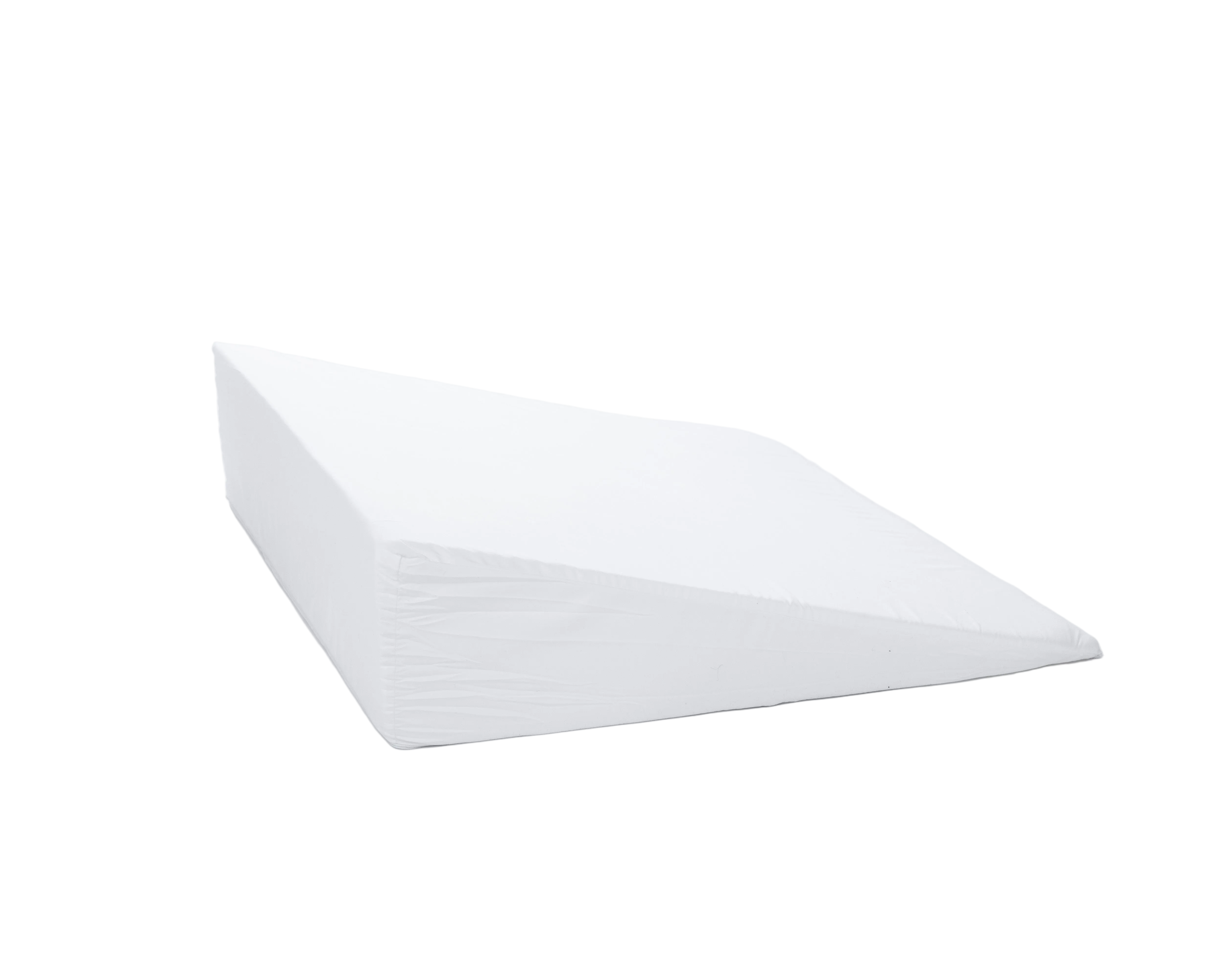
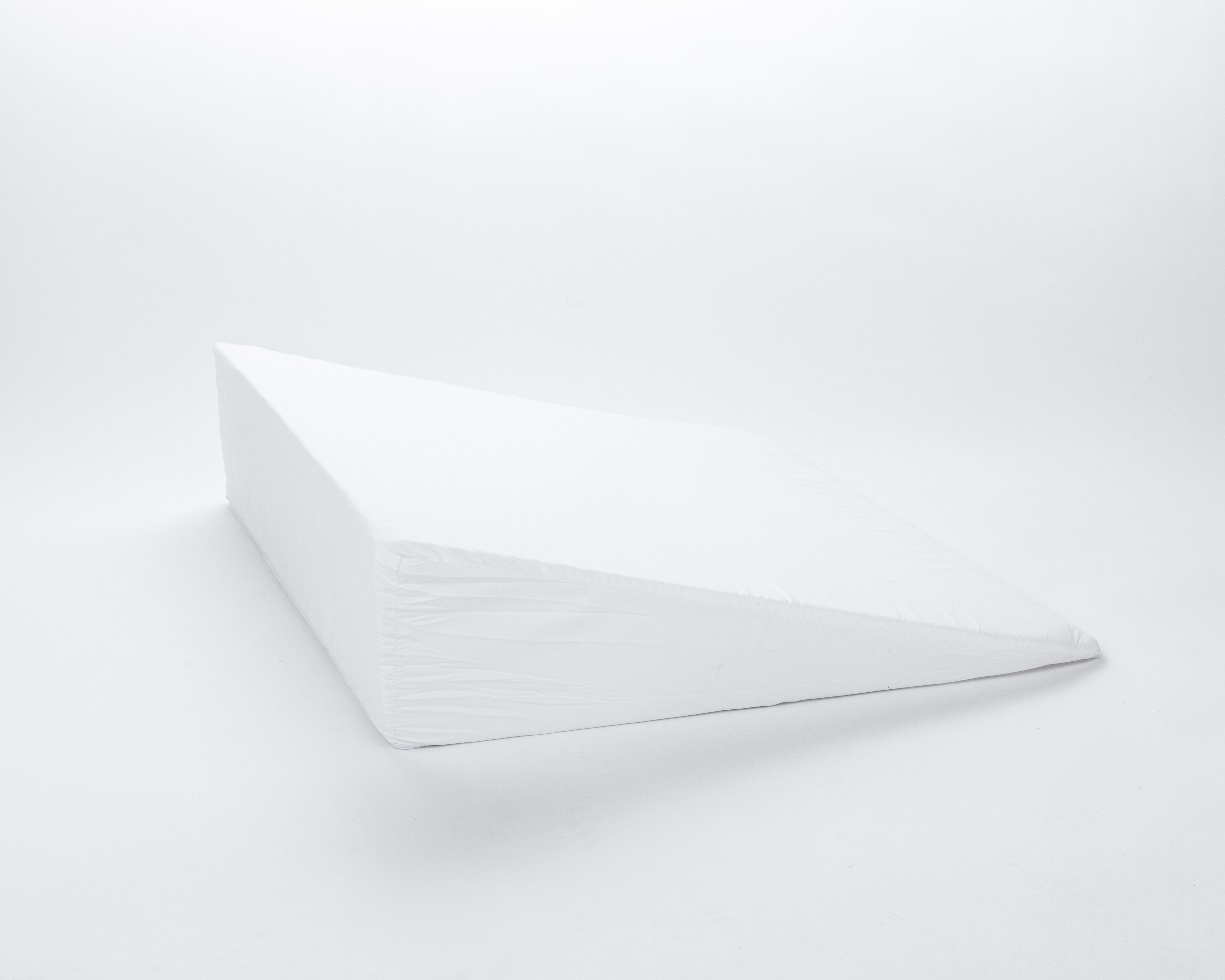
Upper Body Wedge to create optimal upper body incline
-
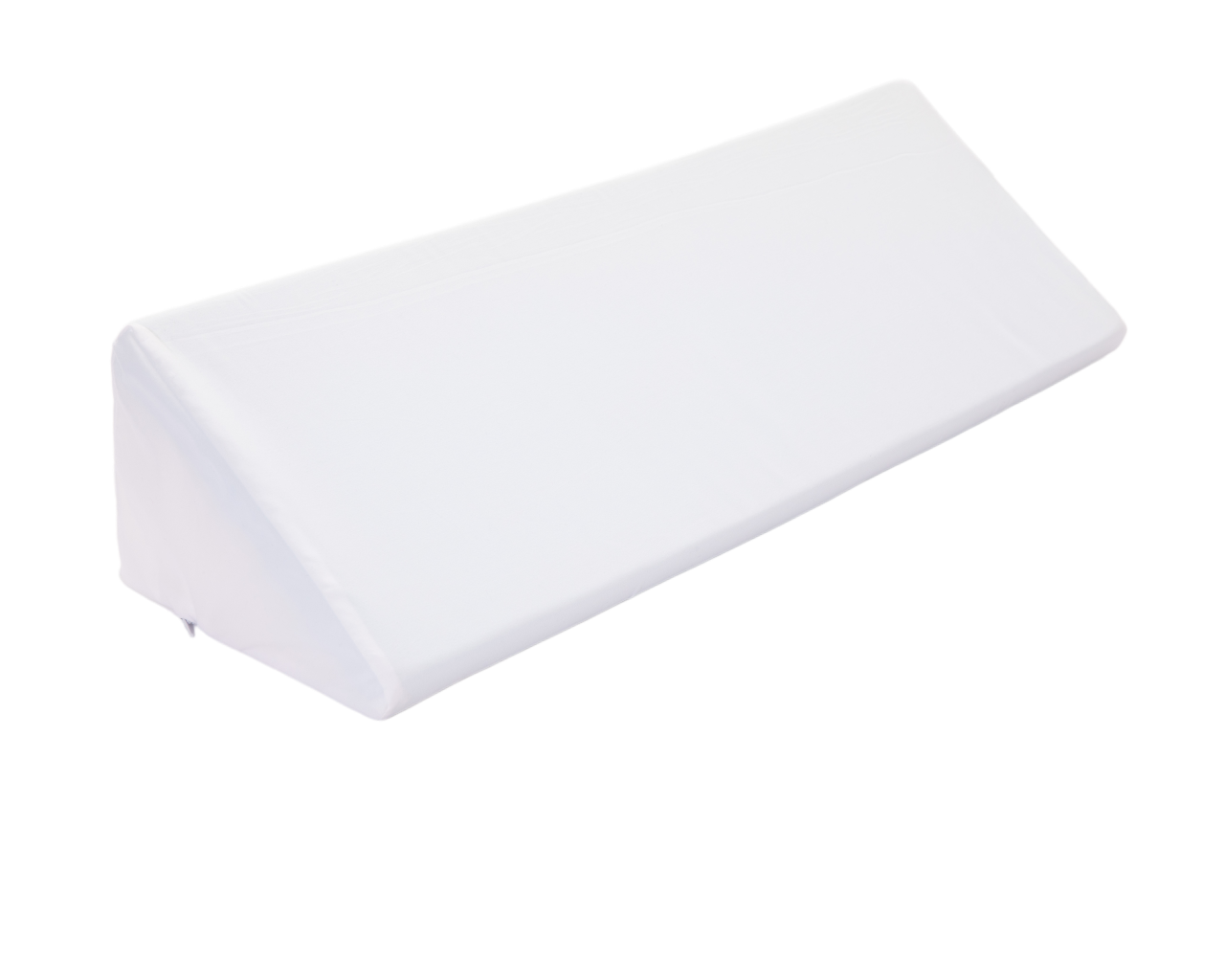
Leg Support Wedge to gently elevate legs
-
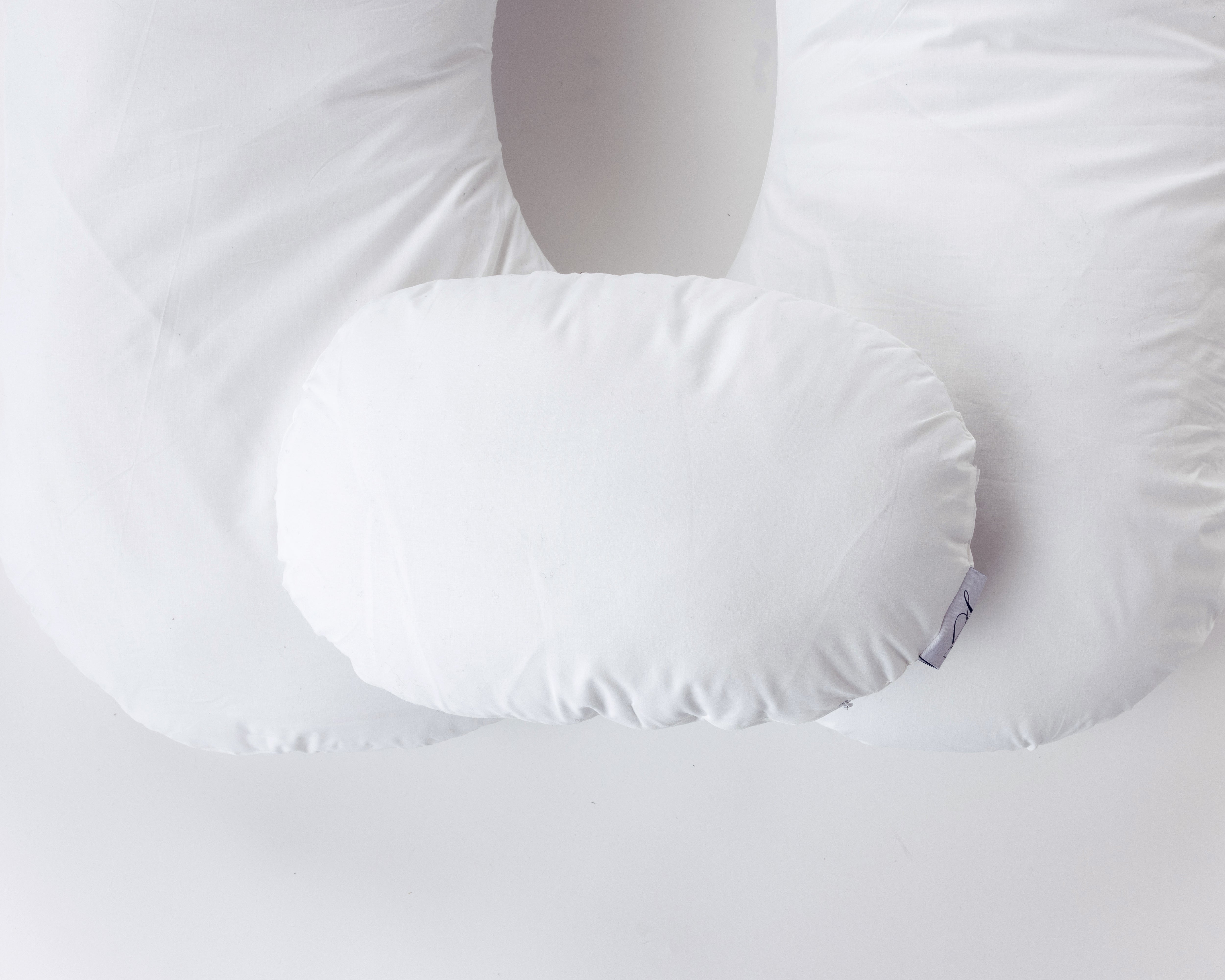
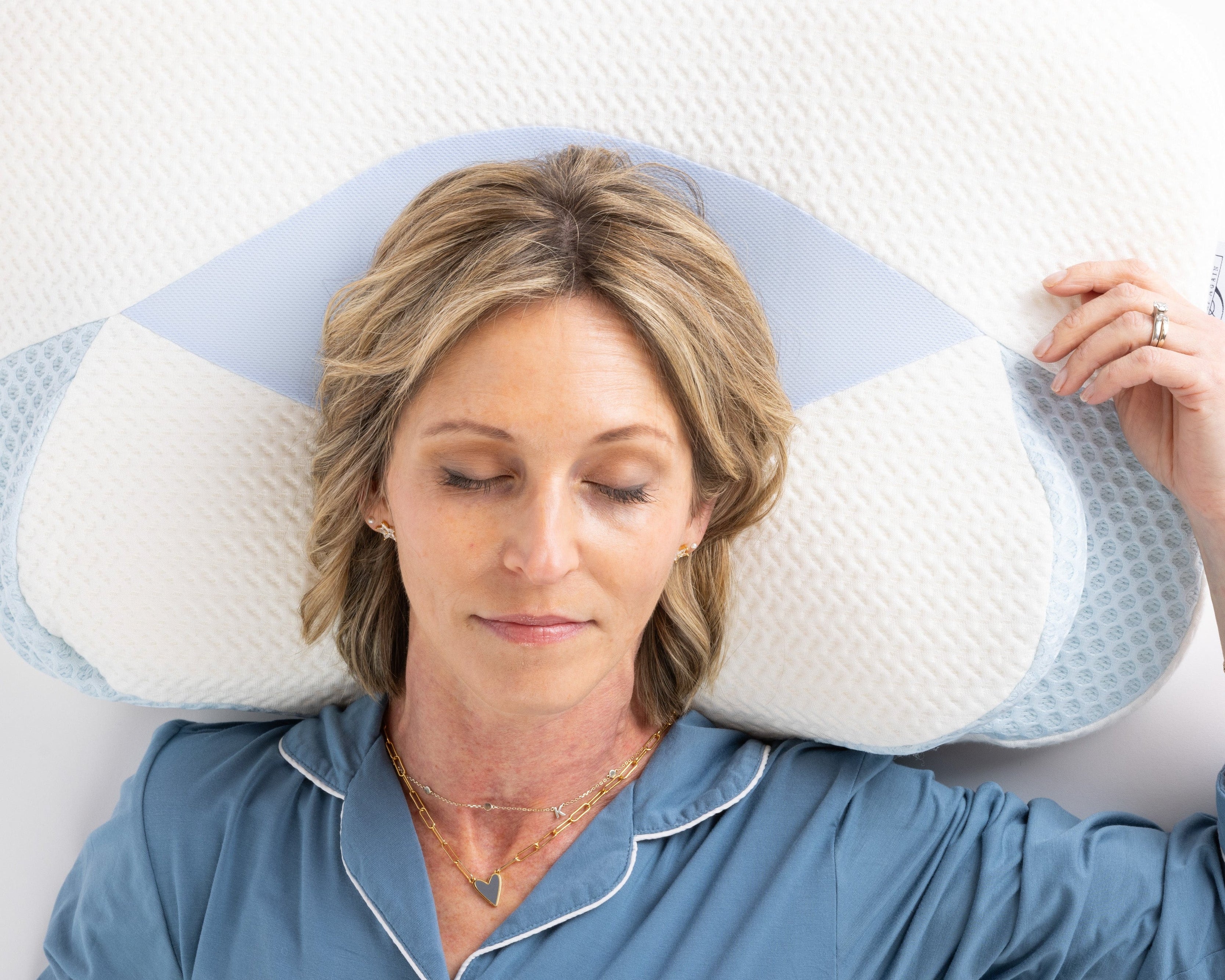
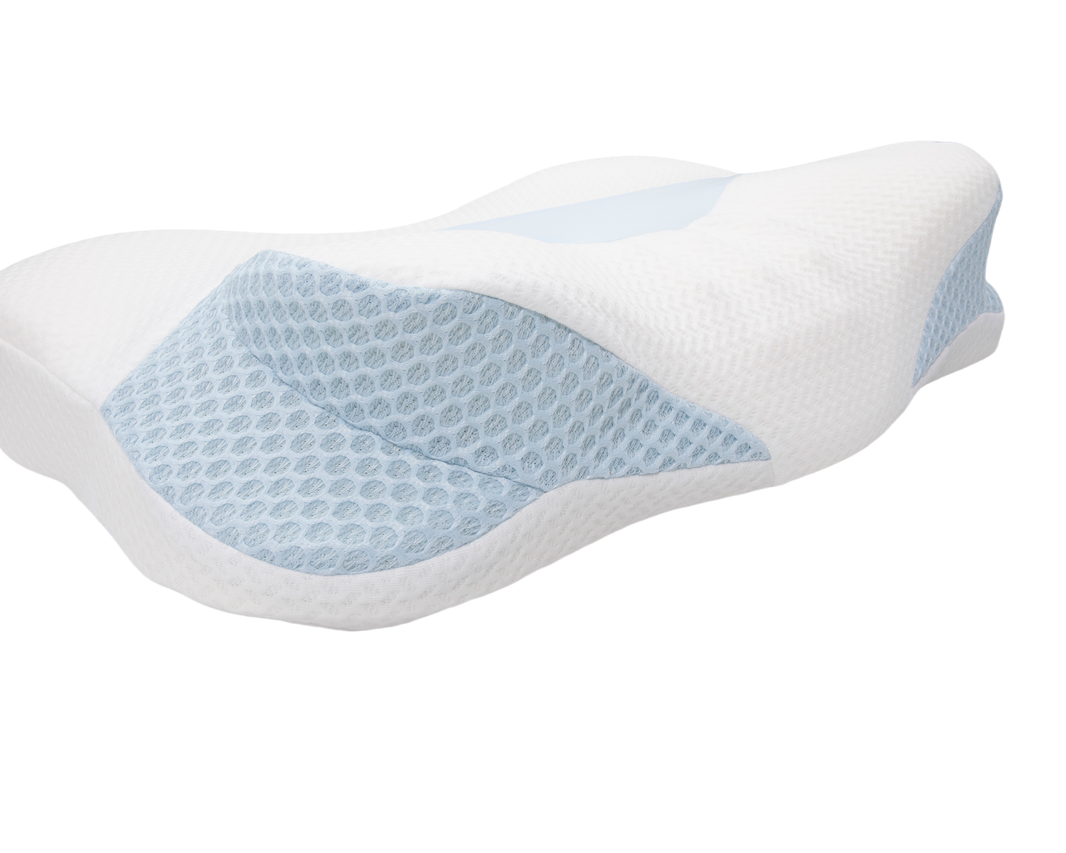
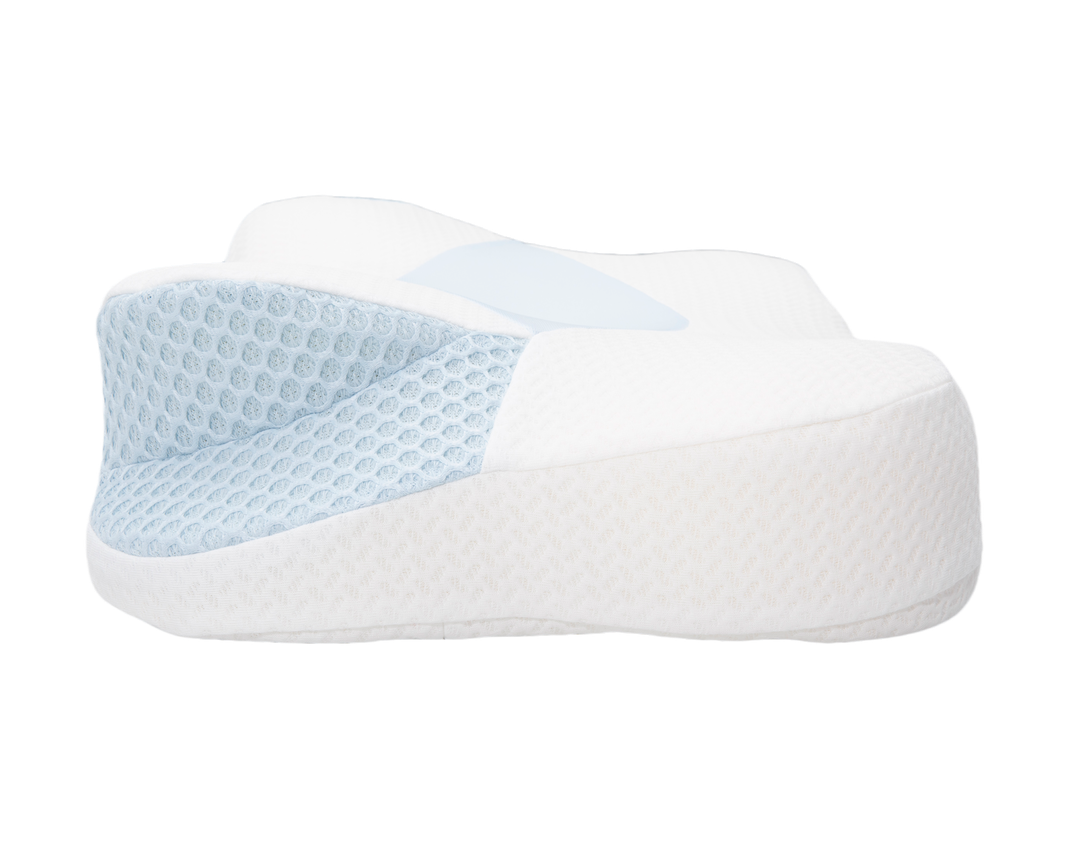
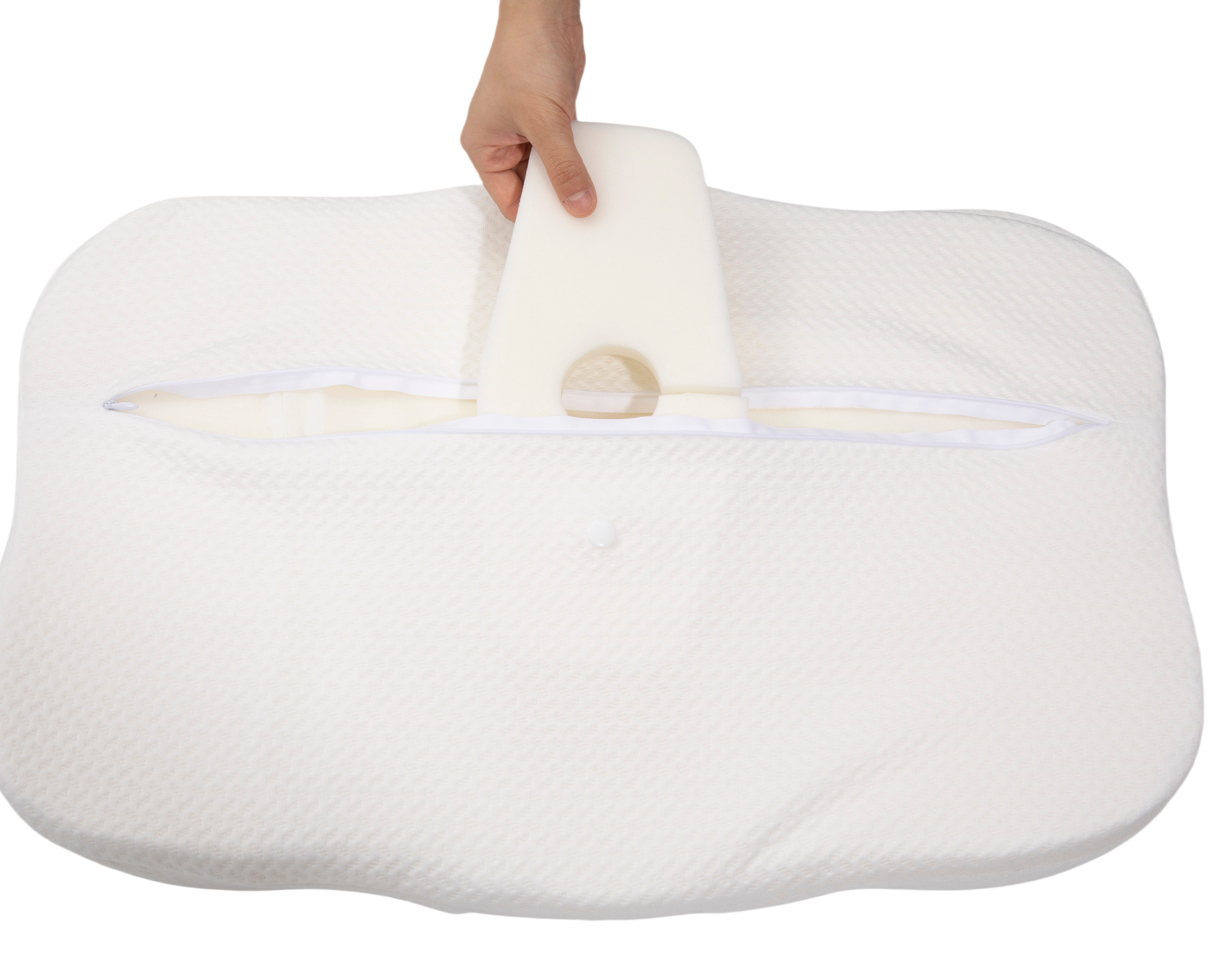
Head Pillow to provide head support and neck mobility
-
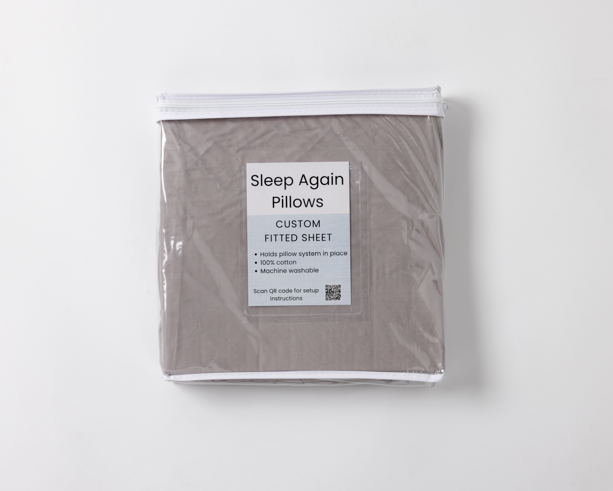
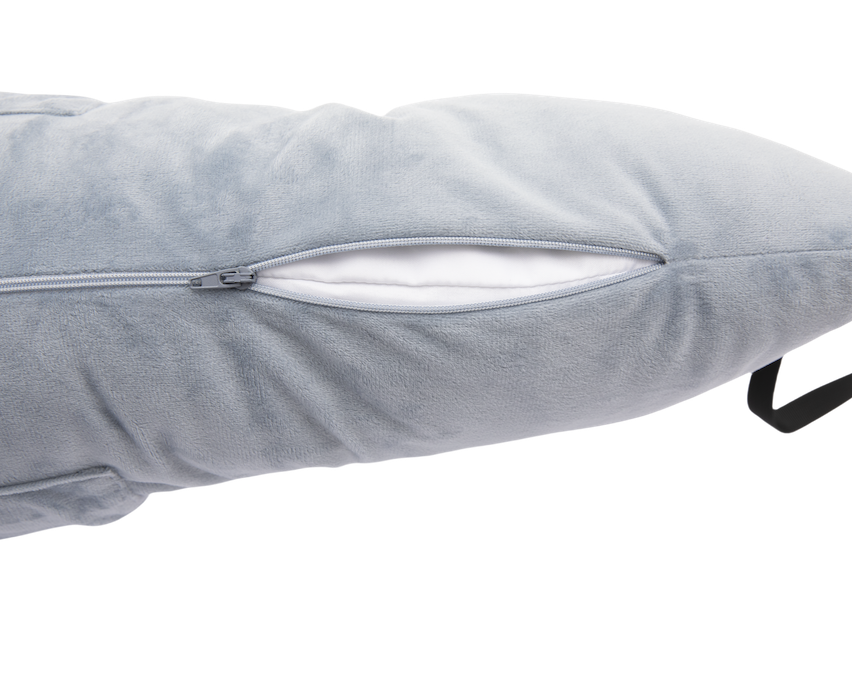
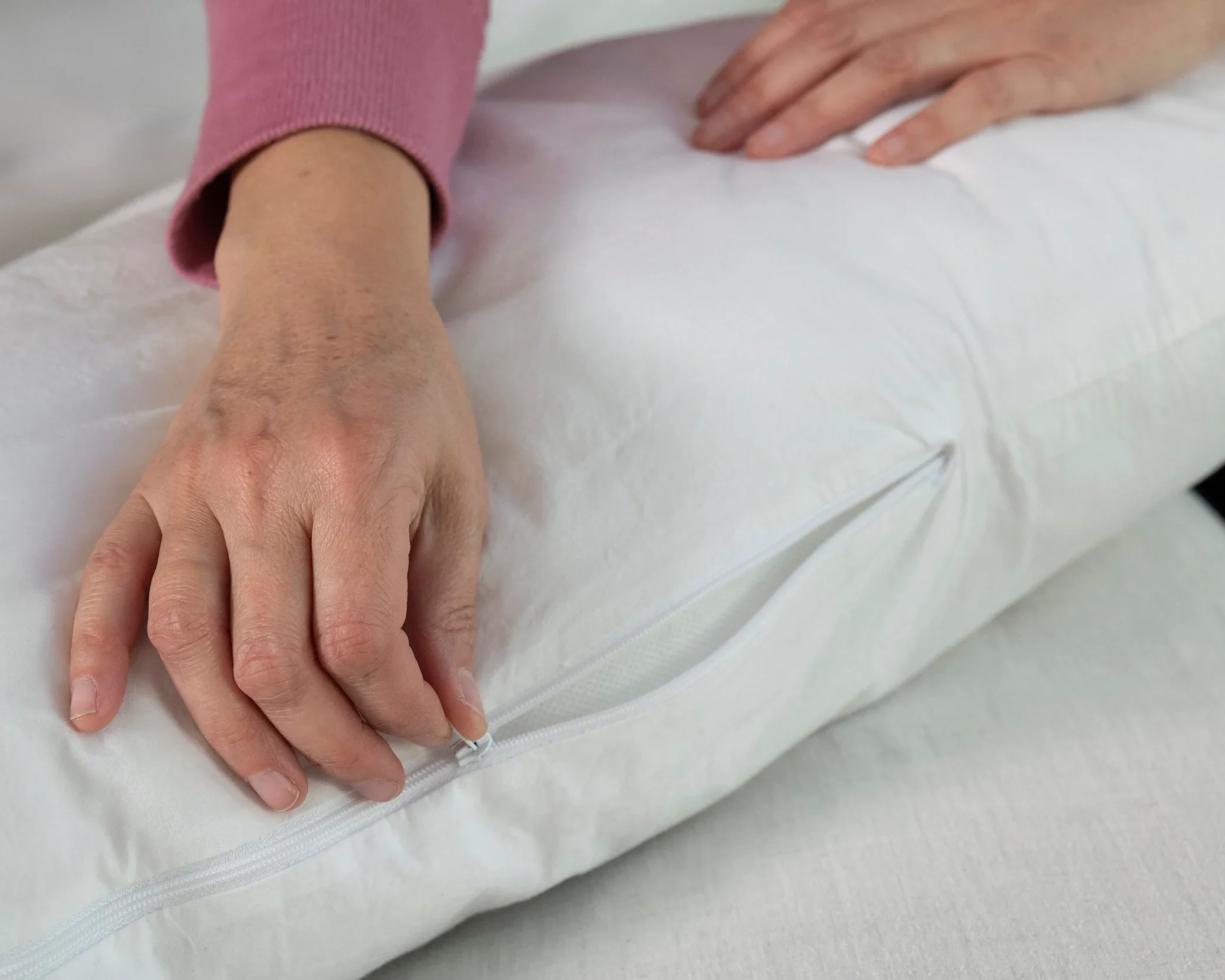
Removable, washable slipcovers for every piece
SHOP THE BEST PILLOW FOR FACELIFT RECOVERY
Why Professional Systems Outperform DIY Solutions
Consistent therapeutic positioning. While household pillows lose 30-40% of elevation by morning, Sleep Again components maintain precise angles throughout entire sleep periods.
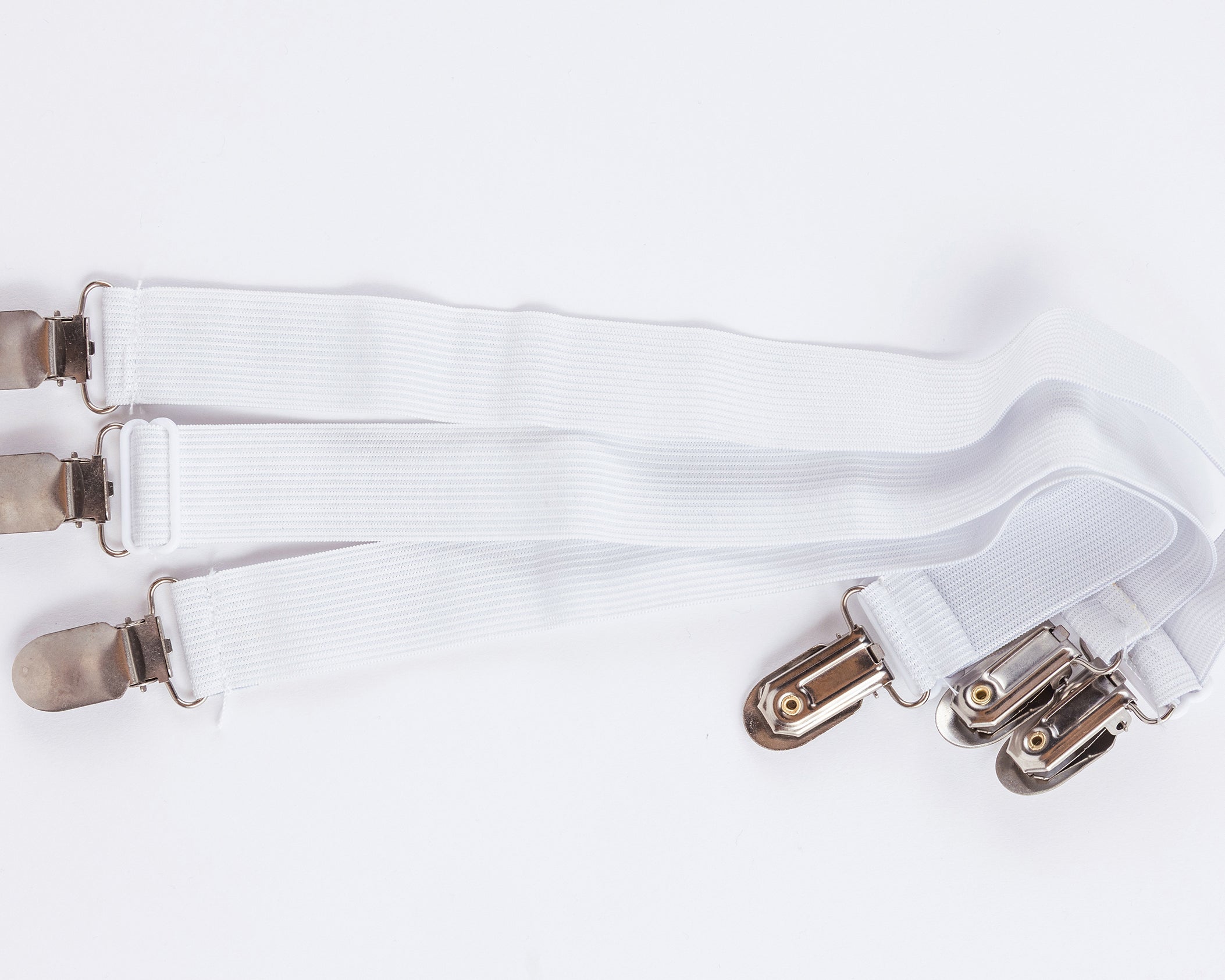
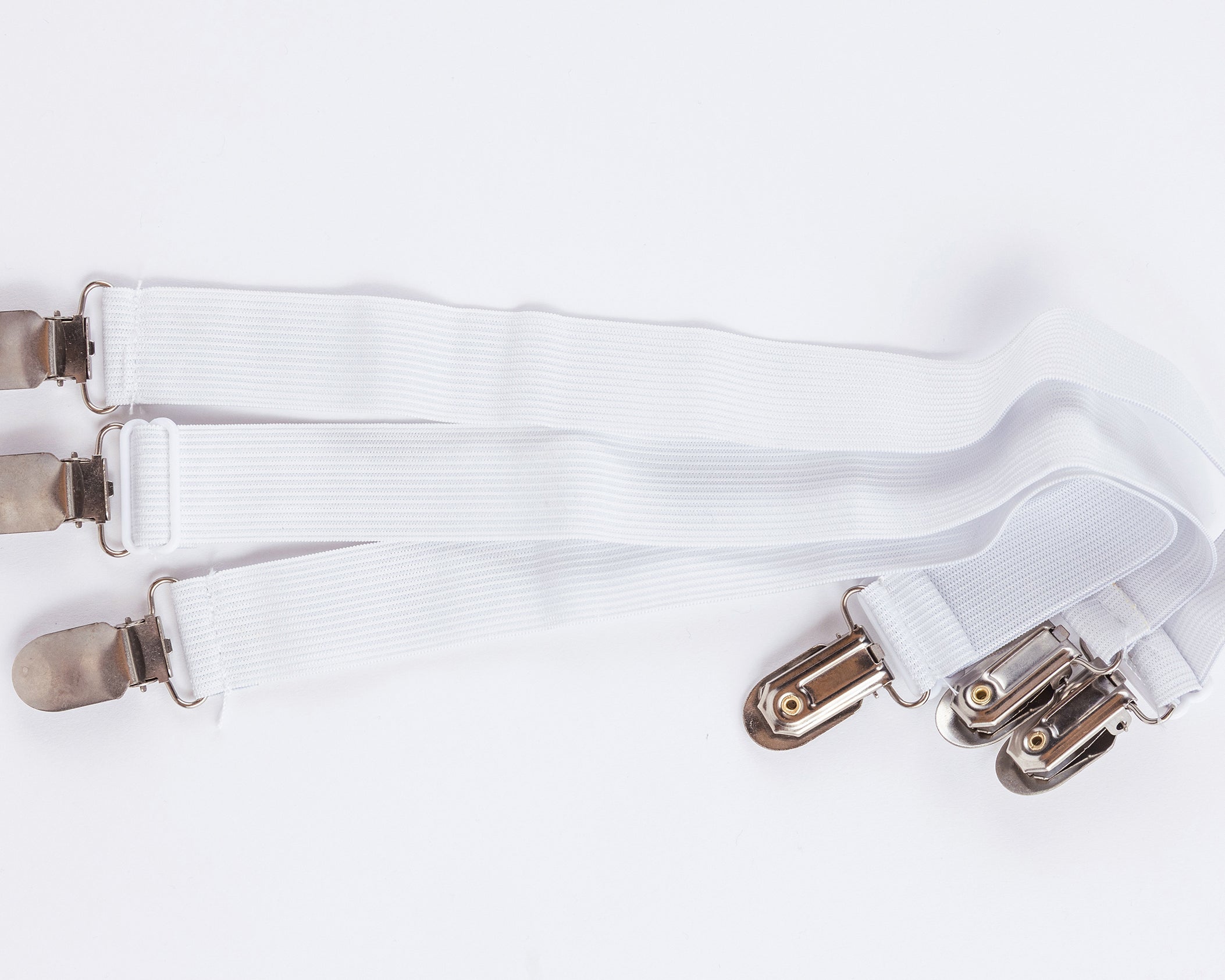
Integrated stability design. Each component works with the others, creating a cohesive system that doesn't shift, separate, or develop gaps during normal sleep movement.
Medical-grade construction. Sleep Again Pillows uses materials specifically selected for recovery positioning—dense enough to resist compression, structured enough to maintain therapeutic angles, yet comfortable for extended use.
Elimination of adjustment cycles. DIY setups require constant repositioning and middle-of-the-night fixes. Professional systems are positioned once and maintain that positioning.
The investment consideration is straightforward: most patients spend $100-300 on various household pillows that don't solve the problem, endure poor sleep for 1-2 weeks, and then purchase professional equipment. Starting with professional-grade positioning eliminates both wasted money and wasted recovery time.
BONUS: The Sleep Again Pillow System is HSA/FSA eligible, meaning many patients pay significantly less out-of-pocket when purchasing positioning equipment as medical recovery supplies.
Why You Need Professional Positioning Equipment: Plan Before Surgery
Standard household pillows are not designed for medical positioning and will not provide the consistent therapeutic support required during recovery. Understanding this before surgery prevents costly trial-and-error during your healing period. A specially designed facelift pillow designed to support facelift recovery can help.
Why household pillows fail for face lift recovery:
Compression collapse. Standard pillows compress under body weight throughout the night. A 40-degree angle at bedtime can collapse to 15 degrees or less overnight, eliminating the therapeutic elevation required for optimal healing.
Structural shifting. Regular pillows shift, slide, separate, and develop gaps during sleep, creating unstable positioning that disrupts therapeutic angles.
Inconsistent support. Your upper body will need comprehensive support from the shoulders through the head. Individual pillows create pressure points, gaps, and angles that can strain your neck.
Nighttime migration. Without integrated components, pillow stacks shift during normal sleep movement, resulting in collapsed positioning and discomfort.
Start Preparing 2-4 Weeks Before Your Surgery Date
The most successful facelift recoveries begin with advance preparation. Starting your sleep position training 2-4 weeks before surgery significantly improves your recovery experience.
Your pre-surgery sleep training plan:
Begin back sleeping practice now. Start sleeping on your back elevated for a few nights per week. This gives your body time to adapt gradually rather than being forced into new positioning immediately after surgery when you're managing discomfort.
Address unconscious rolling before it's critical. If you unconsciously roll onto your side during sleep, start using positioning barriers now to train yourself to remain on your back throughout the night.
Optimize your sleep environment now. Set bedroom temperature to 60-67°F, invest in blackout curtains if needed, and establish consistent bedtime routines that signal your brain it's time for sleep.
Purchase positioning equipment before surgery. Order professional positioning equipment now so it arrives with time to test it. Don't wait until after surgery, when you're dealing with swelling and discomfort, to discover your equipment doesn't work properly.
BE PREPARED FOR YOUR FACELIFT TODAY
What to Expect: Recovery Timeline Planning
Understanding the week-by-week recovery pattern helps you prepare mentally and practically for your facelift.
Week 1: The Acute Phase
What will happen: Peak swelling, tightest sensation around incisions, potential bruising, and greatest need for elevation.
Sleep expectations: Expect fragmented sleep with 3-5 hour stretches. You'll likely wake from discomfort or simply because sleeping in a new position takes adaptation. This is normal and temporary.
Critical strategies: Take pain medication 30-45 minutes before bedtime. Keep your positioning system set up consistently. Maintain strict 30-45 degree elevation—this week makes the biggest difference in managing swelling.
Weeks 2-3: The Adjustment Phase
What will happen: Swelling decreases noticeably, incision sites feel less tight, and your body adapts to an elevated sleep position.
Sleep expectations: Longer sleep stretches (4-6 hours) with fewer disruptions. Most patients report improved sleep quality during this period.
Critical strategies: Continue elevated back sleeping until your surgeon approves. Refine your positioning based on week one experiences.
Week 4+: The Transition Phase
What will happen: Most residual swelling resolves, incision sites significantly healed, and facial tissues settle into new positions.
Sleep expectations: Near-normal sleep duration and quality. Your surgeon will assess whether you're ready to begin transitioning toward side sleeping during follow-up appointments.
Critical strategies: Don't rush the transition. The additional week or two of elevation provides continued benefits and ensures you're not risking results by transitioning too early.

How Do I Prevent Rolling Over During Sleep After a Facelift?
During deep sleep, you lose conscious control over body positioning. If you've been a side sleeper for years, your body has deeply ingrained automatic positioning patterns that require physical barriers to prevent.
Effective rolling prevention strategies:
Physical barriers. The most reliable approach uses substantial side support to make rolling physically difficult during sleep. The Sleep Again Pillow System solves this problem with its side pillows that prevent unconscious rolling during the night.
Elevated positioning advantage. The 30-45 degree elevation itself reduces rolling desire because the reclined position naturally discourages the rotation movement required to roll onto your side.
Leg elevation integration. Supporting legs at a slight elevation maintains spinal alignment and creates lower-body positioning that makes rolling movements awkward and less likely during sleep.
SHOP THE BEST PILLOW FOR FACELIFT RECOVERY
What to Expect If You Accidentally Roll: Knowledge for Preparation
Brief, accidental side sleeping—especially after the first 10-14 days—rarely causes lasting problems if you return to proper positioning immediately. Understanding this before surgery helps reduce anxiety during recovery.
Your planned response if rolling occurs:
Return to proper positioning immediately. As soon as you realize you're on your side, gently move back to elevated back sleeping.
Document for your surgeon. Mention the incident at your next follow-up. Your surgeon can assess whether it caused any issues.
Strengthen prevention. If rolling happened once, it will likely happen again. Reassess your positioning barriers.
When to contact your surgeon immediately:
-
Significantly increased swelling on one side
-
Separation or concerns at incision sites
-
New pain that persists after returning to proper positioning
-
Bleeding or fluid drainage from incisions
Most single instances of brief side sleeping don't cause lasting problems, but your surgeon should always be your resource for personalized assessment.
Common Facelift Sleep Positioning Mistakes to Avoid
Insufficient elevation angle. Using less than 30 degrees fails to provide adequate therapeutic benefits. If your setup doesn't create a clear incline when viewed from the side, you're not elevated enough.
Inadequate neck support. Propping only your head while your neck is unsupported creates strain and terrible sleep quality. Your entire upper body, from shoulders through head, needs continuous support.
Premature position changes. Feeling better at week two doesn't mean tissues are ready for side sleeping. Don't compromise results after completing most of the challenging recovery.
Inconsistent positioning. Using proper elevation some nights but not others fails to provide consistent therapeutic support. Occasional compliance isn't sufficient.
Skipping the practice period. Waiting until surgery day to attempt elevated back sleeping means adapting to an entirely new position while managing post-operative discomfort.
Plan Your Recovery Timeline: When You'll Return to Normal Sleep
Understanding the recovery timeline helps you plan work schedules, travel, and other commitments around your surgery.
Timeline expectations:
Weeks 1-2: You'll need strict elevated back sleeping. No exceptions. This is the critical healing window.
Weeks 3-4: You'll continue elevated back sleeping. Some surgeons begin allowing gradual side sleeping trials for patients healing exceptionally well.
Weeks 4-6: Many patients receive clearance to begin transitioning back to side sleeping, though the approach should be gradual.
Week 6+: Most patients have returned to normal sleep positions, though some continue elevated sleeping for its ongoing benefits.
Factors that may extend your timeline:
-
Extended procedures (combined face and neck lift)
-
Healing complications or slower recovery
-
Persistent swelling benefiting from continued elevation
-
Individual surgeon preferences
Plan for a minimum 4-week commitment to elevated back sleeping when scheduling your surgery.

Protecting Your Surgical Investment: Why Positioning Equipment Matters
Sleep positioning equipment represents a small investment that protects your significantly larger surgical investment.
How positioning affects your investment:
Swelling management can affect the result. Proper elevation from day one accelerates swelling resolution, allowing you to see actual surgical results sooner.
Tissue settling patterns. During the critical first 4-6 weeks, repositioned facial tissues will be settling into new contours. Consistent elevated positioning supports symmetrical, optimal settling from the beginning.
Incision healing quality. Proper positioning from surgery day forward prevents repeated tension or friction on healing incision lines that could affect scar quality.
Your investment protection plan:
Facelift surgery represents a significant investment—most patients invest $8,000-25,000+. Professional-grade sleep positioning equipment costs approximately $300, representing roughly 1-2% of surgical investment while potentially protecting 100% of results.
The Sleep Again Pillow System qualifies as HSA/FSA eligible medical equipment, meaning this effective cost for many patients is 20-30% lower when purchased using pre-tax medical funds. Order before surgery to maximize this tax benefit.
SHOP THE BEST PILLOW FOR FACELIFT RECOVERY
Frequently Asked Questions About Sleeping After a Facelift
How elevated should I sleep after a facelift?
Most plastic surgeons recommend a 30-45 degree elevation for optimal therapeutic benefits. This angle provides maximum fluid drainage, swelling reduction, and incision protection while remaining comfortable for extended sleep periods.
Can I sleep in a recliner after a facelift instead of using pillows?
Recliners can work, though they have limitations. Many recliners don't provide the comprehensive spinal support needed for 8+ hour sleep periods, potentially creating back and neck discomfort. Recliners also lack leg elevation integration, which helps maintain upper body positioning.
What happens if I roll onto my side while sleeping after a facelift?
Brief, accidental side sleeping—especially after the first 10-14 days—rarely causes lasting problems if you return to proper positioning immediately. However, consistent or prolonged side sleeping can create uneven pressure on healing tissues, potentially affecting symmetry or creating tension on incision sites. Mention any rolling incidents at your next surgeon follow-up.
How long will I need to sleep elevated after my facelift?
Most surgeons recommend elevated back sleeping for 2-4 weeks minimum, with many patients continuing for 4-6 weeks depending on healing progress. Your specific timeline depends on surgical approach, individual healing response, and any complications. Always follow your surgeon's personalized recommendations rather than general timelines.
Why can't I use regular bed pillows for facelift recovery positioning?
Standard household pillows lack the structural integrity needed for consistent therapeutic positioning. They compress overnight, shift during sleep, and create unstable support that fails to maintain proper elevation angles required for optimal healing.
Will I be able to sleep comfortably after facelift surgery?
The first 3-5 nights typically involve adaptation challenges as your body adjusts to elevated back sleeping. By the end of week one, most patients have adapted and report improved sleep quality. Pain medication timing, proper positioning equipment, and environmental optimization all contribute to sleep comfort during recovery.
Should I start practicing back sleeping before my facelift surgery?
Yes—starting 4-6 weeks before surgery allows your body to gradually adapt to elevated back sleeping rather than forcing the change immediately post-surgery when you're managing discomfort. Pre-surgery practice helps you identify your optimal positioning setup, test different elevation angles, and develop strategies for preventing unconscious rolling.
Are face lift recovery pillows HSA/FSA eligible?
Professional medical positioning systems designed for post-surgical recovery, including the Sleep Again Pillow System, typically qualify as HSA/FSA eligible medical equipment. This means you can purchase them using pre-tax dollars from your Health Savings Account or Flexible Spending Account, reducing your effective out-of-pocket cost by 20-30%, depending on your tax bracket. Regular store-bought pillows don’t qualify as they are not considered durable medical equipment.
What's the difference between a wedge pillow and a full positioning system?
Individual wedge pillows provide upper body elevation but lack integrated components for comprehensive positioning support. Full systems like the Sleep Again Pillow System include upper body wedge, contoured side supports for rolling prevention, leg elevation, and head support—all designed to work together as an integrated positioning solution addressing all challenges face-lift patients encounter.
Can sleeping wrong after face lift ruin my results?
While catastrophic results from positioning alone are rare with modern surgical techniques, suboptimal positioning can affect outcomes. Consistent side sleeping during the critical first 2-4 weeks can create asymmetric swelling patterns, place tension on incision sites, and potentially affect how tissues settle. The most significant risk is subtle effects on symmetry, swelling resolution timeline, and scar healing quality.
Medical Disclaimer
This information is provided for educational purposes only and should not replace professional medical advice from your surgical team. Mastectomy procedures vary significantly in technique, extent, and individual patient factors that affect recovery timelines.
Always follow your surgeon's specific post-operative instructions regarding sleep positioning, physical activity restrictions, and recovery milestones. These medical guidelines take precedence over any general information provided here.
Contact your healthcare provider immediately if you experience signs of complications, including fever, sudden increase in pain, wound drainage, significant swelling, or breathing difficulties during recovery. Your surgical team knows your specific case and can provide guidance appropriate to your individual situation.
The mention of specific products is for informational purposes only and does not constitute medical endorsement. Consult your surgical team about positioning support options appropriate for your recovery needs. Every patient's recovery is unique, and equipment that works well for one patient may not be suitable for another based on individual medical factors.