
If you've ever been jolted awake by a burning sensation in your chest or found yourself propped up on multiple pillows in the middle of the night, you're not alone. Acid reflux affects millions of people, transforming what should be restorative sleep into an exhausting battle against discomfort. The frustration of watching the clock tick by while acid creeps up your esophagus can leave you feeling defeated before your day even begins.
But here's the encouraging truth: nighttime acid reflux doesn't have to control your sleep. With the right positioning strategies, supportive sleep environment, and lifestyle adjustments, you can reclaim those peaceful nights you've been missing. Understanding how to sleep with acid reflux is about more than just finding temporary relief—it's about creating a sustainable sleep routine that supports your body's natural healing processes.
Why Acid Reflux Worsens at Night
Before we explore solutions, it's helpful to understand why acid reflux becomes particularly troublesome when you lie down. During the day, gravity works in your favor, helping keep stomach acid where it belongs. When you're upright, your esophagus naturally directs acid downward, and swallowing frequently clears any acid that does creep up.
At night, this natural defense system weakens. When you lie flat, gravity no longer assists in keeping acid in your stomach. The lower esophageal sphincter—the muscular valve that normally prevents stomach contents from flowing backward—relaxes during sleep, making it easier for acid to escape. Additionally, you produce less saliva while sleeping, which means you're not neutralizing and washing away acid as effectively as during waking hours.
The horizontal position essentially levels the playing field between your stomach and esophagus, allowing acid to travel more freely. This is why many people with daytime acid reflux find their symptoms significantly amplified at night, even if they haven't eaten immediately before bed.
Sleeping Positions for Acid Reflux: Ranked from Best to Worst
Your sleeping position is perhaps the single most influential factor in managing nighttime acid reflux. While medication and dietary changes play important roles, positioning works with your body's natural anatomy to prevent acid from traveling upward.
Left Side Sleeping: The Best (For Some People)
Sleeping on your left side offers significant advantages for acid reflux sufferers, and the reason lies in your stomach's anatomy. Your stomach is positioned so that when you sleep on your left side, the gastroesophageal junction (where your esophagus meets your stomach) sits above the level of stomach acid. This natural positioning makes it much harder for acid to flow backward into your esophagus.
Research consistently shows that left-sided sleeping reduces acid exposure in the esophagus. When you sleep on your right side, the opposite effect occurs—the gastroesophageal junction dips below the acid level, making reflux more likely. If you're currently a right-side sleeper, transitioning to left-side sleeping might feel awkward initially, but most people adjust within a few weeks and notice significant improvement in their symptoms.
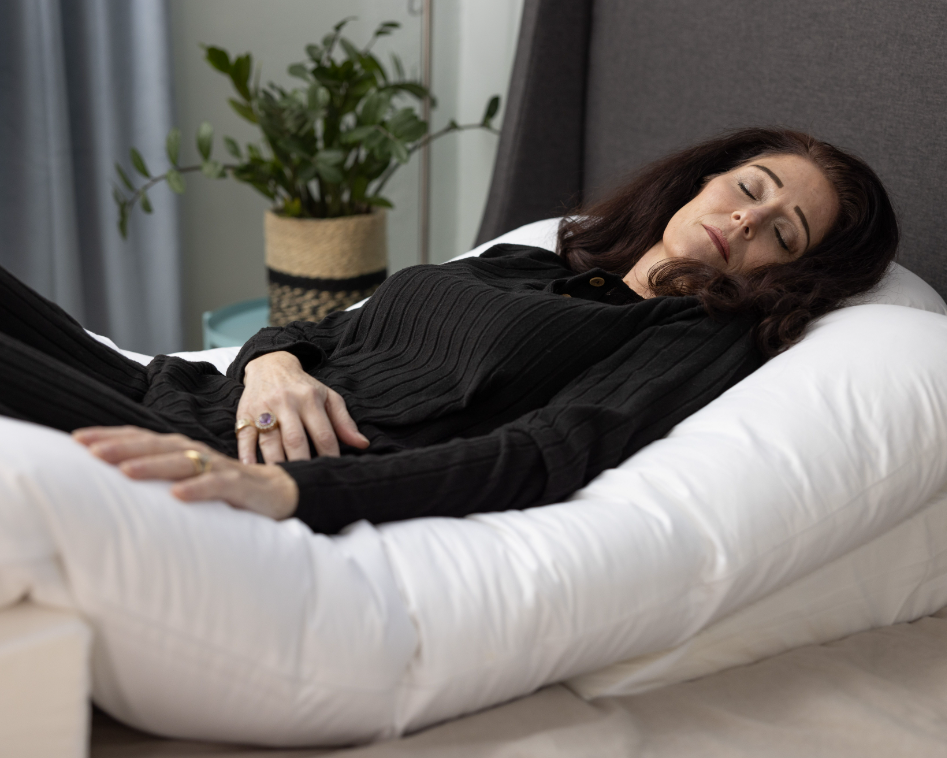
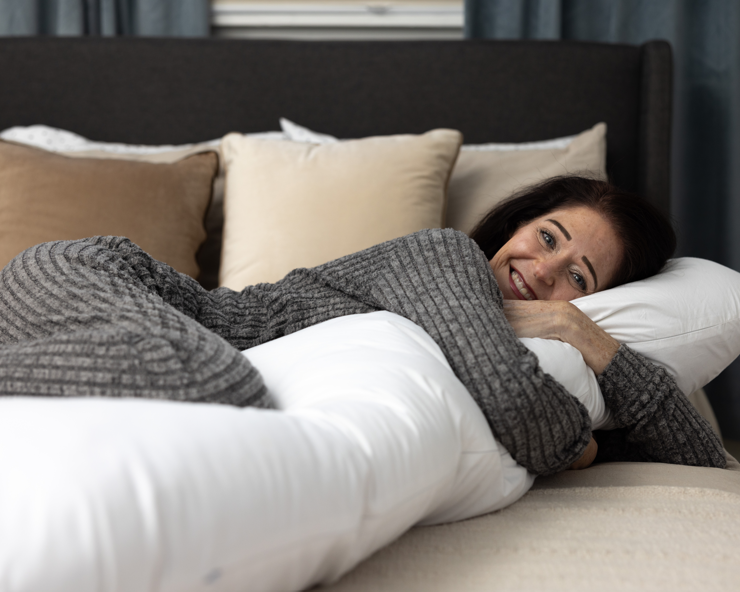
Pair left side sleeping with a wedge pillow for elevation, and you’ll have gravity working double-time to keep acid where it belongs.

Back Sleeping with Elevation (Also Great)
Back sleeping can work for acid reflux, but only with proper elevation. Lying completely flat on your back creates the same gravitational disadvantage as any other flat position. However, when combined with upper body elevation, back sleeping can be comfortable and effective for managing reflux.
Elevating your upper body is one of the most effective strategies for preventing nighttime acid reflux. The key is elevating your entire torso, not just your head. Simply stacking pillows under your head creates an uncomfortable bend in your body and can actually worsen reflux by putting pressure on your stomach.
The ideal elevation is 30-45 degrees, creating a gentle incline that allows gravity to work in your favor while maintaining comfortable alignment. This incline keeps acid in your stomach while preventing the discomfort of being propped up at too steep an angle.
Stomach Sleeping (The Worst)
Sleeping on your stomach creates pressure directly on your abdomen, essentially squeezing your stomach and forcing acid upward. This position also forces your head to turn to one side, creating an awkward angle for your esophagus and making it easier for acid to travel upward. If you're a dedicated stomach sleeper, breaking this habit may feel challenging, but the relief from acid reflux symptoms makes the adjustment worthwhile.

The Sleep Again Pillow System: Engineered for Acid Reflux Relief
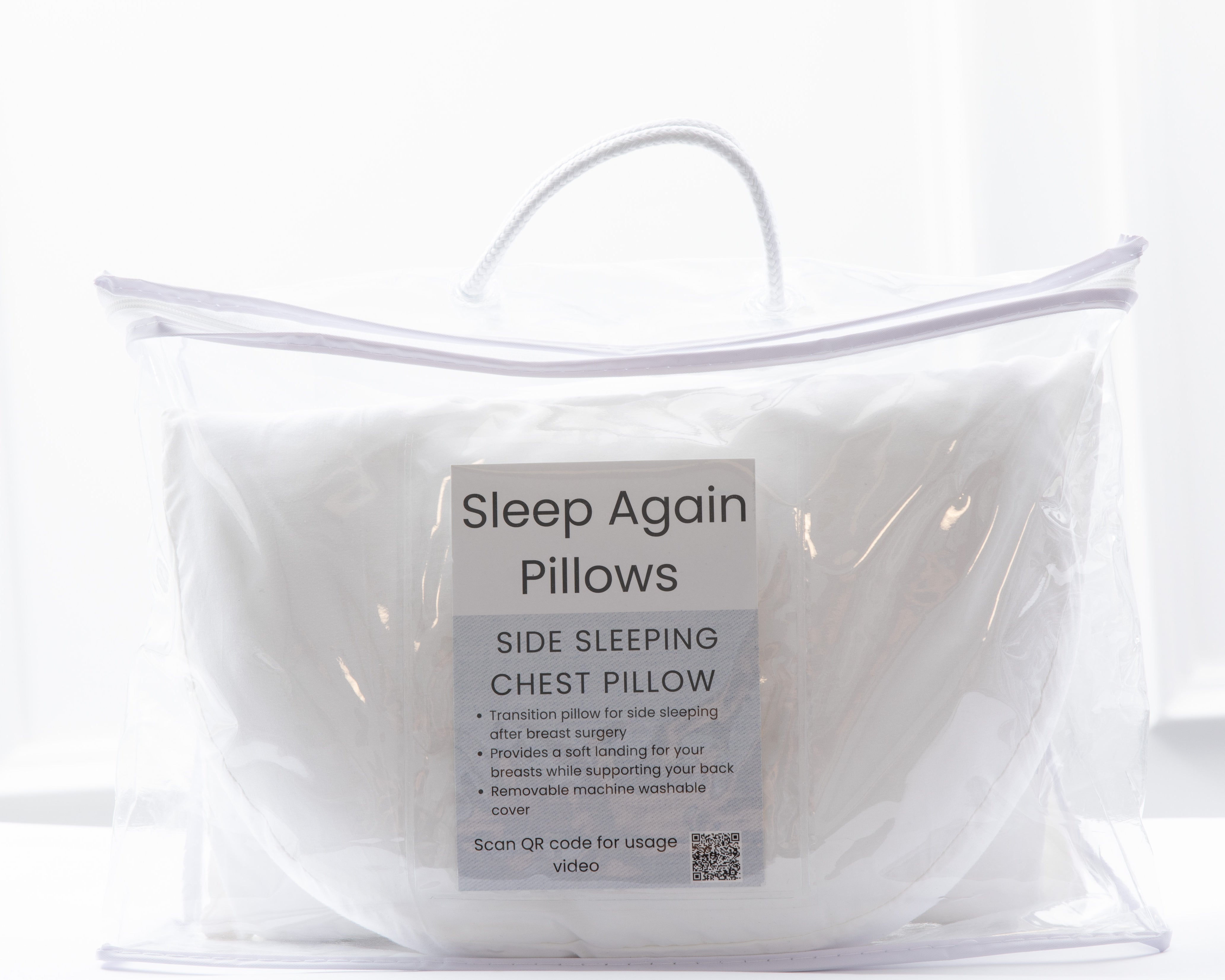
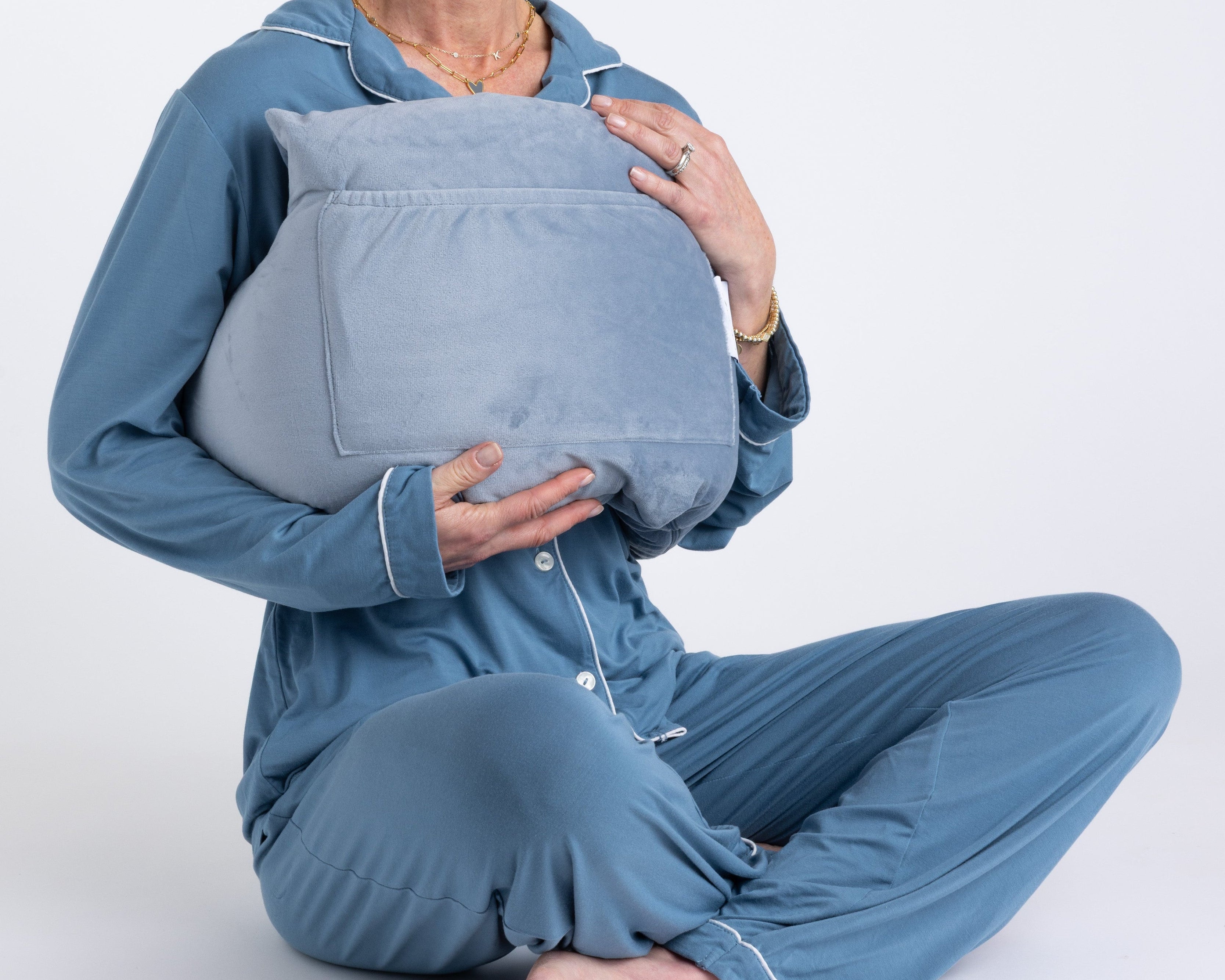
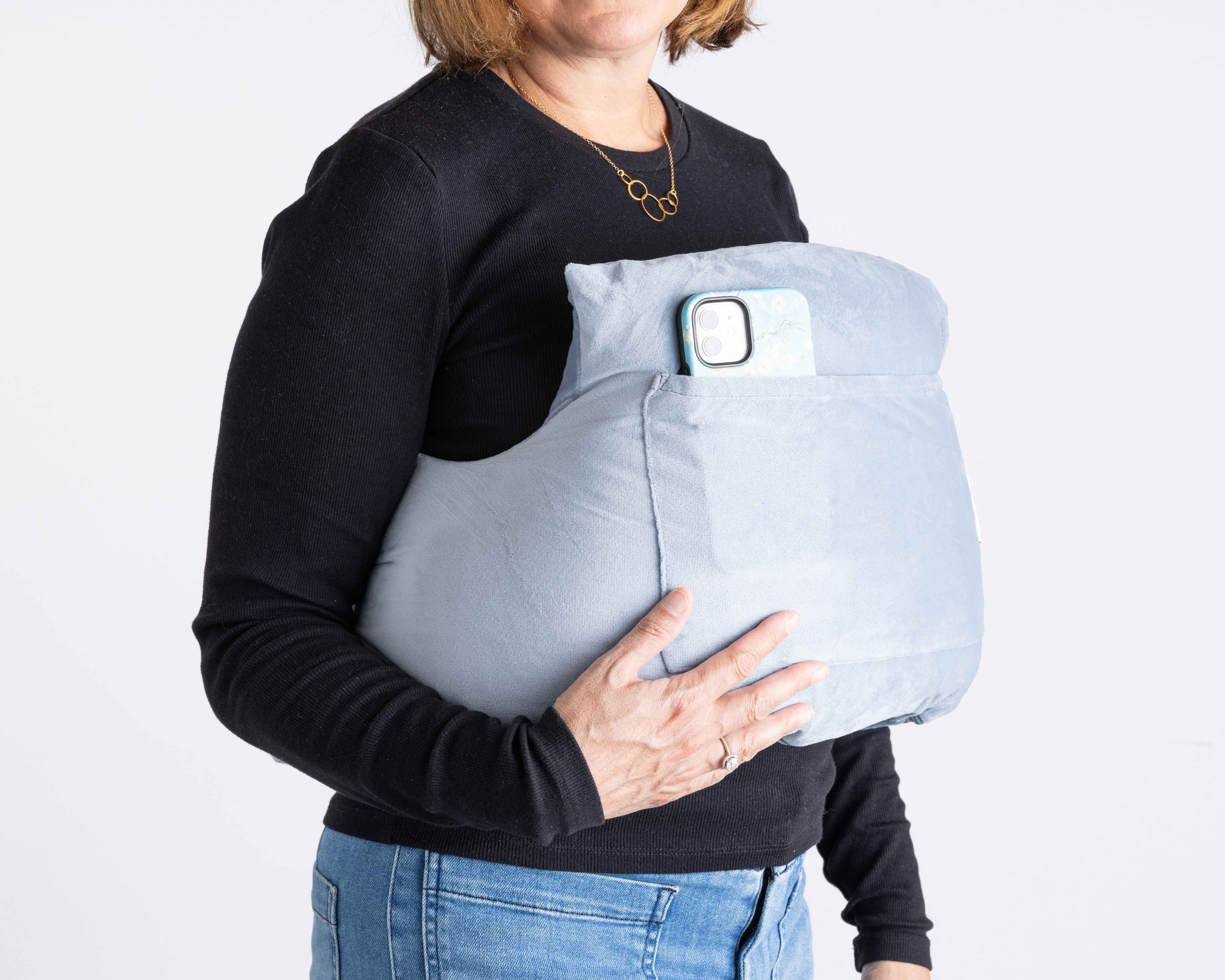
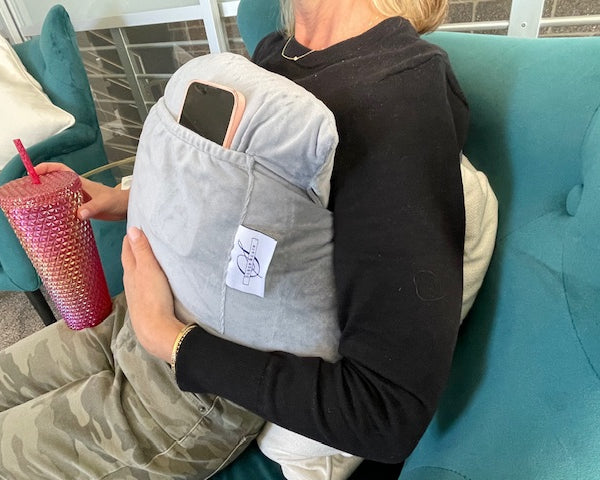
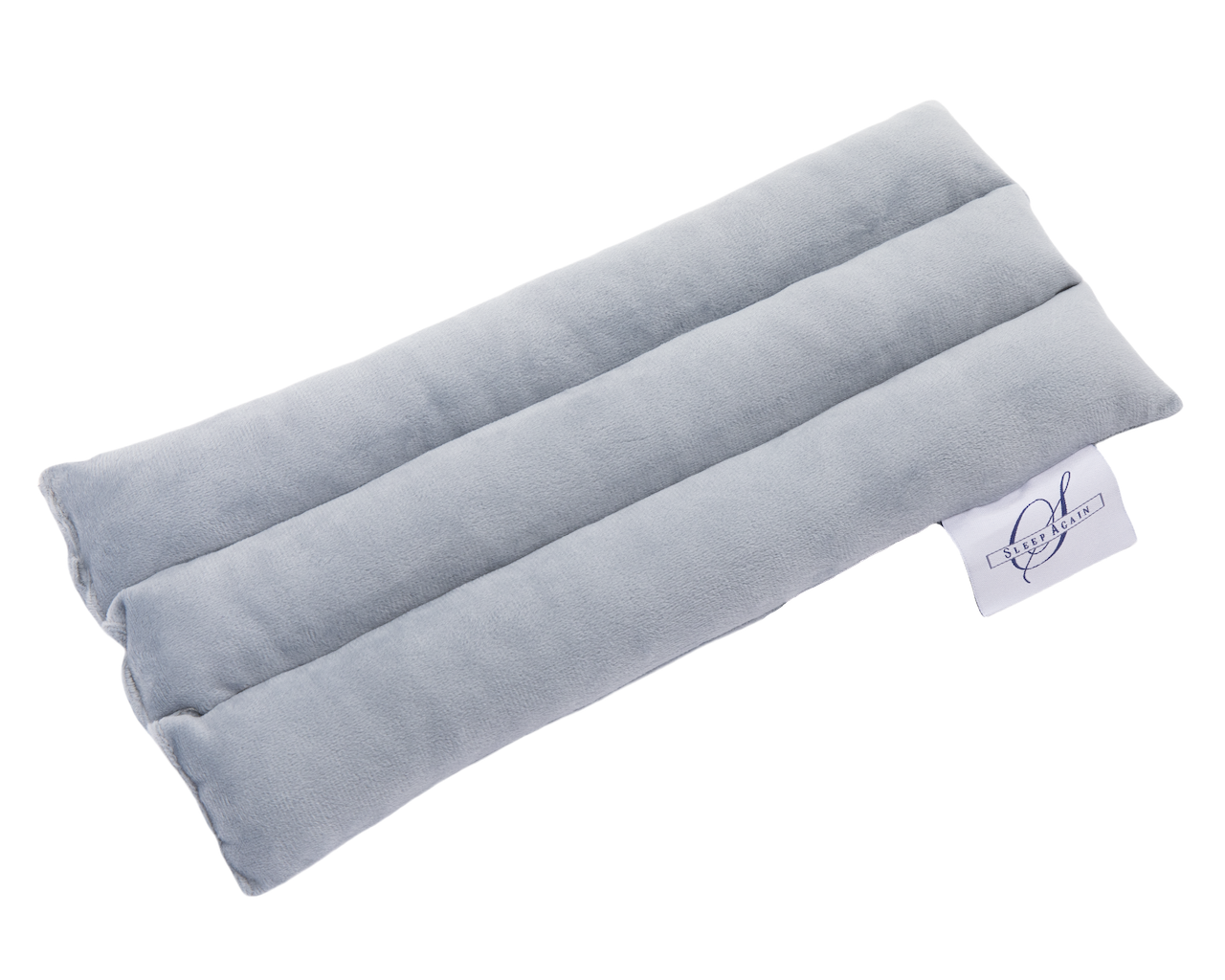
Creating the proper sleep positioning for acid reflux requires more than good intentions—it requires the right support system. The Sleep Again Pillow System was designed specifically to address the challenges of sleeping with medical conditions like acid reflux, providing the elevation and positioning support your body needs throughout the night.
The Upper Body Wedge: Your Foundation for Comfortable Elevation
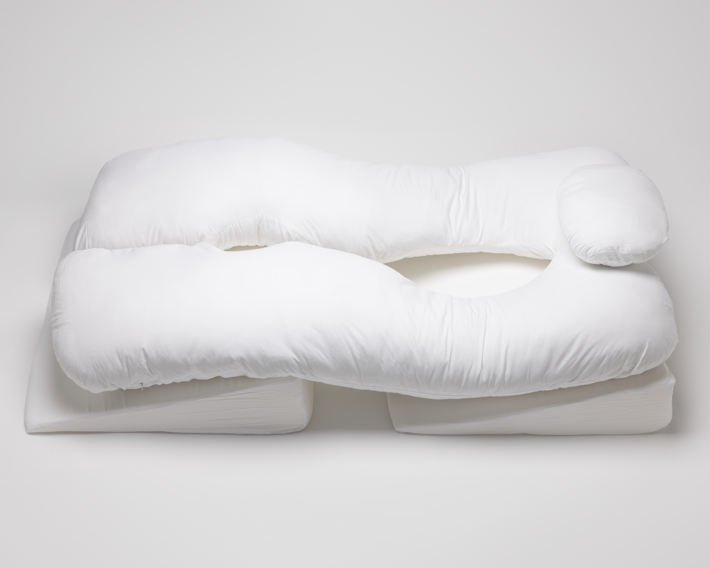
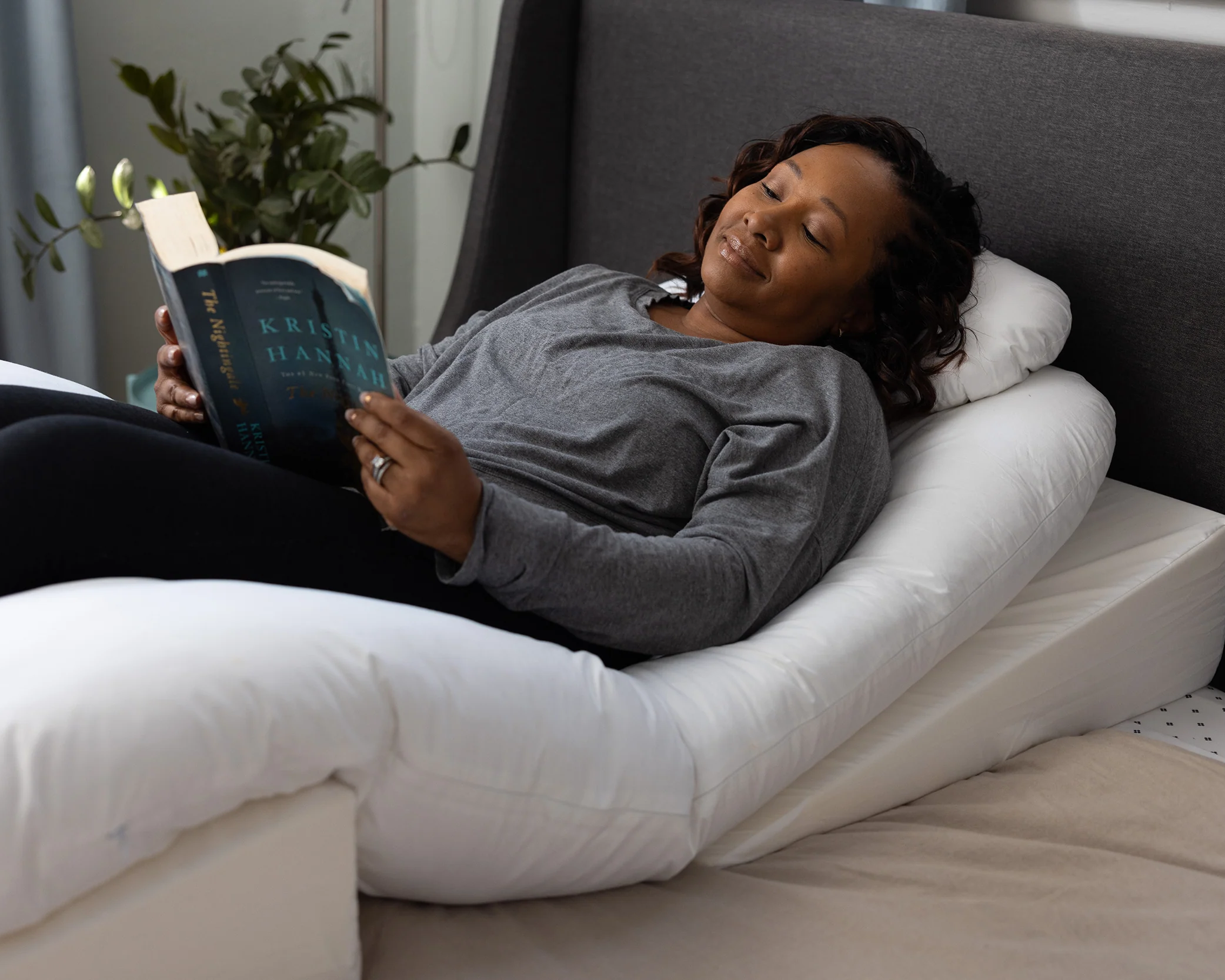
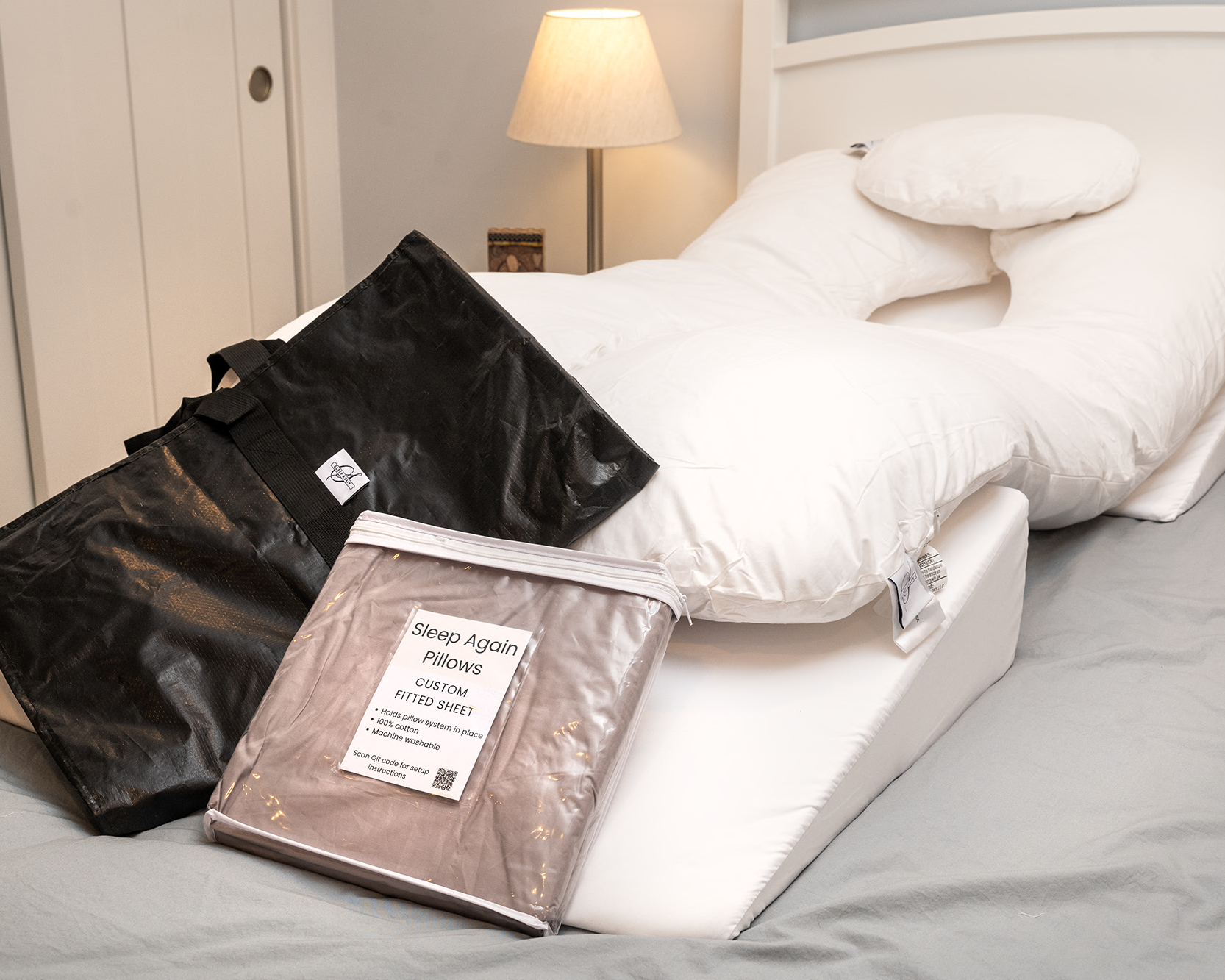
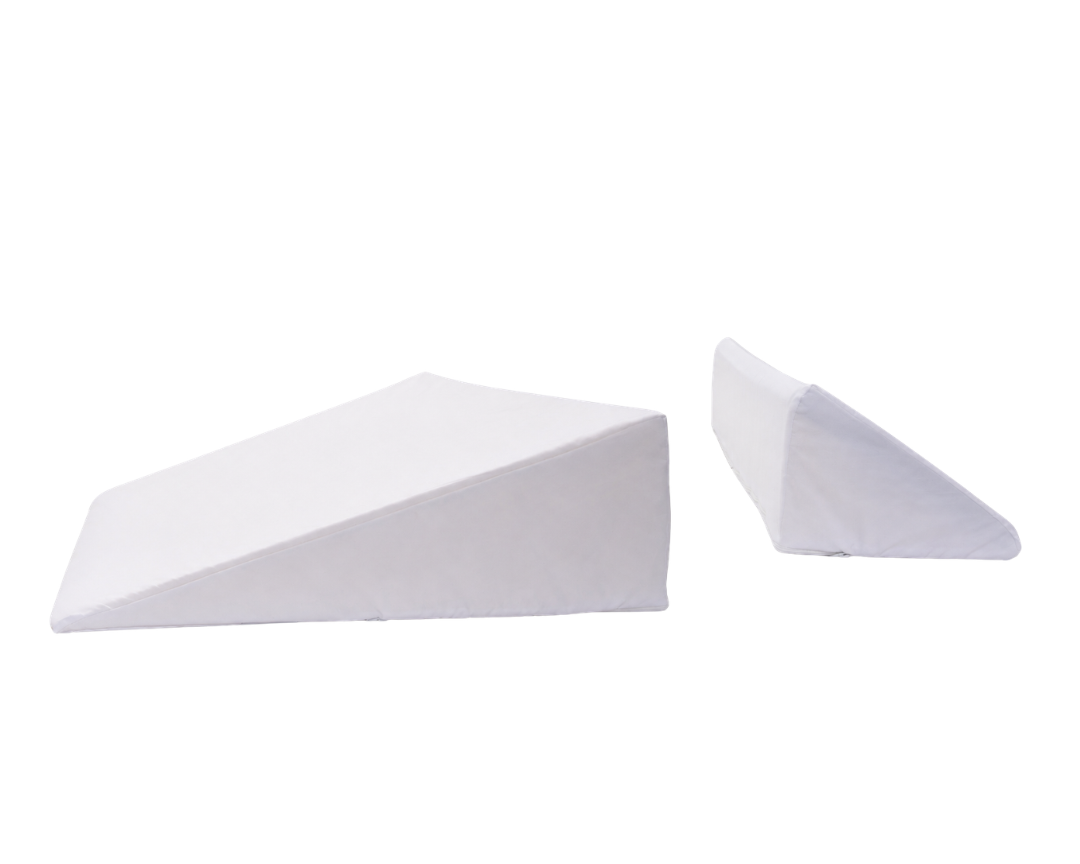
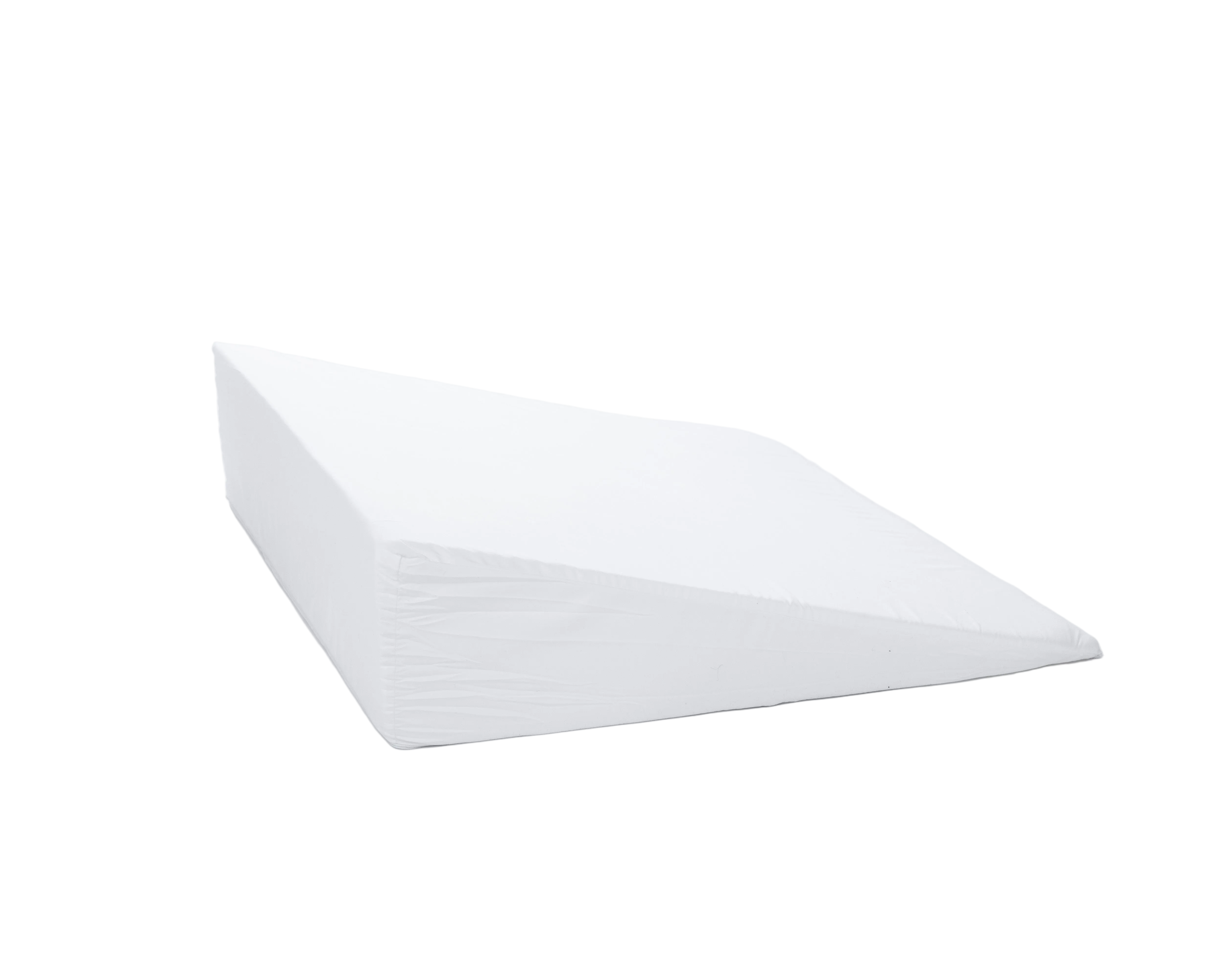
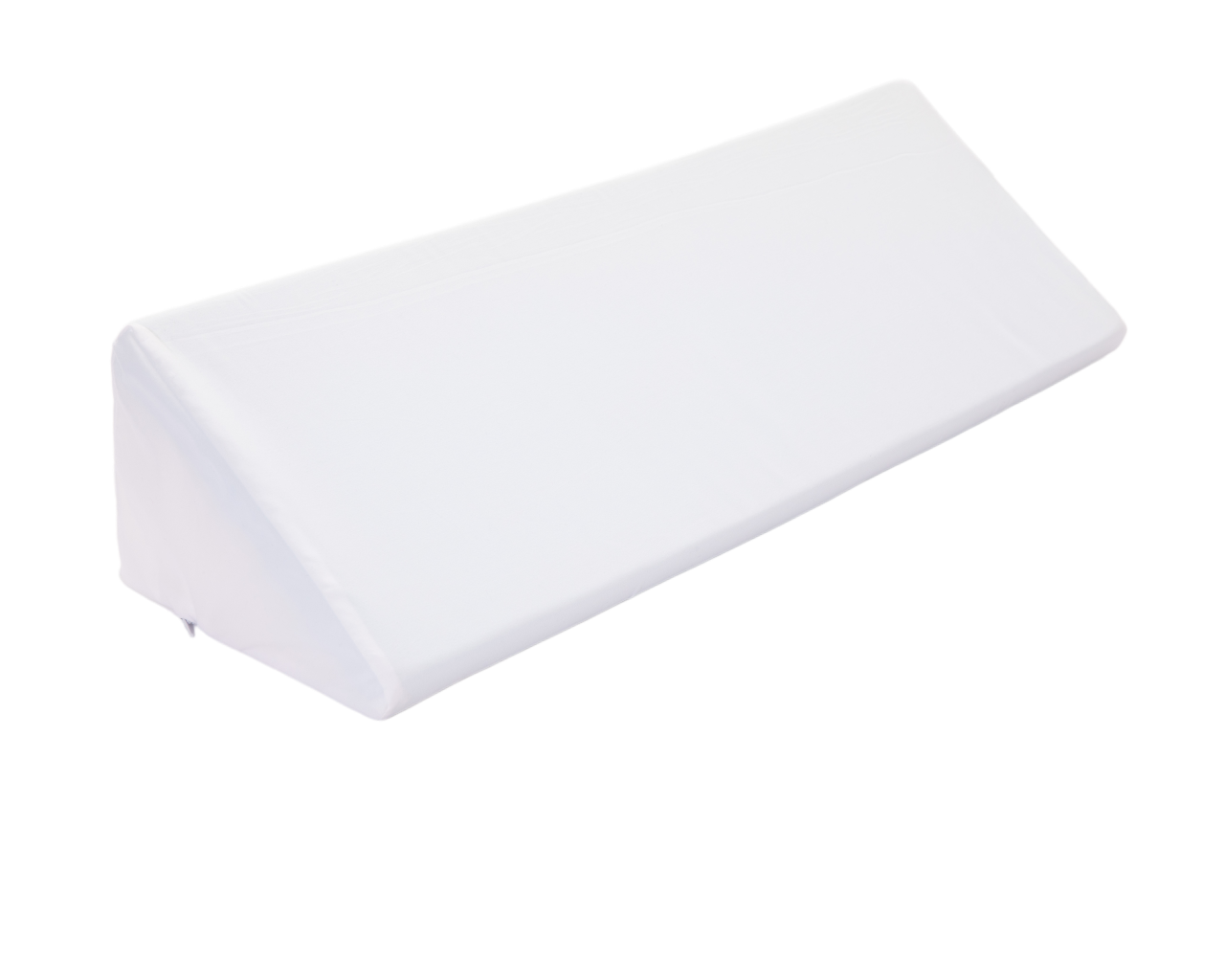
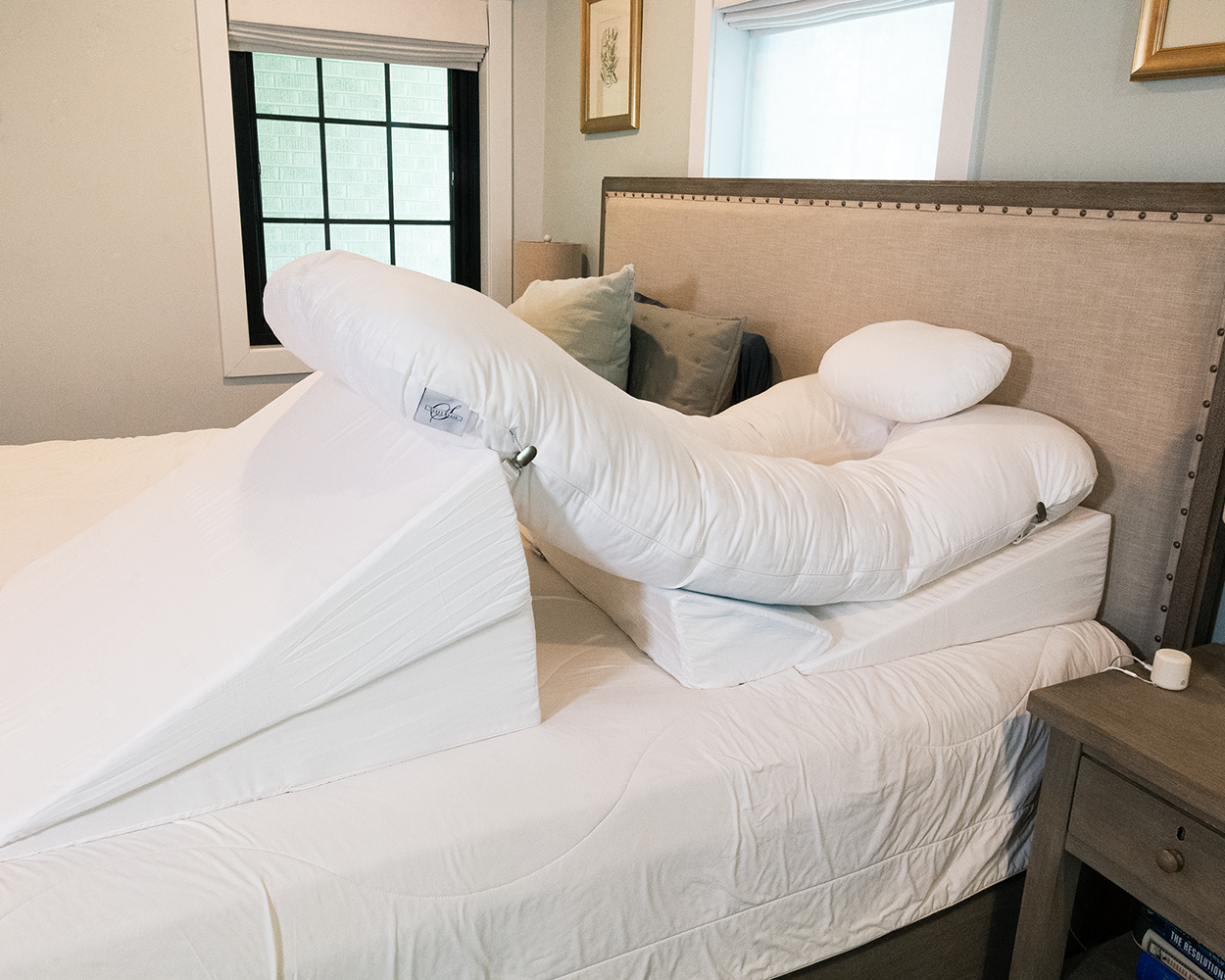
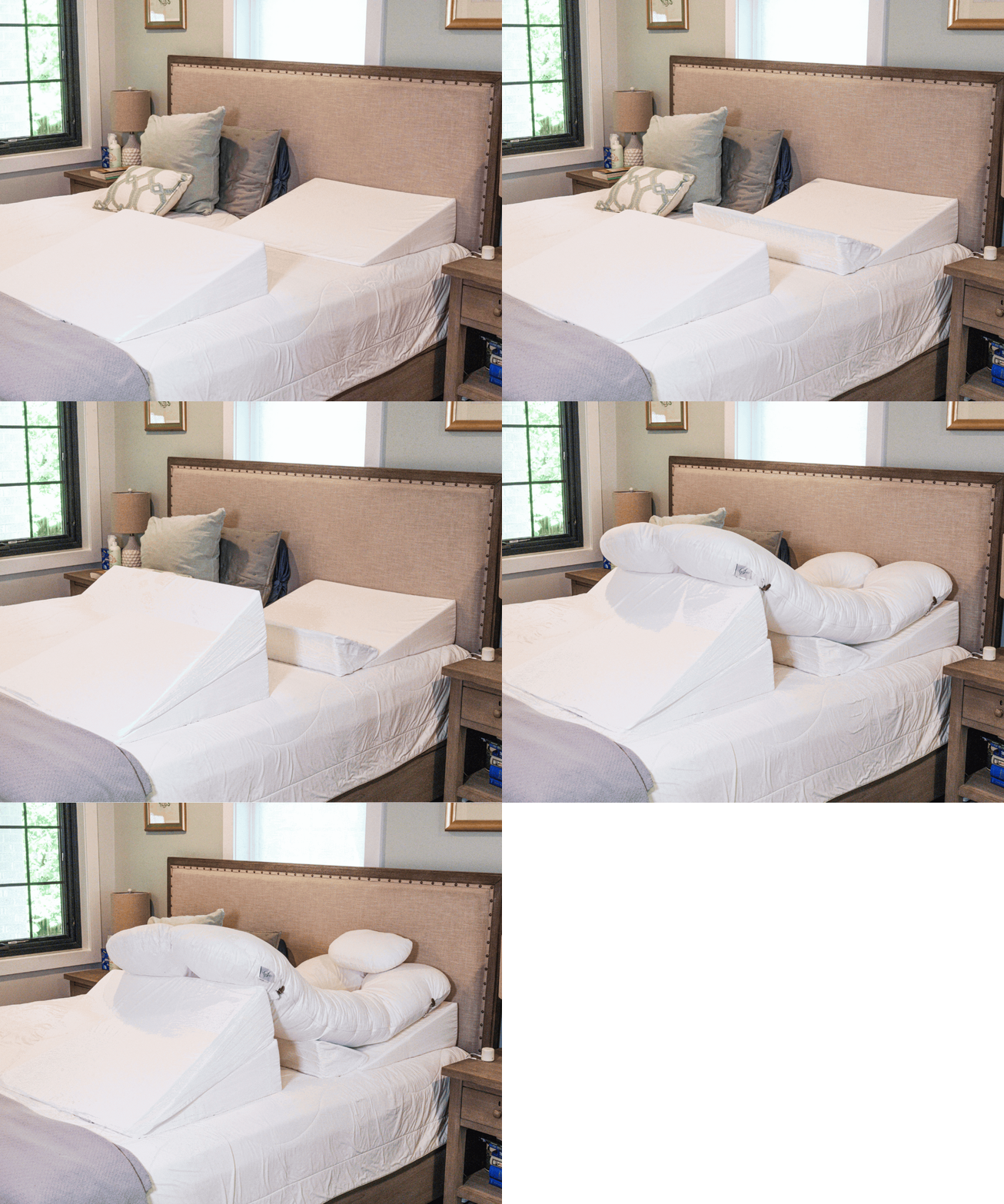
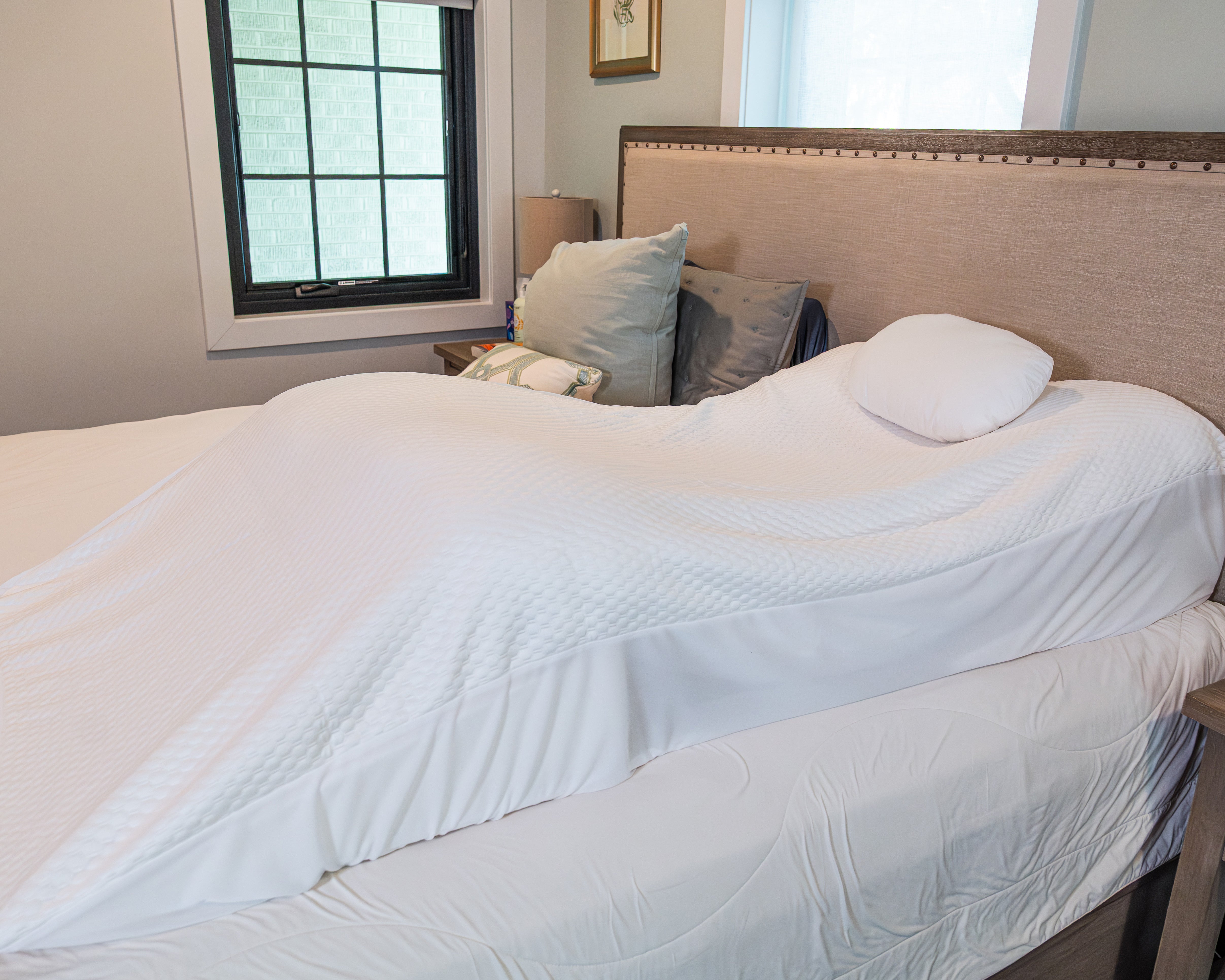
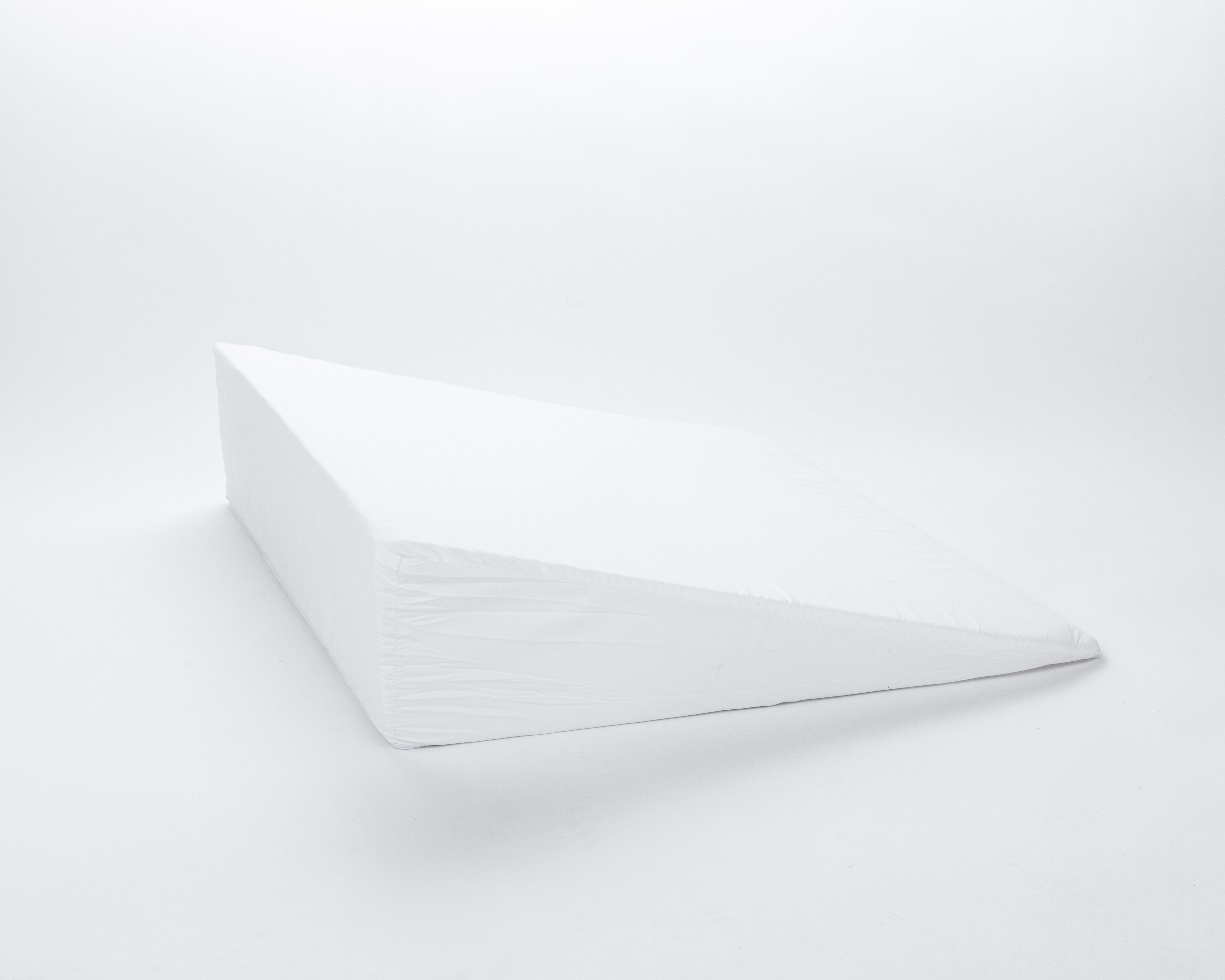
The cornerstone of the Sleep Again Pillow System for acid reflux is the upper body wedge pillow. Unlike makeshift pillow stacks that shift and flatten during the night, this medical-grade wedge maintains consistent elevation at the optimal angle for preventing acid reflux. The gradual incline supports your entire torso from lower back to shoulders, eliminating the uncomfortable bending that occurs with traditional pillows.
This design keeps your esophagus elevated above your stomach level throughout the night, making it significantly more difficult for acid to travel upward. The wedge's firm but comfortable density ensures you won't sink into a flat position as the night progresses—a common problem with softer pillow arrangements.
Side Support for Maintaining Left-Side Position
One of the biggest challenges in managing acid reflux through sleep positioning is staying on your left side throughout the night. Most people shift positions unconsciously, often ending up on their right side or stomach—exactly where you don't want to be with acid reflux.
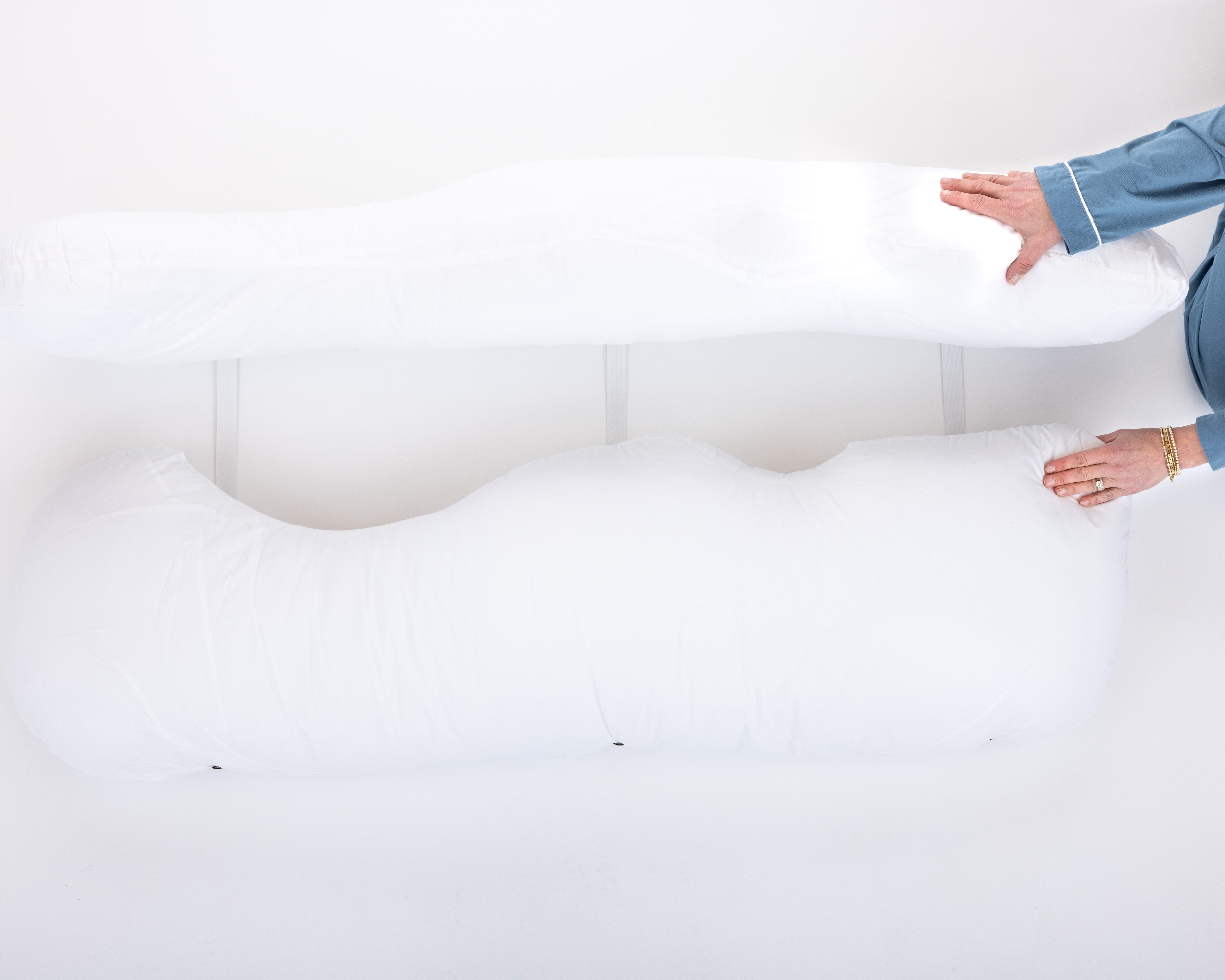
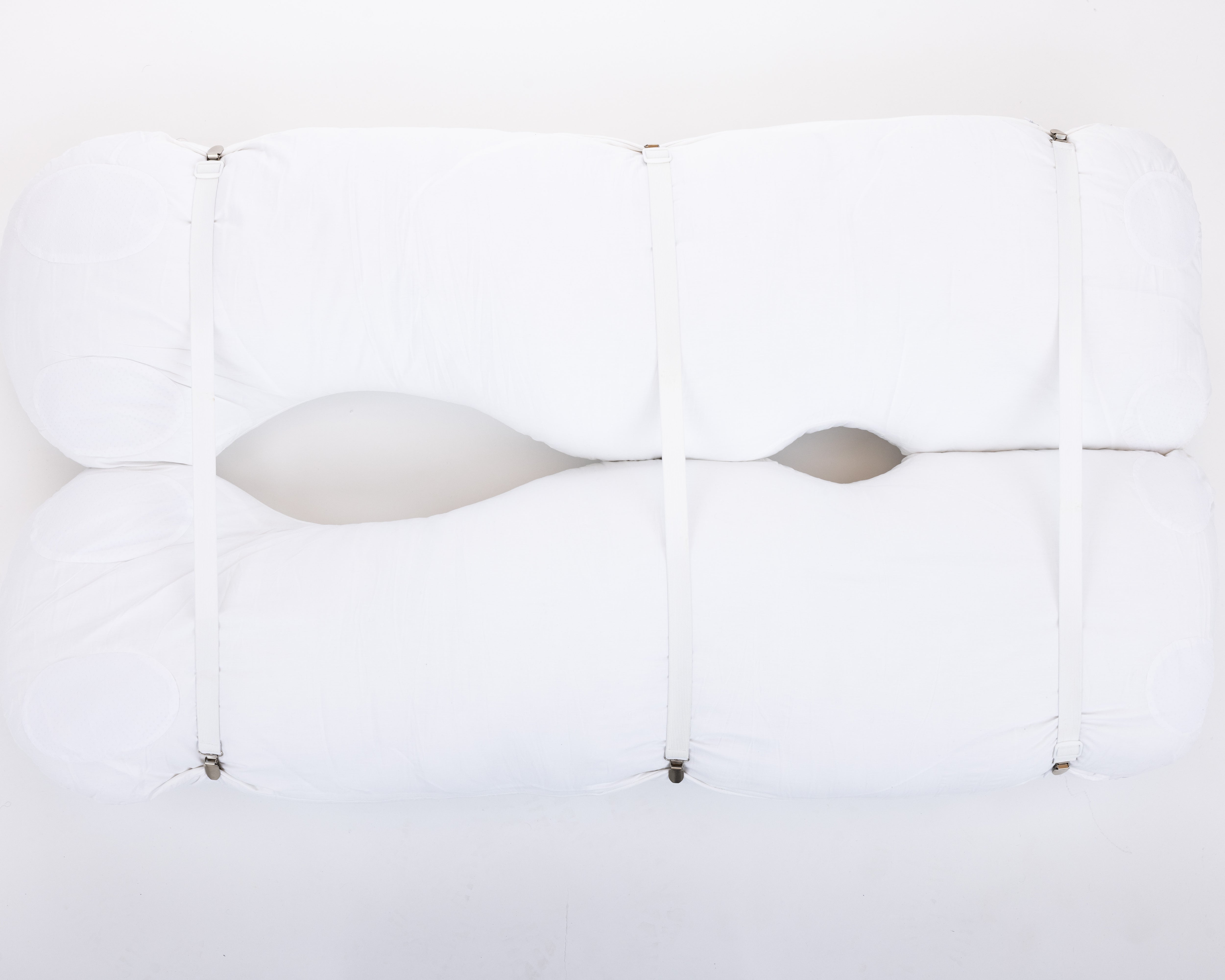
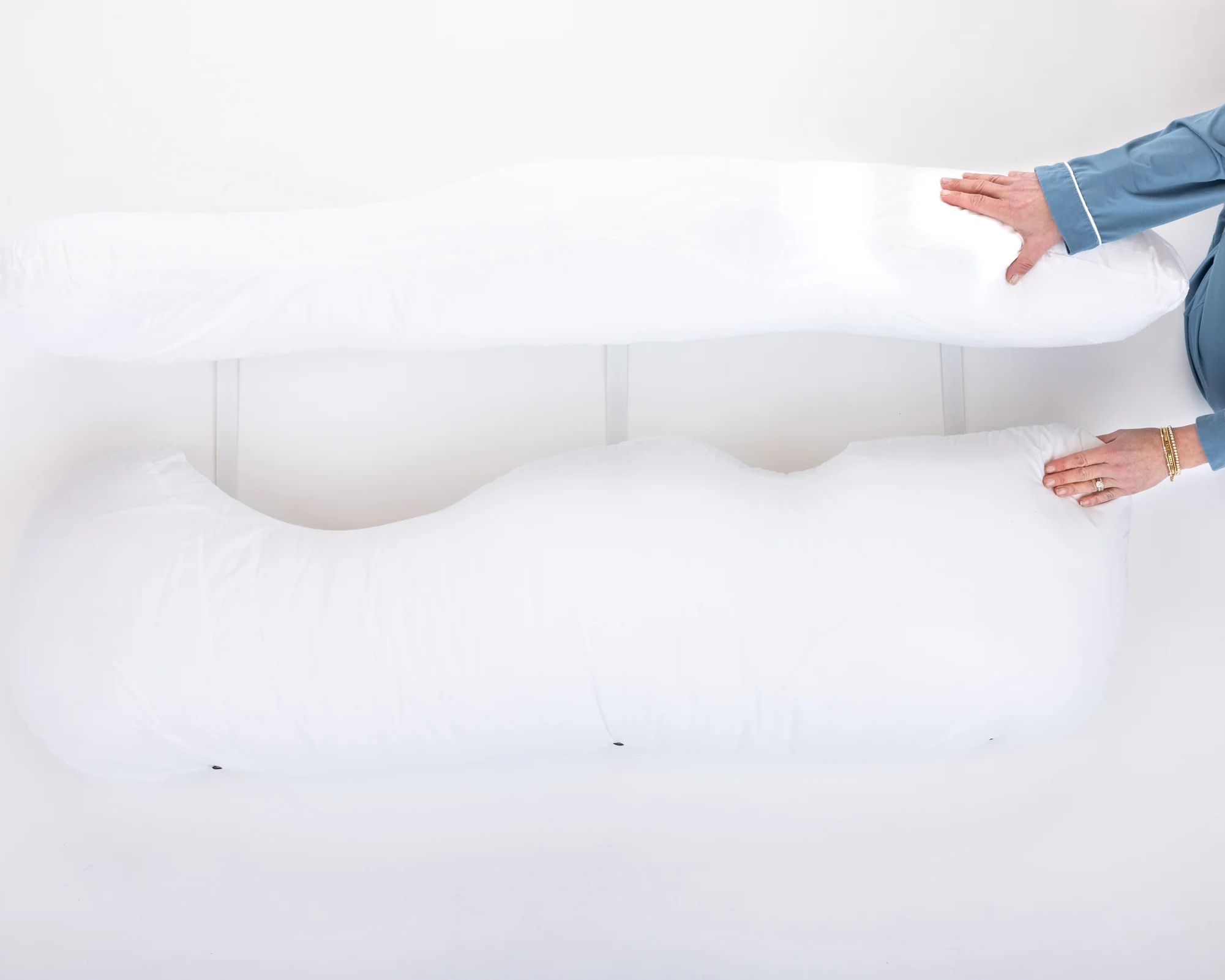
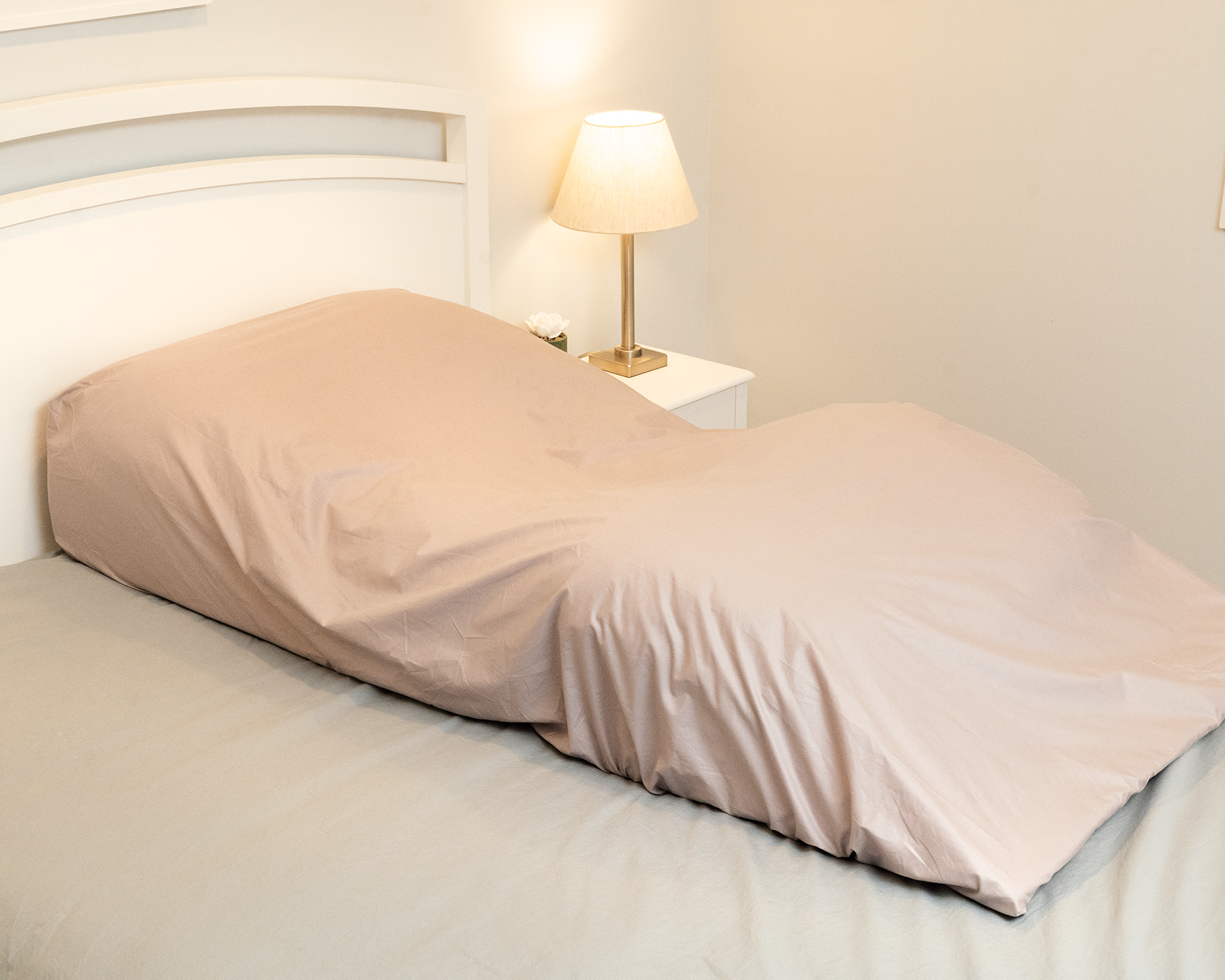
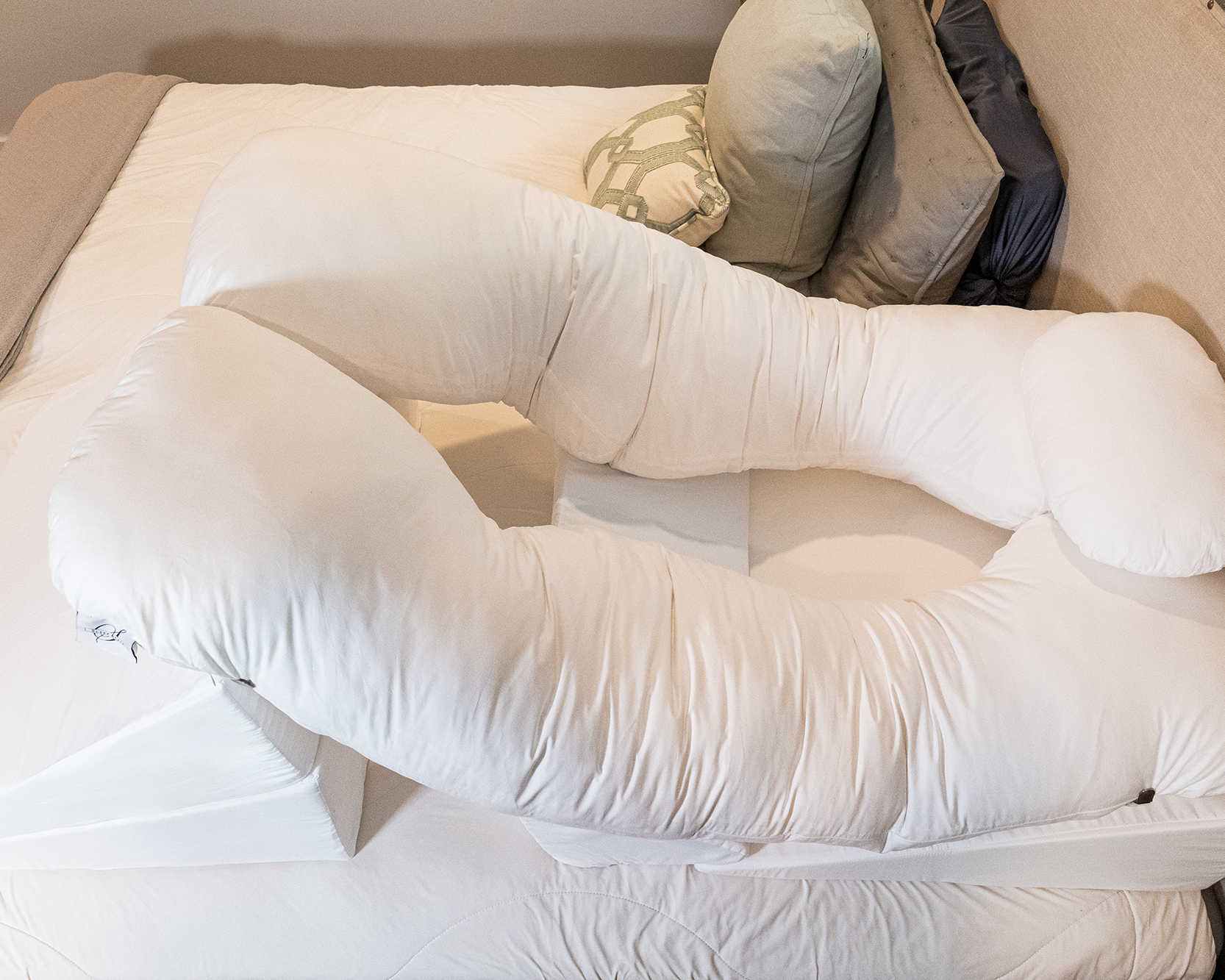
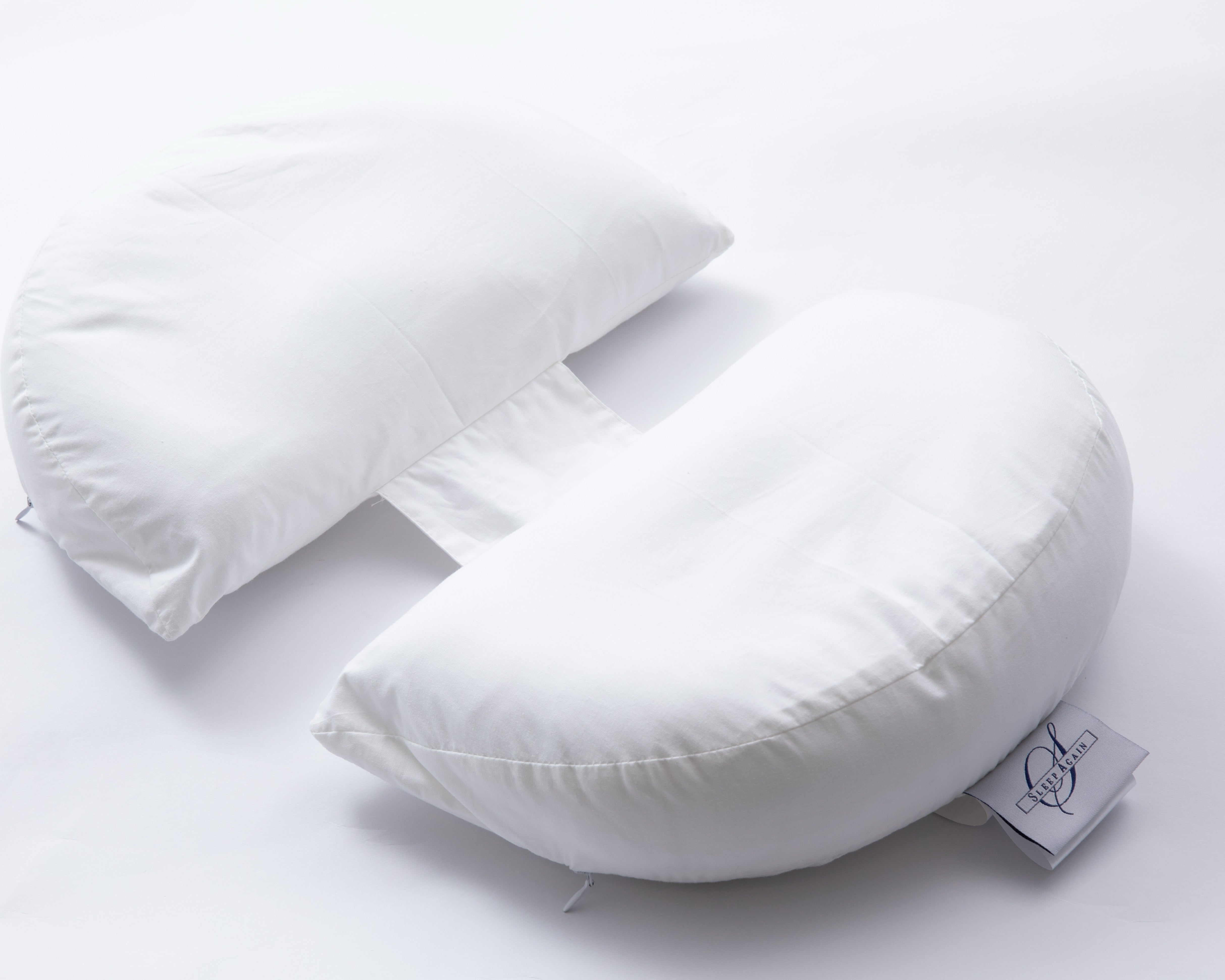
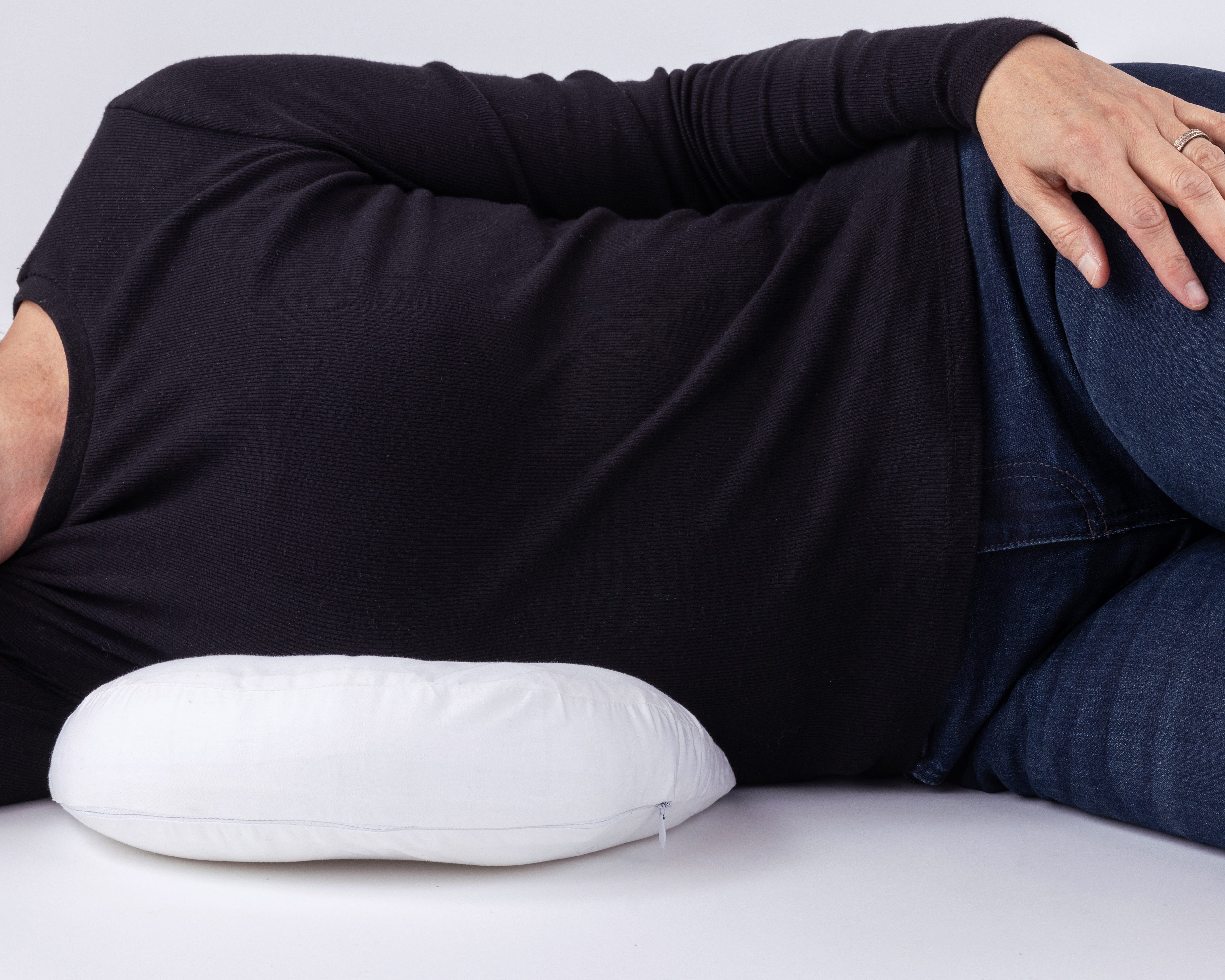
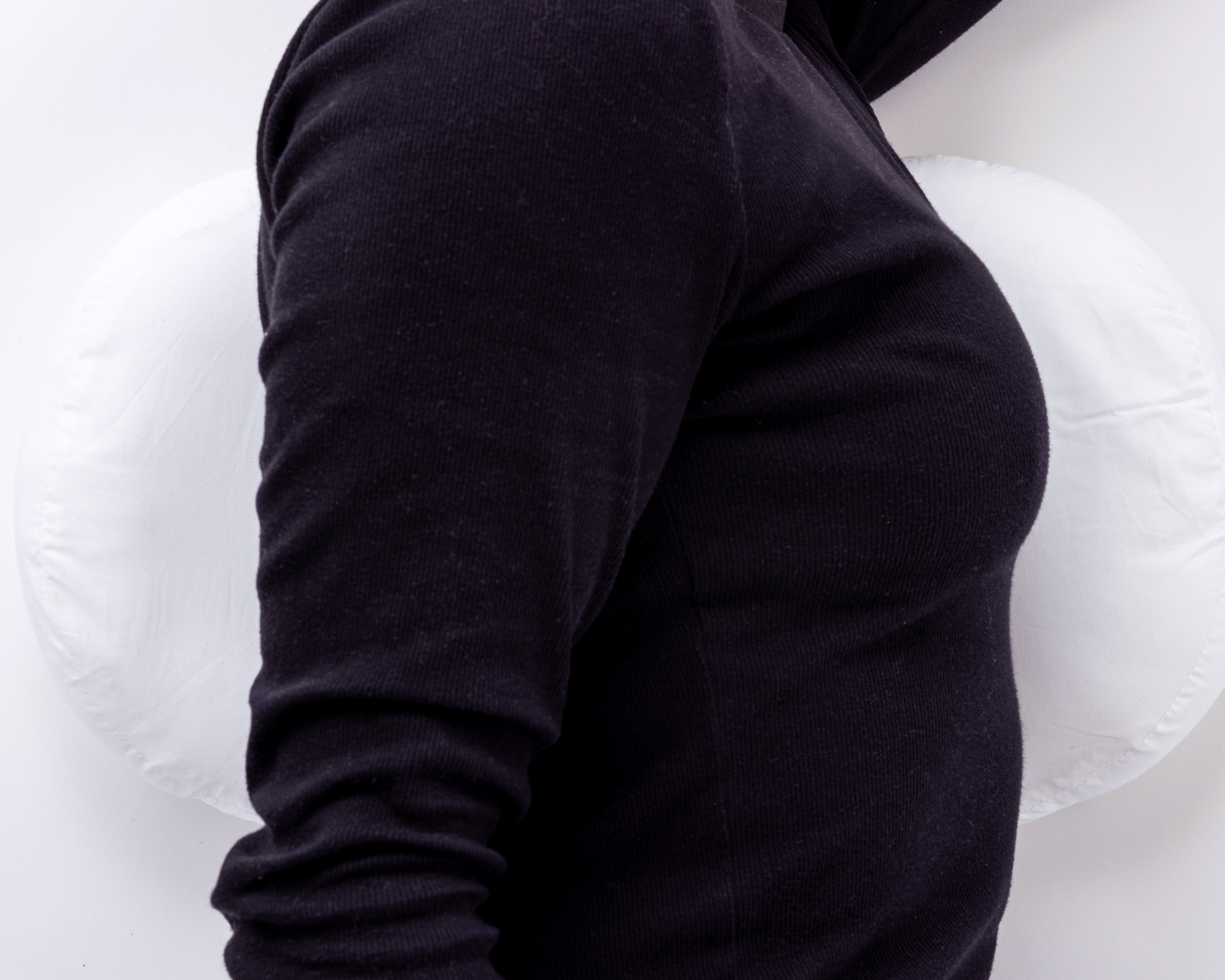
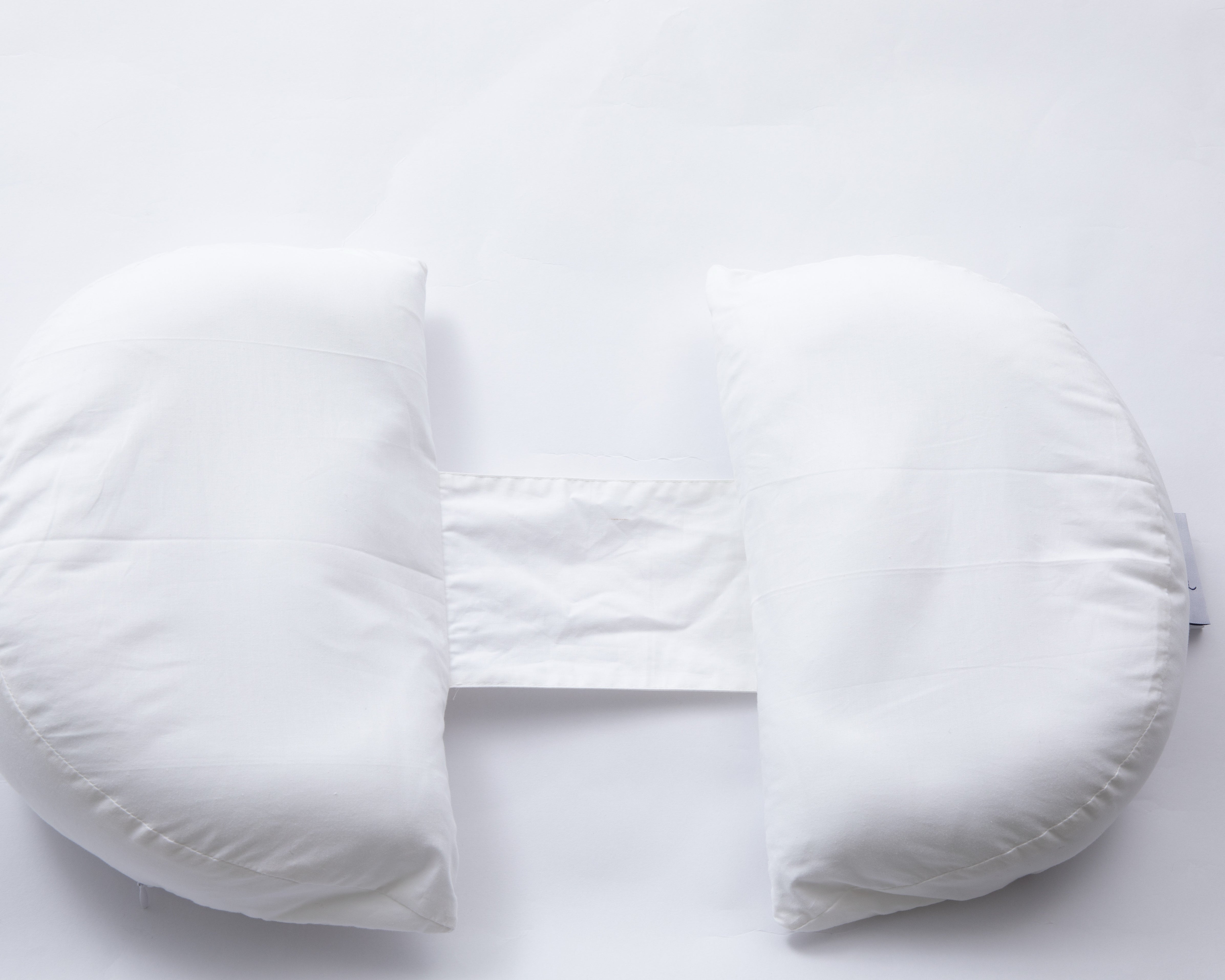
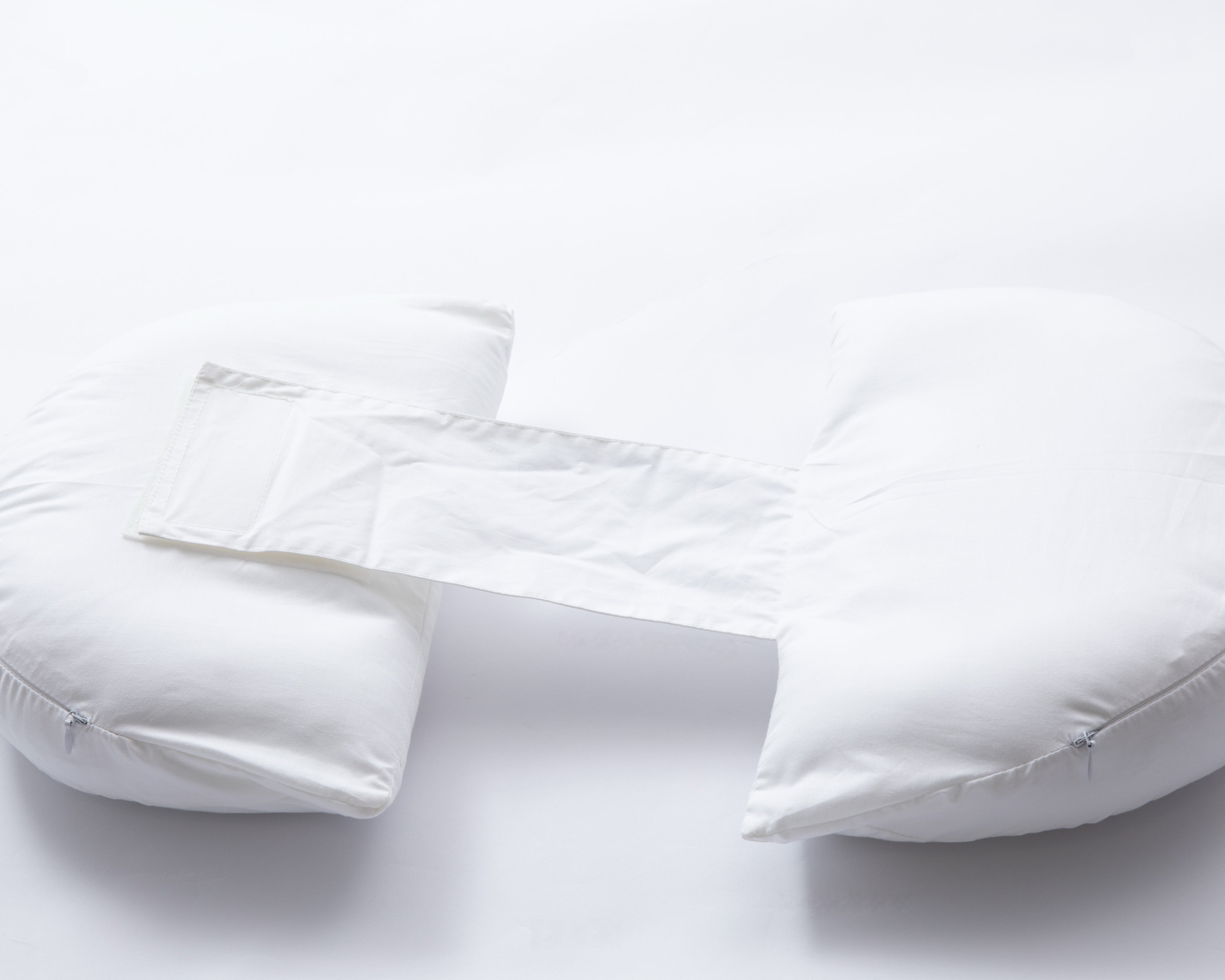
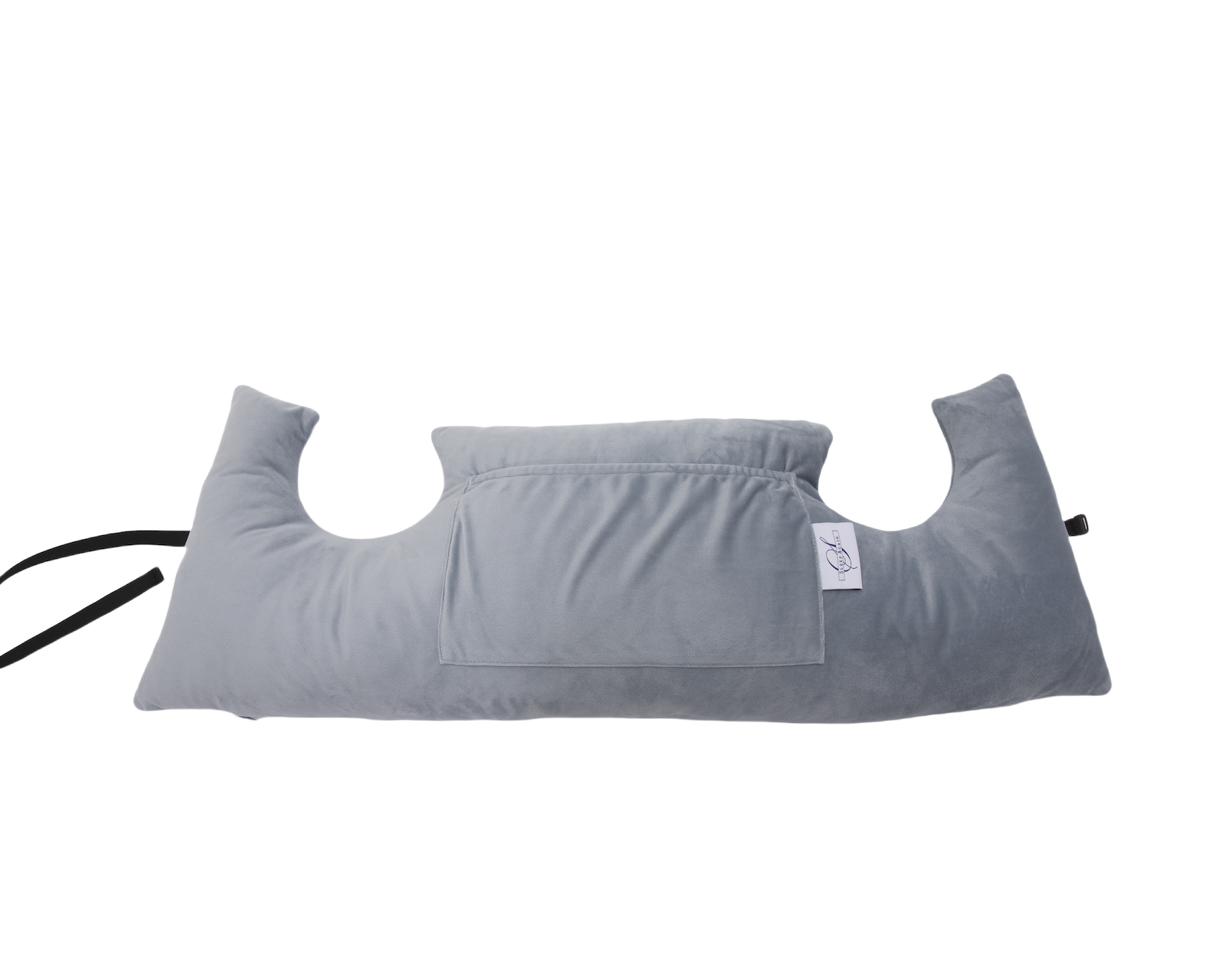
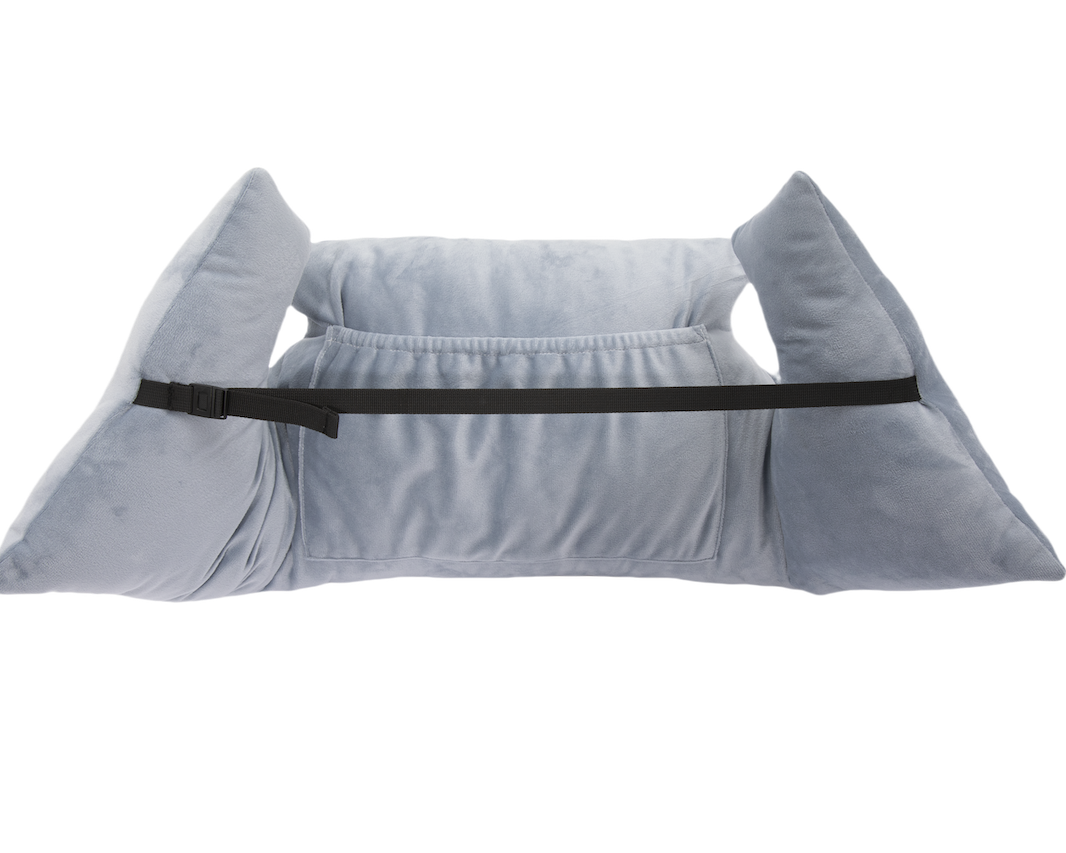
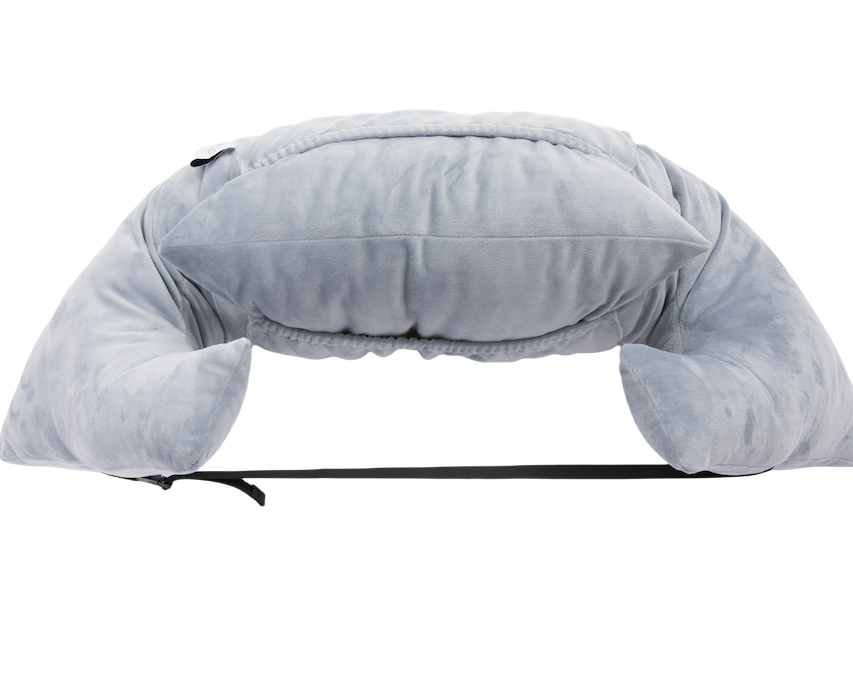
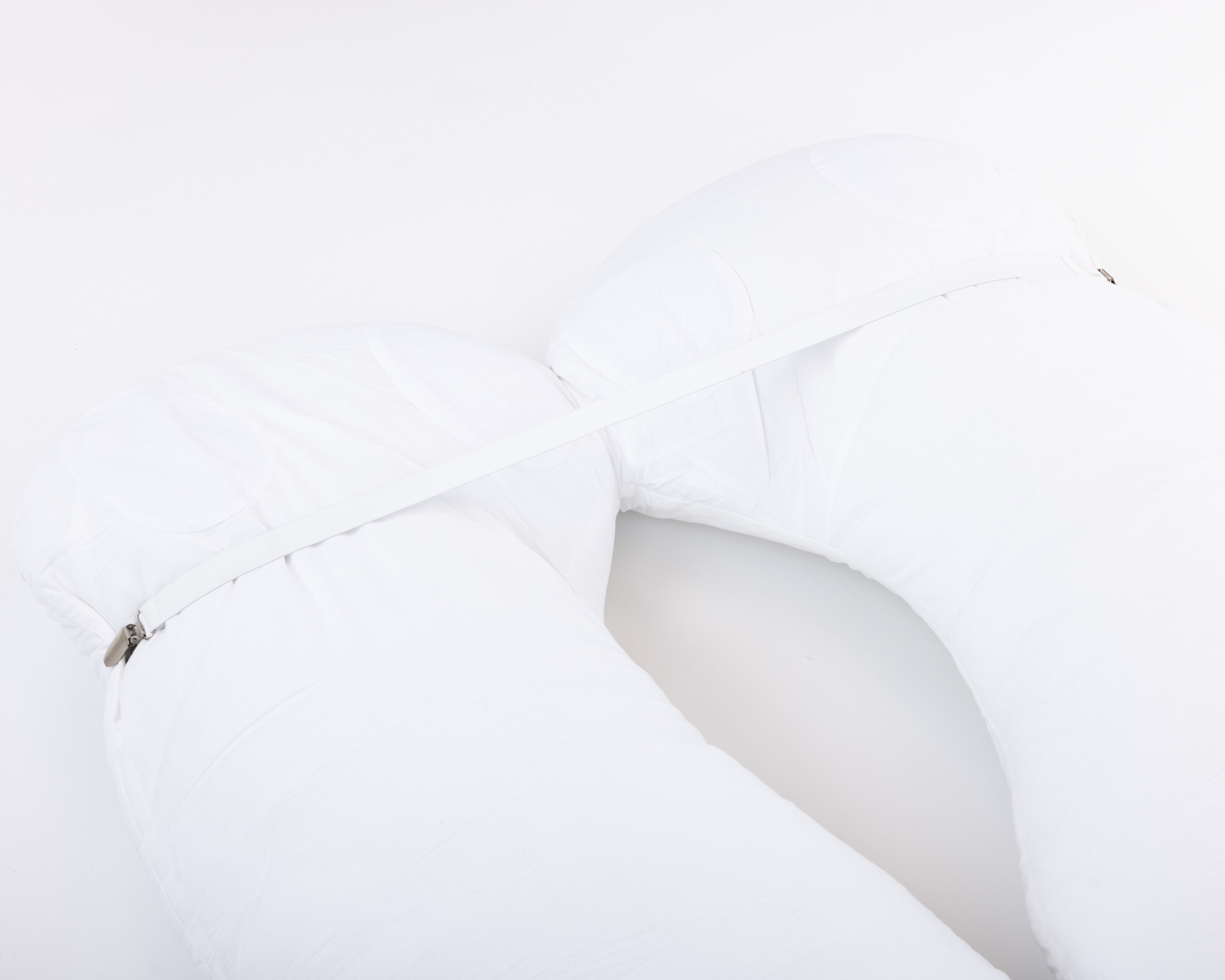
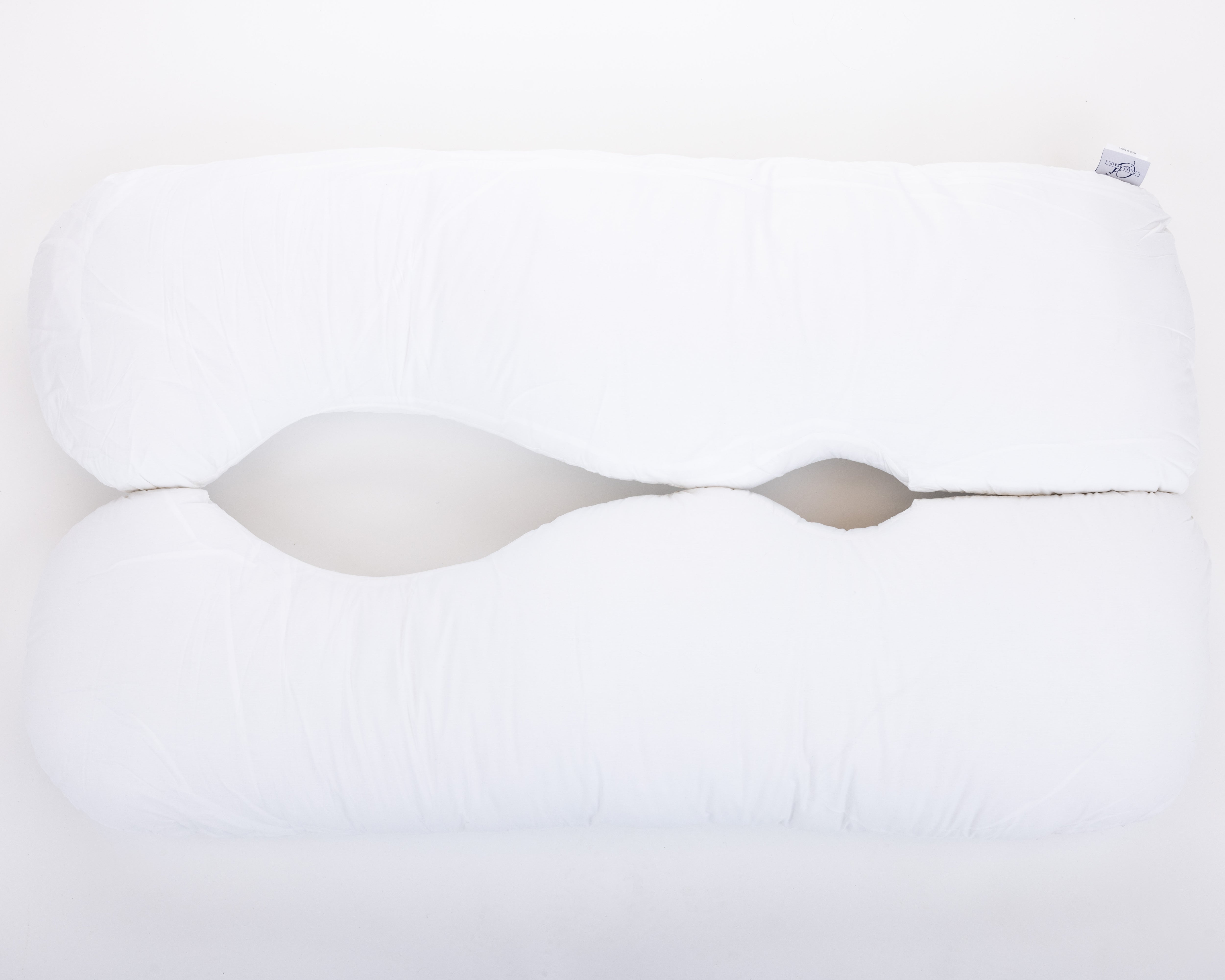
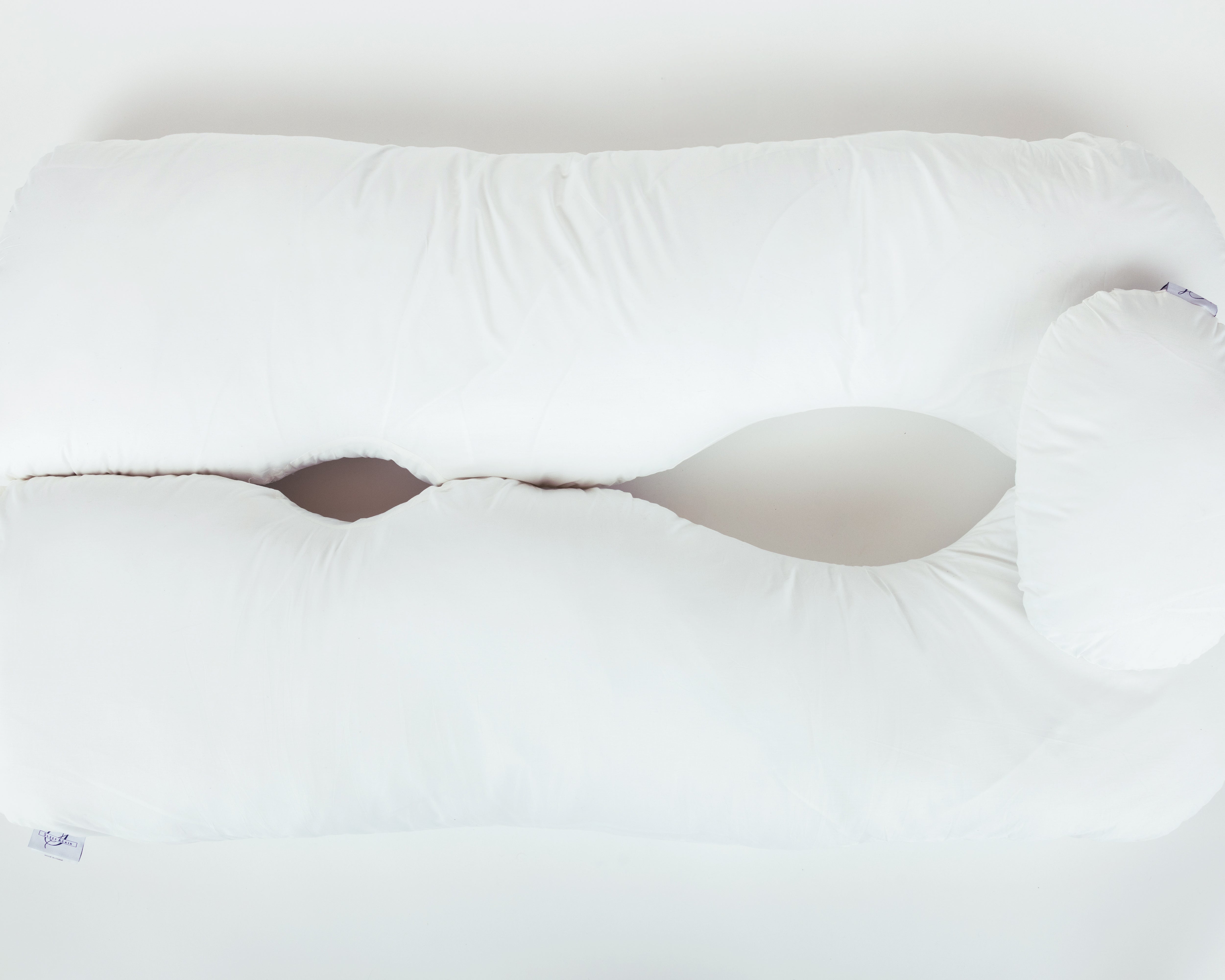
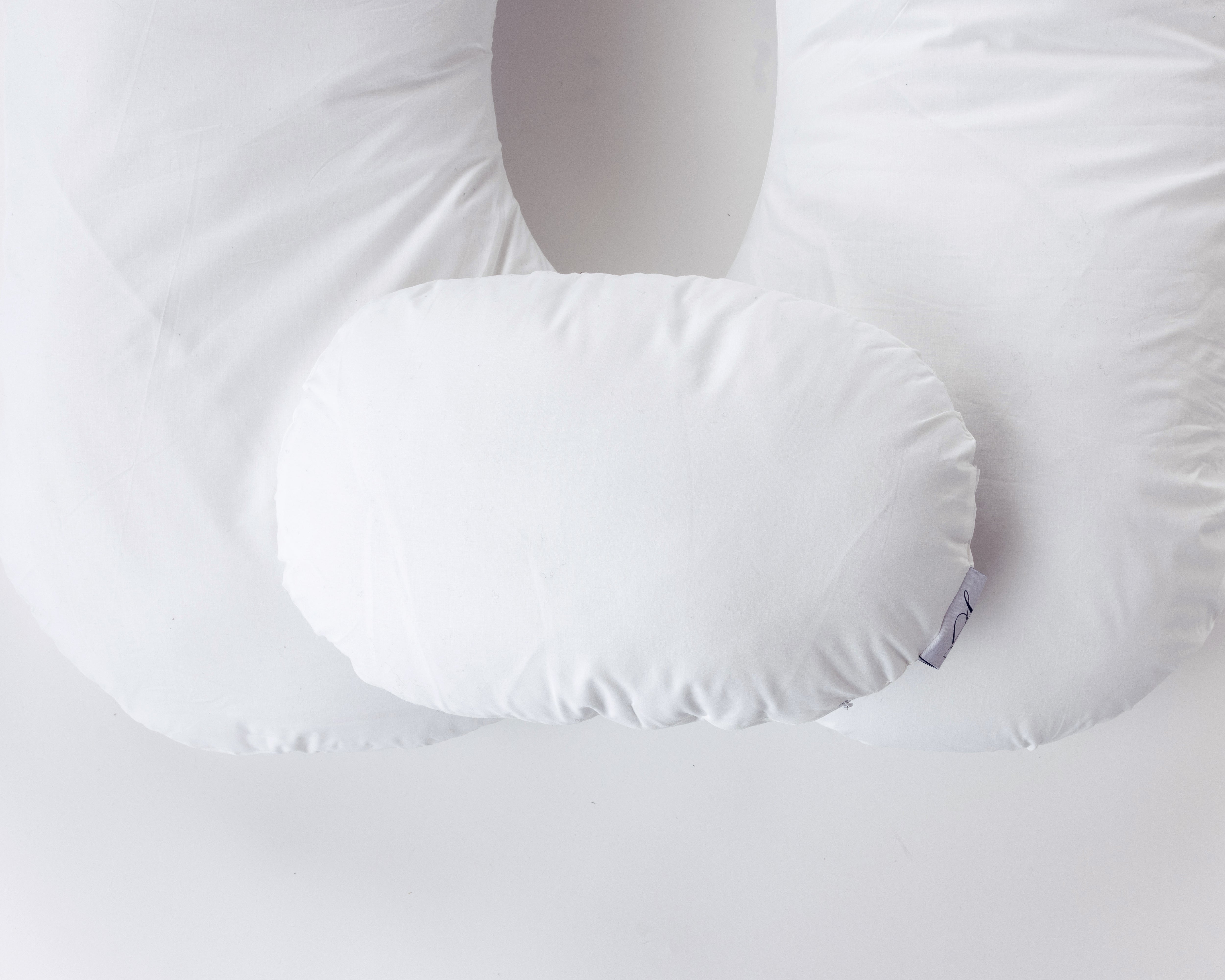
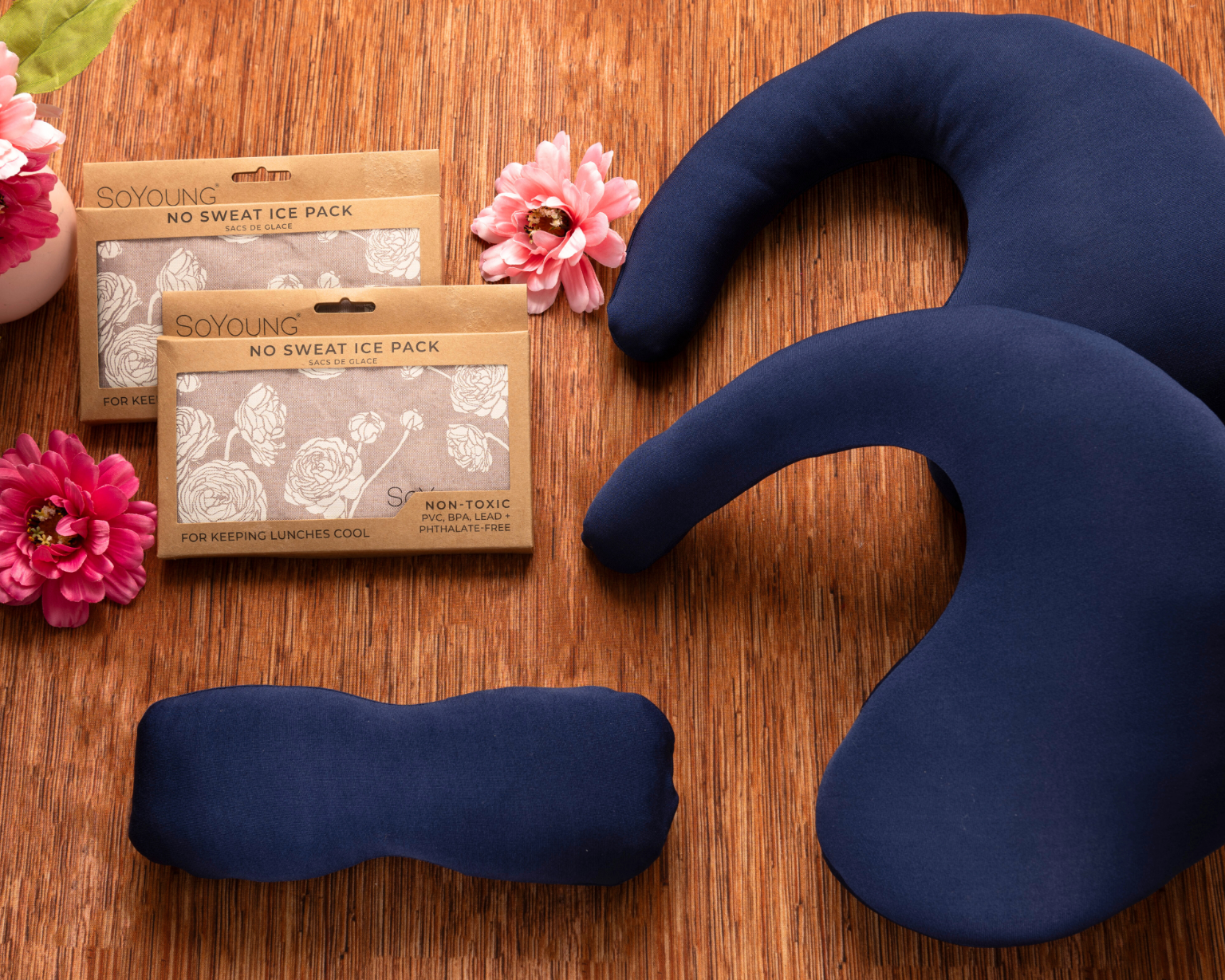
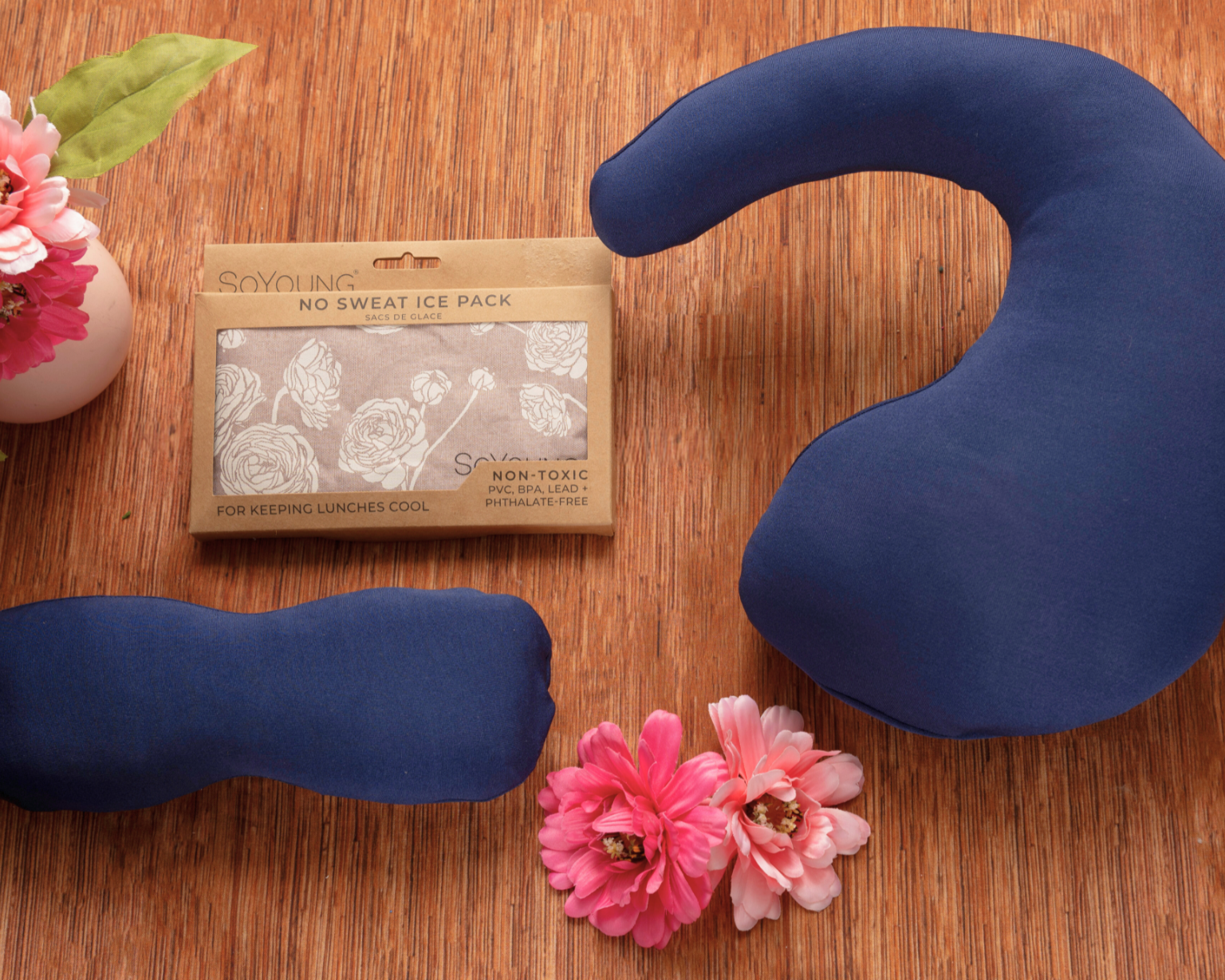
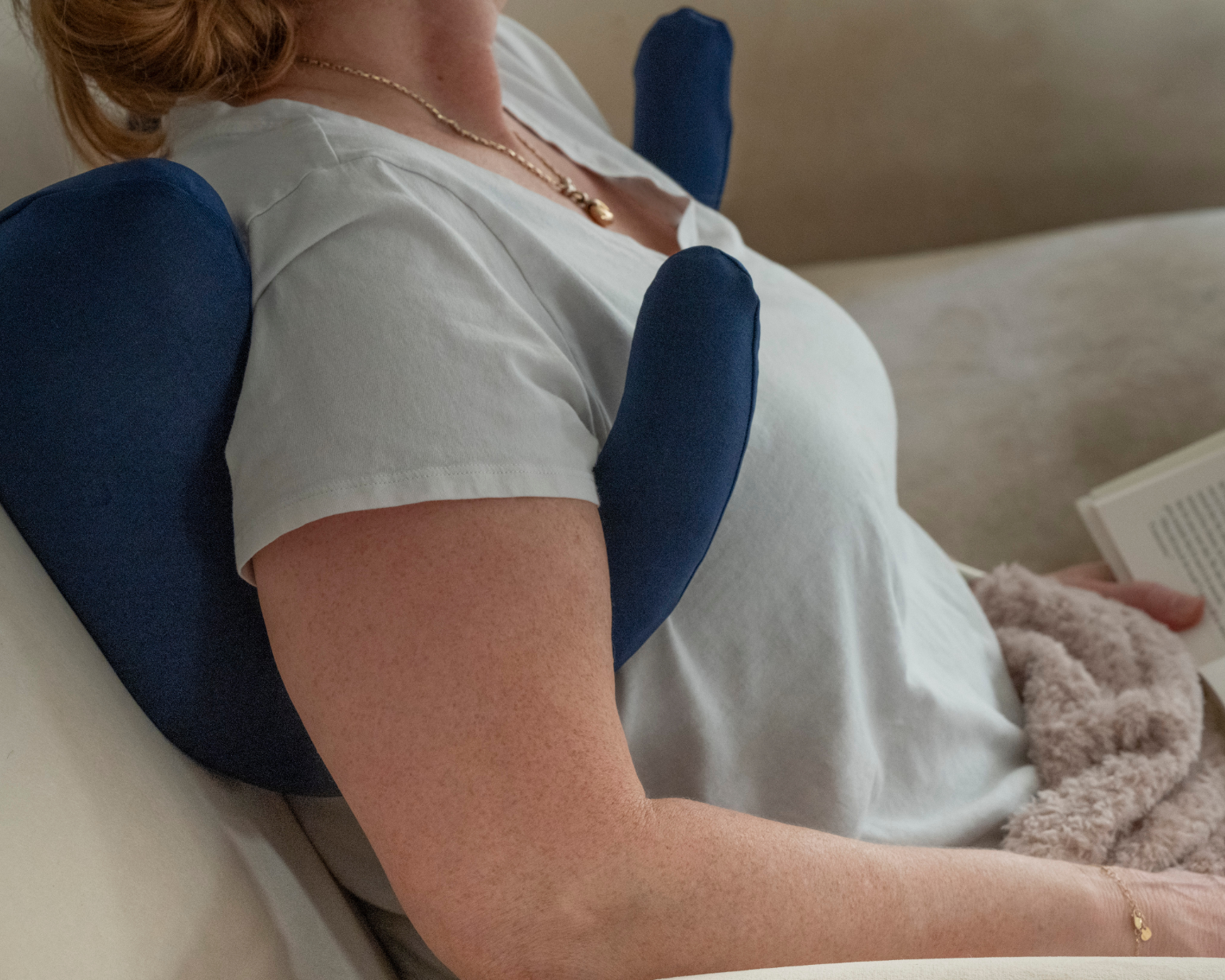
The Sleep Again Pillow System’s contoured side pillows work with your body's natural sleep movements while gently encouraging you to maintain the beneficial left-side position. These pillows provide support along your back and torso, creating a comfortable boundary that makes it easier to stay positioned correctly without feeling restricted or uncomfortable.

Complete System Approach
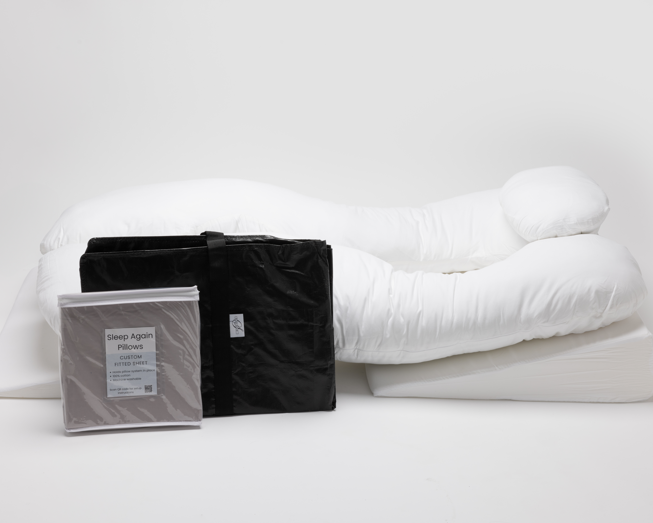
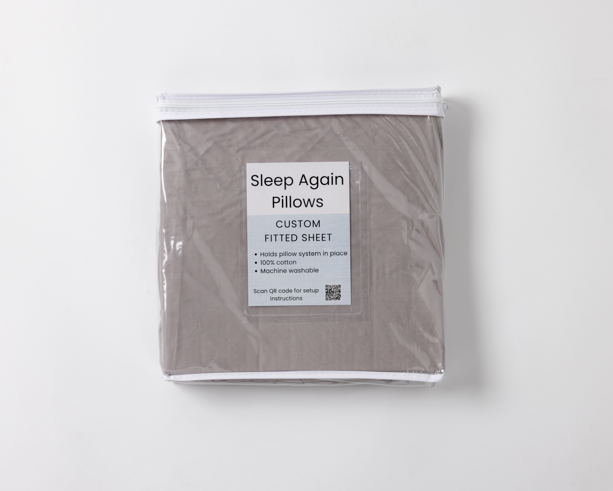
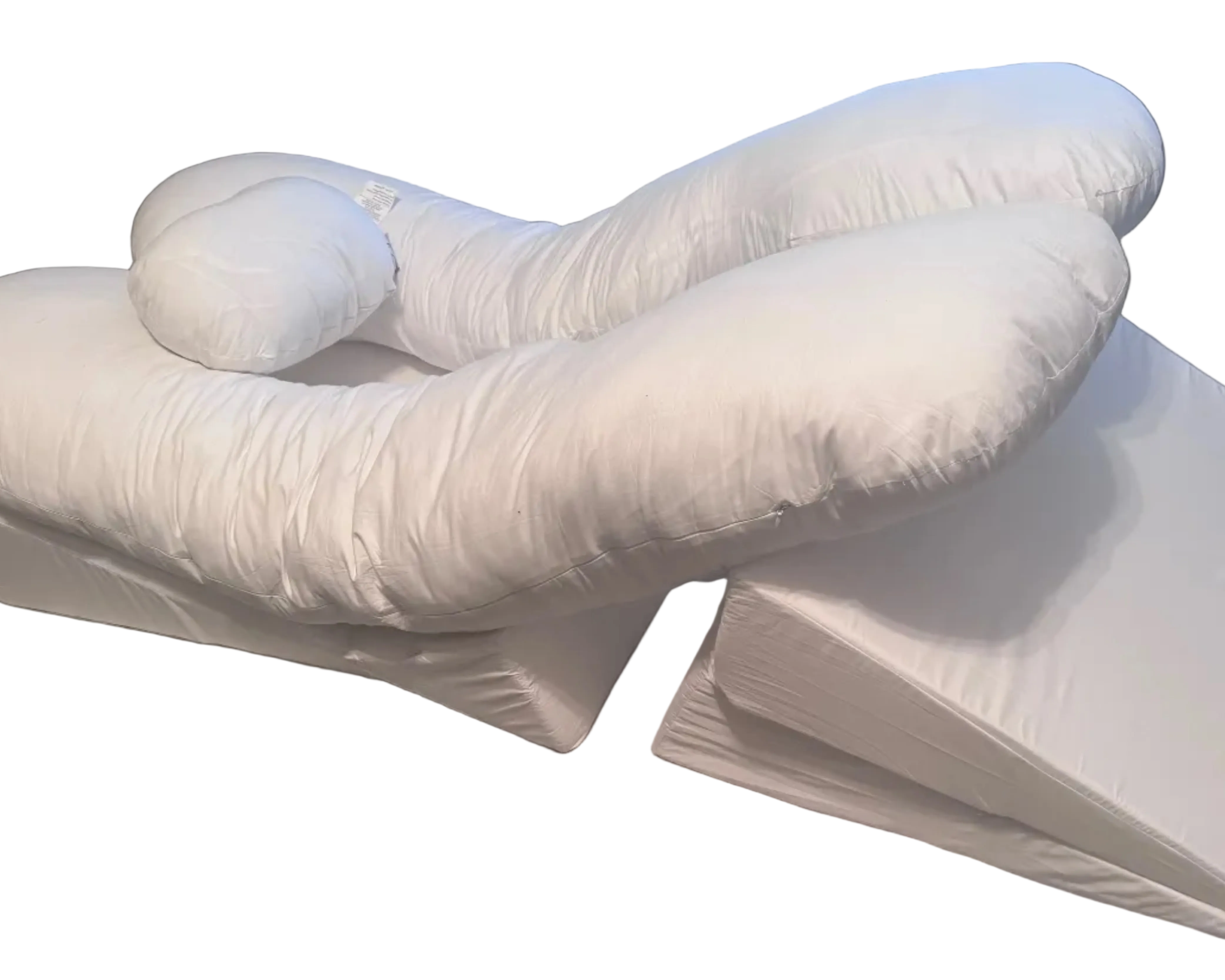
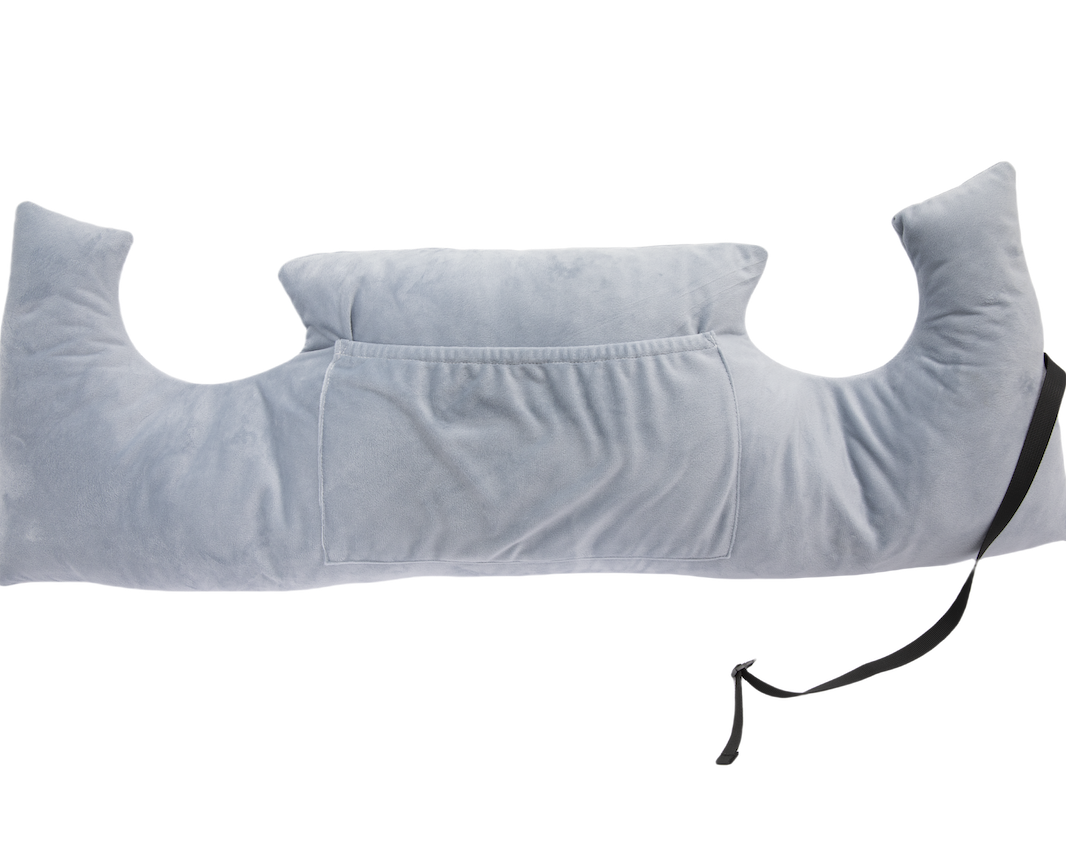
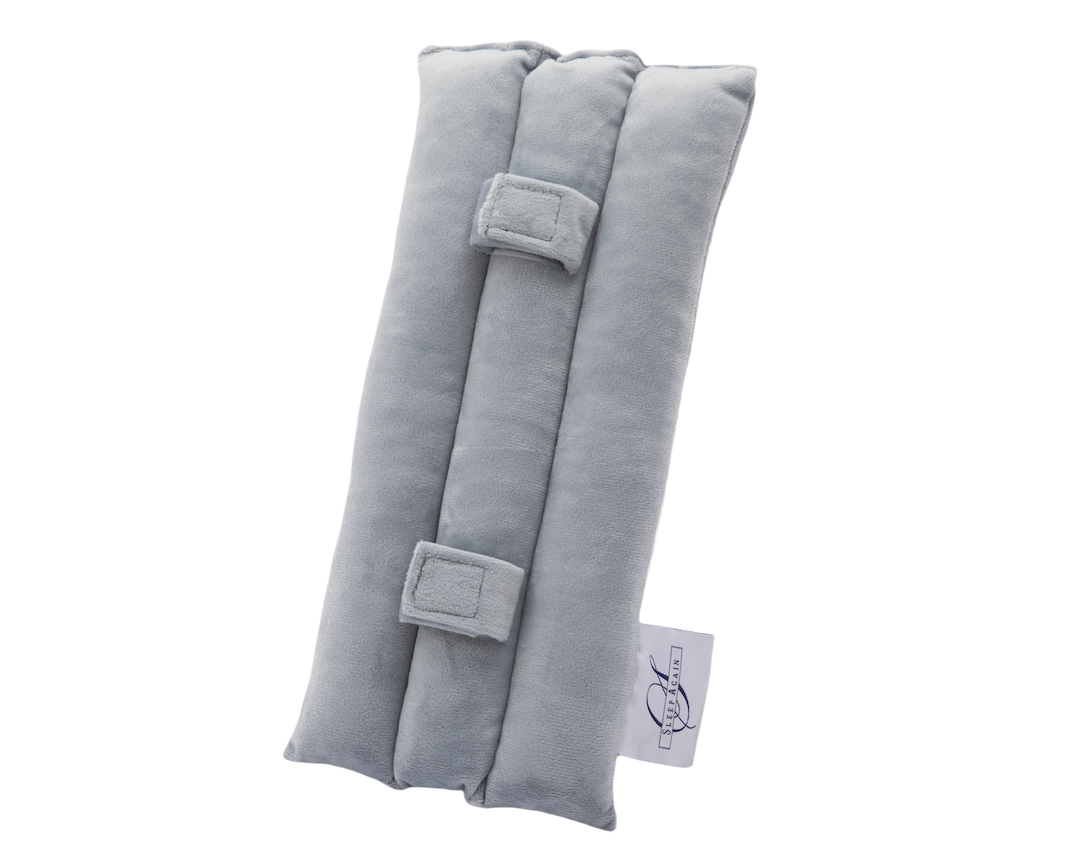
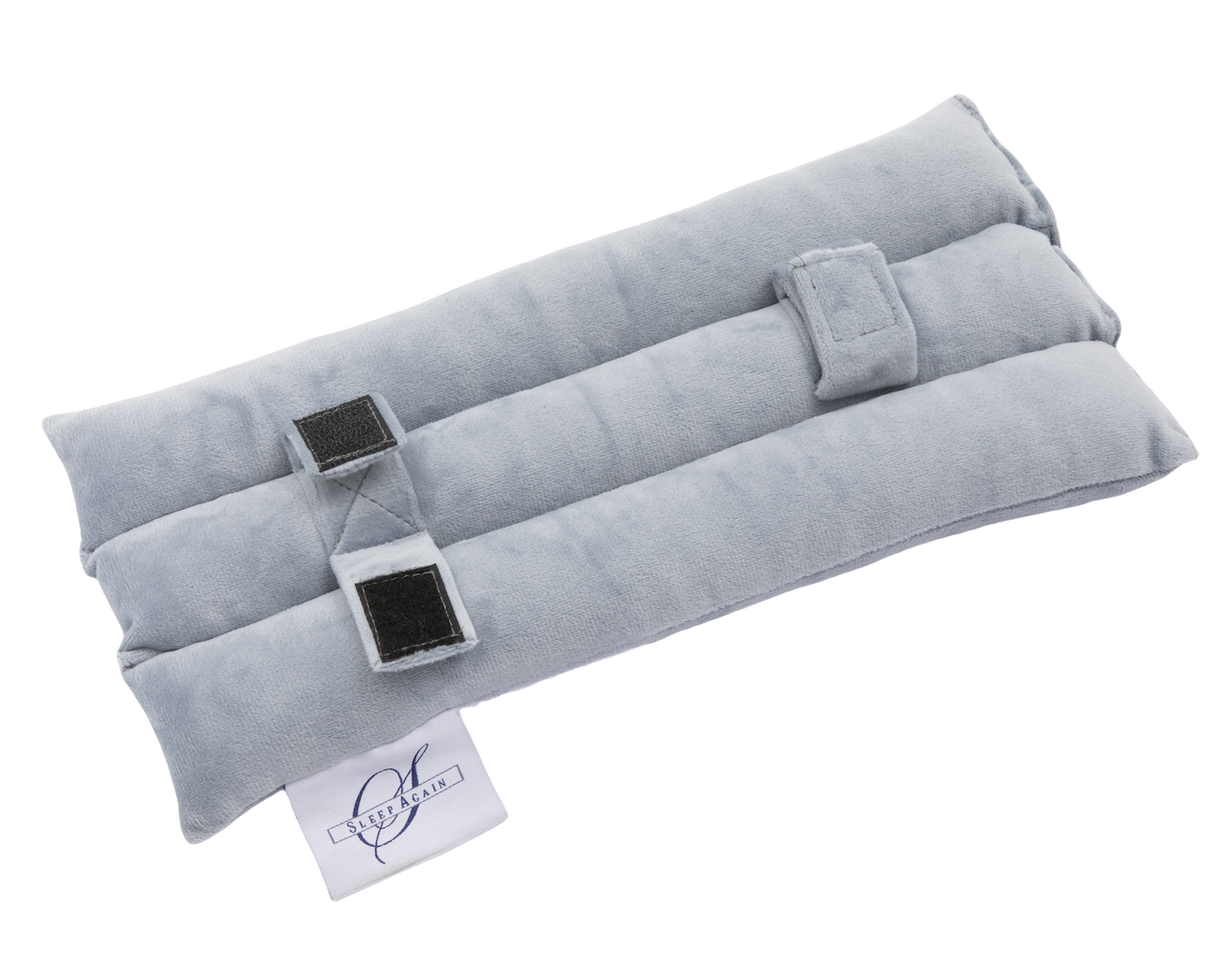
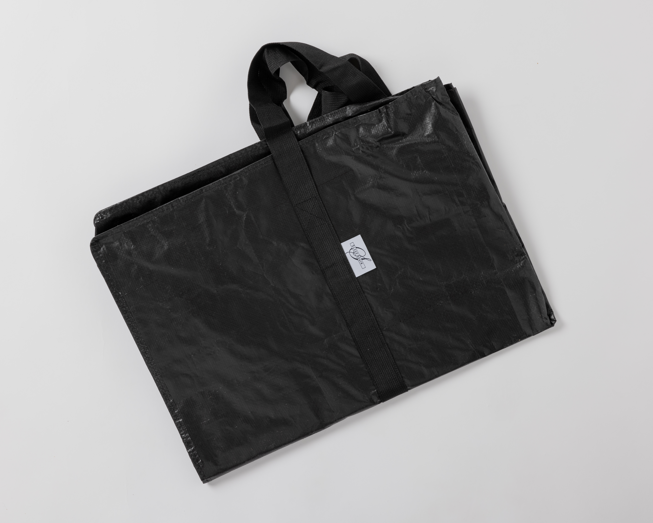
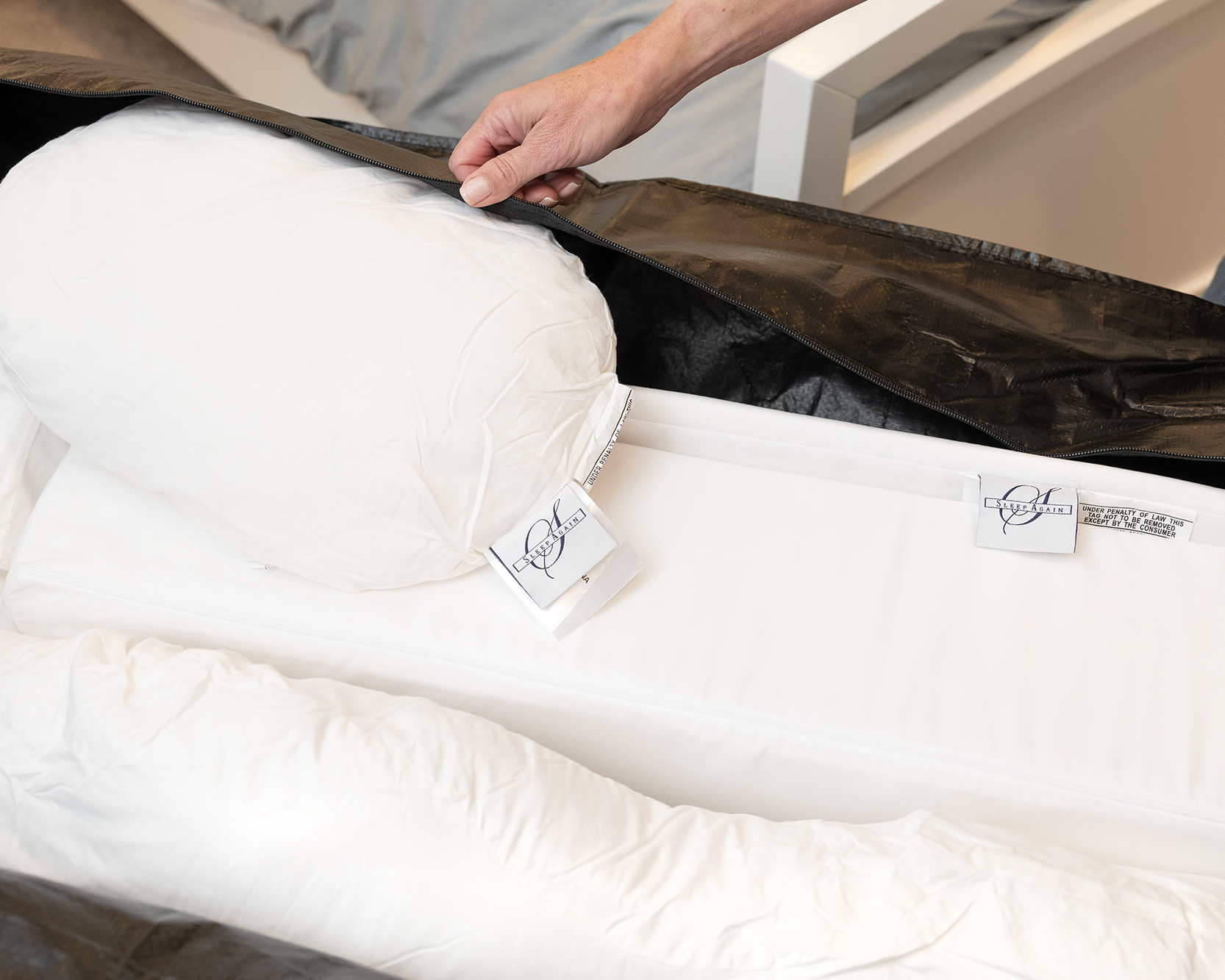
The full Sleep Again Pillow System coordinates elevation, positioning, and comfort to create an environment where your body can heal and rest without fighting against reflux symptoms. The system includes:
-
Upper body wedge for optimal torso elevation
-
Contoured side pillows to maintain beneficial positioning
-
Leg support wedge to reduce lower body pressure
-
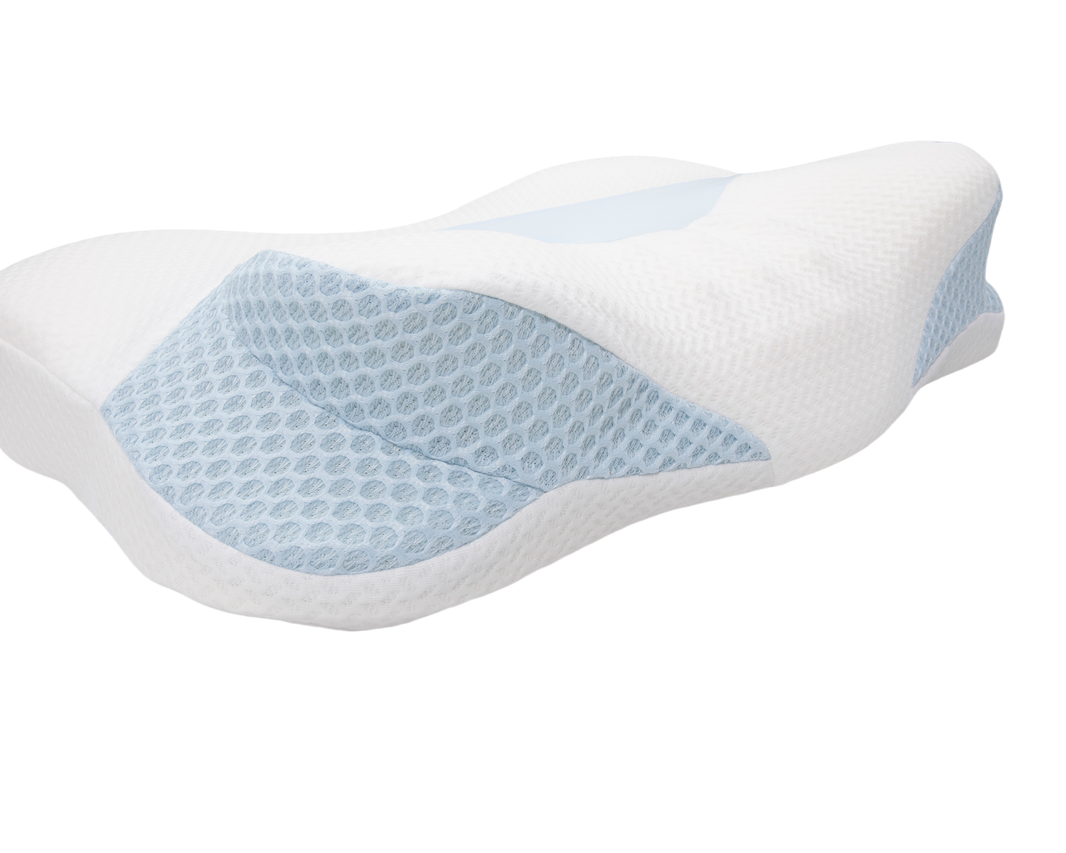
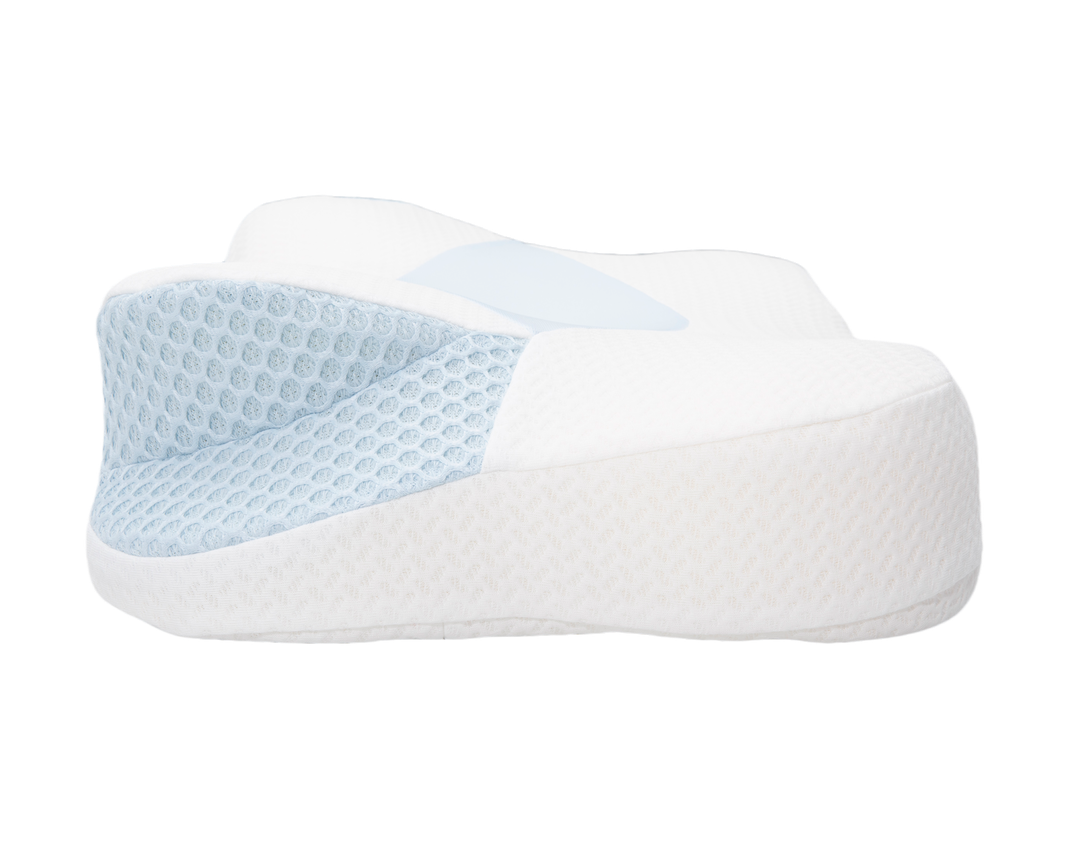
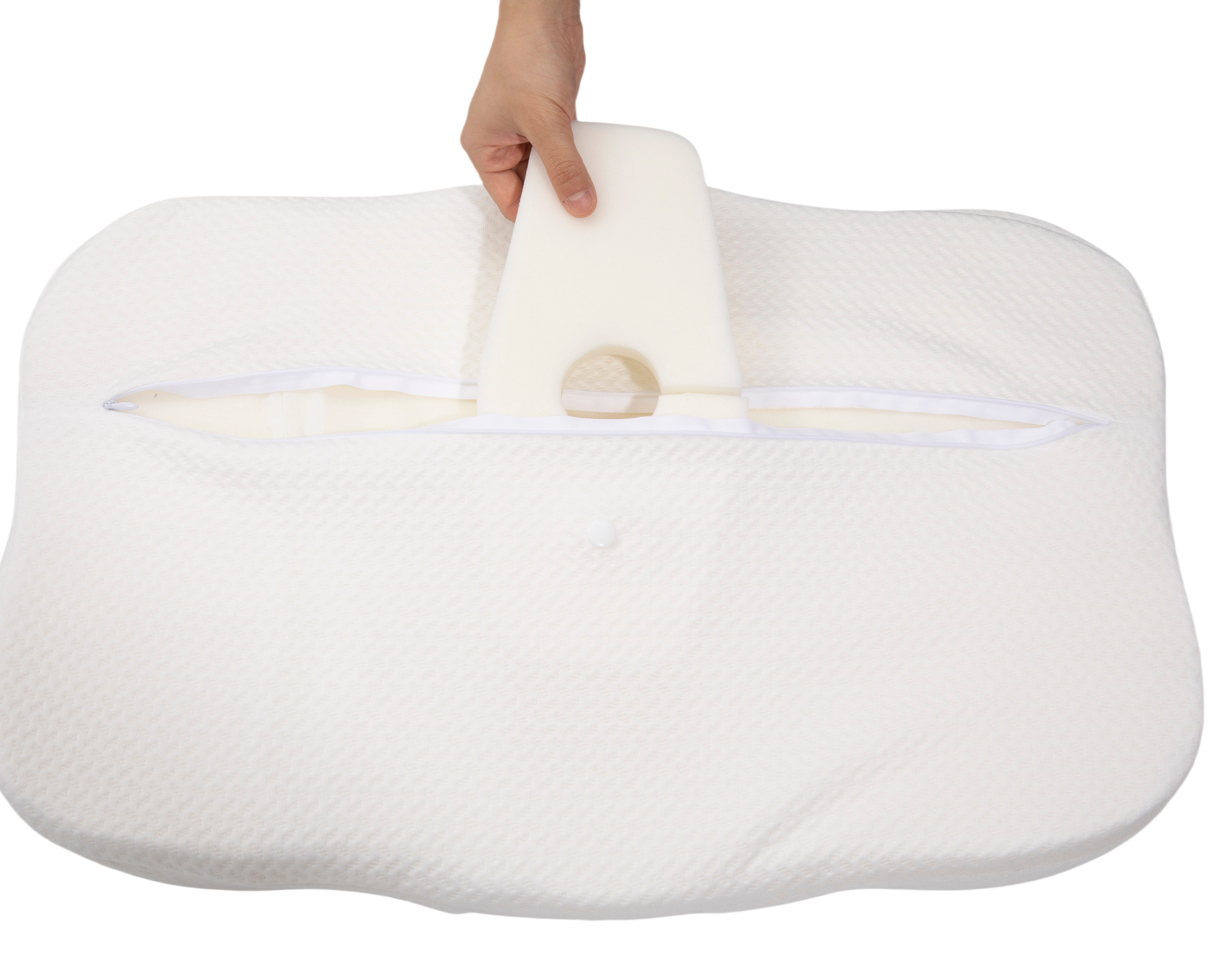
Head pillow for additional comfort and neck alignment
This comprehensive approach means you're not just addressing one aspect of acid reflux management—you're creating a complete sleep environment designed to work with your body's needs.
Beyond Immediate Relief
While the immediate benefit of the Sleep Again Pillow System is reduced nighttime acid reflux, the long-term advantages extend further. Quality sleep supports your body's natural healing processes, reduces inflammation, and helps regulate the digestive system. By consistently sleeping in the proper position night after night, you're giving your esophagus time to heal from acid damage while preventing new irritation from occurring.
Many people find that with proper positioning support, they can reduce their reliance on nighttime reflux medications or sleep more comfortably while their treatment plan takes effect. The system provides a non-pharmaceutical approach to managing symptoms that complements whatever treatment strategy you and your healthcare provider have chosen.
SHOP THE BEST PILLOW SYSTEM FOR ACID REFLUX RELIEF
By the Numbers: Acid Reflux & Sleep Facts
Understanding the science behind sleep positioning can help motivate you to make these important changes. Here are some fascinating findings from recent research studies:
🛌 Some studies suggest that about 20% of American adults experience acid reflux or GERD, with up to 80% of those experiencing symptoms specifically at night. You're definitely not alone in this struggle. An acid reflux pillow can help.
⏱️ Acid clearance happens 2.5x faster on your left side. Some research shows that when lying on your left side, acid clears from your esophagus in a median time of 35 seconds, compared to 90 seconds on your right side and 76 seconds on your back.
📉 Left-side sleeping can reduce acid exposure by 40-60% compared to other sleeping positions. Multiple studies confirm that this simple position change can cut your esophageal acid exposure time nearly in half.
✨ 50% fewer reflux episodes occur when sleeping on your left side versus your right side. The anatomical positioning makes a measurable difference in how often stomach acid travels upward.
📈 In some studies, a significant majority of patients who used head-of-bed elevation achieved a significant reduction in their nighttime reflux symptoms, compared to those who slept flat. The Sleep Again Pillow System is a doctor-recommended full-body pillow system that supports elevated sleep positioning throughout the night, perfect for taming acid reflux.
😴 65% of patients reported improved sleep quality after implementing sleeping elevation, with fewer nighttime awakenings and better overall rest.
👍 77% of patients preferred sleeping with elevation once they tried it, despite initial concerns about comfort.
⚡ Gravity becomes your ally. With just 6-8 inches of elevation, your esophagus sits higher than your stomach, making it physically harder for acid to flow backward—no medications required.
Additional Sleep Strategies for Acid Reflux Management
While positioning forms the foundation of sleeping with acid reflux, several complementary strategies can enhance your success.
Timing Your Evening Meals
The timing of your last meal significantly impacts nighttime reflux. Aim to finish eating at least three hours before bed, giving your stomach time to empty before you lie down. This doesn't mean you need to go to bed hungry—it means planning your dinner time to allow adequate digestion.
If you need a light snack closer to bedtime, choose foods less likely to trigger reflux: a small portion of oatmeal, a banana, or a handful of almonds. Avoid the common late-night pitfalls of citrus, tomatoes, chocolate, caffeine, and high-fat foods.
Creating an Optimal Sleep Environment
Your bedroom environment affects both sleep quality and reflux symptoms. Keep your bedroom cool—between 60 and 67 degrees Fahrenheit is ideal for most people. A cooler environment promotes better sleep and may help reduce inflammation in your esophagus.
Consider using a humidifier if you live in a dry climate. Adequate moisture in the air can soothe an irritated throat and esophagus, making acid reflux symptoms less painful when they do occur.
Clothing Choices Matter
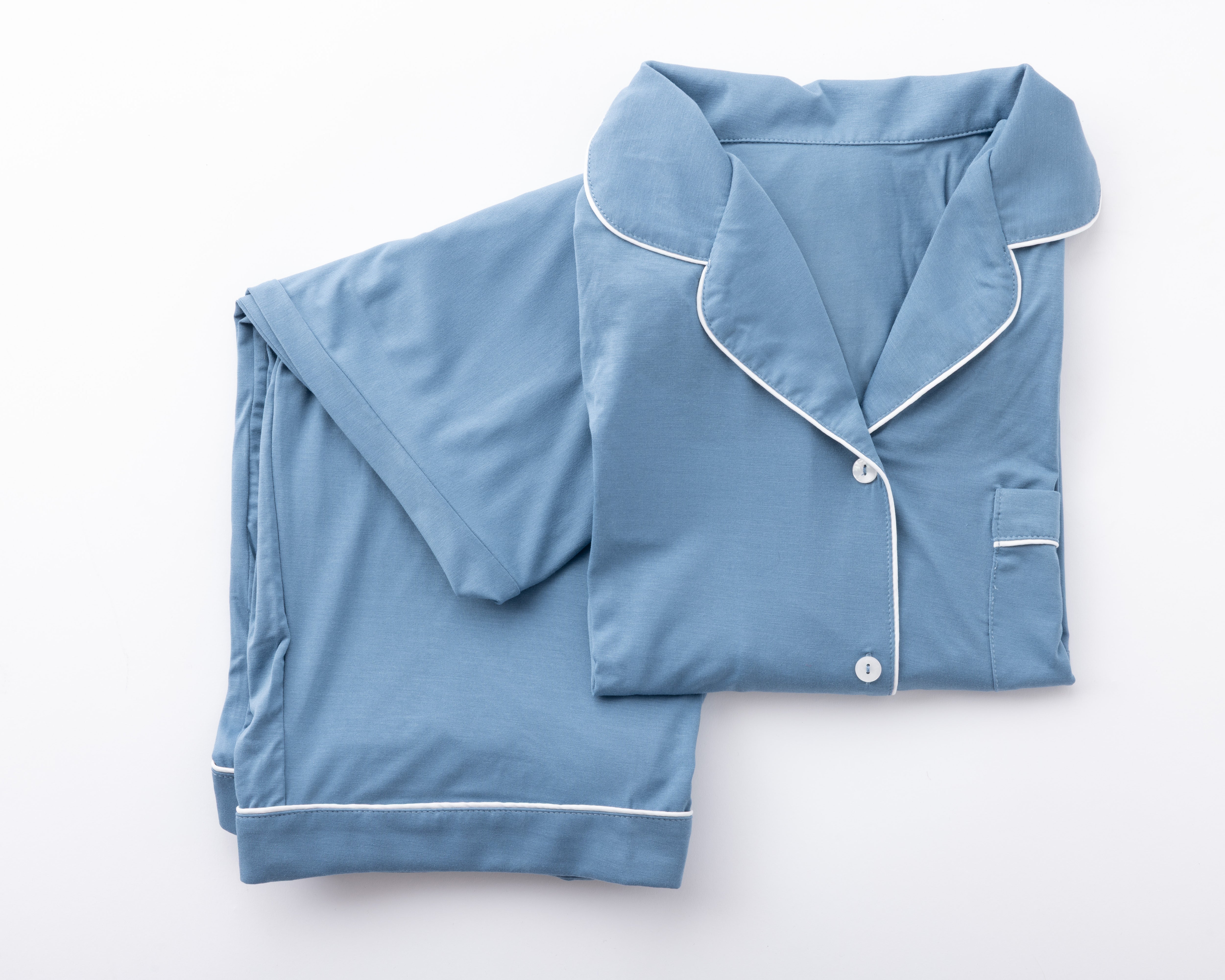
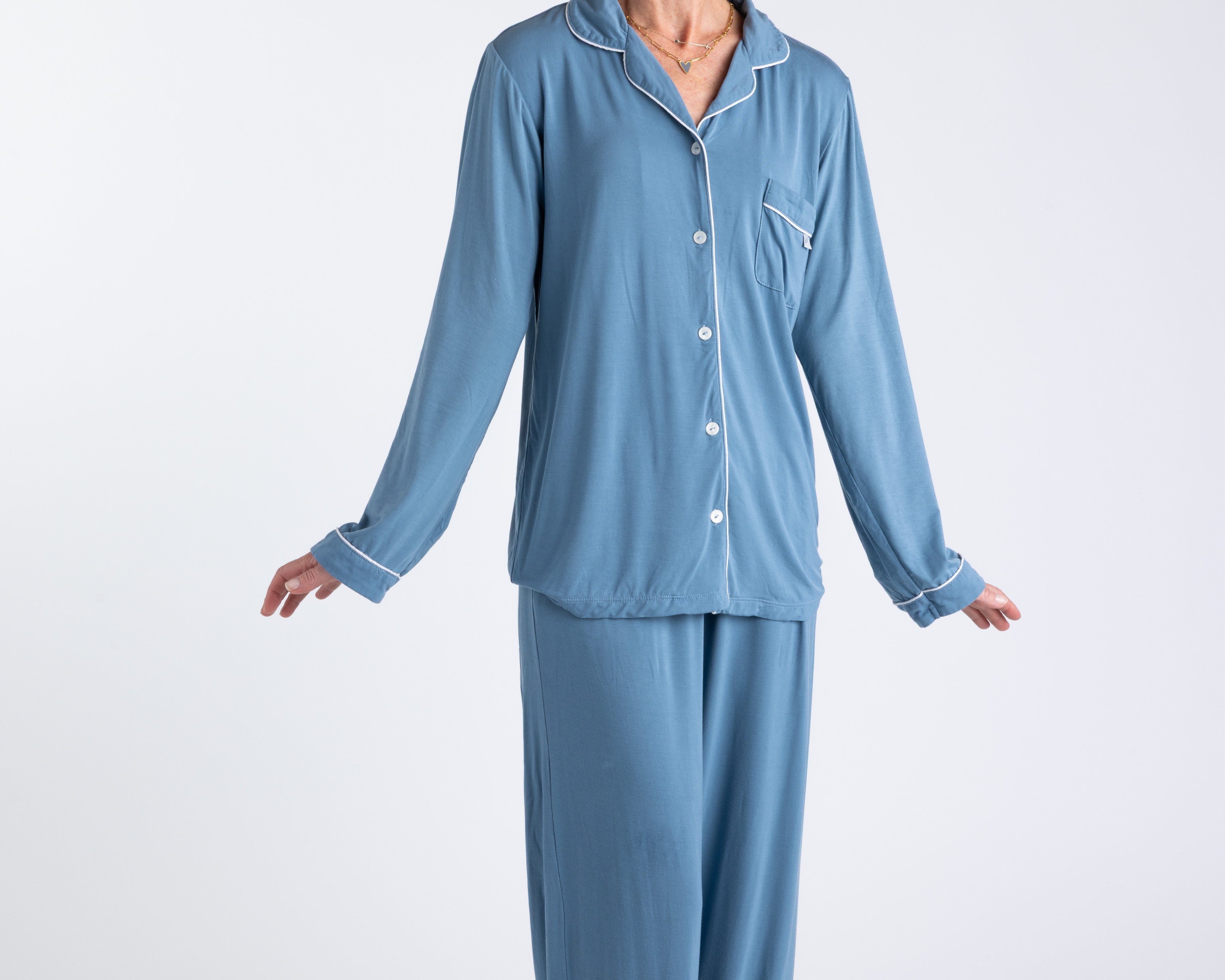
Tight waistbands and constricting pajamas put pressure on your abdomen, potentially forcing acid upward. Choose loose, comfortable sleepwear that doesn't bind around your midsection. Natural, breathable fabrics like cotton or bamboo help regulate your body temperature and reduce nighttime discomfort.
Managing Stress Before Bed
Stress increases stomach acid production and can worsen reflux symptoms. Developing a calming pre-bed routine helps signal your body that it's time to shift into rest mode. This might include gentle stretching, reading, meditation, or listening to calming music. Avoid screens for at least an hour before bed, as blue light can disrupt your sleep cycle and the content can increase stress levels.
Lifestyle Adjustments That Support Better Sleep
Certain daytime choices significantly impact nighttime acid reflux. Making gradual adjustments in these areas can lead to substantial improvements in your sleep quality.
Weight Management
Excess weight, particularly around the abdomen, puts pressure on your stomach and can weaken the lower esophageal sphincter. Even modest weight loss—as little as 10 to 15 pounds—can significantly reduce acid reflux symptoms. Focus on gradual, sustainable changes rather than dramatic diets that may actually worsen reflux in the short term.
Smoking Cessation
If you smoke, quitting is one of the most impactful changes you can make for acid reflux. Smoking weakens the lower esophageal sphincter, increases stomach acid production, reduces saliva production, and impairs the muscle reflexes in your throat. While quitting is challenging, the improvement in reflux symptoms provides powerful motivation.
Alcohol Moderation
Alcohol relaxes the lower esophageal sphincter and increases stomach acid production—a double threat for acid reflux sufferers. If you choose to drink, do so in moderation and avoid alcohol within three hours of bedtime. Wine and beer tend to be particularly problematic for many people with reflux.
Exercise Timing
Regular exercise supports digestive health and can help prevent acid reflux, but timing matters. Avoid vigorous exercise within three hours of bedtime, as the physical activity and increased abdominal pressure can trigger reflux. Morning or early afternoon exercise provides the benefits without the nighttime risks.
When to Seek Medical Guidance
While lifestyle changes and positioning strategies help many people manage acid reflux effectively, certain symptoms warrant professional medical evaluation. Consult your healthcare provider if you experience:
-
Acid reflux symptoms more than twice per week
-
Difficulty swallowing or pain when swallowing
-
Persistent nausea or vomiting
-
Unexplained weight loss
-
Chronic cough or hoarseness
-
Chest pain (always rule out cardiac causes first)
-
Blood in vomit or stool
-
Symptoms that don't improve with over-the-counter medications
Chronic acid reflux can lead to complications like esophageal damage, Barrett's esophagus, or esophageal cancer. Early intervention and proper management protect your long-term health while improving your immediate quality of life.

Frequently Asked Questions
Can sleeping with acid reflux cause permanent damage?
Chronic acid reflux can potentially cause permanent damage to your esophagus if left untreated. The repeated exposure to stomach acid can lead to inflammation, scarring, and in rare cases, precancerous changes. This is why proper management—including positioning strategies, lifestyle modifications, and medical treatment when necessary—is so important. Protecting your esophagus during sleep gives it time to heal and prevents progressive damage.
Is it safe to sleep on my left side if I have other health conditions?
Left-side sleeping is generally safe and beneficial for most people, including those with acid reflux. However, if you have certain heart conditions, your doctor may have specific positioning recommendations. Some people with heart failure, for instance, may find left-sided sleeping uncomfortable. Always discuss sleep positioning with your healthcare provider if you have complex medical conditions.
How long does it take to see improvement after changing sleep positions?
Many people notice some improvement in their first night of proper positioning, particularly in the frequency of nighttime awakening. However, if your esophagus has sustained damage from chronic reflux, healing takes time. Give your new sleep routine at least two to three weeks before evaluating its full effectiveness. Some people find their symptoms continue improving over several months as inflammation decreases and tissues heal.
Will I always need to sleep elevated, or is this temporary?
This depends on the underlying cause of your acid reflux. Some people find that after their esophagus heals and they've made other lifestyle changes, they can eventually sleep flat again without symptoms. Others may need to maintain elevation indefinitely, especially if they have conditions like a hiatal hernia or a weakened lower esophageal sphincter. Work with your healthcare provider to understand your specific situation and long-term outlook.
Can children sleep with elevated positioning for acid reflux?
Infants and young children with reflux should only use positioning strategies under direct guidance from their pediatrician. The sleep position recommendations for preventing SIDS take precedence in infants. For older children and teenagers, elevated positioning can be helpful, but always consult with their healthcare provider first to ensure it's appropriate for their specific situation.
What if I can't fall asleep in a new position?
Adjusting to a new sleep position takes time and patience. Start by practicing the new position for the first part of the night, allowing yourself to shift if you're still awake after 30 minutes. We have a great guide on How to Train Yourself to Sleep on Your Back. Over several weeks, your body will adapt. Using supportive pillows designed for positioning (like the Sleep Again Pillow System) makes this transition more comfortable than trying to manage with regular pillows.
Are there foods I can eat before bed that won't trigger reflux?
If you need a small snack before bed, choose bland, low-acid options that digest easily. Good choices include oatmeal, bananas, melons, fennel, almonds, or a small piece of whole-grain toast. Avoid trigger foods like citrus, tomatoes, chocolate, mint, spicy foods, and anything high in fat, all of which can relax the lower esophageal sphincter or increase acid production.
SLEEP BETTER WITH ACID REFLUX TODAY
Finding the right approach to sleeping with acid reflux may require some experimentation and patience. What works perfectly for one person might need adjustment for another. The key is starting with the fundamentals—proper positioning, adequate elevation, and supportive sleep surfaces—and then fine-tuning based on your individual response.
Remember that managing acid reflux isn't about achieving perfection every single night. It's about establishing sustainable habits and creating a sleep environment that works with your body's needs rather than against them. Small, consistent improvements in your sleep positioning and routines can compound into significant relief over time.
Your body deserves restful, healing sleep. With the right strategies and support, those nights of burning discomfort can become a memory rather than a nightly reality.
Medical Disclaimer
This information is provided for educational purposes only and should not replace professional medical advice from your surgical team. Mastectomy procedures vary significantly in technique, extent, and individual patient factors that affect recovery timelines.
Always follow your surgeon's specific post-operative instructions regarding sleep positioning, physical activity restrictions, and recovery milestones. These medical guidelines take precedence over any general information provided here.
Contact your healthcare provider immediately if you experience signs of complications, including fever, sudden increase in pain, wound drainage, significant swelling, or breathing difficulties during recovery. Your surgical team knows your specific case and can provide guidance appropriate to your individual situation.
The mention of specific products is for informational purposes only and does not constitute medical endorsement. Consult your surgical team about positioning support options appropriate for your recovery needs. Every patient's recovery is unique, and equipment that works well for one patient may not be suitable for another based on individual medical factors.