
So you're getting an arm lift. Excellent choice—this procedure successfully addresses excess upper arm skin, which is a source of frustration for many. But here's what you're probably researching: sleeping after brachioplasty is an entirely different game than your normal routine.
The good news? Unlike most post-surgical sleep challenges, arm lift recovery sleep is something you can actually prepare for. And if you're reading this before surgery, you're already ahead of the curve.
This guide tackles the real sleep challenges of arm lift recovery—from pre-surgery planning through your return to normal positions—with specific focus on why elevated back sleeping becomes your new best friend.
Why Does Sleeping Position Matter So Much After Arm Lift Surgery?
Your surgeon just made precise incisions from your armpit to elbow (or just in the armpit for mini arm lifts), removed excess skin, tightened tissues, and repositioned everything for that sleeker contour you wanted.
Now your body needs to heal without tension, excessive movement, or pressure that could compromise results. Your sleep position directly affects all three.
Elevation reduces swelling: Upper arm swelling peaks around days 2-4. Keeping arms elevated above heart level while sleeping helps lymphatic drainage and reduces uncomfortable puffiness.
Positioning prevents tension: Certain sleep positions put tension on fresh incisions. Too much tension equals wider scars, potential complications, and results that don't match what your surgeon planned.
Back sleeping protects surgical sites: Arms need neutral positions—not stretched overhead, not compressed underneath body weight, and definitely not bearing your torso load if you roll onto your side.
Some studies on surgical healing suggest that proper positioning actually accelerates recovery, reduces complications, and improves final cosmetic outcomes. This isn't comfort advice—it's critical to your surgical success.
What Makes Arm Lift Recovery Sleep Different From Other Surgeries?
You have bilateral surgical sites: Unlike single-sided surgeries, you're managing healing on both arms simultaneously. You can't compensate by favoring one side—both arms need proper positioning every night.
Your arms need specific positioning: Not just "elevated," but elevated at the right angle, supported properly, and positioned to prevent unconscious movement that could stress incisions.
Standard pillows fail: Regular pillows compress under arm weight, shift during sleep, and fail at maintaining therapeutic positioning for 7-8 hours. By morning, your carefully arranged pillows have shifted out of position.
You can't sleep on your sides: For at least the first few weeks, side sleeping is off the table. This requires developing new sleep habits while dealing with surgical discomfort and medication effects.

How Should I Actually Sleep After Arm Lift Surgery?
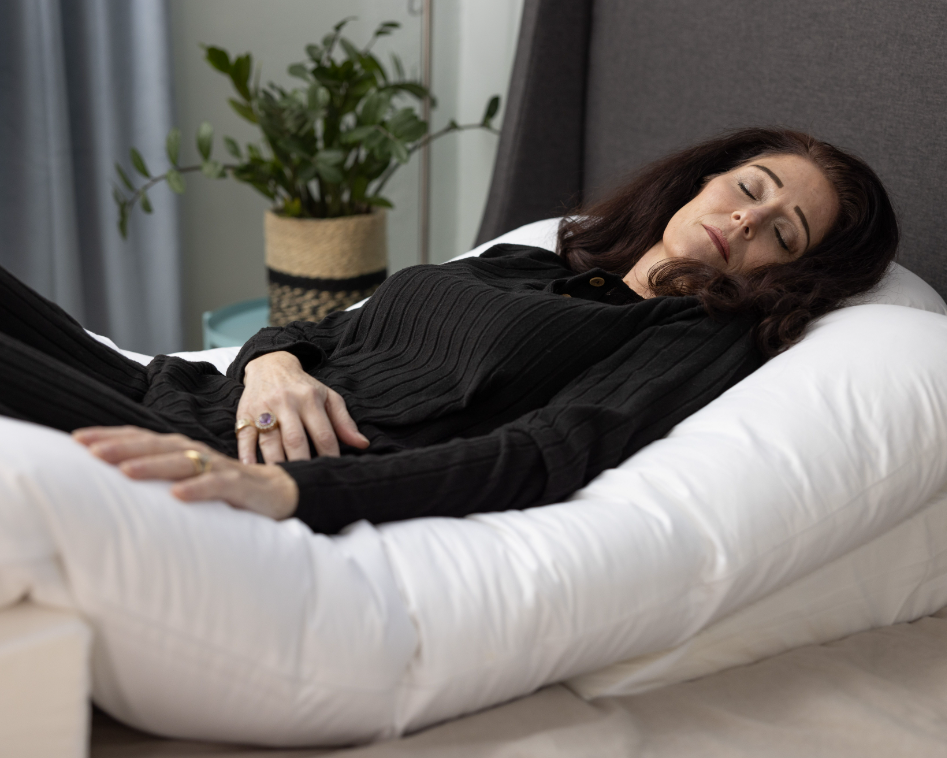
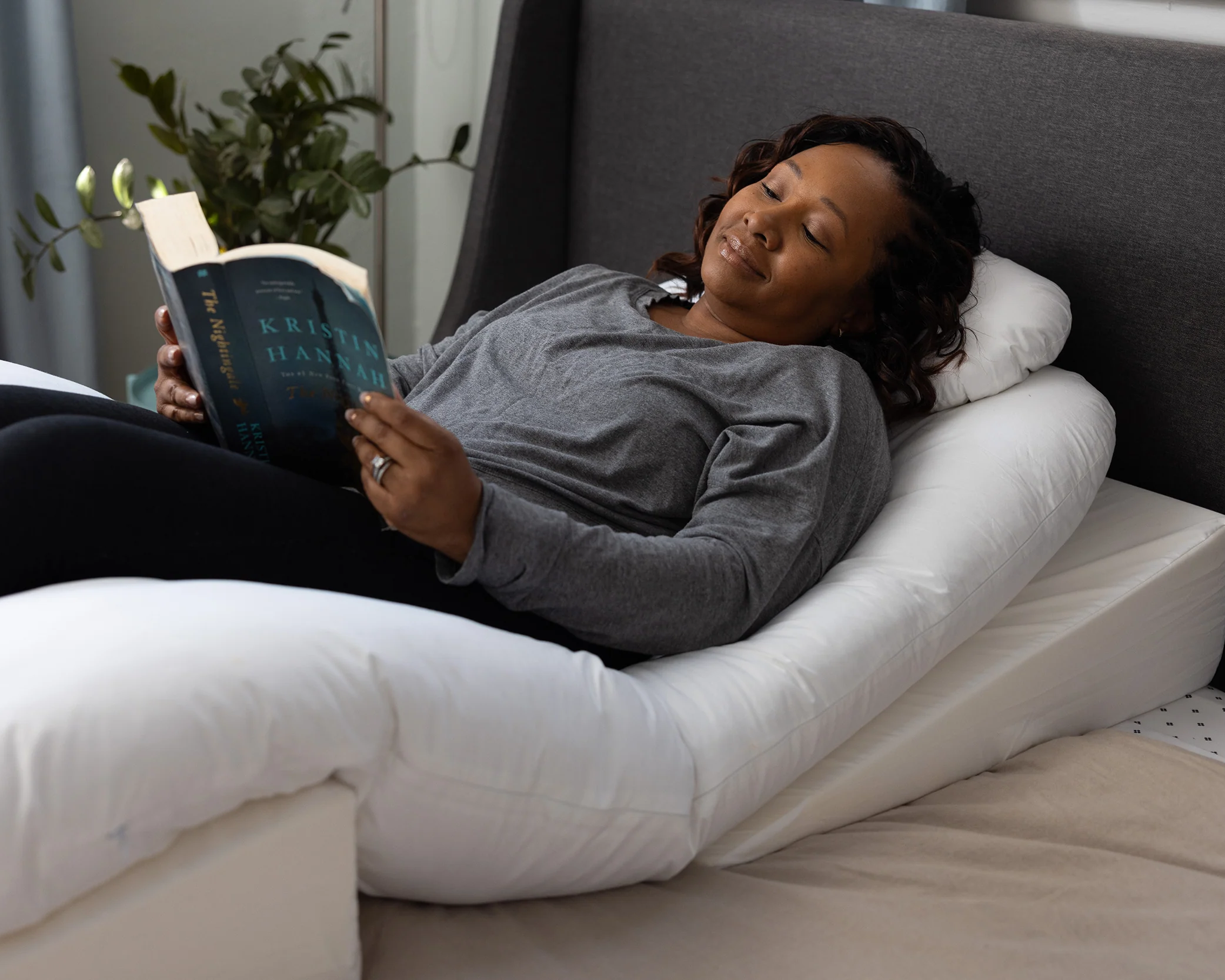
The gold standard position for arm lift recovery is elevated back sleeping at 30-45 degrees with bilateral arm support. Let's break down exactly what this means and why it works.
The Therapeutic Angle: Why 30-45 Degrees?
This specific elevation range isn't arbitrary. It's the sweet spot where multiple therapeutic benefits converge:
Optimal lymphatic drainage: At 30-45 degrees, gravity assists your lymphatic system in moving excess fluid away from your arms, reducing swelling more effectively than lying flat.
Reduced incision tension: This angle naturally positions your arms in a way that minimizes pull on incisions, especially in the underarm area where skin tension can be significant.
Comfortable breathing: Steep elevation (50+ degrees) can make it harder to relax into sleep. The 30-45 degree range keeps airways open while remaining comfortable for extended rest.
Spinal alignment: When done correctly, this elevation maintains your spine's natural curve, preventing the lower back pain that often plagues back-sleeping beginners.
The Bilateral Arm Support Setup
Your arms can't just hang at your sides during recovery. They need active support that maintains proper positioning throughout the night. Here's what works:
Position both arms slightly away from your body: Your arms should be positioned in their natural relaxed state—not pressed against your sides, but not stretched out either. About 15-20 degrees away from your torso is ideal.
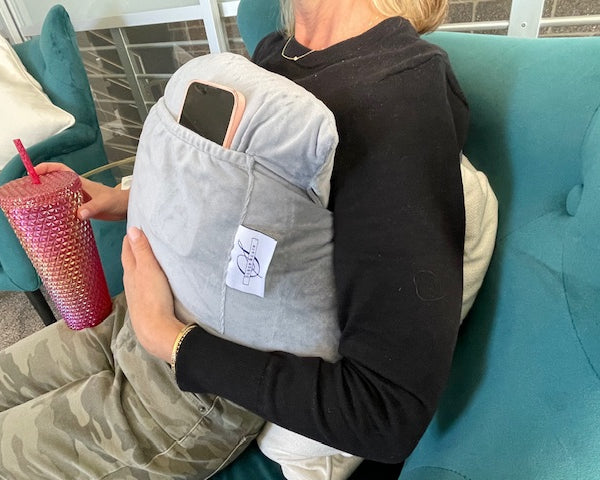
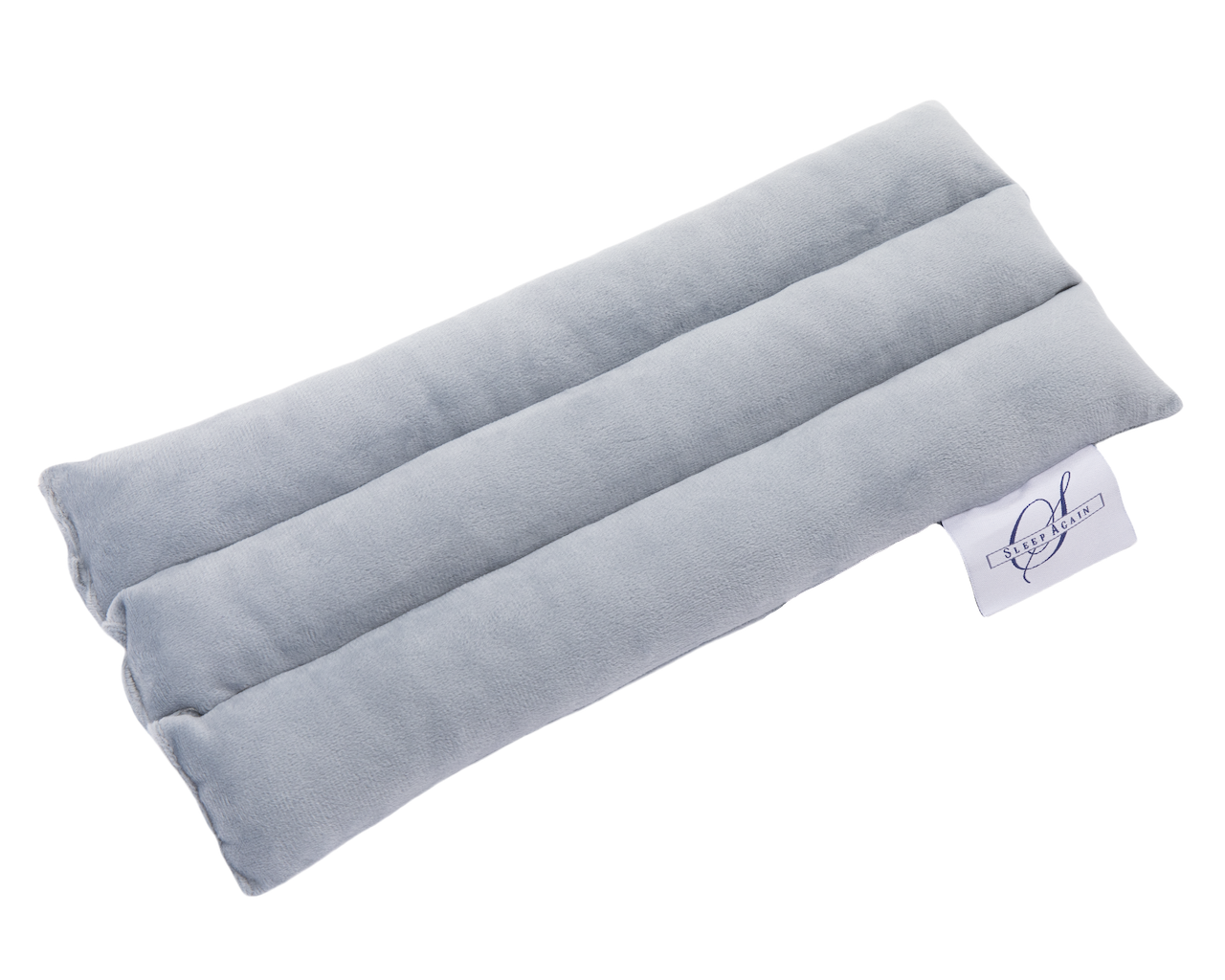
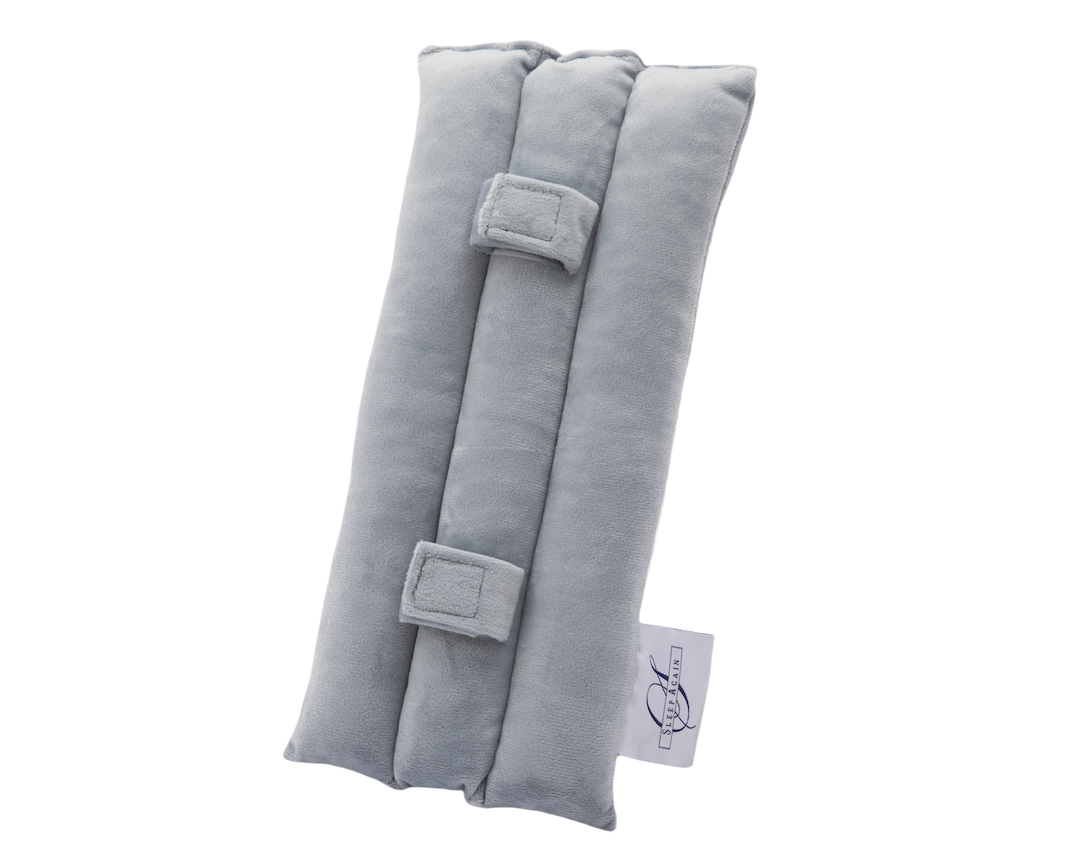
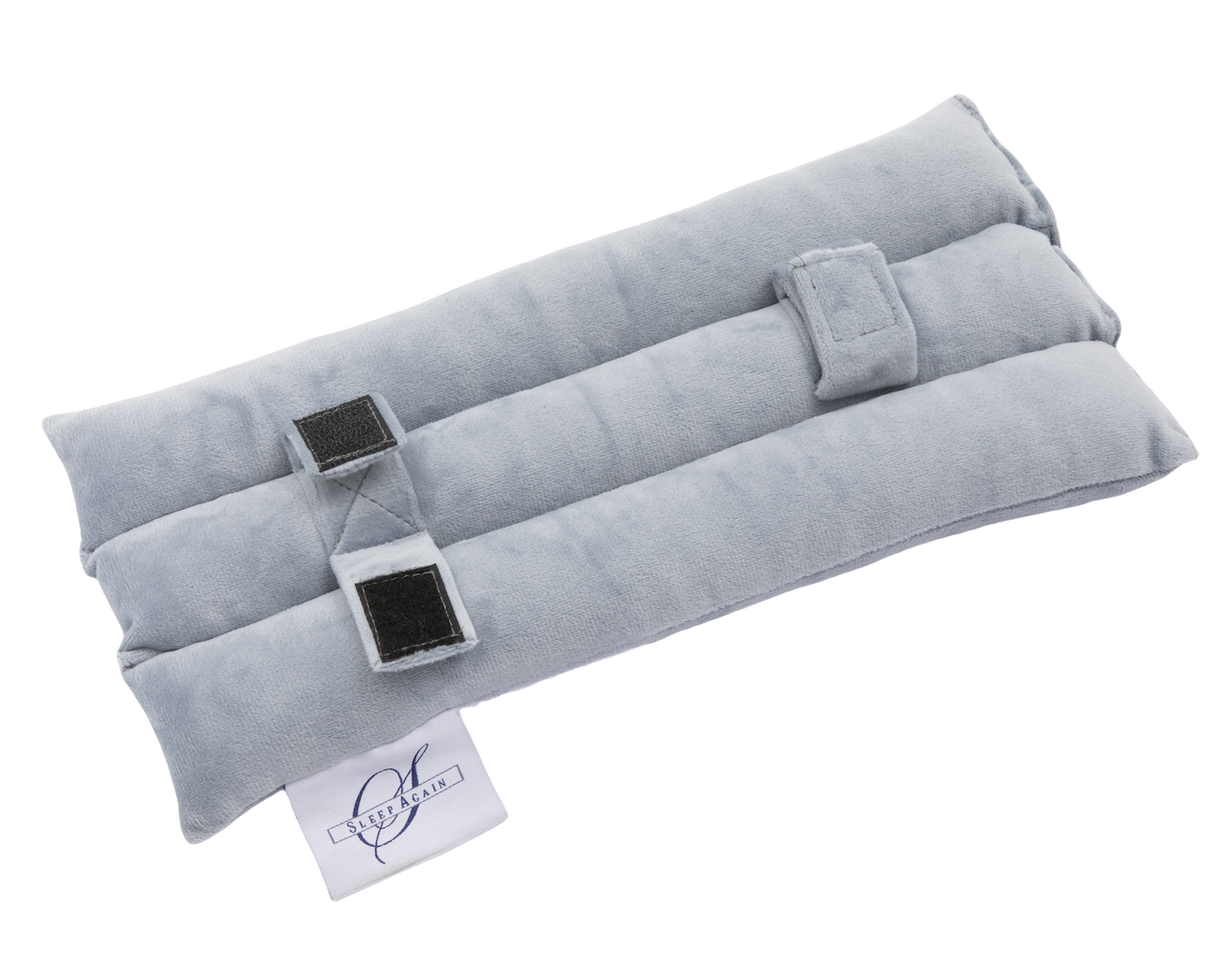
Support from shoulder to wrist: Each arm needs continuous support along its entire length. No gaps, no pressure points, and no areas where weight concentrates.
Maintain elbow position: Your elbows should be supported at roughly the same level as your body, not hanging down or propped too high.
Keep palms facing up or neutral: Internal rotation (palms down) can increase tension on your incisions. Neutral to slightly supinated (palms up) positions work best.
Can I Use Regular Pillows for Arm Lift Recovery Sleep?
You can try. Many patients do. Most end up frustrated when they wake up with collapsed pillows, arms in questionable positions, and that nagging feeling they're not healing as efficiently as possible.
Regular household pillows face three fundamental problems:
Compression under sustained weight: Standard pillows lose 30-40% of their height by morning when supporting arm weight for 7-8 hours.
Shifting during sleep: Even perfect pillow arrangements before sleep migrate during normal movement, creating gaps and leaving arms in suboptimal positions.
Insufficient density: Soft pillows feel comfortable initially but don't provide firm, consistent support needed to maintain therapeutic angles. Arms sink into them rather than resting on them.
The DIY Reality
If you're determined to use regular pillows, you'll need: 1 wedge or 3-4 stacked pillows for upper body elevation, 2 firm pillows per arm for support (4 total), 1 under knees for spinal alignment, and 2 barrier pillows per side to prevent rolling (4 total). That's 10-13 pillows.
Most DIY patients report spending 10-15 minutes arranging pillows nightly, waking multiple times to readjust, and dealing with inconsistent sleep quality that impacts recovery energy.
Why put yourself through this extra frustration when you're already trying to heal? The Sleep Again Pillow System can help.

What's the Best Pillow System for Arm Lift Recovery?
Given the unique positioning challenges of bilateral arm surgery, the question isn't whether you need a specialized system—it's which one actually delivers the therapeutic support you need for consistent healing sleep.
Why Professional Positioning Systems Outperform DIY Approaches
Professional recovery positioning systems are specifically engineered to solve the exact problems you'll face during arm lift recovery. Rather than hoping a collection of household pillows maintains therapeutic angles, you get components designed to work together throughout the night.
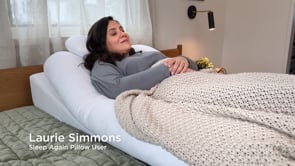
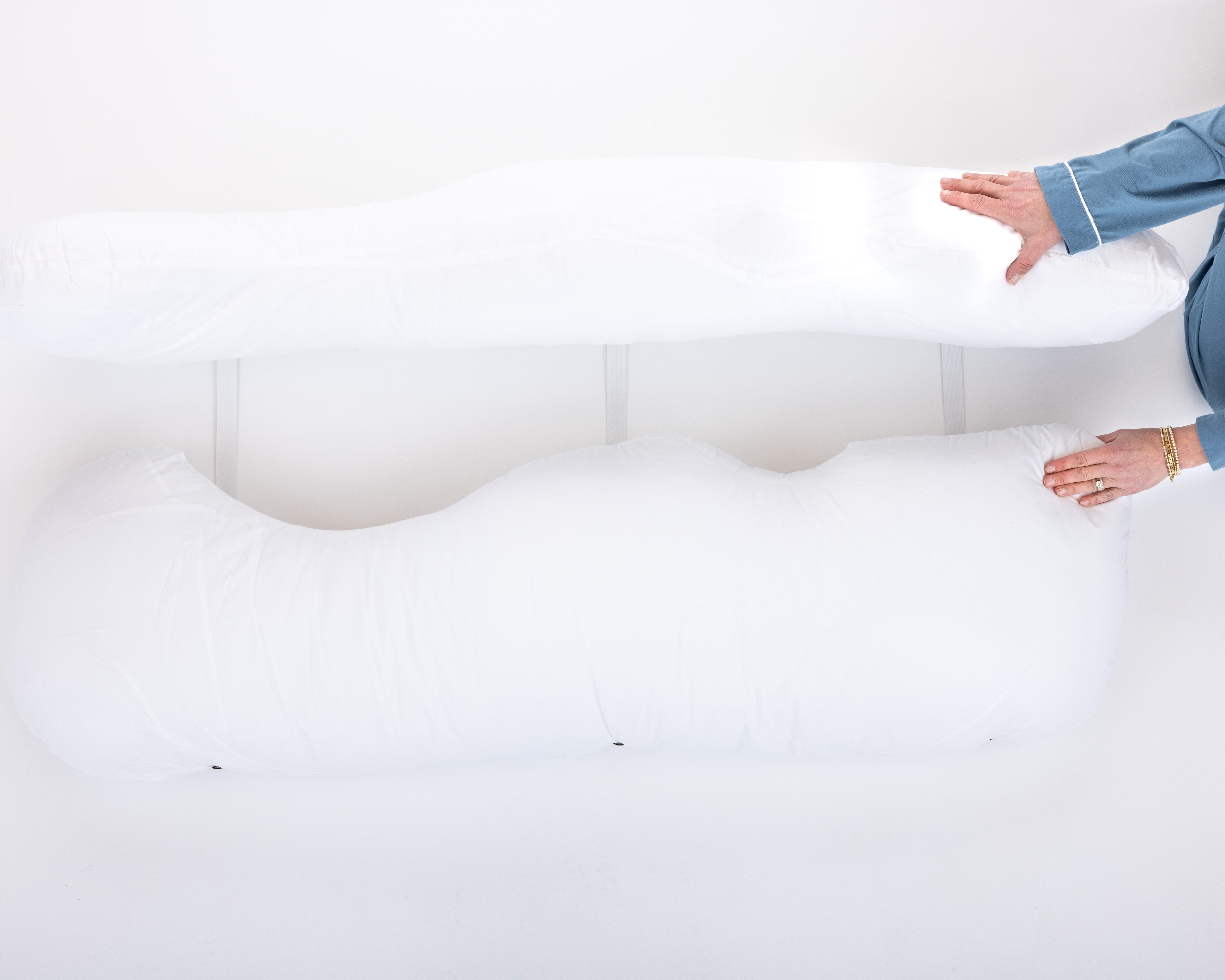
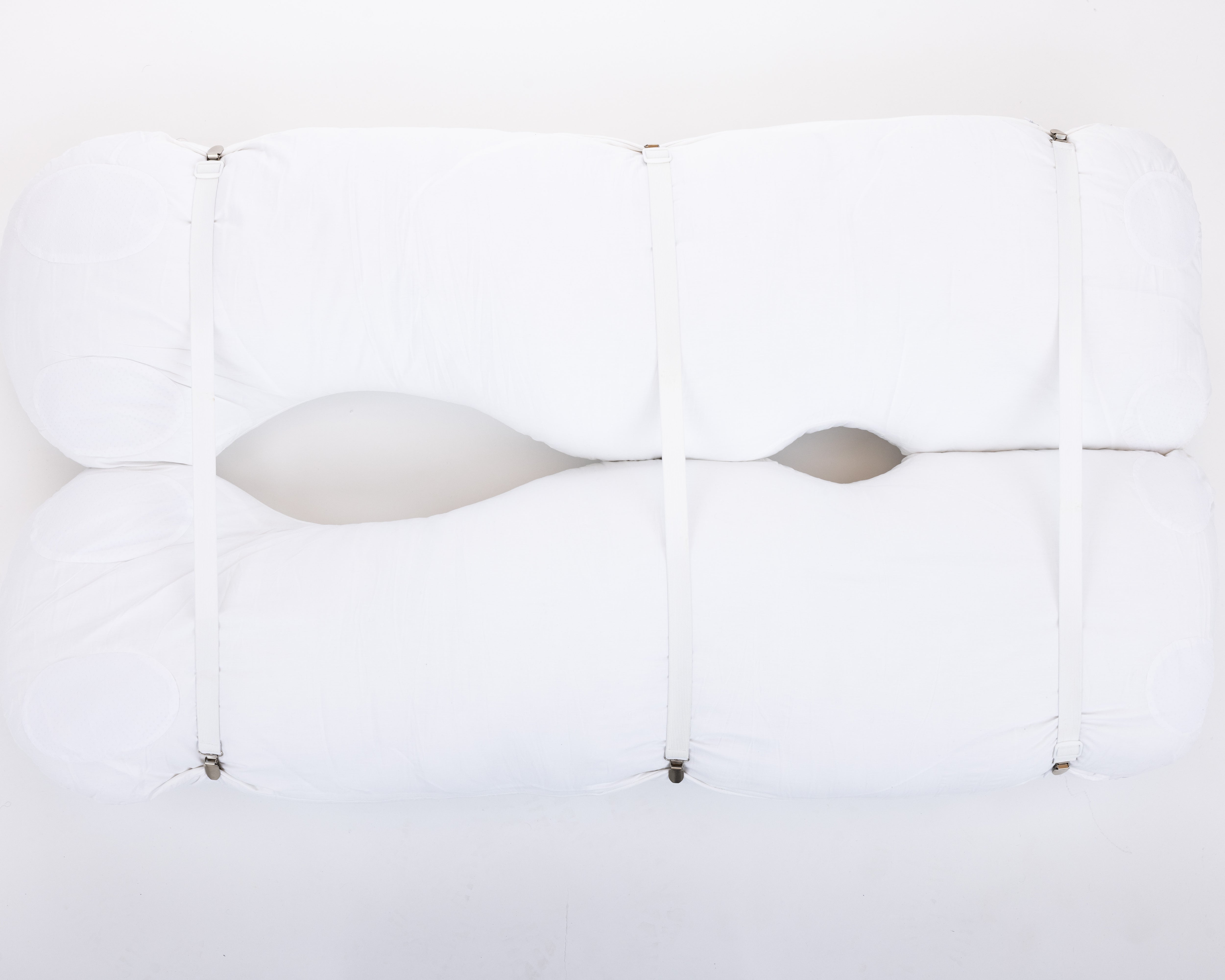
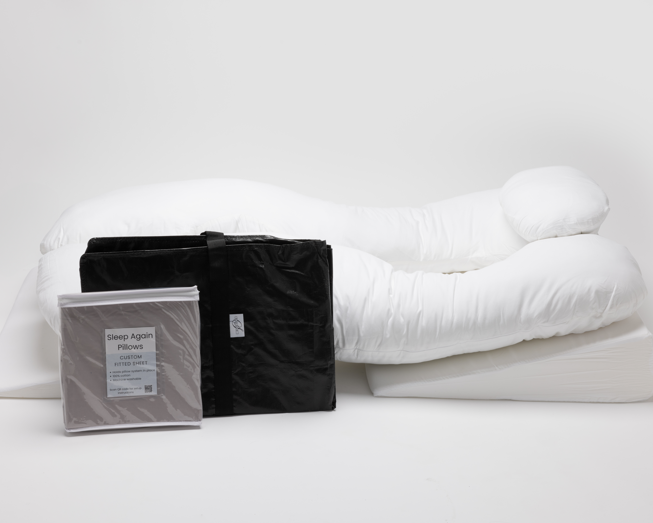
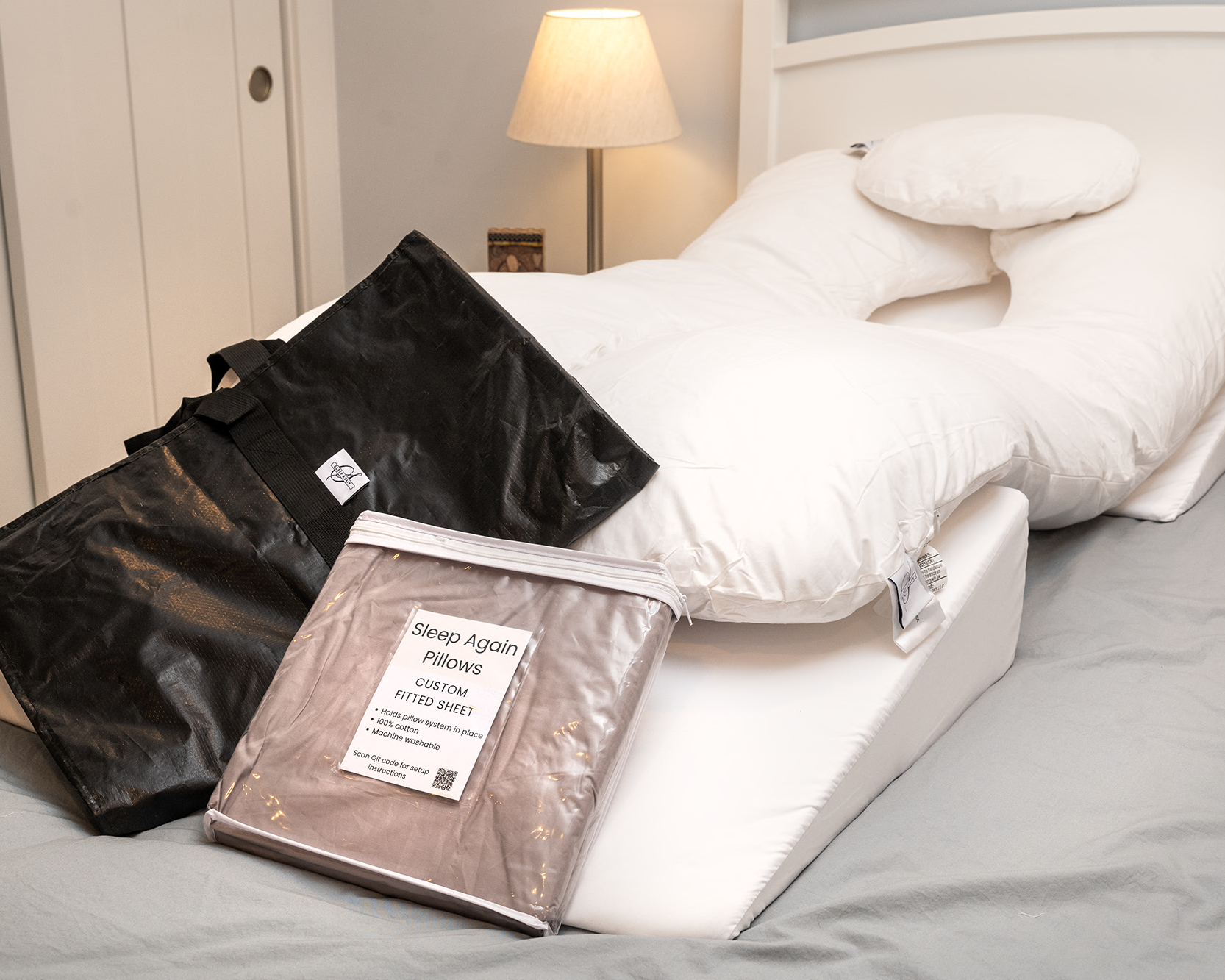
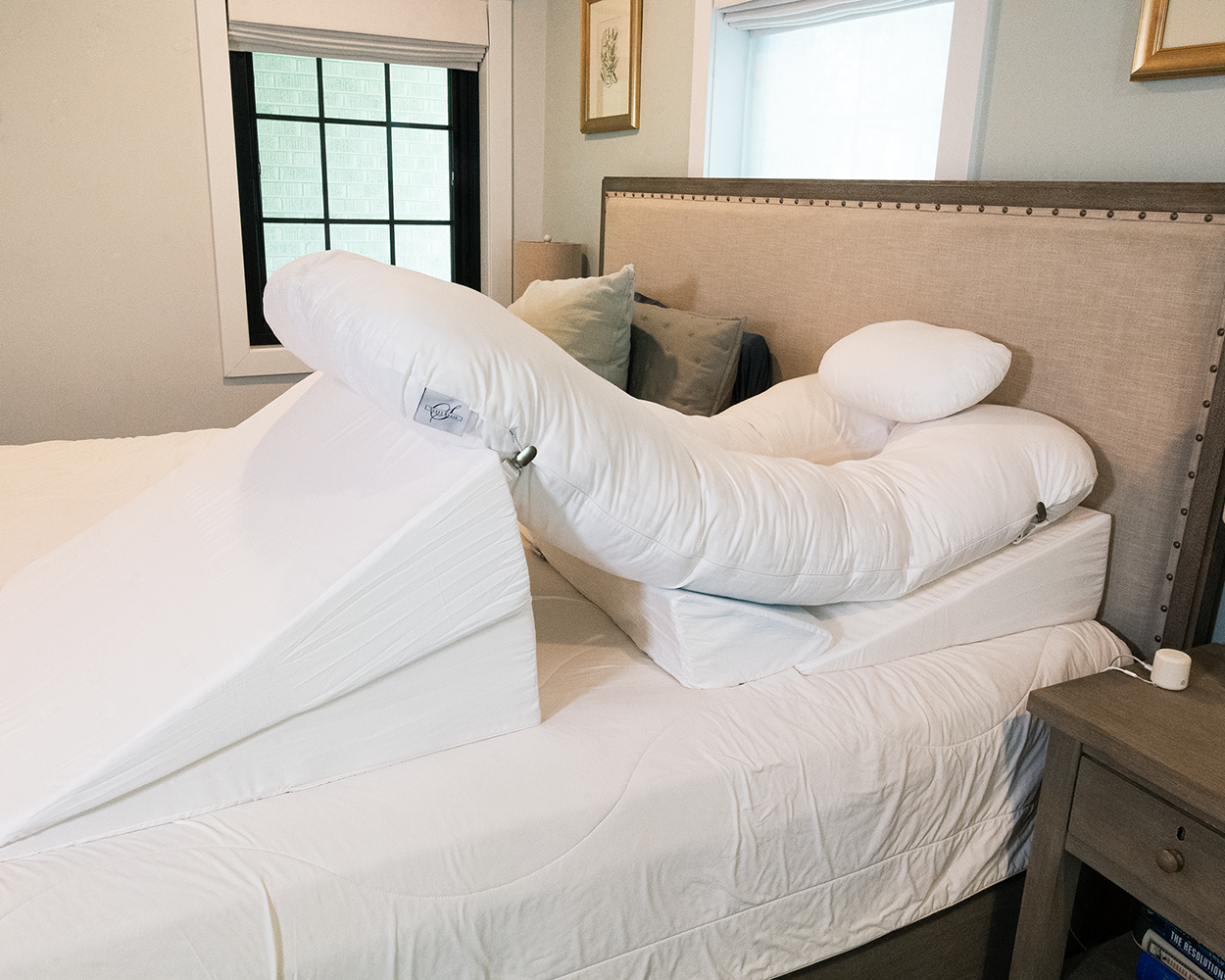
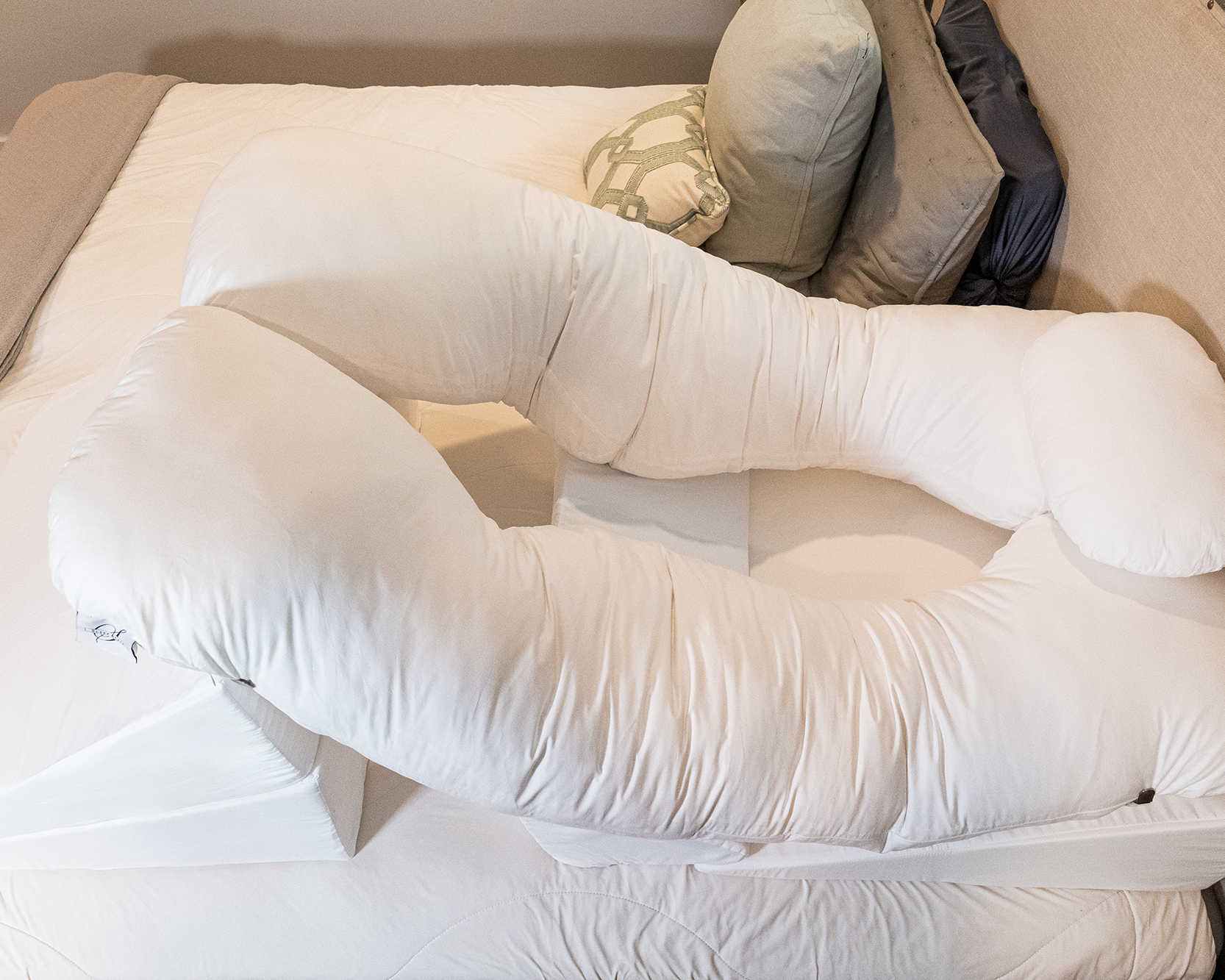
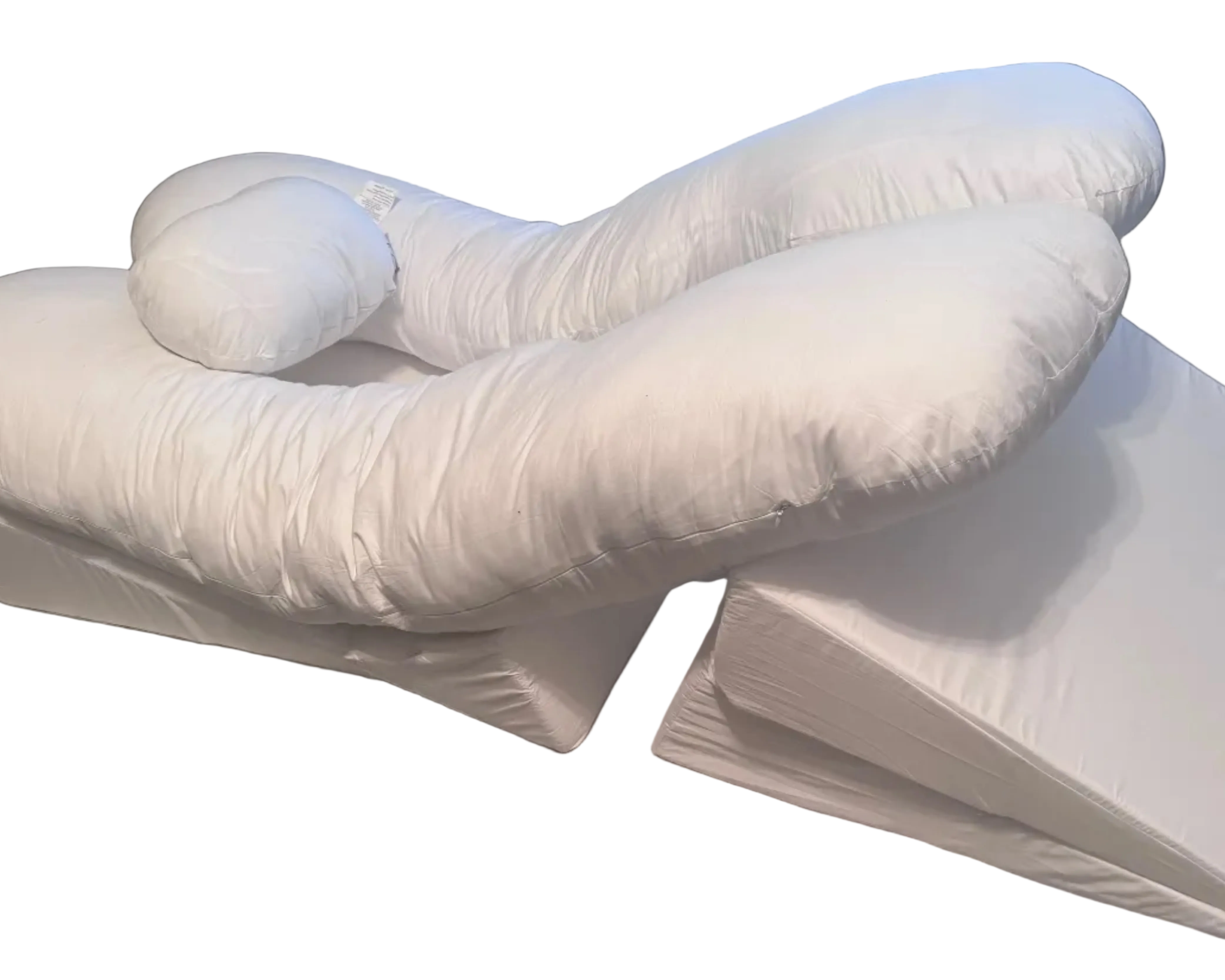
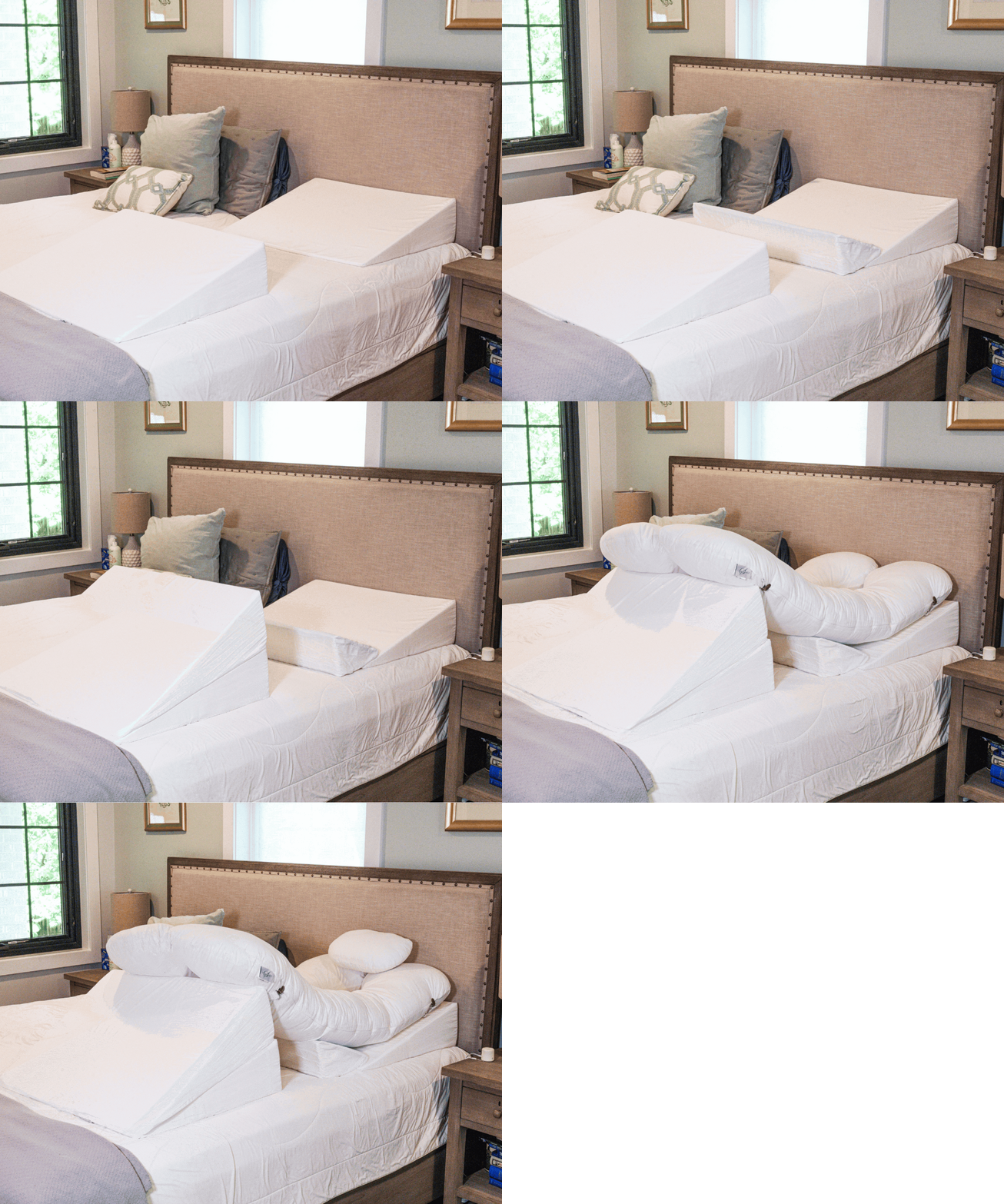
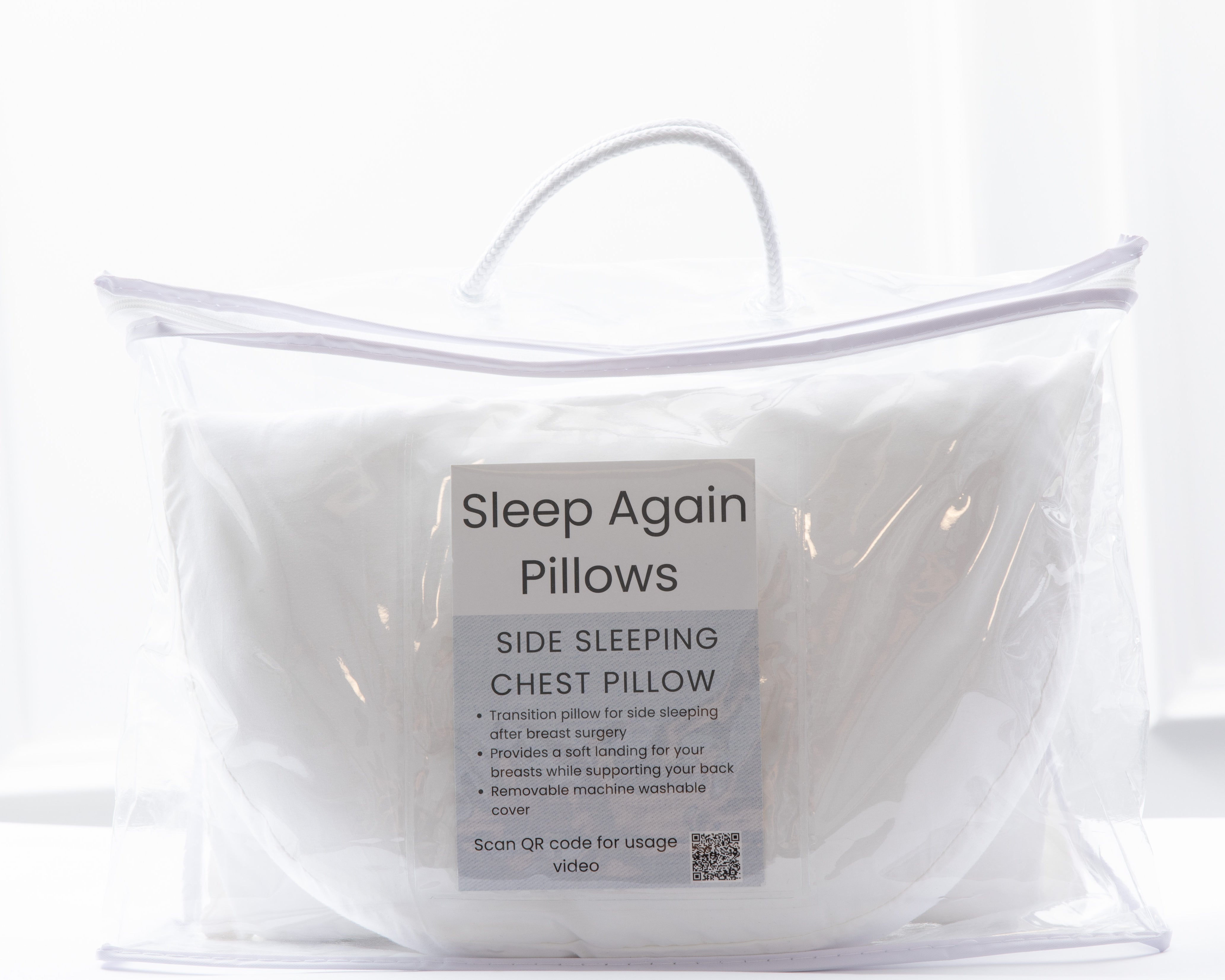
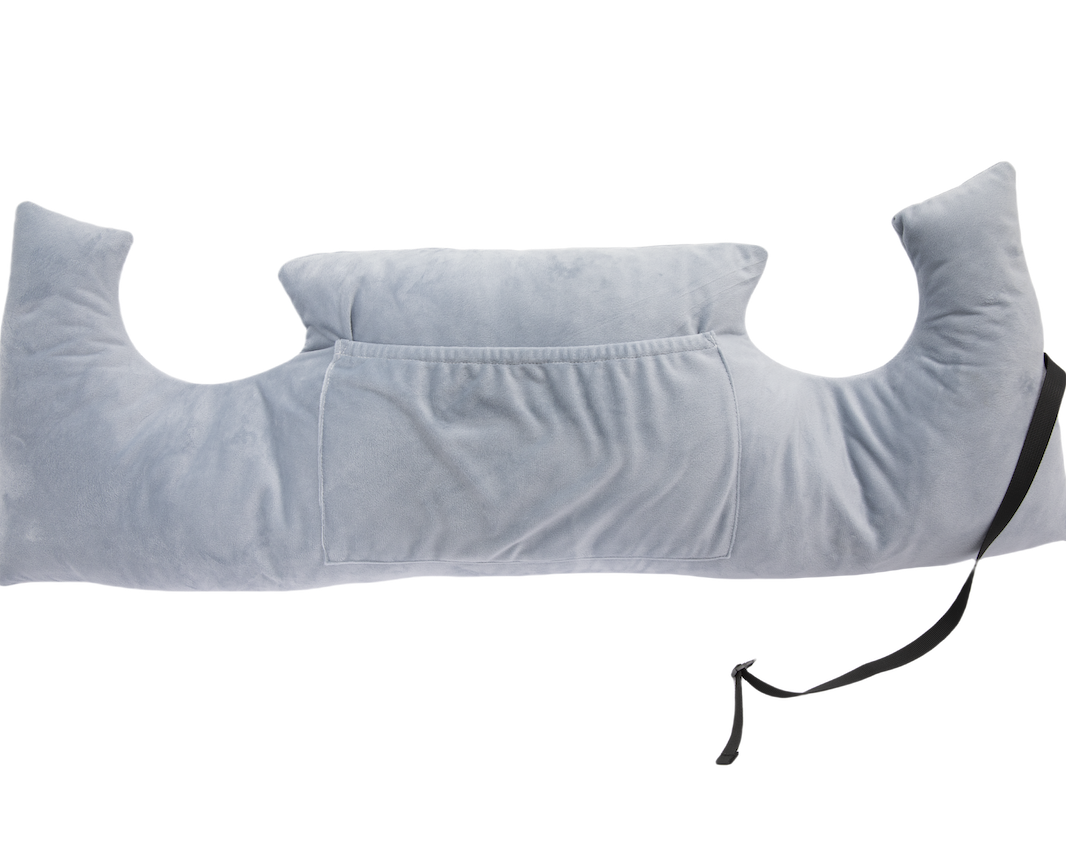
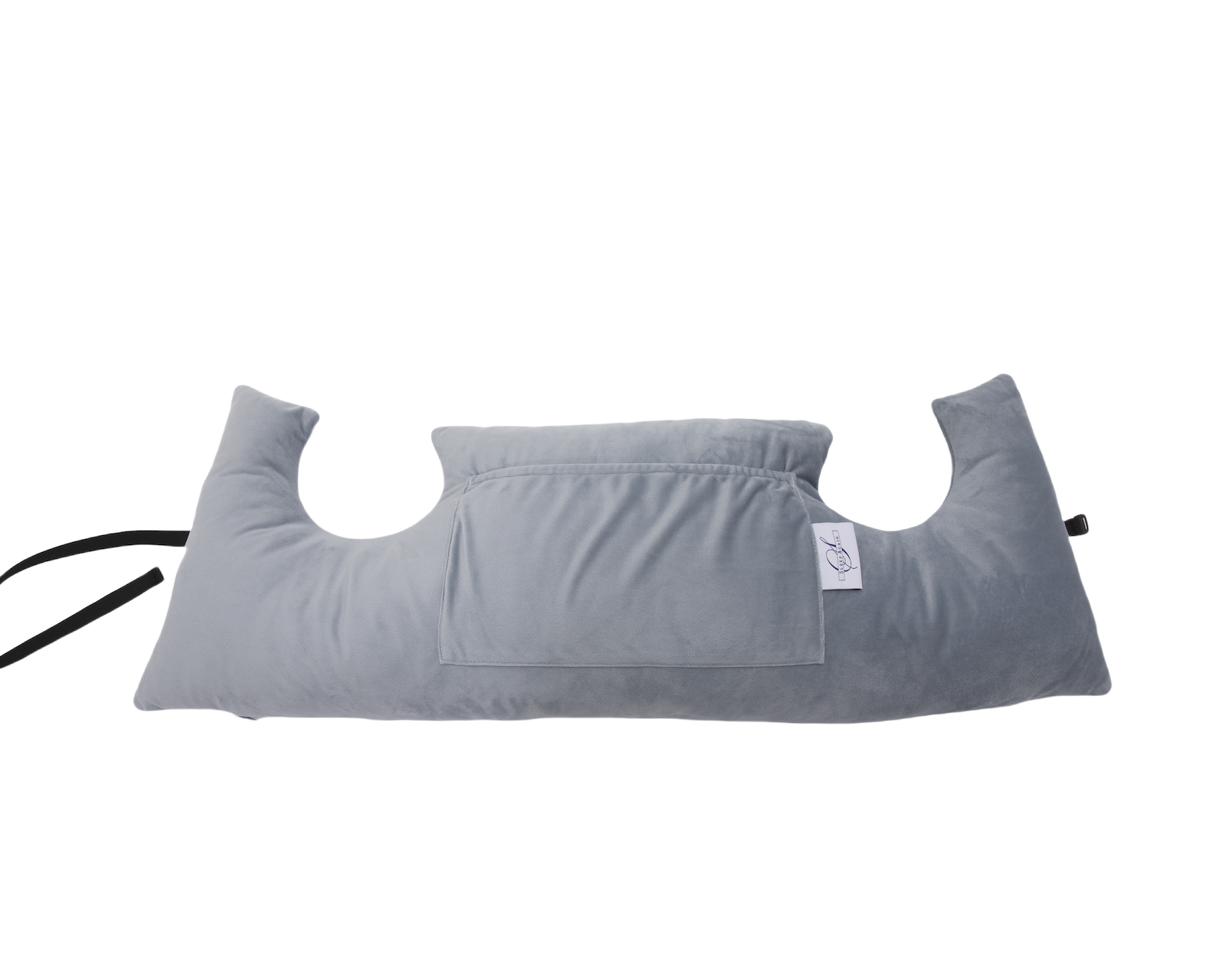
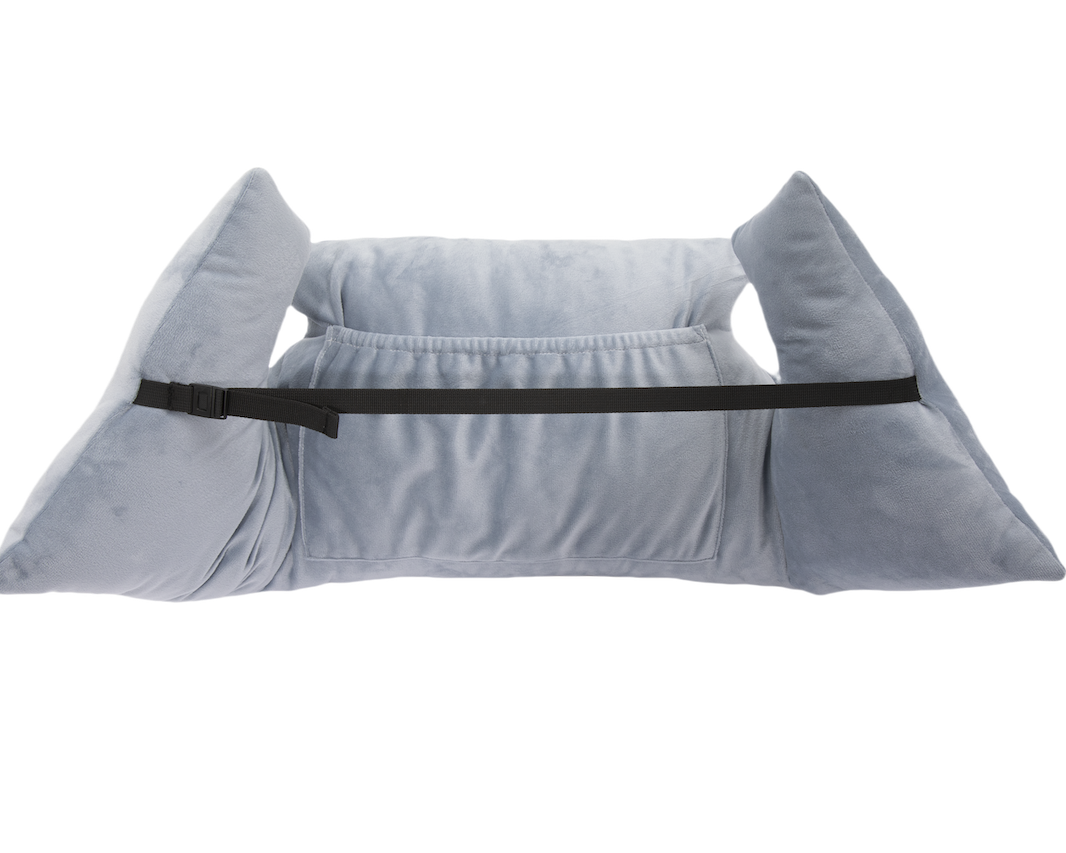
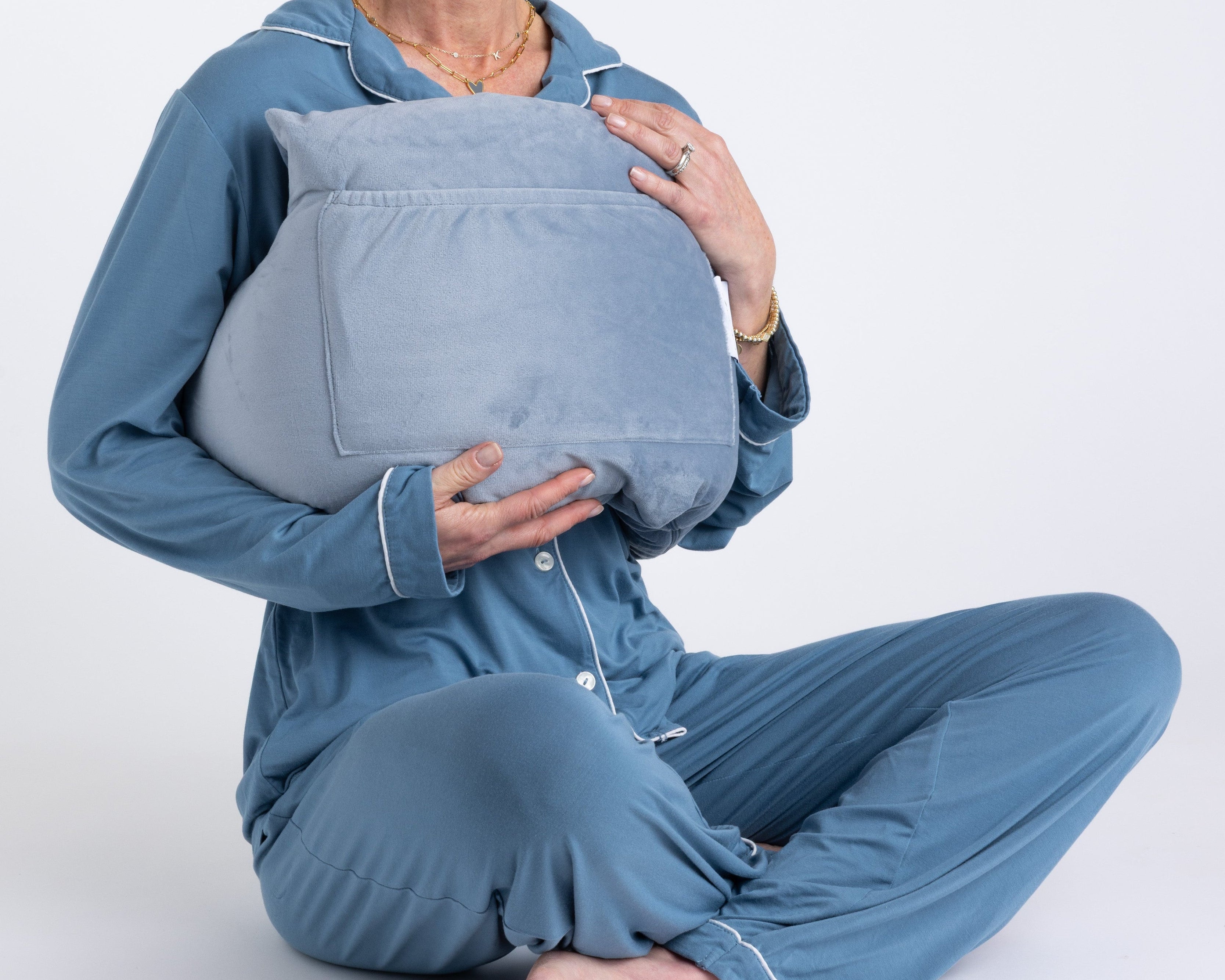
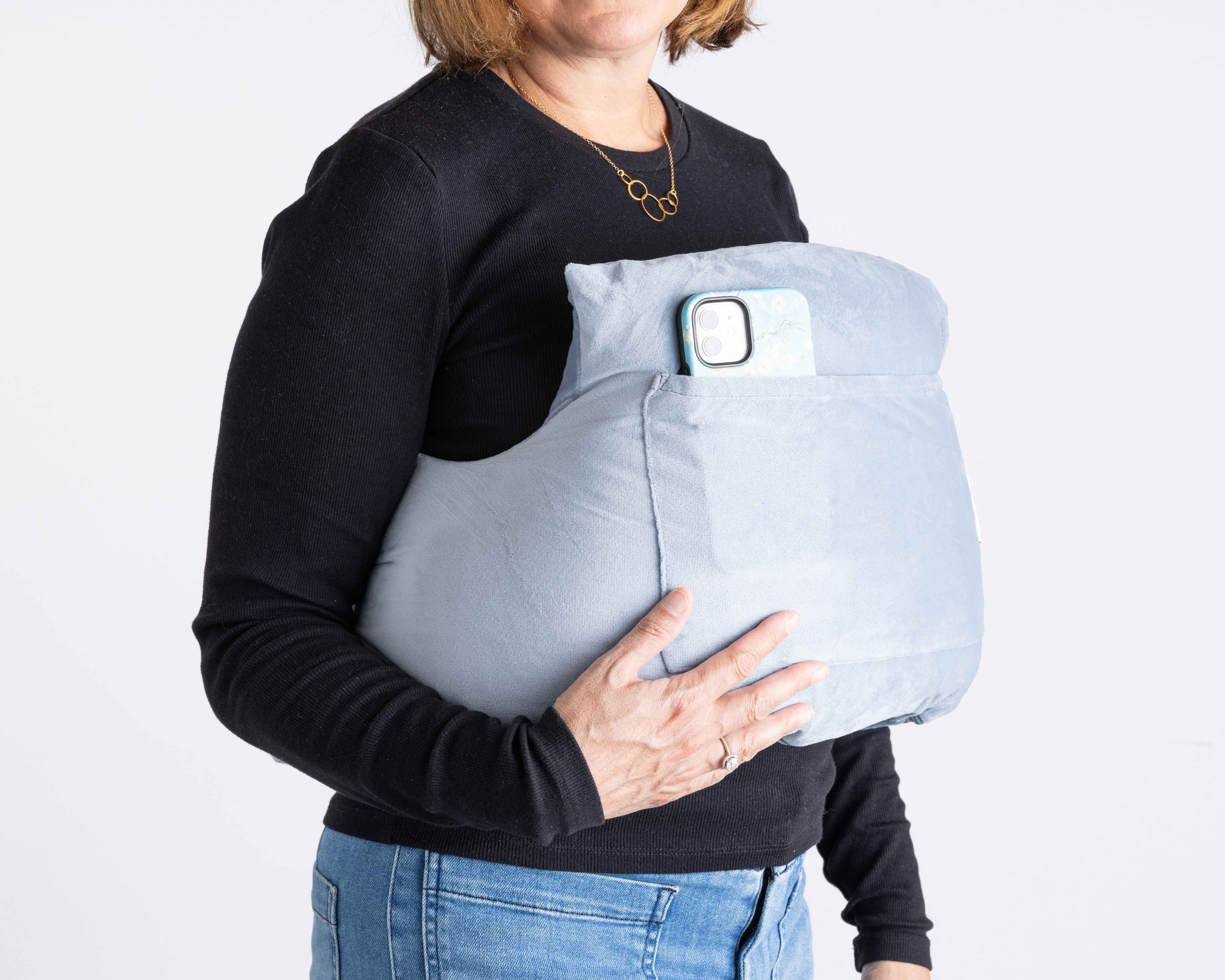
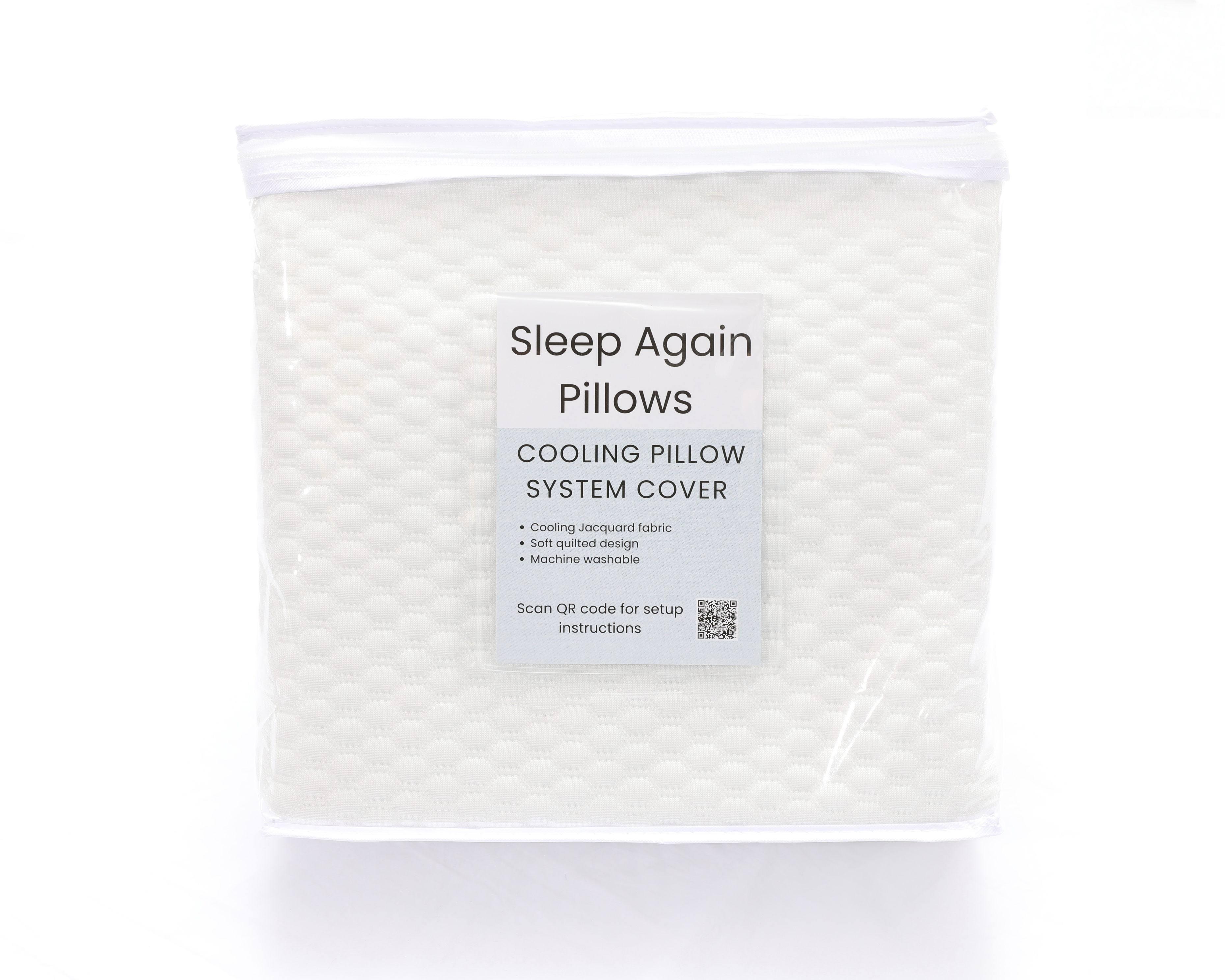
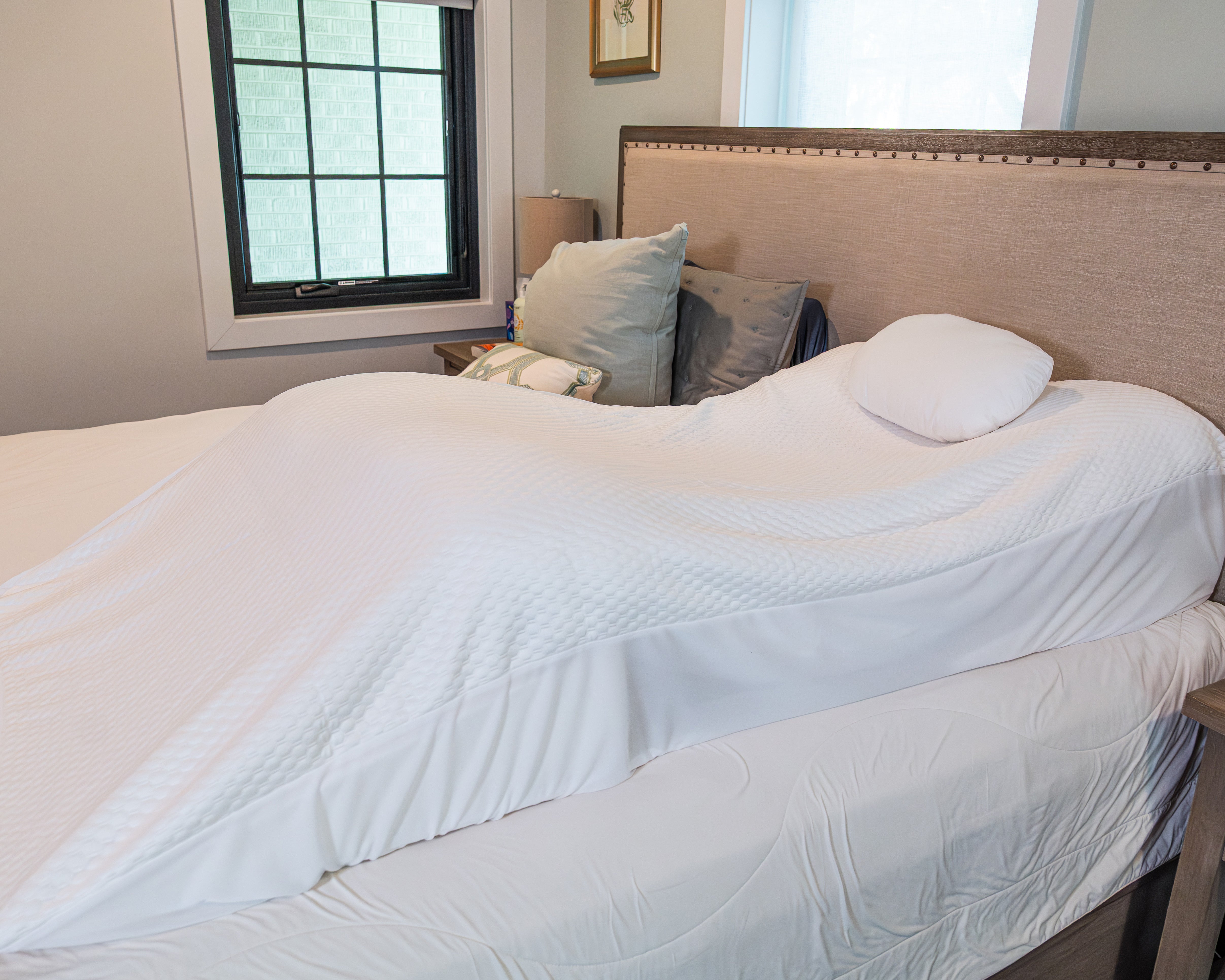
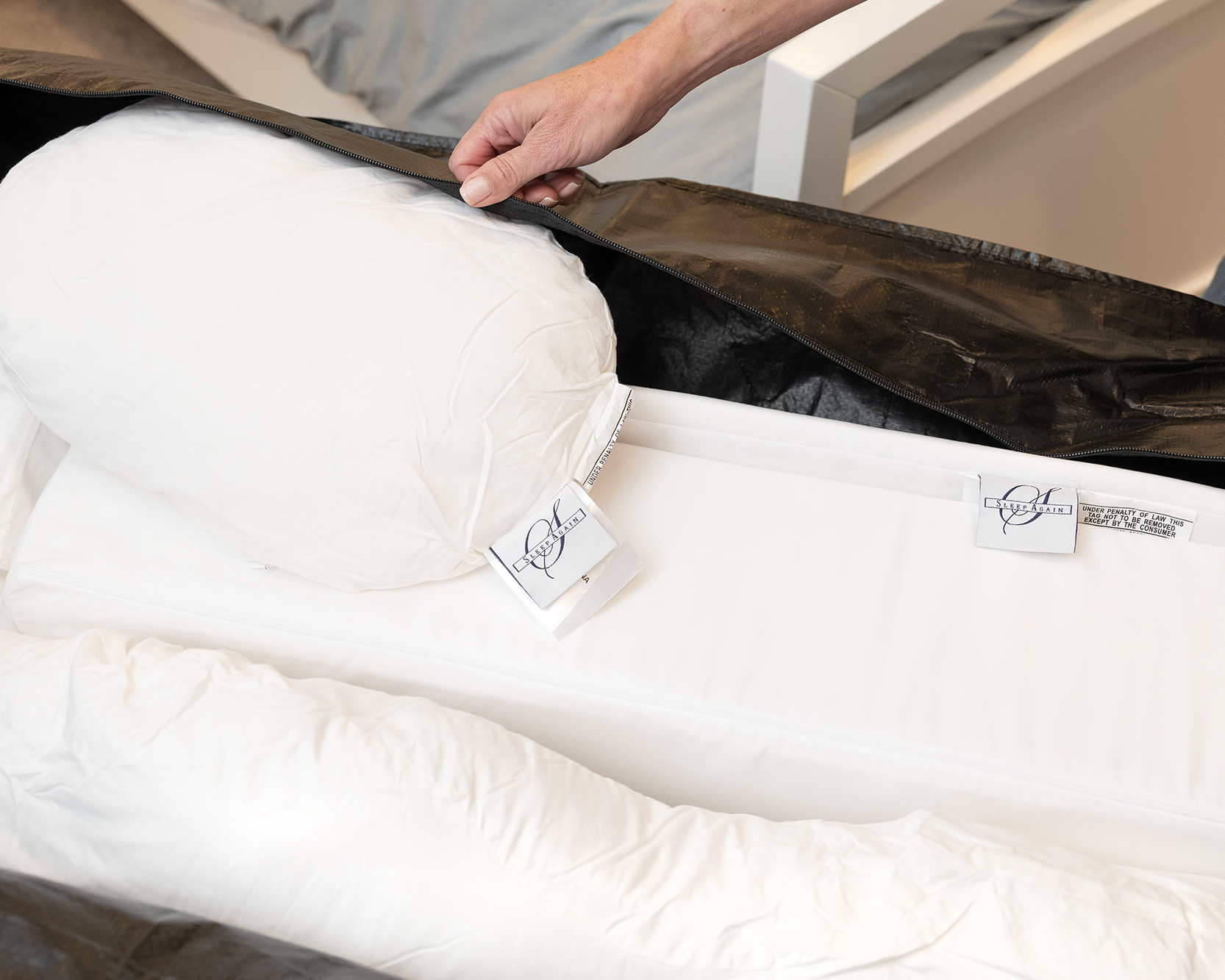
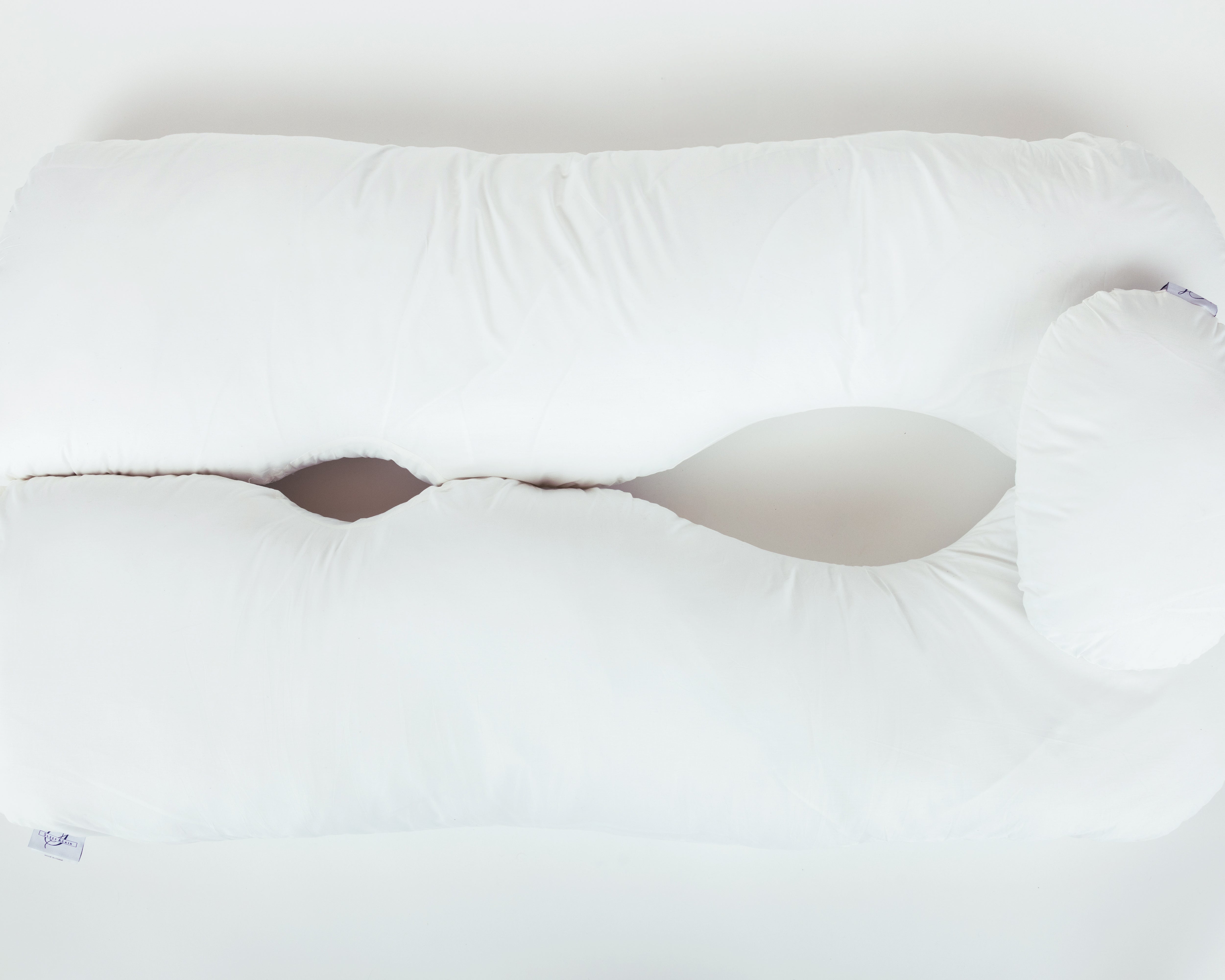
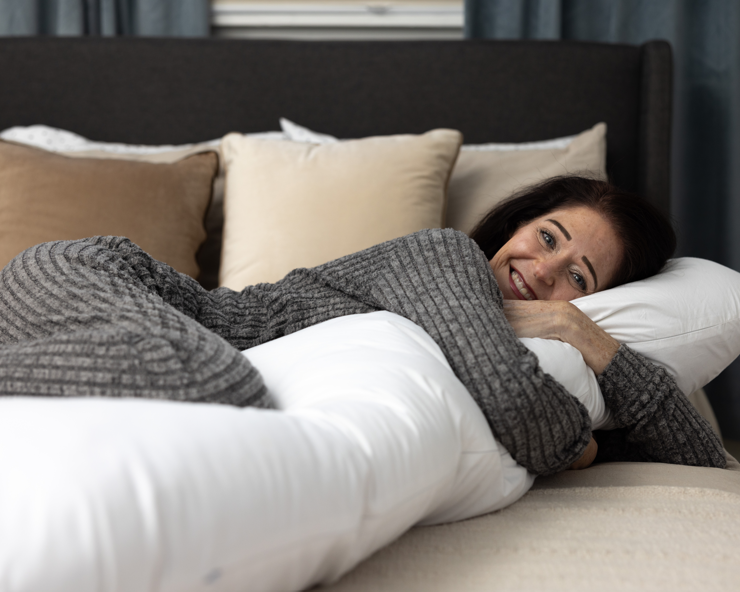
The Sleep Again Pillow System represents the only full-body pillow system designed specifically for surgery support. For arm lift recovery, it addresses every positioning challenge.
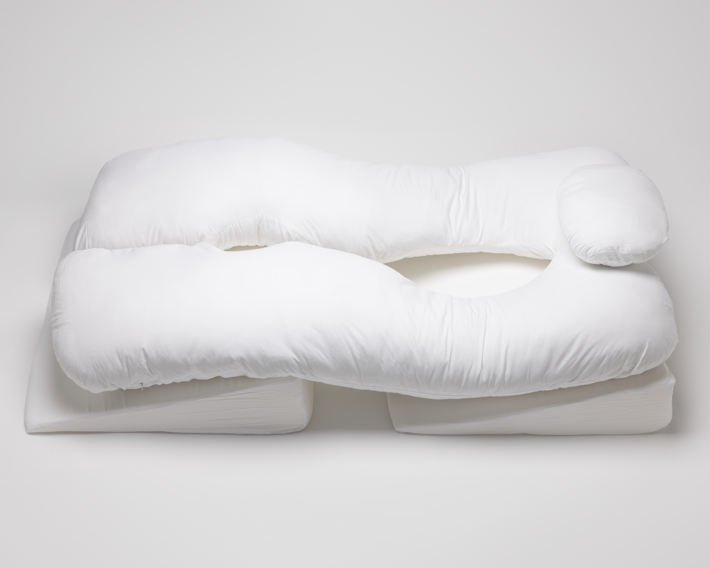
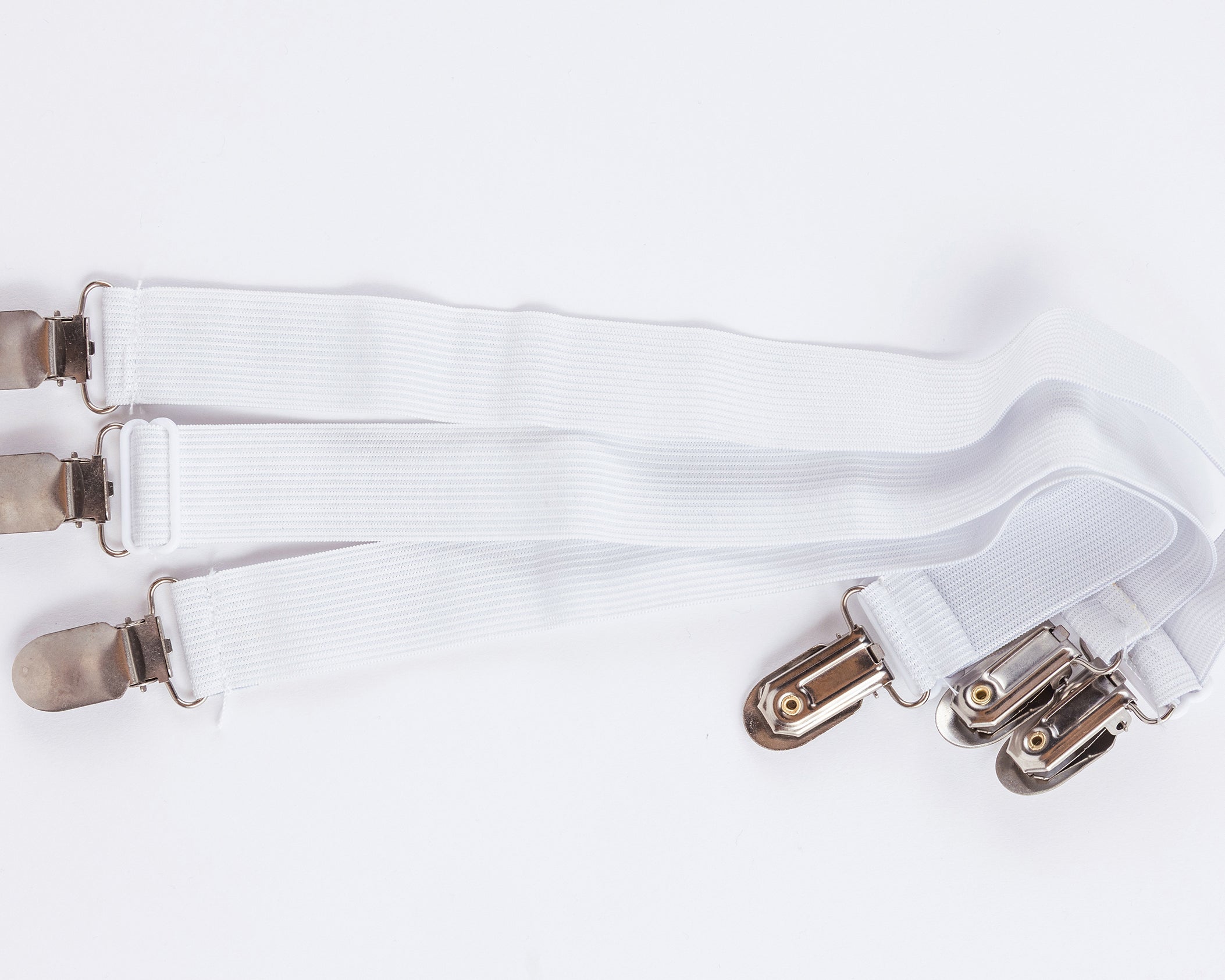
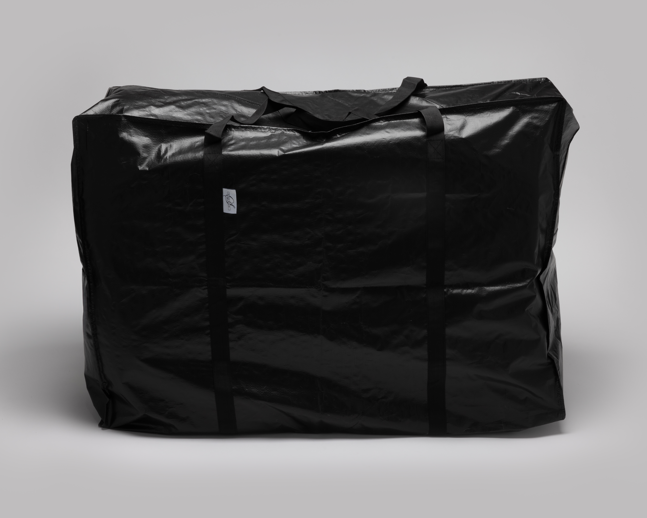
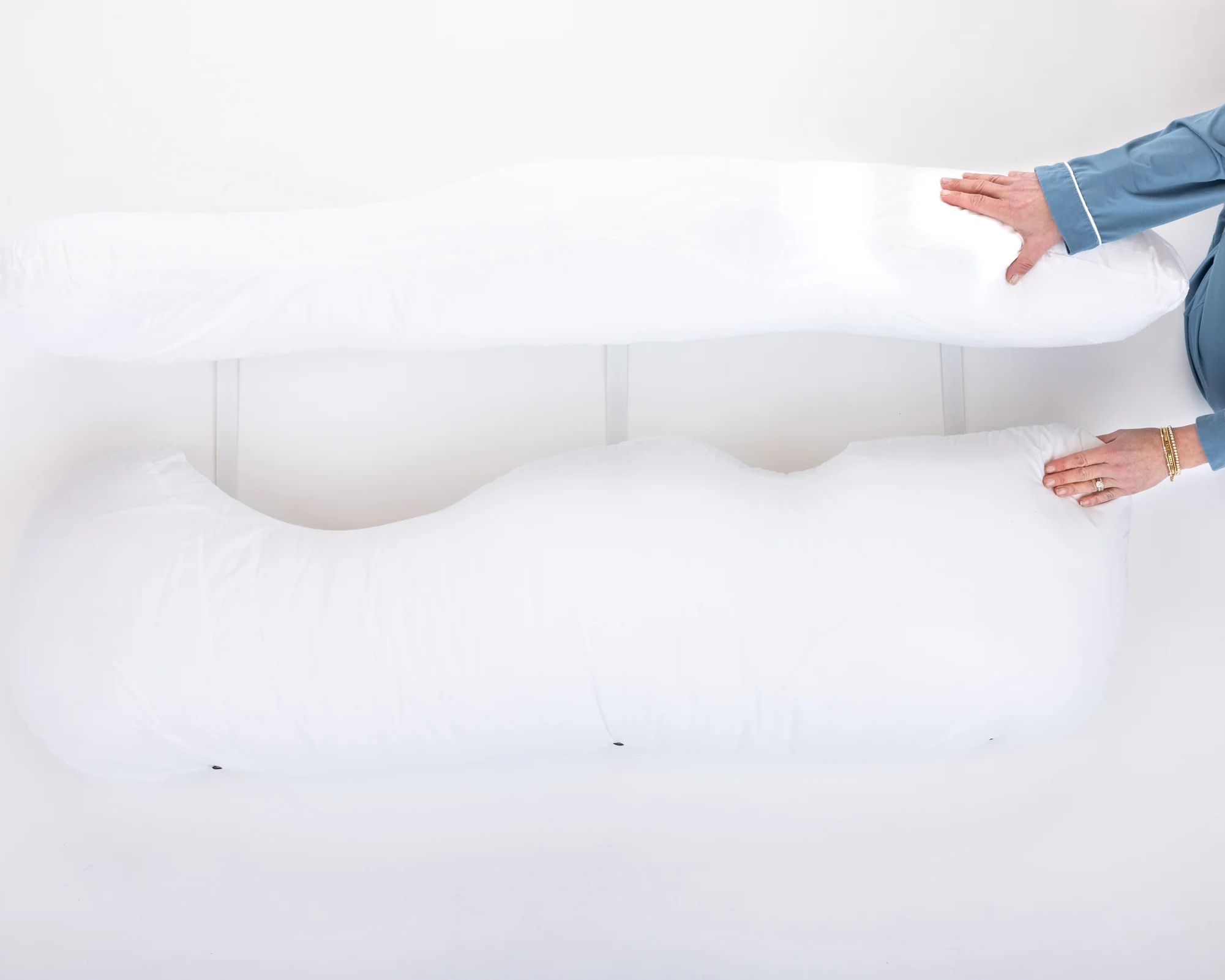
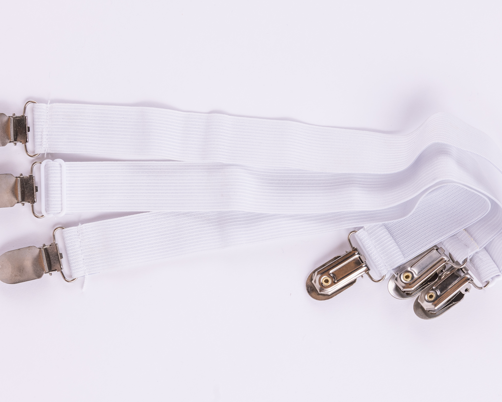
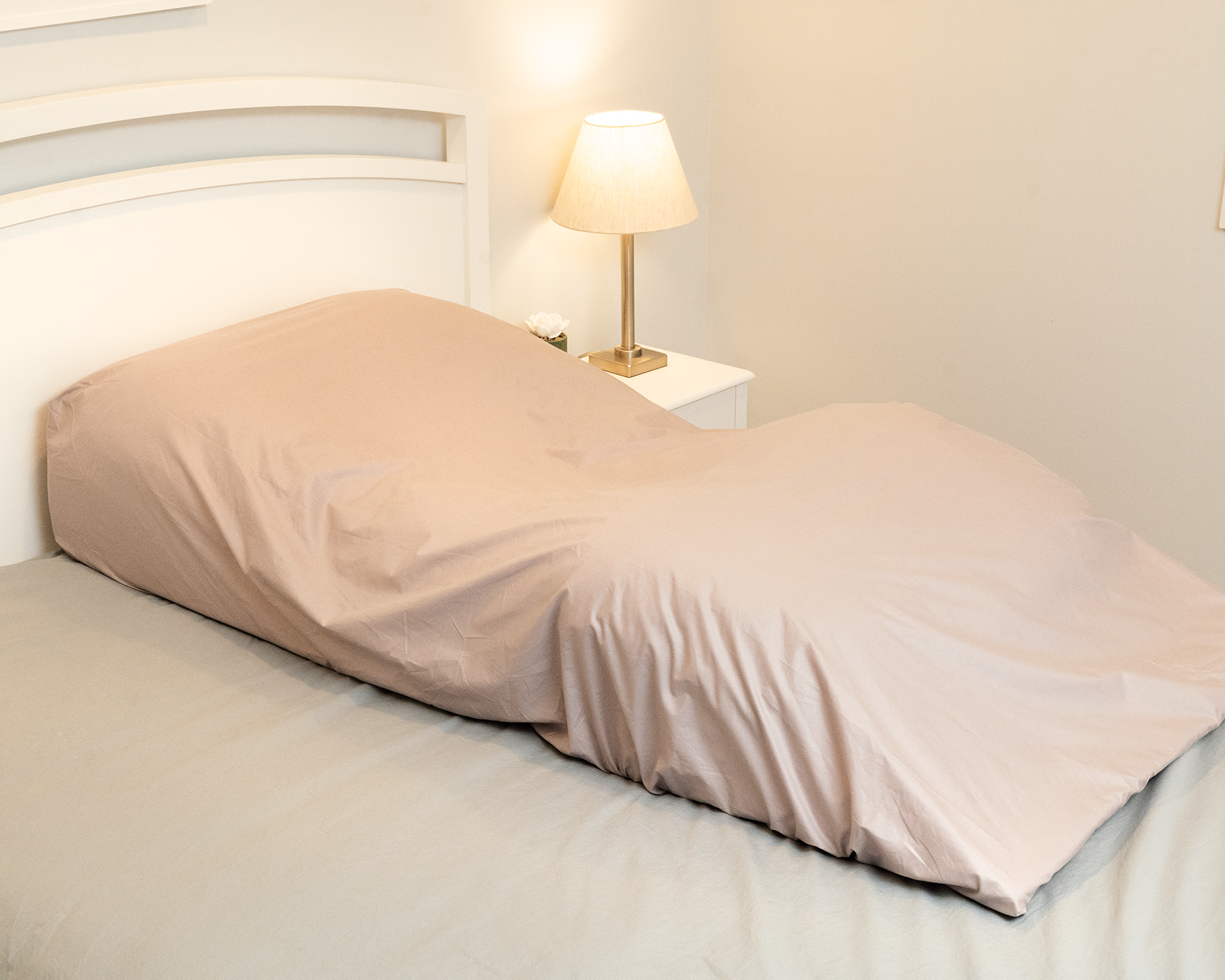
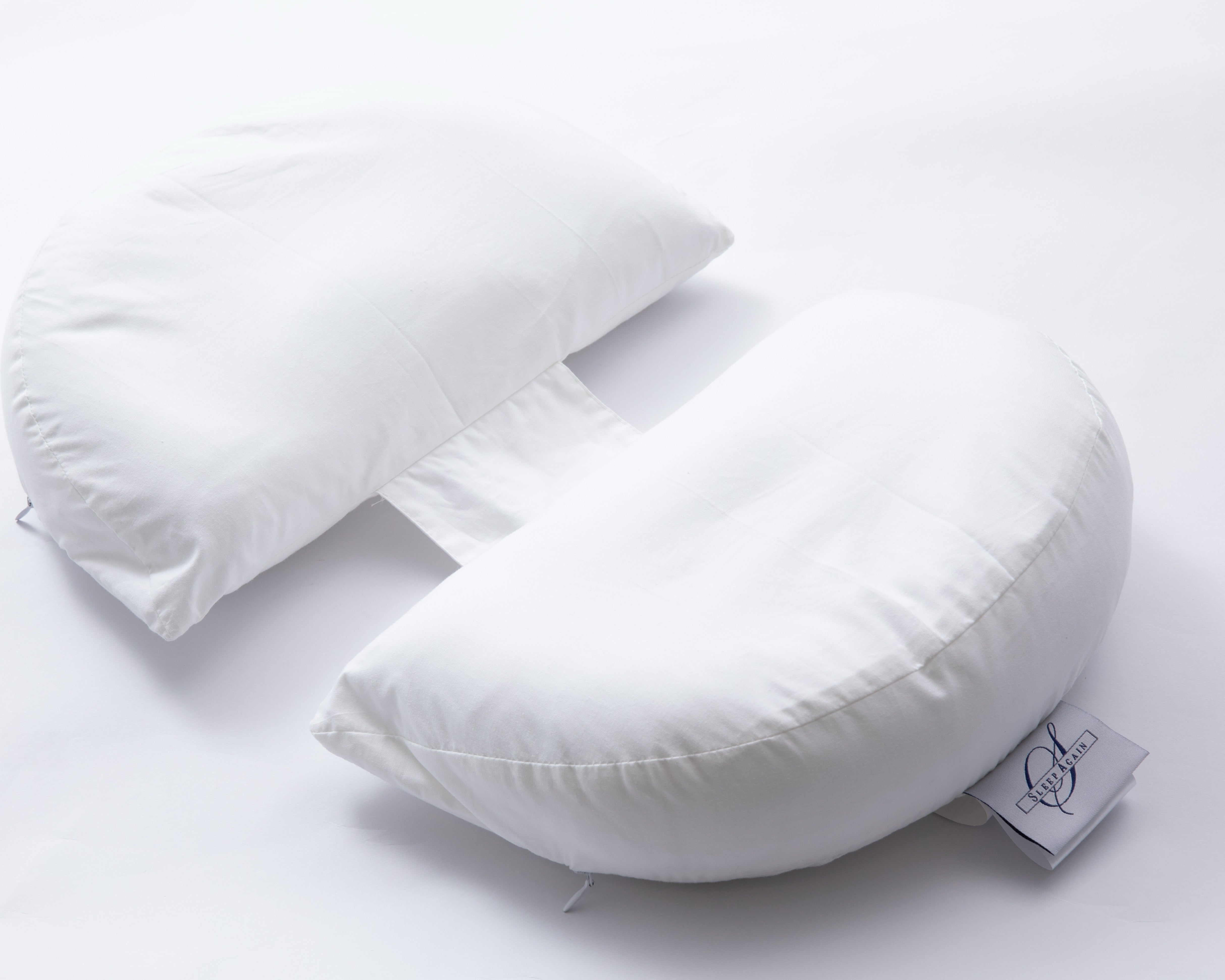
Every Sleep Again Pillow System includes:
-
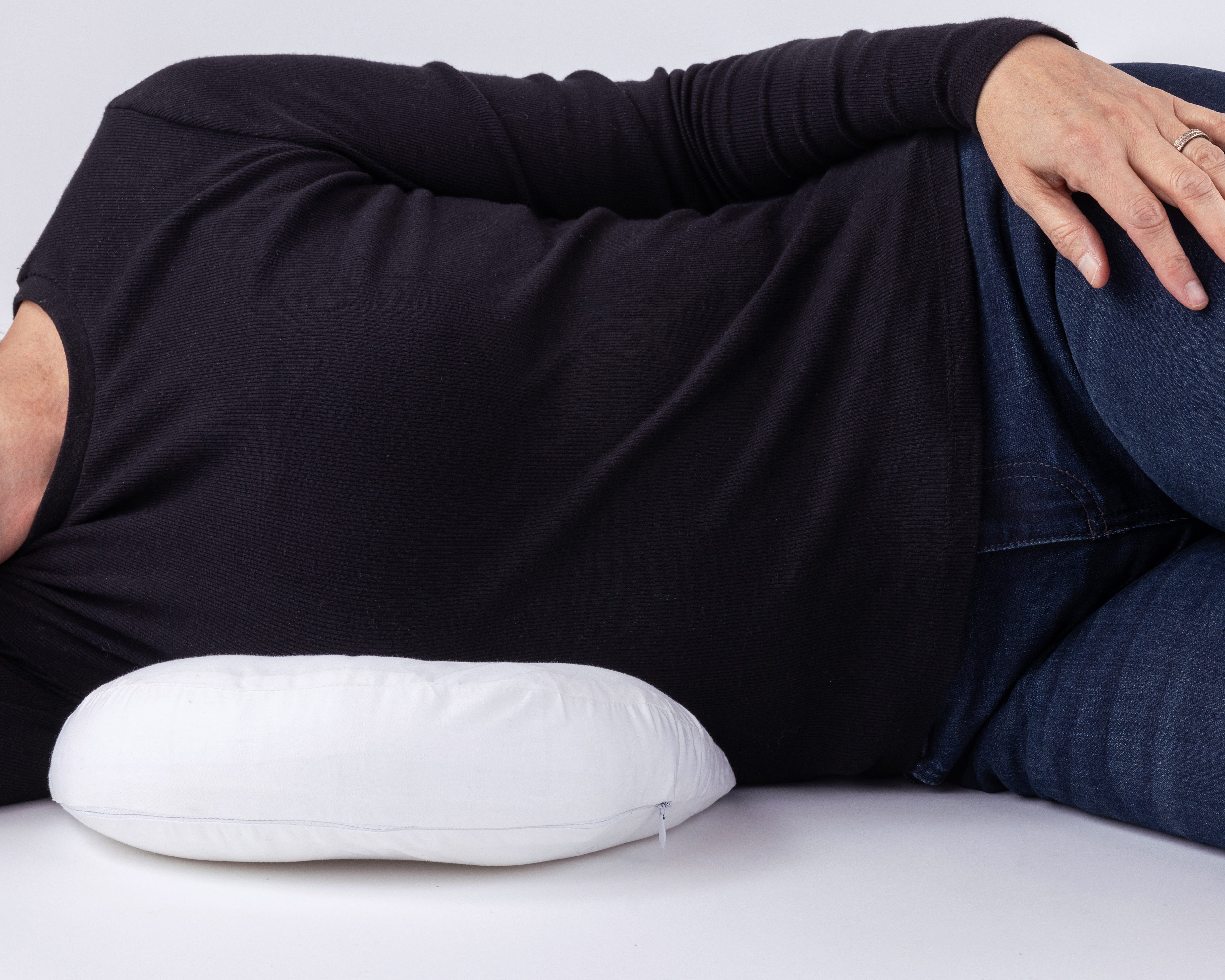
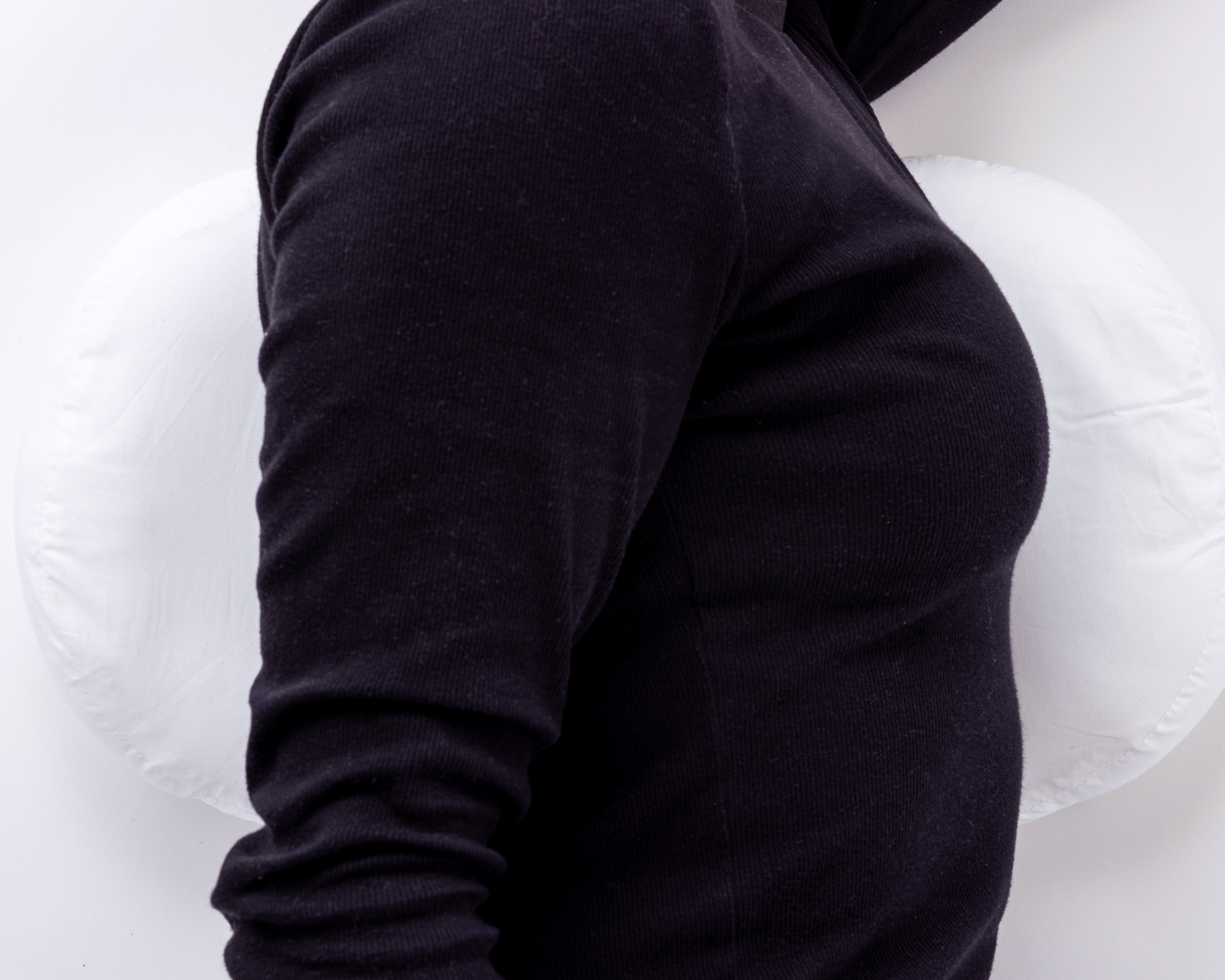
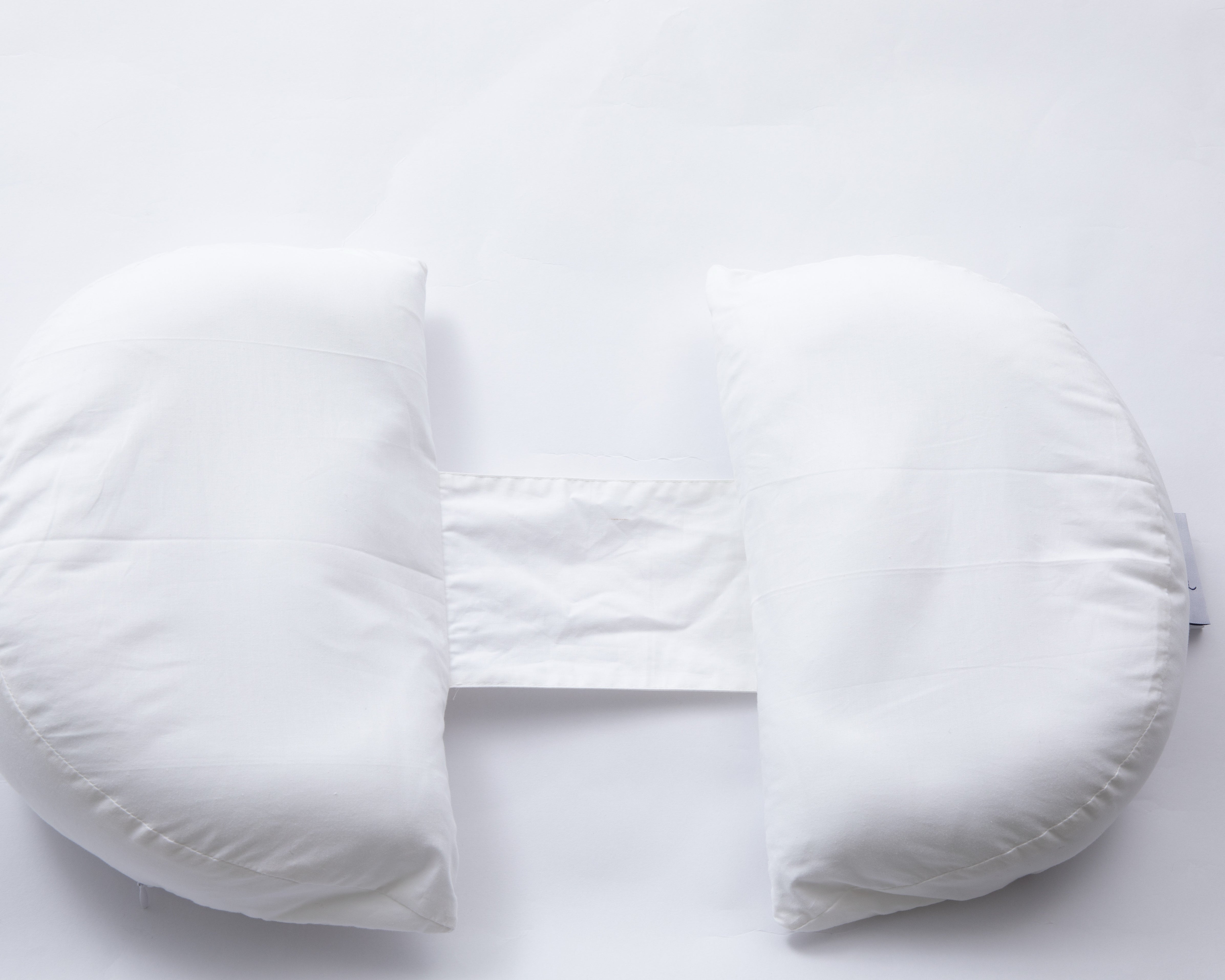
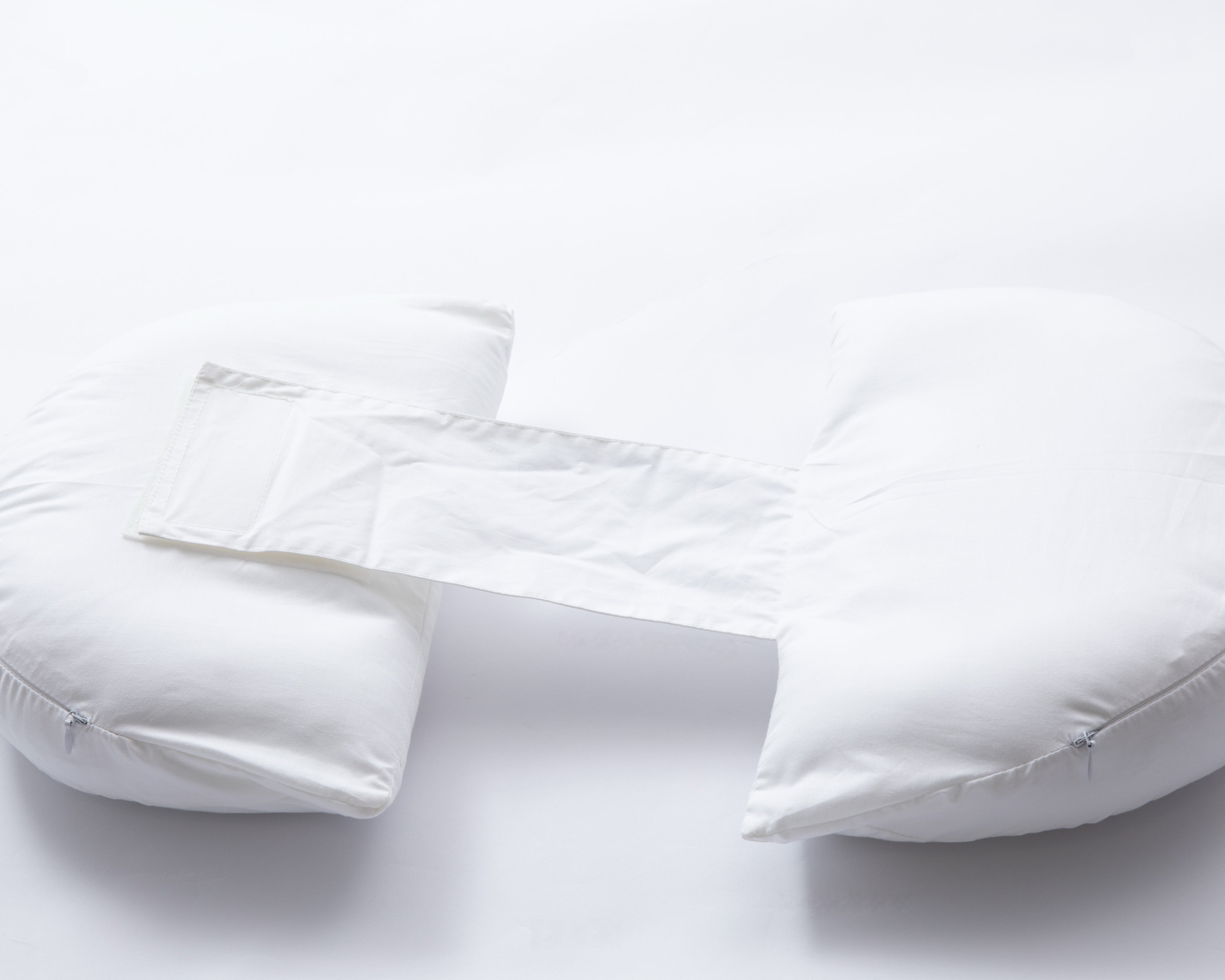
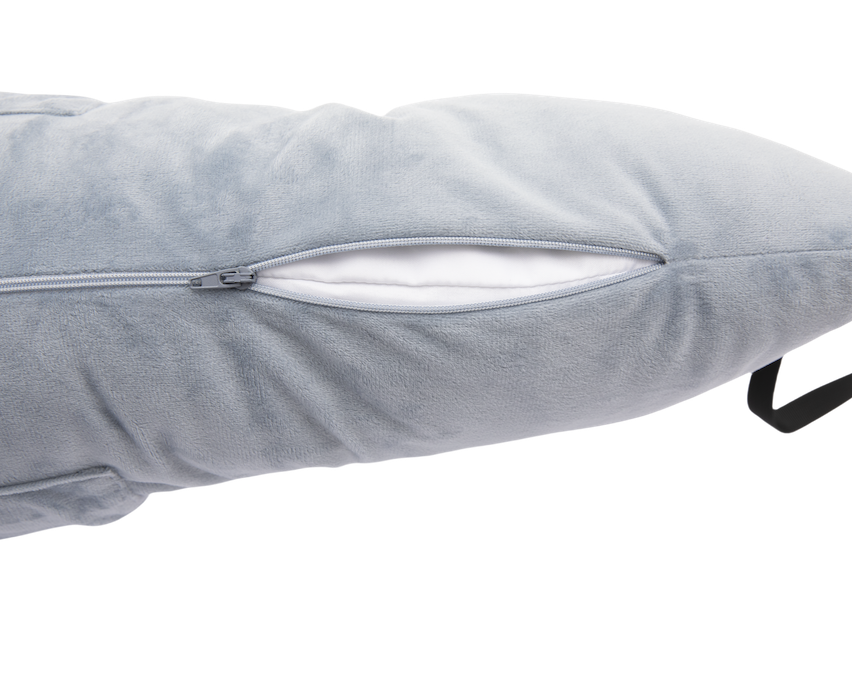
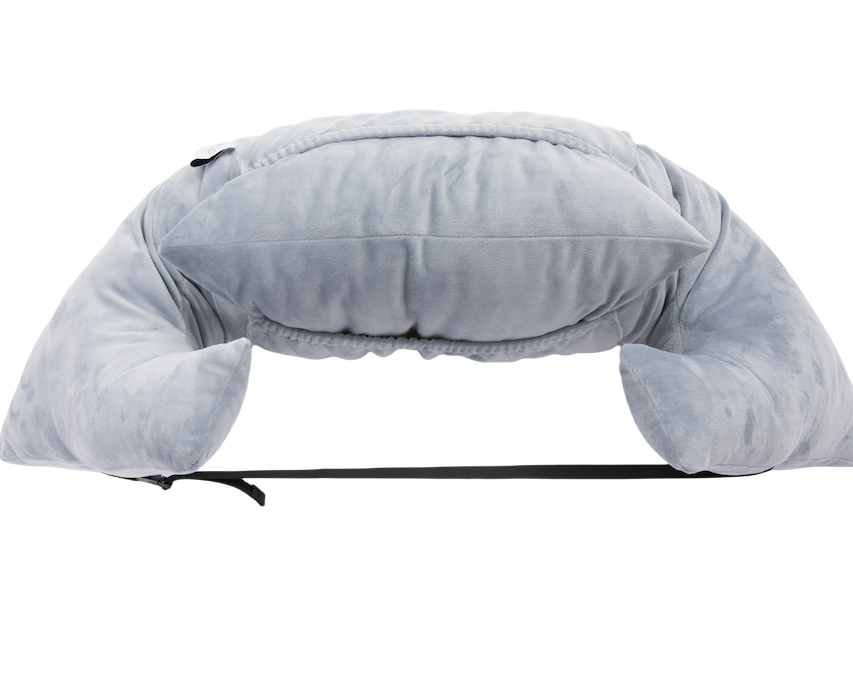
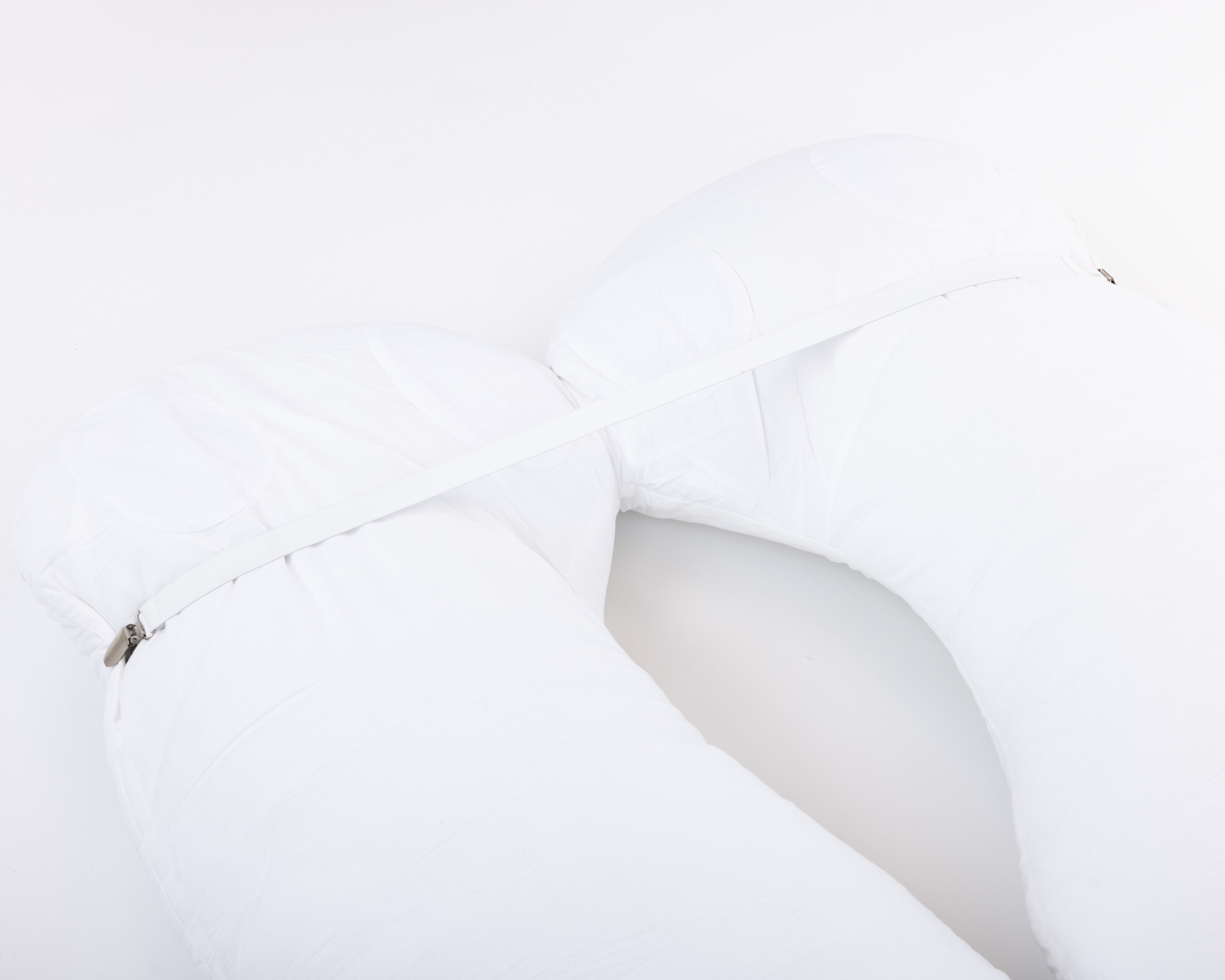
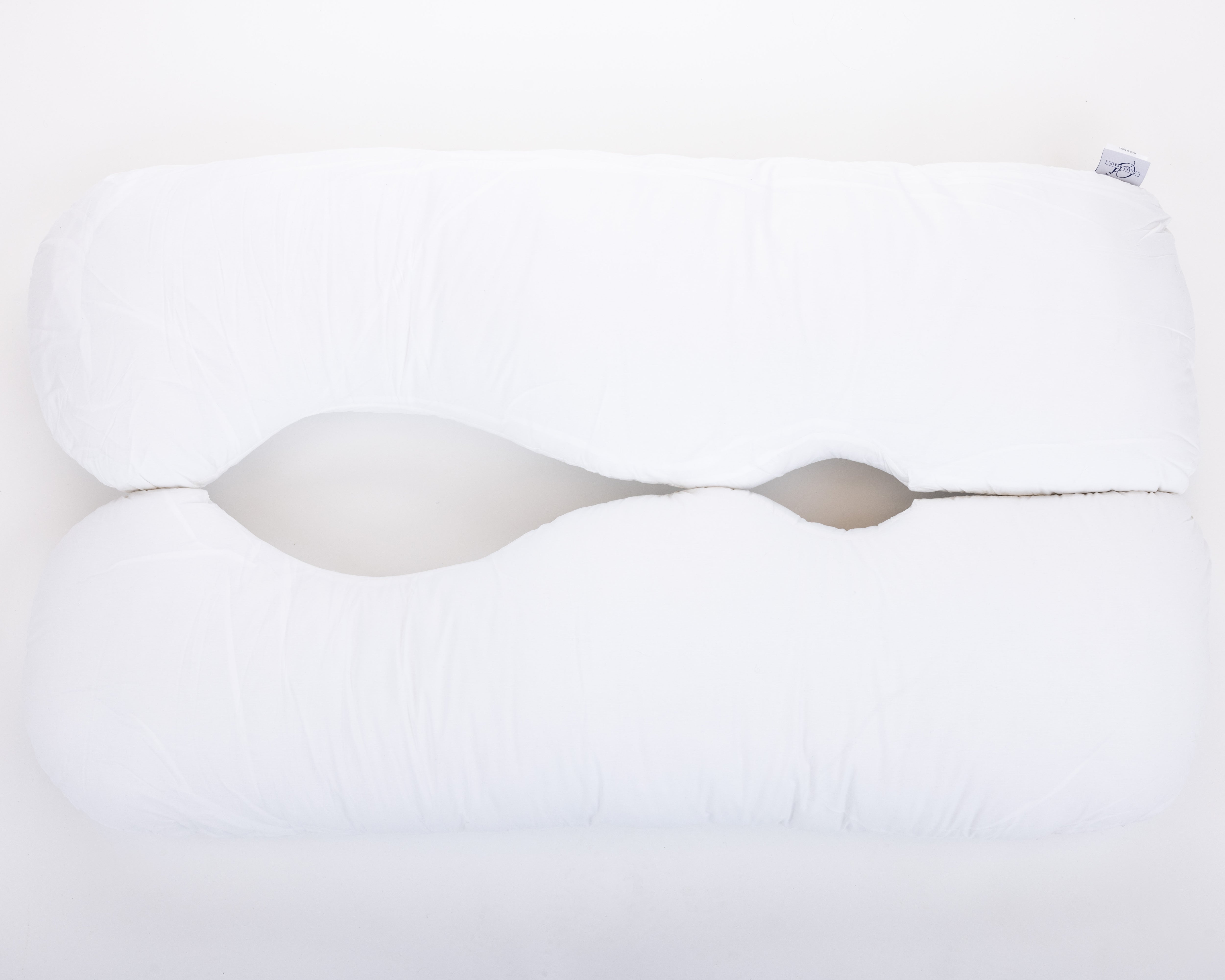
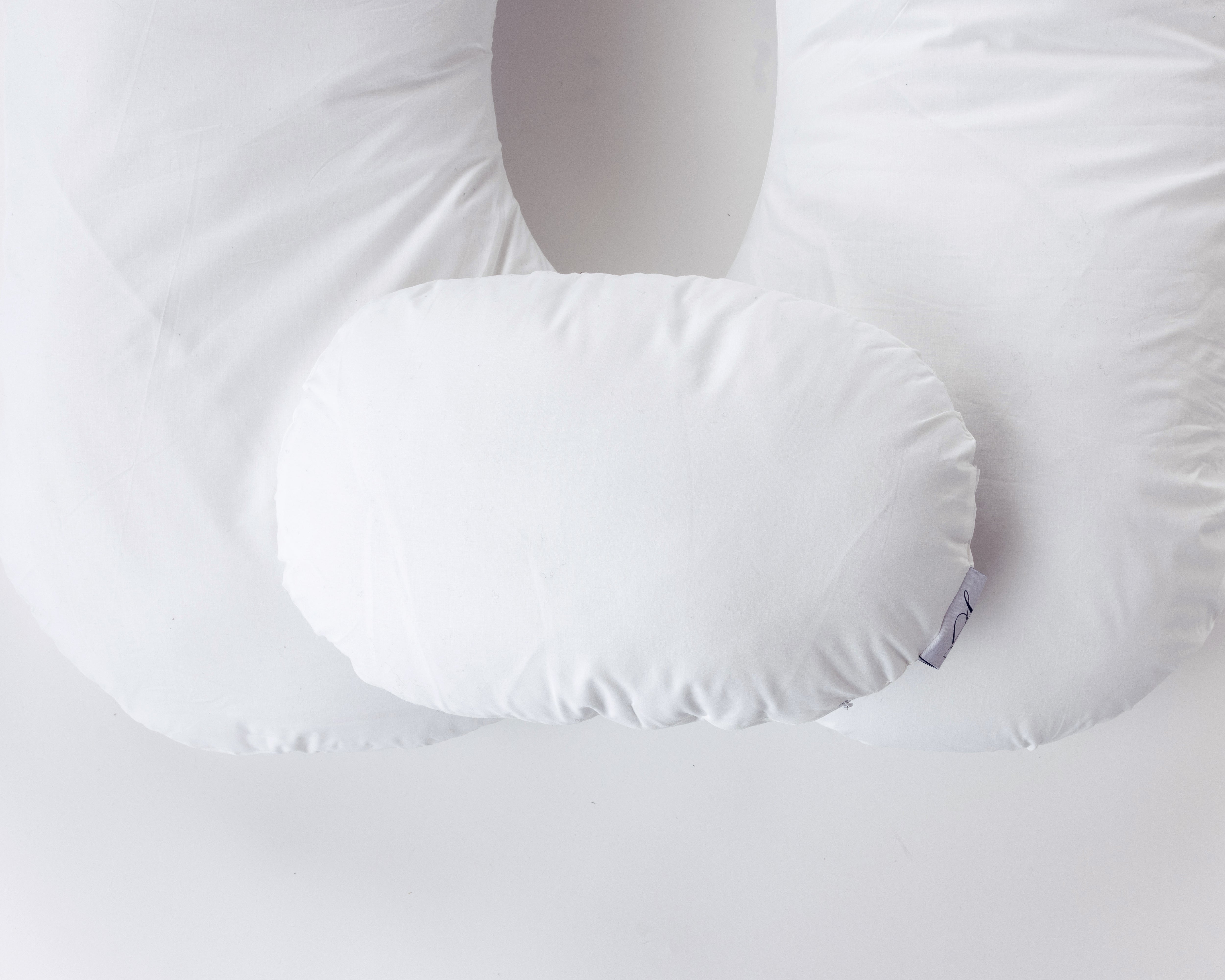
Two Contoured Side Pillows to cradle back and hips
-
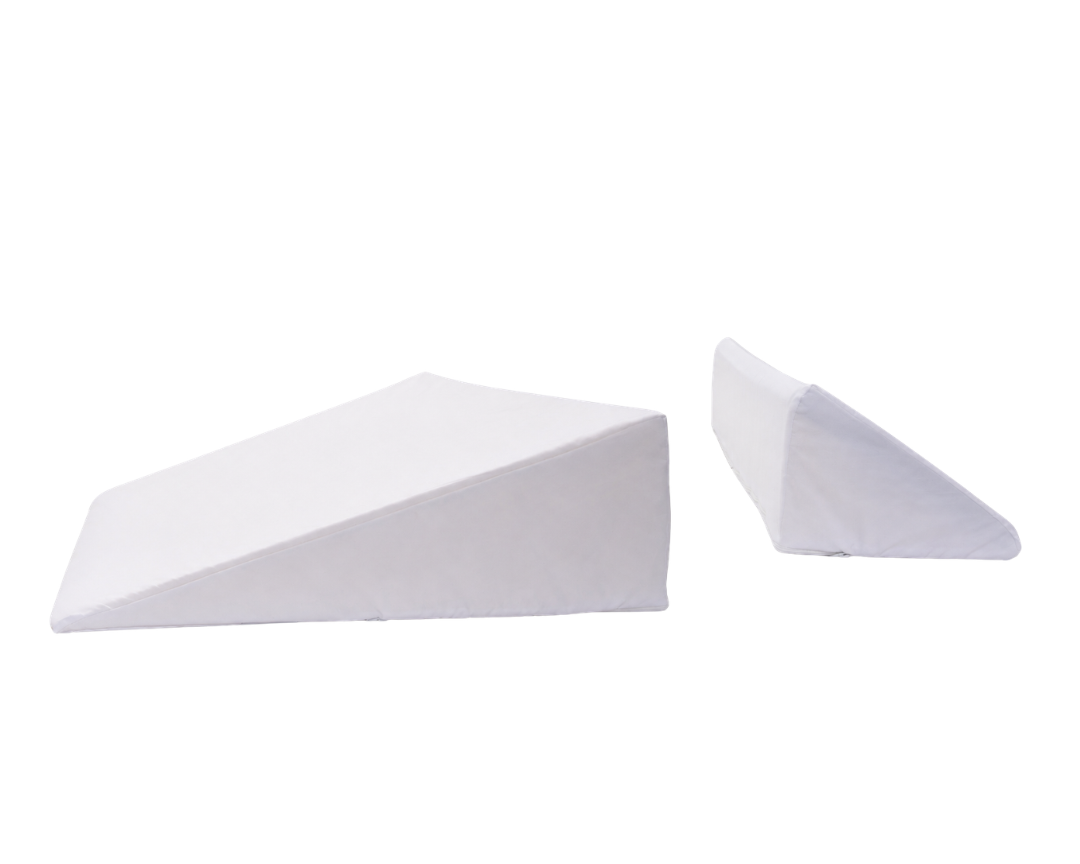
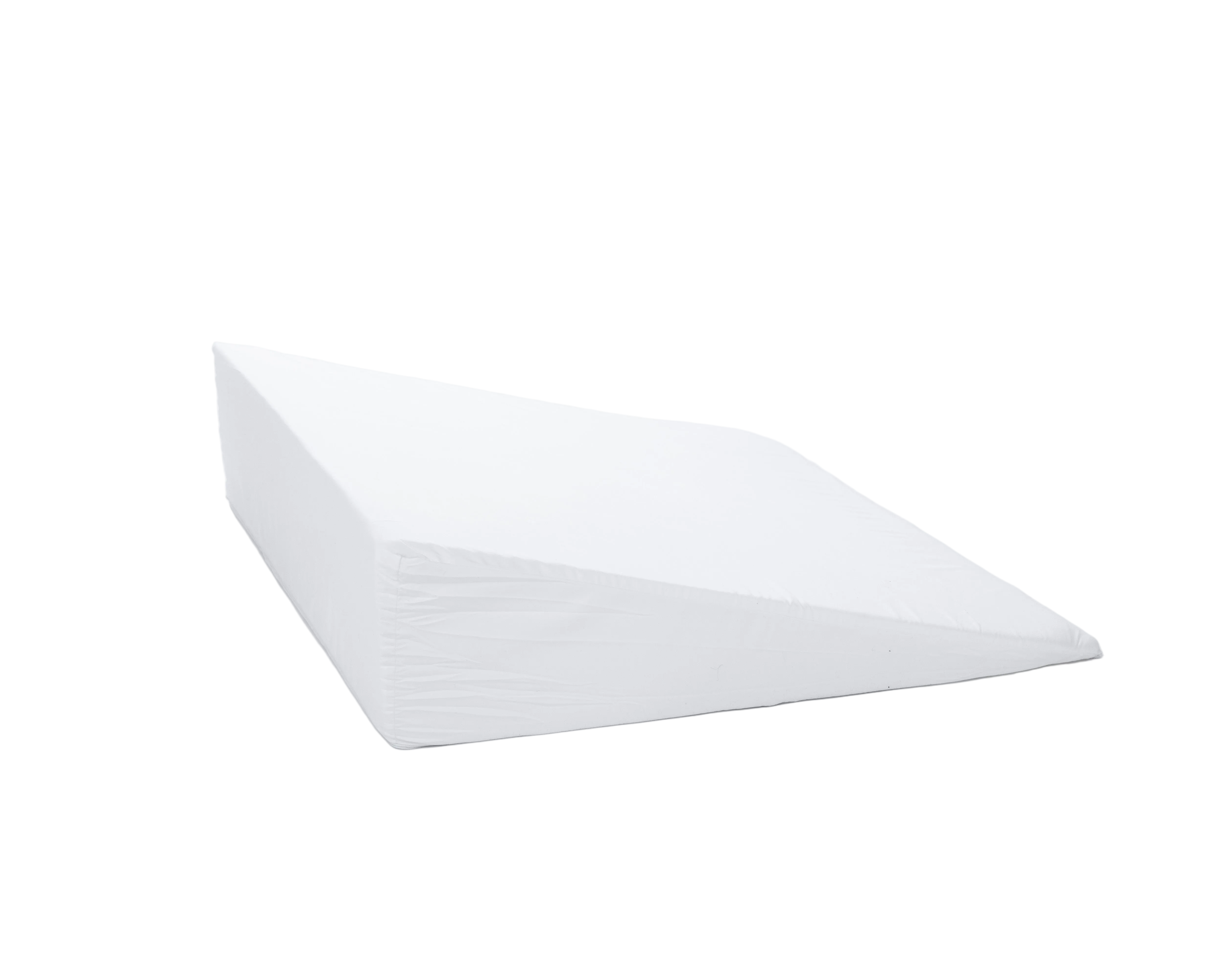
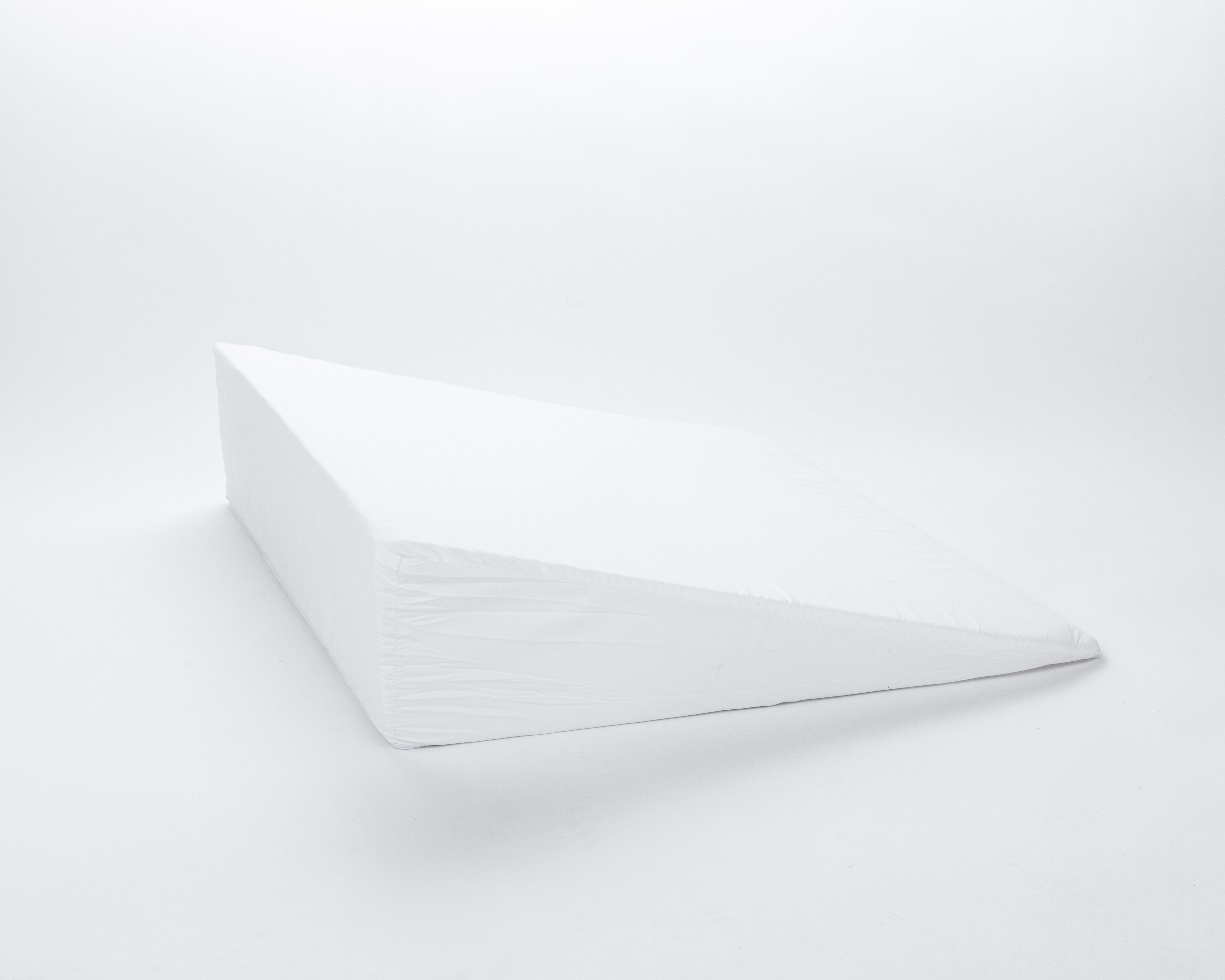
Upper Body Wedge to create optimal upper body incline
-
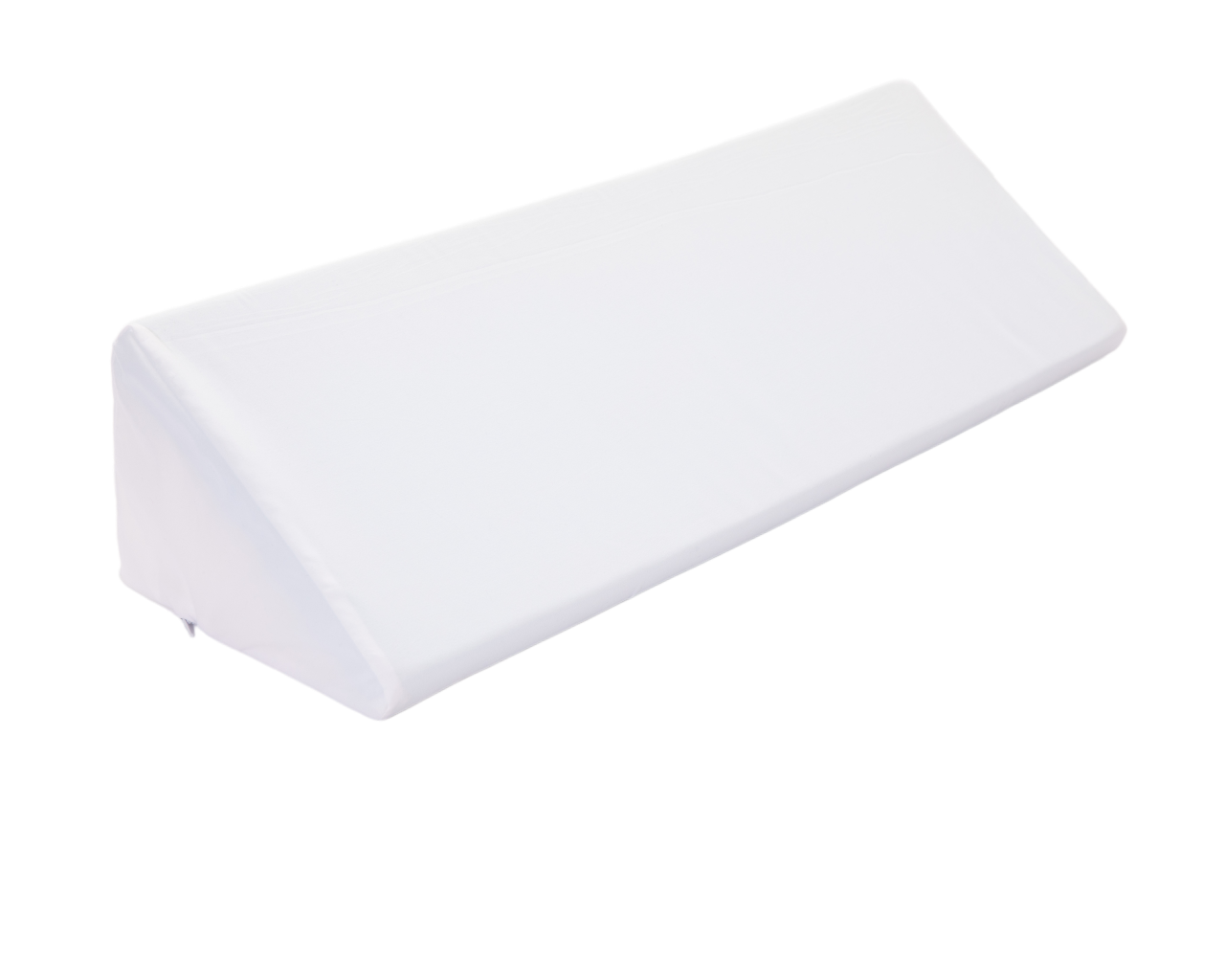
Leg Support Wedge to gently elevate legs
-
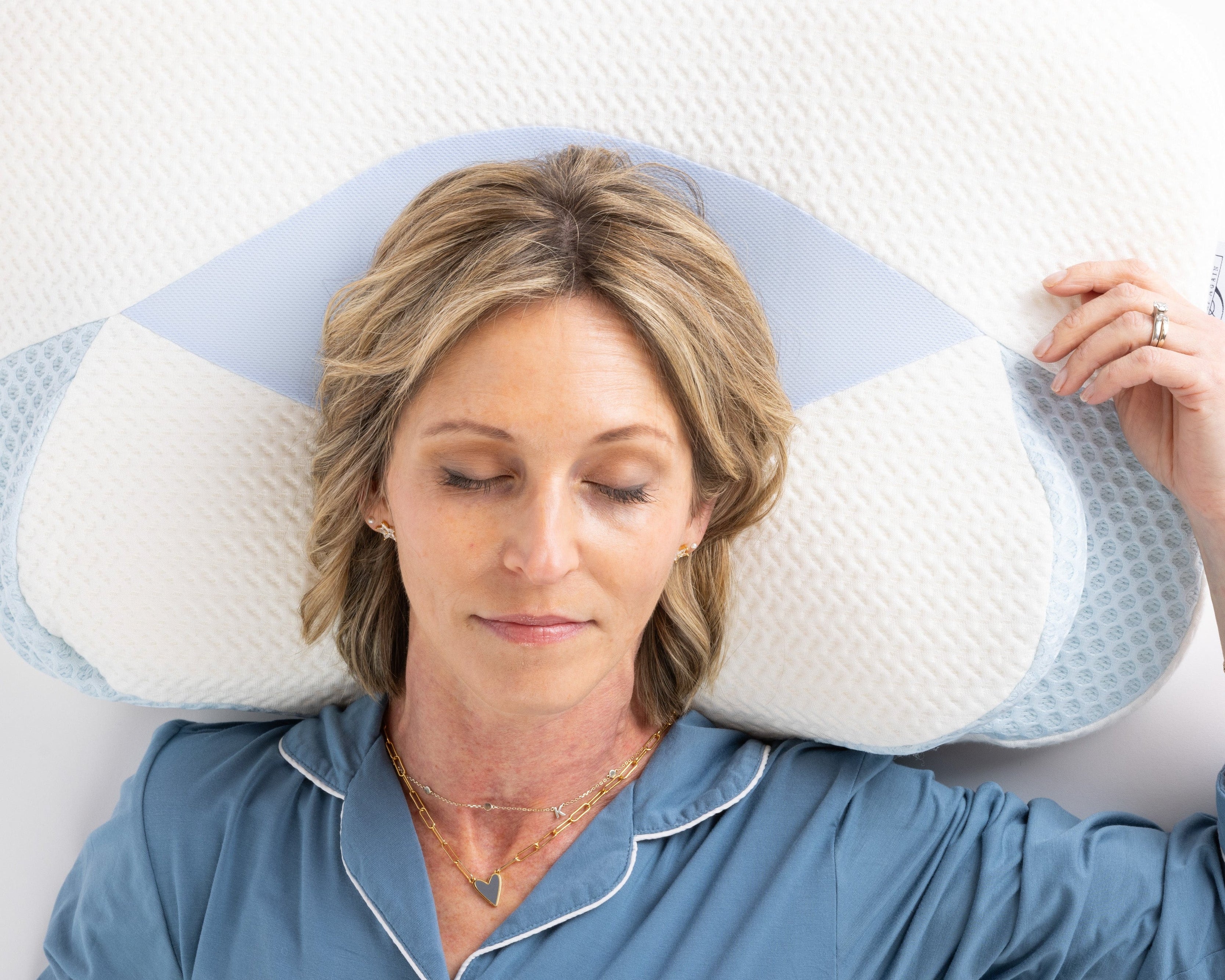
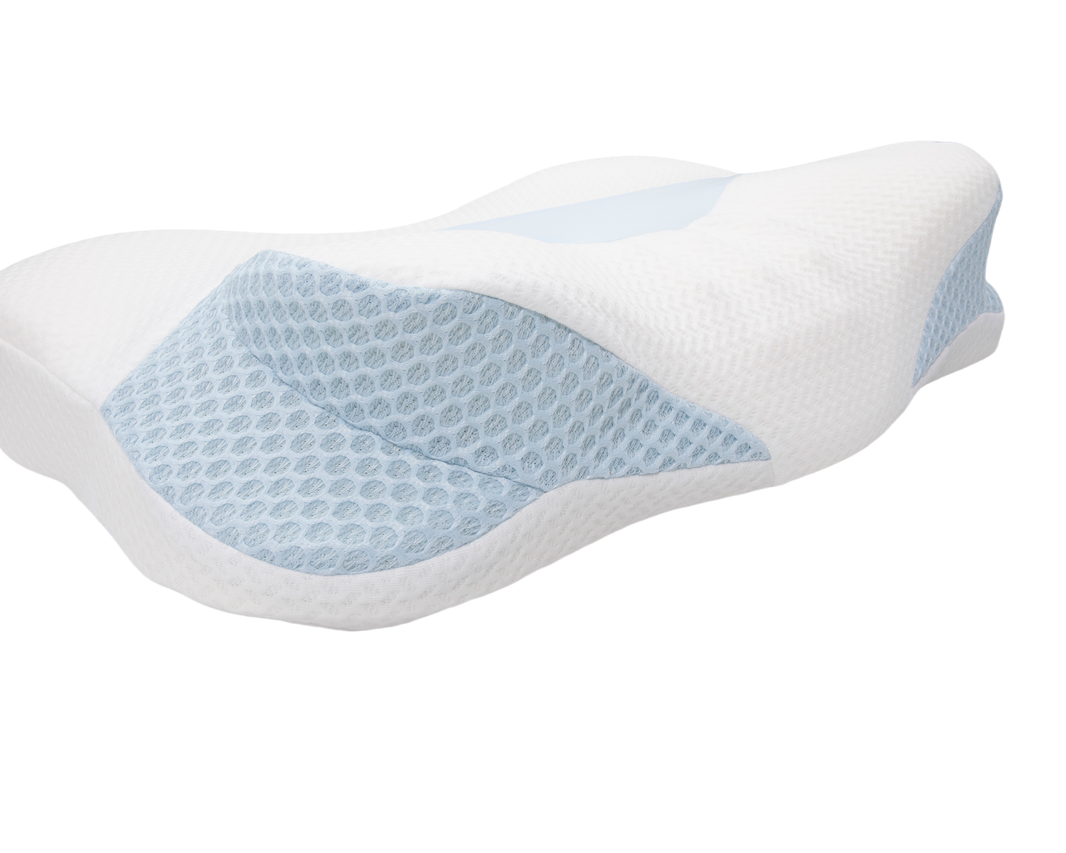
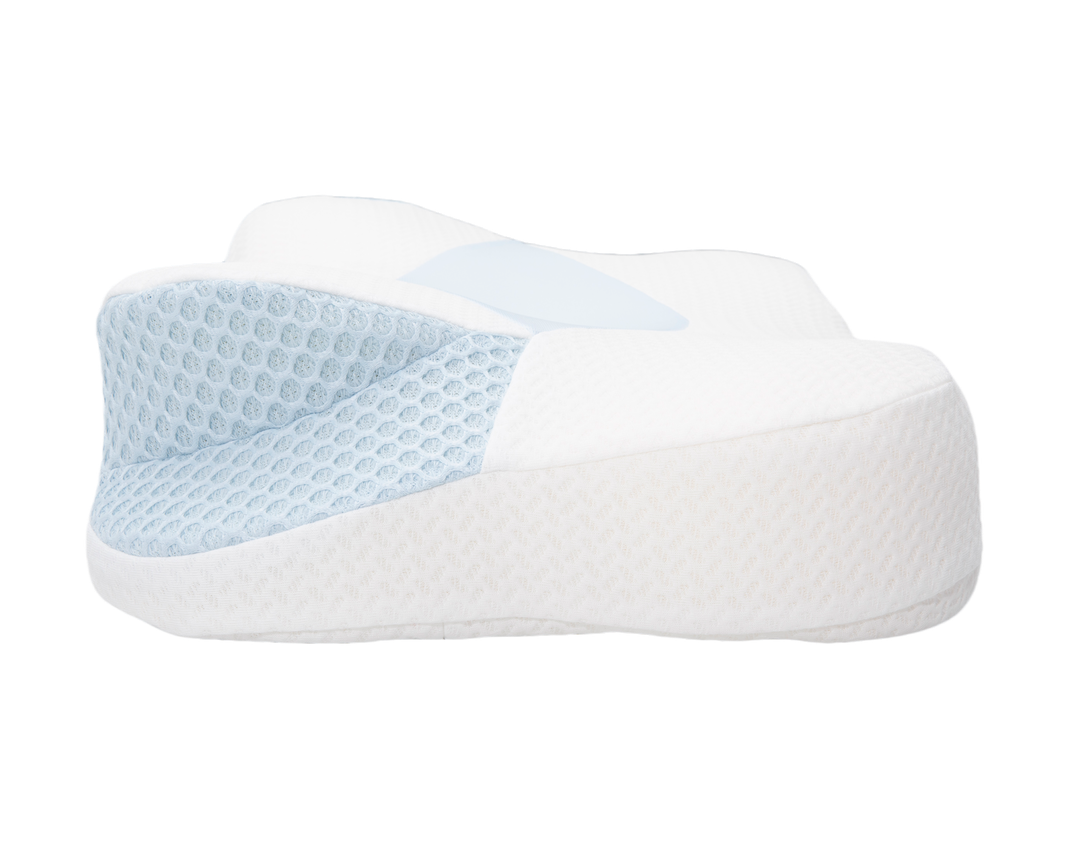
Head Pillow to provide head support and neck mobility
-
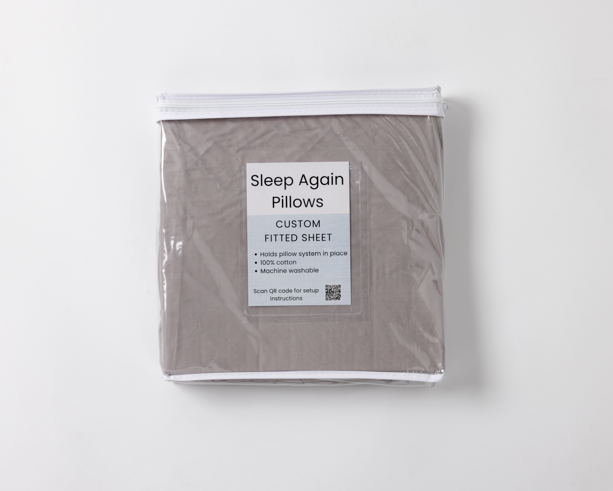
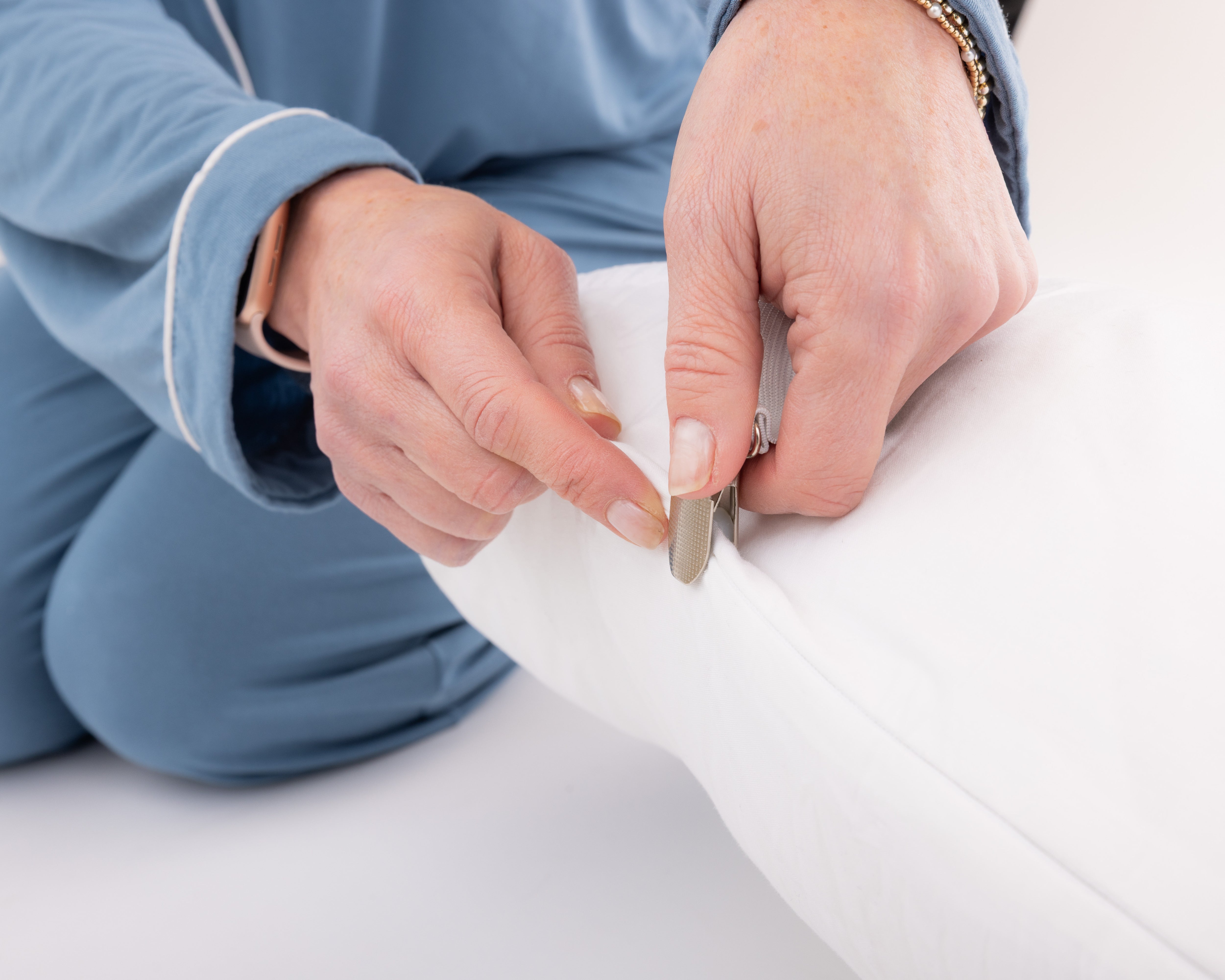
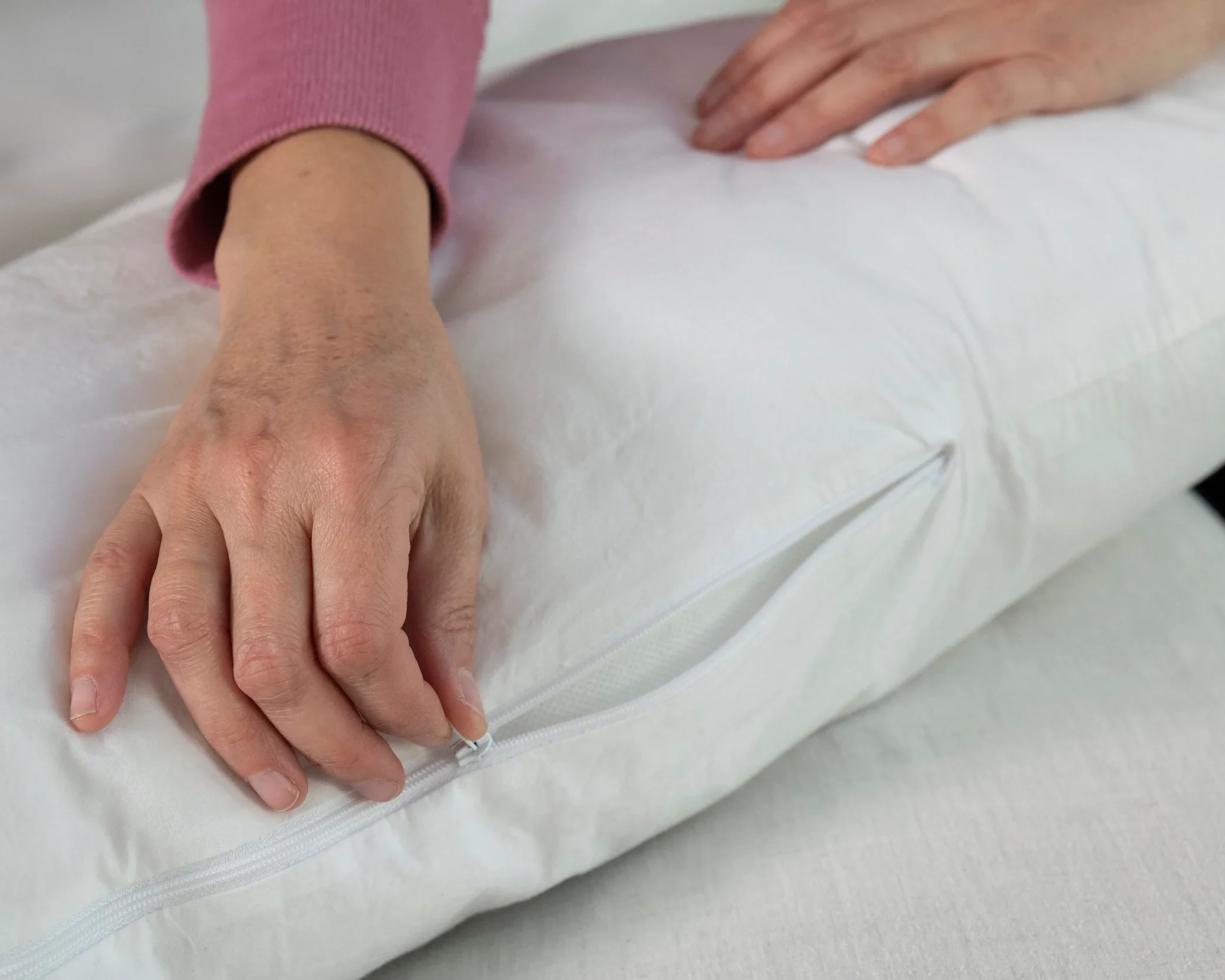
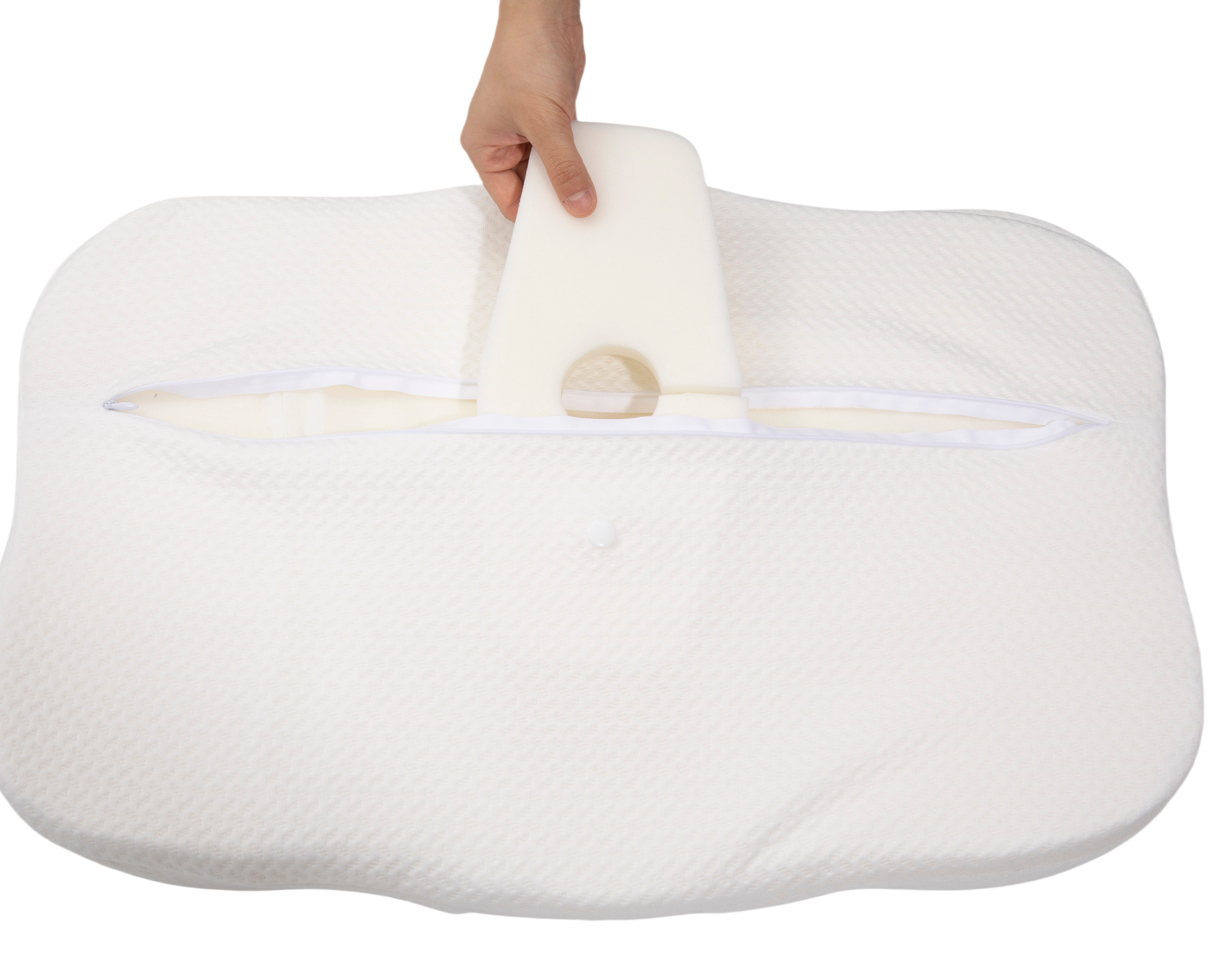
Removable, washable slipcovers for every piece
Why this matters for arm lift recovery:
The Upper Body Wedge creates the optimal 30-45 degree elevation and maintains this therapeutic angle throughout 8+ hours of sleep. Unlike stacked pillows that compress and shift, the wedge construction holds its position using high-density materials specifically chosen for extended recovery support.
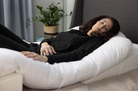
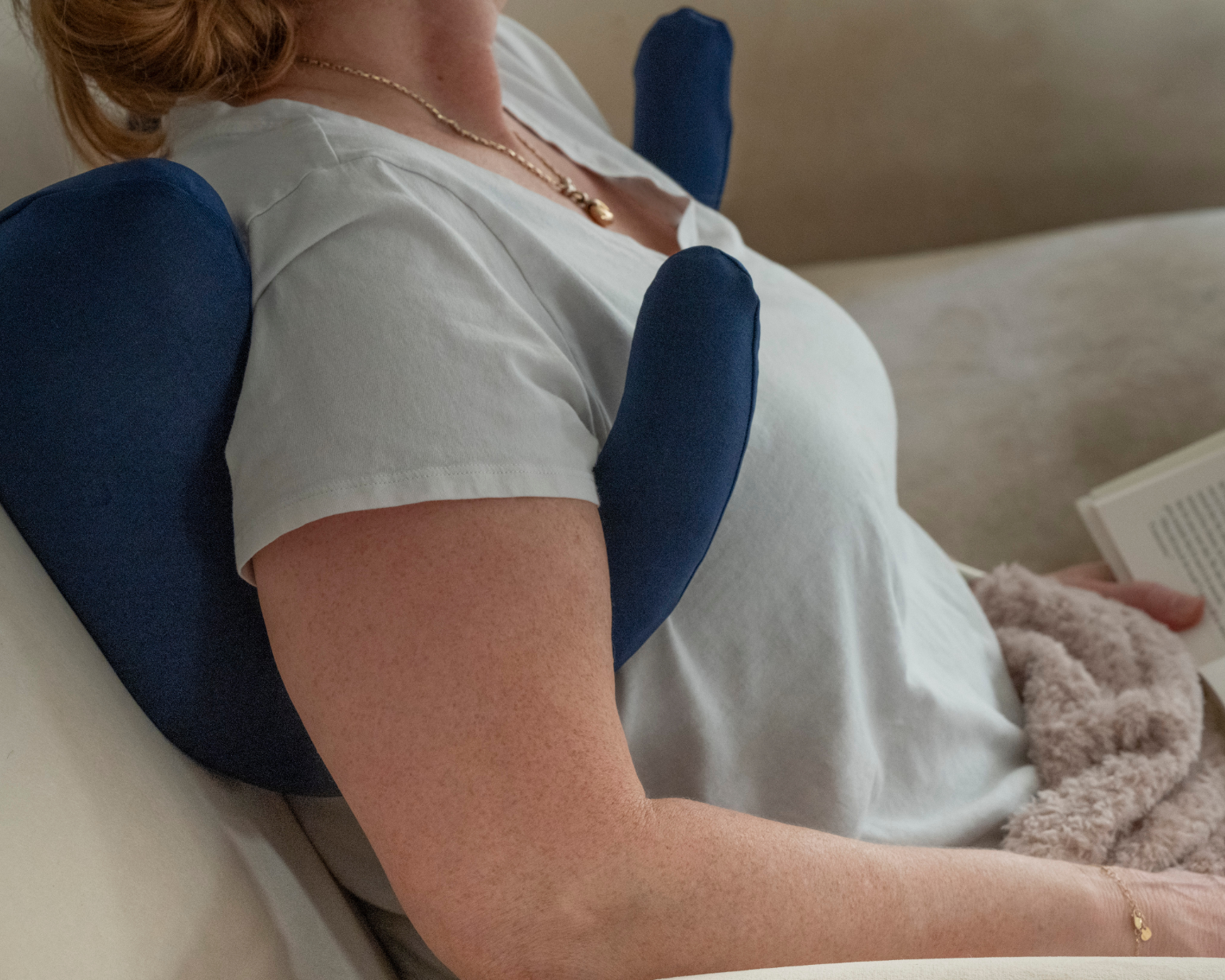
The Two Contoured Side Pillows aren't just barriers to prevent rolling—they're shaped to cradle your back and hips while providing comfortable boundaries. For arm lift patients, they also serve as the foundation for bilateral arm support, creating stable platforms on each side of your body.
The Leg Support Wedge maintains proper spinal alignment by gently elevating your legs, preventing the lower back discomfort that often develops when back-sleeping beginners overarch their spine.
The system components work as an integrated whole—each piece's angles and heights are engineered to complement the others. This eliminates the trial-and-error adjustment period required with assembled pillow collections.
HSA/FSA Eligible Investment in Recovery
The Sleep Again Pillow System also qualifies as a medical positioning equipment purchase, making it eligible for HSA and FSA reimbursement. Unlike regular pillows, this is recognized medical equipment designed specifically for post-surgical recovery support.
Many arm lift patients find the system pays for itself in improved sleep quality during the critical first weeks of healing—and then continues delivering value as a long-term sleep optimization tool.
SHOP THE BEST PILLOW FOR ARM LIFT RECOVERY
Why Elevated Back Sleeping Beats Every Other Recovery Position
Beyond protecting incisions, elevated back sleeping delivers therapeutic benefits that accelerate recovery. This isn't just about survival—it's about optimizing healing.
Benefit #1: Superior Circulation and Lymphatic Flow
When you sleep elevated, gravity assists in moving fluid away from surgical sites. Your cardiovascular and lymphatic systems work more efficiently, resulting in measurably reduced swelling. Patients maintaining consistent elevation report achieving post-surgical definition faster.
Benefit #2: Reduced Pressure on Incisions
Lying flat increases pressure at incision sites, potentially widening scars. Elevation distributes pressure evenly, allowing incisions to heal with minimal mechanical stress—particularly important for underarm incisions where skin tension is naturally higher.
Benefit #3: Easier Breathing and Better Oxygenation
Elevated sleeping opens airways and improves lung expansion. Better oxygenation means more efficient healing at the cellular level—especially relevant if you're taking pain medications that can suppress respiratory drive.
Benefit #4: Prevention of Unconscious Rolling
The 30-45 degree elevation creates natural resistance to rolling onto sides during sleep. Your body must work against gravity to side-sleep, which your sleeping brain generally won't attempt. This passive prevention is more reliable than pillow barriers alone.
Benefit #5: Reduced Morning Stiffness
Patients consistently report less morning stiffness with elevated versus flat sleeping. Improved circulation, reduced swelling, and better positioning combine to help you wake up feeling more mobile and comfortable.

How Long Will I Need to Sleep Elevated After My Arm Lift?
Weeks 1-2: Strict Elevation Phase
40-45 degree elevation with comprehensive arm support. Focus on maximum swelling control and incision protection. Expect 4-6 hour stretches with interruptions for medication and bathroom trips.
Weeks 3-4: Sustained Elevation Phase
30-40 degree elevation with continued support. Acute discomfort decreases significantly. Position should feel more natural. Expect 6-8 hour nights with fewer wake-ups.
Weeks 5-6: Transition Phase
25-35 degree elevation, possible careful side sleeping introduction with surgeon clearance. Expect near-normal sleep patterns with maintained support.
Weeks 7-8+: Freedom Phase
Return to preferred positions based on surgeon approval. Many patients continue some elevation for ongoing sleep quality benefits even after clearance.
What About Sleeping in a Recliner After Arm Lift Surgery?
Recliners are made for TV watching, not recovering from surgery.
While they do offer elevation options, which can be great for reading and resting during the day, recliners present limitations for extended recovery. Most don't provide adequate bilateral arm support, sleep quality suffers after a few nights (neck stiffness, lower back discomfort), there's no proper leg elevation for spinal alignment, and getting up without using arms becomes awkward.
What Are the Biggest Mistakes People Make With Post-Arm Lift Sleep?
Mistake #1: Waiting Until After Surgery to Plan
Solution: Set up your complete sleep system 2-3 nights before surgery. Test and adjust while you're still comfortable enough to move freely.
Mistake #2: Underestimating Arm Support Needs
Your arms weigh 8-12 pounds each, resting on surgical sites for 7-8 hours.
Solution: Use firm, substantial support that won't compress. If you think it's too much, it's probably right.
Mistake #3: Returning to Side Sleeping Too Soon
Solution: Wait for explicit surgeon clearance. When cleared, start with just 2-3 hours on your non-dominant side before transitioning back.
Mistake #4: Not Adjusting Elevation as Recovery Progresses
Solution: Follow the week-by-week elevation reduction plan, decreasing angle gradually as swelling reduces.
Mistake #5: Neglecting Scar Care Connection
How you sleep directly affects scar healing.
Solution: Maintain proper arm positioning even after acute discomfort ends. Scars remodel for months—give them optimal healing environment.
How Do I Handle Specific Arm Lift Sleep Challenges?
I keep waking up with arm numbness or tingling.
This indicates either too much pressure on a specific point or arms positioned too high. Adjust arm support to slightly lower positioning while maintaining elevation above heart level. Ensure support is distributed evenly along the entire arm length.
My shoulders ache after a few hours of back sleeping.
Verify proper shoulder support—the transition from mattress to elevation should be smooth, not sharp. Bring arms slightly closer to your sides if positioned too far out.
I slide down the bed by morning.
If you're using standard pillows, you might try a non-slip mattress pad for friction. With the Sleep Again Pillow System, you shouldn't experience this issue, as the system is designed specifically to stay in place throughout the night.
I can't fall asleep in a back sleeping position.
Begin sleeping in the recovery position 3-5 nights before surgery while still comfortable. Be sure to check out our guide on How to Train Yourself to Sleep on Your Back, and use relaxation techniques like this pre-surgery meditation.
What Should My Complete Arm Lift Sleep Setup Look Like?
Nightstand essentials: Pain medication and water (with a straw), phone or call button, flashlight, and incision care supplies.
Bedside support: Consider bed risers to increase height to 24-26 inches for easier getting up. A bed rail or assist handle helps you transition to standing without using arms. Clear path to the bathroom.
Climate control: Use breathable bedding. Keep room 65-68°F. Consider moisture-wicking sheets to manage increased perspiration during healing.
Frequently Asked Questions About Sleeping After Arm Lift Surgery
Q: How long after arm lift surgery can I sleep on my side?
A: Most surgeons clear patients for side sleeping around weeks 4-6, but this varies significantly based on your specific surgery extent and healing progress. When you do return to side sleeping, start cautiously with your non-dominant arm down first, and continue using supportive pillows to prevent excessive arm compression.
Q: Can I sleep with my arms above my head after an arm lift?
A: No. Overhead arm positioning puts maximum tension on your incisions and should be avoided for at least 6-8 weeks or until your surgeon specifically clears this position. Even after initial healing, overhead sleeping positions can contribute to scar widening.
Q: What if I accidentally roll onto my side during sleep?
A: Occasional brief side contact usually isn't catastrophic, but frequent or prolonged side sleeping can compromise your results. Use positioning systems that prevent unconscious rolling, and if you find yourself waking on your side regularly, add more substantial barriers.
Q: Will I need someone to help me get in and out of bed?
A: Most patients benefit from assistance for the first 3-5 days when getting in and out of bed without using arms is most challenging. After that initial period, most people manage independently using proper technique and bed assist handles.
Q: Are expensive recovery pillows really worth it for temporary use?
A: Professional positioning systems like the Sleep Again Pillow System typically pay for themselves in improved sleep quality during the crucial early healing weeks. Many patients continue using them long after recovery for improved overall sleep. Plus, they're HSA/FSA eligible as medical equipment.
Look at it this way - you've just spent major money investing in an arm lift, why not protect your investment with the #1 doctor-recommended post-surgery pillow?
Q: When can I go back to sleeping on my stomach?
A: Stomach sleeping is typically the last position to be cleared, usually not until 8-12 weeks post-surgery. The compression on your arms in prone positioning puts significant stress on healing incisions and underlying tissues.
Q: How do I prevent my arms from swelling overnight?
A: Consistent elevation above heart level is the most effective prevention. The 30-45 degree upper body elevation combined with properly supported arm positioning allows gravity to assist lymphatic drainage, minimizing overnight swelling accumulation.
Q: What if I'm having trouble sleeping due to itching around my incisions?
A: Incision itching often indicates healing progress, but can be intensely disruptive to sleep. Keep incisions clean and moisturized per your surgeon's recommendations. Avoid scratching. If itching becomes severe or is accompanied by other symptoms, contact your surgeon, as it could indicate an issue requiring attention.
Q: Should I sleep with compression garments on?
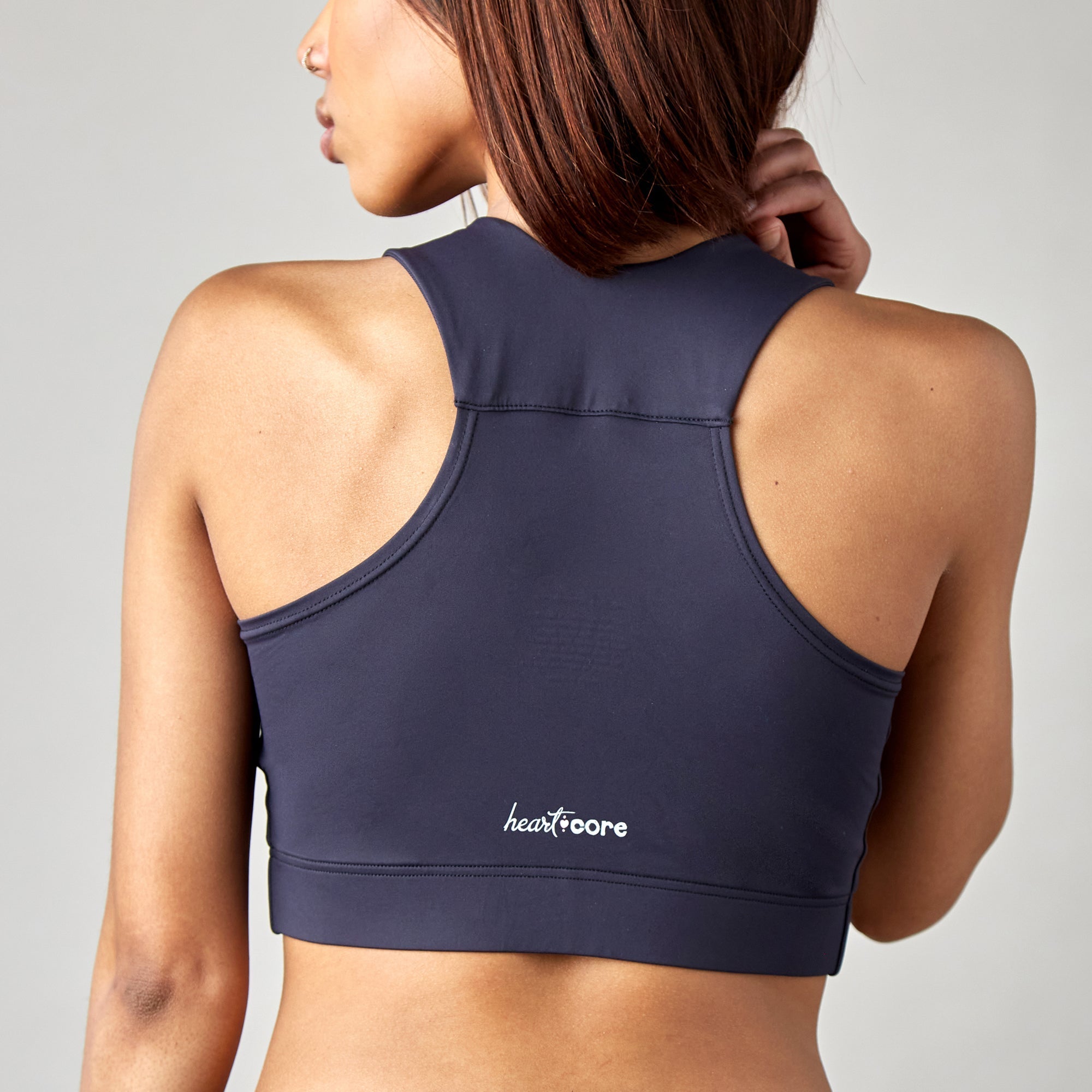
A: Follow your surgeon's specific instructions regarding compression garment wear during sleep. Some surgeons recommend continuous wear, including during sleep, for the first 1-2 weeks, while others allow removal at night. There's no universal protocol—your surgeon's guidance is specific to your procedure.
Q: Can I take sleep medication to help with the position adjustment?
A: Discuss any sleep medications with your surgeon, as some can interact with post-surgical pain medications. Your surgeon may have specific recommendations for sleep aids that are safe to use during your recovery period.
Q: Is there anything else that can help with arm lift recovery to improve healing and protect my results?
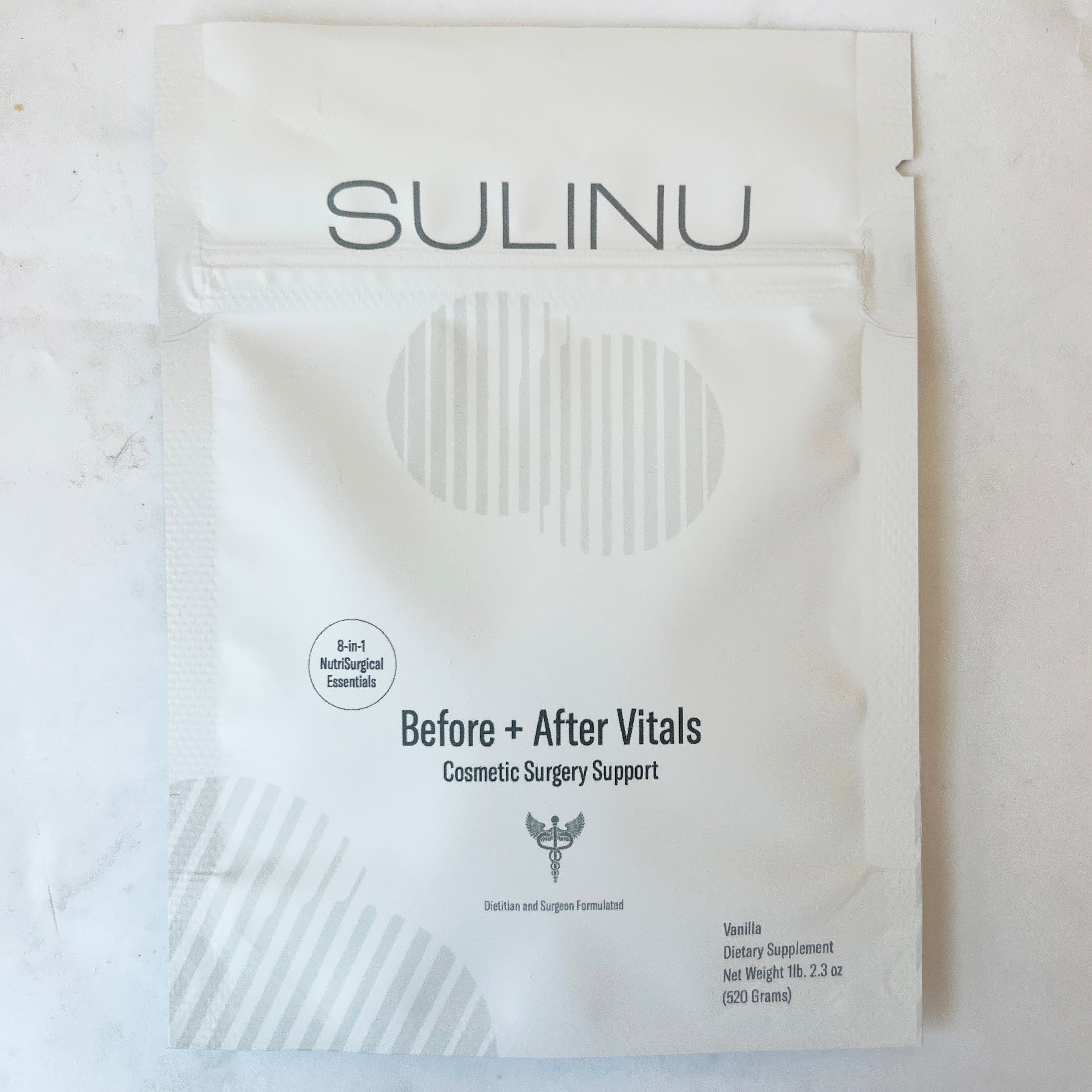
A: Sulinu's Before + After Vitals is the world's first and only NutriSurgical supplement designed specifically for cosmetic surgery recovery. Independently tested, this post-surgery supplement is designed for faster incision healing after cosmetic surgery.
Red Flags: When Sleep Problems Mean You Should Call Your Surgeon
While some sleep disruption is normal during arm lift recovery, certain signs warrant immediate medical attention:
Call your surgeon immediately for:
-
Sudden increase in arm swelling that doesn't improve with elevation
-
Signs of infection (increasing redness, warmth, unusual discharge, or fever over 101°F)
-
Severe numbness or tingling that doesn't resolve when you change position
-
Inability to find any comfortable position for sleep due to pain
Contact your healthcare team within 24 hours for:
-
Sleep disruption that significantly worsens after the first week rather than improving
-
Persistent shoulder or neck pain that limits your ability to maintain recommended positions
-
Questions about whether you're healing normally or if your positioning is adequate
The Bottom Line: Your Arm Lift Sleep Success Strategy
Arm lift recovery sleep challenges are real, but they're also entirely manageable with proper planning and the right approach. The key is understanding that elevated back sleeping isn't just a recommendation—it's a therapeutic intervention that directly supports your healing and protects your investment in better-contoured arms.
Start your preparation before surgery by setting up your complete sleep system and practicing the positioning. Choose equipment designed for the specific challenge of bilateral arm support rather than hoping household pillows will suffice. Follow the week-by-week progression as your recovery advances.
Most importantly, remember that these positioning requirements are temporary, but the results they protect are permanent. The 6-8 weeks of modified sleeping are a small investment in ensuring you get the sleek, toned arm appearance you chose surgery to achieve.
Your arms are healing, your incisions are closing, and your new contours are developing. Give them the nighttime support they need to heal optimally—your future self will thank you when you're back to normal sleep in arms that finally match your body confidence.
Medical Disclaimer
The information provided on this page is for educational purposes only and should not replace professional medical advice from your healthcare provider. Sleep Again Pillows are positioning support products designed to help maintain sleep positions recommended by medical professionals during recovery and for therapeutic use.
Always follow your surgeon's or physician's specific post-operative instructions and positioning requirements. Medical guidance from your healthcare team takes precedence over any general information provided here. Recovery timelines, positioning angles, and product suitability vary based on individual surgical procedures, medical conditions, and patient-specific factors.
Consult your healthcare provider before purchasing positioning equipment if you have specific medical concerns or questions about whether these products are appropriate for your recovery or medical condition(s). Your medical team can provide personalized recommendations based on your unique situation.
Sleep Again Pillows do not diagnose, treat, cure, or prevent any medical condition. These products provide positioning support to help maintain sleep angles and positions as directed by your healthcare provider.