
Rachel Baumel, founder of Sleep Again Pillows, is herself a breast cancer survivor and underwent a double mastectomy as part of her journey. Read more about her story here.
Embarking on a mastectomy journey is both a physical and deeply personal emotional experience. Whether you're preparing for your own surgery or supporting someone you love, having the right recovery support can transform challenging days into more comfortable ones.
Your healing path is unique, and gathering items that nurture both body and spirit can make a tremendous difference in your recovery experience. This guide brings together wisdom from those who have walked this path before you — survivors, healthcare providers, and compassionate experts who understand what truly helps during this tender time of healing.

Preparing Mentally for Mastectomy Recovery
Preparing mentally for mastectomy recovery is just as important as gathering physical supplies. This journey affects not just your body, but your heart and mind as well. It's completely normal to feel a mix of emotions – relief, anxiety, grief, hope, or even all of these at once. Being gentle with yourself and acknowledging these feelings is an important first step in your healing journey.
The days and weeks after surgery can bring emotional challenges that even the most thorough physical preparation can't address. Taking some time now to nurture your emotional well-being will help you navigate the ups and downs of recovery with greater resilience and self-compassion.
Mental Preparation Strategies:
Give Yourself Permission to Feel - There's no "right way" to feel about your mastectomy. Some days you might feel strong and positive, while other days might bring tears or frustration. All of these emotions are valid parts of your healing journey. Creating space for your feelings rather than judging them can be deeply healing.
Connect with Your Support Circle - Reaching out to others who have walked this path can be incredibly comforting. Their firsthand experiences often provide insights that even the most caring medical professionals might not think to share.
Nurture Your Spirit - Learning simple relaxation techniques like gentle breathing exercises, guided imagery, or meditation can give you powerful tools for managing anxiety and discomfort during recovery. Even five minutes of mindful breathing can center you during challenging moments.
Calm Your System: Check out our Pre-Surgery Meditation with Julie Bailit
Embrace the Journey - Recovery isn't a straight line – it has twists, turns, progress, and setbacks. Approaching each day with patience and celebrating small victories helps create a mindset of healing rather than struggle. Remember that your body is doing incredible work to heal itself.
Honor Your Changing Body - Changes to your appearance may bring complex emotions. Speaking with someone who understands body image concerns related to cancer treatment can help you process these feelings and gradually develop a loving relationship with your healing body.
Create Your Support Team - Think about what kinds of support will be most meaningful to you – practical help, emotional presence, or perhaps some gentle distraction. Let people know specifically how they can help, whether it's preparing meals, joining you for gentle walks, or simply sitting with you in companionable silence.
Gather Comfort for Your Mind - Just as you're preparing physical comfort items, gather resources that nurture your spirit – favorite music, uplifting books, funny movies, or creative projects that can be done with limited mobility. These "soul comforts" can be powerful medicine during recovery.
Begin a Healing Journal - Writing can be a powerful way to process your experience. Consider starting a journal before surgery where you can express hopes, fears, and milestone moments. Your words might become a treasured record of your journey and perhaps even a light for others walking a similar path.
Recovery Timeline: What to Expect When
Understanding how recovery typically unfolds can help you prepare your heart and home for each phase of healing. Remember that your path is uniquely yours – some days may bring more challenges, while others might surprise you with unexpected strength and progress. This timeline offers gentle guidance rather than rigid expectations, helping you recognize the natural rhythm of healing and celebrate each small step forward.
The Hospital Stay:
Duration: Hospital stays are not always required following a single or double mastectomy. If a hospital stay is required, it will usually be for one night only. Diep Flap surgeries require an overnight hospital stay, given the length of the surgery and the necessity to monitor the patient in a post-op recovery setting.
What You Might Experience: Your care team will help manage your comfort, monitor your healing, and teach you about drain care. Your body may feel different, and movement will be limited.
Gentle Focus: Rest is your primary healing work now. Allow others to care for you, and begin learning how to tend to your drains when you're ready.
First Week at Home:
Physical Sensations: Your body might feel tired, sore, and your chest may feel tight. Your arm mobility will be limited, and some swelling is completely normal.
Daily Rhythms: This is a time for gentle rest. Household activities will be very limited, and accepting help with meals and personal care is important self-care, not dependency.
Caring for Your Body: Learning to empty drains, keeping your incision clean, and taking pain medication before discomfort builds are your main healing tasks.
Small but Important Movements: Taking medications as your doctor recommends, carefully emptying drains, and making gentle movements as suggested by your care team will support your healing.
Weeks 2-3:
Changes in Your Body: You'll likely notice less sharp pain, though swelling continues. Your arm mobility will begin to improve, though still be limited.
Gentle Activities: You might begin taking short walks and handling simple self-care tasks, gradually increasing your activity as your body allows.
Medical Journey: Your surgical team may remove your drains during this time (typically 1-3 weeks after surgery), and you'll have a follow-up visit to check your healing.
Nurturing Movement: Your doctor may suggest gentle stretching exercises to prevent stiffness and support your body's natural healing process.
Weeks 4-6:
Healing Progress: Pain usually decreases significantly, your energy begins returning, and your arms will move more freely.
Daily Life: Many people begin resuming light household activities, enjoy longer walks, and feel more independent.
Continued Care: You'll still need to avoid lifting anything heavy (over 5-10 pounds), strenuous exercise, and driving if you're taking pain medication.
Emotional Healing: This is often a time of processing the changes to your body and beginning to adapt to your new normal – be gentle with yourself through this transition.
Weeks 6-8:
Physical Healing: Your surgical site has likely healed well externally, while internal healing continues.
Returning to Routines: Many daily activities resume, though still avoiding heavy lifting and vigorous exercise.
Ongoing Care: Follow-up appointments continue, and your doctor might recommend physical therapy to help restore full range of motion.
Work Life: Many people return to work during this time, depending on the physical demands of their job and their individual healing progress.
Months 2-3:
Body Recovery: External healing is nearly complete, with continued improvement in strength and energy.
Activity Renewal: With your doctor's blessing, you may begin returning to most pre-surgery activities and exercises.
Heart and Mind: Emotional adjustment continues as you integrate this experience into your life story with greater peace.
Beyond Six Months:
Physical Wellbeing: Most people reach their maximum physical recovery, though some numbness or tightness may remain a part of your new normal.
Active Living: Most women return to all pre-surgery activities they enjoy.
Ongoing Self-Care: Caring for your scars, addressing any persistent tightness through physical therapy, and emotional support remain important as needed.
For Those with Reconstruction: You might choose additional procedures during this time, such as nipple reconstruction or adjustments.
Remember that these are simply common patterns in the healing journey. Your body will write its own healing story, and listening to its wisdom is more important than following any timeline. Your healthcare team knows your unique situation and will guide you with personalized recommendations for your recovery.
Mastectomy Recovery Must-Haves
WE'VE BEEN THERE, and we're happy to share our experiences in what actually helps so you're fully prepared for what's to come.
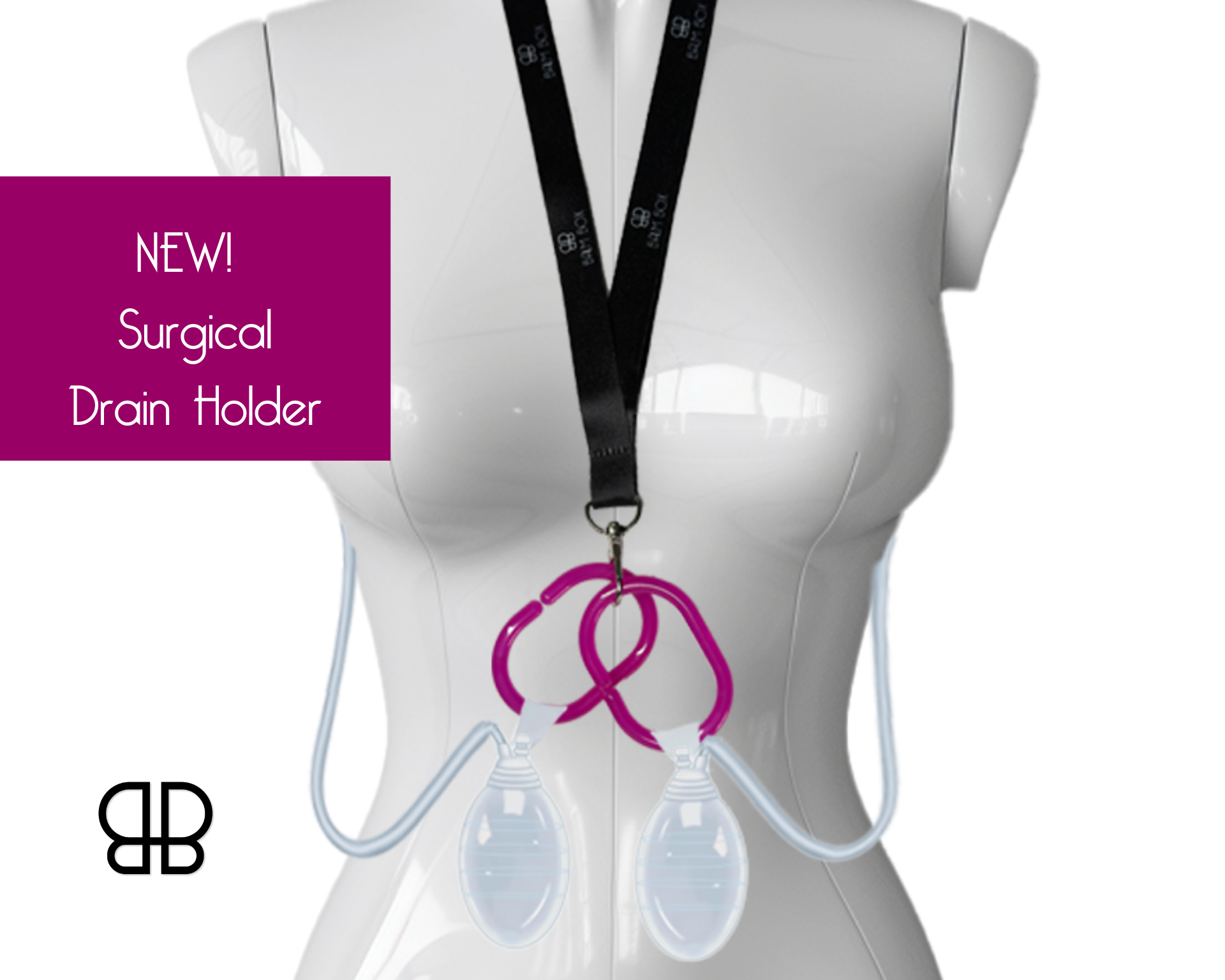
1. Surgical Drain Holder
After surgery, you'll likely have surgical drains emerging from your incisions. These thin tubes help your body heal by removing excess fluid from the surgical area for approximately 6-8 weeks.
Though they might seem intimidating at first, learning to care for them comfortably will soon become second nature. Proper drain care prevents infection, reduces discomfort, and allows you to move with greater ease during your recovery. The right drain care supplies can transform this aspect of recovery from challenging to manageable.
Also consider extra drainage cups. These small containers let you measure daily fluid output, which your doctor will ask about. While your medical team may already provide these, having extras at home means always having clean ones available.
2. Mastectomy Bra
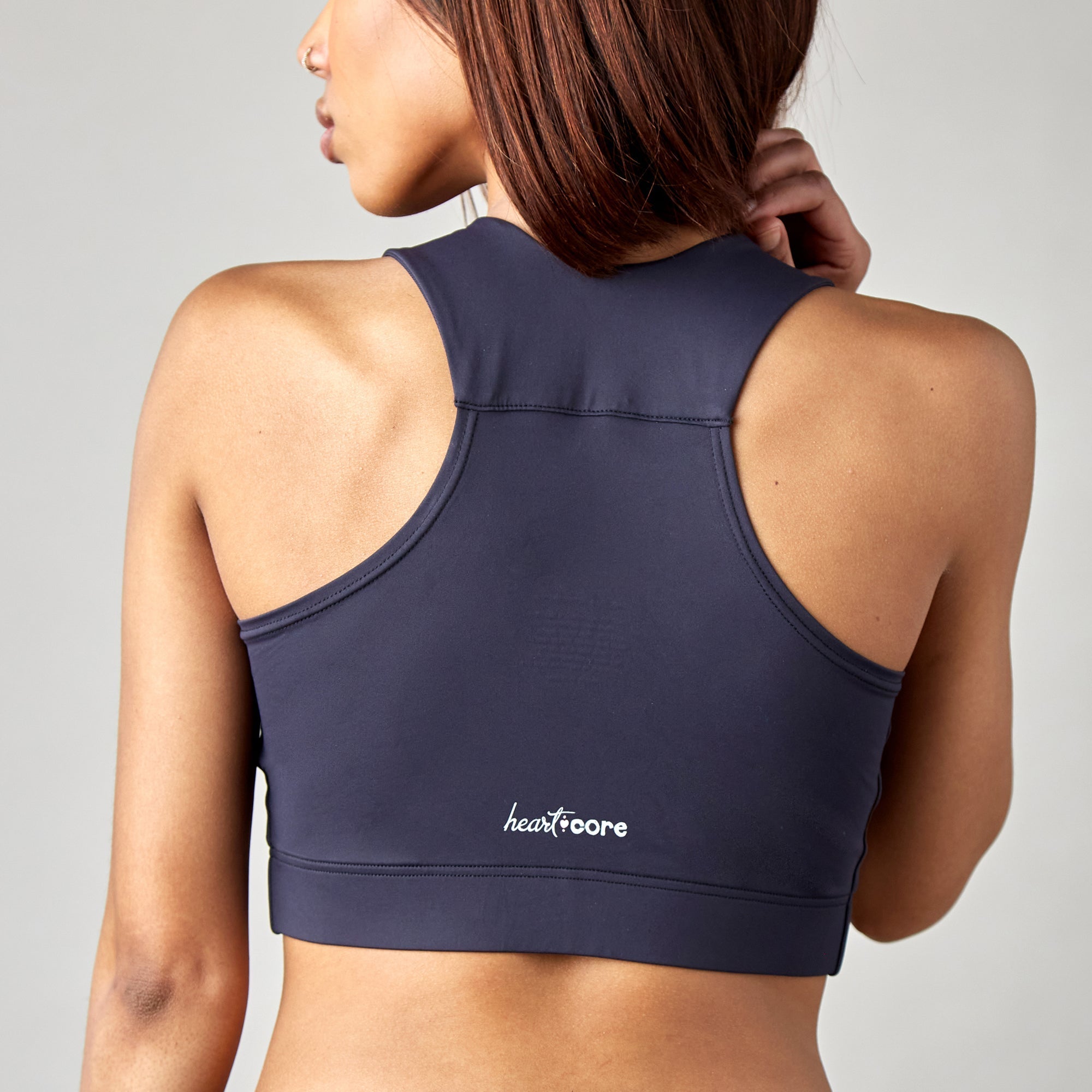
The Larissa Bra - heart&core's post-surgical bra with built-in drain management, including drain bulb holders that help drains lie flat so they don’t get caught on clothing. The Larissa Bra also has internal pockets for cooling gel inserts or puffs. All heart&core bras are front-opening, which is hugely important for any breast or chest surgery, are made of premium fabrics, and have just the right amount of compression for reducing swelling and promoting lymphatic drainage.
3. Mastectomy Pillow for Optimizing Sleep for Healing
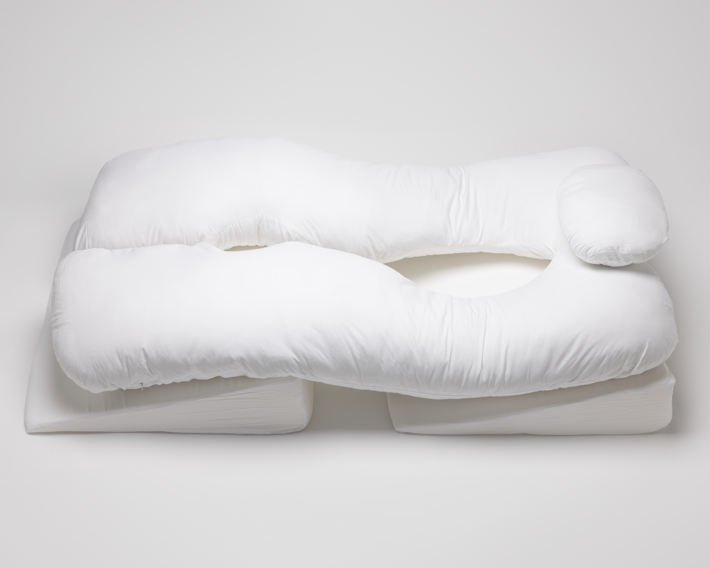
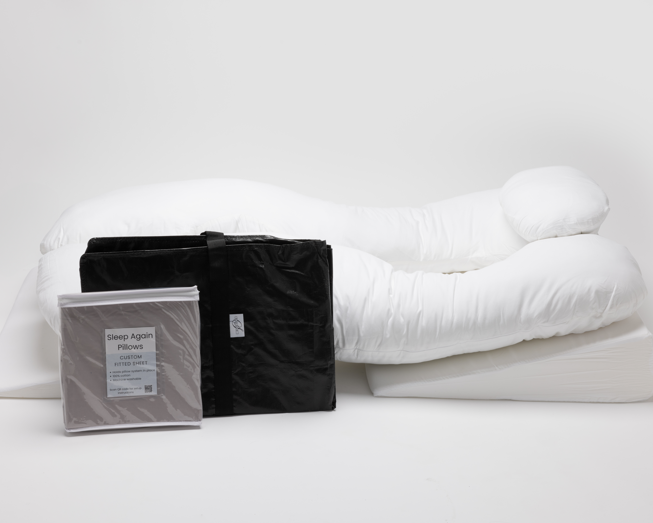
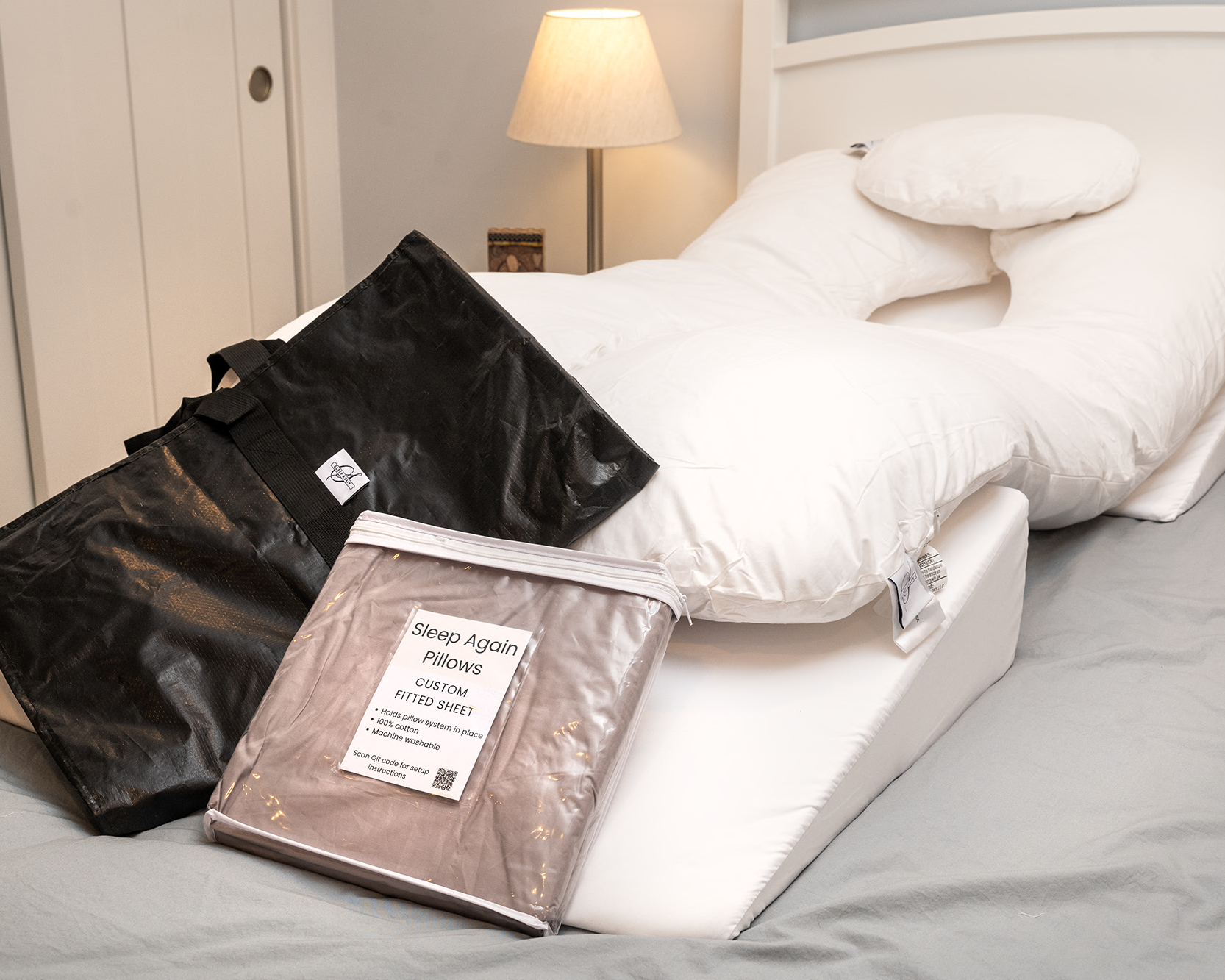
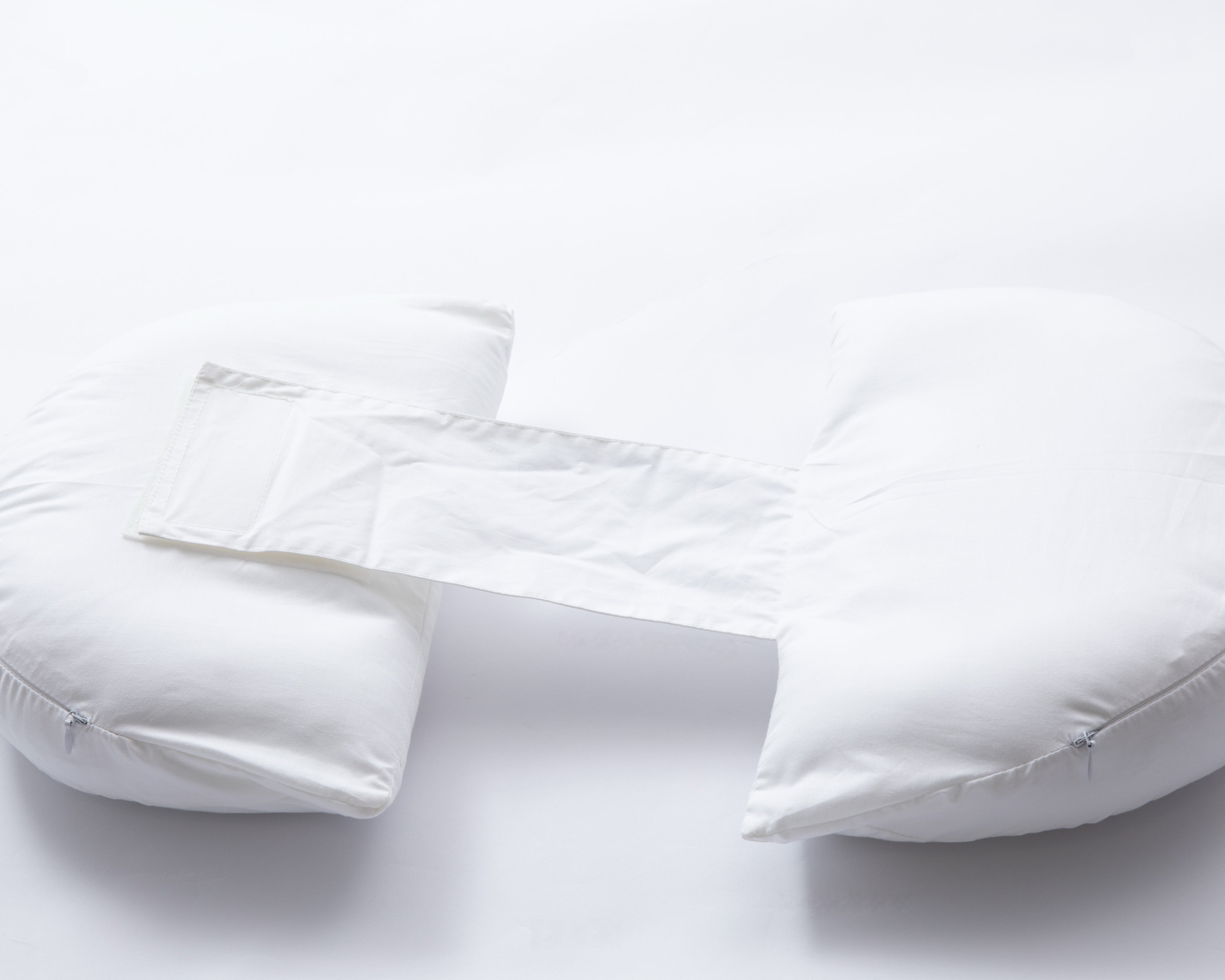
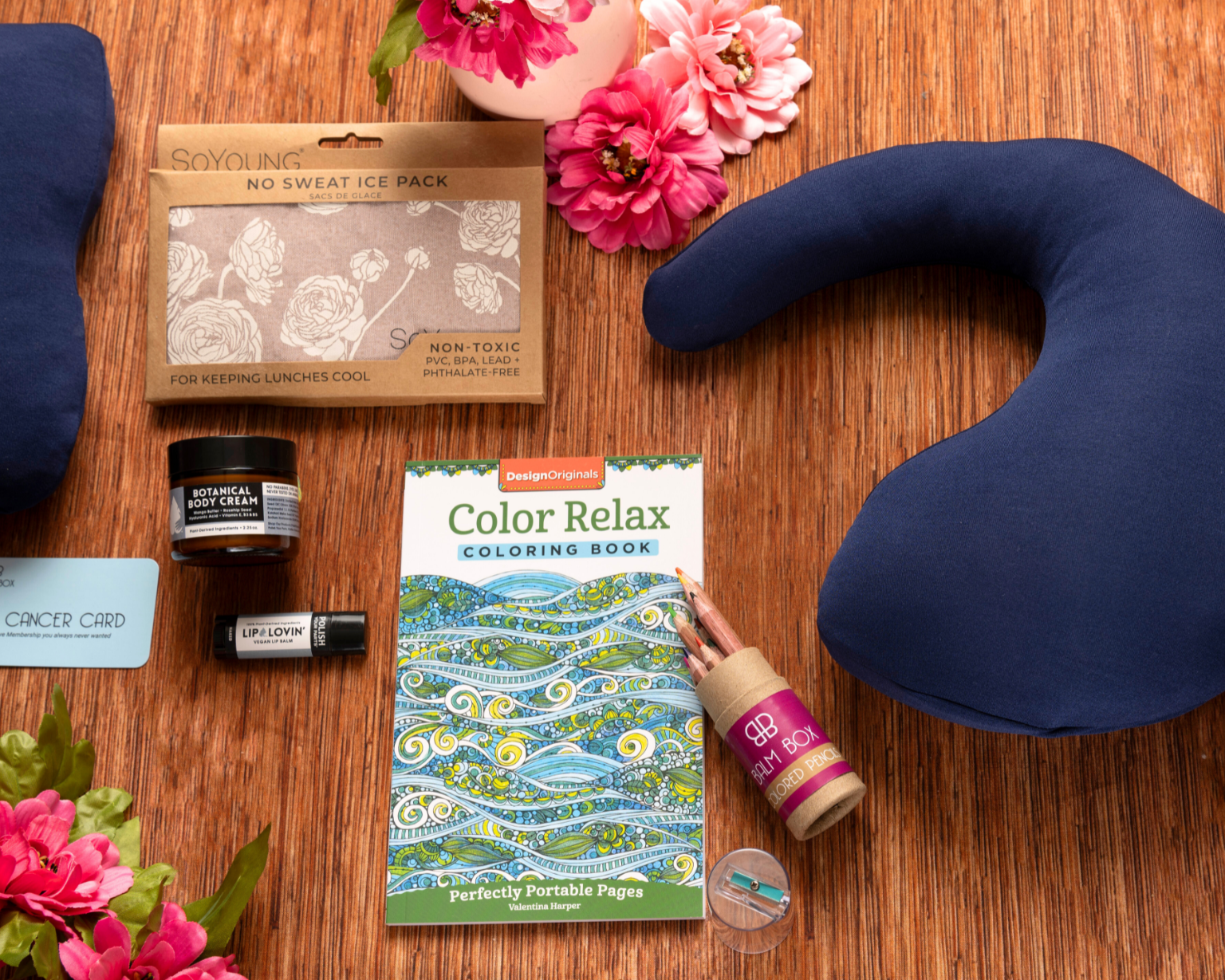
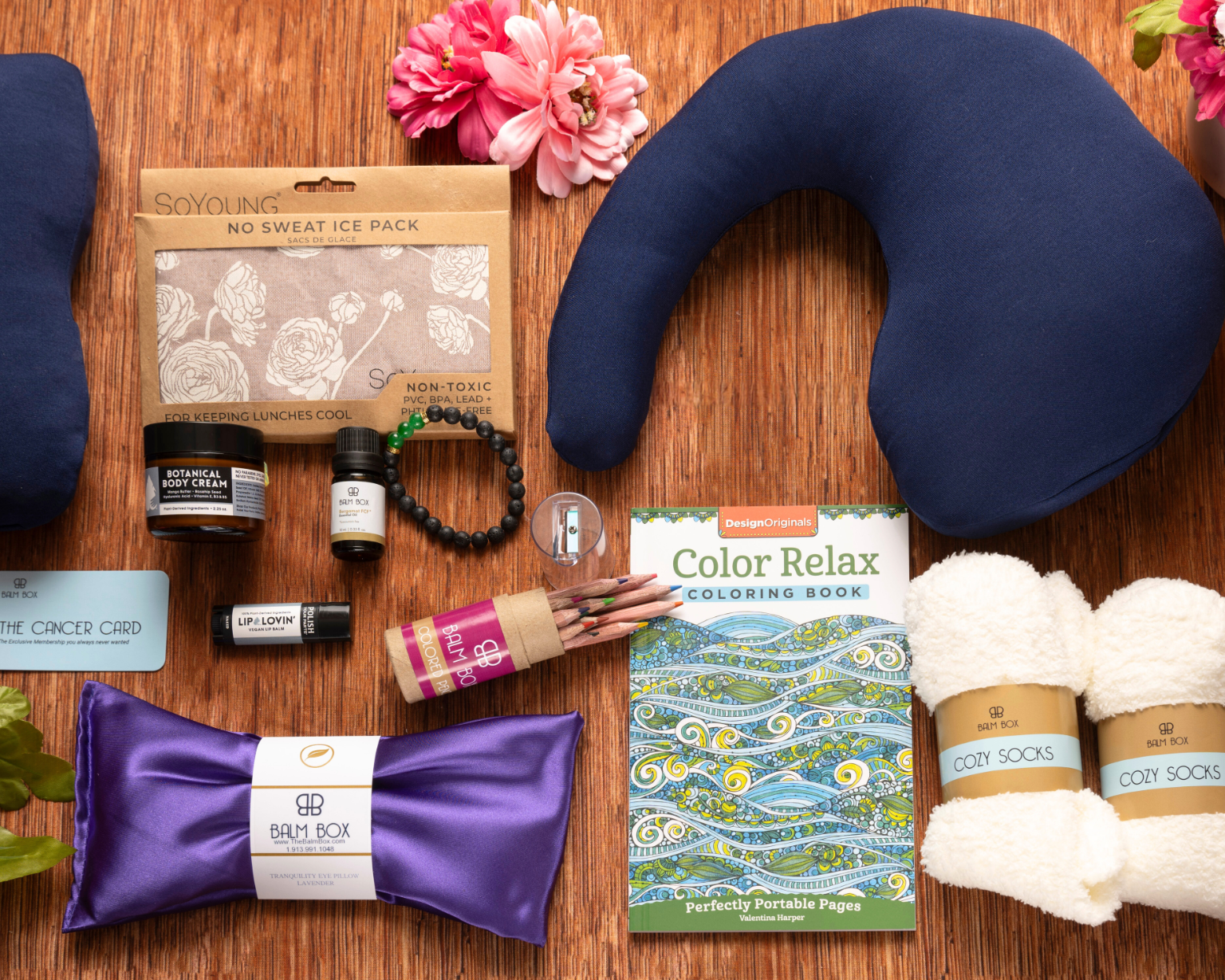
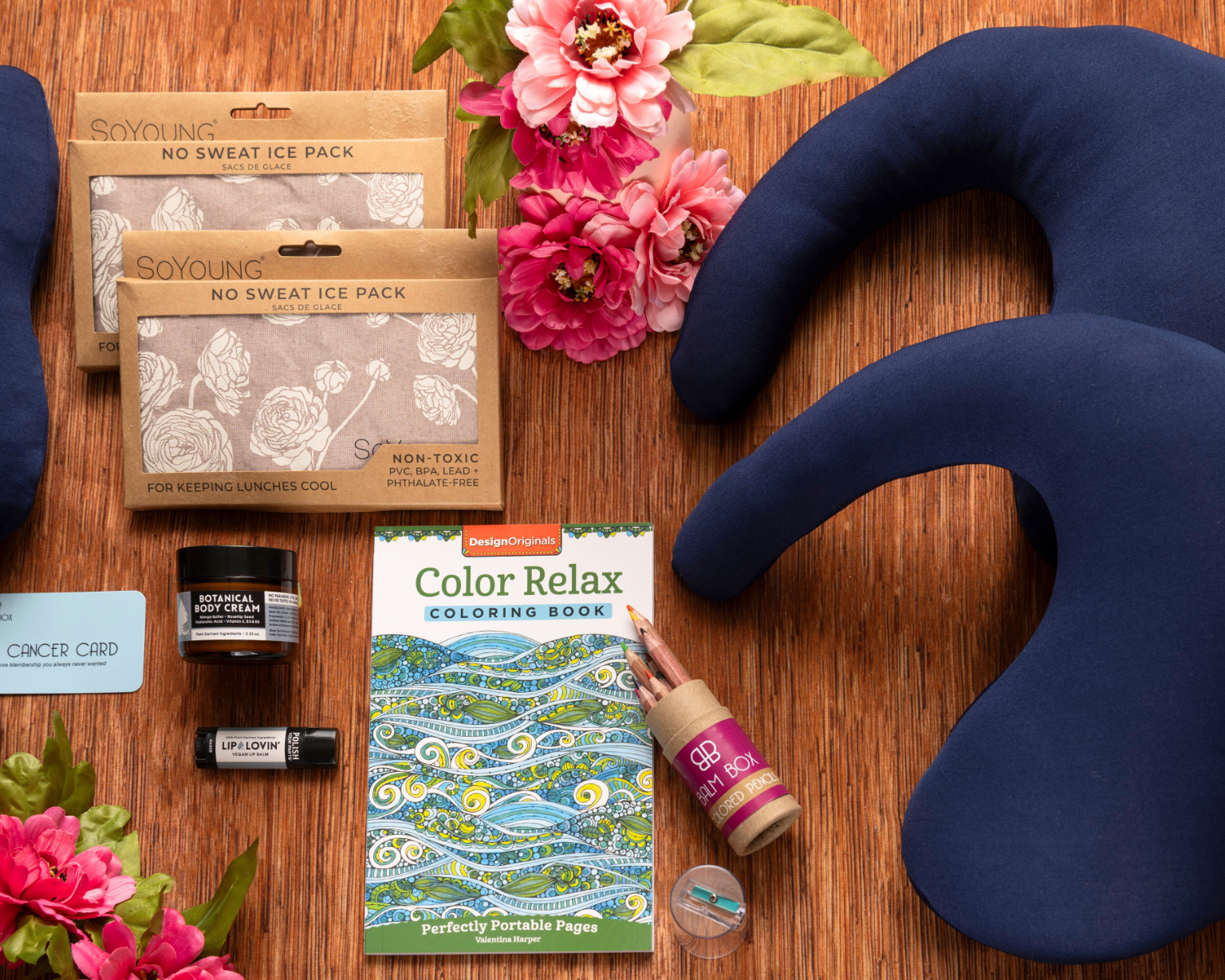
The Sleep Again Pillow System is the #1 doctor-recommended pillow for mastectomy recovery.
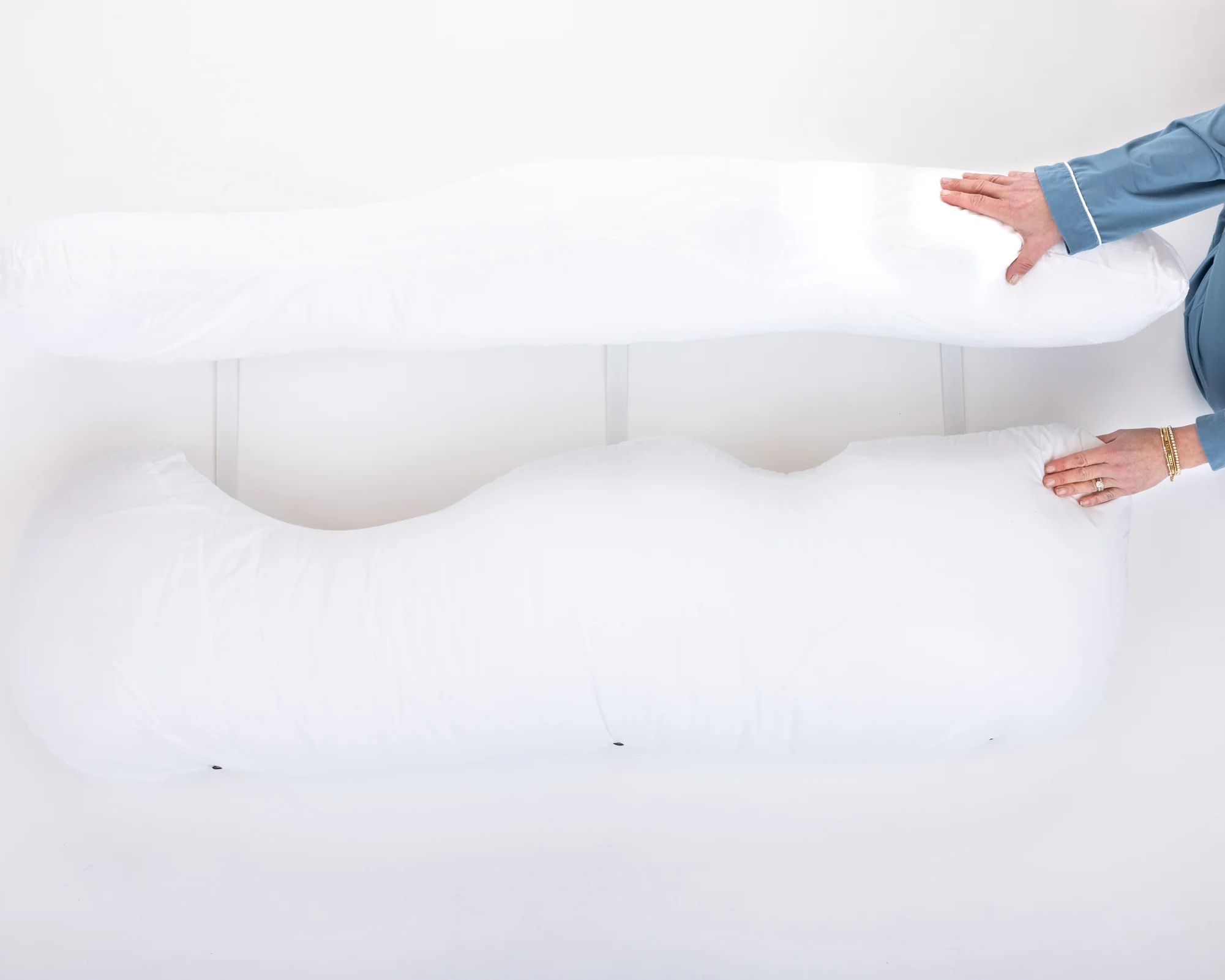
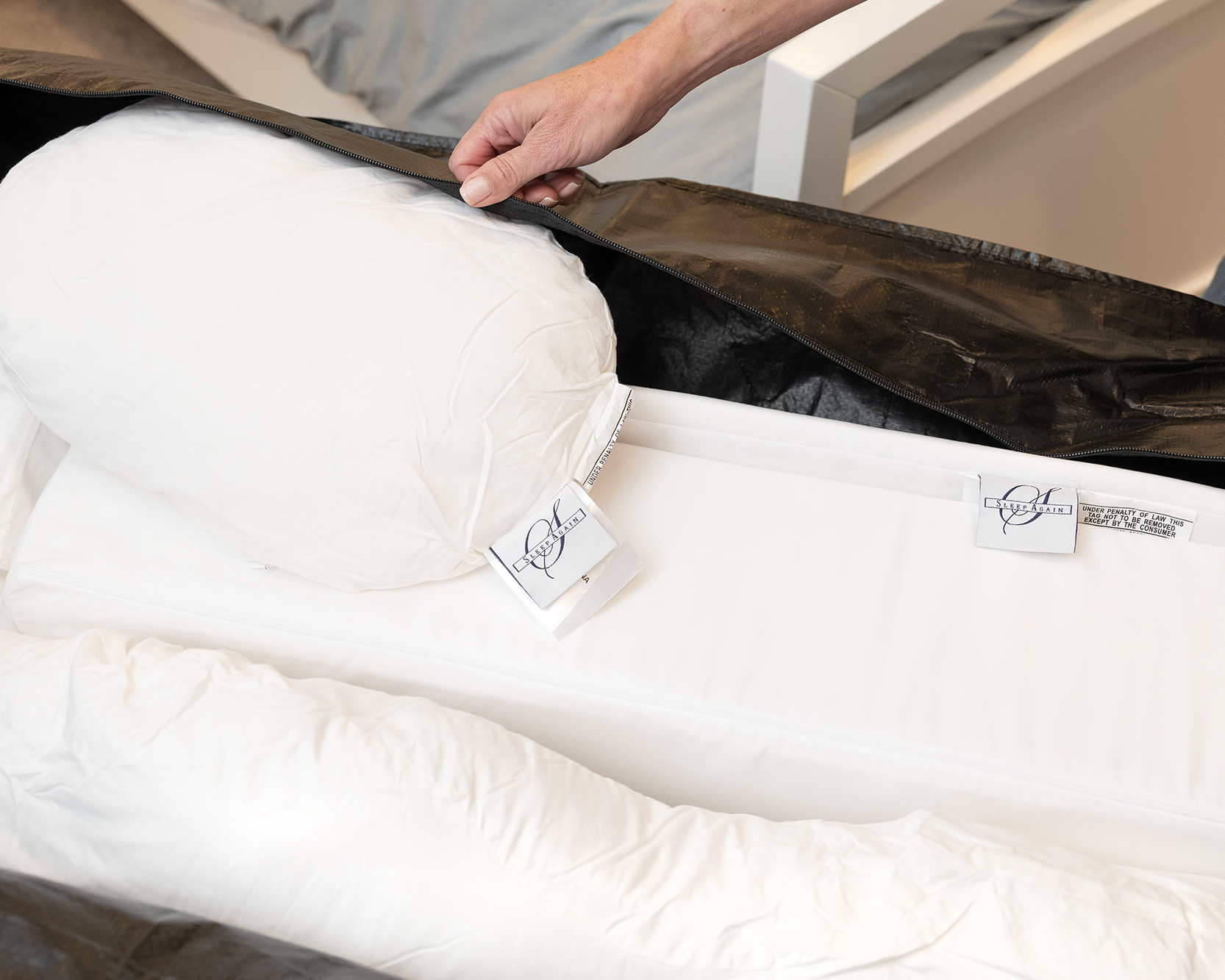
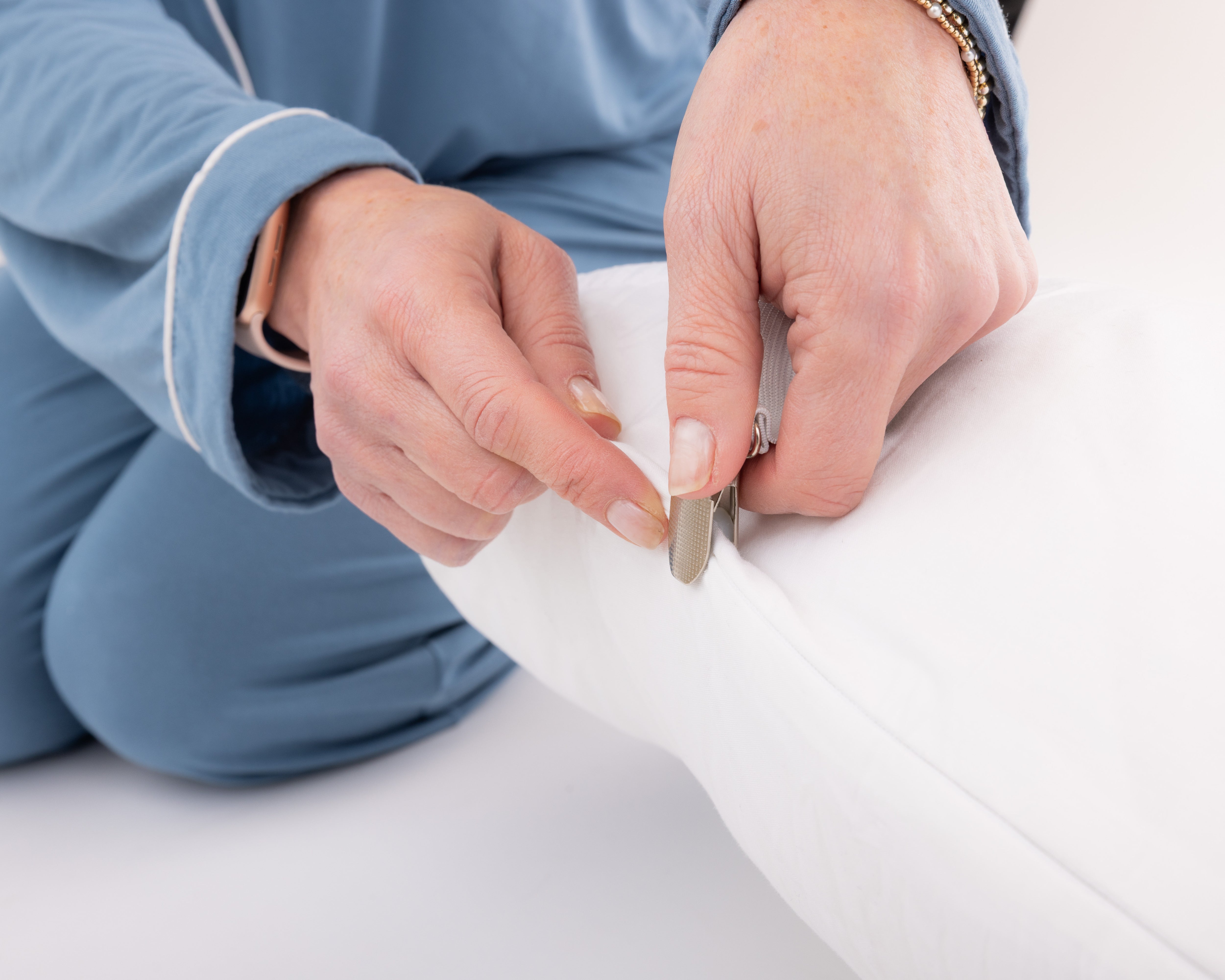
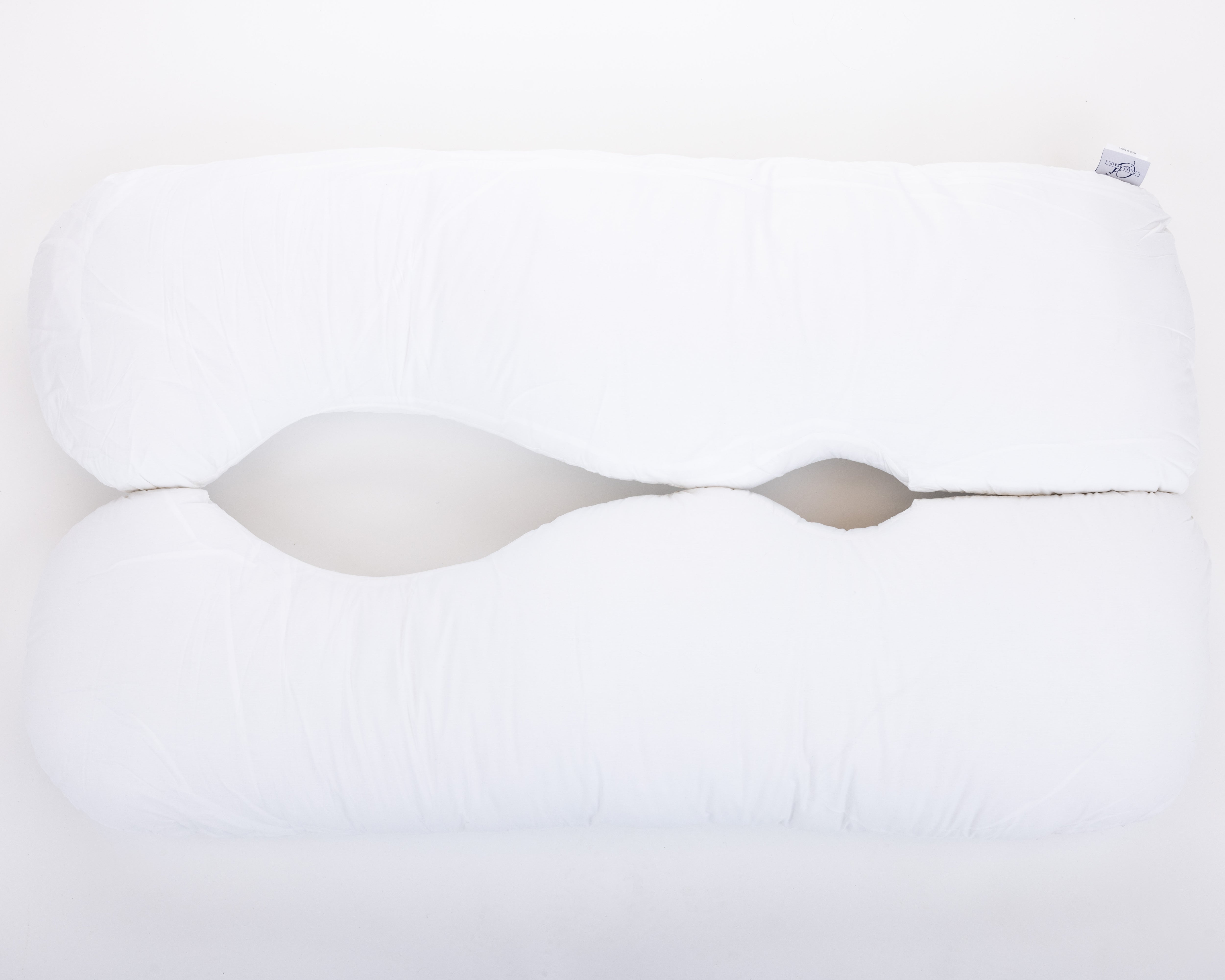
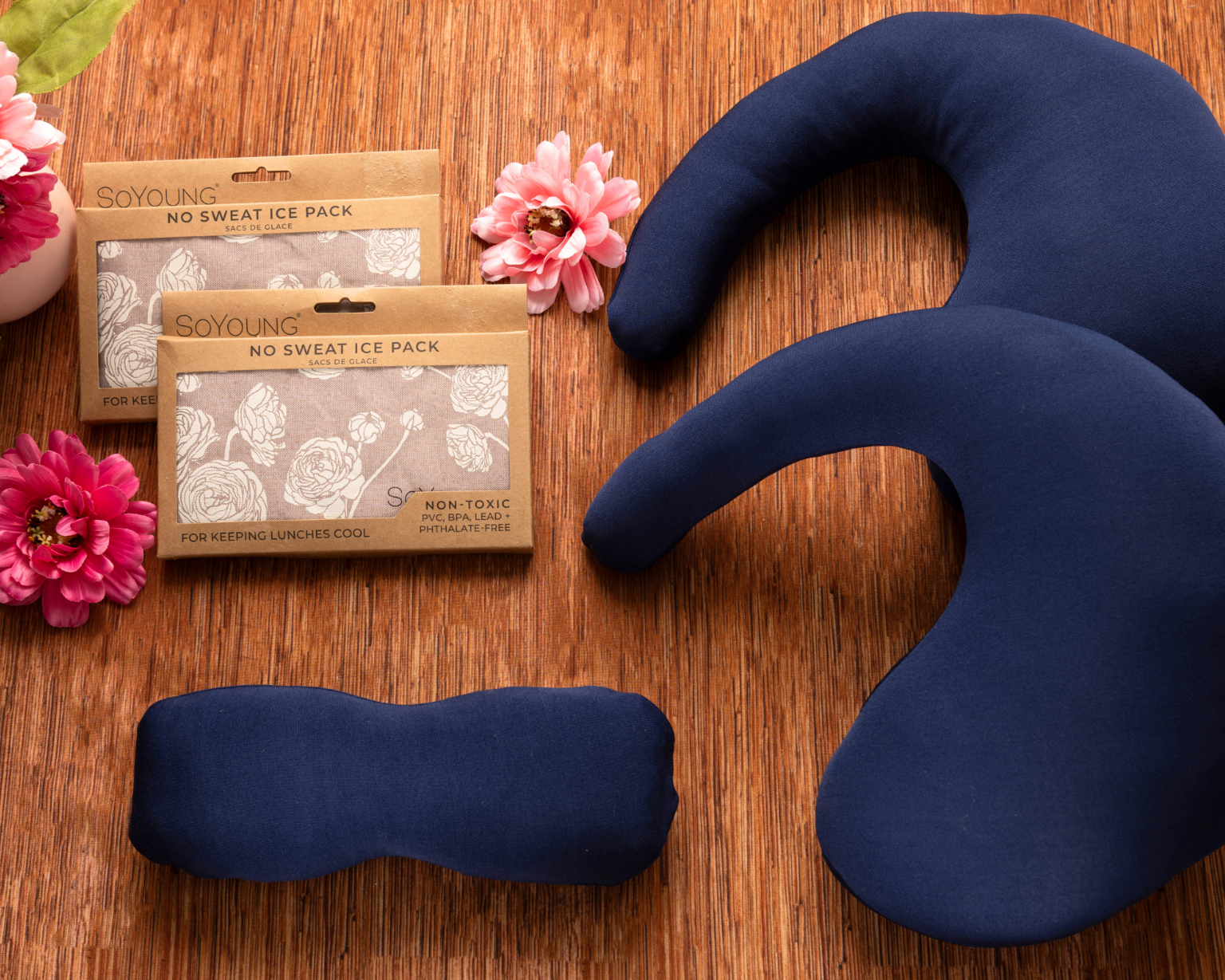
Unlike any other pillow on the market today, the system works using 5 components to promote elevated back sleeping, required by surgeons following a mastectomy, and prevents rolling over onto healing incisions.
Every Sleep Again Pillow System includes:
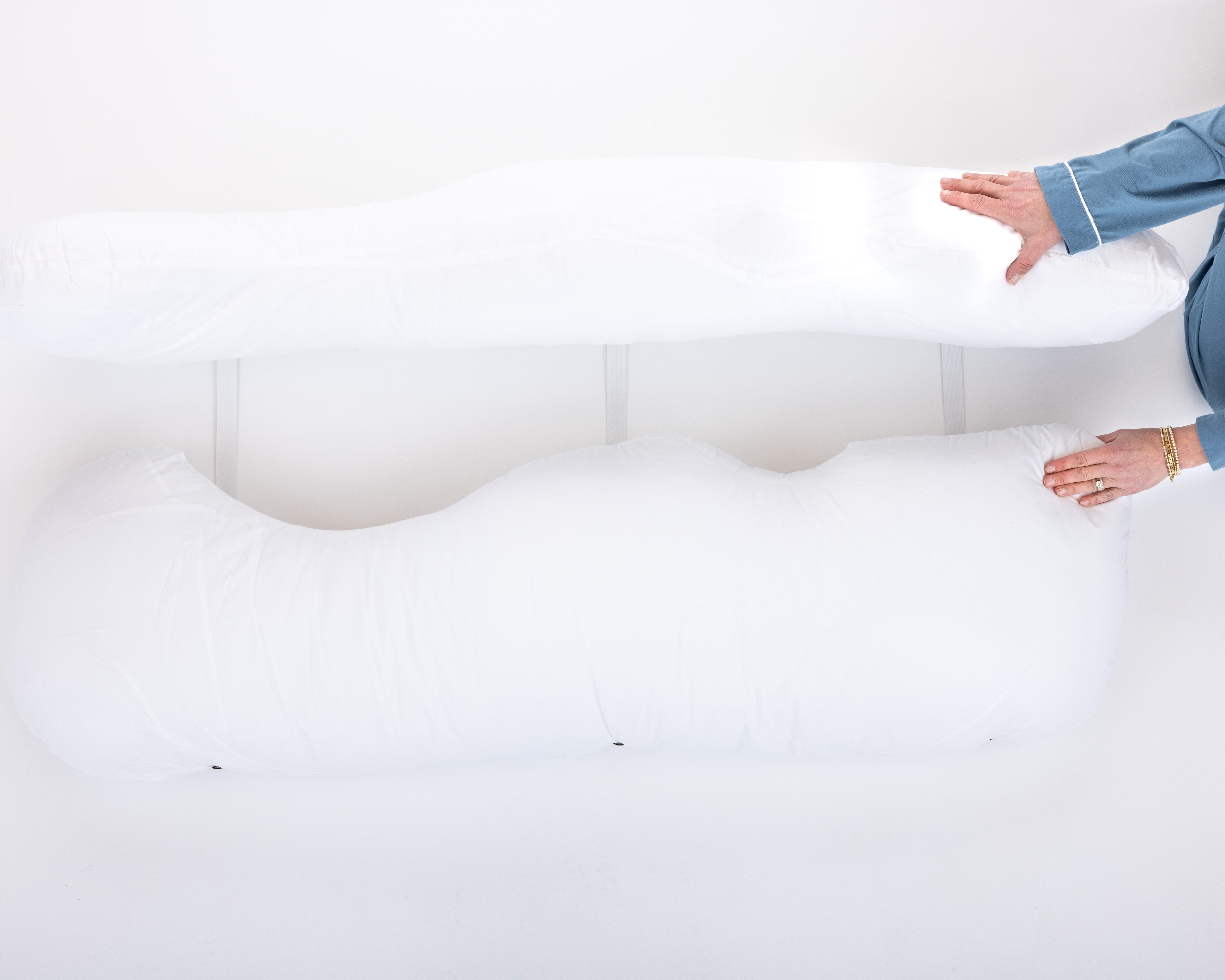
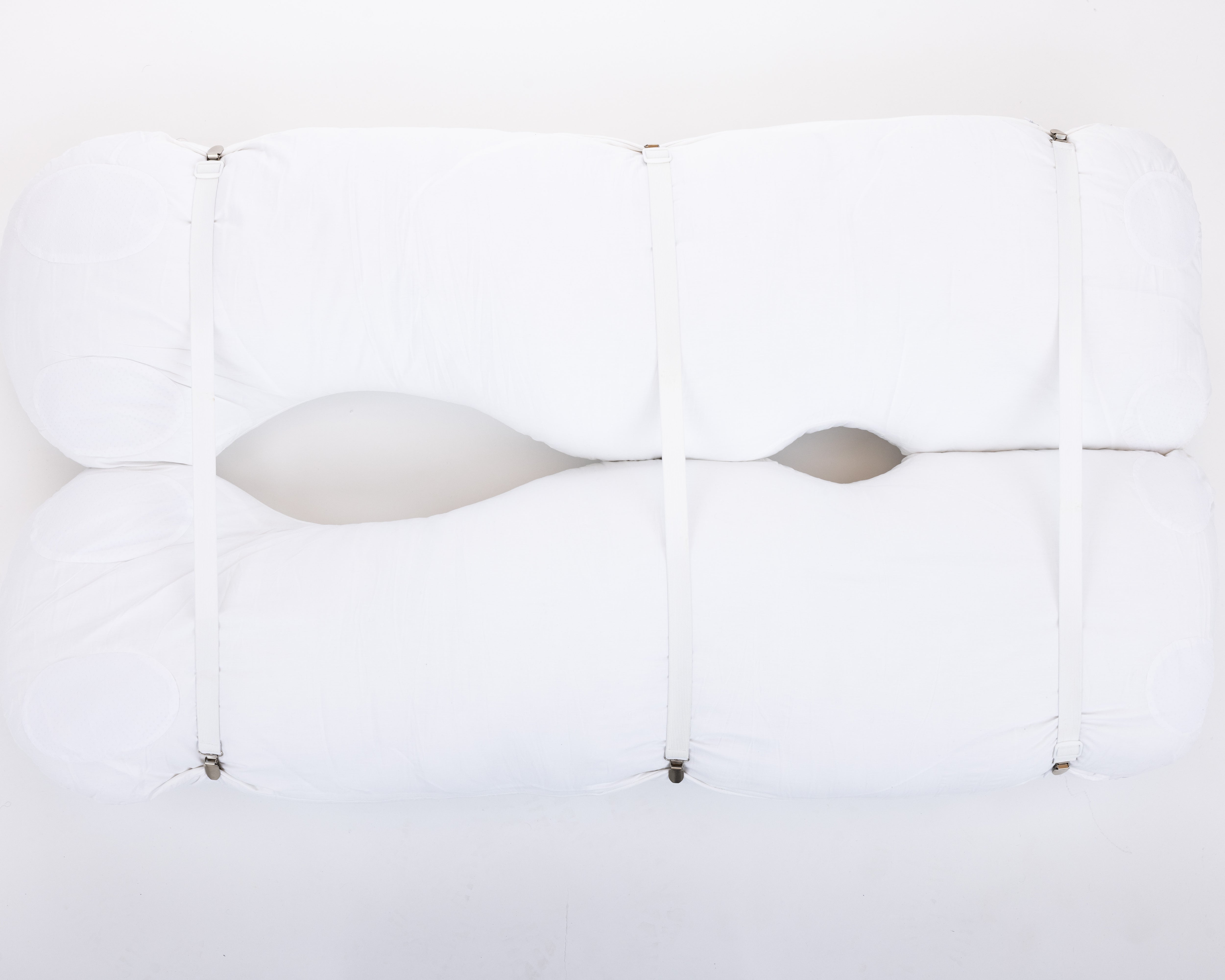
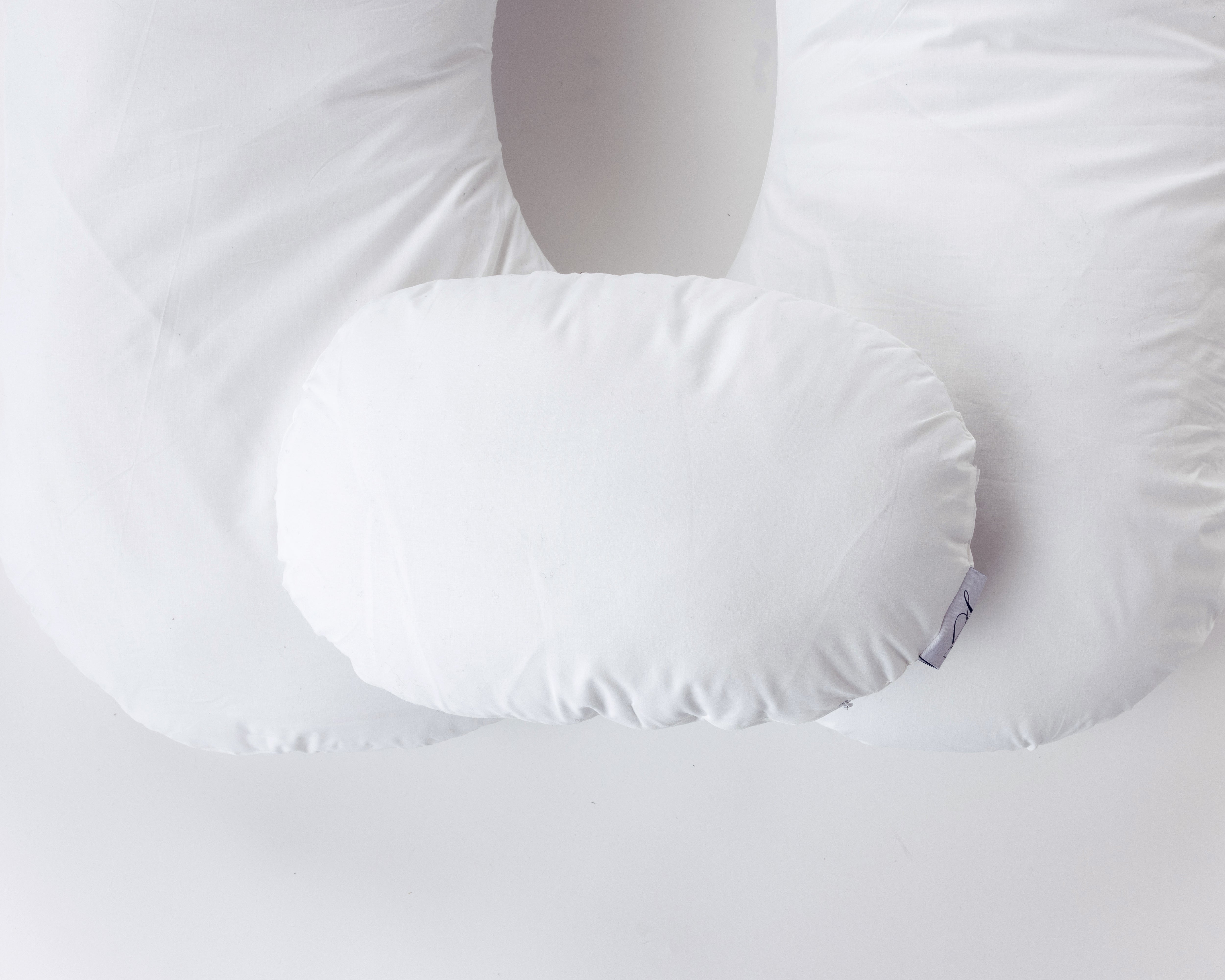
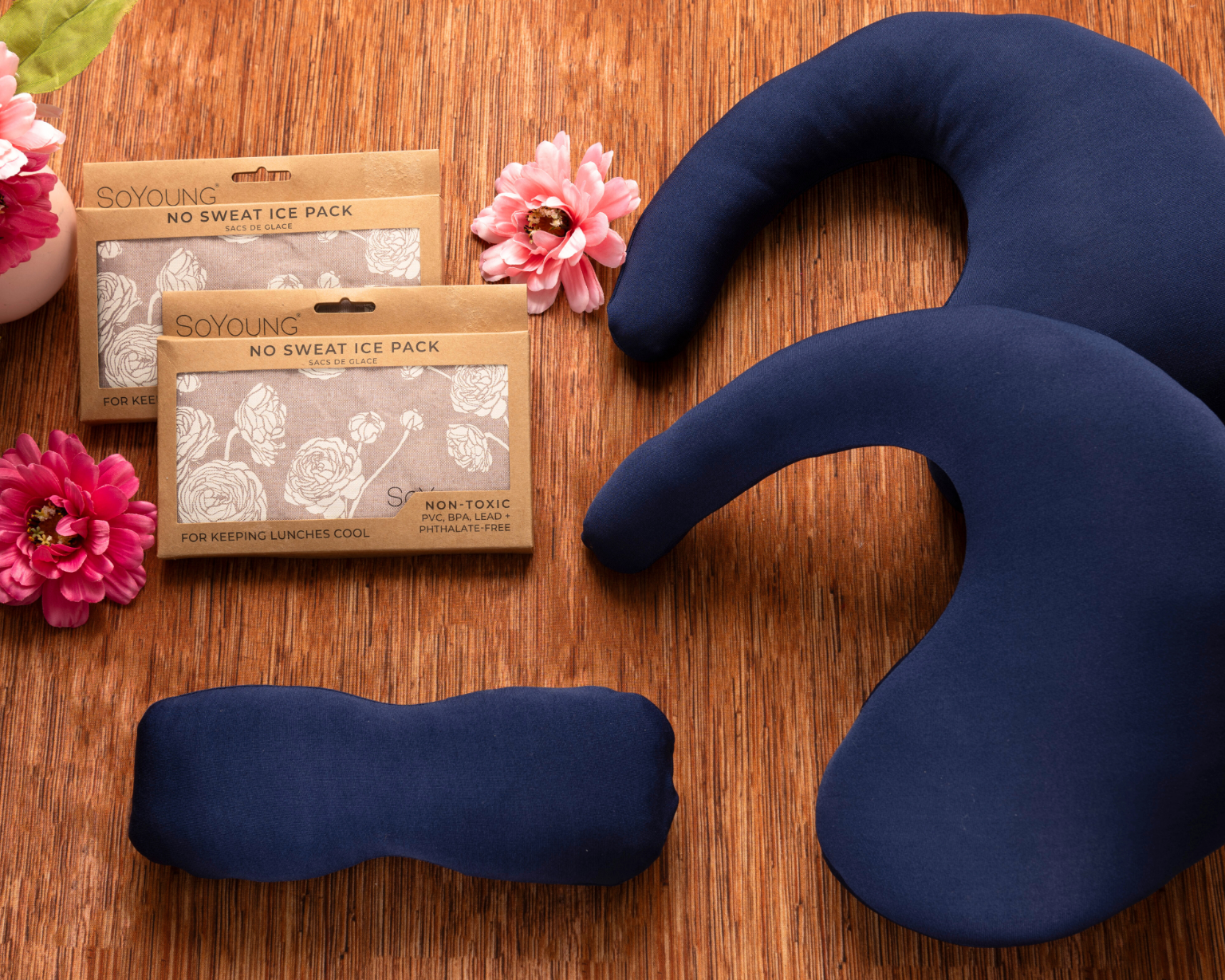
Two Contoured Side Pillows to cradle back and hips
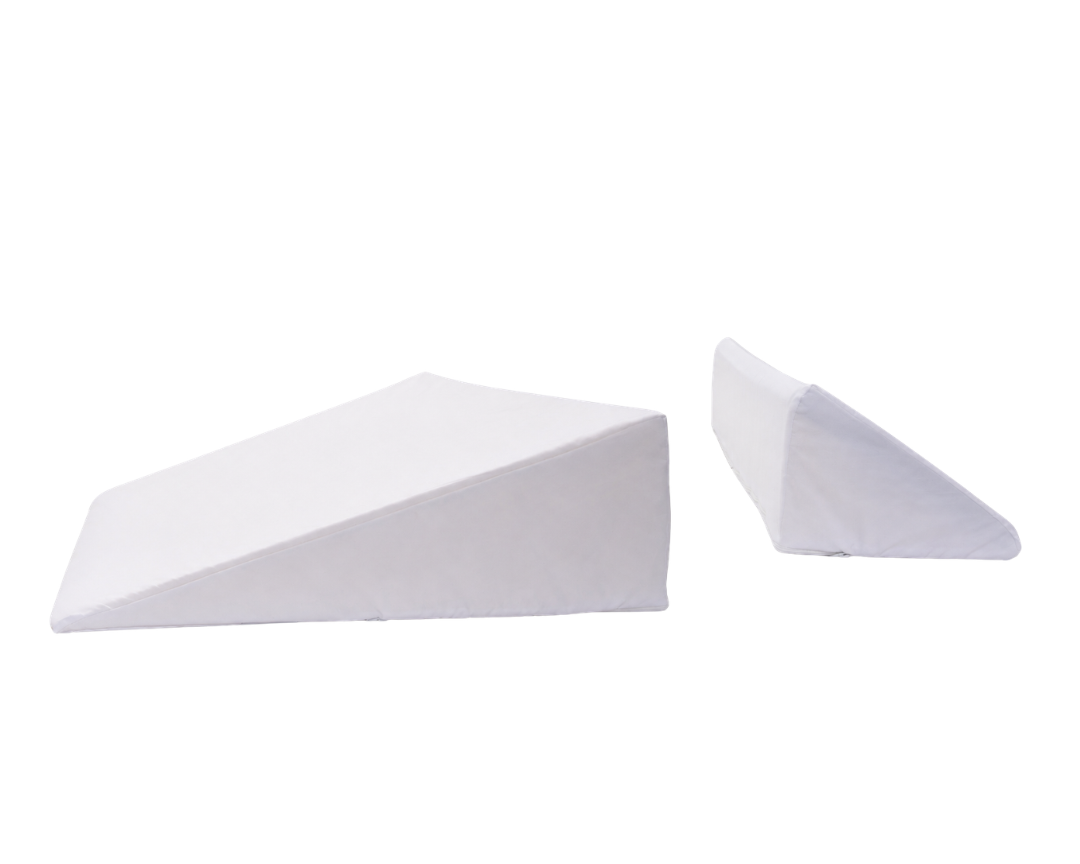
Upper Body Wedge to create optimal upper body incline
Leg Support Wedge to gently elevate legs
Head Pillow to provide head support and neck mobility
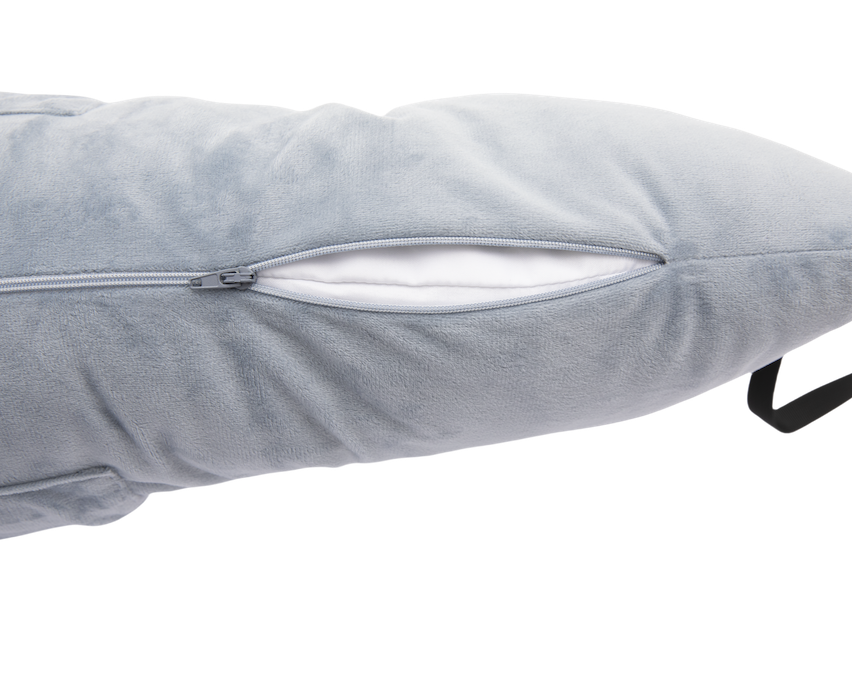
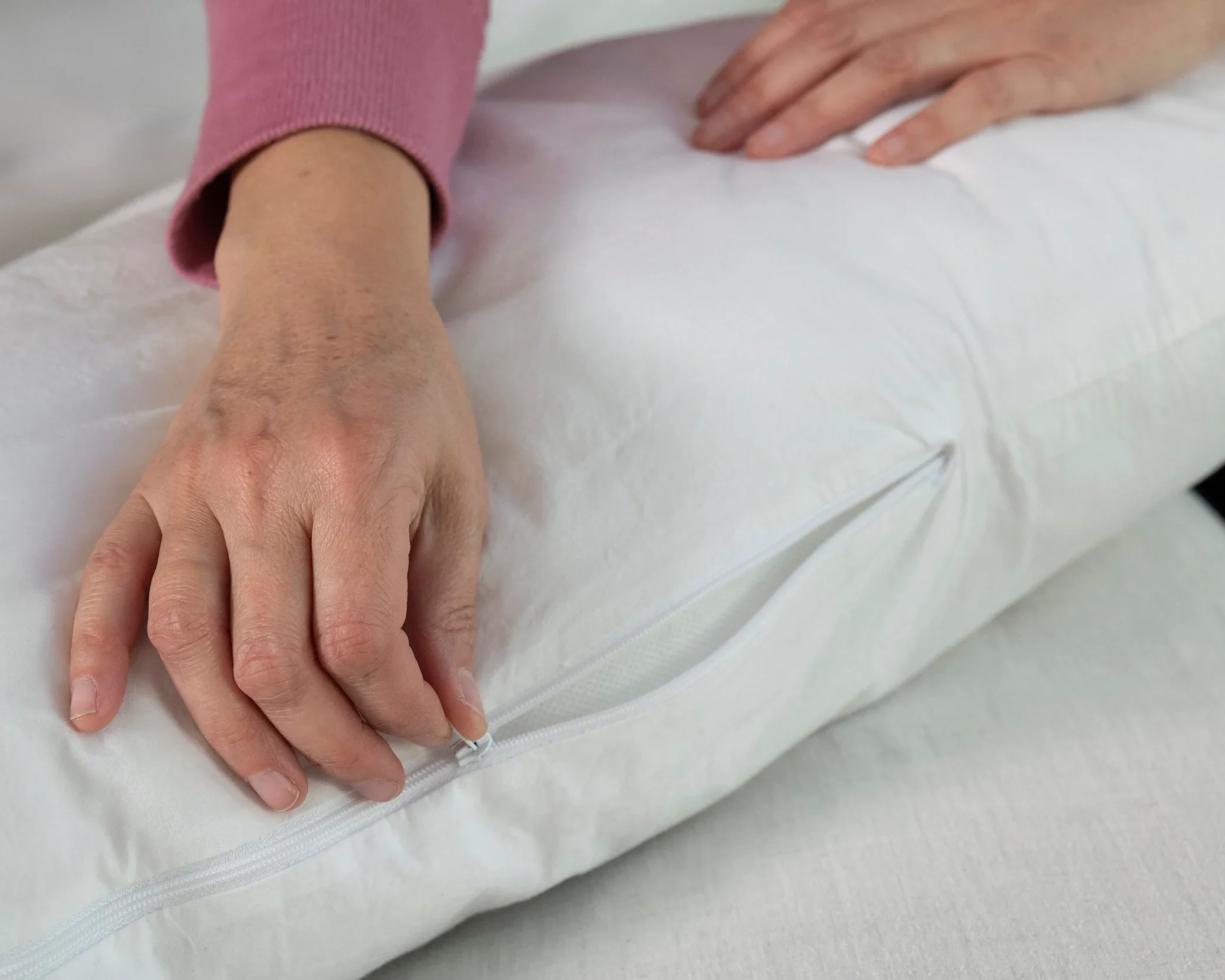
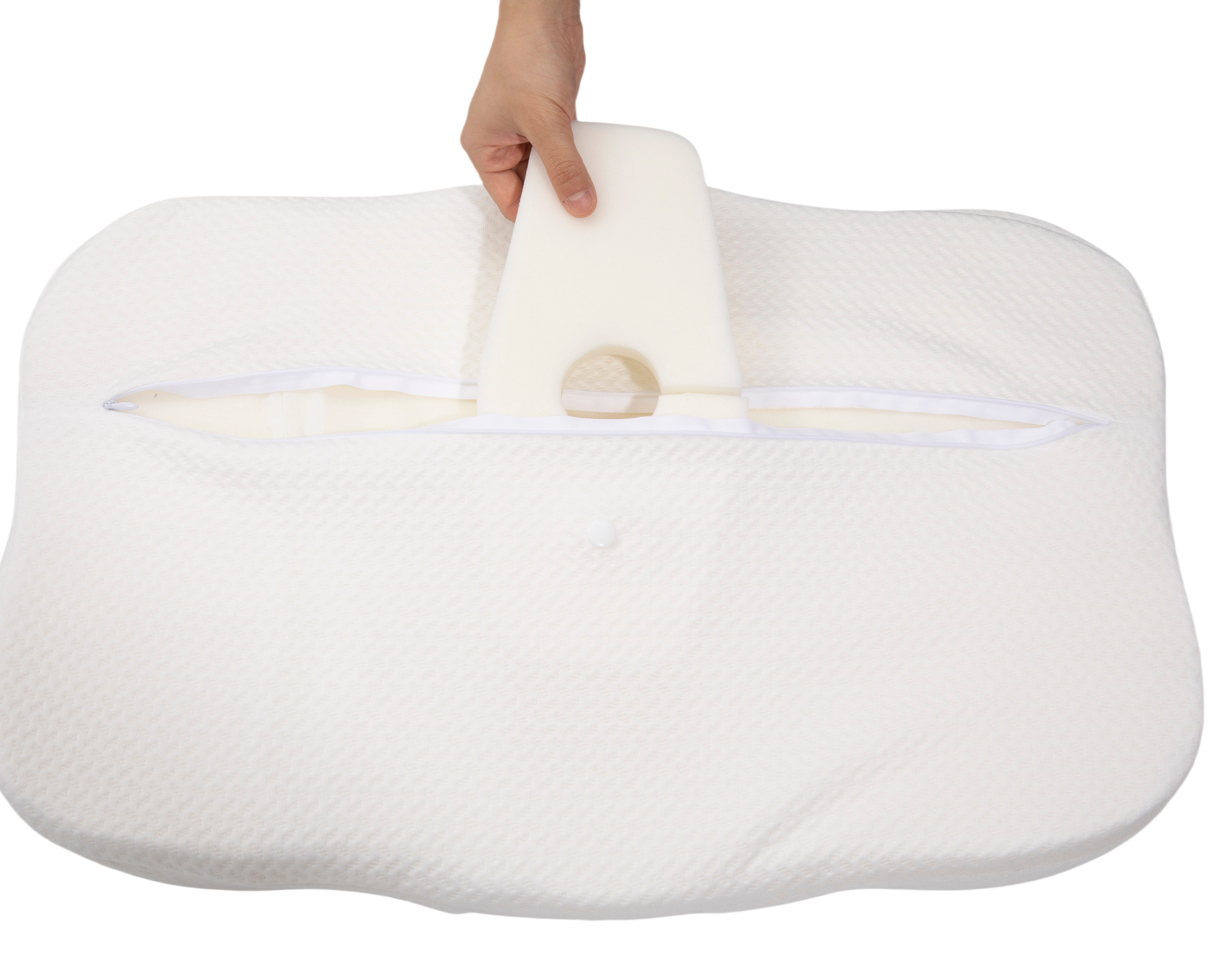
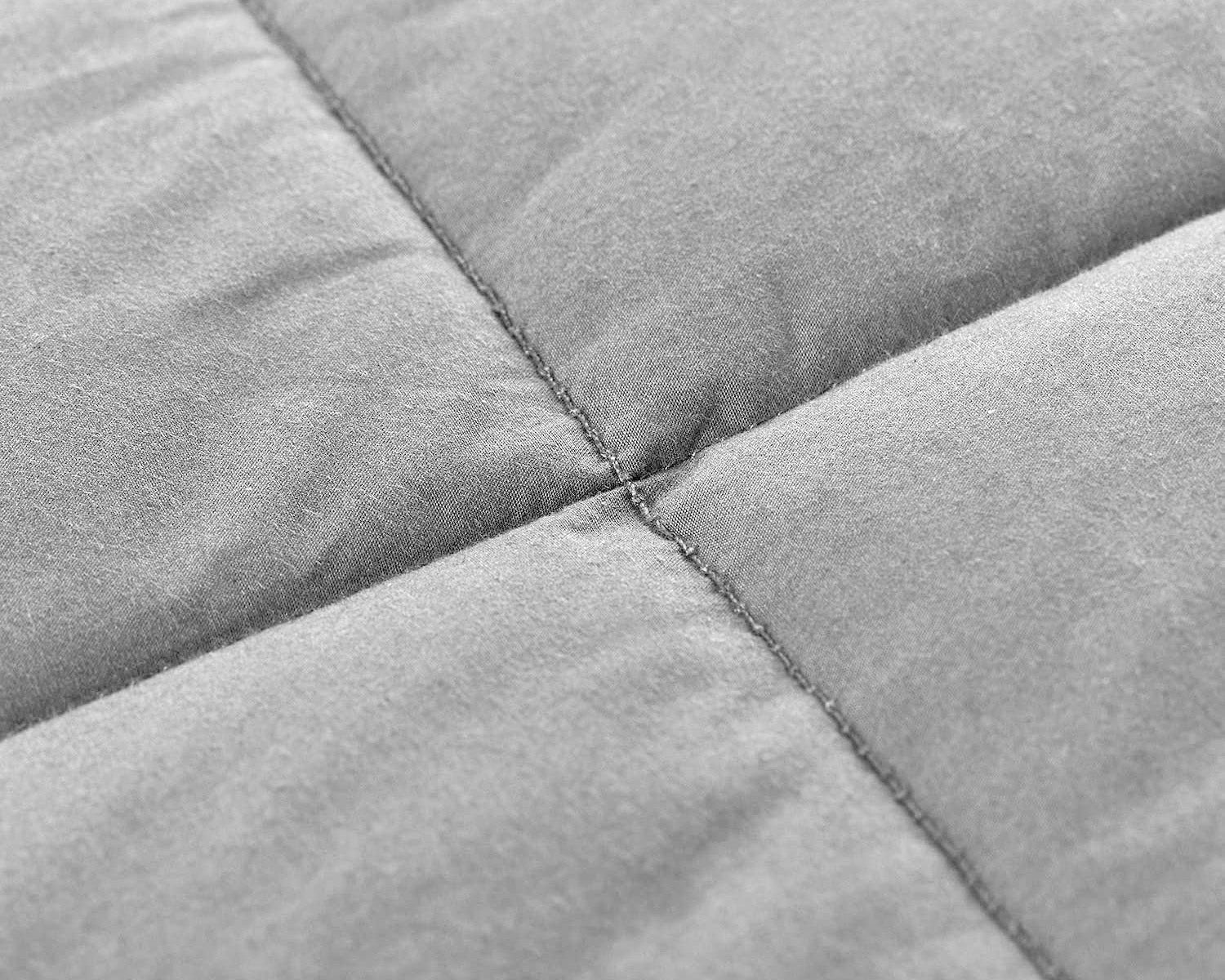
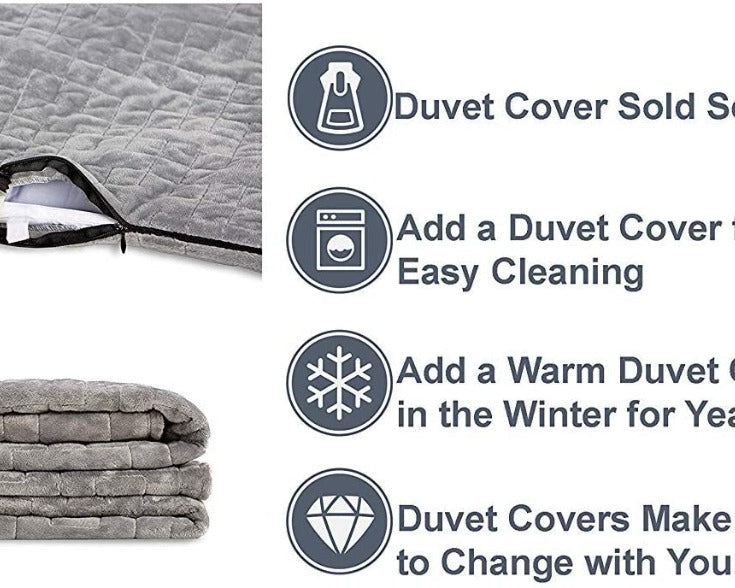
Removable, washable slipcovers for every piece
The Upper Body Wedge creates and maintains the 30-to-45-degree elevation range that breast fat transfer recovery requires. Unlike stacked pillows, it does not compress under body weight or flatten during the night. The elevation angle holds consistently throughout the night.
The Two Contoured Side Pillows solve the lateral drift problem. Positioned on either side of the body, they create physical barriers that prevent unconscious rolling during sleep cycles — eliminating the single biggest threat to breast positioning between bedtime and morning.
The Leg Support Wedge addresses the lower body component that breast fat transfer patients need more than most. With liposuction donor sites that are swollen and bruised, gentle leg elevation improves circulation and reduces the pooling of post-operative fluid. It also prevents the patient from sliding down the incline during sleep, which is a consistent problem with wedge-only setups.
The Head Pillow ensures that elevation at the upper body is matched by proper neck support. Sleeping at 30 to 45 degrees on a wedge without dedicated head support creates a neck angle that causes its own disruptions — patients who wake up with neck strain are less rested and more likely to unconsciously adjust their position in ways that compromise breast positioning.
Removable, washable slipcovers are a clinical necessity during surgical recovery, not a luxury feature. Drainage, compression garment contact, and extended time in bed create hygiene requirements that standard pillow cases cannot meet.
The Sleep Again Pillow System is HSA/FSA eligible. All sales are final; items are not returnable per federal regulations.

4. Cooling Sheet
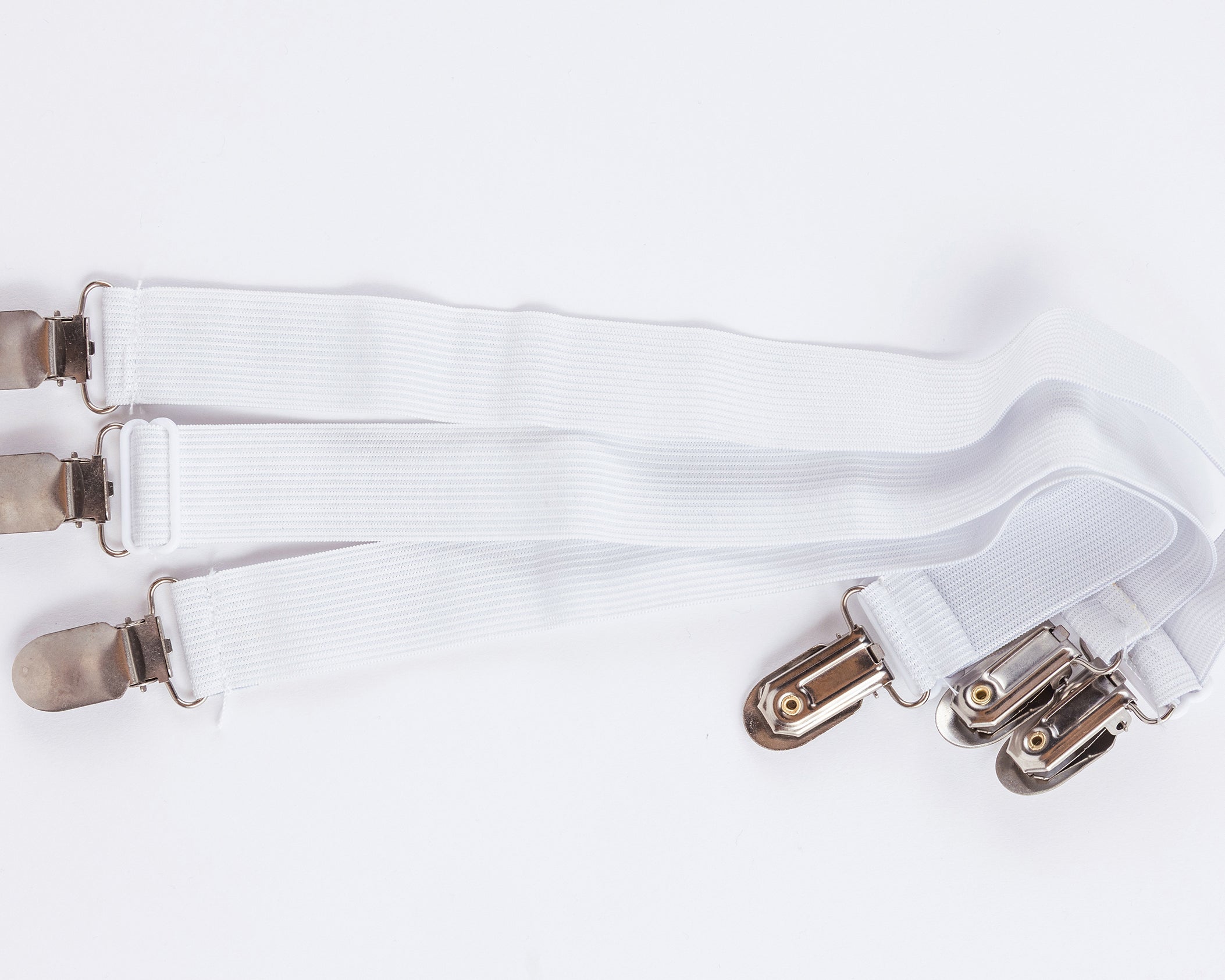
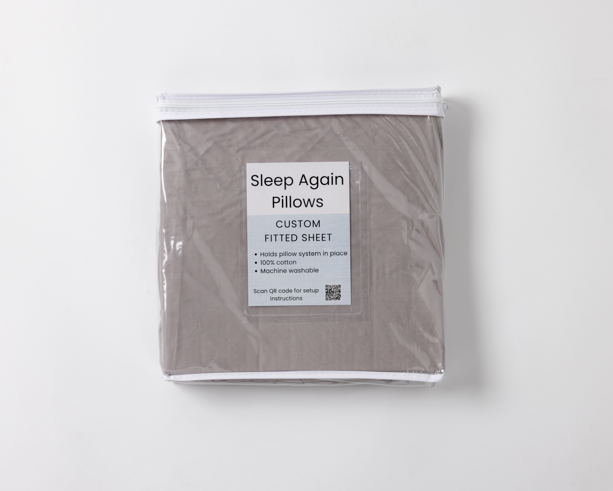
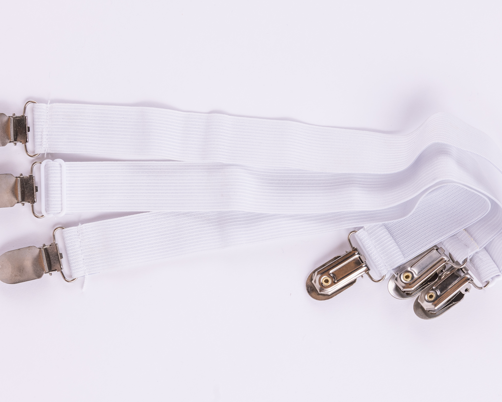
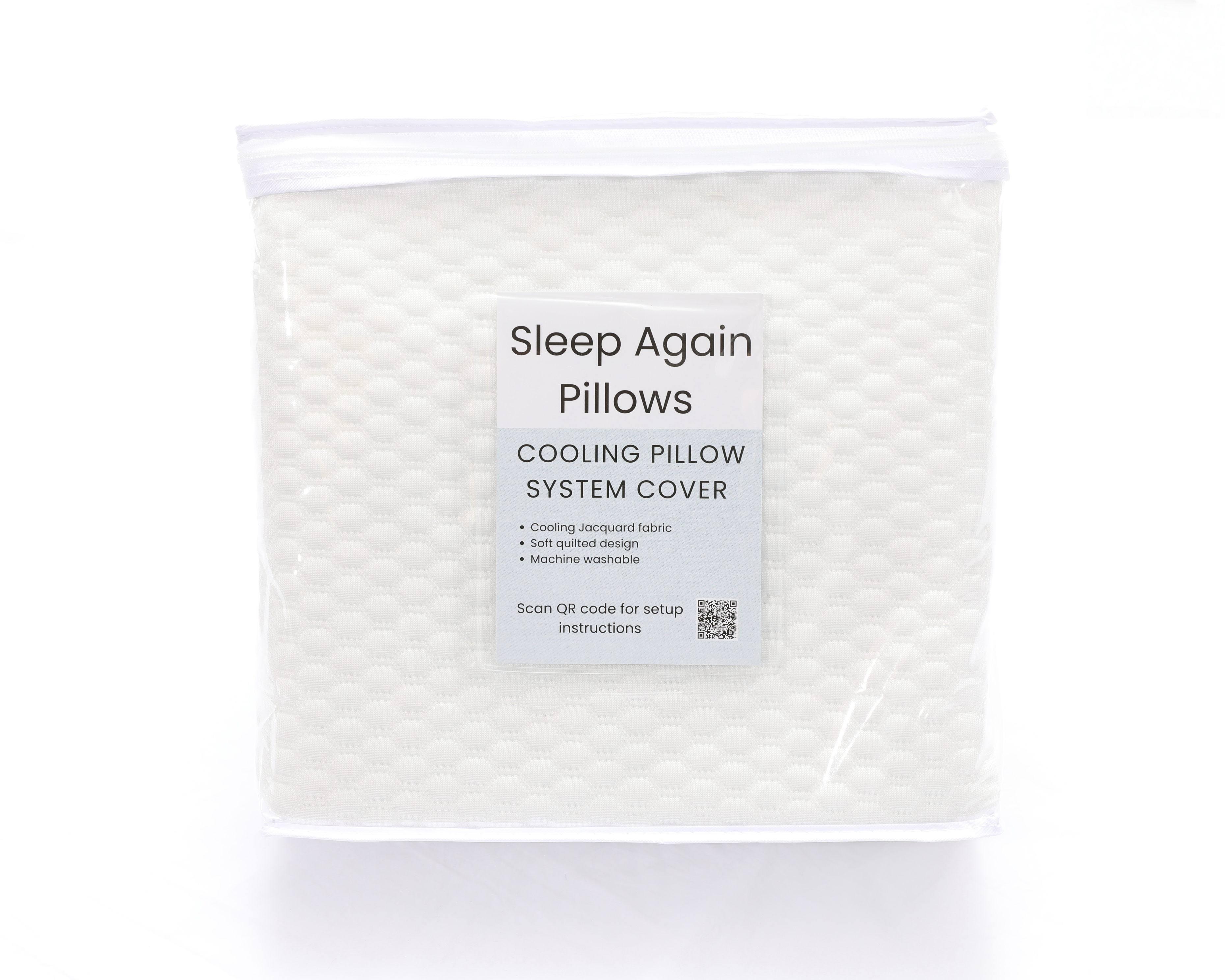
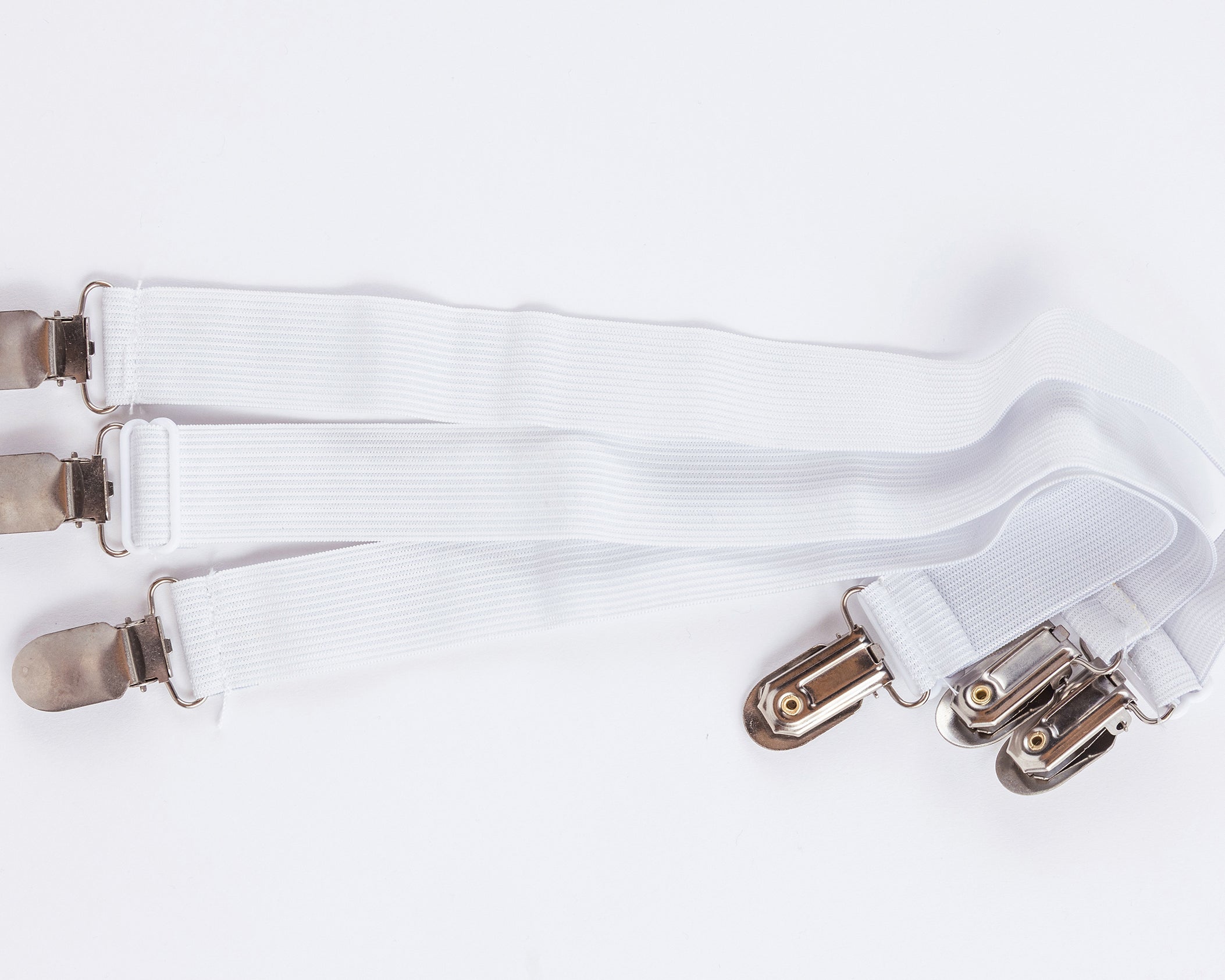
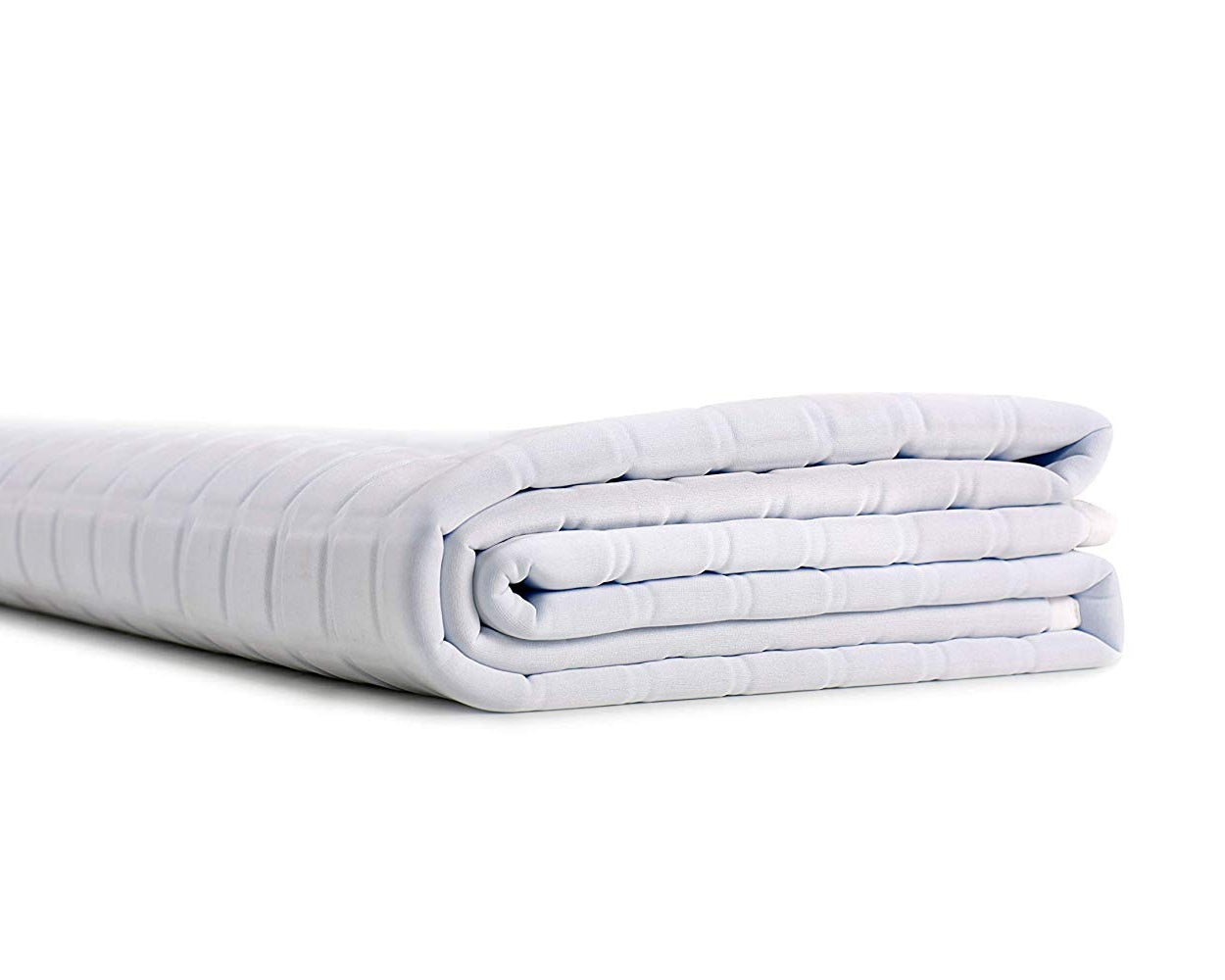
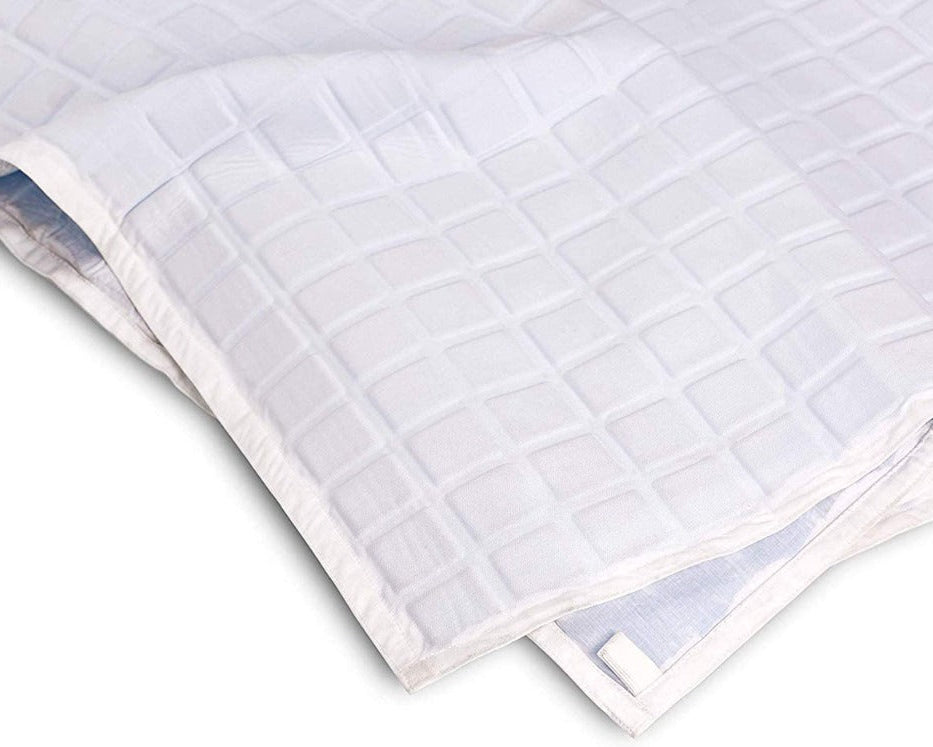
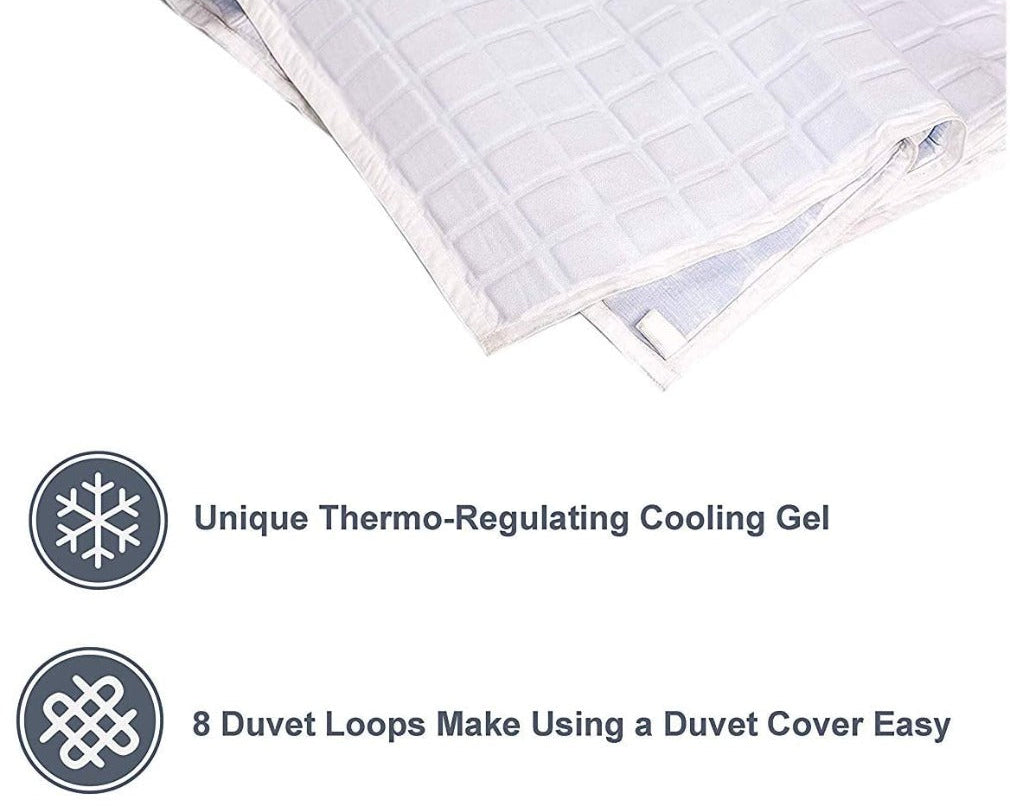
The New Cooling Fitted Sheet for the Sleep Again Pillow System is made specifically for hot sleepers! This luxurious fitted sheet is designed to fit around your Sleep Again Pillow system and keep your pillows perfectly in place throughout the night. Comfortable and cooling, this is sheet is easy to remove and wash.
5. Comfort Clothing
In the weeks following surgery, your arms will need some rest from reaching and lifting. Clothing that opens in front and accommodates your drains becomes essential not just for comfort, but for maintaining your independence and spirit. The right recovery wardrobe can significantly ease your daily routine by preventing strain on healing tissues and helping you feel more like yourself during a time of transition. These thoughtful clothing choices honor both your healing body and your desire to move through the world with dignity.
Wardrobe Companions for Your Journey:
-
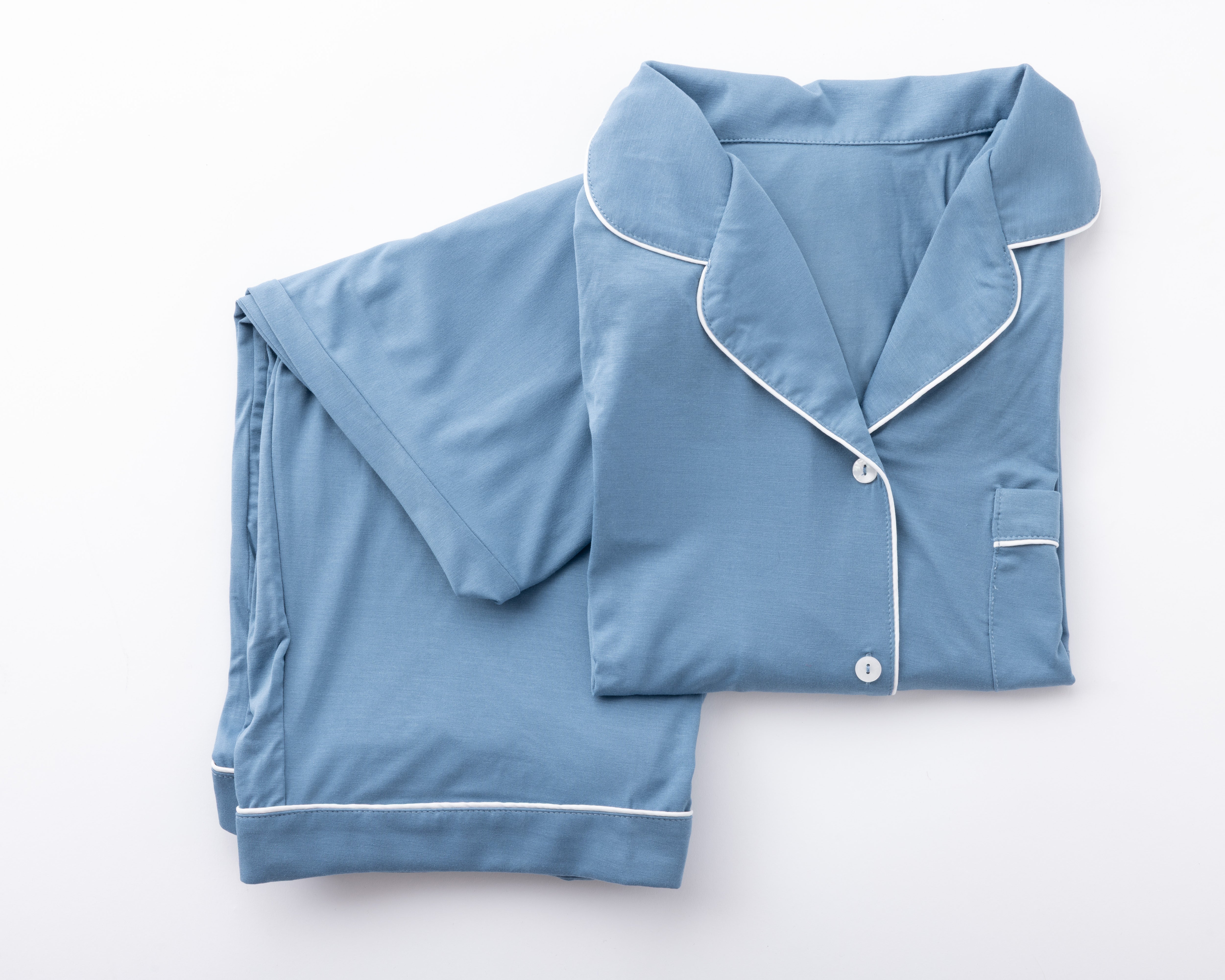
Front-Button Pajamas and Shirts - Front-button pajamas are gentle garments that open completely in front, allowing you to dress without raising your arms above heart level.
-
Recovery Shirts with Purpose - Specially designed tops with hidden openings for drain tubing and secure inner pockets cradle your drains close to your body, providing both physical comfort and peace of mind.
-
Comfy Pants - Soft, loose pants with forgiving elastic waistbands become faithful companions during the 6-8 week recovery period.
-
Supportive Slip-on Shoes - Bending to tie shoes can strain healing tissues, making slip-on footwear a small but meaningful comfort.
6. Chest Protection
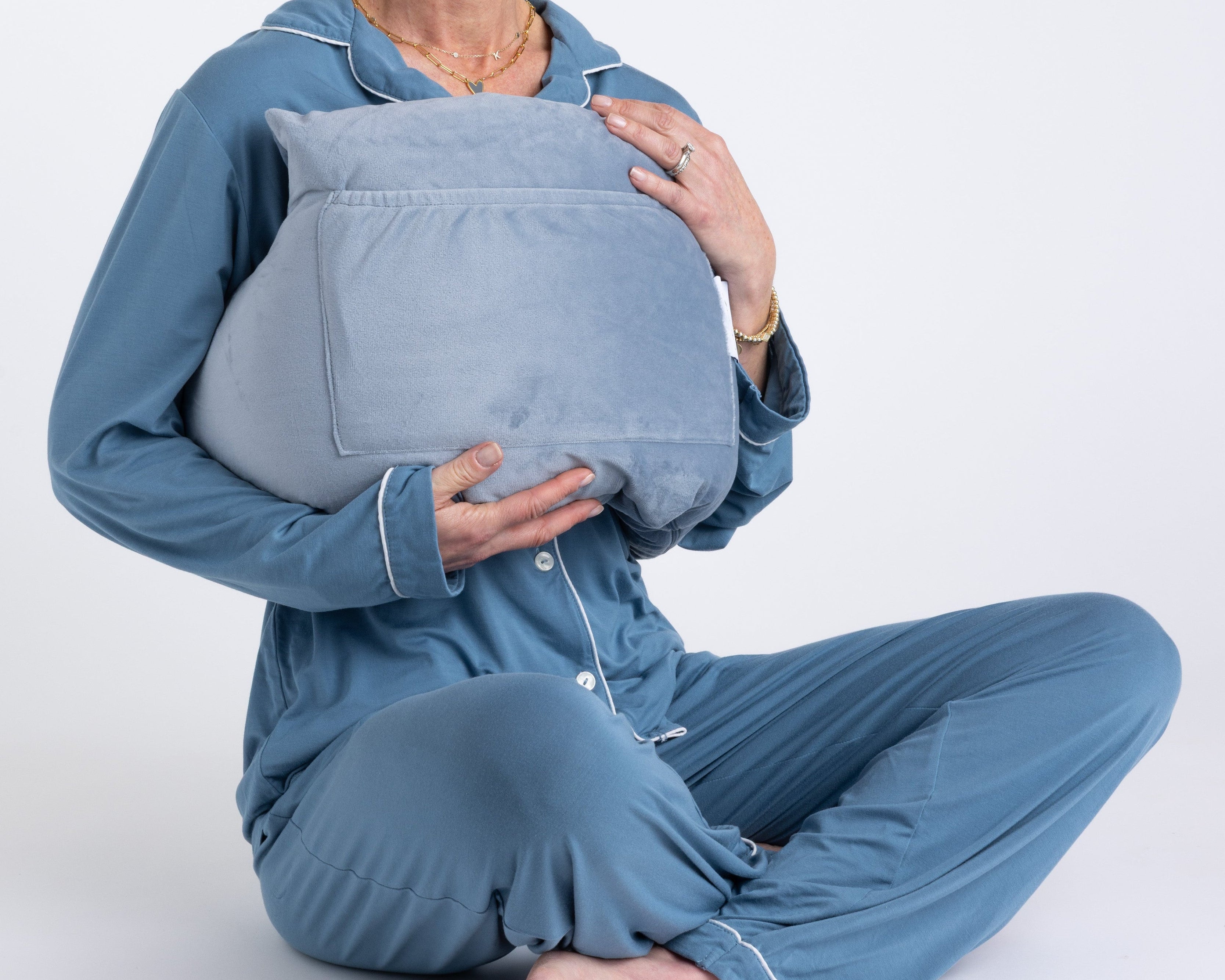
Your entire chest and breast area will feel very vulnerable following a mastectomy. Anything that might impact your chest, such as a seat belt, an excitable pet, or a small child, can cause discomfort without the right protection.
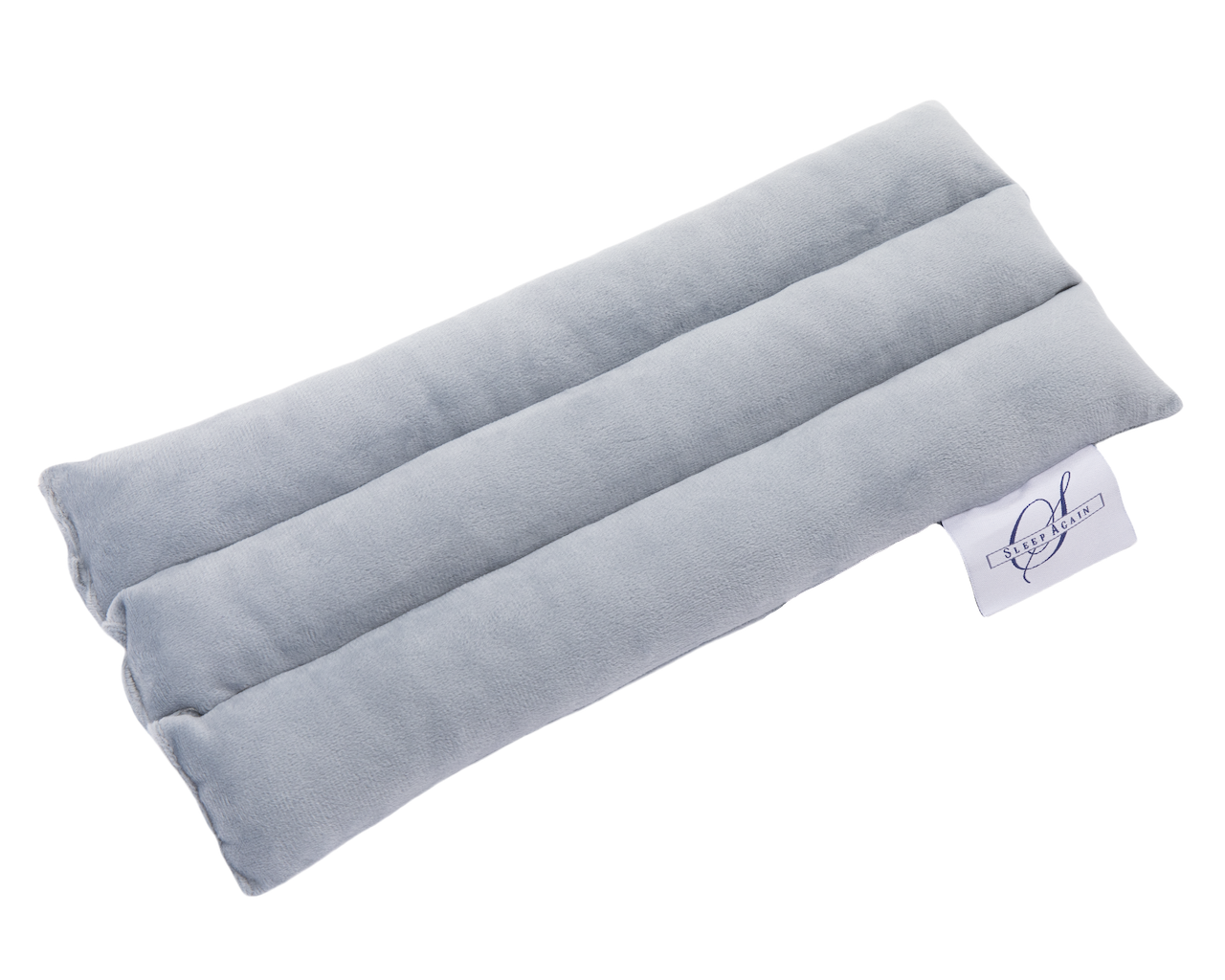
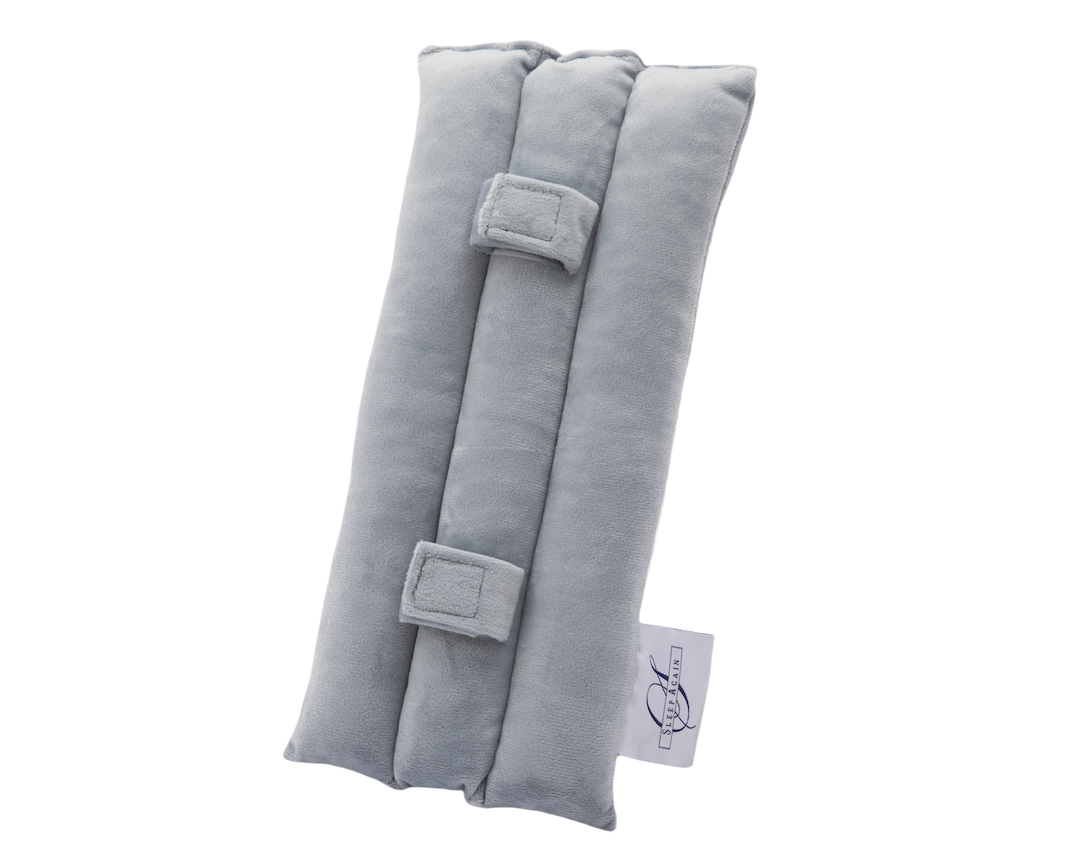
Seatbelt Protection - A seat belt pillow shields healing tissues from the pressure of seatbelts during car rides. Some even feature pockets for cooling gel packs to soothe tender areas.
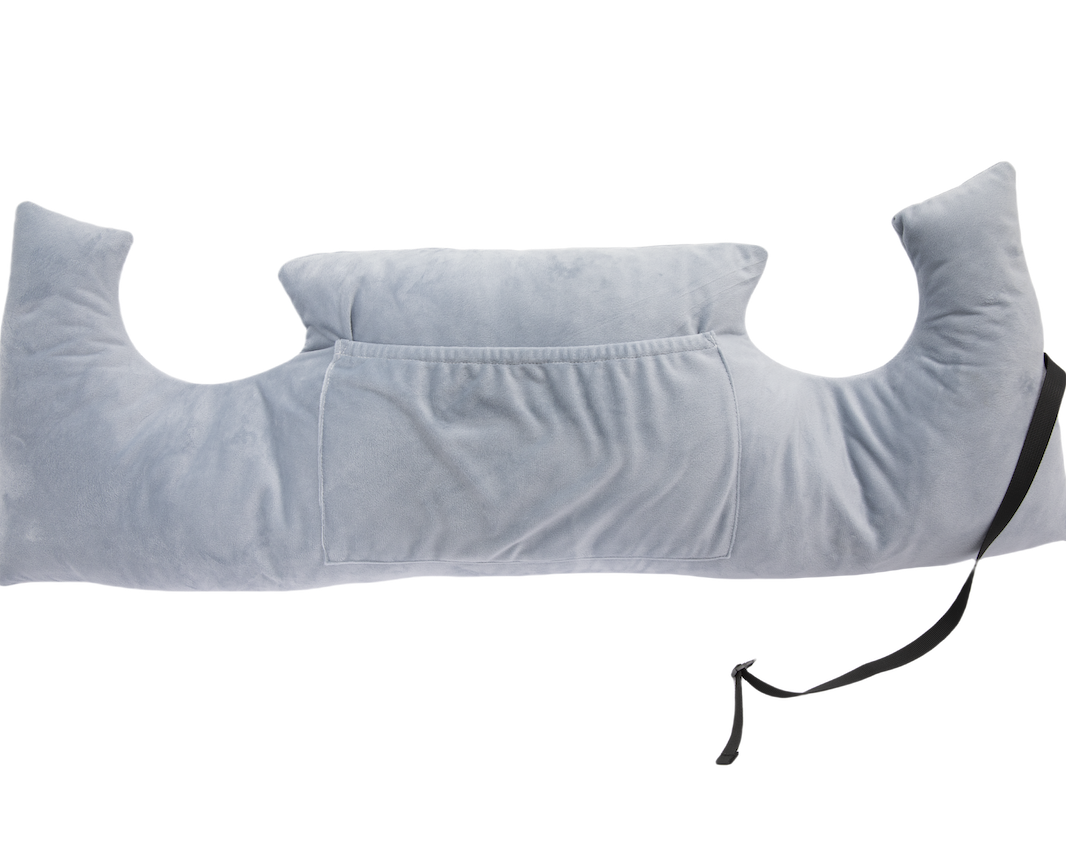
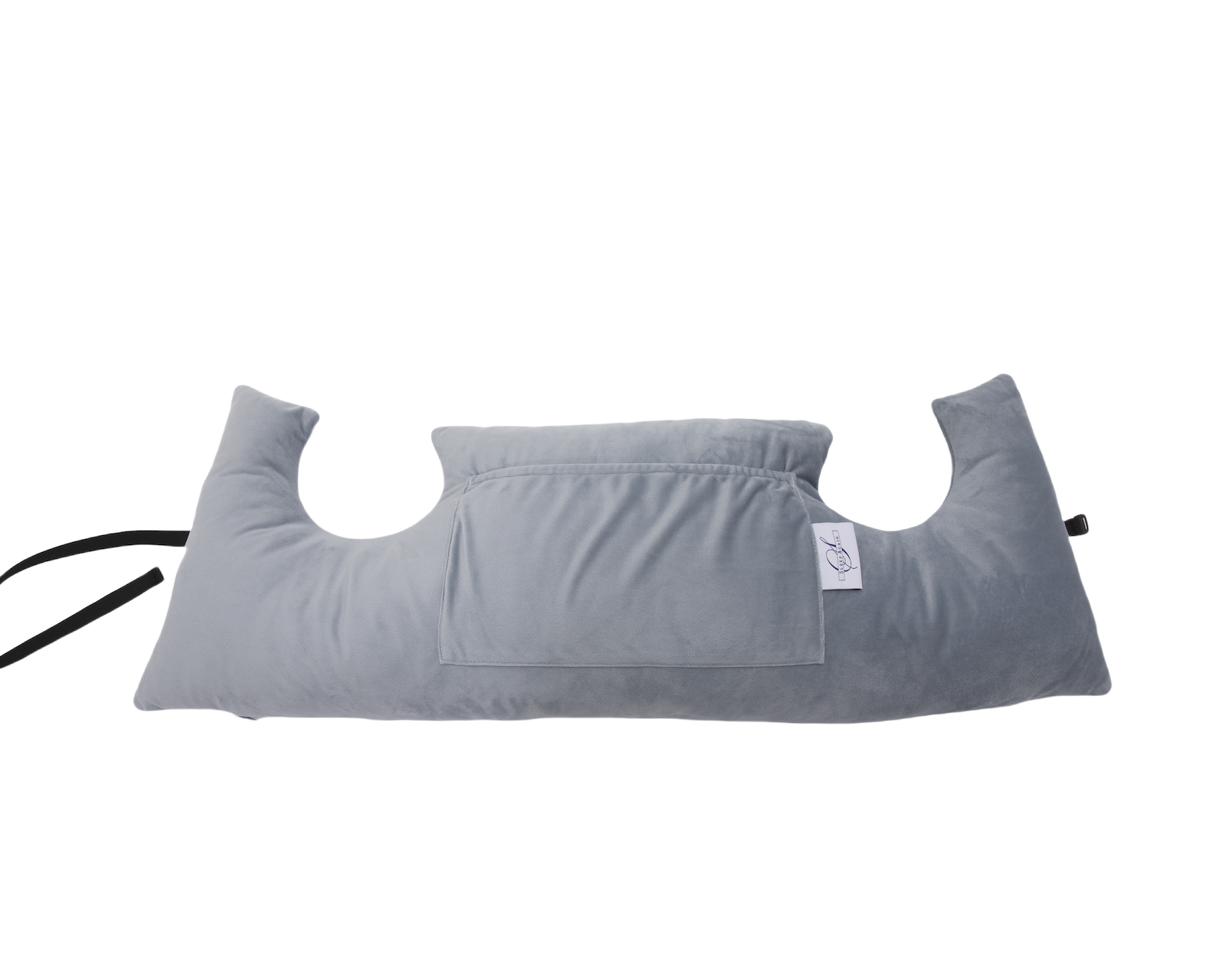
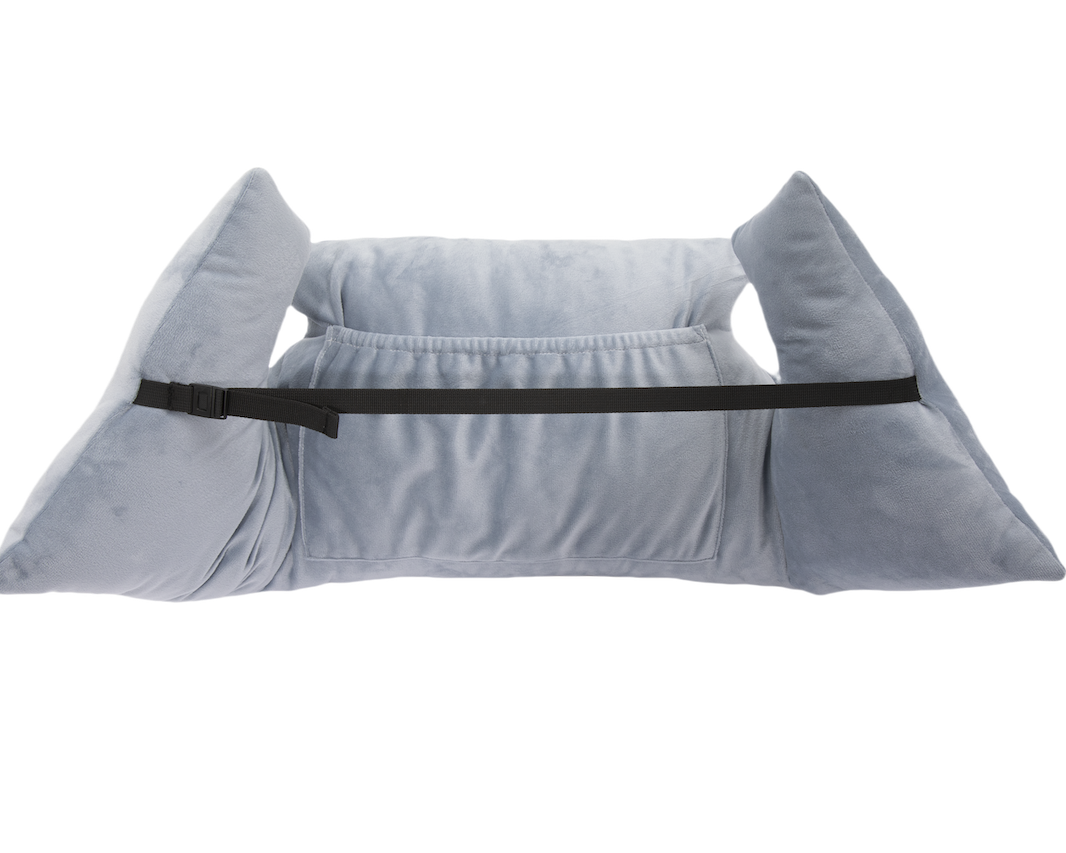
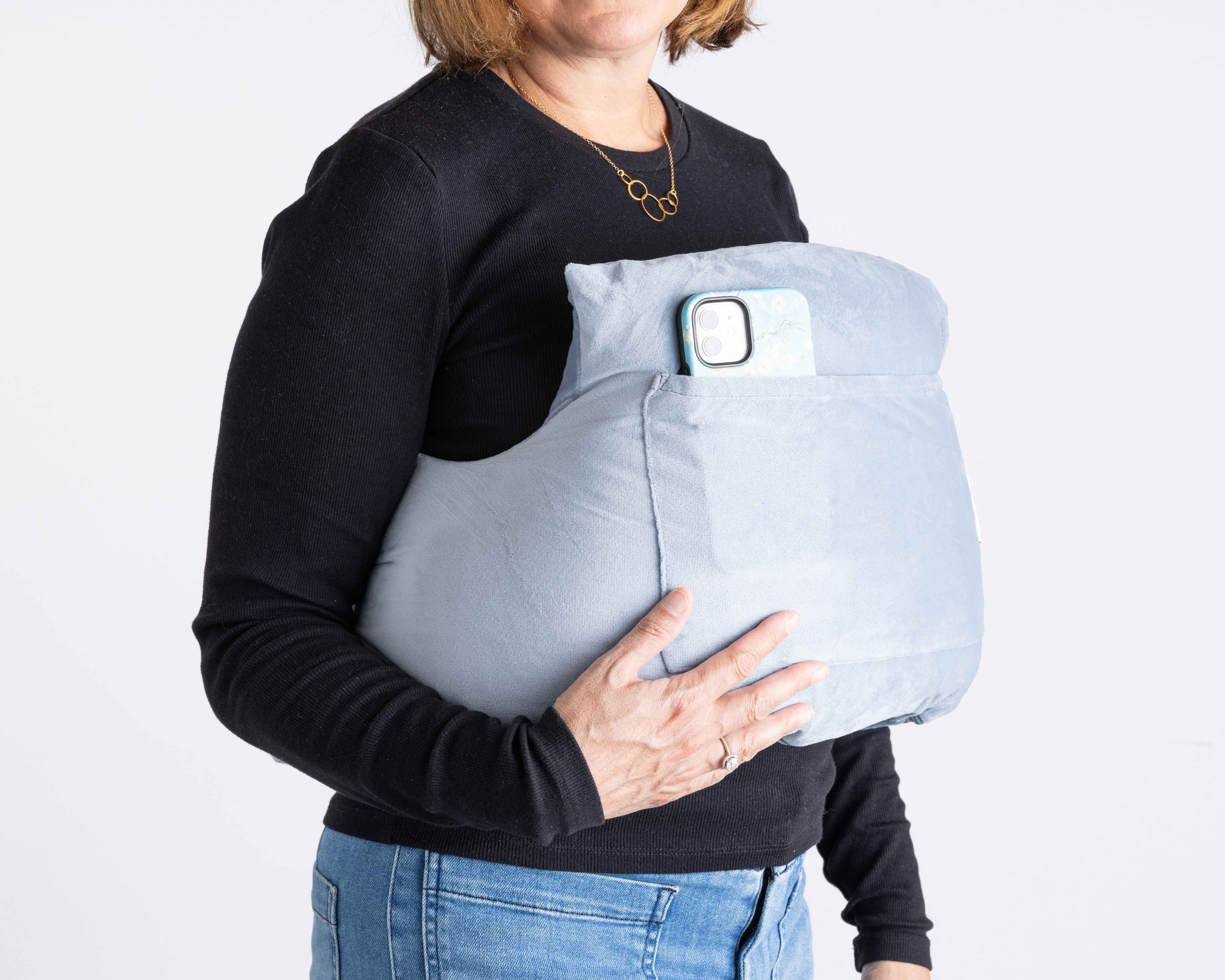
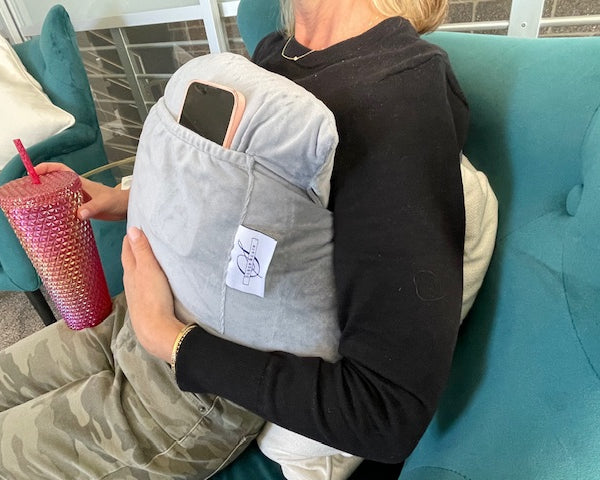
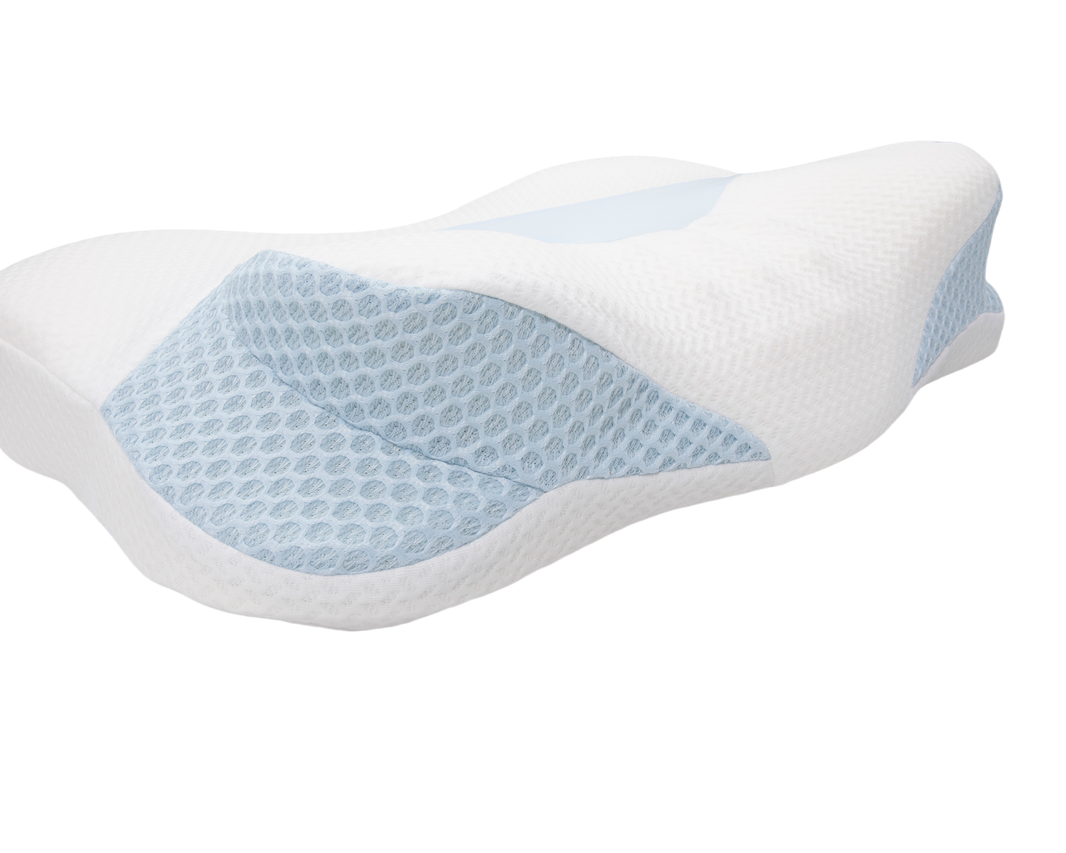
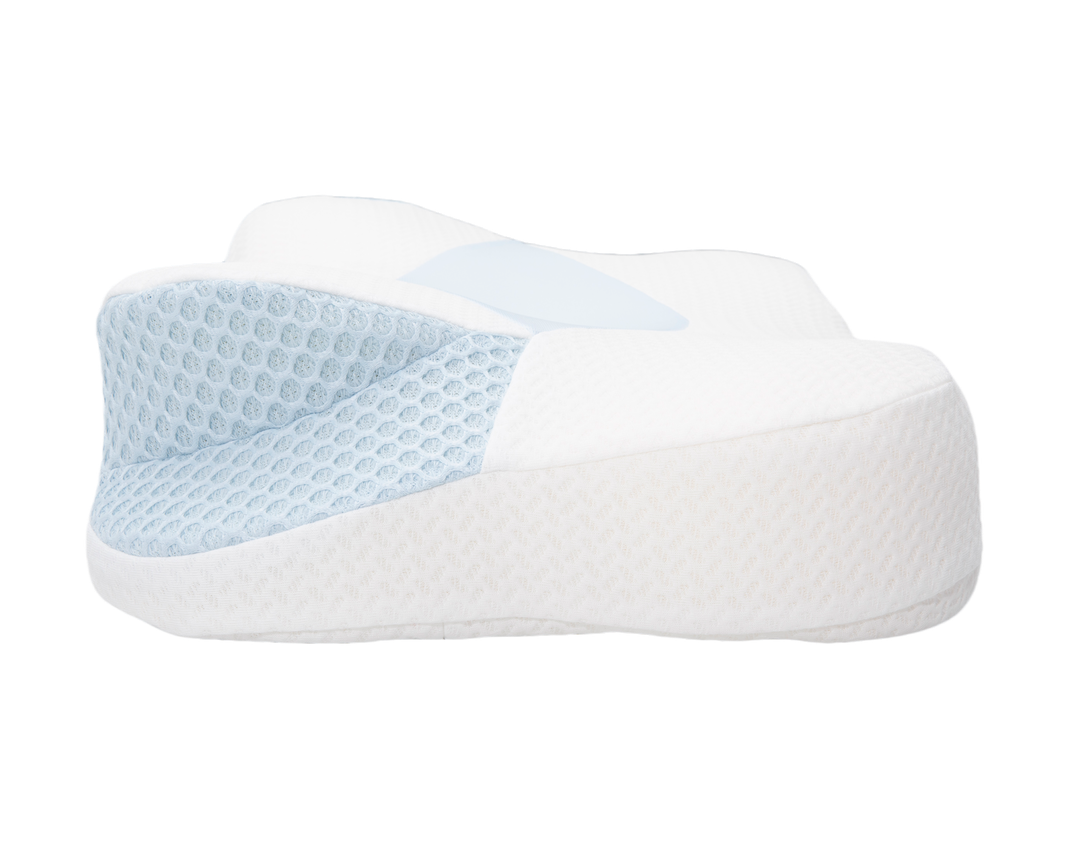
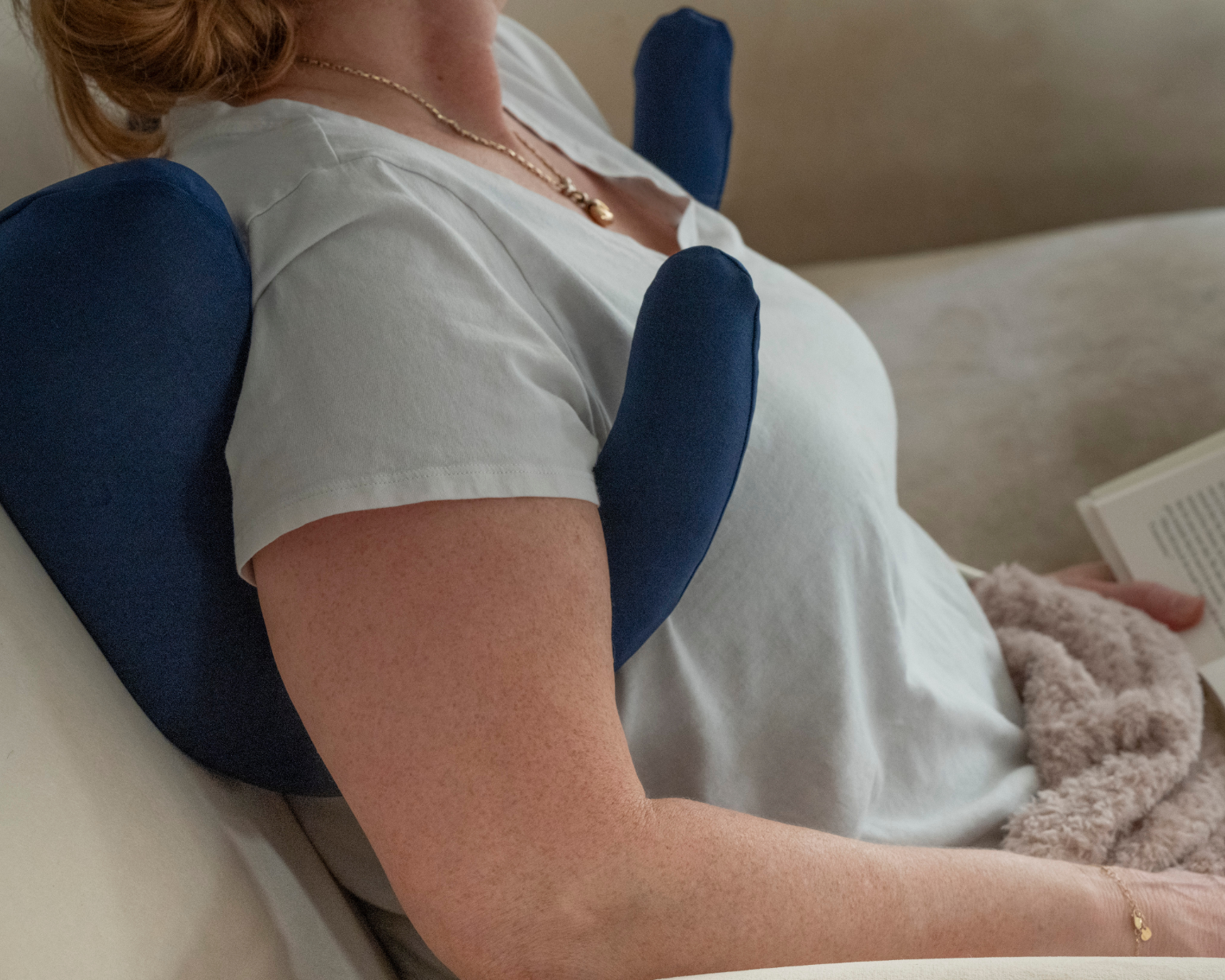
Mastectomy Chest Pillow - A cushioned chest pillow is a must-have following any breast surgery. Thoughtfully designed to sit under your arms and over your chest, this pillow protects sensitive areas post-surgery. It can also be used in the car.
7. Personal Care and Hygiene Items
Feeling fresh and clean is a simple pleasure that becomes more complicated during recovery. Limited mobility and healing incisions require thoughtful approaches to personal care. In early recovery, showering may be temporarily off-limits, and even when permitted, navigating bathing with drains calls for gentle creativity. Adaptive personal care items help maintain your dignity and independence while protecting healing tissues. These nurturing products bridge the gap when traditional routines need modification, helping you feel more like yourself during recovery.
Refreshing Body Wipes - These soothing cloths bring the feeling of cleanliness on days when showering isn't possible, offering a refreshing touch to your skin.
Dry Shampoo Magic - This simple product freshens hair without water, bringing comfort and normalcy during the early recovery period.
Gentle Protection - Soft gauze pads and medical tape provide tender care for your incision if dressings need changing after showers.
Extended Reach - A long-handled sponge or loofah becomes a helpful friend, allowing you to cleanse hard-to-reach areas without straining healing tissues.
Throat Comfort - Surgery often requires a breathing tube that can leave your throat feeling sore afterward. Soothing lozenges or warm honey tea can offer welcome relief.
8. Nutritional Support
While a skilled surgeon lays the foundation for excellent results, how you support your body during mastectomy recovery plays a crucial role in your outcome. This is where strategic supplementation enters the picture.
The right pre and post-surgical supplements can significantly impact your healing journey. Unlike general multivitamins, specialized formulas designed for major surgical recovery contain clinically studied ingredients that reduce inflammation and support tissue repair while providing precise nutrients for wound healing and immune function.
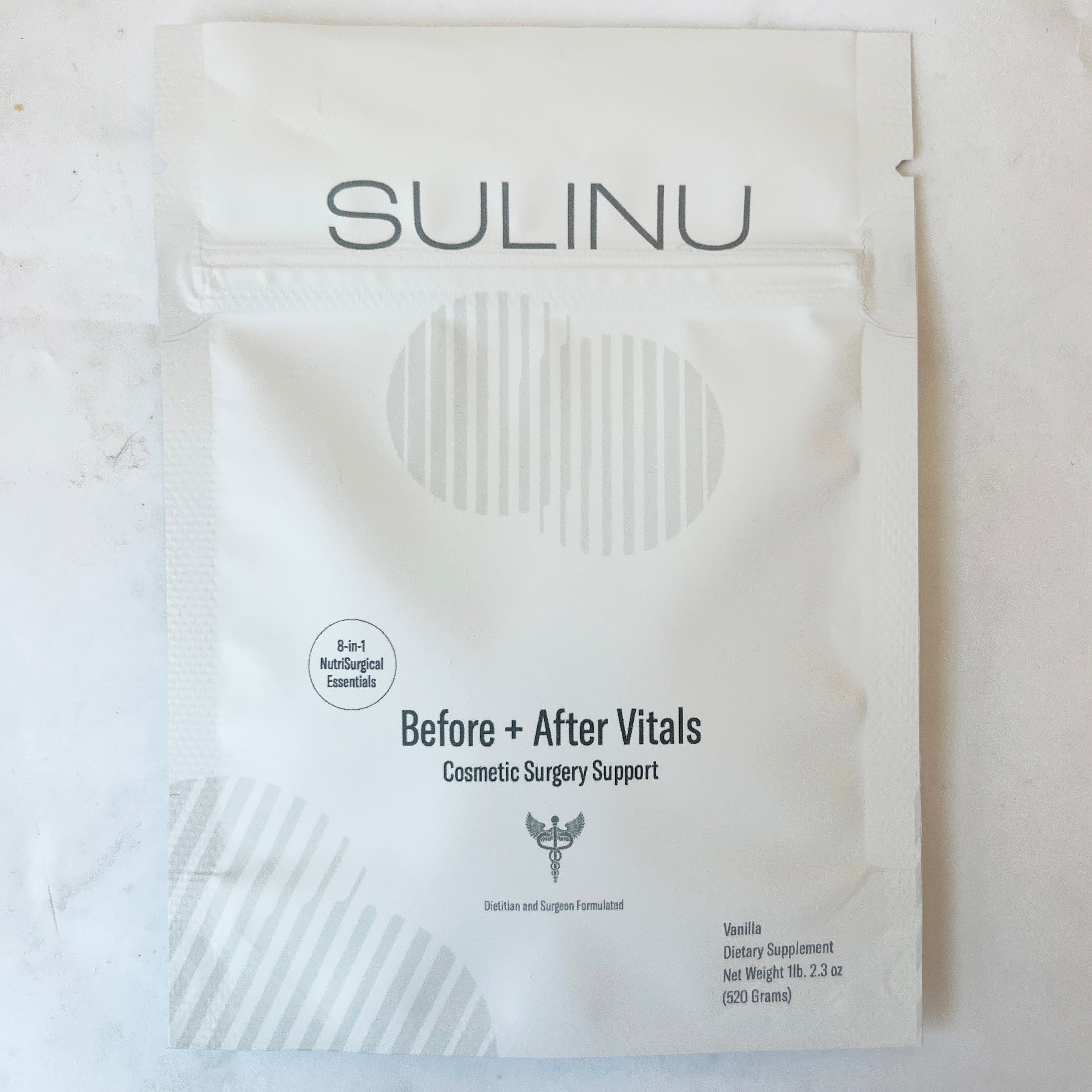
Before + After Vitals from Sulinu represents a new category called "NutriSurgical" - designed to address the specific nutritional demands of surgical recovery. Created by a clinical dietitian, this comprehensive formula combines eight essential elements into a single scoop to support your body through the healing process.
9. Comfort Care Items
Nurturing your body through recovery means thoughtfully addressing pain and discomfort when they arise. Discomfort isn't just an inconvenience—it can slow healing, limit necessary movement, and affect your emotional well-being.
While your medical team will provide guidance for prescription pain management, complementary comfort measures can address different types of sensations you may experience. Creating a mindful approach to comfort supports better rest, increased mobility, and a more peaceful recovery journey.
Preparing these items before surgery ensures they're readily available when needed, a kindness to your future healing self.
Comfort Companions for Body and Spirit:
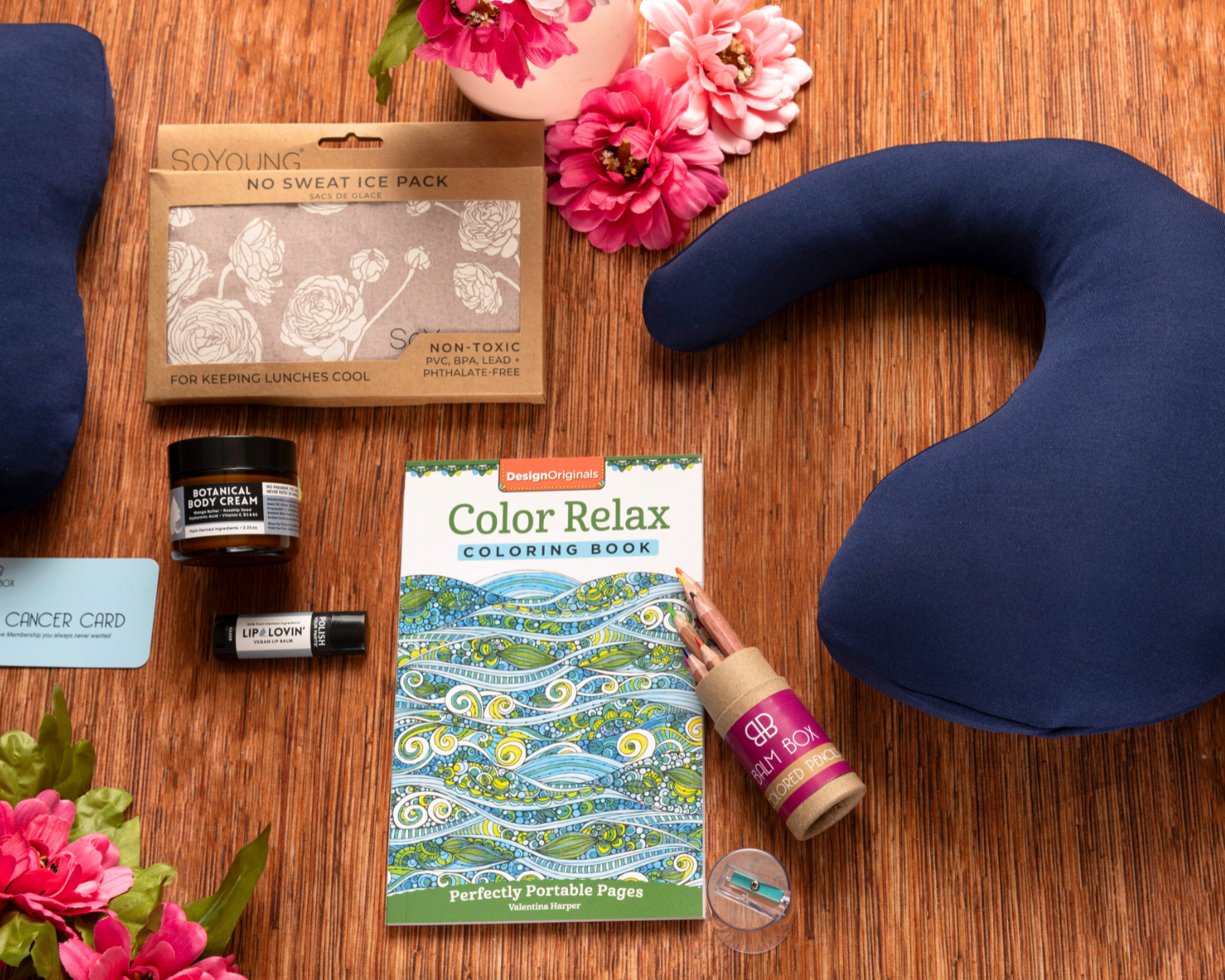
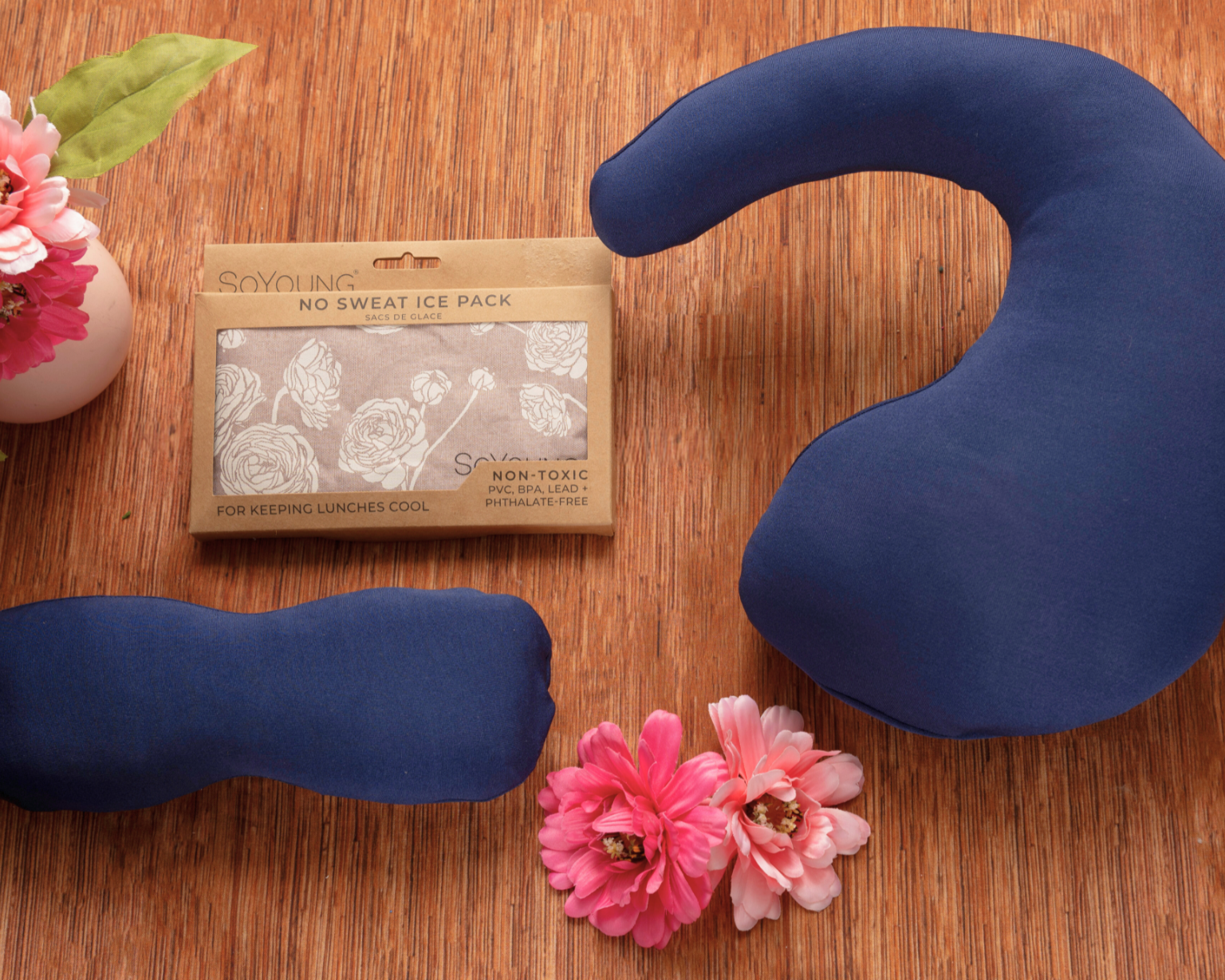
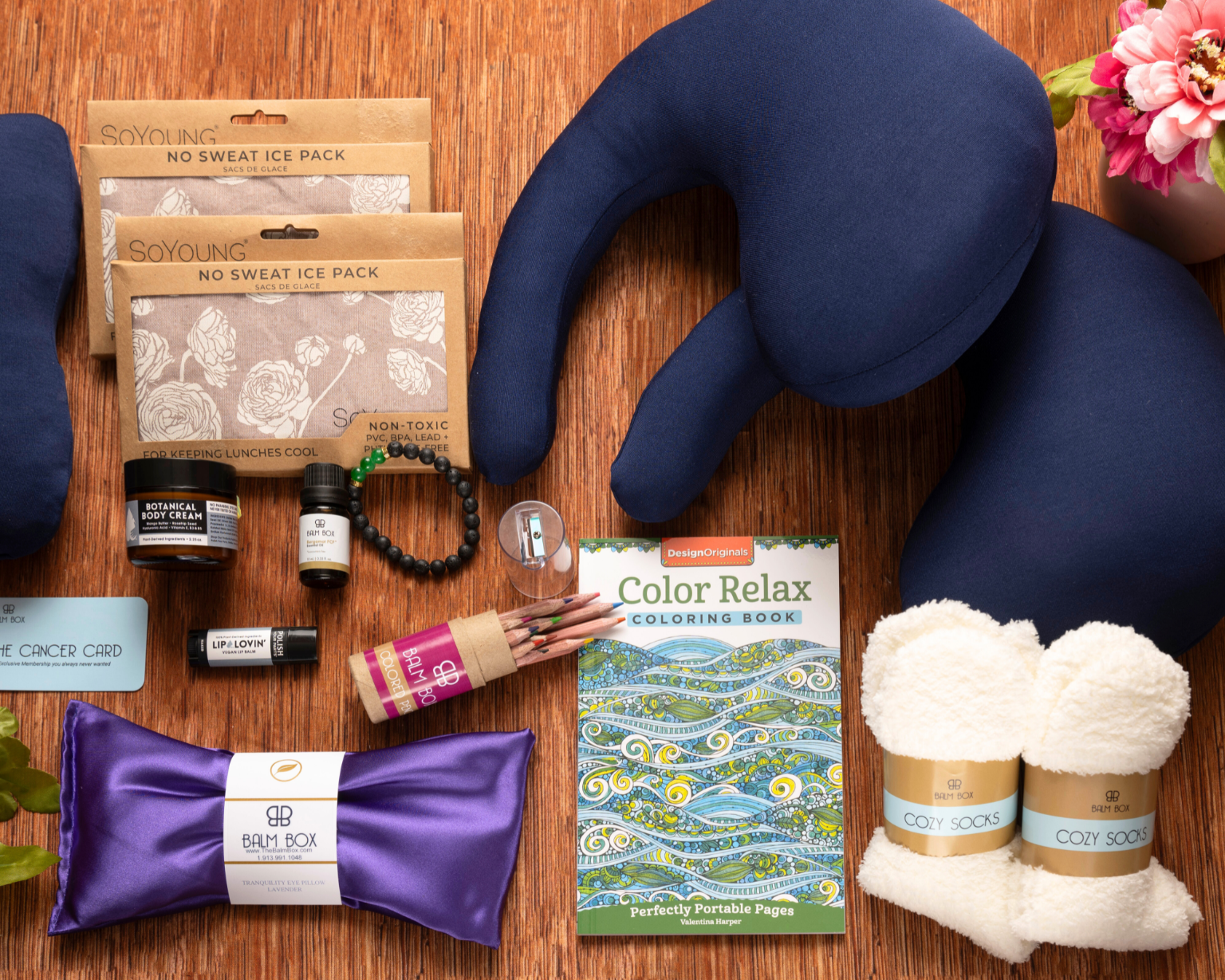
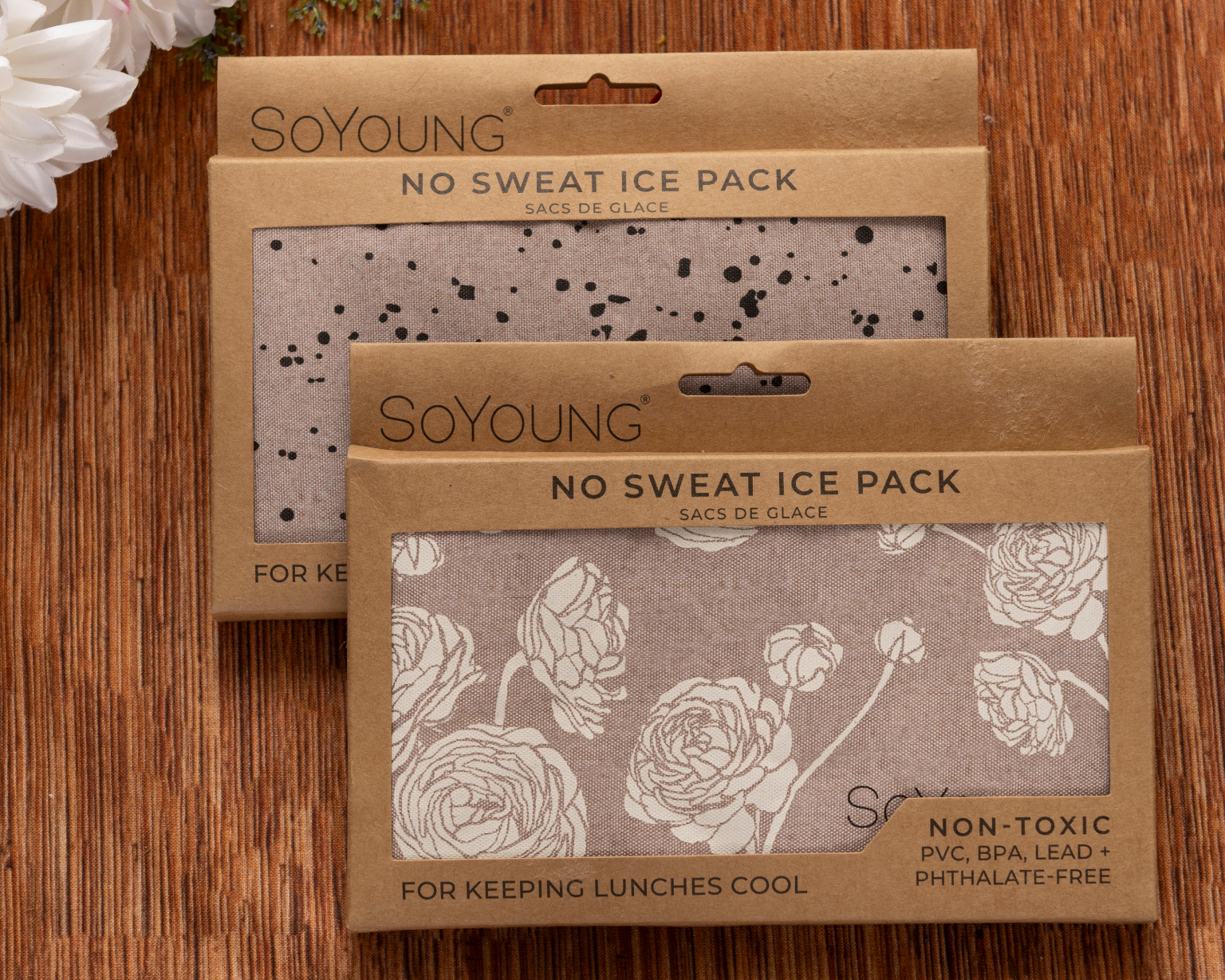
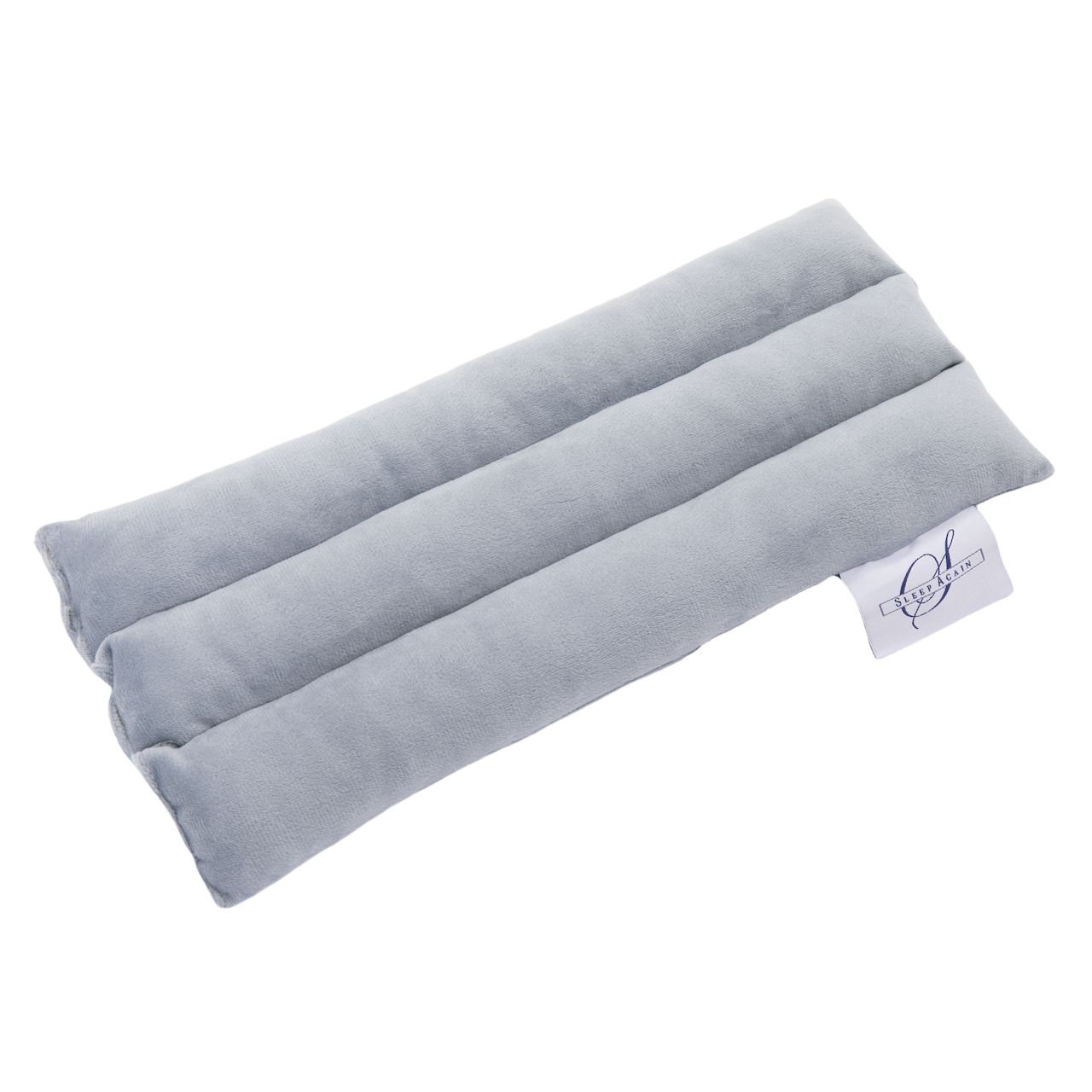
Cooling Touch - Gentle ice packs or gel packs can soothe areas of swelling and provide relief to tender surgical sites when used as directed by your care team.
Gentle Relief - Having recommended over-the-counter pain relievers like Advil or Tylenol on hand complements your prescribed medication plan.
Extended Reach - A simple backscratcher becomes surprisingly important when reaching certain areas becomes temporarily difficult.
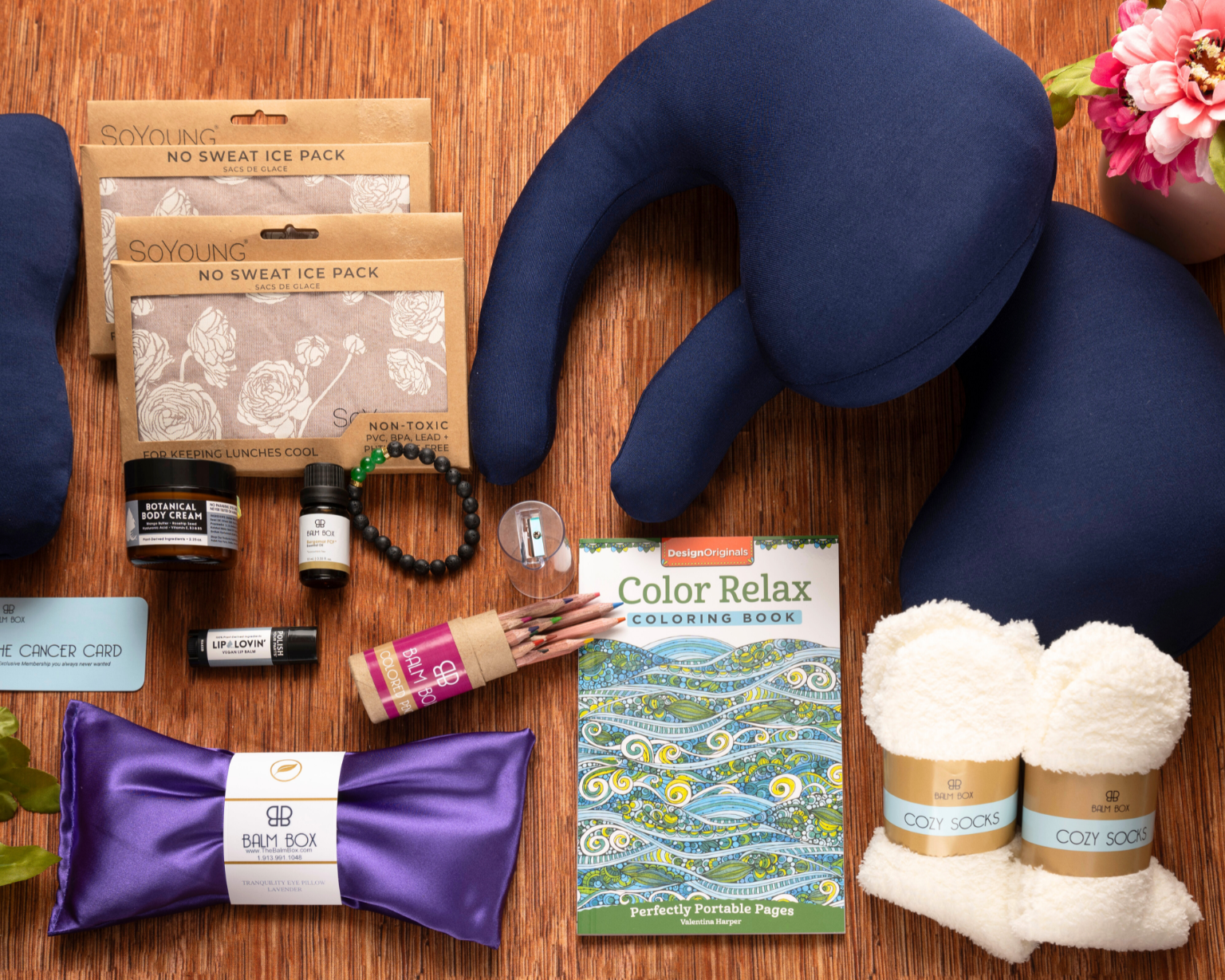
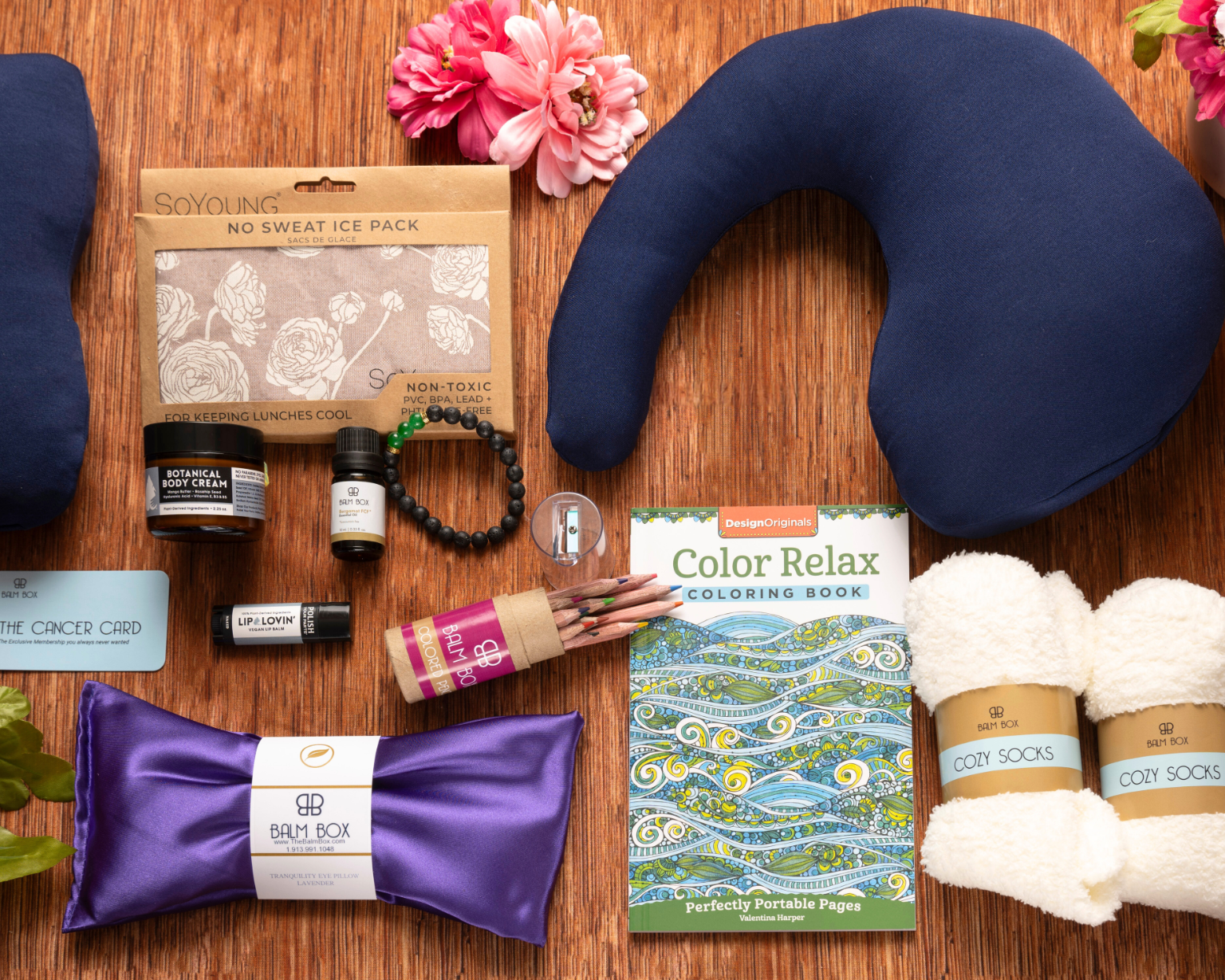
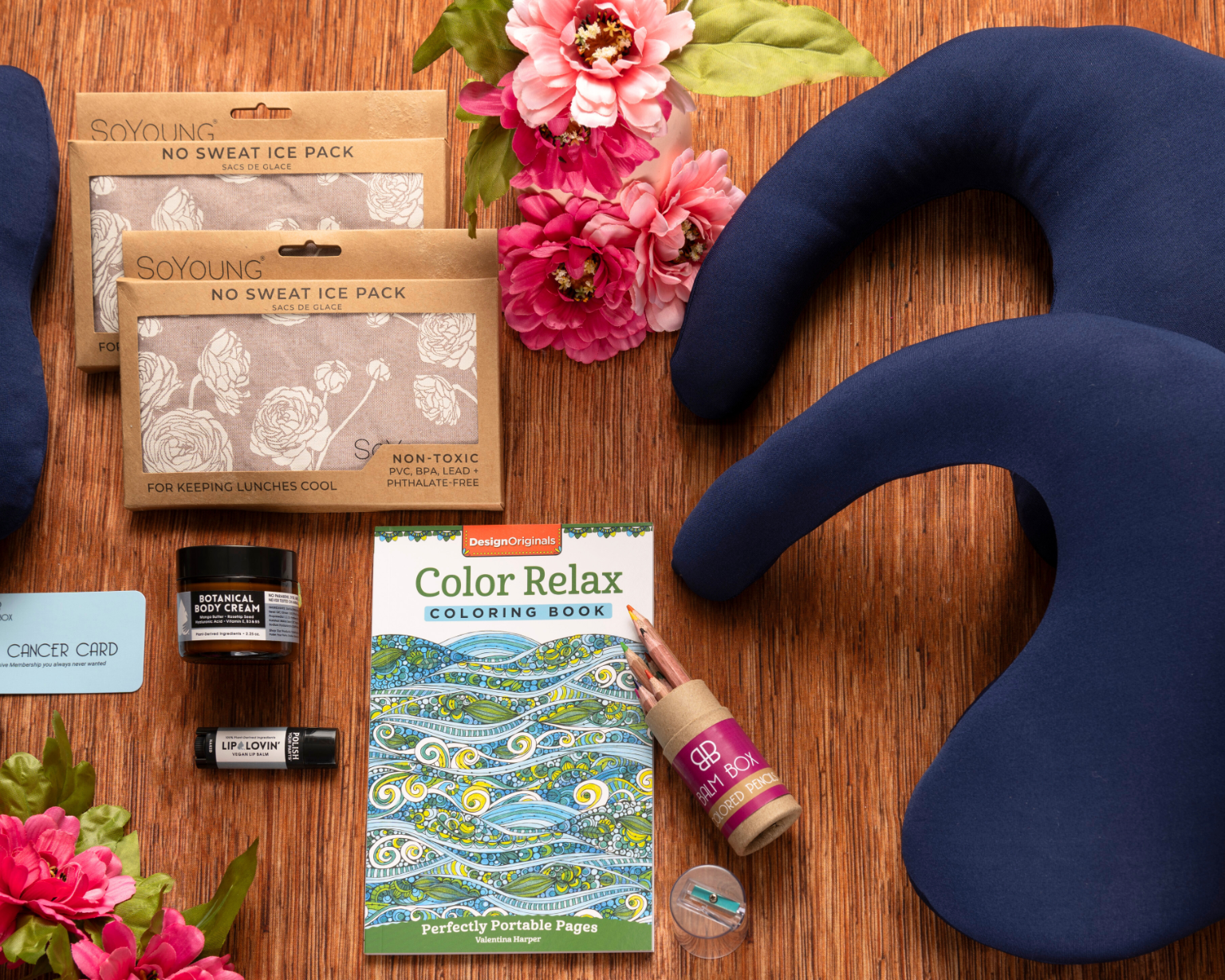
People are going to ask you what they can do for you. Requesting comfort gifts isn't selfish; it's self-care. Consider sending them a link to these Recovery Care Gifts as ideas and affordable options to help during recovery.
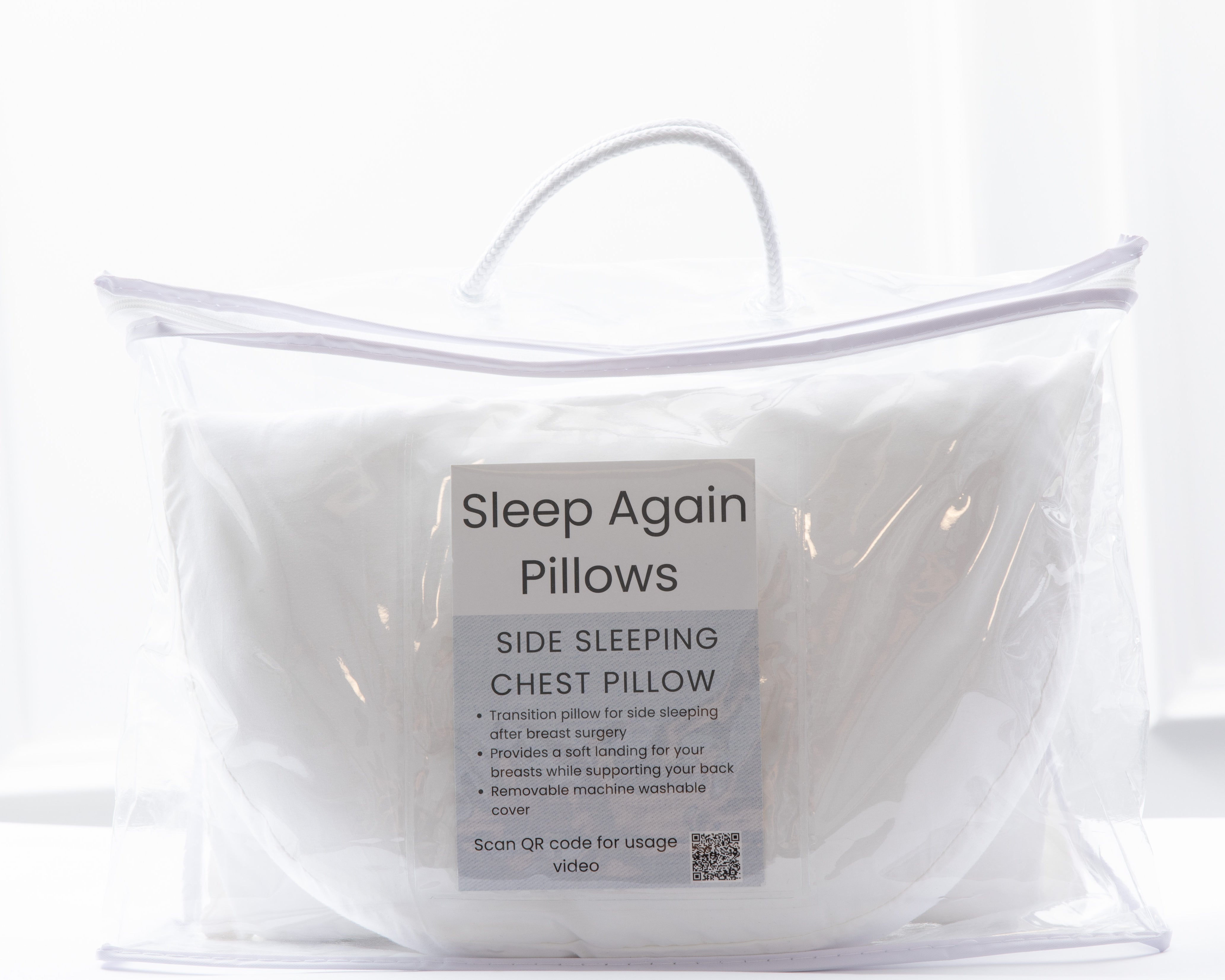
10. Side Sleeping Chest Pillow
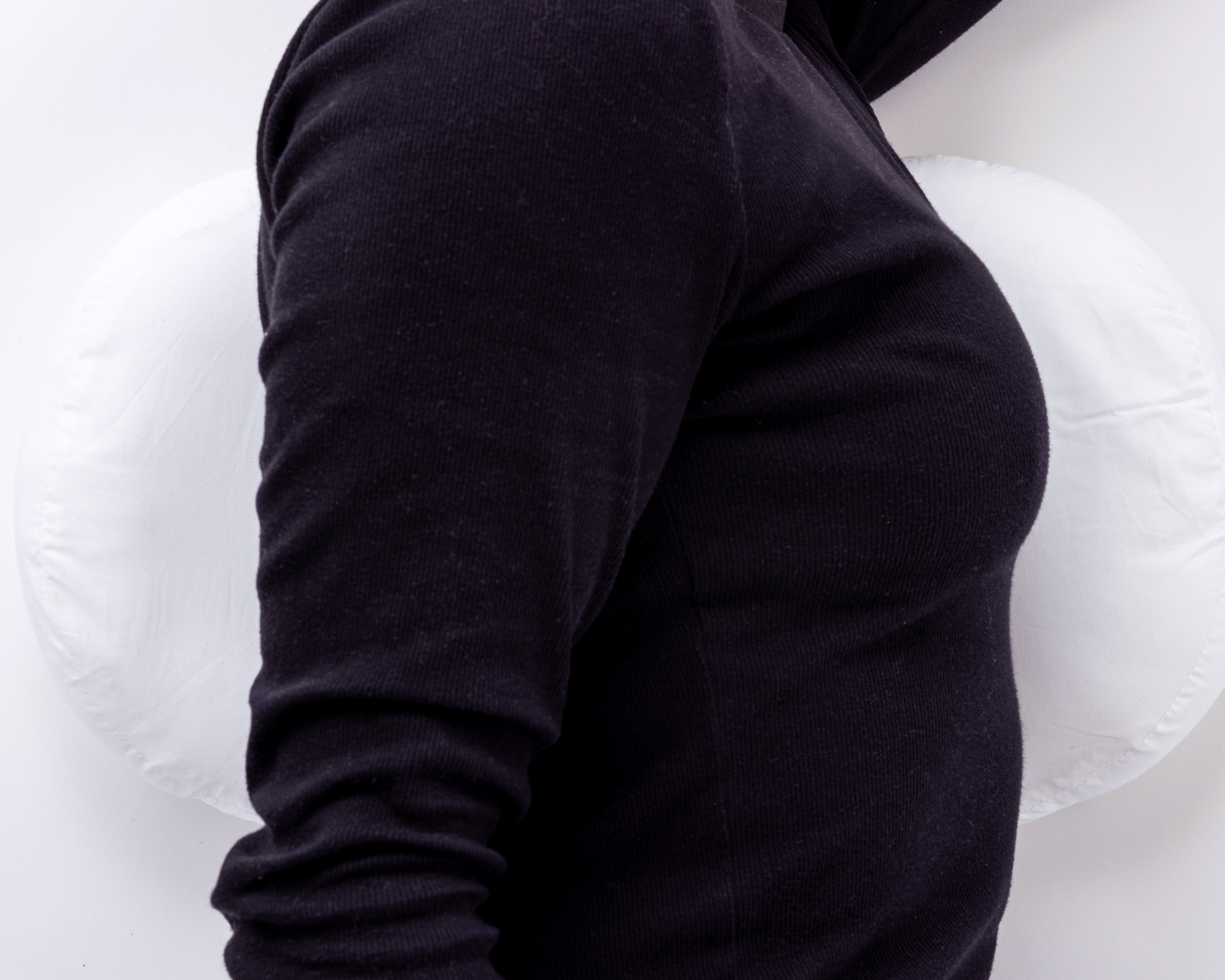
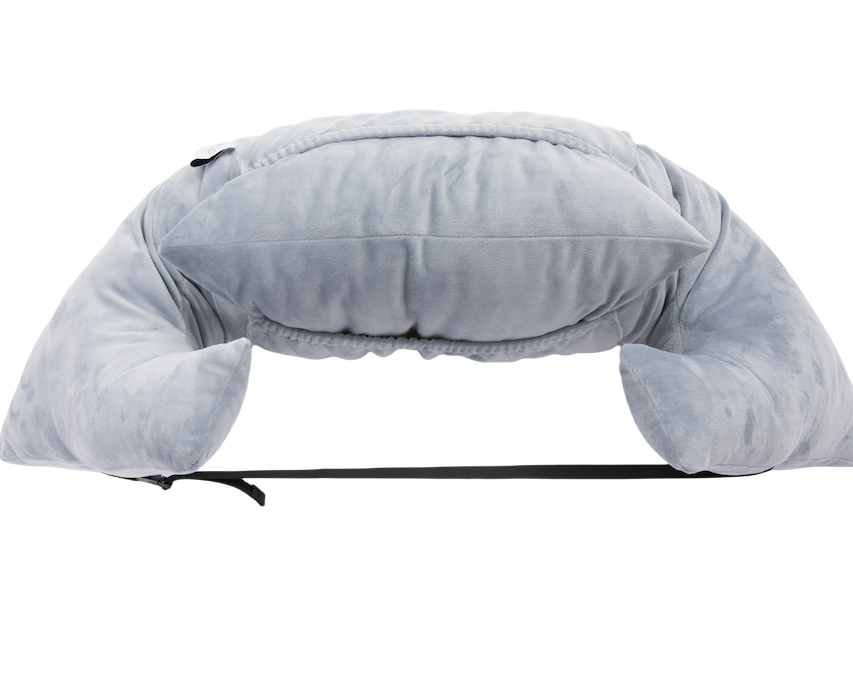
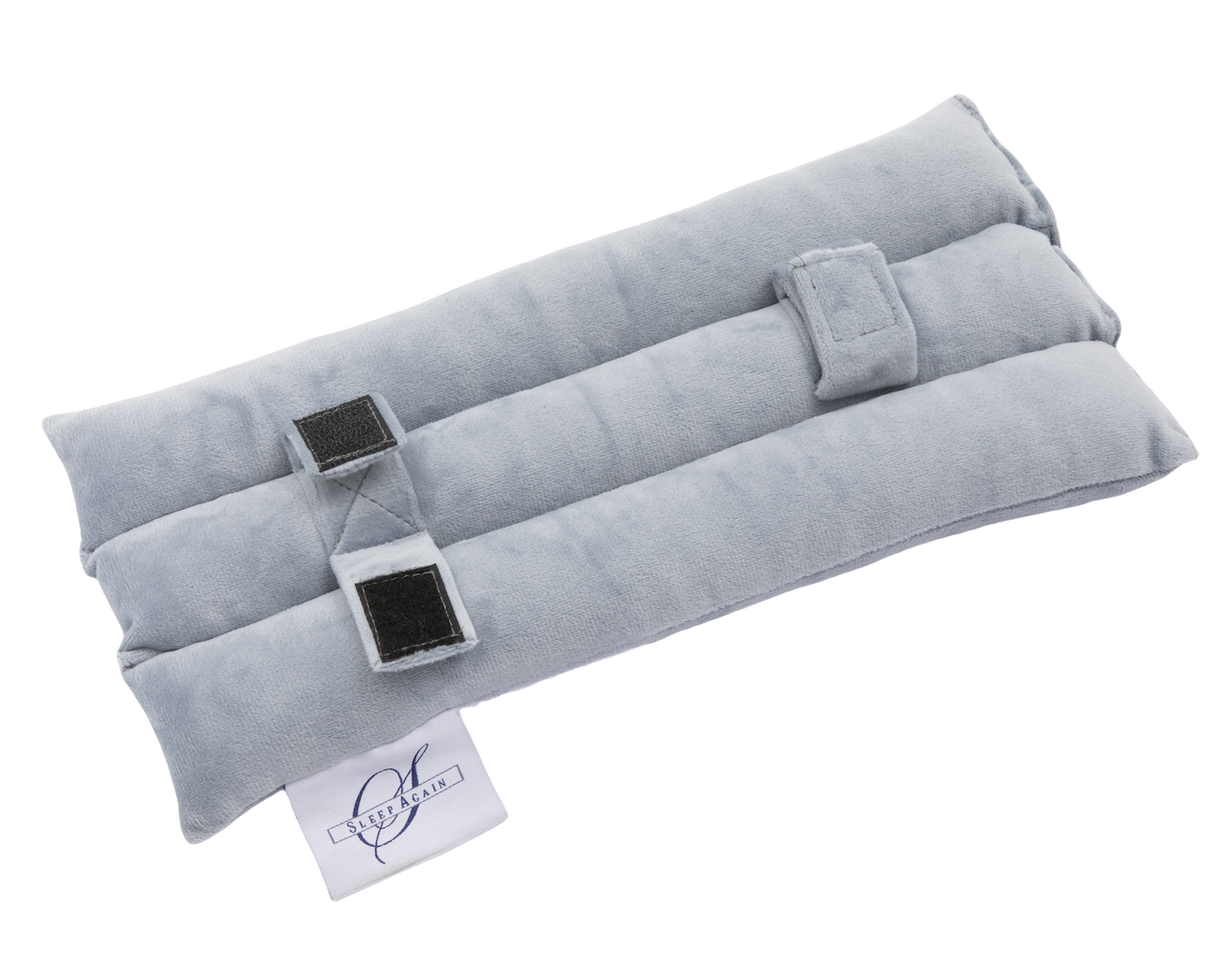
While side sleeping is off-limits following a mastectomy, once you're cleared for side sleeping, the Side Sleeping Chest Pillow supports the tender transition from back to side sleeping.
The adjustable width means the sides can be perfectly positioned to cradle your chest and simultaneously support your back, and the symmetrical design allows you to turn freely on either side during the night.

Creating a Healing Home Environment
Your living space becomes your sanctuary during recovery. Thoughtfully preparing this environment before surgery can significantly ease your healing journey. Taking time to observe your daily routines and rearrange frequently used items prevents frustration, reduces dependency, and protects your healing tissues from strain. This preparation is a profound act of self-care—a gift to your future healing self who will appreciate these thoughtful adjustments during a vulnerable time.
Home Sanctuary Preparation:
-
Mindful Rearrangement - In the days before surgery, notice what items you regularly reach for and place them at counter height where they won't require stretching or reaching.
-
Bedside Comfort Station - Create a small oasis beside your rest area with essentials like a water bottle with a straw, medications, a phone charger, and comforting items all within easy reach.
-
Nourishment Planning - Healing requires energy, yet cooking will be challenging. Accept offers from friends and family to provide meals, or prepare simple options in advance that can be easily reheated.
Honoring Your Budget While Supporting Your Healing
Recovery supplies are important, but they needn't become a financial burden during an already challenging time. The costs of surgery and recovery are significant enough without adding financial stress about support items. With thoughtful planning and knowledge of available resources, you can gather the items that will truly support your healing without unnecessary expense. Exploring nonprofit resources, insurance benefits, and the generosity of your community helps direct financial resources where they're most needed.
Mindful Resource Planning:
BRCAStrong Gift of Support - This compassionate nonprofit offers free pre-mastectomy care packages to all women undergoing mastectomies, regardless of financial situation, providing many essentials in one thoughtful package.
Insurance Possibilities - Some insurance plans cover post-surgical garments and supplies when prescribed by your doctor. A conversation with your surgeon before surgery can help identify what might be covered.
Wish List Wisdom - When friends and family ask how they can help, a specific wish list of recovery items allows them to offer meaningful support in ways that truly benefit your healing. Explore our list of cancer gift registries to start a gift registry that can be shared with loved ones for added support.
FSA/HSA Treasure Chest - Many mastectomy recovery supplies qualify for payment with Flexible Spending Accounts (FSA) or Health Savings Accounts (HSA), offering significant tax savings. Eligible items typically include:
Supportive mastectomy bras and prosthetic forms
Comfort-giving compression garments
Healing-focused drain management supplies
Soothing pain management items (ice packs, recommended pain relievers)
Prescribed medications
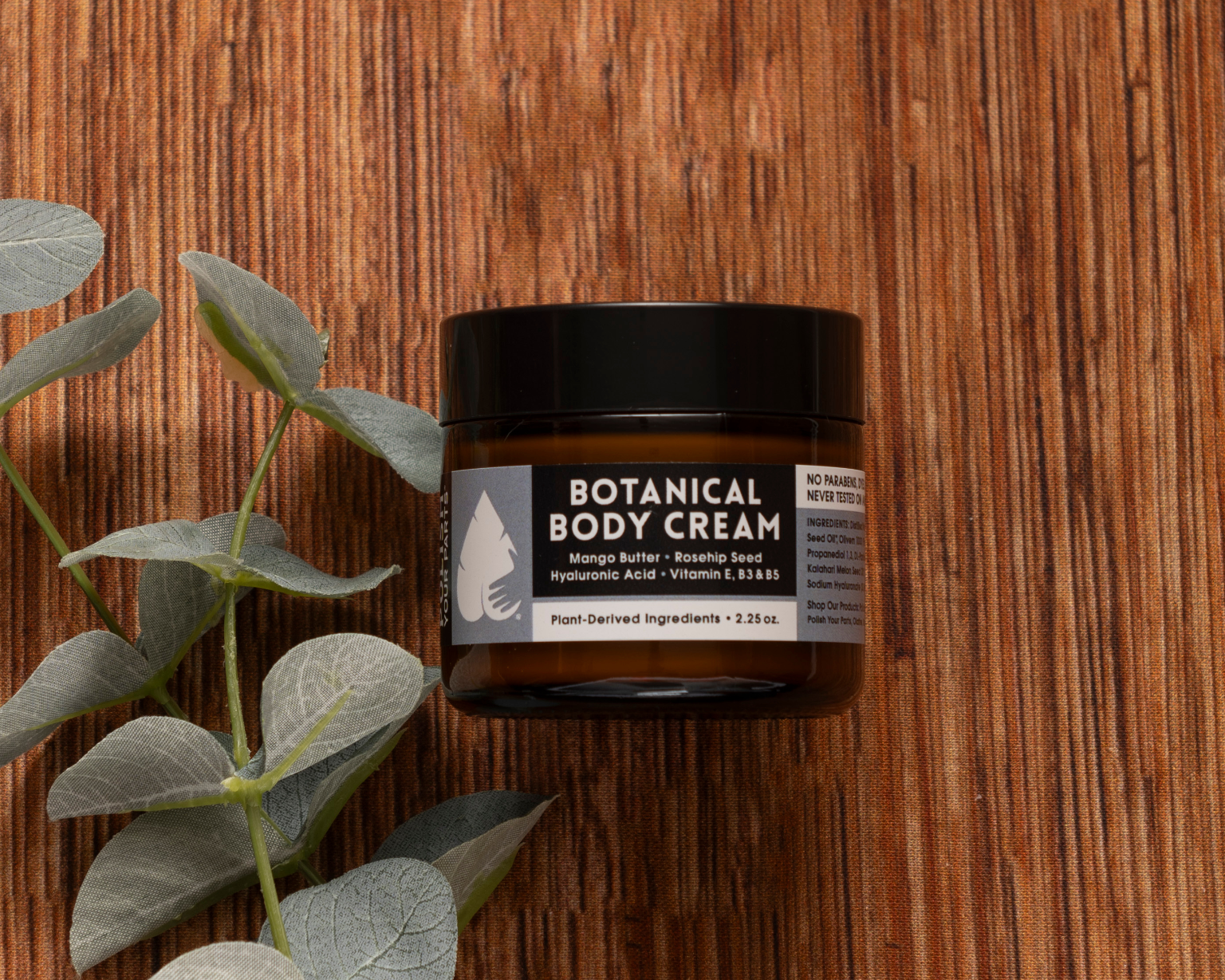
Gentle scar treatment products
Hospital Resource Connection - Speak with your hospital's social worker about recovery supplies they may provide or community resources they can connect you with.
Local Support Organizations - Many communities have cancer support organizations that offer financial assistance or free recovery items to patients.
Record Keeping - Keep receipts for all medical-related purchases, as some may be reimbursable by insurance or qualify as tax-deductible medical expenses.
Gentle Reflections for Your Journey
Your healing path is uniquely yours, unfolding at its own natural pace. Be patient with your body and tender with your heart during this time of recovery. Remember that healing isn't measured only in days or weeks, but in small moments of progress, comfort, and returning strength.
This collection of mastectomy recovery must-haves comes from those who have walked this path before you – fellow travelers who have generously shared what brought them comfort and ease during their healing journey. While each experience is uniquely personal, these thoughtful items have offered support to many hearts and bodies along the way.
May your recovery be gentle, your support circle strong, and your return to wholeness filled with moments of unexpected grace and beauty.
Note: Always partner with your healthcare team for personalized guidance about your specific recovery needs. This collection of wisdom complements, but never replaces, the care plan created by your medical providers.

Get Your Free Printable Mastectomy Recovery Checklist
This gentle checklist helps ensure you have nurturing supports ready for your recovery journey. As you gather these items—whether through your own preparation, friends' generosity, or care packages—check them off knowing each represents a form of self-care.
Download and share this PDF checklist with loved ones who want to support your healing but may not know exactly what would help.
Note: Your personal needs may vary based on your unique procedure and situation. This checklist is a starting point to be refined in partnership with your healthcare team.