
Undergoing surgery for your cancer treatment can be an overwhelming experience. Along with the mental stress and worry leading up to the procedure, you may also have to cope with the physical side effects during recovery.
Planning for your recovery before undergoing surgery can help to ease some of these worries. Recovery after surgery depends on many factors, from the type of surgery to other individual patient factors such as age and existing medical conditions. Nonetheless, there are some general tips and practical steps that you can take to plan and support your recovery after a surgery.
What happens immediately after cancer surgery?
Depending on the type of surgery that you will undergo, your doctor may recommend different types of anesthesia. Anesthesia refers to the use of drugs to cause numbness or a temporary loss of feeling or sensation. Immediately after cancer surgery, you will be carefully monitored until the effects of anesthesia wears off, following which you will either be transferred to your hospital room or allowed to go home.
Side effects of cancer surgery
Side effects of surgery may differ from one individual to another and depend heavily on the complexity of the surgery as well as the types of drugs used. Generally, short-term side effects will get better over time but understanding the potential side effects that you may face after your surgery can better prepare you for your recovery.
Some common side effects include:
Fatigue
Loss of appetite
Infections/swelling at the incision site
Bleeding or blood clots
Nonetheless, should you experience any side effects after your surgery, inform your healthcare providers promptly.
Dealing with changes to your body
While short-term side effects get better with time and proper care, certain surgeries may result in permanent changes to your body. For example, breast cancer patients who undergo mastectomy will have their breasts removed. This may result in issues such as low self-esteem and body image concerns.
Similarly, patients with colorectal cancer may have to undergo colectomy. When part or the entire colon is removed, the patient has to undergo another procedure known as an ostomy, to allow the body to continue removing waste products in the absence of the colon. For such patients, having to live with a stoma for the rest of their lives can be distressing. However, with the right support and guidance, cancer patients can learn to adapt, and return to their daily lives, with some lifestyle adjustments.
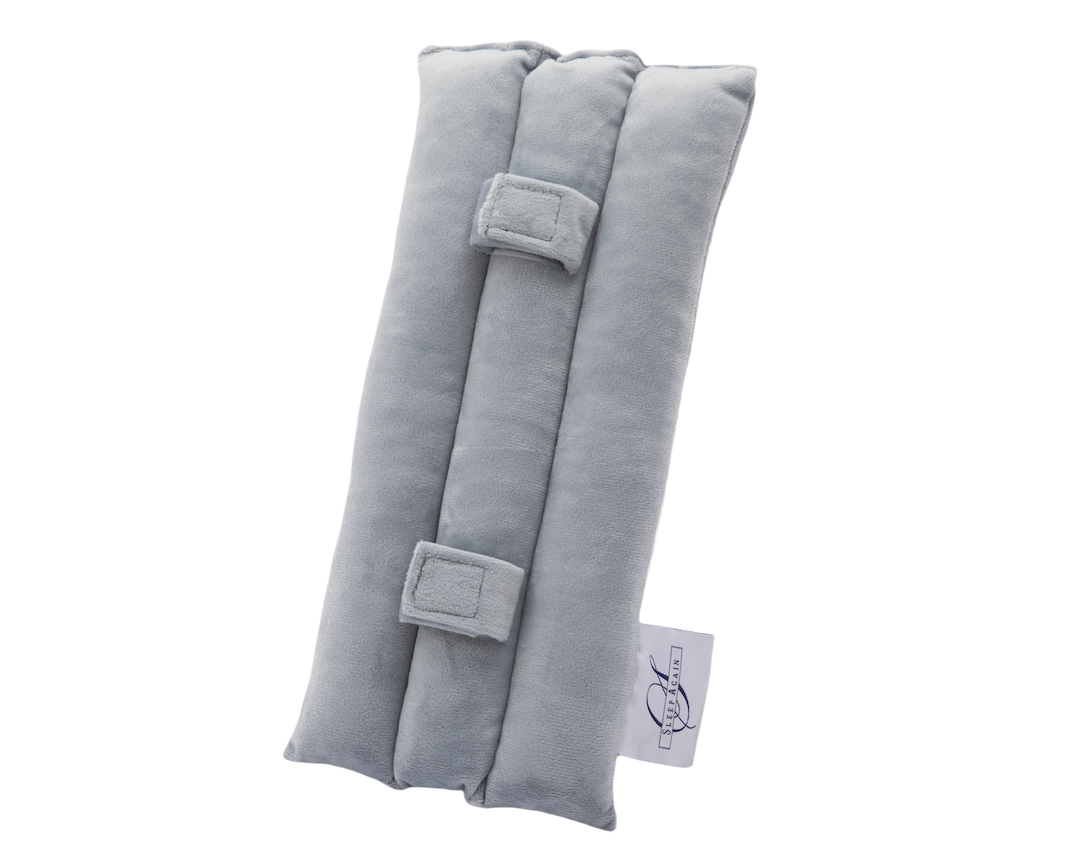
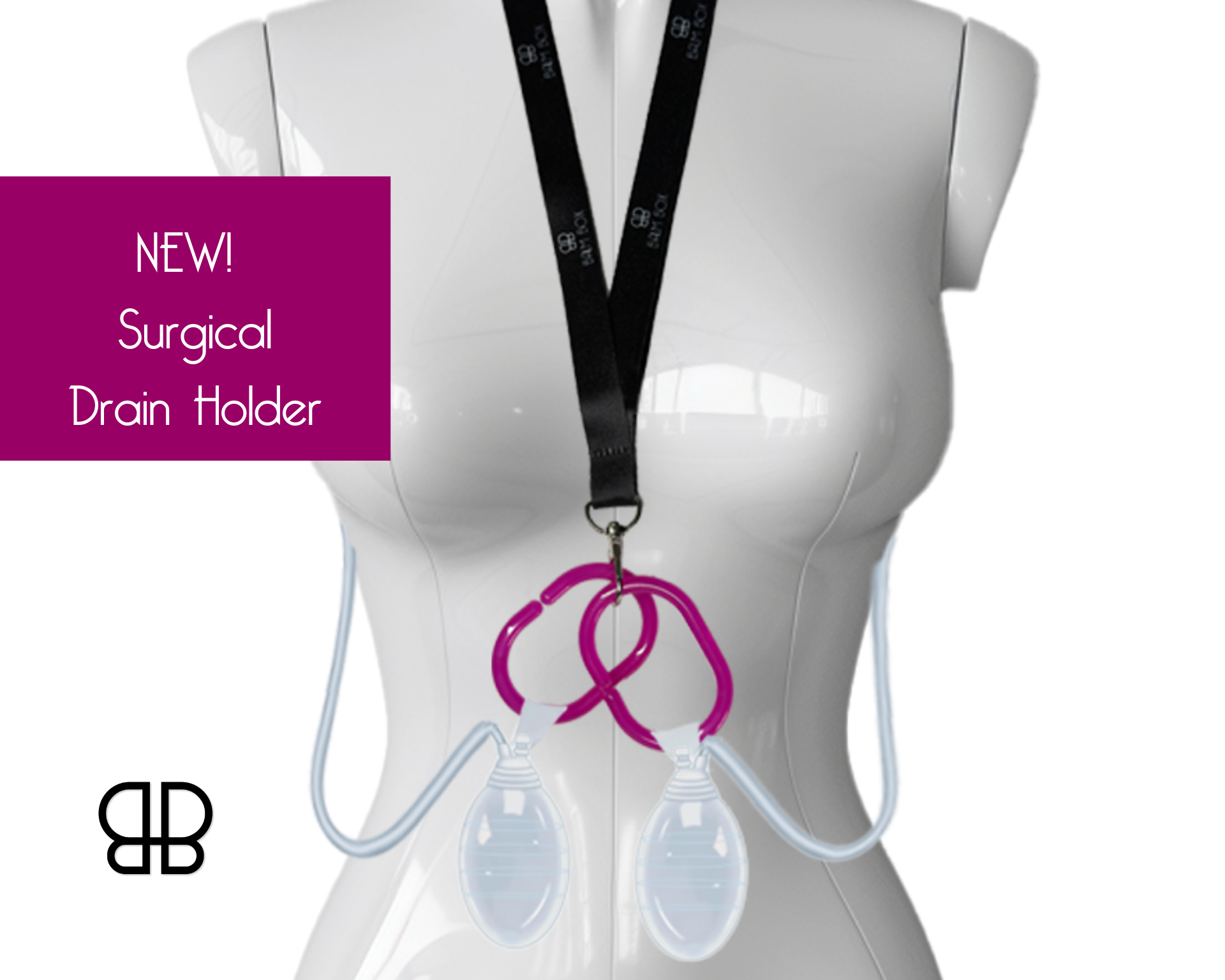
For others, short-term attachments such as surgical drains may be required. These patients have to learn how to empty the drain, keep it clean and change the dressing around the drain. The attachments may also make it difficult for them to carry out their daily activities. Certain products, such as surgical drain holders, can help with post-surgery drain management at home.
Hence, beyond the physical side effects of surgery, it is also important to manage the emotional aspects and stress of undergoing cancer surgery. Learning about the expected changes, discussing concerns with your healthcare team, and arranging help before you need it are some ways to help support your recovery.
Preparing your environment for recovery
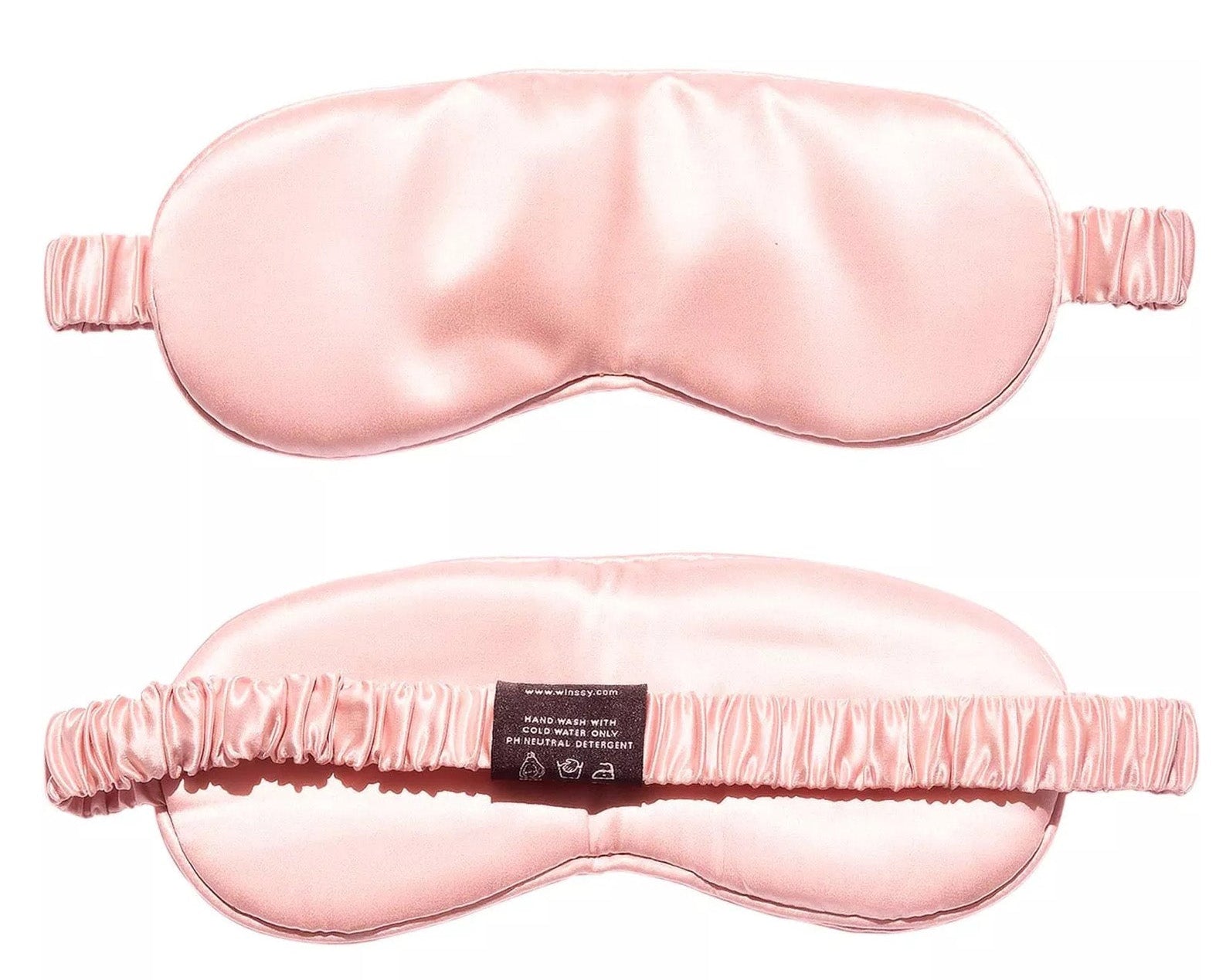
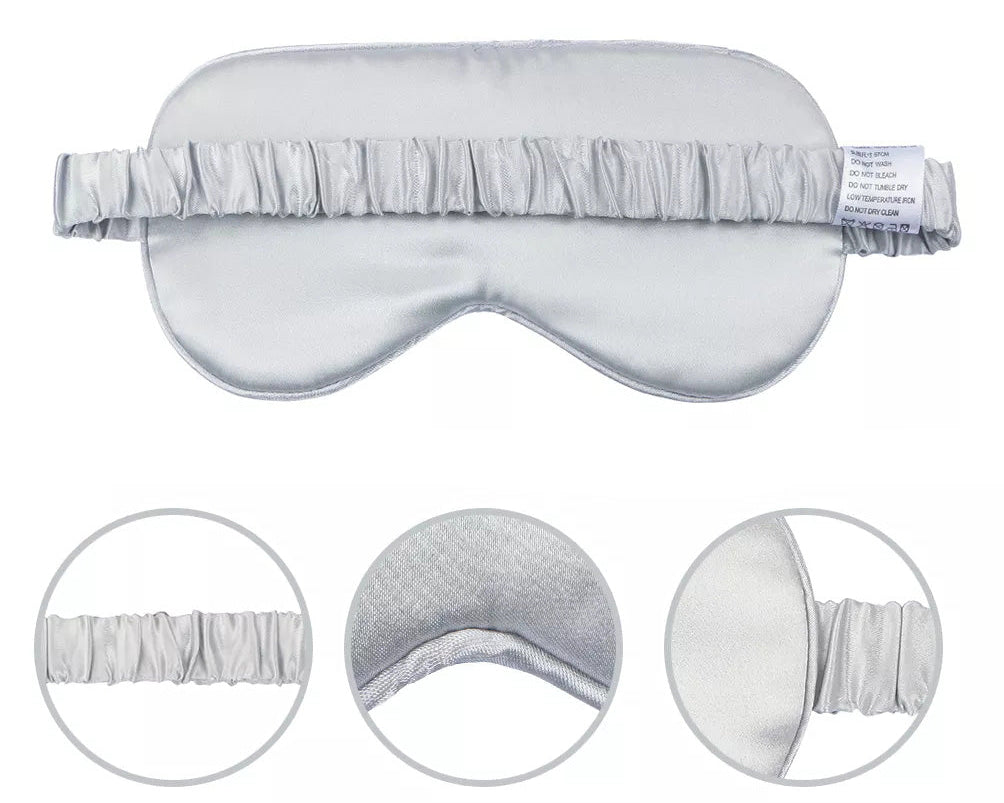
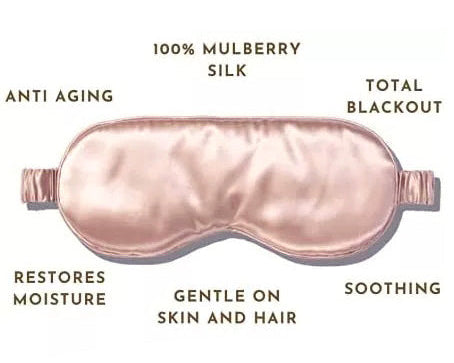
Prior to undergoing surgery, having your home or living space set up for recovery can help make your recovery smoother. Resting is a key component for recovery and having a quiet, comfortable place to rest is important to aid your recovery.
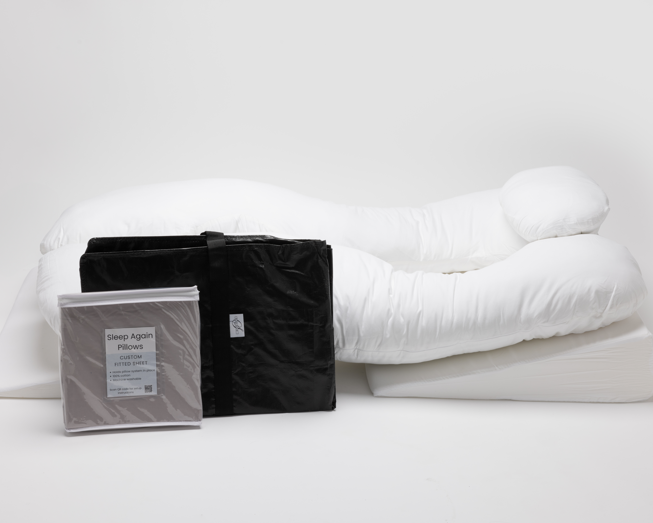
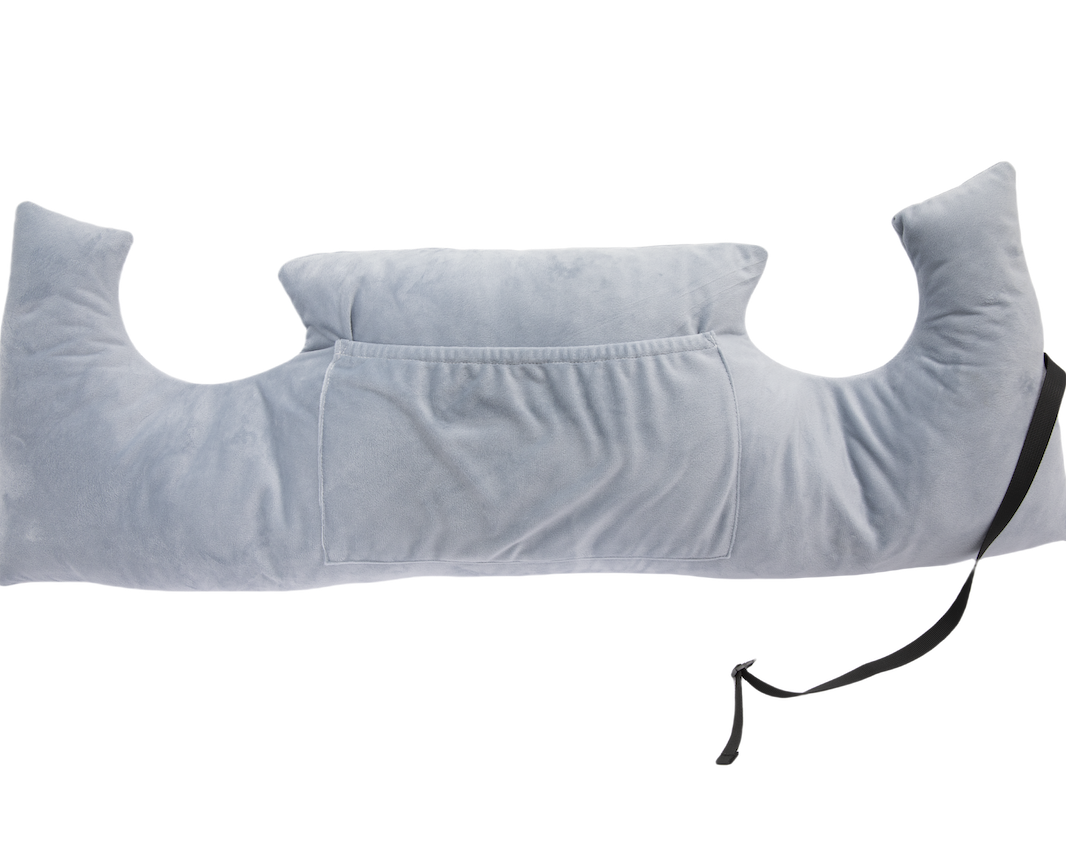
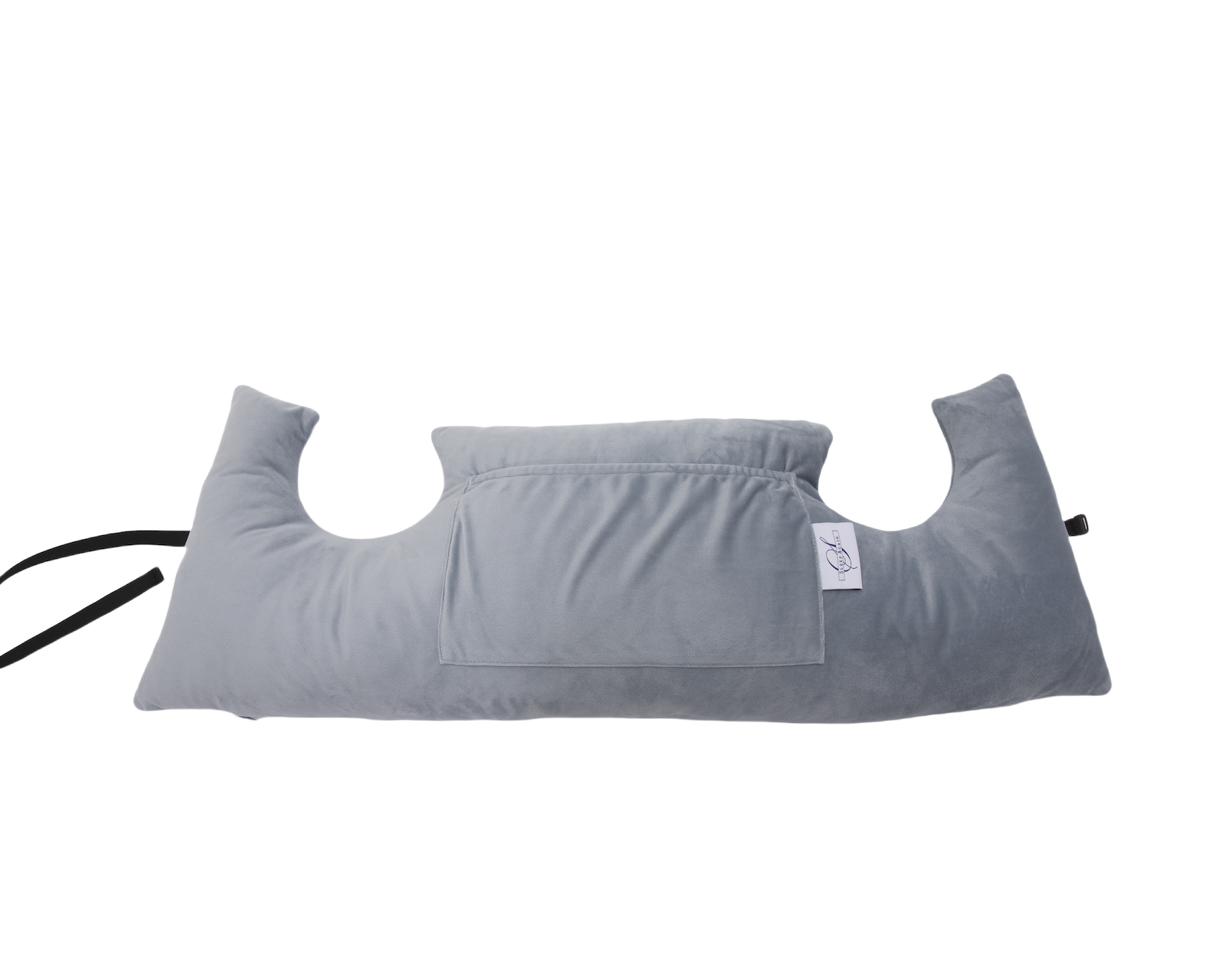
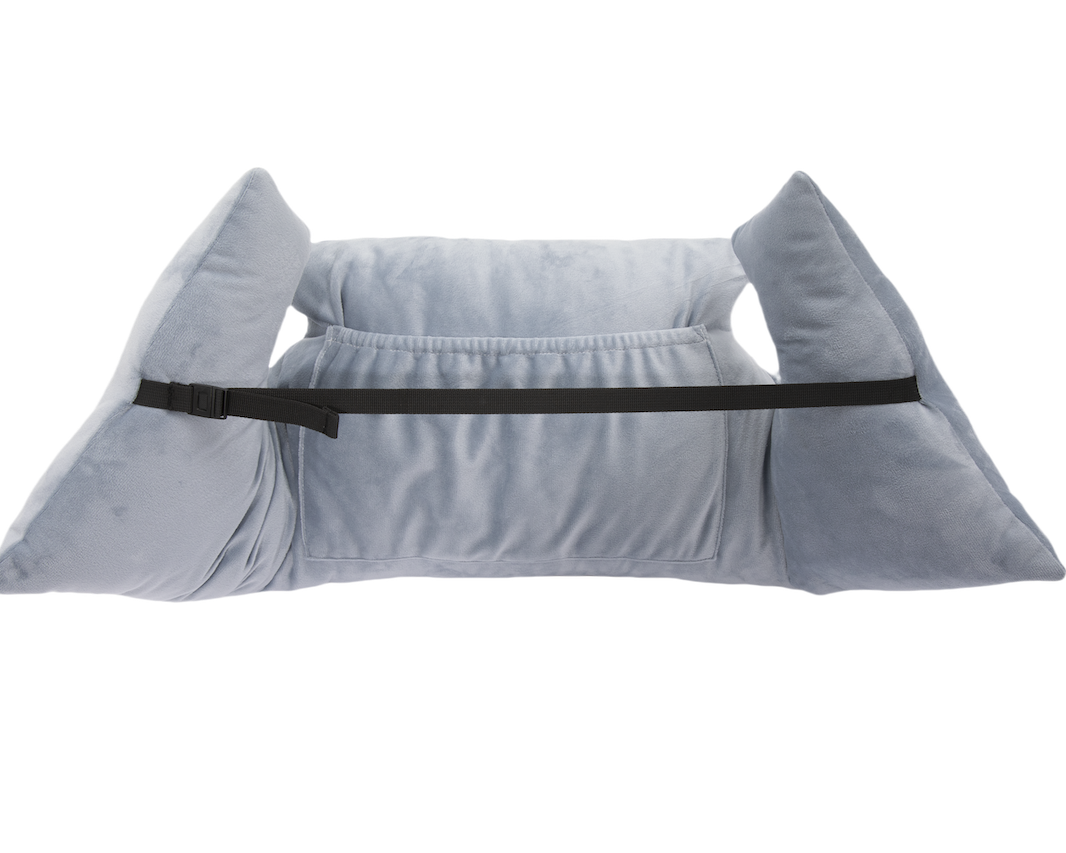
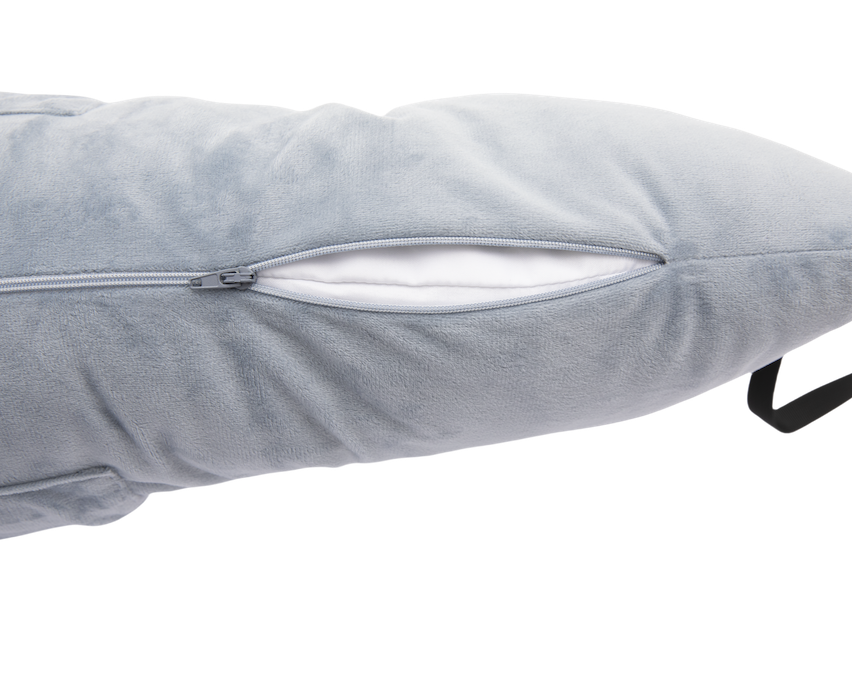
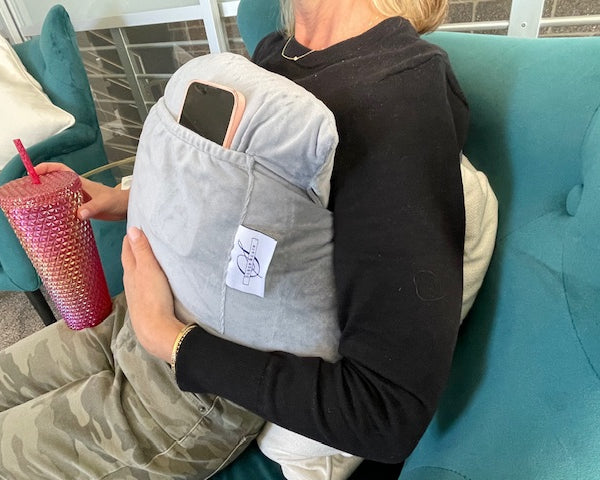
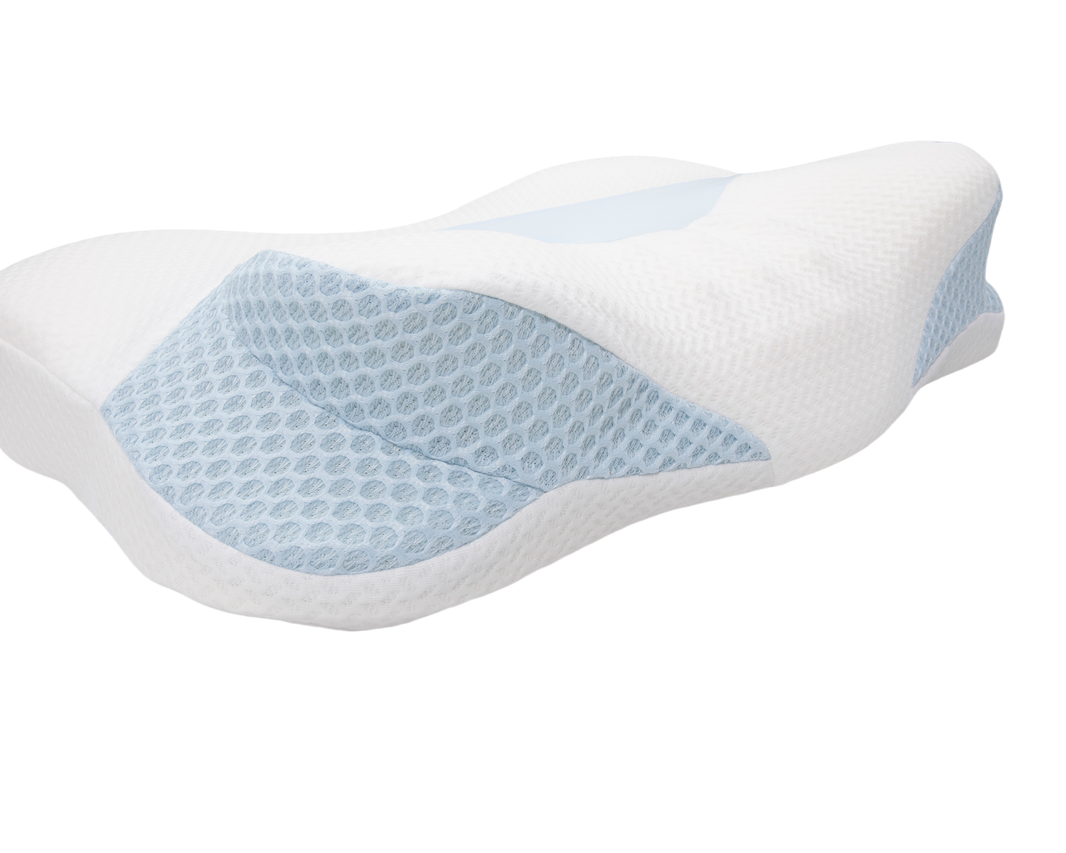
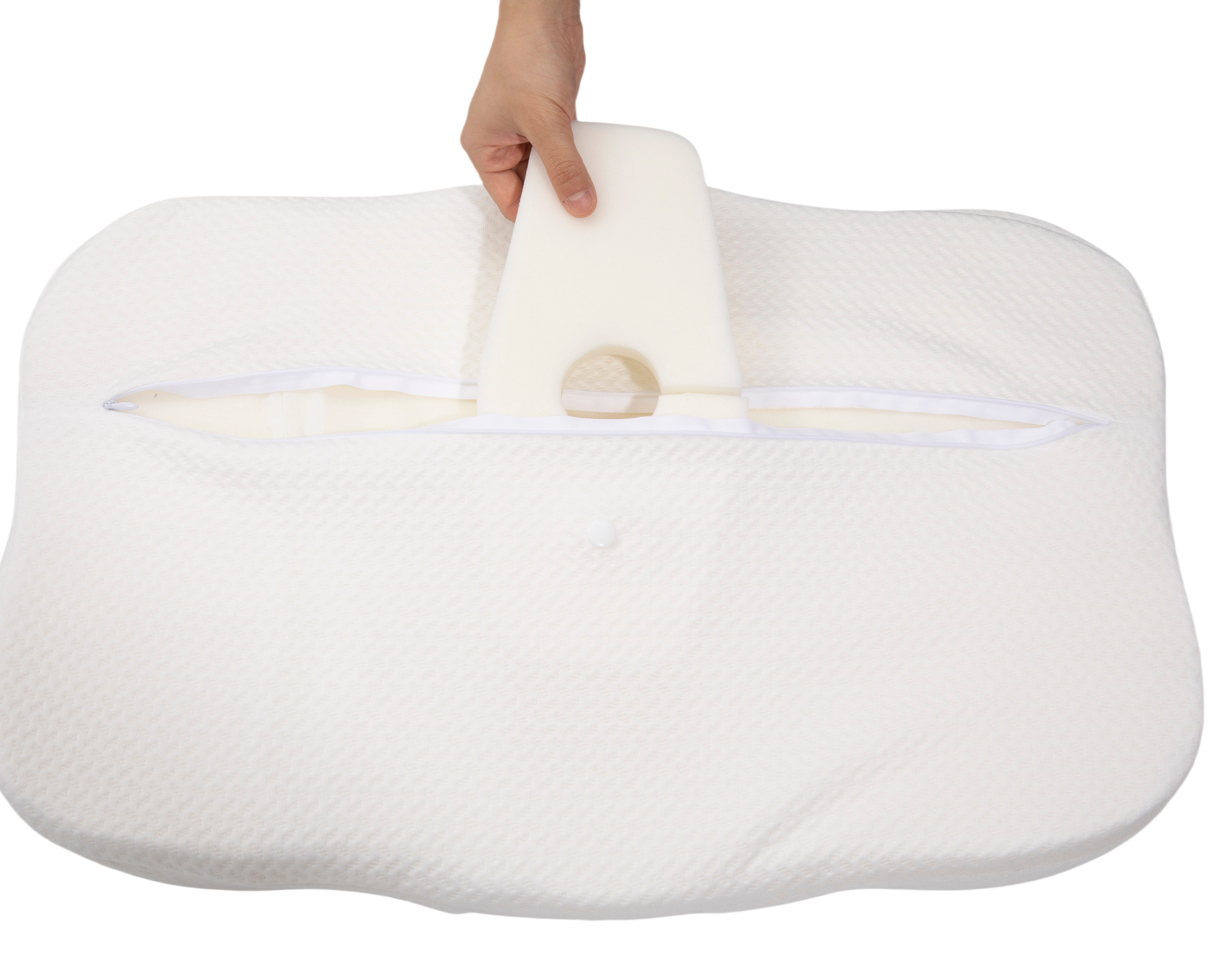
Having supportive furniture that caters to your specific needs can help you to feel more comfortable when you are resting. For example, many breast cancer patients have reported sleep disturbances due to pain after undergoing breast cancer surgery. For such patients, having specially designed supportive pillows can help to ease some of the discomfort when lying on their backs.
Aroma therapy, such as through the use of oils and diffusers, can also help to create a more relaxing environment for you to rest in. It is important to ensure that your environment is conducive and comfortable for your recovery.
Diet and physical activity
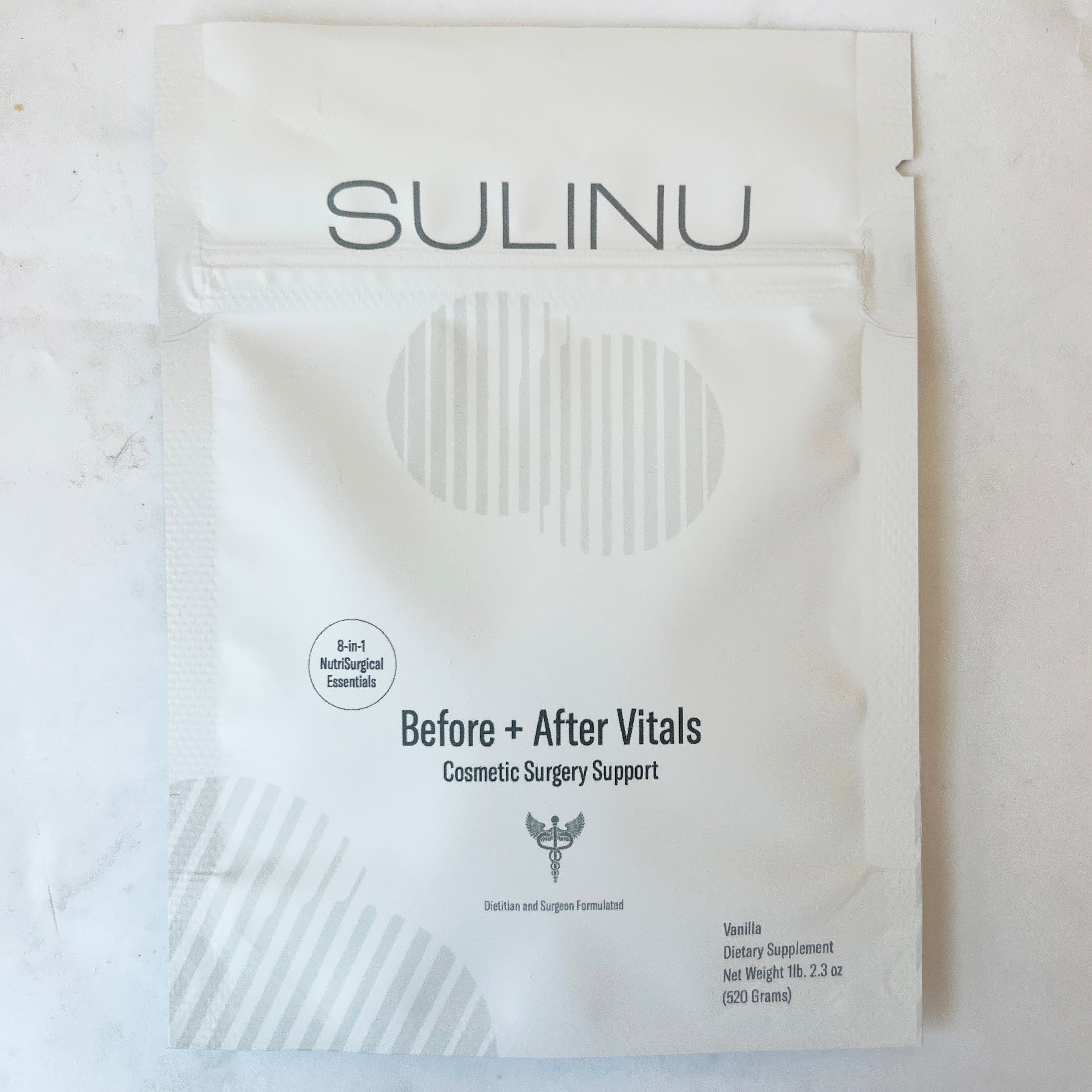
Having a proper, well-balanced diet is important to facilitate recovery. After surgery, your body needs more nutrients to recover. However, some patients may experience a loss of appetite and do not feel like eating or drinking after surgery. Eating small, nutrient rich meals throughout the day and ensuring that you are well-hydrated can help to support your recovery until your appetite returns. Speaking to your doctors or registered dietician can also provide you with nutritional guidance to prepare you for your recovery.
Physical activity is another important aspect of your recovery. Light activity after a surgery, such as getting out of bed and walking, can help to speed up recovery. Studies have shown that physical activity not only reduces the severity of side effects, but also improves the quality of life of patients post-surgery. However, it is important to listen to your body and not to over exert yourself during this time. You may also undergo physical therapy or occupational therapy to help with your recovery.
Importance of planning for recovery
Planning for recovery before surgery is just as important as preparing for the surgery itself. By arranging for proper support and understanding the potential side effects and changes to your body, you can undergo your surgery with a peace of mind and better focus on your recovery post-surgery.
This article was created in collaboration with Our Cancer Stories and is intended for educational purposes.
Sources
American Cancer Society. Recovering from Cancer Surgery
American Cancer Society. Risks and Side Effects of Cancer Surgery
Important Medical Disclaimer
The information provided on this page is for educational purposes only and should not replace professional medical advice from your healthcare provider. Sleep Again Pillows are positioning support products designed to help maintain sleep positions recommended by medical professionals during recovery and for therapeutic use.
Always follow your surgeon's or physician's specific post-operative instructions and positioning requirements. Medical guidance from your healthcare team takes precedence over any general information provided here. Recovery timelines, positioning angles, and product suitability vary based on individual surgical procedures, medical conditions, and patient-specific factors.
Consult your healthcare provider before purchasing positioning equipment if you have specific medical concerns or questions about whether these products are appropriate for your recovery or medical condition(s). Your medical team can provide personalized recommendations based on your unique situation.
Sleep Again Pillows do not diagnose, treat, cure, or prevent any medical condition. These products provide positioning support to help maintain sleep angles and positions as directed by your healthcare provider.