
Anti-Snoring Pillows for Airway Support & Quieter, More Restful Sleep
Anti-snoring pillows work by positioning your airway — not just your head. Snoring happens when soft tissue at the back of the throat partially collapses during sleep, restricting airflow and creating vibration. Medical-grade positioning systems maintain the upper body elevation that keeps your airway open throughout the night, reducing the tissue collapse that causes snoring without relying on devices or interventions that disrupt sleep on their own.

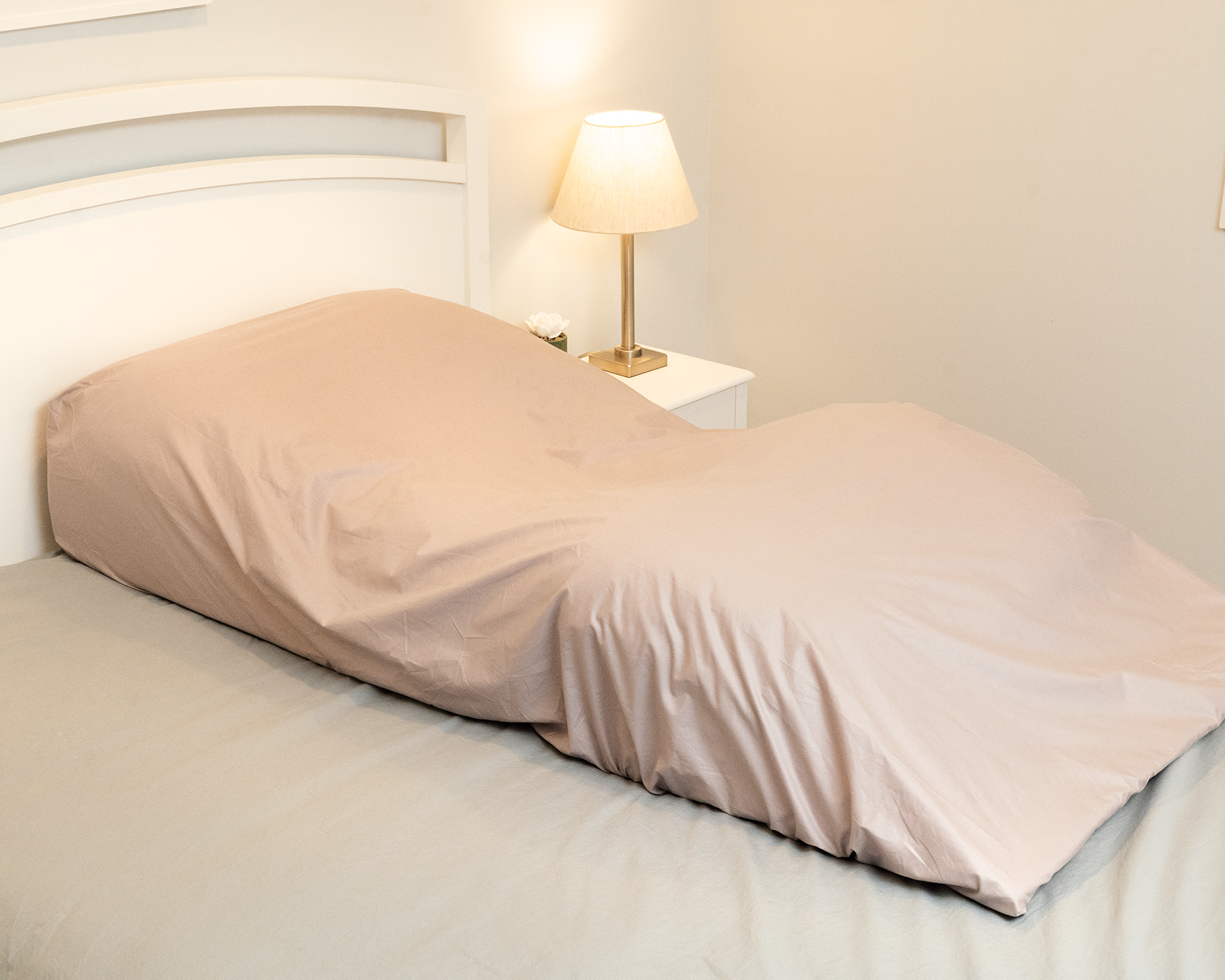
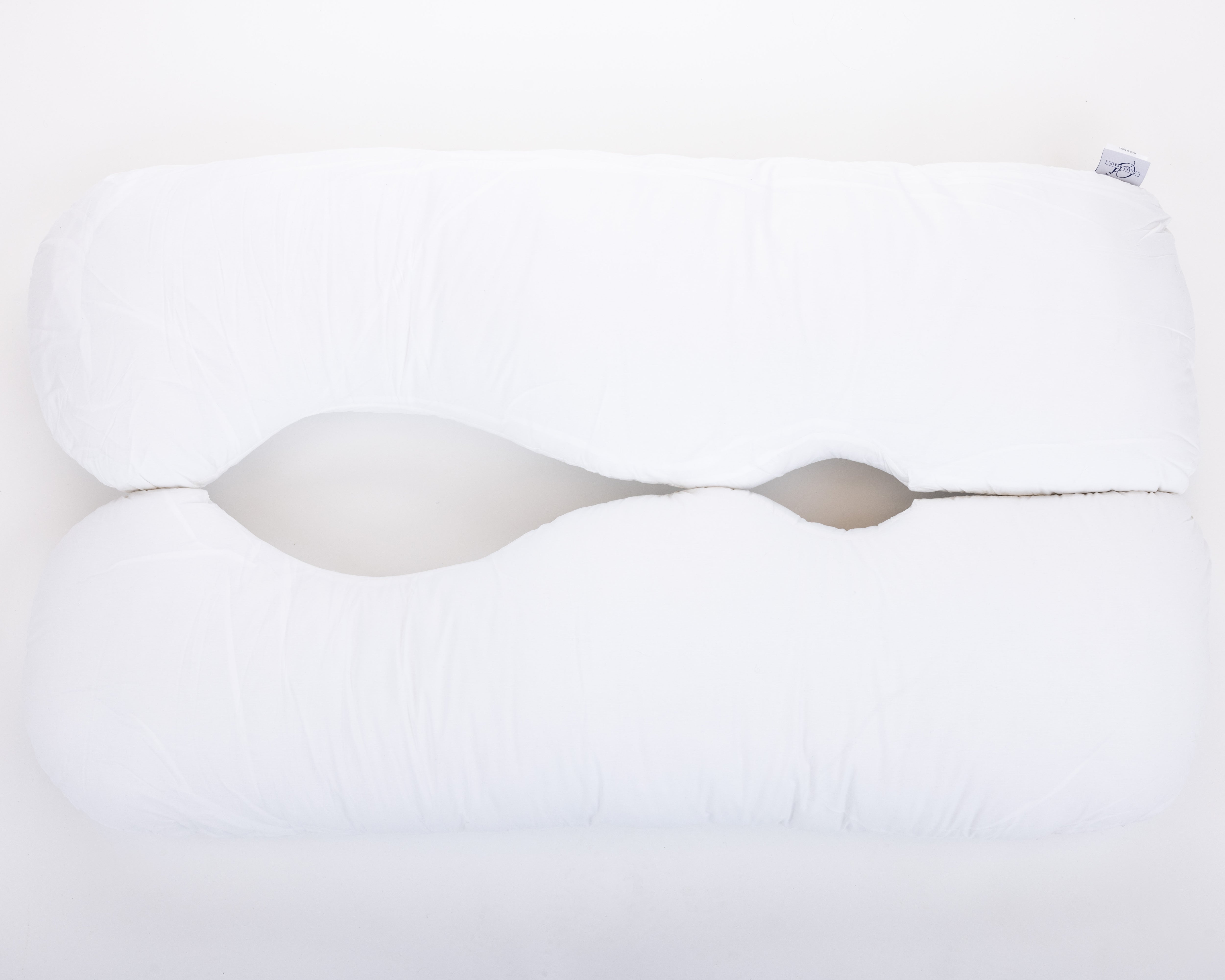
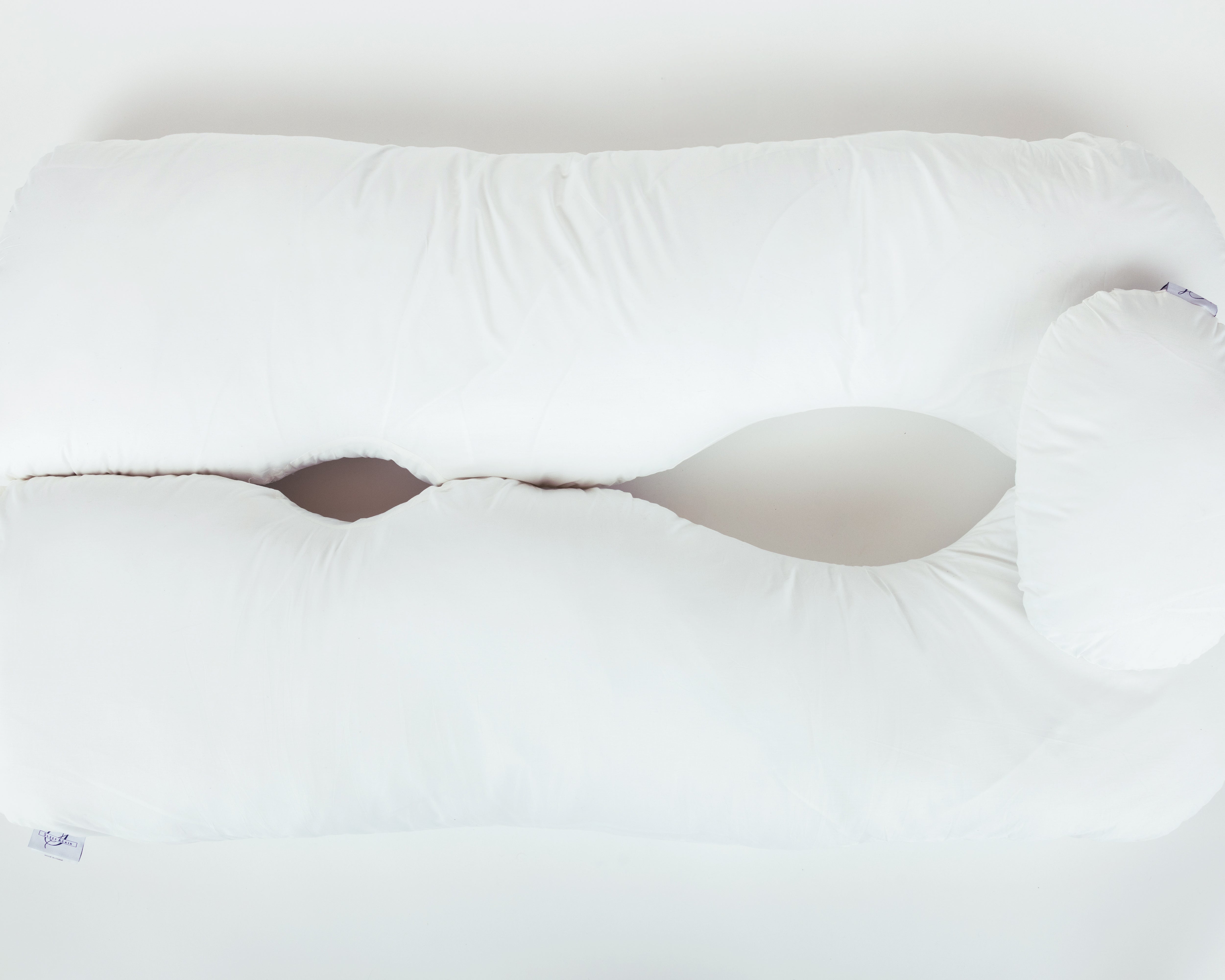
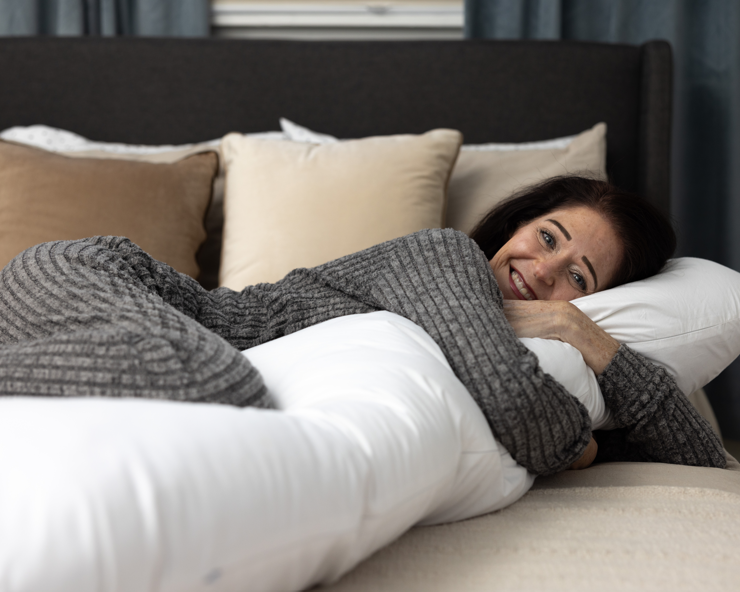
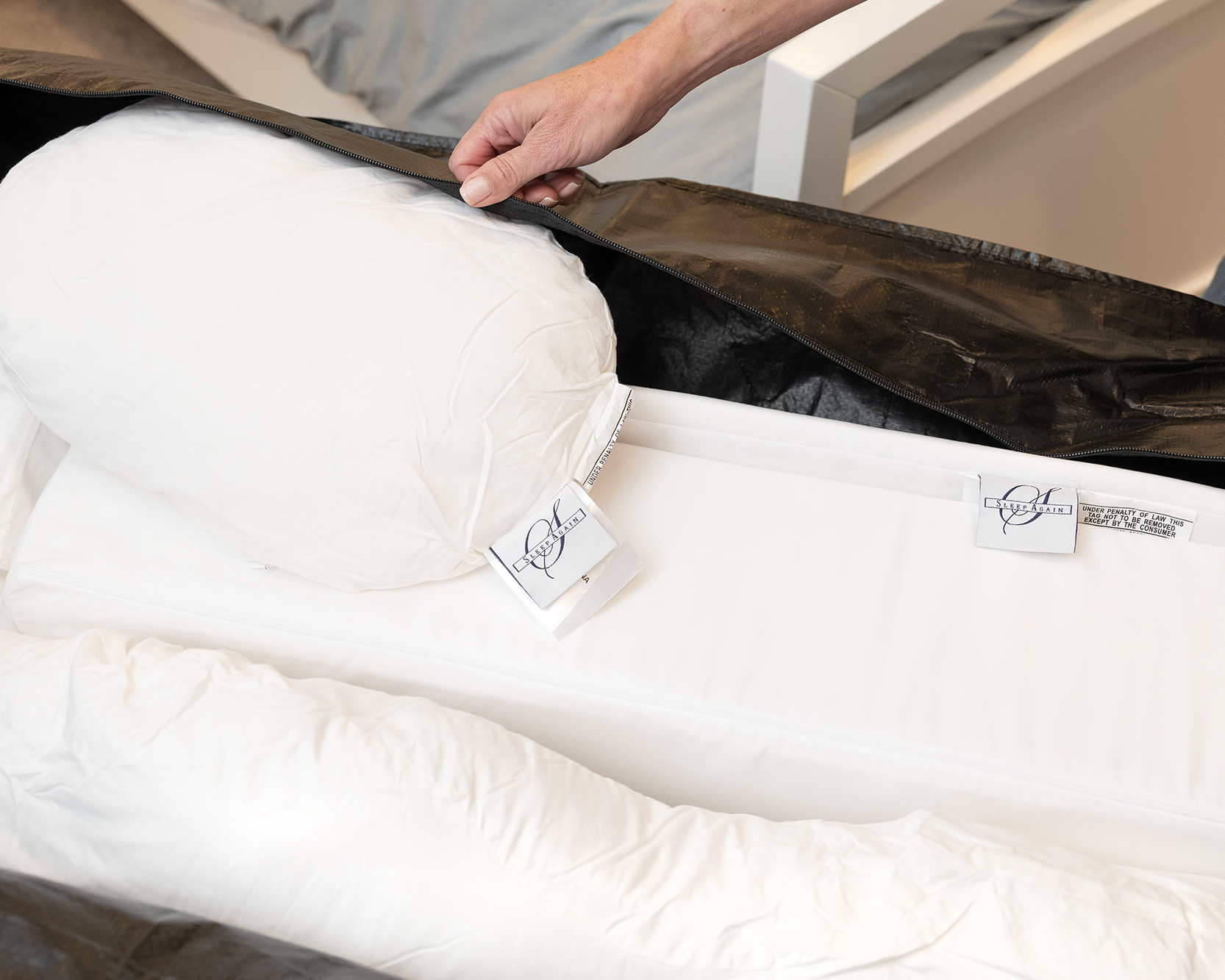
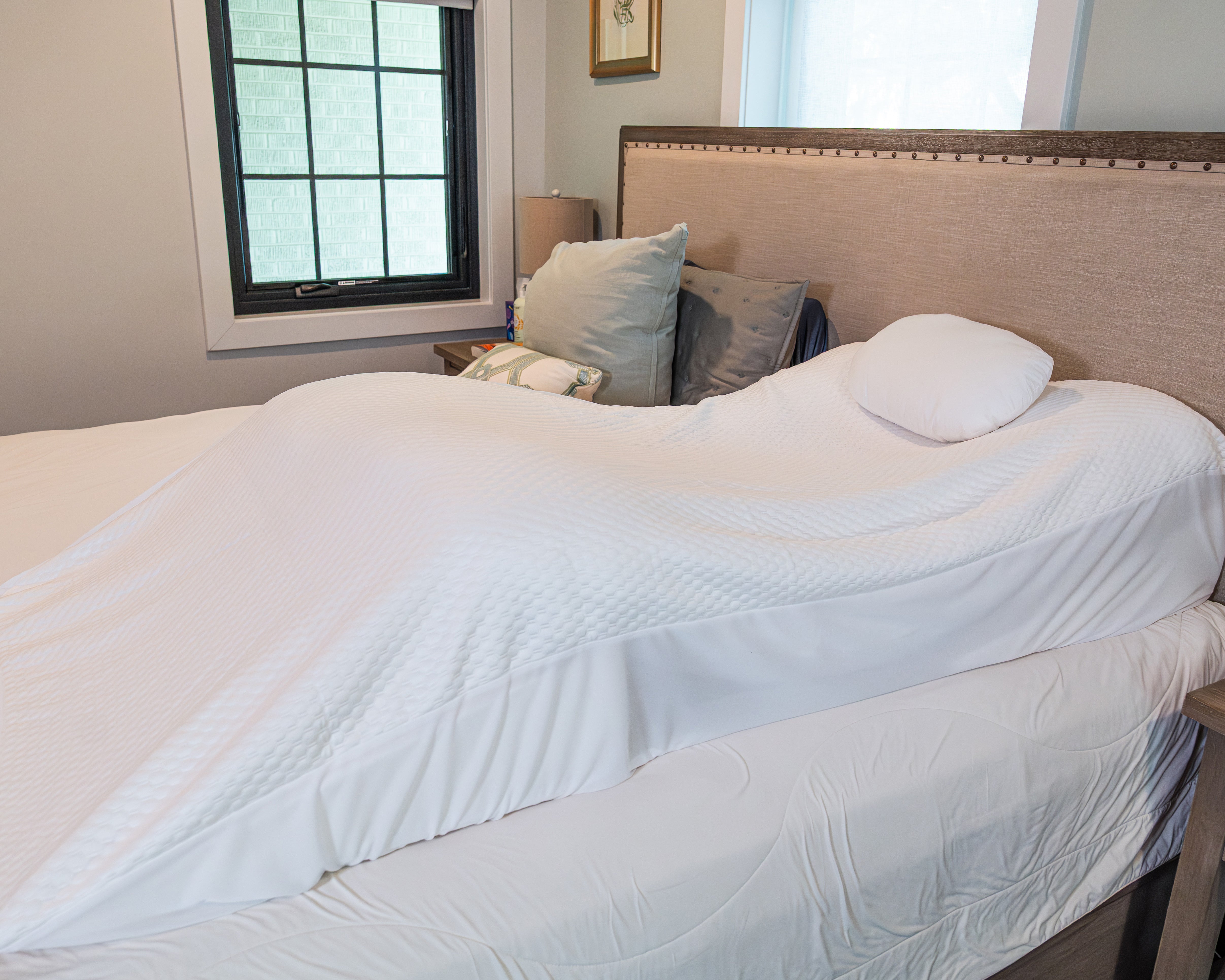

What Makes Sleep Again's Anti-Snoring Pillows Different:
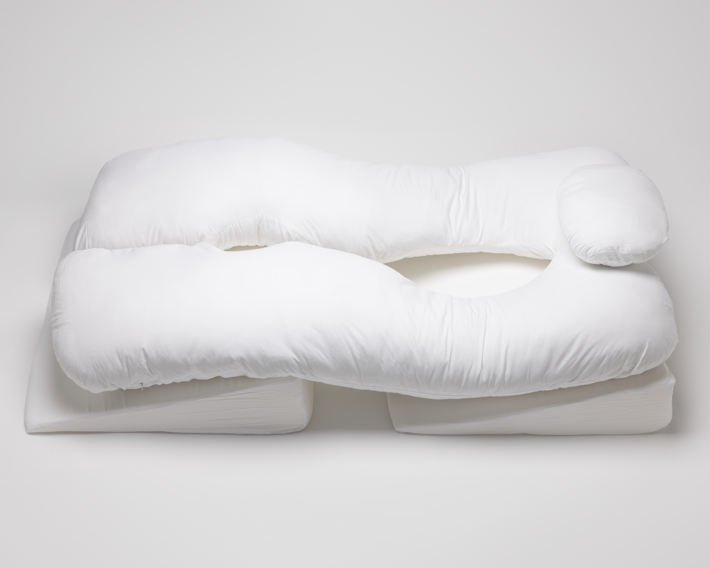
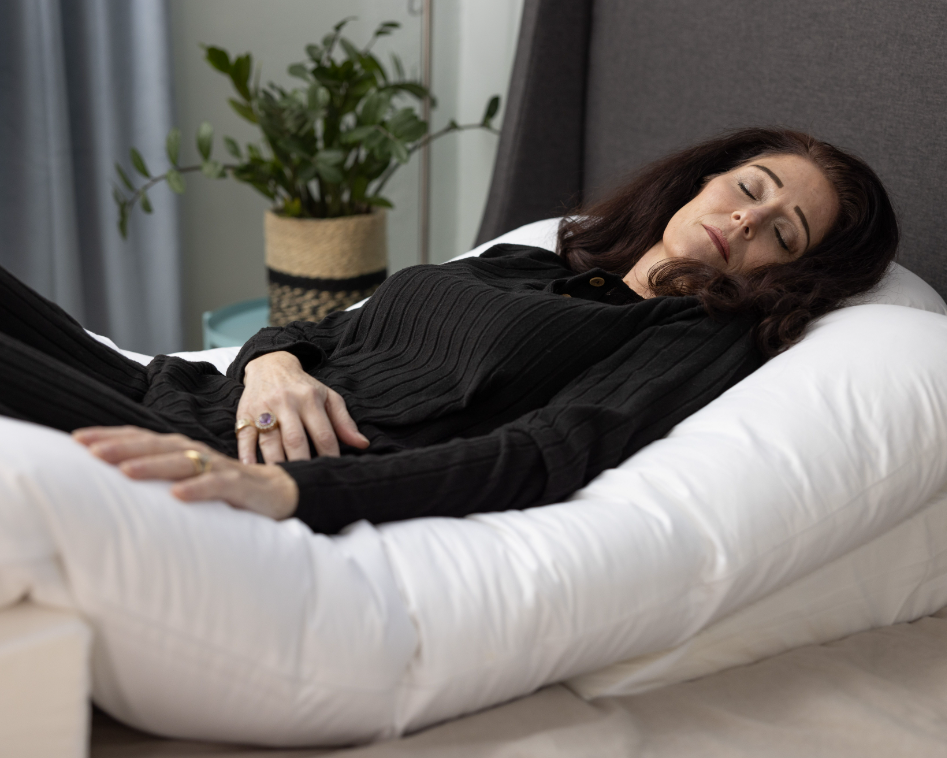
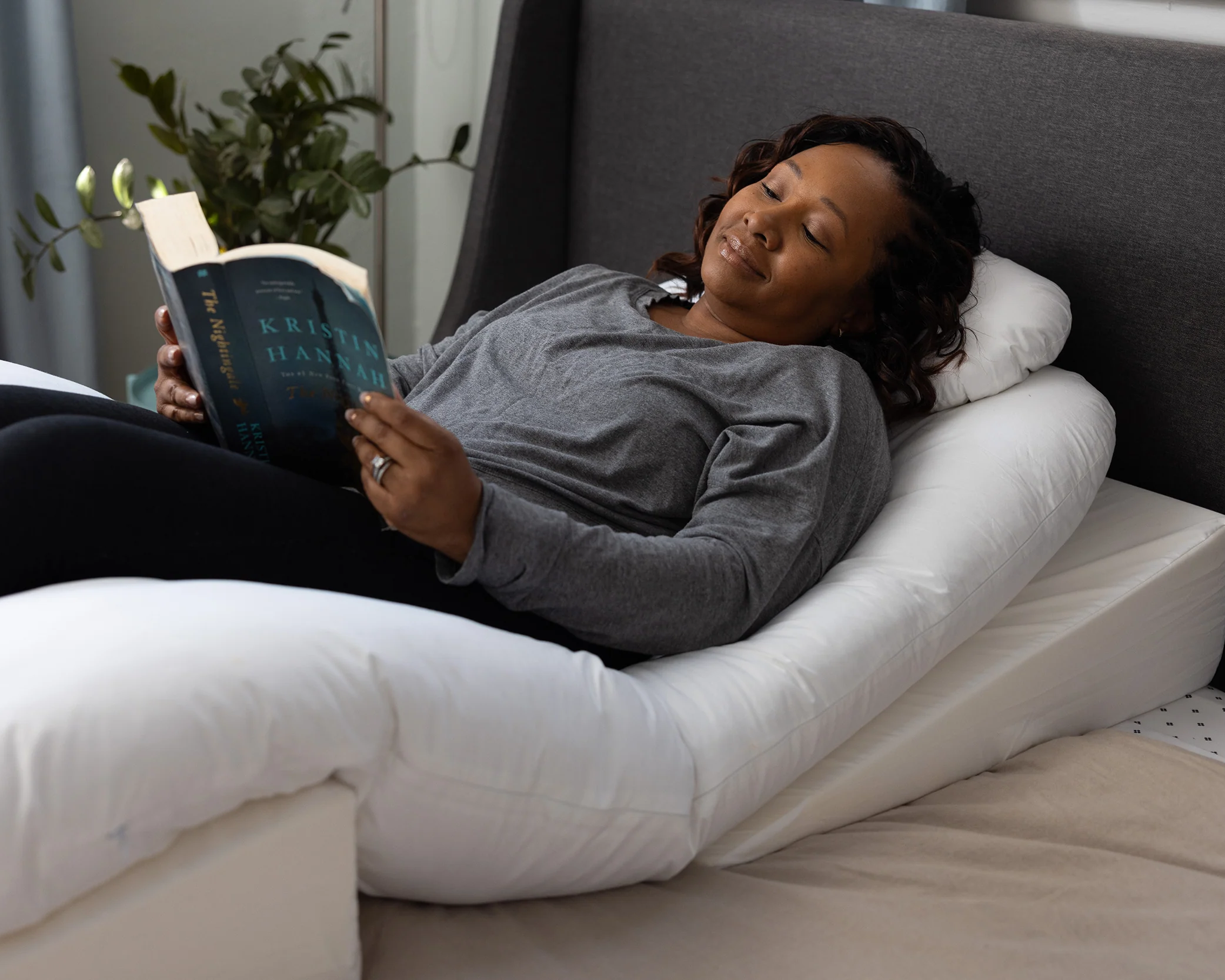
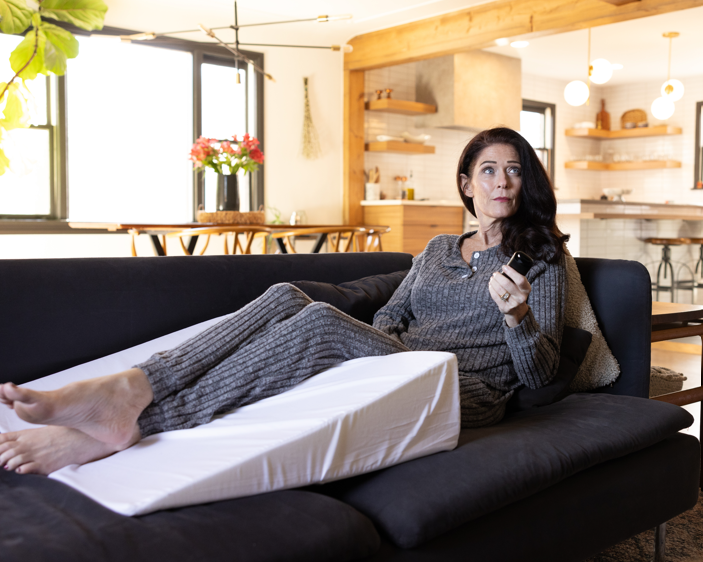
The Sleep Again Pillow System maintains consistent upper body elevation at the therapeutic 30-45 degree range throughout the entire sleep period — the range where airway benefits are most pronounced without causing the sliding and neck strain that comes with steeper angles. Standard pillows and single wedges compress overnight and lose their elevation by the early morning hours, when sleep is lightest and snoring is often worst. Sleep Again's dense foam wedge holds its angle all night, and the integrated leg wedge prevents the gradual slide that collapses improvised stacking arrangements.
For CPAP users, the system's design accommodates masks and tubing without creating the interference and pressure points that standard pillows cause.





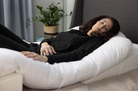

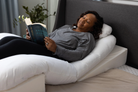


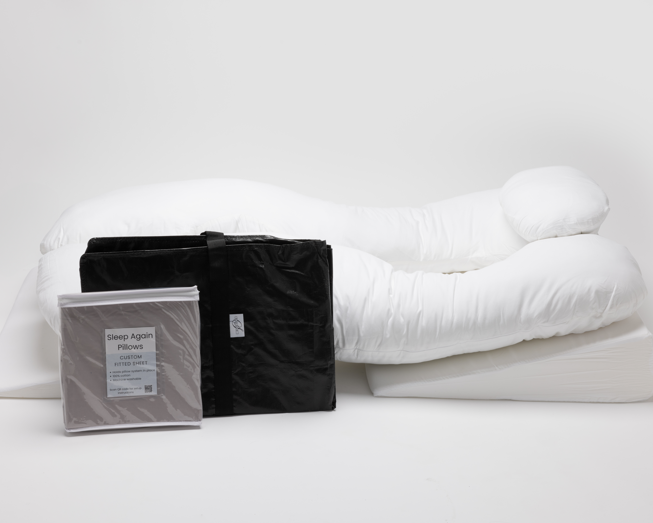
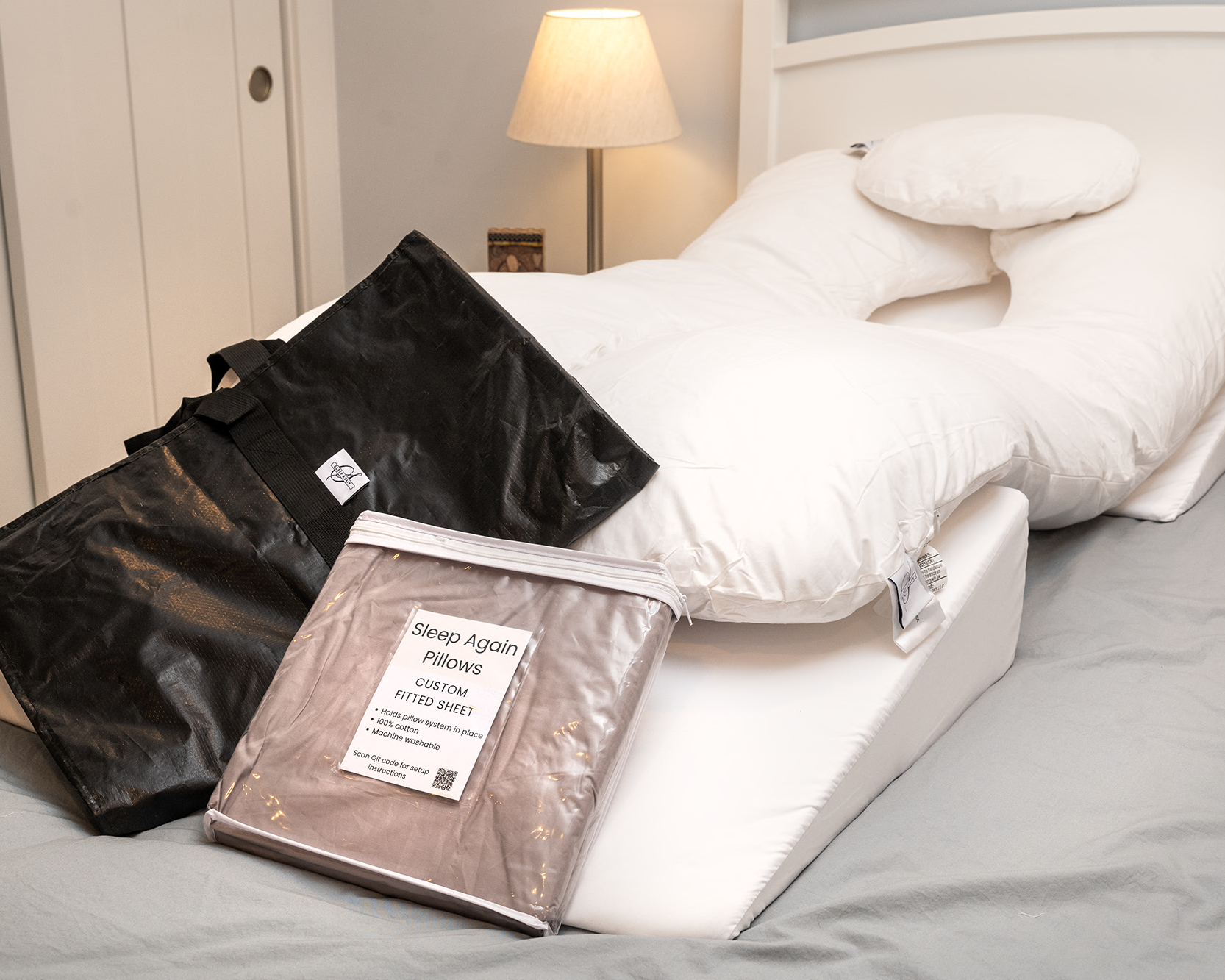
Every Sleep Again Pillow System includes:
-
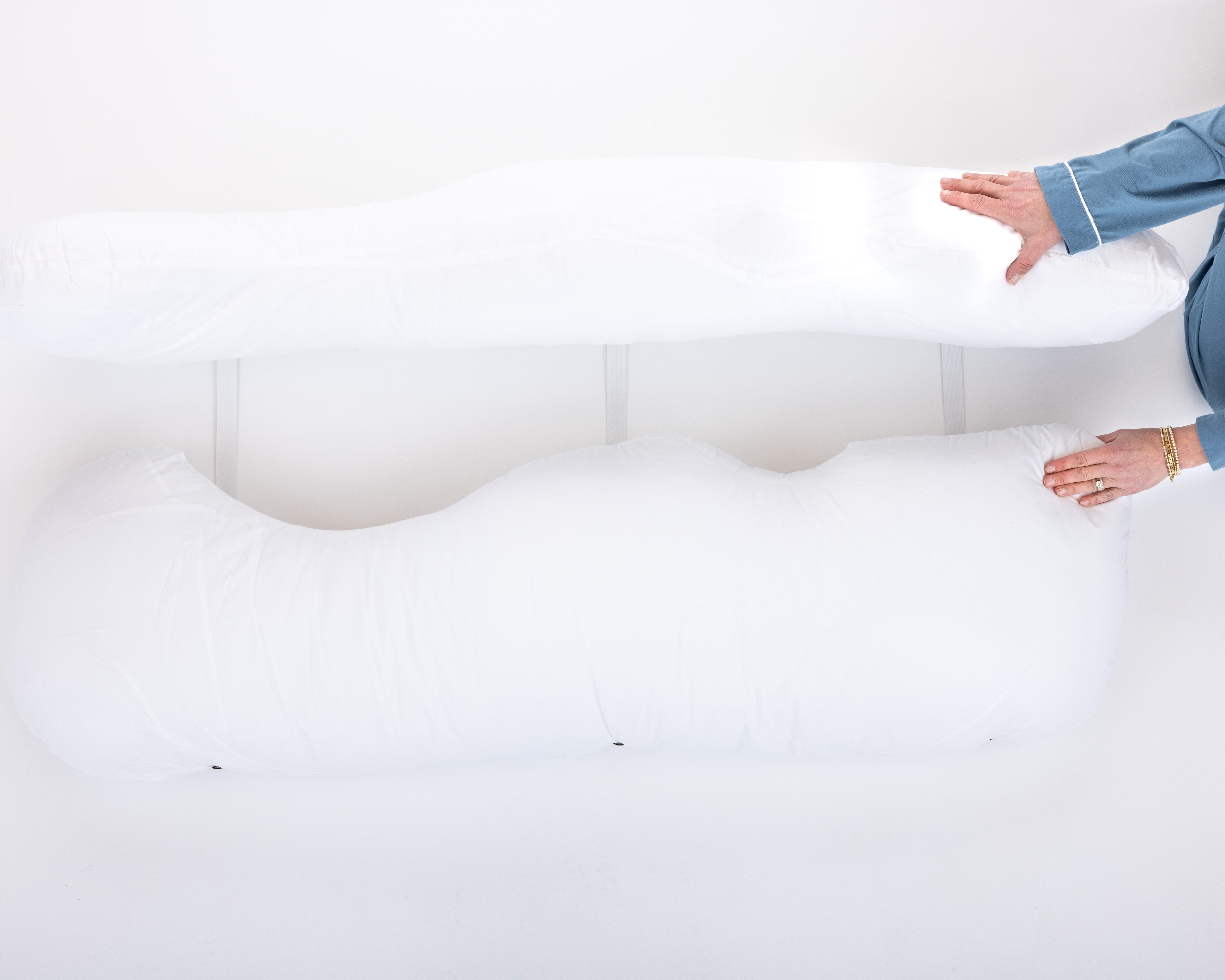
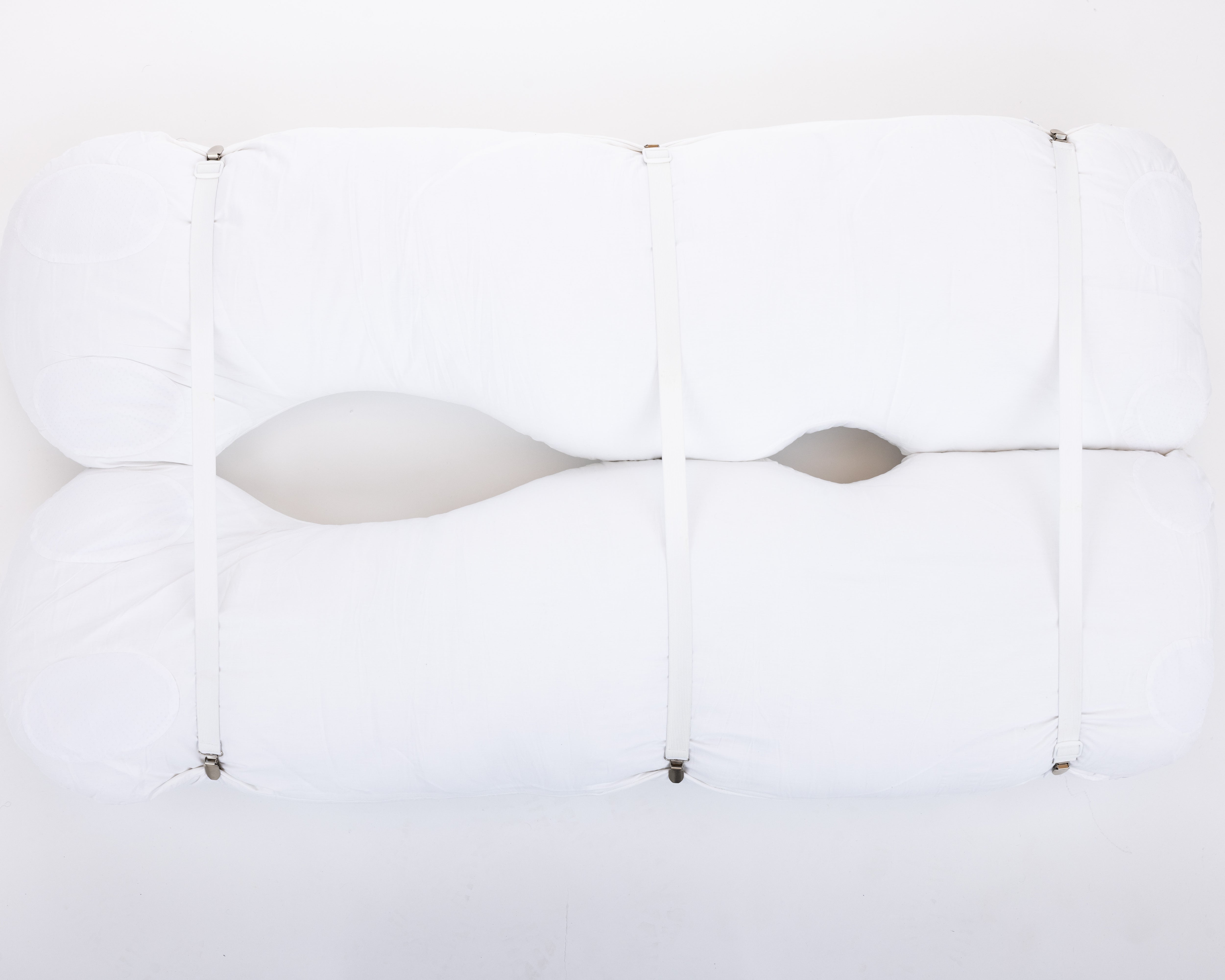
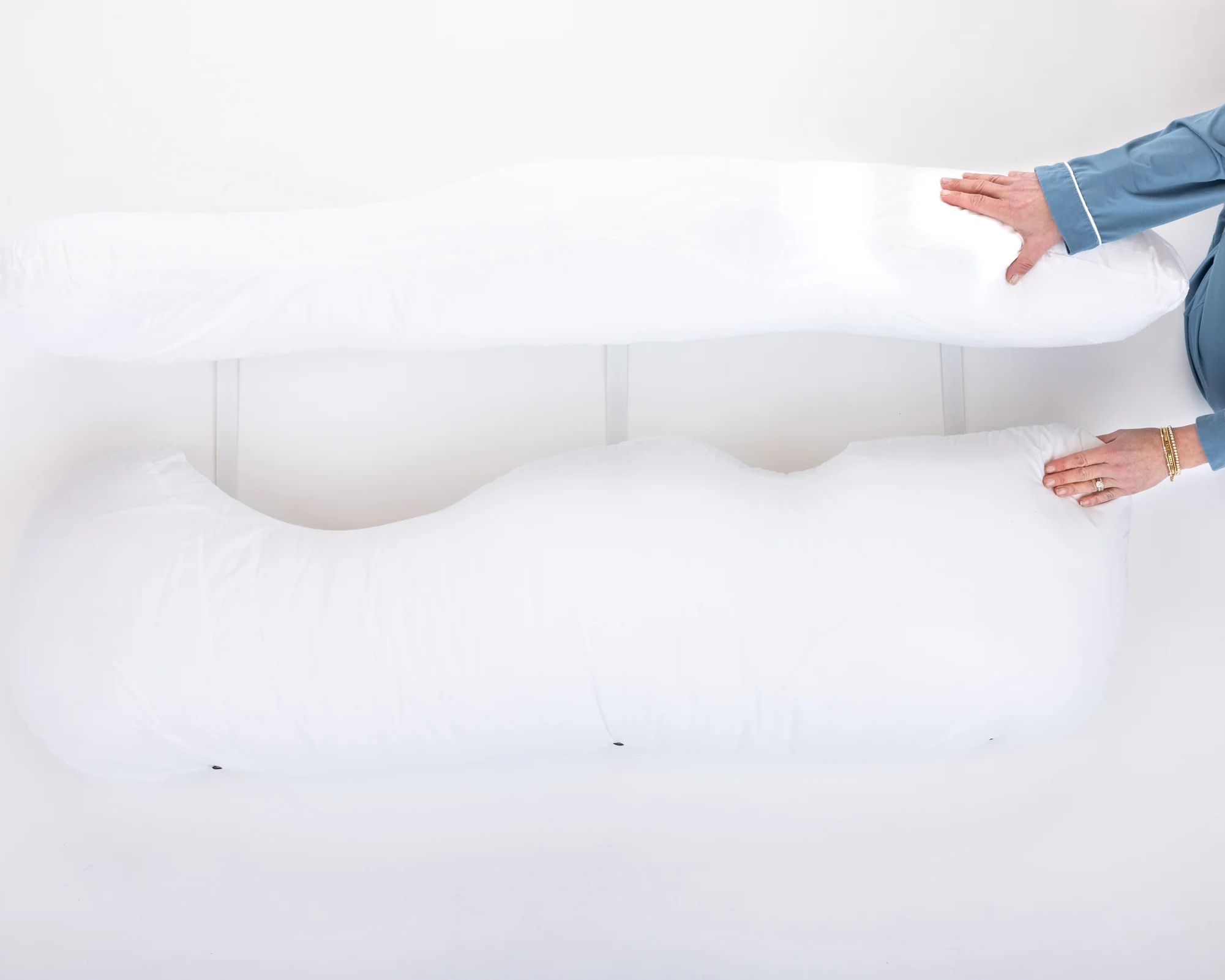
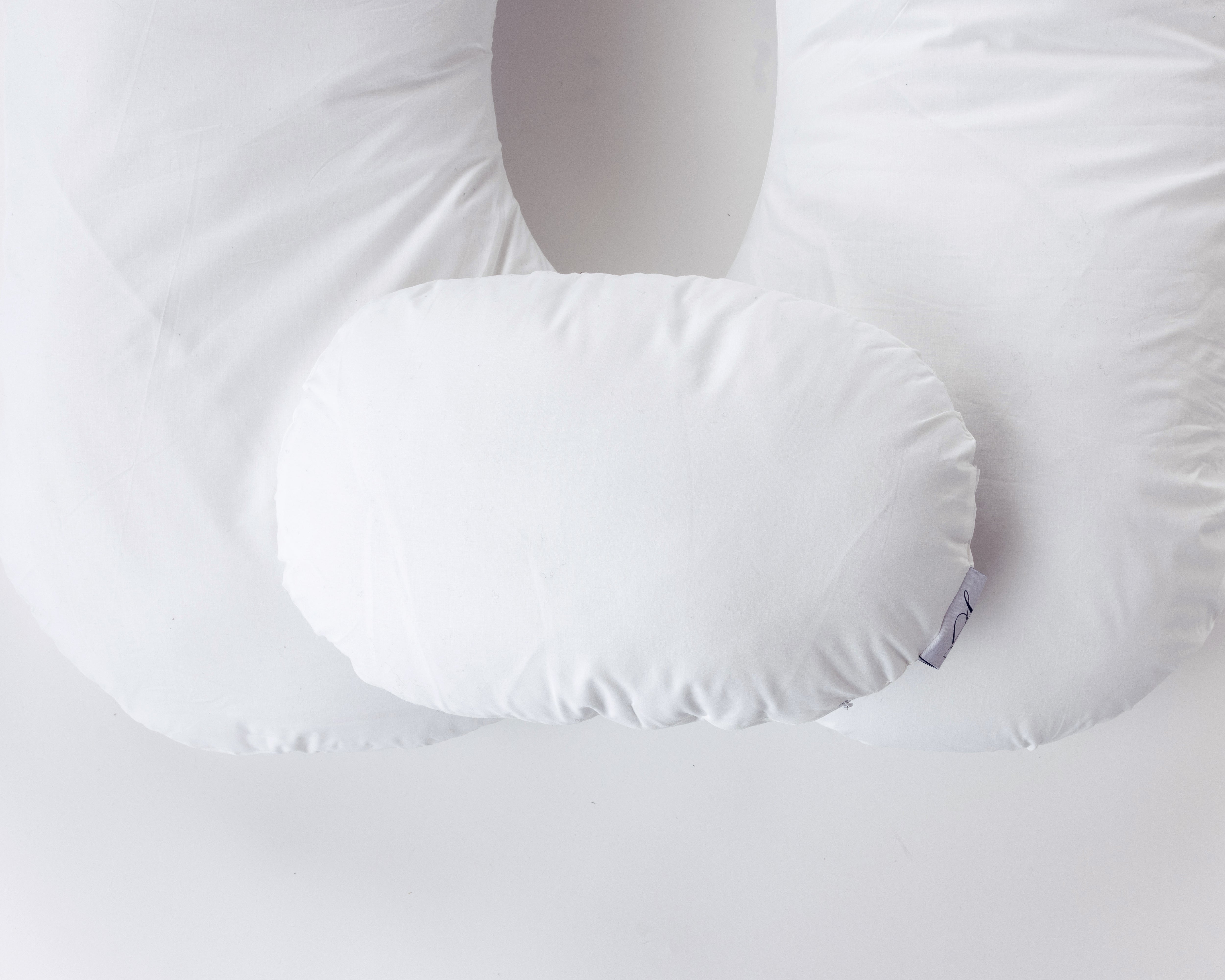
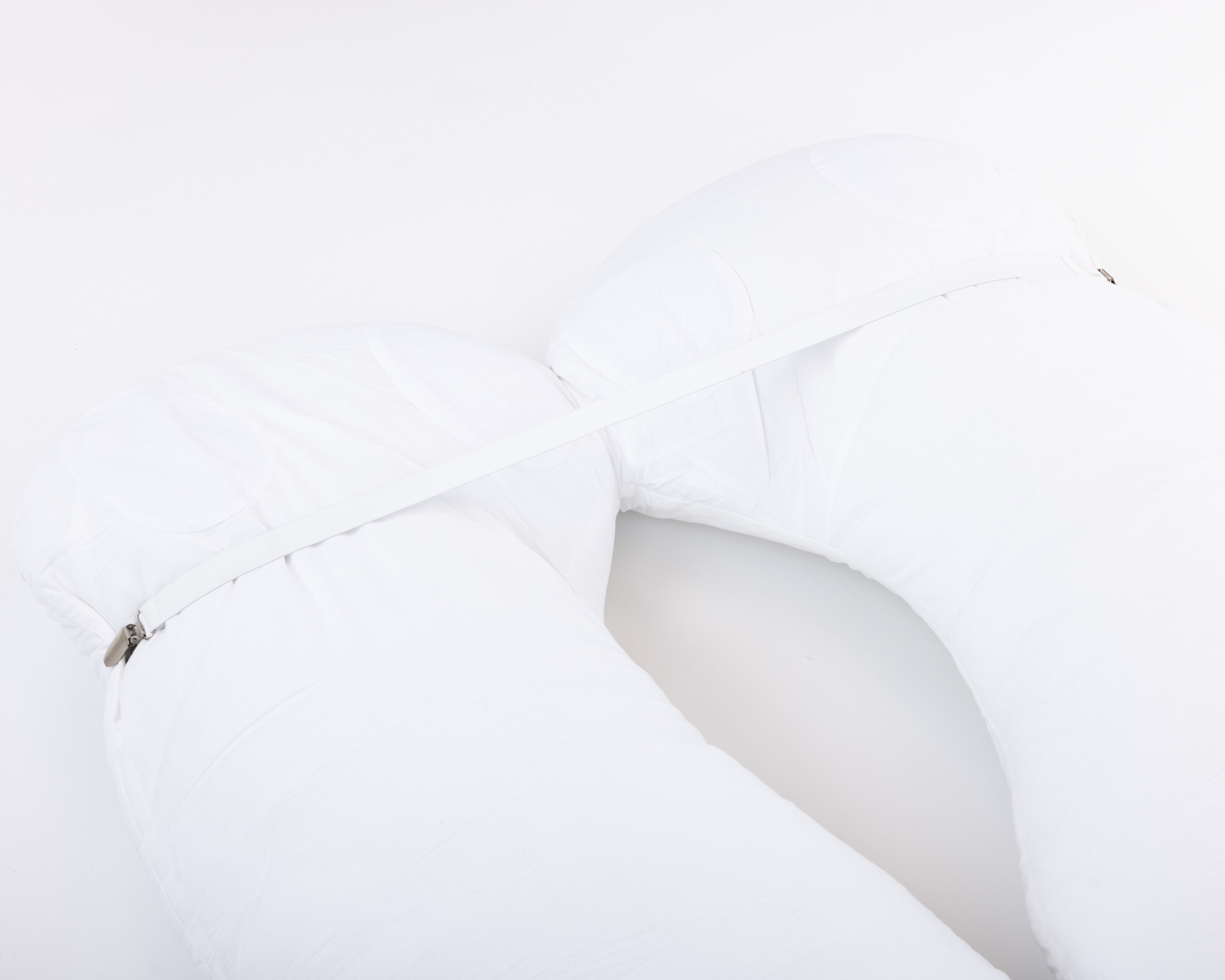
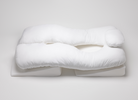
Two Contoured Side Pillows to cradle back and hips
-
Upper Body Wedge to create optimal upper body incline
-
Leg Support Wedge to gently elevate legs
-
Head Pillow to provide head support and neck mobility
-
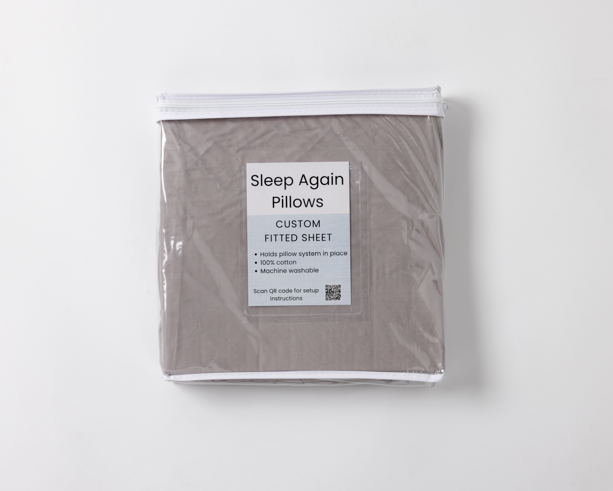
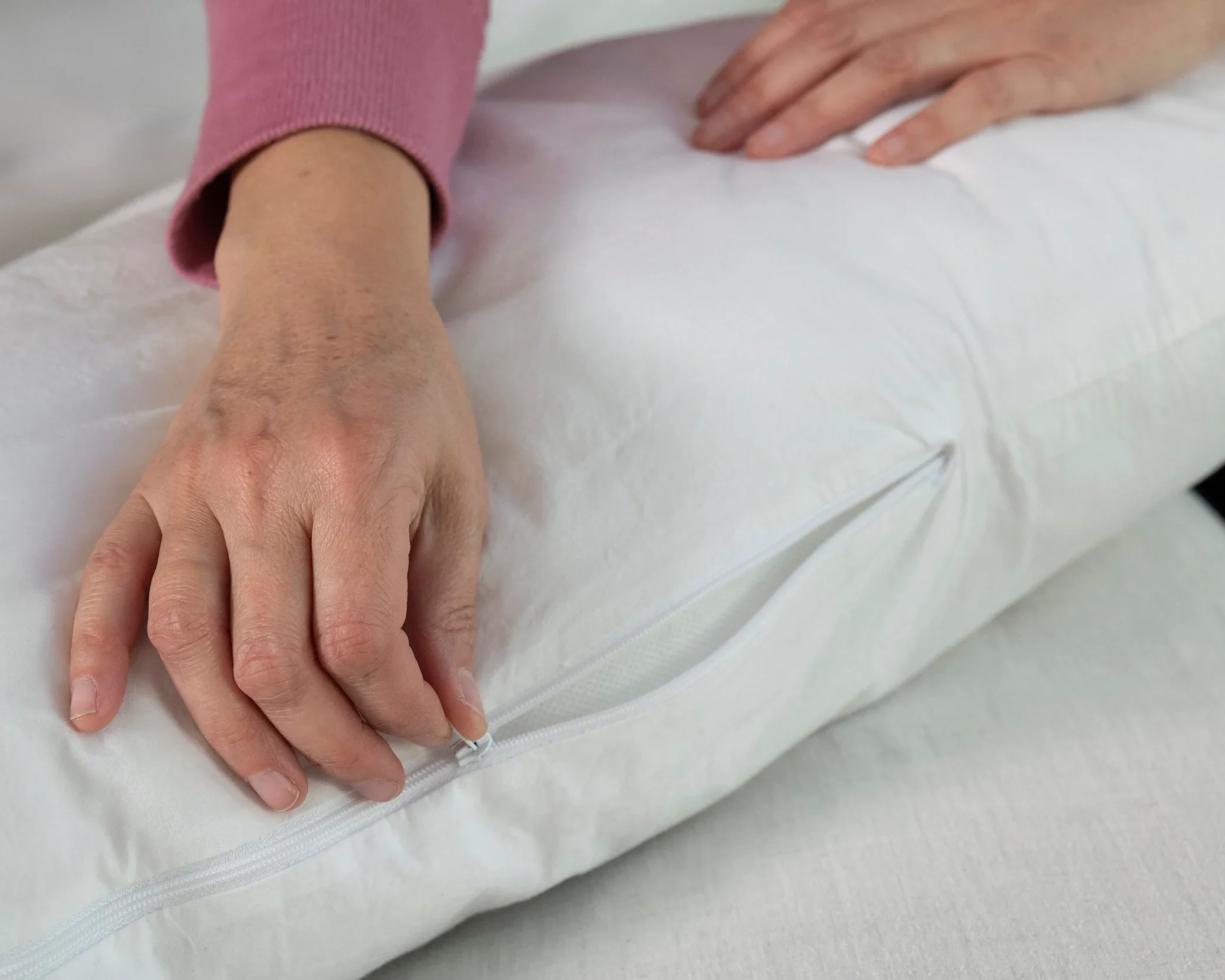
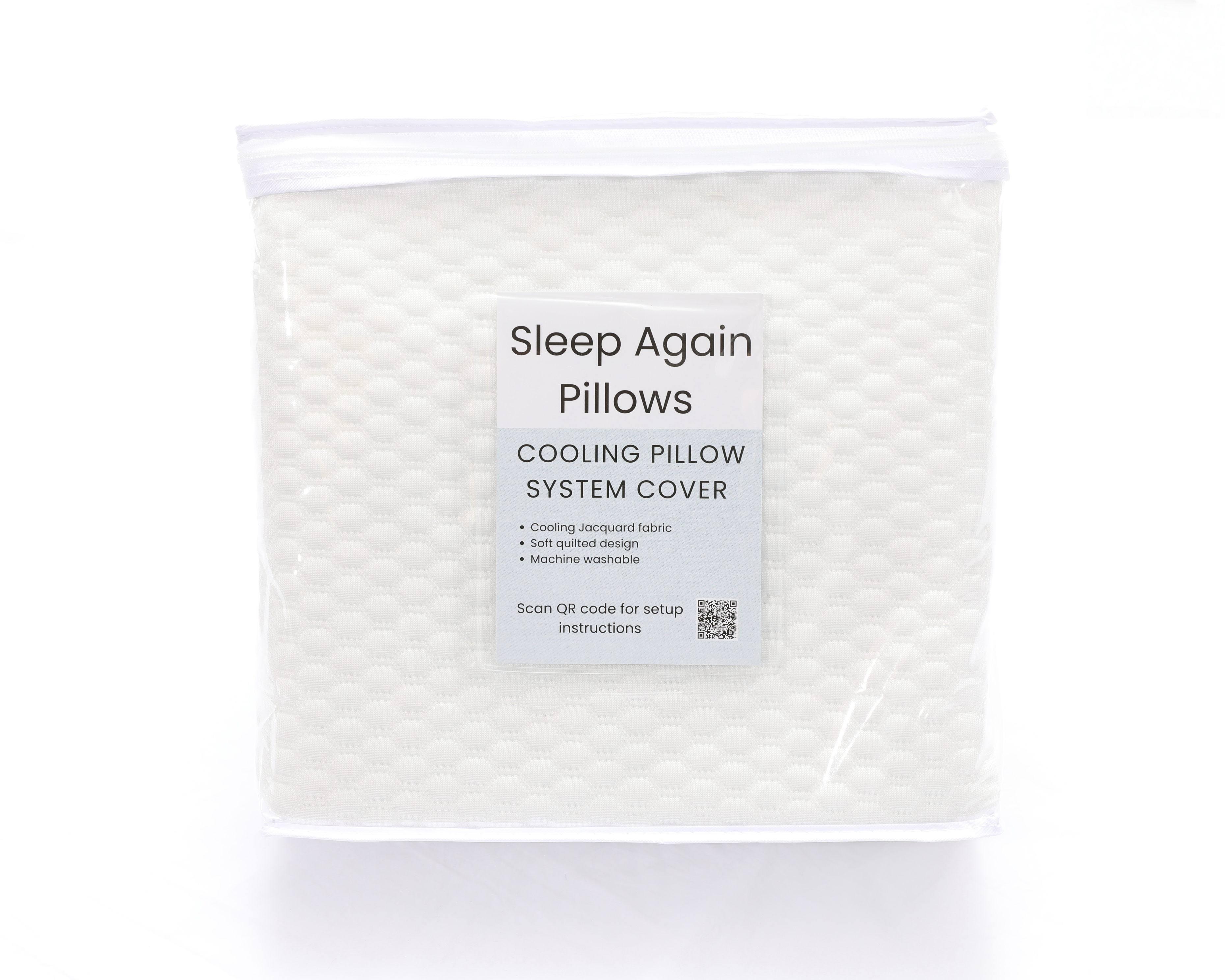
Removable, washable slipcovers for every piece
-
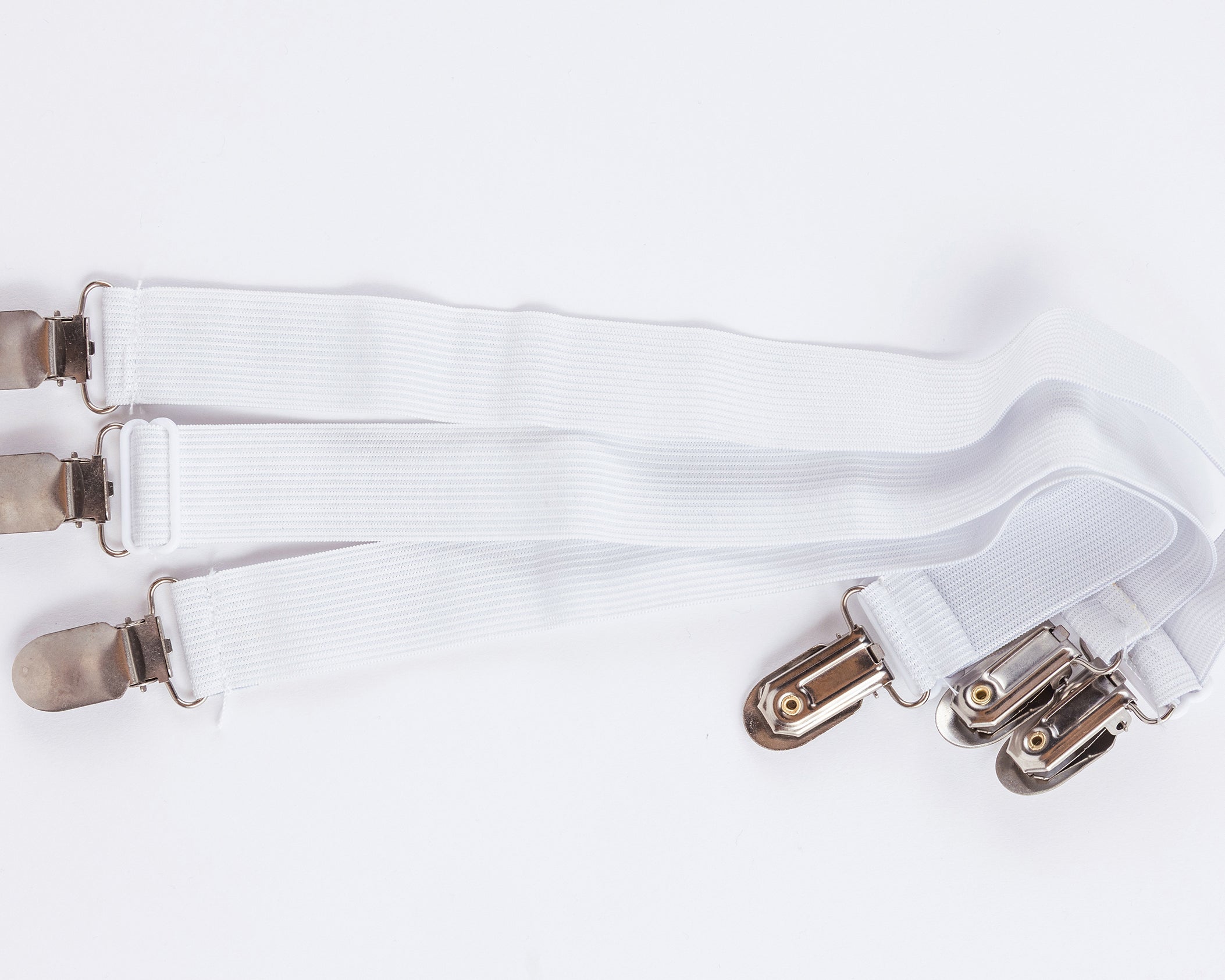
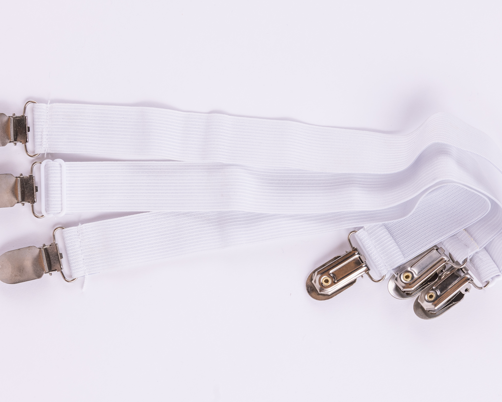
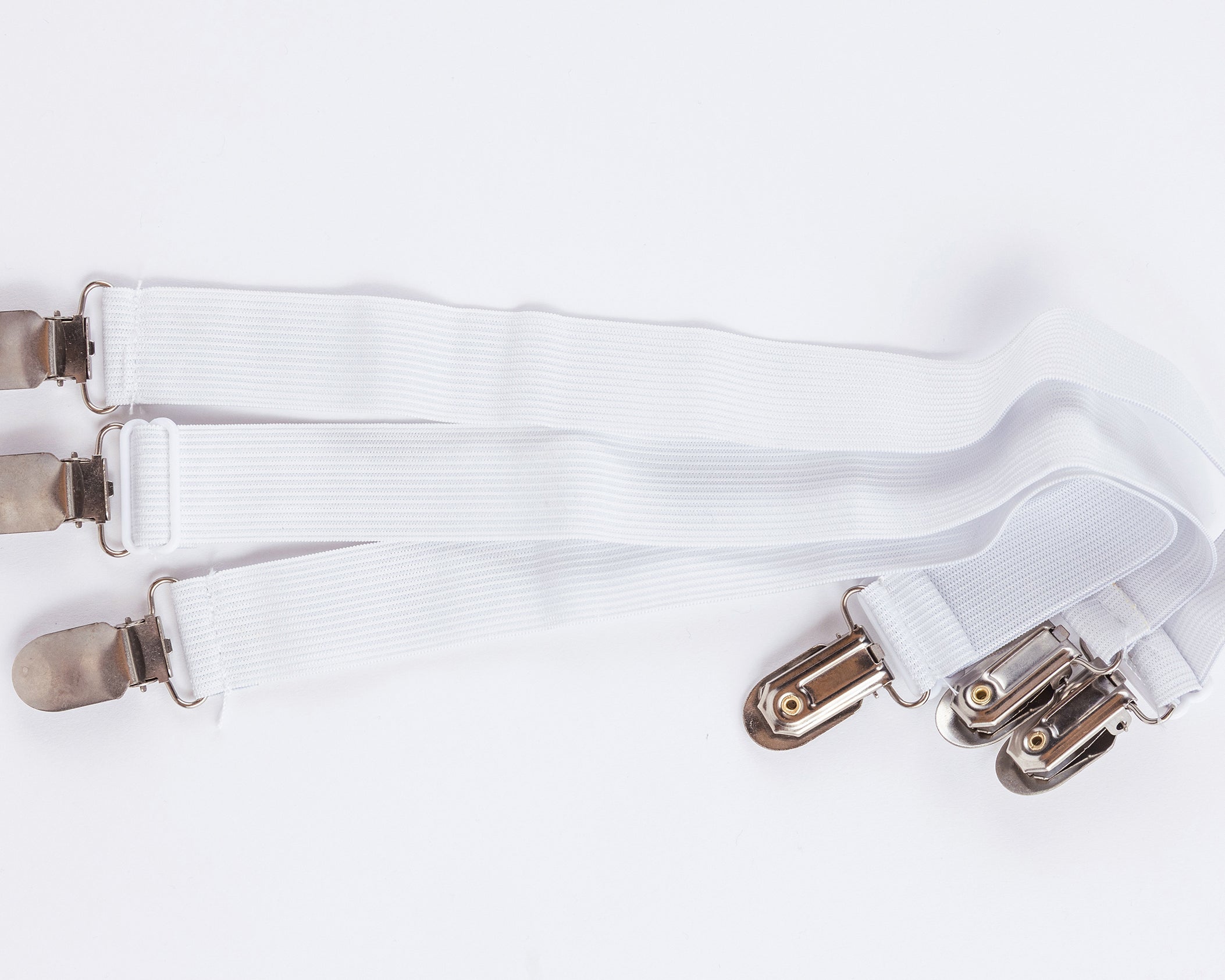
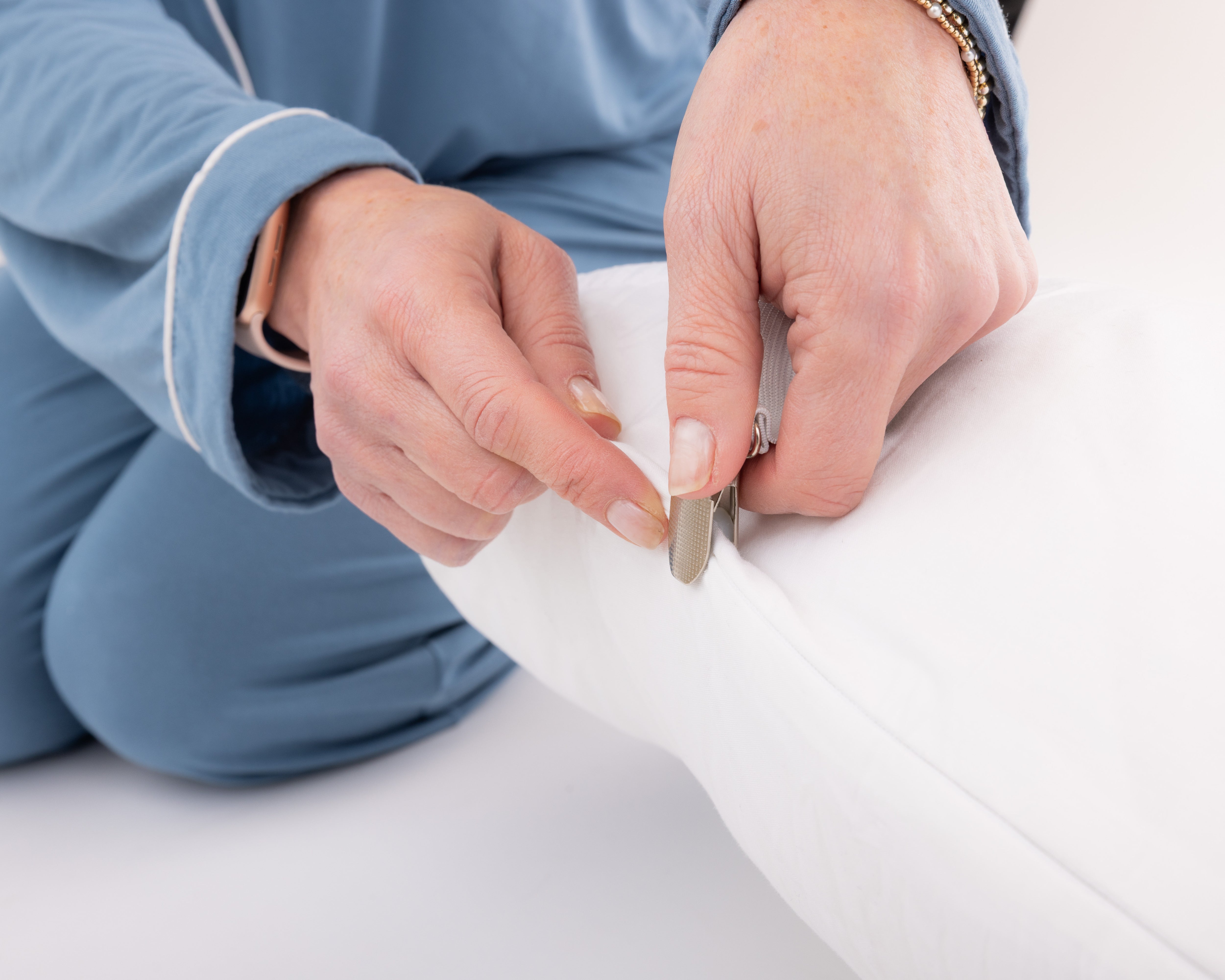
NEW - Set of Pillow Straps with Clasp (3-pk) now included!
The Sleep Again Pillow System is an HSA and FSA qualified purchase.
Product Details
- Side and head pillows are filled with polyester fiber fill & slipcovered with a 100% cotton cover
- Side pillows are approximately 55" long
- Wedges are constructed from dense foam (not memory foam) & slipcovered with a poly/cotton cover.
- Wedges measure 7" high and 30" wide
- Please note: We construct our pillows to be very filled and fluffy in order to provide lasting support for all body types
Best Positioning for Snoring Relief
For people whose snoring is driven by airway positioning — which is most snorers — therapeutic elevation is one of the most direct and immediately effective interventions available.
Our positioning system addresses the mechanics behind snoring during sleep: sustained upper body elevation that keeps the airway open, stable side support that discourages rolling onto your back, and consistent performance through the night when gravity-related airway collapse is most likely. Medical-grade positioning delivers what stacked pillows can't sustain.
Our pillows are also HSA/FSA eligible.
For Targeted Elevation Support
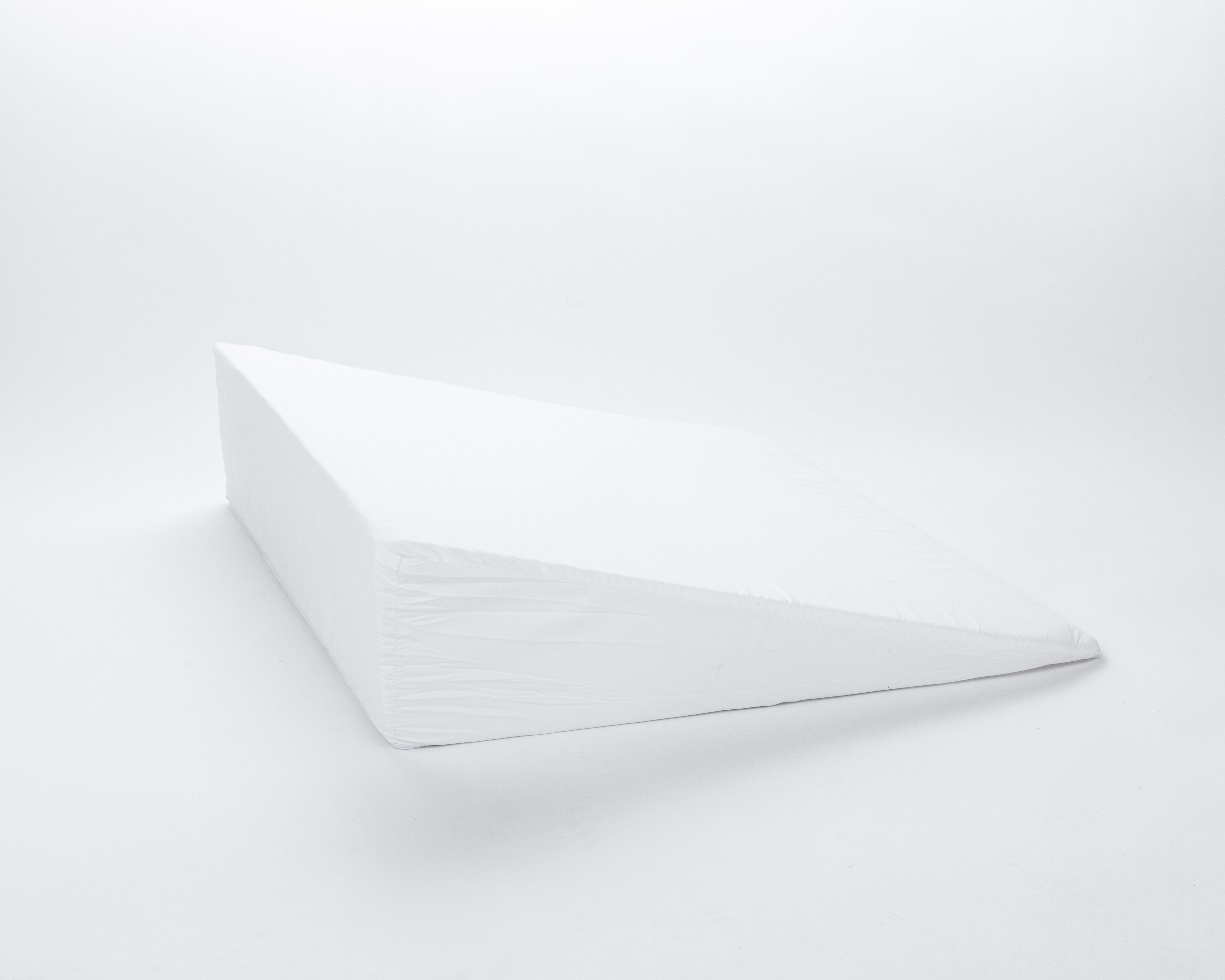
Our Individual Wedge Pillow offers standalone elevation for snorers who specifically need inclined positioning but aren't interested in full-body support components. This individual wedge maintains the same 30-45 degree therapeutic angle and medical-grade construction as the complete system, making it ideal for CPAP users focused primarily on upper body elevation or patients testing whether elevated positioning reduces their apneic events before investing in a comprehensive system. The standalone wedge works effectively on its own or can be combined with other Sleep Again Pillows components as your positioning needs evolve.


Need an extra wedge pillow? We've got you covered. Individual wedge pillows sold separately to completely customize your Sleep Again experience!
Our wedge pillow is extra wide at 30" versus the standard 24" wedge width. Made of extra firm foam and slipcovered for easy care.
Wedge measures 7" high and 30" wide.
Frequently Asked Questions: Anti-Snoring Pillows
How does sleep positioning reduce snoring?
Snoring occurs when the soft tissues of the throat partially collapse during sleep, partially blocking the airway and causing vibration as air passes through. Elevating your upper body at 30-45 degrees reduces this collapse by changing the gravitational forces acting on throat tissue. It also helps keep the tongue from falling back and partially blocking the airway, which is a common contributor to snoring in back sleepers.
What's the best sleep position for snoring?
Elevated back sleeping at 30-45 degrees is the most consistently effective position for reducing snoring driven by airway collapse. Side sleeping also helps for some people by preventing the tongue from falling back — the Sleep Again Pillow System supports both positions and can accommodate the transition between them.
Will these pillows help if I have sleep apnea?
Elevated positioning can reduce the frequency and severity of apneic events for people with mild to moderate sleep apnea, and is often recommended alongside CPAP therapy. The Sleep Again Pillow System is designed to accommodate CPAP equipment — the contoured side support design avoids creating pressure on tubing or masks. If you've been diagnosed with sleep apnea, follow your physician's recommendations on positioning and equipment.
Why doesn't a regular pillow fix my snoring?
A standard pillow elevates only your head, which can actually bend the neck forward and partially compress the airway rather than opening it. Effective anti-snoring positioning requires elevating your entire upper body as a unit — head, neck, shoulders, and torso — so the full airway benefits from the change in angle. Standard pillows also flatten overnight, removing whatever initial elevation they provided.
Are these anti-snoring pillows HSA/FSA eligible?
Yes. The Sleep Again Pillow System qualifies as an HSA/FSA eligible purchase because it's specifically designed as therapeutic medical positioning equipment. Standard pillows sold as comfort or lifestyle items don't qualify under HSA/FSA guidelines because they aren't classified as durable medical equipment.