
Back Sleeper Pillows for Therapeutic Elevation & Restorative Sleep Support
Back sleeper pillows provide the sustained elevation, full-body positioning, and spinal alignment support that back sleeping requires to be genuinely therapeutic. Whether you're recovering from surgery, managing a chronic condition, or simply committed to better sleep, medical-grade positioning systems maintain the precise angles that open airways, protect healing tissue, and support the restorative sleep your body depends on.



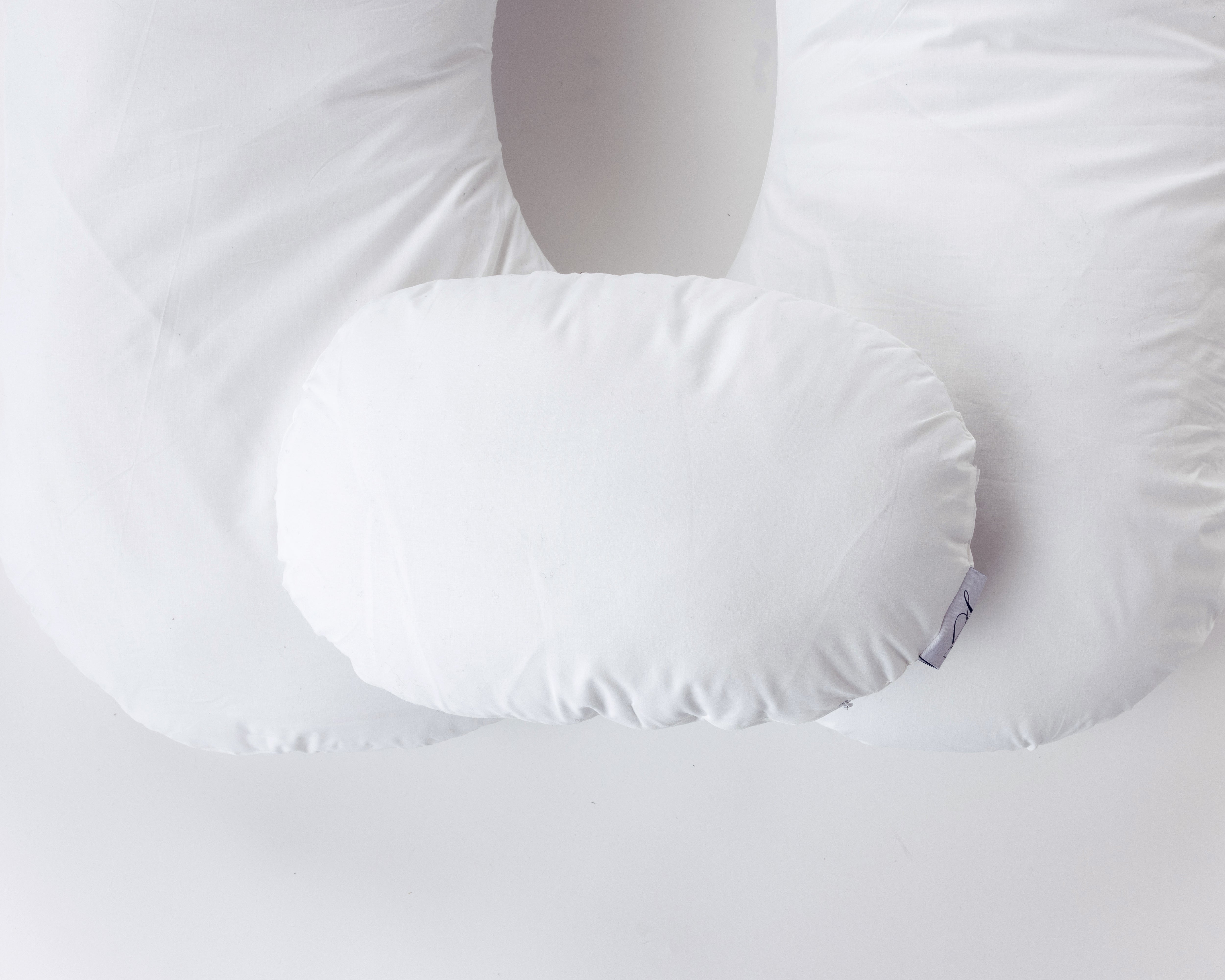

What Makes Sleep Again's Back Sleeper Pillows Different
Most back sleeping solutions address one problem — a wedge pillow for elevation, a body pillow for side support — without solving the full picture. By morning, pillows have shifted, elevation has collapsed, and you've spent the night unconsciously fighting your way back into position.
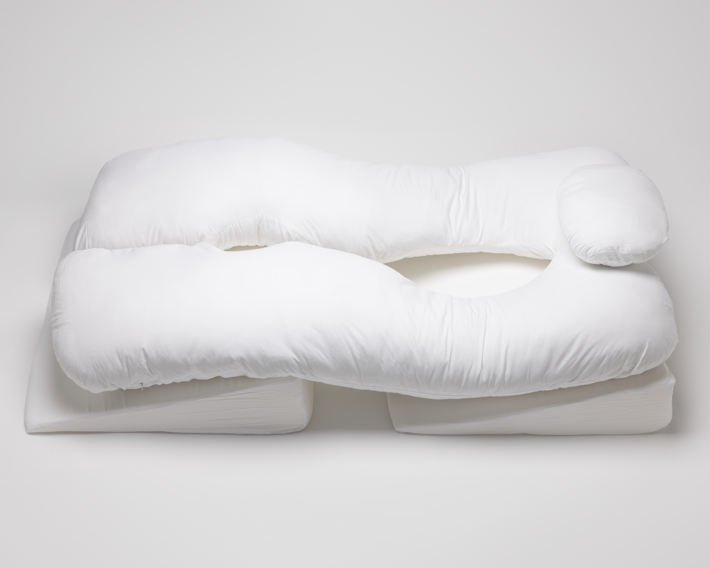
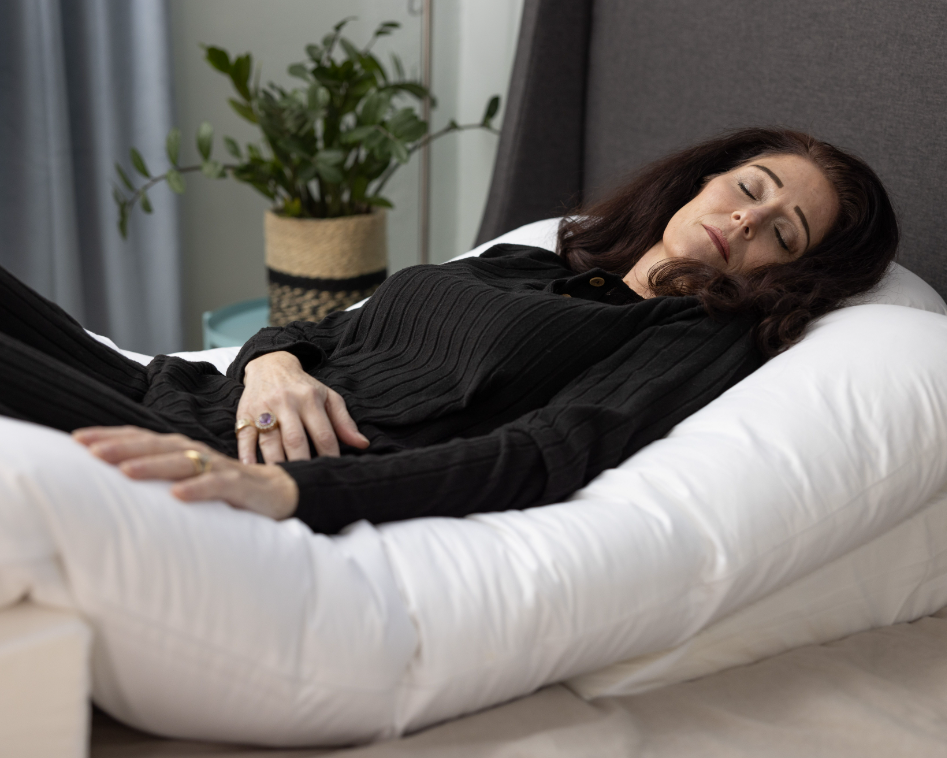
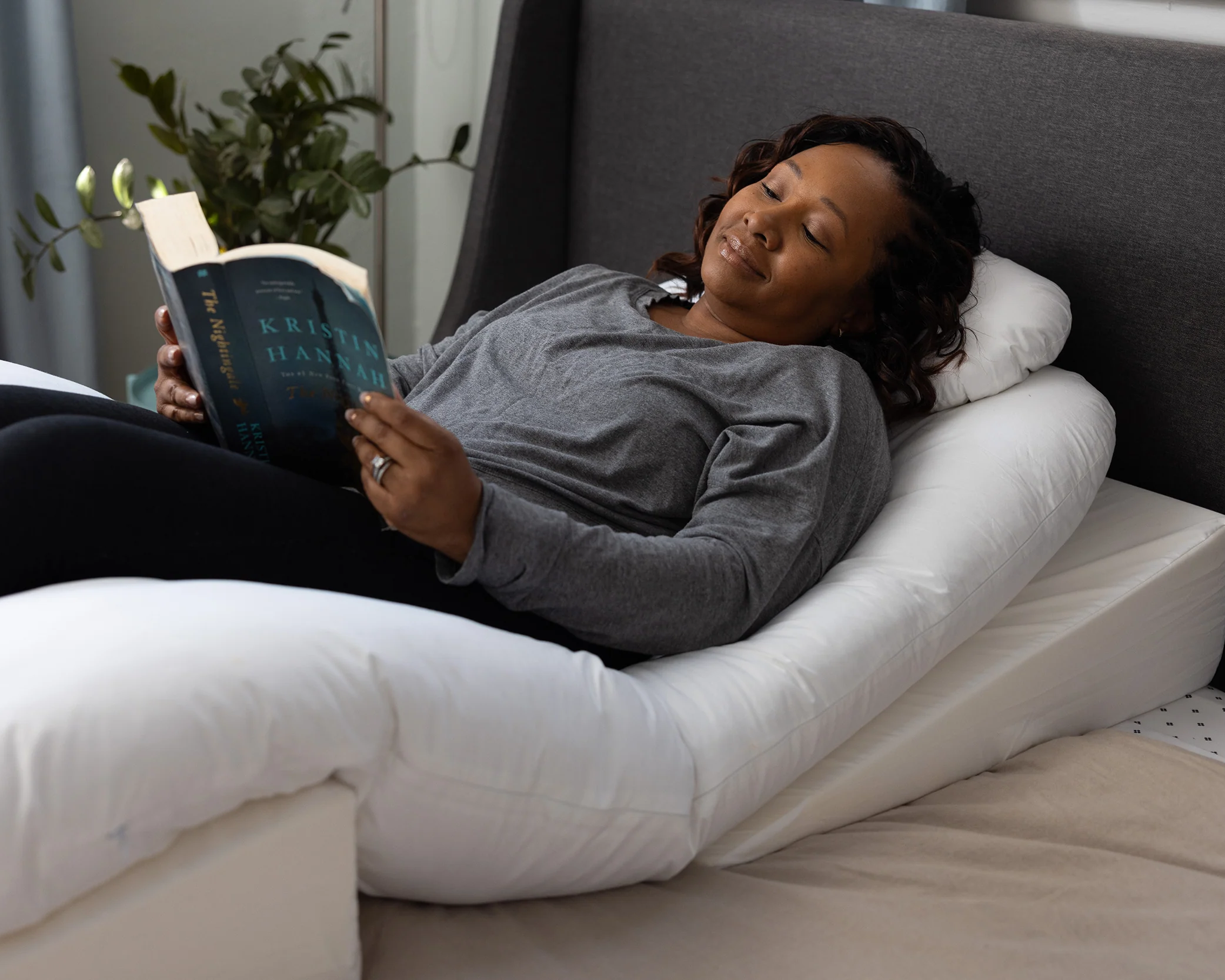
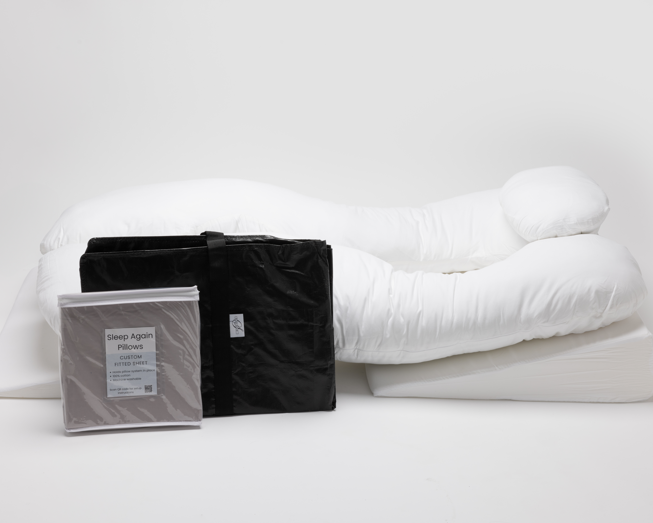
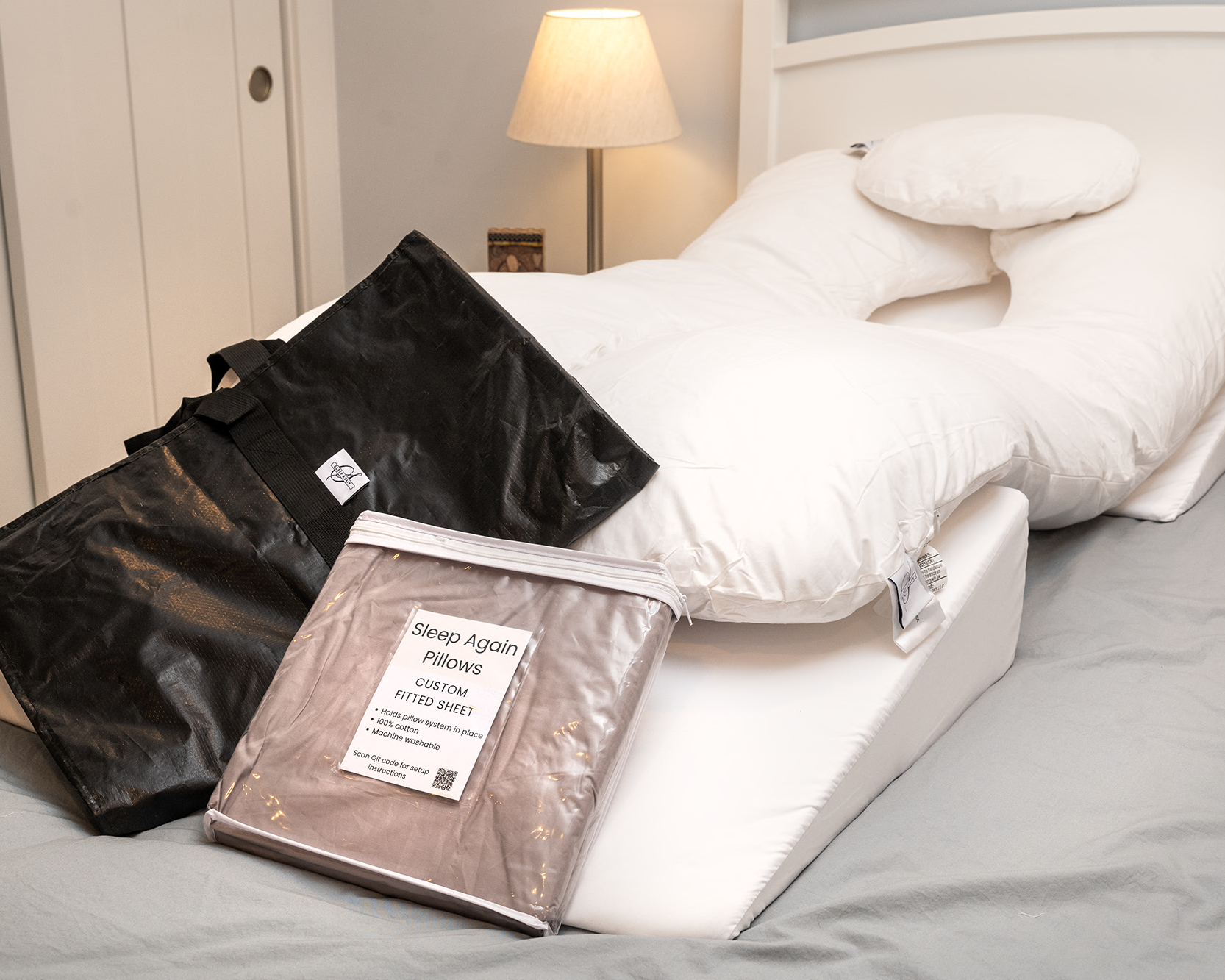
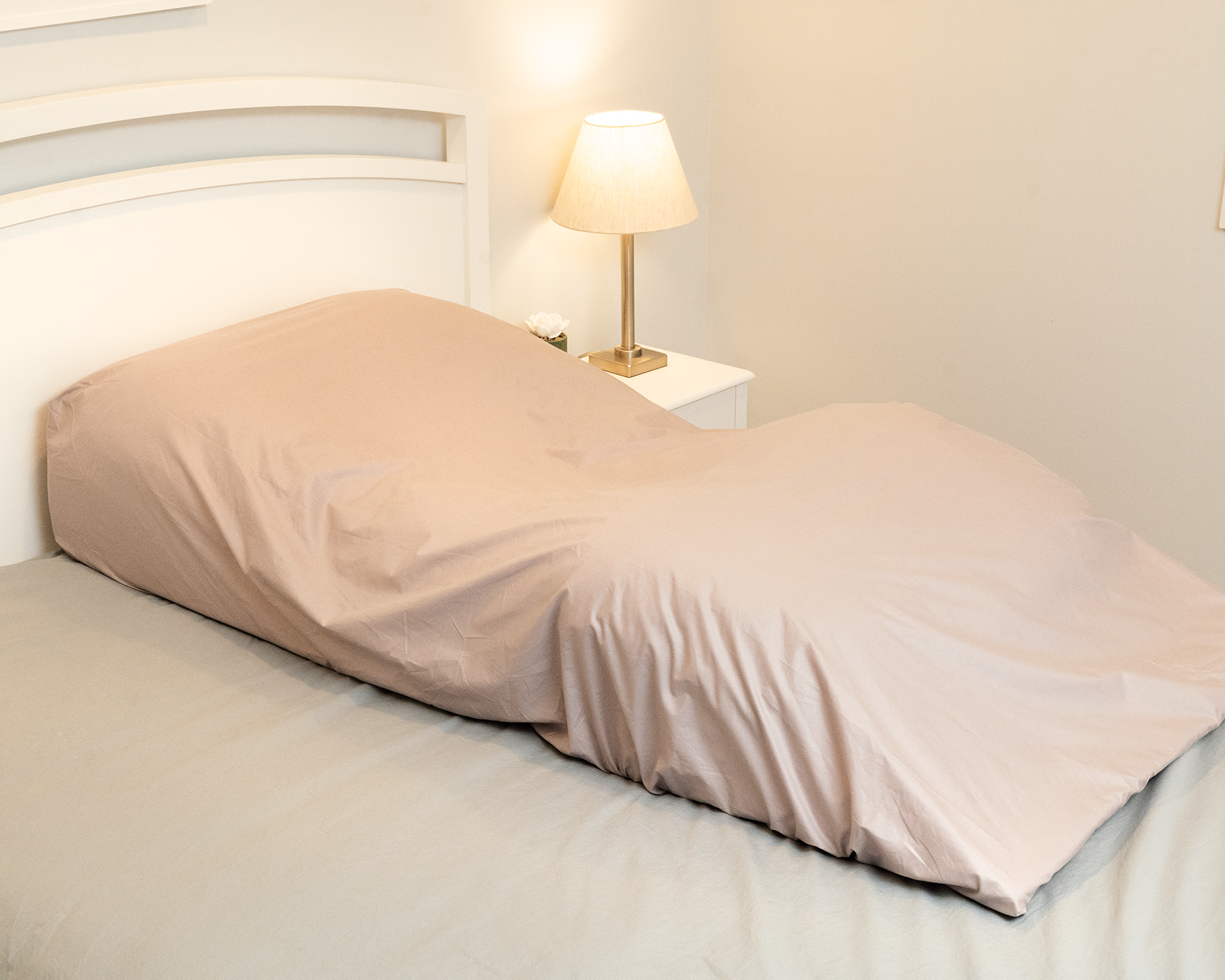
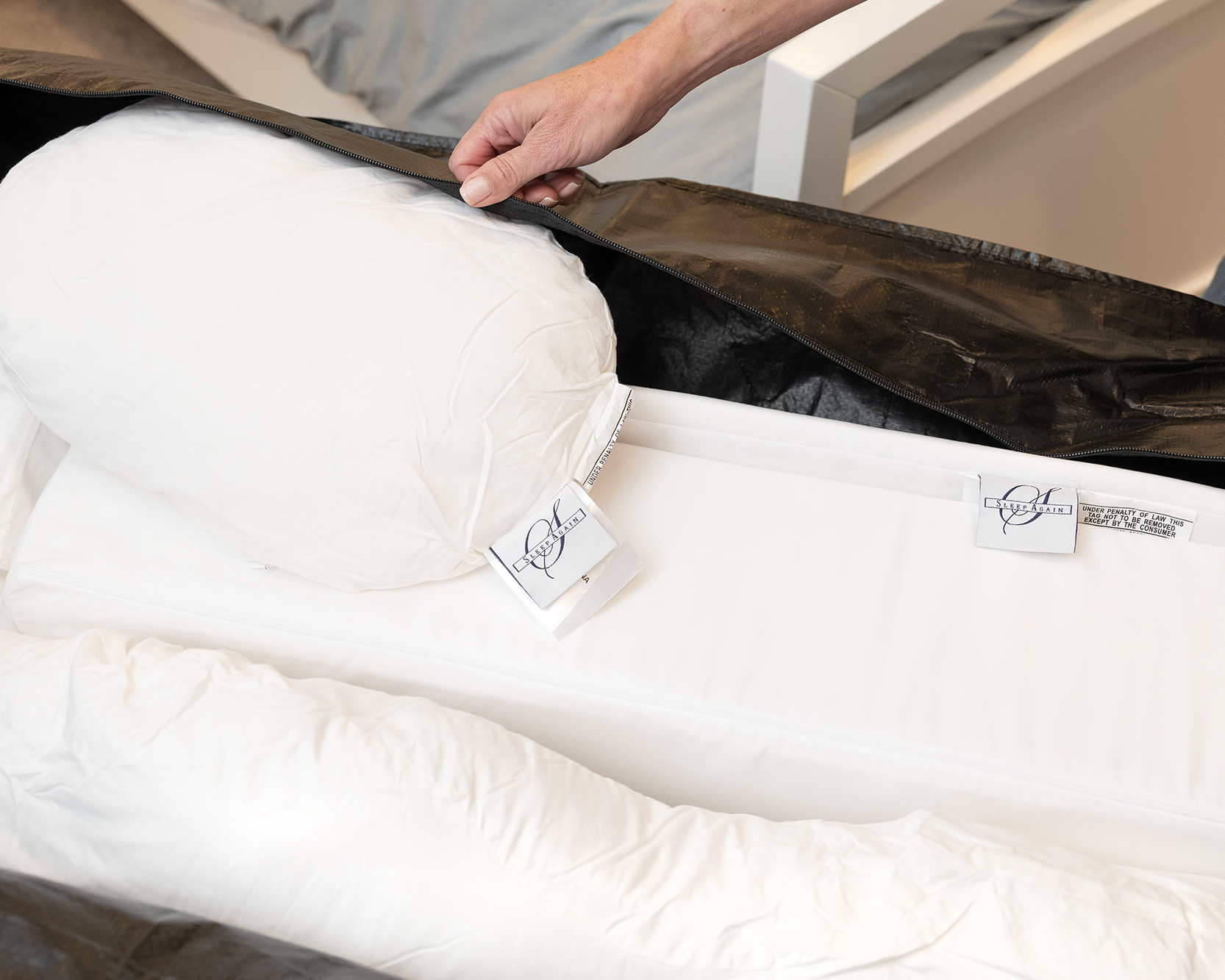
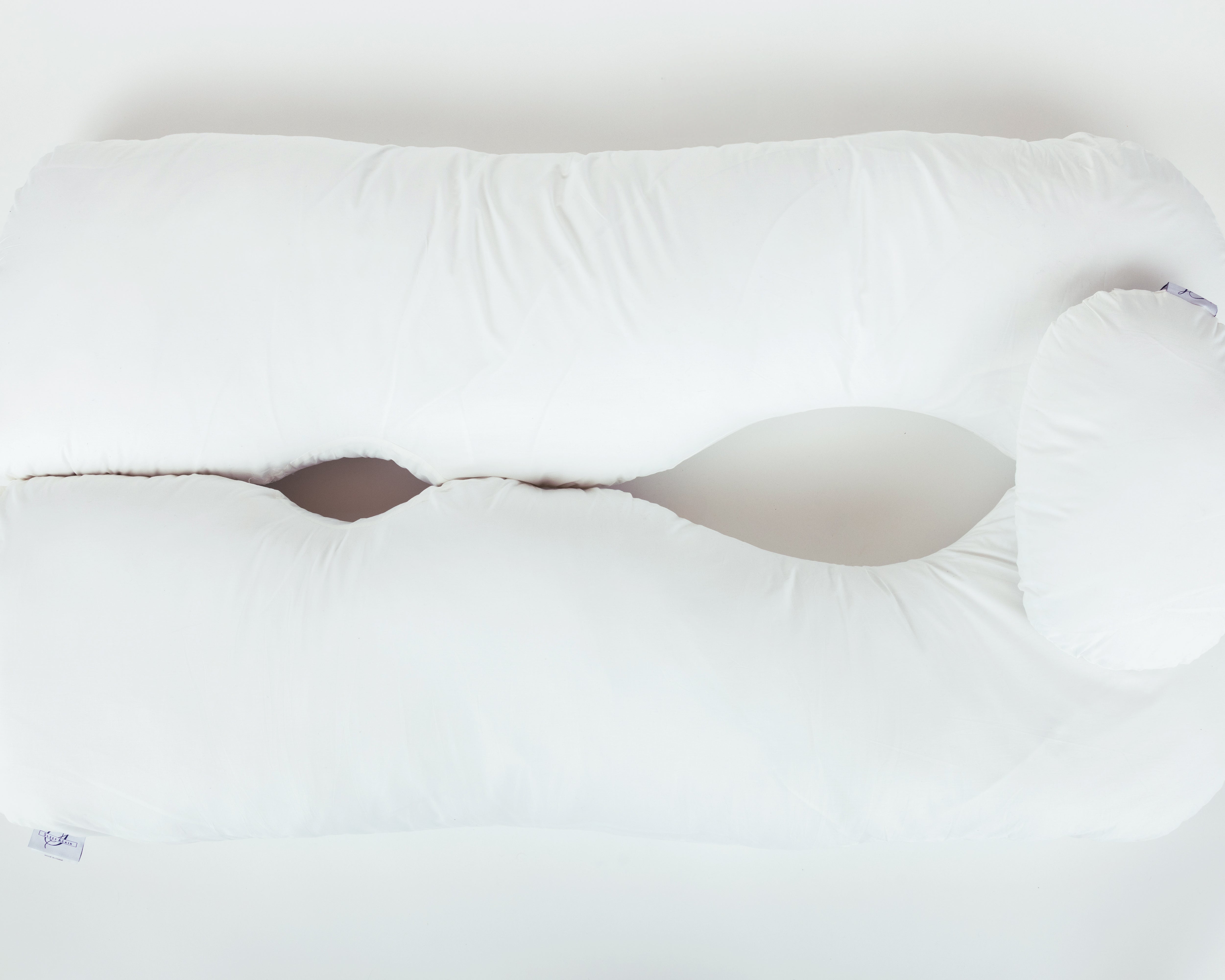
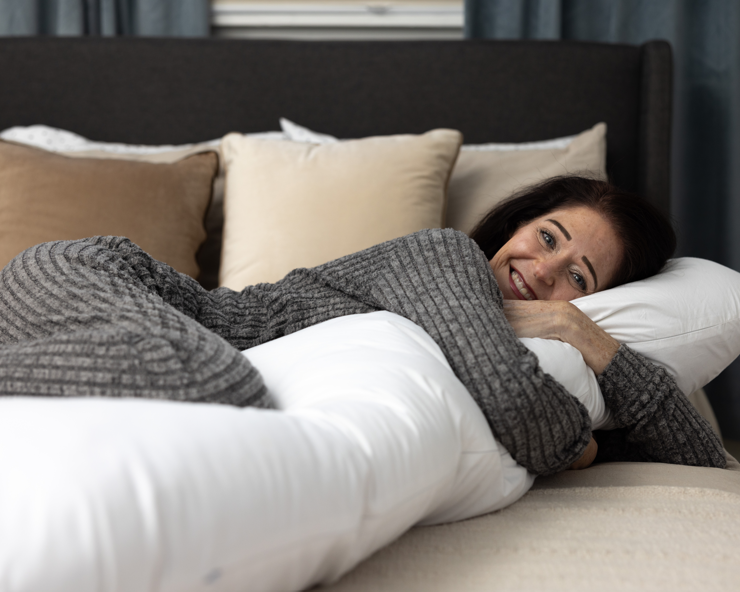
The Sleep Again Pillow System was designed specifically for sustained therapeutic positioning. Every component works together: the upper body wedge creates and holds your therapeutic angle, the leg support wedge prevents sliding and reduces lower back strain, the contoured side pillows keep you stable and discourage rolling, and the head pillow maintains neutral spinal alignment at elevation. It's the only full-body back sleeping system built for medical-grade positioning — not just comfort.





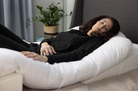




Every Sleep Again Pillow System includes:
-
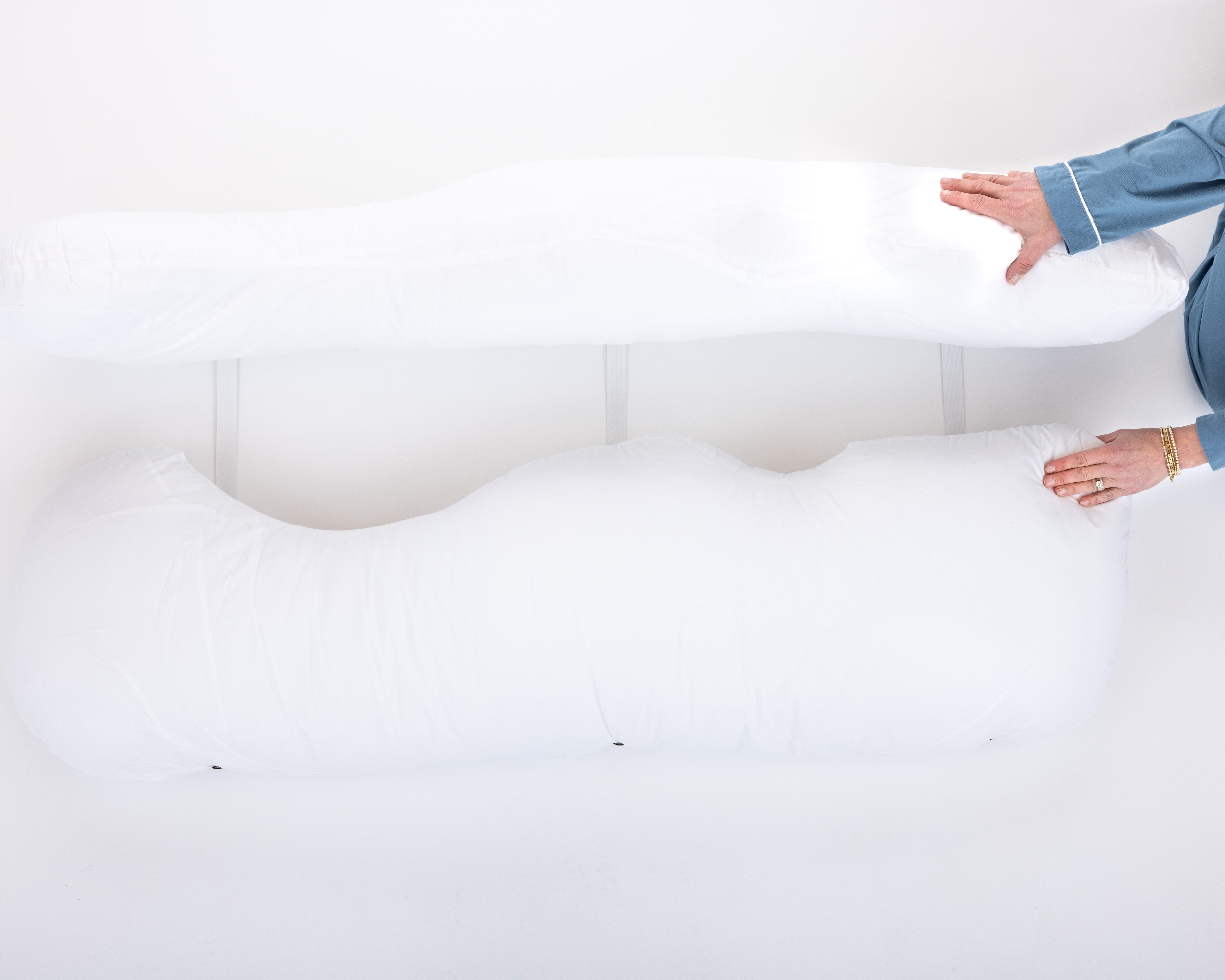
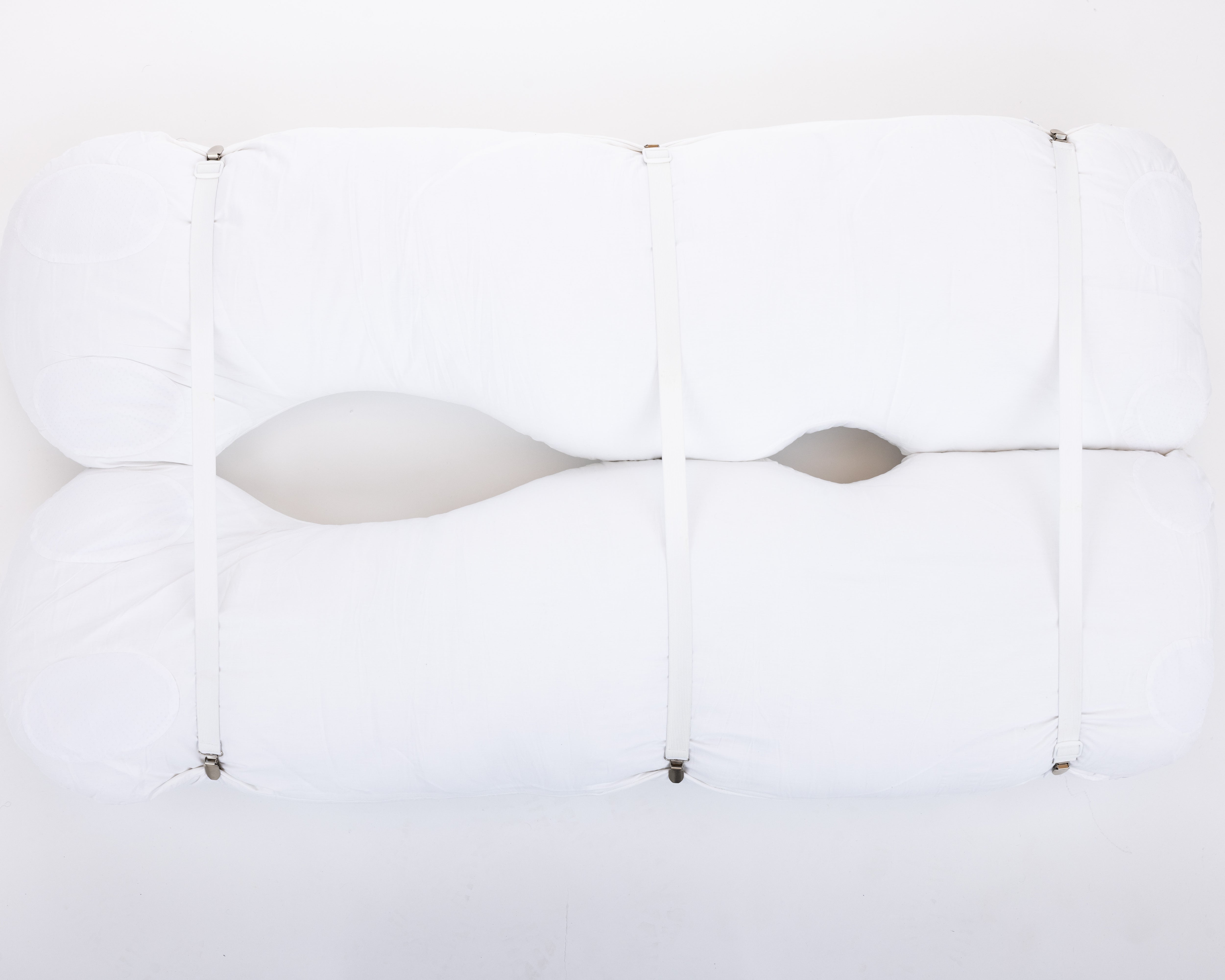
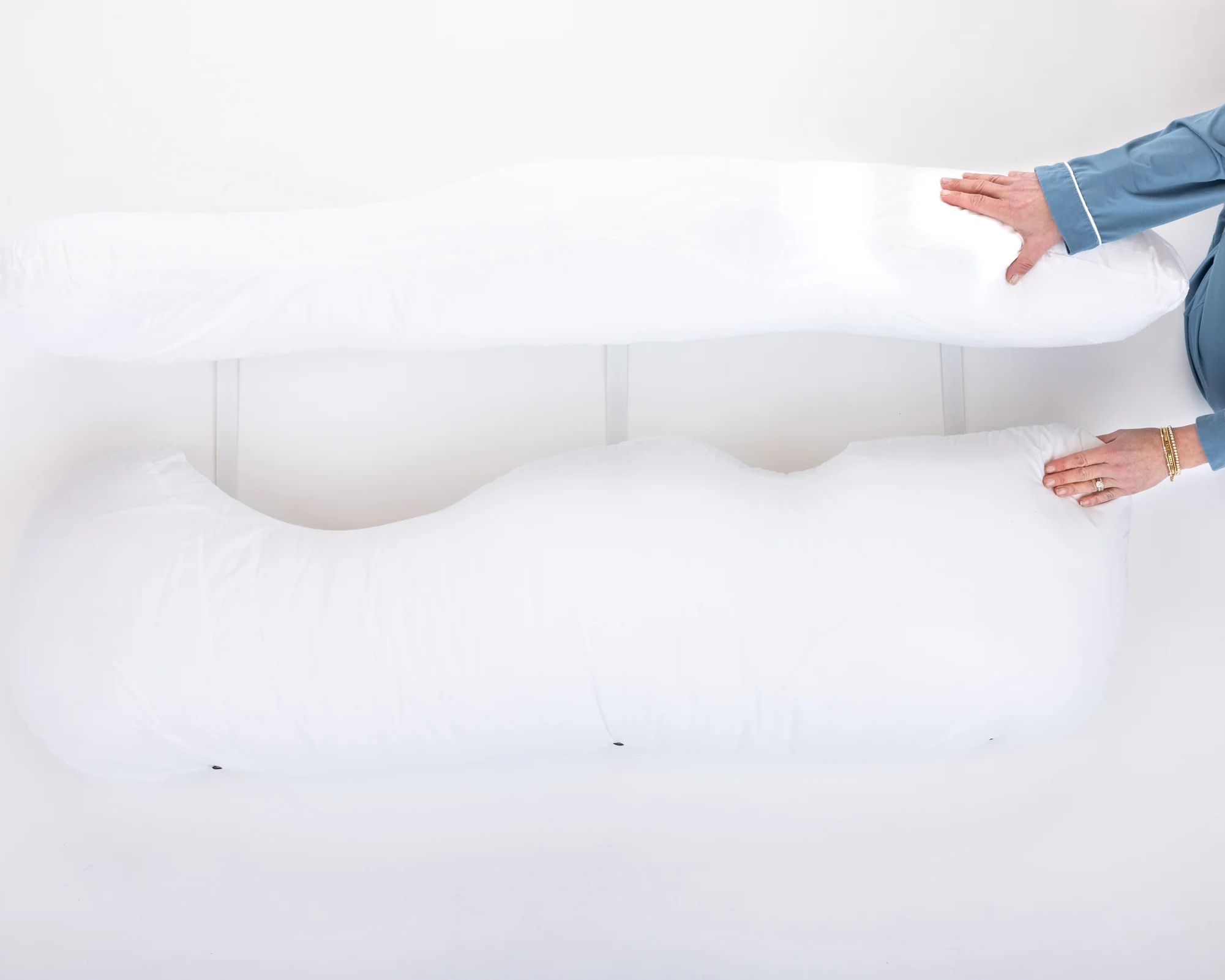
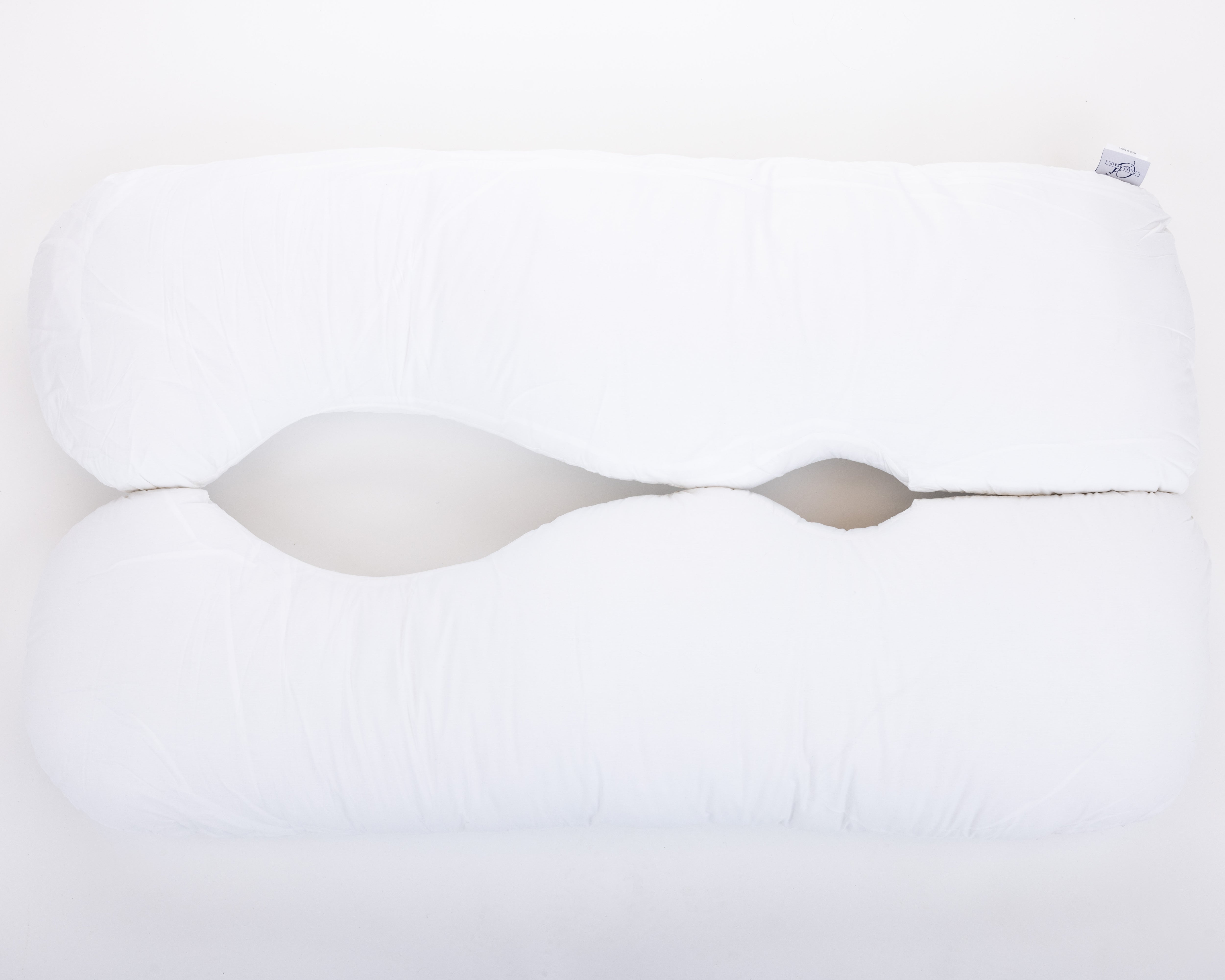
Two Contoured Side Pillows to cradle back and hips
-
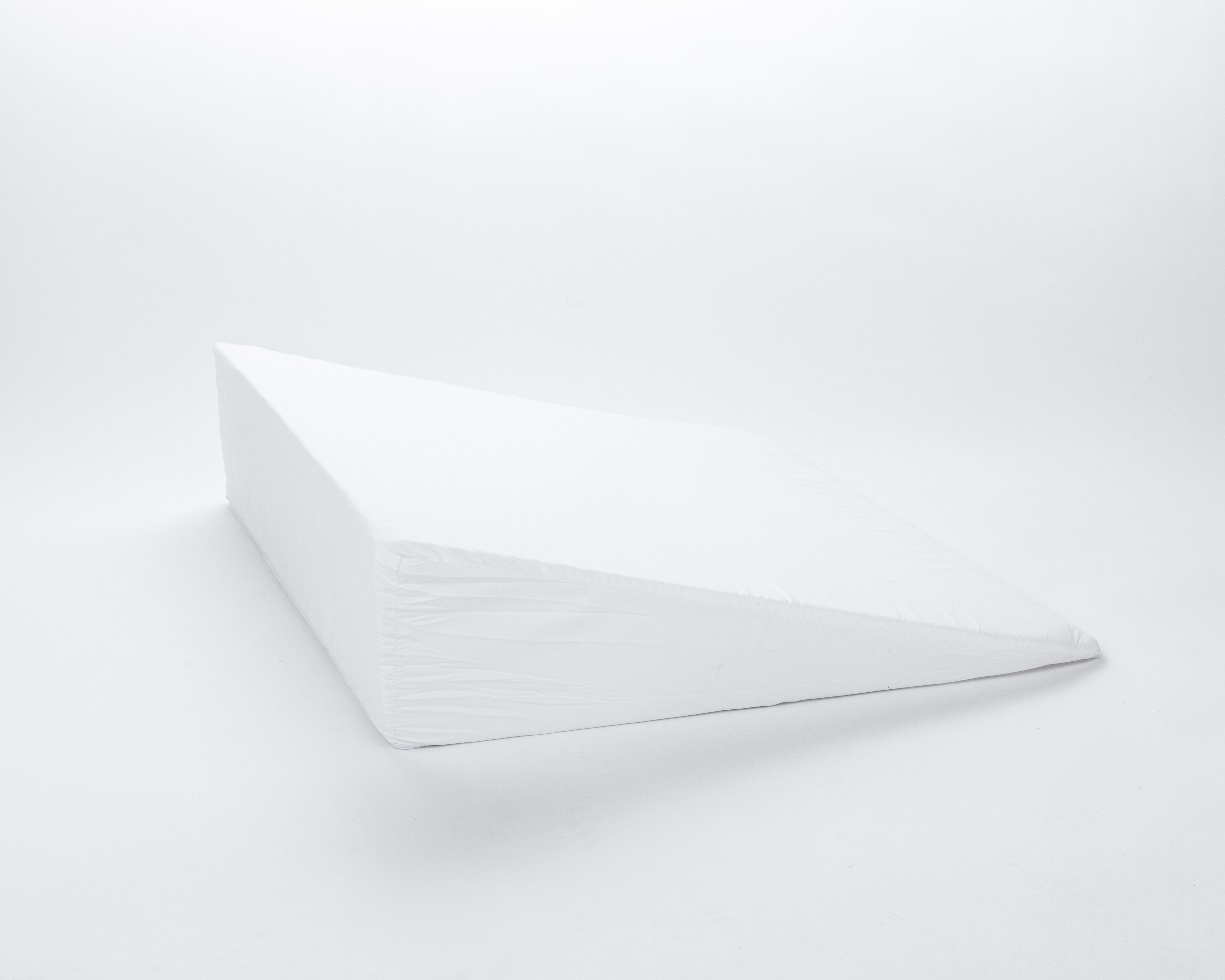
Upper Body Wedge to create optimal upper body incline
-
Leg Support Wedge to gently elevate legs
-
Head Pillow to provide head support and neck mobility
-
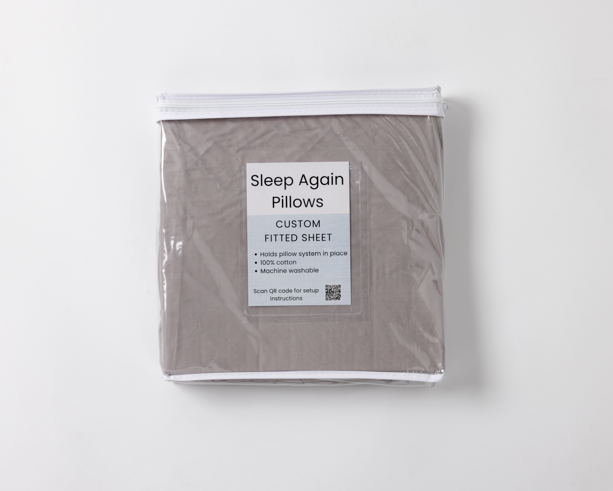
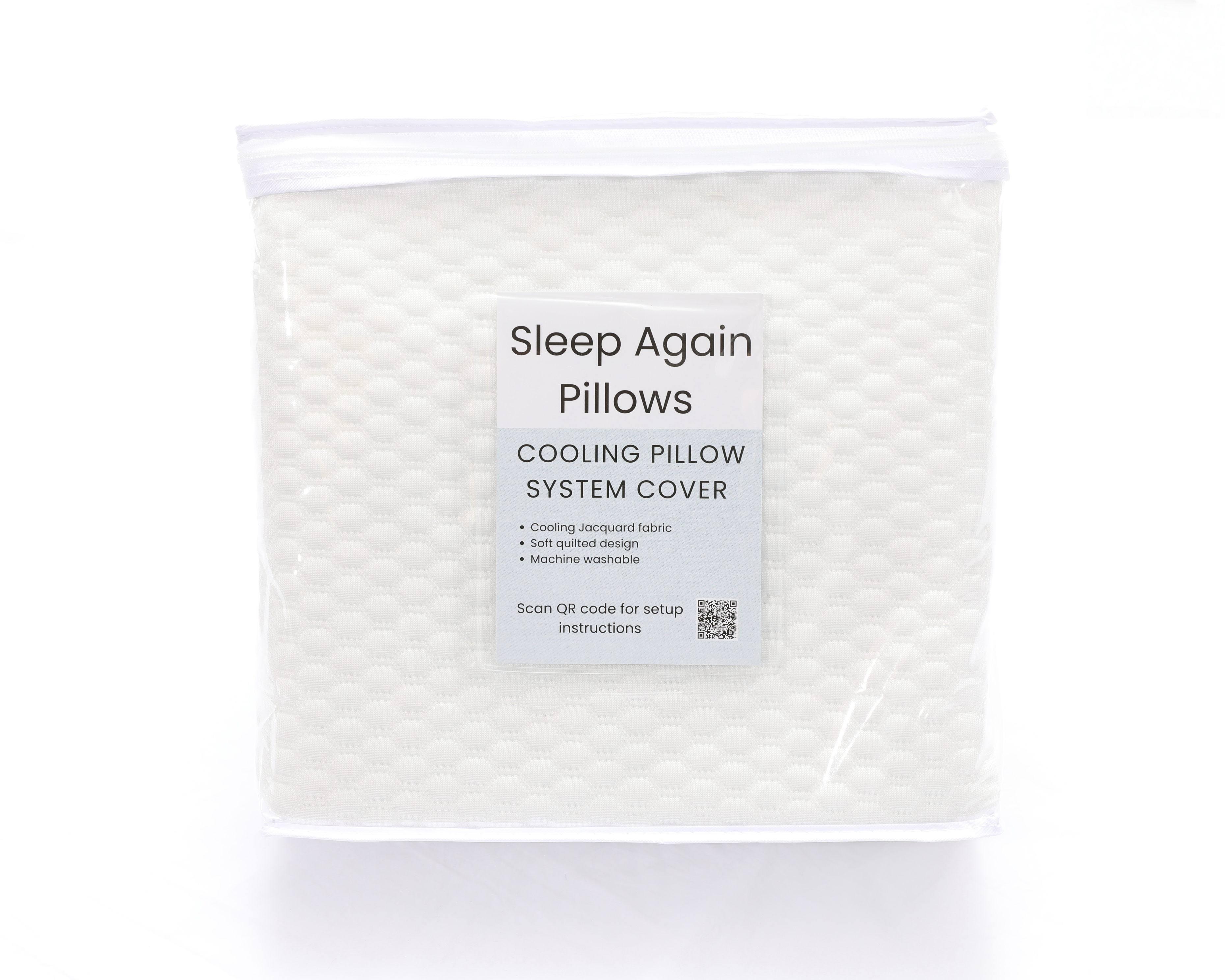
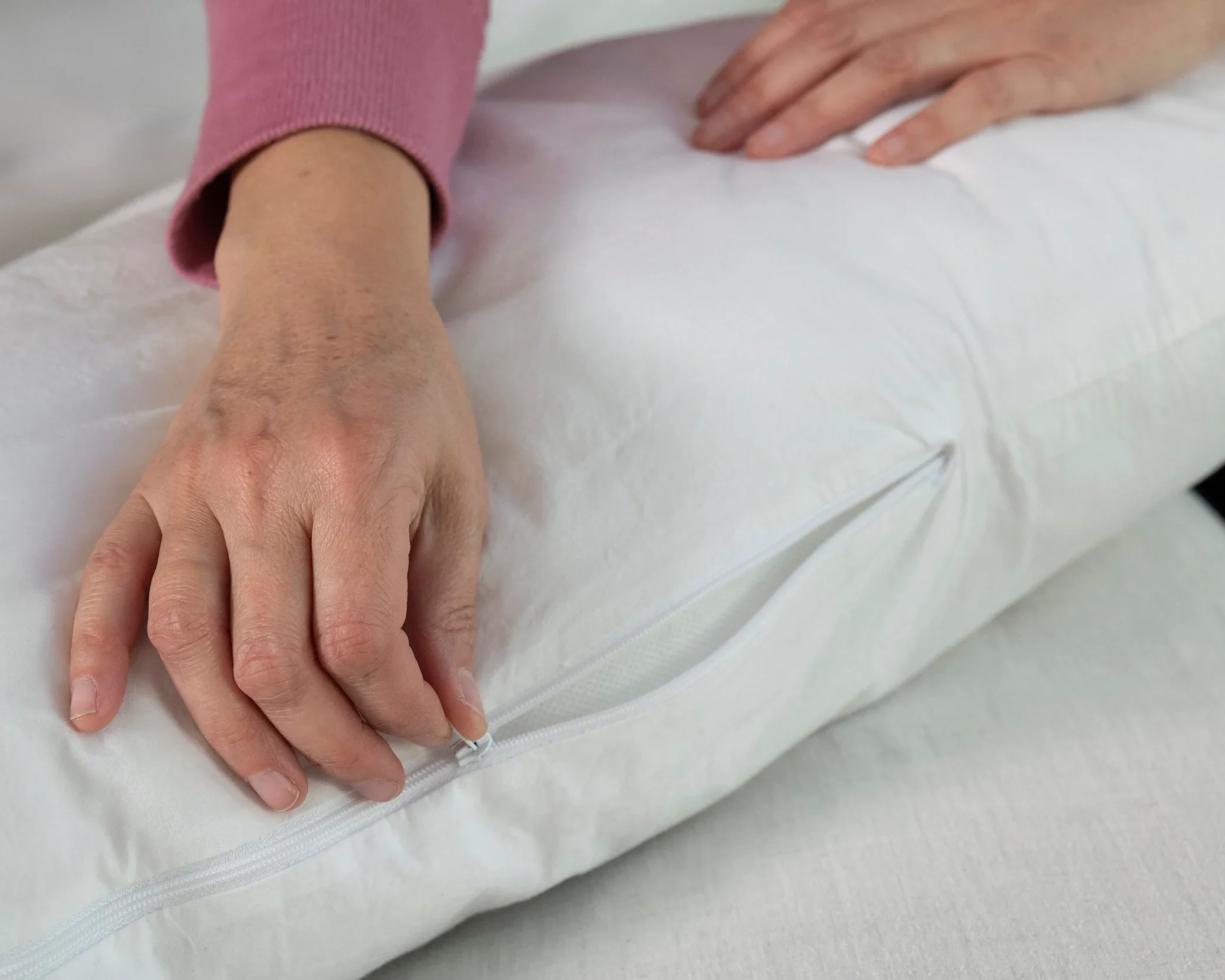
Removable, washable slipcovers for every piece
-
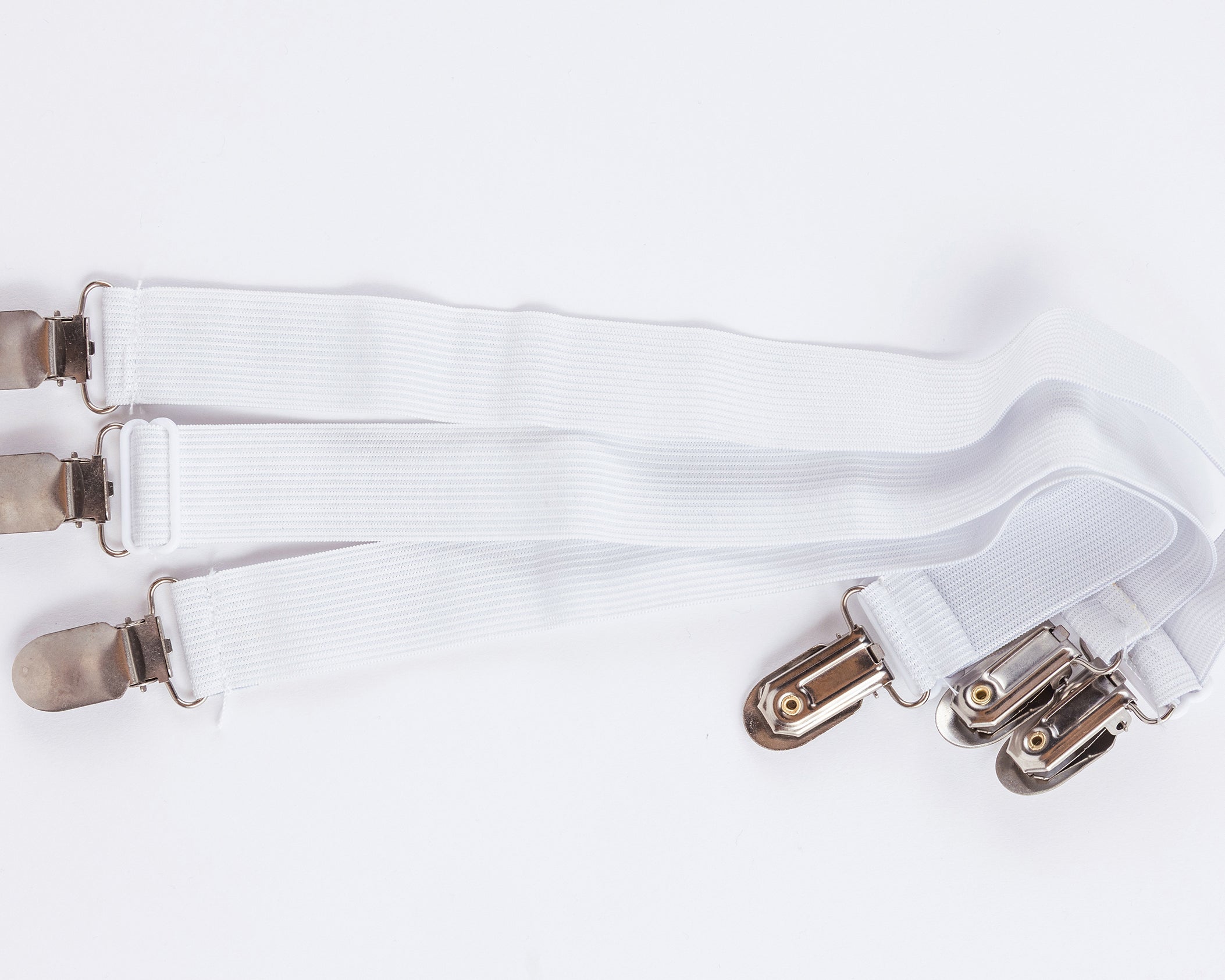
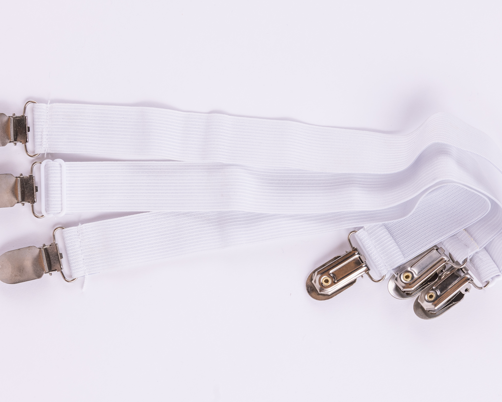
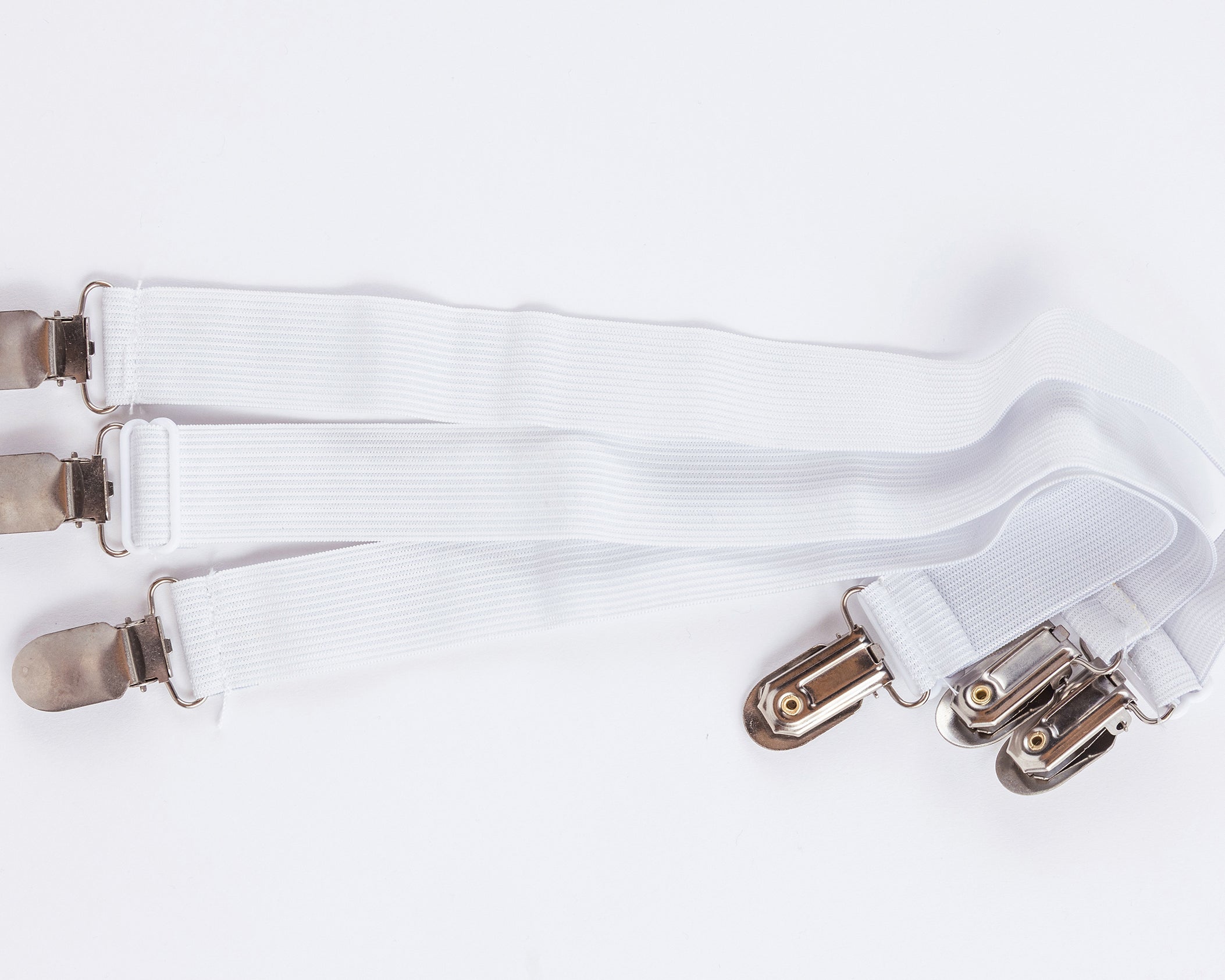
NEW - Set of Pillow Straps with Clasp (3-pk) now included!
The Sleep Again Pillow System is an HSA and FSA qualified purchase.
Product Details
- Side and head pillows are filled with polyester fiber fill & slipcovered with a 100% cotton cover
- Side pillows are approximately 55" long
- Wedges are constructed from dense foam (not memory foam) & slipcovered with a poly/cotton cover.
- Wedges measure 7" high and 30" wide
- Please note: We construct our pillows to be very filled and fluffy in order to provide lasting support for all body types
Optimal Positioning for Back Sleepers
The therapeutic sweet spot for back sleeping elevation is 30-45 degrees.
Less than that loses the anti-gravity benefits for airway management, acid reflux, and post-surgical recovery. More than that causes sliding and neck strain that makes sustained sleeping difficult.
The Sleep Again Pillow System creates and maintains this angle for your entire upper body — head, neck, shoulders, and torso — as a single supported unit. This is the critical difference between therapeutic back sleeping and simply propping yourself up with stacked pillows, which shifts throughout the night and compresses your airway at the neck rather than opening it. The system is HSA/FSA eligible, reflecting its classification as medical-grade therapeutic positioning equipment.
Frequently Asked Questions: Back Sleeper Pillows
What makes a pillow system good for back sleeping?
Effective back sleeping support requires elevating your entire upper body as a unit at 30-45 degrees, not just propping up your head. It also requires leg support to prevent sliding, side support to discourage rolling, and a head pillow that maintains neutral spinal alignment at elevation rather than bending your neck forward. A system that addresses all of these simultaneously is what separates therapeutic back sleeping from improvised arrangements that fail by morning.
Can back sleeping help with acid reflux and GERD?
Yes — elevated back sleeping is one of the most consistently recommended interventions for nighttime acid reflux and GERD. Elevating your upper body at 30-45 degrees uses gravity to keep stomach acid from traveling upward into the esophagus during sleep. Unlike sleeping flat or using only a head pillow, elevating your entire upper body creates a sustained gravitational advantage that remains effective throughout the night.
How does elevated back sleeping help with snoring and sleep apnea?
When you sleep flat on your back, gravity pulls your tongue and soft palate backward, narrowing your airway and creating the conditions for tissue vibration and airway obstruction. Elevating your upper body at 30-45 degrees keeps your airway geometry open by working with gravity instead of against it. For snoring, this positioning directly addresses the mechanical cause of airway obstruction. For mild sleep apnea, it can meaningfully reduce symptom severity — though diagnosed sleep apnea should always be managed in consultation with your doctor.
Why doesn't stacking regular pillows work for back sleeping elevation?
Stacking pillows elevates your head but leaves your torso flat, bending your neck forward and actually compressing your airway. Pillows also compress and shift throughout the night, gradually losing elevation by morning. Proper therapeutic back sleeping requires raising your entire upper body as a unit from hip level upward — which requires a purpose-built system, not improvised stacking.
Is the Sleep Again Pillow System only for people recovering from surgery?
No — while the system was originally designed for post-surgical recovery, it's used nightly by people managing acid reflux, GERD, snoring, sleep apnea, COPD, and chronic back or neck pain, as well as by committed back sleepers who simply want the best possible sleep quality. The therapeutic positioning principles are the same regardless of why you need them.