
Surgery day arrives fast. The consultation, the paperwork, and the pre-op appointments stack up quickly, and sleep setup is the piece most patients forget until it's too late. This checklist covers the must-have supplies to gather before your tummy tuck, with a specific focus on the one thing that determines your first two weeks of recovery: how and where you sleep.
What Is a Tummy Tuck Pre-Op Checklist?
A tummy tuck pre-op checklist is the list of supplies and home preparations you complete before surgery day so recovery starts smoothly instead of scrambling. Patients who build this list before surgery consistently report an easier first week, since medication fog and incision pain make decision-making much harder after the fact. Patients who skip this step often end up making emergency purchases or awkward last-minute arrangements during the exact window when they should be resting instead of problem-solving.
How Should You Sleep After a Tummy Tuck?
Elevated, on your back, with your knees bent and supported. This position reduces tension across your abdominal incision and muscle repair, which is the opposite of what happens when you lie flat. Surgeons commonly recommend this position for two to four weeks, sometimes longer depending on the extent of the procedure. Standard bed pillows compress, slide, and lose their angle within an hour, which is why the items below matter more than they might seem.
How Should You Prepare Physically Before Surgery?
Stop smoking well in advance, since nicotine restricts blood flow and slows healing, and most surgeons require patients to stop for a minimum of several weeks before and after surgery. Limit or stop alcohol as well, since it interacts with anesthesia and pain medication and increases bleeding risk.
Review any medications and supplements with your surgeon, since certain blood thinners and even some herbal supplements increase bleeding risk and may need to be paused before surgery. Complete any required lab work and pre-op appointments early, with buffer time built in to avoid last-minute rescheduling stress.
What Can You Expect During the First Two Weeks of Recovery?
The first 48 to 72 hours are typically the most uncomfortable, and this is when elevated, supported sleep matters most, since incision tension is at its highest and mobility is at its lowest. Days 3 through 7 usually bring some improvement in comfort, though swelling often peaks around this window, and compression garments and elevated positioning continue to matter throughout.
Week 2 often allows for short walks and slightly more independence with daily tasks, though bending, lifting, and twisting motions typically remain restricted. Every recovery timeline is individual, so these general phases are meant to help you plan supplies and support, not replace your surgeon's specific instructions for your procedure.
Your Tummy Tuck Recovery Must-Haves
1. A Recovery Pillow That Works for Sleep
Your sleep setup is the single highest-impact item on this list. You will spend more hours lying down in the first six weeks after a tummy tuck than doing almost anything else.
Mobility is limited in the first week after a tummy tuck, since bending and twisting are both restricted while your abdominal muscles heal. Getting in and out of a stable, pre-positioned setup matters more than it does with other procedures, because you won't have the core strength to compensate for a system that shifts or requires readjustment.
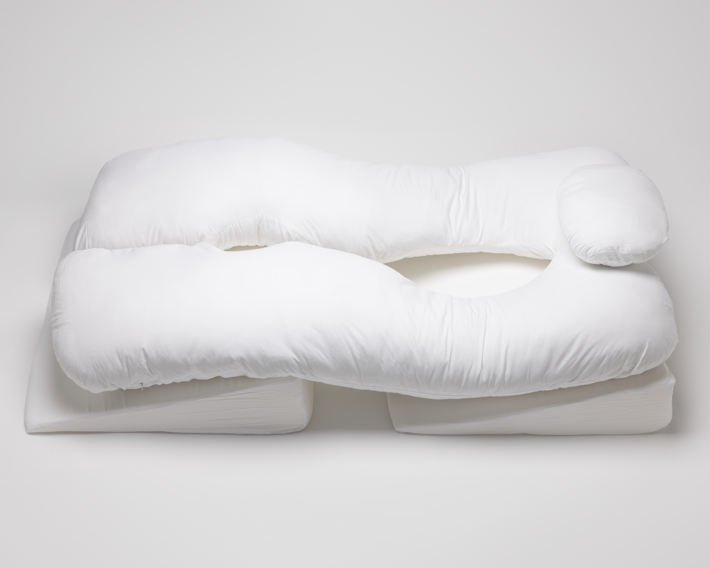
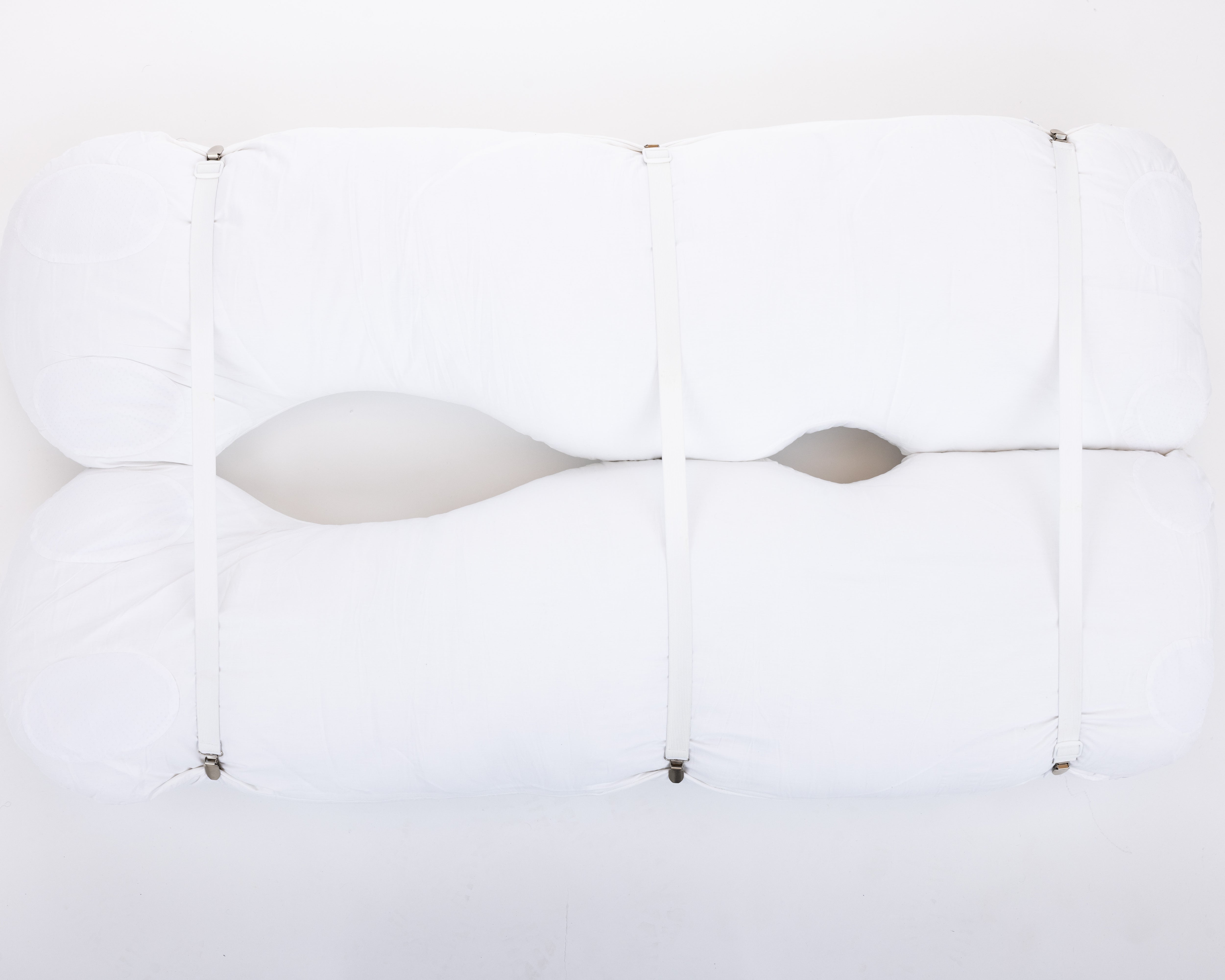
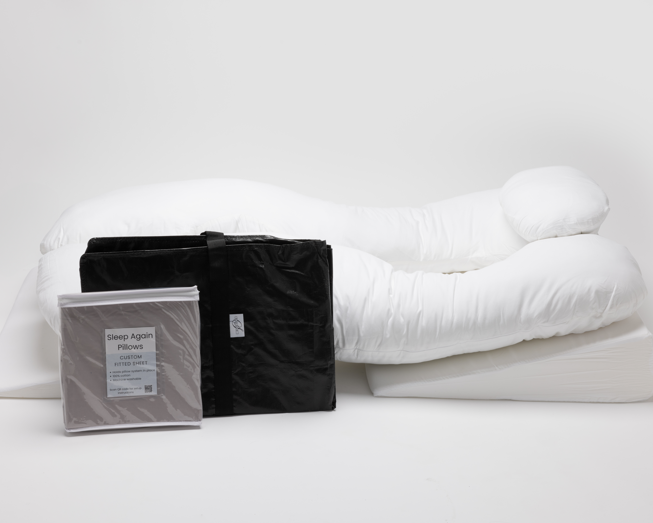
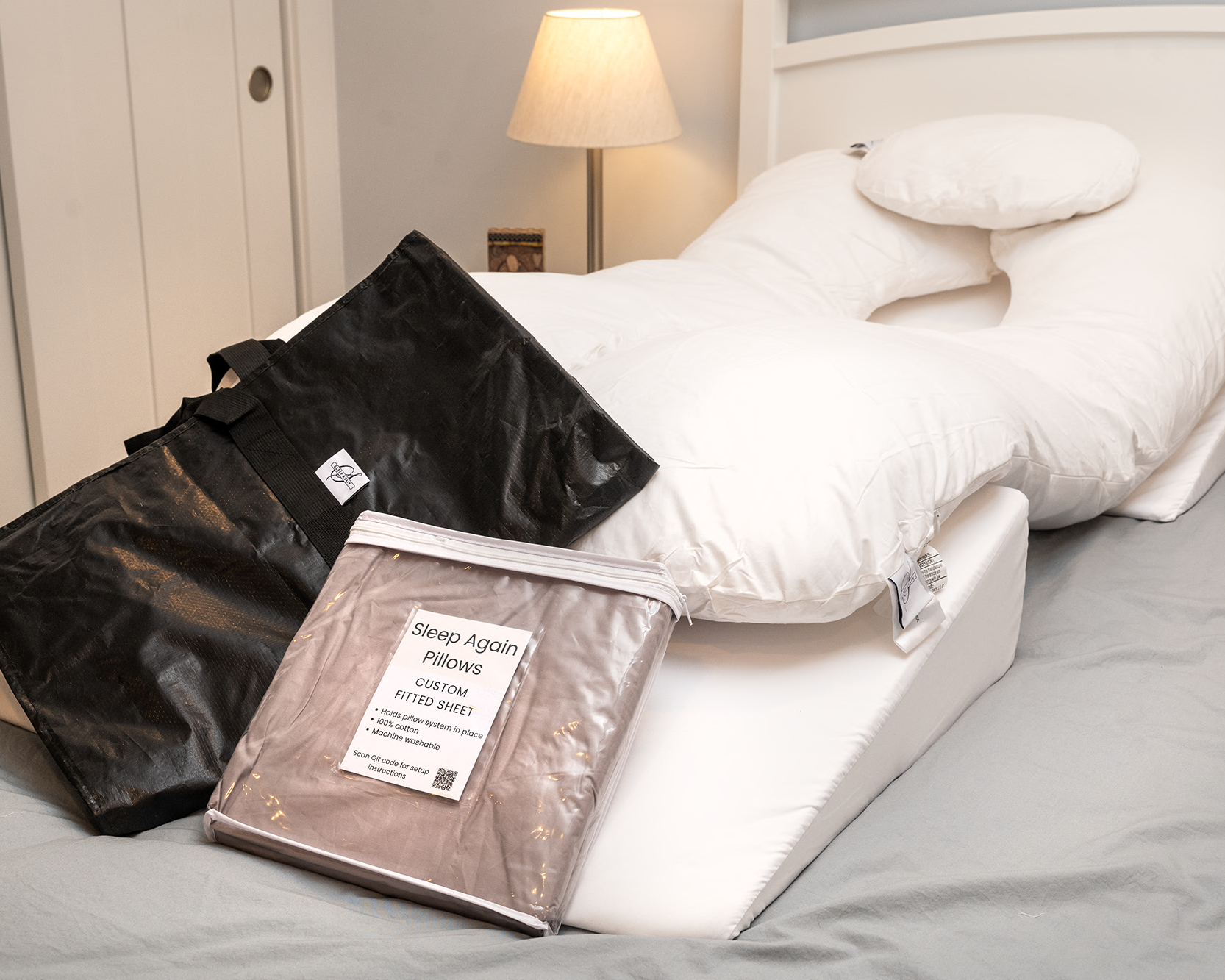
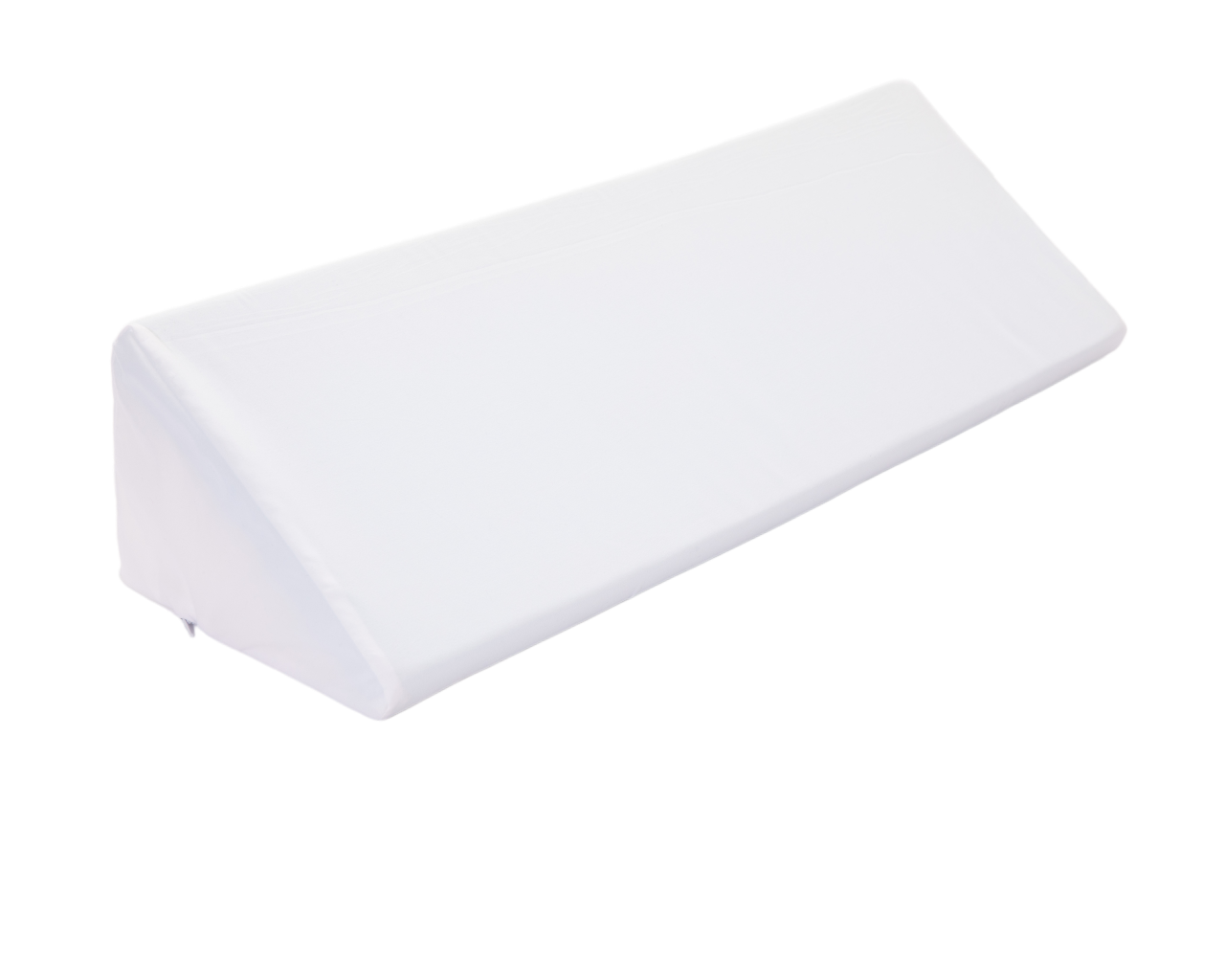
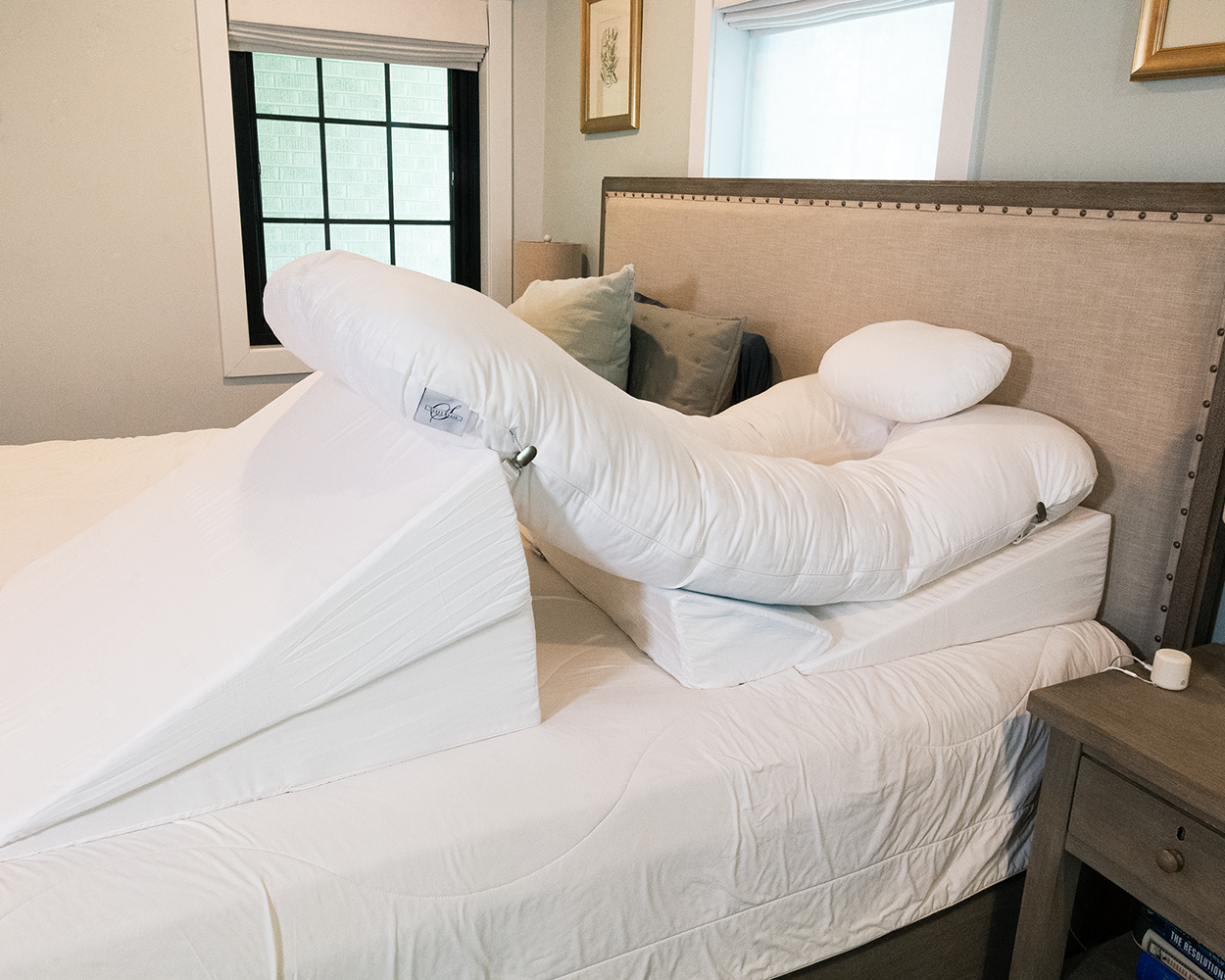
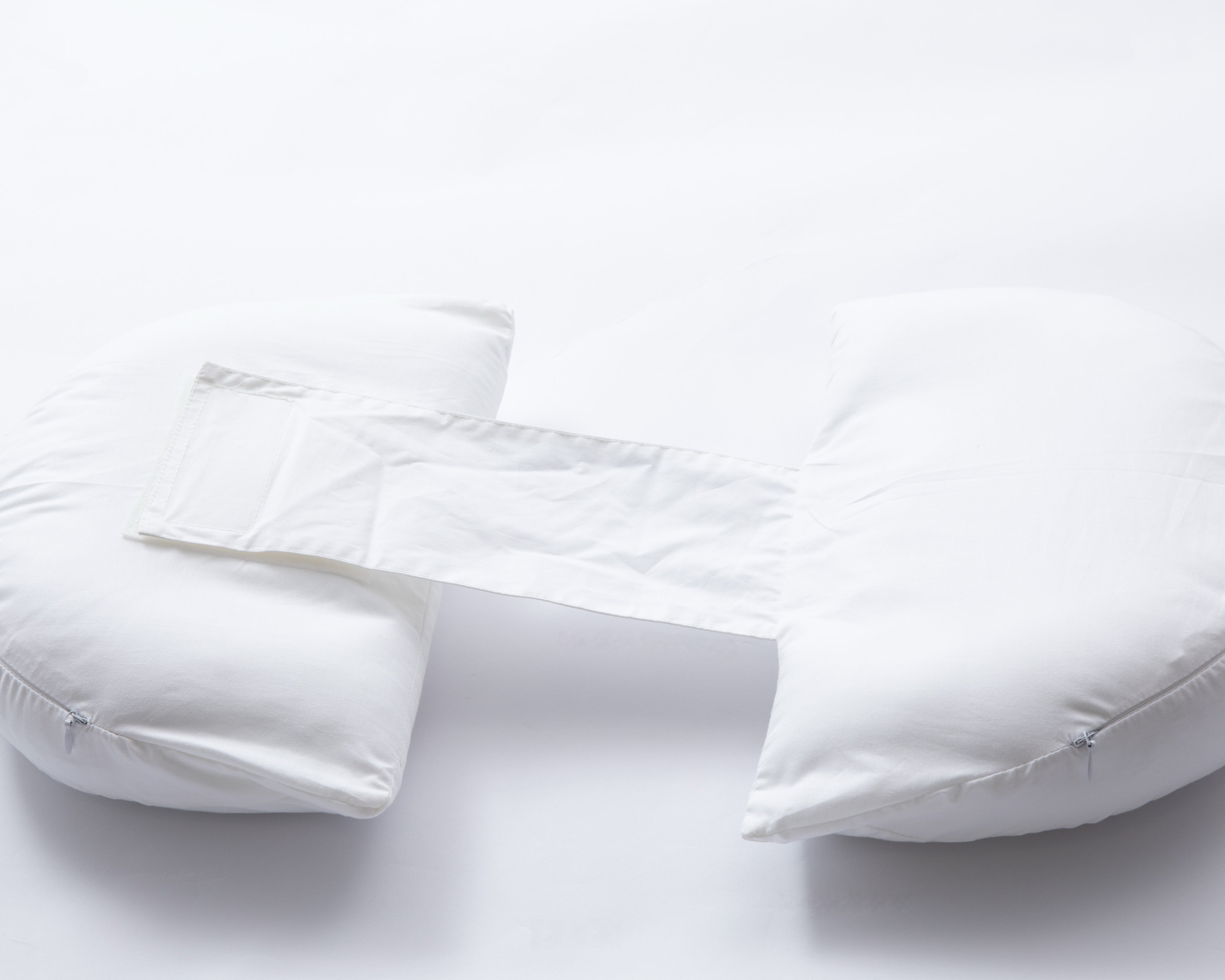
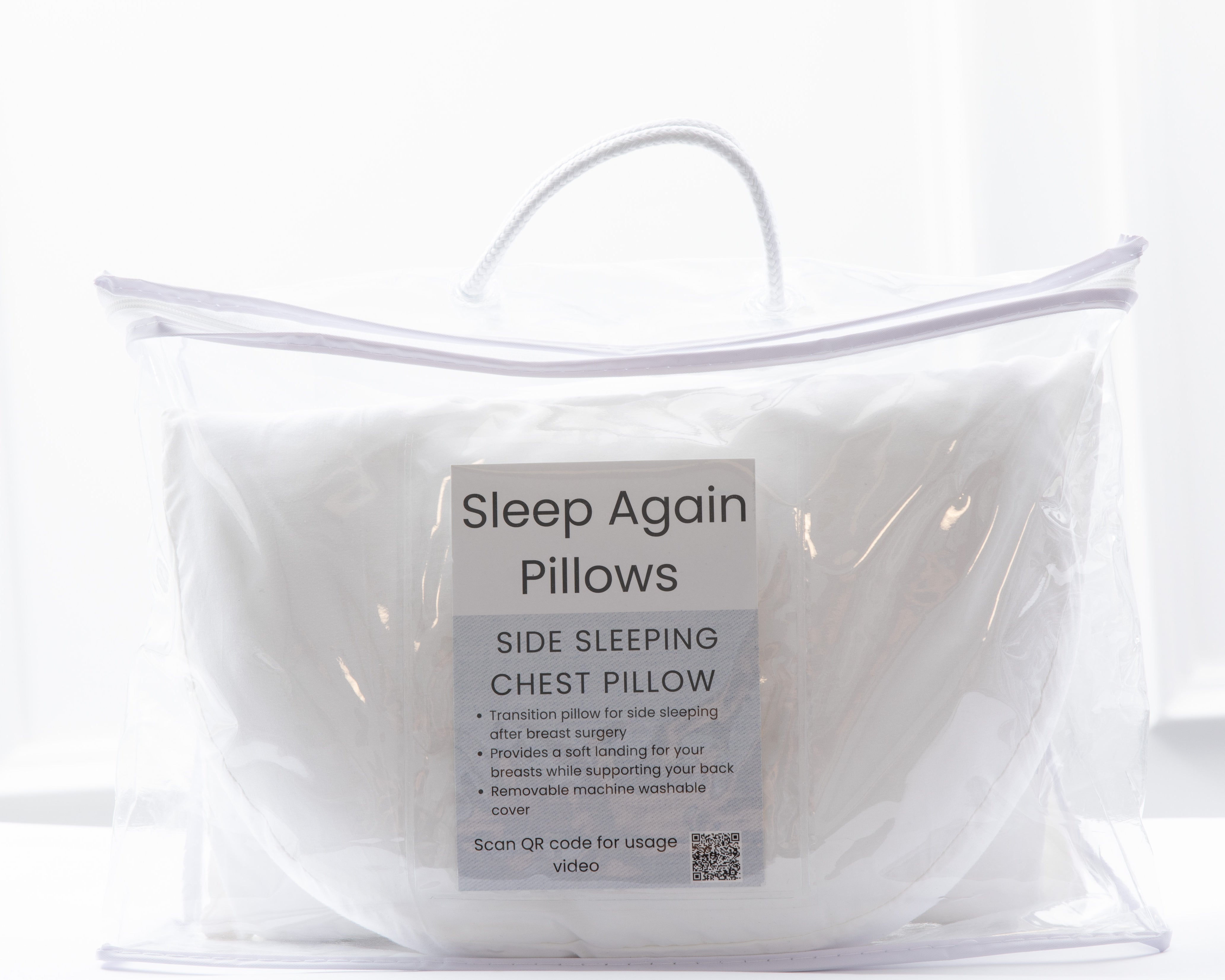
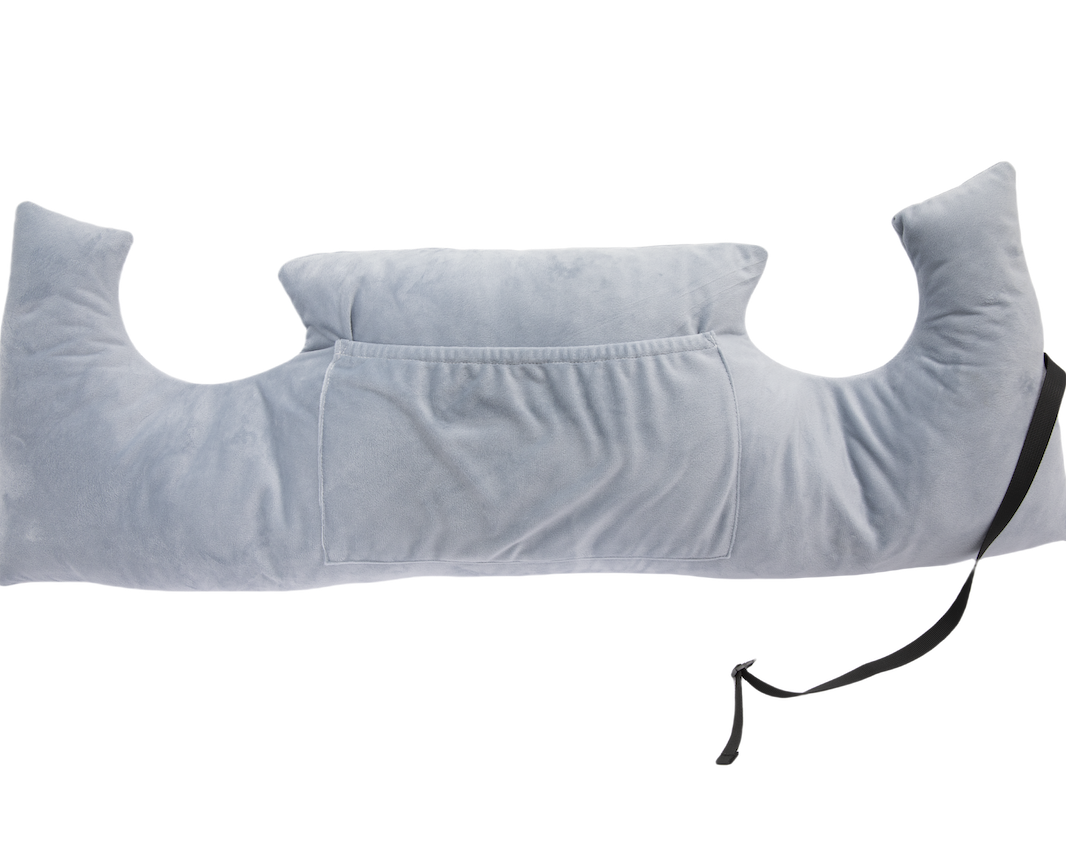
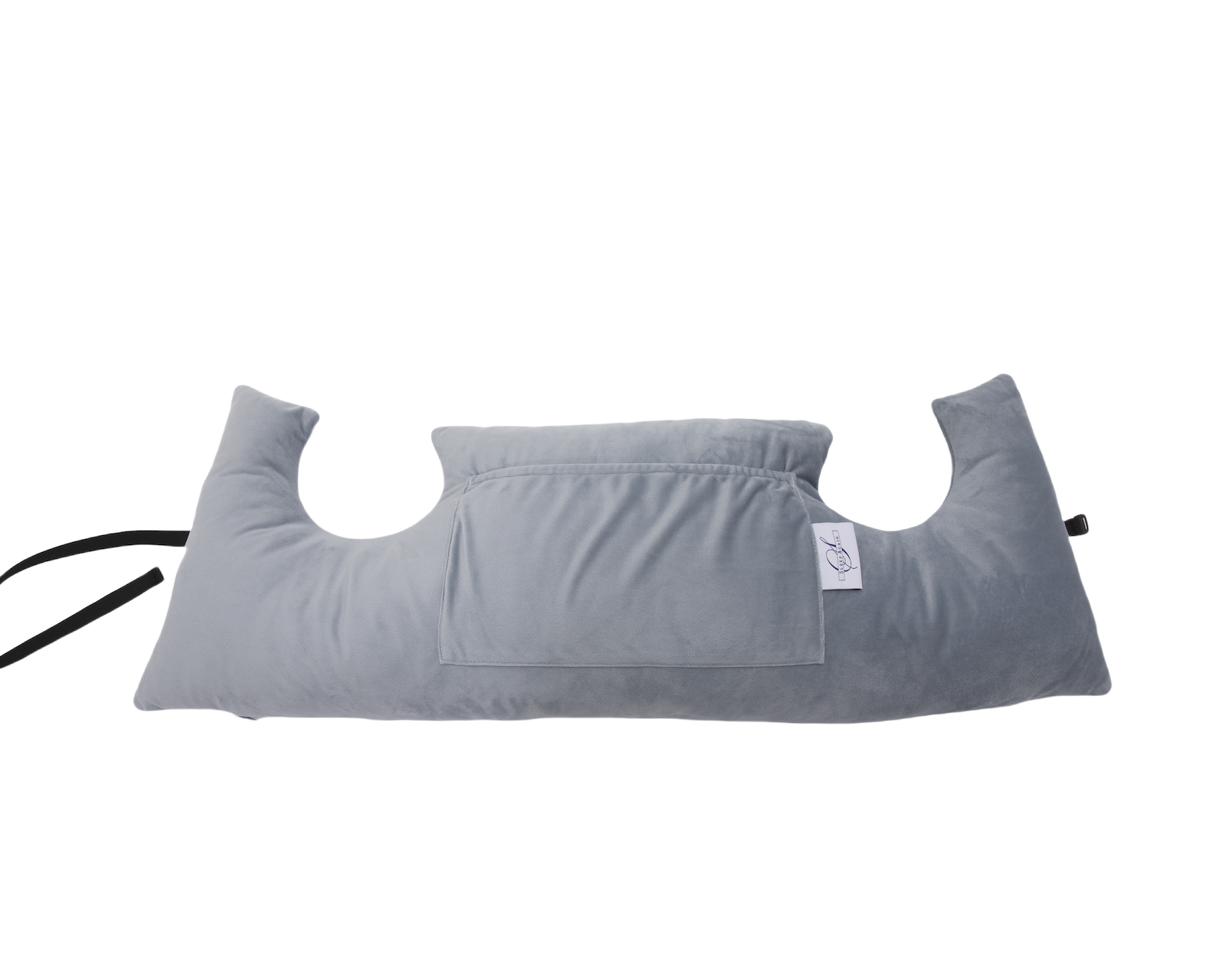
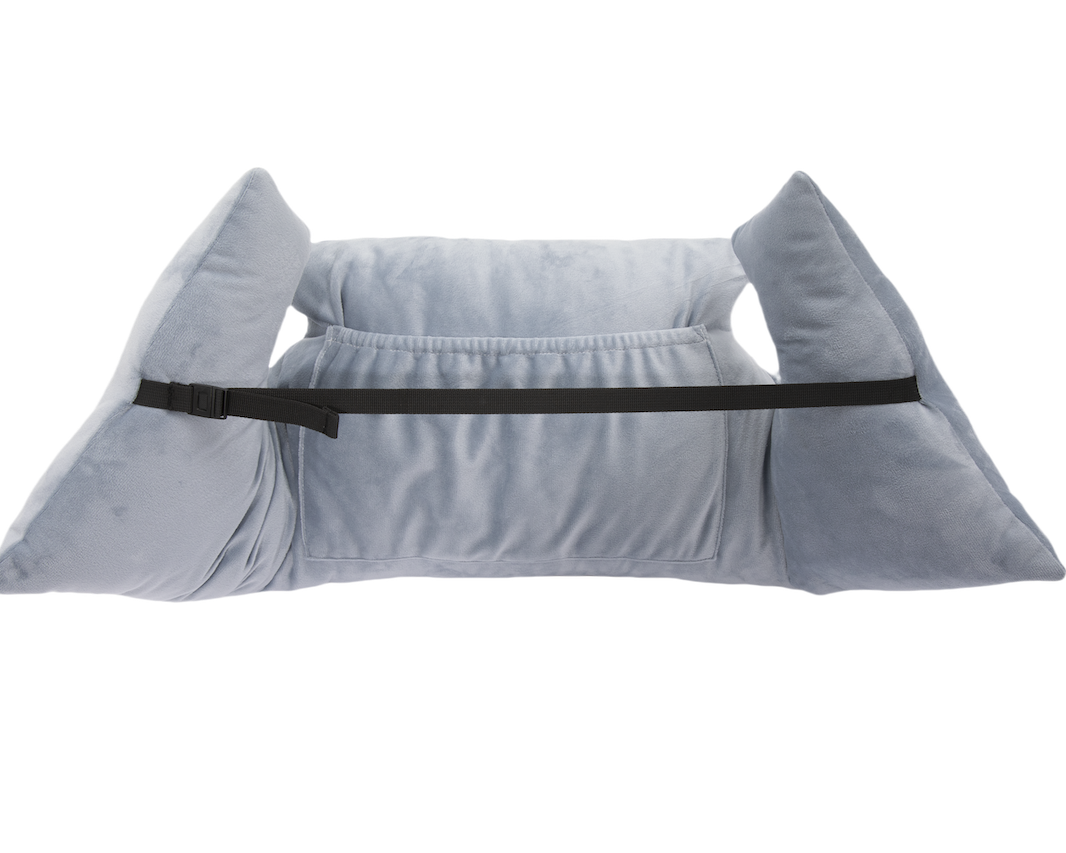
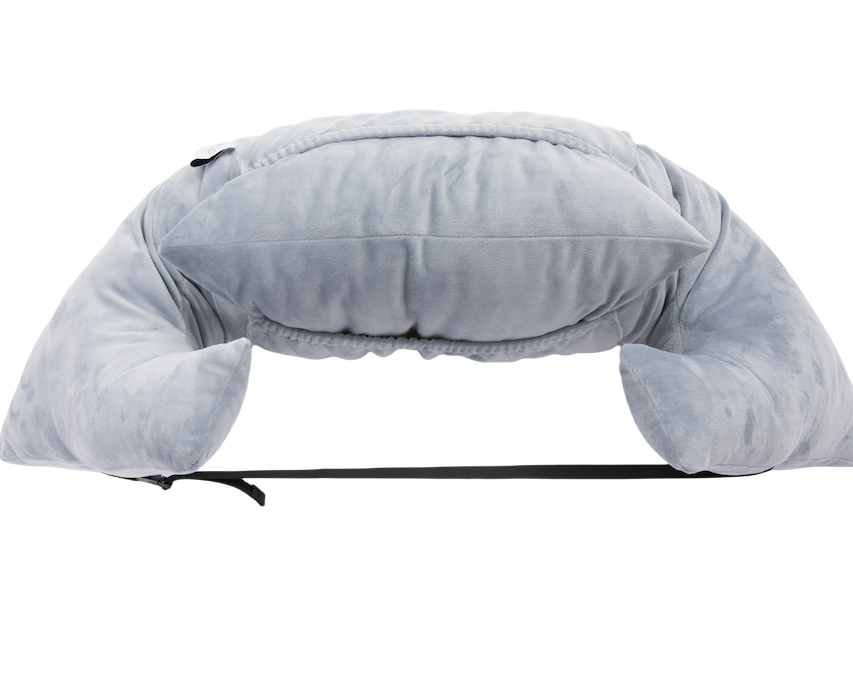
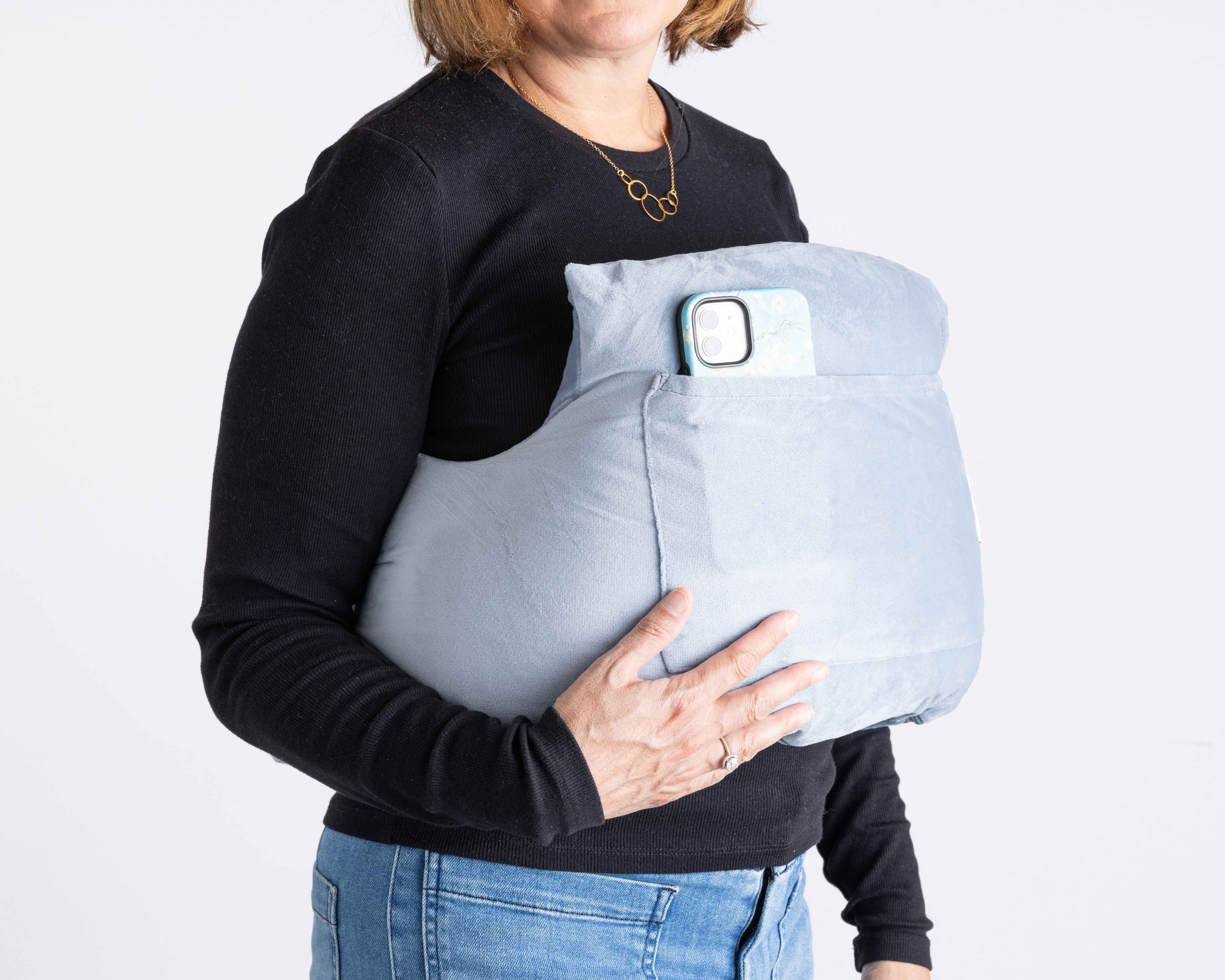
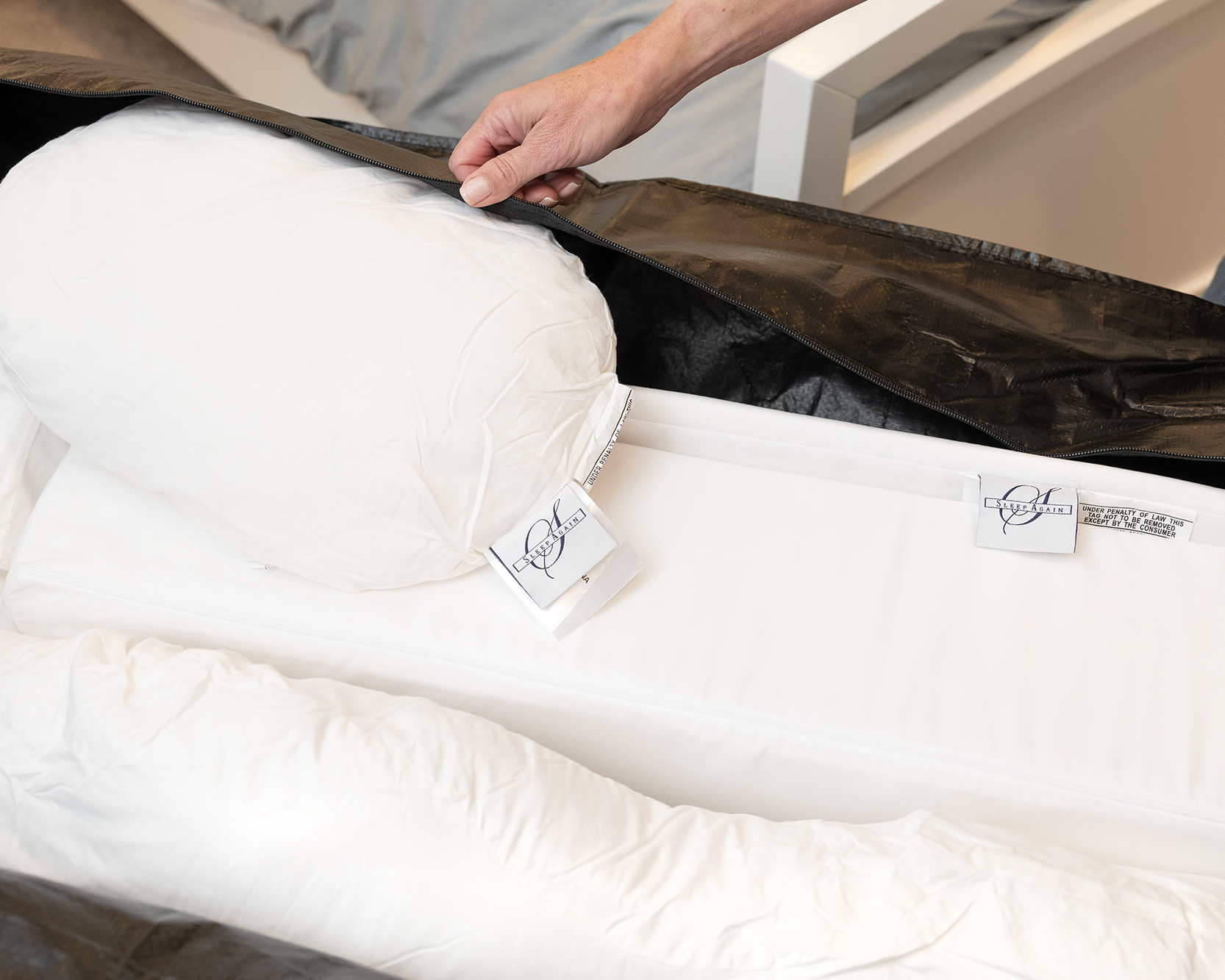
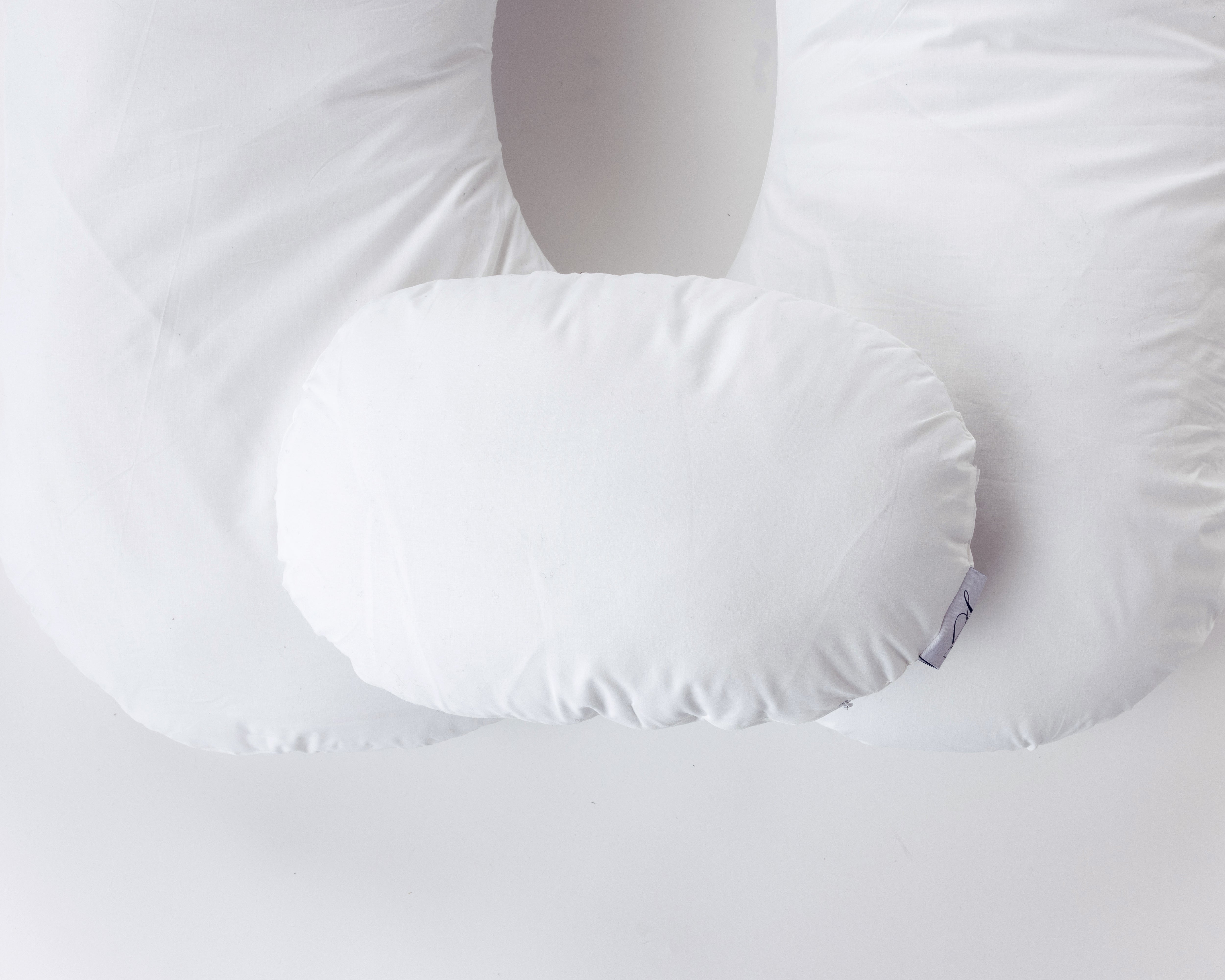
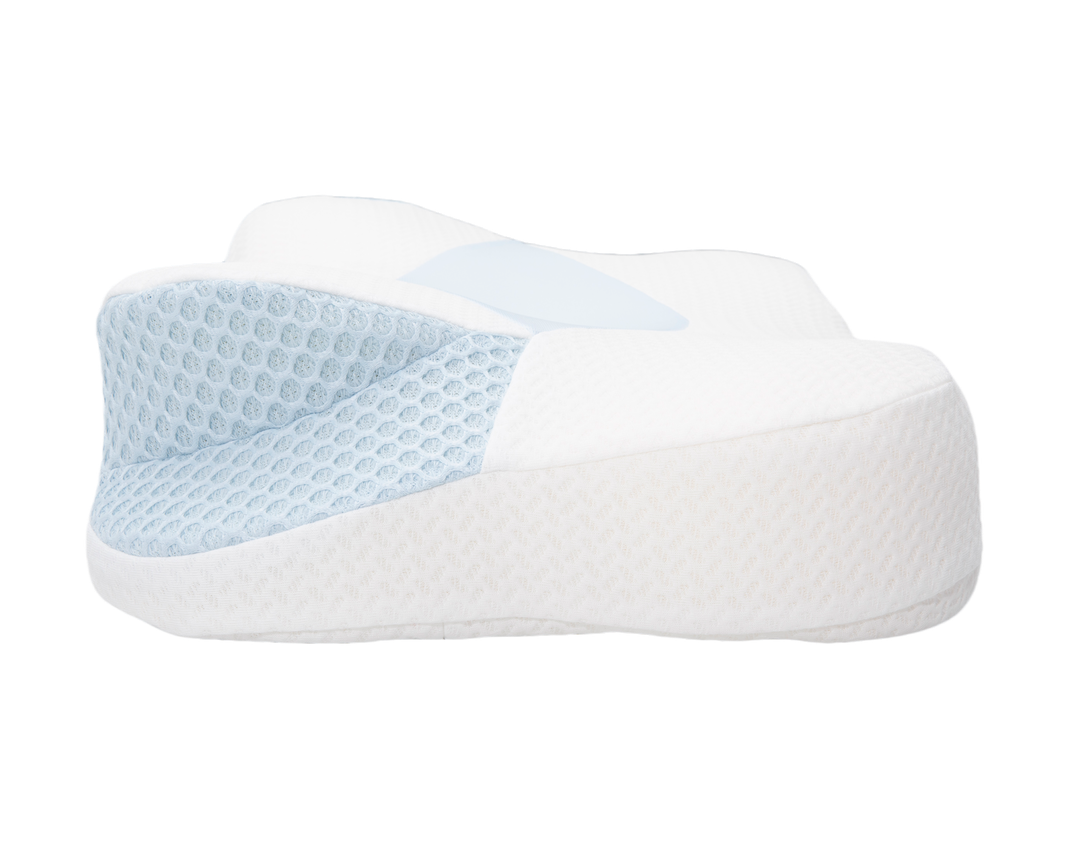
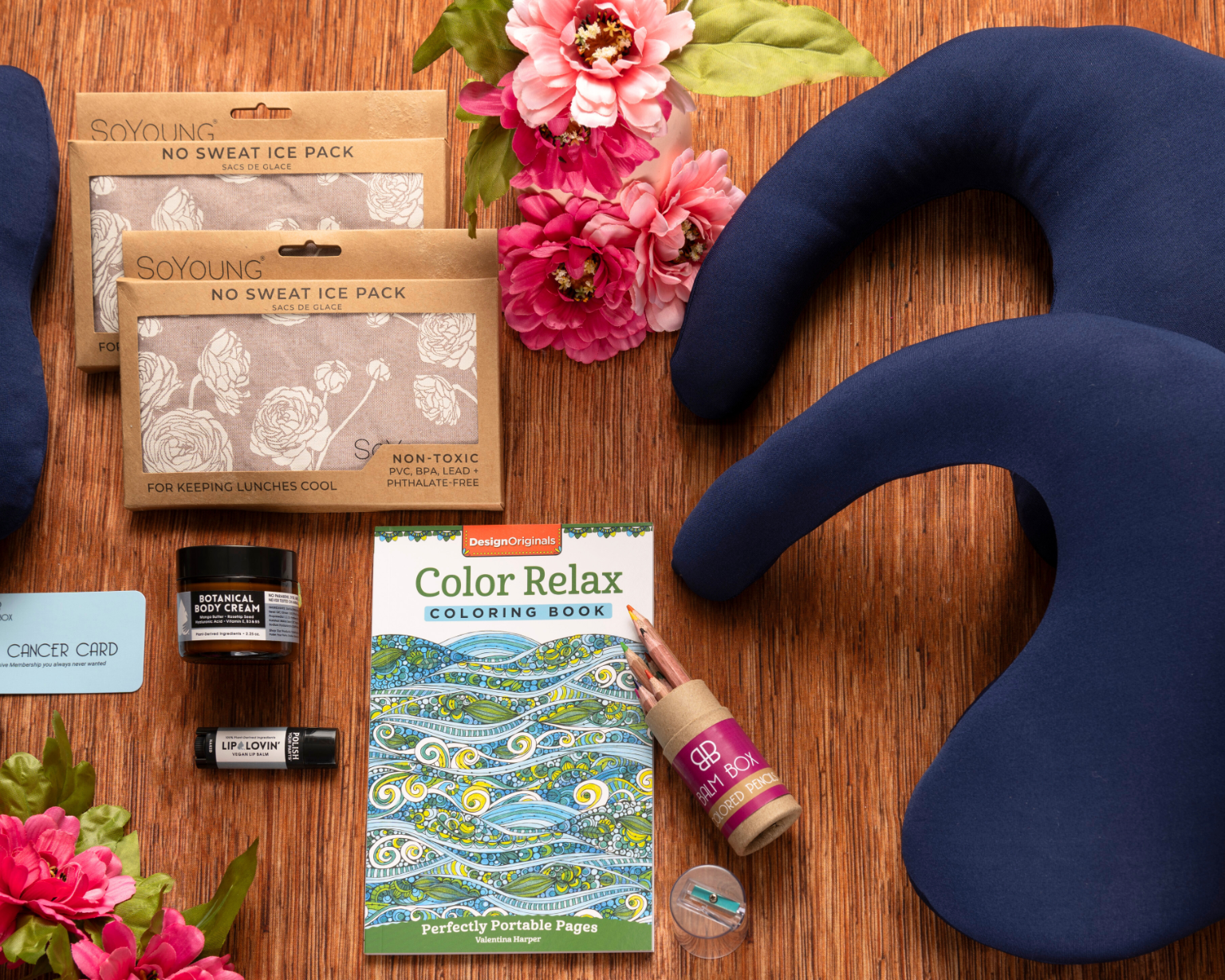
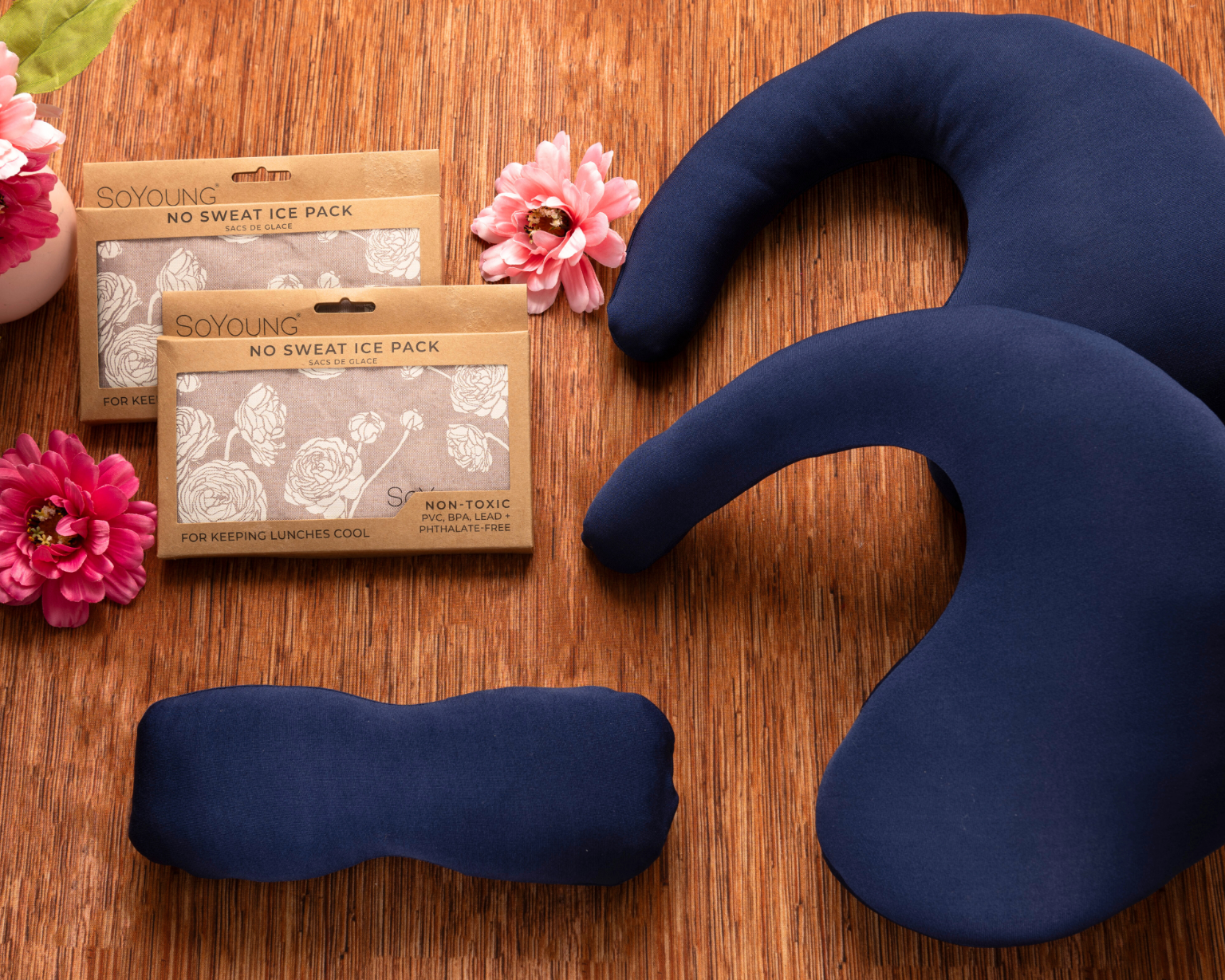
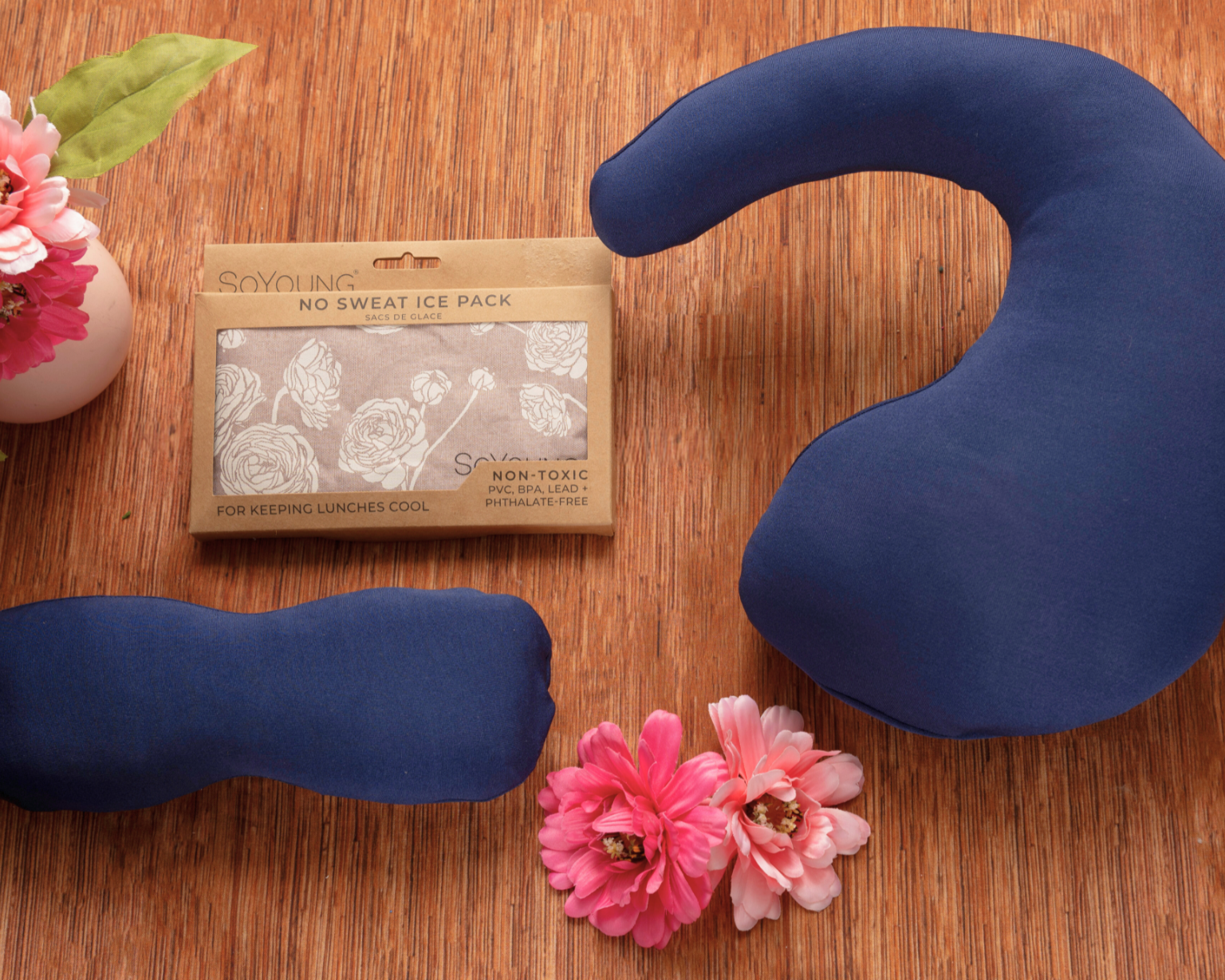
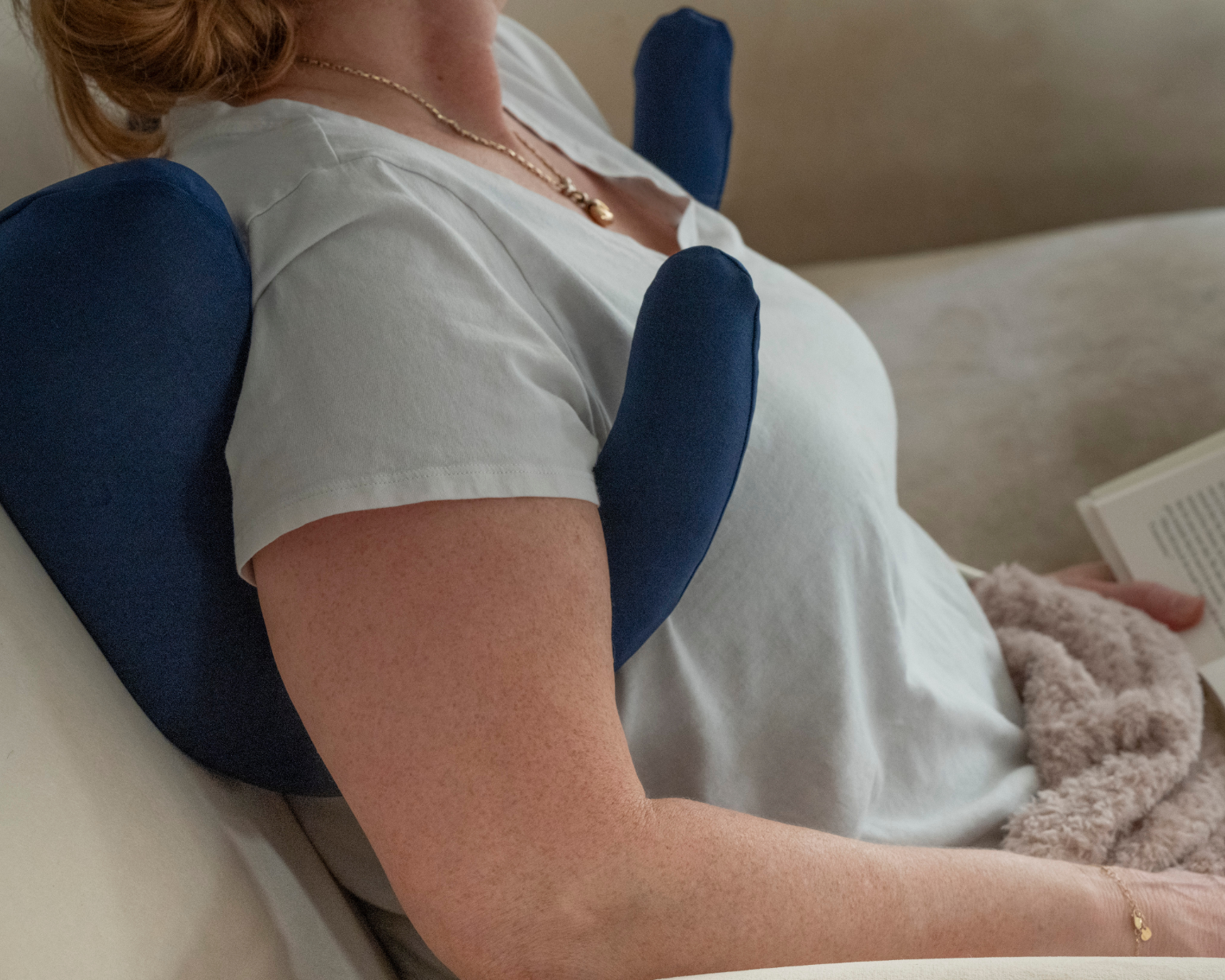
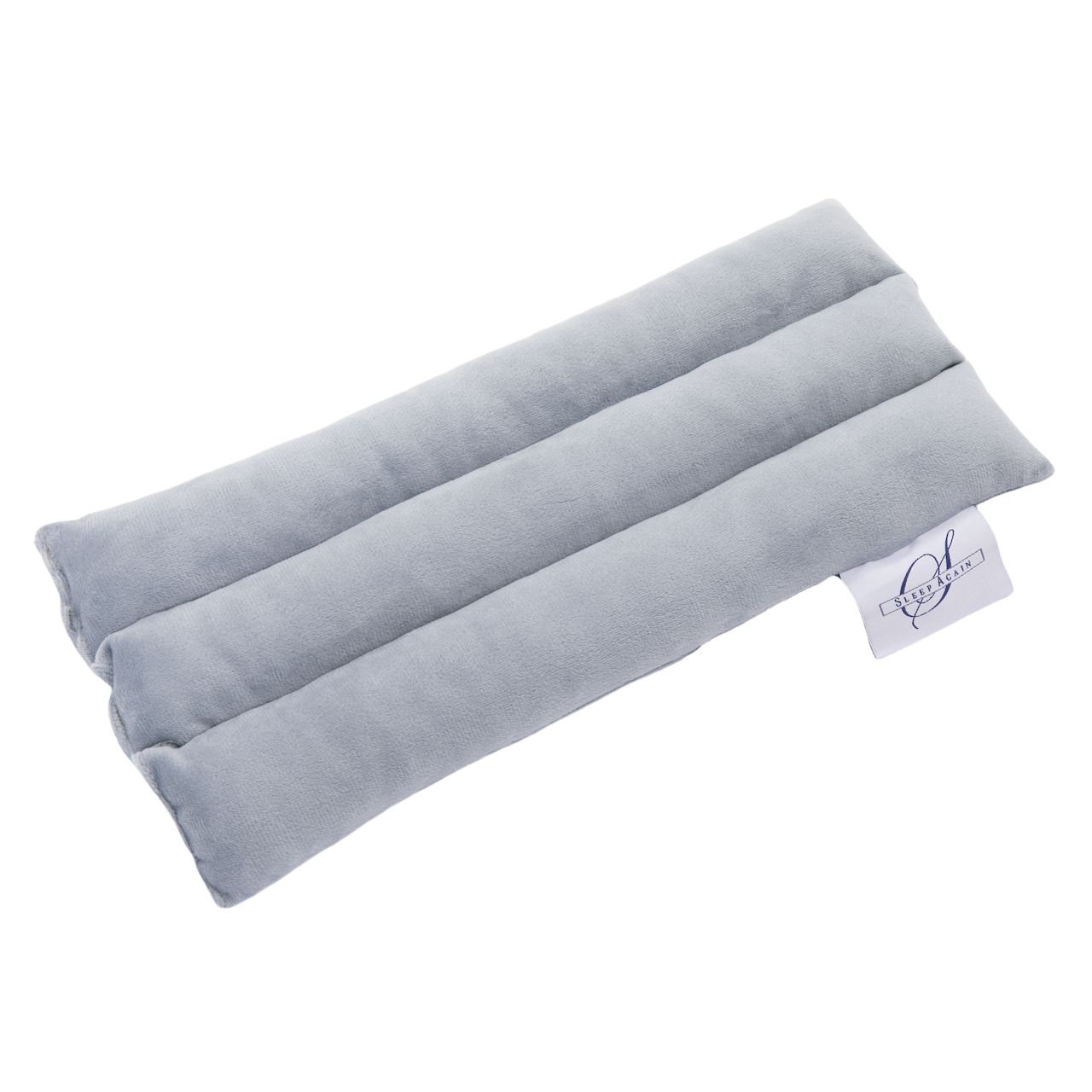
The Sleep Again Pillow System is built specifically to solve elevated, supported back sleeping without needing to rearrange separate pillows every night. For tummy tuck recovery specifically, the Upper Body Wedge maintains the incline your incision needs without collapsing partway through the night, and the Leg Support Wedge keeps your knees bent to relax abdominal tension automatically.
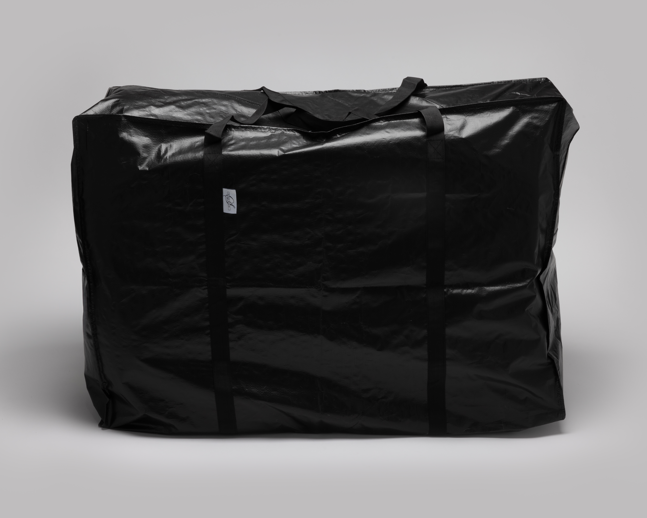
Every Sleep Again Pillow System includes:
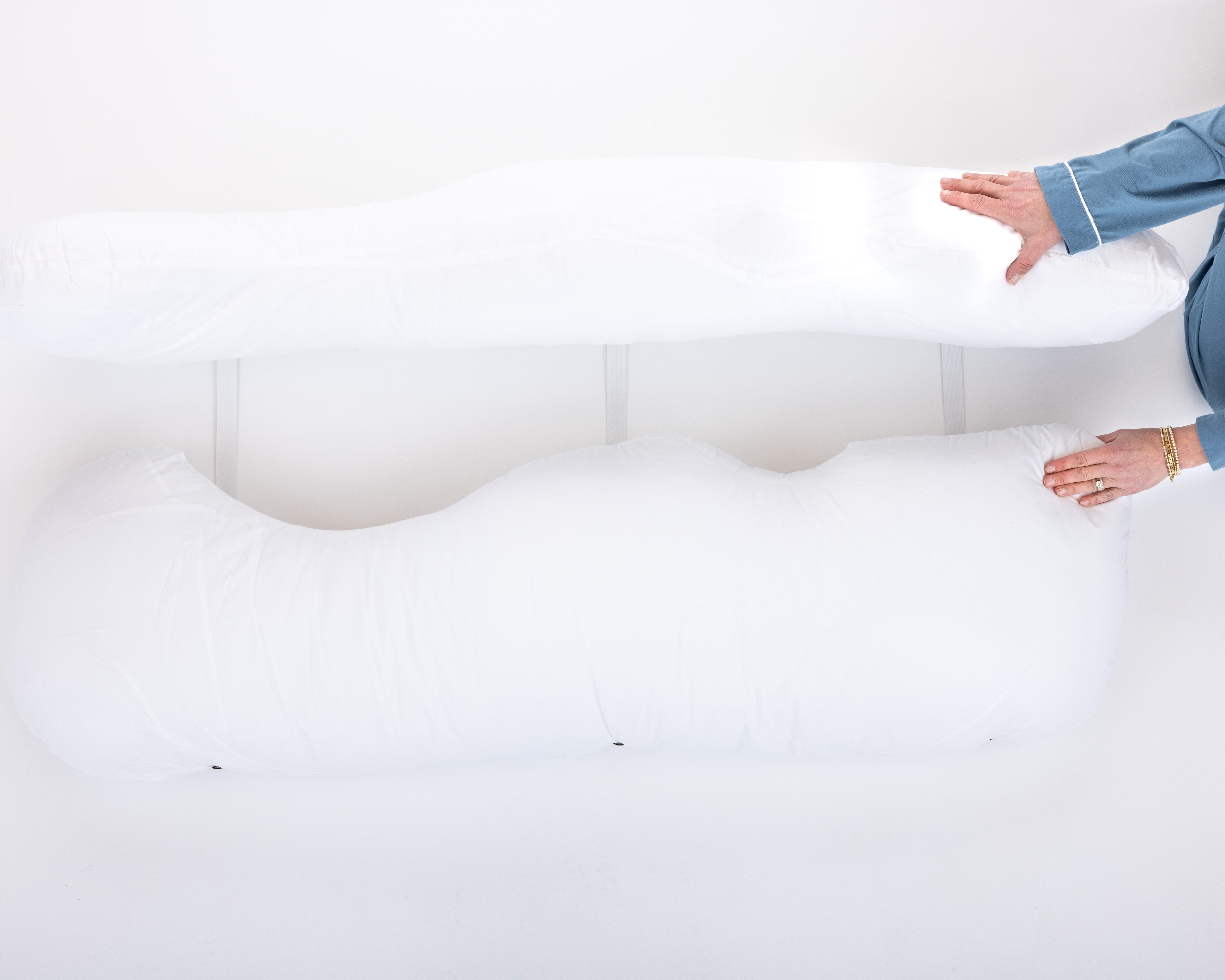
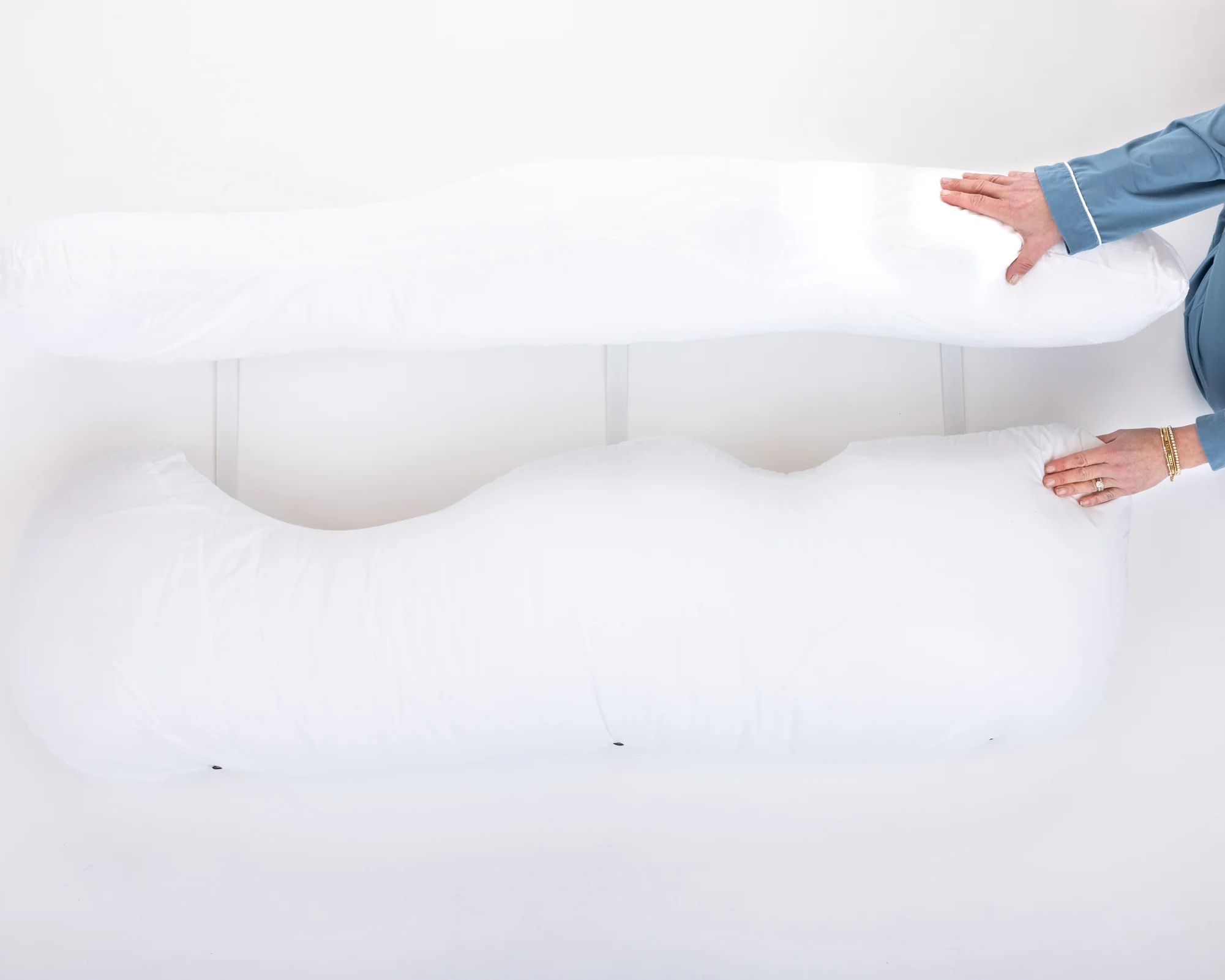
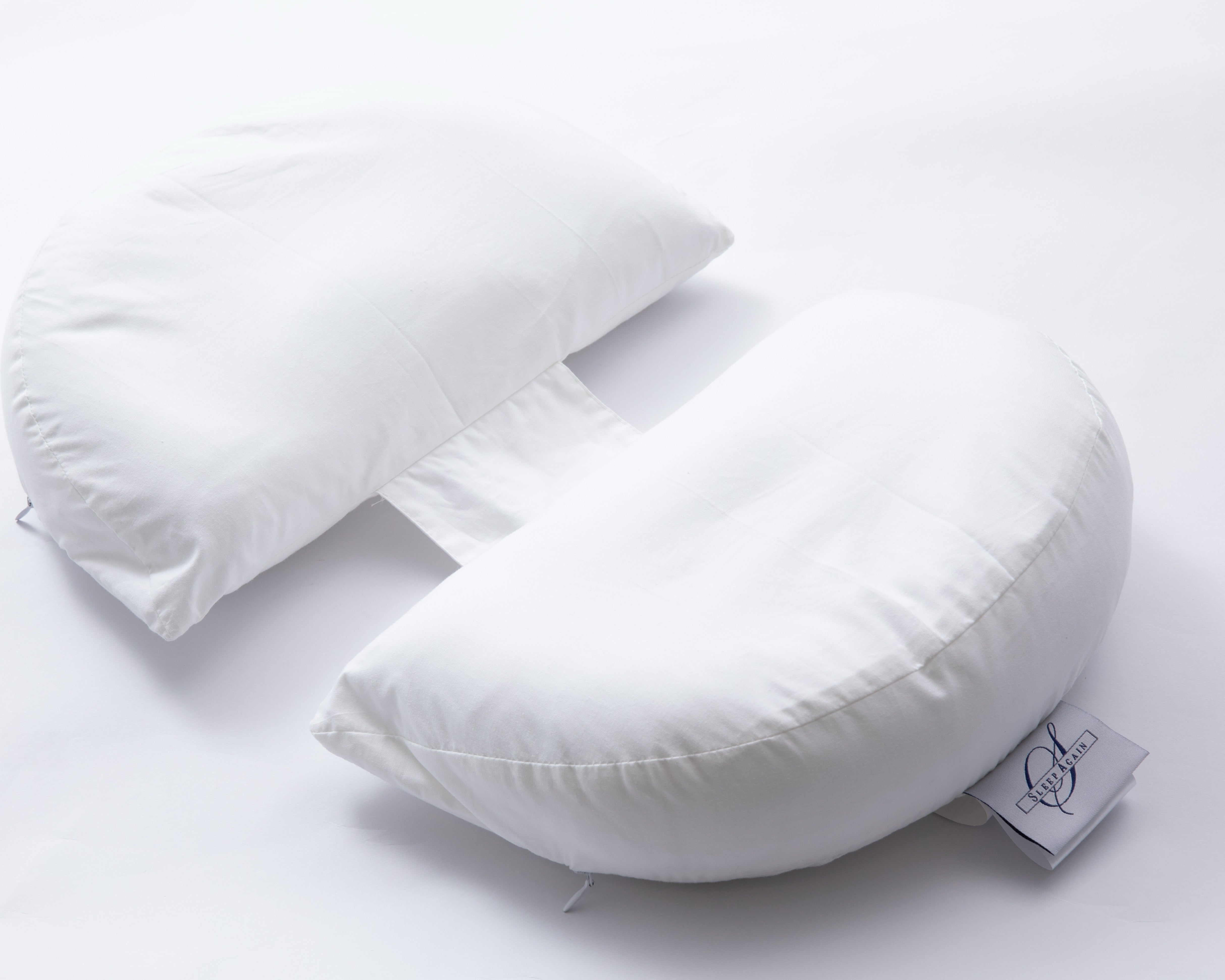
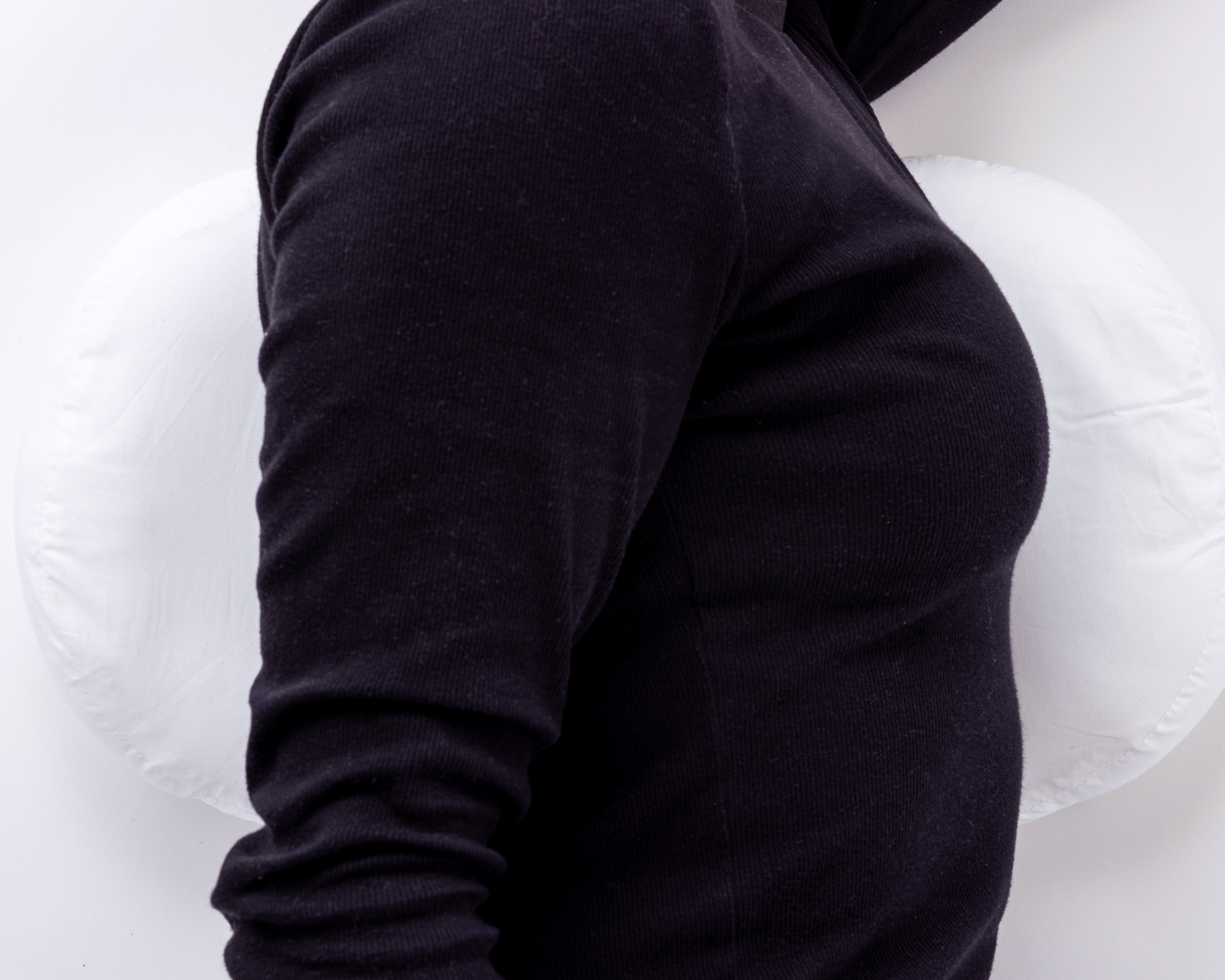
Two Contoured Side Pillows to cradle back and hips
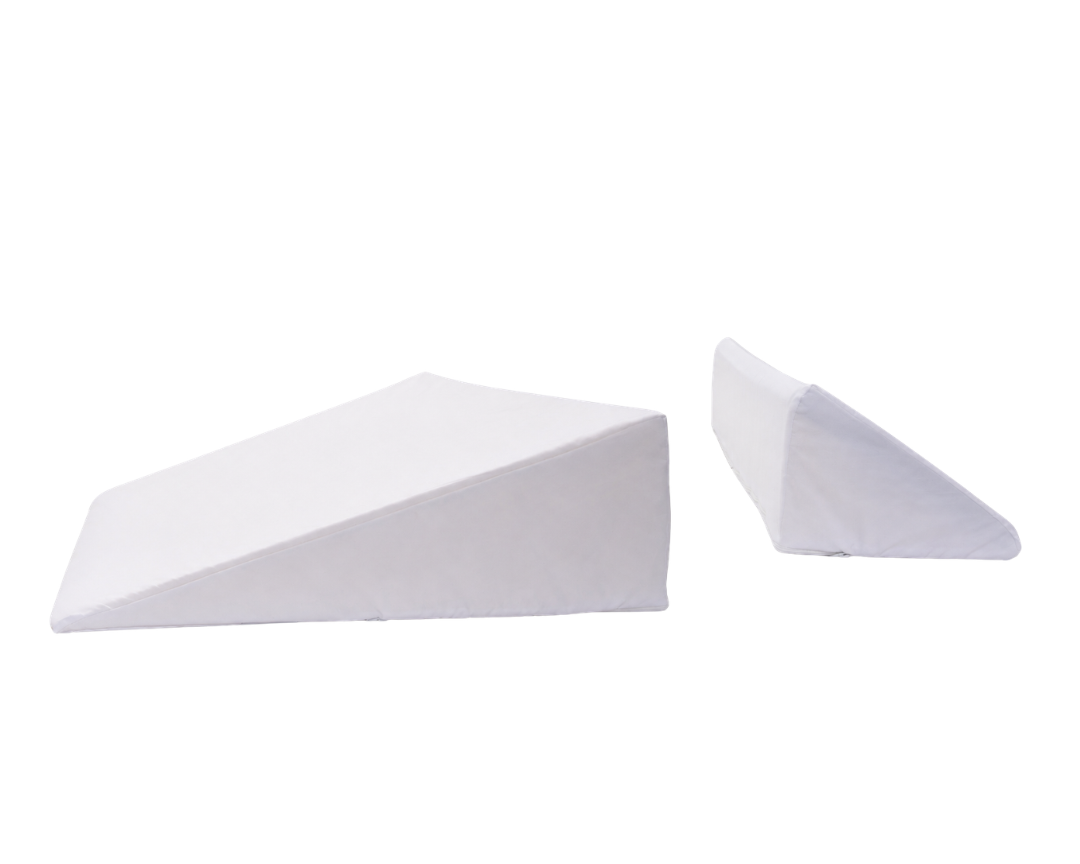
Upper Body Wedge to create optimal upper body incline
Leg Support Wedge to gently elevate legs
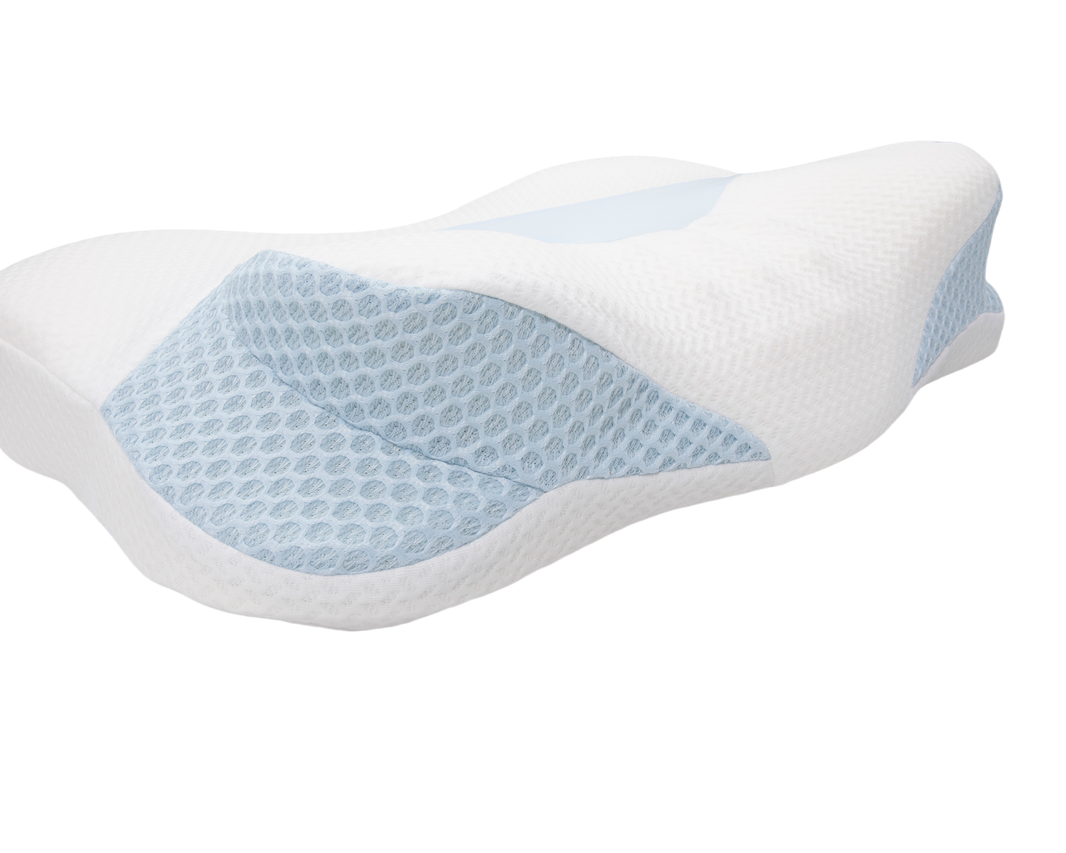
Head Pillow to provide head support and neck mobility
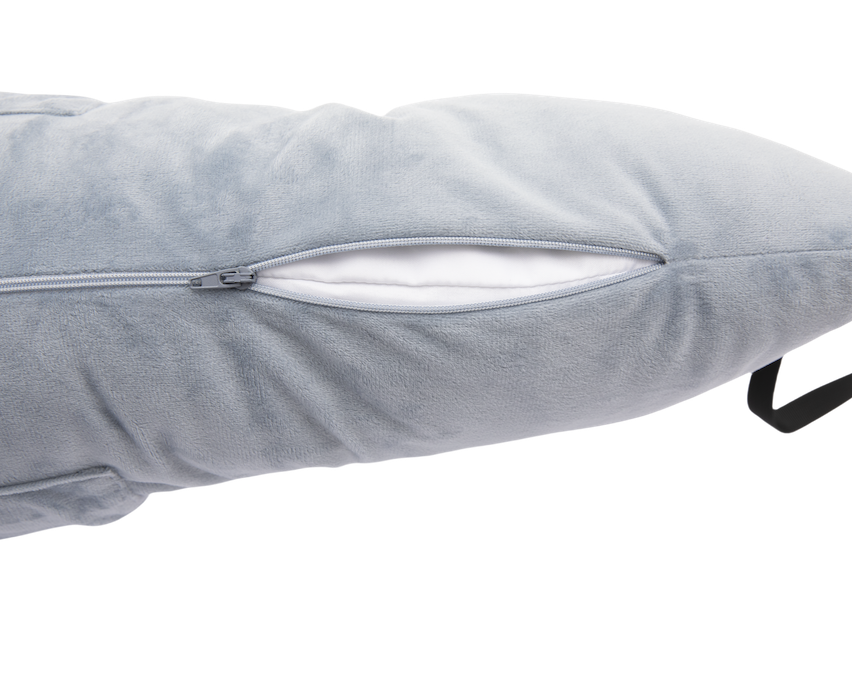
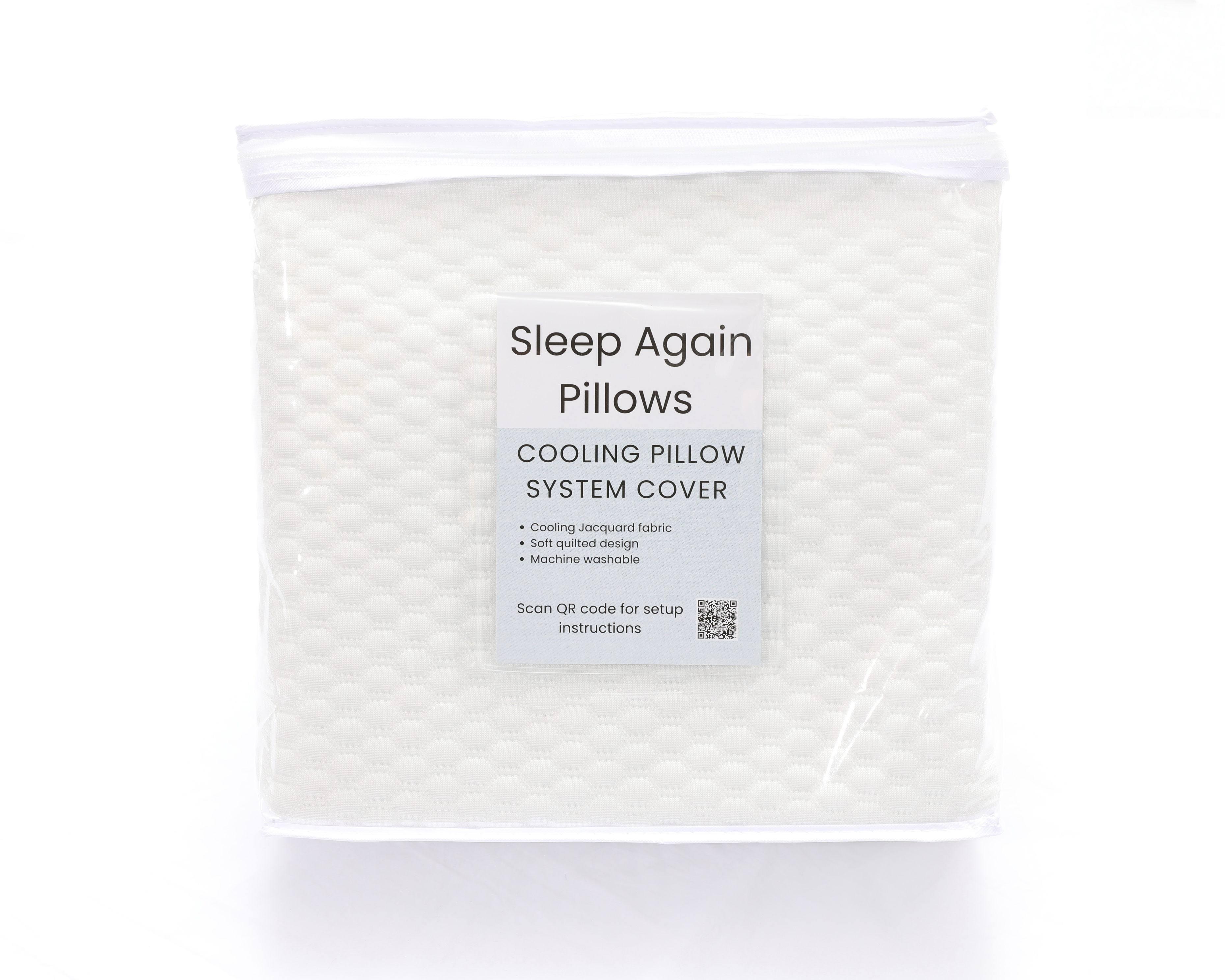
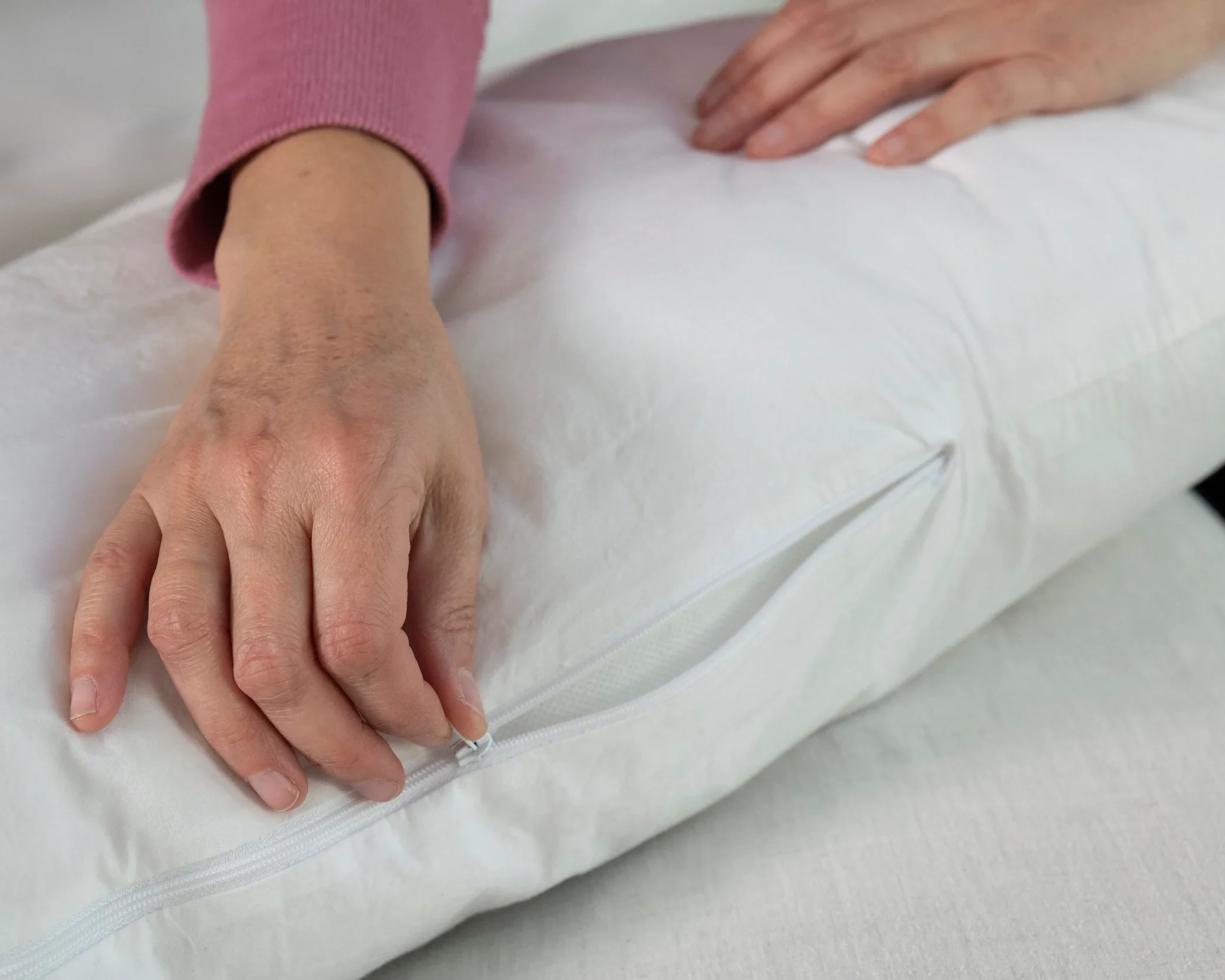
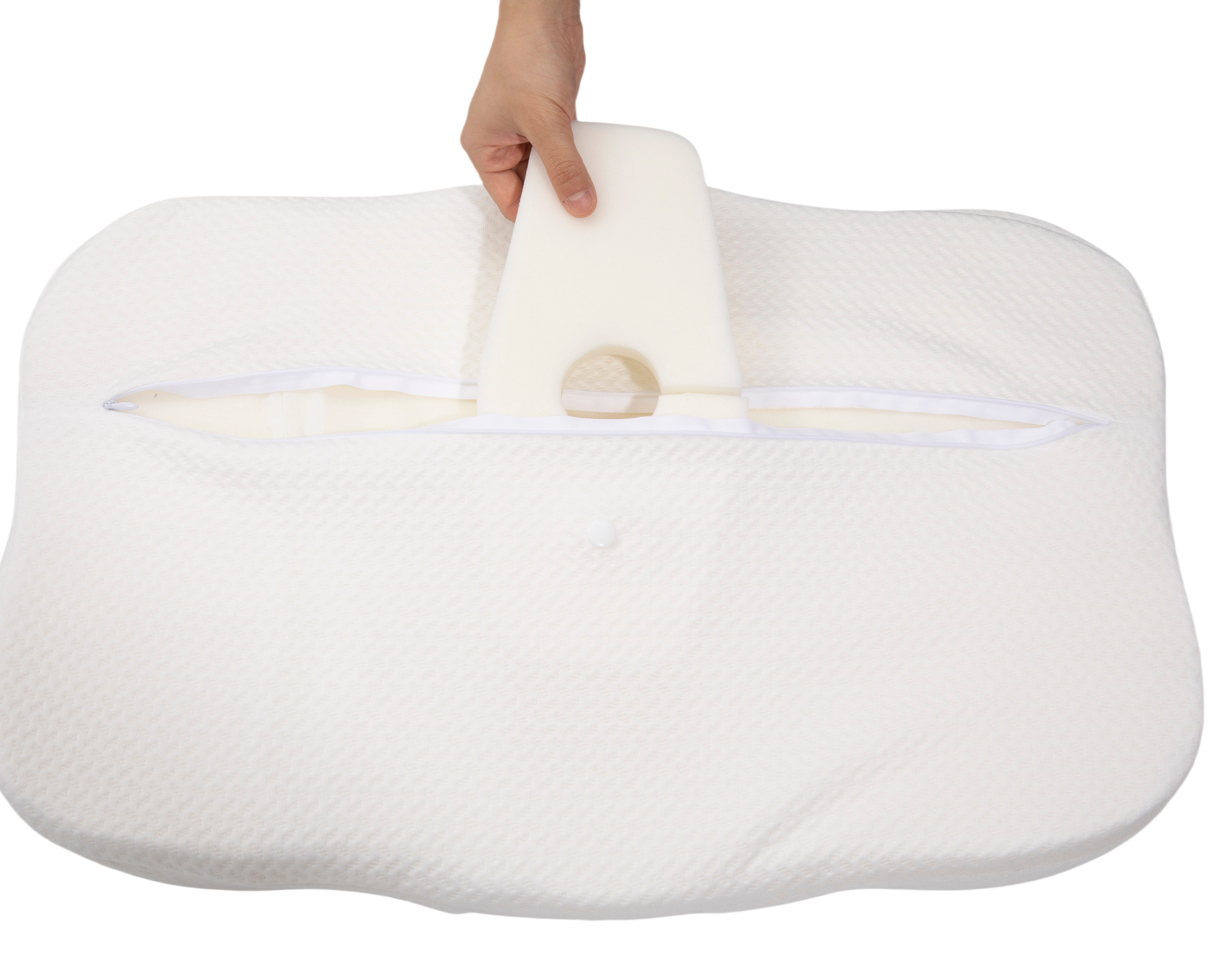
Removable, washable slipcovers for every piece
The Upper Body Wedge creates and maintains the 30-to-45-degree elevation range that breast fat transfer recovery requires. Unlike stacked pillows, it does not compress under body weight or flatten during the night. The elevation angle holds consistently throughout the night.
The Two Contoured Side Pillows solve the lateral drift problem. Positioned on either side of the body, they create physical barriers that prevent unconscious rolling during sleep cycles, eliminating the single biggest threat to doctor-recommended sleep positioning between bedtime and morning.
The Leg Support Wedge addresses the lower body component that tummy tuck patients need more than most. Keeping the knees gently bent and elevated reduces tension on the abdominal incision and muscle repair, which is critical in the first weeks of recovery. It also prevents the patient from sliding down the incline during sleep, which is a consistent problem with wedge-only setups.
The Head Pillow ensures that elevation at the upper body is matched by proper neck support. Sleeping at 30 to 45 degrees on a wedge without dedicated head support creates a neck angle that causes its own disruptions — patients who wake up with neck strain are less rested and more likely to unconsciously adjust their position in ways that strain the abdominal incision.
Removable, washable slipcovers are a clinical necessity during surgical recovery, not a luxury feature. Drainage, compression garment contact, and extended time in bed create hygiene requirements that standard pillow cases cannot meet.
The Sleep Again Pillow System is HSA/FSA eligible. All sales are final; items are not returnable per federal regulations.
See how it works!
2. Cooling Fitted Sheet
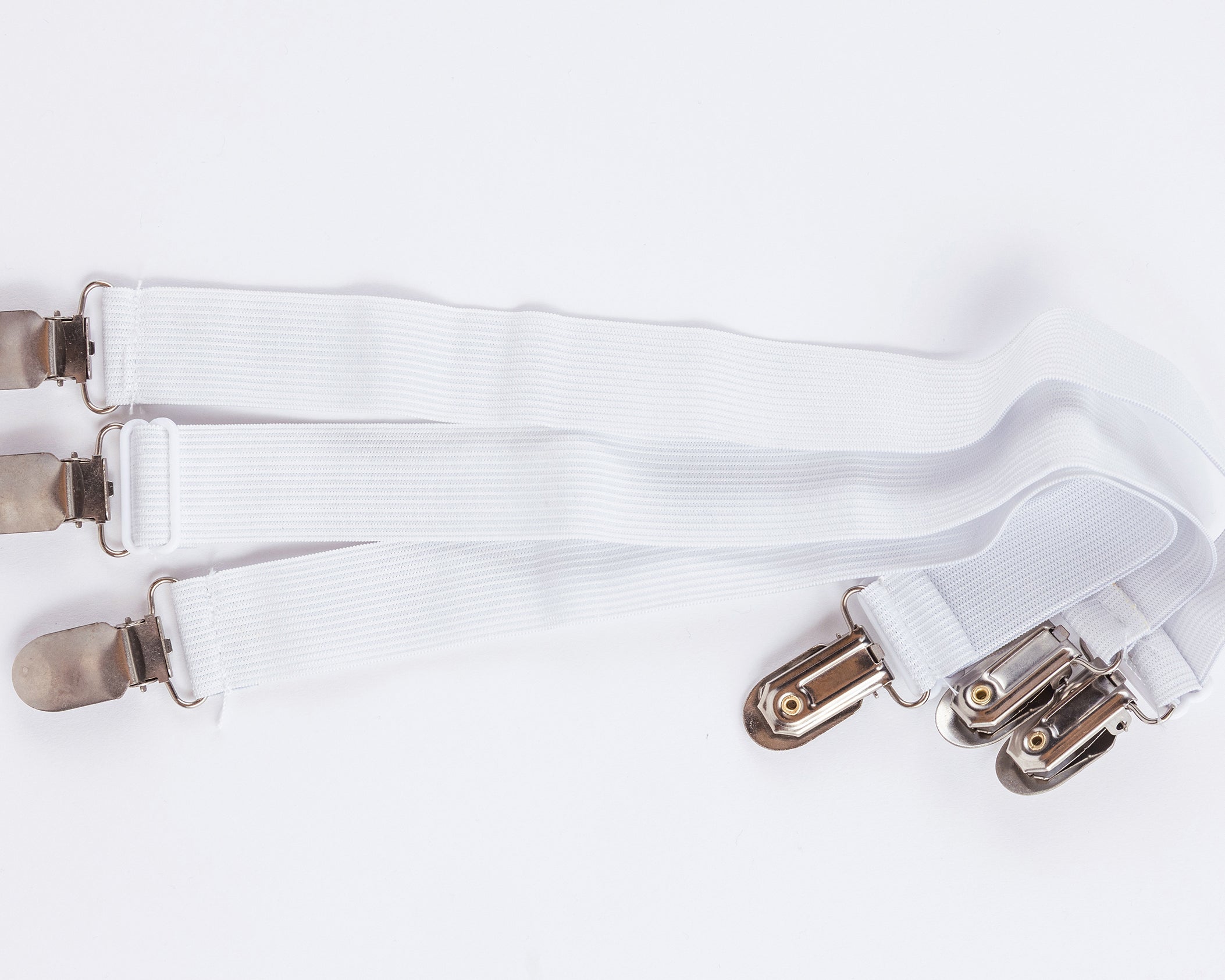
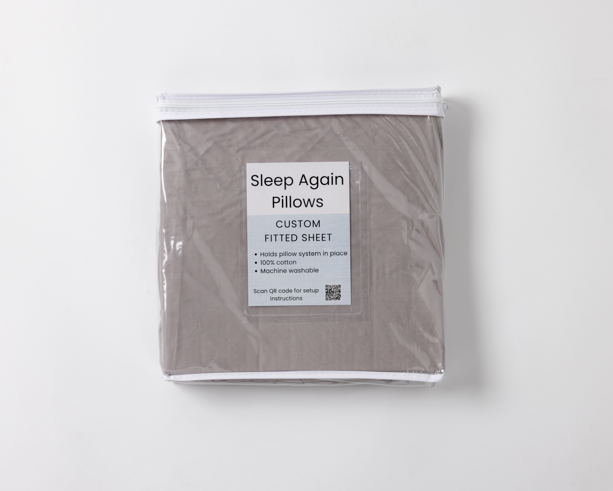
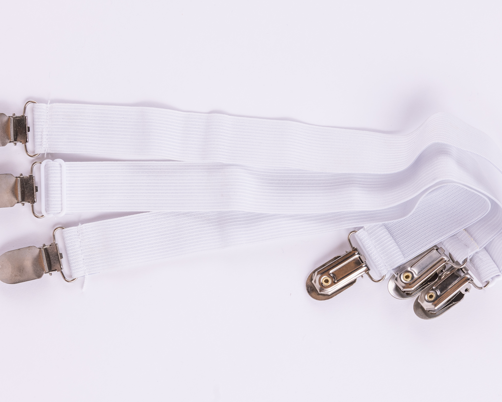
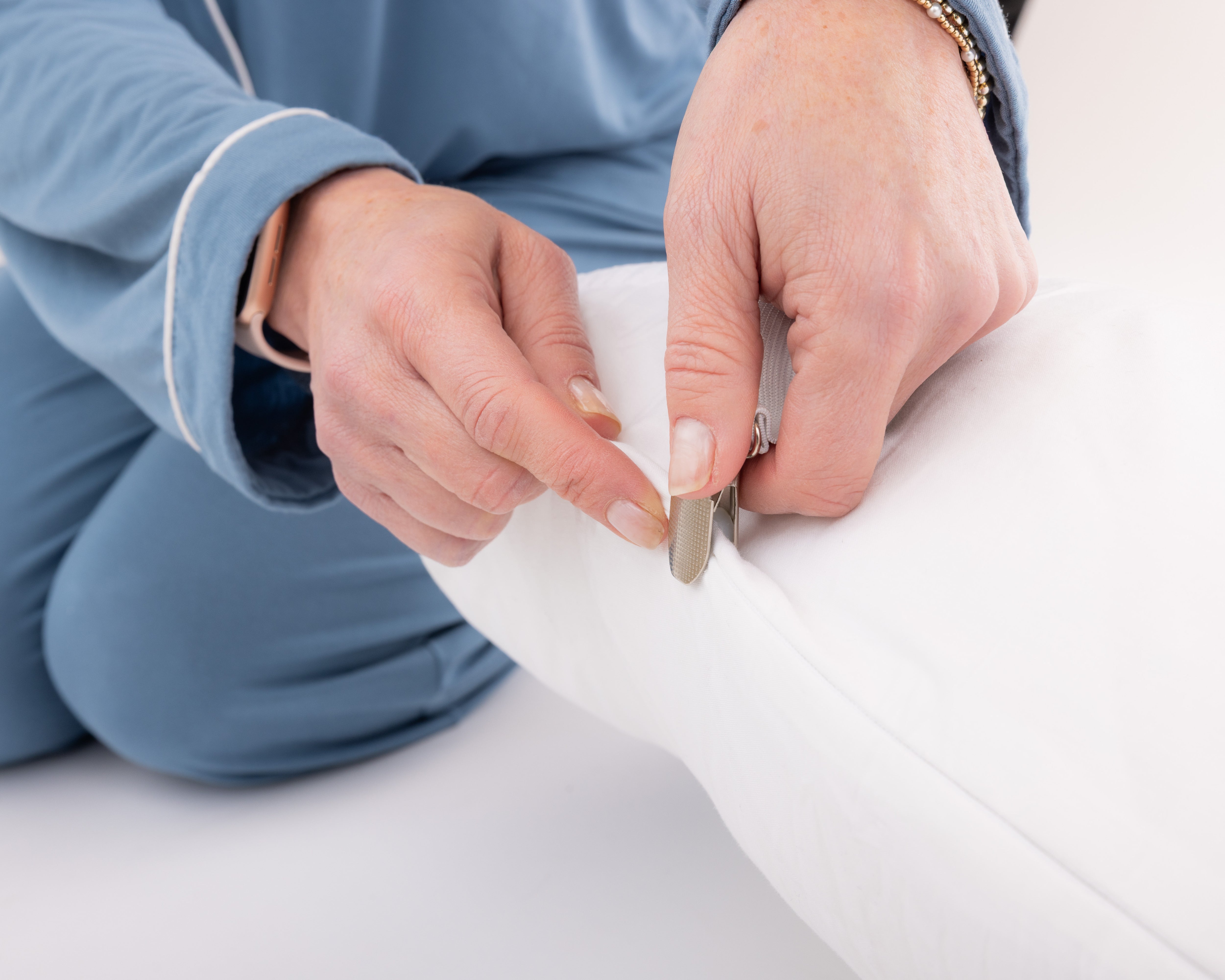
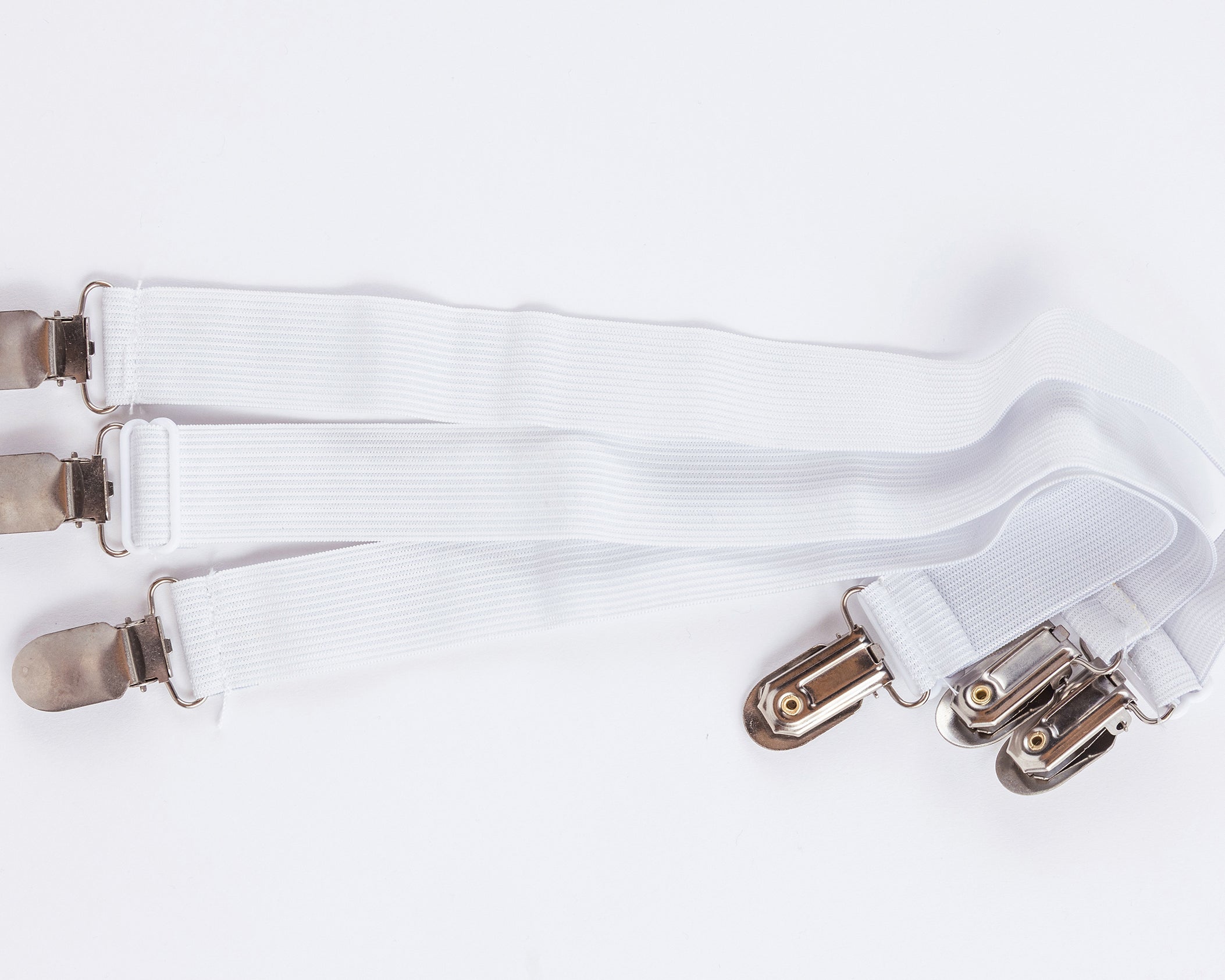
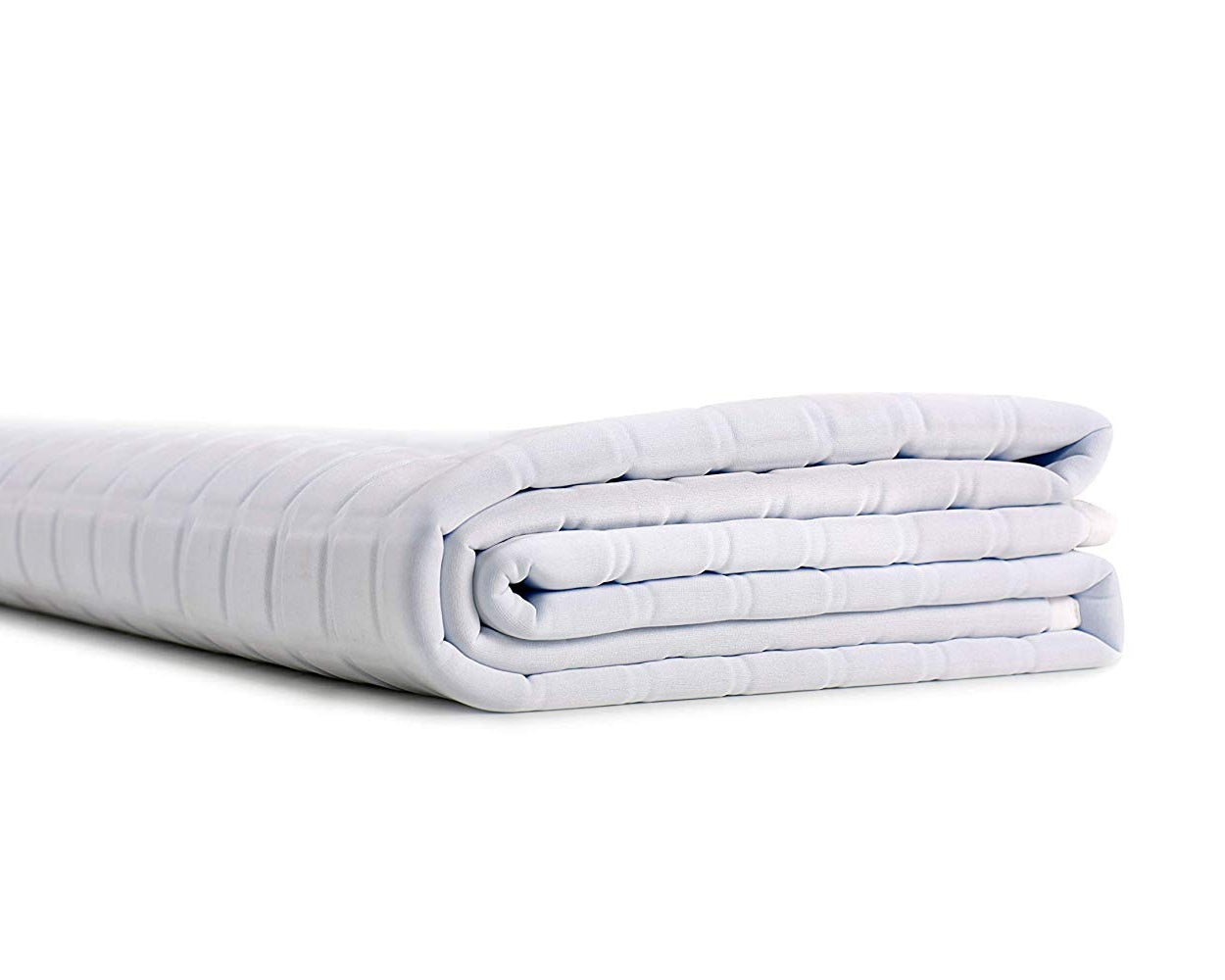
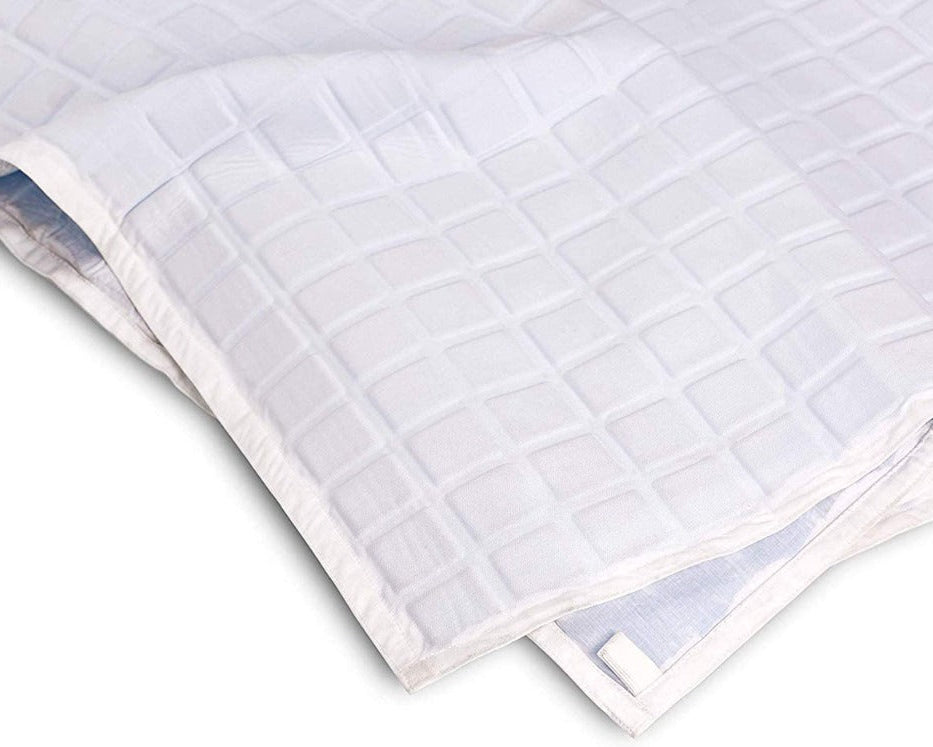
The New Cooling Fitted Sheet for the Sleep Again Pillow System is made specifically for hot sleepers! This luxurious fitted sheet is designed to fit around your Sleep Again Pillow system and keep your pillows perfectly in place throughout the night. Comfortable and cooling, this is sheet is easy to remove and wash.
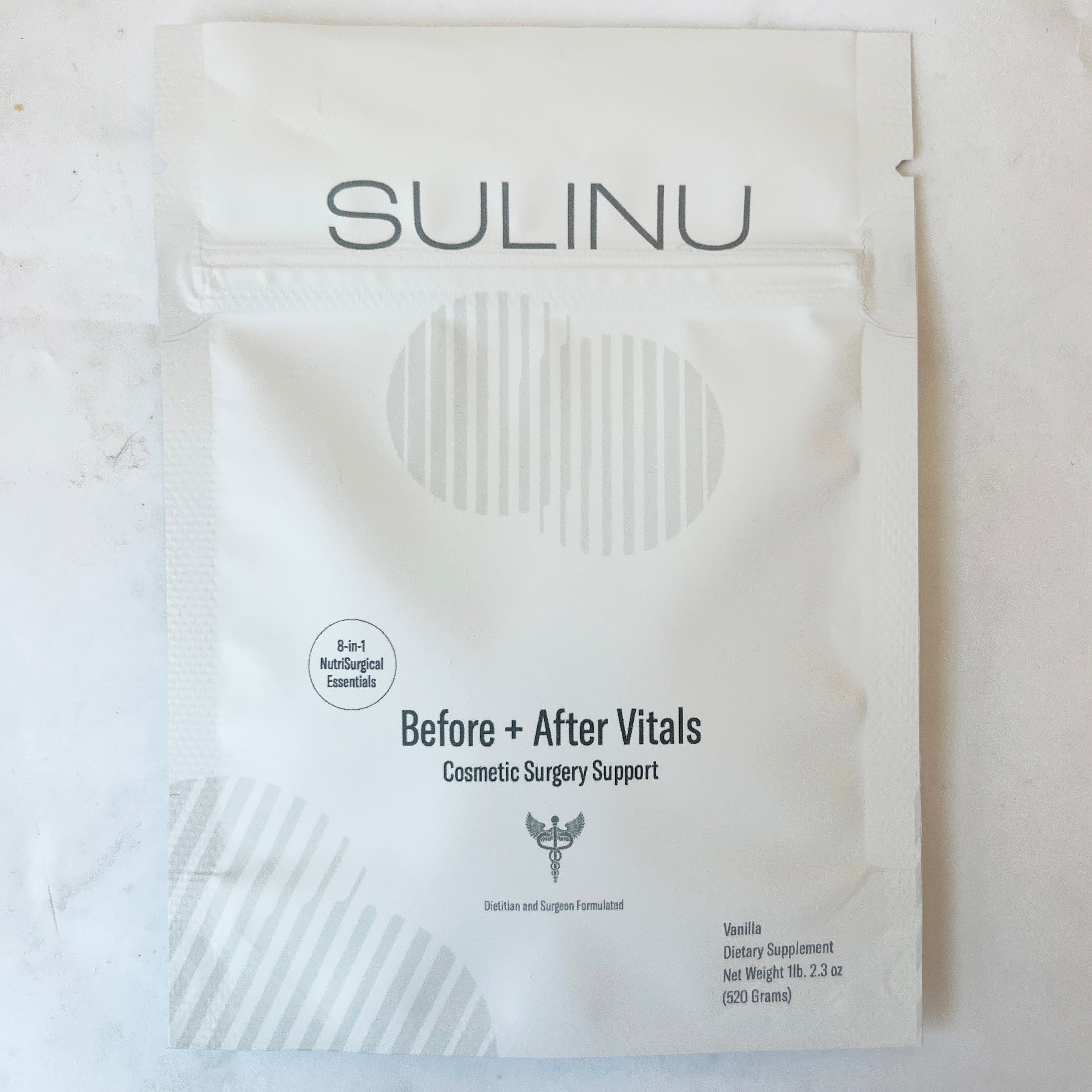
3. Nutritional Support Made for Cosmetic Surgery
Sleep positioning protects your incision, but tissue repair also depends on what your body has available to work with.
Sulinu's Before + After Vitals is formulated to support the body through the surgical window, with a nutrient blend commonly associated with bruising reduction, swelling reduction, and tissue recovery.
Starting a supplement routine before surgery, rather than after, gives your body a head start rather than trying to catch up once healing is already underway. As with any supplement, check with your surgeon before starting a new regimen, particularly if you're also taking prescribed medications, since some supplements can interact with blood thinners or affect bleeding risk around surgery.
4. Comfort Clothing
Wardrobe Companions for Your Journey:
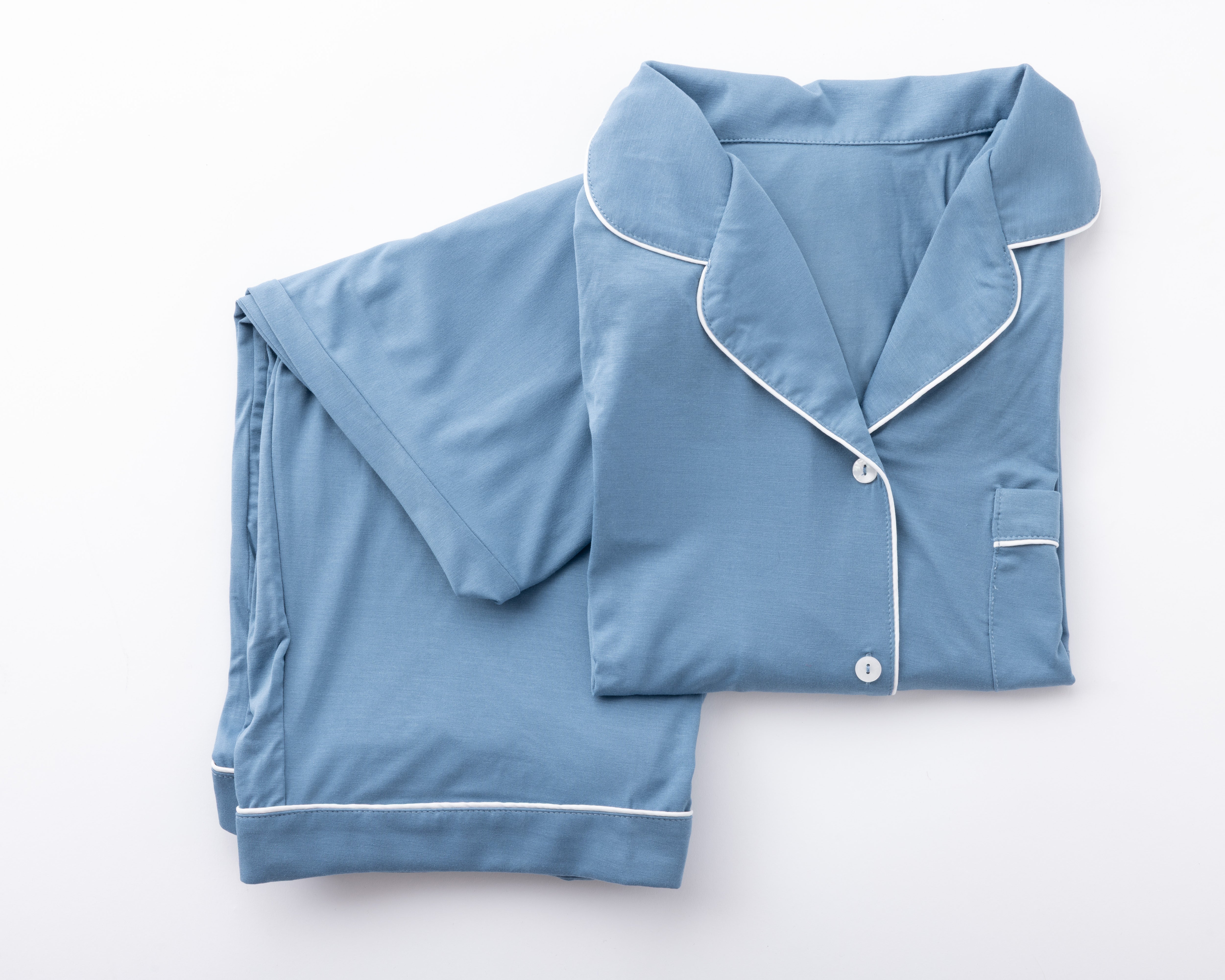
Front-Button Pajamas and Shirts -Go easy on yourself during your recovery. Front-button pajamas that open completely in front are the easiest way to dress yourself while healing.
Comfy Pants - Soft, loose pants with forgiving elastic waistbands become faithful companions during your tummy tuck recovery.
Supportive Slip-on Shoes - Bending to tie shoes can strain healing tissues, making slip-on footwear a small but meaningful comfort.
5. Compression Garments
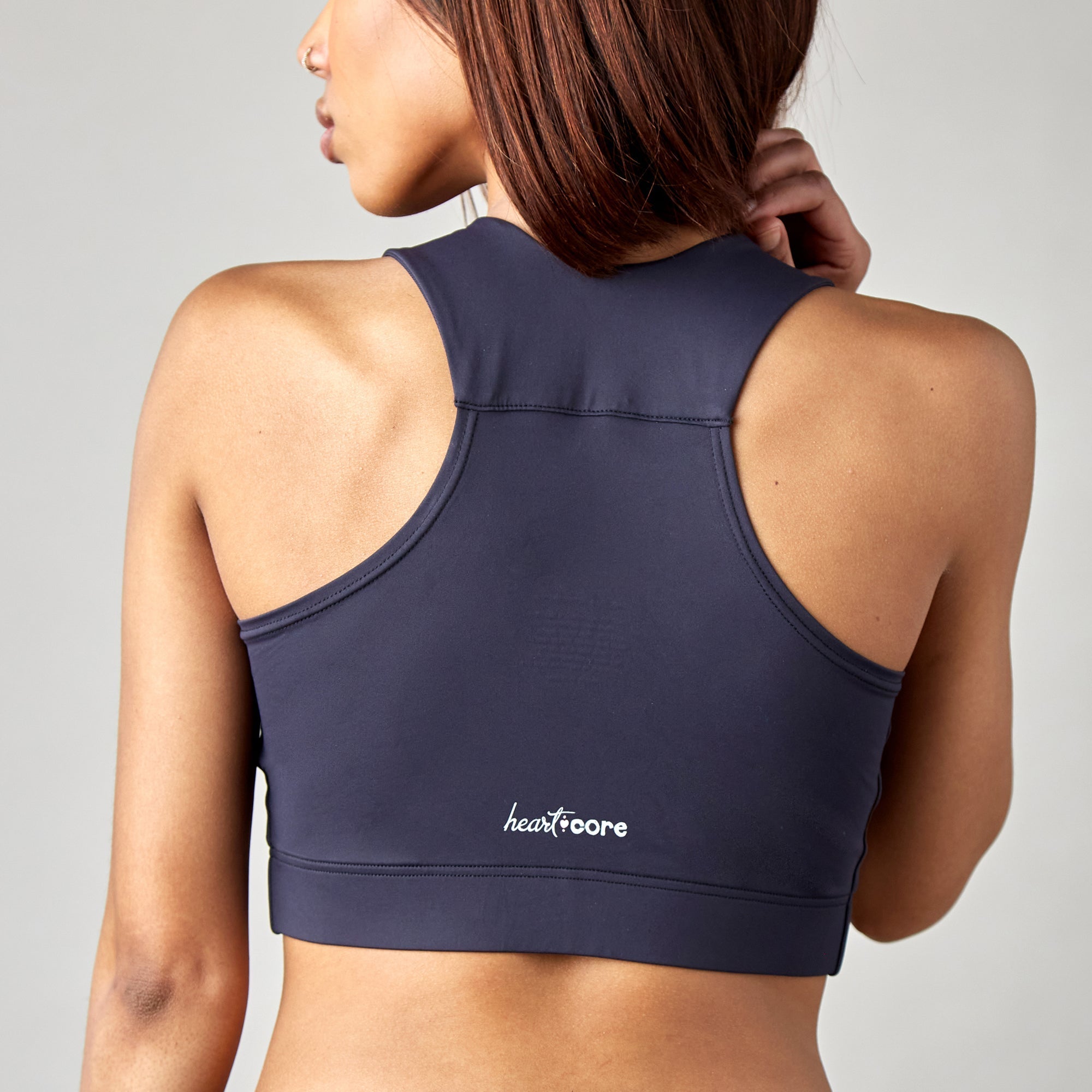
Compression garments as prescribed by your surgeon support swelling control and provide gentle pressure across the treatment area.
Most surgeons recommend wearing them consistently for several weeks, so having a couple on hand for laundering rotation is worth arranging before surgery day. Ask your surgeon's office about sizing before your procedure, since post-surgical swelling can change the fit you'd expect based on your pre-surgery measurements. Having a properly fitted garment ready on day one avoids the discomfort and reduced effectiveness of a size that doesn't match your body once swelling sets in.
6. Incision Care Supplies
Gather any incision care items your surgeon's office recommends, along with prescribed medications filled in advance and a thermometer for monitoring signs of infection. Having these on hand before surgery means no last-minute pharmacy trips during the days you should be resting.
Confirm with your surgeon's office exactly which ointments, dressings, or cleaning solutions they want you using, since specific product recommendations vary by practice.
7. Hygiene Essentials
Many surgeons ask patients to shower with an antibacterial soap like Hibiclens the night before and the morning of surgery to reduce infection risk. Confirm the exact product and timing with your surgical team, since protocols vary.
- Body wipes. Cover you between showers without requiring you to stand or maneuver.
- Dry shampoo. Handles hair washing without the range of motion a shower requires, which matters if your surgery involved your arms, chest, or core.
- A long-handled sponge or loofah. Covers areas like your feet, back, or lower legs without the bending or twisting that's harder than expected after surgery.
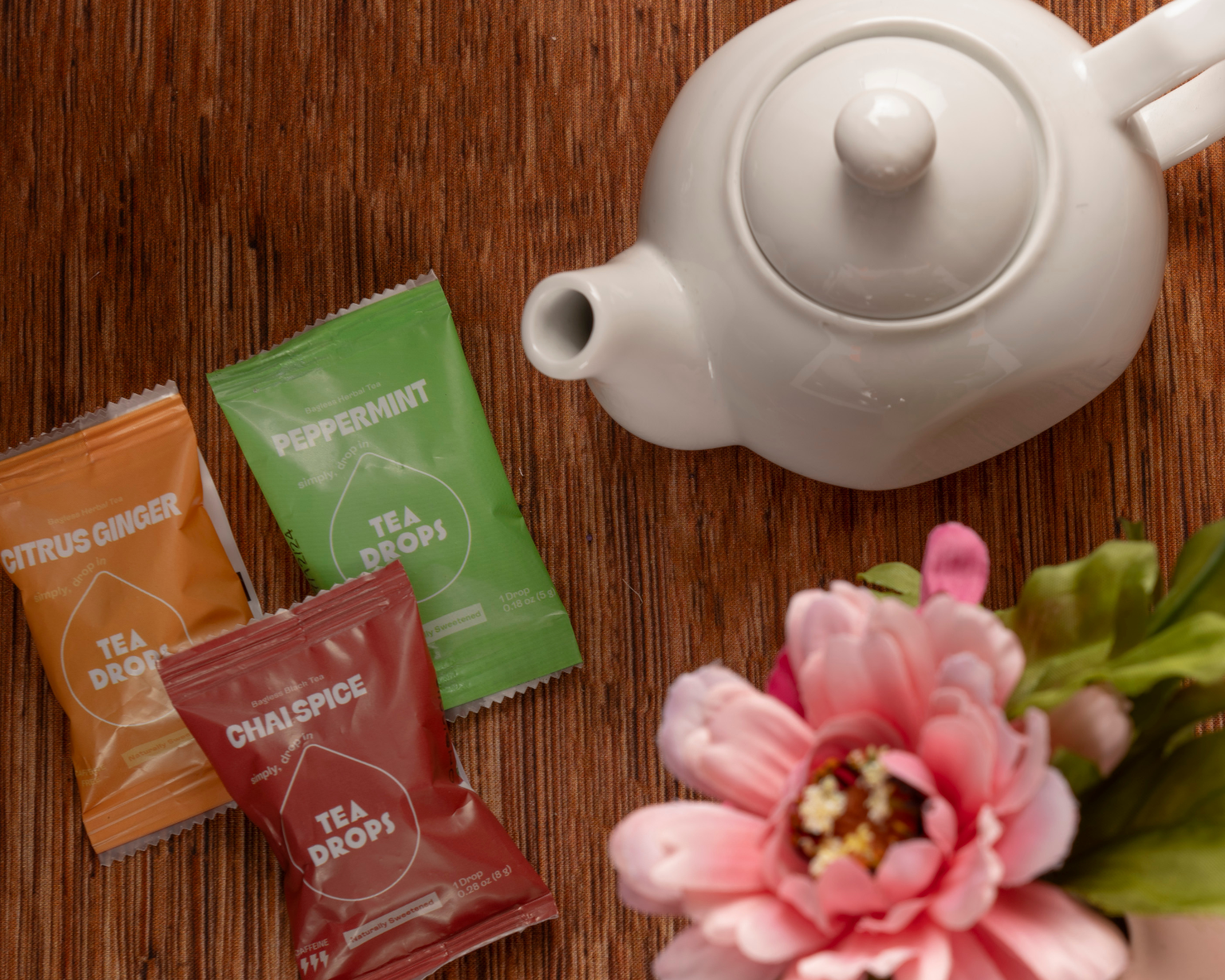
- Throat lozenges or warm tea. Handles the throat soreness that often follows the use of a breathing tube in general anesthesia.
Set this up before surgery, not after. It's not something you want to be figuring out while you're sore and moving carefully.
8. Stool Softeners
Pain medication commonly causes constipation, and stool softeners help manage this predictable side effect. Starting them as directed by your surgeon or pharmacist, rather than waiting until discomfort develops, tends to work better, since straining during a bowel movement puts direct pressure on a fresh abdominal incision.
9. A Grabber Tool
A grabber tool lets you retrieve dropped items without twisting or reaching, both of which strain a fresh abdominal incision. It's a small, inexpensive item that prevents an unnecessary source of pain in the first couple of weeks, and it's easy to forget until the moment you actually need one and can't safely bend down.
10. A Driver and Caregiver for the First 48 Hours
You'll need a driver for surgery day and, ideally, a second person available to help with meals, bathroom trips, and general logistics for the first day or two while anesthesia wears off and mobility is limited. This is easy to under-plan since it doesn't feel like a supply the way a pillow or garment does, but the first 48 hours are when you'll have the least physical capacity to manage on your own.

Creating a Healing Home Environment
Do this while you're still feeling clear-headed and mobile, not after you're home from the procedure and exhausted.
Set up your pillow system and test it for one night before surgery so you know exactly how it feels and fits.
Clear a path from your bed to the bathroom, removing anything you could trip over while groggy.
Stock your nightstand with water, medications, phone charger, and anything else you'd otherwise have to get up for.
Prepare easy, low-effort meals in advance or arrange for meal delivery during the first week.
Confirm your caregiver's schedule for at least the first 48 hours.
Home Sanctuary Preparation:
-
Mindful Rearrangement - In the days before surgery, notice what items you regularly reach for and place them at counter height where they won't require stretching or reaching.
-
Bedside Comfort Station - Create a small oasis beside your rest area with essentials like a water bottle with a straw, medications, a phone charger, and comforting items all within easy reach.
-
Nourishment Planning - Healing requires energy, yet cooking will be challenging. Accept offers from friends and family to provide meals, or prepare simple options in advance that can be easily reheated.

Get Your Free Printable Tummy Tuck Supplies Checklist
This gentle checklist helps ensure you have nurturing supports ready for your recovery journey. As you gather these items—whether through your own preparation, friends' generosity, or care packages—check them off knowing that each represents a form of self-care.
Download and share this PDF checklist with loved ones who want to support your healing journey.
Note: Your personal needs may vary based on your unique procedure and situation. This checklist is a starting point to be refined in partnership with your healthcare team.