
Body lift surgery is one of the most transformative procedures in plastic surgery — and one of the most demanding recoveries.
How you sleep after body lift surgery matters just as much as what your surgeon does during the procedure. The right sleep position protects your incisions, manages swelling, supports healthy circulation, and gives your body the optimal conditions to heal. The wrong one can undo progress, create complications, and extend recovery timelines.
This guide is written for people in the planning phase, because that's exactly when this information does the most good. We'll cover why elevated back sleeping is the therapeutic gold standard, how to build your sleep setup before your surgery date, and what to expect week by week through recovery.
What Is Body Lift Surgery, Exactly?
Body lift surgery is a broad term that typically refers to circumferential procedures designed to remove excess skin and tissue from the midsection, hips, thighs, buttocks, and abdomen. It's most commonly pursued after significant weight loss — either from bariatric surgery or dedicated lifestyle changes — as well as after pregnancy or the natural effects of aging.
Body Lift Surgery Types:
Lower Body Lift (360 Body Lift / Circumferential Body Lift): This addresses the lower half of the body in a single procedure. It typically combines a tummy tuck, outer thigh lift, and buttock lift by making a circumferential incision around the entire waistline. The result is a tighter, smoother silhouette from the abdomen all the way around to the back.
Upper Body Lift: Targets excess skin on the back, flanks, and chest area. Often combined with arm lifts or breast procedures for more comprehensive upper-body contouring.
Total Body Lift: Combines both upper and lower body lift procedures — either staged or performed simultaneously — for patients with extensive excess skin.
Because body lift incisions often wrap around both the front and back of the torso, sleeping comfortably presents a unique challenge — there's no single position that keeps all incision sites completely off-surface. That's exactly why optimizing your sleep posture before surgery day matters.
Why Does Sleep Position Matter So Much After a Body Lift?
This isn't just a comfort conversation. Sleep position during recovery has real, measurable clinical implications.
Swelling Management
Post-surgical swelling is unavoidable — your body will produce it. But how severe it gets and how quickly it resolves is influenced significantly by sleep position. When the upper body is flat or below heart level, fluid pools in soft tissue. Elevating your upper body allows fluid to drain naturally, reducing the buildup that creates pressure, tightness, and discomfort at surgical sites.
Incision Site Integrity
Body lift incisions are extensive and strategically placed to remove excess tissue and redrape the skin. Positions that pull, compress, or apply friction to incision lines can disrupt healing tissue, increase the risk of wound separation, and worsen scarring. Elevated back sleeping distributes weight broadly and keeps incision sites as pressure-free as possible.
Circulation and Healing
Your cardiovascular system supports healing by delivering oxygen and nutrients to tissue and removing inflammatory byproducts. Flat sleeping impairs venous return and reduces circulation efficiency. Elevating both the upper body and legs supports healthy blood flow, helps prevent post-surgical blood clots, and sustains the circulatory conditions tissue needs to repair.
Pain Management
Proper positioning reduces baseline discomfort throughout the night. Less pain means less sleep disruption and more time in deep sleep phases where the body does its actual repair work — a cycle that reinforces itself positively as recovery progresses.

The Case for Elevated Back Sleeping: Why 30–45 Degrees Is the Target
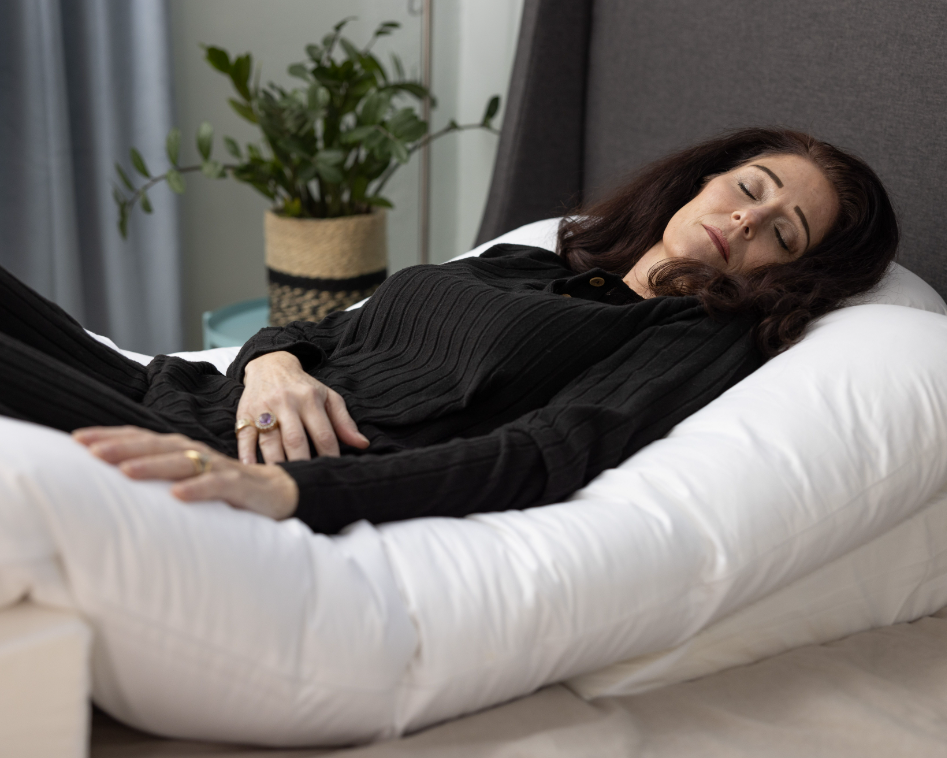
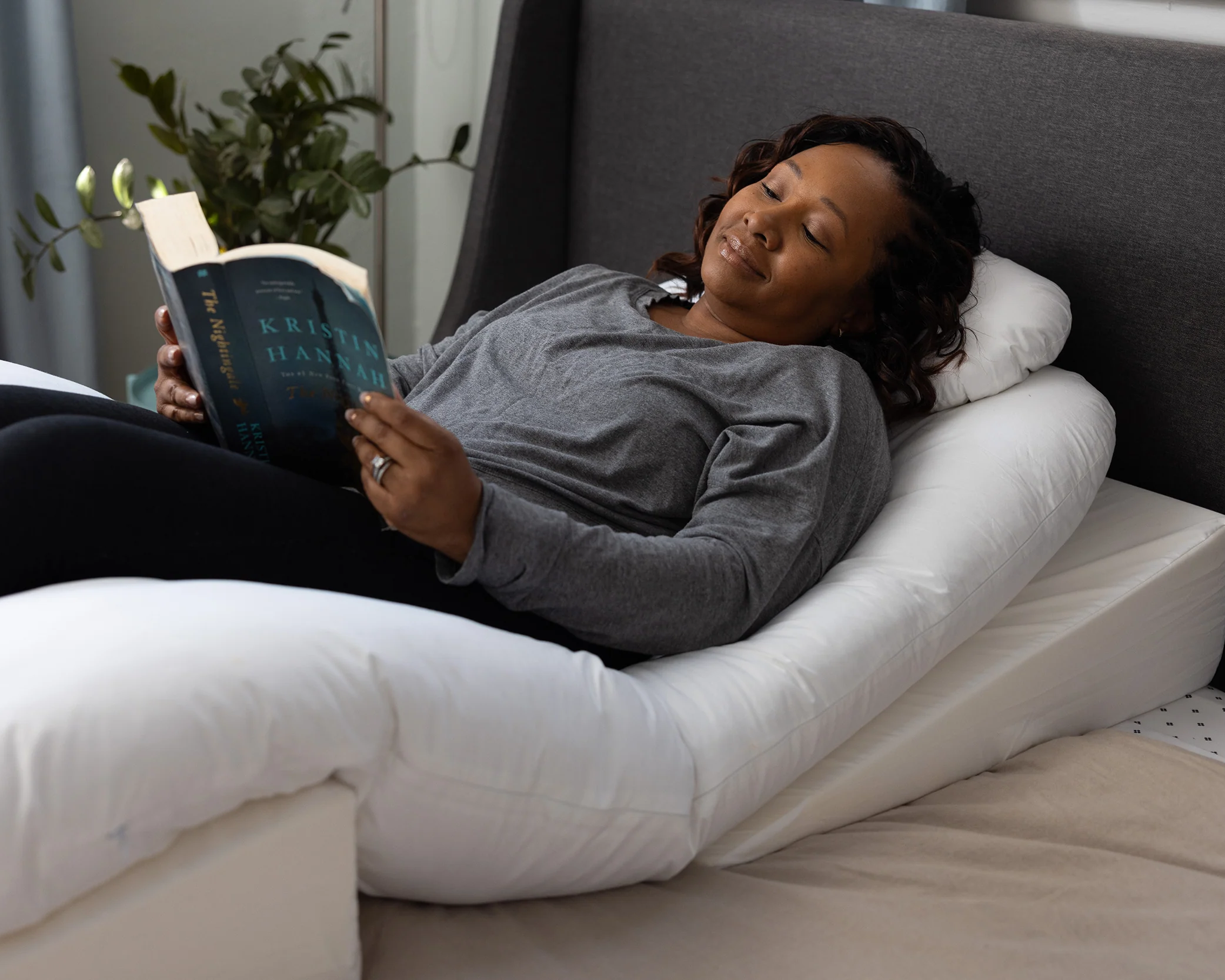
Surgeons and post-operative care guides consistently recommend the same thing after body lift surgery: sleep on your back with your upper body elevated. The standard range is 30 to 45 degrees, and there are specific reasons that this window exists.
Below 30 degrees: The elevation isn't sufficient to meaningfully counteract fluid accumulation or relieve pressure on abdominal incision sites. Patients often experience more swelling, more discomfort, and more fragmented sleep.
30–45 degrees: This is the optimal therapeutic range. At this angle, your upper body elevation supports lymphatic drainage, reduces pressure on anterior and posterior incision sites, allows your diaphragm to work efficiently, and keeps the compression garment positioned correctly around your midsection.
Above 45 degrees: Approaches an upright position. For some patients in the earliest recovery days — particularly those with significant abdominal procedures — this may be more comfortable initially. However, maintaining it overnight without proper support often leads to slouching, which creates new pressure points.
The goal isn't just getting into position once — it's staying there for six to eight hours without shifting, sliding, or unconsciously rolling to the side. That's where proper setup makes all the difference.
Why Flat Back Sleeping Doesn't Work
Lying completely flat after body lift surgery increases venous pressure at incision sites, promotes fluid accumulation in the abdominal and hip areas, and puts direct pressure on both anterior and posterior incision lines simultaneously. Patients who sleep flat consistently report more intense morning swelling and greater discomfort getting in and out of bed.
Why Side and Stomach Sleeping Are Not Appropriate
Side sleeping applies localized pressure directly to hip and flank incision sites and creates a twisting force on the midsection that strains healing tissue and pulls on suture lines. Stomach sleeping places direct compression on abdominal incisions and significant tension on the front of the torso. Both should be avoided for the full duration of your surgeon's recommended back-sleeping timeline — typically two to six weeks, depending on your procedure.
How Sleep Fuels the Healing Process
Understanding why sleep matters before surgery keeps it a priority during recovery — not an afterthought.
Growth Hormone Release: The majority of human growth hormone — the primary driver of tissue repair, cell renewal, and incision healing — is released during deep sleep phases. Fragmented sleep due to poor positioning means consistently missed repair windows.
Immune Function: Your immune system is actively engaged after surgery to protect incision sites, manage inflammation, and prevent infection. Sleep deprivation measurably suppresses white blood cell function and increases infection risk — consequences no post-surgical patient can afford.
Inflammatory Regulation: Adequate sleep regulates the balance between beneficial and excessive inflammation. Some inflammation is a normal part of healing. Too much, sustained too long, prolongs swelling, pain, and stiffness.
Pain Threshold: Sleep-deprived patients consistently report higher pain levels than those who achieve good quality rest, even controlling for the same surgical procedure and the same medications. Poor sleep measurably increases pain intensity.
Building a sleep setup that actually works isn't an indulgence. It's a direct contributor to your recovery outcome.
Building Your Body Lift Sleep Setup Before Surgery Day
The single most effective thing you can do as a pre-surgery patient is prepare your sleep environment before you need it. Returning home from a major surgical procedure without a sleep setup in place creates unnecessary difficulty at a time when energy and mobility are limited.
Here's what to think through in advance:
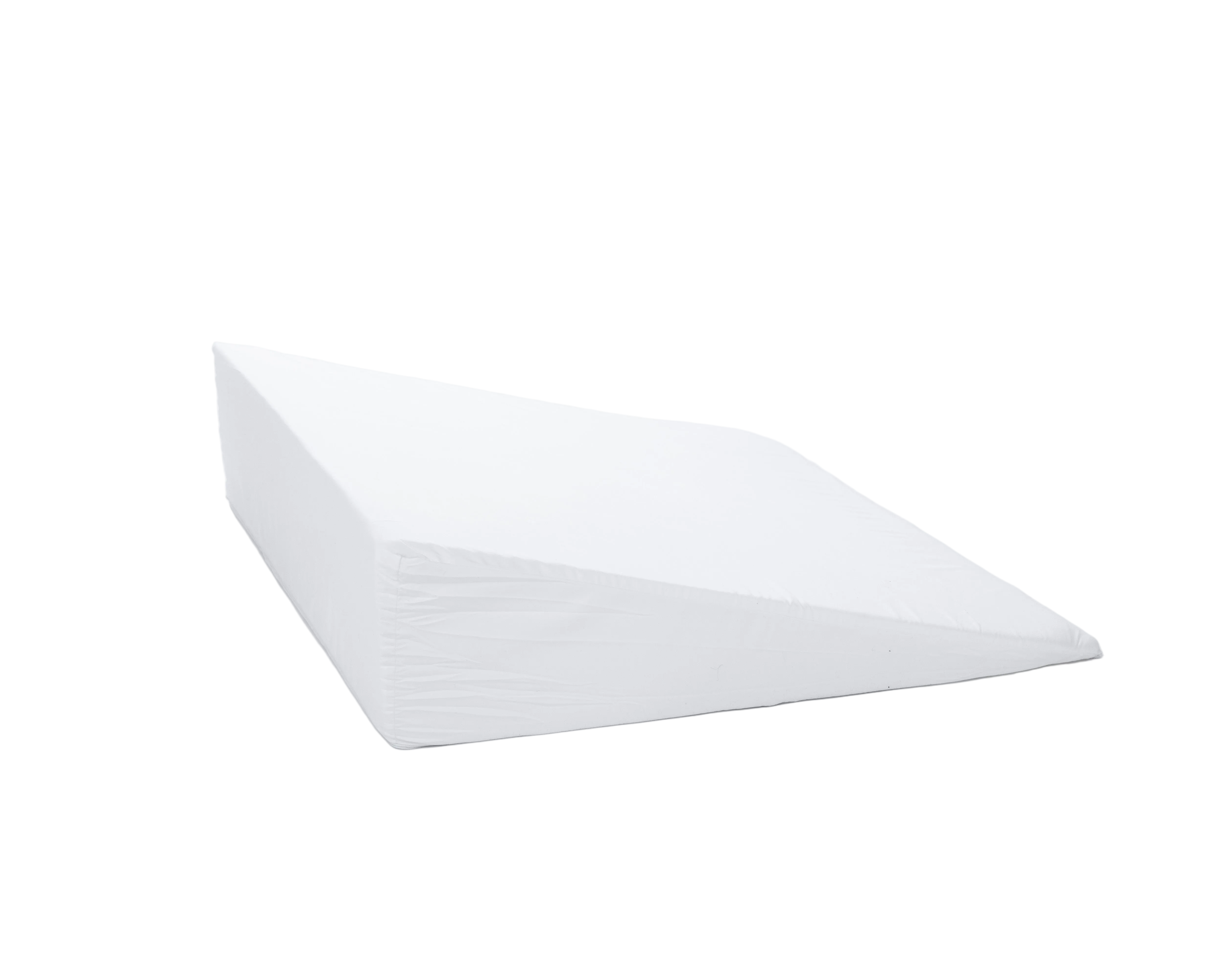
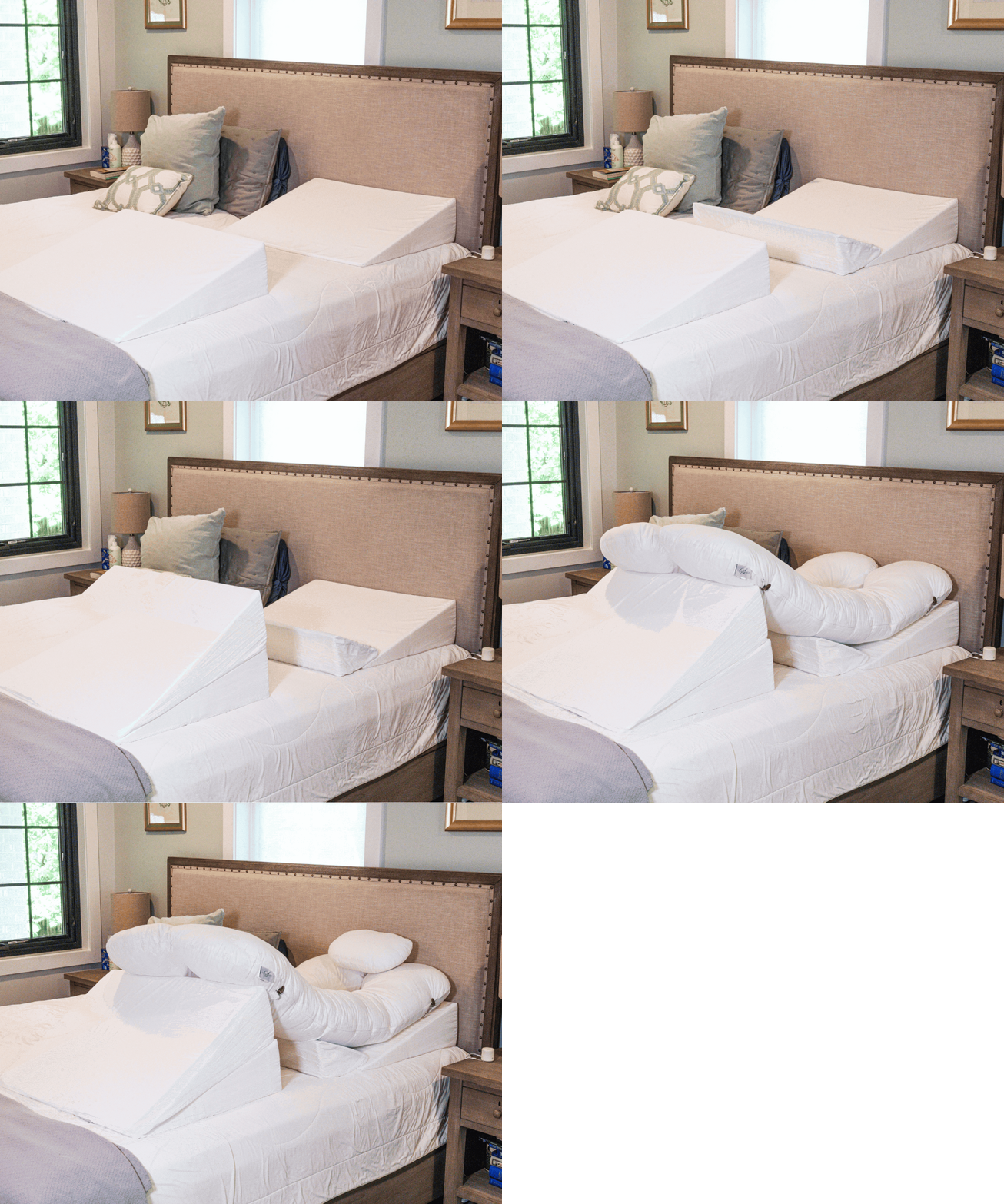
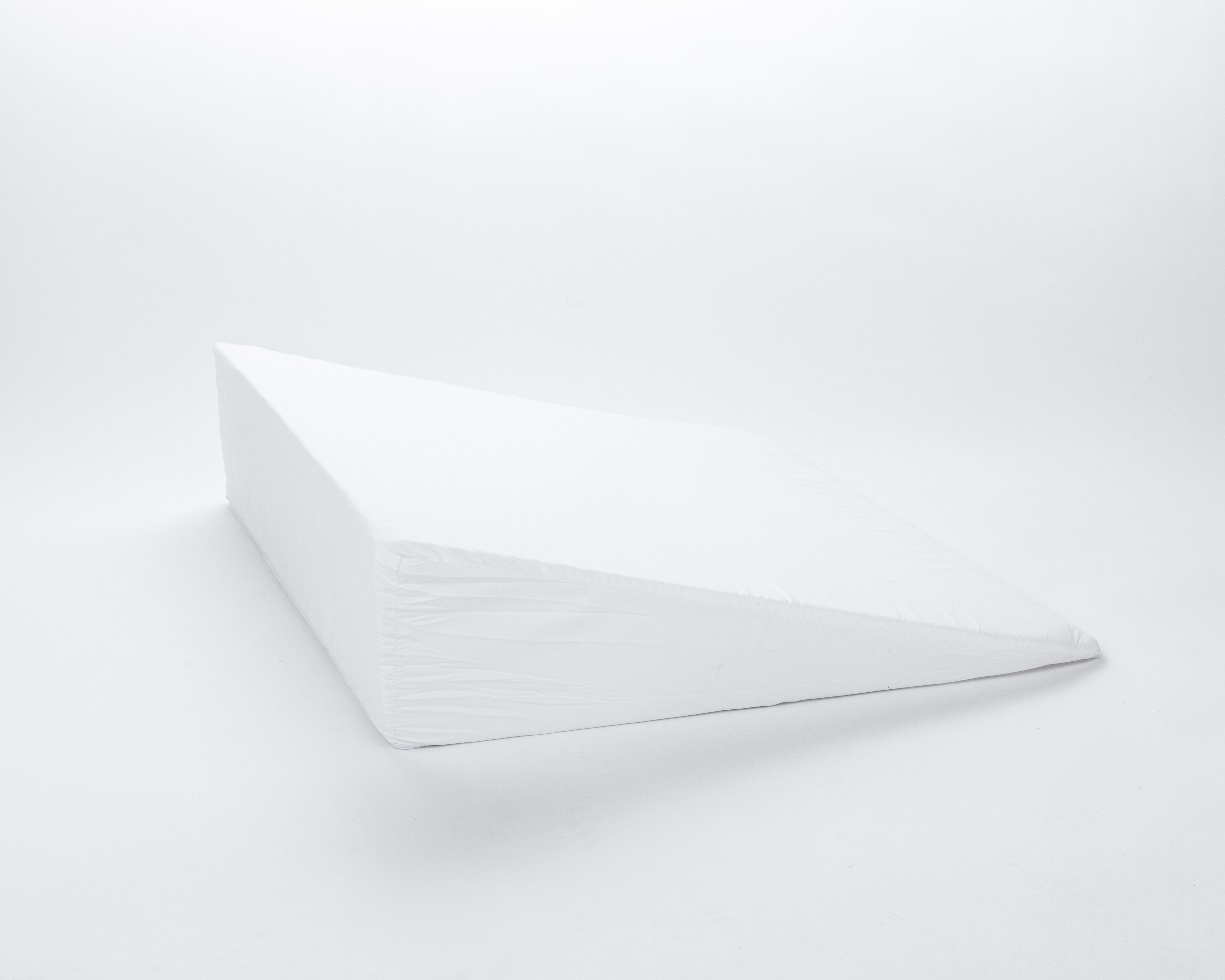
Elevation System: You need a reliable way to maintain 30–45 degrees of upper body elevation for weeks on end. Stacked pillows are a common starting point, but they compress, shift, and collapse throughout the night — losing significant angle before morning. A dedicated wedge system maintains its angle consistently, which is what makes it worth the investment.
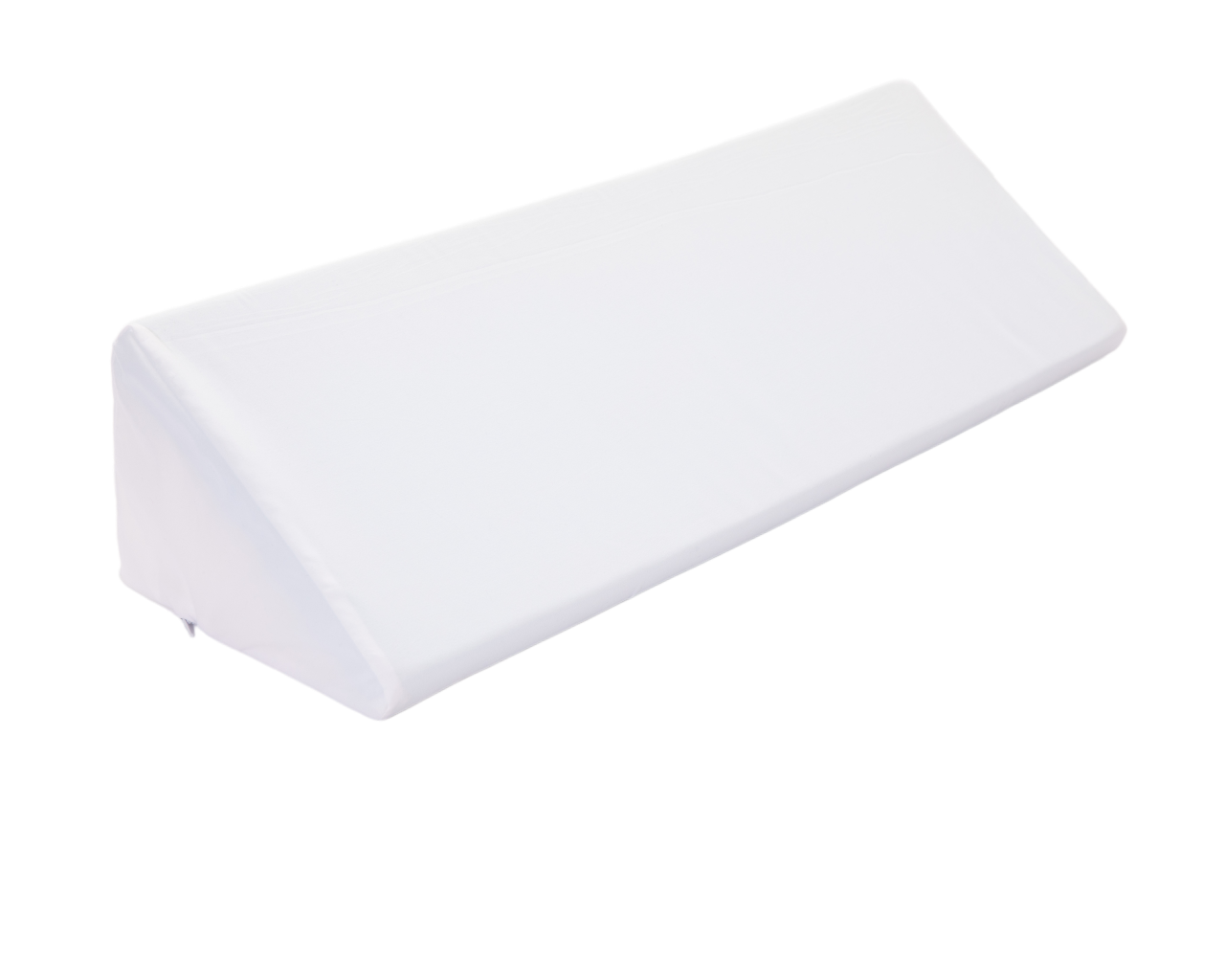
Leg Support: Post-body lift positioning isn't only about the upper body. Slight leg elevation reduces lower back pressure, takes tension off circumferential incisions in the hip and buttock area, and supports venous return. A leg support wedge under the knees handles this reliably without nightly pillow reconfiguration.
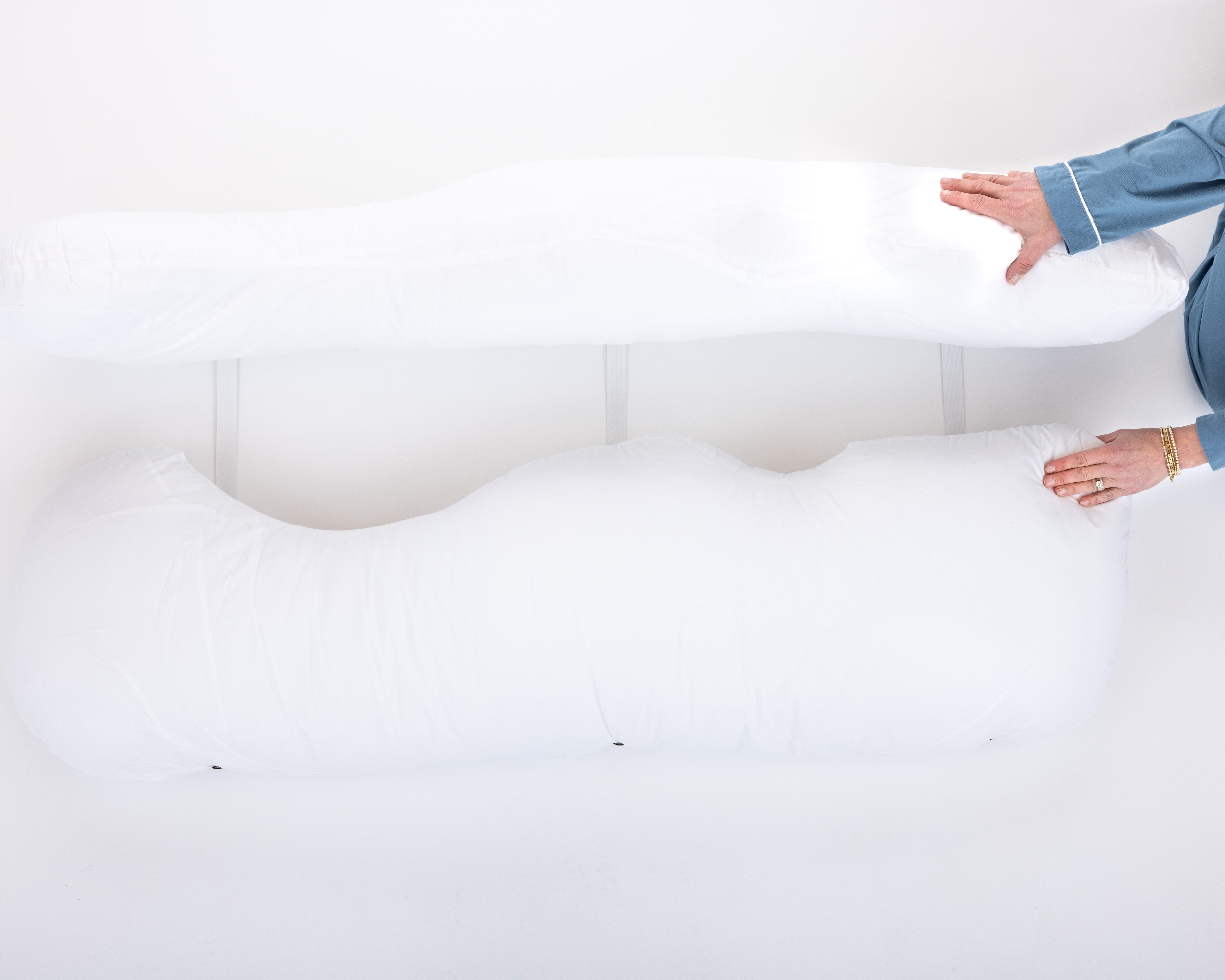
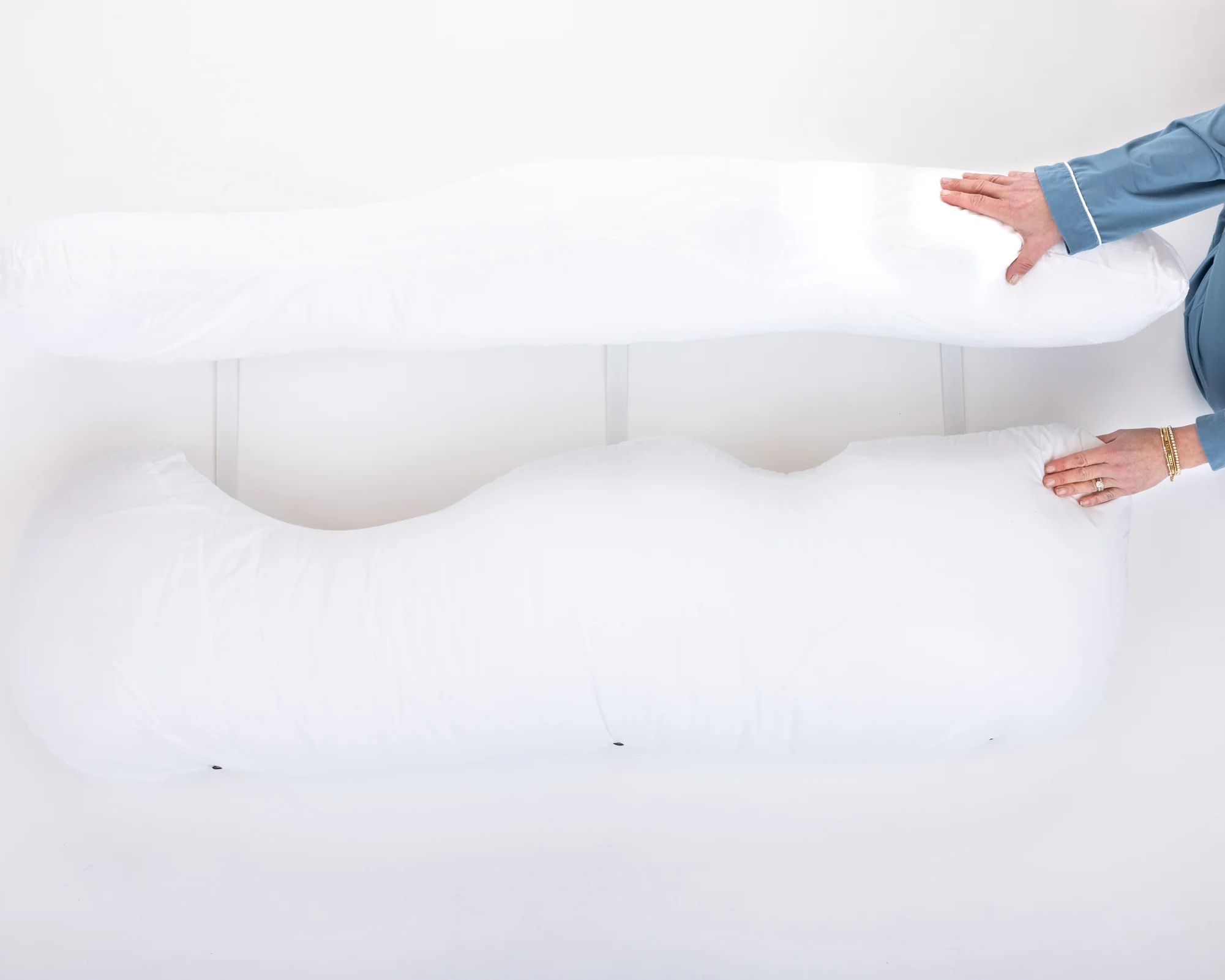
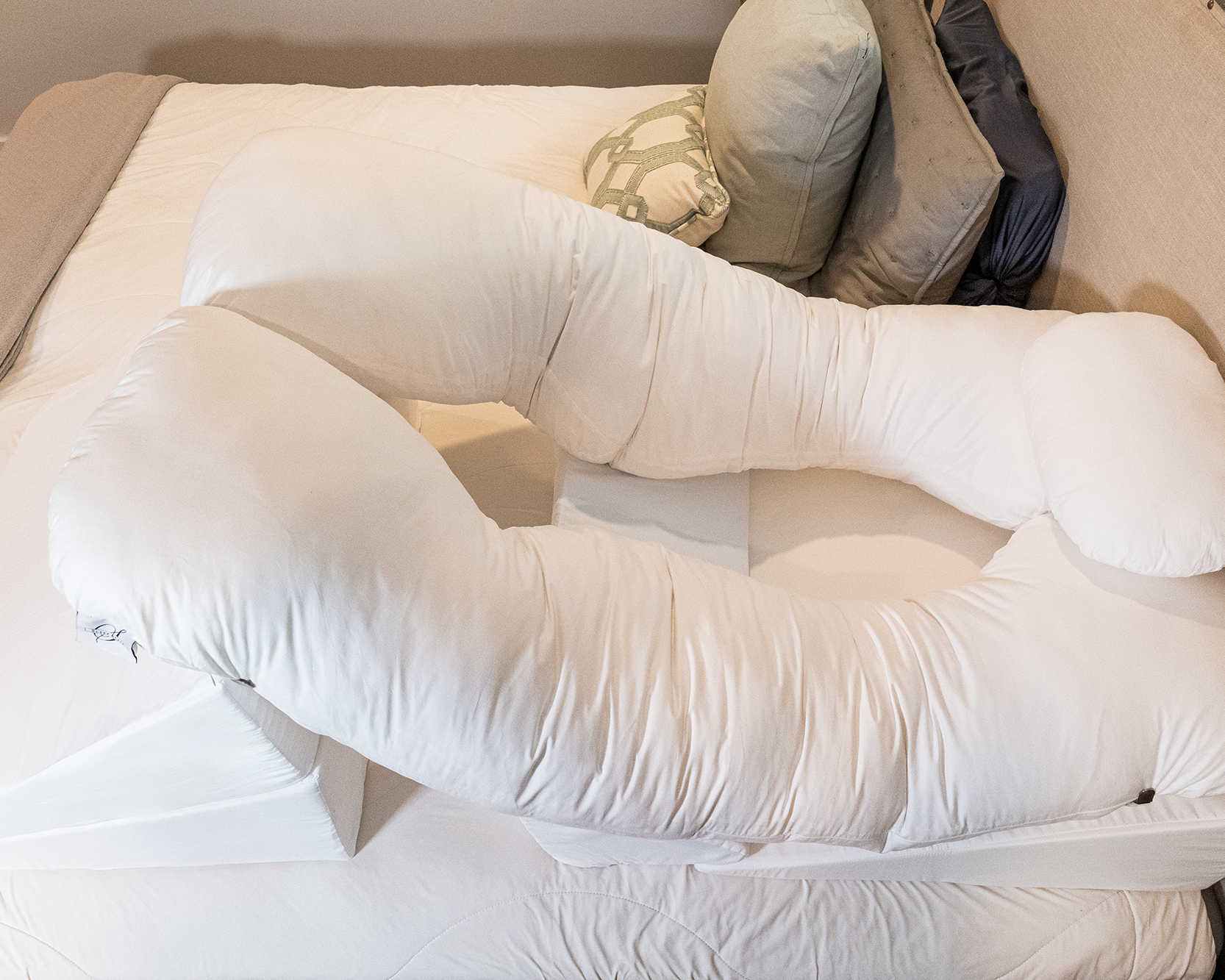
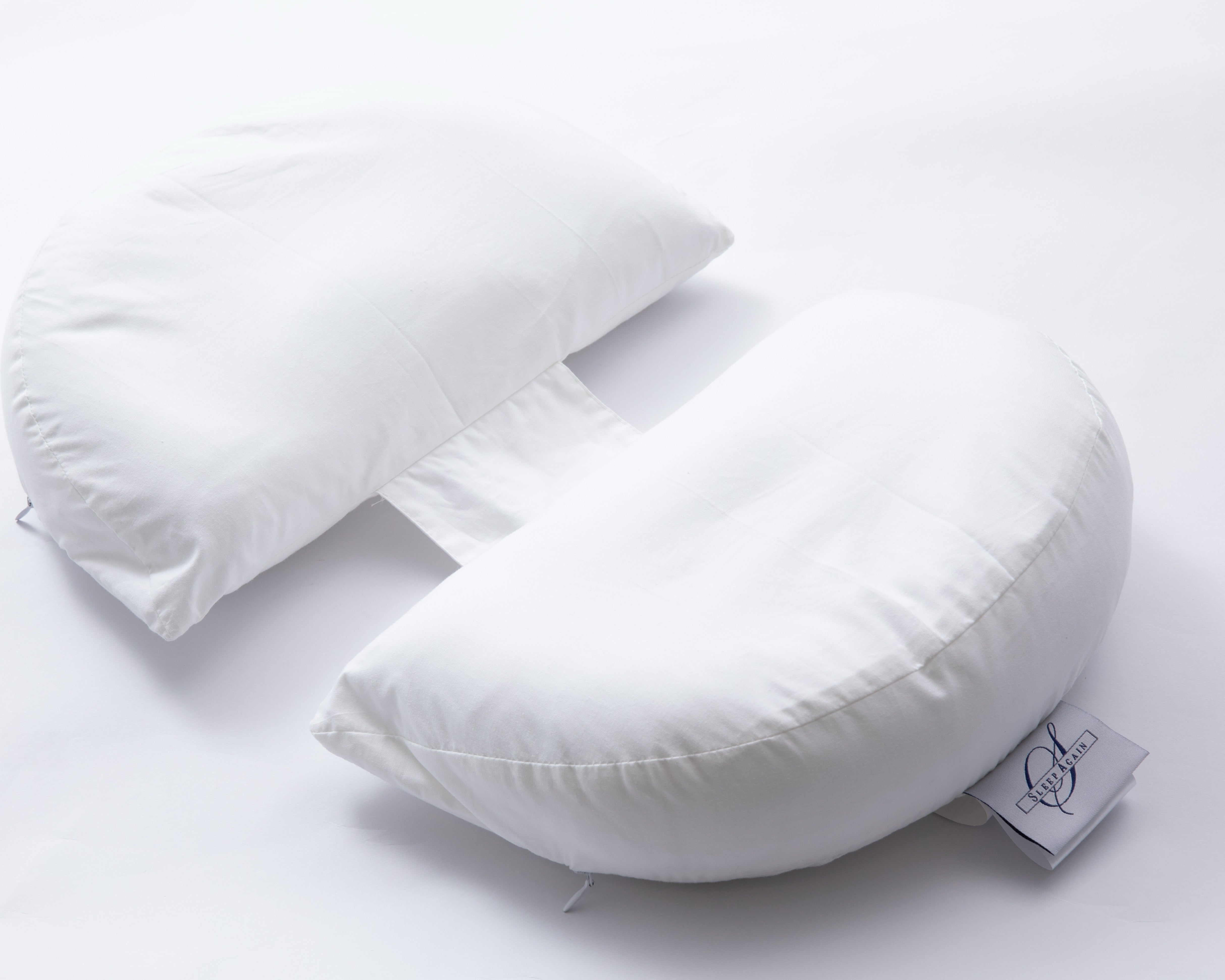
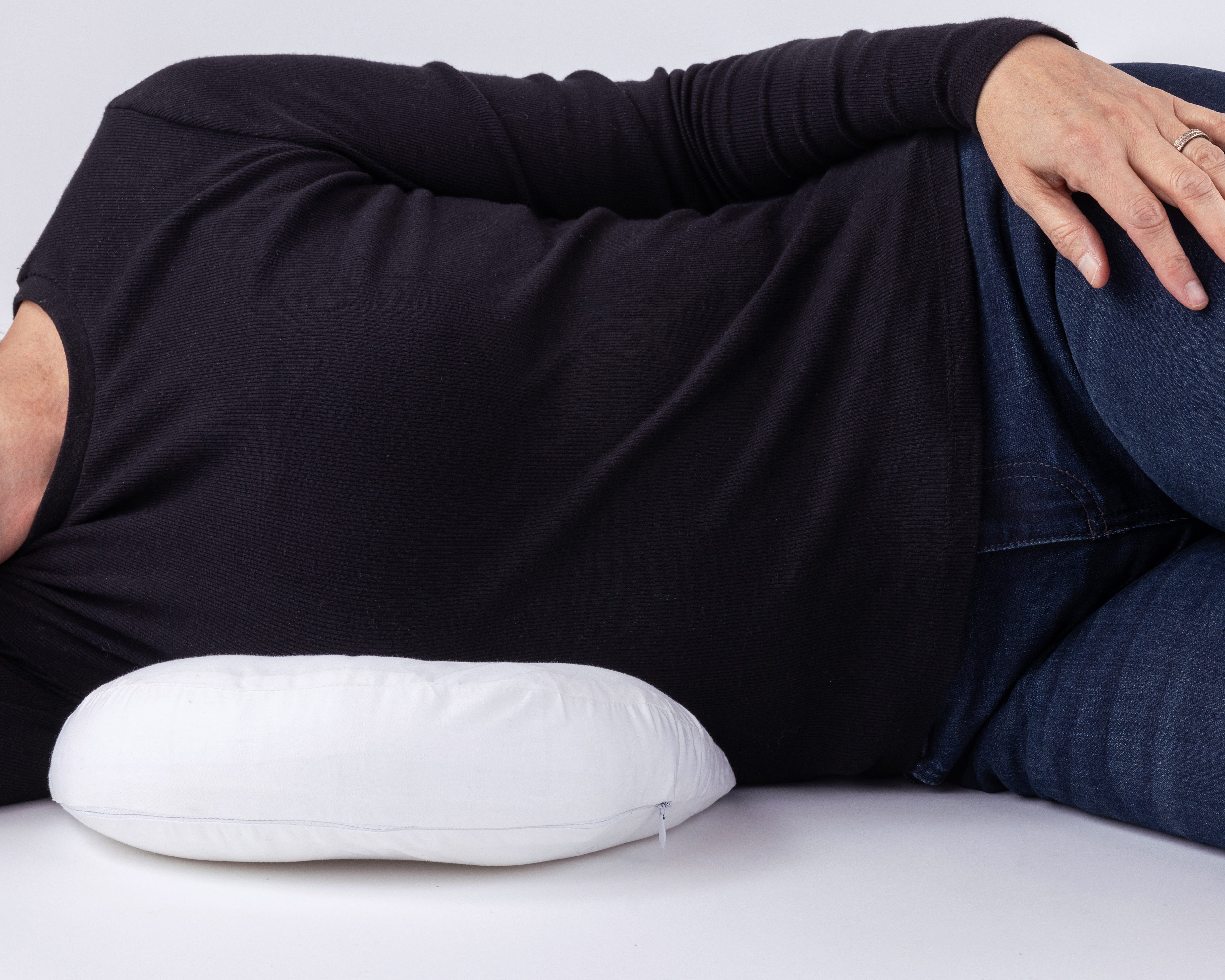
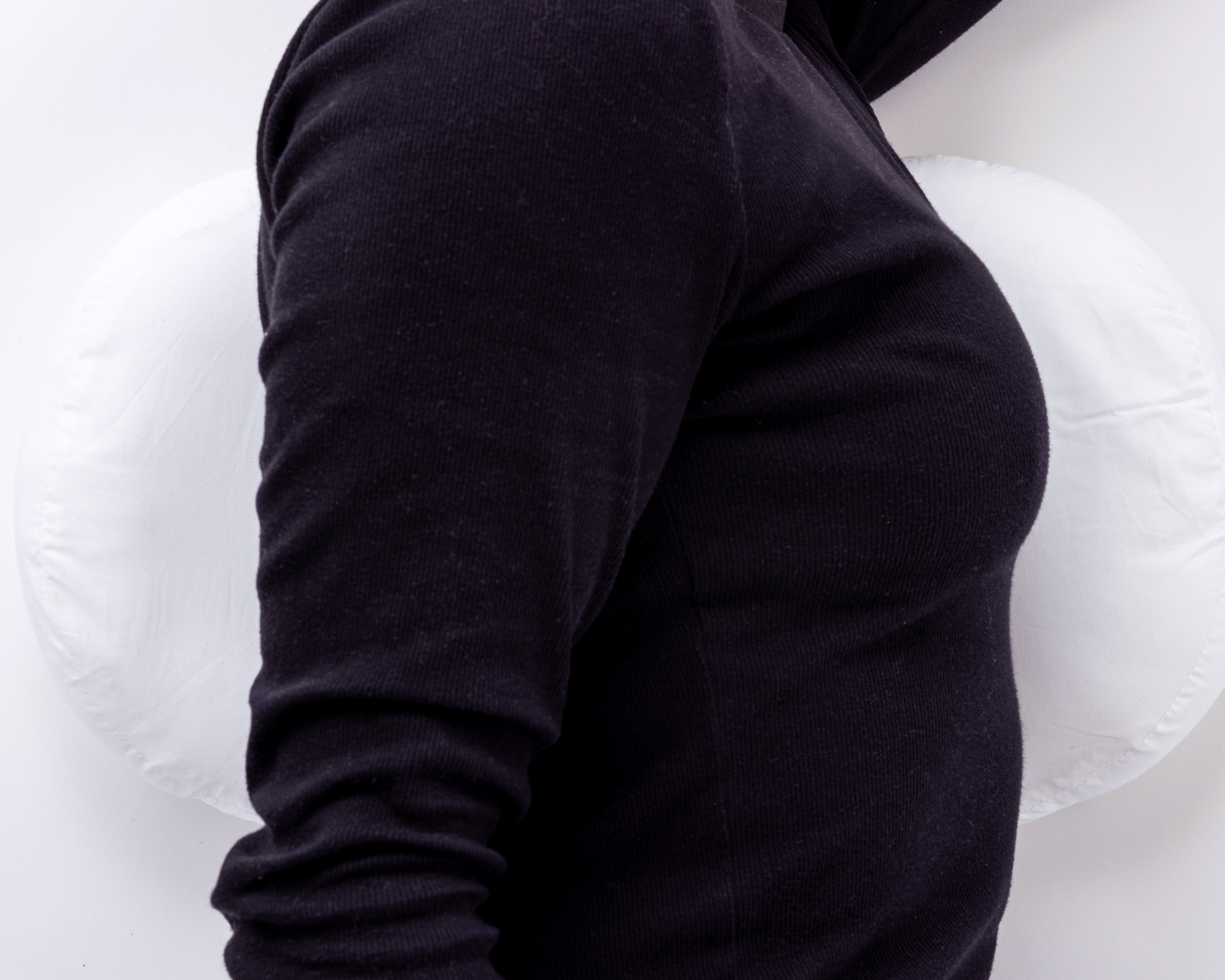
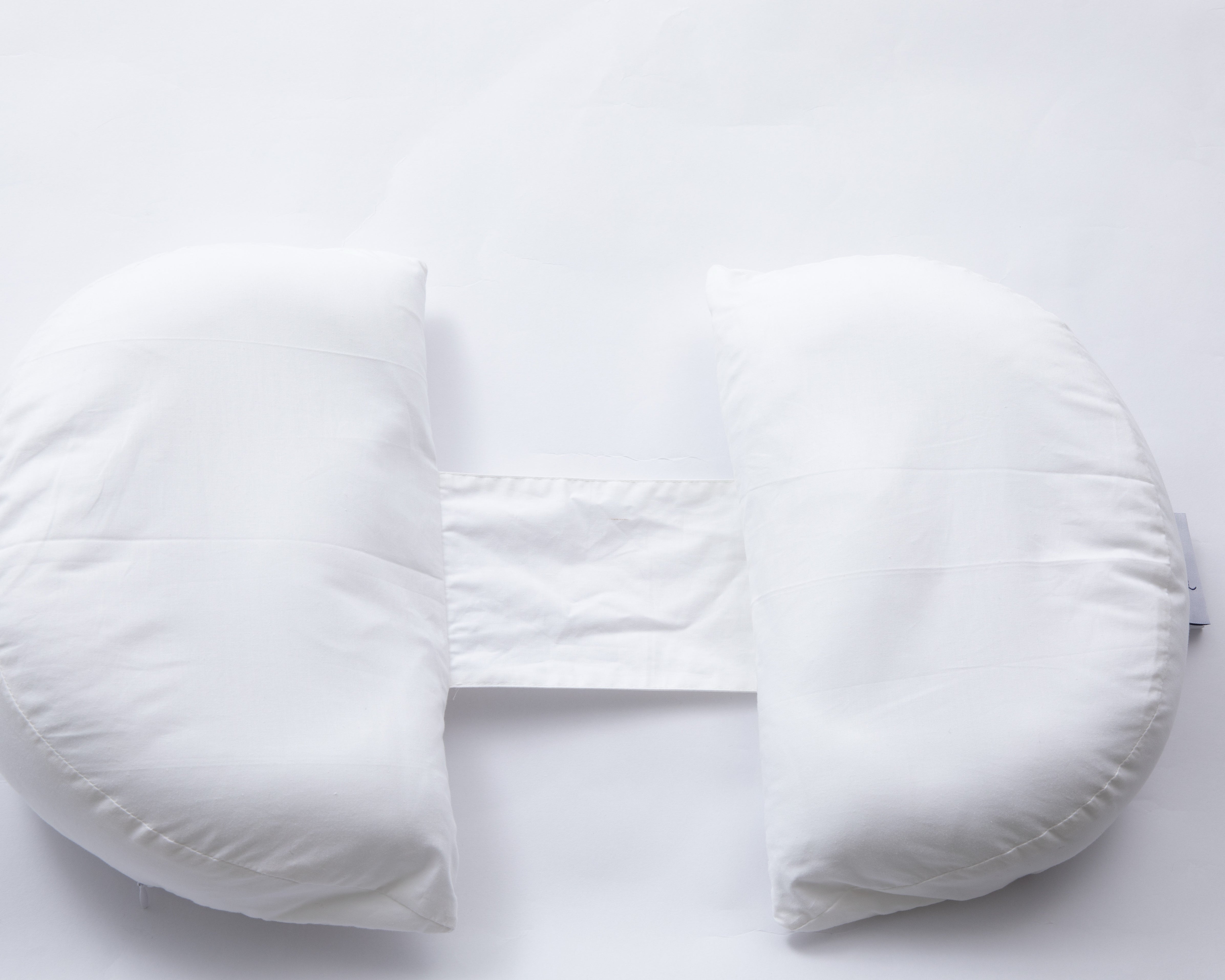
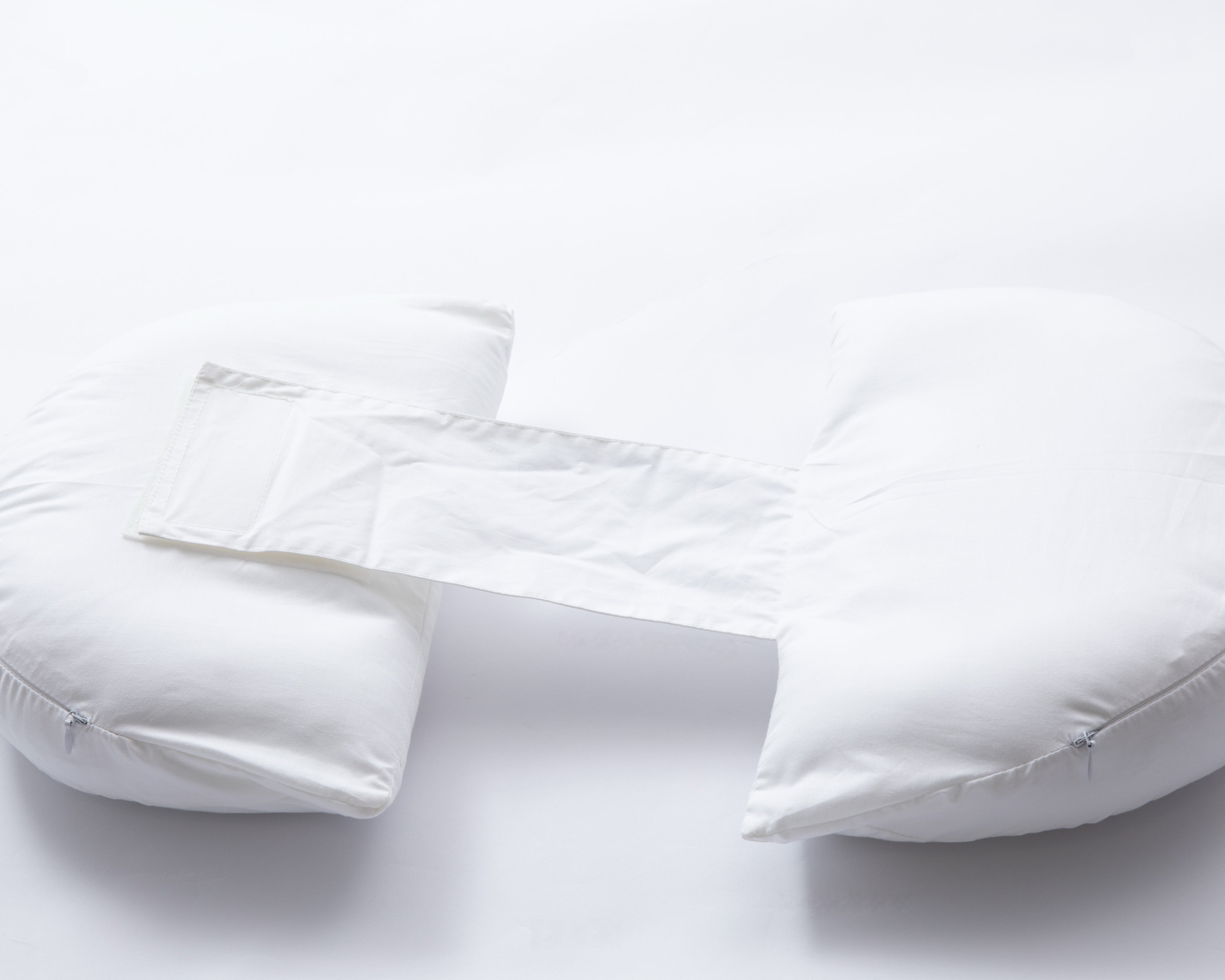
Lateral Stability: Unconsciously rolling toward one side during sleep is common and uncontrollable. Strategic pillow placement along your sides creates barriers that redirect movement before it becomes a problem. Contoured pillows shaped for this purpose outperform standard pillows, which tend to migrate during the night.
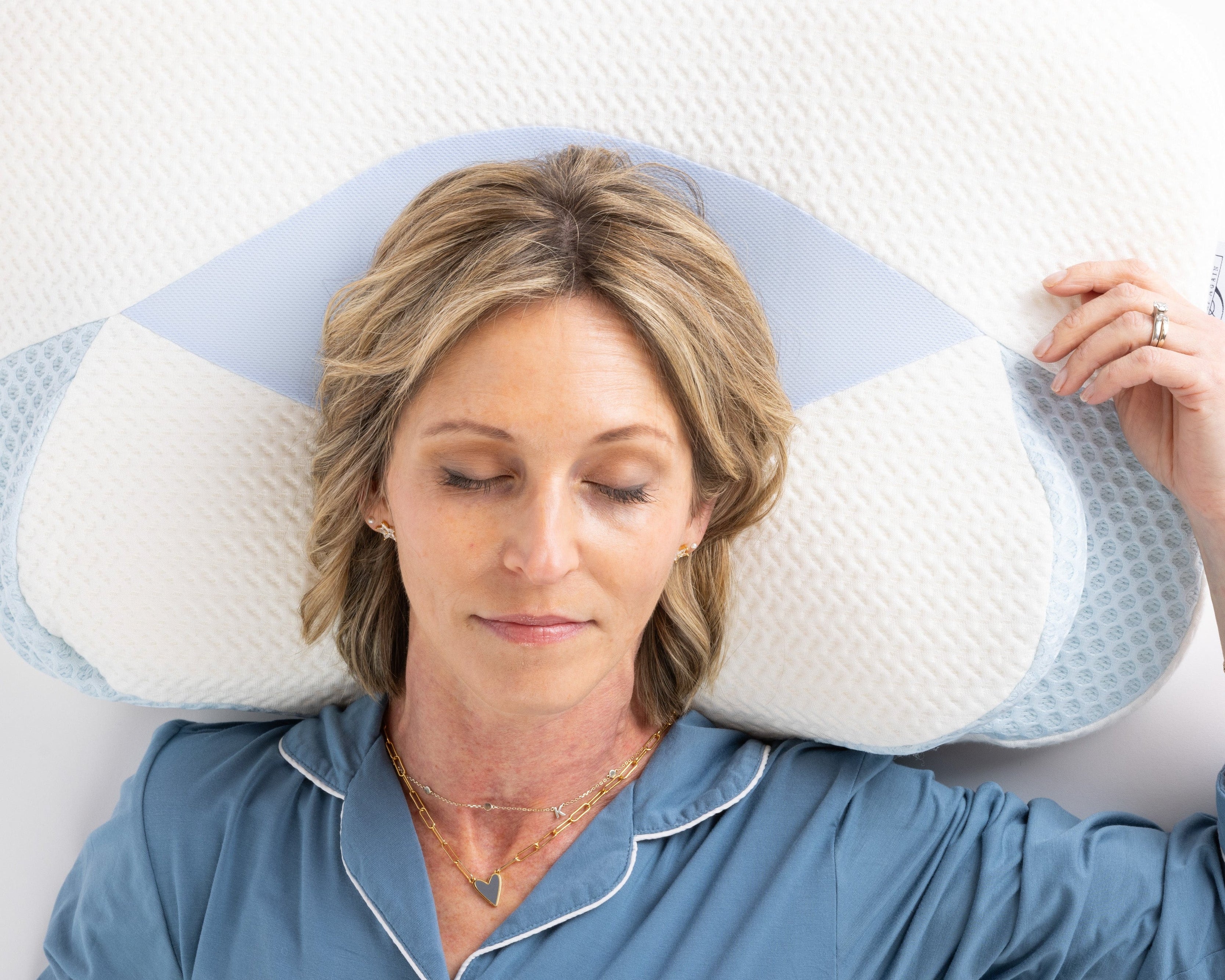
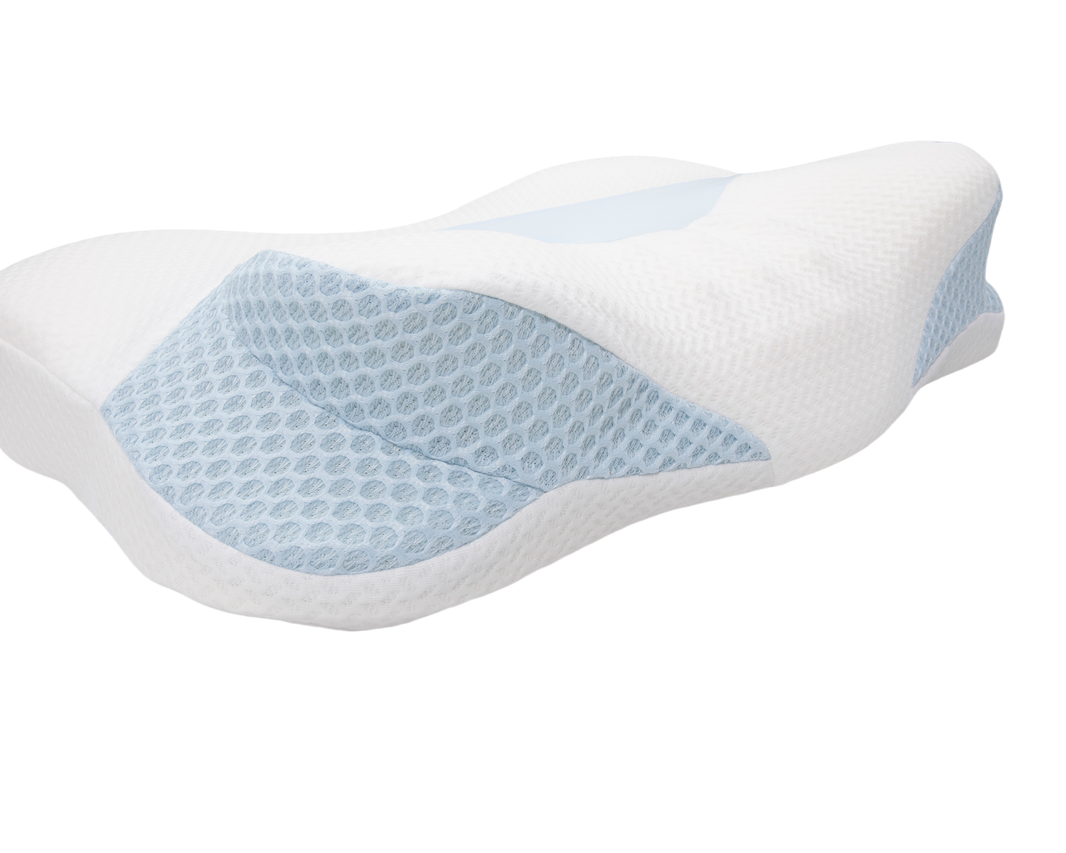
Head and Neck Support: Standard flat pillows don't adequately support the head at an elevated angle, leaving the neck hyperextended or forced forward. A head pillow sized for your elevated position keeps the cervical spine aligned and prevents the neck stiffness that causes patients to abandon their positioning plan.
Getting In and Out of Bed: After a body lift, the standard method of getting out of bed is off-limits due to torso restrictions. You'll need to use a log-roll maneuver — practice this before surgery and ensure clear space around your sleep area to perform it safely.
What to Expect Your First Night Home After Body Lift Surgery
The first night home is the one most pre-surgery patients quietly dread, and the one most recovery guides skip entirely. Here's what to realistically expect.
You will likely not sleep well. That is normal and not a sign that anything is wrong. Pain medication timing, post-anesthesia effects, compression garment adjustment, and the unfamiliarity of your new sleep position all converge on night one. The goal for your first night is not restorative sleep. It's safe, correctly positioned rest.
Set your sleep area up completely before you leave for surgery. You should not be arranging pillows, testing angles, or problem-solving when you arrive home post-procedure. Everything should be ready to use immediately.
Get into bed using the log-roll maneuver. Roll to your side as a unit and use your arms to lower yourself, keeping your torso as one piece. Do not attempt to sit straight up or swing your legs independently.
Week-by-Week Sleep Recovery Timeline
Recovery from body lift surgery is a graduated process, and your positioning needs evolve throughout.
Days 1–7 (Hospital and Early Home Recovery): Elevation and protection are the priority. Sleep at 30–45 degrees with legs slightly elevated. Do not attempt side sleeping. Expect interrupted sleep due to pain medication schedules, compression garment adjustments, and drain management. Focus on maintaining the correct position rather than achieving unbroken hours.
Weeks 2–3 (Early Healing Phase): Swelling will be at or near its peak. Maintaining consistent elevation is especially important. Most patients begin achieving longer sleep stretches. Your compression garments are critical. Wear them as directed by your surgeon.
Weeks 4–6 (Mid-Recovery): Many patients feel significantly better and are tempted to return to normal sleep positions. Resist this. Incision sites are still in active healing, and tissues are still remodeling. Continue sleeping on your back at therapeutic elevation until your surgeon explicitly clears you for positional changes.
Weeks 6–8 and Beyond (Transition Phase): With surgical clearance, you can begin exploring position flexibility. Many patients find elevated back sleeping has become genuinely comfortable by this point and choose to continue it beyond their required recovery period.

The Sleep Again Pillow System: Engineered for Body Lift Surgery Recovery
For body lift recovery, a post-surgery sleep positioning system addresses every element outlined above without requiring you to source components individually or troubleshoot the configuration each night.
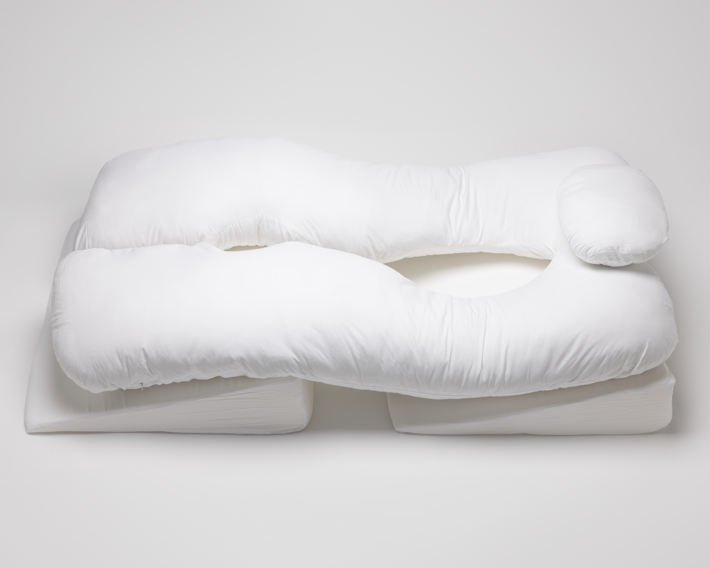
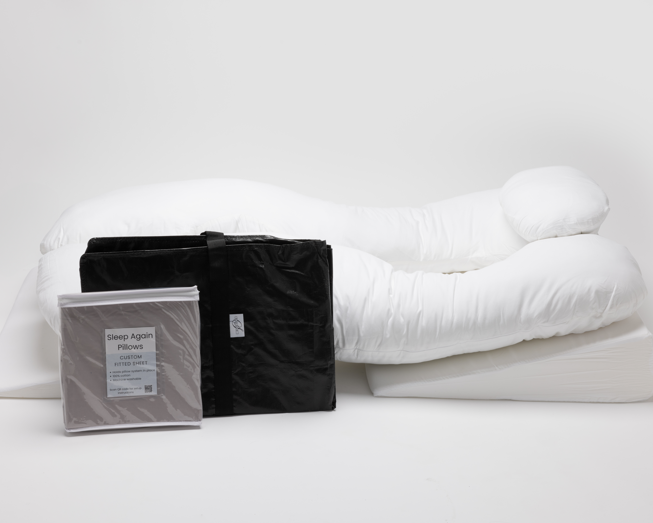
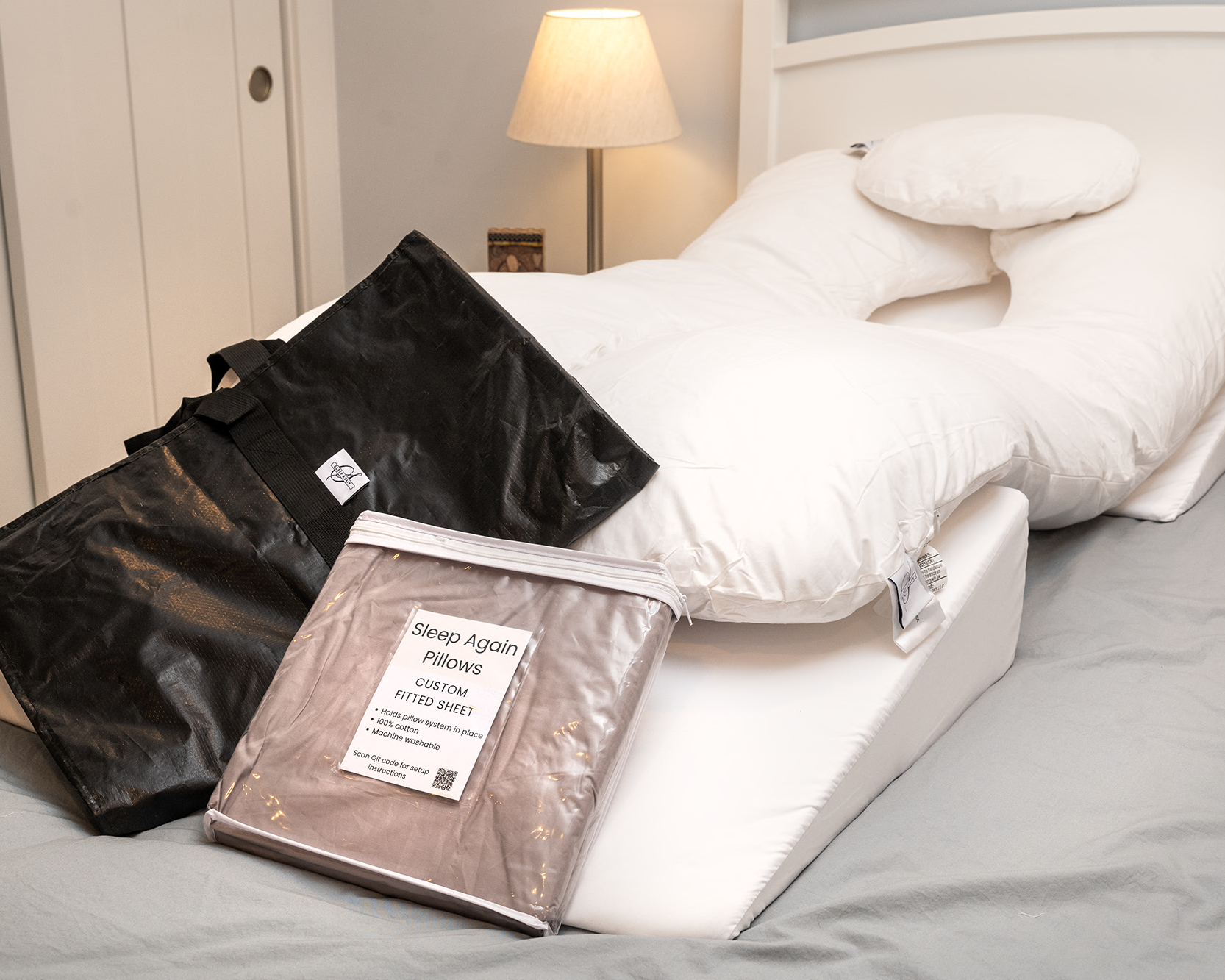
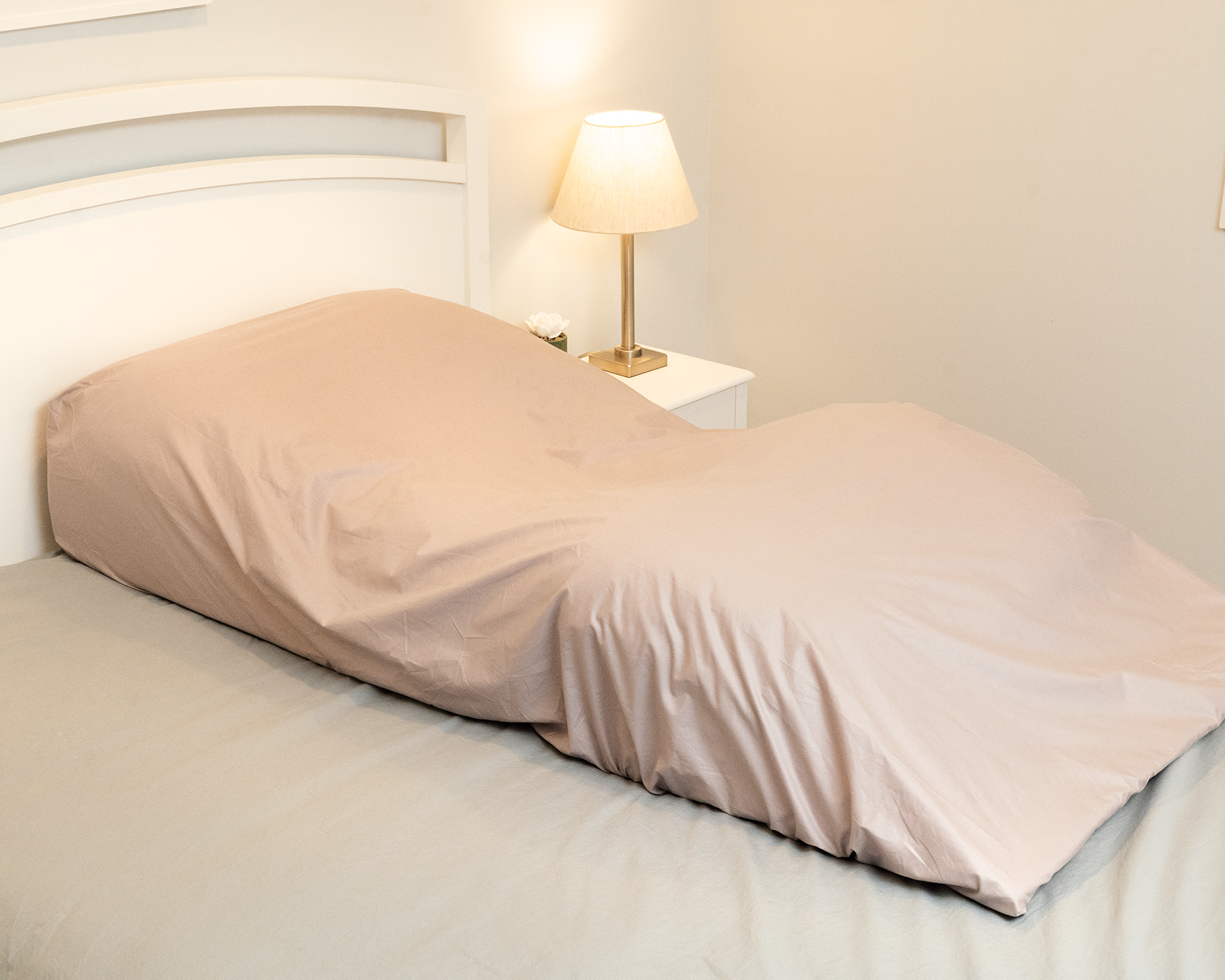
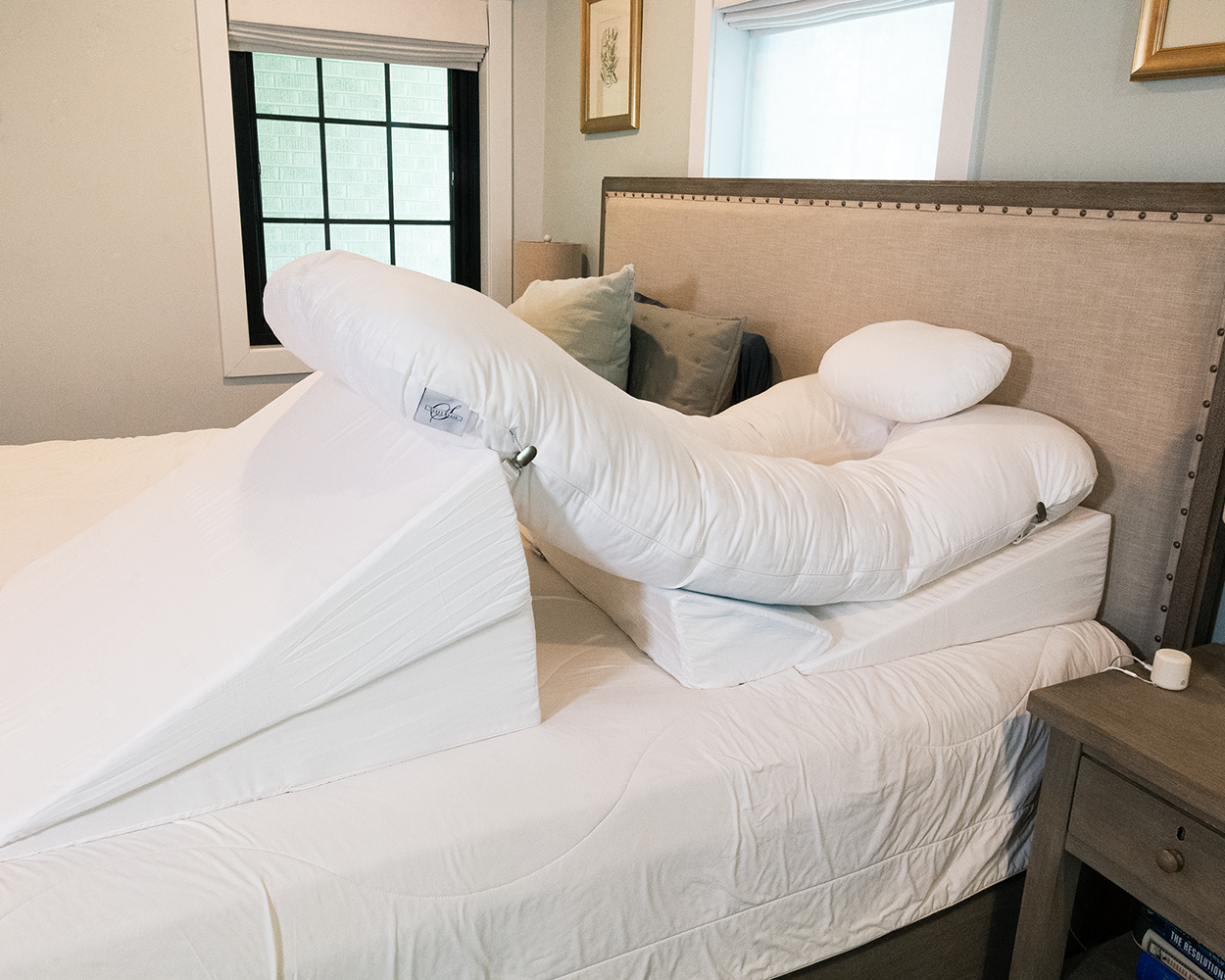
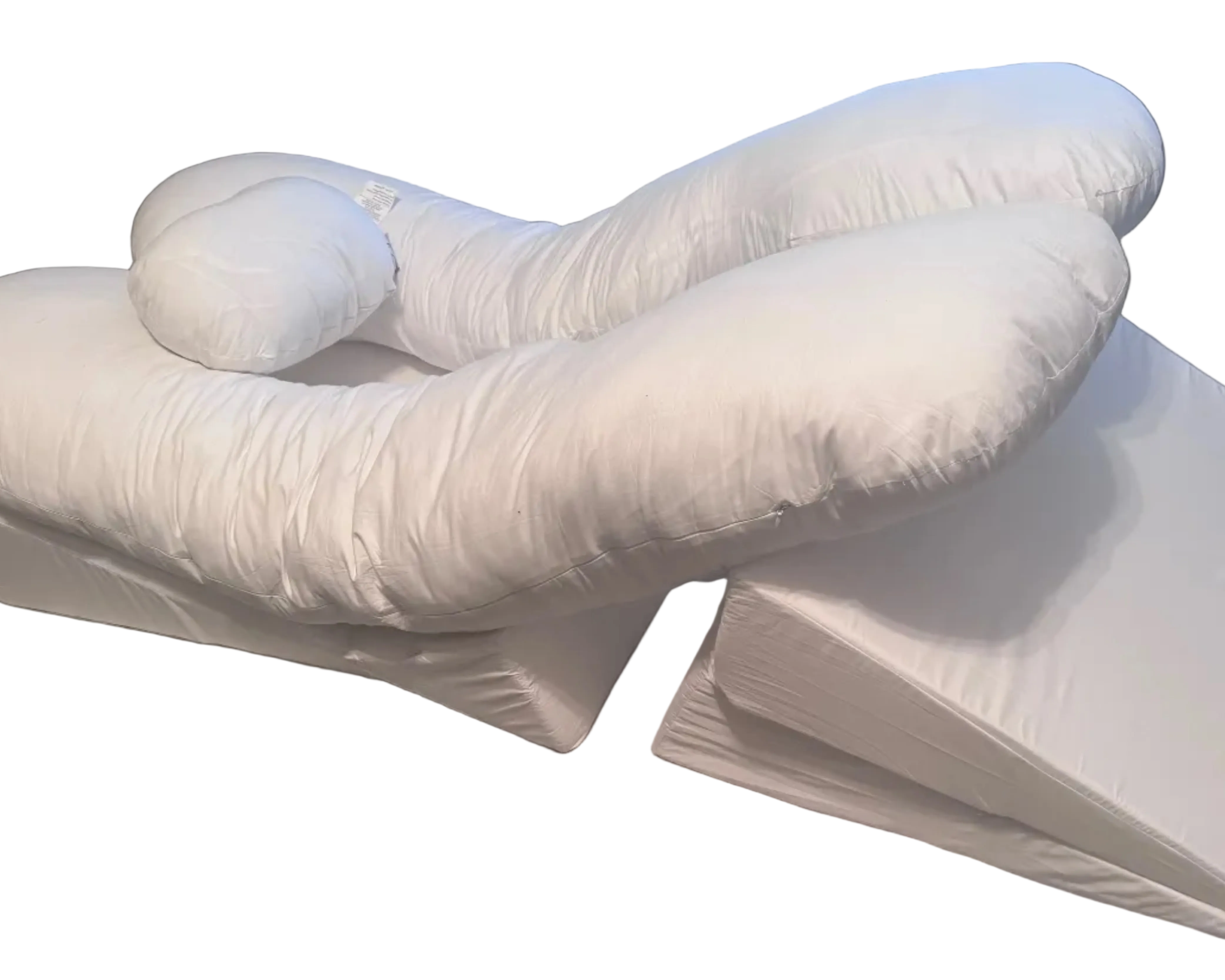
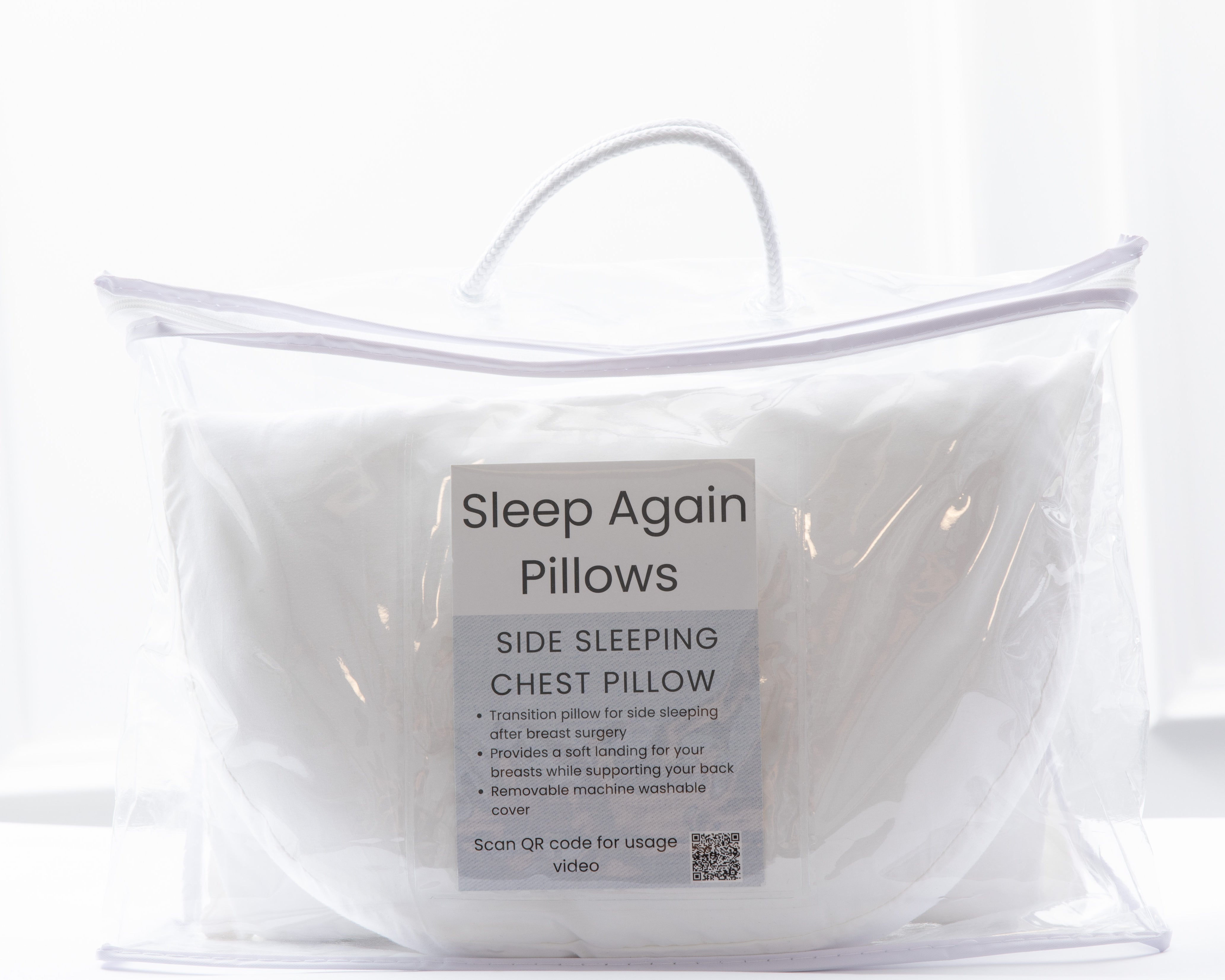
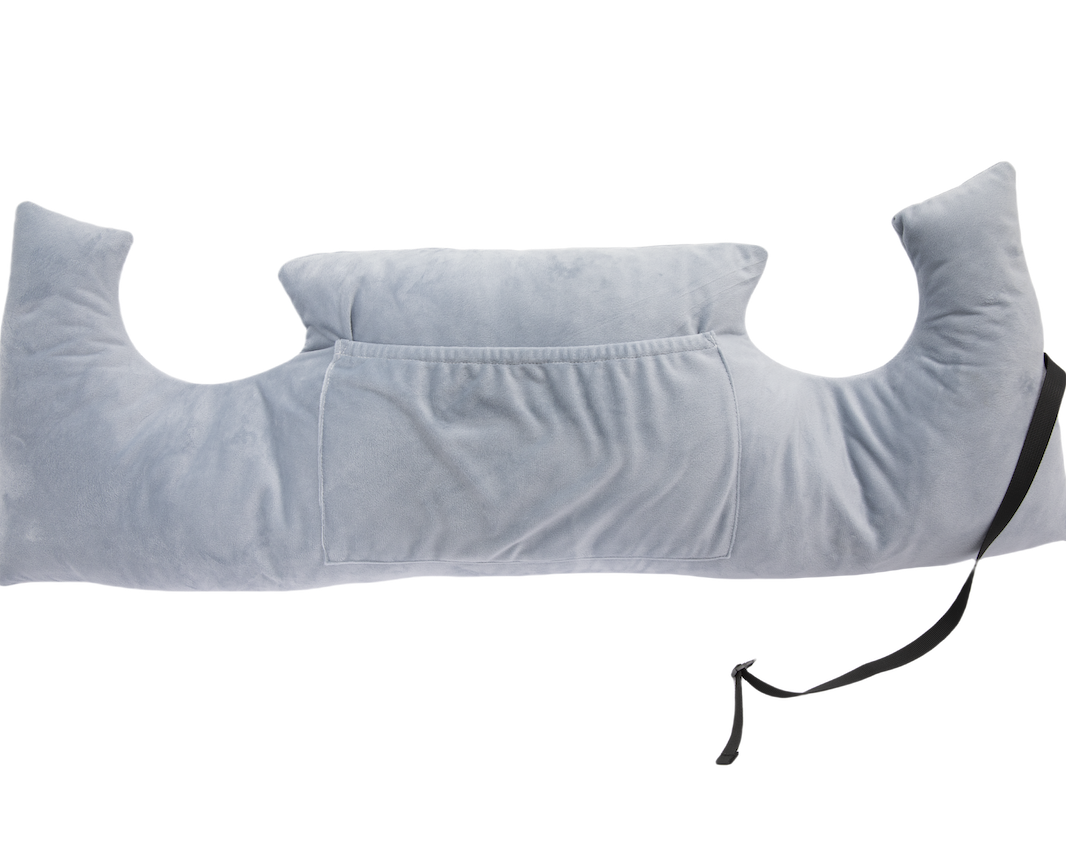
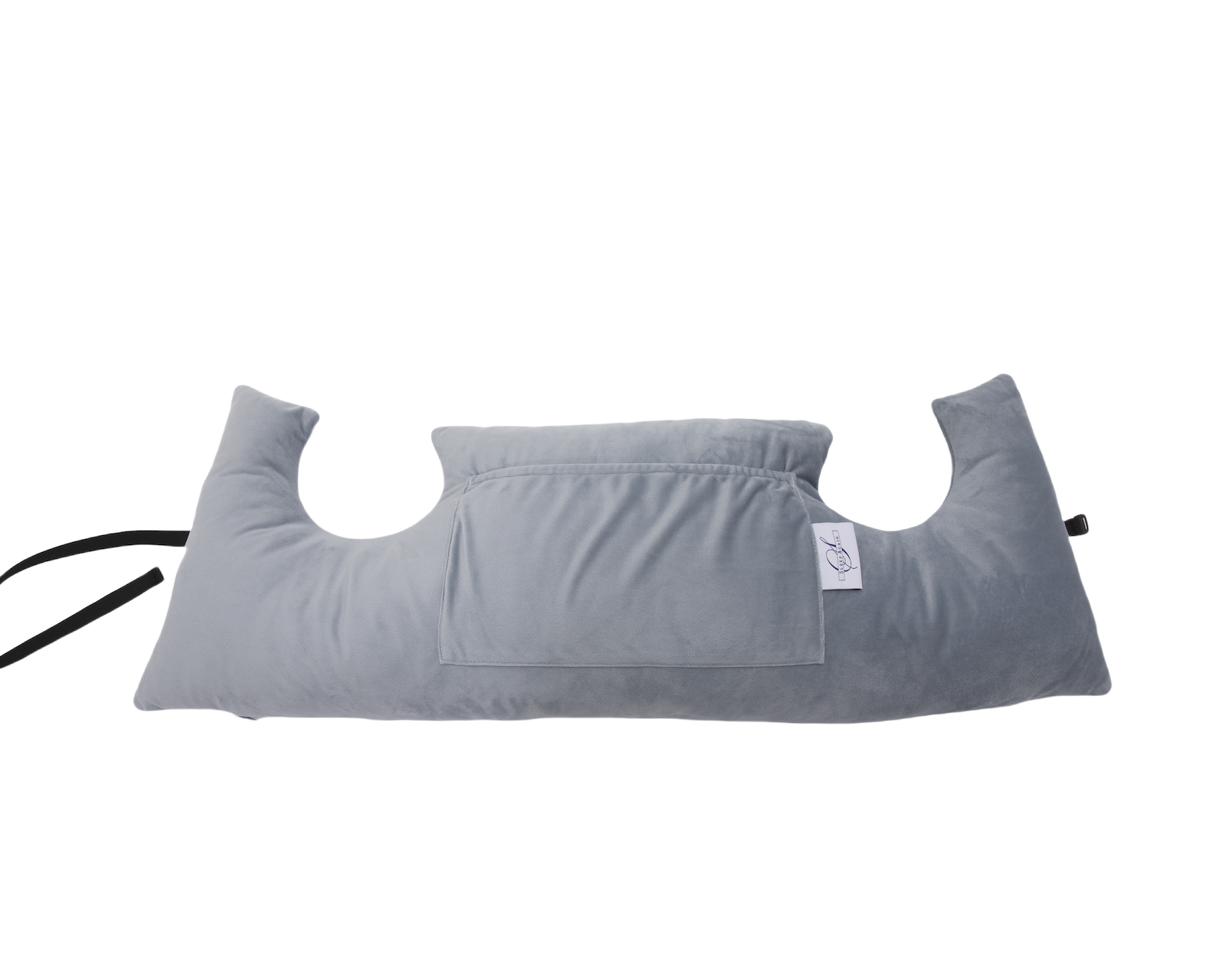
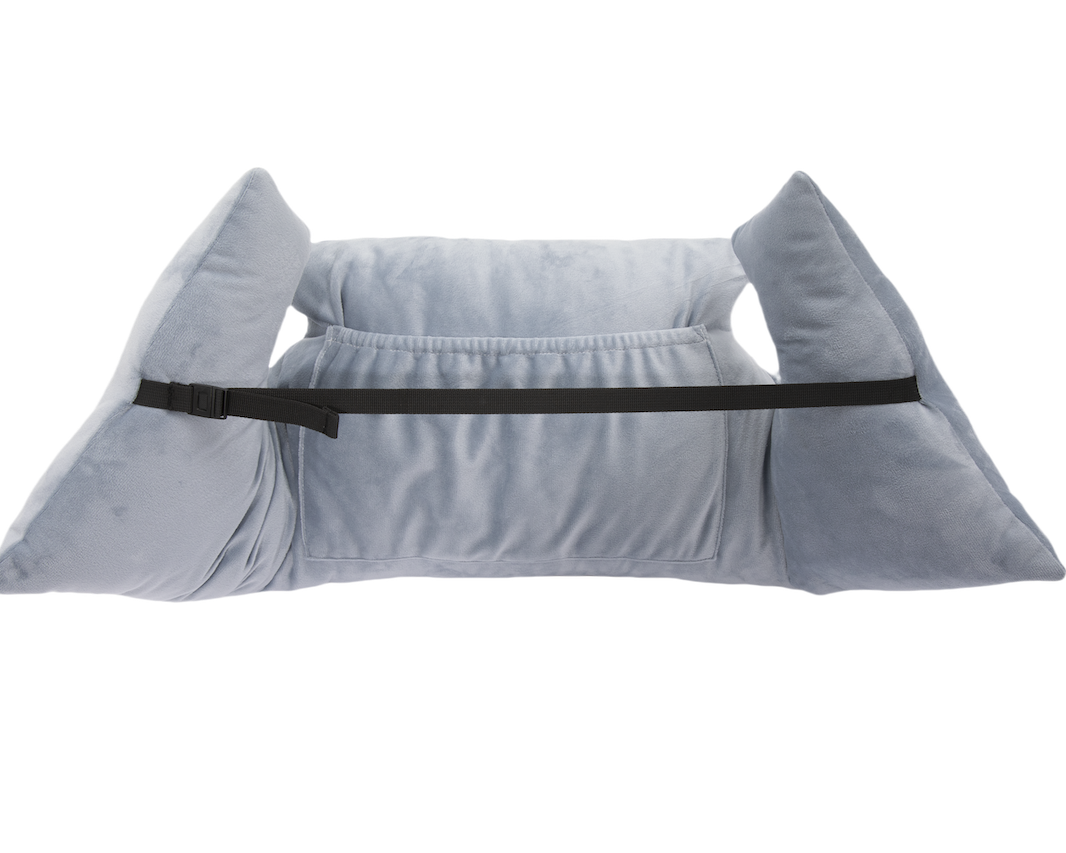
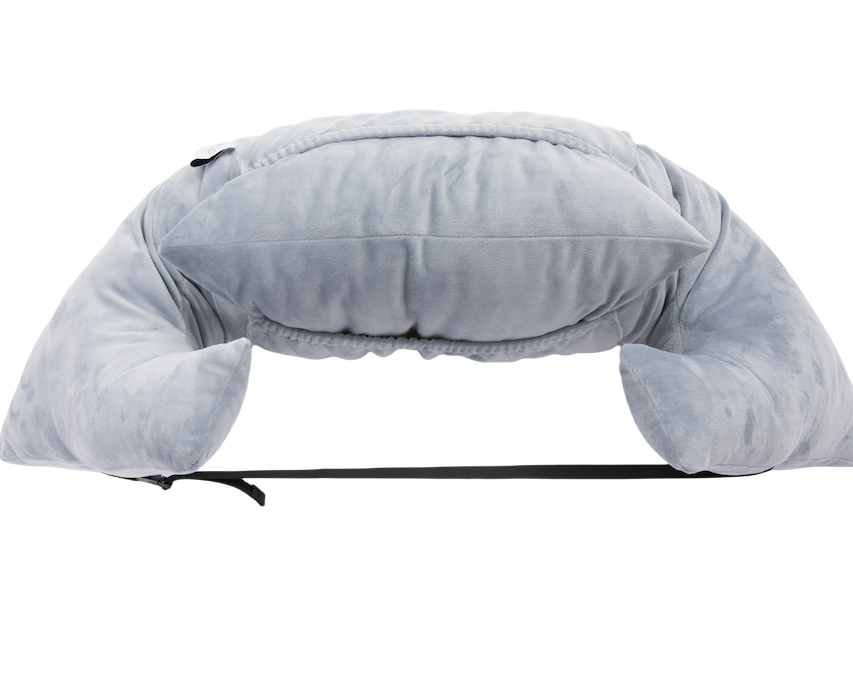
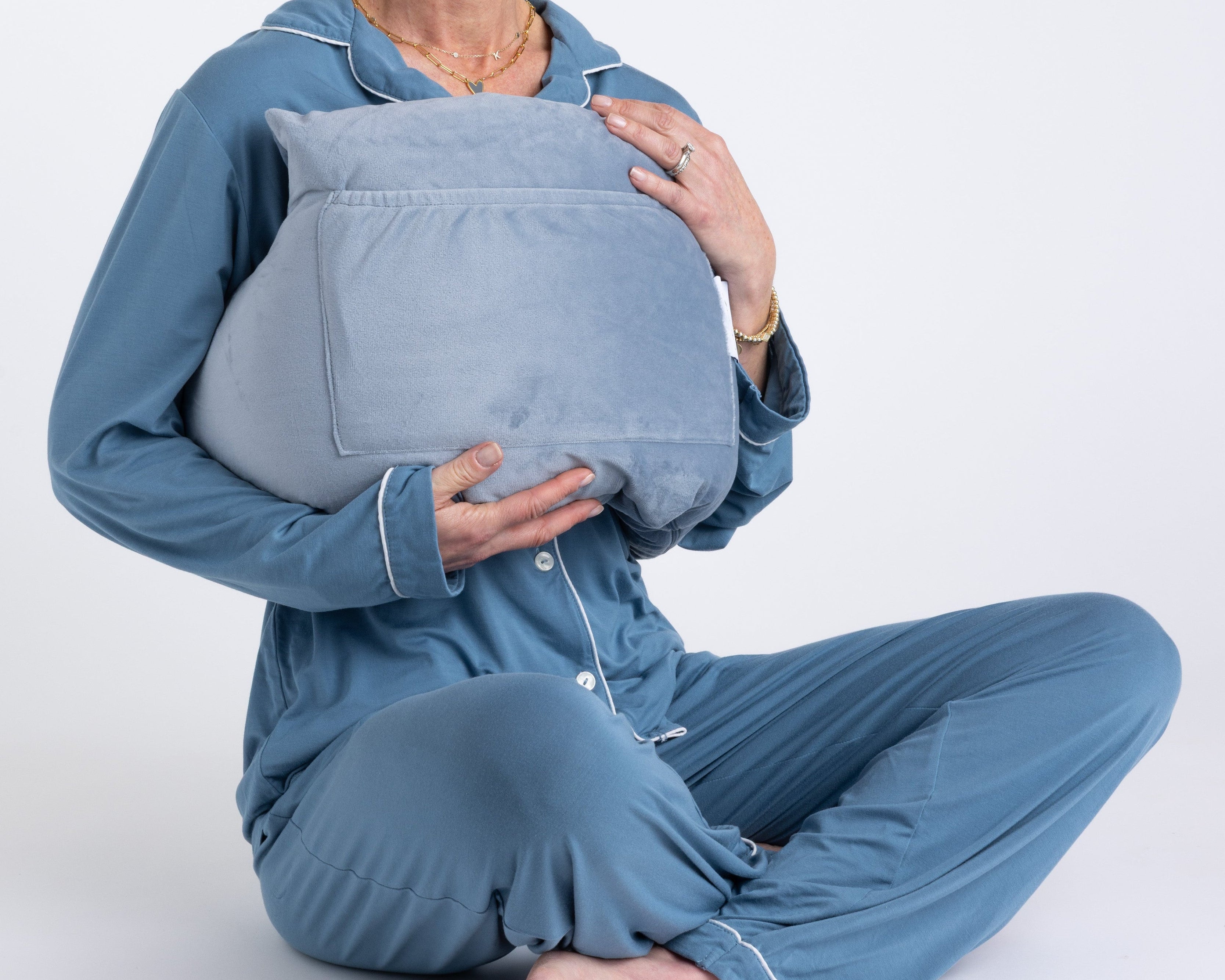
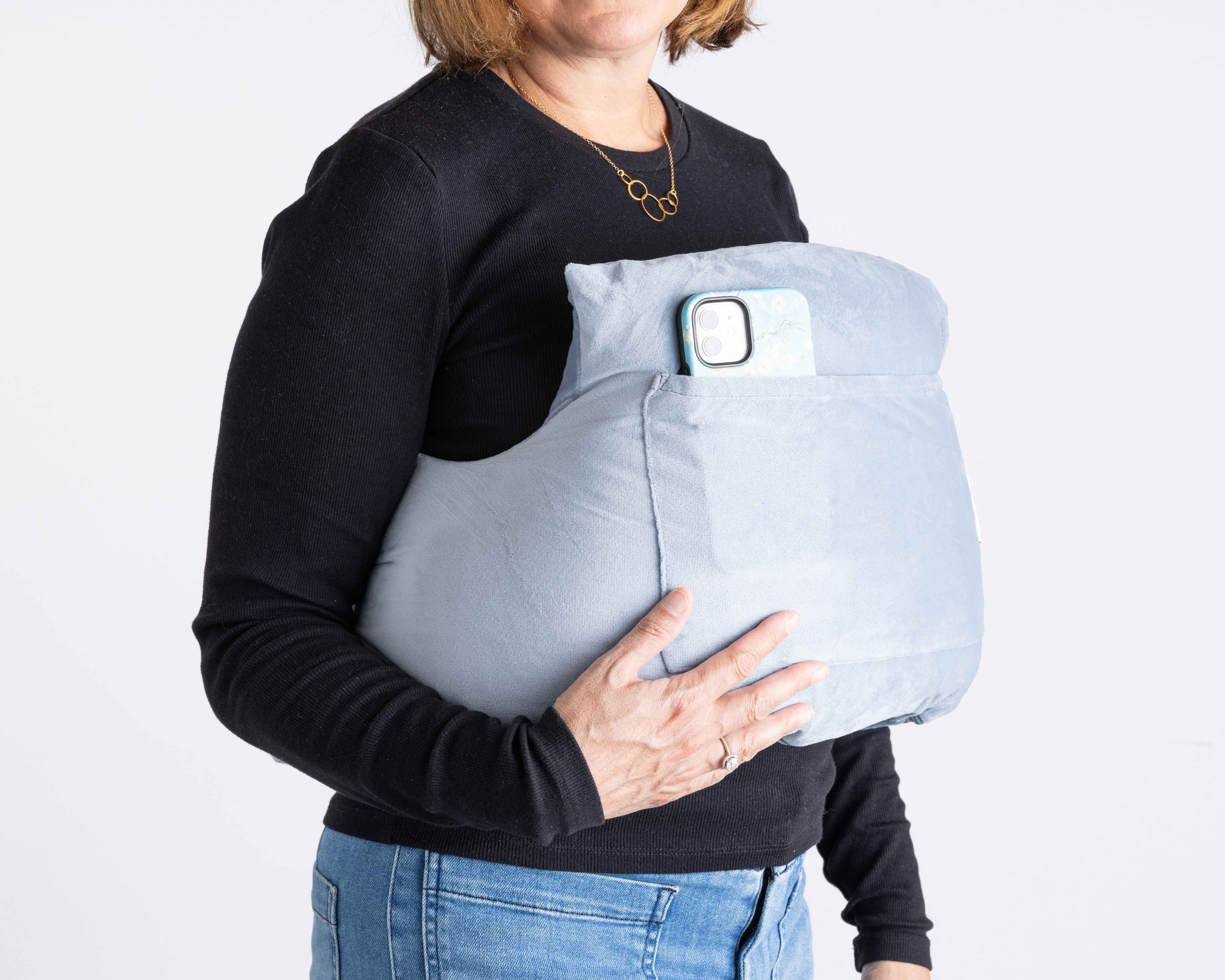
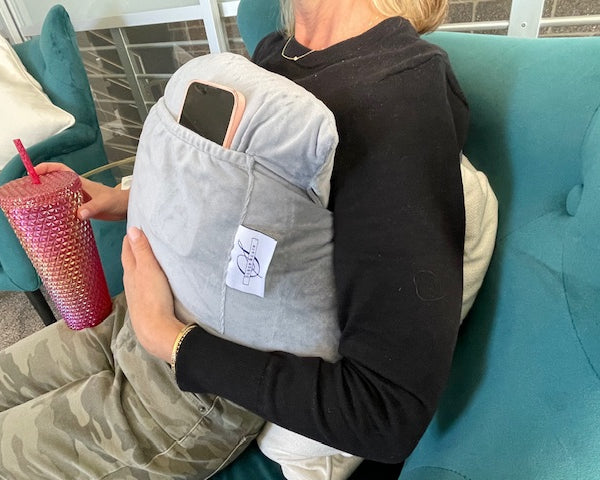
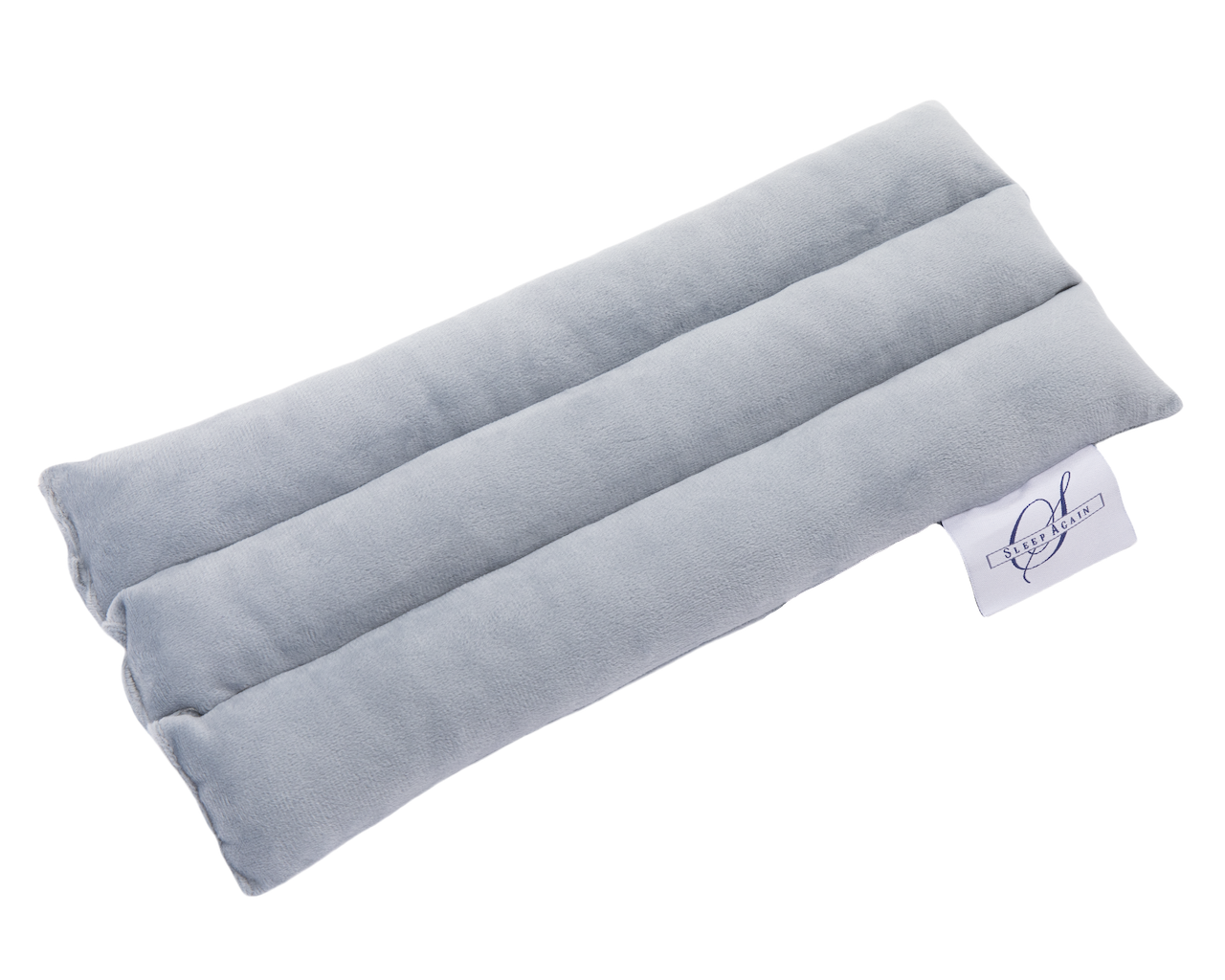
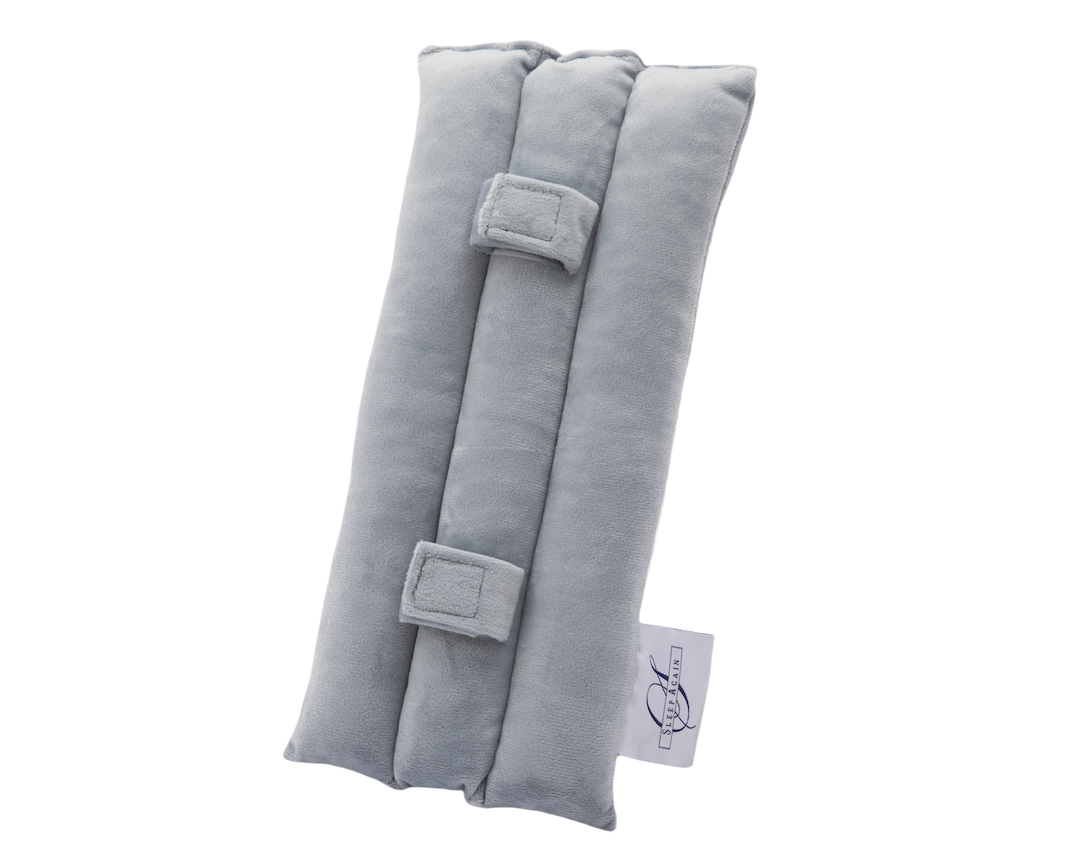
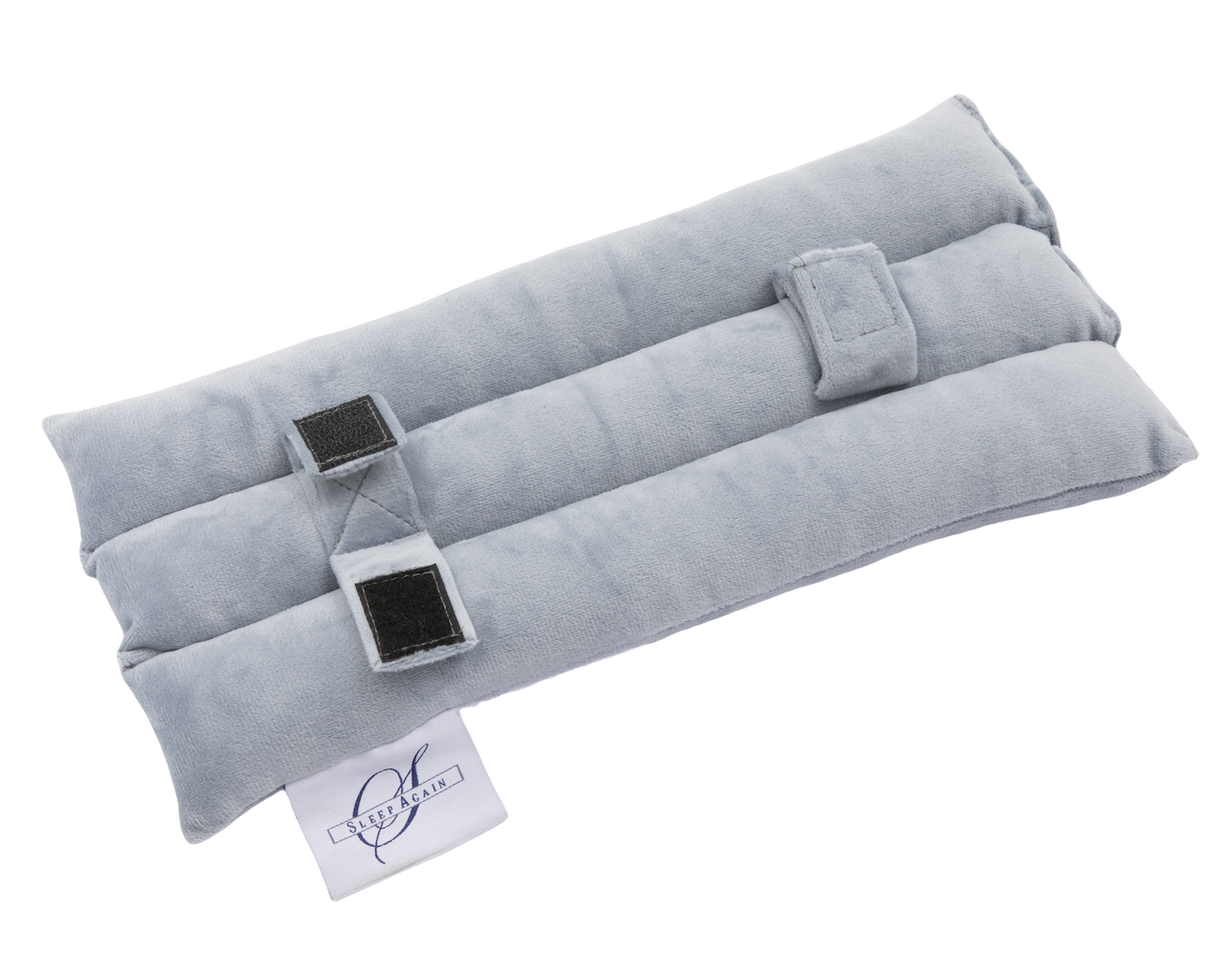
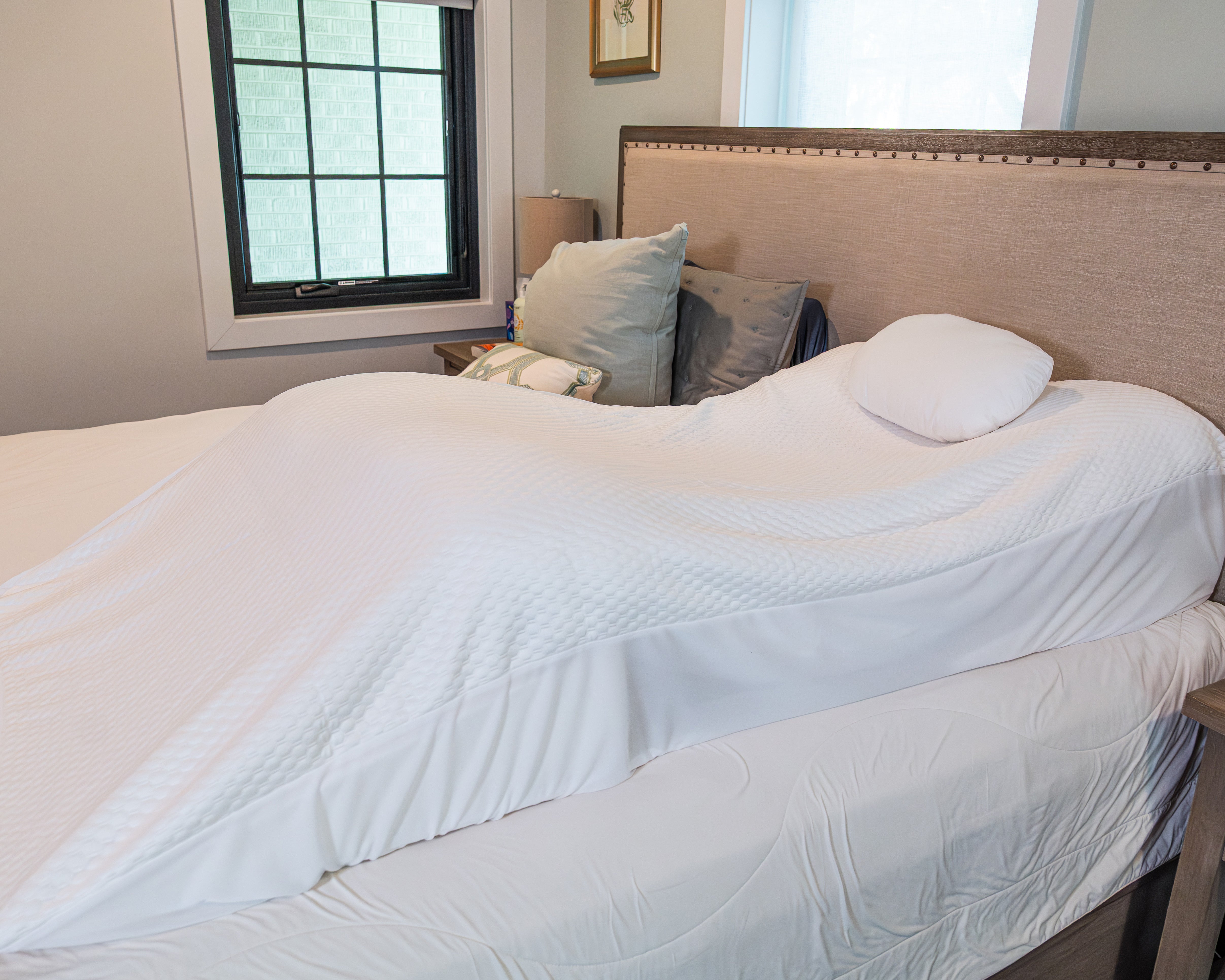
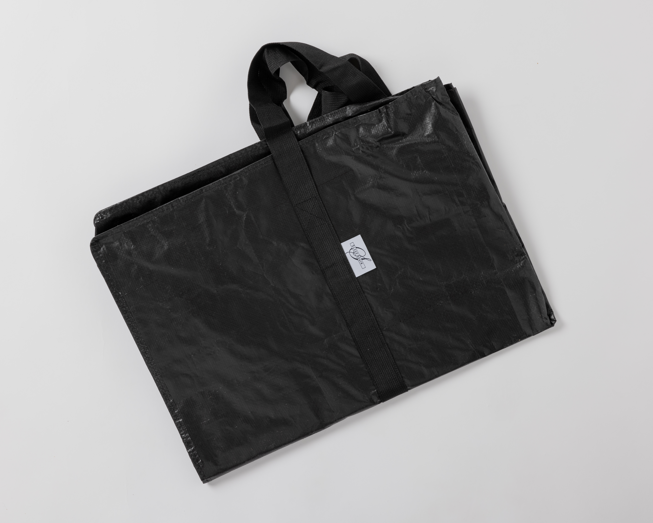
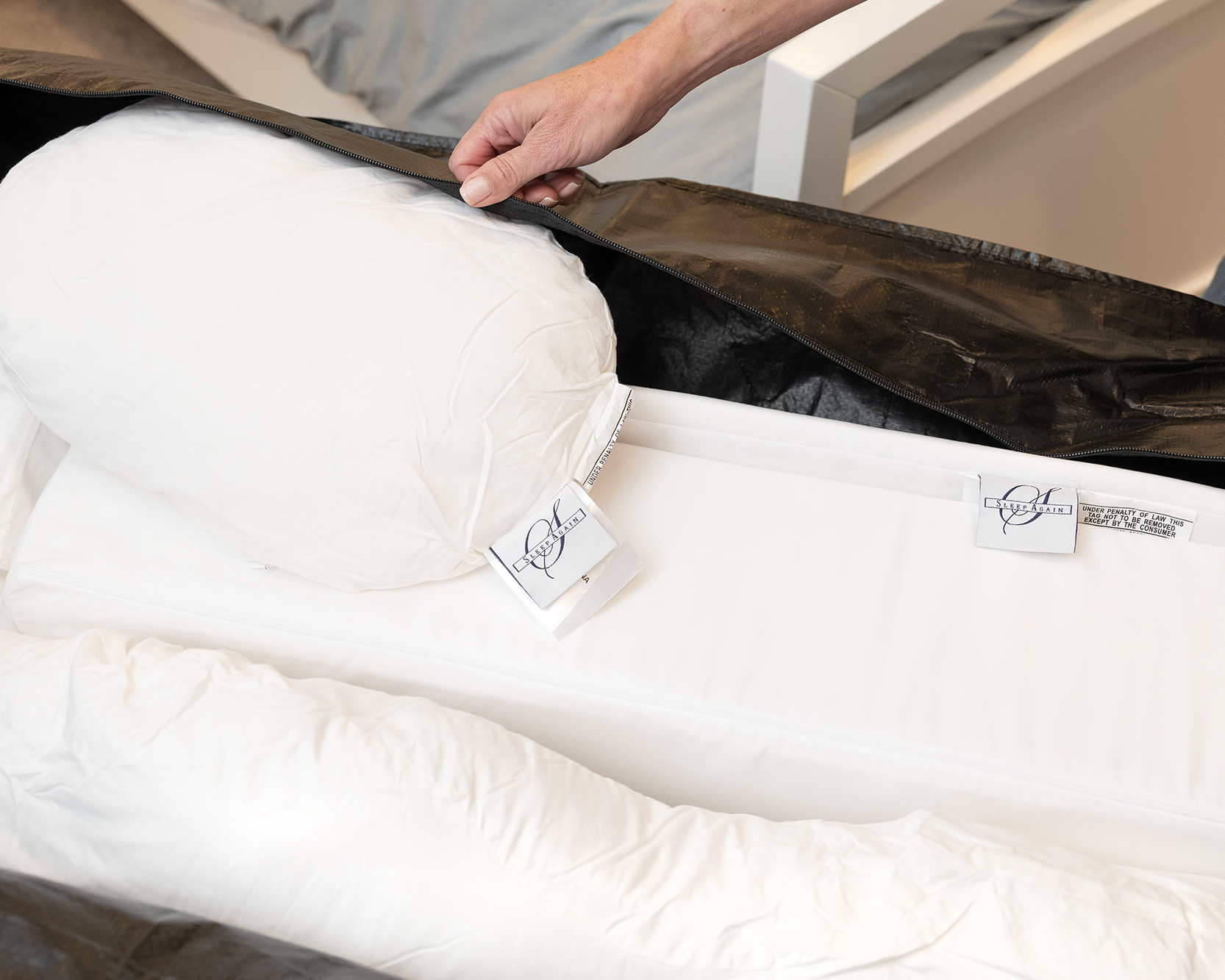
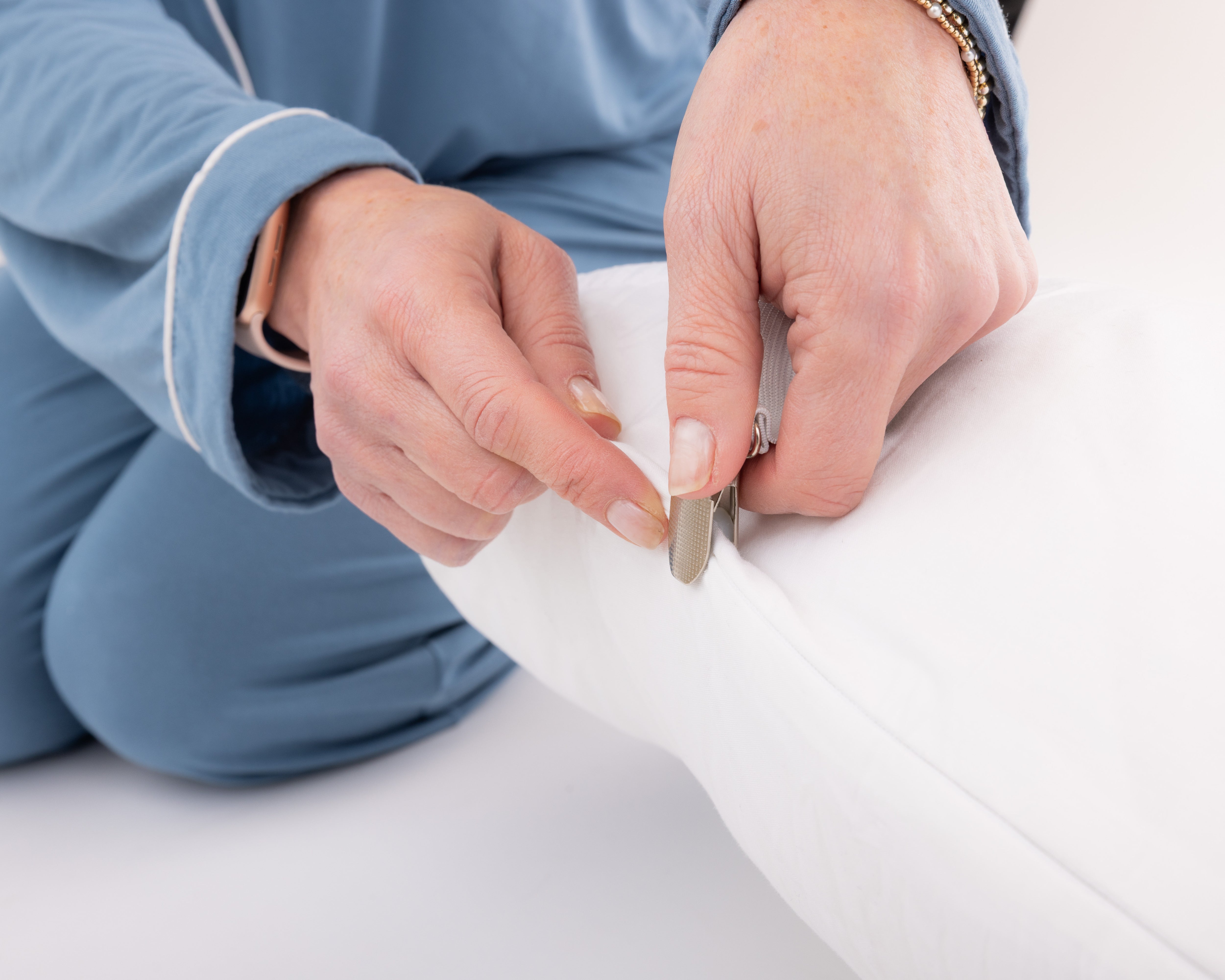
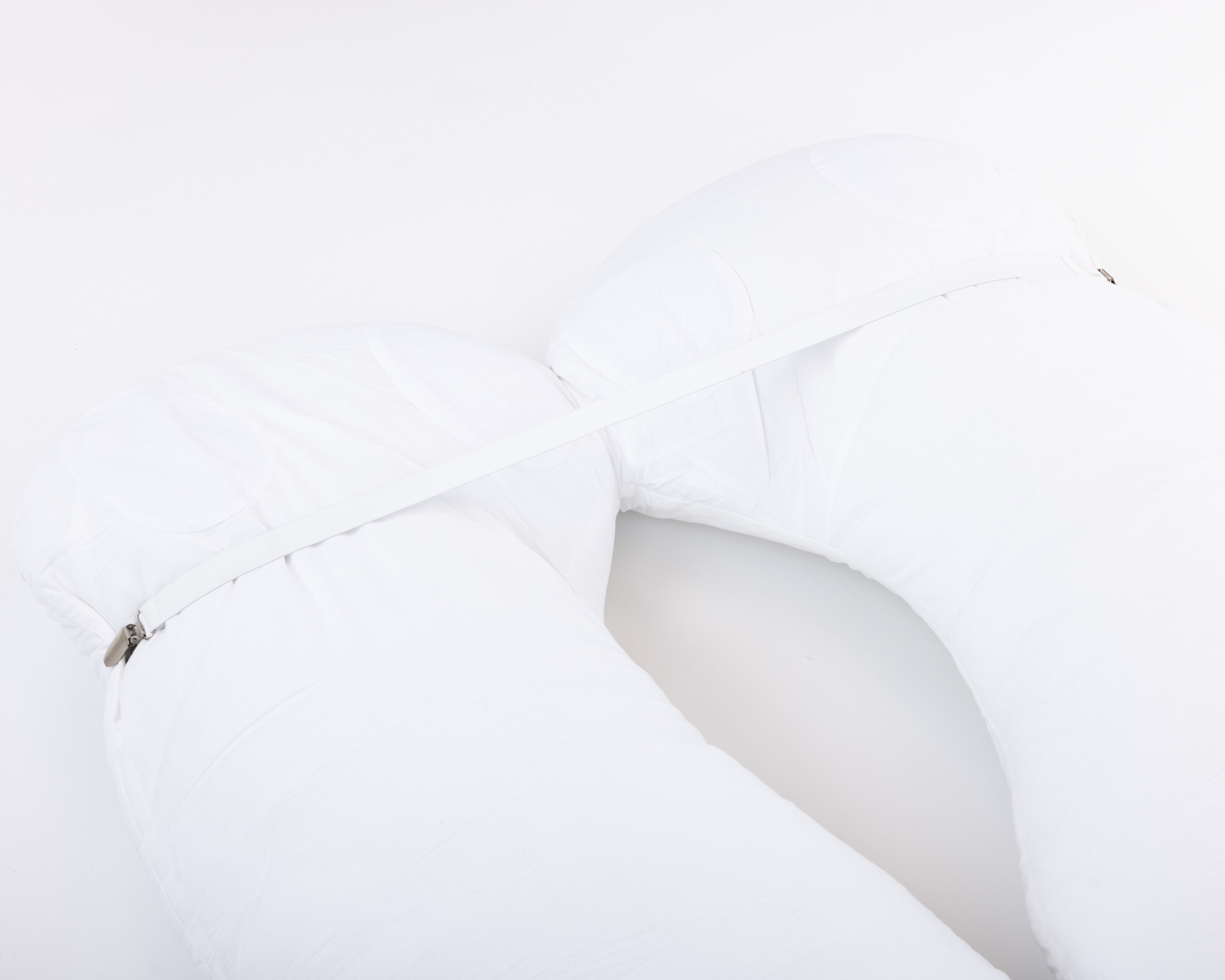
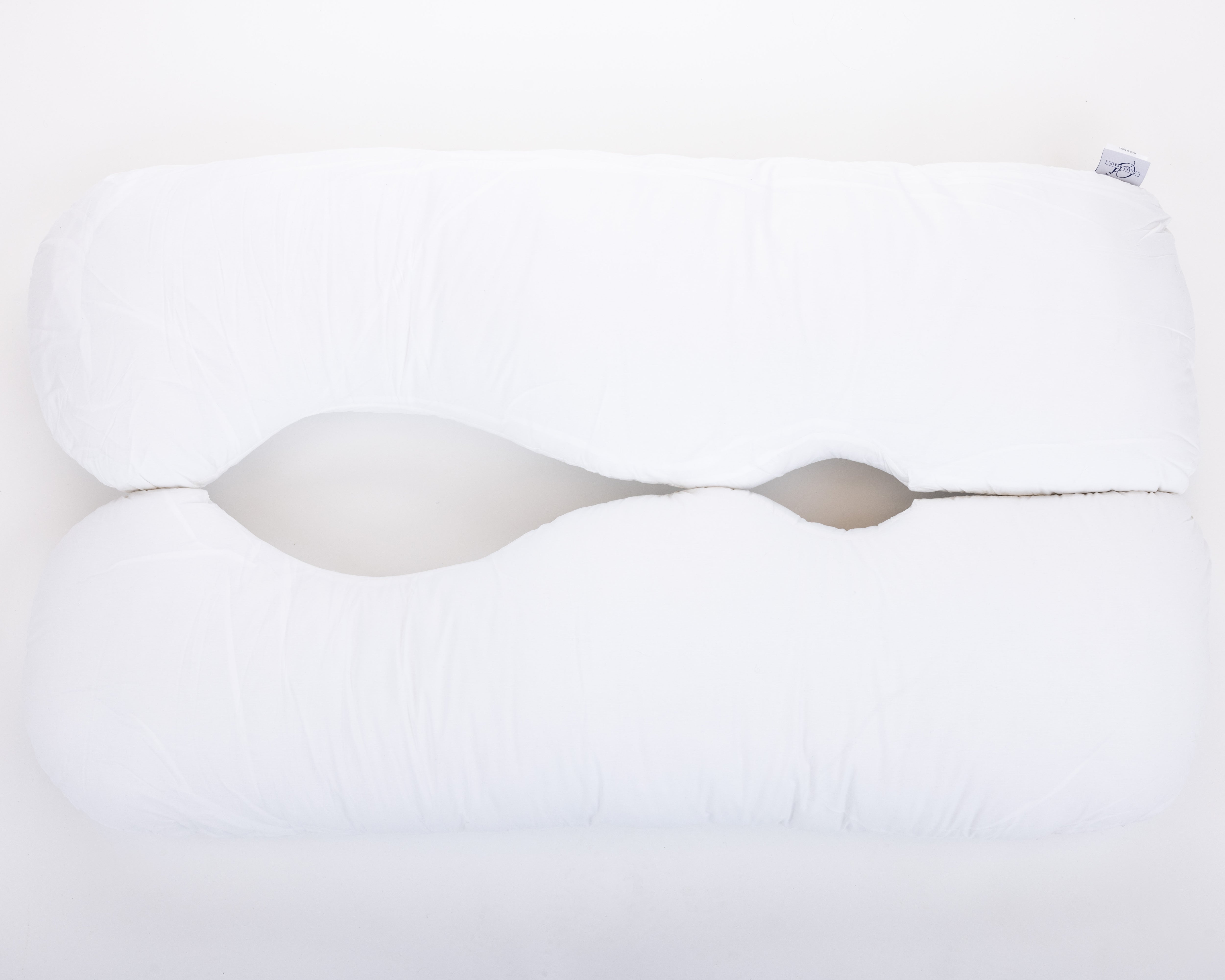
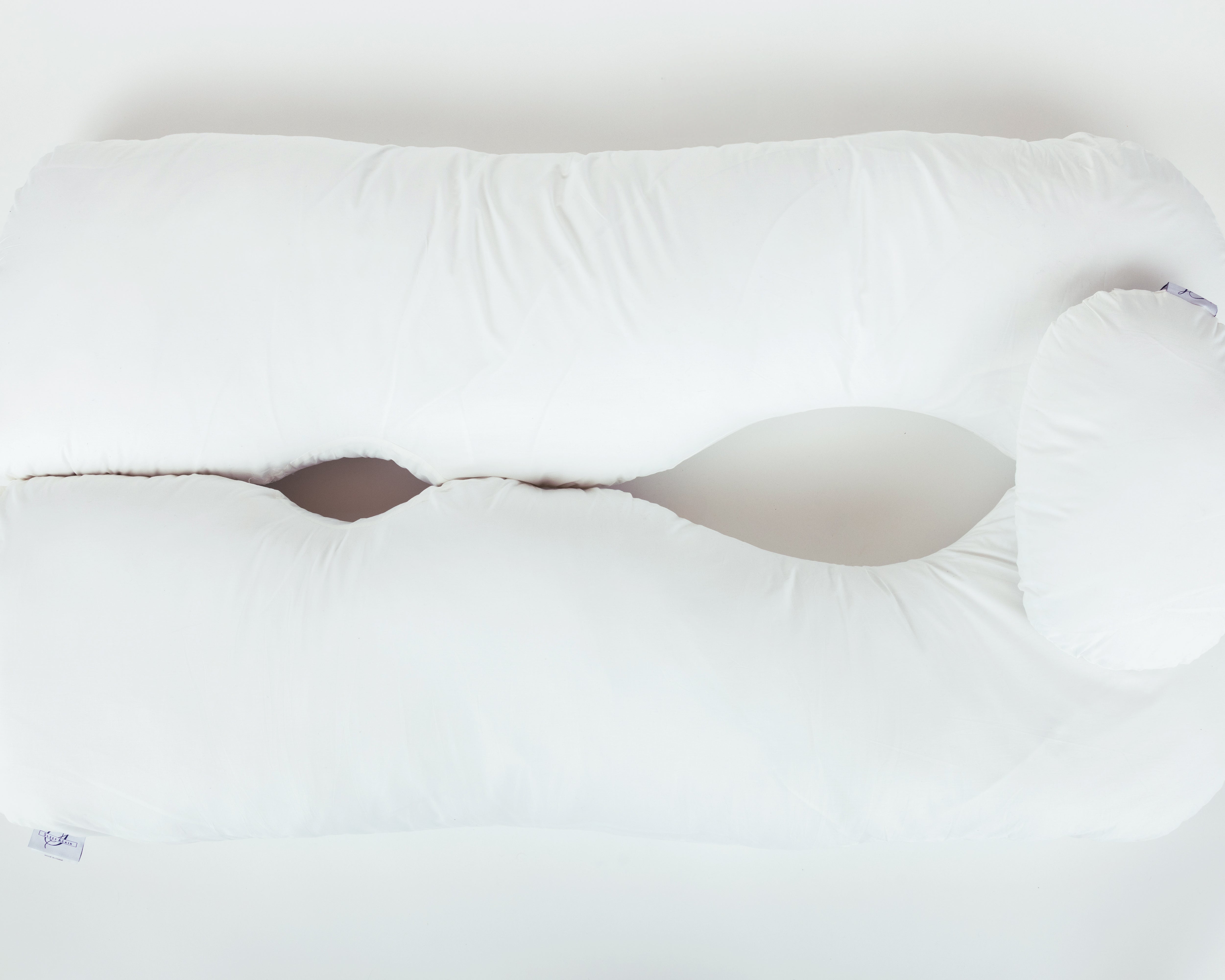
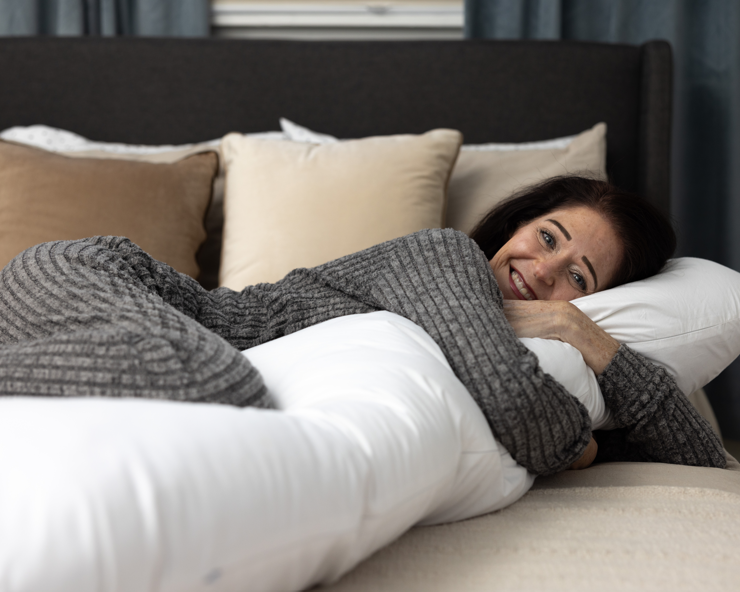
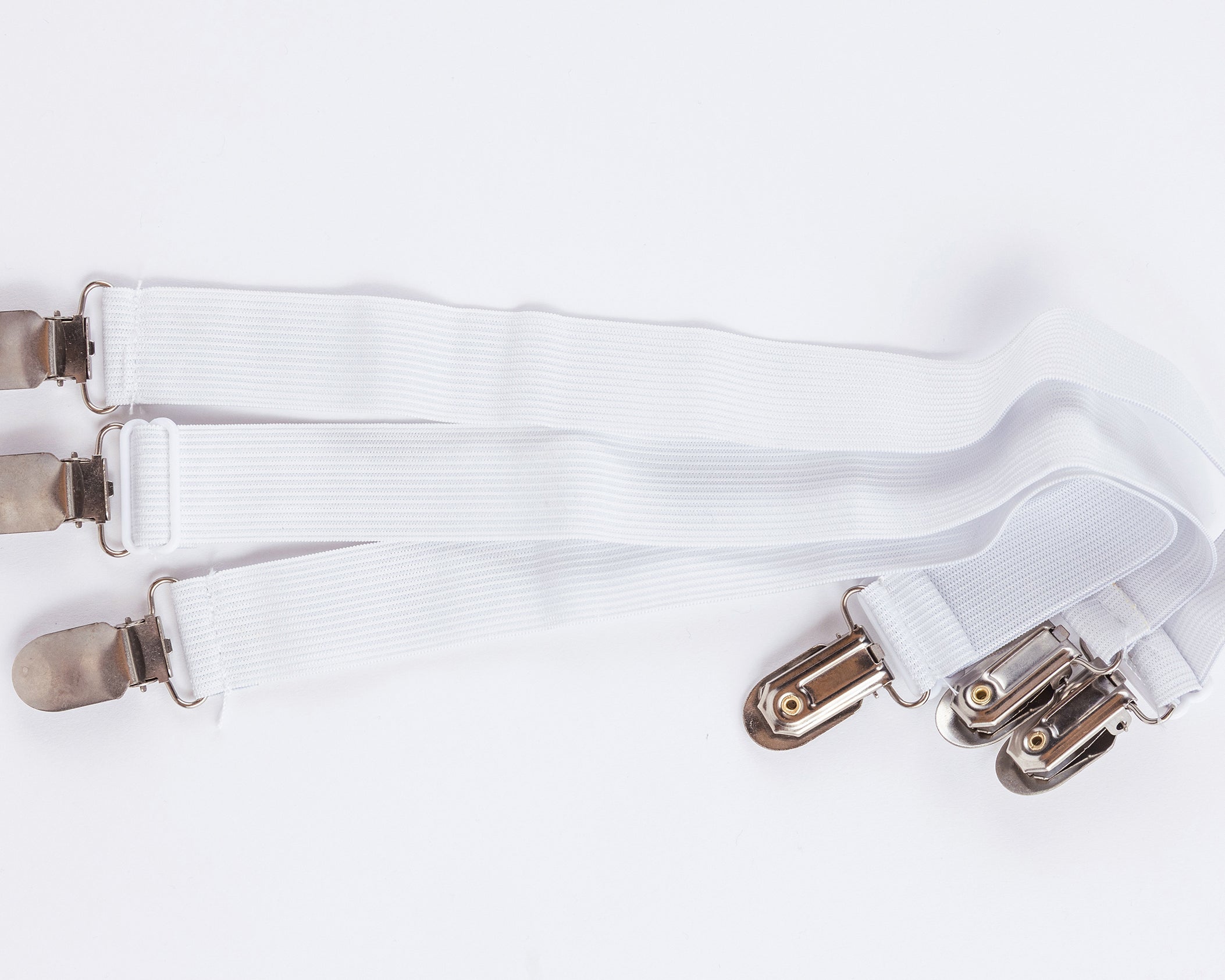
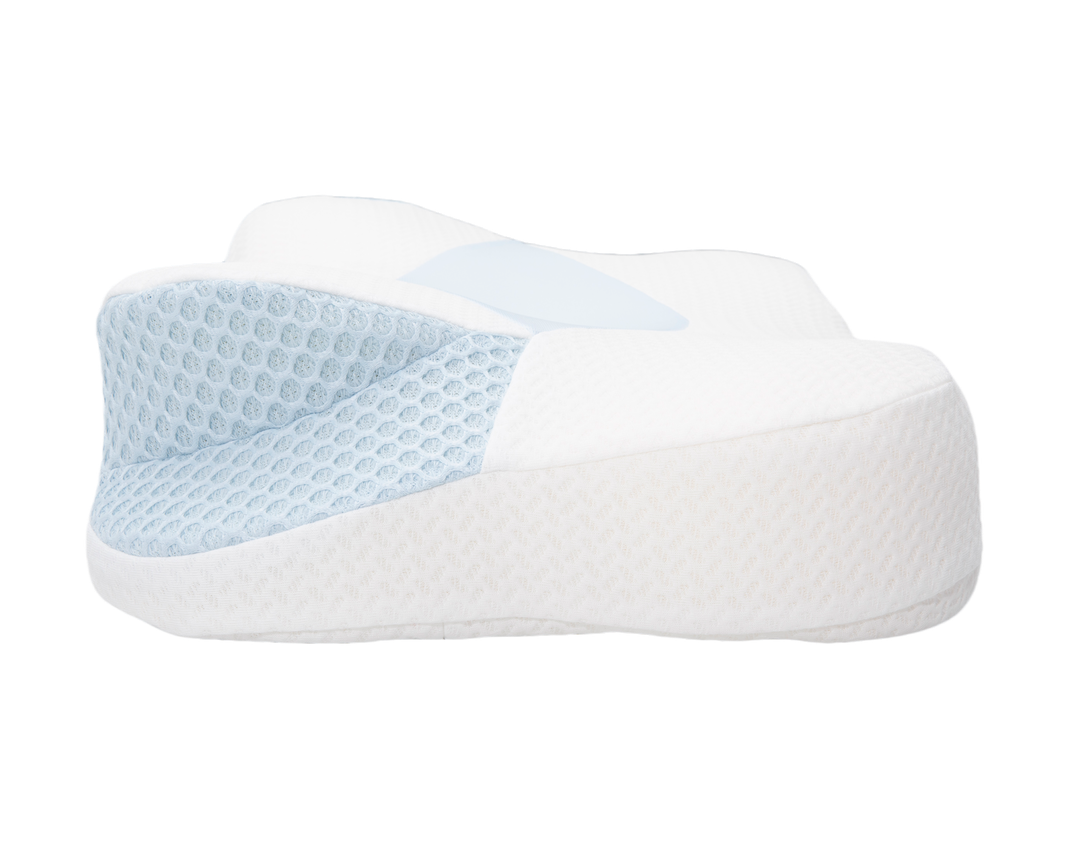
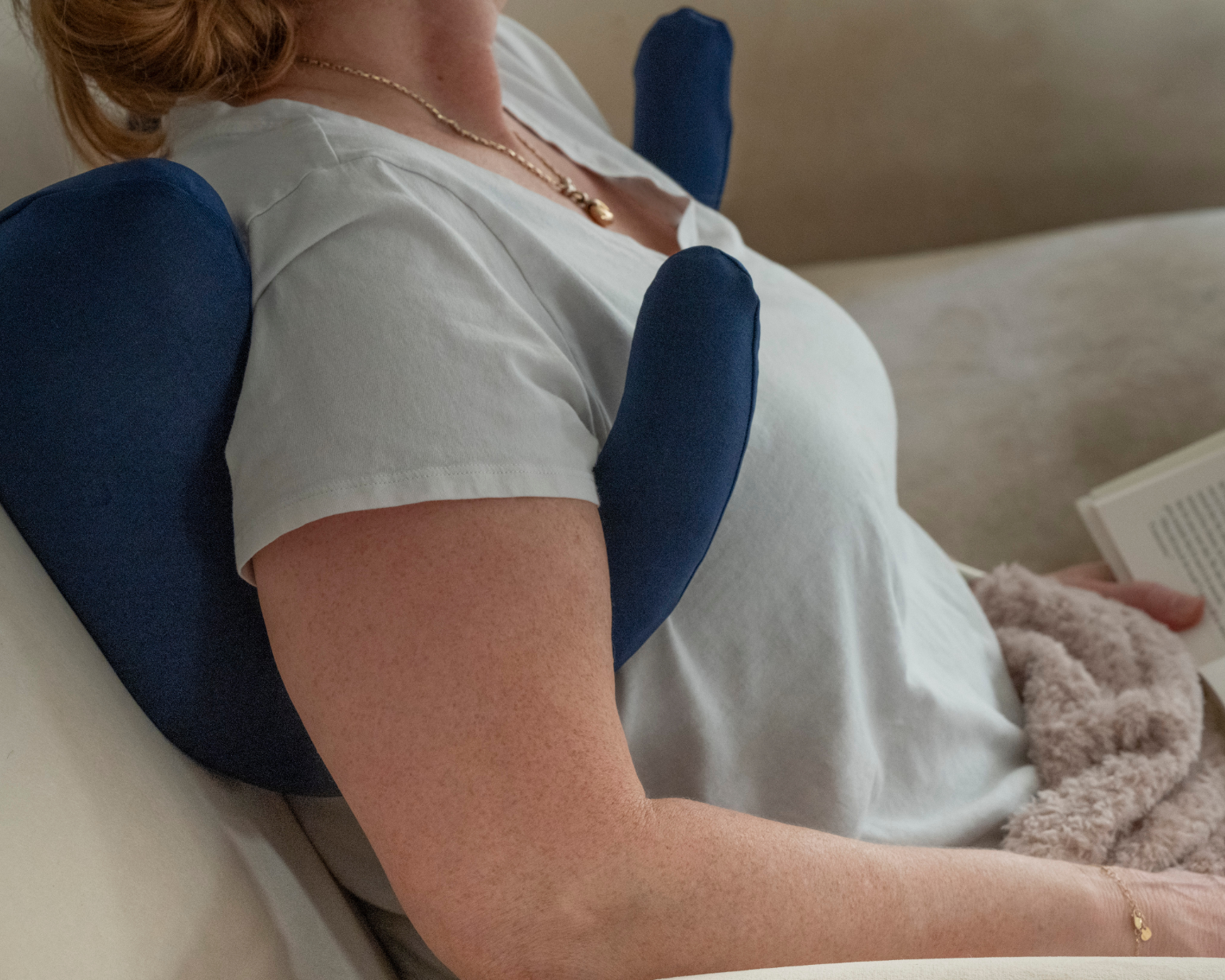
The Sleep Again Pillow System was designed to support exactly the kind of elevated and side-supported back sleeping that body lift recovery demands. It's a complete system. Every component works with the others to create a cohesive sleep environment that maintains its positioning throughout the night.
Every Sleep Again Pillow System includes:
-
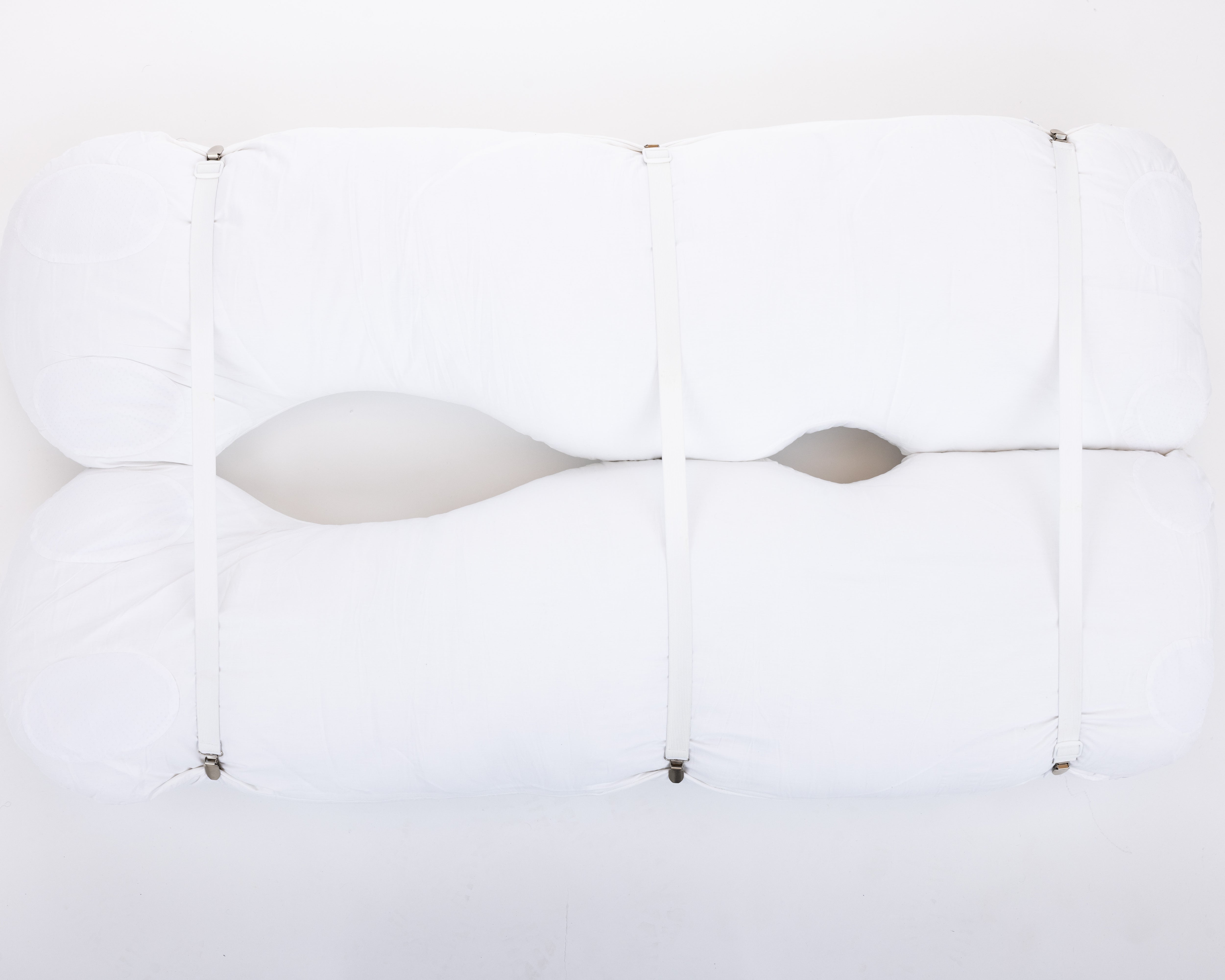
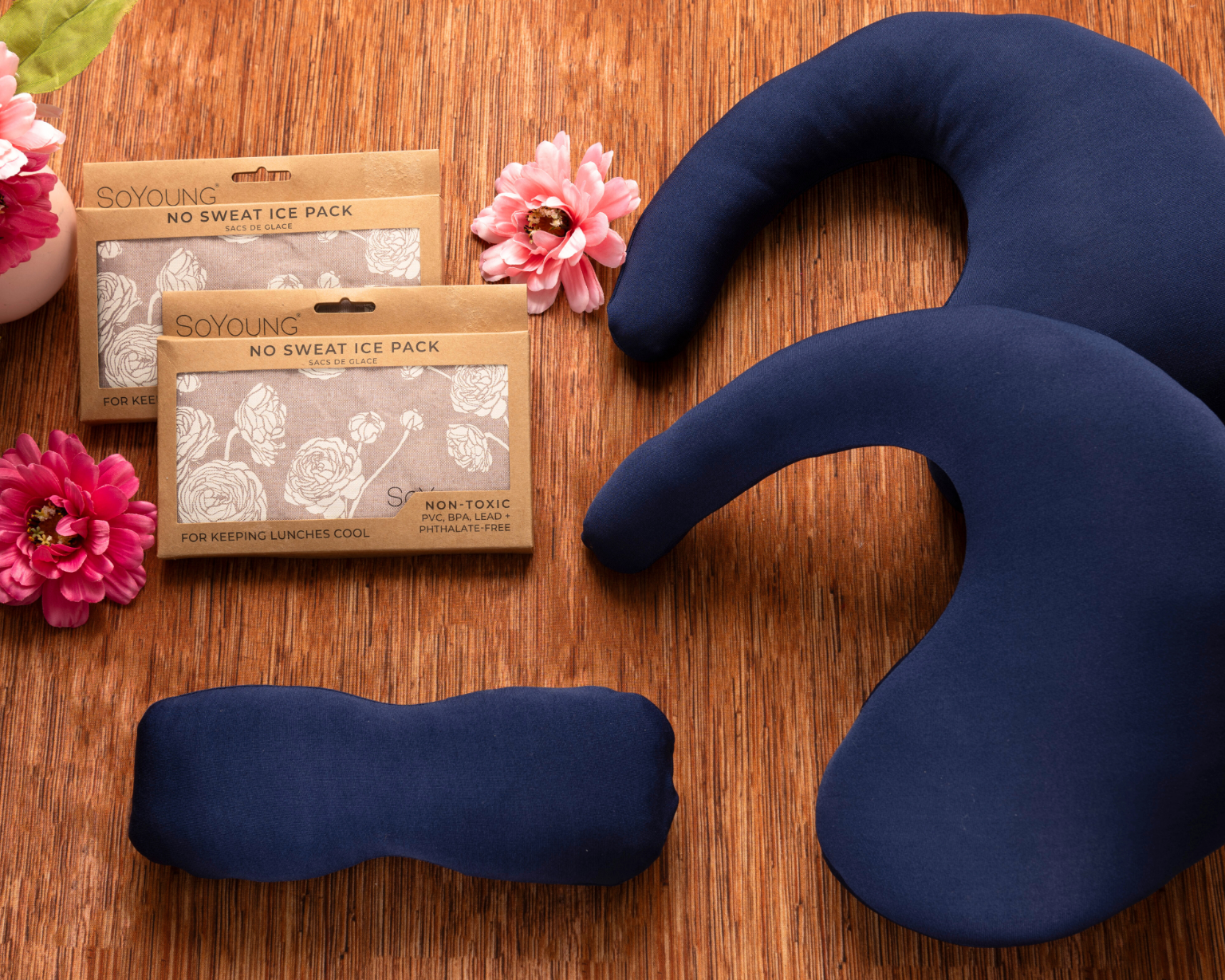
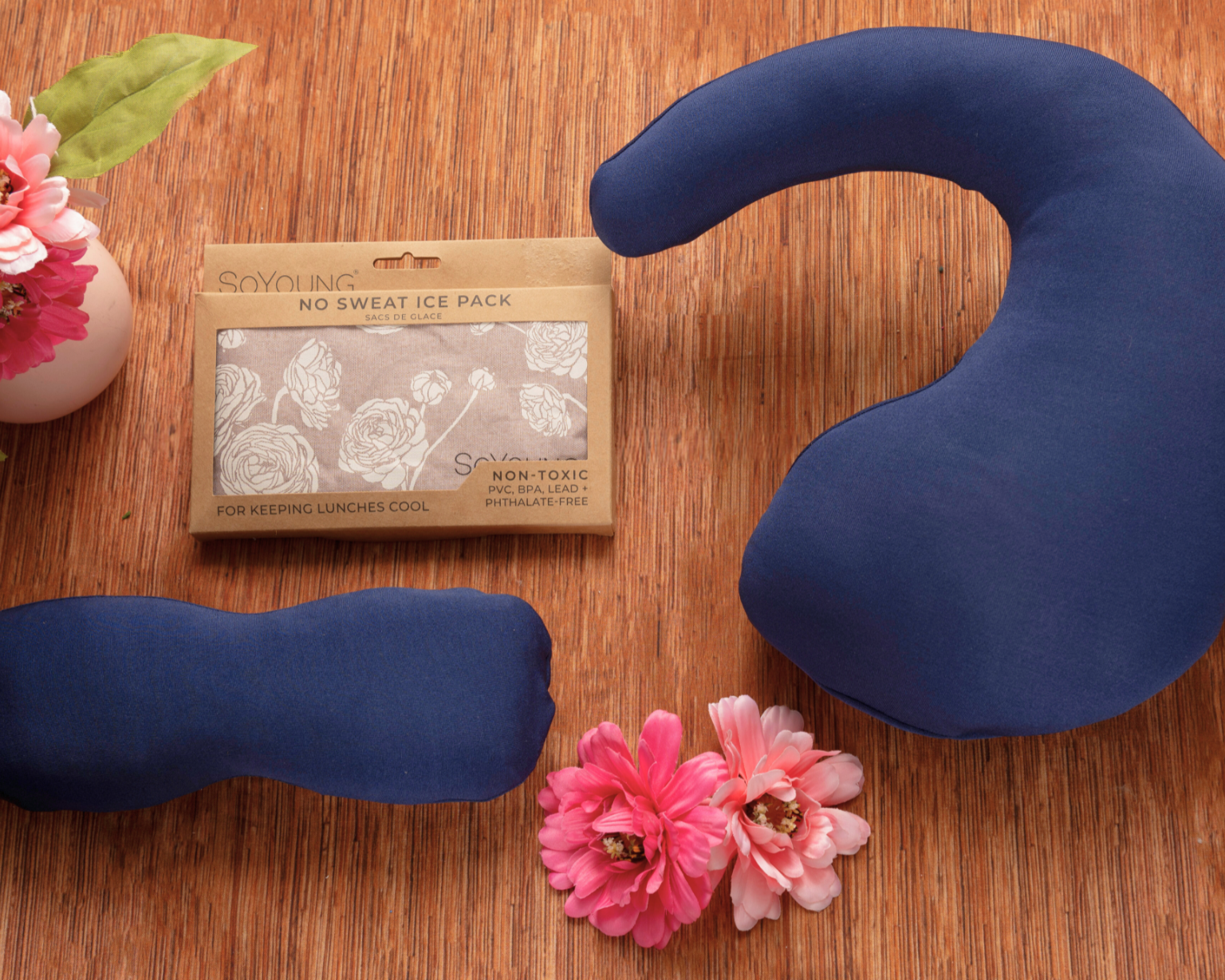
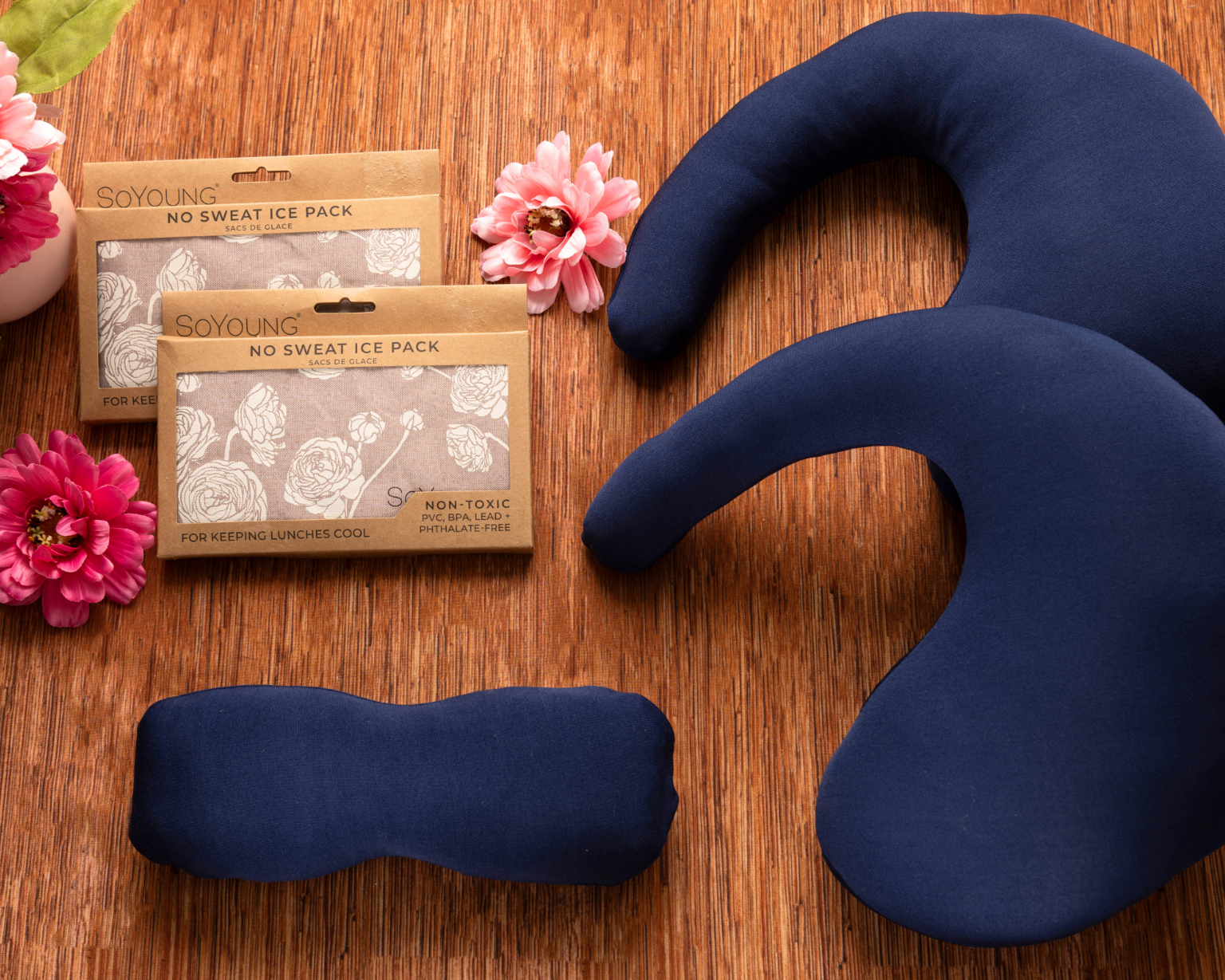
Two Contoured Side Pillows to cradle the back and hips and prevent unconscious rolling
-
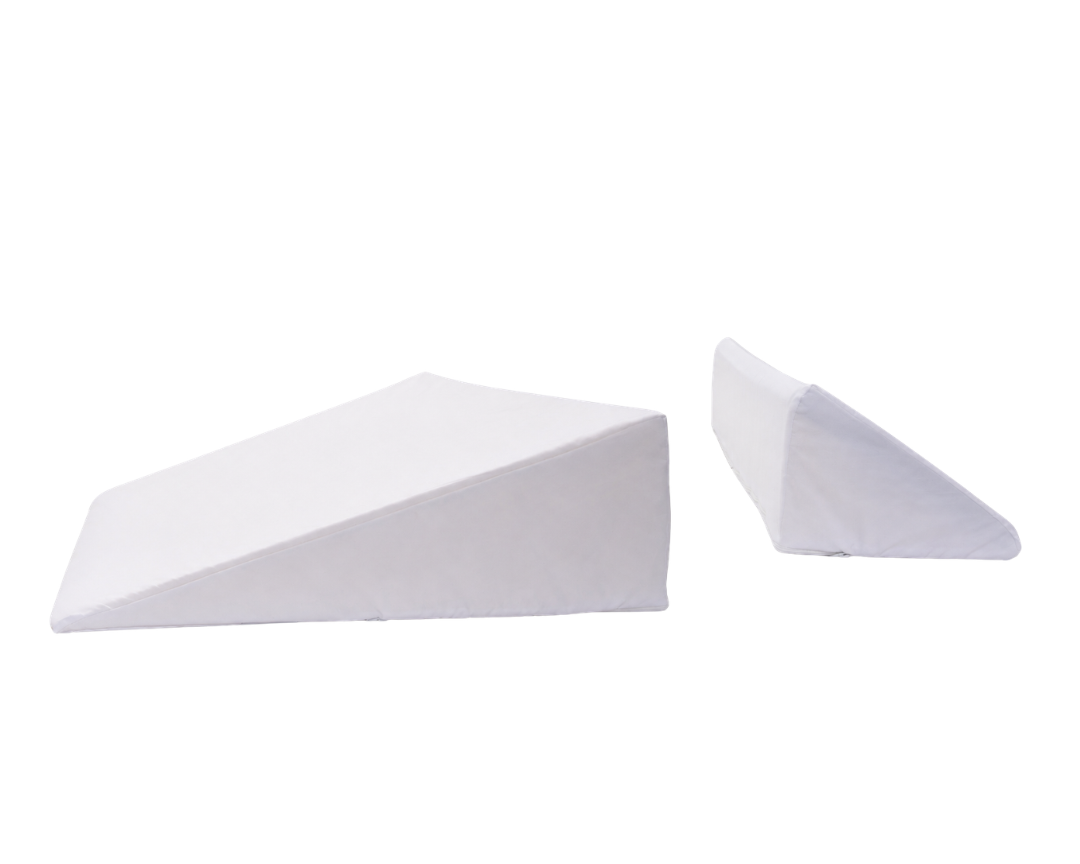
Upper Body Wedge to create the optimal upper body incline in the 30–45 degree therapeutic range
-
Leg Support Wedge to gently elevate the legs and reduce lower-body pressure
-
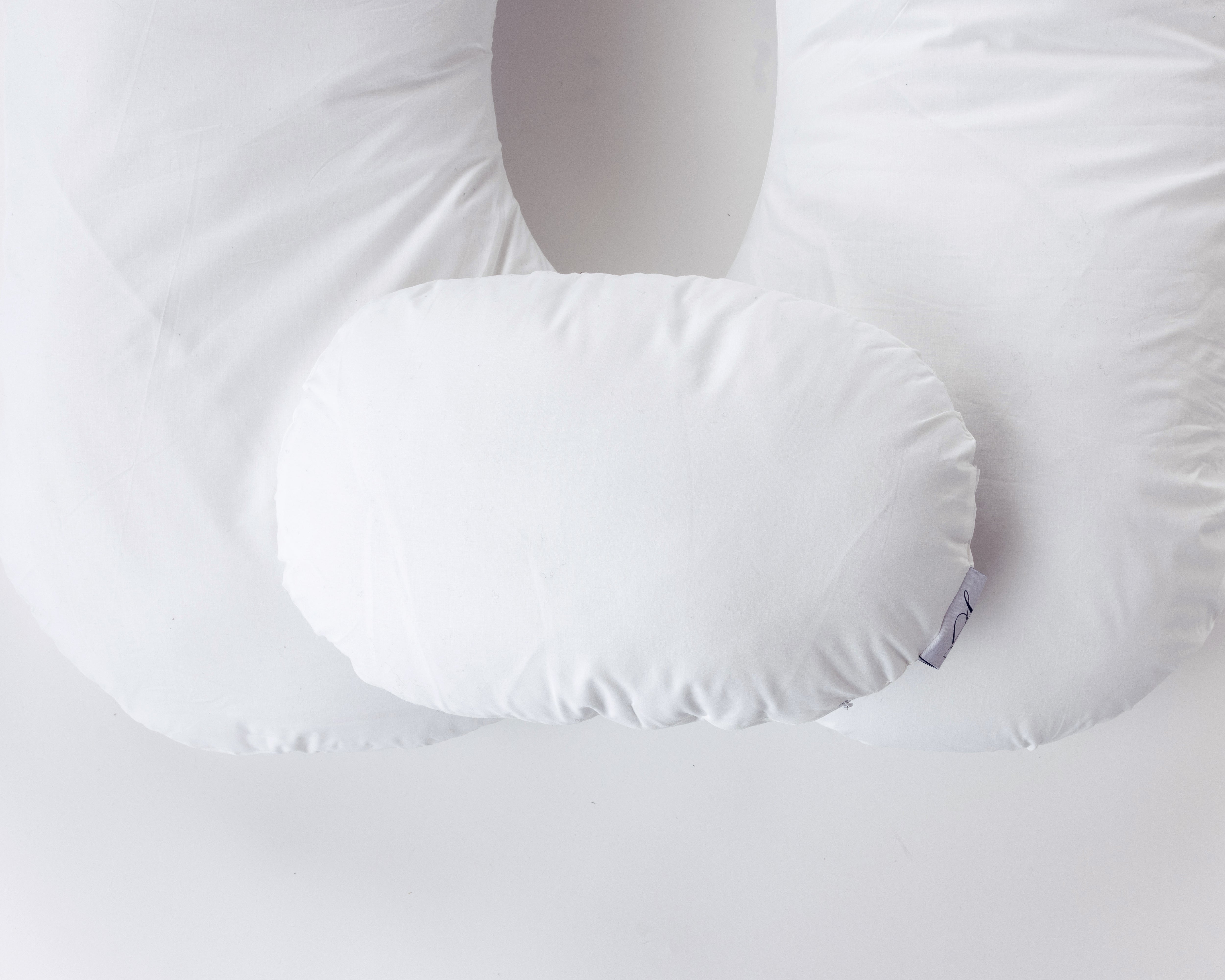
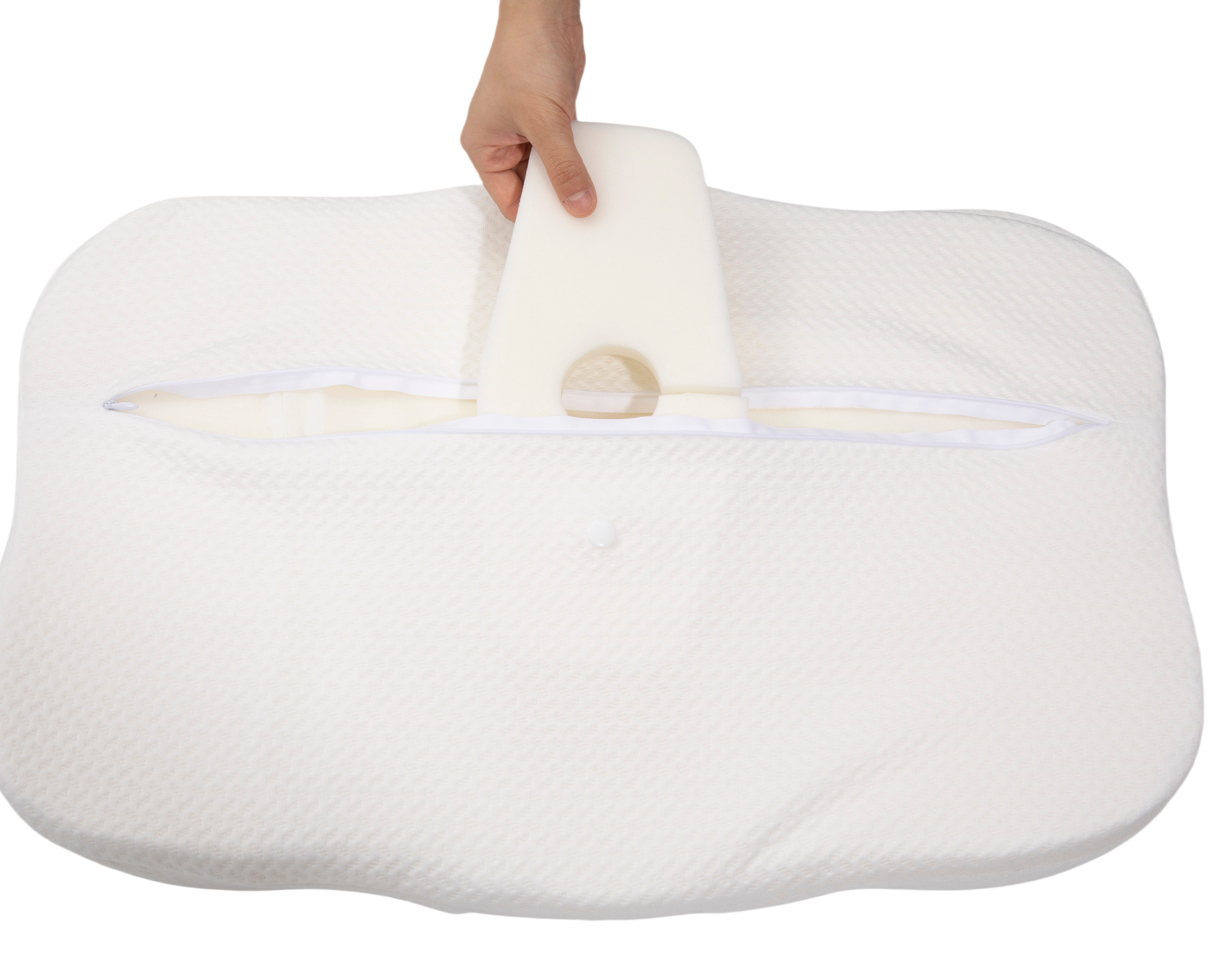
Head Pillow to provide head support and neck mobility at your elevated angle
-
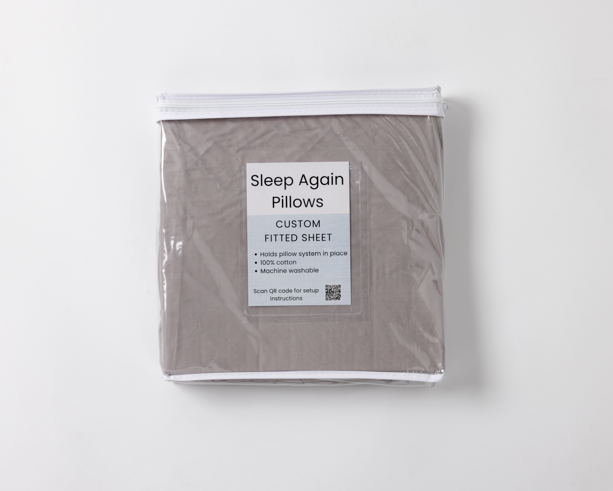
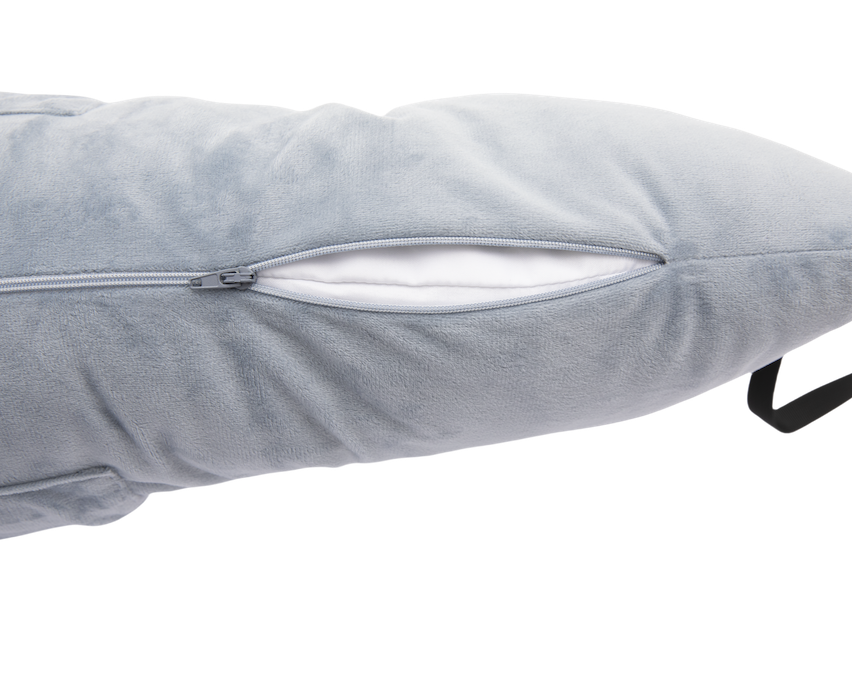
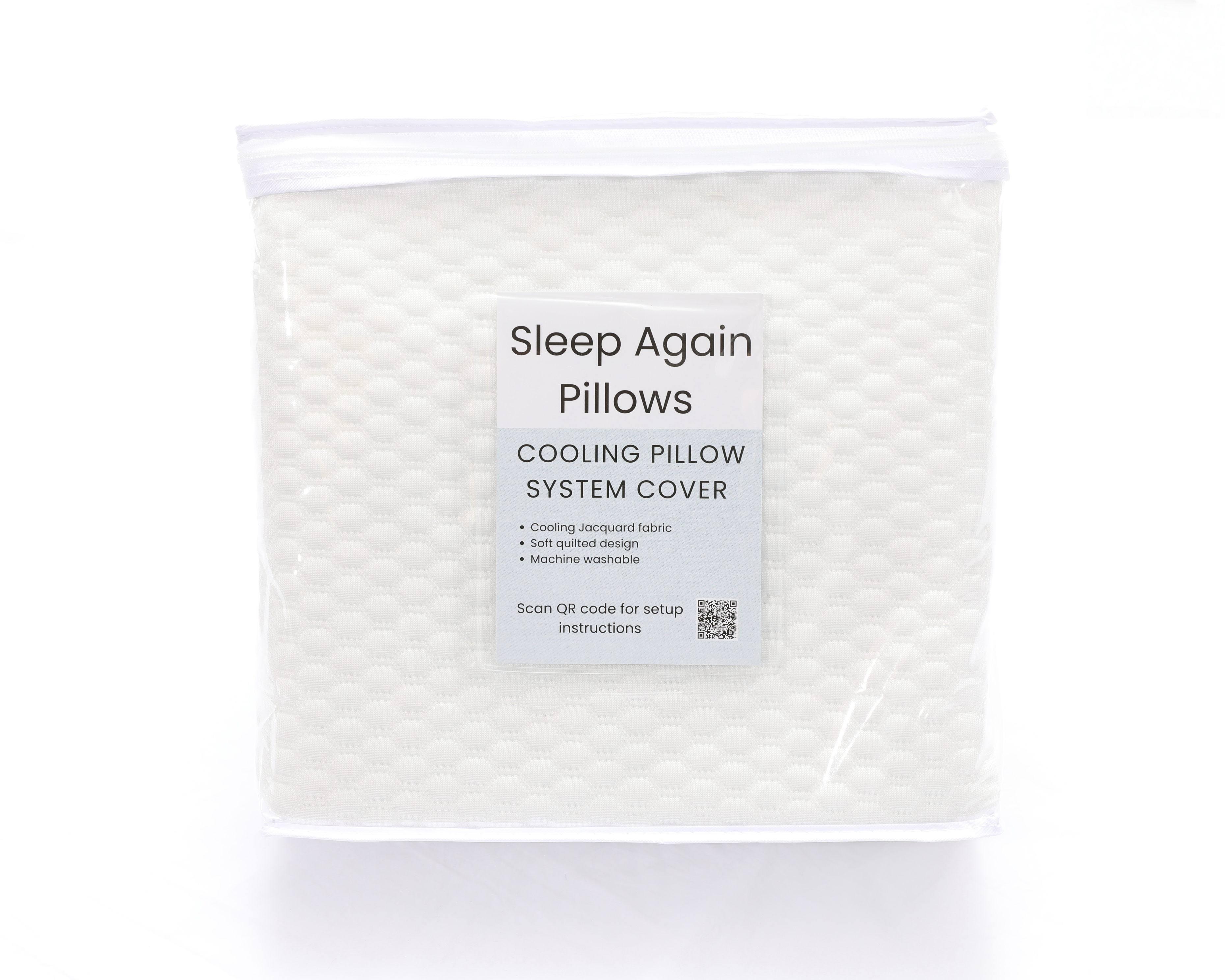
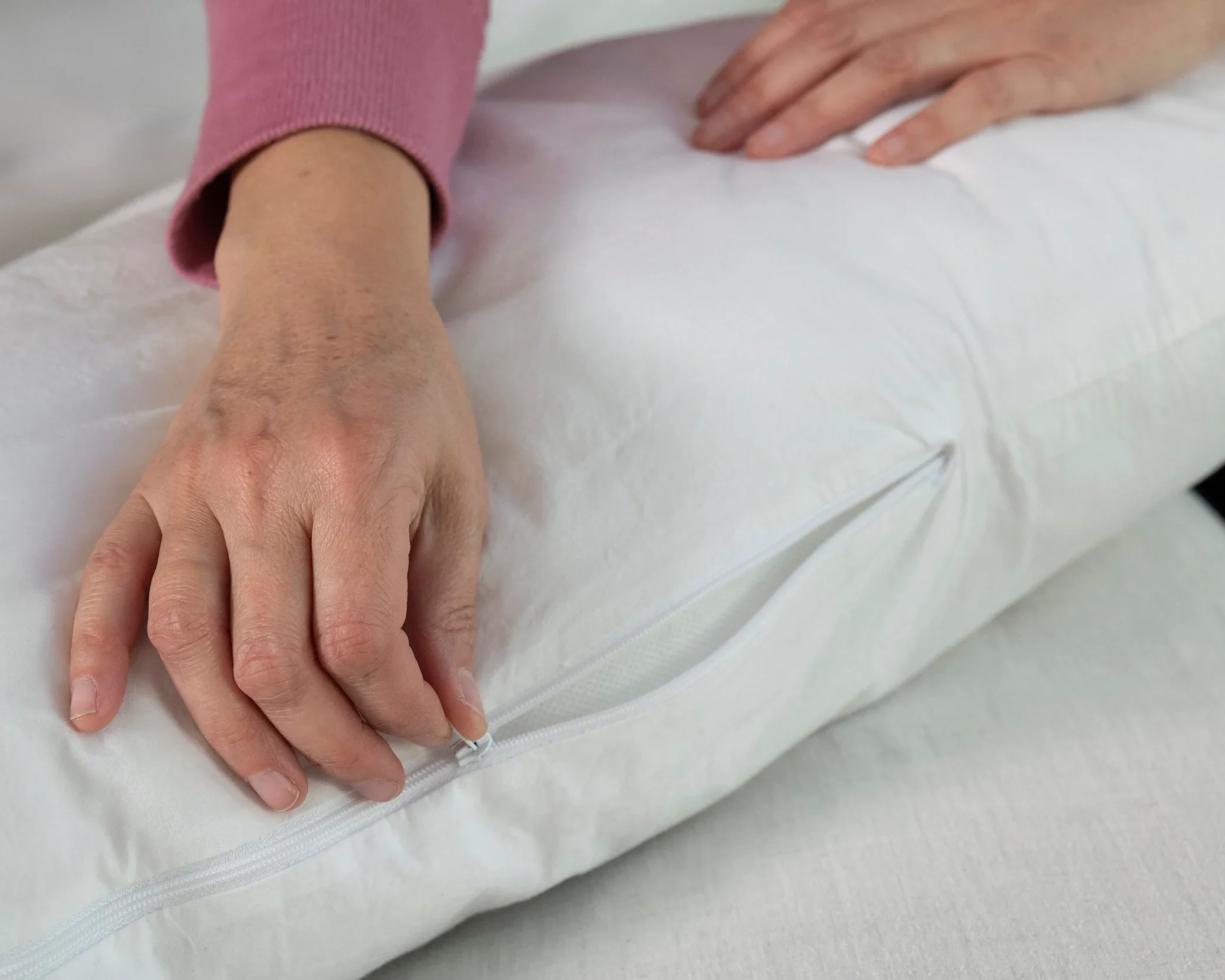
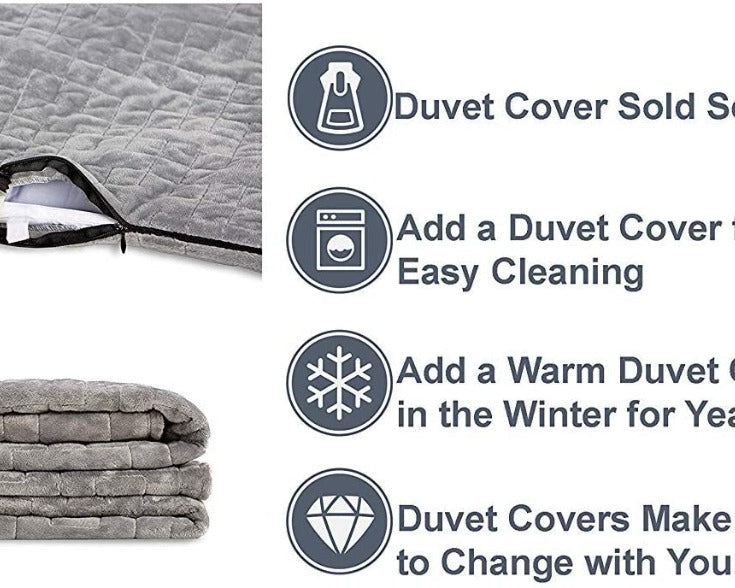
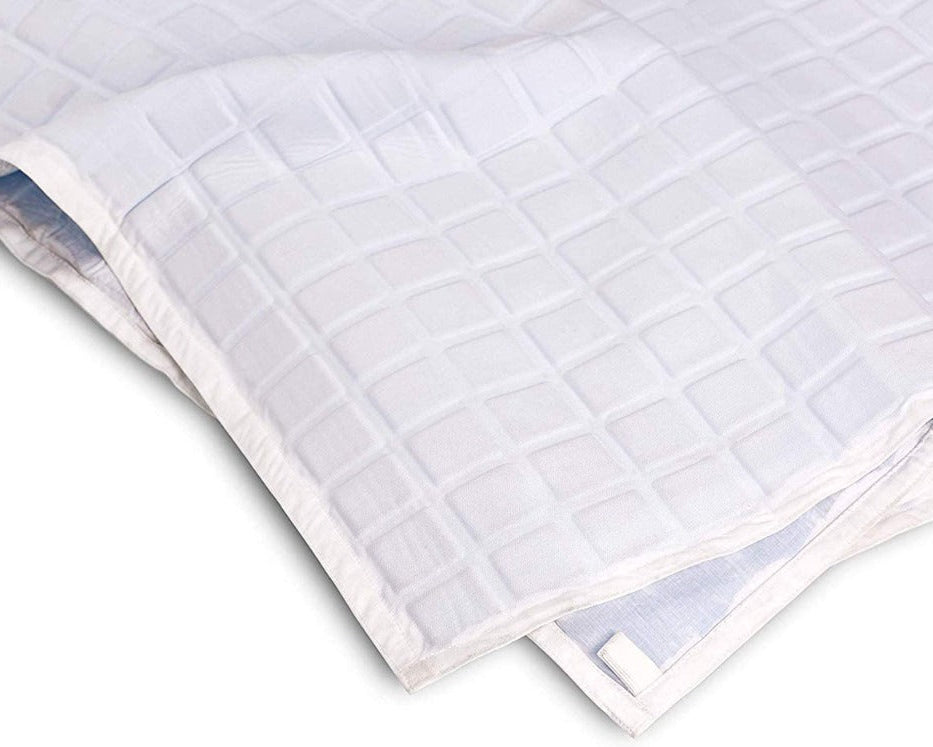
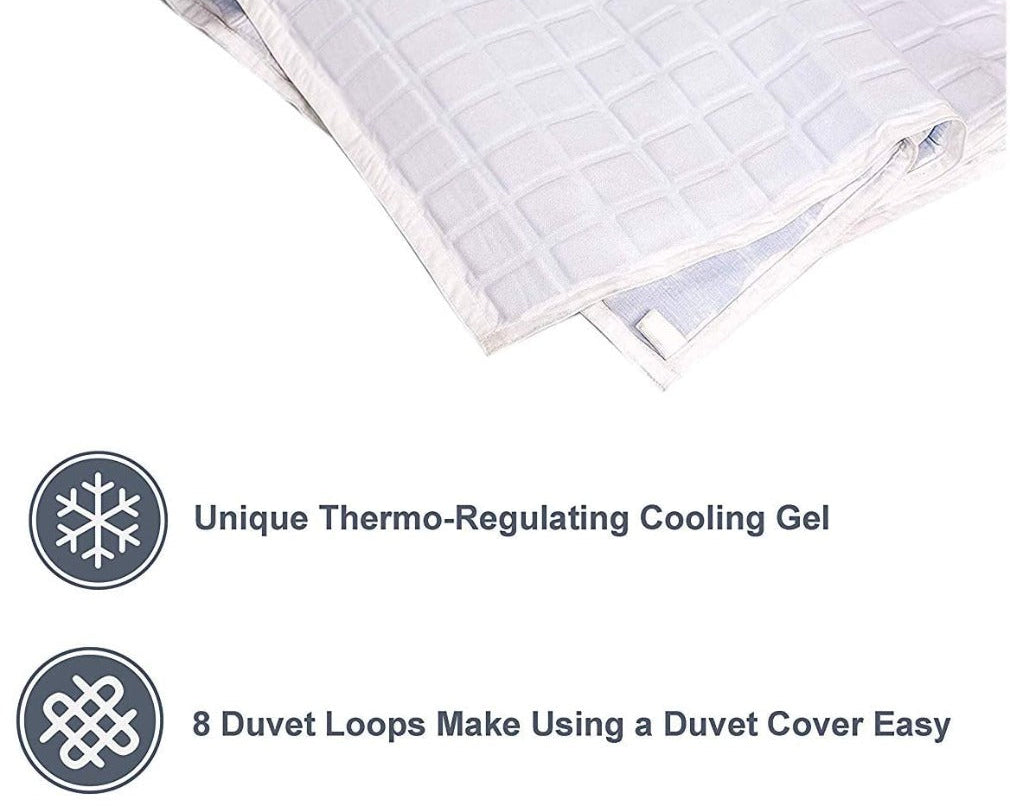
Removable, washable slipcovers. Because recovery is a weeks-long process and hygiene matters

The #1 Doctor-Recommended Pillow for Surgery Recovery
What separates the Sleep Again Pillow System from DIY stacking arrangements is consistency. The wedge holds its angle through a full night of sleep. The contoured side pillows maintain their shape as reliable lateral barriers. The integrated design means components don't develop gaps as you move during the night.
The Sleep Again Pillow System is also HSA and FSA-eligible, making it a smart purchase to plan for during your pre-surgery financial preparation.
Please note: As with all bedding products, the Sleep Again Pillow System is subject to federal regulations governing bedding returns. All sales are final.
SHOP THE BEST PILLOW FOR BODY LIFT RECOVERY
Common Body Lift Sleep Mistakes to Avoid
Even well-prepared patients run into predictable problems. Here's what to watch for:
Going flat too soon. Feeling better doesn't mean healing is complete. Tissue remodeling continues for months. Maintain therapeutic elevation for the full duration your surgeon recommends.
Relying on stacked pillows alone. Stacked pillows compress and migrate. The angle you start with at bedtime is not the angle you wake up at — and for a procedure with this much at stake, that inconsistency matters.
Skipping the leg elevation. Upper body elevation is the primary focus, but leg support matters too. Ignoring leg positioning increases lower back strain, reduces venous return, and can make the overall sleep setup feel uncomfortable even when the upper body angle is correct.
Trying to sleep on your side "just once." The consequences of rolling onto a surgical site once can be significant enough to set back your recovery meaningfully. Set up your lateral support pillows so that unconscious rolling is blocked before it starts.
Not practicing your getting-in/out-of-bed technique. The log-roll maneuver for getting out of bed is something you want to be familiar with before you need it postoperatively. Practice it before your surgery date so the motion is comfortable and controlled.
Q&A: Body Lift Surgery and Sleep Recovery
How long do I need to sleep on my back after a body lift?
Most surgeons recommend back sleeping for a minimum of two to six weeks following body lift surgery, with the exact duration depending on the scope of your procedure and your healing progress. A lower body lift with circumferential incisions typically requires a longer commitment than a more limited procedure. Always defer to your surgeon's specific guidance.
Can I sleep in a recliner instead of setting up my bed?
Yes. For many body lift patients — especially in the first several days — a recliner is easier to get in and out of than a bed. If it achieves a 30–45 degree recline angle, it's a solid early-recovery option. The limitation is sustainability — most patients transition to a properly elevated bed setup after the first week or two as the recliner becomes less practical for an extended recovery window.
What if I wake up and I've rolled onto my side?
Carefully return to your back and check for any unusual pain or discomfort at incision sites. The goal of your lateral support pillows is to make this less likely — not to guarantee it never happens. If rolling is occurring frequently, reassess your barrier pillow setup or speak to your surgeon about additional positioning strategies.
Will my swelling be worse if I sleep without elevation?
Yes, consistently. Swelling increases when fluid pools in dependent tissues overnight. Patients who maintain therapeutic elevation wake up with measurably less swelling than those sleeping flat — a difference that compounds over a multi-week recovery and directly affects both comfort and how quickly surgical results become visible.
Is the Sleep Again Pillow System HSA or FSA eligible?
Yes. As a positioning and recovery aid for post-surgical use, the Sleep Again Pillow System is HSA and FSA-eligible. Plan this purchase before your surgery date so it's ready when you arrive home.
What should I do if pain is preventing me from sleeping?
Make sure you are taking prescribed pain medications on the schedule your surgeon outlined — not only when pain peaks. Staying ahead of pain is more effective than treating it reactively. If positioning discomfort is interfering with sleep despite appropriate medication, contact your surgical team. Don't tolerate sleep deprivation as an expected part of recovery — your healing outcome depends too much on sleep quality.
When can I sleep on my stomach again after a body lift?
Stomach sleeping is typically one of the last positions cleared after body lift surgery and may remain off-limits for several months due to abdominal and circumferential incisions. Some patients are never fully comfortable returning to it after extensive procedures. Follow your surgeon's clearance guidance and don't rush this transition.
The Bottom Line: Plan Your Sleep Before You Plan Your Surgery Date
Body lift surgery is a significant investment — physically, financially, and emotionally.
Getting the results you came for depends on the quality of your recovery, and recovery quality depends heavily on how well you sleep.
Elevated back sleeping at 30–45 degrees manages swelling, protects incision integrity, supports circulation, and creates conditions for the deep sleep phases where healing actually happens. Setting up your sleep environment before surgery is one of the highest-return decisions you can make as a pre-surgical patient.
Plan it. Set it up. Sleep well. Heal well.
Important Medical Disclaimer
The information provided on this page is for educational purposes only and should not replace professional medical advice from your healthcare provider. Sleep Again Pillows are positioning support products designed to help maintain sleep positions recommended by medical professionals during recovery and for therapeutic use.
Always follow your surgeon's or physician's specific post-operative instructions and positioning requirements. Medical guidance from your healthcare team takes precedence over any general information provided here. Recovery timelines, positioning angles, and product suitability vary based on individual surgical procedures, medical conditions, and patient-specific factors.
Consult your healthcare provider before purchasing positioning equipment if you have specific medical concerns or questions about whether these products are appropriate for your recovery or medical condition(s). Your medical team can provide personalized recommendations based on your unique situation.
Sleep Again Pillows do not diagnose, treat, cure, or prevent any medical condition. These products provide positioning support to help maintain sleep angles and positions as directed by your healthcare provider.