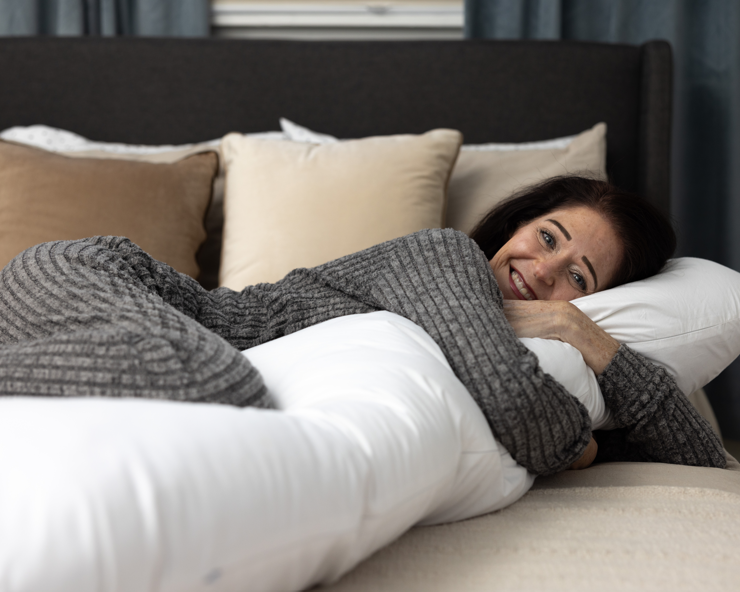

Side sleeping after a tummy tuck has a timeline — and most patients are surprised by how specific it is. The green light usually comes somewhere between weeks three and six, but the when is only half the story. Getting back into your preferred position too fast, or without the right support, can stress your incisions and set back healing you've already earned.
This guide walks you through the full recovery timeline, explains what's happening in your body during each phase, and gives you a clear plan for transitioning back to side sleeping safely and comfortably.
What Does a Tummy Tuck Actually Do to Your Body?
Before diving into sleep positions, it helps to understand what your body is managing during recovery.
A tummy tuck, formally known as abdominoplasty, removes excess skin and fat from the abdomen while tightening the underlying rectus abdominis muscles. These muscles are often sutured together to create a firmer, flatter profile. The results can be significant, which is exactly why how you sleep during recovery isn't an afterthought — it's part of what determines the outcome.
Here's what's happening beneath the surface in the weeks after surgery:
Muscle repair and healing. The sutured abdominal muscles need time to knit together and regain strength. Any position that stretches or strains the abdominal wall before those sutures have fully healed puts your results and your incisions at risk.
Incision healing. A tummy tuck incision typically runs from hip to hip along the lower abdomen. Pressure, friction, or tension on that incision line during sleep can slow healing and affect scar quality.
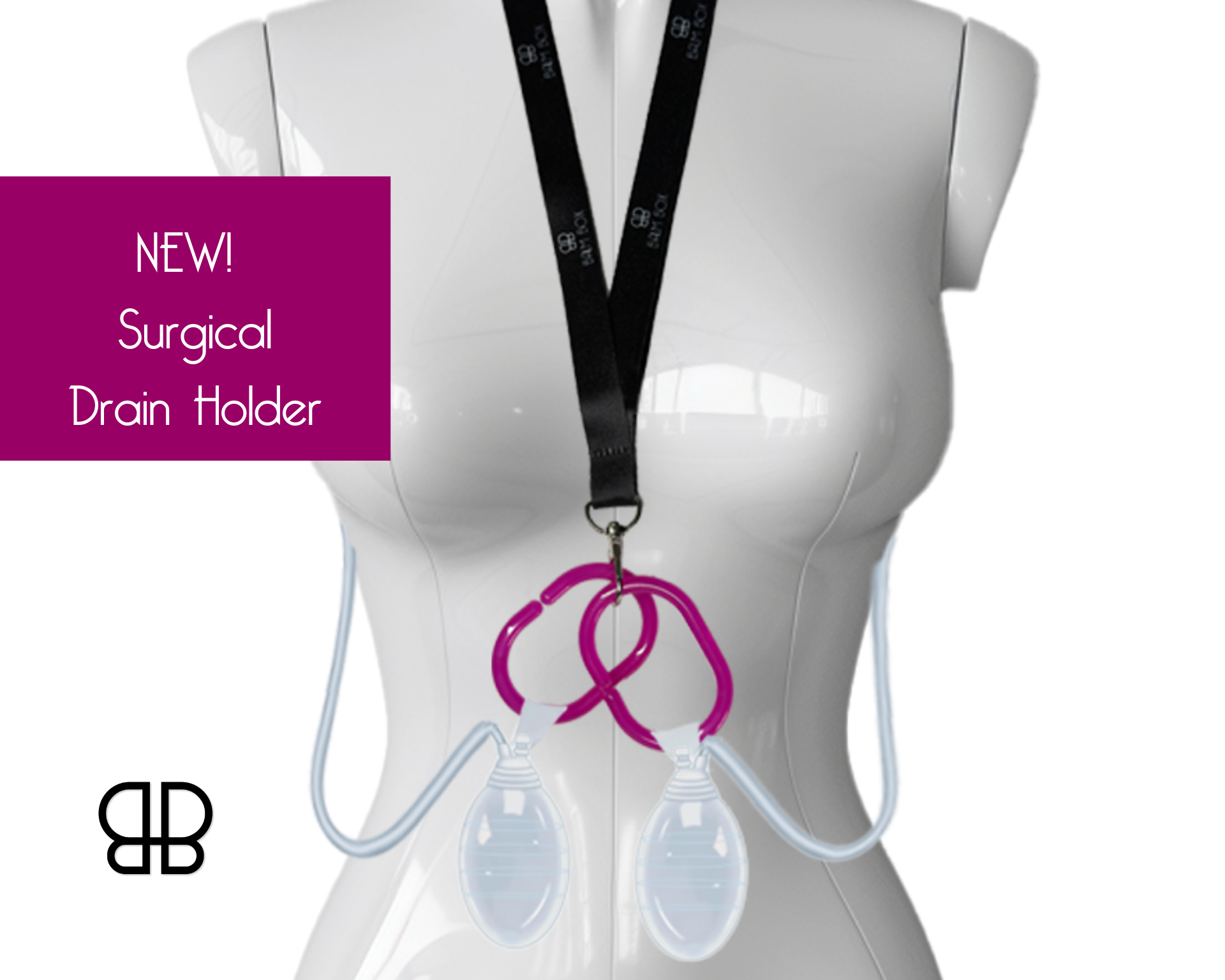
Drain management. Most tummy tuck patients have surgical drains in place for the first one to two weeks. These small tubes help prevent fluid accumulation, but they also mean your sleeping position has to account for their placement.
Swelling and fluid redistribution. Post-surgical swelling is normal and expected. How you position your body directly determines whether fluid drains efficiently or accumulates in the abdominal tissue, which is why sleep position is part of your recovery prescription, not just a comfort preference.
Why Can't I Sleep on My Side Right After a Tummy Tuck?
It feels like a simple request, just roll onto your side. But in the first weeks of tummy tuck recovery, side sleeping creates a cluster of problems.
Incision tension. Your hip-to-hip incision sits almost directly in the zone of pressure when you lie on your side. Even with pillow support, the lateral stretch on that incision line can interfere with healing and increase discomfort significantly.
Muscle strain. The sutured abdominal muscles aren't ready for the rotational and lateral forces involved in side sleeping. The movement of shifting positions, not just the position itself, creates the highest risk.
Asymmetrical healing. Consistently sleeping on one side before you're cleared can create uneven pressure on healing tissues. For patients with drains, side sleeping can also kink or compress drain tubing, which is uncomfortable and potentially problematic.
Rolling risk. If you start side sleeping before your muscles are ready, the tendency during sleep is to continue rolling toward your stomach — a position with its own extended off-limits timeline.
None of this means side sleeping is permanently off the table. It means the timing and the approach matter enormously.

What Is the Best Sleeping Position Immediately After a Tummy Tuck?
During the first two to three weeks of recovery, elevated back sleeping is the non-negotiable standard.
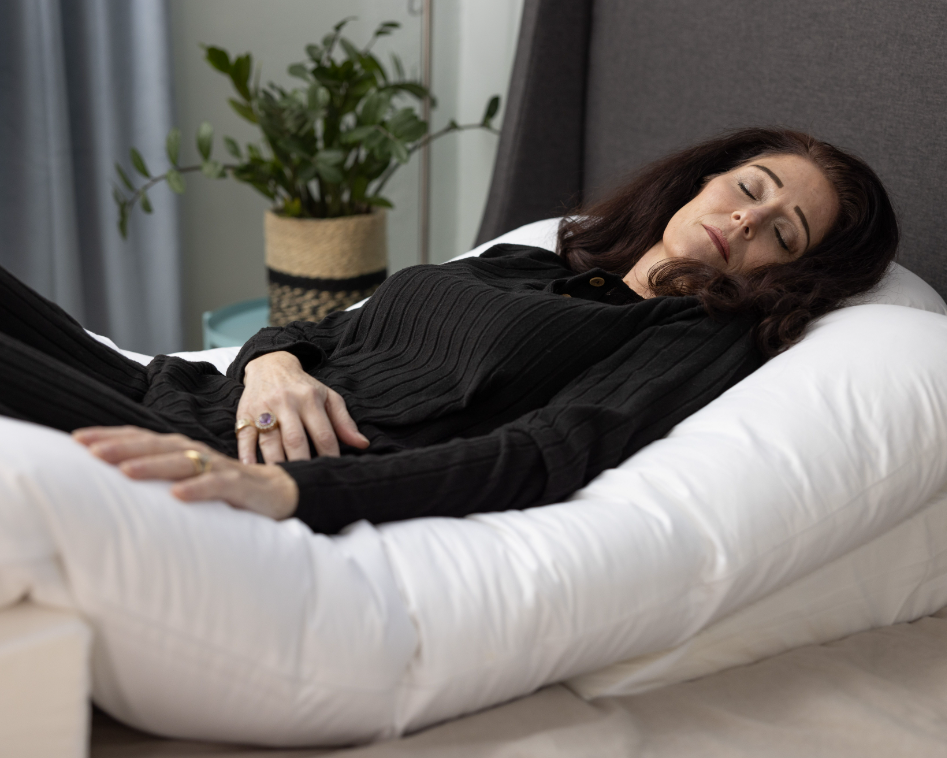
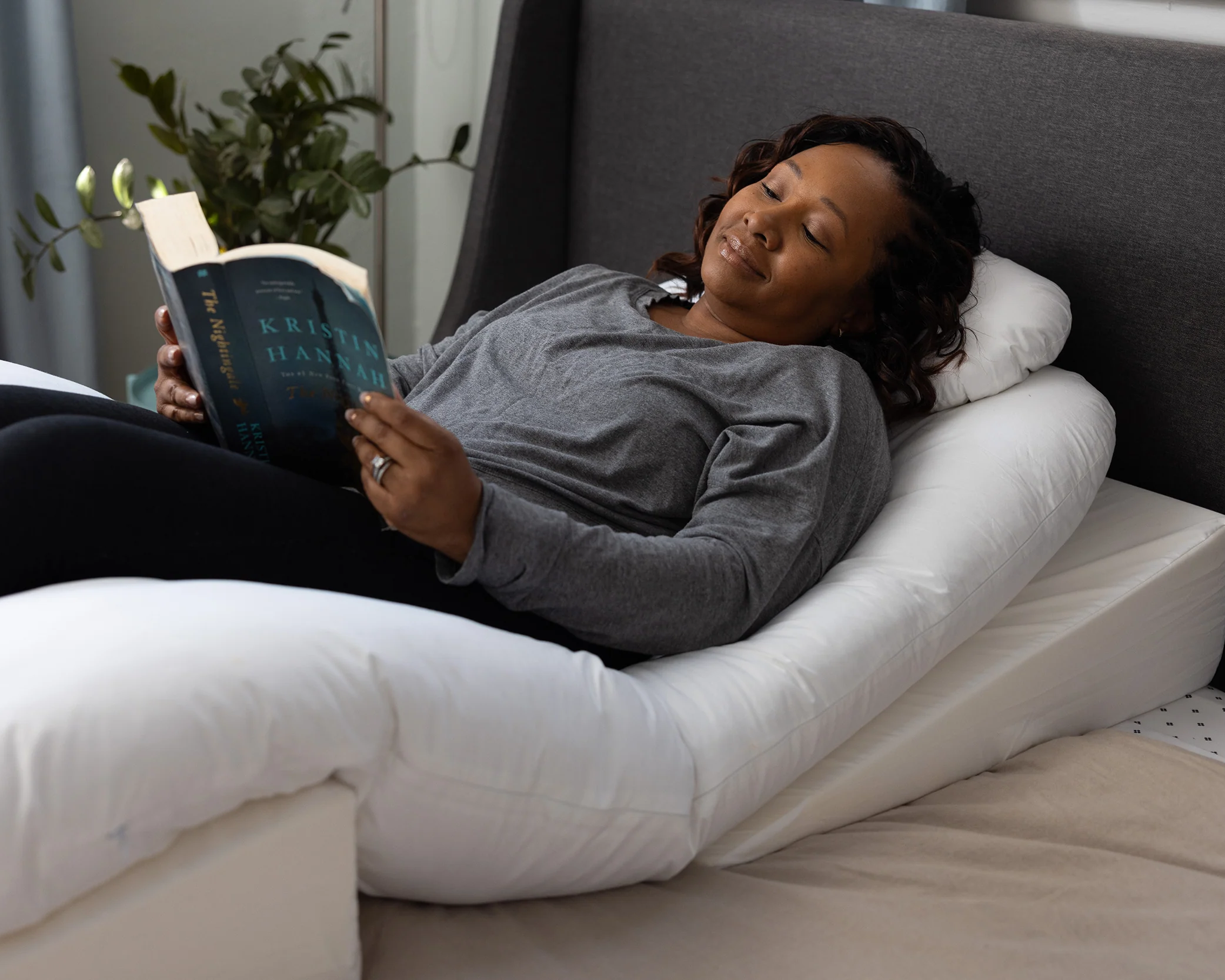
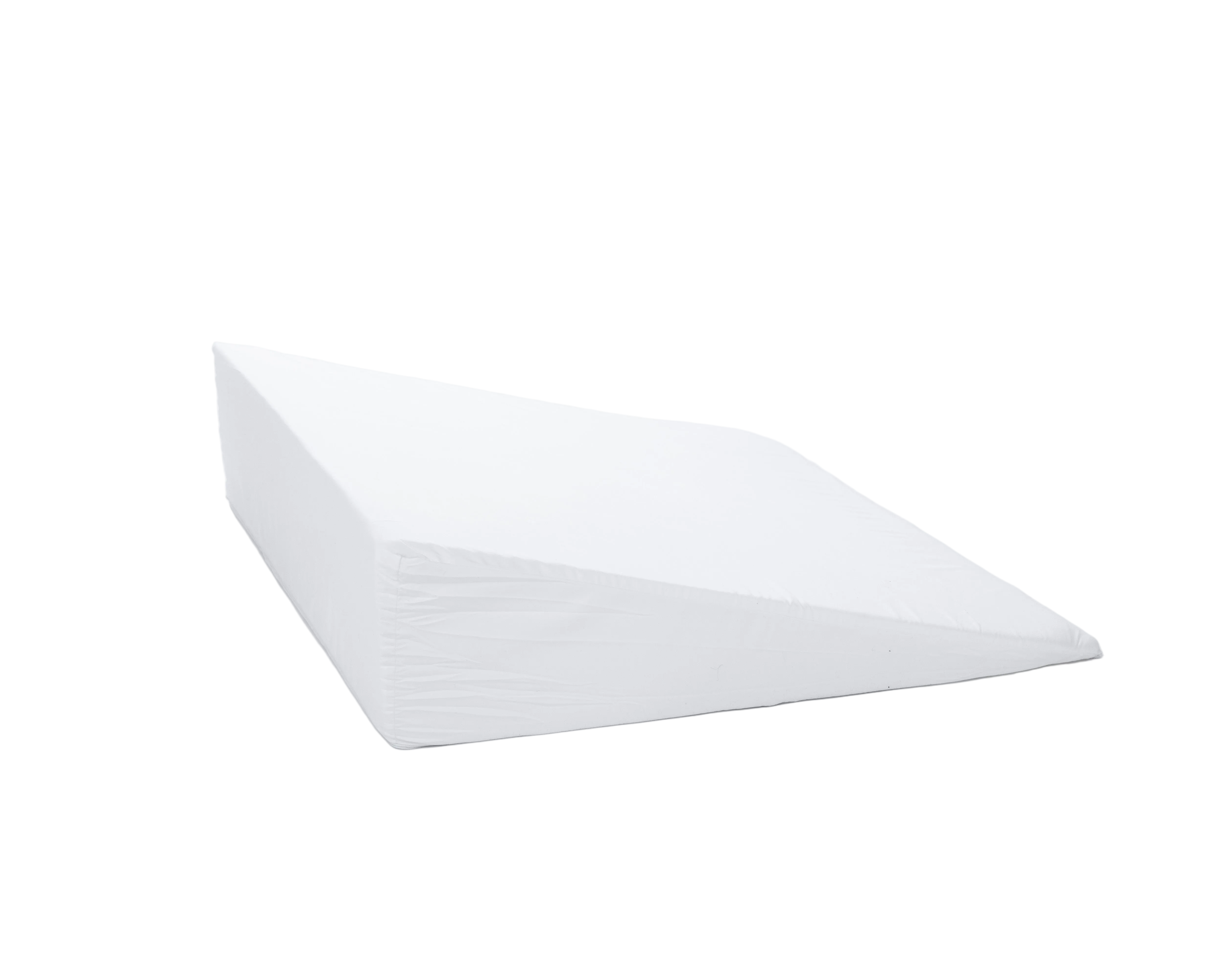
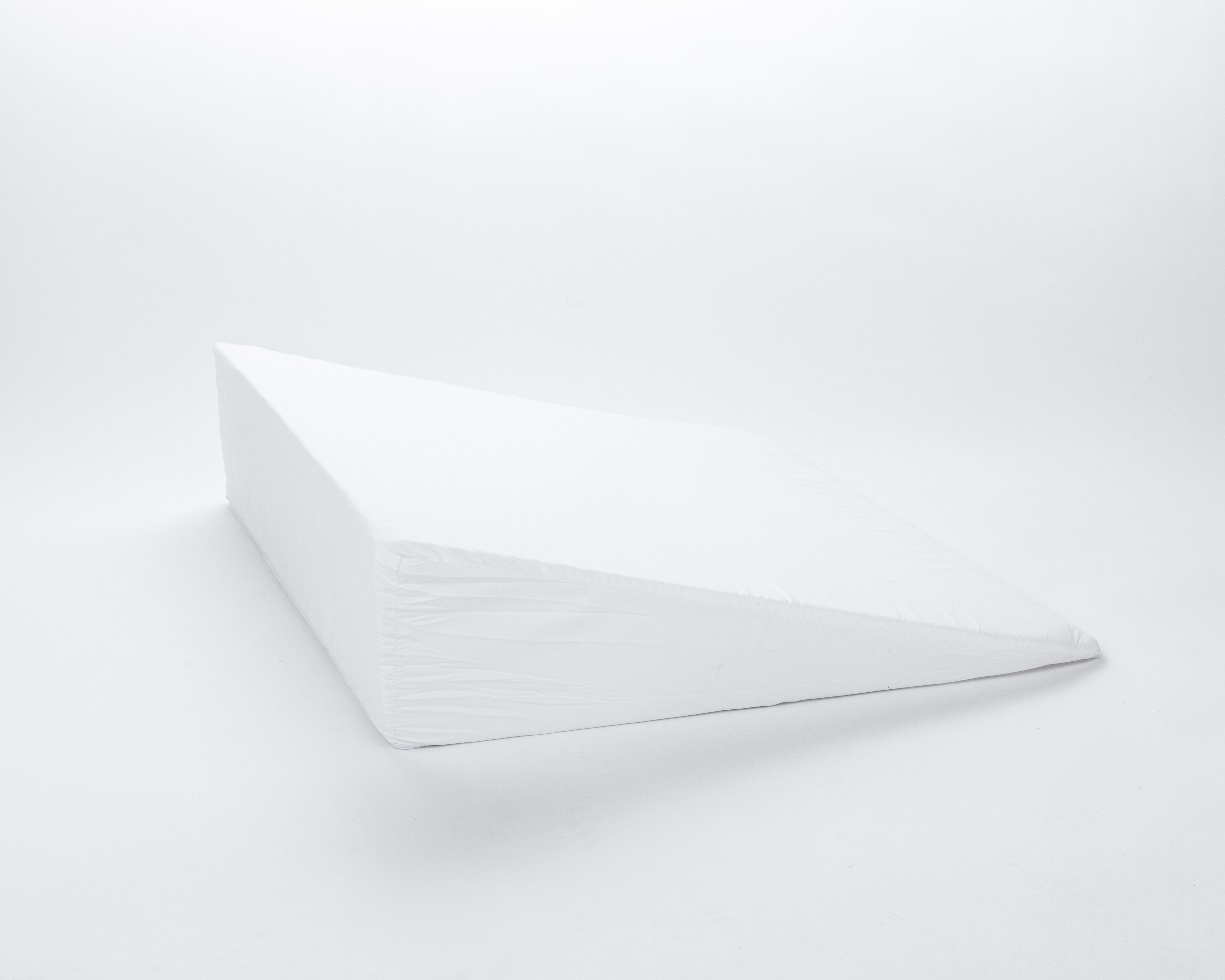
This isn't flat-on-your-back sleeping. The optimal post-tummy tuck position keeps the upper body elevated and the knees bent and supported. This posture does several things simultaneously:
Reduces tension on the incision. Elevating your upper body and bending your knees reduces pull on sutures by bringing the incision's two ends slightly toward each other.
Controls swelling. An elevated upper body allows post-surgical fluid to drain more effectively rather than pooling in the abdominal tissue.
Protects newly tightened muscles. The bent-knee position prevents the full extension of the abdominal wall that happens when you lie flat, giving healing muscles the slack they need.
Prevents unconscious rolling. Proper elevation using a wedge pillow or reclined position makes rolling onto your stomach or side structurally difficult, which is particularly helpful in those first days when you're sleeping deeply due to anesthesia and pain medication.

The Sleep Again Pillow System: Supporting Elevated Back Sleeping After a Tummy Tuck
Back sleeping with proper elevation isn't just a restriction. It's an active part of your recovery. But achieving it consistently, night after night, requires more than a stack of household pillows. Elevation shifts during sleep, knee support collapses, and by 3am, you've lost the positioning your body needs.
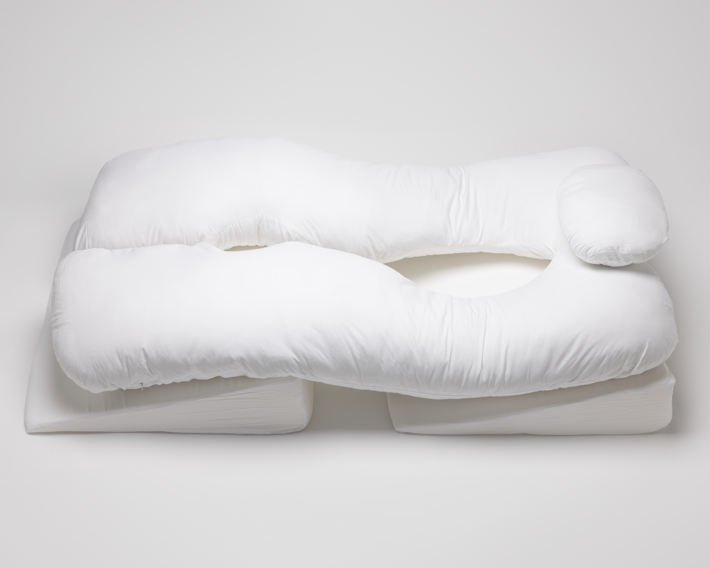
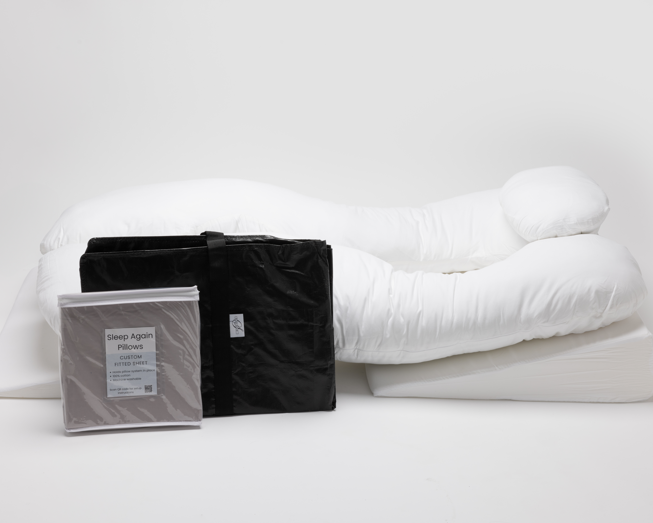
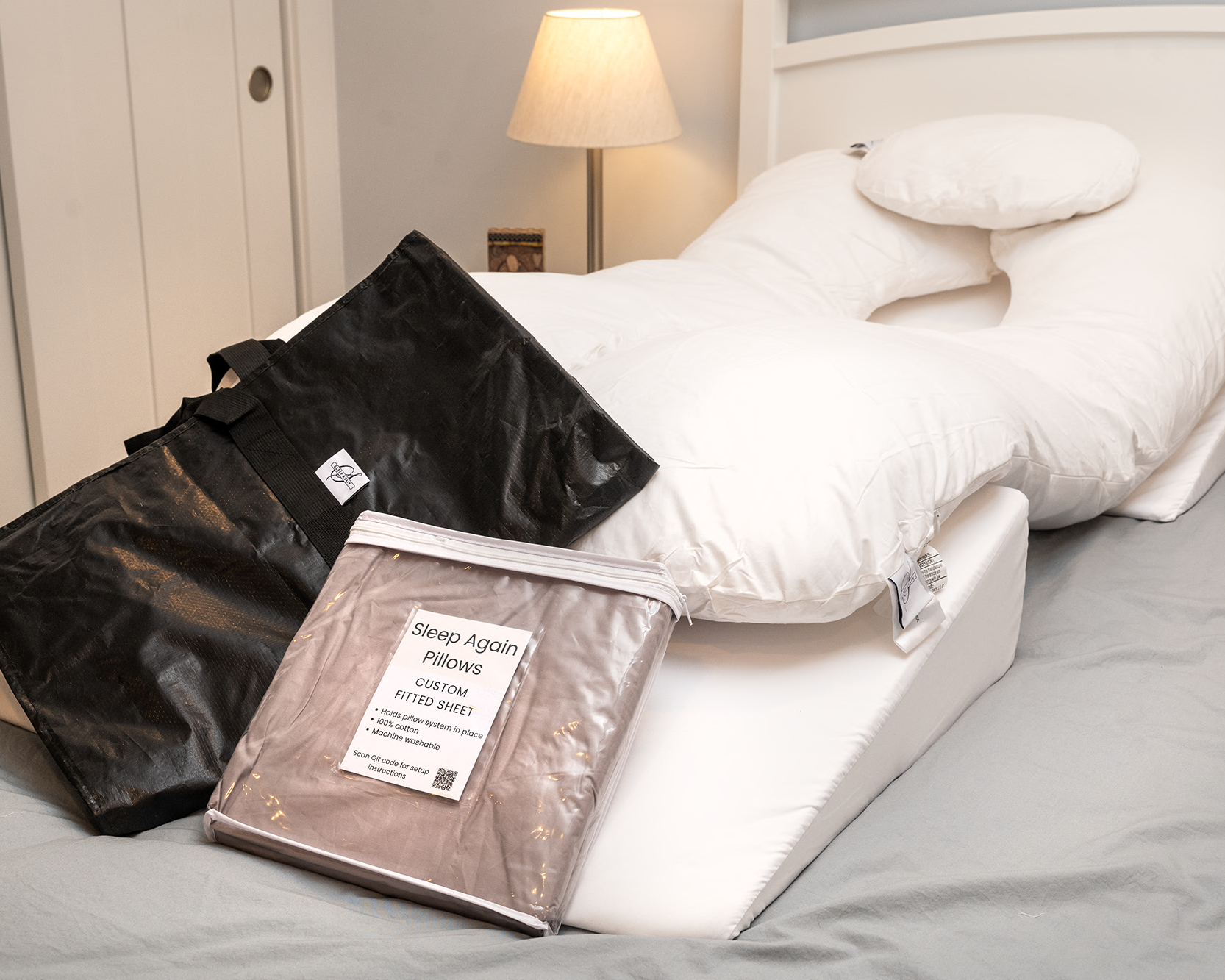
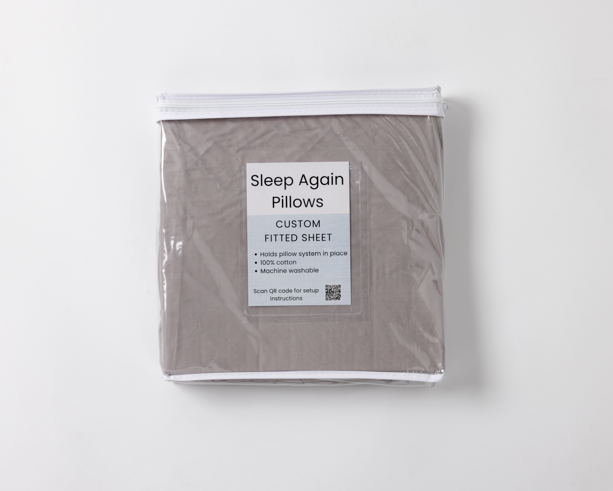
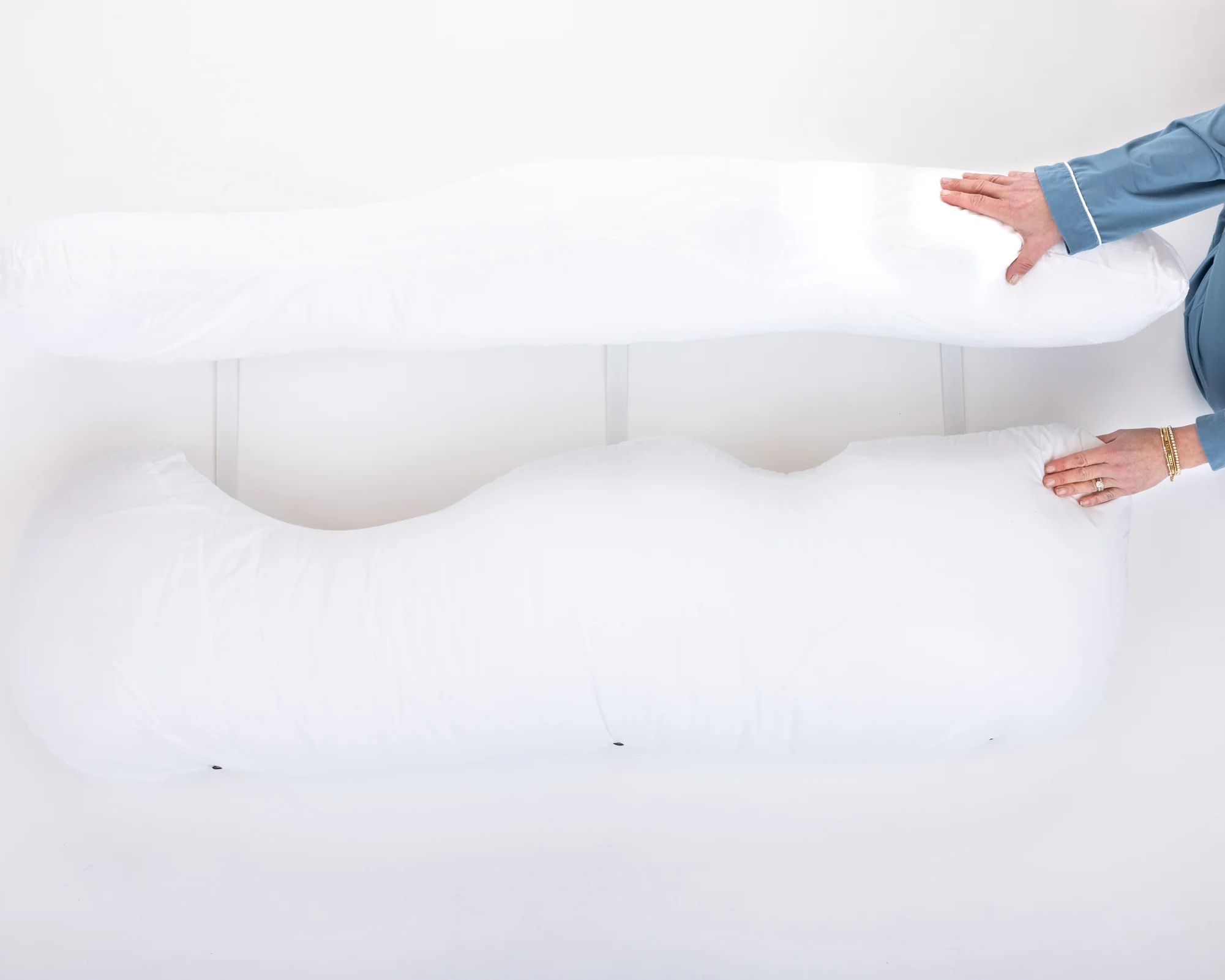
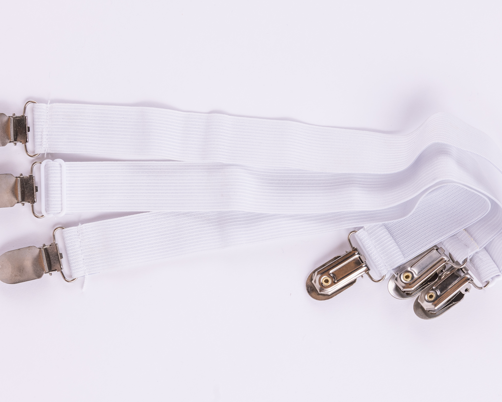
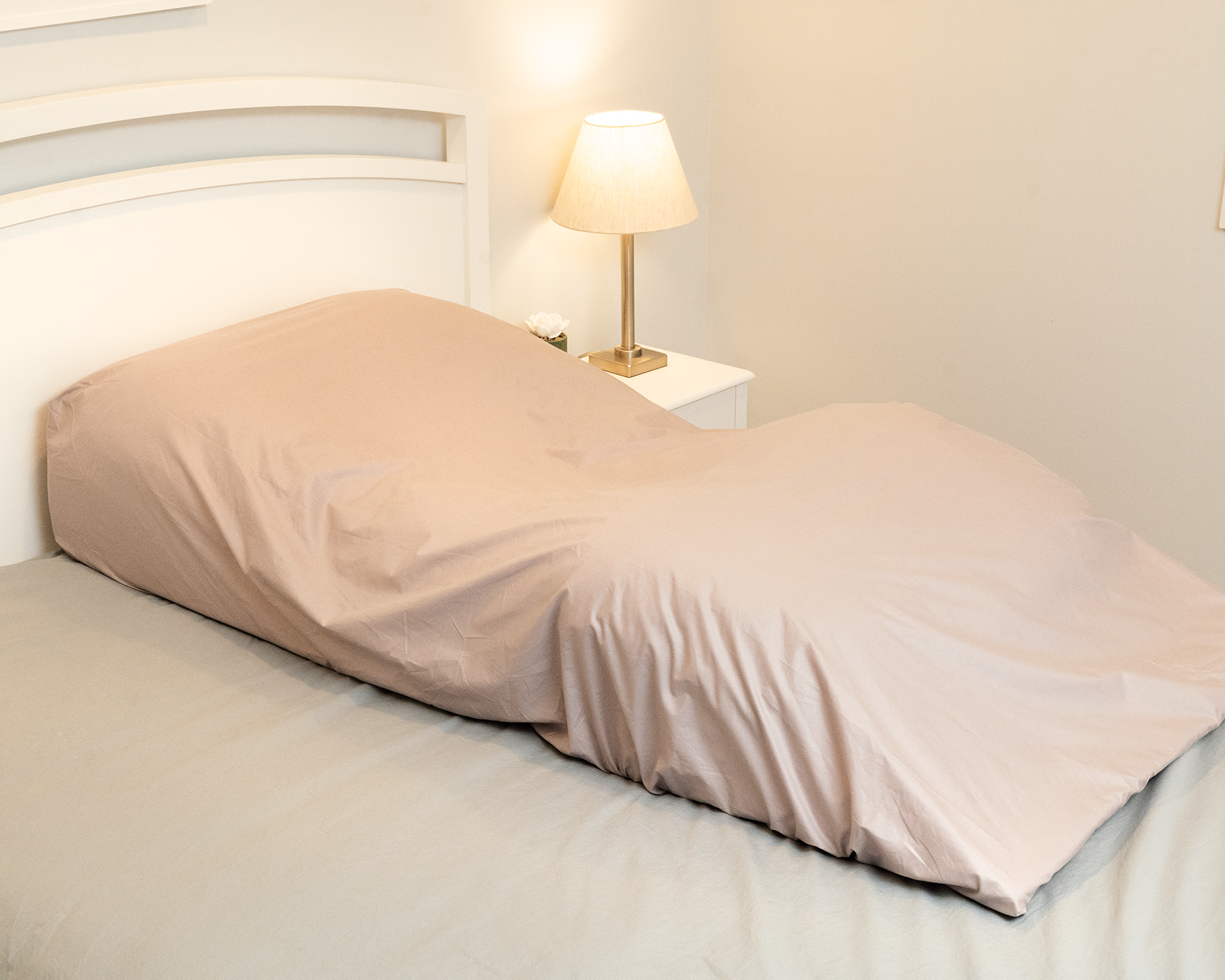
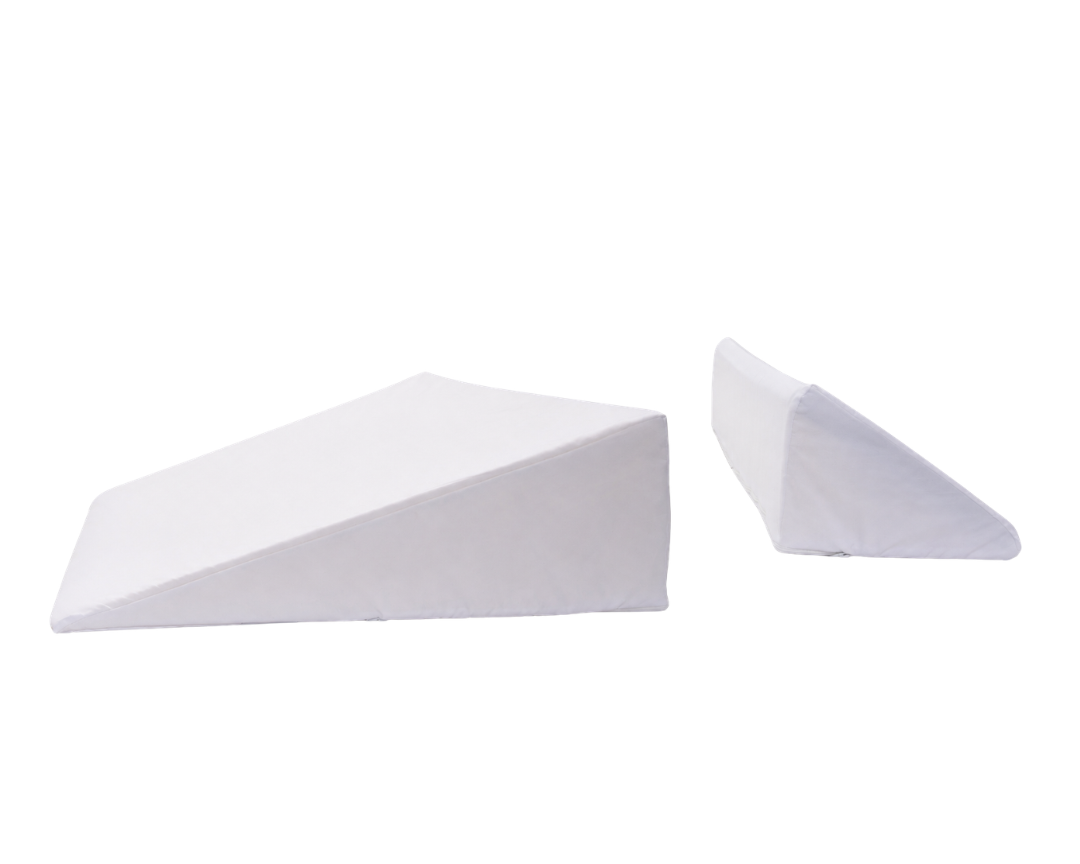
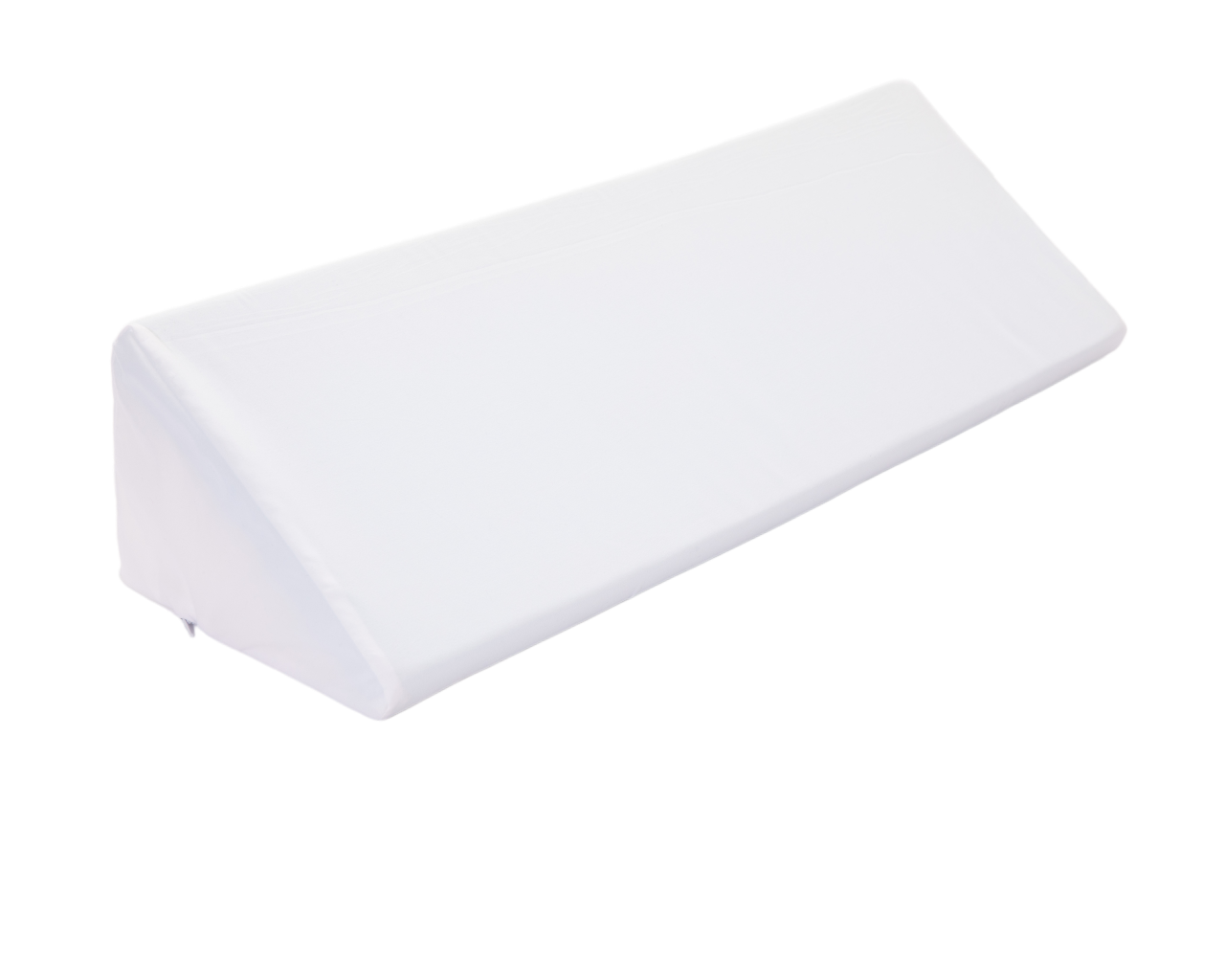
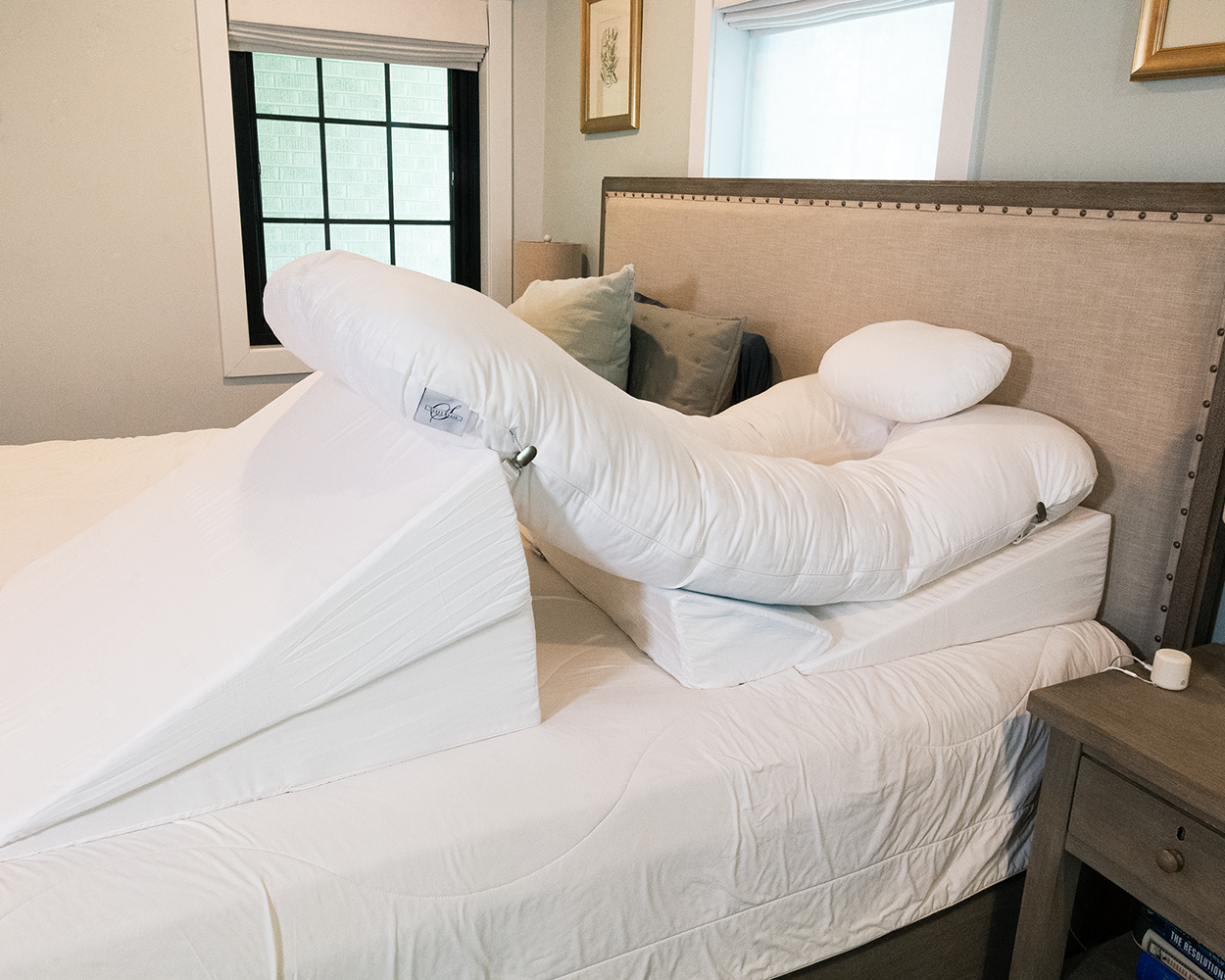
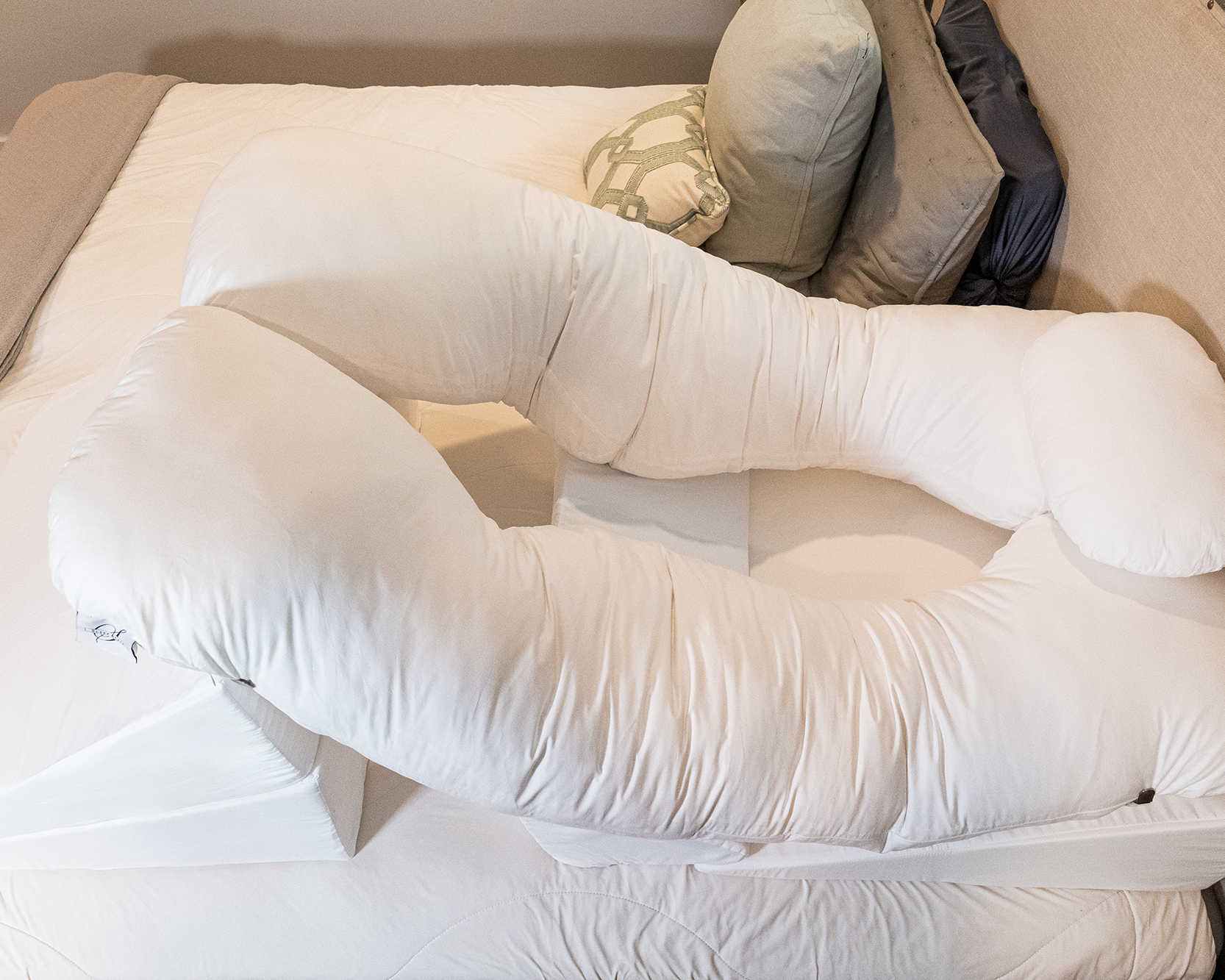
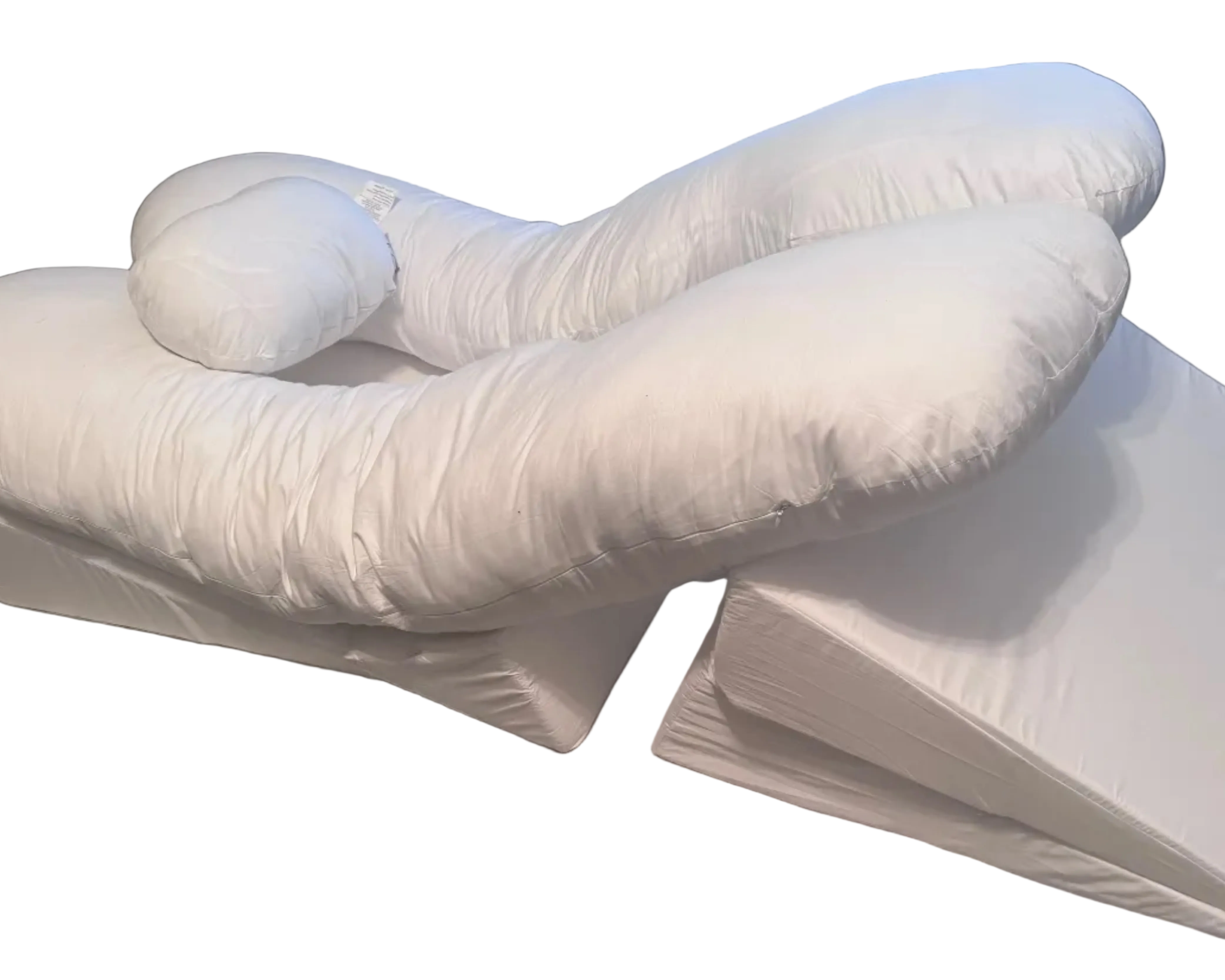
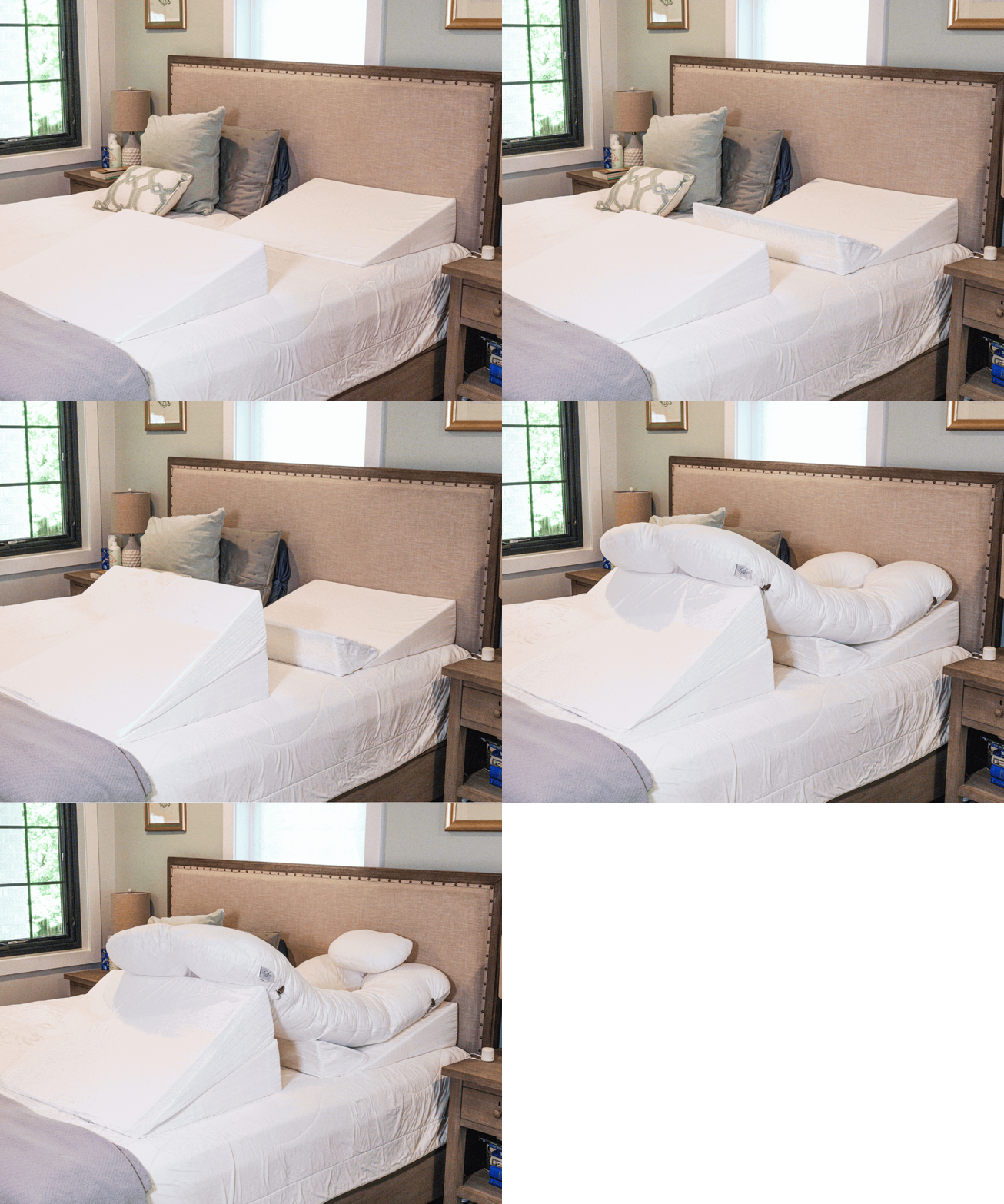
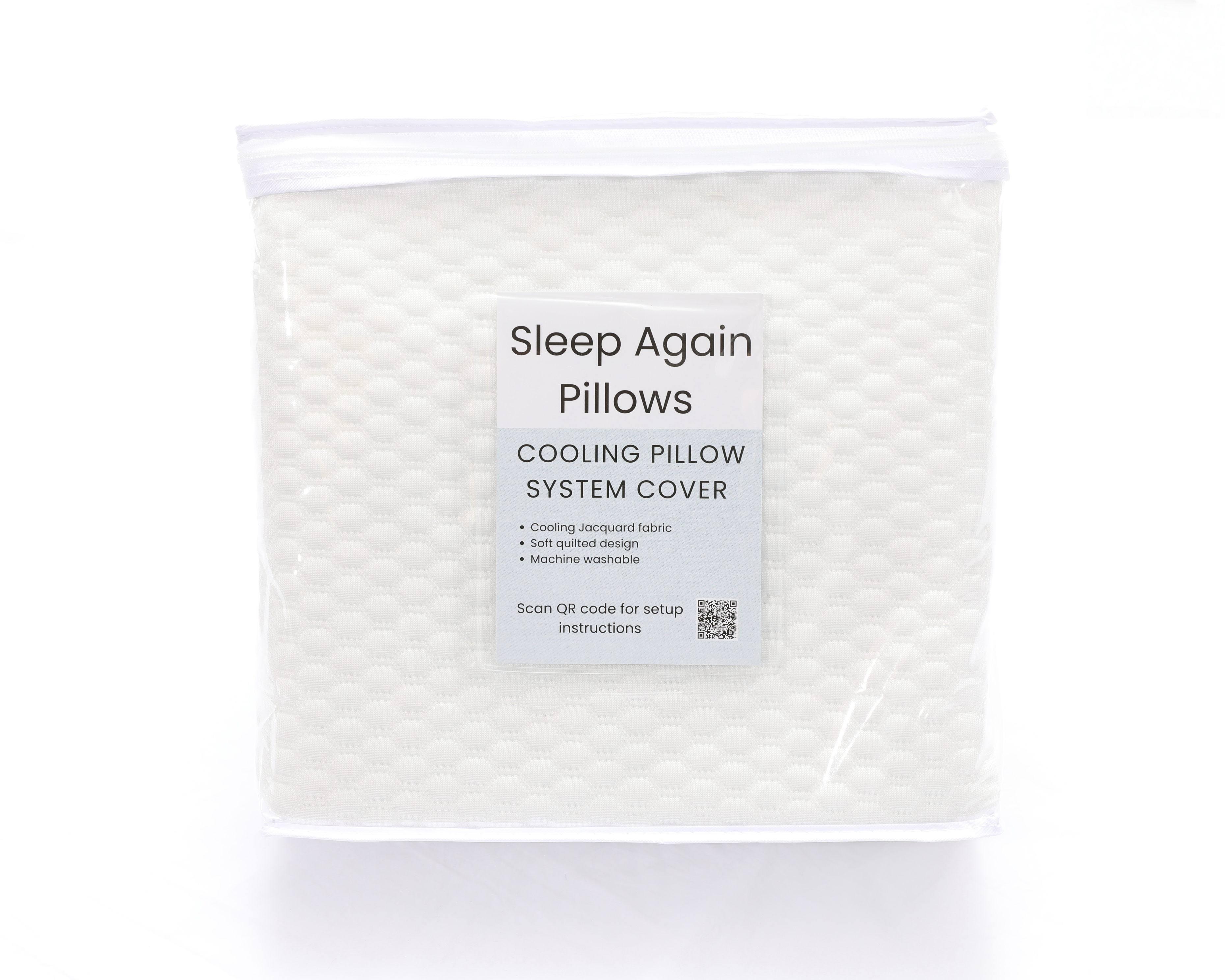
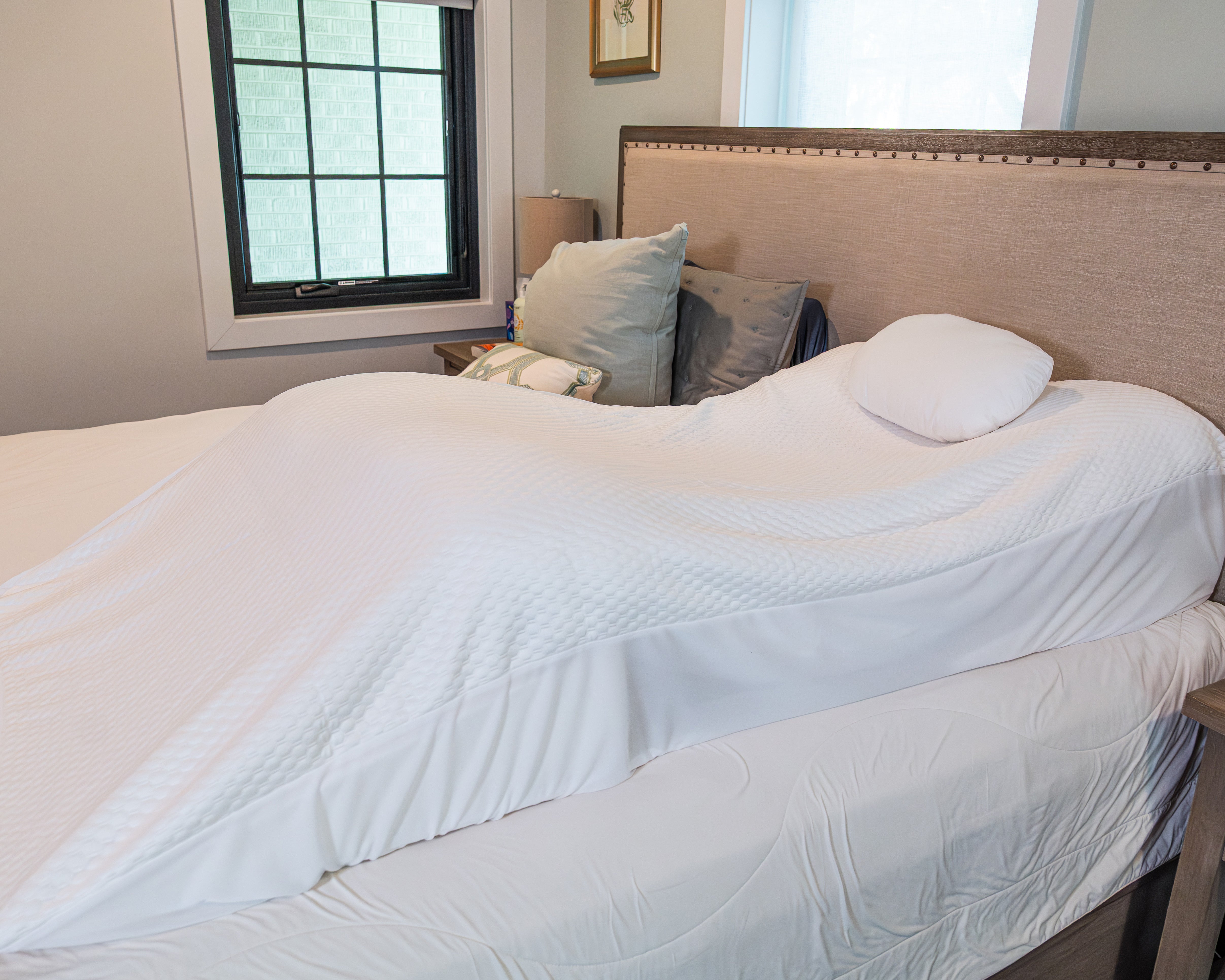
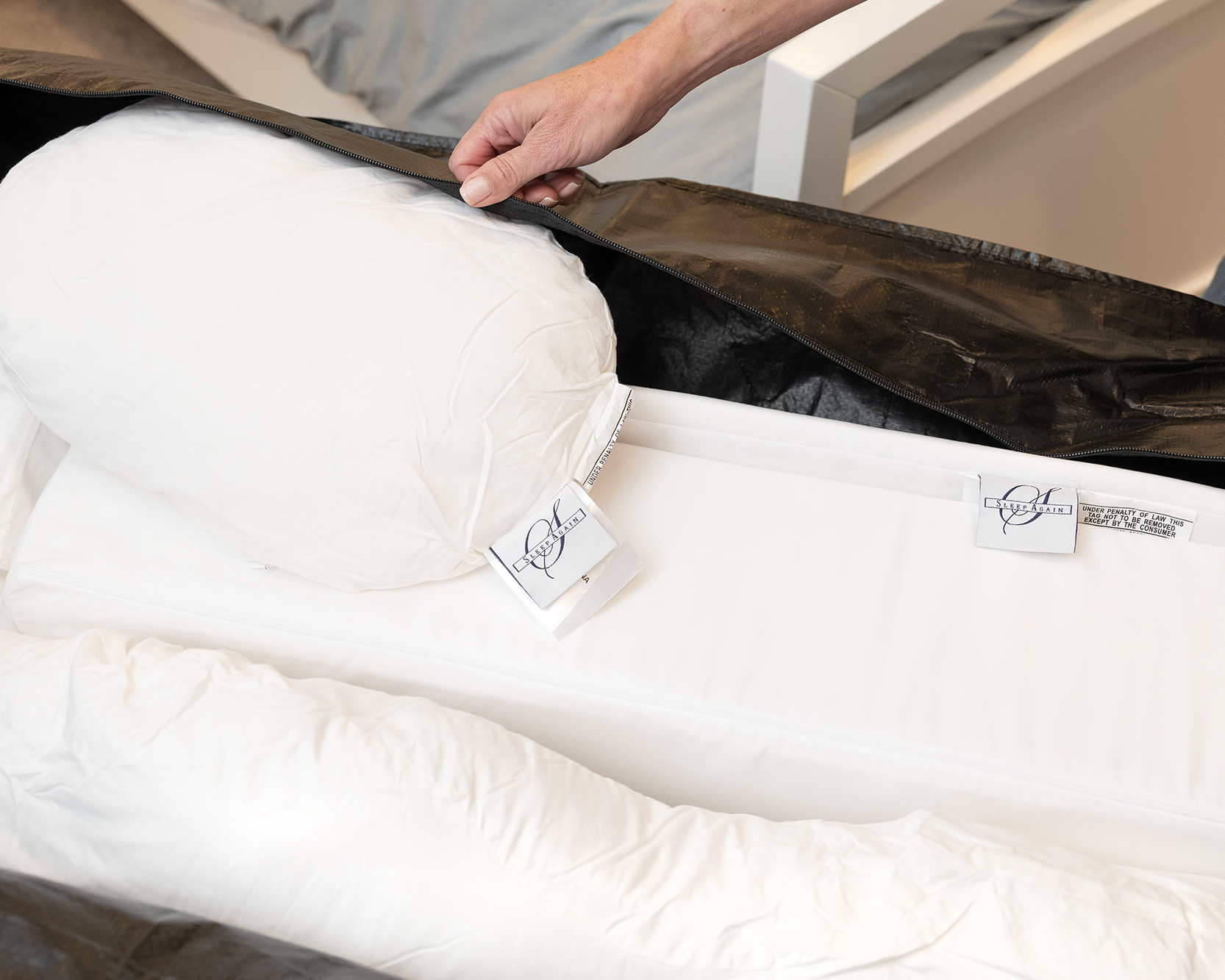
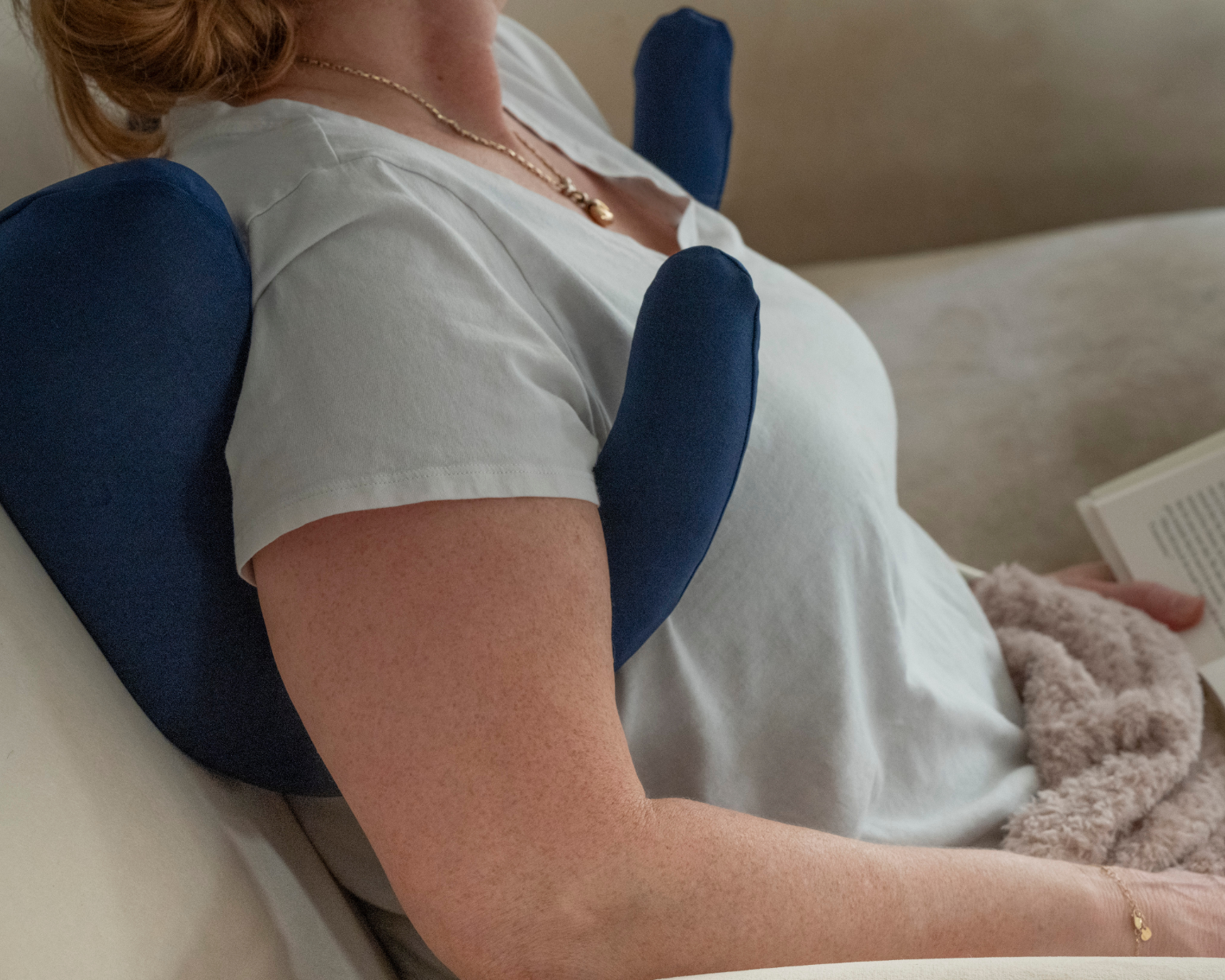
The Sleep Again Pillow System was designed specifically for this phase. It combines an upper body wedge, leg support wedge, contoured side pillows, and a head pillow into a complete positioning system that holds the correct recovery posture throughout the night — not just when you first lie down.
What that means in practice:
- Upper body elevation reduces tension on your incision and helps post-surgical fluid drain rather than pool in abdominal tissue
- Knee and leg support takes the strain off your abdominal wall, giving healing muscles the slack they need
- Contoured side pillows prevent unconscious rolling toward your side or stomach — the movement most likely to stress your sutures before you're ready
- The full system works together, which is what separates it from improvised setups that shift, flatten, or fail halfway through the night
The Sleep Again Pillow System is HSA/FSA eligible and ships fast from the USA and Canada. This means everything can be set up and ready before your procedure, not after you've already spent a week fighting your pillow arrangement.
SHOP THE BEST SYSTEM FOR TUMMY TUCK RECOVERY

When Can I Start Side Sleeping After a Tummy Tuck? A Week-by-Week Timeline
Recovery isn't one-size-fits-all, and your surgeon's specific instructions should always take precedence over any general timeline. That said, here's what most patients experience:
Weeks 1–2: Elevated Back Sleeping Only
This phase is non-negotiable. Your body is closing incisions, reducing swelling, and establishing the foundation for muscle repair — the highest-stakes healing work of your entire recovery. Side sleeping risks incision stress, drain complications, and unnecessary pain.
Keep pillows consistently placed to maintain your elevation throughout the night, and resist the urge to test a different position.
Weeks 2–3: Modified Side Positioning May Be Introduced
Some surgeons, particularly for patients with uncomplicated recoveries from mini tummy tucks, may permit a gentle modified side position: a slight lateral lean with extensive pillow support, not full side sleeping. This modification is surgeon-dependent. Do not attempt it without explicit clearance.
Weeks 3–4: Side Sleeping Begins for Some Patients
Patients with straightforward recoveries may begin gradual side sleeping around weeks three to four, with surgeon approval. Start with brief periods rather than a full night, pay close attention to any pulling or discomfort, and return to back sleeping if anything feels wrong.
Pillow support is critical during this phase. You're not just side sleeping. You want supported side sleeping to protect tender tissues that are still healing.
Weeks 4–6: Most Patients Can Transition to Side Sleeping
The four-to-six-week window is when most patients receive clearance for regular side sleeping. Incisions have healed significantly, drains are long removed, and abdominal muscles have begun meaningful repair. The right support still makes the difference between a comfortable transition and a setback.
Beyond 6 Weeks: Extended Timelines
Patients who had more extensive procedures, including full tummy tucks with significant muscle repair, combined procedures like tummy tuck with breast surgery, or cases involving complications, may need to wait longer. Stomach sleeping has its own distinctly extended timeline, addressed below. Your surgeon's guidance governs all of these milestones.
How Do I Know If I'm Ready to Transition to Side Sleeping?
Your surgeon's clearance is the essential first checkpoint. Beyond that, your body gives clear signals:
You can move in and out of bed without significant pain. If shifting from lying to sitting causes sharp pain or pulls at your incision, you should wait to begin side sleeping.
Your incision feels stable, not tender. Active tenderness at the incision line indicates ongoing healing that isn't ready for lateral pressure. When the incision feels firm and less sensitive, that's a positive sign.
You can stand mostly upright. If you're still walking hunched forward, your muscles and skin aren't ready for the positional demands of side sleeping.
Your swelling has visibly decreased. Persistent swelling signals active healing that benefits from the controlled positioning of back sleeping.
When you get clearance, start with a few hours of supported side sleeping and evaluate how you feel before extending the time.

What Pillow Support Do I Need When Side Sleeping After a Tummy Tuck?
Strategic support is what separates a comfortable transition from a setback.
The goal: maintain spinal alignment, distribute pressure away from your incision, prevent rolling, and keep your body stable.
Between the knees. A pillow between your knees keeps your hips aligned and prevents the top leg from pulling your pelvis and your abdominal muscles out of alignment.
Behind your back. A firm pillow tucked against your lower back prevents backward rolling and gives you something stable to rest against throughout the night.
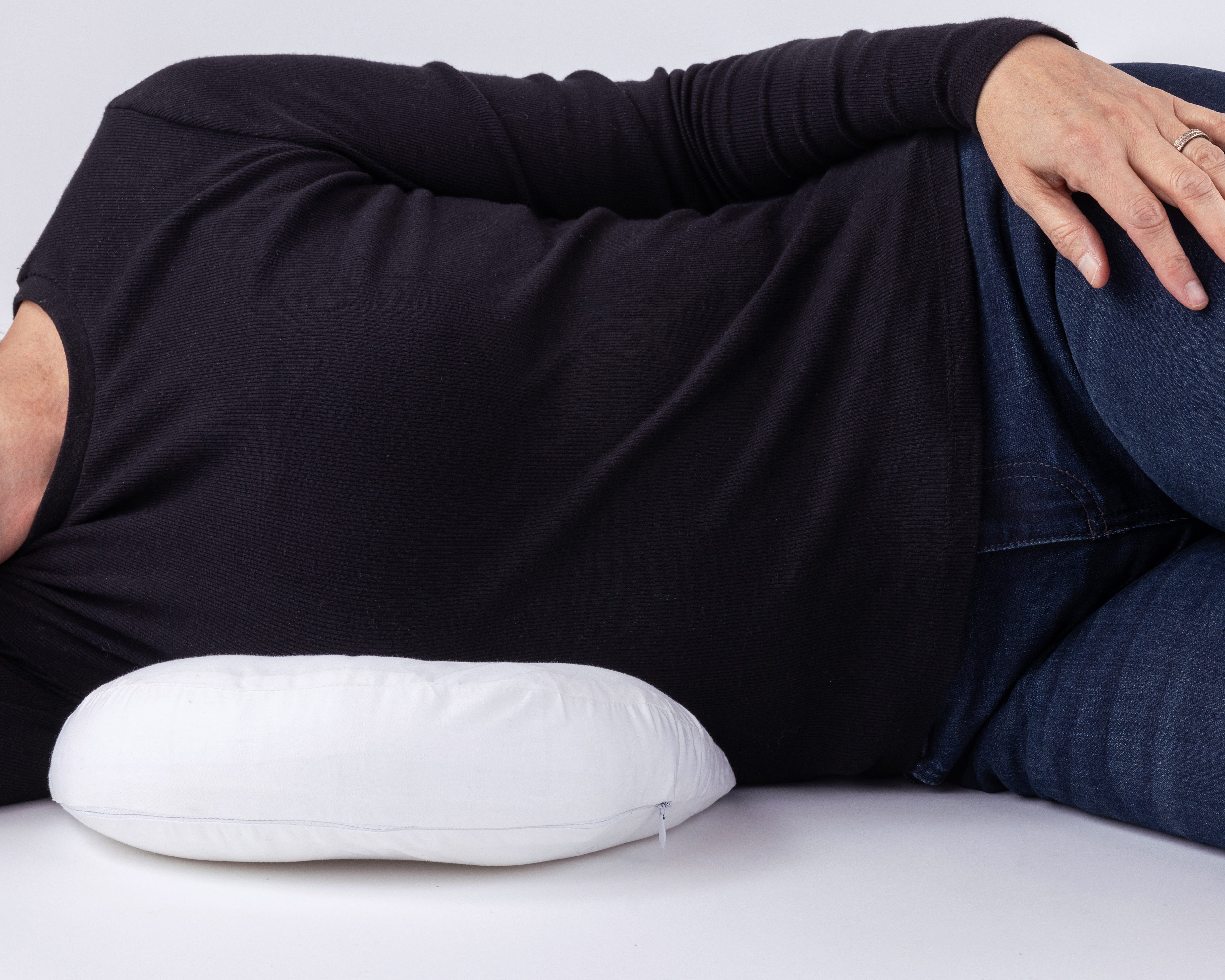
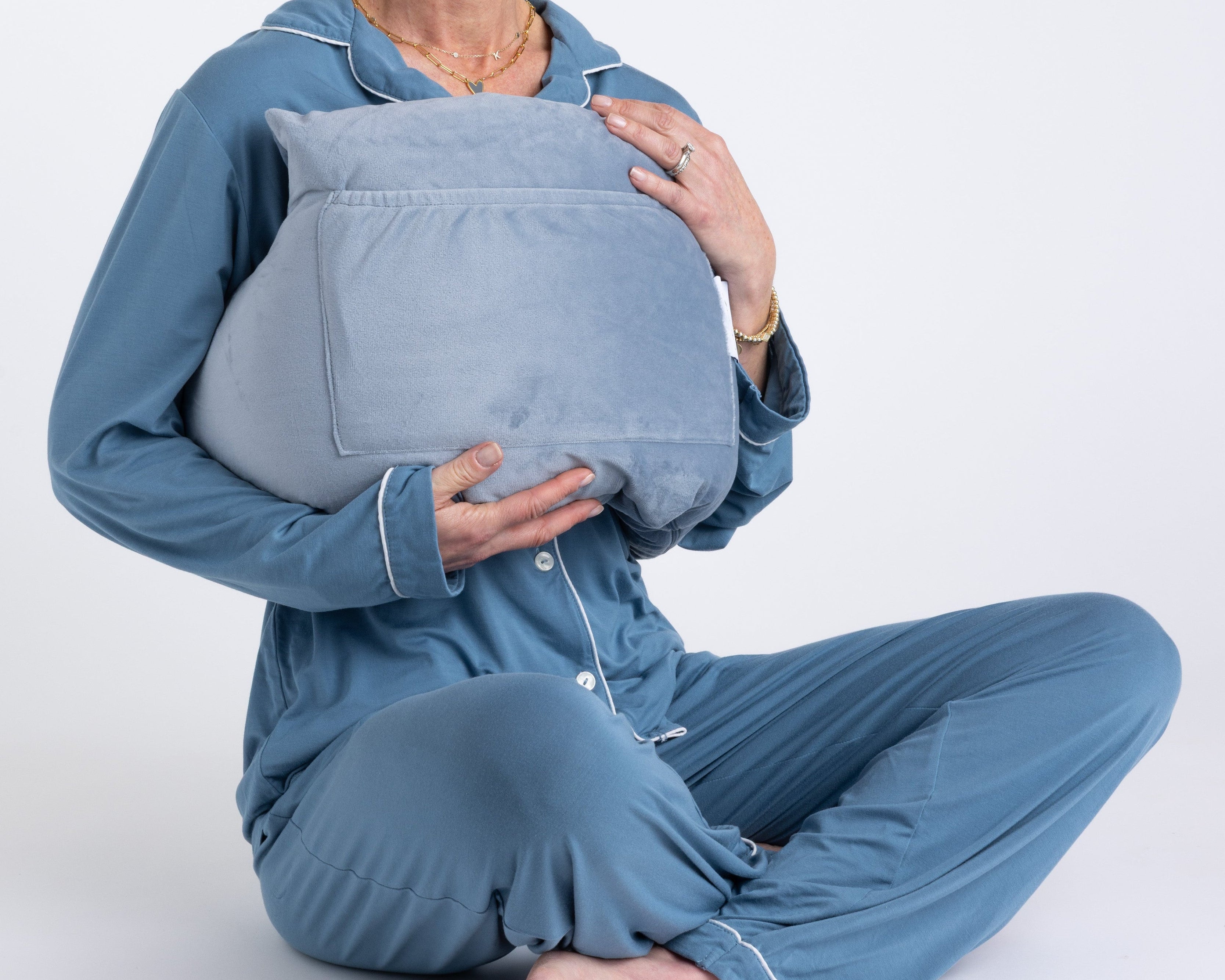
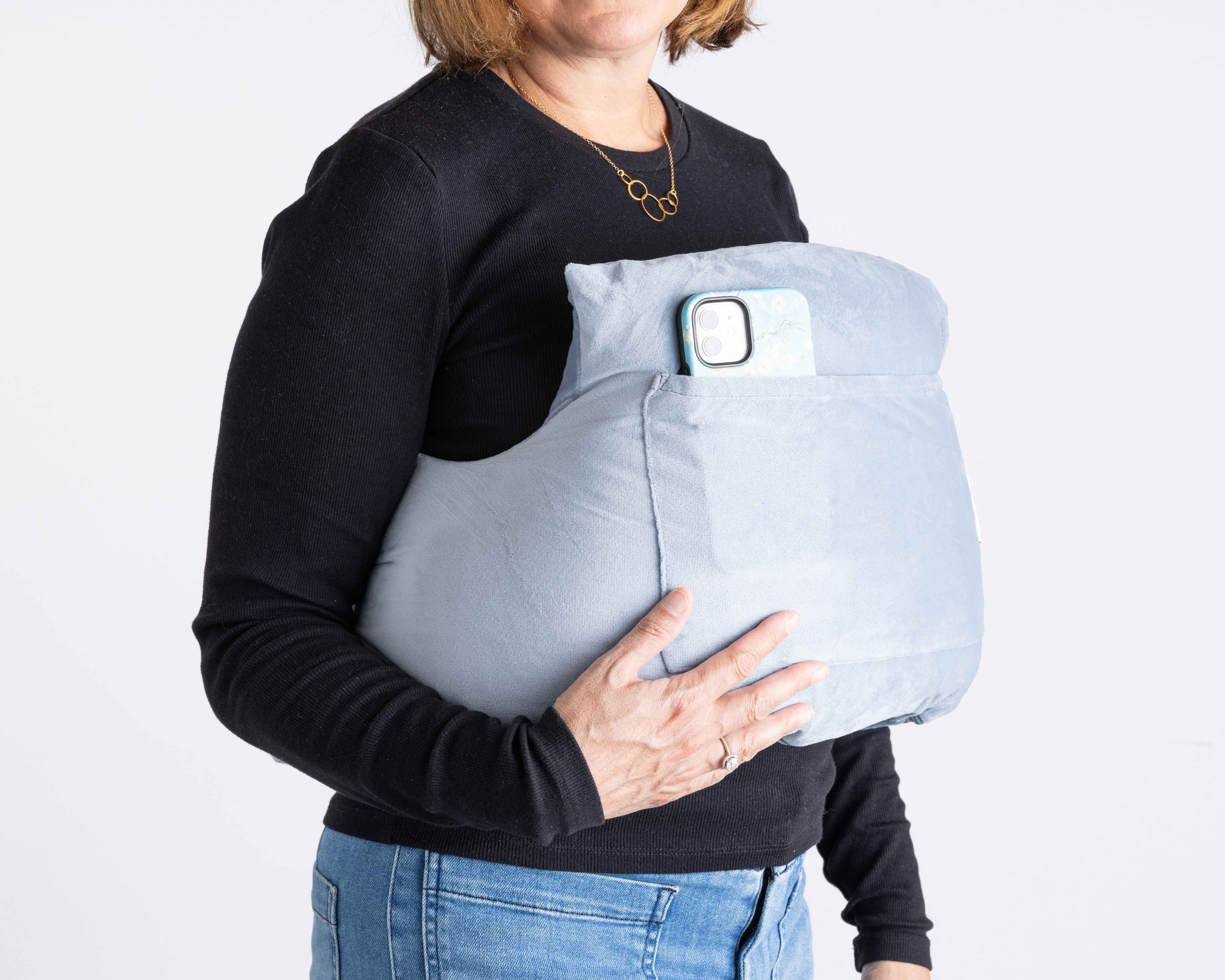
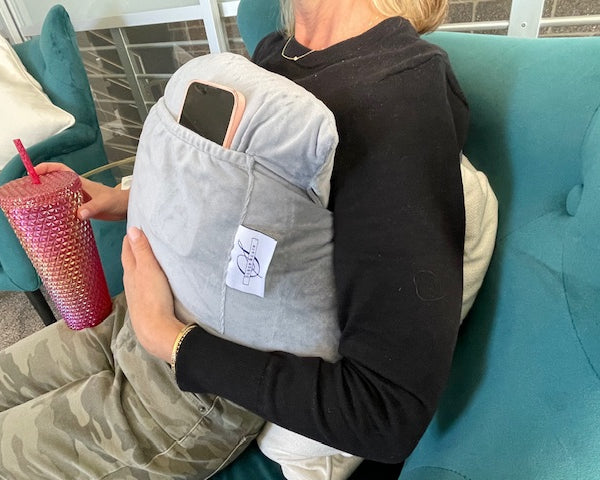
Supporting your abdomen. A pillow placed against the abdomen gives healing tissue something to rest against during side sleeping, reducing the sense of exposure and instability that freshly repaired muscles can create as they adjust to the position.

The Side Sleeping Pillow: Built for the Transition Back to Side Sleeping
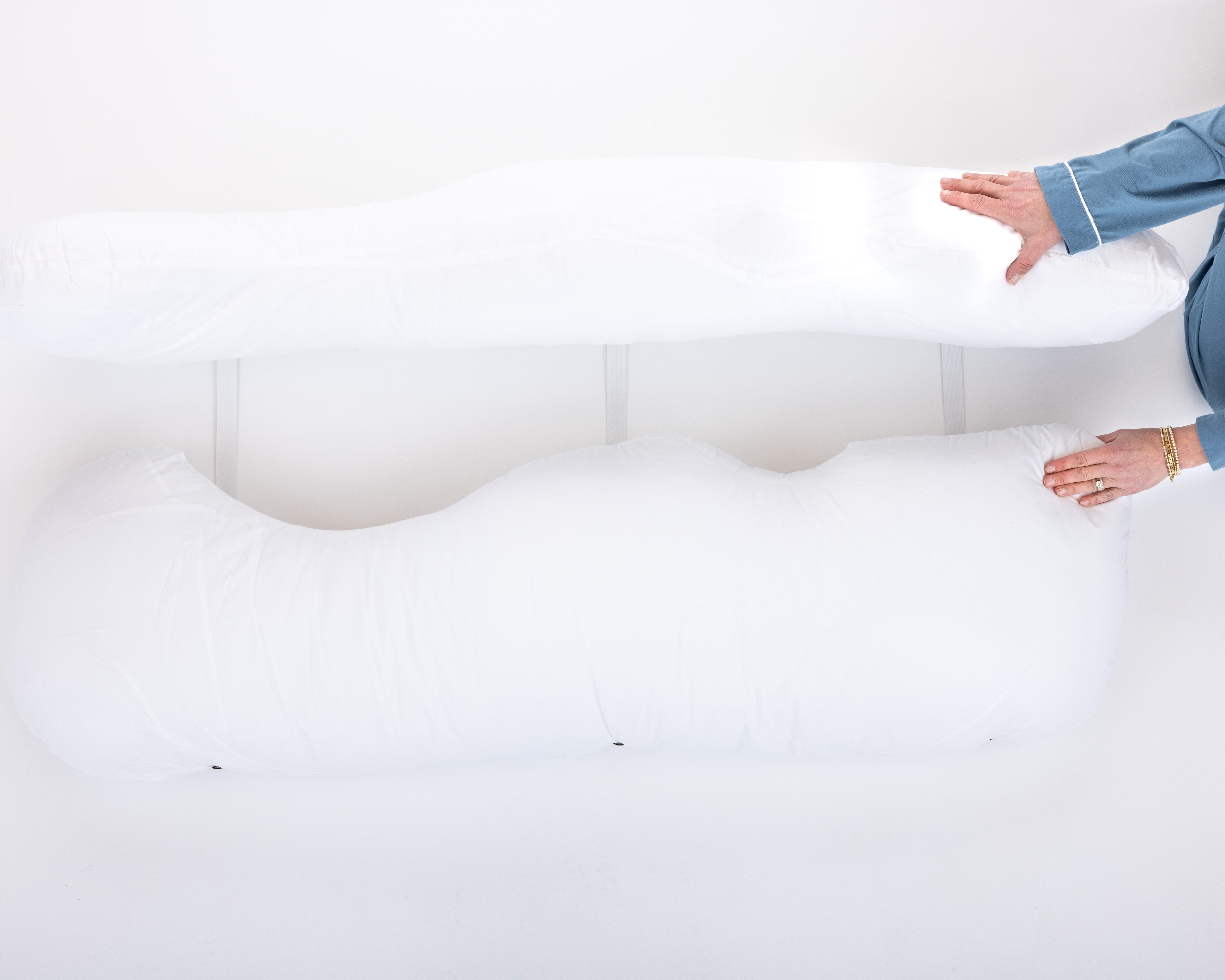
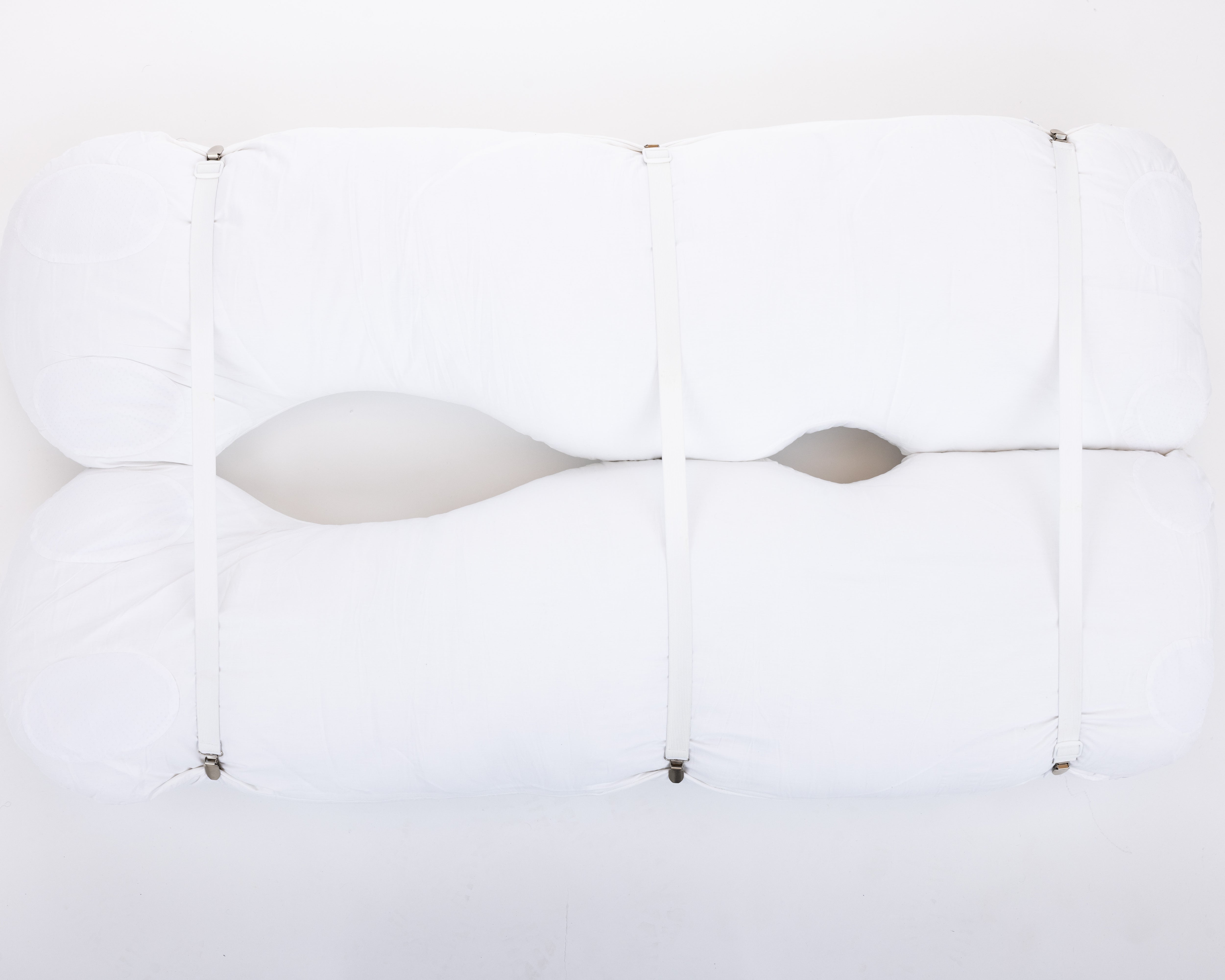
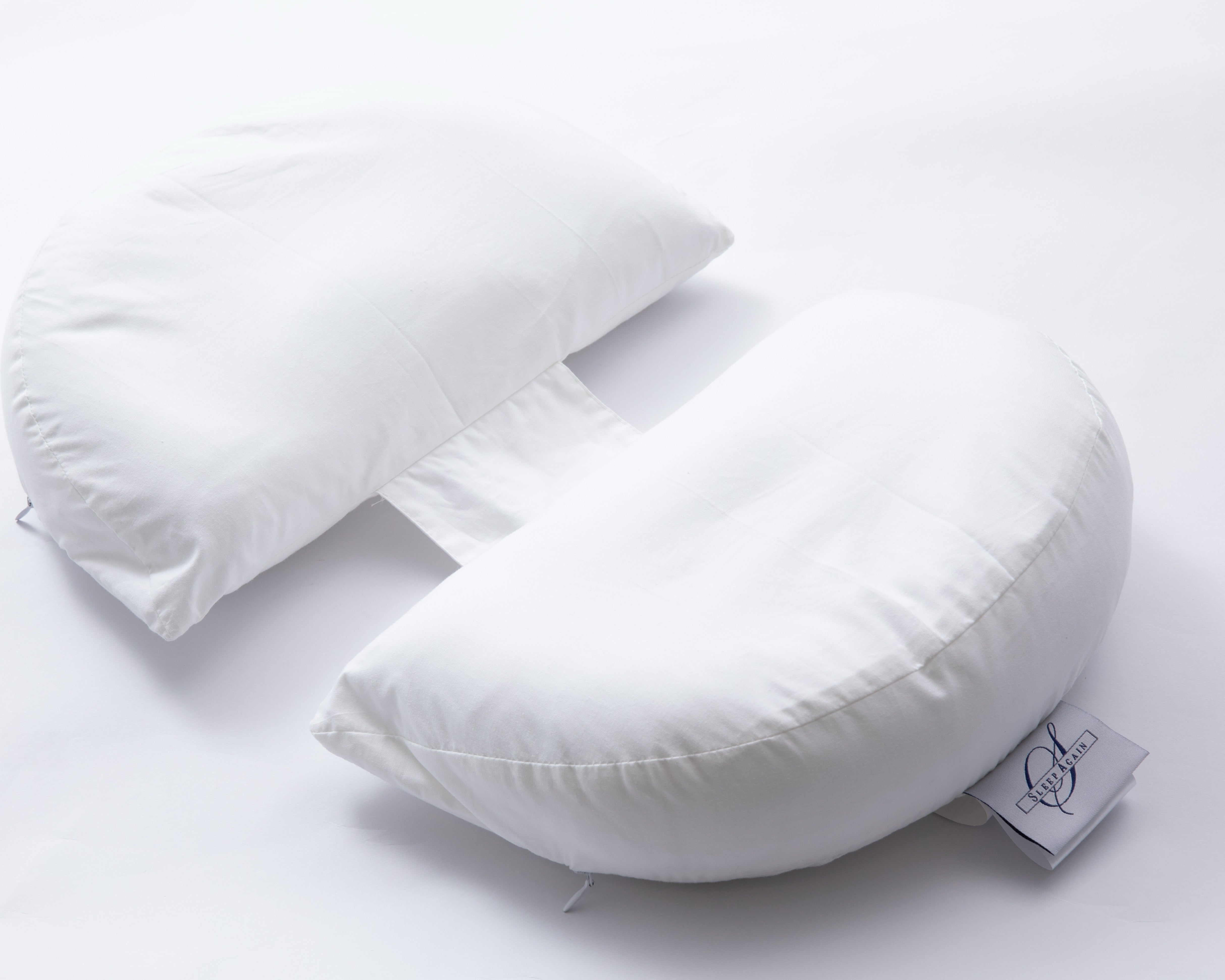
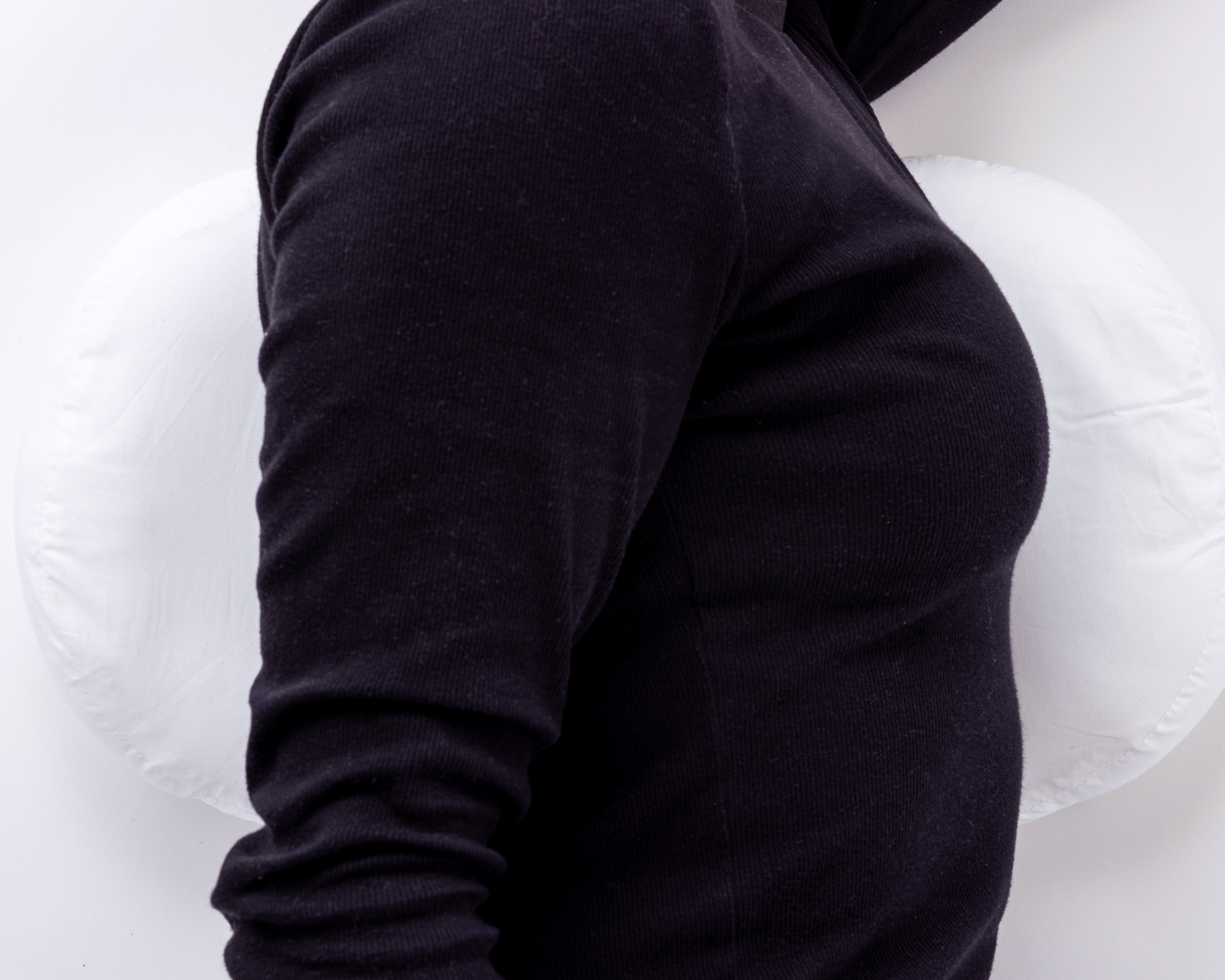
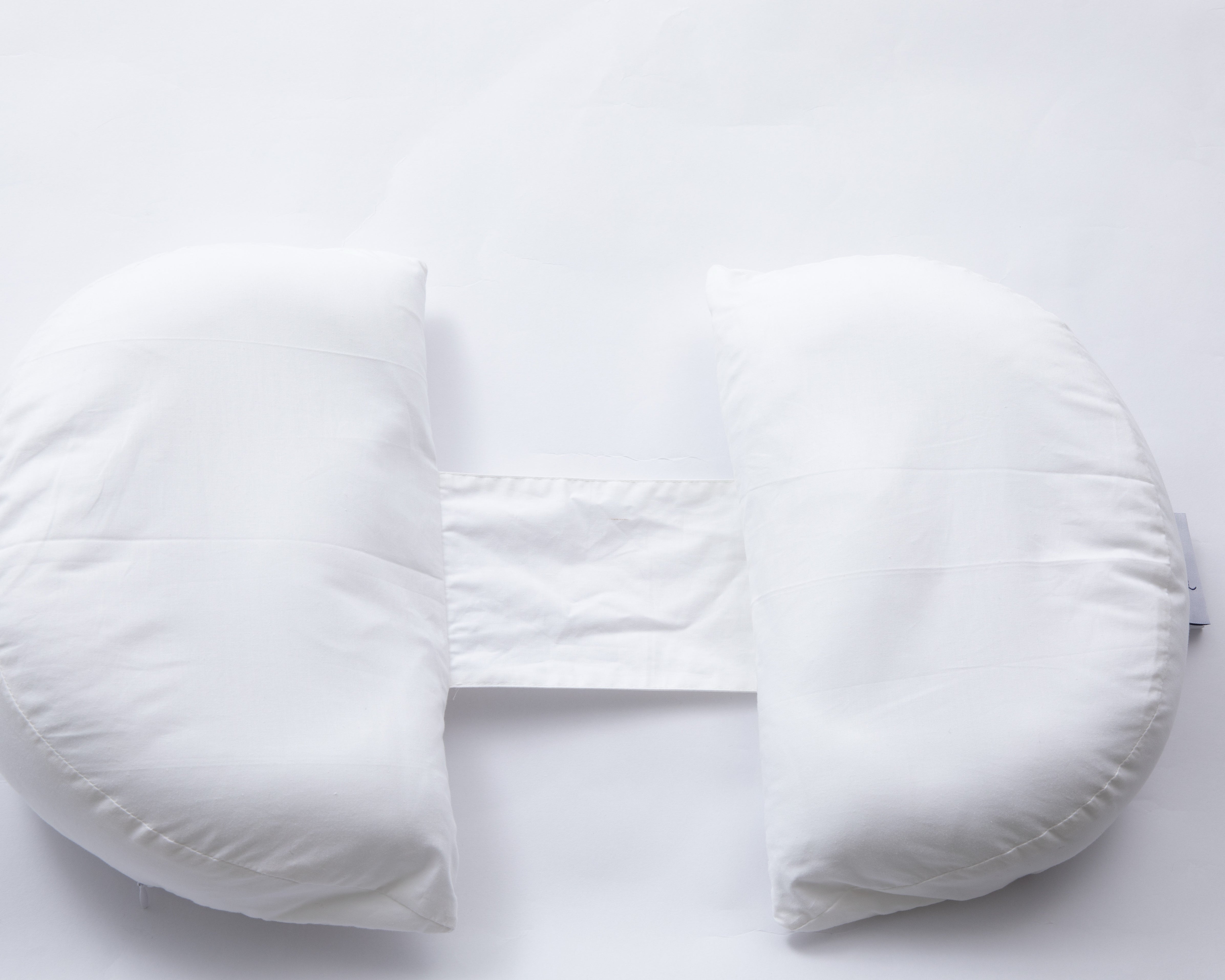
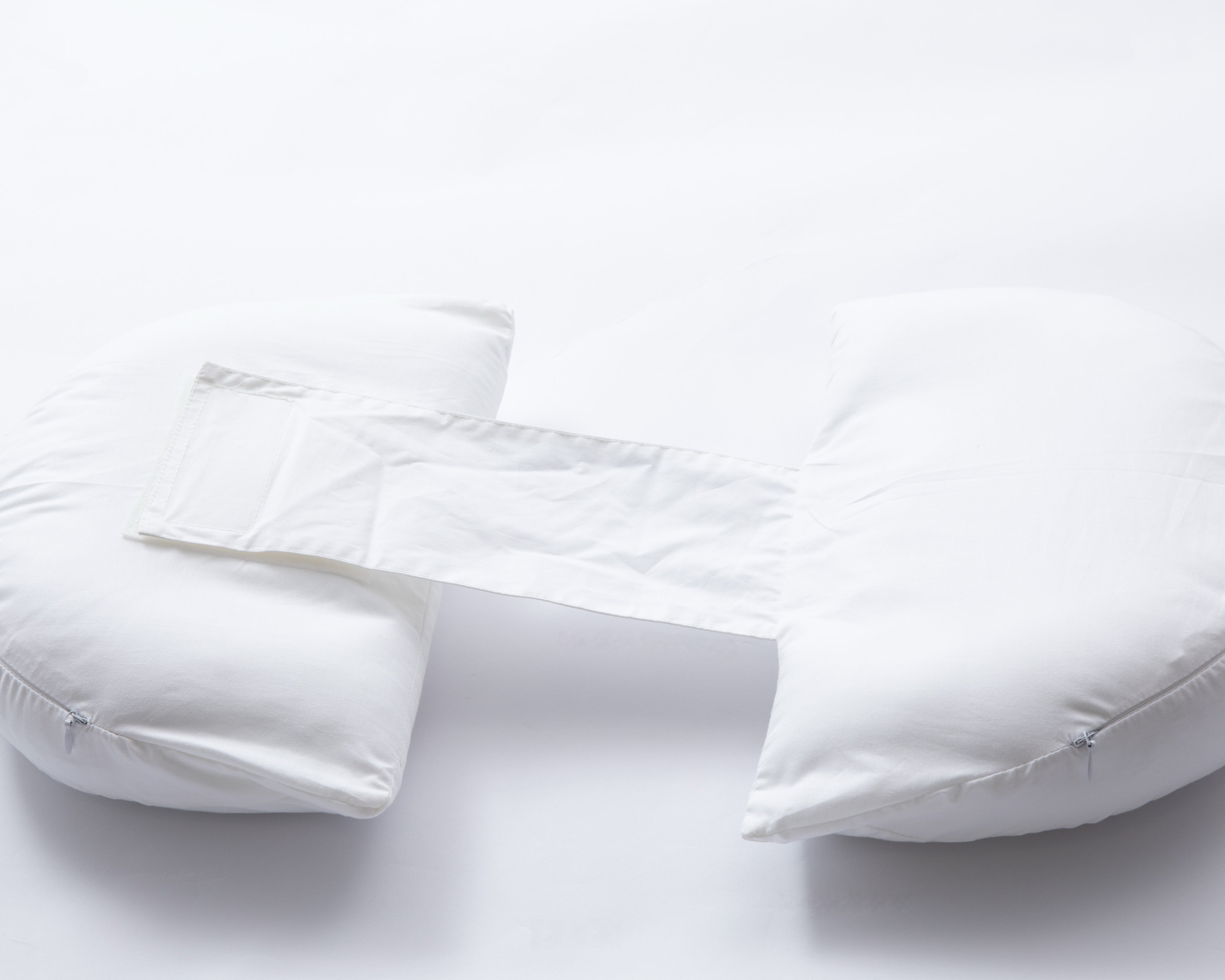
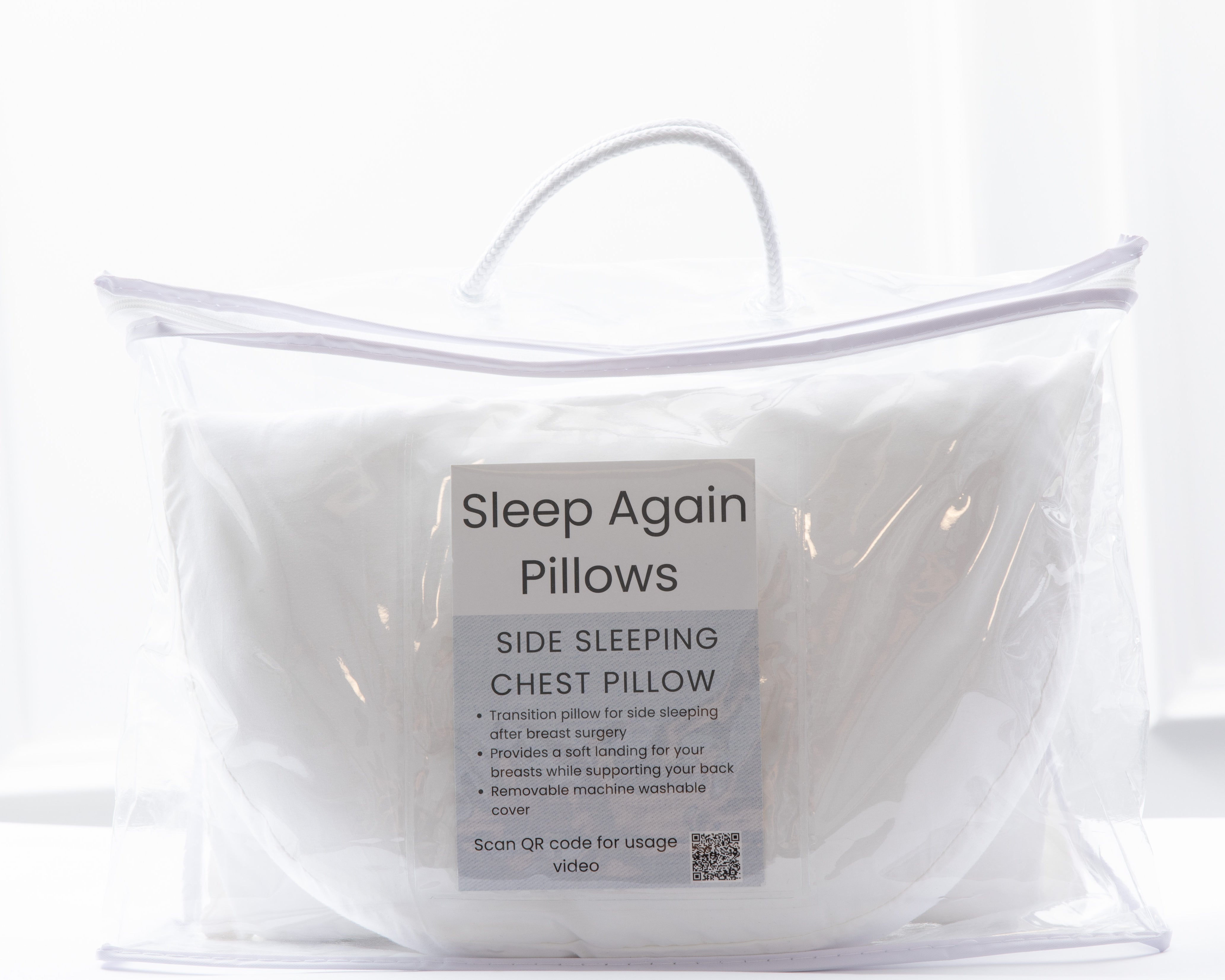
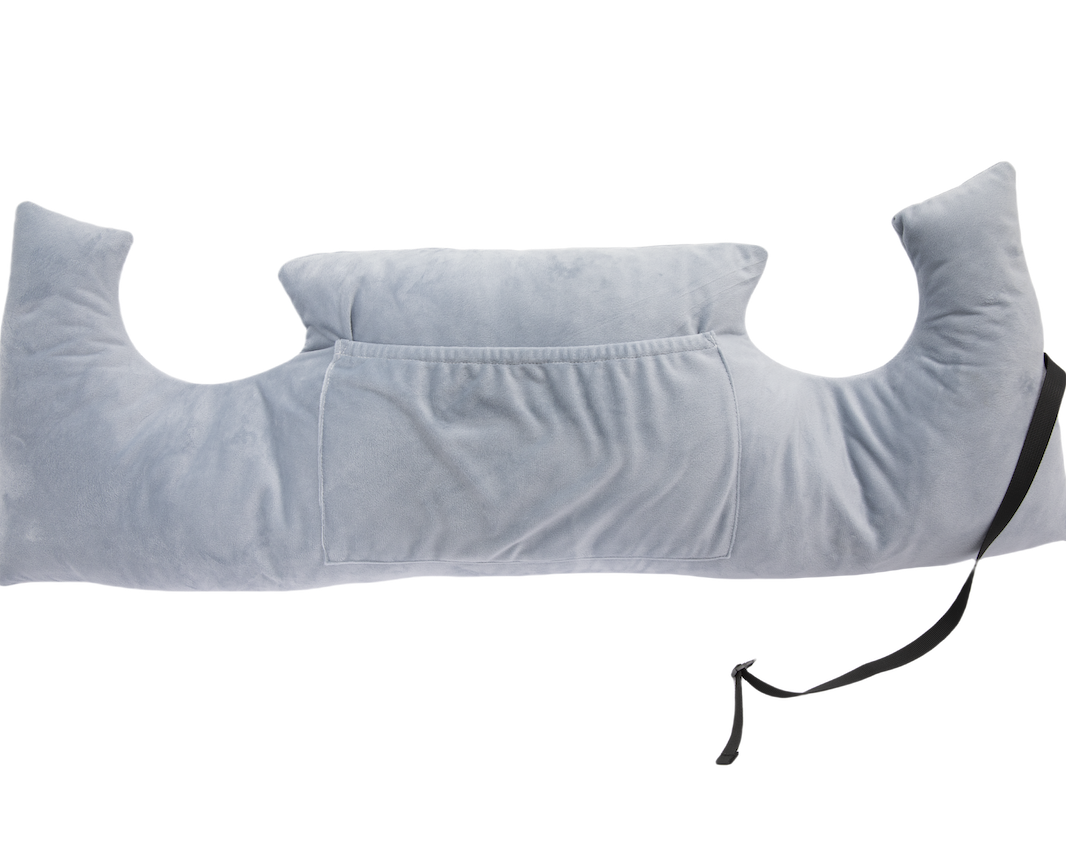
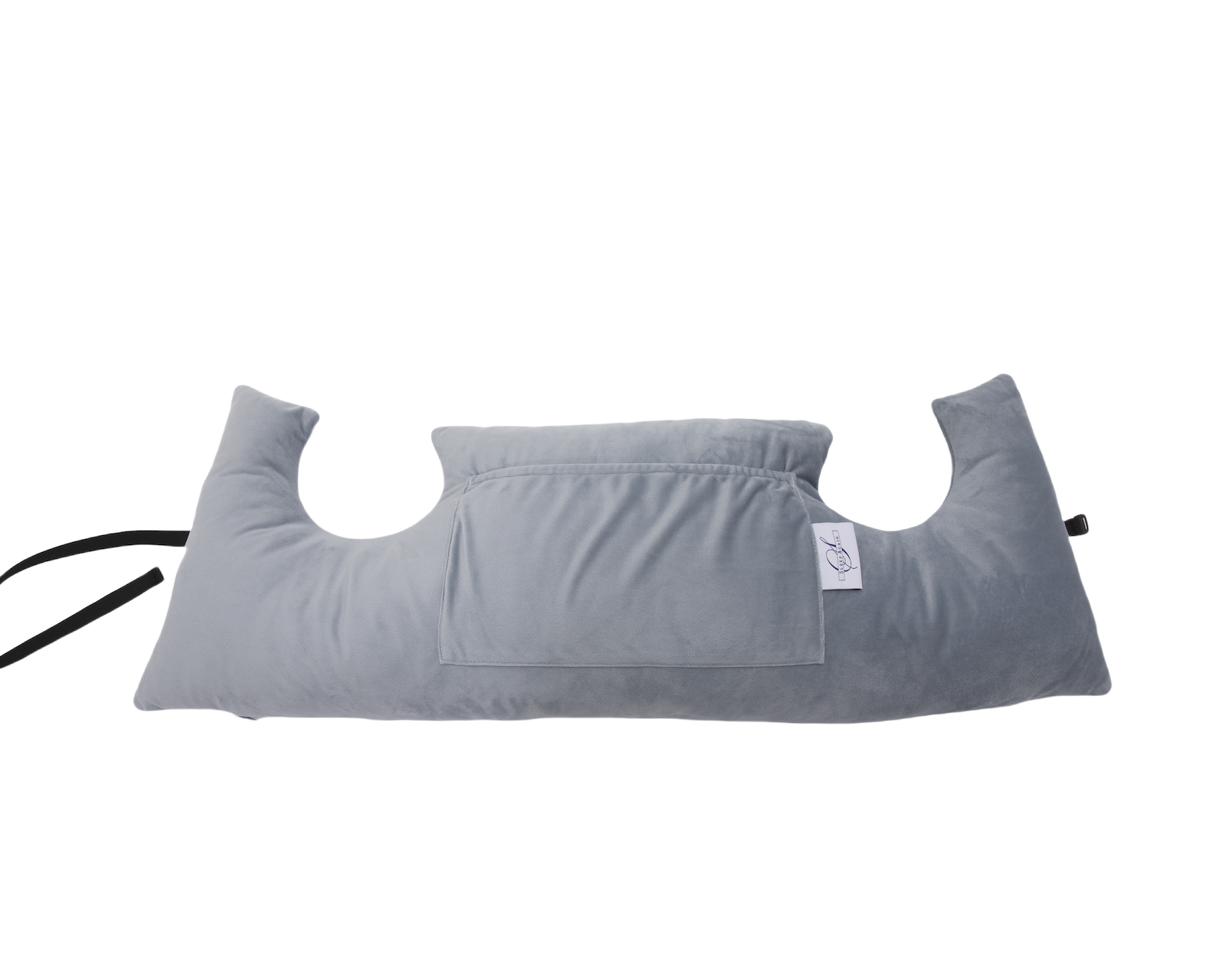
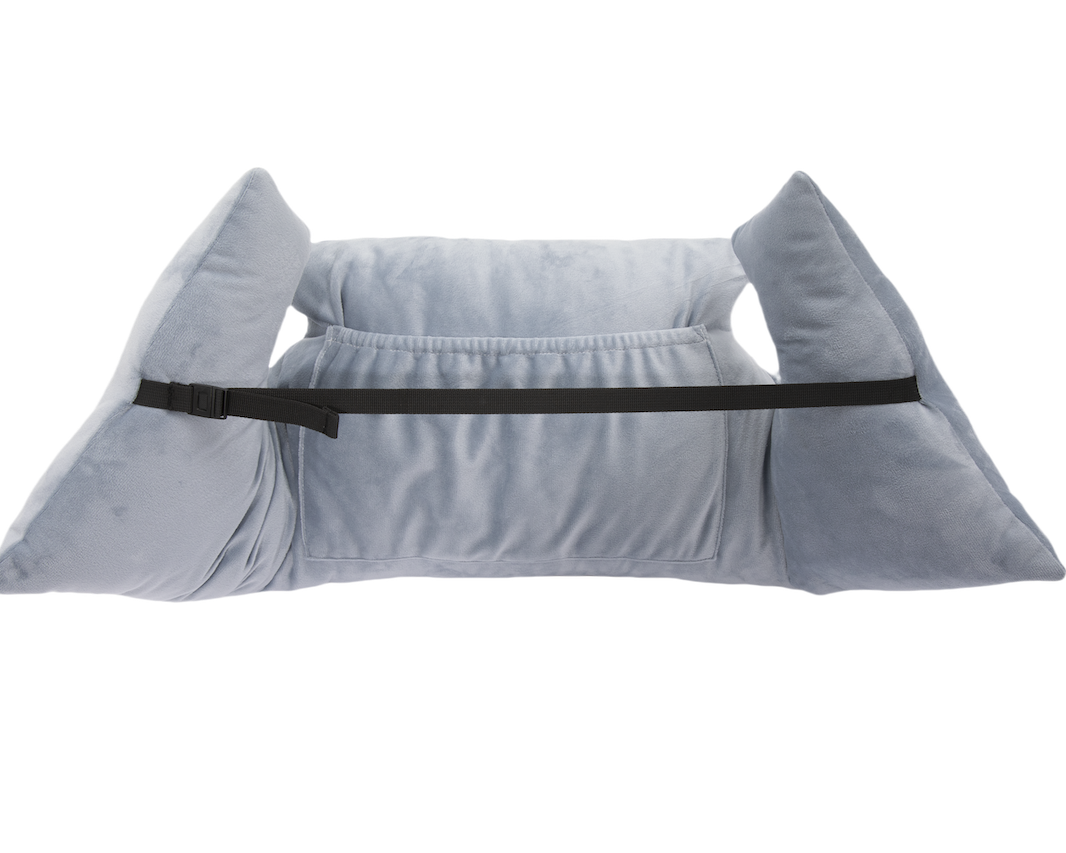
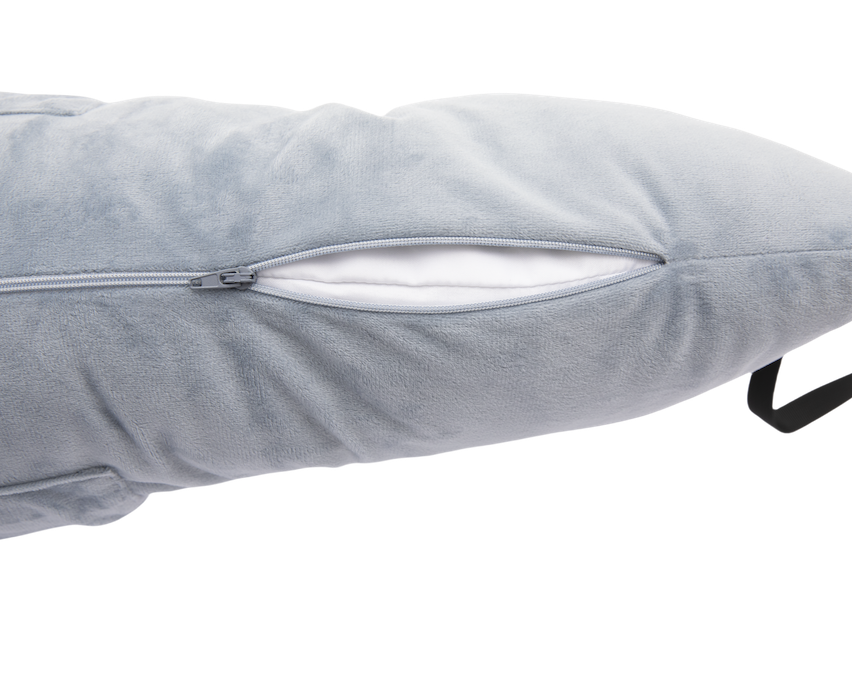
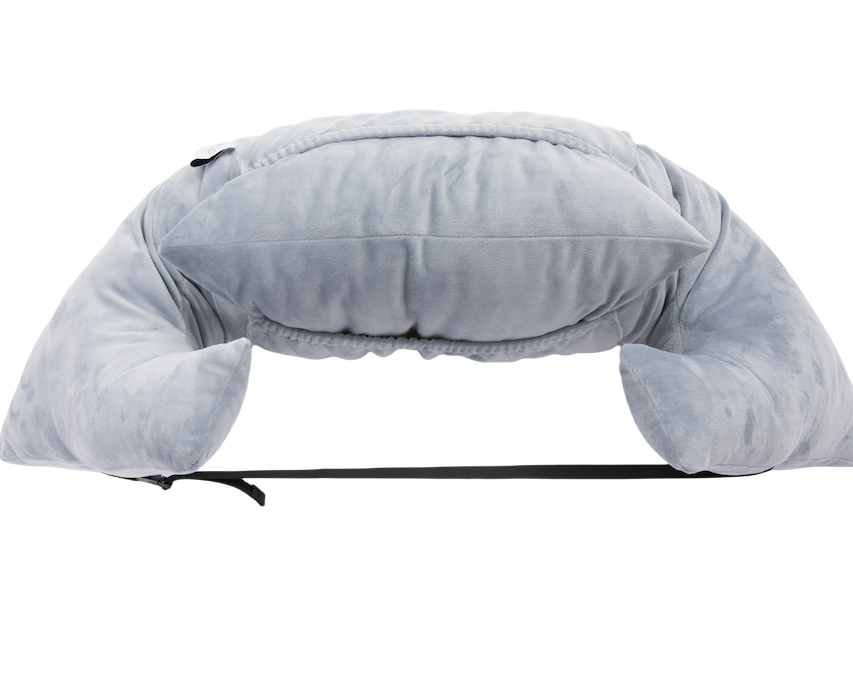
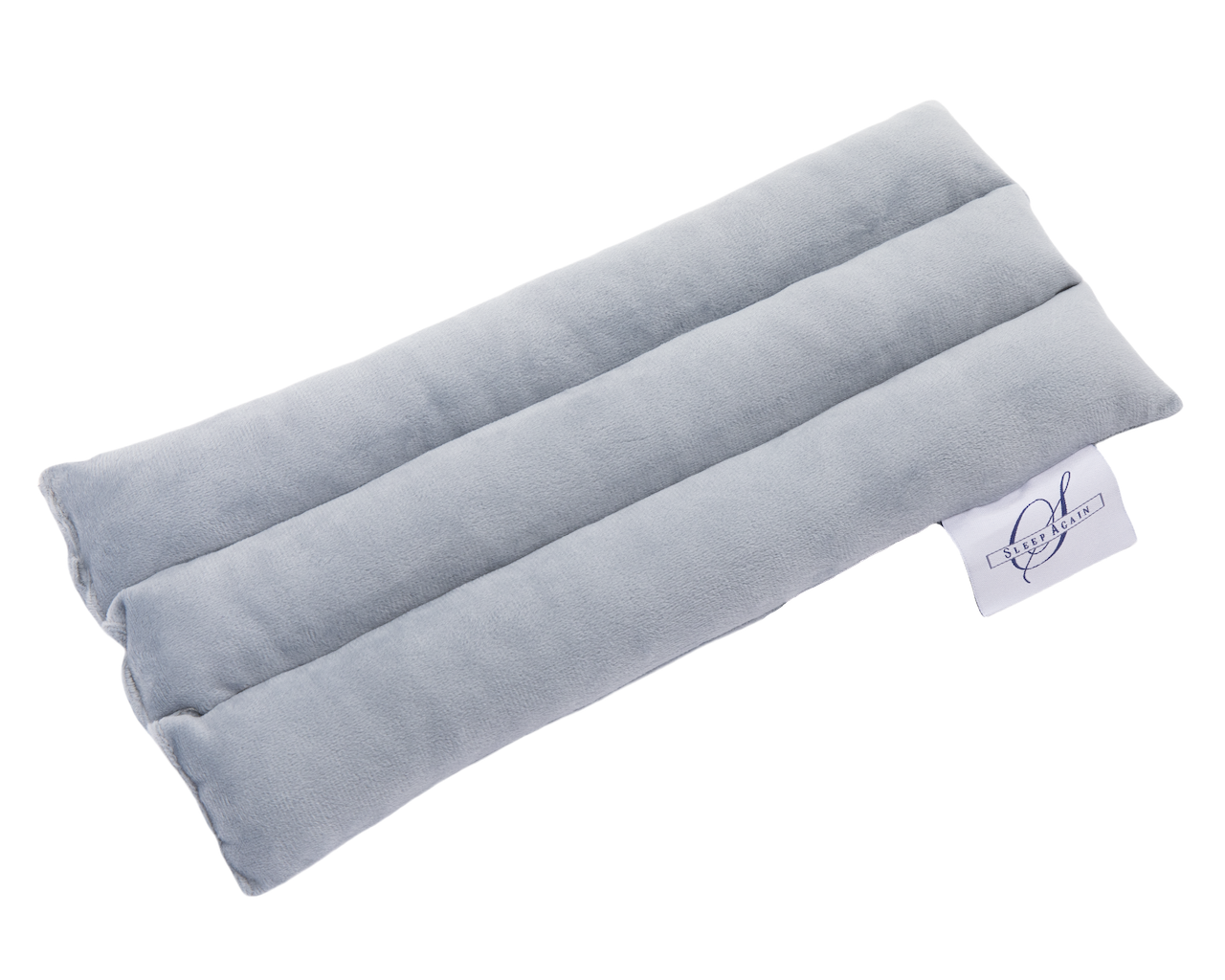
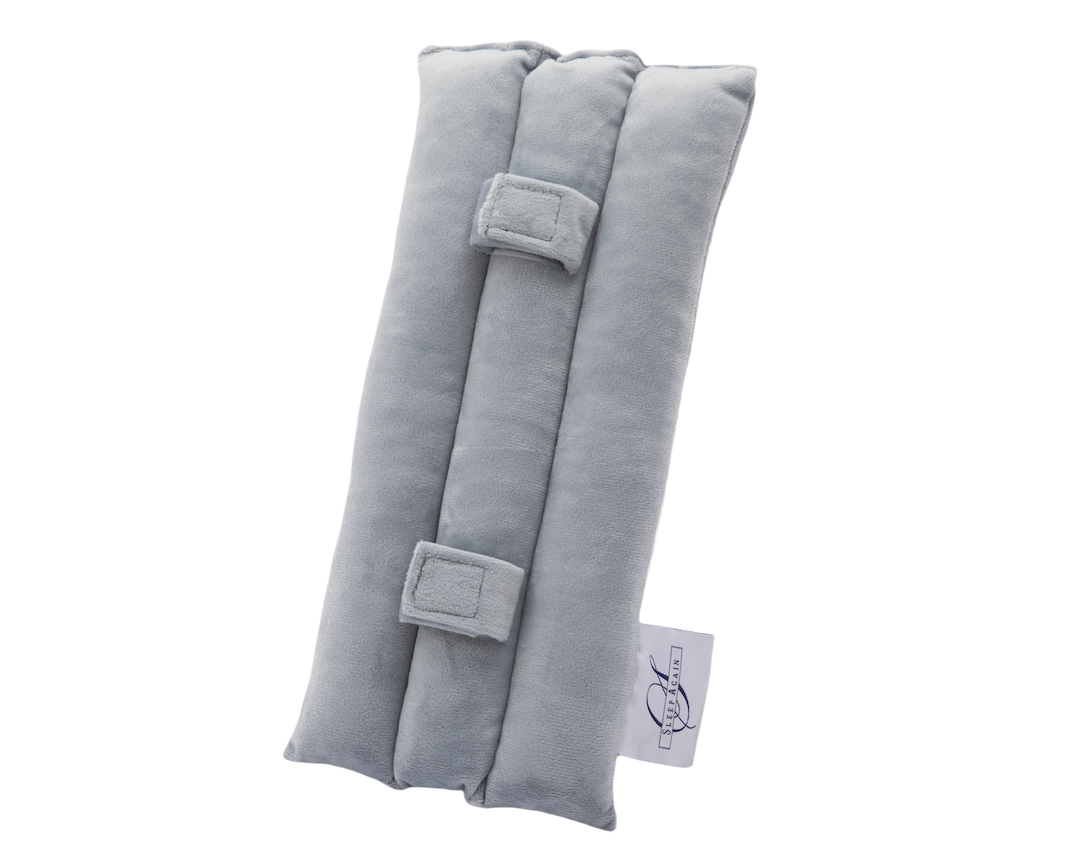
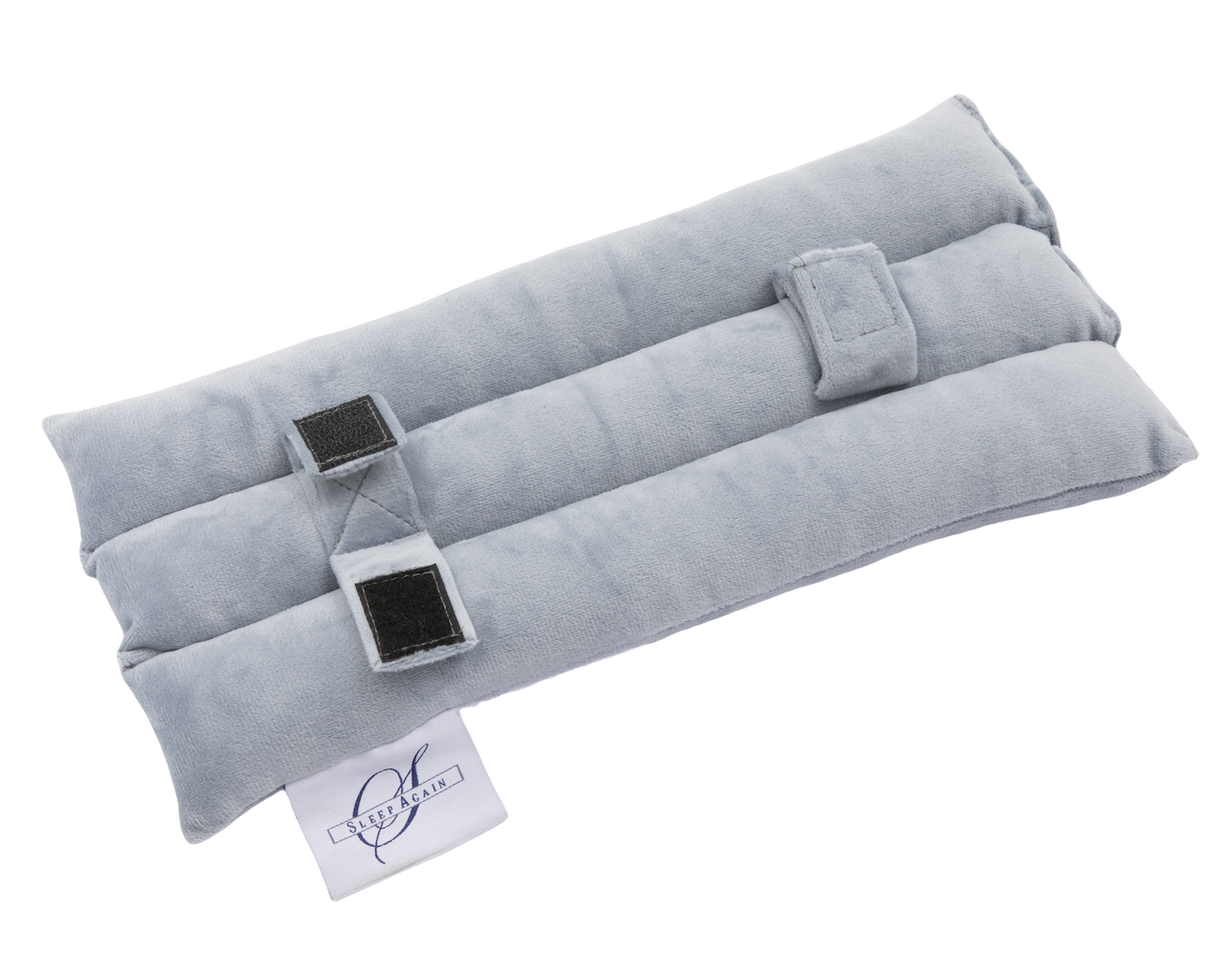
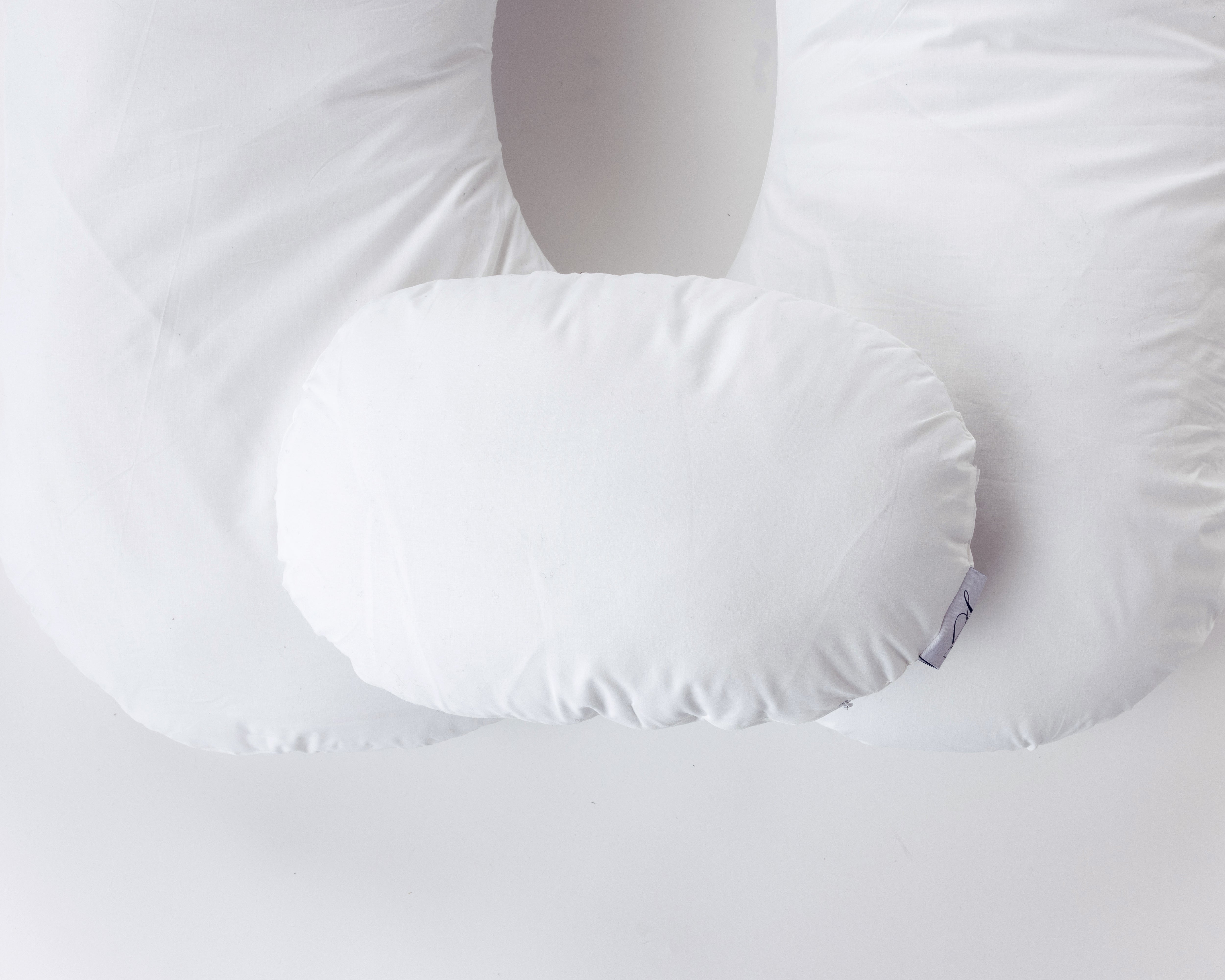
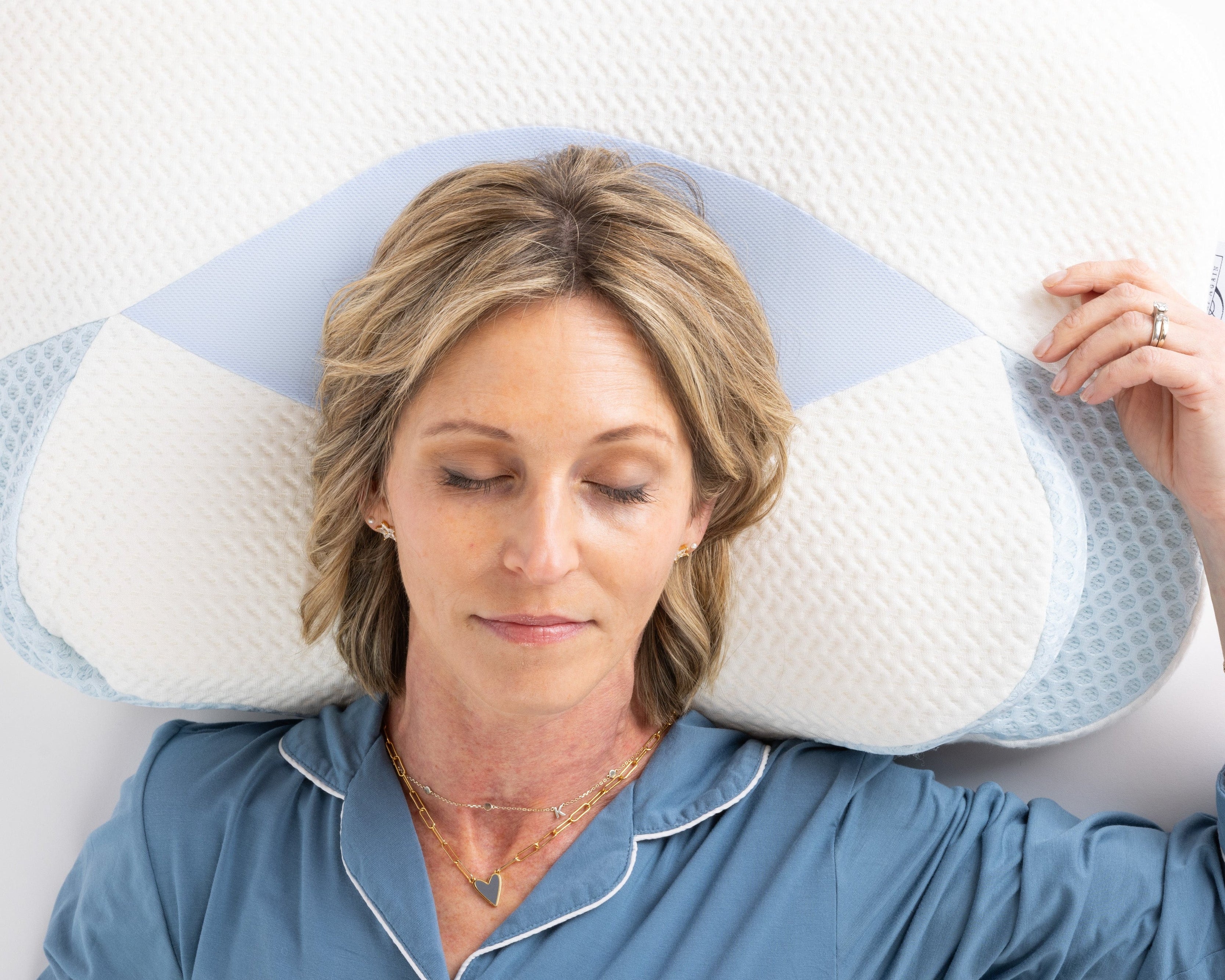
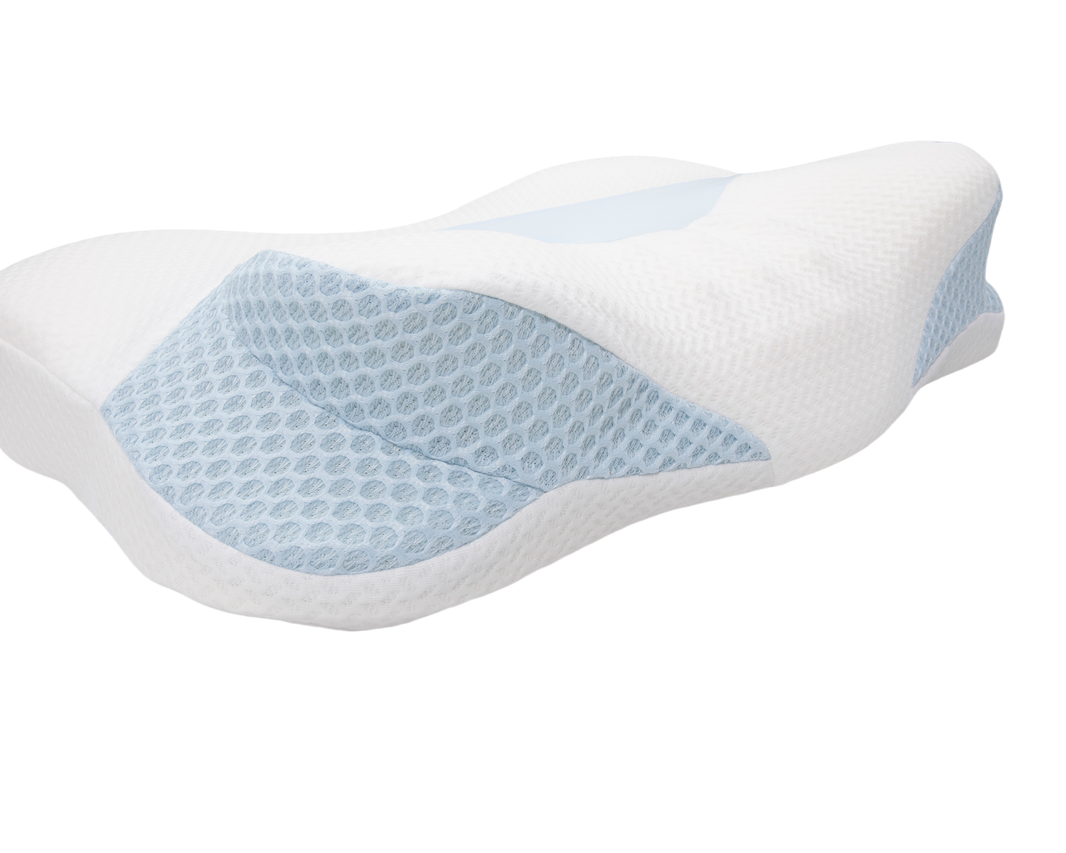
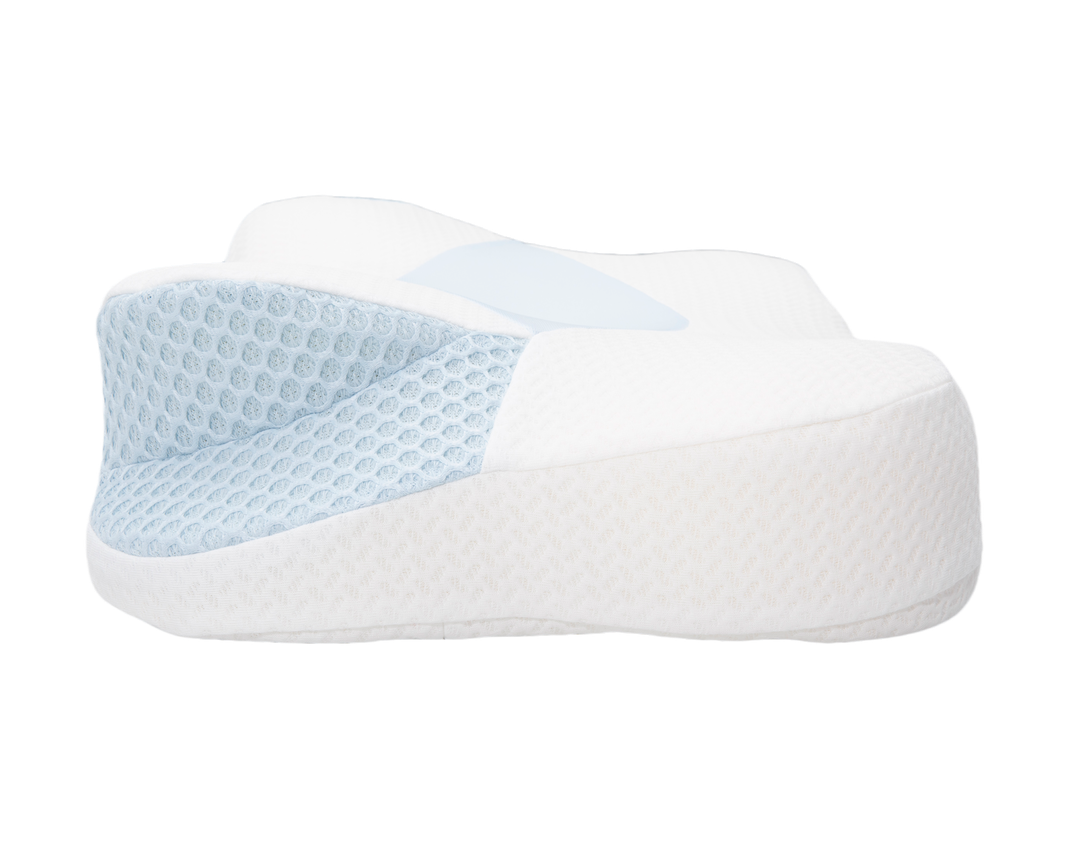
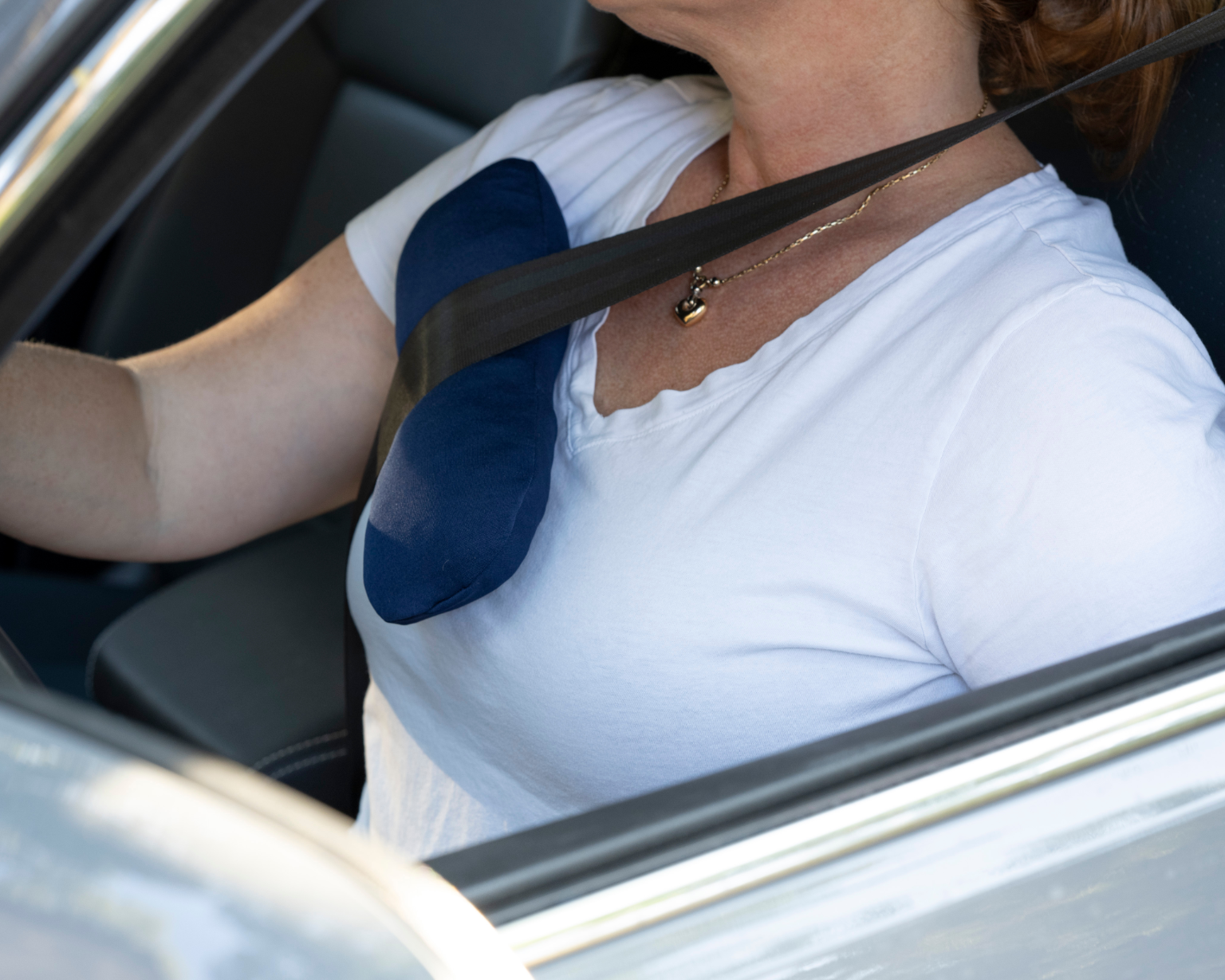
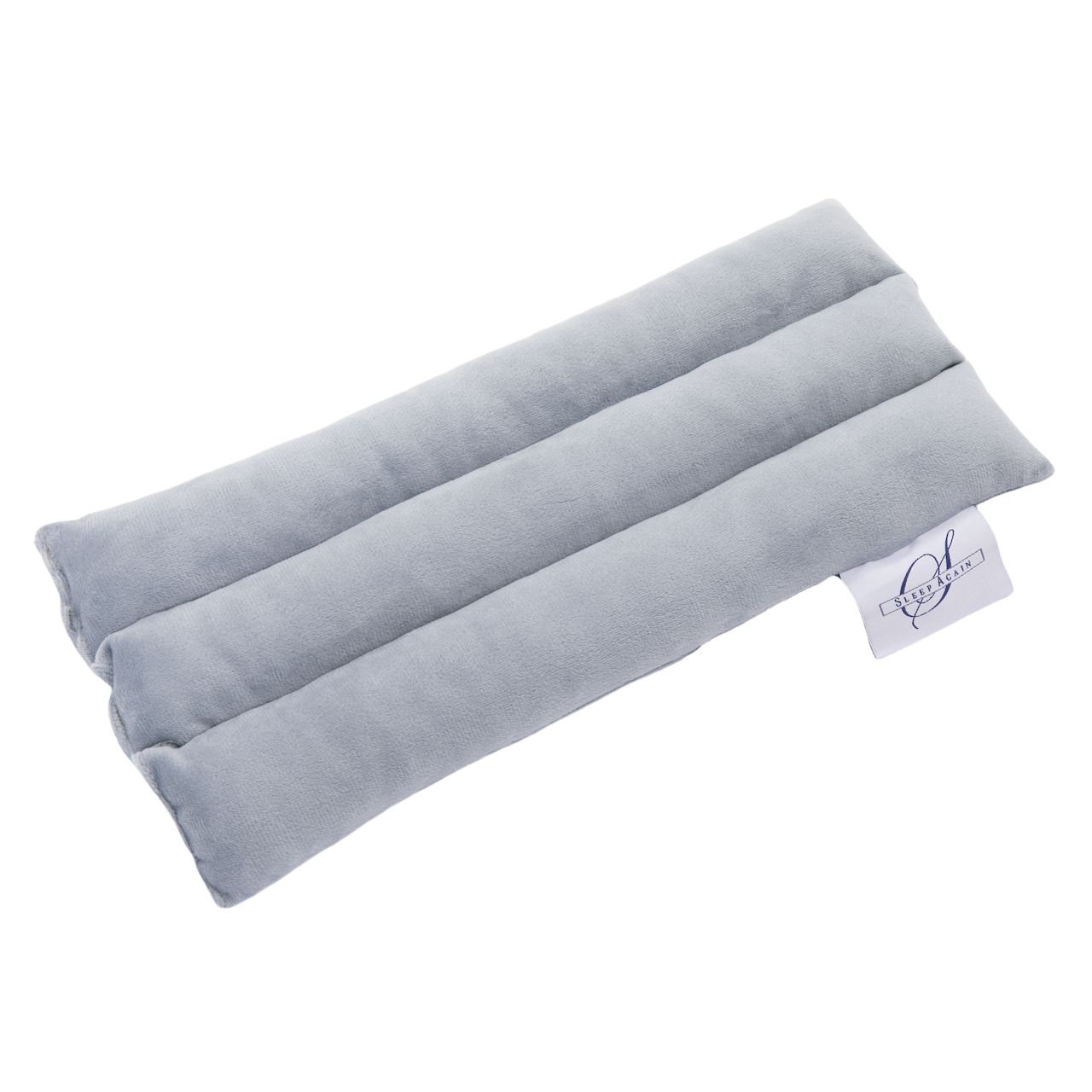
If there's one addition worth making to your side sleeping setup, it's the Sleep Again Pillows Side Sleeping Chest Pillow.
This one came from the patients themselves. This pillow was built for chest support, but soon after launch, patients started using it differently to support other areas of the body. Positioned against the abdomen during side sleeping, the Side Sleeping Chest Pillow fills the gap that leaves healing tissue feeling unsupported and exposed.
That transition is harder than it sounds. Incisions, drains, and weeks of muscle guarding leave the chest and abdomen tender and reactive, and most standard pillows offer nothing to stabilize either. This pillow was created specifically to fill that gap.
What makes it different:
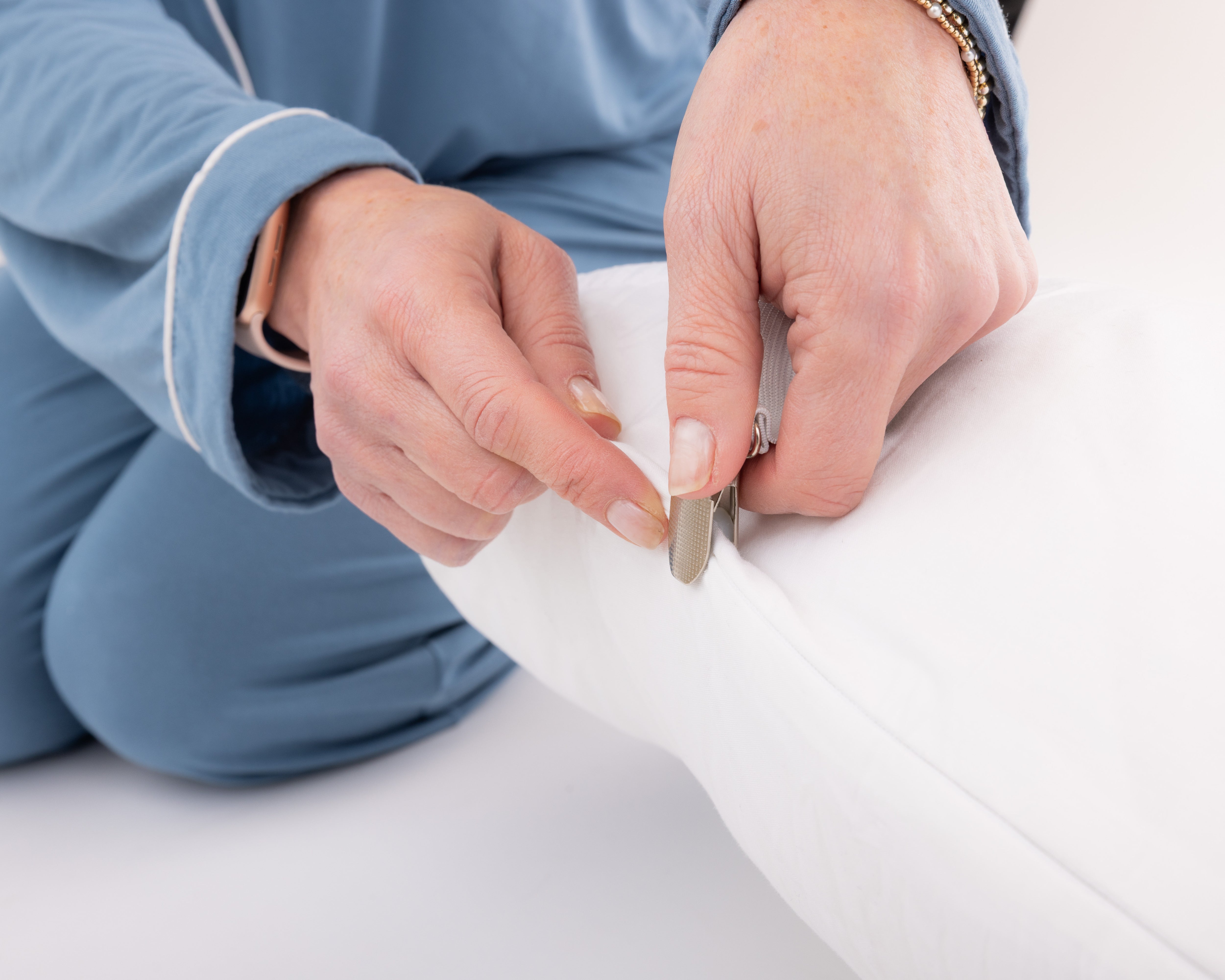
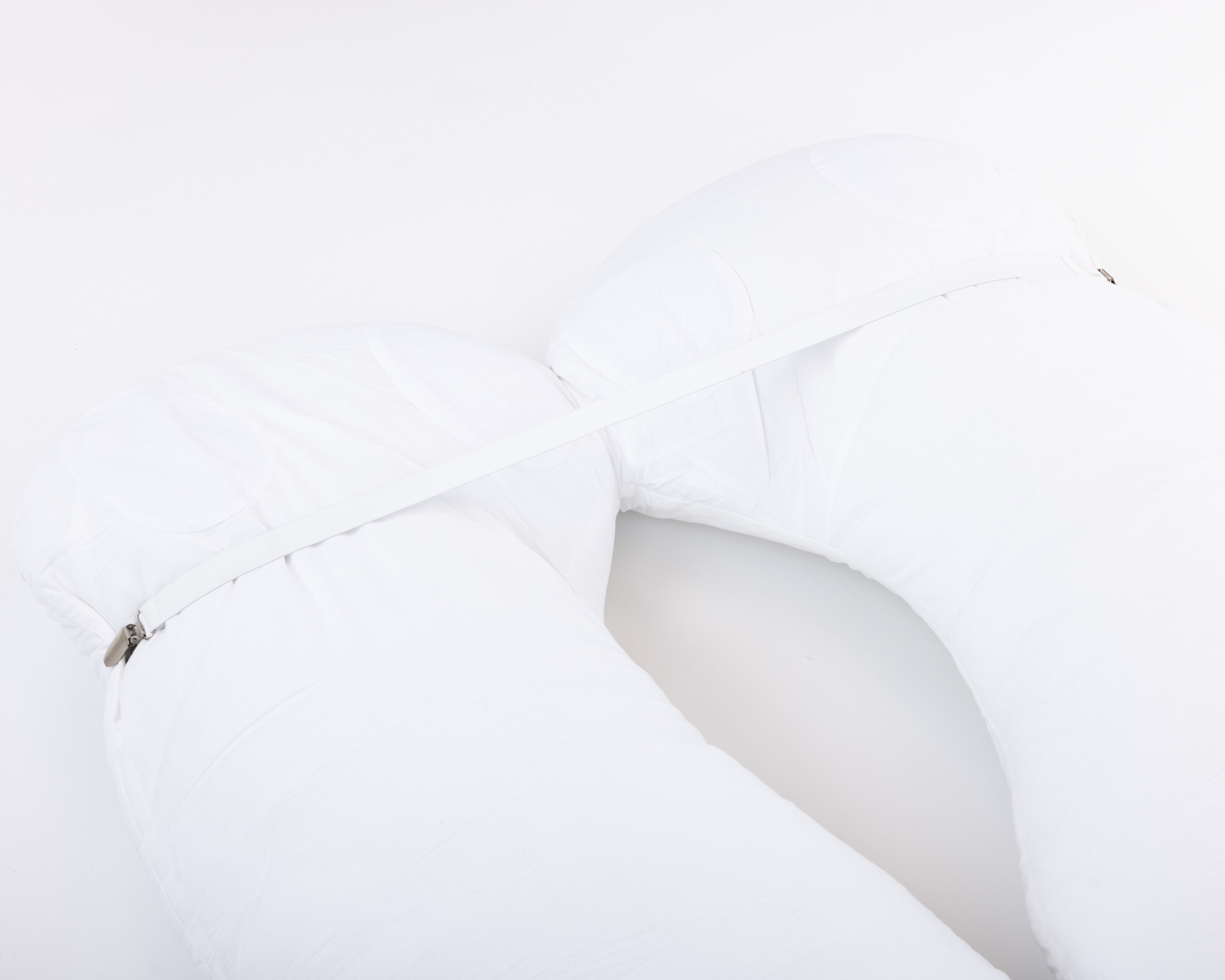
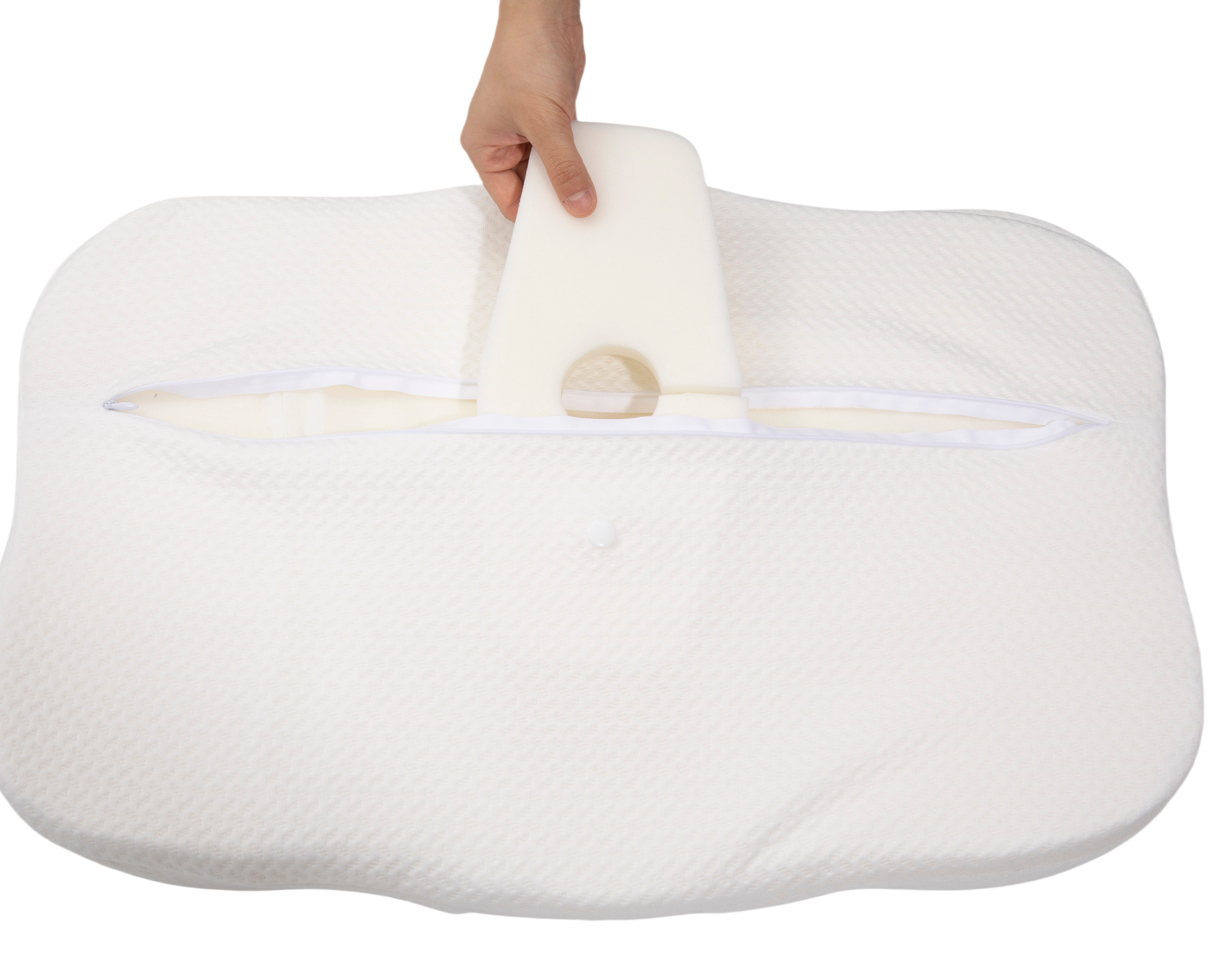
Adjustable width. The sides can be perfectly positioned whether you're cradling the chest, supporting the back, or placing it against the abdomen for external support during the transition. You're not guessing at the right setup. You're dialing it in for your body and your recovery.
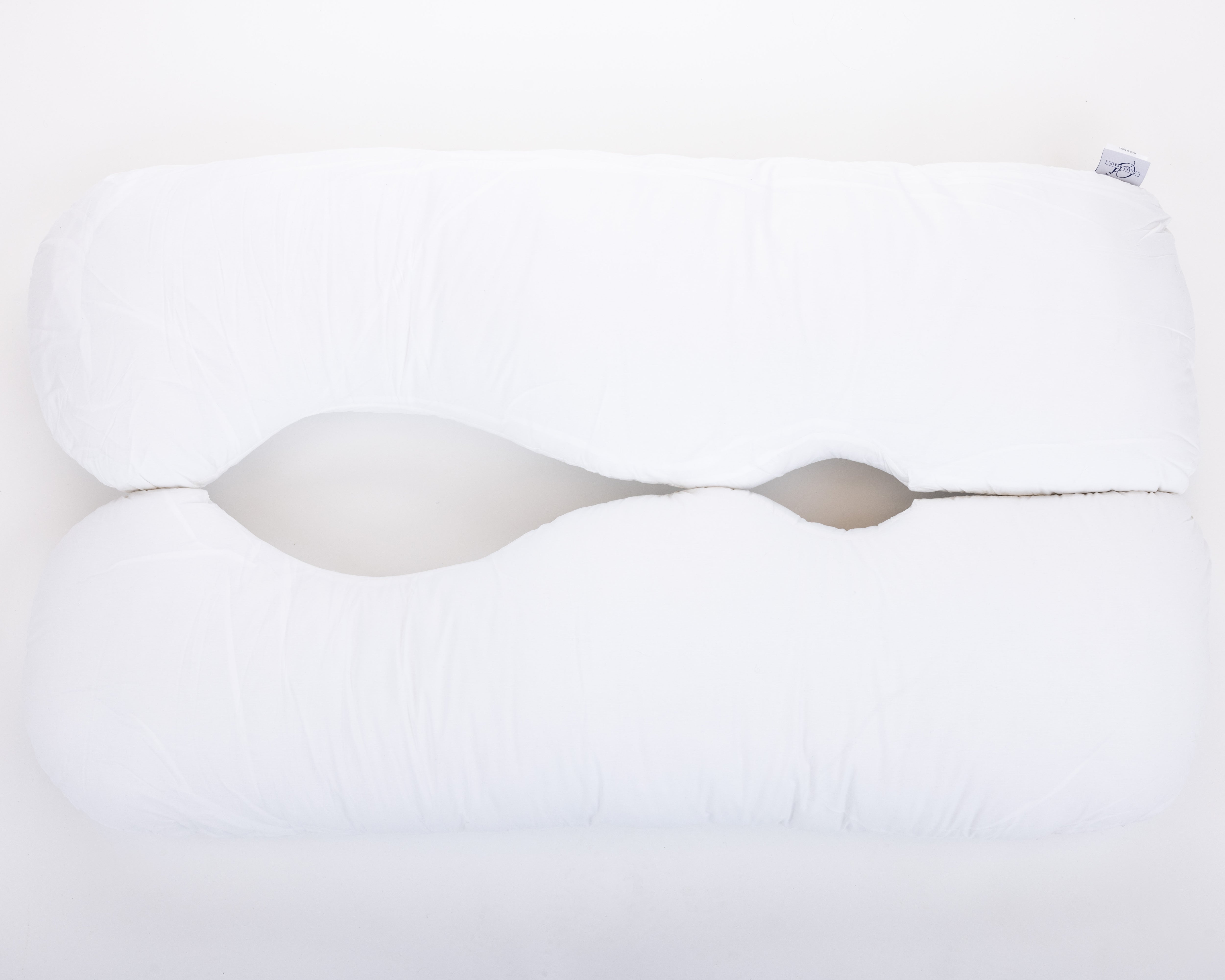
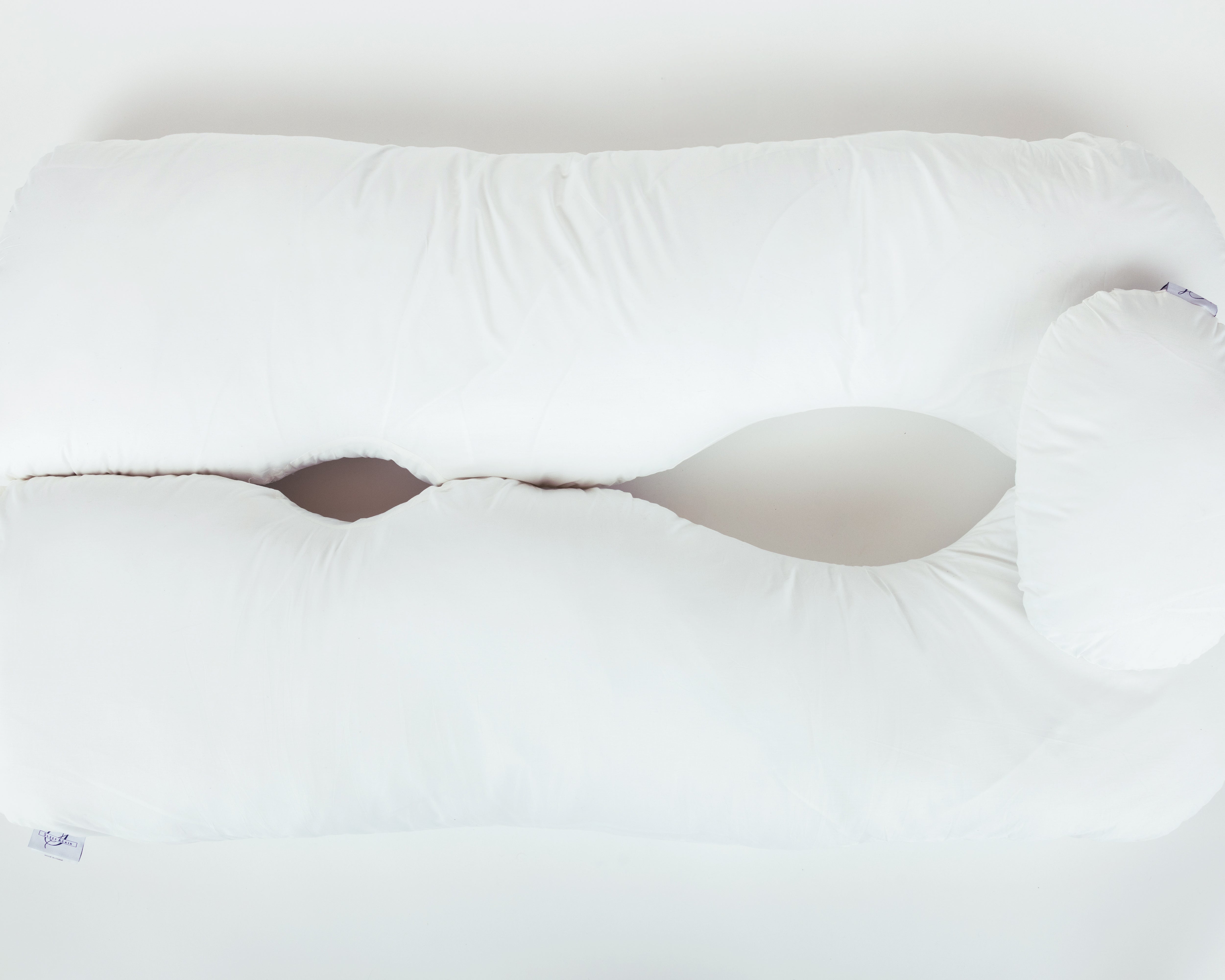
Symmetrical design. Recovery sleep rarely looks like staying on one side all night. The symmetrical shape means you can turn freely to either side during the night without repositioning your pillow. For tummy tuck patients working on even healing across both sides of their abdomen, this freedom matters.
Designed from real surgical experience. This pillow wasn't designed in the abstract. It was created specifically after the Sleep Again Pillows team went through their own surgeries and identified exactly what was missing during the side sleeping transition after surgery. It shows in the details.
Ships fast from the USA and Canada. The last thing you need during recovery is to wait weeks for a package.
Please note: Due to federal regulations, bedding products are not returnable and all sales are final. Review the product details at sleepagainpillows.com/products/side-sleeping-chest-pillow before purchasing.
For tummy tuck patients navigating the back-to-side-sleeping transition, this pillow belongs in your recovery plan.
SHOP THE BEST PILLOW FOR SIDE SLEEPING AFTER A TUMMY TUCK
What Factors Could Delay My Return to Side Sleeping?
Even uncomplicated recoveries can encounter delays. Common factors include:
Extent of the procedure. A full tummy tuck with significant muscle repair takes longer to heal than a mini tummy tuck. More extensive procedures mean longer timelines across the board.
Combination procedures. Mommy makeovers and other multi-procedure surgeries introduce layered positioning requirements that can extend the side sleeping timeline beyond what a standalone tummy tuck would require. The section below covers these scenarios in detail.
Wound healing complications. Any sign of infection, delayed healing, or incision issues means staying with back sleeping longer. Healing always takes priority over position preference.
Persistent swelling. Some patients experience more significant or longer-lasting swelling, which can extend the period when back sleeping is most beneficial for fluid drainage.
Drain retention. If drains remain in place longer than typical, side sleeping is generally deferred until they're removed, since positioning can affect drain function.
What If I Had a Tummy Tuck Combined with Other Procedures?
Combination surgeries introduce additional positioning considerations that affect your side sleeping timeline.
Tummy tuck with breast augmentation or breast lift (mommy makeover). This is one of the most common procedure combinations. Breast surgery means the chest is also in active recovery, which amplifies the value of chest-level support when transitioning to side sleeping. Both the abdominal and chest areas are tender simultaneously, making the transition more challenging than a standalone tummy tuck. The Side Sleeping Chest Pillow directly addresses this overlap.
Tummy tuck with liposuction. Liposuction of the flanks, back, or hips creates additional tenderness in the areas that contact the mattress during side sleeping.
Tummy tuck with BBL (Brazilian butt lift). This combination changes the equation significantly. Flat back sleeping is off the table for BBL recovery due to buttocks pressure, so patients are left wondering how to get comfortable while also protecting their results. We have a full guide on how to sleep after a BBL and tummy tuck, and we're also inventing a BBL pillow add-on for our popular post surgery pillow system. Contact us directly if you'd like to be added to a special contact list for its upcoming release in 2026.
Always discuss your specific combination of procedures with your surgical team before making any decisions about sleep positions.
Q&A: Your Tummy Tuck Sleep Questions, Answered
Can I sleep on my side the night after my tummy tuck?
No. The night of and immediately following your tummy tuck, sleeping on your back in an elevated position is the only doctor-recommended safe option. Side sleeping creates tension on fresh incisions, stresses sutured abdominal muscles, and can interfere with drainage. Most patients aren't cleared for any side sleeping until at least weeks two to four, depending on their recovery.
Will sleeping on my side ruin my tummy tuck results?
Side sleeping too early, before incisions have healed and muscles have regained stability, carries real risk. It can pull on sutures, create asymmetrical pressure on healing tissue, and increase the likelihood of complications. Side sleeping after proper healing, with surgeon clearance and appropriate pillow support, does not affect your results.
What happens if I accidentally roll onto my side while sleeping?
In the very early weeks, this is worth addressing proactively. A firm pillow behind your back and another along your front creates a stable channel that makes rolling structurally difficult. If you wake up on your side before you're cleared, adjust your barrier setup and mention it at your next surgical appointment. The Sleep Again Pillow System is the only post-surgery pillow system designed to prevent rolling onto the side following surgery.
Is there a right side and wrong side to sleep on after a tummy tuck?
For most standard tummy tucks, neither side is specifically preferred. The incision runs symmetrically across the lower abdomen, so the risk profile is similar on both sides. For patients with drains, sleeping on the side opposite the drain is often more comfortable. Your surgeon may have specific guidance based on your procedure.
My surgeon cleared me for side sleeping, but it still hurts. What should I do?
Pain during the initial transition is common and doesn't necessarily mean something is wrong. The key is adequate support: between the knees, behind the back, and at chest level. If you're experiencing sharp pain specifically at the incision site, return to back sleeping and contact your surgeon. Generalized muscular discomfort from an unfamiliar position often decreases over several nights.
Can the Side Sleeping Chest Pillow help if I only had a tummy tuck with no breast procedure?
Yes. The Side Sleeping Chest Pillow and its core function, stabilizing the chest and upper body during side sleeping, benefits any patient who needs structural support when shifting off their back after abdominal surgery. The adjustable width and symmetrical design make it adaptable across different areas of the midsection. It's especially valuable for combination procedures involving the chest, but it delivers meaningful support for standard tummy tuck recovery as well.
Why is the symmetrical design important for tummy tuck recovery?
Most patients don't stay on one side all night, and they shouldn't. Alternating sides promotes more even healing across the abdominal wall. The symmetrical design of the Side Sleeping Chest Pillow means you can turn freely without repositioning your pillow, so both sides get equal support throughout the night.
How soon should I order my recovery pillows before my tummy tuck?
Ideally, 2-3 weeks before your surgery date. You want everything in place before your procedure, not scrambling to set up a support system on day three of recovery. Getting your pillows ahead of time also lets you practice sleeping in a more elevated, supported position before surgery, which makes the transition considerably easier.
Important Medical Disclaimer
The information provided on this page is for educational purposes only and should not replace professional medical advice from your healthcare provider. Sleep Again Pillows are positioning support products designed to help maintain sleep positions recommended by medical professionals during recovery and for therapeutic use.
Always follow your surgeon's or physician's specific post-operative instructions and positioning requirements. Medical guidance from your healthcare team takes precedence over any general information provided here. Recovery timelines, positioning angles, and product suitability vary based on individual surgical procedures, medical conditions, and patient-specific factors.
Consult your healthcare provider before purchasing positioning equipment if you have specific medical concerns or questions about whether these products are appropriate for your recovery or medical condition(s). Your medical team can provide personalized recommendations based on your unique situation.
Sleep Again Pillows do not diagnose, treat, cure, or prevent any medical condition. These products provide positioning support to help maintain sleep angles and positions as directed by your healthcare provider.