
Choosing to combine a Brazilian Butt Lift and tummy tuck is one of the most transformative body contouring decisions a person can make. The results—a sculpted abdomen and enhanced posterior contour—are genuinely remarkable.
But here is the part that most people don't fully anticipate until they're already in recovery: sleeping after both procedures simultaneously is one of the most logistically complex challenges of the entire experience.
When you have a tummy tuck on its own, the path forward is clear—stay elevated, protect the abdominal incision, and keep the torso slightly flexed. When you have a BBL on its own, the recommendations are equally direct—stay off your buttocks so newly transferred fat cells have the uninterrupted blood supply they need to survive.
Combine both procedures, and you have two sets of healing requirements that create competing positioning demands during recovery sleep.
Combining a BBL and tummy tuck is a significant decision, and recovery deserves the same thought you put into choosing your surgeon. This guide walks you through exactly what your body will need — so you can rest, heal, and protect your results from day one.
What's Actually Happening in Your Body During Recovery
Before discussing positioning, it helps to understand what your body is managing in the weeks following a combined BBL and tummy tuck.
Tummy Tuck (Abdominoplasty): During this procedure, your surgeon removes excess skin and fat from the abdomen and typically tightens the underlying abdominal muscles. The result is a flatter, firmer midsection—but one that comes with a significant horizontal incision and tightened tissue that cannot be stretched or placed under tension without consequences. Lying flat puts direct traction on this incision. Getting up from a flat position requires abdominal engagement that your body simply cannot handle in early recovery.
Brazilian Butt Lift (BBL): During a BBL, fat is harvested via liposuction from donor areas—commonly the flanks, lower back, or thighs—then purified and injected into the buttocks to create volume and shape. These newly transferred fat cells are not yet vascularized. They depend entirely on surrounding tissue to develop a stable blood supply during the first four to six weeks of recovery. Direct, sustained pressure on the buttocks during this period compresses the grafted fat cells and significantly increases the risk of fat reabsorption, which diminishes surgical results.
When you've had both procedures, your body needs elevation and torso flexion for the tummy tuck, while simultaneously requiring that no sustained pressure land on your buttocks for the BBL. This is the central challenge—and it's one that a well-designed sleep system can genuinely solve.
The Sleep Position Breakdown
Understanding which positions help versus harm each of your surgical sites is the foundation of effective recovery sleep.
Flat Back Sleeping
For tummy tuck recovery in isolation, completely flat back sleeping is discouraged during early recovery because it creates tension along the abdominal incision and makes it difficult to rise without engaging core muscles.
For BBL recovery, flat back sleeping places the full weight of the torso directly on the freshly grafted fat cells in the buttocks. For combined recovery, flat back sleeping addresses neither concern and introduces risk to both surgical sites.
Stomach Sleeping
Stomach sleeping places direct pressure on both the abdominal incision and the buttocks. It is completely off the table for the duration of early recovery—typically the first six to eight weeks—following a combined BBL and tummy tuck.
Side Sleeping
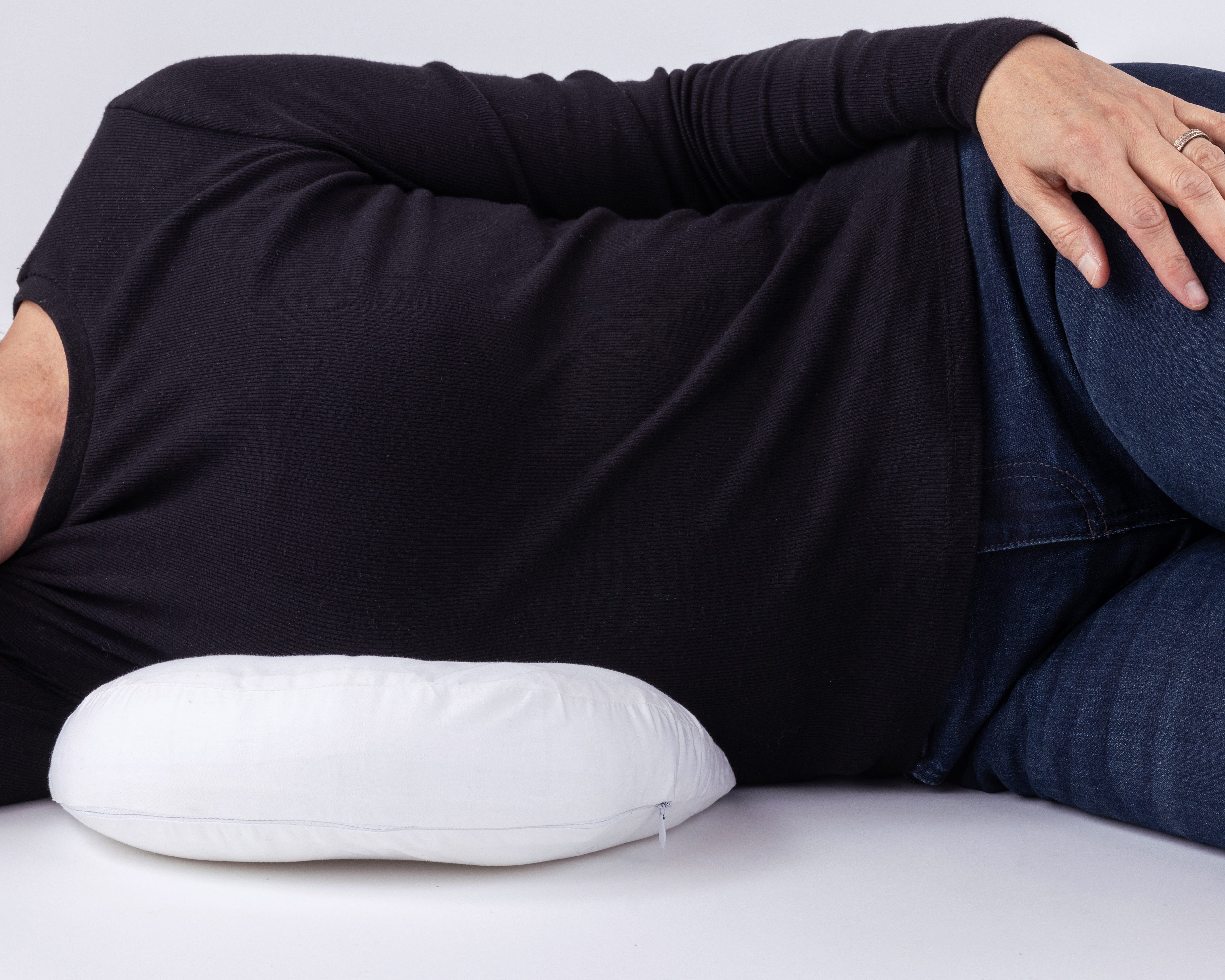
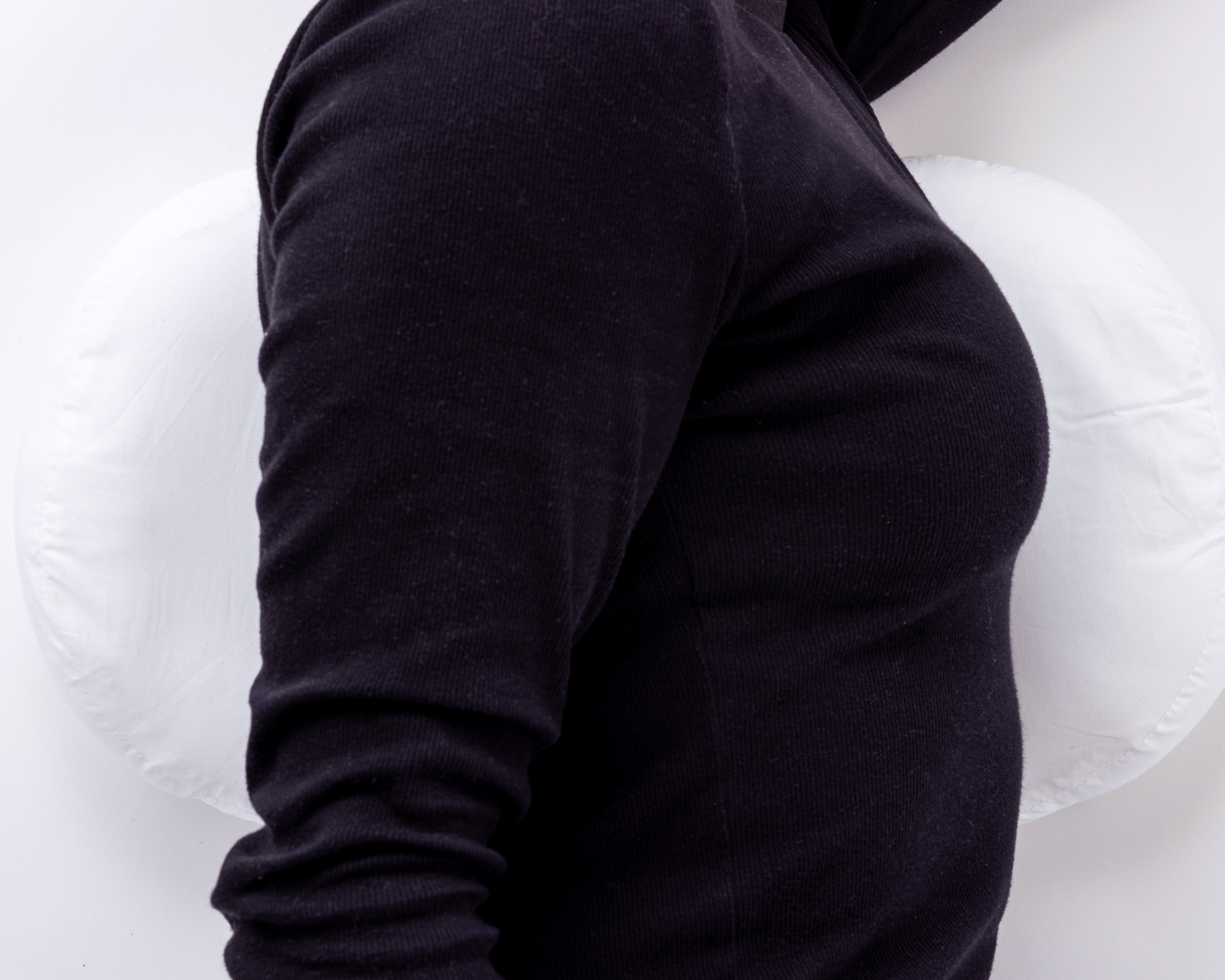
Side sleeping is the most commonly recommended compromise position for patients who have undergone both procedures. It eliminates direct pressure on both the abdominal incision (when properly supported) and the buttocks. However, it comes with its own set of challenges: the body tends to rotate during sleep, the unsupported abdominal area can experience pulling sensations, and sleeping exclusively on one side creates asymmetric tissue tension.
Surgeons who recommend side sleeping after combined procedures generally advise patients to alternate sides evenly throughout the night, use a pillow between the knees to maintain hip alignment, and place a rolled support behind the back to prevent unconscious rotation.
Elevated Reclined Sleeping
This is the position that addresses the most recovery requirements simultaneously—and the one that deserves the most attention during your planning phase.
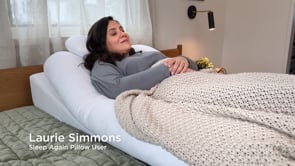
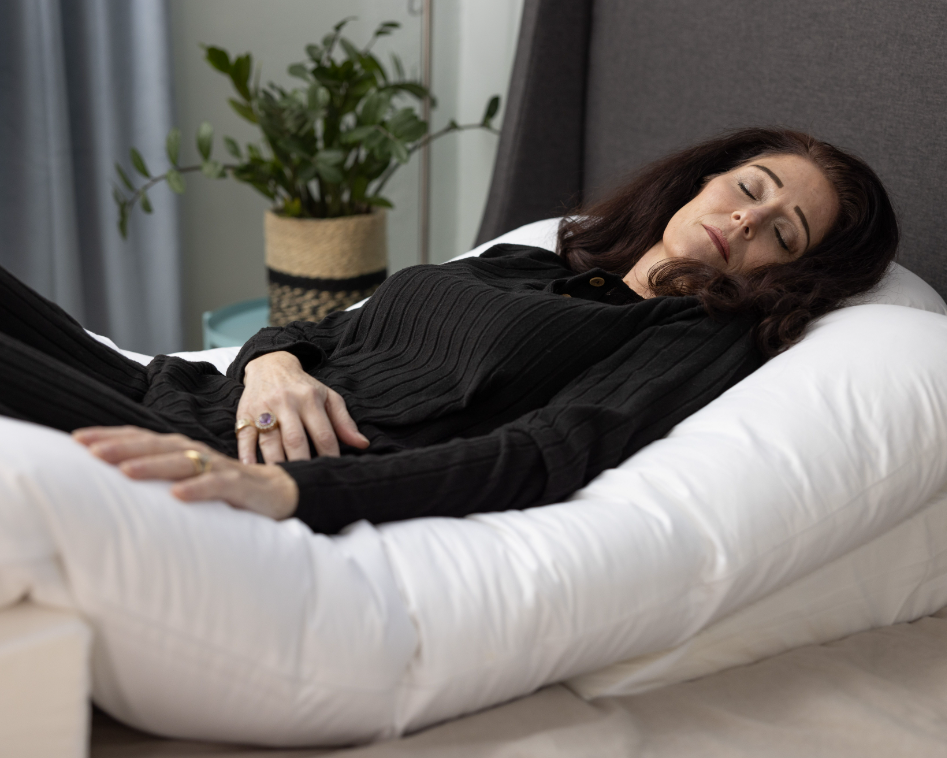
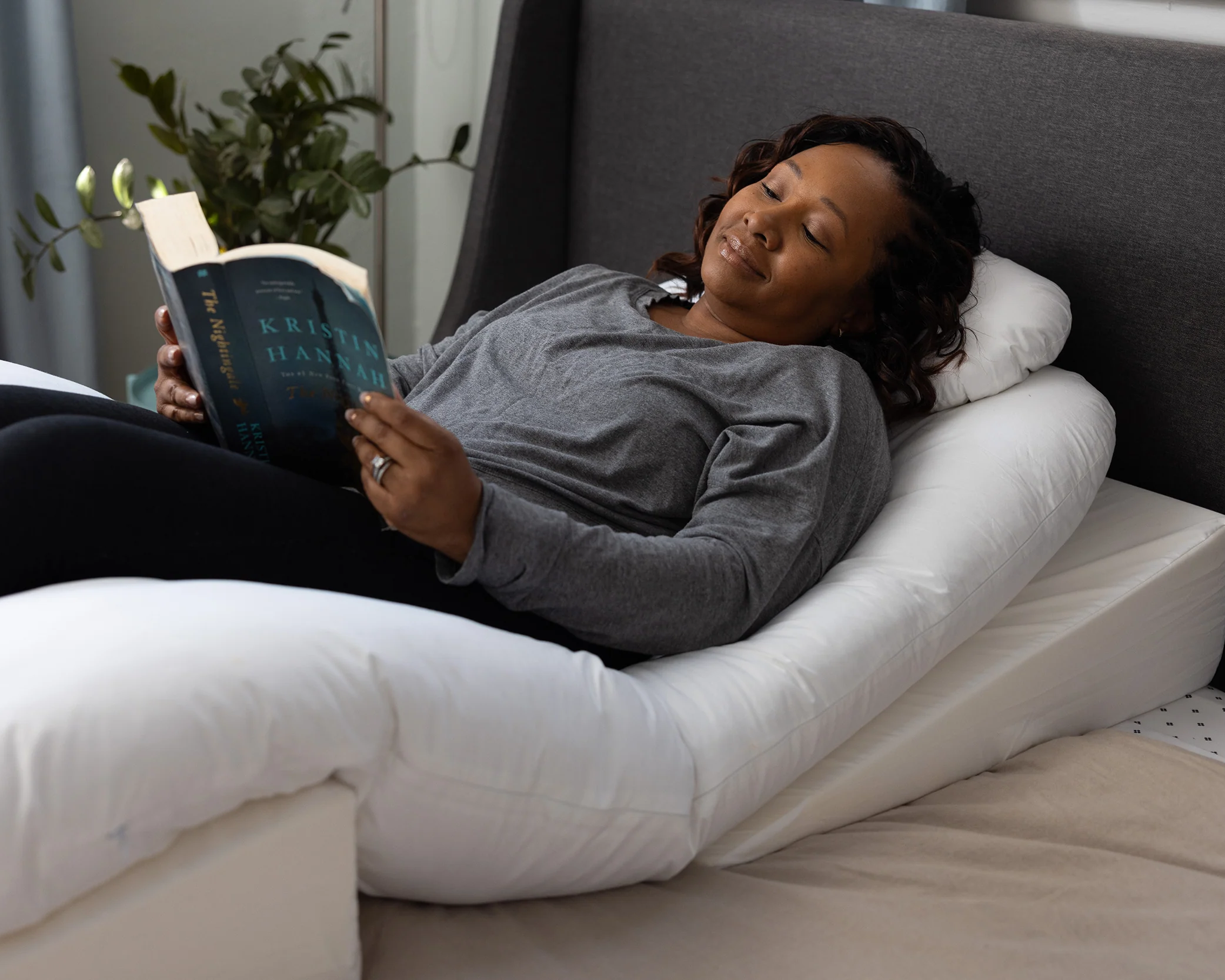
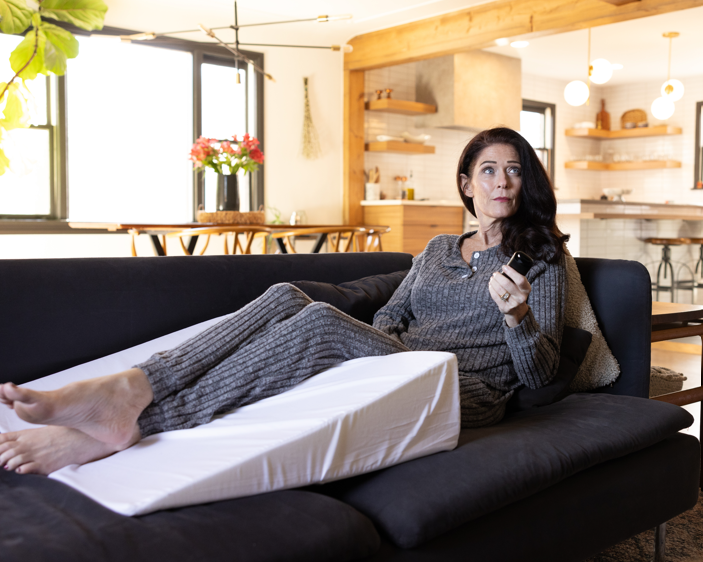
An elevated reclined position at 30–45 degrees creates the torso flexion that protects the tummy tuck incision, reduces internal tissue tension, promotes circulation, and makes it significantly easier to rise from bed without engaging abdominal muscles. When combined with proper thigh elevation to shift body weight forward and off the buttocks, this position can protect BBL fat grafts while delivering all the physiological benefits of elevation.
It is the most demanding position to set up correctly in a standard bed—but when executed well, it is often the most effective sleep position for combined recovery.

Why Elevated Back Sleeping Matters for Tummy Tuck Recovery
The benefits of elevated back sleeping for tummy tuck recovery are well-established and worth understanding in detail before your procedure.
Incision Tension Reduction: When you're elevated at 30–45 degrees, the abdominal skin is in a naturally relaxed, slightly flexed orientation. Lying flat elongates the abdominal wall, placing tension on the incision line at a time when it needs to remain undisturbed. Elevation maintains the tissue in a position consistent with how the incision was closed.
Swelling Reduction: Post-surgical swelling is partly governed by fluid pooling, which is influenced by gravity. Elevating the upper body encourages fluid to drain away from the surgical site rather than accumulating in tissue. Patients who maintain consistent elevation during sleep generally experience less pronounced swelling and a more comfortable early recovery.
Easier Mobility: Getting up from a completely flat position after abdominal surgery is painful and difficult because it requires core muscle activation. Rising from an elevated position requires substantially less abdominal engagement—which means fewer moments of sharp discomfort during those inevitable middle-of-the-night trips.
Respiratory Support: Elevation opens the chest cavity and improves breathing mechanics, which matters during recovery when breathing deeply can feel difficult due to abdominal tightness.
The 30–45 Degree Target: This specific range is worth noting. Below 30 degrees, you lose the primary mechanical benefits of elevation—adequate fluid drainage and incision tension relief. Above 45 degrees, the body tends to slide downward during sleep, which can create shear forces on healing tissue and disrupts positioning throughout the night. The optimal range is 30–45 degrees, maintained consistently.
Protecting BBL Fat Grafts in a Reclined Position
The concern with any back-facing sleep position and BBL recovery is pressure on the buttocks. This concern is valid and should be taken seriously. However, the solution is not necessarily to avoid back sleeping entirely—it is to engineer a position in which body weight is redistributed away from the buttocks.
The thigh elevation principle: When the legs are supported, and the thighs are gently elevated, body weight in a reclined position shifts forward onto the thighs and posterior thighs rather than concentrating on the buttocks. This is the same principle behind BBL recovery pillows, which create a gap under the buttocks so that sitting and reclining weight falls on the thighs instead.
When a leg support wedge is added beneath the knees and thighs in an elevated reclined position, the buttocks are effectively suspended—in contact with the surface beneath them, but not bearing concentrated pressure from body weight. This is the configuration that allows many patients to benefit from the healing advantages of elevation while protecting their BBL fat grafts.
Positioning checklist for elevated BBL-protective reclined sleep:
-
Upper body elevated at 30–45 degrees
-
Knees gently bent, thighs supported by a wedge or firm pillow
-
Buttocks positioned with minimal contact pressure—body weight landing primarily on thighs
-
Side pillows or rolled supports preventing unconscious rotation toward one hip
-
Head supported at a neutral angle without straining the neck
Why Standard Pillow Arrangements Fall Short
Most patients begin recovery planning by calculating how many regular pillows they can stack. The logic is sound—pillows are inexpensive, readily available, and adjustable. The execution is the problem.
Standard pillows compress under body weight in ways that are difficult to control. Elevation angles degrade throughout the night as pillows shift laterally, separate, and lose their therapeutic angle during normal sleep movement.
This creates a disruptive cycle: patients spend significant time rebuilding their pillow configuration throughout the night, introducing movement that can stress healing tissue. Consistent positioning from the start of sleep to morning is difficult to achieve with standard household pillows.
Purpose-built positioning systems address this by providing components that maintain their angle and shape consistently throughout the night—no rebuilding required.

The Sleep Again Pillow System: Designed for Combined Surgical Recovery
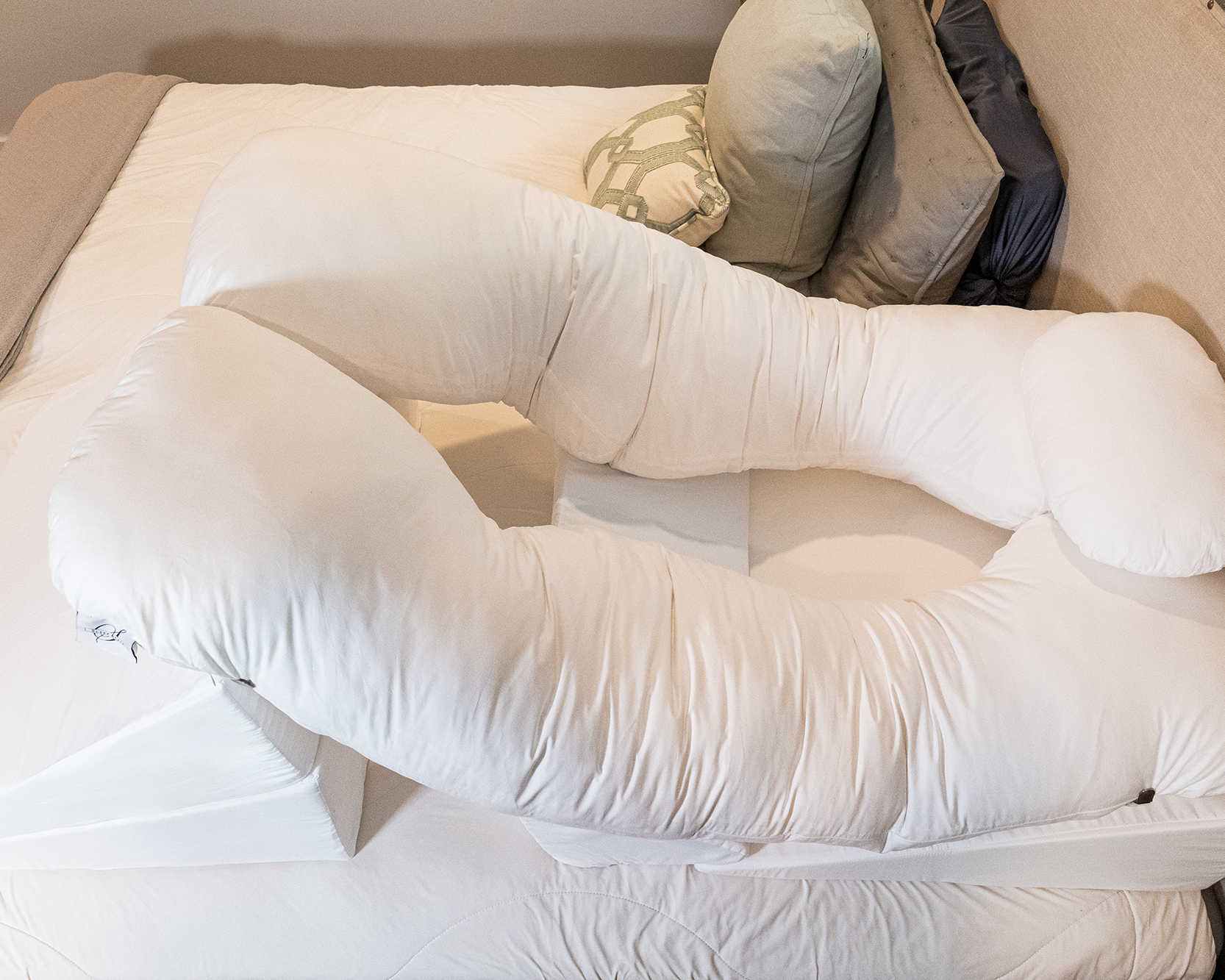
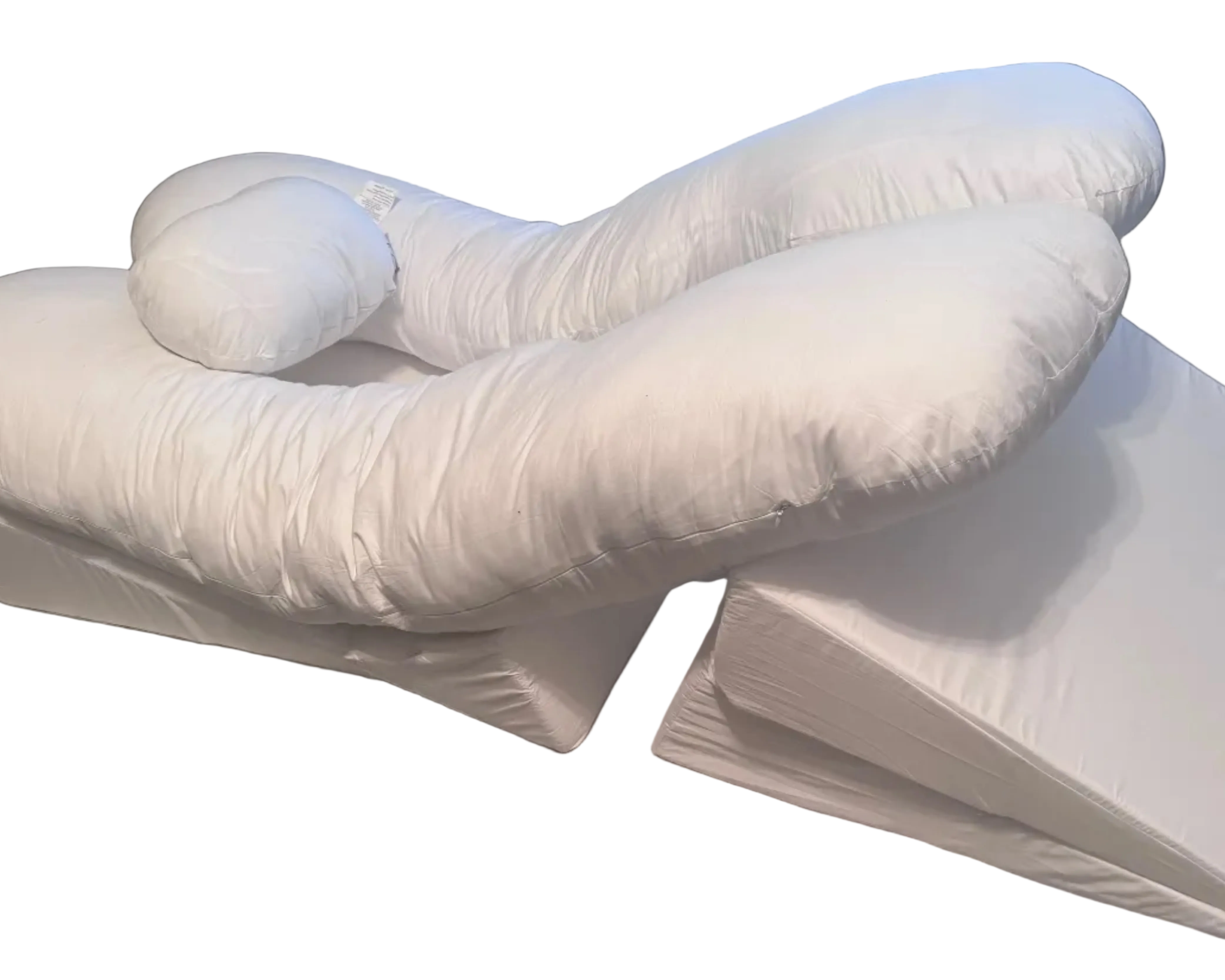
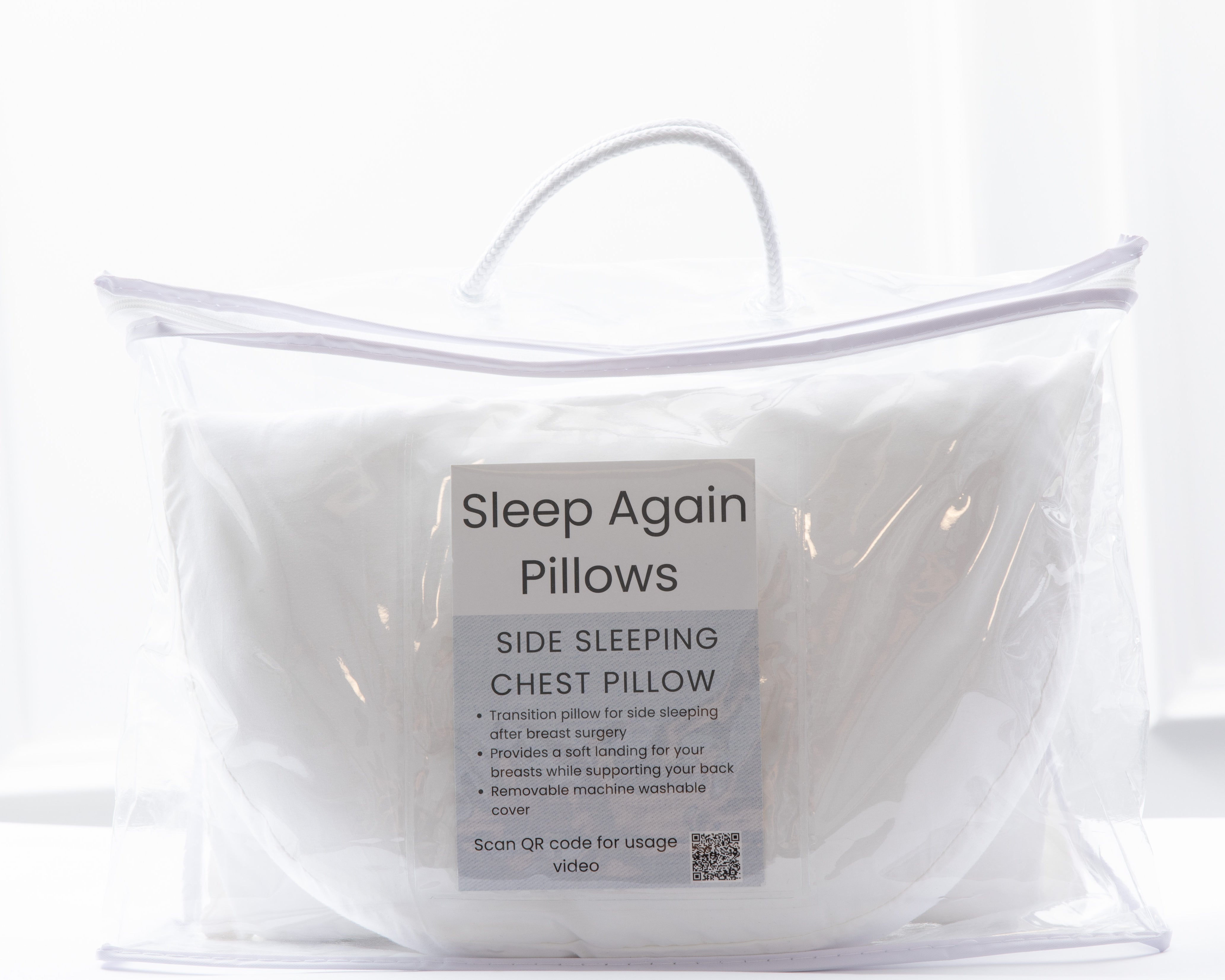
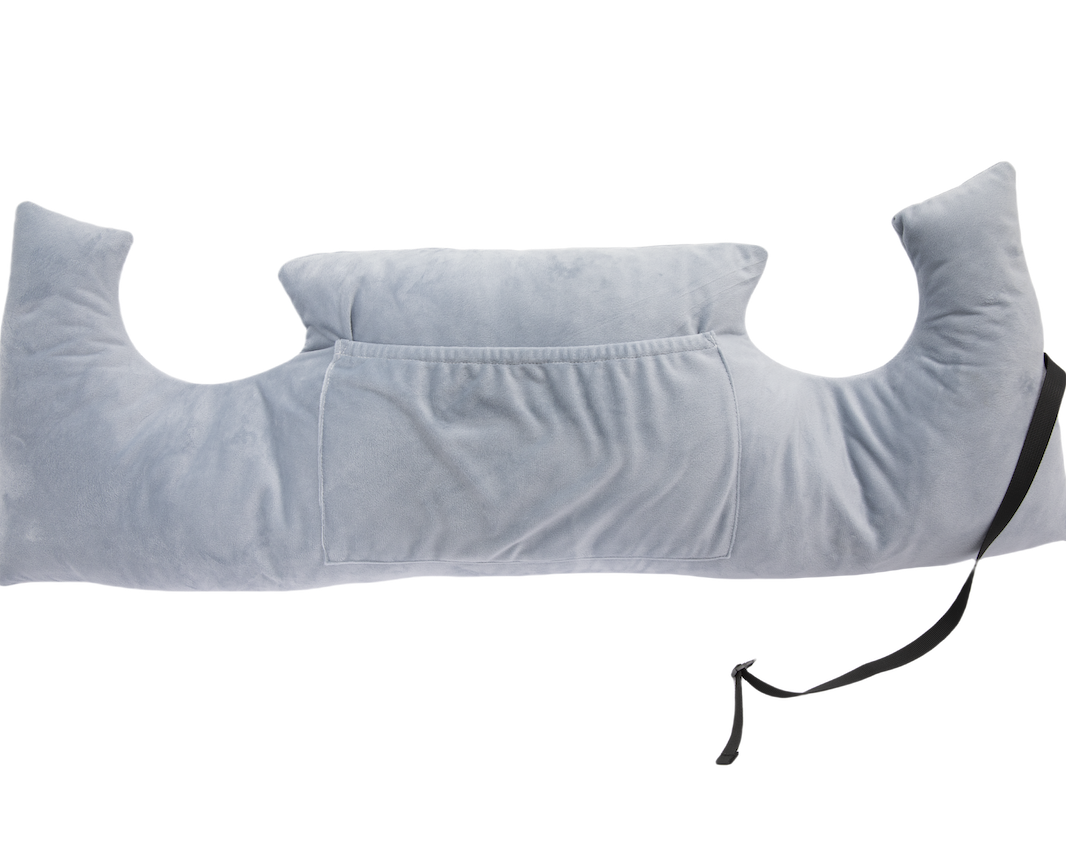
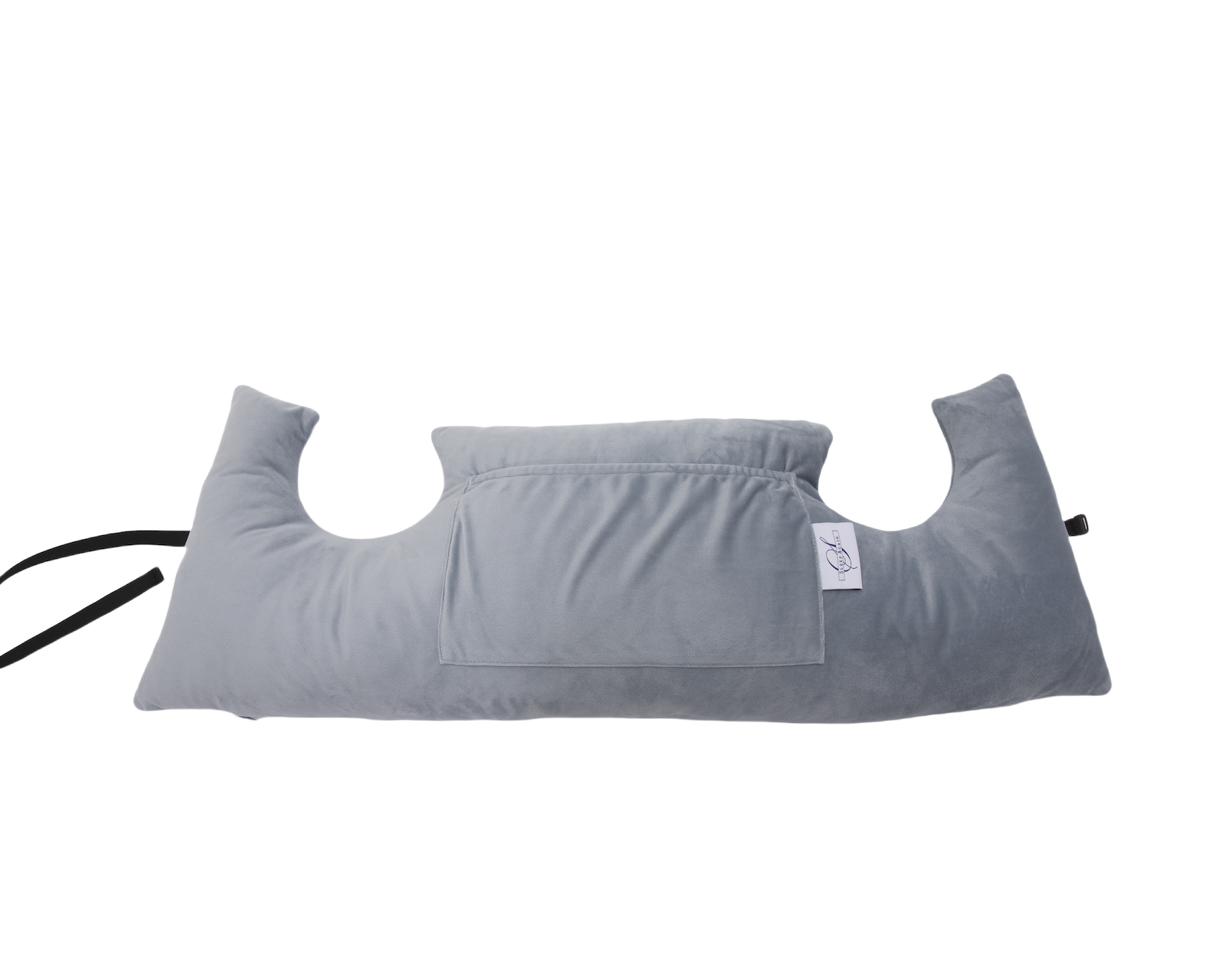
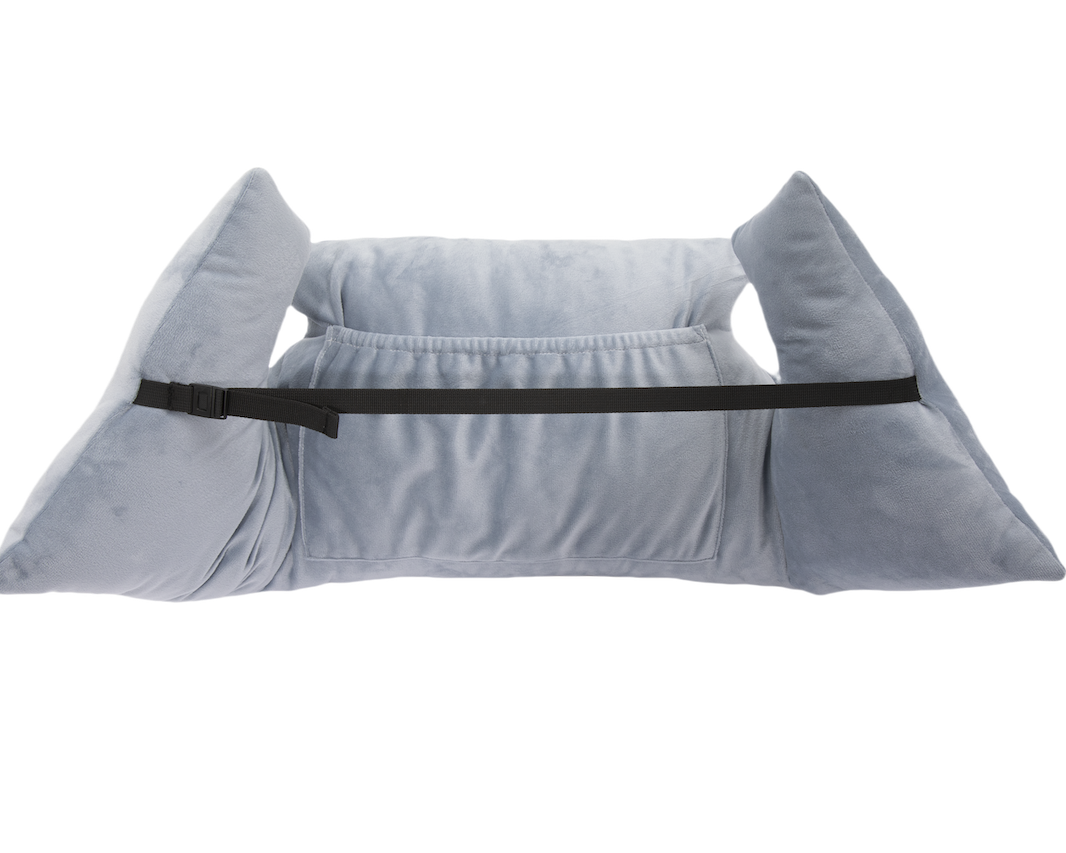
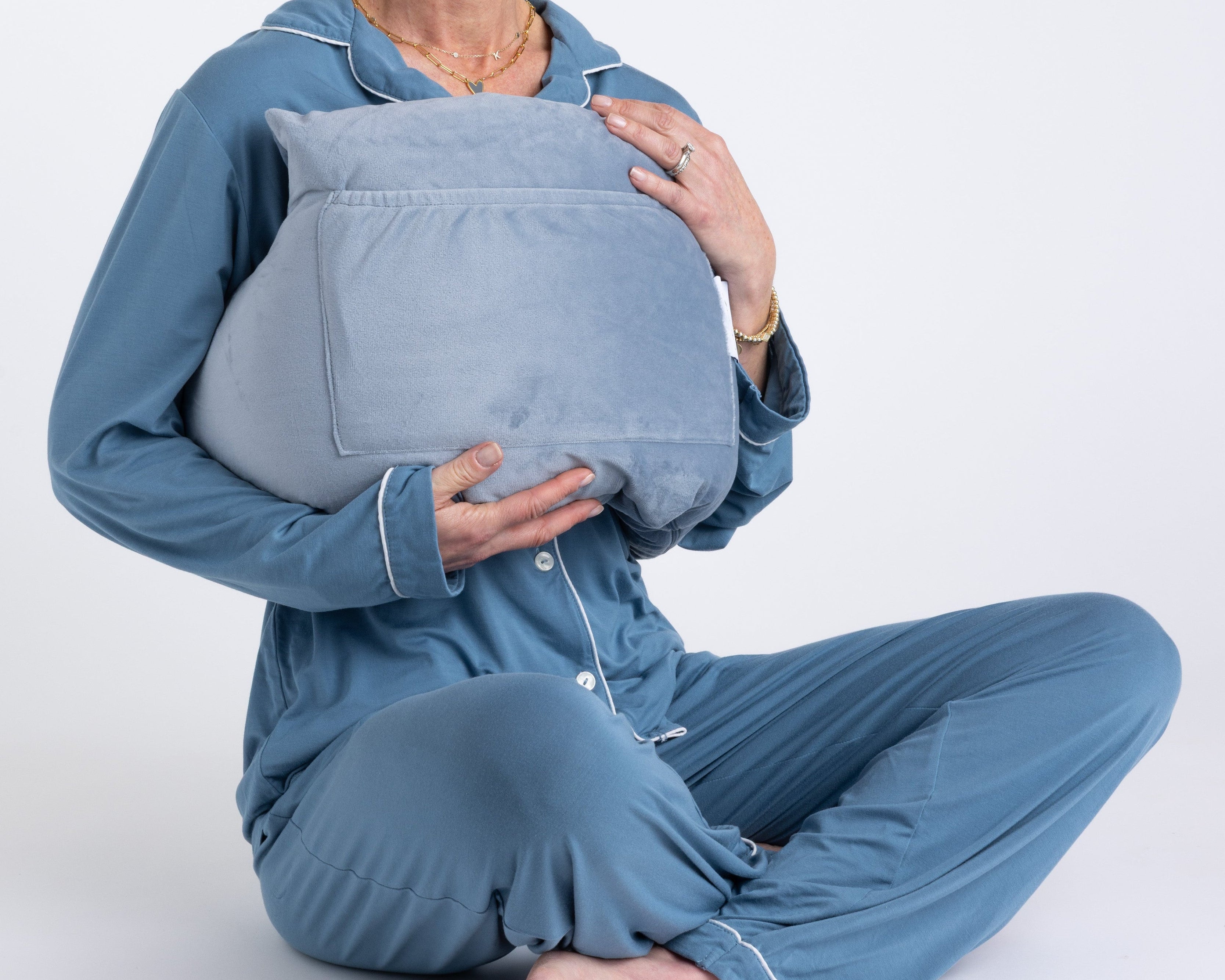
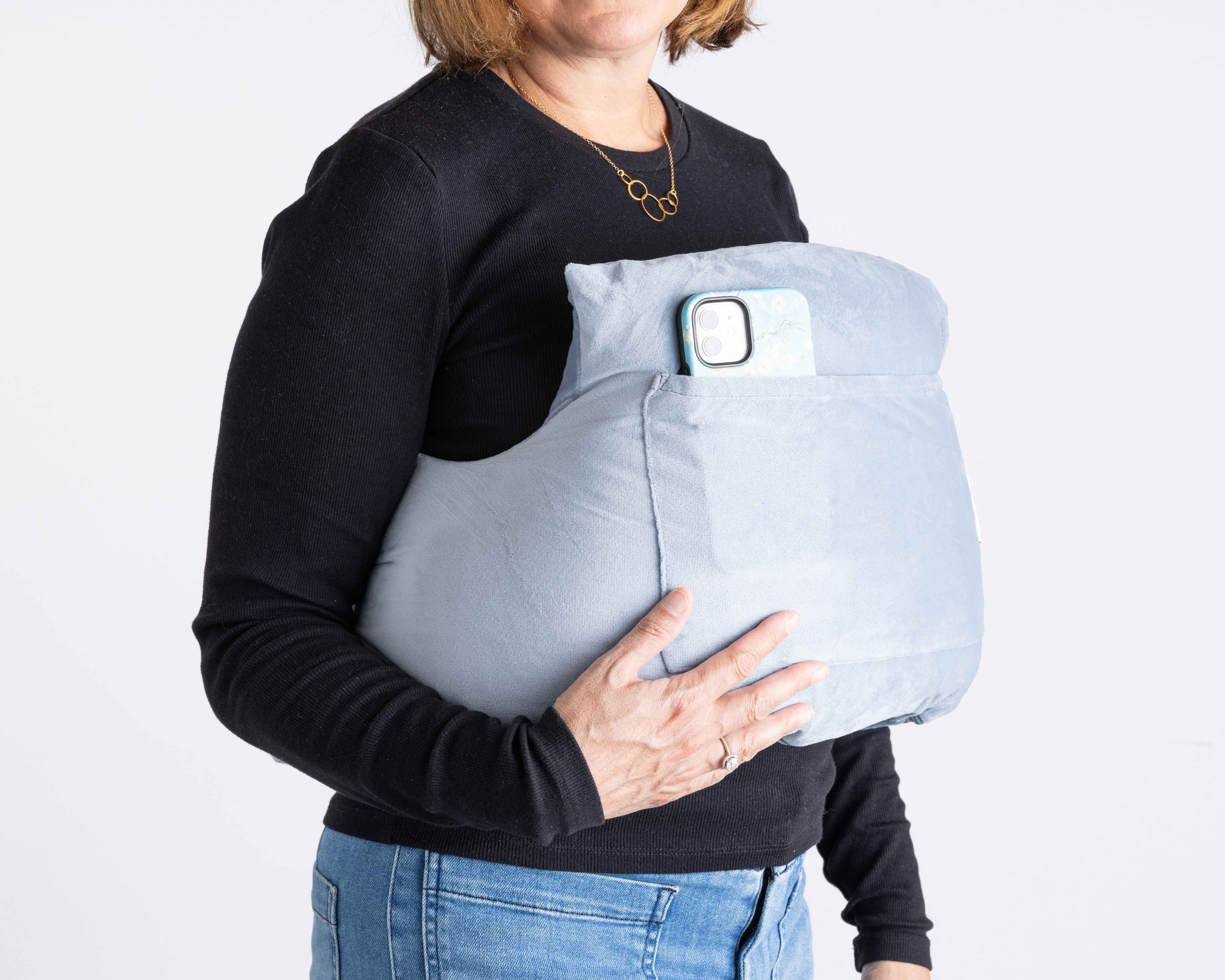
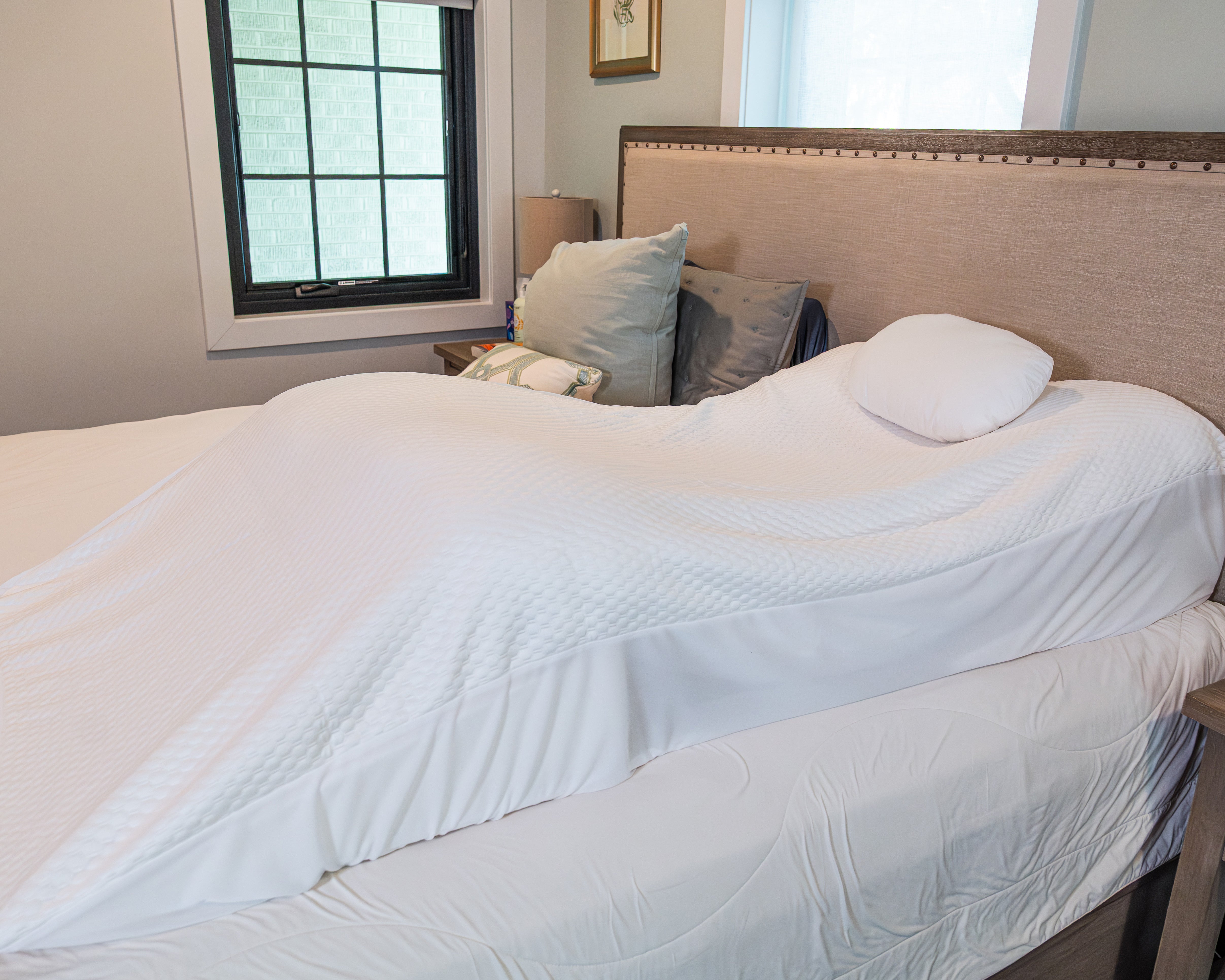
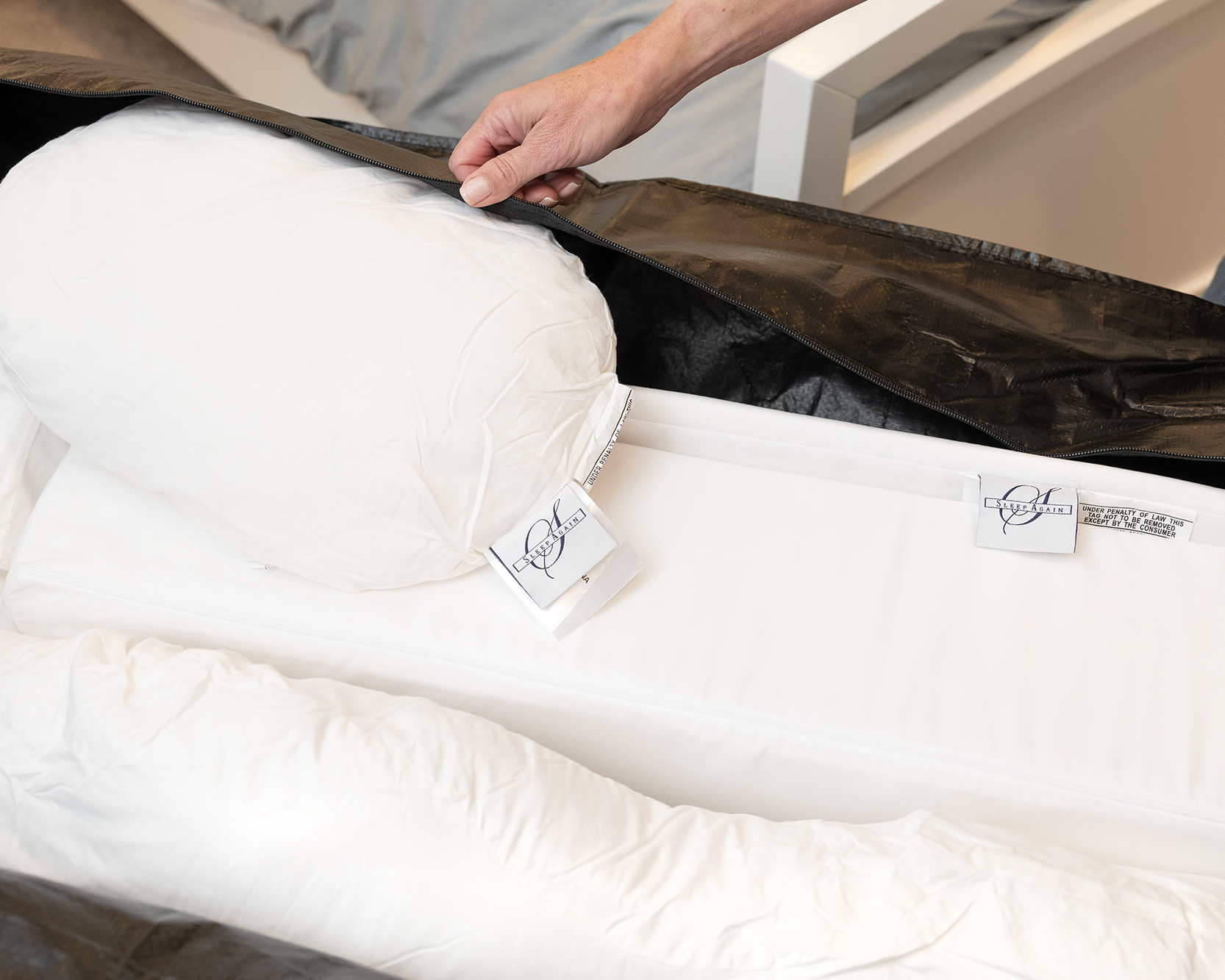
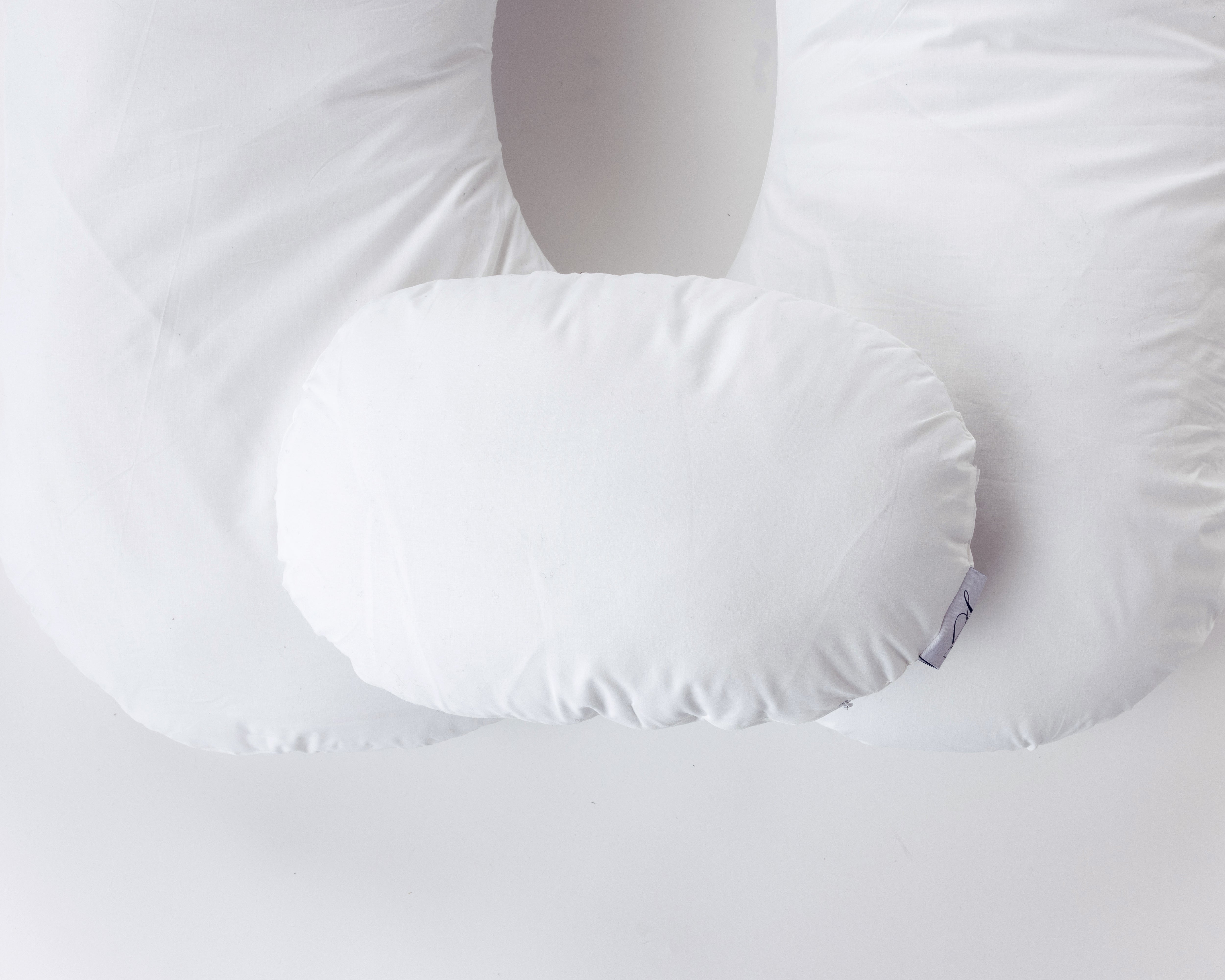
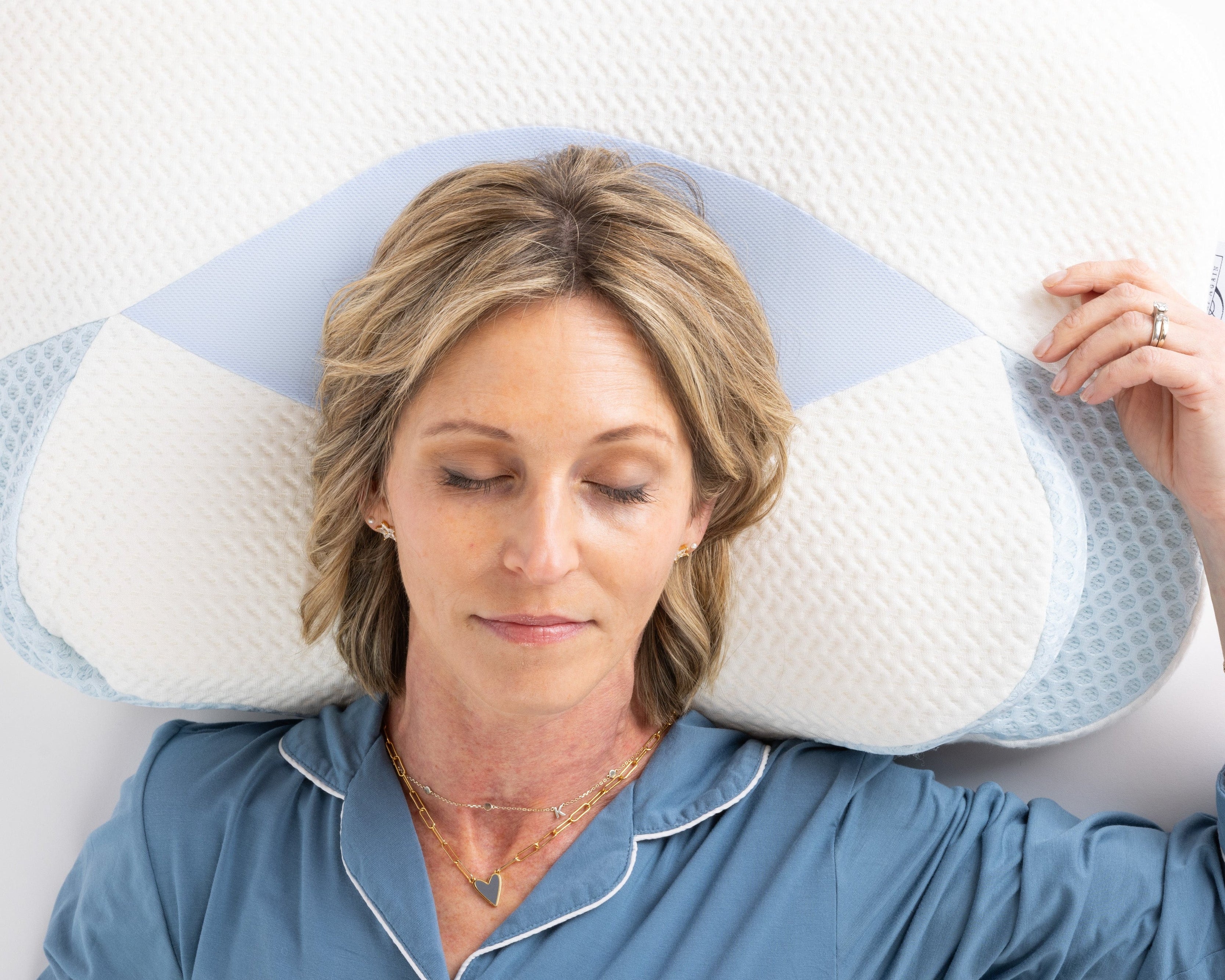
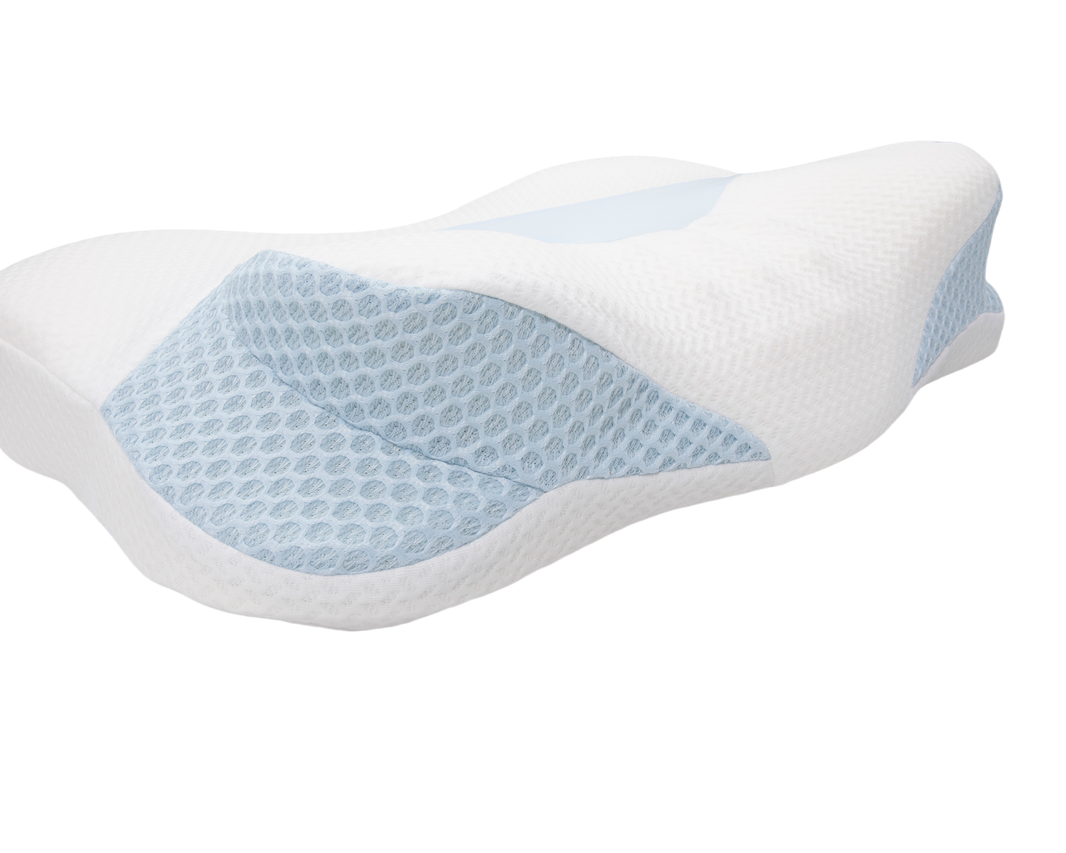
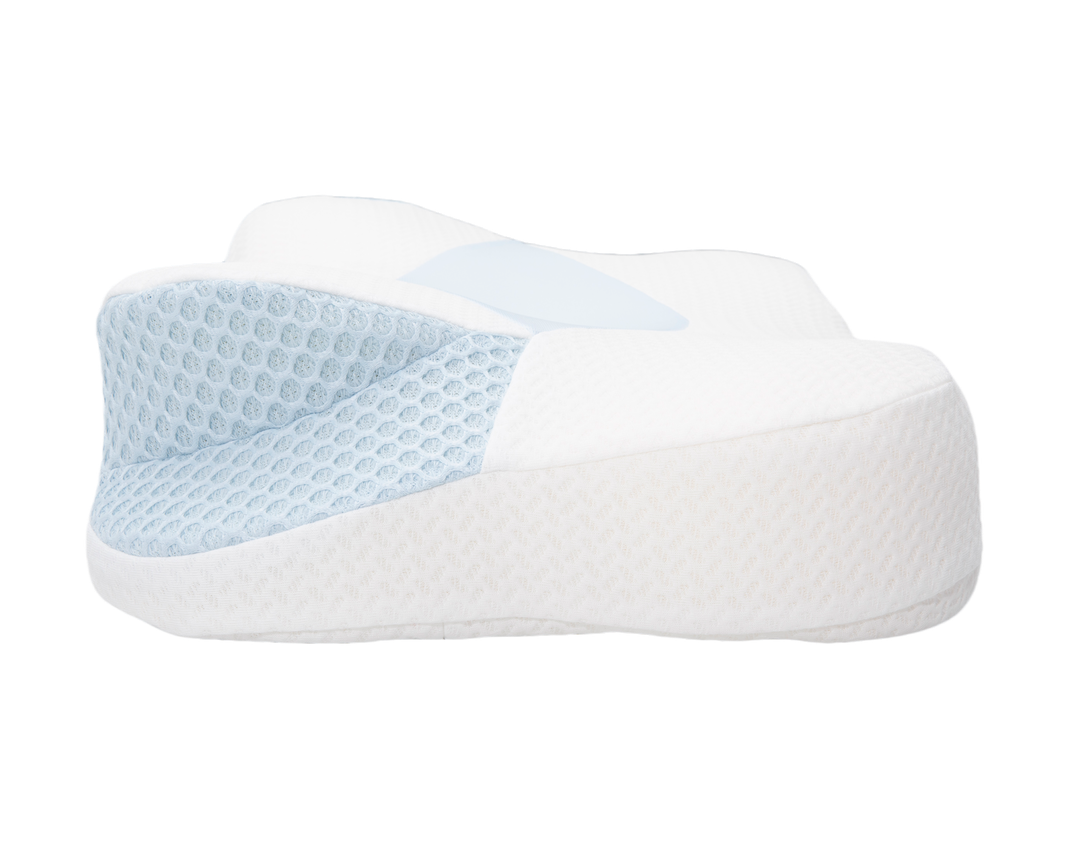
The Sleep Again Pillow System was developed specifically for post-surgical sleep positioning—not as a general comfort product, but as a therapeutic positioning system for exactly the kind of recovery that a combined BBL and tummy tuck requires.
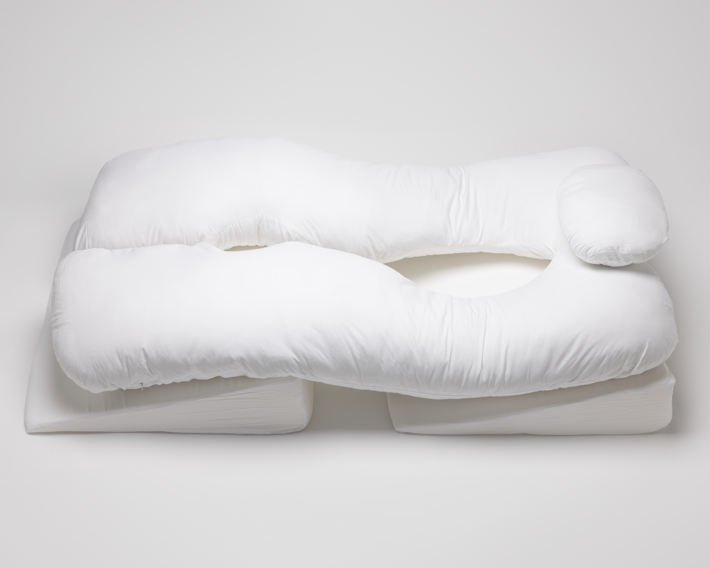
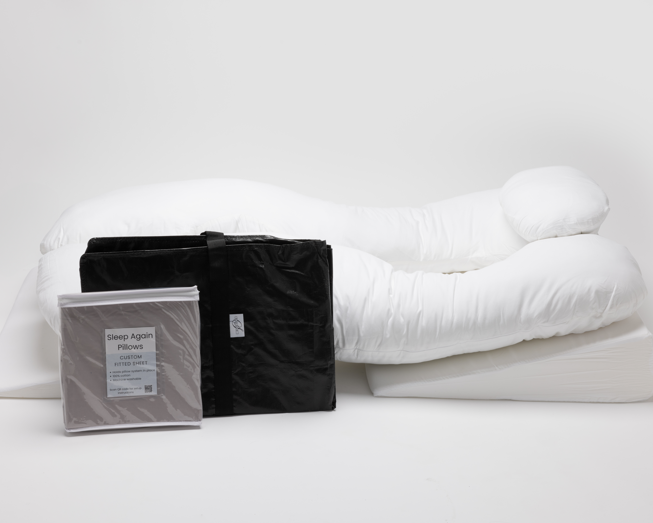
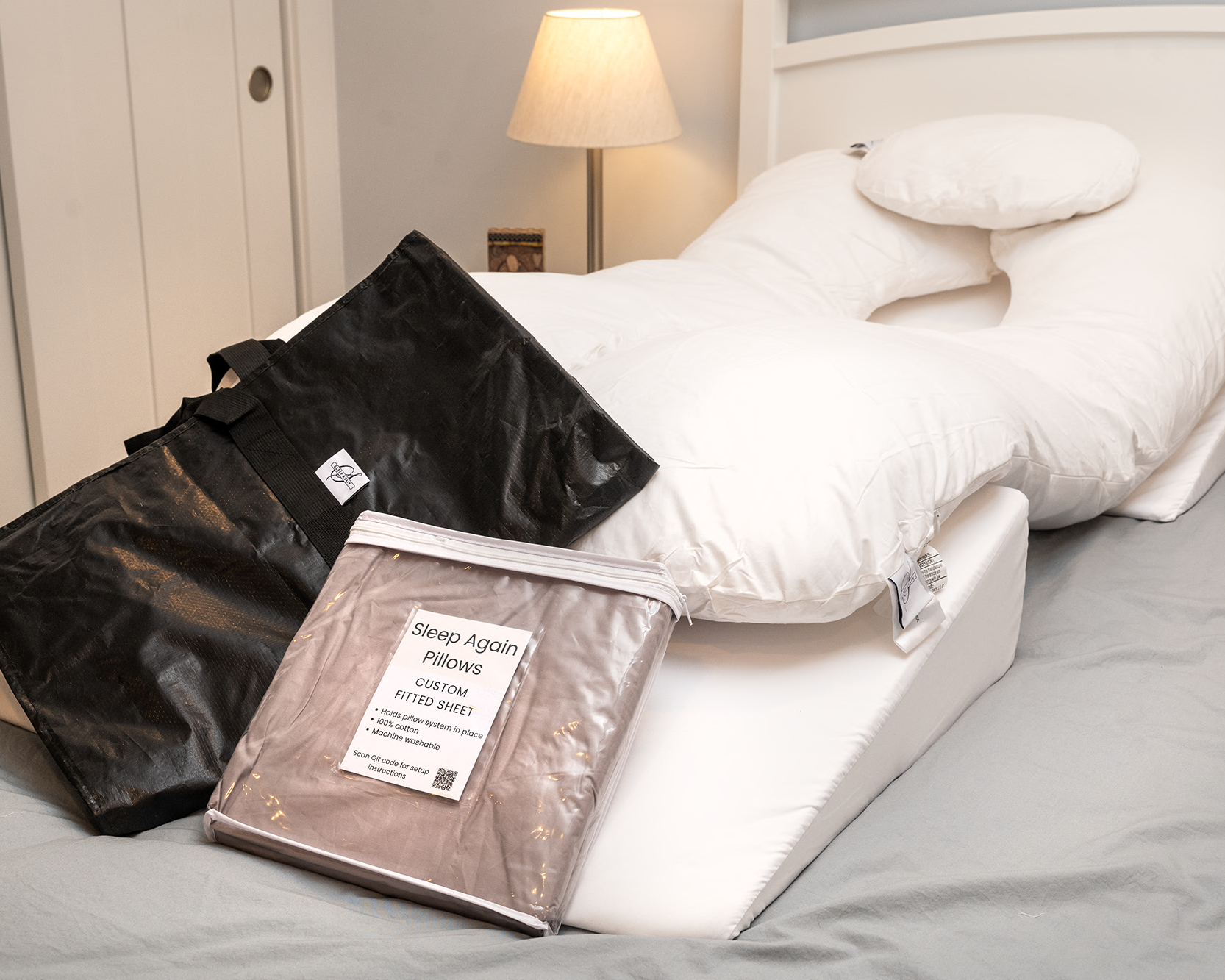
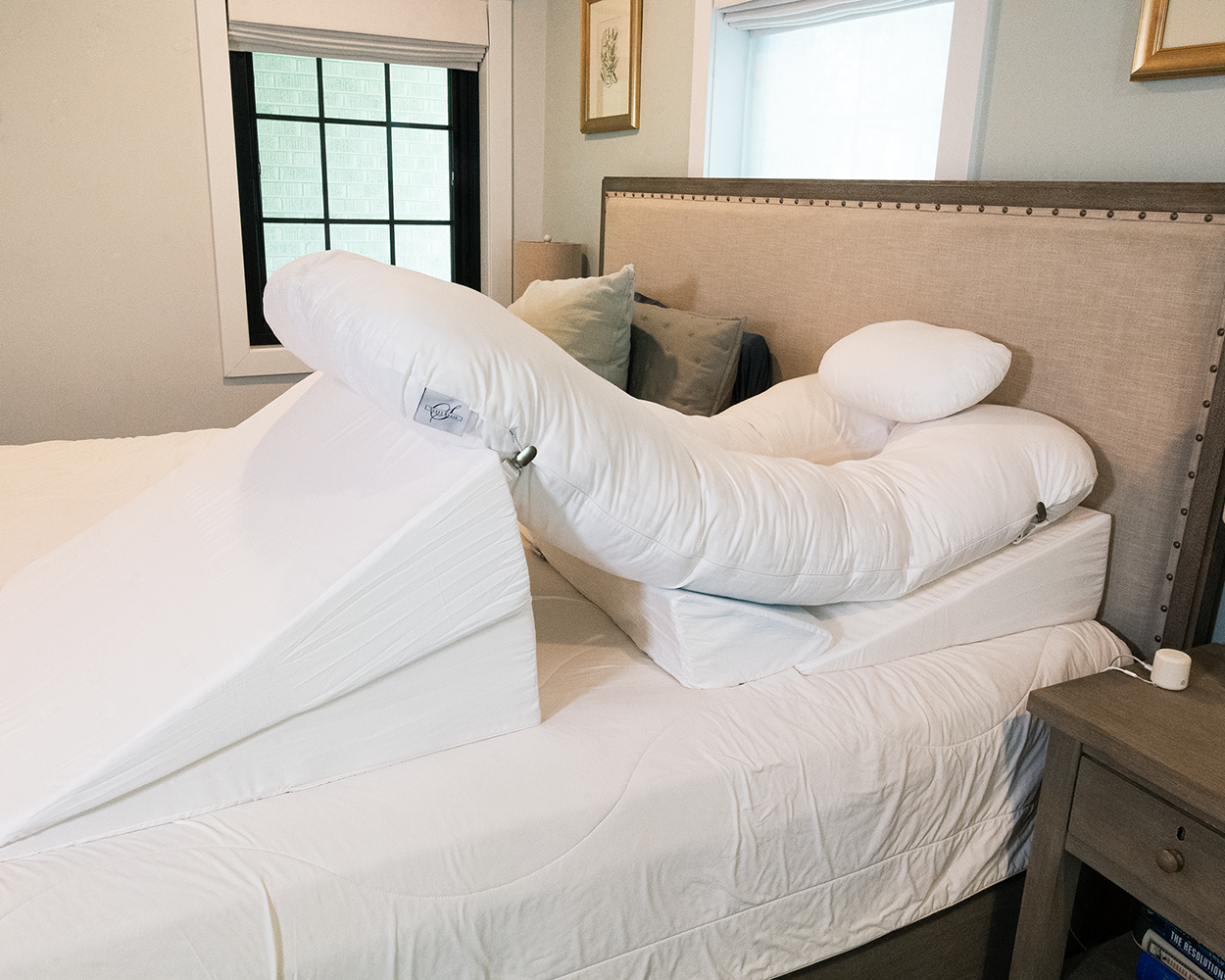
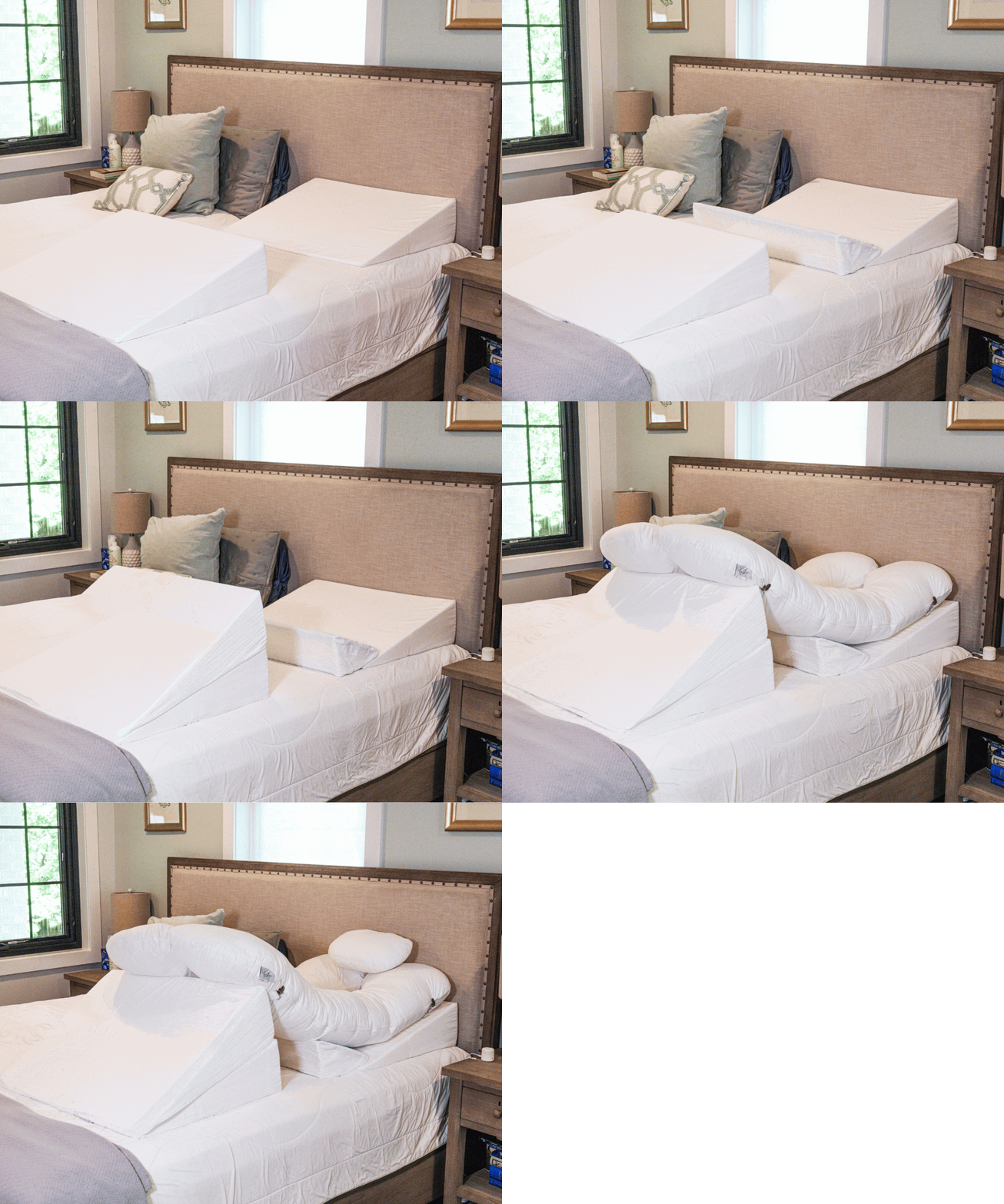
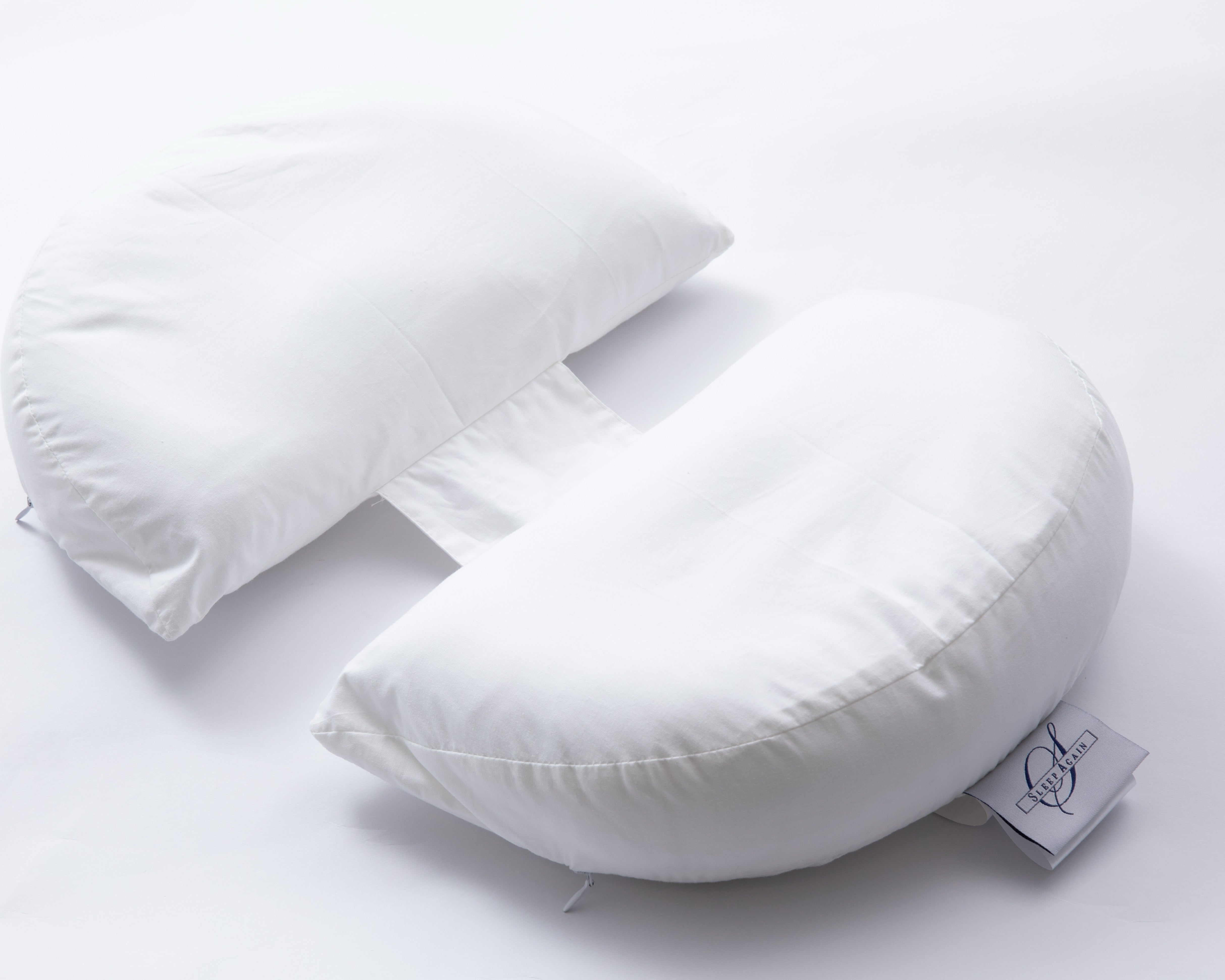
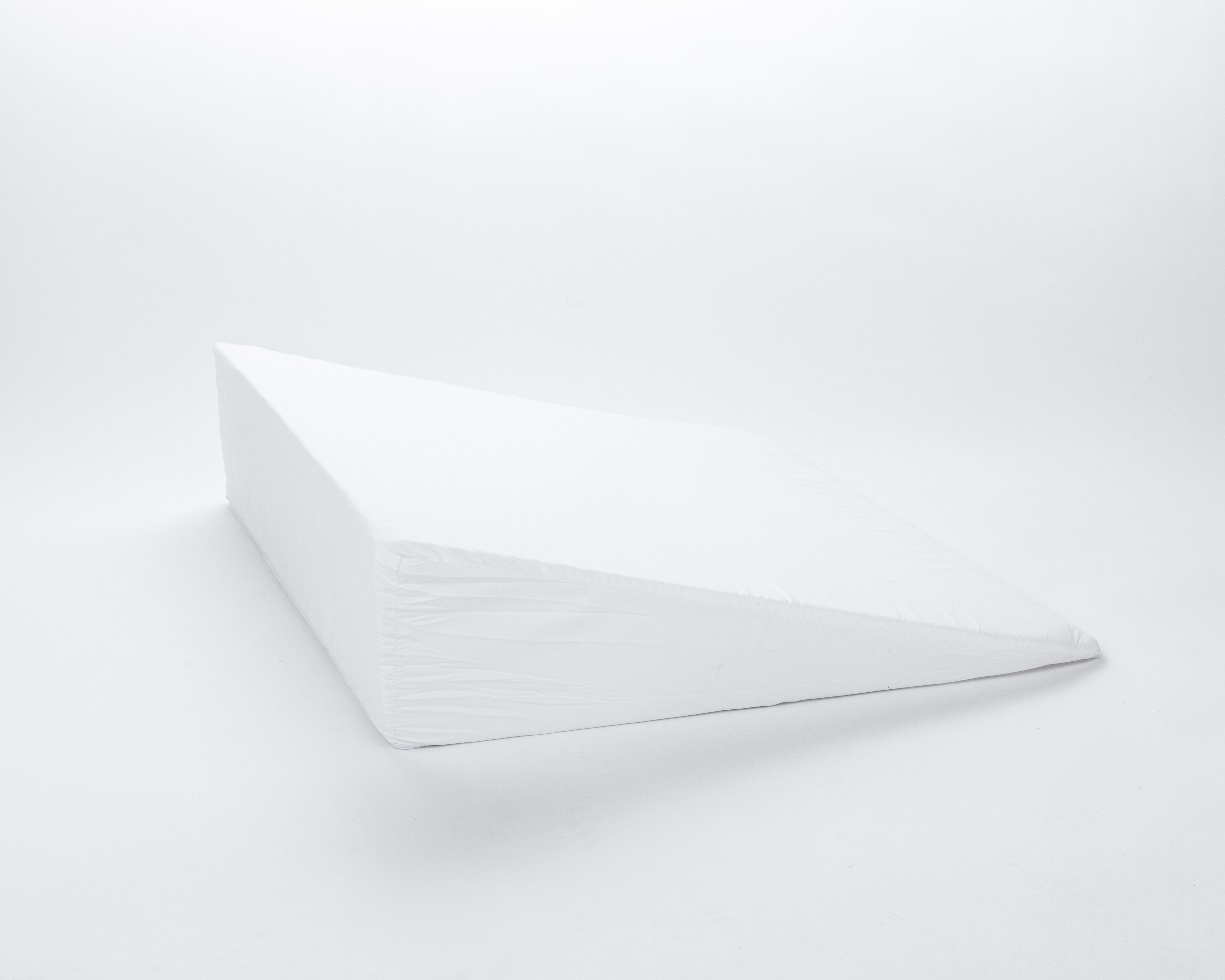
Every Sleep Again Pillow System includes:
-
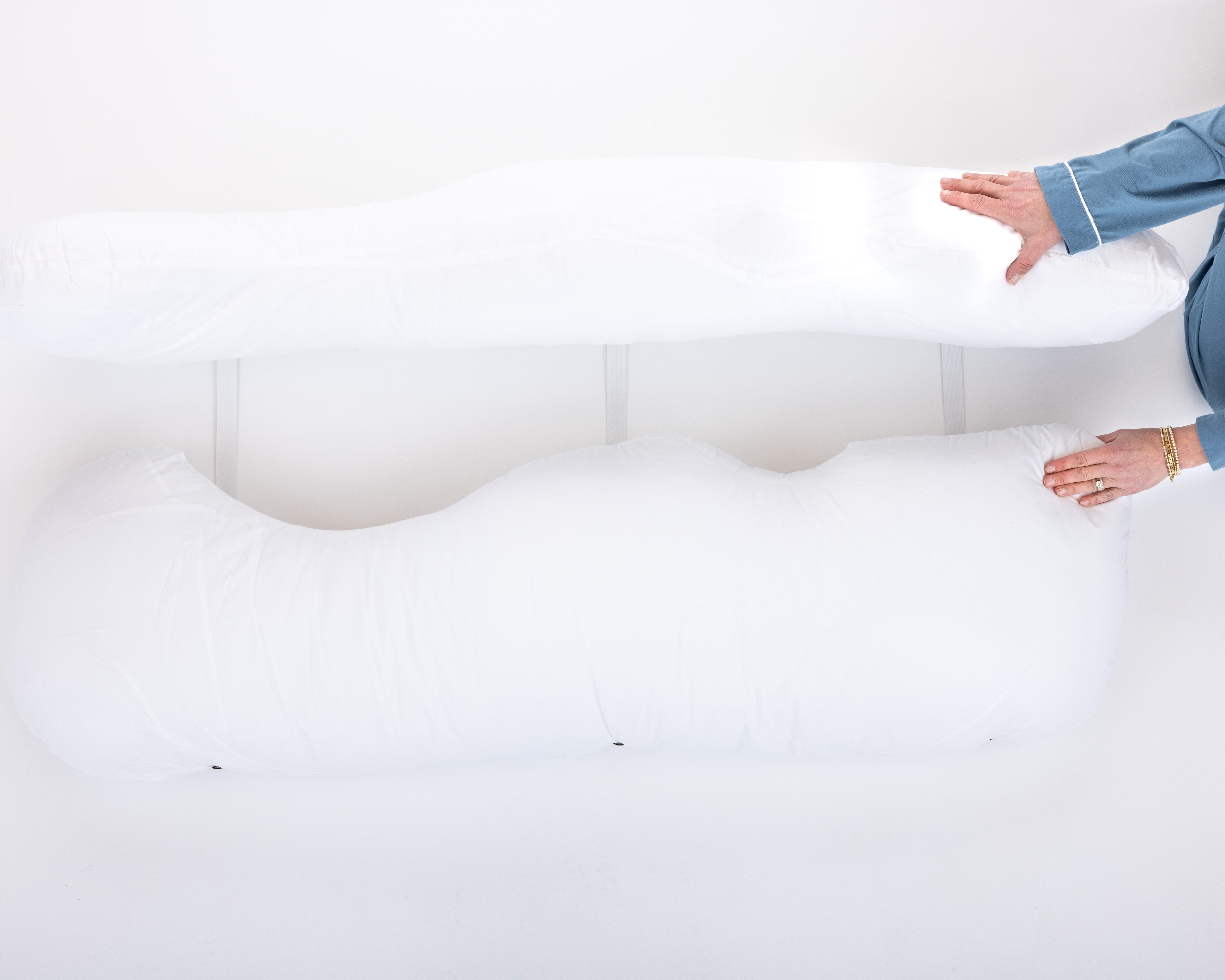
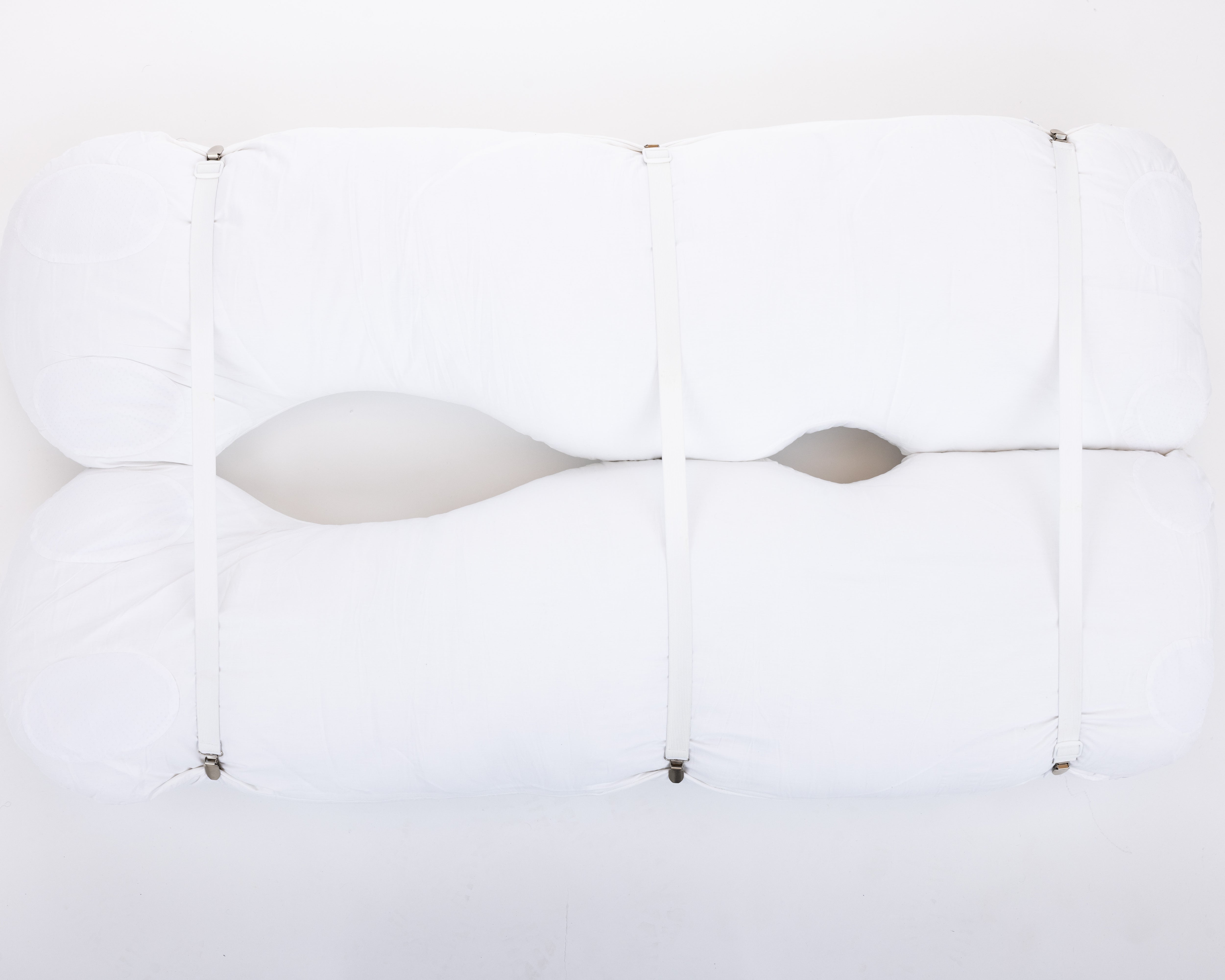
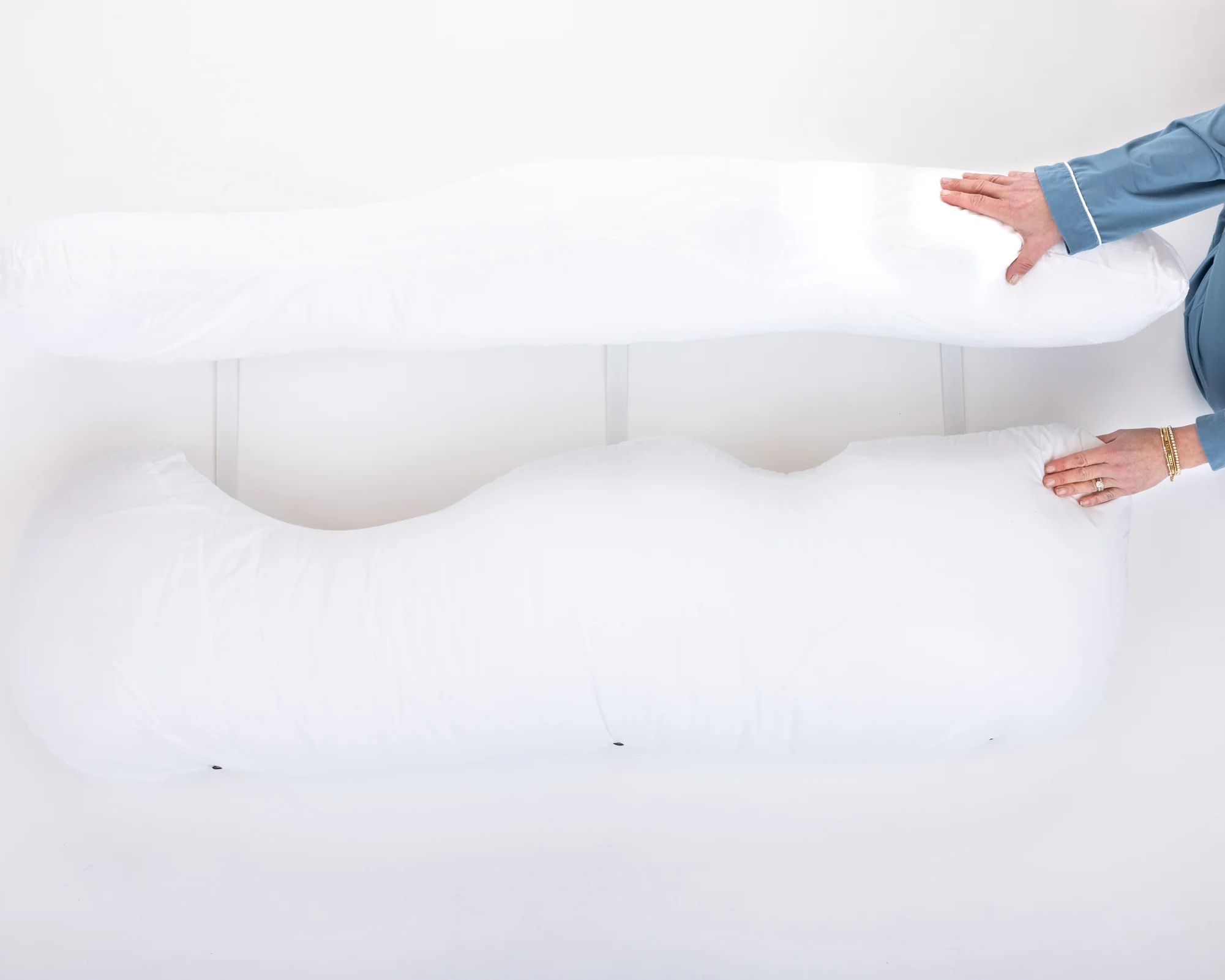
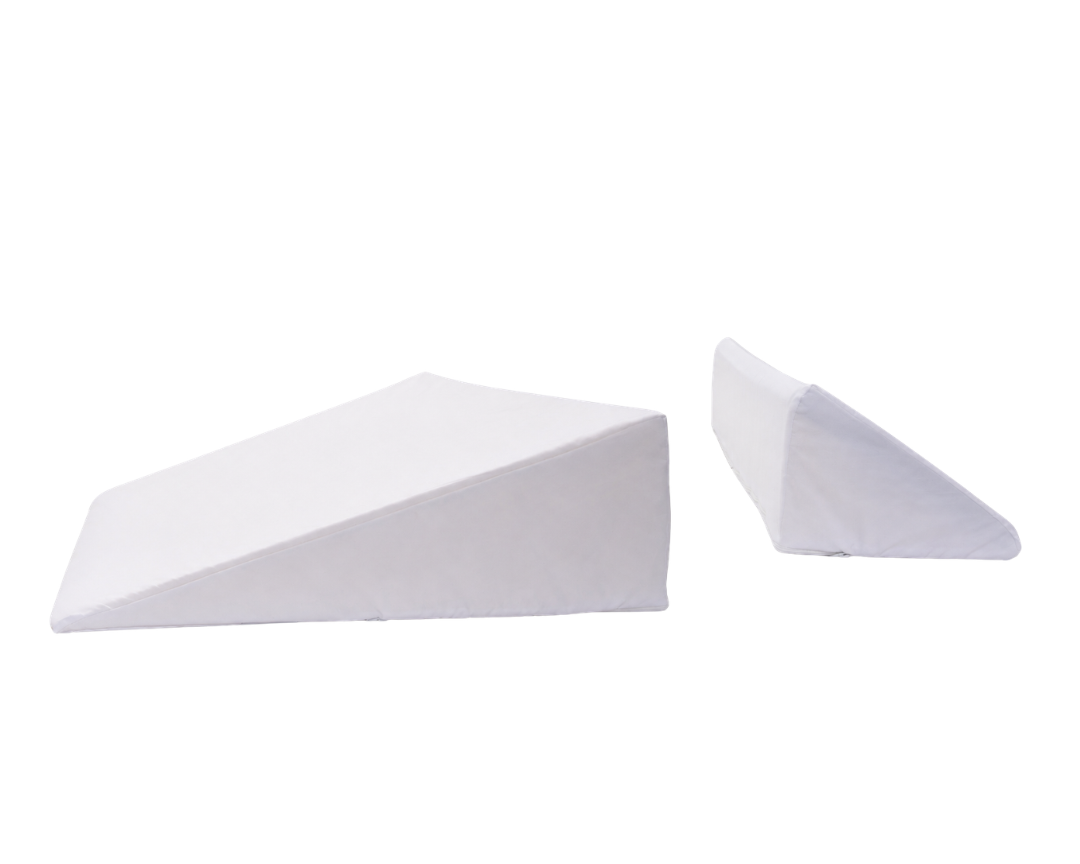
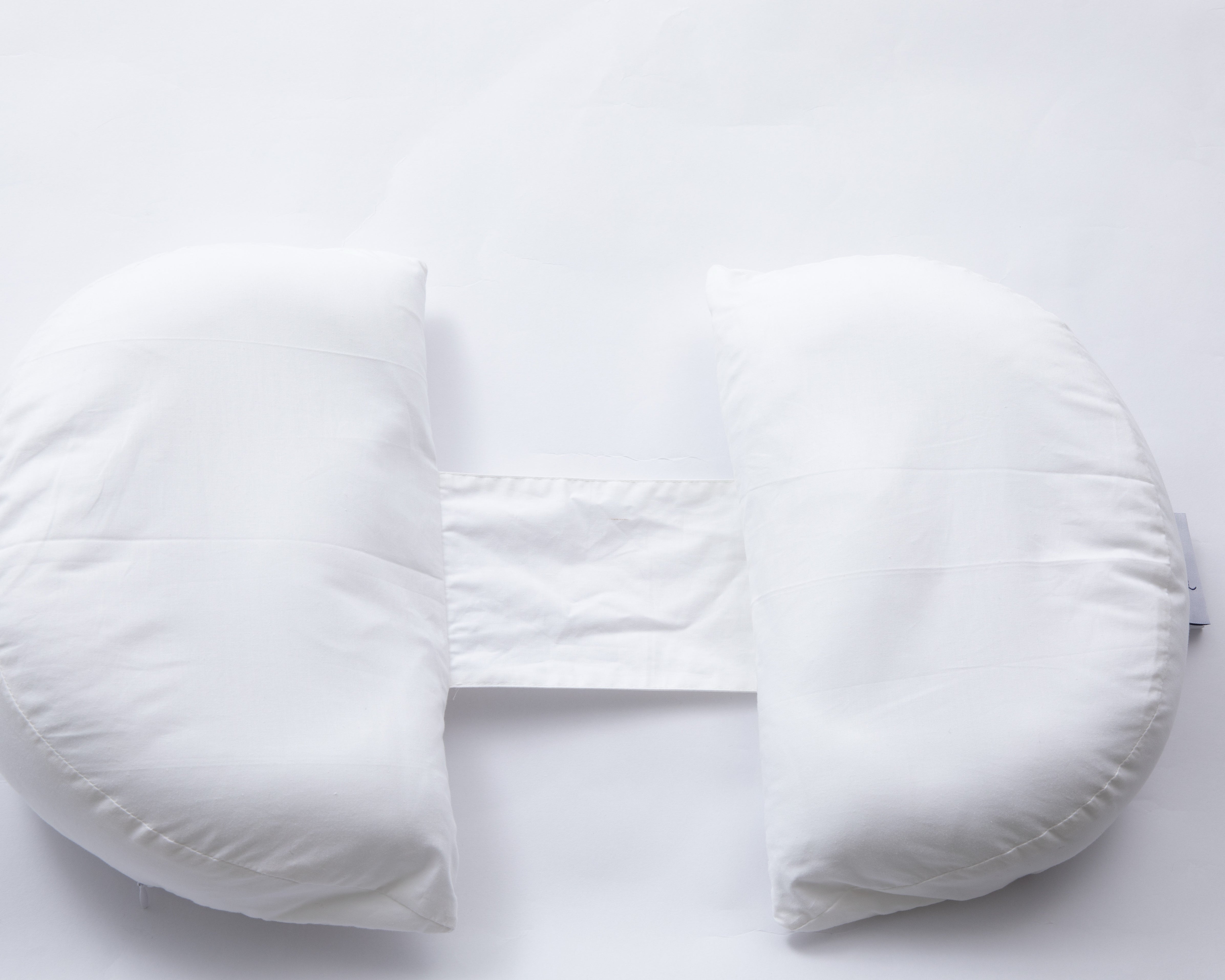
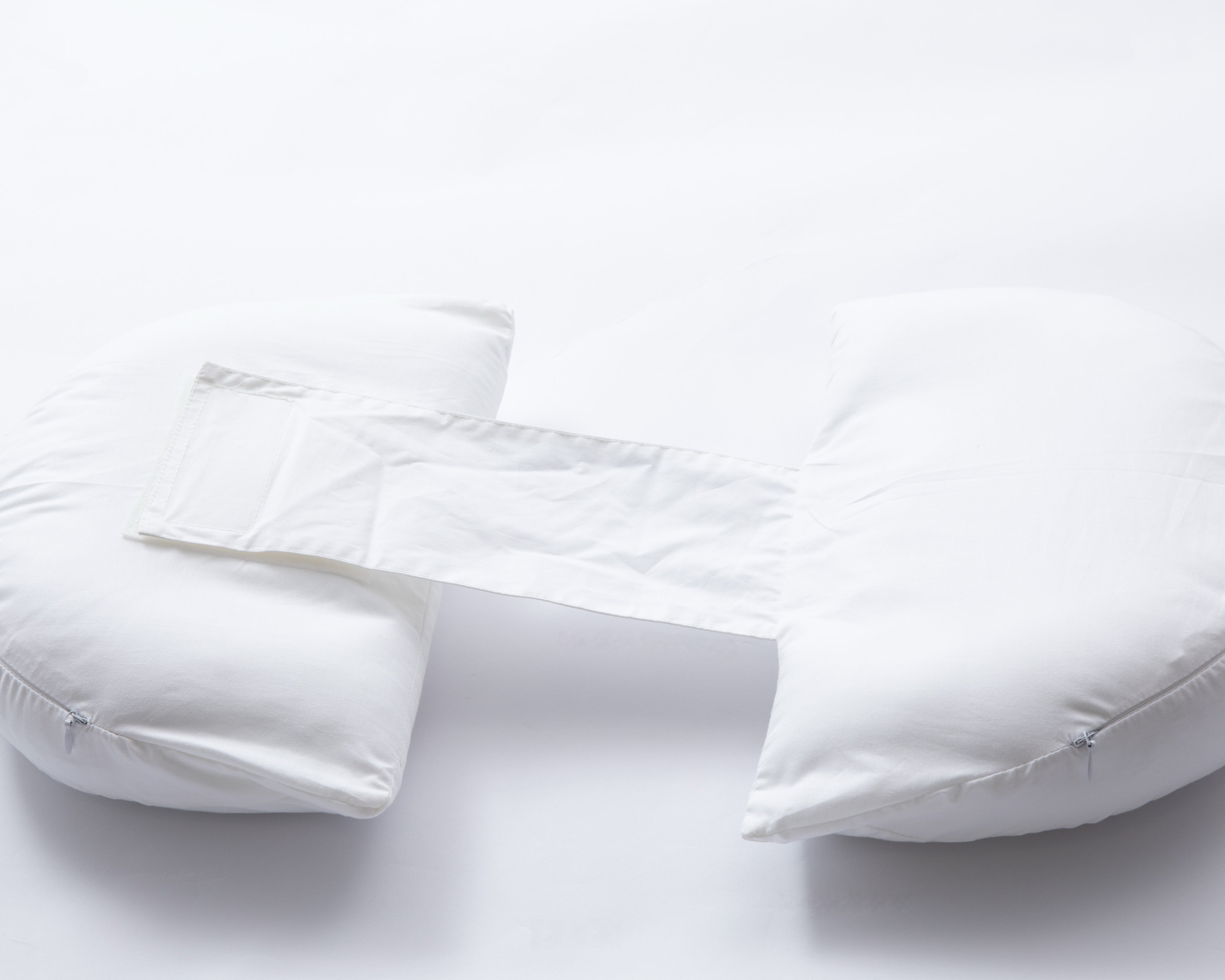
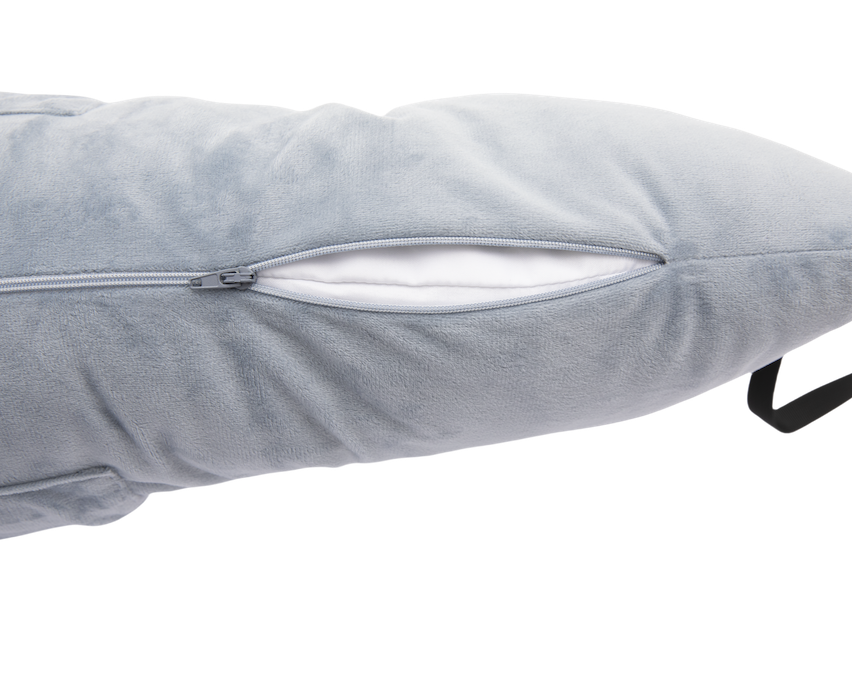
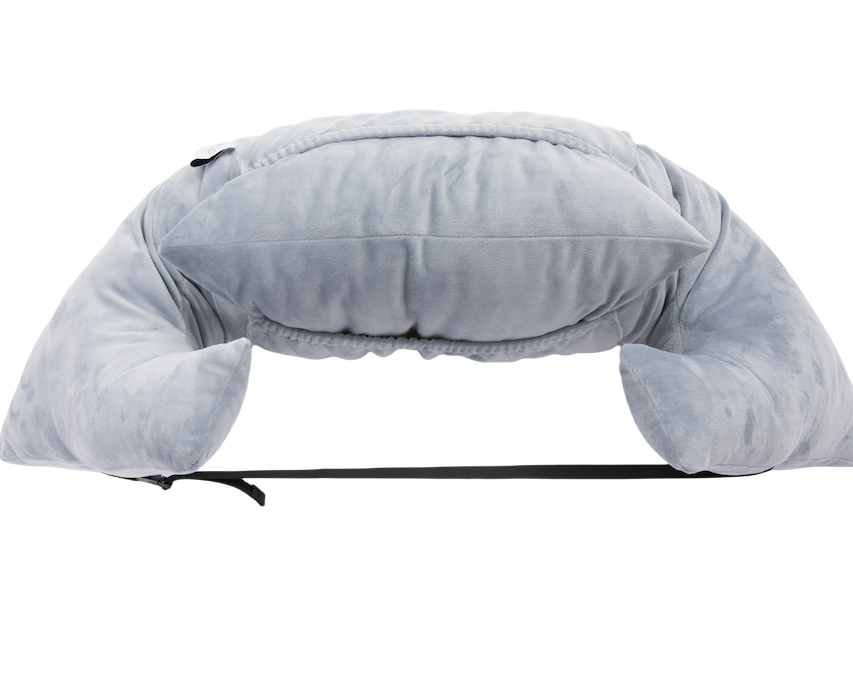
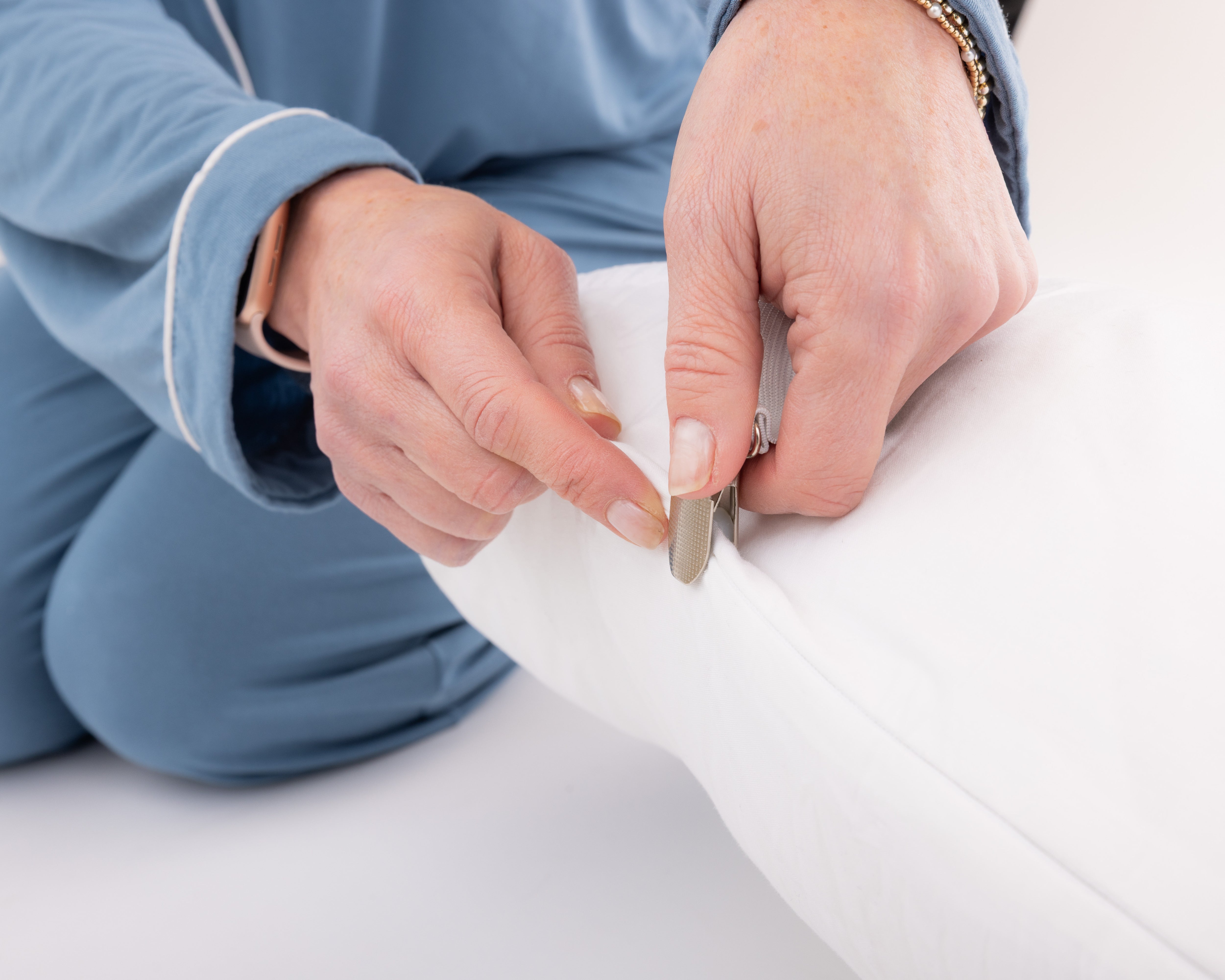
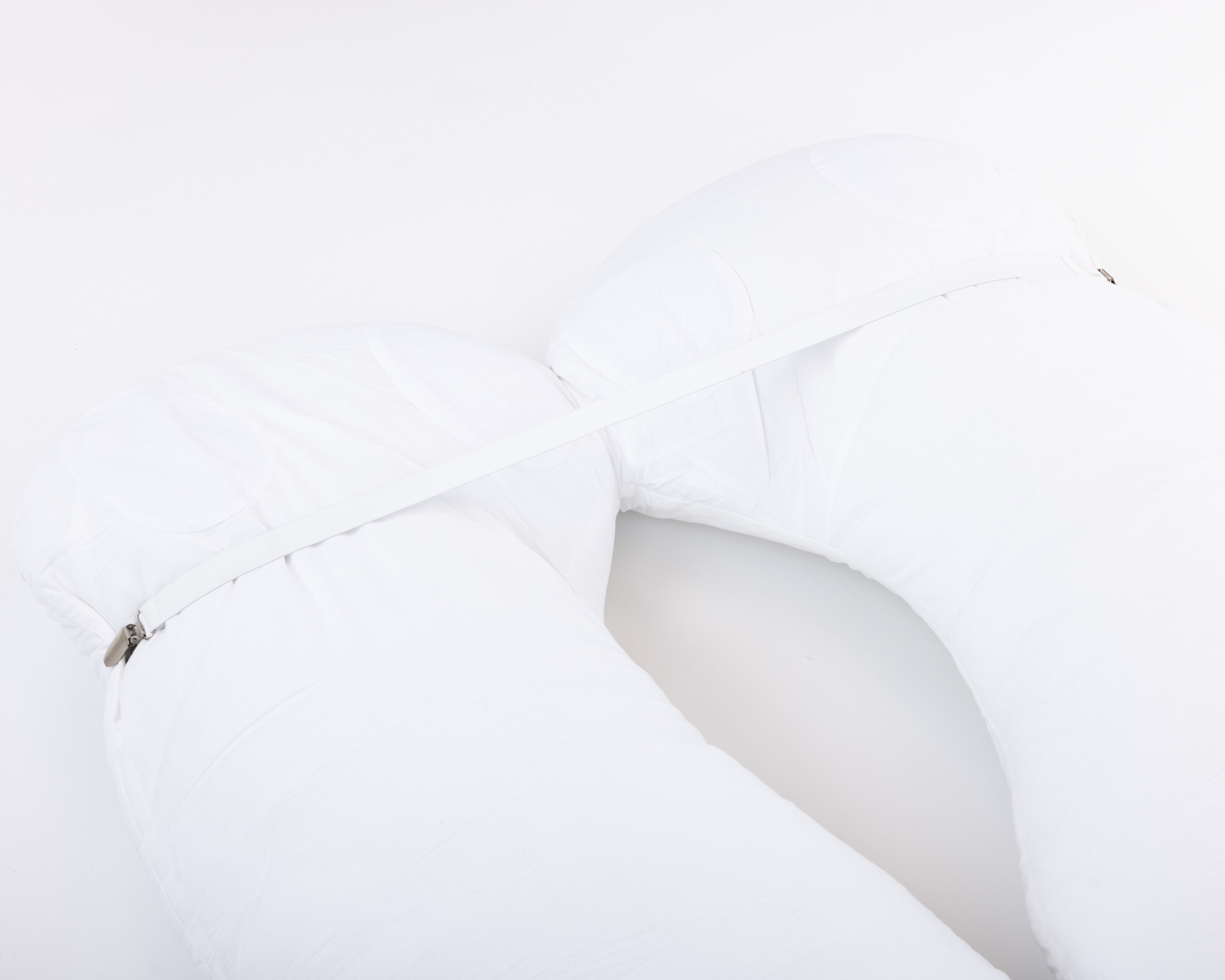
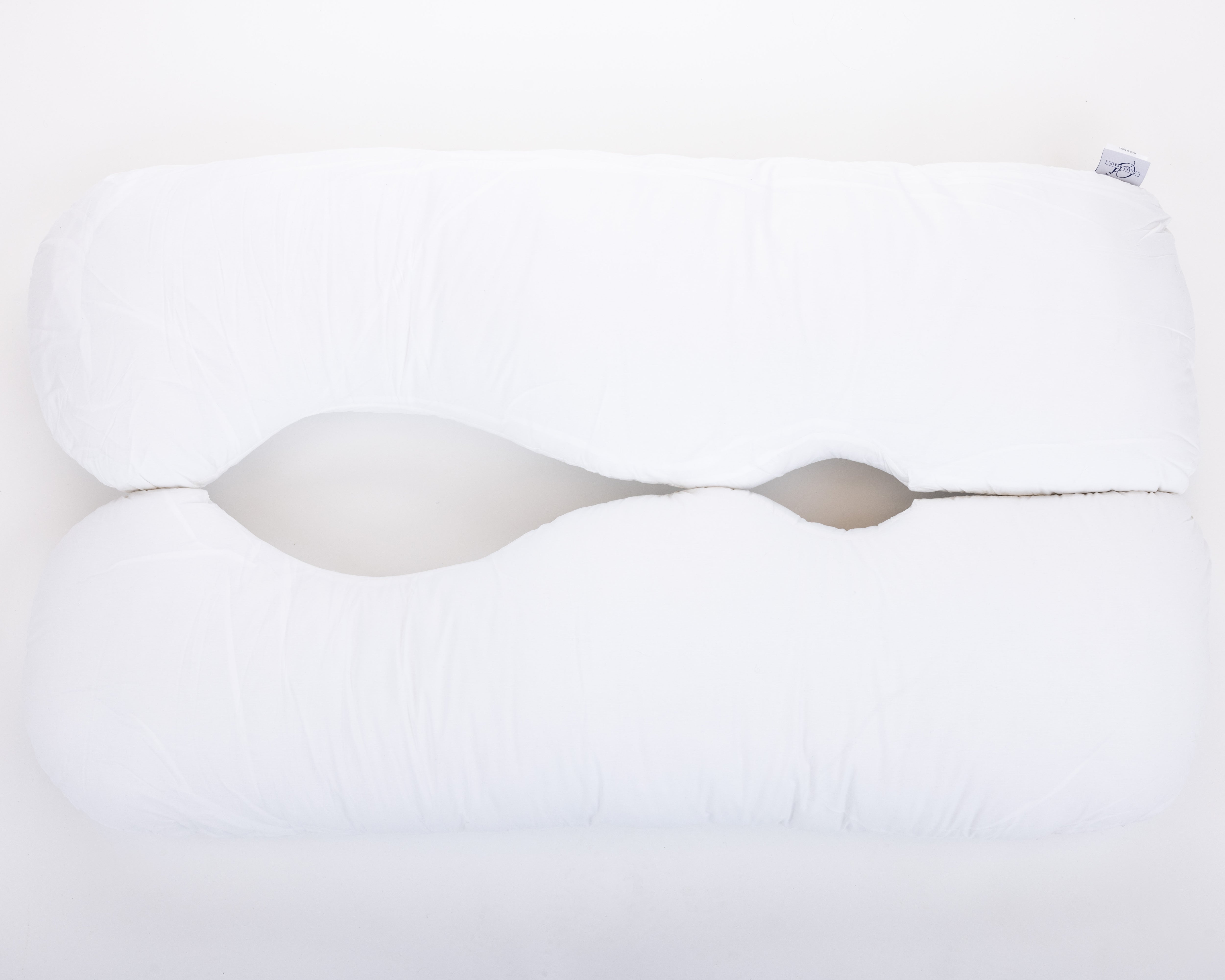
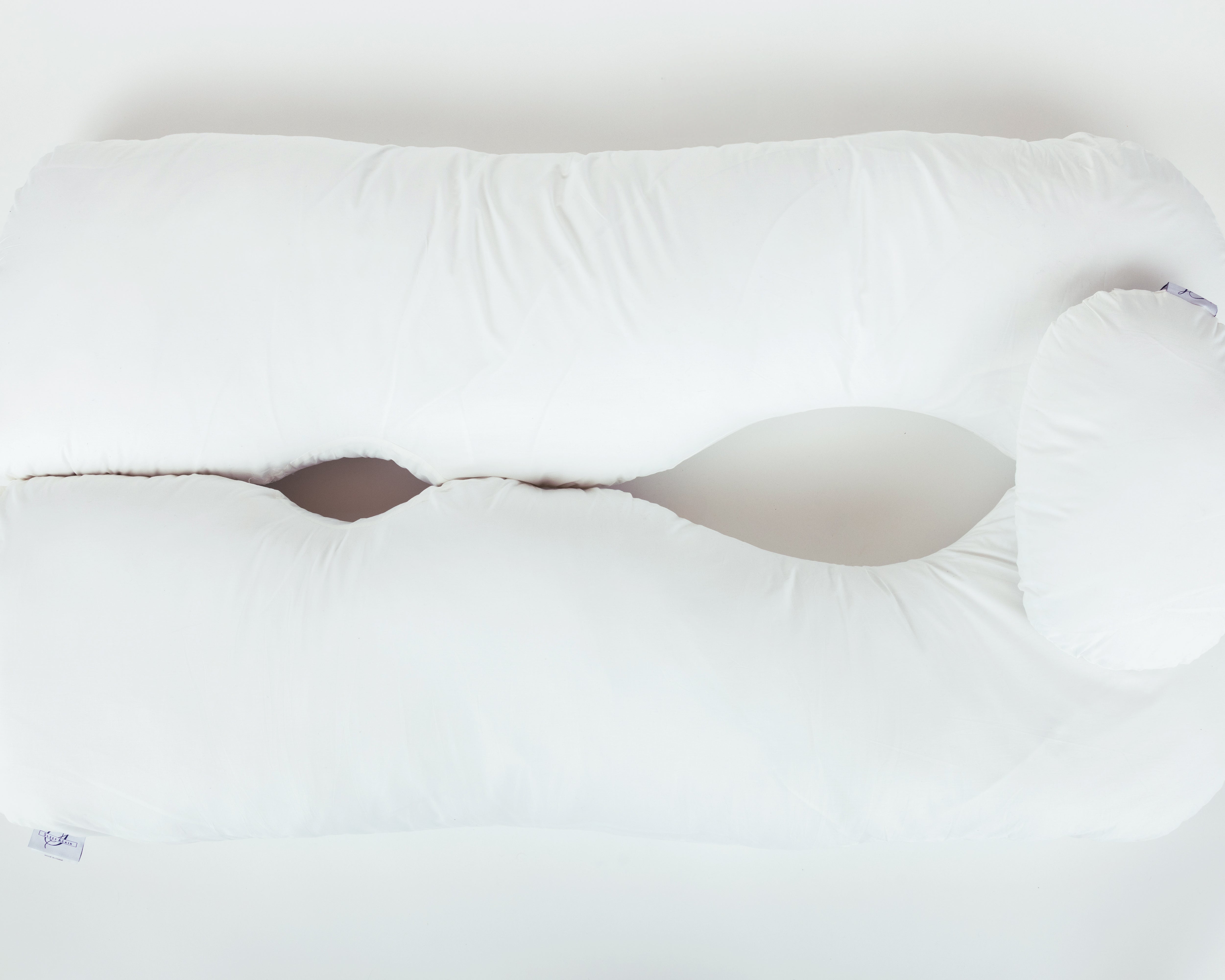
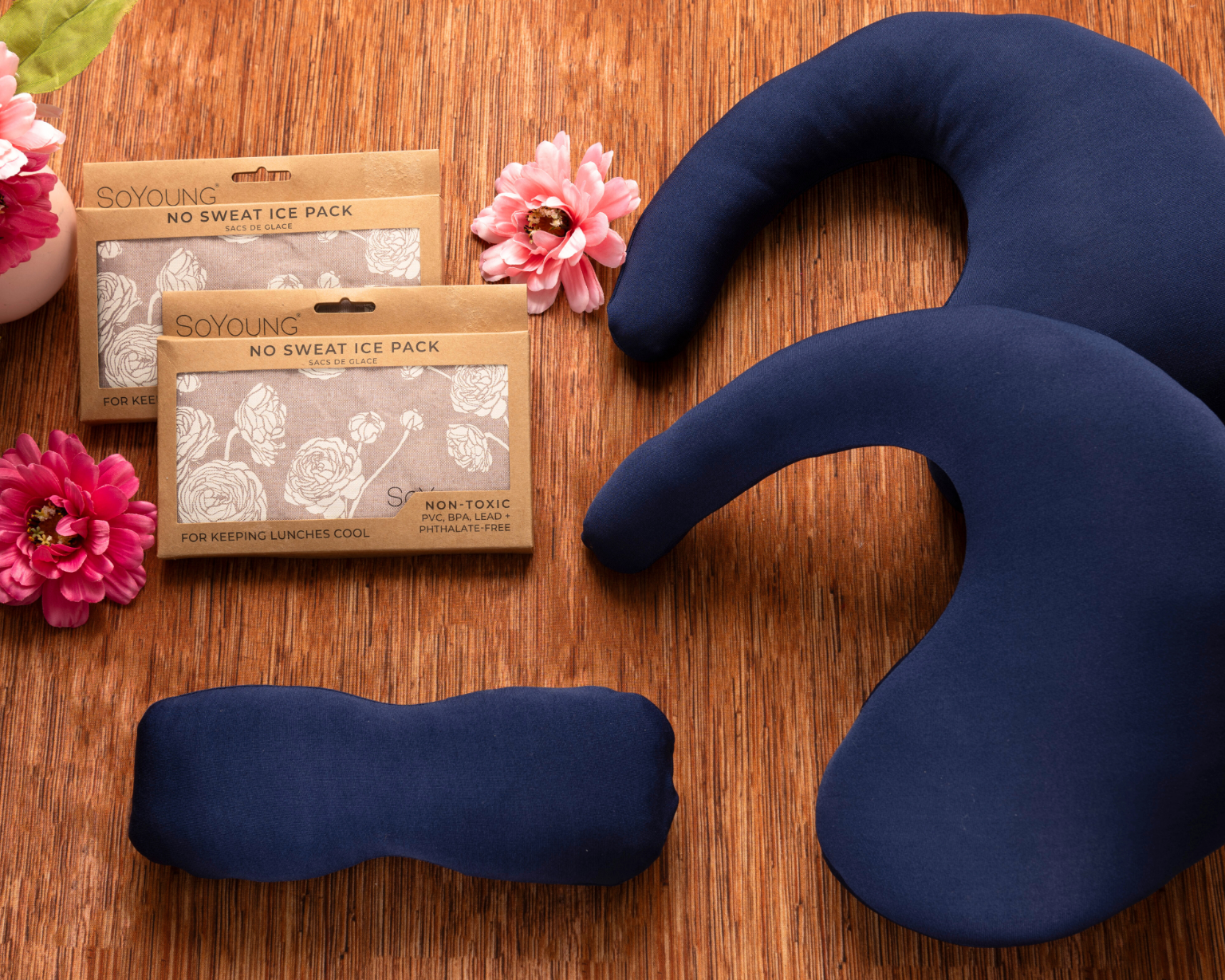
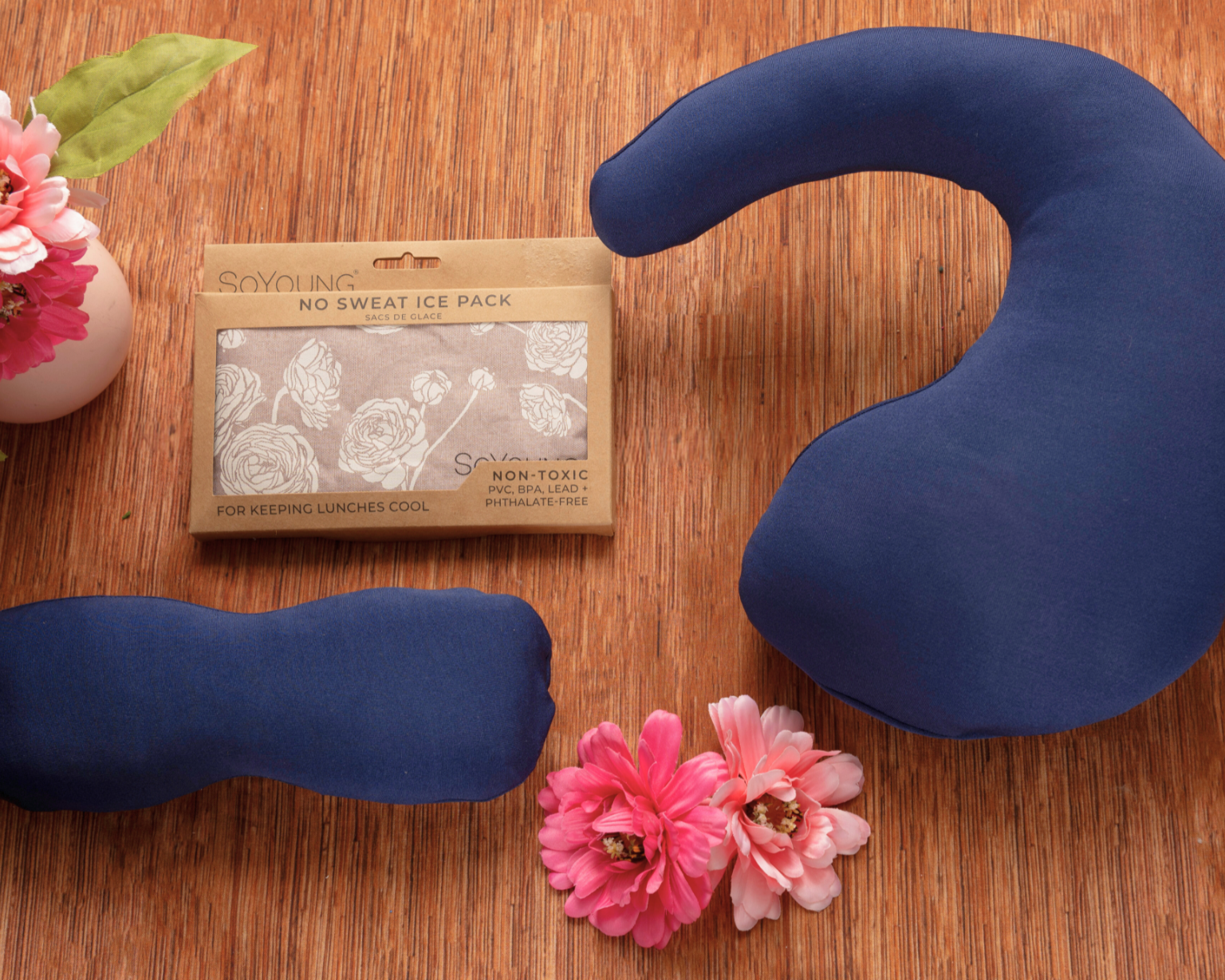
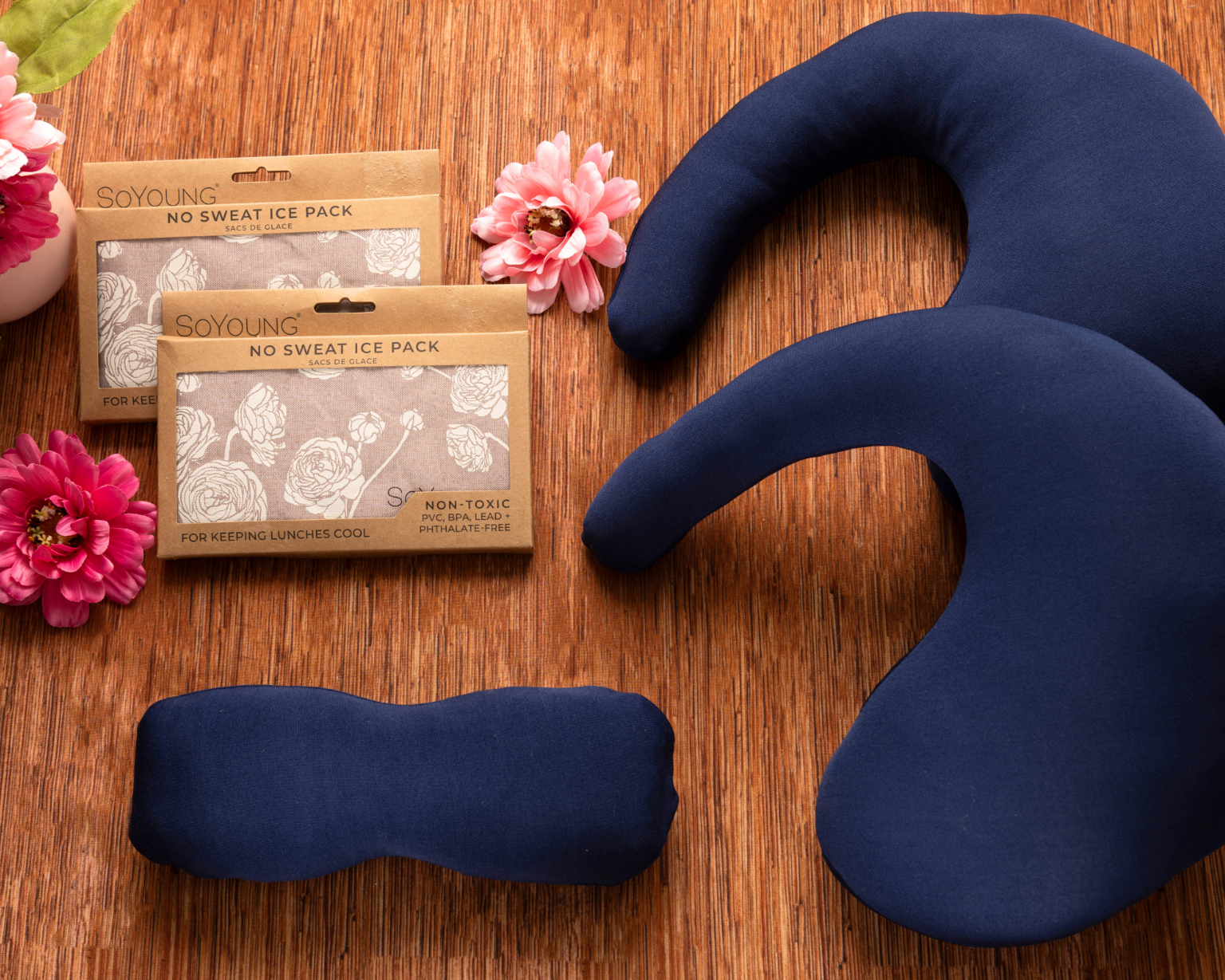
Two Contoured Side Pillows to cradle the back and hips, preventing rotation and maintaining positioning throughout the night
-
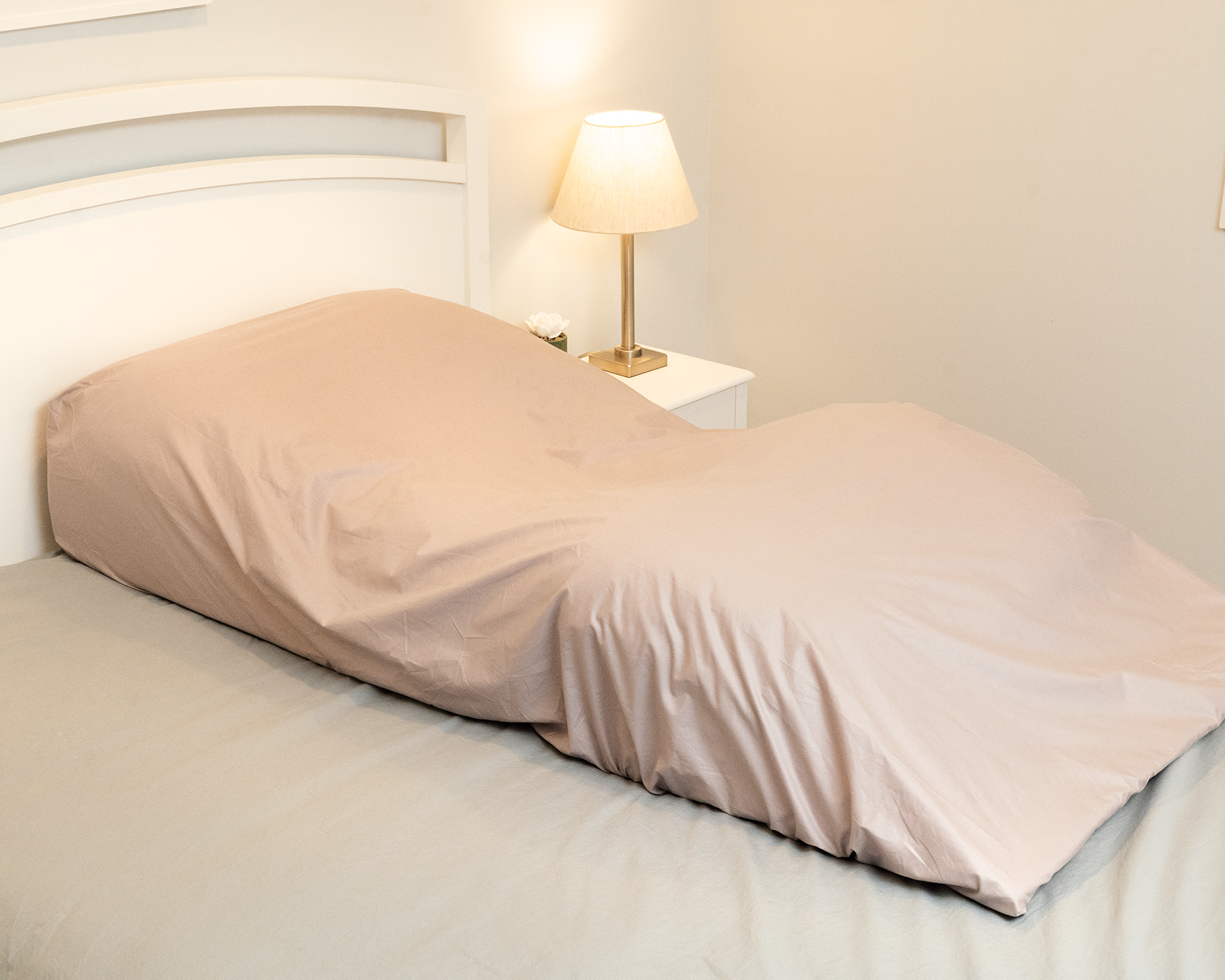
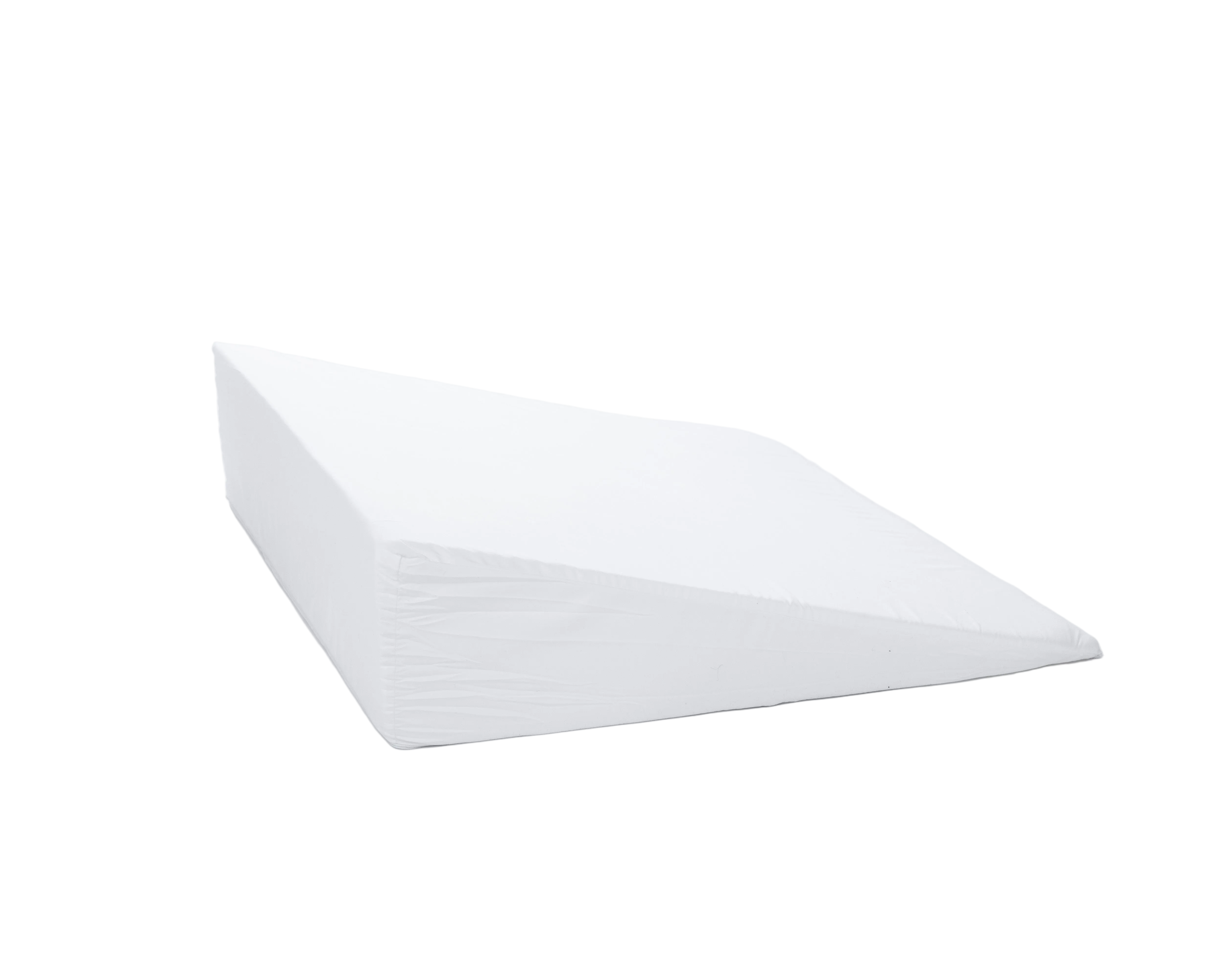
Upper Body Wedge to create an optimal upper body incline at the 30–45 degree range recommended for post-surgical elevation
-
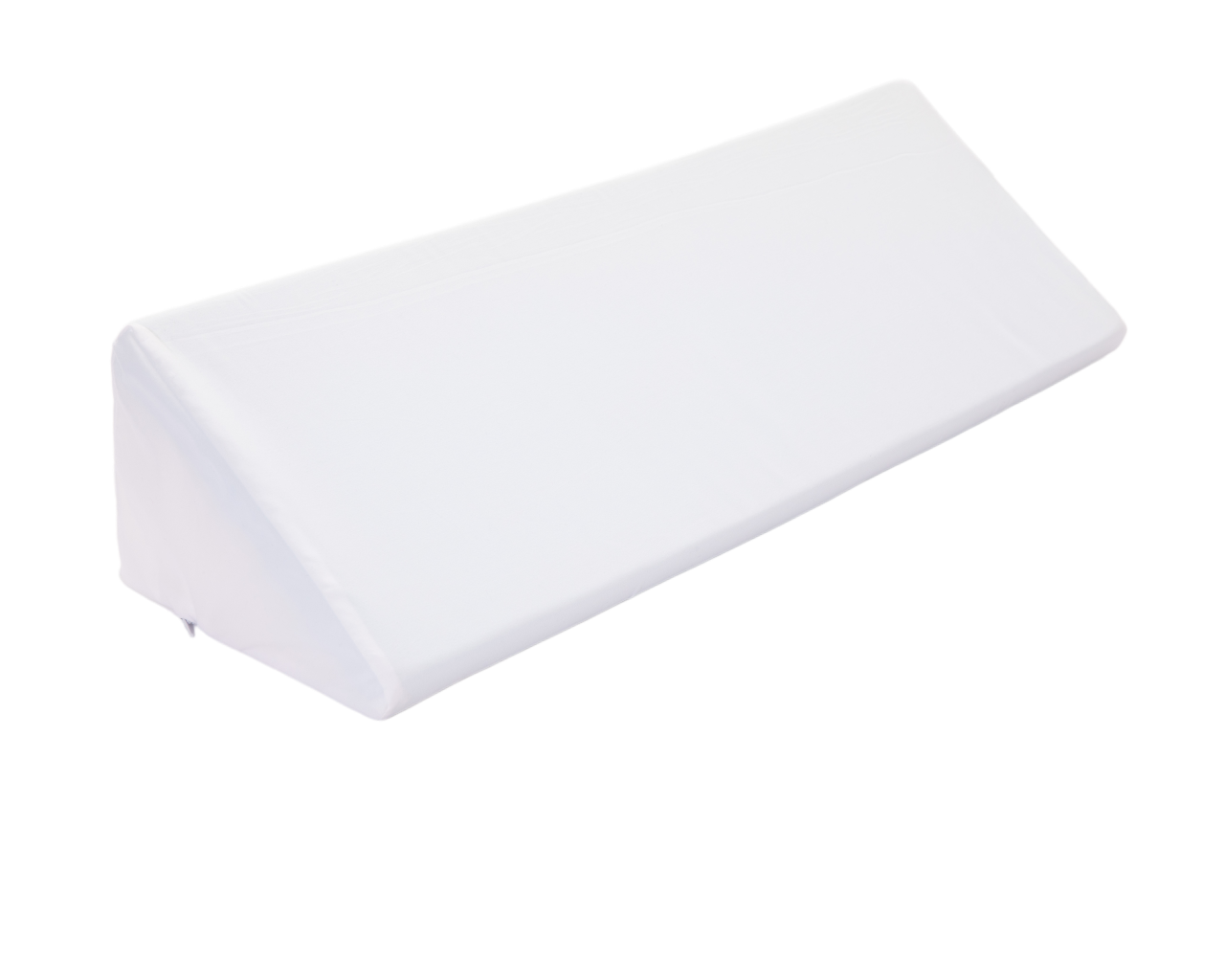
Leg Support Wedge to gently elevate the legs and shift body weight to the thighs—the key mechanism for protecting BBL fat grafts during reclined sleeping
-
Head Pillow to provide proper head support and neck mobility at an elevated angle
-
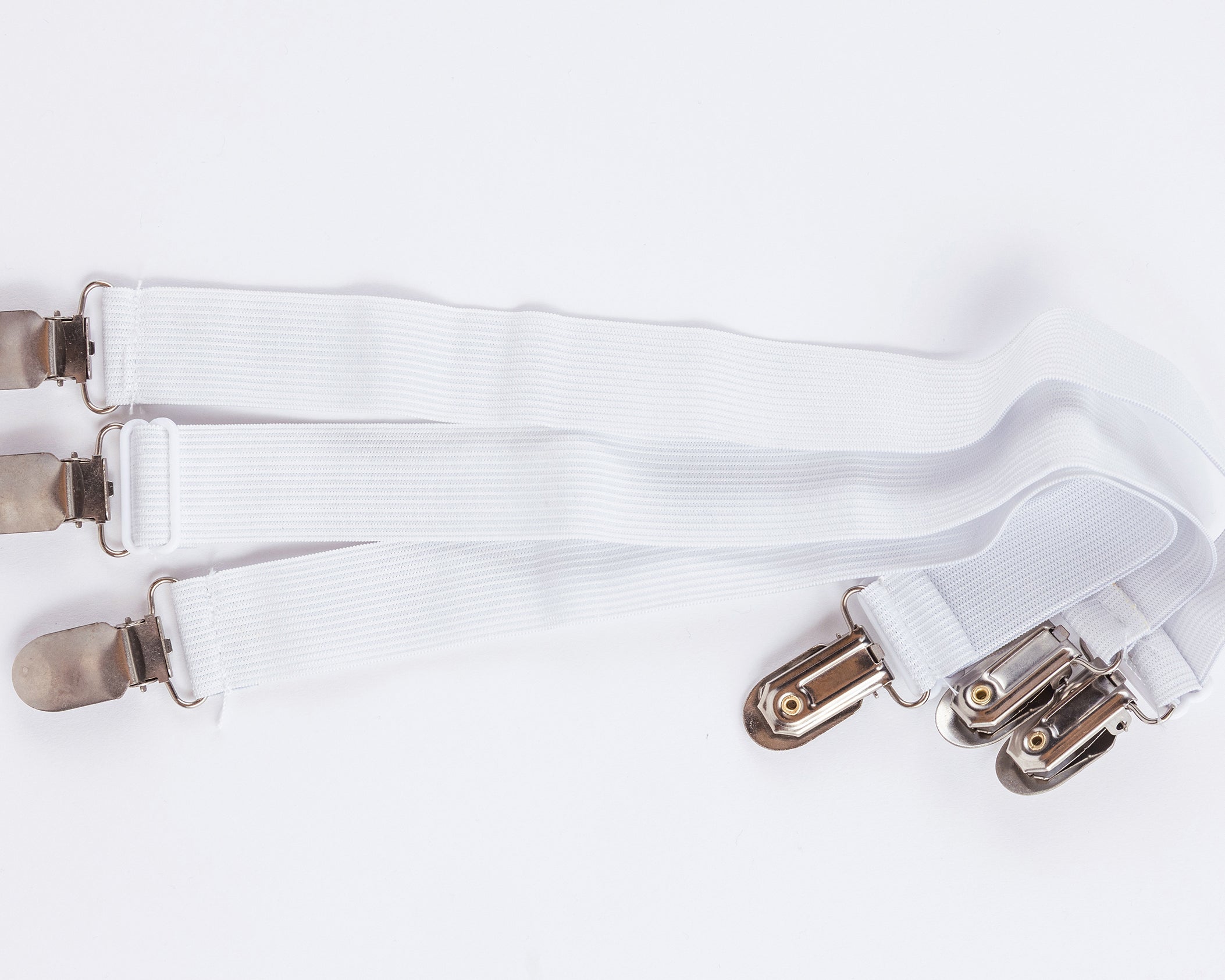
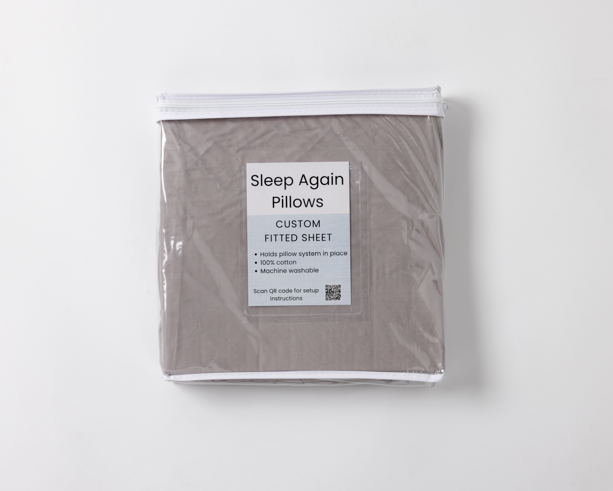
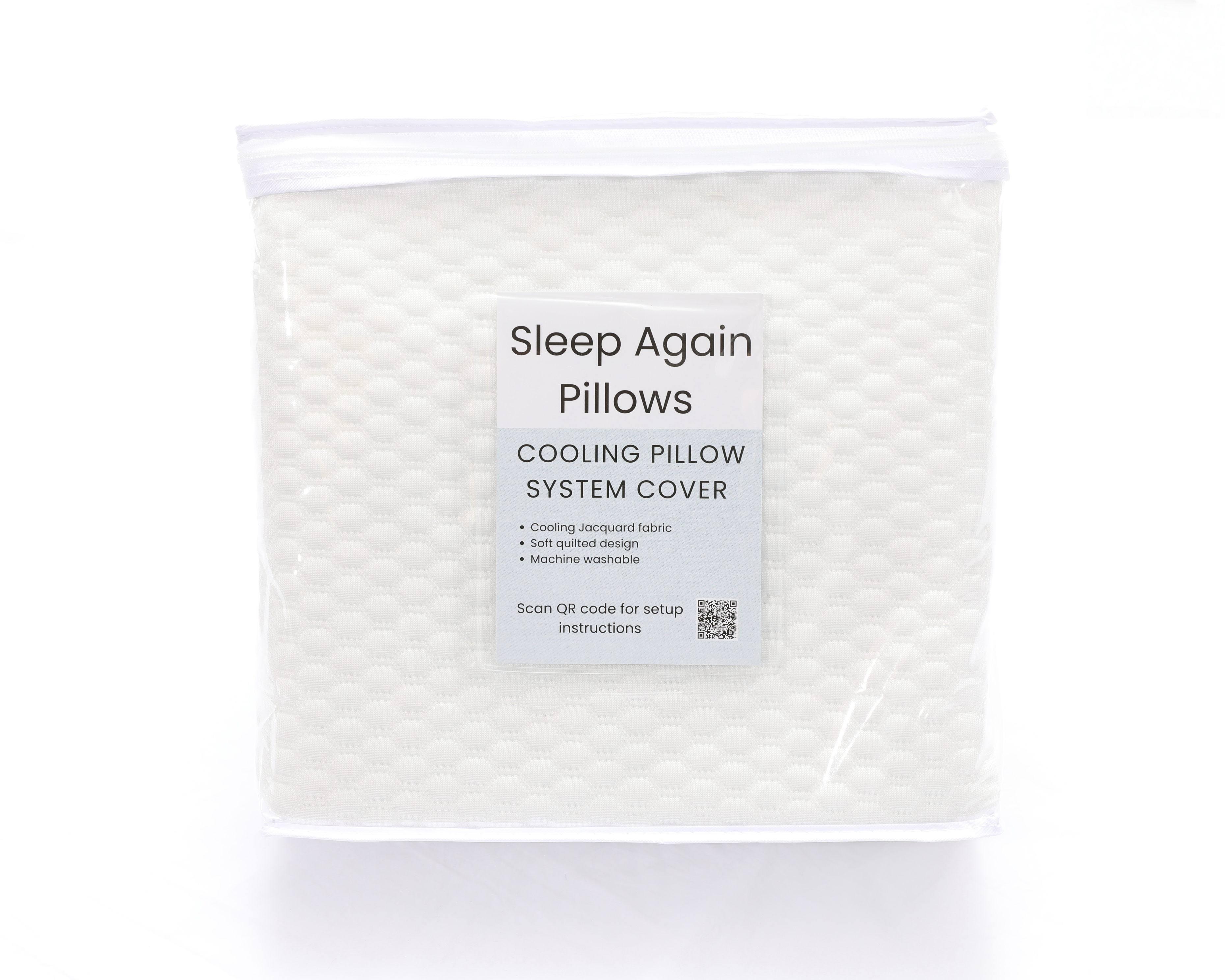
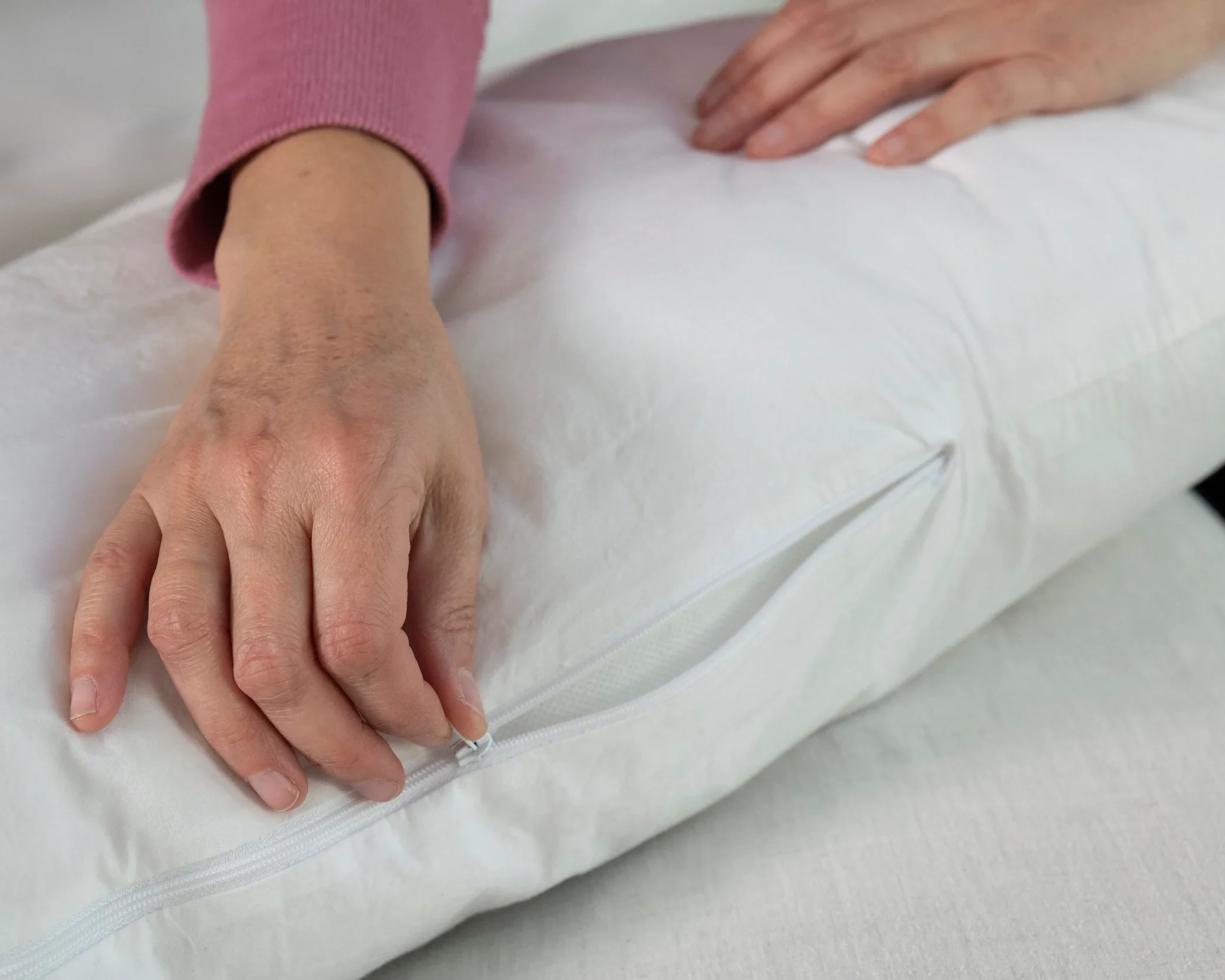
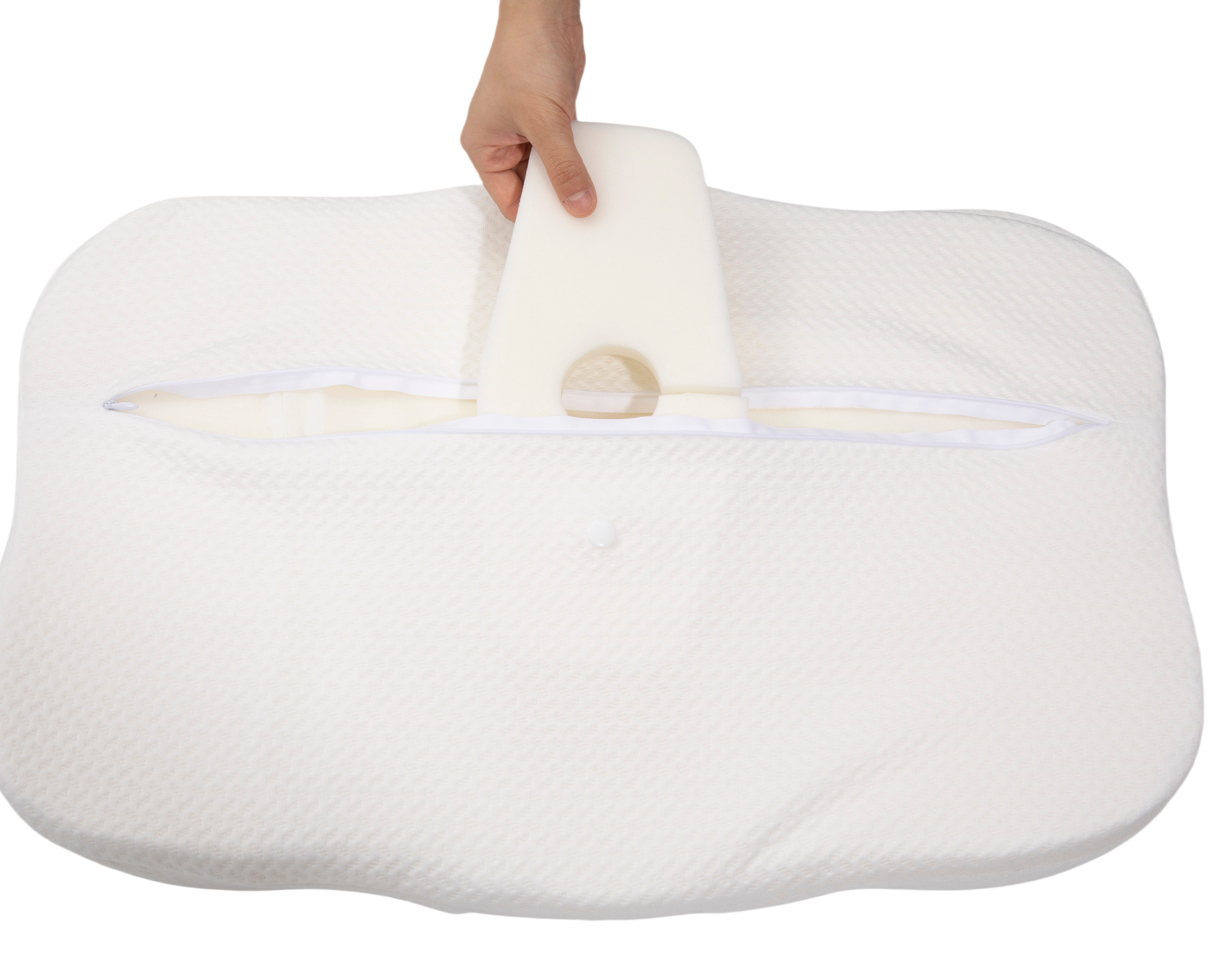
Removable, washable slipcovers for every component, which is particularly important during post-surgical recovery when hygiene standards are heightened
What distinguishes this system from a collection of standard pillows is that every component is engineered to maintain its therapeutic position overnight. The upper body wedge holds its incline under body weight. The leg support wedge provides consistent thigh elevation rather than compressing and shifting. The contoured side pillows stay in place to prevent rolling without requiring readjustment.
For a combined BBL and tummy tuck recovery, the system creates the elevated, flexed, thigh-supported position that addresses both surgical sites simultaneously—and it maintains that position from the time you lie down to the time you wake up.
NEW PRODUCT ALERT: A BBL add-on set specifically designed for BBL surgery recovery is coming in early summer! Want to get on the list for updates when it's available? Send us a quick email at info@sleepagainpillows.com.
LEARN MORE ABOUT HOW OUR BBL PILLOW CAN HELP

Pre-Surgery Preparation: What to Do Before Your Procedure
The patients who navigate combined BBL and tummy tuck recovery most effectively are those who treat sleep as a preparation priority—not an afterthought.
Set up your recovery space before surgery. Arranging a bed with a positioning system after surgery, while in pain and limited mobility, is significantly harder than setting it up the week before. Test the configuration, confirm the elevation angle is comfortable, and make adjustments while you still have full range of motion.
Practice sleeping on your back in a reclined position. If you are typically a side or stomach sleeper, spending a few nights at an elevated angle before surgery gives your body the opportunity to adjust to a position that will feel unfamiliar in the early days of recovery.
Consult with your surgeon about positioning specifics. Every patient's procedure is different. The exact positioning your surgeon recommends may vary based on the specifics of your tummy tuck incision, the amount and location of fat transferred during your BBL, and your individual anatomy. Get specific guidance before surgery and incorporate it into your recovery plan.
Identify your recovery support team. Getting in and out of bed in the early days of recovery requires assistance. Identify who will be with you during at least the first week, brief them on the correct techniques for helping you rise and lie down, and ensure they understand not to pull on your arms or torso.
Stock your bedside area in advance. Water, medications, phone, a small light, and anything else you'll need during the night should be within reach before you need them. Reaching, twisting, and getting up for forgotten items during the night is uncomfortable and potentially disruptive to positioning.
LEARN MORE ABOUT HOW OUR BBL PILLOW CAN HELP
Your Week-by-Week Positioning Framework
Recovery from a combined BBL and tummy tuck typically progresses in distinct phases. Your positioning strategy should evolve accordingly—though your surgeon's instructions always take precedence over any general guidance.
Weeks 1–2: The most restricted period. Most surgeons recommend an elevation of 30-45 degrees during this phase. The tummy tuck incision is at its most vulnerable, and BBL fat cells are actively establishing vascularization. Side sleeping is also common during this phase for patients who cannot comfortably maintain full elevation. Mobility is limited; getting in and out of bed should involve rolling to one side and pushing up with the arms rather than using abdominal muscles.
Weeks 3–4: Elevation can be maintained or reduced as acute swelling subsides and incision tension decreases. Side sleeping often becomes more comfortable as tissue settles. Many patients can begin transitioning between side sleeping and elevated reclined sleeping during this phase, depending on comfort.
Weeks 5–6: Most patients are progressing toward more flexible positioning, though sitting directly on the buttocks without support often remains restricted through six weeks for BBL recovery. Continue using thigh support during any back-facing reclined position until your surgeon clears direct sitting.
After Week 6: With surgeon clearance, most patients can return to preferred sleep positions. Many choose to maintain elevation for ongoing comfort even after medical necessity decreases.
HSA/FSA Eligibility
The Sleep Again Pillow System qualifies as a medical expense eligible for reimbursement through Health Savings Accounts (HSA) and Flexible Spending Accounts (FSA). Regular household pillows don't.
Save more today by purchasing your post-surgery positioning system with pre-tax funds. Verify eligibility with your plan administrator and retain your purchase receipt and any documentation from your surgeon recommending positioning support.
SHOP THE SYSTEM AND SAVE WITH YOUR HSA/FSA
FAQs: How to Sleep After a BBL and Tummy Tuck
Can I sleep on my back after a combined BBL and tummy tuck?
Flat back sleeping is not recommended for either procedure in isolation, and that holds for combined recovery as well. However, an elevated reclined position—30–45 degrees—combined with leg support that shifts body weight onto the thighs rather than the buttocks can replicate many of the benefits of back sleeping without compromising BBL fat graft survival. Speak with your surgeon before adopting any specific positioning configuration.
How long do I need to avoid sleeping flat on my back after a BBL?
The restriction on direct buttock pressure typically extends for four to six weeks after a Brazilian Butt Lift. During this period, fat cells are actively establishing vascularization and are vulnerable to compression-related reabsorption. After six weeks, most surgeons allow patients to return to preferred sleeping positions as fat integration is largely complete—though again, follow your surgeon's specific timeline.
What is the best sleeping position for tummy tuck recovery specifically?
For tummy tuck recovery in isolation, elevated back sleeping at 30–45 degrees is the most widely recommended position. It maintains the abdominal incision in a relaxed, slightly flexed orientation, reduces swelling, improves circulation, and makes rising from bed significantly easier than getting up from a flat position. When combined with BBL recovery, this position must also incorporate thigh support to protect fat grafts.
How do I get out of bed safely after abdominal surgery?
The correct technique is to roll carefully to one side first, using your arms—not your abdominal muscles—to push yourself up to a sitting position at the edge of the bed. Avoid any movement that requires direct core engagement, including sitting straight up from a lying position. Starting from an elevated angle makes this process considerably easier because you have less distance to travel and less abdominal engagement required to reach sitting. This is one of the practical reasons elevation is strongly recommended in the early recovery period.
Will sleeping incorrectly affect my BBL results?
It can. Sustained pressure on the buttocks during the first four to six weeks after a BBL compresses newly transferred fat cells before they have established vascular integration. This can lead to increased fat reabsorption and reduced final volume in the treated areas. Proper sleep positioning is not a secondary concern—it is a material factor in the quality and permanence of BBL results.
Can a wedge pillow replace a full positioning system for BBL and tummy tuck recovery?
A wedge pillow can provide upper body elevation, which addresses part of the tummy tuck recovery requirement. However, it does not provide the thigh support necessary for BBL fat graft protection, lateral support to prevent rolling, or integrated head support at the appropriate angle. A single wedge pillow is a starting point—a complete positioning system addresses all variables simultaneously and maintains positioning through the night without manual adjustment.
How soon before surgery should I set up my recovery sleep system?
As early as possible. Setting up your recovery space at least a week before your procedure date gives you time to confirm the configuration is comfortable, adjust angles if needed, and become accustomed to sleeping in an elevated position. Arriving home after surgery to a pre-arranged, tested recovery space is significantly less stressful than trying to configure it while managing post-surgical discomfort.
Important Medical Disclaimer
The information provided on this page is for educational purposes only and should not replace professional medical advice from your healthcare provider. Sleep Again Pillows are positioning support products designed to help maintain sleep positions recommended by medical professionals during recovery and for therapeutic use.
Always follow your surgeon's or physician's specific post-operative instructions and positioning requirements. Medical guidance from your healthcare team takes precedence over any general information provided here. Recovery timelines, positioning angles, and product suitability vary based on individual surgical procedures, medical conditions, and patient-specific factors.
Consult your healthcare provider before purchasing positioning equipment if you have specific medical concerns or questions about whether these products are appropriate for your recovery or medical condition(s). Your medical team can provide personalized recommendations based on your unique situation.
Sleep Again Pillows do not diagnose, treat, cure, or prevent any medical condition. These products provide positioning support to help maintain sleep angles and positions as directed by your healthcare provider.