
Colectomy is a surgery that is performed to treat colon cancer. It typically involves the removal of part or the entire colon. For cases where the cancer is found to have spread to the rectum, the rectum may be removed as well.
What happens after colectomy?
For many colorectal cancer patients, the removal of their colon would require them to undergo ostomy as well. When the colon is removed, the body is unable to remove waste normally. Hence, an ostomy is required to create a hole (known as a stoma) in the abdomen. This allows the body to continue removing waste from the body in the absence of a colon and rectum.
Patients can expect major lifestyle changes after undergoing a colectomy/ostomy. These include dietary changes as well as changes to their sex life and daily routines. Patients may also find adjusting to life with a stoma particularly challenging. Nonetheless, with the right preparation and guidance, you can better manage the stress of recovery while adjusting to a new normal.

Setting up your home for colectomy recovery
For most patients, the majority of your recovery period will be spent at home. Hence, having a suitable environment at home can significantly ease your recovery. Ensuring that you have a comfortable home optimized to help you recover is crucial for a smooth and fast recovery.
Creating a comfortable recovery space
Choosing a location within your home that is optimized for your recovery is the first step. The place should be near important facilities such as the bathroom and kitchen. It should also be easily accessible to allow your caregivers or family members to tend to your needs when required.
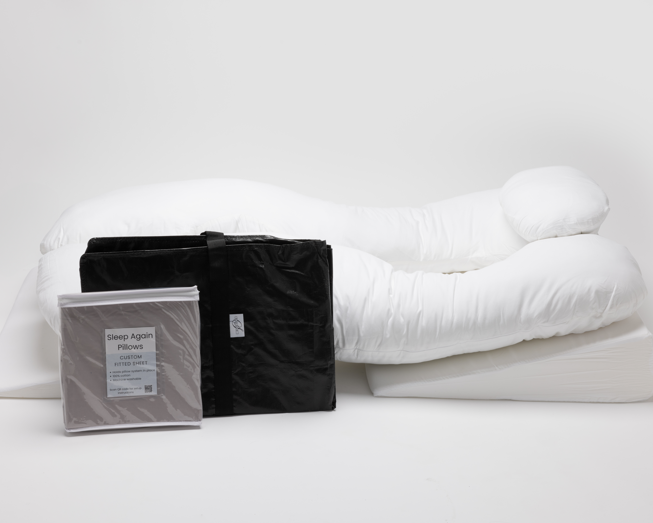
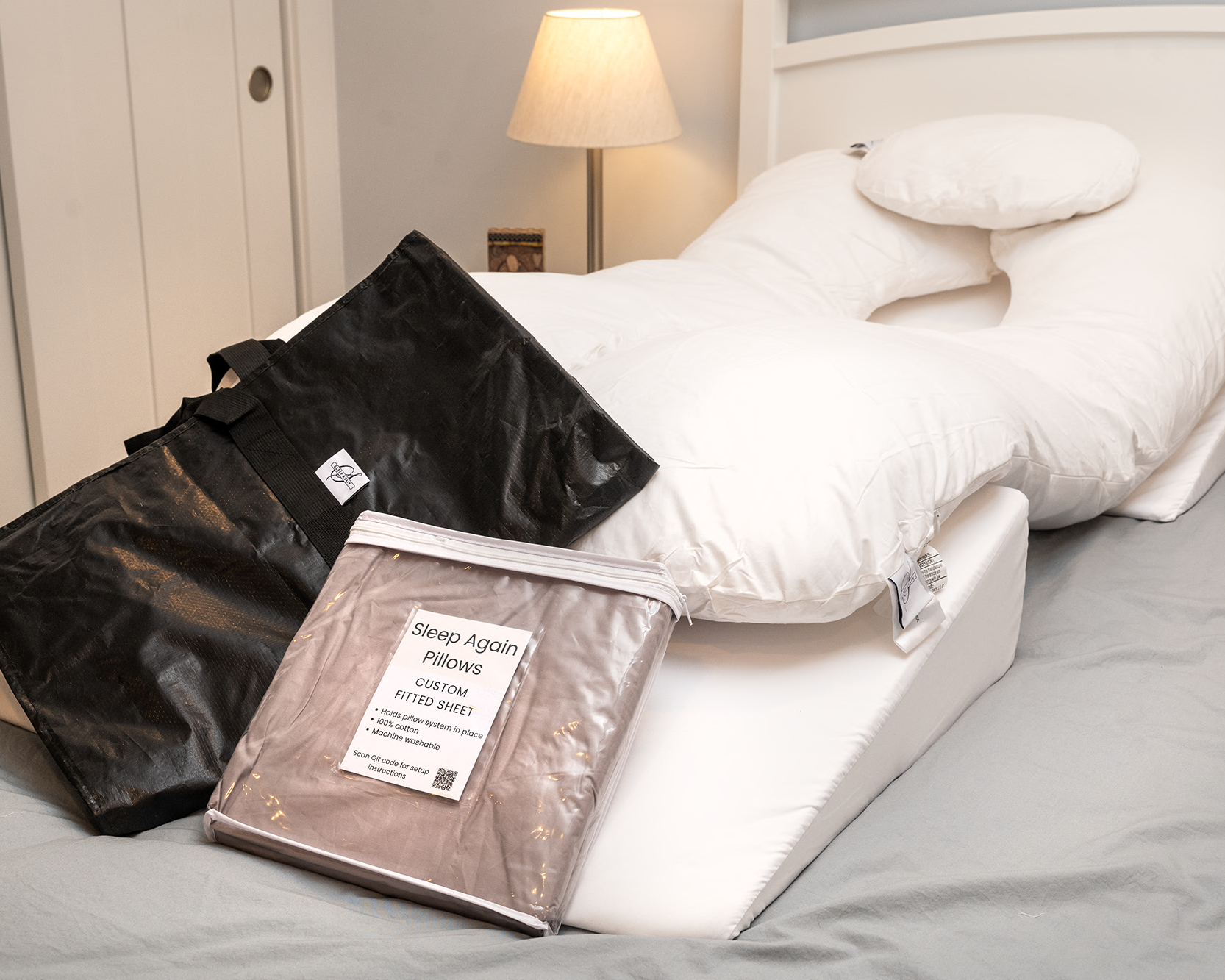
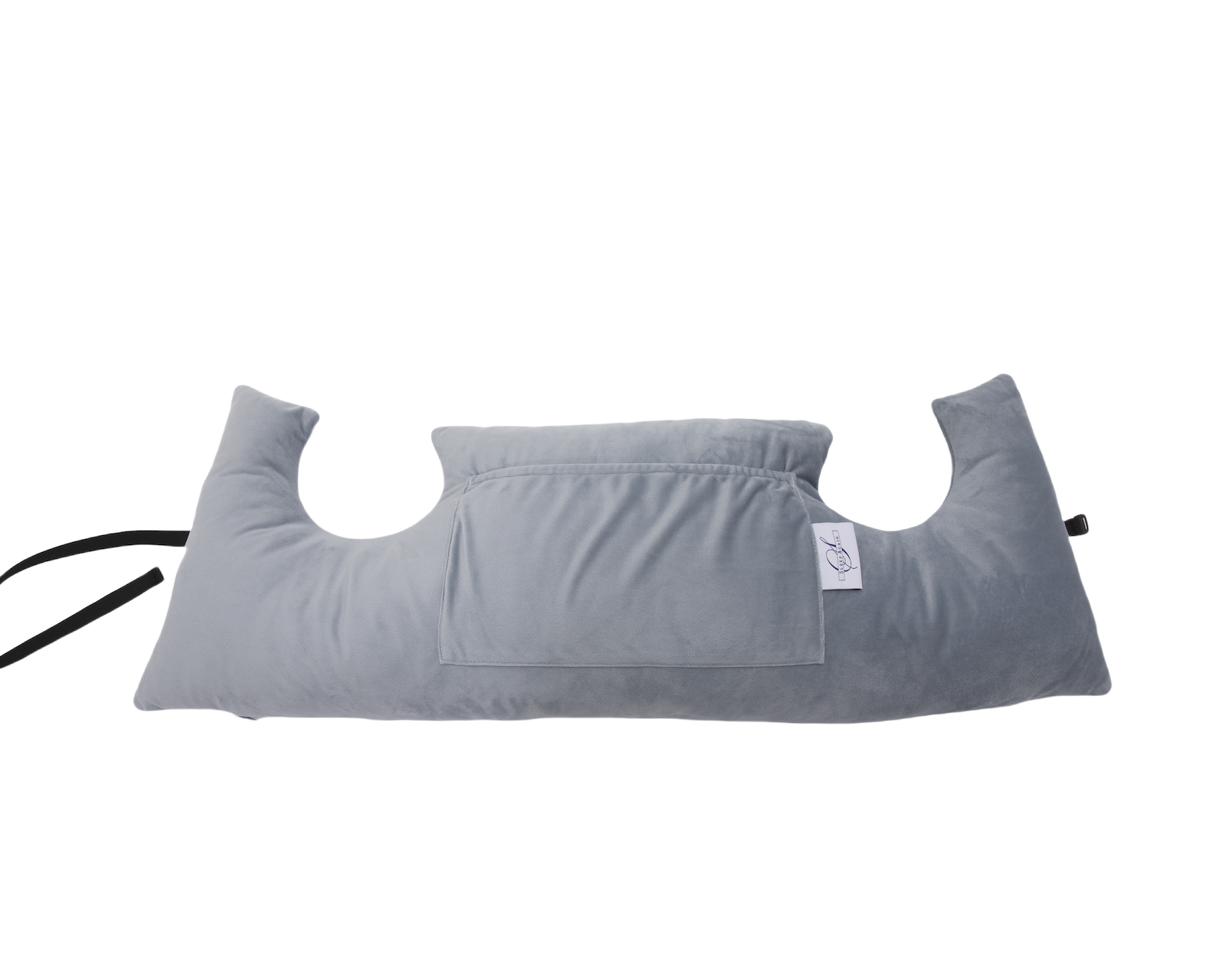
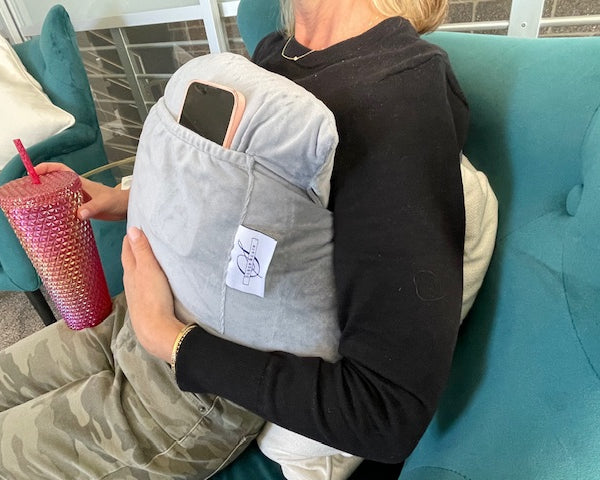
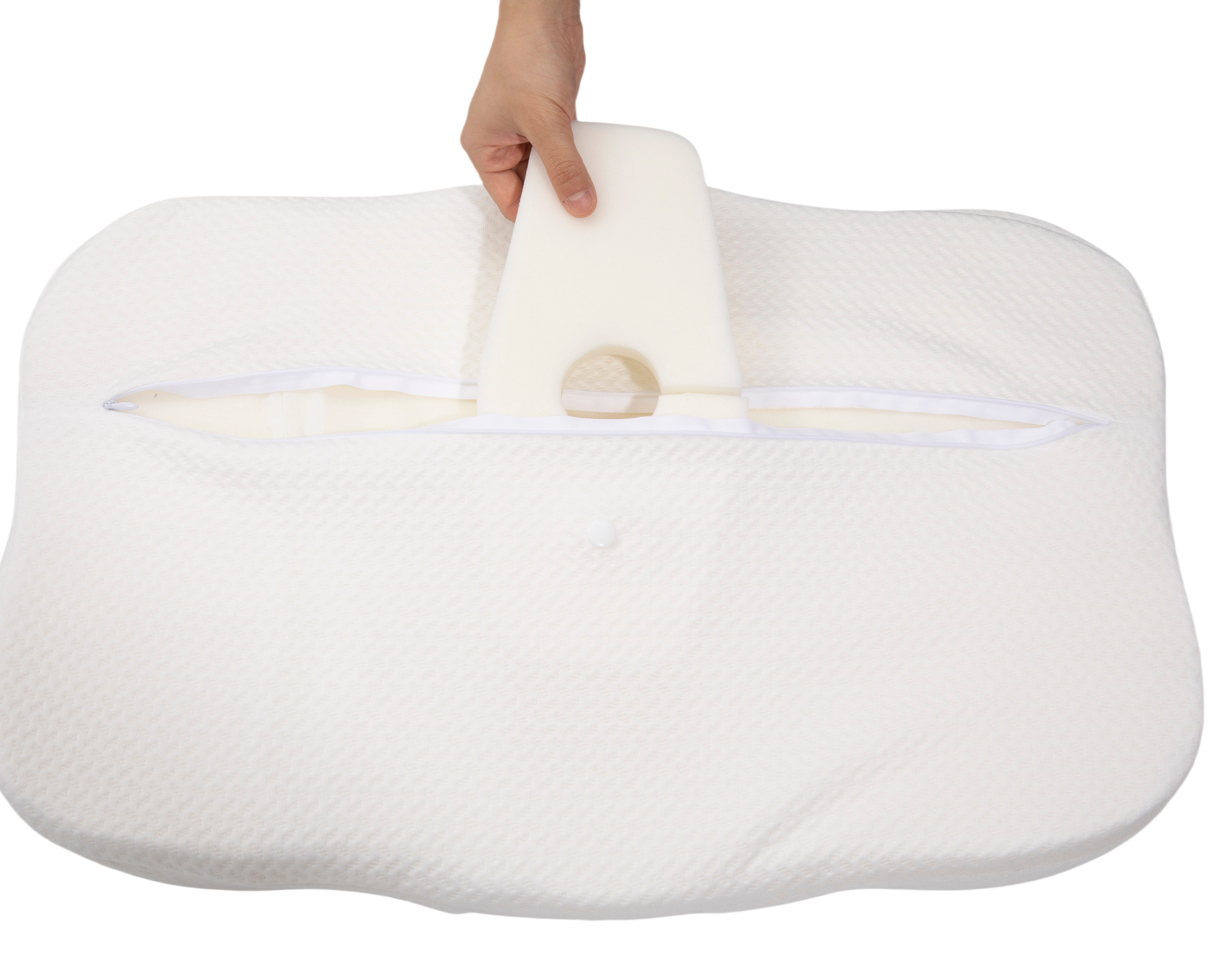
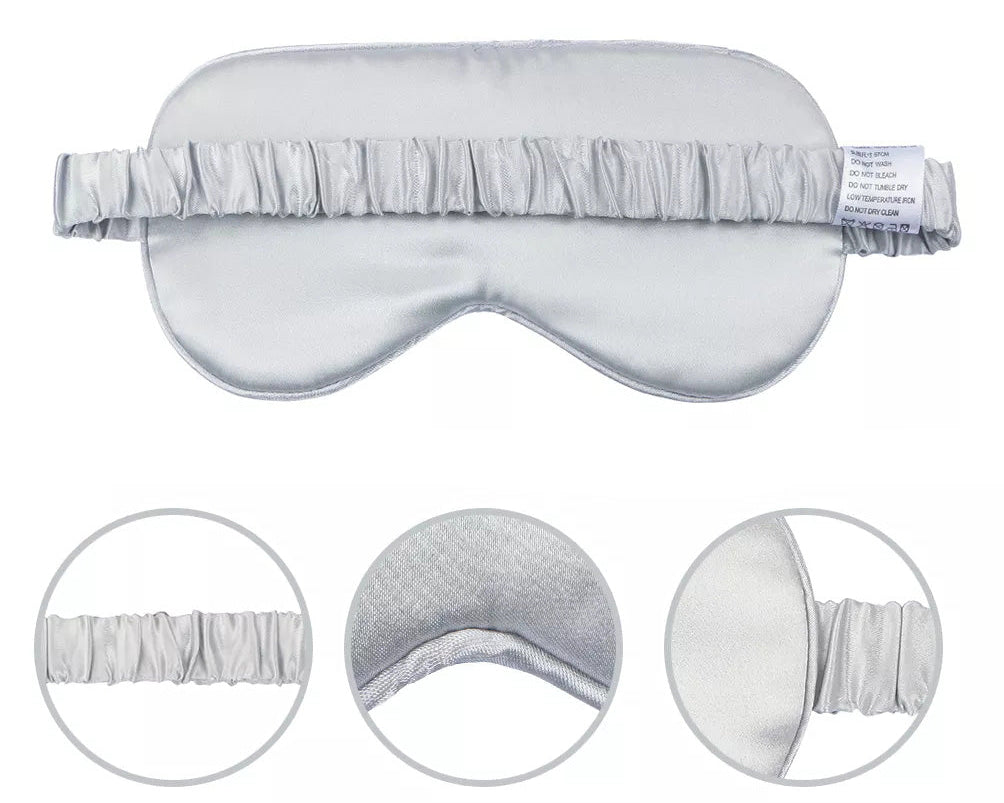
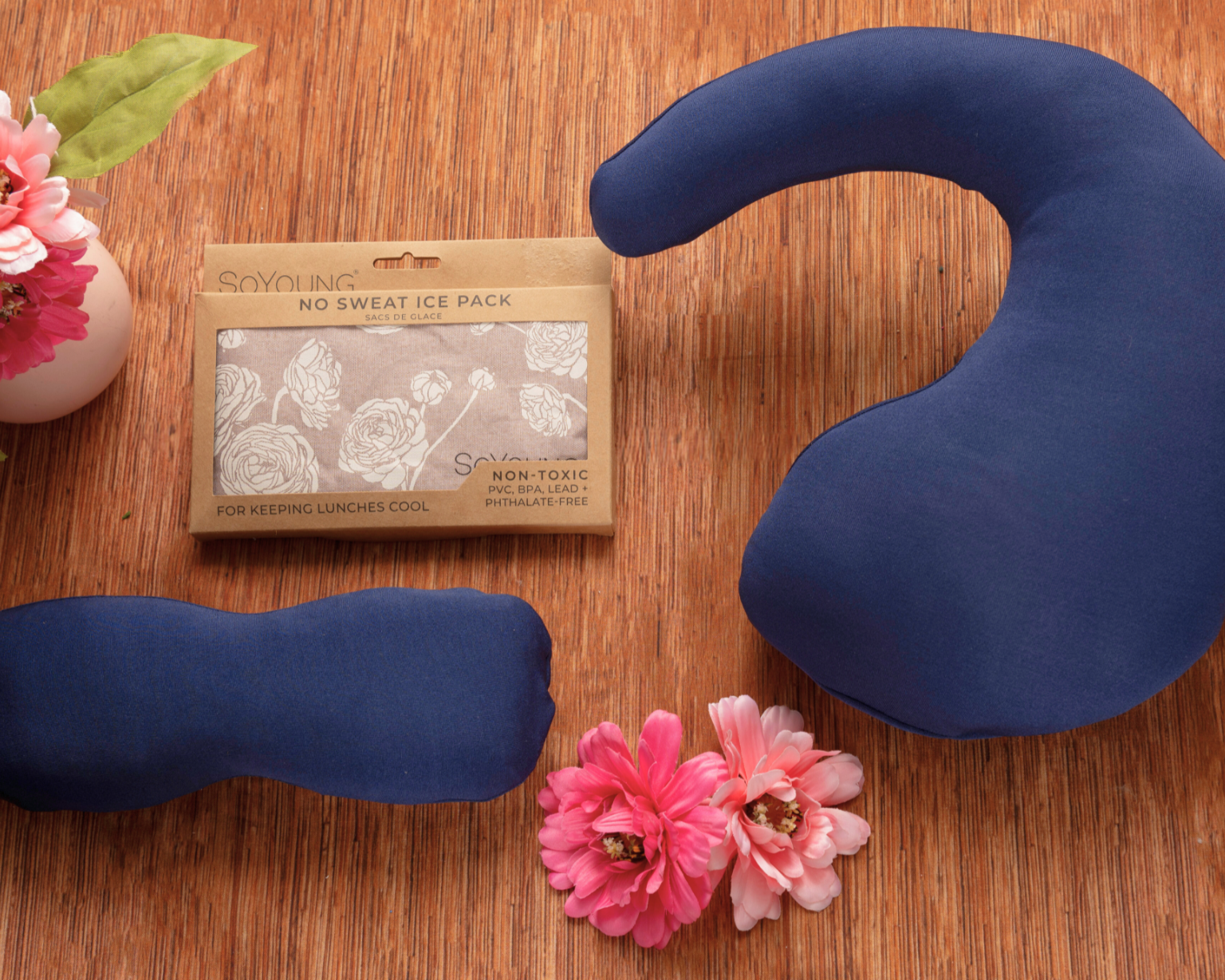
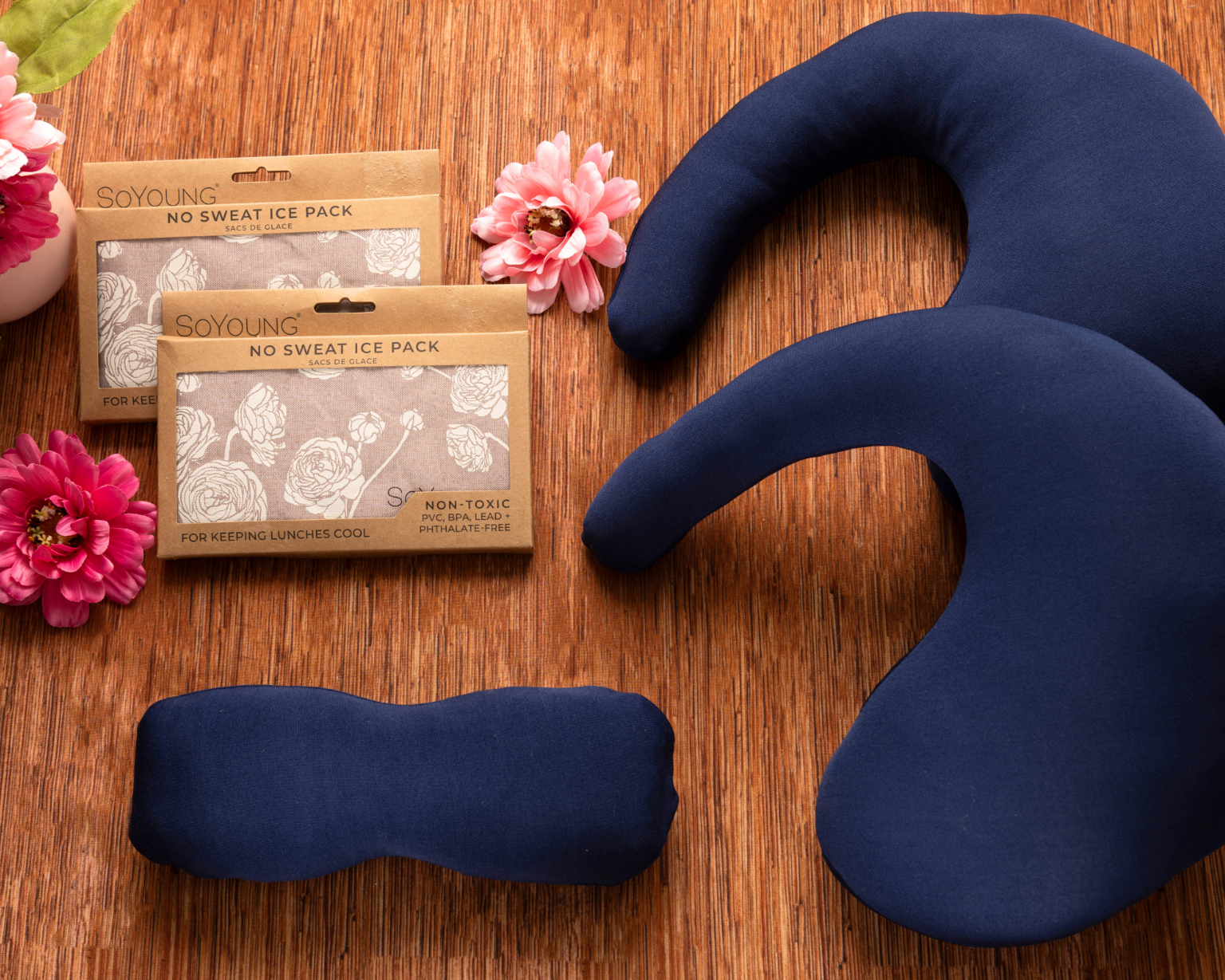
Supportive furniture such as an adjustable bed and supportive pillows can also help you feel more comfortable while you are resting. Additionally, having calming music playing in the background or aromatherapy may be effective in helping to relieve some of the anxiety associated with recovery. Wearing comfortable clothing can also help to relieve some of the pain or pressure that you may feel.
Keeping essentials within reach
Essential items such as water and medication should be kept within reach. It may also be helpful to organize your medicine such as through the use of a pill organizer. Other essential items such as your phone should also be kept near you to prevent unnecessary stretching or lifting during the early phases of your recovery. It may be useful to have a side table where you can place these items and keep them within reach.
Setting up the bathroom
It is important to ensure that the bathroom is set up for safety and accessibility. Some suggested modifications include:
-
Non-slip mats or shower grips and grab bars can help to make movement in the bathroom easier while preventing falls
-
Keep toiletries and personal care essentials within reach
-
Use of a shower chair or bench to prevent standing for long durations when in the shower
Recovery beyond the home
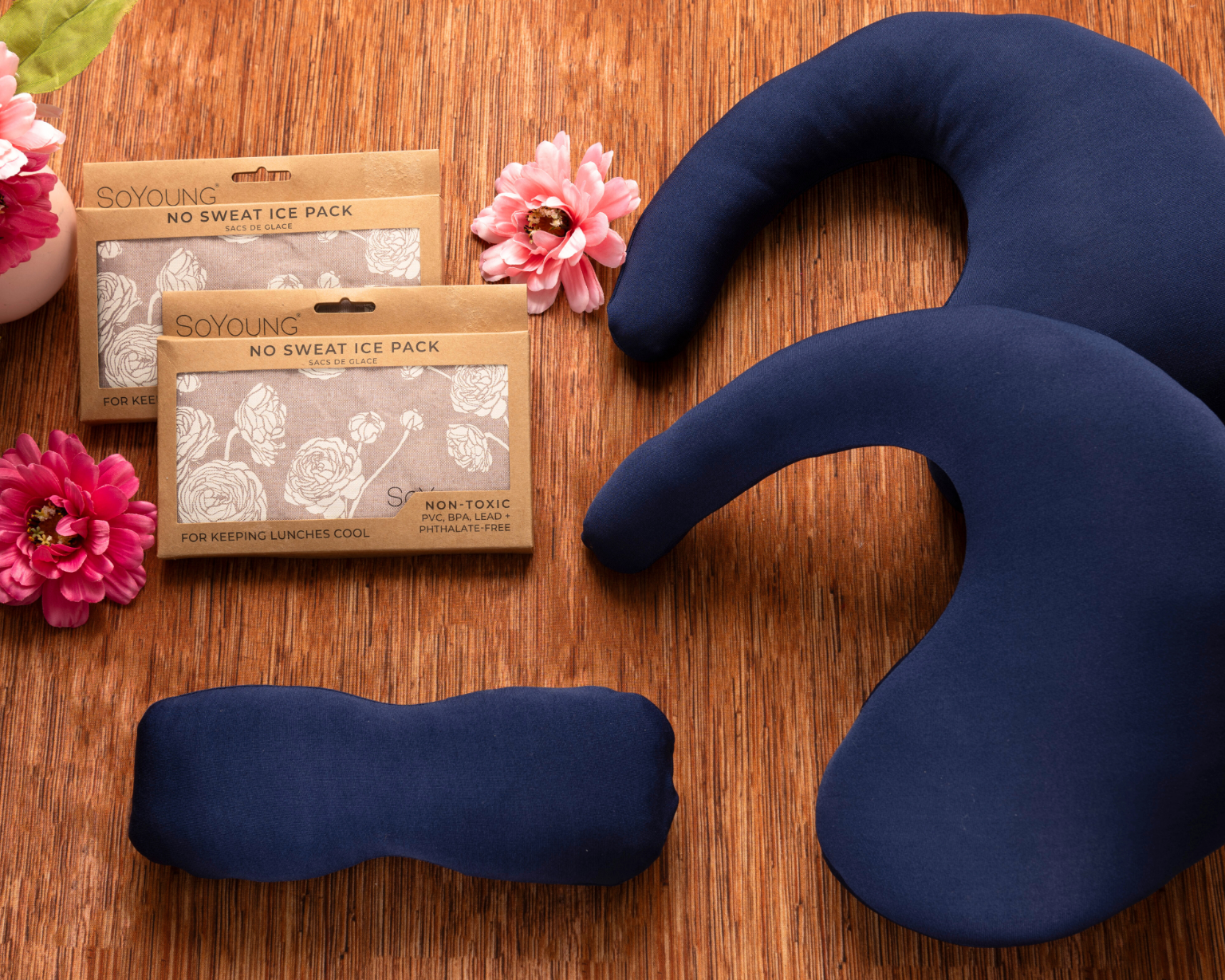
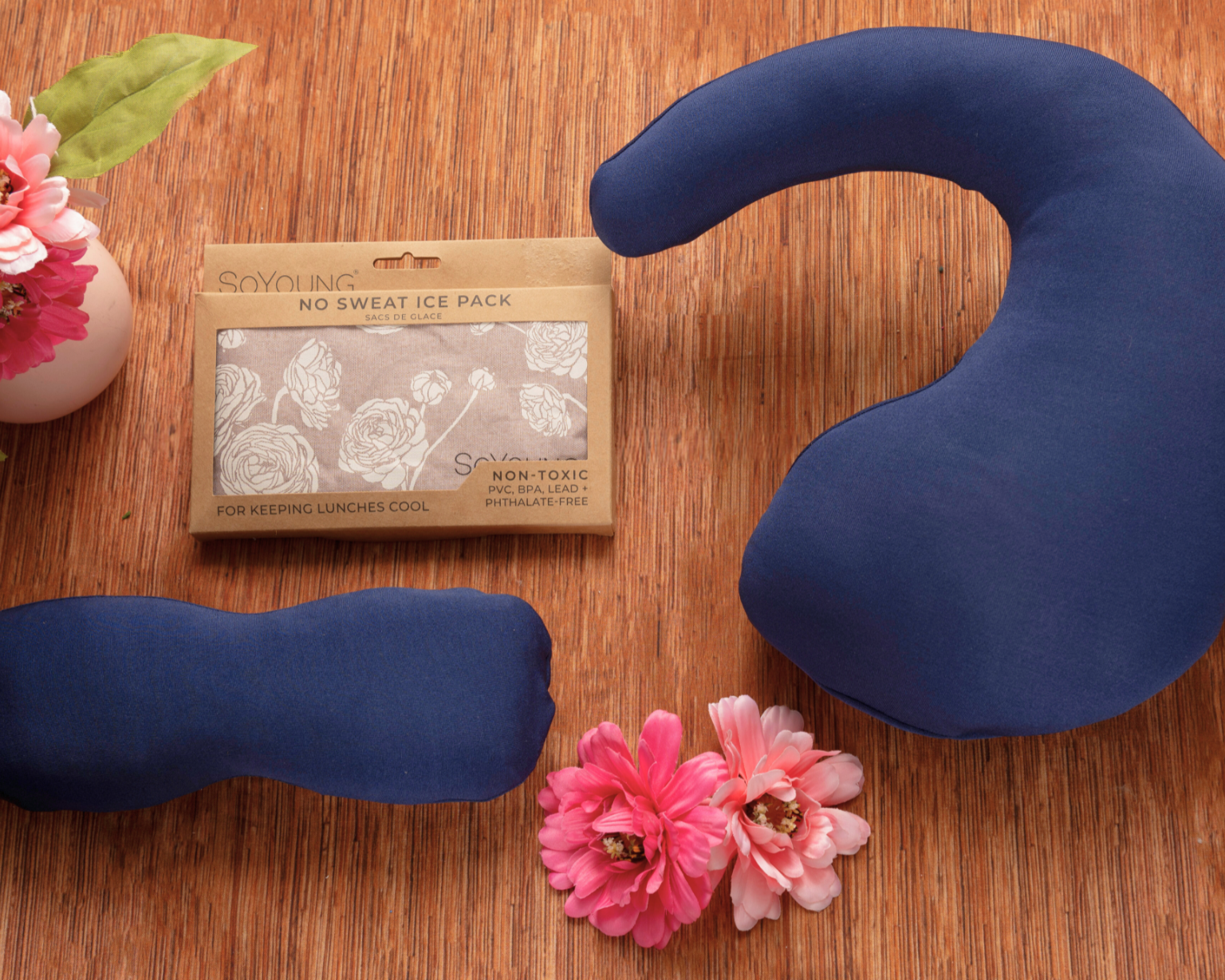
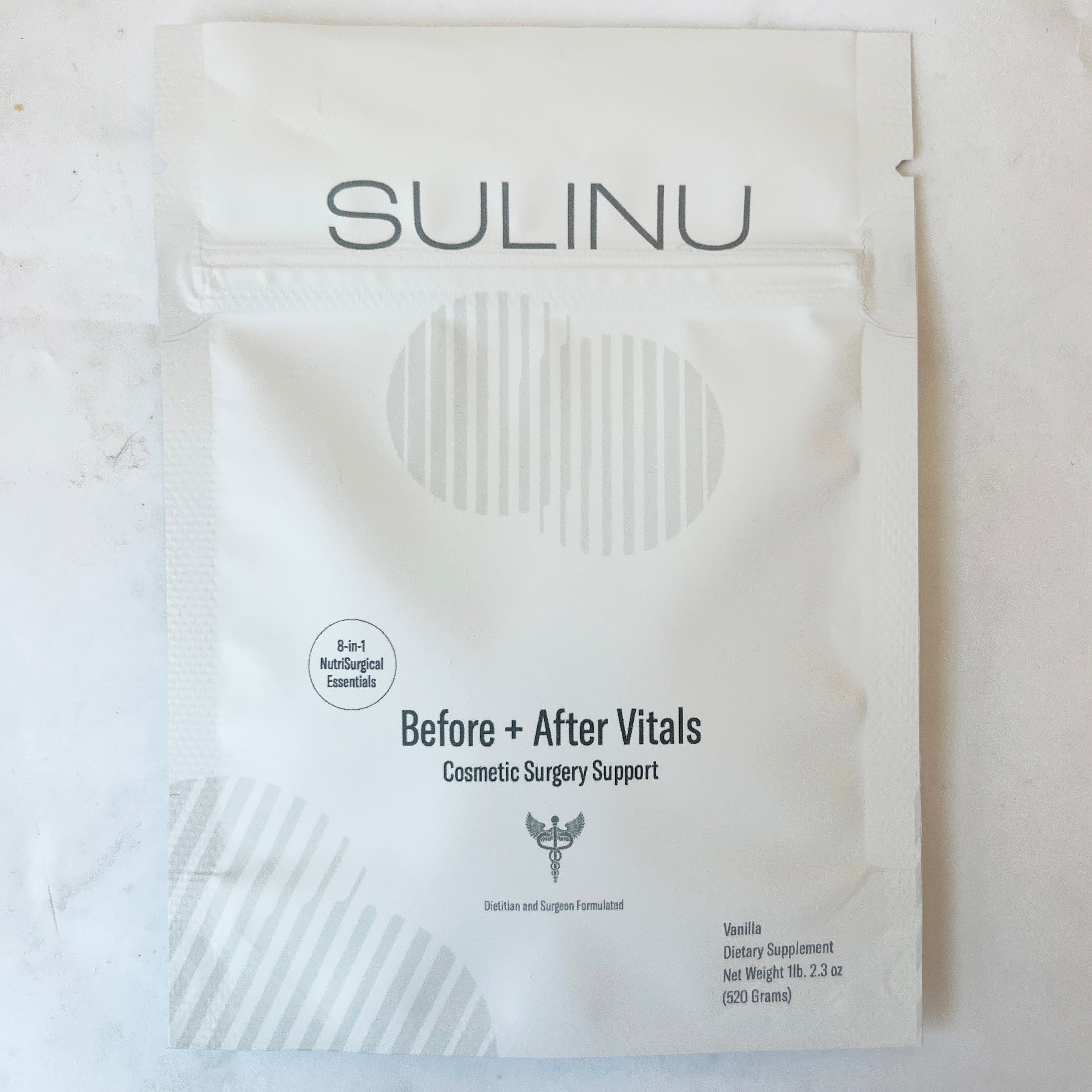
Besides having a comfortable environment to recover, having a proper and healthy diet as well as light physical activity is essential for recovery. Ensure that you attend follow-up appointments if required. It is also helpful to build a support network of friends, family and patients that you can reach out to for emotional support. Additionally, there are many products available for cancer patients to help with their recovery and improve their quality of life.
Learning from other patients’ experiences
Beyond clinical recommendations, learning about what patients themselves have found useful in their recovery is also important. This can provide you with reassurance, practical tips and a different perspective on colorectal cancer recovery. Patients may share insights and details that may not always come up during medical consultations. For instance, one colorectal cancer patient shared that household cleaning services and food deliveries have helped to ease the burden of recovery for her. These shared experiences can help you feel less alone and be better prepared for what to expect in your recovery journey.
This article is a collaboration with Our Cancer Stories and is not sponsored.
Sources
American Cancer Society. Surgery for Colon Cancer
American Cancer Society. Living with an Ostomy
Lifetime Surgical. Preparing Your Home for Post-Surgery Recovery