
Every night, millions of people with sleep apnea fight the same invisible battle: their airway collapses, their brain jolts them awake, and the cycle repeats — sometimes dozens of times before morning. Most people accept this as their reality. They've tried the standard advice. They're managing.
But there's one strategy that consistently gets overlooked, and it doesn't require a prescription, a machine, or a procedure: where your body is positioned while you sleep.
Specifically, how high up it is.
Elevating your upper body to 30-45 degrees while you sleep changes the gravitational forces acting on your airway in ways that can dramatically reduce apnea events, improve oxygen saturation, and, for many people, transform sleep quality almost immediately. Not all back sleeping is created equal, and elevation is the difference between your airway collapsing and staying open.
Here's why it works, and how to do it right.
Understanding Sleep Apnea: Why Your Airway Collapses During Sleep
Obstructive sleep apnea occurs when your airway repeatedly collapses during sleep, cutting off oxygen sometimes hundreds of times per night. Your body jolts you partially awake to restore breathing — preventing you from ever reaching deep, restorative sleep.
During sleep, throat muscles naturally relax. For people with sleep apnea, this allows soft tissues — tongue, soft palate, uvula — to collapse inward and block the airway. Add gravity when lying flat on your back, and those tissues get pulled even further toward obstruction.
The result? Oxygen drops, and your brain triggers an awakening to restore airflow. Then the cycle repeats. Sometimes 5 times an hour. Sometimes 30. Sometimes more.
Why Flat Back Sleeping Fails (And Why Elevation Changes Everything)
The standard medical advice about sleep apnea and back sleeping is correct — but incomplete. Yes, flat back sleeping is typically the worst position for sleep apnea sufferers. When you lie completely flat, gravity pulls your tongue and soft tissues directly backward into your throat, worsening airway obstruction.
But here's what most people miss: elevation transforms back sleeping from problematic to potentially therapeutic.

The Elevation Advantage: How 30-45 Degrees Rewrites the Rules
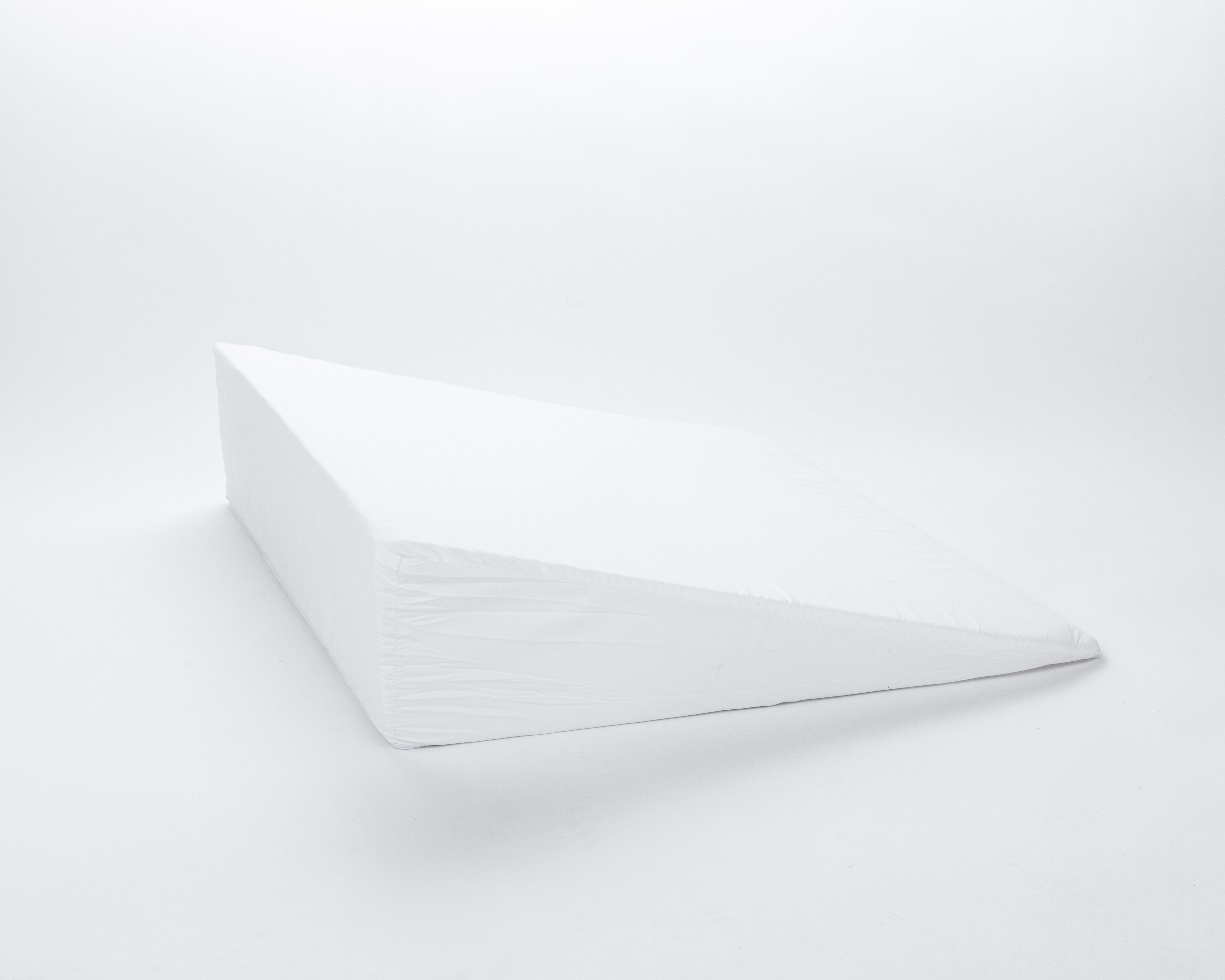
Elevating your upper body to 30-45 degrees fundamentally changes the gravitational forces acting on your airway. Instead of gravity pulling everything straight back toward obstruction, the incline redirects those forces — reducing the tendency for your tongue and soft palate to collapse into your breathing passage.
What happens at proper elevation:
Your airway maintains better structural integrity because the angle reduces the backward pull on soft tissues. Your tongue rests more naturally forward in your mouth rather than sliding back toward your throat. The weight of your chest and abdomen shifts away from pressing on your diaphragm, making breathing mechanically easier. Mucus and secretions drain more effectively instead of pooling in your throat.
Why the 30-45 degree range matters:
Below 20 degrees, the elevation is too subtle to significantly counteract gravitational collapse. Between 30-45 degrees, you achieve optimal therapeutic benefit — enough elevation to keep airways open while remaining comfortable enough for sustained sleep. Above 60 degrees, you create a different set of problems: neck strain and difficulty staying in position.
Comparing Sleep Positions: The Hierarchy of Airway Support
Flat back sleeping: Worst option for sleep apnea. Maximum gravitational pull on soft tissues, highest risk of airway collapse, and most frequent apnea events.
Side sleeping: Better than flat back for many people, as gravity pulls tissues to the side rather than directly into the airway. However, side sleeping has its own limitations — pressure on shoulders, difficulty maintaining position all night, and some patients still experience significant apnea events in this position.
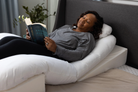
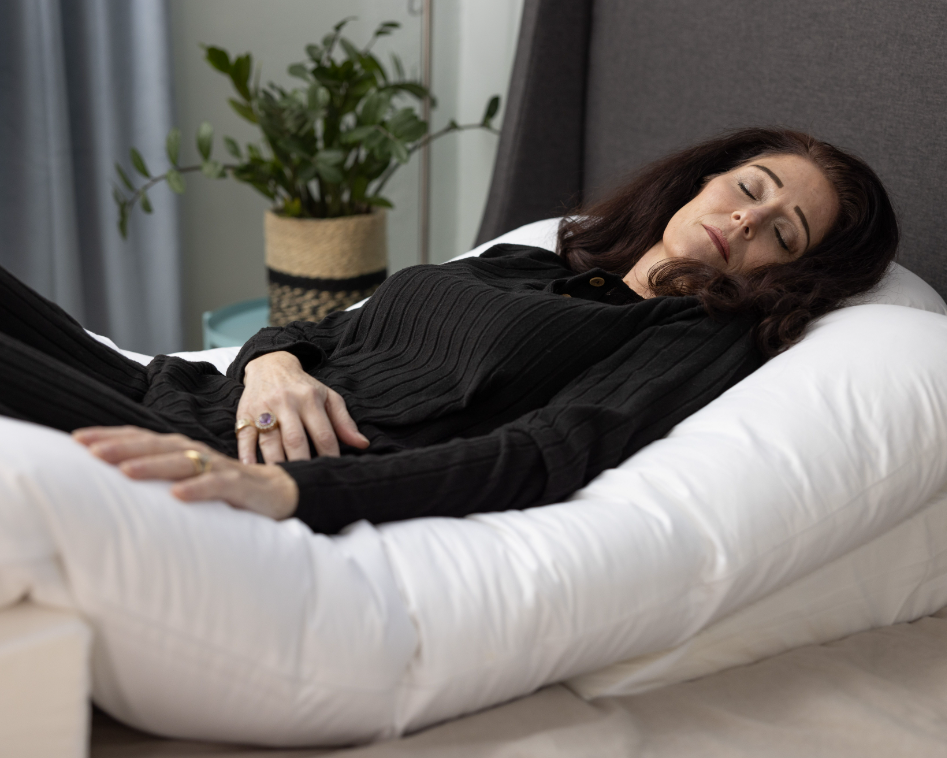
Elevated back sleeping: Optimal for many sleep apnea patients. Combines the natural spinal alignment of back sleeping with gravitational advantages that keep airways open. Easier to maintain throughout the night than strict side sleeping.

The Science Behind Elevated Sleep and Sleep Apnea Management
Airway Dynamics and Gravitational Forces
Your pharynx is a flexible tube supported by muscles. When those muscles relax during sleep, it becomes vulnerable to collapse. Elevation reduces collapsing pressure by changing gravity's vector — distributing force along the incline rather than pulling tissues straight back toward obstruction.
Respiratory Mechanics and Lung Function
Flat positioning reduces lung capacity because abdominal contents press against your diaphragm. Elevated positioning allows freer diaphragm movement and improved ventilation — less effort, better airflow.
Fluid Distribution and Airway Swelling
Many sleep apnea patients experience fluid accumulation in upper airway tissues, particularly after lying flat for hours. Elevation encourages downward drainage, reducing the fluid buildup that narrows breathing passages overnight.
The Gastroesophageal Reflux Connection
Many sleep apnea patients also suffer from GERD — and the conditions often worsen each other. Elevated sleeping addresses both simultaneously, using gravity to keep stomach acid down while reducing the airway swelling that reflux triggers.

How to Implement Elevated Back Sleeping Successfully
Creating Stable, Comfortable Elevation
The biggest mistake people make when attempting elevated sleeping is stacking standard bed pillows behind them. Regular pillows simply weren't designed for this purpose and fail quickly.
Why standard pillows don't work: They compress under body weight, gradually losing elevation throughout the night. They shift and migrate during sleep. They create pressure points at gaps between pillows. They force your neck into unnatural angles that cause morning headaches and stiffness.
What you actually need: A purpose-built pillow system for sleep apnea that maintains a consistent angle throughout the night. Firm enough to prevent compression and slippage. A gradual incline that supports your entire upper body — not just your head and neck. Wide enough to accommodate natural sleep movement without losing position.

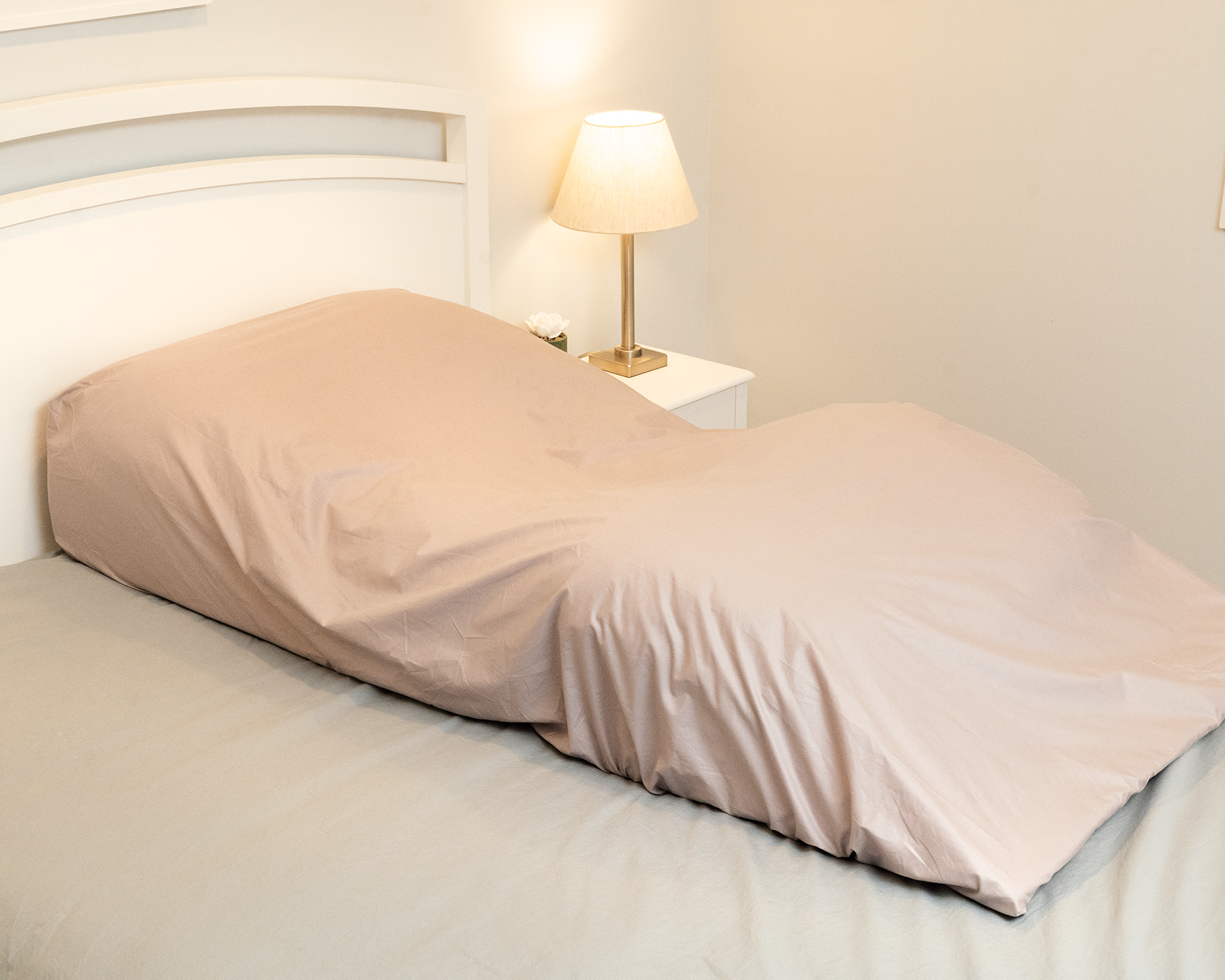
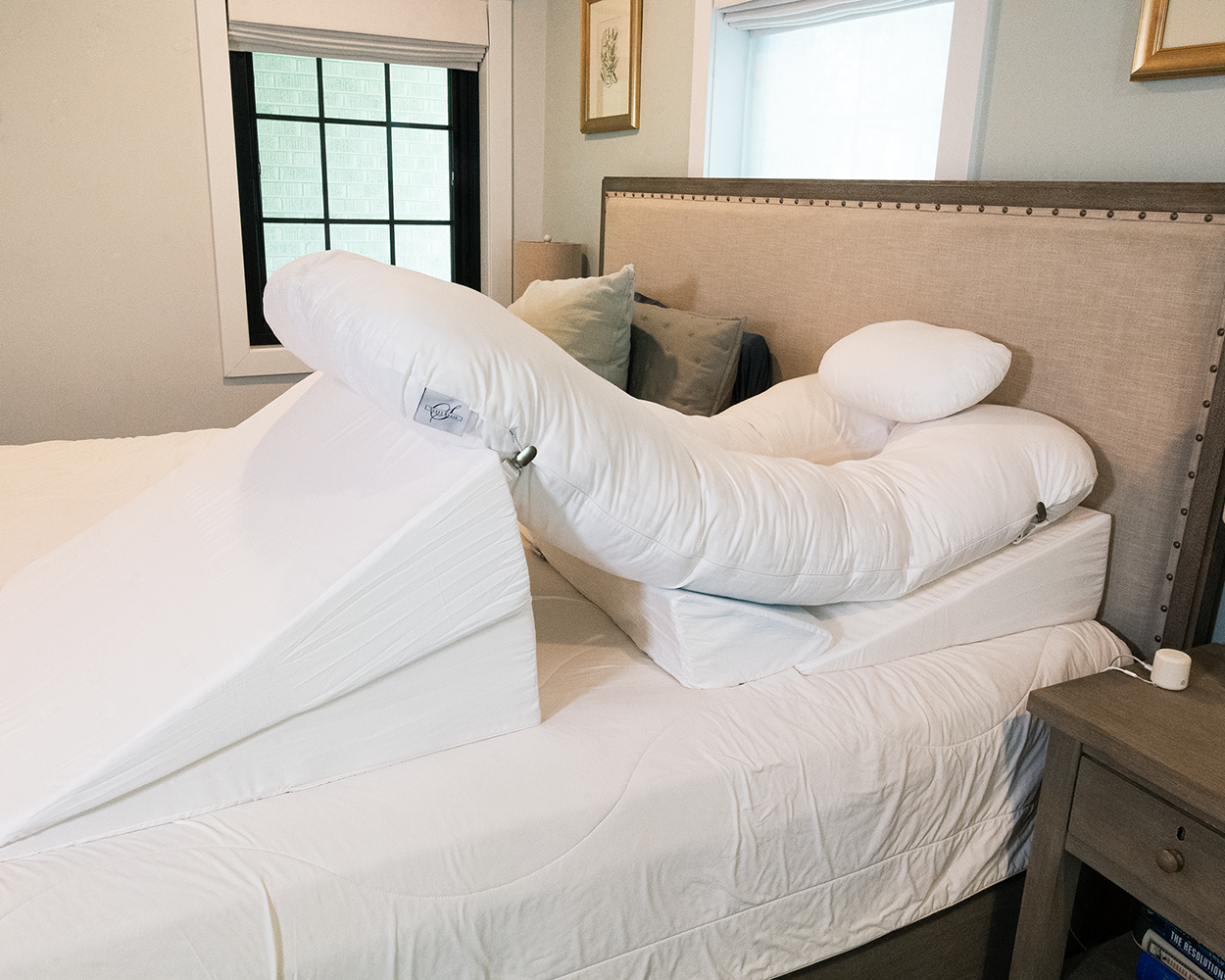
The Sleep Again Pillow System: Built for Sleep Apnea Management
Most people's first attempt at elevated sleeping involves stacking whatever pillows they can find behind them. It works for about twenty minutes — then the pillows shift, compress, or slide apart, and by 3 am you're flat on your back wondering why you bothered.
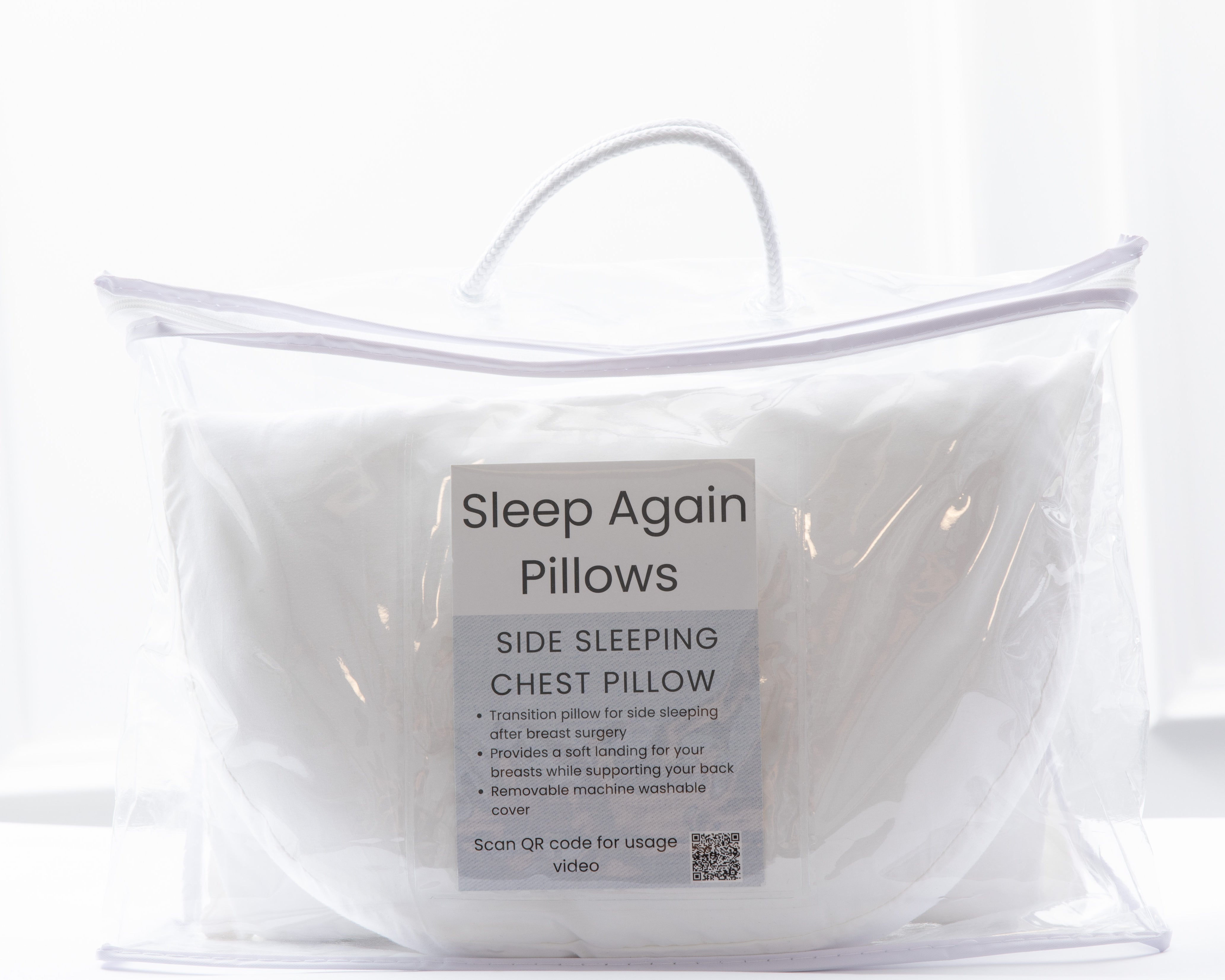
The Sleep Again Pillow System was purpose-built to solve exactly this problem.
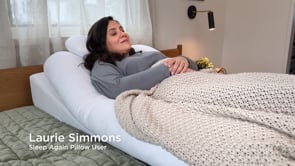
Developed for medical-grade positioning, the system maintains the precise 30-45 degree elevation angle that supports open airways throughout the entire night — not just when you first lie down.
What makes it different from a wedge pillow or a pillow stack:
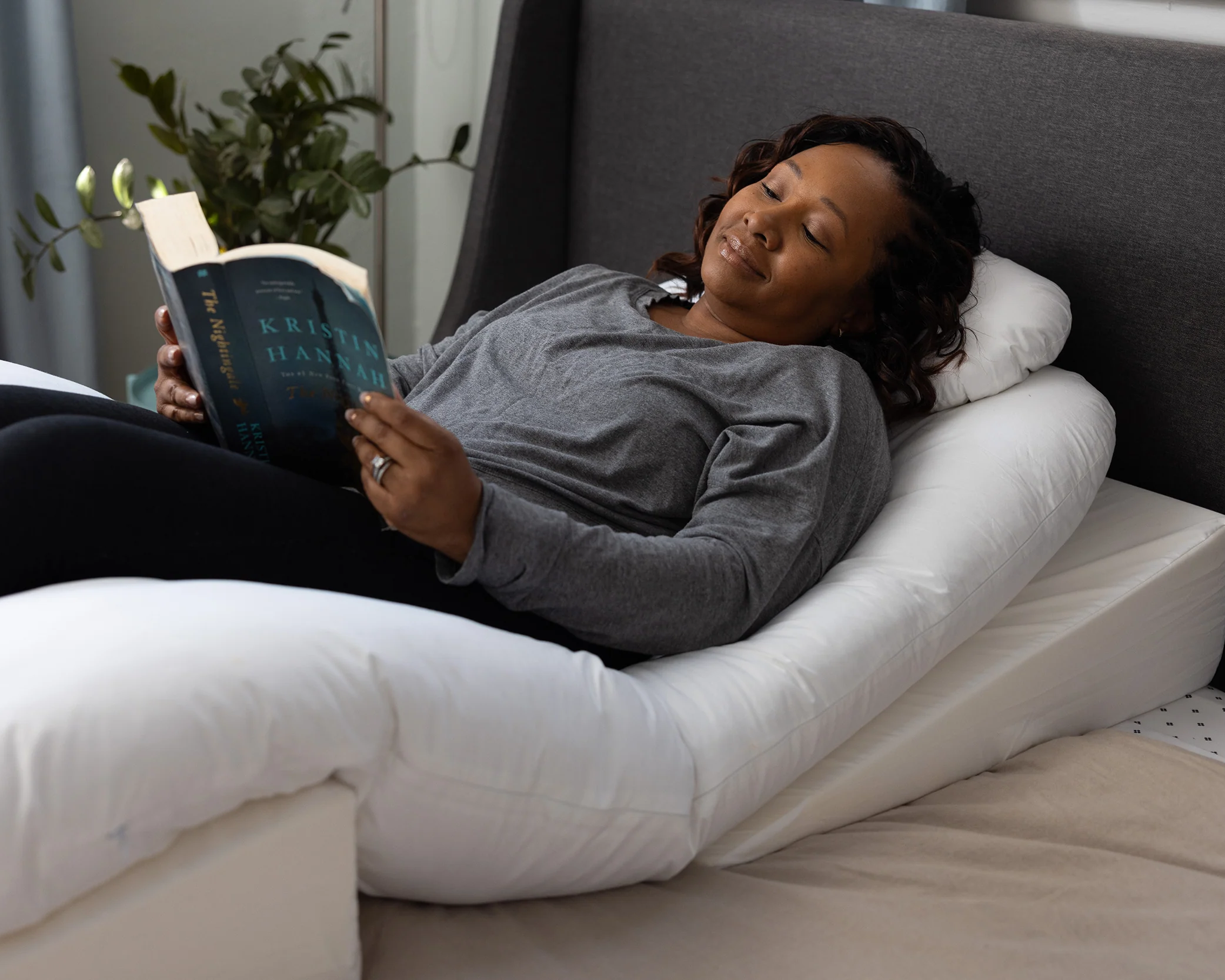
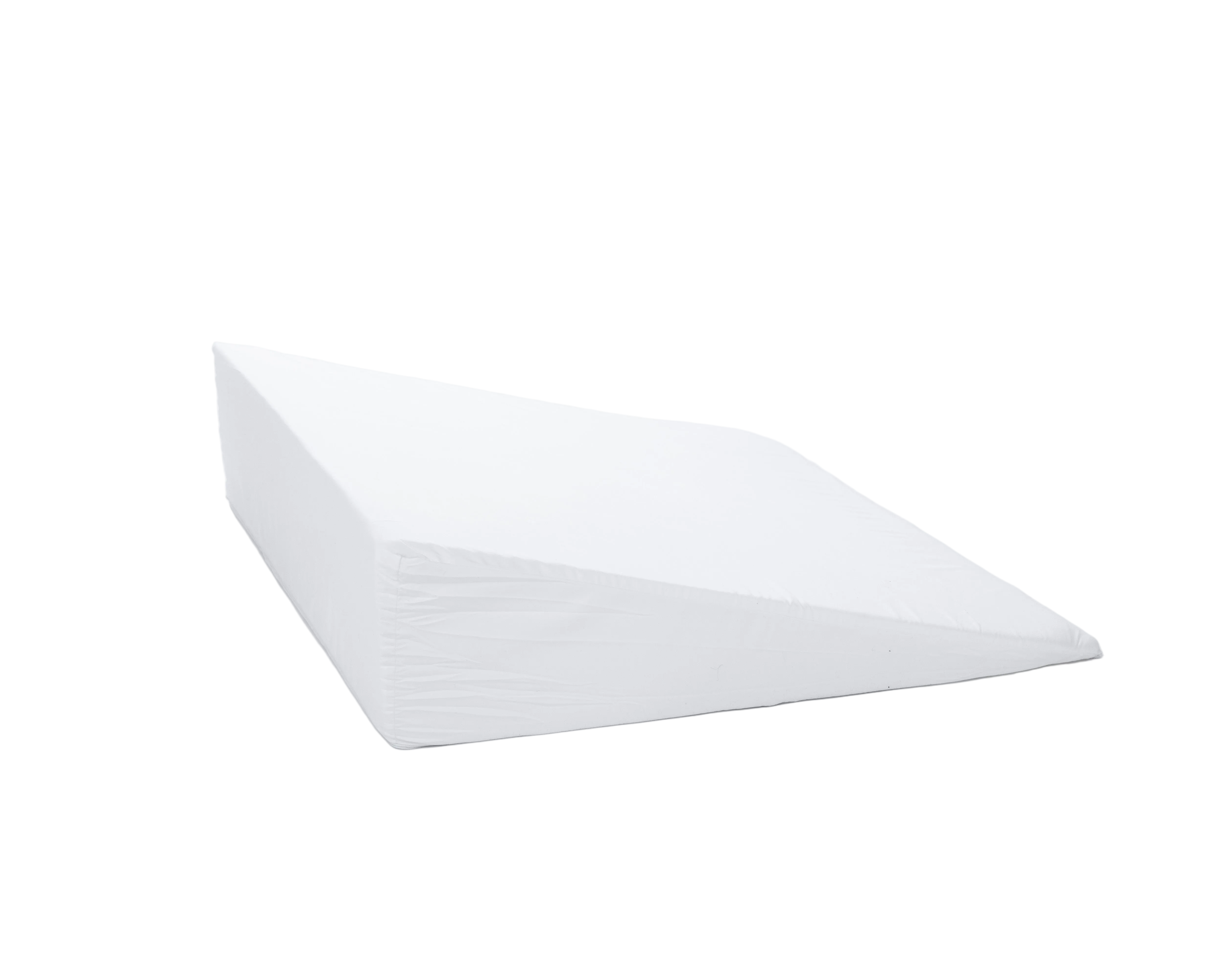
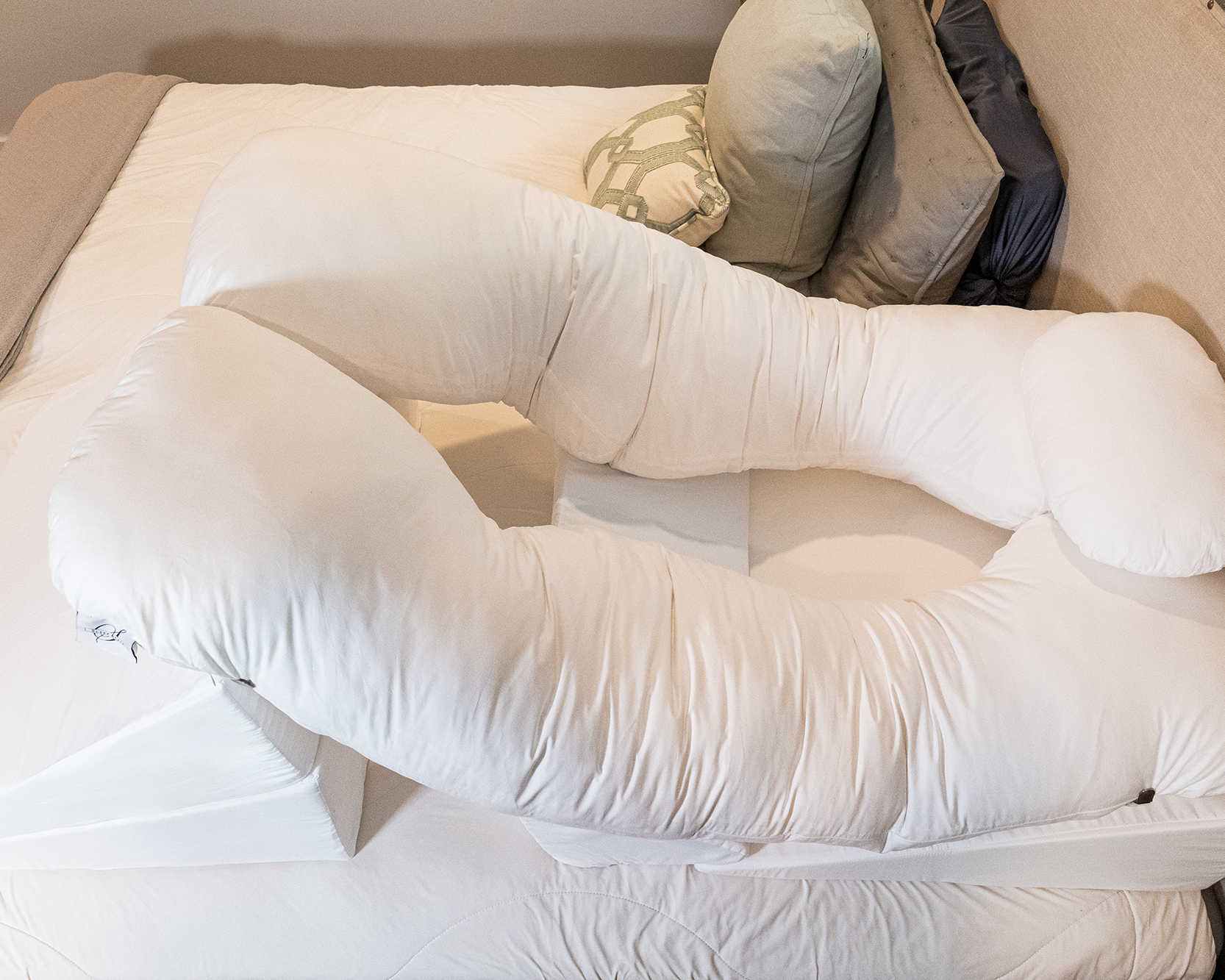
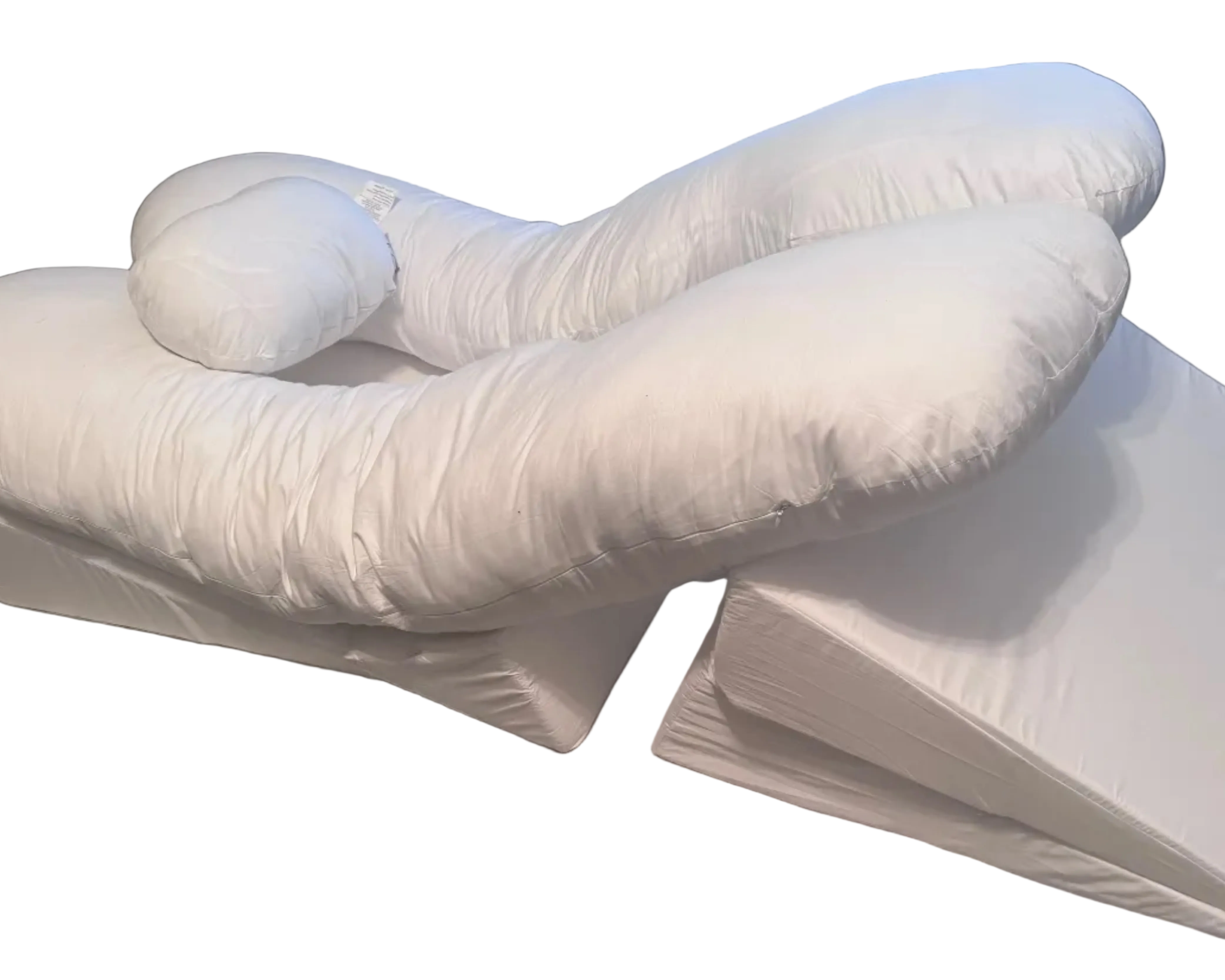
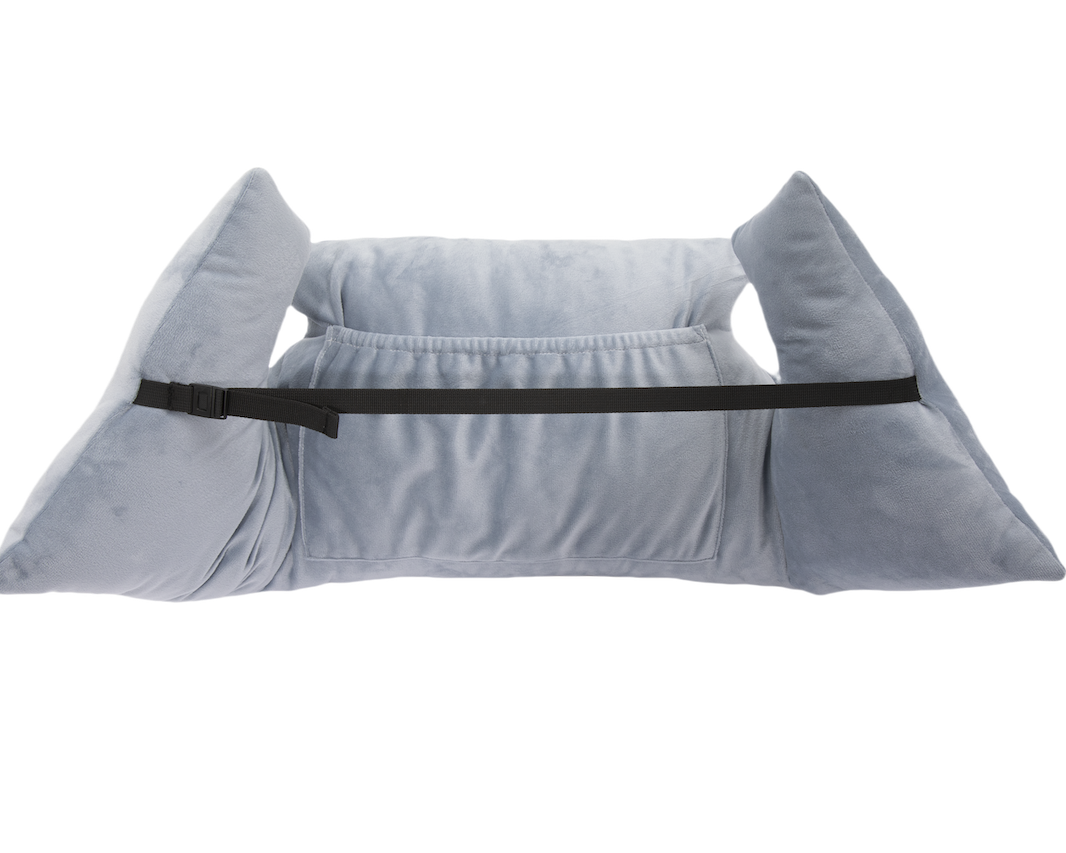
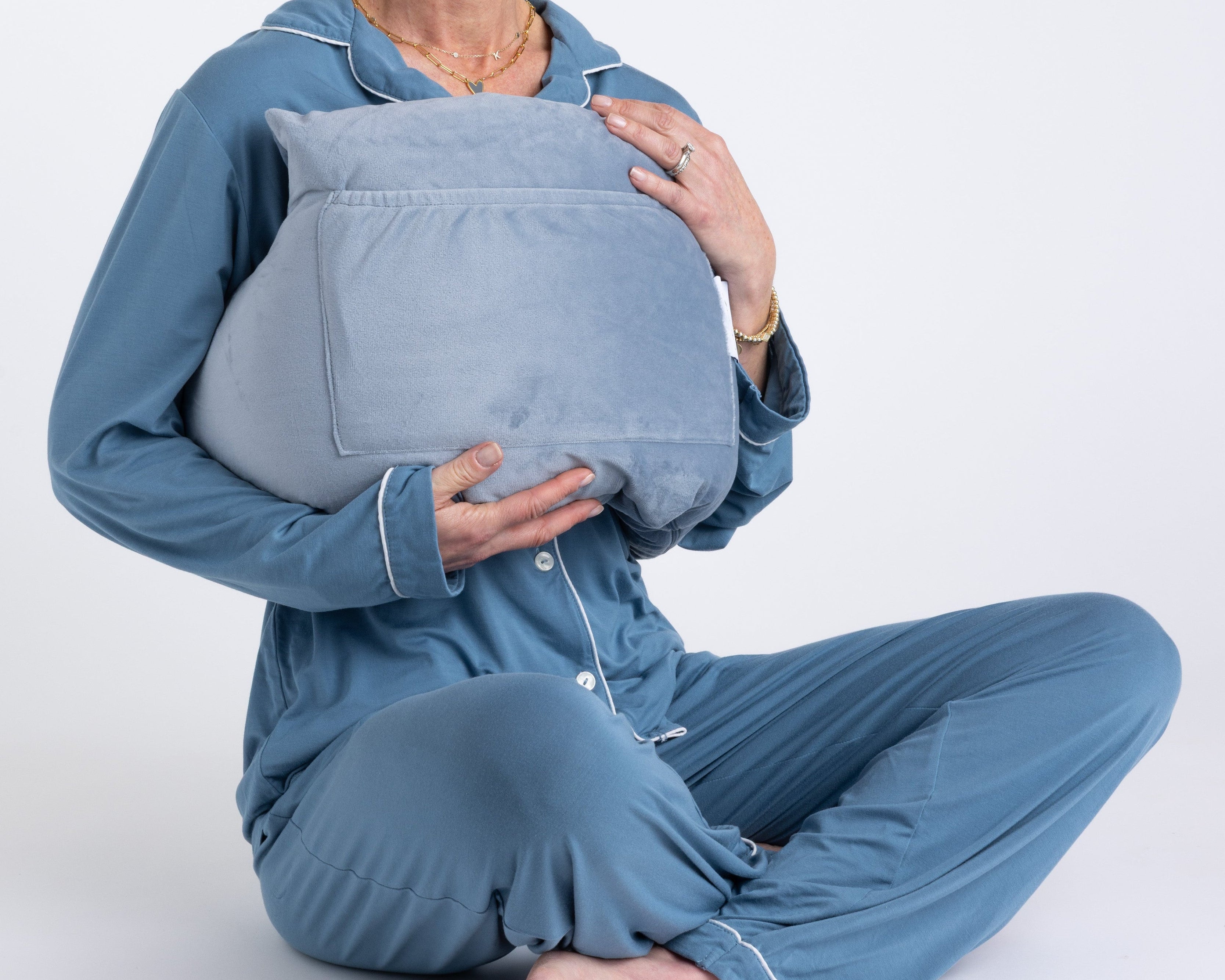
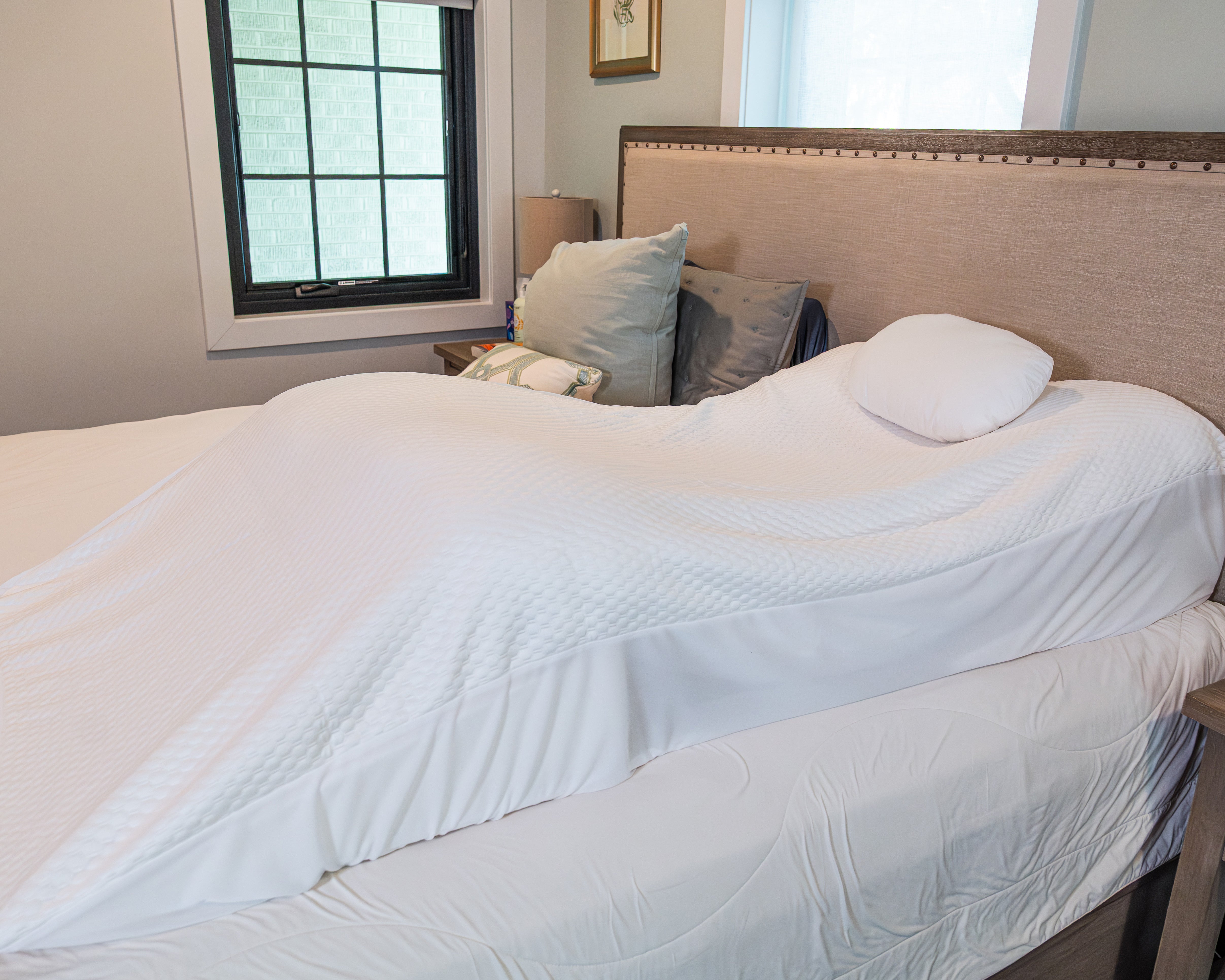
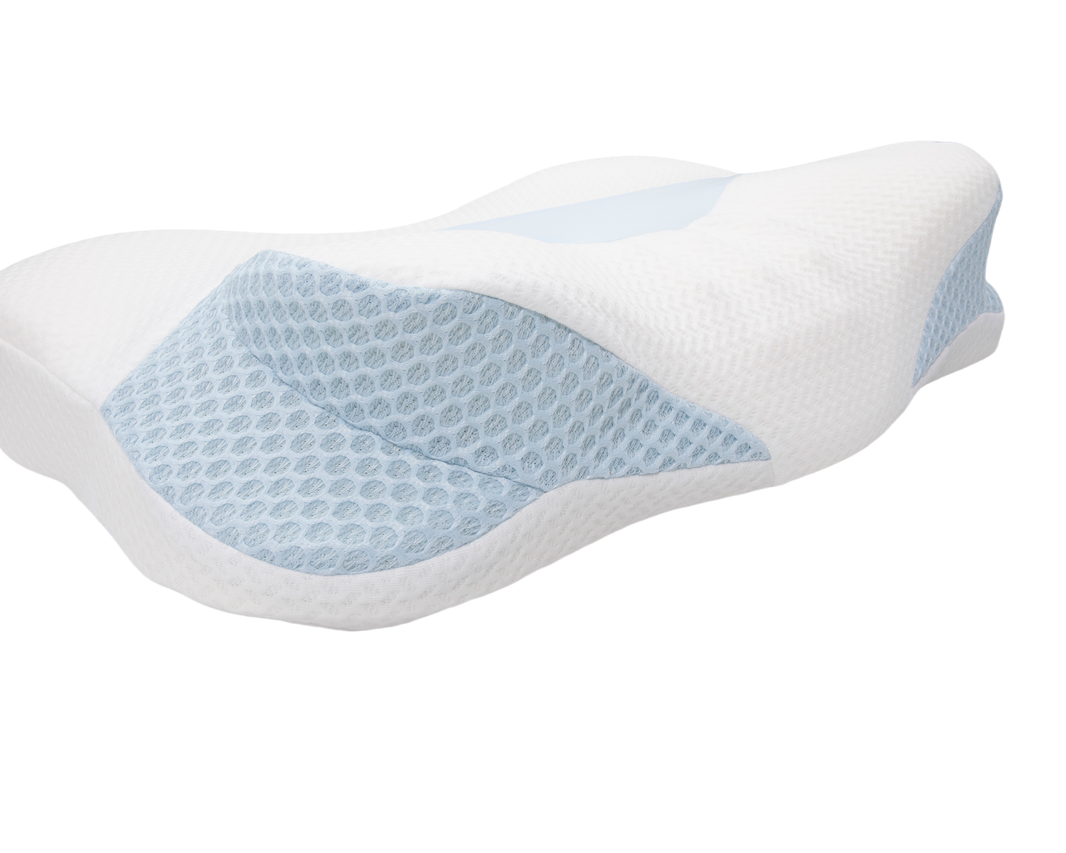
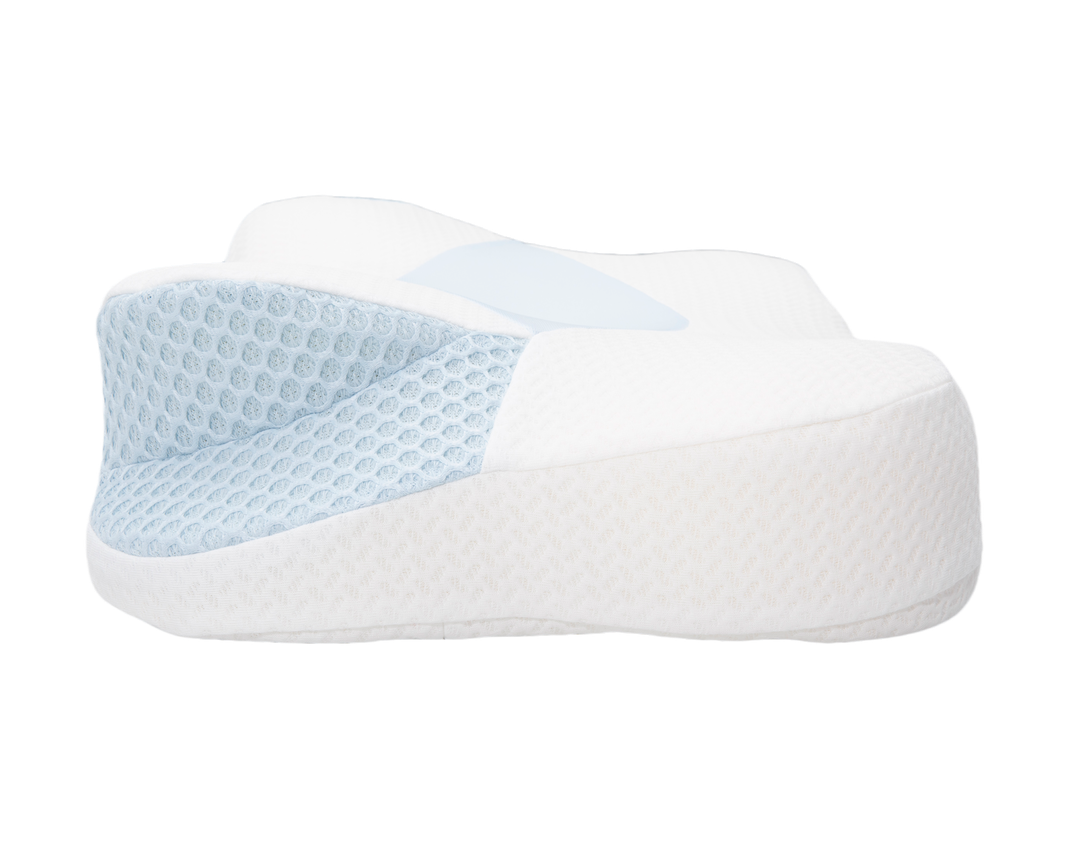
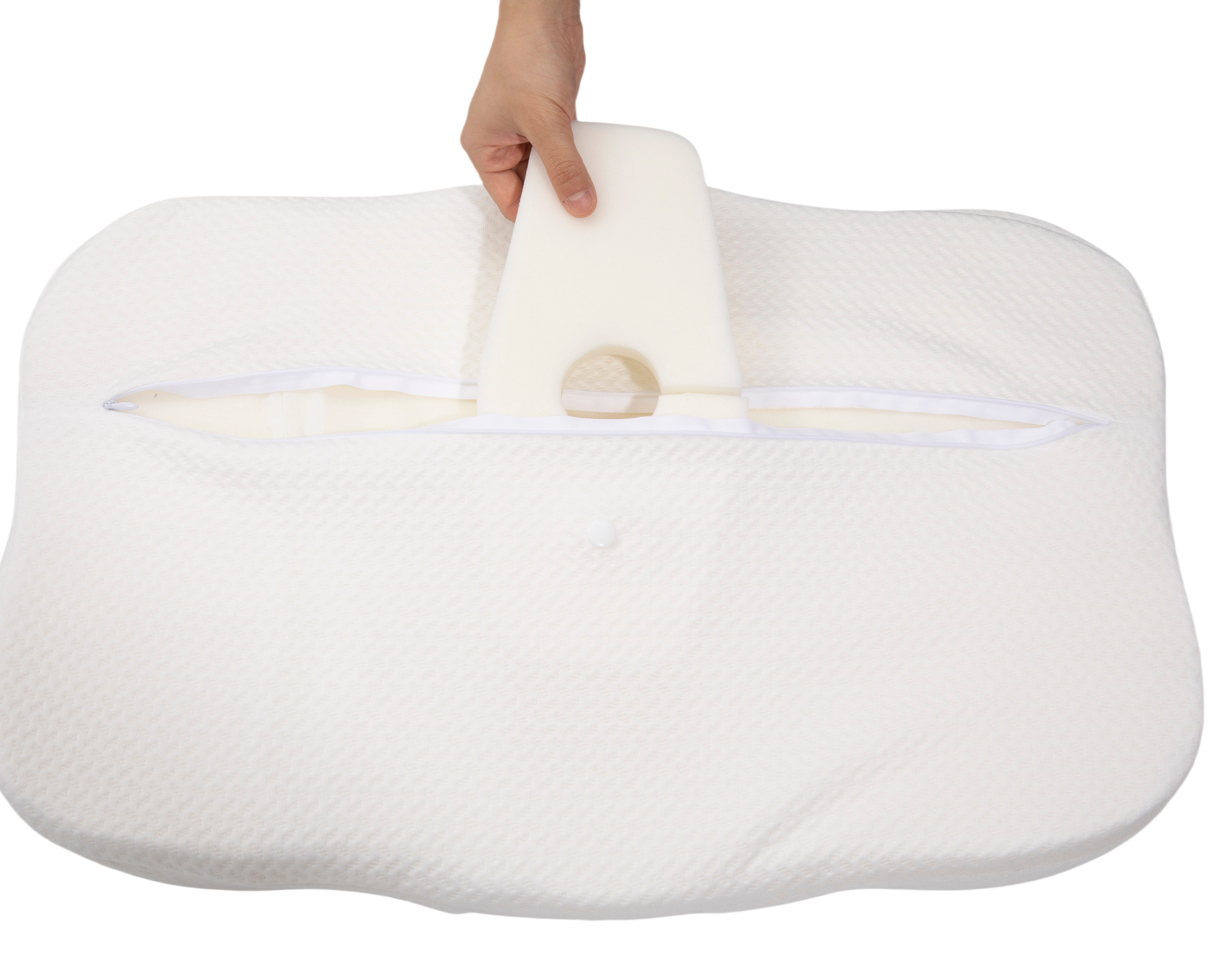
The multi-density foam construction is firm enough to hold its shape under body weight but pressure-relieving enough to stay comfortable for hours. The extra-wide design accommodates natural sleep movement without losing position. The gradual incline supports your entire upper body from hips to head — not just your neck — keeping your spine aligned and your airway optimally open.
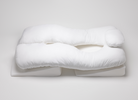
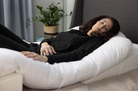
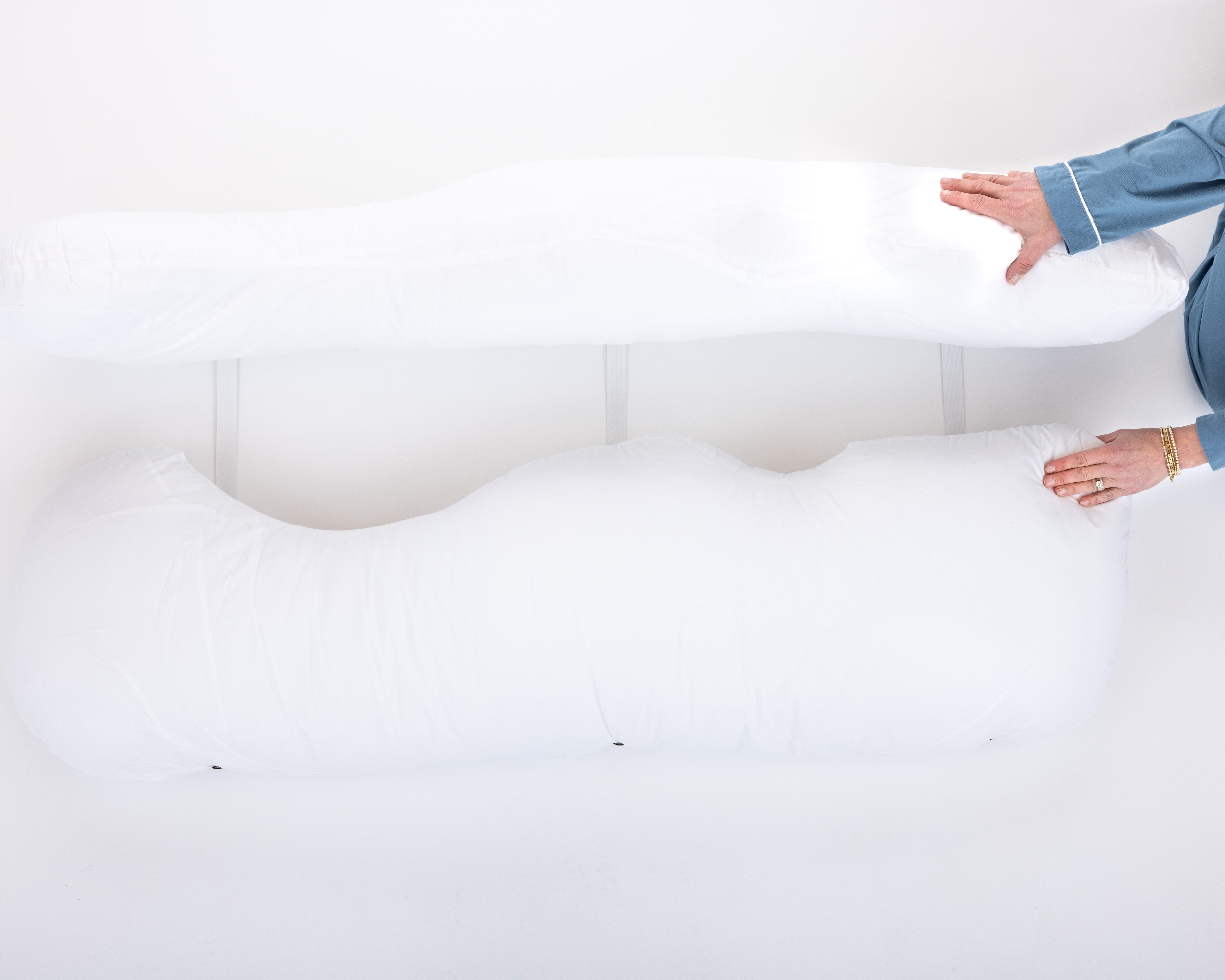
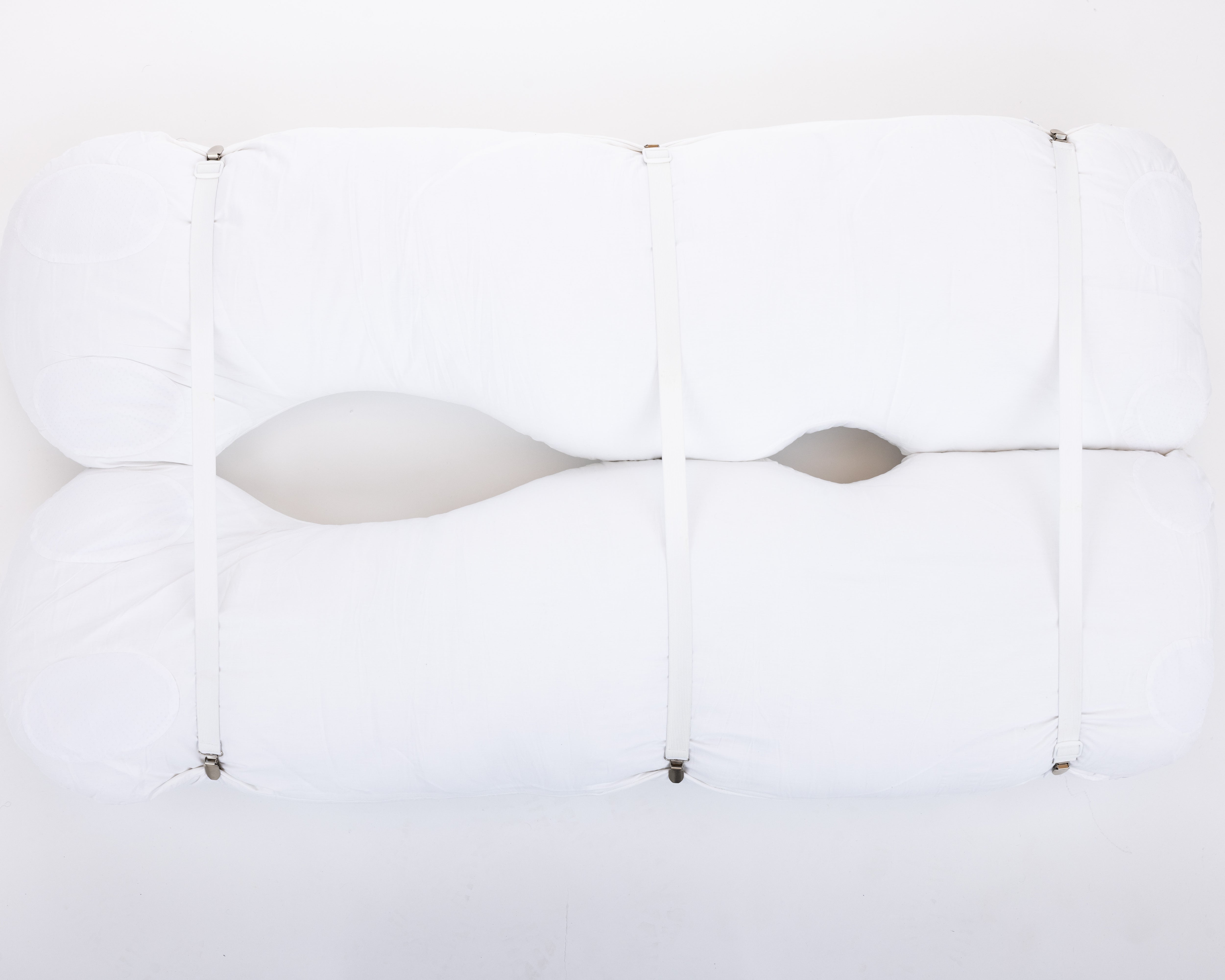
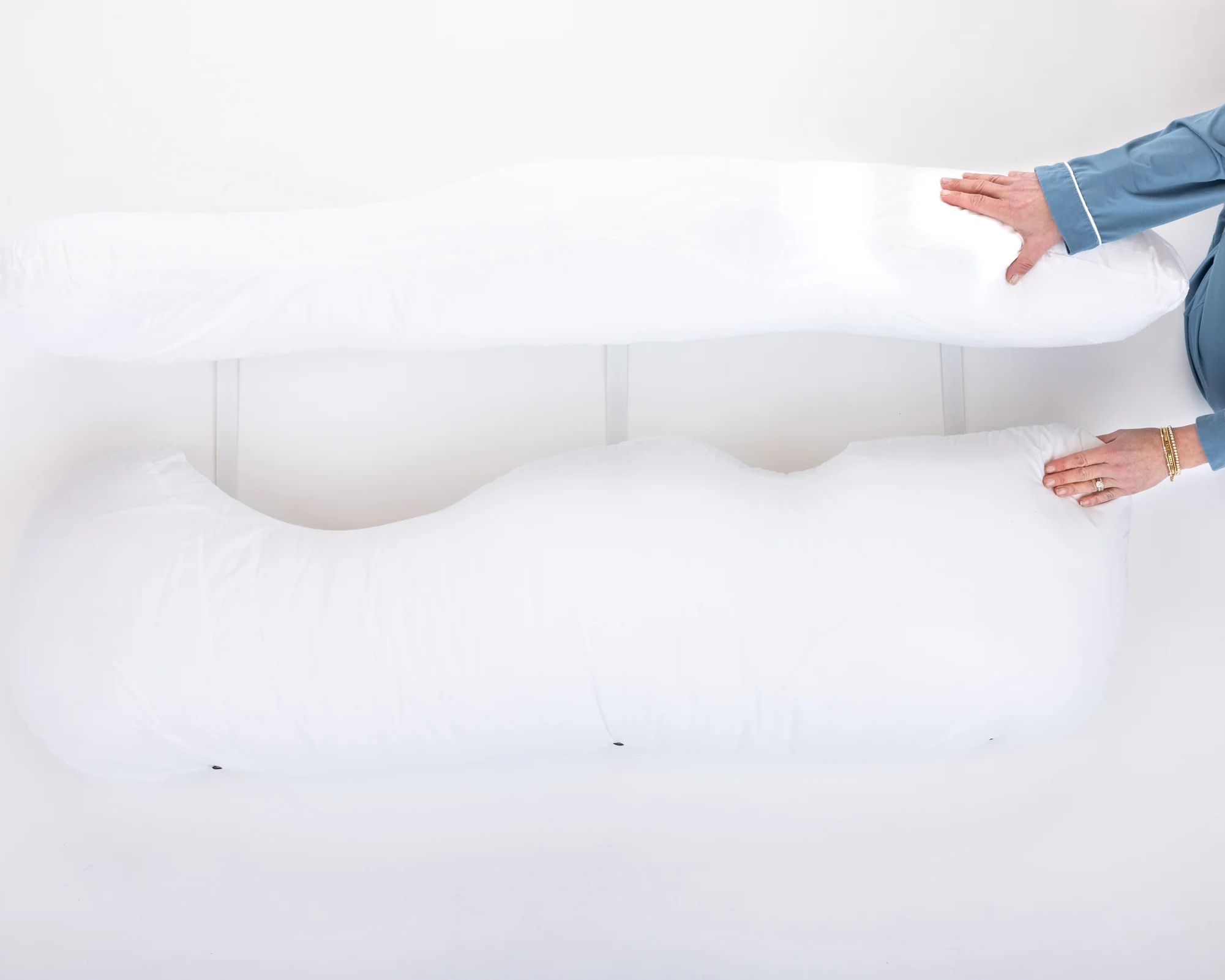
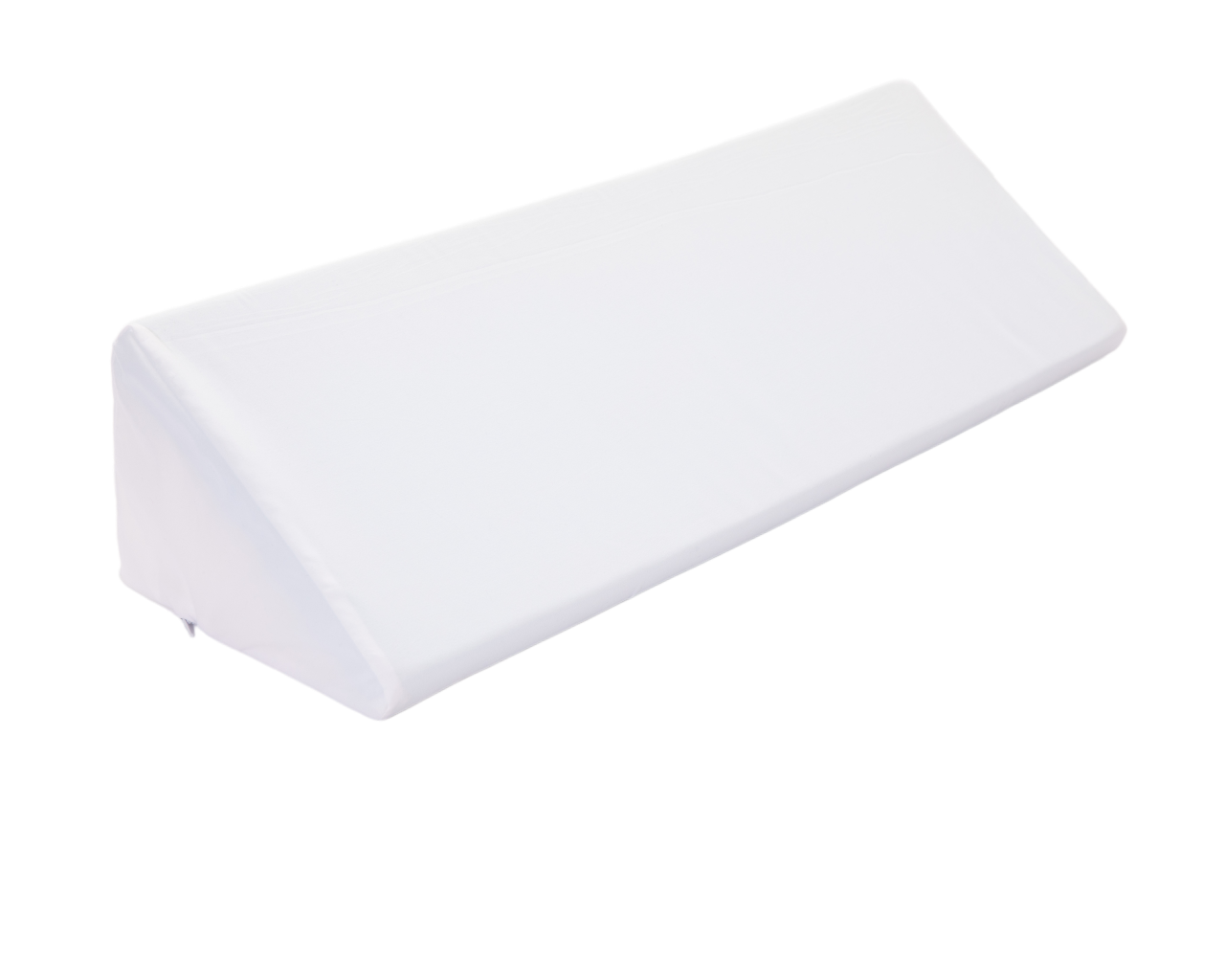
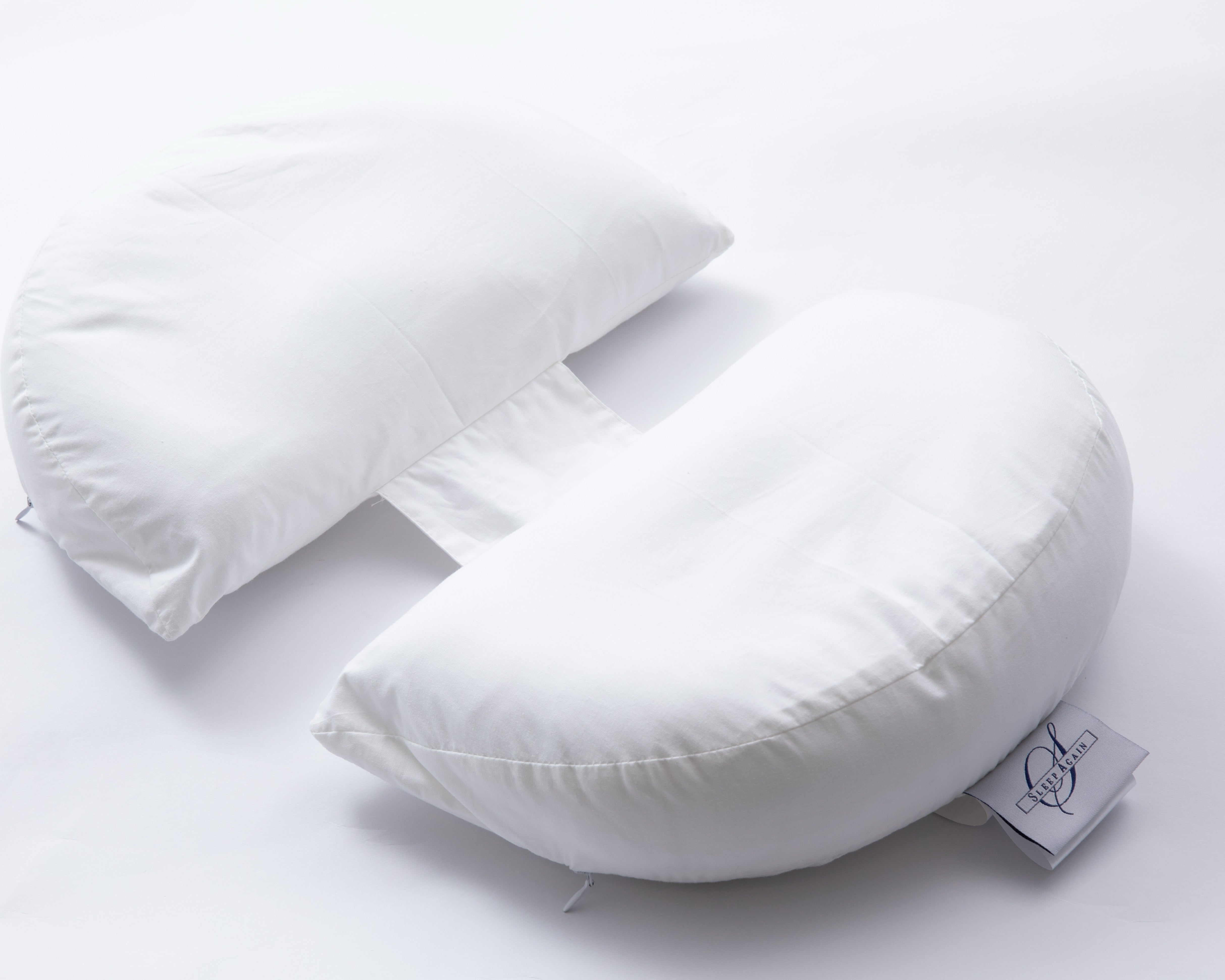
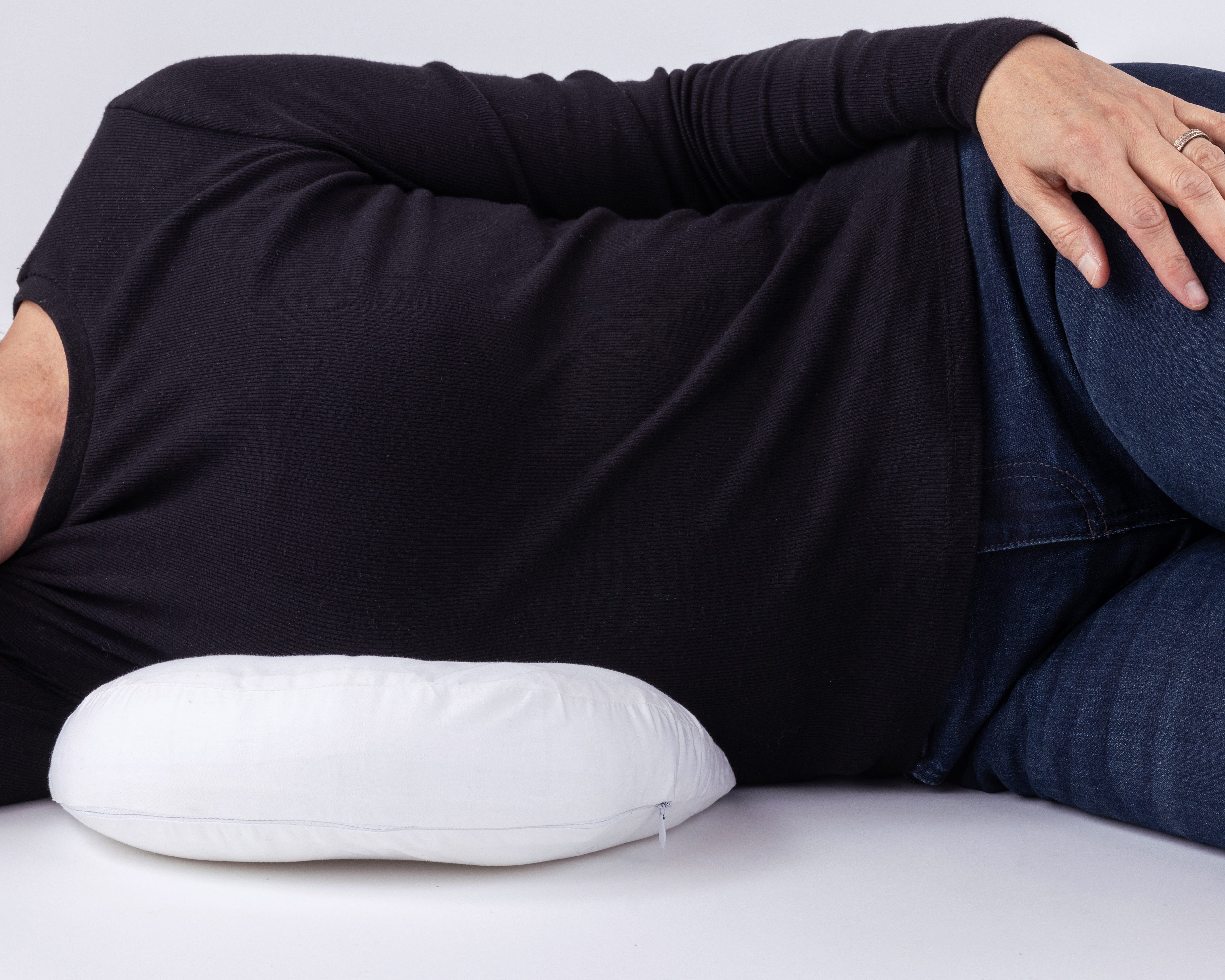
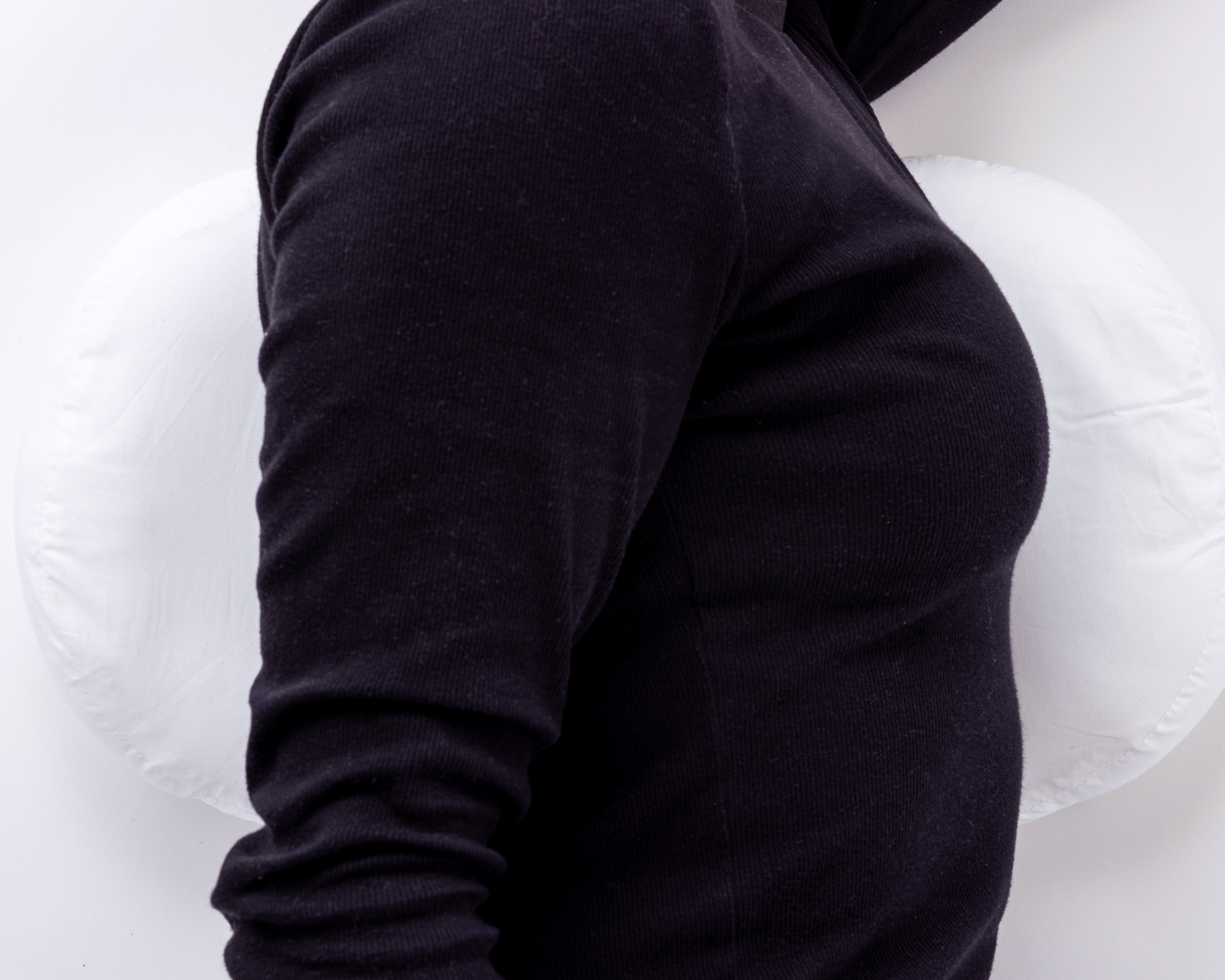
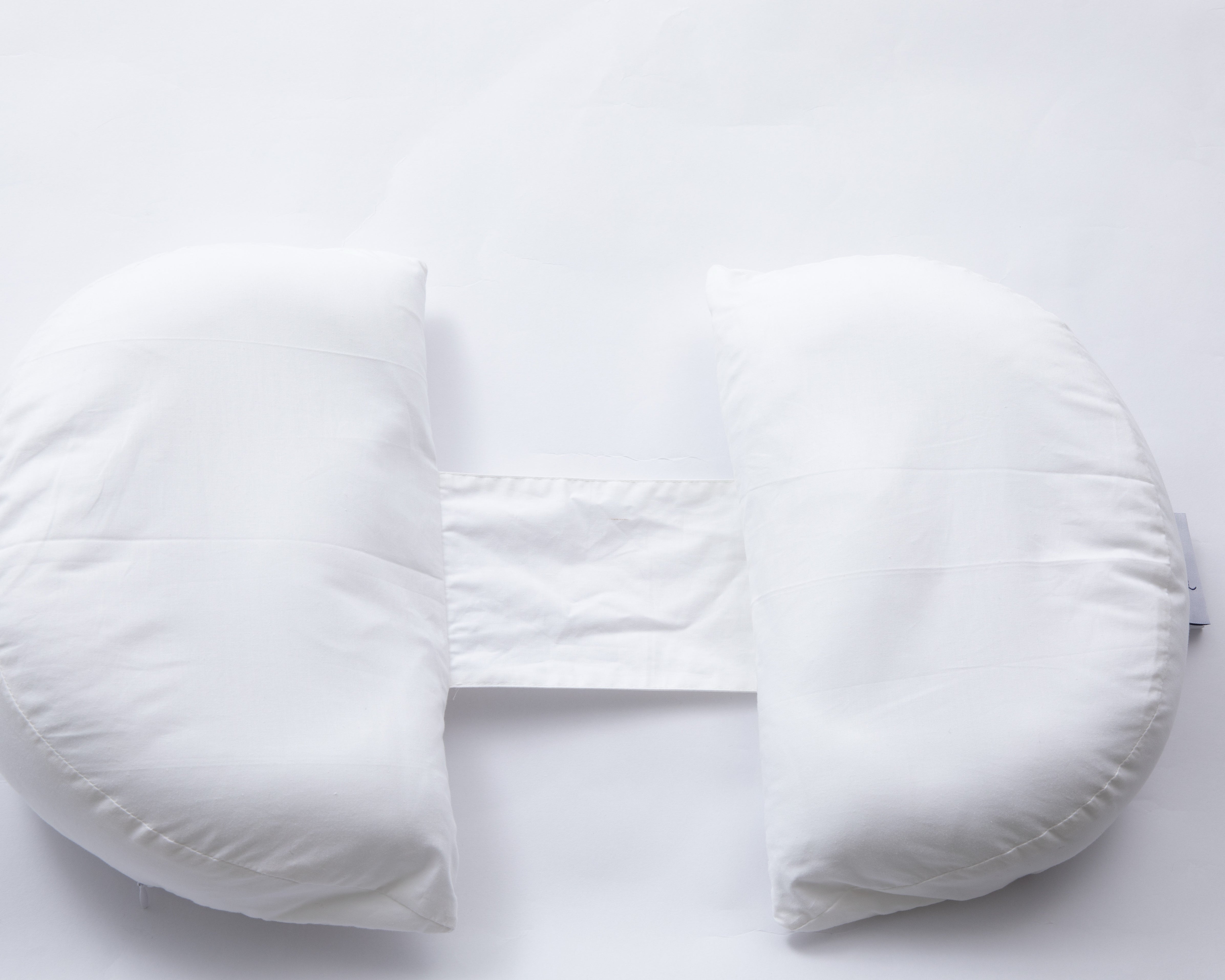
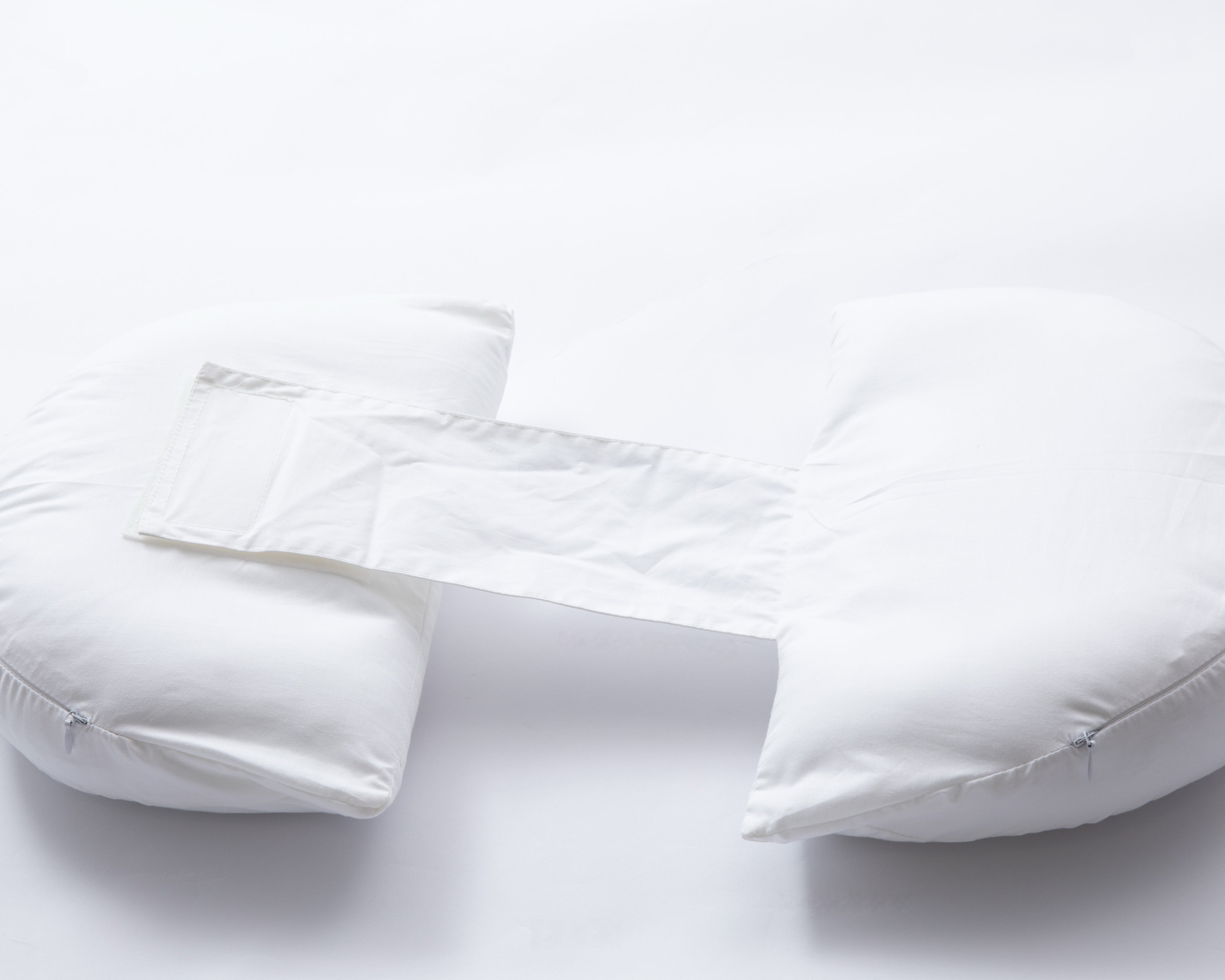
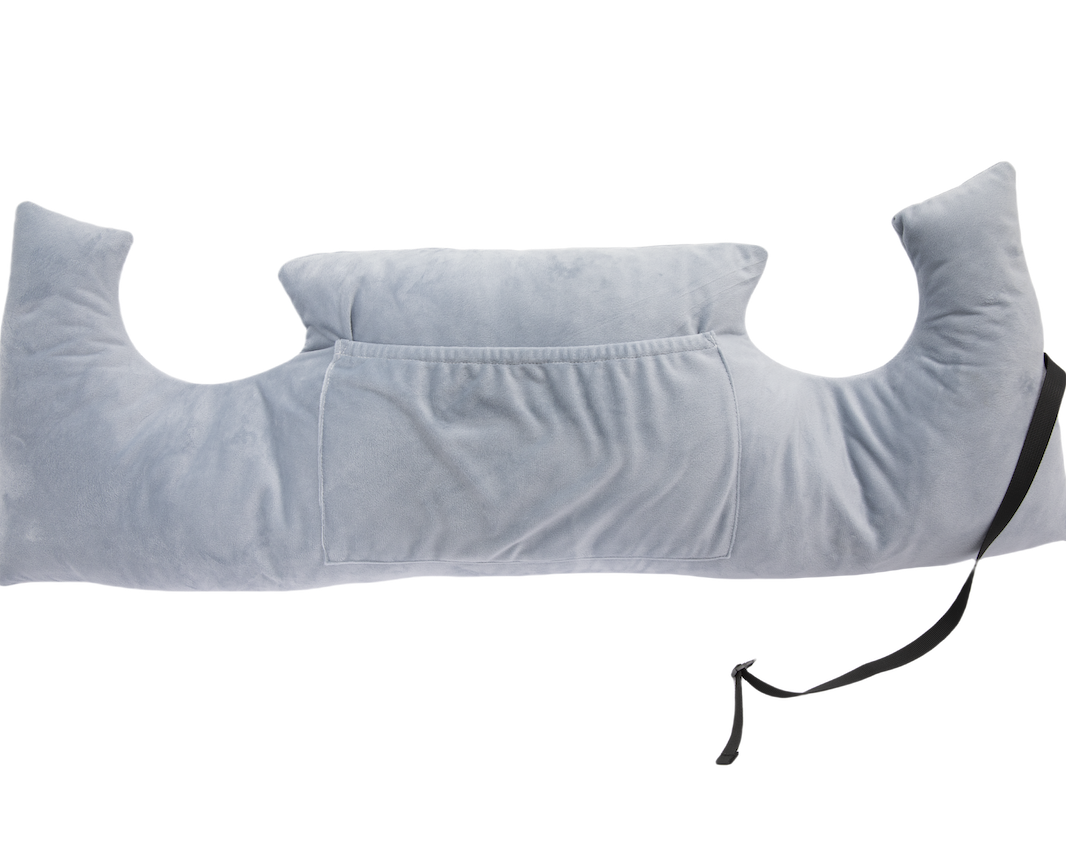
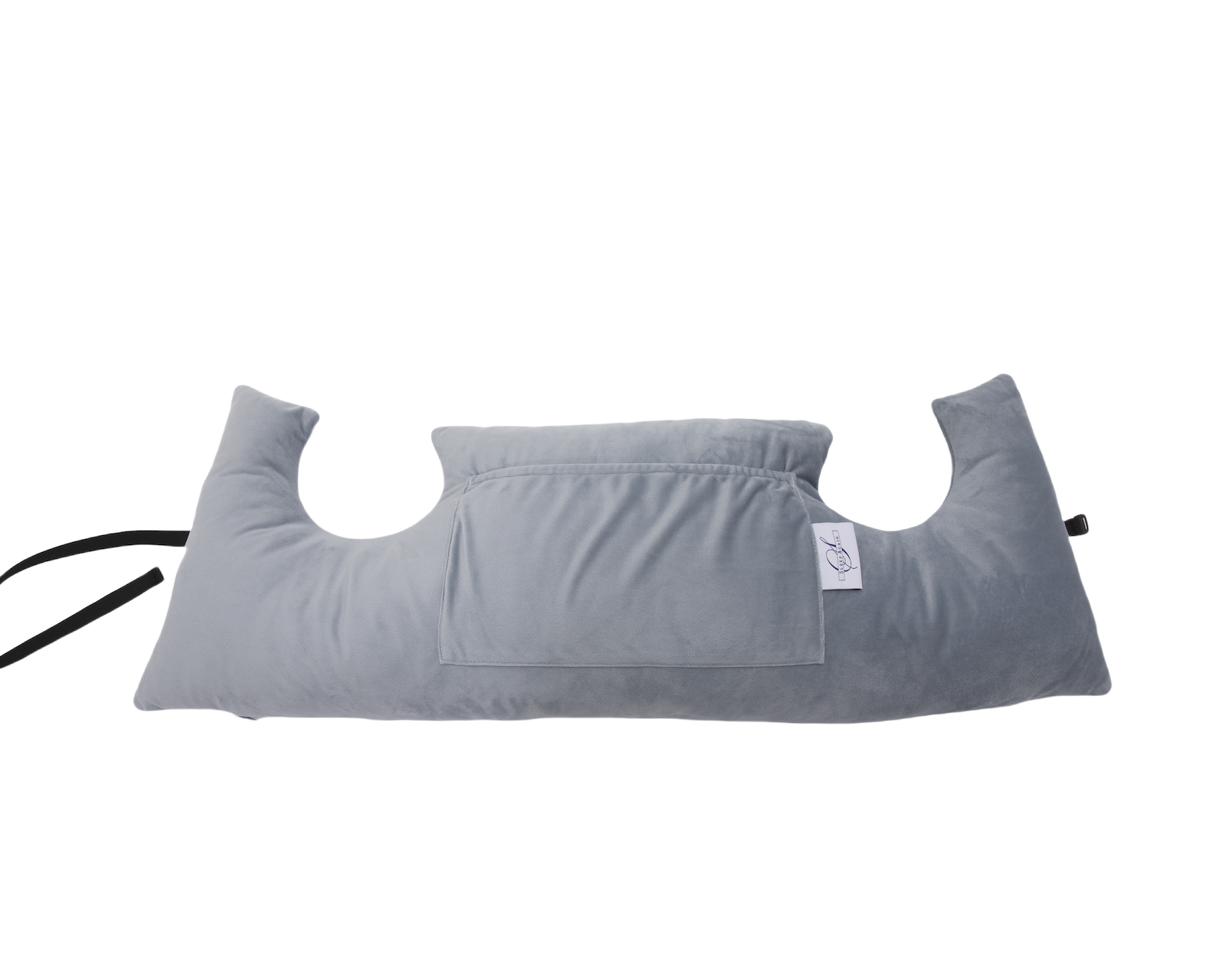
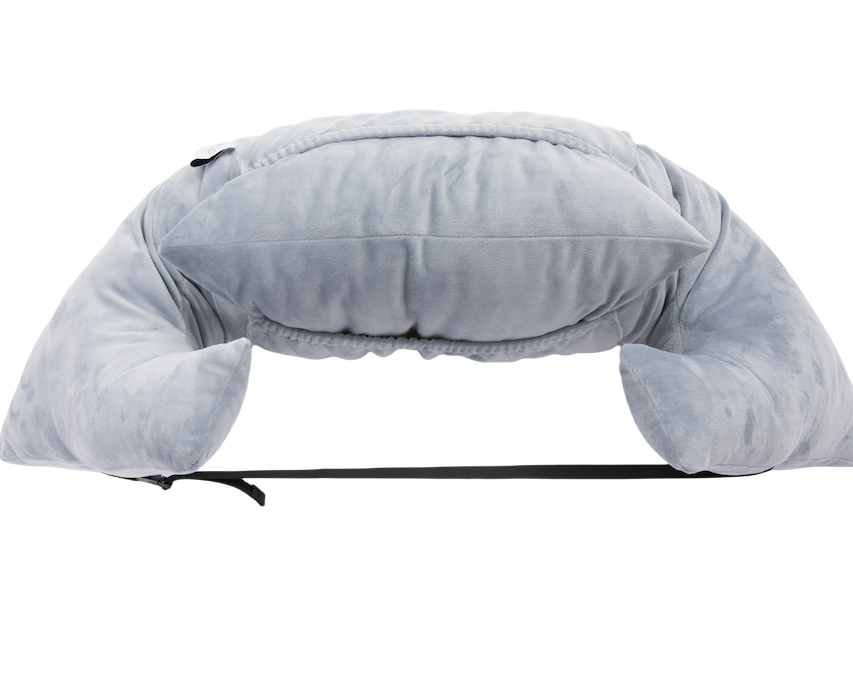
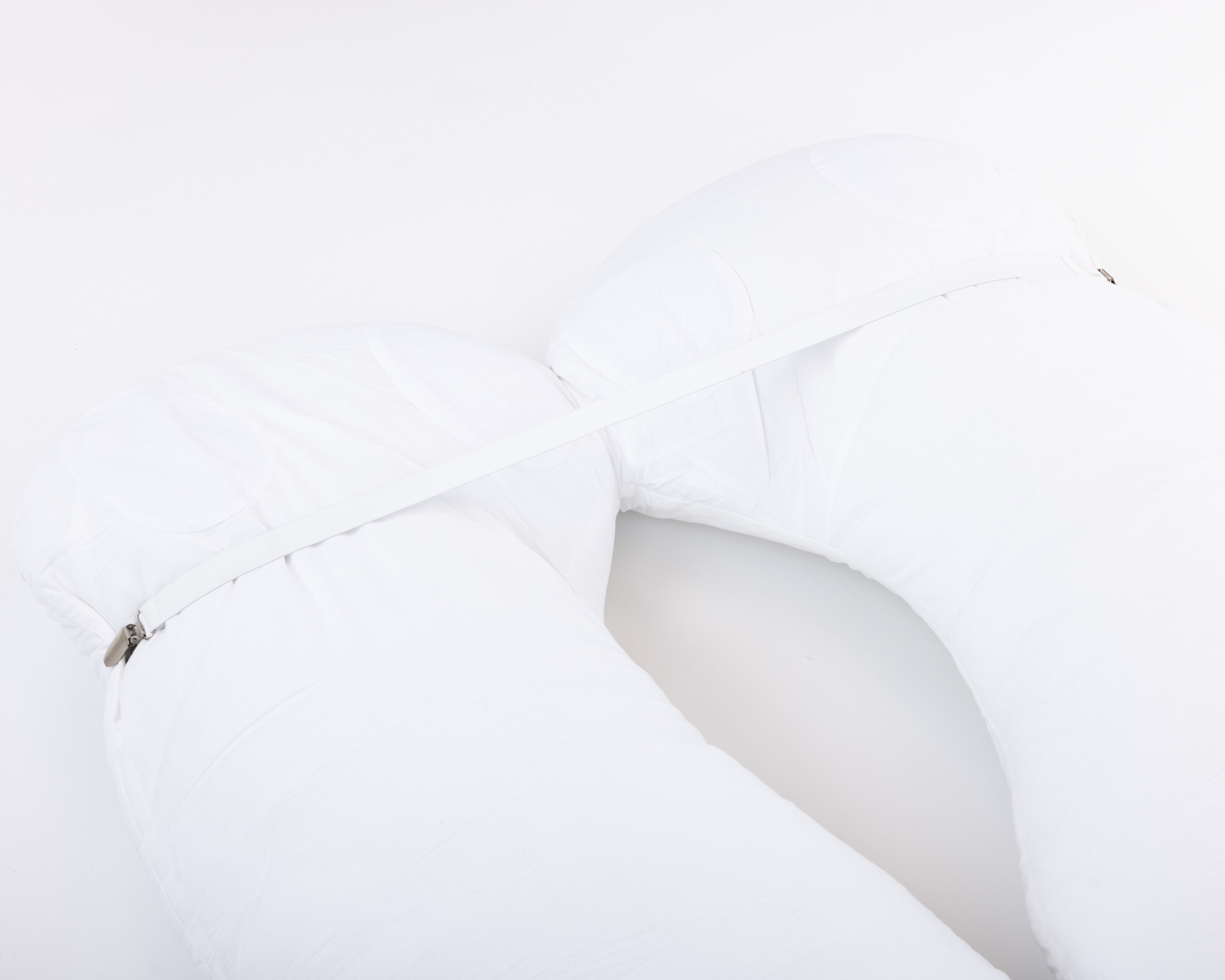
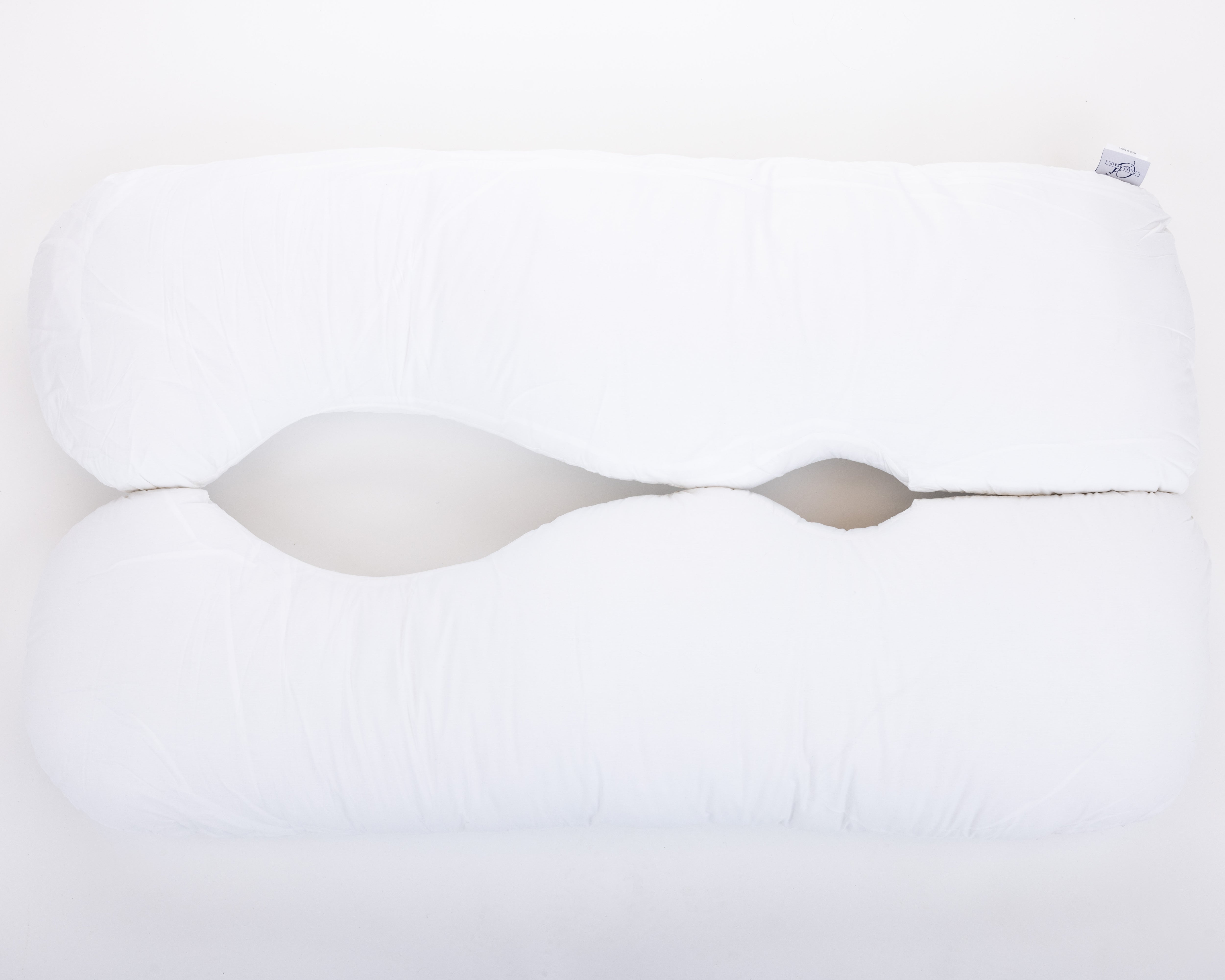
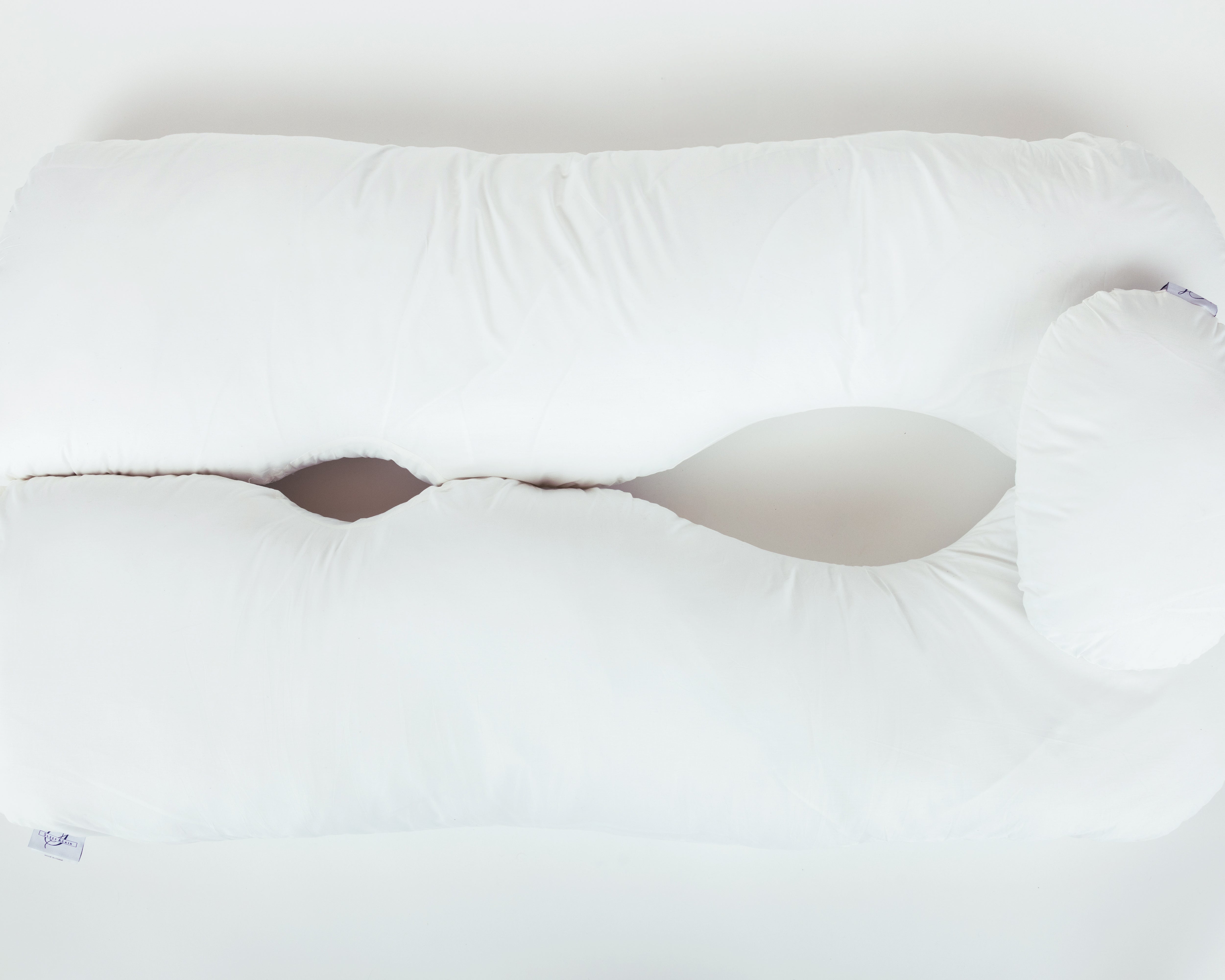
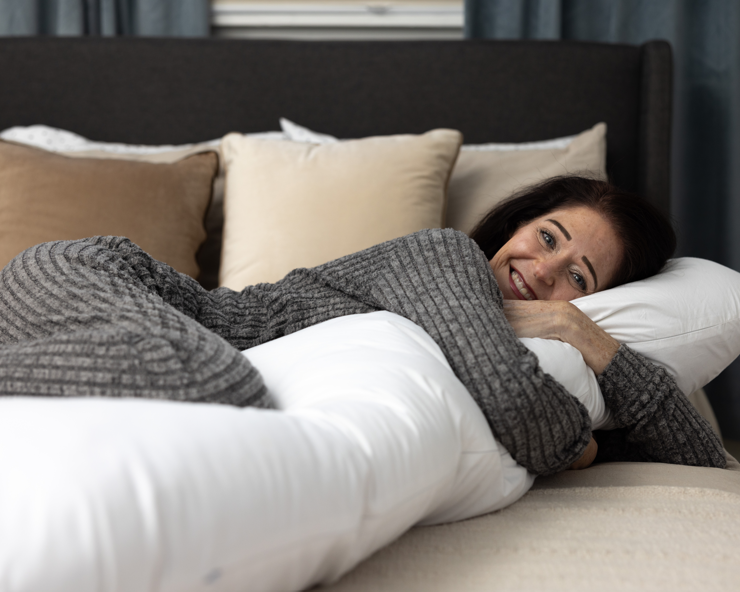
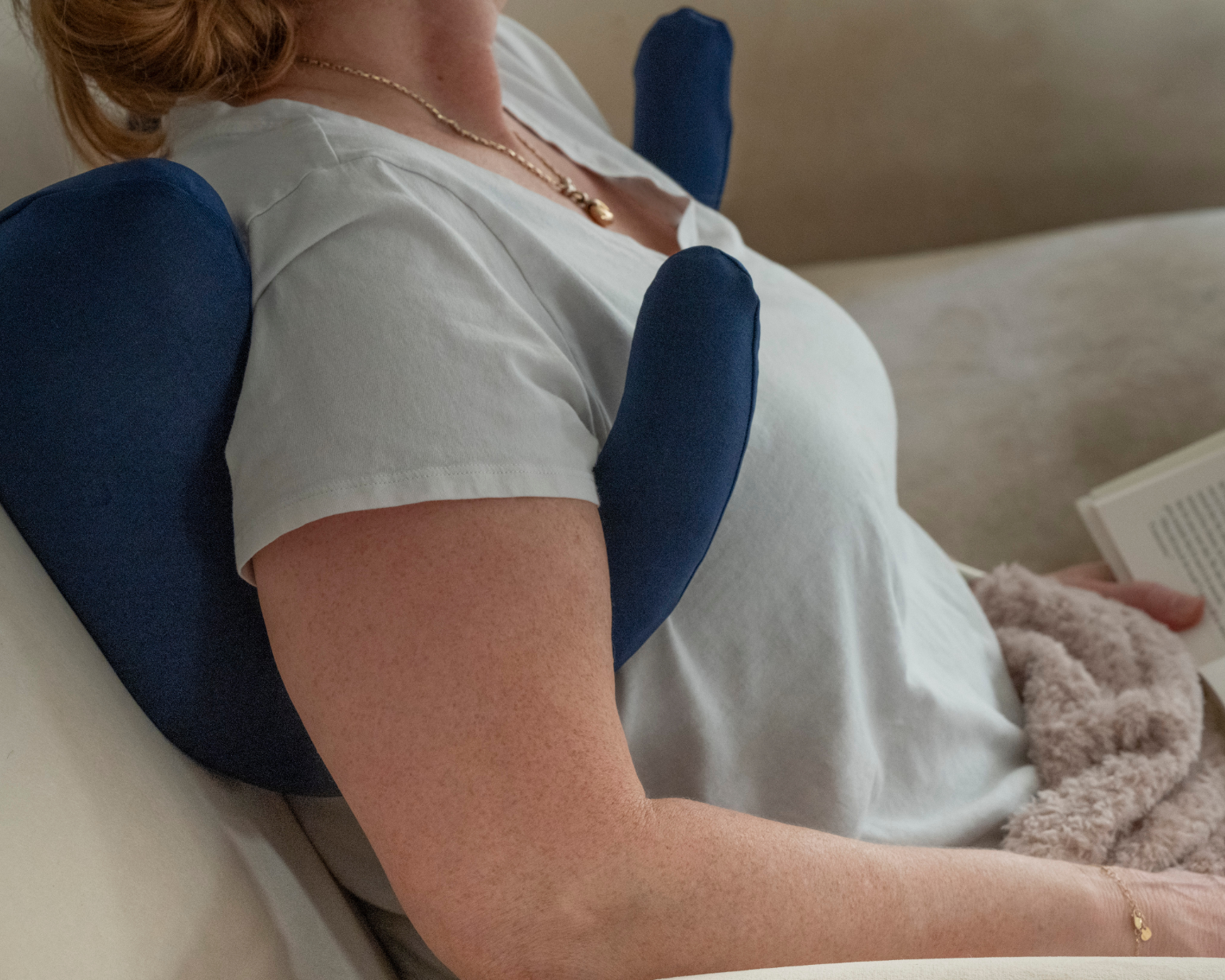
For sleep apnea specifically, the contoured side pillows do something generic wedge pillows can't: they keep you from unconsciously rolling during the night, maintaining the elevated back position where your airway is most supported. The leg support wedge reduces lower back strain that would otherwise prompt you to shift positions — the small discomforts that quietly undo your positioning without you realizing it.
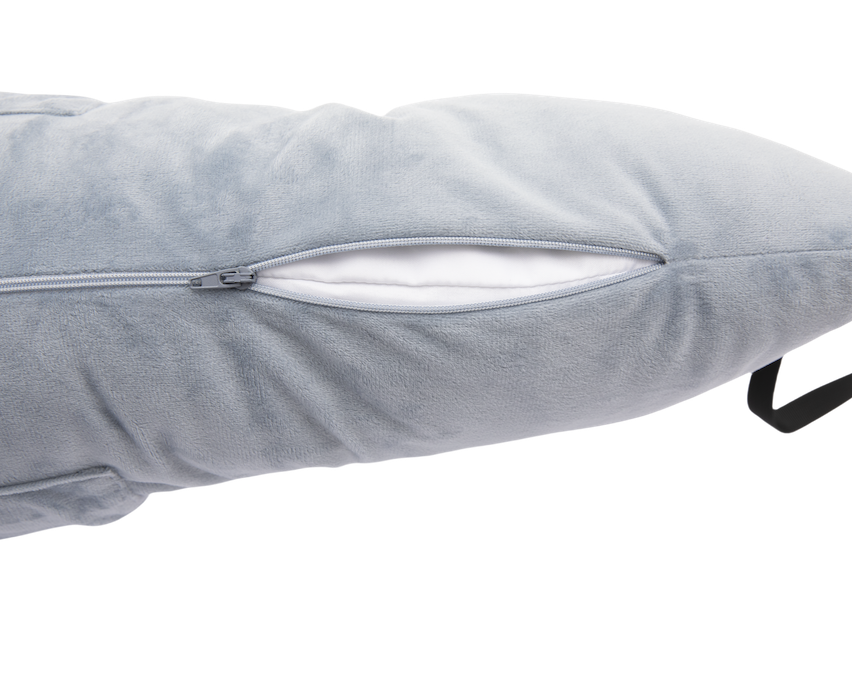
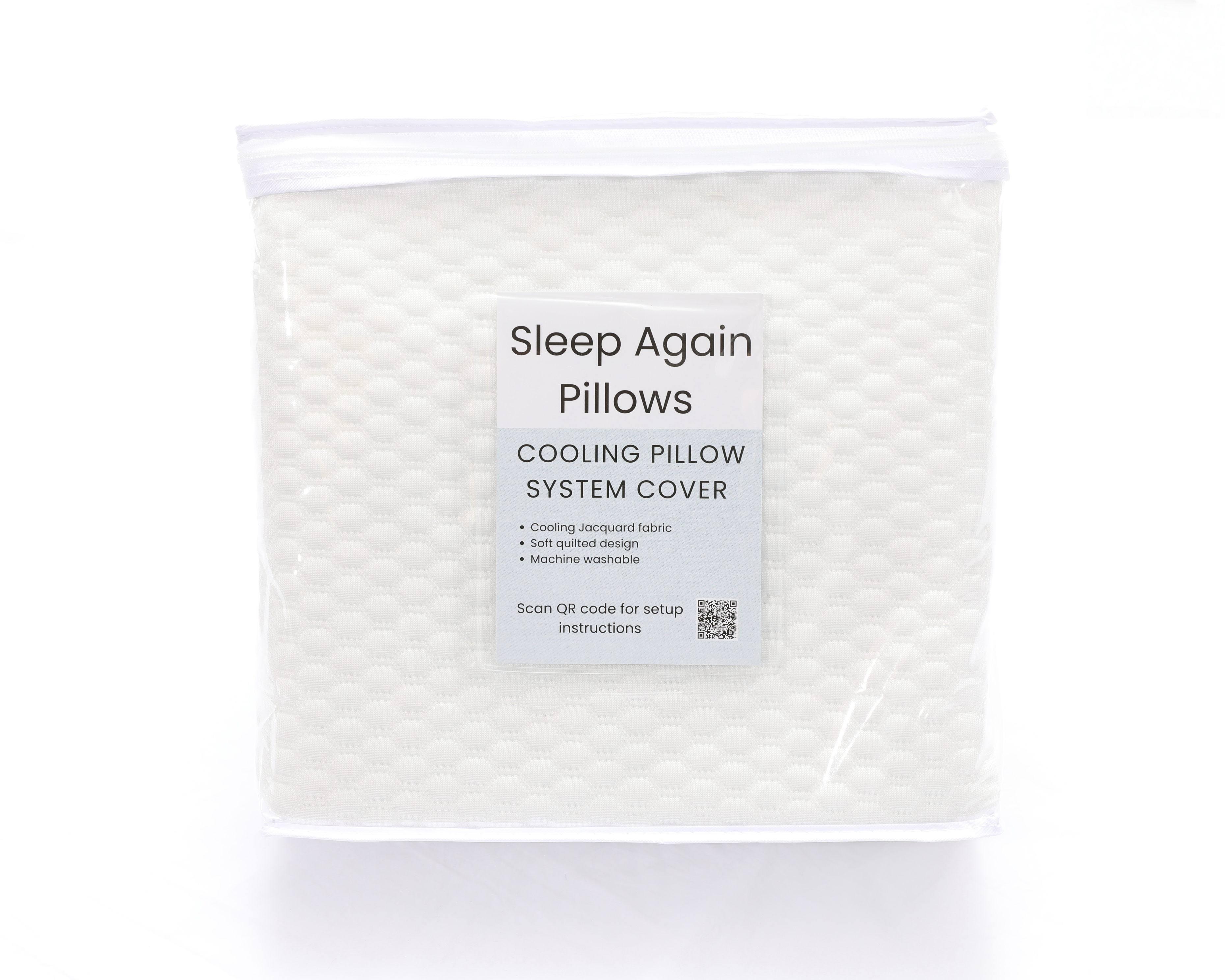
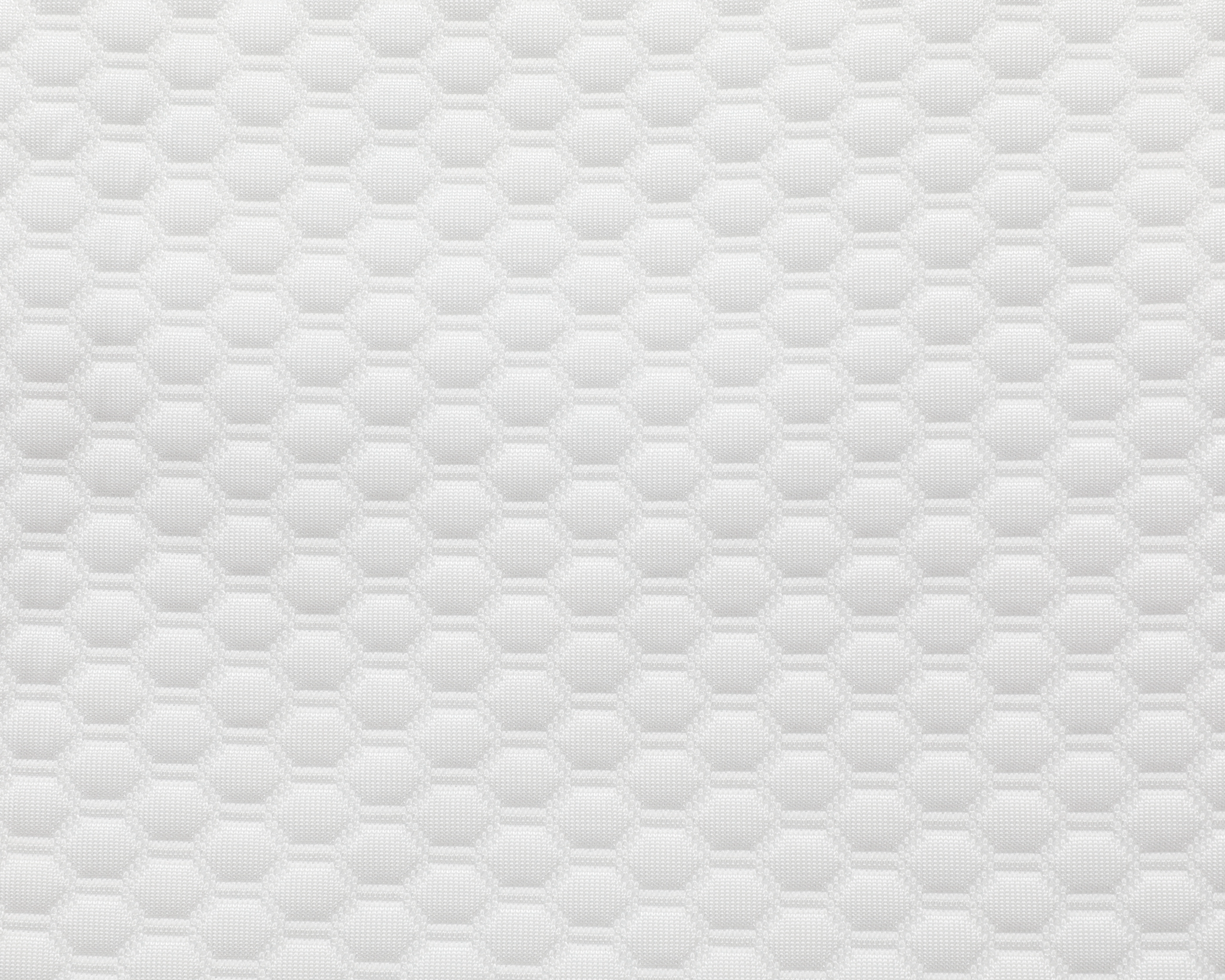
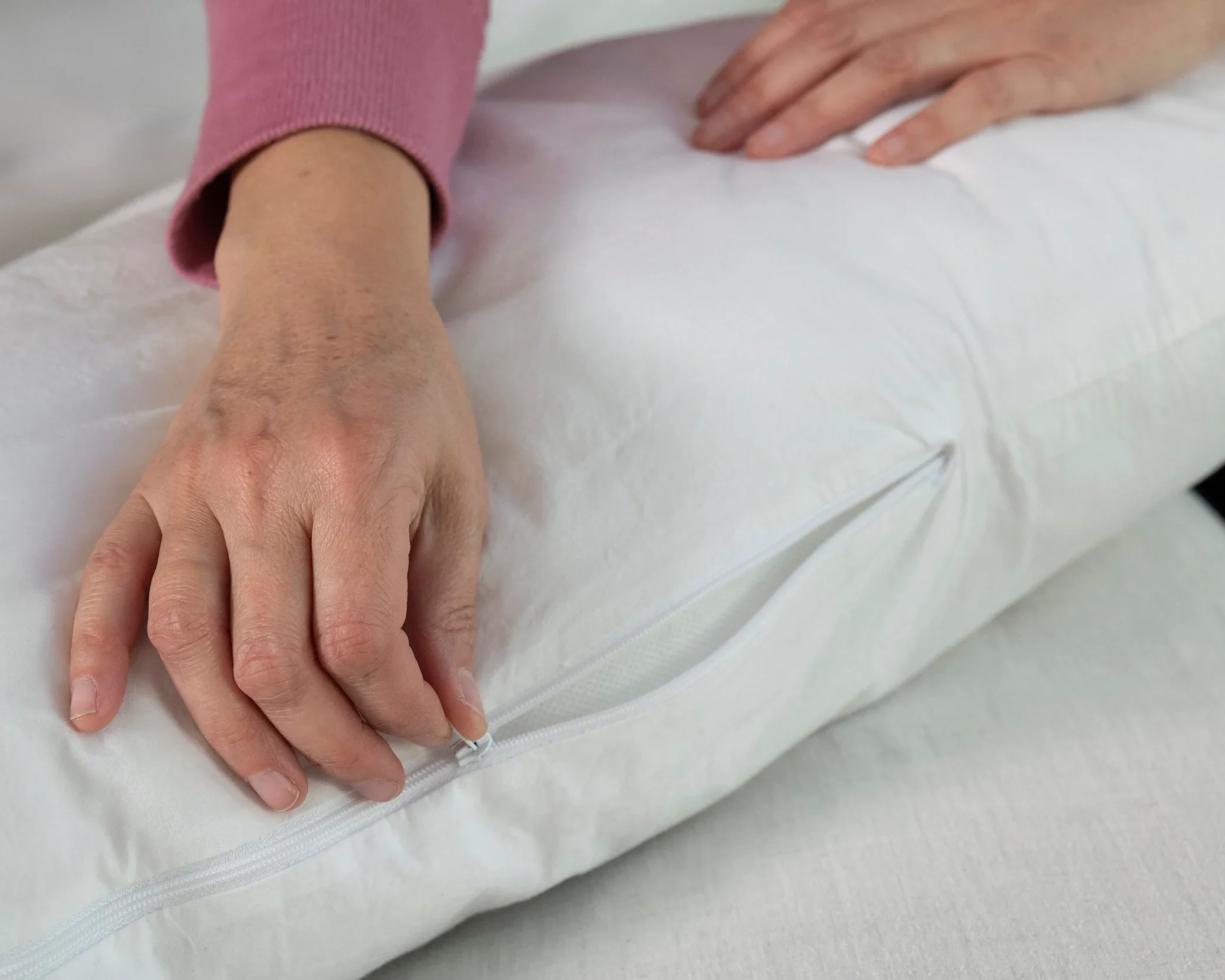
Every component works as an integrated system. Every slipcover is removable and washable. And the medical-grade foam maintains its shape night after night, unlike consumer pillows that compress and lose their therapeutic value within weeks.
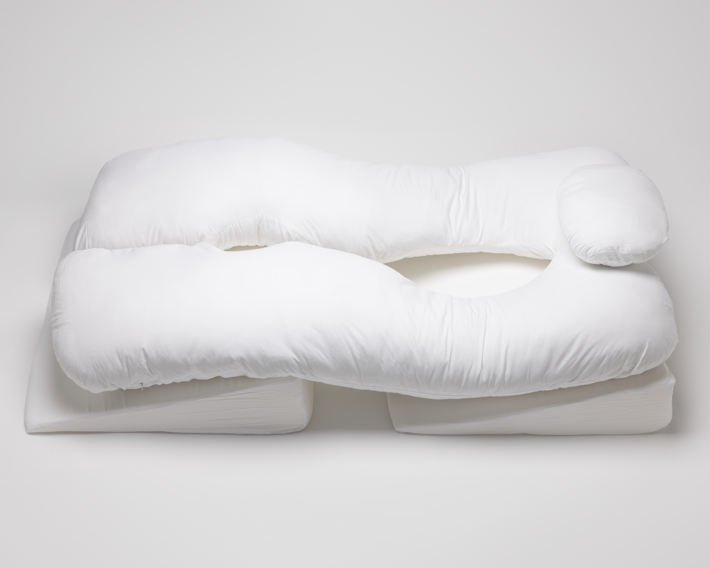
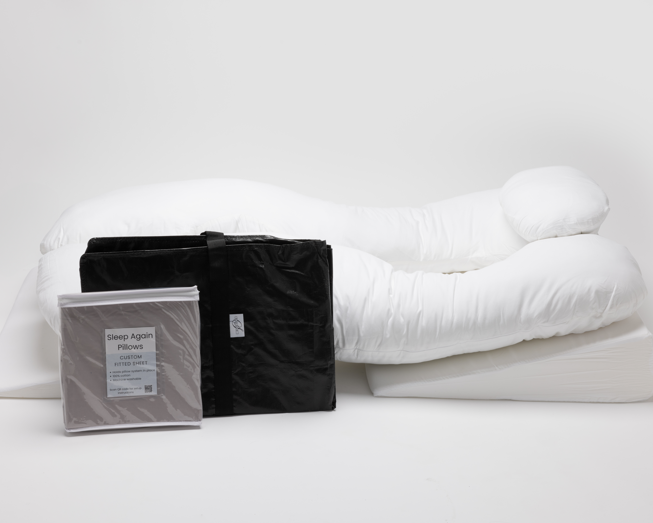
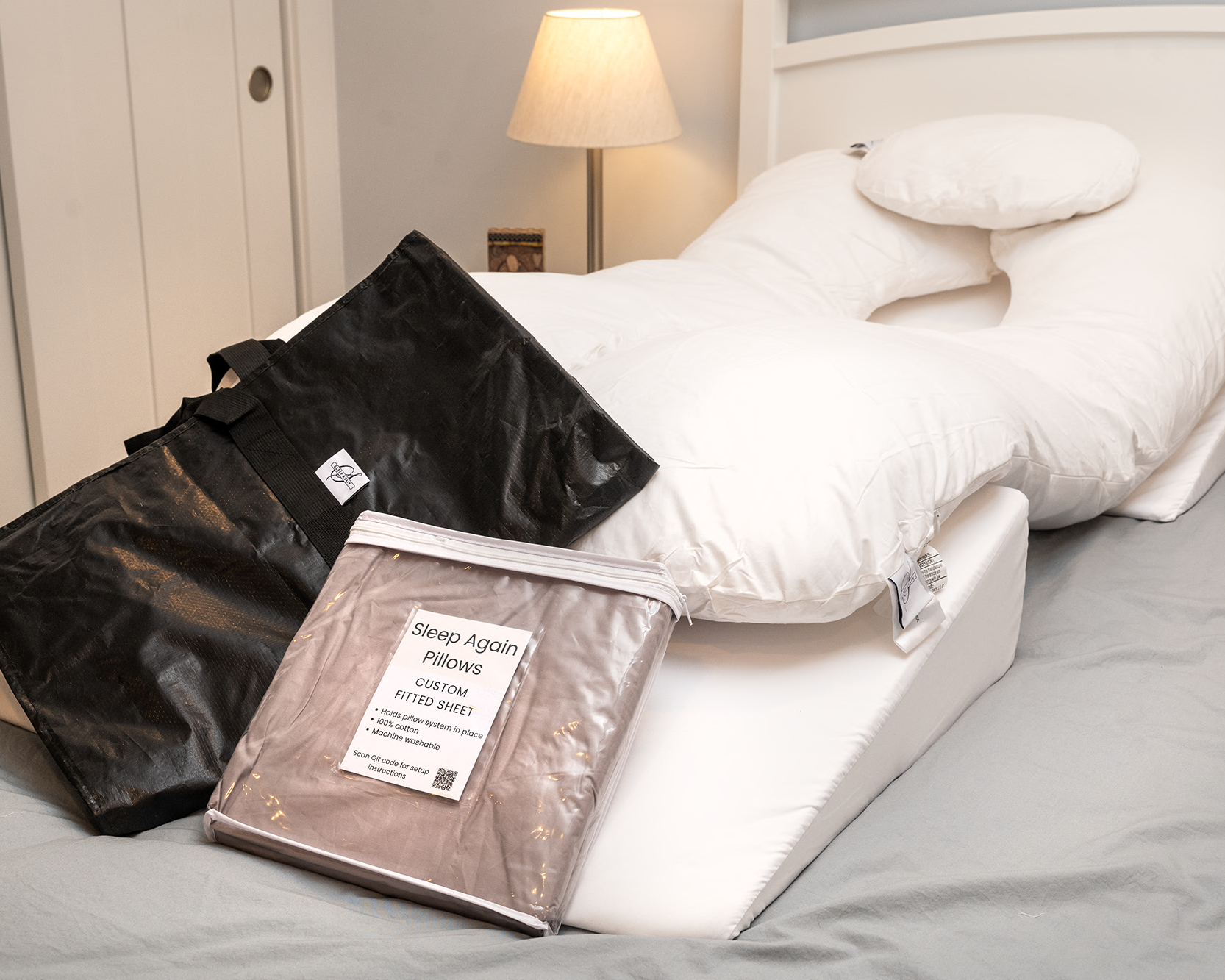
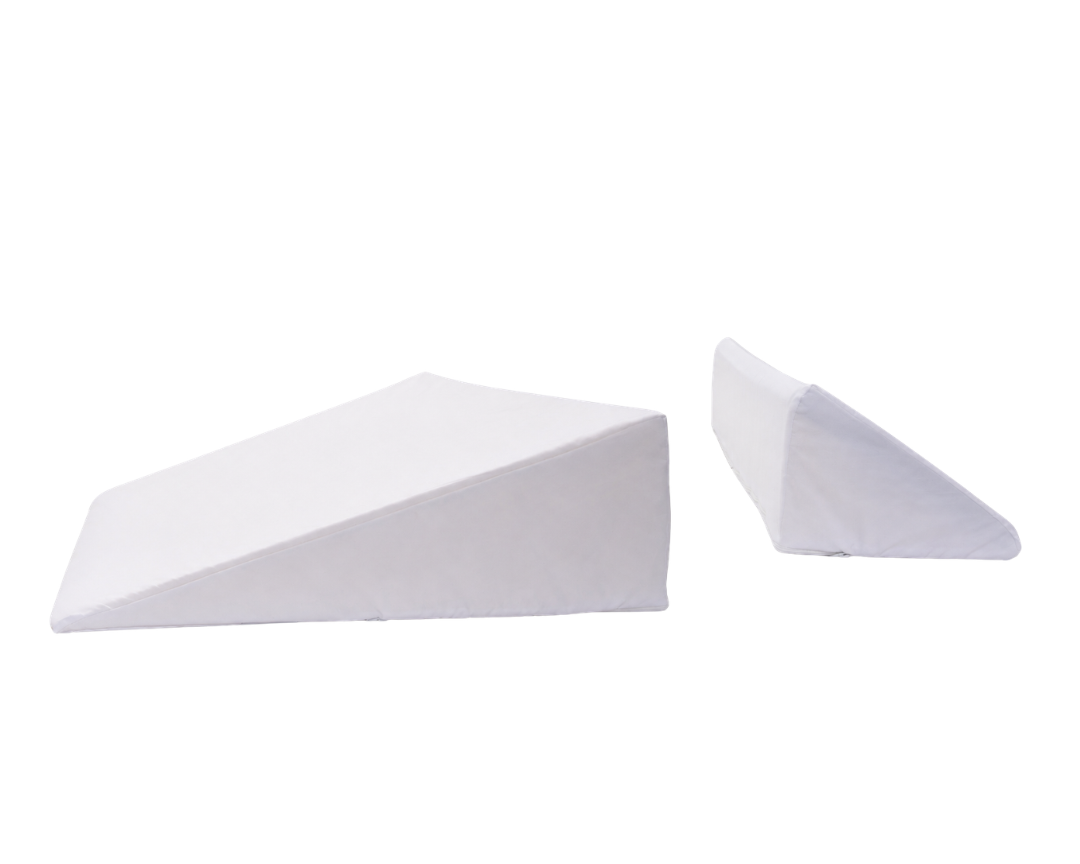
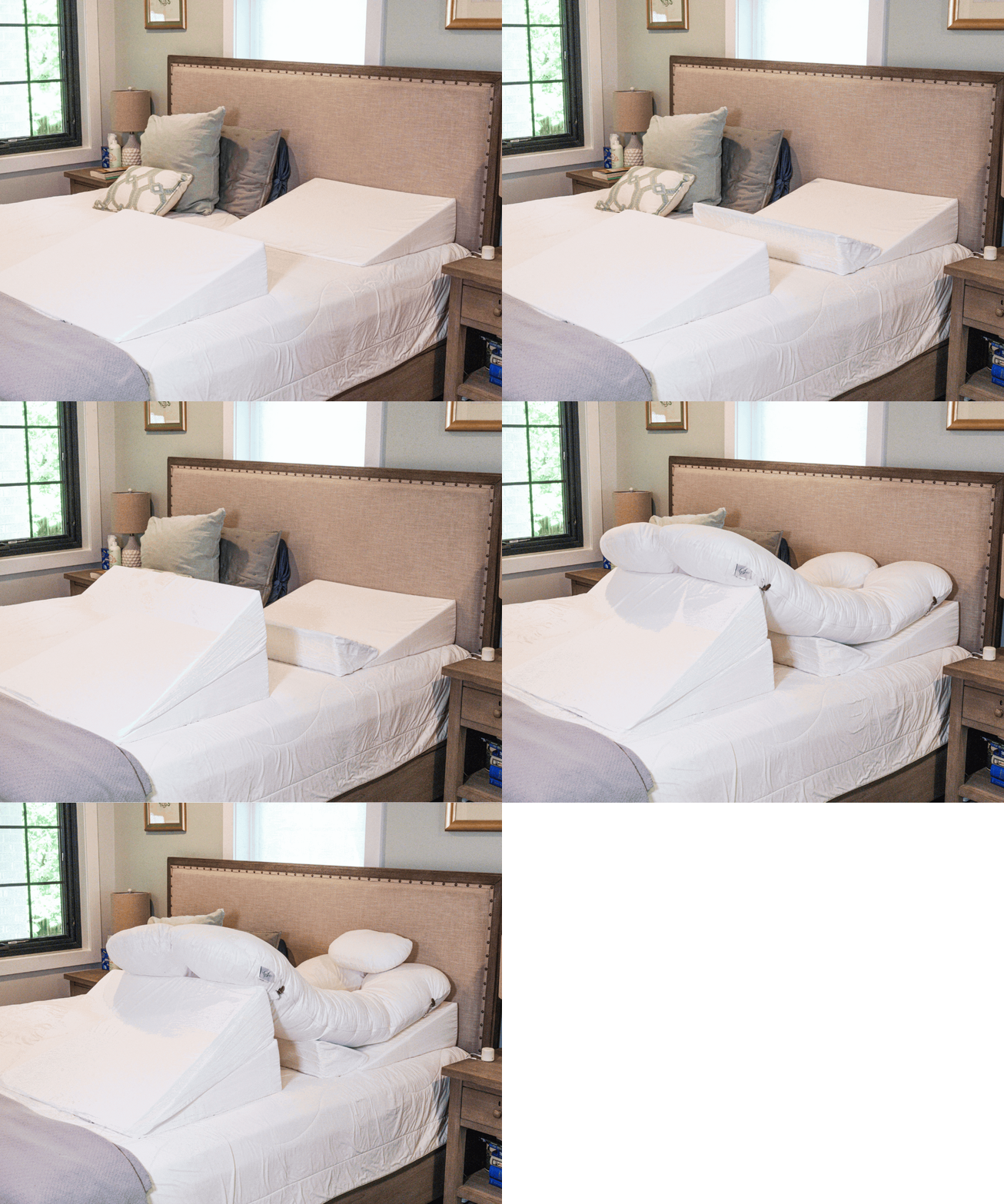
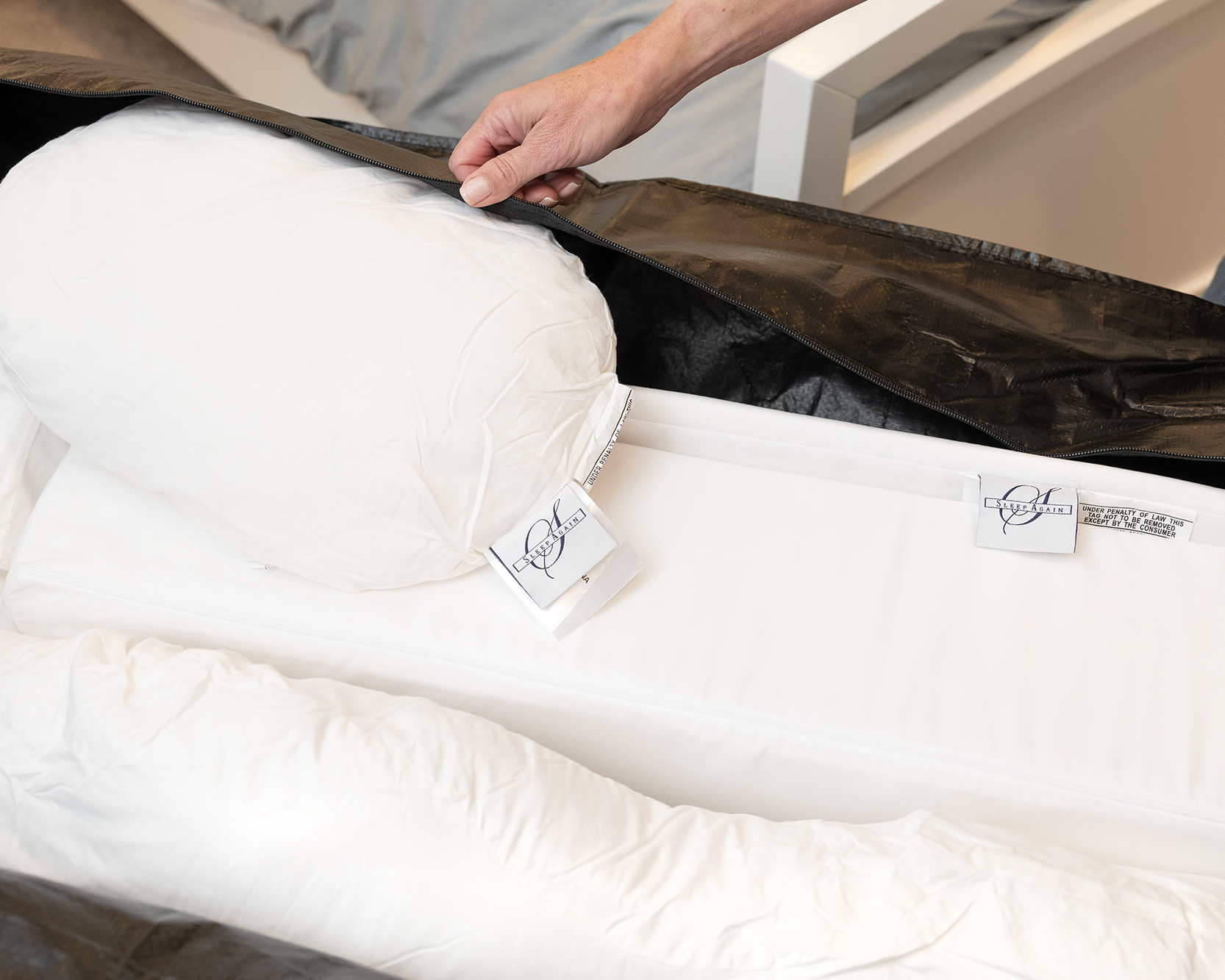
The Sleep Again Pillow System Includes:
- Upper Body Wedge — creates the 30-45 degree therapeutic incline
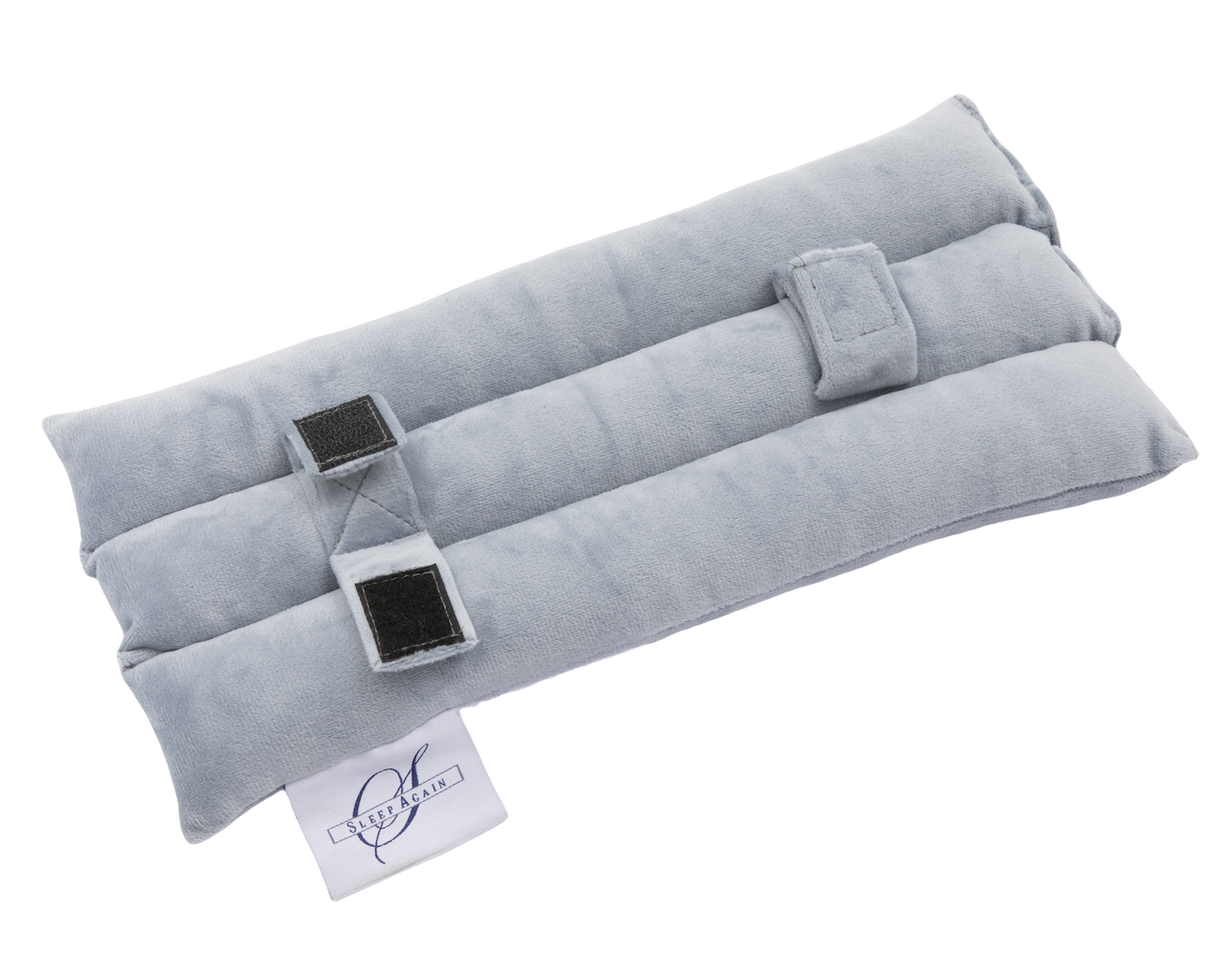
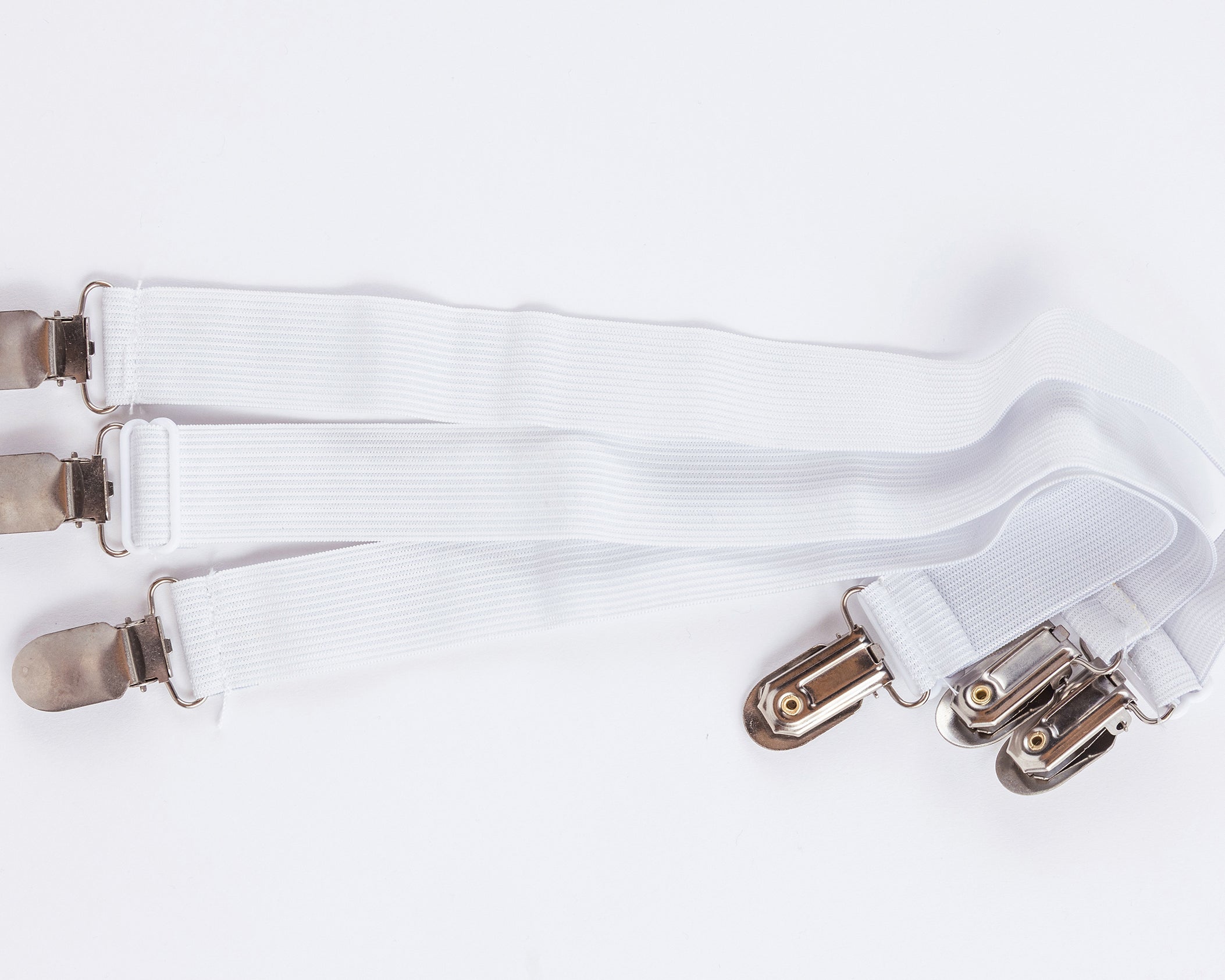
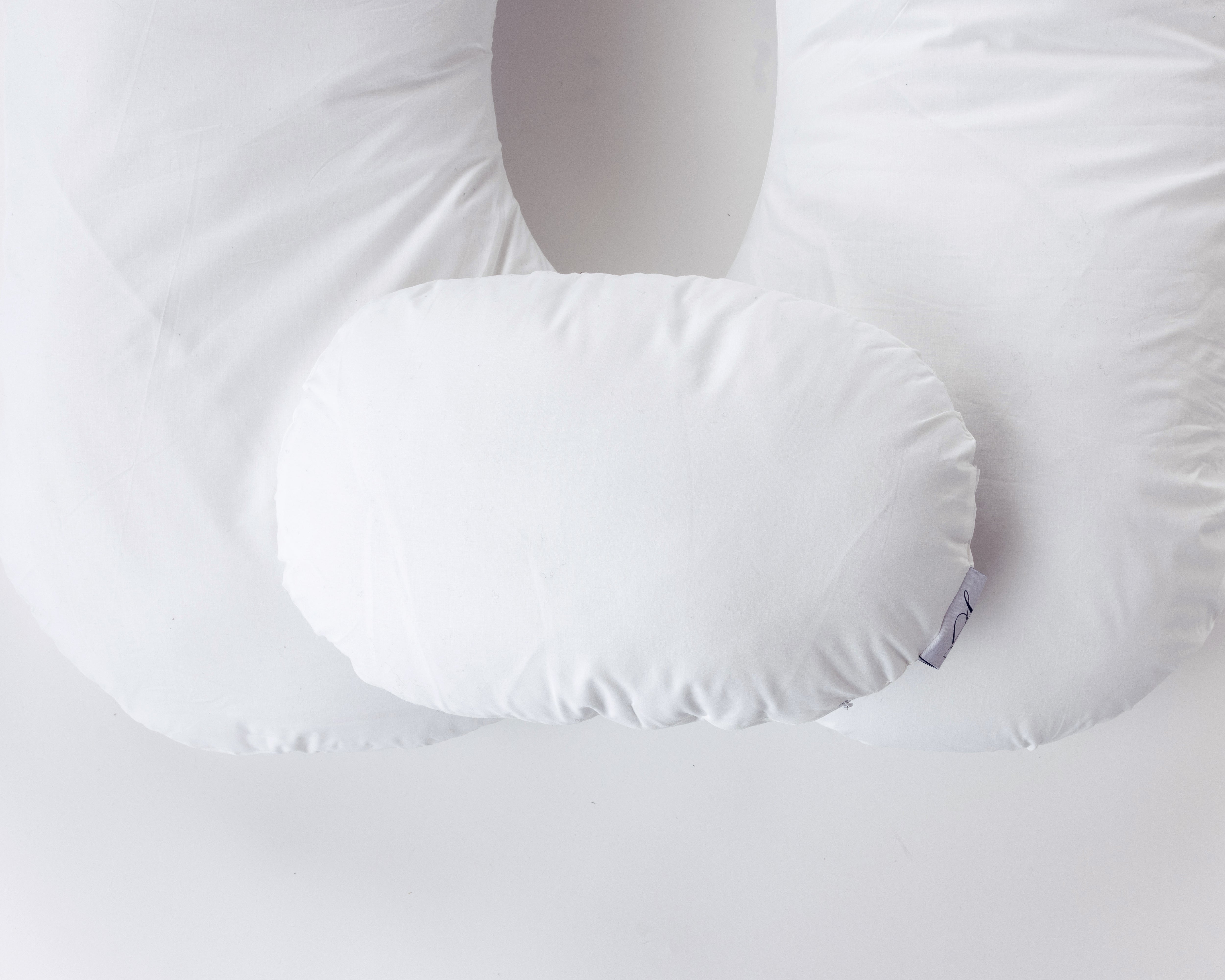
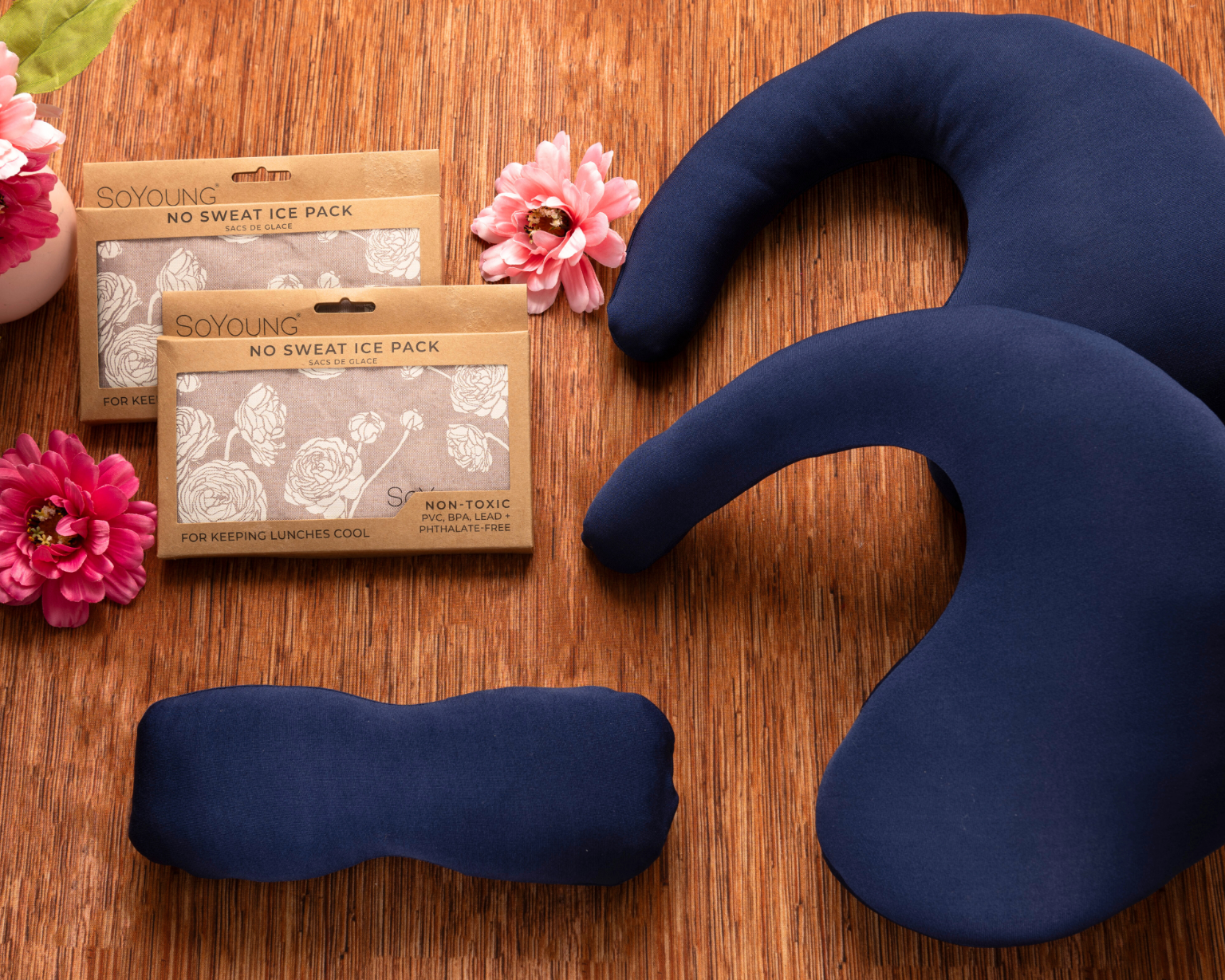
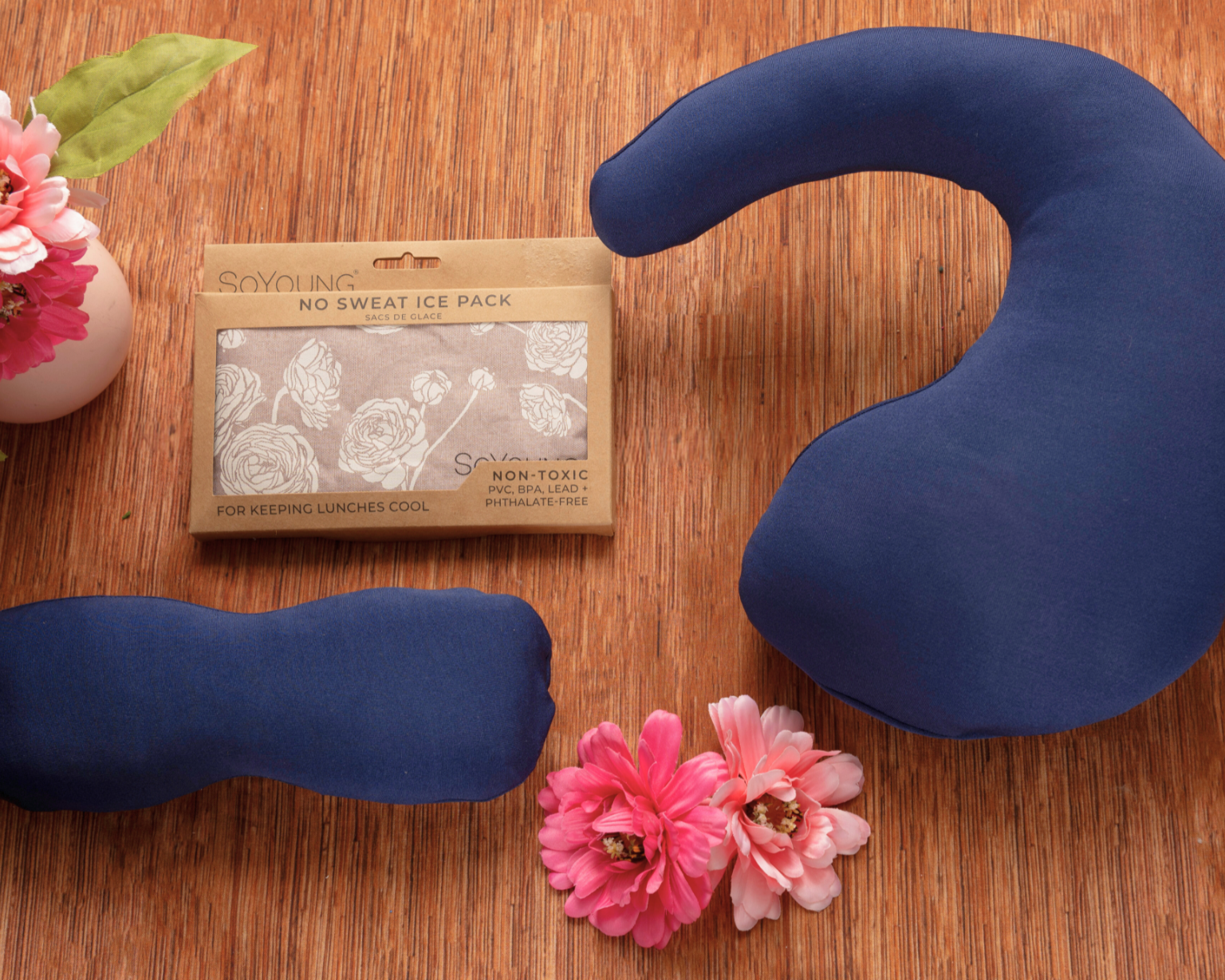
- Two Contoured Side Pillows — cradle and stabilize your position through the night
- Leg Support Wedge — reduces lower back strain and improves circulation
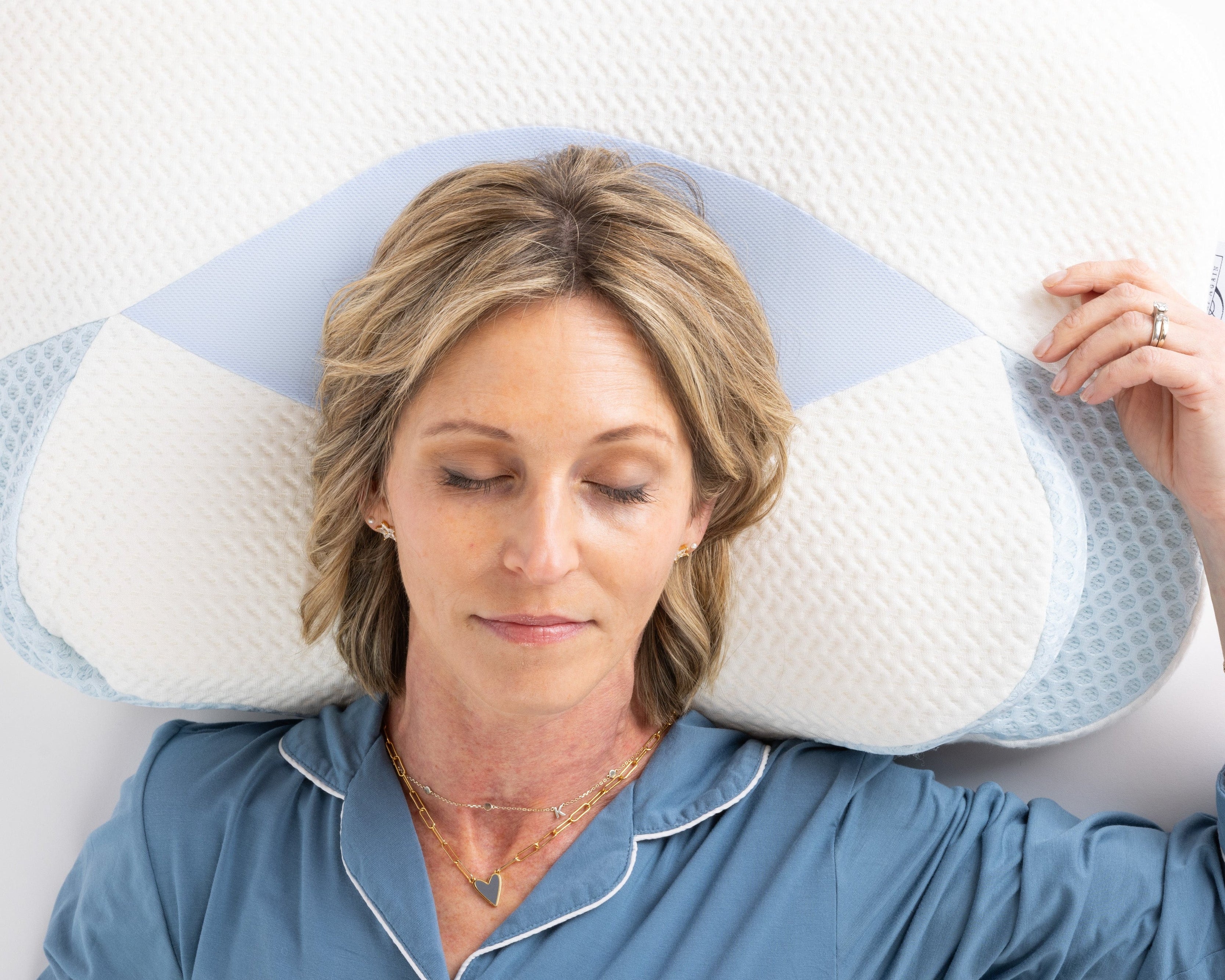
- Head Pillow — supports head and neck mobility
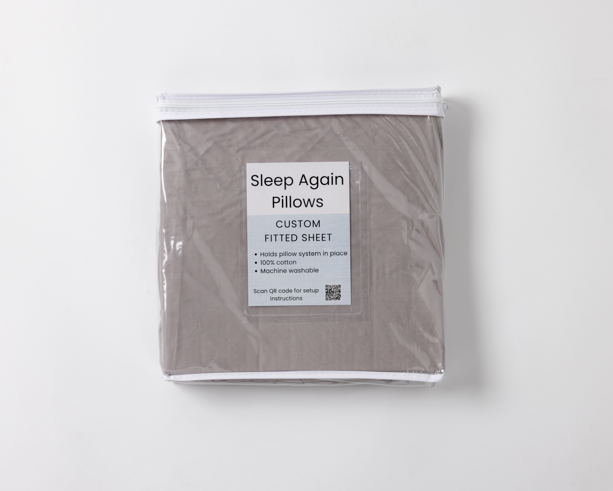
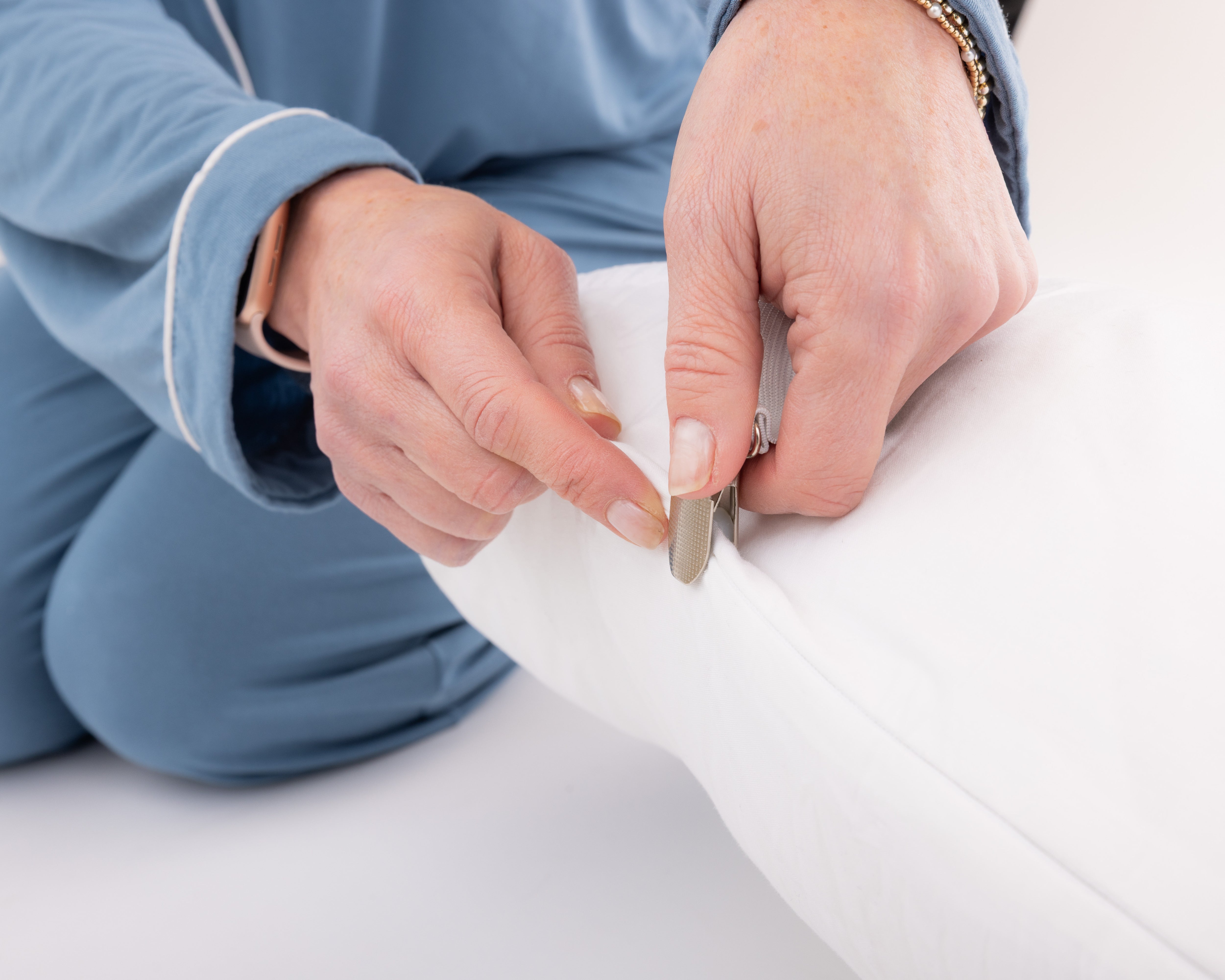
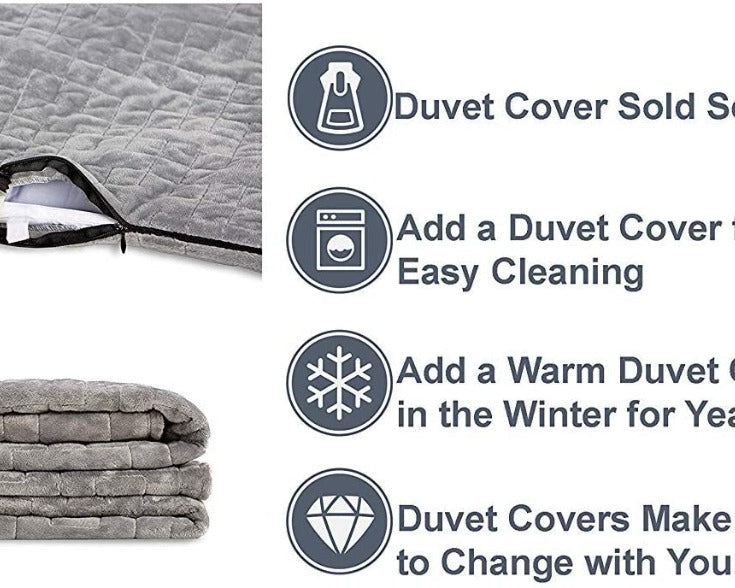
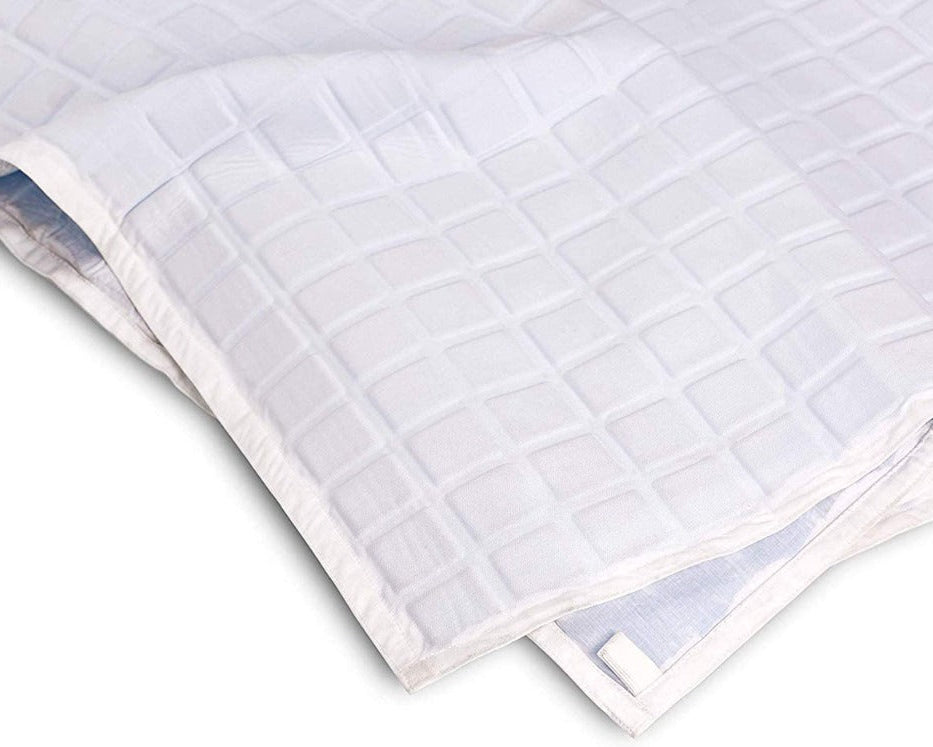
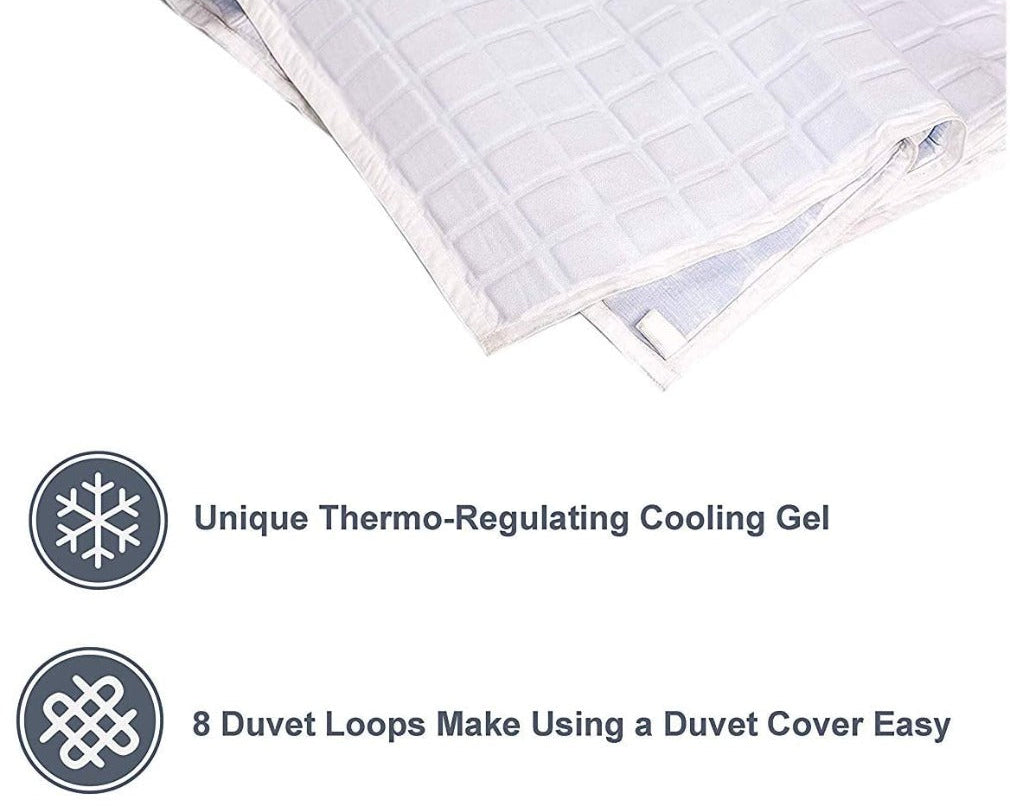
- Removable, washable slipcovers for every piece
The Sleep Again Pillow System is HSA/FSA eligible — meaning if you have a flex spending account, this qualifies as a medical purchase.
CPAP and Elevation: A Complementary Approach
Many sleep apnea patients use both elevated positioning and CPAP therapy — and the two work synergistically. Elevation can reduce the pressure settings needed for effective CPAP, making the therapy more comfortable and easier to maintain. This combined approach often improves long-term treatment compliance without sacrificing effectiveness.
Elevation doesn't interfere with CPAP — just ensure your tubing has enough length and flexibility to accommodate the inclined position.
FAQs About Elevated Sleeping for Sleep Apnea
How long before I see improvement in sleep apnea symptoms?
Most people notice some improvement within the first week — reduced snoring, fewer nighttime awakenings, better morning energy. Measurable improvement in apnea-hypopnea index typically shows up within 2-3 weeks of consistent elevated sleeping. Maximum benefit usually develops over 4-6 weeks as your body fully adapts.
Can I use an adjustable bed instead of a positioning wedge?
Adjustable beds can provide elevation, but they have limitations. The articulation points often create uncomfortable angles or gaps at the midsection. The elevation profile is typically less gradual than a purpose-built wedge system. Adjustable beds combined with supplemental wedge support can work well for some people, but a dedicated positioning system travels with you and maintains a more consistent therapeutic angle.
What if I naturally roll to my side during sleep?
Starting the night in an elevated back position often reduces the urge to roll — the improved breathing means less unconscious position-seeking. If you do roll to your side, that's still better than flat back sleeping. Positioning perfection isn't the goal; optimizing airway support is.
Will insurance cover positioning equipment for sleep apnea?
Coverage varies significantly by insurer and plan. The Sleep Again Pillow System qualifies for HSA/FSA purchase, which provides tax advantages even without direct insurance coverage. Keep your receipt and sleep apnea diagnosis documentation for potential reimbursement or tax purposes.
Can positioning replace CPAP therapy?
For mild to moderate positional sleep apnea, elevated sleeping may significantly reduce apnea events — sometimes enough that CPAP becomes unnecessary. However, this should never be assumed without sleep study confirmation and physician guidance. For severe sleep apnea, positioning typically complements rather than replaces CPAP therapy.
Do I need to maintain elevation long-term?
This depends on your apnea severity and individual anatomy. Many patients who begin elevated sleeping for symptom management find the sleep quality improvement compelling enough to continue indefinitely. Work with your healthcare provider to determine the right long-term approach for your situation.
How do I know if my elevation angle is correct?
The right elevation should feel comfortable for extended periods and allow you to fall asleep naturally. Your neck should feel neutral — not strained forward or hyperextended backward. Breathing should feel easier, not more labored. Your position should remain stable without constant readjustment. Positioning systems designed to the 30-45 degree therapeutic range do this work automatically.
Taking Control of Your Sleep Apnea
Sleep apnea doesn't have to control your life or define your health. Your sleep positioning is one of the most powerful — and most underutilized — tools for managing it.
Elevated back sleeping at 30-45 degrees works with your body's natural mechanics rather than against them. It's not about struggling to hold an uncomfortable position through willpower — it's about creating a sleep environment where your airways stay open naturally, your tissues drain effectively, and your body achieves the deep, restorative sleep it needs.
The sooner you optimize your positioning, the sooner you'll experience better sleep quality, improved daytime energy, and reduced cardiovascular strain from nightly oxygen disruption.
Your sleep position is one aspect of sleep apnea management you control completely. Make it count.
Important Medical Disclaimer
The information provided on this page is for educational purposes only and should not replace professional medical advice from your healthcare provider. Sleep Again Pillows are positioning support products designed to help maintain sleep positions recommended by medical professionals during recovery and for therapeutic use.
Always follow your surgeon's or physician's specific post-operative instructions and positioning requirements. Medical guidance from your healthcare team takes precedence over any general information provided here. Recovery timelines, positioning angles, and product suitability vary based on individual surgical procedures, medical conditions, and patient-specific factors.
Consult your healthcare provider before purchasing positioning equipment if you have specific medical concerns or questions about whether these products are appropriate for your recovery or medical condition(s). Your medical team can provide personalized recommendations based on your unique situation.
Sleep Again Pillows do not diagnose, treat, cure, or prevent any medical condition. These products provide positioning support to help maintain sleep angles and positions as directed by your healthcare provider.