
Most snorers try everything — nose strips, throat sprays, mouthpieces — and still wake up exhausted. The reason? They're ignoring the one factor that matters most: how they position their body during sleep.
What many don't know is that proper elevation addresses the mechanical cause of snoring without requiring medical devices, surgery, or uncomfortable oral appliances.
That said, often people who snore do have diagnosed medical conditions such as obstructive sleep apnea, so it's critical to always follow your doctor's advice over any found online.
But if you're looking for ways to improve your sleep quality and potentially reduce or eliminate snoring at the same time, this article is for you.
Why Your Sleep Position Is Everything for Snoring
Snoring happens when airflow through your mouth and nose is partially blocked during sleep. This obstruction causes the surrounding tissues to vibrate, creating the sound that disrupts sleep quality.
Your sleep position directly impacts three critical factors:
Airway alignment. When you lie flat on your back without elevation, gravity pulls your tongue and soft palate backward toward your throat. This narrows your airway and creates the conditions for tissue vibration. Side-sleeping can help prevent this backward collapse, but it comes with problems we'll cover shortly.
Breathing mechanics. Your respiratory system works most efficiently when your upper body is elevated at a 30-45 degree angle. This positioning opens your airways, reduces pressure on your diaphragm, and allows your lungs to expand fully with each breath.
Long-term airway health. Chronic snoring is often a precursor to obstructive sleep apnea, a serious condition where breathing repeatedly stops and starts throughout the night. By addressing snoring proactively with proper positioning, you're potentially preventing a more serious diagnosis down the road.
The Science Behind Elevated Back-Sleeping for Snoring
Most sleep advice recommends side-sleeping, but that position creates shoulder pain, hip discomfort, and is difficult to maintain throughout the night. Most people unconsciously roll onto their backs during sleep anyway.
Elevated back-sleeping at 30-45 degrees is the therapeutic gold standard for snoring management because it addresses the root mechanical cause of airway obstruction.
When you elevate your upper body to this angle, you create optimal airway geometry. Your tongue naturally stays forward in your mouth instead of sliding backward. Your soft palate maintains a healthy distance from your throat. Your entire respiratory pathway stays open and unobstructed throughout the night.
This approach is backed by respiratory medicine principles. Hospitals elevate patients recovering from breathing difficulties for this reason. Sleep specialists recommend this positioning for patients with sleep-disordered breathing. Otolaryngologists, aka ENTs (ear, nose, and throat doctors), consistently cite elevation as a first-line intervention for snoring.
The 30-45 degree angle is specific and deliberate. Lower elevation loses the anti-gravity benefits. More elevation causes sliding or creates neck strain. This precise angle provides optimal results.
Why Other Sleep Positions Fall Short for Snoring
Side-sleeping is better than sleeping completely flat on your back, as gravity helps keep your airway more open. However, side-sleeping causes shoulder compression, hip pain, facial wrinkles from pillow pressure, and is nearly impossible to maintain throughout an entire night.
Stomach-sleeping is the worst option. While it might reduce snoring by keeping your tongue forward, it creates severe neck strain, puts pressure on your internal organs, and can worsen acid reflux. The temporary snoring relief is not worth the long-term spine and neck problems.
Flat back-sleeping is comfortable for many people but allows gravity to pull everything backward—tongue, soft palate, and lower jaw. This creates the narrowest possible airway and guarantees maximum vibration of soft tissues.
These positions try to work against gravity instead of using it strategically. Elevated back-sleeping harnesses gravity to your advantage while maintaining proper spinal alignment and long-term comfort.
The Elevation Mistake Most People Make
If you've tried propping yourself up before and it didn't work, you likely made one of these common mistakes:
Stacking regular bed pillows creates a poor slope. Your upper body is elevated, but your head is bent forward at an uncomfortable angle. This compression actually narrows your airway in a different way and defeats the purpose of elevation. Pillows also shift and flatten throughout the night, gradually lowering your elevation.
Propping up just your head with a thick pillow makes things worse. Elevating only your head creates a chin-to-chest position that compresses your airway even more. Proper elevation means raising your entire upper body as a unit—head, neck, shoulders, and torso—maintaining the natural alignment of your spine.
Using an adjustable bed can work, but it comes with its own challenges. Adjustable beds tend to be expensive, difficult to share with a partner who doesn't need elevation, and still requires proper pillow support to maintain positioning throughout the night.
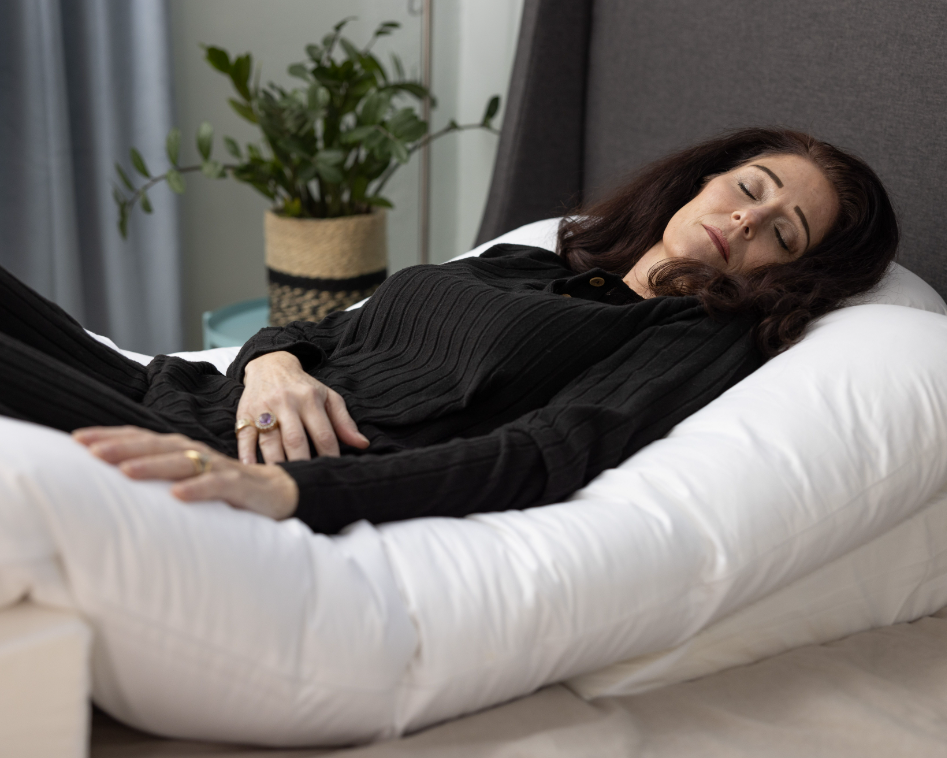
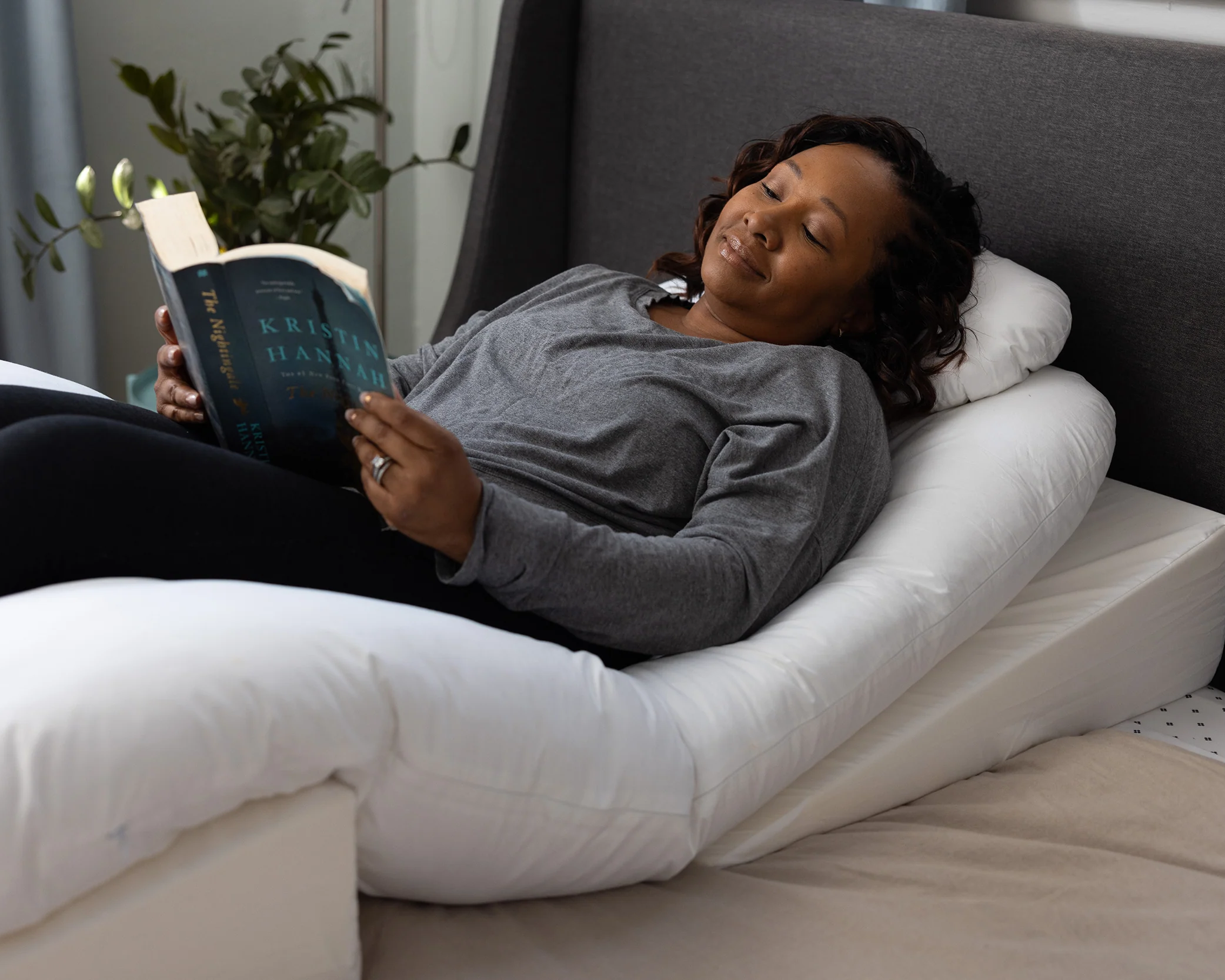
The real solution is a complete positioning system designed specifically for maintaining 30-45 degree elevation comfortably throughout an entire night. This means supporting not just your upper body, but also your legs, arms, and head in ways that prevent sliding and maintain spinal alignment.

The Sleep Again Pillow System: Full-Body Elevation for Snoring Management
Most pillow solutions for snoring focus on just your head or just your upper body. Sustainable elevated sleeping requires supporting your entire body in proper alignment, which is why the Sleep Again Pillow System takes a complete approach.
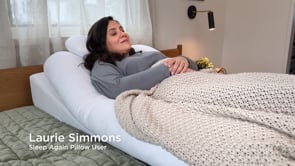
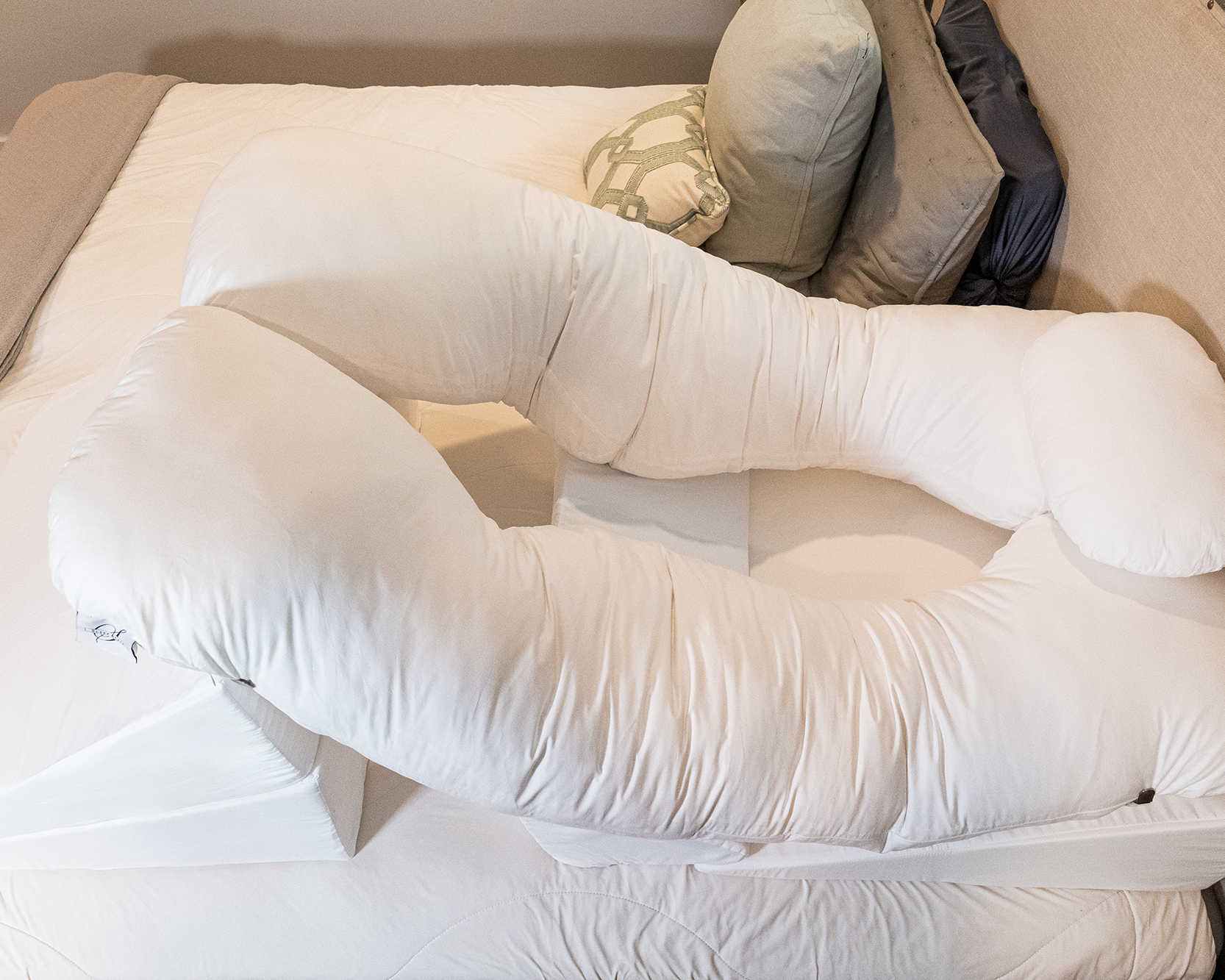
Originally designed for post-surgical recovery positioning, this system maintains therapeutic 30-45 degree elevation comfortably enough to use every single night for snoring management. It's the only full-body pillow system designed specifically for therapeutic positioning.
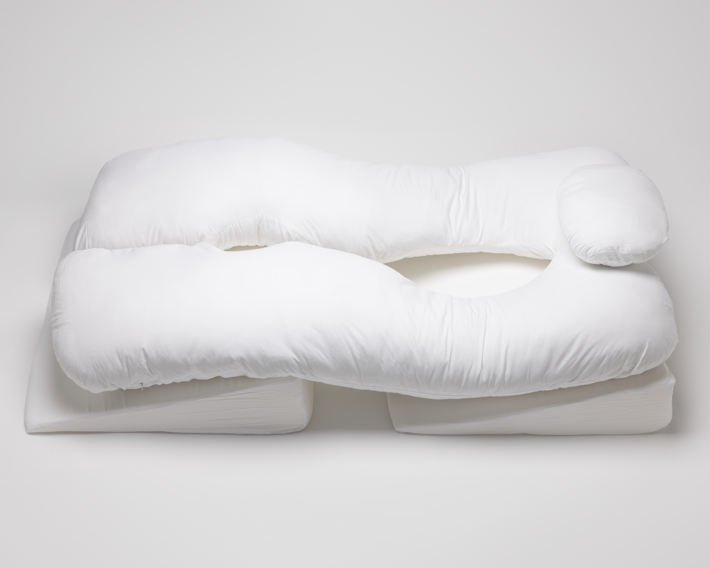
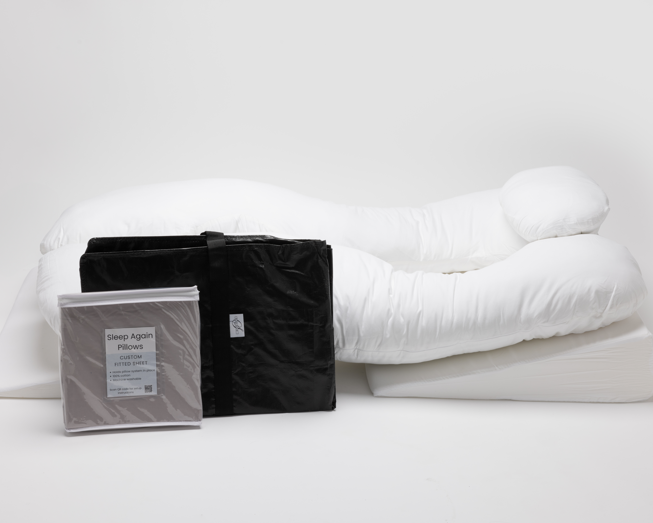
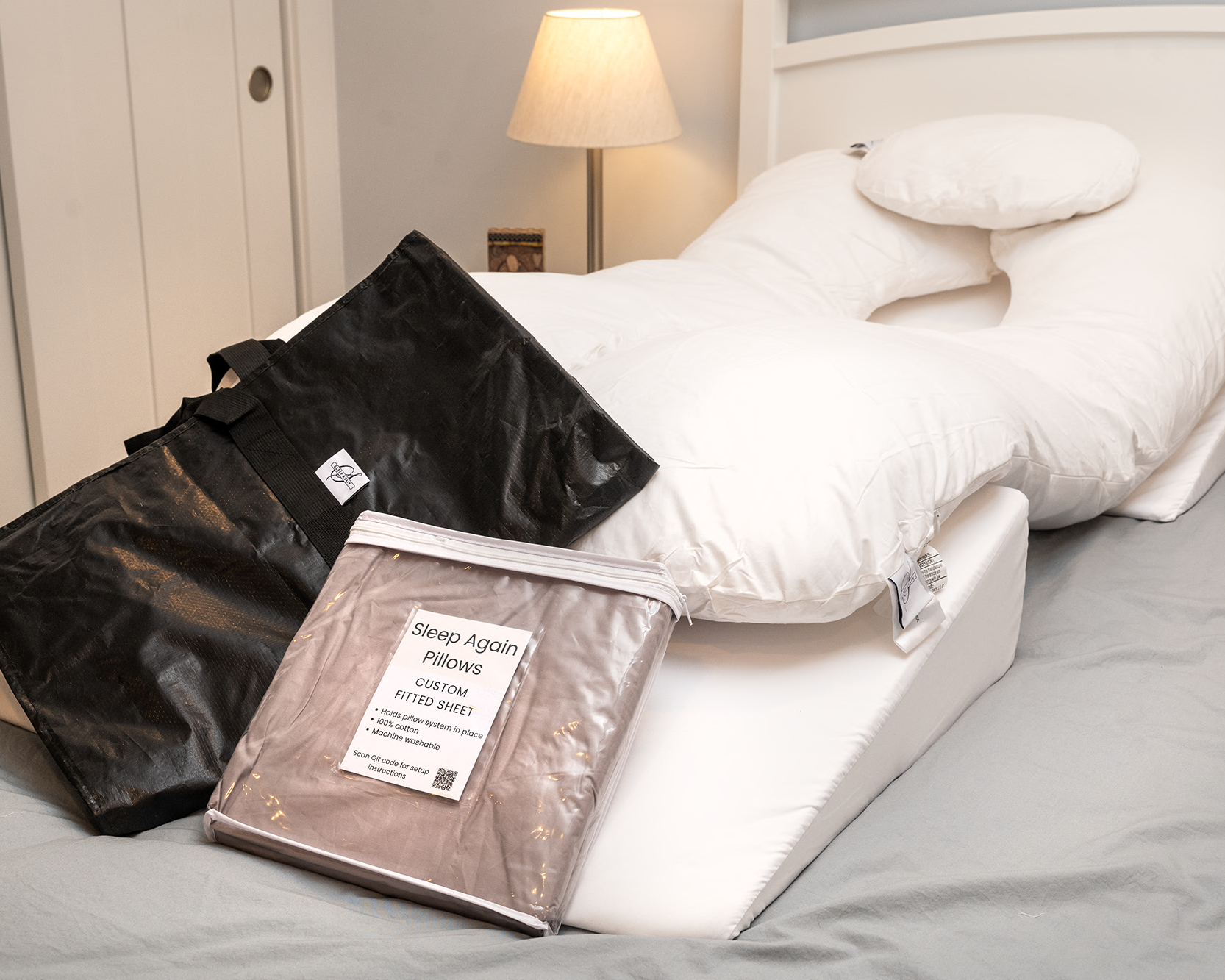
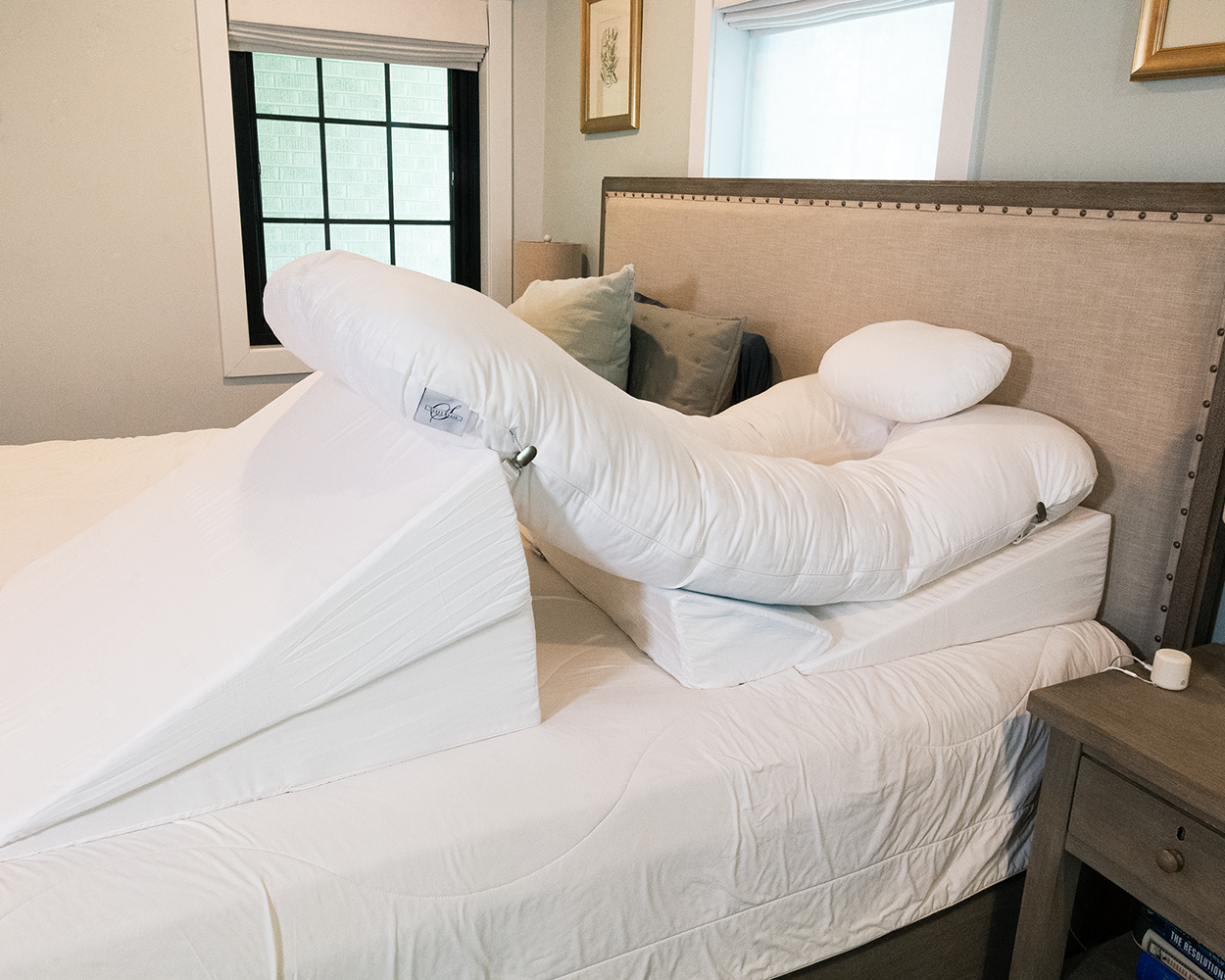
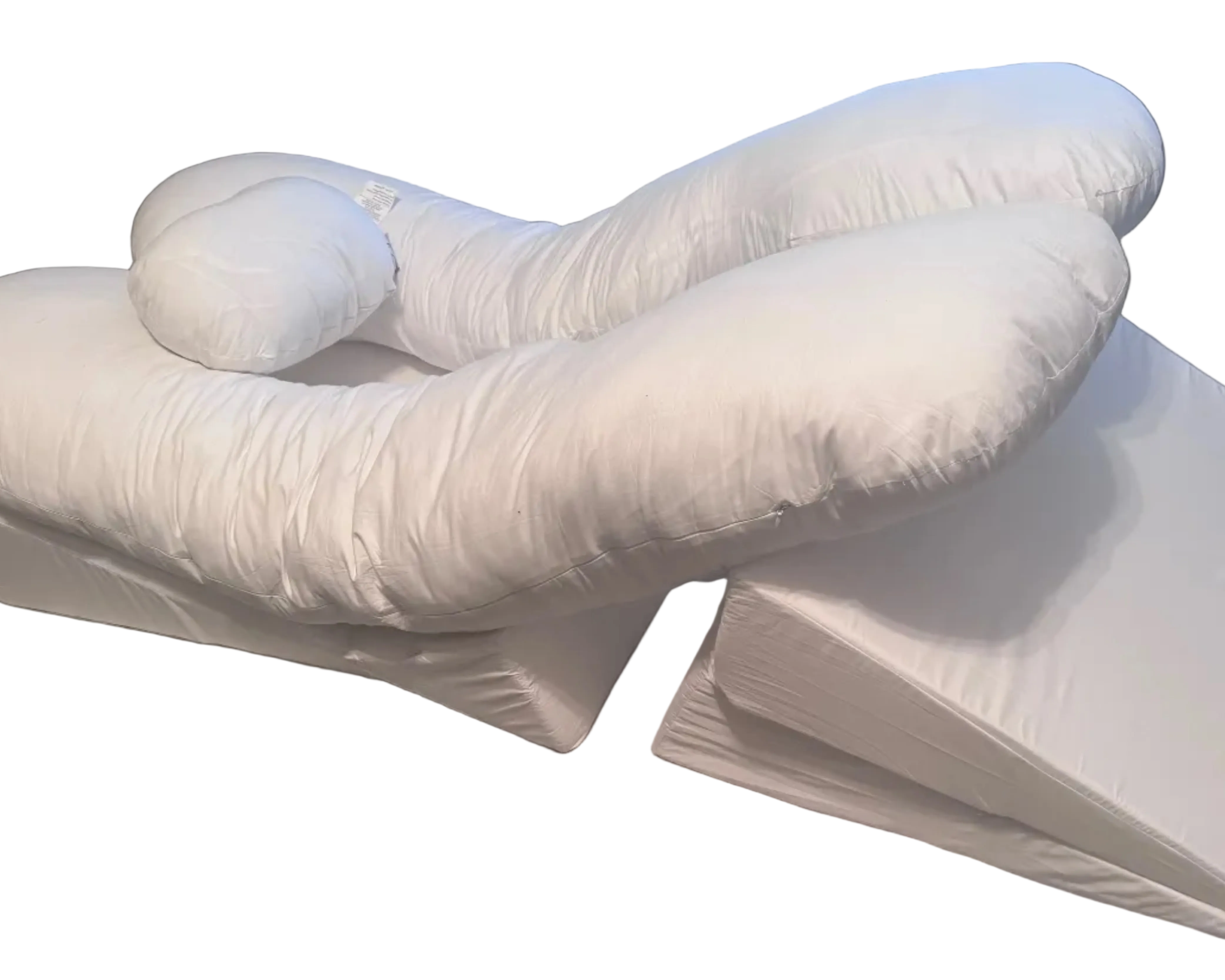
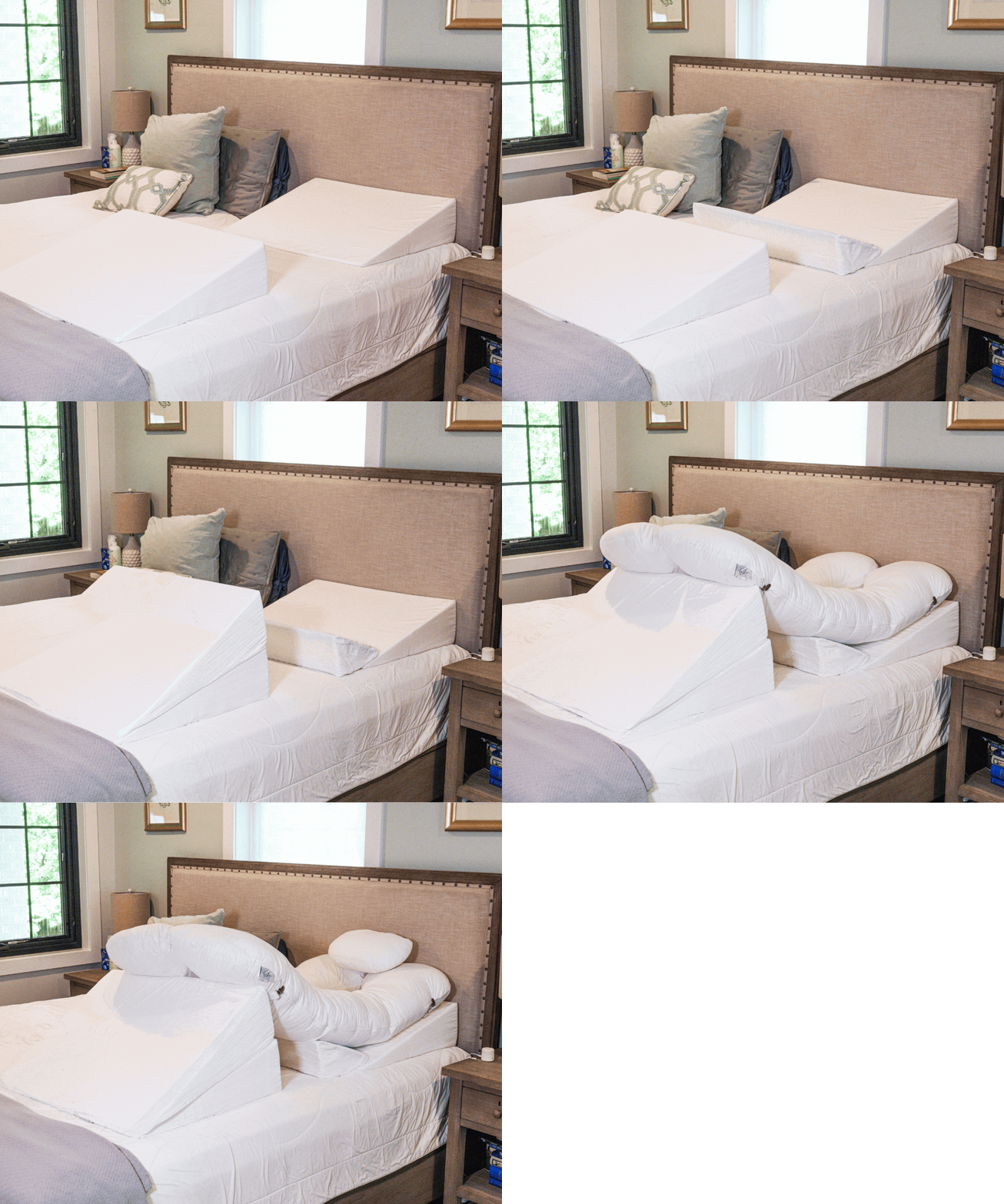
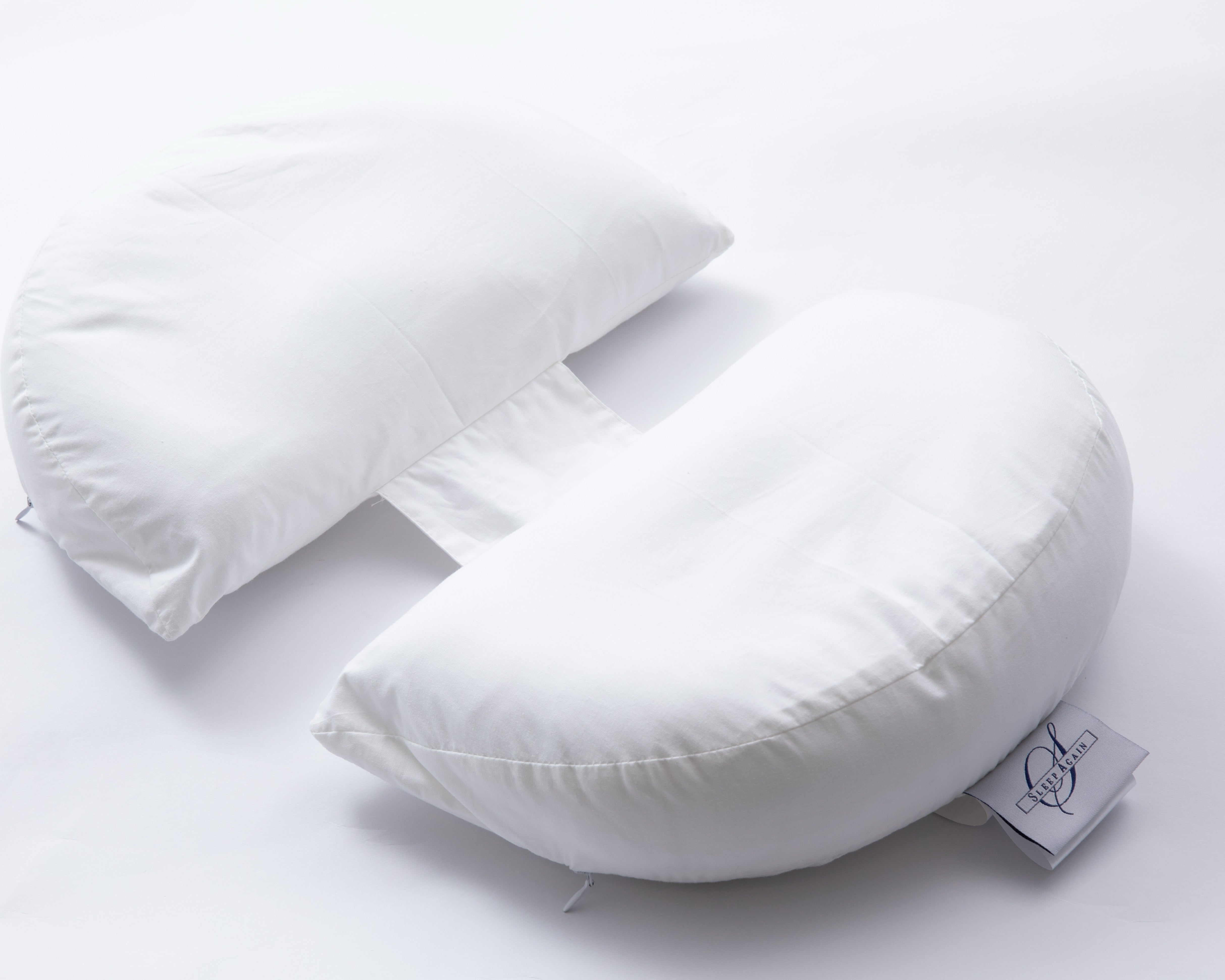
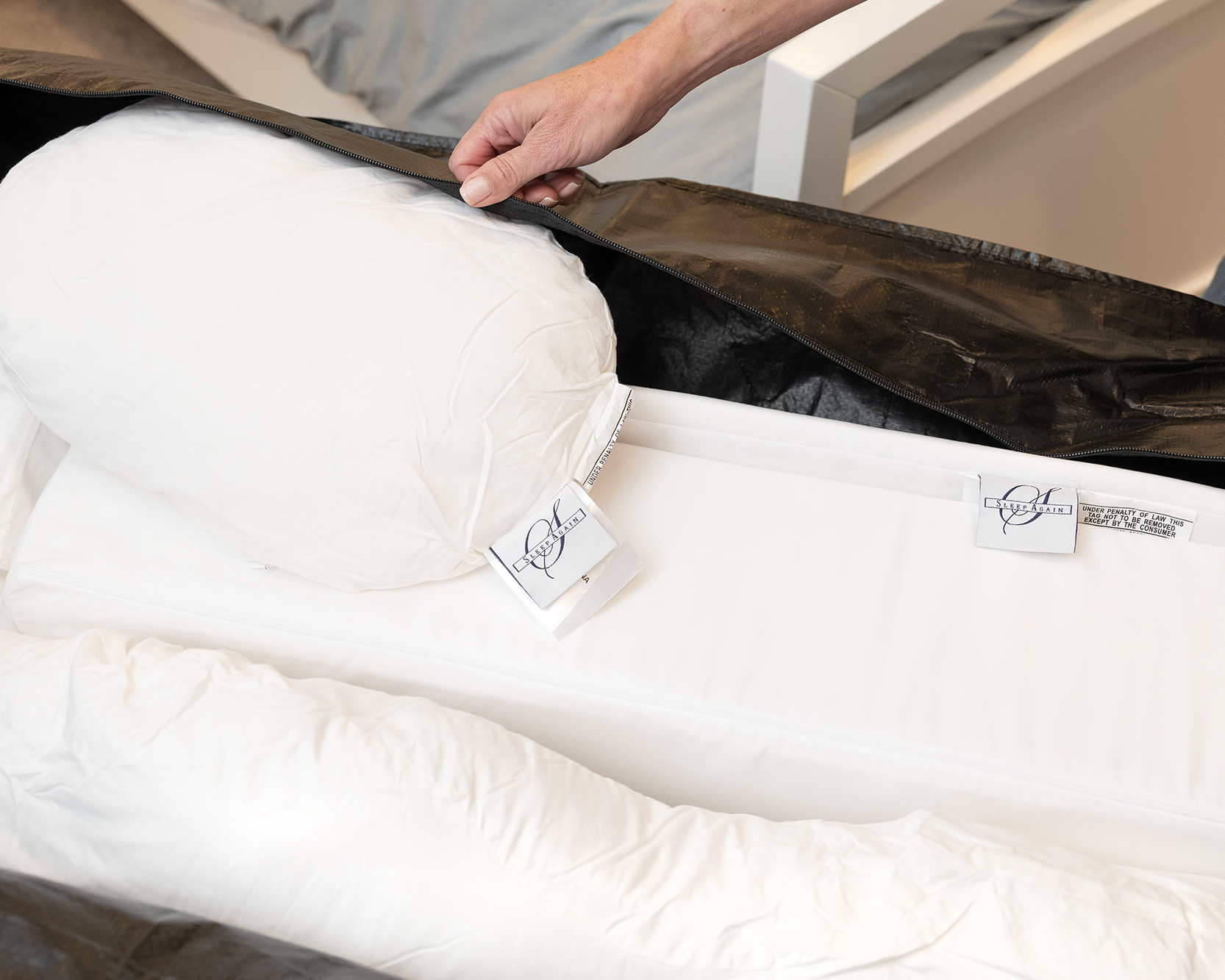
Every Sleep Again Pillow System includes:
-
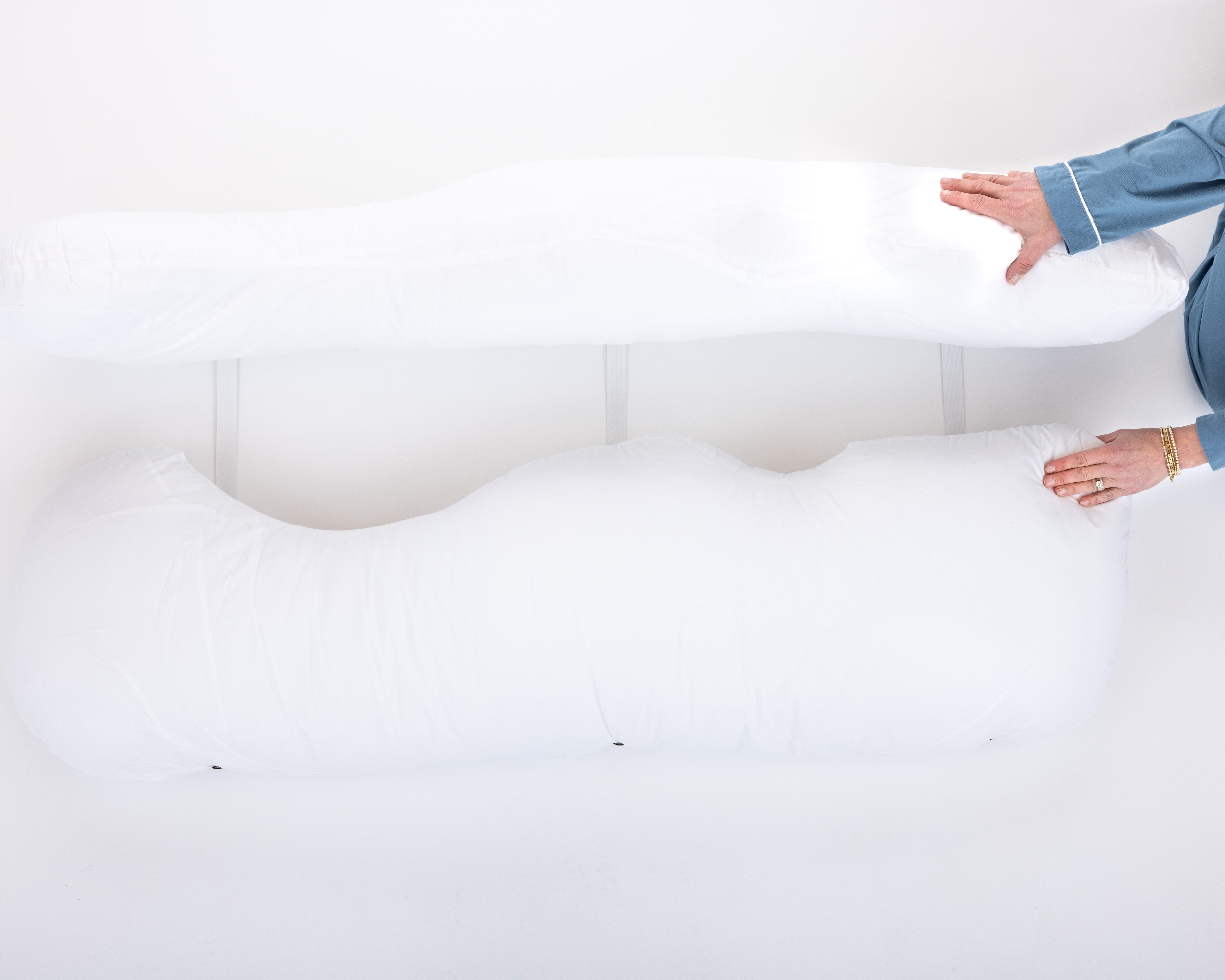
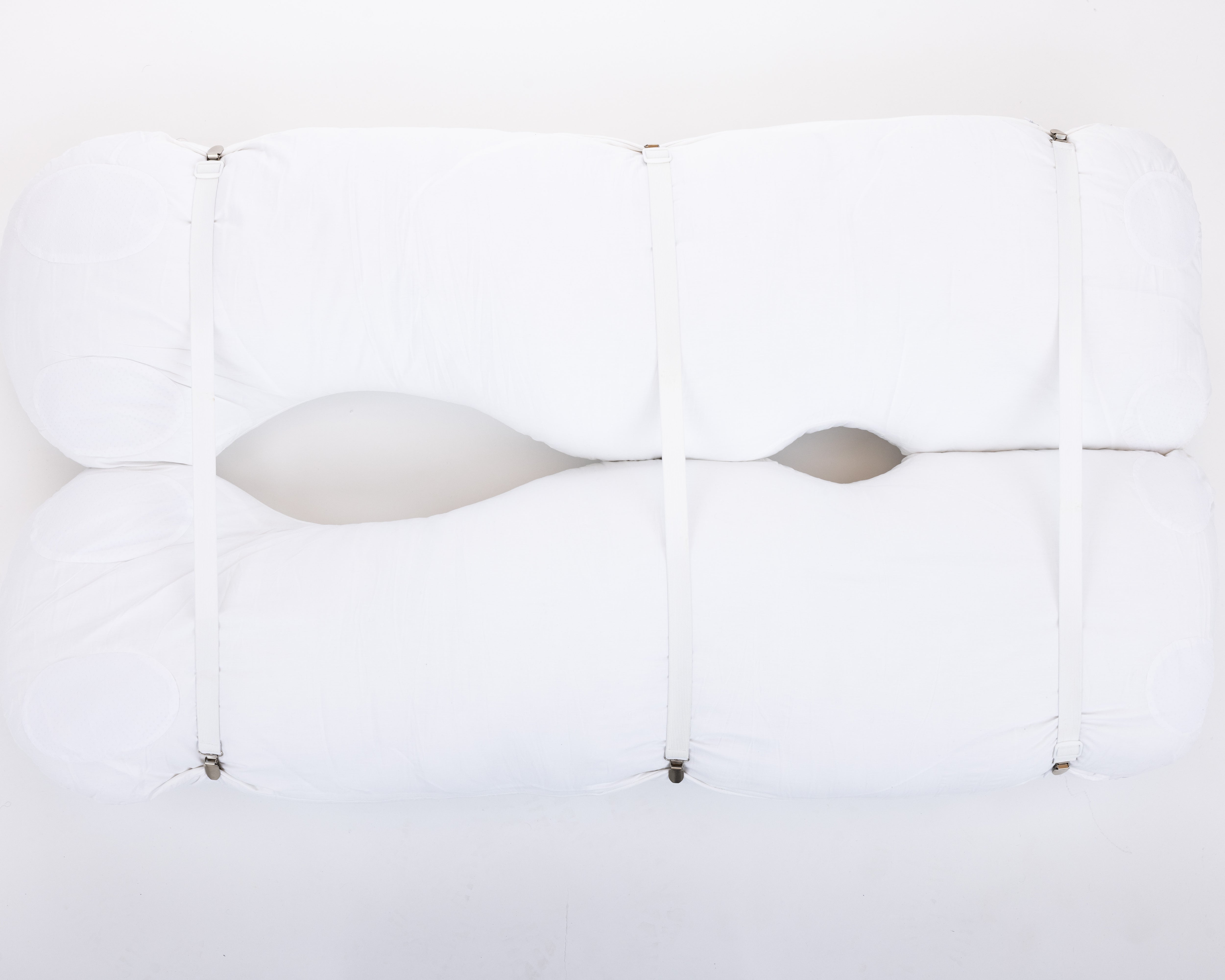
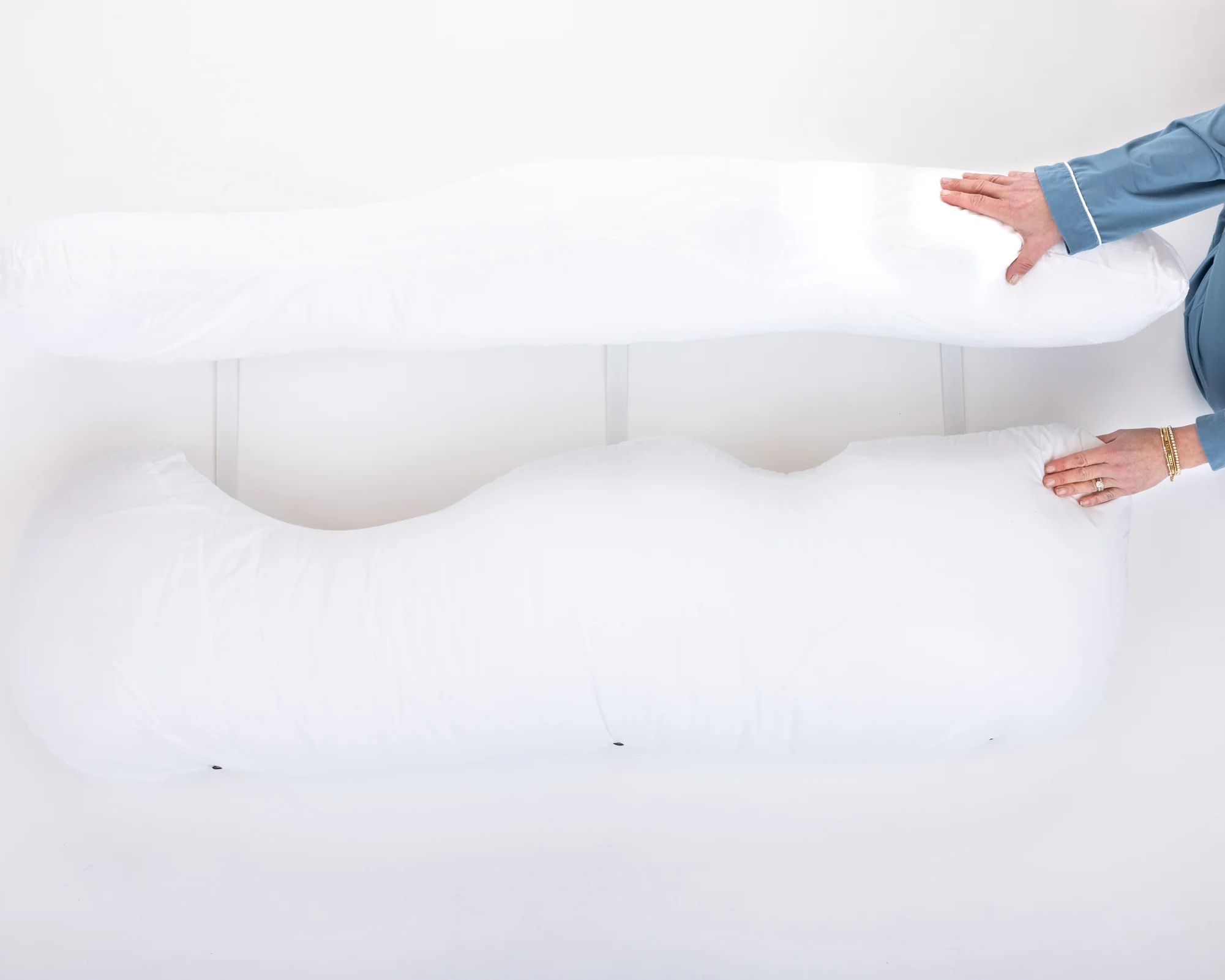
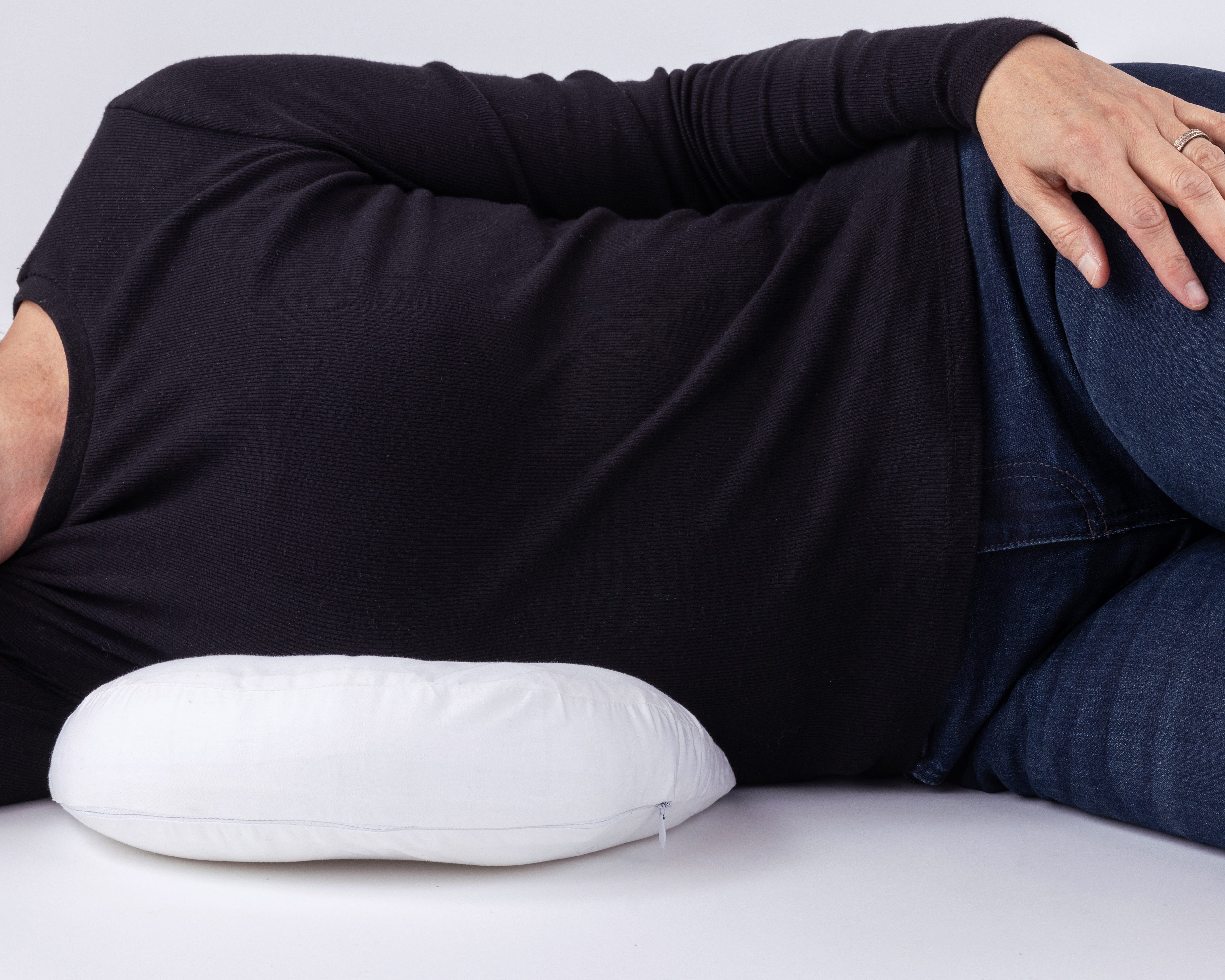
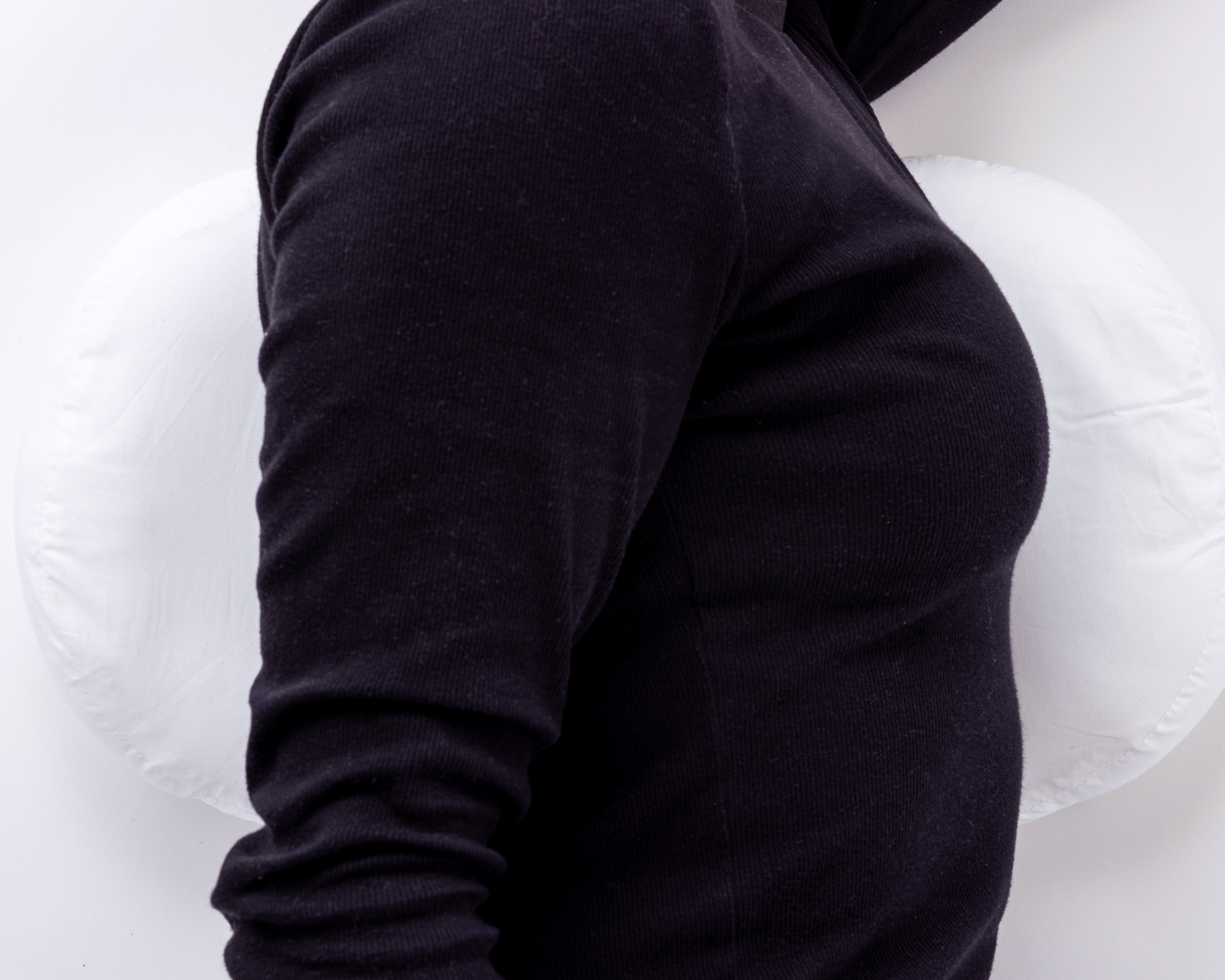
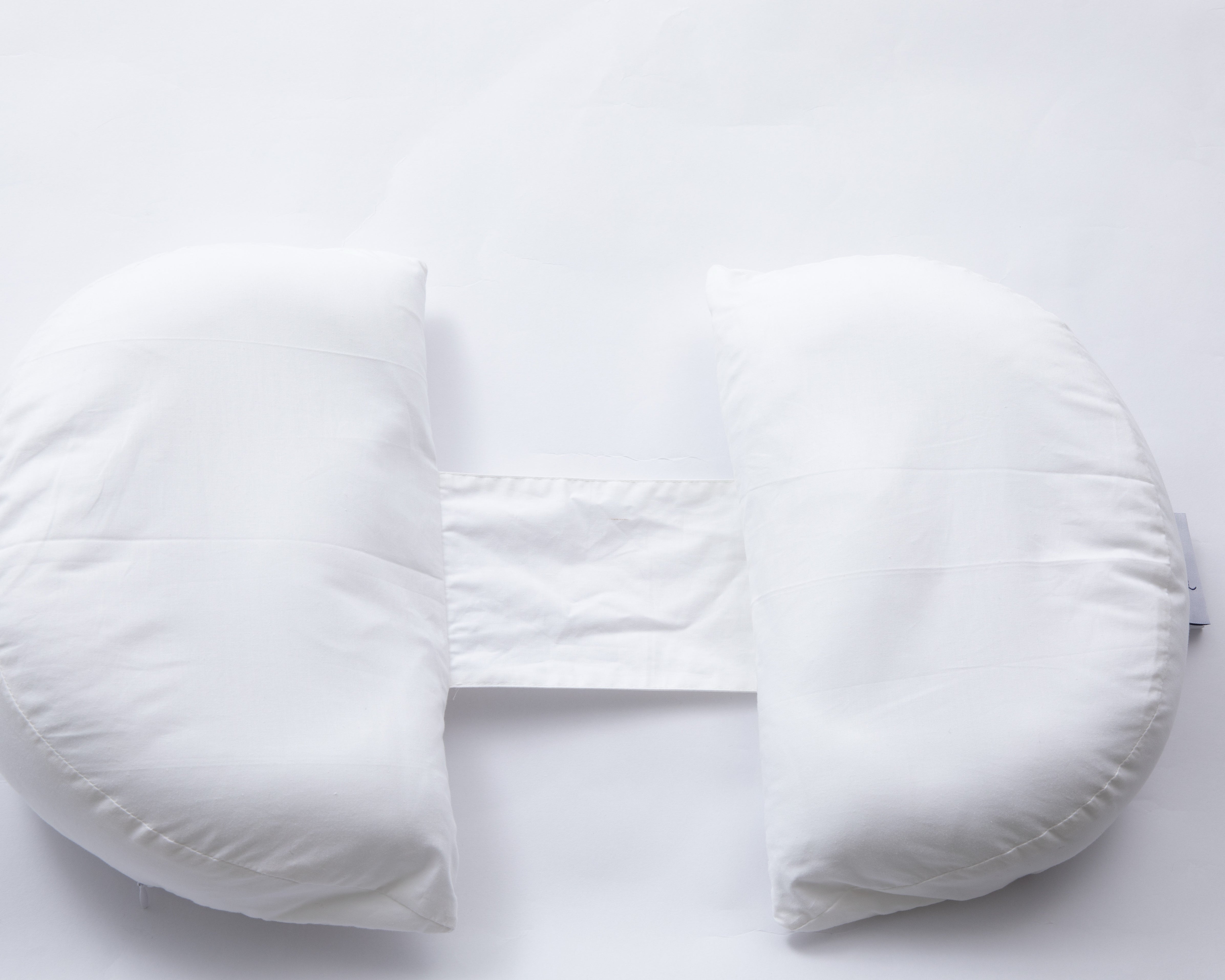
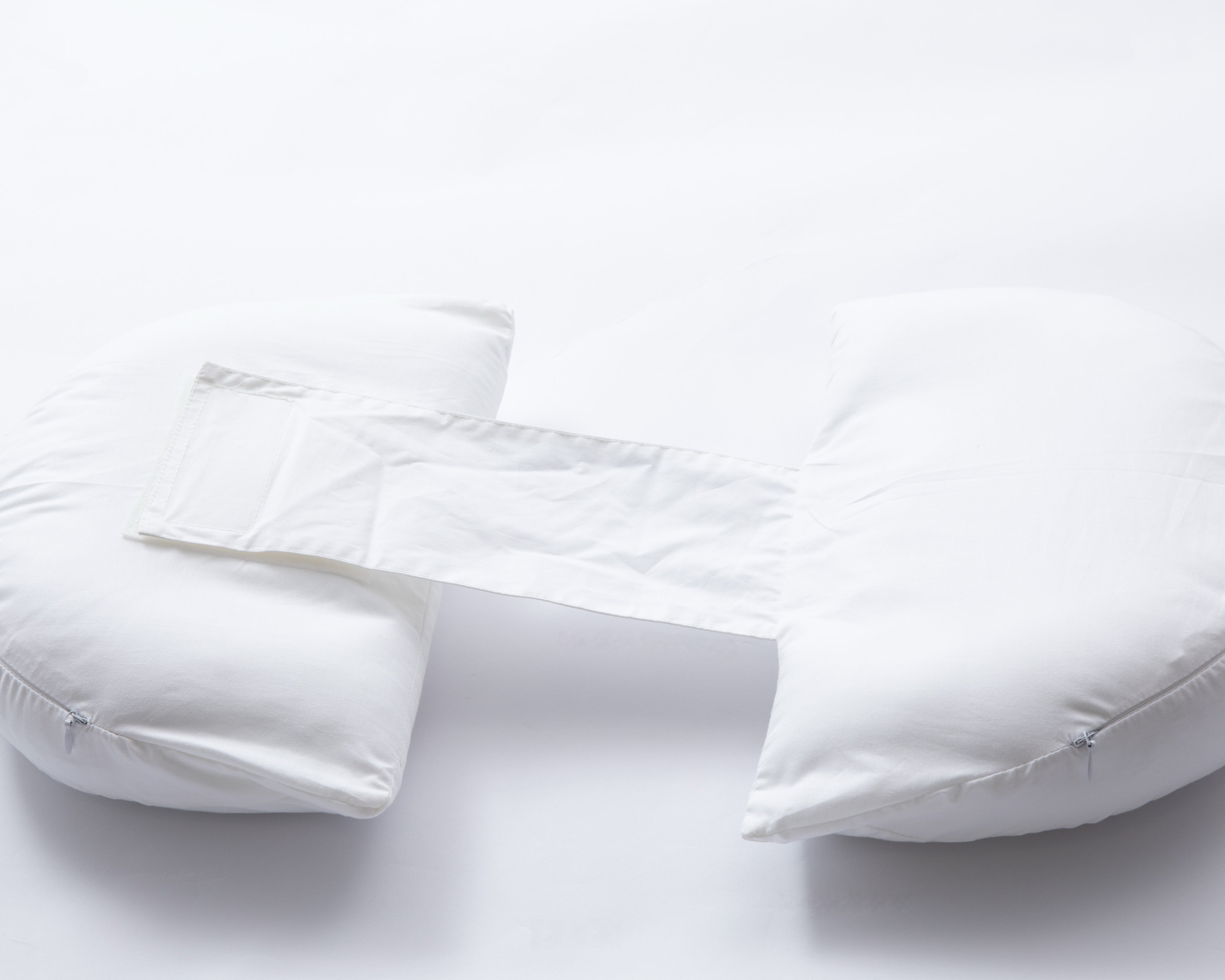
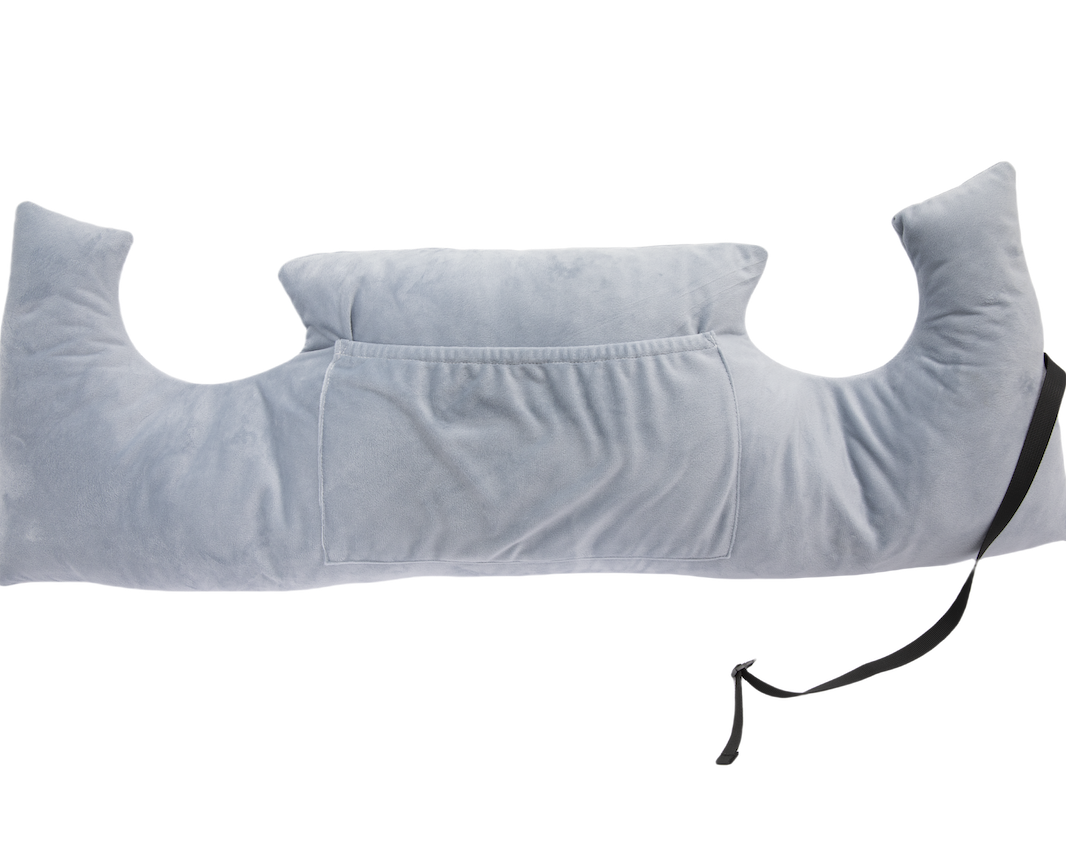
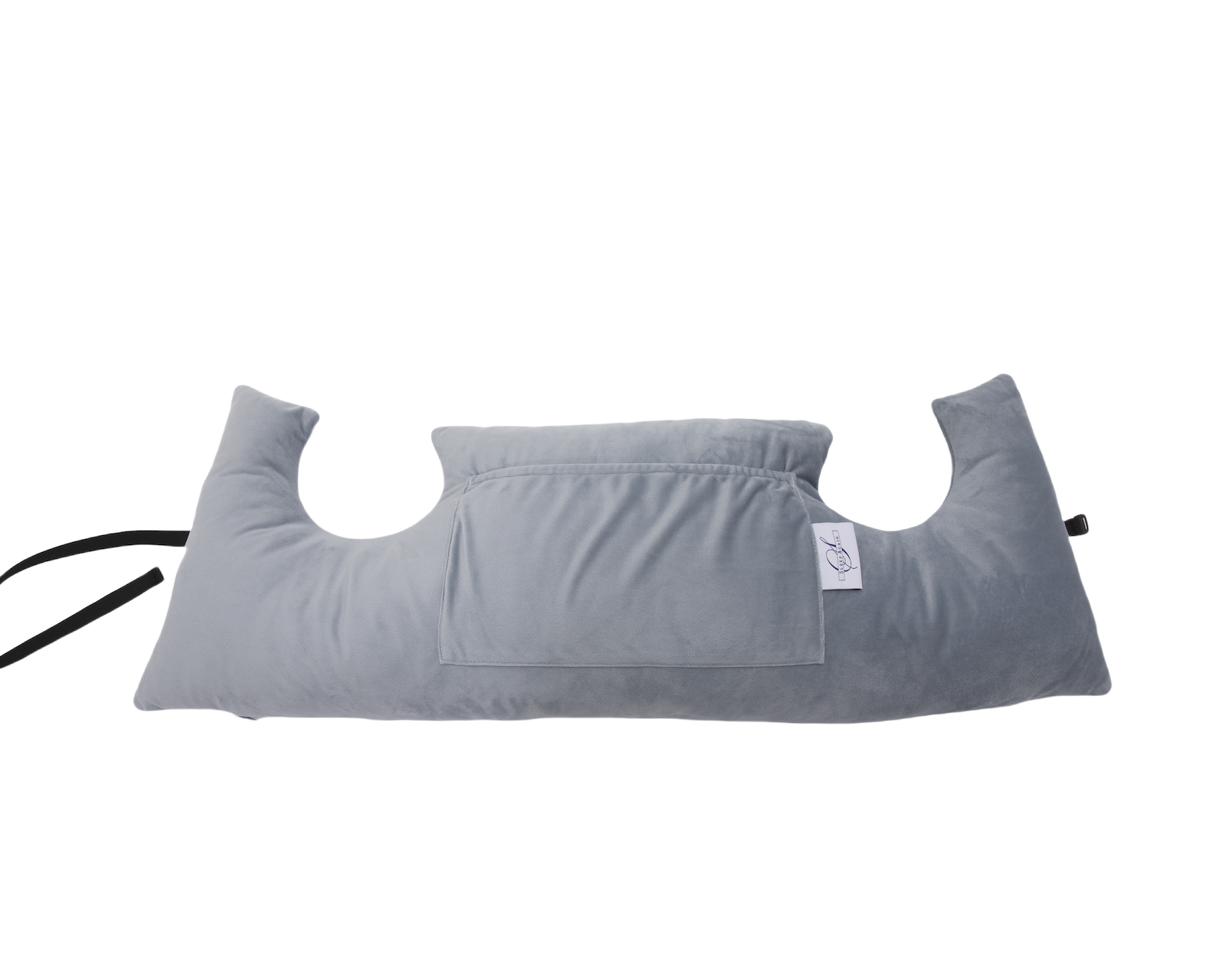
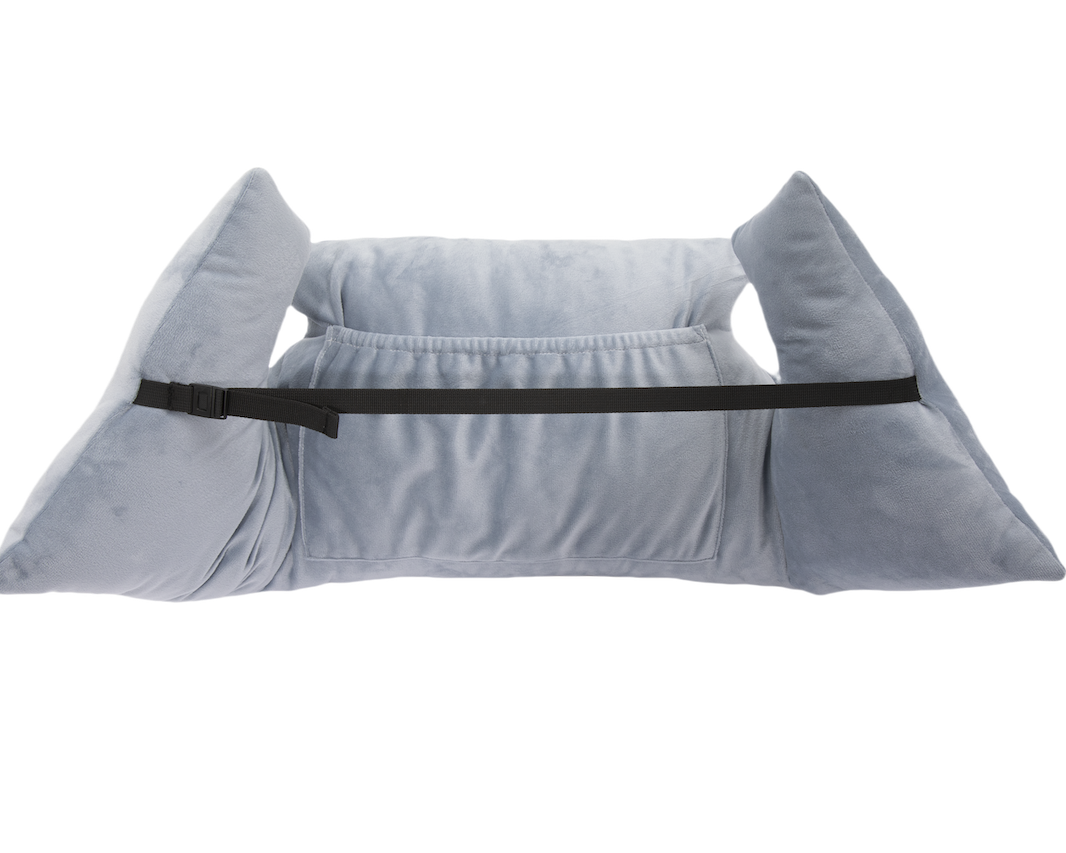
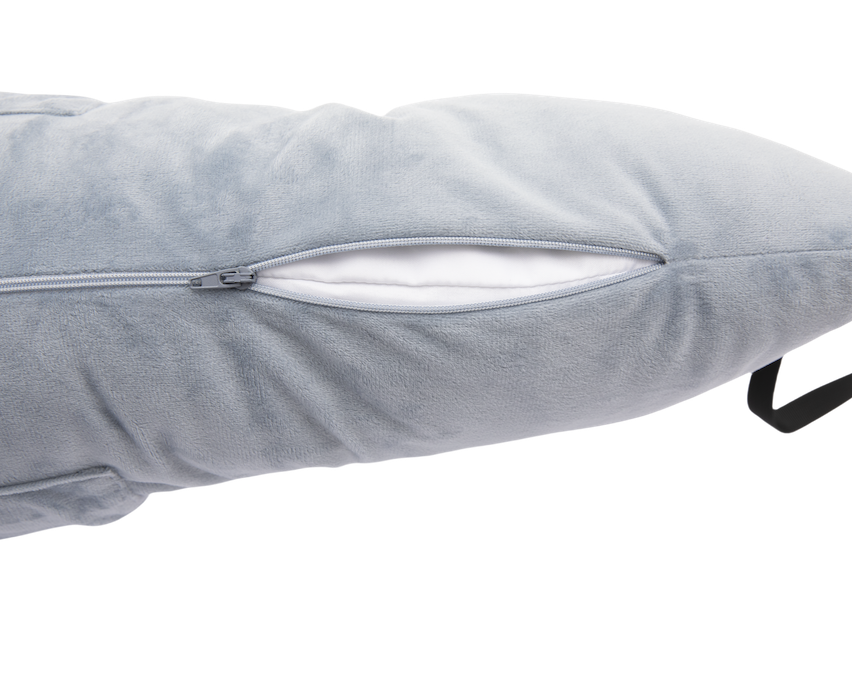
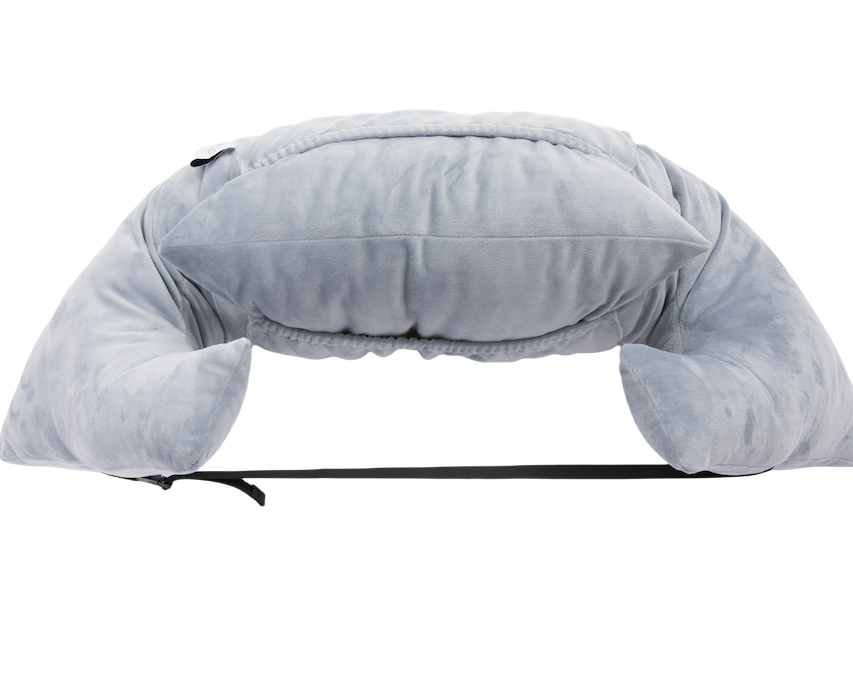
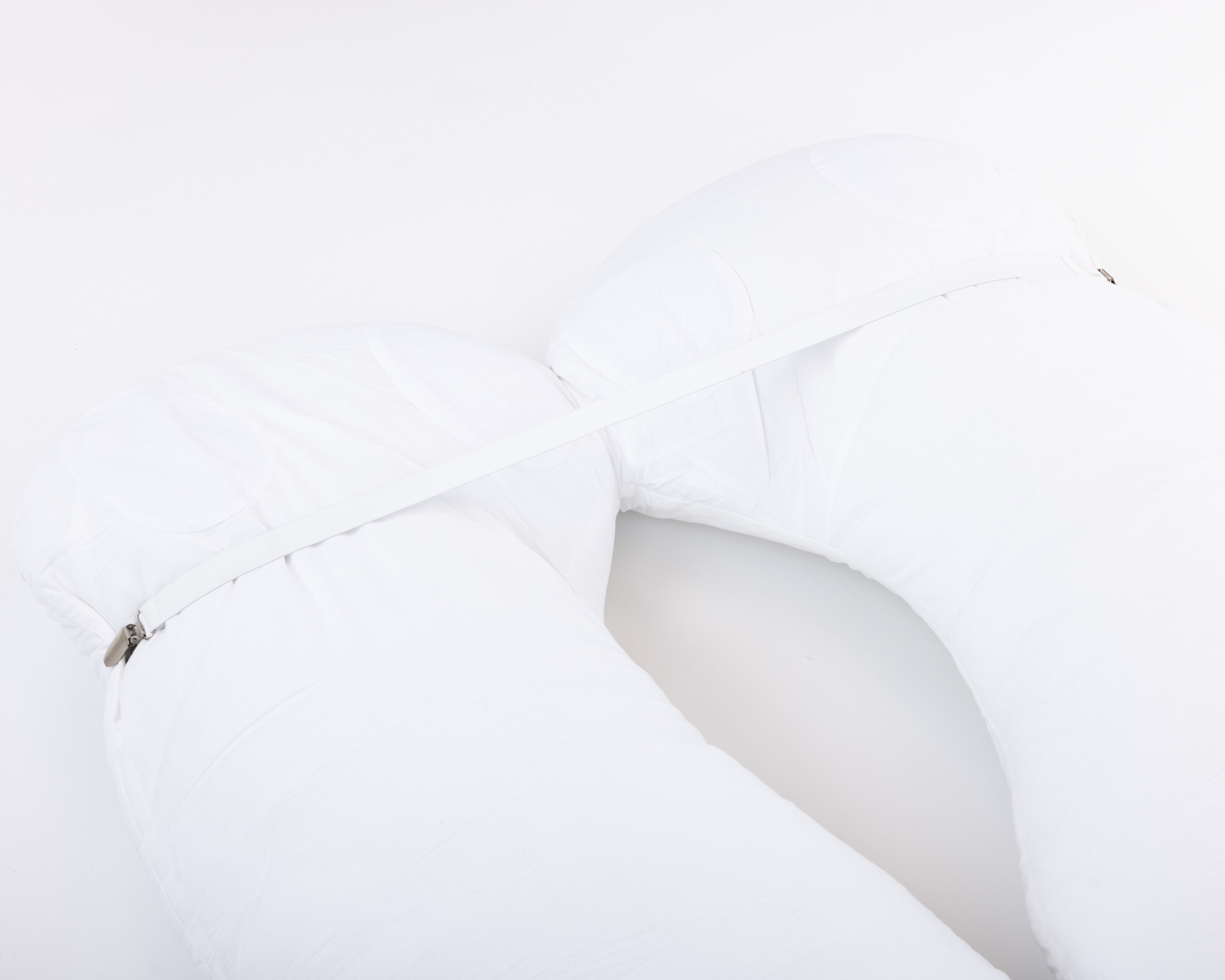
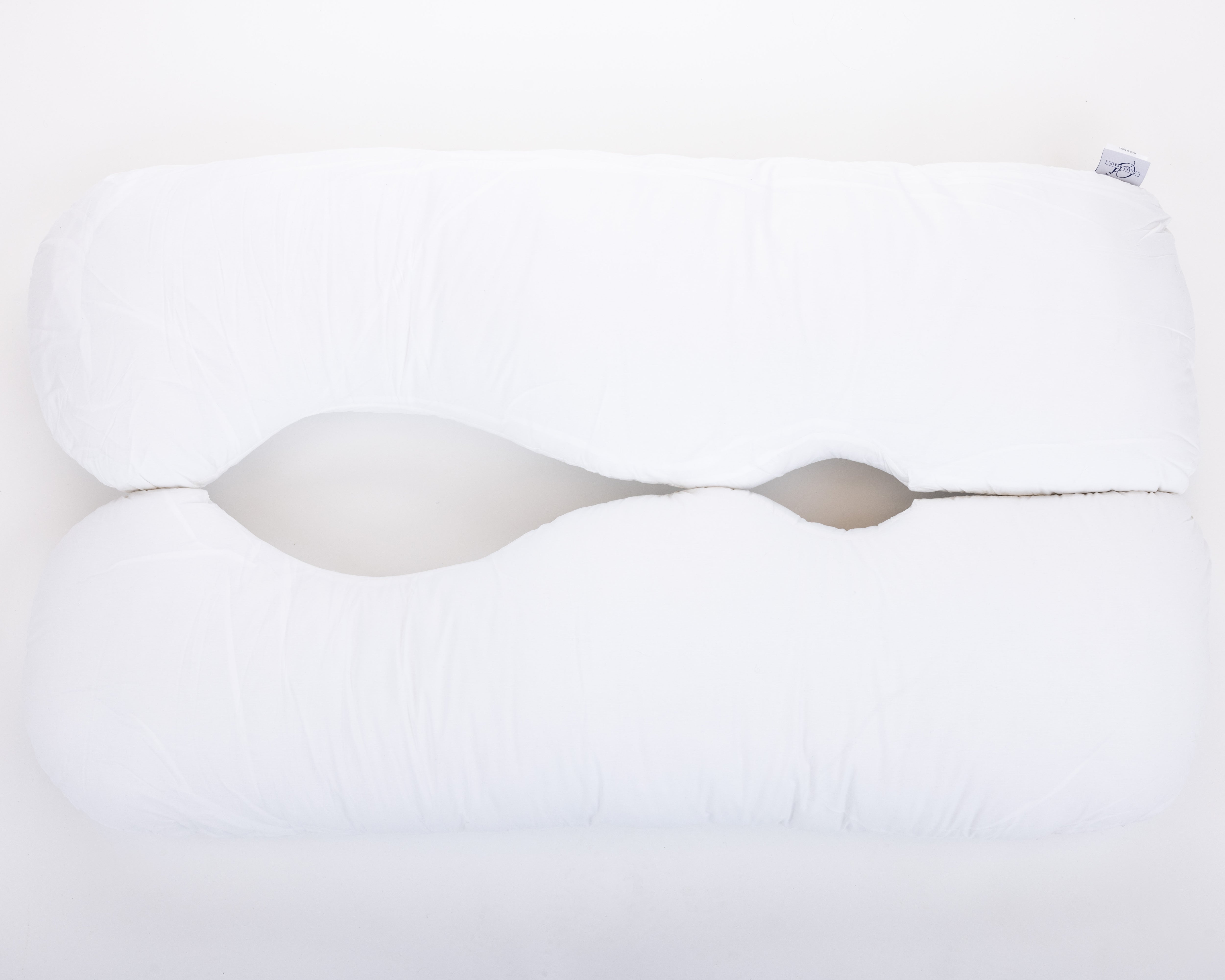
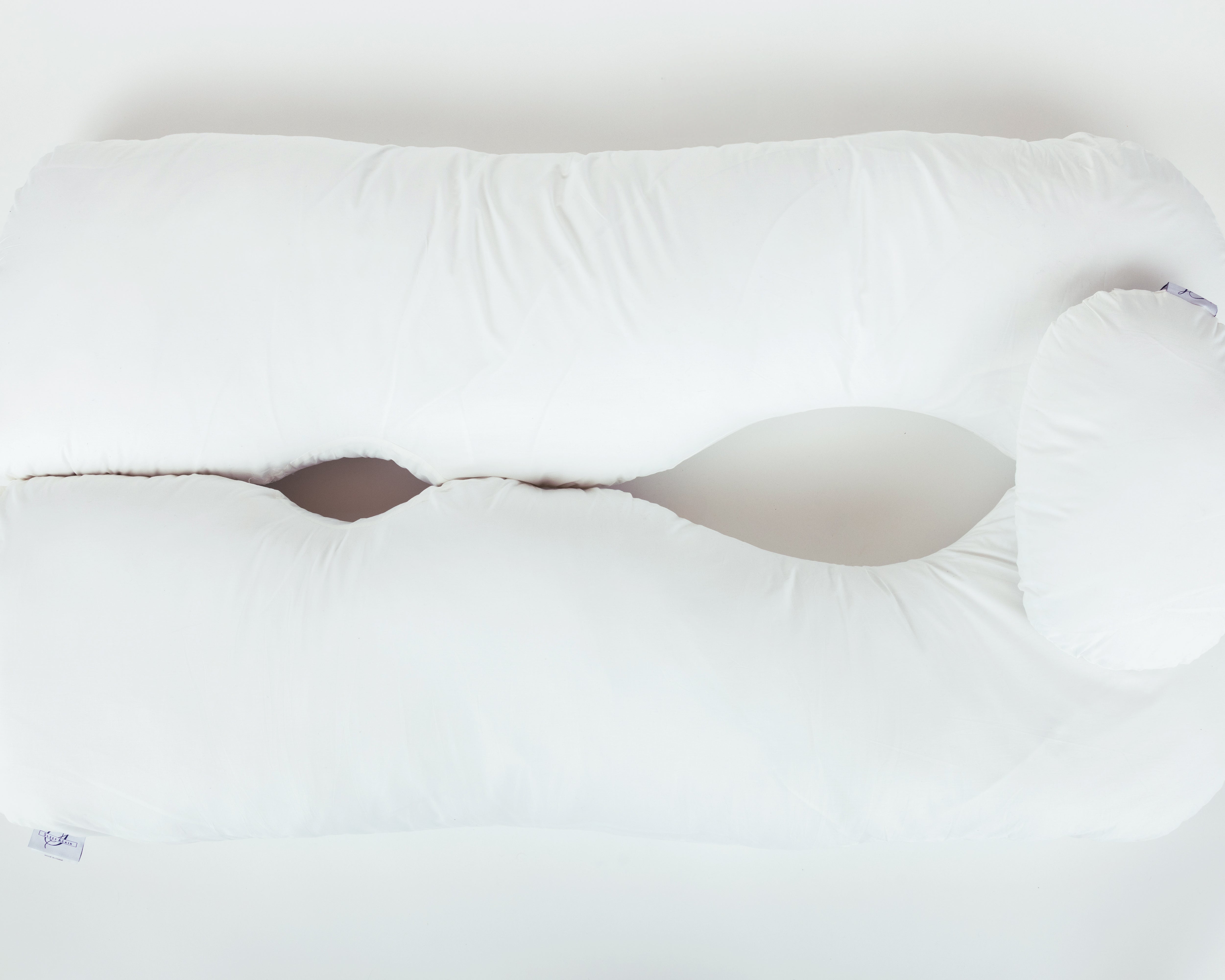
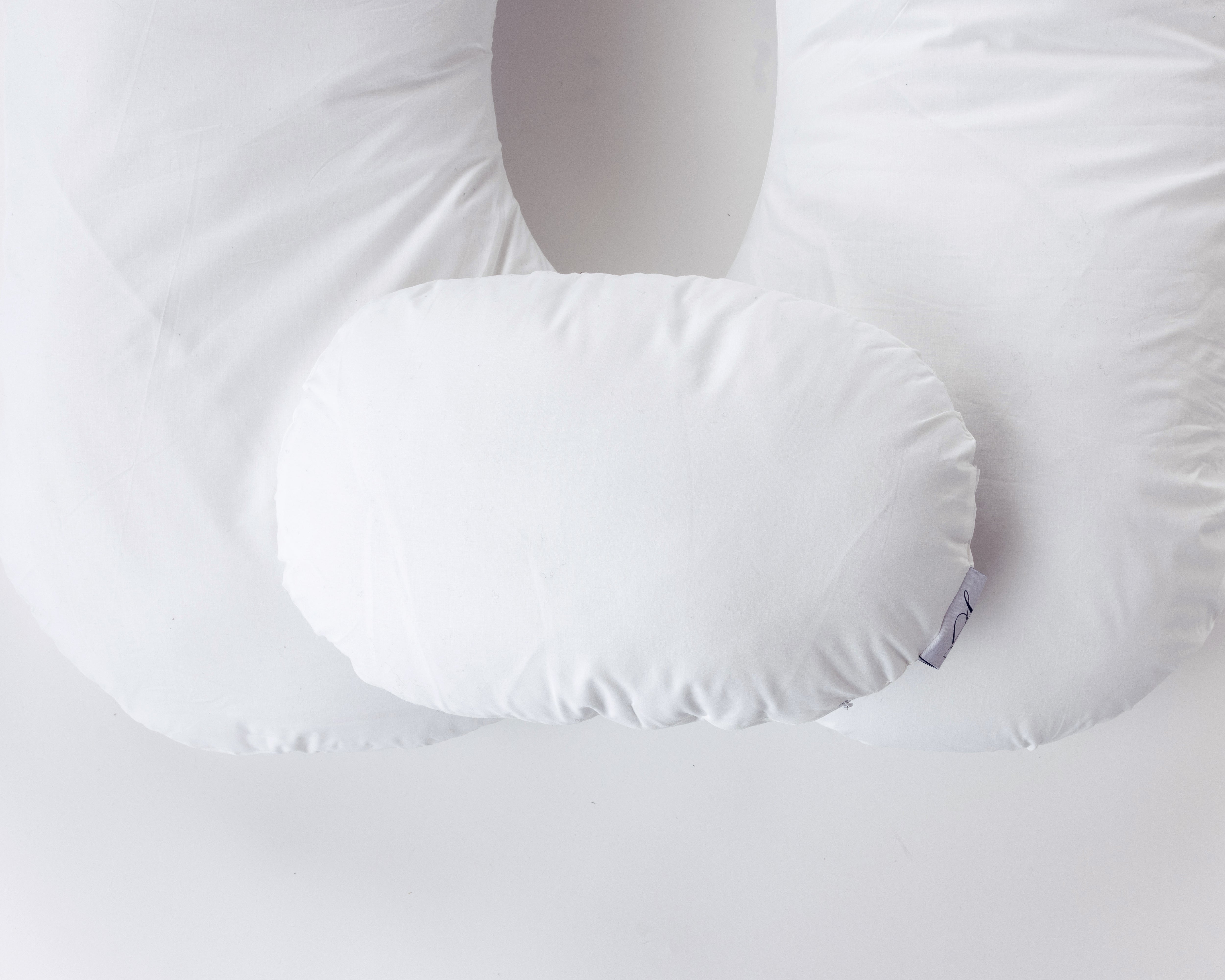
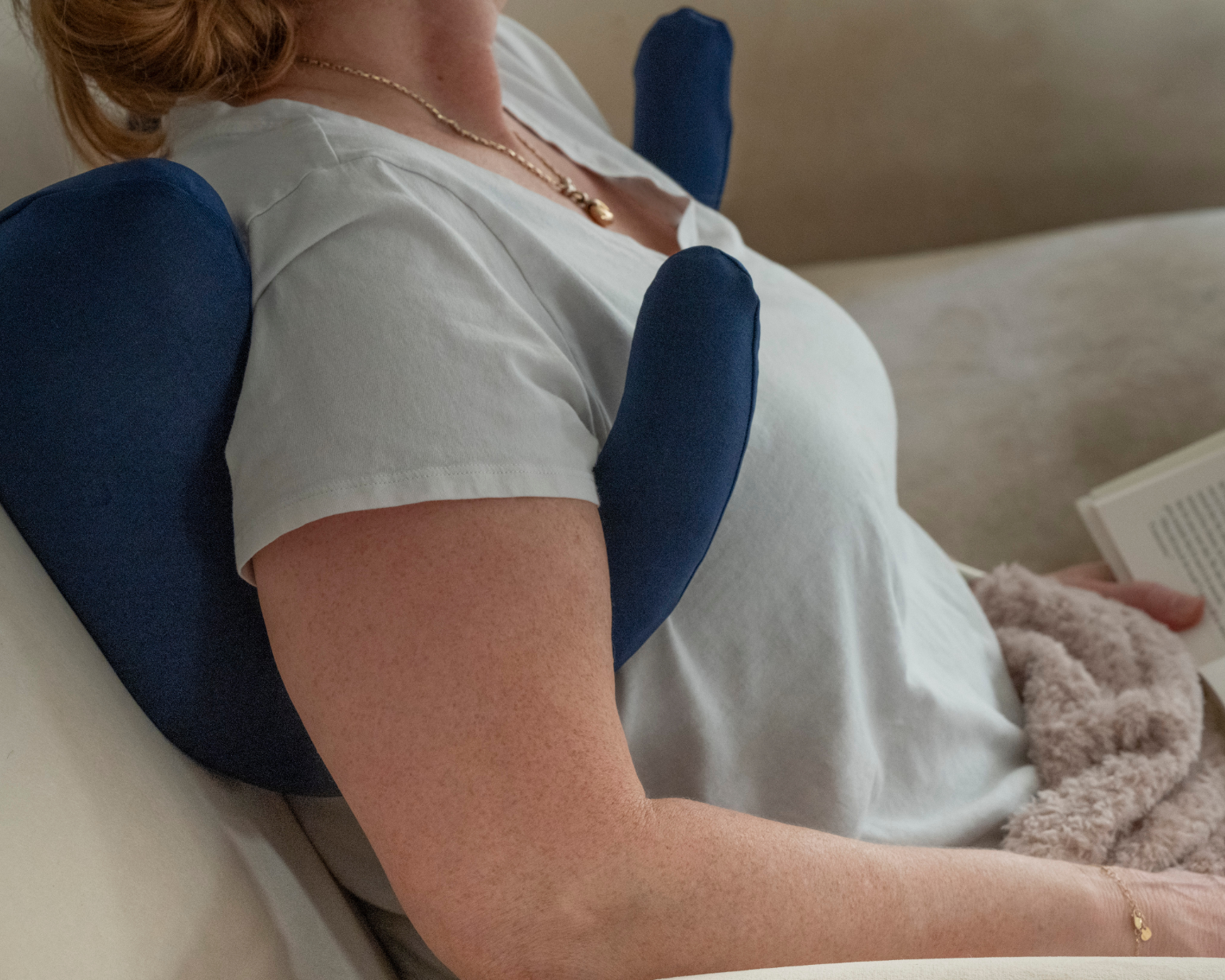
Two Contoured Side Pillows to cradle the back and hips
-
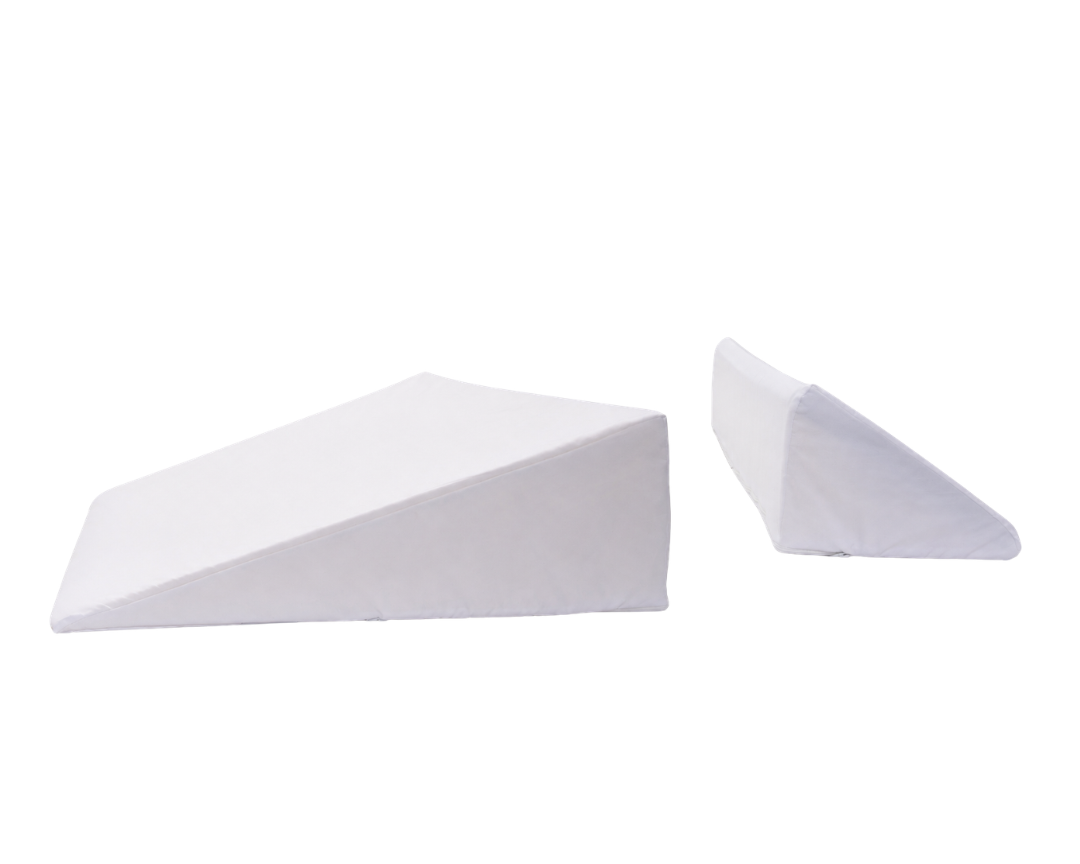
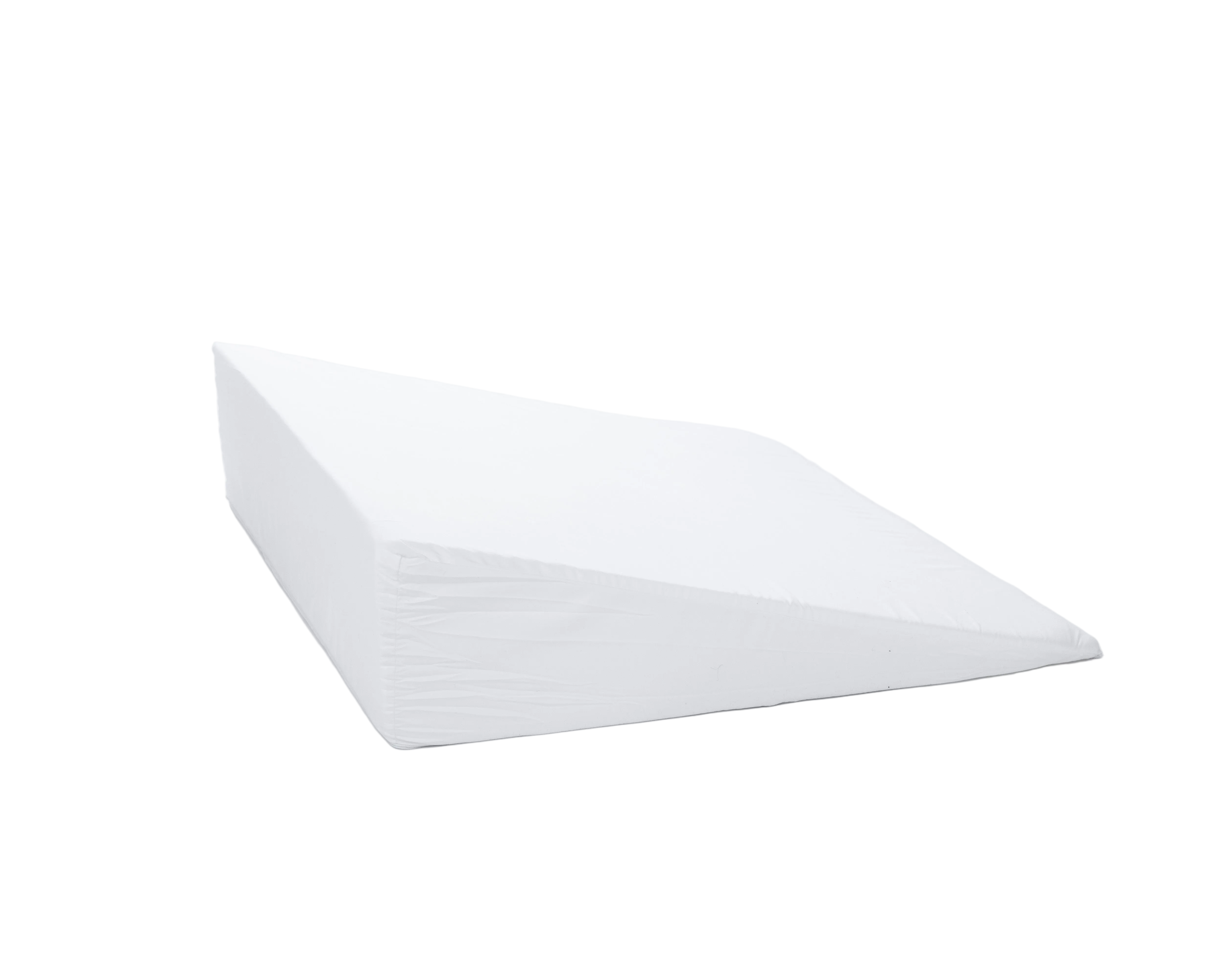
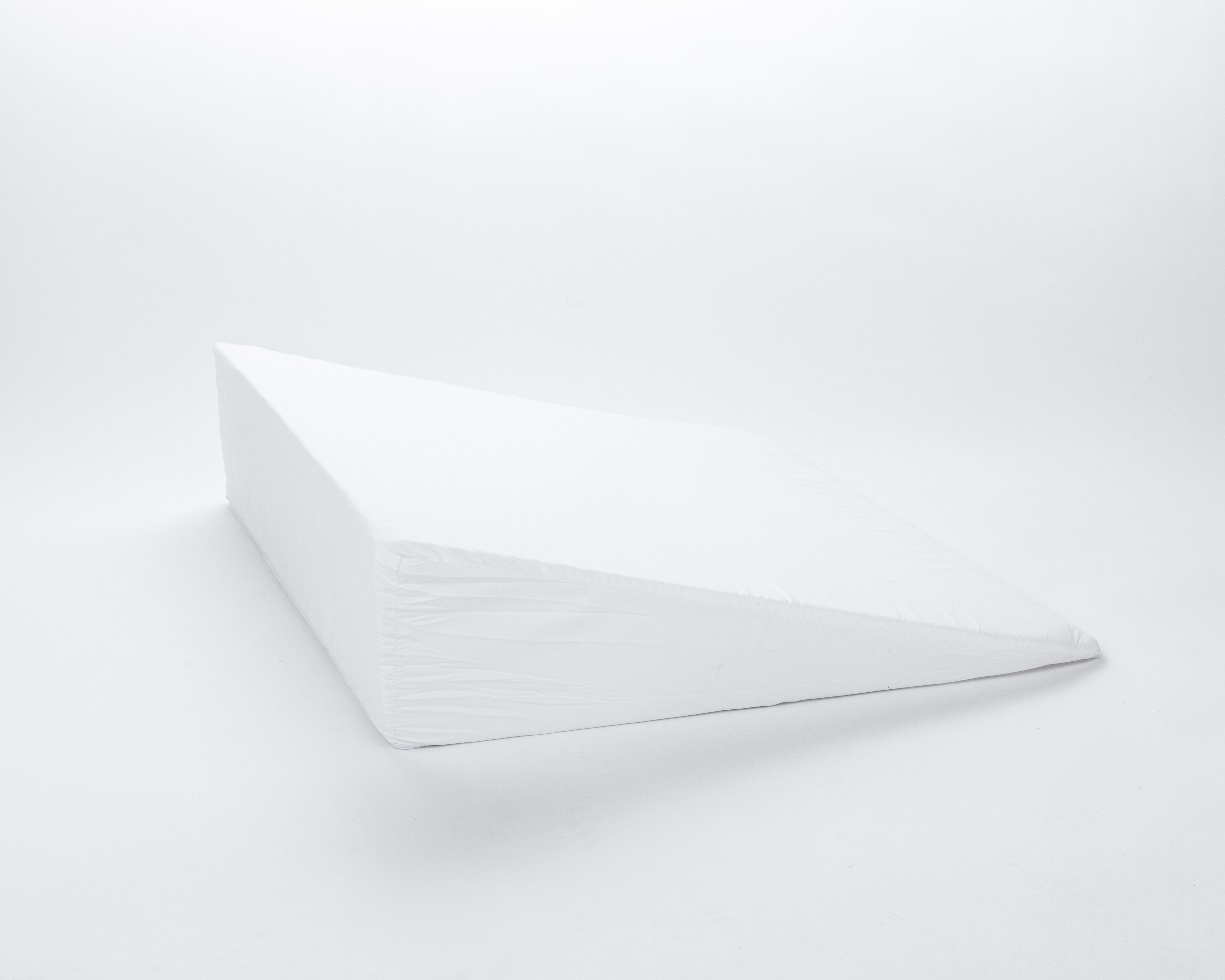
Upper Body Wedge to create optimal upper body incline
-
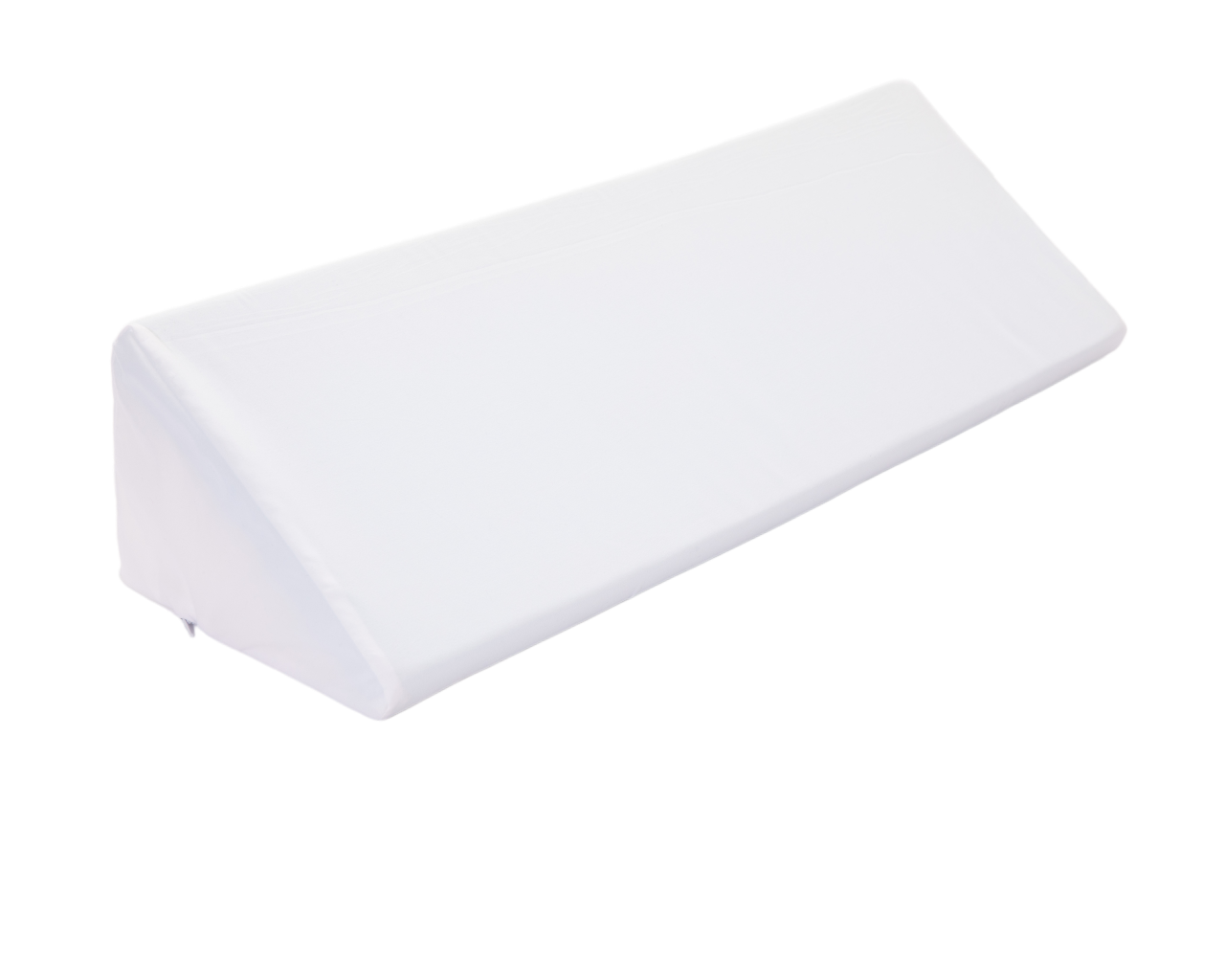
Leg Support Wedge to gently elevate legs
-
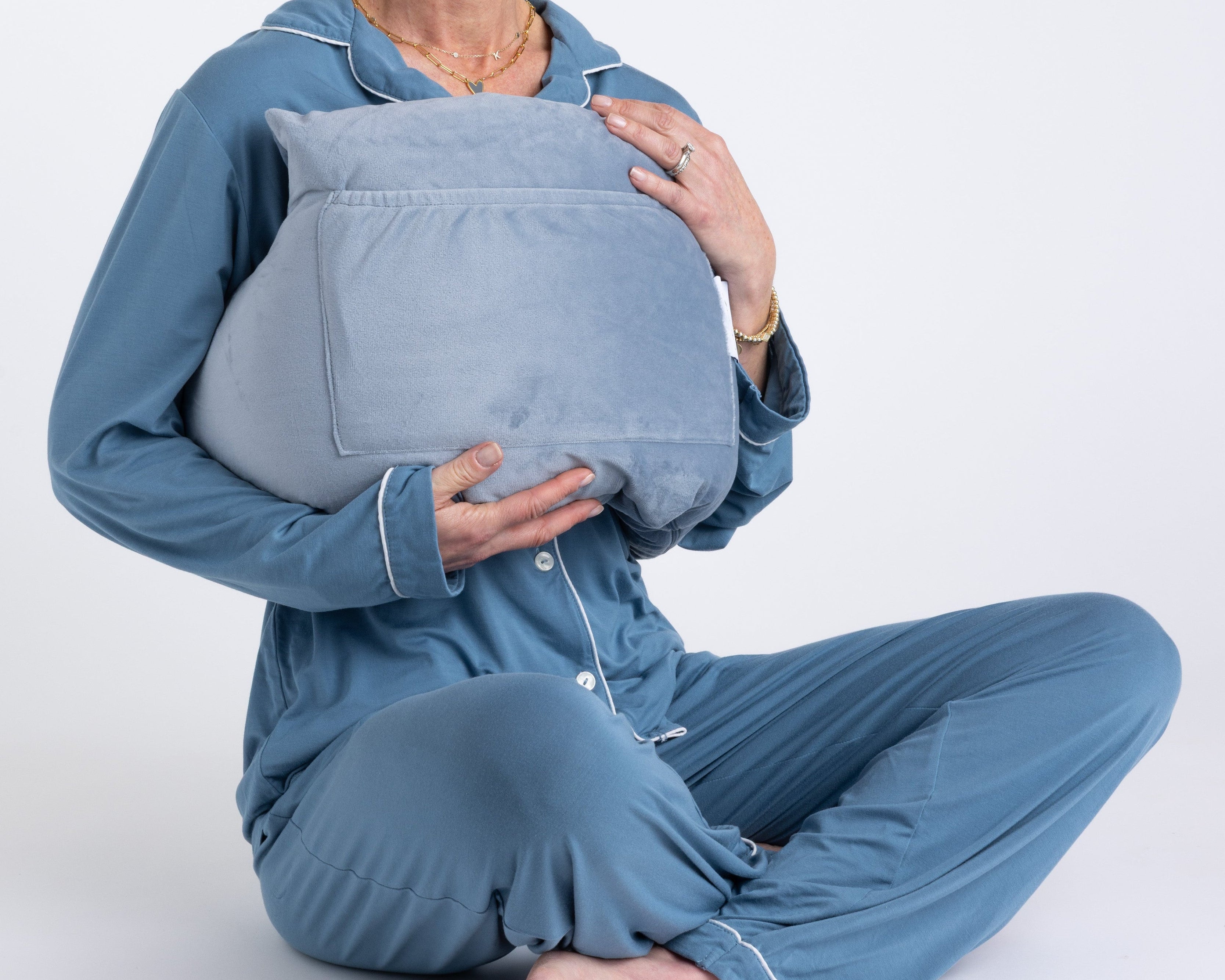
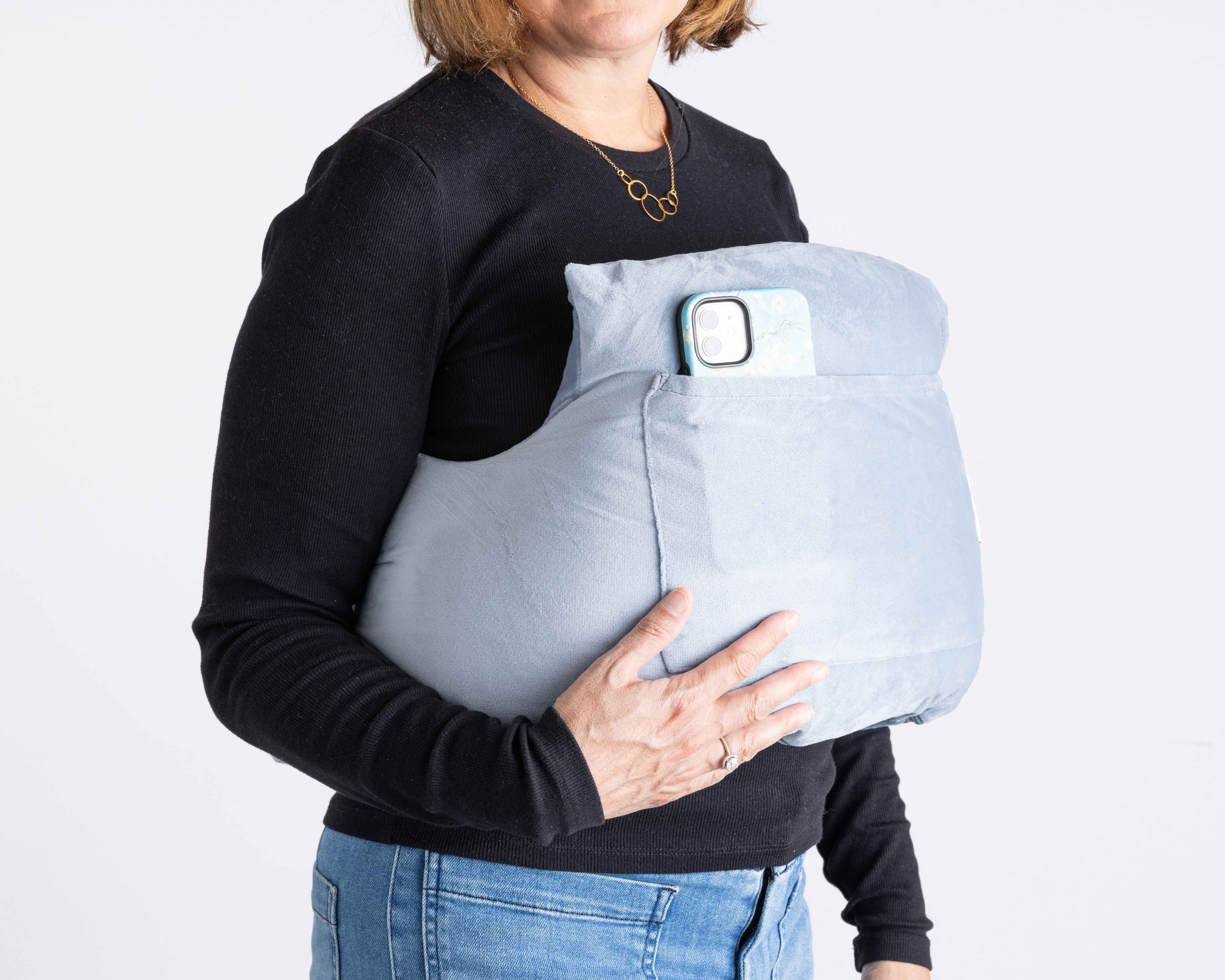
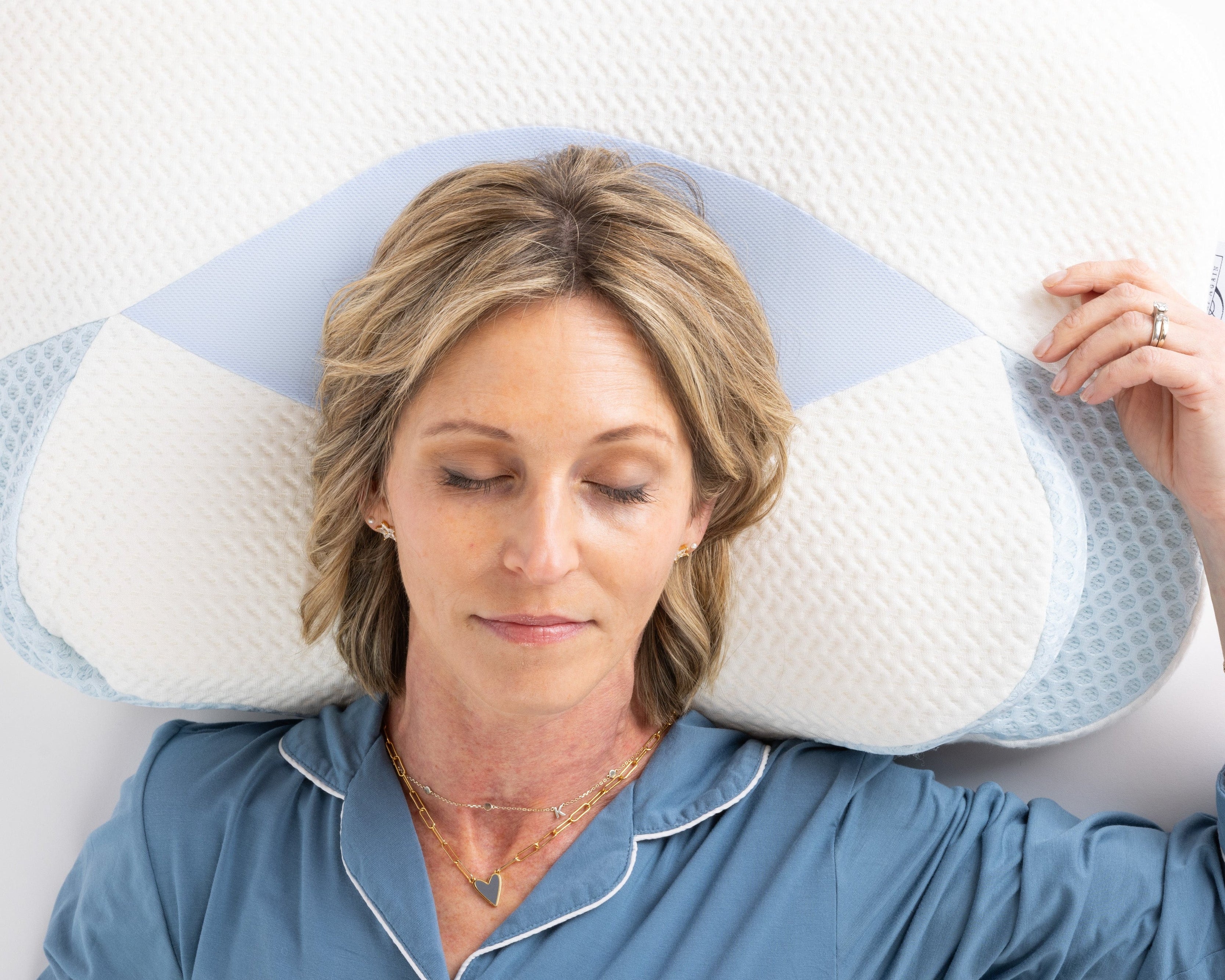
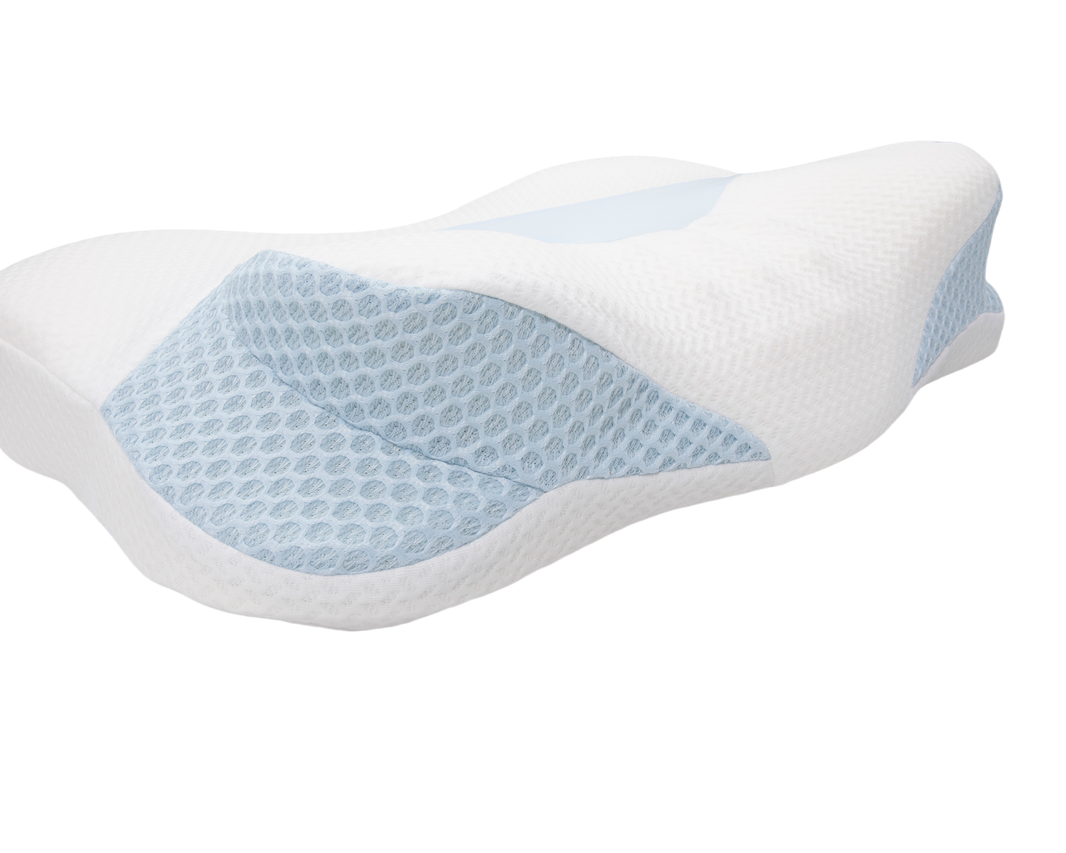
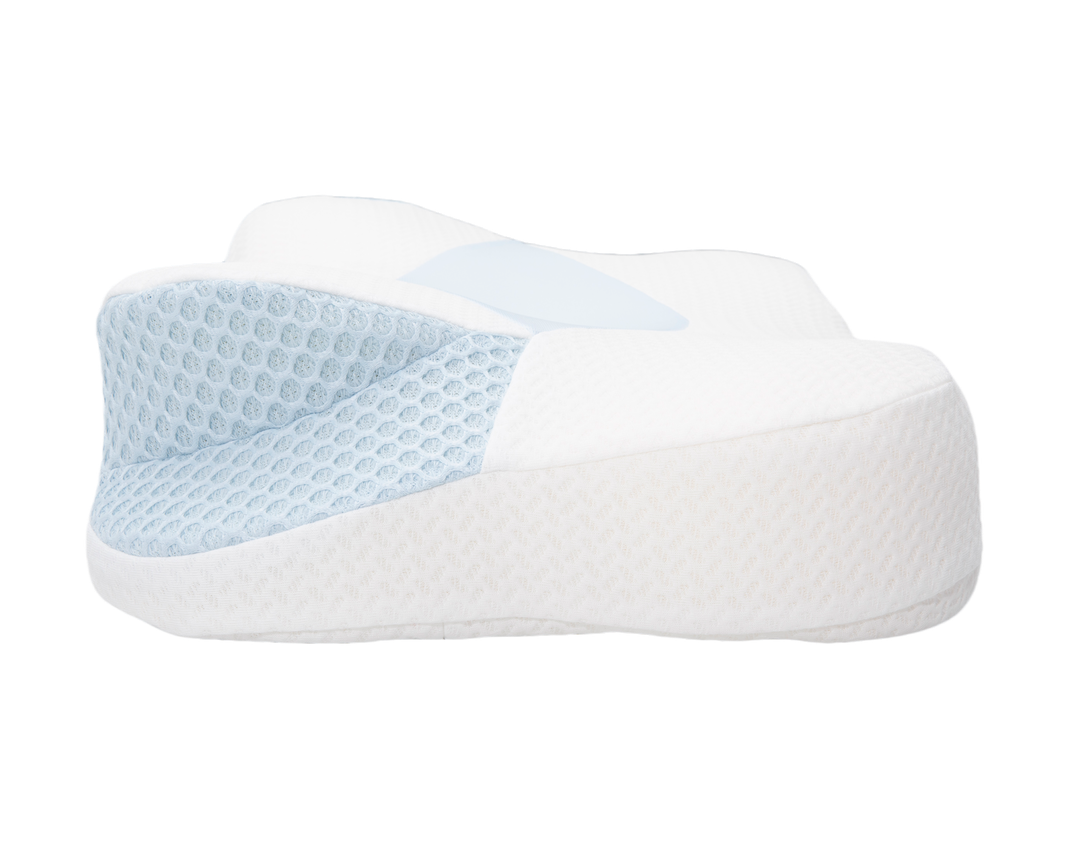
Head Pillow to provide head support and neck mobility
-
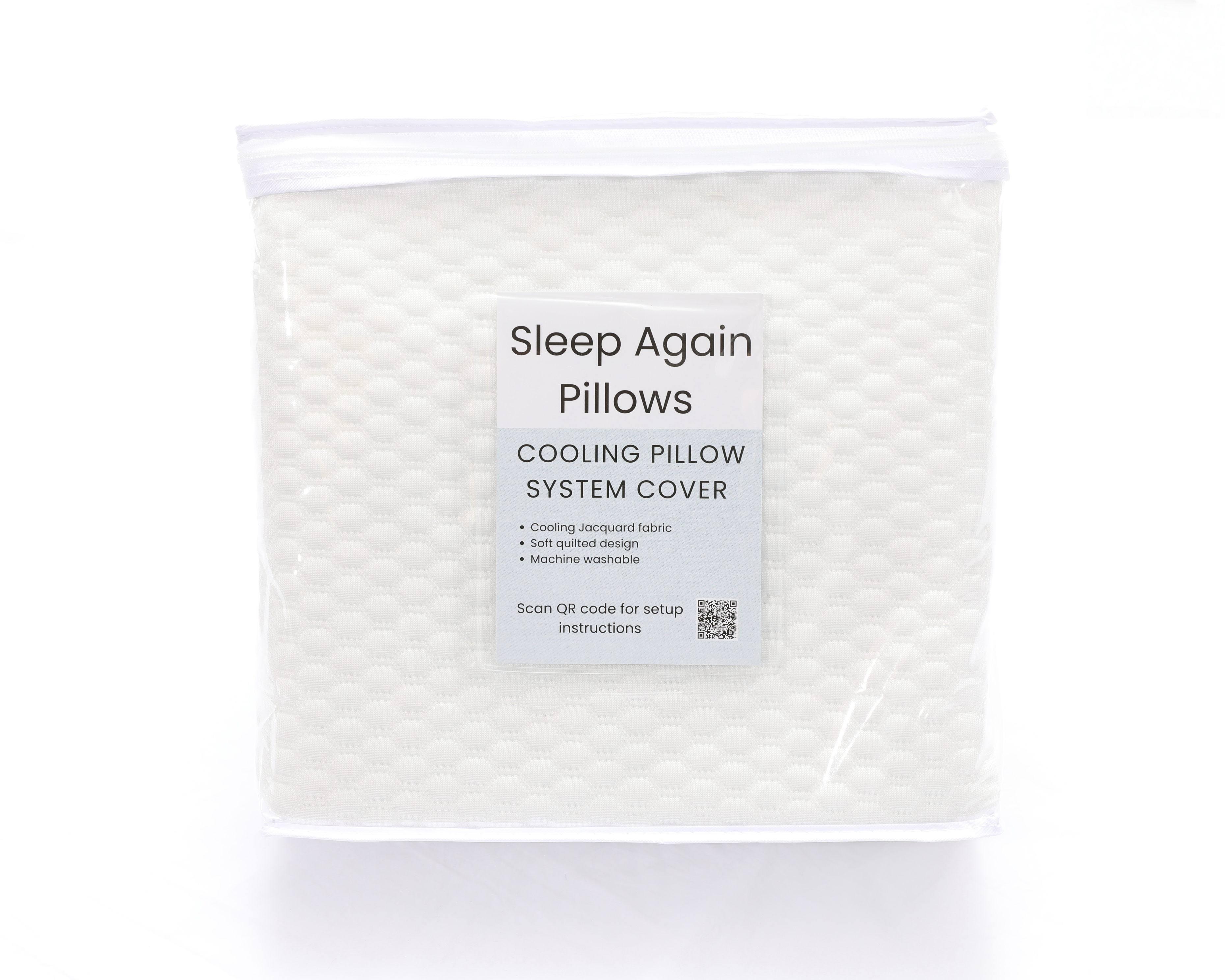
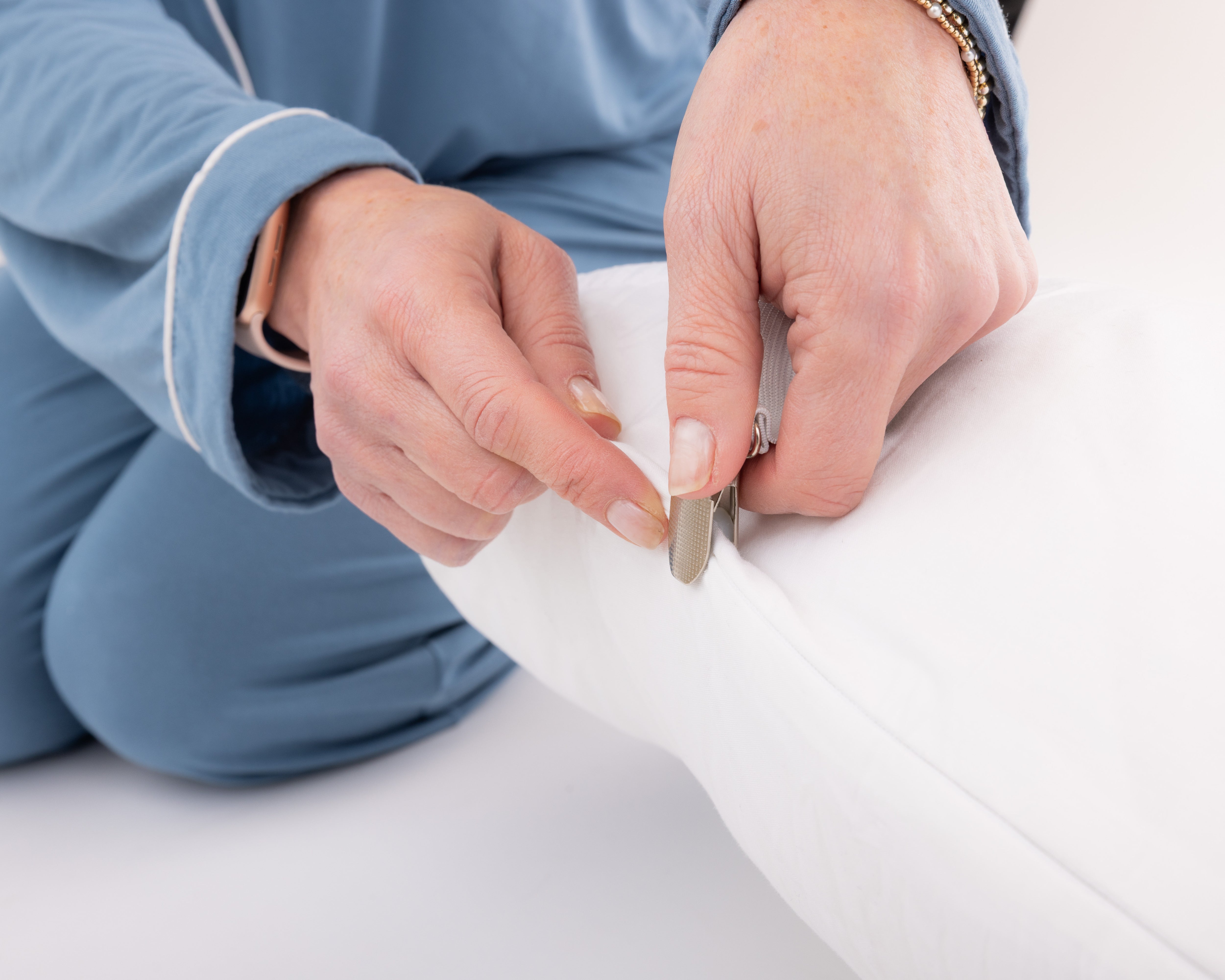
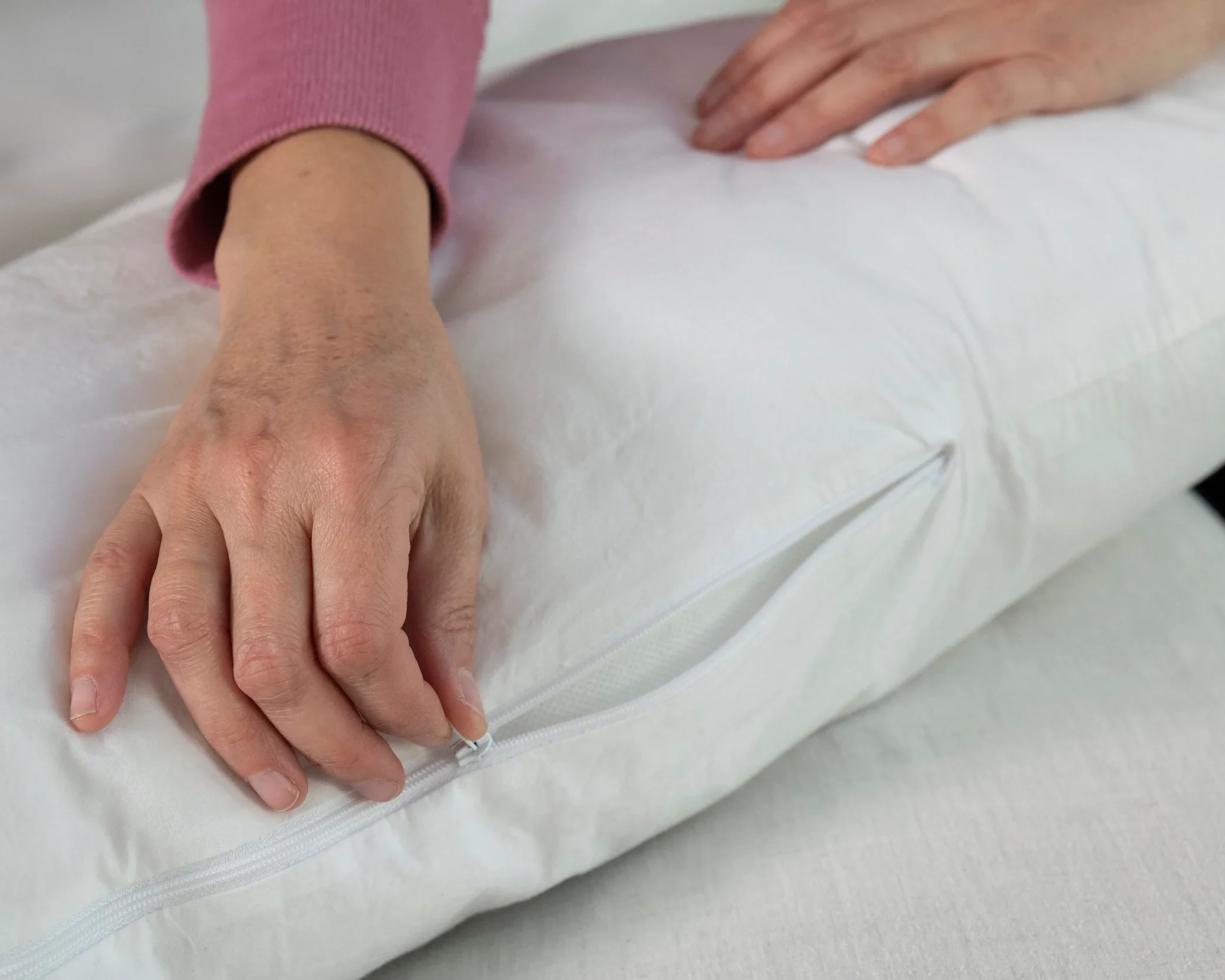
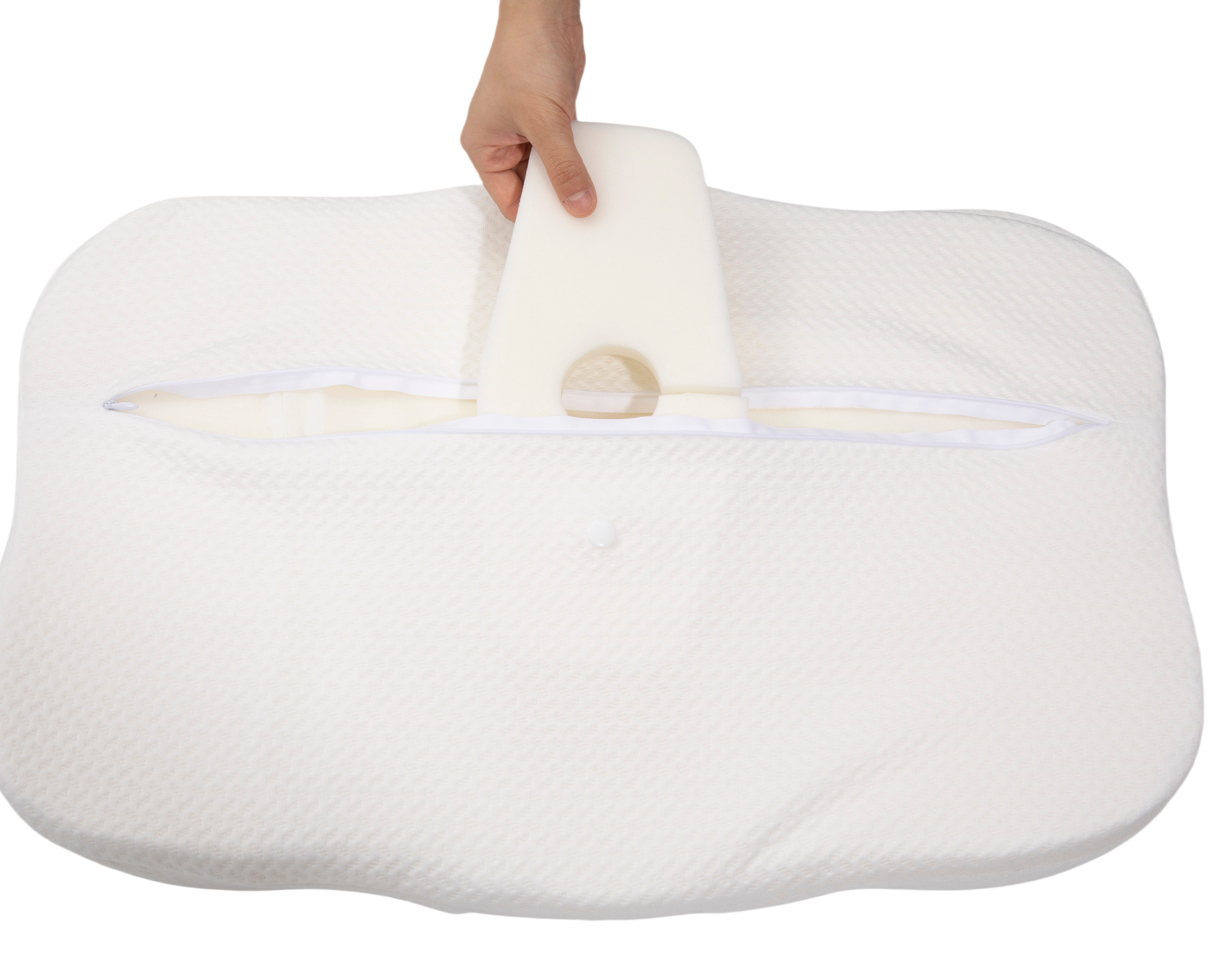
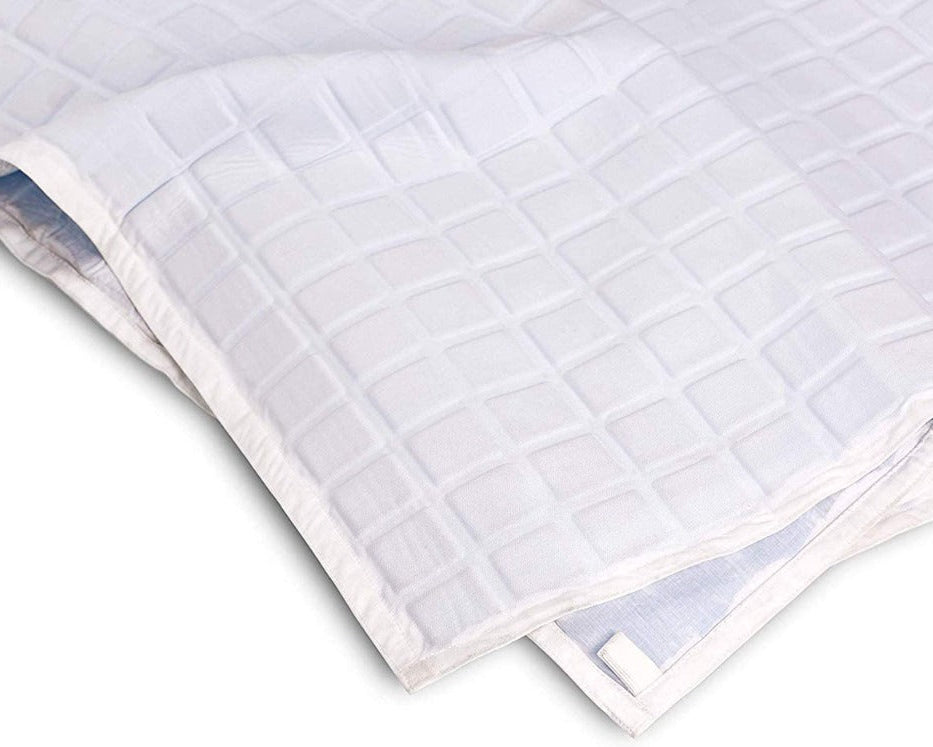
Removable, washable slipcovers for every piece
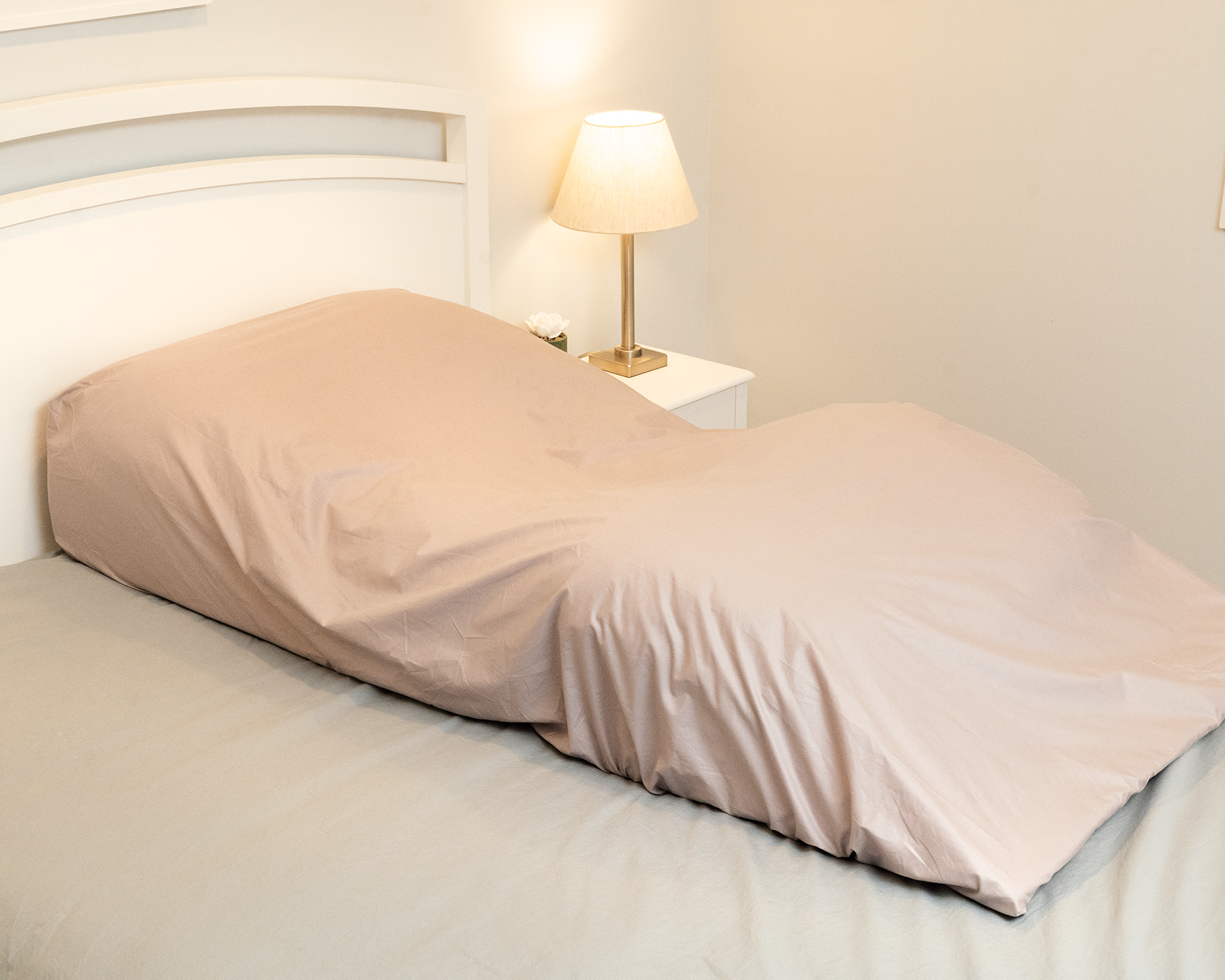
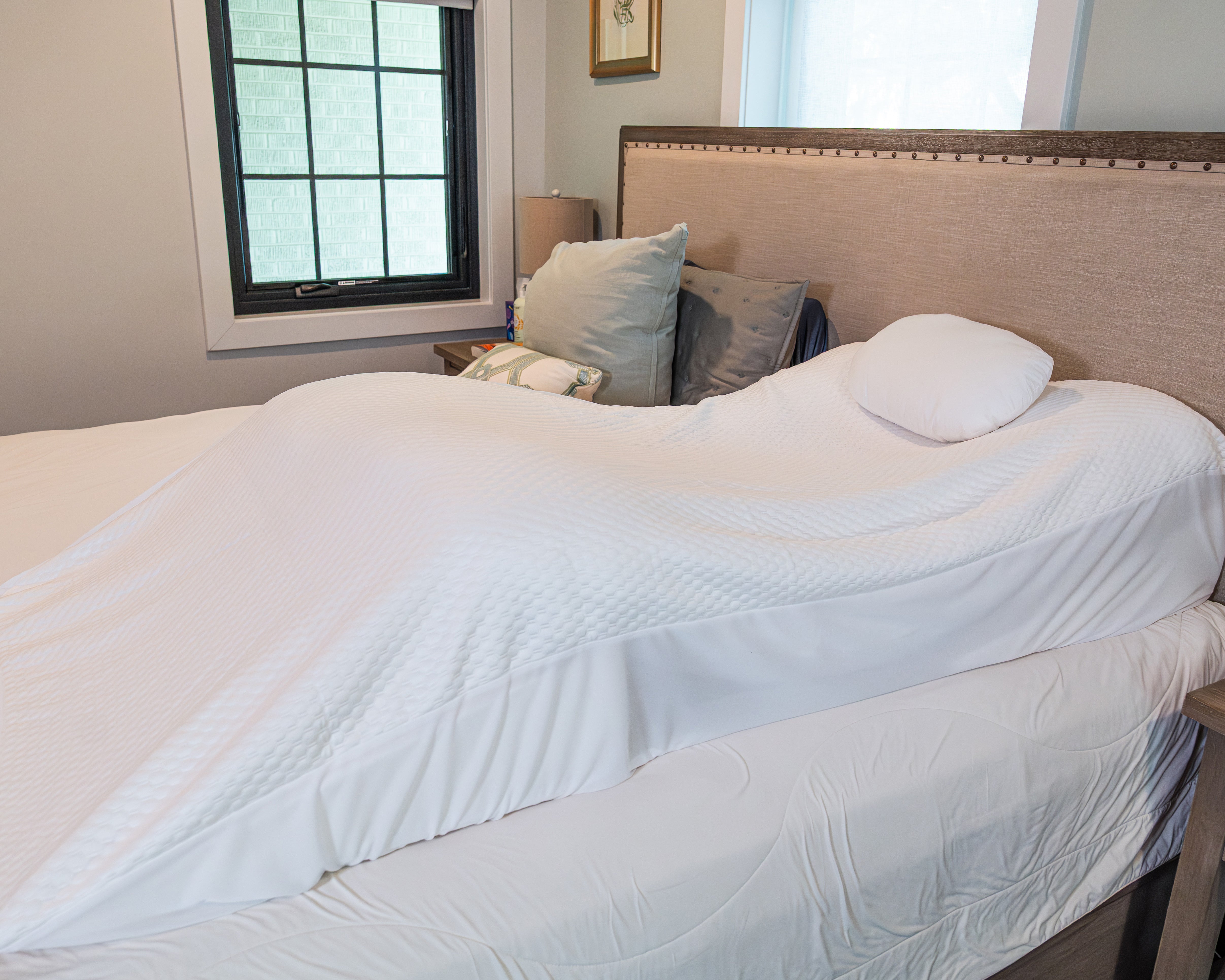
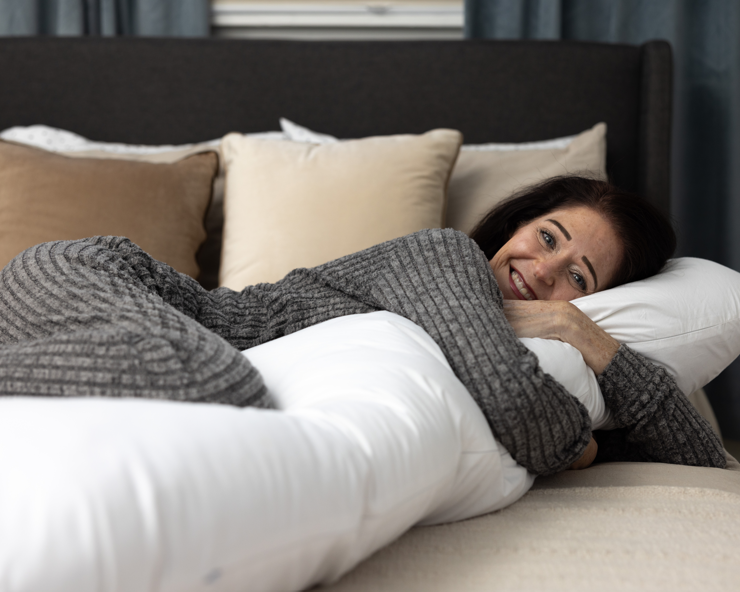
The components work together as a complete system. The upper body wedge creates your therapeutic angle. The leg support wedge prevents your body from sliding down and reduces lower back strain. The contoured side pillows support your arms and discourage rolling onto your side or stomach. The head pillow maintains neutral spine alignment at elevation without creating chin-to-chest compression.
Because you're using this system nightly for snoring management—not just for a few weeks of surgical recovery—the removable, washable slipcovers are essential for long-term hygiene.
The Sleep Again Pillow System is HSA and FSA eligible. This means you can purchase it using pre-tax healthcare dollars. It's classified as medical equipment designed for therapeutic positioning, not just a comfort product. If you're dealing with chronic snoring, your healthcare spending account recognizes this as a legitimate medical intervention.

How to Maintain Elevated Back-Sleeping Long-Term
Changing your sleep position requires adjustment. Your body is used to whatever position you've been sleeping in for years. If you're serious about stopping snoring proactively, you need a system that makes elevated back-sleeping sustainable.
Start with proper foundation support. Your elevation needs to start at hip level and angle smoothly upward to support your entire upper body. This creates the critical therapeutic angle while distributing your weight evenly and preventing pressure points.
Support your legs. When your upper body is elevated but your legs are flat, your body naturally slides downward throughout the night. Elevating your legs slightly keeps you stable in position and reduces lower back strain.
Position your arms comfortably. Side pillows prevent your arms from dangling uncomfortably and give you something to rest against, which helps maintain back-sleeping position even when you shift during normal sleep cycles.
Use a head pillow that maintains neutral spine alignment. Your head should be supported at the same angle as your elevated upper body—not propped higher, which compresses your airway, and not flat, which hyperextends your neck.
Comprehensive positioning systems exist to address all these elements simultaneously rather than forcing you to cobble together solutions that shift and fail by morning.
Beyond Position: Complementary Strategies for Snoring Relief
While elevated back-sleeping is your foundation, combining it with other proactive strategies maximizes your results:
Maintain a healthy weight. Extra tissue around your neck and throat increases airway obstruction. Even losing 10-15 pounds can significantly reduce snoring severity.
Avoid alcohol before bed. Alcohol relaxes the muscles in your throat more than normal sleep does, worsening airway collapse.
Stay hydrated. Dehydration makes the secretions in your nose and soft palate stickier, increasing snoring. Drink plenty of water throughout the day.
Address nasal congestion. Chronic sinus issues, allergies, or a deviated septum can contribute to snoring. If you can't breathe clearly through your nose, you'll mouth-breathe, which worsens snoring. See an ENT specialist if nasal congestion is persistent.
Practice good sleep hygiene. Overtiredness causes deeper, more relaxed sleep where your muscles relax more completely—which paradoxically increases snoring. Stick to a consistent sleep schedule and get adequate rest.
Consider your medications. Some sedatives, muscle relaxants, and antihistamines can increase snoring by relaxing throat muscles. Talk to your doctor about alternatives if you suspect medication is contributing.
All of these strategies work better when combined with proper sleep positioning. Start with positioning, then layer in these complementary approaches.

FAQs: Sleeping Positions and Snoring
What is the best sleeping position to stop snoring?
Elevated back-sleeping at 30-45 degrees is the most effective position for stopping snoring. This angle uses gravity to keep your airway open by preventing your tongue and soft palate from collapsing backward into your throat. Unlike side-sleeping, which many people can't maintain throughout the night, elevated back-sleeping is sustainable long-term and addresses the mechanical cause of airway obstruction.
Does sleeping on your side really stop snoring?
Side-sleeping can reduce snoring for some people by using gravity to keep airways more open, but it's not a reliable long-term solution. Most people unconsciously roll onto their backs during sleep, negating any benefit. Side-sleeping also causes shoulder pain, hip discomfort, and facial wrinkles from pillow pressure. Elevated back-sleeping provides better results without these drawbacks.
Why do I snore more when I sleep on my back?
Sleeping flat on your back allows gravity to pull your tongue and soft palate backward toward your throat, narrowing your airway. This creates the conditions for tissue vibration and snoring. However, sleeping on your back at a 30-45 degree elevation reverses this effect—gravity helps keep your airway open instead of collapsing it.
Can changing to a thicker pillow stop my snoring?
Simply changing to a thicker pillow won't stop snoring and can actually make it worse by creating a chin-to-chest position that further narrows your airway. Effective positioning requires elevating your entire upper body at the proper therapeutic angle, not just propping up your head. A complete elevation system that supports your upper body, legs, and head is necessary for real results.
How long does it take to adjust to elevated sleeping?
Most people adapt to elevated back-sleeping within 3-7 nights. The first few nights may feel unusual since your body is accustomed to your old sleeping position, but the adjustment period is typically brief. The key is using a properly designed support system that's comfortable enough to maintain—if elevation is uncomfortable, you won't sustain the position long enough to see results.
Is elevated sleeping safe for everyone?
Elevated sleeping is generally safe and often recommended for people with snoring, acid reflux, breathing difficulties, and various medical conditions. However, if you have specific health concerns, heart conditions, or severe sleep apnea, consult your doctor before making significant changes to your sleep positioning. Proper elevation should feel comfortable and not cause pain or breathing difficulty.
Will sleeping elevated cure my sleep apnea?
While elevated sleeping can significantly reduce snoring and mild sleep apnea symptoms, it's not a cure for obstructive sleep apnea. If you have been diagnosed with sleep apnea, continue following your doctor's treatment plan, which may include CPAP therapy. Elevated positioning can complement medical treatment but shouldn't replace it without your doctor's approval.
Can I use regular bed wedges for elevation?
Basic bed wedges provide upper body elevation but lack the comprehensive support needed for comfortable long-term use. They don't address leg positioning, arm support, or proper head alignment. A complete pillow system designed for therapeutic elevation provides substantially better results and comfort.
How does elevated back-sleeping help with snoring?
Elevated back-sleeping at 30-45 degrees maintains optimal airway geometry by using gravity to keep your tongue and soft palate in proper position. This prevents the backward collapse that narrows your airway and causes tissue vibration. The elevation also improves breathing mechanics overall, allowing your respiratory system to function more efficiently throughout the night.
Why is elevated sleeping better than using a CPAP machine?
CPAP machines are medical devices that mechanically force air pressure to keep airways open—they're essential for diagnosed obstructive sleep apnea but aren't necessary for simple snoring in most cases. Elevated positioning is a non-invasive, proactive approach that addresses the mechanical cause of snoring naturally. For people with mild to moderate snoring who don't have sleep apnea, proper elevation can eliminate the need for more intensive interventions.
Does sleeping elevated help with other issues besides snoring?
Yes. Elevated sleeping also reduces acid reflux, improves breathing for people with respiratory conditions, decreases sinus congestion, reduces facial puffiness, and can improve circulation. Many people who start elevated sleeping for snoring discover unexpected benefits in these other areas.
Can I travel with an elevation system?
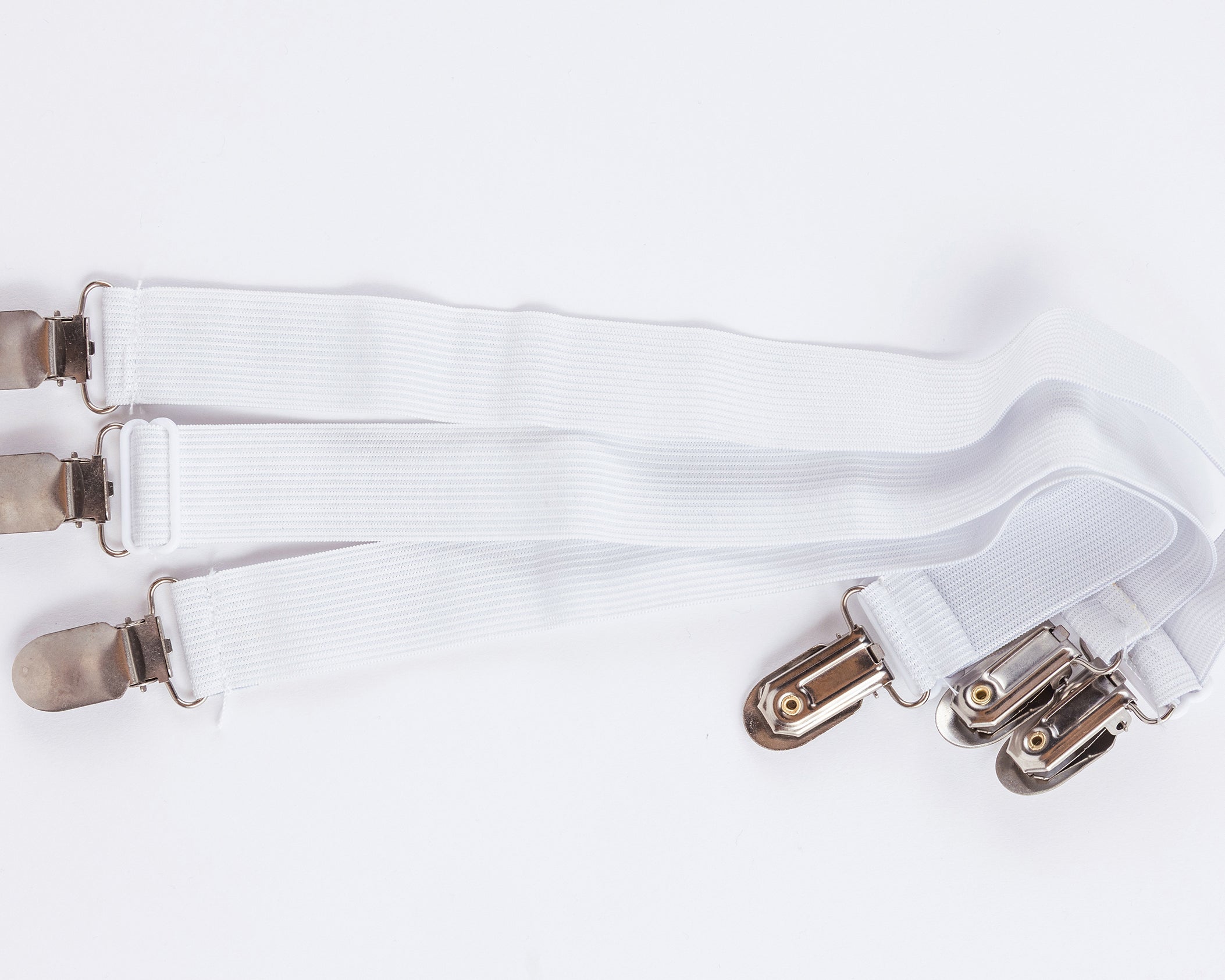
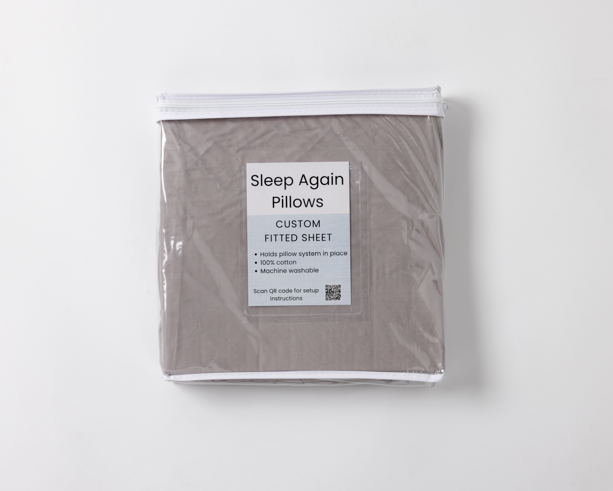
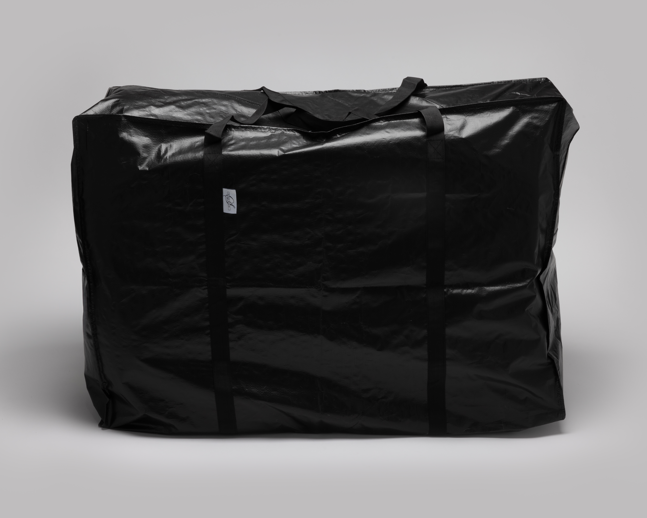
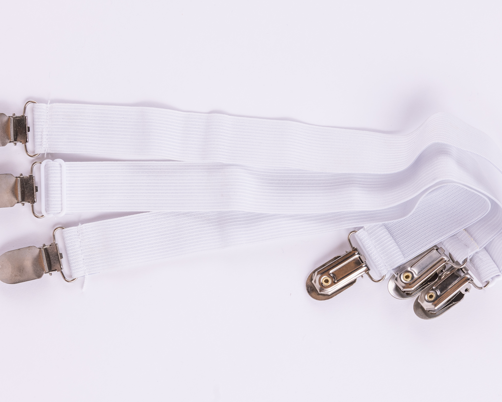
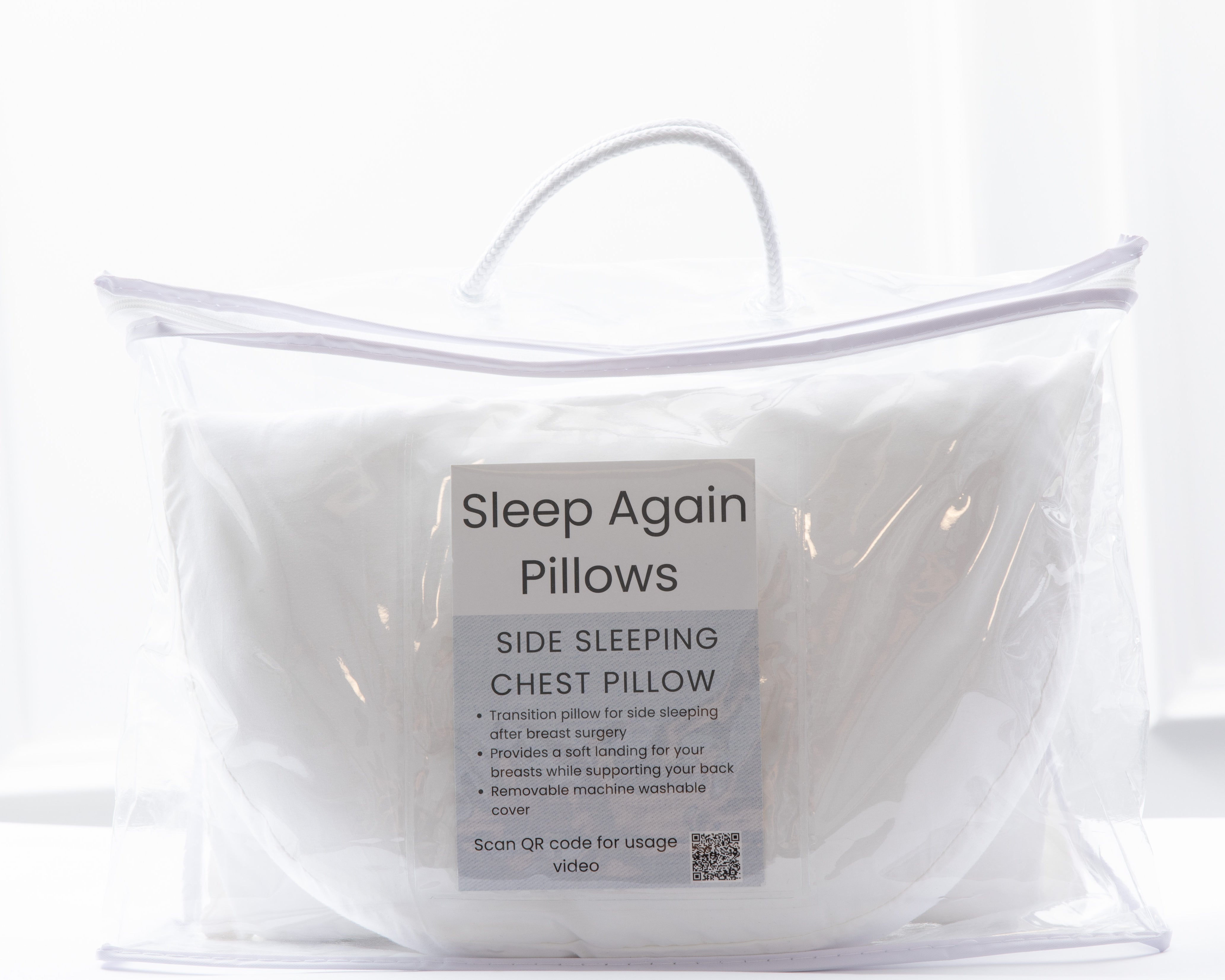
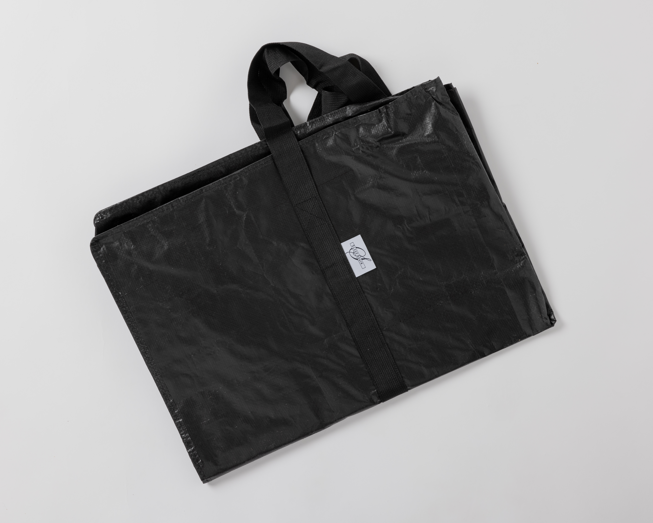
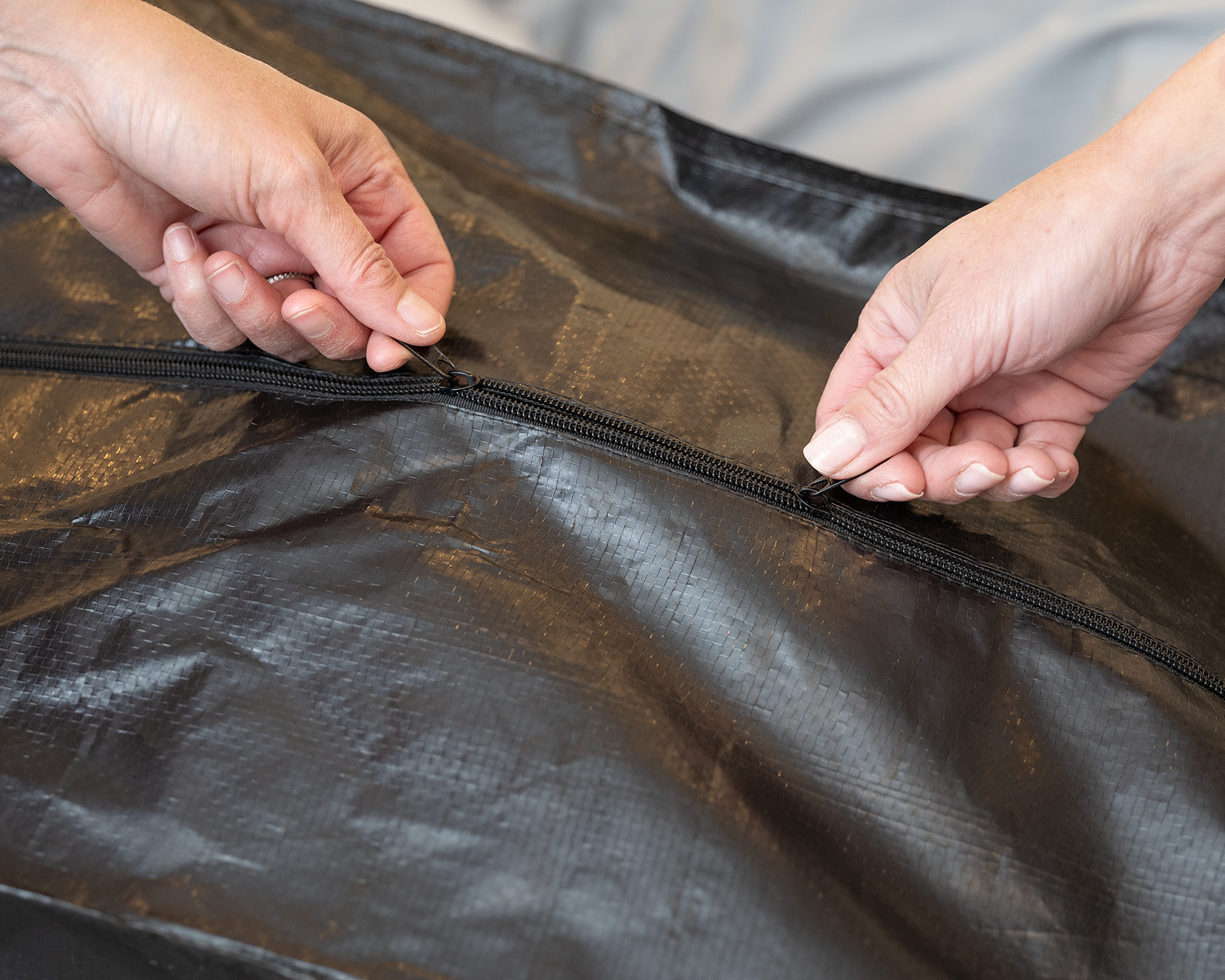
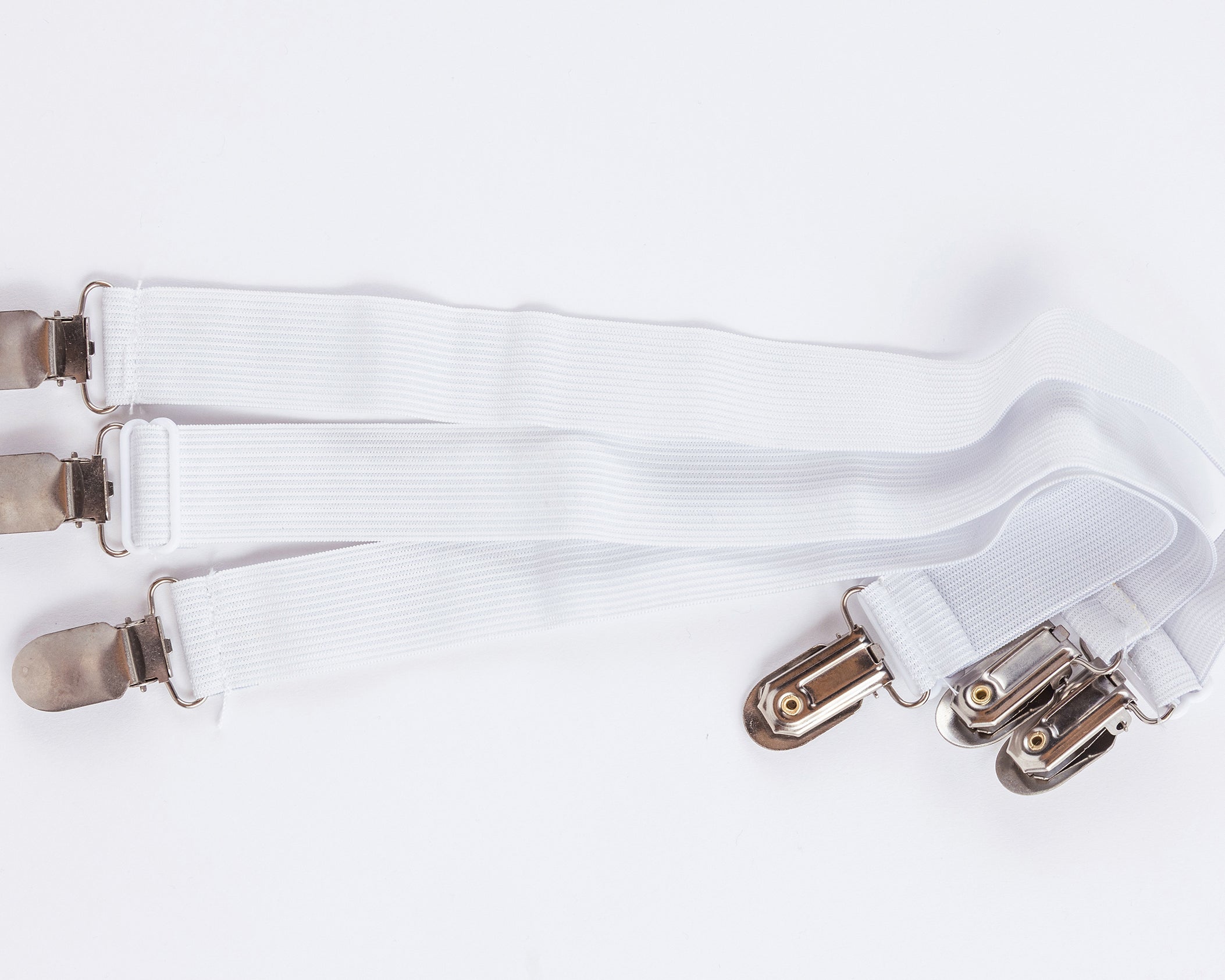
Yes! The Sleep Again Pillow System offers a bundle that comes with a custom fitted sheet and travel bag for easily transporting your system. These two items can also be purchased separately from the system.
Should I buy an adjustable bed or an elevation pillow system?
Adjustable beds are expensive, often costing $2,000-$5,000, difficult to share with a partner who doesn't need elevation, and lock you into that specific bed frame. Pillow-based elevation systems are more affordable, portable, partner-friendly, and HSA/FSA eligible. For most people dealing with snoring, a dedicated pillow system provides better value and flexibility.
How do I know if my snoring is serious enough to see a doctor?
See a doctor if you experience gasping or choking during sleep, wake up frequently feeling unrested despite adequate sleep time, have been told you stop breathing during sleep, experience excessive daytime fatigue, have morning headaches, or notice that snoring significantly impacts your quality of life. These symptoms may indicate obstructive sleep apnea, which requires medical diagnosis and treatment beyond positioning changes.
Can children use elevated sleeping for snoring?
Children with chronic snoring should be evaluated by a pediatrician, as snoring in children often indicates enlarged adenoids, tonsils, or other medical issues that may require treatment. While gentle elevation is generally safe for children, always consult your pediatrician before changing a child's sleep positioning significantly.
Take Control of Your Sleep Tonight
Snoring is not something you have to accept as inevitable. It's a mechanical problem with a mechanical solution: proper sleep positioning.
Years of poor positioning reinforce the problem, increase your risk of developing more serious sleep-disordered breathing, and degrades your sleep quality.
You can start addressing this tonight. No prescriptions, no surgery, no uncomfortable oral appliances. Just proper elevation that keeps your airway open naturally by working with your body's anatomy.
Elevated back-sleeping at 30-45 degrees is a sustainable, long-term solution that addresses the root cause of snoring while improving your overall sleep quality, breathing efficiency, and reducing other issues like acid reflux and sinus congestion.
Whether you choose to invest in a comprehensive positioning system or start experimenting with elevation, the important thing is to start now.
Your quieter, more restful sleep is waiting.
Important Medical Disclaimer
The information provided on this page is for educational purposes only and should not replace professional medical advice from your healthcare provider. Sleep Again Pillows are positioning support products designed to help maintain sleep positions recommended by medical professionals during recovery and for therapeutic use.
Always follow your surgeon's or physician's specific post-operative instructions and positioning requirements. Medical guidance from your healthcare team takes precedence over any general information provided here. Recovery timelines, positioning angles, and product suitability vary based on individual surgical procedures, medical conditions, and patient-specific factors.
Consult your healthcare provider before purchasing positioning equipment if you have specific medical concerns or questions about whether these products are appropriate for your recovery or medical condition(s). Your medical team can provide personalized recommendations based on your unique situation.
Sleep Again Pillows do not diagnose, treat, cure, or prevent any medical condition. These products provide positioning support to help maintain sleep angles and positions as directed by your healthcare provider.