
Every facelift recovery plan is different. Confirm any product or timeline against your own surgeon's instructions before your procedure.
A facelift repositions and tightens the underlying tissue and skin of your face and neck, and the incisions and elevated tissue that result need consistent protection while they heal. Your results depend on what happens in the operating room, but they also depend on what happens in your bed for the next several weeks. Facial tissue and incisions need reduced tension and minimal pressure to heal cleanly, and swelling control depends almost entirely on consistent head elevation. That single rule determines almost every item on this list.
Building your facelift supply list one to two weeks before surgery, rather than in the final days beforehand, gives you time to test what you actually need instead of making last-minute decisions. Here are the 14 things to gather, starting with the category that determines whether your results heal cleanly.
1. A Recovery Pillow That Works for Sleep
If you're planning a facelift, you already know it's a considerable investment, not just financially, but in the time you've spent researching, planning, and waiting for this. Protecting that investment doesn't end when you leave the operating room. It depends just as much on what happens in your bed for the next several weeks.
A facelift repositions and tightens the underlying tissue and skin of your face and neck, and the incisions and elevated tissue that result need consistent protection while they heal. Your results depend on what happens in the operating room, but they also depend on what happens in your bed for the next several weeks. Facial tissue and incisions need reduced tension and minimal pressure to heal cleanly, and swelling control depends almost entirely on consistent head elevation. That single rule determines almost every item on this list.
Your sleep setup is the single highest-impact item on this list. You will spend more hours lying down in the first two weeks after a facelift than doing almost anything else, and every one of those hours needs consistent head and neck elevation with zero pressure on your face.
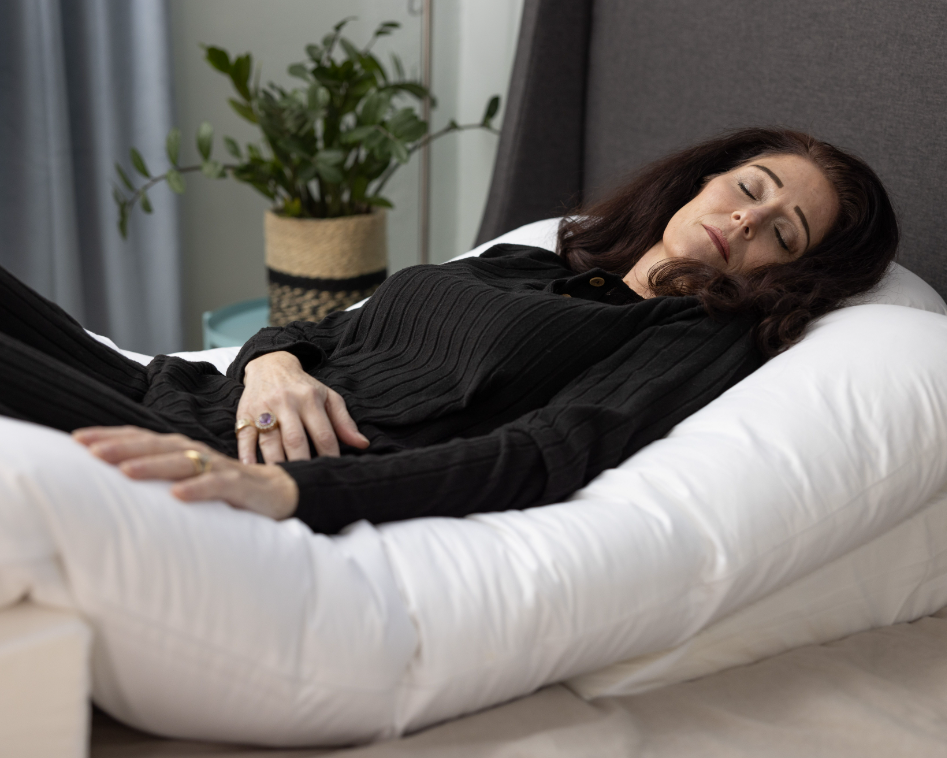
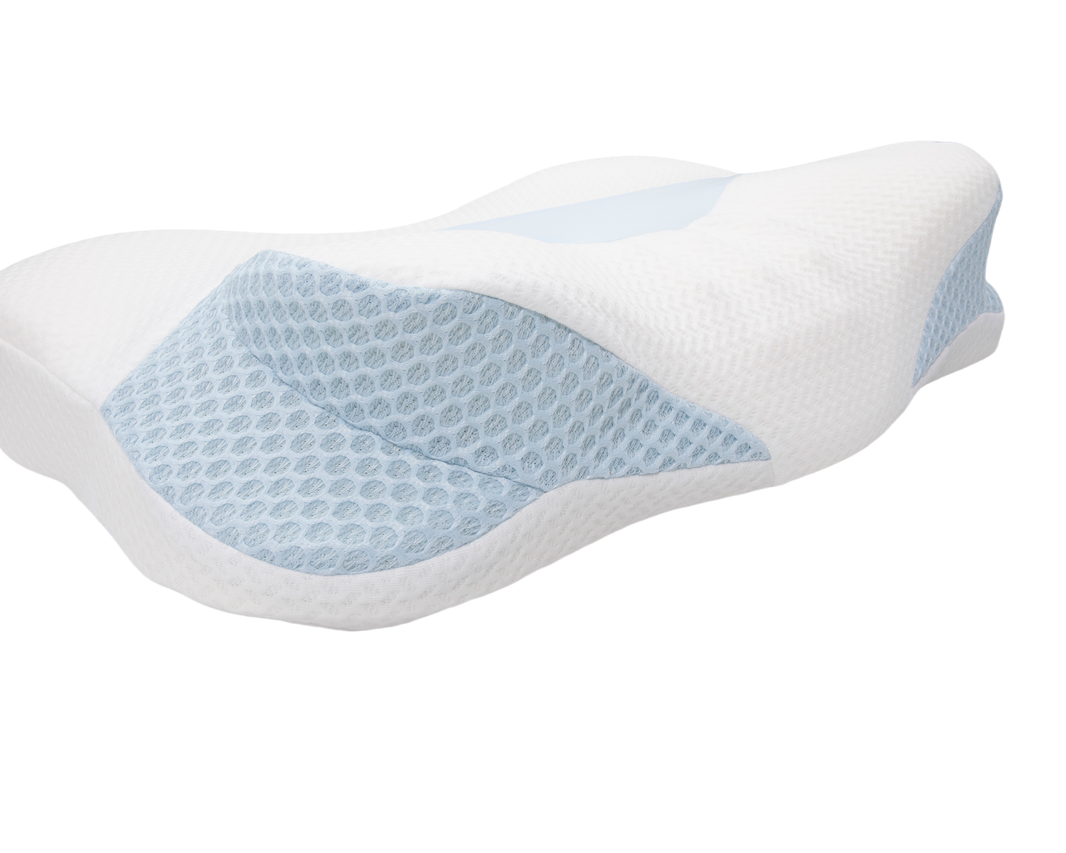
Regular pillows shift, flatten, and compress under body weight within an hour, which means the elevation your surgeon requires is no longer in place for most of the night. A positioning system built specifically for this recovery keeps your head elevated and stable for the full night, not just the first hour.
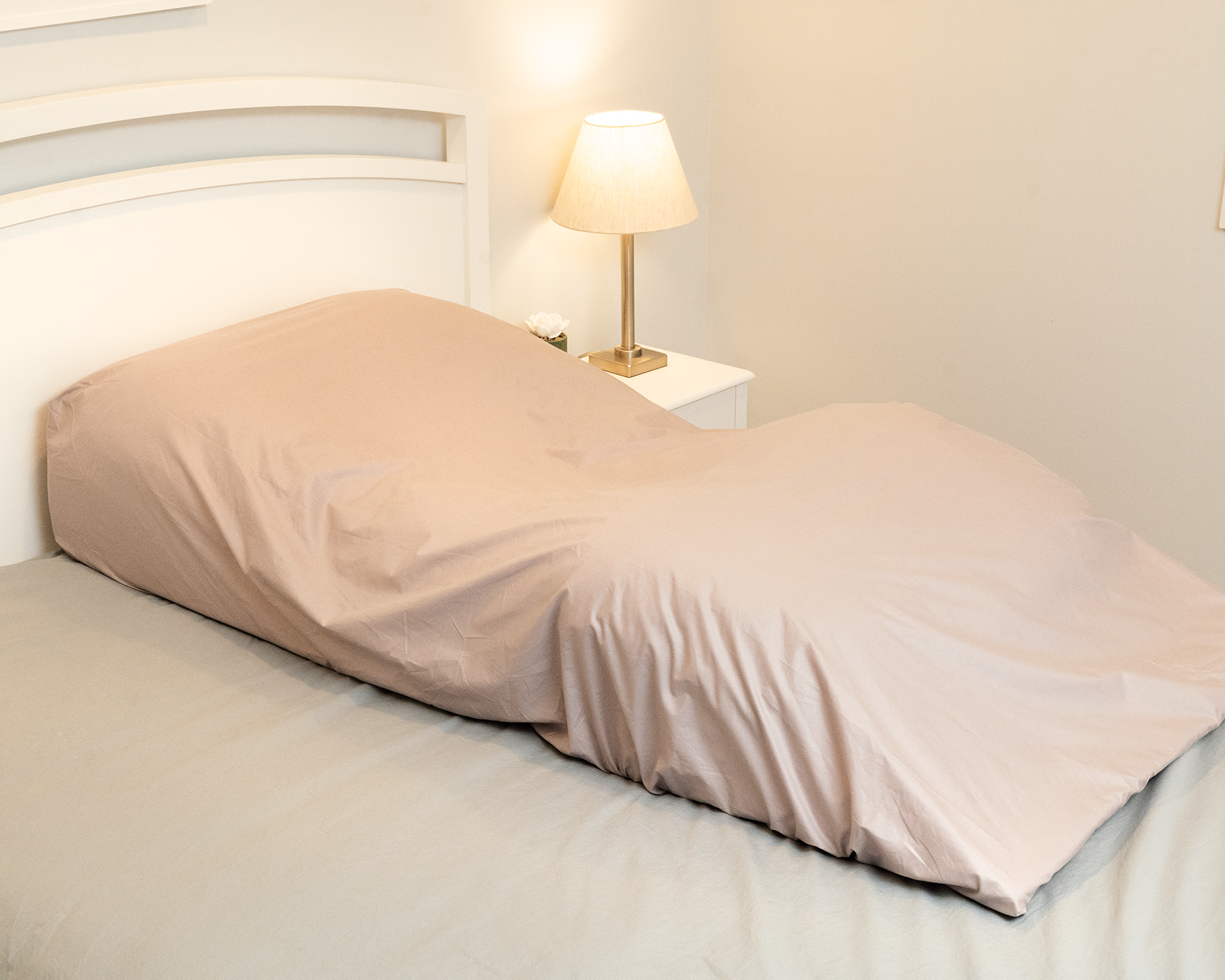
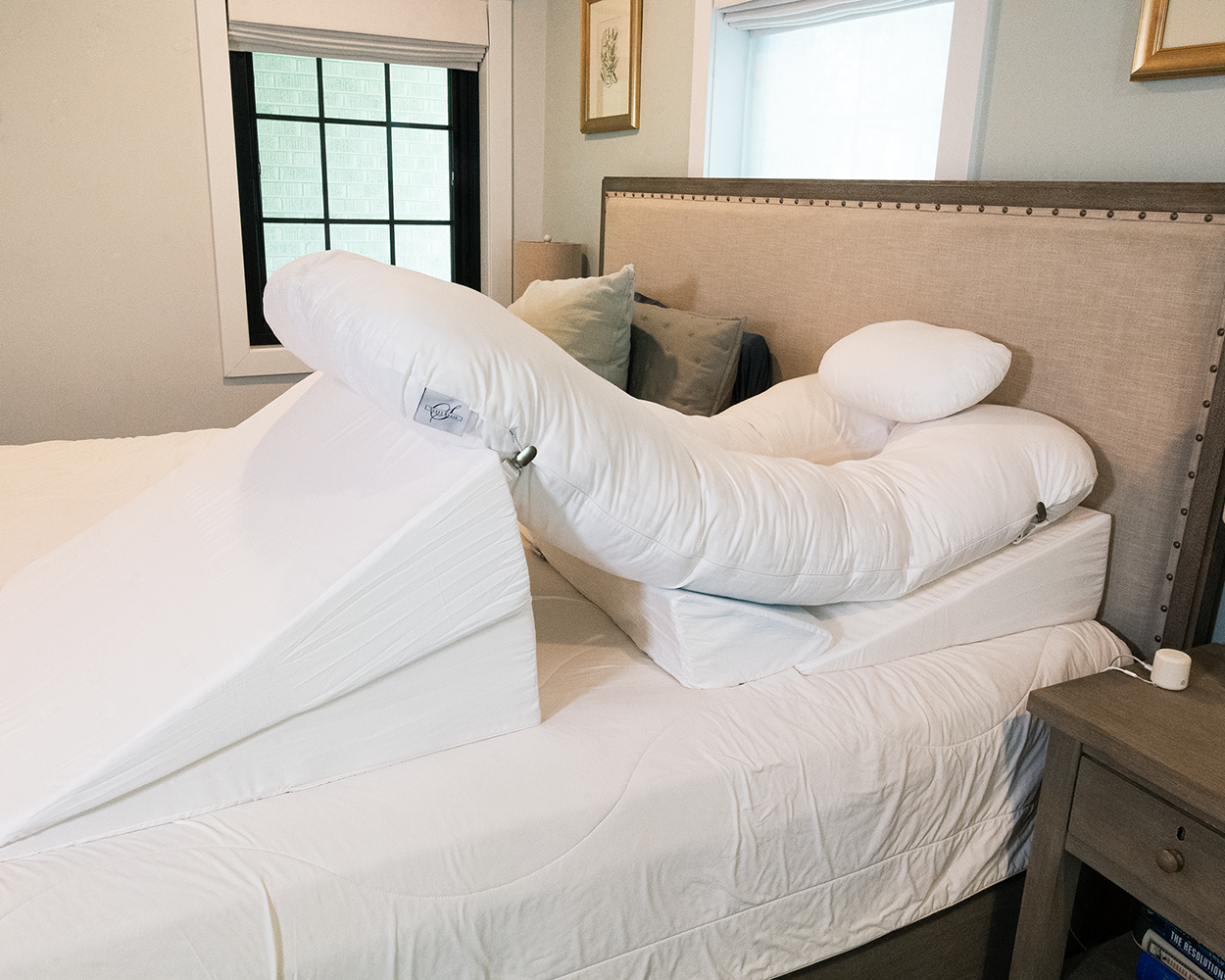
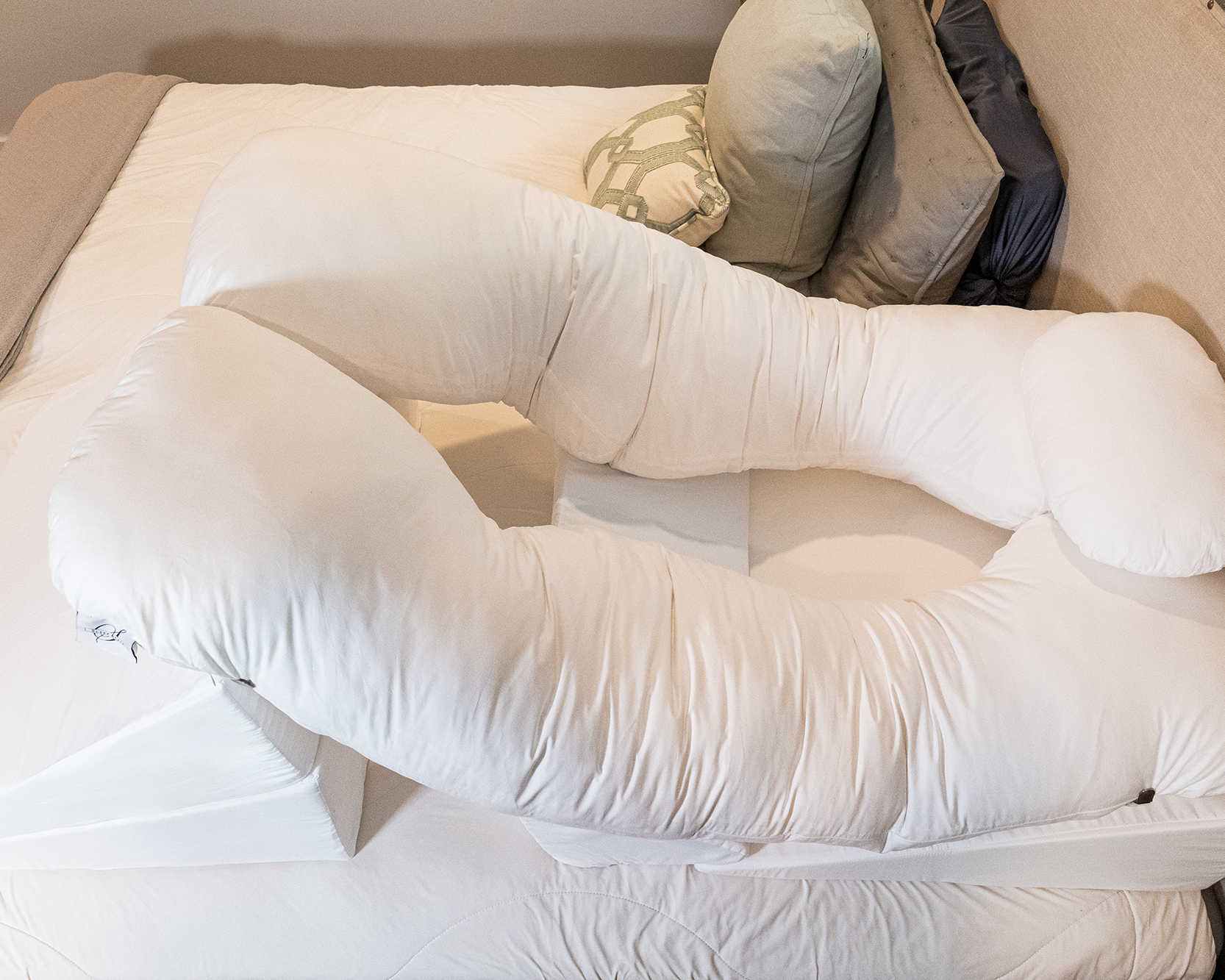
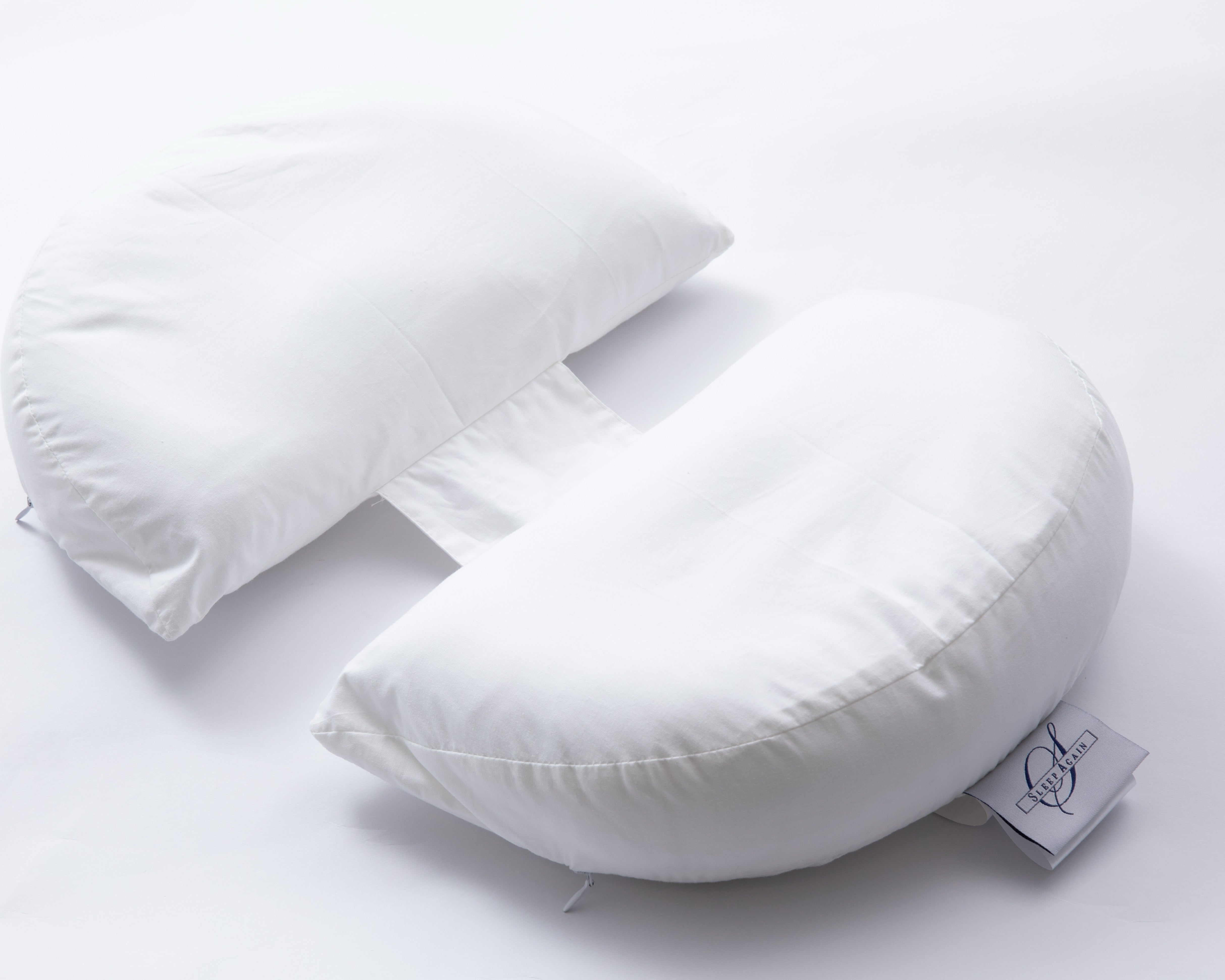
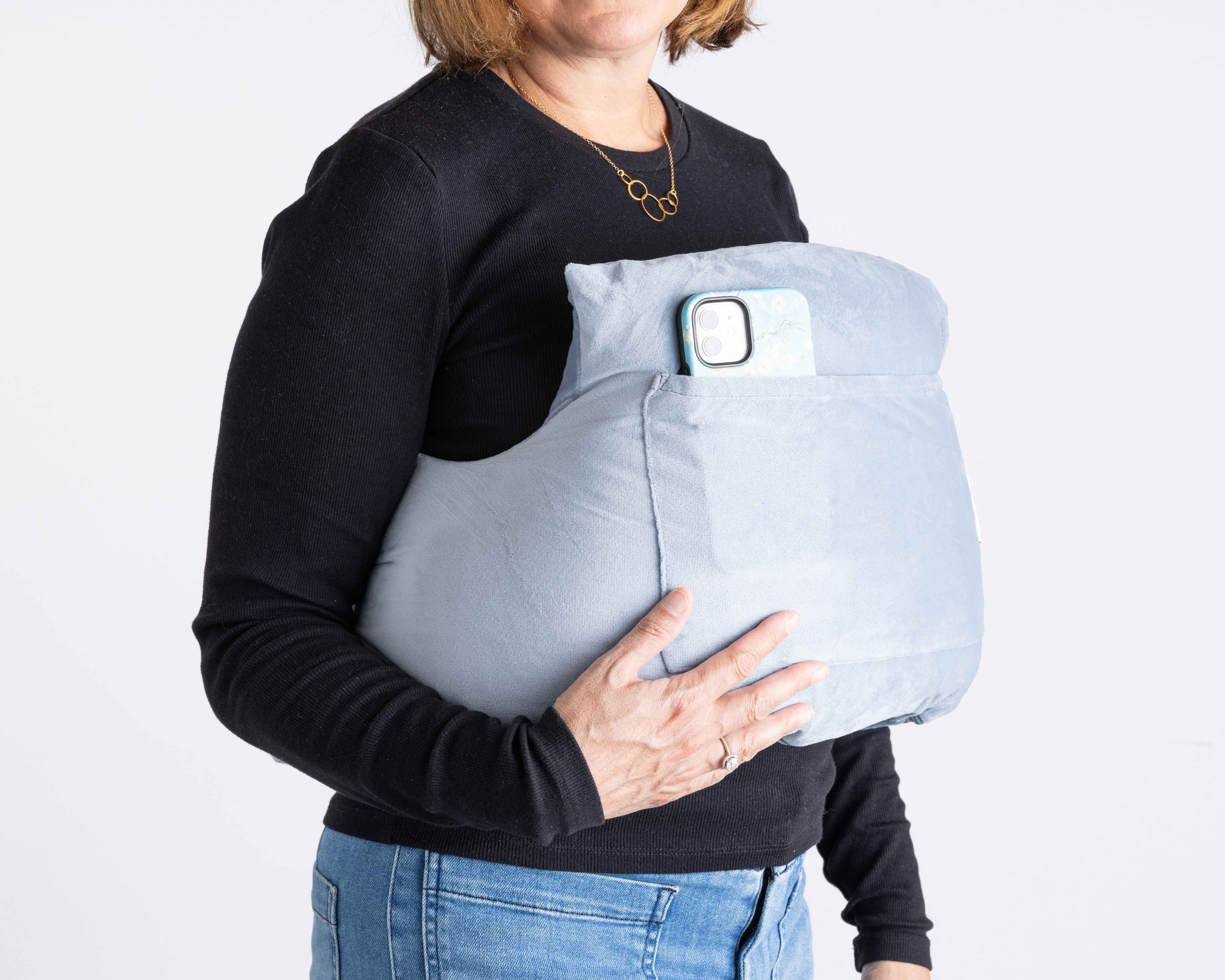
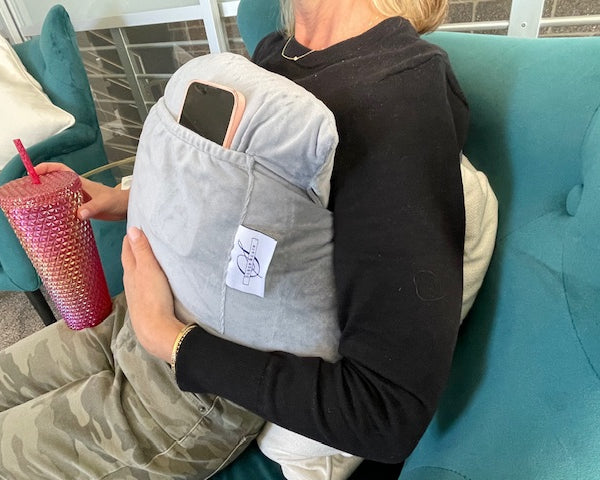
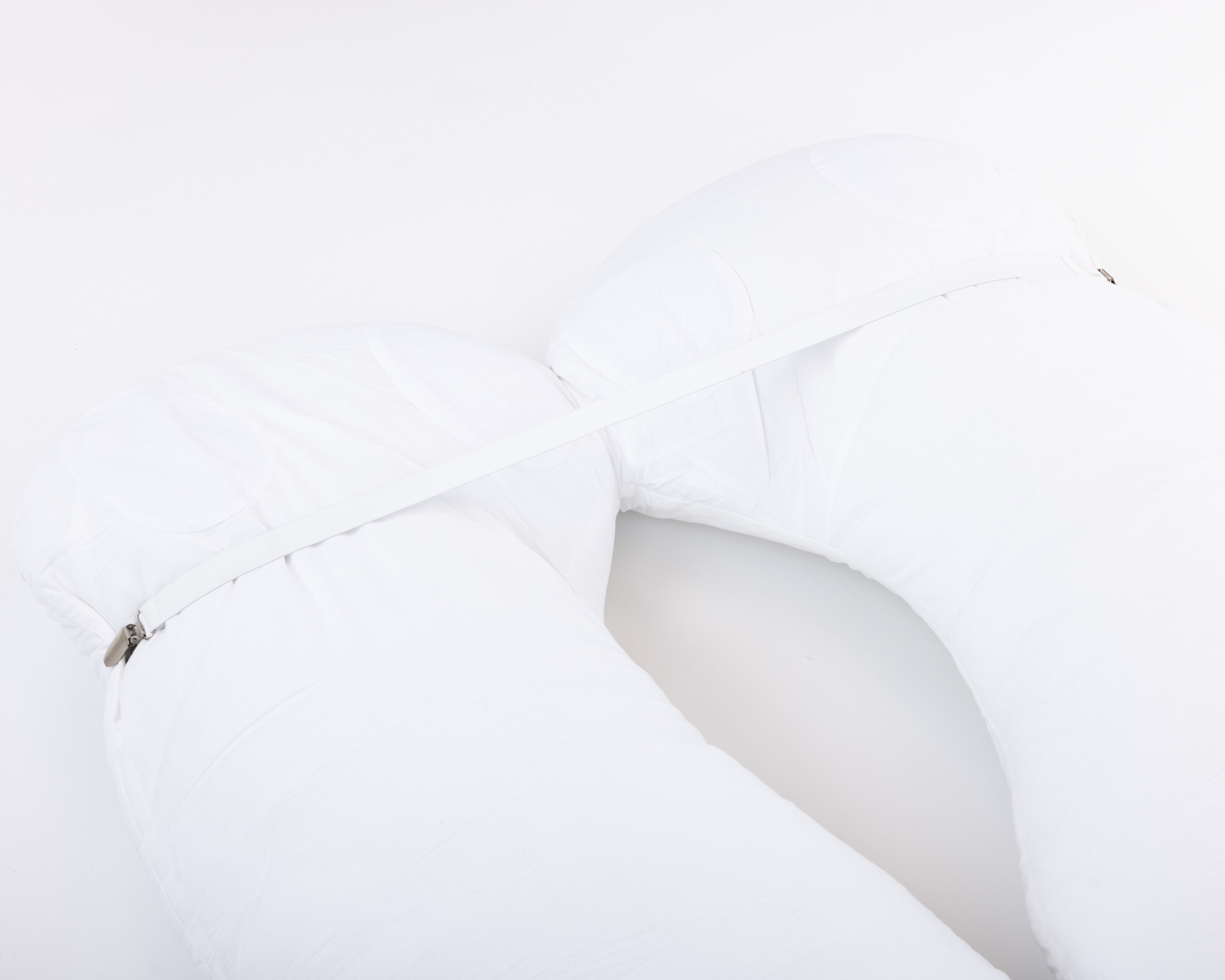
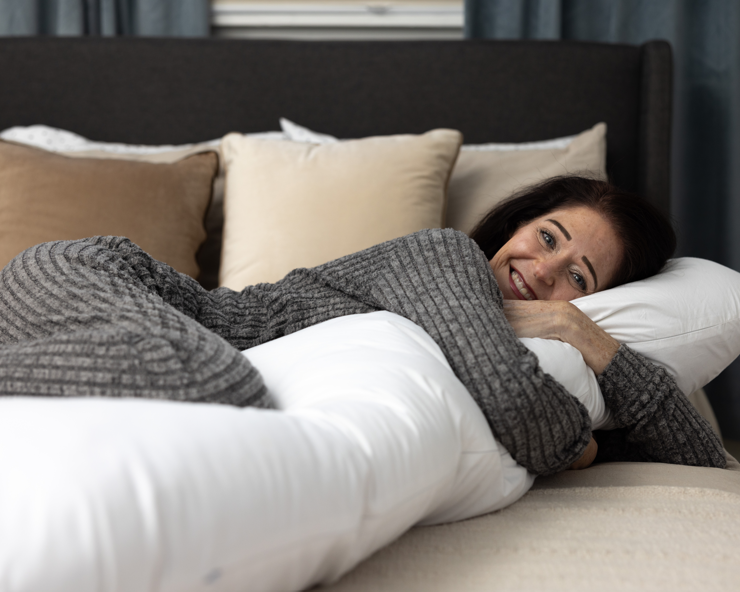
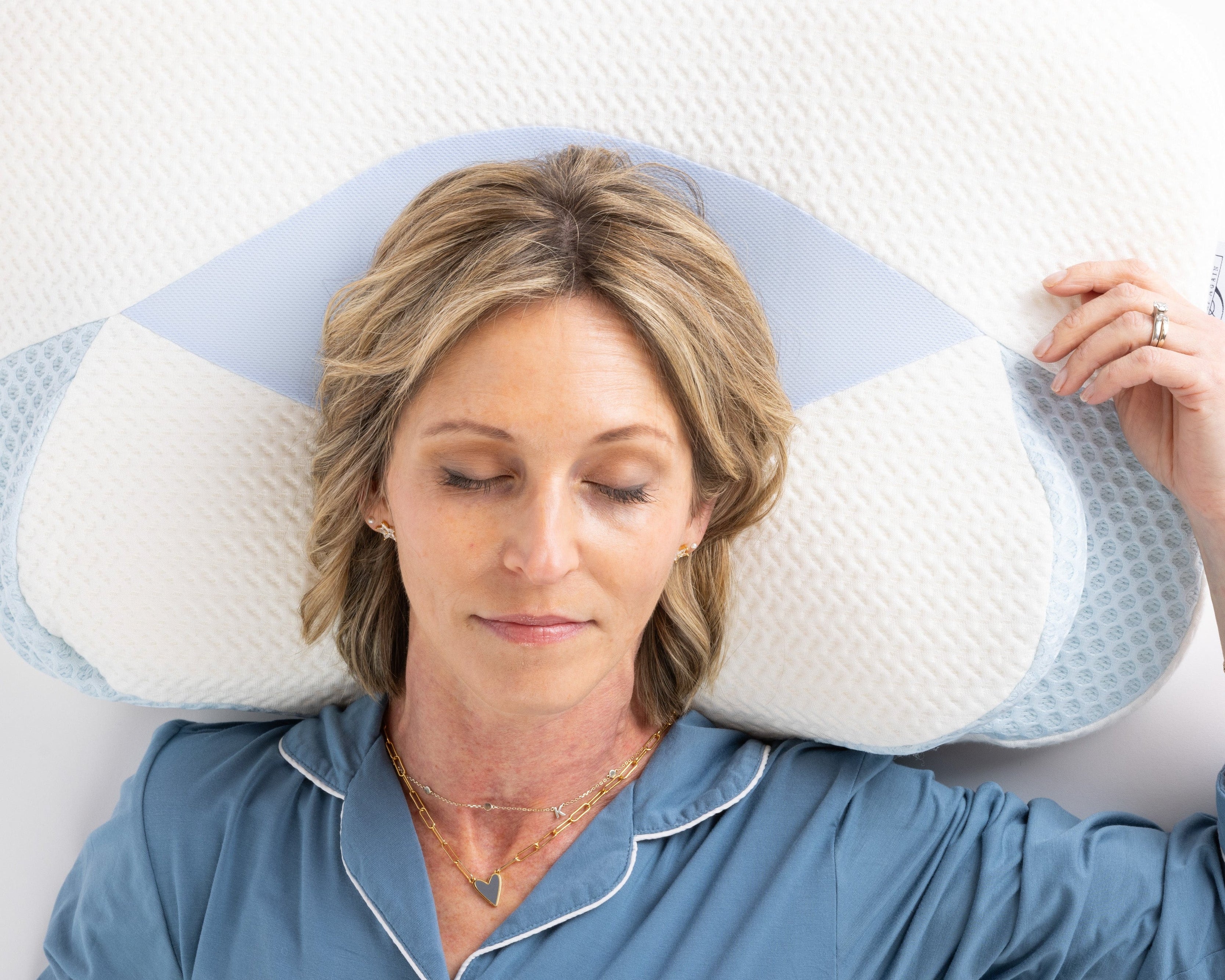
The Sleep Again Pillow System is built around exactly this problem. Most patients aren't naturally back sleepers. If you're a side or stomach sleeper by habit, your unconscious body will try to roll into old positions the moment pain medication and exhaustion take over. A positioning system that physically supports and stabilizes your head removes the guesswork and the willpower requirement, which matters most in the exact hours you have the least control over your body.
Protect your investment today with these essential facelift recoverymust-haves:
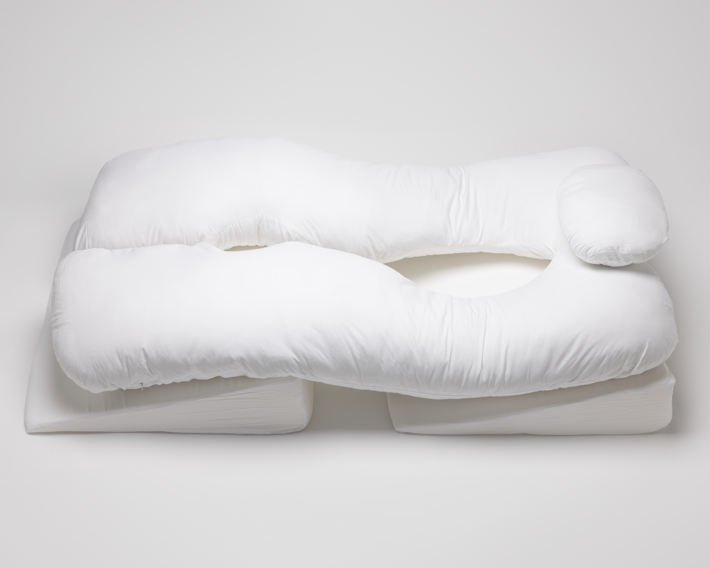
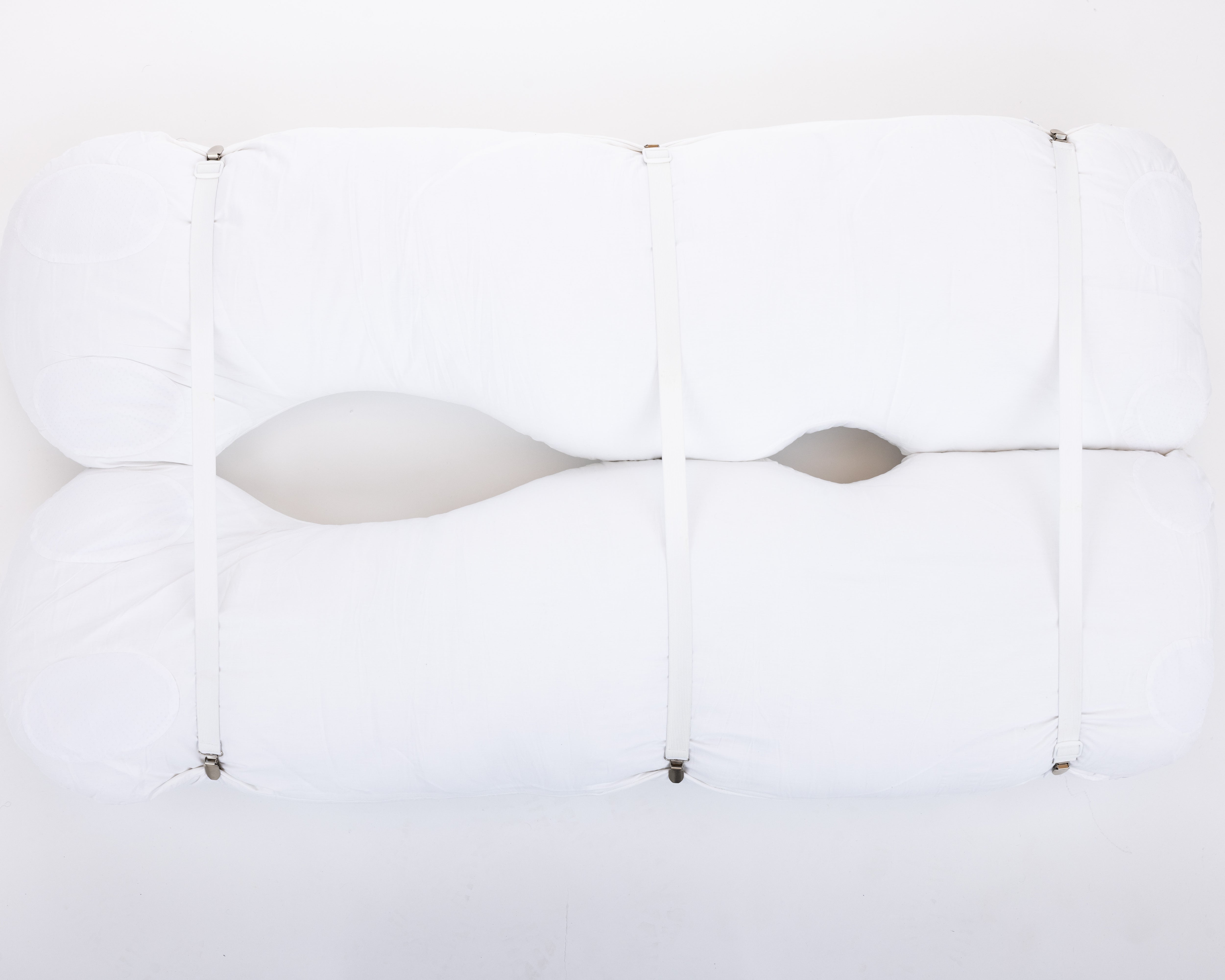
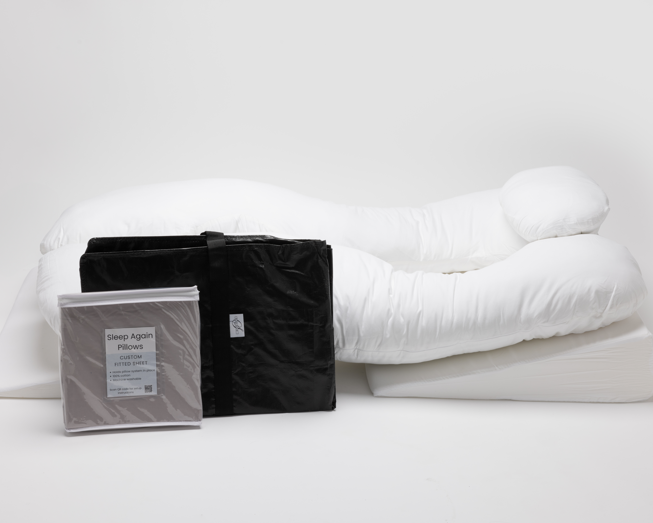
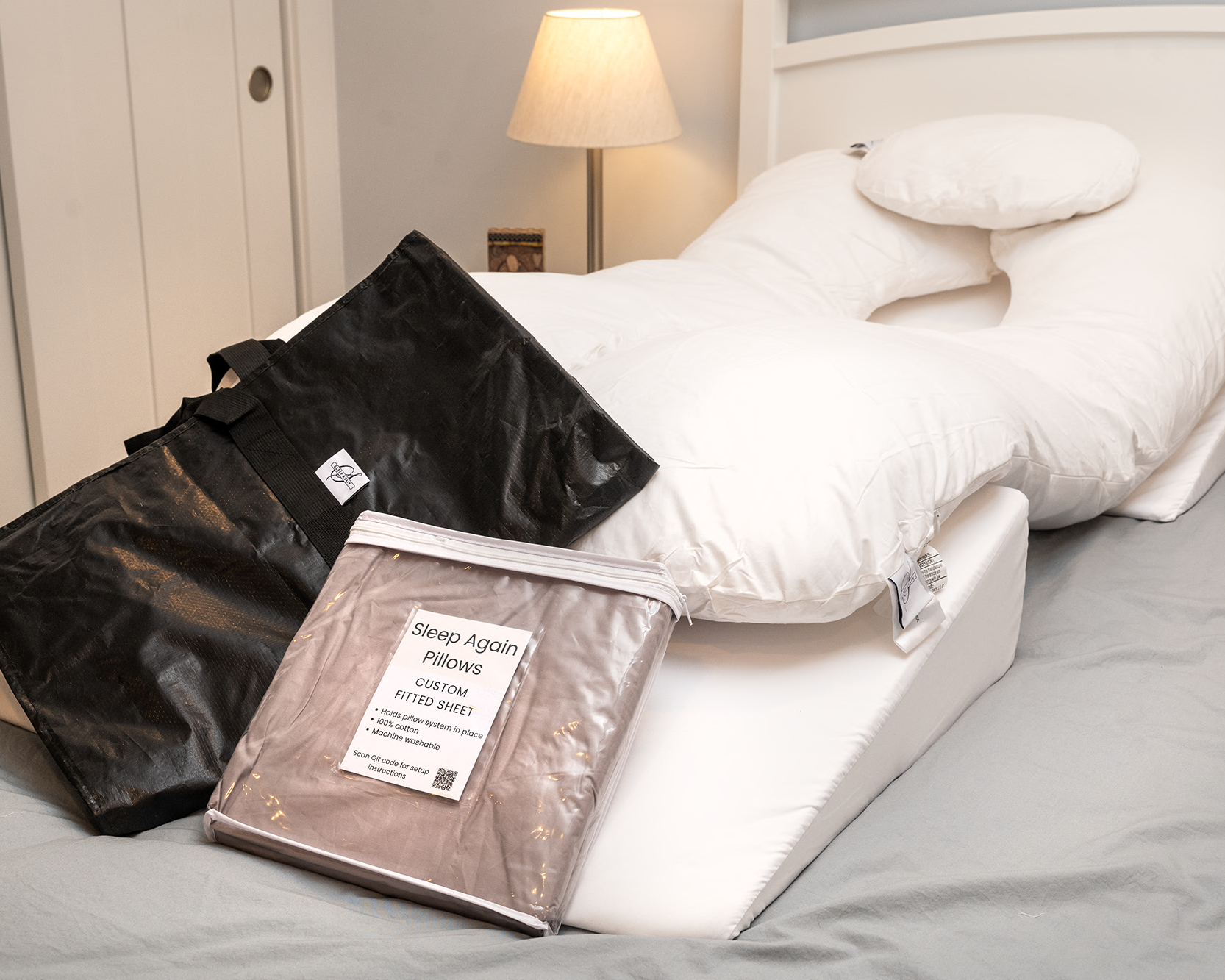
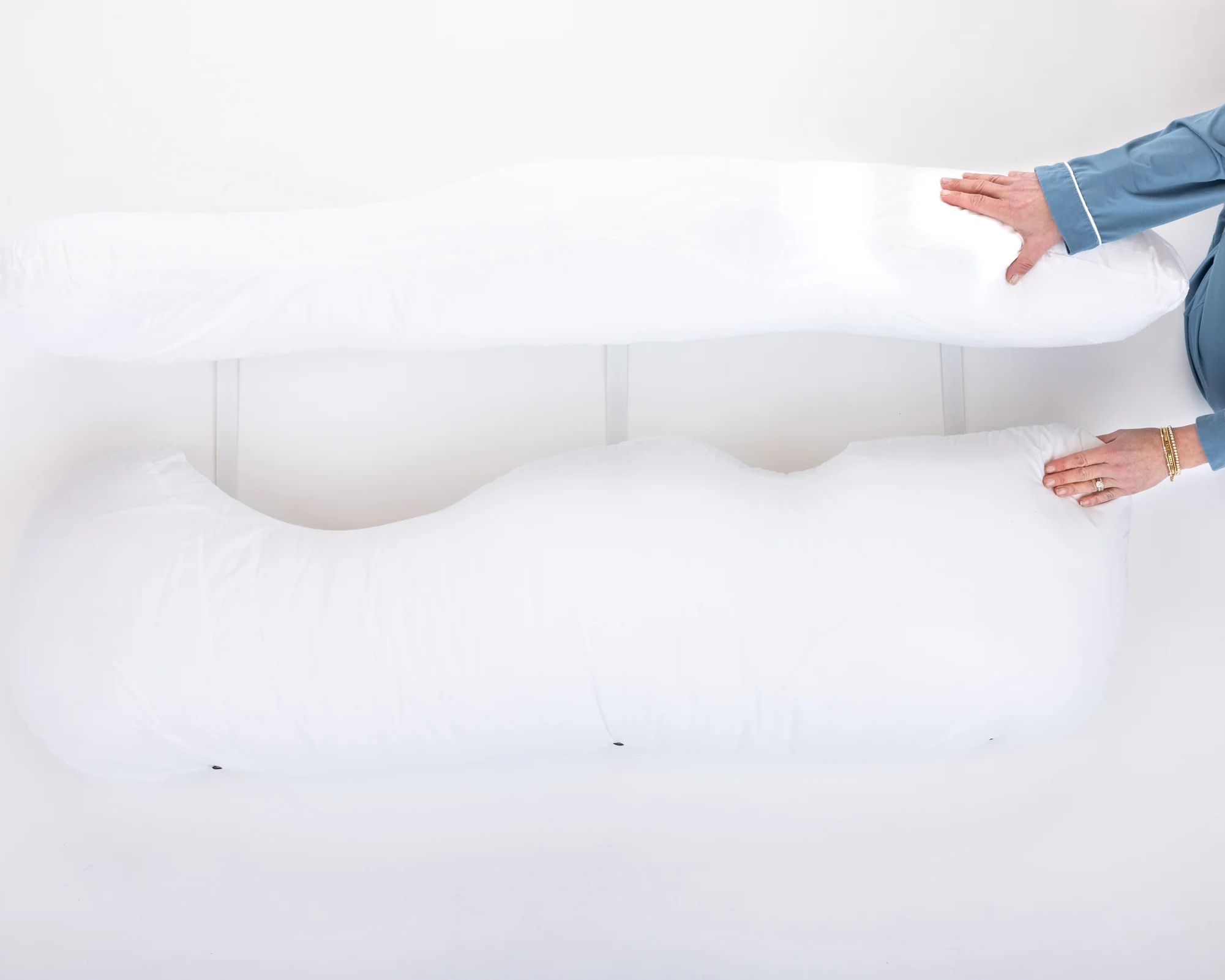
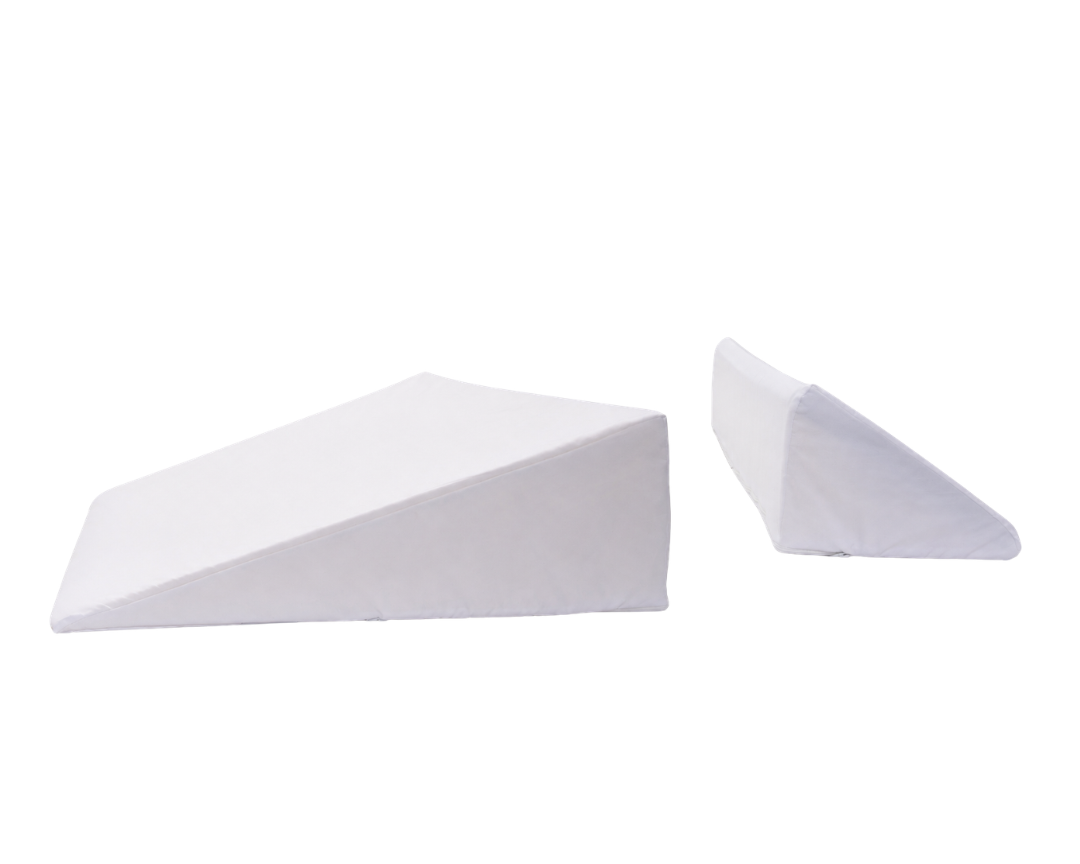
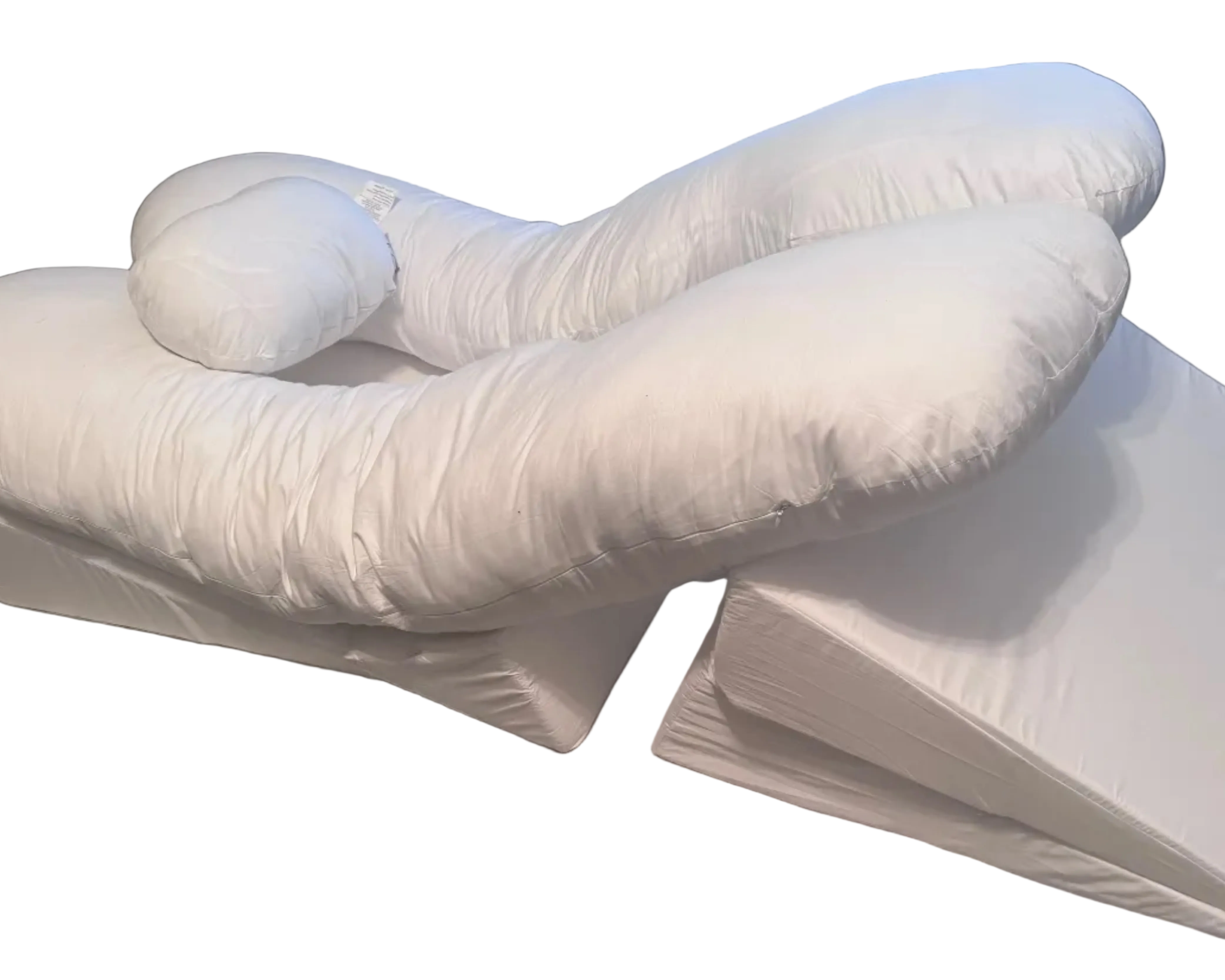
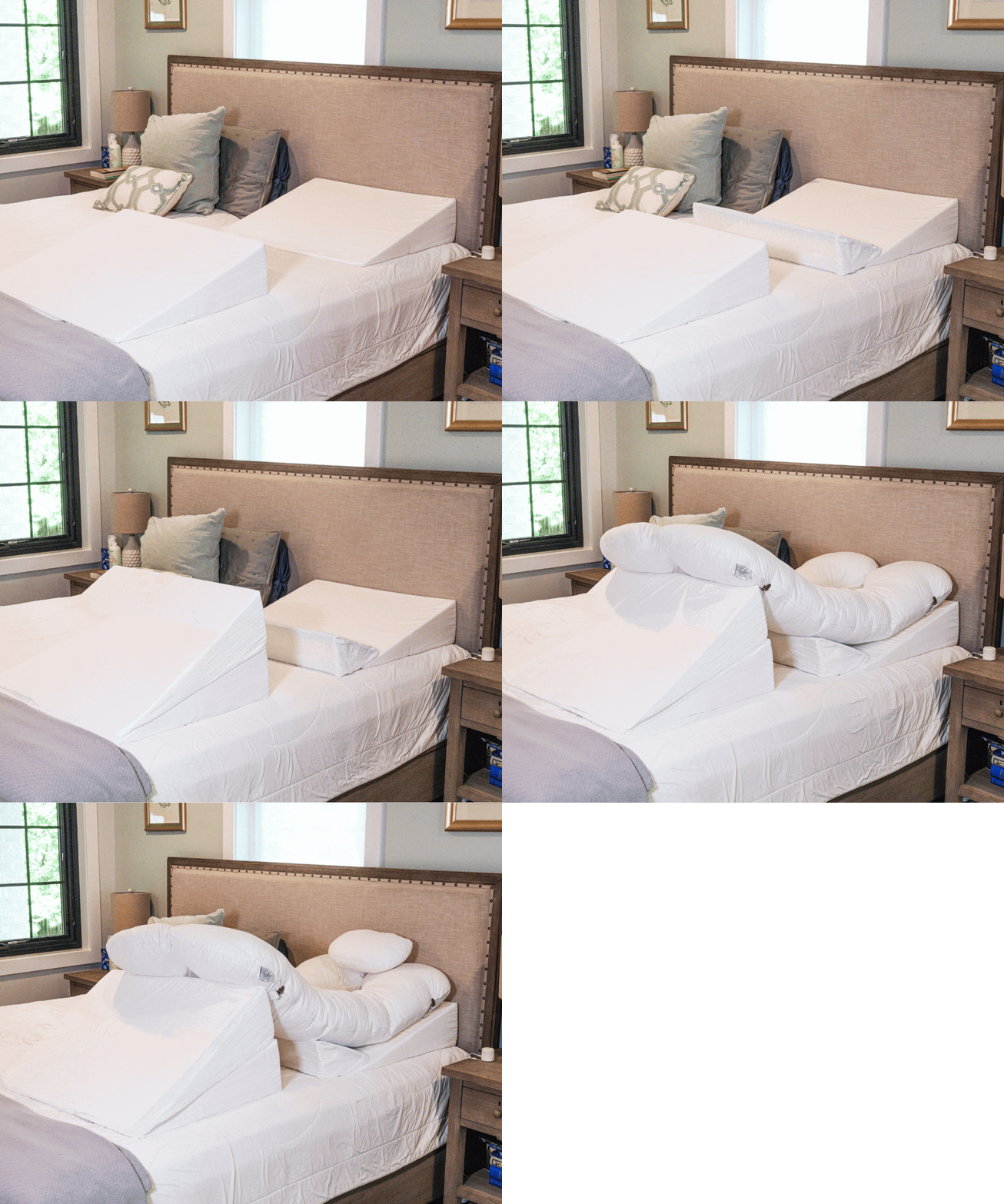
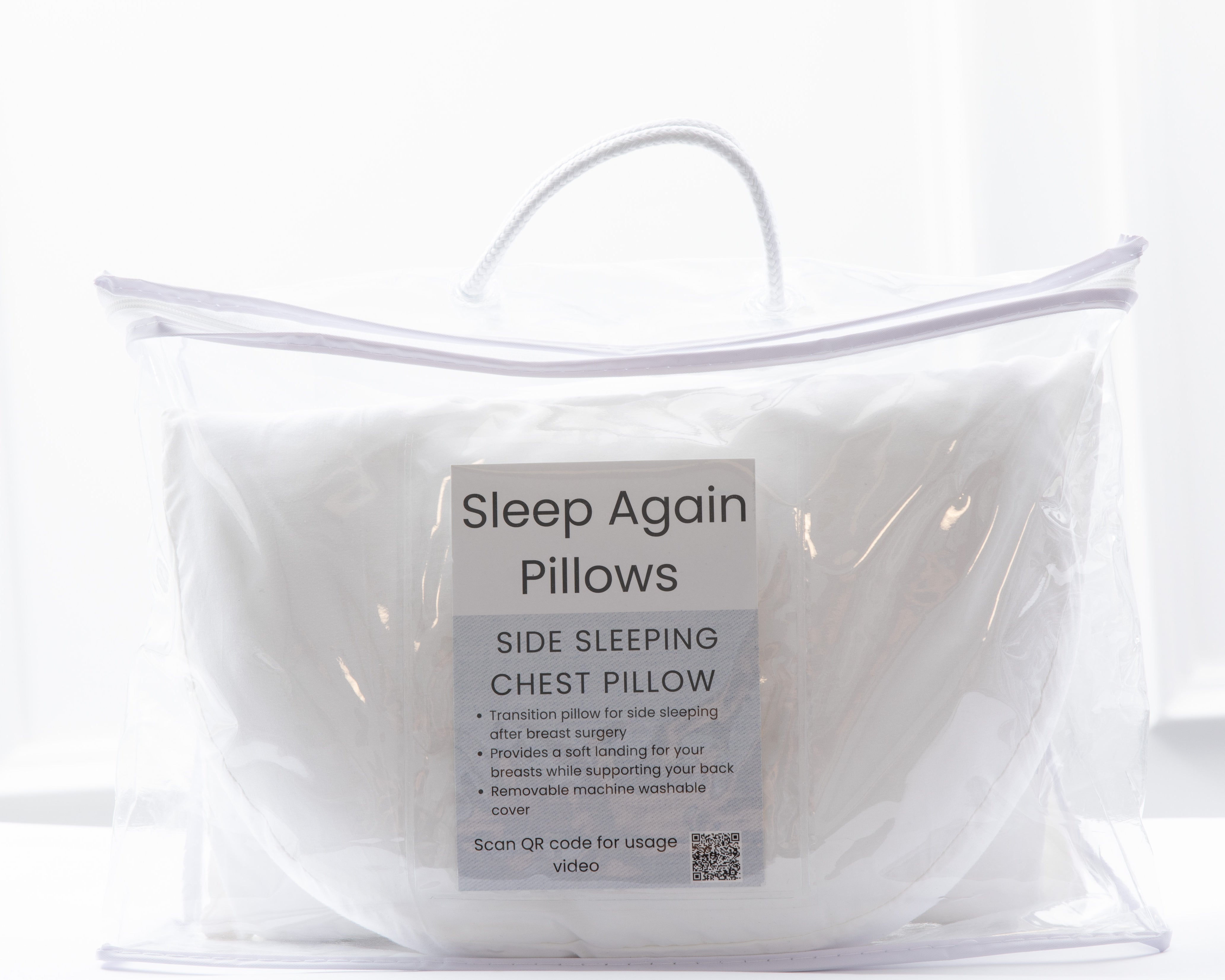
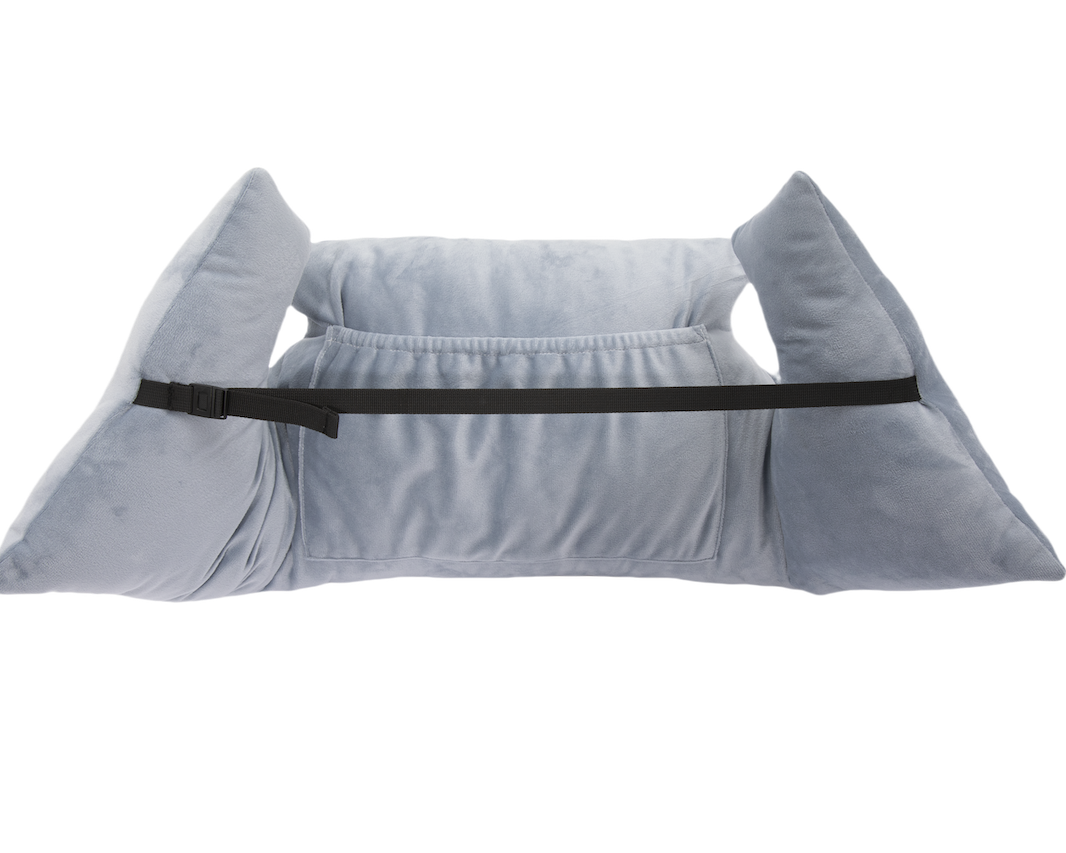
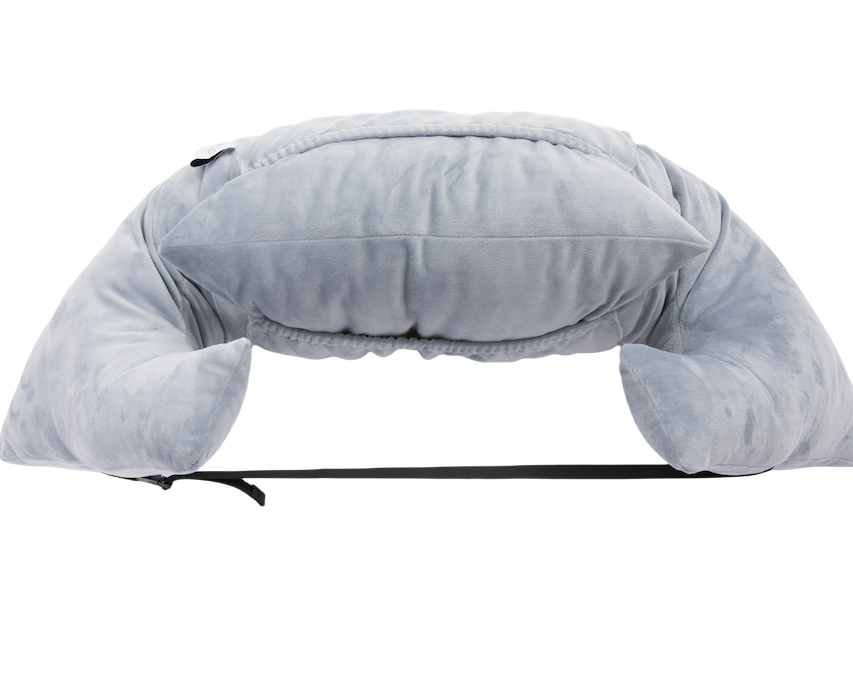
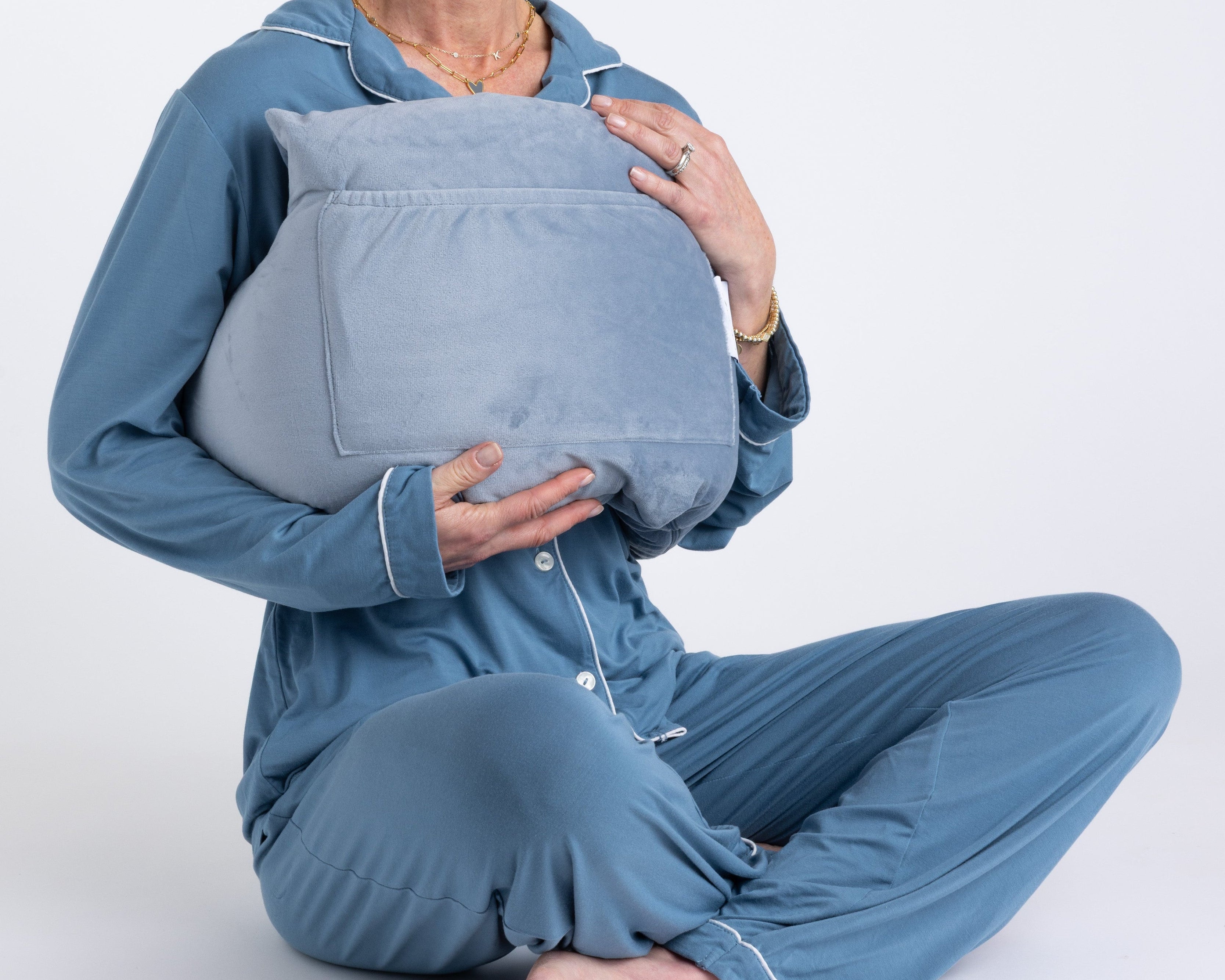
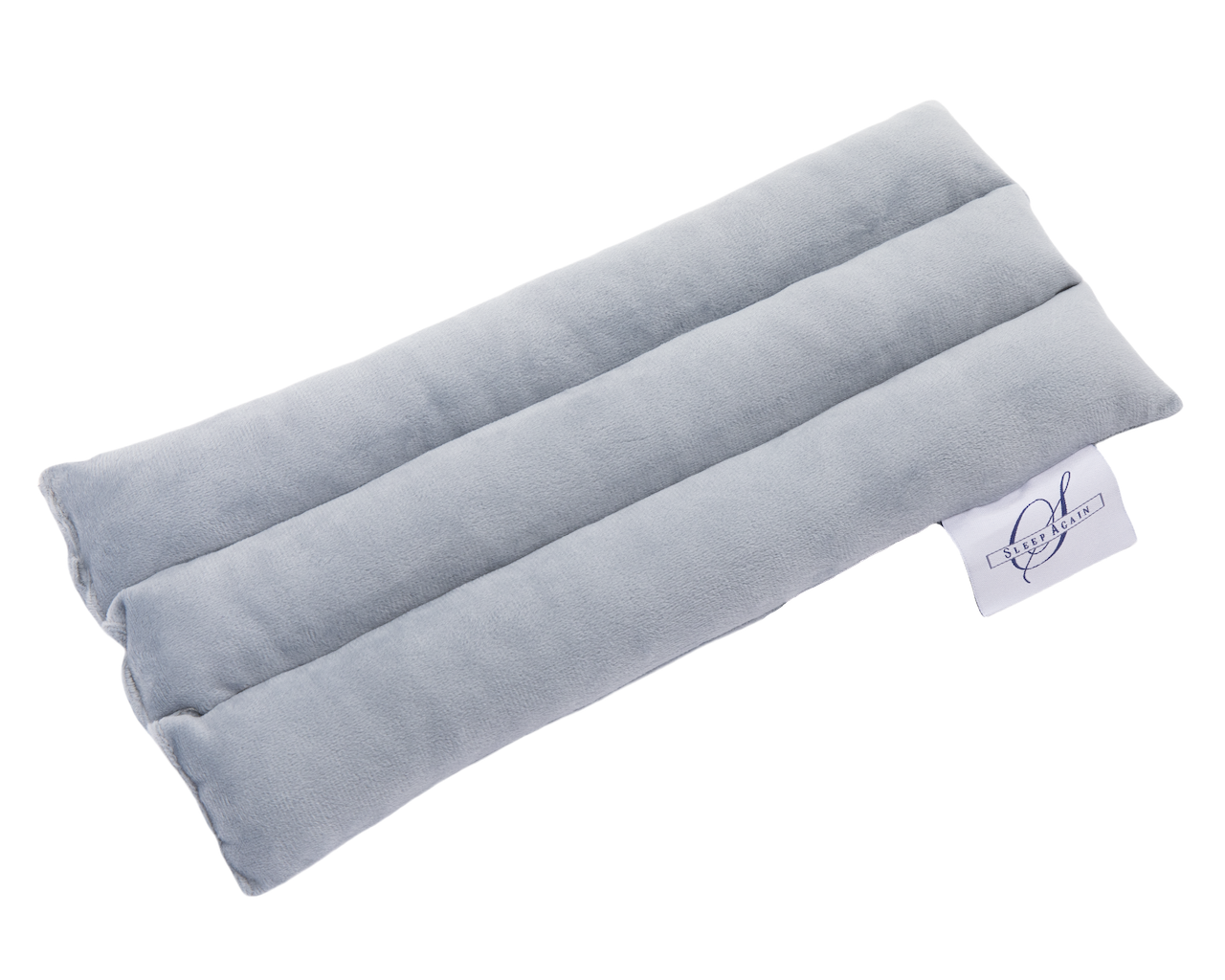
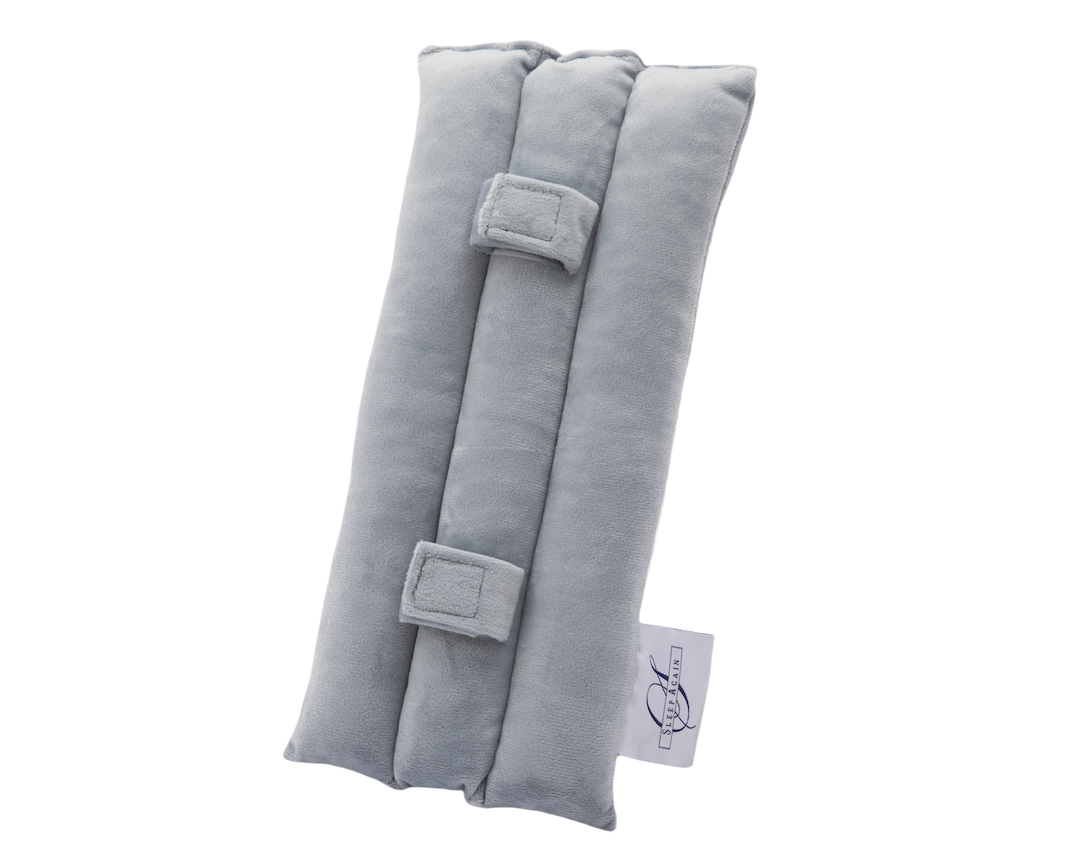
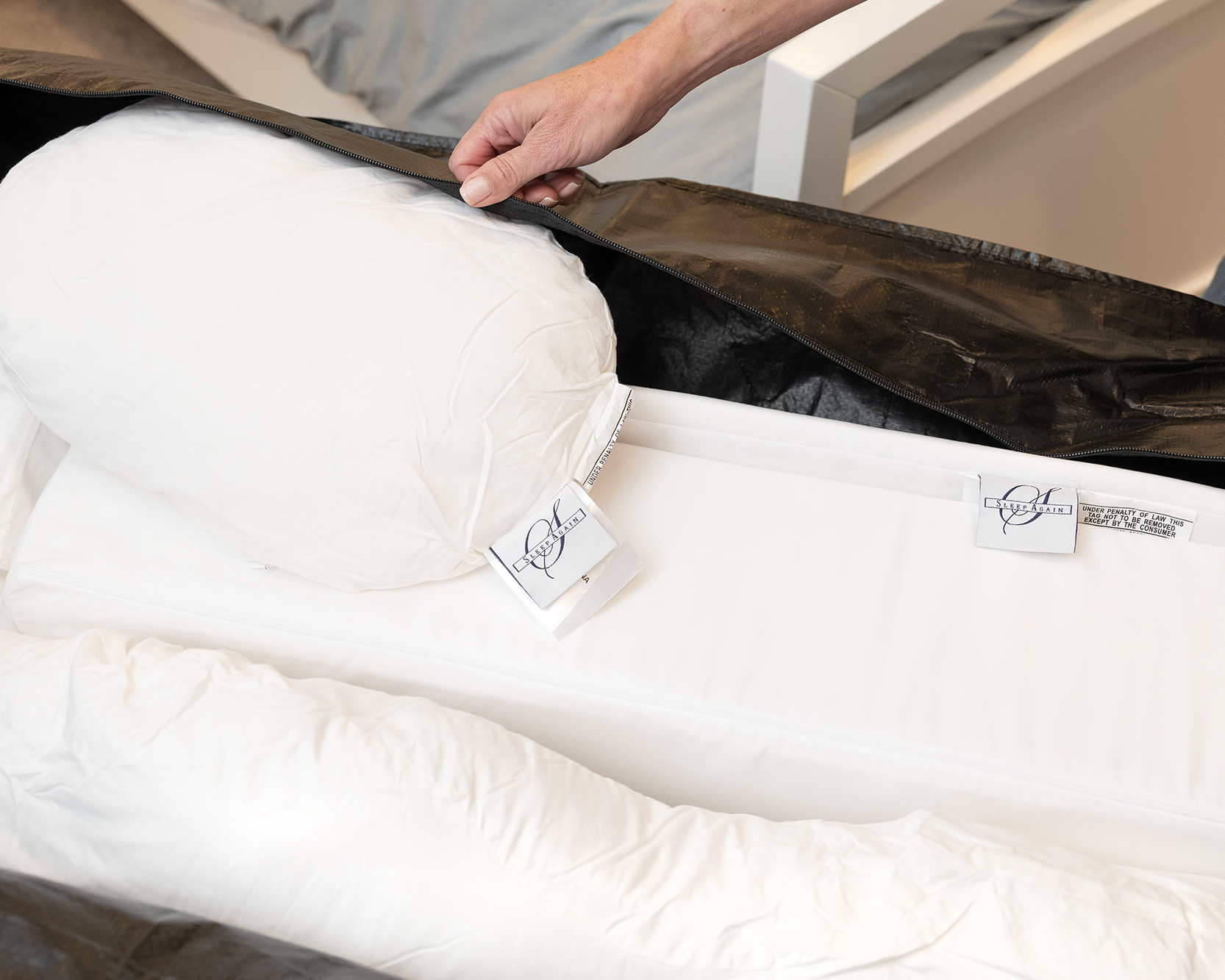
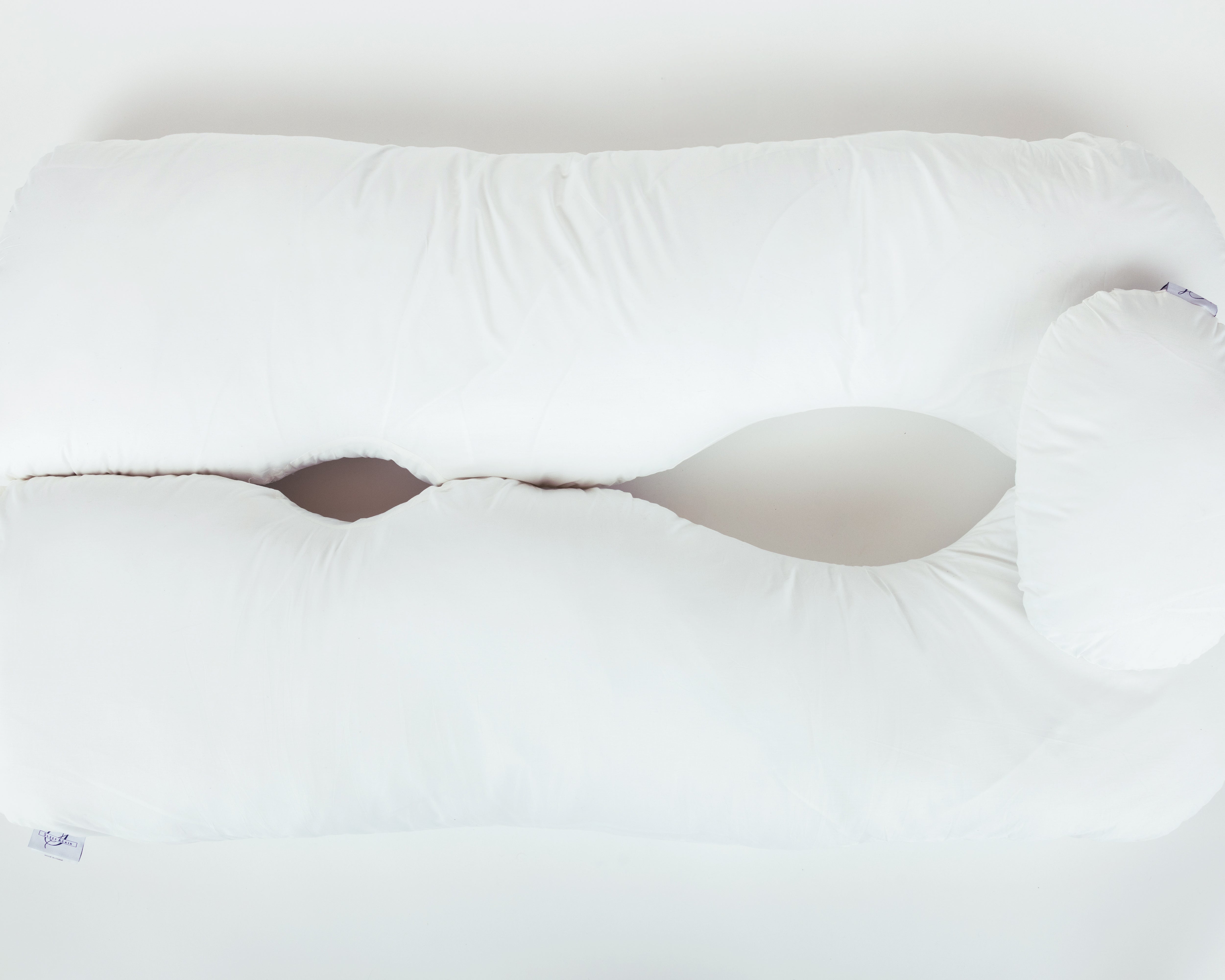
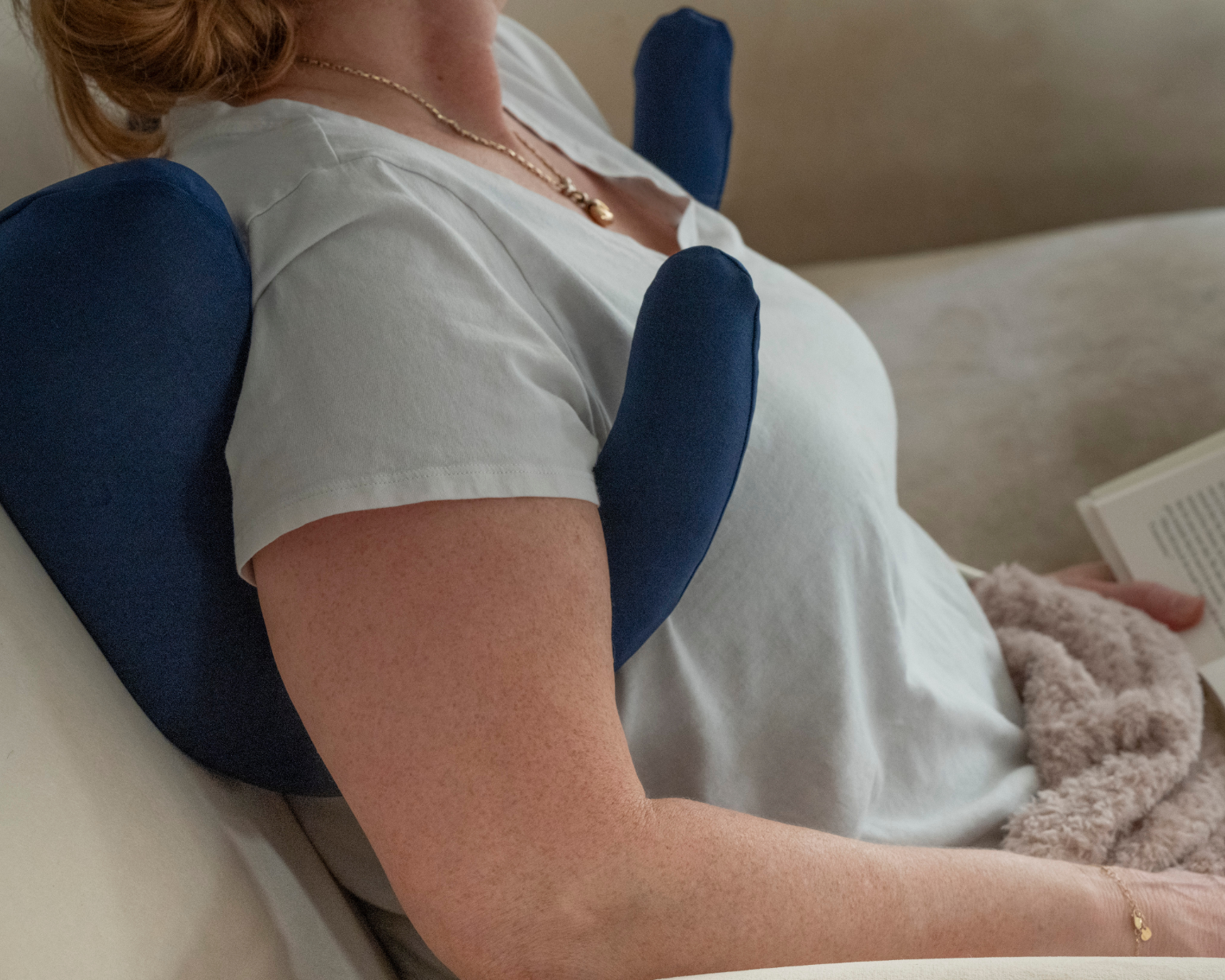
Every Sleep Again Pillow System includes:
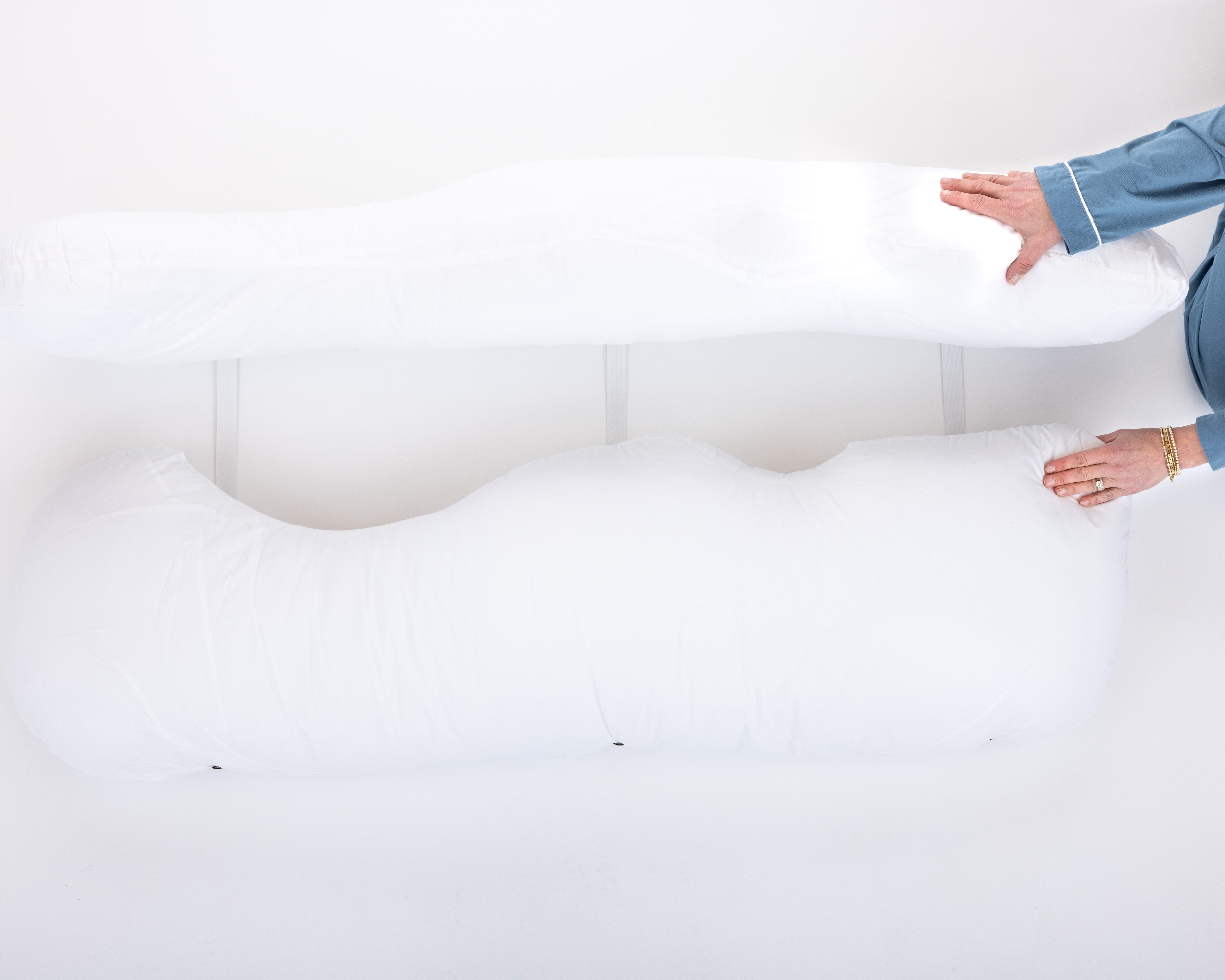
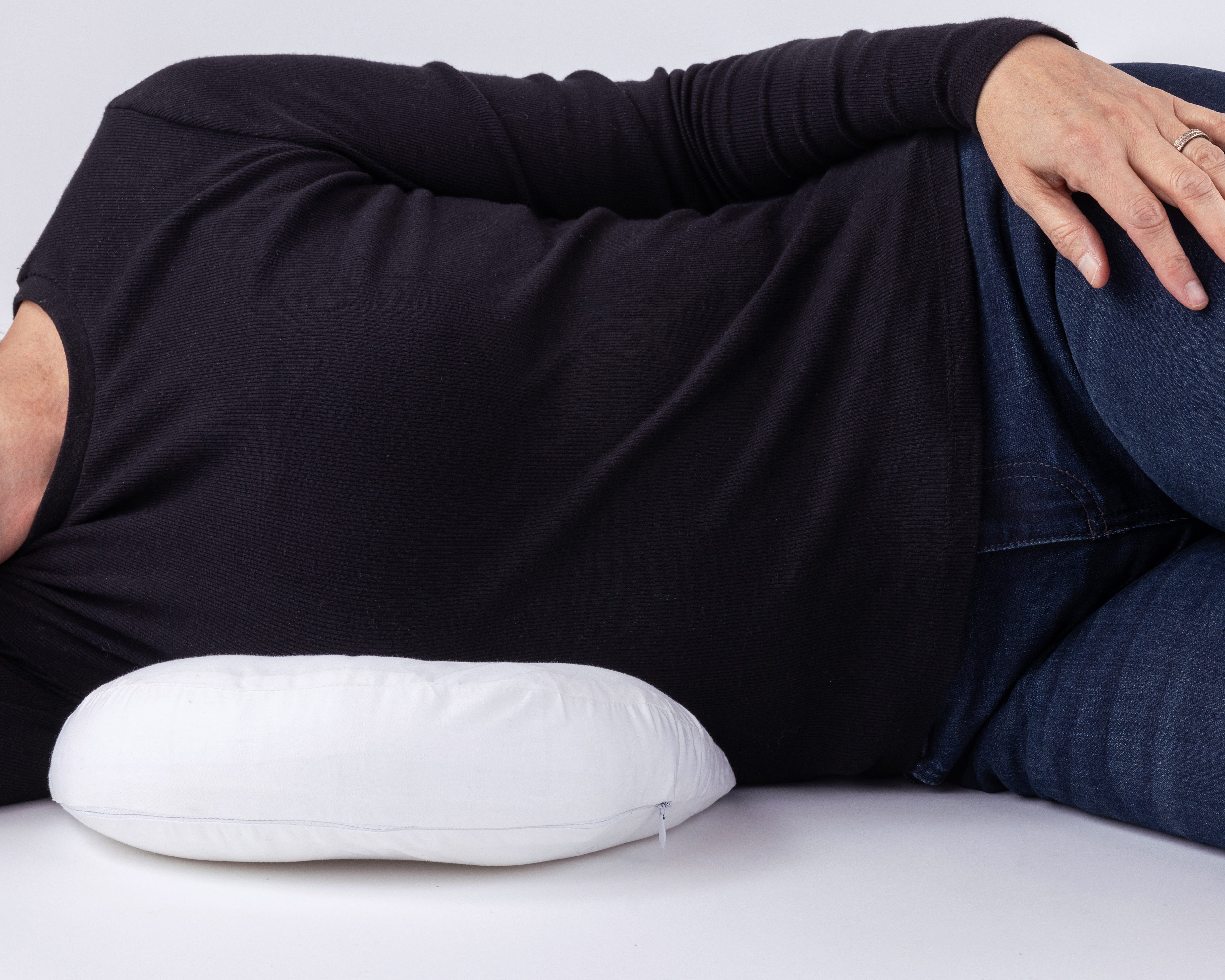
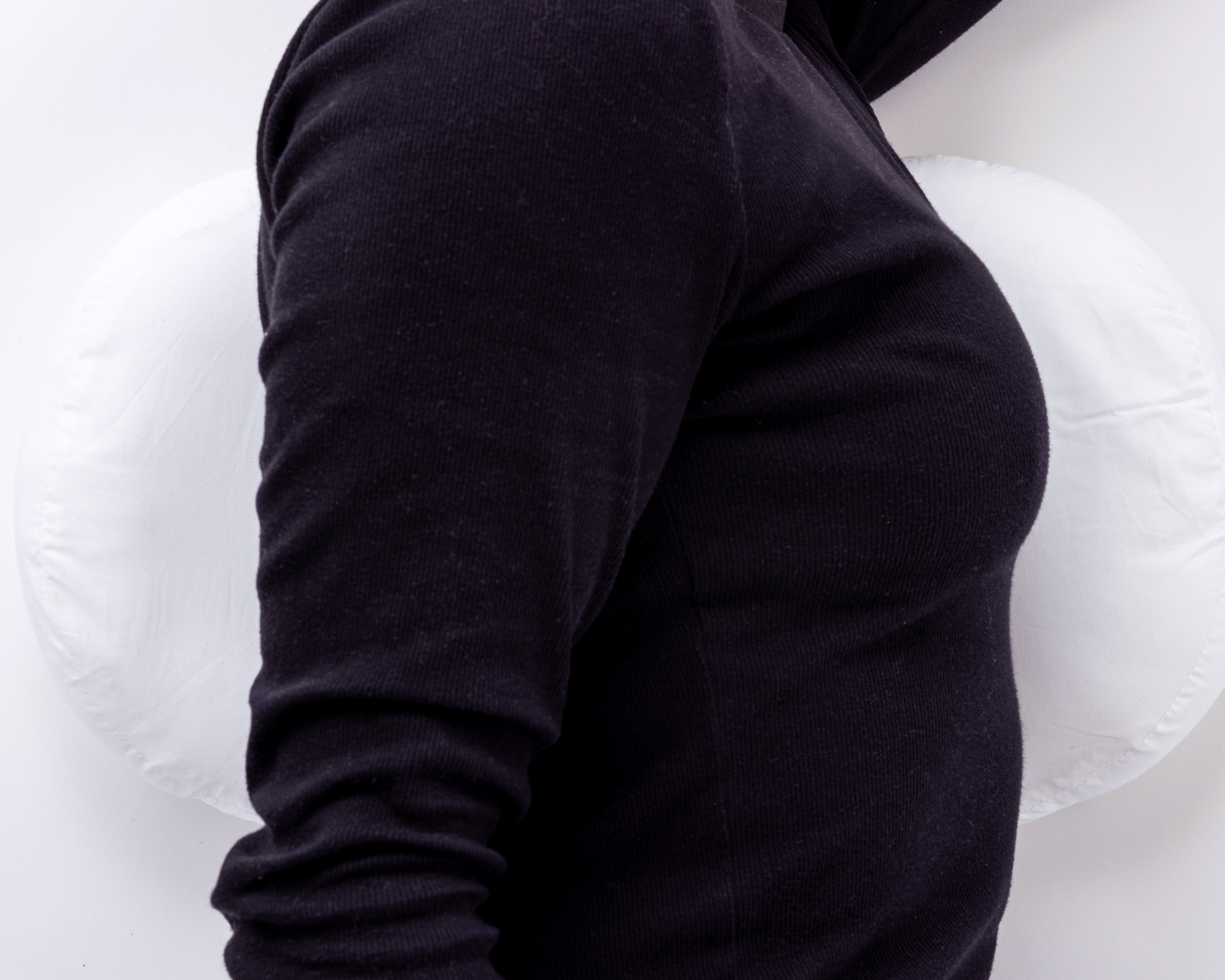
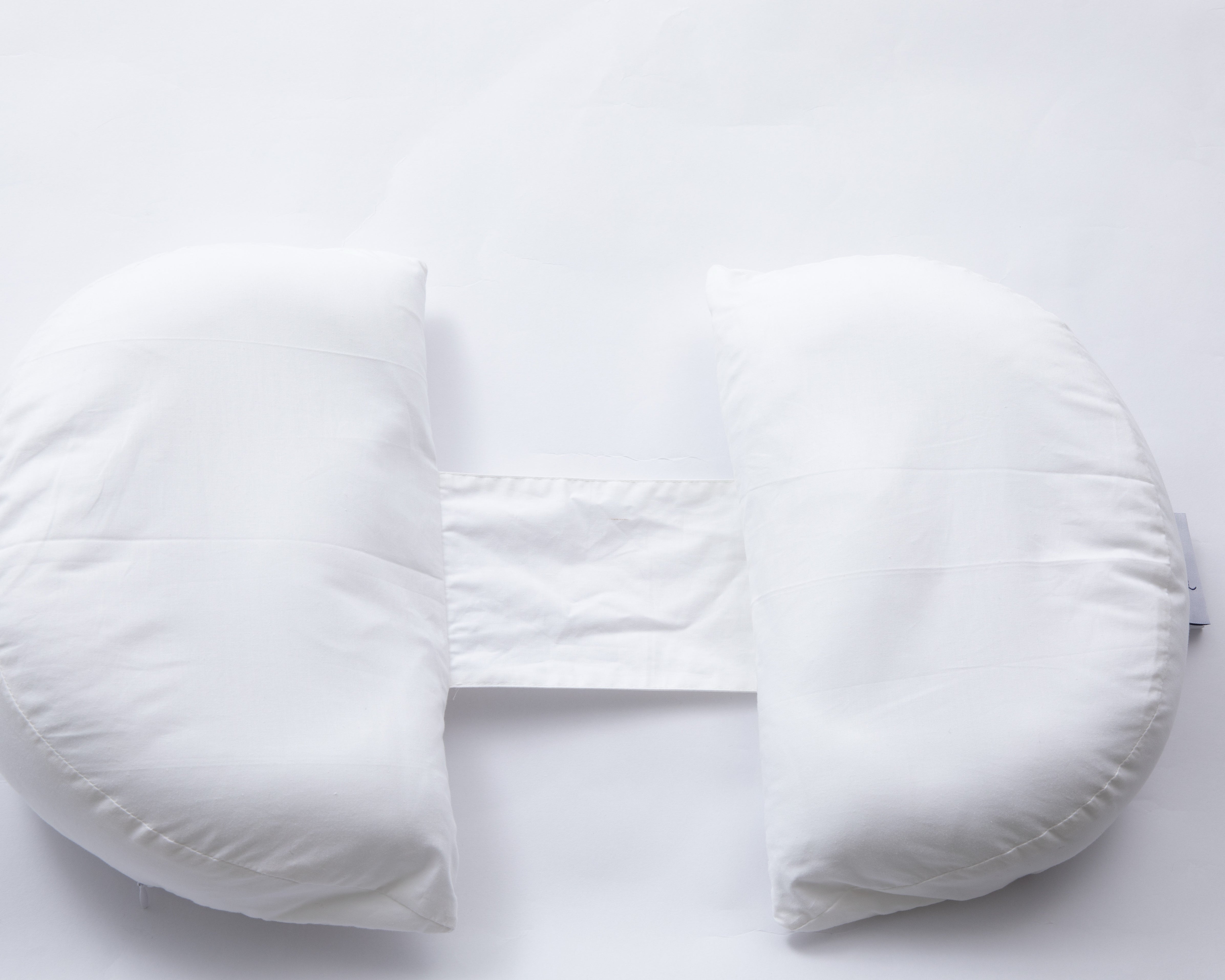
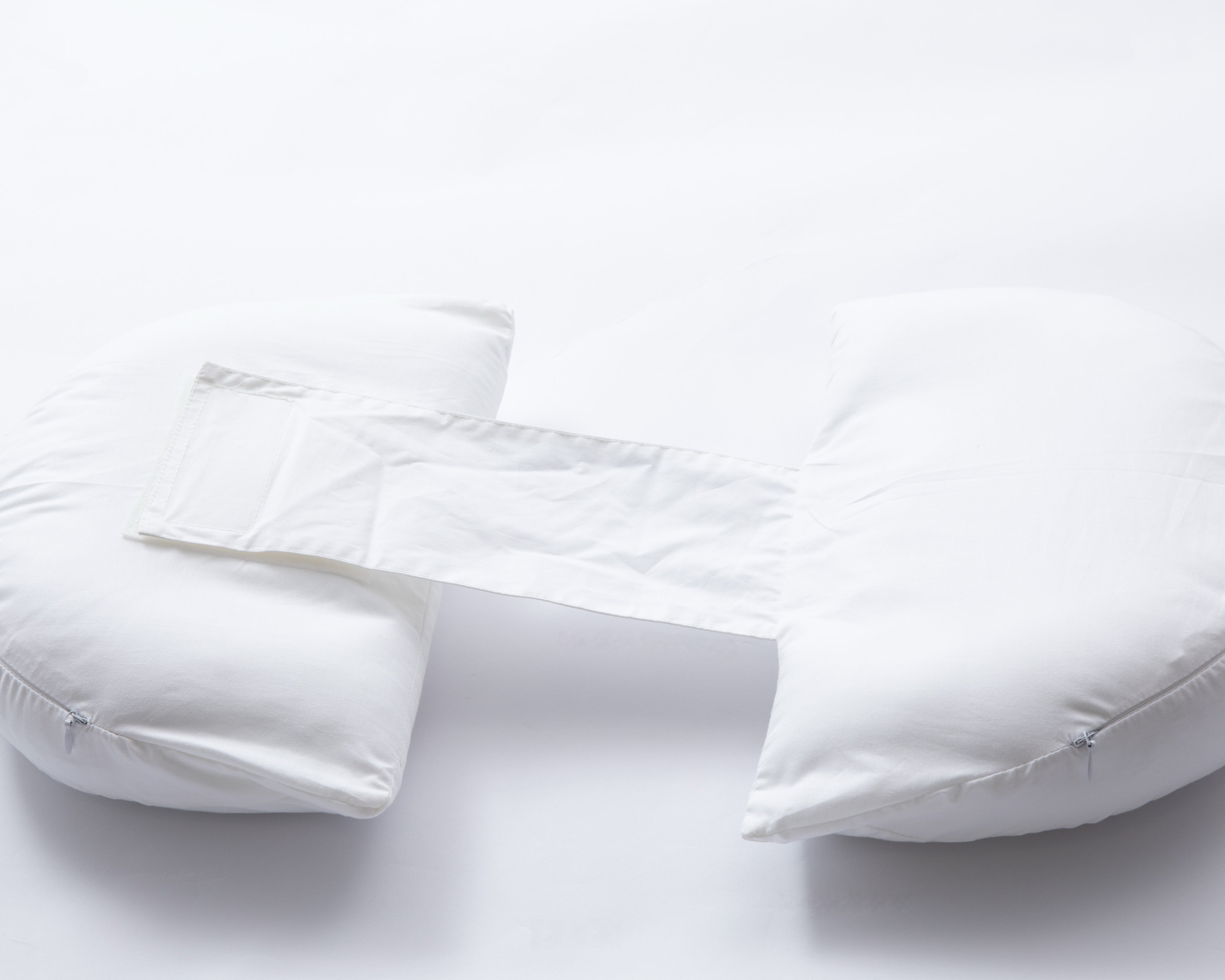
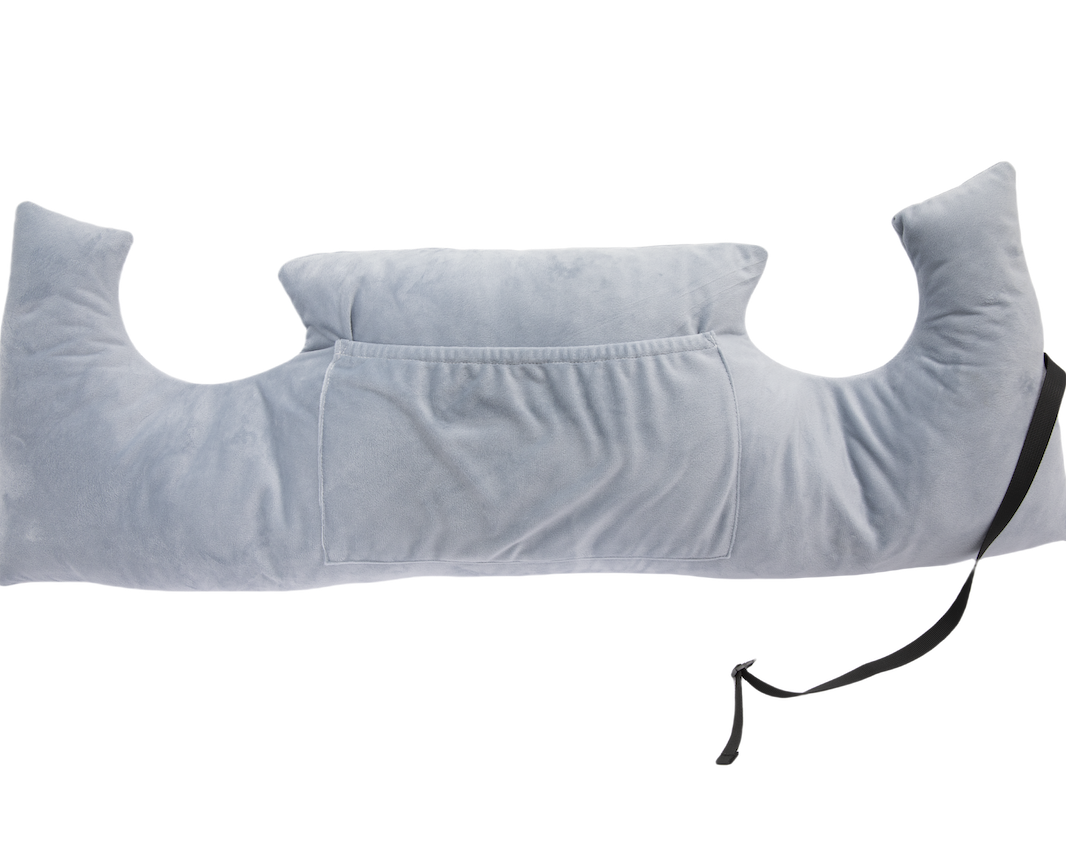
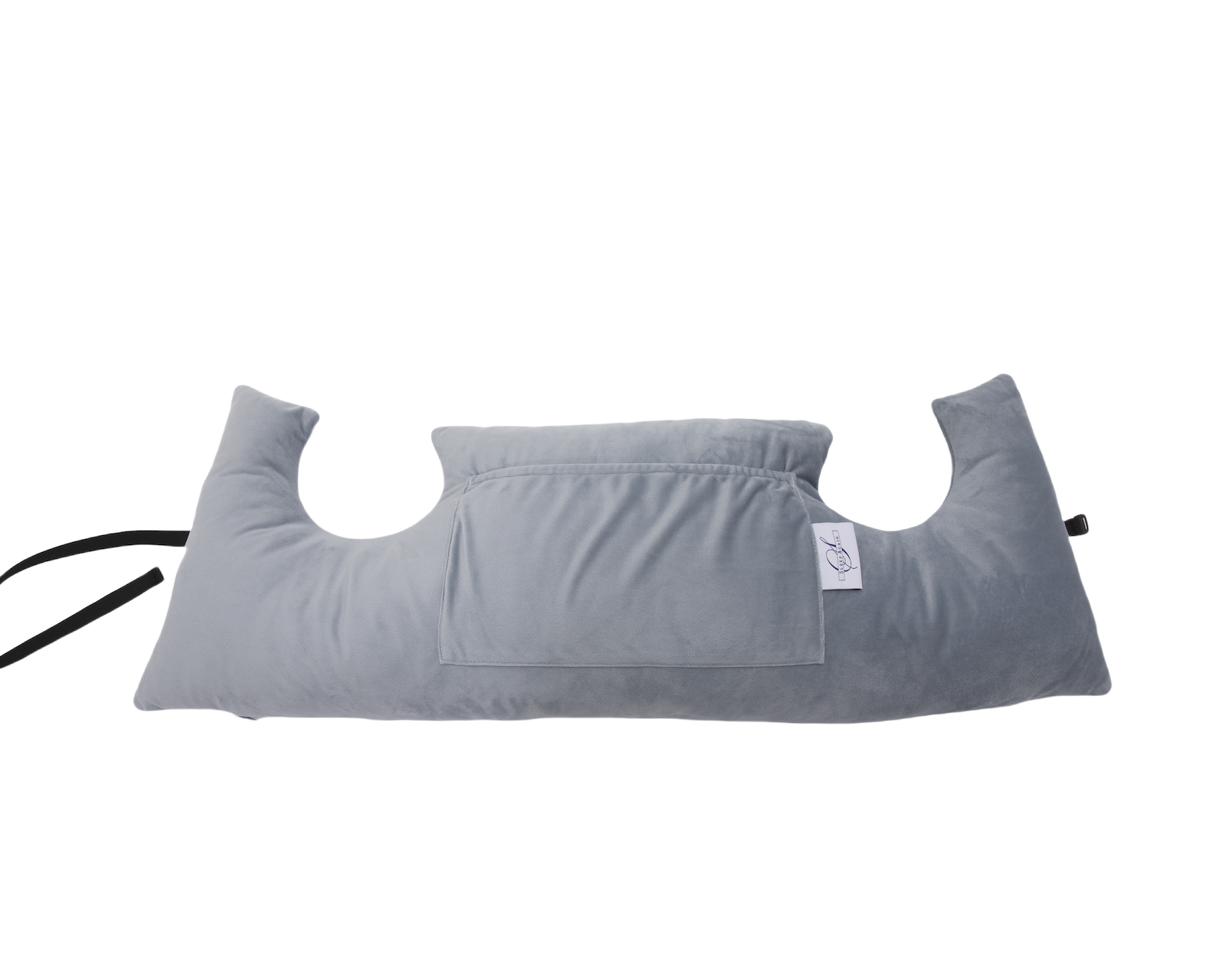
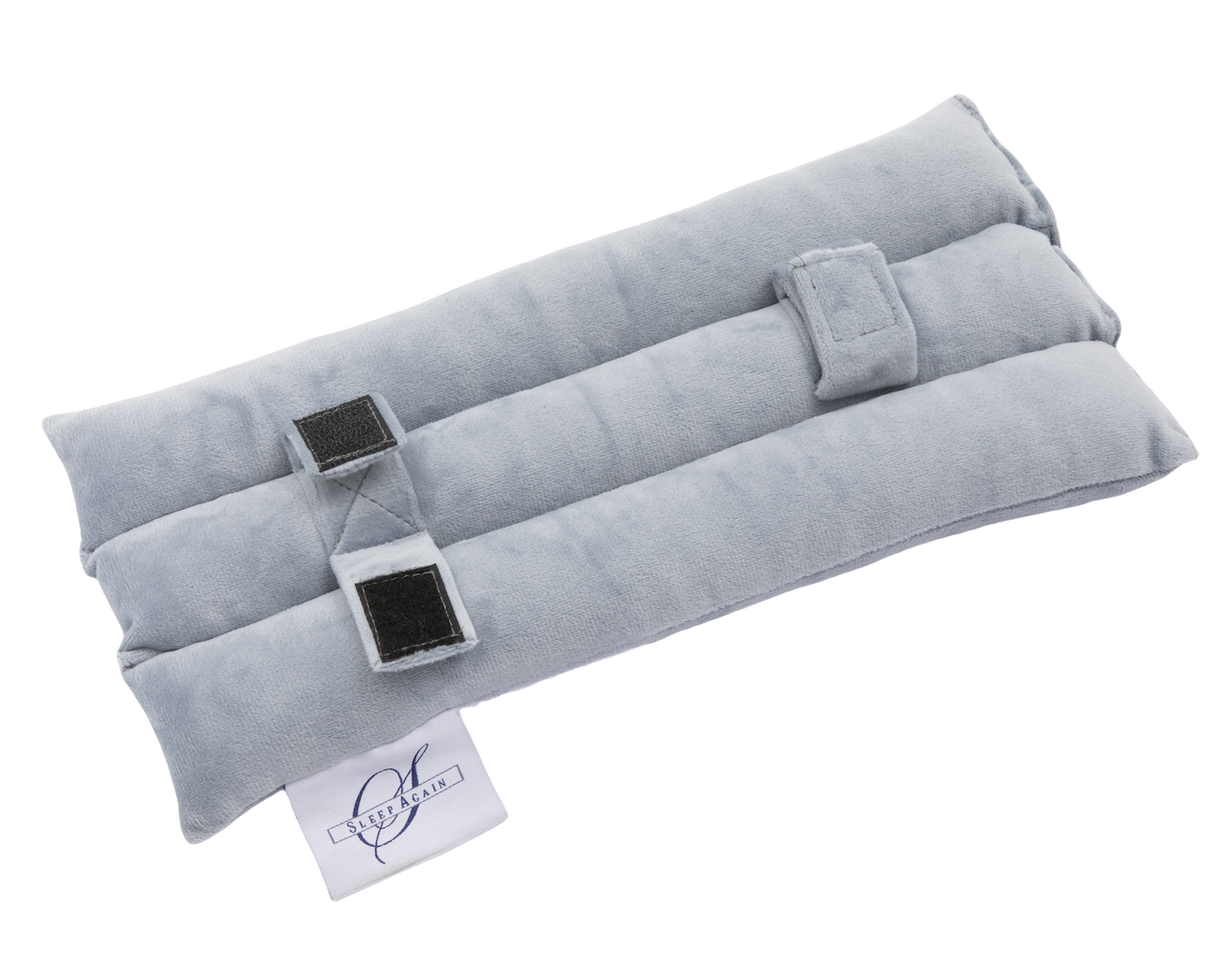
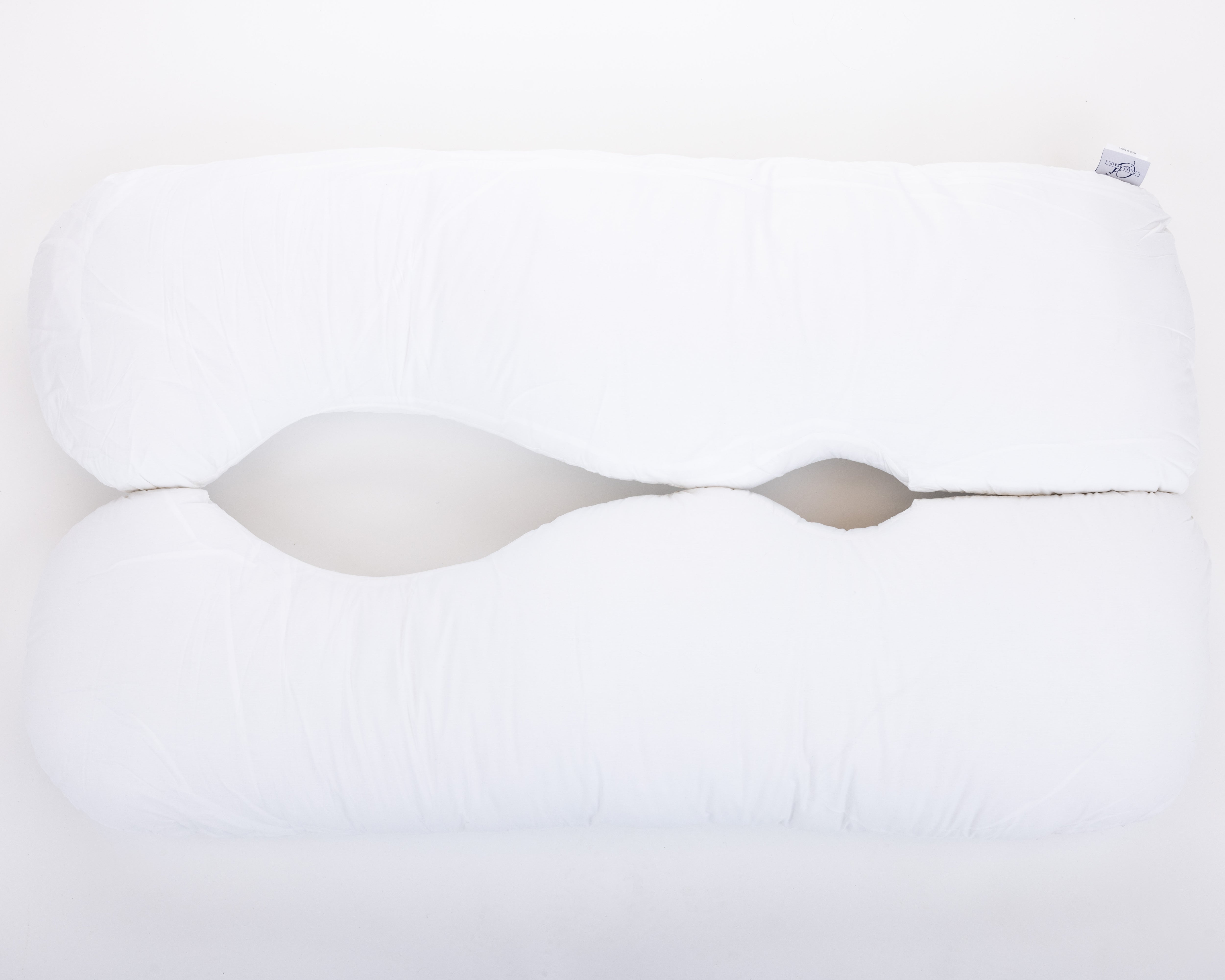
Two Contoured Side Pillows to cradle back and hips
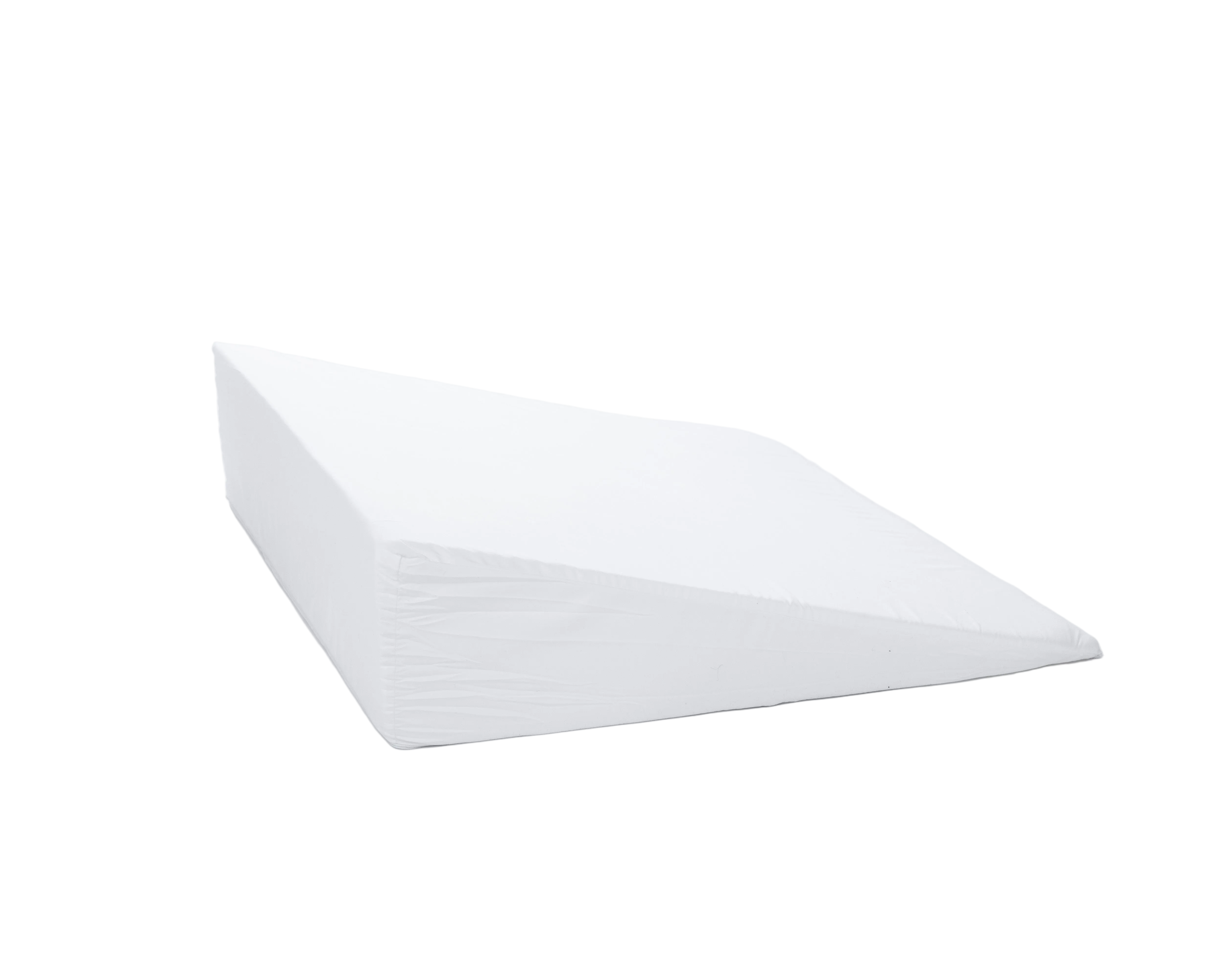
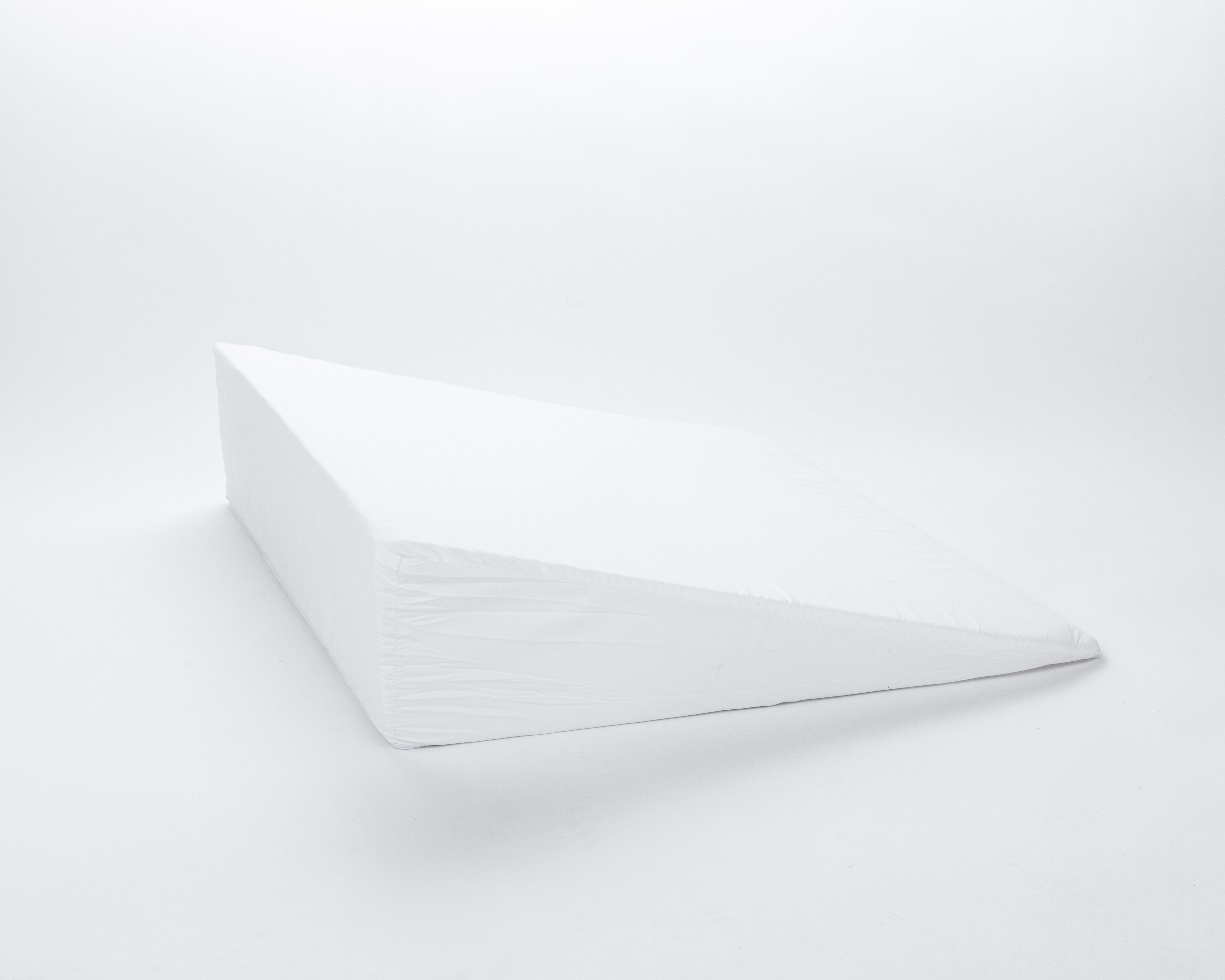
Upper Body Wedge to create optimal upper body incline
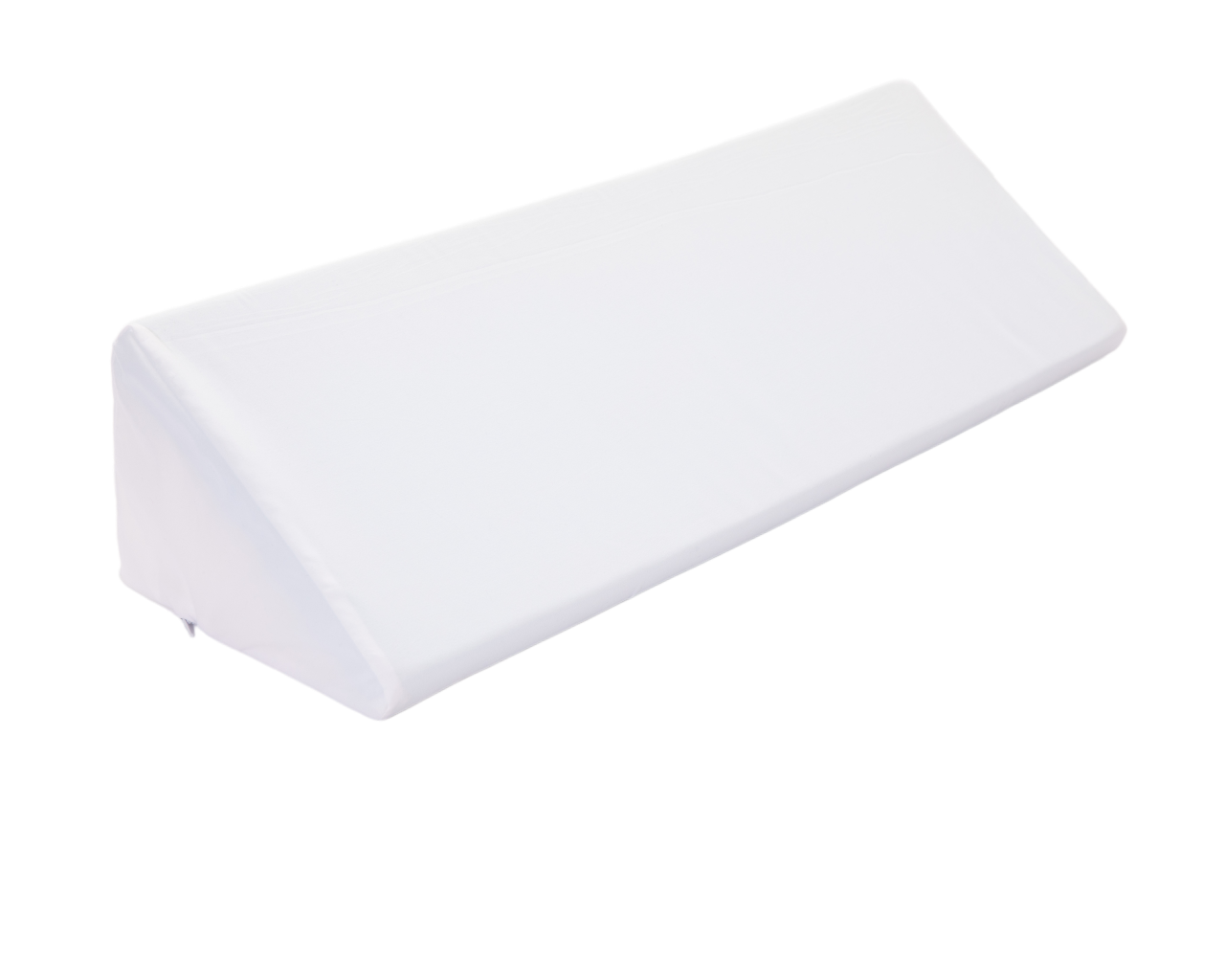
Leg Support Wedge to gently elevate legs
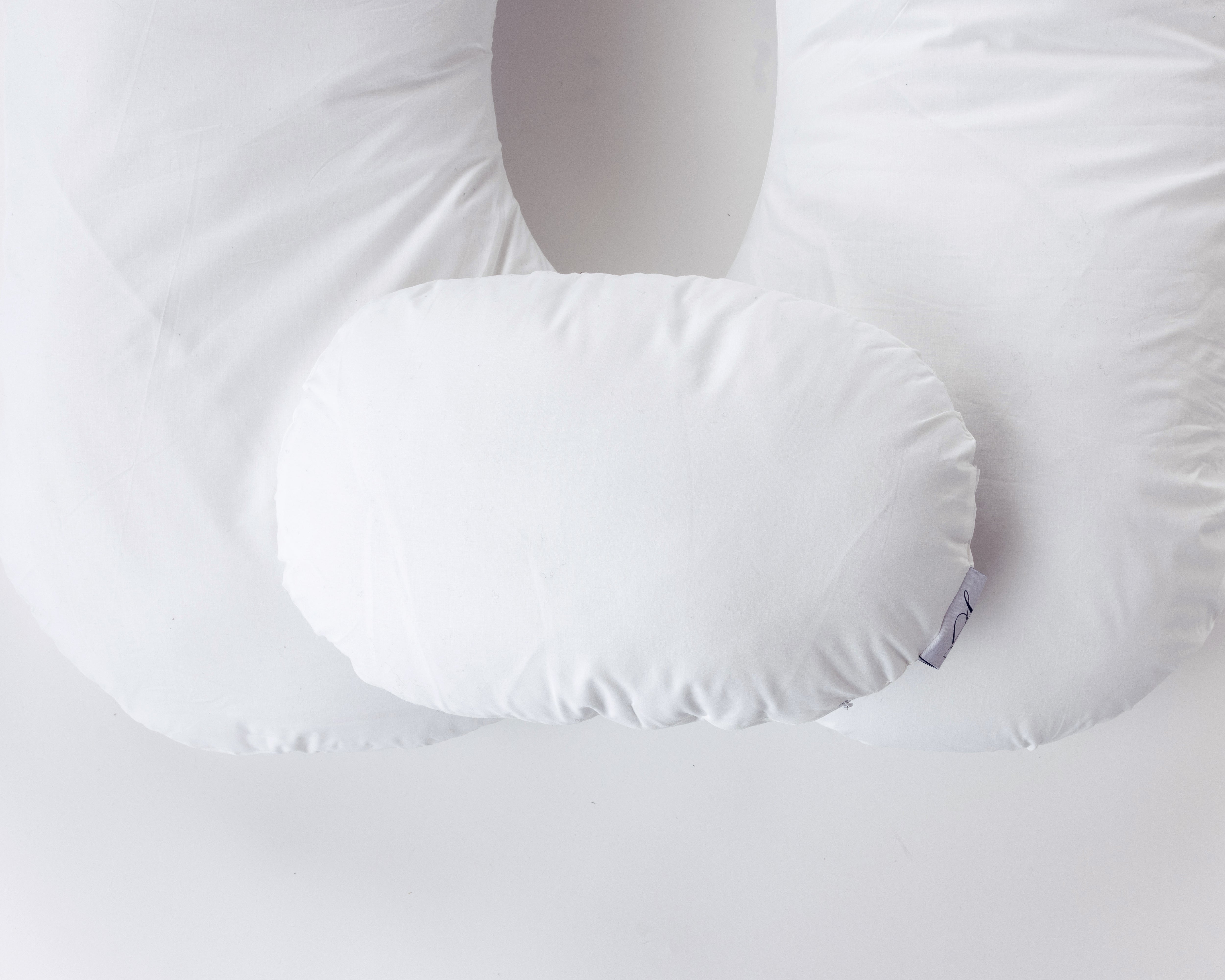
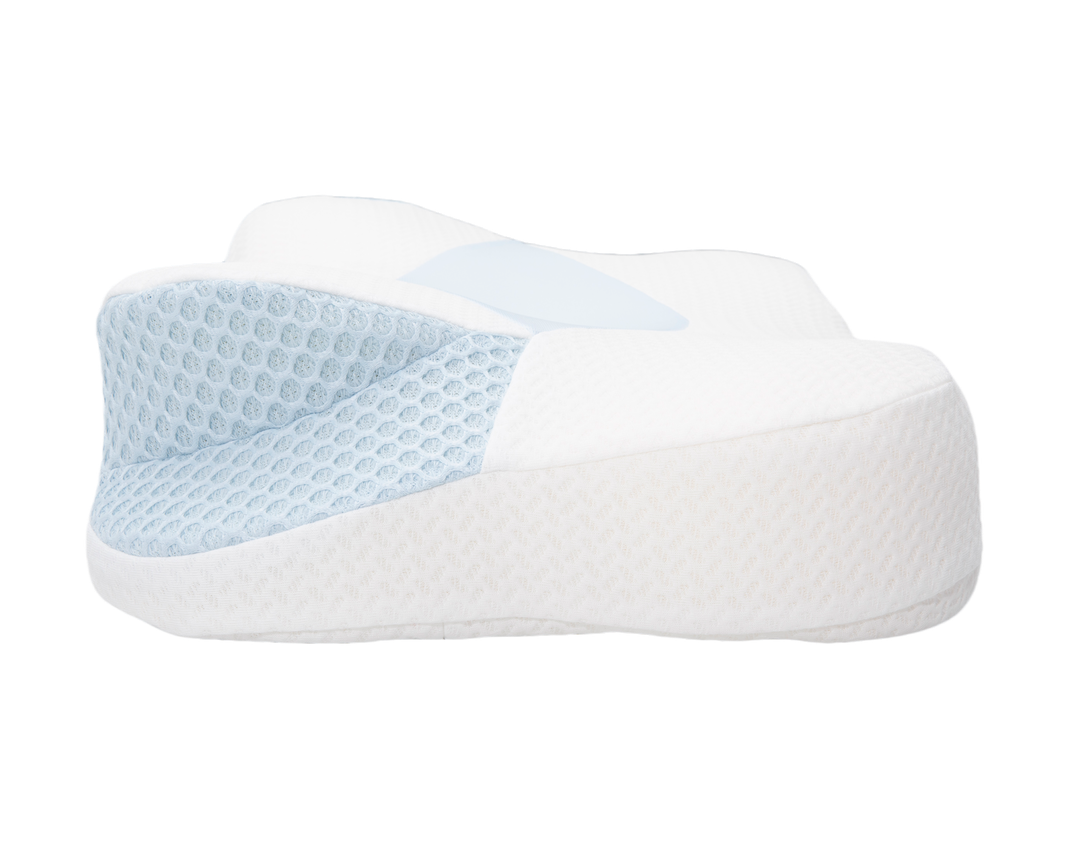
Head Pillow to provide head support and neck mobility
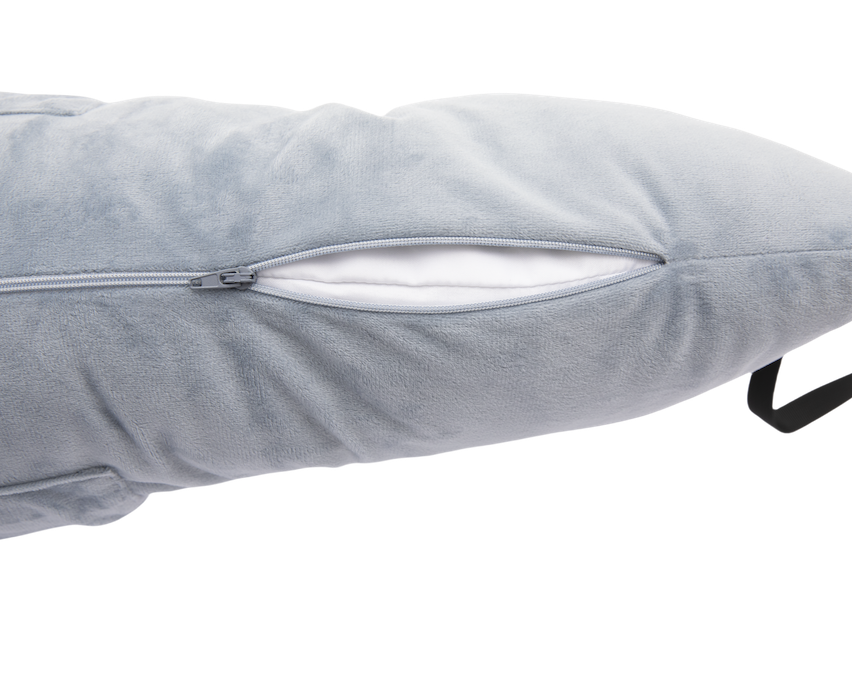
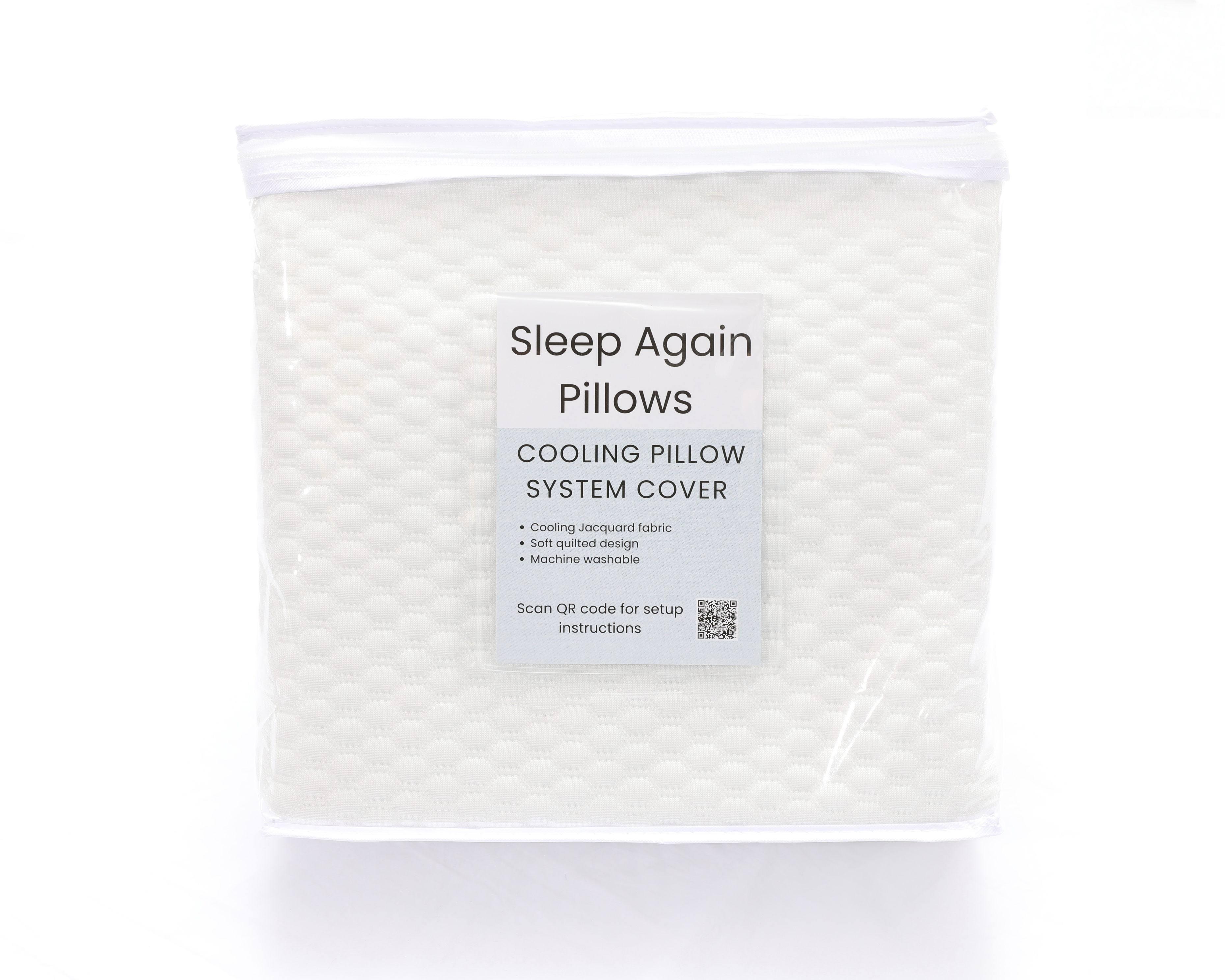
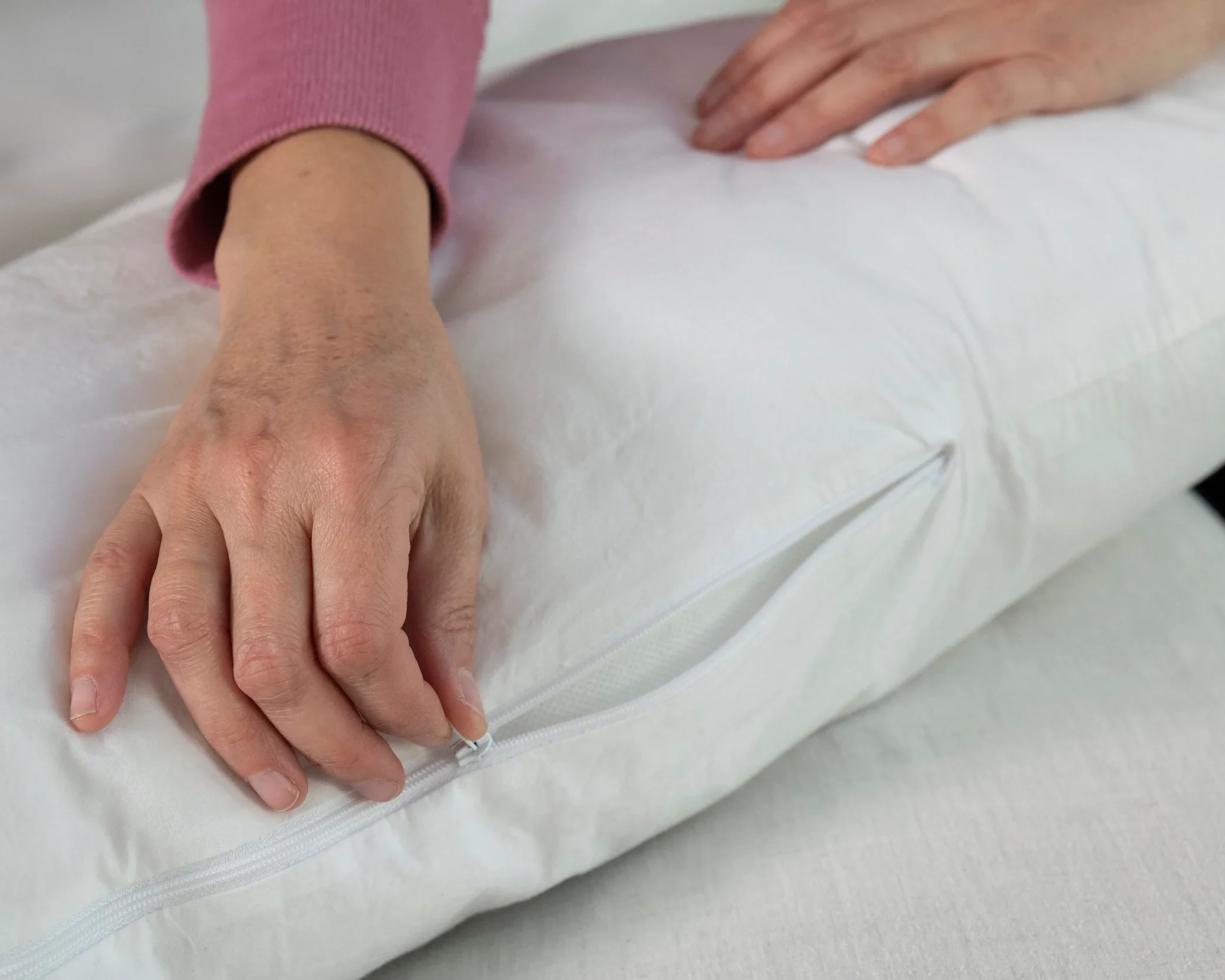
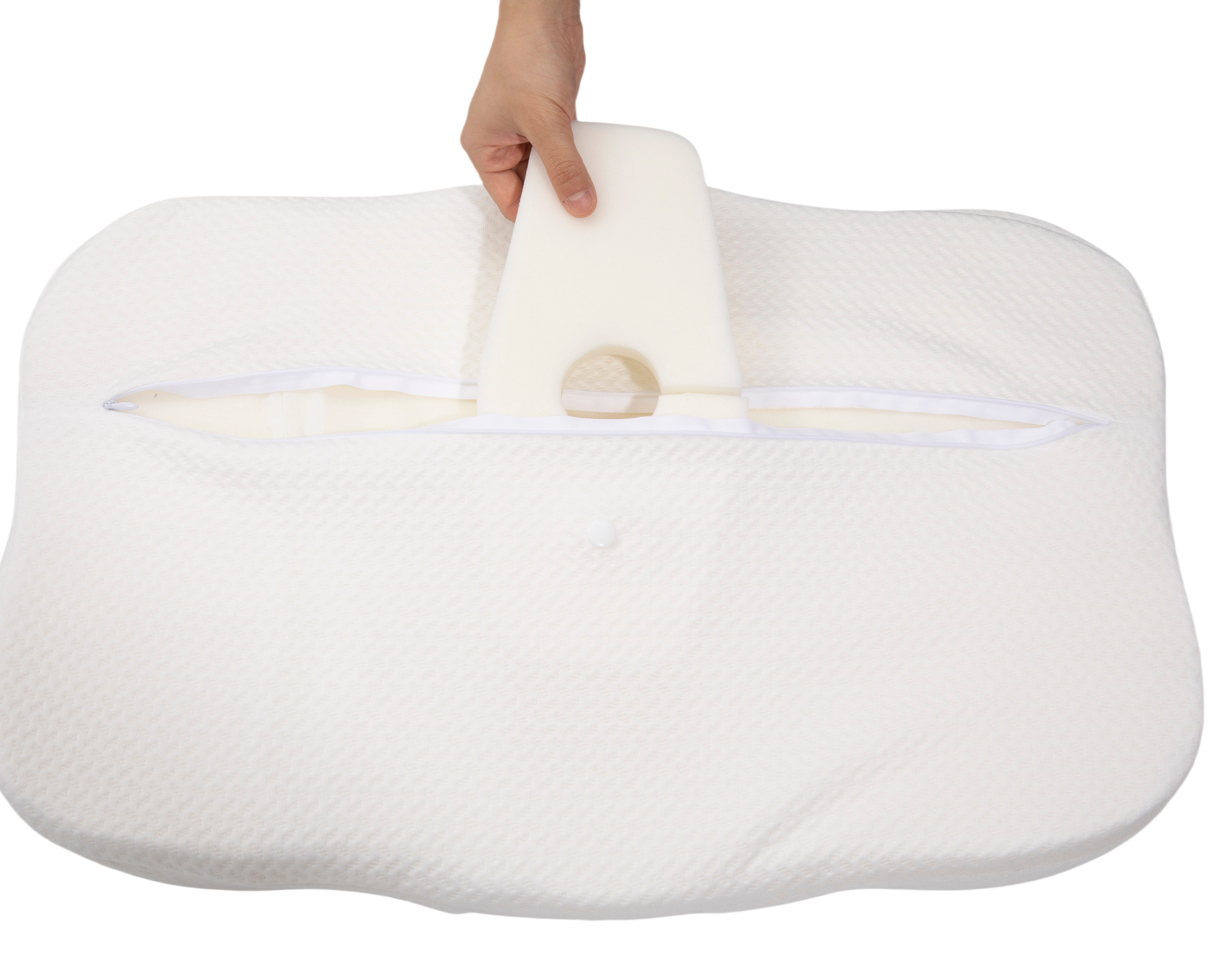
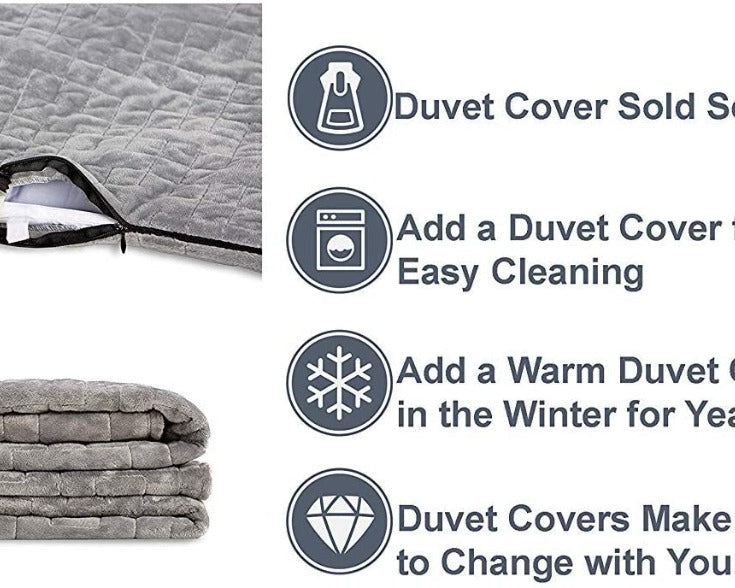
Removable, washable slipcovers for every piece
The Upper Body Wedge creates and maintains the 30-to-45-degree elevation range that breast fat transfer recovery requires. Unlike stacked pillows, it does not compress under body weight or flatten during the night. The elevation angle holds consistently throughout the night.
The Two Contoured Side Pillows solve the lateral drift problem. Positioned on either side of the body, they create physical barriers that prevent unconscious rolling during sleep cycles, eliminating the single biggest threat to pressure on your healing facelift.
The Leg Support Wedge addresses the lower body component that facelift patients need more than most would expect. With swelling that can pool and shift overnight, gentle leg elevation improves circulation and reduces fluid buildup. It also prevents the patient from sliding down the incline during sleep, which is a consistent problem with wedge-only setups.
The Head Pillow ensures that elevation at the upper body is matched by proper neck support. Sleeping at 30 to 45 degrees on a wedge without dedicated head support creates a neck angle that causes its own disruptions. Patients who wake up with neck strain are less rested and more likely to unconsciously adjust their position in ways that compromise incision healing.
Removable, washable slipcovers are a clinical necessity during surgical recovery, not a luxury feature. Drainage, ointment residue near the hairline and ears, and extended time in bed create hygiene requirements that standard pillow cases cannot meet.
The Sleep Again Pillow System is HSA/FSA eligible. All sales are final; items are not returnable per federal regulations.
See how it works!
2. Cooling Fitted Sheet
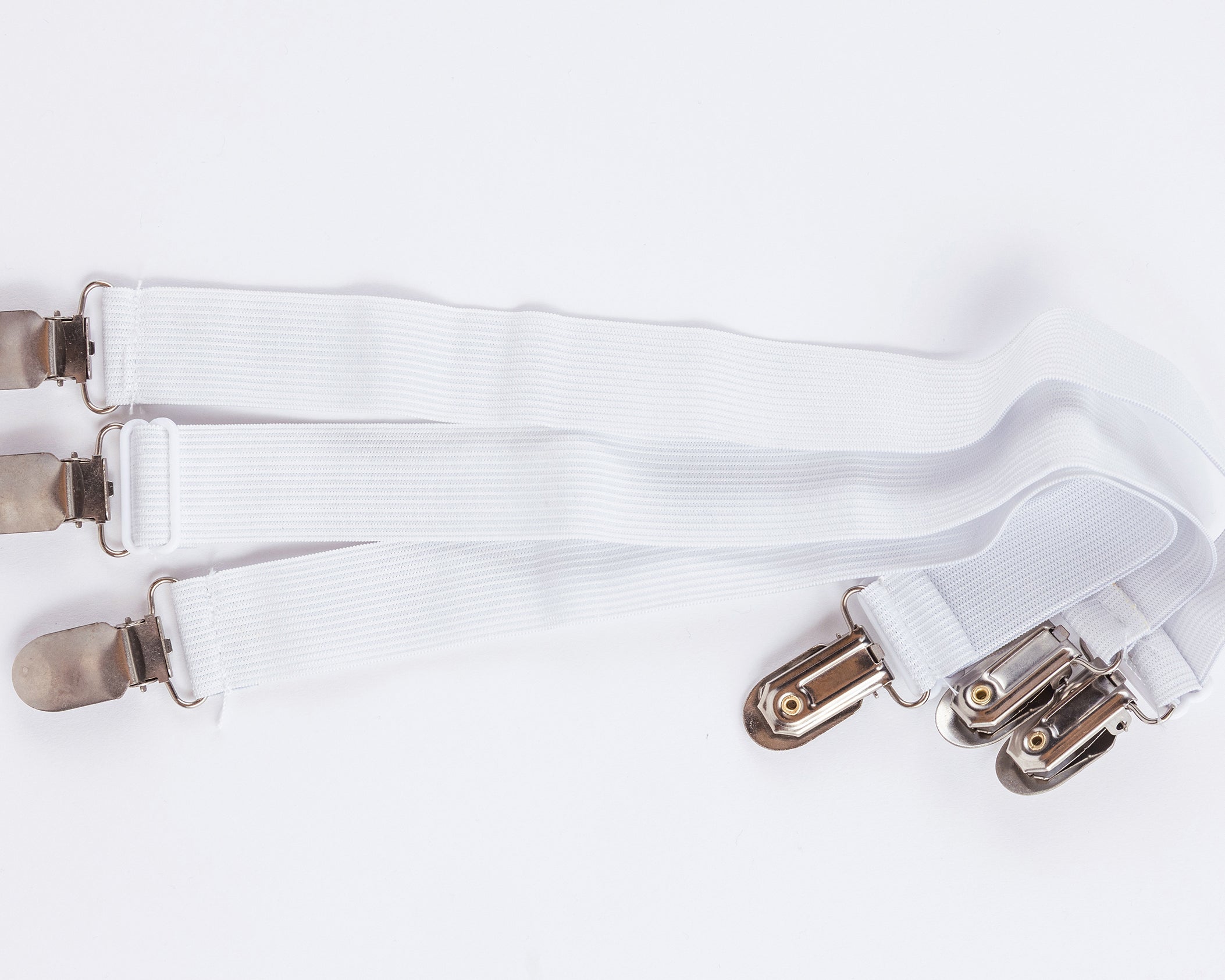
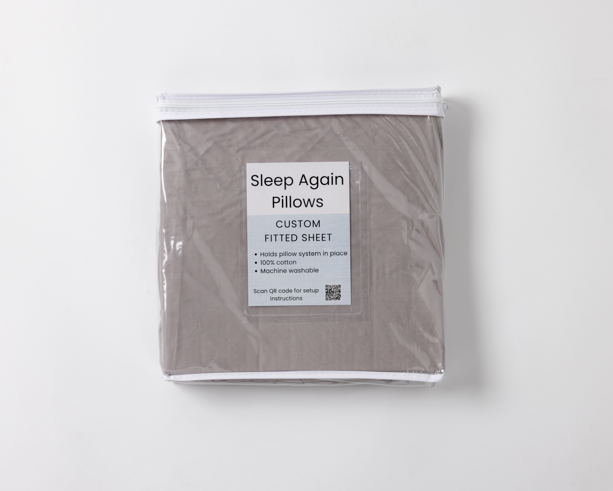
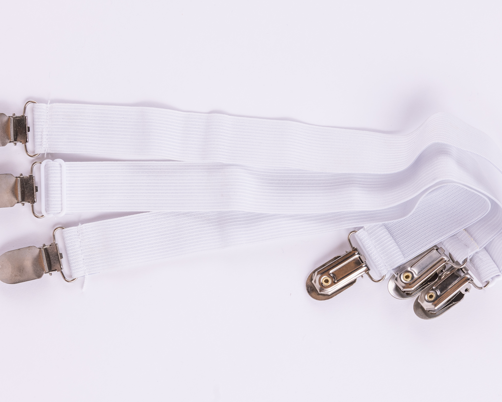
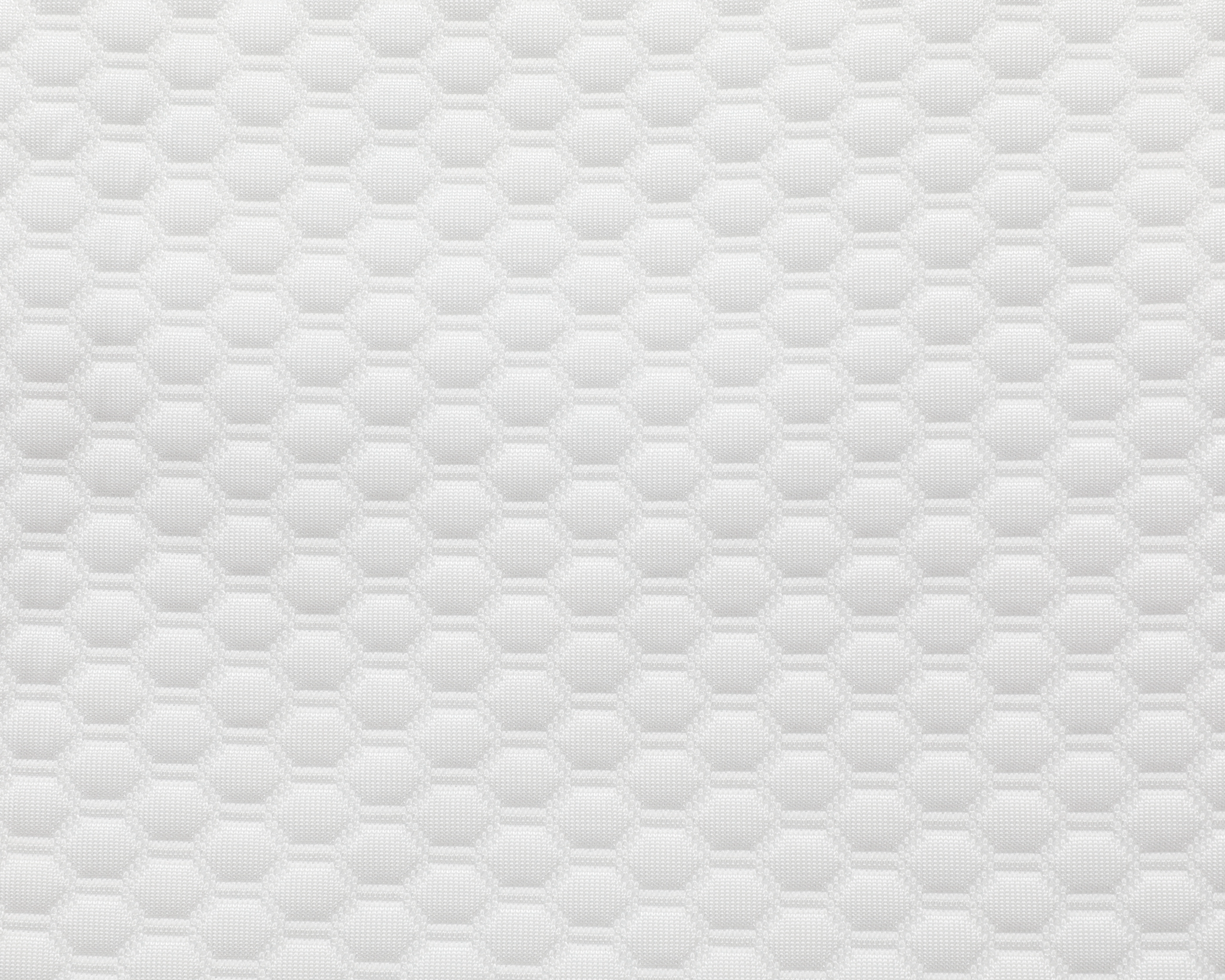
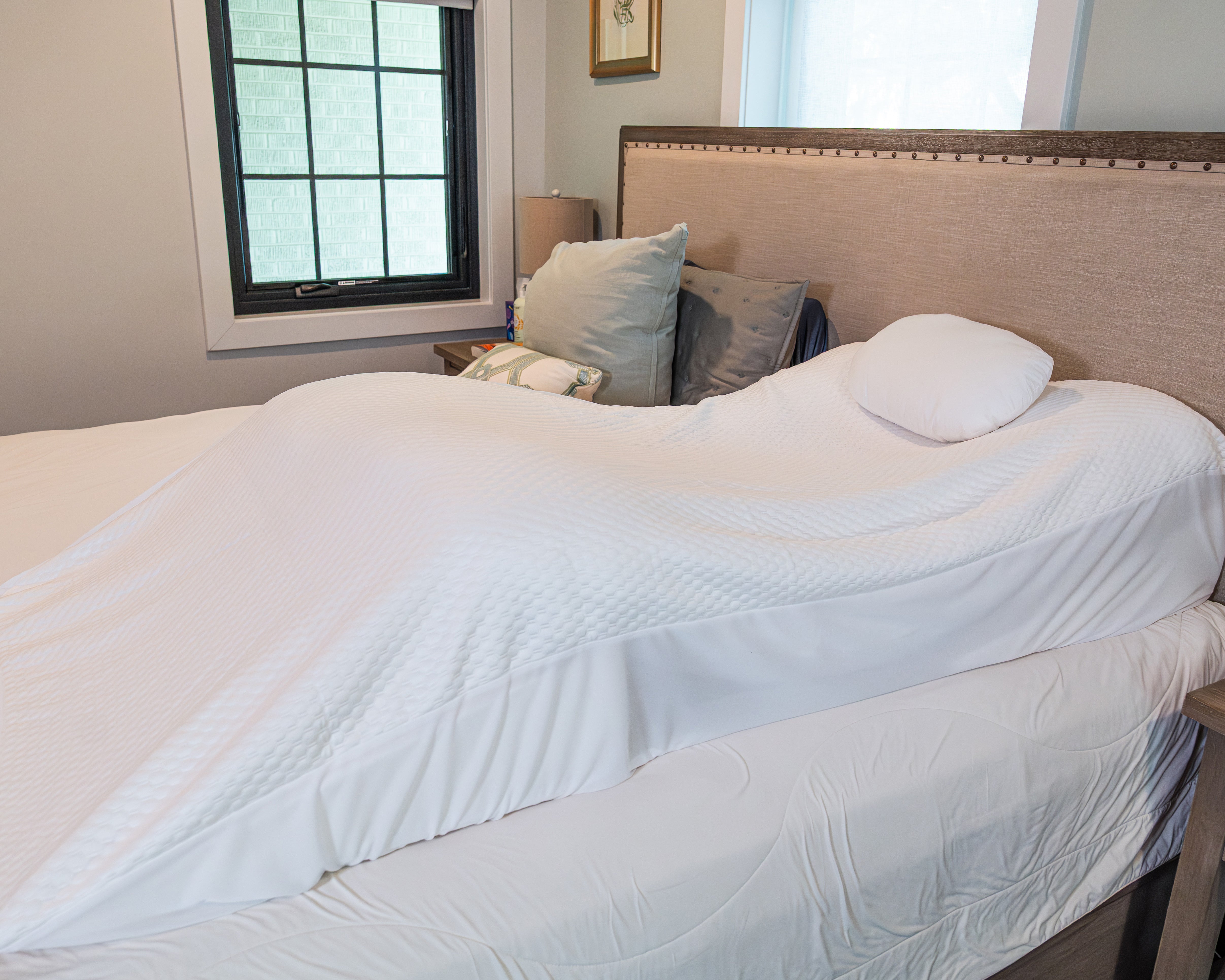
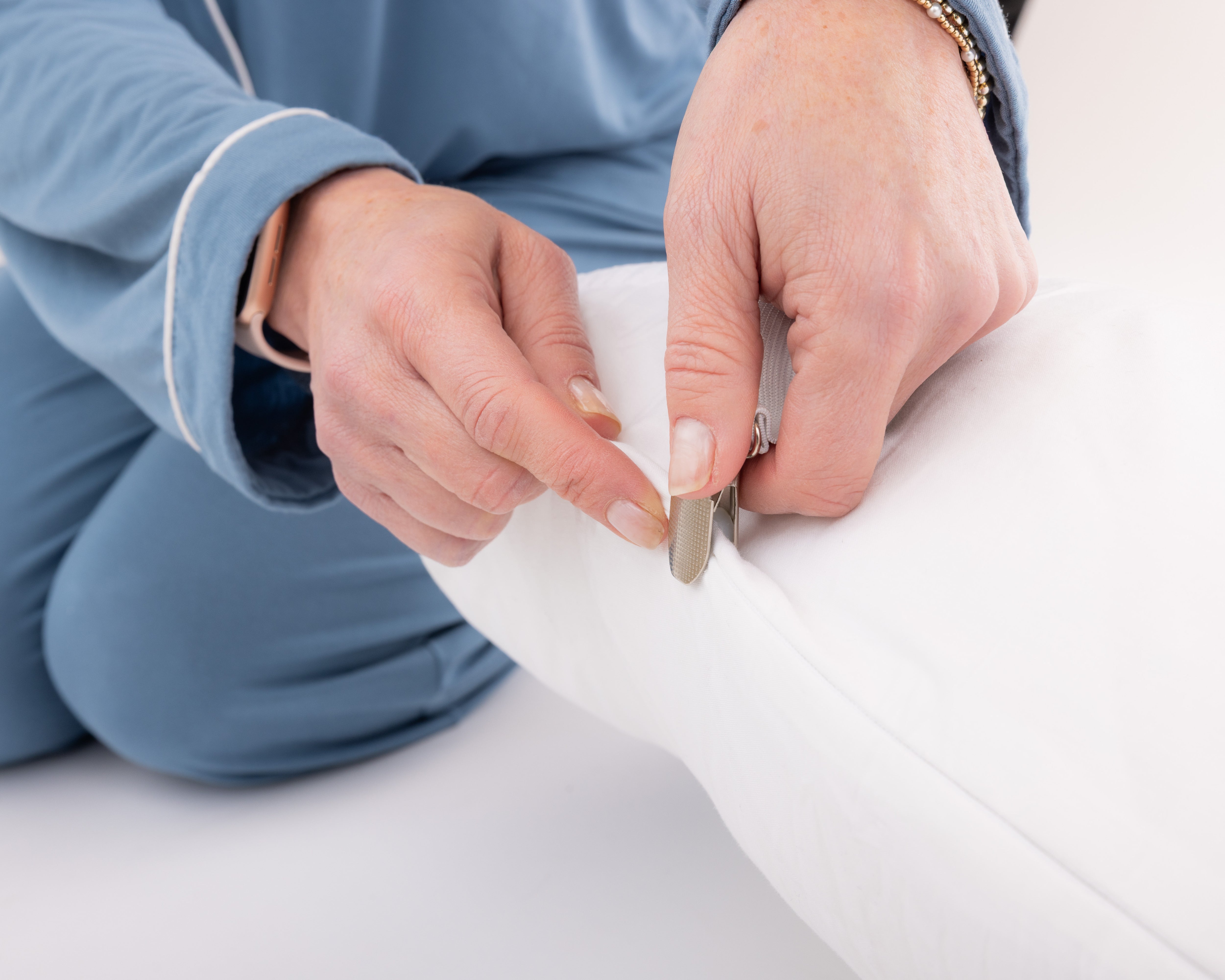
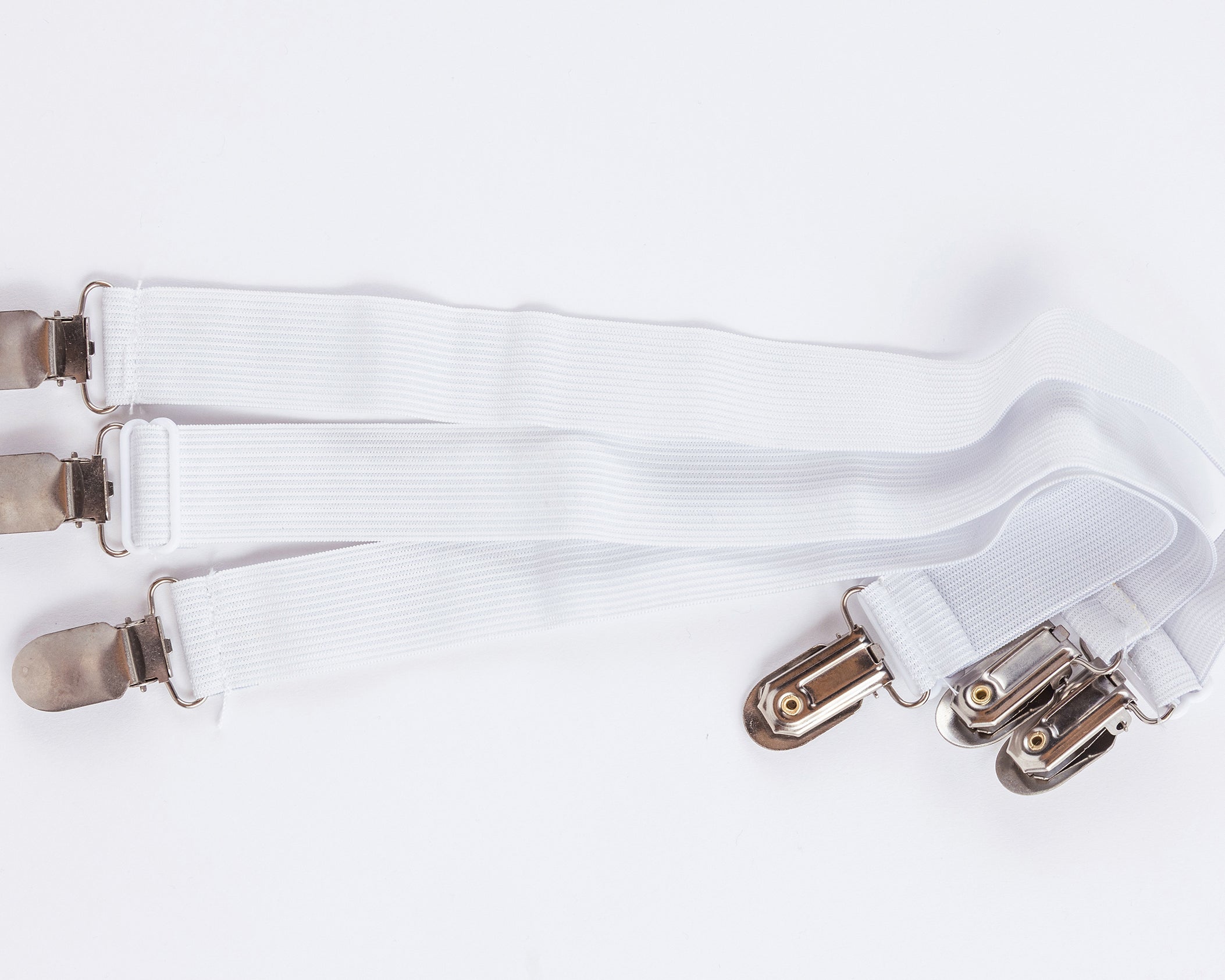
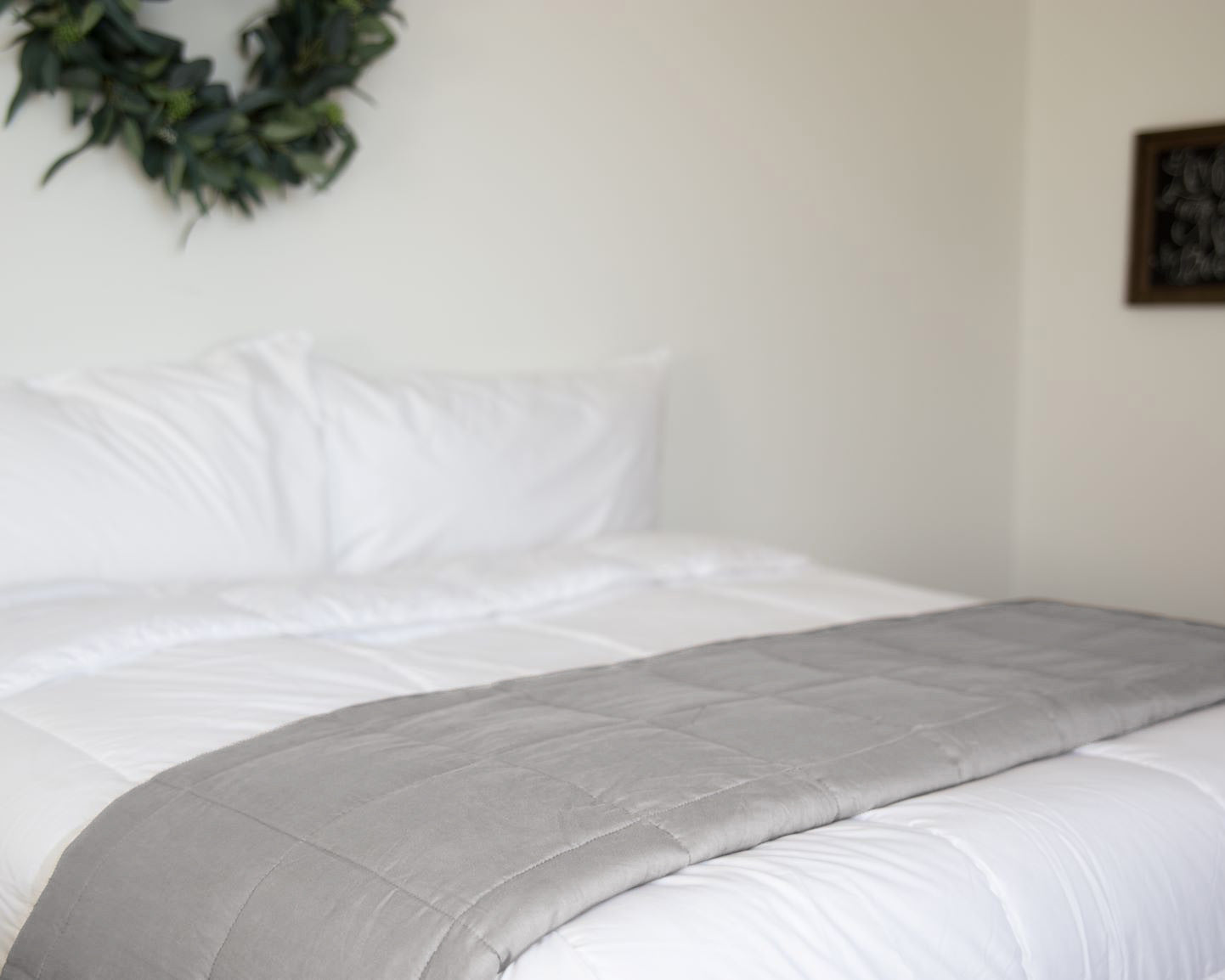
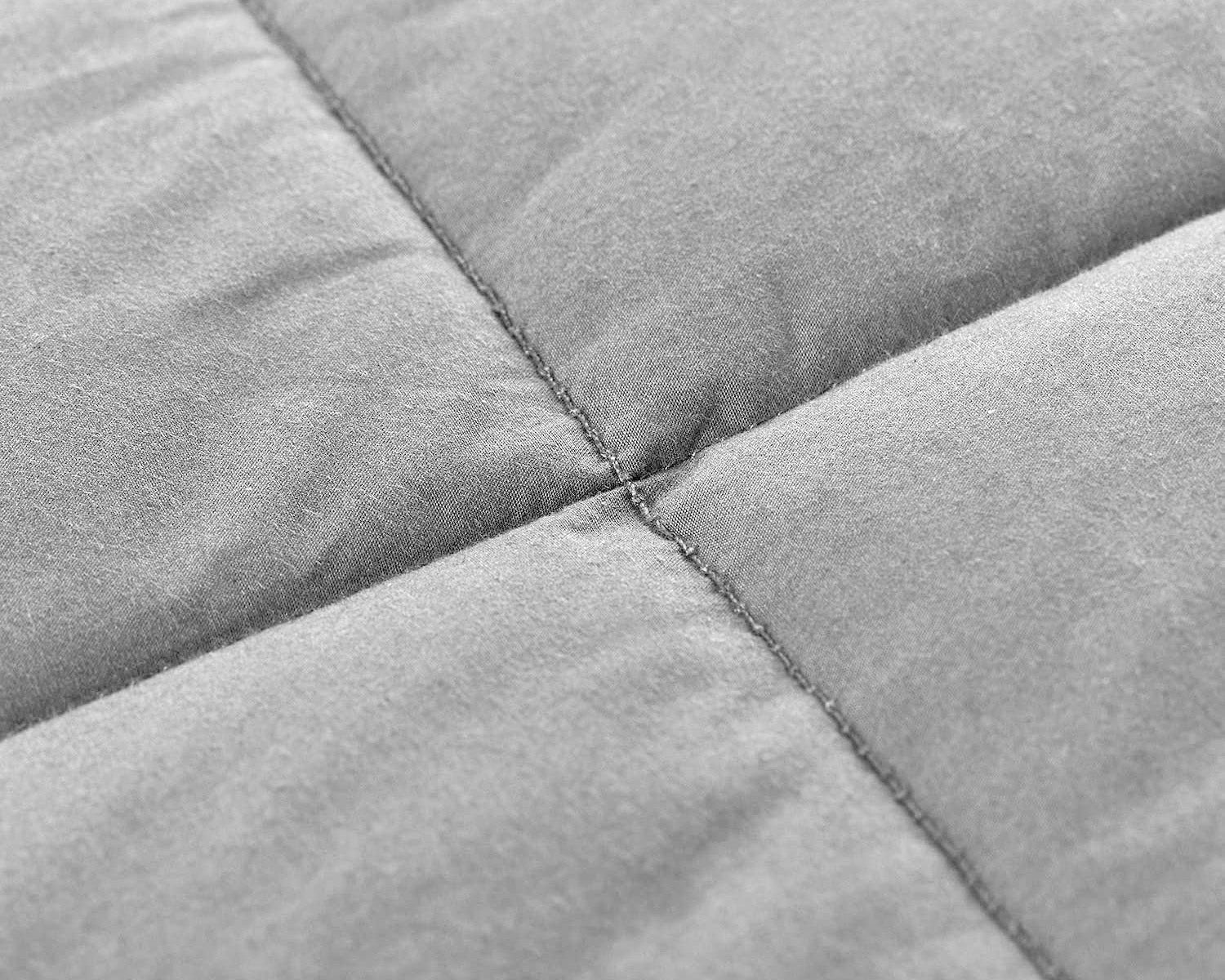
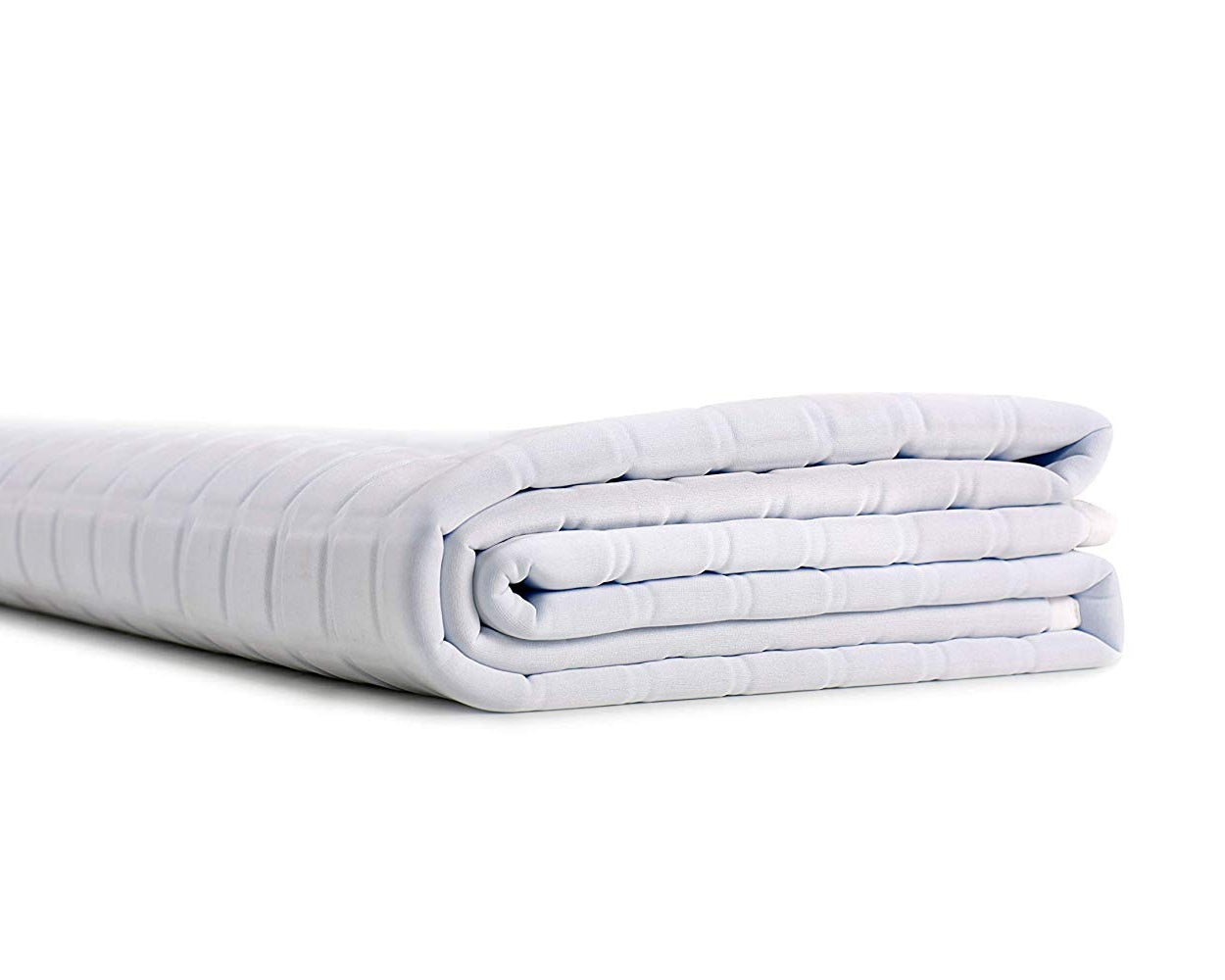
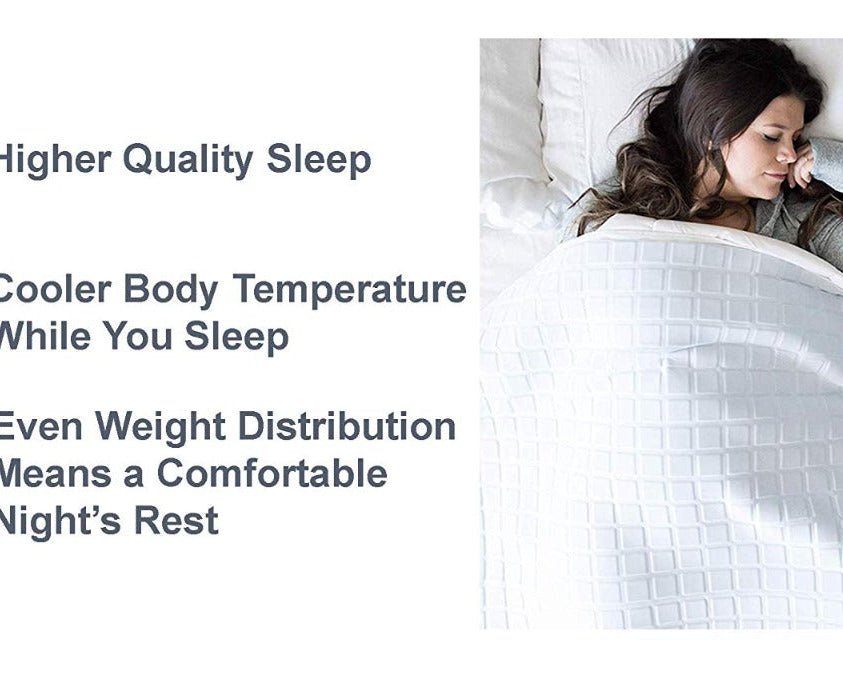
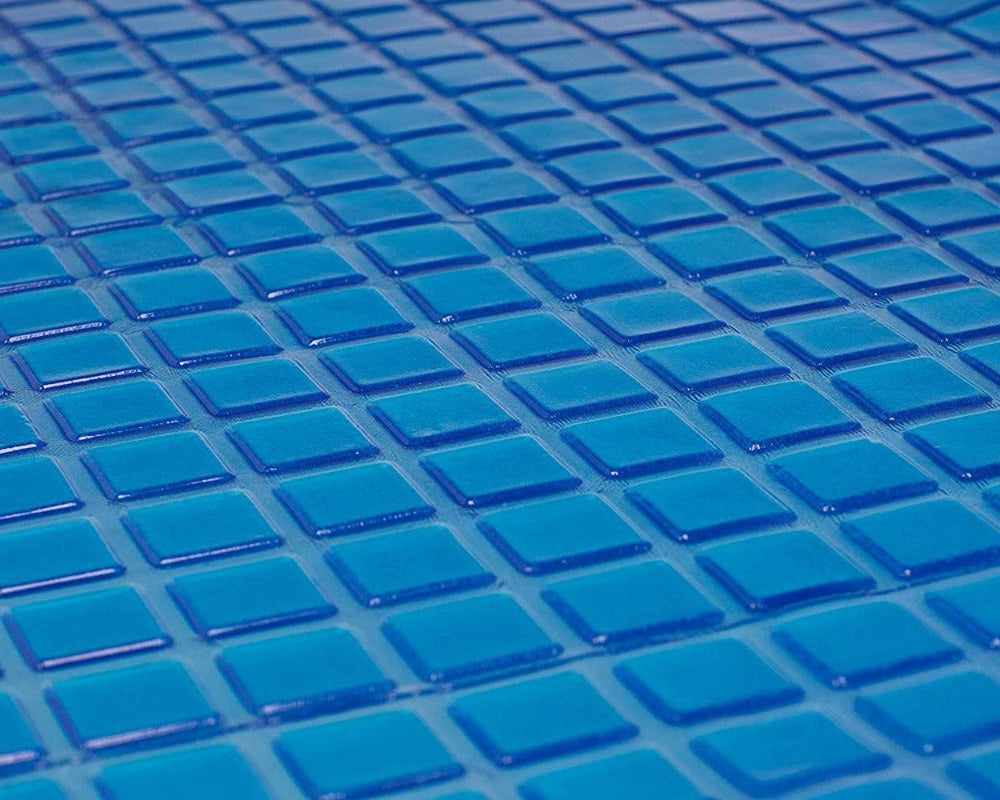
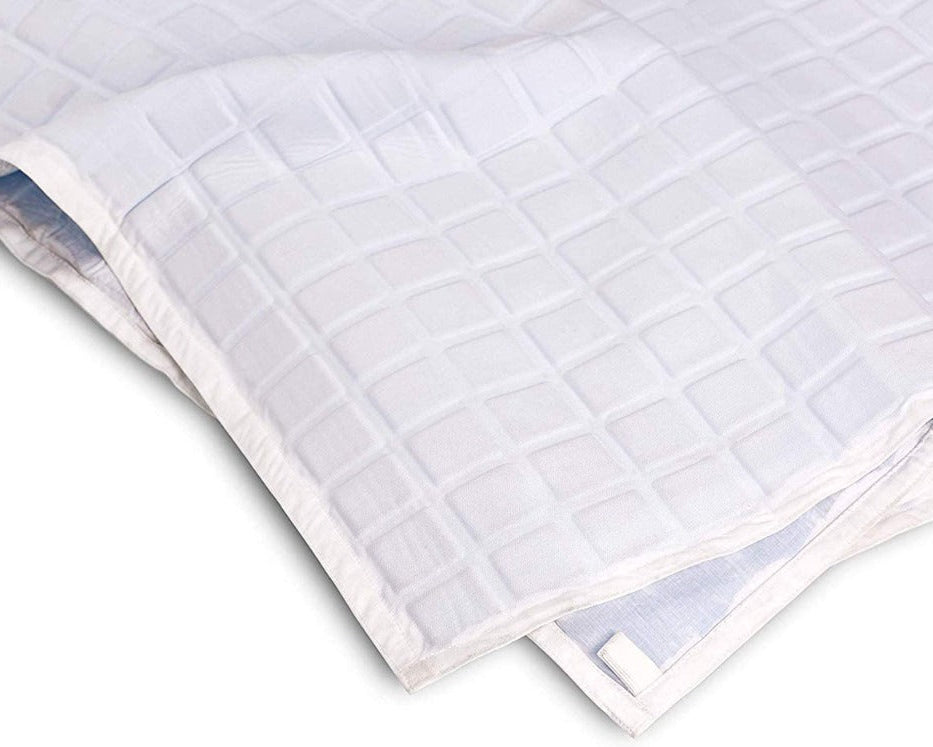
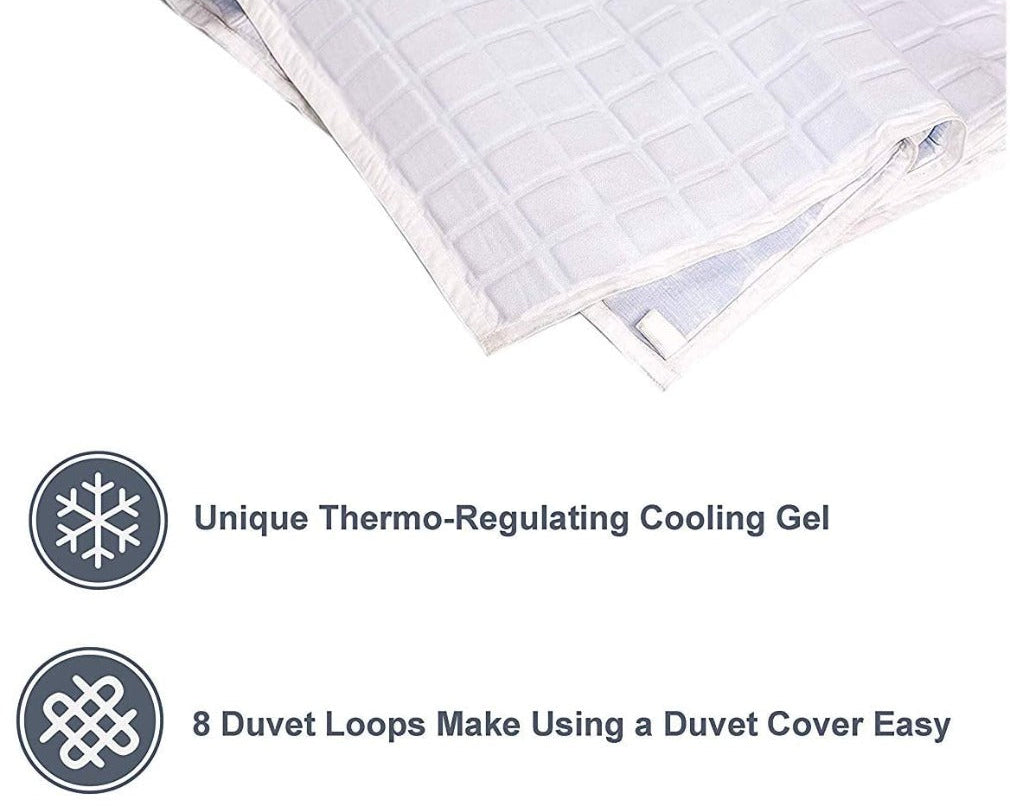
The New Cooling Fitted Sheet for the Sleep Again Pillow System is made specifically for hot sleepers! This luxurious fitted sheet is designed to fit around your Sleep Again Pillow system and keep your pillows perfectly in place throughout the night. Comfortable and cooling, this is sheet is easy to remove and wash.
3. Nutritional Support Made for Cosmetic Surgery
Clean incision healing and faster bruising resolution depend on more than surgical technique. Your body needs adequate protein, vitamin C, zinc, and B vitamins to rebuild tissue and support new blood supply to healing skin and incision sites. Start nutritional prep two to four weeks out, and treat hydration the same way: aim for consistent water intake in the weeks leading up to surgery, since nausea and reduced appetite are common in the days immediately following surgery.
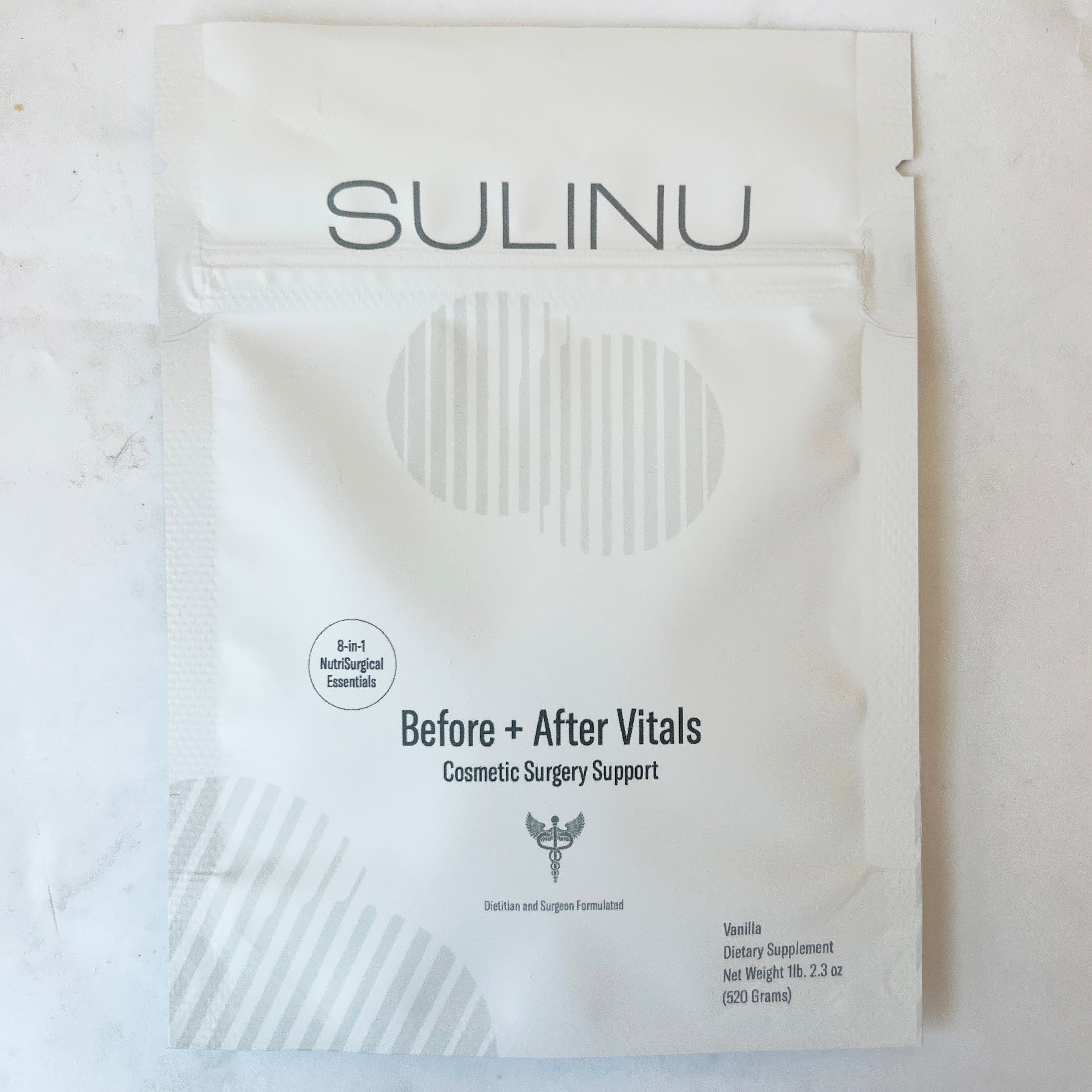
Assembling that combination from separate supplements is its own project, which is why a formulated option can simplify things. Sulinu's Before + After Vitals is a surgeon-endorsed nutrition powder built specifically for cosmetic surgery patients, delivering protein, collagen, amino acids, and micronutrients in one scoop rather than requiring a dozen separate pills. Most patients start it two to four weeks before surgery and continue through their recovery window.
One note on timing: some common "healthy" additions, like high-dose vitamin E or certain herbal supplements, actually increase bleeding risk before surgery. Run any new supplement, including nutritional ones, by your surgical team before you start it.
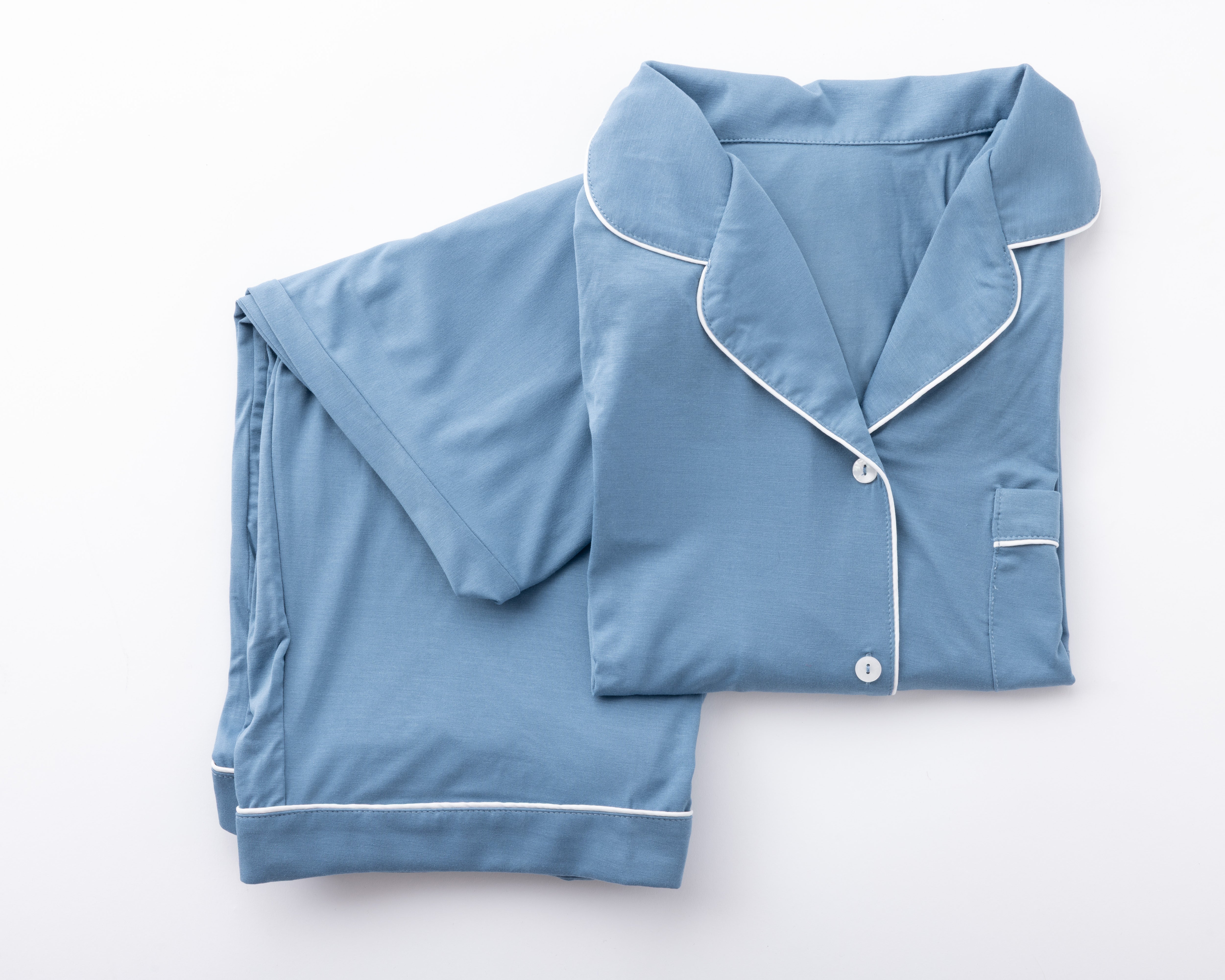
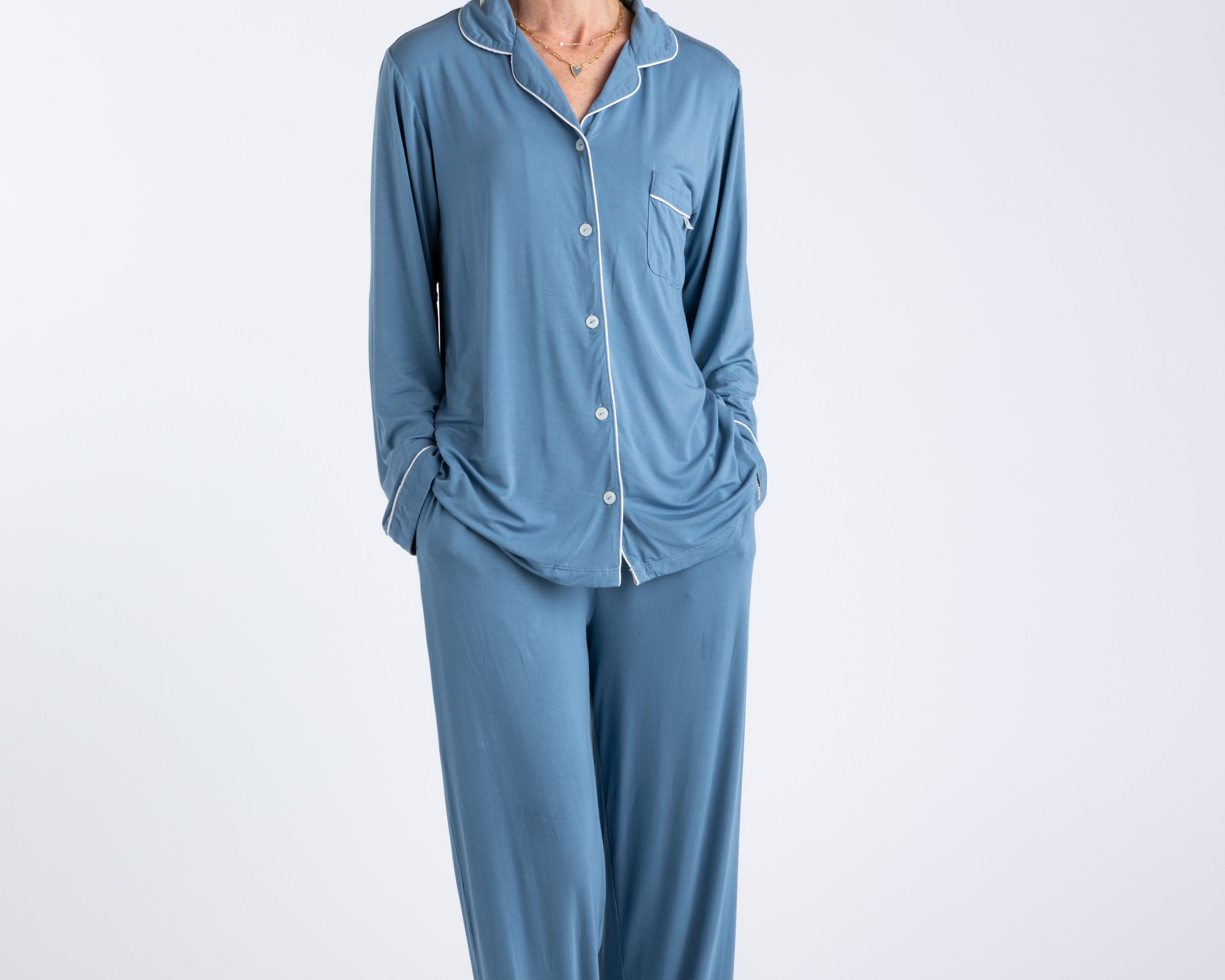
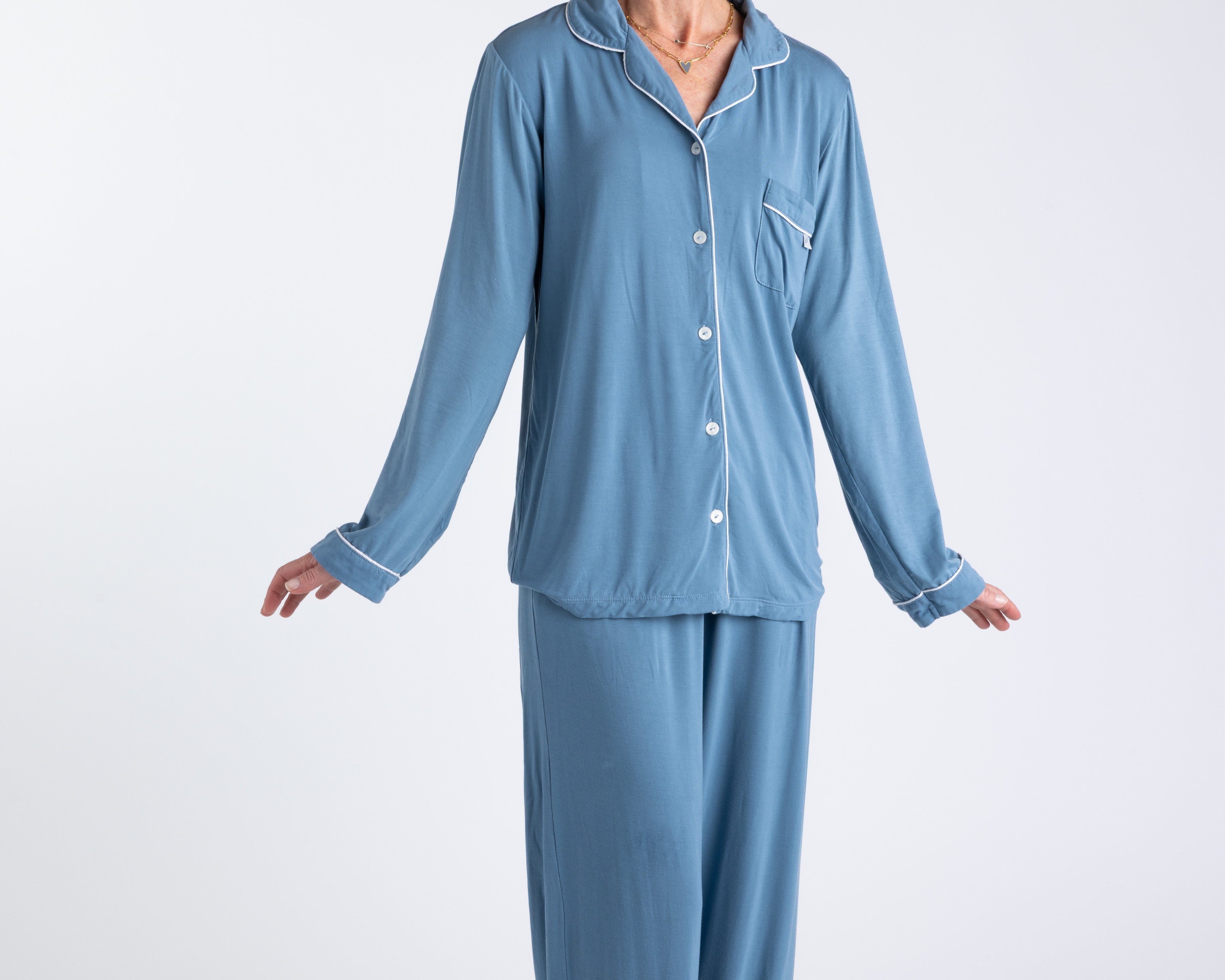
4. Comfort Clothing
Wardrobe Companions for Your Journey:
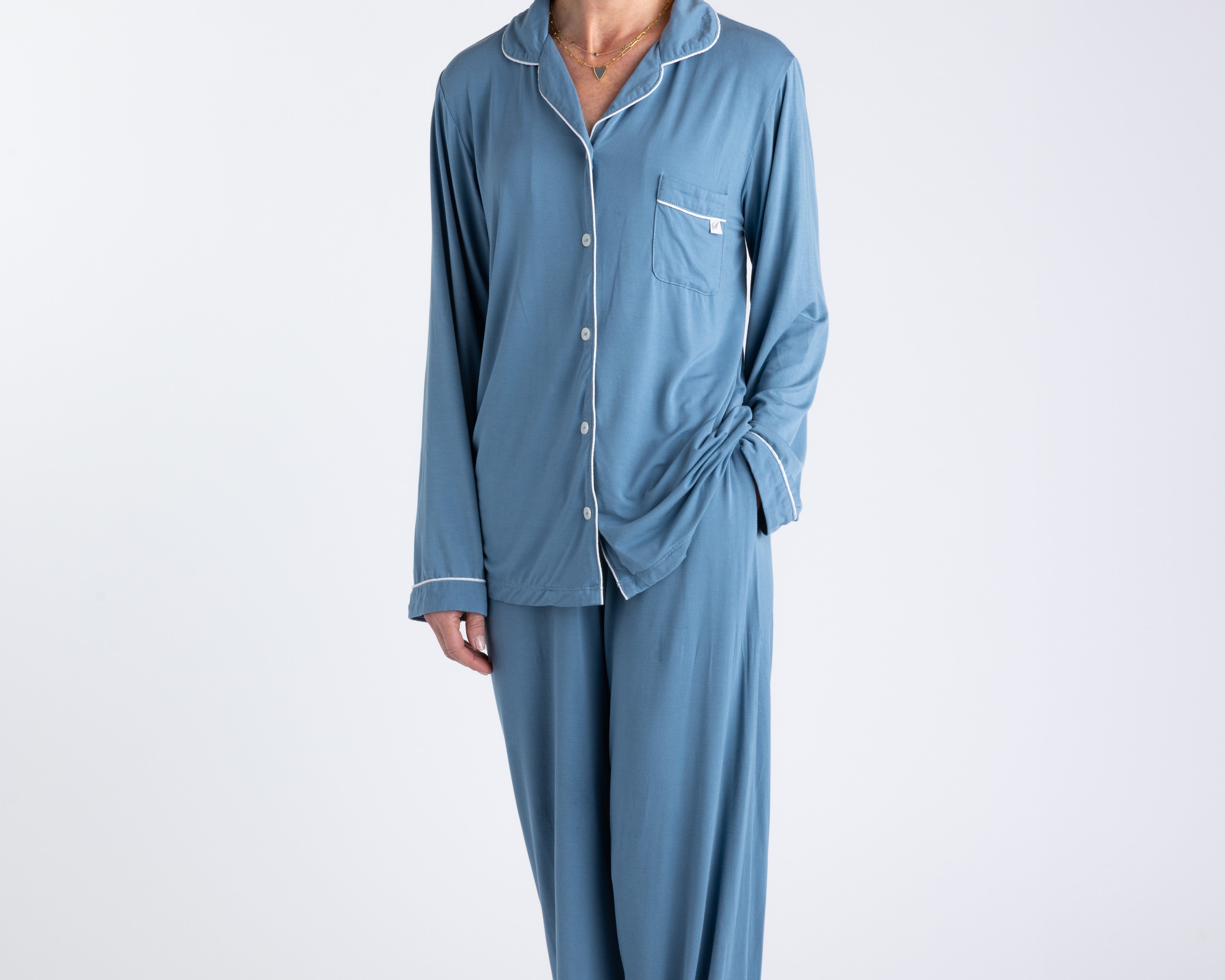
Front-Button Pajamas and Shirts -Go easy on yourself during your recovery. Front-button pajamas that open completely in front are the easiest way to dress yourself while healing.
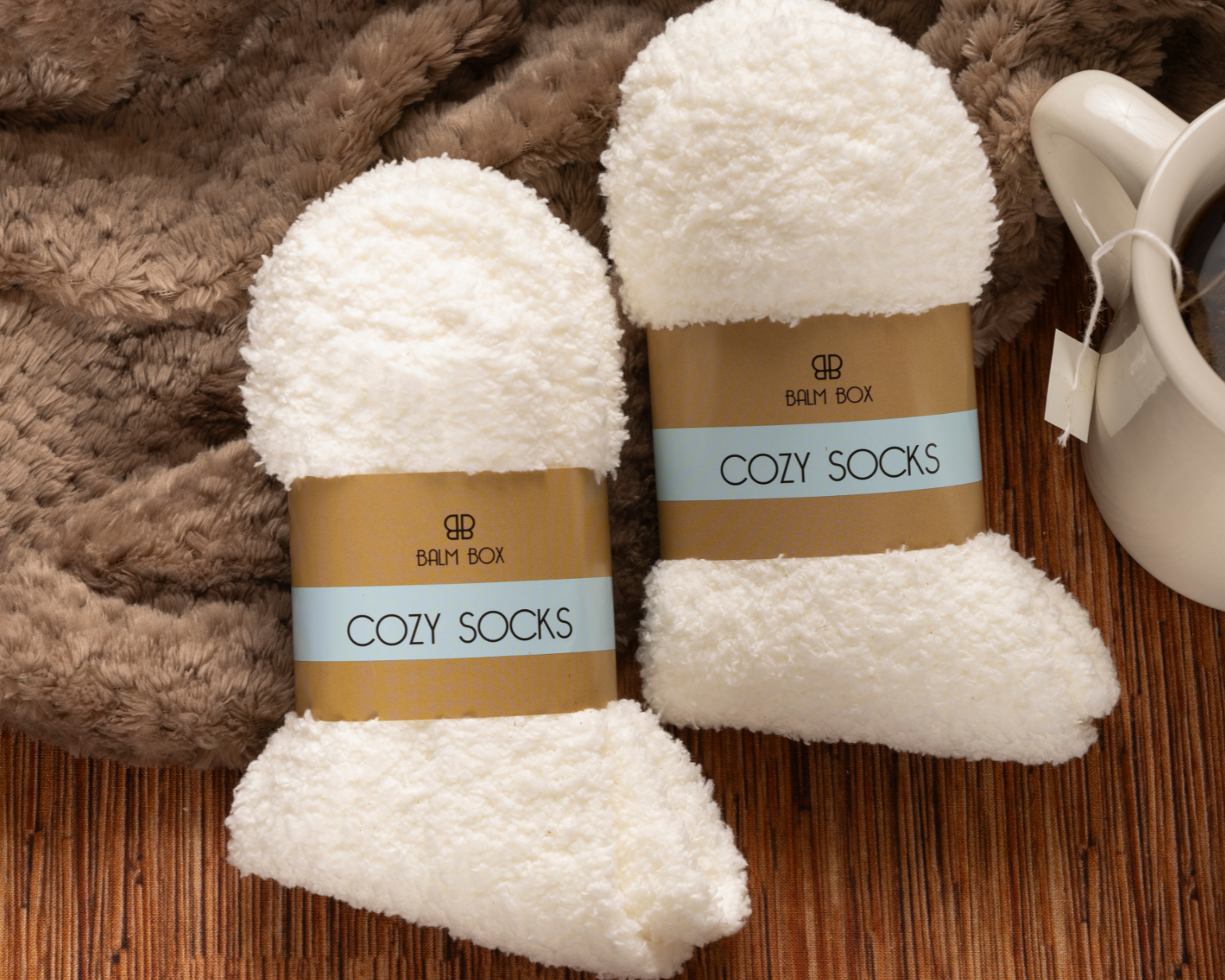
Comfy Pants - Soft, loose pants with forgiving elastic waistbands become faithful companions during your facelift recovery period.
Supportive Slip-on Shoes - Bending to tie shoes can strain healing tissues, making slip-on footwear a small but meaningful comfort.
5. A Facial Compression Wrap or Chin Strap
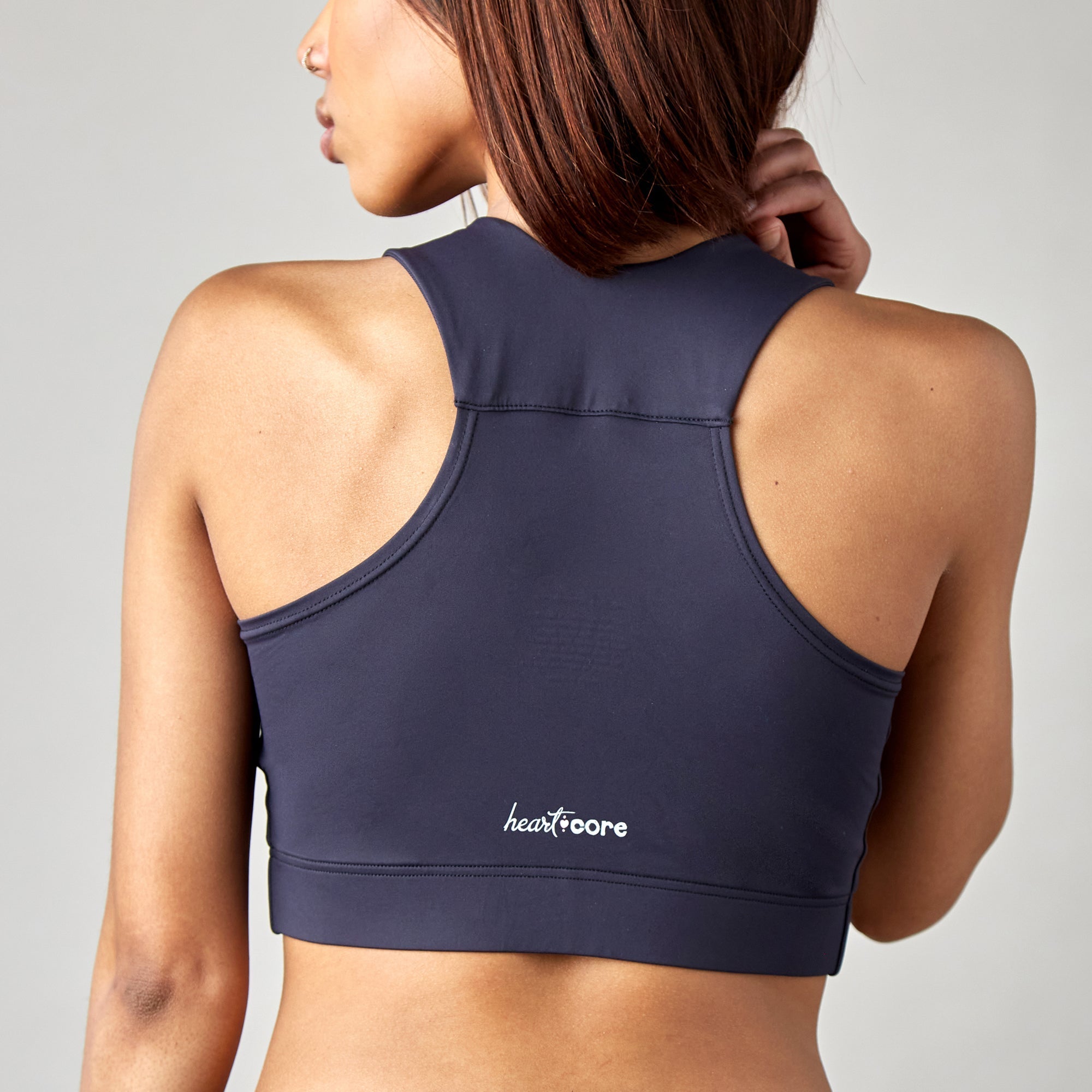
Most surgeons send you home in a first-stage compression wrap, but you'll likely want a second one so you always have a clean wrap available while the other is being washed.
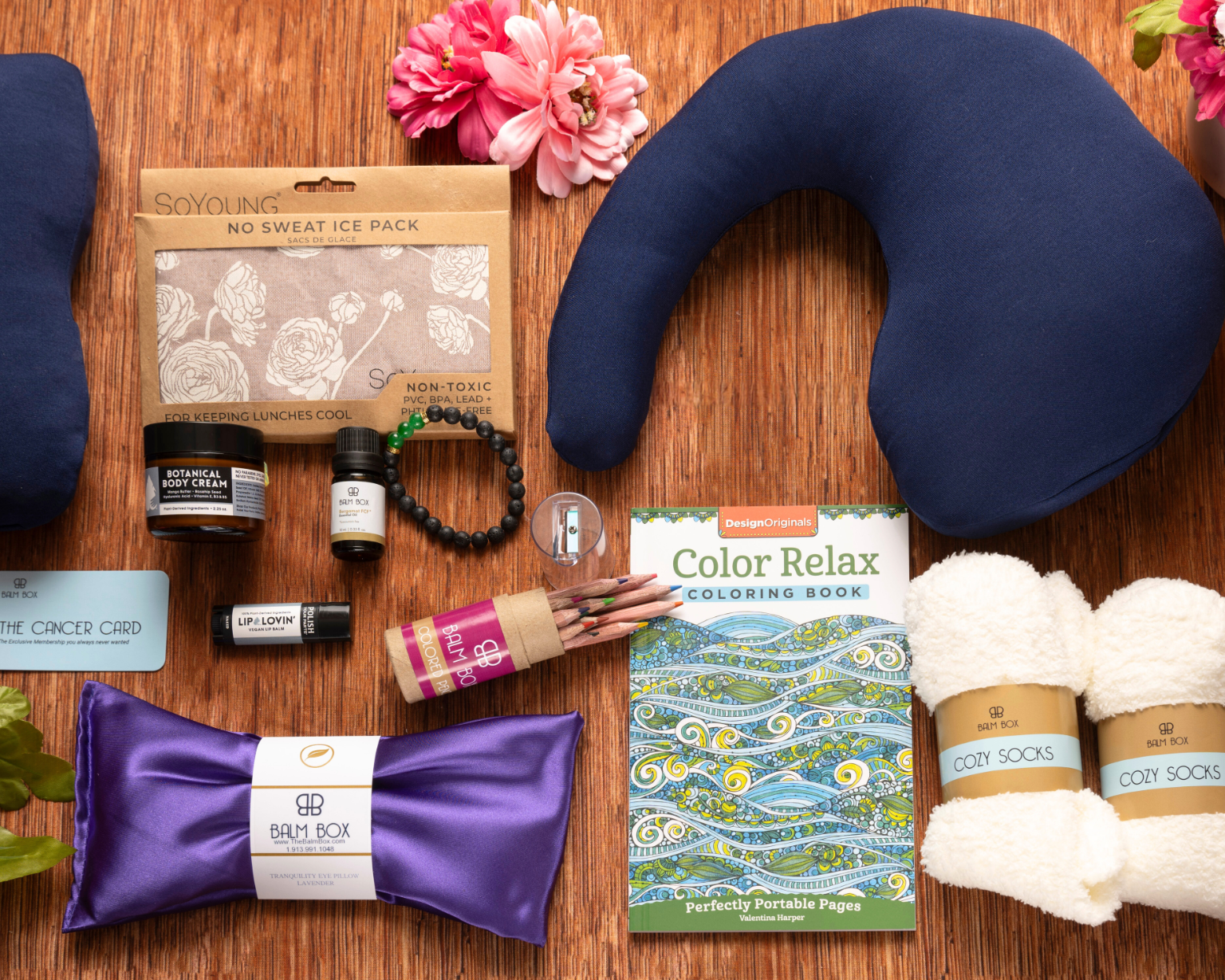
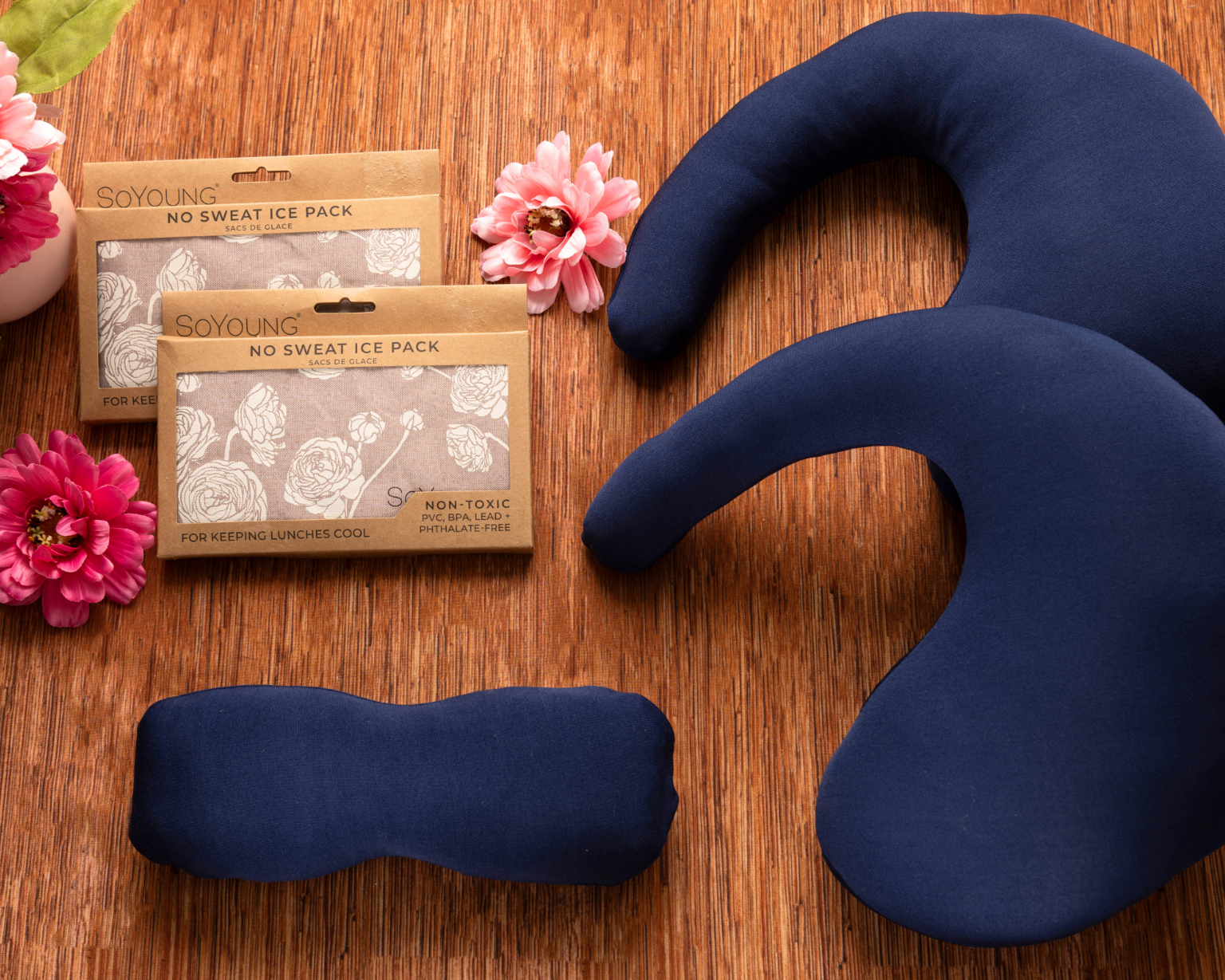
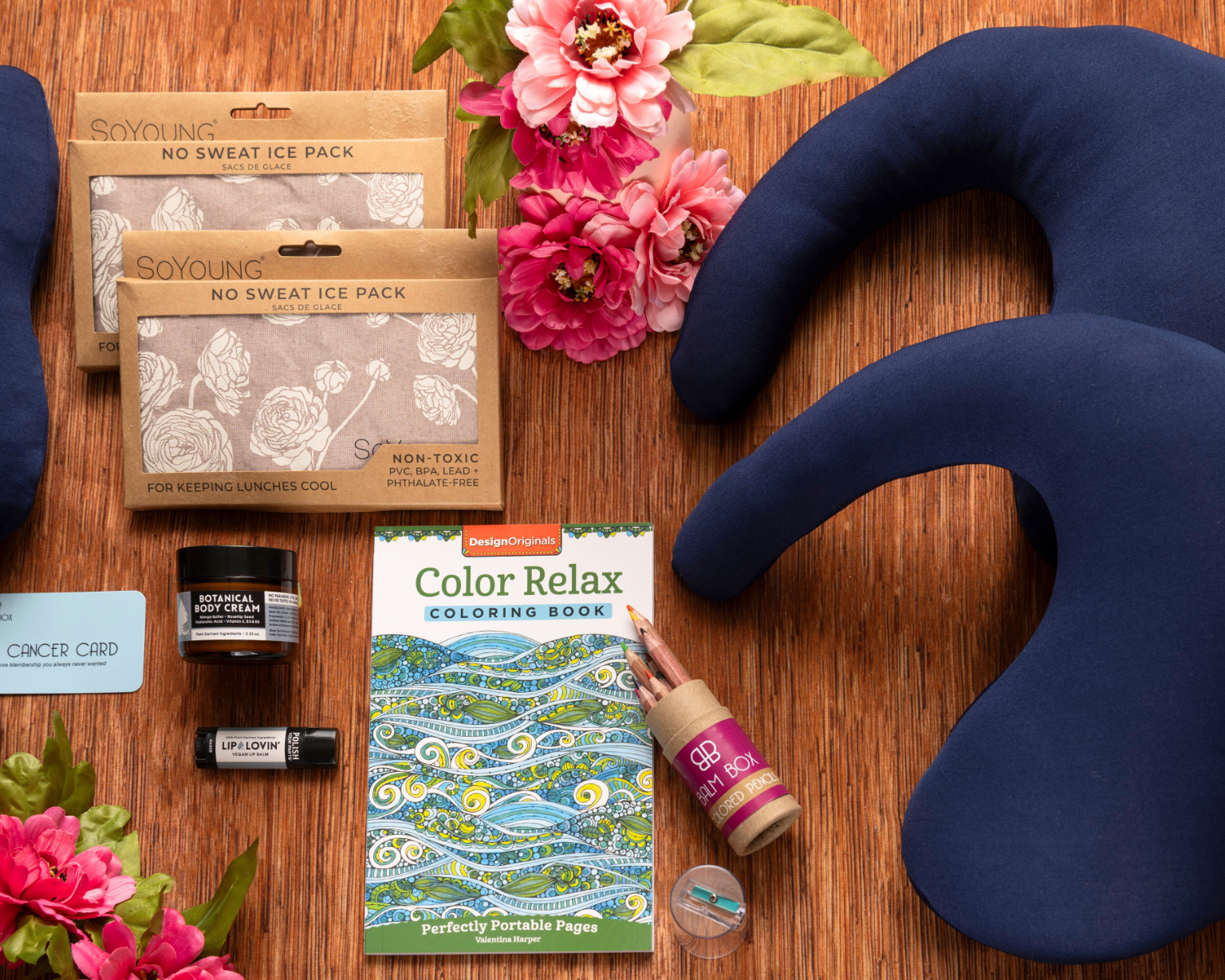
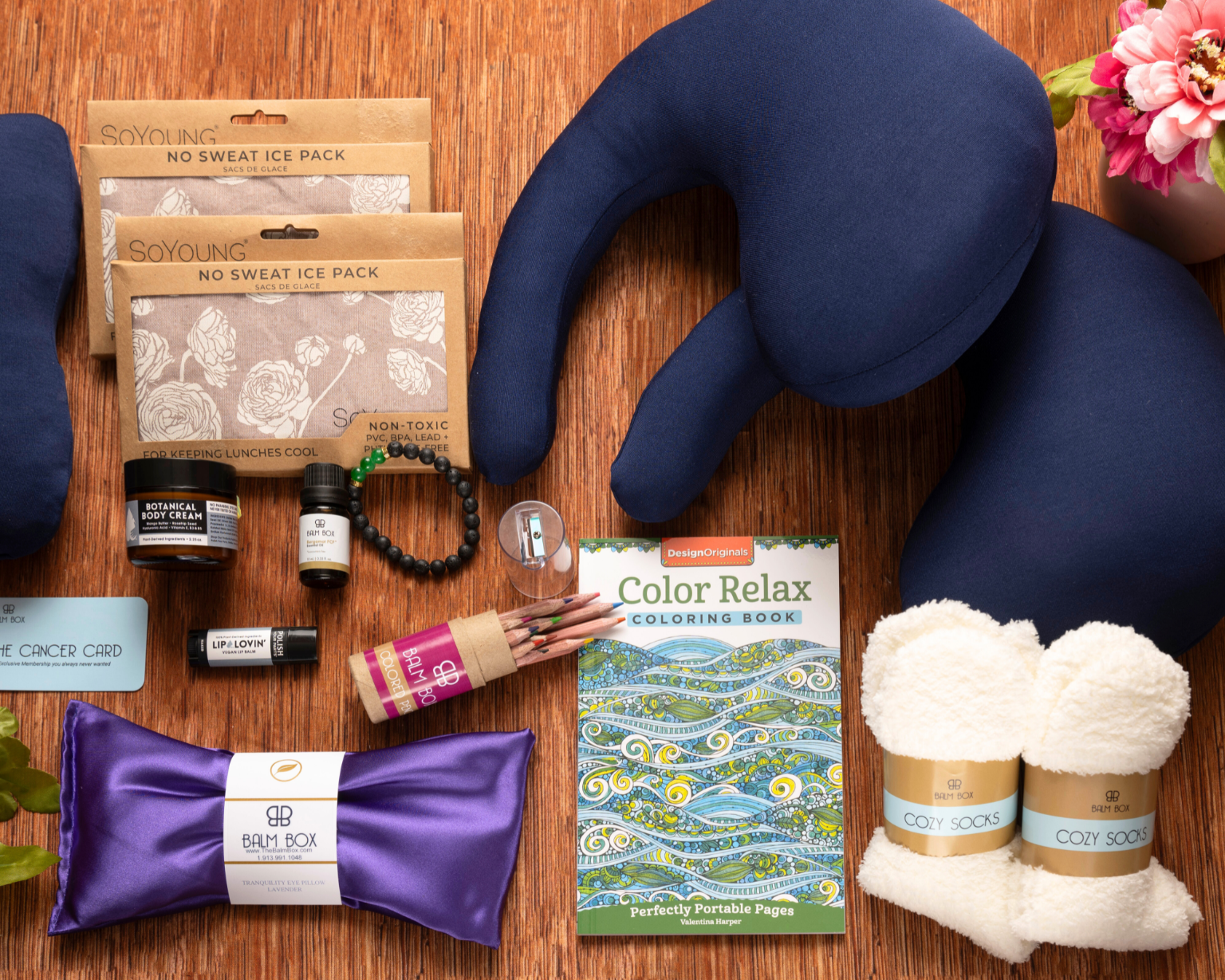
6. Incision Care Supplies & Small Ice Packs
Gather any incision care items your surgeon's office recommends, along with prescribed medications filled in advance and a thermometer for monitoring signs of infection. Having these on hand before surgery means no last-minute trips to the pharmacy while you're trying to get much-needed rest.
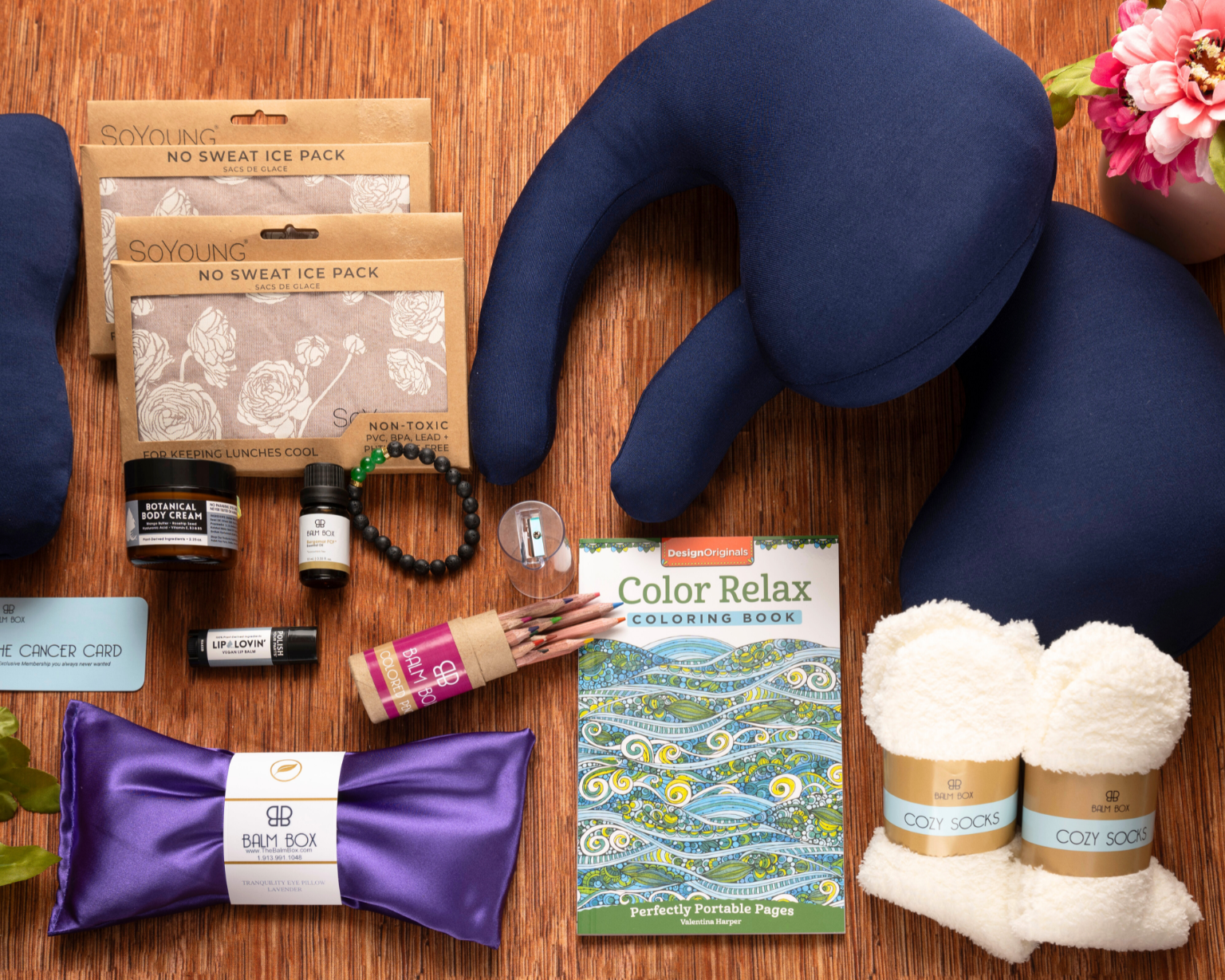
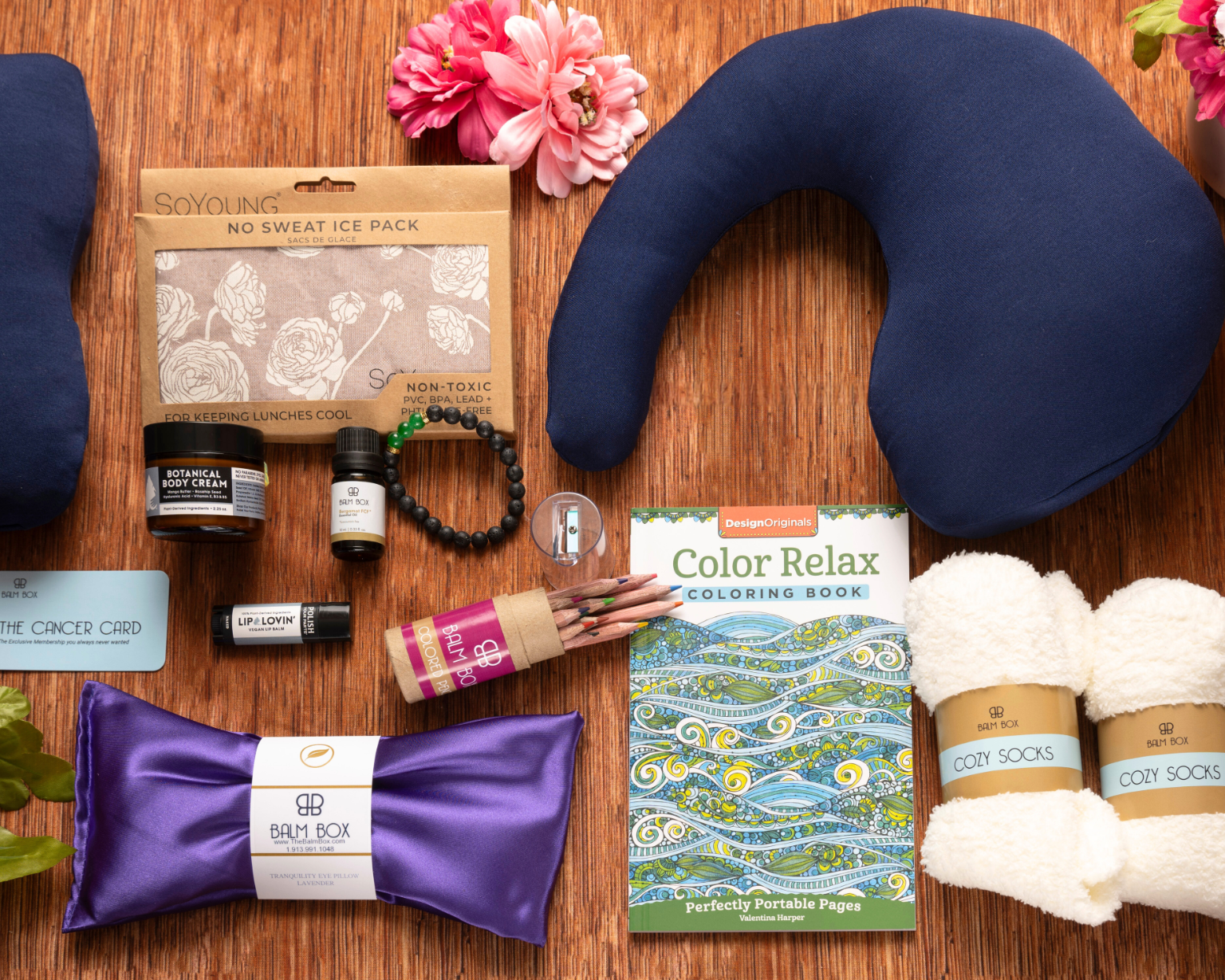
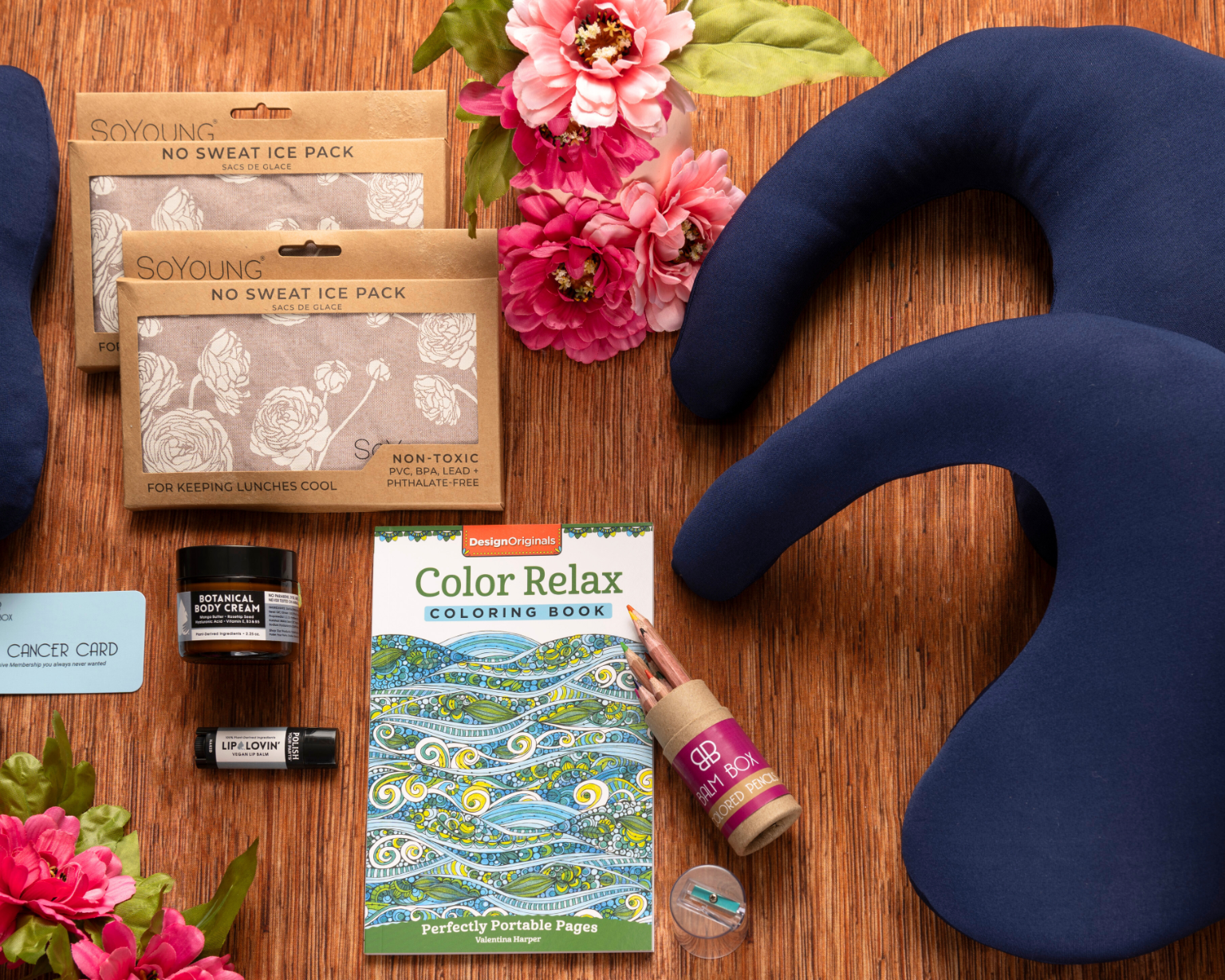
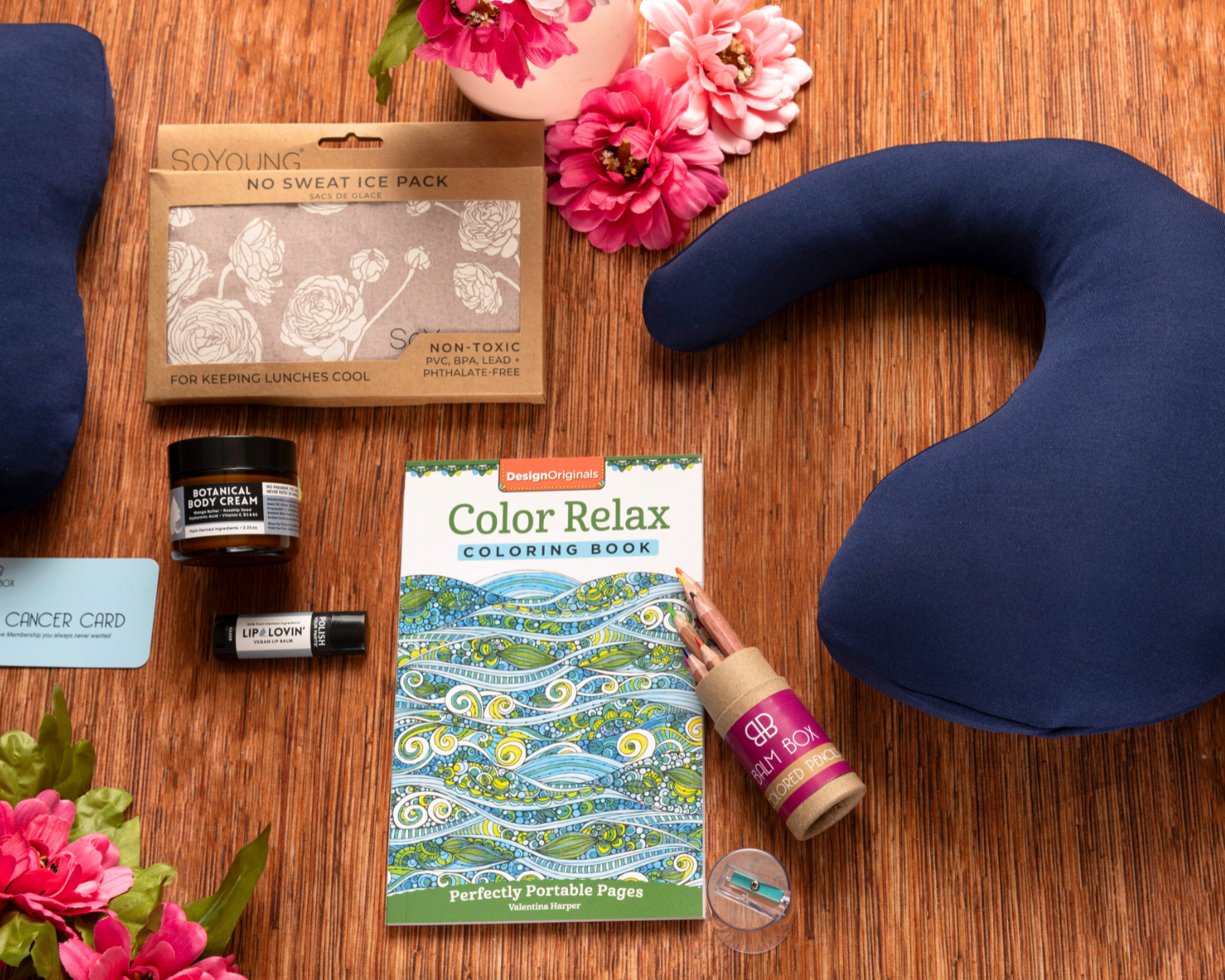
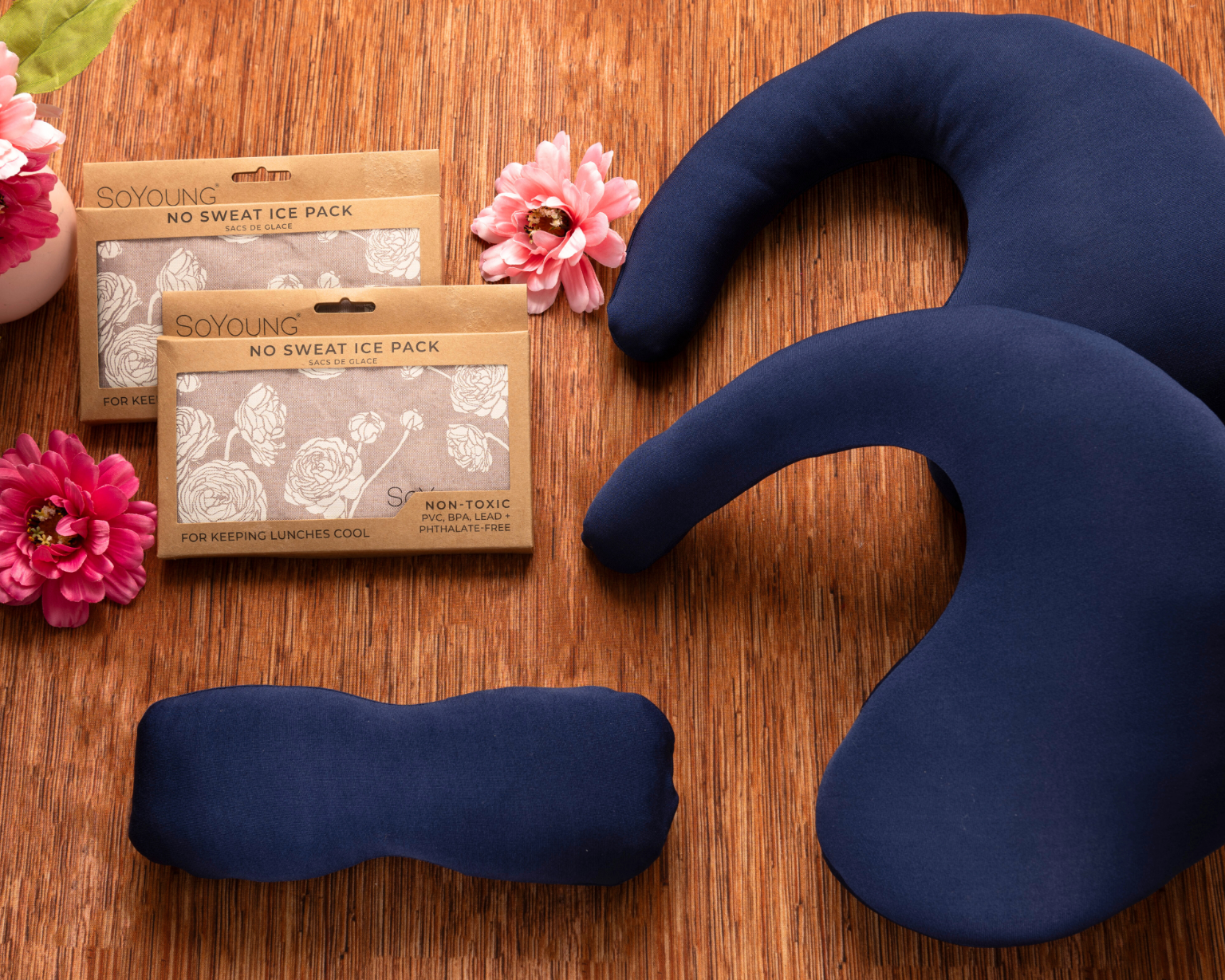
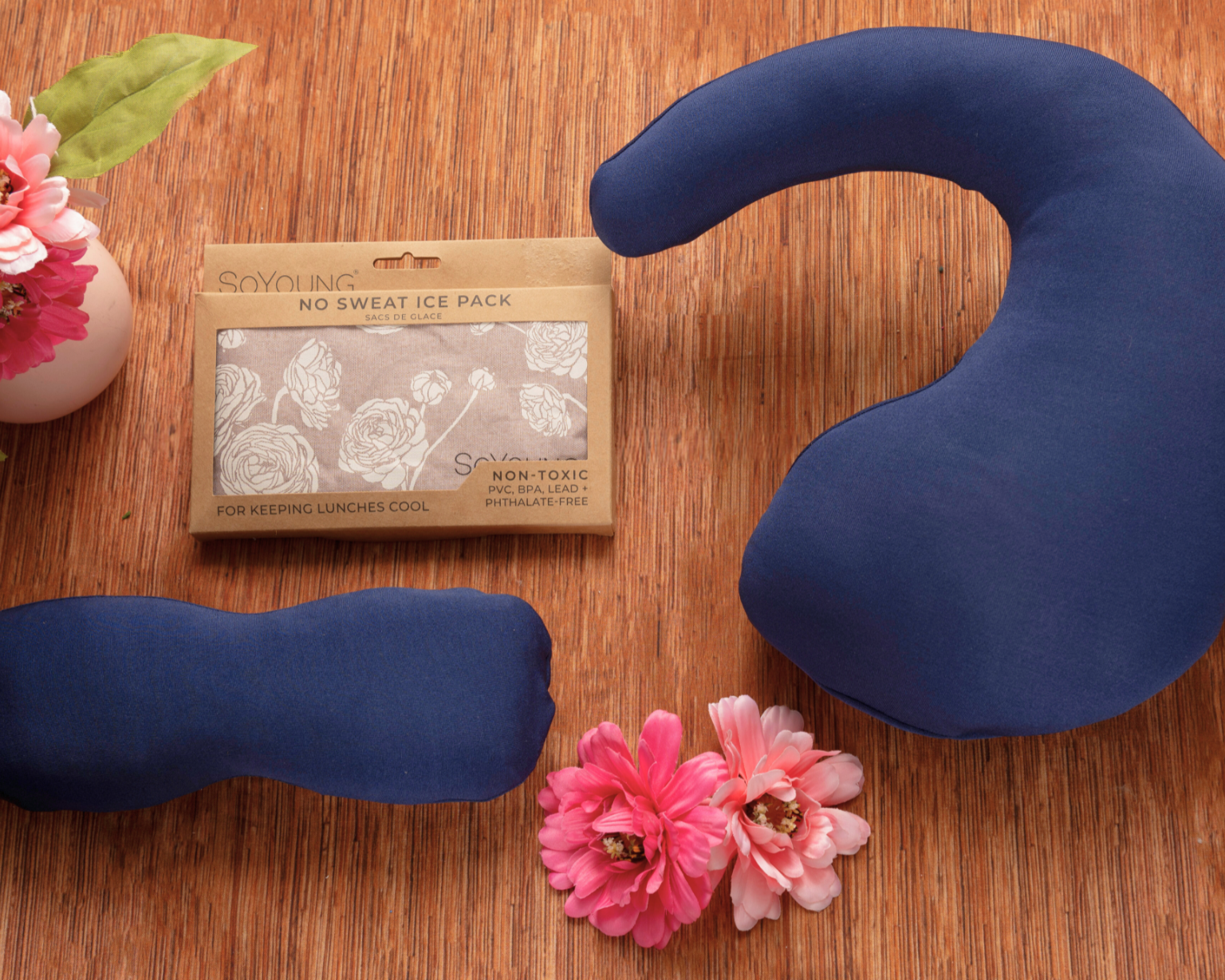
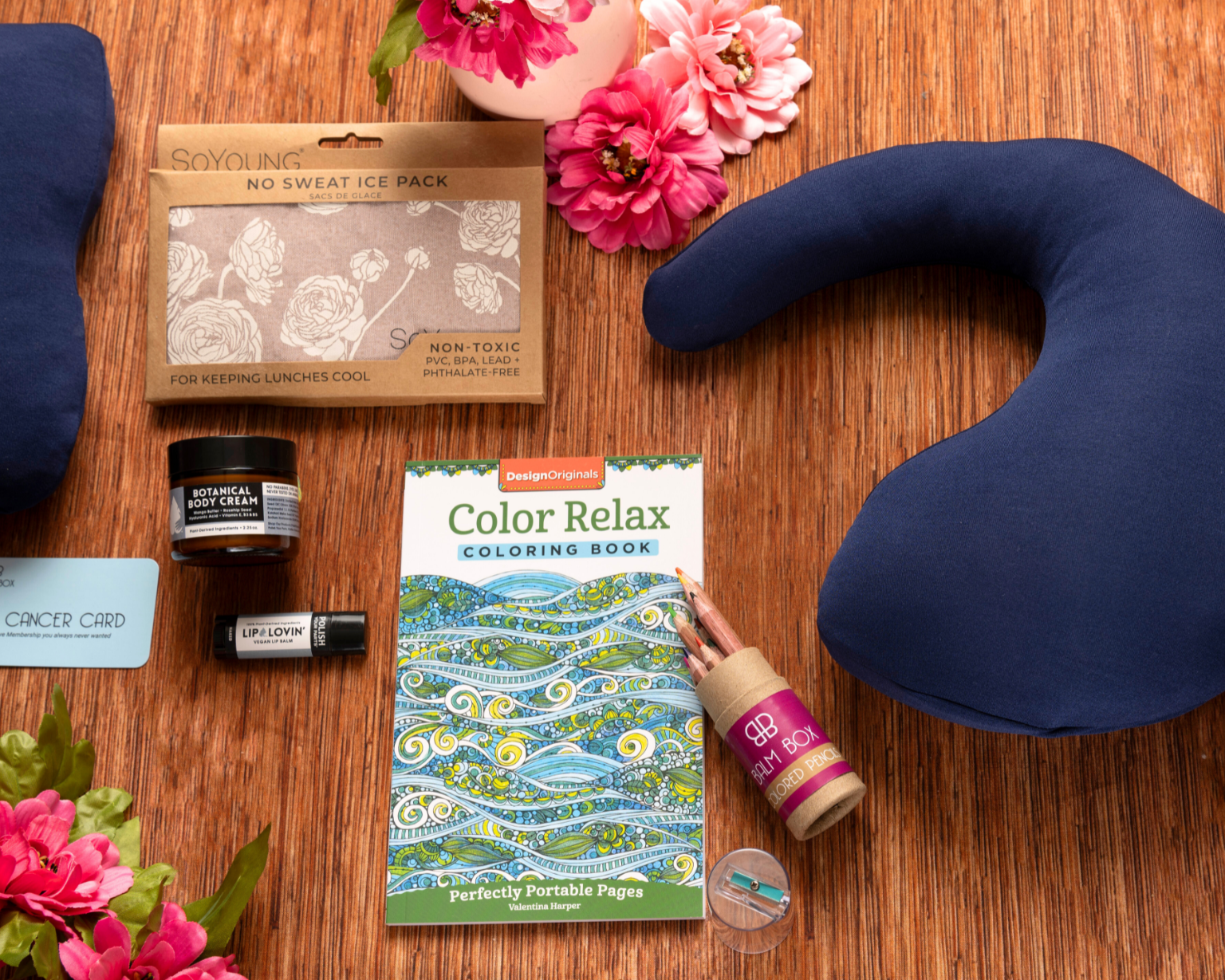
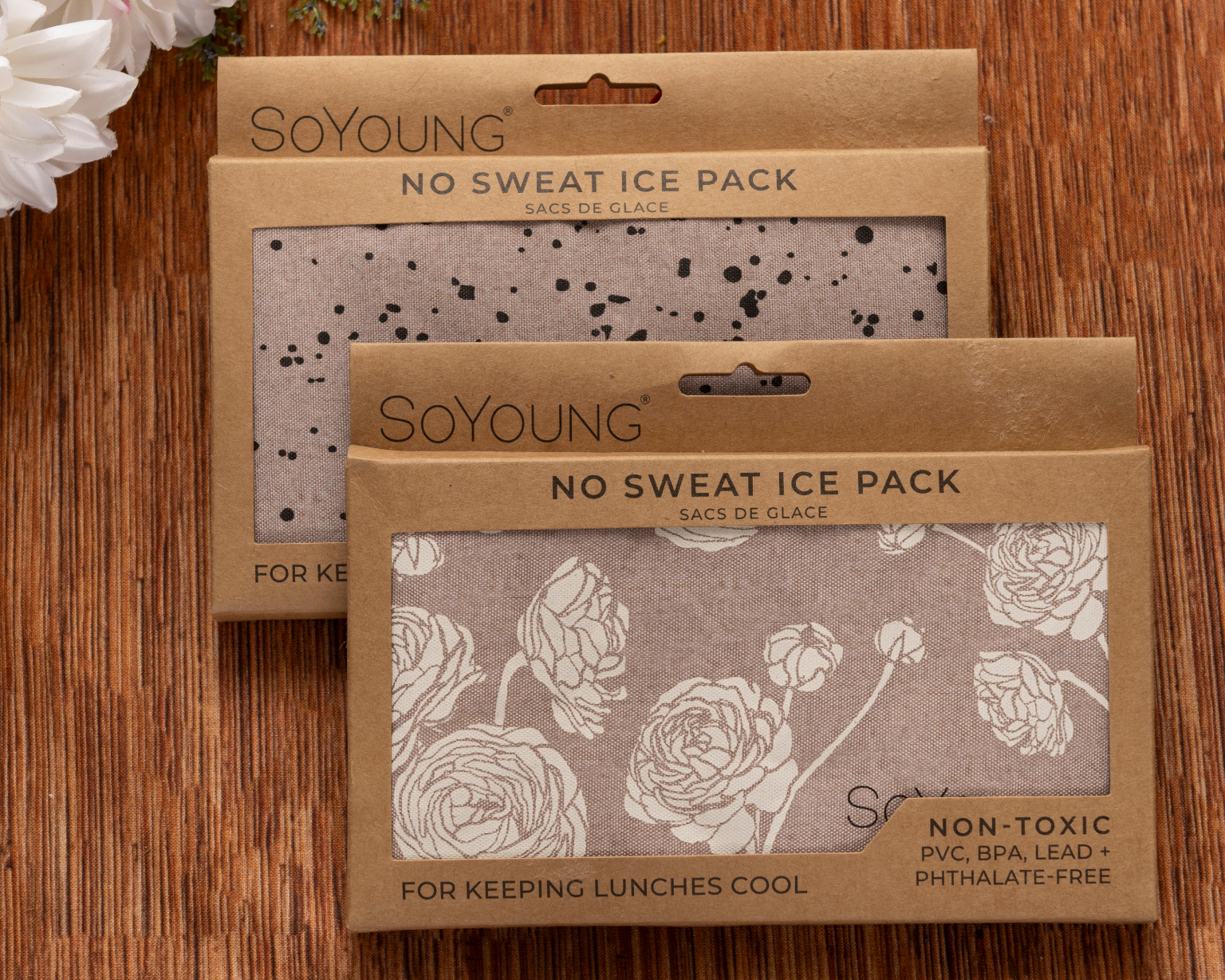
Cold compresses sized for the face help manage swelling, particularly around the eyes if your procedure includes eyelid work. Choose packs designed for facial use rather than standard-size packs meant for larger body areas.
7. Hygiene Essentials
Many surgeons ask patients to shower with an antibacterial soap like Hibiclens the night before and the morning of surgery to reduce infection risk. Confirm the exact product and timing with your surgical team, since protocols vary.
- Body wipes. Covers you between showers without requiring you to stand or maneuver.
- Dry shampoo. Handles hair washing without the range of motion a shower requires, which matters if your surgery involved your arms, chest, or core.
- Gauze and medical tape. Keep extra on hand if your surgeon has you changing dressings after showers, so you're not searching for supplies mid-recovery.
- A long-handled sponge or loofah. Covers areas like your feet, back, or lower legs without the bending or twisting that's harder than expected after surgery.
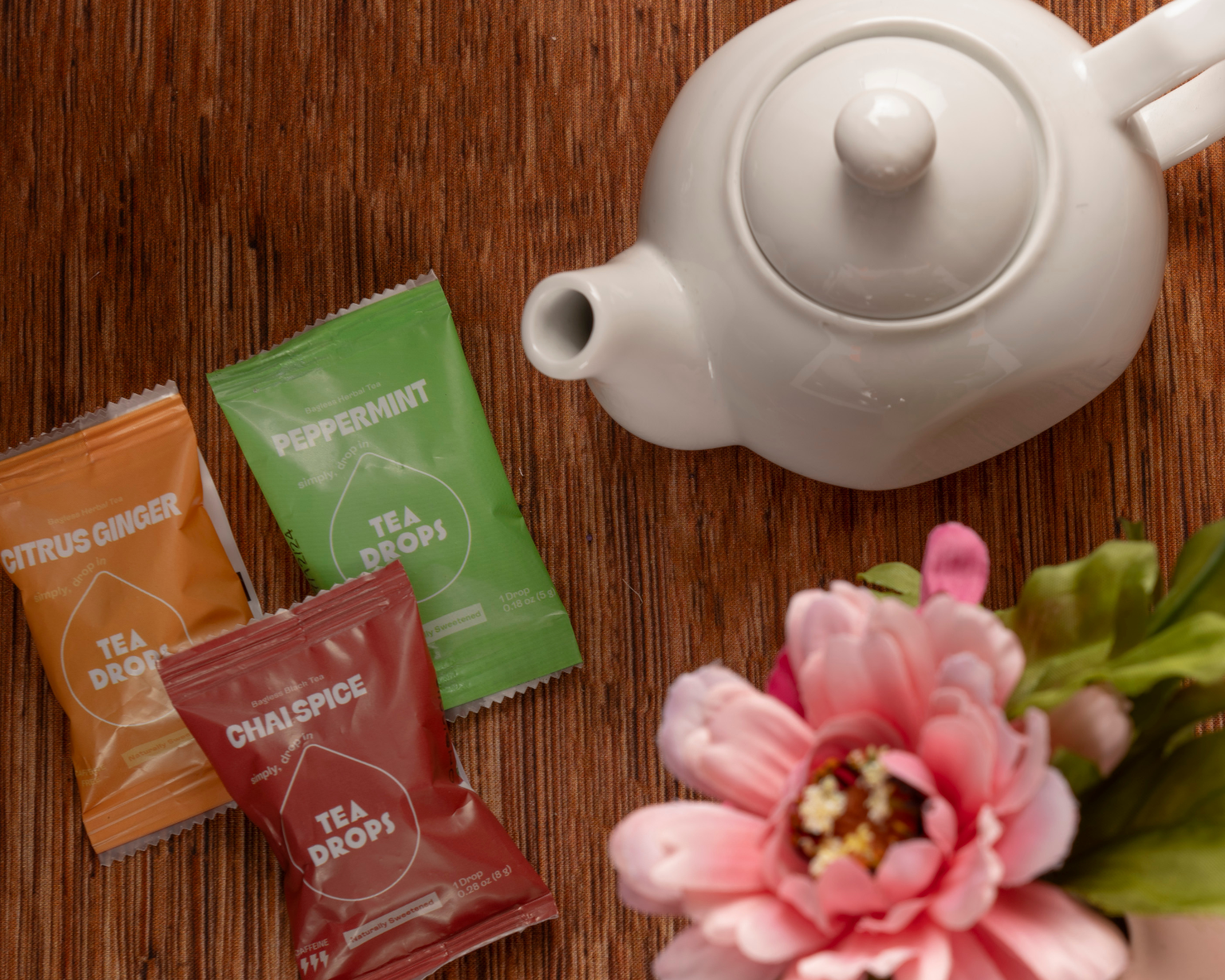
- Throat lozenges or warm tea. Handles the throat soreness that often follows the use of a breathing tube in general anesthesia.
Set this up before surgery, not after. It's not something you want to be figuring out while you're sore and moving carefully.
8. Pre-Op Medical Clearance
Most surgeons want bloodwork and a general health screening completed two to four weeks before surgery, sometimes with an EKG if you're over 40 or have a relevant health history. Schedule this appointment as soon as your surgery date is confirmed, so there's time to address anything that comes back abnormal.
- Medication and supplement review. Aspirin, ibuprofen, naproxen, vitamin E, and fish oil all thin the blood and increase bruising risk. Many surgeons ask patients to stop these two weeks out — don't assume a supplement is safe just because it's sold over the counter.
- Nicotine cessation. Nicotine constricts blood vessels, reducing the blood supply a healing fat graft depends on. Most surgeons require four to six weeks of complete abstinence, including vaping and patches, before they'll operate.
9. A Driver and Caregiver for the First 48 Hours
You'll need a driver for surgery day and, ideally, a second person available to help with meals, bathroom trips, and general logistics for the first day or two while anesthesia wears off and mobility is limited. This is easy to under-plan since it doesn't feel like a supply the way a pillow or garment does, but the first 48 hours are when you'll have the least physical capacity to manage on your own.
10. Stool Softeners
Pain medication commonly causes constipation, and straining is something you want to avoid entirely during recovery. Start a stool softener the same day you start pain medication, rather than waiting for a problem to develop. It's more effective and more comfortable than treating it after the fact.

Creating a Healing Home Environment
Do this while you're still feeling clear-headed and mobile, not after you're home from the procedure and exhausted.
Set up your pillow system and test it for one night before surgery so you know exactly how it feels and fits.
Clear a path from your bed to the bathroom, removing anything you could trip over while groggy.
Stock your nightstand with water, medications, phone charger, and anything else you'd otherwise have to get up for.
Prepare easy, low-effort meals in advance or arrange for meal delivery during the first week.
Confirm your caregiver's schedule for at least the first 48 hours.
Home Sanctuary Preparation:
-
Mindful Rearrangement - In the days before surgery, notice what items you regularly reach for and place them at counter height where they won't require stretching or reaching.
-
Bedside Comfort Station - Create a small oasis beside your rest area with essentials like a water bottle with a straw, medications, a phone charger, and comforting items all within easy reach.
-
Nourishment Planning - Healing requires energy, yet cooking will be challenging. Accept offers from friends and family to provide meals, or prepare simple options in advance that can be easily reheated.

Get Your Free Facelift Must-Haves Checklist
This gentle checklist helps ensure you have nurturing supports ready for your recovery journey. As you gather these items—whether through your own preparation, friends' generosity, or care packages—check them off knowing that each represents a form of self-care.
Download and share this PDF checklist with loved ones who want to support your healing journey.
Facelift Recovery FAQs
What is the most important item on a facelift recovery supply list?
Your sleep and head elevation setup. Clean healing depends on keeping consistent elevation and minimal pressure on your face around the clock, and that requirement applies to every hour you're lying down, not just the hours you're consciously thinking about it.
How long do I actually need to sleep elevated after a facelift?
Most surgeons recommend elevated, back-supported sleep for two to four weeks, though your specific timeline depends on your procedure and your surgeon's protocol. Always follow your surgeon's individual guidance over any general timeline.
Can I use regular pillows instead of a positioning system?
You can attempt it, but most patients find their setup has shifted by the time they wake for a bathroom trip or medication dose. A system engineered to hold its angle and shape through a full night removes that gap.
When should I start nutritional supplements before surgery?
Most protocols recommend starting two to four weeks before your procedure, giving your body time to build up nutrient reserves it will rely on during healing.
Is the Sleep Again Pillow System covered by insurance?
The Sleep Again Pillow System is HSA and FSA eligible for most plans. Confirm your specific plan's rules with your administrator.
Note: Your personal needs may vary based on your unique procedure and situation. This checklist is a starting point to be refined in partnership with your healthcare team.
Important Medical Disclaimer
The information provided on this page is for educational purposes only and should not replace professional medical advice from your healthcare provider. Sleep Again Pillows are positioning support products designed to help maintain sleep positions recommended by medical professionals during recovery and for therapeutic use.
Always follow your surgeon's or physician's specific post-operative instructions and positioning requirements. Medical guidance from your healthcare team takes precedence over any general information provided here. Recovery timelines, positioning angles, and product suitability vary based on individual surgical procedures, medical conditions, and patient-specific factors.
Consult your healthcare provider before purchasing positioning equipment if you have specific medical concerns or questions about whether these products are appropriate for your recovery or medical condition(s). Your medical team can provide personalized recommendations based on your unique situation.
Sleep Again Pillows do not diagnose, treat, cure, or prevent any medical condition. These products provide positioning support to help maintain sleep angles and positions as directed by your healthcare provider.