
Back sleeping has a difficult reputation in butt implant recovery, and for good reason: standard back sleeping puts direct weight across both buttocks, exactly where you don't want pressure while the implant pocket is still settling.
What's changed is that "no back sleeping" no longer has to mean weeks of stomach sleeping with no other option. Historically, back sleeping is generally not recommended in the first 2-3 weeks after butt implant surgery because it still applies pressure to the buttocks, but with the right suspension-based support, back sleeping can be achieved safely from the very first night, without pressure on the implant pocket. Side sleeping remains restricted for at least 3 weeks regardless of setup, since it concentrates pressure on one side rather than distributing it.
This differs from Brazilian Butt Lift (BBL) recovery, where the primary concern is fat graft survival rather than implant positioning. But the underlying mechanical problem, buttock pressure interfering with healing, is the same, which is why the same suspension approach that changed BBL recovery applies here too.
Is It Safe to Sleep on Your Back After Butt Implants?
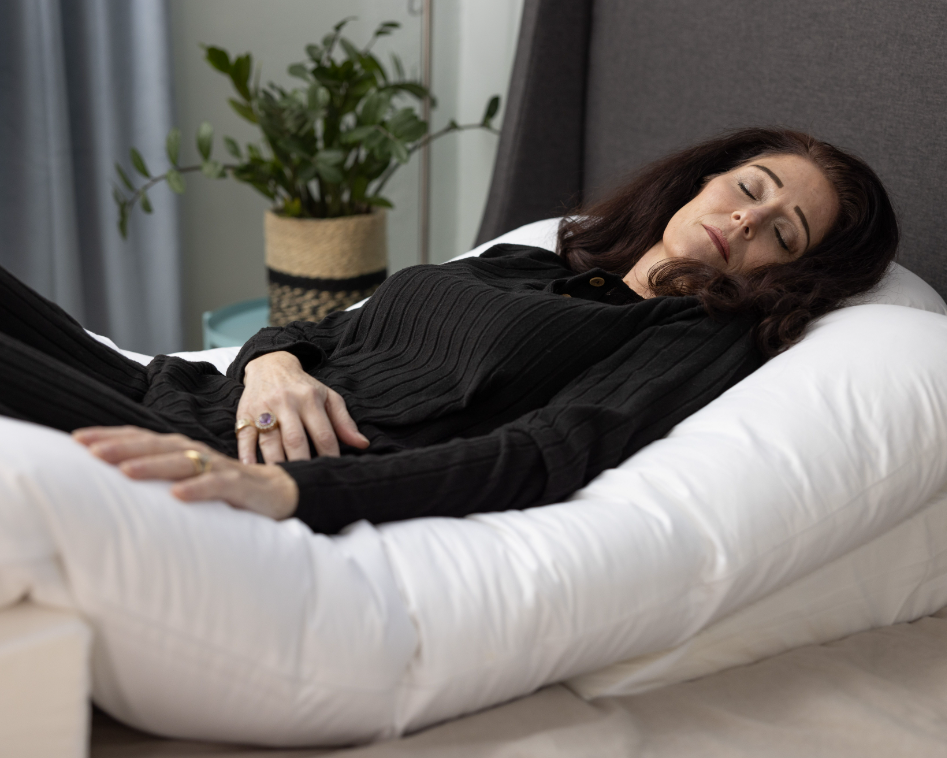
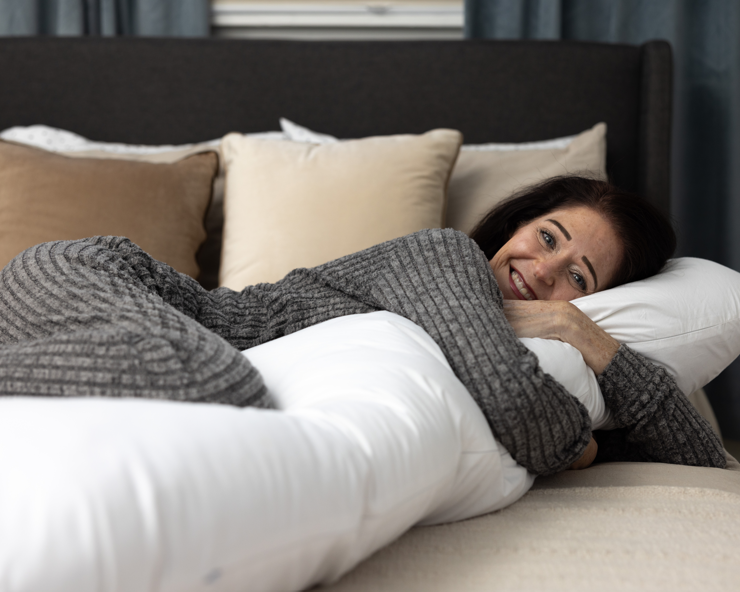
Standard back sleeping is not safe in the first 2-3 weeks after butt implant surgery because it places your body weight directly across the buttocks, where the implant pocket is still forming a stable capsule around the device. However, back sleeping can be achieved safely if your buttocks and hips are fully suspended off the mattress rather than resting on it. The distinction matters: it's not the back position itself that's the problem; it's the pressure that ordinarily comes with it.
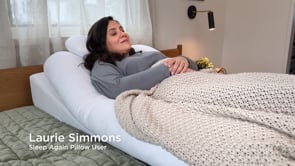
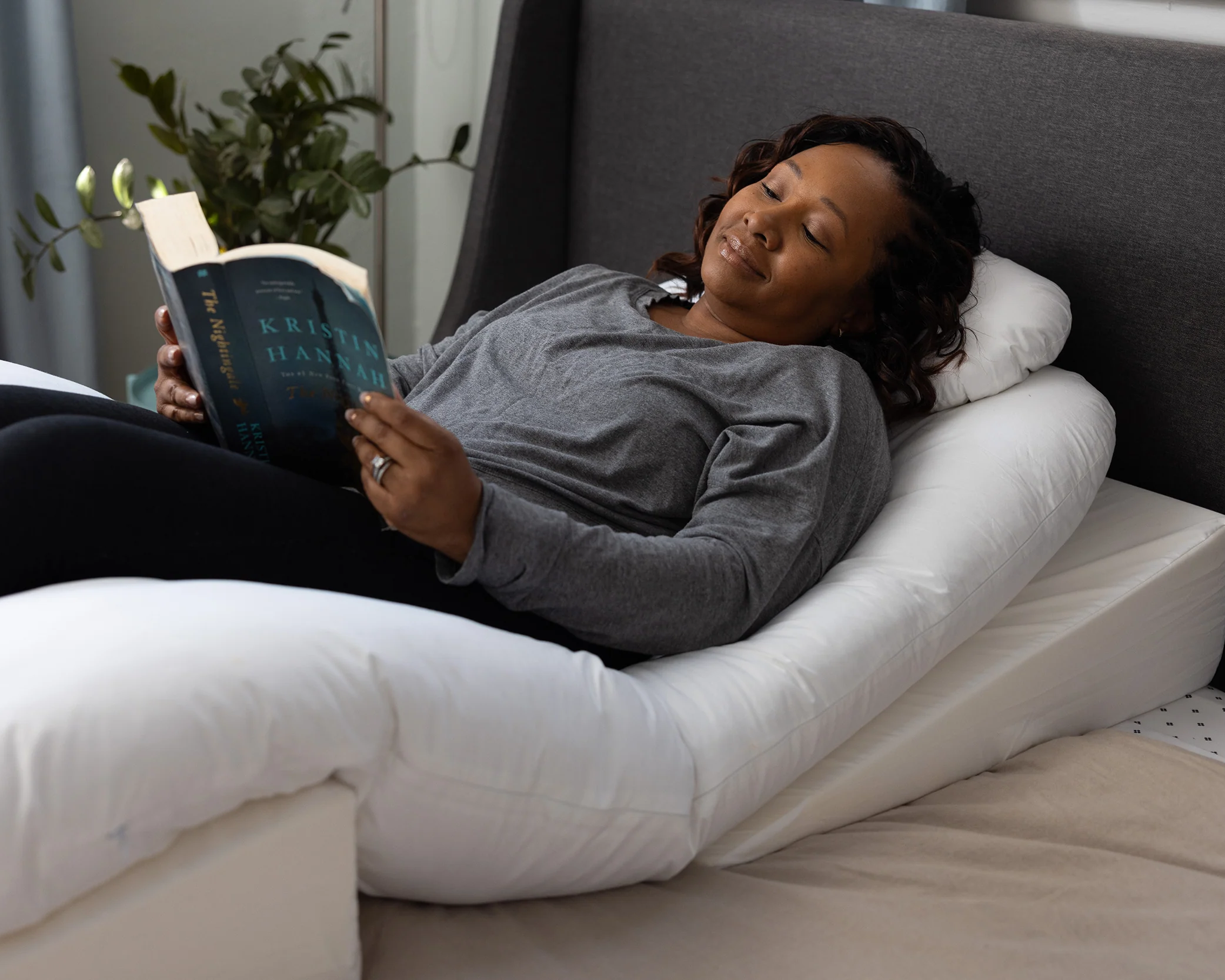
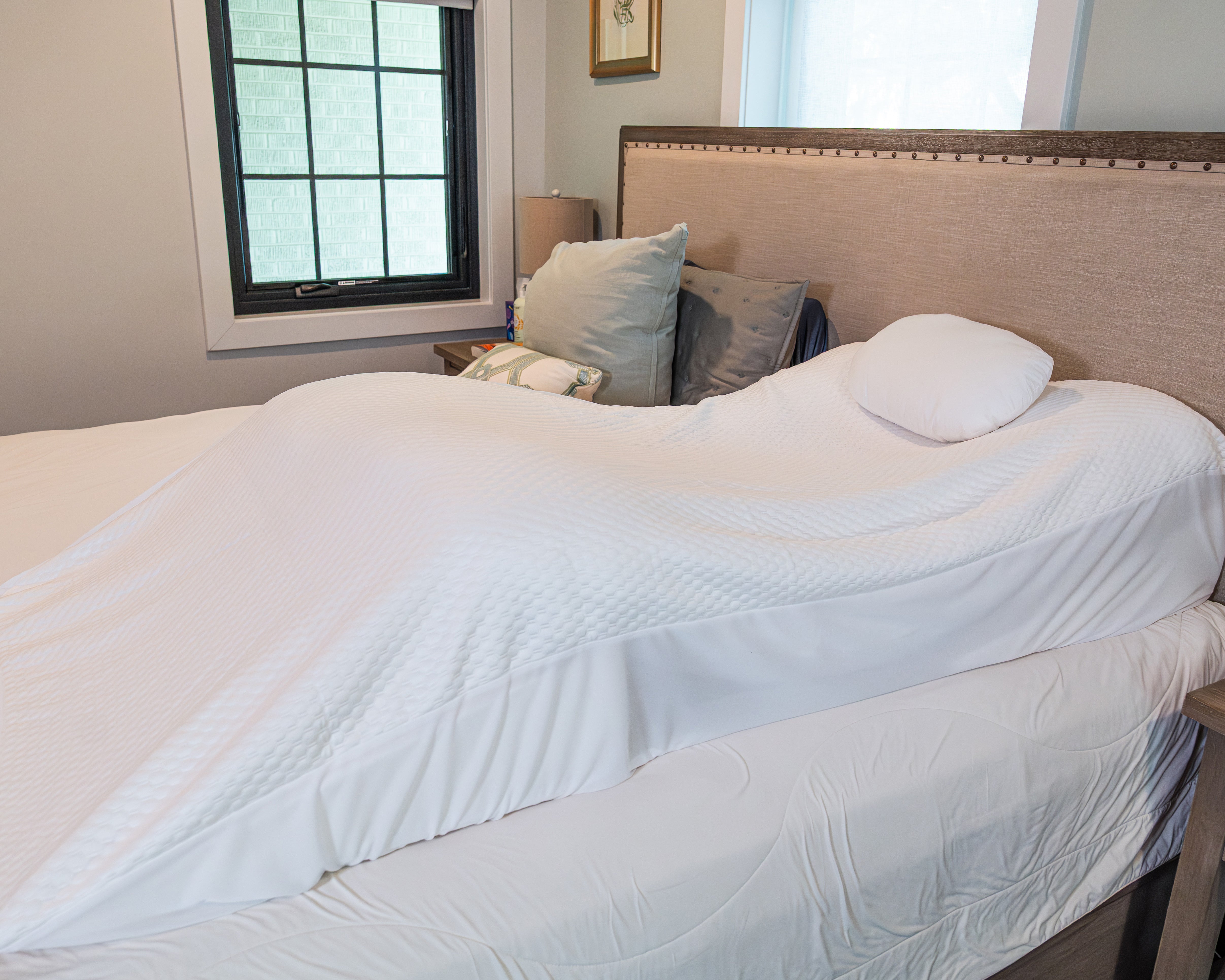
This is why a positioning system with a suspension add-on makes back sleeping possible without that pressure. A wedge configuration that lifts and suspends the lower body means you can lie in a back position for hours without your buttocks ever bearing weight against the mattress. Surgeons still set the terms for when and how you use any positioning support, so confirm your specific setup with your surgical team, but the option itself now exists in a way it didn't before.
How Do You Achieve Safe Back Sleeping After Butt Implant Surgery?
Achieving safe back sleeping means eliminating buttock contact with the mattress entirely, not simply elevating your legs while your buttocks still bear weight. A standard elevated back position, knees and ankles raised on pillows, still applies pressure across both buttocks even though it shifts some weight toward the heels and mid-back. That's a meaningful improvement over flat back sleeping, but it isn't the same as full suspension.
What full suspension requires:
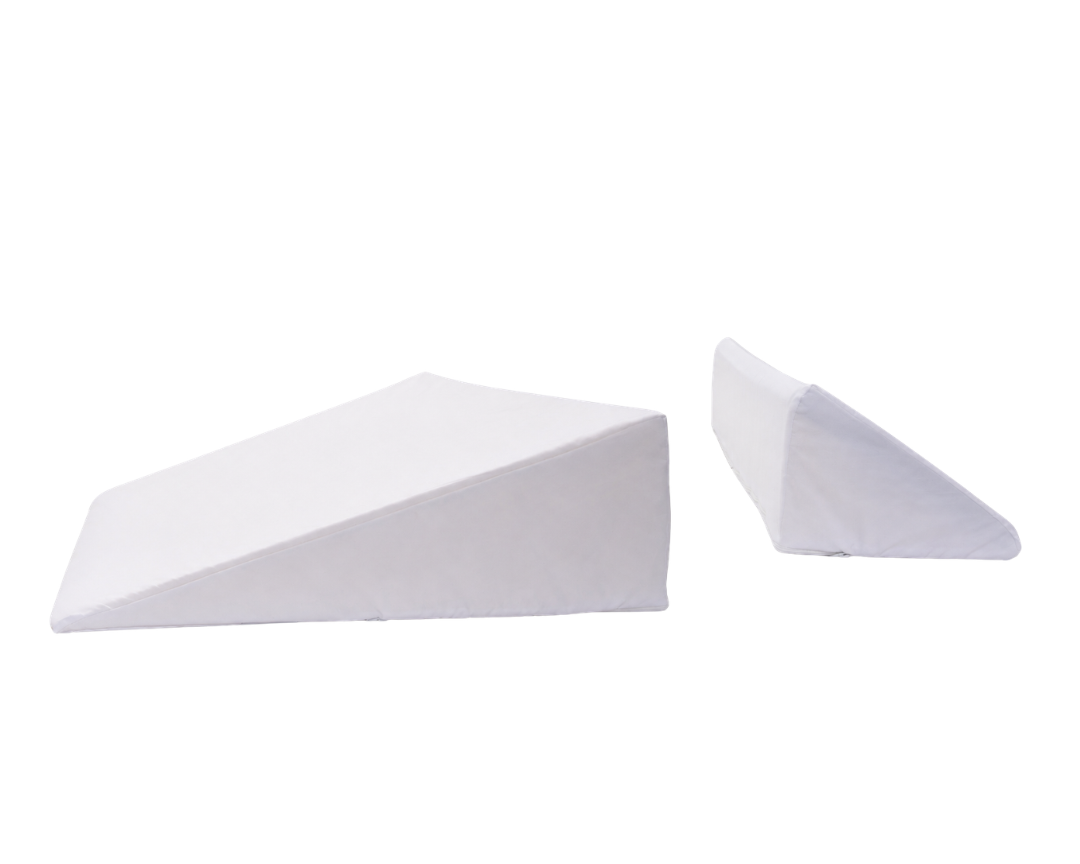
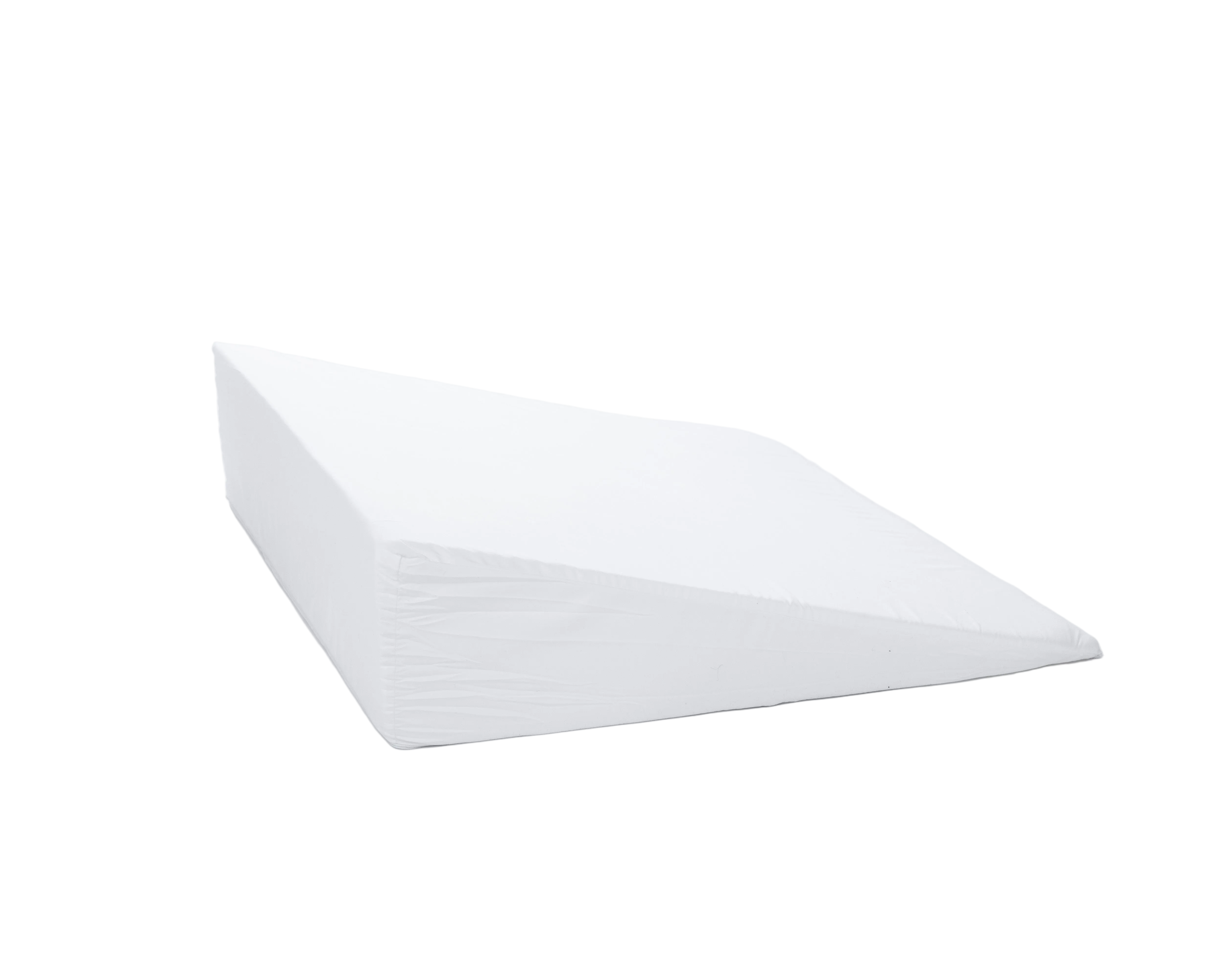
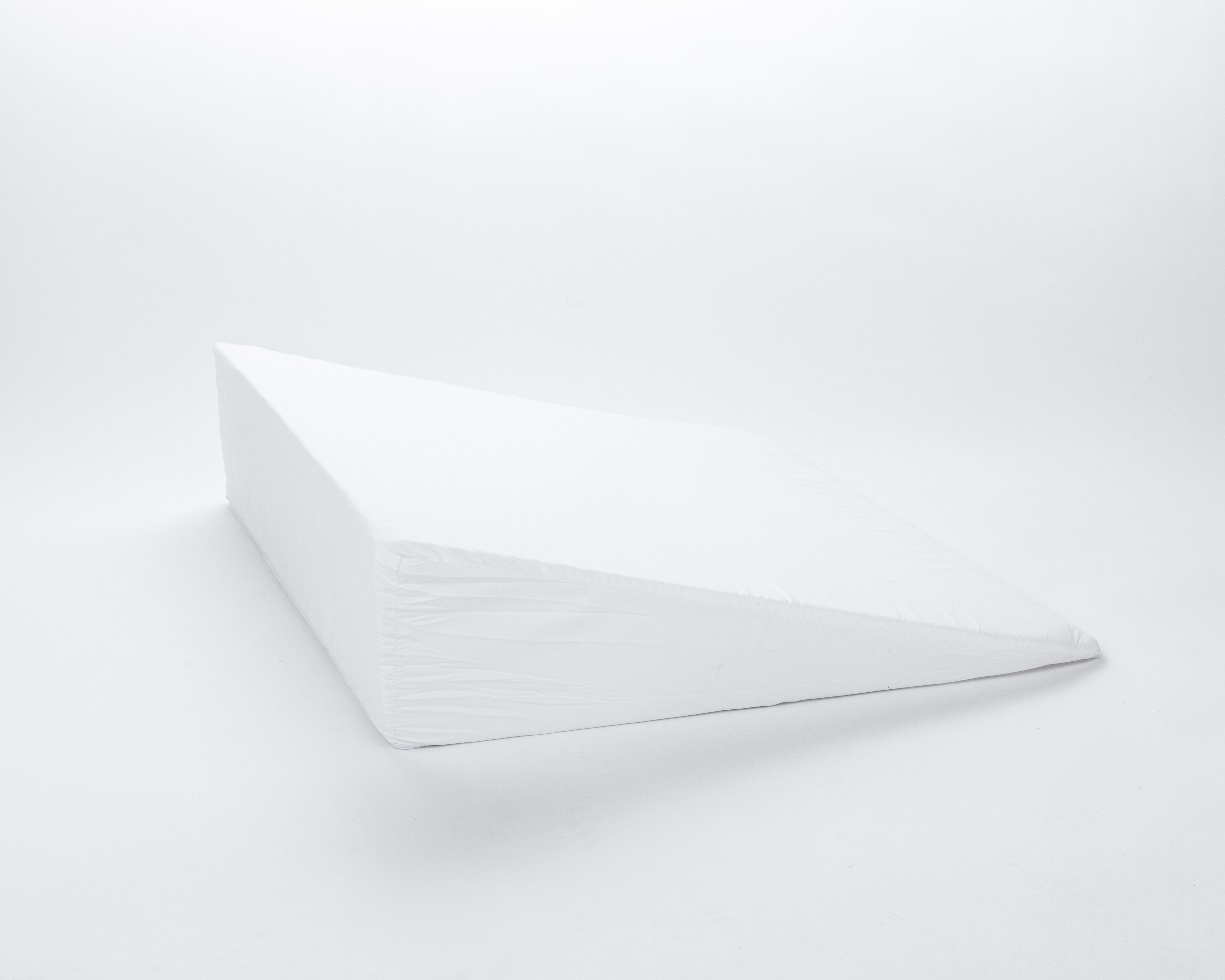
A wedge under the knees built specifically to elevate the lower buttocks off the mattress, not just the legs
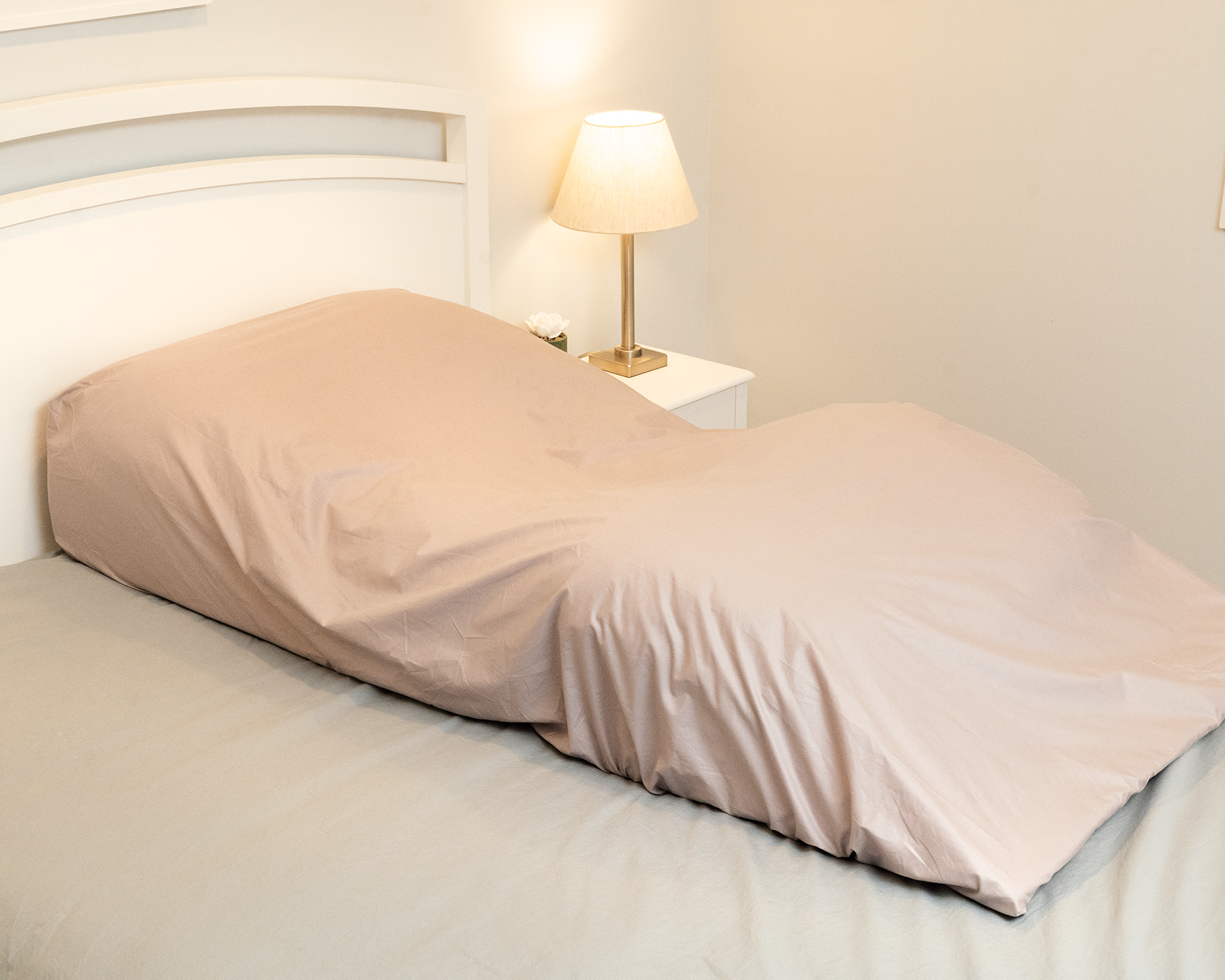
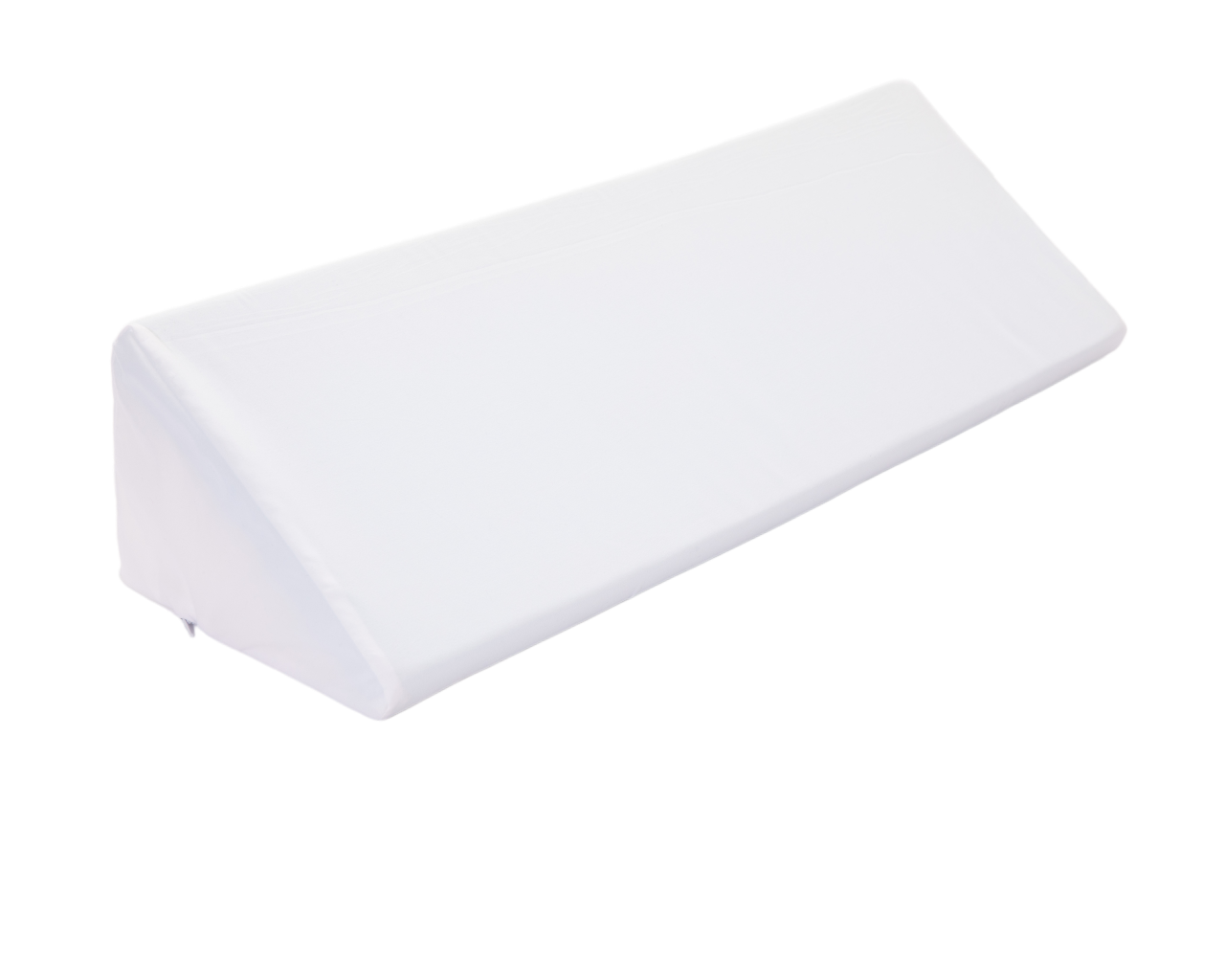
A separate wedge positioned to lift the upper buttocks and hips clear of the mattress surface
Enough width in both wedges to keep you centered through normal overnight movement, so you don't drift off the suspended zone
Firm, non-compressing construction, since a wedge that flattens under sustained weight stops suspending anything within the first hour
A setup built to these requirements exists, and it was originally developed for BBL recovery, where fat graft protection creates the same buttock-pressure restriction implant patients face. The suspension mechanism isn't specific to the reason pressure needs to be avoided, only to removing it, which is why it works identically for both procedures.

The Sleep Again Pillows System + BBL Add On Set: How It Works for Butt Implant Recovery
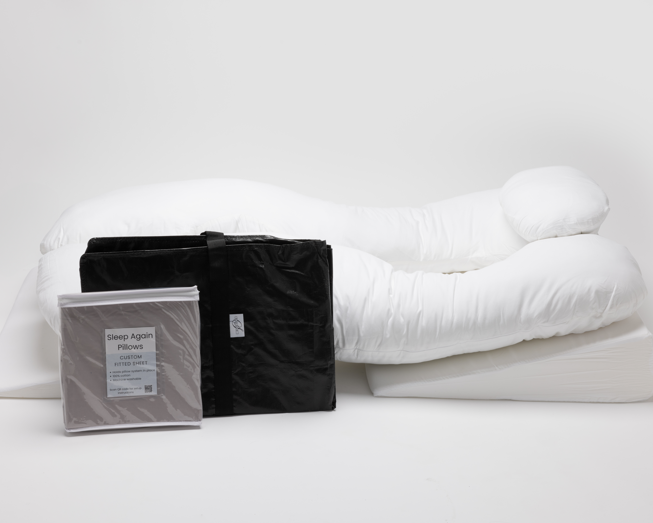
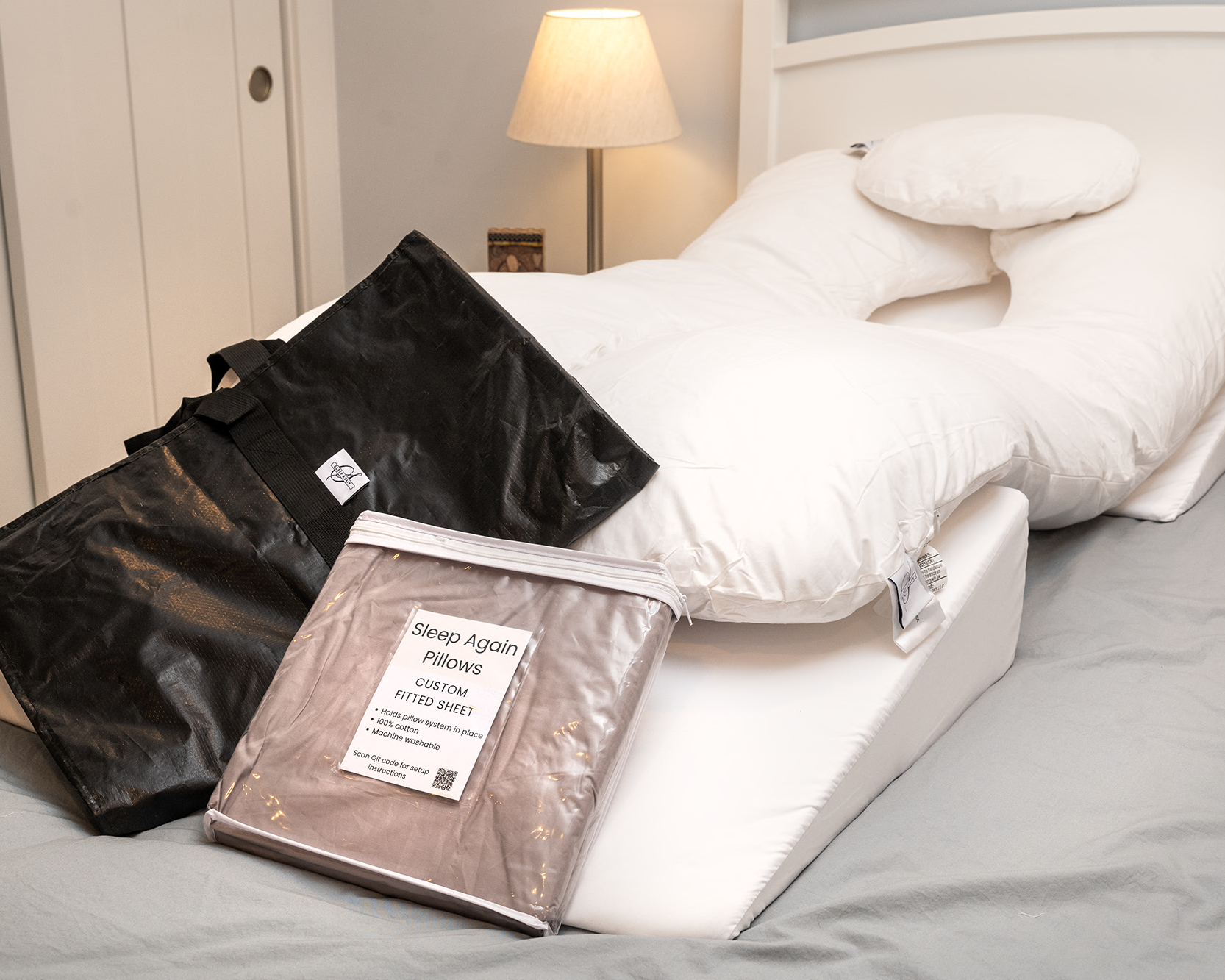
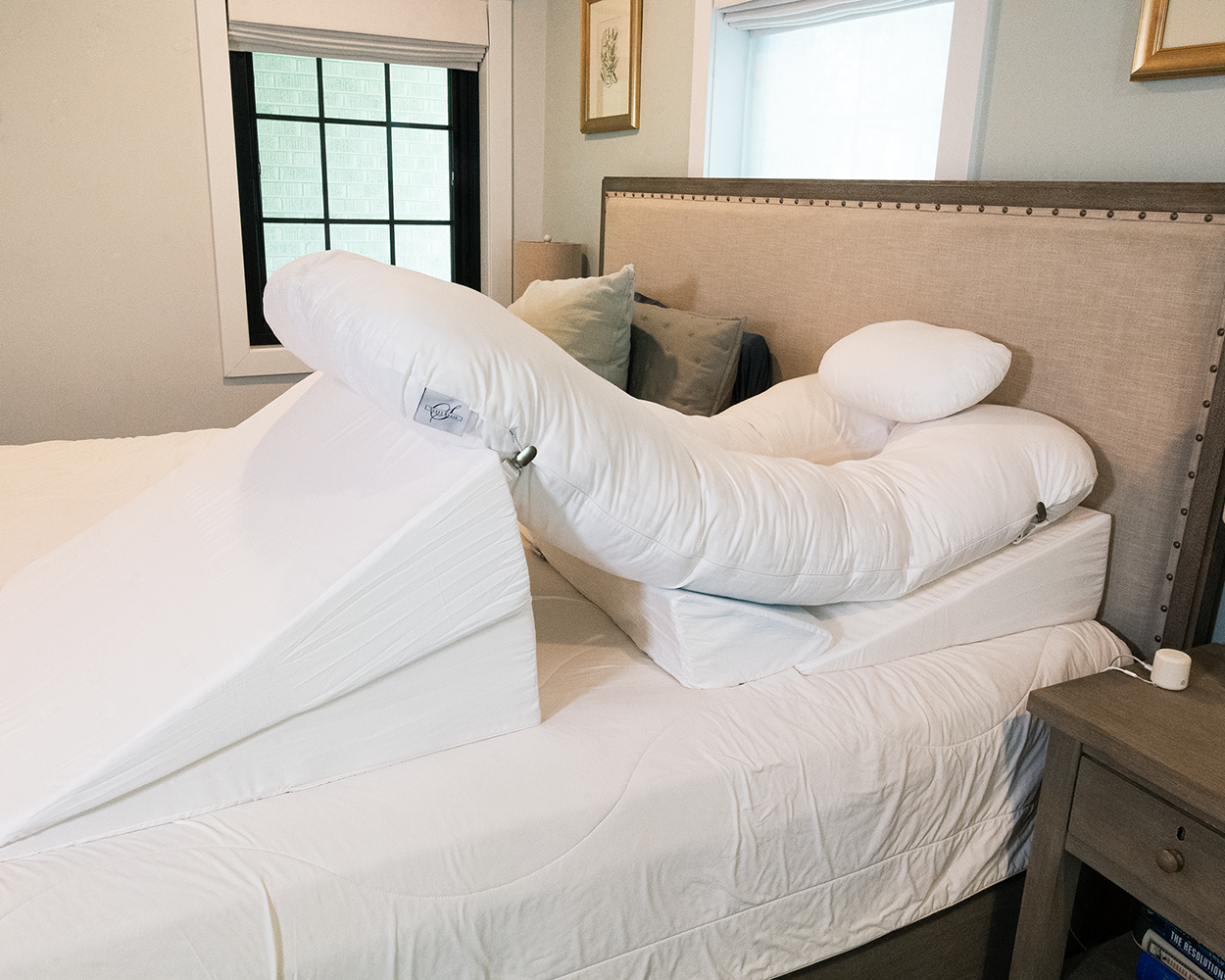
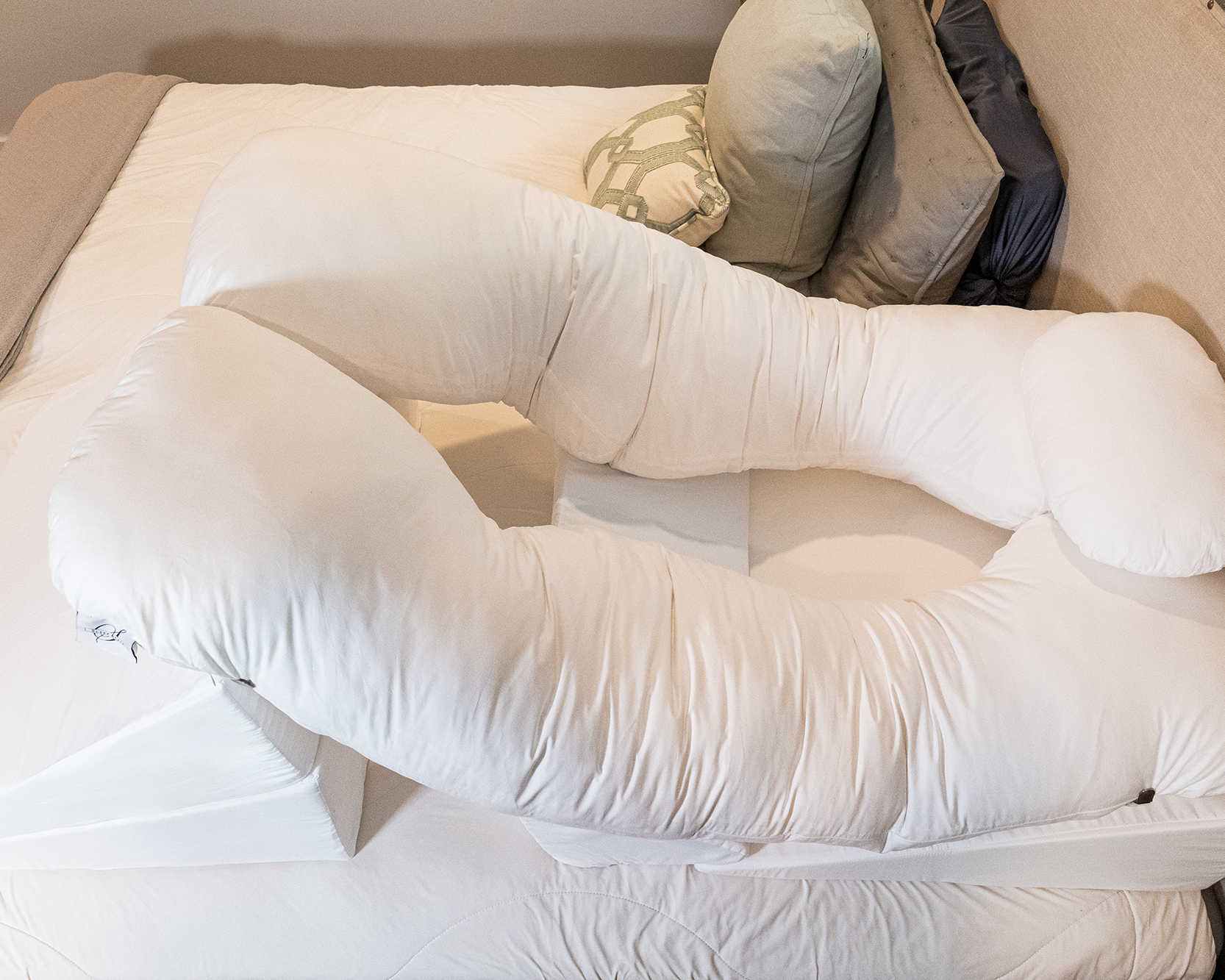
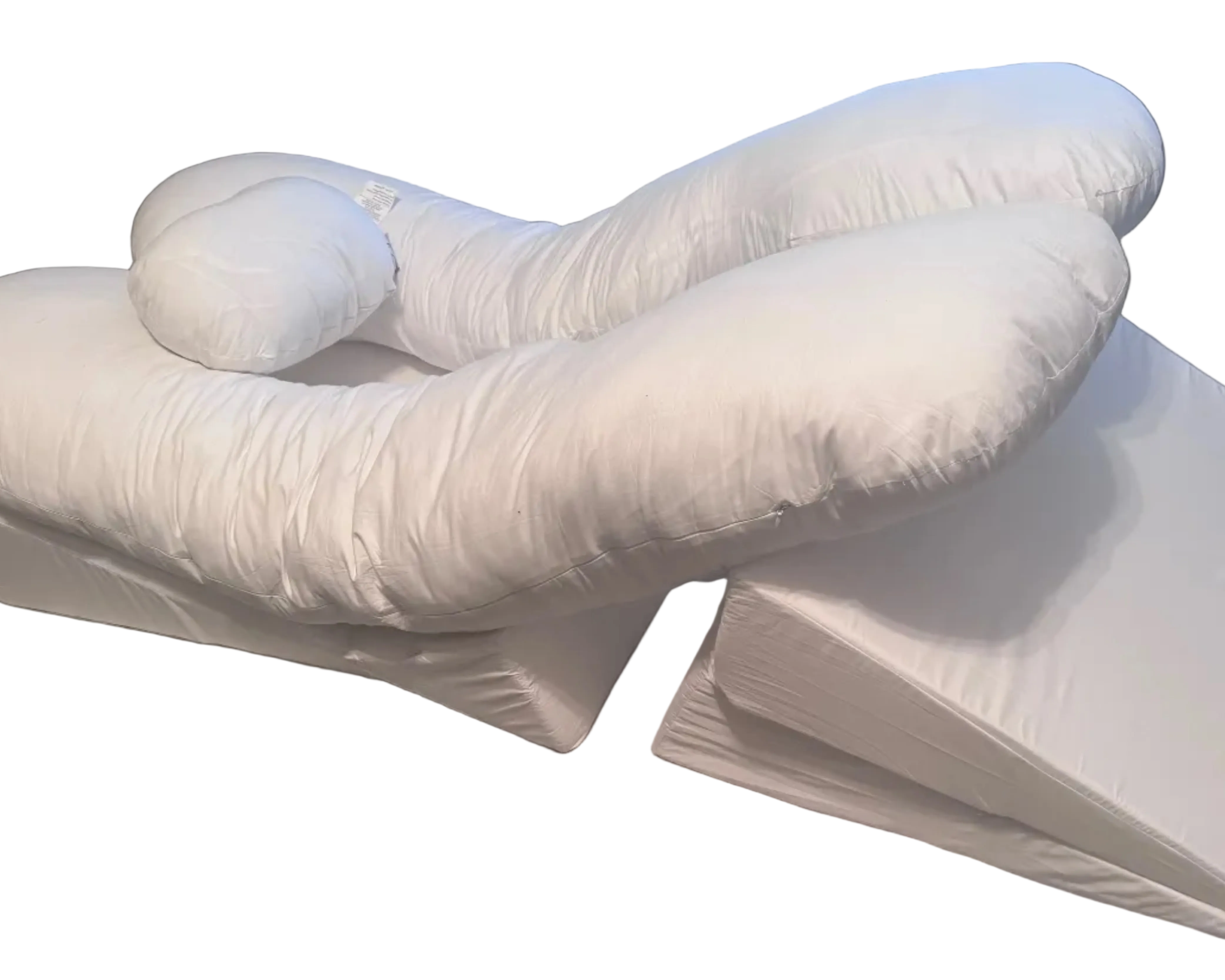
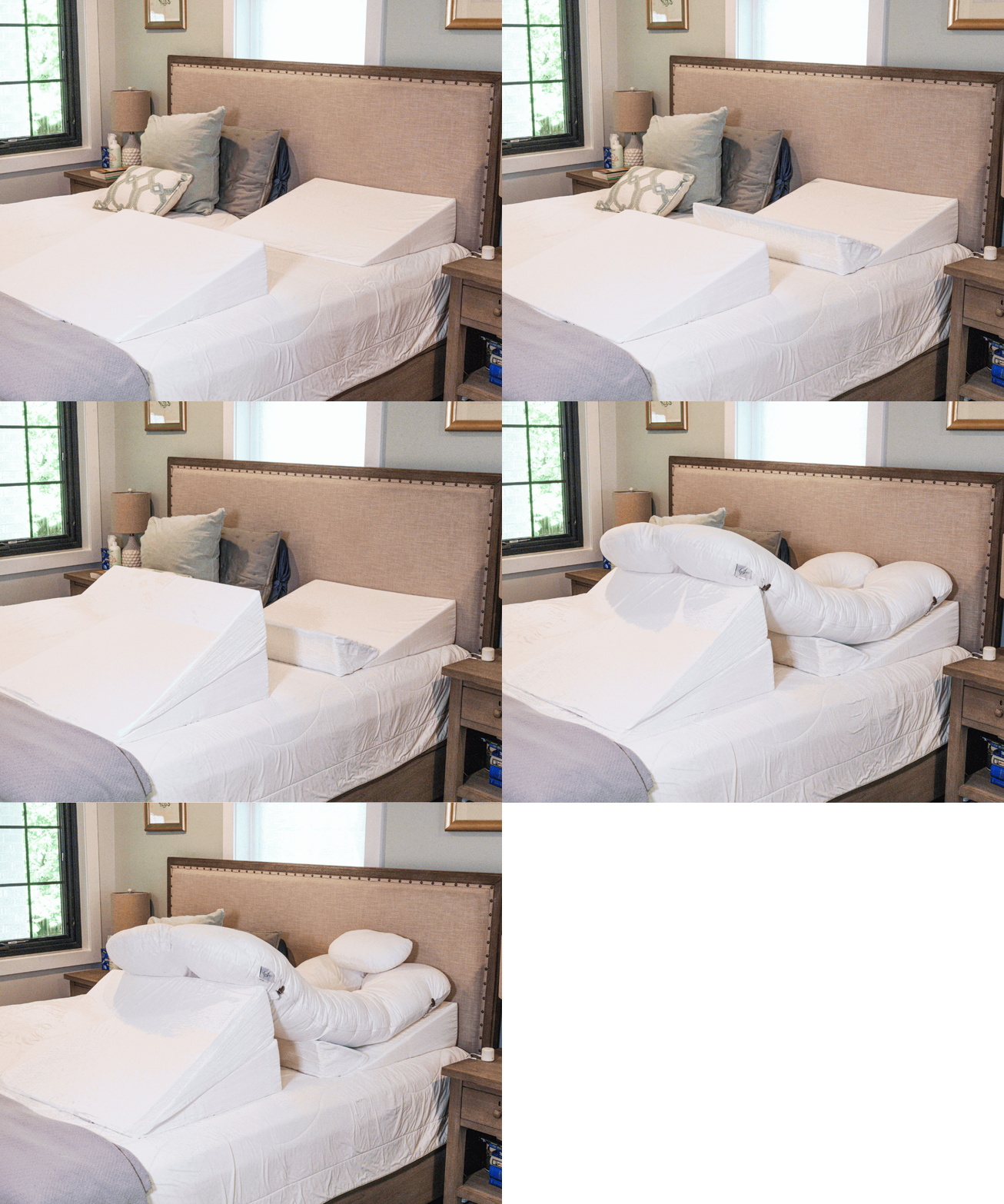
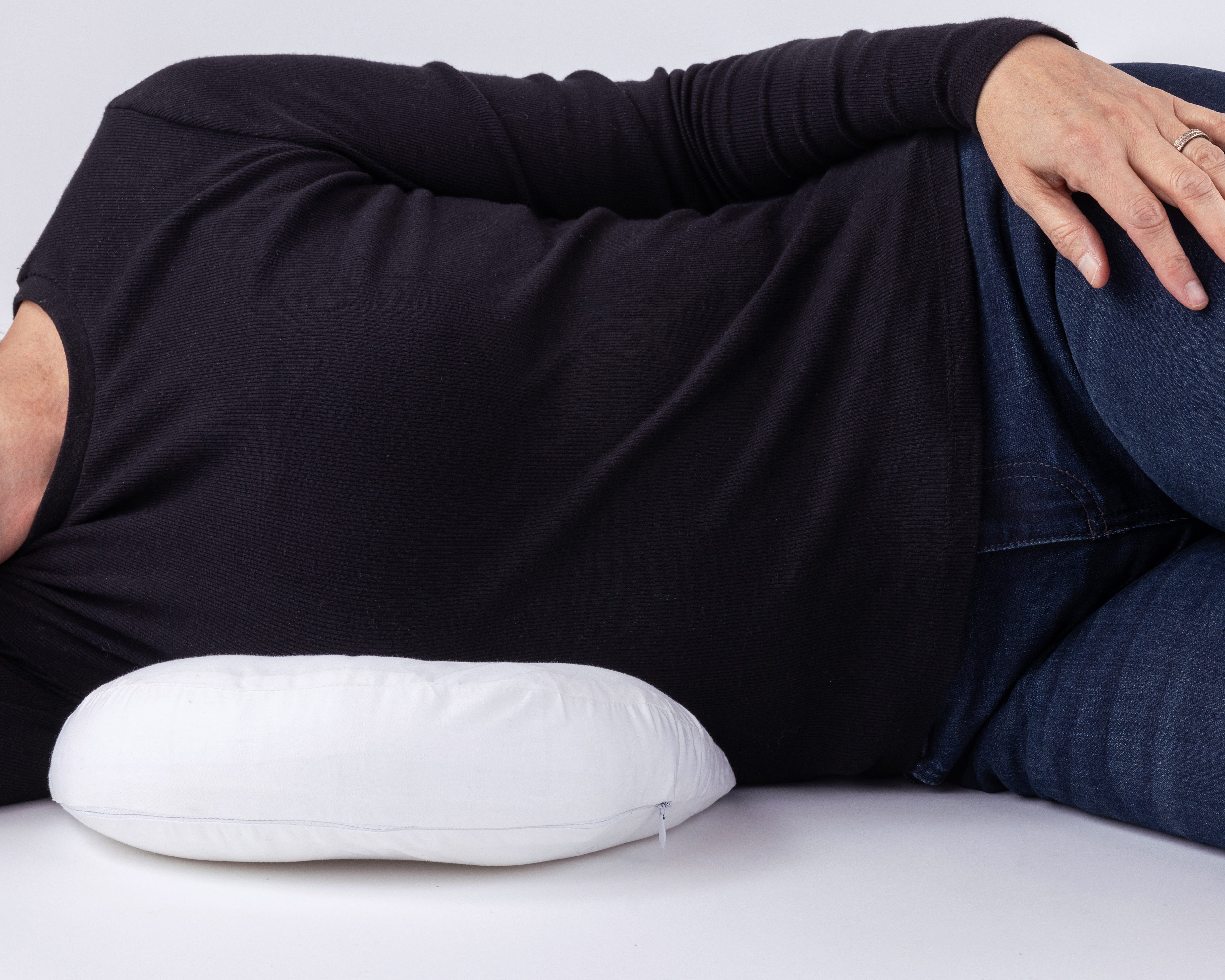
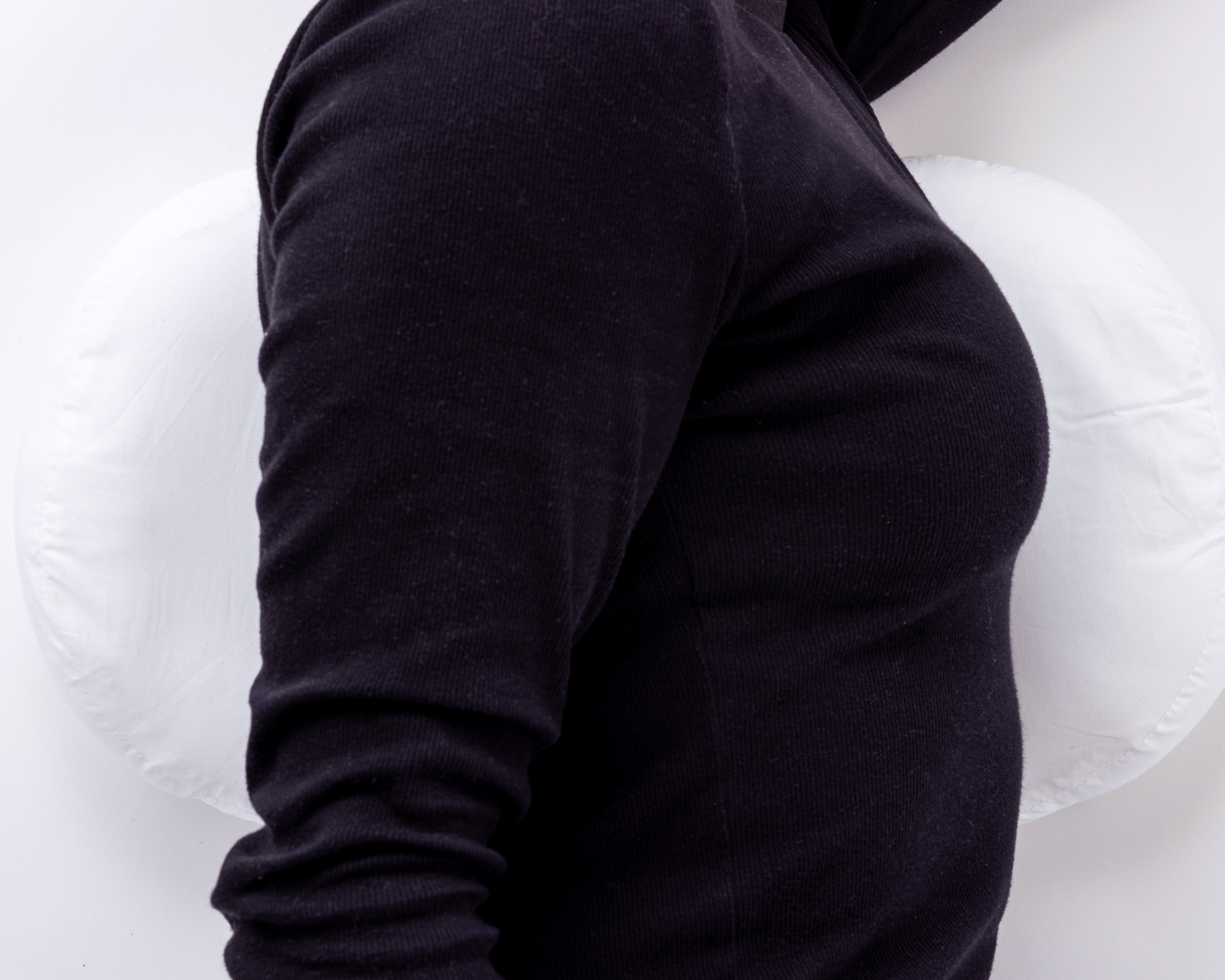
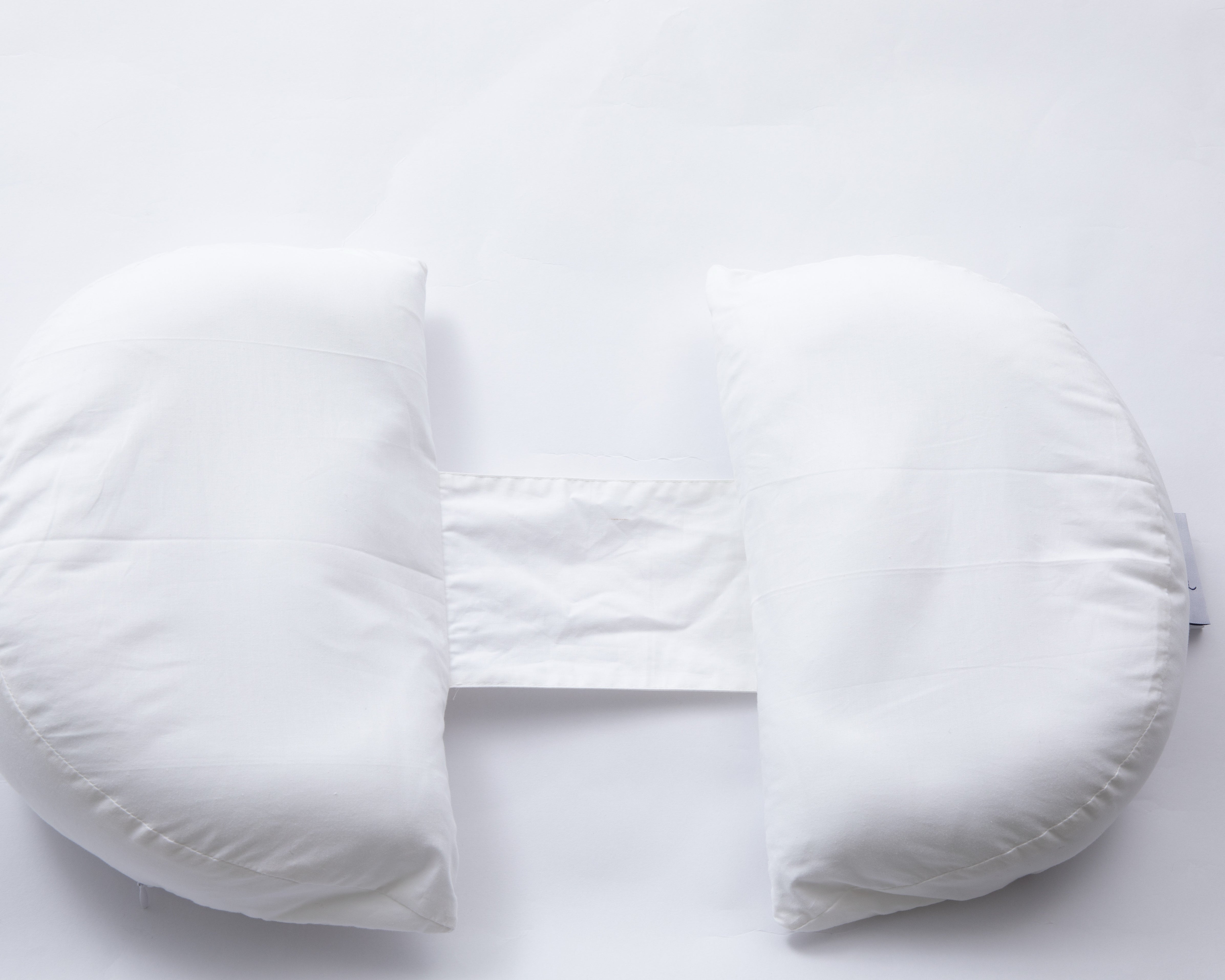
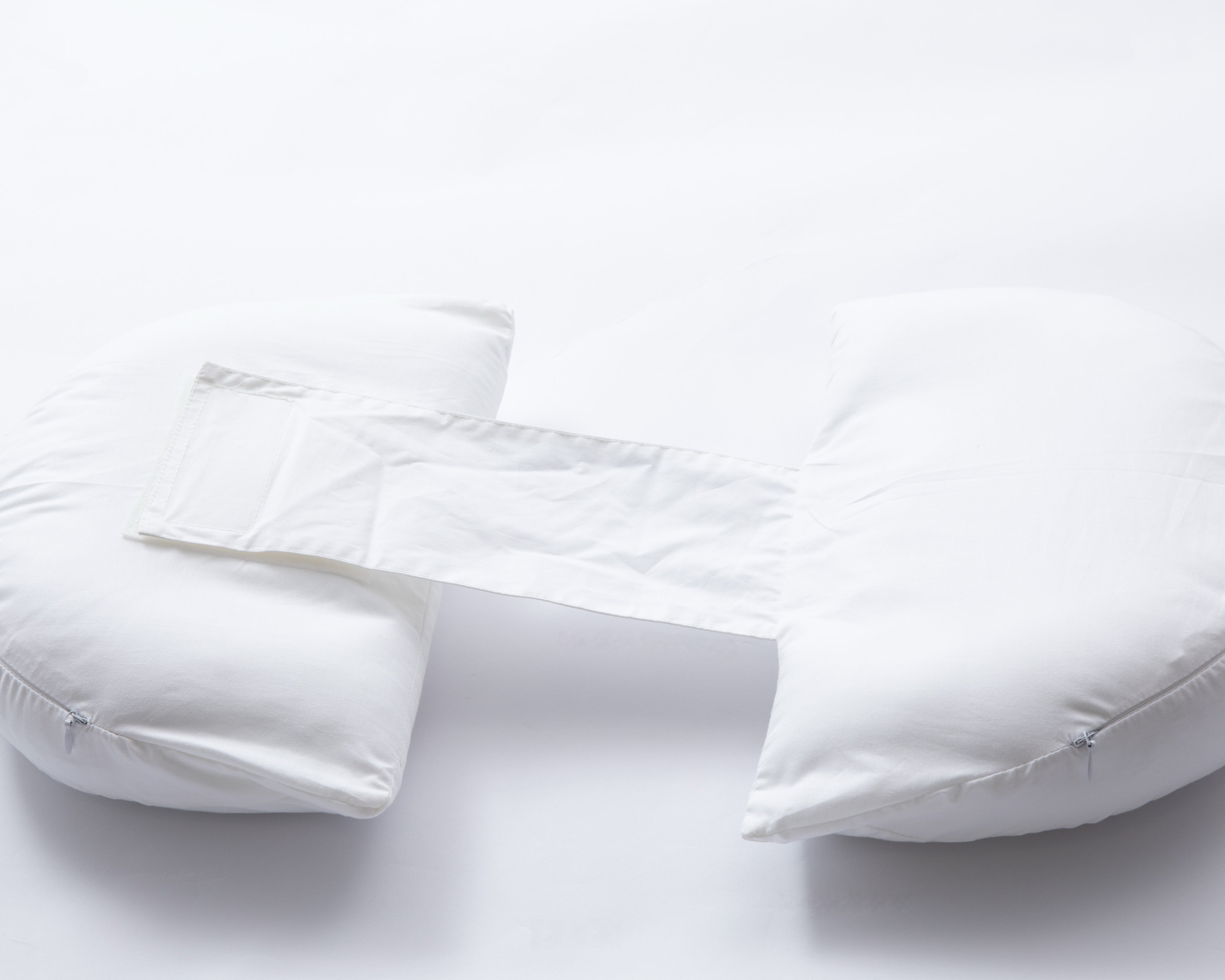
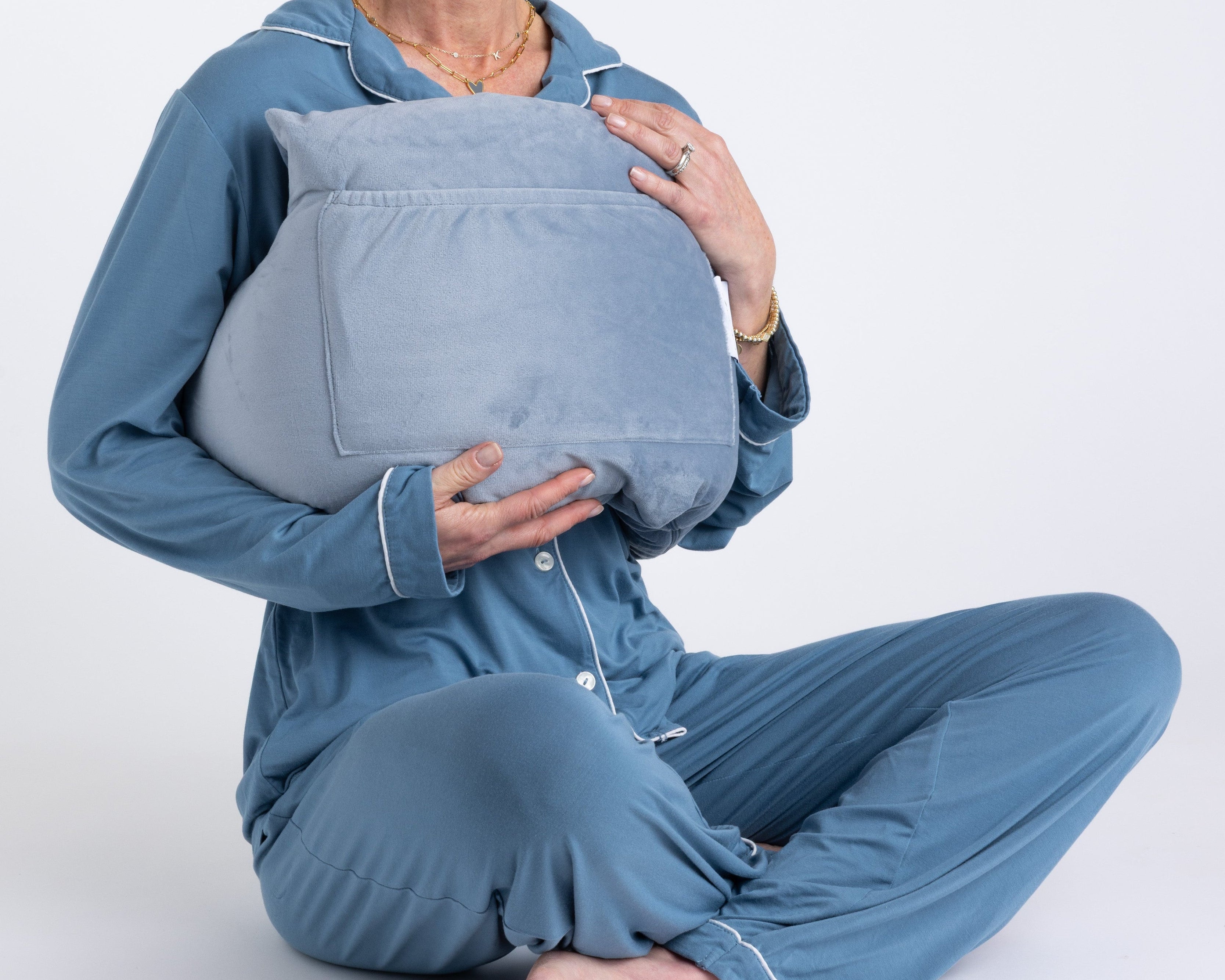
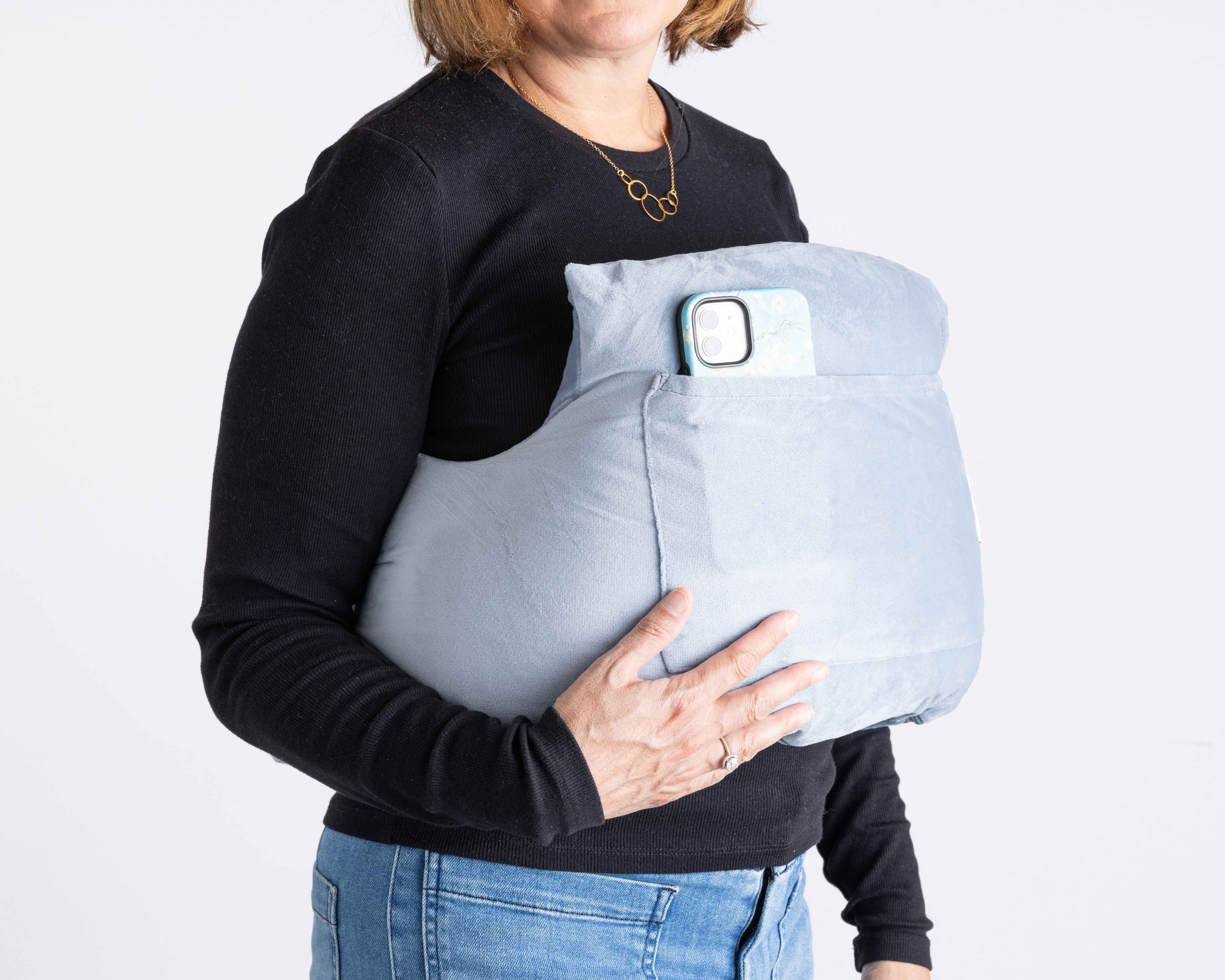
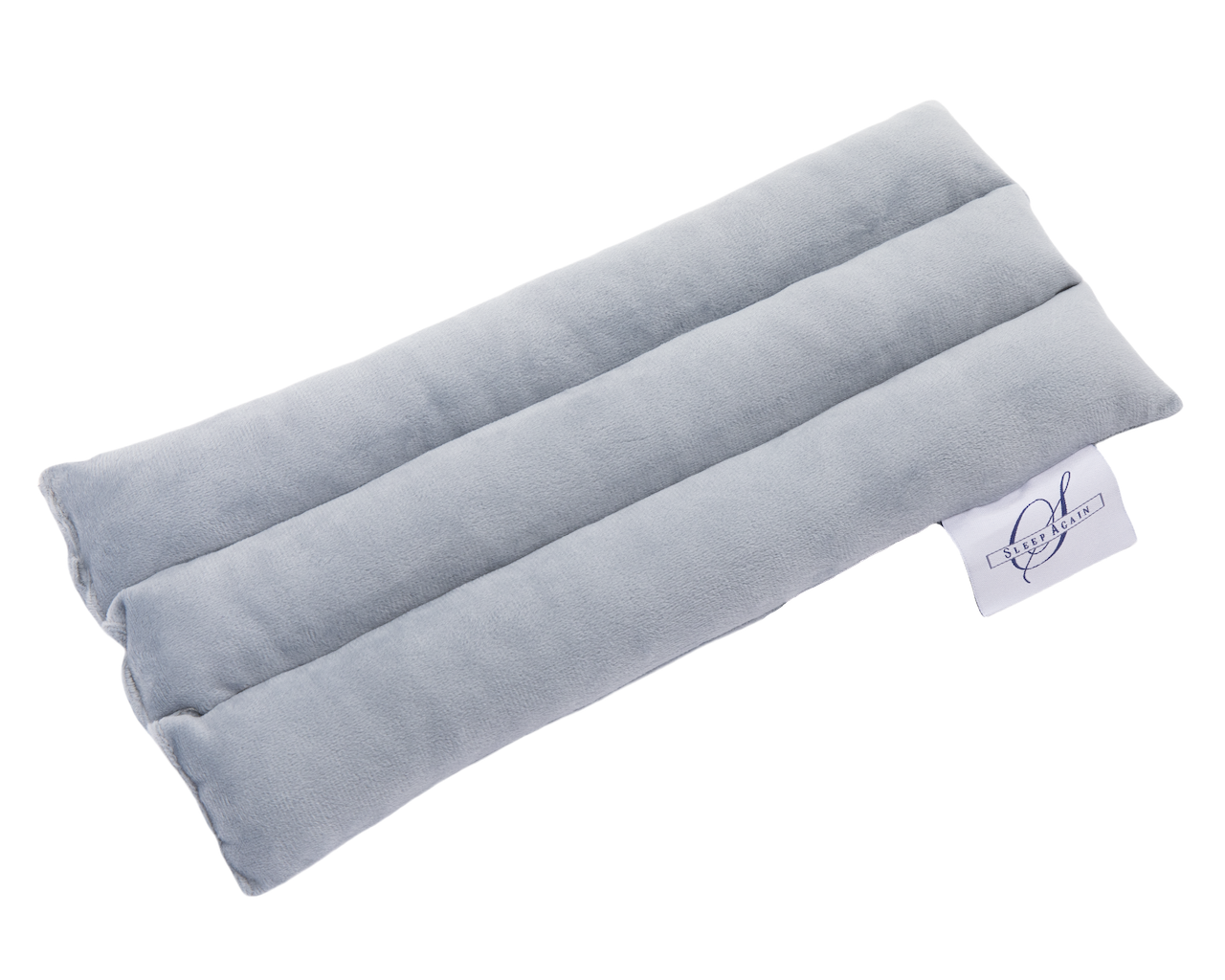
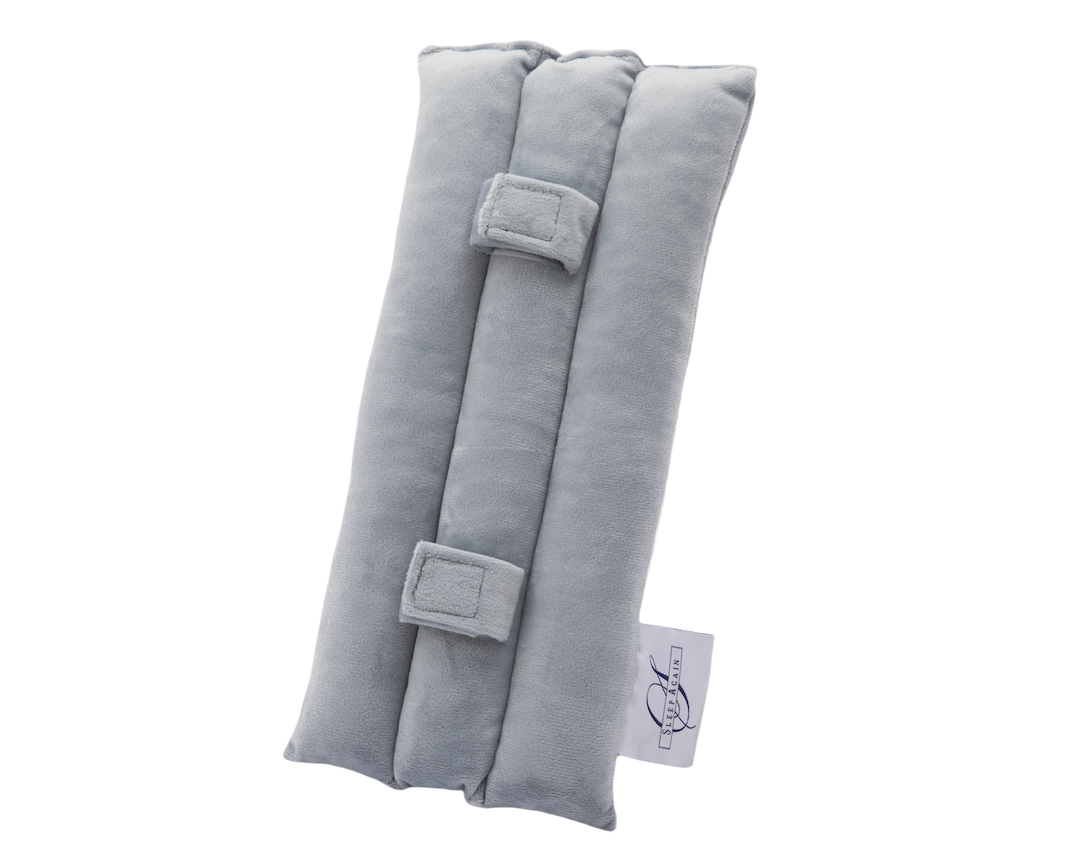
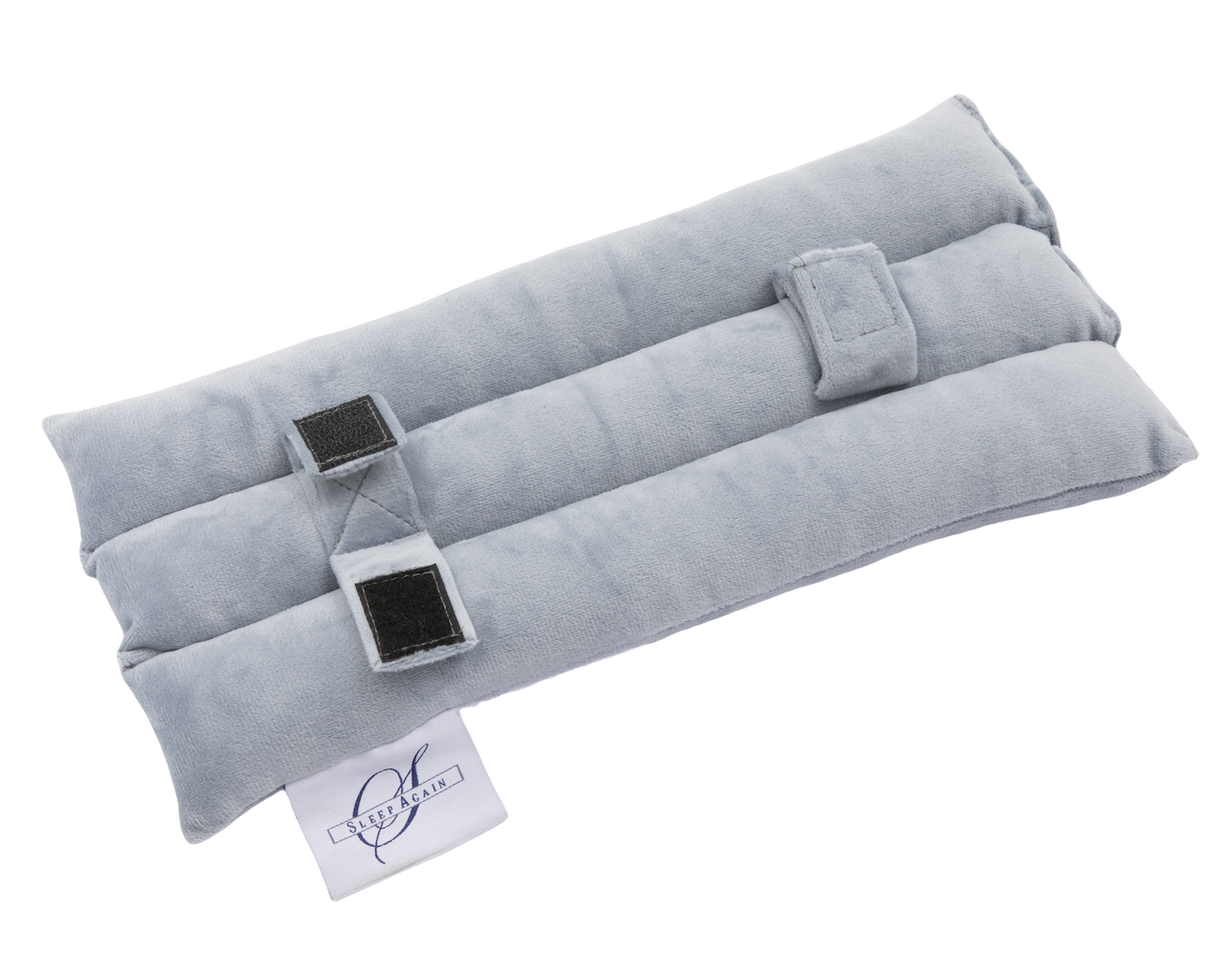
The Sleep Again Pillow System + BBL Add On Set is what makes supported back sleeping possible without pressure reaching the implant pocket.
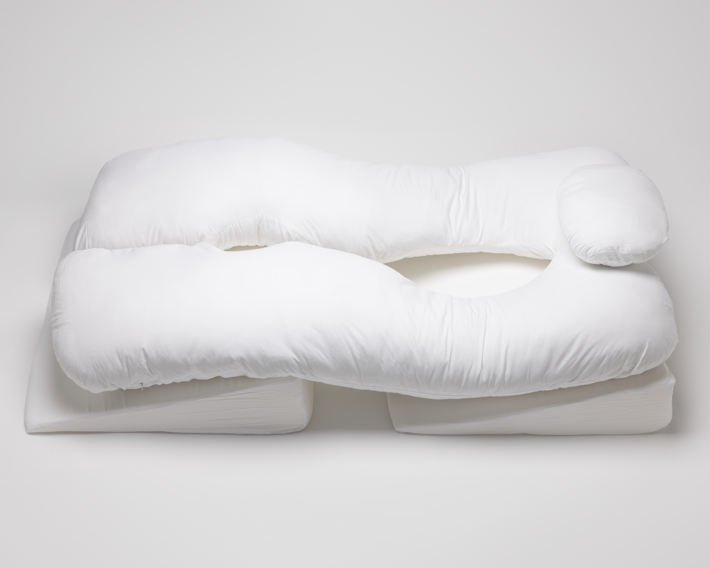
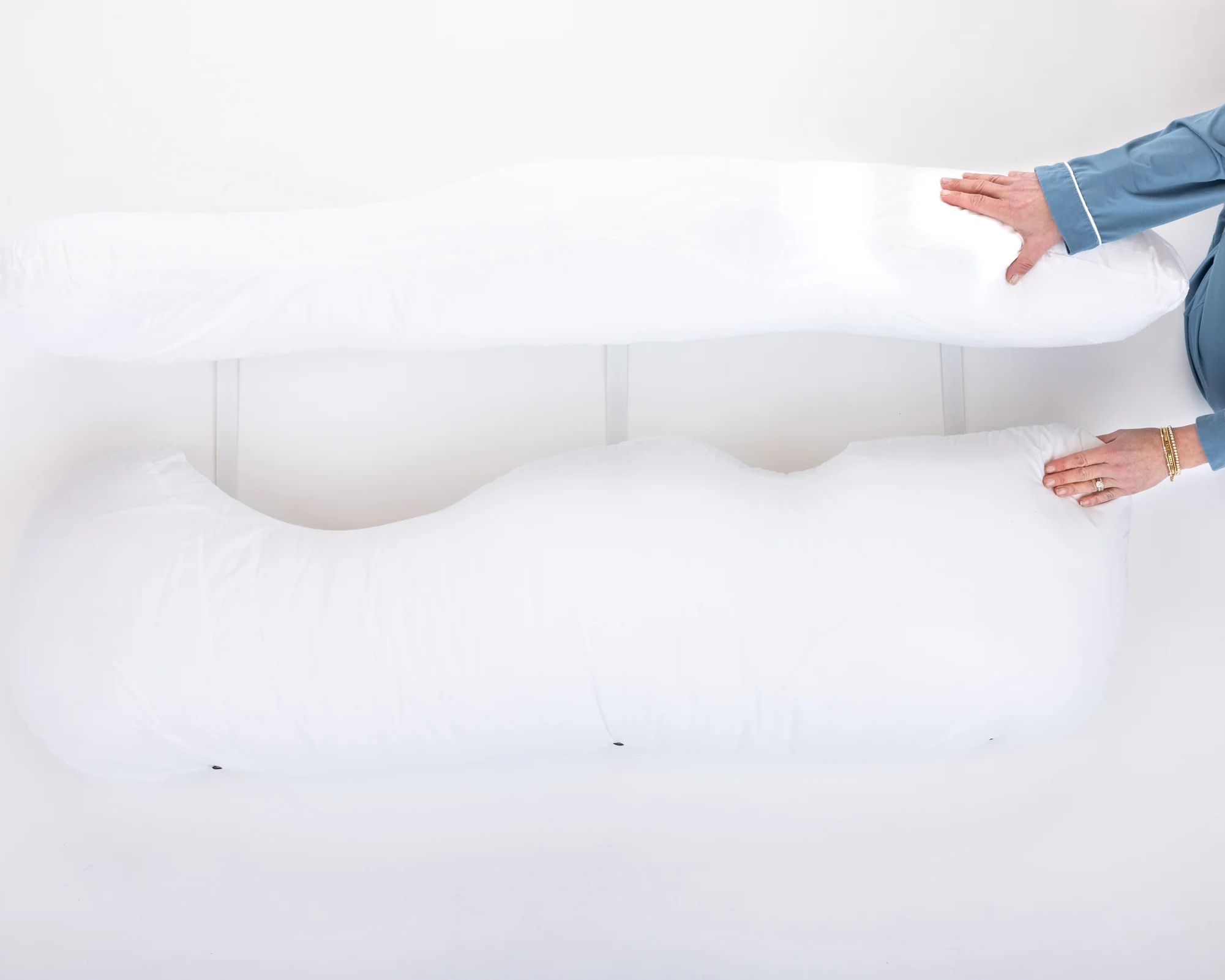
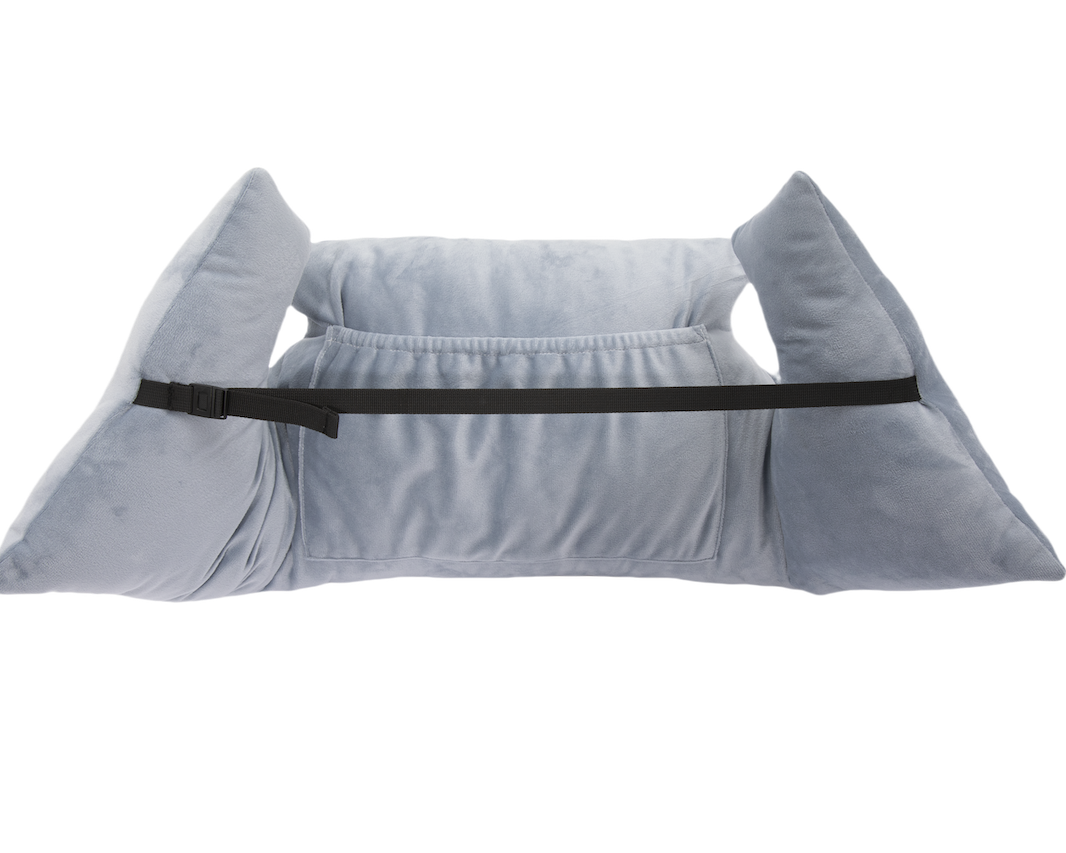
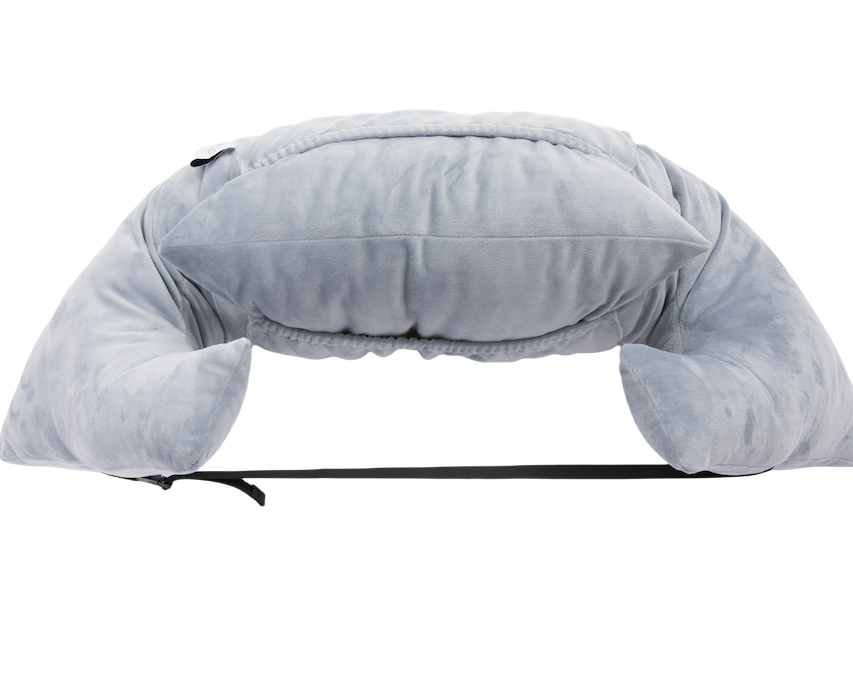
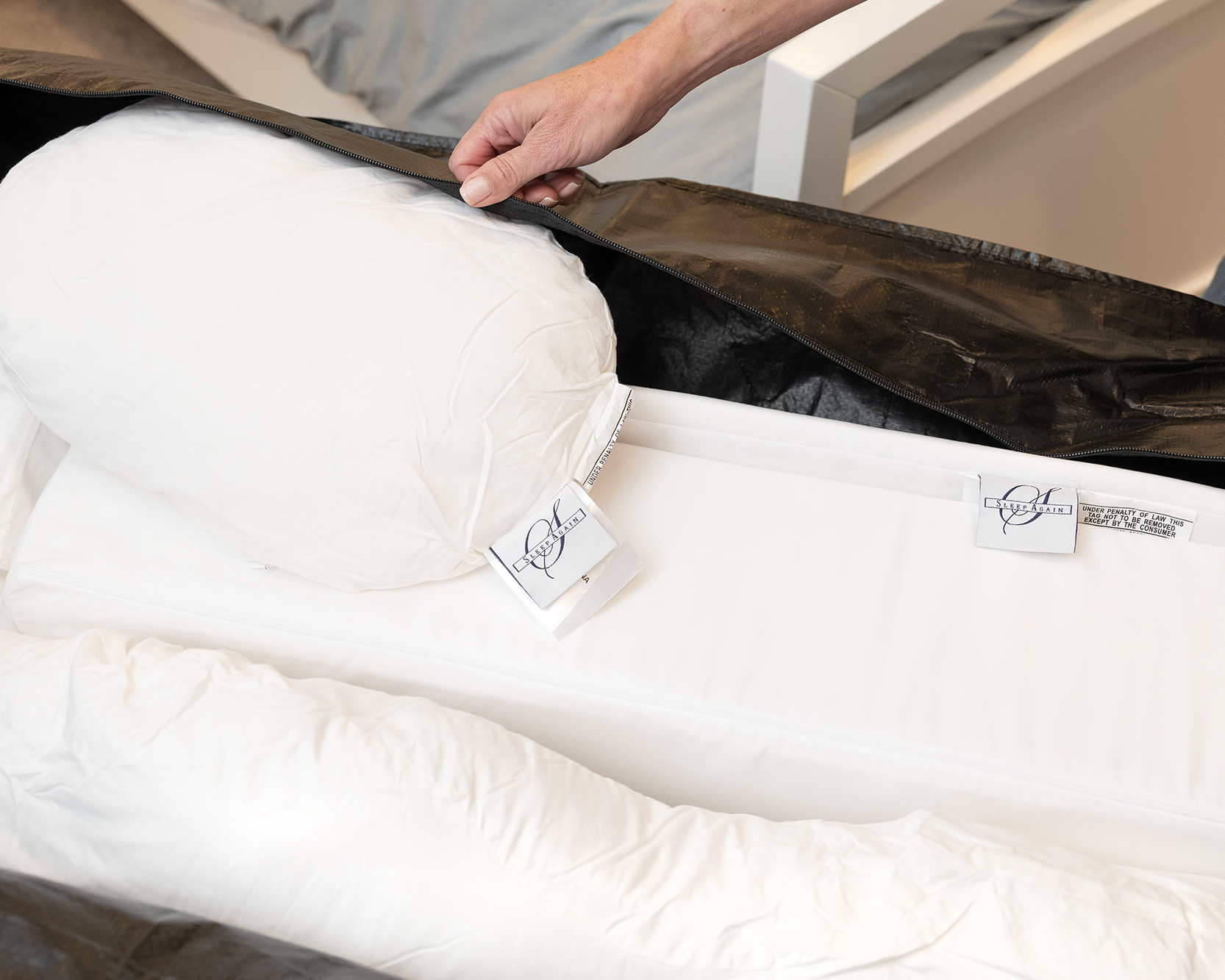
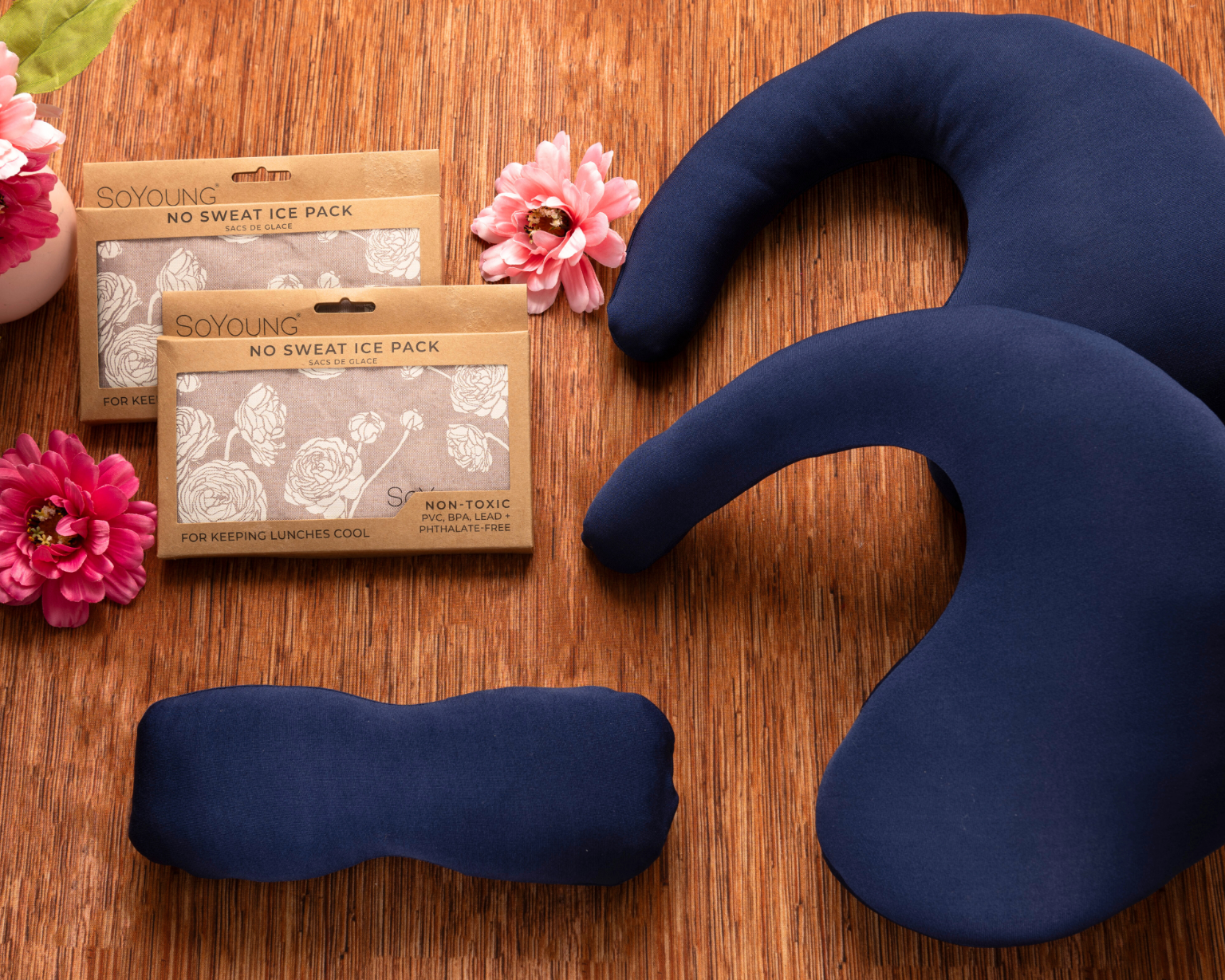
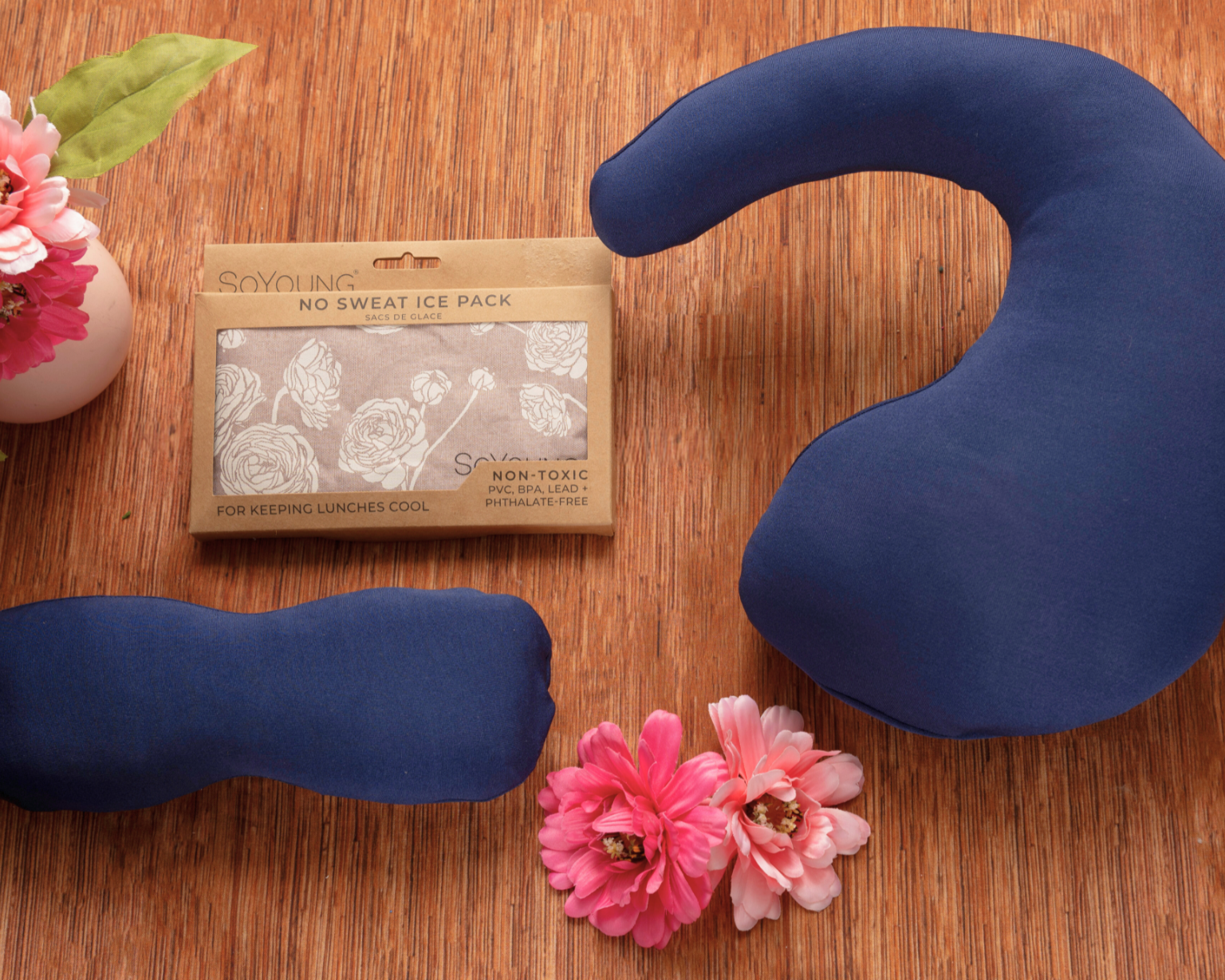
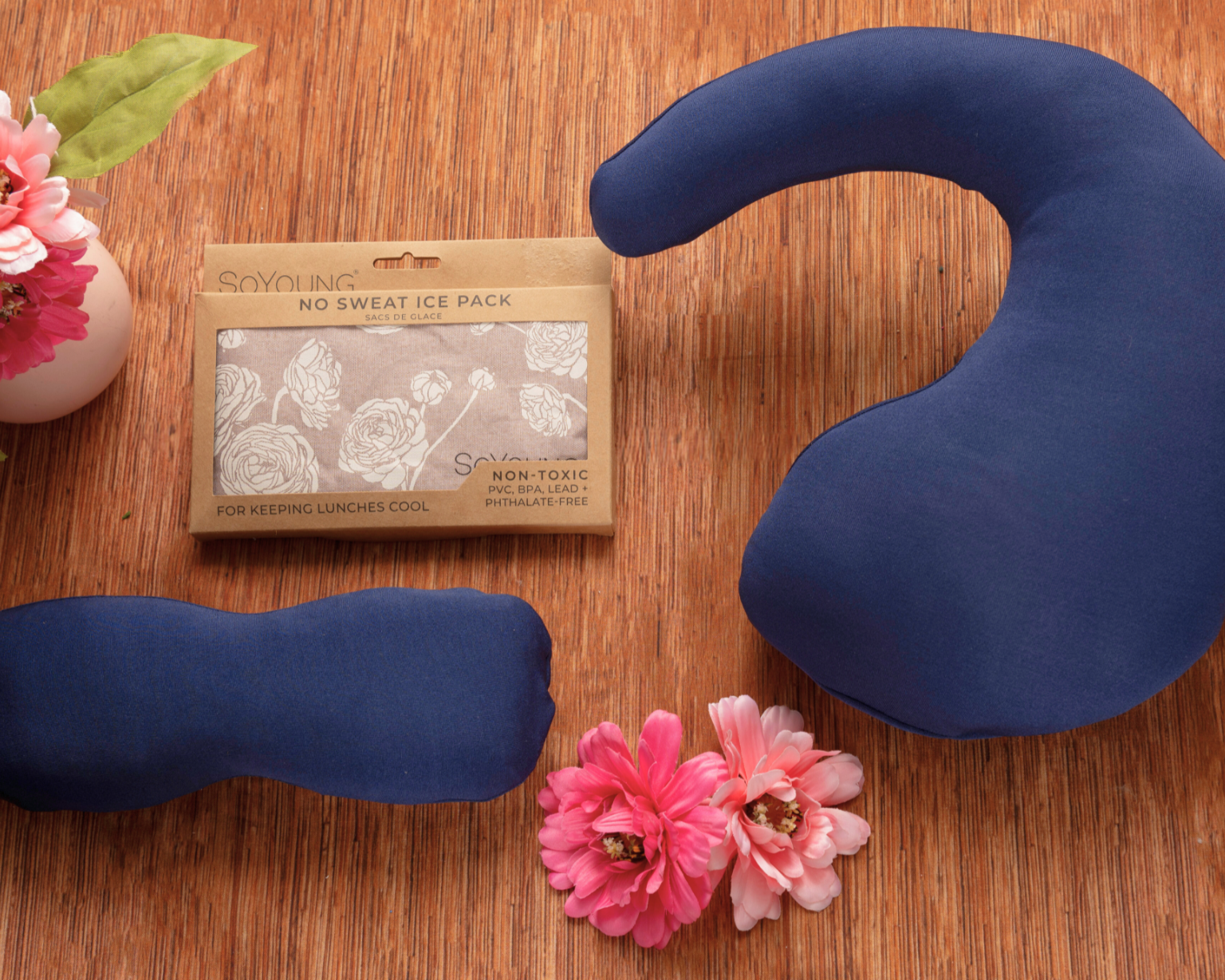
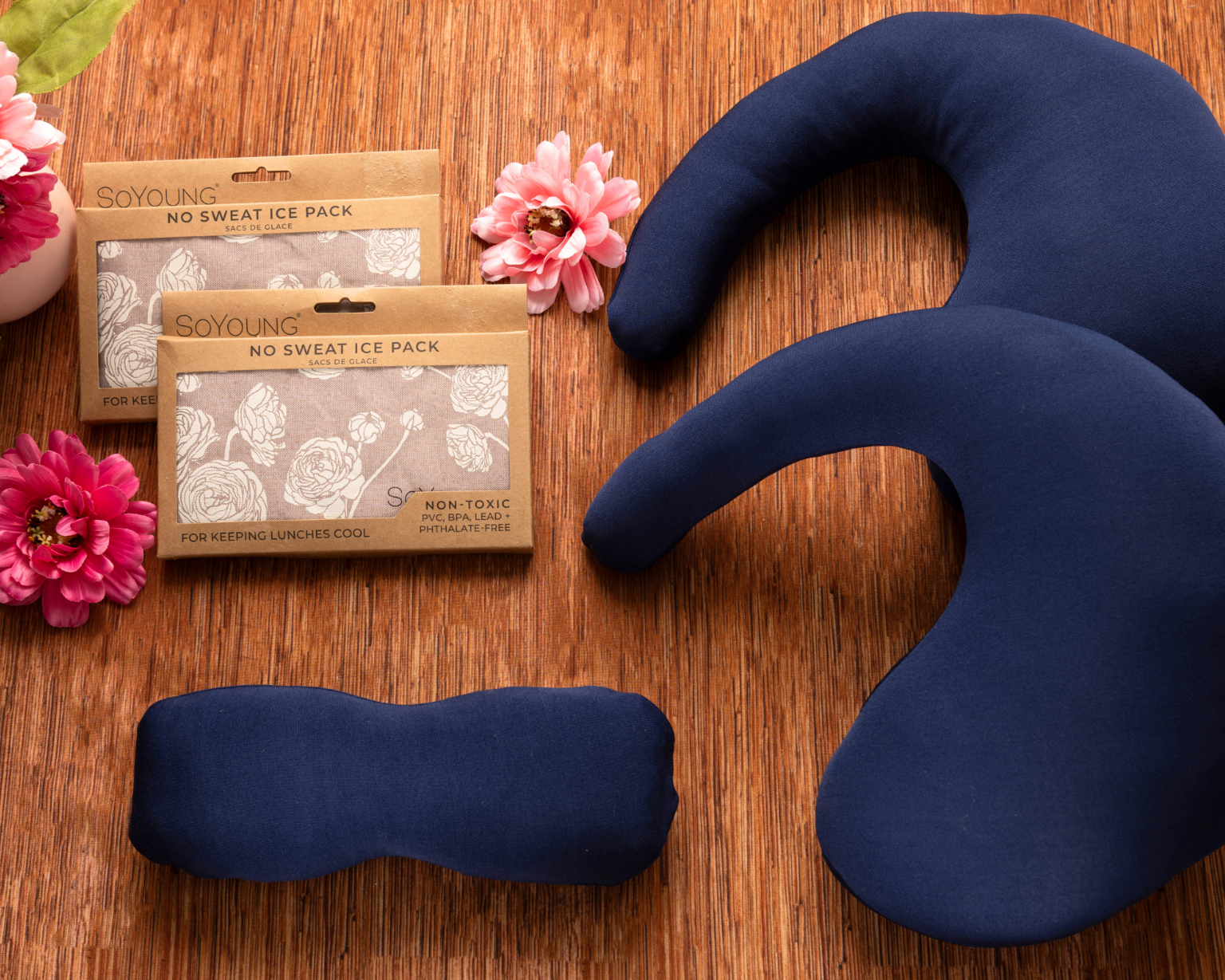
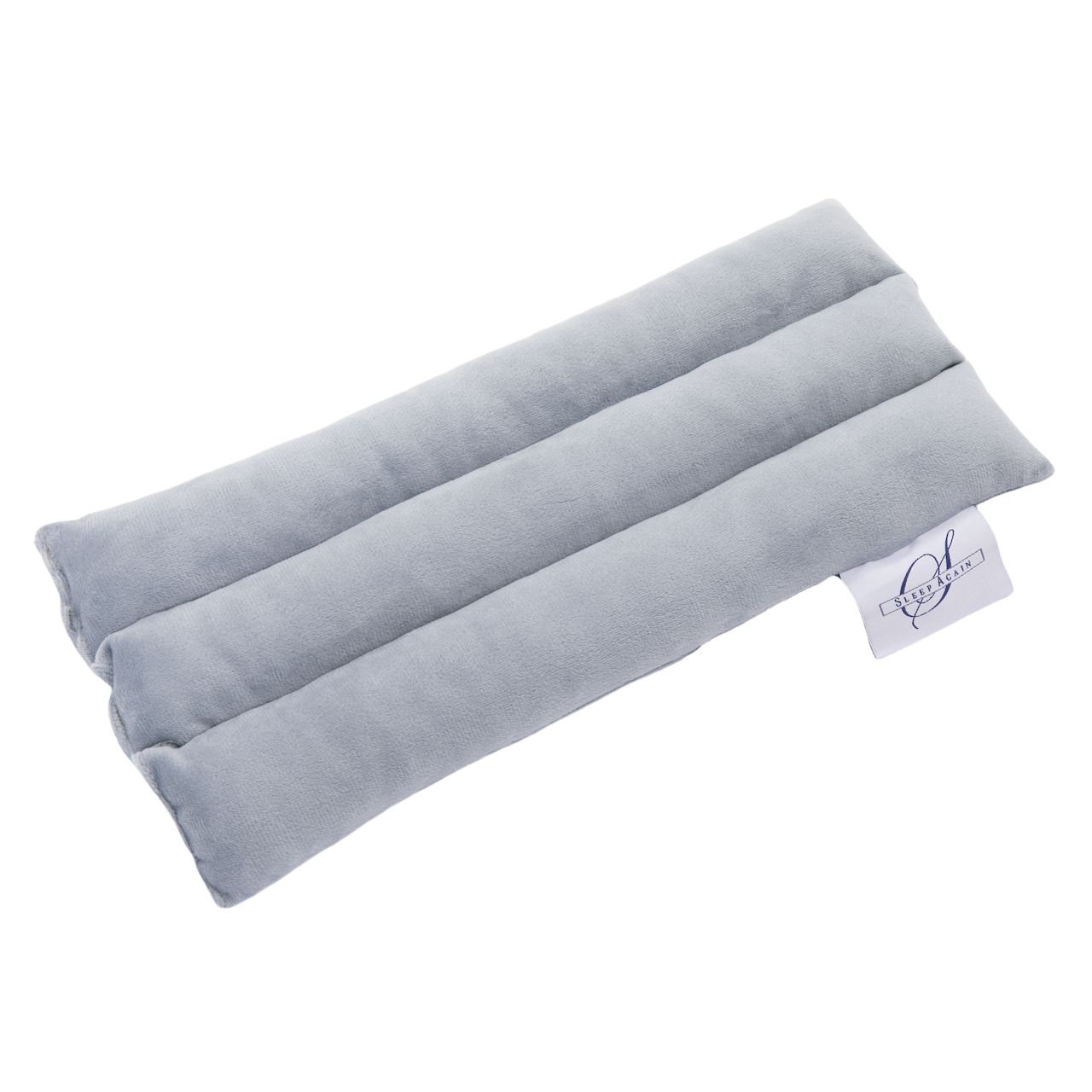
It includes an extra-wide wedge, double-stacked under your knees to fully elevate your lower buttocks, and a cushioned back wedge that lifts your upper buttocks and hips clear of the mattress. Together, the two wedges suspend your buttocks and hips off the mattress while you stay in the same elevated back position the base Sleep Again Pillow System already supports.
It's sold separately from the core System rather than replacing any of its five components.
Every Sleep Again Pillow System Includes:
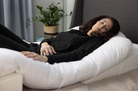
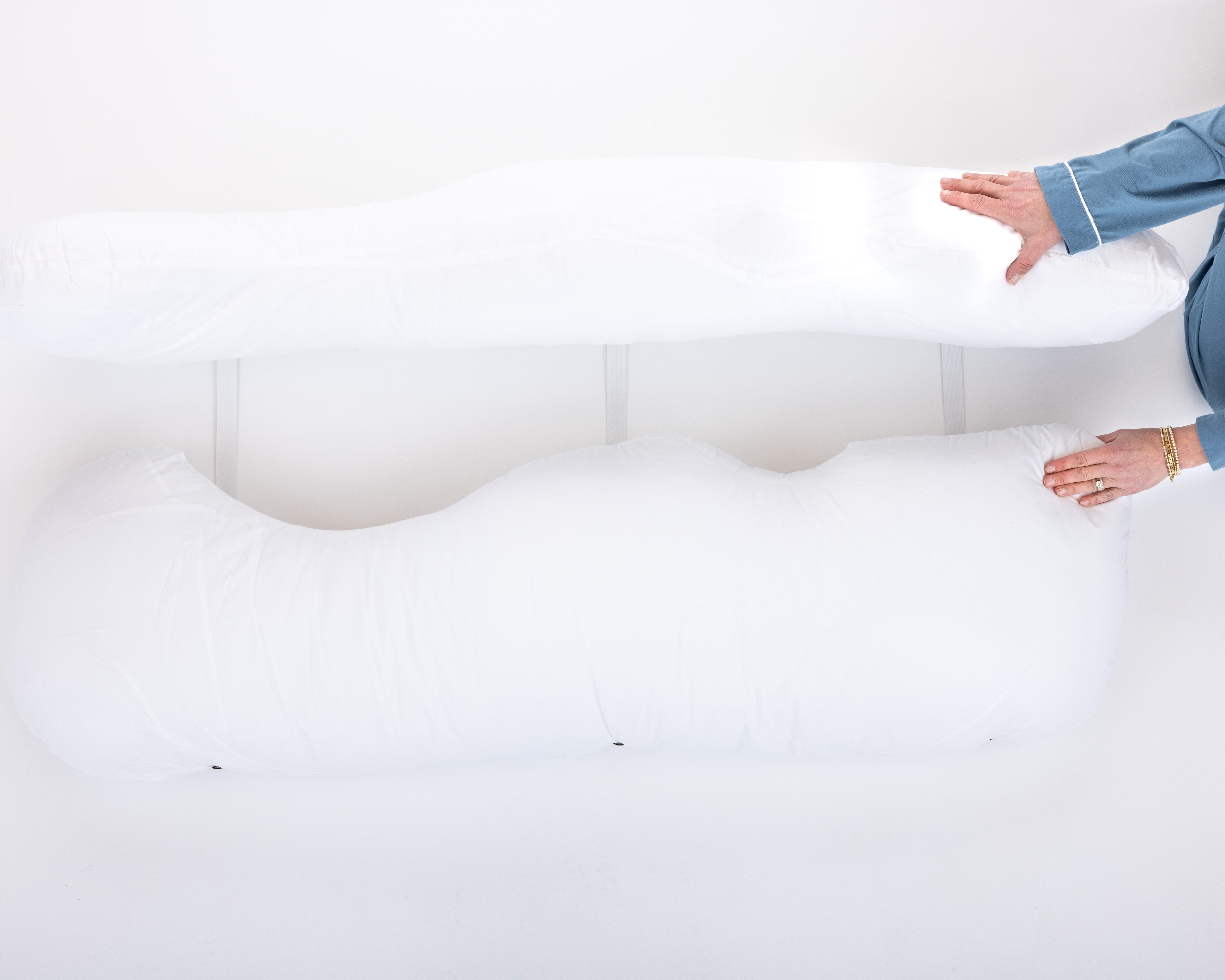
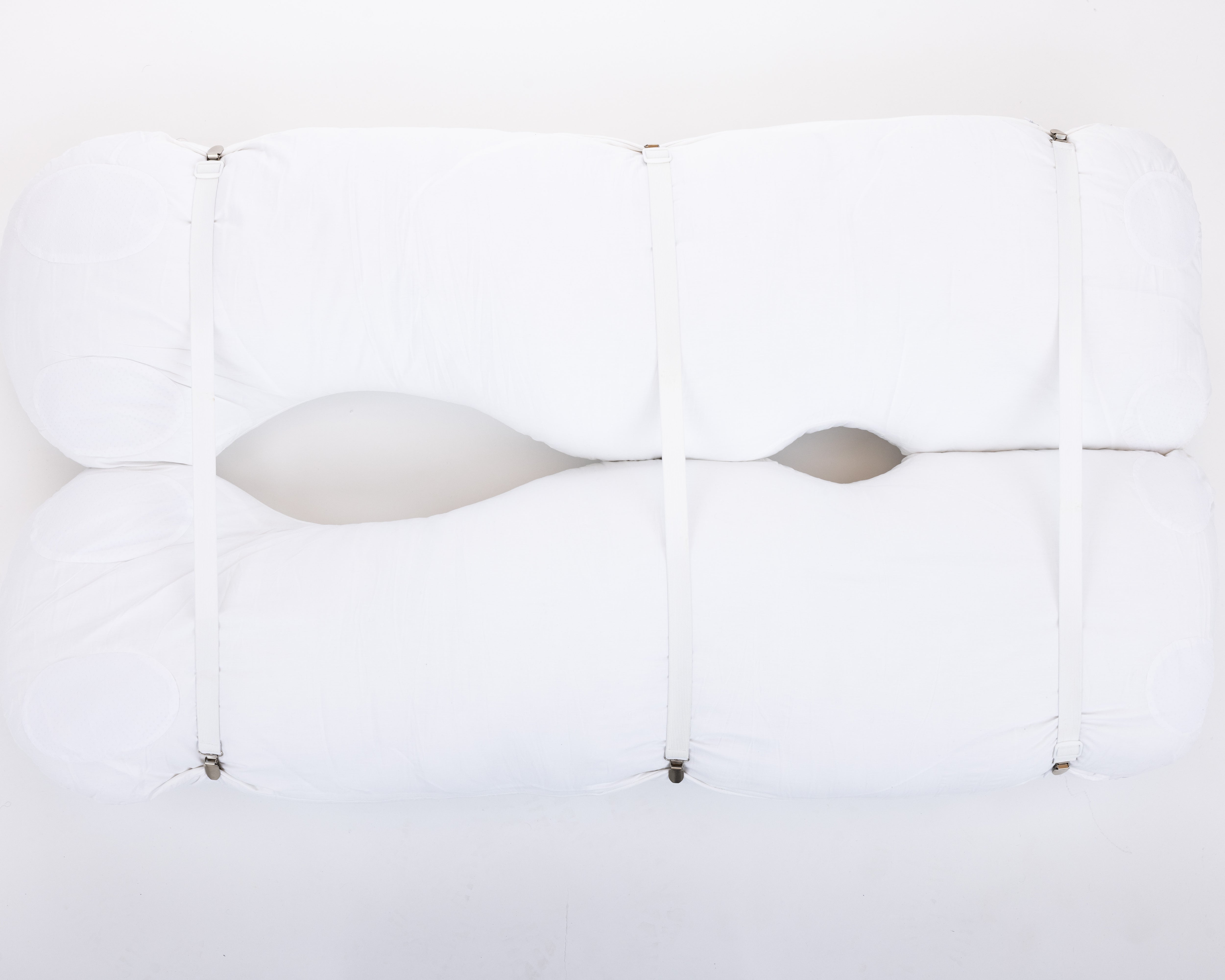
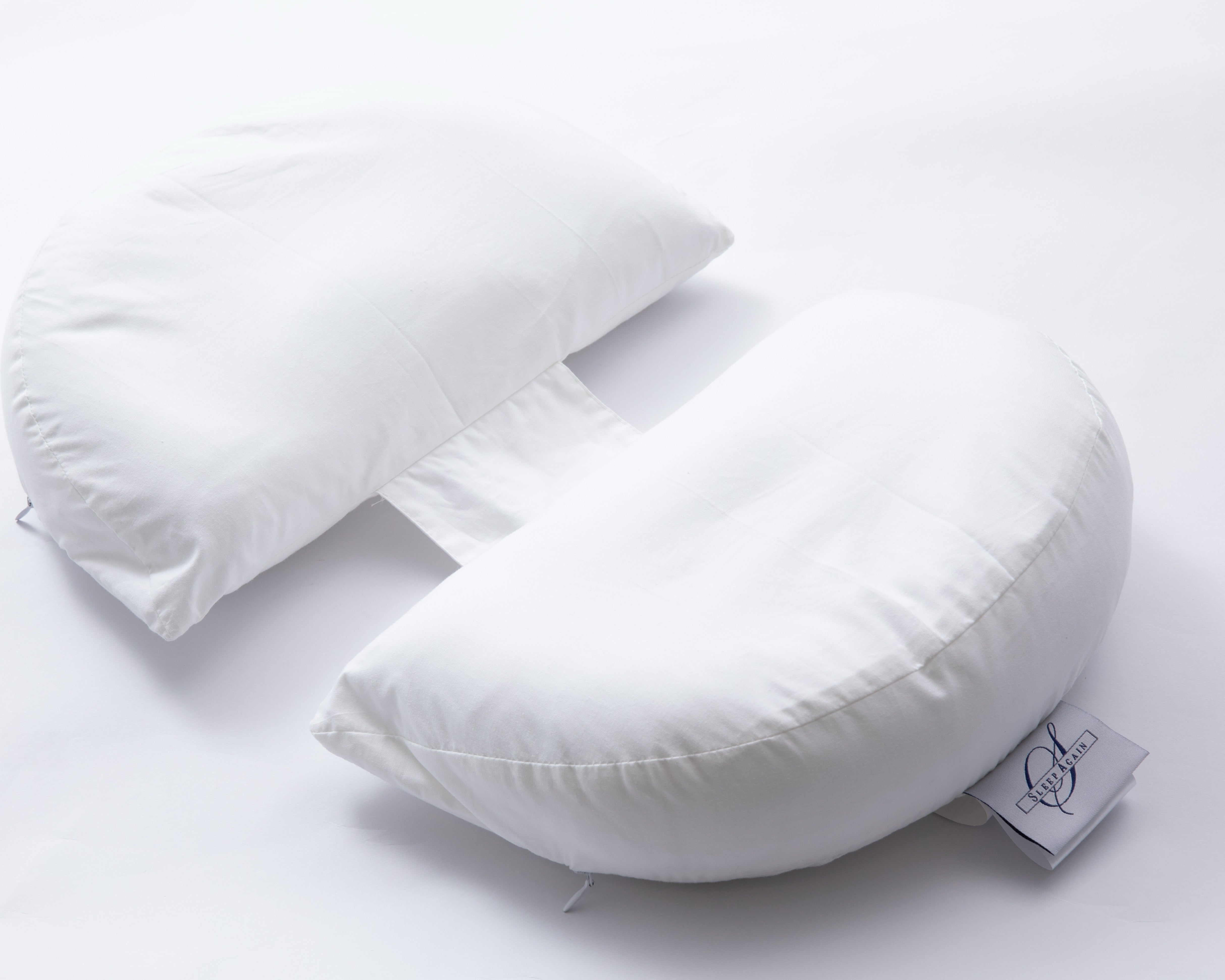
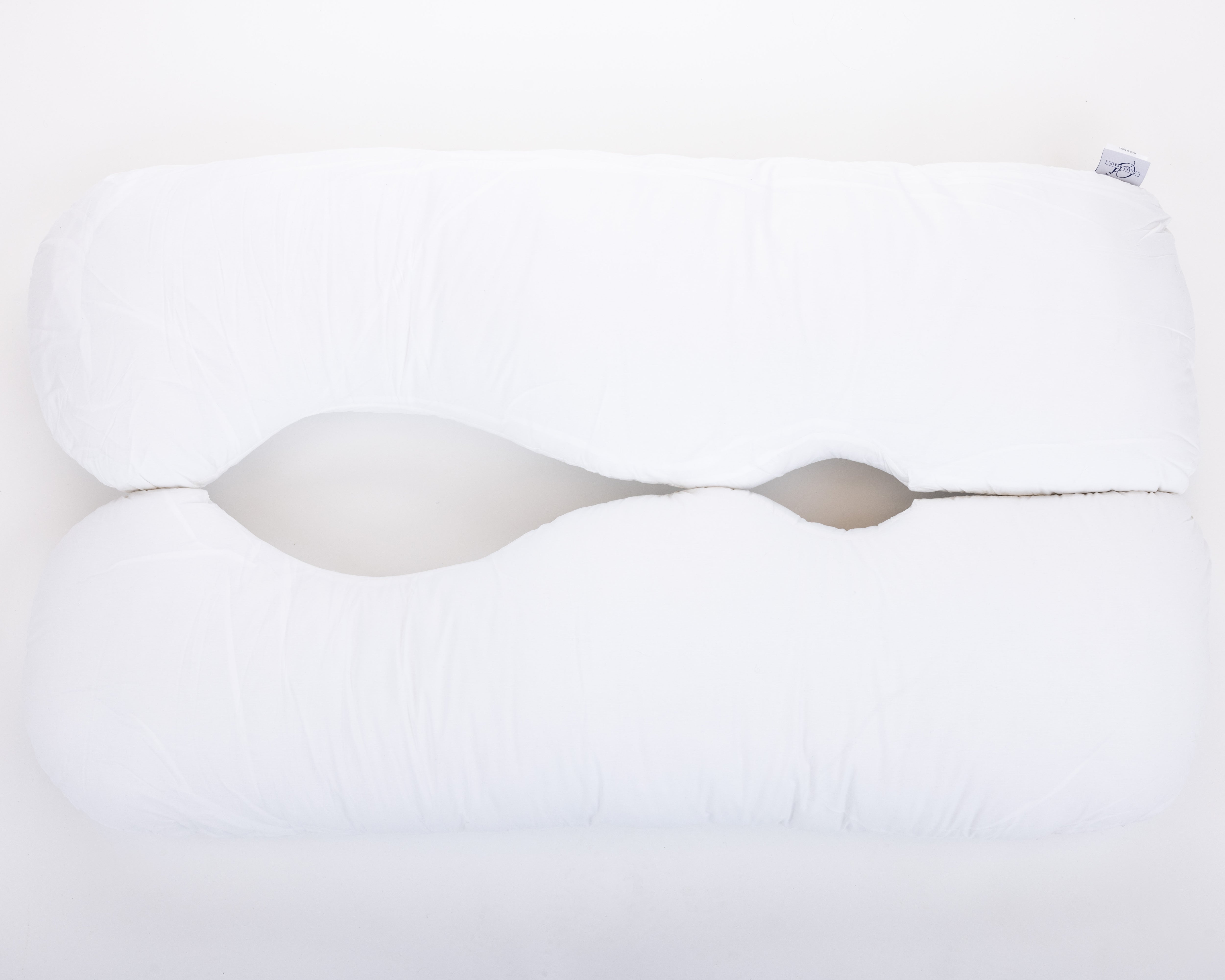
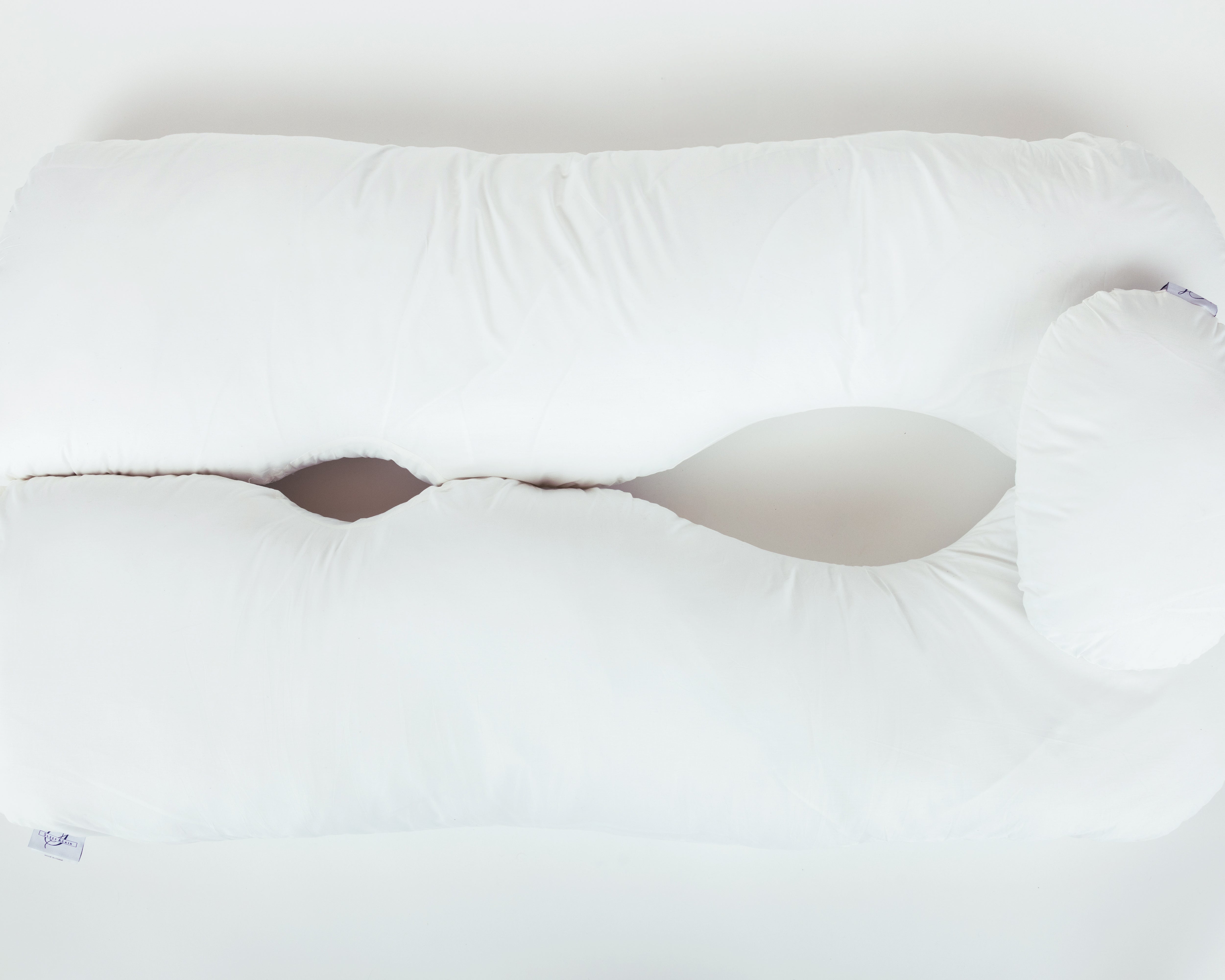
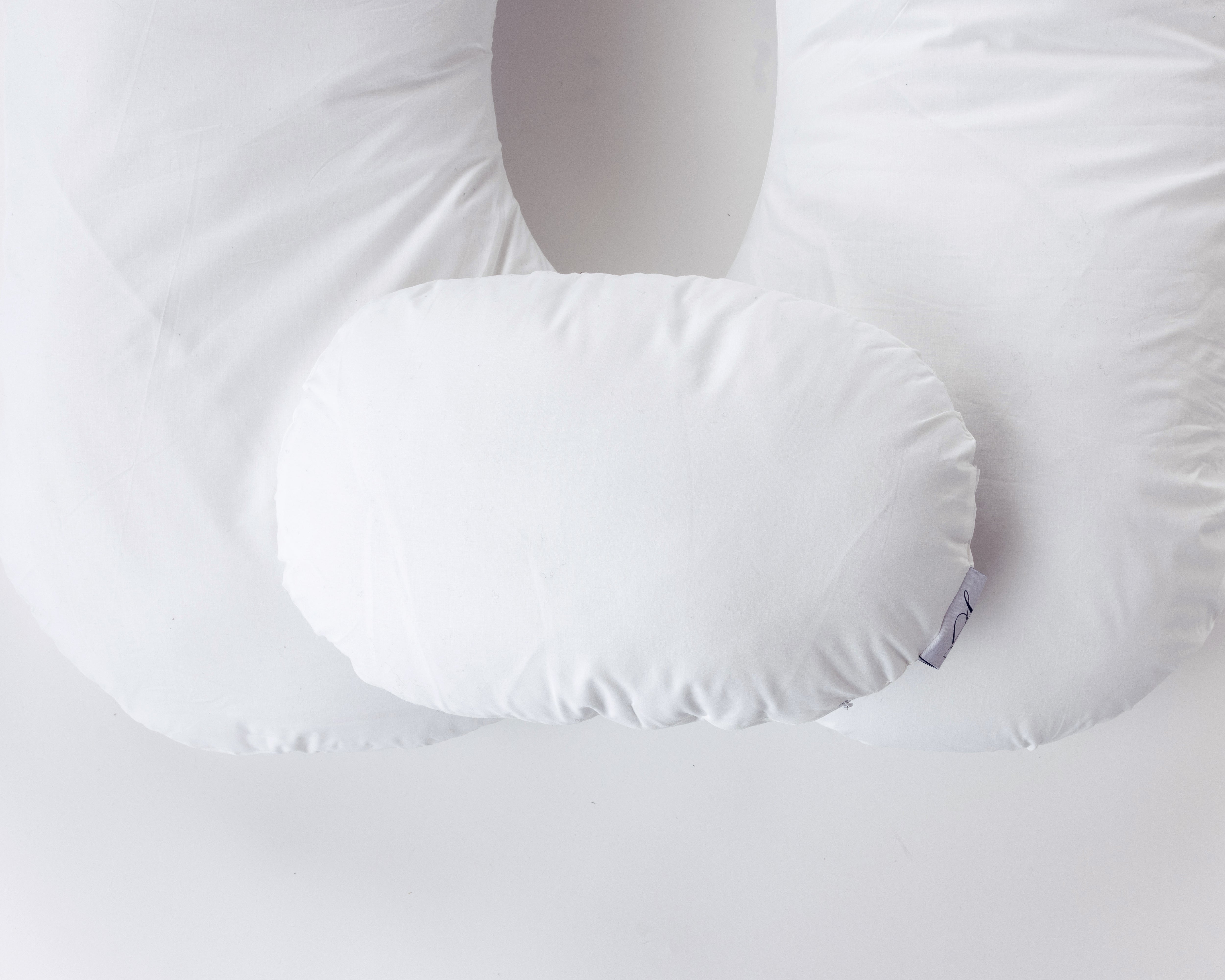
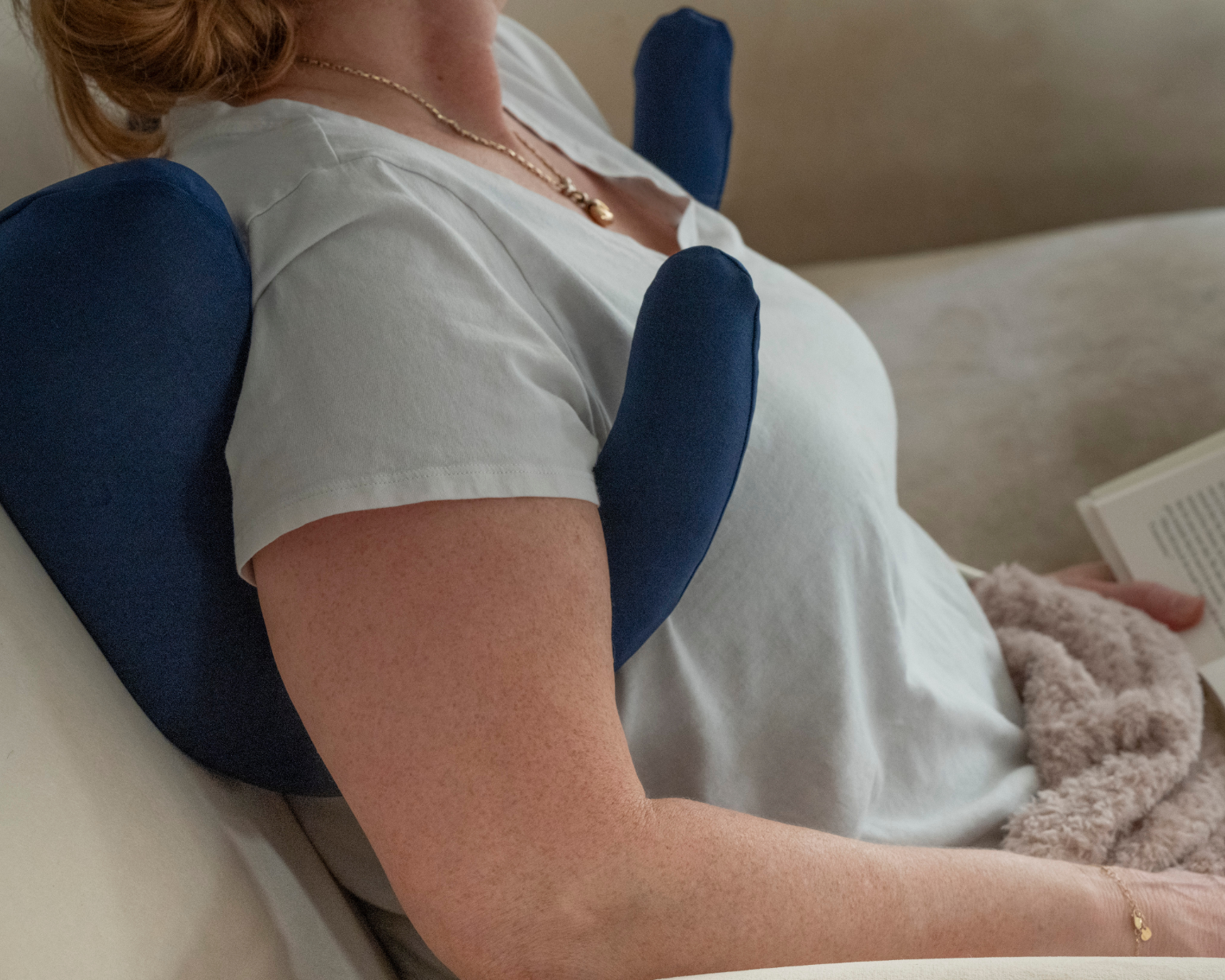
Two Contoured Side Pillows to cradle back and hips
Upper Body Wedge to create optimal upper body incline
Leg Support Wedge to gently elevate legs
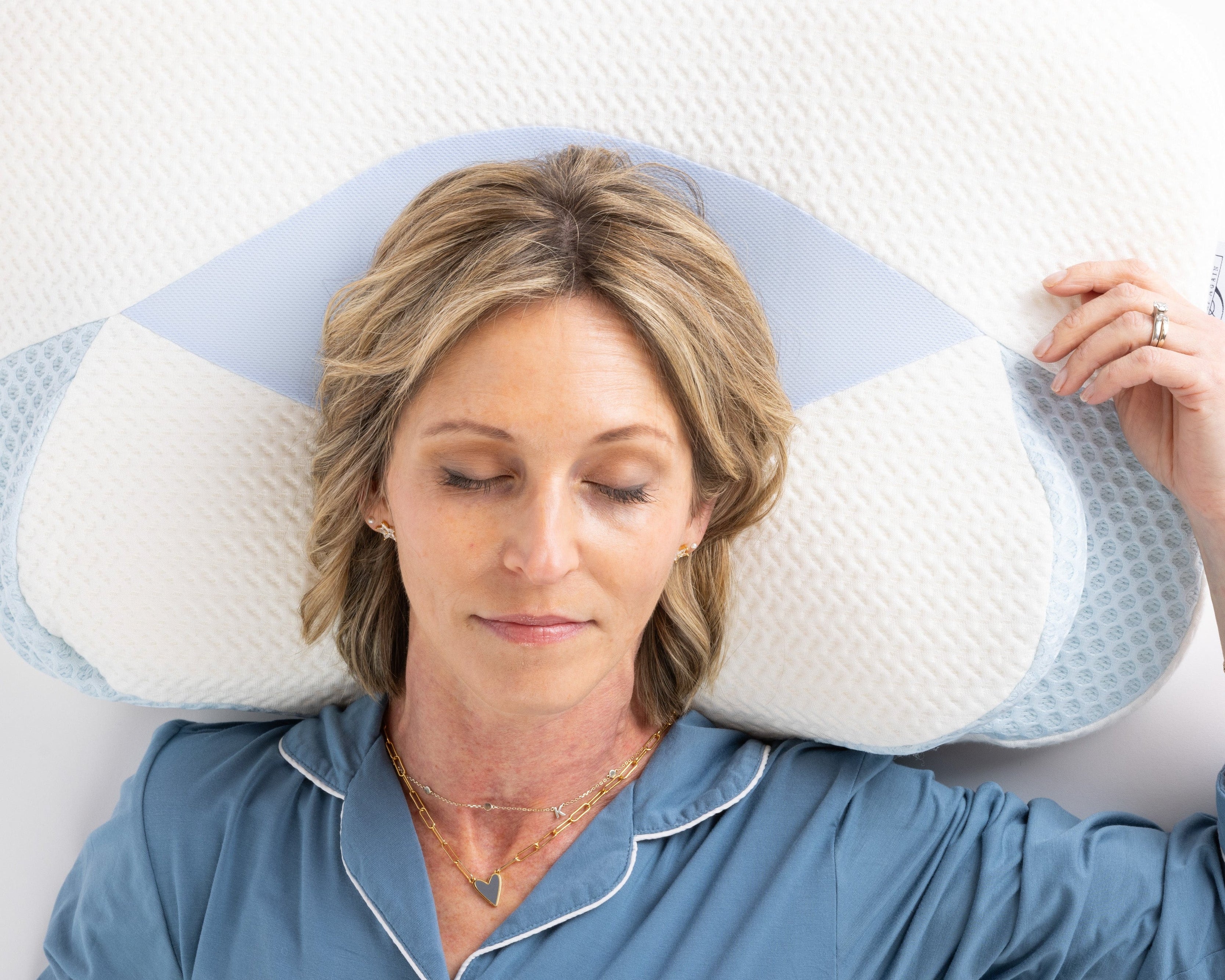
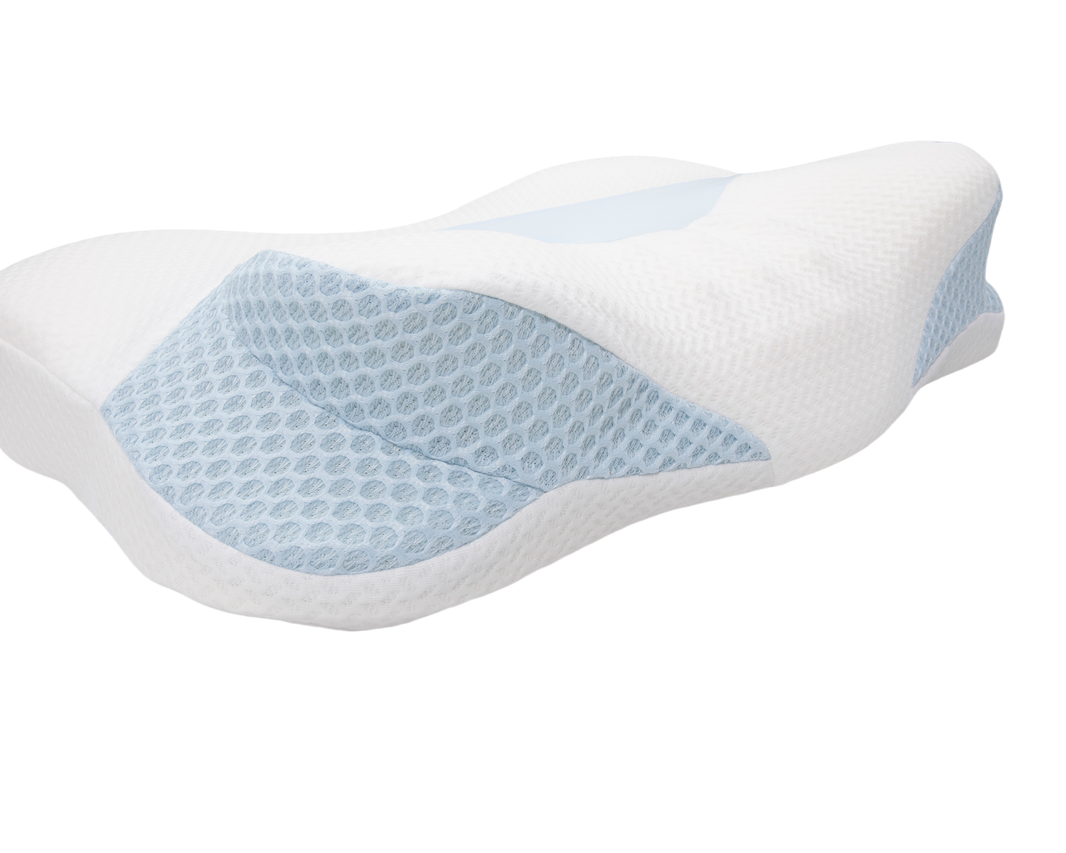
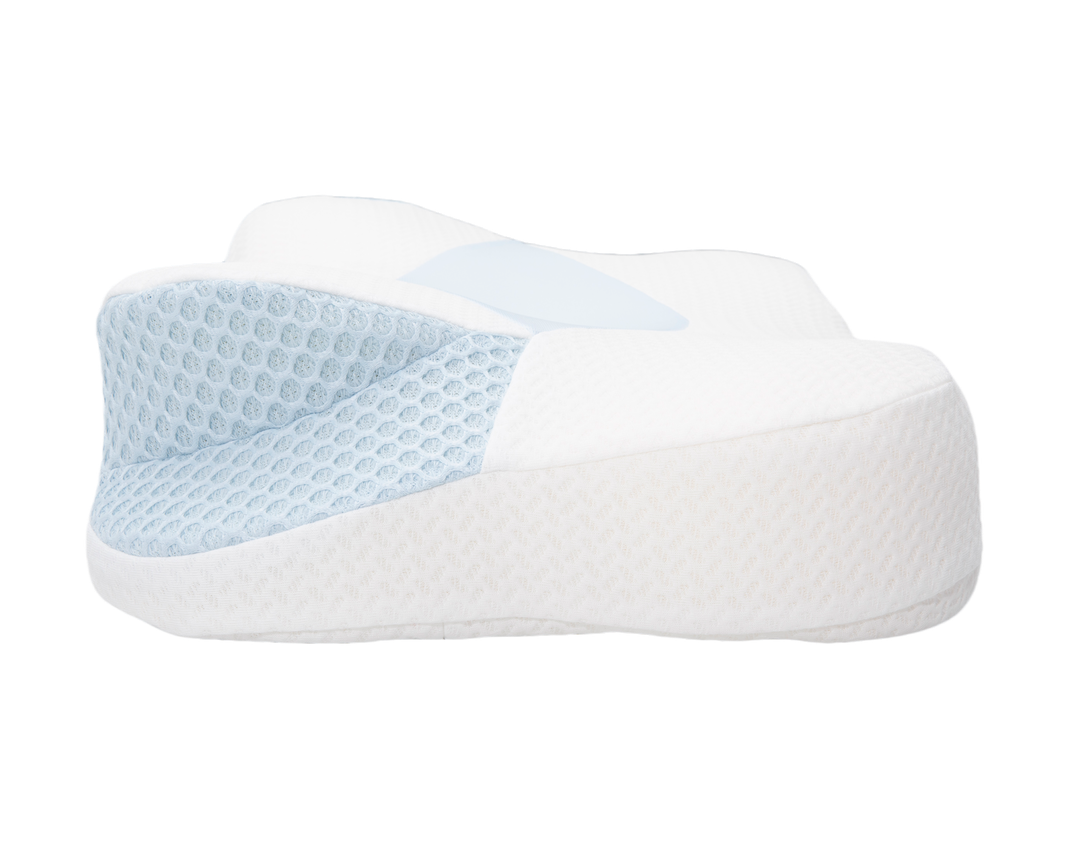
Head Pillow to provide head support and neck mobility
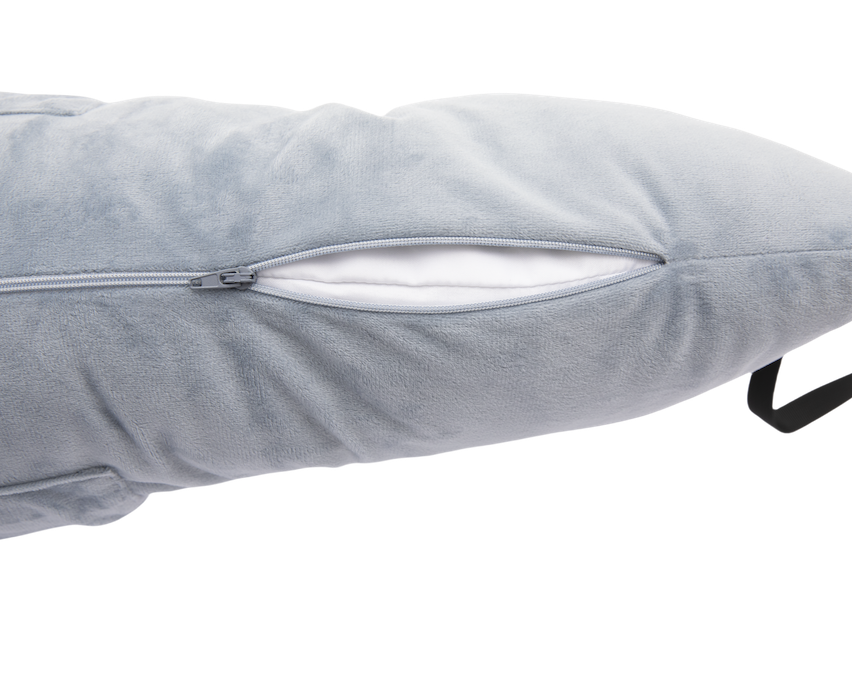
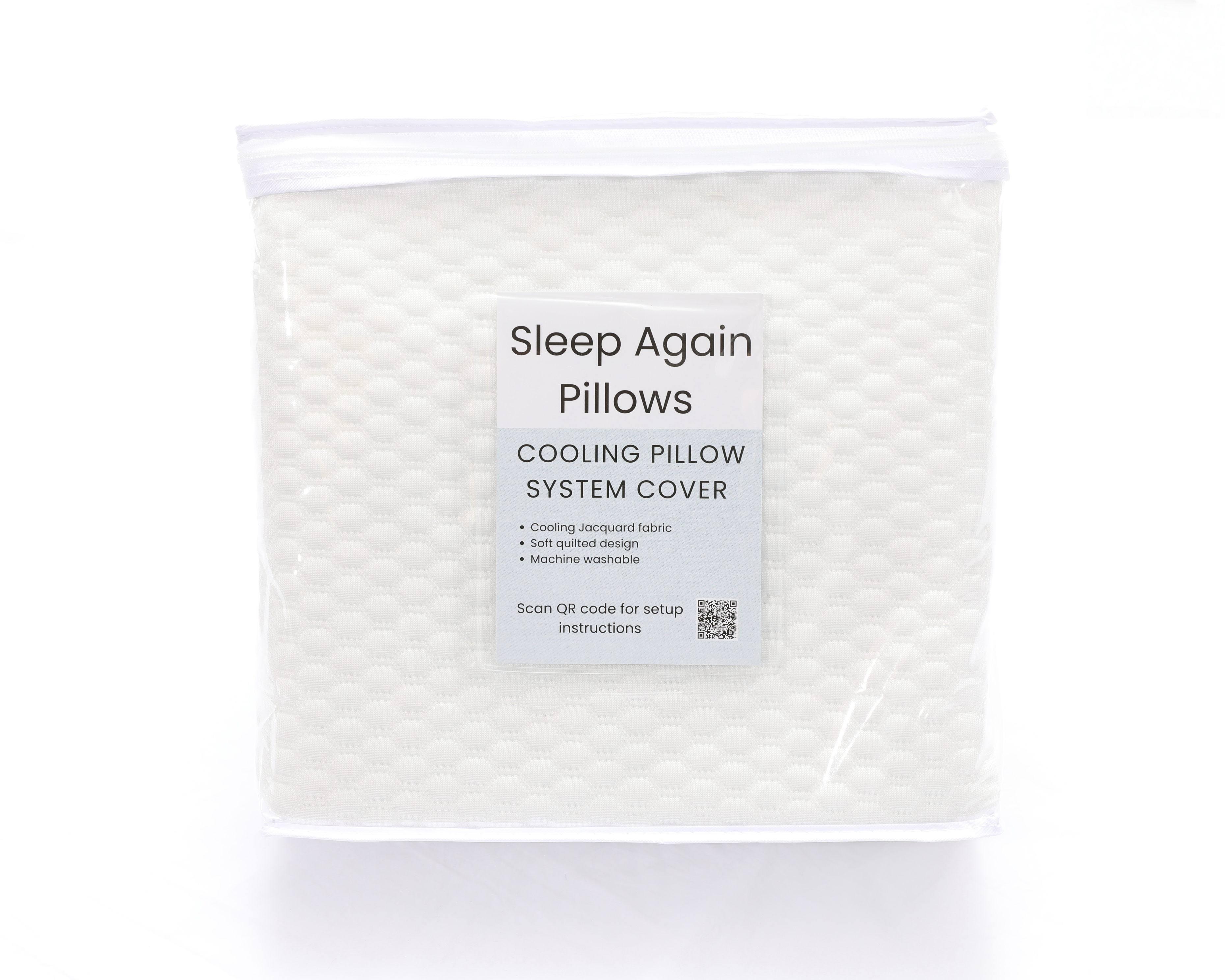
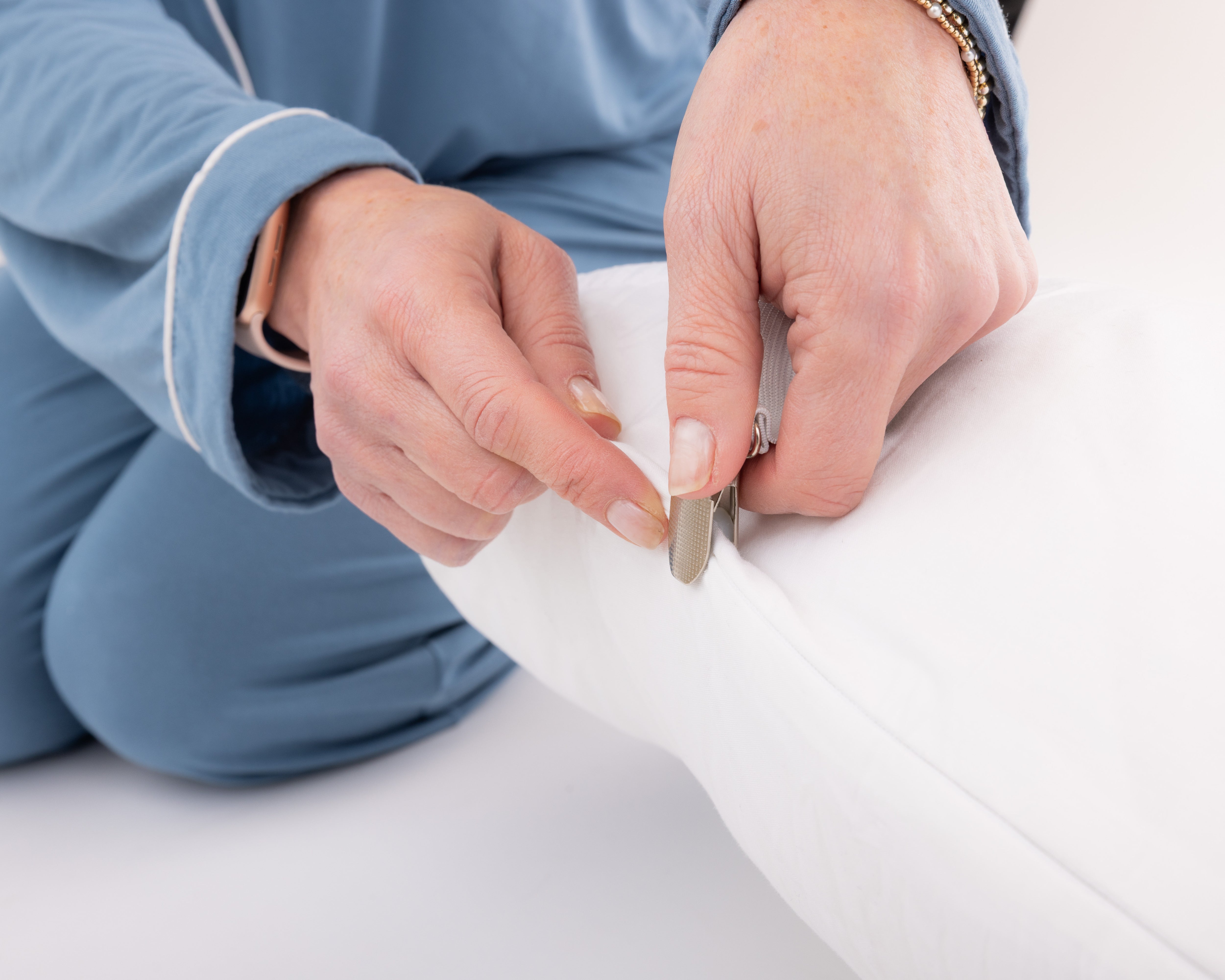
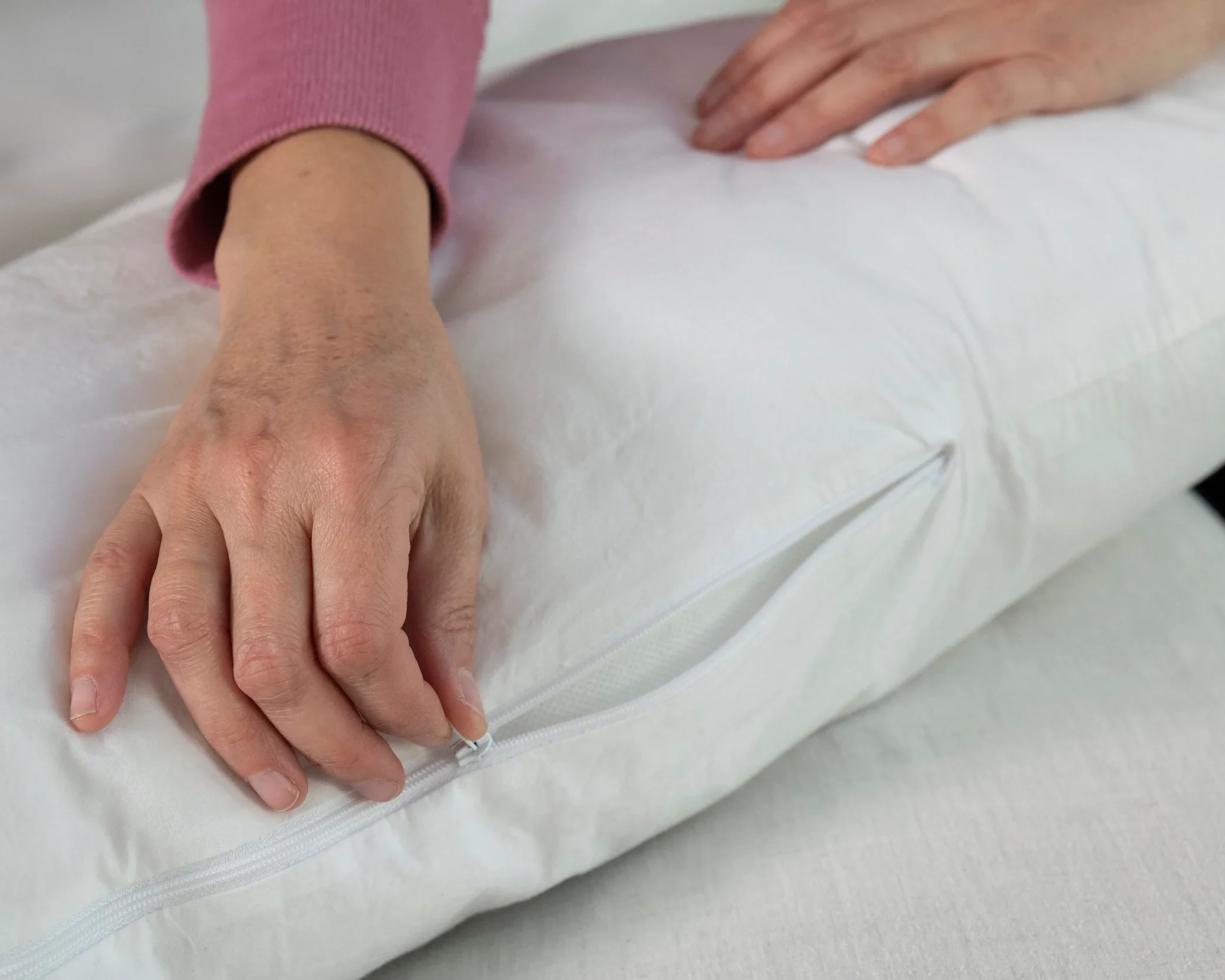
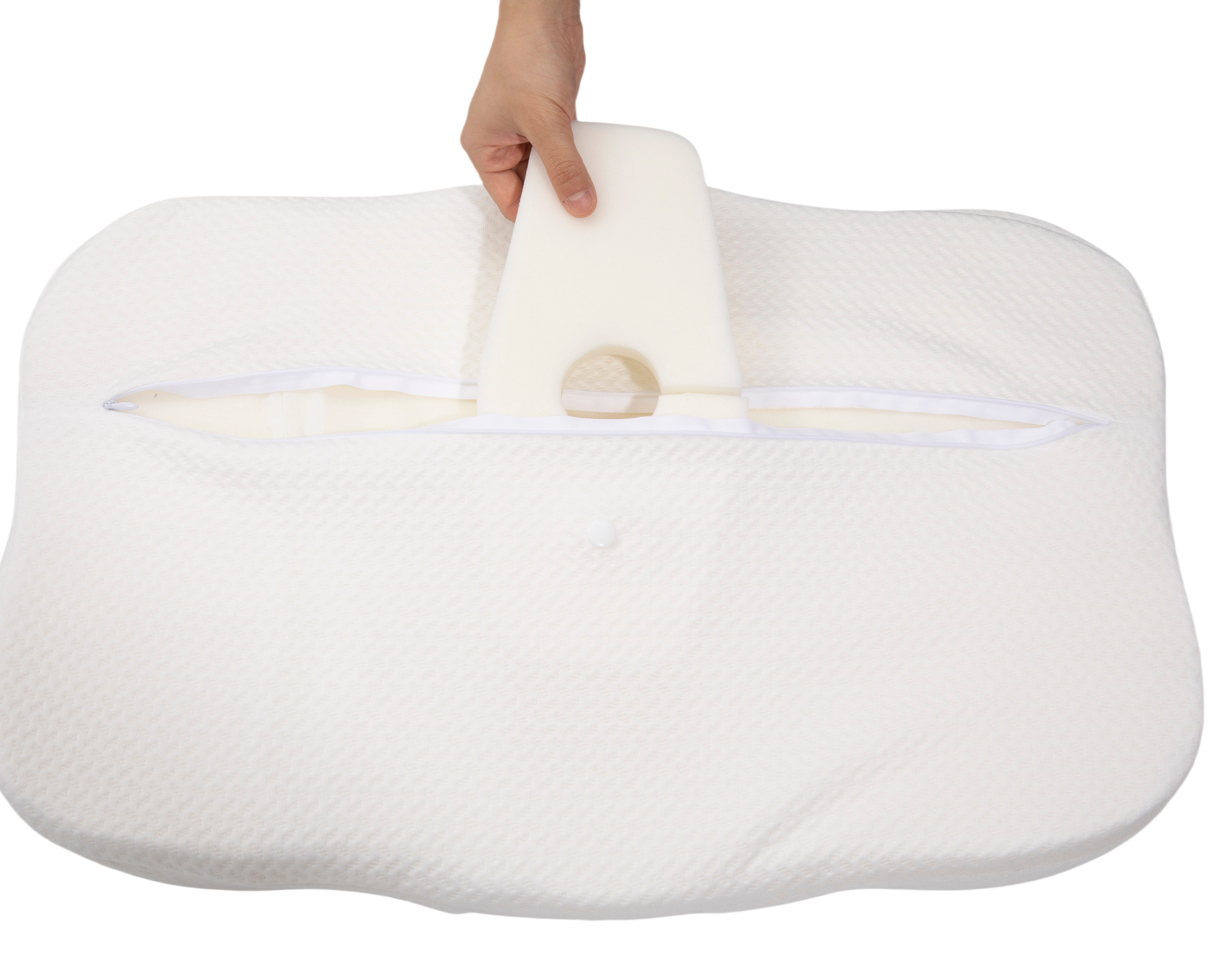
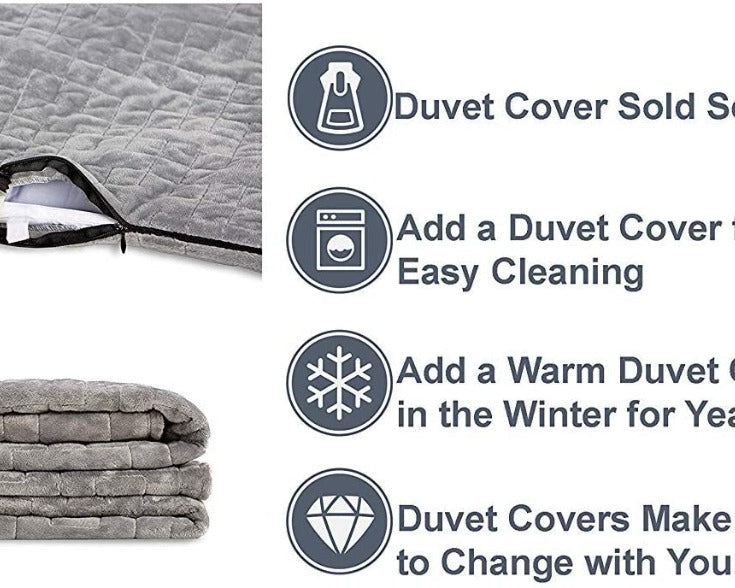
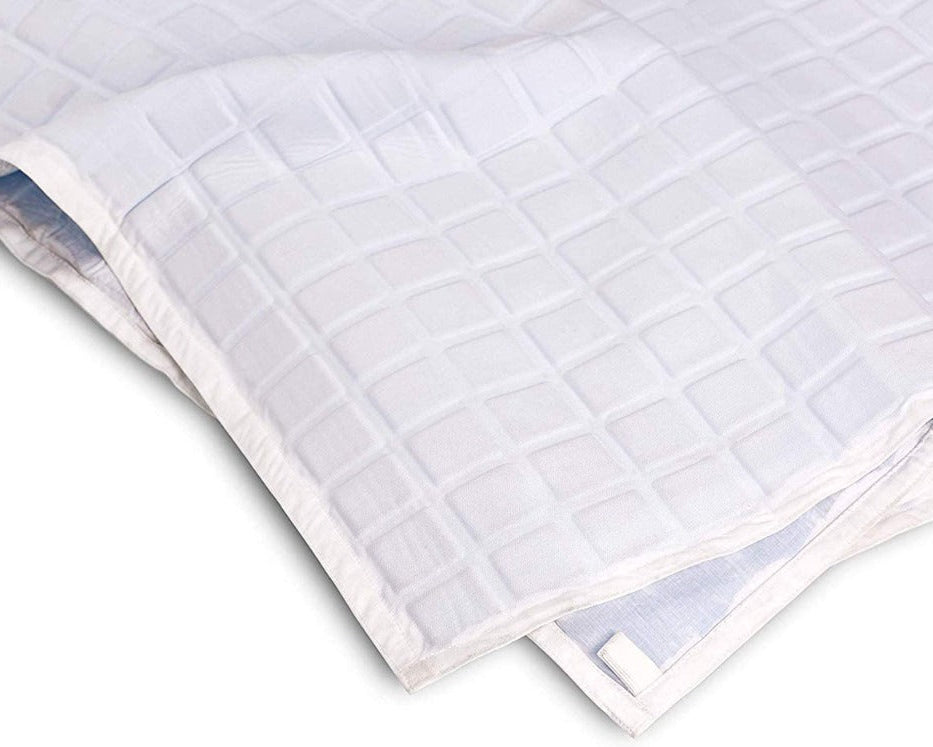
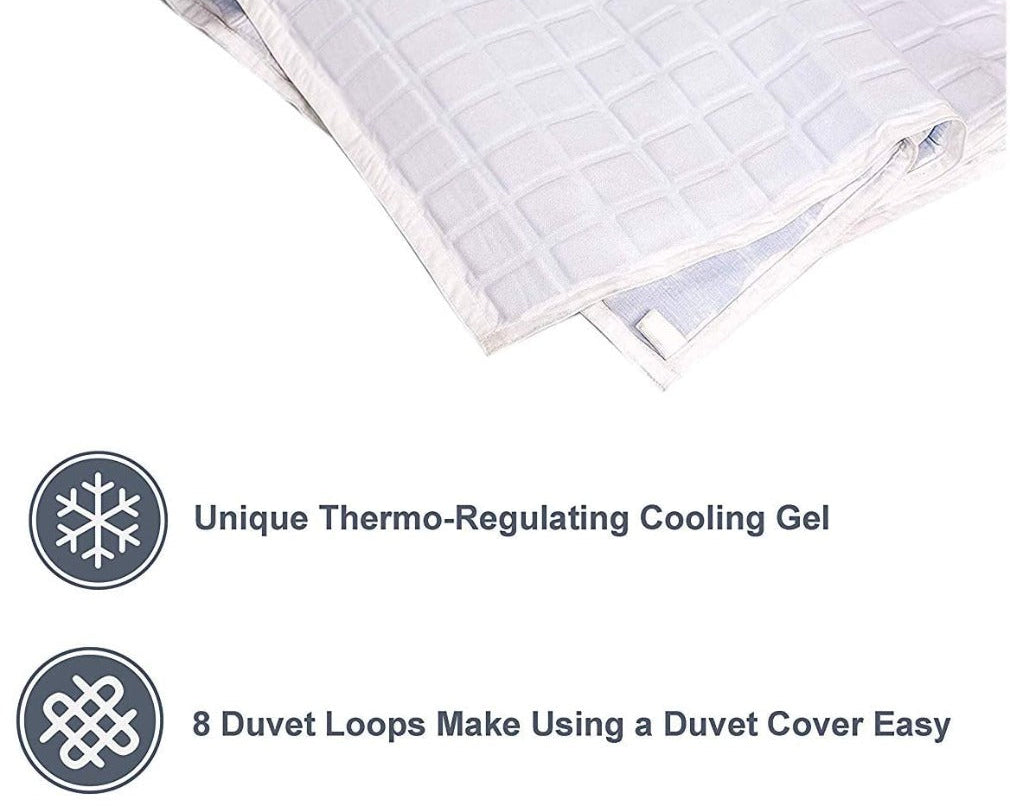
Removable, washable slipcovers for every piece
The Upper Body Wedge creates and maintains the elevation range that surgical recovery requires. Unlike stacked pillows, it does not compress under body weight or flatten during the night. The elevation angle holds consistently throughout the night.
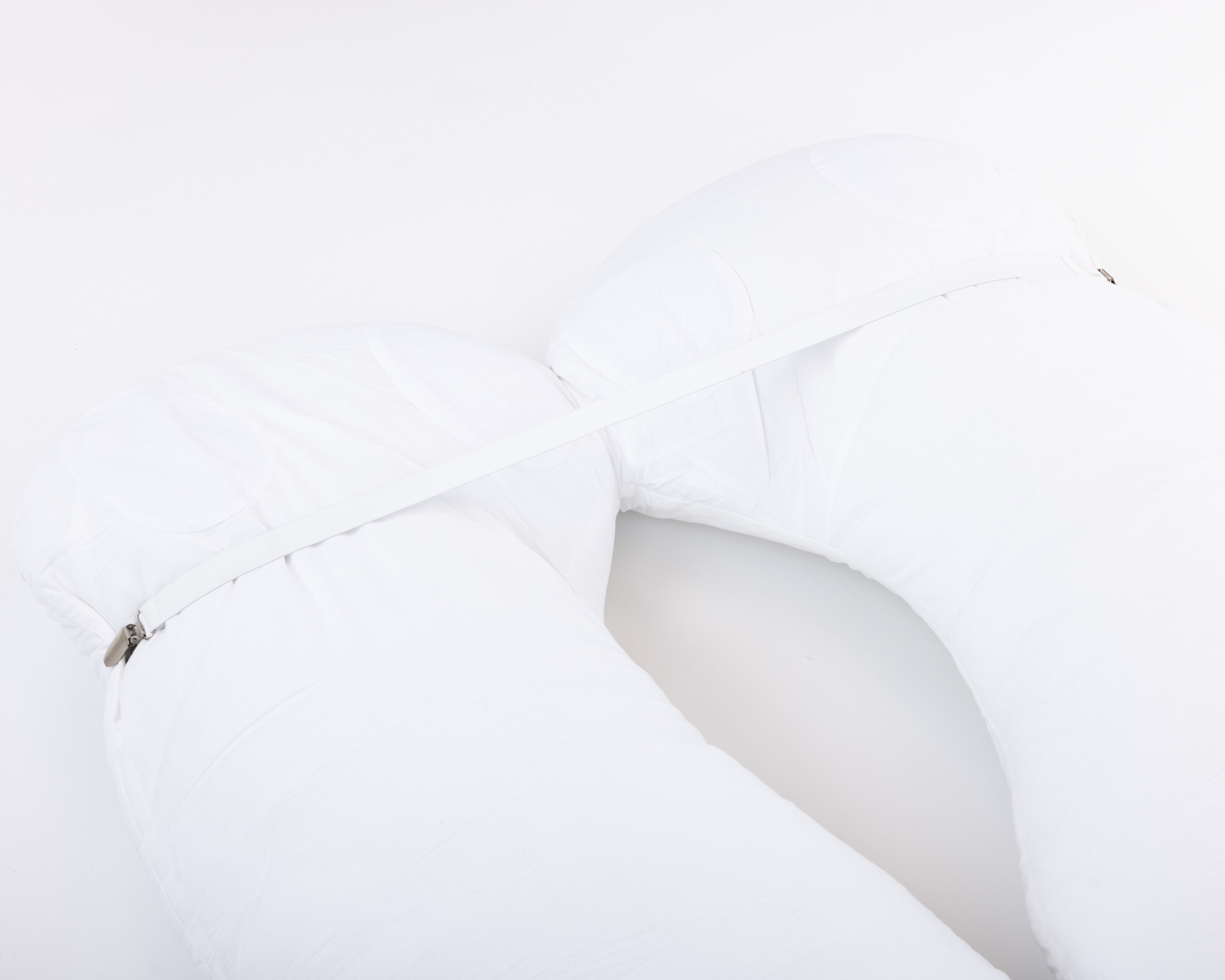
The Two Contoured Side Pillows solve the lateral drift problem. Positioned on either side of the body, they create physical barriers that prevent unconscious rolling during sleep cycles, eliminating one of the biggest threats to a clean, uninterrupted recovery.
The Leg Support Wedge addresses the lower body component that many patients underestimate. Gentle leg elevation improves circulation and reduces the pooling of post-operative fluid, and it helps stabilize the whole body on the incline. It also prevents the patient from sliding down the incline during sleep, which is a consistent problem with wedge-only setups.
The Head Pillow ensures that elevation at the upper body is matched by proper neck support. Sleeping at an incline on a wedge without dedicated head support creates a neck angle that causes its own disruptions — patients who wake up with neck strain are less rested and more likely to unconsciously adjust their position in ways that compromise their results.
Removable, washable slipcovers are a clinical necessity during surgical recovery, not a luxury feature. Drainage, compression garment or dressing contact, and extended time in bed create hygiene requirements that standard pillow cases cannot meet.
The Sleep Again Pillow System is HSA/FSA eligible. All sales are final; items are not returnable per federal regulations.
See How it Works!
Support Your Butt Implant Surgery Recovery with The Sleep Again Pillow System + BBL Add On Set
How Do You Get In and Out of Bed Safely After Butt Implant Surgery?
Getting in and out of bed safely means avoiding any movement that engages or twists the glute muscles. Roll onto your side first using your arms and core, then use your arms to press yourself upright. This applies whether you're getting up from a suspended back position or a stomach-sleeping position.
Safe bed transfer technique:
Roll to your side slowly using your arms, not your legs or glutes
Push up to seated using your arms and shoulders
Pause seated for a moment before standing to avoid dizziness from medication
Stand using your legs and avoid any twisting motion at the hips
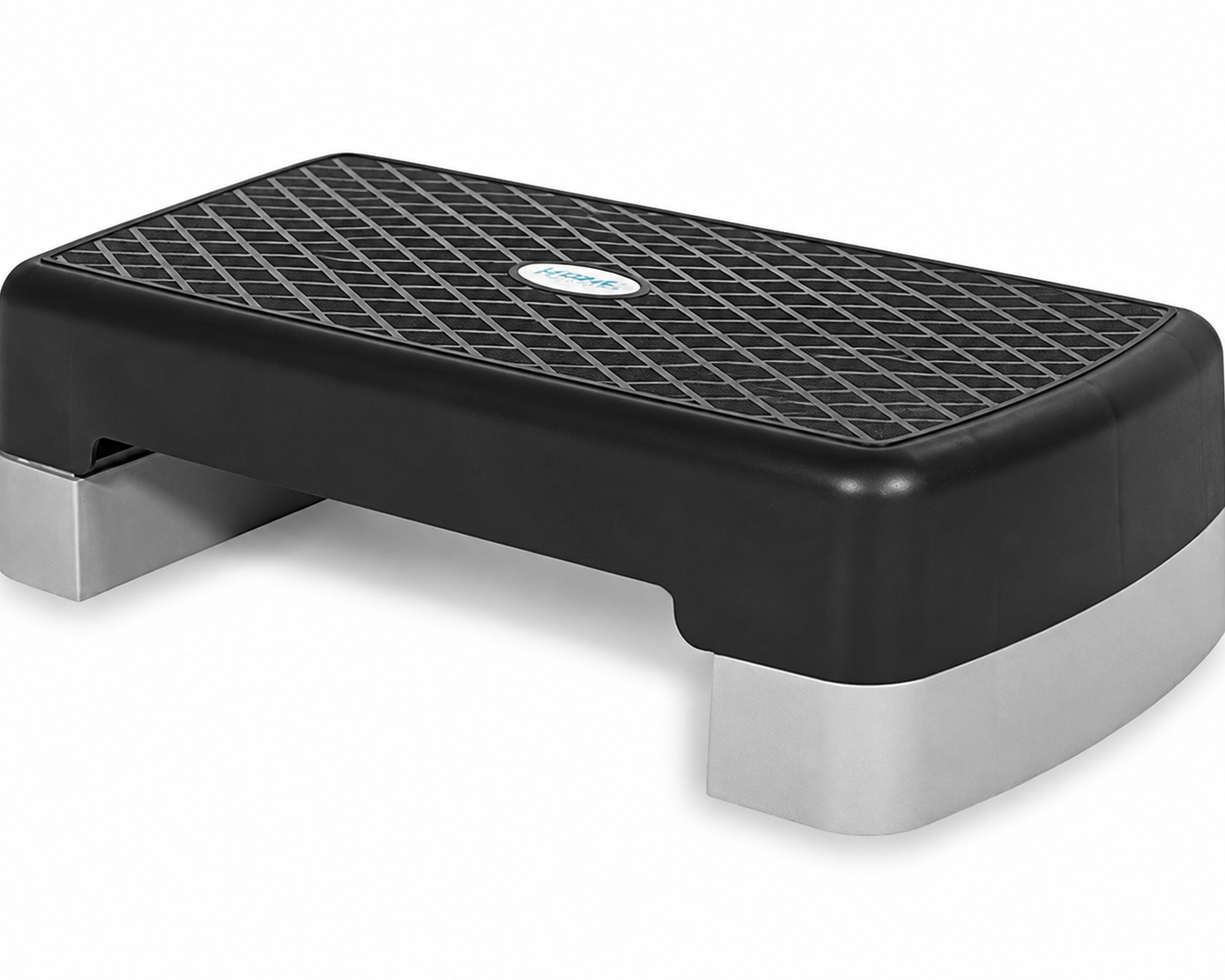
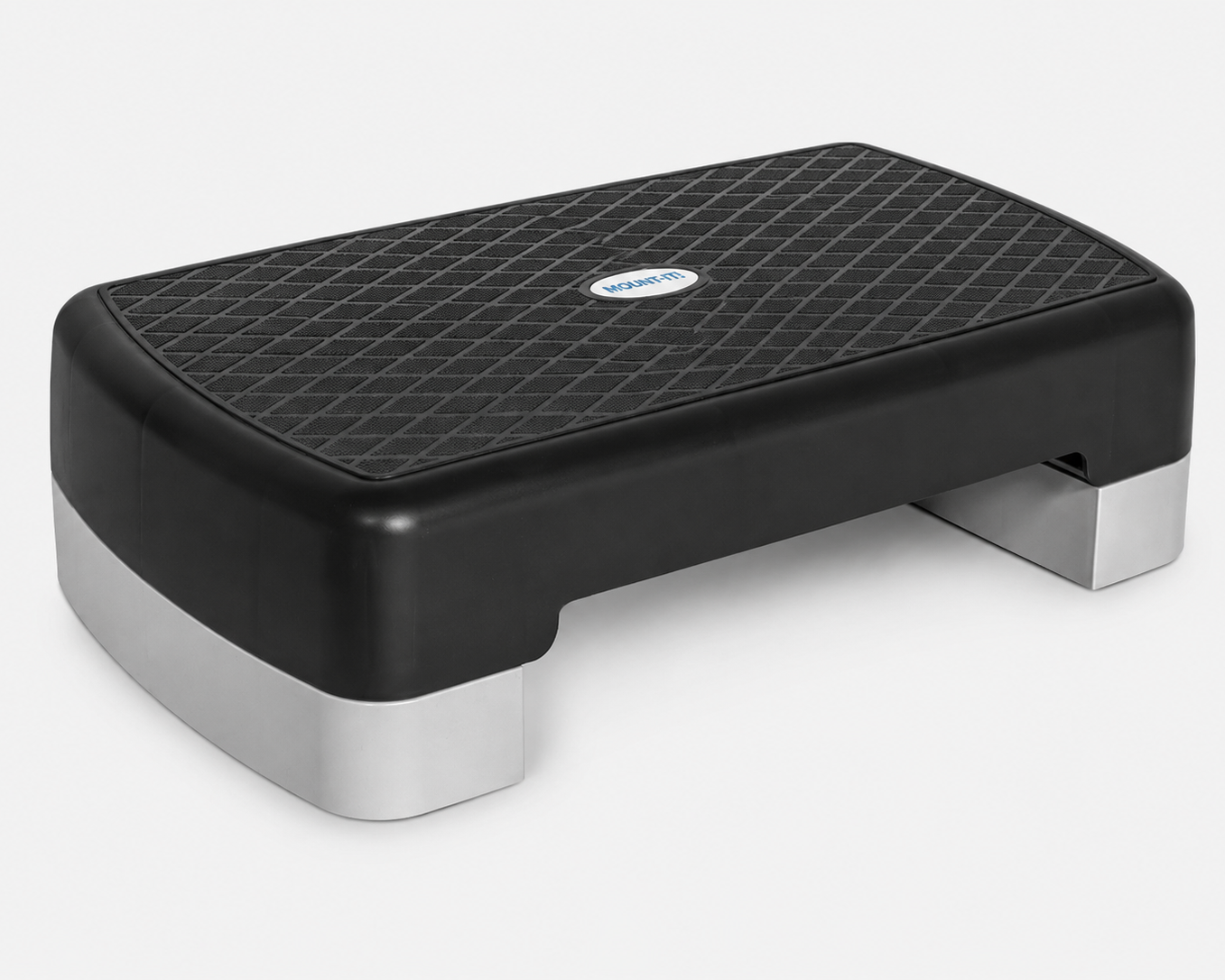
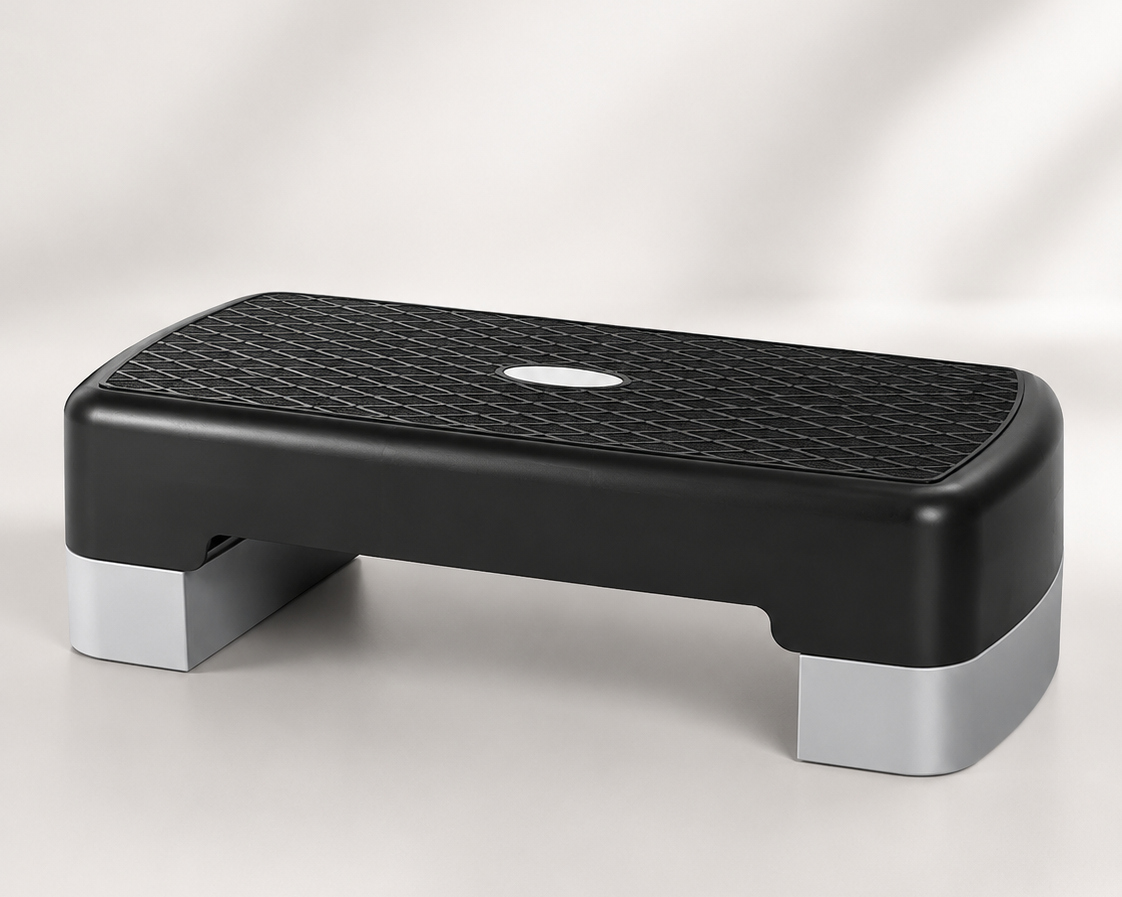
The Bedside Step Stool can help, especially if you have a taller bed.
Why Is Side Sleeping Prohibited After Butt Implant Surgery?
Side sleeping is restricted for at least 3 weeks after butt implant surgery because it places direct, uneven pressure on one buttock, which can shift the implant out of its intended pocket. Unlike back sleeping, side sleeping can't be resolved through suspension, since concentrating your full weight on one hip isn't something a wedge setup is designed to offload the way it offloads a back position.
This is also the position most people default to unconsciously during sleep, which makes it the hardest restriction to maintain. A barrier system that physically blocks rolling onto your side is far more reliable than relying on conscious effort alone, especially once pain medication makes deep sleep more likely.
Is Stomach Sleeping Safe After Butt Implant Surgery?
Stomach sleeping often gets recommended as the default after butt implant surgery because it requires no special equipment to guarantee pressure-free healing, while safe back sleeping requires a setup that fully suspends the buttocks and hips off the mattress. Without that suspension, back sleeping (even elevated) still distributes weight across both buttocks, which is why surgeons who aren't accounting for suspension-based support generally steer patients toward stomach sleeping instead.
Stomach sleeping is uncomfortable for people who aren't used to it, and holding it for a full night is difficult regardless of how prepared you are. Suspension-based back sleeping exists as an alternative precisely for patients who want to avoid that difficulty without compromising on protecting the implant pocket.

How Does Butt Implant Recovery Sleep Differ from BBL Recovery Sleep?
Butt implant recovery and BBL recovery share strict early restrictions on buttock pressure and side sleeping, and both can now be addressed with the same suspension-based approach, but the underlying reason and long-term timeline are different.
Key differences:
What's at risk: BBL protects transferred fat cells, which can be reabsorbed if compressed early on. Butt implants protect a solid silicone device from shifting out of its surgical pocket.
Permanence: Butt implants are permanent and don't require the same long-term protection against fat reabsorption that BBL does.
Suspension applicability: The BBL Add-On Set was built for BBL patients, but the mechanical problem it solves, buttock pressure during back sleeping, is identical for implant patients, which is why the same setup works for both.
Timeline to normal sleep: Both generally reach a 3 to 6 week timeline for lifting major restrictions, though individual surgeon protocols vary.
Always follow the specific post-operative instructions provided by your surgeon, and consult your medical team before making changes to your recovery positioning or before purchasing recovery equipment. If you experience unusual pain, swelling, or changes in implant
Butt Implant Recovery Sleep FAQs
Do I have to use the BBL Add-On Set, or can I just sleep on my stomach?
Stomach sleeping remains a valid, equipment-free option that surgeons commonly recommend by default. The Add-On Set is for patients who find stomach sleeping difficult to sustain and want a comfortable, pressure-free alternative on their back instead.
Is the BBL Add-On Set only for BBL patients?
No. It was originally built for BBL recovery, but the suspension mechanism, removing buttock weight from the mattress, addresses the same restriction butt implant patients face for a different underlying reason. Confirm with your surgeon that suspended back sleeping fits your specific recovery plan.
What if I wake up on my side?
Isolated instances typically aren't a major concern, but repeated side sleeping during the first 3 weeks increases the risk of implant displacement, regardless of whether you're using a suspension setup or sleeping on your stomach. If you consistently wake up on your side, add firmer barrier support and consider a position check during the first week or two.
Do I need to elevate my upper body too, or just my buttocks and legs?
Butt implant recovery doesn't require the steep upper body elevation seen in breast or abdominal procedures. Keeping your upper body flat to slightly raised is generally sufficient with either the stomach-sleeping or suspended back-sleeping setup.
How soon after surgery can I fly home if I'm traveling for the procedure?
Some surgeons clear out-of-town patients to fly approximately 5 days after surgery, provided a specific pressure-release routine is followed during the flight. Confirm this timeline and routine directly with your surgical team before booking travel.
Is the BBL Add-On Set returnable if I decide I don't need it?
Yes, within limits: unopened orders can be refunded, which is different from the base System's final-sale terms. See the return policy note in the pillow setup section above for the specifics.
Medical Disclaimer
This information is provided for educational purposes only and should not replace professional medical advice. BBL procedures and recovery protocols vary significantly based on surgical technique, individual patient factors, and specific surgeon preferences.
Always follow your surgeon's specific post-operative instructions regarding sleep positioning, activity restrictions, compression garment usage, and recovery protocols. These medical guidelines take precedence over any general positioning advice provided here.
Contact your healthcare provider immediately if you experience concerning symptoms such as severe pain, signs of infection, unusual swelling, difficulty breathing, or any complications related to your recovery.
The mention of specific products or positioning strategies is for informational purposes only and does not constitute medical endorsement. Every patient's recovery needs are different, and what works for one person may not be appropriate for another.
Recovery timelines provided are general estimates—your individual healing and positioning clearance may be faster or slower based on factors including your surgeon's technique, your body's healing response, and adherence to post-operative care instructions. Never advance your sleeping positions or reduce positioning restrictions without explicit clearance from your surgeon.