
Every recommendation below is general guidance. Follow your surgeon's specific post-operative instructions above anything you read here.
Plastic surgery recovery goes smoother when the prep happens before surgery day, not after. Facelifts, tummy tucks, breast augmentation, liposuction, and BBL all come with different incisions and different timelines, but they share the same core requirement: elevated, stable sleep positioning and the right supplies within reach from the first night home. Figuring that out after you're sore and on pain medication is the hardest possible way to do it.
This guide covers the 14 must-haves that matter across nearly every cosmetic procedure, starting with the sleep equipment your results depend on most.
1. A Pillow Made for Surgery Recovery
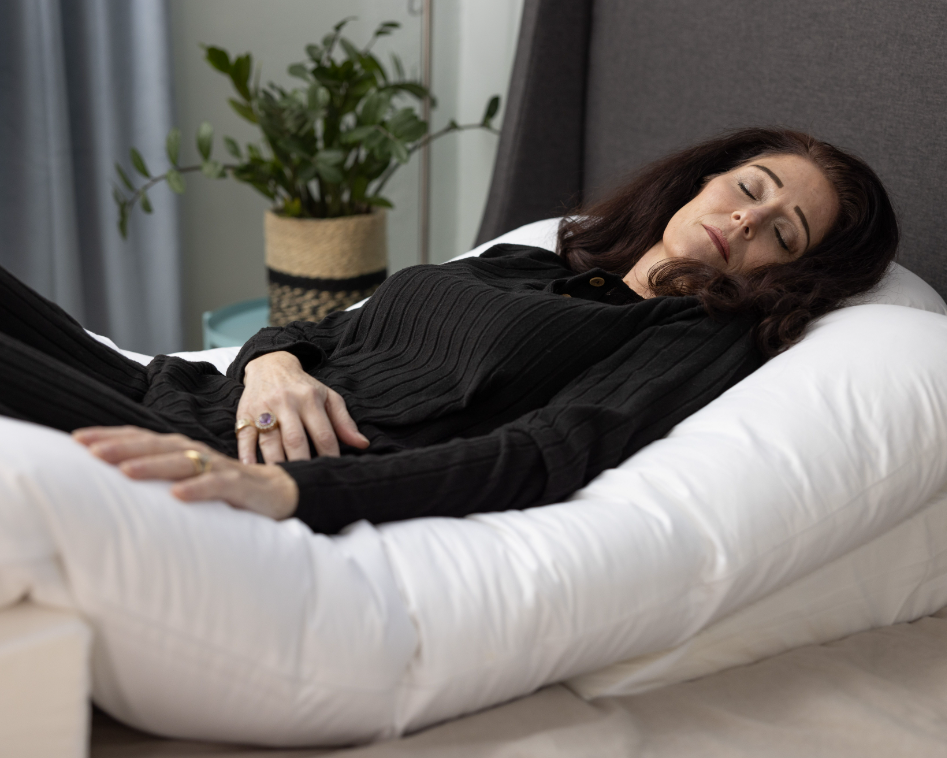
Most surgeons require elevated sleep, often at a 30-to-45-degree angle, often on your back, for two to six weeks after a cosmetic procedure, especially anything related to the face or upper body.
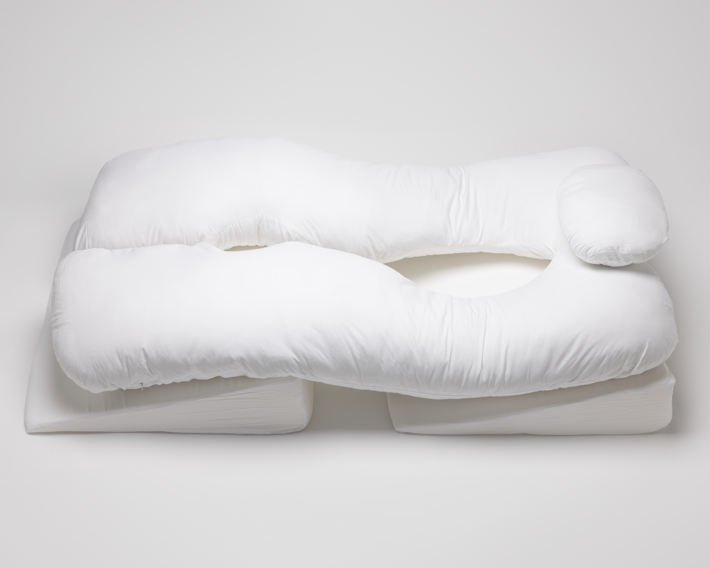
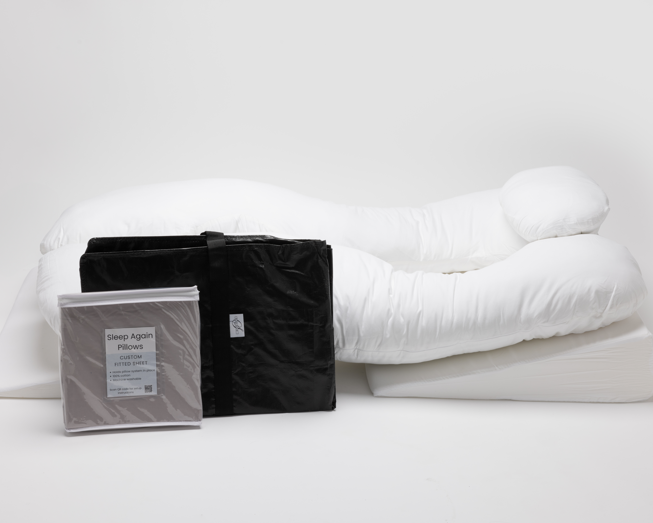
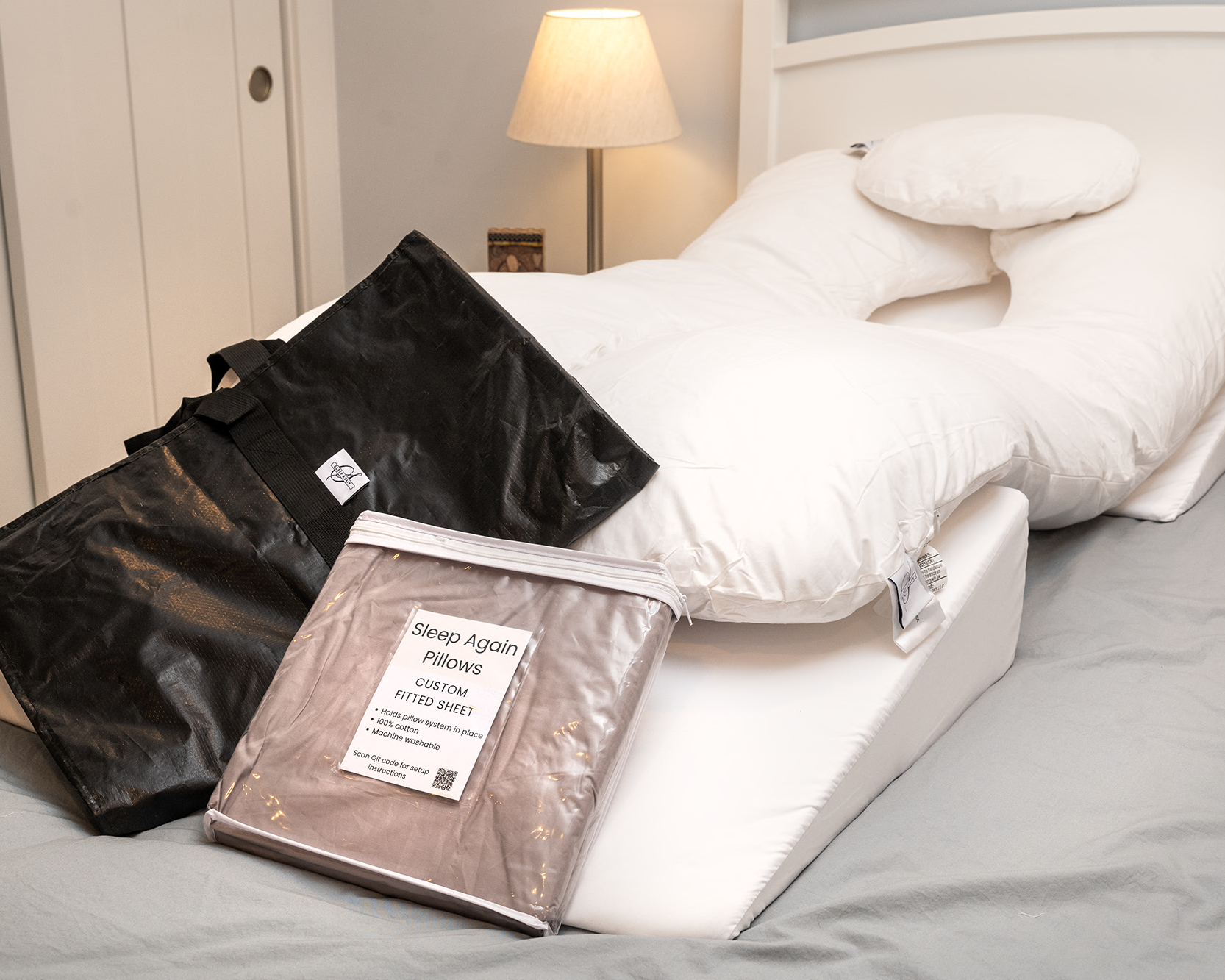
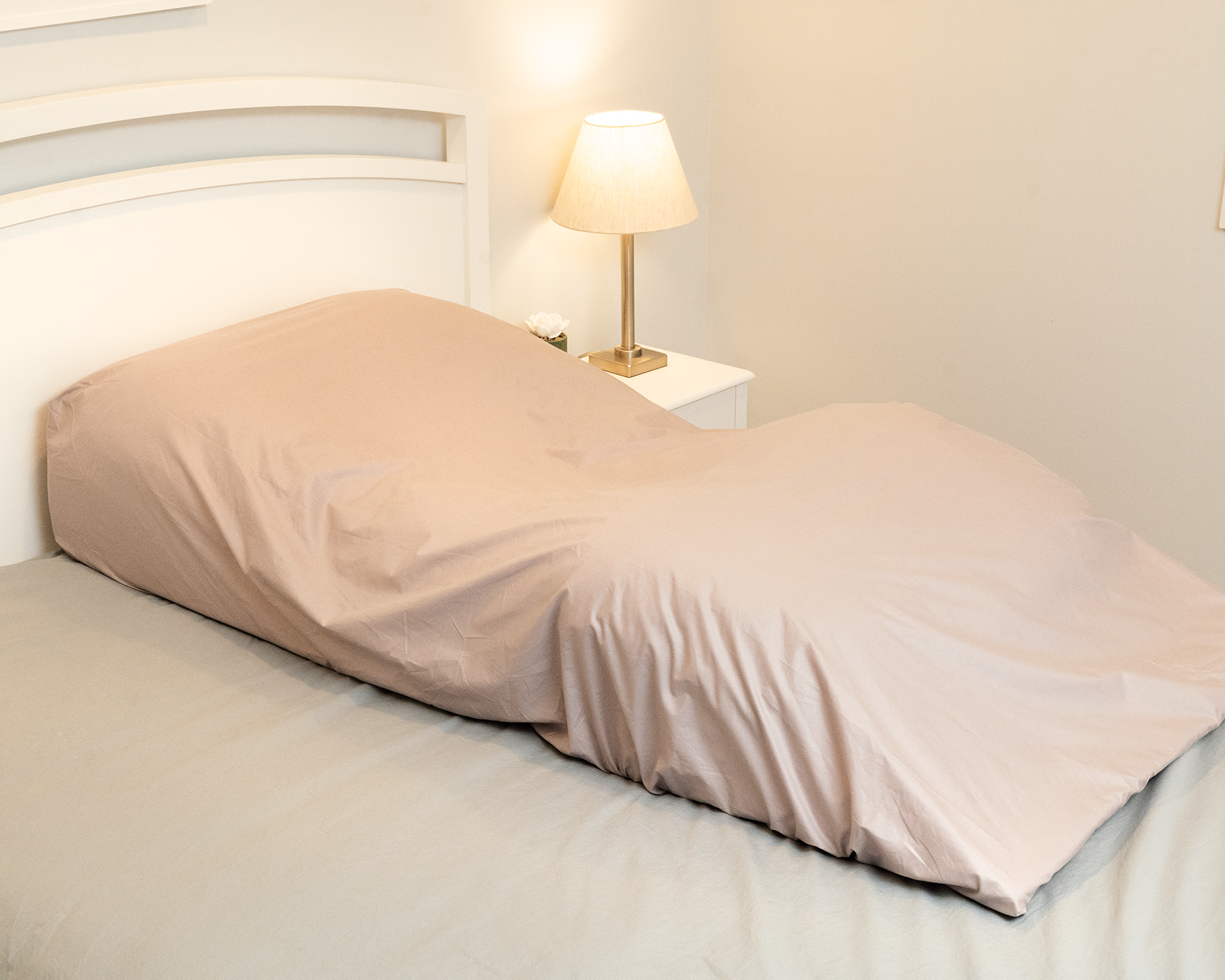
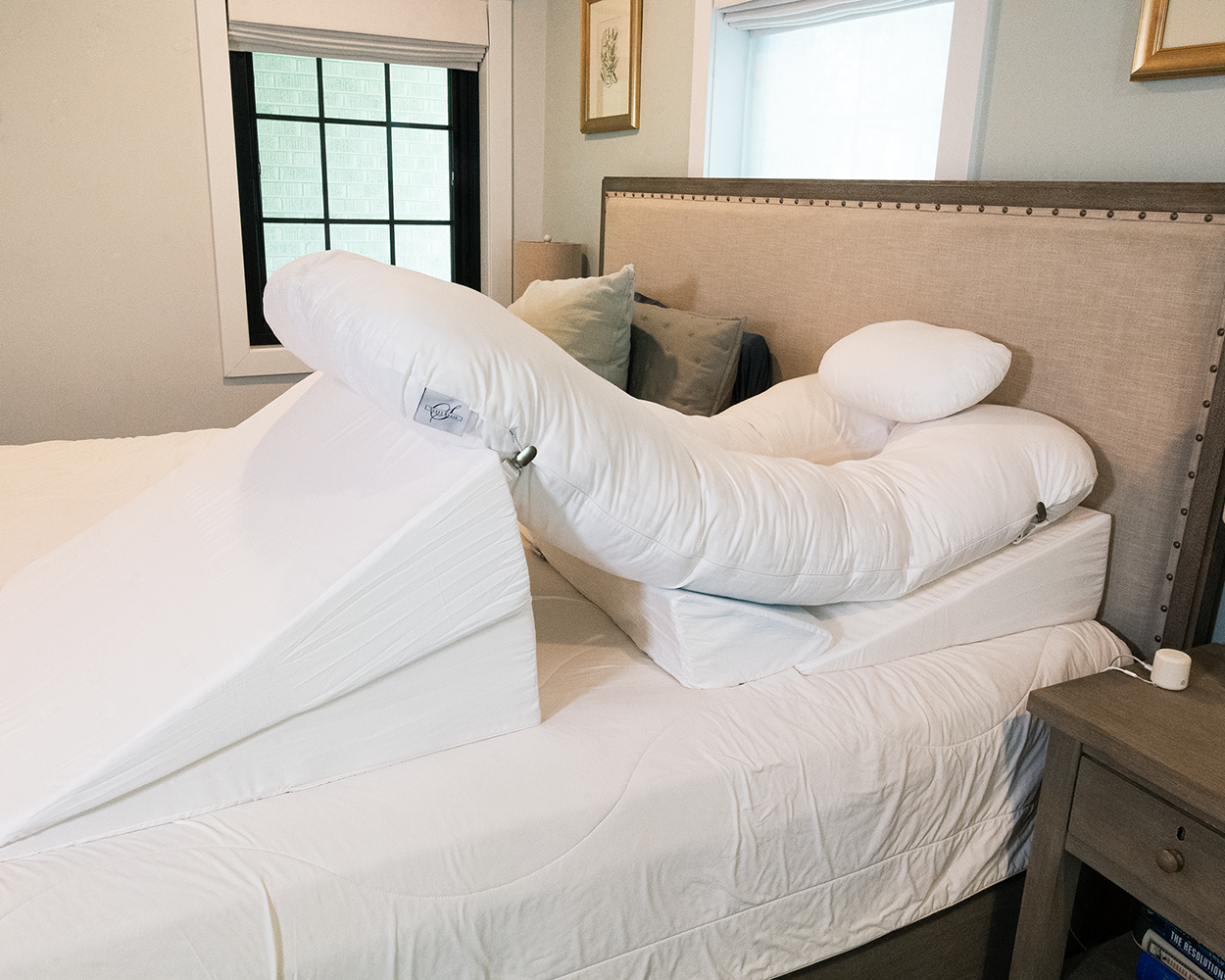
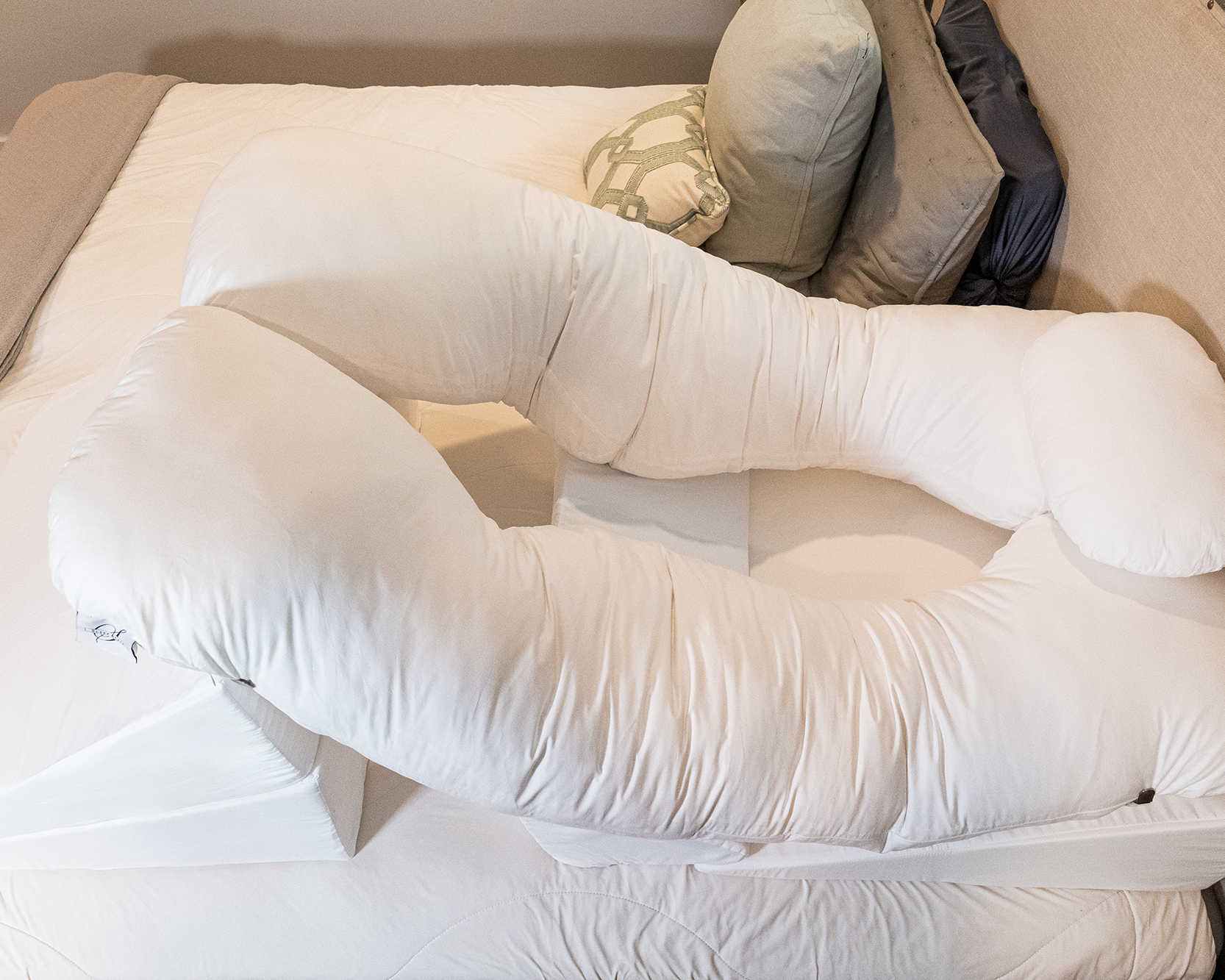
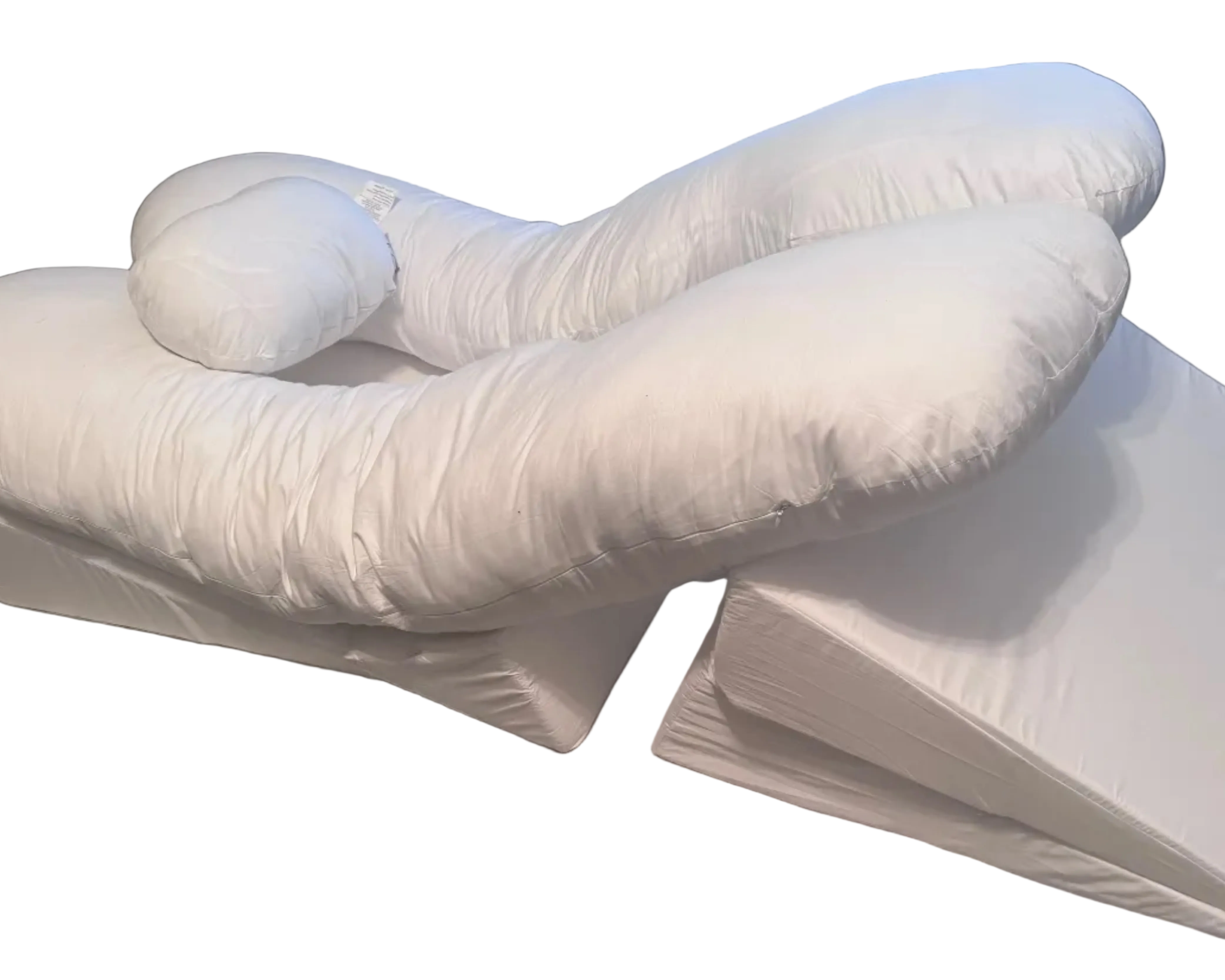
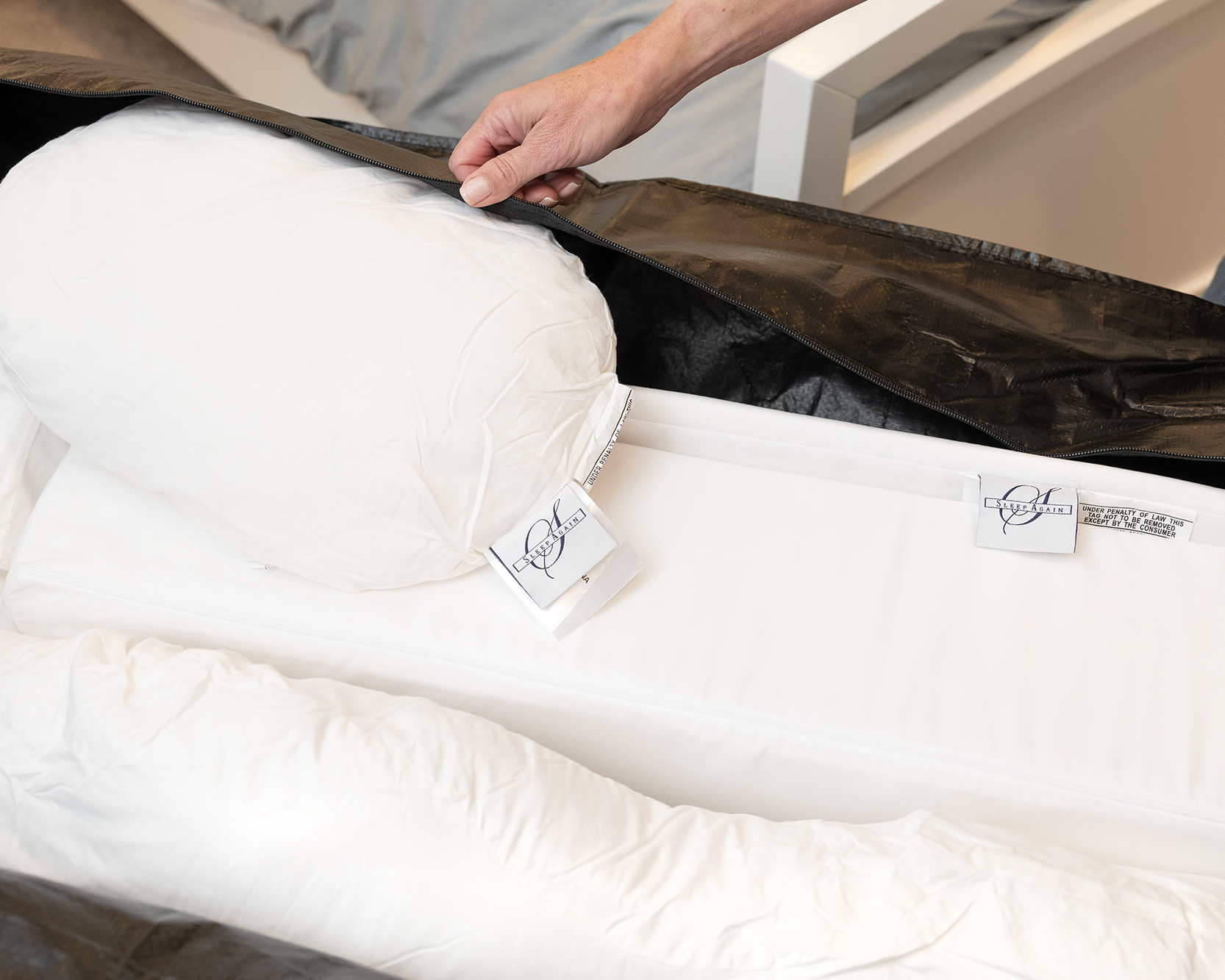
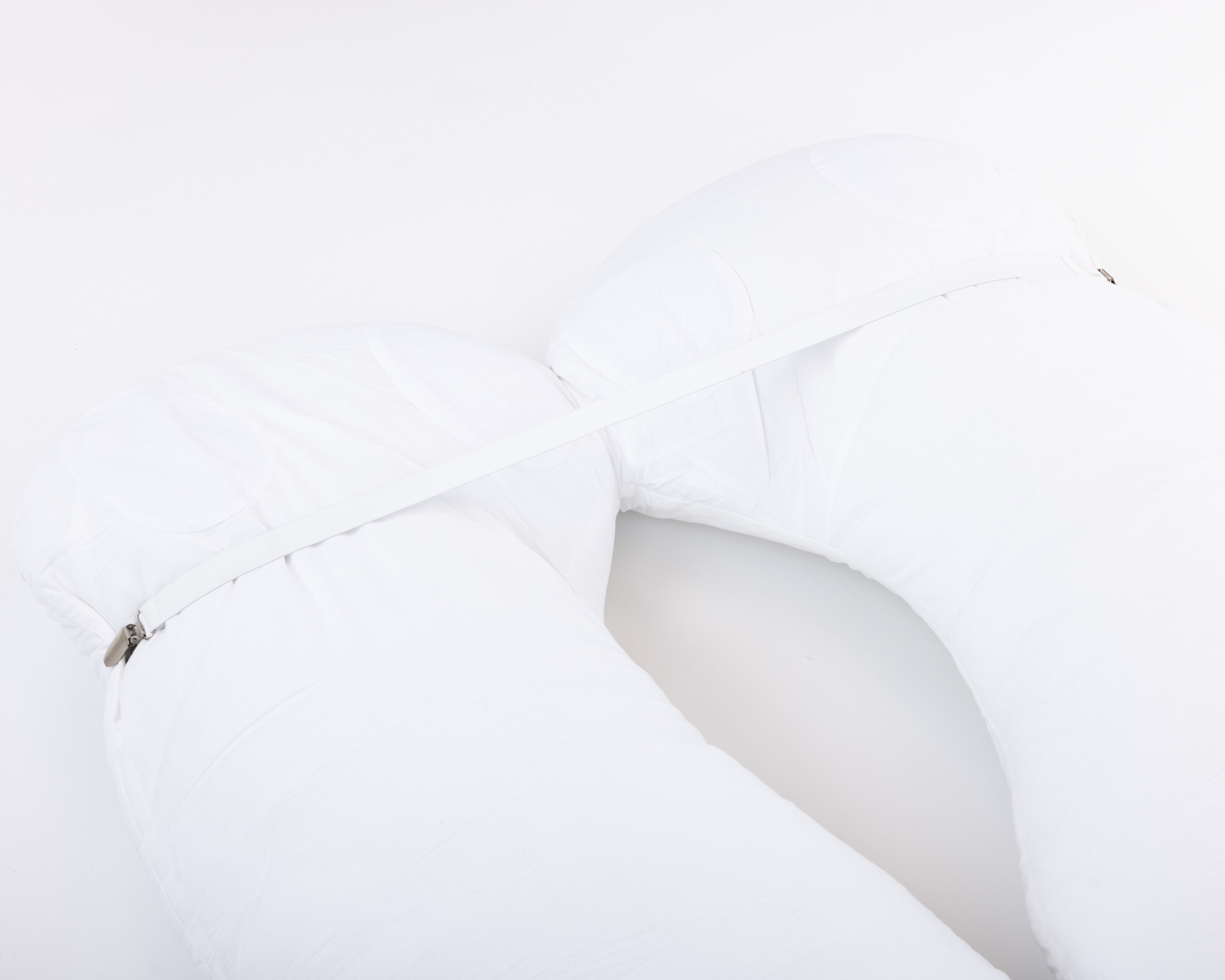
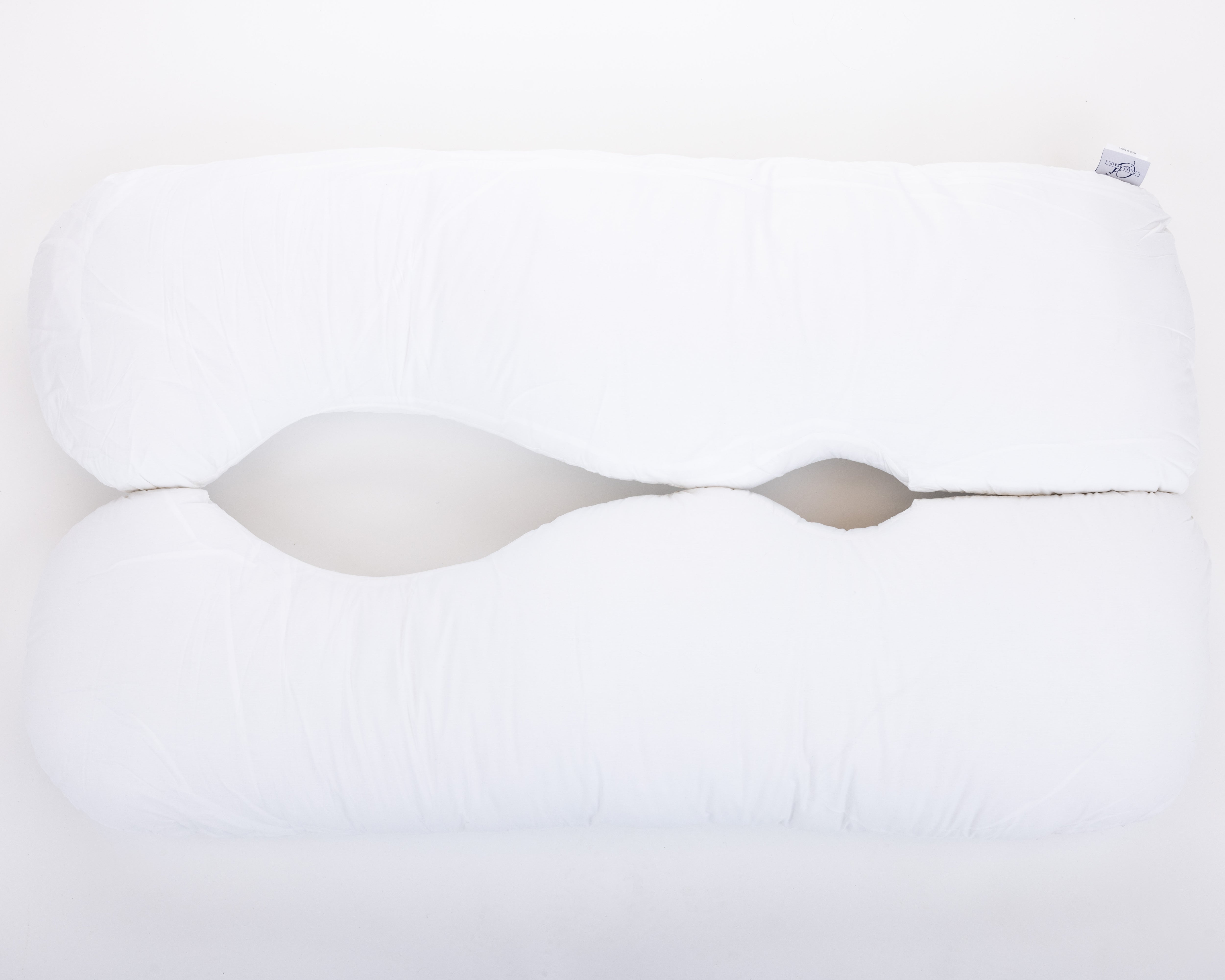
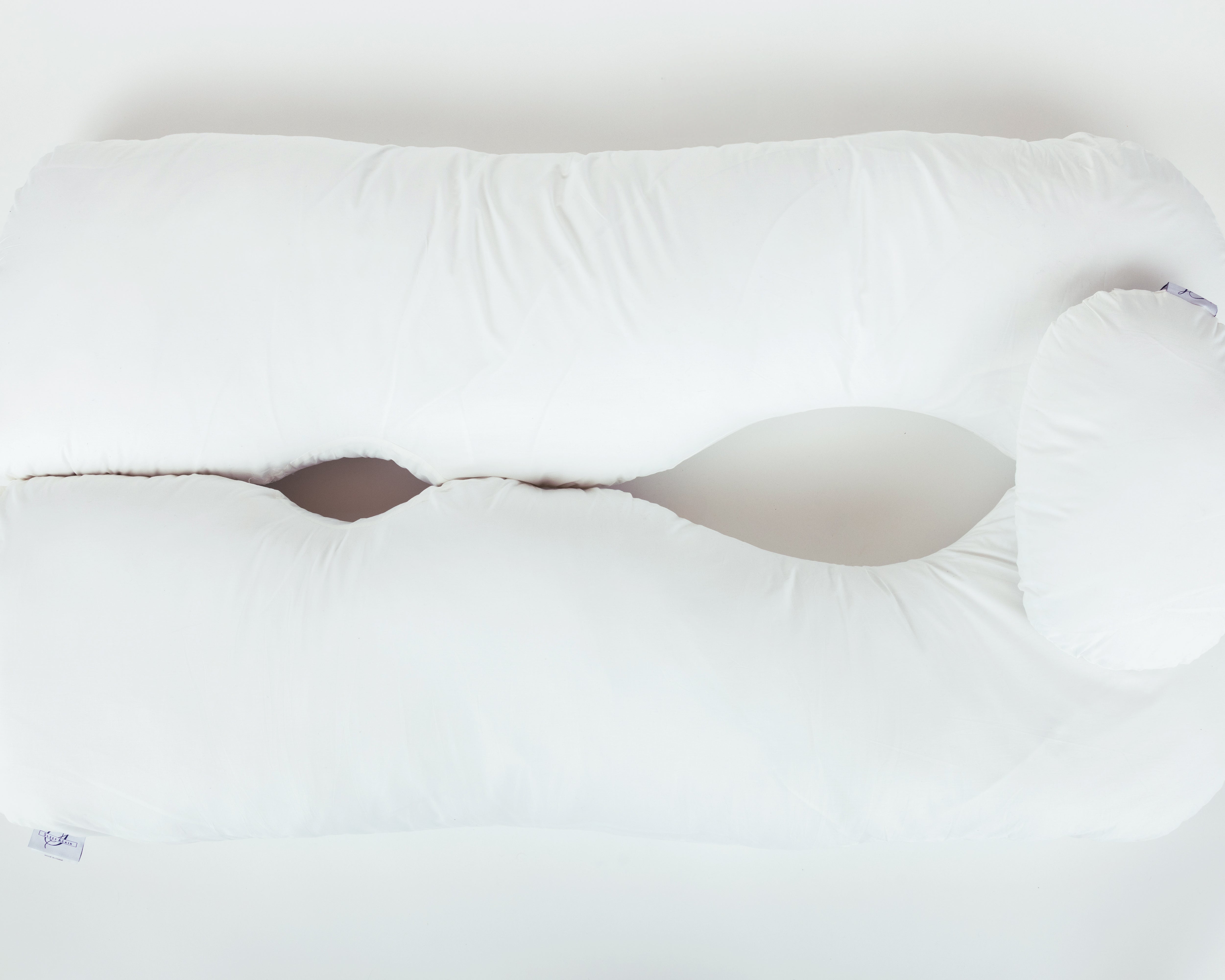
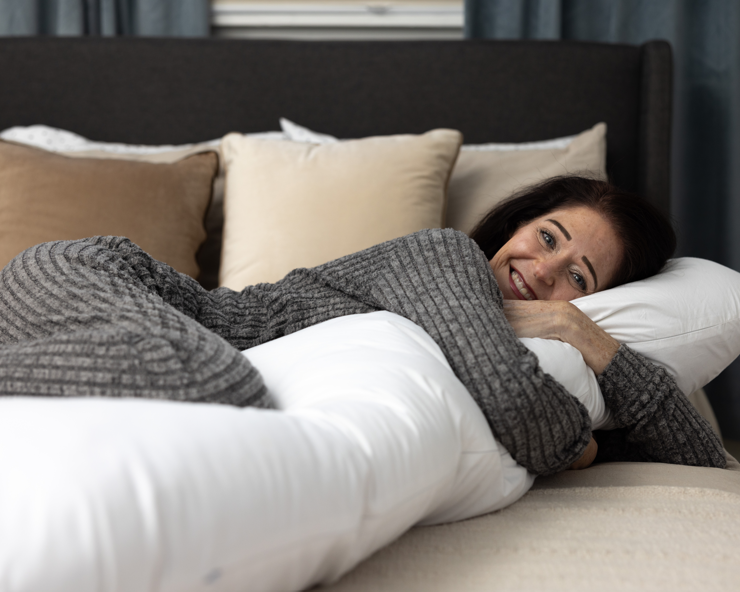
Standard bed pillows flatten and shift within an hour, which means you're readjusting all night instead of healing. The Sleep Again Pillow System is a full-body positioning system built specifically for post-surgical sleep, not a stack of pillows repurposed for the job.
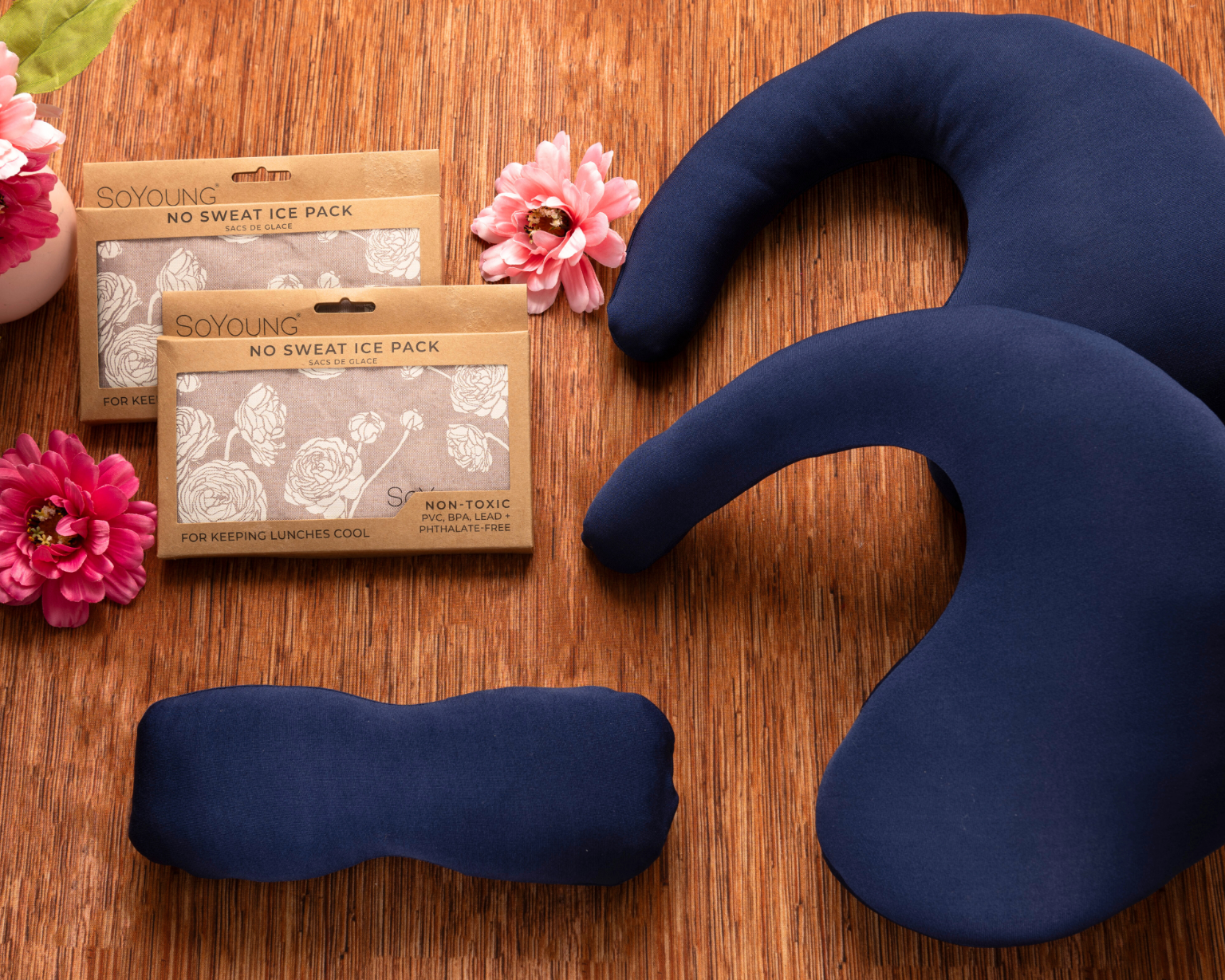
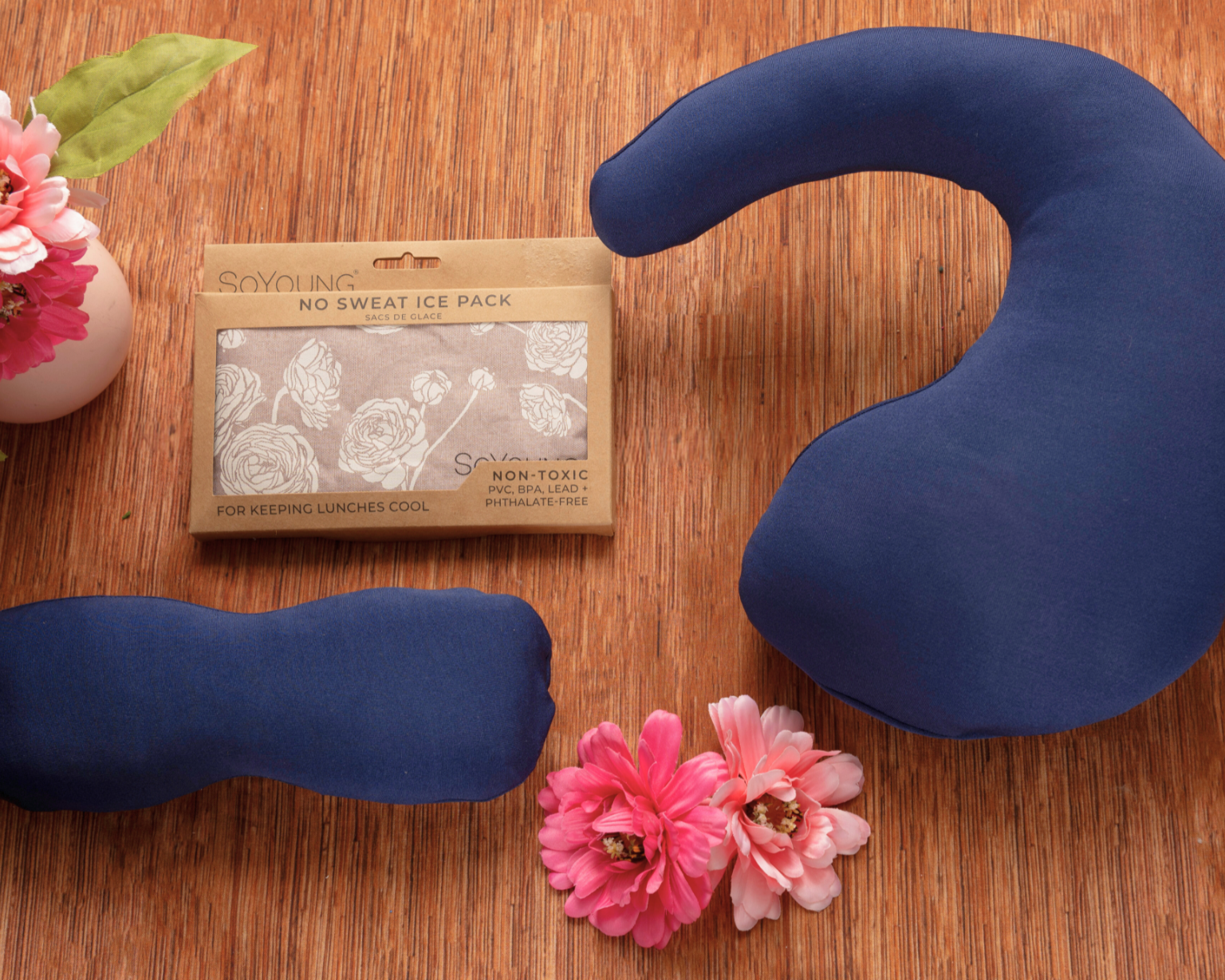
Every Sleep Again Pillow System includes:
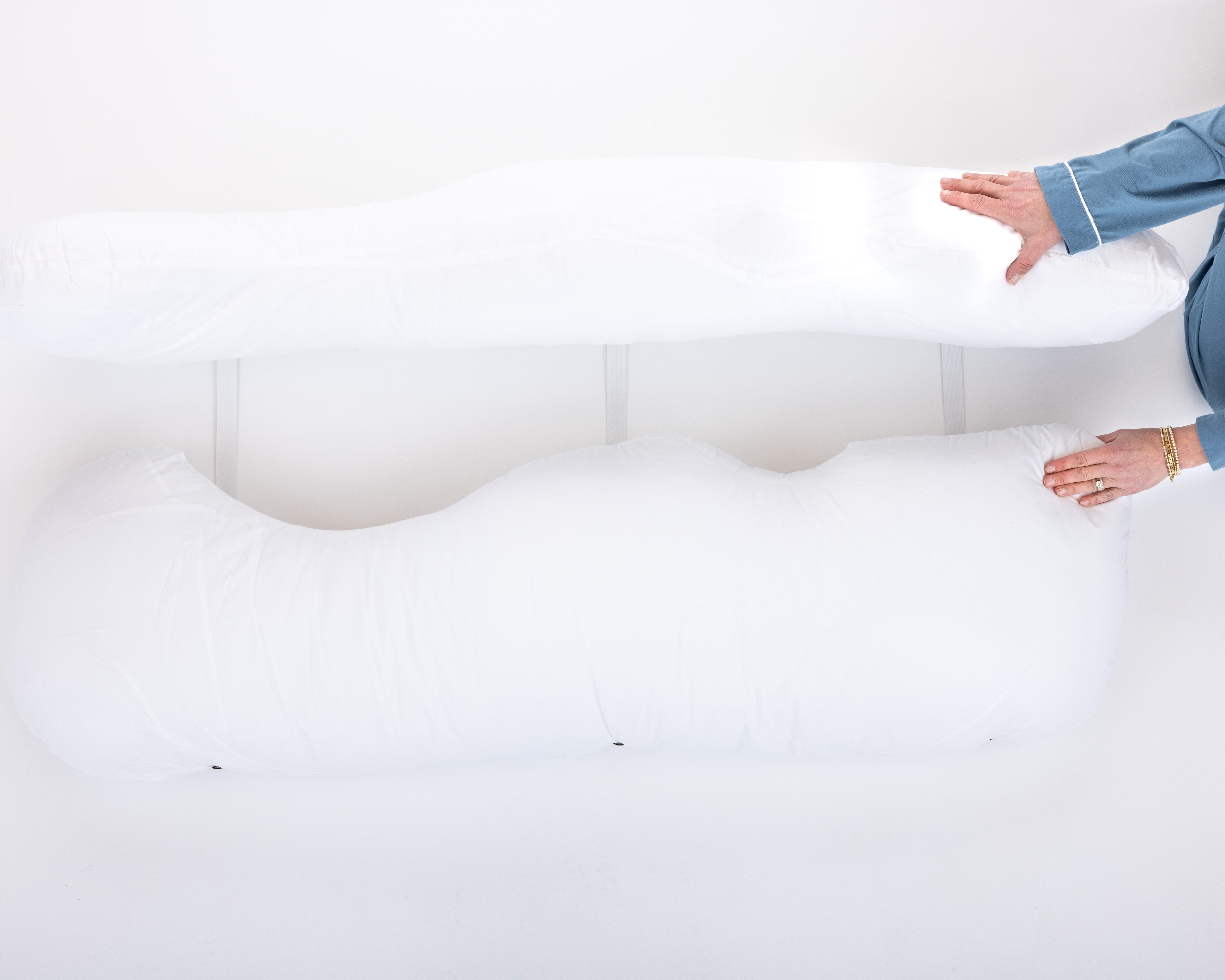
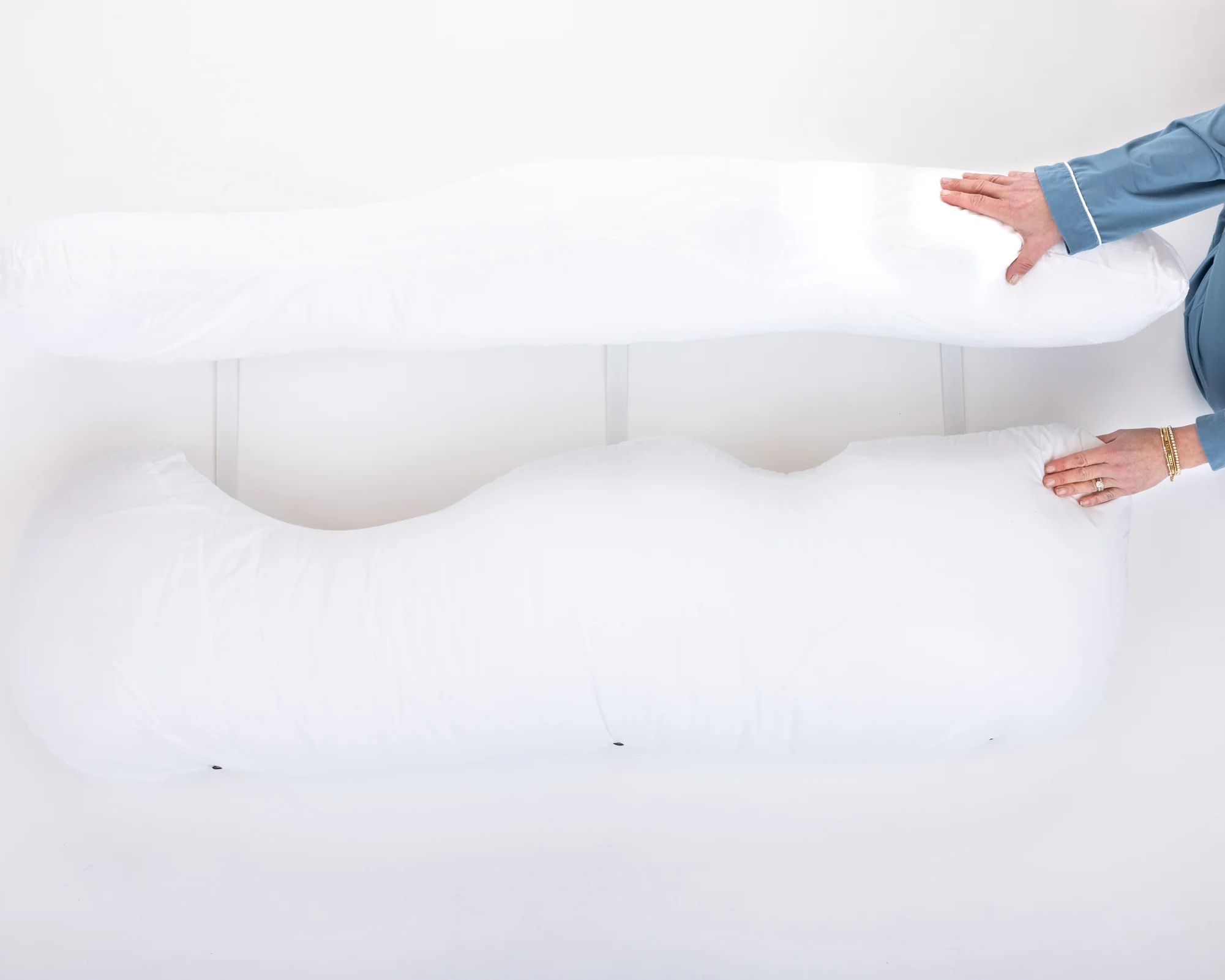
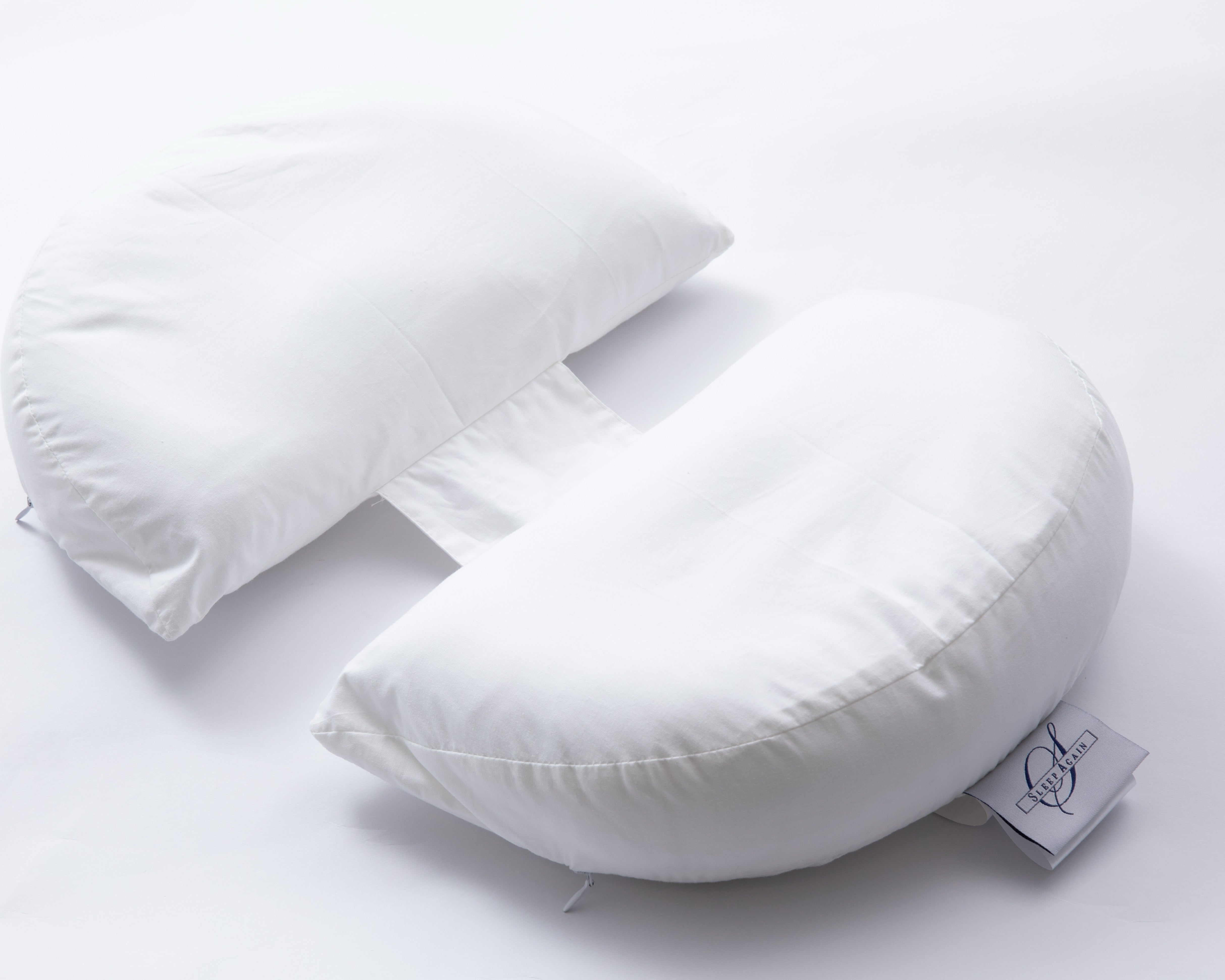
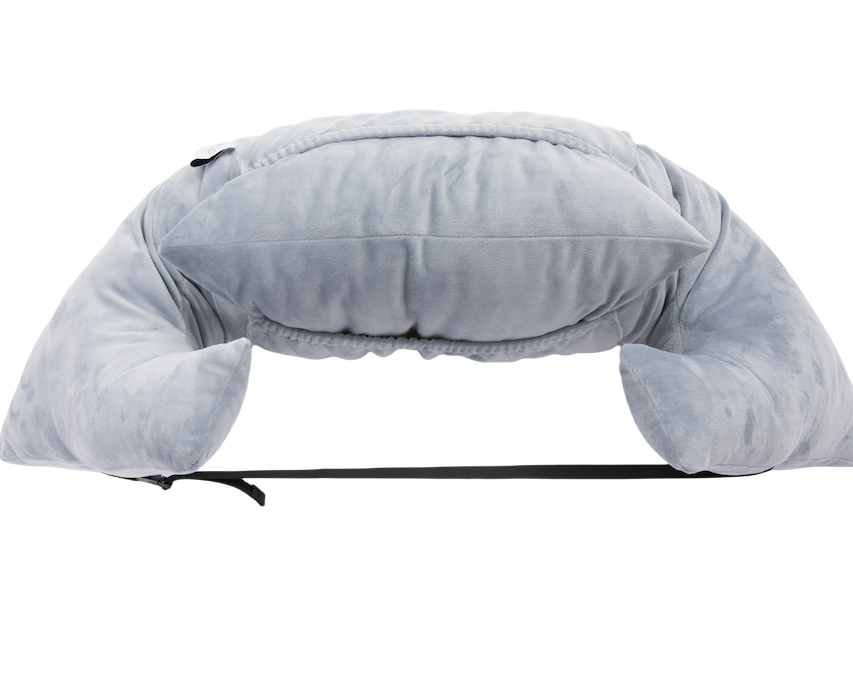
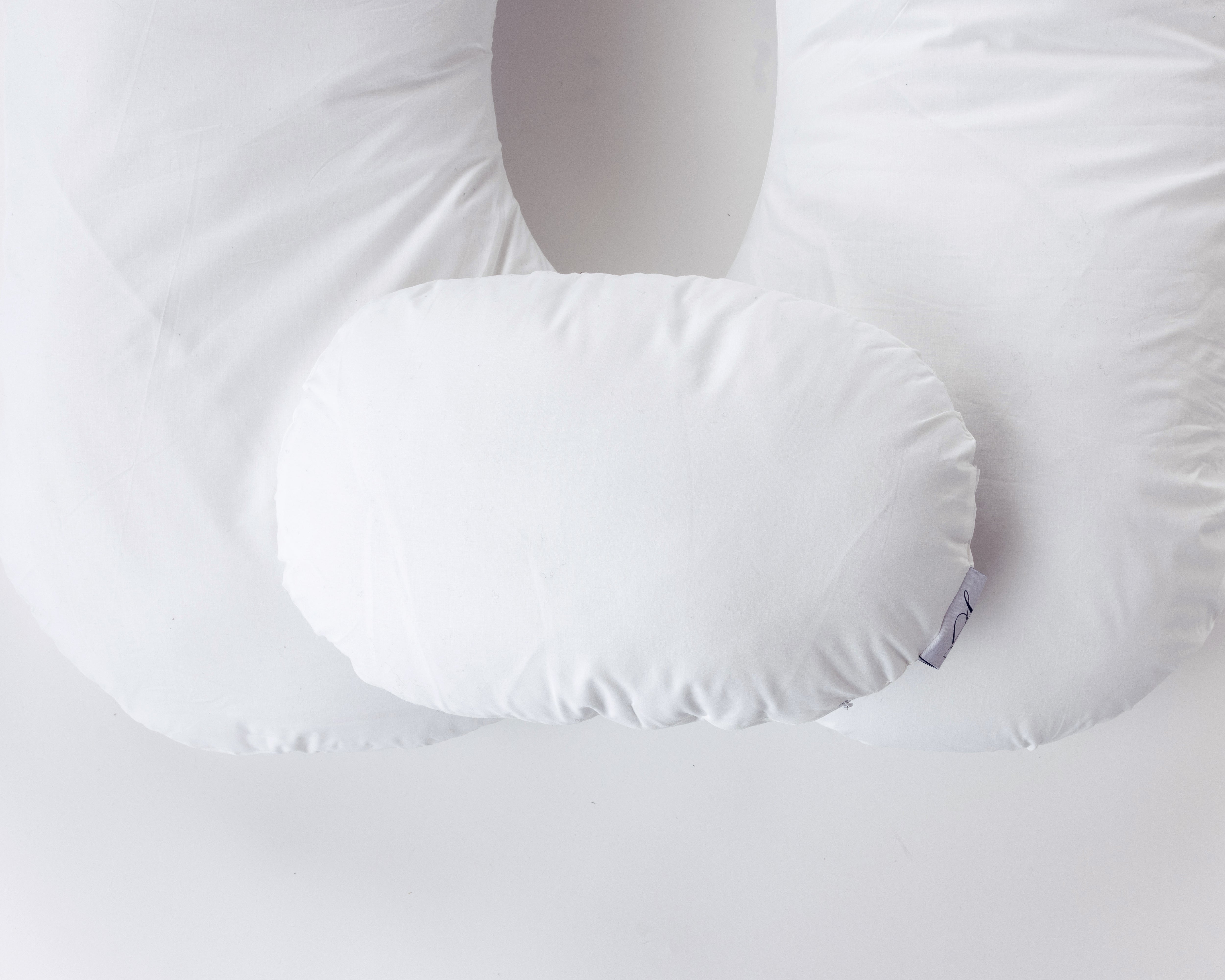
Two Contoured Side Pillows to cradle back and hips
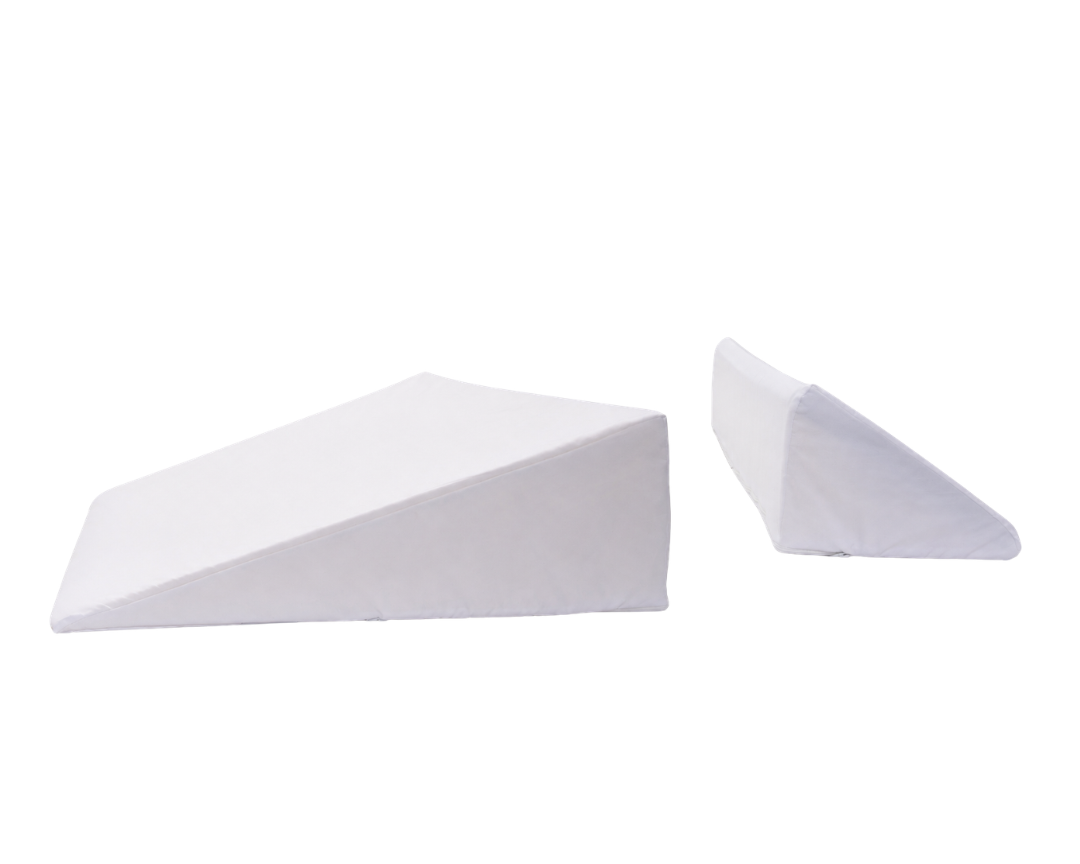
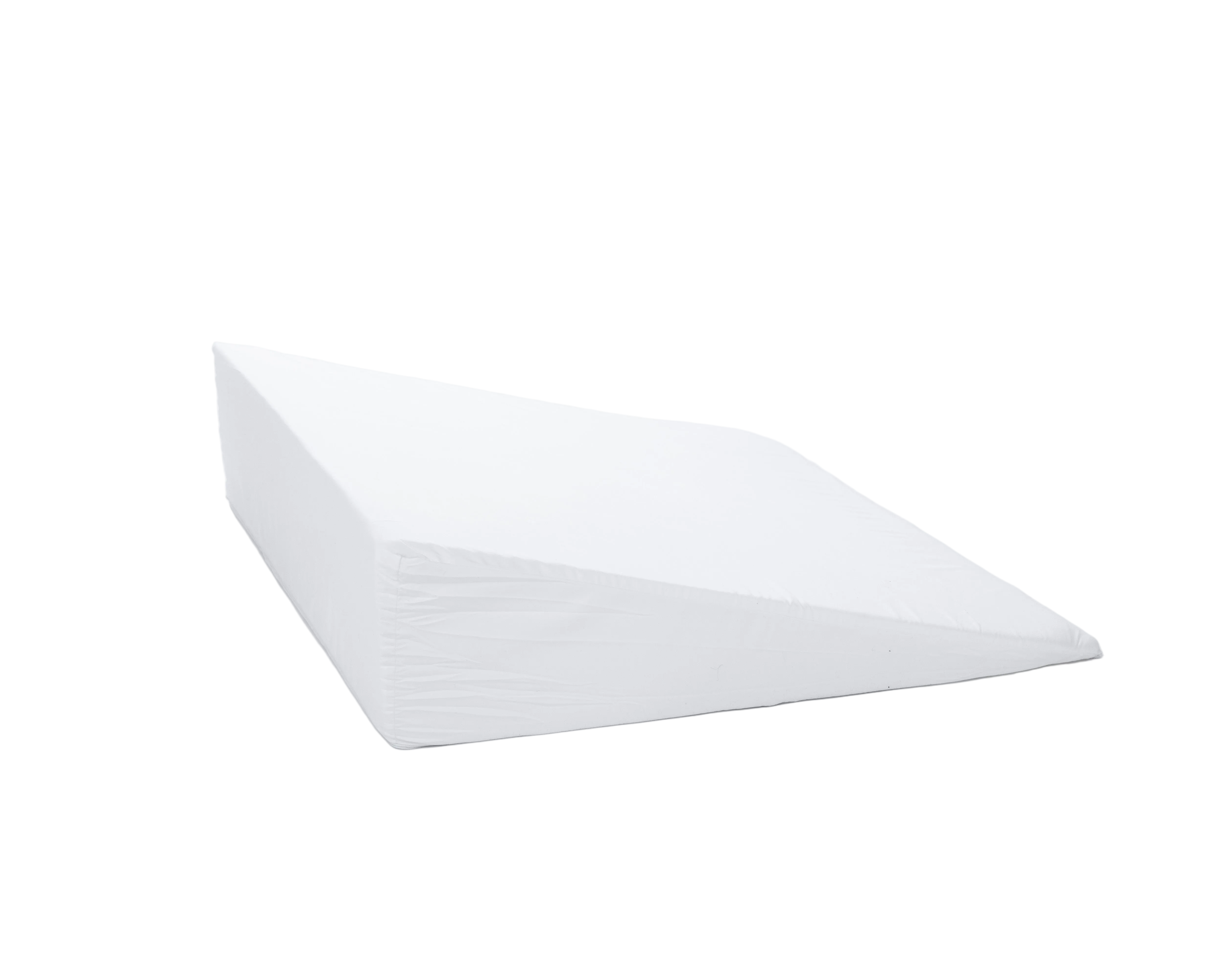
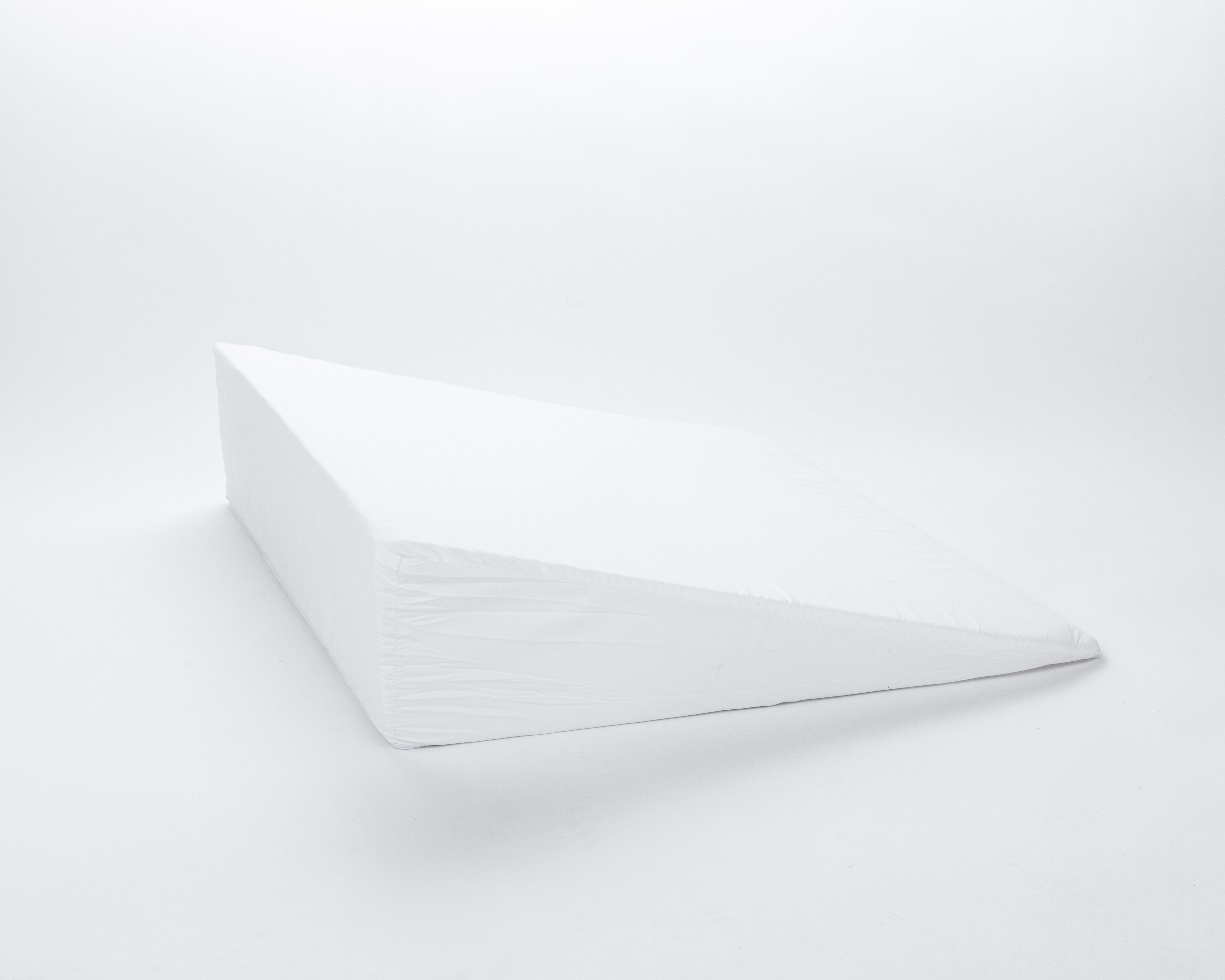
Upper Body Wedge to create optimal upper body incline
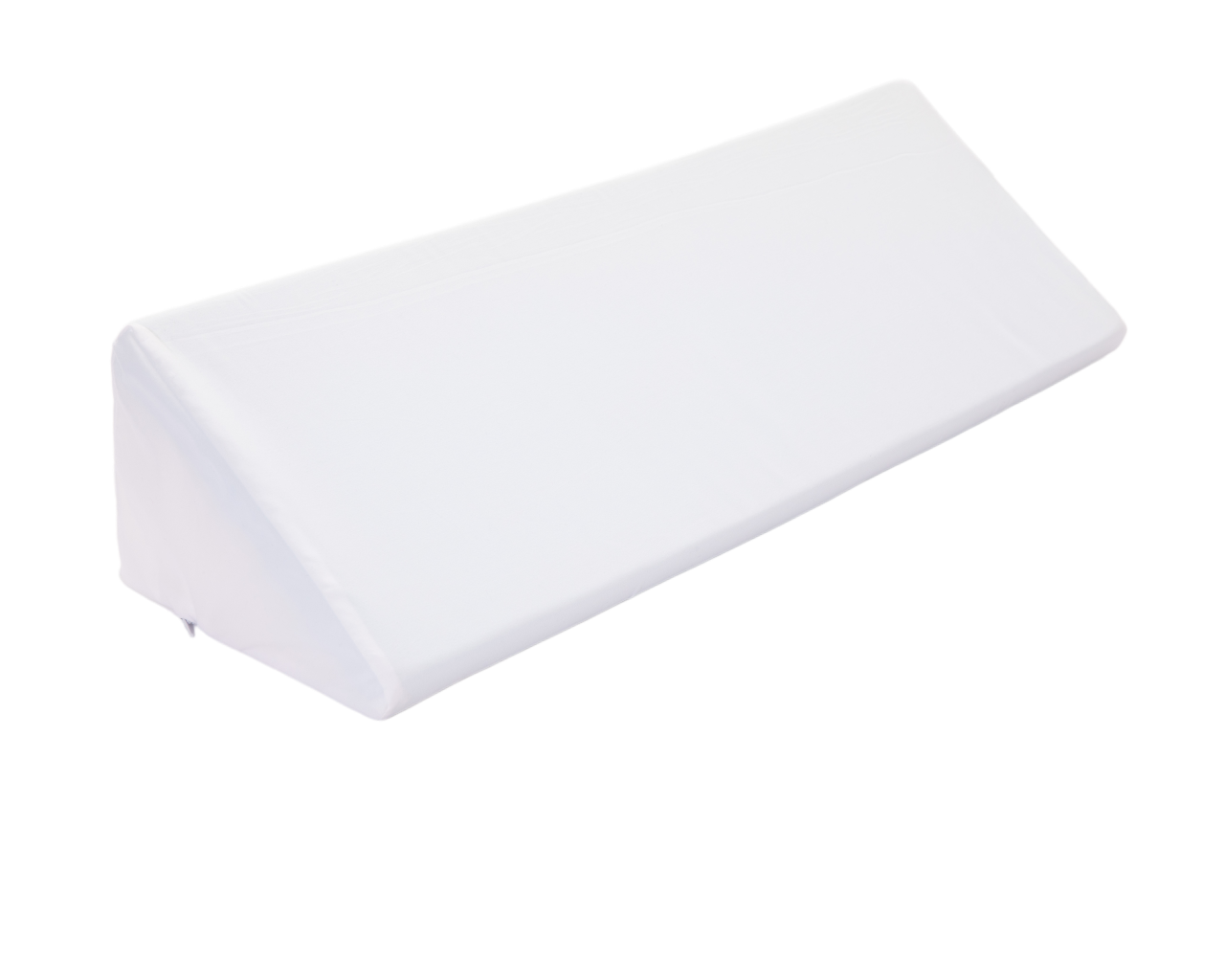
Leg Support Wedge to gently elevate legs
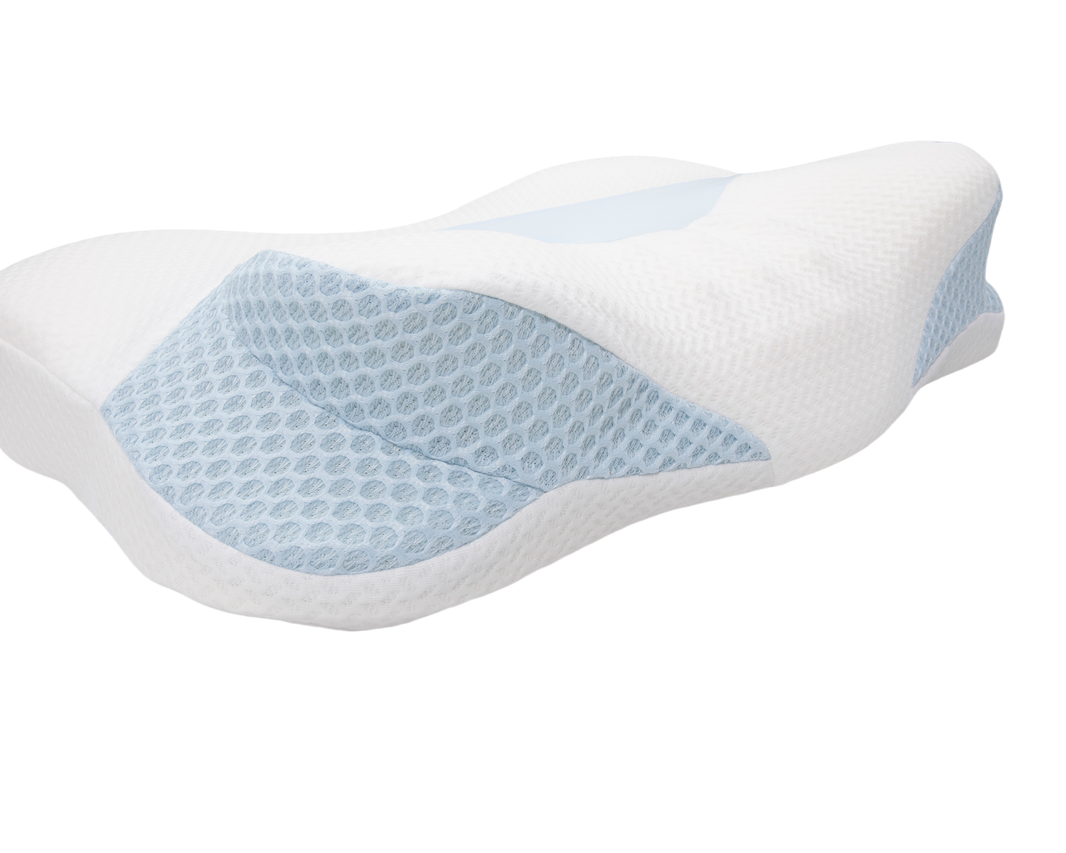
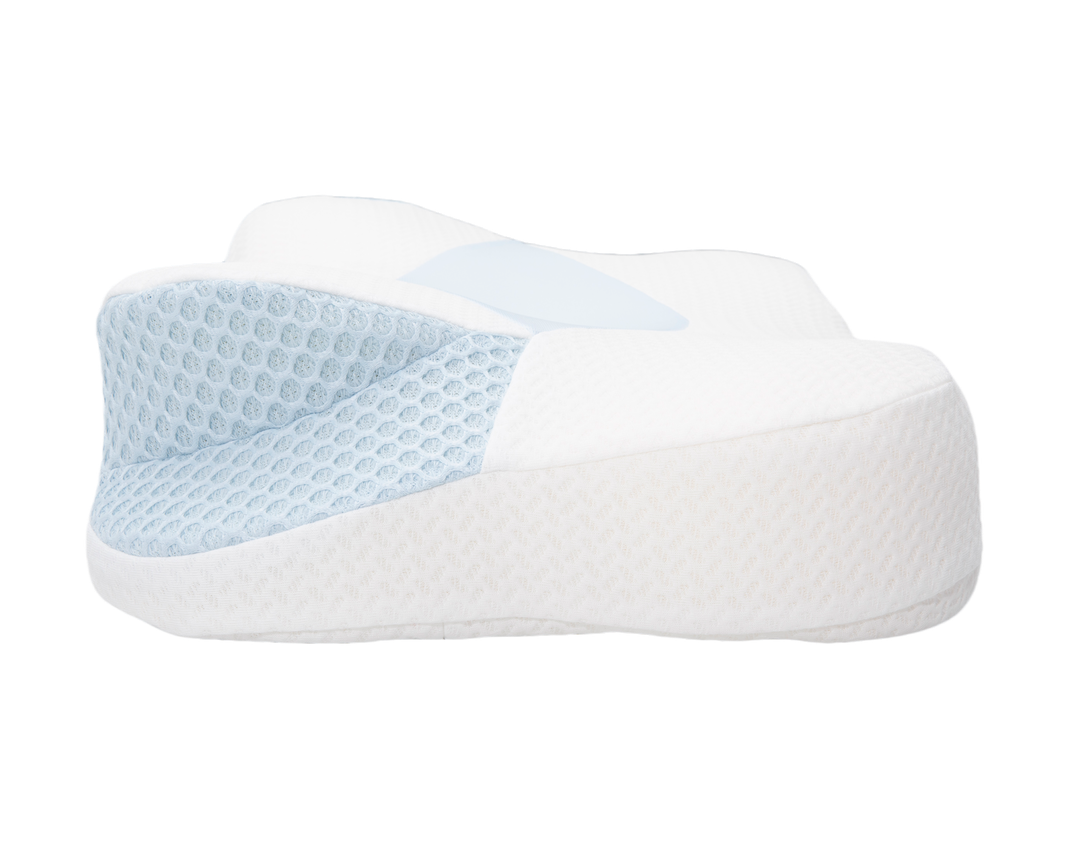
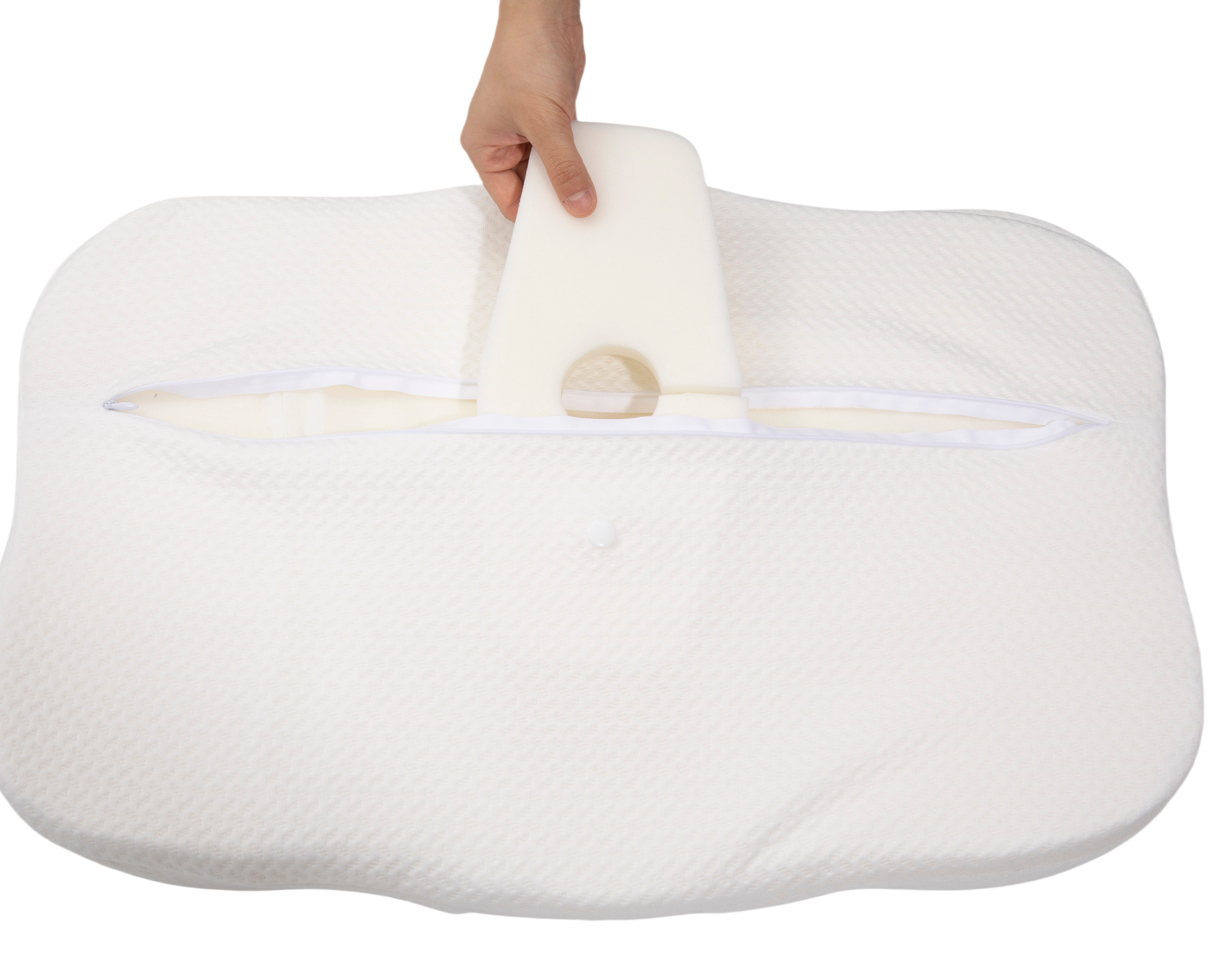
Head Pillow to provide head support and neck mobility
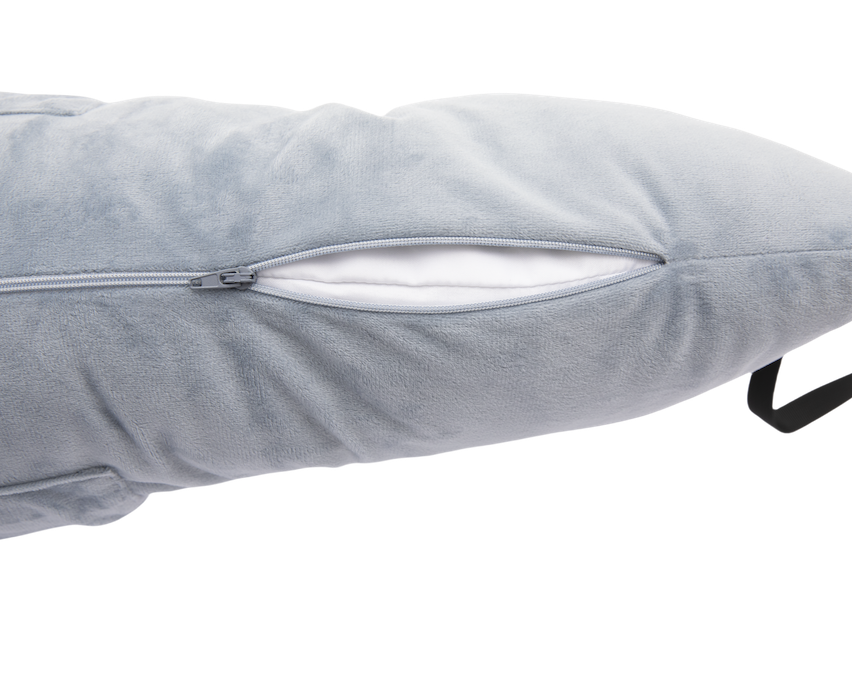
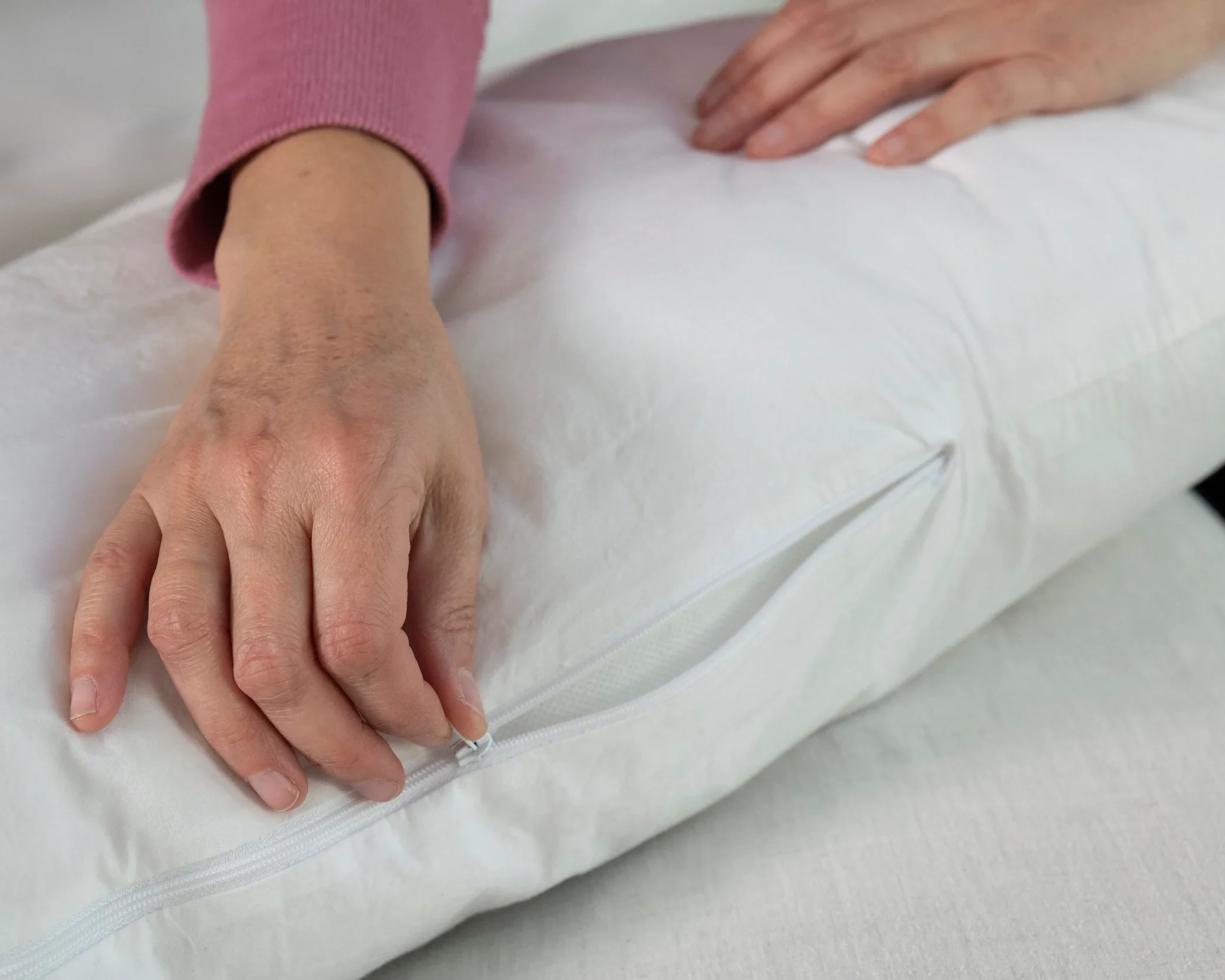
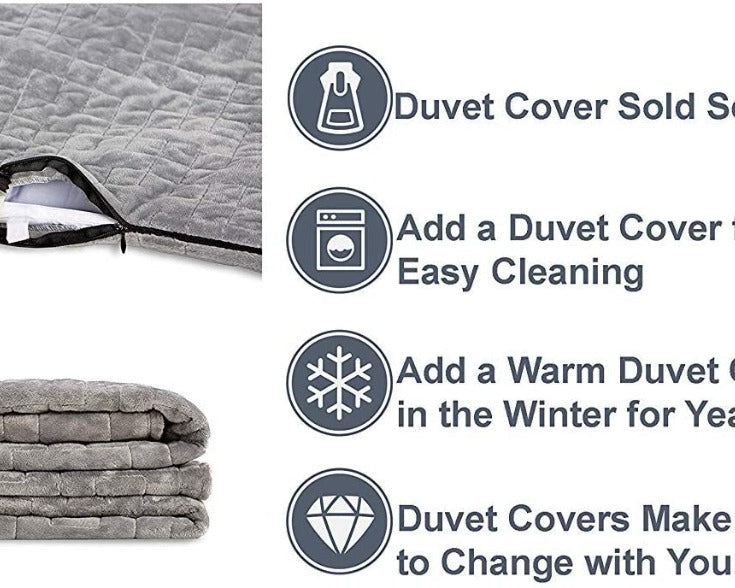
Removable, washable slipcovers for every piece
The Upper Body Wedge creates and maintains the elevation range that surgical recovery requires. Unlike stacked pillows, it does not compress under body weight or flatten during the night. The elevation angle holds consistently throughout the night.
The Two Contoured Side Pillows solve the lateral drift problem. Positioned on either side of the body, they create physical barriers that prevent unconscious rolling during sleep cycles, eliminating one of the biggest threats to a clean, uninterrupted recovery.
The Leg Support Wedge addresses the lower body component that many patients underestimate. Gentle leg elevation improves circulation and reduces the pooling of post-operative fluid, and it helps stabilize the whole body on the incline. It also prevents the patient from sliding down the incline during sleep, which is a consistent problem with wedge-only setups.
The Head Pillow ensures that elevation at the upper body is matched by proper neck support. Sleeping at an incline on a wedge without dedicated head support creates a neck angle that causes its own disruptions — patients who wake up with neck strain are less rested and more likely to unconsciously adjust their position in ways that compromise their results.
Removable, washable slipcovers are a clinical necessity during surgical recovery, not a luxury feature. Drainage, compression garment or dressing contact, and extended time in bed create hygiene requirements that standard pillow cases cannot meet.
The Sleep Again Pillow System is HSA/FSA eligible. Bedding products can't be resold once used, so we are unable to accept returns once the packaging is removed.
Great for: Mastectomy, breast augmentations/lifts/reduction, chest/heart surgery, any procedure of the face or jaw, abdominal surgery, shoulder surgery, orthopedic surgery, and any surgery where elevated sleep is recommended or required by your doctor or surgeon.
See how it works!
2. Cooling Fitted Sheet
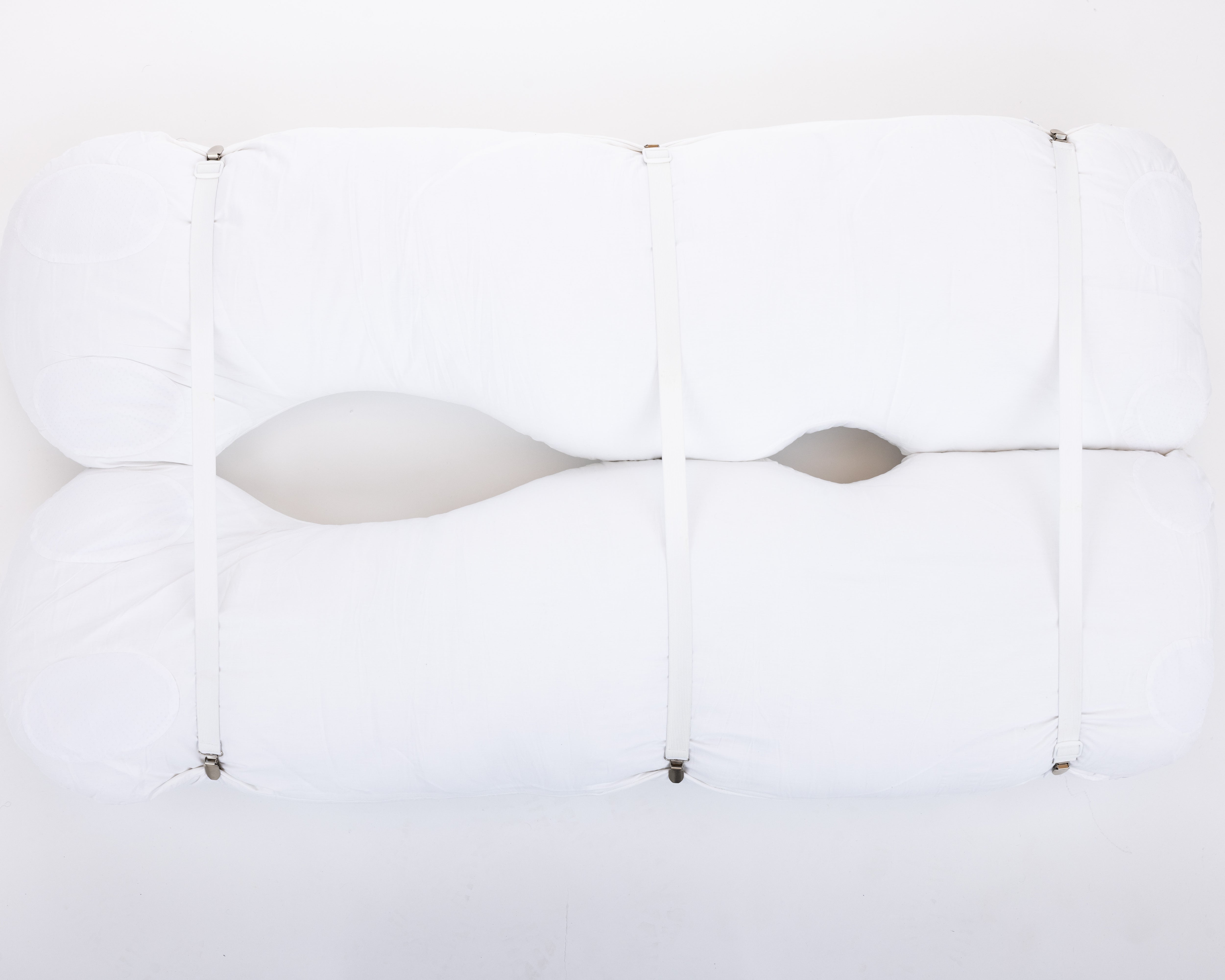
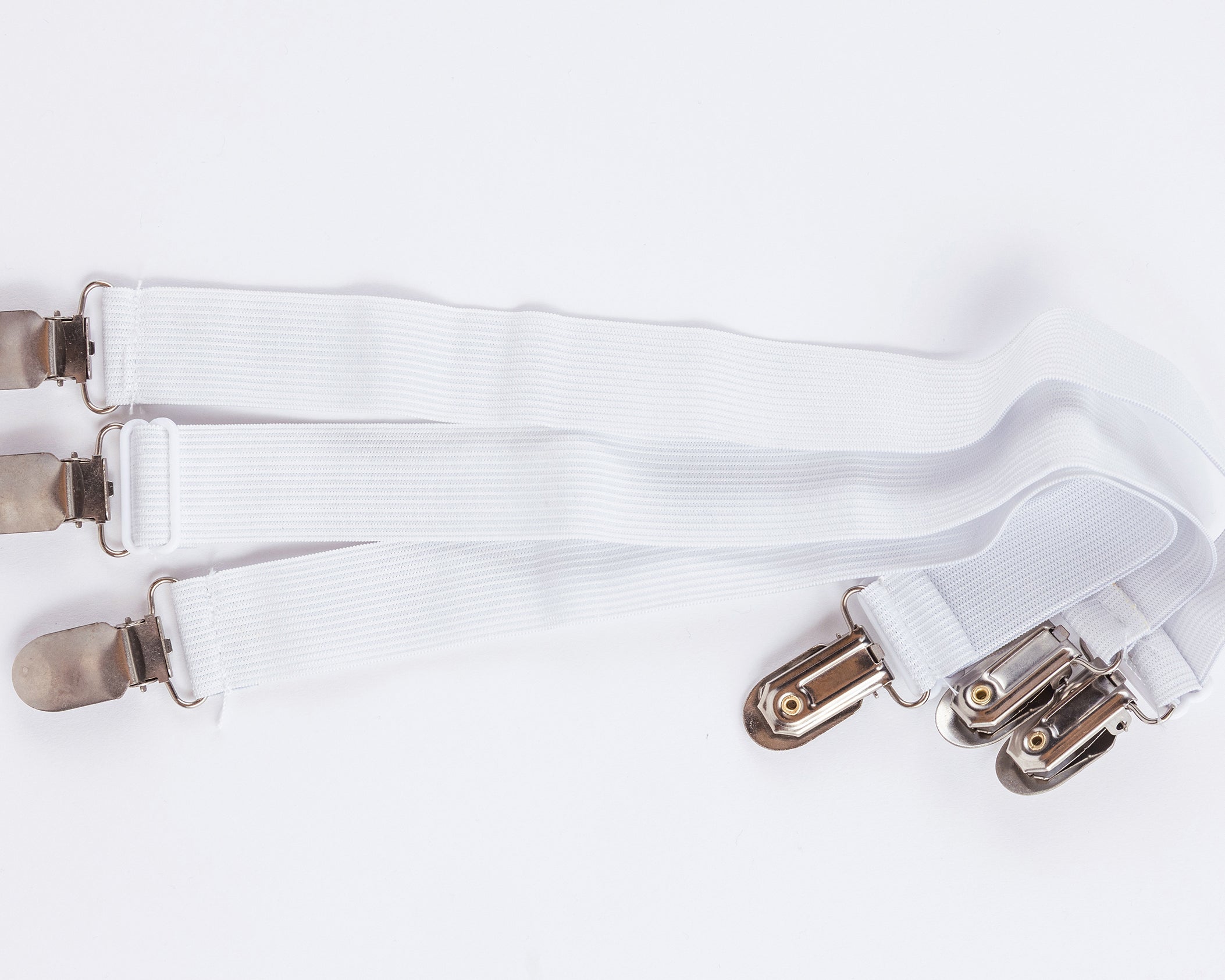
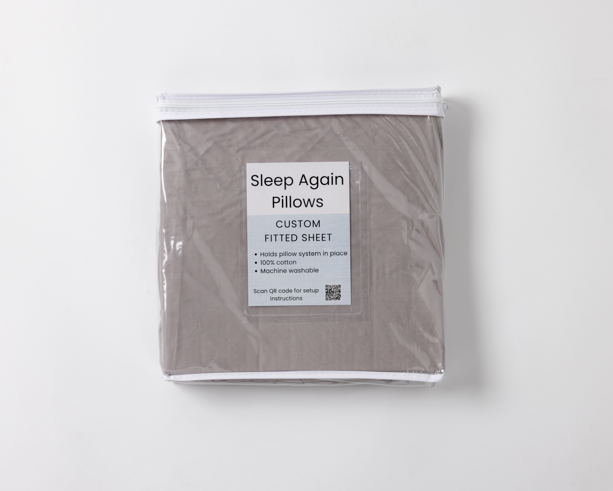
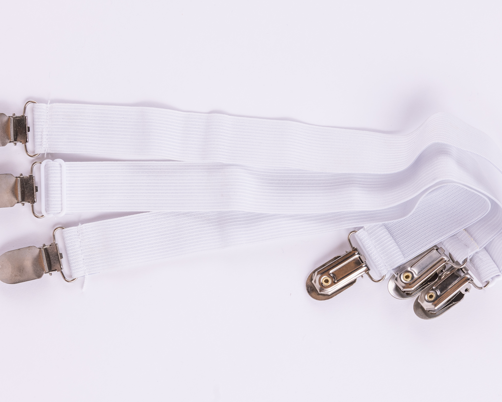
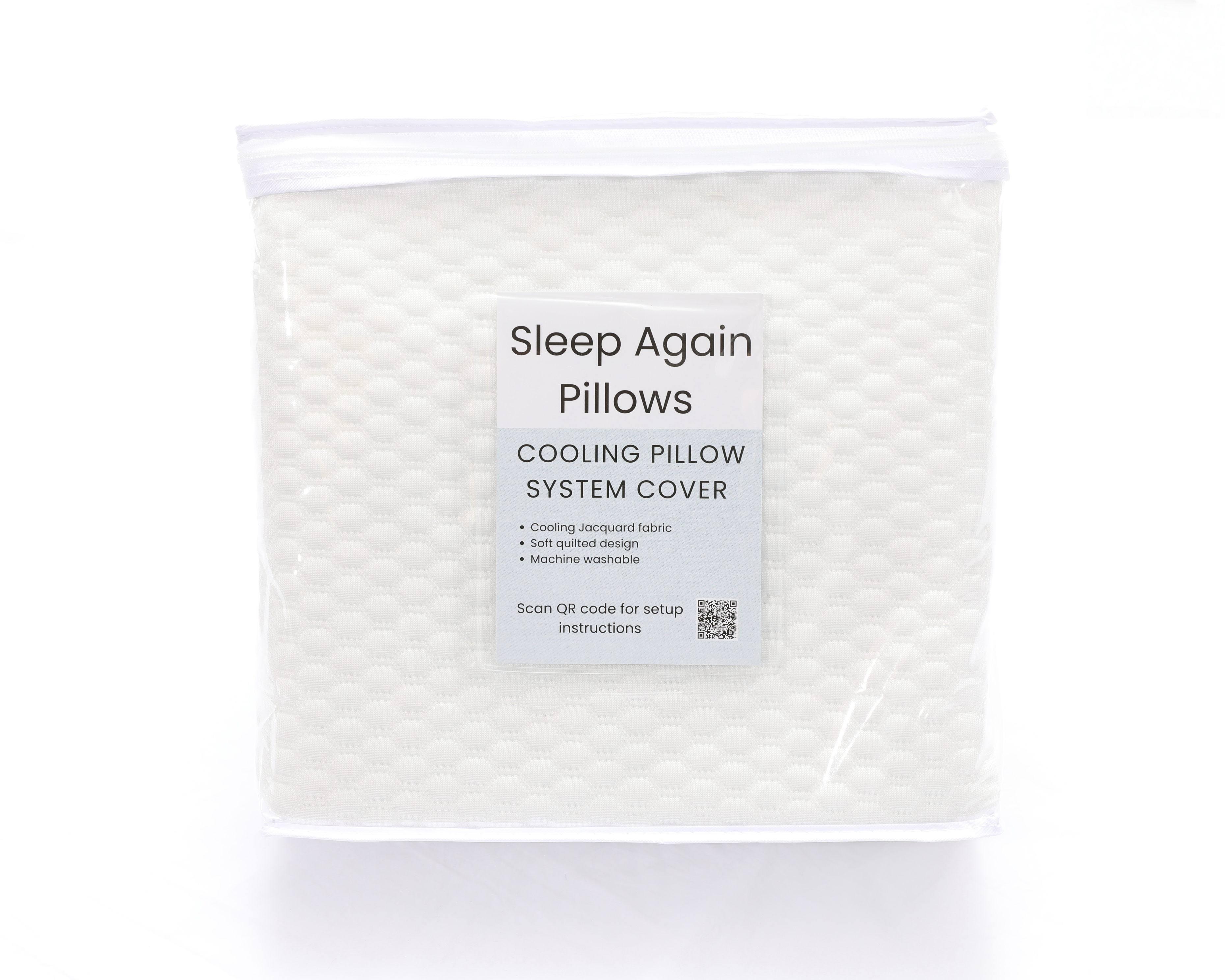
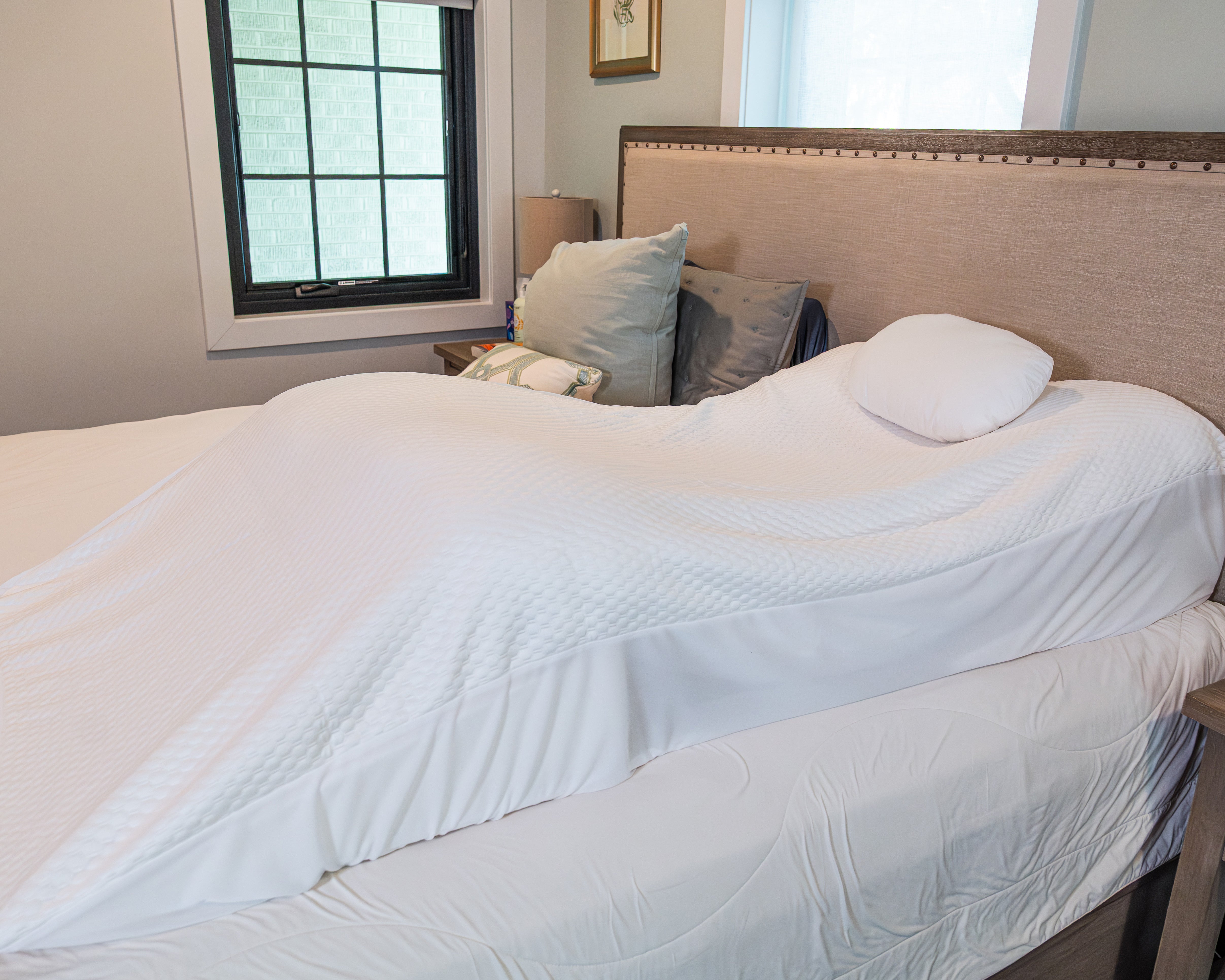
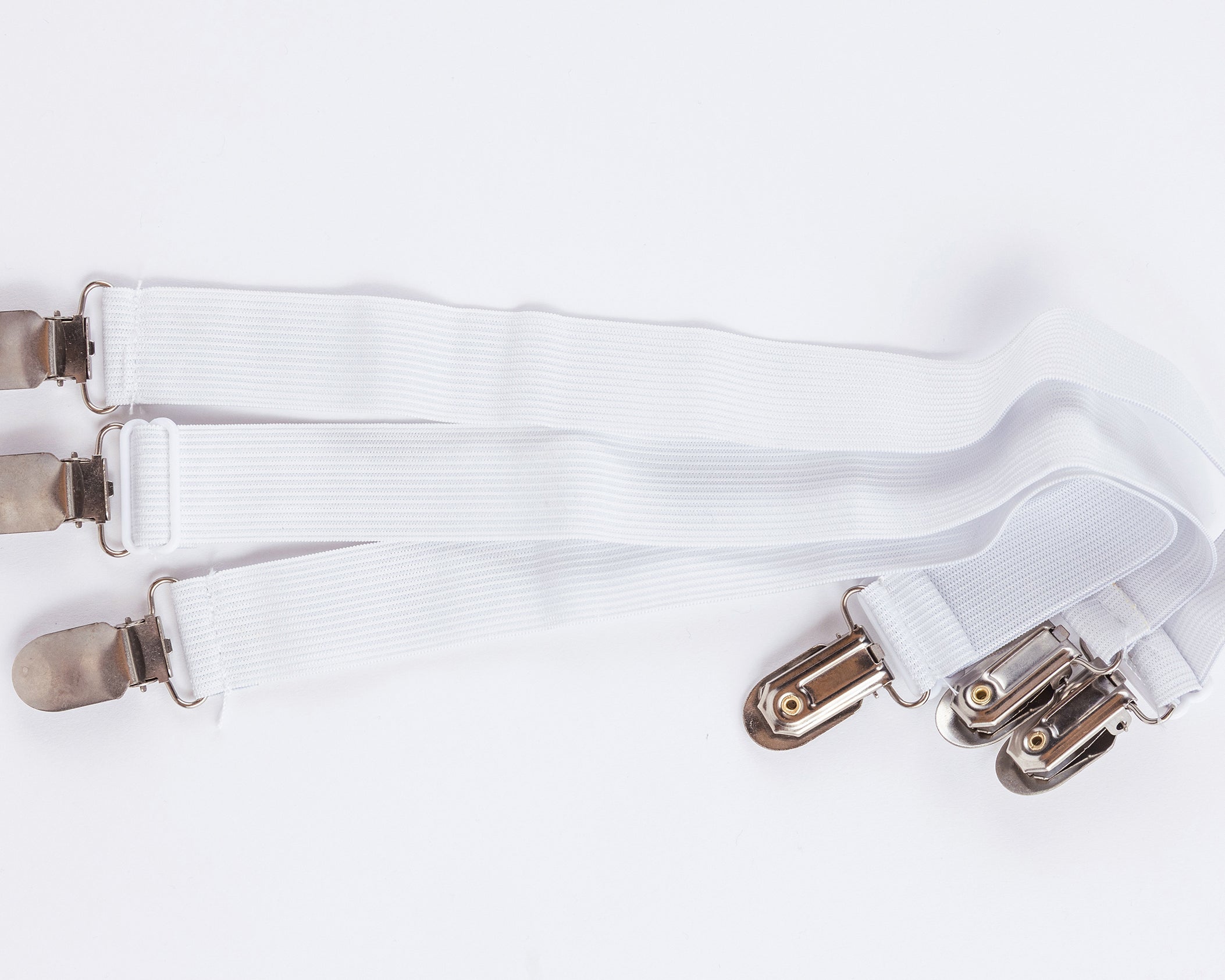
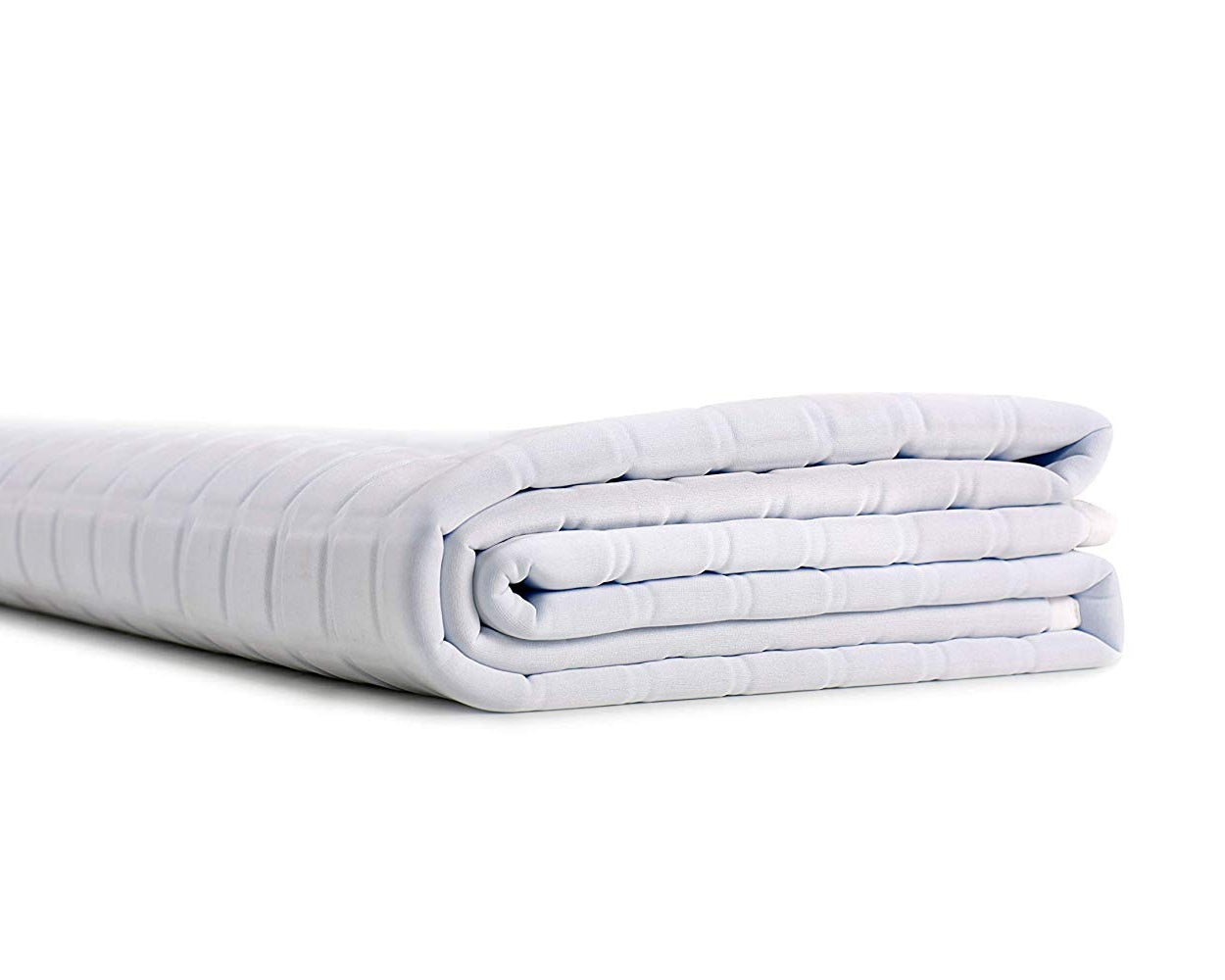
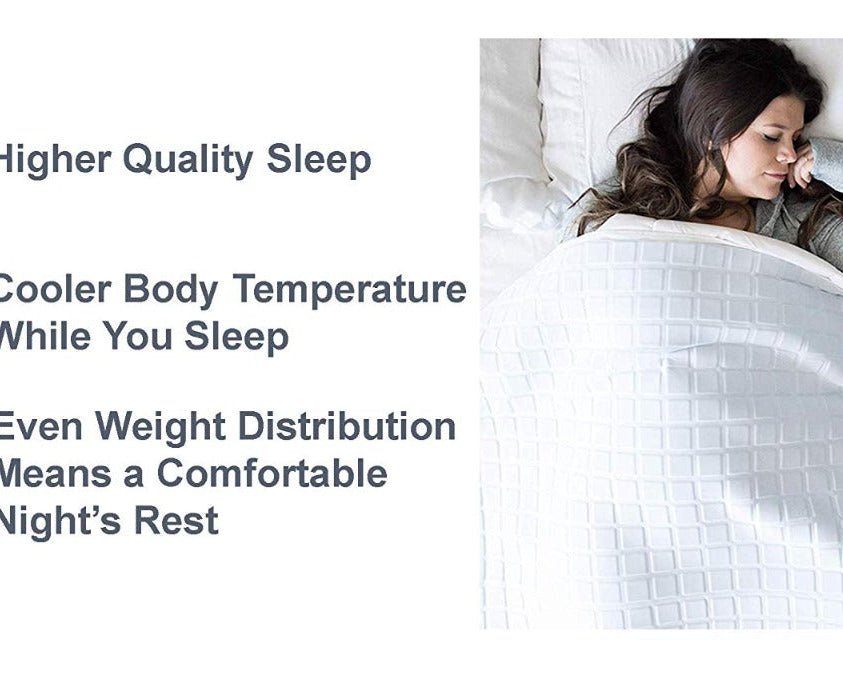
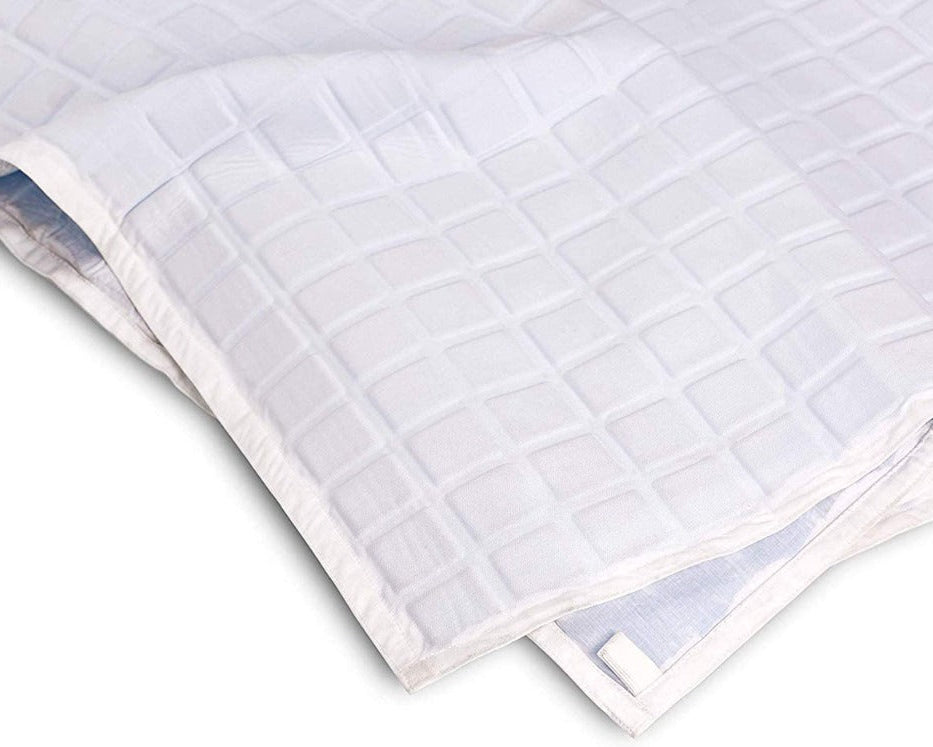
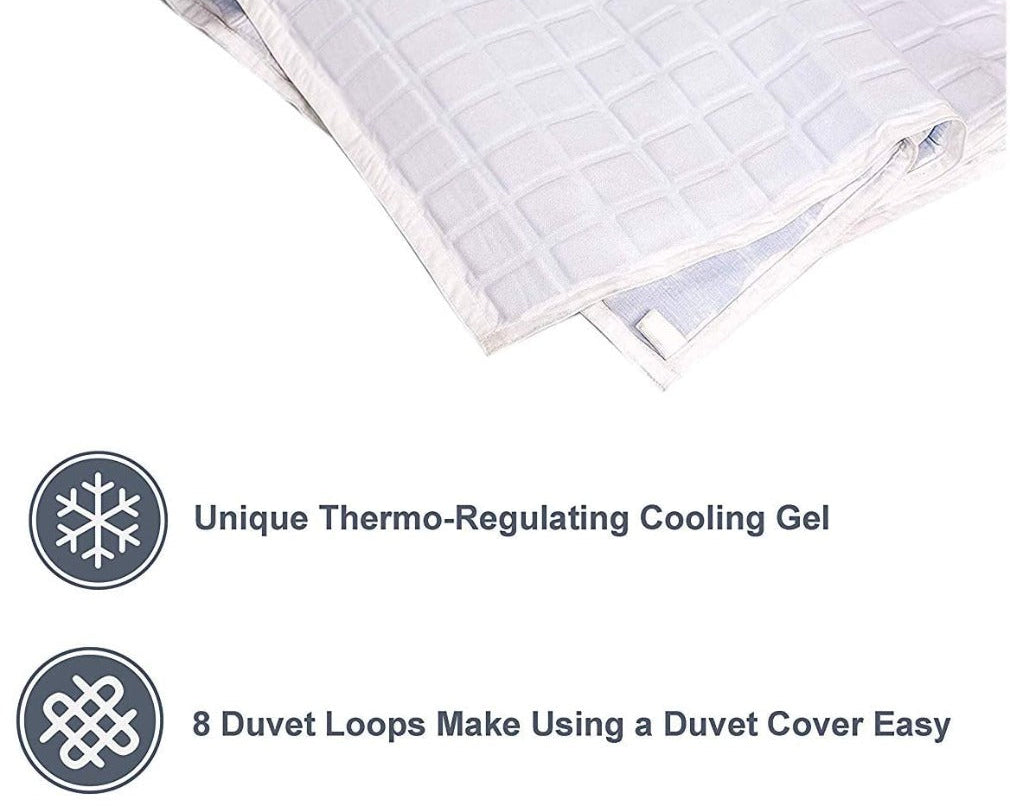
The New Cooling Fitted Sheet for the Sleep Again Pillow System is made specifically for hot sleepers! This luxurious fitted sheet is designed to fit around your Sleep Again Pillow system and keep your pillows perfectly in place throughout the night. Comfortable and cooling, this is sheet is easy to remove and wash.
Great for: Hot sleepers or anyone in perimenopause or menopause
3. Supplement Made for Cosmetic Surgery
Clean incision healing depends on protein, vitamin C, zinc, and B vitamins, and most patients aren't tracking their intake of any of these before or after surgery.
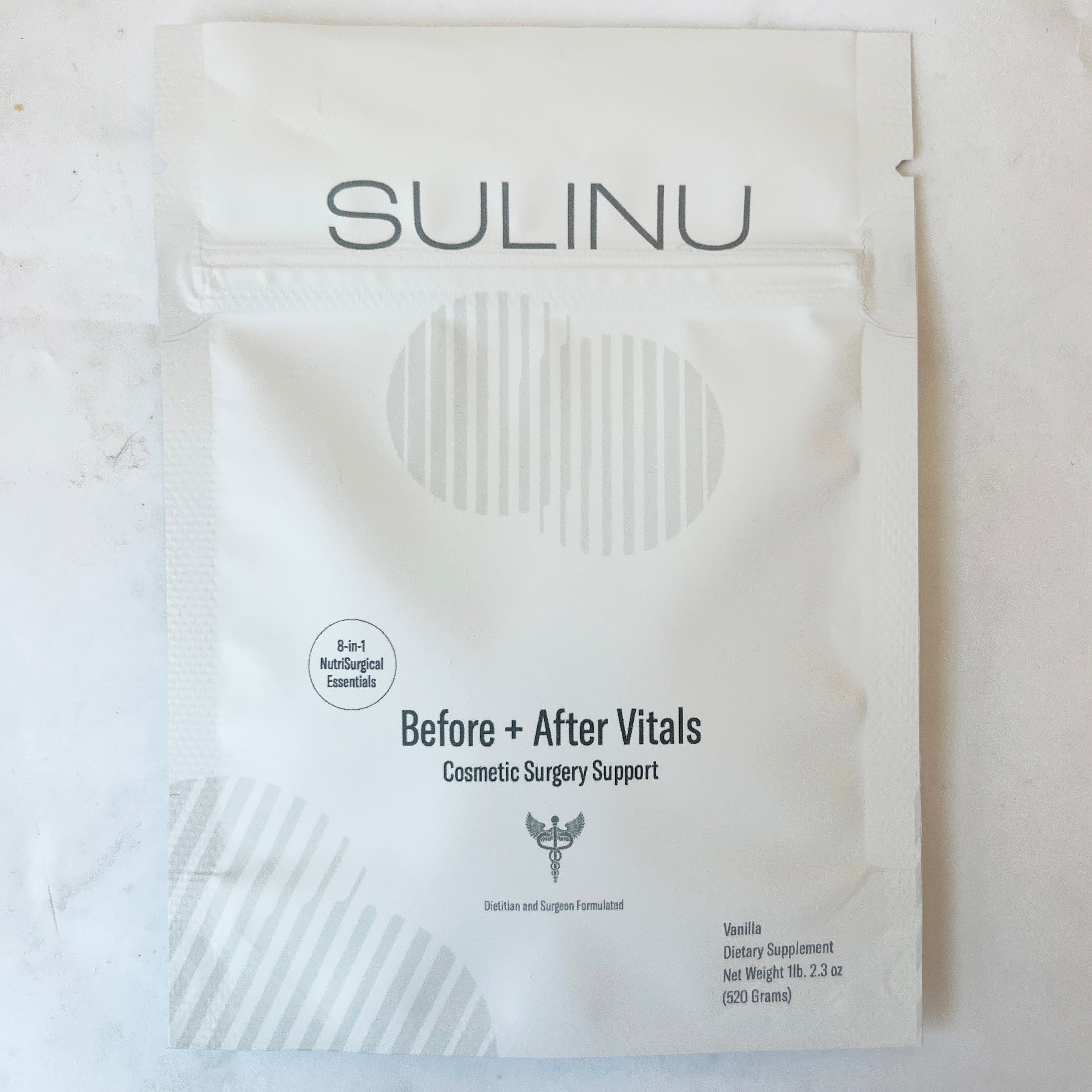
Before + After Vitals, made by Sulinu, is a surgeon-endorsed nutrition powder built for cosmetic surgery patients, combining protein, collagen, amino acids, and micronutrients into one scoop. Most patients start it two to four weeks before their procedure.
Talk to your surgeon before adding any new supplement in the weeks leading up to surgery, since some ingredients can affect bleeding risk and need to be cleared or timed around your procedure date.
Great for: Cosmetic or any surgery recovery, but check with your doctor first.
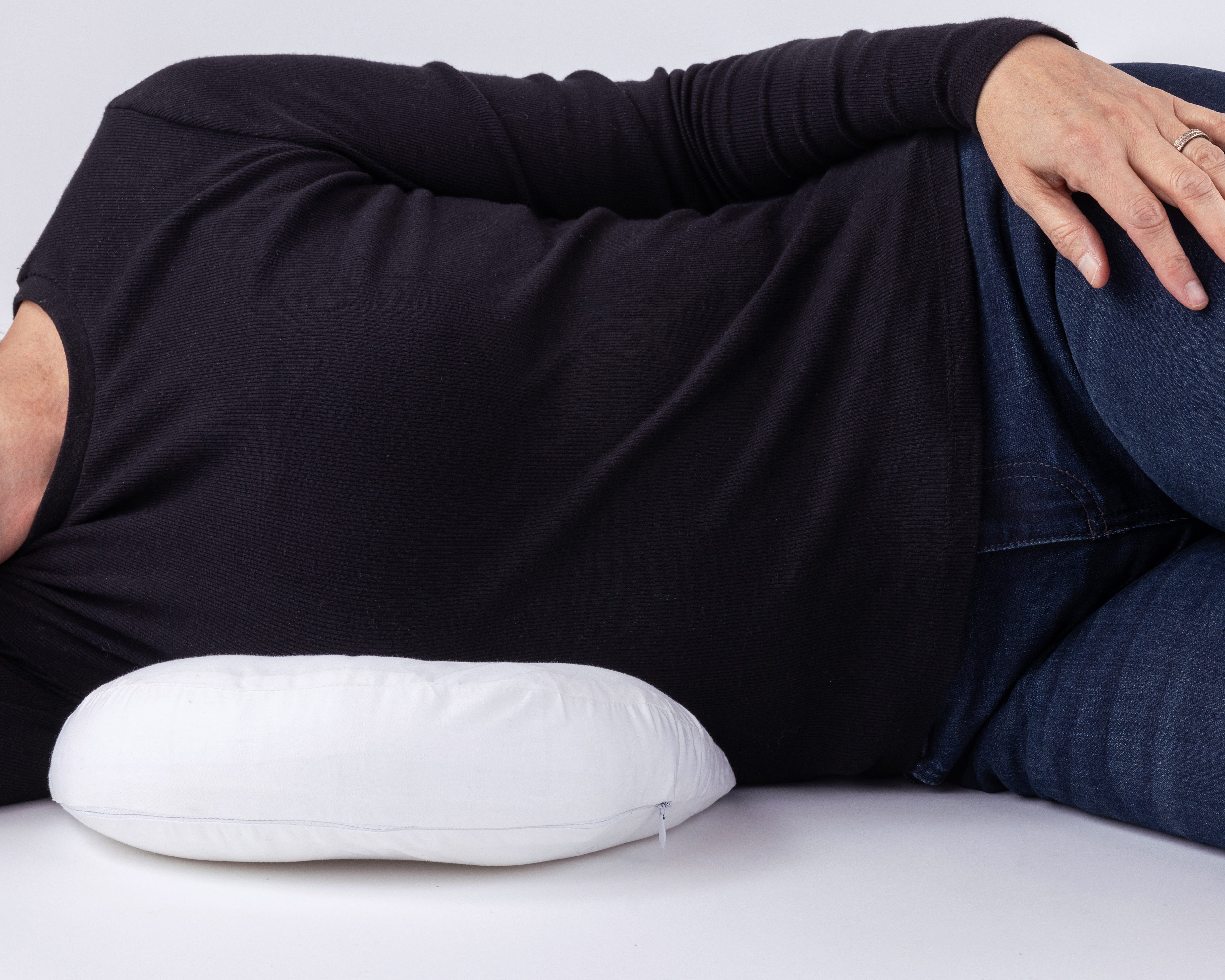
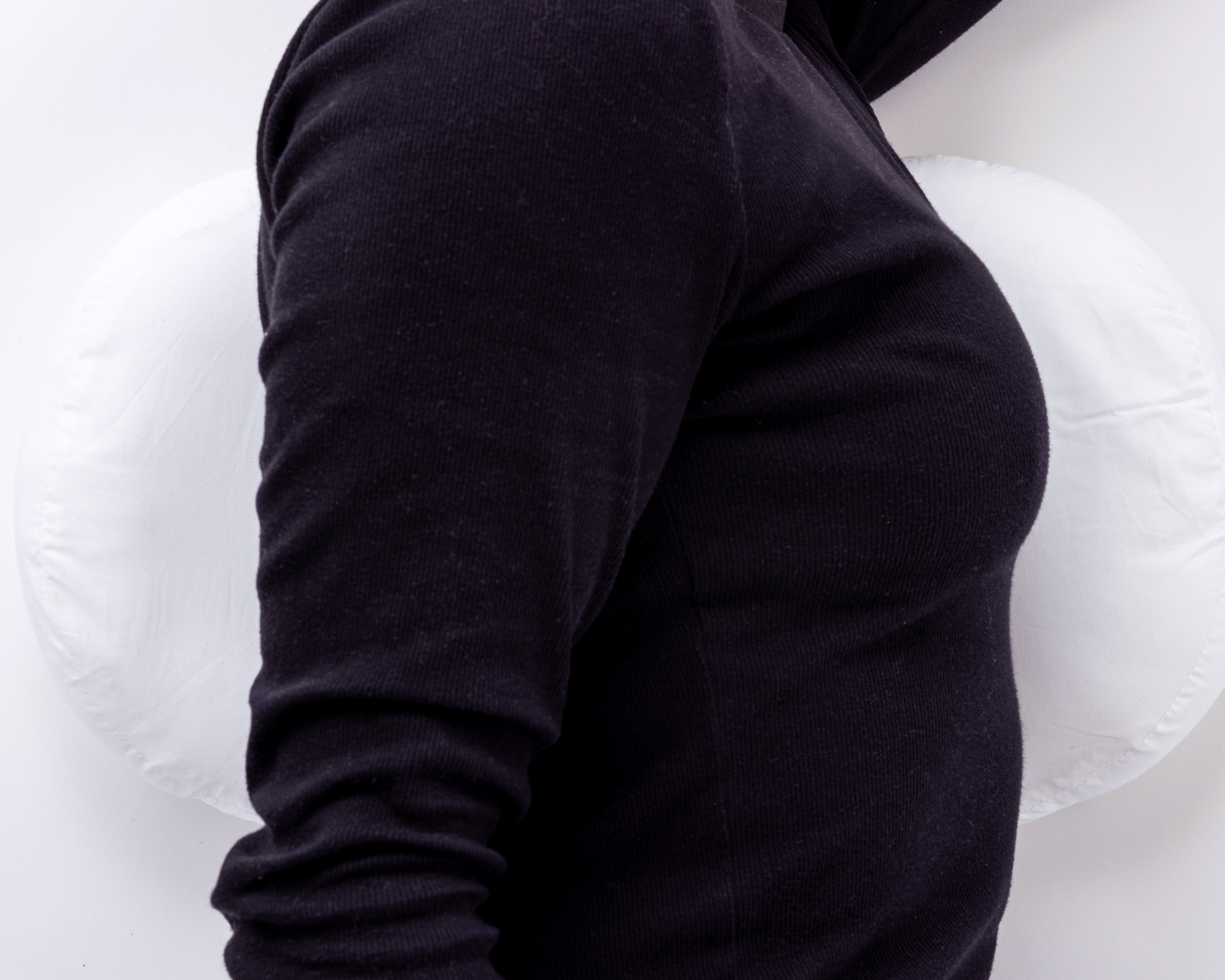
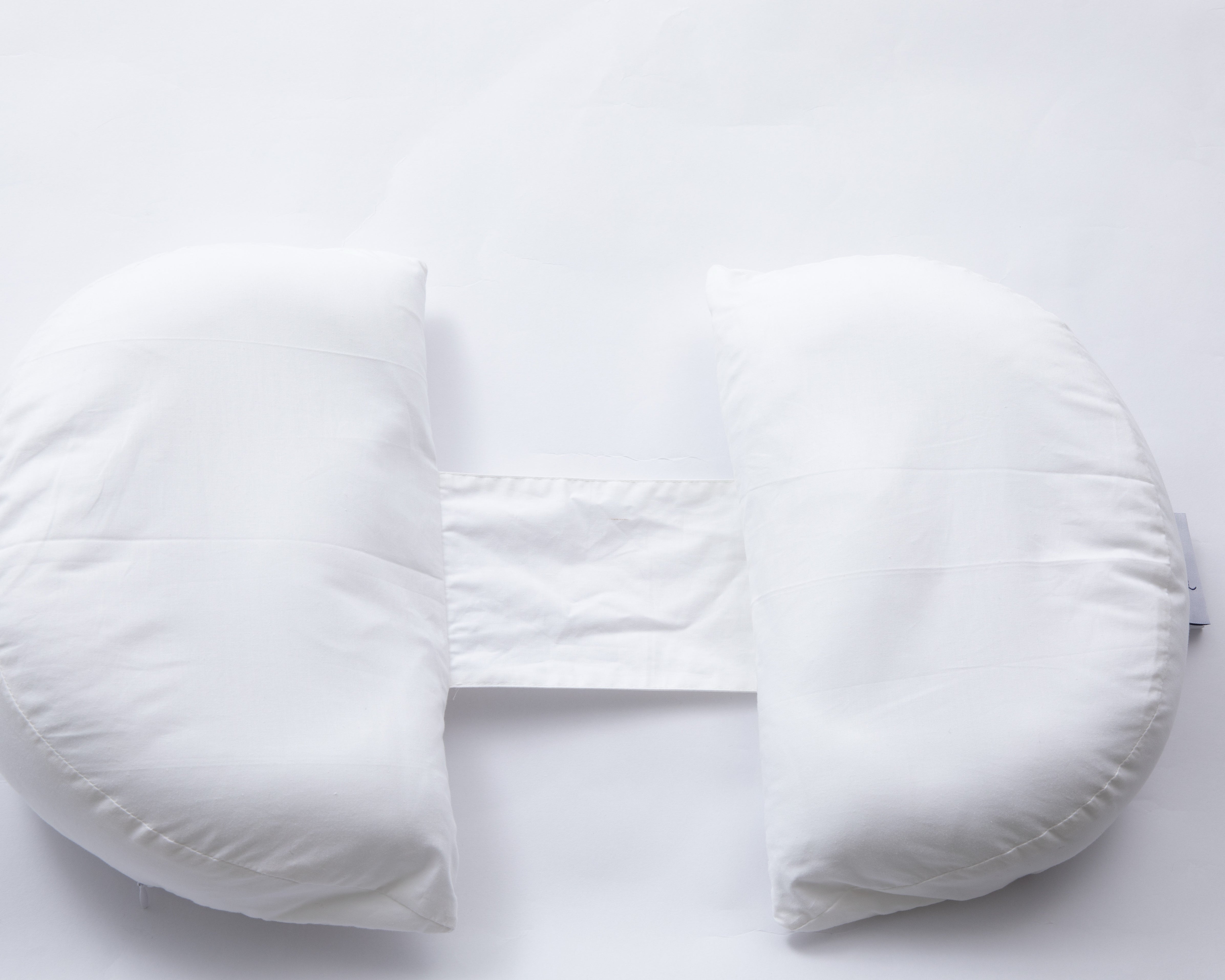
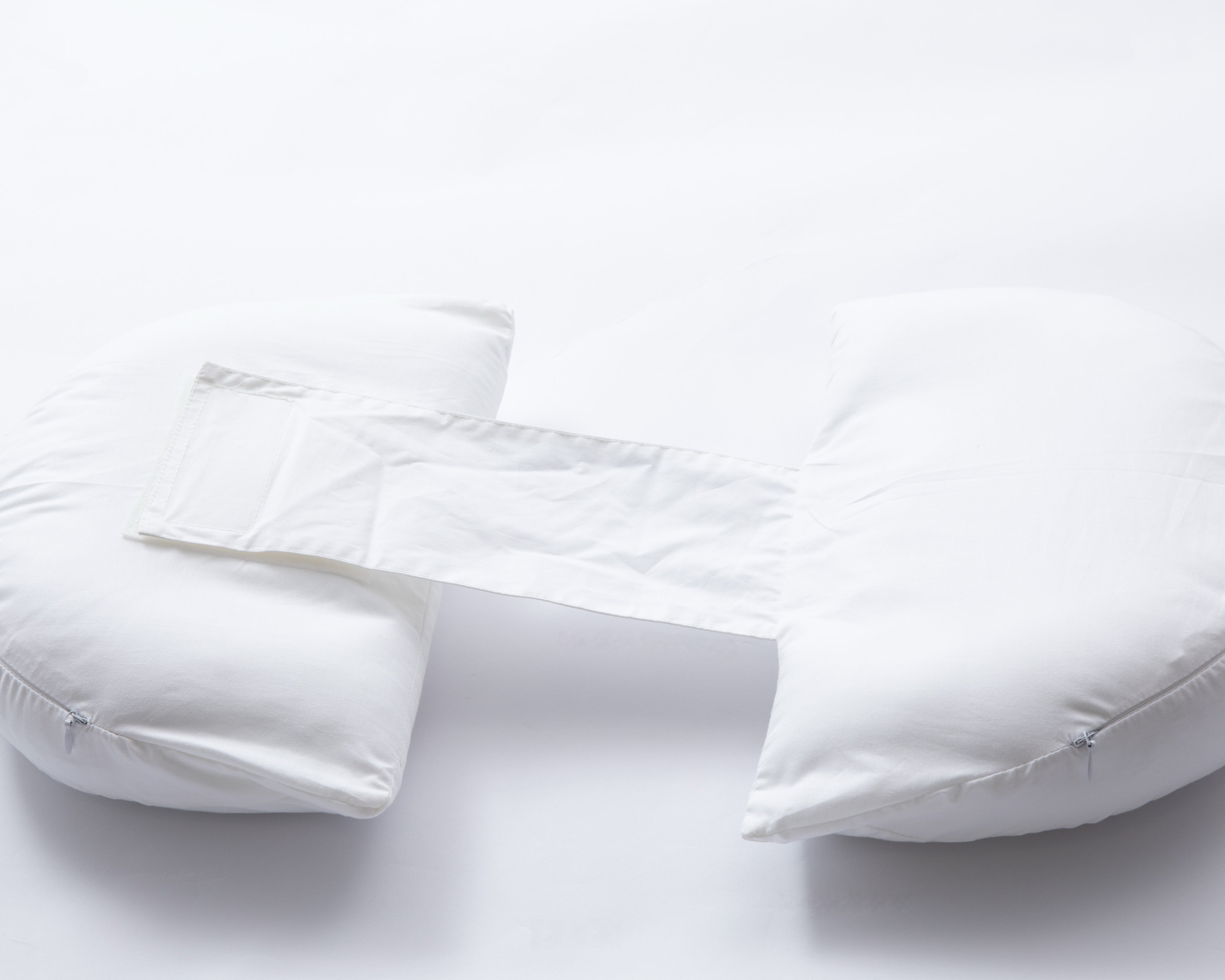
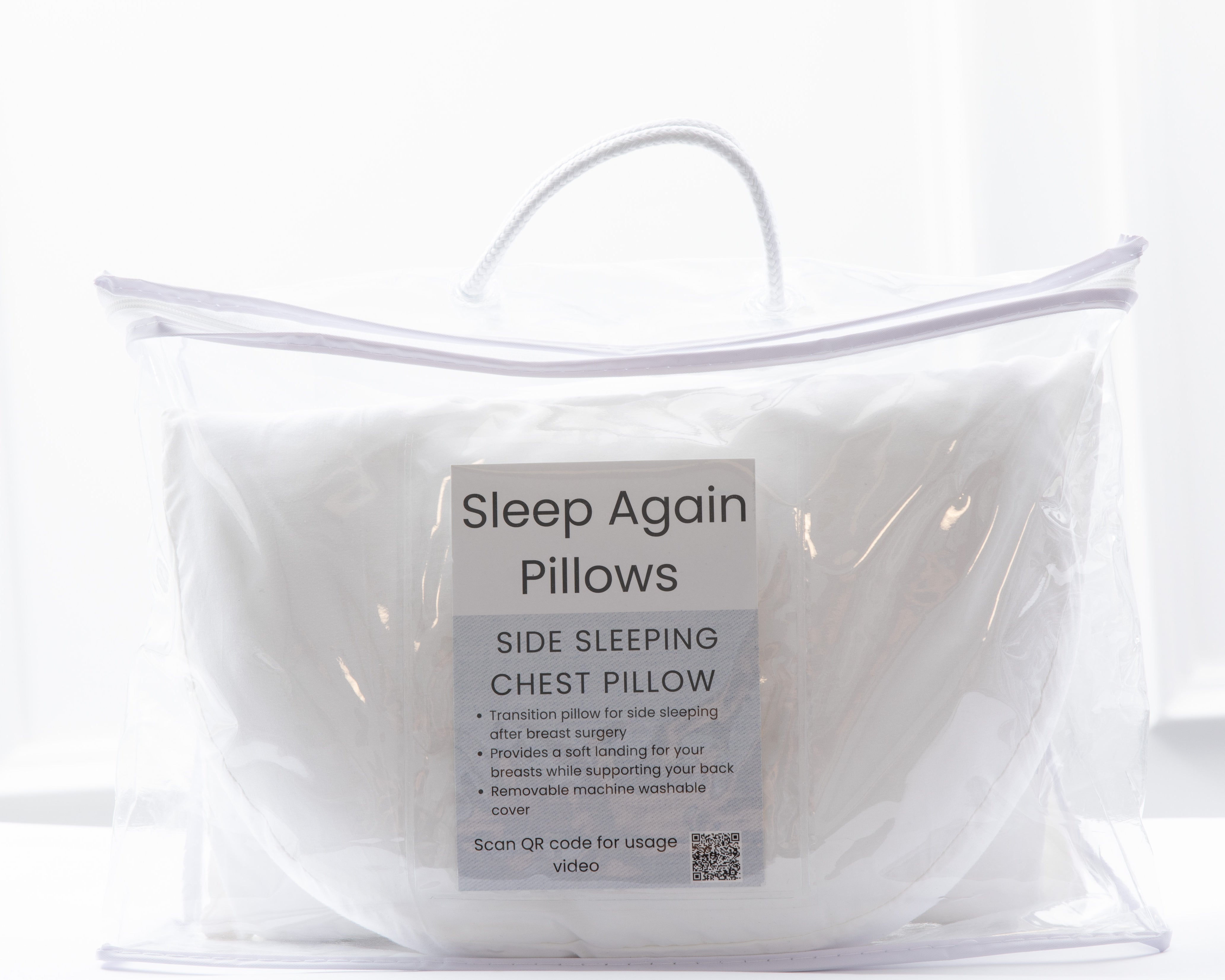
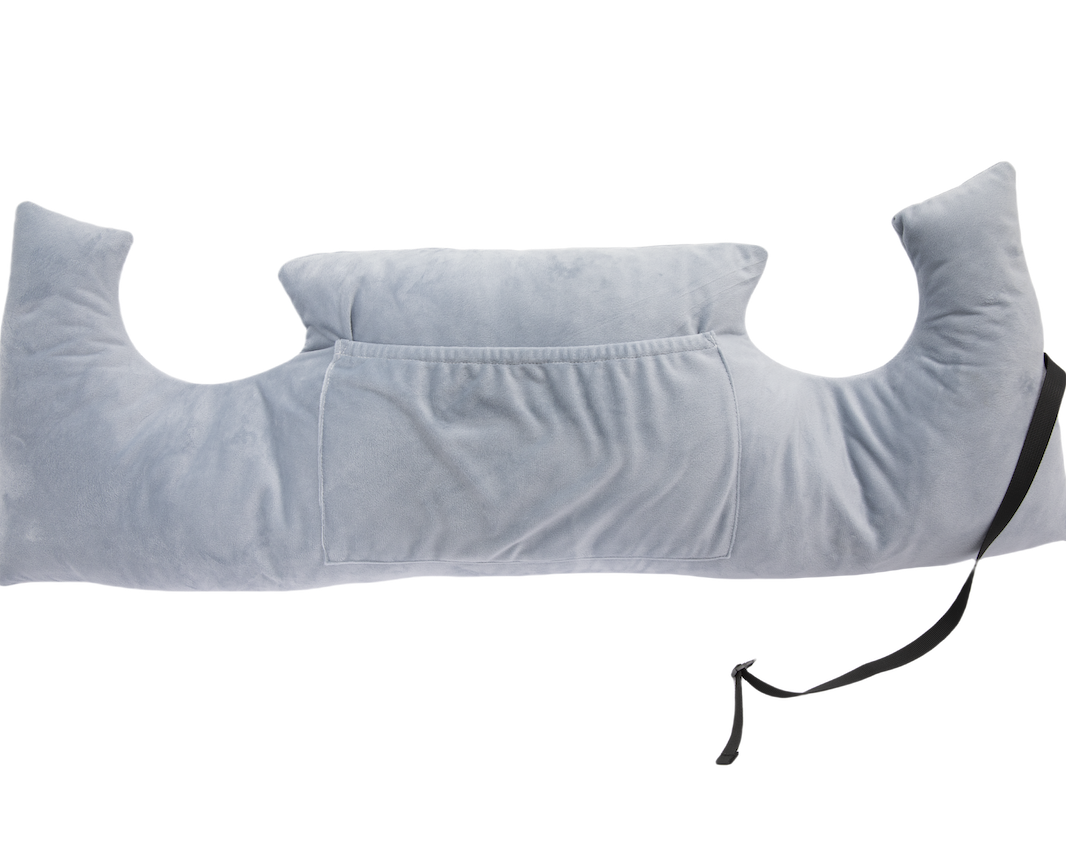
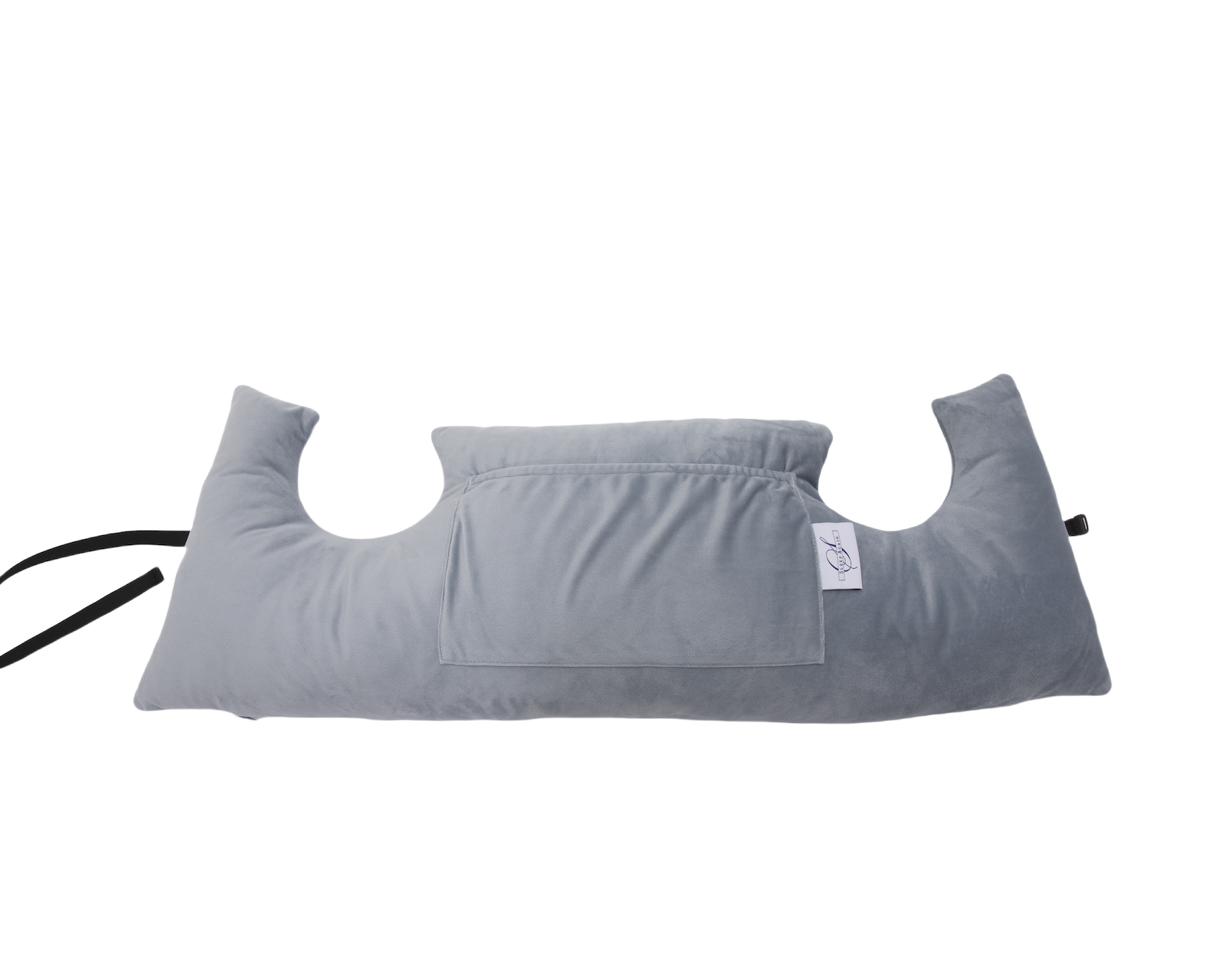
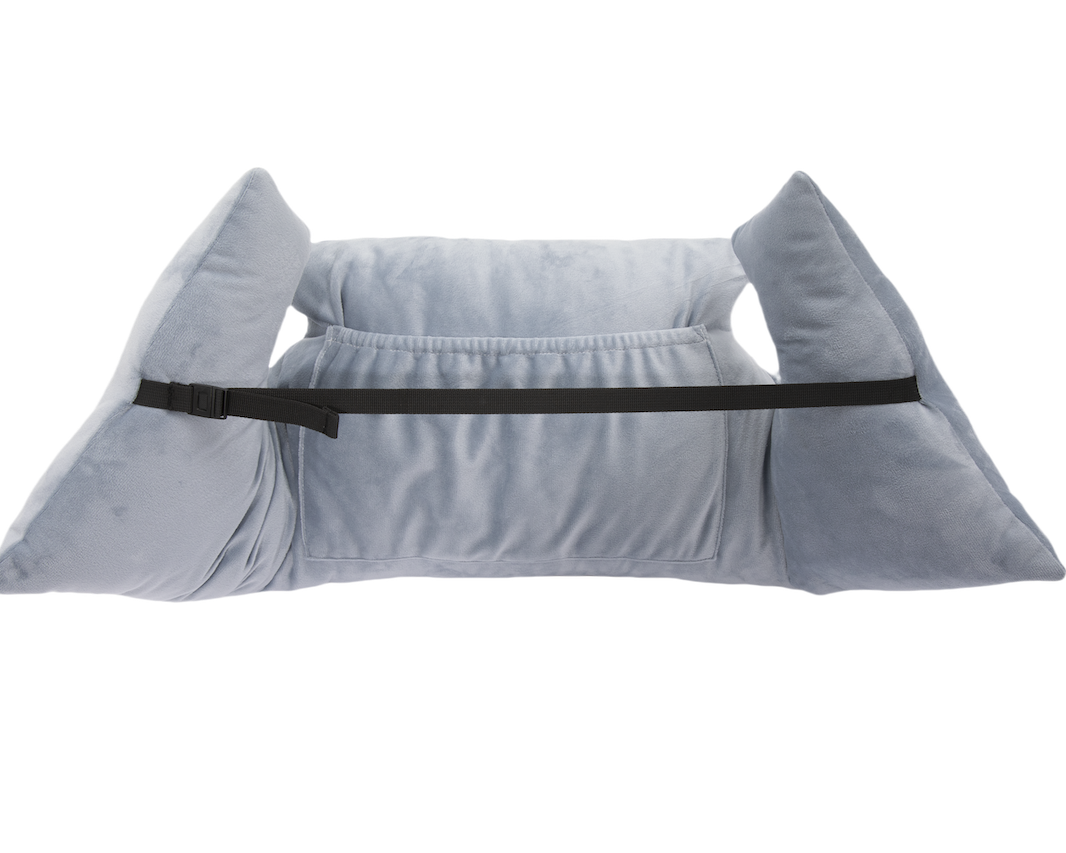
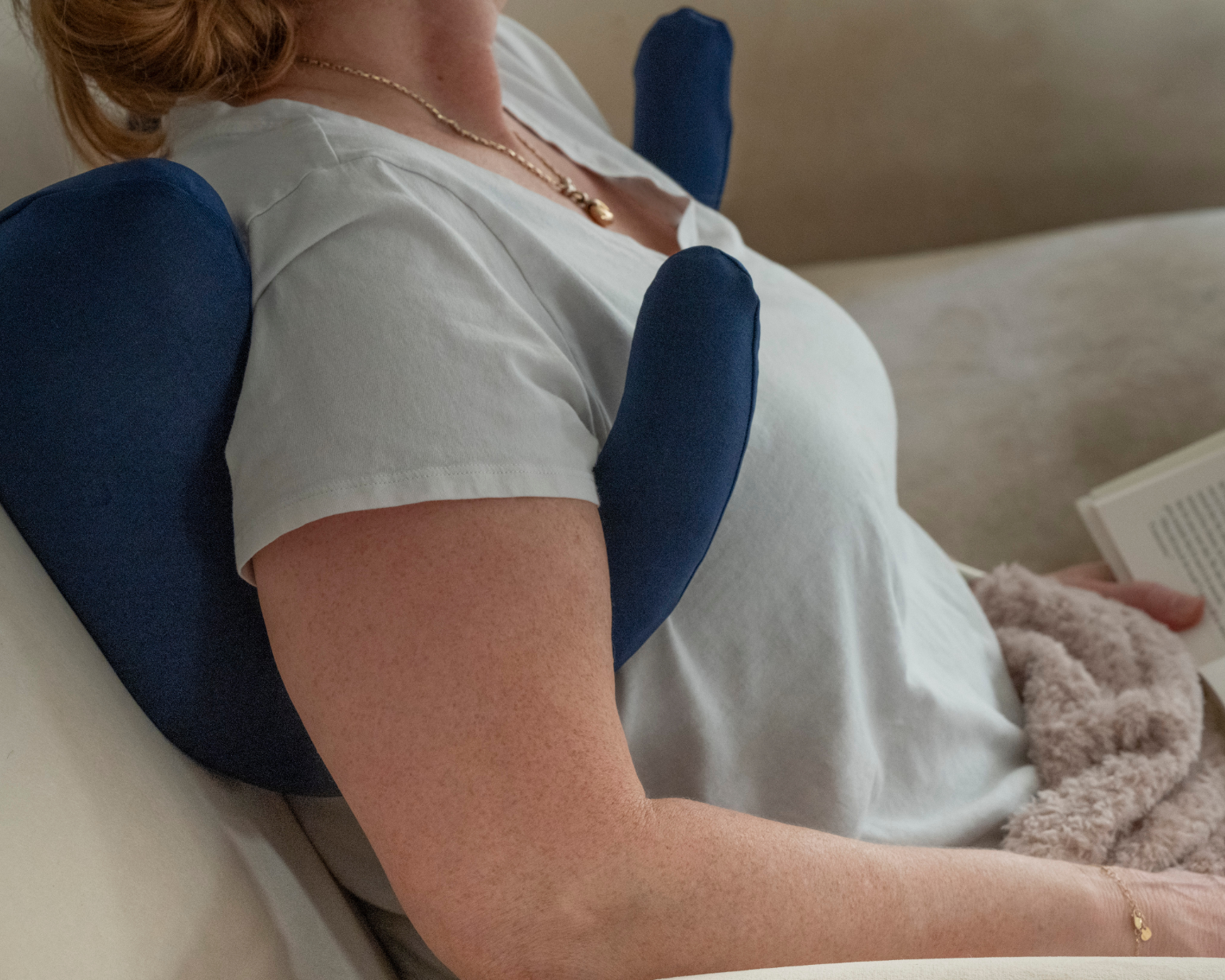
4. Side Sleeping Chest Pillow
Back sleeping is required early on for most breast procedures, but surgeons eventually clear patients to transition toward side sleeping, and that shift creates a new problem: nothing to support the chest area once you roll onto your side.
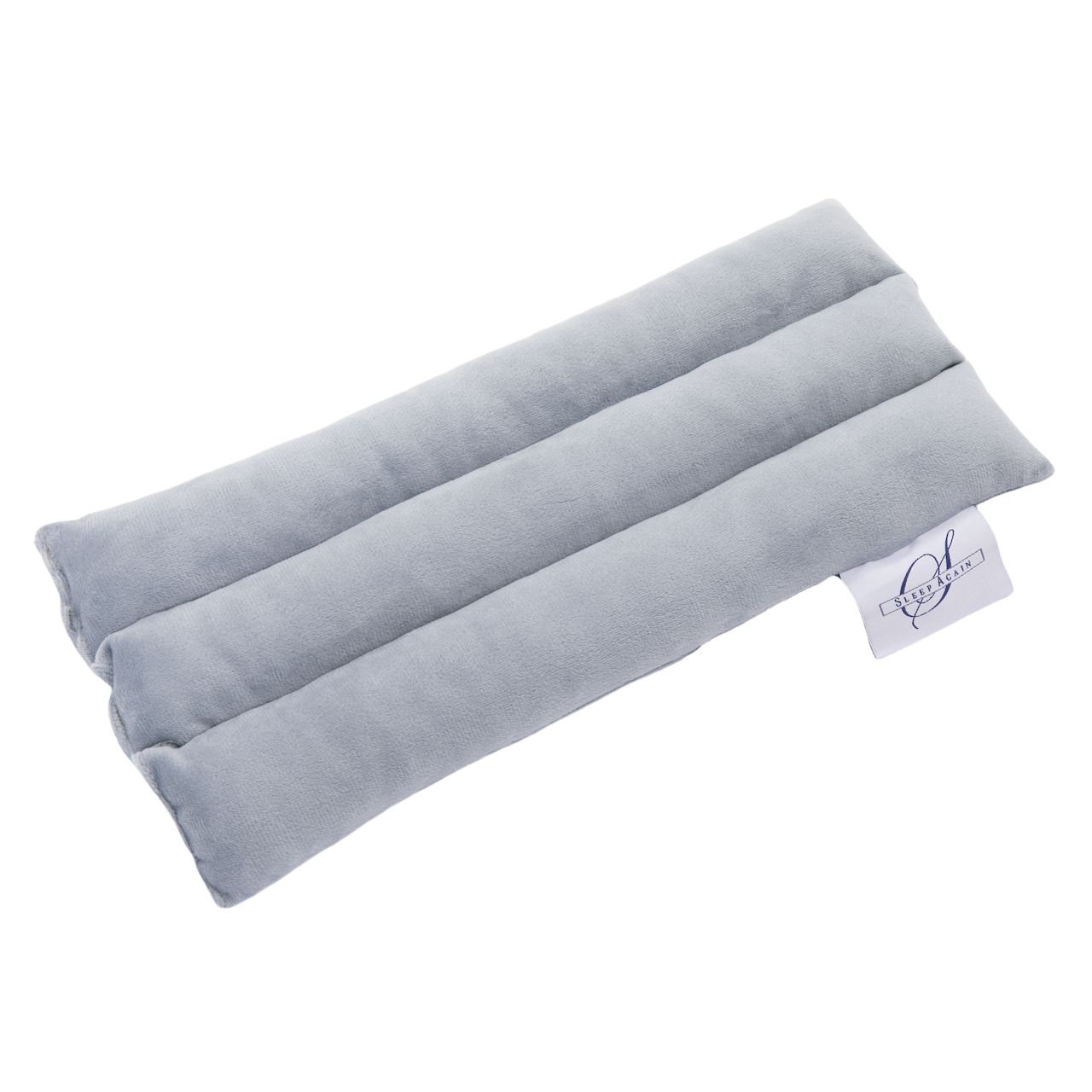
The Side Sleeping Chest Pillow supports the chest and torso during that transition so you're not lying directly on healing tissue.
Great for: Breast augmentation, lift, and reduction; tummy tuck
5. BBL Add On Set
A Brazilian Butt Lift requires keeping all pressure off the buttocks for four to six weeks so transferred fat cells can survive. The BBL Add On Set reconfigures the base Sleep Again Pillow System with two additional wedges, one that double-stacks under the knees and one that lifts the upper buttocks, to fully suspend that area during sleep.
Great for: BBL and butt implant recovery
This set is sold separately and only works in combination with the Sleep Again Pillow System.
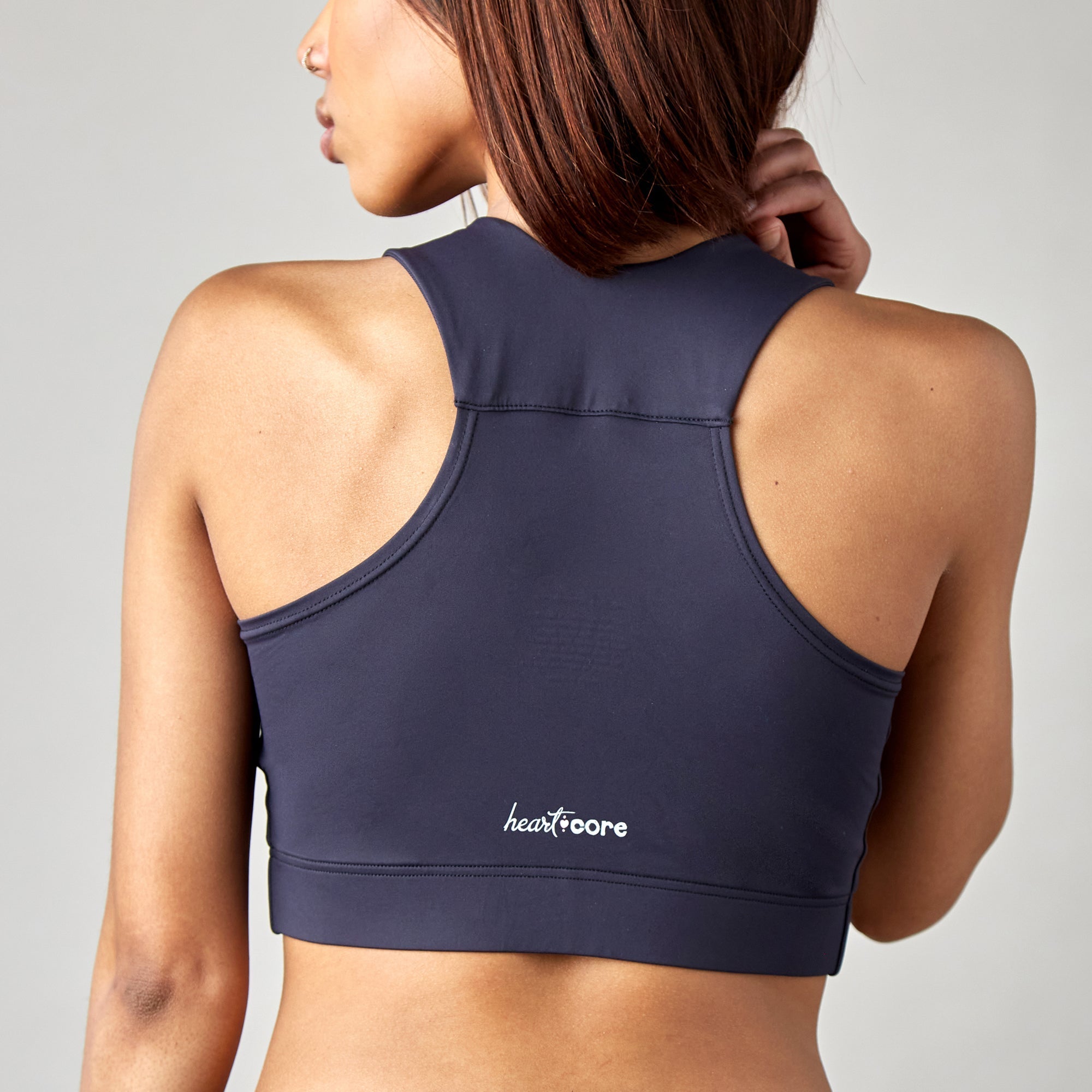
6. Post-Surgical Bras
A well-fitted post-surgical bra is one of the most overlooked items on a breast procedure recovery list. Sleep Again carries post-surgical bras designed with healing and sensitivity in mind rather than standard support.
Great for: Breast augmentation, lift, and reduction
Sizing needs can shift depending on your specific procedure, so it's worth waiting to order until closer to your surgery date.
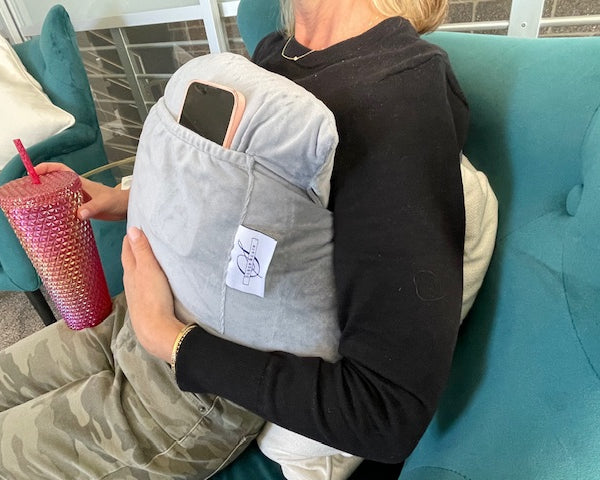
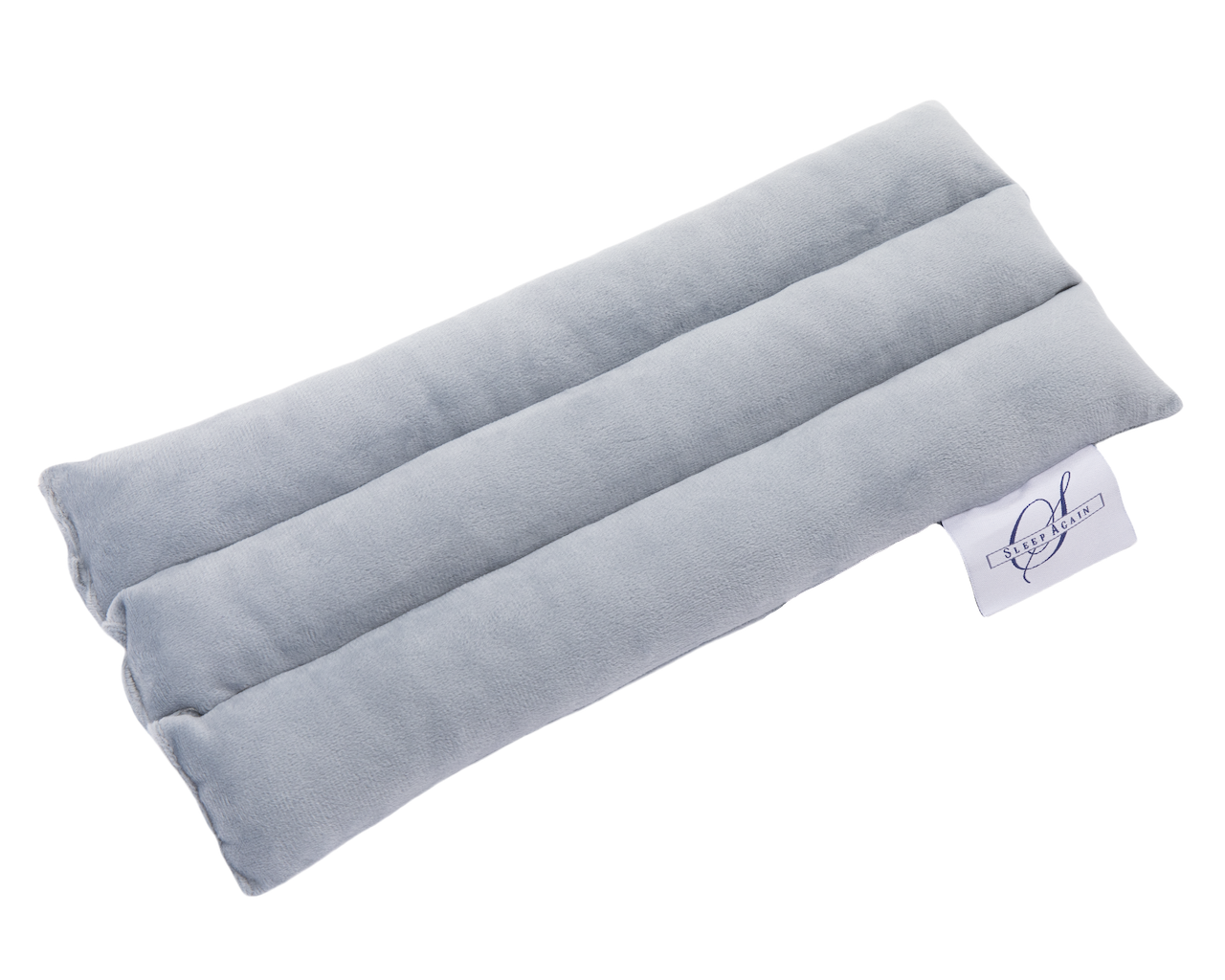
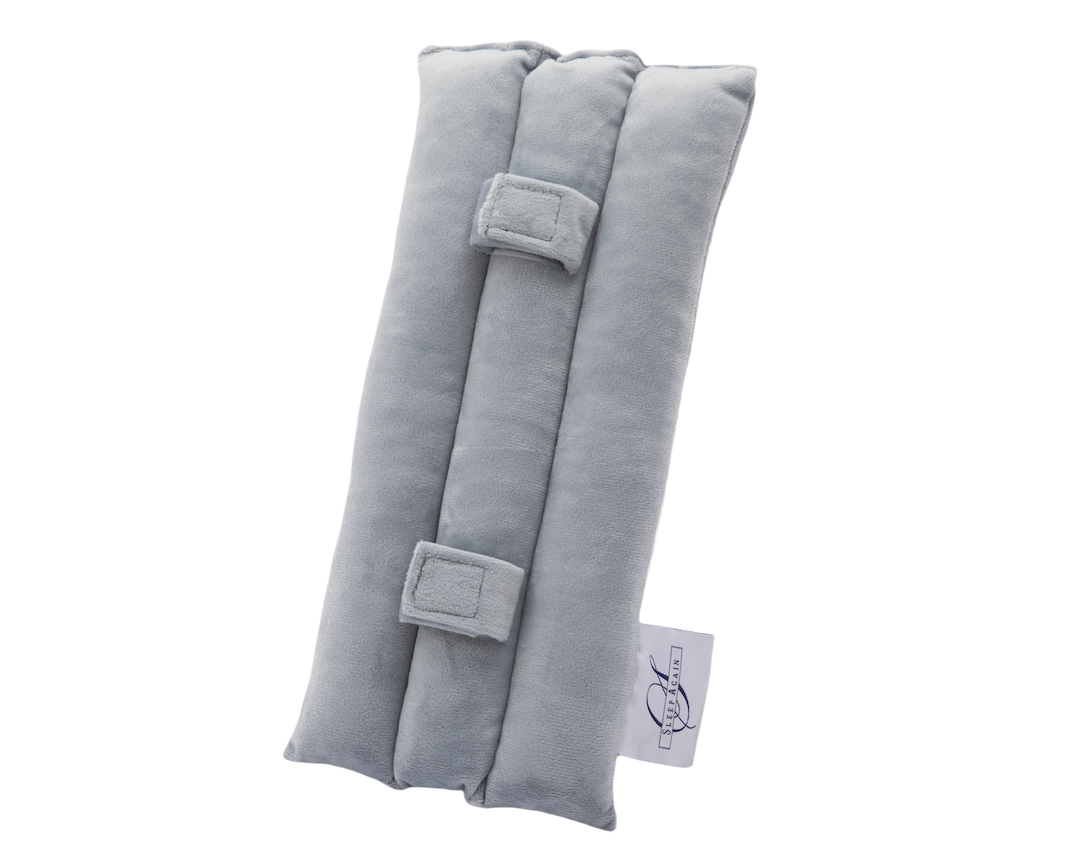
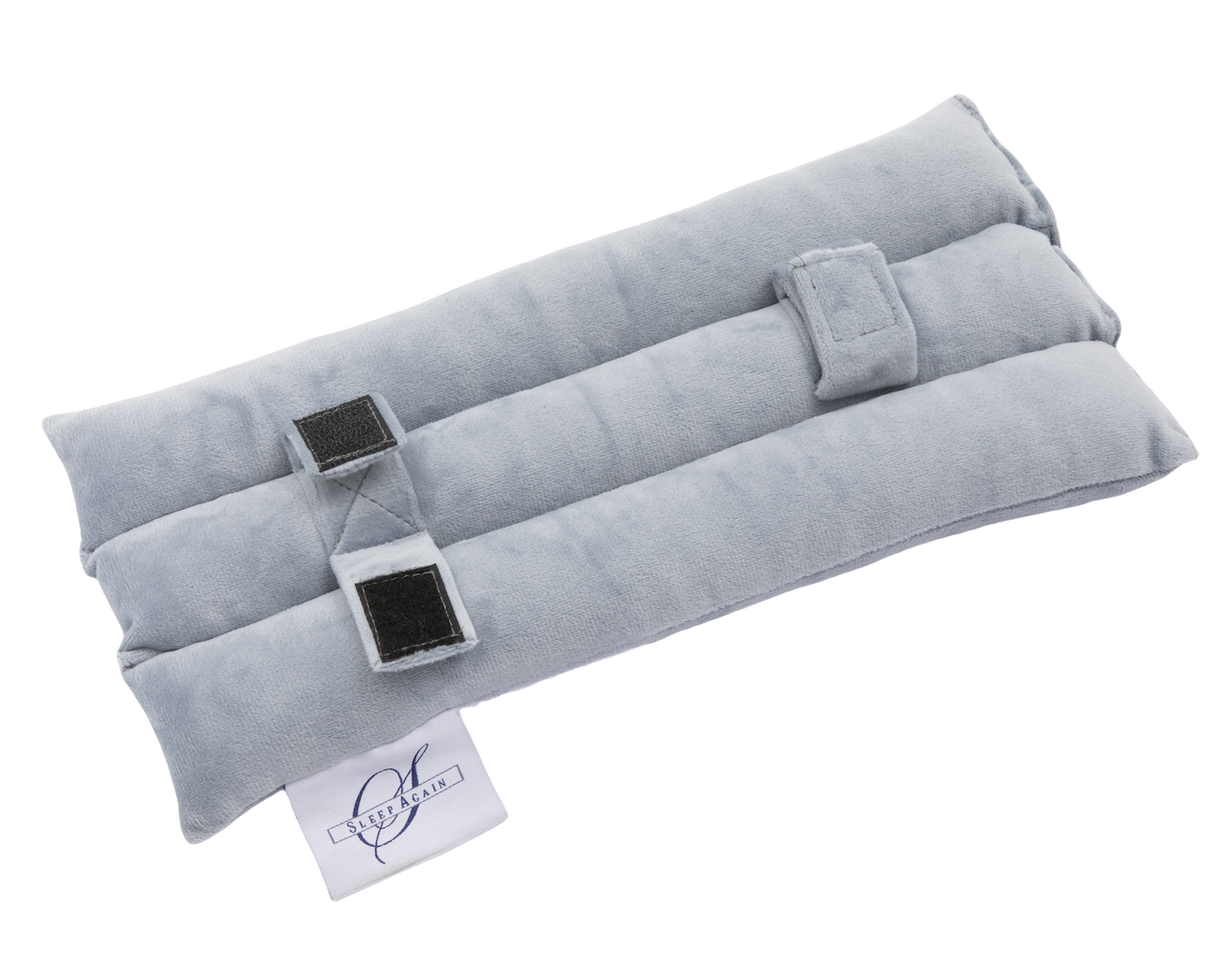
7. Seat Belt Pillow
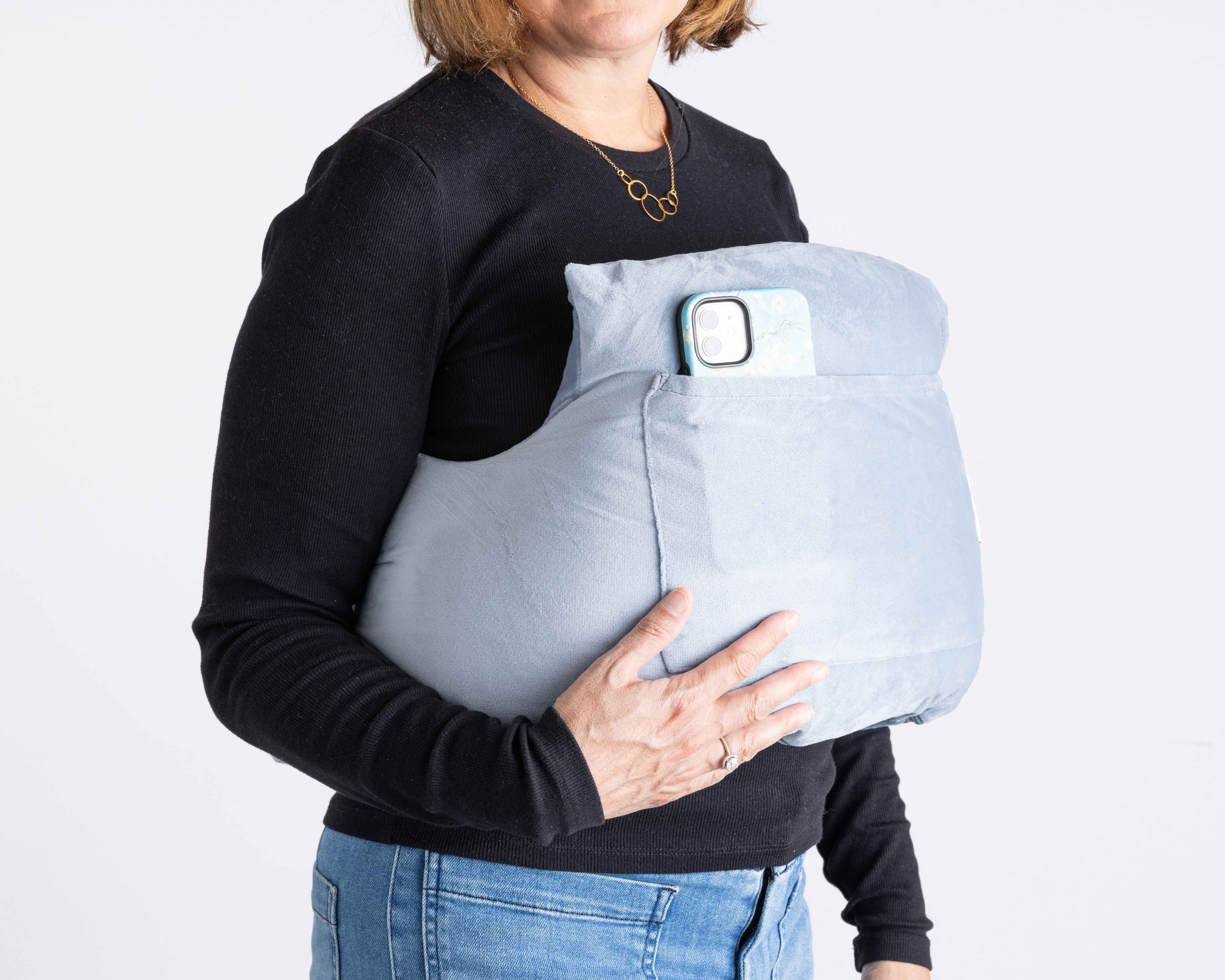
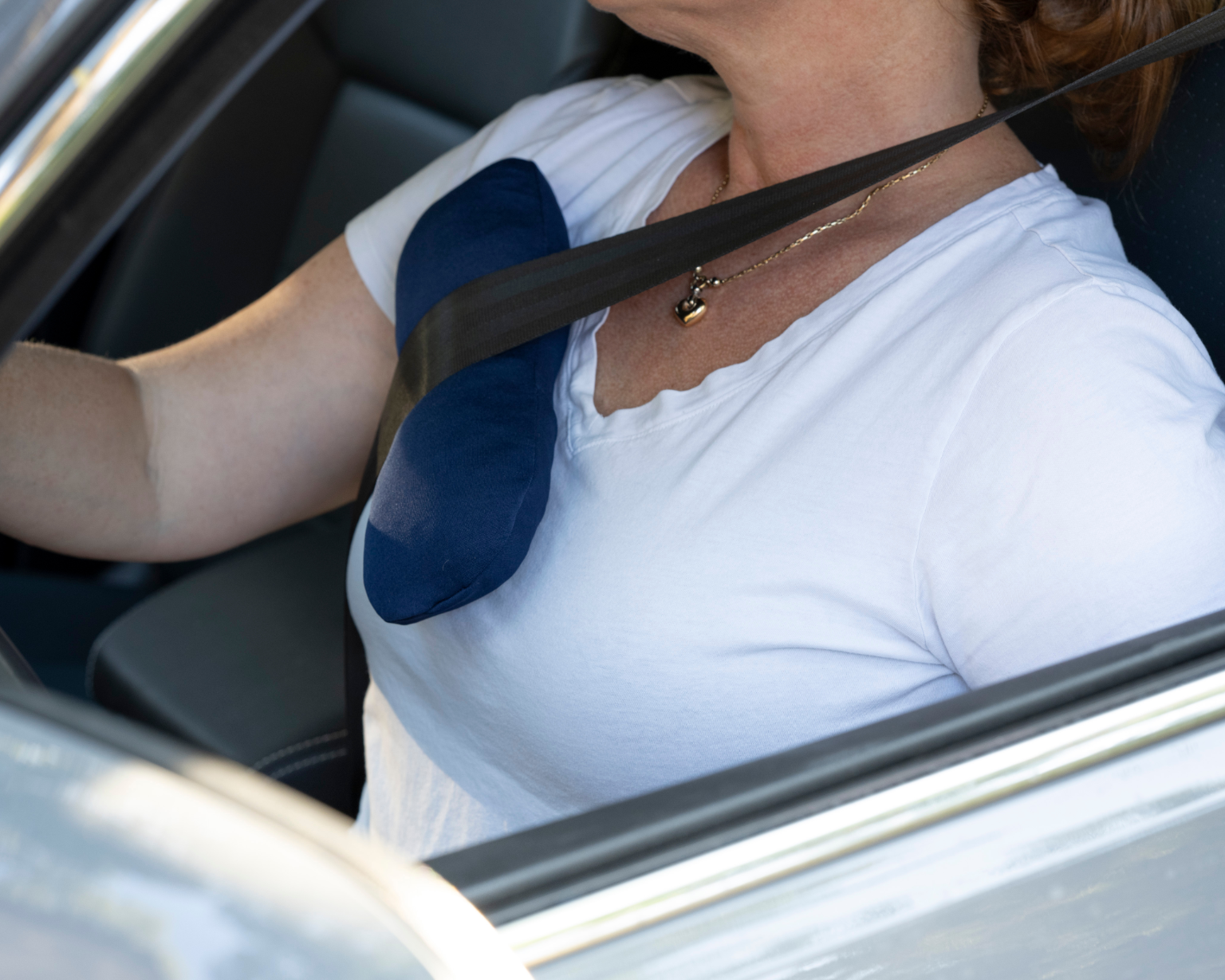
The ride home from surgery, and the weeks that follow, put a seat belt directly across a healing chest or incision. The Seat Belt Pillow cushions that pressure point, which makes it essential from the moment you leave the surgical center.
Great for: Breast, chest, and tummy tuck procedures; the day-of-surgery car ride specifically
8. Loose, Compression-Friendly Clothing
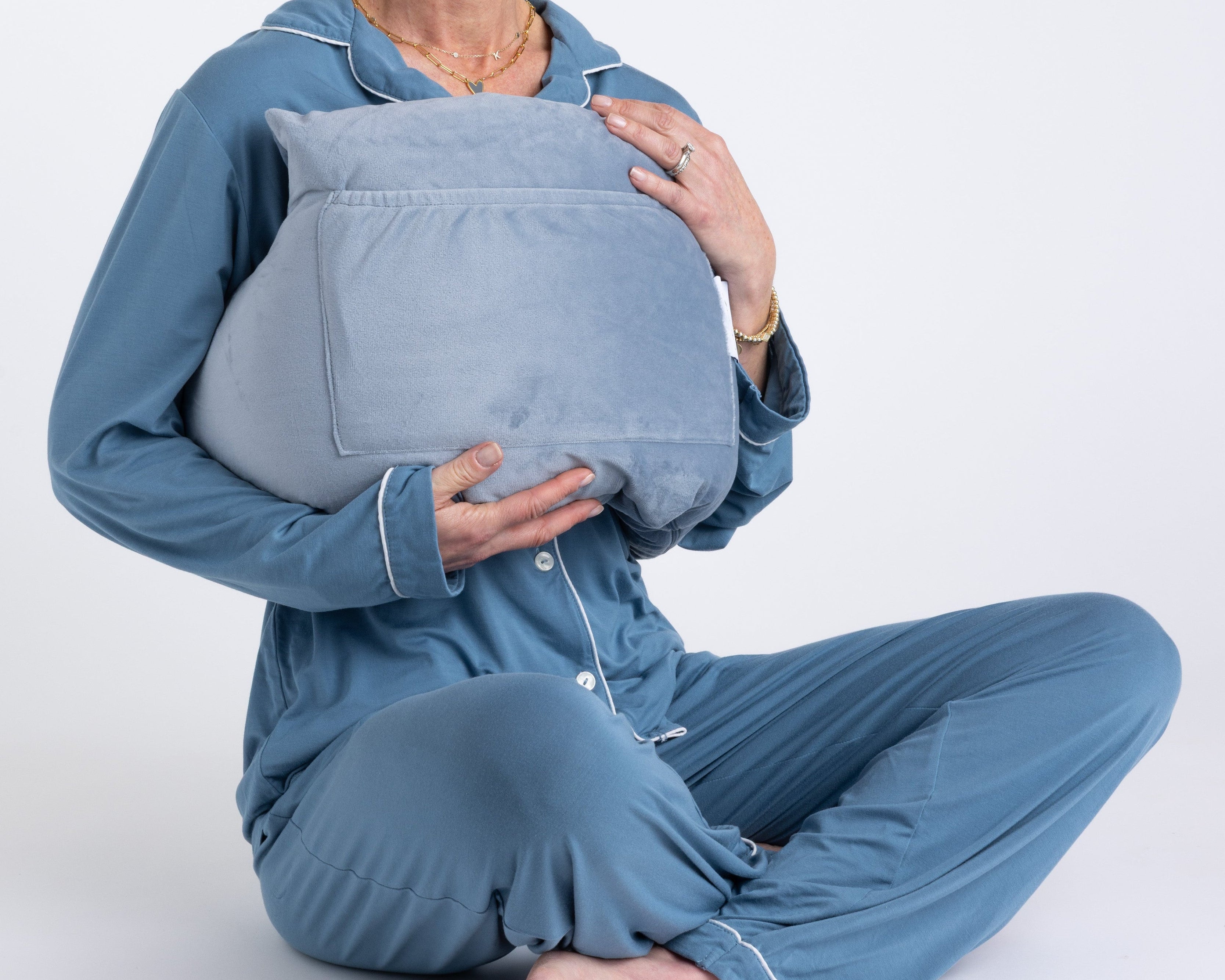
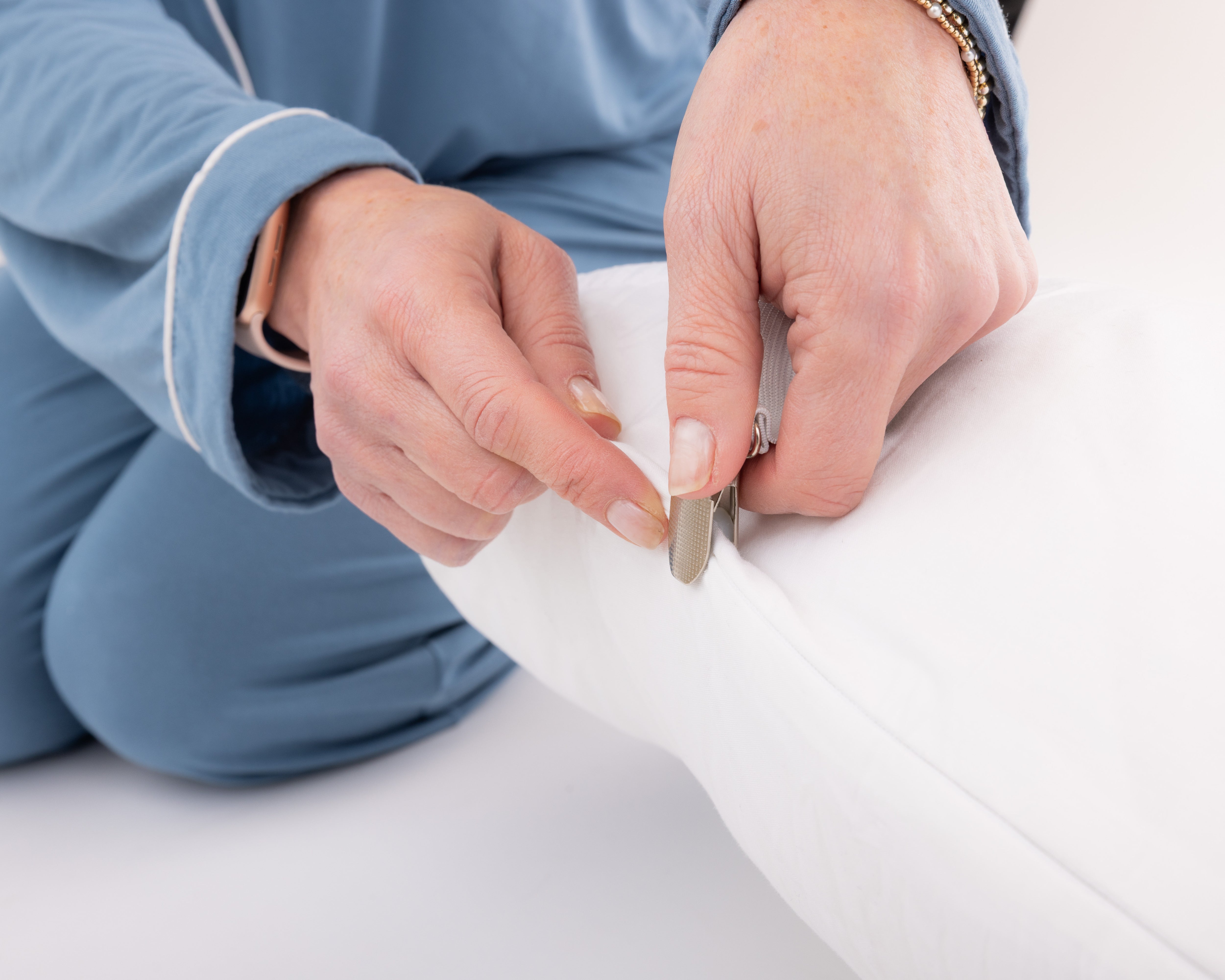
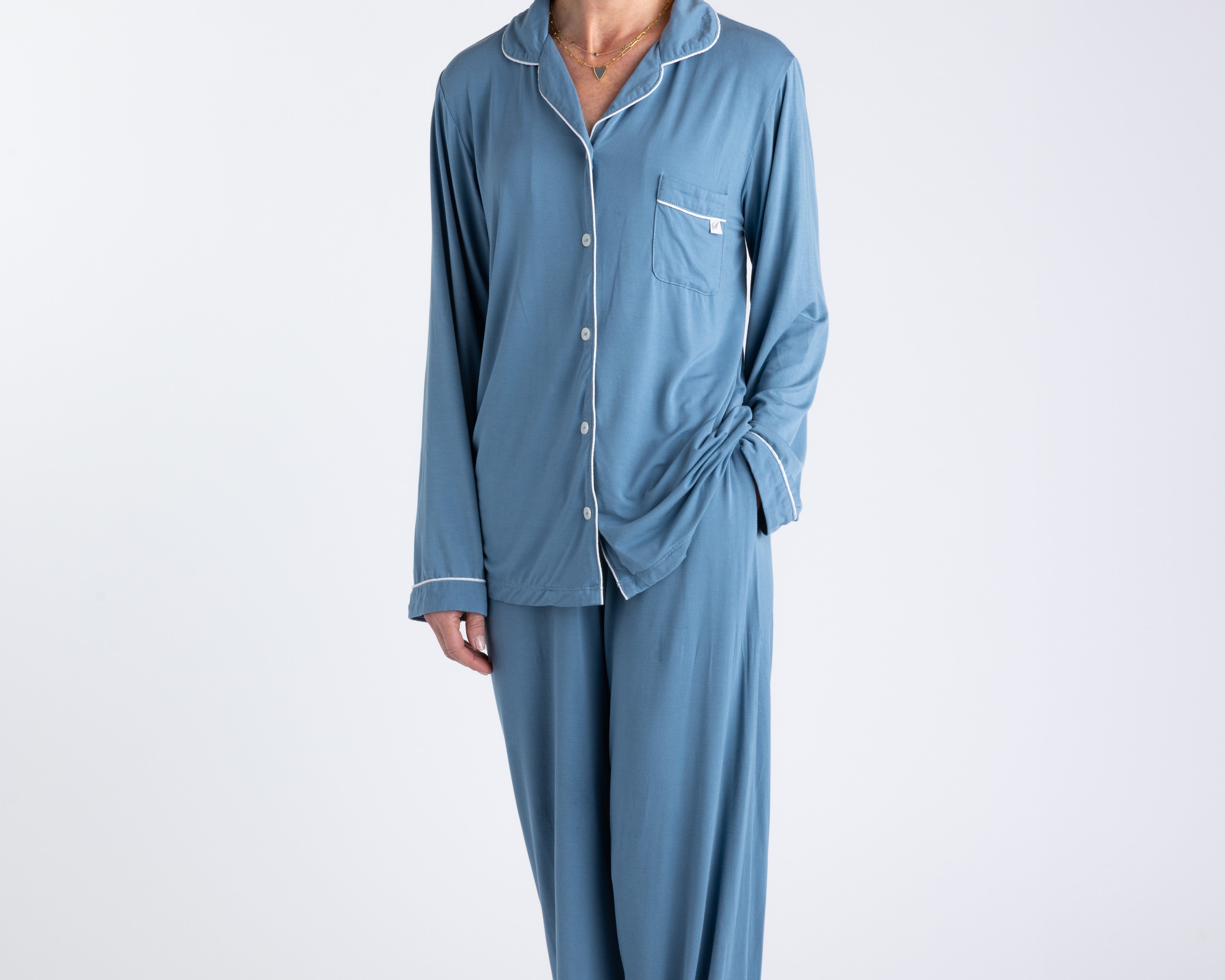
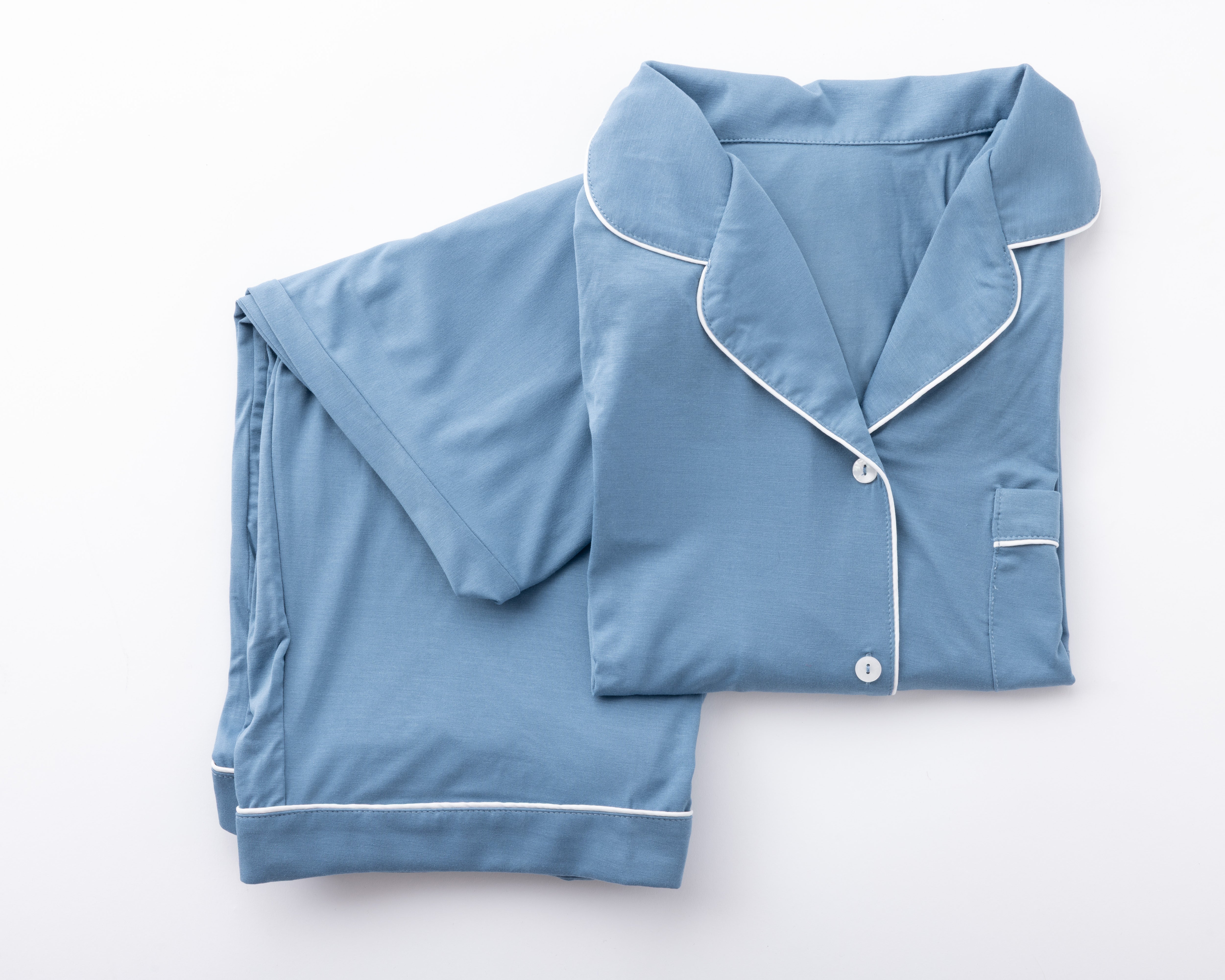
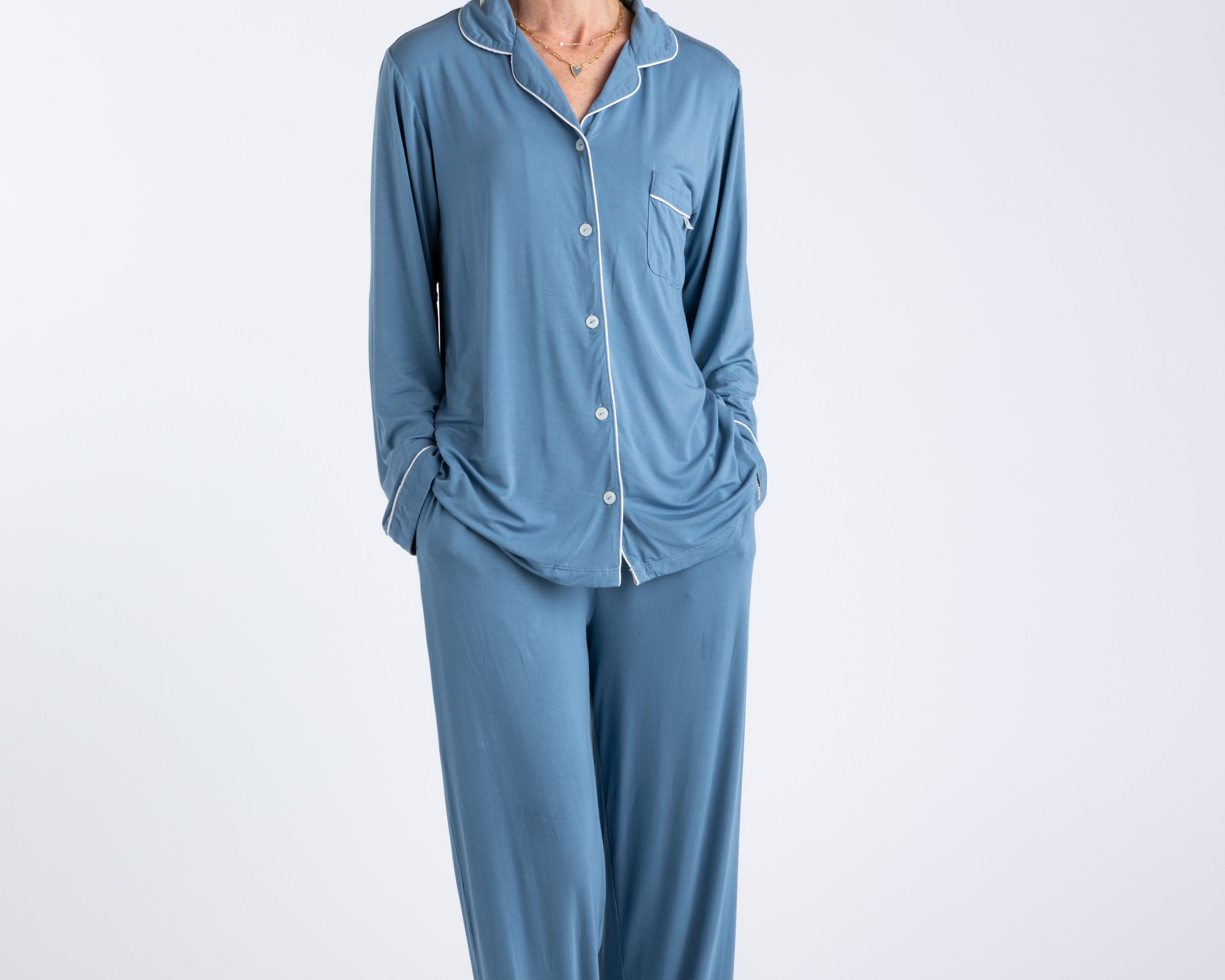
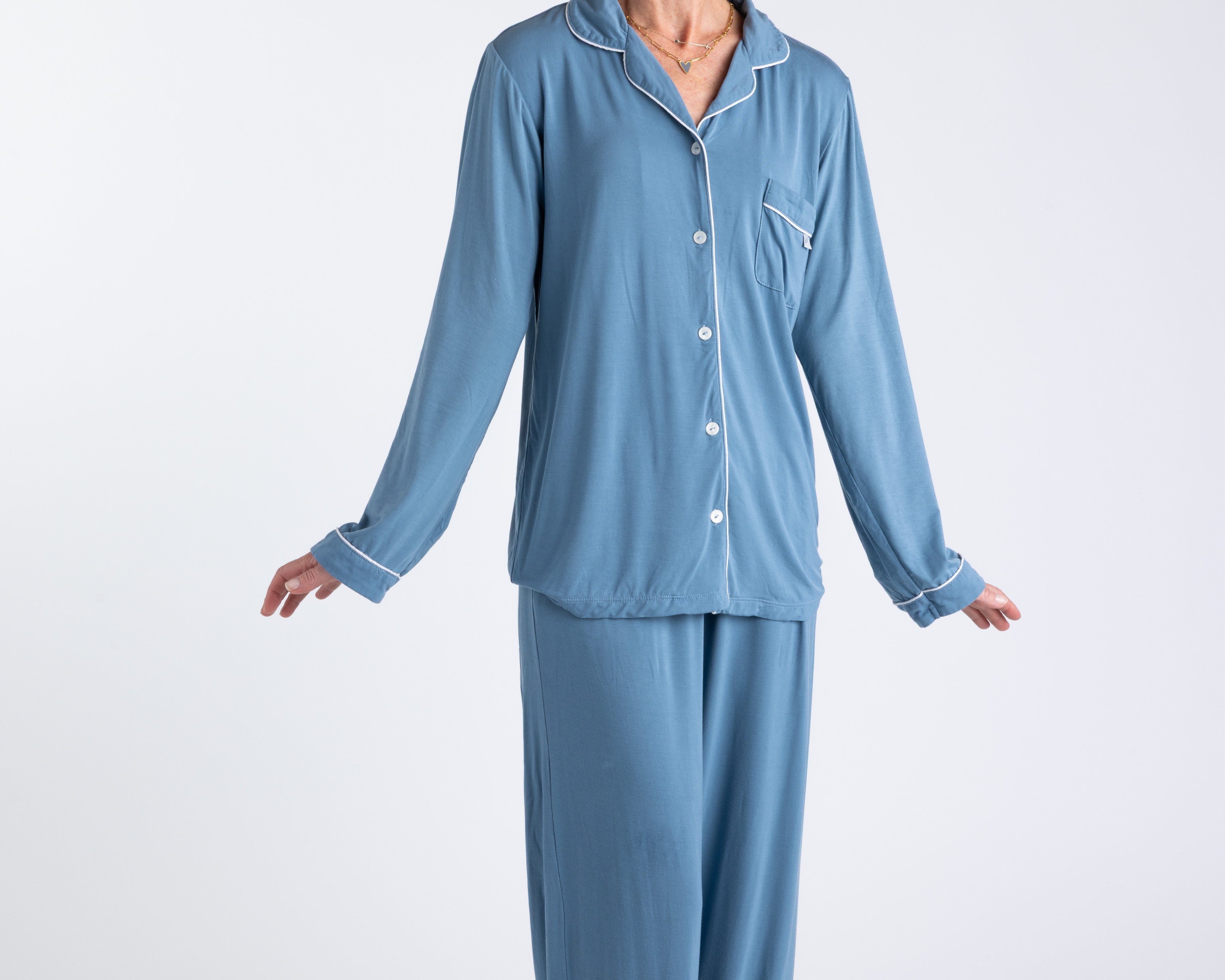
Tight or restrictive clothing irritates incisions and puts pressure on sensitive areas. Button-up or zip-front tops matter most if you have limited arm mobility, since they let you dress without raising your arms overhead. This long-sleeve bamboo PJ set is both cozy and lightweight with a front-opening top for easy changing after surgery.
Choose breathable fabrics like bamboo or cotton, and have at least three pairs of soft, wide-legged, elastic-waistband pants on hand. Many patients wear compression garments with drainage tubes fed through the leg or waist opening, and loose pants accommodate that bulk without a fight.
Great for: Any surgery recovery, but especially those of the chest, breast, and shoulder
9. Filled Prescriptions and a Pain Management Plan
Have your pain medication and antibiotics filled the day of your procedure so they're waiting for you at home, not something you're sending someone out to find. Staying ahead of pain with medication taken as prescribed makes the first several days significantly more manageable. A pill organizer helps track dosages and timing so nothing gets missed or doubled.
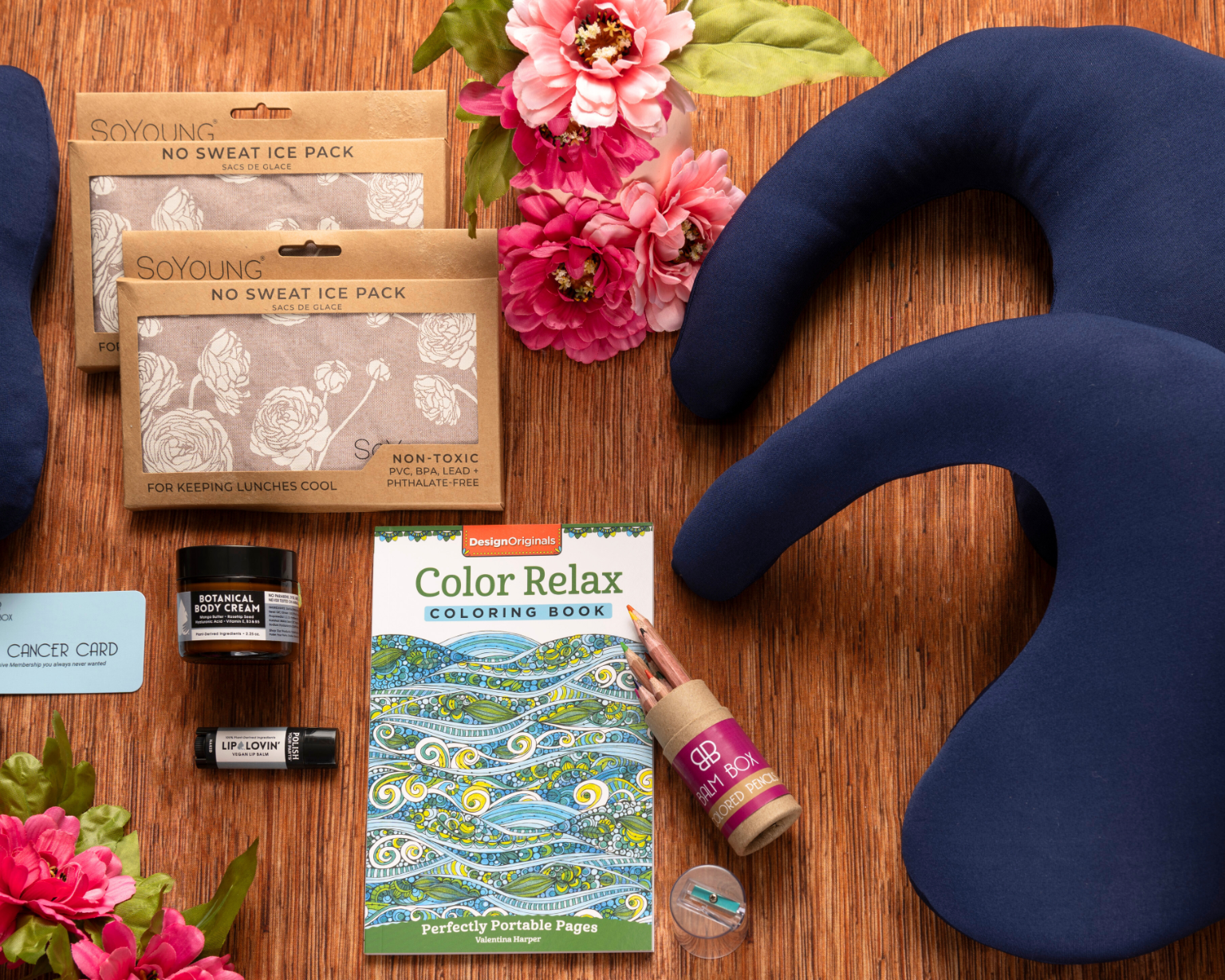
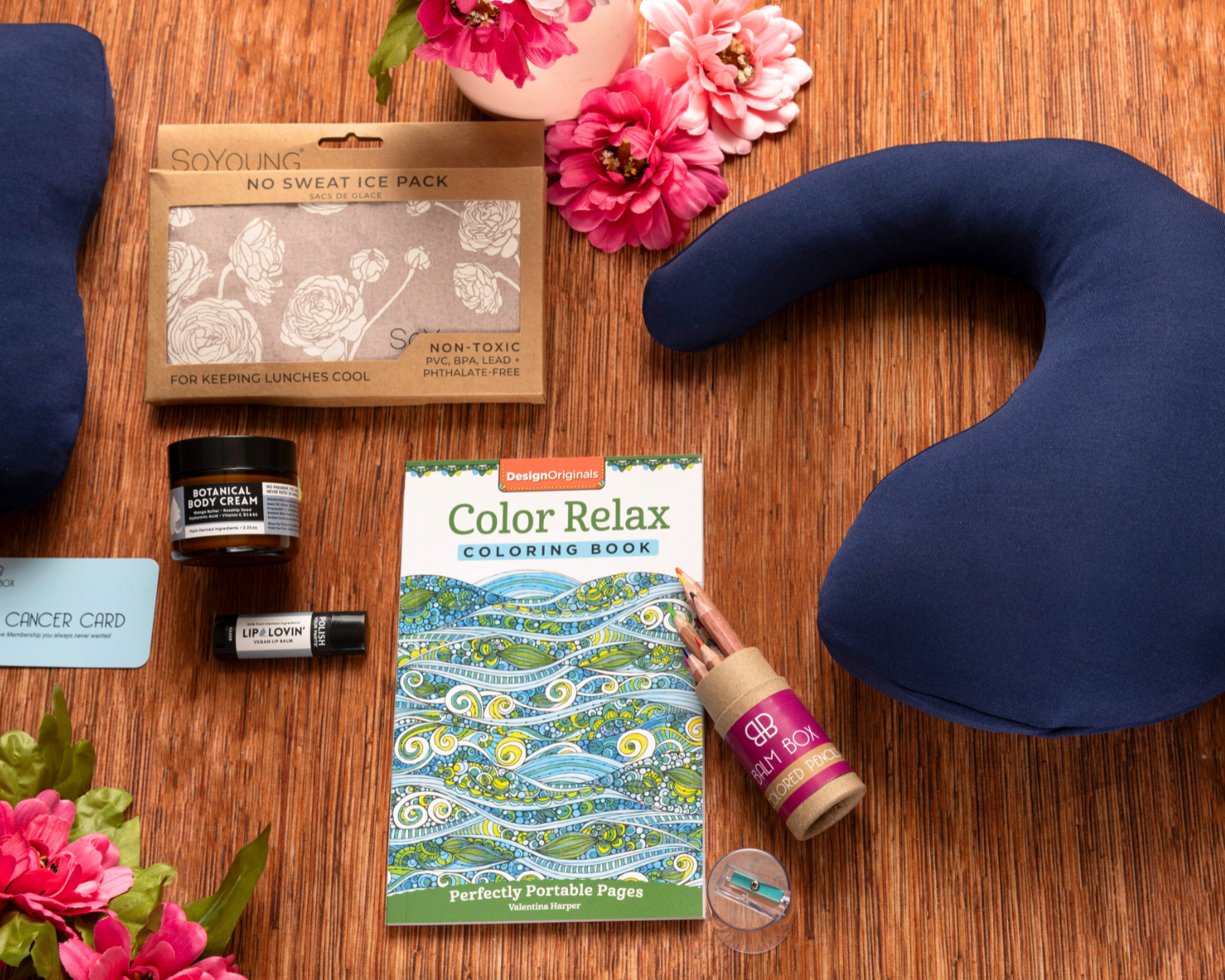
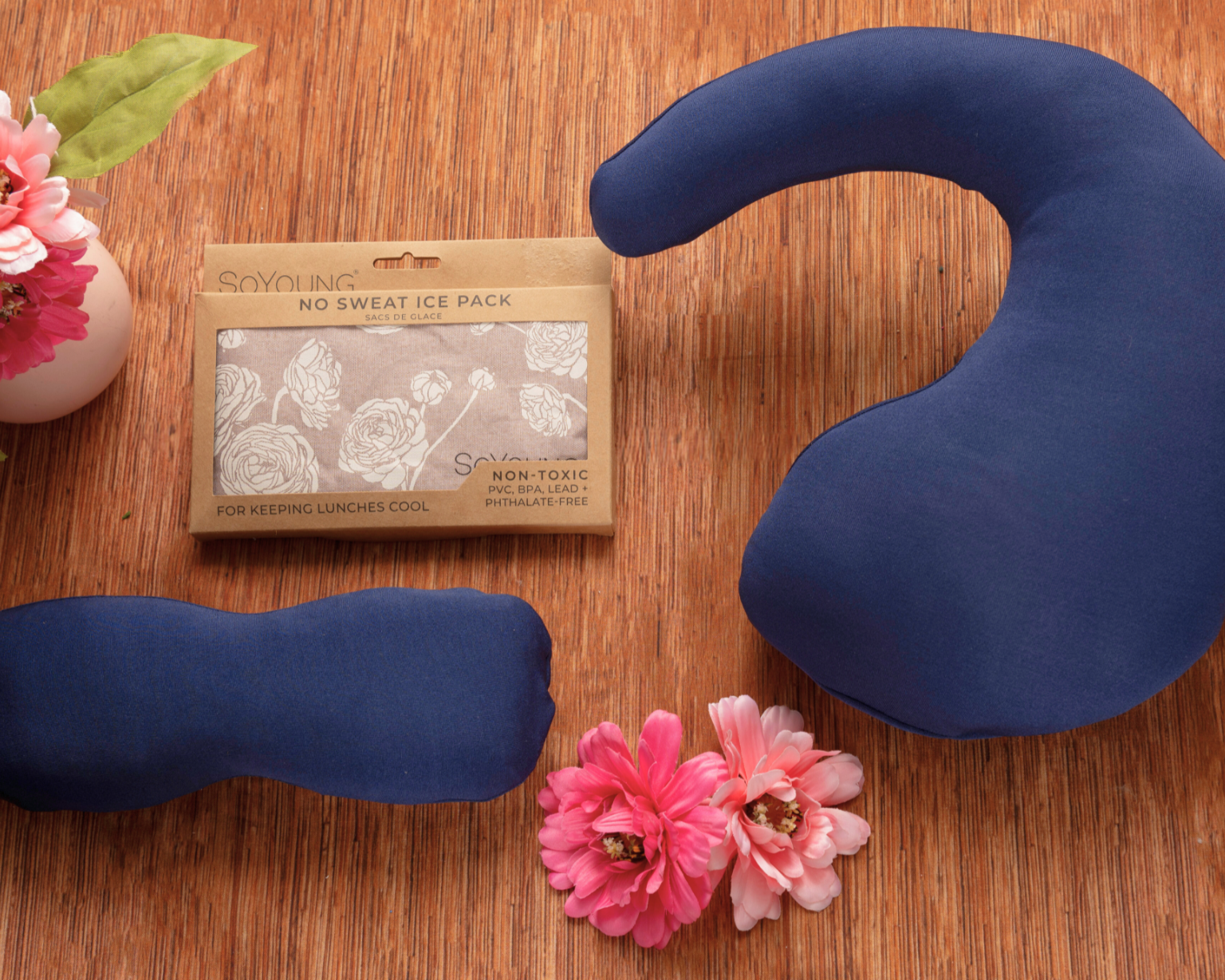
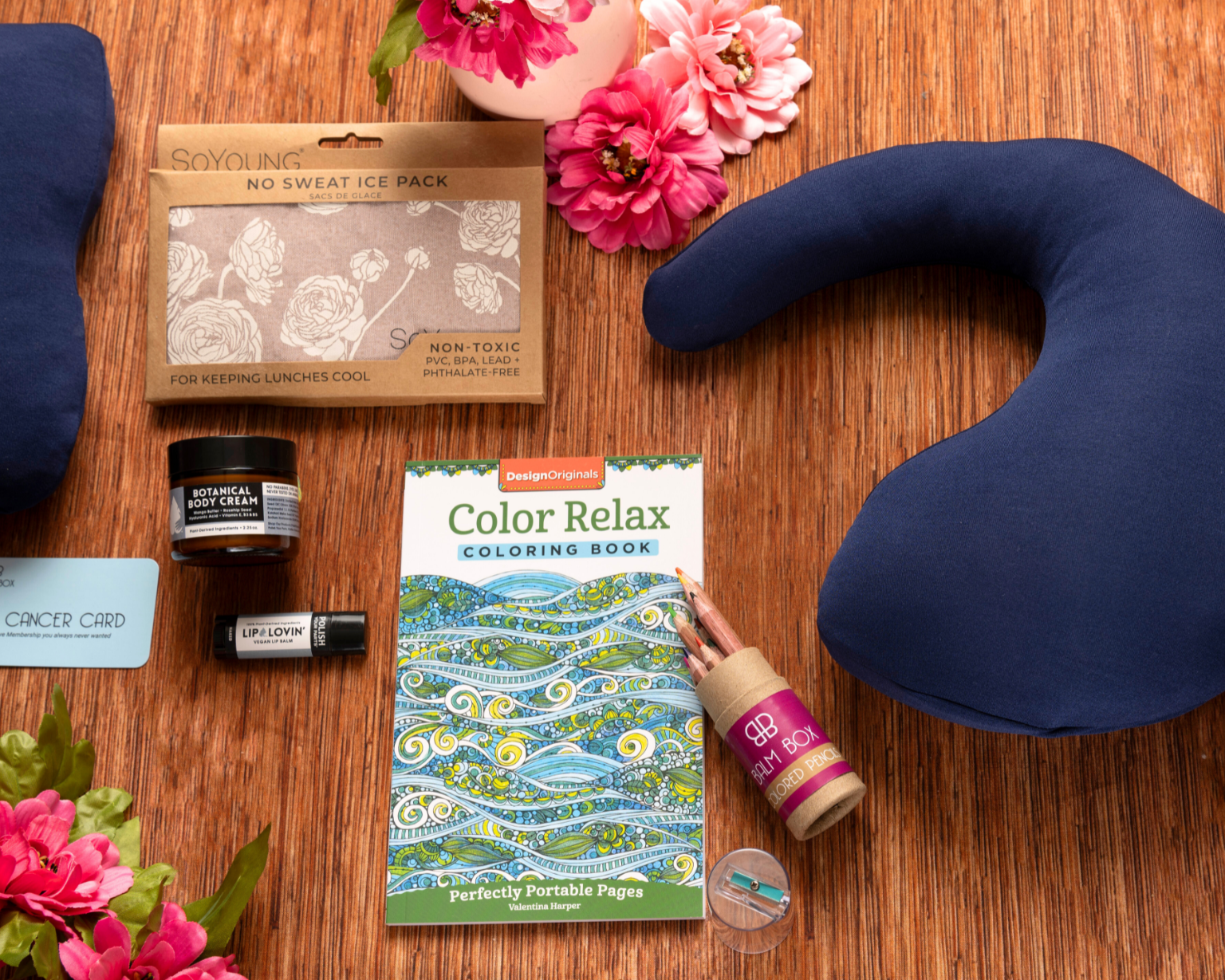
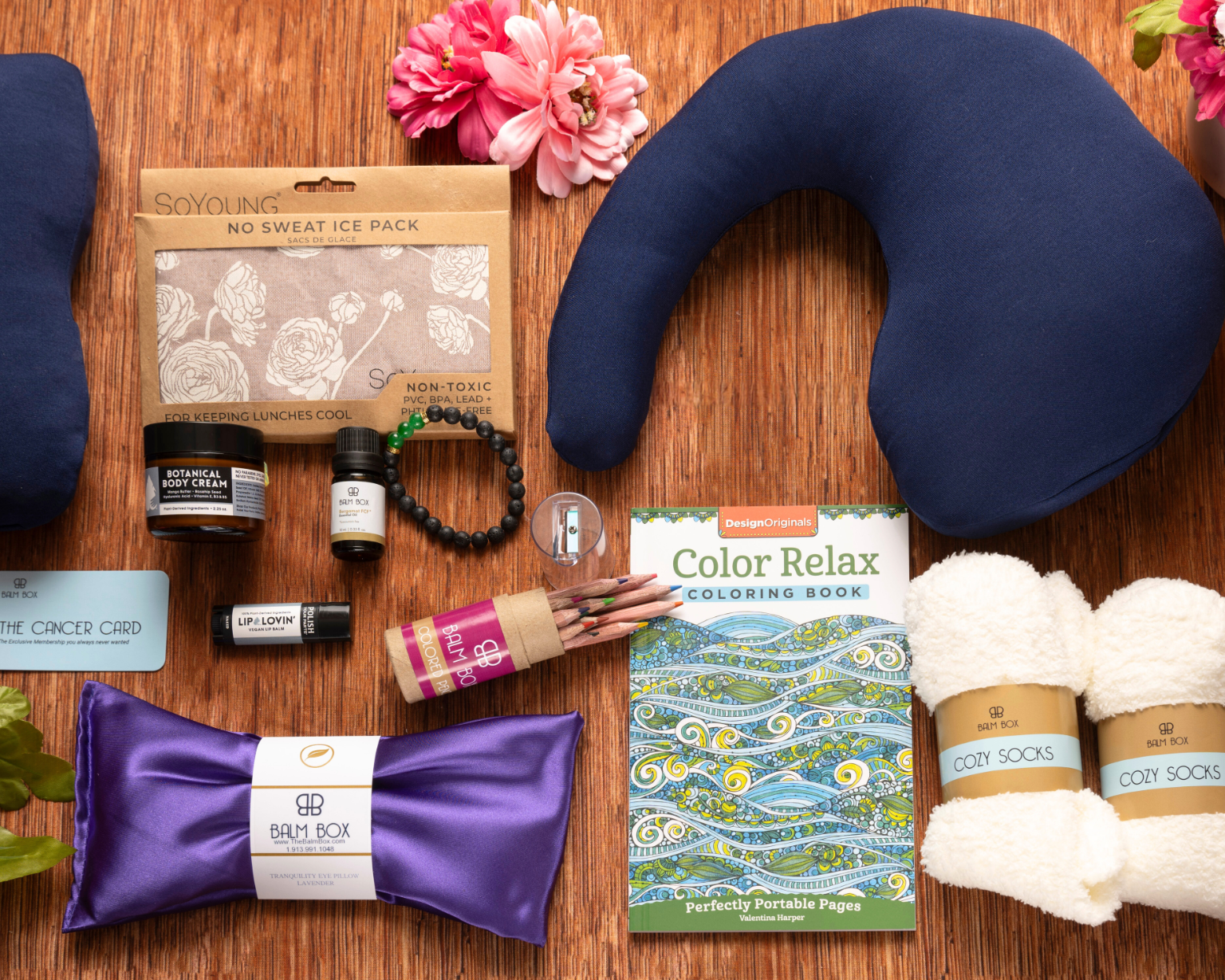
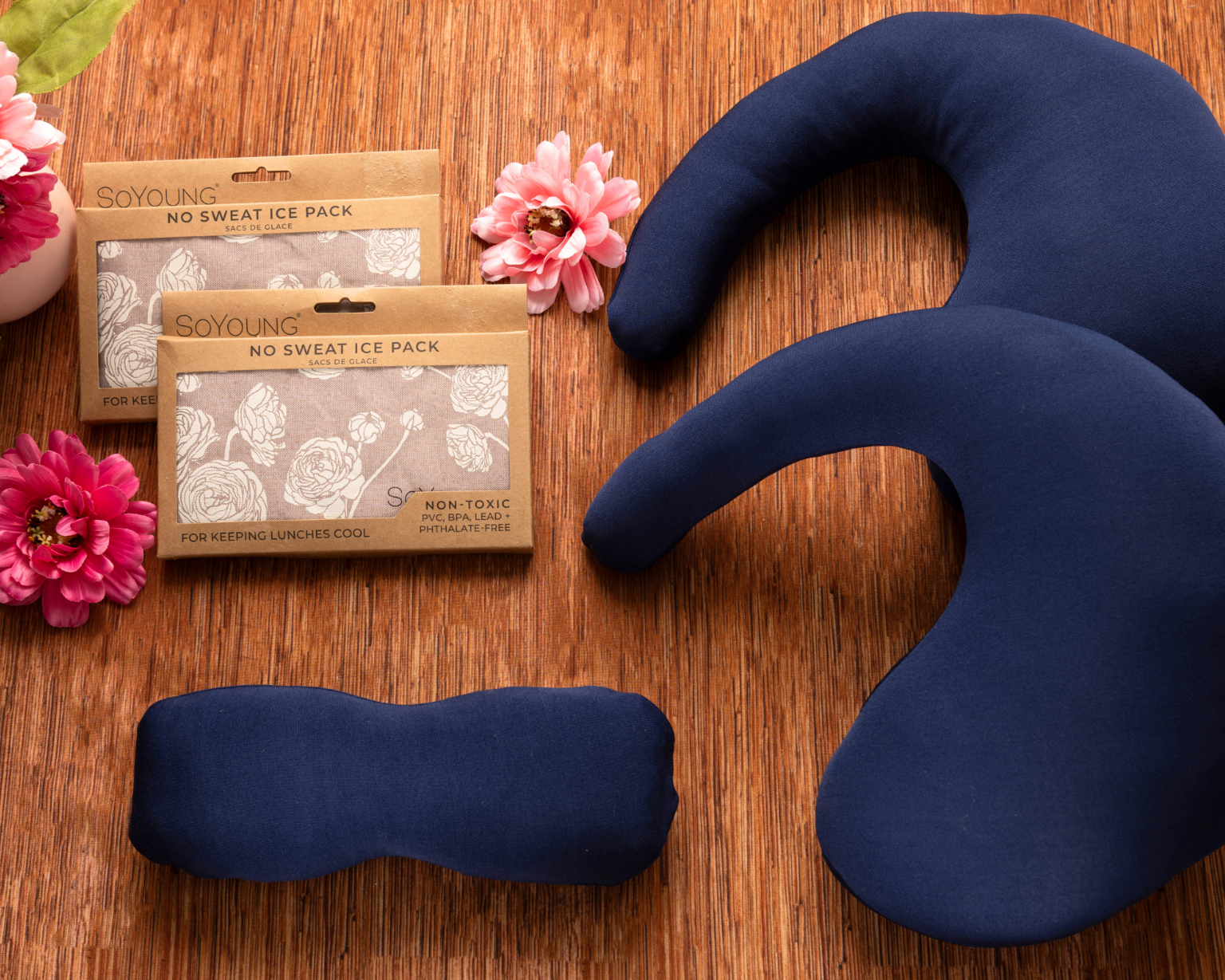
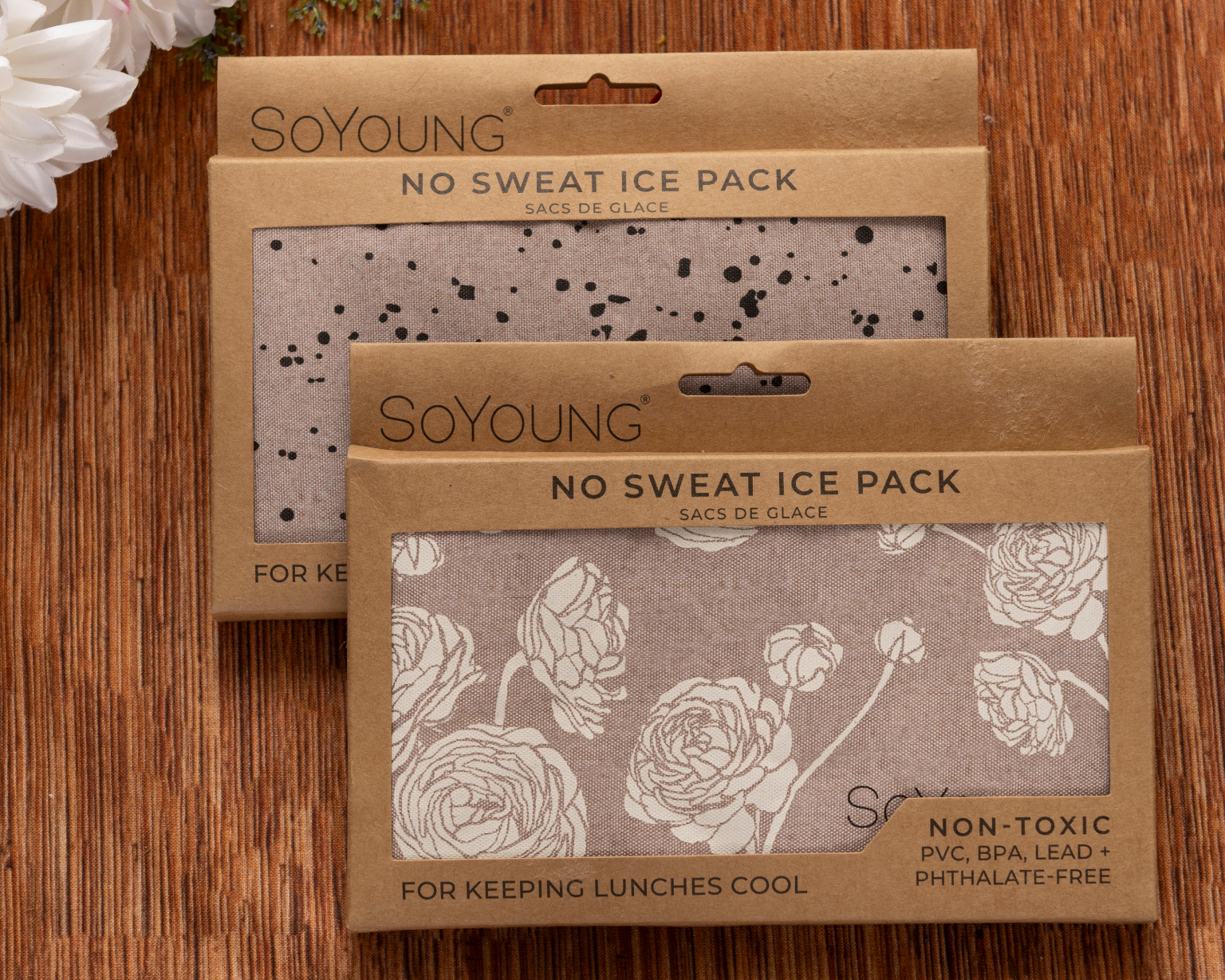
10. Ice Packs and Incision Care Supplies
Most surgeons tape incisions and want that tape kept in place for weeks, sometimes months, to reduce tension on the healing skin. Have ice packs ready for swelling in the first days, and confirm with your surgeon what type of surgical tape they recommend and when you'll be cleared to start any scar treatment products.
11. Stool Softeners
Pain medication, anesthesia, and reduced activity slow digestion, and constipation is one of the most common and most avoidable sources of post-surgical discomfort. Ask your surgeon which stool softener or fiber supplement they recommend and when to start it.
12. Pre-Op Medical Clearance and Nicotine Cessation
Surgeons require medical clearance before cosmetic procedures, and nicotine use in any form, including vaping and nicotine replacement products, restricts blood flow and significantly raises the risk of poor incision healing. Most surgeons require a nicotine-free window both before and after surgery. Confirm your clearance timeline and nicotine cessation requirements well ahead of your surgery date, since some practices require weeks of documented abstinence.
13. Hydration and Electrolyte Support
Water supports every part of recovery, from flushing anesthesia out of your system to reducing swelling. Keep a water bottle within reach at all times, and add electrolyte packets or coconut water if you're prone to dehydration or dealing with nausea from pain medication.
14. A Driver and Caregiver for the First 48 Hours
This is the item that costs nothing to arrange but matters more than almost anything on this list. You'll need a driver for surgery day and someone available for meals, bathroom trips, and general logistics for the first 48 hours while anesthesia wears off and mobility is limited. Line this up before your surgery date, not the morning of.

Setting Up Your Recovery Space Before Surgery
Set up your recovery space while you can still move freely and think clearly. Prep your bed with your positioning system already assembled, and clear a path from the bed to the bathroom so you're not navigating clutter with limited mobility.
Stock your fridge and freezer with easy-to-reheat, protein-rich meals ahead of time, since cooking will be the last thing you want to manage in the first week. Keep your phone charger, water, medications, and entertainment within arm's reach of your recovery spot so you're not getting up more than necessary.
Home Sanctuary Preparation:
-
Mindful Rearrangement - In the days before surgery, notice what items you regularly reach for and place them at counter height where they won't require stretching or reaching.
-
Bedside Comfort Station - Create a small oasis beside your rest area with essentials like a water bottle with a straw, medications, a phone charger, and comforting items all within easy reach.
-
Nourishment Planning - Healing requires energy, yet cooking will be challenging. Accept offers from friends and family to provide meals, or prepare simple options in advance that can be easily reheated.

Get Your Free Cosmetic Surgery Recovery Must-Haves PDF
This gentle checklist helps ensure you have nurturing supports ready for your recovery journey. As you gather these items—whether through your own preparation, friends' generosity, or care packages—check them off knowing that each represents a form of self-care.
Download and share this Cosmetic Surgery Must-Haves PDF checklist with loved ones who want to support your healing journey.
Plastic Surgery Recovery FAQs
How long do I need to sleep elevated after plastic surgery?
Most cosmetic procedures require elevated sleep for two to six weeks, though the exact window depends on your specific procedure and your surgeon's protocol. Breast procedures and tummy tucks tend to run on the longer end of that range, while facial procedures often clear patients for flatter sleep sooner. Always follow the specific timeline your surgeon gives you rather than a general estimate.
When can I go back to sleeping on my side or stomach?
This depends entirely on your procedure and healing progress, and your surgeon is the only one who can clear you for it. Side sleeping is typically introduced gradually once the risk of pressure on the surgical site has passed, and stomach sleeping, if it's cleared at all, usually comes last.
What should I have ready before surgery day?
Your recovery space should already be set up, your prescriptions filled, and your driver and caregiver confirmed before you leave for your procedure. Arranging any of this while you're recovering from anesthesia and managing pain adds unnecessary stress at the worst possible time.
Do I really need a positioning system, or will regular pillows work?
Household pillows aren't built to hold a fixed angle under body weight, so the support degrades over the course of the night. A dedicated positioning system maintains the elevation and side support your surgeon prescribed from the moment you fall asleep until morning, without the constant adjustment that comes with a stack of bed pillows.
Important Medical Disclaimer
The information provided on this page is for educational purposes only and should not replace professional medical advice from your healthcare provider. Sleep Again Pillows are positioning support products designed to help maintain sleep positions recommended by medical professionals during recovery and for therapeutic use.
Always follow your surgeon's or physician's specific post-operative instructions and positioning requirements. Medical guidance from your healthcare team takes precedence over any general information provided here. Recovery timelines, positioning angles, and product suitability vary based on individual surgical procedures, medical conditions, and patient-specific factors.
Consult your healthcare provider before purchasing positioning equipment if you have specific medical concerns or questions about whether these products are appropriate for your recovery or medical condition(s). Your medical team can provide personalized recommendations based on your unique situation.
Sleep Again Pillows do not diagnose, treat, cure, or prevent any medical condition. These products provide positioning support to help maintain sleep angles and positions as directed by your healthcare provider.