
How you position your body during sleep after genioplasty directly affects your swelling timeline, your healing rate, and how quickly you'll see the results you've been anticipating. Poor sleep positioning can actively work against your body's healing process, and it's one of the most manageable parts of recovery to prepare for in advance. This guide is written specifically for patients in the planning stages of genioplasty who want to enter recovery organized, informed, and set up for the best possible outcome.
What Exactly Is Genioplasty, and Why Does It Affect Sleep?
Genioplasty is the surgical reshaping or repositioning of the chin, performed by either a plastic surgeon or a maxillofacial surgeon.
There are two primary types:
A sliding genioplasty, also called osseous genioplasty, involves repositioning the chin bone itself — moving it forward, backward, or laterally to achieve better facial balance.
A chin implant procedure involves the placement of a synthetic material around the chin bone to add definition, projection, or symmetry.
Both procedures result in swelling, bruising, and a period of restricted positioning around the jaw and lower face. Because the surgical site sits in a particularly gravity-sensitive location — the lower face — any position that lets fluid pool around the chin will prolong visible swelling and potentially slow healing. This is why nearly every surgical team across specialties arrives at the same post-operative instruction: keep your head elevated above your heart, and stay off your side and stomach.
What that means practically, for eight or more hours of sleep each night, is that you need a plan.

Why Is Elevated Back Sleeping the Right Choice After Chin Surgery?
Elevated back sleeping is the clinical consensus for genioplasty recovery, and the reasoning is straightforward once you understand what's happening beneath the skin.
When you undergo chin surgery, your body responds to the procedure by sending increased fluid and immune cells to the surgical area. This is swelling, and it's a normal and necessary part of healing. The problem is that swelling is subject to the same gravitational rules as everything else. If your chin is lower than your heart during sleep, fluid accumulates. If your chin is higher than your heart, the lymphatic and circulatory systems can drain that fluid more efficiently.
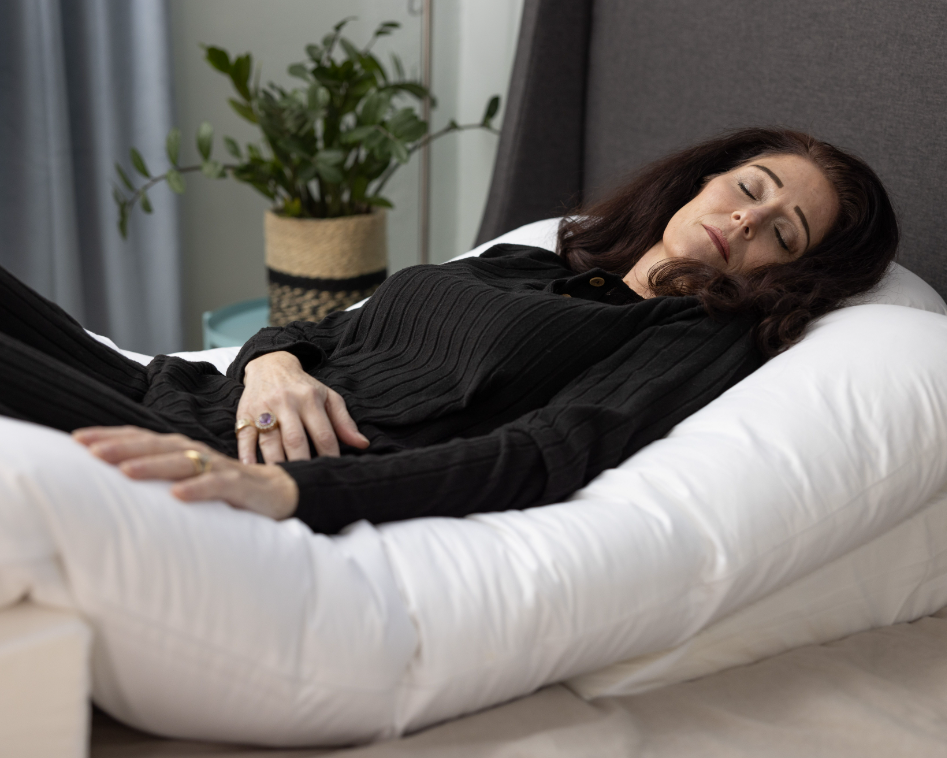
Elevated back sleeping — maintaining a reclined angle of 30 to 45 degrees — keeps your entire head, jaw, and chin above heart level throughout the night. This single positioning decision can meaningfully reduce swelling duration in the critical first two weeks of recovery.
Beyond swelling control, elevated back sleeping provides several additional benefits that matter during genioplasty recovery specifically:
Pressure elimination. Your chin and jaw are the most vulnerable areas after surgery. Back sleeping ensures that no body weight, pillow surface, or partner contact applies pressure to the surgical site. Side sleeping and stomach sleeping both create direct contact with the very area your surgeon has just restructured.
Incision protection. Whether your incisions are internal (inside the lower lip) or external (beneath the chin), keeping them clean and undisturbed accelerates healing. Any position that causes your face to press against a sleep surface creates friction, sweat, and contamination risk that your surgeon would prefer you avoid.
Reduced pain interference. When your head is properly supported at an elevated angle and there's no direct pressure on the surgical area, your pain levels during sleep are typically lower. This means fewer sleep interruptions from discomfort and more time in the deep sleep phases where actual tissue repair happens.
Support for chin strap compliance. Many genioplasty patients are asked to wear a compression chin strap during recovery — sometimes even while sleeping. Elevated back sleeping makes chin strap wear far more comfortable and sustainable overnight than trying to maintain a strap while lying on your side.
The American Board of Cosmetic Surgery recommends back sleeping with the head elevated for one to two weeks following chin surgery. Most surgical teams extend this recommendation until swelling has substantially resolved, which typically means the full first two weeks at minimum.
What Happens If You Sleep on Your Side After Genioplasty?
This question comes up in nearly every genioplasty patient consultation, and it deserves a direct answer.
Side sleeping after chin surgery creates several compounding concerns. First, the direct pressure on one side of the jaw and chin can disrupt implant positioning or aggravate the bone and tissue healing at a surgical osteotomy site. Second, side sleeping concentrates swelling unevenly — meaning the dependent side of your face swells more than the elevated side, creating visible asymmetry that can be alarming even though it's temporary. Third, if you have external incisions, direct contact between a pillow surface and the chin area introduces contamination and friction risk to a site that requires clean, undisturbed healing.
Stomach sleeping is an even more significant concern. Lying face down places your entire lower face against a sleep surface, applies compression to the surgical area, and makes it essentially impossible to maintain the head elevation that controls swelling. Most surgical teams list stomach sleeping as an absolute restriction for the initial recovery period.
Side sleeping restrictions typically apply for the first two to four weeks, depending on your specific procedure and your surgeon's assessment. Stomach sleeping is usually restricted longer. Your surgical team will give you clearance as healing progresses — the timeline varies by patient, and those guidelines take precedence over any general advice.
How Long Will You Need to Sleep in an Elevated Position After Genioplasty?
Most genioplasty patients are instructed to maintain head elevation during sleep for a minimum of two weeks. For sliding genioplasty procedures that involve bone movement, the restriction period is often longer than for straightforward implant procedures, because bone healing requires more sustained protection than soft tissue recovery.
Here's a general framework, though your surgeon's specific guidance supersedes any timeline below:
Days 1–7: The most critical window. Swelling peaks between days two and three post-surgery and begins to gradually resolve after that. Strict elevated back sleeping is non-negotiable during this phase. Getting up from bed requires particular care — rolling to one side and using your arms to push up, rather than sitting straight up with abdominal flexion, reduces strain and pressure on the chin area.
Days 7–14: Visible swelling should be diminishing during this window. Elevated back sleeping remains the recommended position. Some patients begin carefully testing minimal position adjustments, but only with explicit surgeon guidance.
Weeks 2–6: Subtle swelling continues to resolve even when visible swelling appears to be gone. Final genioplasty results are typically not fully visible until at least six weeks post-procedure. Maintaining supportive sleep positioning throughout this phase contributes to the quality of the final outcome.
Beyond six weeks: Most patients receive clearance to return to their preferred sleep positions as swelling resolves and healing is confirmed at follow-up appointments. Some patients choose to continue modified positioning beyond this point as a personal preference once they've experienced the benefits.
What Makes Standard Pillows Inadequate for Genioplasty Recovery?
Standard household pillows create a specific problem for post-surgical sleep: they are designed for comfort in a single position, not for therapeutic elevation maintenance throughout the night.
Stacking standard pillows to achieve a 30- to 45-degree angle creates a foundation that shifts, compresses, and collapses with body movement during sleep. Elevation that begins at an appropriate angle will frequently drop over the course of the night, defeating the purpose of the elevation protocol and contributing to increased facial swelling by morning.
There are also alignment issues that standard stacked pillows don't address. True therapeutic elevation for chin and jaw surgery requires not just head support but integrated support for the neck, upper back, and shoulders. When only the head is elevated while the shoulders remain flat, the neck is placed in an awkward extended position that creates muscular tension and can be genuinely uncomfortable for hours of sleep.
Recliners are frequently suggested by surgical teams for the first nights of recovery because they naturally create a supported, full-body inclined position. Sleeping in a recliner isn't usually as comfortable as sleeping in your own bed, and getting actual sleep is an integral part of the healing process. Plus, if you don't own a recliner, renting a medical one can be expensive and challenging to maneuver into your home.

What Is the Sleep Again Pillow System, and How Does It Support Genioplasty Recovery?
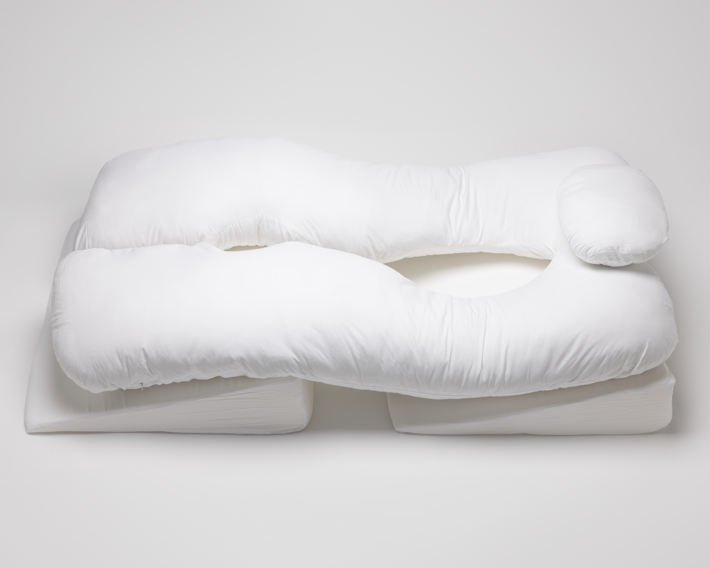
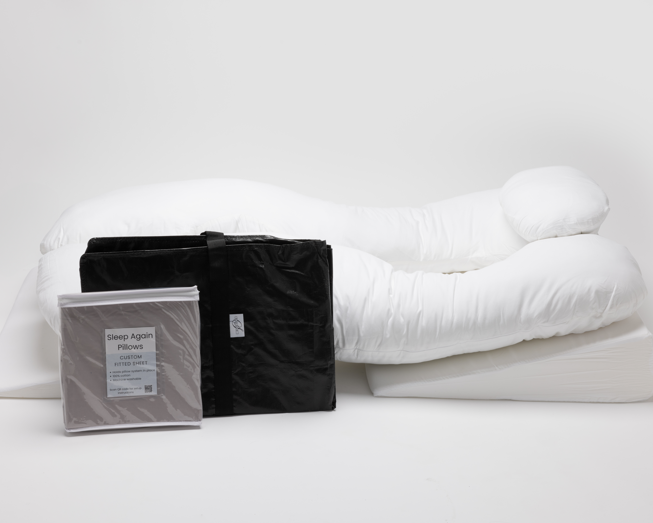
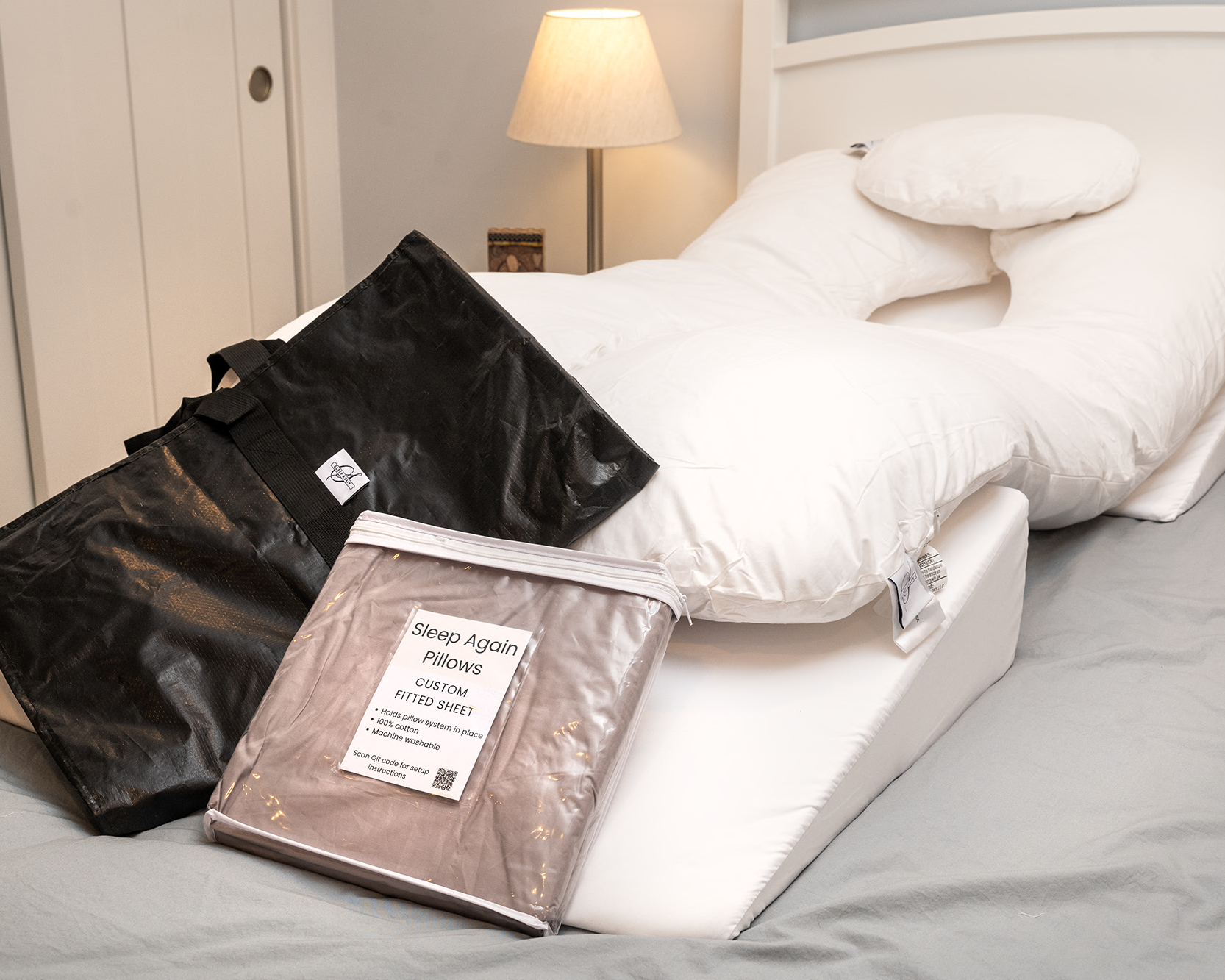
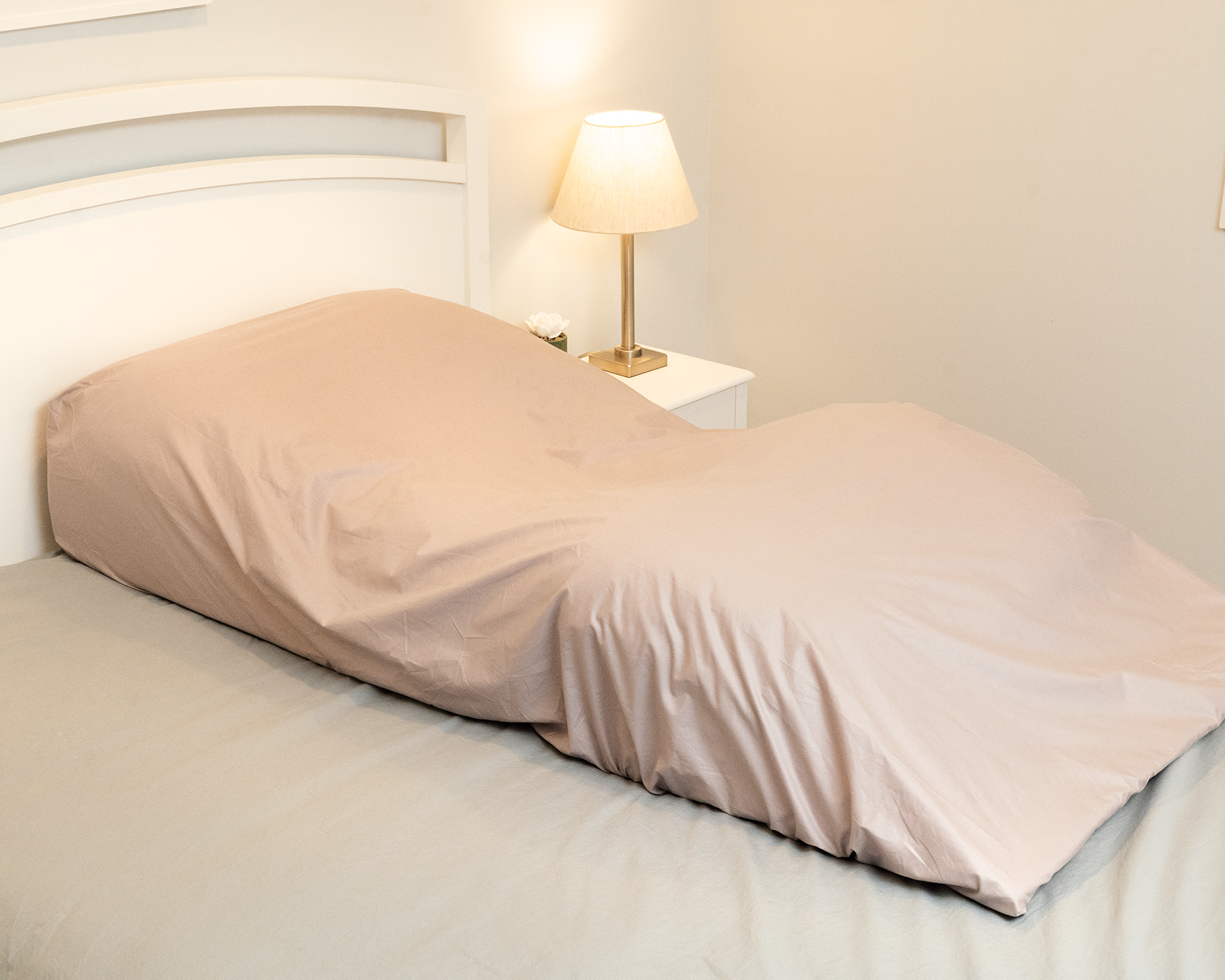
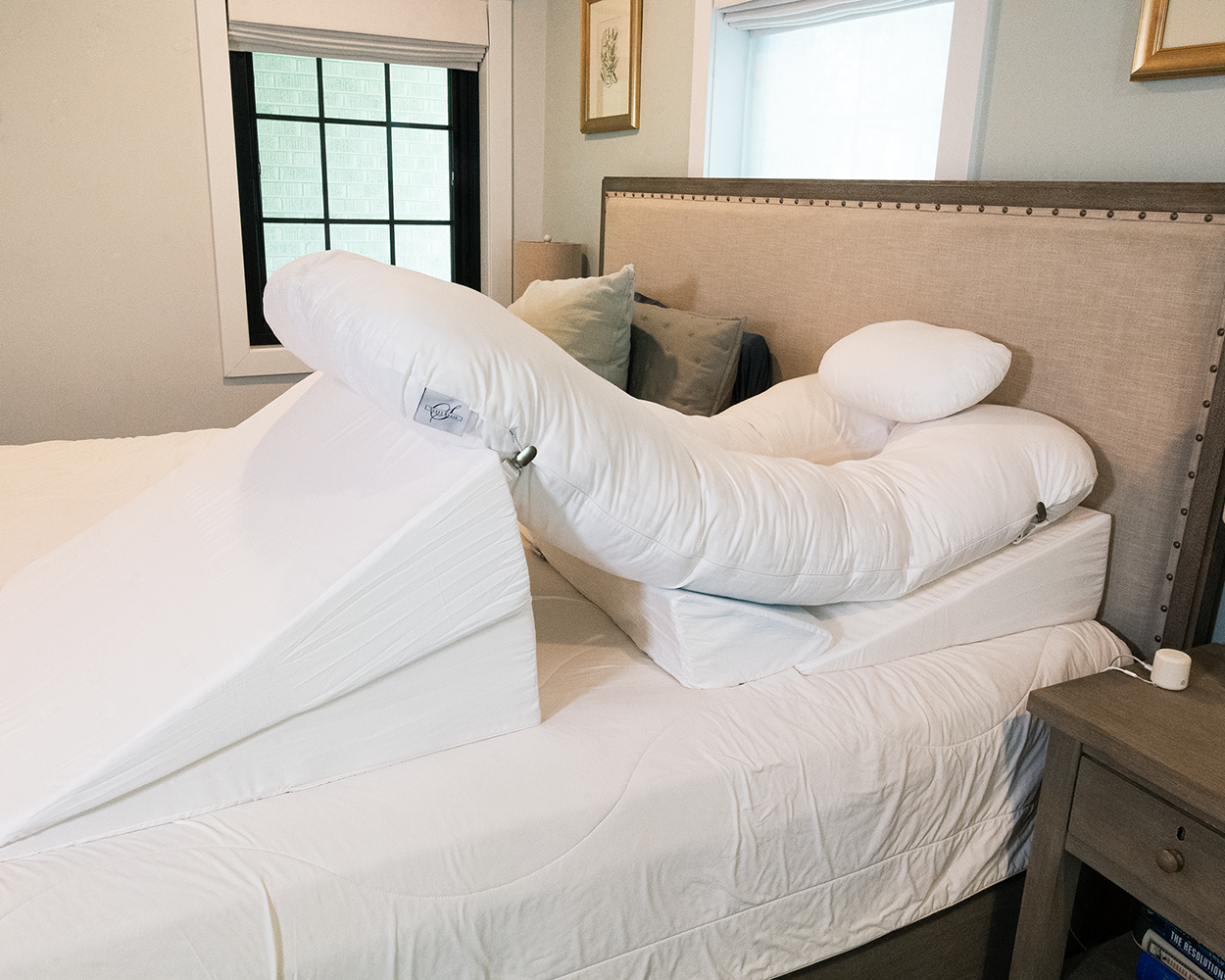
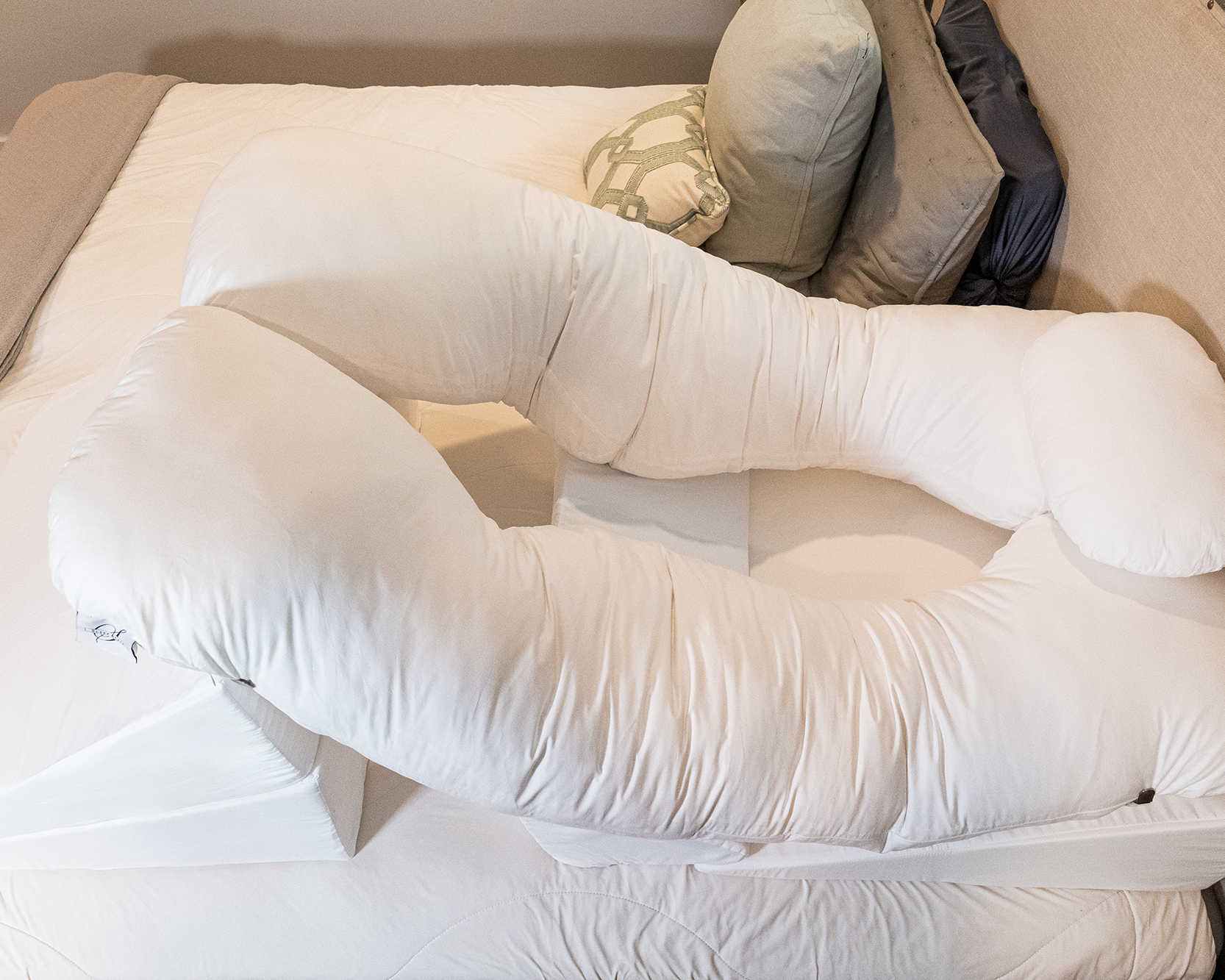
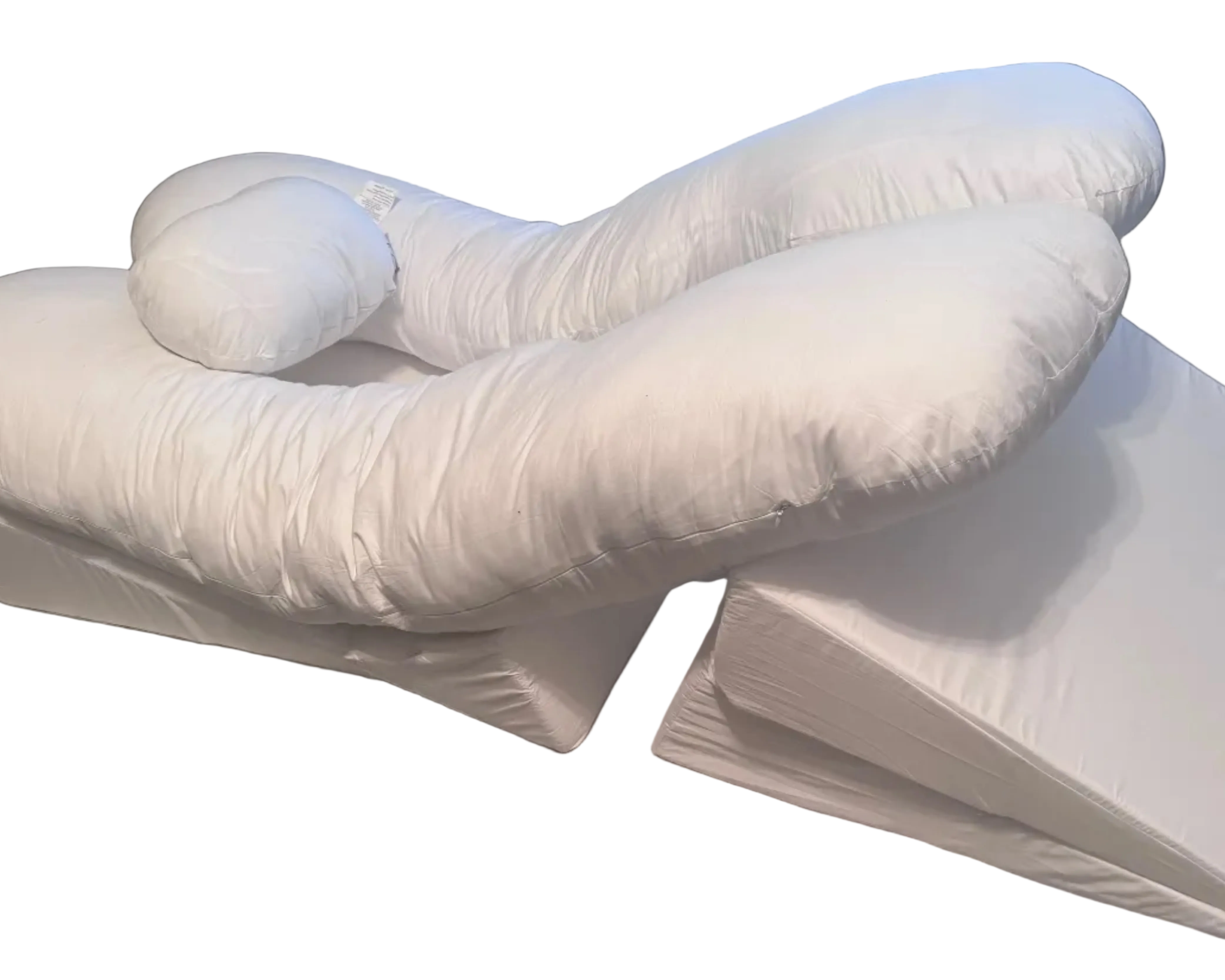
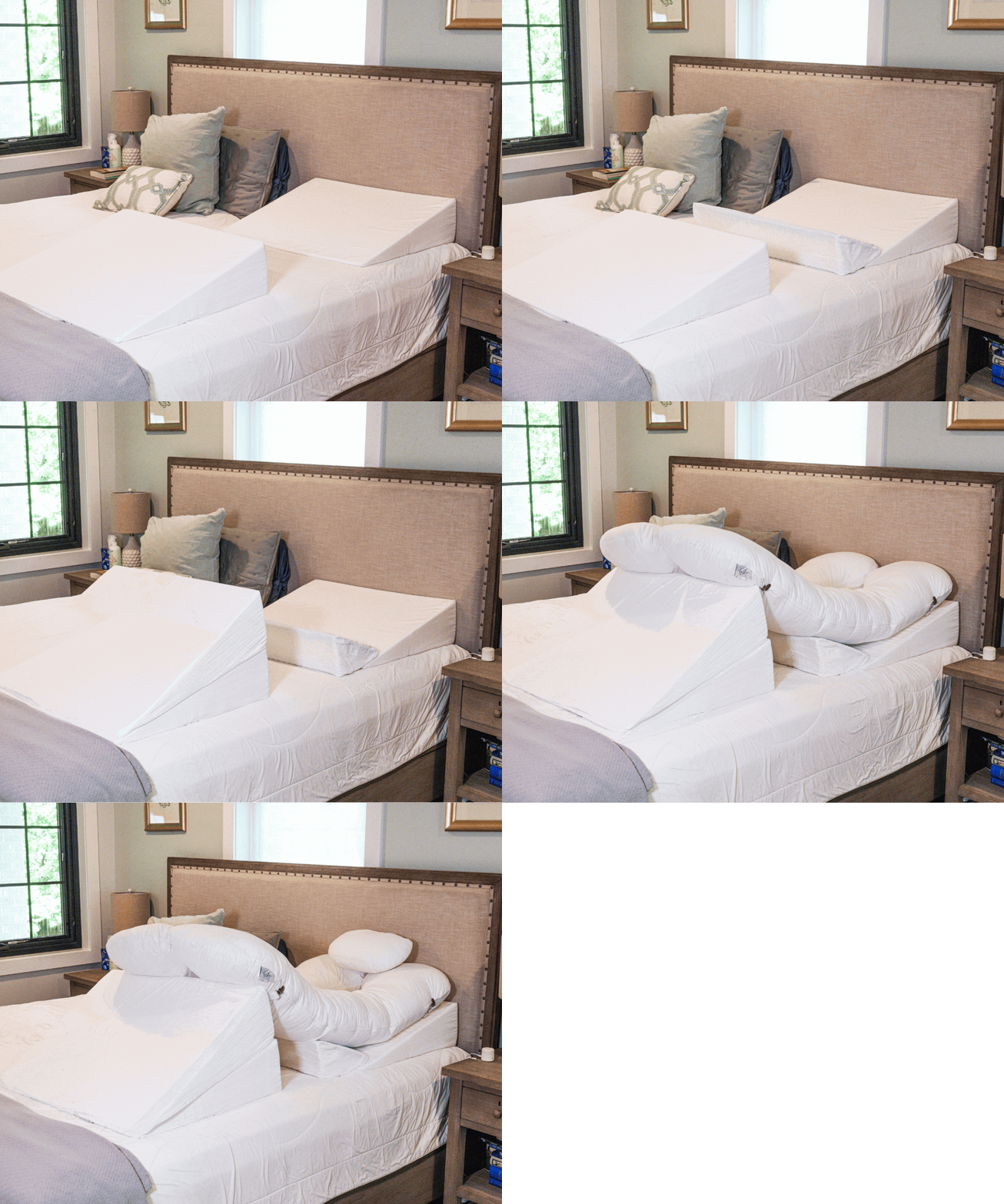
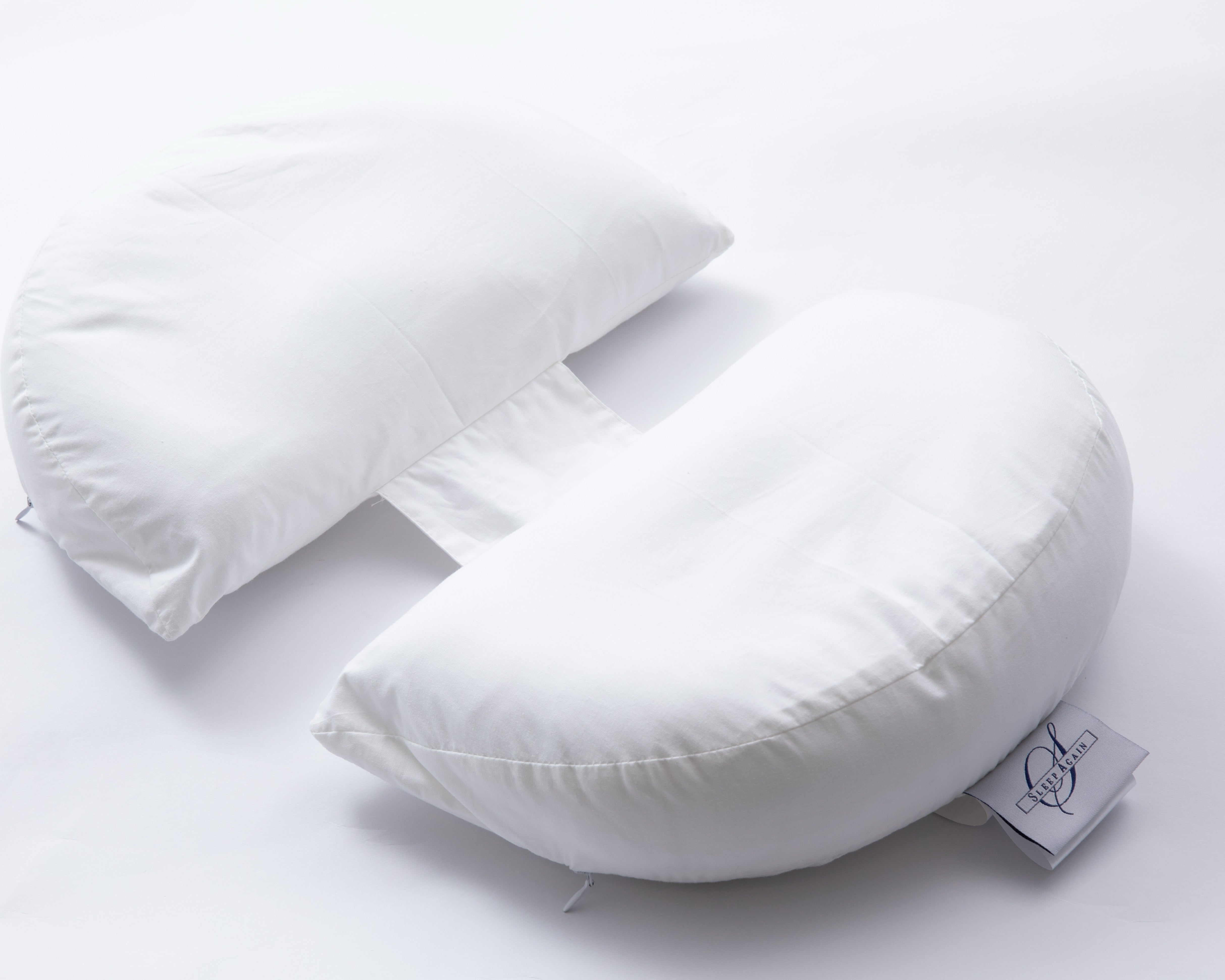
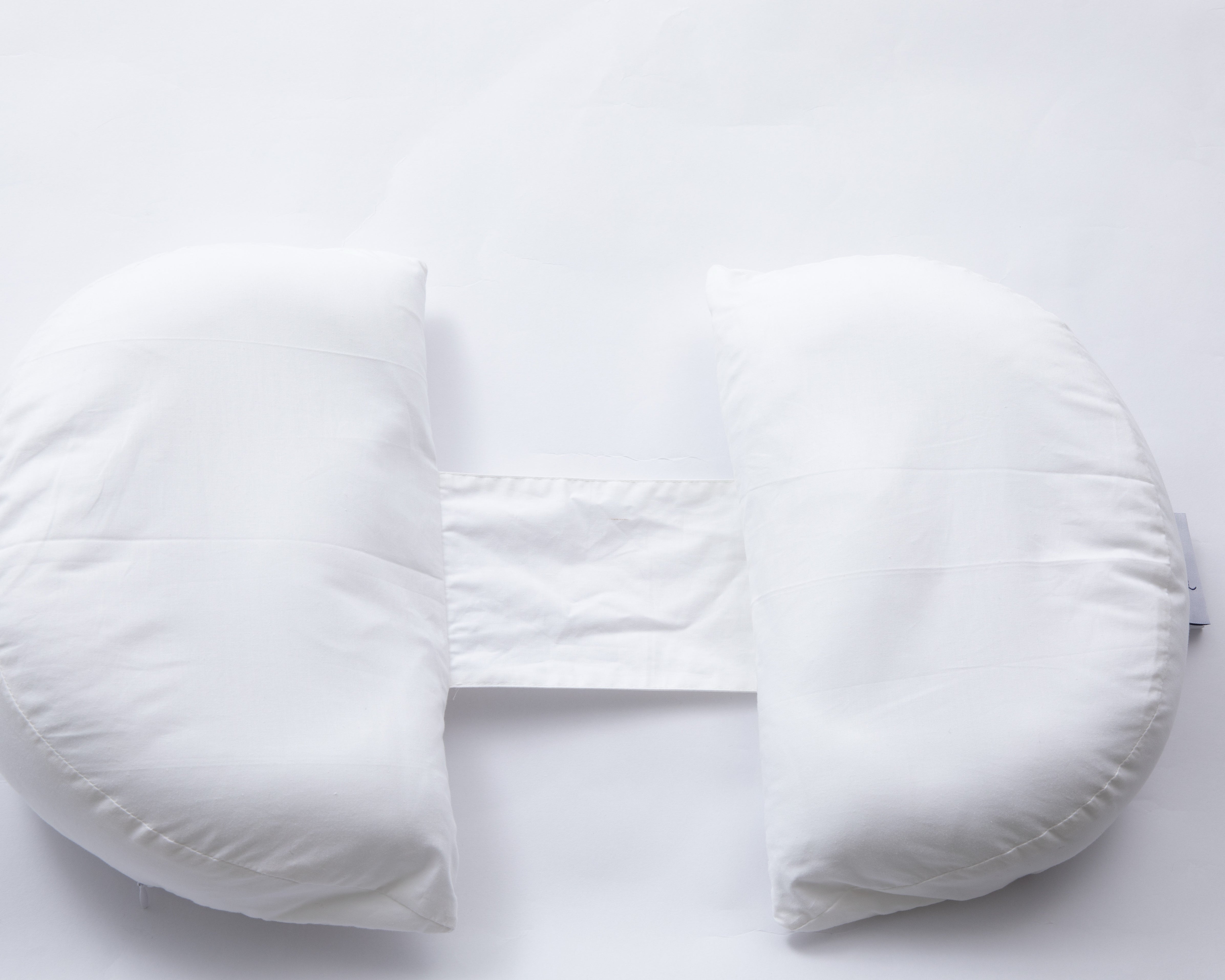
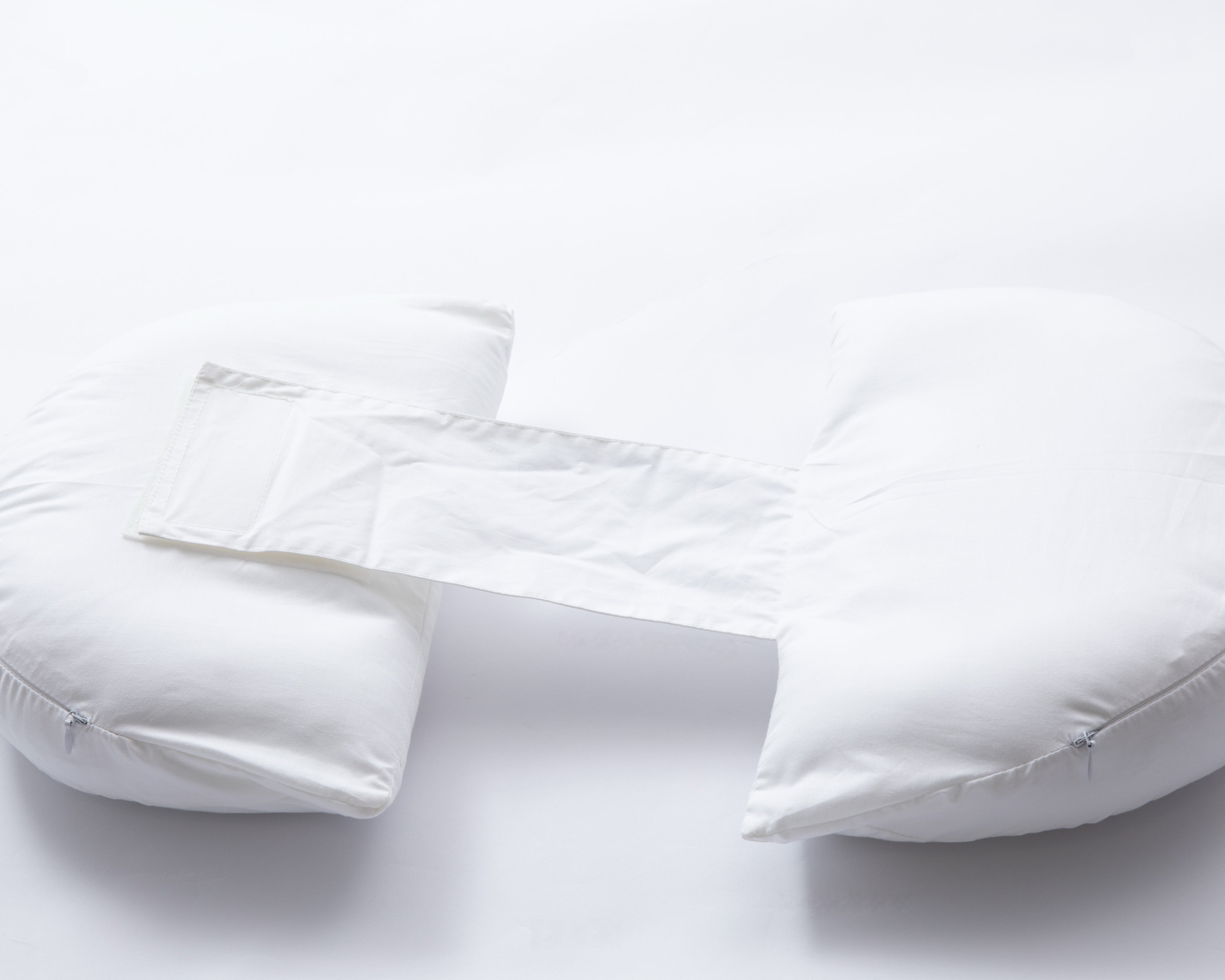
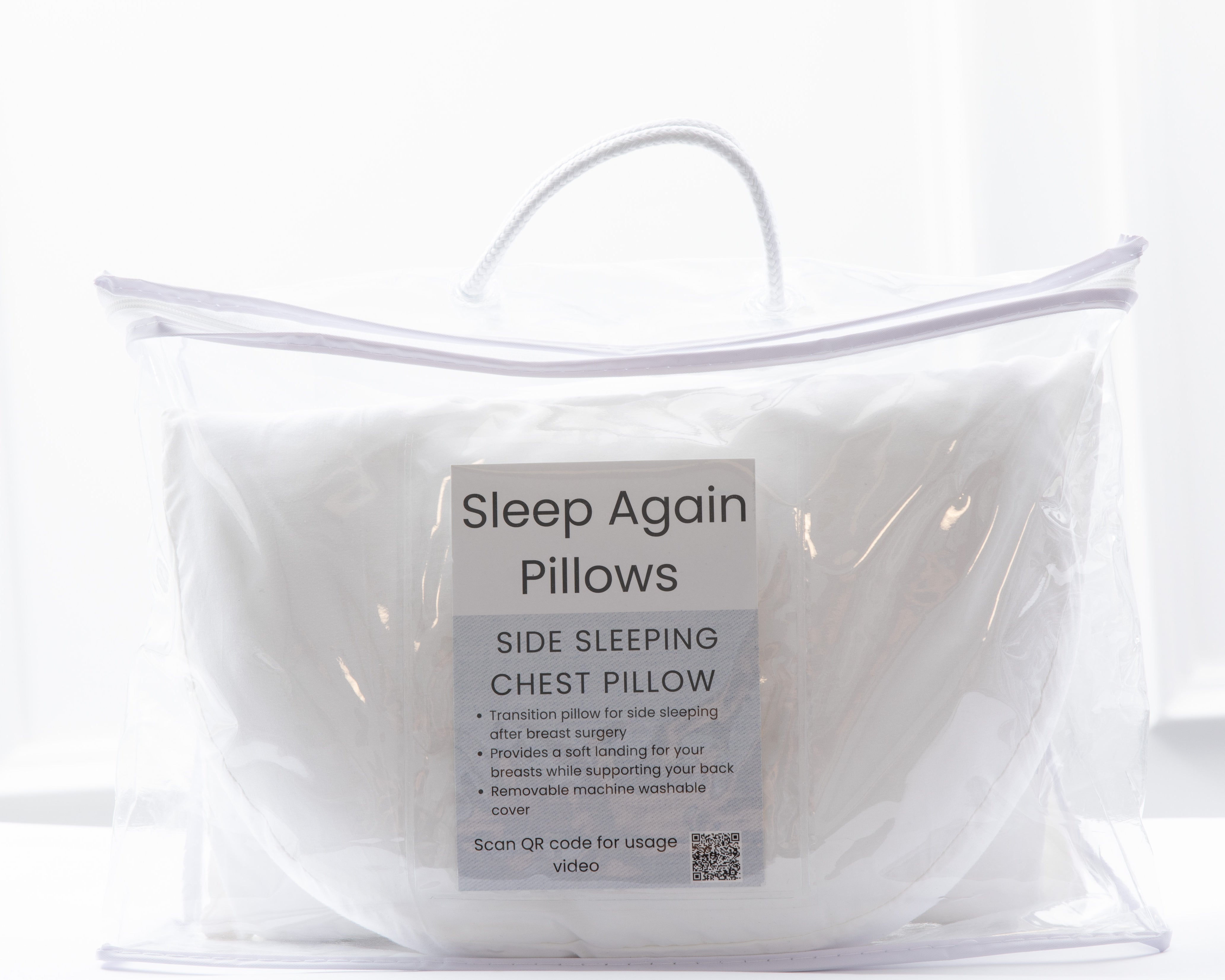
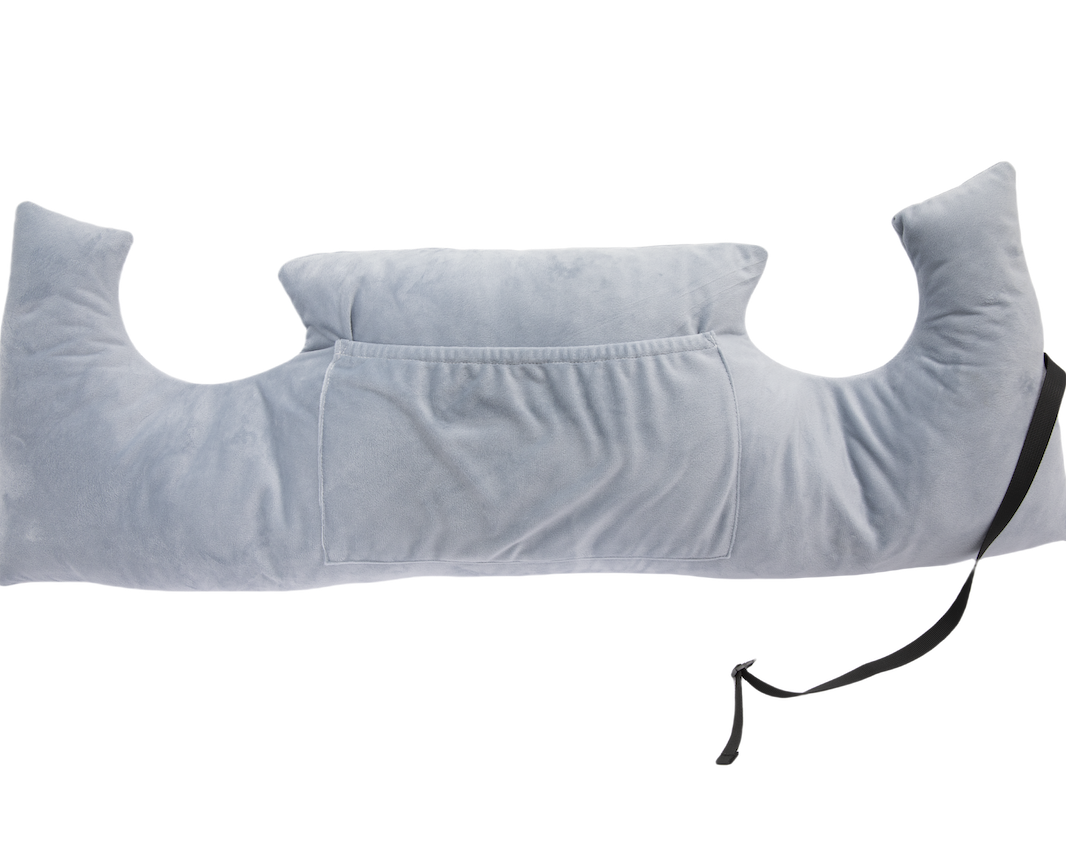
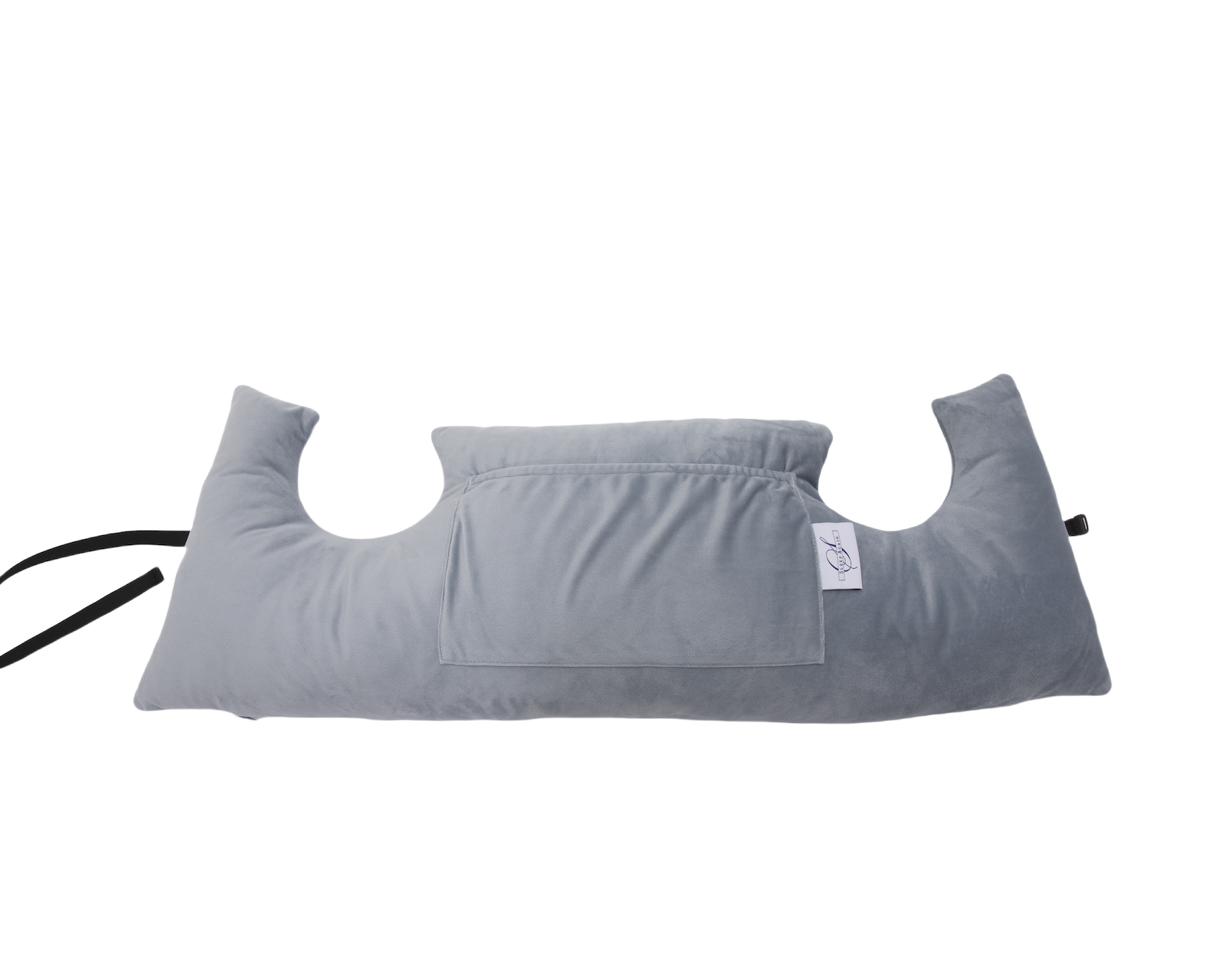
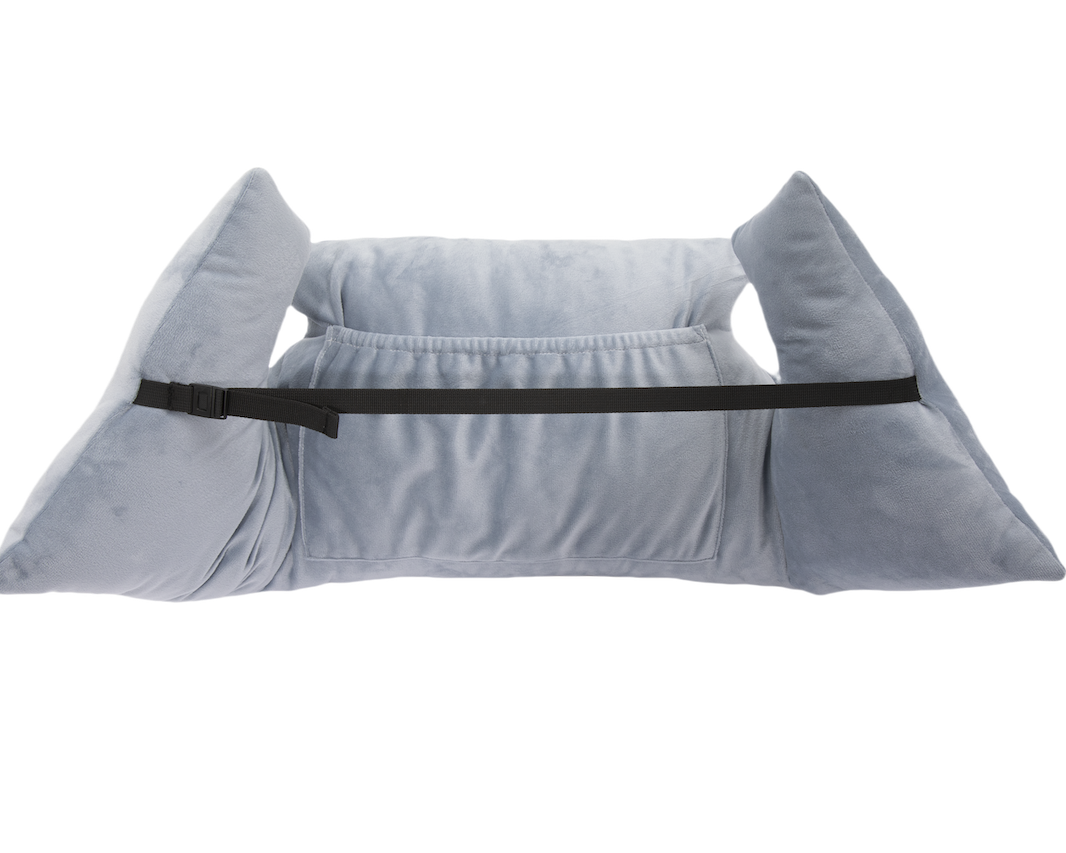
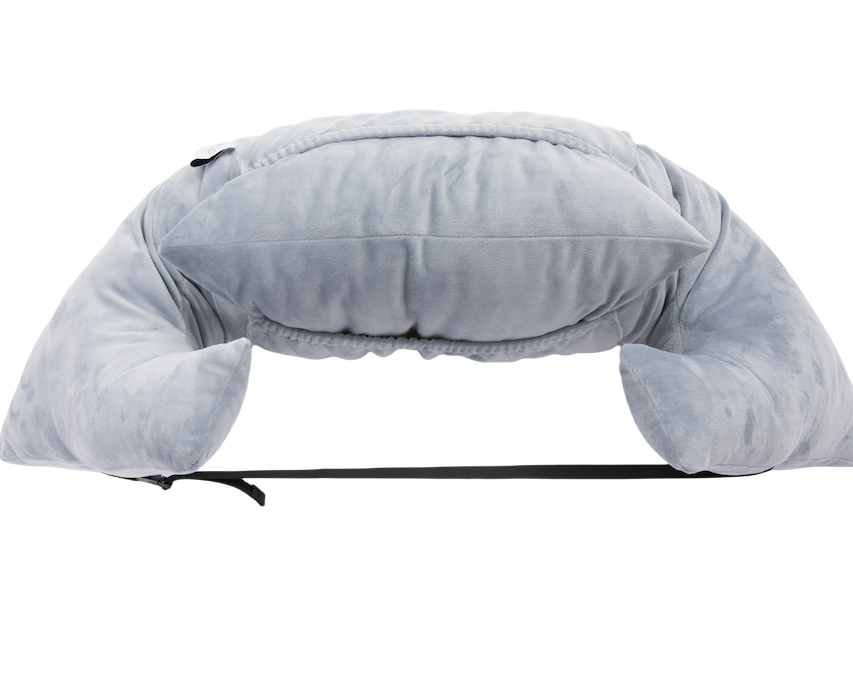
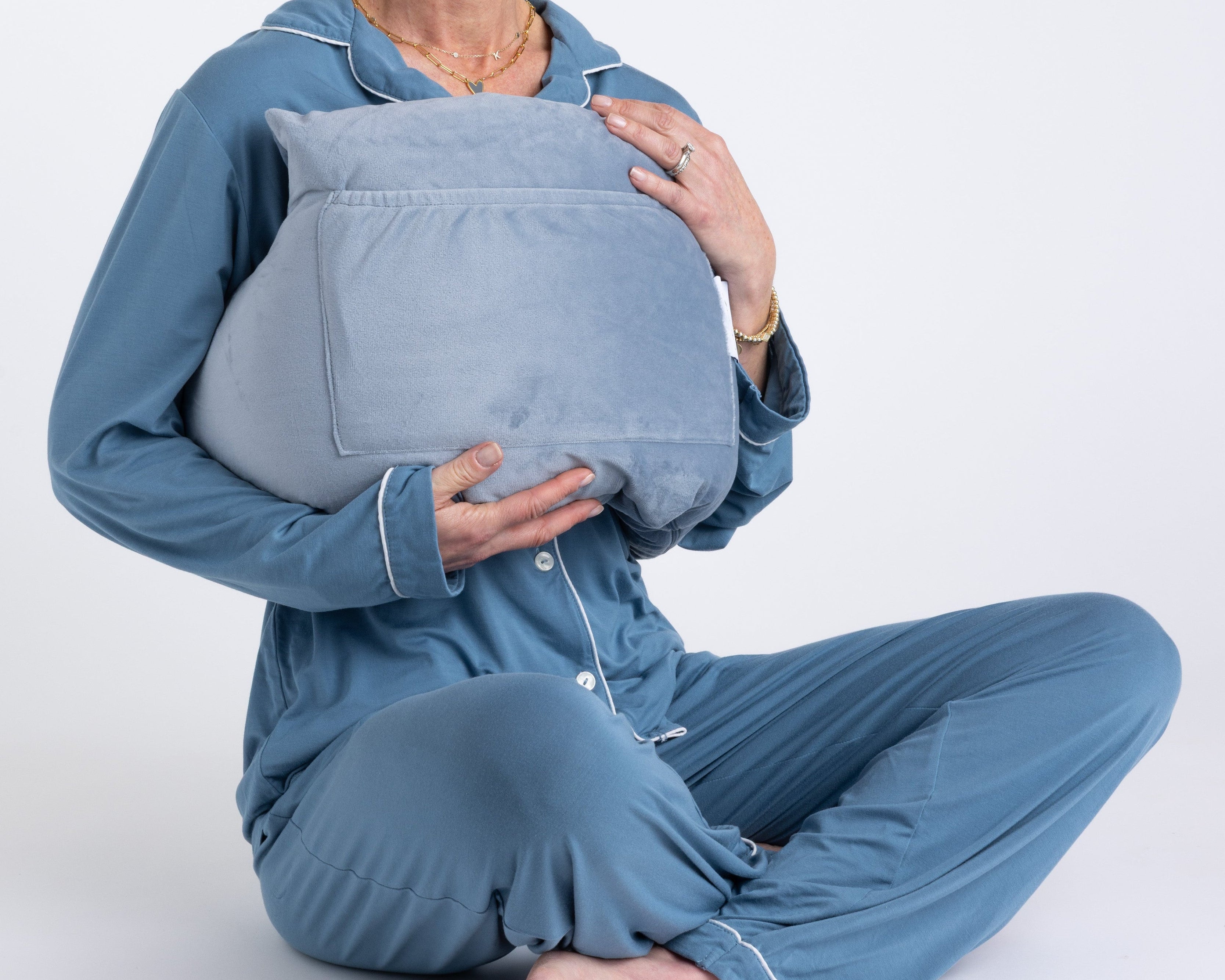
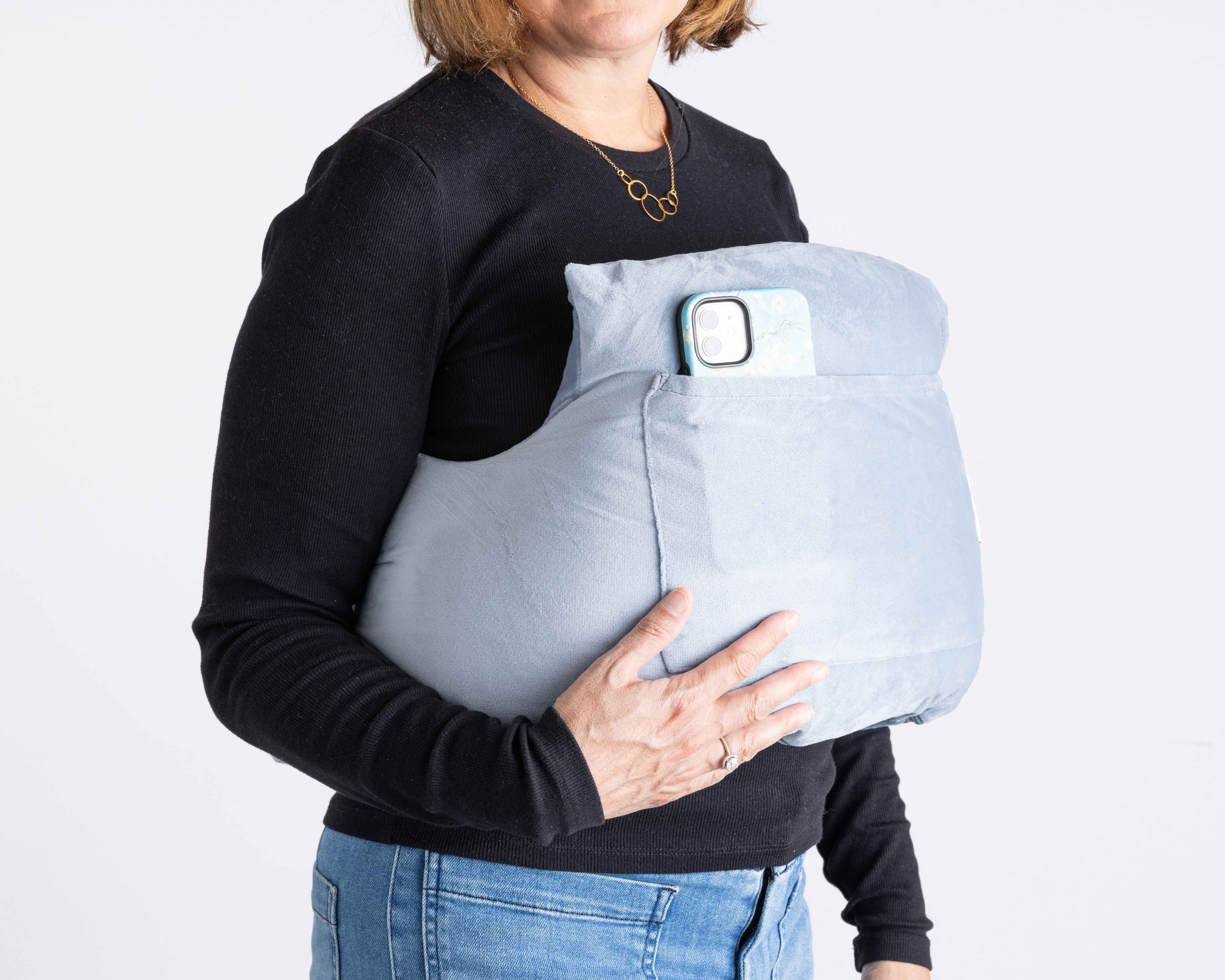
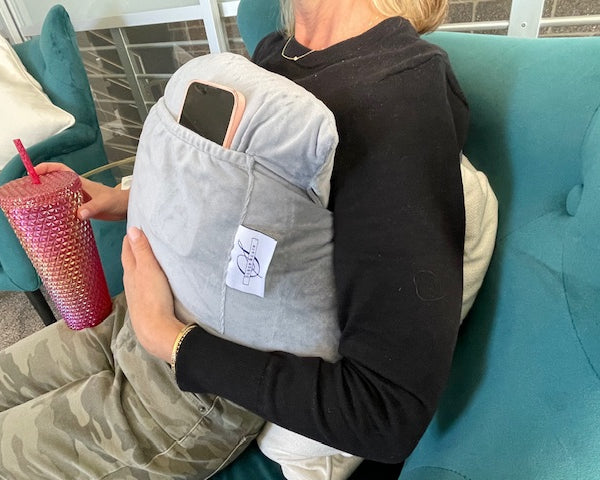
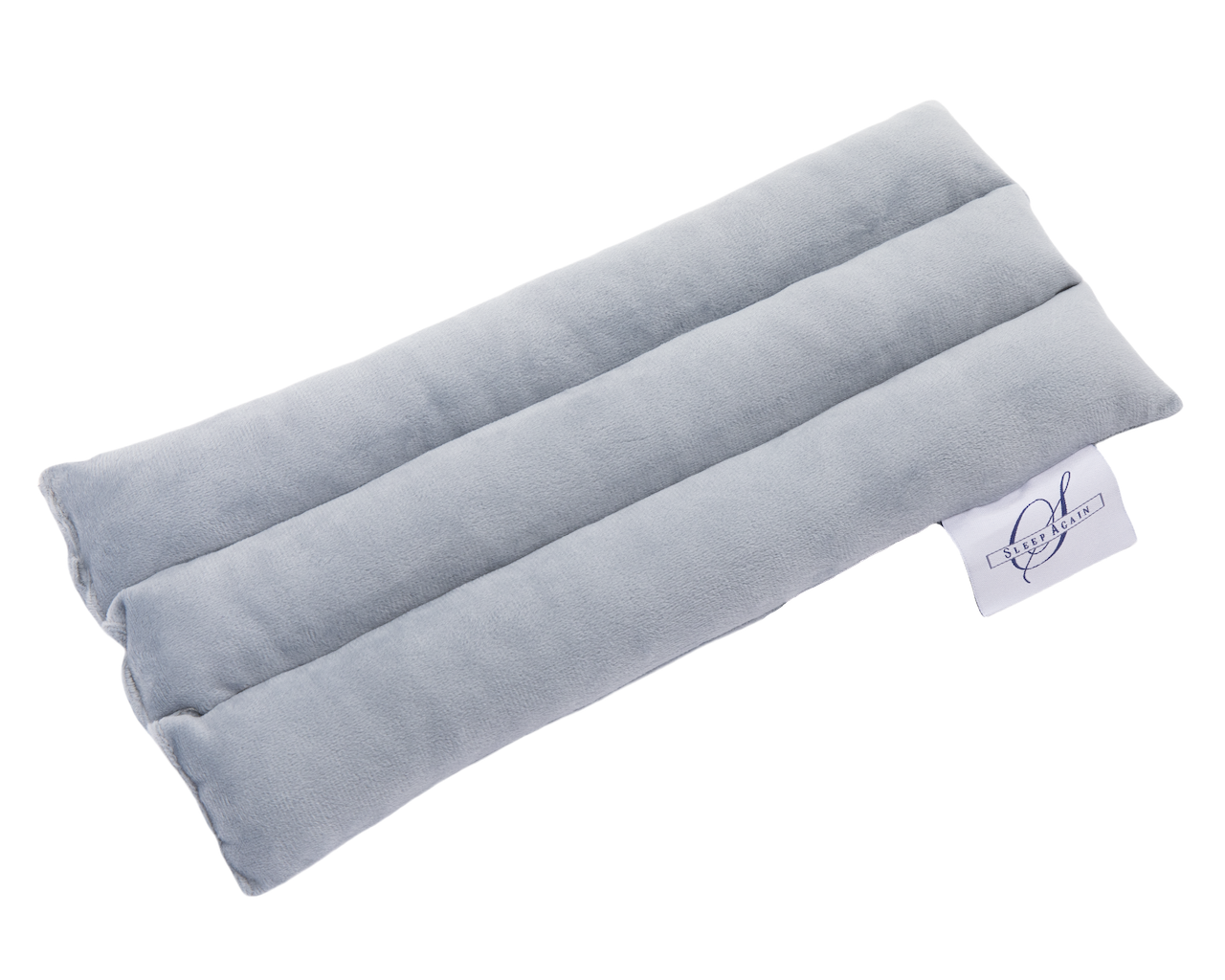
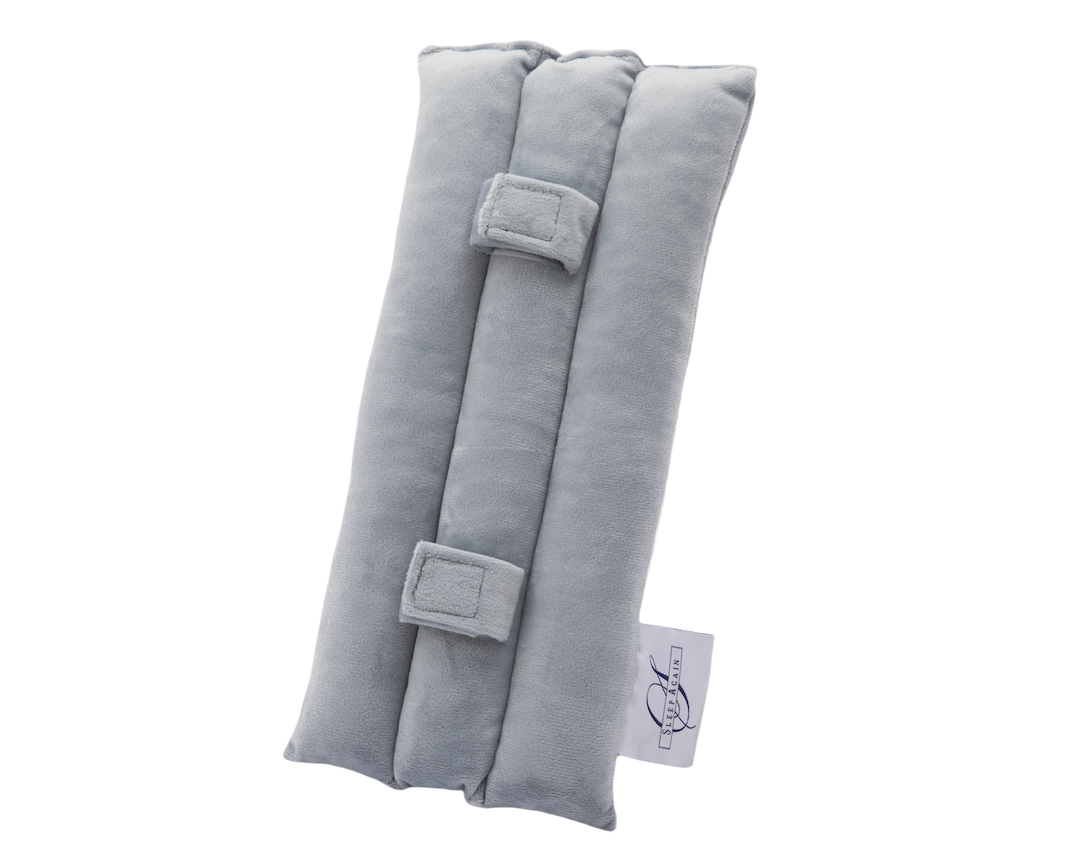
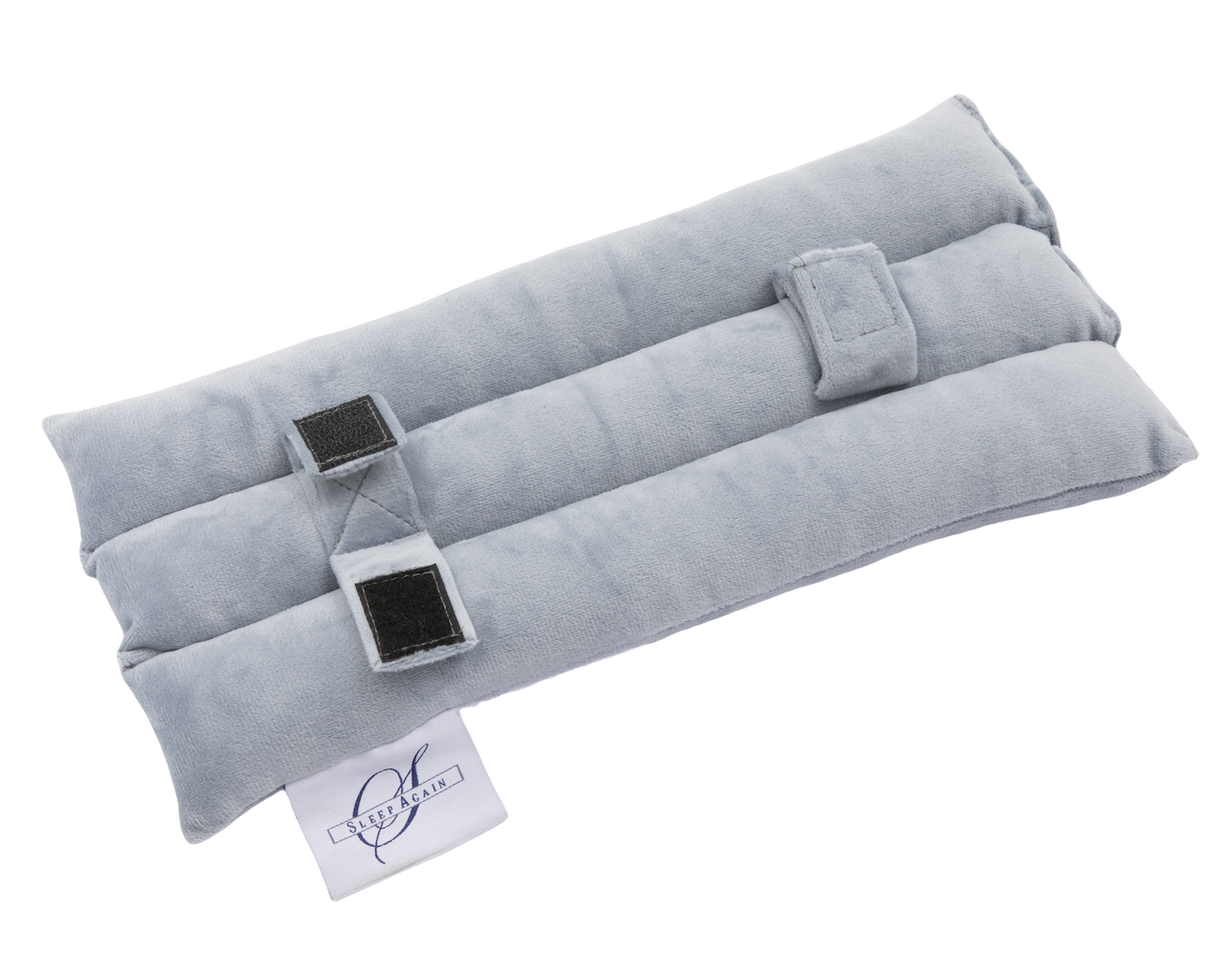
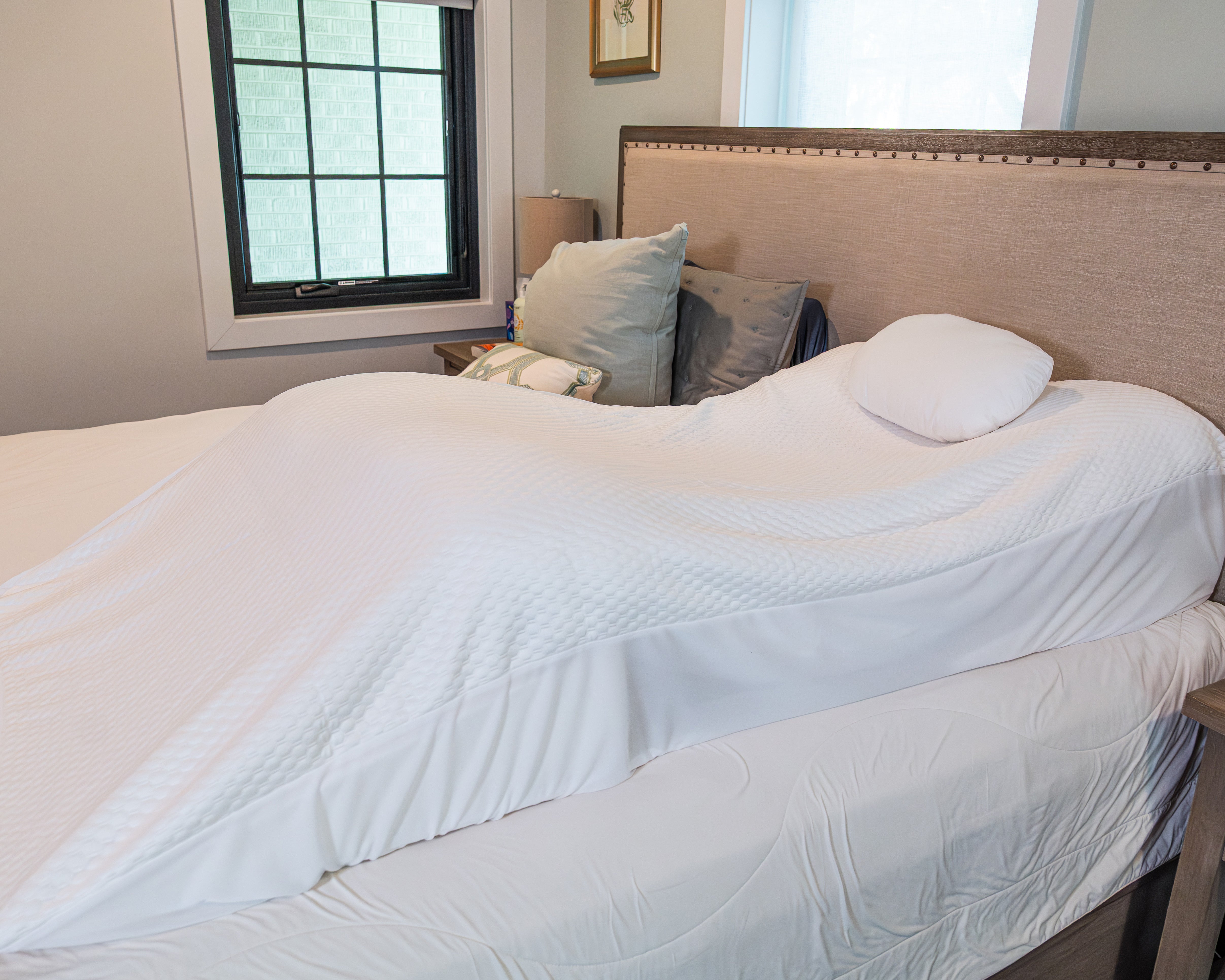
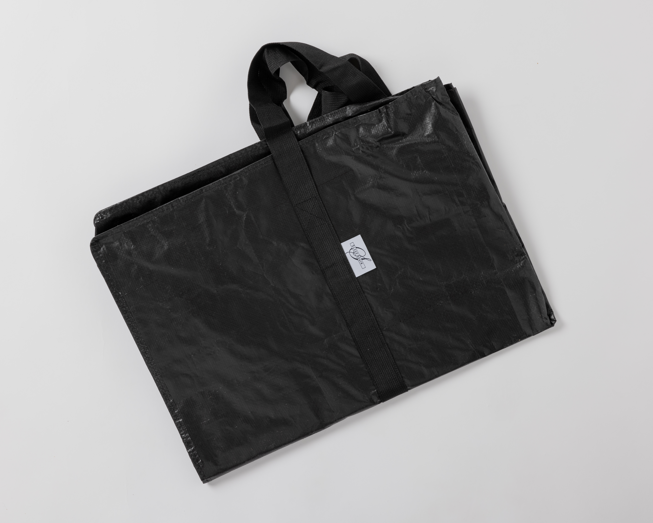
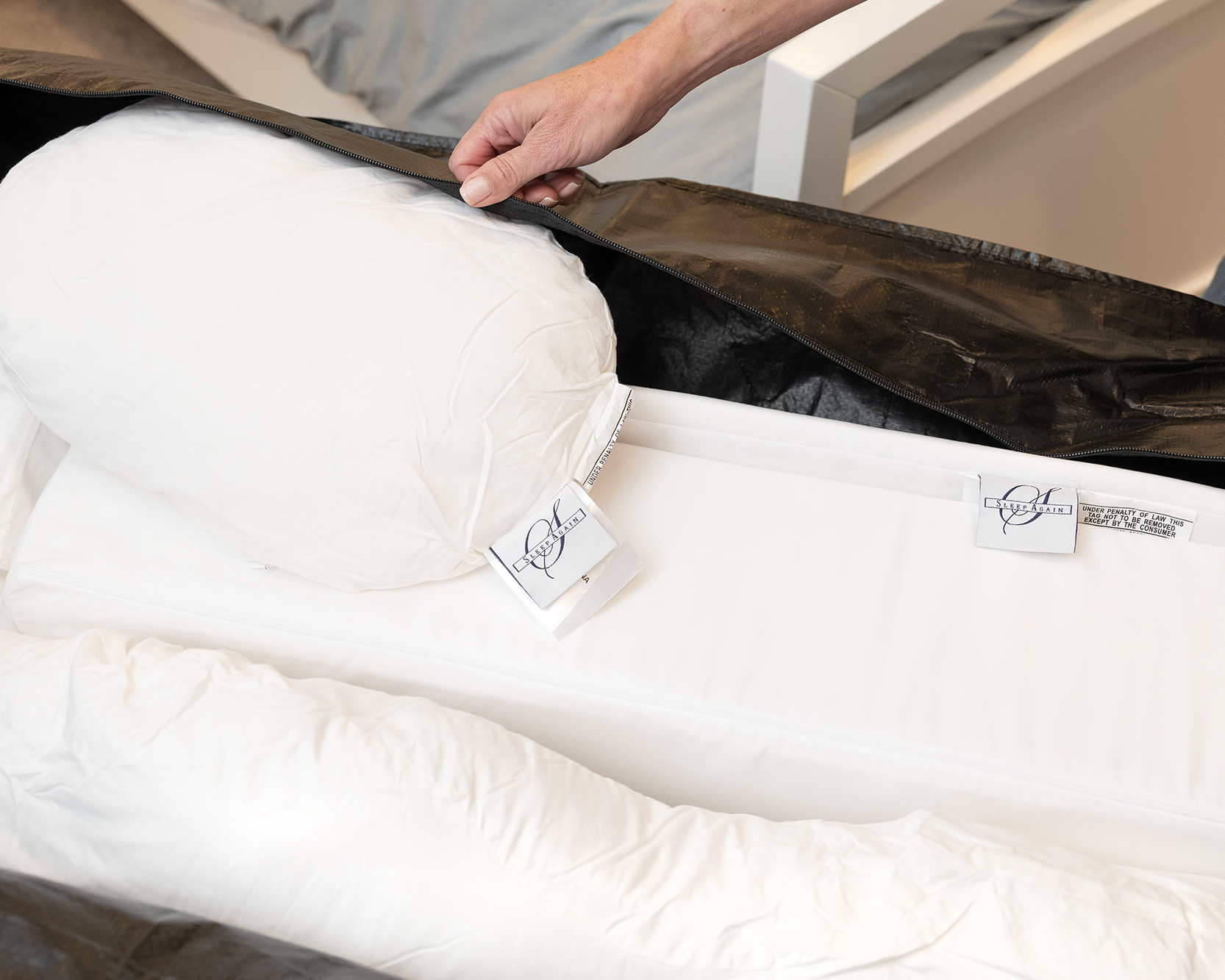
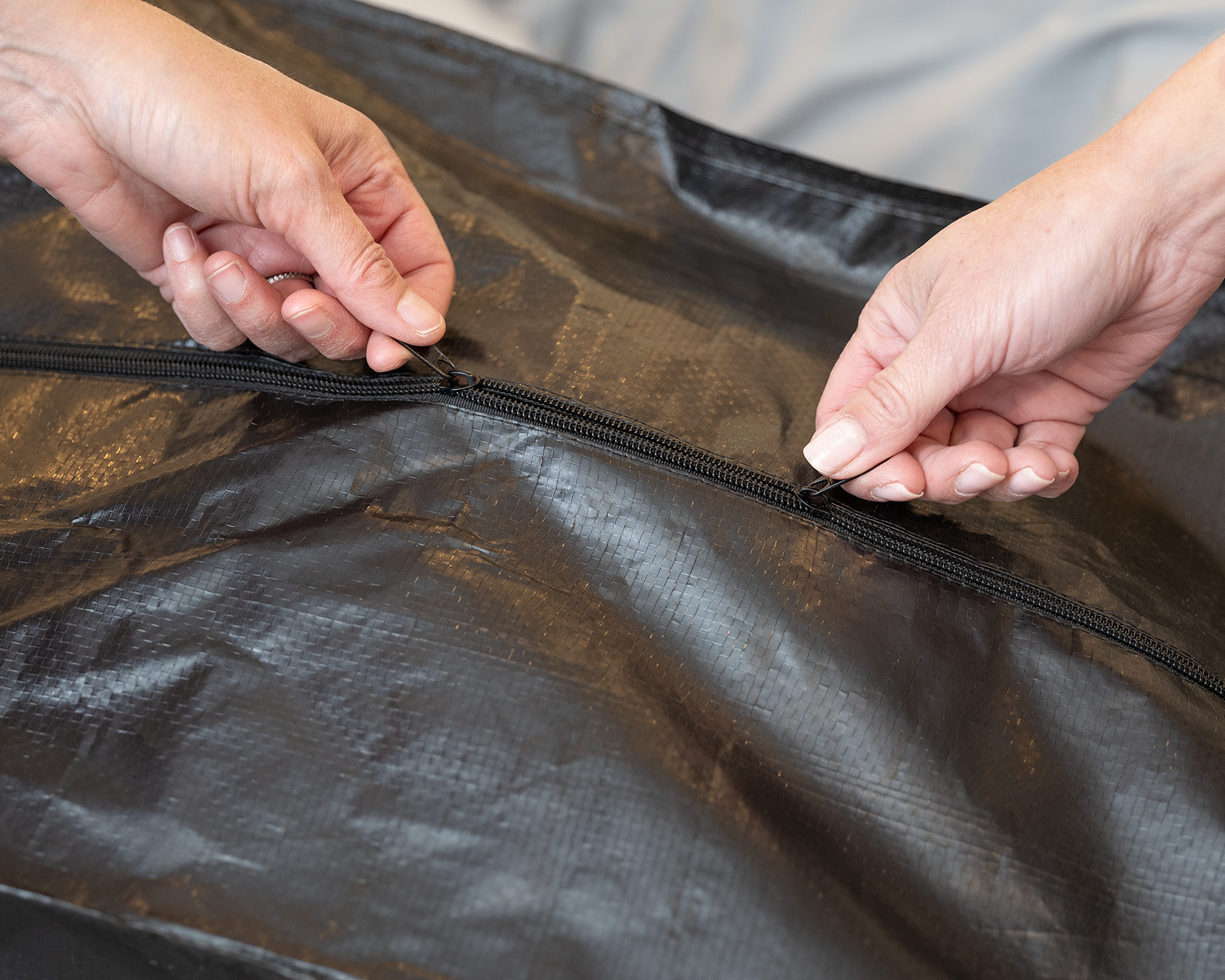
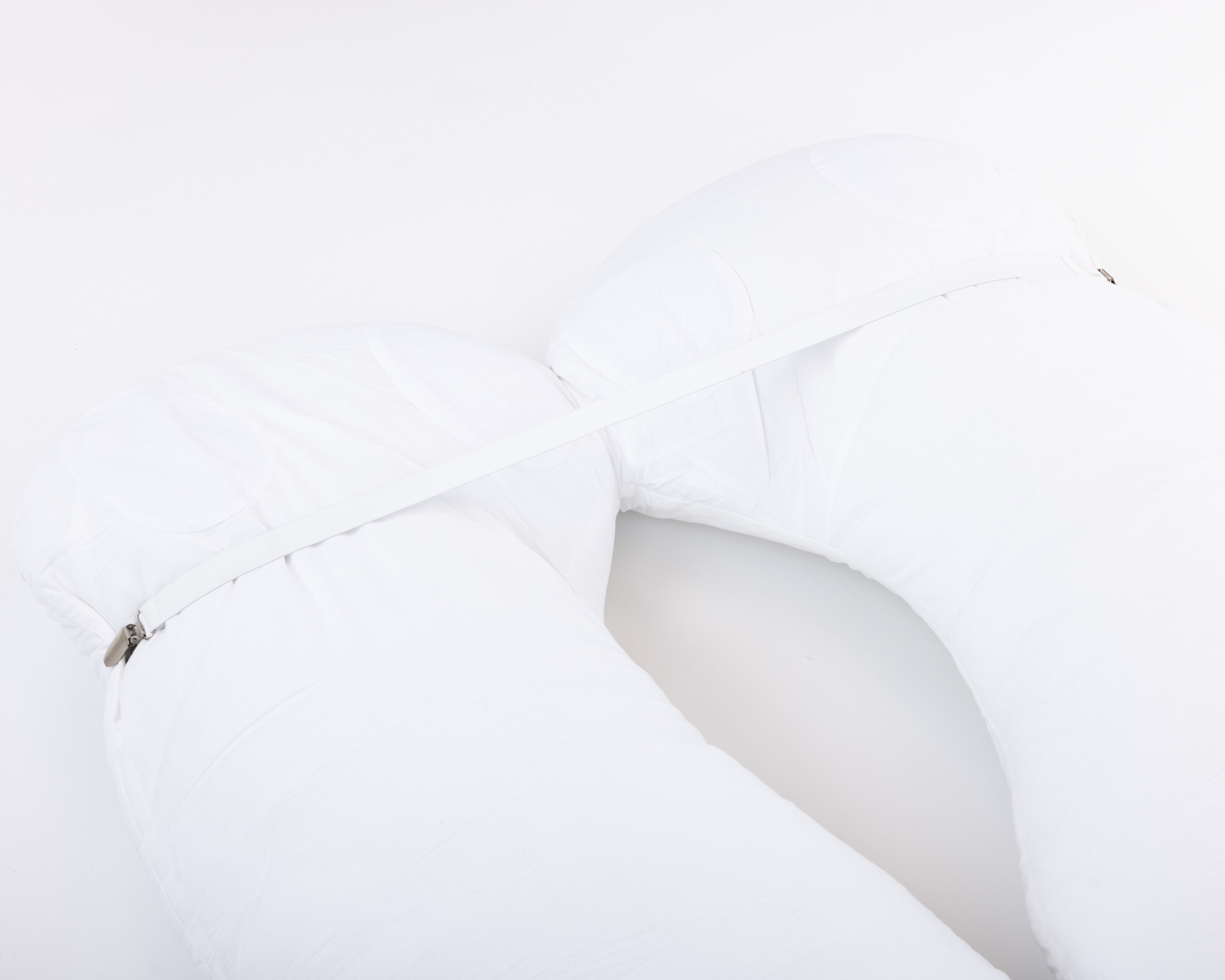
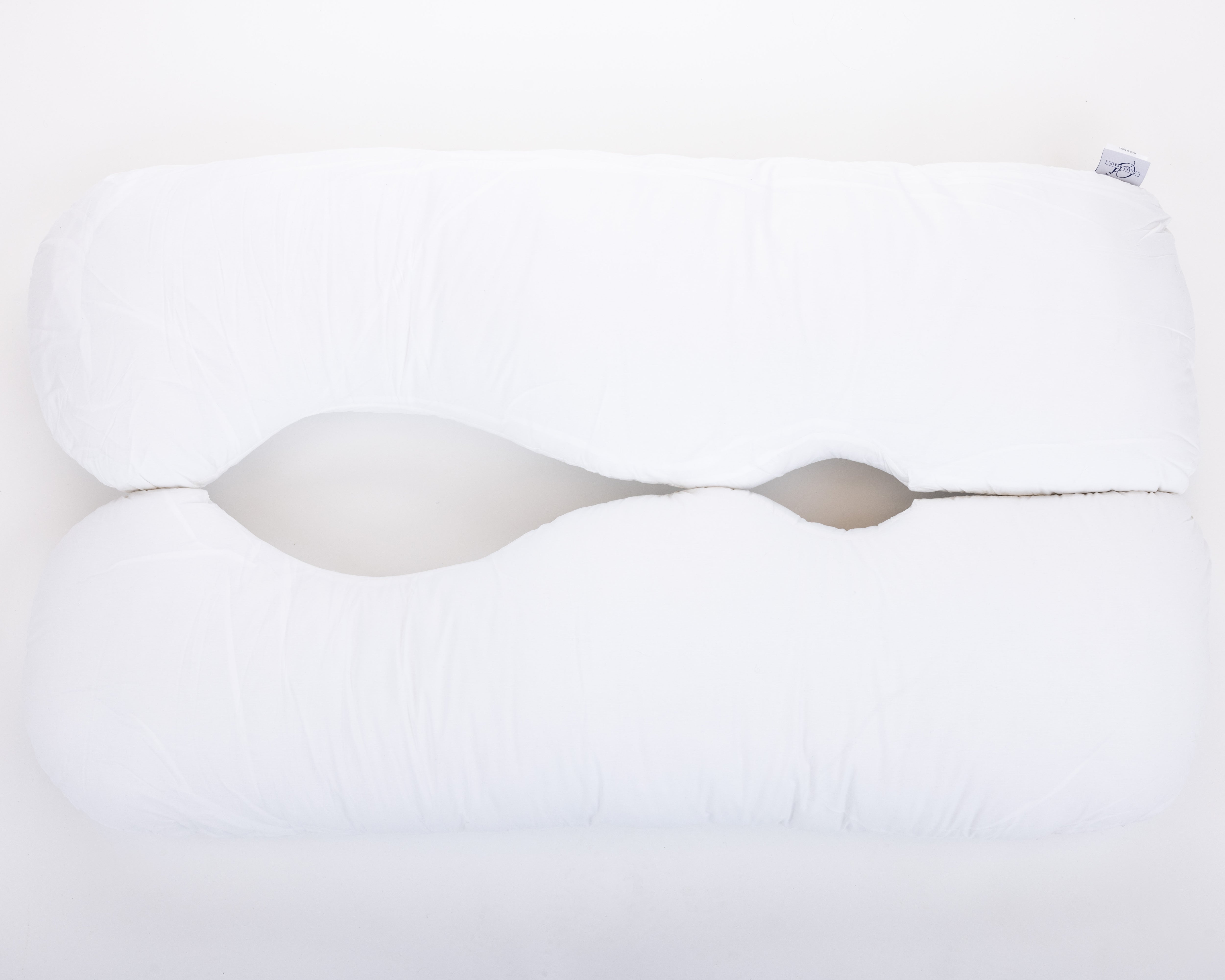
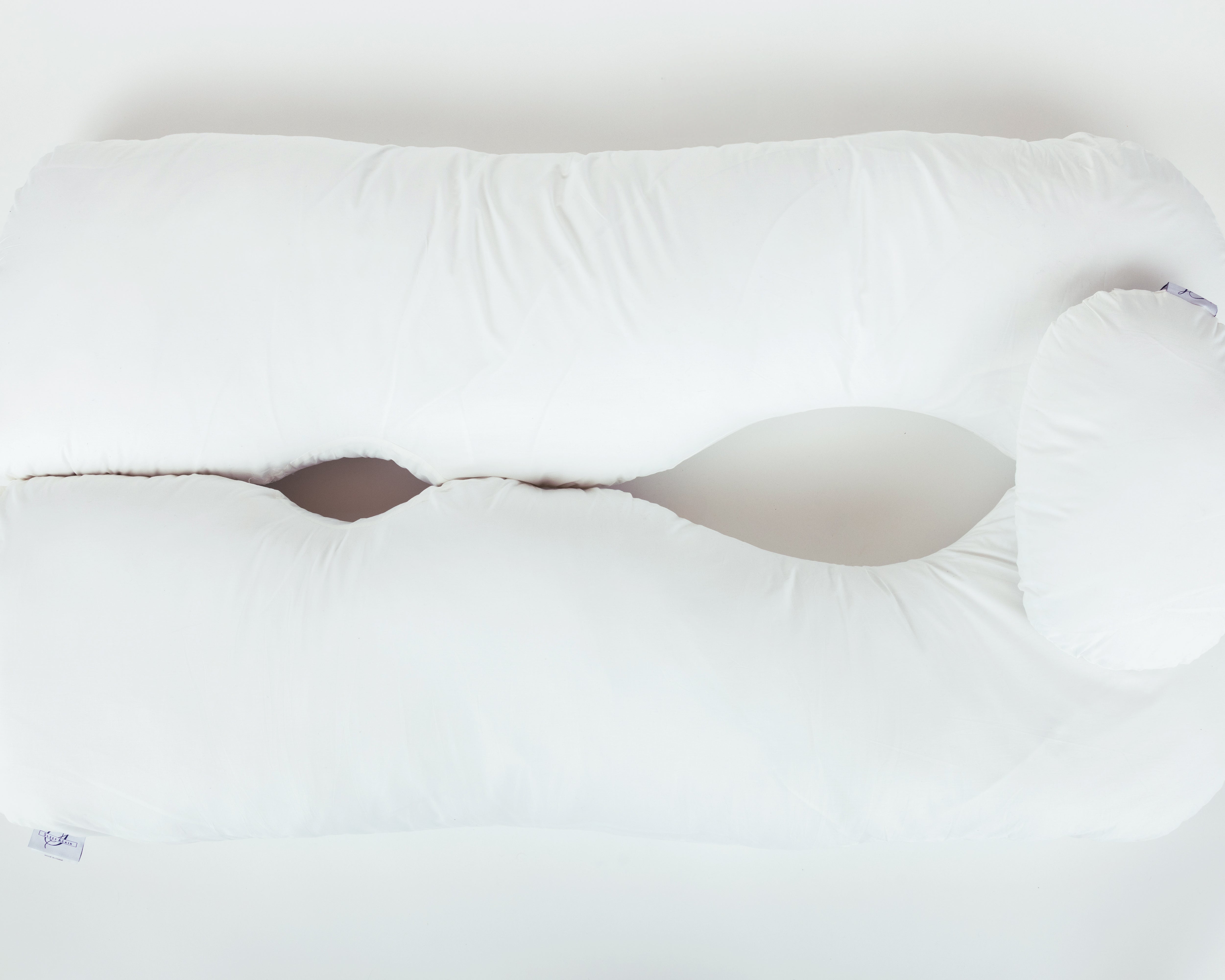
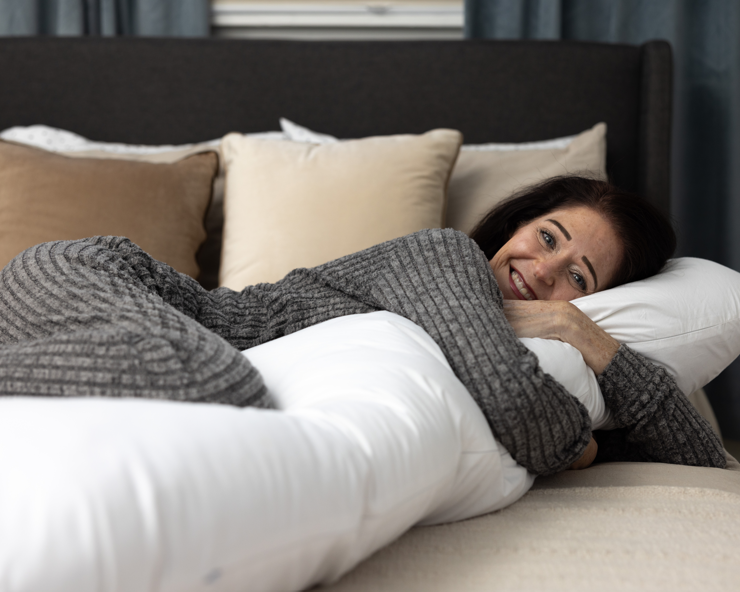
The Sleep Again Pillow System is a five-component full-body positioning system designed specifically for post-surgical recovery. The five components work as an integrated unit rather than a collection of independent pillows:
-
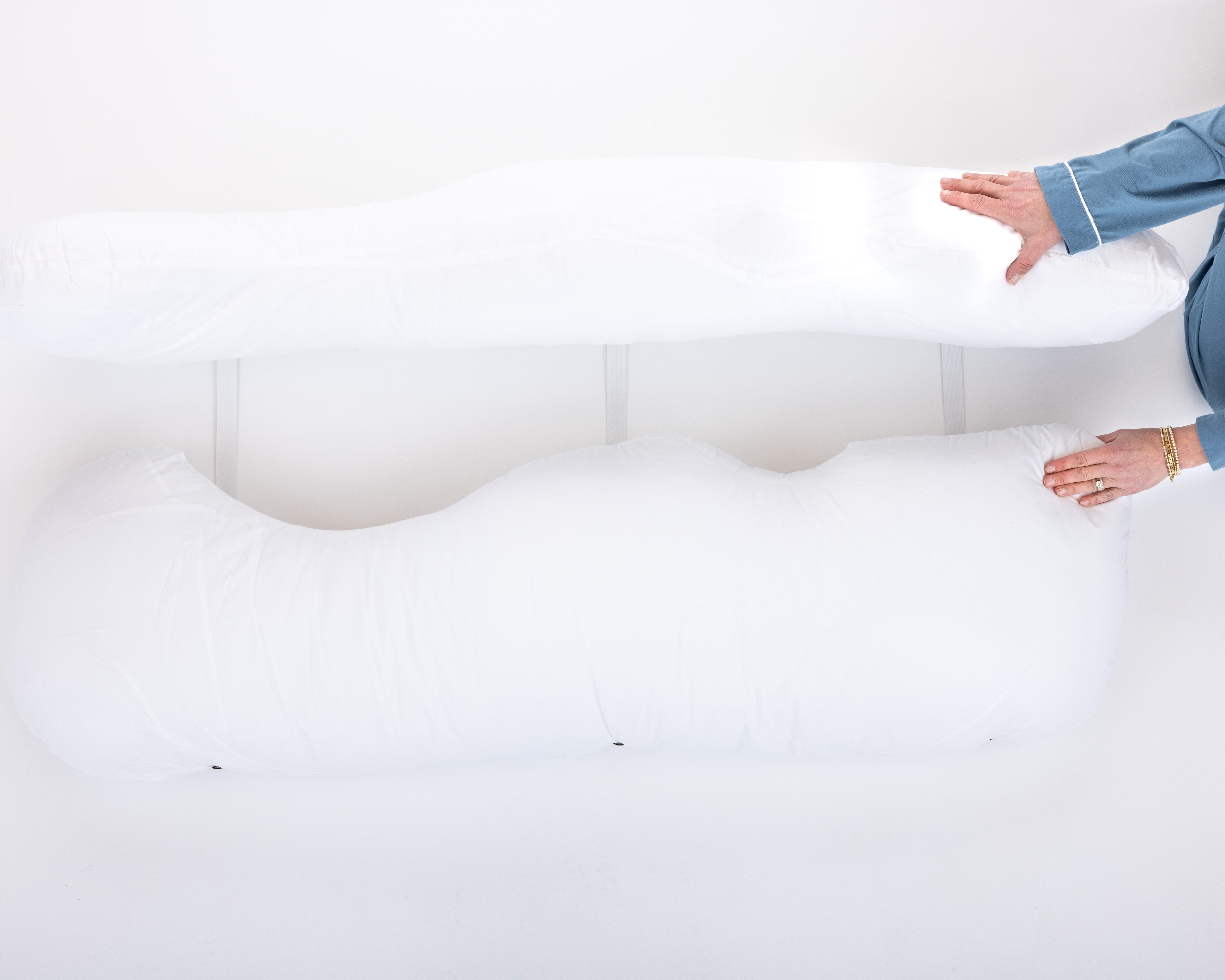
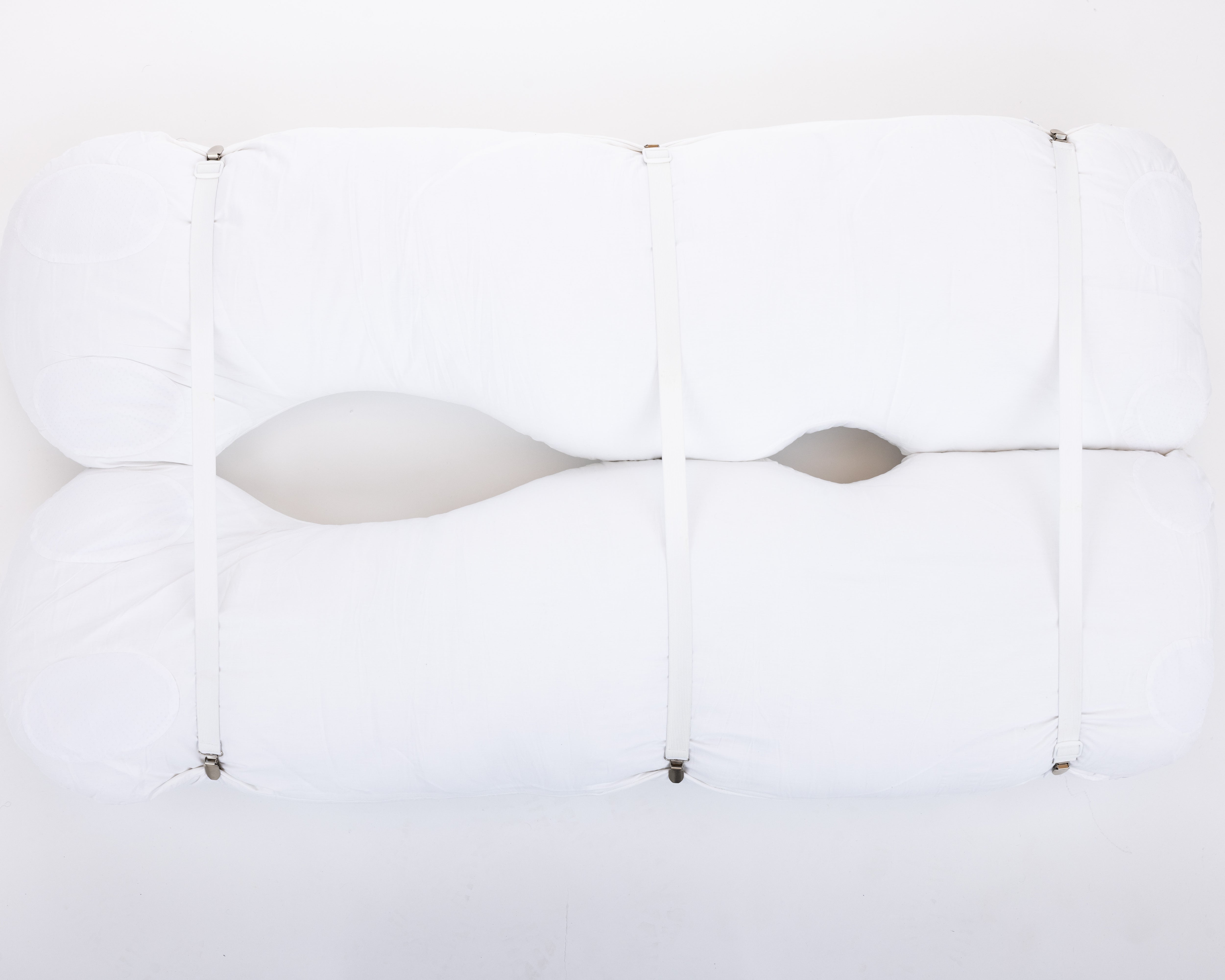
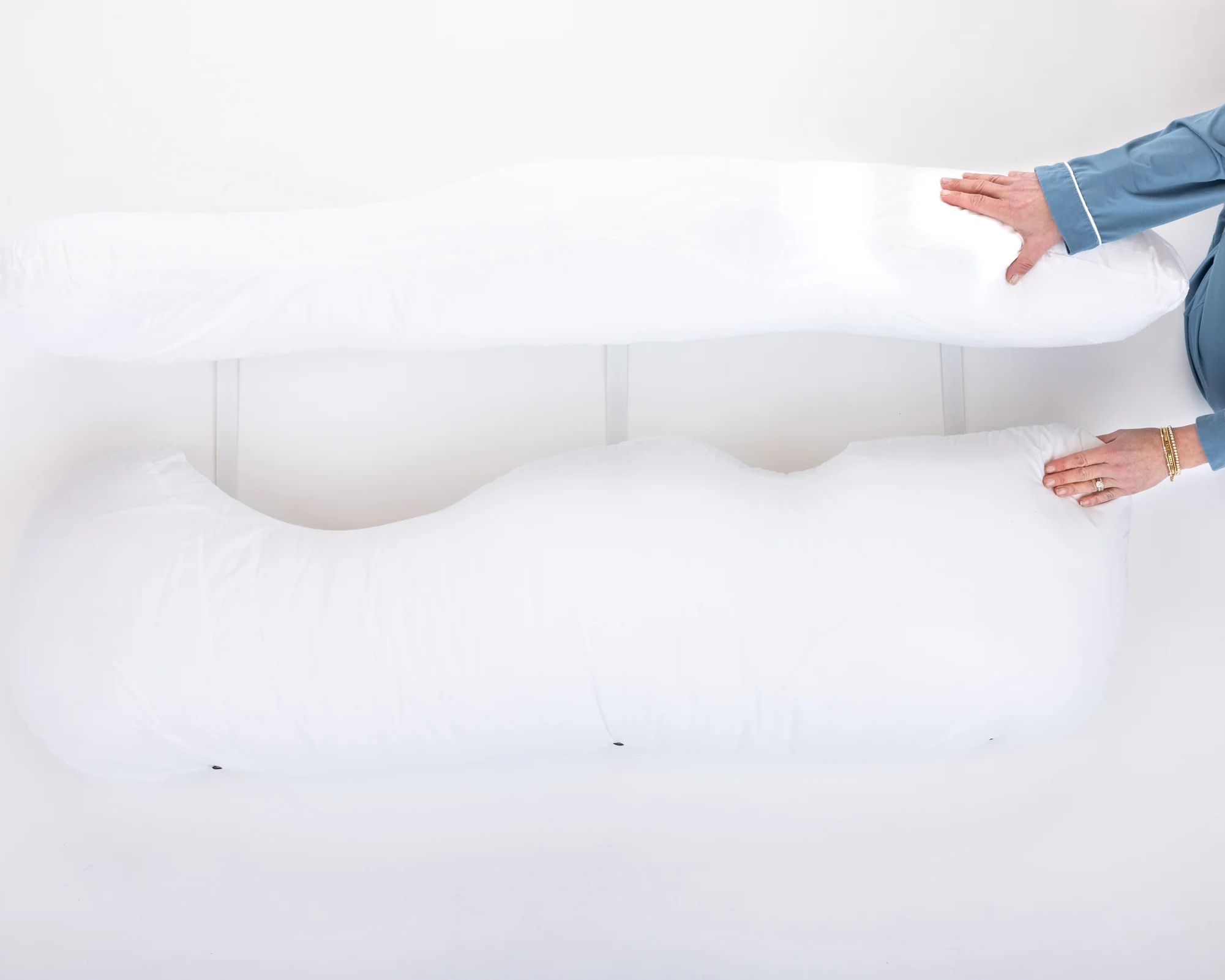
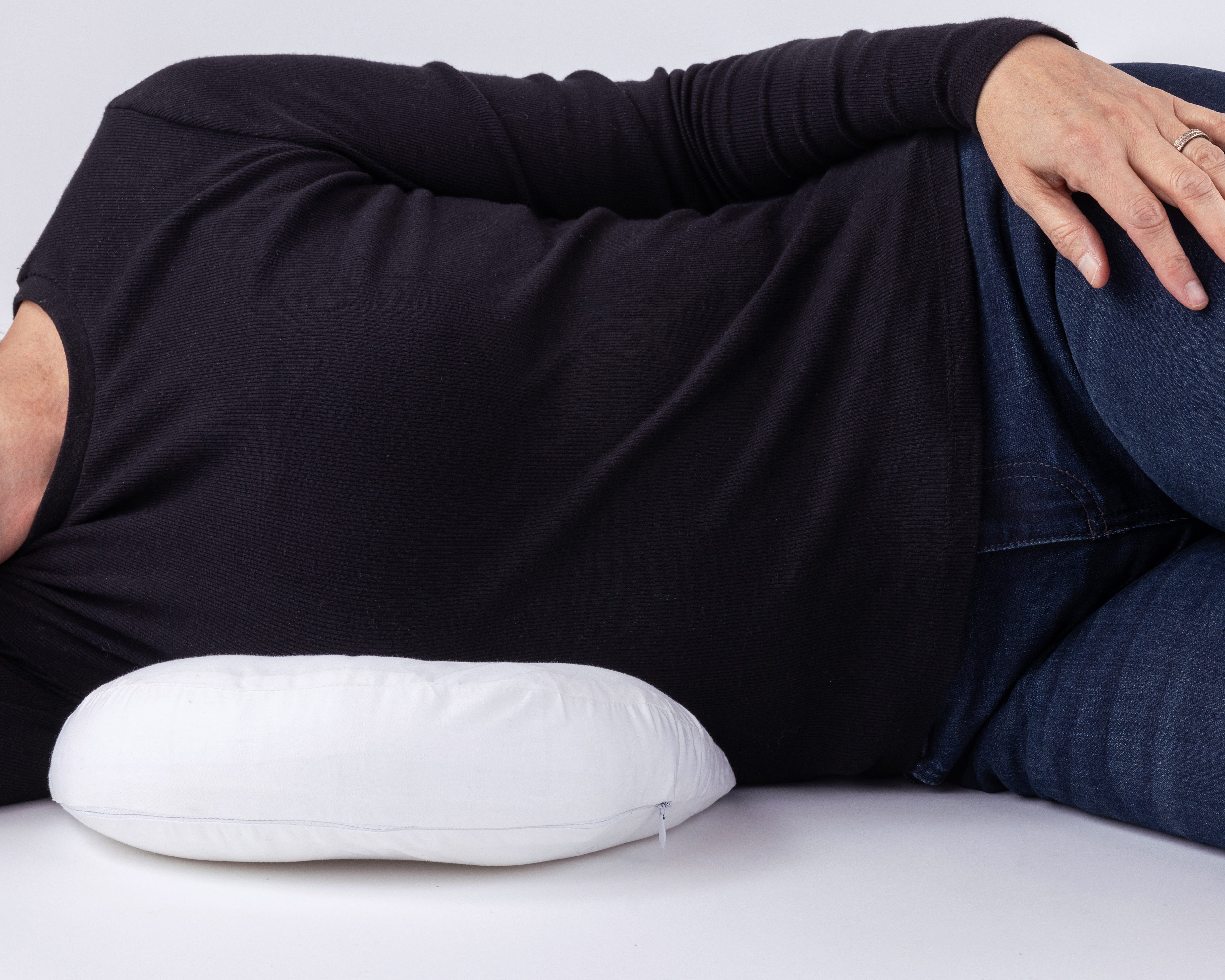
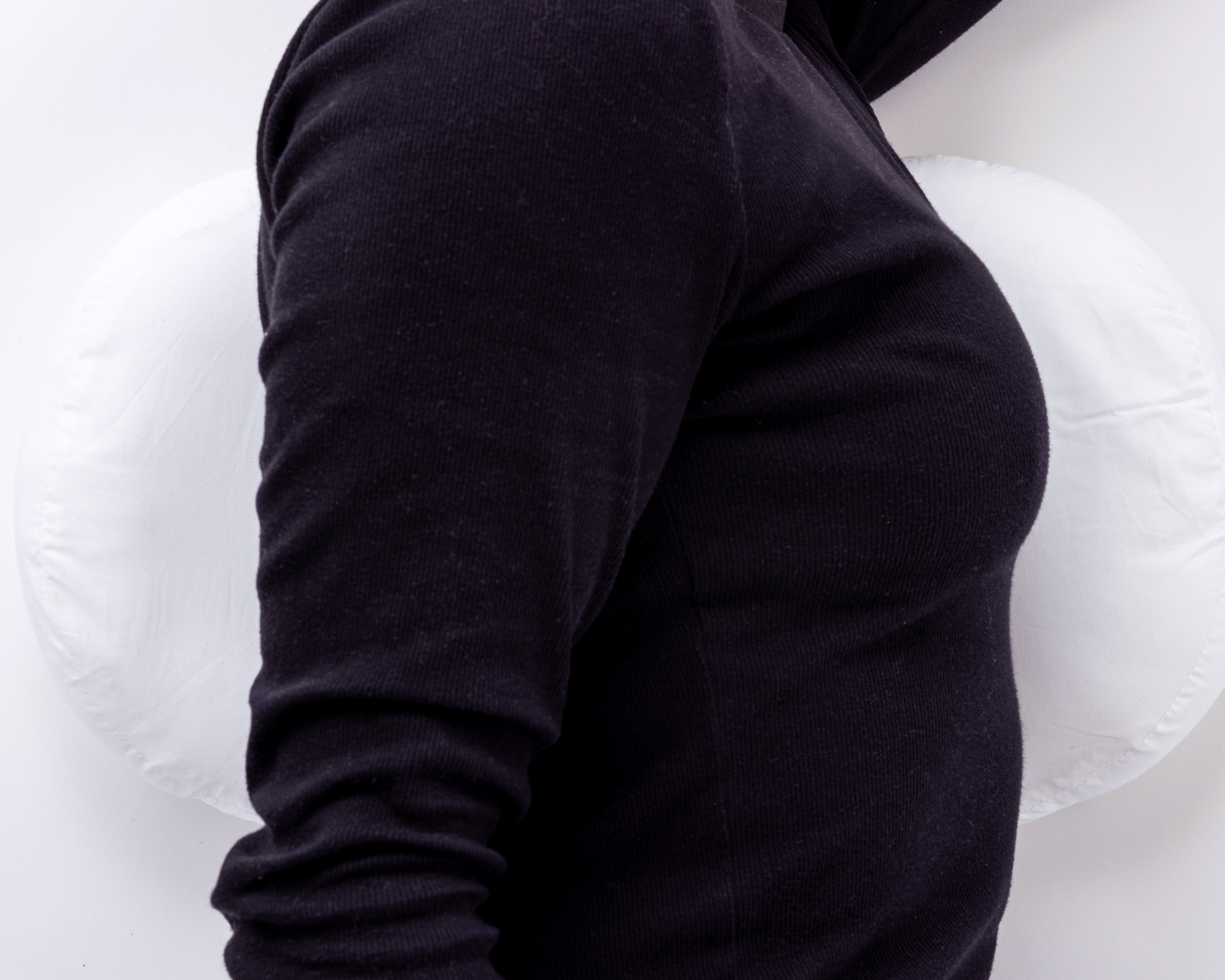
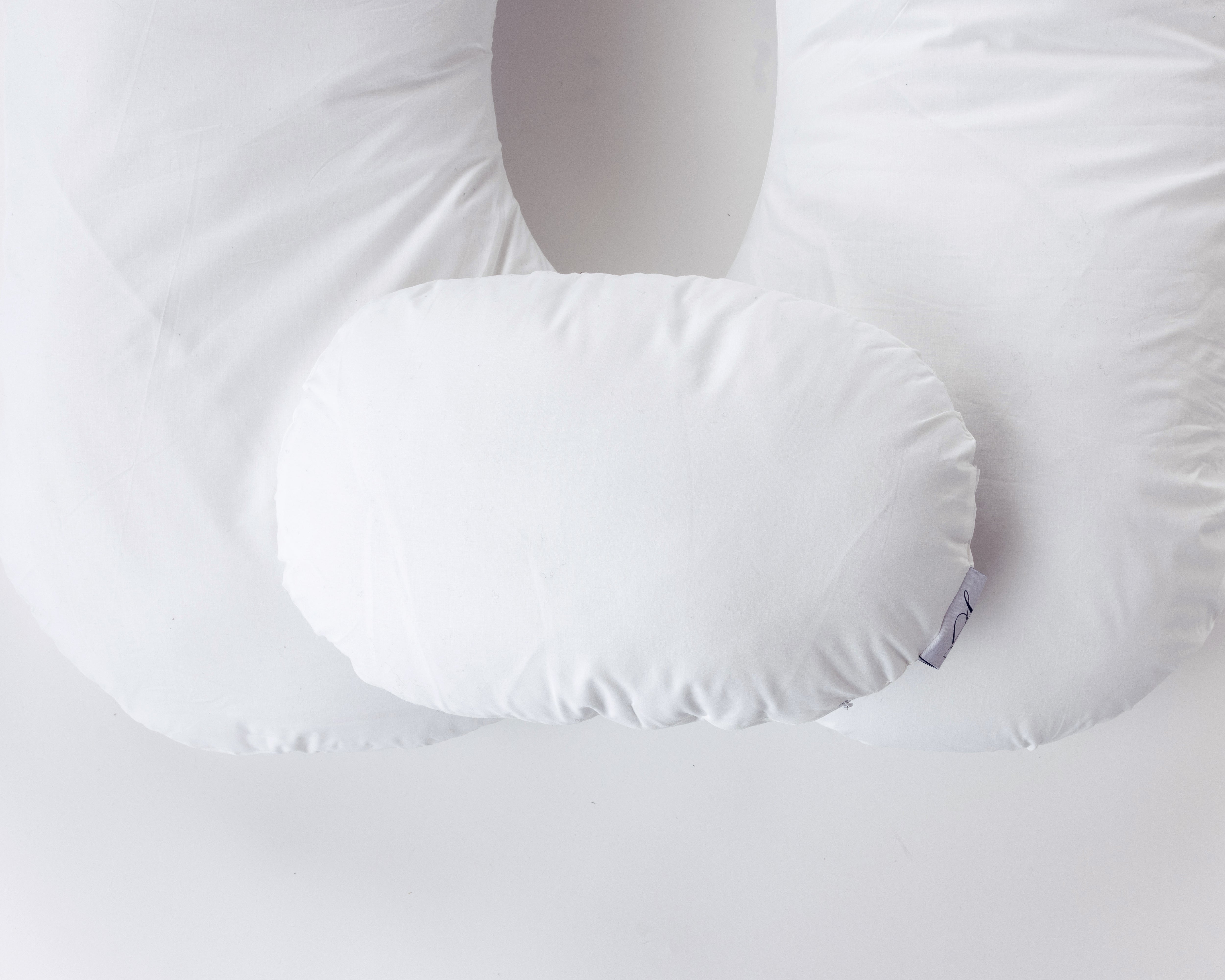
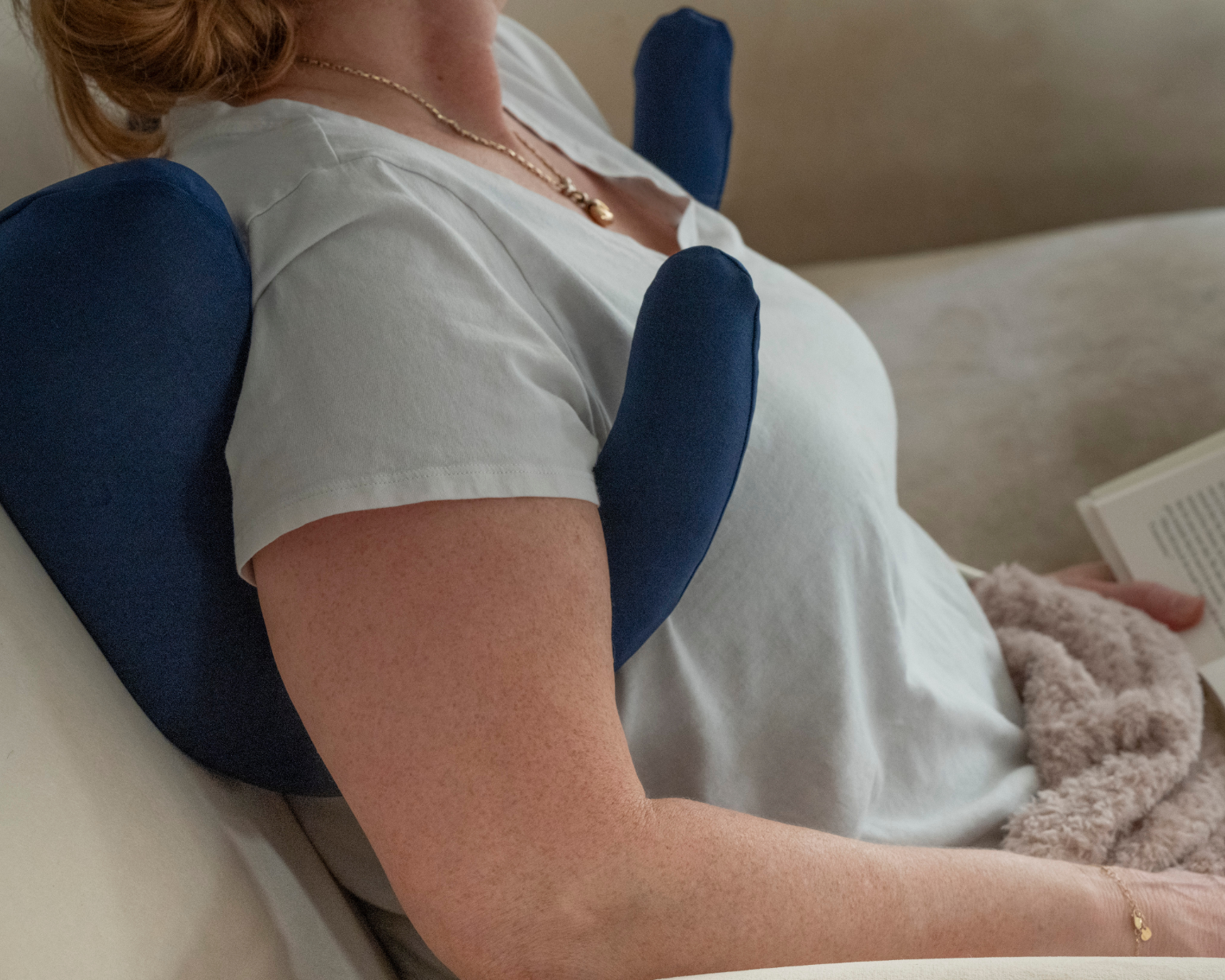
Two Contoured Side Pillows cradle the back and hips and prevent rolling onto the side during the night
-
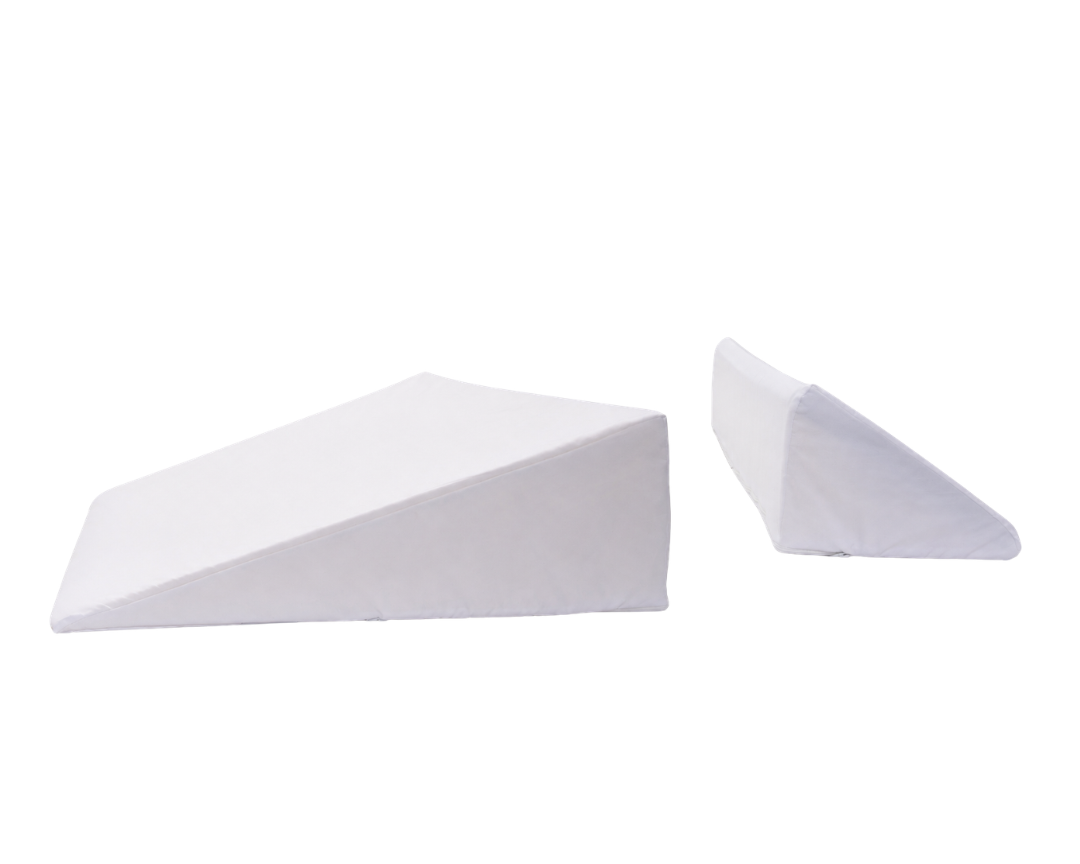
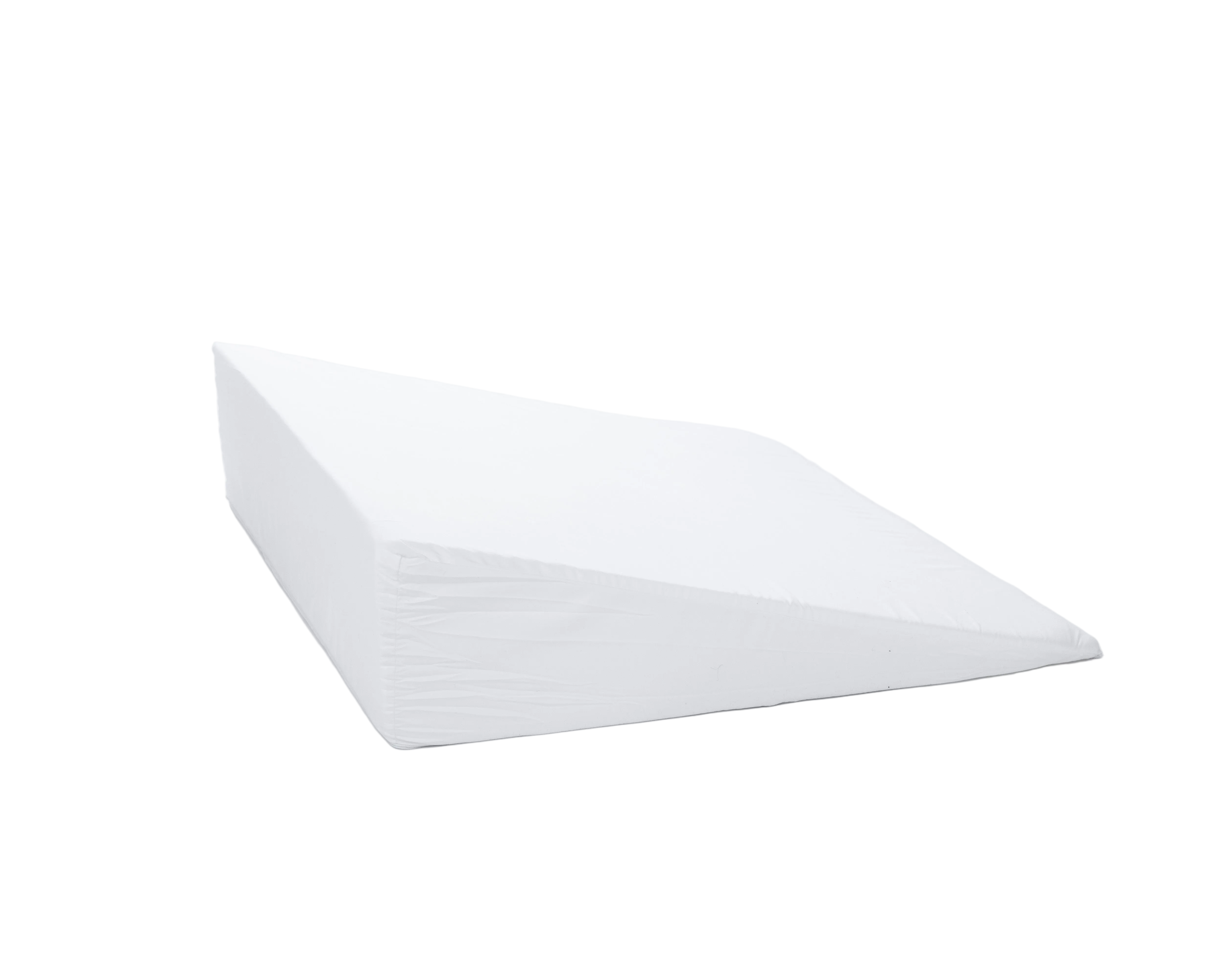
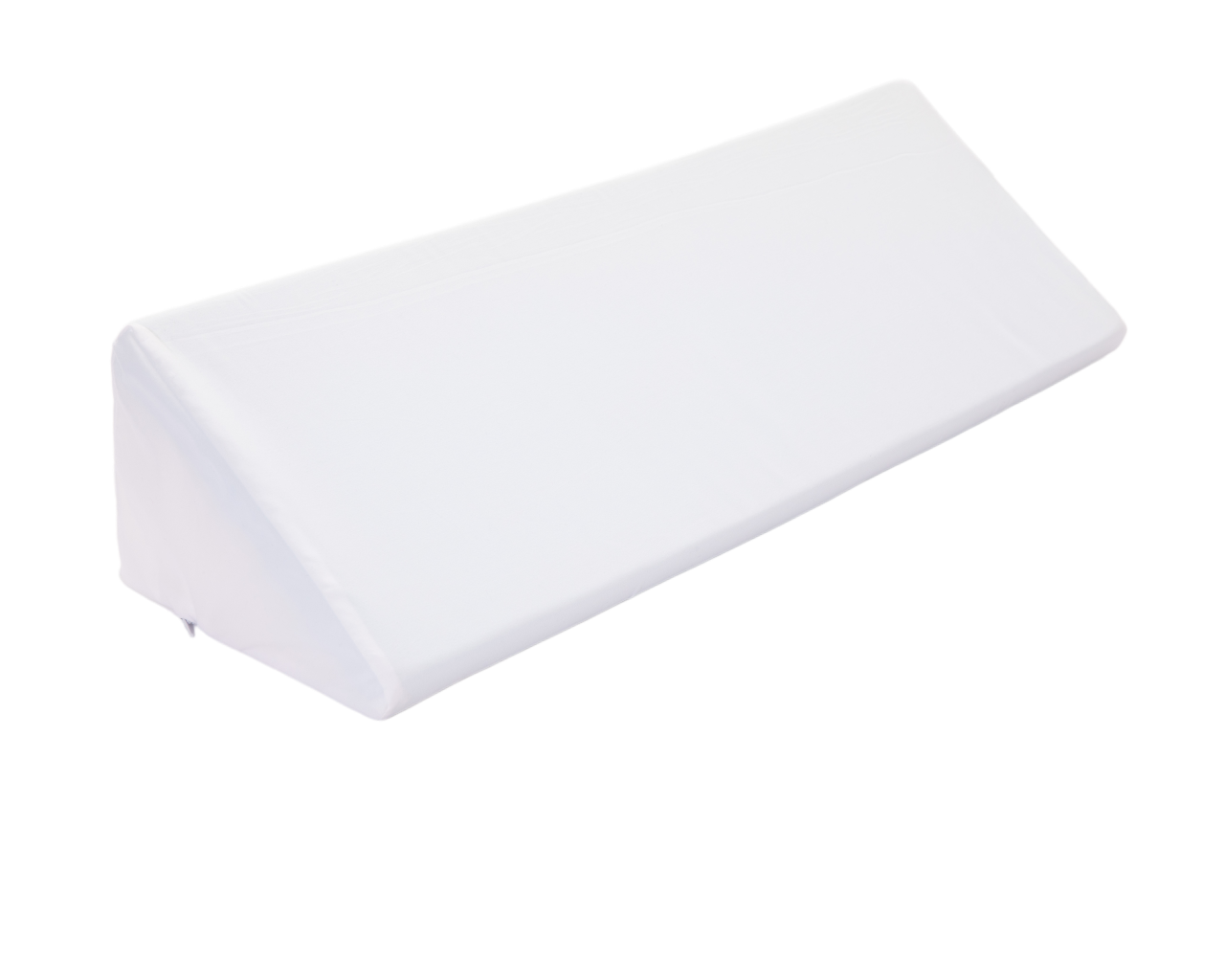
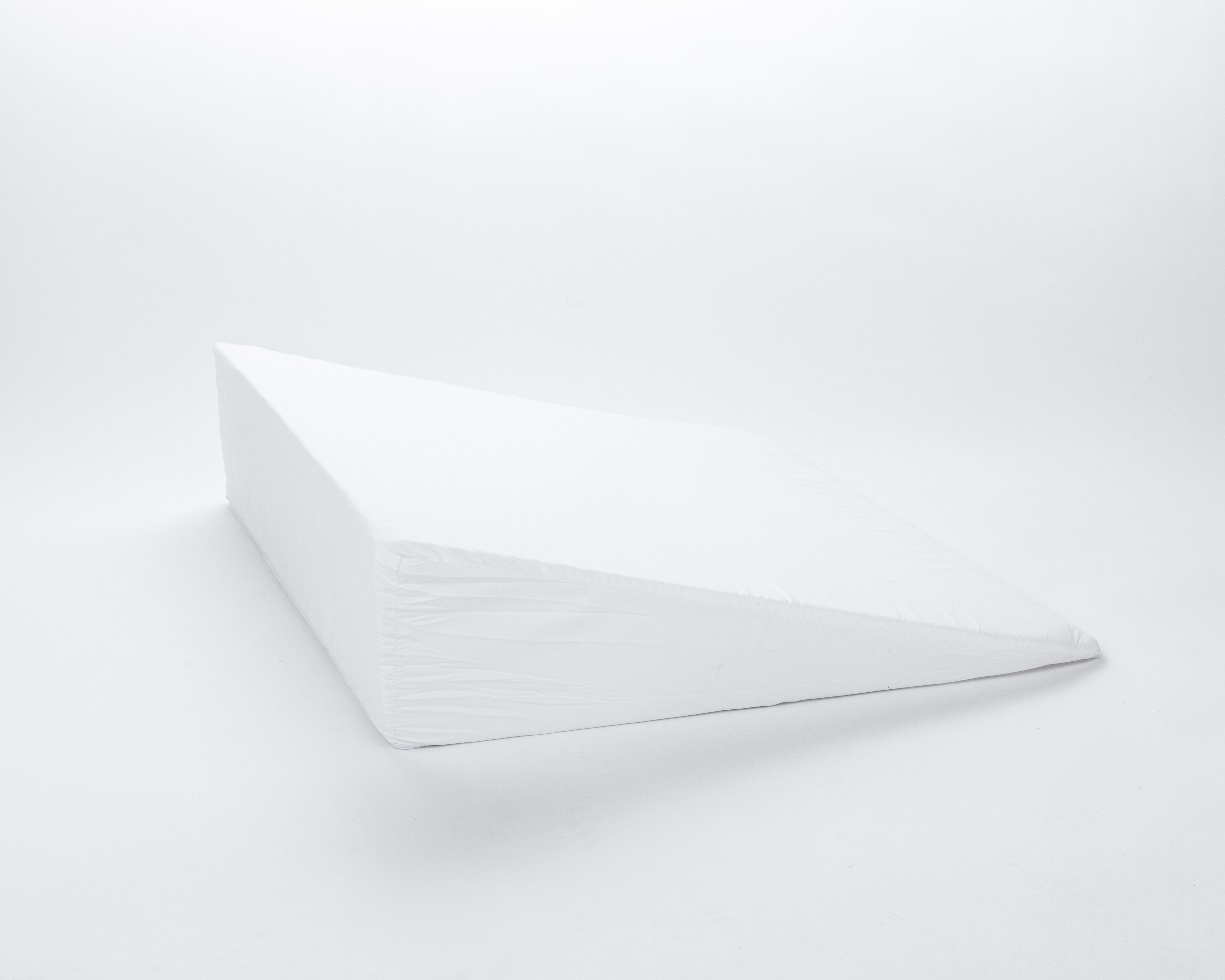
Upper Body Wedge to create optimal upper body incline
-
Leg Support Wedge to gently elevate legs
-
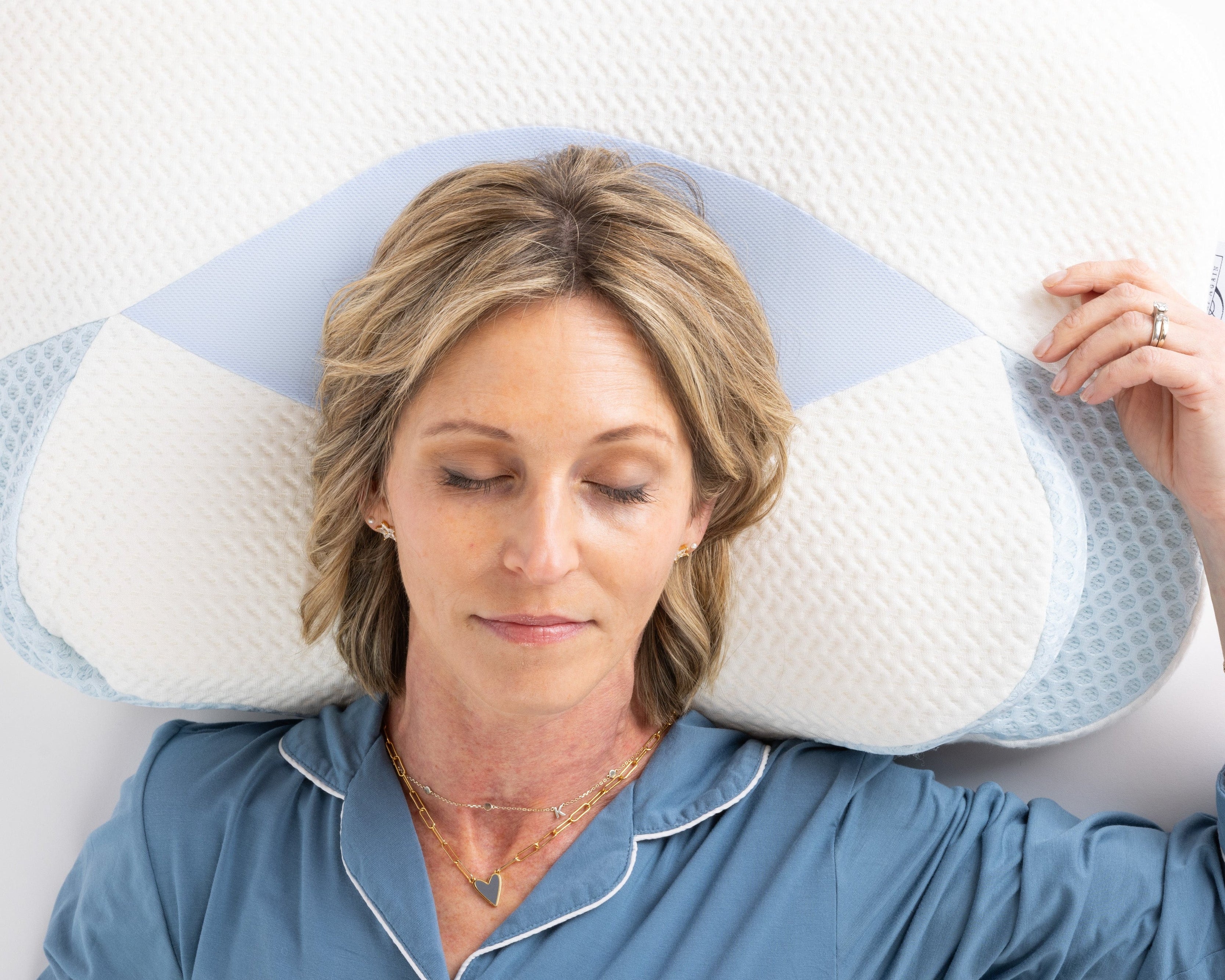
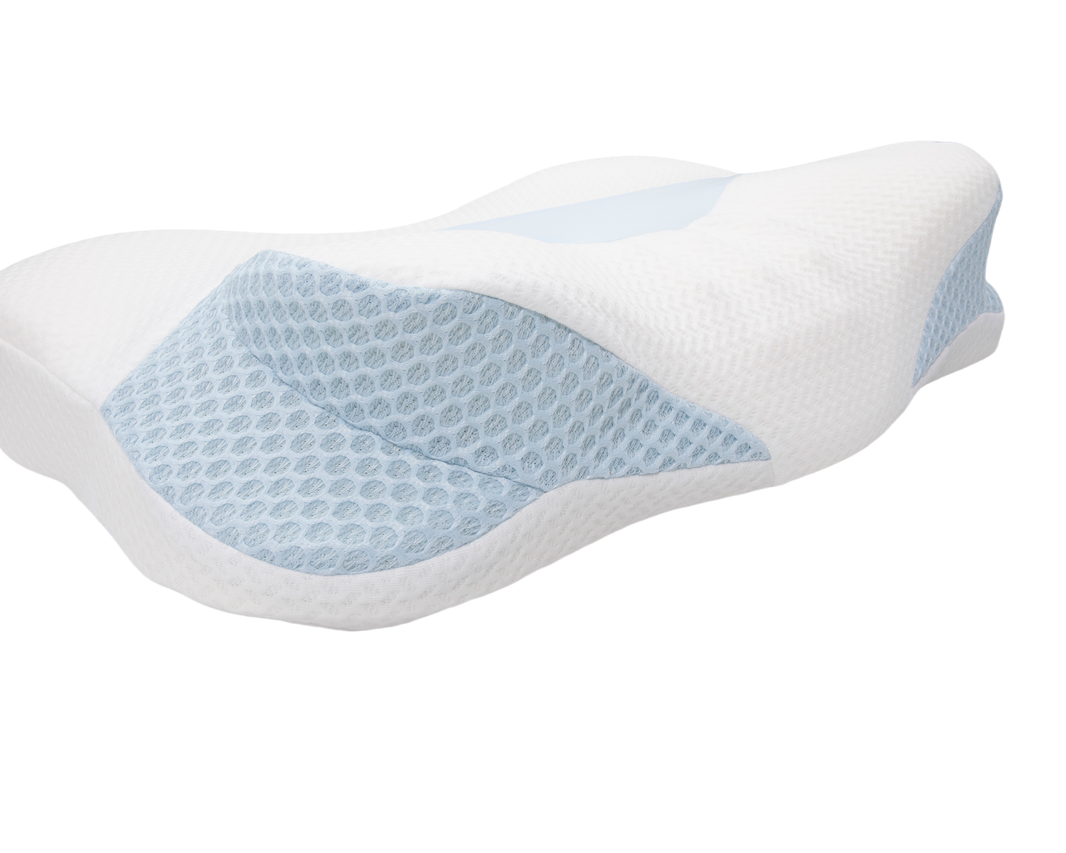
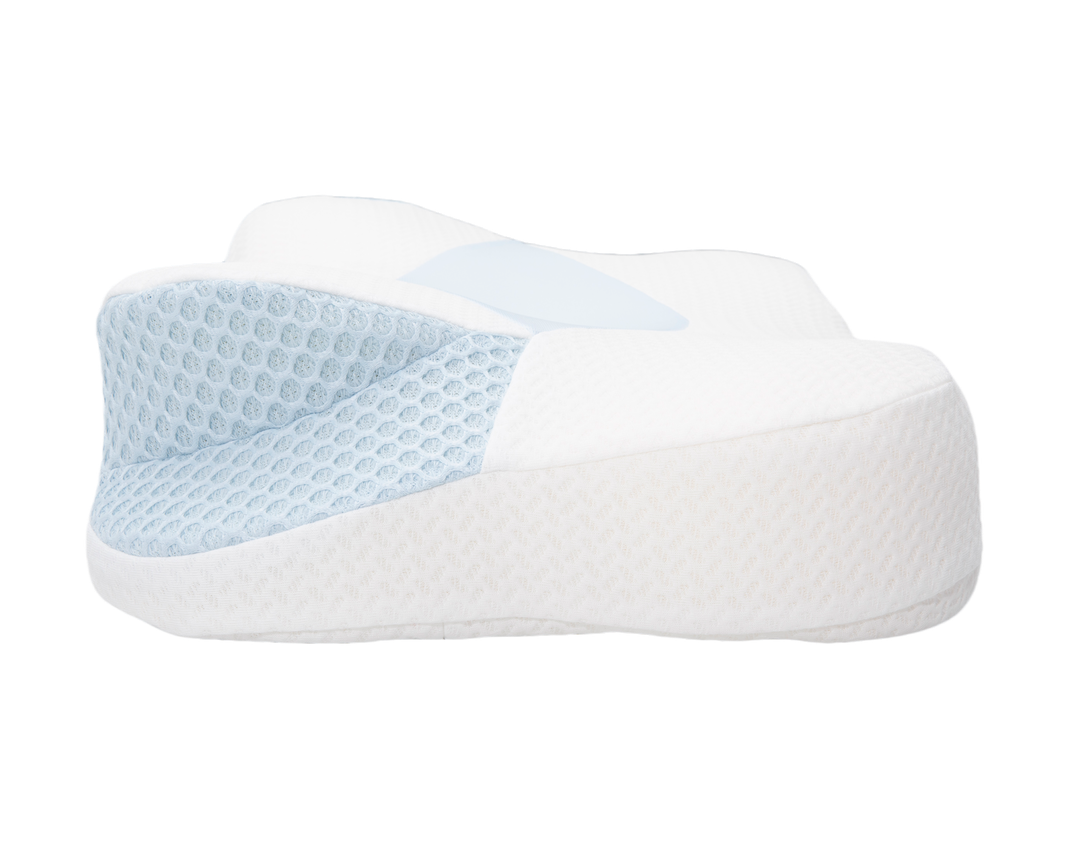
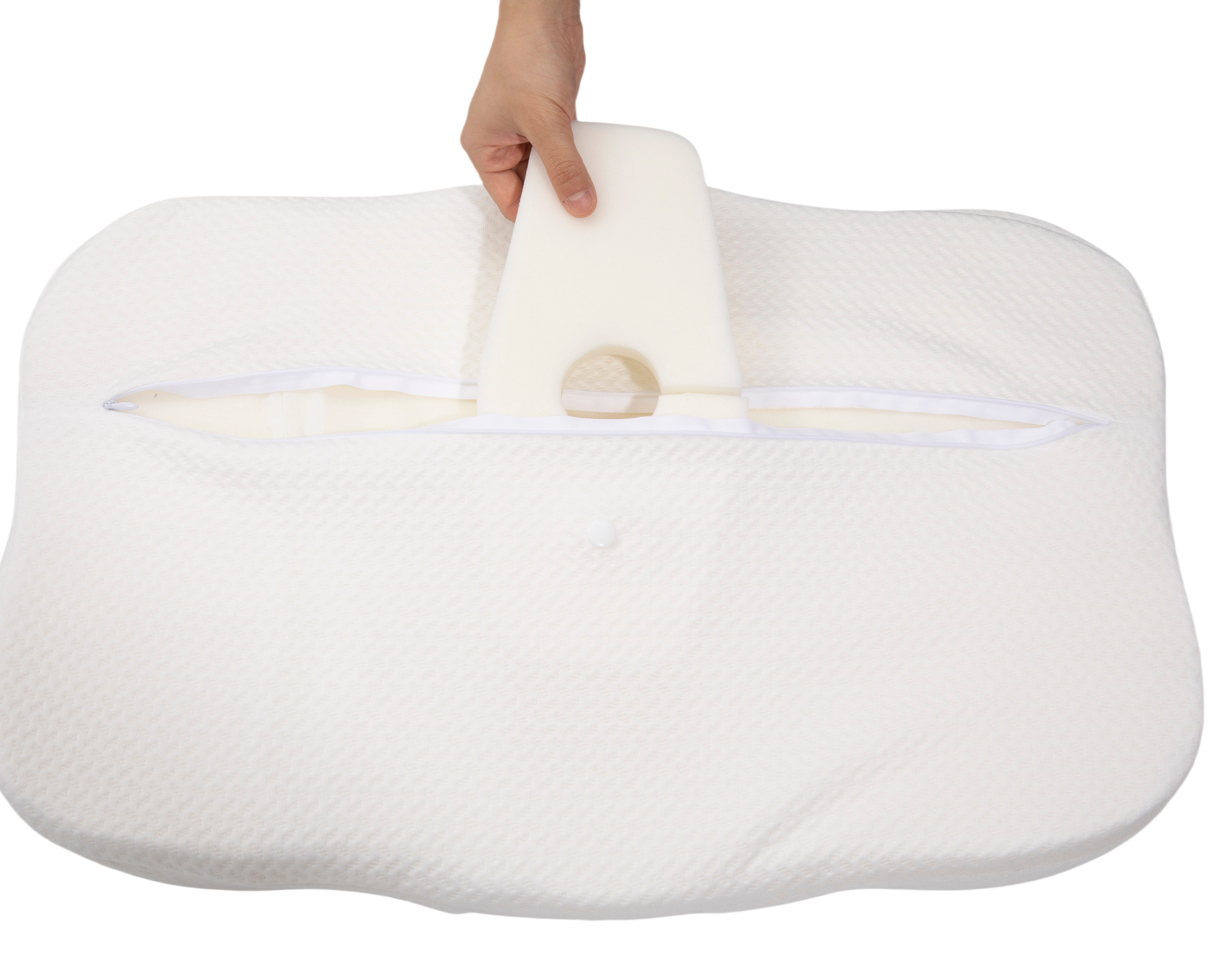
Head Pillow to provide head support and neck mobility
-
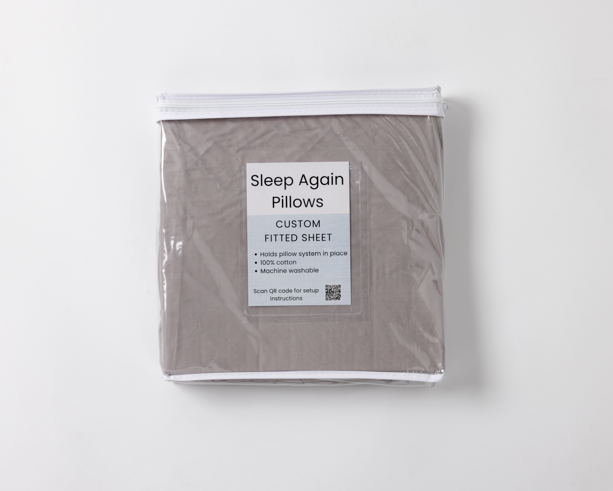
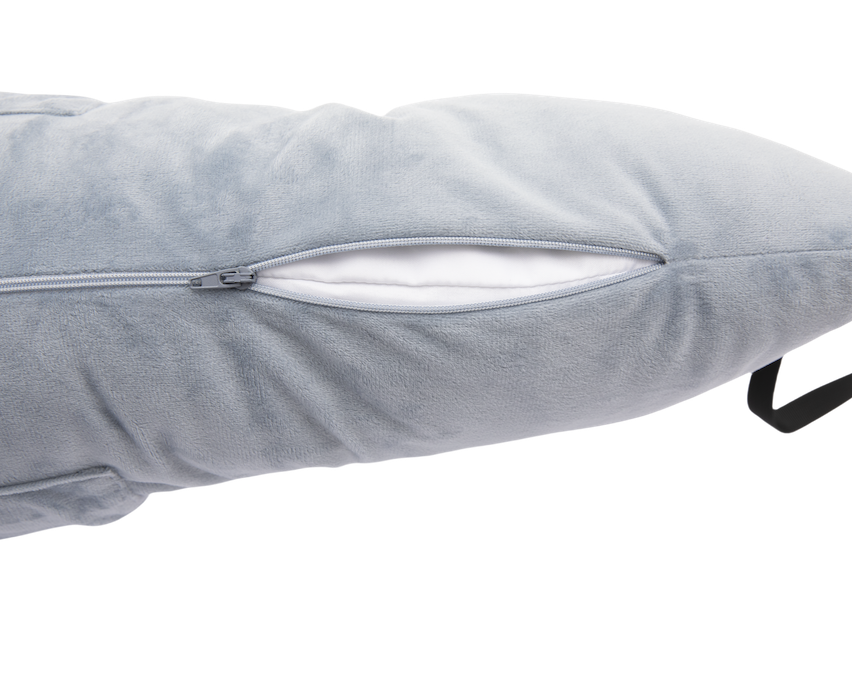
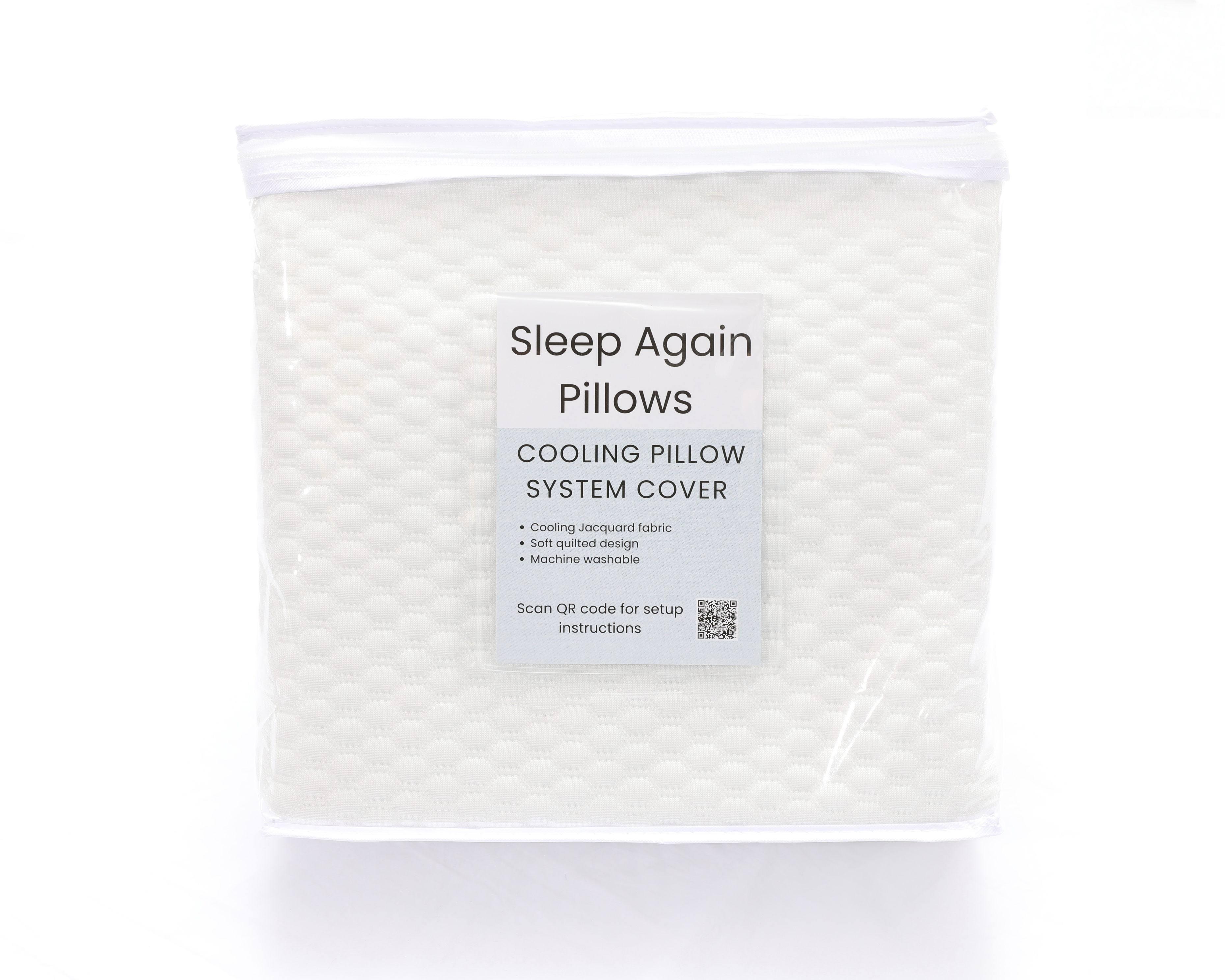
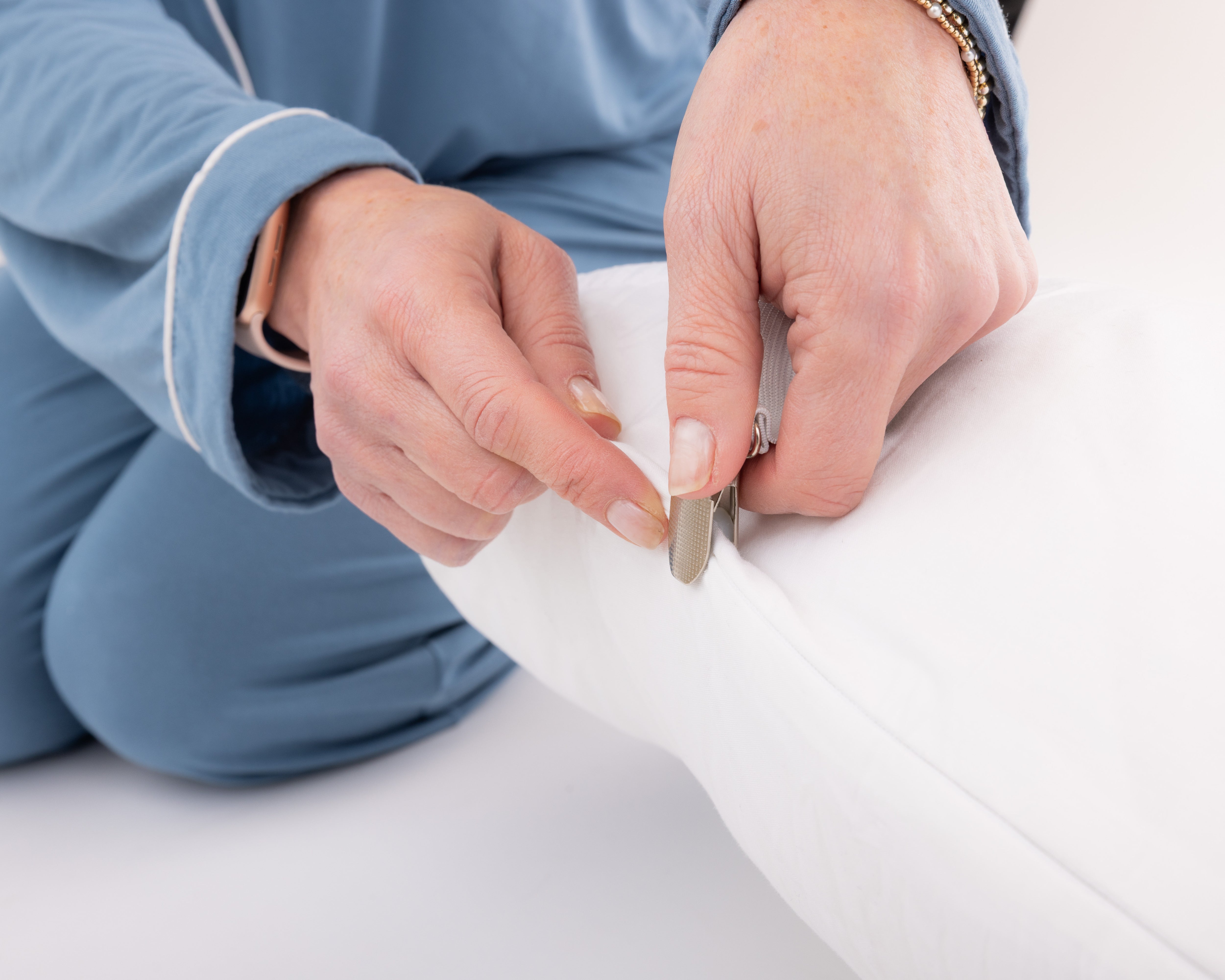
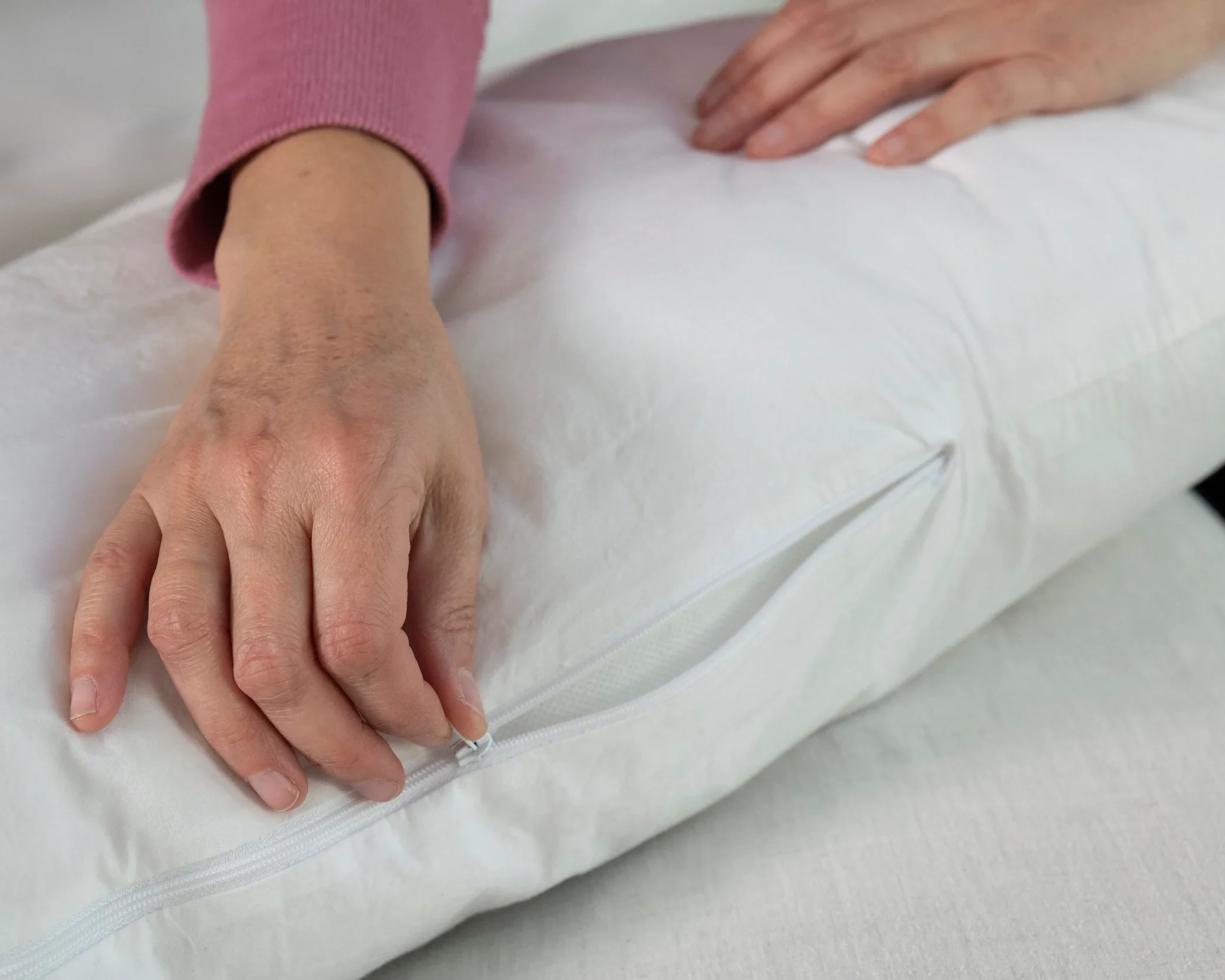
Removable, washable slipcovers for every piece
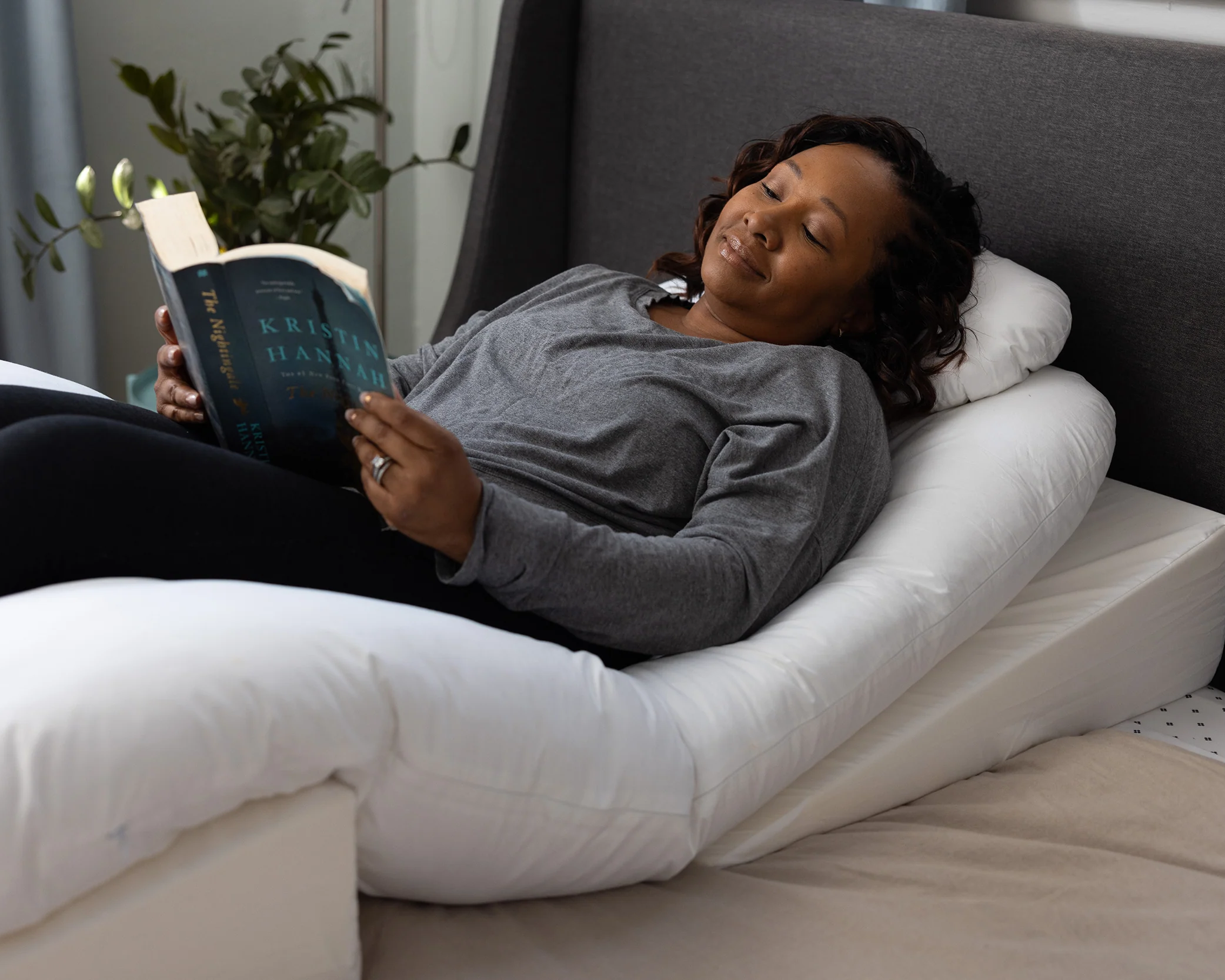
For genioplasty patients, the Upper Body Wedge is the central component. It maintains the consistent 30- to 45-degree elevation that surgical teams universally recommend, without the collapse and shifting that accompanies stacked pillows. Because it's a solid structural wedge rather than a soft-sided pillow, it holds its angle throughout the night regardless of movement.
The Two Contoured Side Pillows serve a particularly relevant function for chin surgery recovery. A significant concern for genioplasty patients is unintentional rolling during sleep, shifting from a back position to a side position without waking. The contoured side pillows create a physical barrier that makes this rolling difficult and alerts a patient who begins to shift. This passive positioning protection is especially valuable in the early days of recovery, when moving carefully is important, and sleep-state awareness is reduced.
The Leg Support Wedge addresses a practical challenge of sustained elevated sleeping: the gradual tendency to slide downward during the night. Gently elevating the legs, it creates a stable body position that counteracts this downward shift and preserves upper body elevation across the full sleep period.
The Head Pillow works in coordination with the Upper Body Wedge to support the head and neck at the elevated angle without placing the cervical spine in an overextended position — a relevant concern for chin surgery patients, where neck discomfort and surgical site discomfort are closely linked.
The Sleep Again Pillow System is eligible for purchase using Health Savings Account (HSA) or Flexible Spending Account (FSA) funds. This makes it accessible for patients using pre-tax medical dollars for recovery expenses.
Please note that due to federal regulations around bedding products, all sales are final and items are not returnable.
SLEEP AND HEAL BETTER AFTER CHIN SURGERY

How Should You Plan Your Sleep Setup Before Chin Surgery?
Setting up your sleep environment before your procedure date eliminates the need to solve positioning problems during the early, uncomfortable days of recovery.
Assess your current sleep setup. Identify where your current sleep environment falls short for post-surgical needs. Do you have firm, non-shifting elevation options? Is your bed accessible enough for someone with jaw and chin soreness to get in and out carefully? Are your pillowcases soft and clean? These are questions worth answering before, not after, your procedure.
Test elevated back sleeping before surgery. Spend at least one night sleeping at a 30- to 45-degree incline before your procedure date. This accomplishes two things: it allows you to identify and solve comfort issues while you're fully functional, and it allows your body to begin adjusting to the position before recovery demands require it. Patients who have pre-practiced elevated sleeping consistently report better first-week sleep quality.
Arrange your recovery space. Your nightstand should hold everything you'll need overnight without requiring you to reach, bend, or strain. Water, prescribed medications, a soft cloth for any facial cooling compresses, and your phone are the essentials. Minimize the need for any activity that involves bending at the waist or lowering your head.
Plan the chin strap situation. If your surgeon prescribes a compression chin strap for overnight wear, practice putting it on and taking it off before surgery. This is easier to learn when you're not dealing with swelling and soreness.
Have your positioning system in place before day one. If you're using the Sleep Again Pillow System, unbox it, set it up, and sleep in it before your procedure date. Arriving home from surgery to an already-configured sleep environment removes an entire category of post-operative stress.
What Else Affects Sleep Quality During Genioplasty Recovery?
Sleep positioning is the most immediately actionable variable, but it isn't the only one that determines how well you rest during recovery.
Pain management timing matters. If you've been prescribed oral pain medication, taking it approximately 30 to 45 minutes before bedtime allows it to reach effective levels when you most need it — at the beginning of your sleep period. Discuss the timing of your prescribed medications with your surgical team, particularly in the context of overnight comfort.
Cold compresses serve a daytime purpose. The use of cool compresses (wrapped in cloth — never applied directly to skin) during the day helps manage swelling during waking hours and reduces the total swelling load that builds up over the course of the day. Less swelling at bedtime means a more comfortable sleep. This is a practical strategy that complements your nighttime positioning.
Oral hygiene is part of sleep prep. For patients whose incisions are inside the mouth, an oral rinse before bed is typically part of post-operative instructions. Following this protocol carefully keeps the incision environment clean and reduces discomfort that could otherwise interrupt sleep.
Alcohol restriction supports better sleep. Alcohol promotes swelling, interferes with medications, and disrupts sleep architecture in ways that reduce restorative sleep quality. The restriction your surgical team places on alcohol consumption during recovery also benefits sleep directly.
Environmental consistency helps. A cool, dark sleep environment at a consistent temperature supports better sleep quality during recovery, when fragmented rest is already a risk.
Sleeping After Genioplasty: FAQs
How elevated does my head actually need to be during sleep?
The target angle is 30 to 45 degrees. This keeps your chin and lower face above heart level, which is the key therapeutic goal. Too shallow an angle provides minimal benefit; beyond 45 degrees tends to become uncomfortable for extended sleep. A purpose-built upper body wedge is the most reliable way to maintain this angle consistently.
Can I sleep in a recliner instead of my bed?
Yes, though it may not be as comfortable as your regular bed. Since getting a good night's sleep is an integral part of the healing process, a sleep system that integrates with your existing bed may serve both your sleep and recovery better. It also might be less expensive than renting a medical recliner.
What if I wake up and I've rolled onto my side?
This is common, particularly in the first week. The priority is to return to the elevated back position carefully, without pressing on your chin or jaw. Prevention is the better approach. Using a sleep system that prevents rolling is more effective than relying on conscious monitoring during sleep.
When can I return to side sleeping?
Most surgical teams clear patients for modified side sleeping after two to four weeks, depending on healing progress. Sliding genioplasty patients may have a longer restriction period than implant patients. Your surgeon's assessment at follow-up appointments is the guide. Do not return to side sleeping until you receive explicit clearance.
My swelling seems worse in the mornings. Is that positioning-related?
It often is. Morning-peak swelling can indicate that your elevation angle is shifting during the night, allowing fluid to accumulate in the hours before you wake. If you're using stacked pillows, this is a common cause. Reviewing your sleep setup and ensuring you're maintaining consistent elevation throughout the night typically addresses morning swelling increases.
Will I need to buy any specific type of pillow for chin surgery recovery?
The most important requirement is consistent, non-compressing elevation support. A solid upper body wedge that maintains its angle throughout the night is more effective than soft-sided pillows, which compress under body weight. For integrated full-body support, a complete positioning system eliminates the improvised arrangements that stacked pillows inevitably require.
Is it normal for sleep to be disrupted in the first week after genioplasty?
Yes. A combination of discomfort, unfamiliar positioning, and the general physical stress response to surgery makes perfect sleep in week one unrealistic for most patients. The goal is restorative rest, not perfect sleep. Fragmented sleep in four-to six-hour stretches is a normal and temporary part of surgical recovery.
The Pre-Surgery Preparation Checklist
Before your genioplasty procedure date, work through the following:
-
Confirm your surgeon's specific sleep positioning instructions for your procedure type
-
Set up your elevated sleeping environment and test it before surgery
-
Arrange your nighttime essentials within easy reach
-
Prepare your chin strap compliance plan if one has been prescribed
-
Review your pain medication timing with your surgical team for overnight use
-
Plan your oral rinse protocol if applicable
-
Purchase your positioning system with enough lead time to set it up and practice before surgery day
Patients who complete this preparation typically report less anxiety about recovery logistics and better first-week sleep quality. Better planning before surgery can meaningfully reduce the logistical demands of the first ten days of recovery.
Important Medical Disclaimer
The information provided on this page is for educational purposes only and should not replace professional medical advice from your healthcare provider. Sleep Again Pillows are positioning support products designed to help maintain sleep positions recommended by medical professionals during recovery and for therapeutic use.
Always follow your surgeon's or physician's specific post-operative instructions and positioning requirements. Medical guidance from your healthcare team takes precedence over any general information provided here. Recovery timelines, positioning angles, and product suitability vary based on individual surgical procedures, medical conditions, and patient-specific factors.
Consult your healthcare provider before purchasing positioning equipment if you have specific medical concerns or questions about whether these products are appropriate for your recovery or medical condition(s). Your medical team can provide personalized recommendations based on your unique situation.
Sleep Again Pillows do not diagnose, treat, cure, or prevent any medical condition. These products provide positioning support to help maintain sleep angles and positions as directed by your healthcare provider.