
Sleep advice has become exhausting. You've tried meditation apps, blackout curtains, magnesium supplements, and seventeen different breathing techniques. Some nights you fall asleep fine but wake up feeling unrested. Other nights, falling asleep itself feels impossible despite being genuinely exhausted.
The problem isn't that you're not trying hard enough—it's that most sleep advice focuses on what happens in bed rather than the hours leading up to it. Your body doesn't switch into sleep mode the moment your head hits the pillow. Quality rest requires strategic preparation that starts long before bedtime, addressing the biological and behavioral factors that determine whether you'll actually sleep well.
Enter the 10-3-2-1-0 sleep rule: a straightforward framework that takes the guesswork out of preparing your body and mind for quality rest. It's five simple numbers that create a countdown to better sleep—each representing a specific cutoff time before bed when you stop doing things that interfere with rest. No expensive equipment required, no complicated routines to remember, just five strategic decisions that address the root causes of poor sleep.
The 10-3-2-1-0 rule addresses the behavioral and biological factors that determine sleep quality hours before you actually get into bed.
What Is the 10-3-2-1-0 Sleep Rule?
The 10-3-2-1-0 sleep rule is a countdown system that structures your pre-sleep hours for optimal rest. Each number represents hours before bedtime when you implement specific sleep-supporting behaviors:
10 hours before bed: No more caffeine
3 hours before bed: No more food or alcohol
2 hours before bed: No more work
1 hour before bed: No more screens
0: The number of times you hit snooze in the morning
Here's what the 10-3-2-1-0 sleep rule looks like in practice:
If your bedtime is 10 PM:
-
Noon: Last caffeine (coffee, tea, soda, chocolate)
-
7 PM: Last food or alcoholic drink
-
8 PM: Work officially ends (no emails, no problem-solving)
-
9 PM: All screens go off (phone, TV, computer, tablet)
-
10 PM: Lights out
-
Next morning: Get up on first alarm without hitting snooze
This rule creates a predictable sequence that prepares your body and brain for the transition from wakefulness to sleep. Each cutoff addresses a specific biological or behavioral factor that affects sleep quality.

Breaking Down Each Number
10 Hours Before Bed: The Caffeine Cutoff
Why 10 hours matters: Caffeine has a half-life of 5-6 hours in most people, meaning that if you drink coffee at 4 PM, half that caffeine is still circulating in your system at 10 PM. Even small amounts of caffeine can interfere with sleep architecture, reducing deep sleep phases and making rest less restorative even when you think you're sleeping fine.
The caffeine reality check: Most people dramatically underestimate their daily caffeine intake. That afternoon soda, the chocolate you had after lunch, the decaf coffee that's not actually caffeine-free—these sources add up. A true 10-hour cutoff means being mindful of hidden caffeine throughout your day.
Making the transition: If you're currently drinking coffee throughout the day, immediately jumping to a 10-hour cutoff might trigger withdrawal headaches and fatigue. Gradually move your last caffeine consumption earlier by 30-60 minutes every few days until you reach the 10-hour mark. This gradual approach helps your body adapt without discomfort.
The positioning advantage: When you're properly caffeinated during appropriate hours and caffeine-free when it matters, your natural sleep drive builds correctly. Combined with proper sleep positioning that keeps you comfortable throughout the entire night, this creates the foundation for truly restorative rest.
3 Hours Before Bed: Food and Alcohol Stop
The digestion disruption: Your body needs 2-3 hours to complete the initial phases of digestion. Eating too close to bedtime forces your body to choose between digesting food and preparing for sleep—two processes that compete for the same physiological resources.
Why alcohol sabotages sleep: While alcohol might make you feel drowsy initially, it severely disrupts sleep architecture. Alcohol prevents you from reaching deep sleep phases, increases nighttime awakenings, and often causes early morning waking. The "nightcap" is actually one of the worst things you can do for sleep quality.
The acid reflux connection: Late eating, especially heavy or spicy foods, can trigger acid reflux when you lie down. This is where the 3-hour rule intersects with proper sleep positioning. Elevated sleep positioning at 30-45 degrees naturally reduces acid reflux, but the 3-hour food cutoff provides additional protection.
Practical implementation: If your typical dinner is at 7 PM and bedtime is 10 PM, you're already in the sweet spot. If you're a late diner or shift worker, you may need to adjust meal timing or accept a later bedtime to maintain the 3-hour buffer.
Smart snacking strategy: If you genuinely need something before the 3-hour cutoff, choose easily digestible options like a small handful of nuts or a banana. Avoid anything high in fat, sugar, or protein that requires extensive digestion.
2 Hours Before Bed: Work Ends
The stress hormone problem: Work activities trigger cortisol and adrenaline release—hormones that promote alertness and arousal. These stress hormones take time to clear your system. The 2-hour buffer allows your nervous system to shift from "fight or flight" mode into the parasympathetic "rest and digest" state necessary for sleep.
Mental workspace contamination: When you work right up until bedtime, your brain struggles to distinguish between "work time" and "rest time." The 2-hour separation creates a clear boundary that helps your mind transition between these different modes.
Email and decision-making: Even checking work emails counts as work. Any activity that requires problem-solving, decision-making, or stress response activation should end at least 2 hours before bed.
For shift workers and unconventional schedules: If traditional work hours don't apply to you, define "work" as any mentally demanding, stress-inducing, or decision-heavy activity. The principle remains the same even if your schedule looks different.
Creating the transition ritual: Use the 2-hour work cutoff to establish an evening routine that actively signals to your brain that work is over. This might include changing clothes, tidying your workspace, or physically leaving your work area.
1 Hour Before Bed: Screens Off
The blue light problem: Screens emit blue light that suppresses melatonin production—your body's natural sleep signal. Even small amounts of screen exposure can delay your circadian rhythm, making it harder to fall asleep and reducing sleep quality throughout the night.
Mental stimulation matters too: Beyond blue light, screen content itself creates cognitive arousal. Social media, news, videos, and games all activate your brain in ways that compete with the mental quieting needed for sleep.
The "just checking" trap: Many people convince themselves that "just checking" their phone one more time won't hurt. Research suggests otherwise—even brief screen exposure close to bedtime can measurably impact sleep onset and quality.
What to do instead: The hour before bed becomes prime time for true wind-down activities: reading physical books, gentle stretching, meditation, journaling, or connecting with family in screen-free ways.
The bedroom sanctuary principle: Ideally, screens never enter your bedroom at all. When your sleep space is screen-free, your brain begins associating that environment exclusively with rest, strengthening the conditions for quality sleep.
Physical positioning setup time: The screen-free hour also becomes the perfect time to set up your sleep positioning properly. While behavioral timing prepares your mind and body for sleep, physical comfort determines whether you can actually maintain that sleep throughout the night.
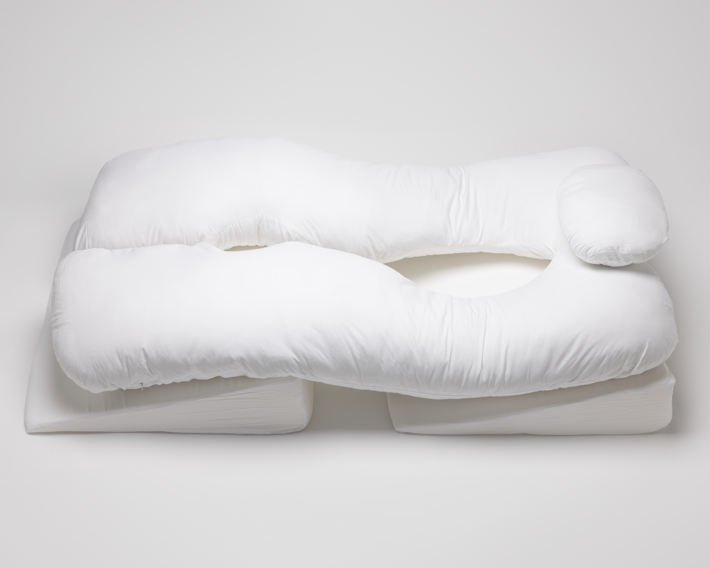
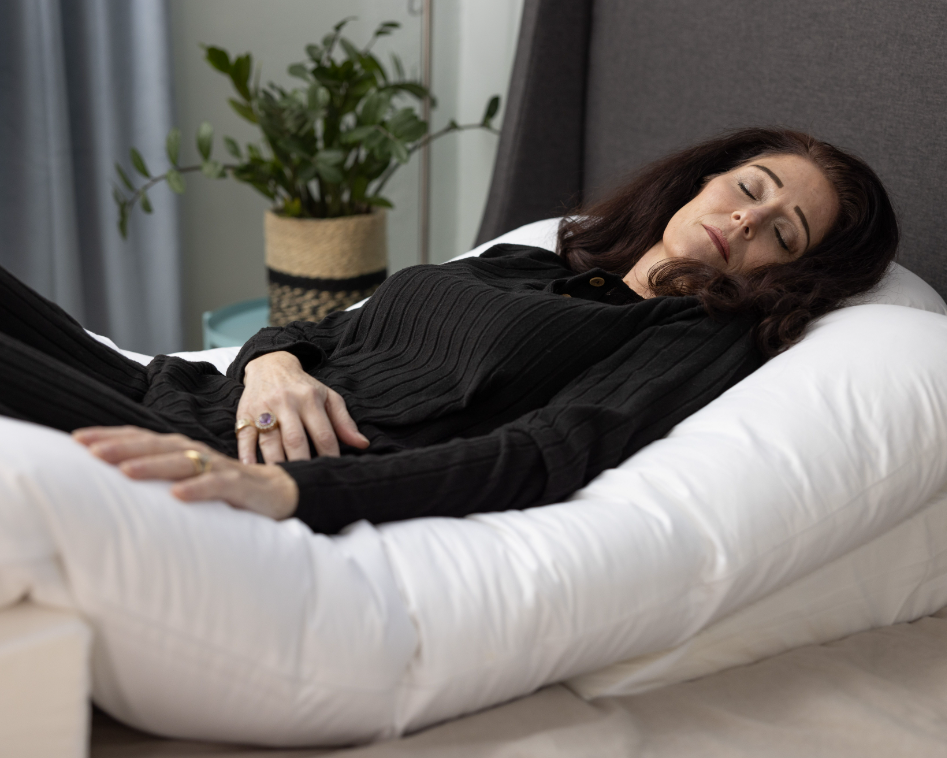
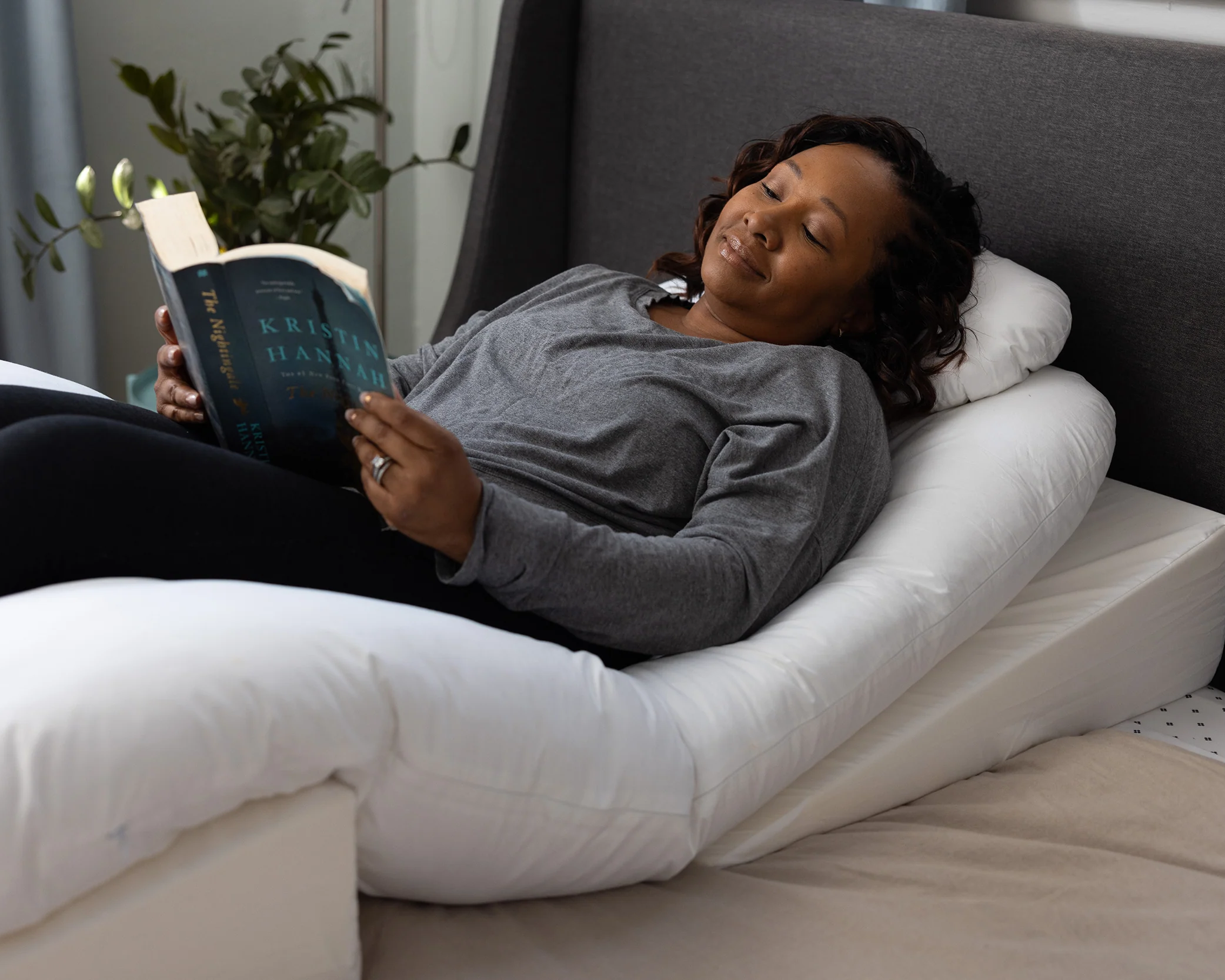
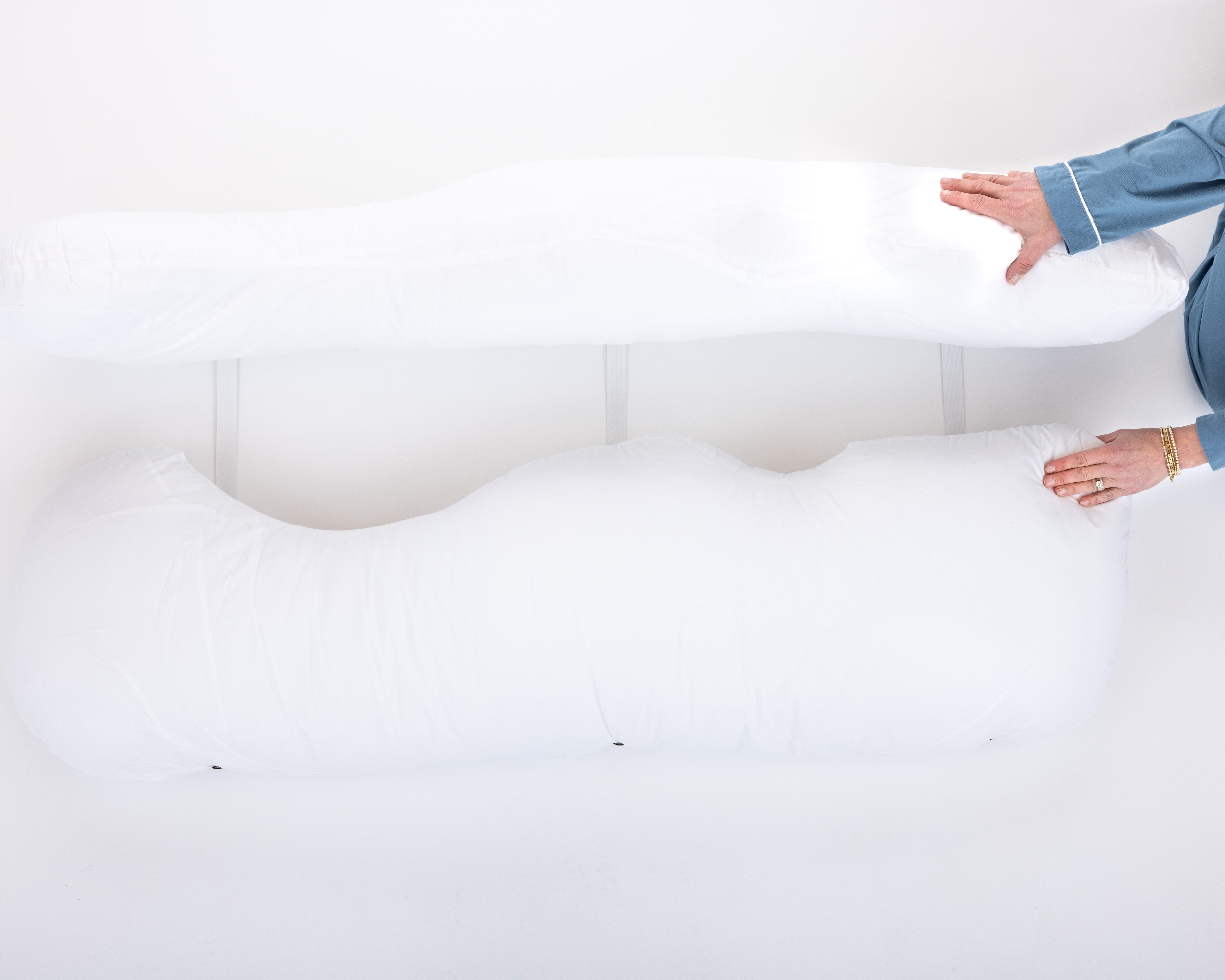
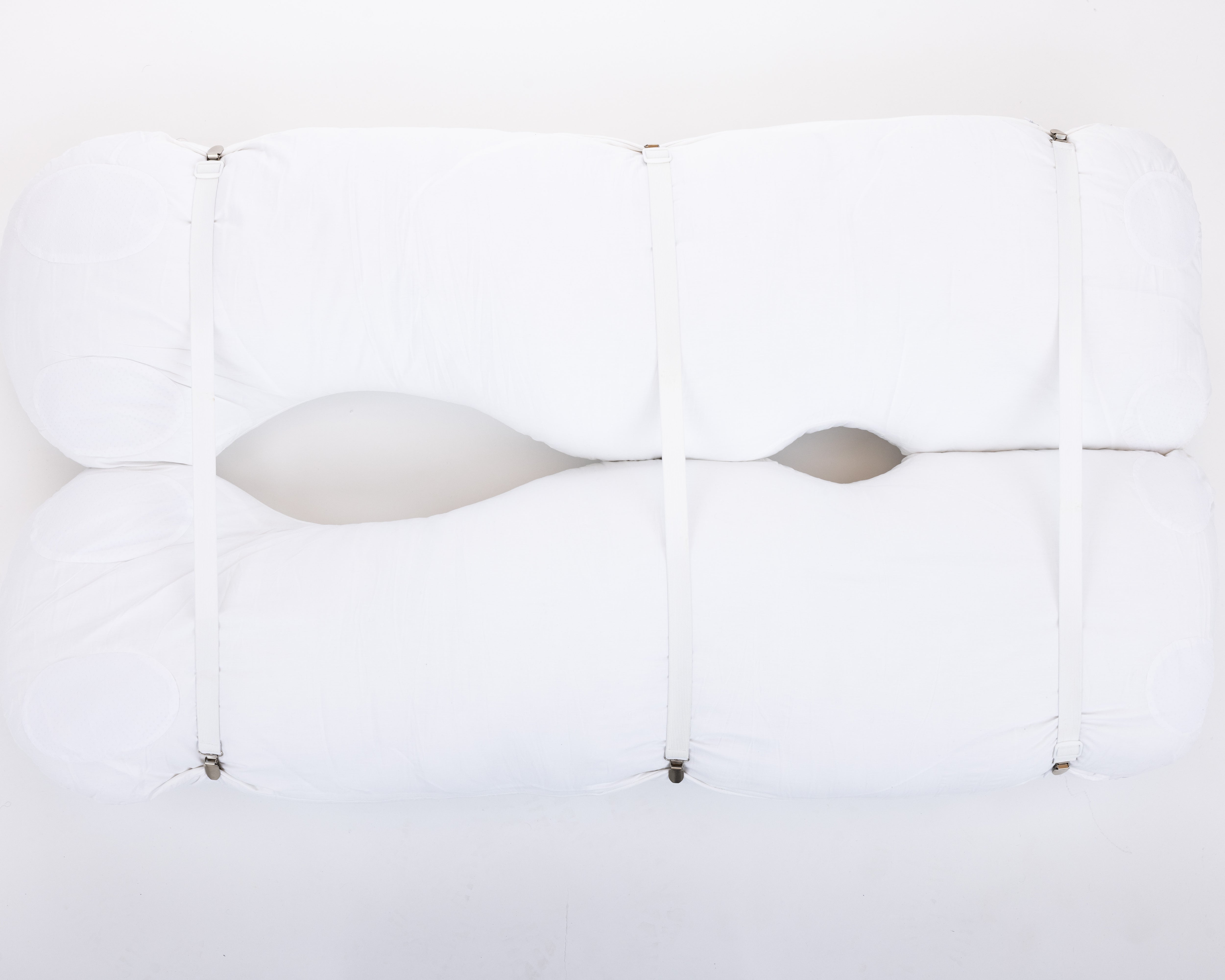
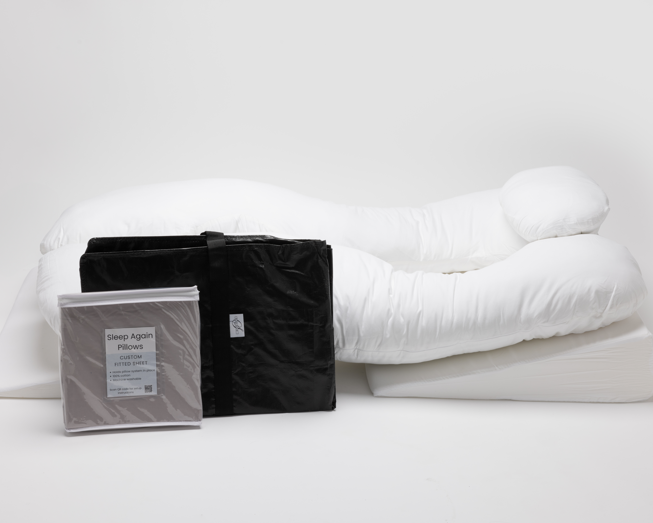
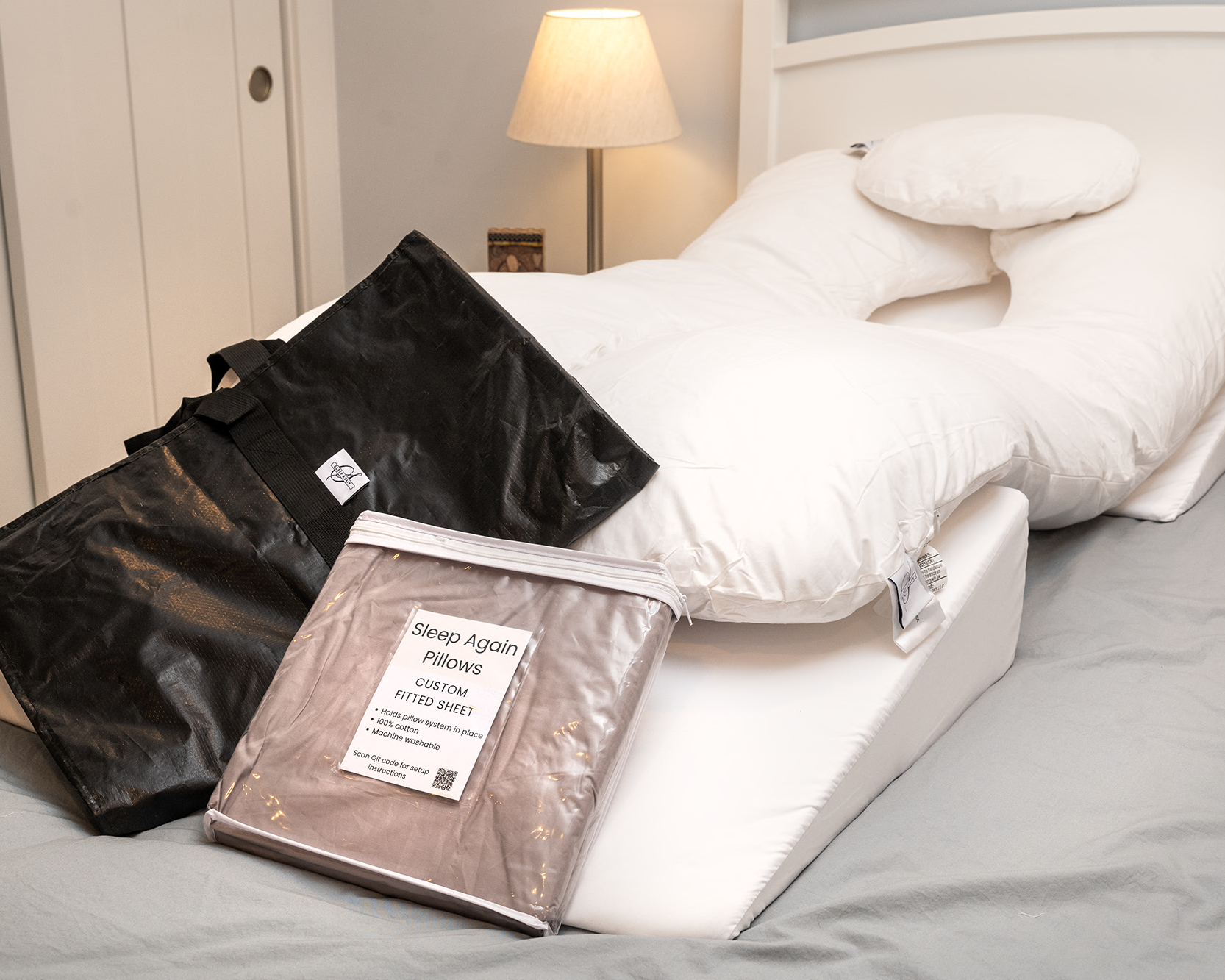
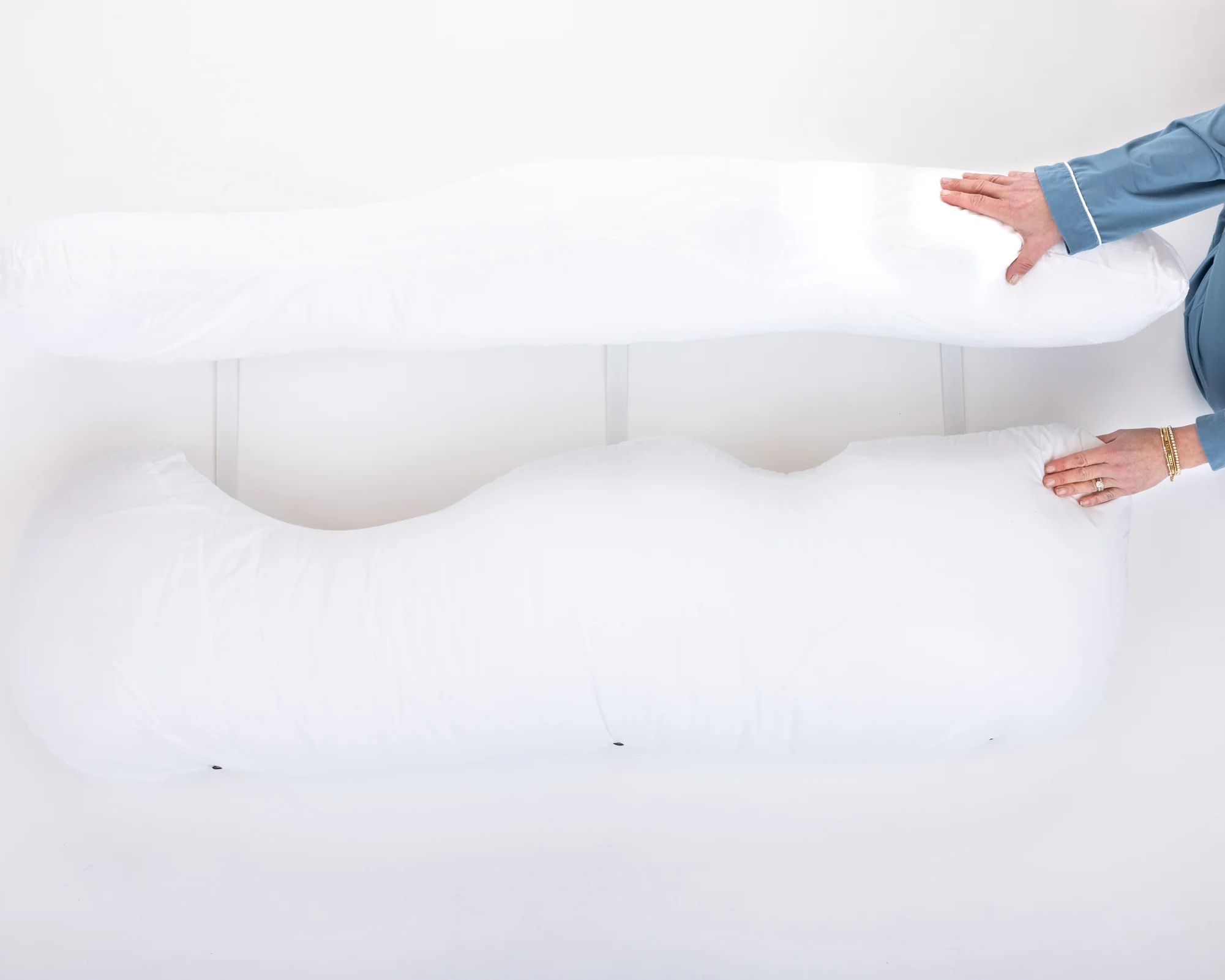
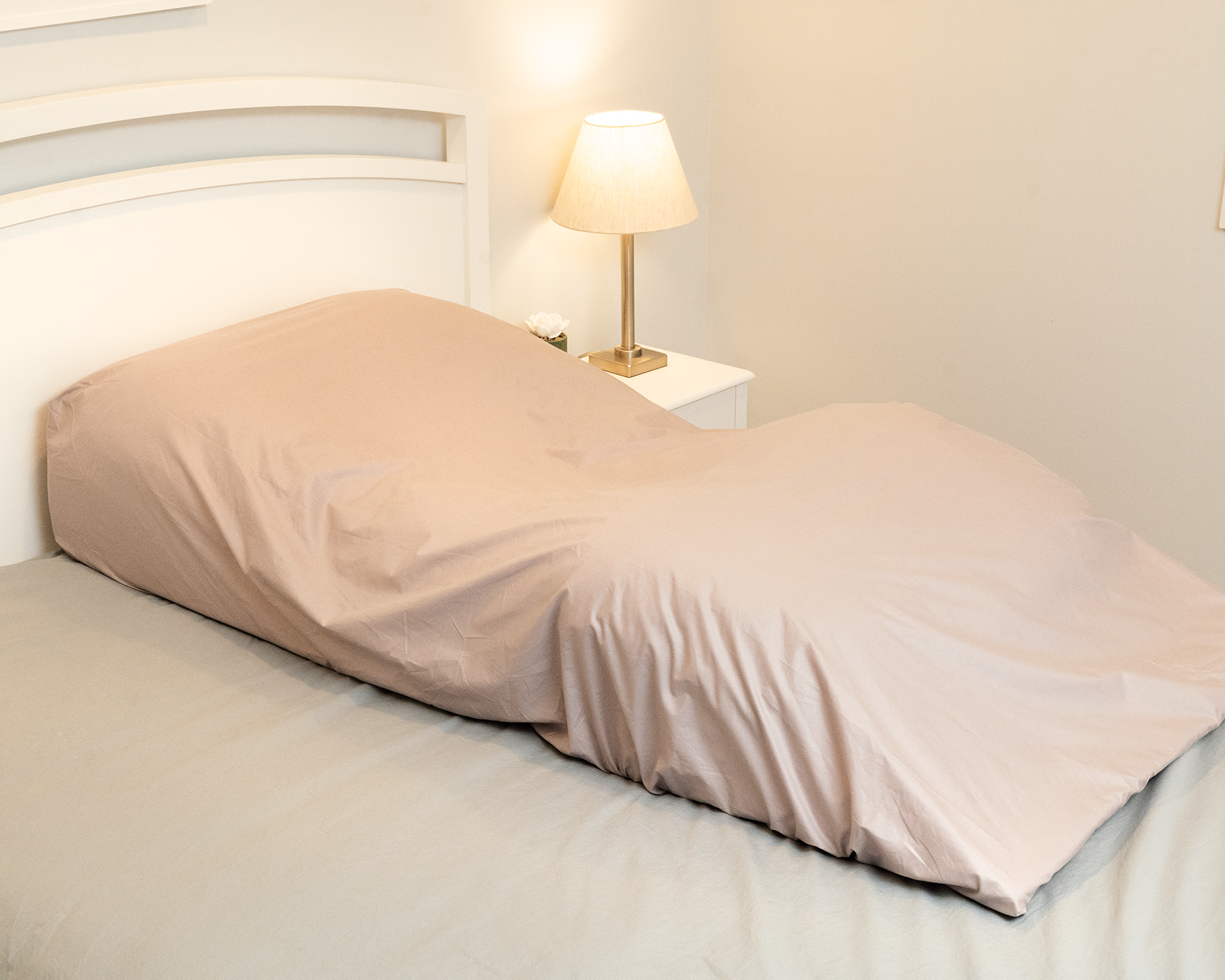
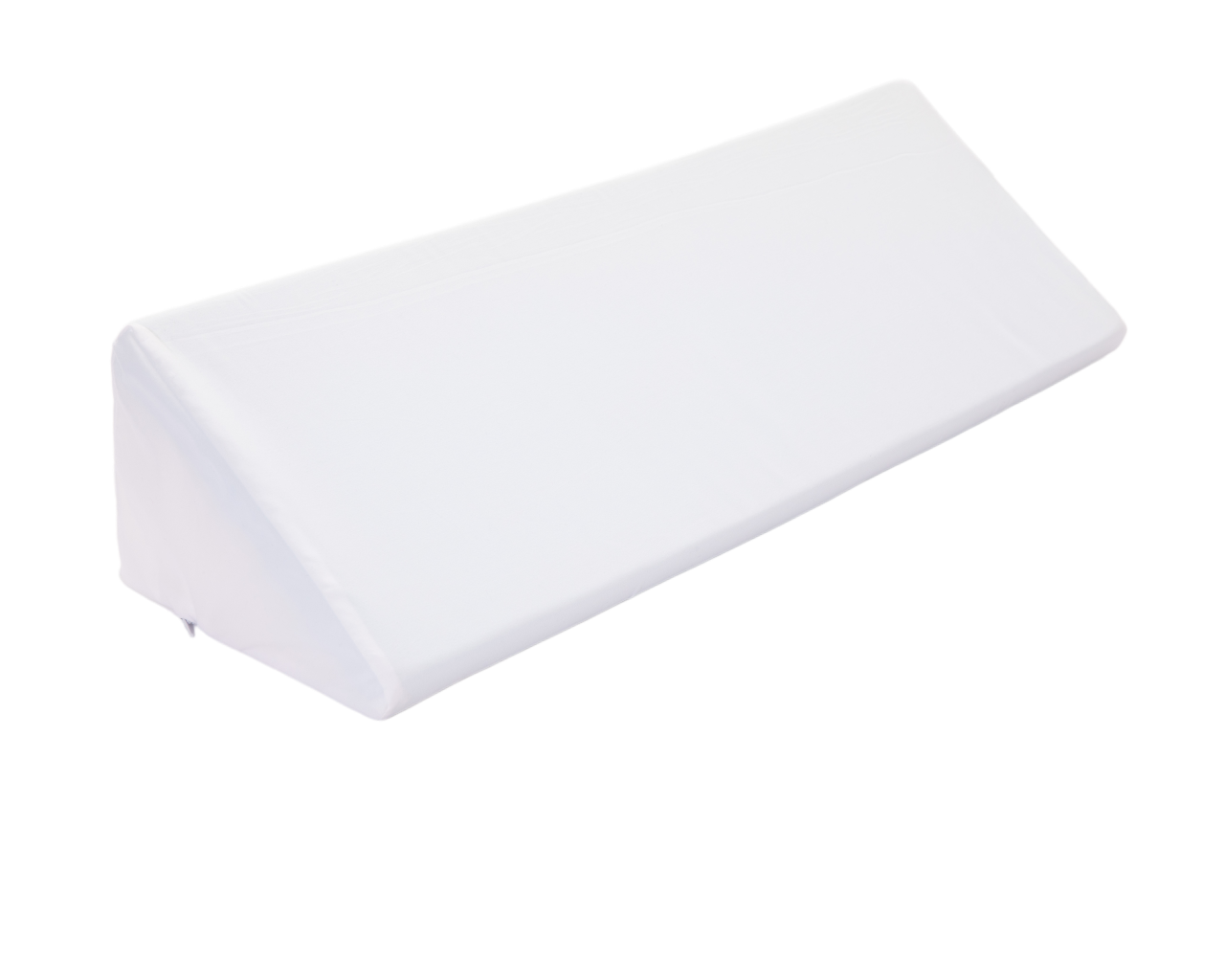
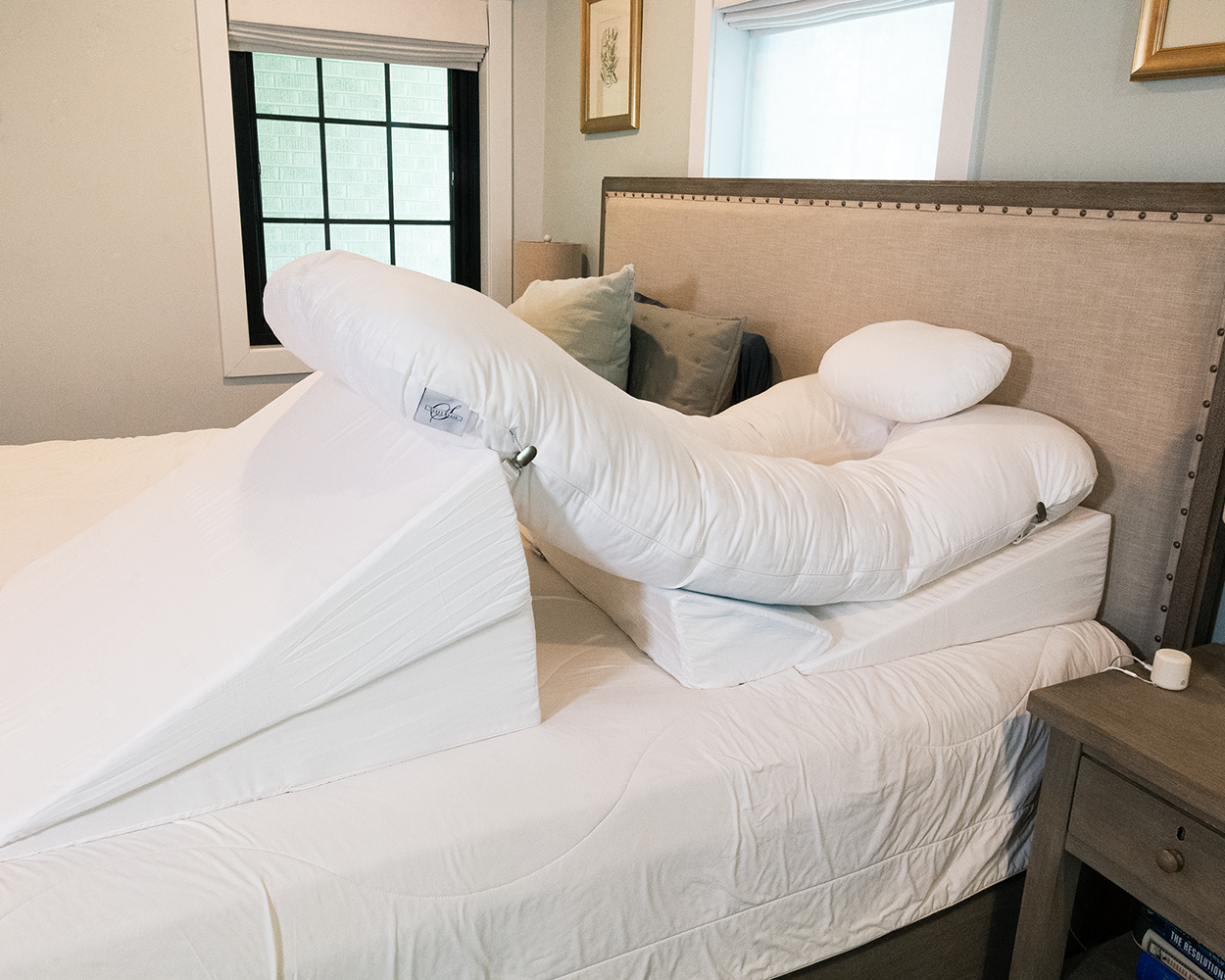
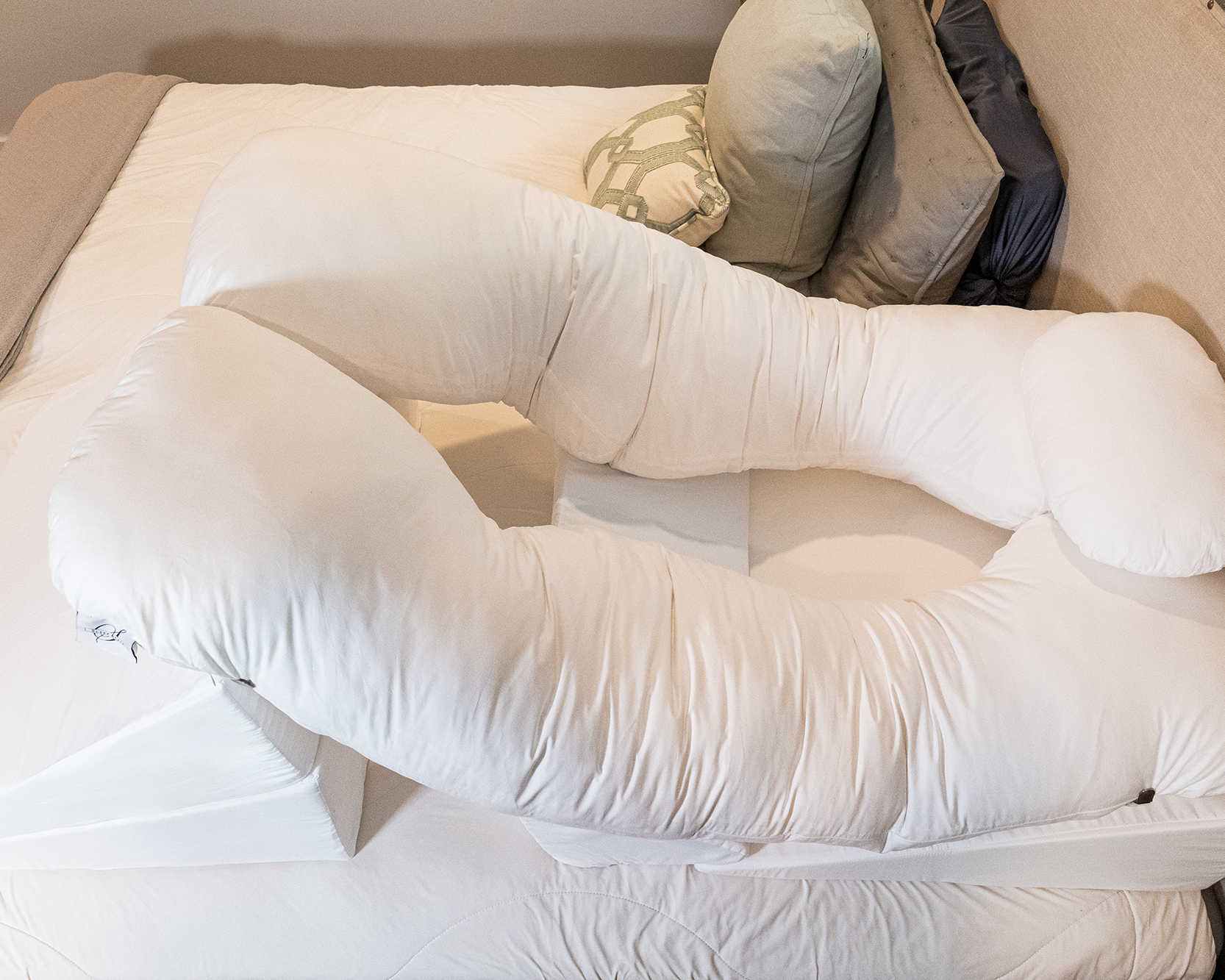
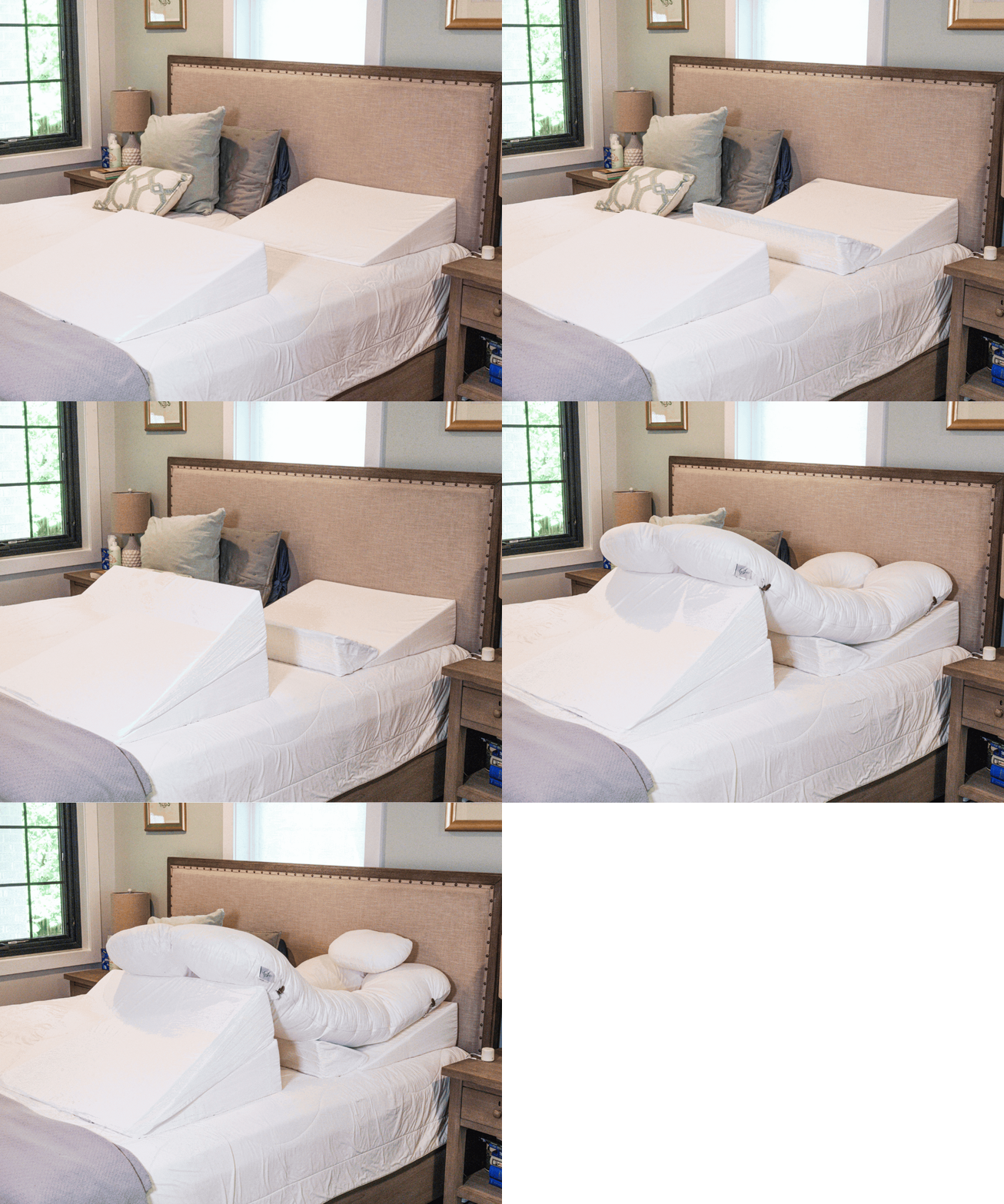
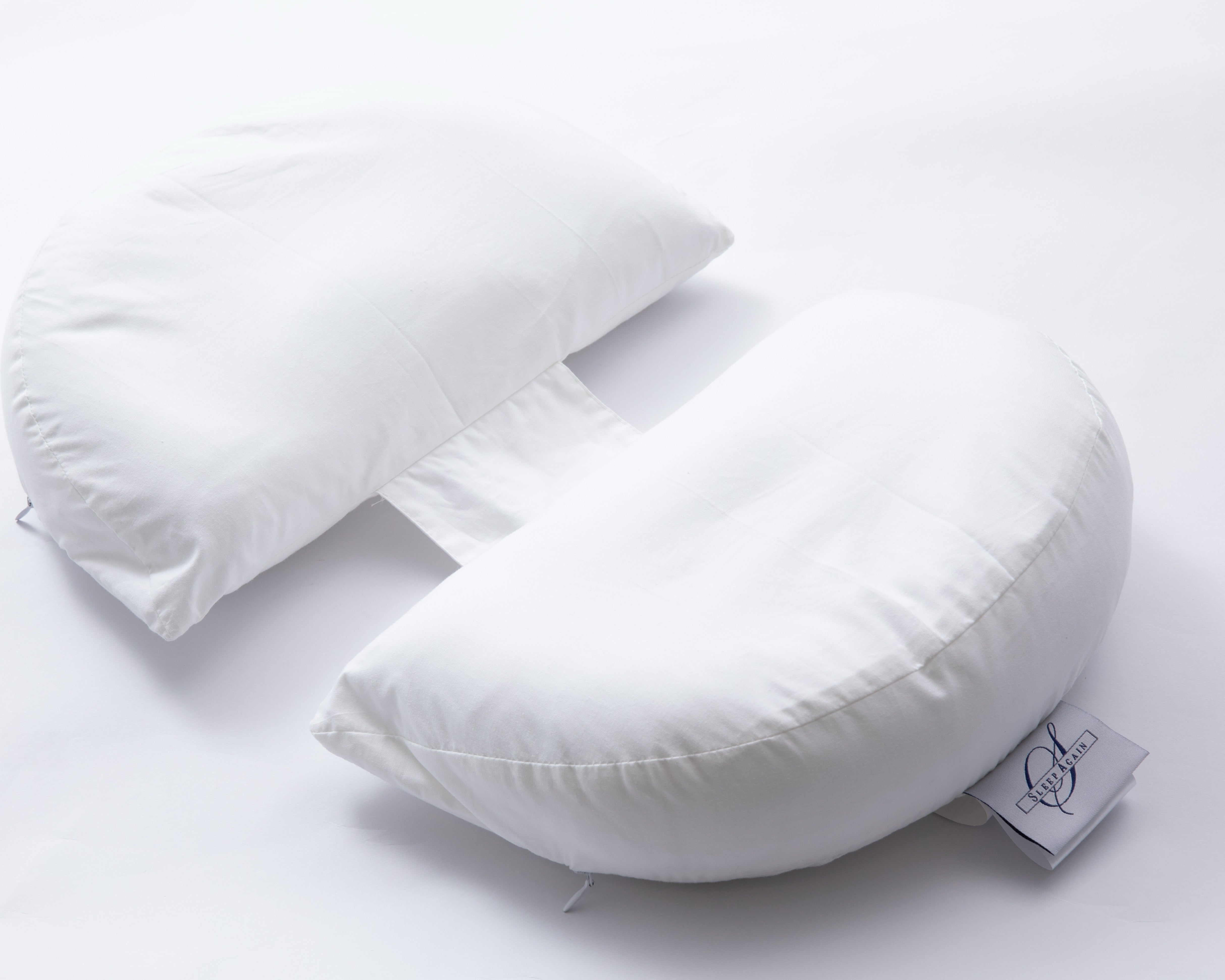
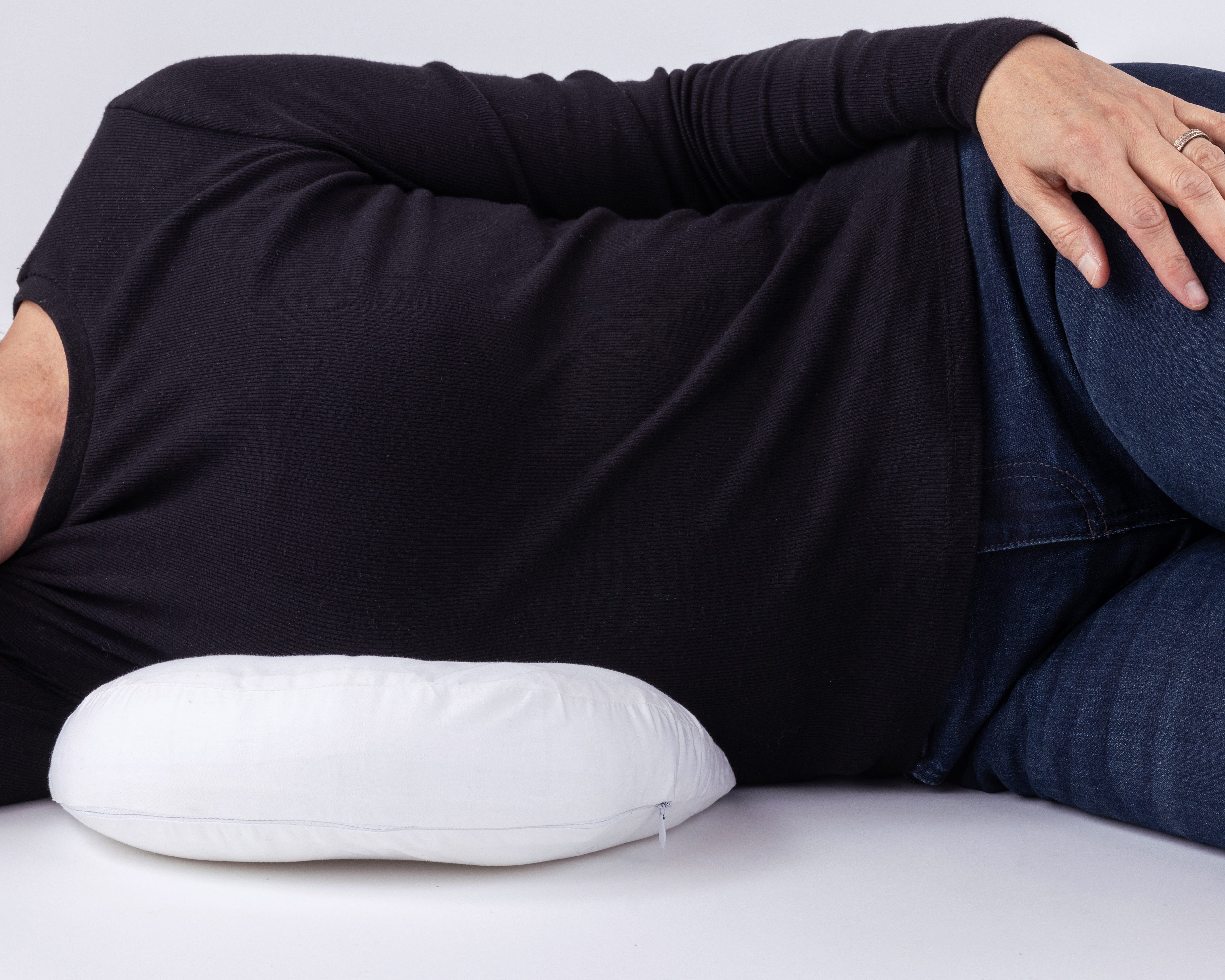
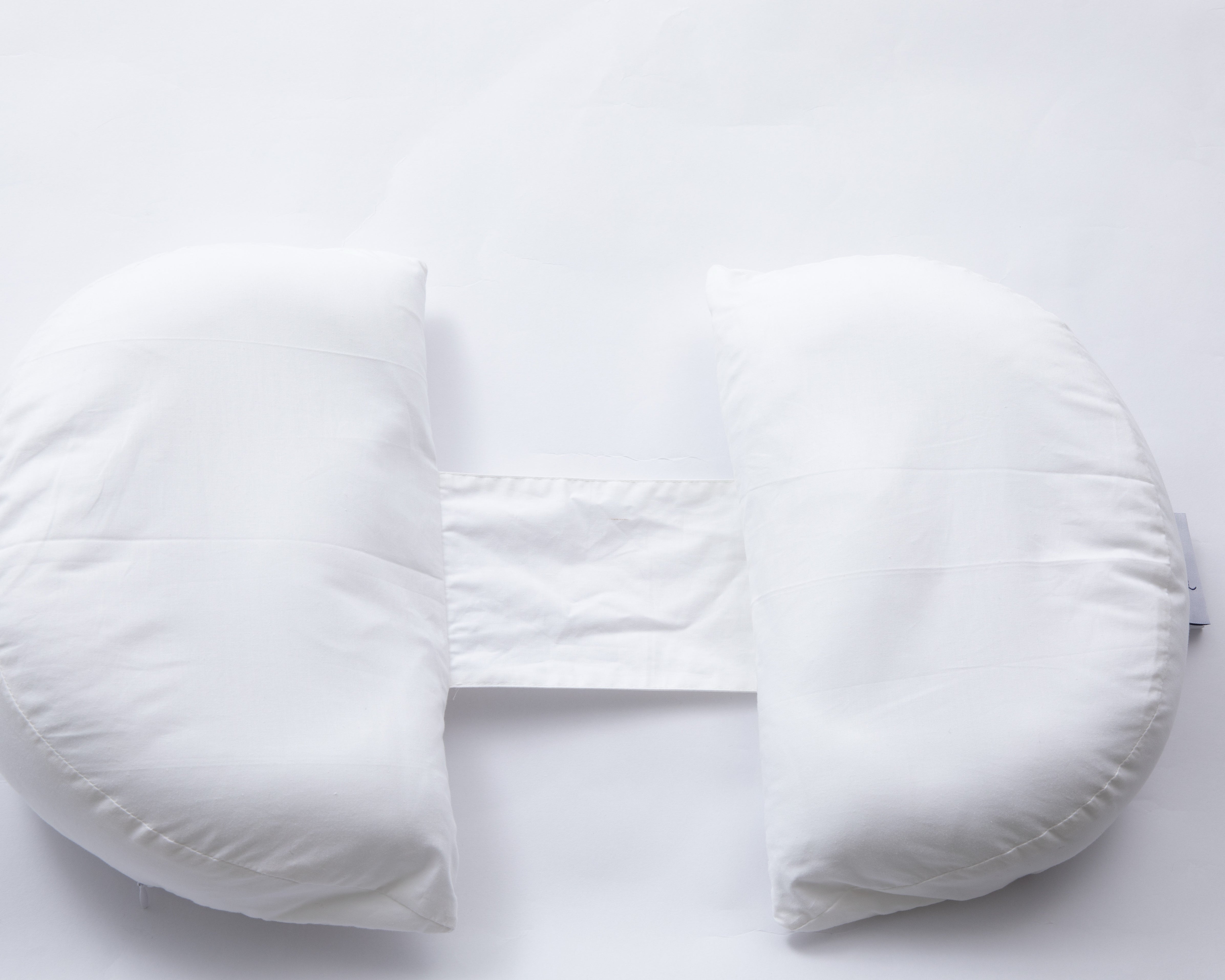
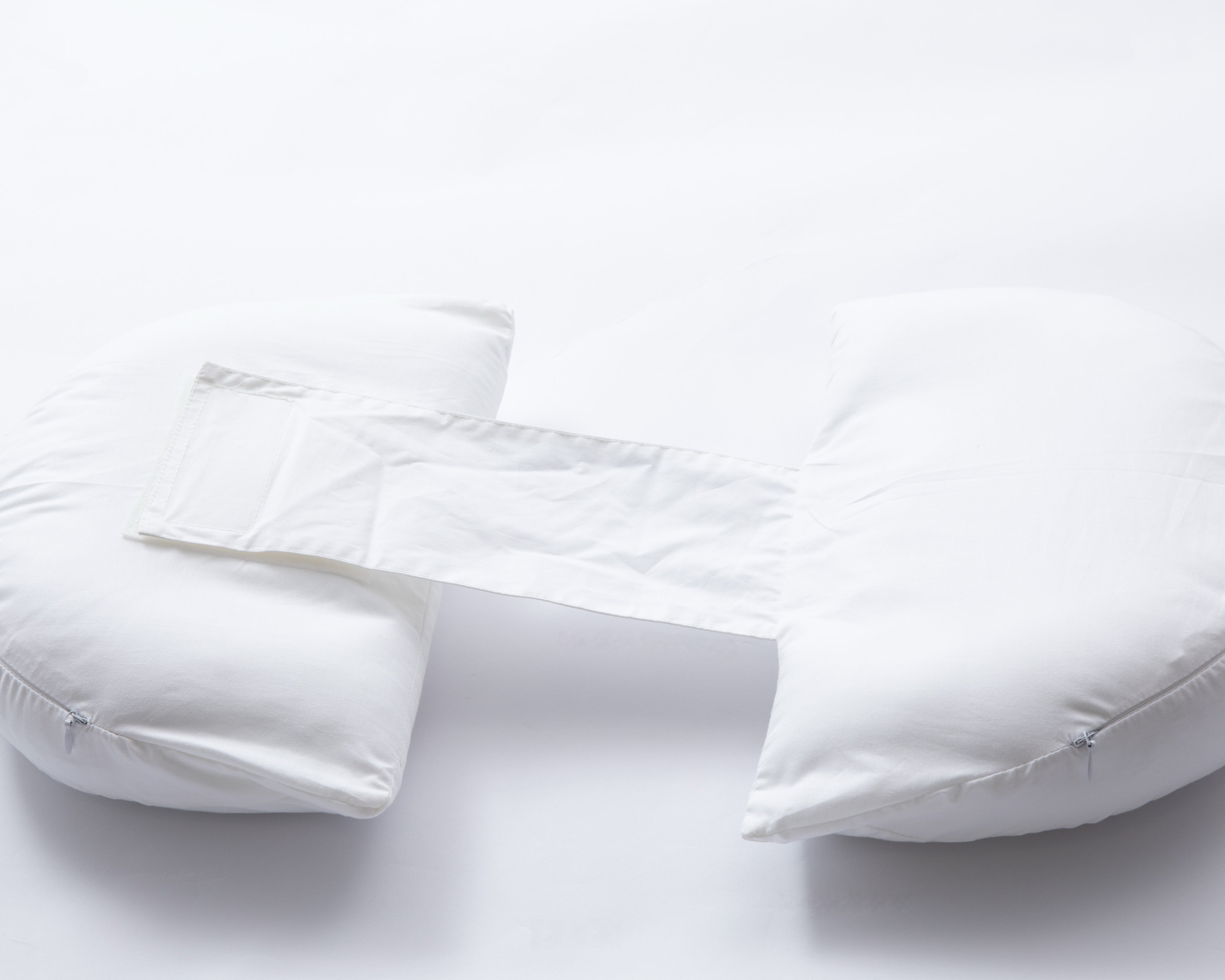
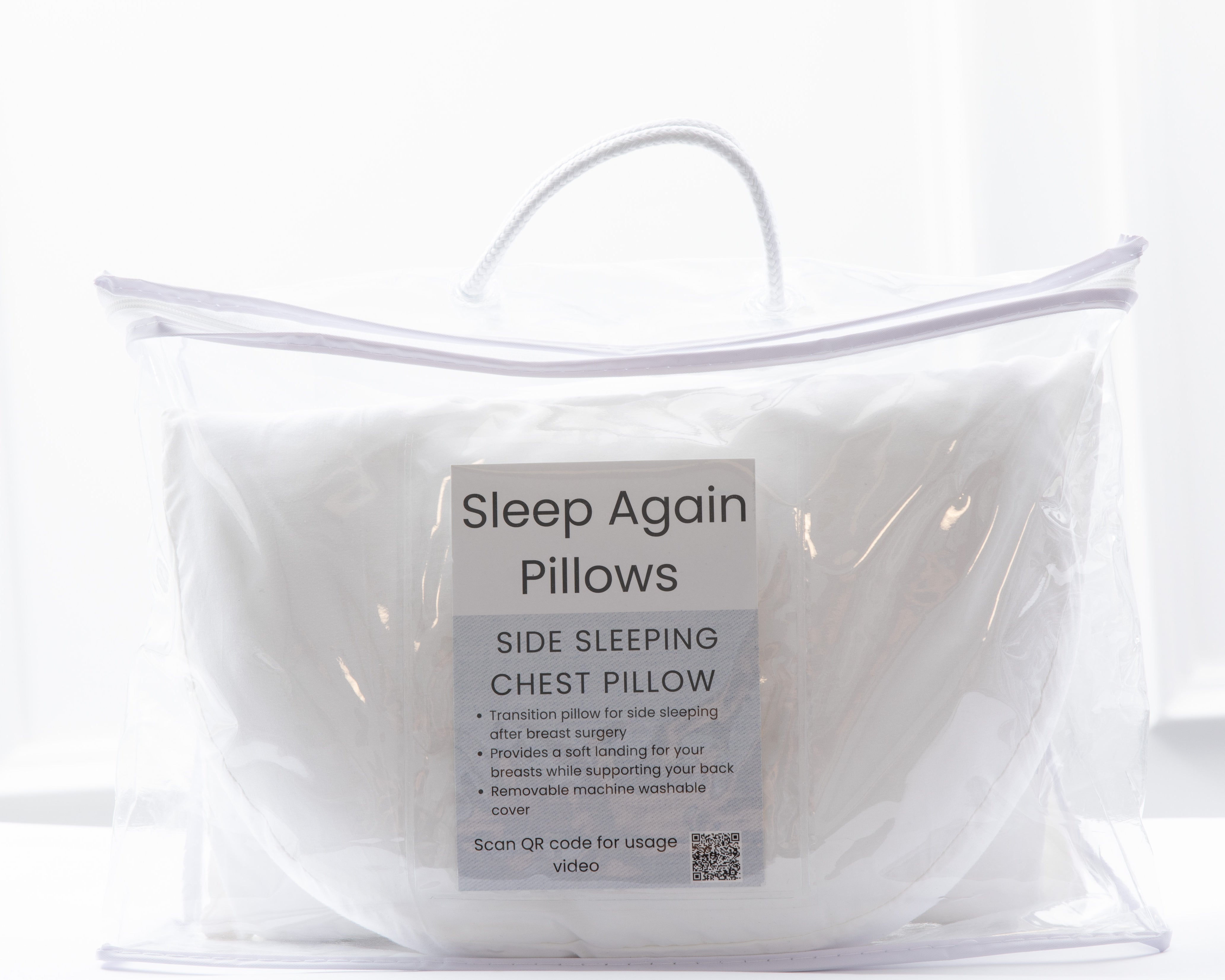
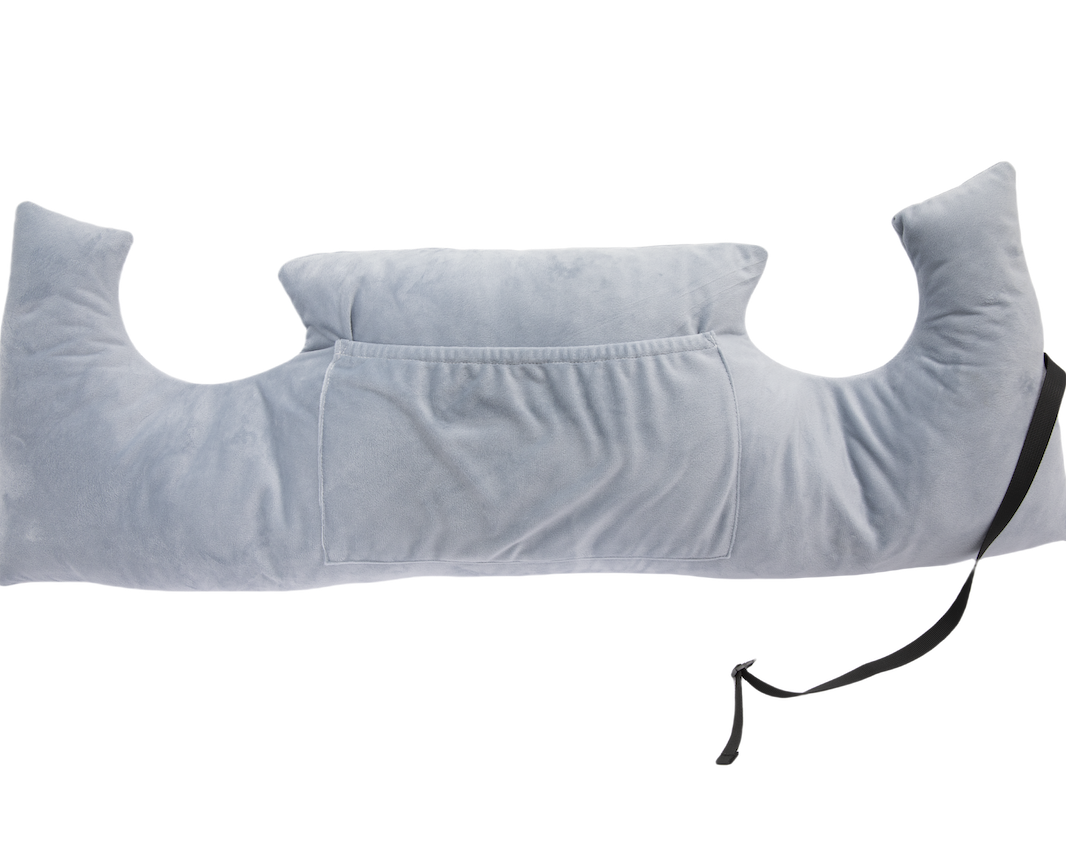
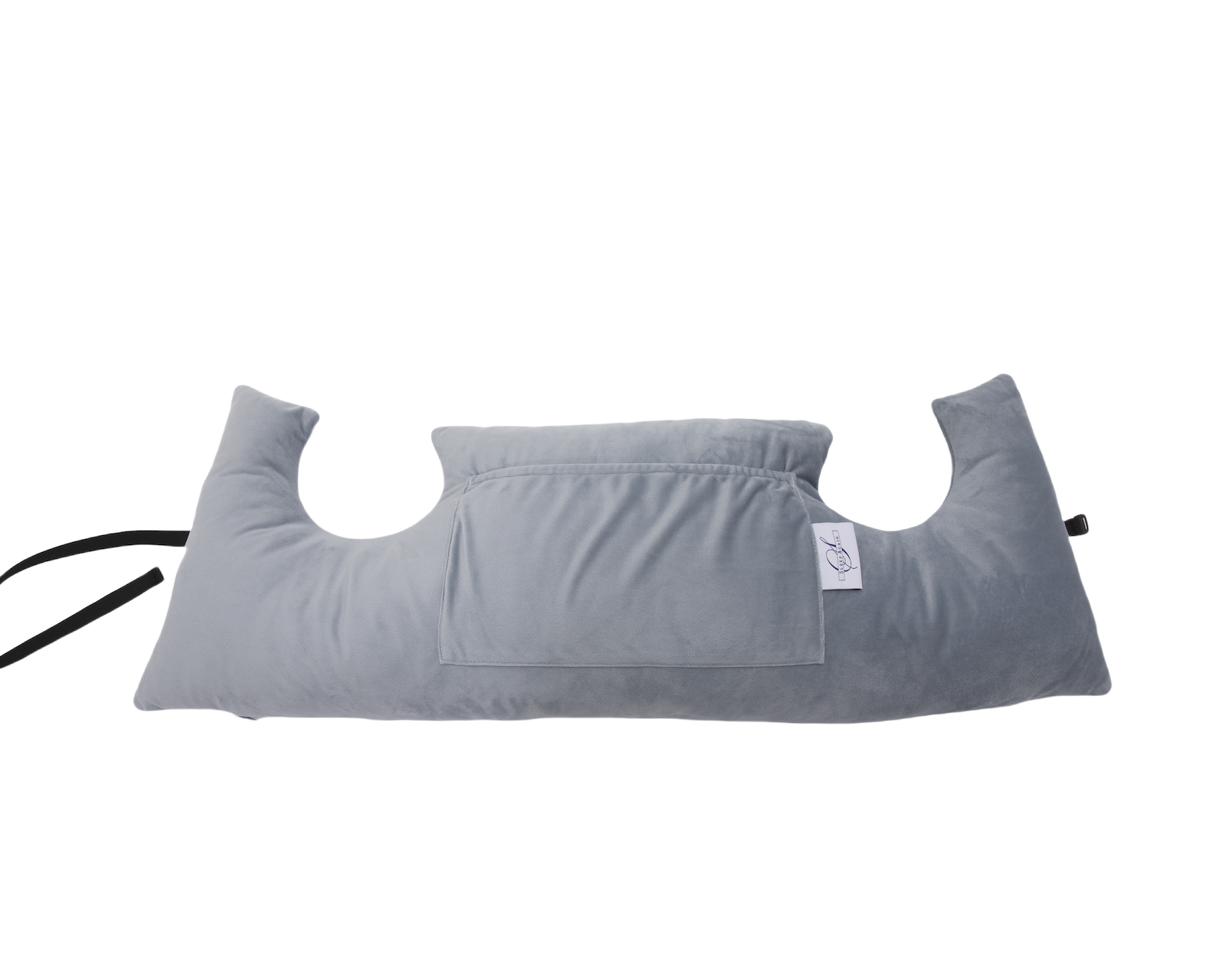
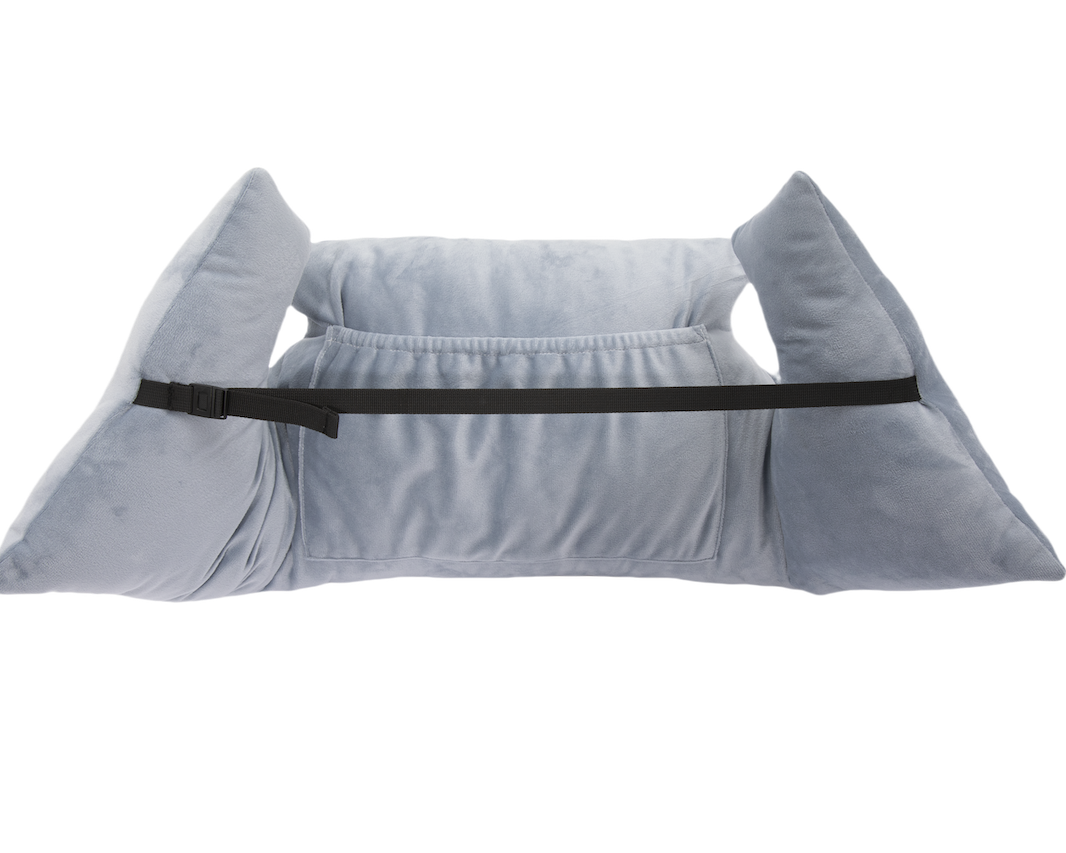
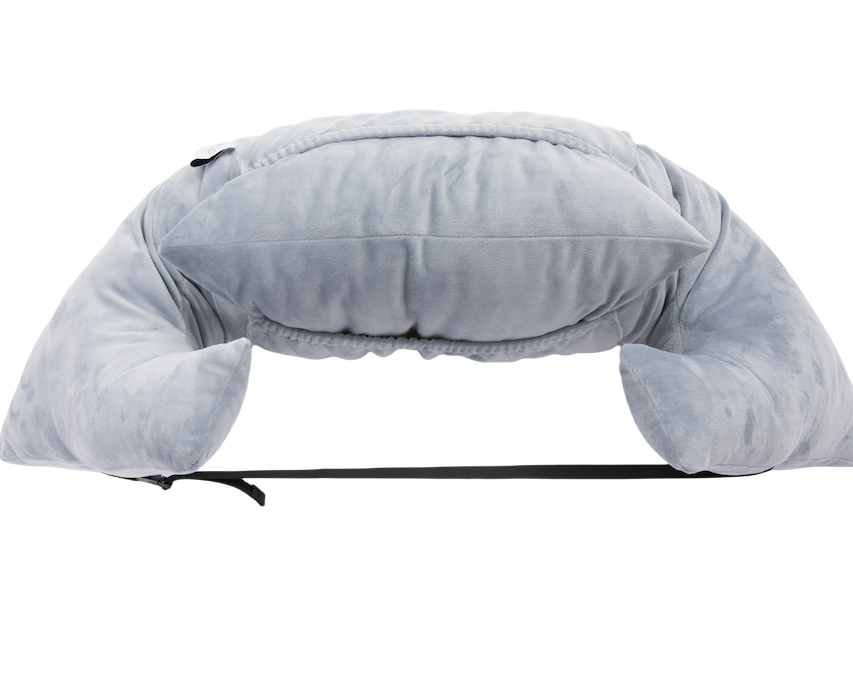
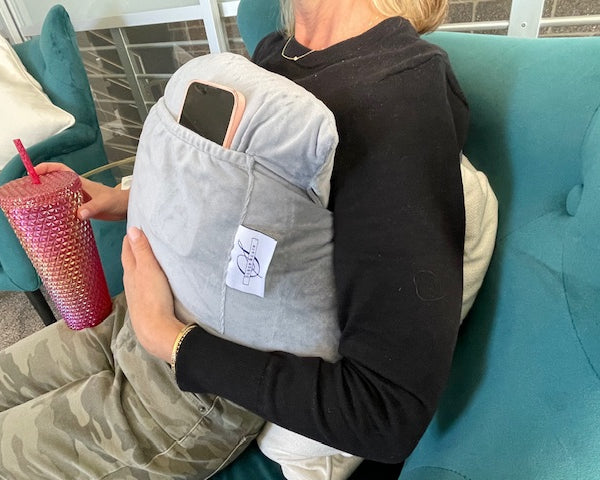
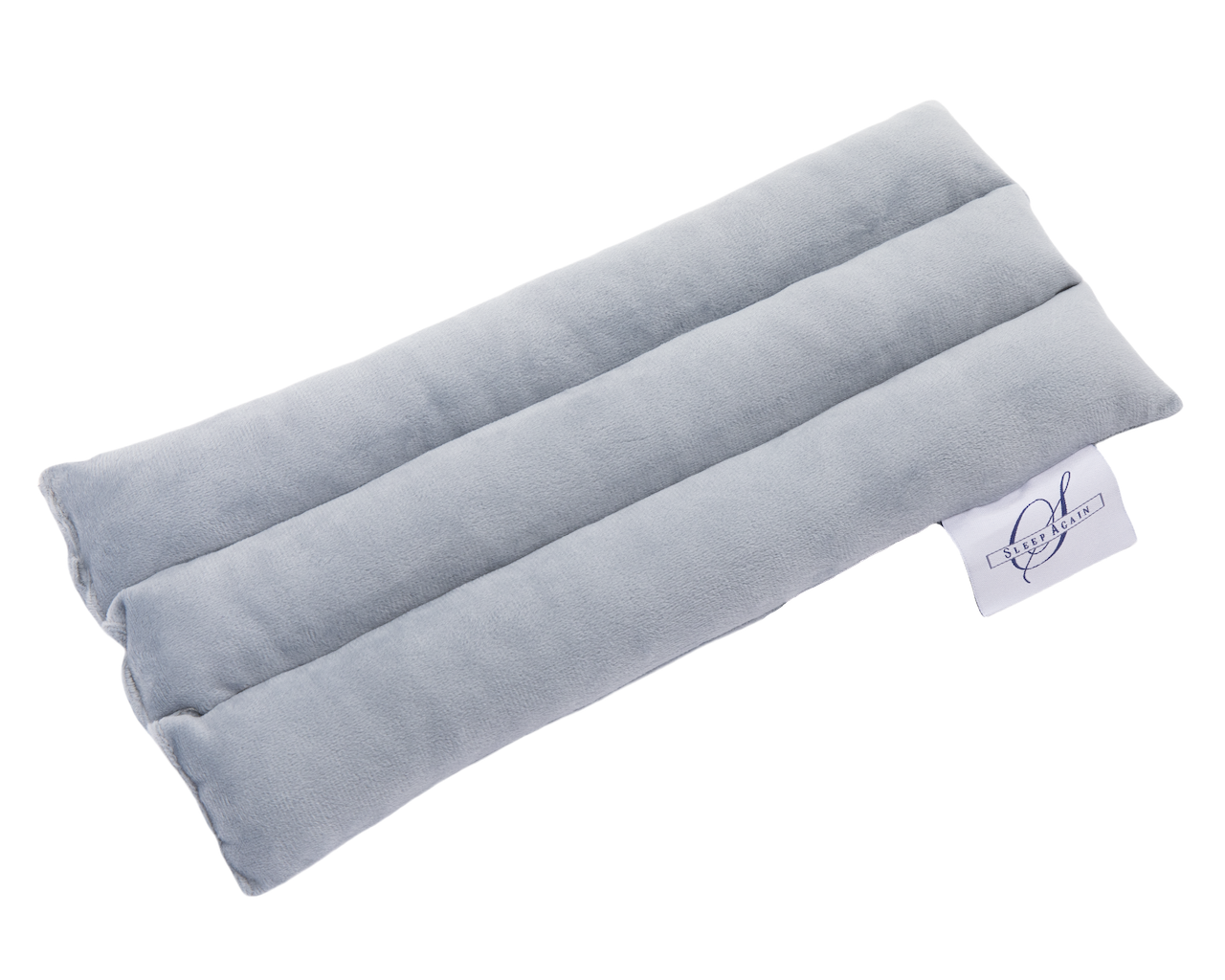
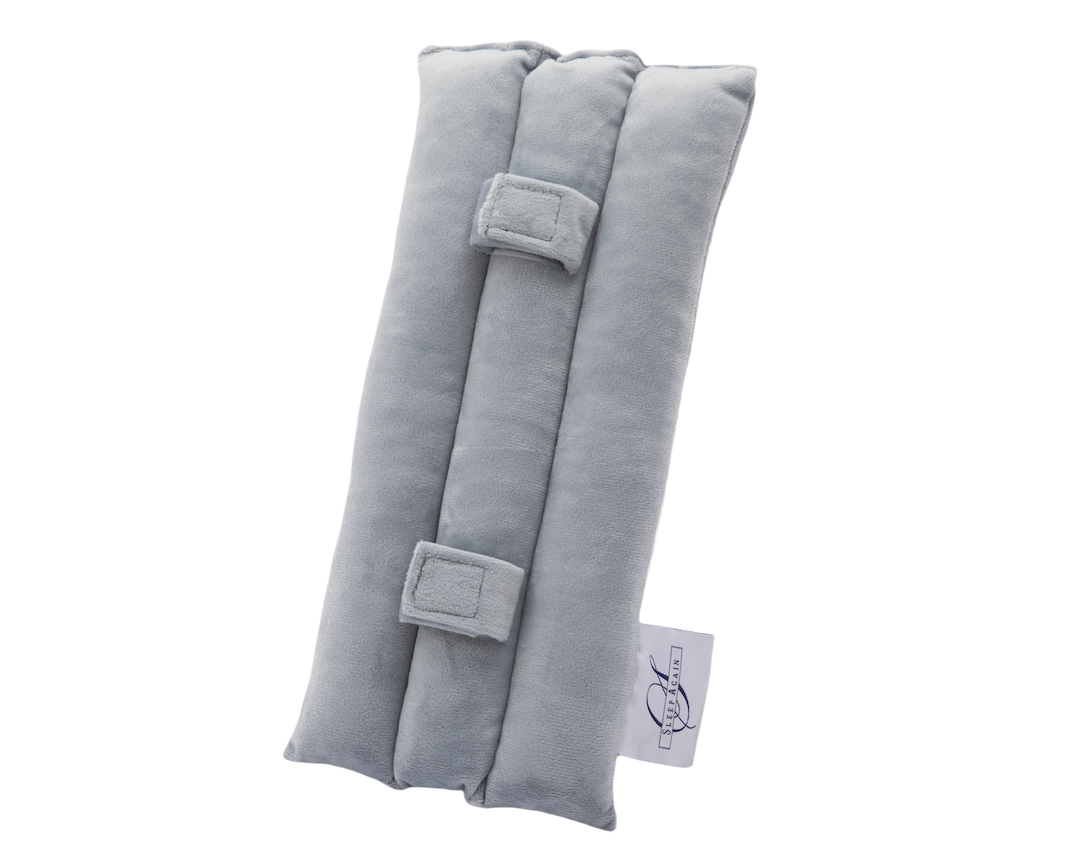
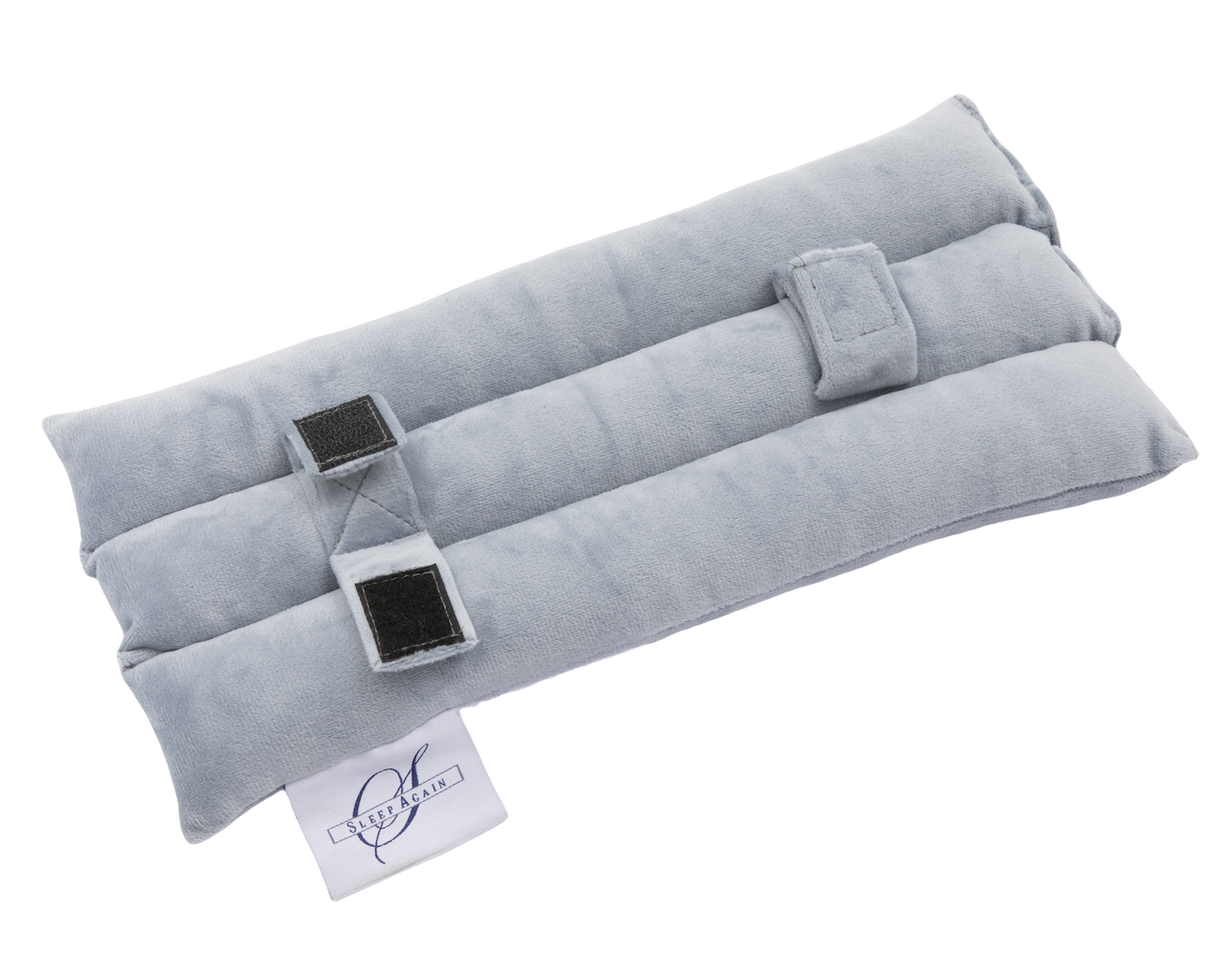
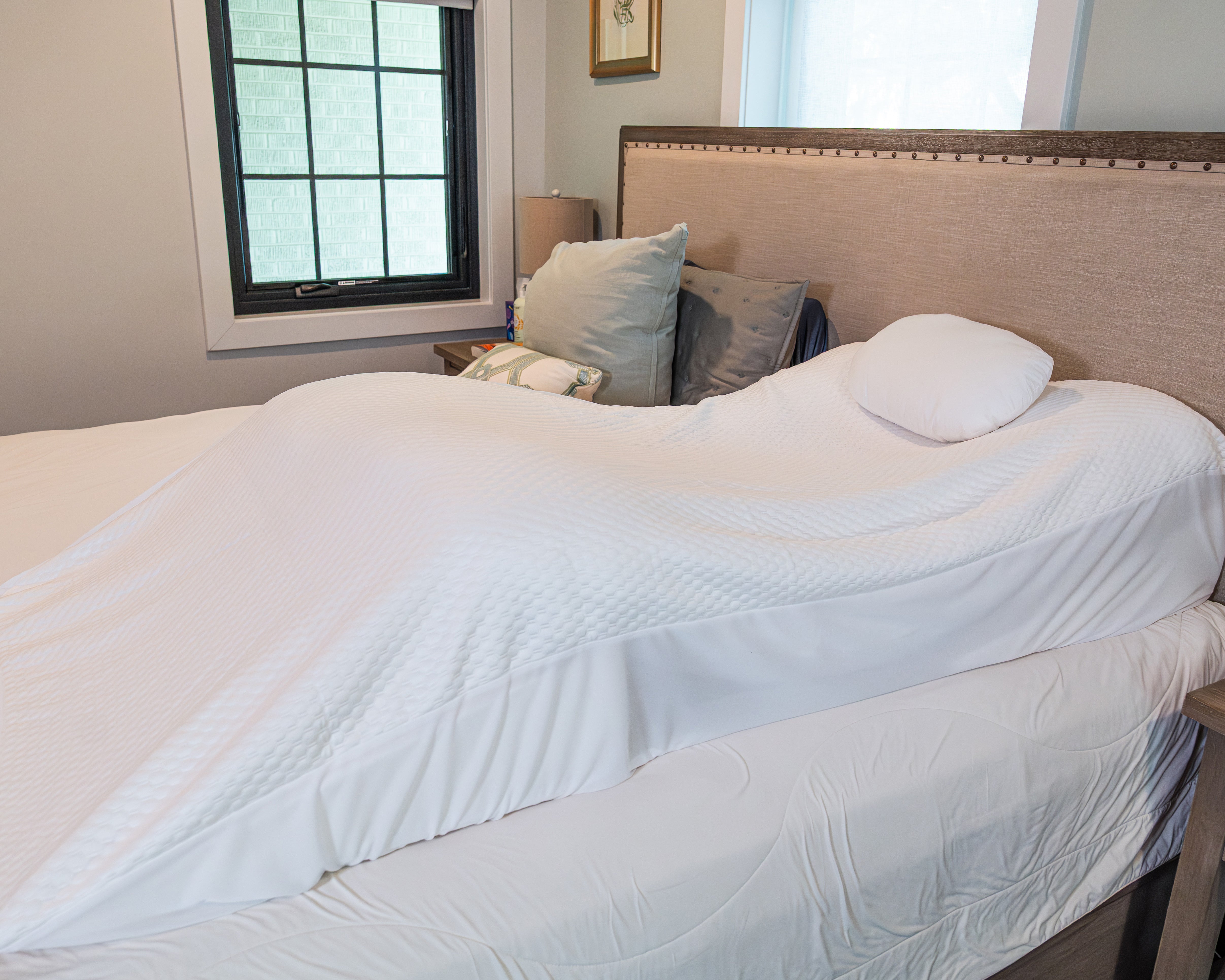
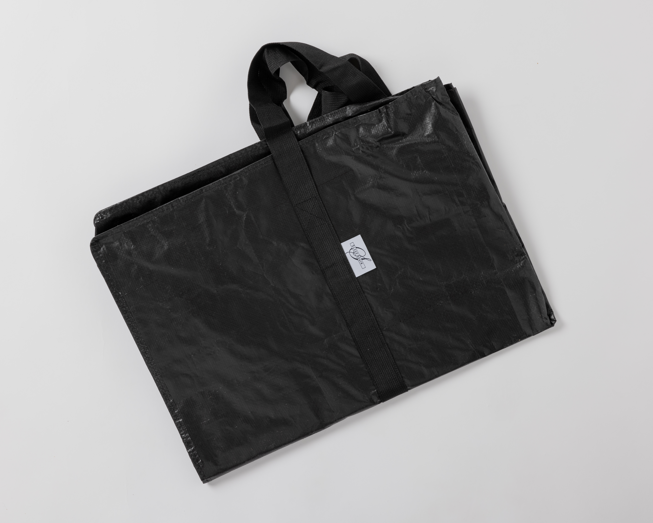
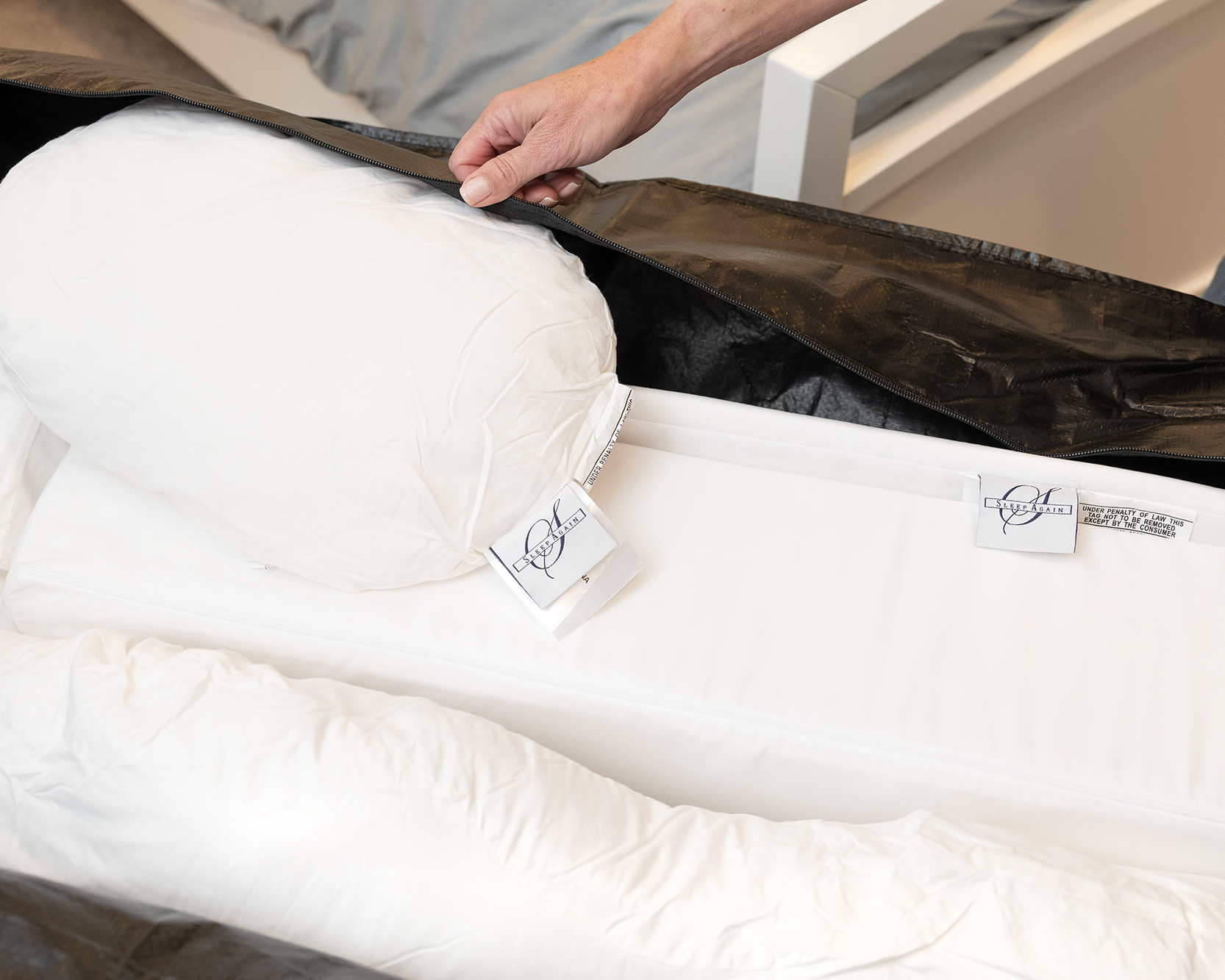
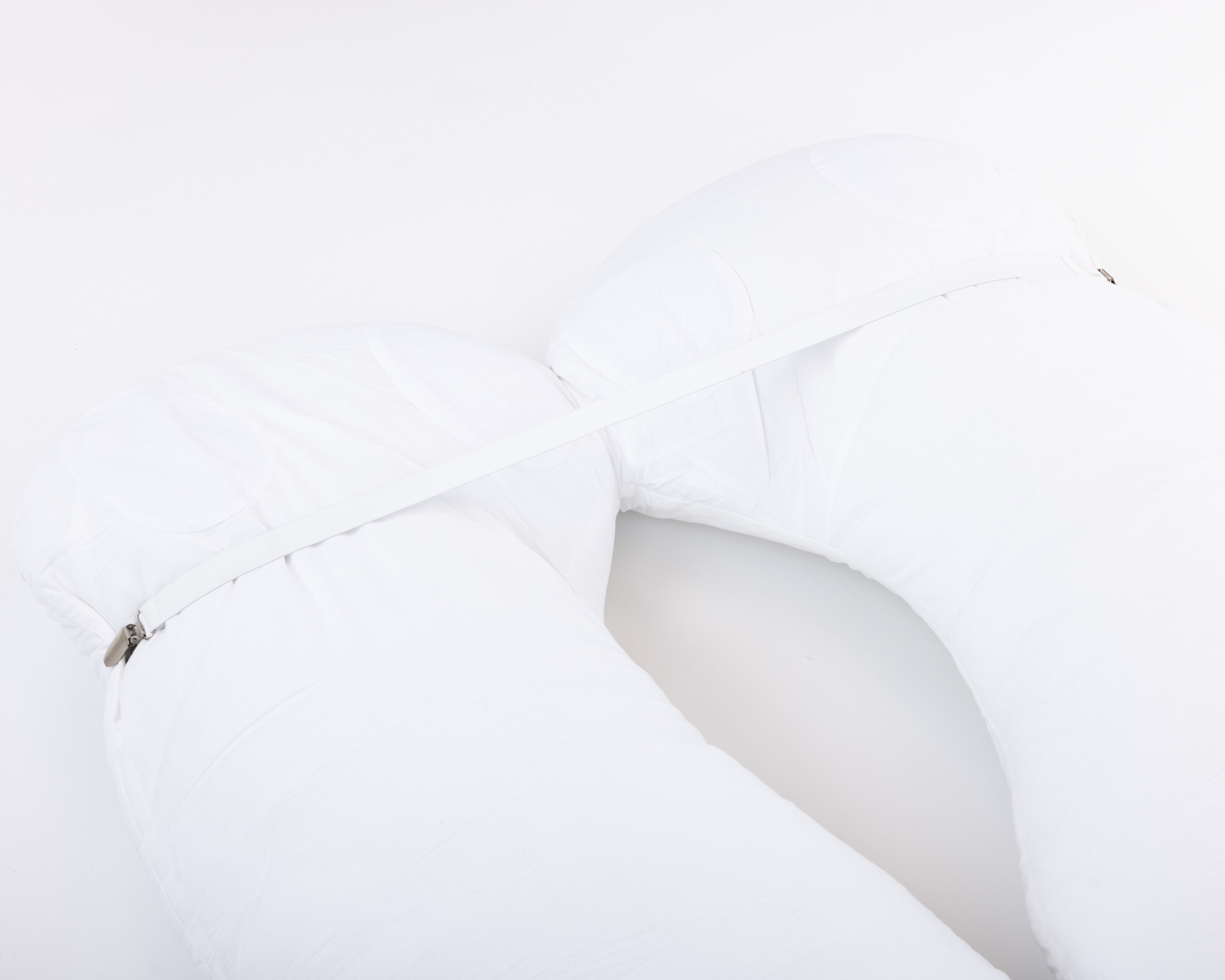
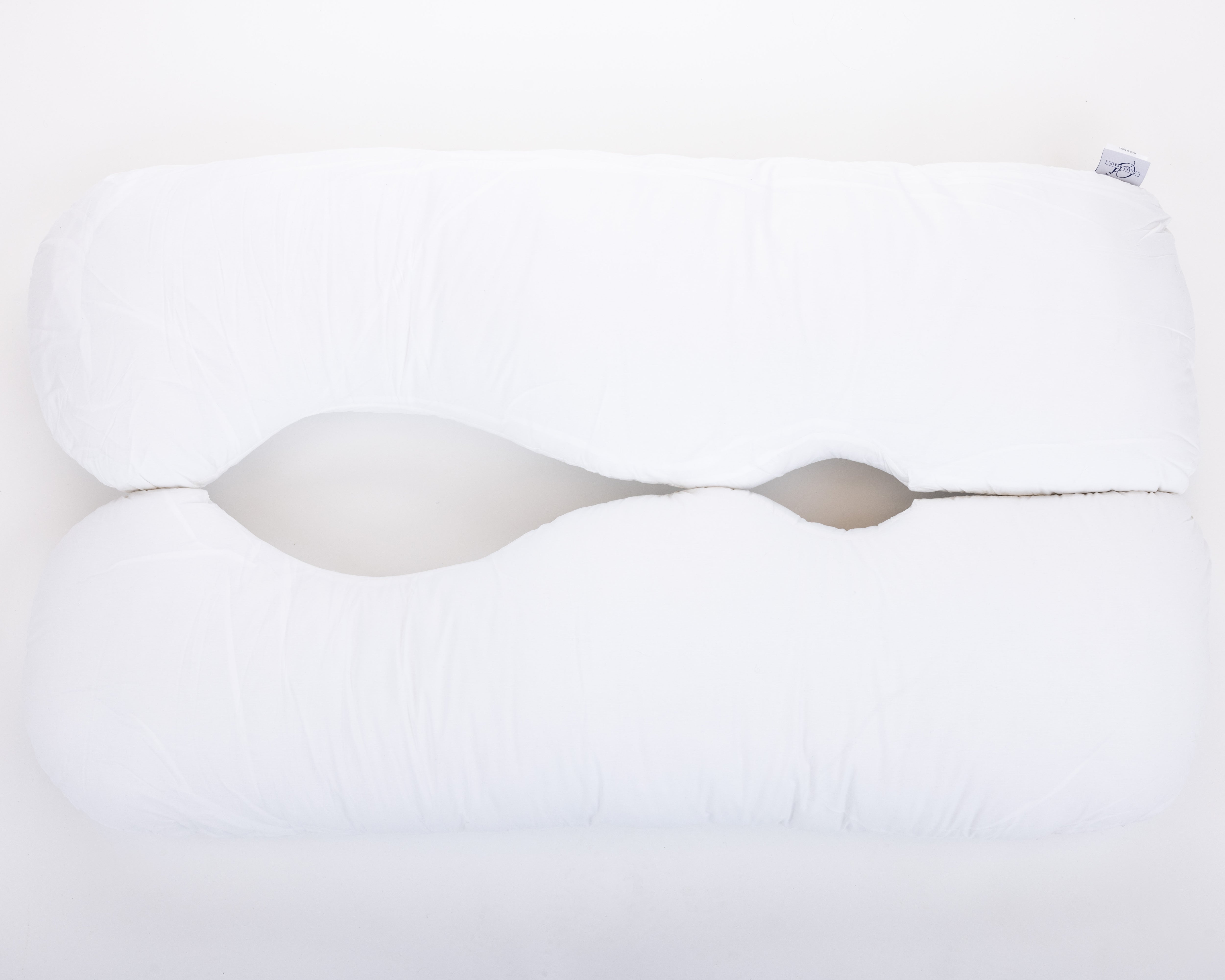
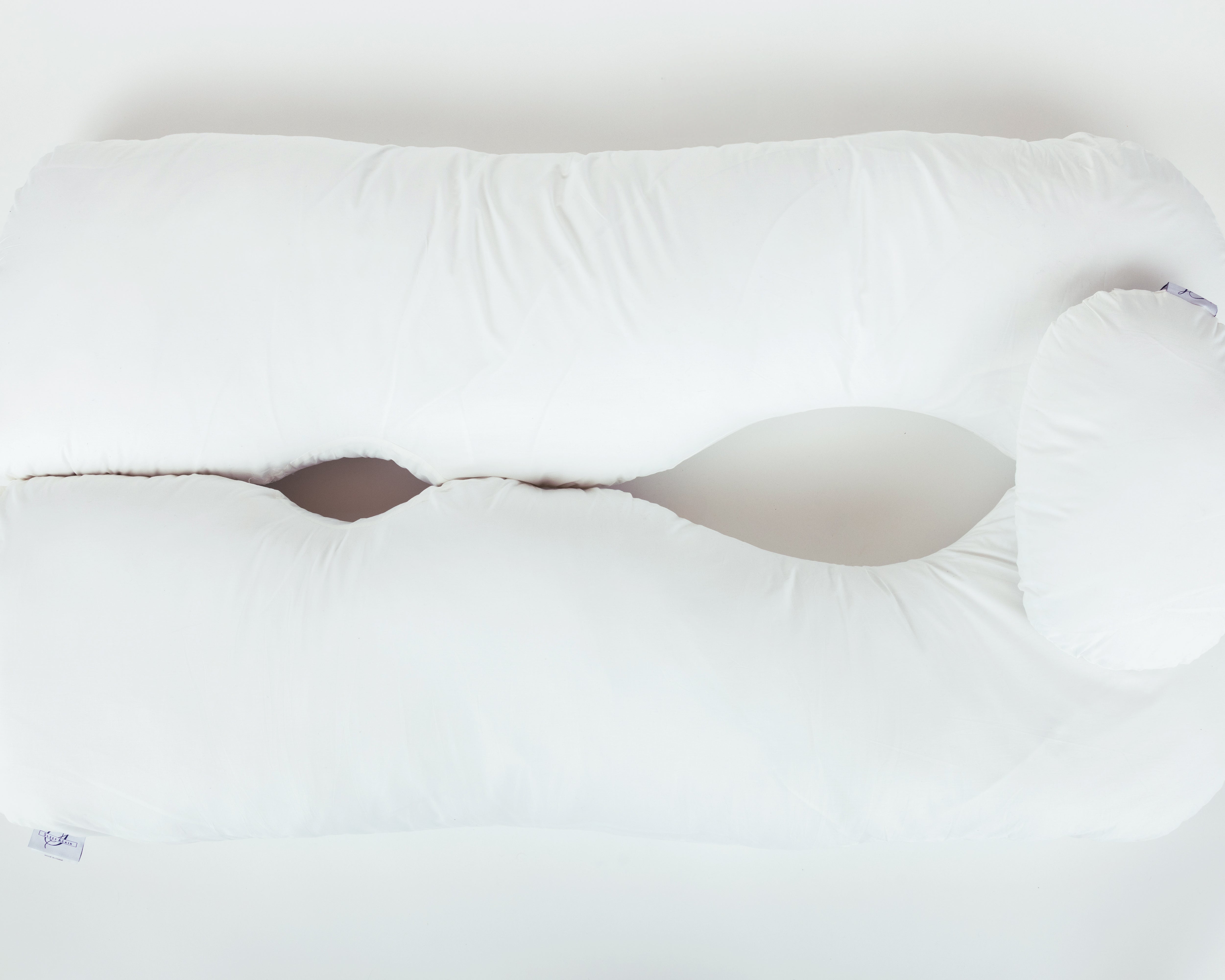
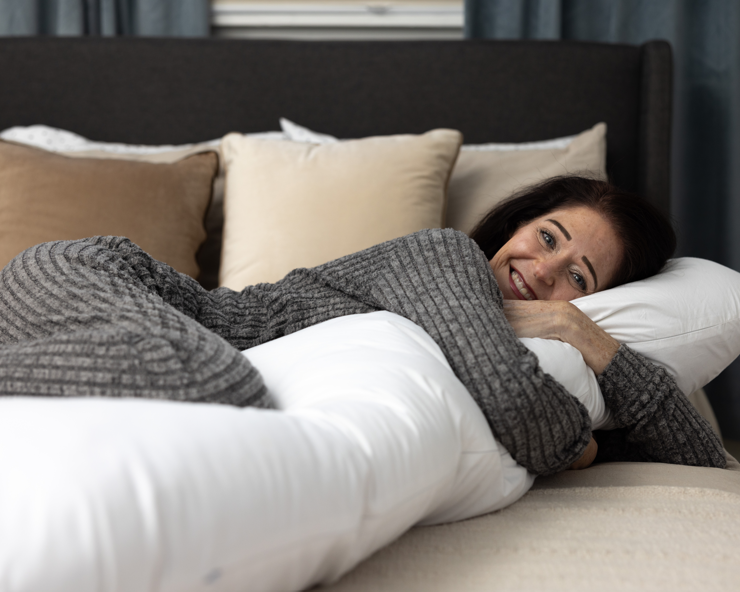
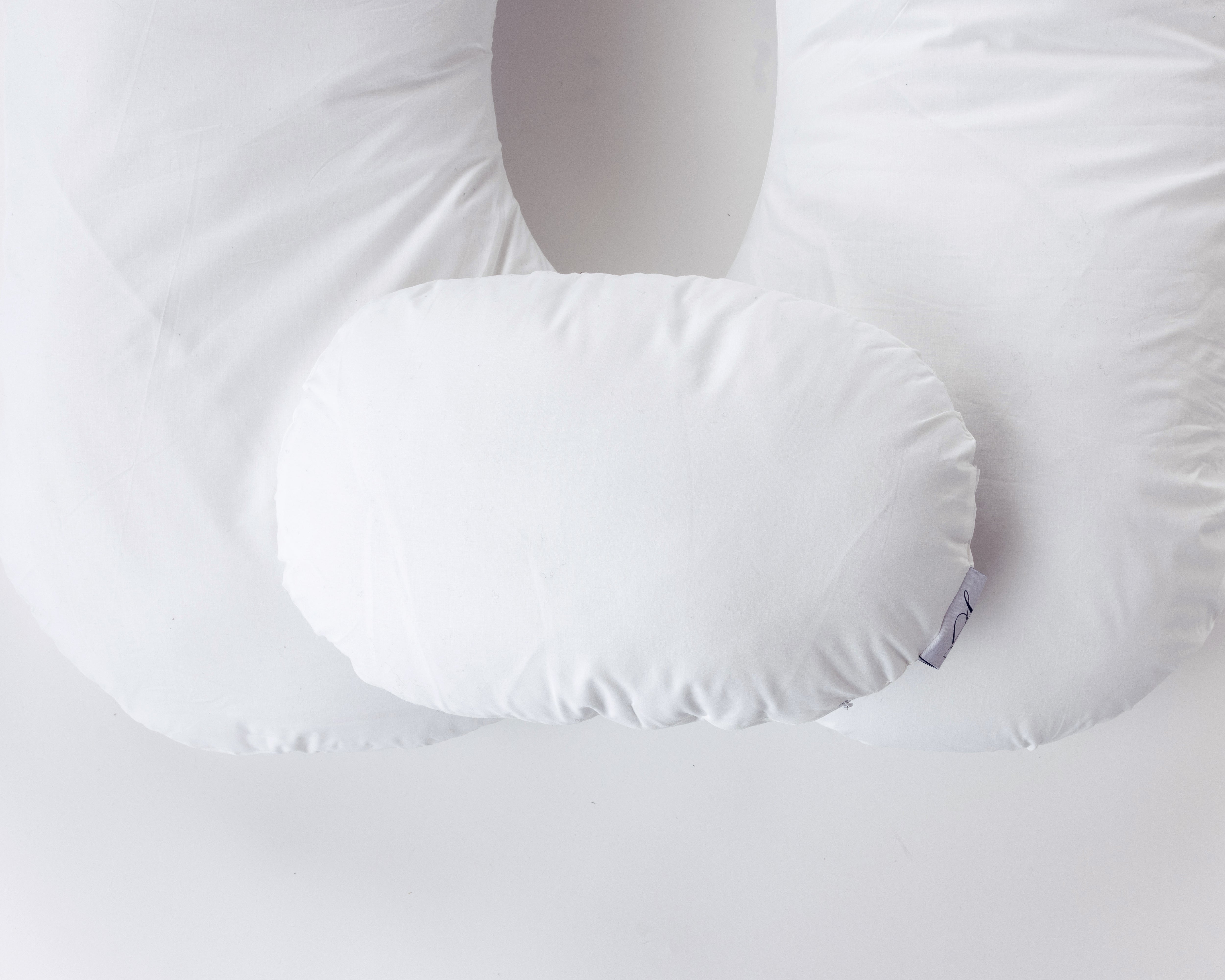
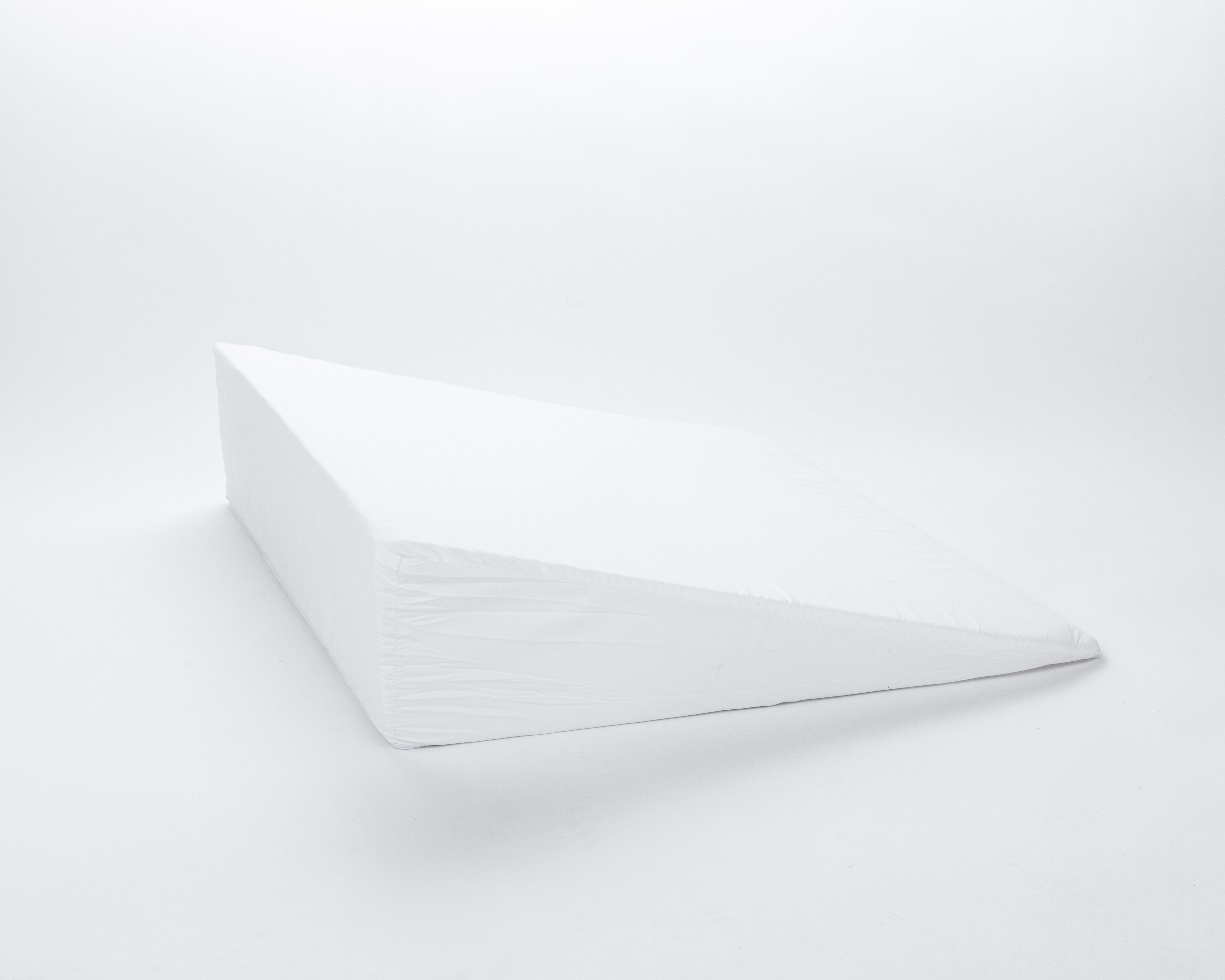
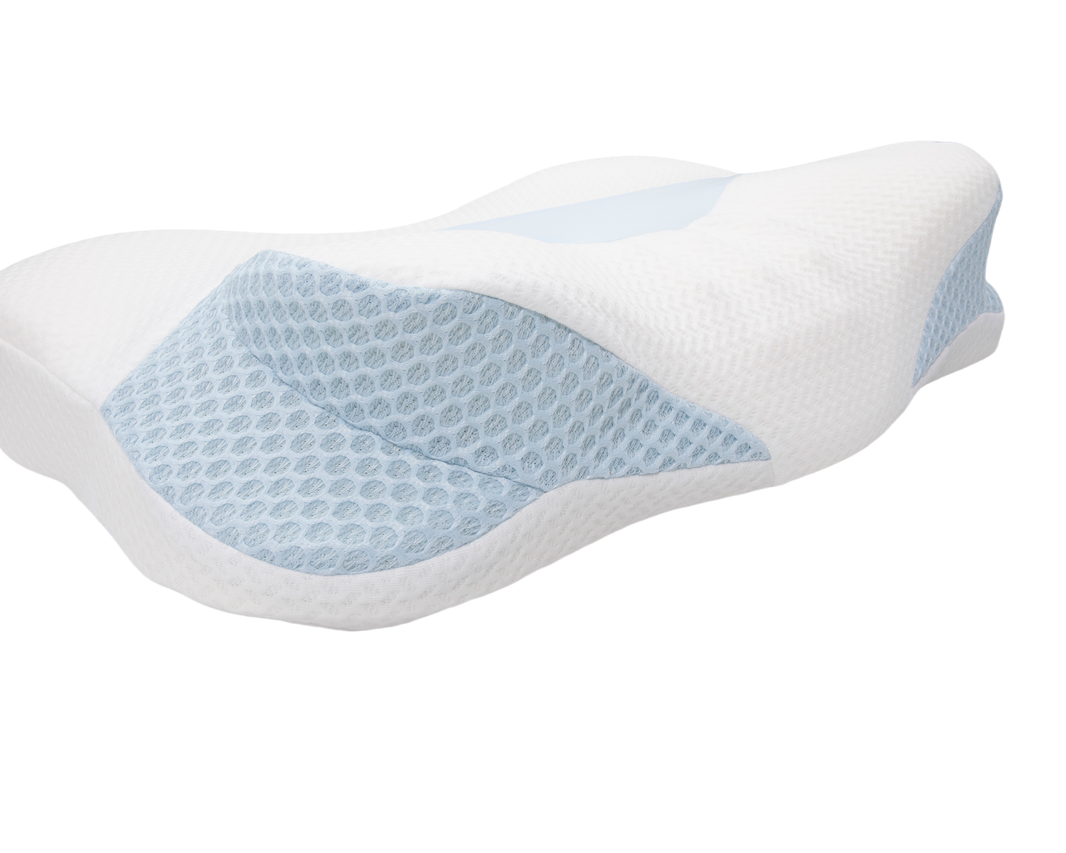
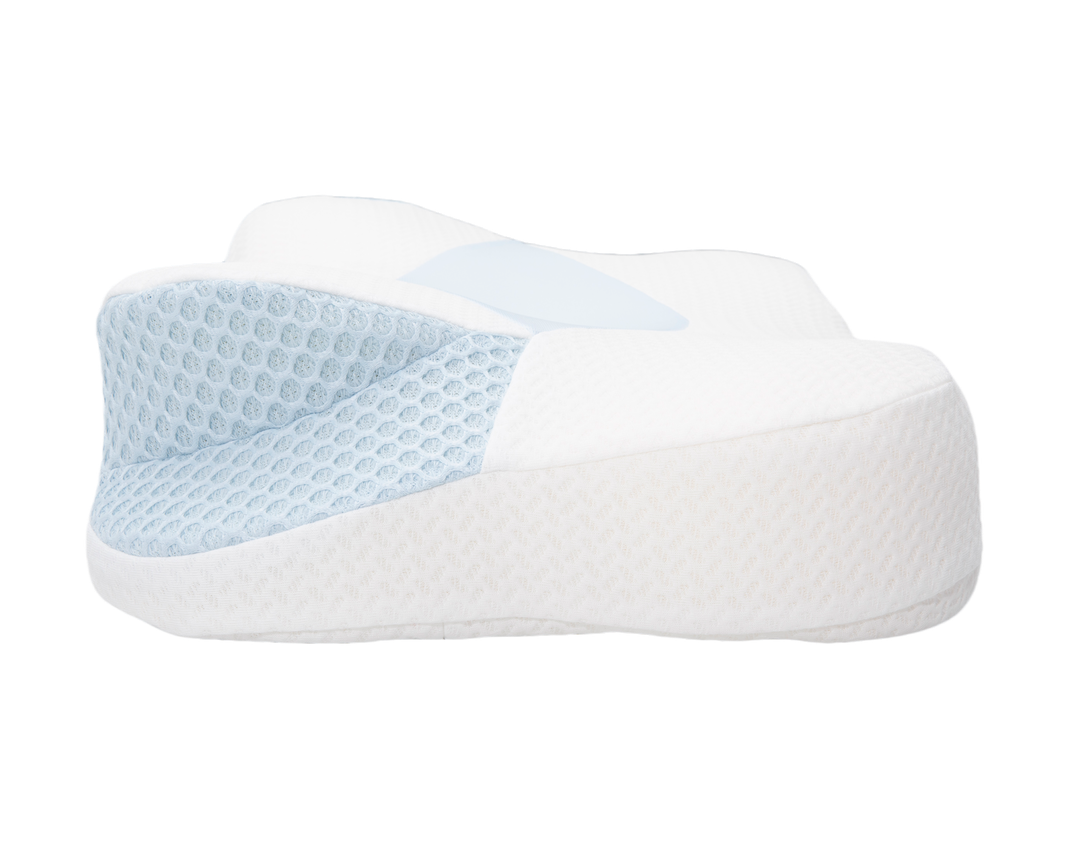
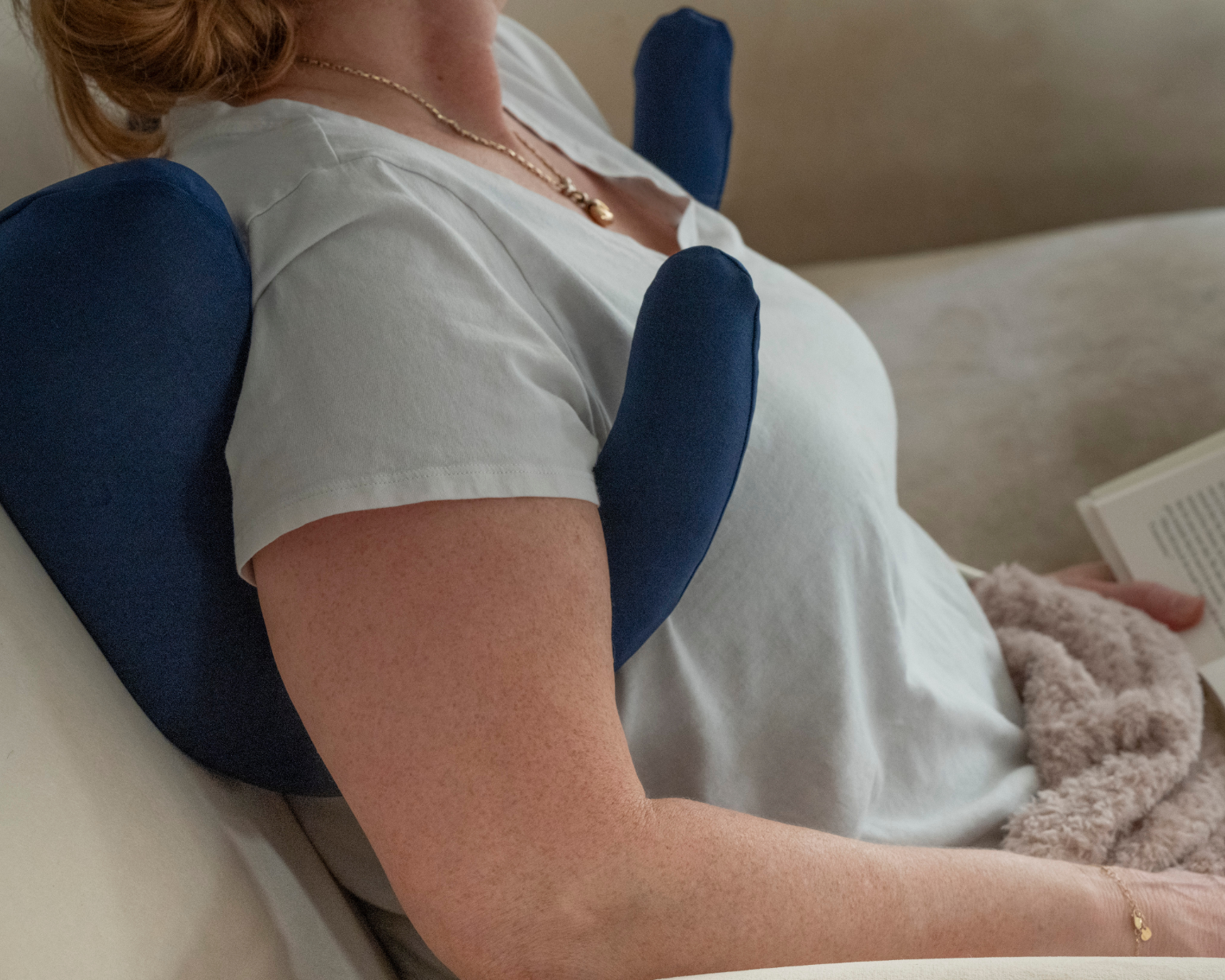
This is where the Sleep Again Pillow System comes in. The system provides consistent elevation and support through five coordinated components: two contoured side pillows that cradle your back and hips, an upper body wedge that creates optimal 30-45 degree elevation, a leg support wedge that reduces lower back pressure, and a head pillow designed for elevated angles. Unlike standard pillows that compress and shift during the night, the system maintains stable positioning that keeps you comfortable from the moment you fall asleep until you wake up.
0: Zero Snooze Hits
Why snooze sabotages your day: The snooze button creates fragmented, low-quality sleep that leaves you groggier than if you'd just gotten up. Each time you hit snooze, your brain starts a new sleep cycle that will be interrupted again in minutes. This repeated cycle disruption creates "sleep inertia"—that groggy, disoriented feeling that can persist for hours.
The morning sleep drive connection: How you wake up affects your sleep drive for the next night. Hitting snooze repeatedly disrupts your circadian rhythm, making it harder to fall asleep at the appropriate time the following evening.
The discipline reward: Getting up immediately when your alarm sounds, even when it's difficult, reinforces the sleep-wake schedule that makes the 10-3-2-1 steps more effective. Consistency in wake time is actually more important than consistency in bedtime for regulating your internal clock.
Strategic alarm placement: Put your alarm across the room where you must physically get up to turn it off. This forces you into motion and makes the decision to return to bed a conscious choice rather than an automatic snooze slap.
Natural wake success: Interestingly, people who follow the 10-3-2-1 steps consistently often find they need their alarm less frequently. Quality sleep naturally leads to waking near your desired time, making the 0-snooze goal easier to achieve.

Why Positioning Matters for 10-3-2-1-0 Success
Here's what most people don't realize: the 10-3-2-1-0 rule handles the timing of sleep preparation, but timing alone doesn't guarantee quality rest. You can perfectly execute every behavioral step—cut caffeine at noon, finish dinner by 7 PM, end work at 8 PM, turn off screens at 9 PM—and still wake up exhausted if your body is physically uncomfortable throughout the night.
The 10-3-2-1-0 rule optimizes the biological and behavioral conditions for sleep, but proper positioning provides the physical foundation that turns those conditions into actual restorative rest. Behavioral timing prepares your body for sleep, while physical comfort allows you to maintain that sleep throughout the night.
The Positioning-Biology Connection
Even with perfectly timed caffeine, food, work, and screens, physical discomfort sabotages everything. Your body can't enter deep sleep phases when constantly micro-adjusting to relieve pressure points or searching for comfortable limb placement.
Proper elevation addresses multiple sleep disruptors:
-
Reduces acid reflux that can wake you despite following the 3-hour food rule
-
Improves breathing comfort, especially important as you age
-
Minimizes snoring and sleep apnea effects
-
Reduces lower back pressure that causes nighttime repositioning
-
Improves circulation, preventing the numbness that triggers awakening
Why Standard Pillows Fail the 10-3-2-1-0 Test
Following the rule perfectly while sleeping on pillows that compress and shift disrupts the physical comfort your pre-sleep routine established. Standard household pillows lose 30-40% of their elevation by morning.
The setup time factor: Building proper positioning with regular pillows often takes 15-20 minutes—time that cuts into your screen-free hour and creates stress right when you're trying to wind down.
SHOP THE BEST PILLOW FOR SUPPORTING 10-3-2-1-0 SLEEP

The Sleep Again Pillow System Advantage for Supporting the 10-3-2-1-0 Sleep Rule
The Sleep Again Pillow System complements the 10-3-2-1-0 rule by maintaining consistent positioning throughout the night, so the sleep drive you've built doesn't get undermined by physical discomfort.
Every Sleep Again Pillow System includes:
-
Two Contoured Side Pillows to cradle back and hips
-
Upper Body Wedge to create optimal 30-45 degree elevation
-
Leg Support Wedge to gently elevate legs and reduce lower back pressure
-
Head Pillow to provide proper cervical support at elevated angles
-
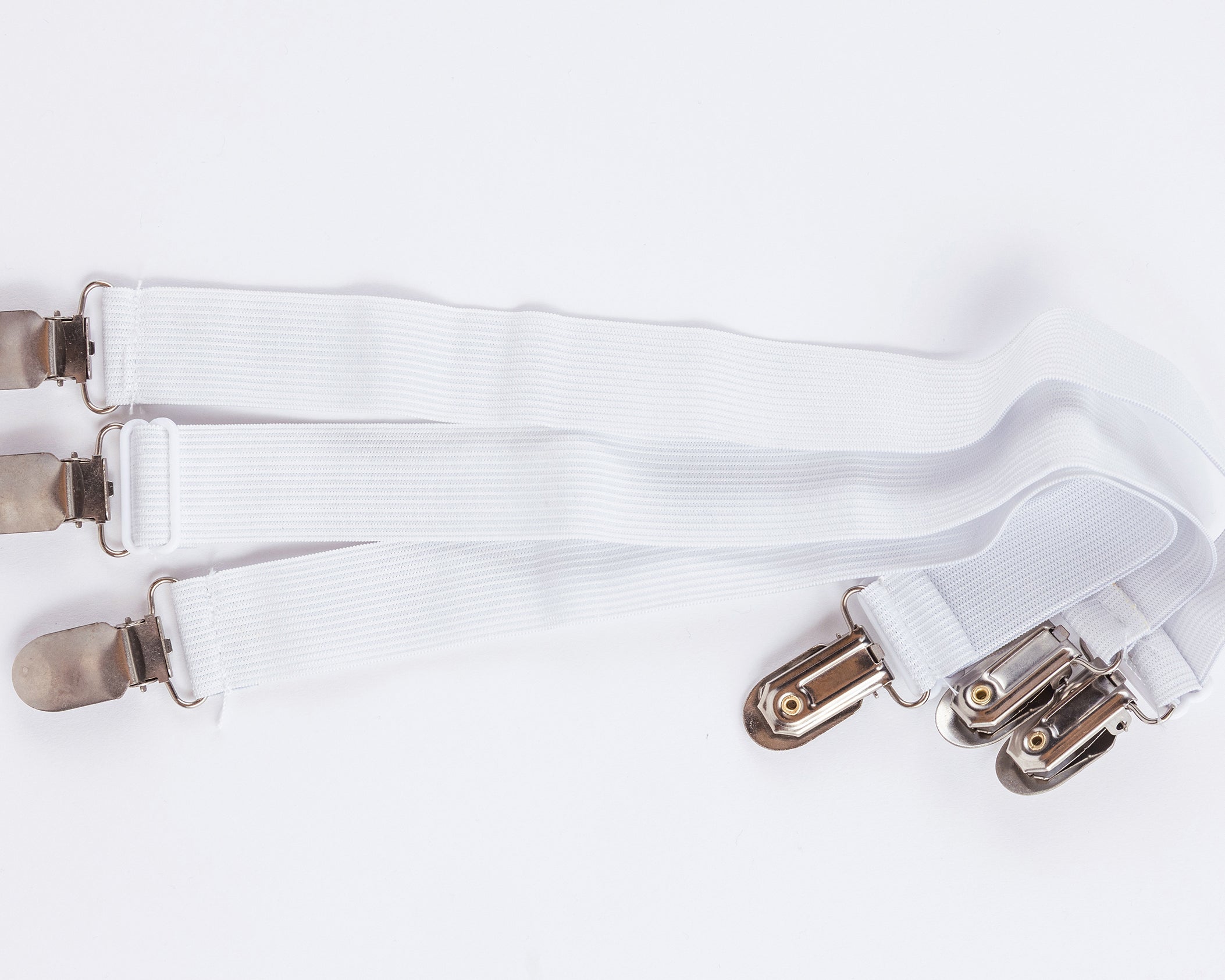
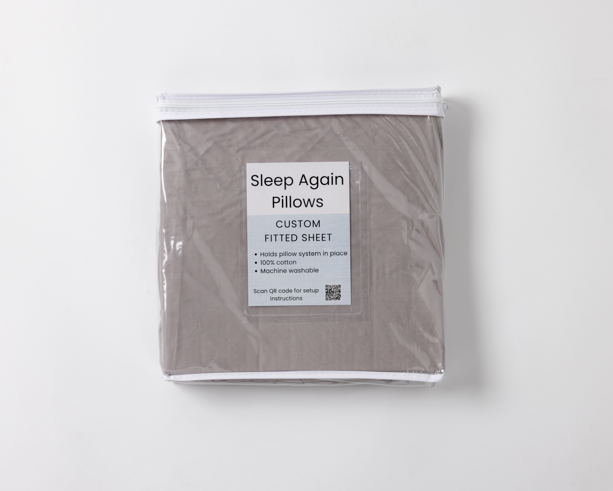
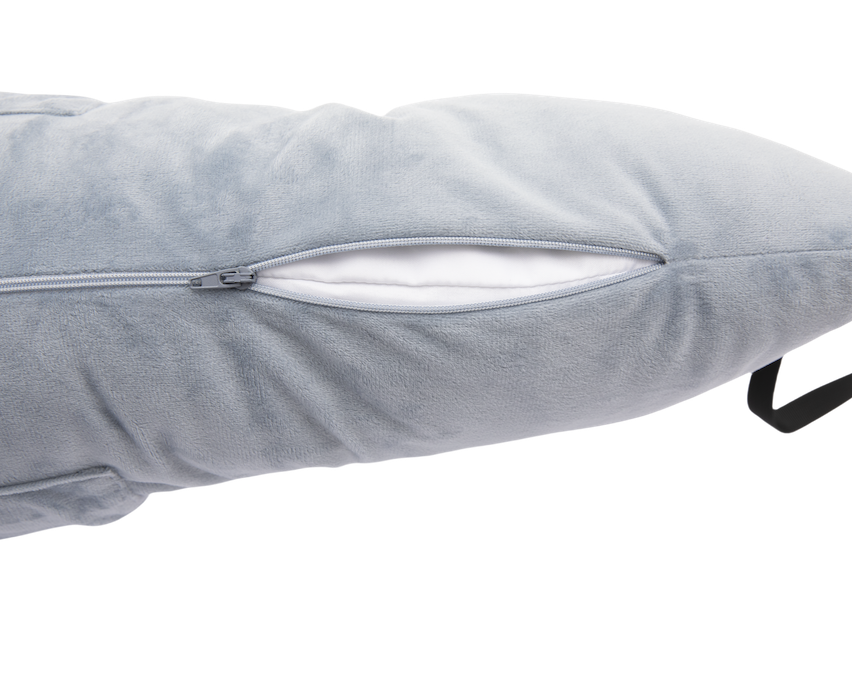
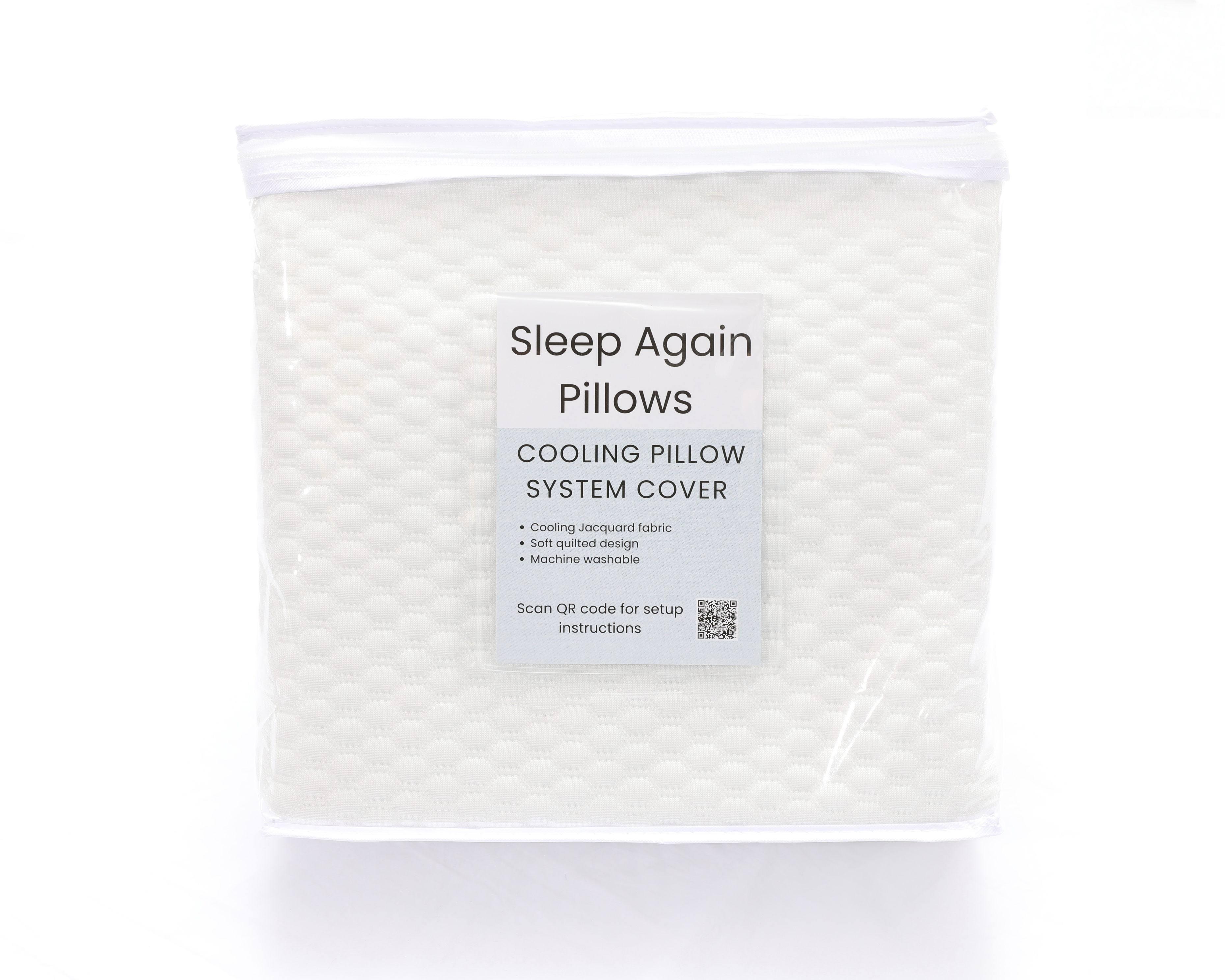
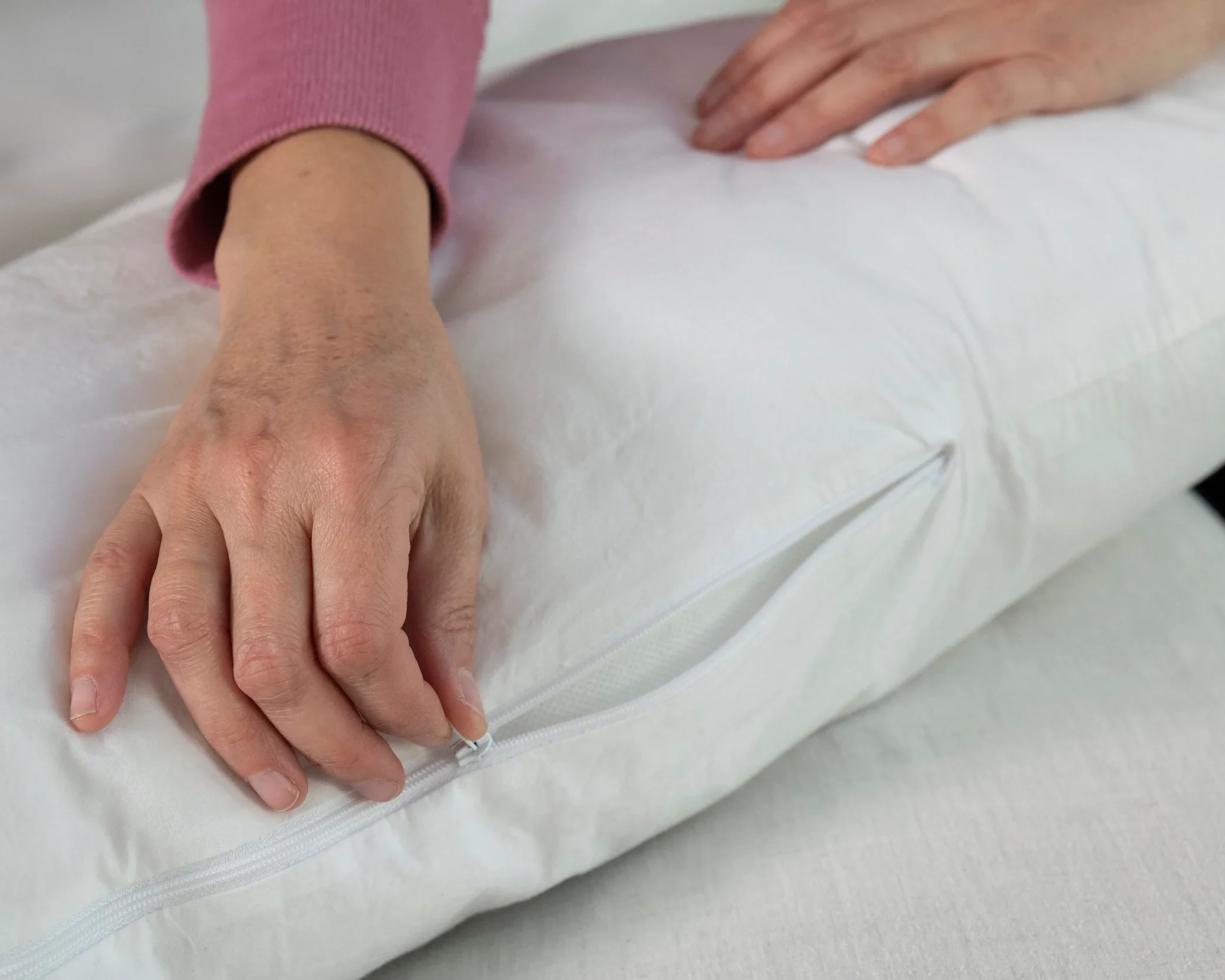
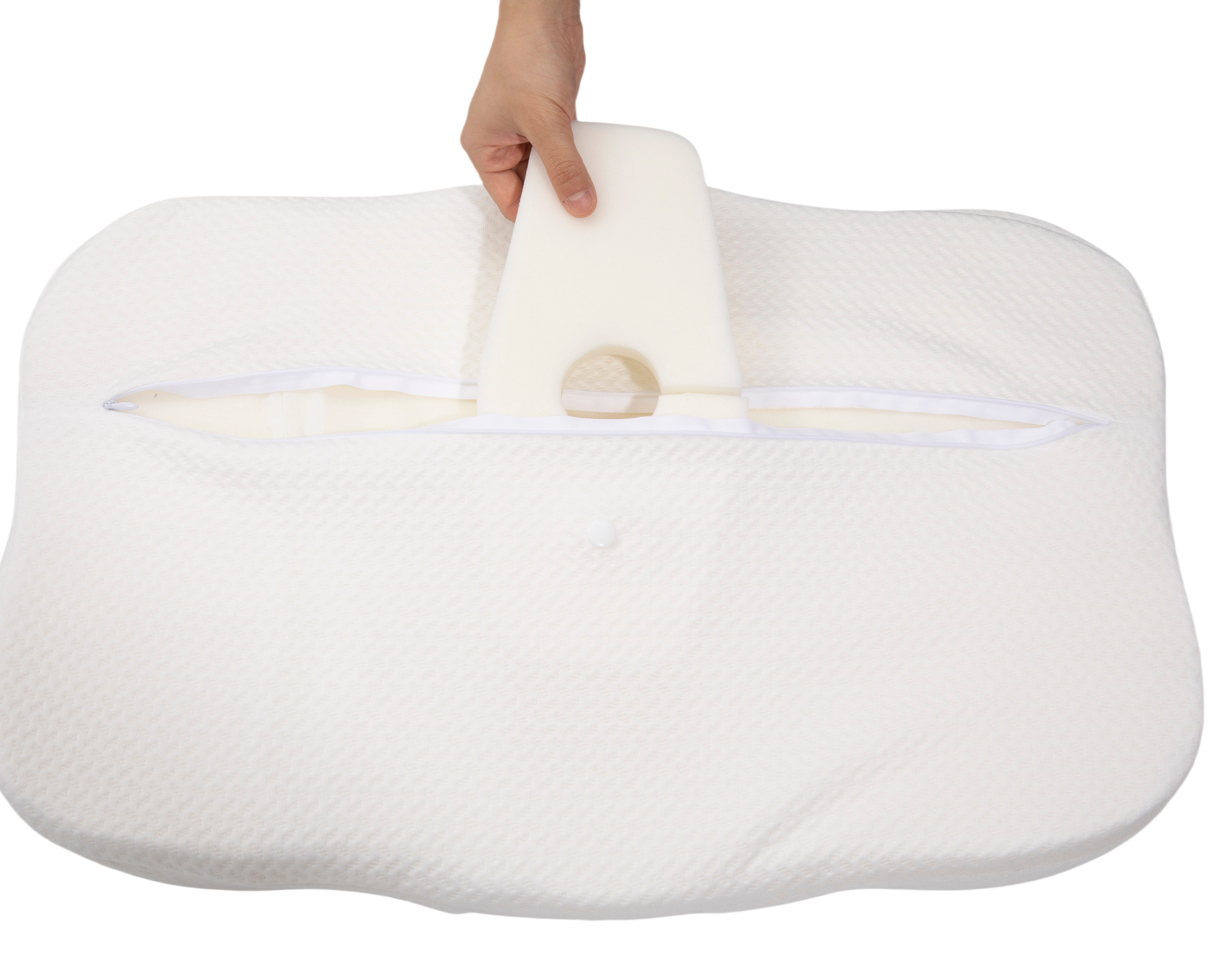
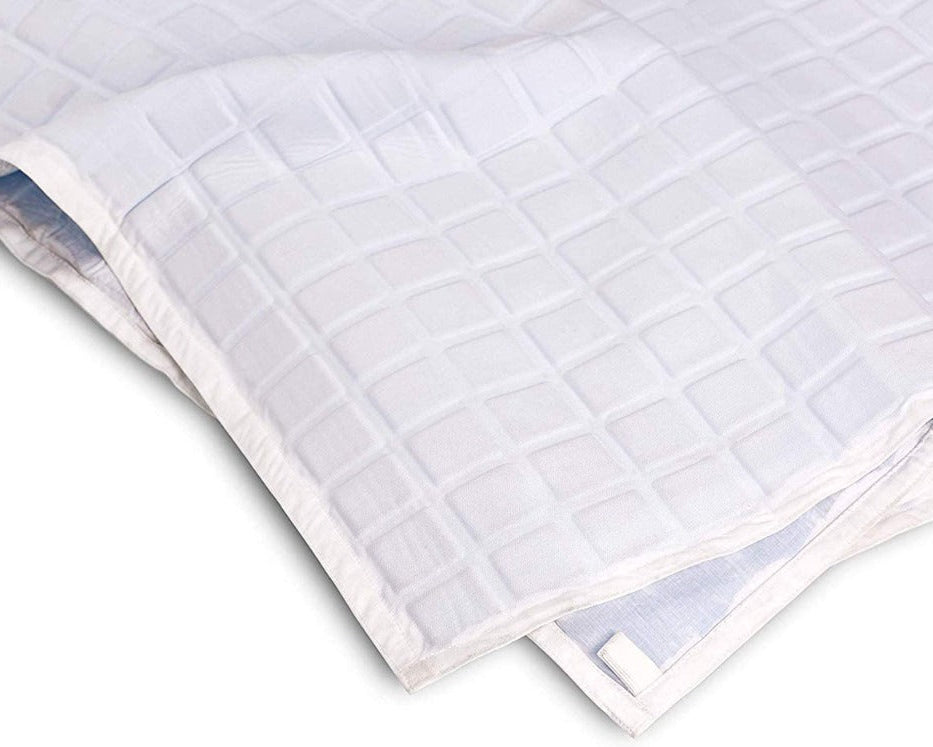
Removable, washable slipcovers for every piece
Why this matters for 10-3-2-1-0 success: The system maintains consistent positioning throughout the night, so the sleep drive you've carefully built through timing your caffeine, food, work, and screens isn't undermined by physical discomfort. You get the full benefit of your behavioral preparation because your physical foundation remains stable.
The setup efficiency benefit: Once you're familiar with the Sleep Again Pillow System, positioning takes 3-5 minutes rather than 15-20, giving you more of that crucial screen-free hour for actual relaxation rather than arranging pillows.
SHOP THE BEST PILLOW FOR SUPPORTING 10-3-2-1-0 SLEEP
Quick Troubleshooting: Common Roadblocks and Fast Fixes
Before diving into detailed implementation strategies, here are quick solutions to the most common obstacles:
"10 hours feels impossible" → Start with 8 hours, then gradually work backward by 30 minutes each week until you reach 10 hours.
"I'm starving after the 3-hour cutoff" → Add more protein and healthy fats to dinner. Try Greek yogurt, nuts, eggs, or salmon for lasting satiety.
"My job demands evening work" → Protect at minimum the 1-hour screen cutoff. Even one component helps more than abandoning the whole system.
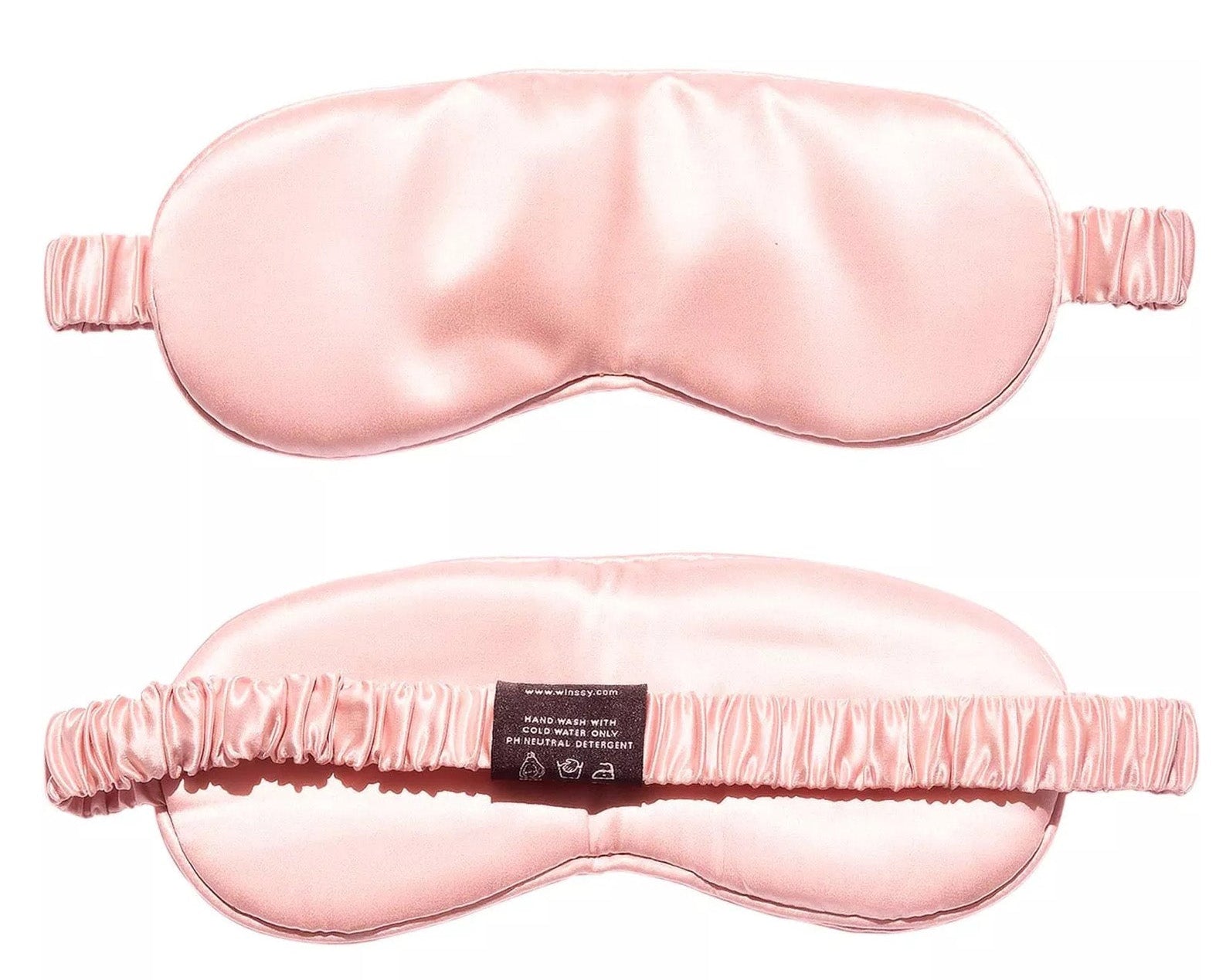
"I share a bedroom with screens" → Use a sleep mask and earplugs. Control what you can control—your own screen use.
"This schedule doesn't fit my life" → Shift all times relative to your actual bedtime. The spacing between steps matters more than clock times.
"I wake up uncomfortable despite following the timing" → The 10-3-2-1-0 rule handles behavioral factors, but physical discomfort requires proper positioning support.
Customizing the 10-3-2-1-0 Rule for Your Biology
Caffeine Sensitivity Variations
If you're someone who drinks espresso at 3 PM and still falls asleep easily at 10 PM, you might be a fast metabolizer. However, even fast metabolizers often experience disrupted sleep architecture without realizing it. Test the full 10-hour rule for 2-3 weeks before adjusting. If needed, extend to 12 hours for slow metabolizers or experiment with 8 hours for confirmed fast metabolizers.
Food and Work Timing
Those with slower digestion might need 4 hours between last meal and bedtime, while efficient digesters might find 2 hours sufficient. If you tend toward acid reflux, combine the 3-hour food rule with elevated sleep positioning at 30-45 degrees for dual protection.
If your mind continues problem-solving long after work ends, you might need a 3-hour work cutoff rather than 2 hours. Use a specific ritual to mark the end of work: change clothes, take a shower, or do brief meditation.
FAQs: 10-3-2-1-0 Sleep Rule
Q: What if I work evening shifts and can't follow a standard schedule?
A: The system is relative to your bedtime, not a clock time. If you sleep at 3 AM, count backward: no caffeine after 5 PM, no food after midnight, no work after 1 AM, no screens after 2 AM.
Q: The 3-hour food rule leaves me hungry. What should I do?
A: Ensure your dinner includes adequate protein and healthy fats for lasting satiety. If genuine hunger persists, a small easily digestible snack at the 3-hour mark is preferable to eating right before bed.
Q: I use my phone as an alarm. How do I avoid screens before bed?
A: Set your alarm earlier in the evening, then put your phone across the room in "do not disturb" mode. If needed for emergencies, enable only specific contacts and keep it face-down.
Q: What if I accidentally break one of the rules?
A: Even following some rules provides benefits. If you miss the caffeine cutoff, maintain the other steps. Partial implementation is infinitely better than abandoning the system.
Q: How long does it take to see results?
A: Many people notice easier sleep onset within 3-5 days. Significant improvements typically appear within 2-3 weeks of consistent implementation.
Q: Can proper sleep positioning really make the 10-3-2-1-0 rule work better?
A: Absolutely. The 10-3-2-1-0 rule optimizes timing, but positioning addresses physical comfort. The Sleep Again Pillow System maintains consistent 30-45 degree elevation so the sleep drive you've built through timing isn't undermined by discomfort.
Q: Do I need the Sleep Again Pillow System for this rule to work?
A: The rule provides benefits regardless of positioning. However, the Sleep Again Pillow System removes physical discomfort as a variable, allowing timing-based strategies to achieve their full potential.

Your 4-Week Implementation Plan
Positioning foundation:
Establish consistent positioning from week 1 using the Sleep Again Pillow System so physical comfort supports your behavioral timing.
Week 1: Caffeine Mastery
-
Focus: 10-hour caffeine cutoff only
-
Success: 5+ days maintaining cutoff
-
Bonus: Start no-snooze commitment
Week 2: Add Food Timing
-
Focus: Maintain caffeine + add 3-hour food cutoff
-
Success: Both rules followed 5+ days
Week 3: Work Boundaries
-
Focus: Add 2-hour work cutoff
-
Success: Three rules consistent most nights
Week 4: Screen-Free Hour
-
Focus: Full 10-3-2-1-0 implementation
-
Success: All components working together 5+ nights
The Bottom Line
The 10-3-2-1-0 sleep rule succeeds because it removes complexity from sleep preparation. Instead of remembering a dozen different recommendations, you follow five simple numbers that address the most impactful behavioral factors.
The rule acknowledges that good sleep isn't about willpower—it's about creating the biological, behavioral, and physical conditions that allow sleep to happen naturally. When you work with your body's needs through strategic timing and proper positioning, sleep becomes the restorative experience it's meant to be.
Medical Disclaimer
This information is for educational purposes only and should not replace professional medical advice. The 10-3-2-1-0 sleep rule represents general guidelines that may not be appropriate for everyone.
Individual sleep needs vary significantly based on age, health conditions, medications, work schedules, and existing sleep disorders. Always consult healthcare providers before making significant changes to your sleep routine, especially if you have diagnosed sleep disorders or take medications affecting sleep.
The 10-3-2-1-0 rule is not a treatment for clinical insomnia or other sleep disorders. If you experience persistent sleep problems lasting more than three weeks despite behavioral changes, or symptoms of sleep apnea, seek professional evaluation. Quality sleep is essential for health, and persistent problems deserve professional attention beyond behavioral modifications alone.