
Lower back pain disrupts more than just your nights—it sabotages your mornings, your mood, and your ability to function throughout the day. You went to bed feeling fine, and now you're waking up wondering why your spine hurts more after what should have been restorative sleep.
Here's the brutal truth about lower back pain and sleep: your favorite sleeping position might be the exact reason you're waking up in pain. That cozy side-curl you've perfected since childhood could be stressing your lumbar spine for eight hours straight. That comfortable stomach position means your lower back is experiencing significant strain while you sleep.
But here's the good news: changing your sleeping position can dramatically reduce or even eliminate morning back pain. You don't need a new mattress, expensive treatments, or a complete lifestyle overhaul—you need strategic positioning that works with your spine's natural anatomy instead of against it.
This isn't about learning to tolerate mediocre sleep with constant back pain. This is about understanding the biomechanics of spinal support and using that knowledge to wake up feeling rested and pain-free.
Why Your Lower Back Hates How You Sleep
Your lower back wasn't designed to handle the positions most people sleep in for 6-8 hours straight. Understanding why your current sleep setup is causing problems is the first step toward fixing them.
The Anatomy of Lower Back Sleep Problems
Your lumbar spine has a natural curve—an inward arch called lordosis—that needs to be maintained even during sleep. When this curve gets flattened, exaggerated, or twisted for hours, the surrounding muscles, ligaments, and discs get stressed in ways they weren't designed to handle.
What happens during a typical night of poor positioning:
Your spine settles into positions that stress the natural lumbar curve, putting sustained pressure on intervertebral discs that aren't designed for this kind of static loading. Muscles that should be relaxing during sleep instead stay partially engaged to compensate for poor spinal alignment, leading to morning stiffness and fatigue. Ligaments get stretched or compressed in ways that create inflammation, and nerves can become irritated from sustained pressure or improper positioning.
The morning pain connection: That characteristic lower back pain and stiffness you experience when you first wake up isn't just coincidental timing—it's your body's inflammatory response to eight hours of biomechanical stress.
Common Sleep Positions and Their Back-Breaking Problems
Stomach sleeping creates an exaggerated arch in your lower back while forcing your neck into rotation for breathing. This position puts maximum stress on lumbar facet joints and can compress spinal nerves. The extended neck rotation required to breathe can also create tension that radiates down into your upper back and shoulders, compounding the lumbar stress.
Unsupported side sleeping allows your top leg to pull your pelvis forward, rotating your lumbar spine and creating sustained tension in the muscles that stabilize your lower back. Without proper support between your knees and at your waist, your spine curves laterally in ways that stress intervertebral discs and strain the muscles meant to maintain neutral alignment.
Flat back sleeping without support often flattens your natural lumbar curve, putting excess pressure on the posterior portions of your spinal discs. While this position is better than stomach sleeping, it still fails to maintain the natural spinal curves that distribute pressure evenly and allow complete muscular relaxation.
The Cumulative Effect of Poor Sleep Positioning
One night of suboptimal positioning might cause mild morning stiffness. But night after night of biomechanical stress creates a cycle where your back never fully recovers. Each morning you start with some residual inflammation and muscle tension from the previous night. Throughout the day, normal activities add their own stresses. Then you go to bed and repeat the same positioning problems that prevent complete recovery.
This cumulative stress explains why back pain often worsens gradually over time—your spine is experiencing damage faster than it can repair itself. Breaking this cycle requires consistent, therapeutic positioning that gives your back the overnight recovery it desperately needs.

The Best Sleeping Position for Lower Back Pain: Elevated Back Sleep
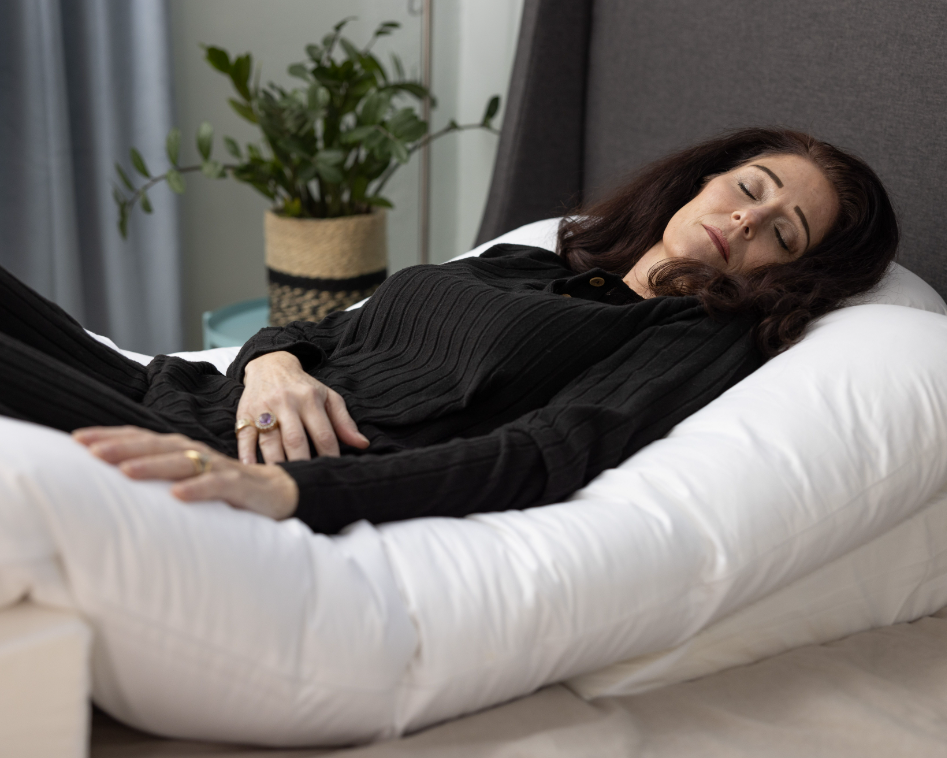
After extensive research, one position consistently provides the best results for lower back pain relief: elevated back sleeping at 30-45 degrees with proper leg support.
This isn't just "sleeping on your back"—it's strategic positioning that optimizes every aspect of spinal biomechanics during rest.
Why Elevated Back Sleeping Stops Back Pain
Maintains natural spinal curves: The gentle incline naturally supports your lumbar lordosis without requiring active muscle engagement. Your spine maintains ideal alignment without fighting gravity or compensating for poor positioning. The elevation angle creates a foundation that allows your natural spinal curves to rest in their anatomically correct positions.
Even pressure distribution: Unlike flat back sleeping, elevation distributes your body weight across a larger surface area, preventing concentrated pressure points. This distributed loading reduces stress on any single spinal segment while providing comprehensive support throughout your entire back.
Reduces disc pressure: Research shows that proper back sleeping significantly reduces intradiscal pressure compared to other sleeping positions, giving your discs the overnight recovery they need. The reduction in pressure allows discs to rehydrate and repair micro-damage accumulated during daily activities.
Eliminates rotation stress: Your spine stays in neutral alignment—no twisting, no side-bending, just stress-free positioning that allows complete muscular relaxation. When your spine isn't fighting rotational forces, the muscles supporting it can finally release their protective tension.
Prevents morning stiffness: When your muscles can fully relax overnight instead of working to maintain poor positions, you wake up without morning rigidity. Complete muscular relaxation during sleep allows your body to clear inflammatory byproducts and reset muscle length-tension relationships.
The 30-45 Degree Sweet Spot
This angle range isn't arbitrary—it's where your spine gets maximum support with optimal comfort.
Too flat (under 20 degrees): You lose many of the therapeutic benefits, and your lumbar curve may still flatten against the mattress. Insufficient elevation means gravity still pulls your body weight in ways that can compress spinal structures.
Perfect range (30-45 degrees): Your spine maintains its natural curves, pressure is distributed evenly, and you can maintain this position comfortably throughout the night. This range provides the optimal balance between therapeutic effectiveness and sustainable comfort for 6-8 hours of sleep.
Too steep (over 50 degrees): You'll start sliding down during sleep, and the position becomes uncomfortable for extended periods. Excessive elevation creates shear forces as your body tries to slide toward the foot of the bed, requiring muscle engagement that defeats the purpose of therapeutic positioning.
The Critical Leg Support Component
Here's what most back pain advice gets wrong: elevated back sleeping only works if you also support your legs properly. Without leg elevation, your lower back still experiences tension from unsupported hip flexors pulling on your lumbar spine.
Proper leg positioning requires:
Knees elevated slightly to reduce hip flexor tension—the hip flexors attach directly to your lumbar vertebrae, and when they're stretched from flat leg positioning, they create a constant pull that prevents complete spinal relaxation.
Thighs supported to prevent legs from pulling on your pelvis—unsupported legs create a lever arm that transmits forces directly to your lower back through hip and pelvic connections.
Natural knee bend that doesn't create new pressure points—the elevation should feel comfortable and sustainable, not create new problems while solving old ones.
This leg support transforms elevated back sleeping from "somewhat helpful" to "dramatically effective" for lower back pain relief. The combination of upper body elevation with proper leg support addresses both the gravitational forces acting on your spine and the muscular tensions that commonly contribute to lower back pain.
The Biomechanical Advantage Explained
When you combine upper body elevation with leg support, you create what biomechanical engineers call a "neutral loading position." In this position, your spine experiences minimal shear forces, reduced compressive loads, and balanced muscular tension. Compare this to flat sleeping, where gravity creates compression forces throughout your spine, or side sleeping without support, where lateral bending and rotation create uneven loading patterns.
The elevated back position with leg support essentially unloads your spine while maintaining its natural curves. Your vertebrae, discs, and surrounding soft tissues can rest in their optimal anatomical positions without fighting against gravity or muscular imbalances. This sustained optimal positioning throughout 6-8 hours of sleep provides your back with genuine recovery time rather than just another period of accumulated stress.
GET RELIEF FROM LOWER BACK PAIN TODAY
Alternative Positions: When Back Sleeping Isn't Possible
While elevated back sleeping provides optimal lower back support, some people have conditions or preferences that make alternatives necessary. These positions can still provide significant relief when set up correctly.
Supported Side Sleeping: The Careful Alternative
Side sleeping can work for lower back pain if—and only if—you implement comprehensive support that prevents the spinal rotation and pelvic tilting that normally occurs.
The strategic side sleep setup:
Place a substantial pillow between your knees that's thick enough to keep your top leg level with your hip. This prevents your top leg from pulling your pelvis forward and rotating your lumbar spine. The pillow needs to be firm enough to maintain its height throughout the night—soft pillows compress and lose effectiveness within hours.
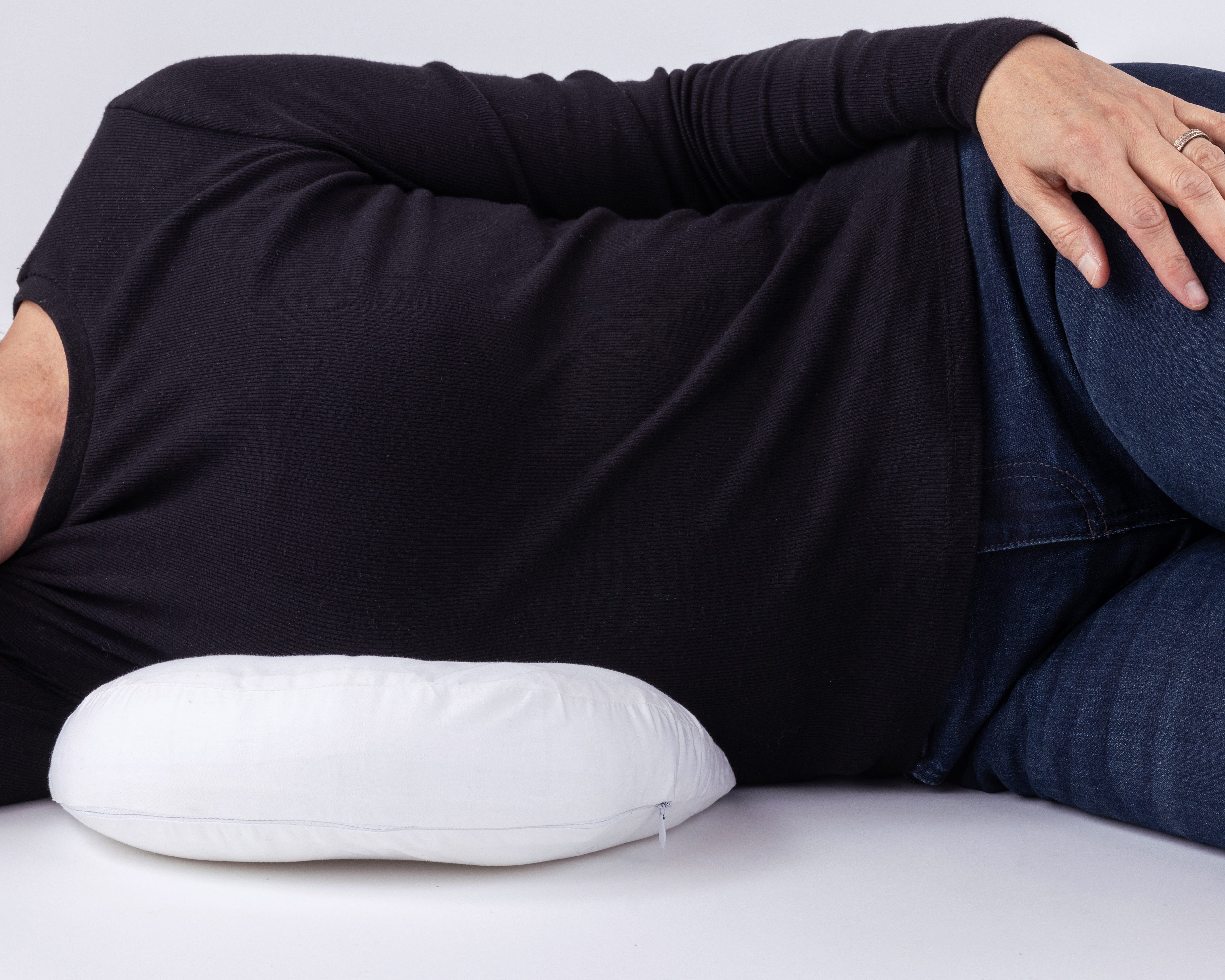
Support your waist with a small rolled towel or lumbar pillow to fill the gap between your side and the mattress. This prevents your spine from sagging laterally into a C-curve that stresses lumbar discs. The support should be just enough to maintain neutral alignment without creating uncomfortable pressure.
Ensure your head pillow keeps your neck and spine aligned—your head shouldn't tilt toward the mattress or lift away from it. Proper head support is crucial because neck misalignment creates compensatory tension throughout your entire spine.
Position your bottom arm forward rather than under your body to avoid creating an unstable foundation that causes your torso to rotate. Your bottom shoulder should rest comfortably on the mattress without bearing your body's weight in ways that create rotational forces through your spine.
The side sleeping reality: Even with perfect support, side sleeping still creates more spinal stress than proper elevated back sleeping. Use this position as an alternative when you need positional variety, not as your primary sleep position. The lateral forces acting on your spine in side sleeping, even with support, cannot be completely eliminated—they can only be minimized.
The Modified Stomach Position (For Die-Hard Stomach Sleepers)
Full stomach sleeping is biomechanically terrible for lower backs, but if you absolutely cannot tolerate other positions, there's a modified approach that reduces damage.
Damage control strategy:
Place a thin pillow under your pelvis to reduce excessive lumbar arching—this pillow counters the hyperextension that makes stomach sleeping so problematic for most people.
Use a very flat pillow (or none) under your head to minimize neck rotation—the less your neck has to twist to breathe, the less stress radiates down through your spine.
Elevate your chest slightly with a thin pillow under your upper torso—this reduces the lumbar hyperextension while keeping you in a position that still feels like stomach sleeping.
Understand this is compromise positioning—better than unsupported stomach sleeping but still not ideal. The goal is harm reduction, not optimal spinal positioning.
The transition plan: Work toward gradually reducing stomach sleeping time in favor of elevated back sleeping, using stomach position only when other positions aren't working. Many die-hard stomach sleepers find that once they experience the pain relief from proper back sleeping with leg support, they naturally reduce their stomach sleeping without conscious effort.
If you'd really love to achieve elevated back sleeping but worry about pulling it off, be sure to check out our guide on How to Train Yourself to Sleep on Your Back and get started today.

Why Standard Pillows Fail for Back Pain Relief
Most people try to address back pain by grabbing random pillows from around the house, creating unstable arrangements that collapse during sleep—exactly when spinal support matters most.
The Compression Problem
Regular household pillows compress 40-60% under body weight within hours, gradually losing the therapeutic positioning that provides back pain relief. What starts as 35 degrees of elevation ends up at 15 degrees by morning—below the therapeutic threshold.
The math of pillow failure:
Standard pillow loses 50% of height during sleep. You start at 40 degrees elevation. By 3 AM, you're at 20 degrees—therapeutically ineffective. Your back spends most of the night without proper support.
This compression isn't just a comfort issue—it's a therapeutic failure. When your elevation angle drops below the 30-degree threshold, your spine loses the gravitational advantage that makes this positioning effective. The biomechanical benefits disappear precisely when your body is in its deepest sleep and most vulnerable to sustained positioning stress.
The Shifting Problem
Individual pillows migrate independently during normal sleep movement. One pillow slides left, another compresses more than its neighbor, and suddenly the stable support structure you built becomes unstable and ineffective.
This shifting creates new pressure points, forces your muscles to re-engage for stability, and fragments your sleep with micro-awakenings as your body senses the positional changes. You might not consciously wake up from these position disruptions, but they prevent you from reaching and maintaining the deep sleep phases where your body does its most effective healing work.
The Gap Problem
Separate pillows create gaps between them where your body parts can fall through unsupported. Your lower back might be resting on one pillow while your upper back sinks into a gap between two others—creating exactly the kind of uneven support that causes pain.
These gaps create focal stress points where your spine bends sharply instead of maintaining smooth curves. The unsupported segments experience concentrated loading that accelerates disc degeneration and creates the inflammatory response you feel as morning pain.
The Setup Frustration Factor
Beyond the mechanical failures, DIY pillow arrangements create a nightly setup burden that many people eventually abandon. Spending 15-20 minutes arranging pillows before bed, only to wake up at 2 AM to rebuild your collapsed pillow fort, leads to setup fatigue. Eventually, most people give up and return to their pain-causing positions simply because the alternative seems too complicated to maintain.
This frustration factor represents a hidden cost of DIY approaches—even when you know what positioning would help, the practical difficulty of maintaining it night after night makes consistency nearly impossible.

The Sleep Again Pillow System: Engineered Back Pain Solutions
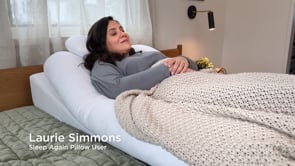
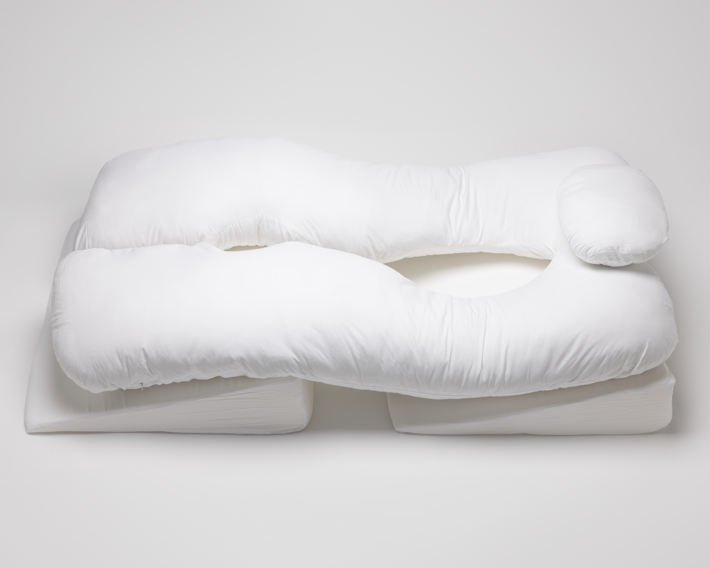
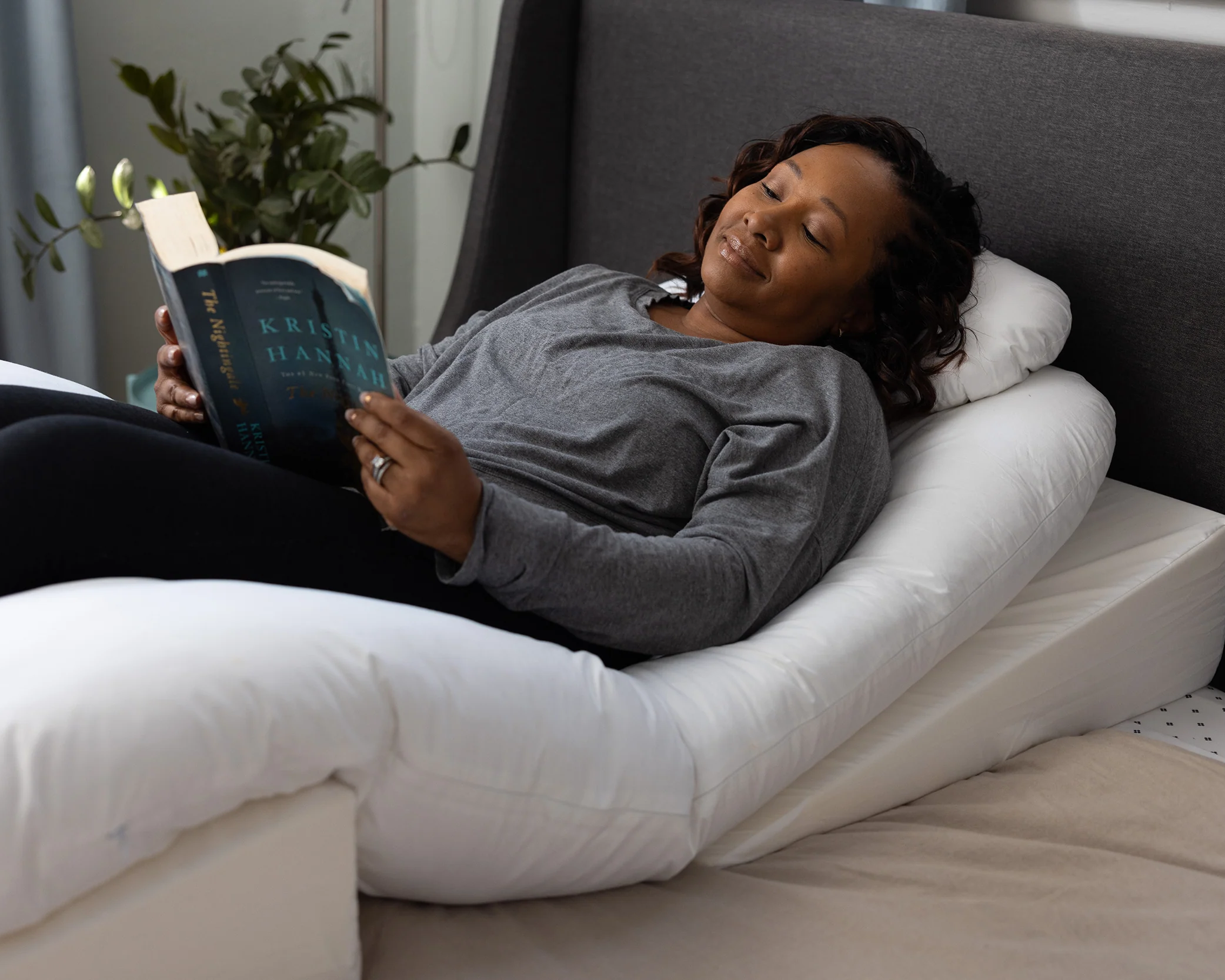
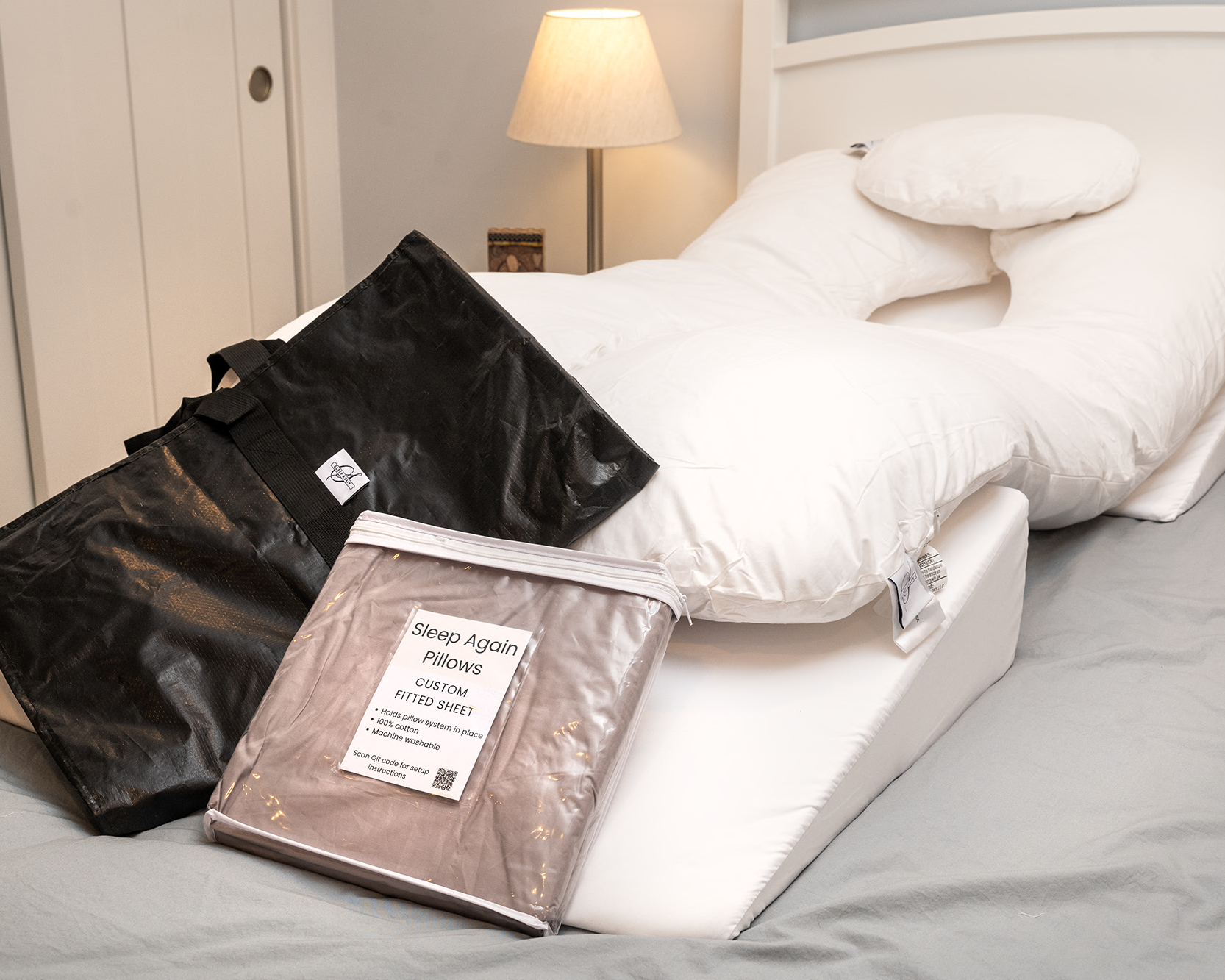
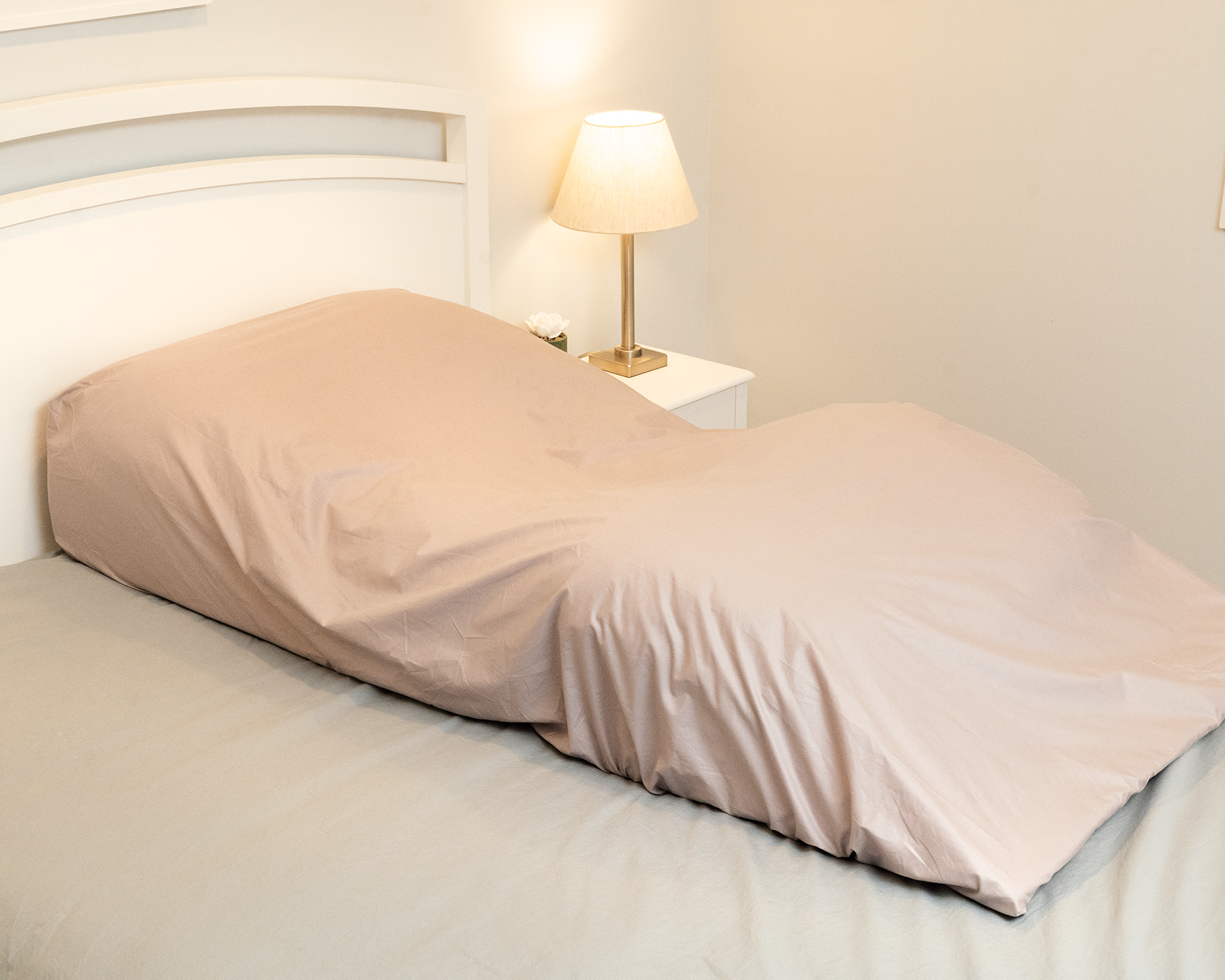
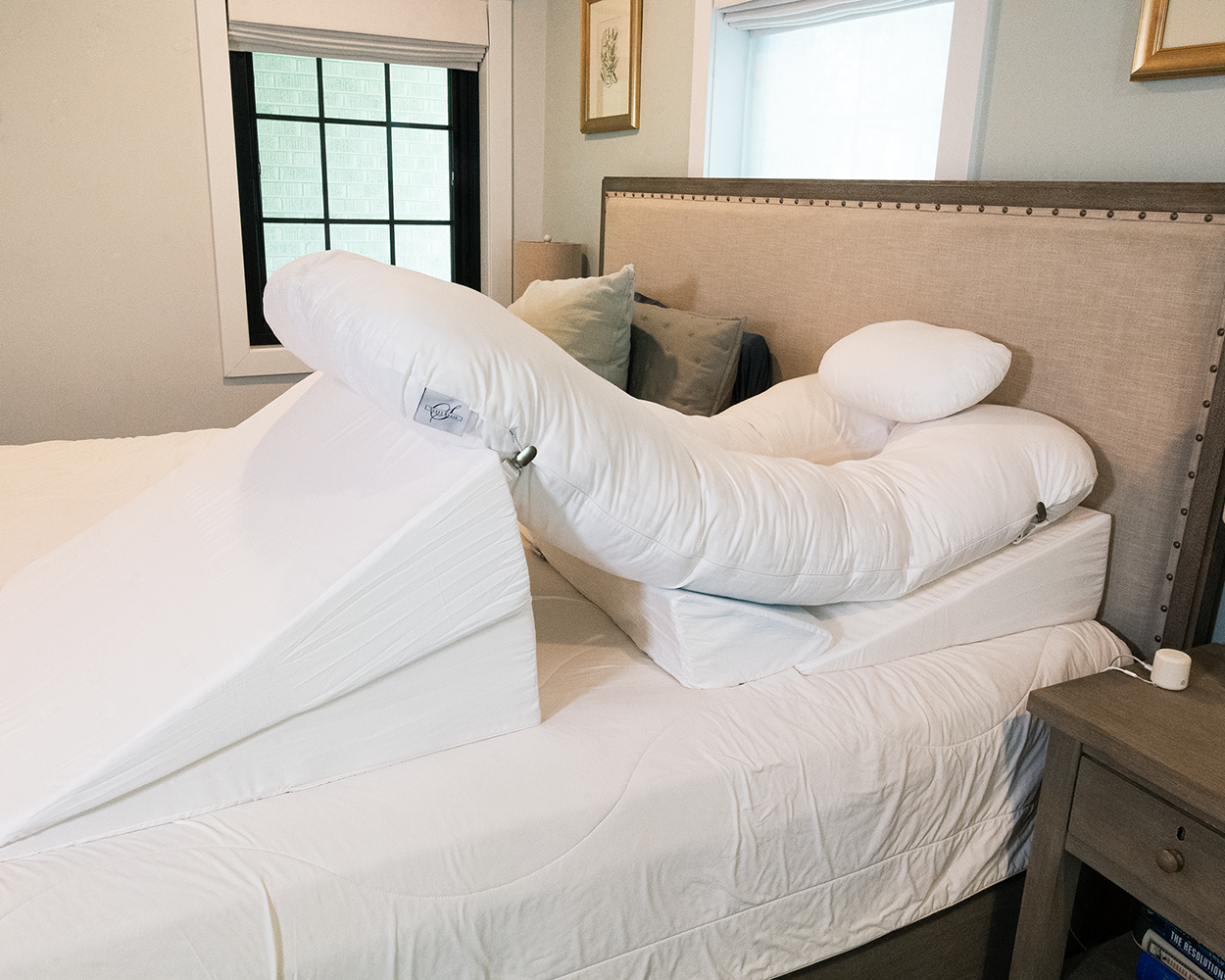
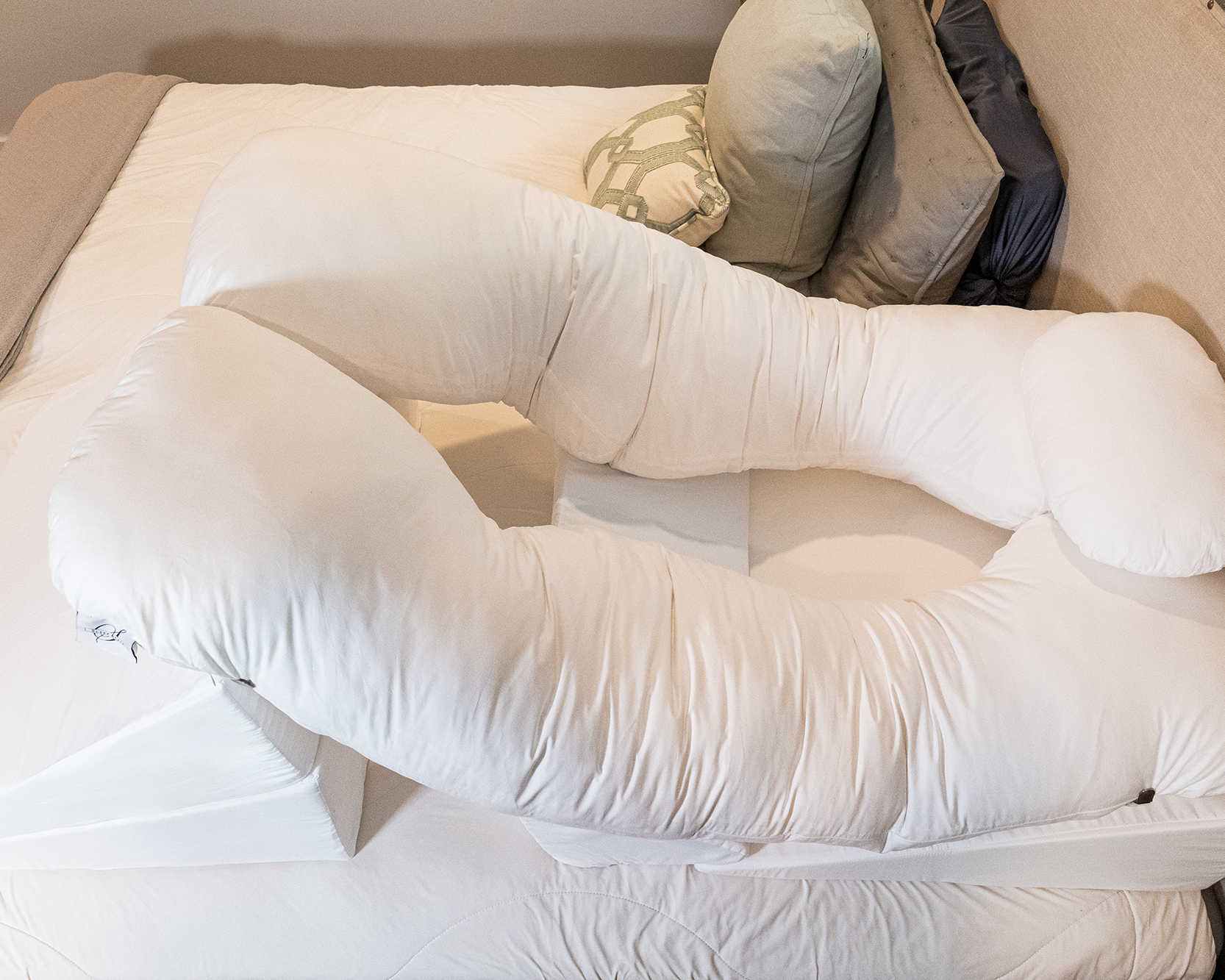
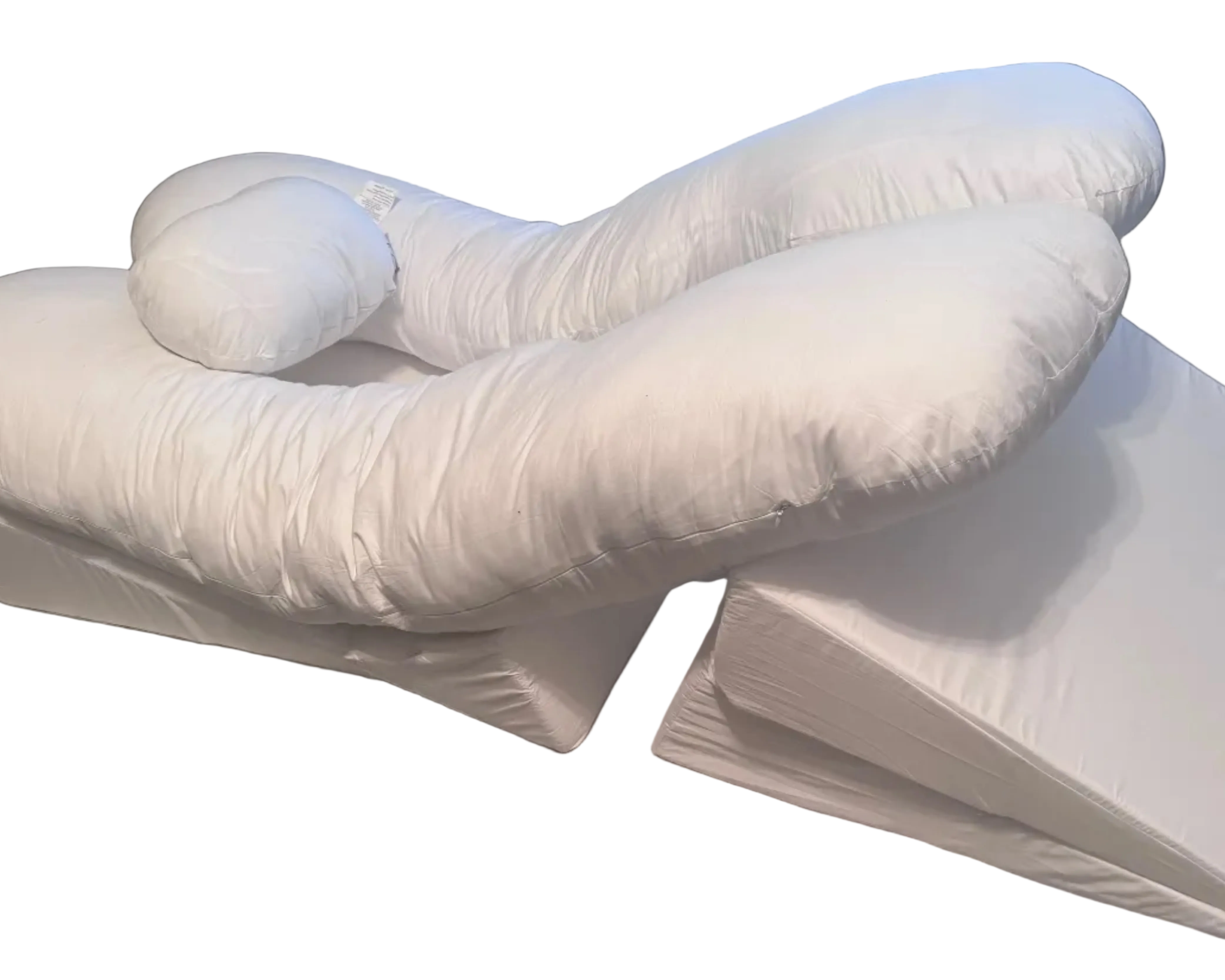
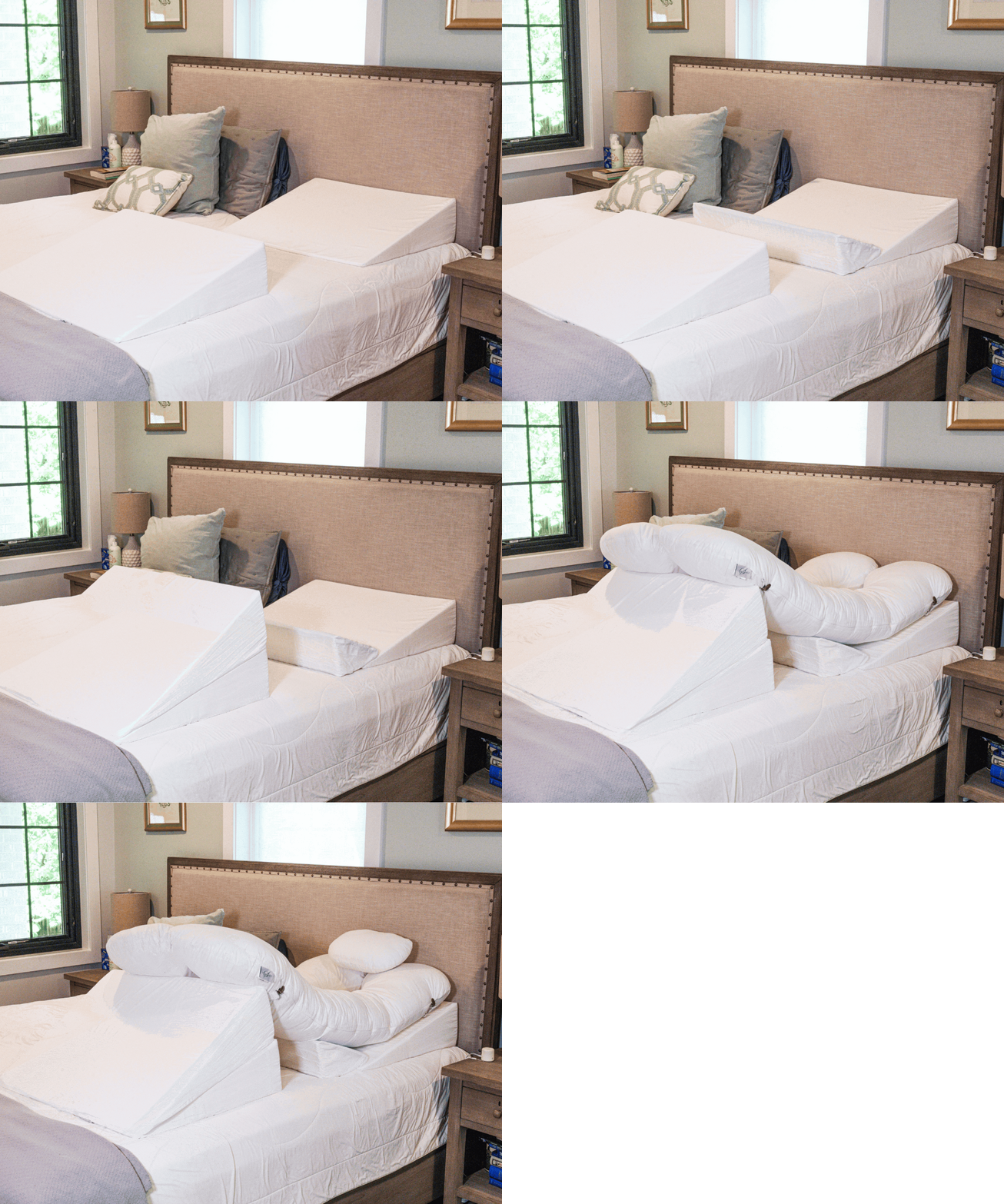
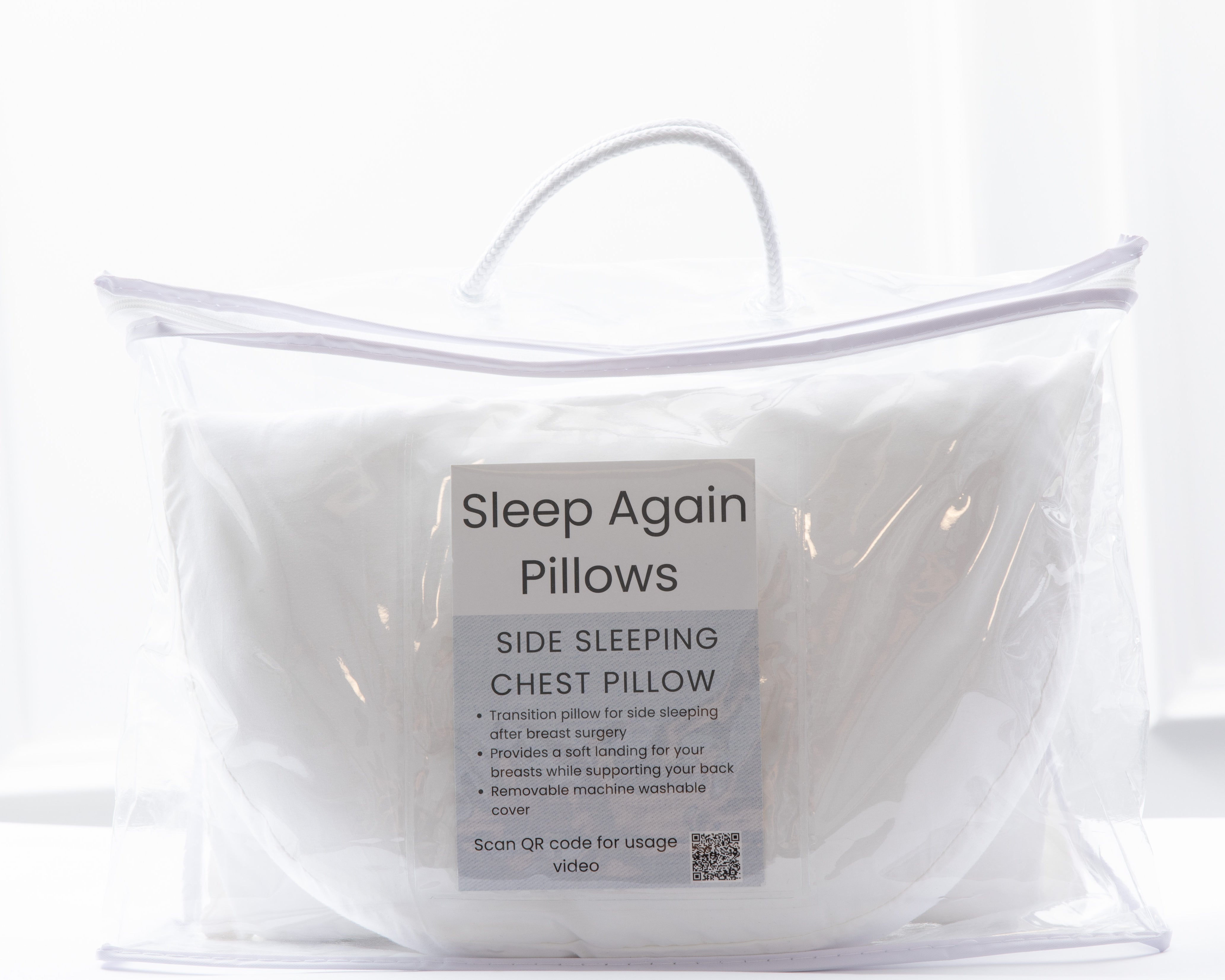
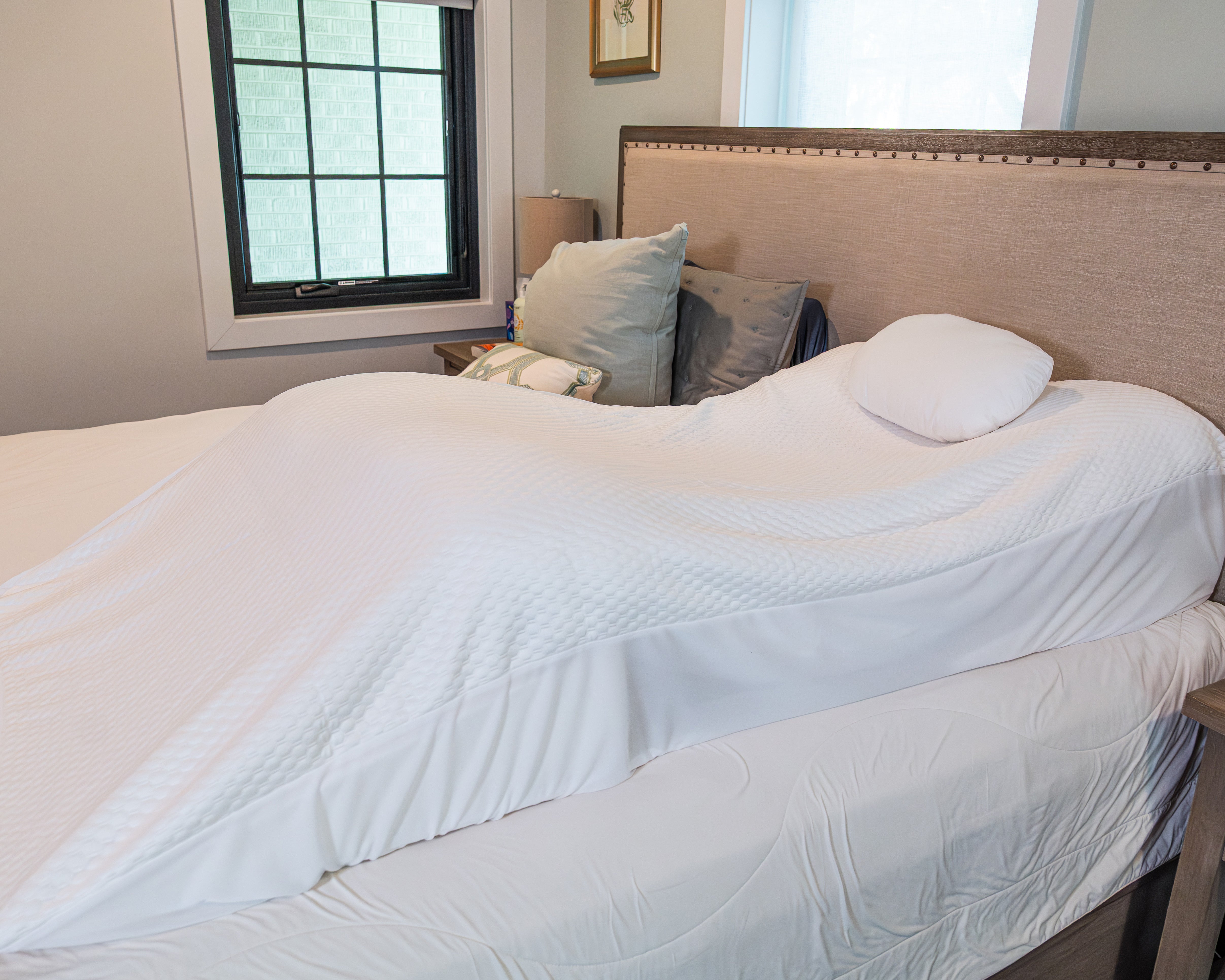
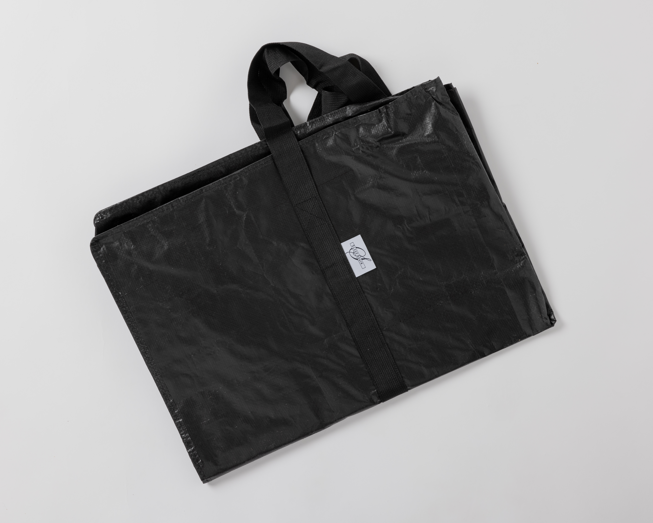
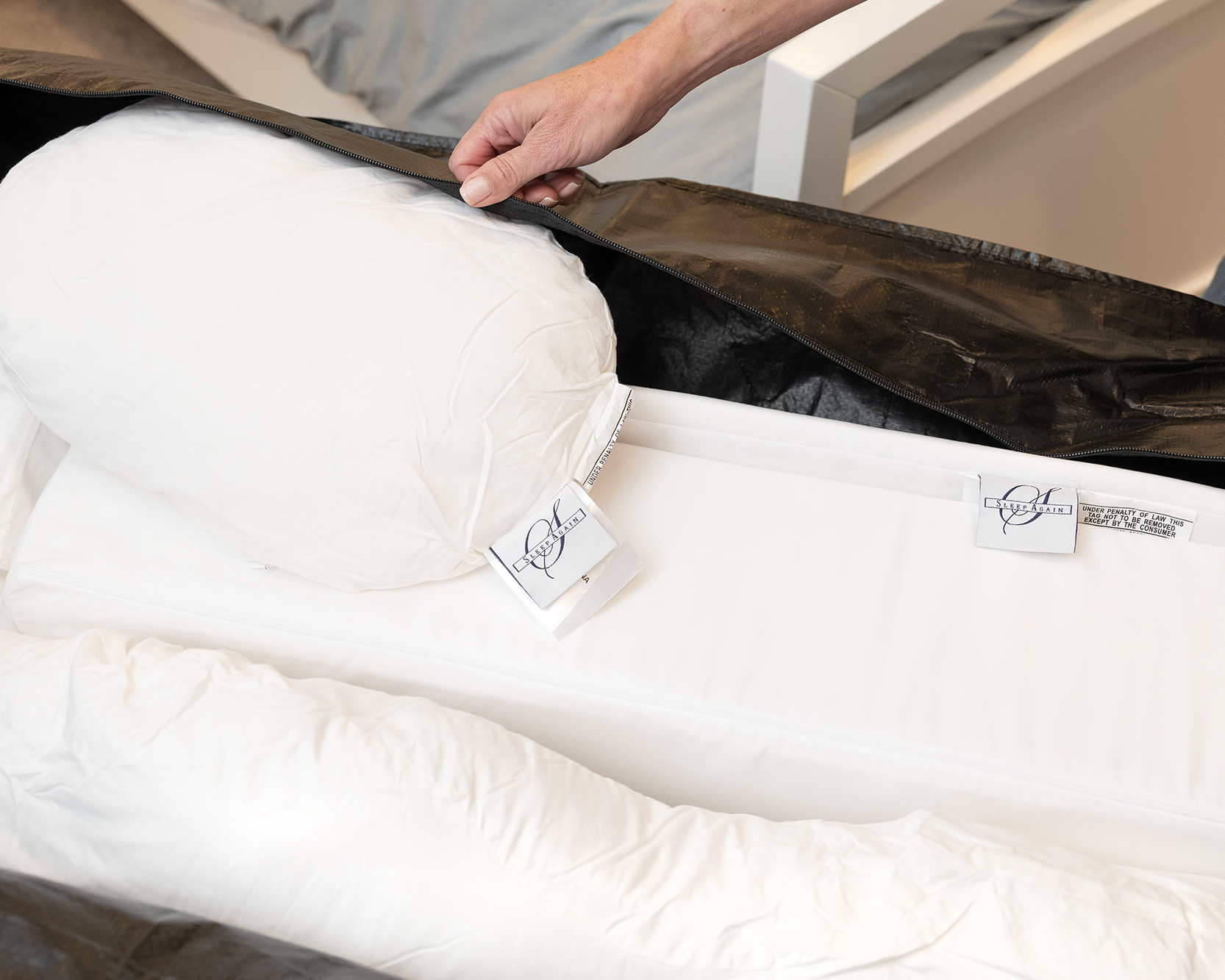
For people who want reliable results without the trial-and-error frustration of DIY pillow arrangements, the Sleep Again Pillow System addresses every positioning challenge that contributes to lower back pain.
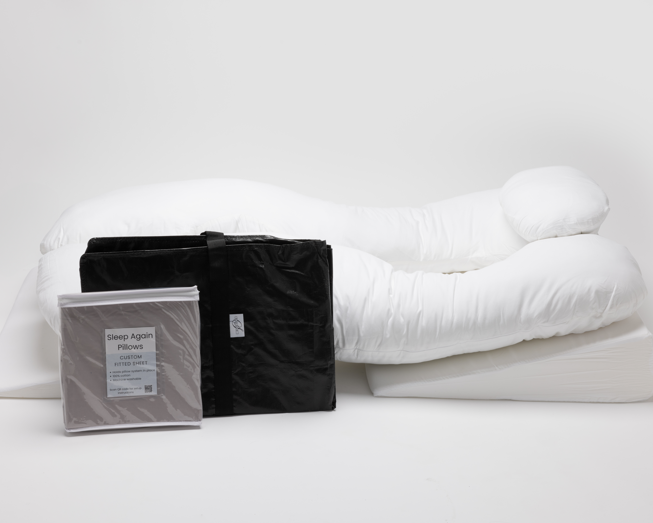
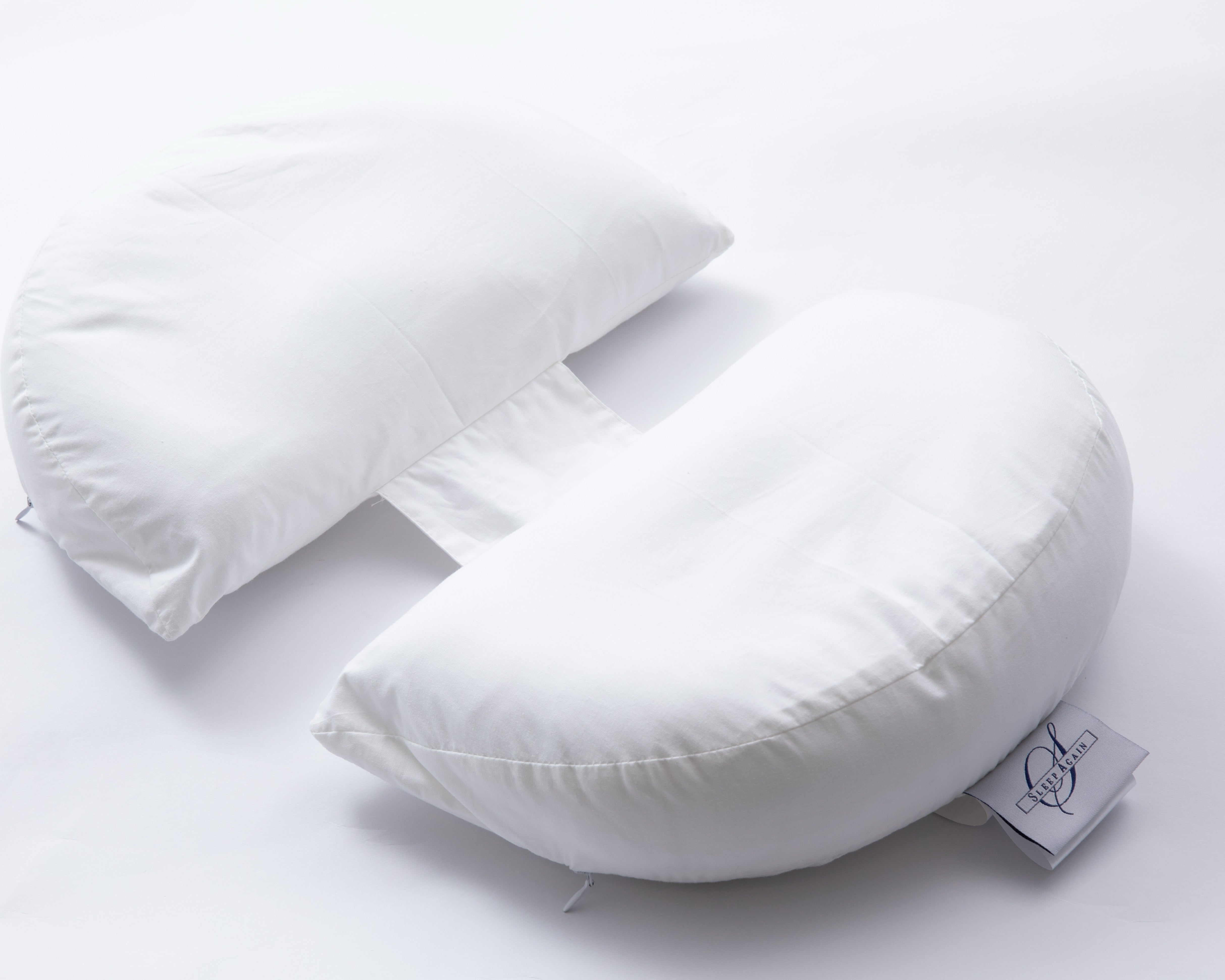
Every Sleep Again Pillow System includes:
-
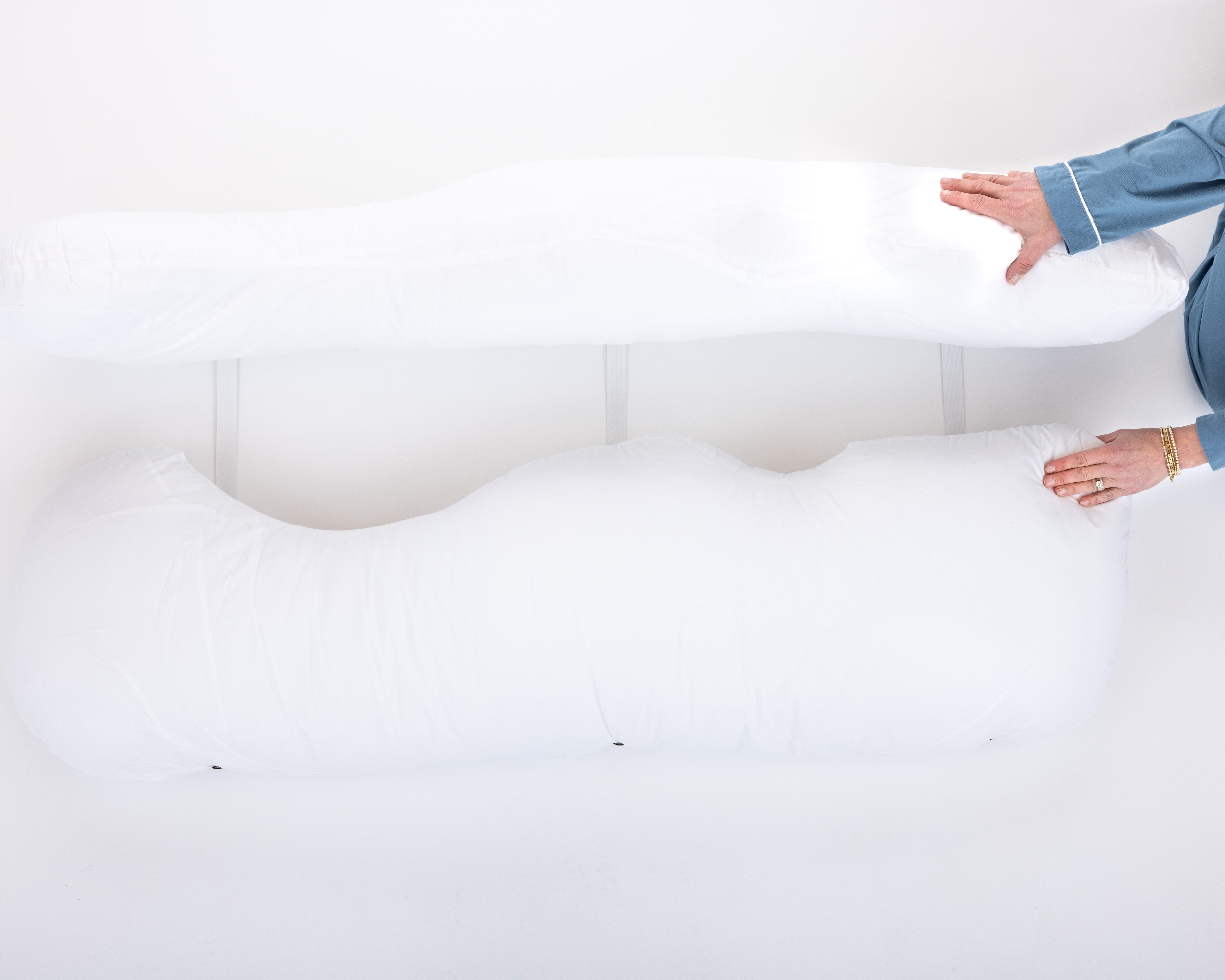
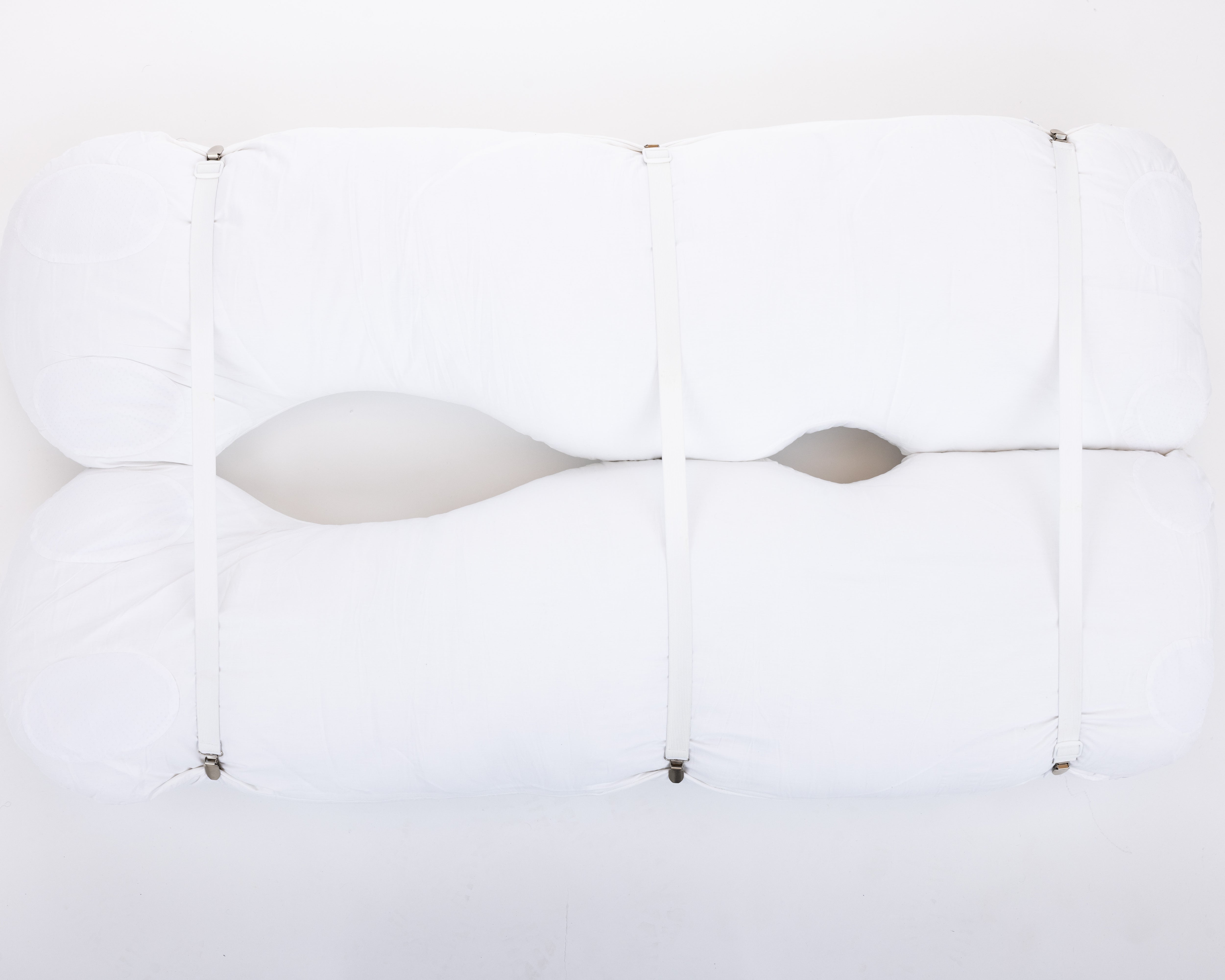
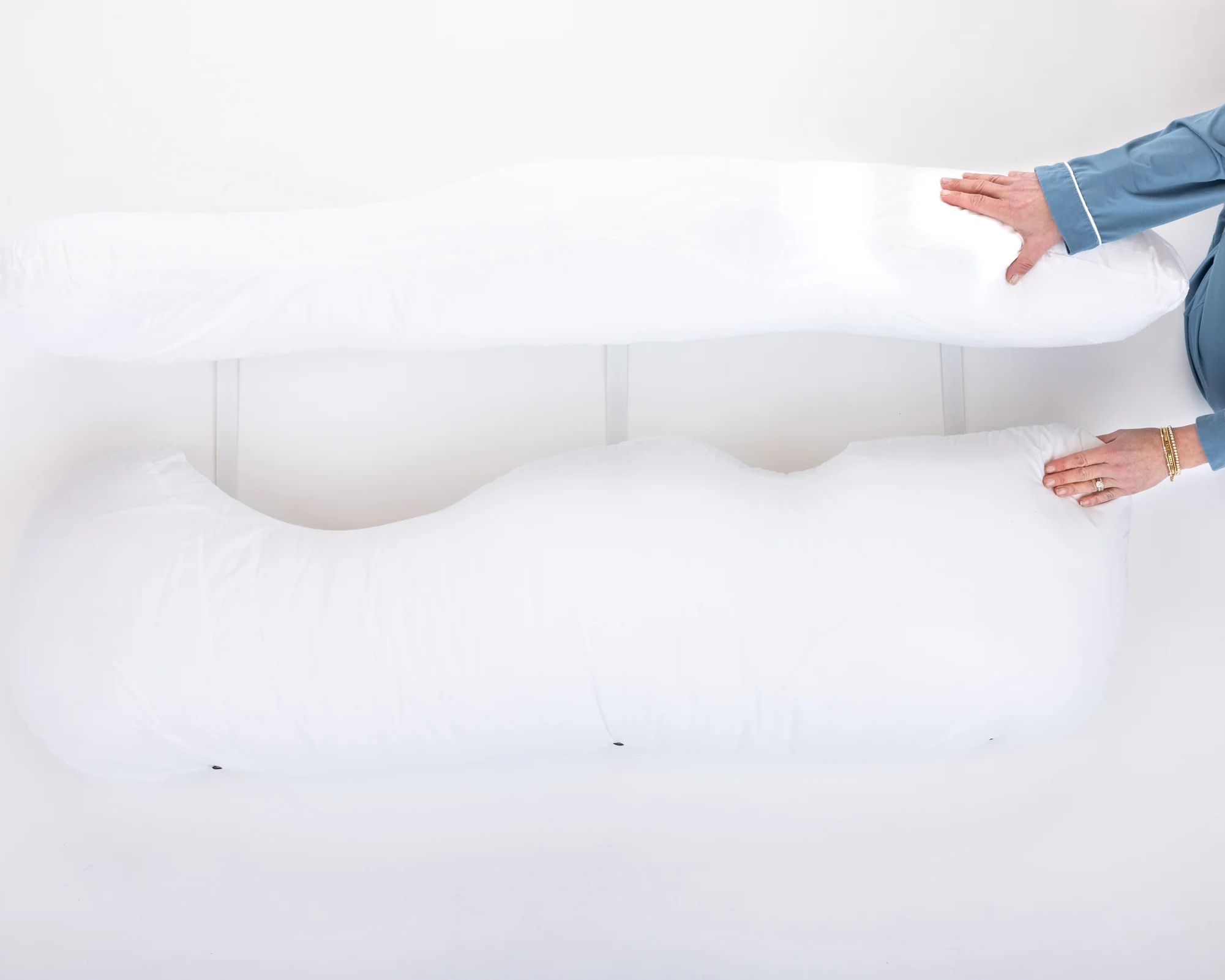
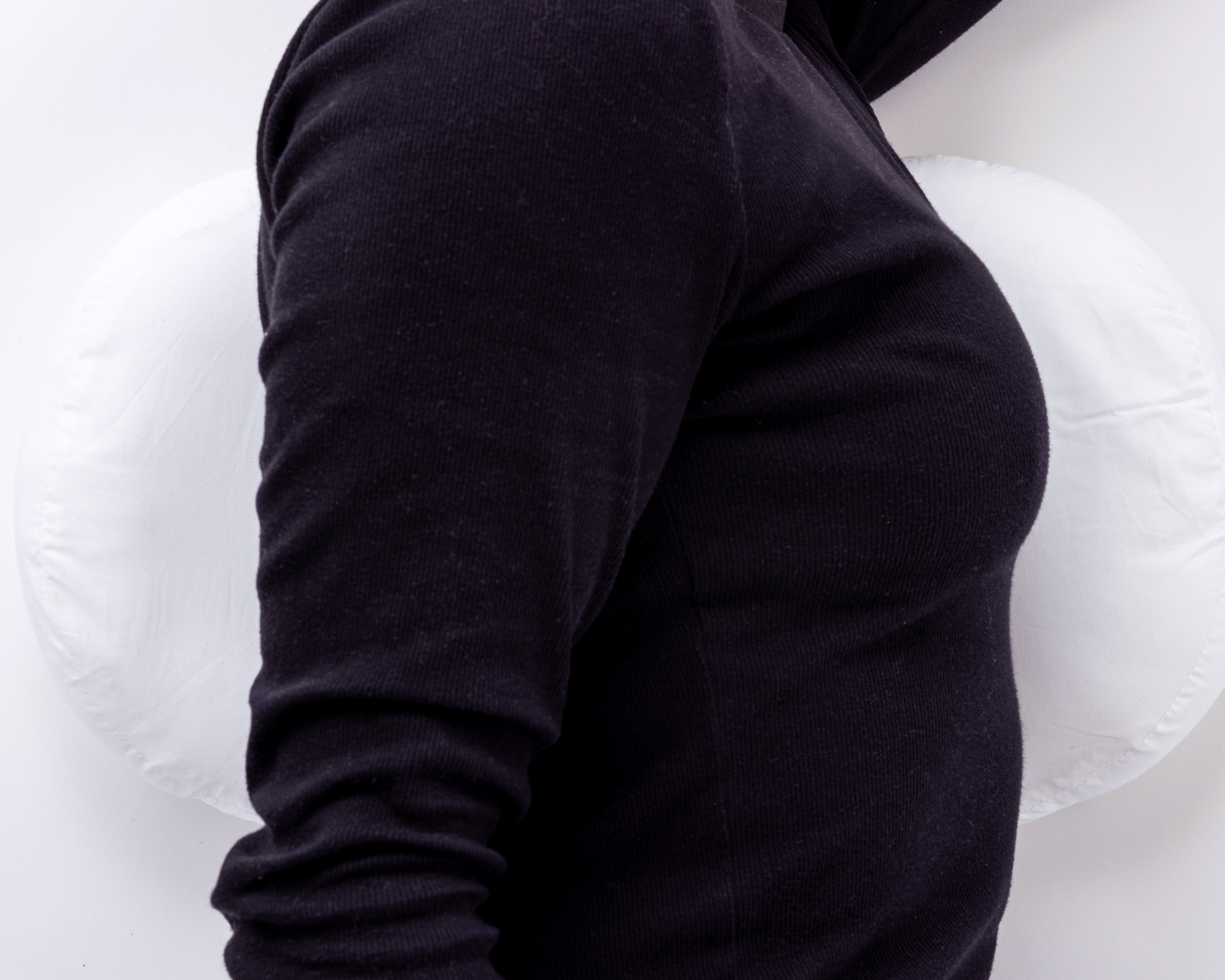
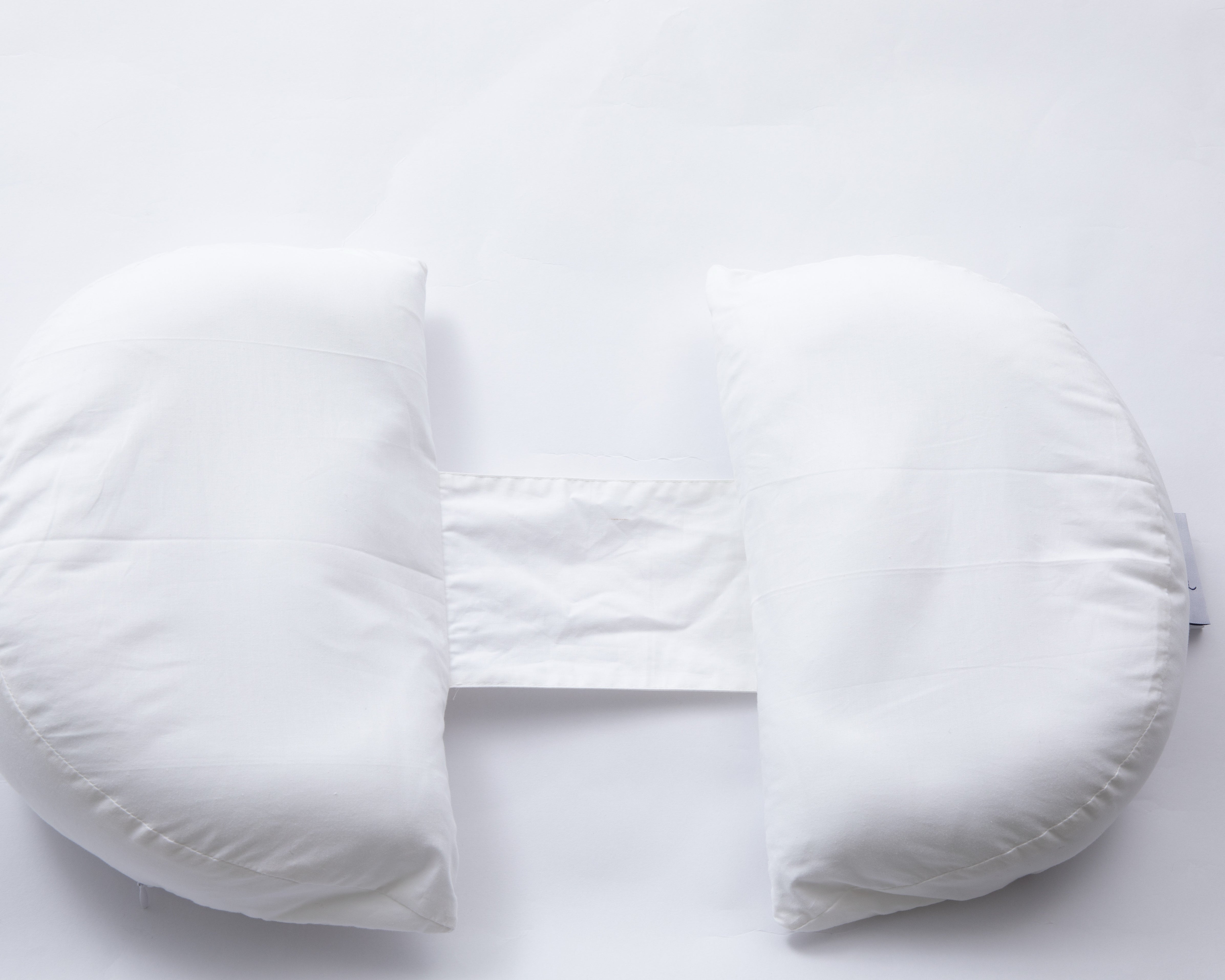
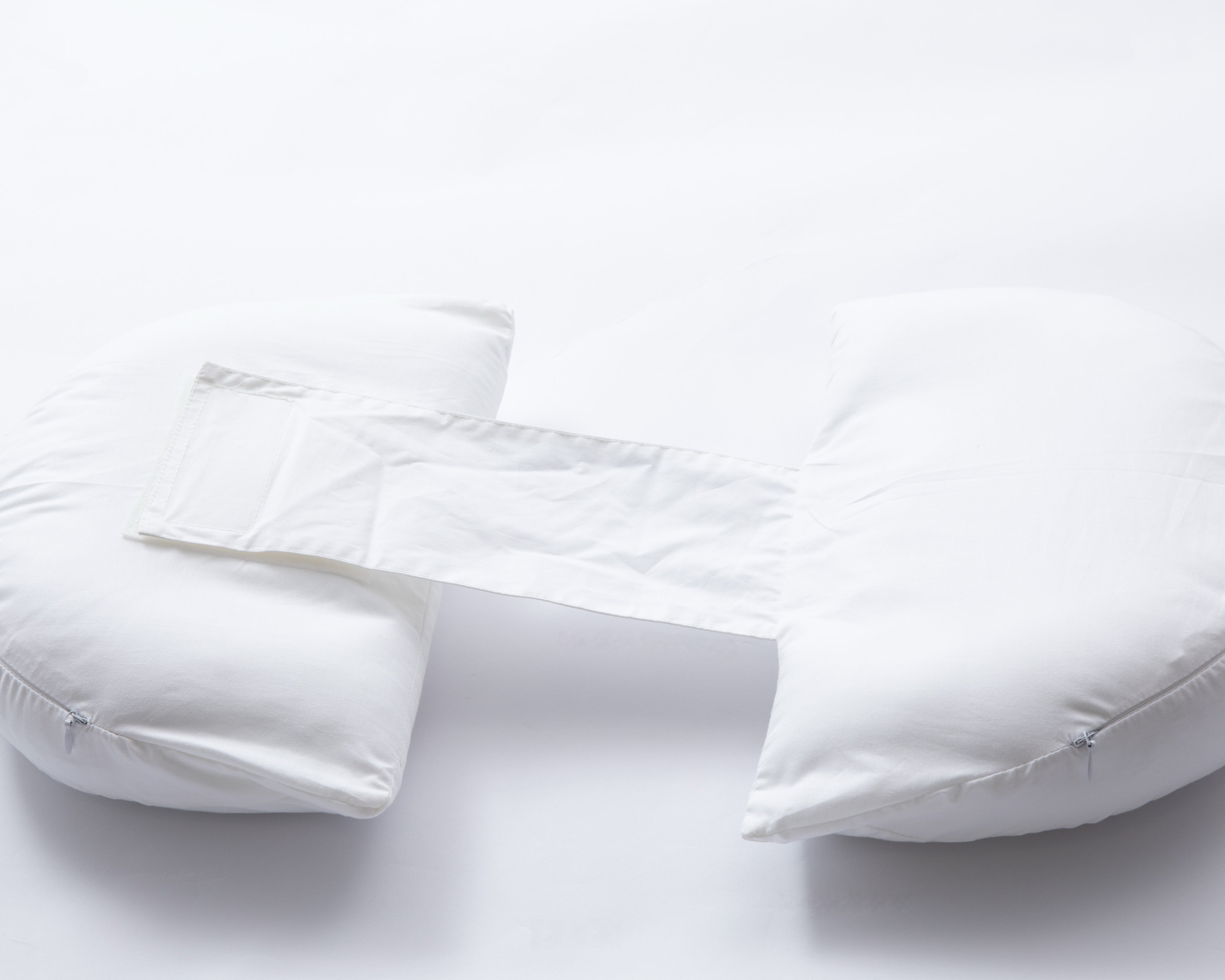
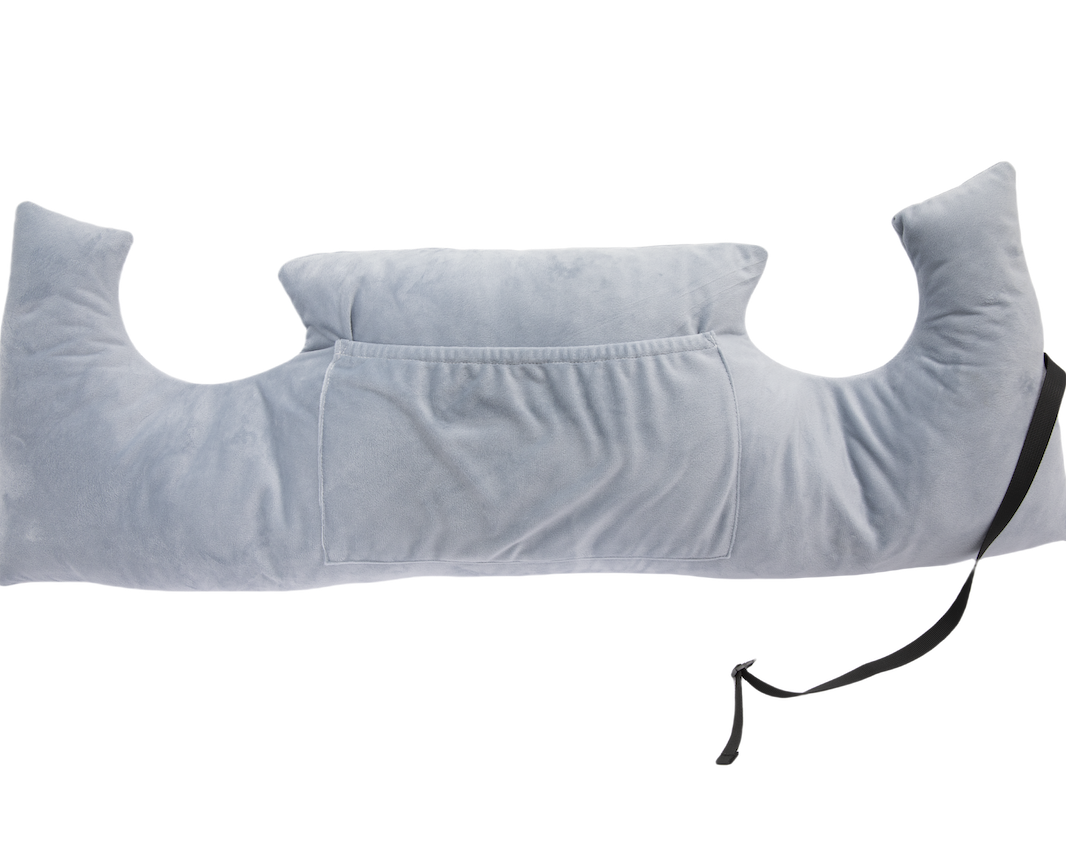
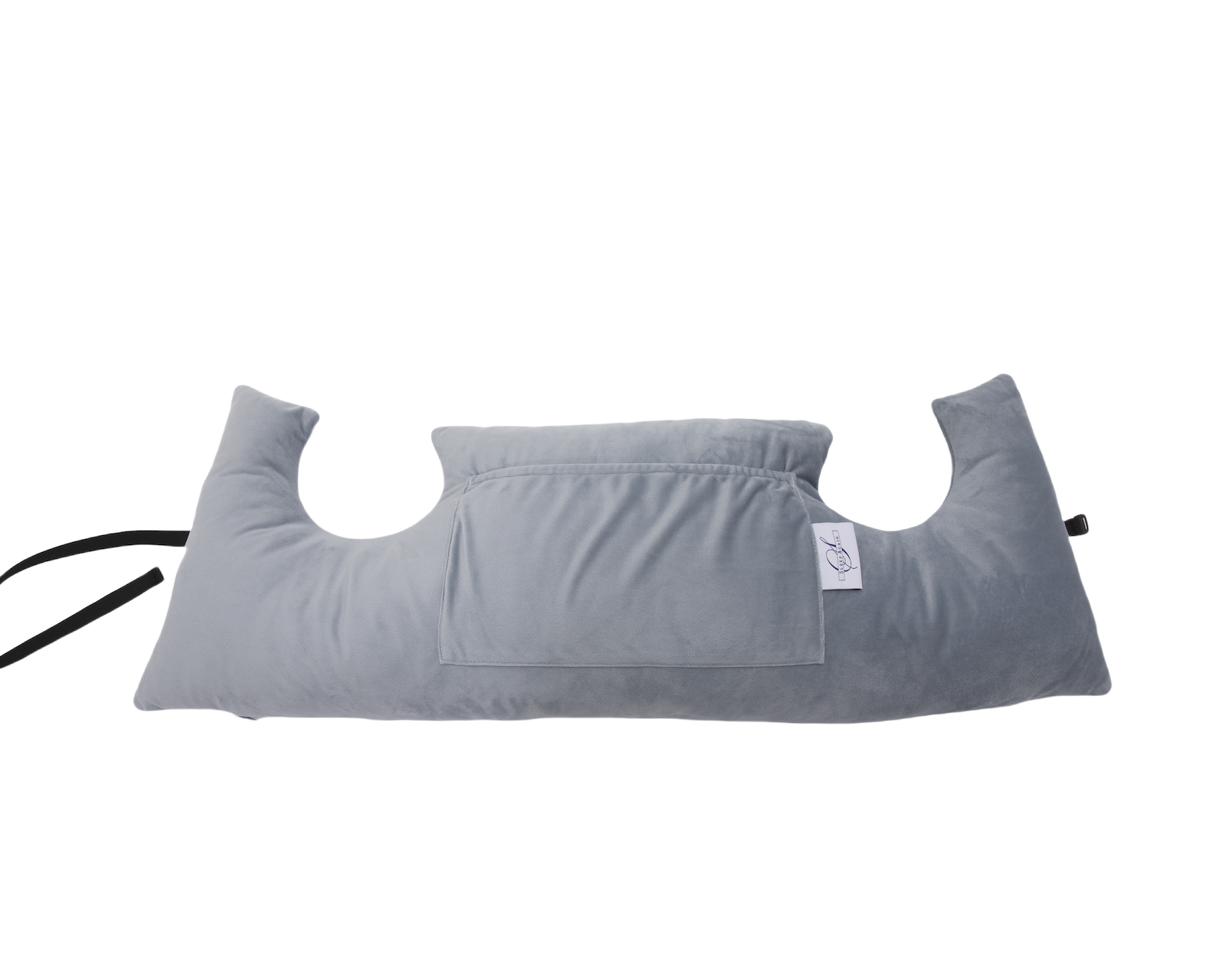
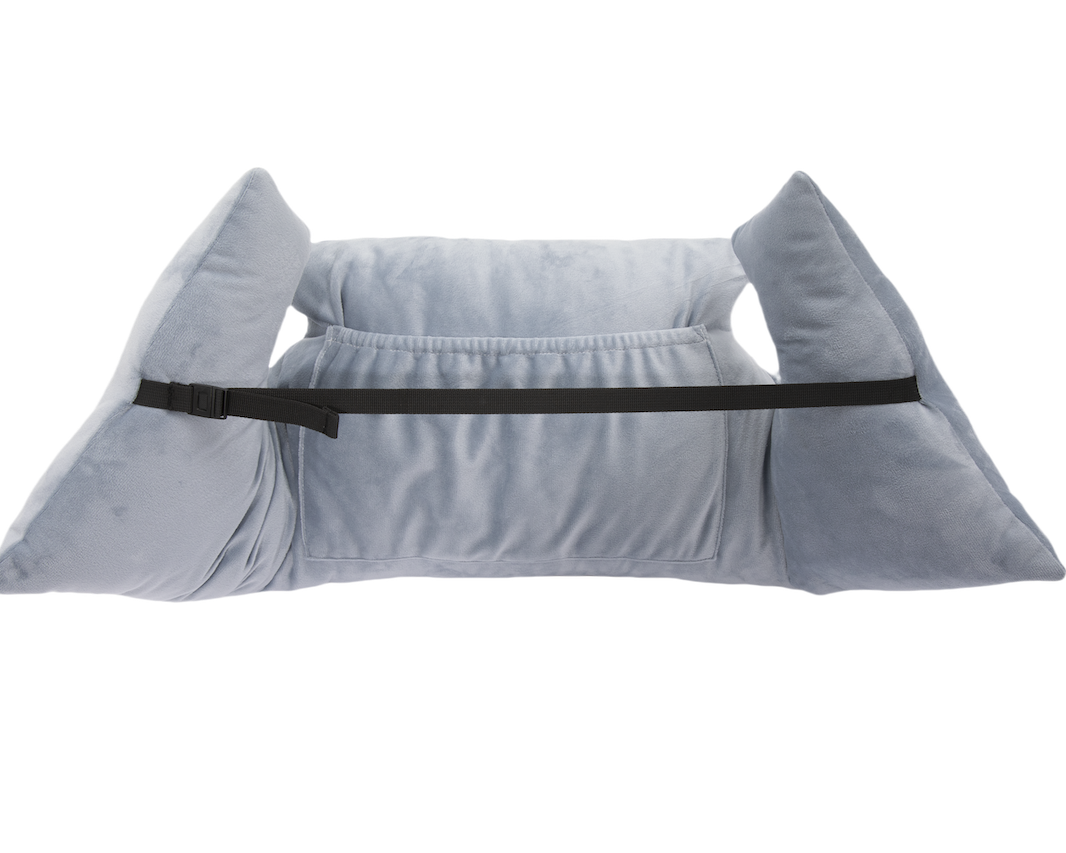
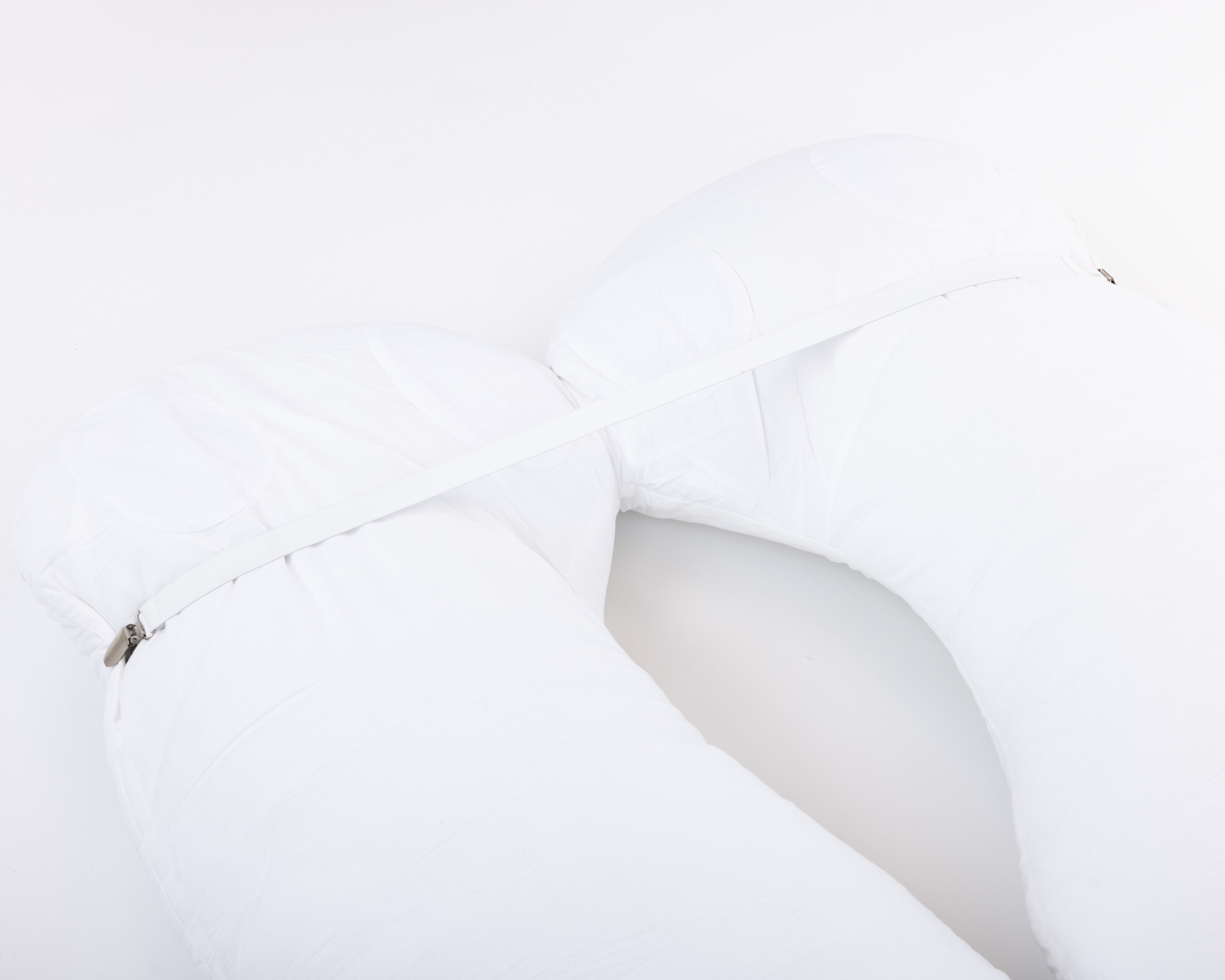
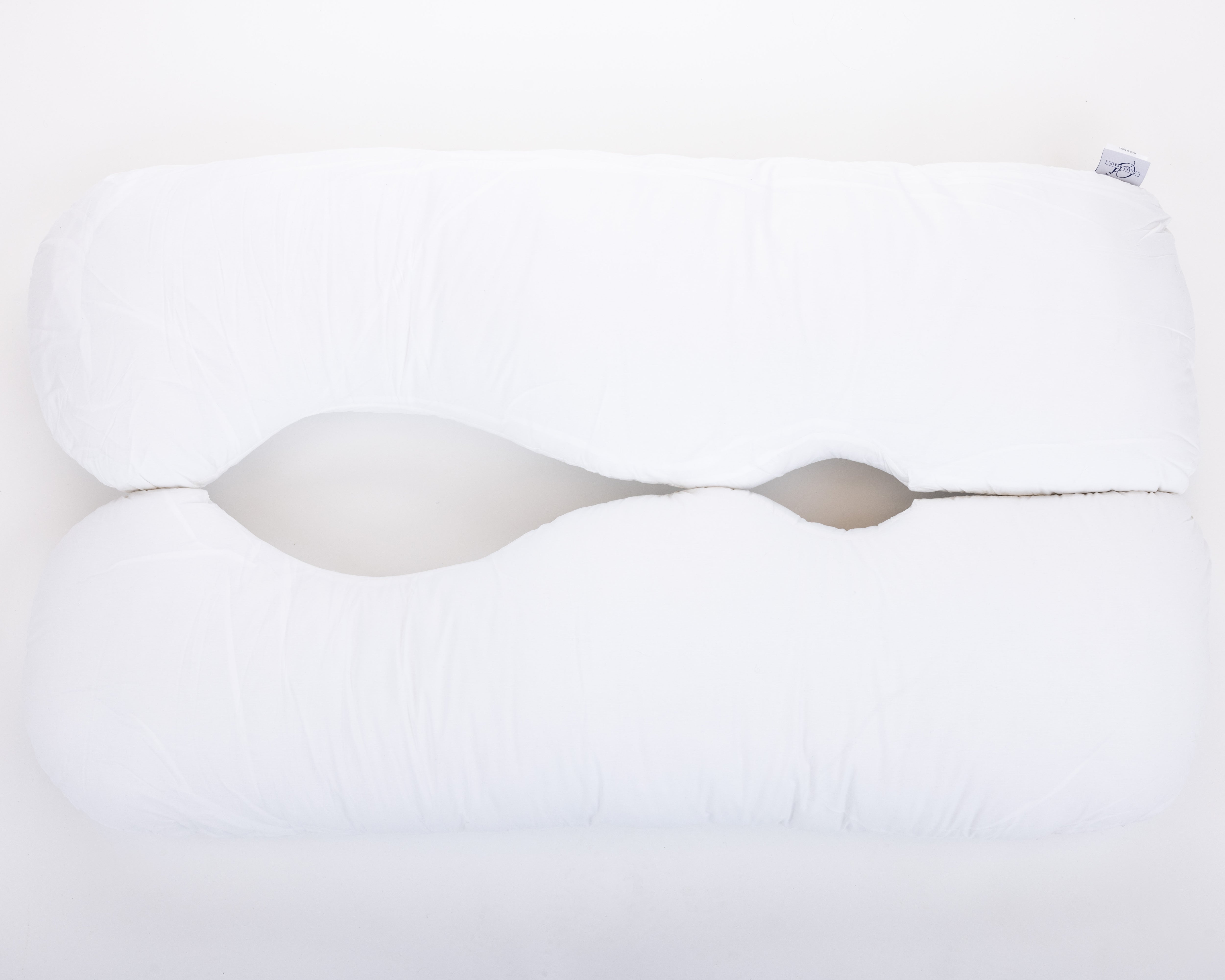
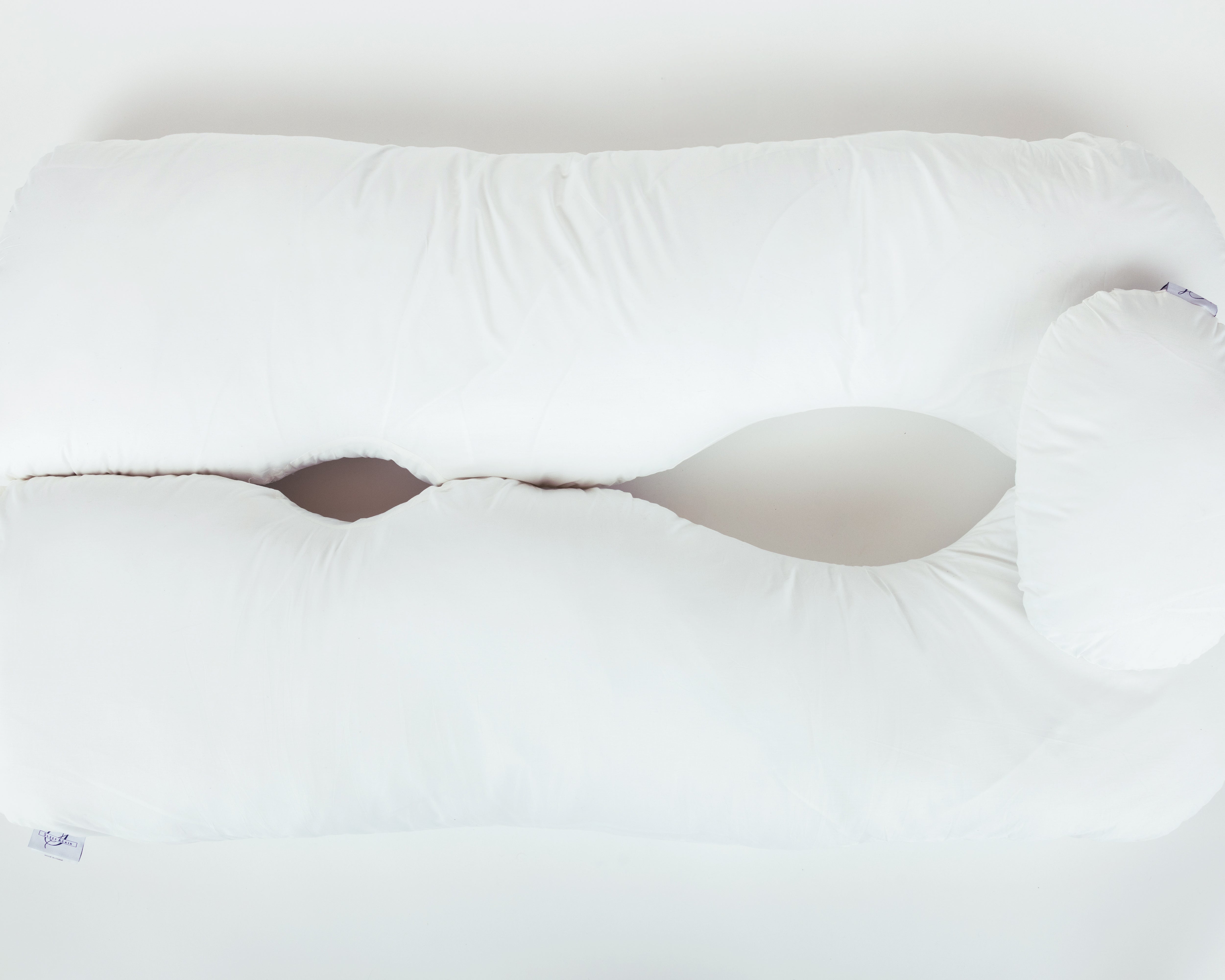
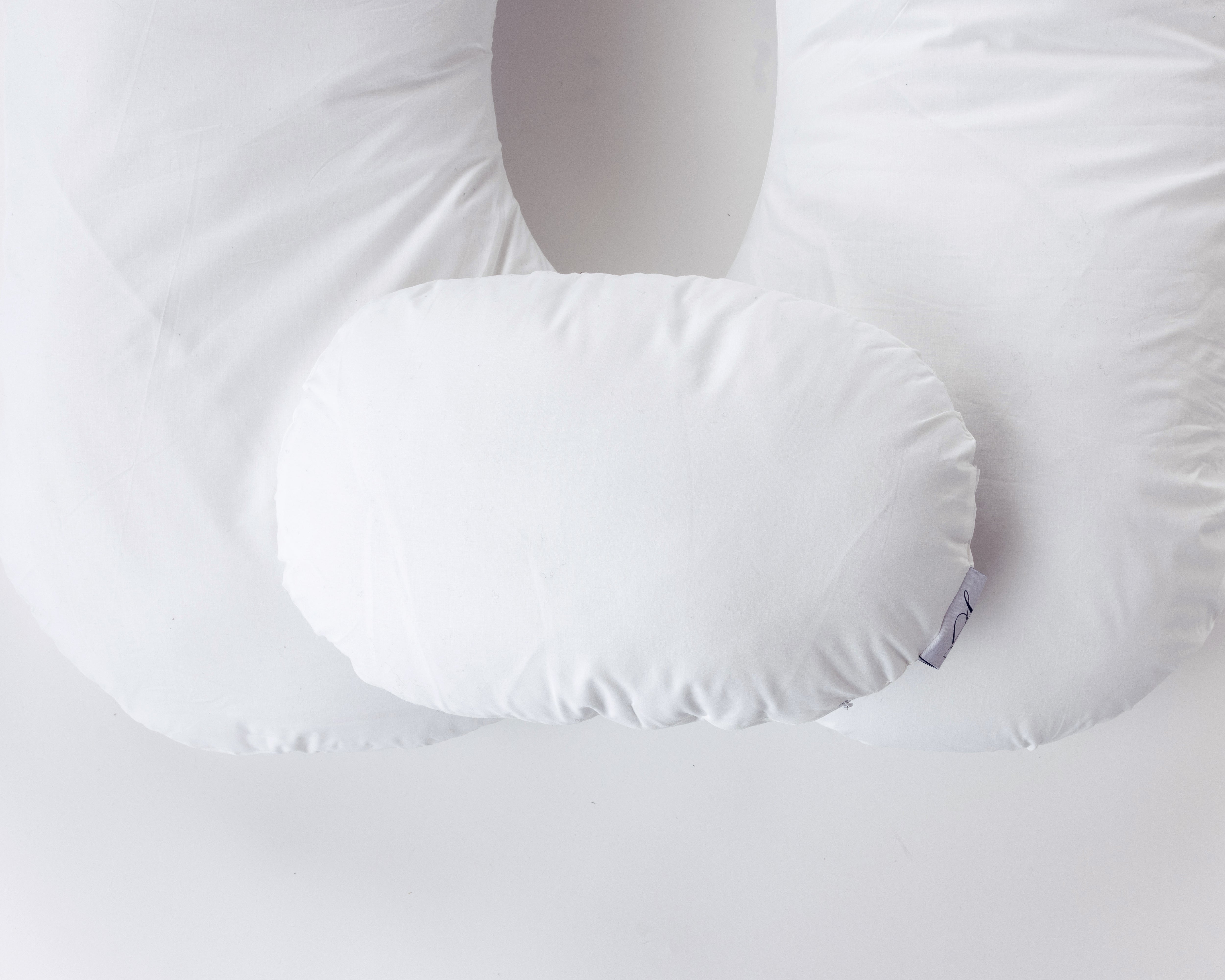
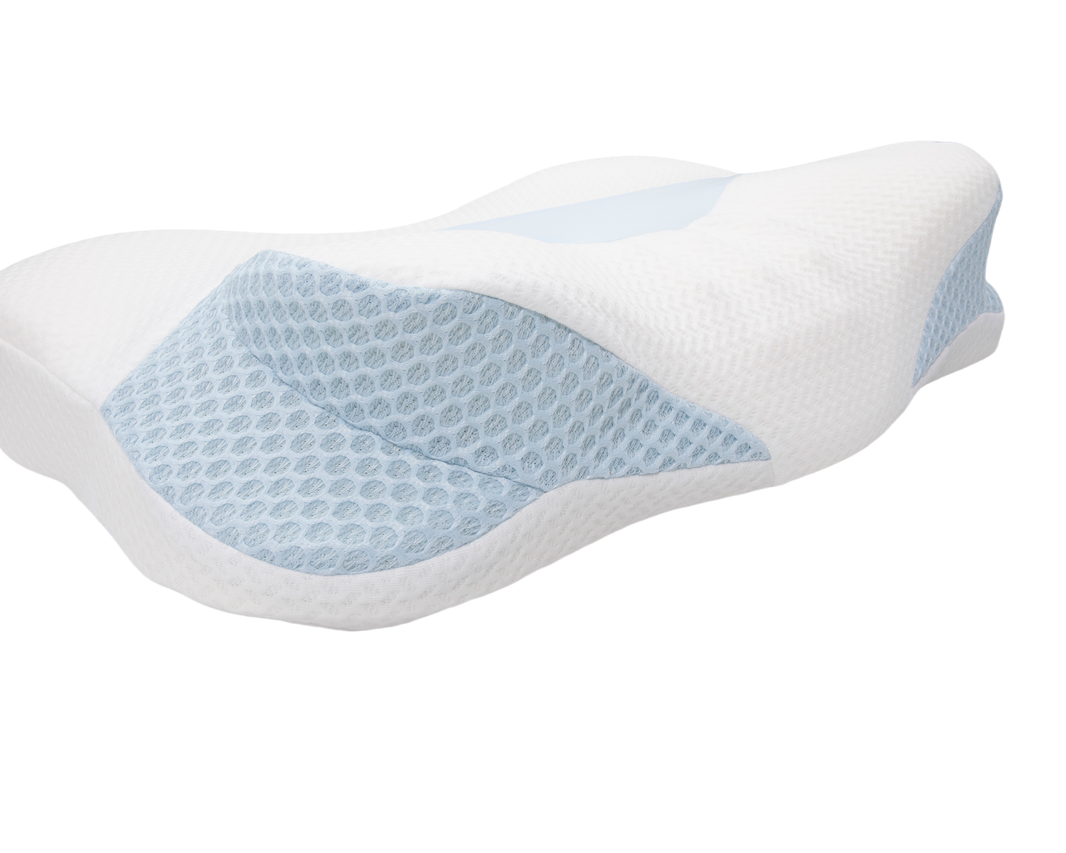
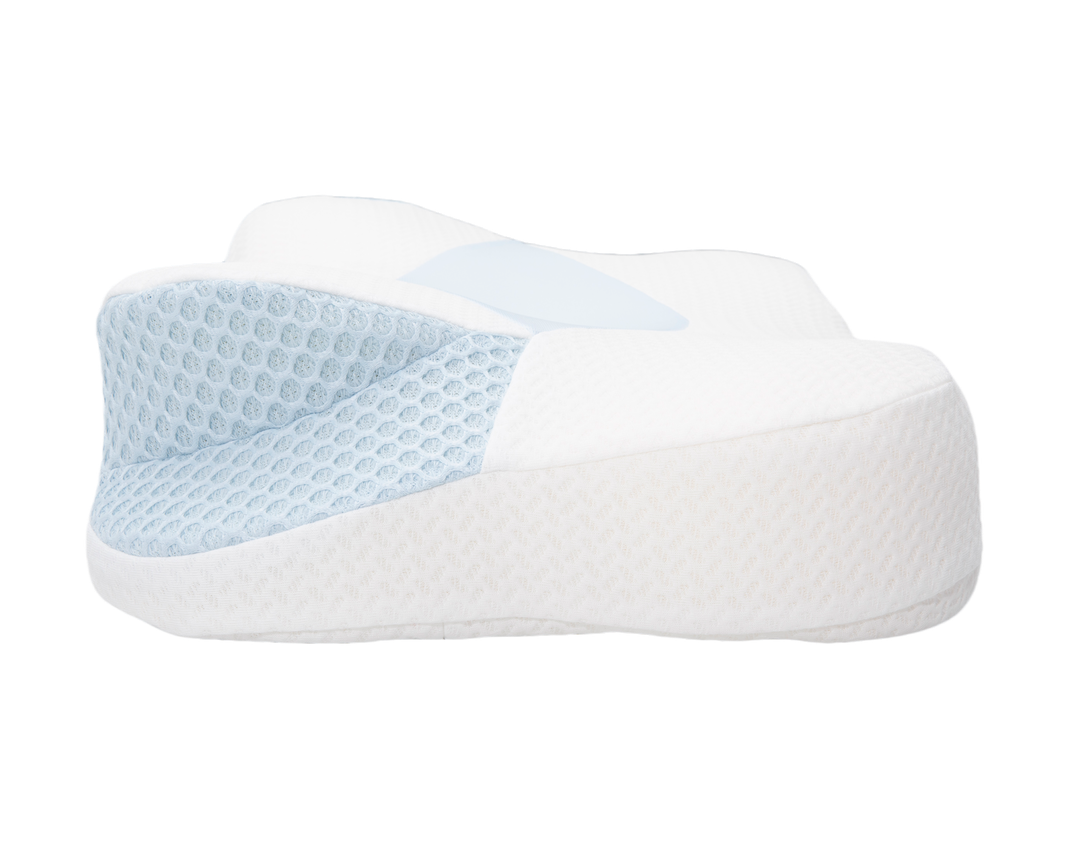
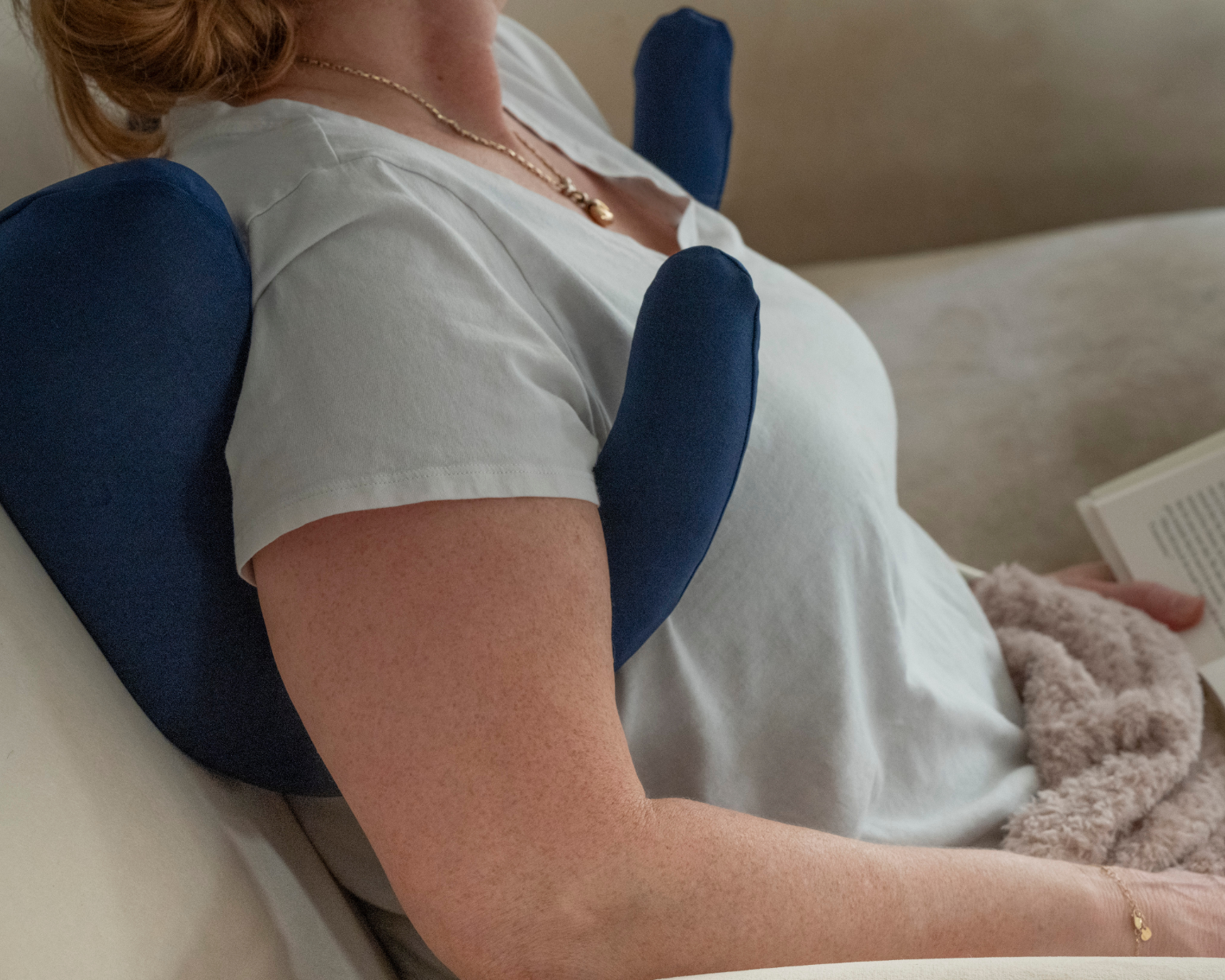
Two Contoured Side Pillows to cradle back and hips
-
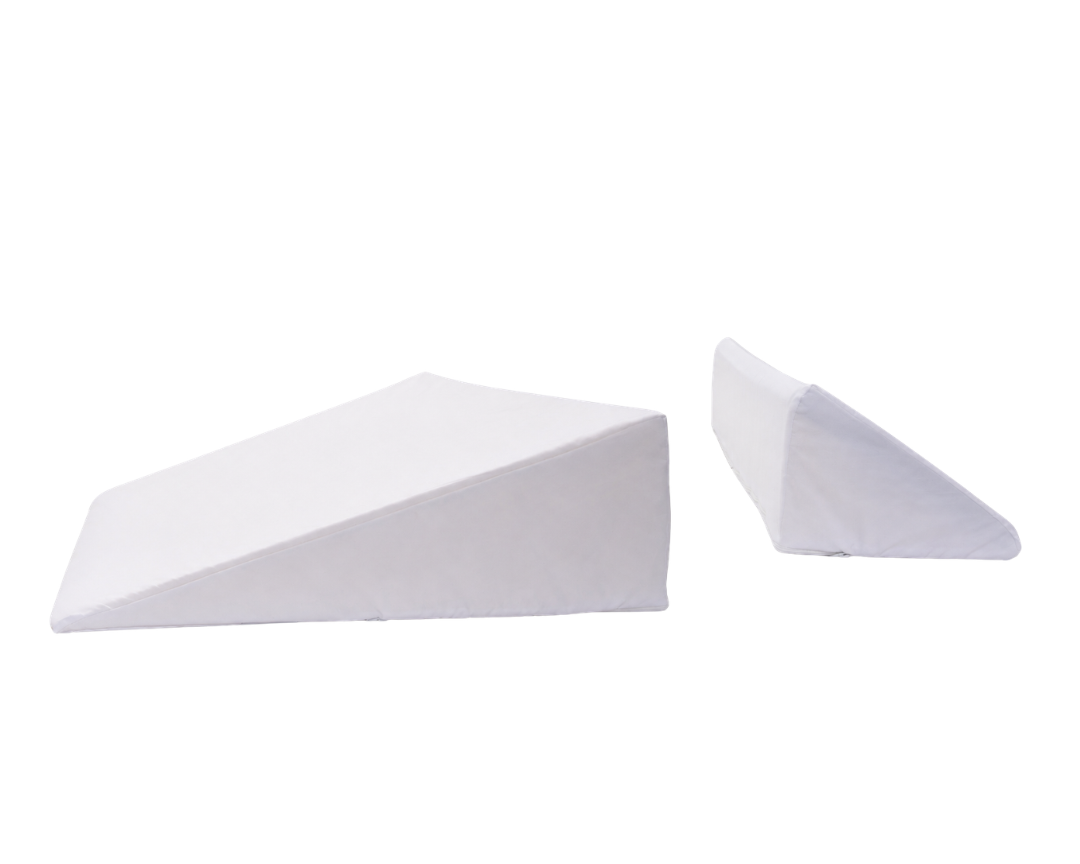
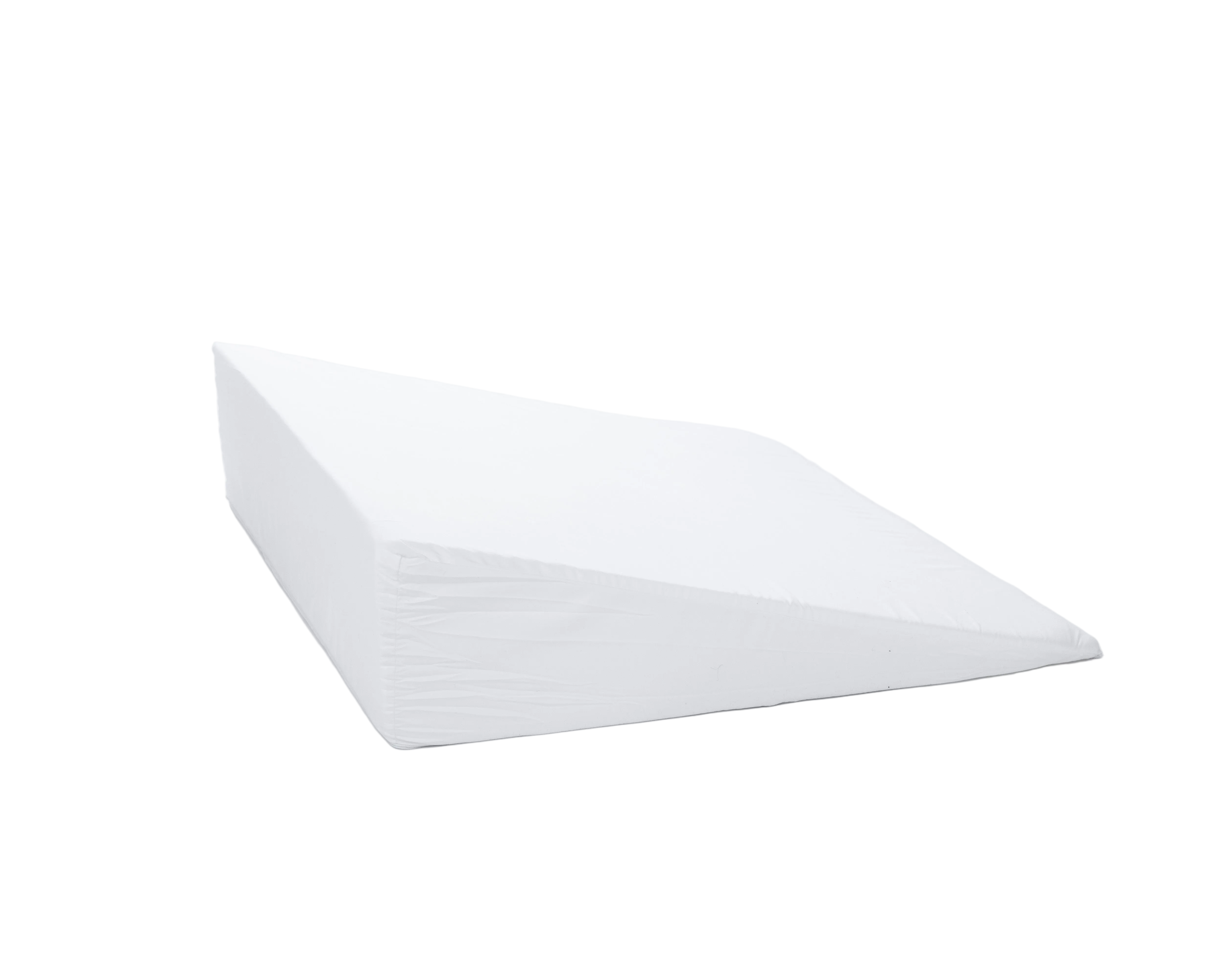
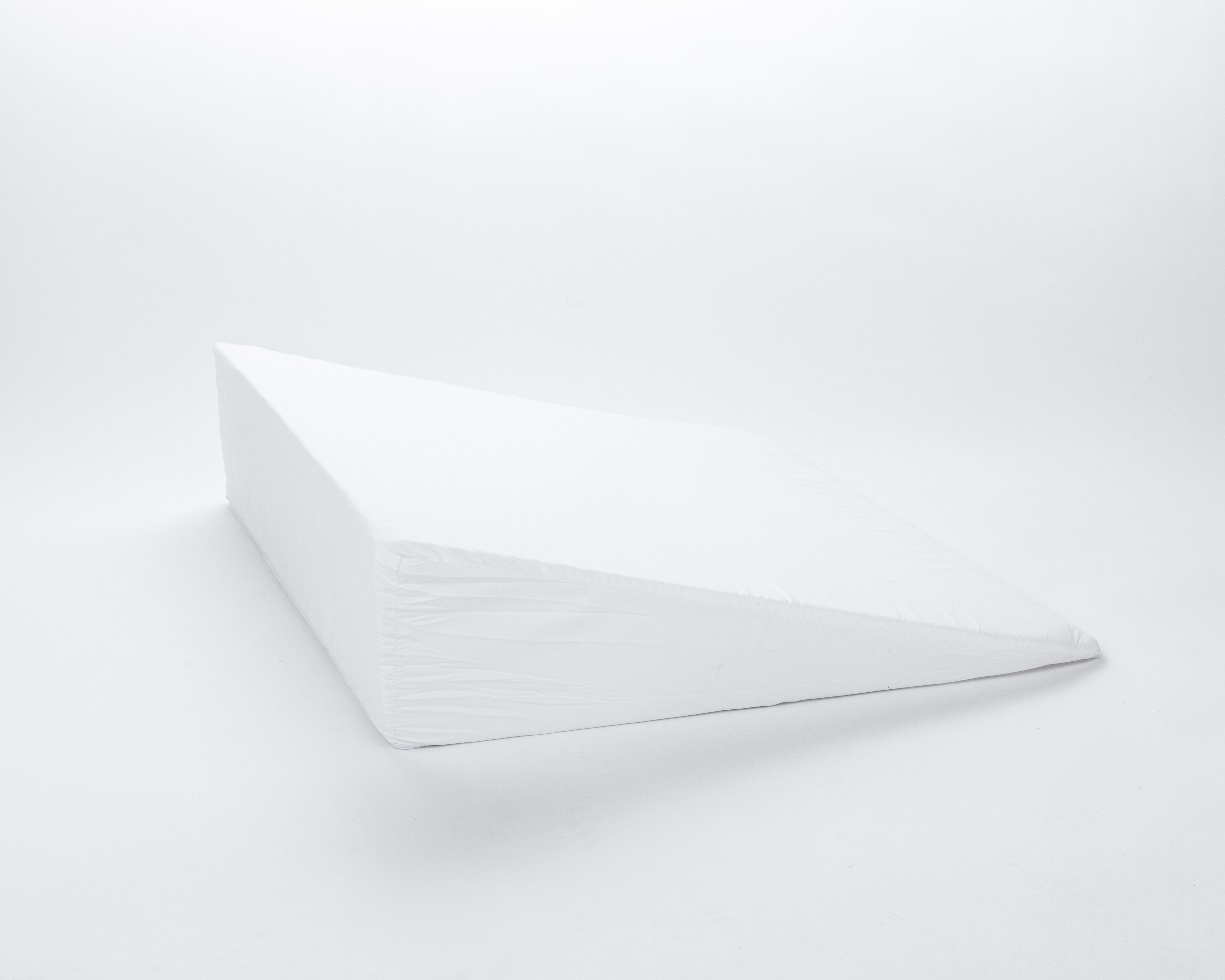
Upper Body Wedge to create optimal upper body incline
-
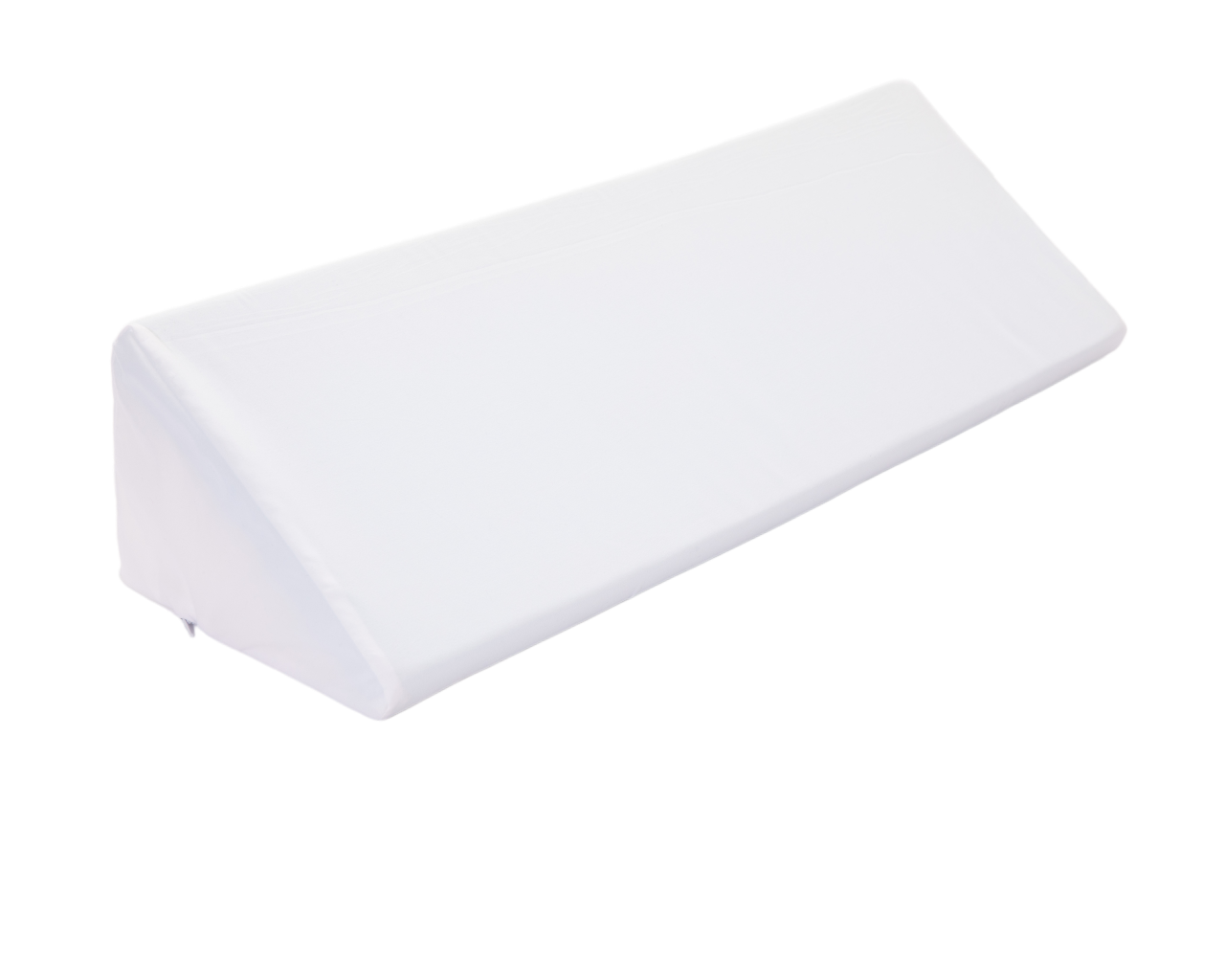
Leg Support Wedge to gently elevate legs
-
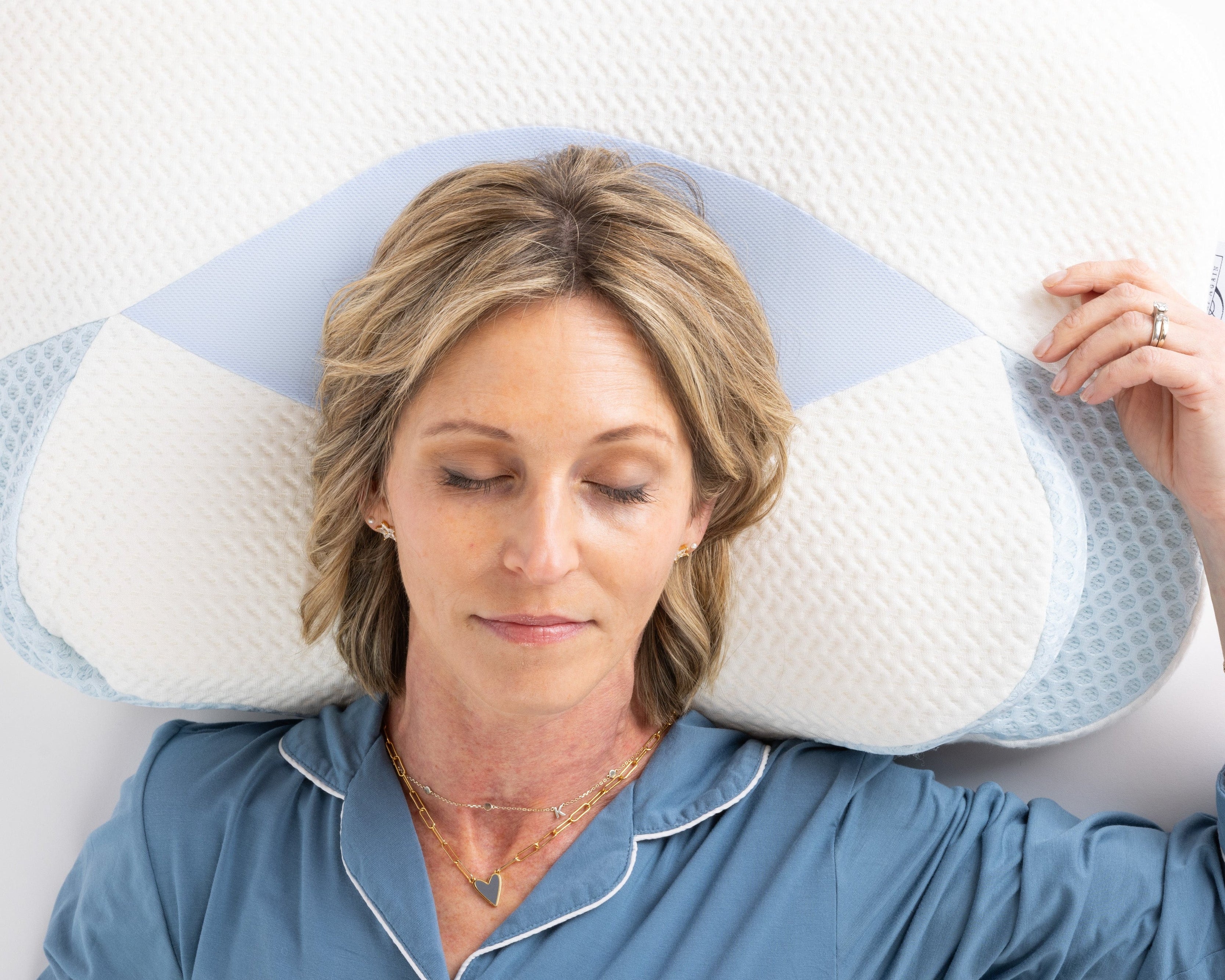
Head Pillow to provide head support and neck mobility
-
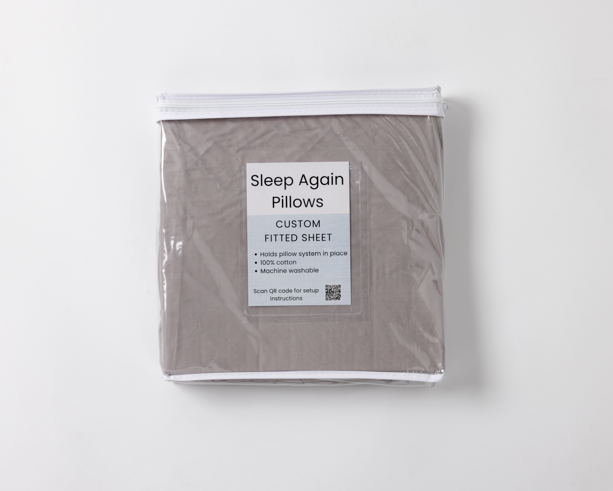
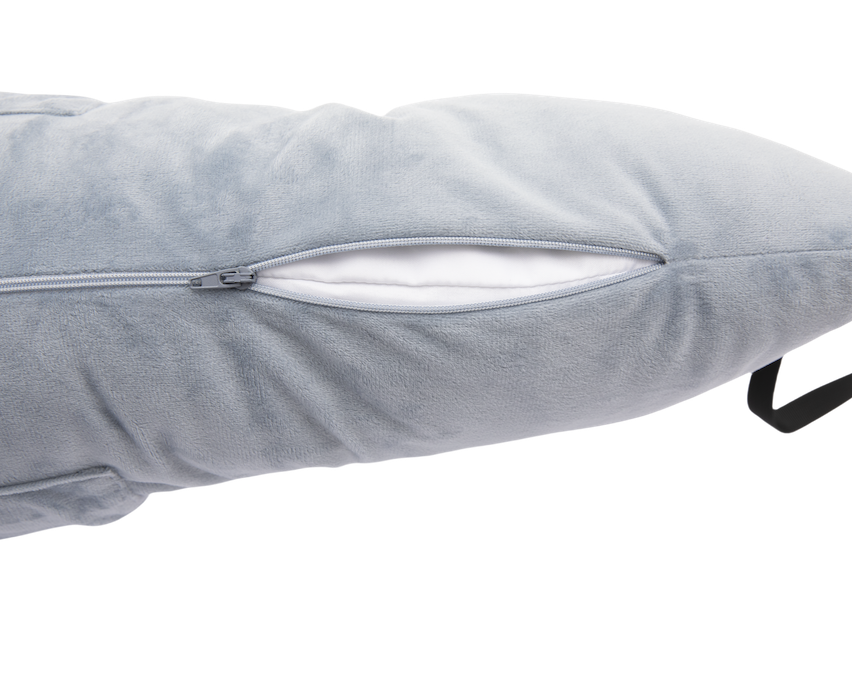
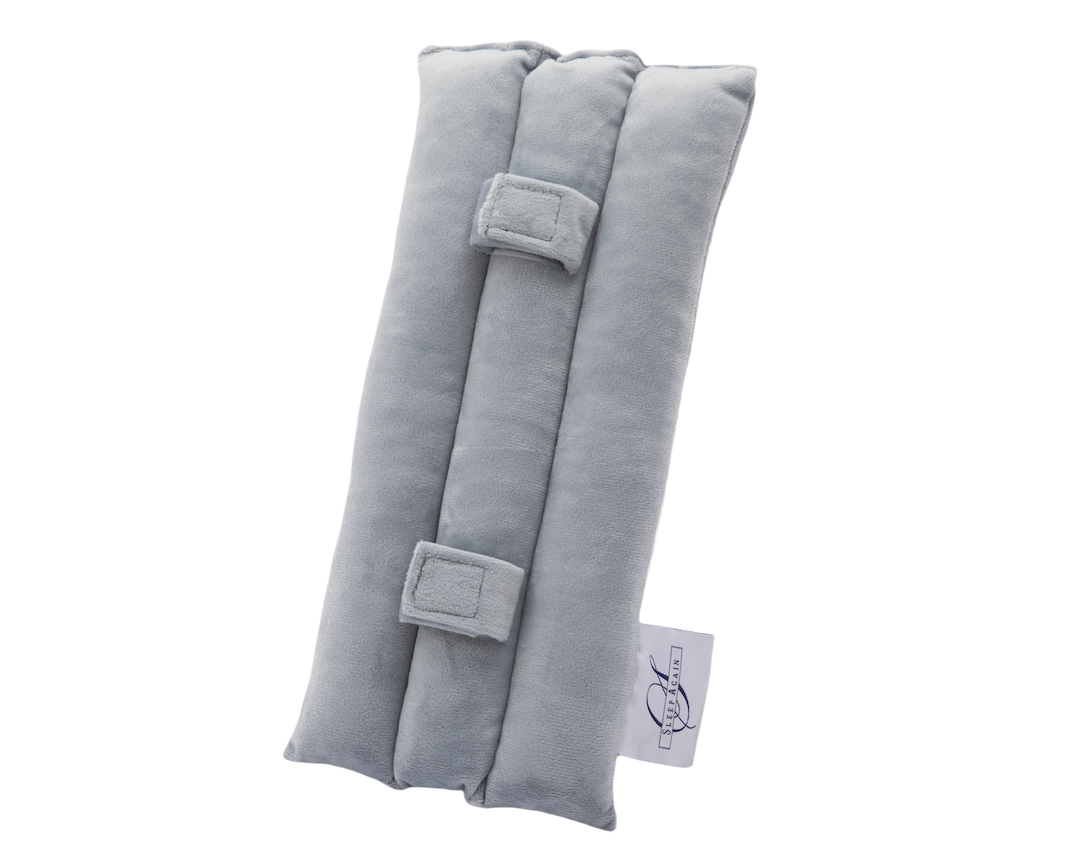
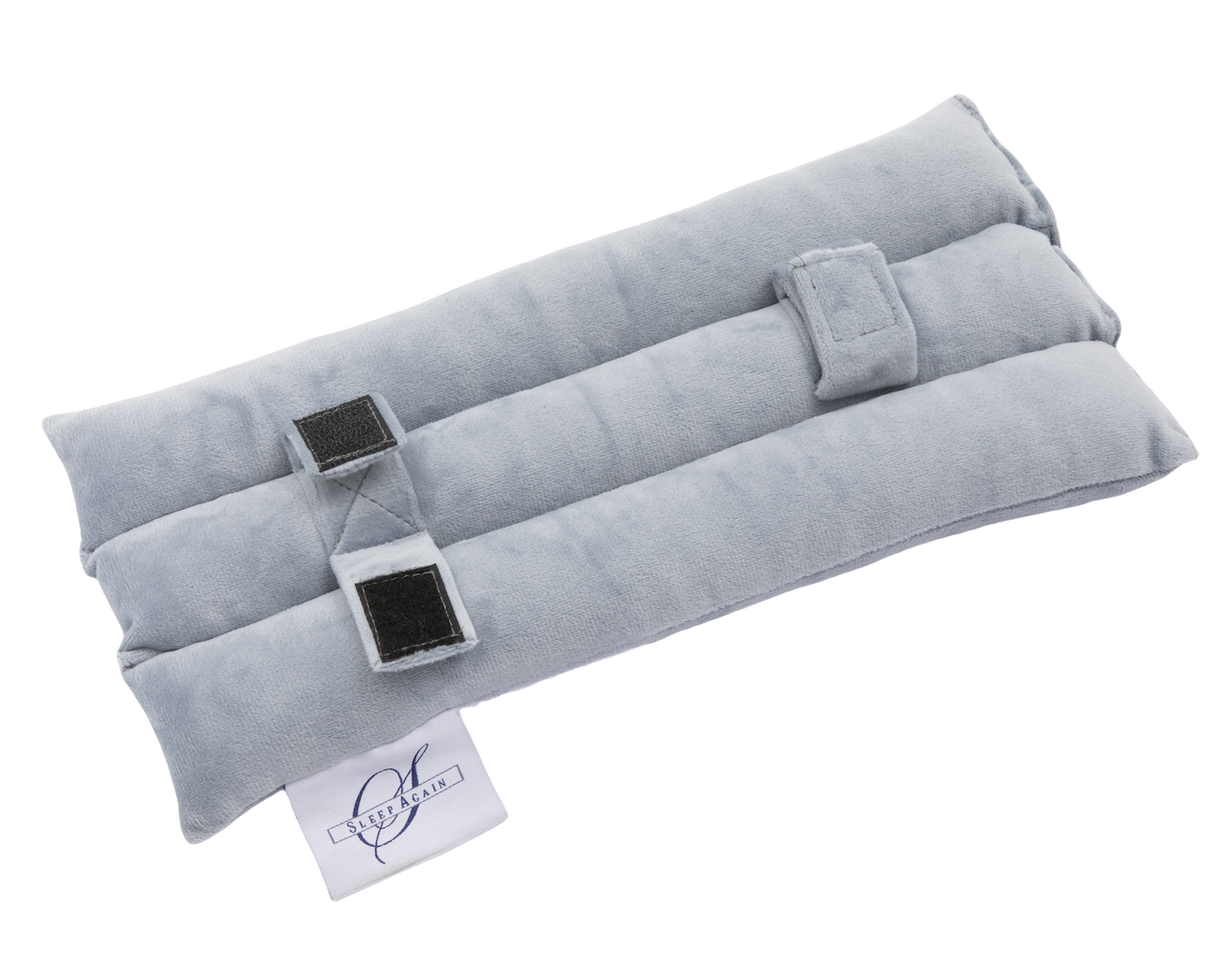
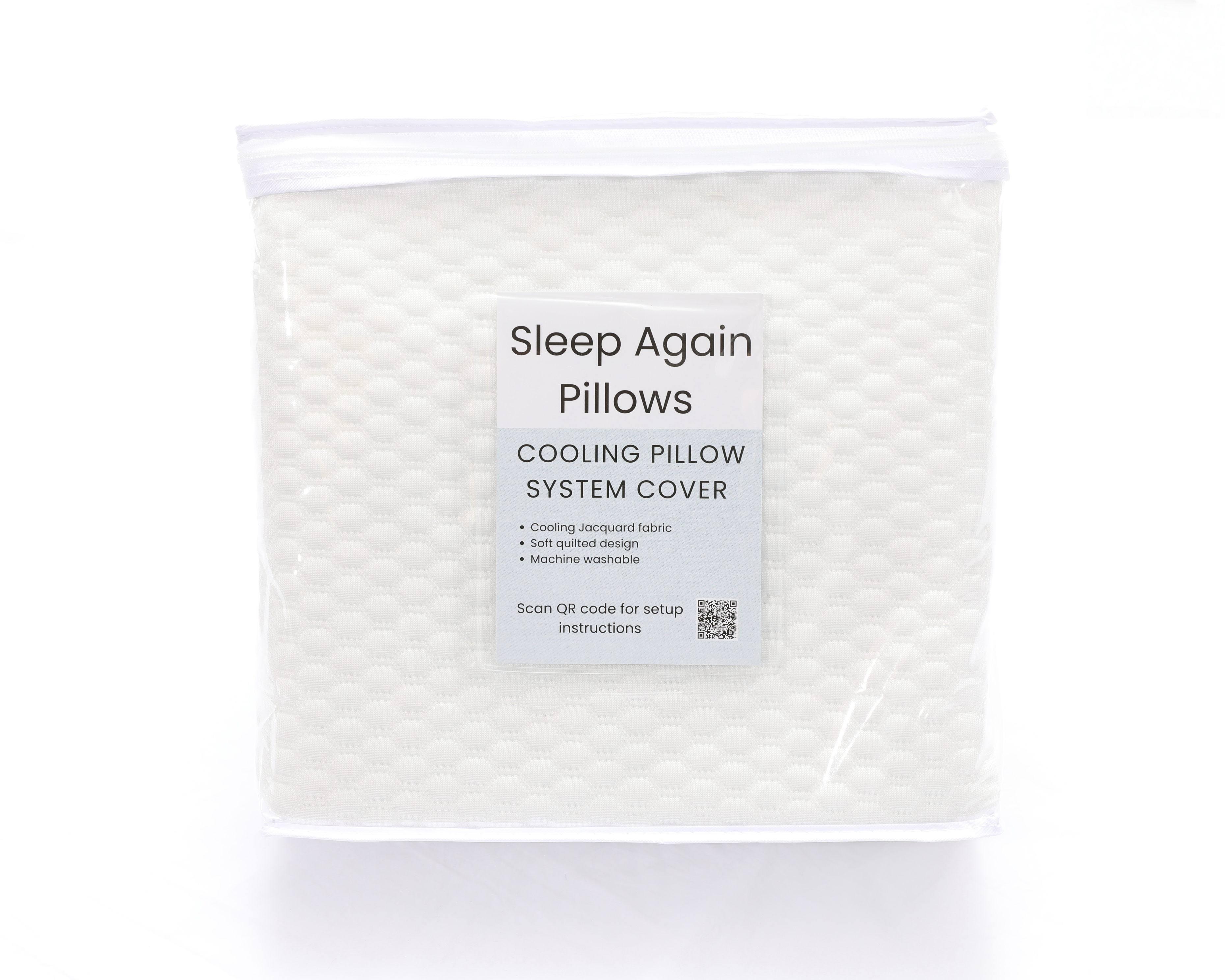
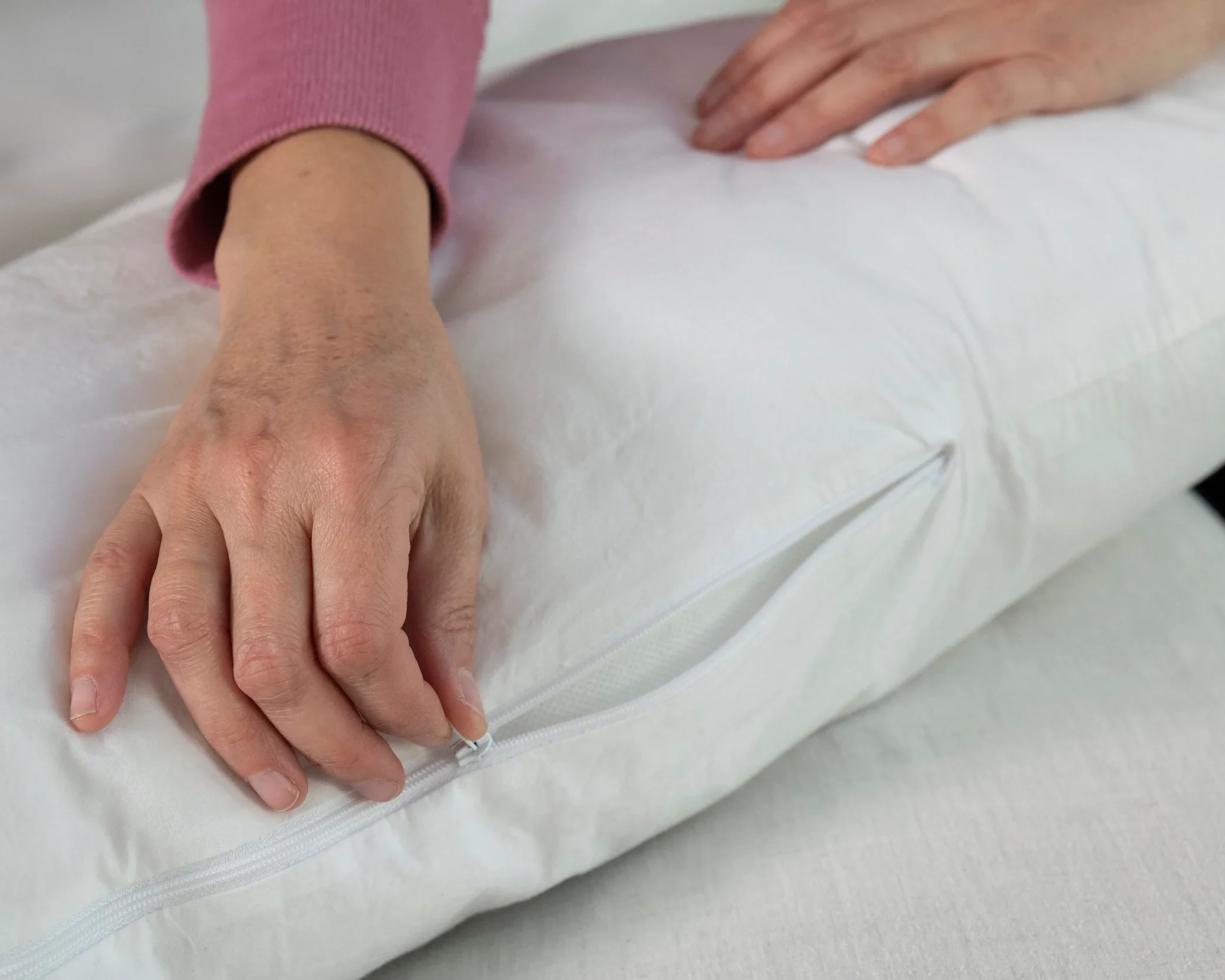
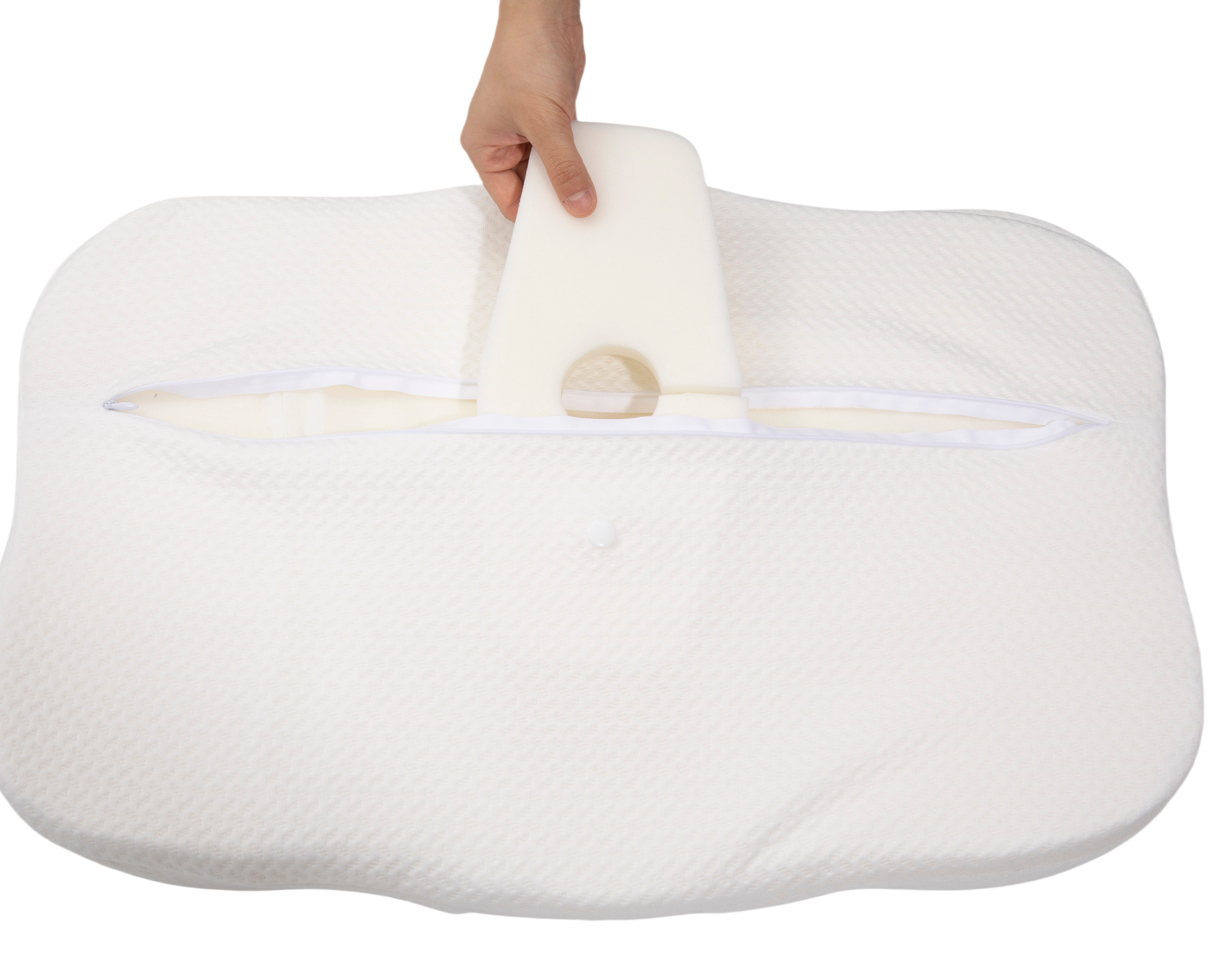
Removable, washable slipcovers for every piece
Why Sleep Again Pillow System Excels for Lower Back Pain
Maintains therapeutic angles consistently: The Upper Body Wedge uses advanced foam that holds its 30-45 degree angle throughout the night. While household pillows lose 40-60% of their elevation by morning, the Sleep Again Pillow System maintains its positioning—ensuring your back gets support all night.
Eliminates harmful gaps: The integrated design ensures seamless support from your head to your legs. Each component is engineered to work with the others, creating complete support architecture rather than individual pillows hoping to cooperate.
Provides crucial leg elevation: The Leg Support Wedge addresses the hip flexor tension that often sabotages back sleeping attempts. The wedge maintains the precise angle needed to relax hip flexors without creating knee pressure, transforming elevated back sleeping from "somewhat comfortable" to "genuinely restorative."
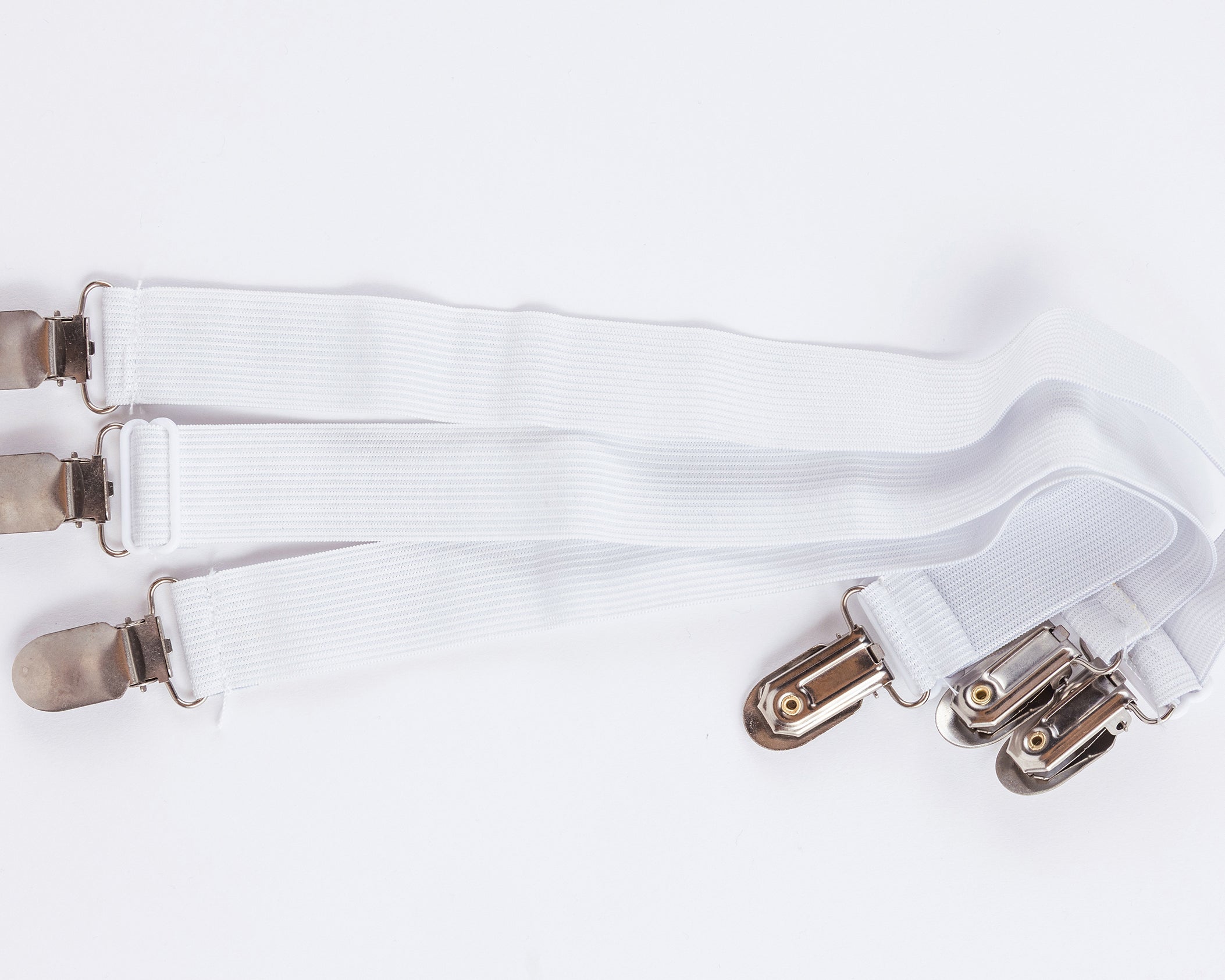
Prevents midnight position collapse: Unlike stacked pillows that shift and separate, each Sleep Again Pillow System component maintains its position throughout the night. Traditional pillow arrangements require 2-4 middle-of-night readjustments as components compress and migrate. The Sleep Again Pillow System eliminates these disruptions entirely.
Supports long-term use: The Sleep Again Pillow System's durable construction continues providing therapeutic positioning for years. The professional-grade materials resist the compression and breakdown that renders household pillows ineffective after 3-6 months.
SHOP THE BEST PILLOW FOR LOWER BACK PAIN RELIEF

Your Complete Back Pain Sleep Strategy
Solving lower back pain sleep problems requires a comprehensive approach, not just trying one position and hoping for the best.
Week 1: Foundation Building
Primary focus: Establish elevated back sleeping as your default position and create your optimal support setup.
Key actions:
Set up your elevated back sleeping position using either the Sleep Again Pillow System or carefully selected firm pillows. Ensure leg support is in place—this is non-negotiable for back pain relief. Start each night in this position, even if you drift to other positions later. Take note of which specific setup elements work best.
Realistic expectations: The first week involves adjustment. You might not sleep perfectly immediately, but you should notice reduced morning pain even with imperfect sleep. Your body needs time to adapt to new positioning, and your muscles need several nights to learn they can fully relax in this supported position.
Week 2-3: Optimization Phase
Primary focus: Refine your setup based on first week experience and establish consistent sleep habits.
Key actions:
Adjust elevation angle if needed (anywhere in 30-45 degree range). Fine-tune leg support positioning for maximum hip flexor relaxation. Address any pressure points or discomfort with positioning modifications. Increase time spent in optimal position each night.
Progress markers: By week 2-3, most people experience significant morning pain reduction and can maintain optimal positioning for longer periods. The adaptation phase is largely complete, and the benefits become increasingly obvious.
Week 4+: Sustainable Success
Primary focus: Maintain your positioning strategy and address any remaining issues.
Key actions:
Continue elevated back sleeping as your primary position. Use alternative positions sparingly when needed for variety. Monitor your morning pain levels and adjust positioning if pain recurs. Consider whether your current solution provides the consistency you need long-term.
Long-term reality: Lower back pain relief through positioning isn't a temporary fix you stop once pain improves—it's a sustainable strategy that prevents pain from returning. Many people discover that maintaining therapeutic positioning becomes their permanent sleep approach because it simply feels better than their previous habits.
SHOP THE BEST PILLOW FOR LOWER BACK PAIN RELIEF
Additional Strategies for Maximum Back Pain Relief
Positioning provides the foundation, but these complementary strategies enhance results.
Pre-Sleep Movement Routine
Gentle stretching (5-10 minutes before bed):
Cat-cow stretches to mobilize your spine—this gentle alternation between flexion and extension helps reset spinal mechanics and reduce tension accumulated during the day.
Knee-to-chest stretches to release lower back tension—bringing each knee individually toward your chest while lying on your back helps release tight hip flexors and lumbar muscles.
Gentle spinal twists to reduce muscle tightness—lying on your back with knees bent and gently rotating your lower body side to side creates gentle spinal mobility without stress.
Hip flexor stretches to reduce pull on your lumbar spine—tight hip flexors create constant tension on your lumbar vertebrae, and releasing this tension before bed enhances the effectiveness of proper positioning.
The timing principle: Stretch after you've set up your sleep positioning but before you settle in for the night. This releases acute tension while your positioning prevents it from building back up overnight.
Temperature Management
Cool your sleep environment to 65-68°F. Inflammation often increases with heat, and a cooler environment supports the anti-inflammatory benefits of proper positioning. Your body also sleeps more deeply in cooler temperatures, maximizing the healing benefits of quality rest.
Mattress Considerations
Your mattress doesn't have to be expensive, but it should be firm enough to support your positioning system without allowing excessive sagging that undermines your setup. Medium-firm mattresses typically work best with elevated back sleeping.
Mattress reality check: A $3,000 mattress won't fix back pain if you're sleeping in positions that stress your spine. Proper positioning on a decent mattress beats poor positioning on the world's most expensive mattress. Focus your investment on positioning equipment that maintains therapeutic angles rather than expensive mattresses that can't compensate for poor positioning.
Back Sleeping Position for Lower Back Pain FAQs
Q: How long before I notice improvement in my back pain?
A: Many people experience noticeably reduced morning pain within 3-7 days of consistent proper positioning. Significant improvement typically occurs within 2-4 weeks as your body completes its inflammatory response cycle and adapts to sustained neutral positioning.
Q: Can I ever go back to my old sleeping positions?
A: You might be able to reintroduce other positions occasionally once your back pain has resolved, but most people find they prefer elevated back sleeping because it feels better and prevents pain from returning.
Q: What if I can't fall asleep on my back?
A: Start by using elevated back position for the first part of the night. Many people who "can't" back sleep find they can once proper leg support eliminates the discomfort that prevented it before. The leg elevation component is crucial—without it, back sleeping can feel uncomfortable regardless of upper body positioning.
Q: Will this work for herniated discs or other serious back problems?
A: Proper positioning often provides significant relief for various back conditions, but you should always consult your healthcare provider about specific positioning recommendations for your diagnosis. Some conditions require modified approaches or additional interventions.
Q: Can children and teenagers benefit from these positioning strategies?
A: Yes, though they typically need less elevation than adults. The principles of proper spinal support apply regardless of age, and establishing good sleep positioning habits early can prevent chronic back problems later in life.
The Bottom Line: Your Back Pain Solution
Lower back pain doesn't have to greet you every morning. The right sleeping position—elevated back sleeping with proper leg support—provides the spinal alignment and pressure relief that allows your back to recover overnight instead of accumulating more damage.
Whether you choose a carefully constructed DIY pillow arrangement or invest in the Sleep Again Pillow System, the goal is creating consistent, therapeutic positioning that works night after night. Your back needs support that doesn't compress, shift, or fail when you need it most.
Most importantly, understand that fixing sleep-related back pain is about engineering solutions, not hoping for luck. When you align your spine properly for 6-8 hours every night, you're giving your back the recovery time it needs to heal and stay healthy.
You don't have to accept morning back pain as inevitable. With the right positioning strategy and adequate support, you can wake up feeling rested instead of reaching for ibuprofen before your feet hit the floor.
Medical Disclaimer
This information is provided for educational purposes only and should not replace professional medical advice. Lower back pain has many potential causes, and sleeping position recommendations may vary based on your specific diagnosis, overall health, and individual circumstances.
Always consult with healthcare providers before making significant changes to your sleep positioning, especially if you have diagnosed spinal conditions, recent injuries, or chronic pain conditions. Your doctor, physical therapist, or chiropractor should evaluate your specific needs and provide personalized recommendations.
While proper positioning can significantly improve or eliminate sleep-related back pain for many people, it should complement appropriate medical care rather than replace professional treatment. Some back conditions may require specific positioning protocols that differ from general recommendations.
If you experience severe pain, numbness, weakness, or other concerning symptoms, contact your healthcare provider immediately. Persistent back pain that doesn't improve with positioning changes may require medical evaluation to identify underlying causes.
The mention of specific products or positioning strategies is for informational purposes only and does not constitute medical endorsement. What works for one person may not be appropriate for another based on individual anatomical differences and medical conditions.