
You went to bed feeling fine and woke up with significant shoulder pain. Your shoulder aches, your neck is stiff, and you're struggling to understand why something as simple as sleeping causes so much discomfort. This is a common problem affecting millions of people who experience sleep-related shoulder pain.
Here's what you need to know about shoulder pain from sleeping: it's not just about age or mattress quality. It's about the specific positions your shoulder assumes during sleep, combined with hours of sustained pressure on structures that weren't designed for prolonged compression.
If you're currently trying different pillow combinations or dreading bedtime because you know you'll wake up in pain, this guide provides practical solutions for achieving pain-free sleep.
Why Does Sleeping Cause Shoulder Pain?
Your shoulder excels at handling movement—lifting, reaching, and carrying objects throughout the day. However, it struggles with staying in one position for eight hours while bearing significant body weight.
Understanding overnight shoulder stress:
When you sleep on your side, your shoulder becomes the primary weight-bearing structure for your entire torso. That's approximately 50-60% of your body weight concentrated on a joint designed for mobility, not sustained compression. Your rotator cuff tendons get compressed between your shoulder blade and upper arm bone, blood flow to the area decreases, and inflammation develops overnight.
The pressure problem: Your shoulder isn't designed to handle 8+ hours of constant compression. The soft tissues—tendons, bursa, and muscles—that normally glide smoothly past each other get compressed together, creating friction and inflammation that manifests as morning pain.
The unconscious positioning factor: During sleep, your brain prioritizes overall comfort over joint protection, which means you might spend hours with your arm in positions that gradually stress your rotator cuff or compress nerves.

Sleep Position Analysis: Understanding Your Options
Side Sleeping: Direct Shoulder Compression
Side sleeping creates the most direct shoulder stress. The position places sustained pressure on your shoulder joint while often forcing your arm into positions that stress the rotator cuff. Sleeping with your arm under your pillow or head adds nerve compression.
Why side sleeping creates problems:
-
Direct compression of shoulder structures for extended periods
-
Arm positioning that can impinge rotator cuff tendons
-
Potential nerve compression when arms are positioned overhead or underneath
-
Uneven pressure distribution that concentrates force on vulnerable areas
Back Sleeping: Reduced Direct Pressure
Back sleeping eliminates direct shoulder compression and allows your arms to rest in more neutral positions. However, flat back sleeping can still create problems if your mattress is too soft or if your pillows don't support proper alignment.
Potential limitations:
-
Getting in and out of bed from completely flat positions can stress shoulders
-
Some people's shoulders internally rotate when lying flat, which can create impingement issues
-
Without proper support, your arms may drift into positions that create tension
Elevated Back Sleeping: Optimal Shoulder Protection
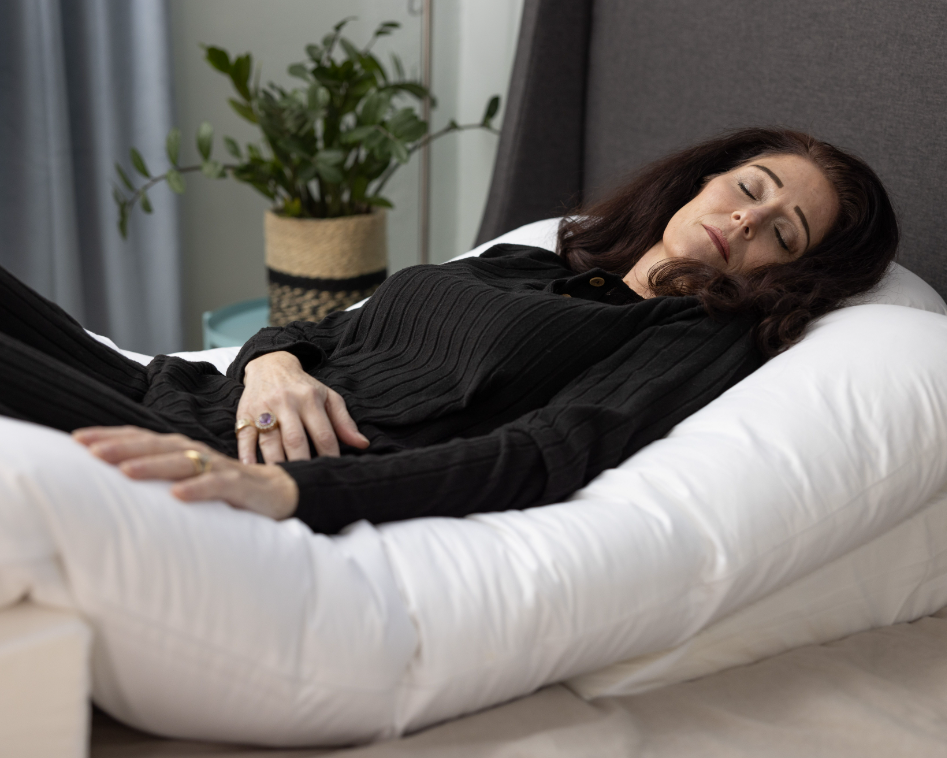
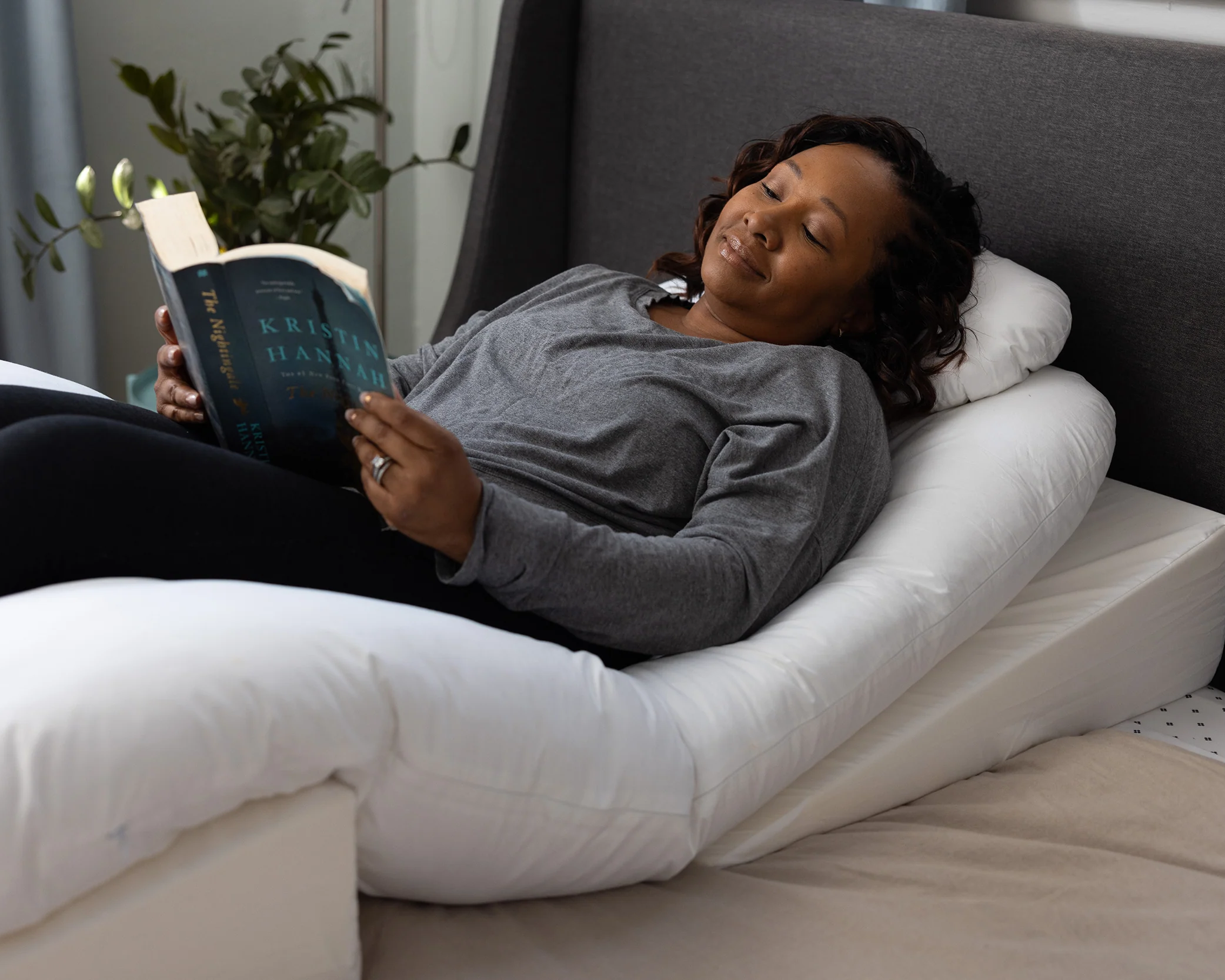
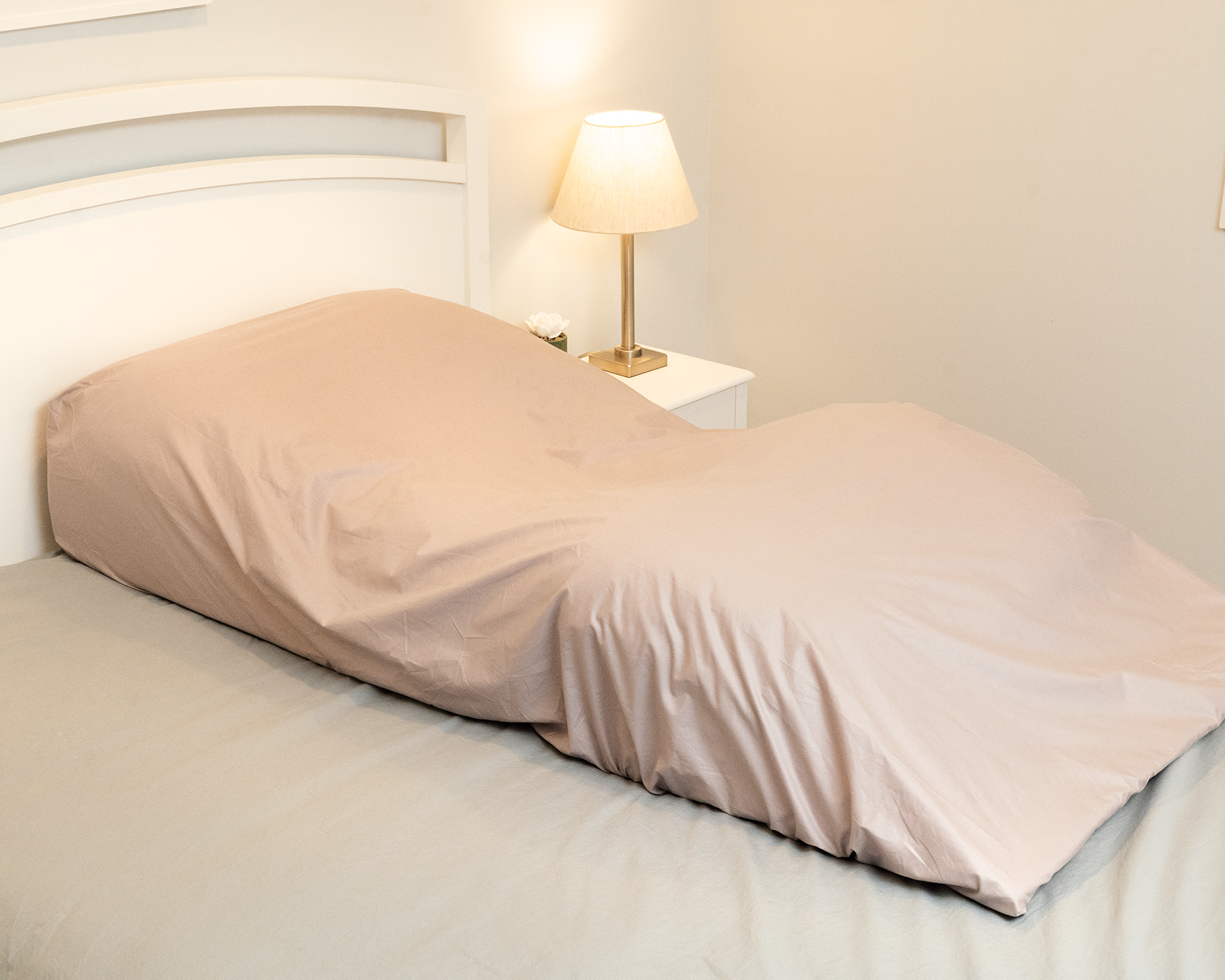
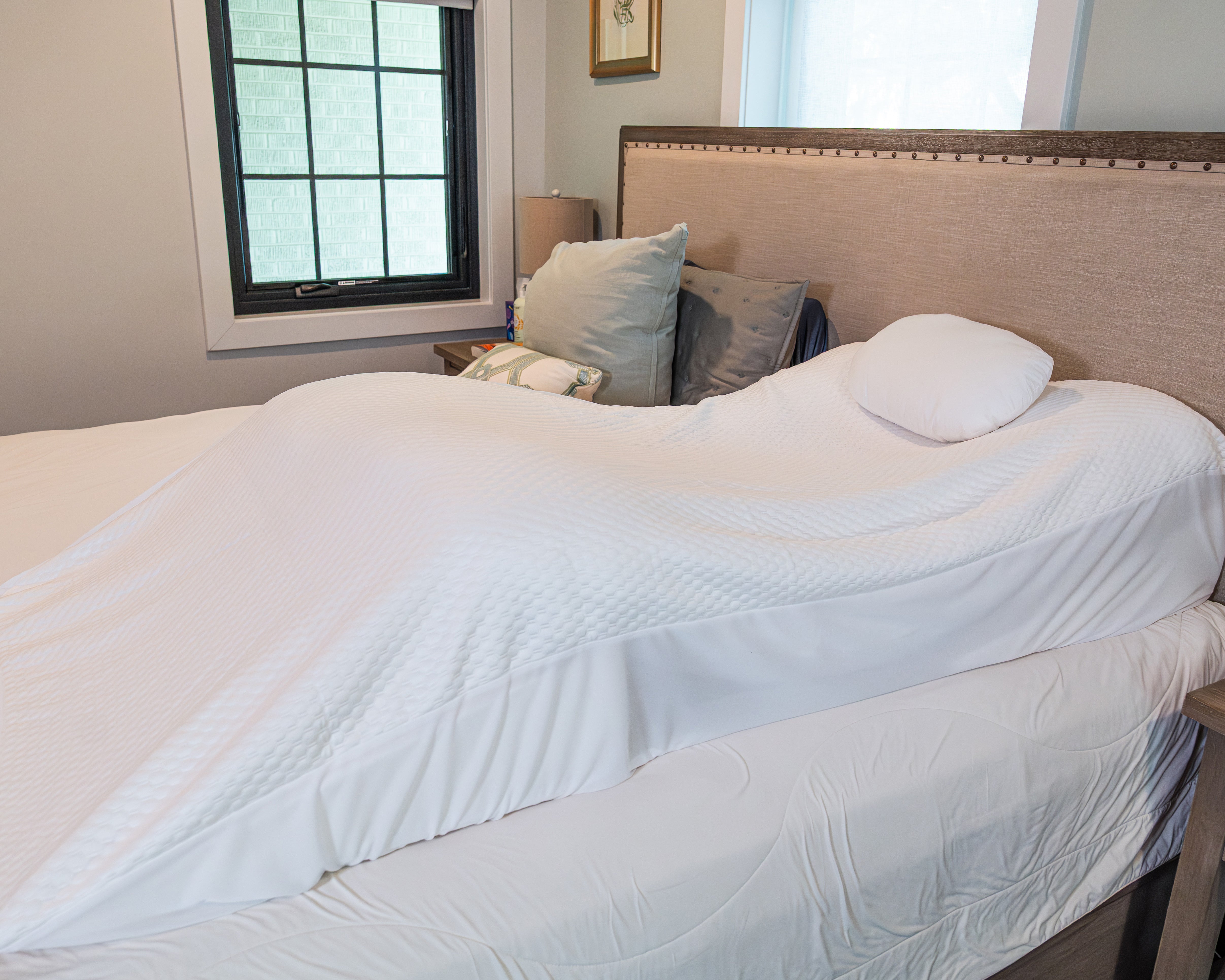
Sleeping with your upper body elevated at 30-45 degrees creates favorable conditions for shoulder health during sleep. This positioning reduces compression forces, supports natural arm positioning, and makes it easier to get up without shoulder stress. Gravity helps maintain neutral shoulder positioning, pressure distributes across a larger surface area, and the angle naturally discourages rolling into problematic positions.
SHOP THE BEST PILLOW FOR SHOULDER PAIN RELIEF
Common Shoulder Pain Patterns
Morning Stiffness
Symptoms: Your shoulder feels stiff and achy when you first wake up, but gradually improves as you move around and warm up the joint.
Cause: Inflammation has built up overnight from sustained compression or awkward positioning. Movement helps reduce inflammatory fluid and restore normal circulation.
Solution: Better sleep positioning that prevents overnight inflammation buildup, plus strategic pillow support that maintains neutral shoulder alignment.
Sharp Pain During Position Changes
Symptoms: Sudden sharp pain when you change positions during the night, often waking you up.
Cause: You're irritating an inflamed bursa or compressing a rotator cuff tendon during position changes.
Solution: Positioning systems that prevent rolling onto problematic sides, plus support that makes necessary position changes less stressful on shoulder structures.
Arm Numbness Upon Waking
Symptoms: Waking up with a numb, tingly arm that feels disconnected until circulation returns.
Cause: You've compressed nerves or blood vessels, typically by sleeping with your arm under your body or in an overhead position.
Solution: Proper arm positioning support that prevents circulation-compromising positions throughout the night.
Consistent One-Sided Pain
Symptoms: Consistent pain in the same shoulder every morning, regardless of sleep position.
Cause: You have a preferred sleep side that's taking repetitive strain night after night, or an underlying shoulder issue being aggravated by your sleep positions.
Solution: Breaking the pattern requires either switching sides or finding positioning that protects your vulnerable shoulder.
Why Standard Pillows Don't Provide Adequate Support
Standard pillows were designed for general comfort, not specific shoulder protection. They compress under body weight, shift during normal sleep movement, and lack the precise support zones your shoulders need for pain-free sleep.
The compression issue: Regular pillows lose 30-50% of their height and support during the night. What starts as comfortable positioning gradually degrades into shoulder-stressing positions as your pillows flatten.
The gap problem: Individual pillows create gaps between support zones. Your shoulder might be supported while your arm hangs unsupported, or vice versa.
The stability issue: Household pillows shift and migrate during sleep, leaving you without support when unconscious position changes create shoulder stress.

The Sleep Again Pillow System: Complete Comprehensive Shoulder Support
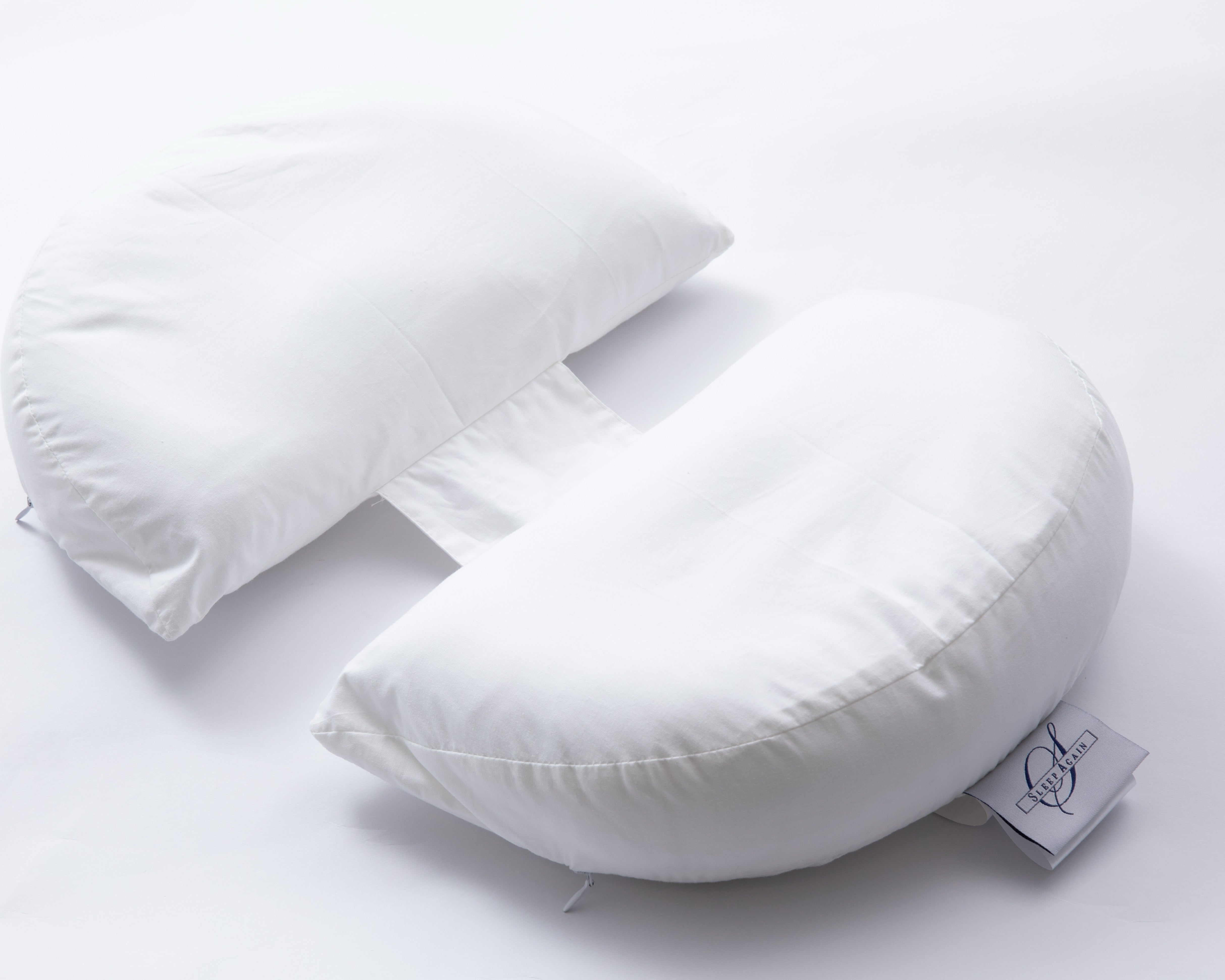
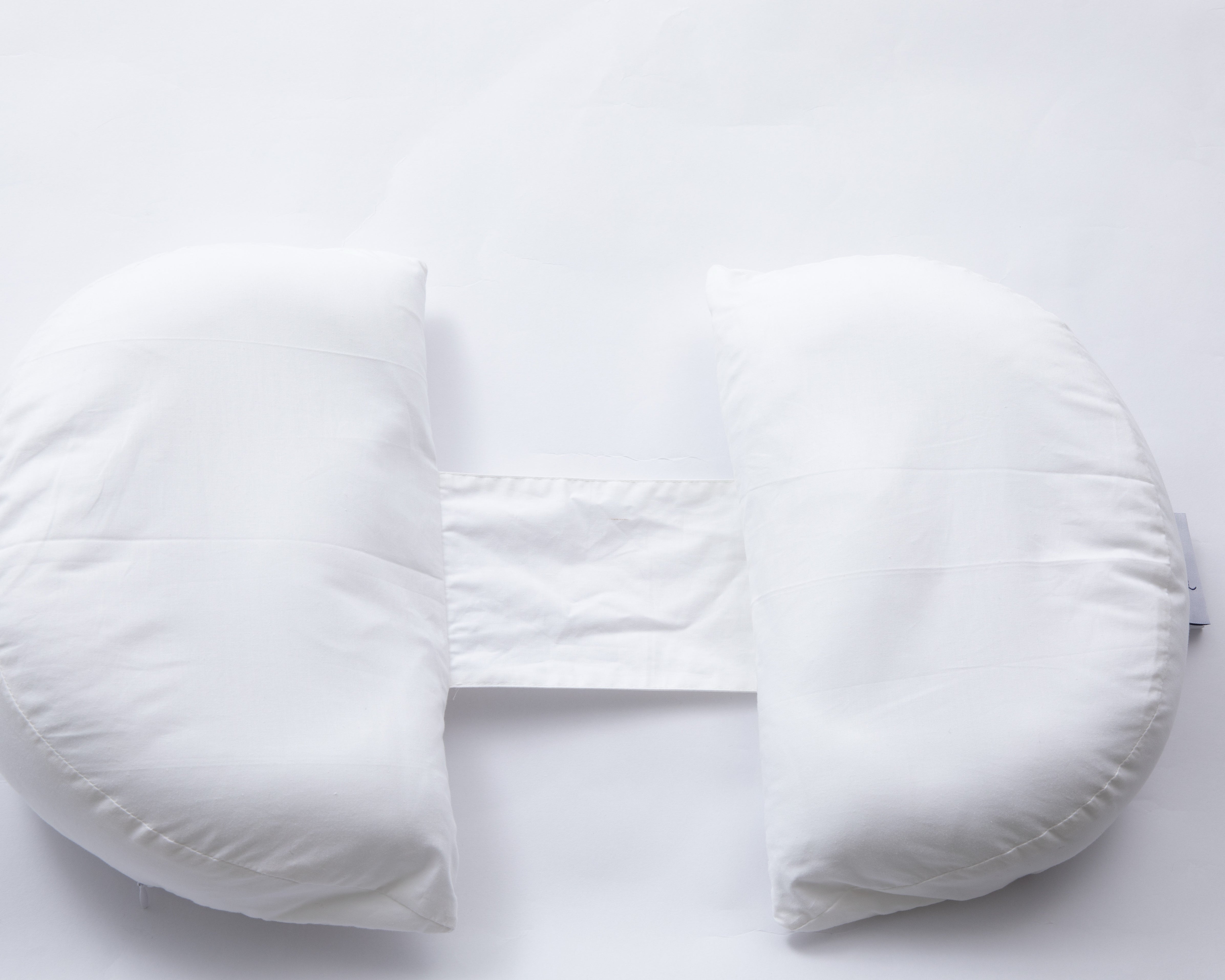
For people seeking reliable shoulder support, the Sleep Again Pillow System addresses shoulder pain challenges through integrated design and professional-grade materials.
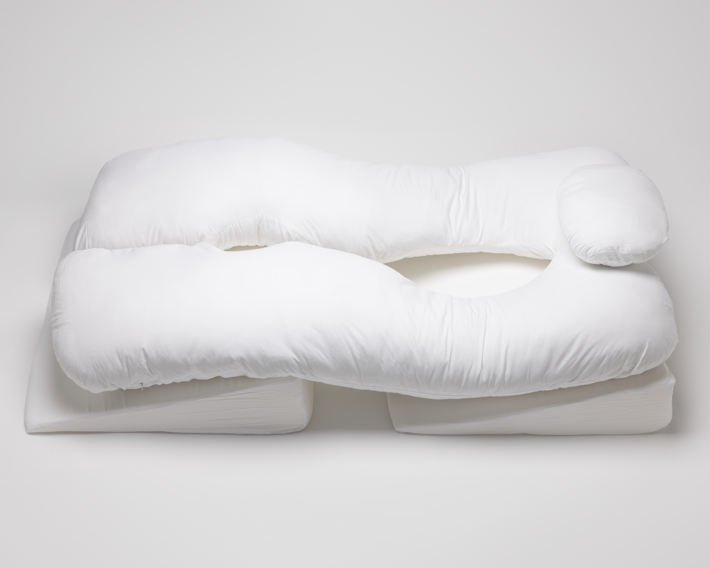
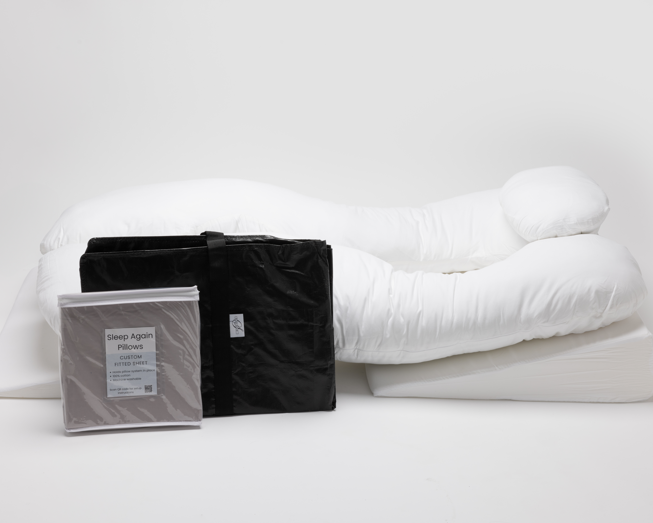
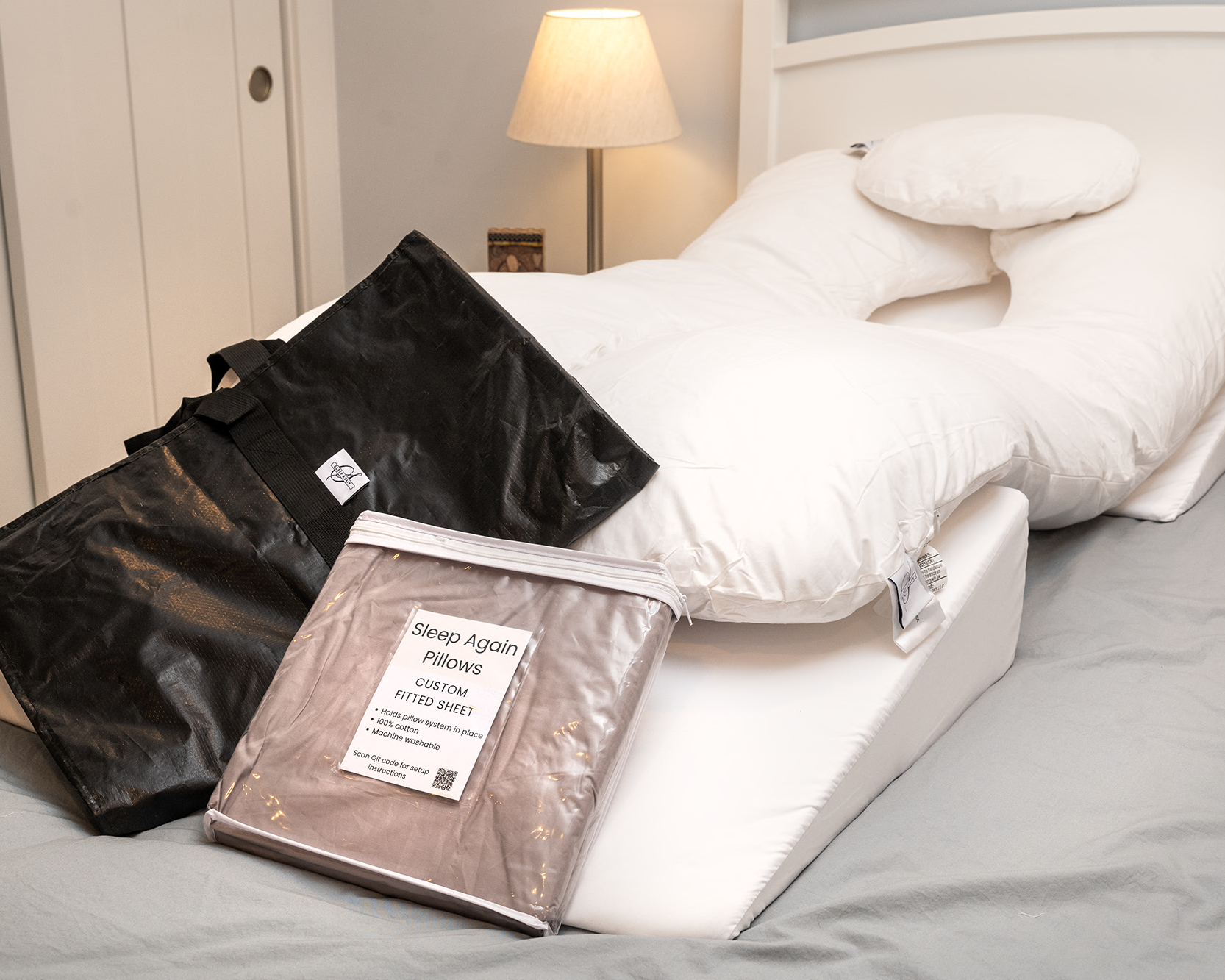
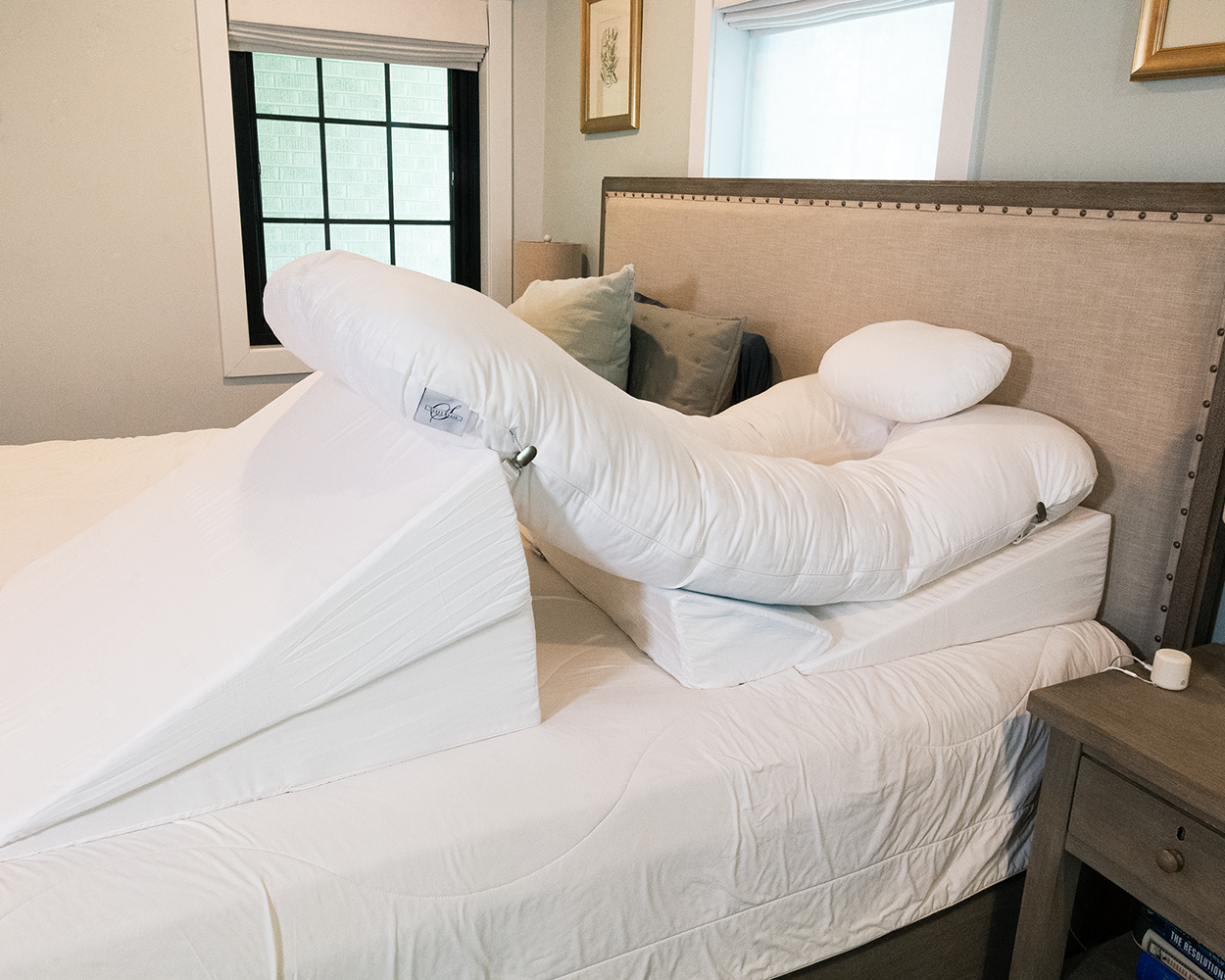
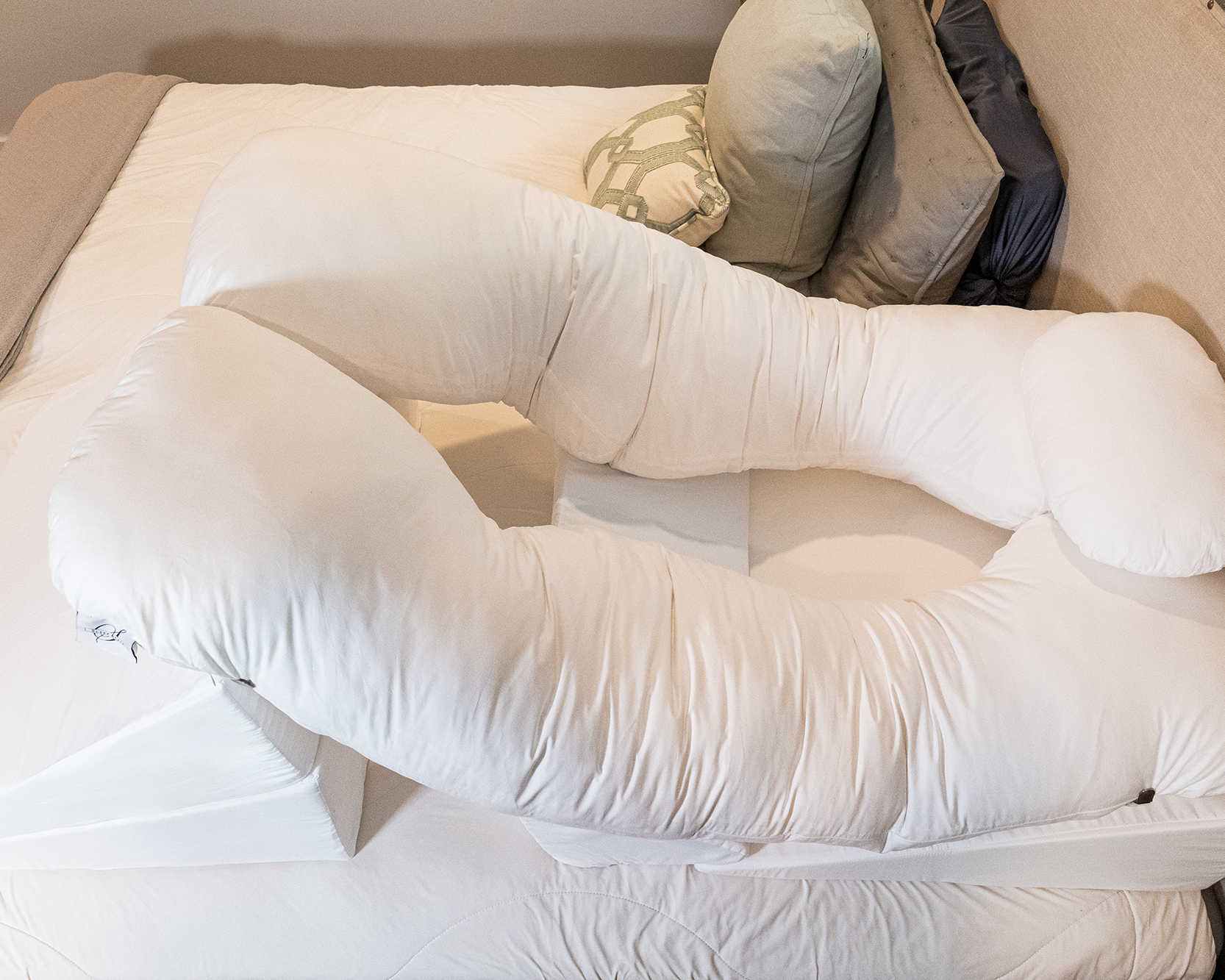
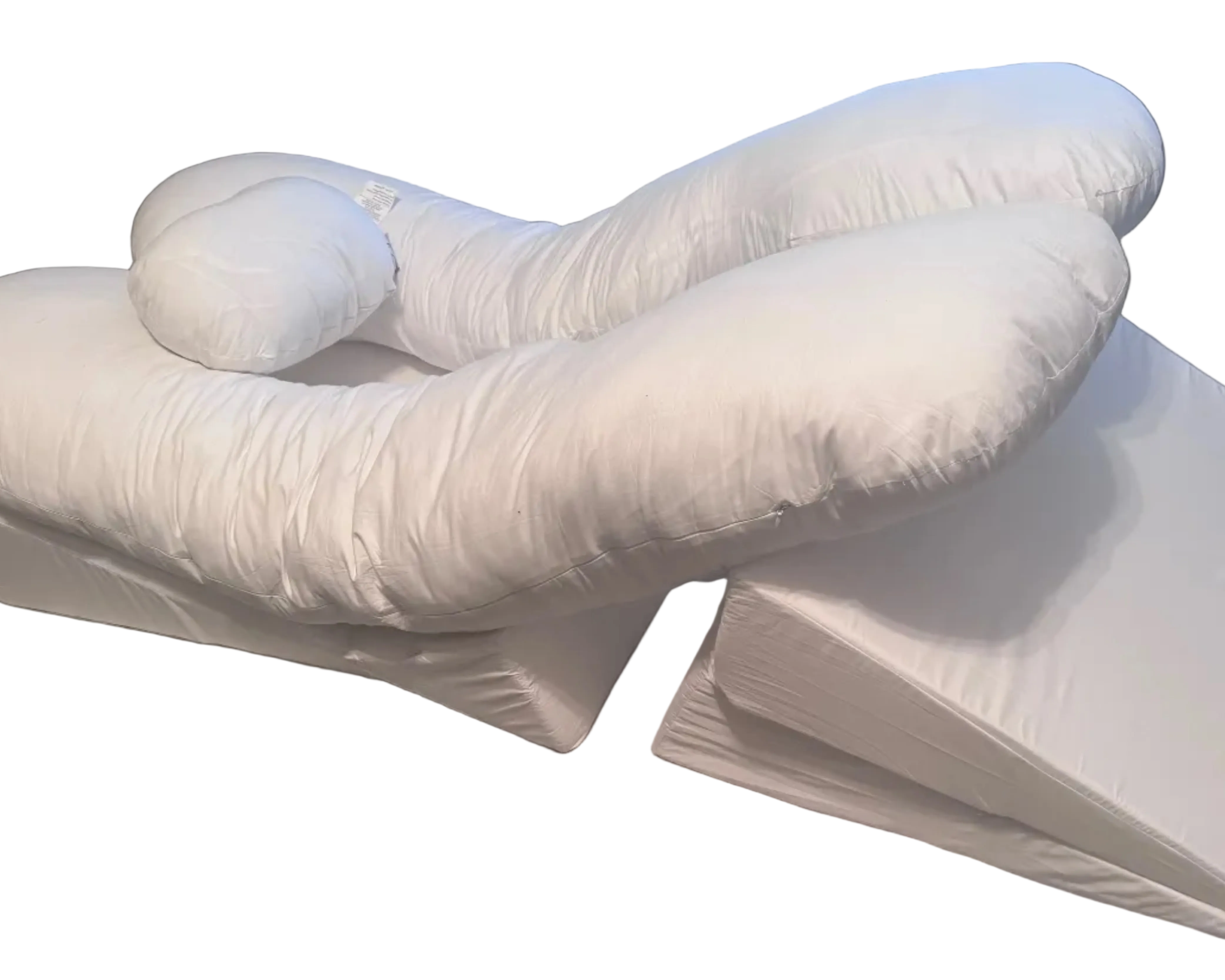
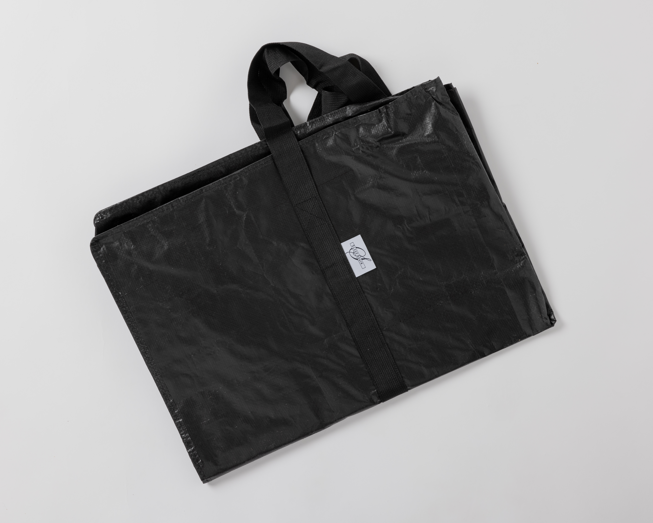
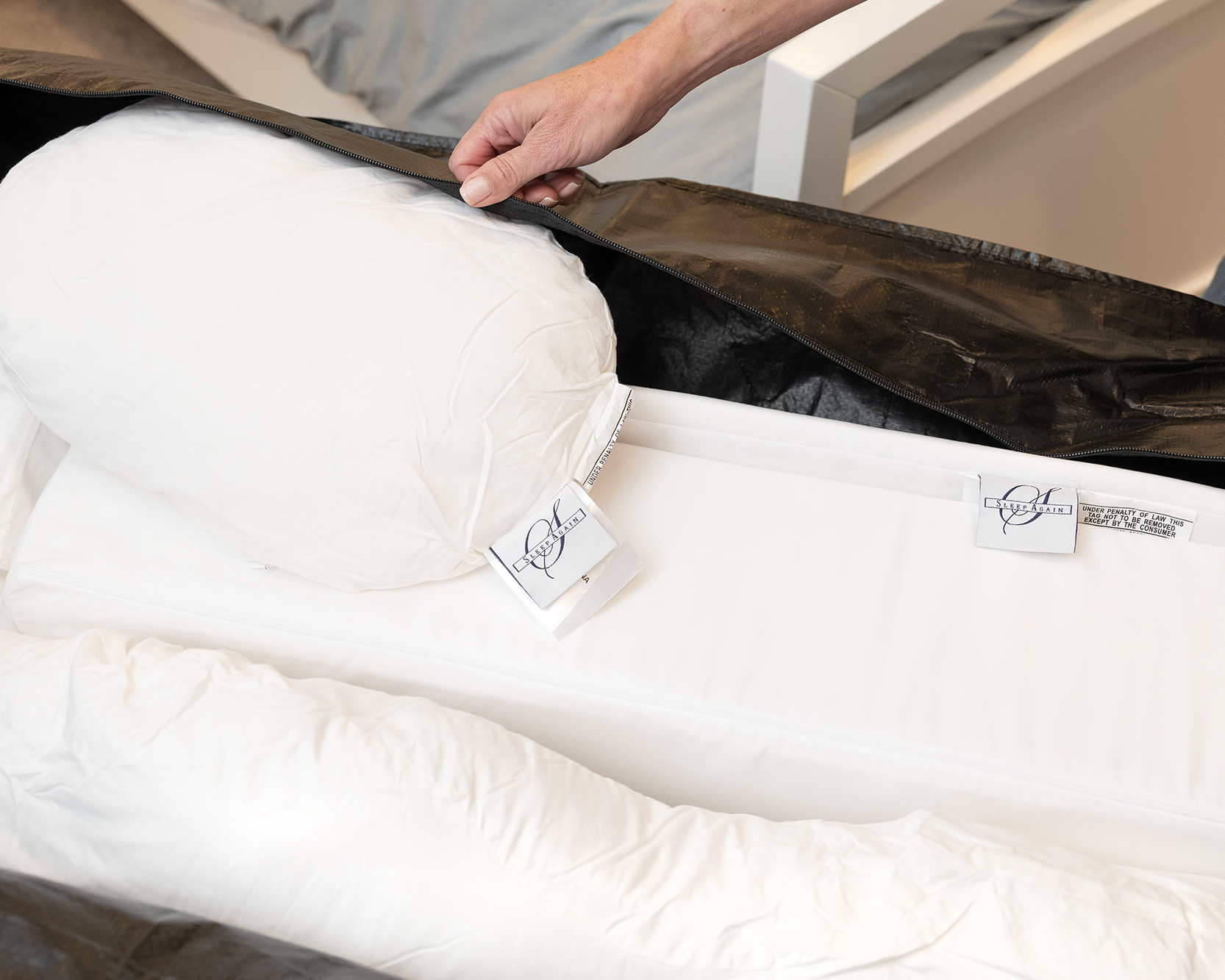
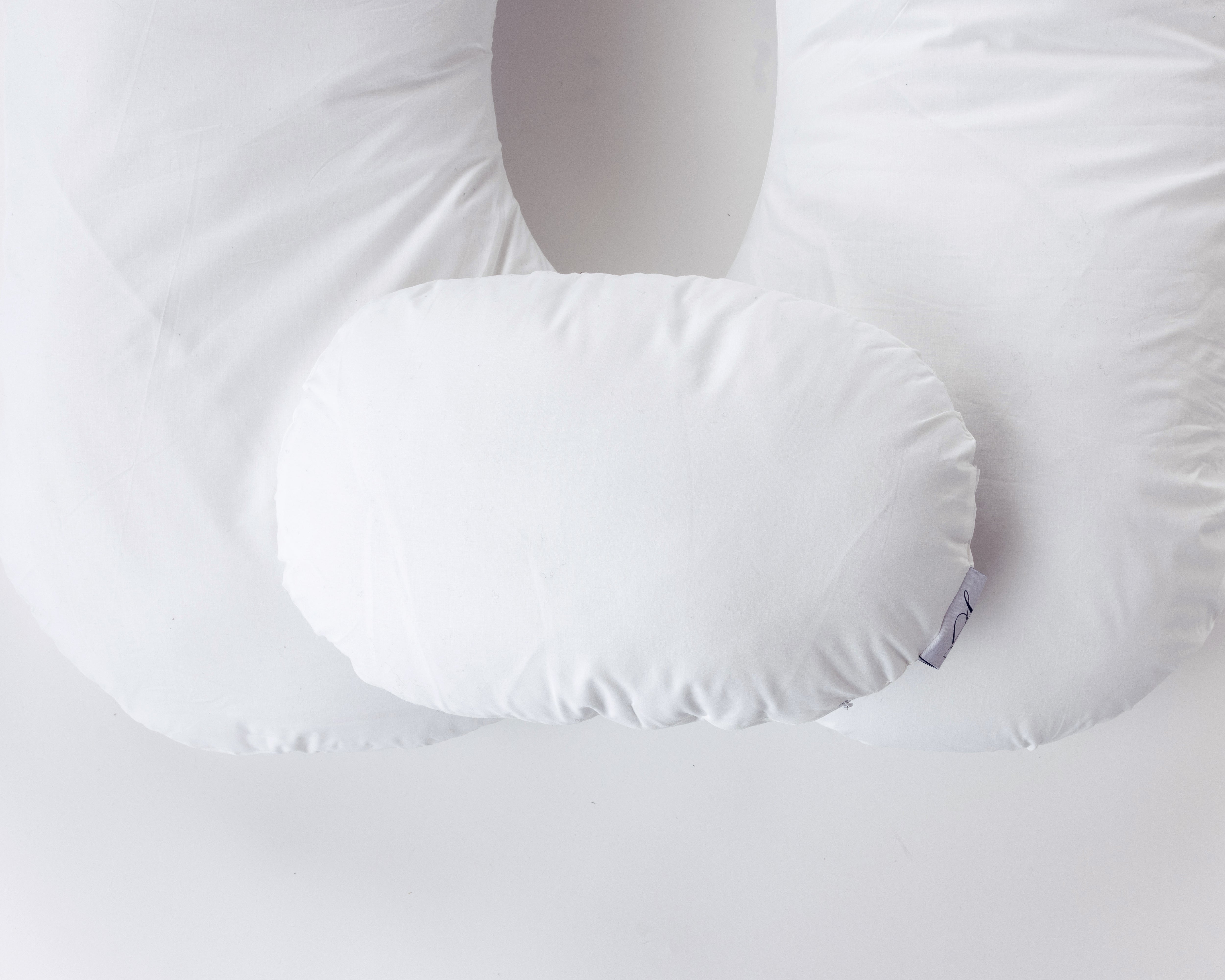
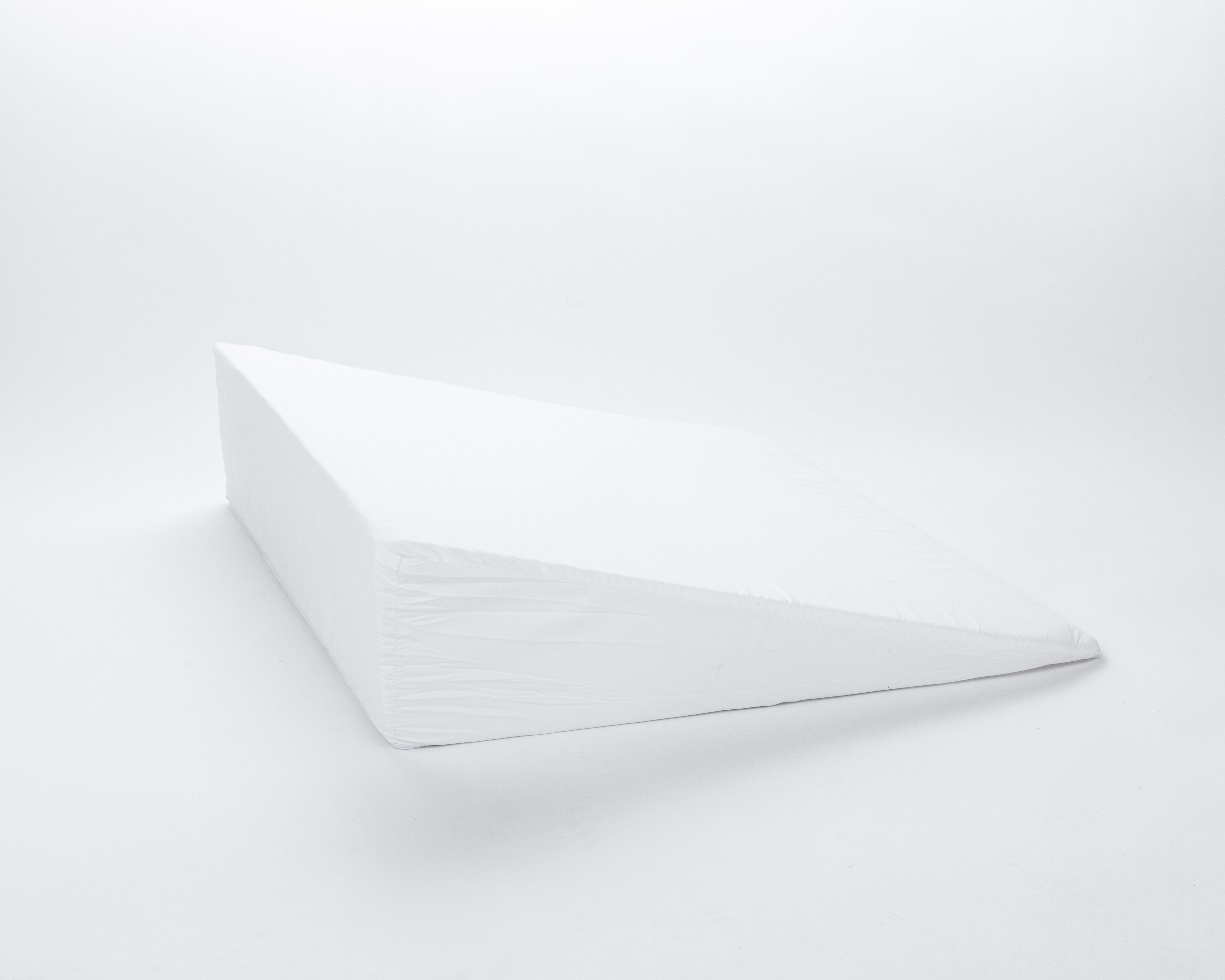
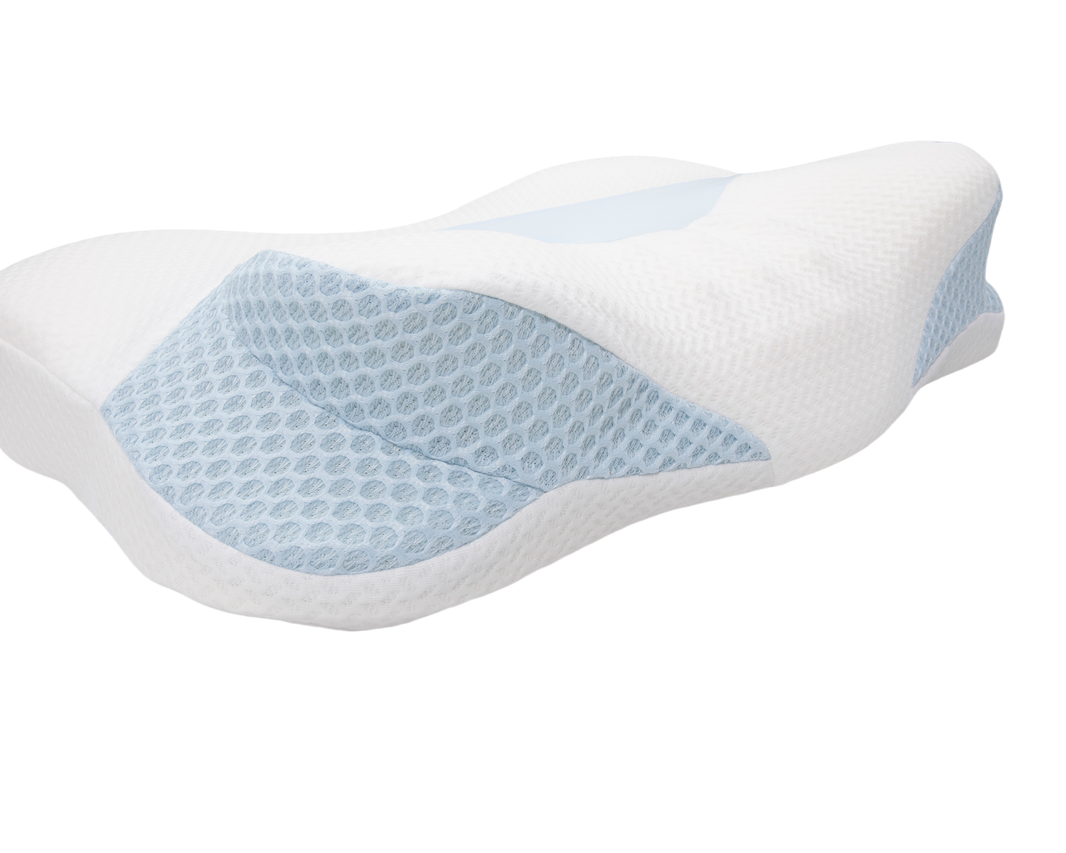
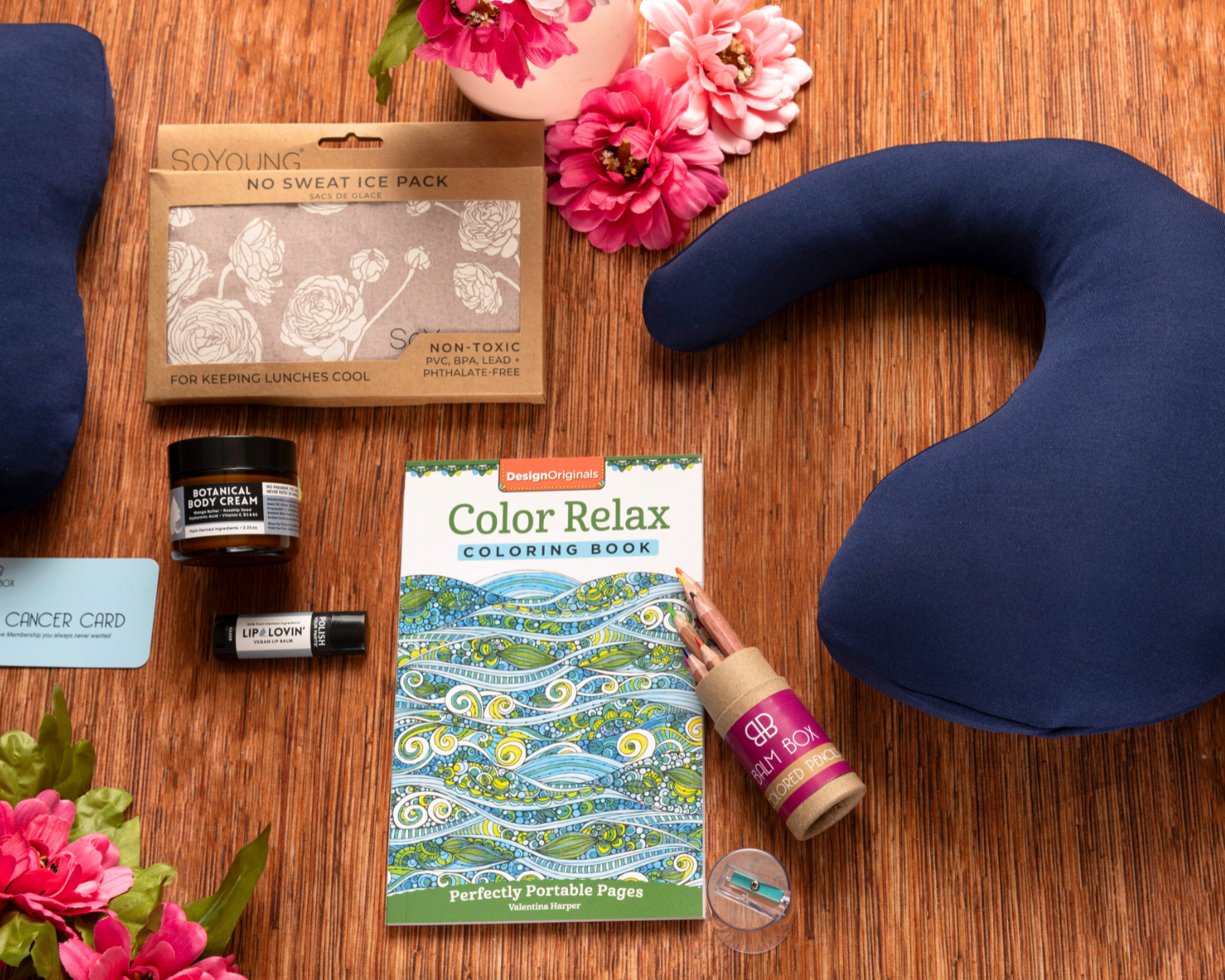
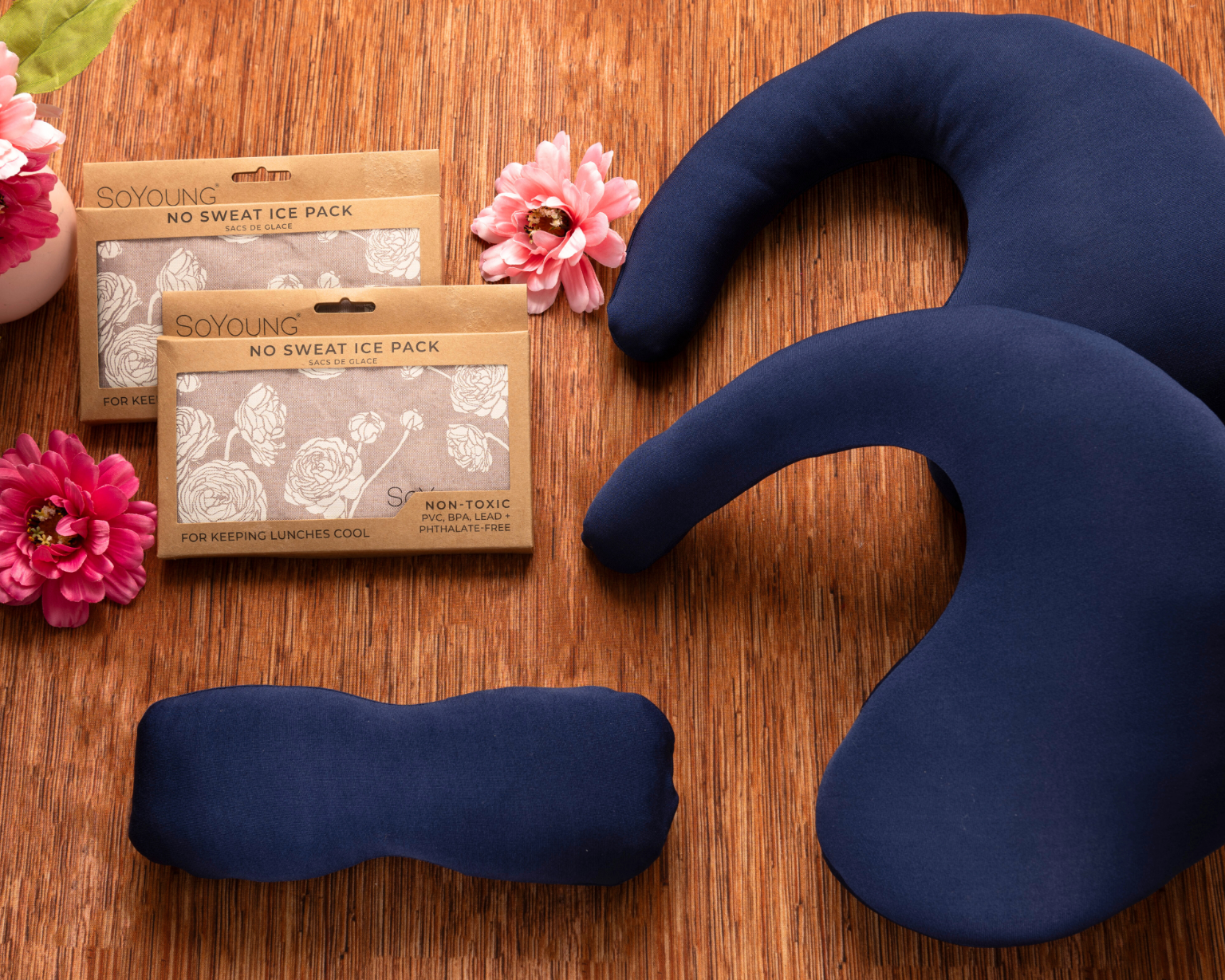
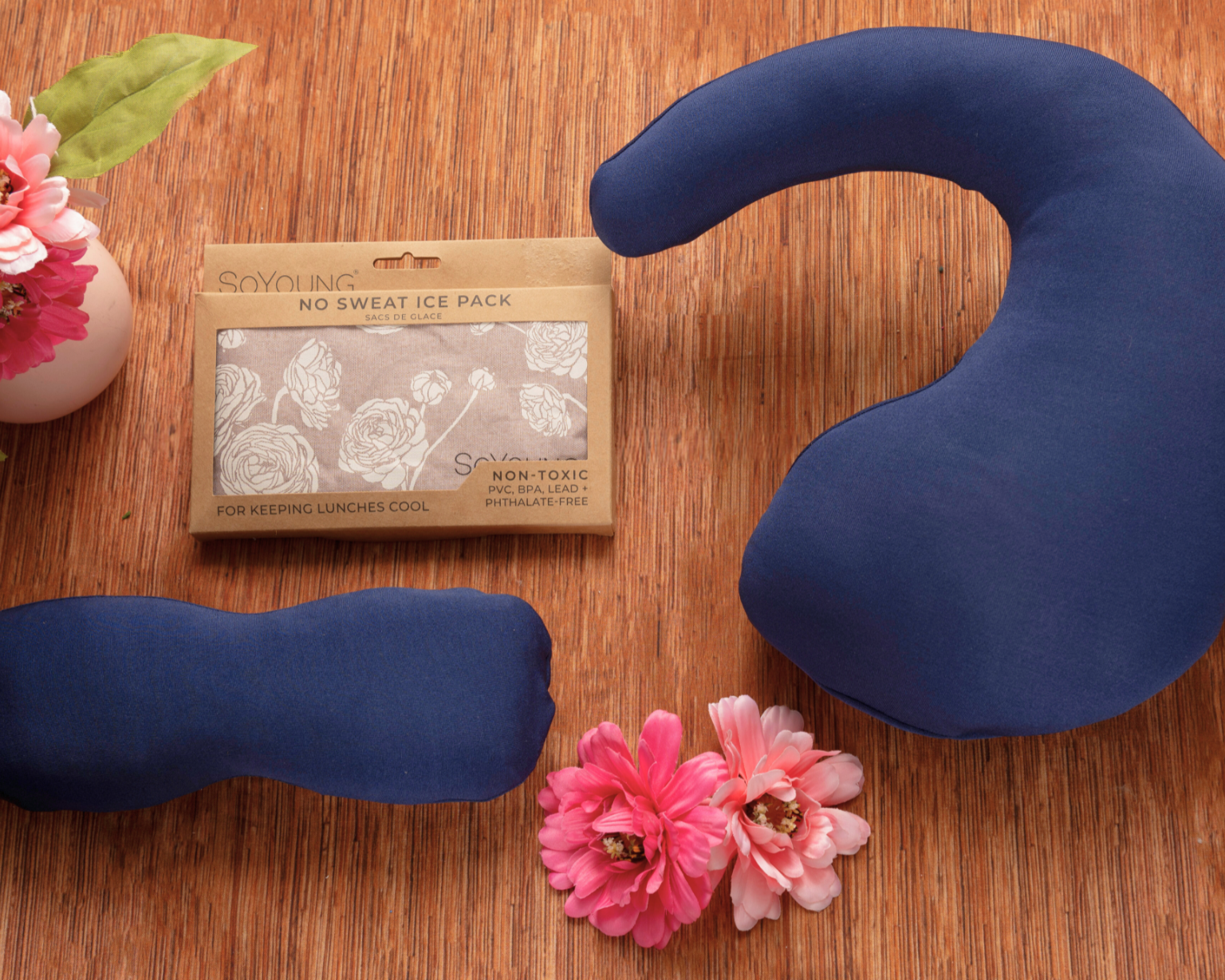
Every Sleep Again Pillow System includes:
-
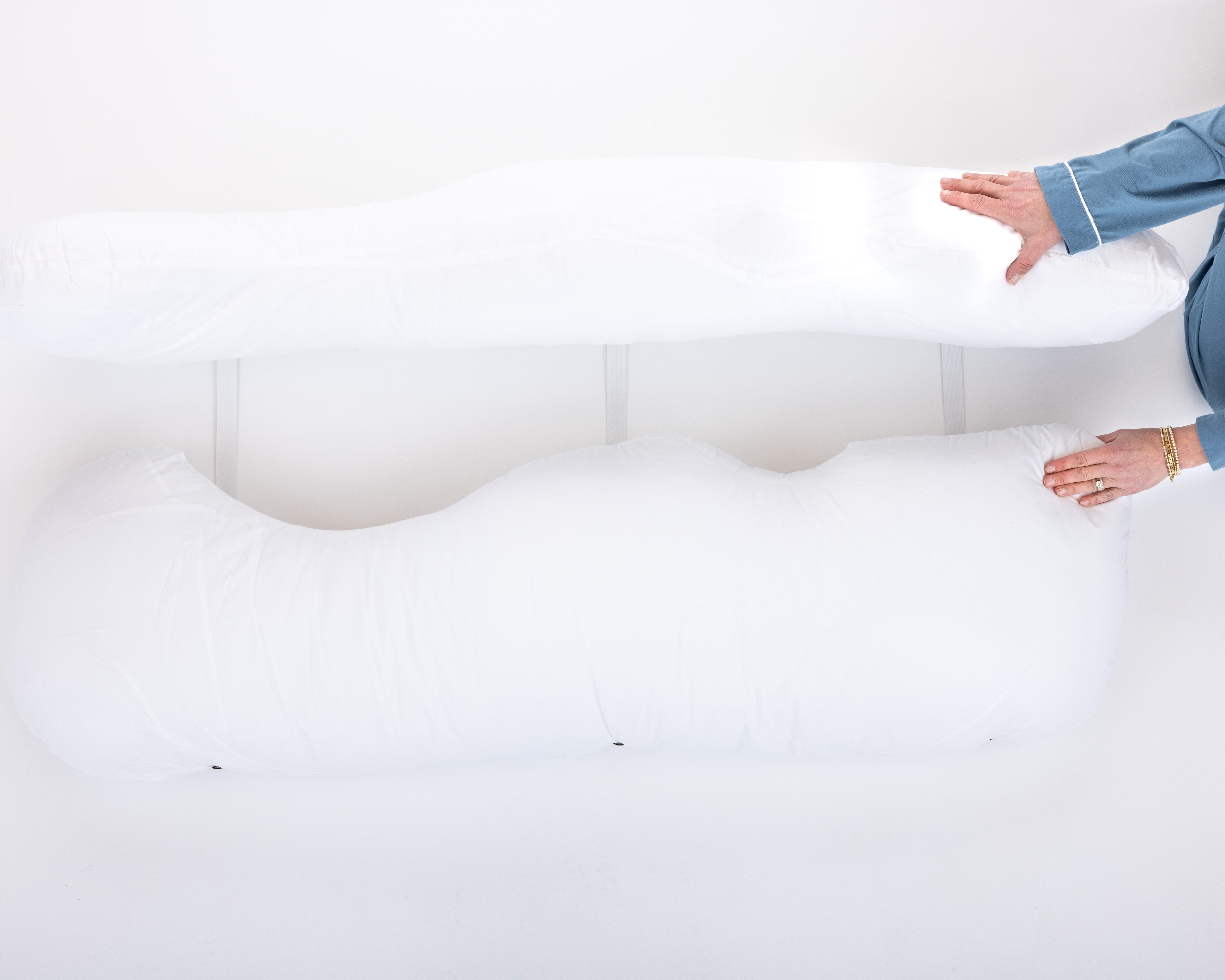
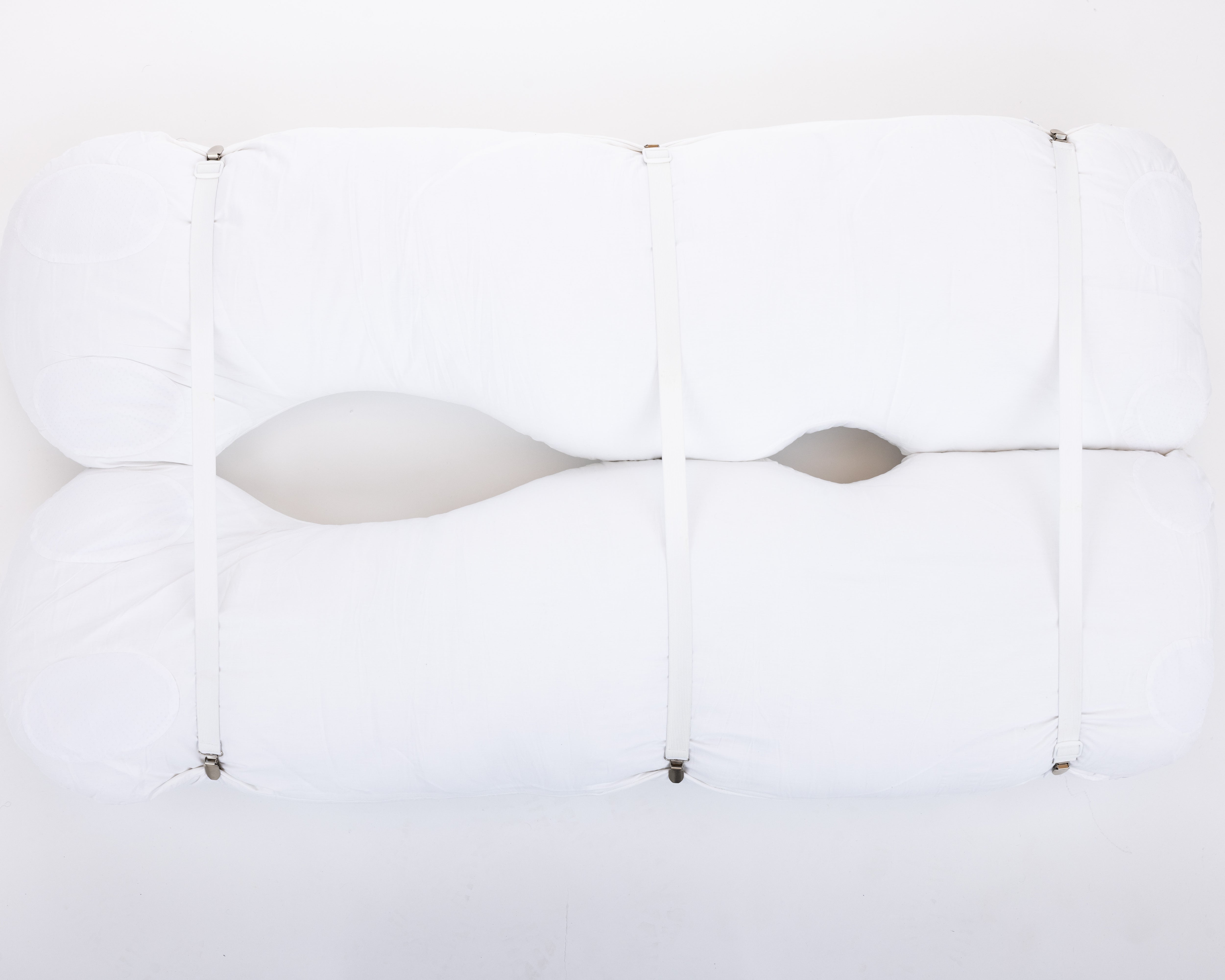
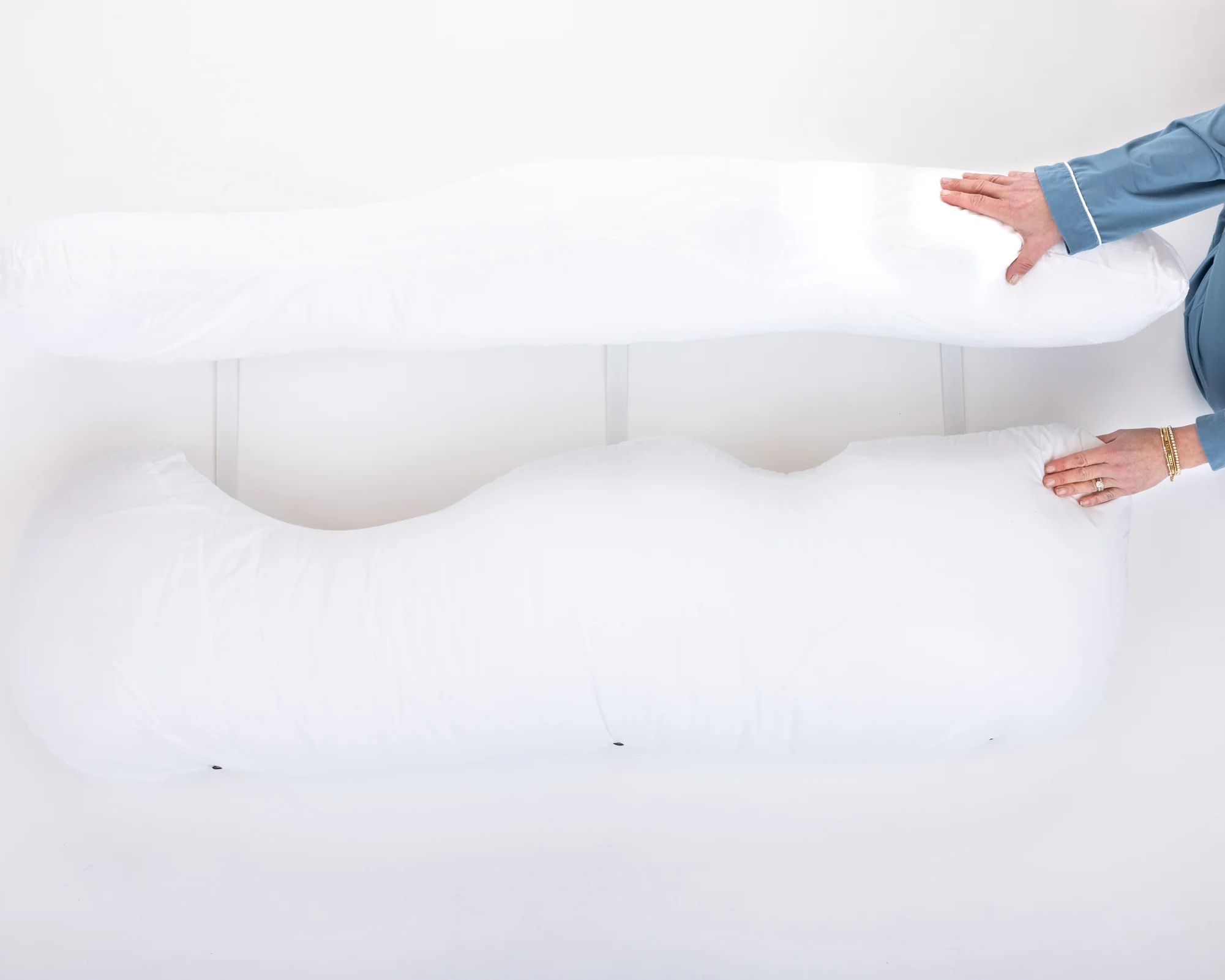
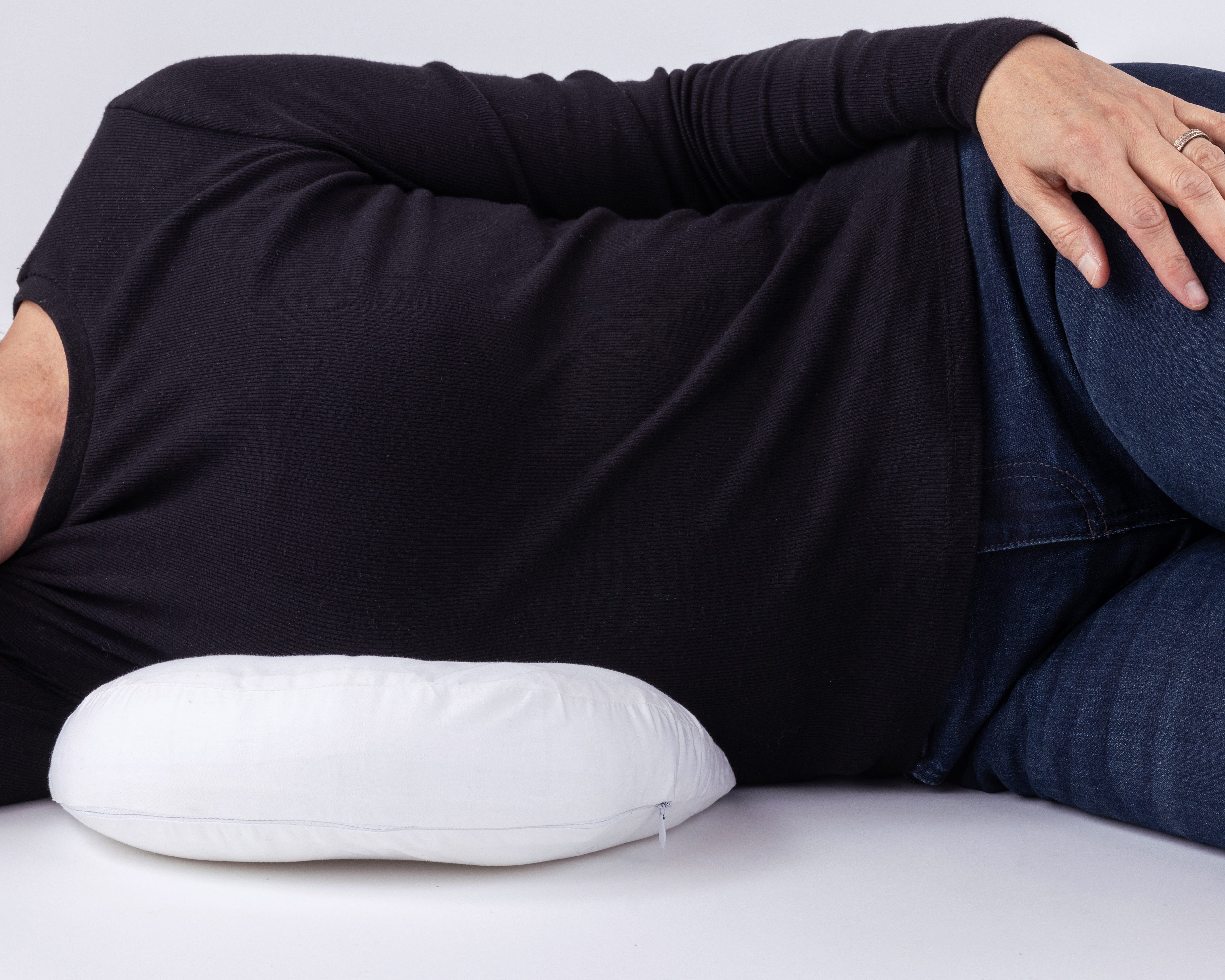
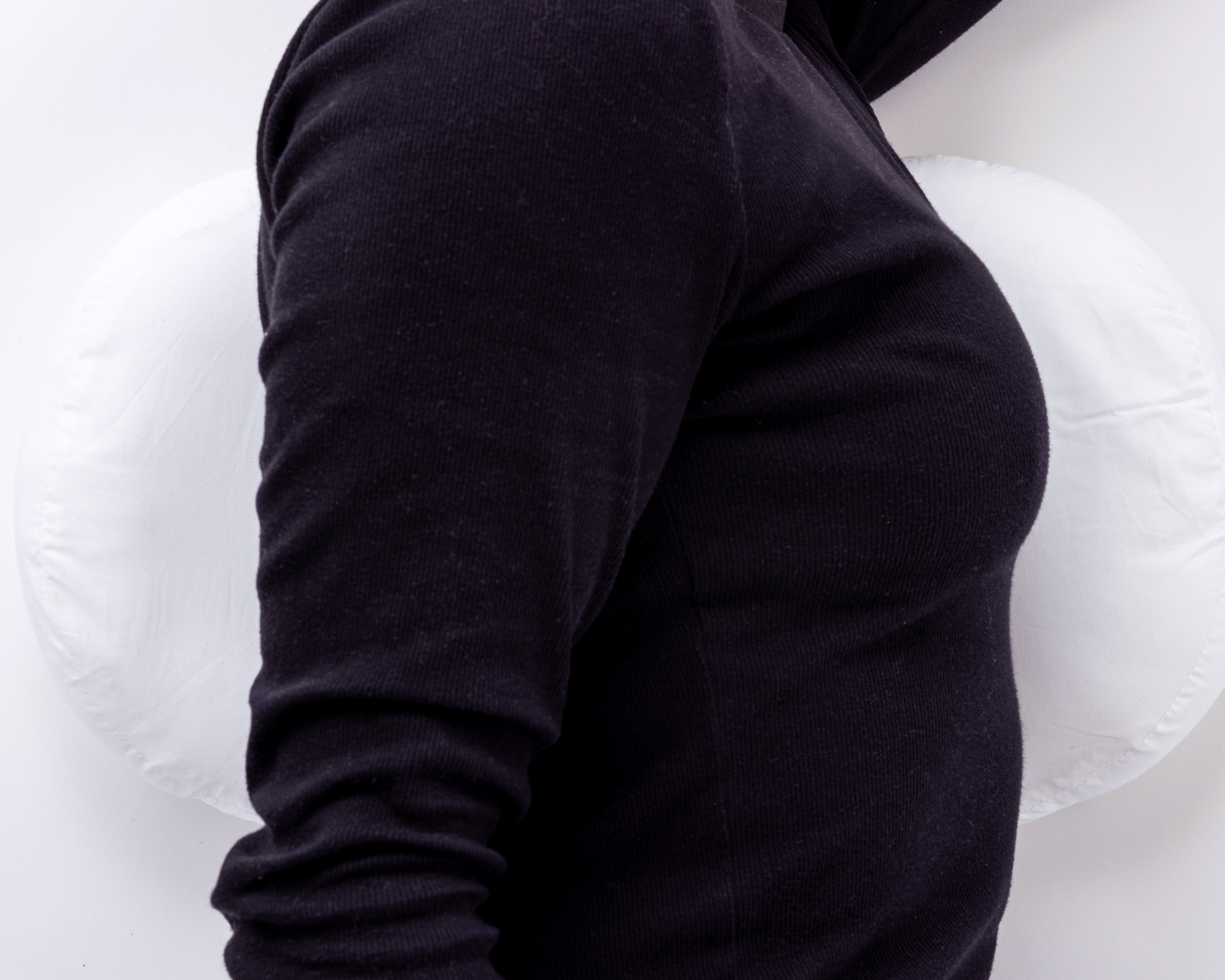
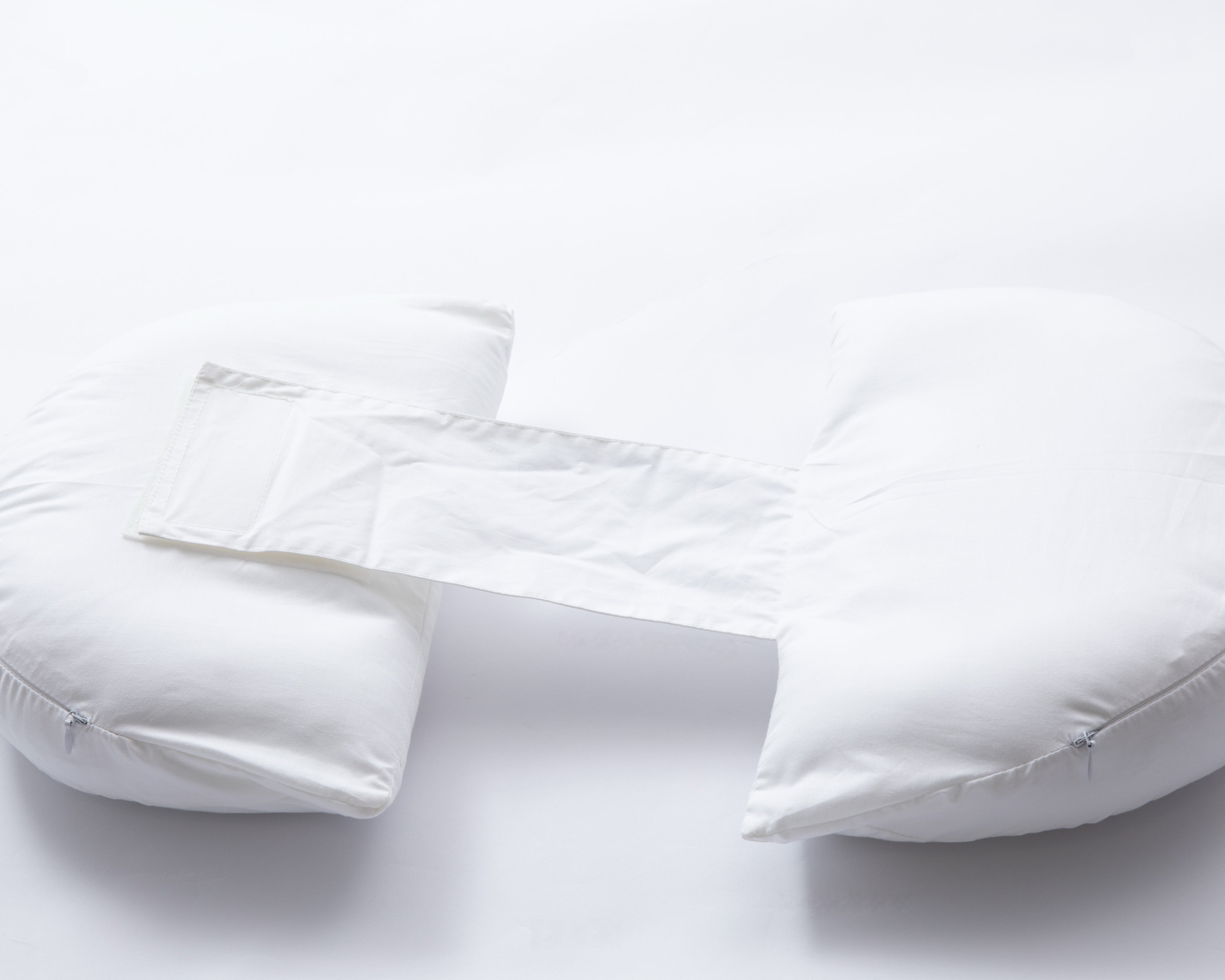
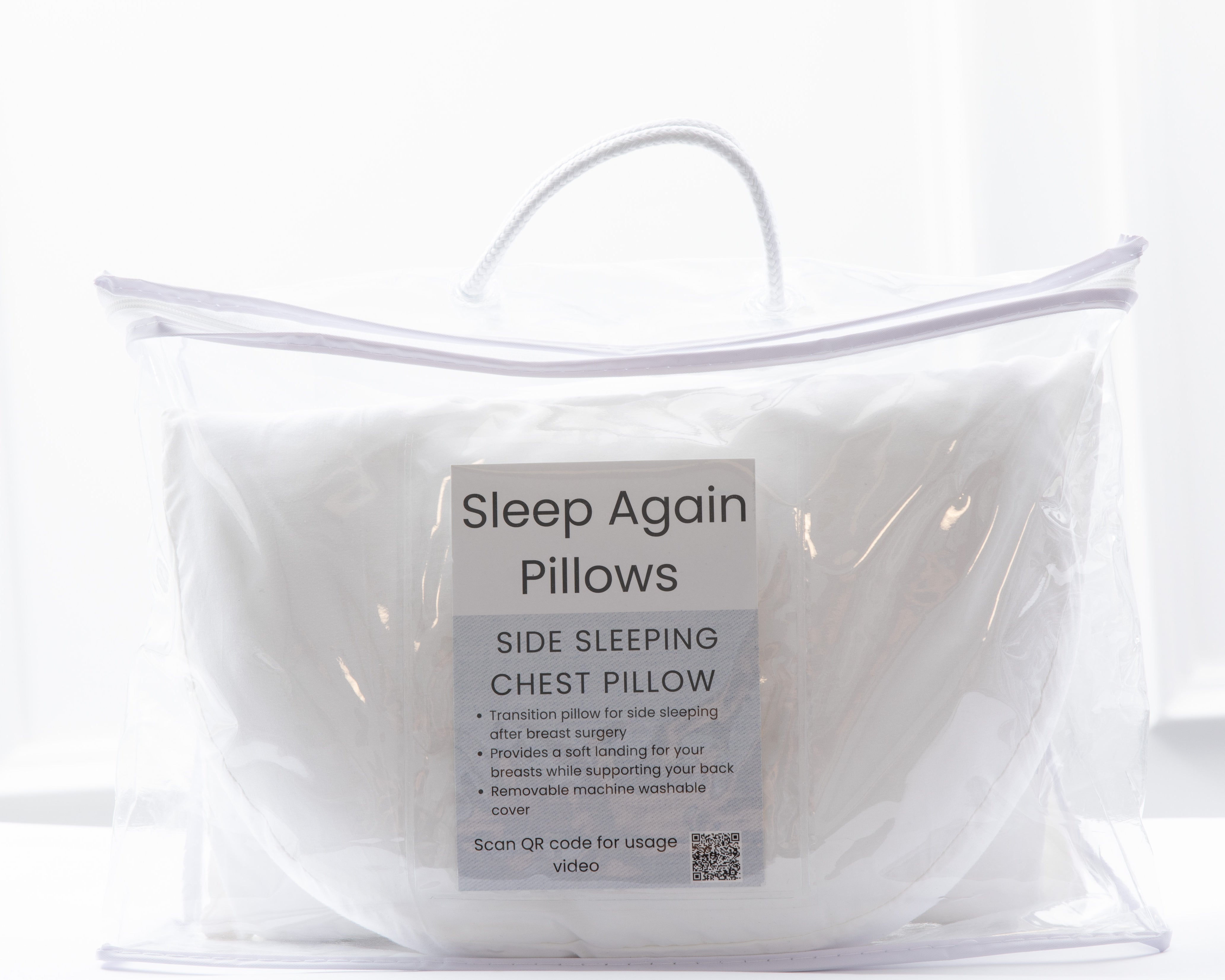
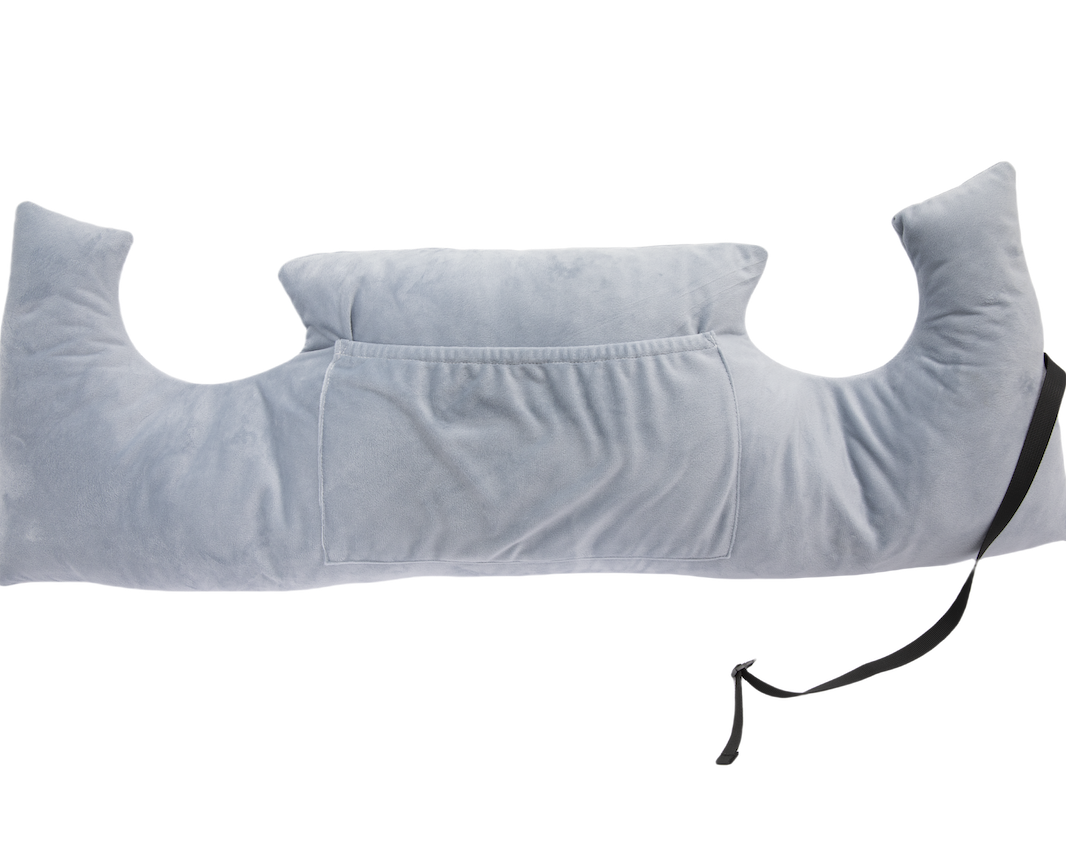
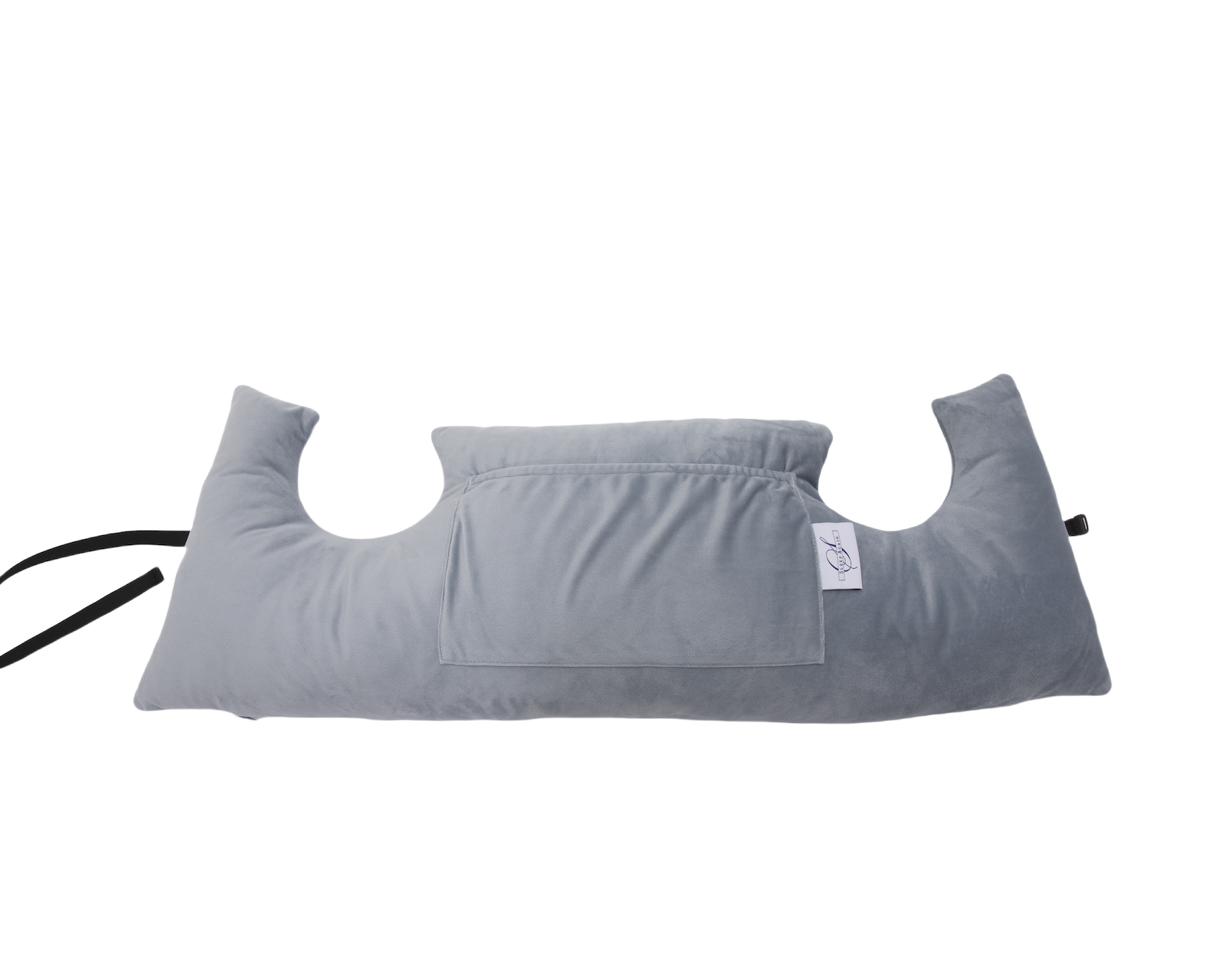
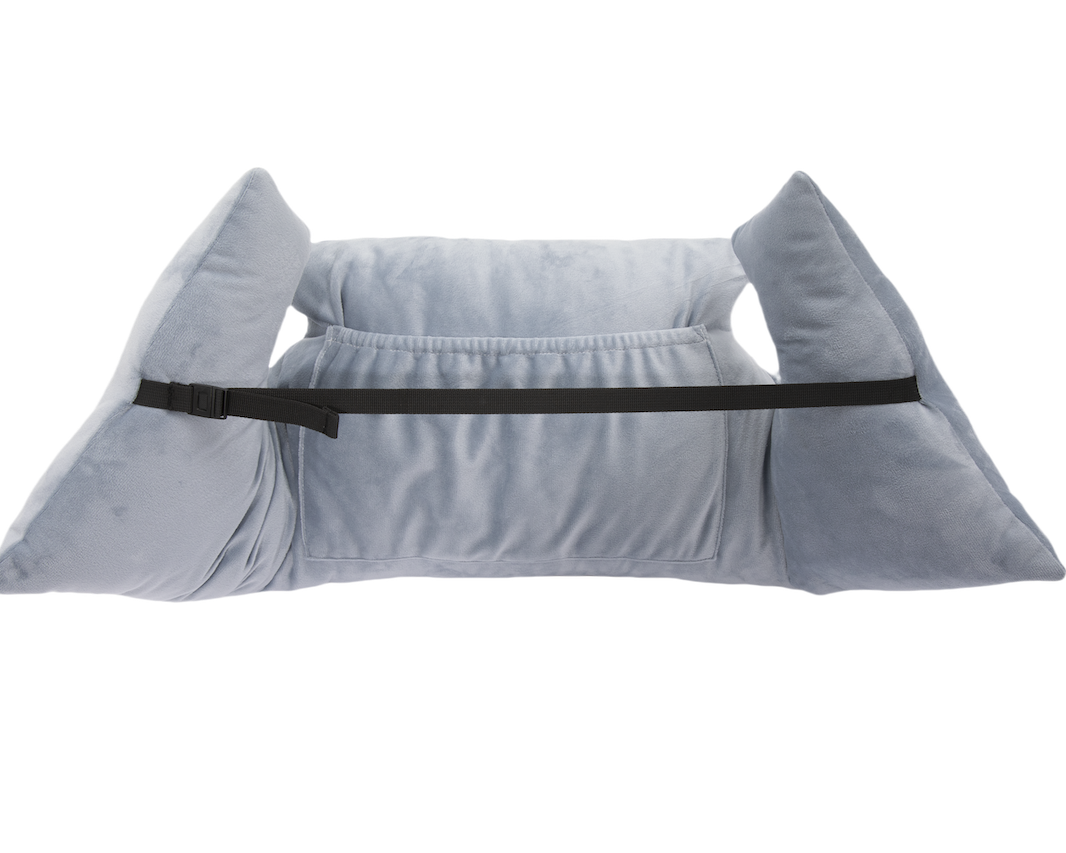
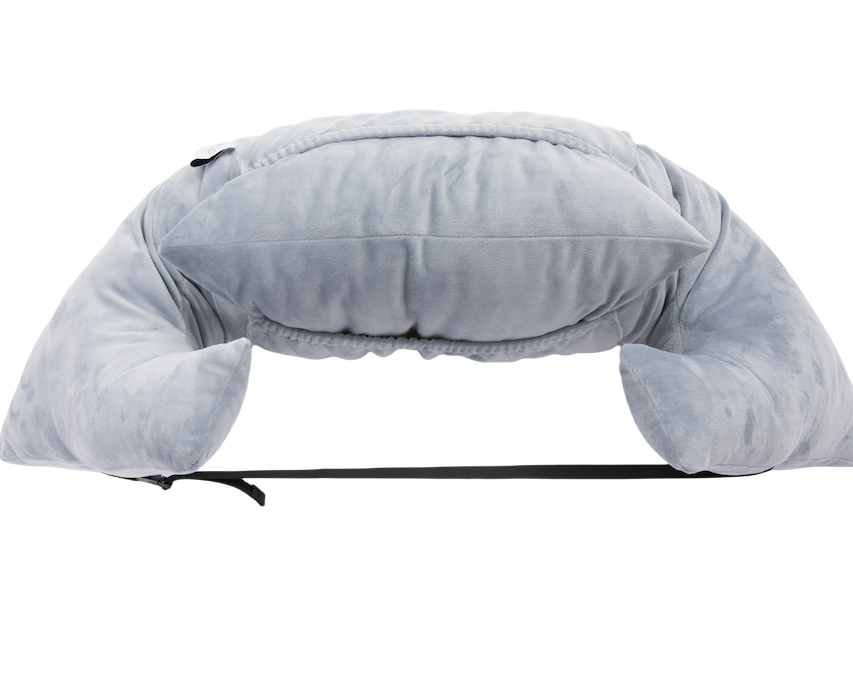
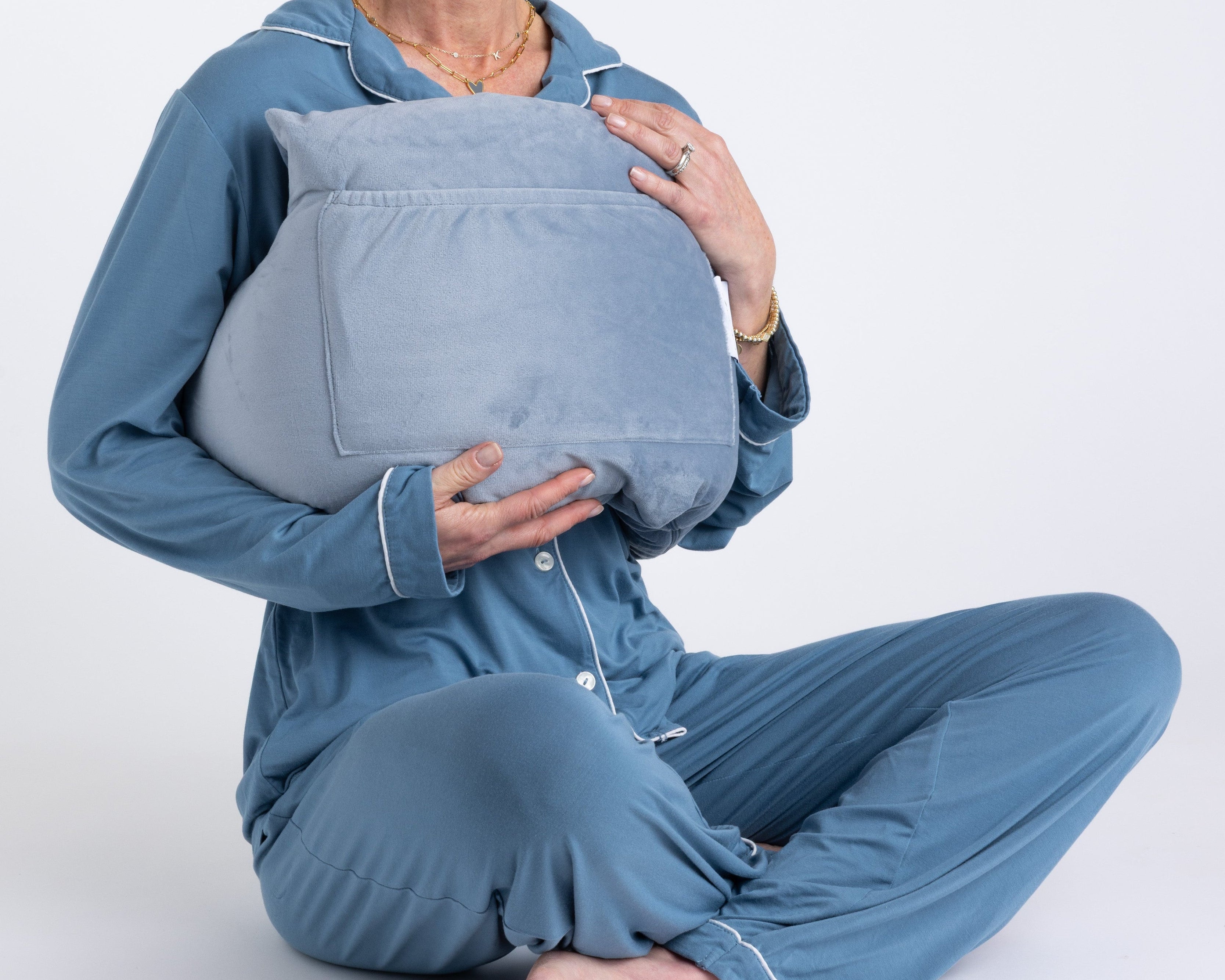
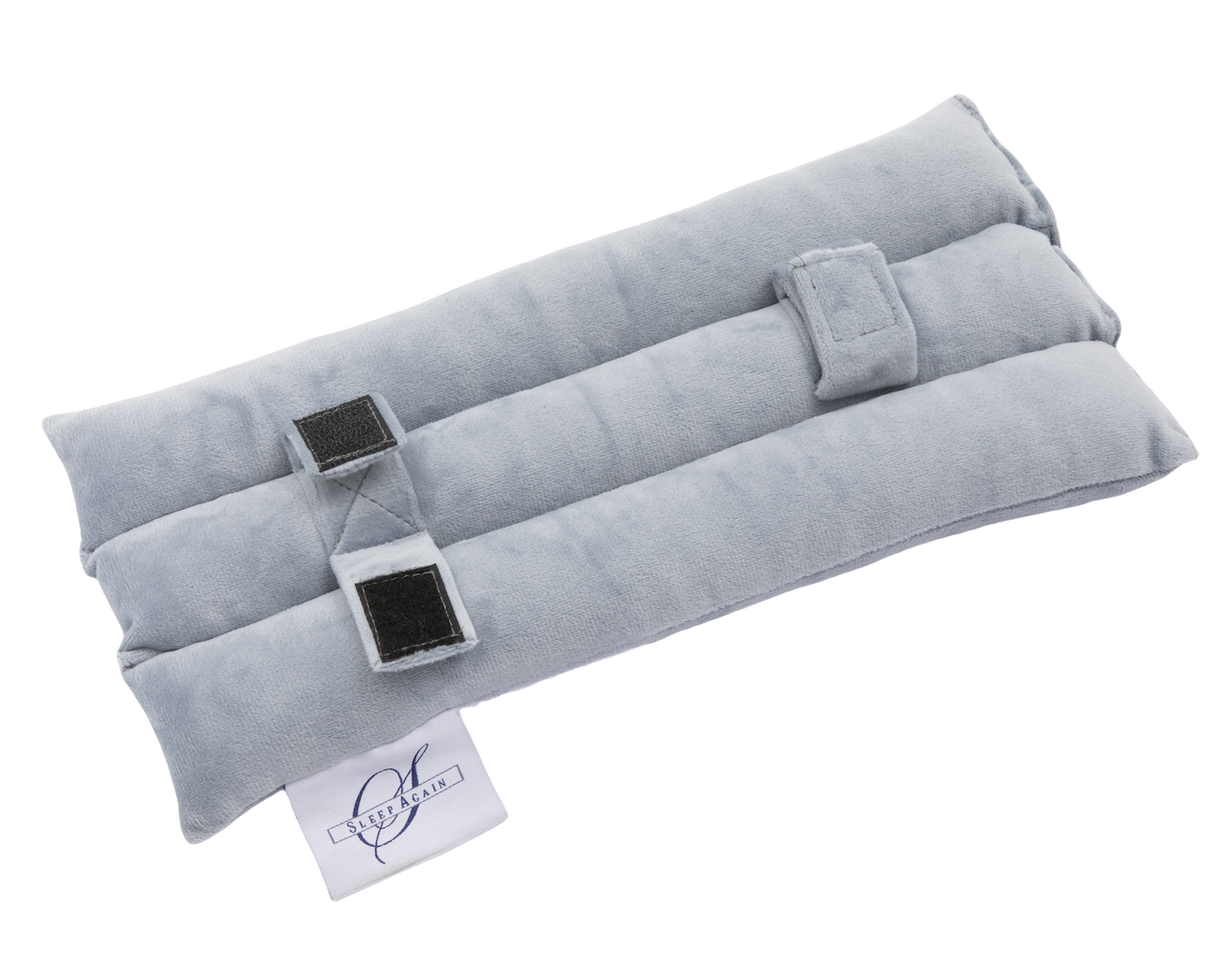
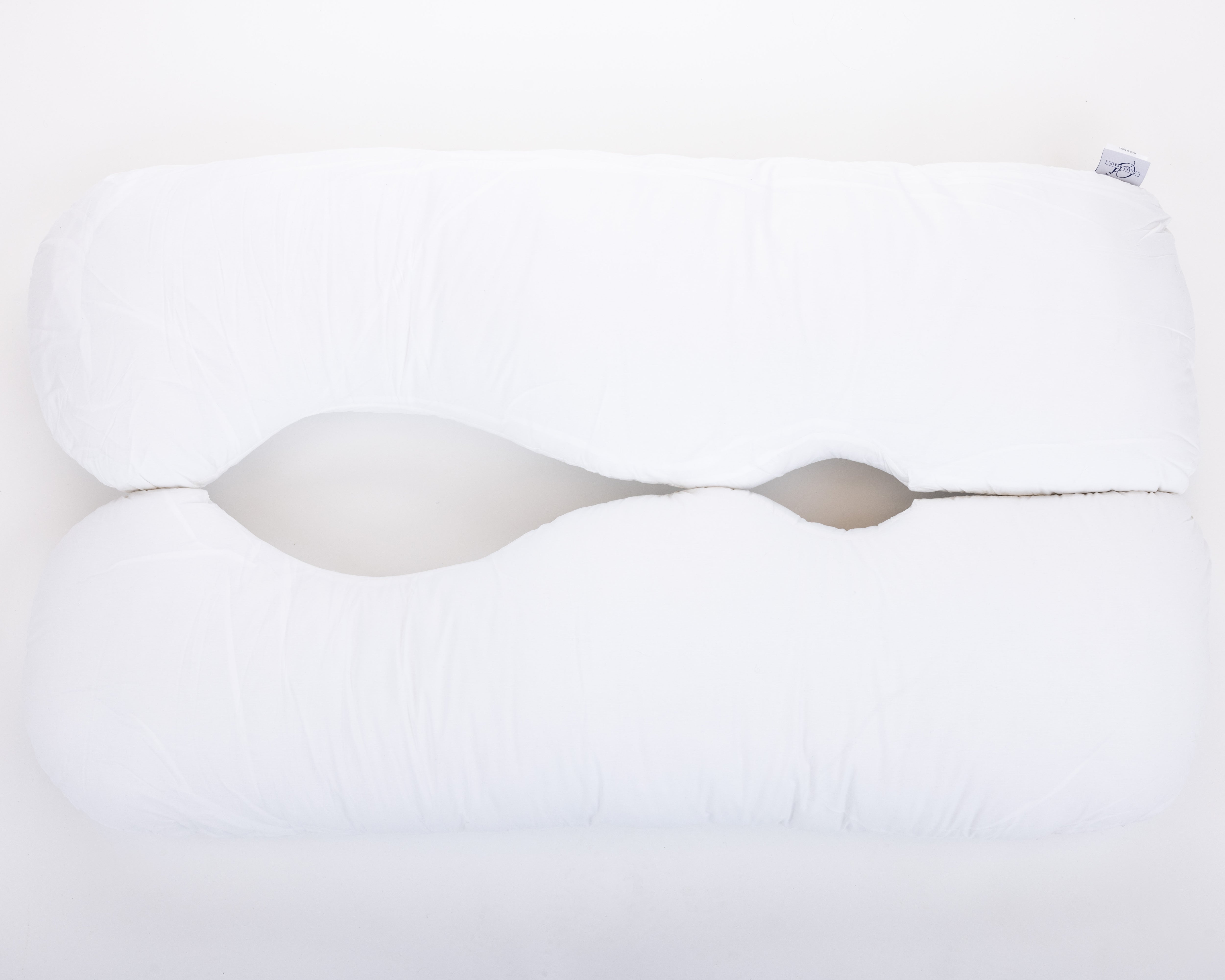
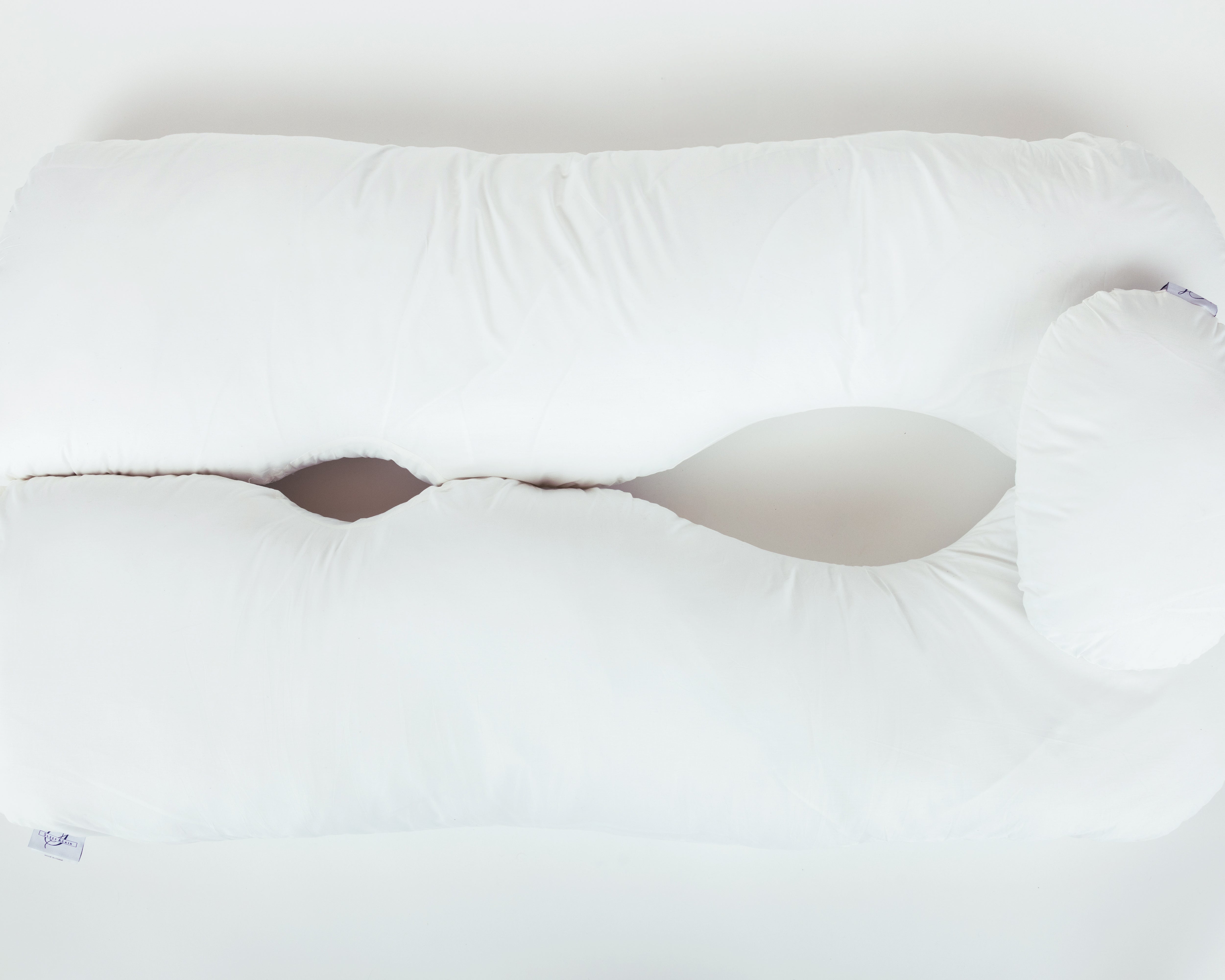
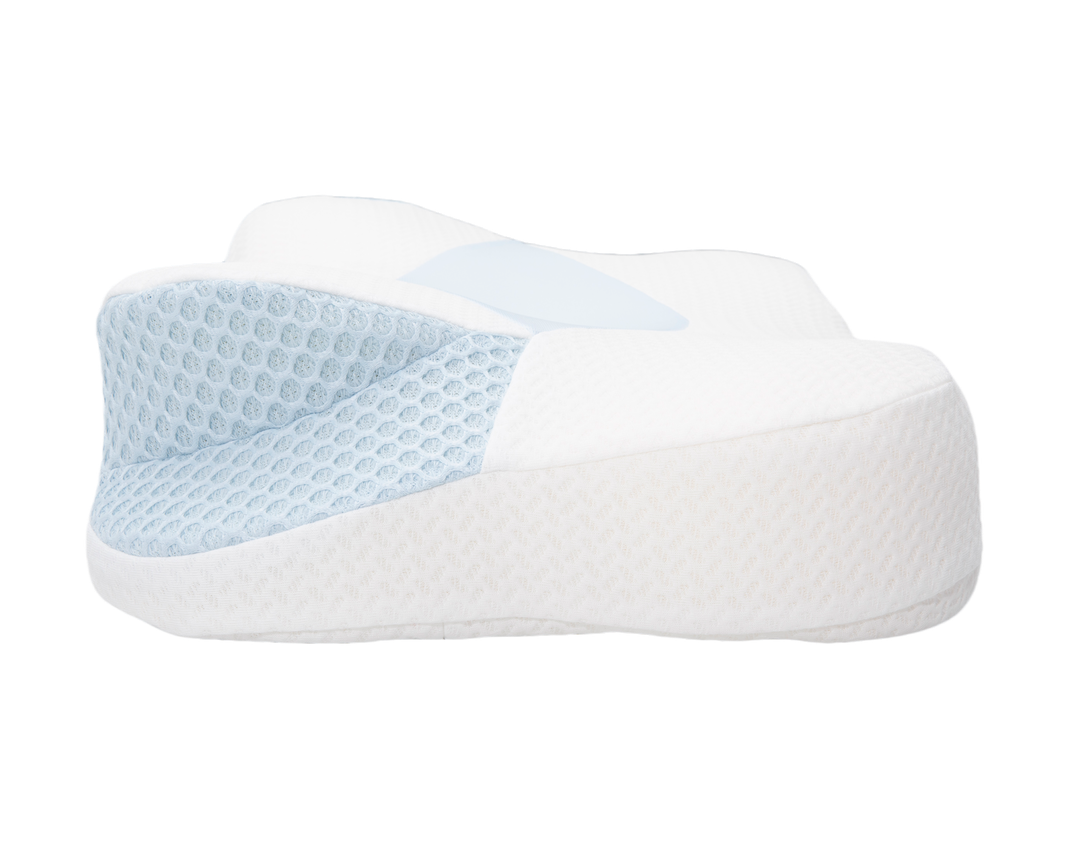
Two Contoured Side Pillows to cradle back and hips while providing shoulder protection
-
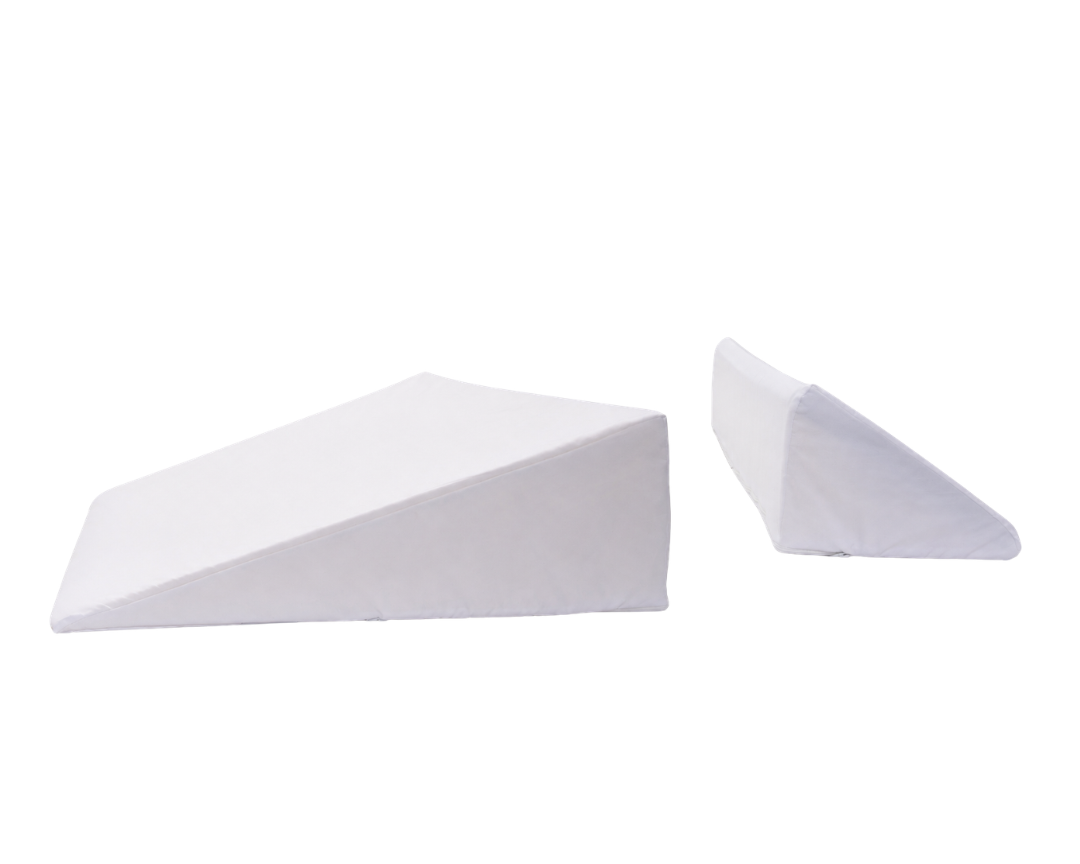
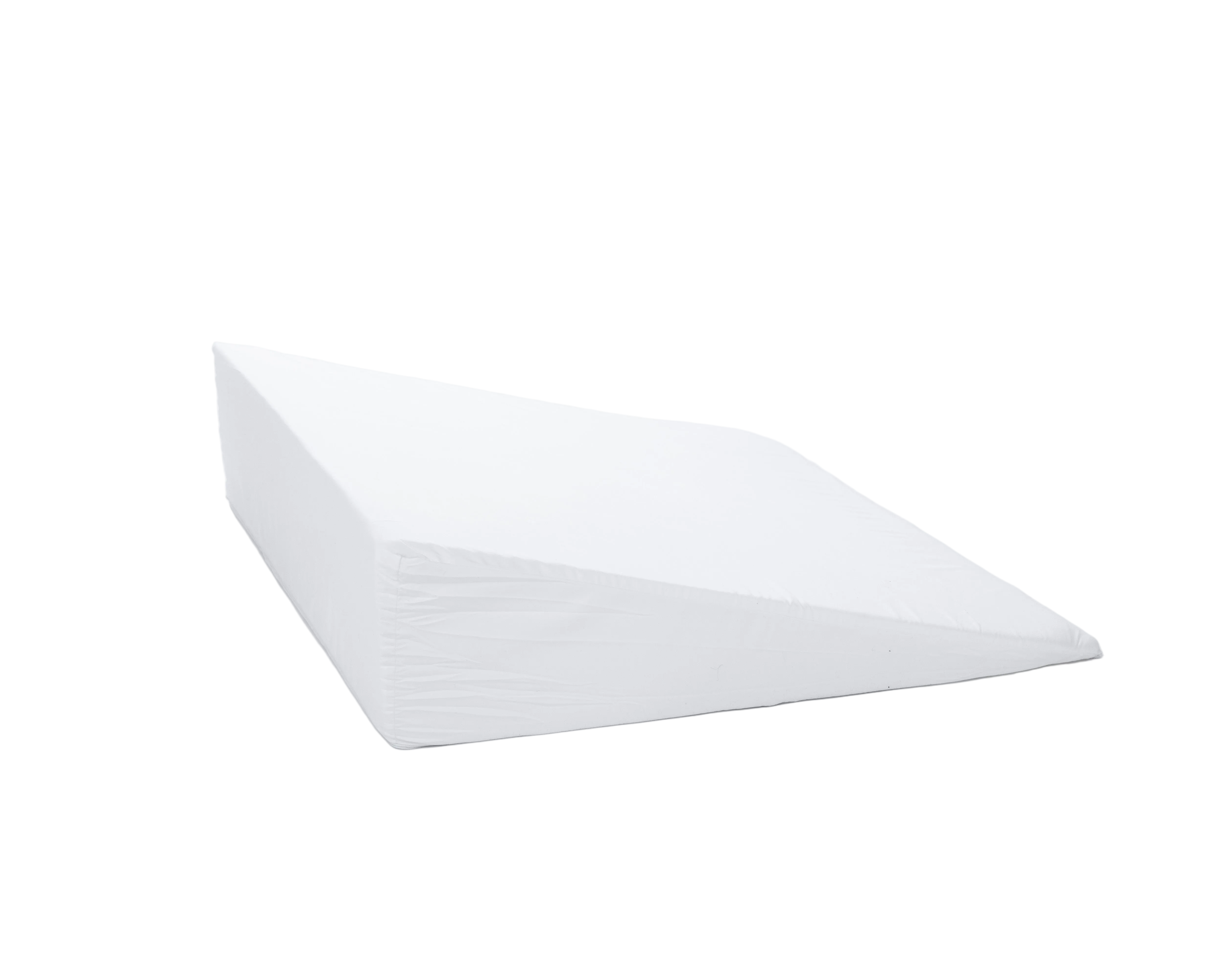
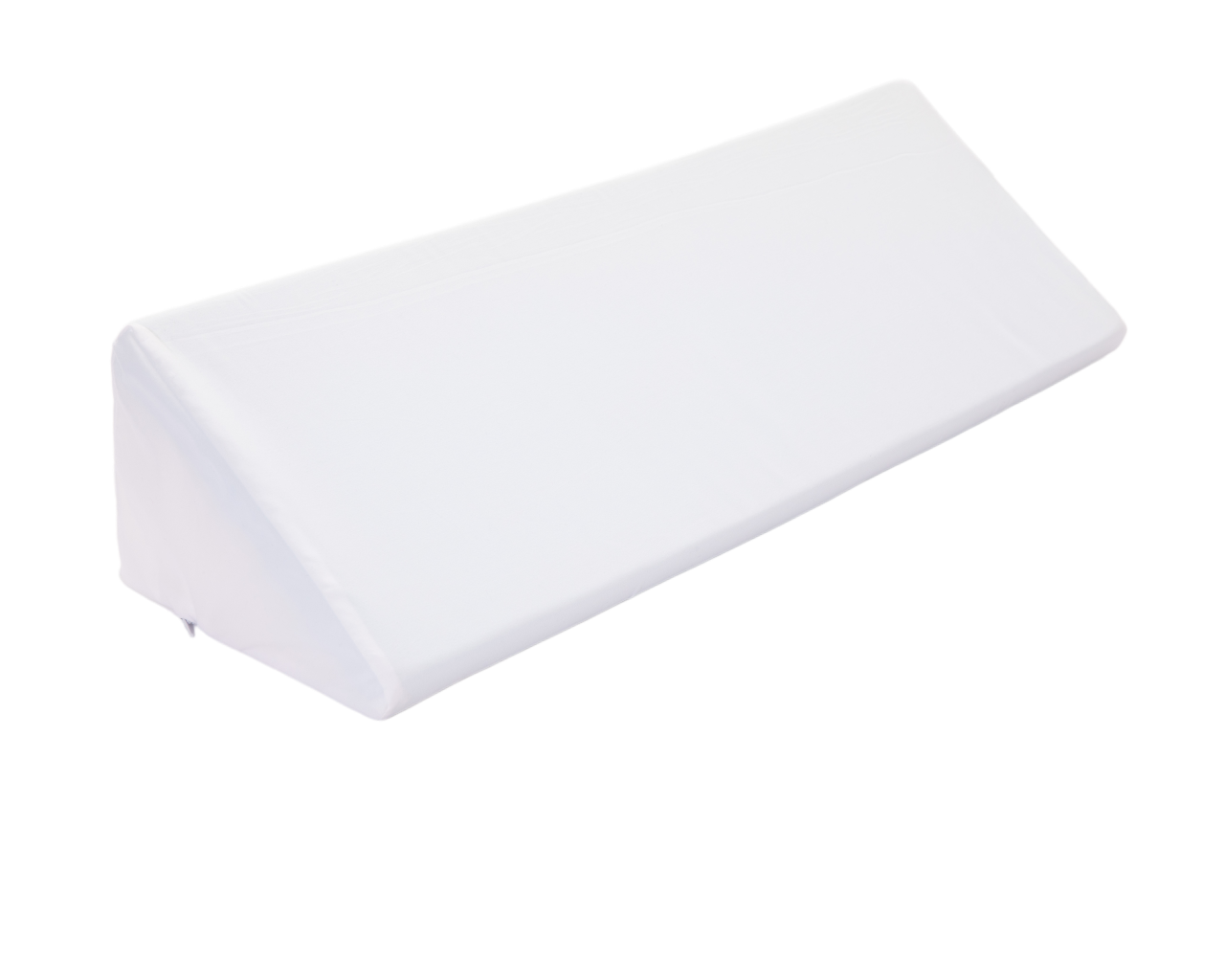
Upper Body Wedge to create optimal 30-45 degree elevation
-
Leg Support Wedge to maintain spinal alignment during elevation
-
Head Pillow to support your neck without stressing shoulders
-
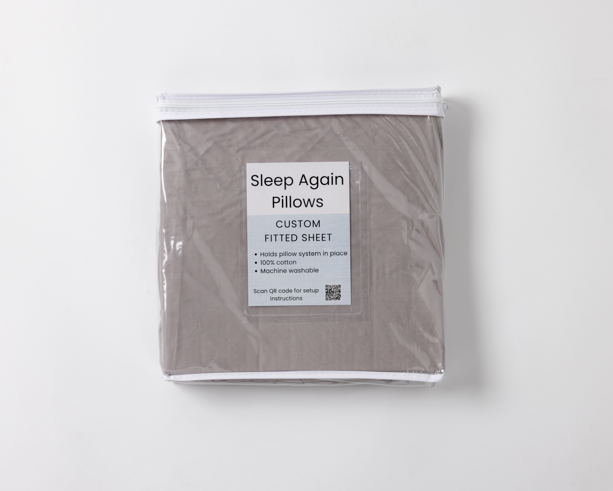
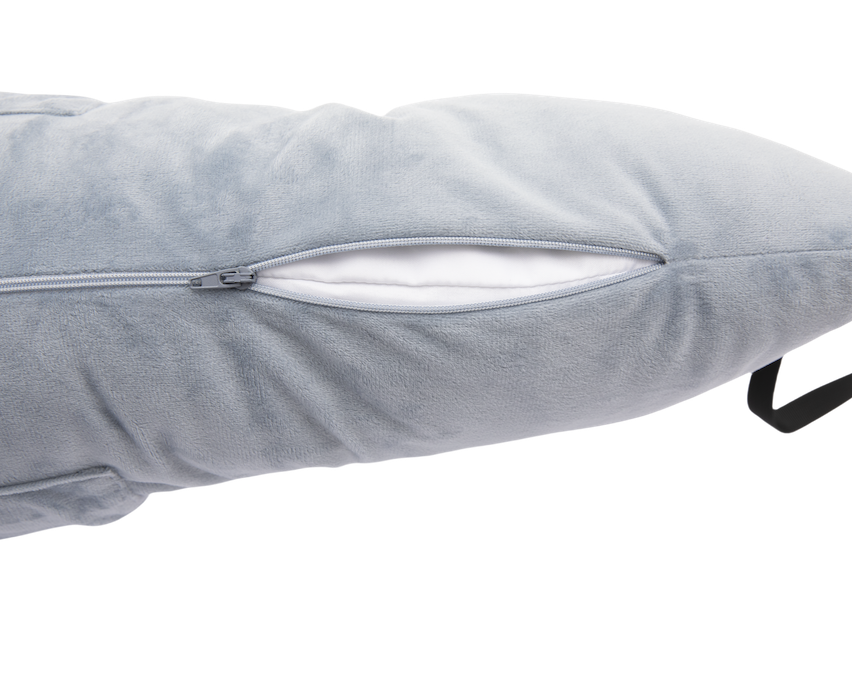
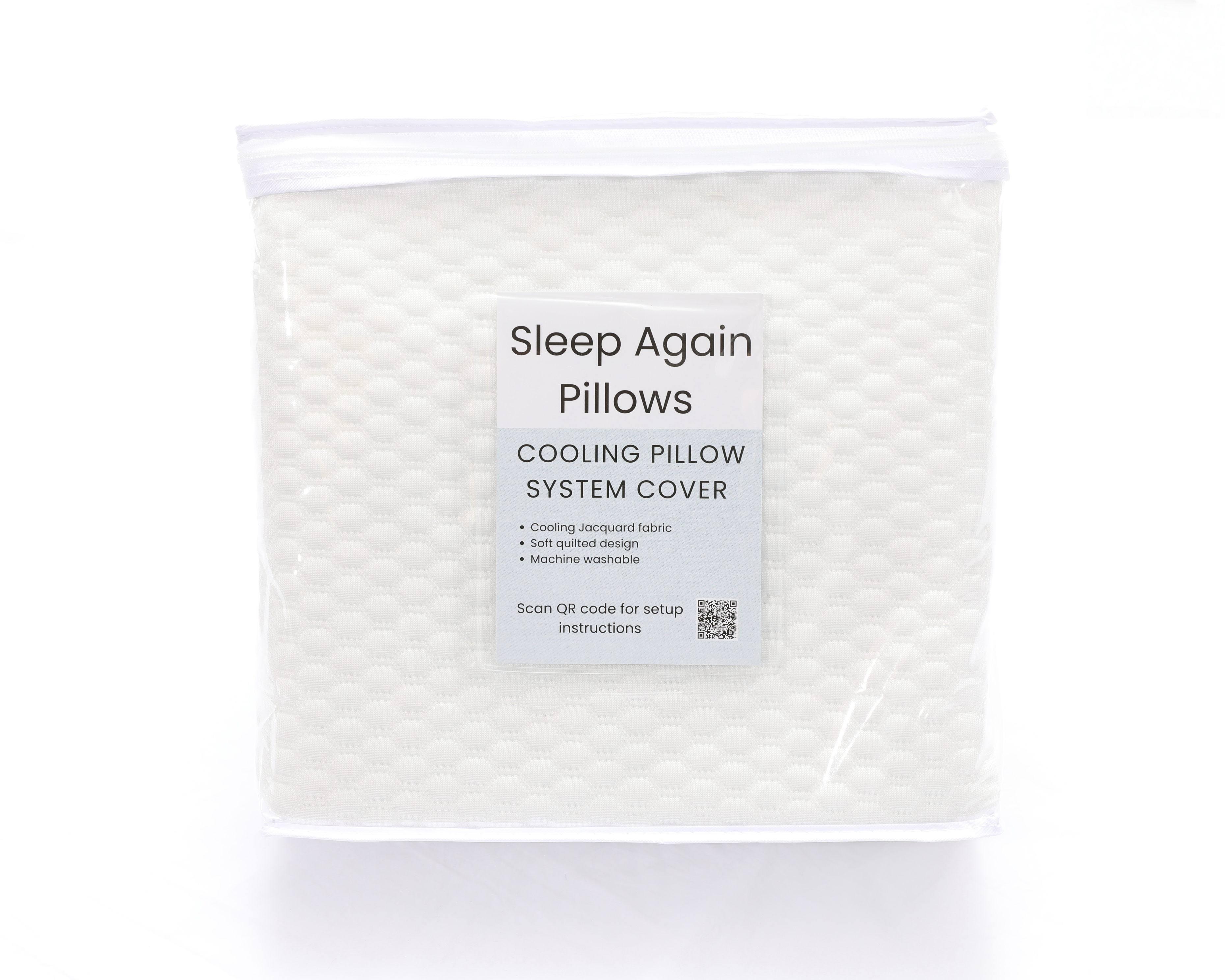
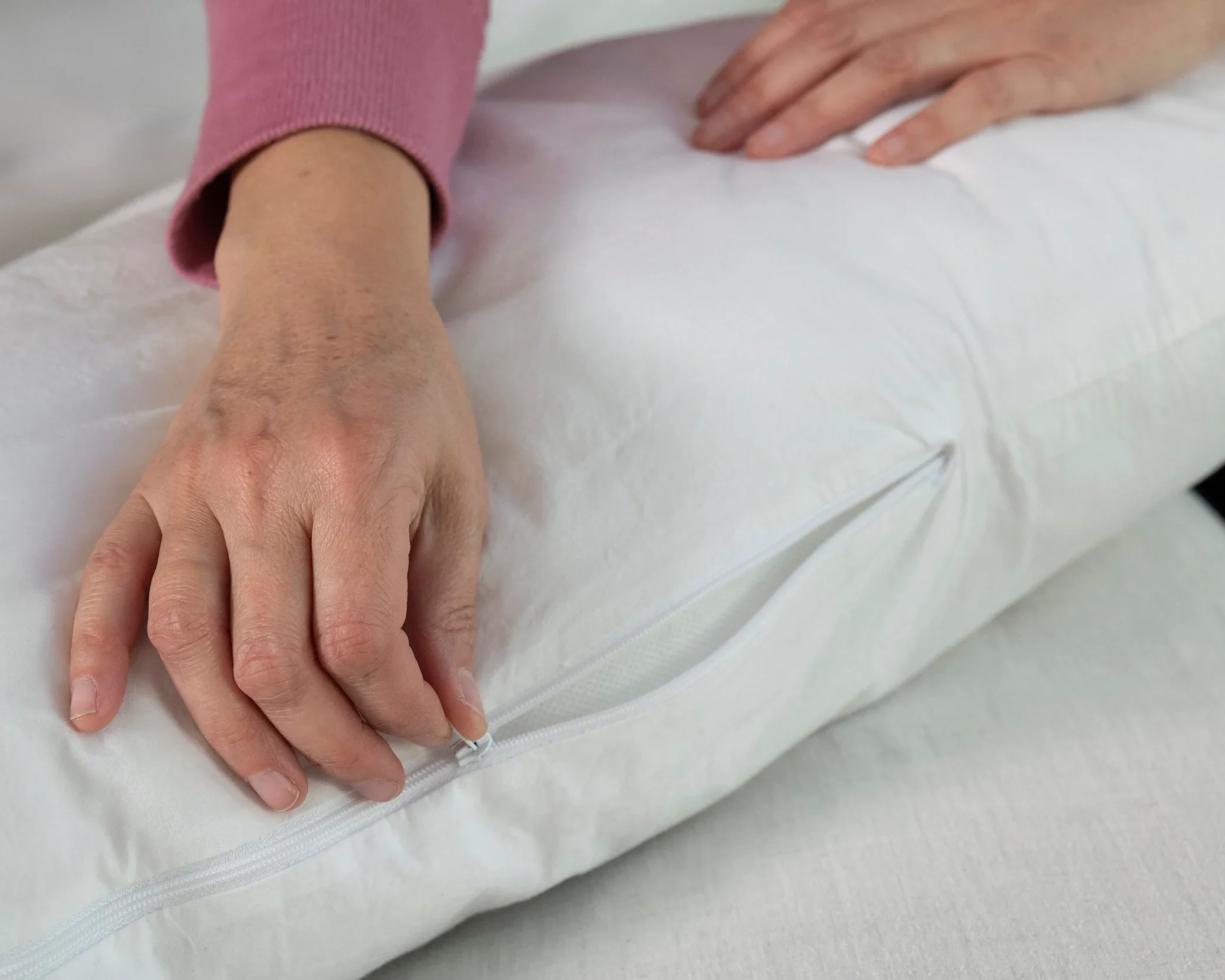
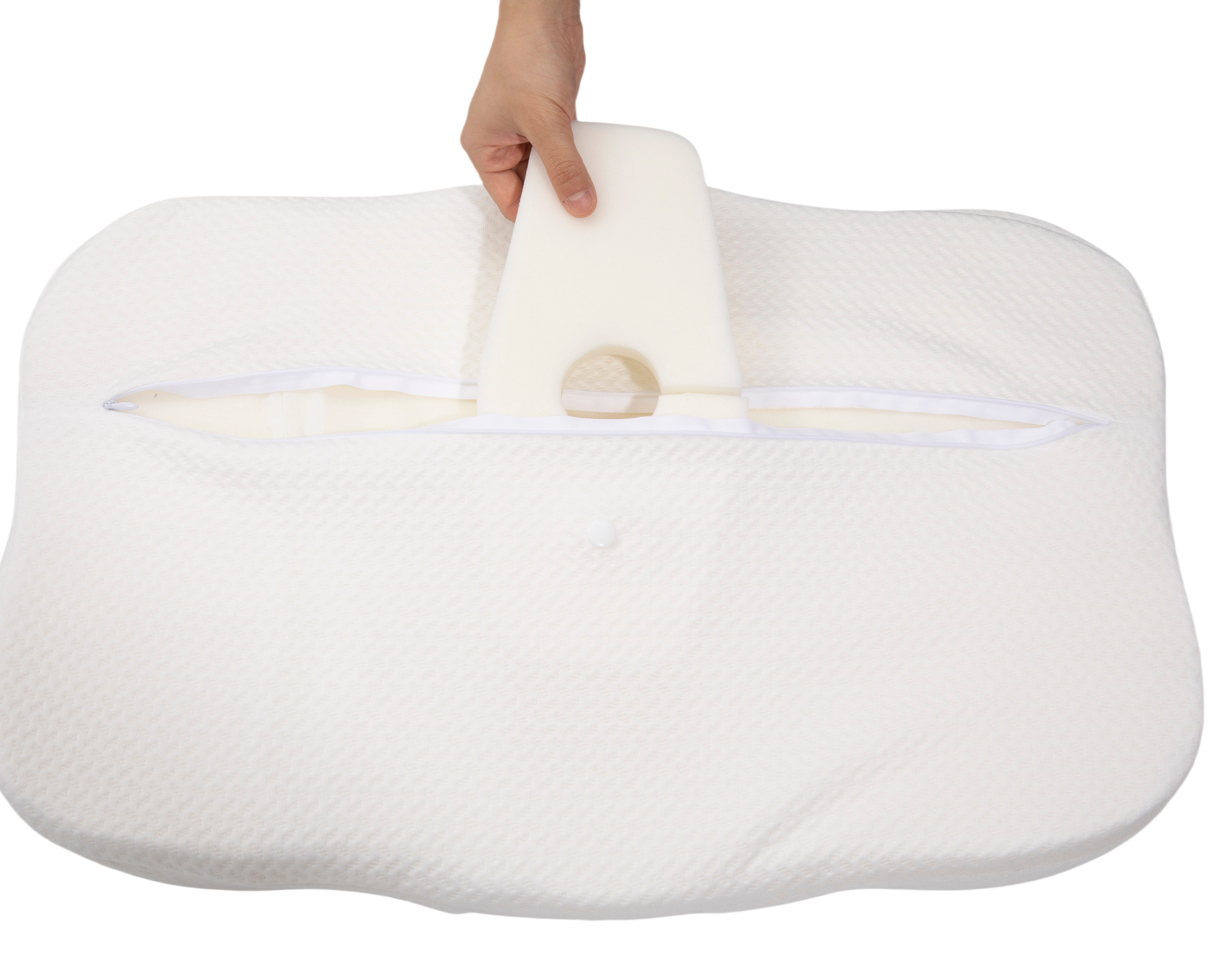
Removable, washable slipcovers for every piece
Why Sleep Again Pillows Work for Shoulder Pain Prevention
Consistent elevation throughout the night: The Upper Body Wedge maintains the therapeutic 30-45 degree angle that reduces pressure on shoulders, unlike household pillows that compress and lose their positioning.
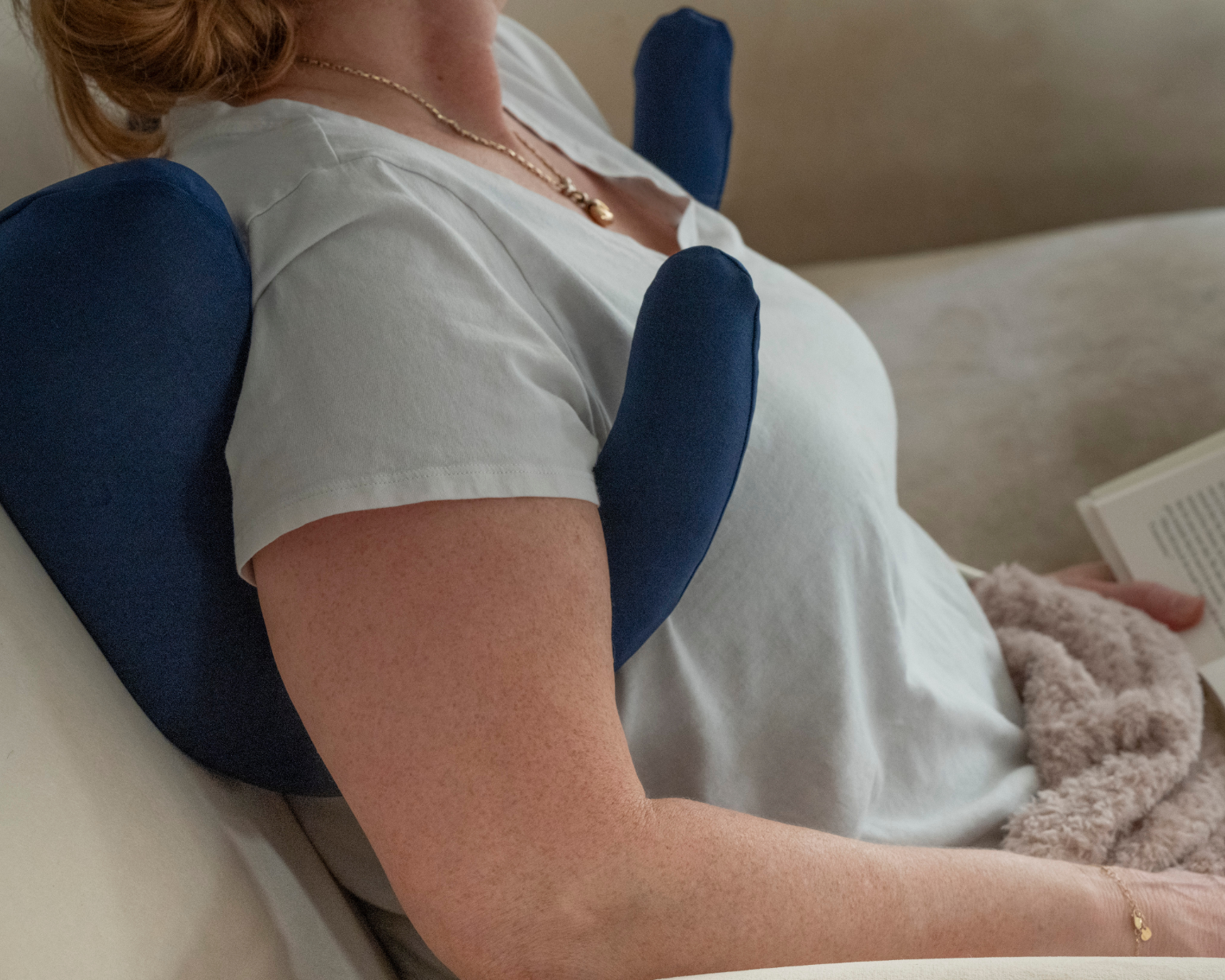
Integrated arm support: The Contoured Side Pillows provide natural resting places for arms that prevent the overhead or underneath positioning that commonly creates shoulder problems.
Pressure distribution: Rather than concentrating force on your shoulder joint, the system distributes body weight across a larger surface area, reducing the compression that creates overnight inflammation.
Position stability: The integrated components work together to maintain optimal positioning throughout the night, eliminating the shifting and gaps that household pillows create.
SHOP THE BEST PILLOW FOR SHOULDER PAIN RELIEF
Week-by-Week Shoulder Pain Relief Plan
Week 1: Establishing the Foundation
Primary goal: Stop the nightly shoulder stress and begin inflammation reduction.
Your strategy:
-
Commit to elevated back sleeping at 35-40 degrees as your primary position
-
If side sleeping is necessary, use comprehensive support that prevents shoulder compression
-
Take anti-inflammatory medication as recommended by your doctor
-
Ice your shoulder before bed if inflammation is significant
What to expect: The first few nights may feel different as you adjust to new positioning. Most people see noticeable morning pain reduction within 3-5 days.
Week 2-3: Refinement and Optimization
Primary goal: Fine-tune your positioning based on what worked in week 1 and address any remaining pain patterns.
Your strategy:
-
Adjust elevation angles if needed
-
Experiment with arm positioning to find your personal comfort zone
-
Address any new pressure points or discomfort areas
-
Begin gentle shoulder mobility exercises during the day
What to expect: Morning shoulder pain should be significantly reduced, though some residual stiffness may persist if inflammation was severe.
Week 4+: Long-Term Sustainability
Primary goal: Establish positioning habits that prevent shoulder pain recurrence.
Your strategy:
-
Maintain protective positioning even as pain resolves
-
Monitor for any pain return and address immediately with positioning adjustments
-
Consider continuing elevation for ongoing shoulder health
-
Work with healthcare providers on any underlying shoulder issues
LEARN MORE ABOUT HOW TO PUT SHOULDER PAIN TO REST
Additional Shoulder Pain Management Strategies
The Pre-Sleep Shoulder Preparation Routine
Heat therapy (15-20 minutes before bed): Gentle heat can reduce muscle tension and improve circulation, making comfortable positioning easier to achieve.
Gentle stretching: Light shoulder and neck stretches can reduce tension that contributes to overnight discomfort. Focus on range of motion rather than aggressive stretching.
Proper medication timing: If you're taking anti-inflammatories, time them 30-45 minutes before bed to maximize overnight benefit.
Daytime Habits That Affect Nighttime Shoulder Pain
Computer posture: Poor desk ergonomics create shoulder tension that's amplified during sleep. Address daytime positioning to reduce nighttime consequences.
Phone use: Constant downward phone gazing creates neck and shoulder strain that contributes to sleep pain. Bring your phone to eye level rather than dropping your head.
Exercise modification: If certain activities consistently trigger next-day shoulder pain, you may need to modify technique or intensity while your shoulders heal.

When Sleep Positioning Requires Professional Evaluation
Signs That Require Medical Attention
Progressive weakness: If you're losing strength in your shoulder or arm, positioning alone won't address the underlying issue.
Persistent numbness or tingling: Nerve compression symptoms that don't resolve with positioning changes need professional evaluation.
Pain that worsens despite proper positioning: If you've maintained proper sleep positioning for 2-3 weeks and pain is increasing rather than improving, underlying pathology may need treatment.
Recent injury: If your shoulder pain started after an injury, you may have structural damage requiring diagnosis and treatment beyond positioning modifications.
Professional Help Options
Physical therapy: Can address muscle imbalances, strengthen rotator cuff, and improve overall shoulder mechanics that contribute to sleep pain.
Orthopedic evaluation: May be necessary for persistent issues or when imaging is needed to rule out tears or other structural problems.
Sleep specialists: Can evaluate whether sleep disorders contribute to position-related shoulder stress.
SHOP THE BEST PILLOW FOR SHOULDER PAIN RELIEF
Frequently Asked Questions About Shoulder Pain from Sleeping
Q: Why does my shoulder only hurt when I sleep on it, but feels fine during the day?
A: Daytime activities involve movement and varied positioning that prevents sustained compression. Sleep creates hours of continuous pressure on the same structures, allowing inflammation to build up. Movement during waking hours also helps reduce inflammatory fluid that accumulates overnight.
Q: Which shoulder position is best—back or side sleeping?
A: Elevated back sleeping typically provides the best shoulder protection by eliminating direct compression. However, if you must side sleep, comprehensive support that prevents compression while maintaining alignment can work. The key is preventing sustained pressure on shoulder structures.
Q: How long does it take for shoulder pain from sleeping to improve with better positioning?
A: Most people notice significant improvement within 1-2 weeks of consistent proper positioning. However, if inflammation was severe or there's underlying rotator cuff damage, full resolution may take 4-6 weeks or longer.
Q: Can sleeping on my stomach cause shoulder pain?
A: Yes. Stomach sleeping forces your neck to rotate for extended periods and often puts your shoulders in positions that stress the rotator cuff.
Q: Why do both shoulders hurt when I only sleep on one side?
A: The compressed shoulder experiences direct pressure damage, while the top shoulder may be stressed from poor positioning or compensatory tension. Additionally, neck tension from side sleeping can refer pain to both shoulders.
Q: Should I sleep with my arm under my pillow?
A: No—this position commonly compresses nerves and blood vessels, leading to numbness, tingling, and increased shoulder stress. Keep your arms in more neutral positions alongside your body or supported in front of you.
Q: Will a new mattress fix my shoulder pain?
A: A mattress alone rarely resolves shoulder pain from sleeping. While a supportive mattress helps, the critical factor is upper body positioning and arm support, which requires proper pillow configuration or positioning systems.
Q: How high should my pillow be to prevent shoulder pain?
A: The appropriate height depends on your body proportions and sleep position. Generally, your head should be supported without tilting up or down, and your neck should maintain natural alignment. However, overall body positioning matters more than head pillow height alone.
Q: Is it better to sleep with arms above my head or at my sides?
A: Arms at your sides or slightly in front of your body generally creates less shoulder stress than overhead positioning. Overhead arm positioning can impinge rotator cuff tendons and compress nerves.
Q: Can shoulder pain from sleeping indicate a serious problem?
A: Usually, sleep-related shoulder pain indicates positioning issues rather than serious pathology. However, if pain persists despite positioning improvements, includes weakness or numbness, or progressively worsens, professional evaluation is warranted to rule out rotator cuff tears or other structural issues.
Q: How does the Sleep Again Pillow System compare to buying individual pillows?
A: Individual pillows typically cost $100-200 across multiple purchases, require 15-20 minutes of nightly arrangement, and frequently collapse requiring readjustments. The Sleep Again Pillow System provides integrated components that maintain positioning throughout the night with 3-5 minutes of setup time.
Q: Are expensive positioning pillows worth the investment for shoulder pain?
A: Quality positioning systems often provide relief within days and continue offering benefits for years. Better sleep directly impacts healing speed, pain levels, and overall quality of life. Many people find the investment justified by improved sleep quality and long-term shoulder health.
Your Shoulder Pain Action Plan
Immediate steps:
-
Commit to elevated back sleeping as your primary position
-
Create stable elevation using firm pillows or positioning systems
-
Ensure comprehensive arm support in any position
-
Address any underlying inflammation with appropriate treatment
Week 1 priorities:
-
Establish consistent protective positioning nightly
-
Document pain levels to track improvement
-
Avoid positions that aggravate symptoms
-
Give your shoulders time to recover from accumulated stress
Long-term success factors:
-
Maintain shoulder-friendly positioning even after pain resolves
-
Address daytime posture and ergonomics
-
Seek professional help for persistent issues
-
Consider quality positioning systems for reliable results
Conclusion: Achieving Pain-Free Sleep
Shoulder pain from sleeping is a common but highly manageable problem through proper positioning. Your shoulders need specific support configurations that standard pillow arrangements rarely provide.
Whether you choose carefully selected individual pillows or invest in comprehensive positioning systems like Sleep Again Pillows, the goal is creating mechanical solutions that protect your shoulders throughout the night.
Most people see significant improvements within days to weeks with proper positioning. With the right approach and adequate support, you can wake up feeling rested and pain-free.
Medical Disclaimer
This information is provided for educational purposes only and should not replace professional medical advice. Shoulder pain can result from various conditions including rotator cuff injuries, arthritis, bursitis, frozen shoulder, nerve compression, and other pathologies that require proper diagnosis and treatment.
While sleep positioning improvements can significantly reduce or eliminate shoulder pain for many people, they are not a substitute for appropriate medical evaluation when needed. If you experience severe shoulder pain, progressive weakness, persistent numbness or tingling, or pain that worsens despite positioning modifications, consult with a healthcare provider.
Always follow your healthcare provider's specific recommendations regarding sleep positioning. Individual shoulder conditions may require different positioning approaches than the general guidance provided here.
The mention of specific products or positioning strategies is for informational purposes only and does not constitute medical endorsement. What works for one person may not be appropriate for another, as shoulder pain causes and optimal treatments vary significantly between individuals.
If you have questions about whether positioning modifications are appropriate for your specific shoulder condition, or if you need help determining whether your shoulder pain requires professional evaluation, consult with a qualified healthcare provider who can assess your individual situation.