
You've done your research, chosen your surgeon, and you're ready to invest in the curves you've always wanted. But here's what most people don't realize until they're home from surgery: sleeping after a Brazilian Butt Lift is like trying to solve a physics problem while exhausted, sore, and really wishing someone had warned you about this part.
Here's the reality: for the next 2-3 weeks minimum, your butt is completely off-limits for sitting or lying. That posterior you just paid good money to enhance? It needs to be treated like precious cargo that cannot, under any circumstances, bear weight during the critical healing period.
The good news? You're reading this before surgery, which means you have time to actually prepare instead of panic-shopping on Amazon at midnight while trying to figure out how humans sleep without using their backsides.
This is your complete pre-surgery guide to sleeping after BBL—the positioning strategies, equipment you'll actually need, and reality checks that will save you from learning everything the hard way.
What Makes BBL Recovery Sleep Different from Every Other Surgery
Let's start with the fundamental problem: BBL recovery eliminates the two most common sleep positions humans use.
Flat back sleeping? Absolutely not. Your newly transferred fat cells are trying to establish blood supply in your buttocks, and putting weight on them can literally kill the cells you just paid thousands of dollars to relocate. Most surgeons require zero direct pressure on your butt for at least 2 weeks, often longer.
Stomach sleeping? Also problematic. While better than back sleeping, full stomach sleeping can still create indirect pressure on your buttocks and isn't recommended during early recovery.
This leaves you with a positioning challenge that's unique among surgical recoveries: you need to sleep in ways that completely eliminate gluteal pressure while somehow remaining comfortable enough for actual rest.
The Fat Transfer Science That Changes Everything
Understanding why positioning matters so much helps motivate you to actually follow the rules when you're exhausted and uncomfortable.
During BBL surgery, your surgeon harvests fat from areas where you have excess (abdomen, thighs, flanks) and carefully injects it into your buttocks in strategic layers. These transferred fat cells are essentially immigrants to a new country—they need time to establish citizenship by developing new blood supply.
Here's the critical part: For the first 2-3 weeks, these fat cells are incredibly vulnerable. Direct pressure can compress blood vessels before they're fully established, cutting off the oxygen and nutrients the cells need to survive. Dead fat cells get reabsorbed by your body, which means you lose volume and potentially develop irregularities in your results.
This is why surgeons are so strict about the no-sitting, no-laying-flat-on-your-back rules. It's not about being difficult—it's about protecting your investment and ensuring you keep the maximum amount of transferred fat.
The Recovery Timeline Reality
Weeks 1-2: Maximum protection mode - Zero direct pressure on buttocks, strategic positioning becomes essential
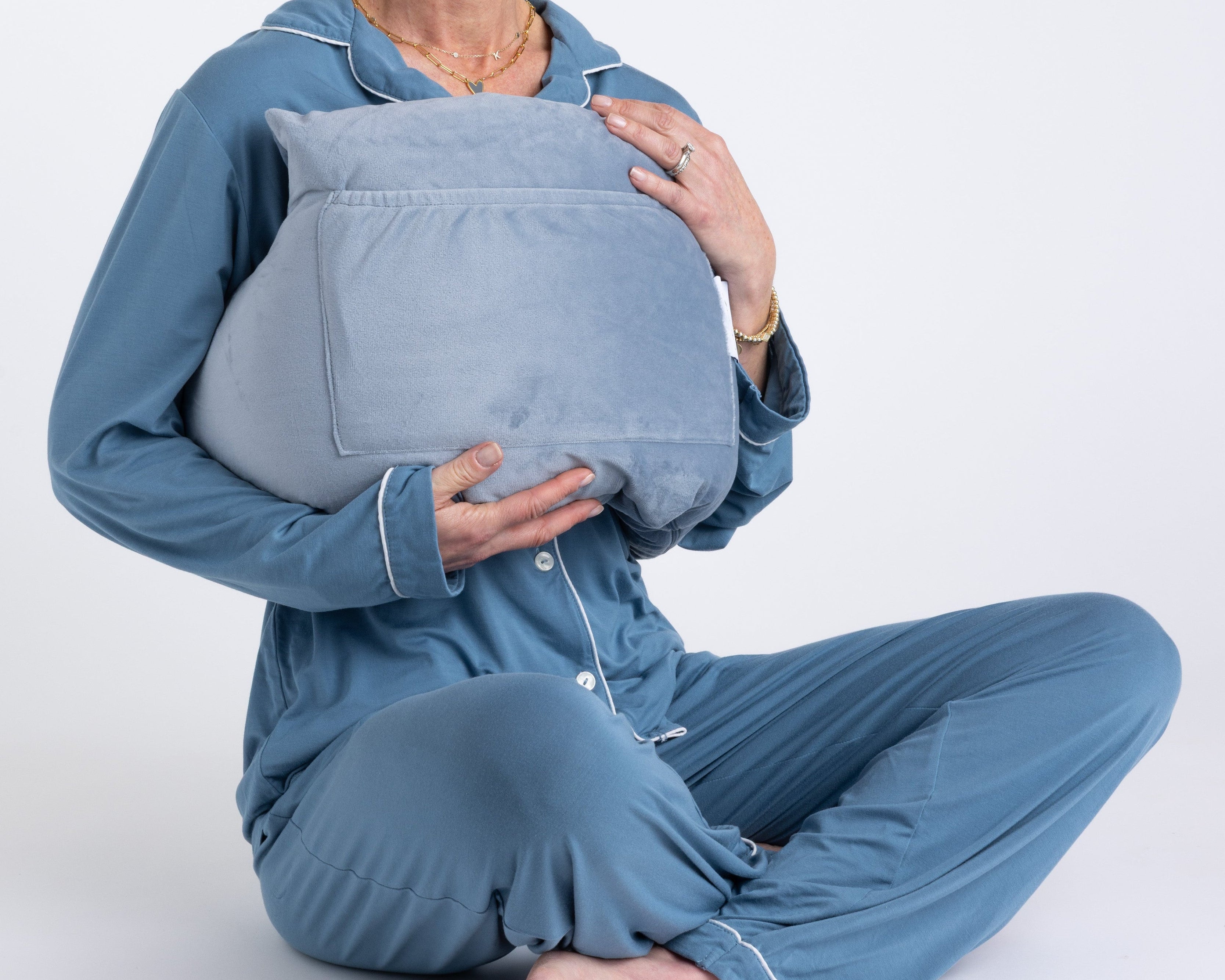
Weeks 3-6: Gradual sitting introduction - Most surgeons allow brief sitting periods with BBL pillow support, but back sleeping typically remains restricted
Weeks 6-8: Expanded options - Longer sitting periods allowed, some surgeons clear careful back sleeping with time limits
Week 8+: Approaching normal - Return to normal sitting and sleeping patterns, though many surgeons recommend continued caution
Every surgeon has slightly different protocols, but the first 2-3 weeks are universally critical for your results.

The Elevated Back-Sleeping Solution Most BBL Patients Don't Know About
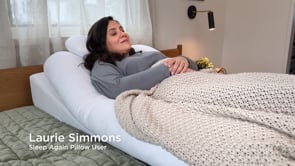
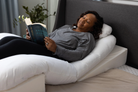
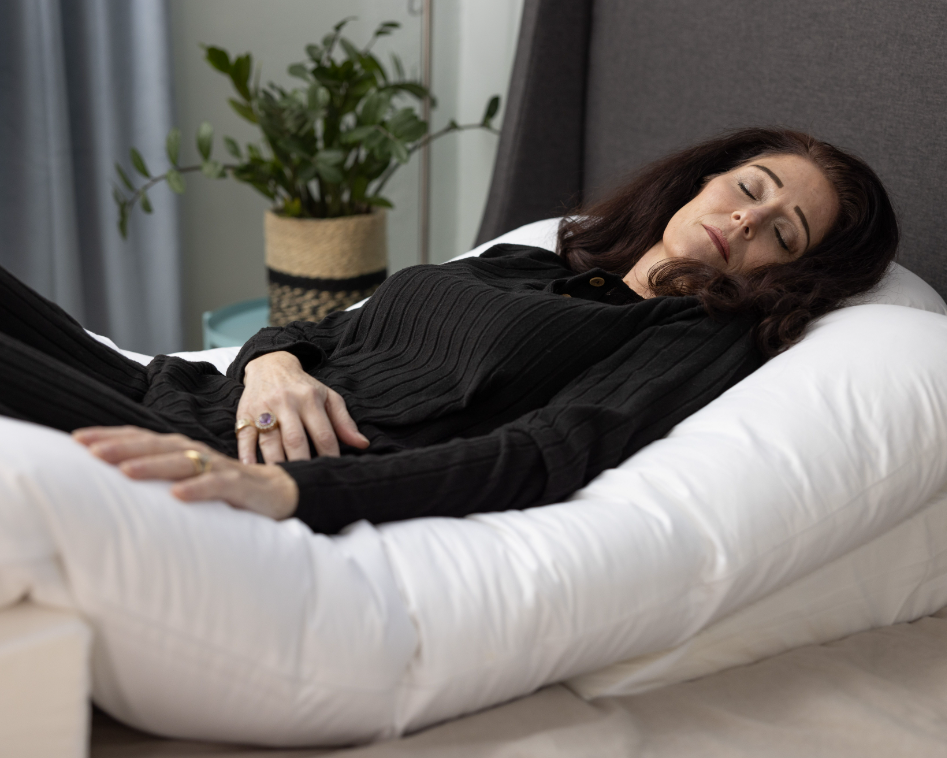
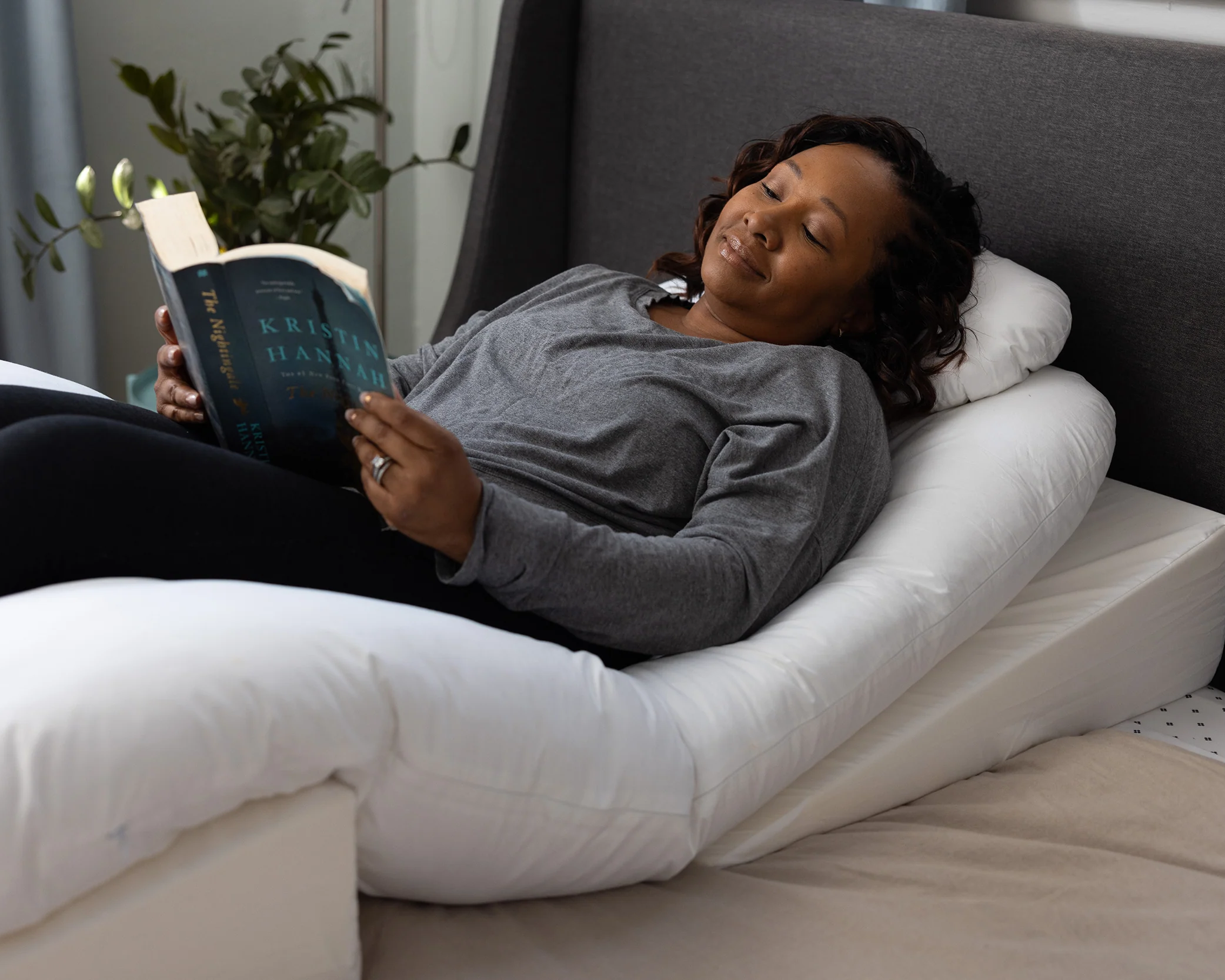
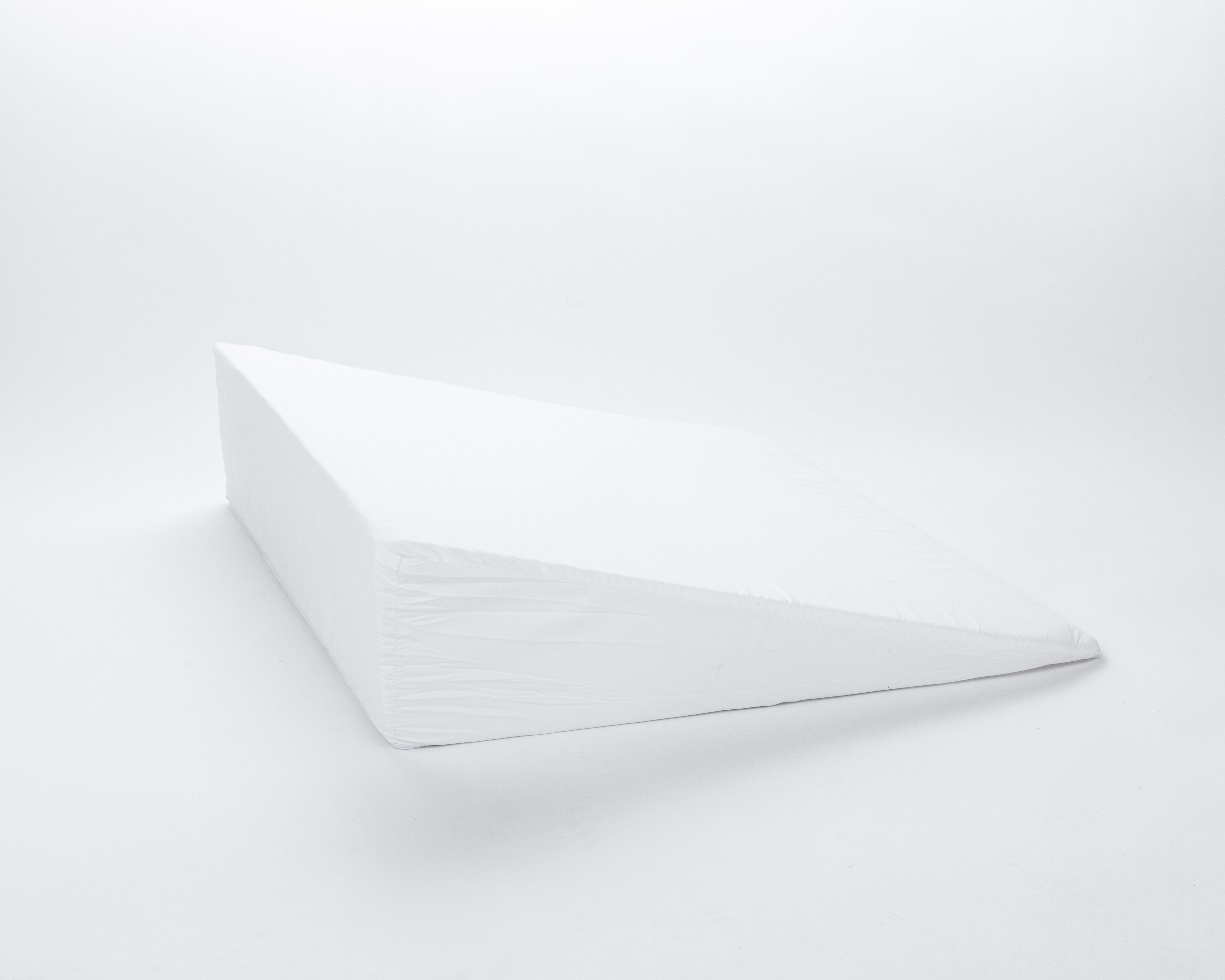
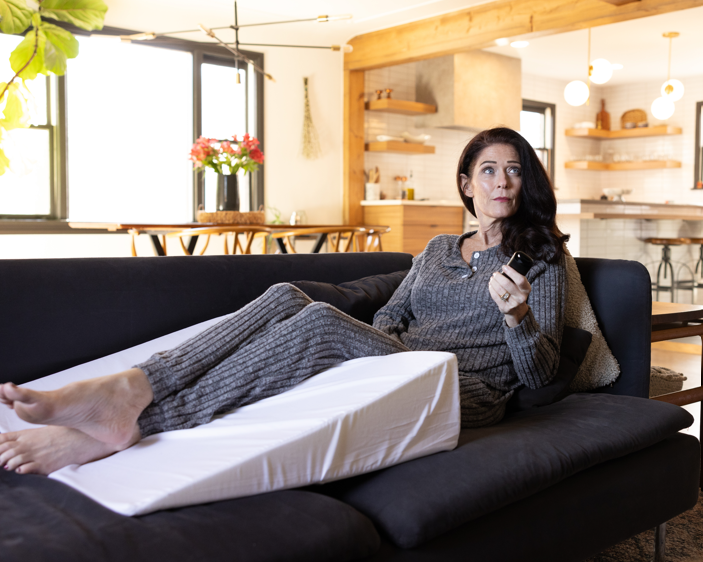
Here's what most BBL preparation guides miss: while you can't lie flat on your back, elevated back sleeping at 30-45 degrees can actually be one of the most comfortable and effective positions for BBL recovery.
Why Elevated Back-Sleeping Works for BBL Recovery
The magic of elevation is that it shifts your body weight distribution away from your buttocks and onto your upper back and hips. When positioned correctly at 30-45 degrees, the pressure points move to areas that weren't operated on, while your gluteal area receives minimal to zero pressure.
The therapeutic advantages for BBL patients:
Reduced swelling: Elevation helps gravity assist your lymphatic system in draining excess fluid away from surgical sites, reducing the swelling that commonly affects both the liposuction areas and the buttocks enhancement areas.
Better circulation: The gentle incline improves blood flow to healing tissues while preventing the blood pooling that can occur with completely flat positioning. This enhanced circulation supports the establishment of blood supply to your transferred fat cells.
Pressure redistribution: Unlike flat back sleeping that concentrates weight on your buttocks, proper elevation distributes pressure across your upper back, shoulders, and hips—exactly where you want it during BBL recovery.
Easier mobility: Getting up from an elevated position requires significantly less gluteal engagement than rising from flat, which means less strain on your healing areas during those necessary bathroom trips and position changes.
Breathing comfort: The elevated angle naturally opens airways and improves breathing efficiency, which becomes important when you're managing post-surgical discomfort and potentially wearing compression garments.
The 30-45 Degree Sweet Spot
This angle range isn't arbitrary—it's the therapeutic zone where BBL patients can maintain back positioning without putting damaging pressure on their buttocks.
Less than 30 degrees: You start getting closer to flat positioning where gluteal pressure becomes problematic for fat cell survival.
30-45 degrees optimal range: Your weight is distributed to safe zones while your buttocks remain essentially pressure-free, and the position remains comfortable for extended sleep periods.
More than 45 degrees: You risk sliding down during sleep, which defeats the positioning purpose and creates instability that disrupts rest.
The key is maintaining this angle consistently throughout the night, which is where most DIY pillow approaches fail spectacularly.
SHOP THE BEST BBL PILLOW

Professional Positioning Solutions for BBL Recovery
For BBL patients who want to eliminate trial-and-error during the critical recovery period, professional-grade positioning equipment addresses the unique challenges that household pillows cannot.
What Makes Professional Positioning Different
Consistent therapeutic elevation: Professional positioning pillows use advanced foam construction that maintains precise 30-45 degree angles throughout 8+ hours of sleep. This consistent positioning ensures your buttocks remain pressure-free all night, protecting your transferred fat cells during the critical establishment period.
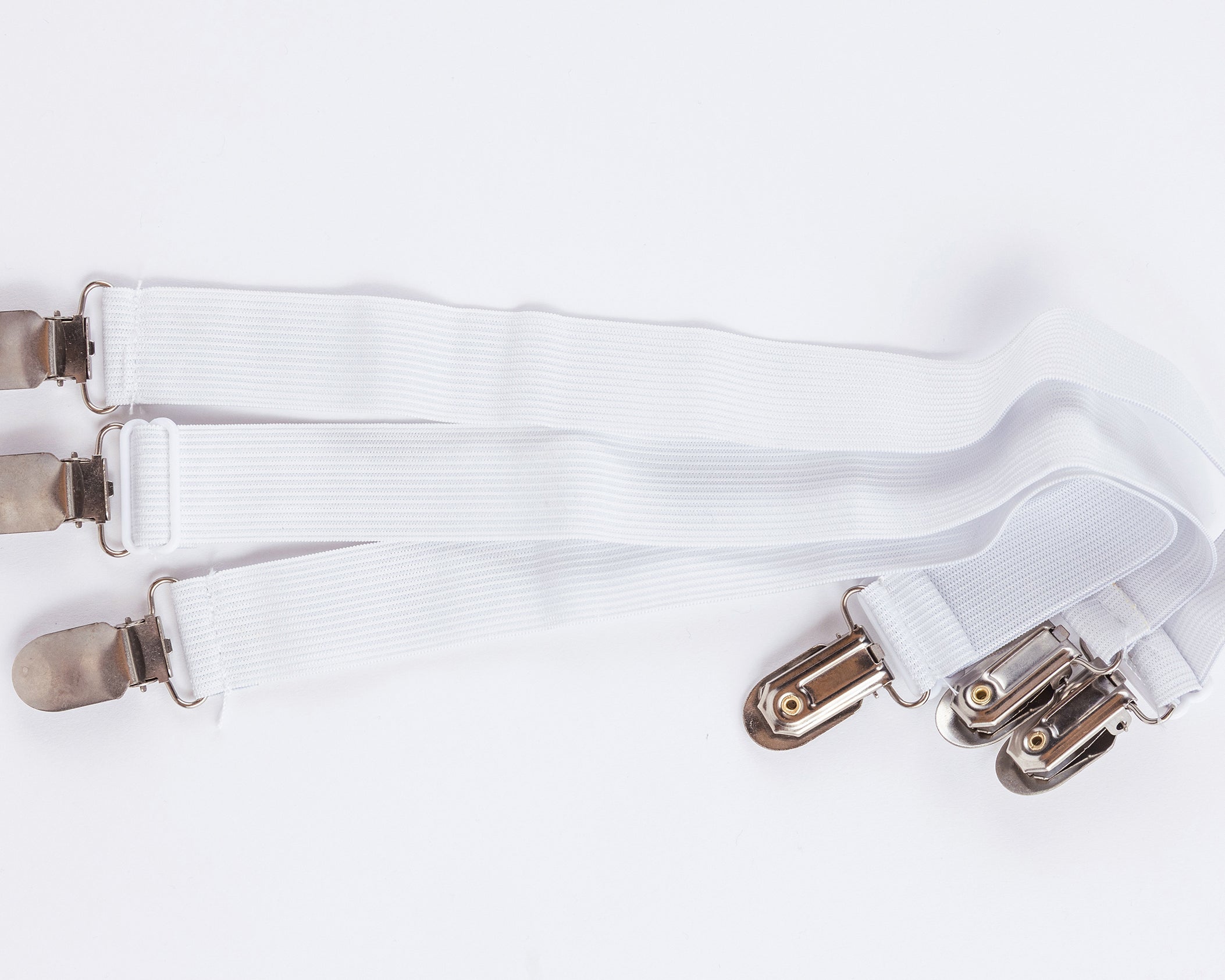
No sliding or shifting: Integrated designs prevent the gradual sliding that plagues DIY pillow arrangements. Components work together to maintain stable positioning, eliminating the middle-of-the-night wake-ups to readjust collapsed pillows.
Comprehensive body support: Professional recovery positioning addresses needs from head to toe, including leg support that prevents downward sliding while maintaining spinal alignment, and lateral support that keeps you stable in the elevated position.
Medical-grade durability: Unlike consumer pillows that degrade within days or weeks, professional positioning equipment maintains therapeutic properties throughout your entire BBL recovery timeline and beyond.
The Sleep Again Pillow Solution
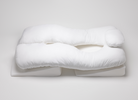
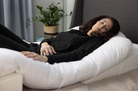
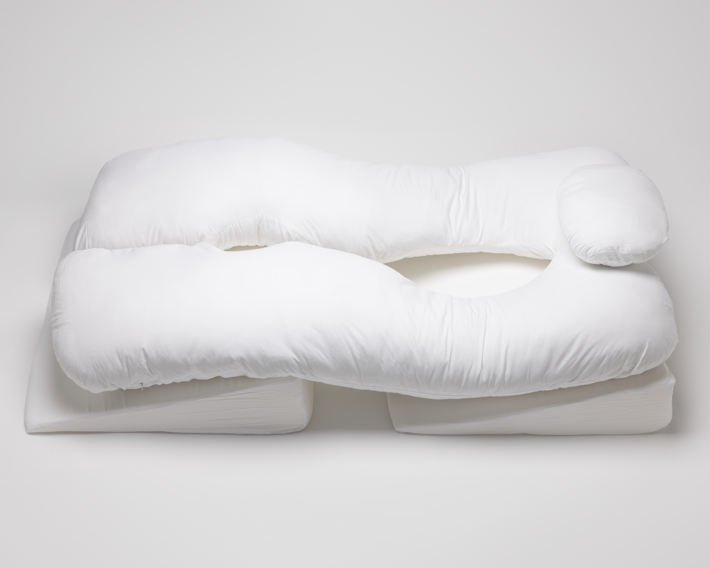
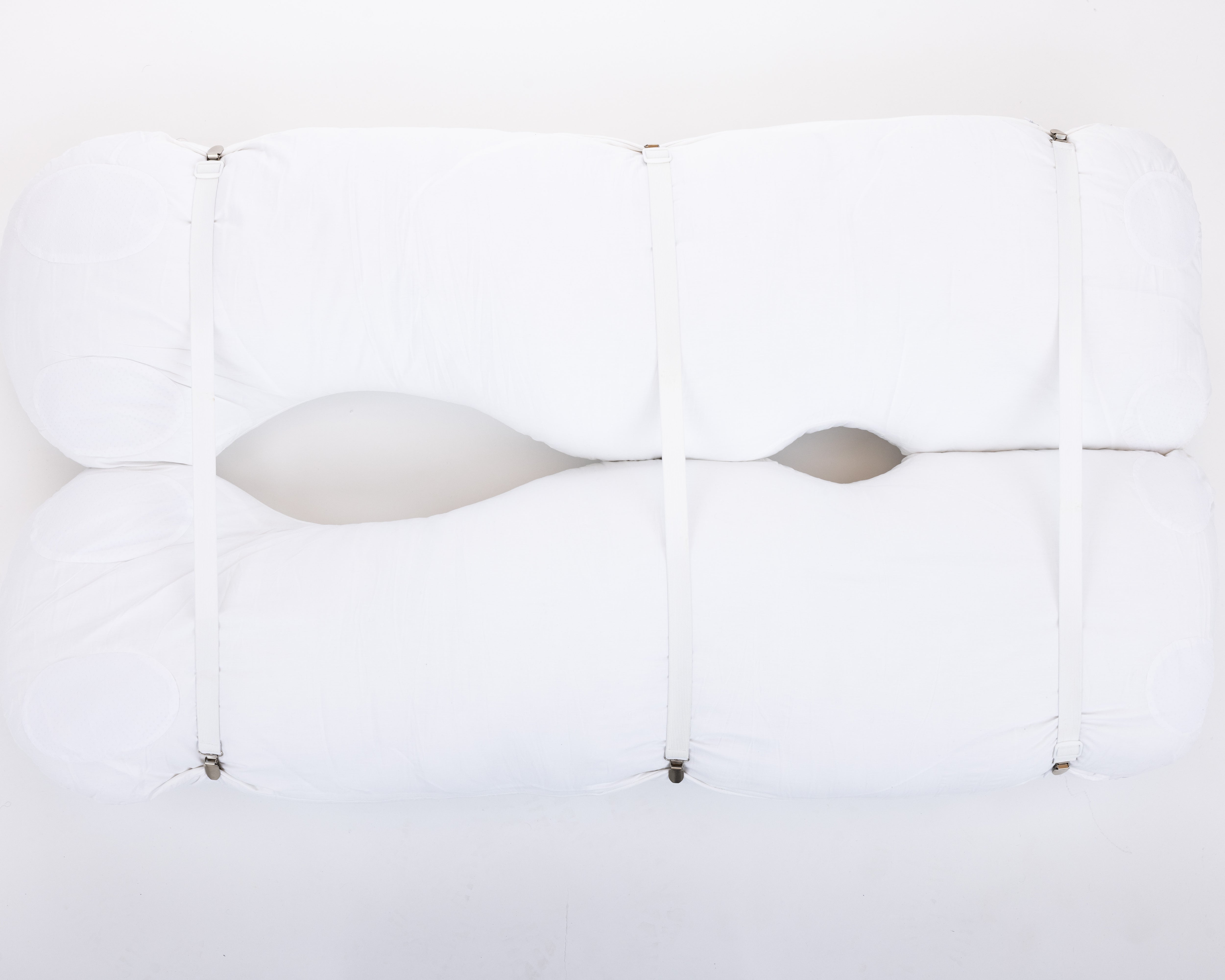
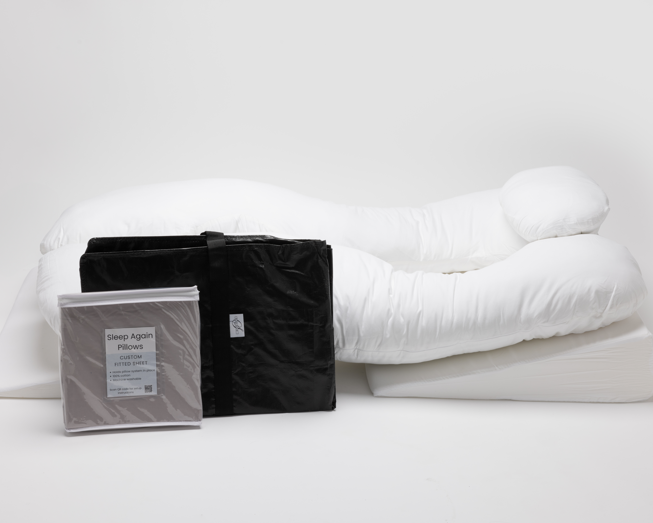
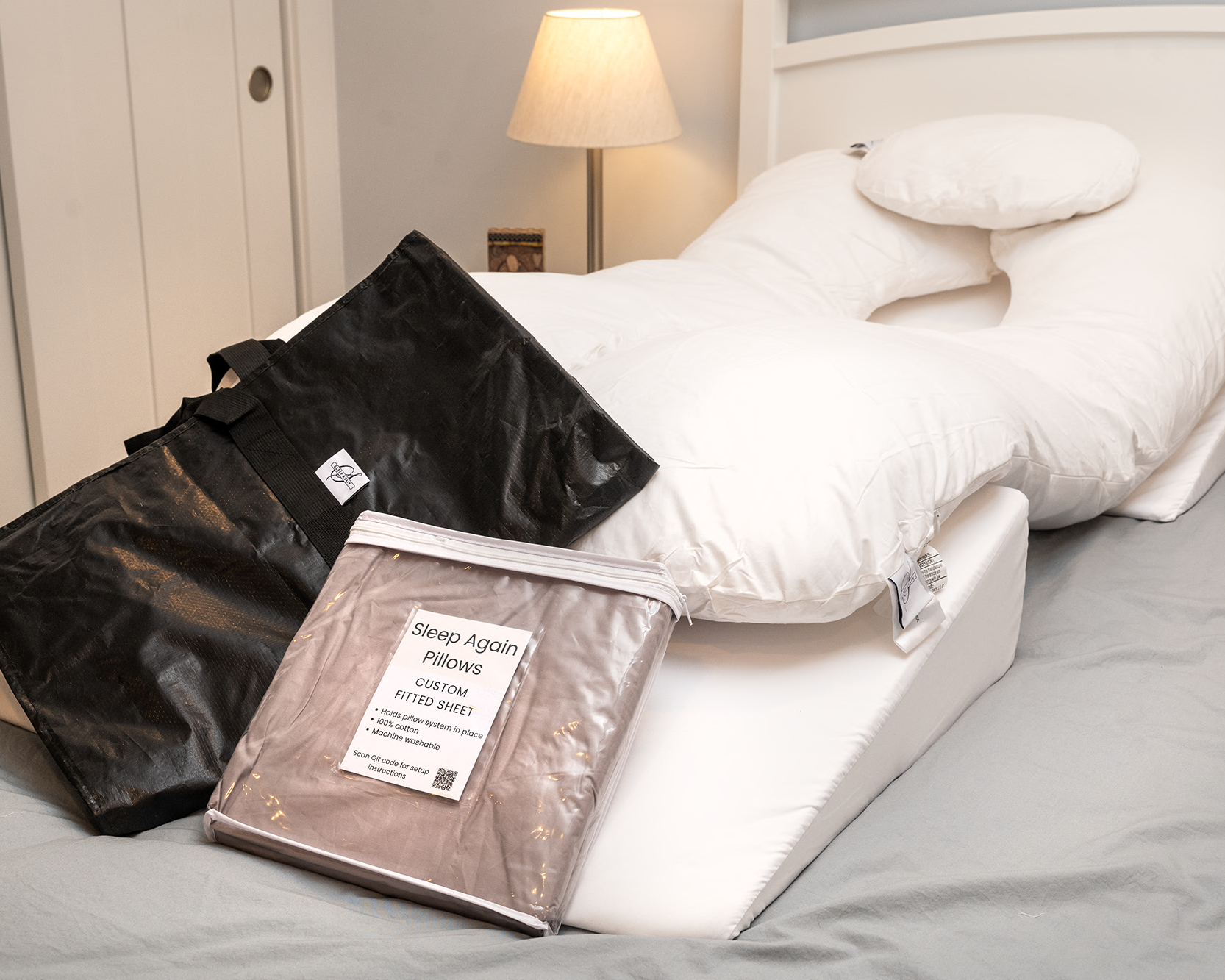
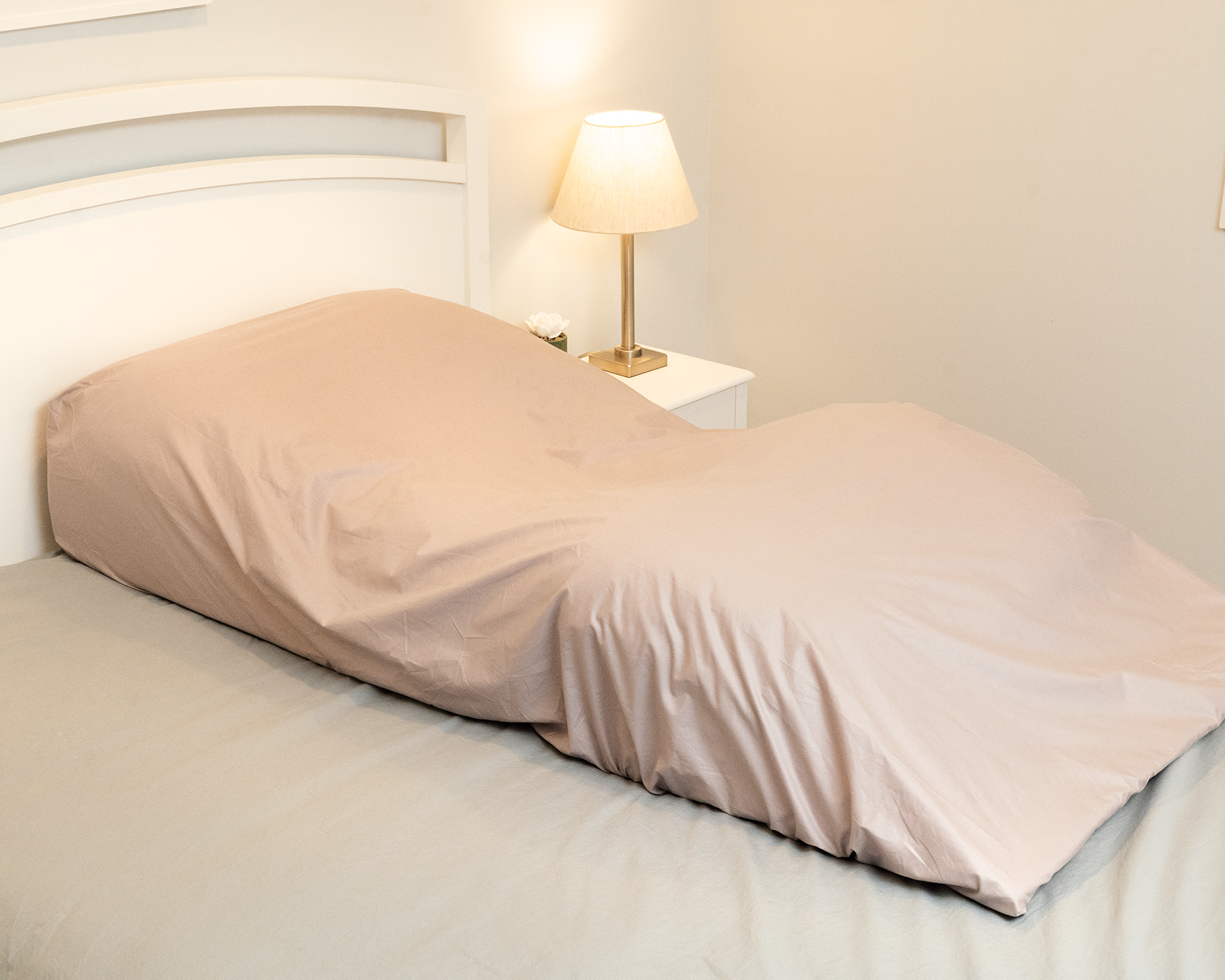
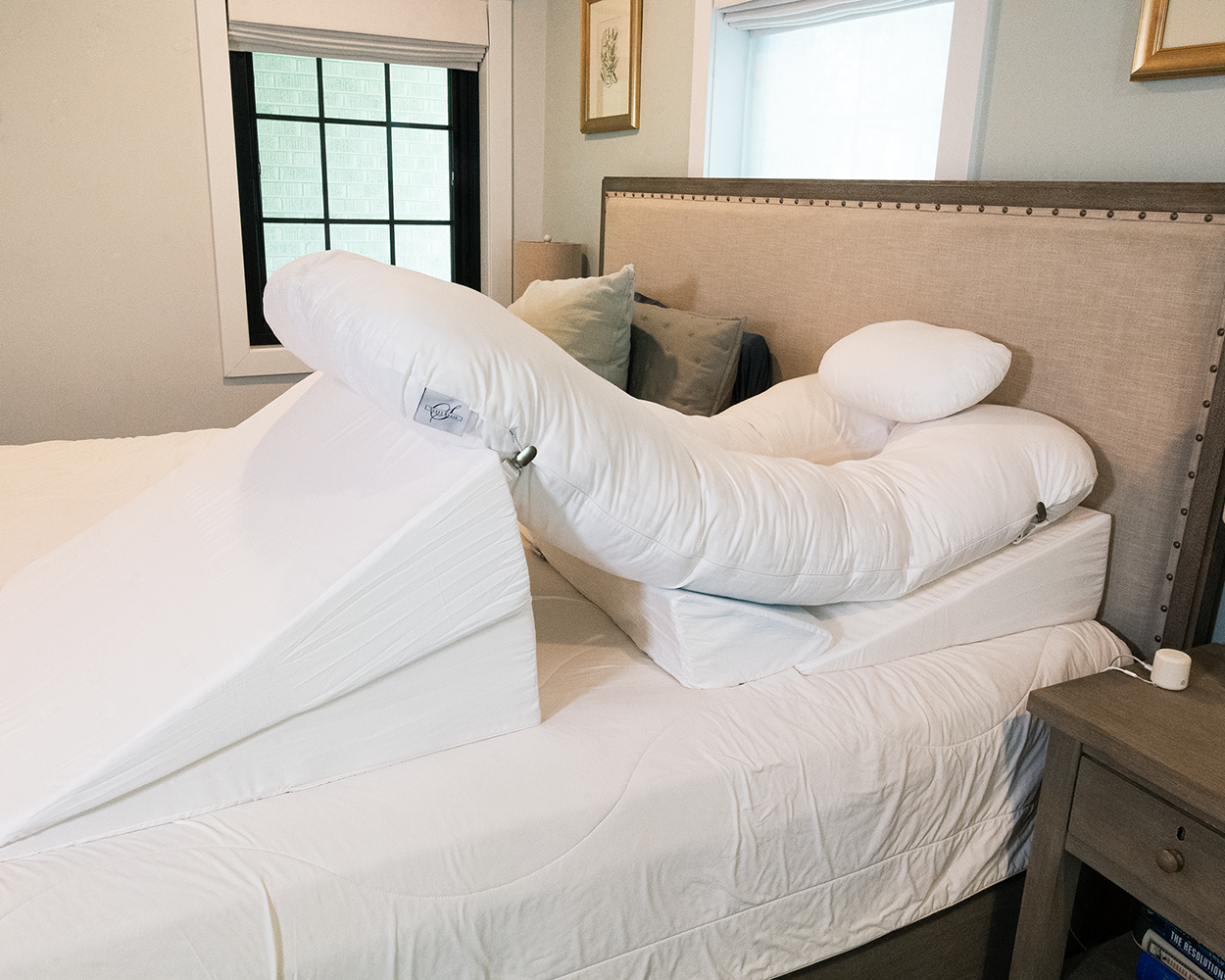
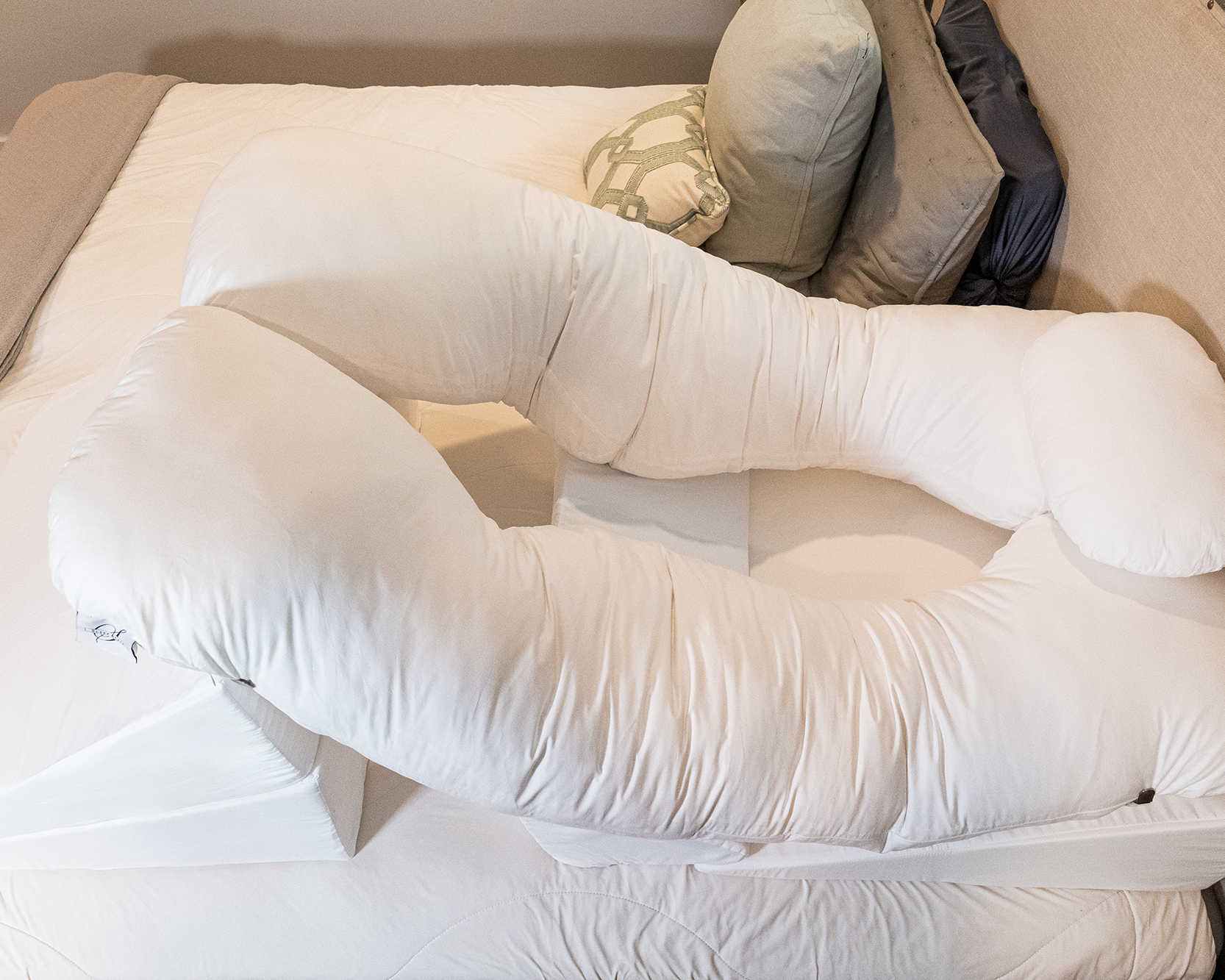
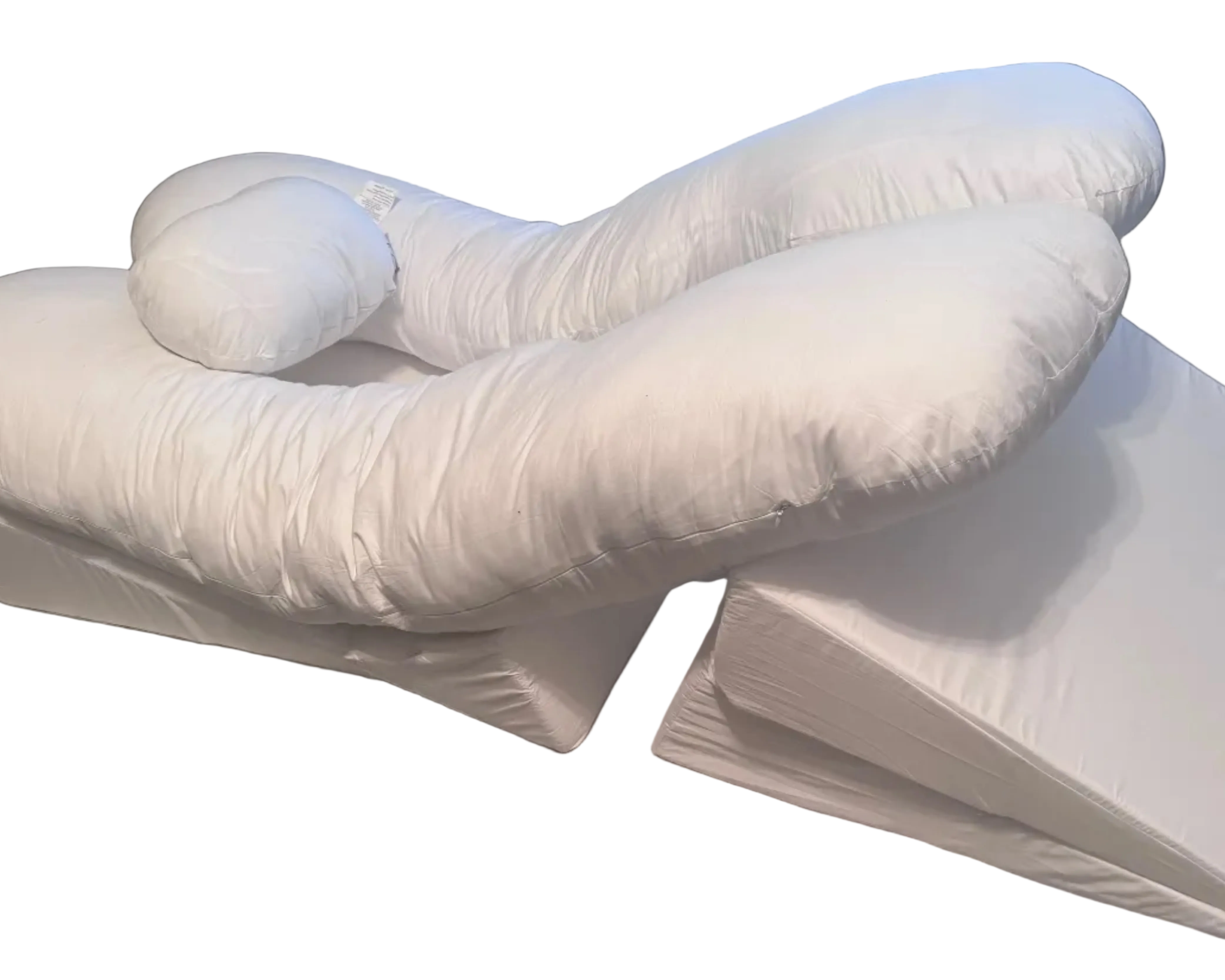
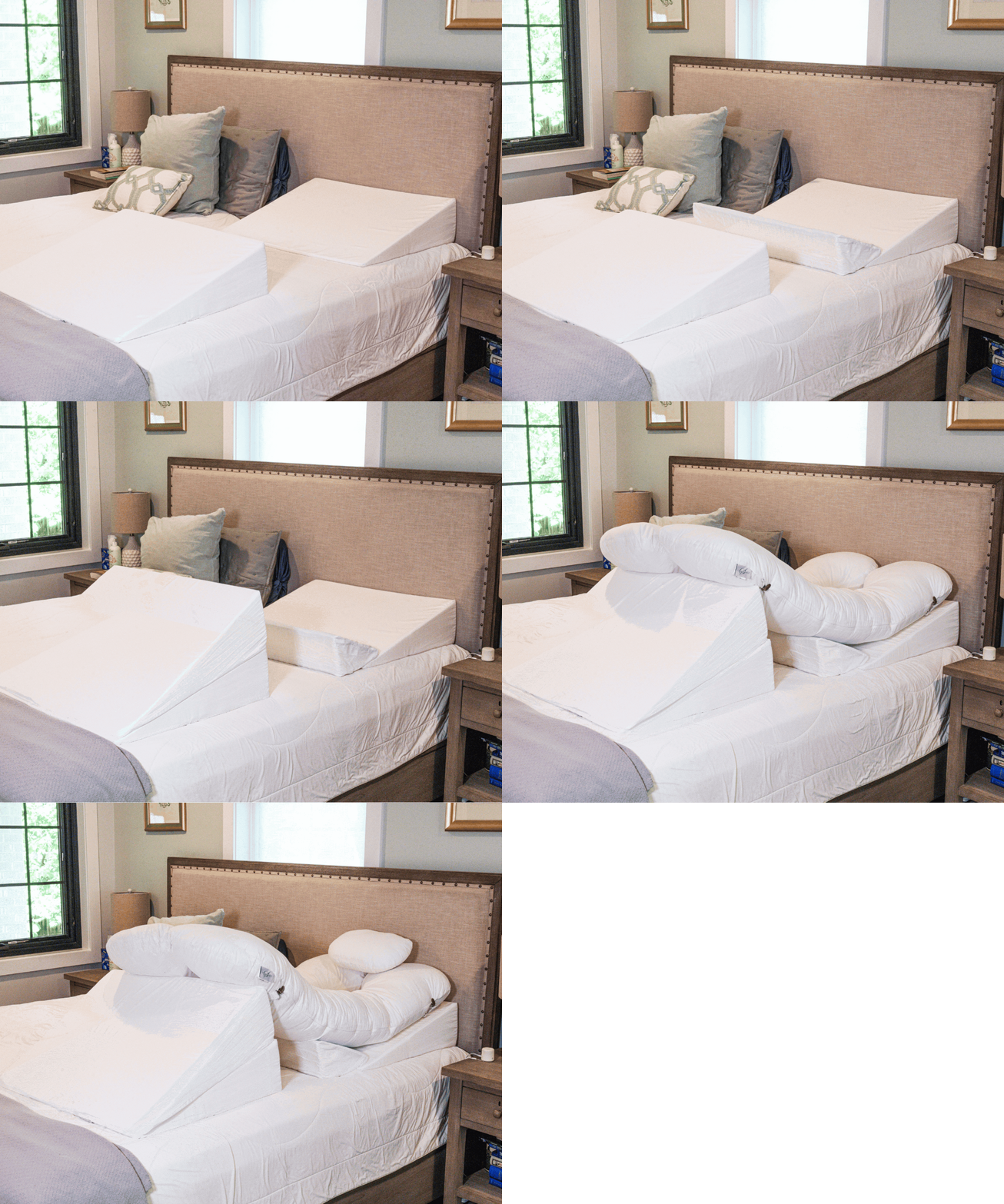
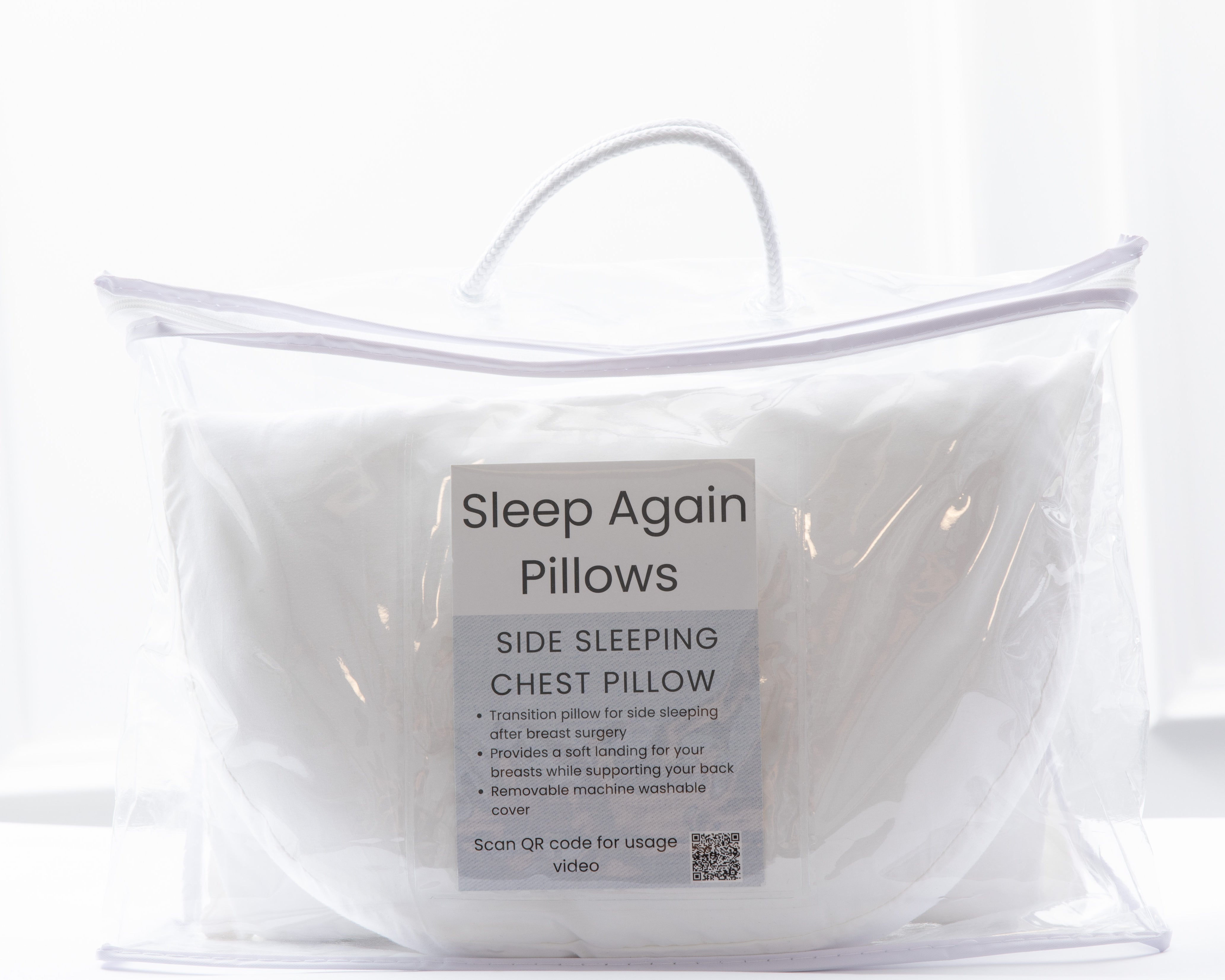
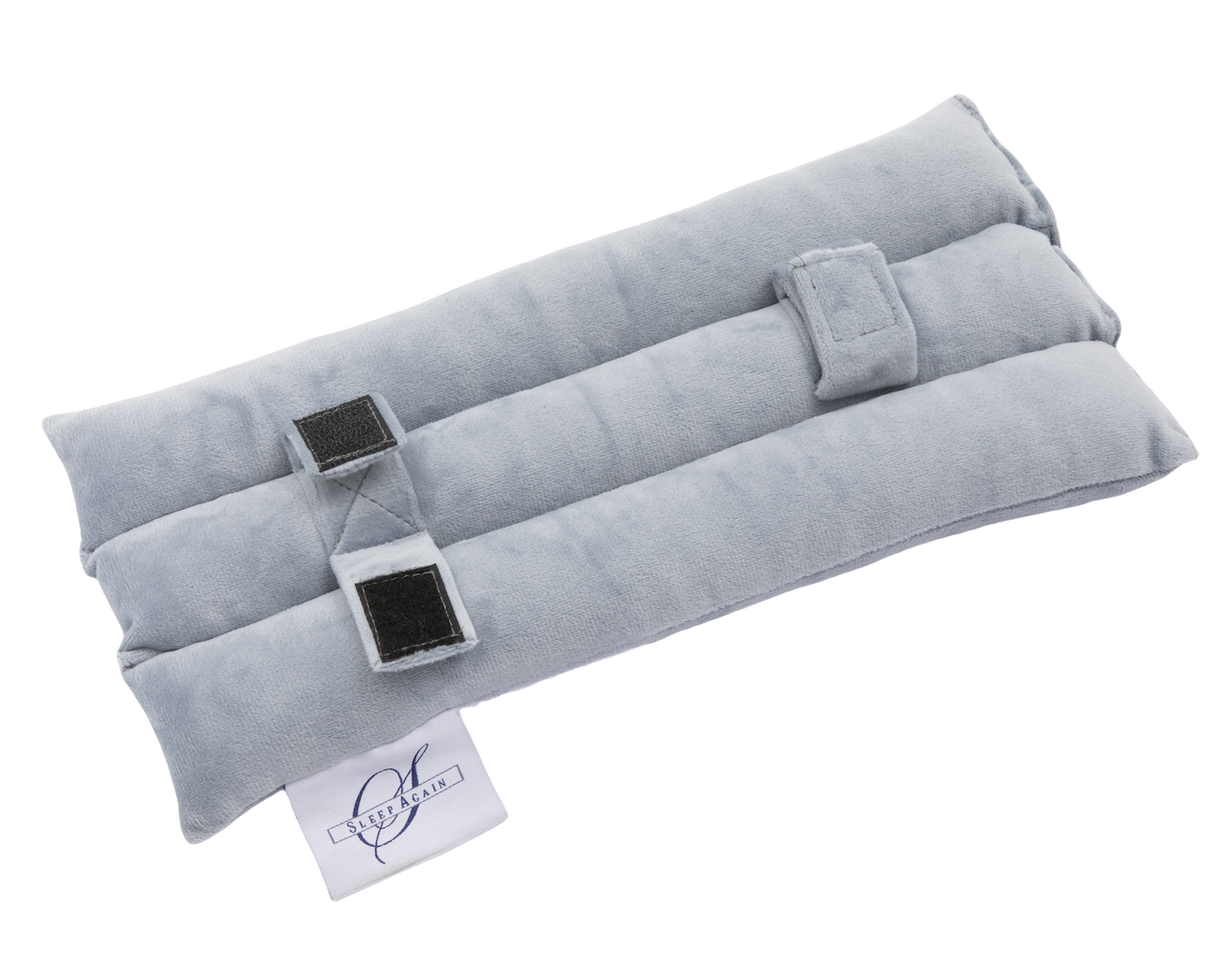
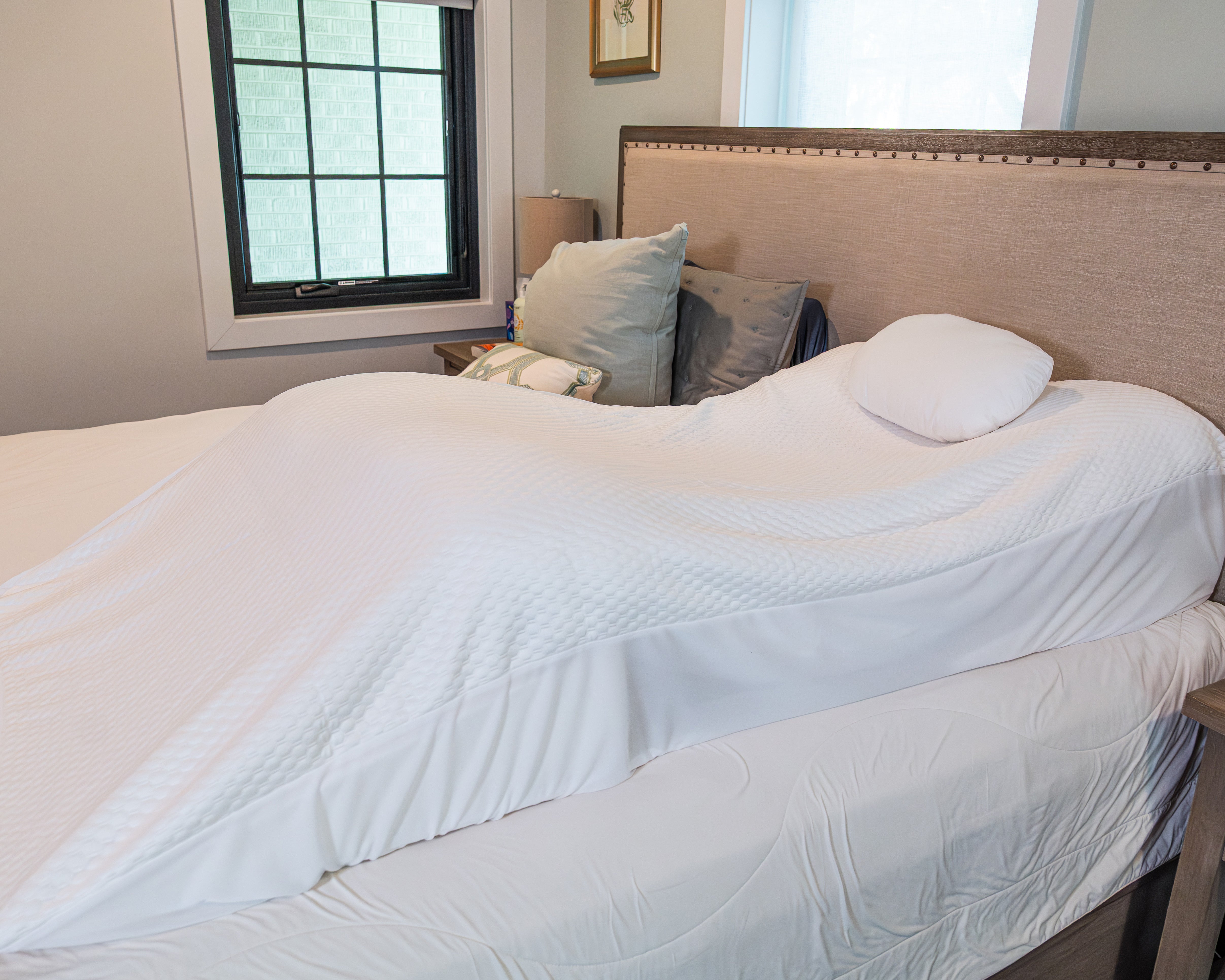
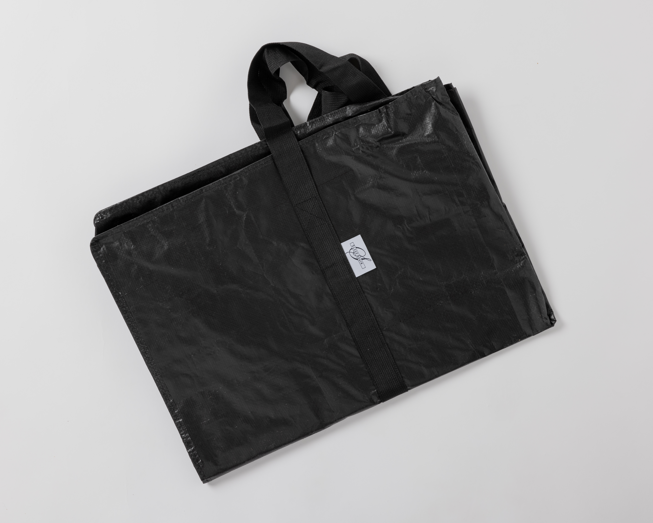
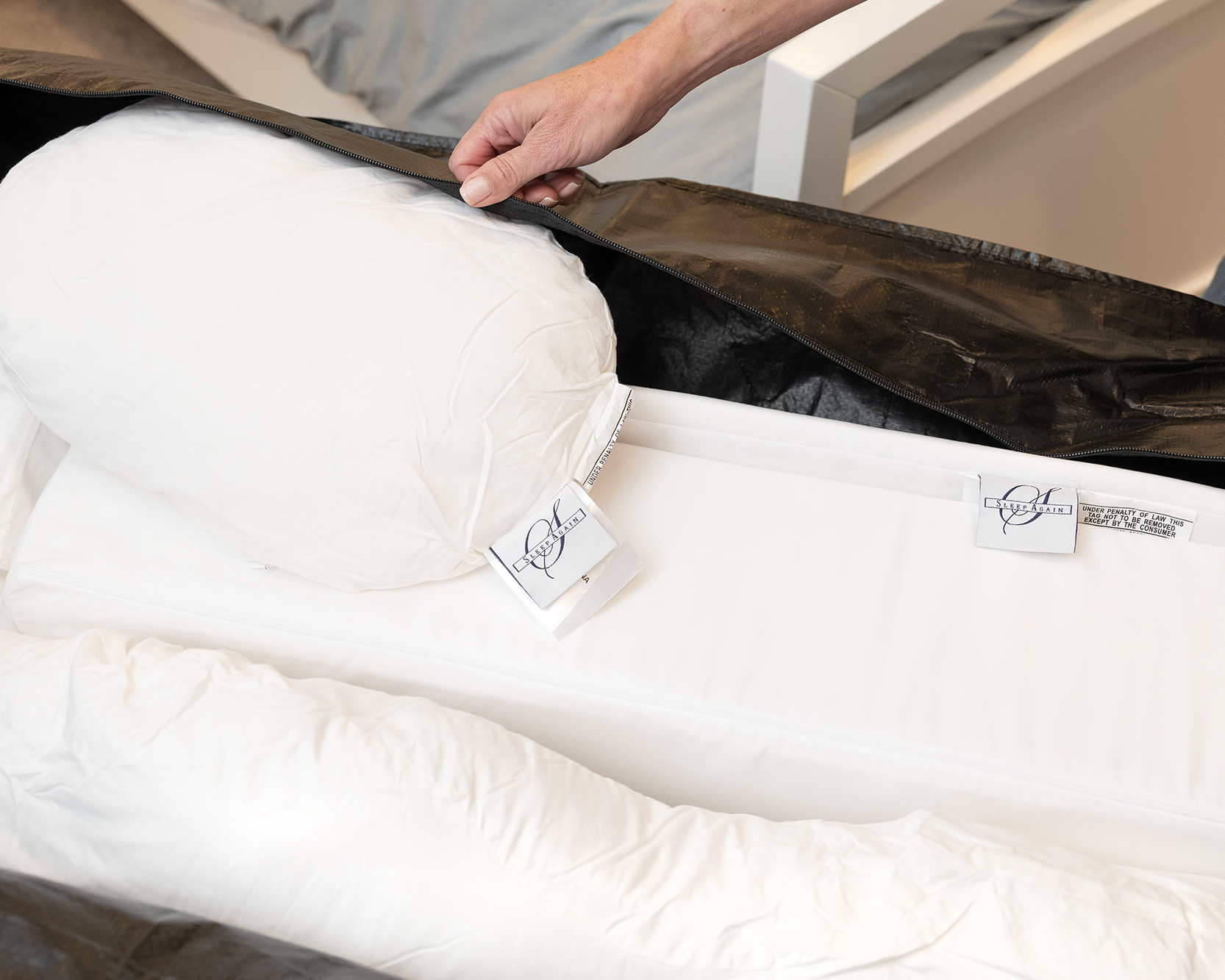
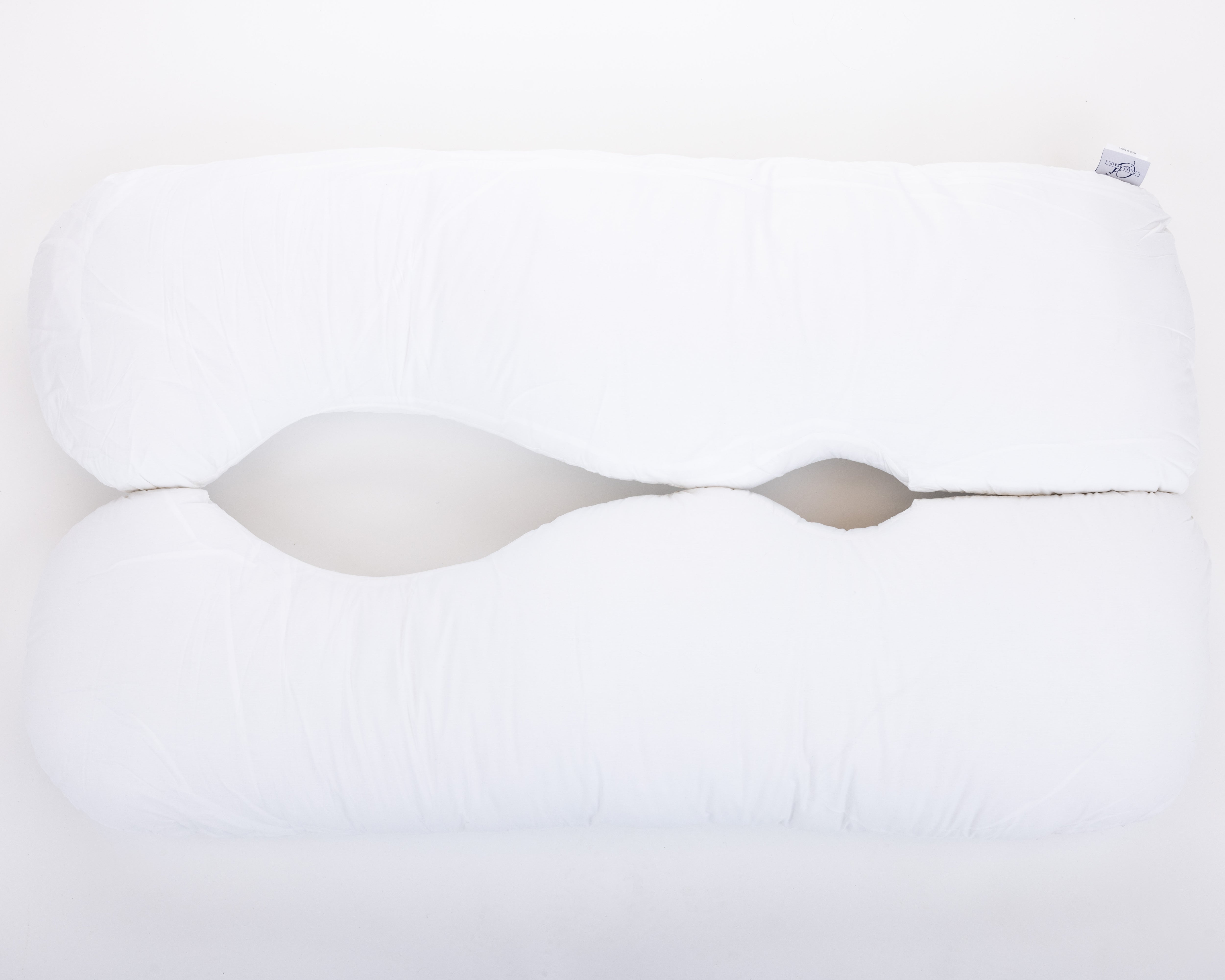
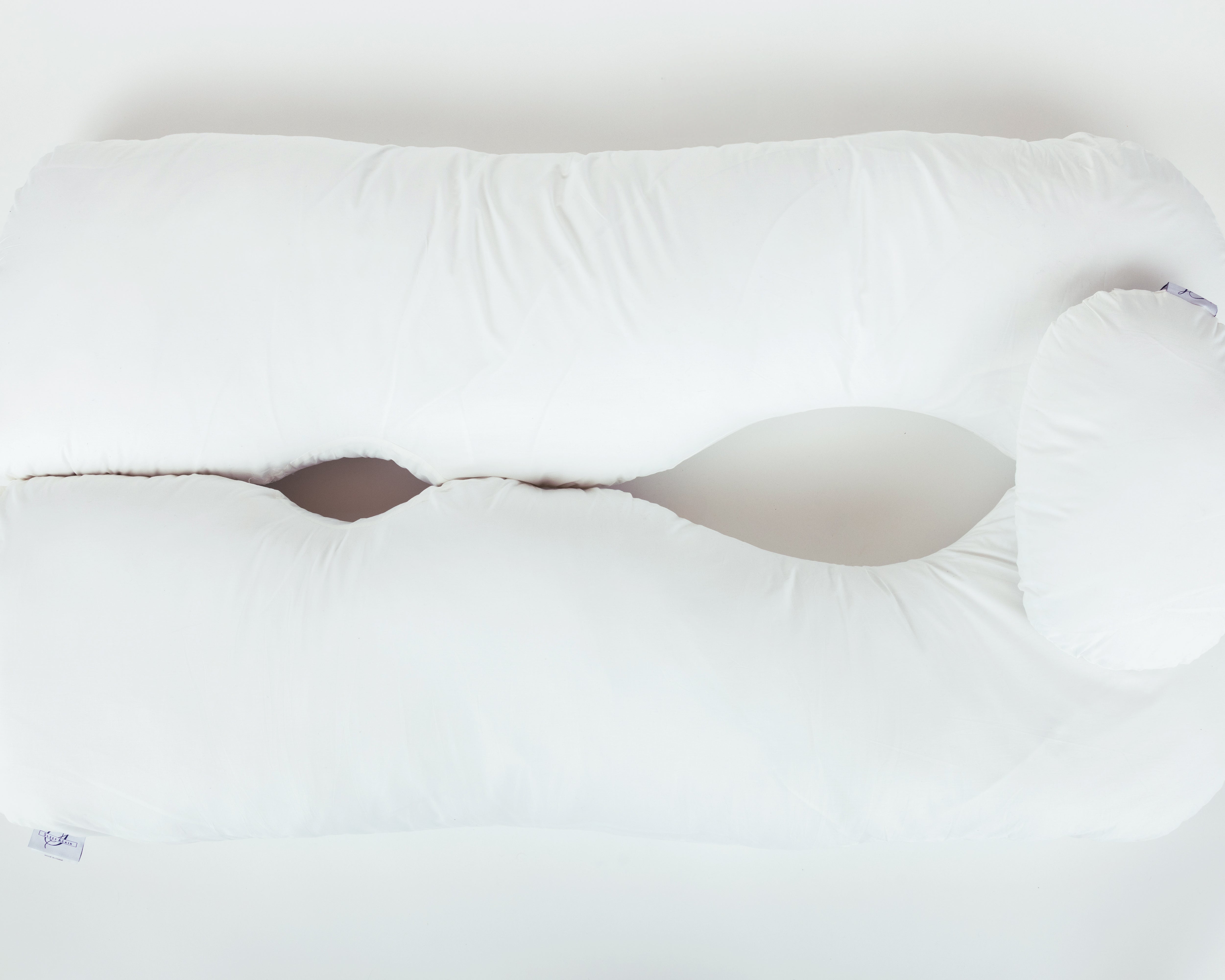
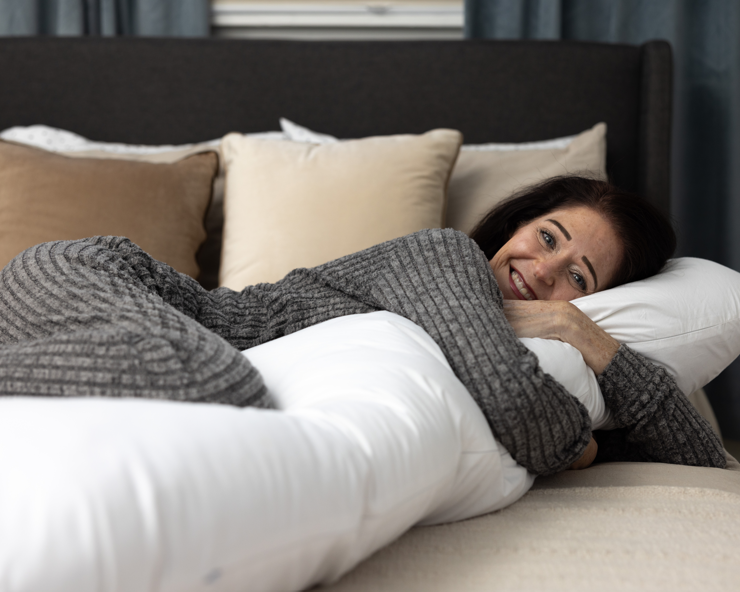
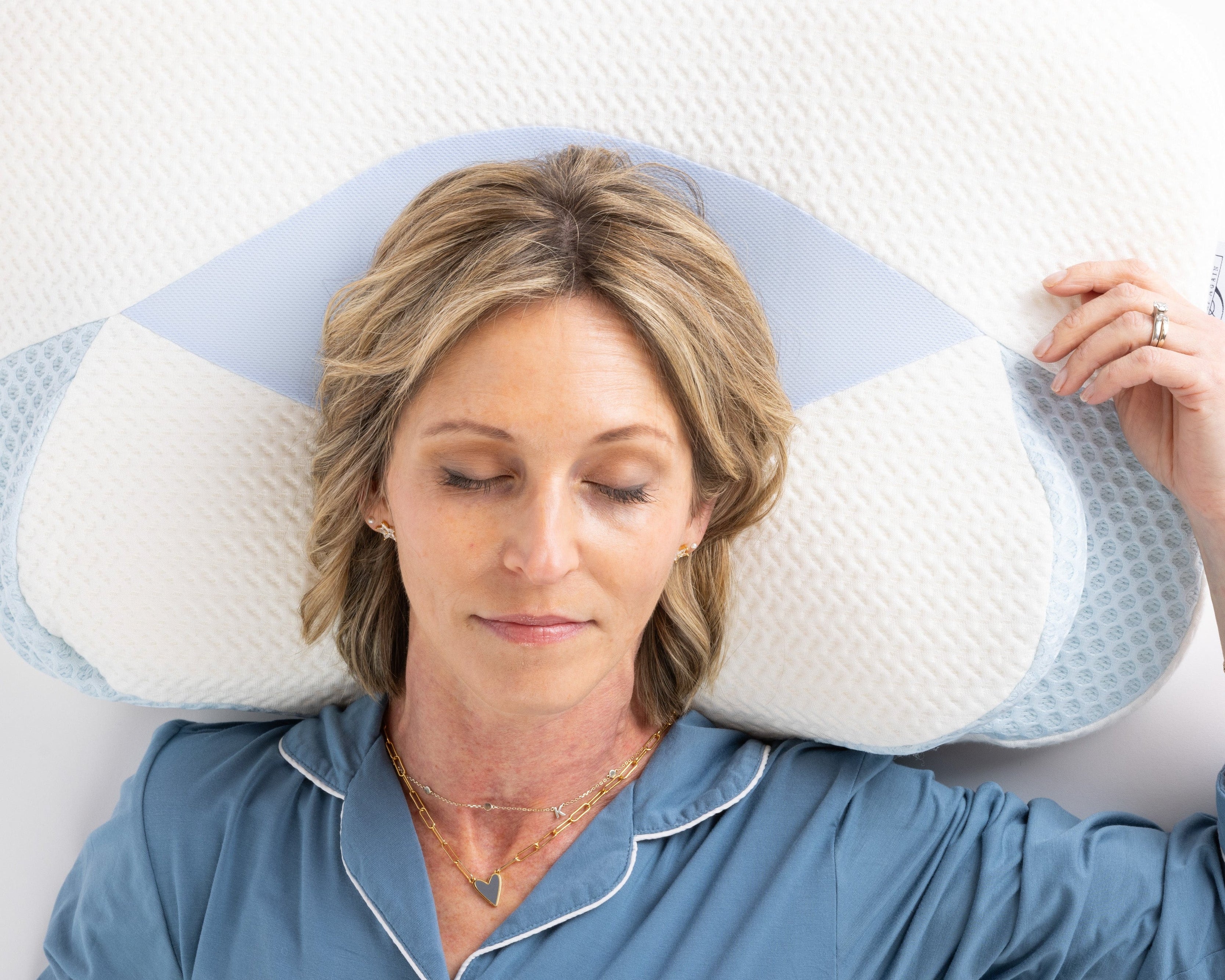
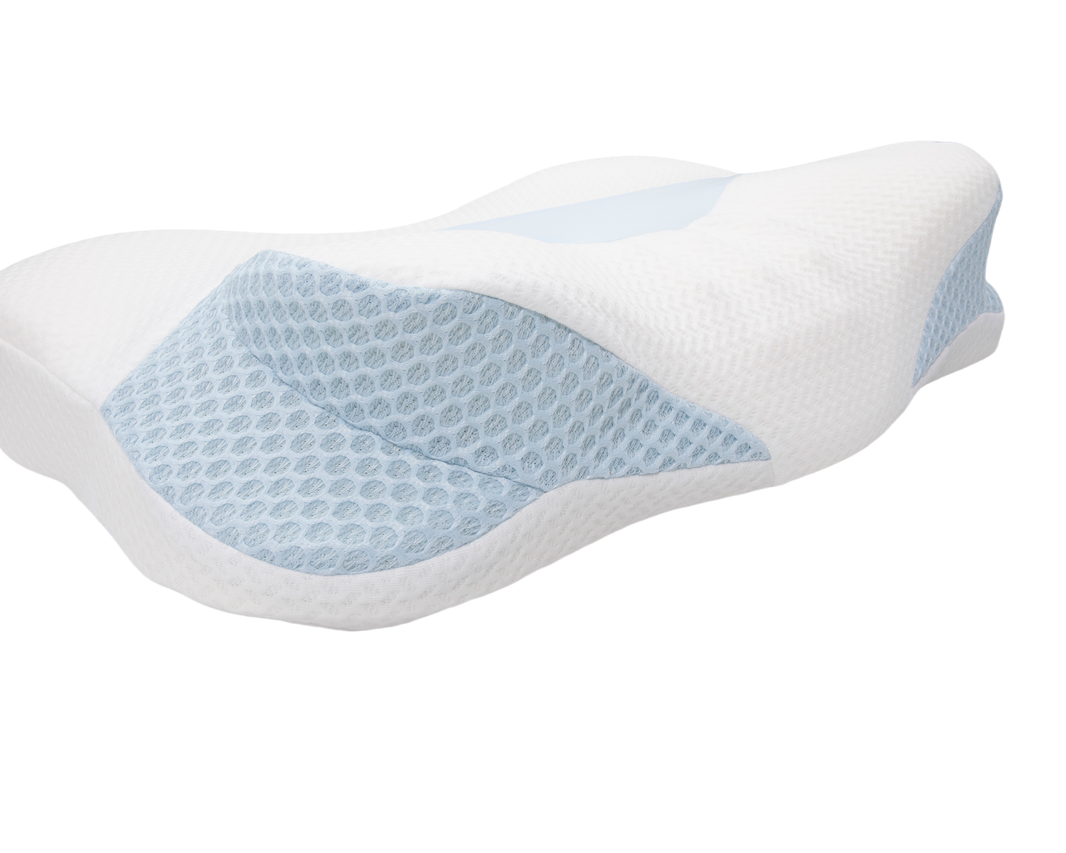
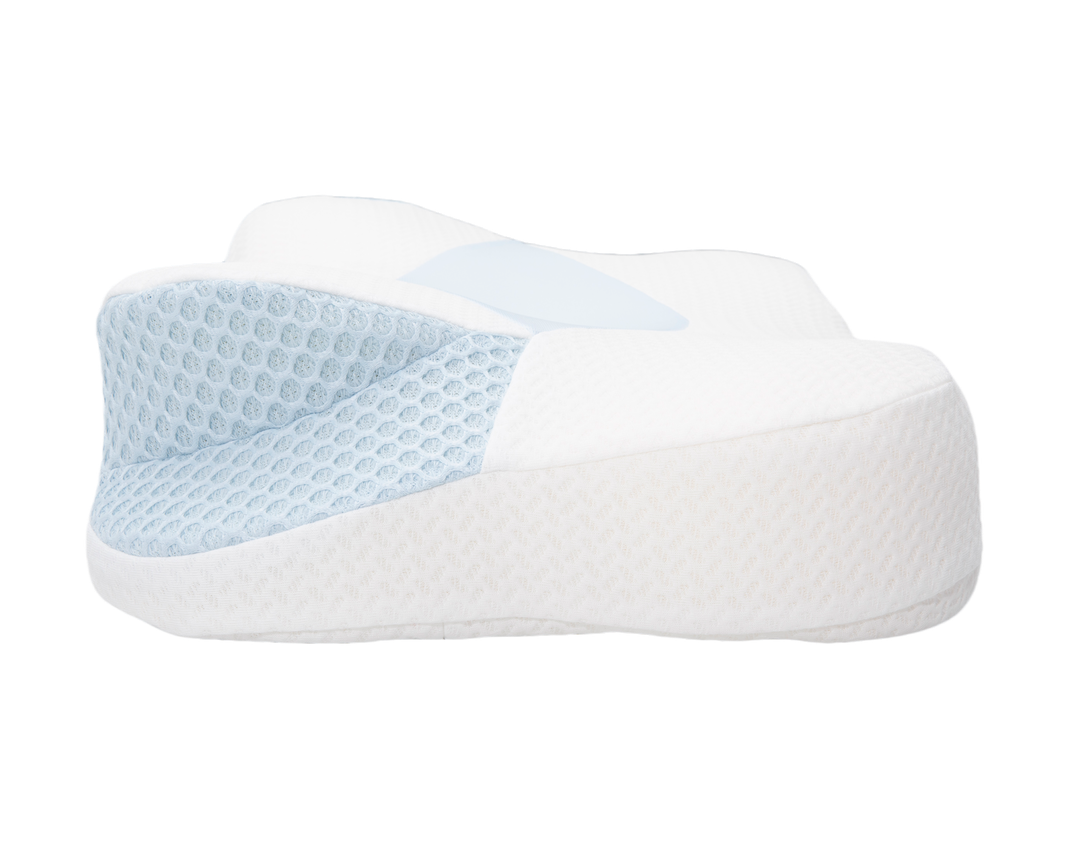
The Sleep Again Pillow System provides all these professional positioning benefits in one integrated solution designed specifically for post-surgery support.
Complete positioning components:
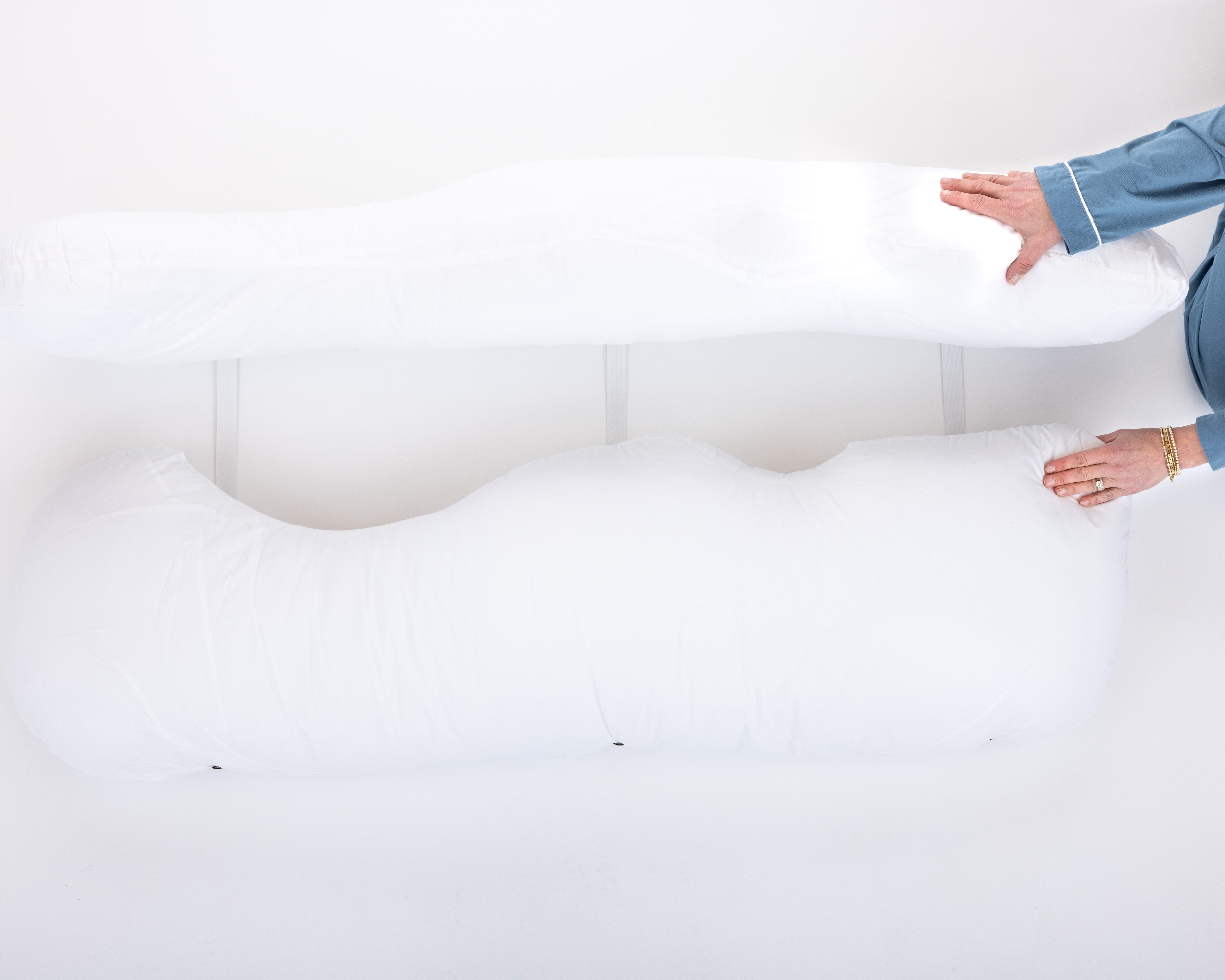
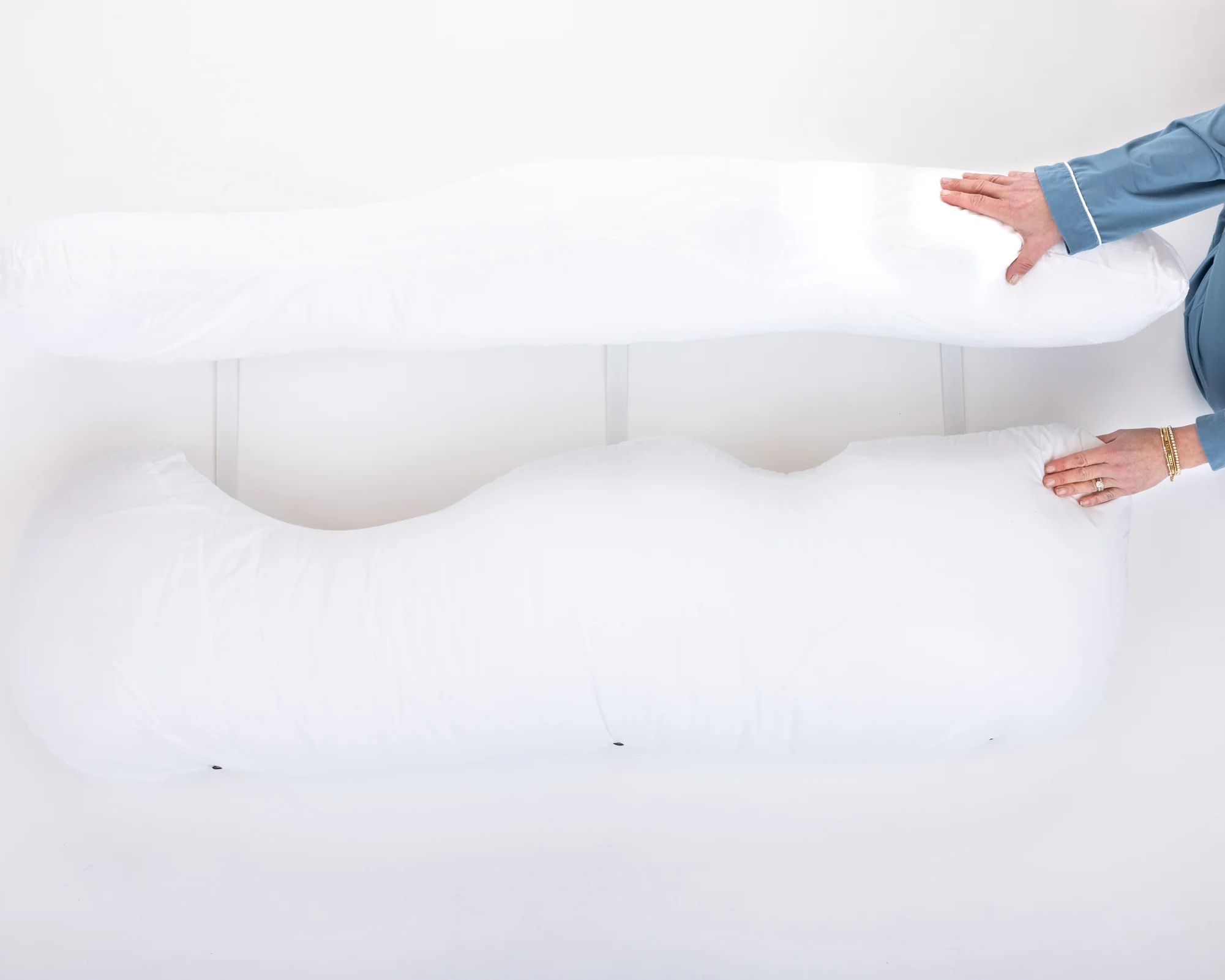
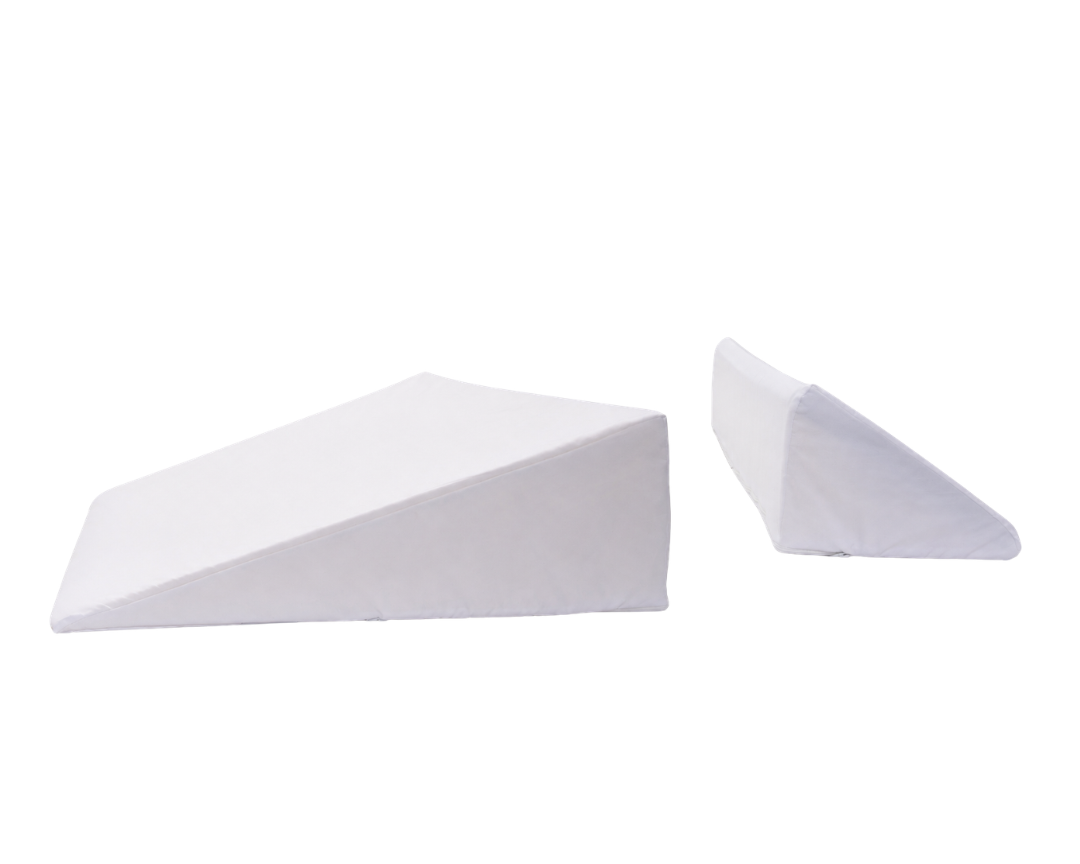
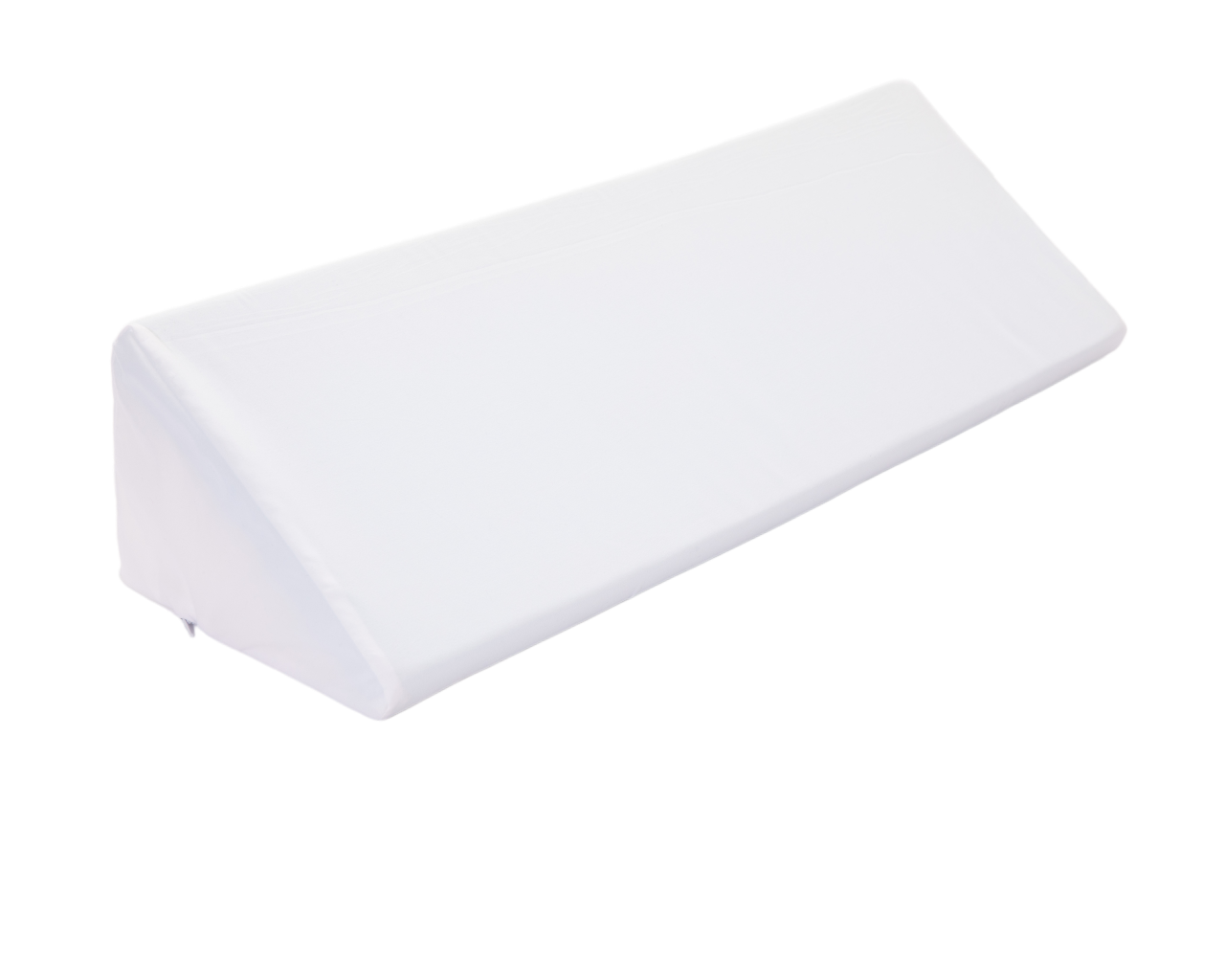
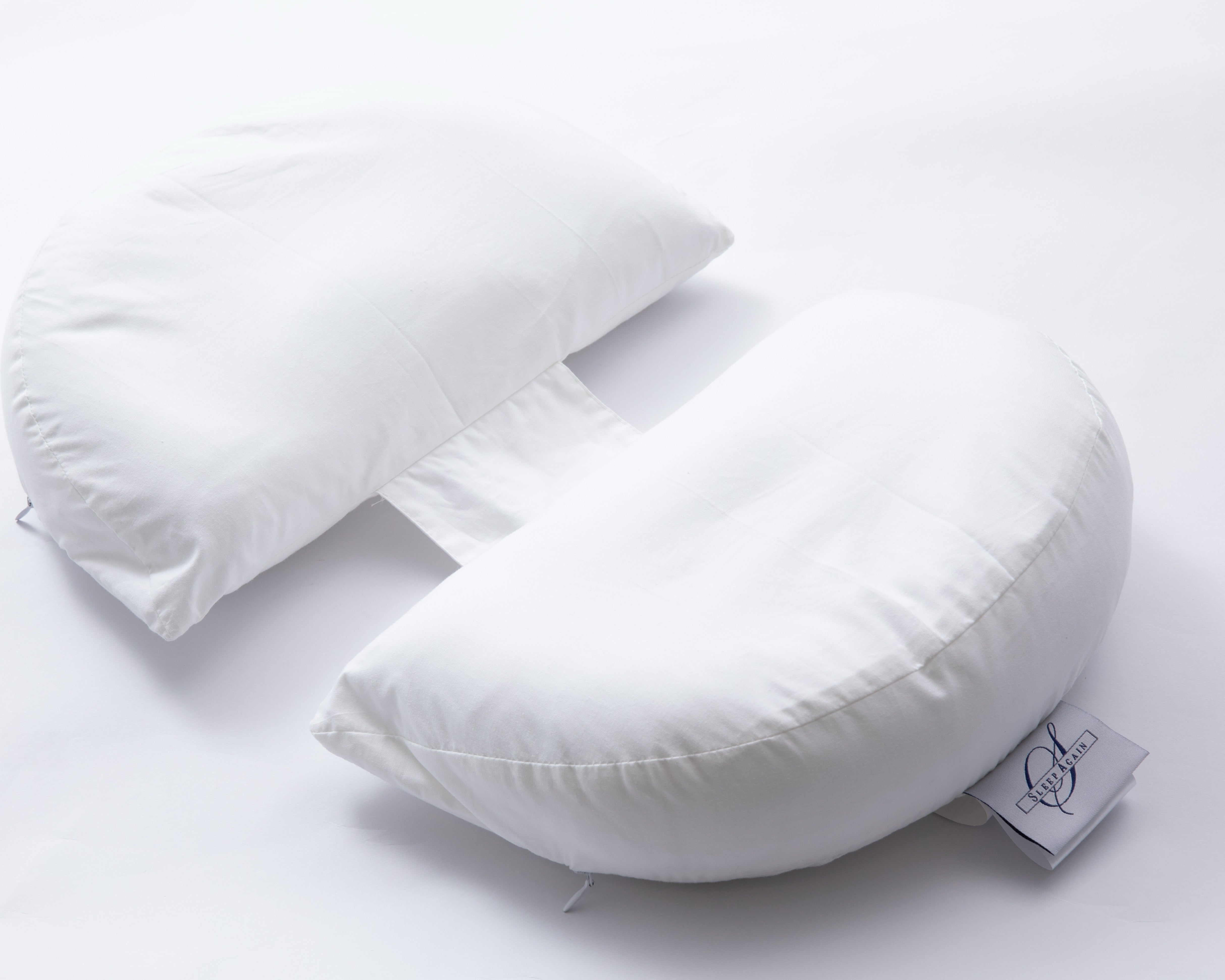
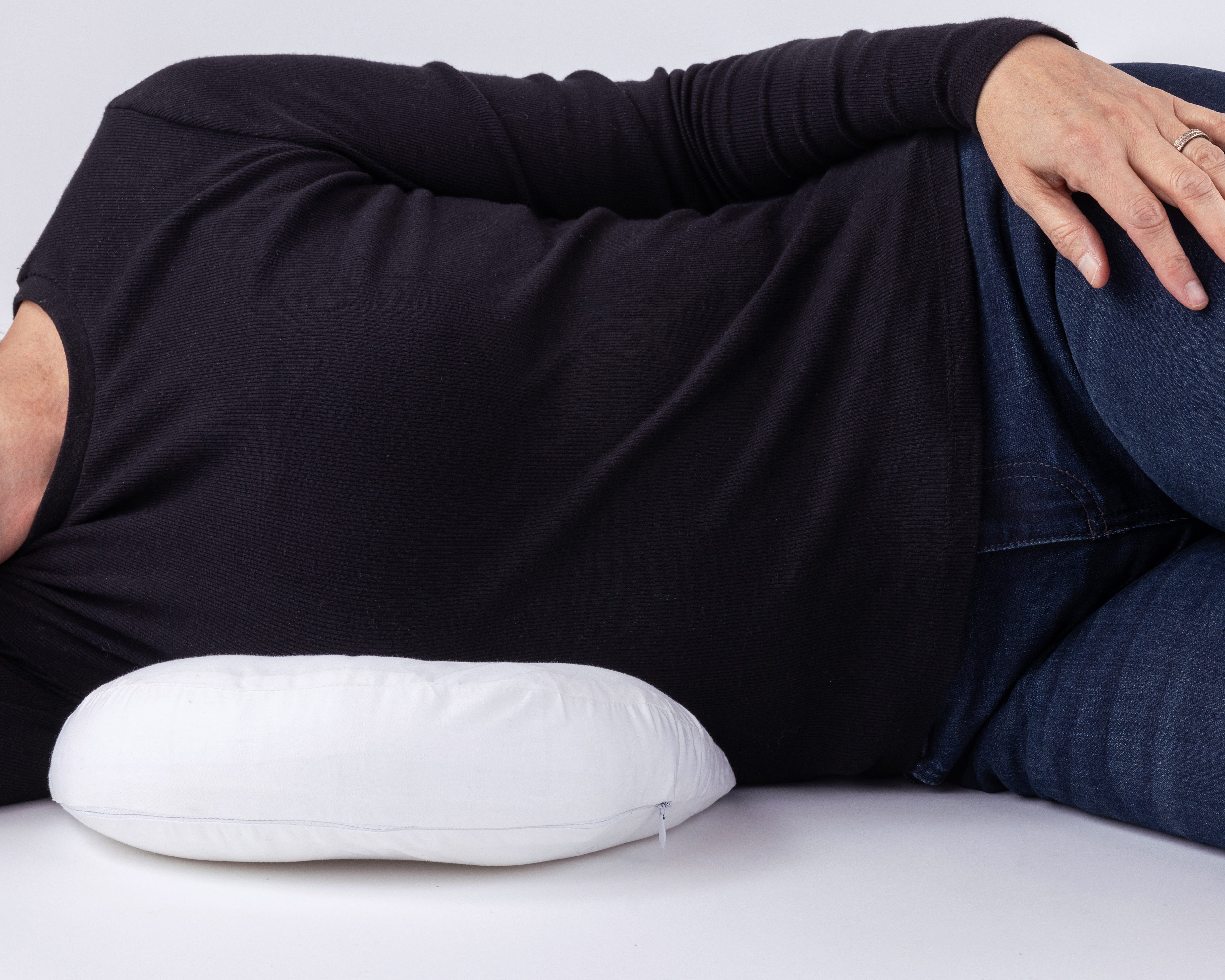
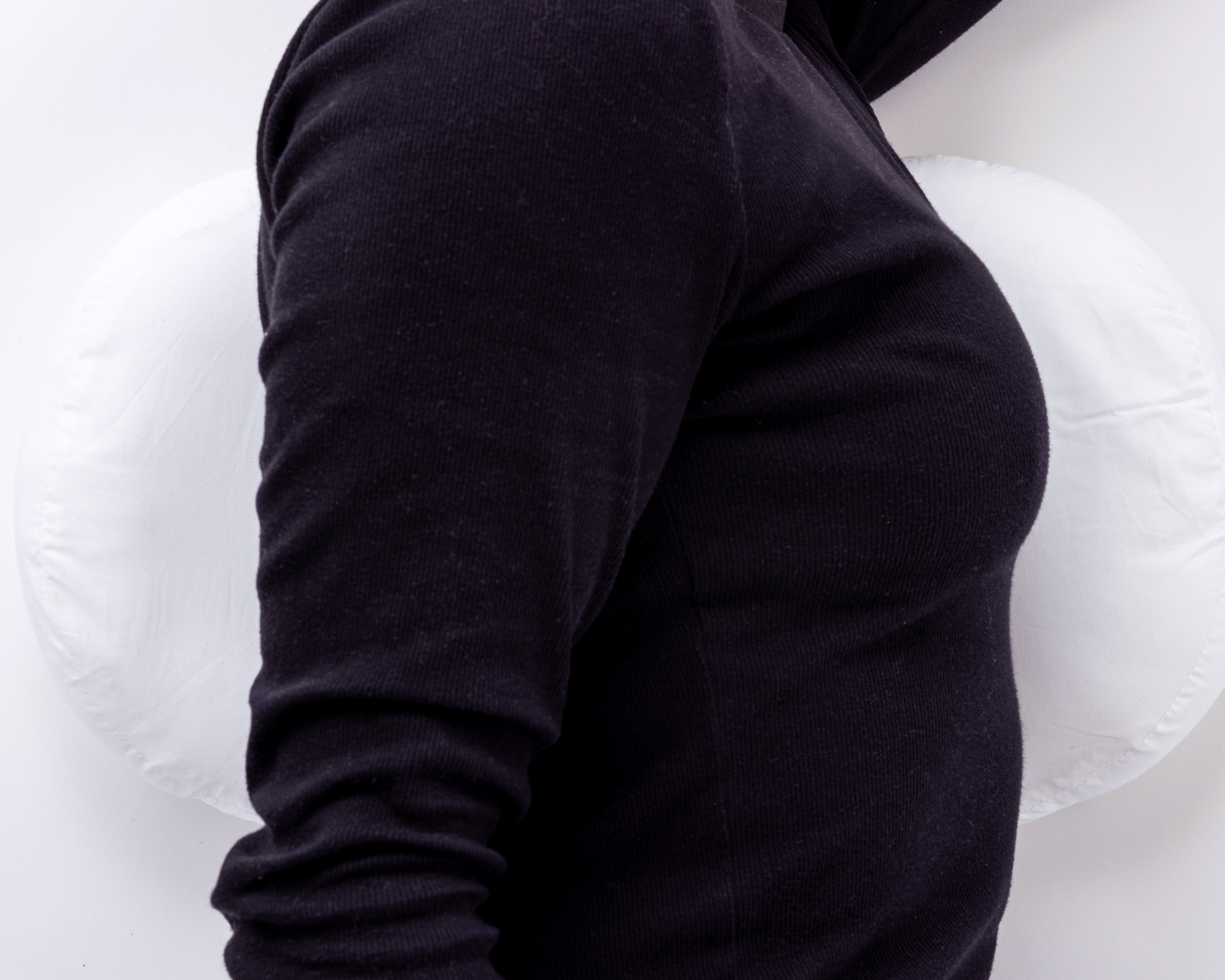
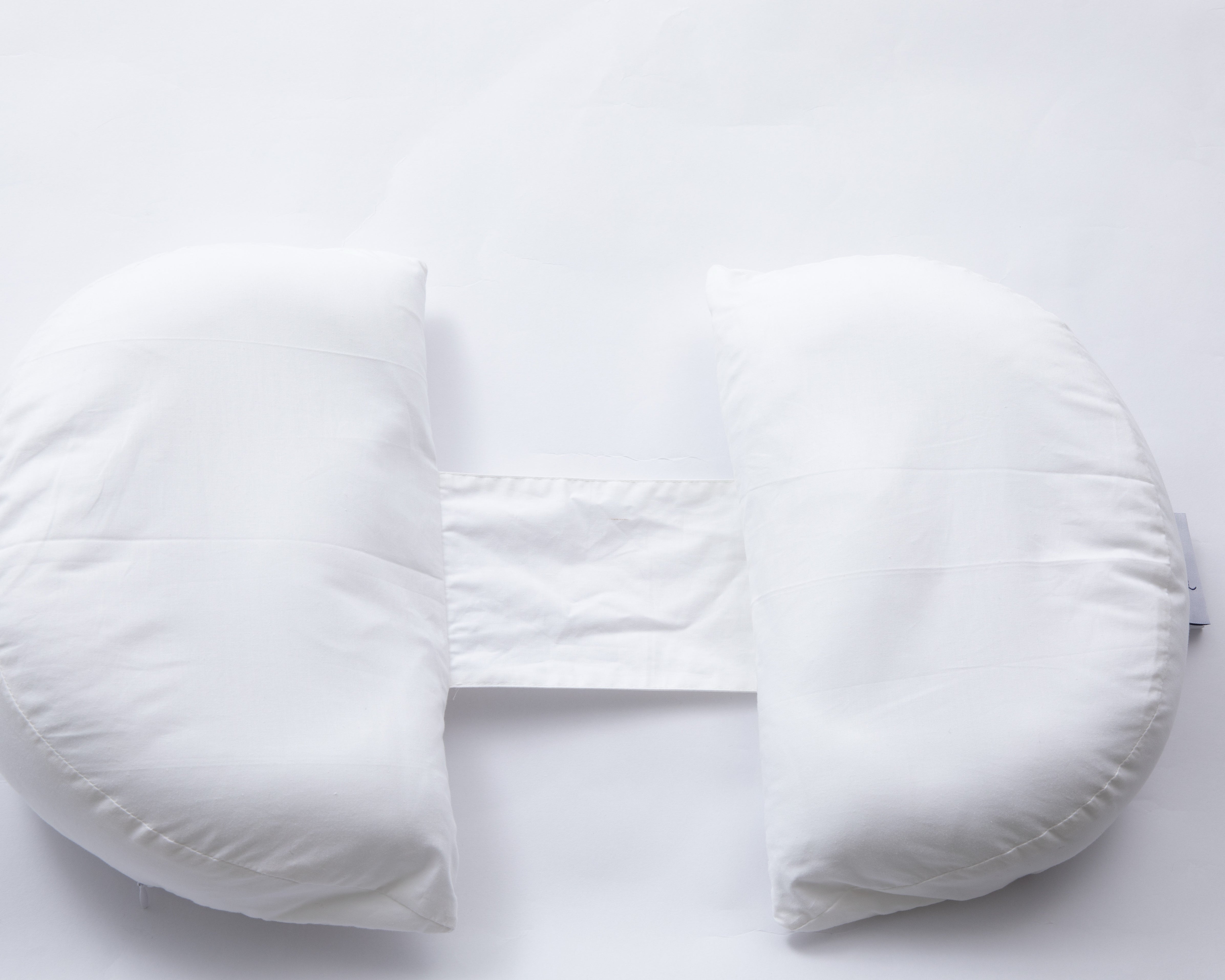
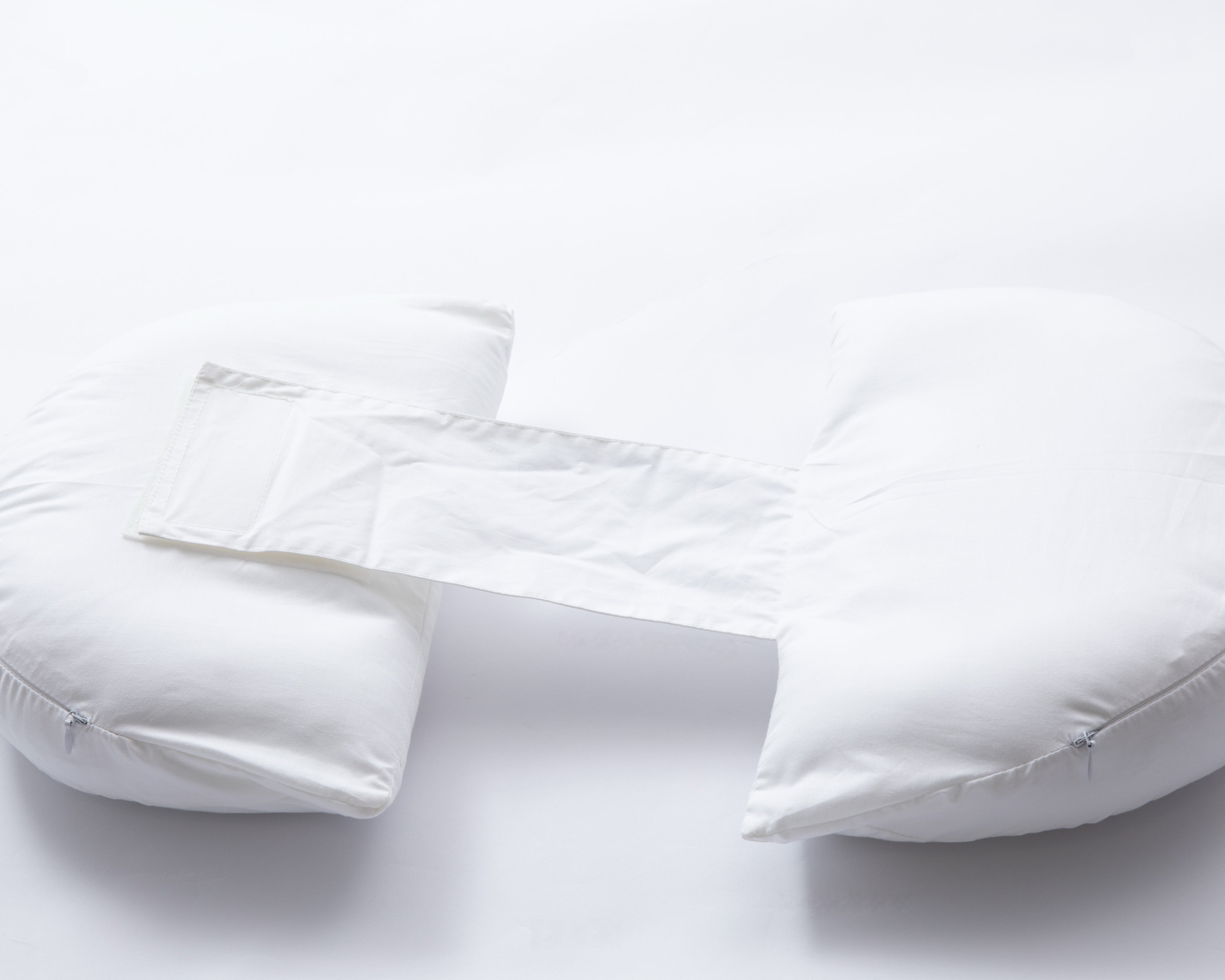
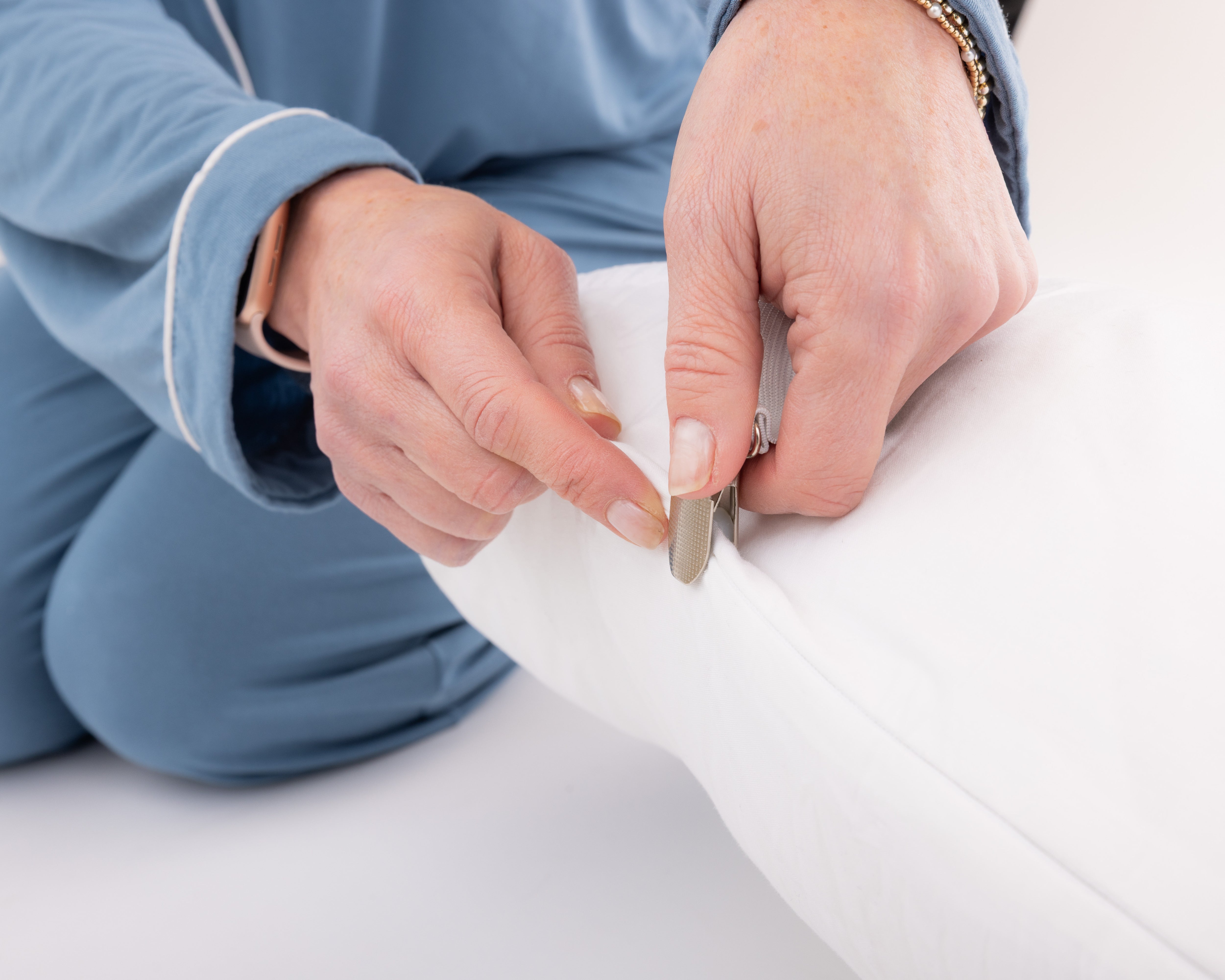
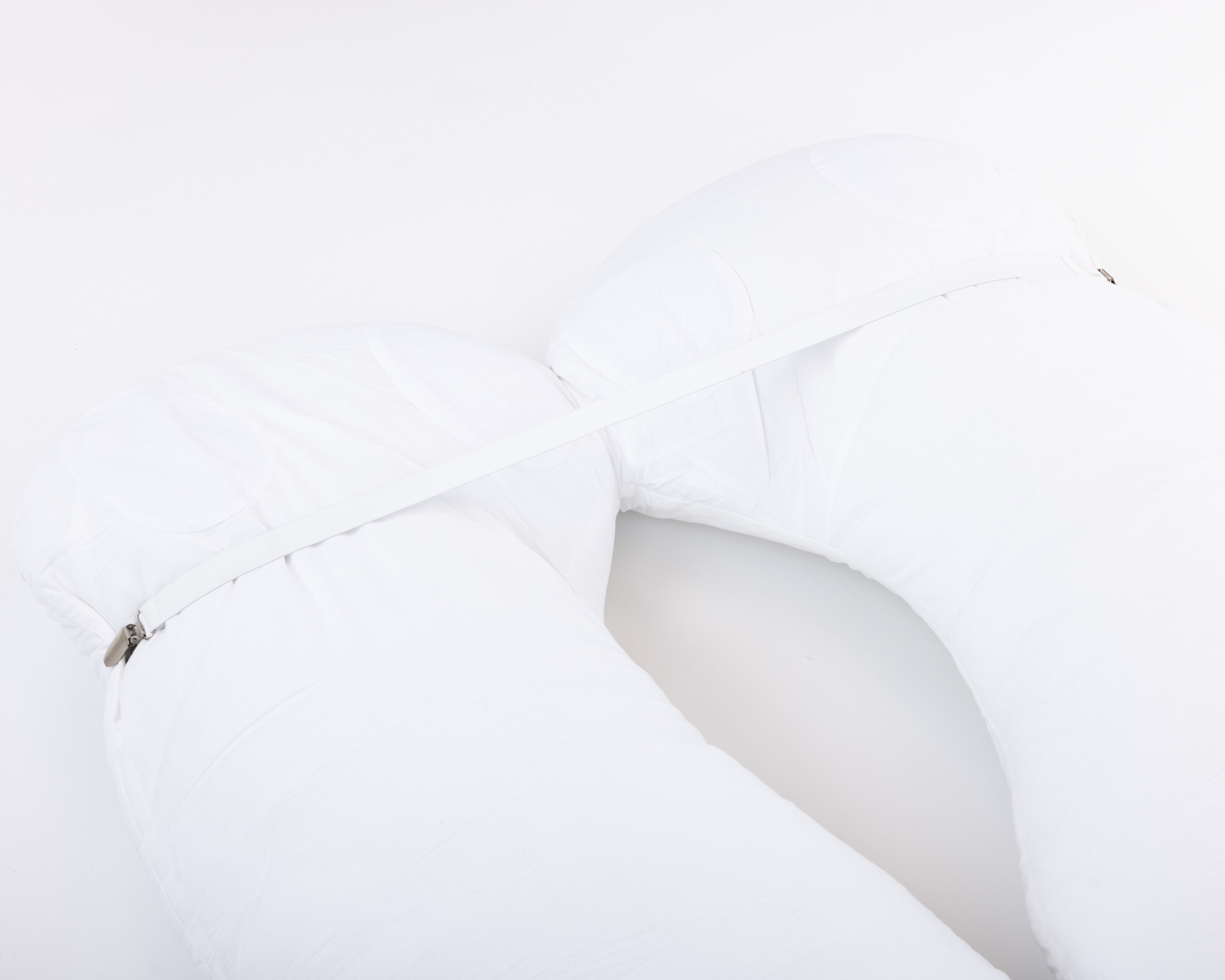
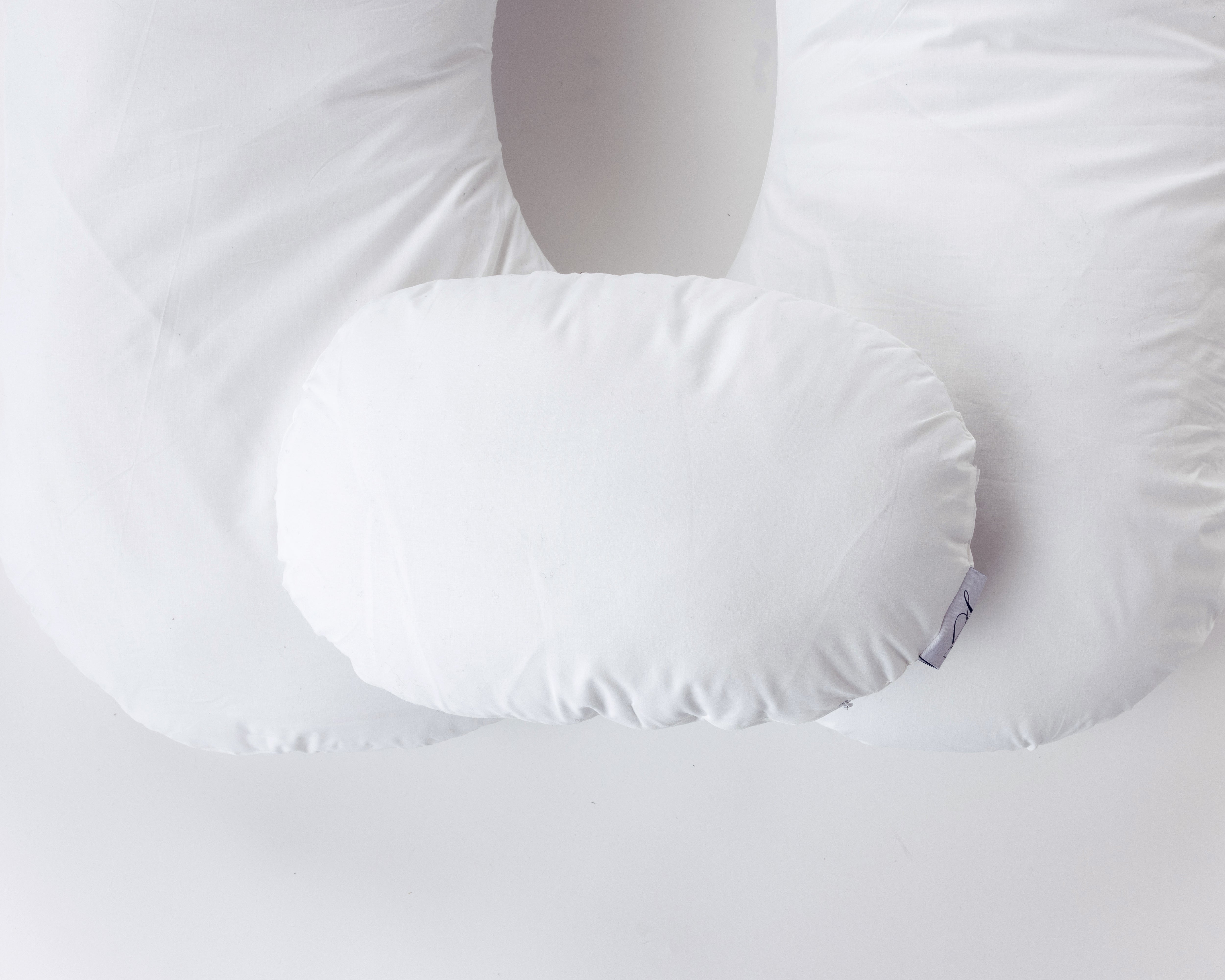
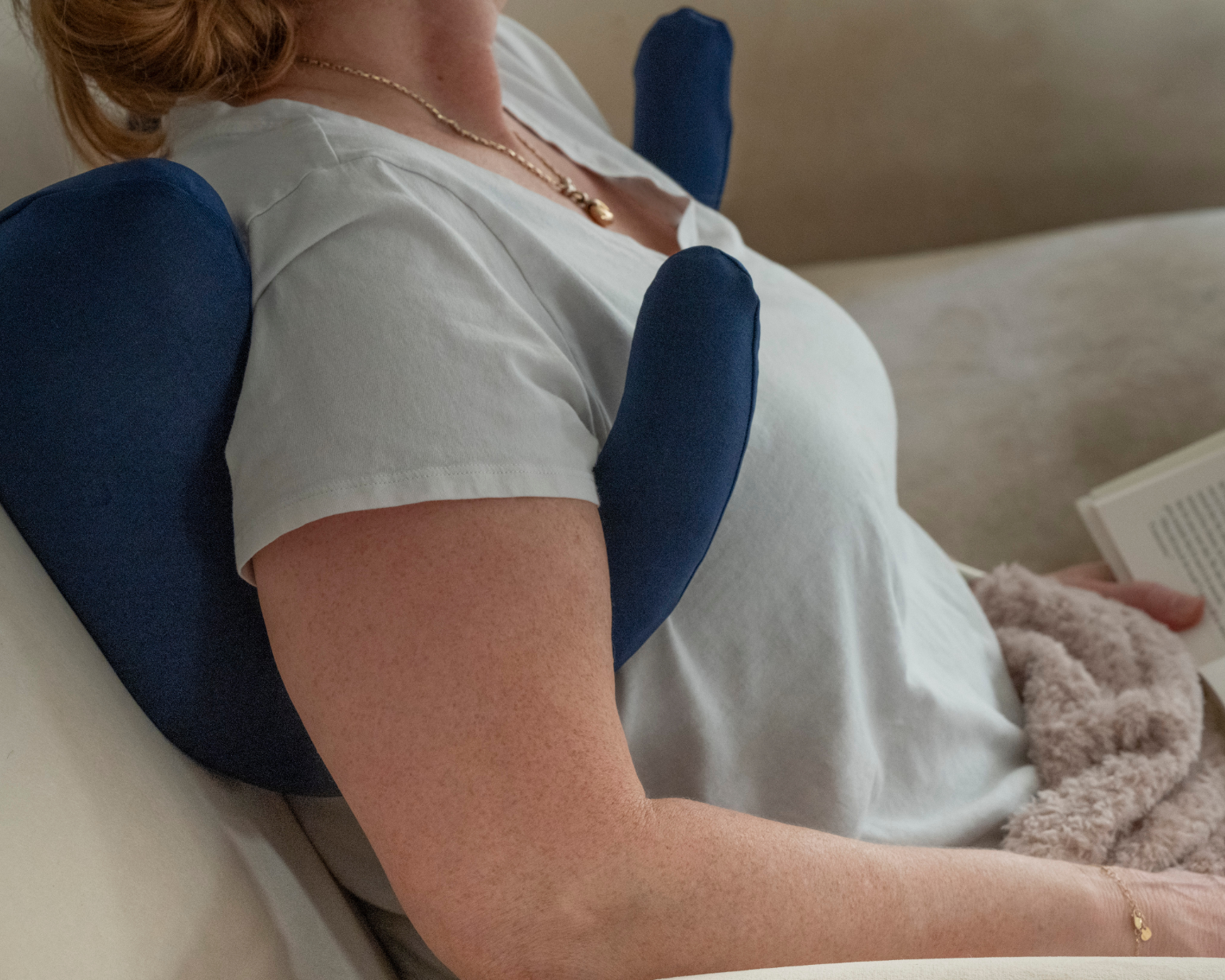
Two Contoured Side Pillows to cradle the back and hips while providing positional support
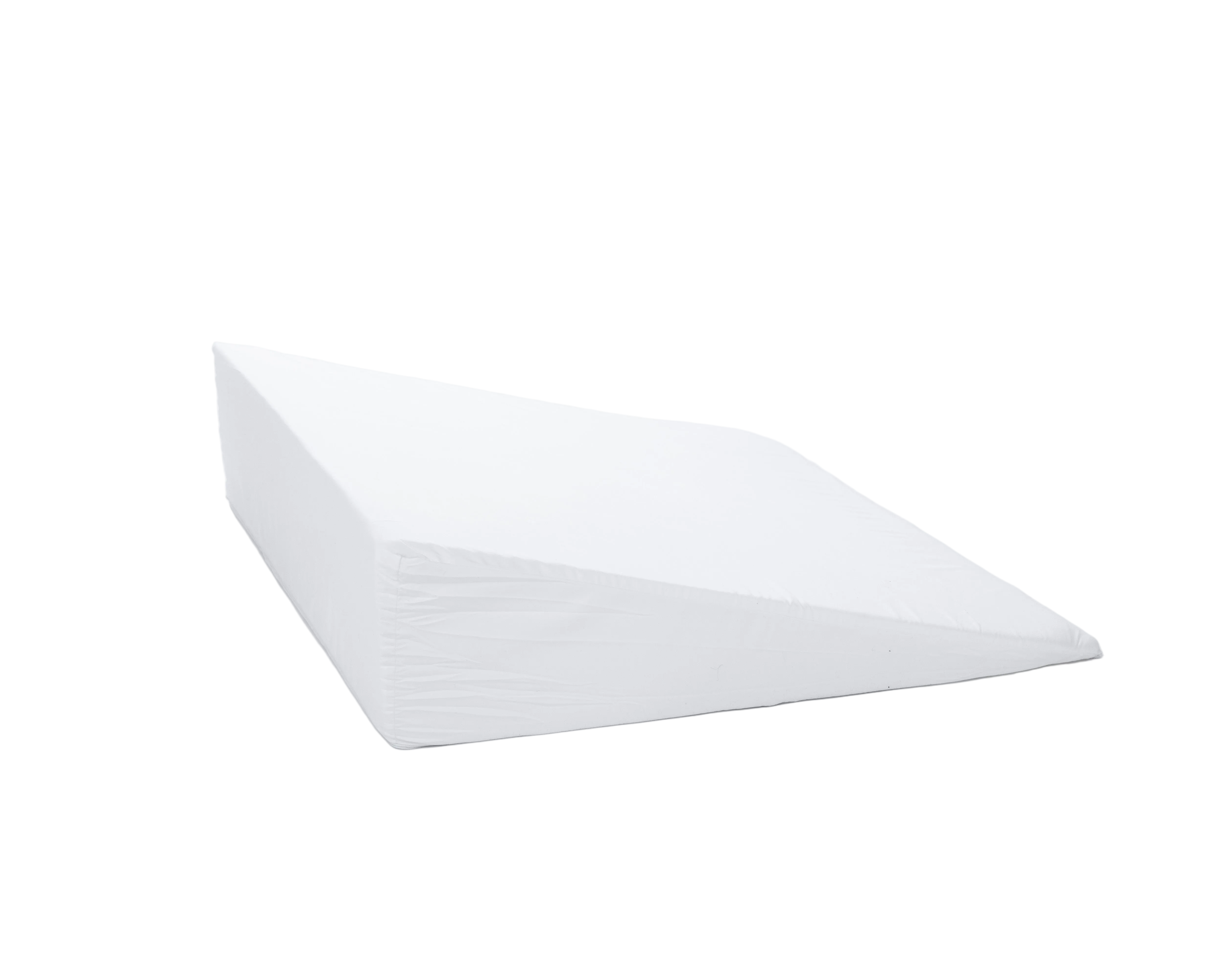
Upper Body Wedge to create an optimal 30-45 degree incline that eliminates gluteal pressure
Leg Support Wedge to maintain proper positioning and prevent sliding
Head Pillow to provide comfortable neck support at elevation angles
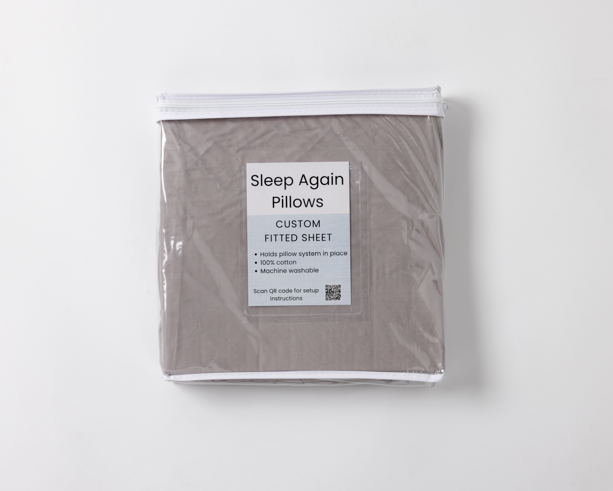
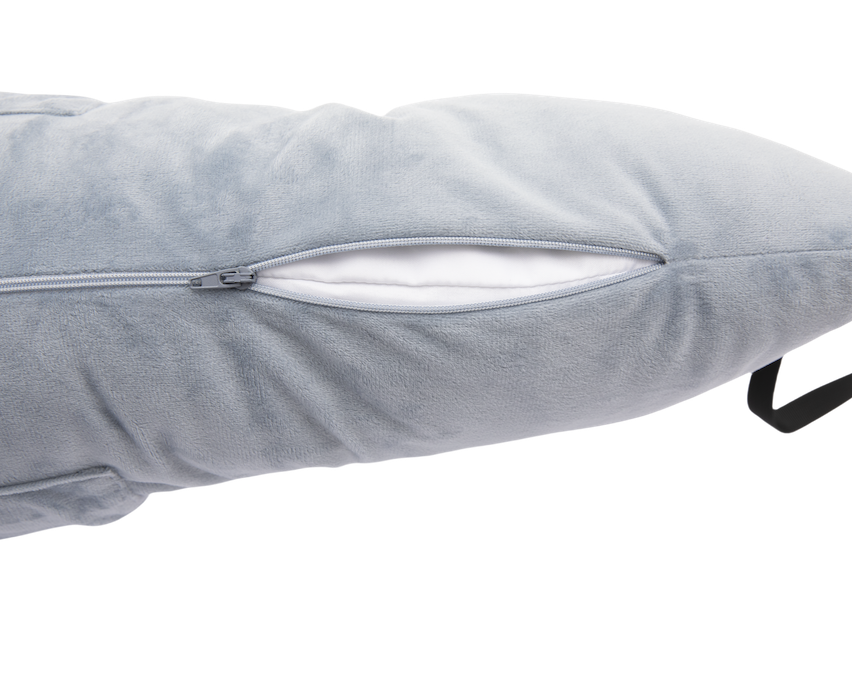
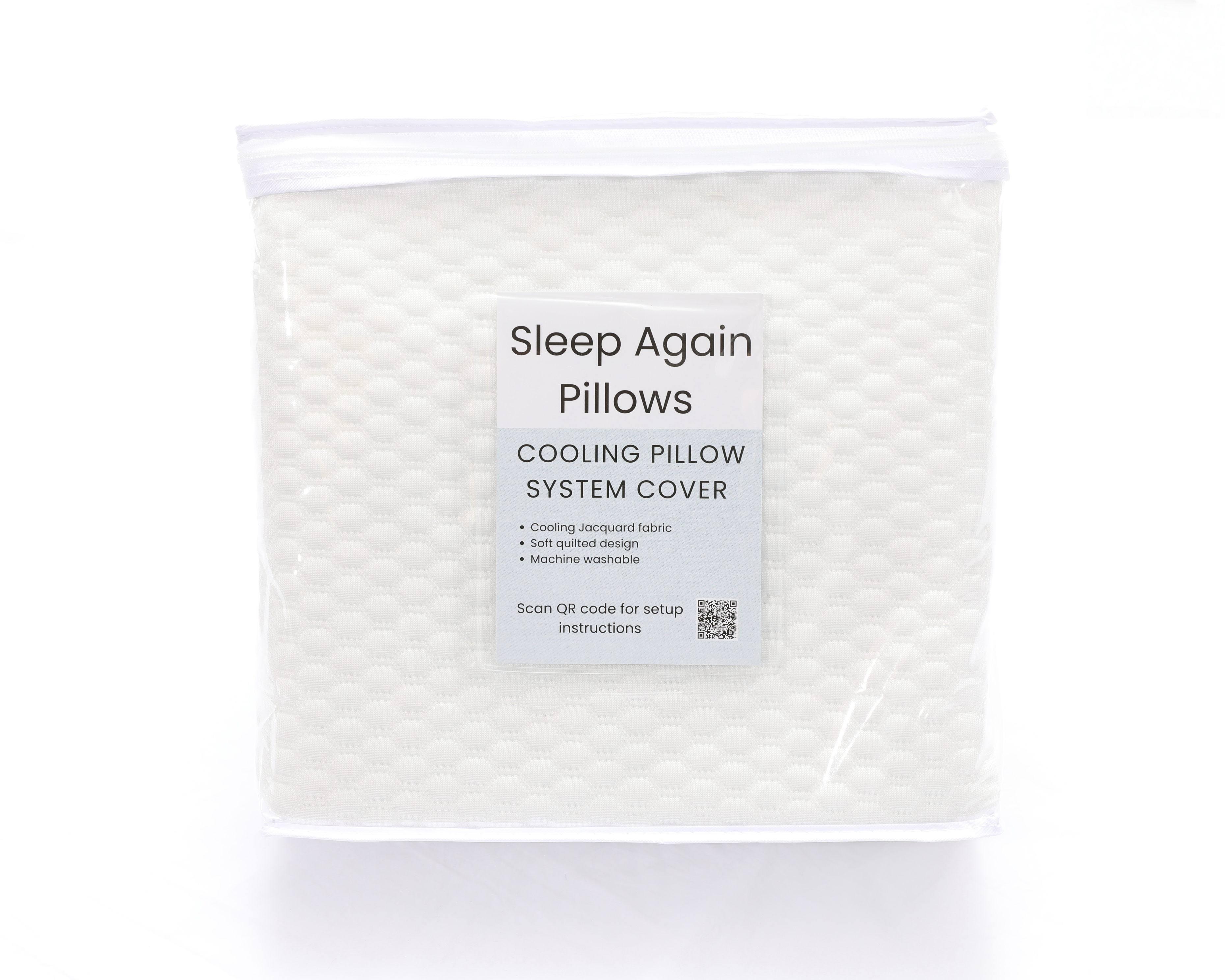
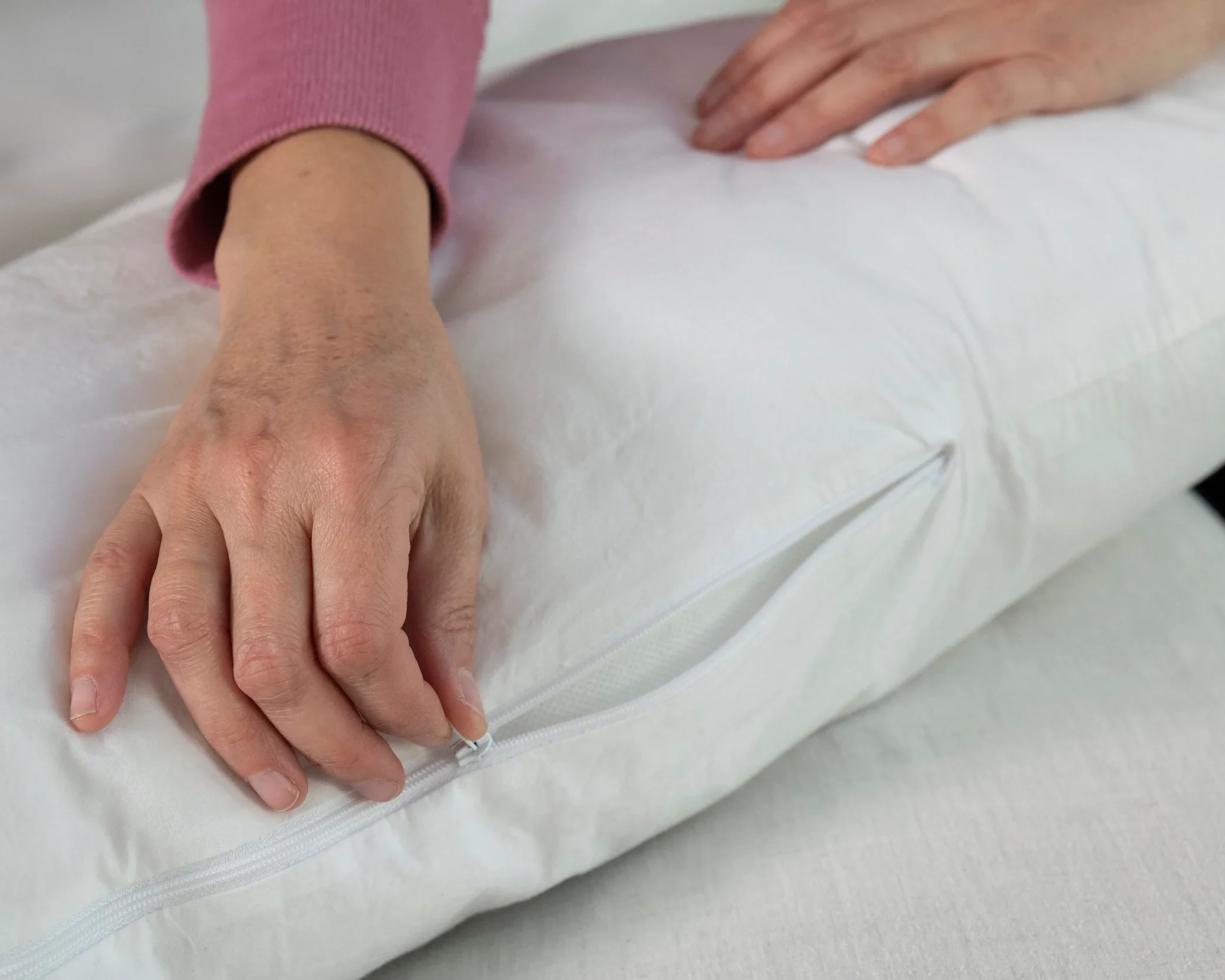
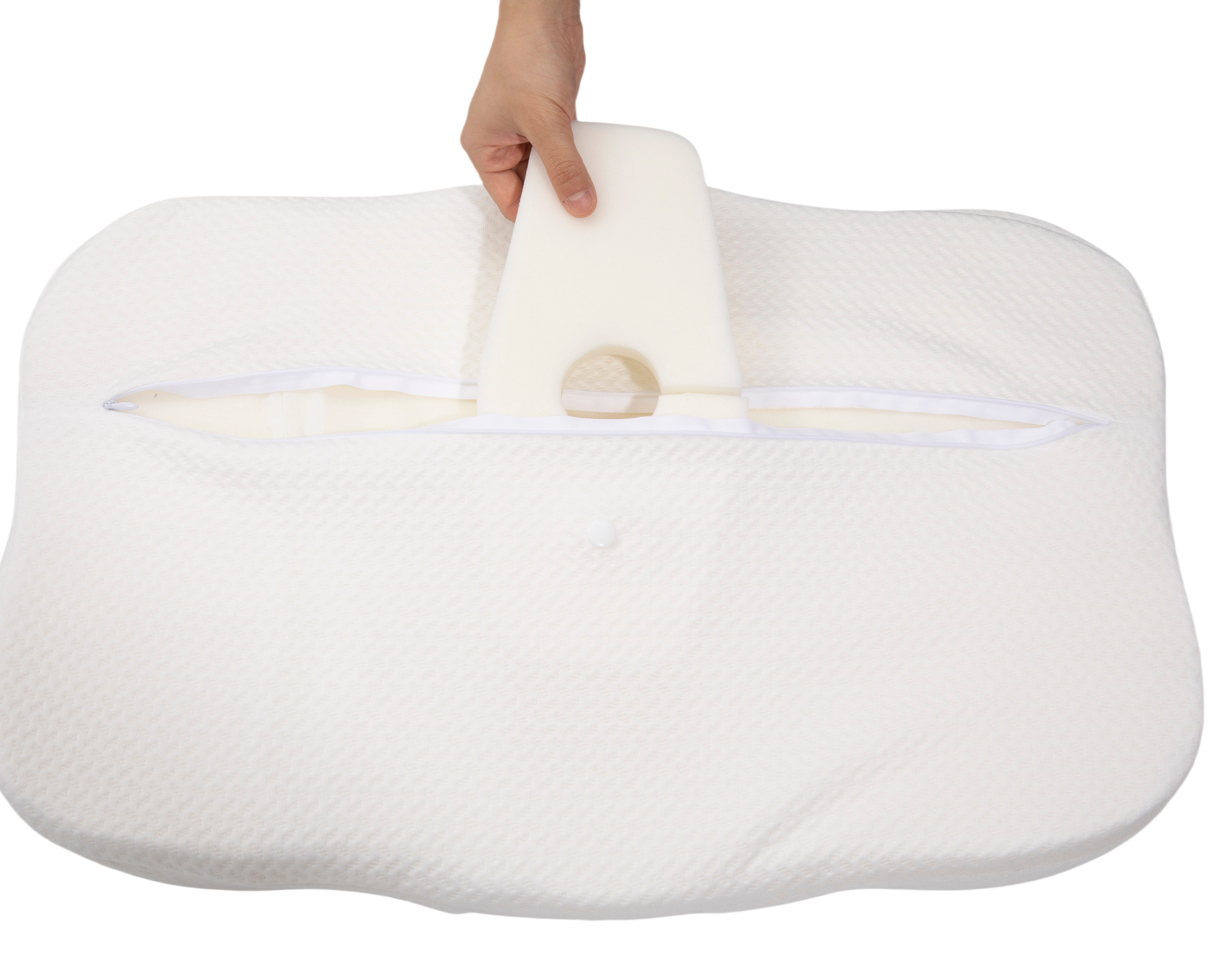
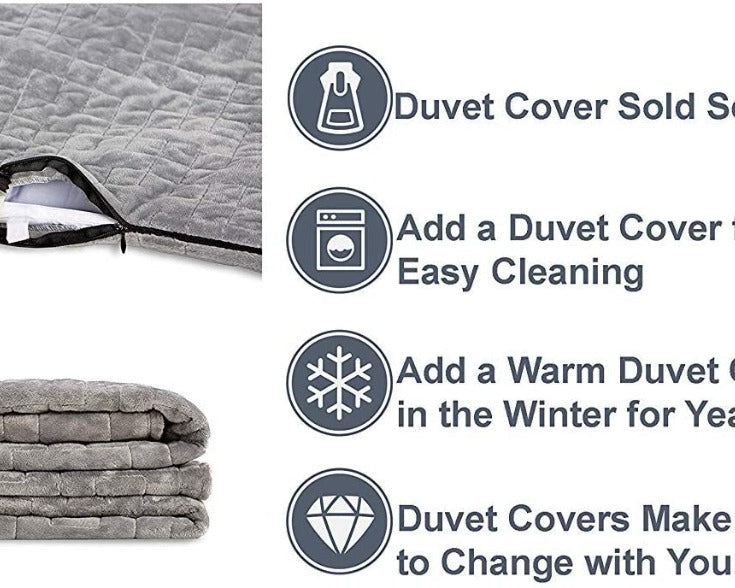
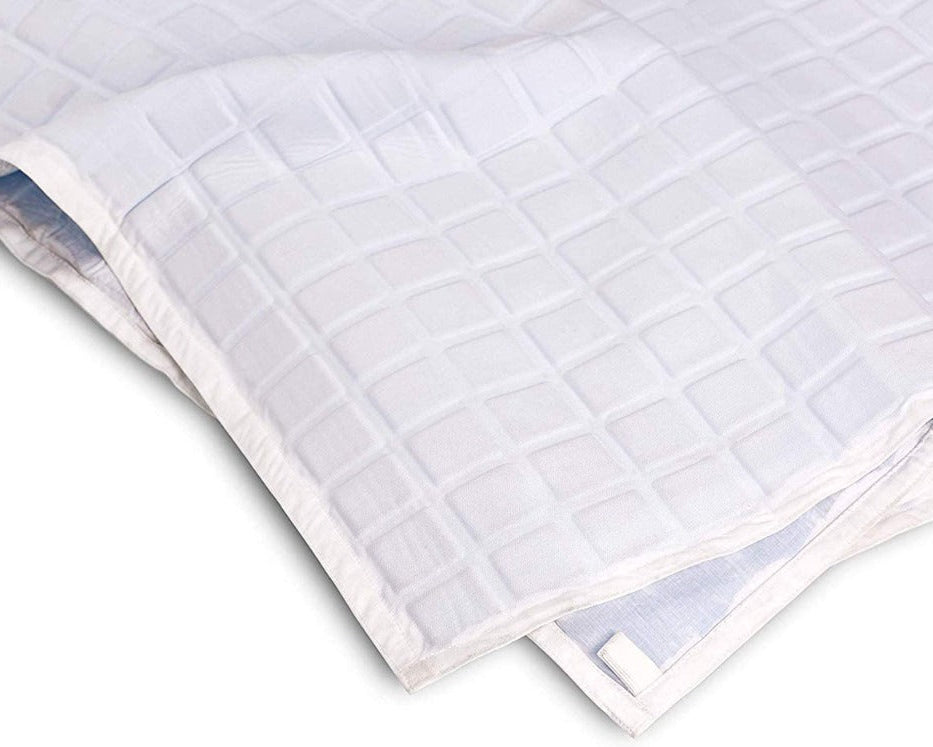
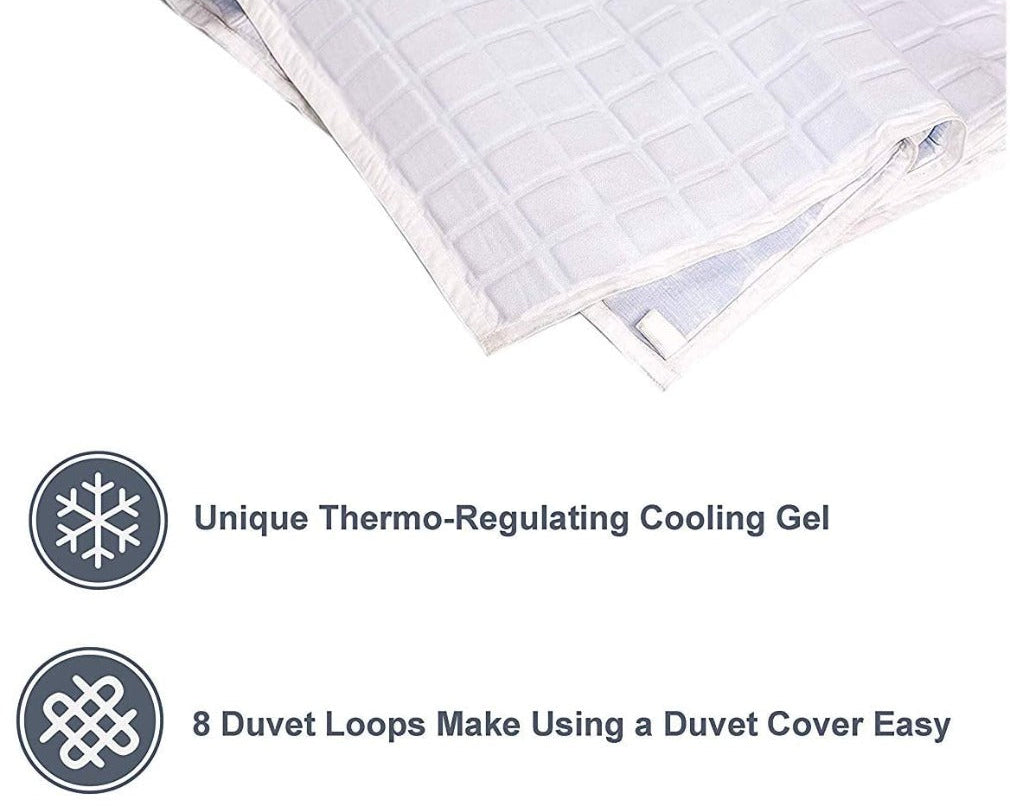
Removable, washable slipcovers for hygiene during extended recovery periods
The integrated components ensure that every part of your body is properly supported in the elevated position, while the professional-grade construction retains therapeutic shape when you need it most. This comprehensive approach eliminates the middle-of-night wake-ups to readjust collapsed pillows, allowing you to reach the deep sleep phases essential for healing.
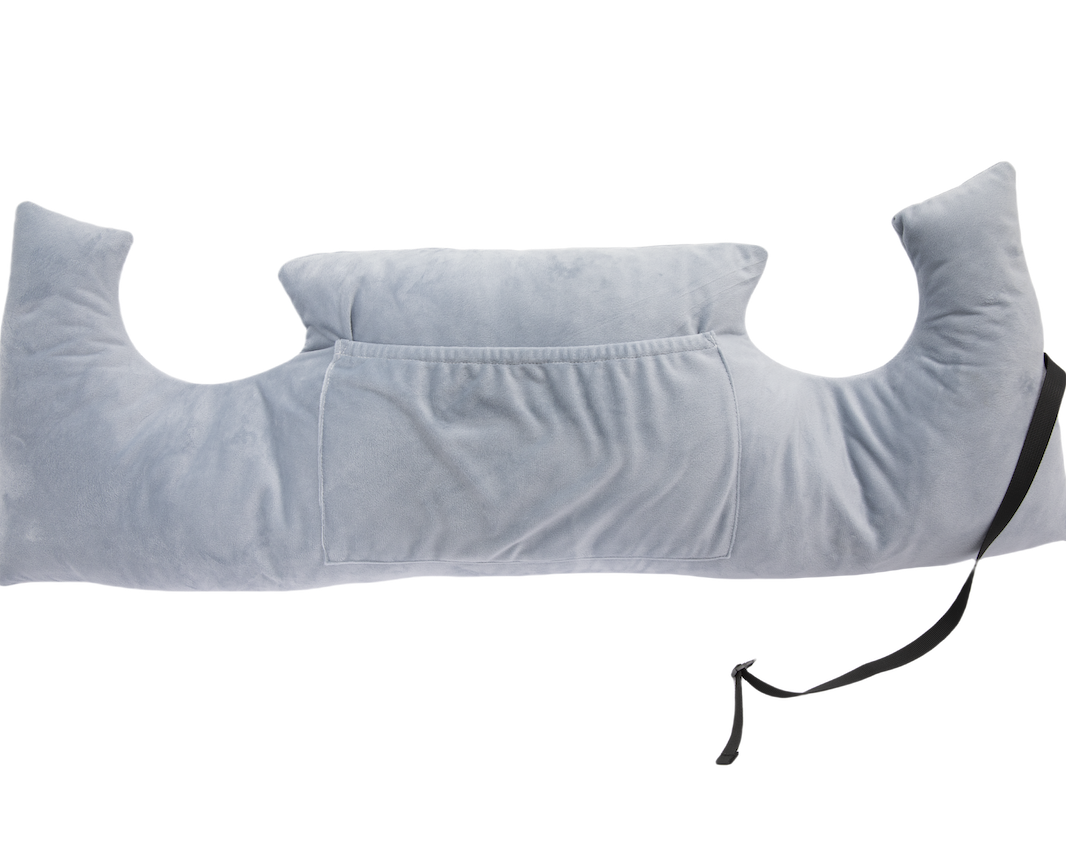
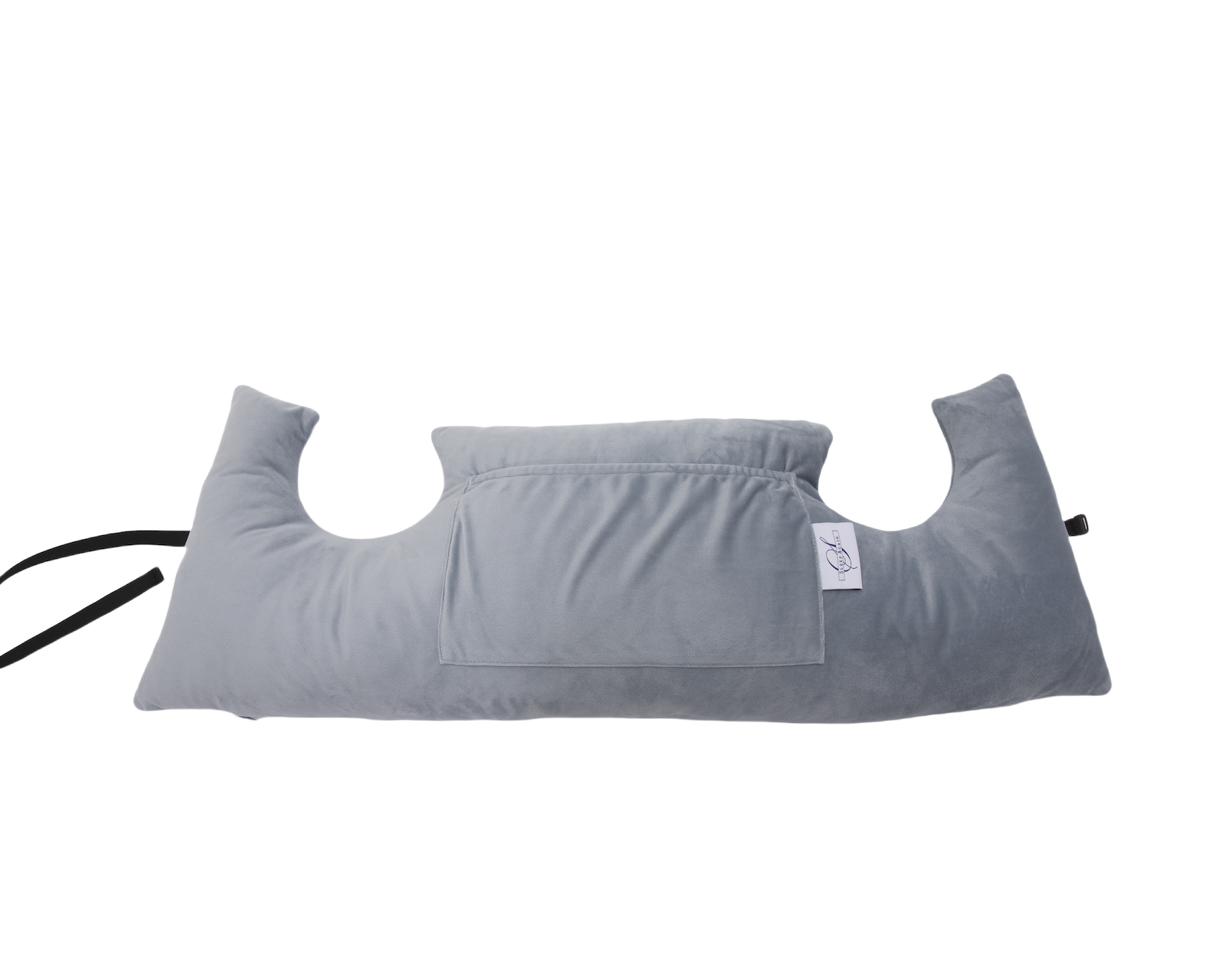
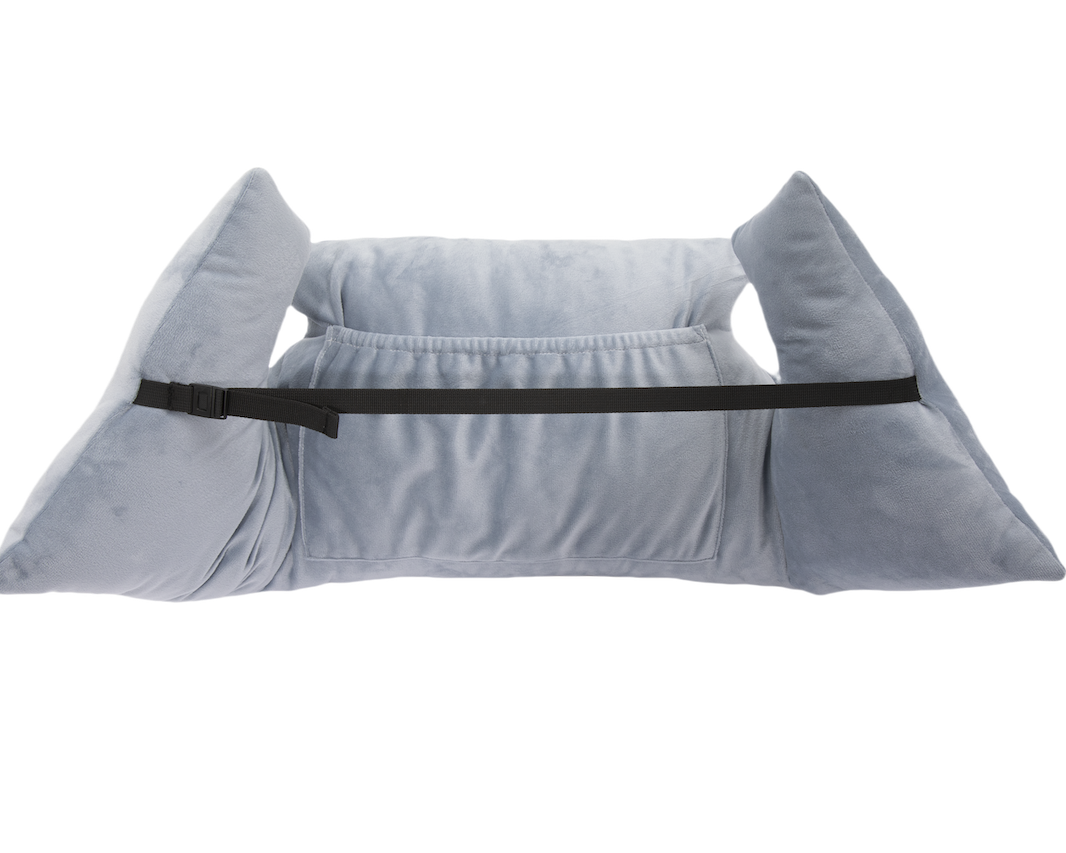
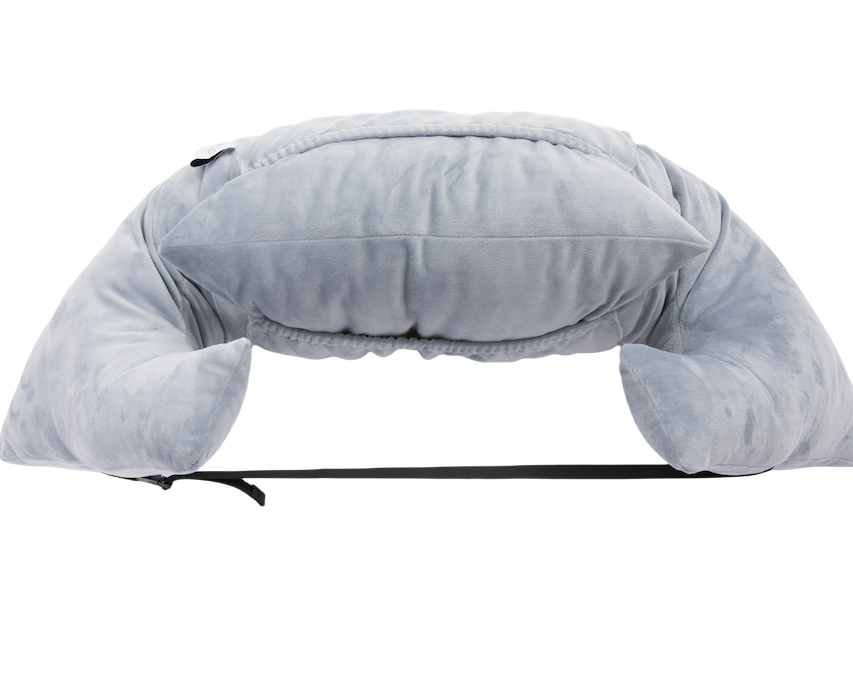
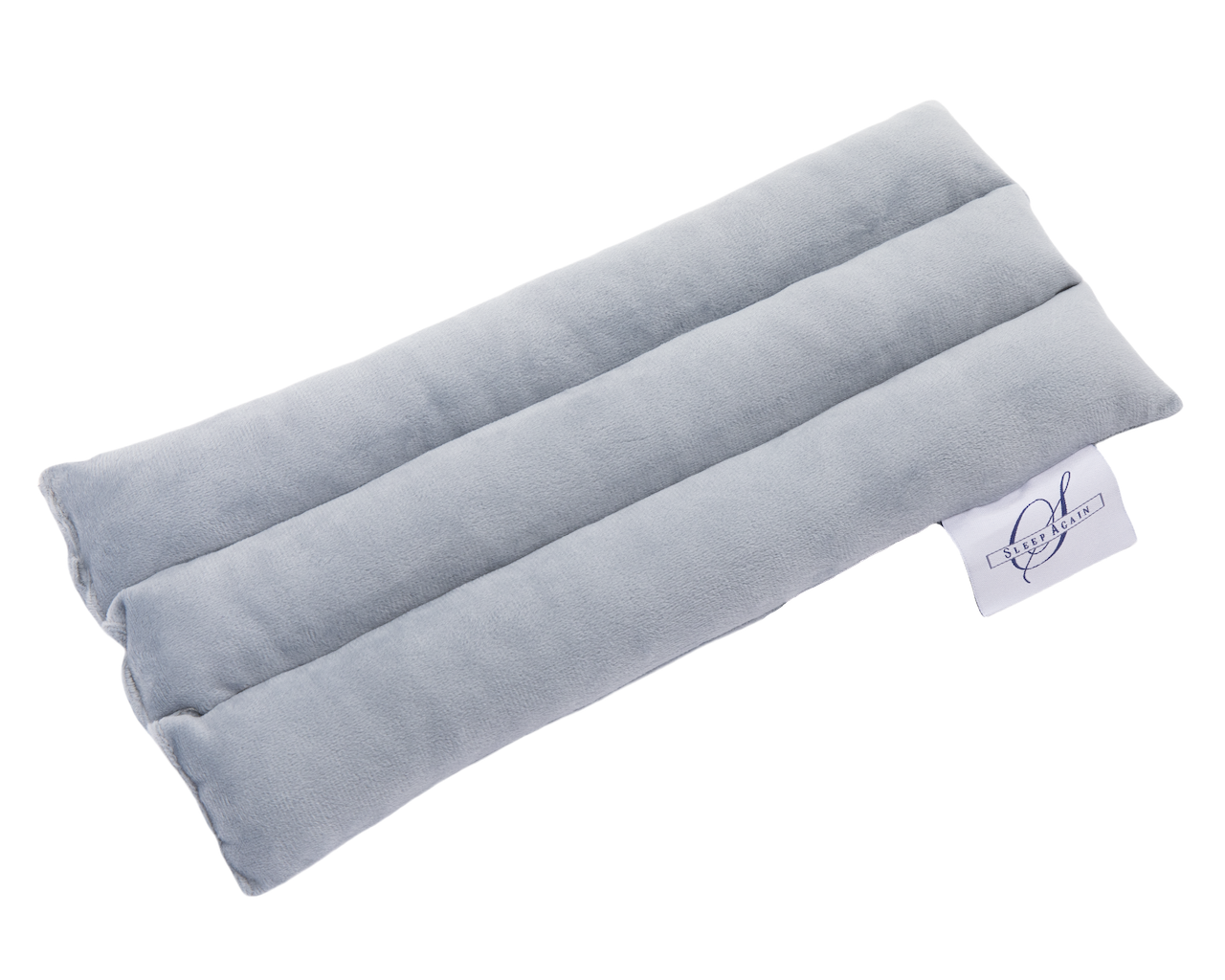
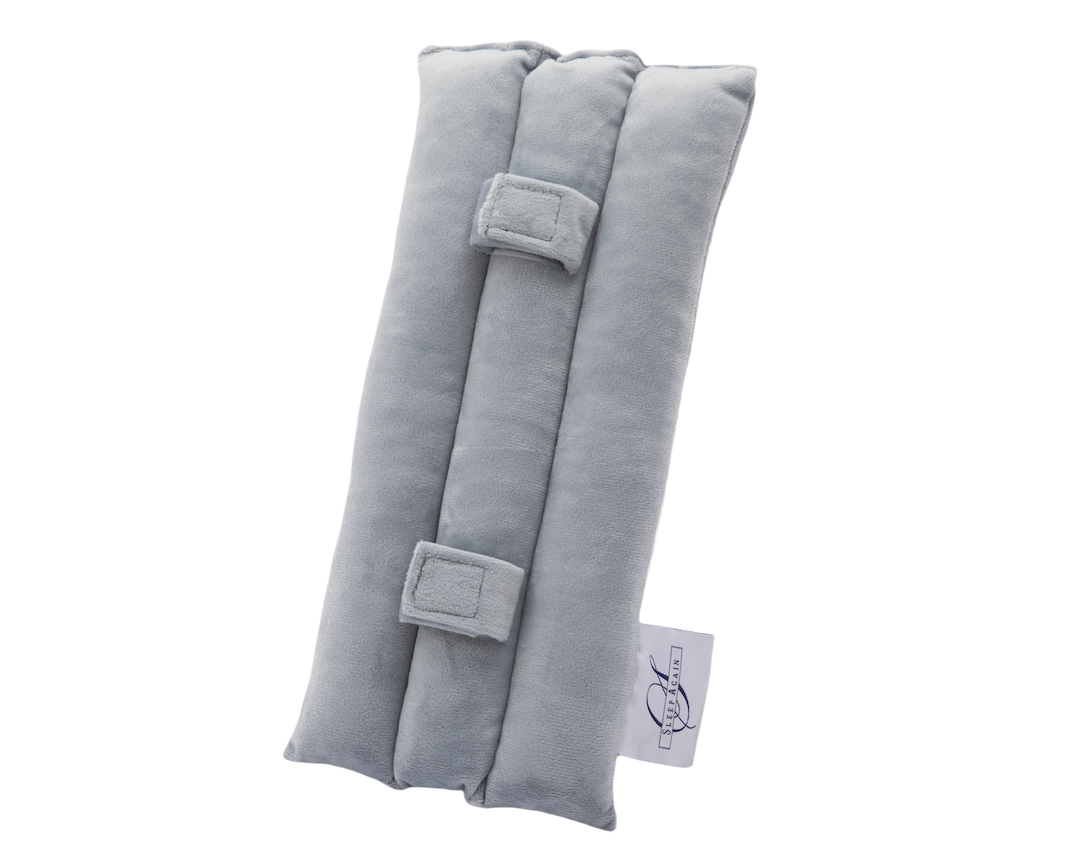
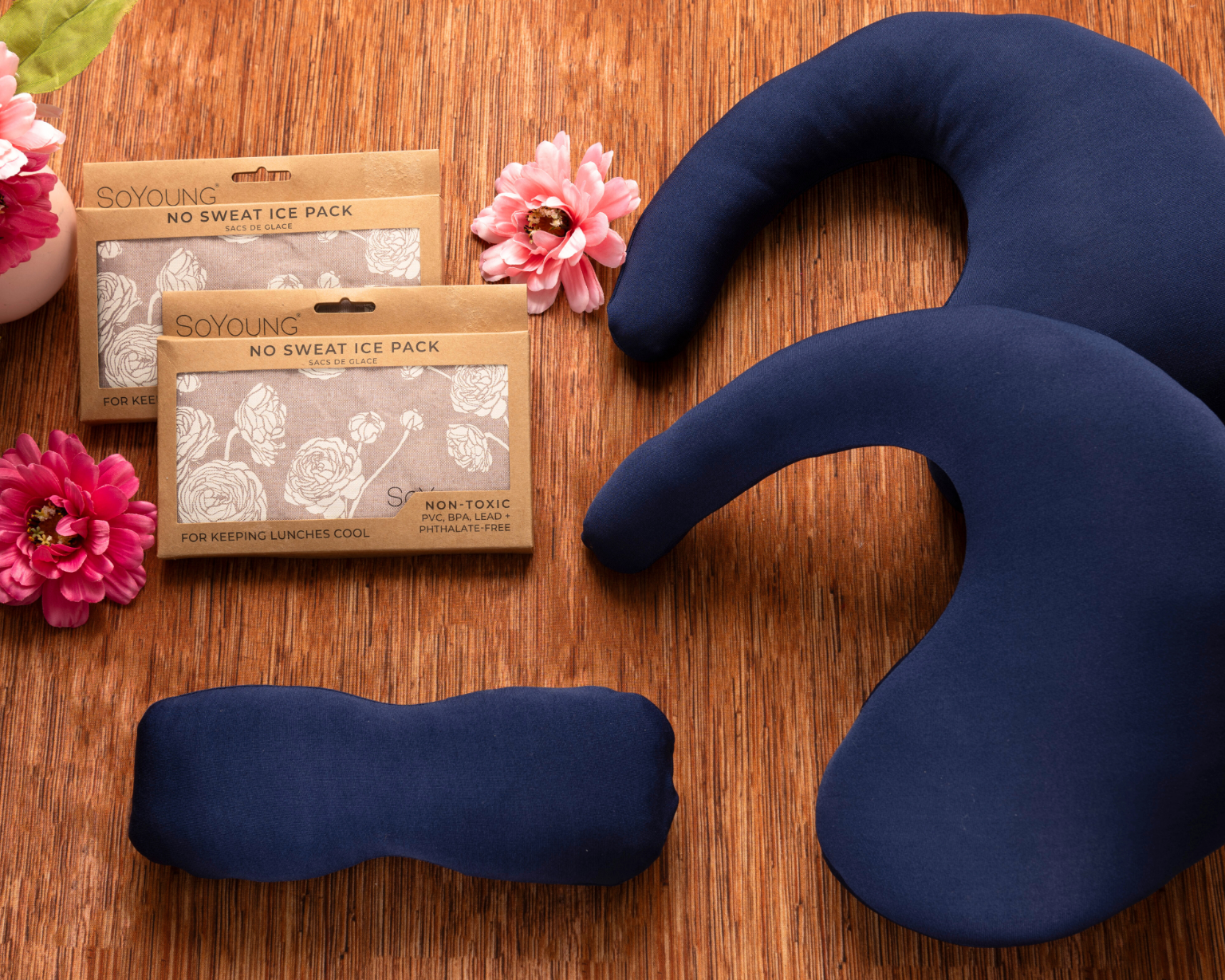
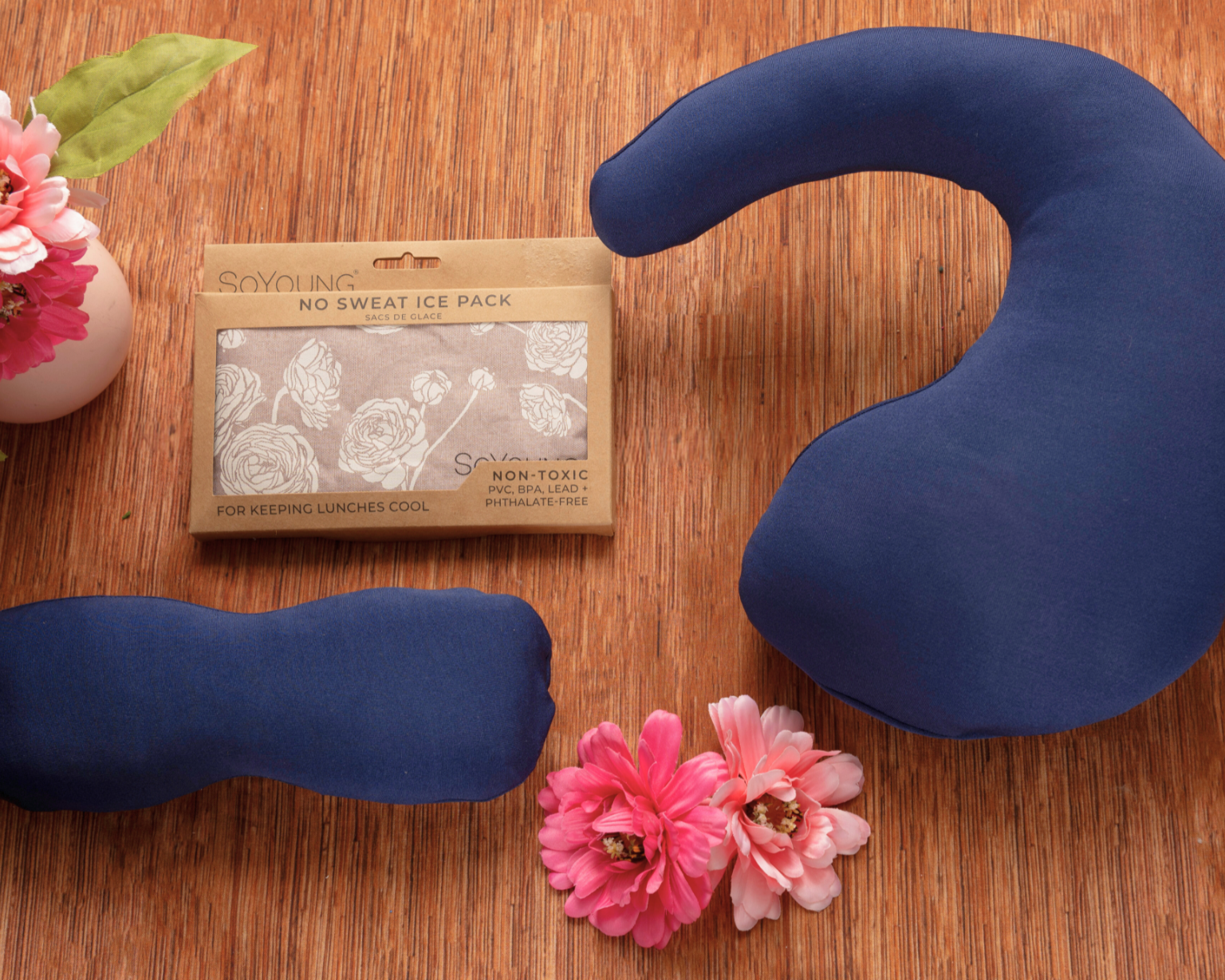
And now with the BBL Add On Set (sold separately), the Sleep Again Pillow System is the perfect BBL recovery pillow that keeps pressure off your buttocks while you heal.
Why Standard Pillows Fail for BBL Recovery Positioning
Here's the uncomfortable truth about trying to create therapeutic elevation with household pillows: they're engineered for comfort, not medical positioning.
The Compression Problem
Regular pillows compress 30-50% under sustained body weight. That 45-degree angle you carefully constructed at bedtime? By 3 AM, it's degraded to 25 degrees, putting your buttocks dangerously close to pressure contact with the mattress.
The math of pillow failure: If you need a consistent 35-degree elevation for gluteal protection, and your pillows compress 40% during sleep, you wake up at roughly 21 degrees—well below the safe positioning threshold.
The Shifting Challenge
Individual pillows shift independently during normal sleep movement. What starts as a stable foundation gradually develops gaps, collapses sections, and creates the instability that causes you to wake up multiple times repositioning.
The typical BBL patient experience with DIY pillows:
20 minutes arranging pillows before bed
Wake up 2-4 times when elevation collapses
Morning discovery that you've partially slid down
Anxiety about whether you've compromised results
Replacement pillow purchases when initial choices fail
Most BBL patients spend $150-250 across multiple pillow purchases trying to create stable elevation, only to end up frustrated with inconsistent results and poor sleep quality during the most critical recovery period.
Alternative Positioning Strategies for BBL Recovery
While elevated back sleeping offers significant advantages, understanding your complete range of positioning options helps you prepare for the full recovery experience.
Modified Side Sleeping with Elevation
Some BBL patients combine side positioning with upper body elevation, creating an angled side position that maintains gluteal pressure protection while offering positional variety.
The setup requirements:
Upper body elevation at 30-40 degrees using firm wedge pillows
Front support pillow to prevent forward rolling
Back barrier using firm pillows to prevent backward pressure onto buttocks
Leg support to maintain stable positioning
This hybrid position can provide relief when pure elevated back sleeping needs a break, while maintaining the pressure protection your results require.
The Stomach-Sleeping Modification
Some surgeons allow carefully modified stomach sleeping where your hips are elevated enough that your buttocks have zero contact with the mattress. This typically requires substantial pillow support under your hips and thighs.
Important caveat: Only attempt stomach-positioned sleeping with explicit surgeon approval, as technique requirements vary based on your specific procedure and healing progress.
Recliner Positioning
While not ideal for long-term sleep, recliners can serve as supplementary rest locations if they allow proper elevation without gluteal pressure. The challenge is maintaining comfortable positioning for extended periods without the comprehensive support a proper bed setup provides.
However, most recliners don't offer the lateral support, leg positioning, or consistent angles that proper bed positioning provides for 8+ hour sleep periods.

Your Pre-Surgery Preparation Strategy
Two Weeks Before Surgery: Equipment Acquisition
Order your positioning equipment now. Don't wait until the week before surgery when shipping delays or stock issues could leave you scrambling.
Professional positioning equipment like the Sleep Again Pillow System—the only full-body pillow system designed specifically for post-surgery support—should be ordered early to ensure delivery before your surgery date.
Additional equipment to acquire:
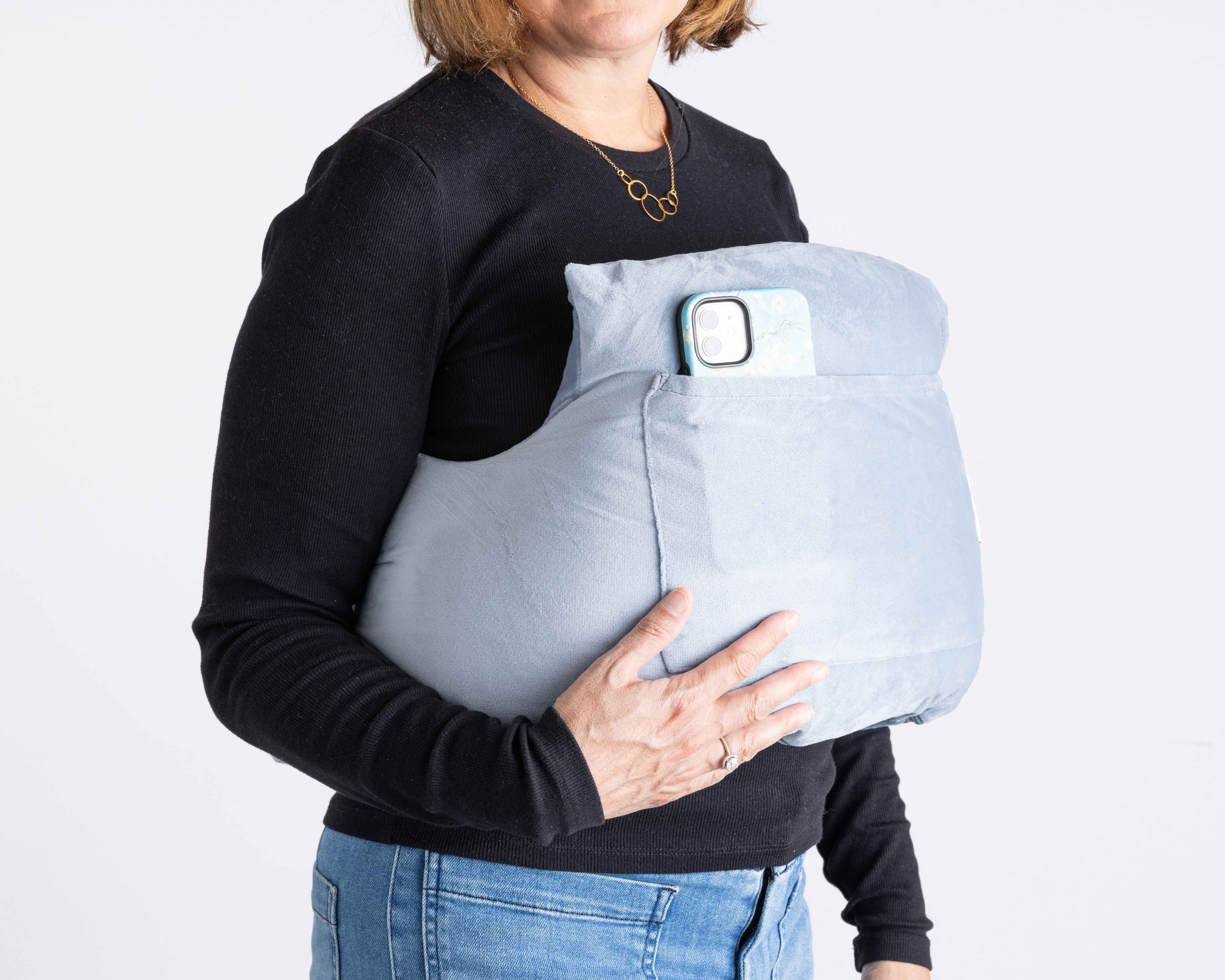
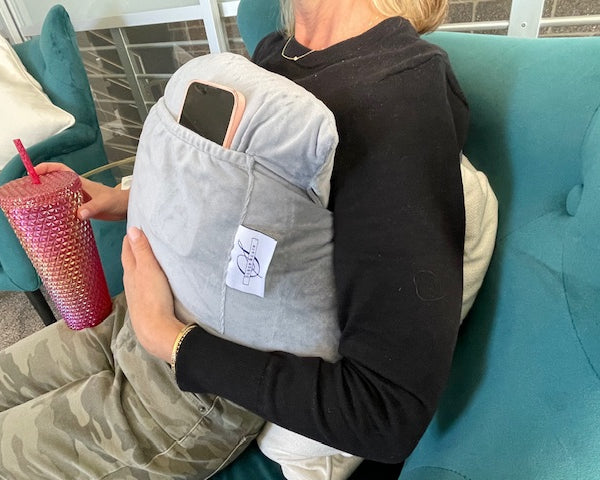
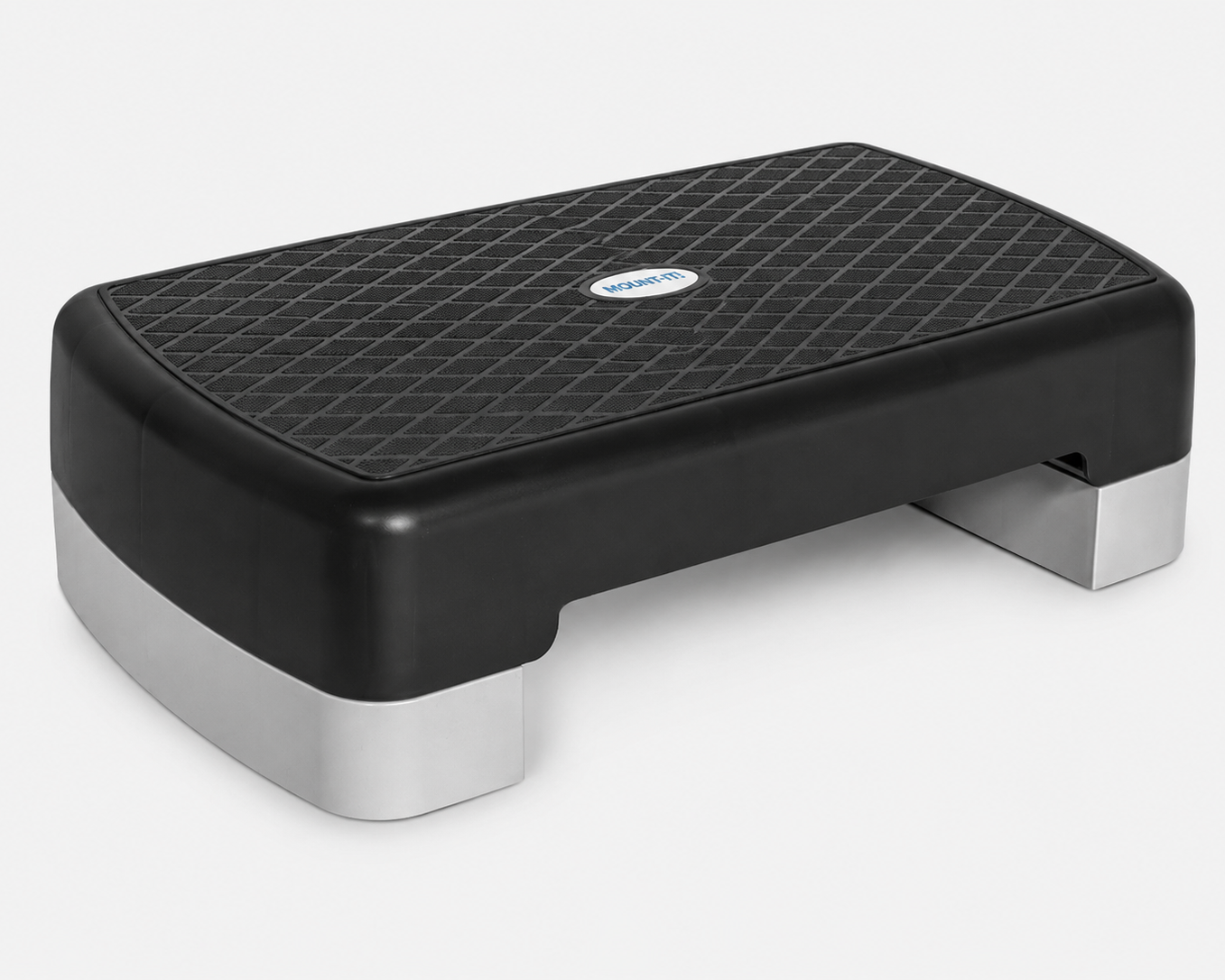
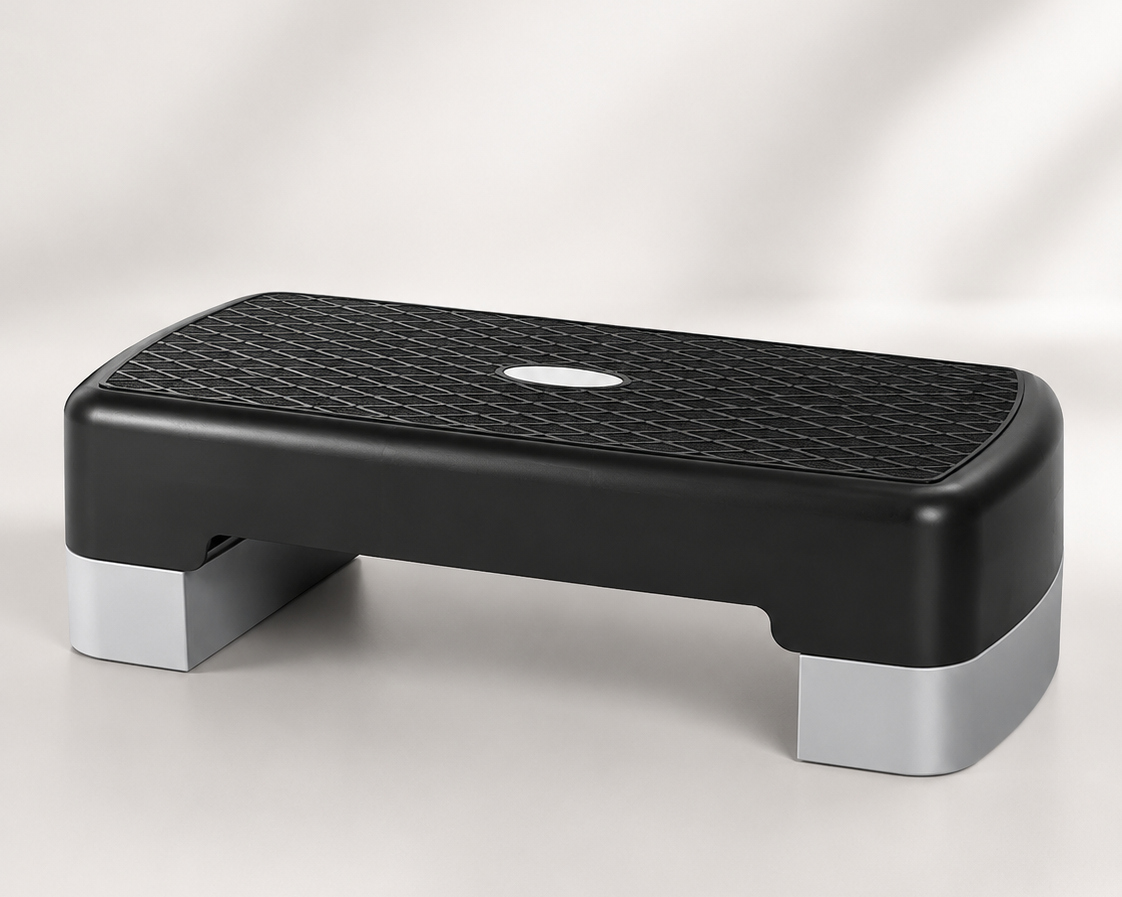
BBL pillow for sitting (you'll need this around week 2-3)
Multiple compression garments (2-3 sets minimum)
Non-slip mattress pad if needed
Bedside essentials organizer
One Week Before Surgery: Testing and Practice
Conduct full-night trials of your planned sleep setup. This is when you discover comfort issues, stability problems, or equipment inadequacies—when you still have time to fix them.
Practice the elevated back position for several hours at a time. Your body needs to adapt to this unfamiliar positioning, and pre-surgery practice dramatically reduces the adjustment difficulty when you're also managing post-surgical discomfort.
Test your mobility getting in and out of the elevated position without using your glutes. This skill becomes crucial for bathroom trips and position changes during recovery.
Prepare your bedroom environment:
Clear space around your bed for positioning equipment
Set up bedside table with all essentials within reach
Install night lights for safe navigation
Adjust room temperature controls (you may need it cooler with elevation pillows)
Three Days Before Surgery: Final Setup
Construct your complete sleep system exactly as you'll use it post-surgery. Arrange components according to positioning guidelines for optimal therapeutic angles.
Stock your bedside station:
Medications (follow pre-surgery instructions)
Water and easy-to-eat snacks
Phone charger and entertainment devices
Tissues and personal care items
Compression garment changes
Meal prep foods you can eat while elevated or standing, since sitting will be restricted.
SHOP THE BEST BBL PILLOW
Week-by-Week BBL Sleep Strategy
Week 1: Protection and Adaptation
Primary positioning: Elevated back sleeping at 35-45 degrees for consistent angle maintenance and gluteal pressure elimination.
Sleep expectations: Fragmented rest in 2-4 hour blocks is normal. You're managing post-surgical pain, drainage concerns, and adaptation to unfamiliar positioning.
Key focus: Zero compromise on gluteal pressure protection. This is the most critical week for fat cell survival.
Pain management strategy: Take medications 30-45 minutes before sleep attempts. Stable positioning works with your pain medication to create optimal comfort conditions.
Week 2: Establishing Routine
Primary positioning: Continue elevated back sleeping at 30-40 degrees, potentially reducing angle slightly as acute discomfort decreases.
Sleep expectations: Extended blocks of 4-6 hours become achievable as pain decreases and your body adapts to elevated positioning.
Position variations: Brief trials of modified positions may be possible with surgeon approval, but elevated back sleeping remains your foundation.
Common realization: This is when patients using inadequate positioning equipment typically discover that their DIY solutions aren't working.
Week 3: Confidence Building
Primary positioning: Maintained elevated back sleeping with increased comfort and natural adaptation to the position.
Sleep expectations: Near-normal sleep duration, though still in elevated position. Many patients report that elevated sleeping has become comfortable and natural.
Daytime sitting introduction: Most surgeons allow brief sitting periods with BBL pillow support, but nighttime positioning restrictions continue.
Surgeon checkpoint: Many conduct detailed assessments around week 3 to evaluate fat retention and provide updated positioning guidelines.
Week 4-8: Gradual Transition
Positioning evolution: Based on surgeon clearance, some patients may begin reducing elevation angles or carefully introducing other positions.
Sleep quality improvement: Most patients achieve comfortable, full nights of sleep in elevated positions by this point.
Important reminder: Only advance positioning based on surgeon approval, not your assessment of feeling "fine."

Common BBL Sleep Mistakes and How to Avoid Them
The Pillow Compression Gamble
Underestimating how much household pillows compress during sleep leads to gradual loss of therapeutic elevation, potentially putting gluteal pressure back into the equation. Professional-grade positioning equipment maintains consistent angles throughout the night.
The Equipment Delay Mistake
Waiting until after surgery to address positioning equipment needs means making critical decisions while exhausted, uncomfortable, and desperate. Order professional positioning solutions before surgery to eliminate the trial-and-error period when you're least equipped to handle it.
The "I'll Figure It Out" Philosophy
Assuming you can improvise positioning solutions after surgery is like assuming you can learn to swim while drowning. Patients who test and practice their sleep setup before surgery consistently report better sleep quality, less anxiety about results, and smoother recovery experiences.
Setting Up Your Sleep Environment for Success
The Bedroom Optimization Nobody Discusses
Bed height considerations: You need to get in and out without sitting. If your bed is very low, consider bed risers to make transfers easier without gluteal engagement.
Mattress firmness impact: Soft mattresses can undermine even good positioning equipment by creating valleys and instability. Positioning works best with medium to firm mattresses to maintain optimal positioning integrity.
Temperature management: Elevated positioning with multiple support components creates more warmth than standard sleep setups. Keep your room at 65-68°F for optimal comfort.
Lighting strategy: Motion-activated night lights enable safe bathroom navigation without fully waking up or needing to consciously position yourself.
The Entertainment and Comfort Factor
Extended time in bed during early recovery requires thoughtful entertainment setup:
Tablet or phone positioned at comfortable viewing angle from elevated position
Books or e-readers easily reachable without changing position
Comfortable headphones or earbuds for media consumption
Charging stations within arm's reach
Stable positioning means your entertainment devices can be positioned once and remain accessible, rather than requiring constant readjustment as pillows shift.

Frequently Asked Questions About BBL Sleep Recovery
Q: Can elevated back sleeping really protect my BBL results?
A: Yes, when done correctly at the therapeutic angles discussed above, elevated back positioning shifts weight distribution away from your buttocks onto your upper back and hips. Consistent angle maintenance throughout the night ensures therapeutic positioning when you need it most.
Q: What if I absolutely cannot sleep in elevated positions?
A: If elevated positioning proves genuinely impossible, discuss alternatives with your surgeon before your procedure. However, most patients find that proper positioning support makes elevated sleeping much more comfortable than DIY attempts.
Q: Will I need to sleep elevated for the entire recovery?
A: Most surgeons require elevated or side positioning for 2-3 weeks minimum, often longer. The exact timeline depends on your surgeon's protocol and your healing progress.
Q: What happens if I accidentally roll onto my back while sleeping?
A: Brief, occasional back contact is less damaging than sustained pressure. However, if this happens regularly, your positioning equipment needs improvement. Professional side support provides lateral stability that prevents unconscious rolling.
Q: Can I use professional positioning equipment after BBL recovery?
A: Absolutely. Many patients continue using quality positioning equipment long after recovery because elevated sleeping provides ongoing benefits for circulation, breathing, and general sleep quality.
Q: What if my partner can't sleep with all the positioning equipment?
A: Professional positioning actually uses less bed space than equivalent DIY pillow arrangements. However, some couples opt for temporary separate sleeping during the critical first 2-3 weeks.
Q: When can I stop using elevation and return to flat sleeping?
A: Only when your surgeon specifically clears you for flat back positioning, typically 6-8 weeks post-surgery or longer. Never advance your sleeping positions based on feeling "fine"—fat cell establishment happens on a biological timeline that doesn't accelerate with wishful thinking.
Q: How much should I expect to spend on positioning equipment?
A: Quality positioning solutions typically range from $250-350 for complete systems. While this seems significant, it represents roughly 5-10% of your total BBL investment while protecting 100% of your results during the critical healing period.
Q: What features should I look for in BBL positioning equipment?
A: Look for firm construction that won't compress, integrated components that work together, washable covers for hygiene, and designs specifically engineered for post-surgical positioning rather than general comfort products adapted for recovery use.
The Investment That Protects Your Investment
You're planning to invest significantly in your BBL procedure. The positioning equipment needed for successful recovery represents approximately 5-10% of your surgical investment but protects 100% of your results.
The math that matters:
DIY approach: $150-250 in random pillows + equipment replacement costs when initial choices fail + poor sleep quality + anxiety about results protection + potential volume loss from positioning failures = False economy that risks your surgical investment
Professional positioning: One integrated solution + proven positioning from night one + quality sleep throughout recovery + confidence in results protection + continued use after recovery = Actual value that protects your BBL investment
Patients who maintain proper positioning throughout recovery consistently retain more transferred fat and report higher satisfaction with their results. Your positioning compliance directly correlates with the outcome you're paying thousands to achieve.
The Bottom Line: Preparation Determines BBL Success
BBL recovery sleep challenges are predictable, which makes them preventable through proper preparation. The patients who struggle most are those who didn't adequately prepare before surgery and spend their recovery trying to solve positioning problems while exhausted and uncomfortable.
You have the opportunity right now to be the prepared patient. The one who understood that elevated back sleeping offers significant advantages for BBL recovery. Who invested in quality positioning equipment designed for post-surgical support. Who tested their setup before surgery and knew exactly what to expect.
Your BBL results depend on many factors: your surgeon's skill, your body's healing response, your genetics. But positioning compliance during the critical first weeks is one of the few factors entirely within your control.
The elevated back sleeping strategy, when properly executed with professional-grade equipment, provides the optimal combination of gluteal pressure elimination, swelling management, circulation support, and genuine sleep comfort. It transforms a challenging recovery requirement into a manageable routine that protects your surgical investment while supporting quality healing rest.
Most importantly, remember that positioning restrictions are temporary. The elevated sleeping that seems daunting right now will become routine within days, especially when supported by equipment engineered for exactly this purpose. The entire recovery period will eventually be just a memory of the time you spent protecting the curves you wanted.
Your future self—the one enjoying beautiful BBL results—will thank you for taking preparation seriously and choosing equipment that actually works when it matters most.
Medical Disclaimer
This information is provided for educational purposes only and should not replace professional medical advice. BBL procedures and recovery protocols vary significantly based on surgical technique, individual patient factors, and specific surgeon preferences.
Always follow your surgeon's specific post-operative instructions regarding sleep positioning, activity restrictions, compression garment usage, and recovery protocols. These medical guidelines take precedence over any general positioning advice provided here.
Contact your healthcare provider immediately if you experience concerning symptoms such as severe pain, signs of infection, unusual swelling, difficulty breathing, or any complications related to your recovery.
The mention of specific products or positioning strategies is for informational purposes only and does not constitute medical endorsement. Every patient's recovery needs are different, and what works for one person may not be appropriate for another.
Recovery timelines provided are general estimates—your individual healing and positioning clearance may be faster or slower based on factors including your surgeon's technique, your body's healing response, and adherence to post-operative care instructions. Never advance your sleeping positions or reduce positioning restrictions without explicit clearance from your surgeon.