
Sleeping upright might sound like something reserved for airplane passengers or college students pulling all-nighters in library chairs, but it's actually one of the most underutilized health strategies hiding in plain sight.
While most people think of "good sleep" as lying completely flat on a premium mattress, emerging research and clinical experience tell a different story: The angle at which you sleep can be just as important as how long you sleep.
If you've ever noticed that your acid reflux improves when you prop yourself up with extra pillows, or that your congestion clears when you sleep in a recliner, you've already experienced the benefits of elevated sleeping firsthand. What you might not know is that these aren't just temporary comfort fixes—they're glimpses into how strategic sleep positioning can support multiple body systems simultaneously.
The wellness industry loves to complicate things, selling expensive mattresses and elaborate sleep tracking devices. Yet one of the most effective interventions for improving sleep quality and overall health is remarkably simple: changing the angle at which you sleep. No prescriptions required, no complicated protocols to follow, just strategic positioning that works with your body's natural physiology rather than against it.
This comprehensive guide explores the science-backed benefits of sleeping upright, who stands to gain the most from elevated positioning, and how to implement this approach effectively—whether you're dealing with specific health challenges or simply looking to optimize your sleep for better overall wellness.
What Does "Sleeping Upright" Actually Mean?
When we talk about sleeping upright, we're not suggesting you sleep sitting bolt upright in a chair. The term "upright sleep" refers to elevating your upper body at an angle rather than lying completely flat—typically ranging from 15 to 45 degrees depending on your specific needs and goals.
The elevation angle spectrum:
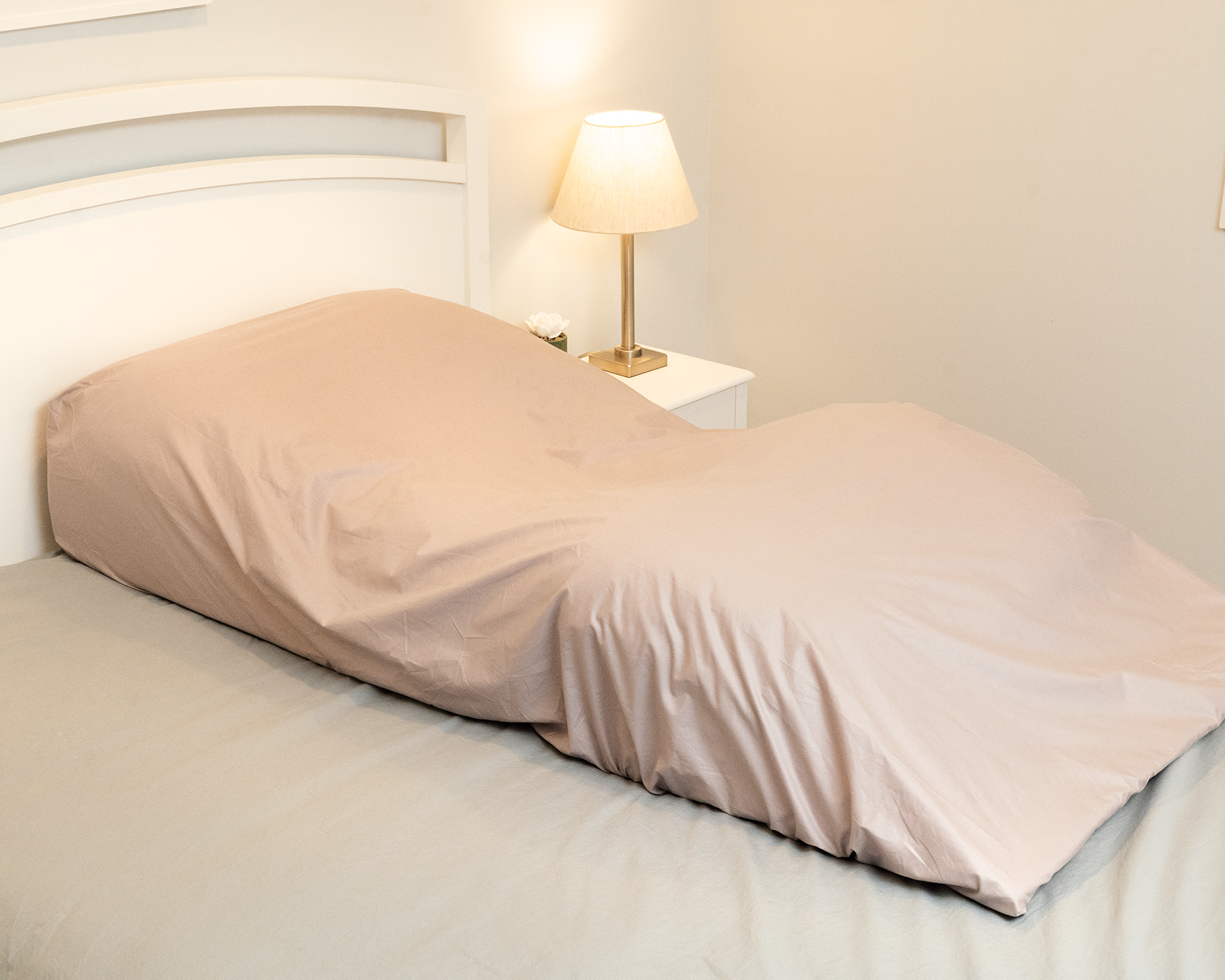
15-20 degrees (Gentle elevation): This subtle incline provides entry-level health benefits for issues like mild acid reflux, snoring, or morning congestion. This angle tends to be less than a standard wedge pillow, and is more in line with doubling up on pillows, which has its drawbacks since they tend to compress at night.
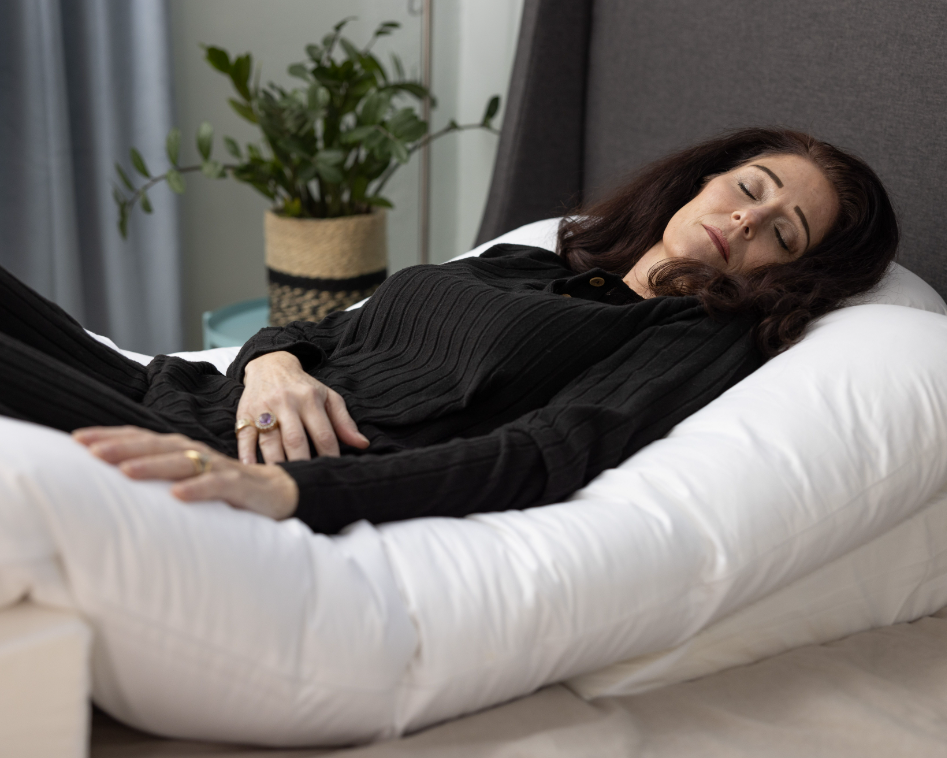
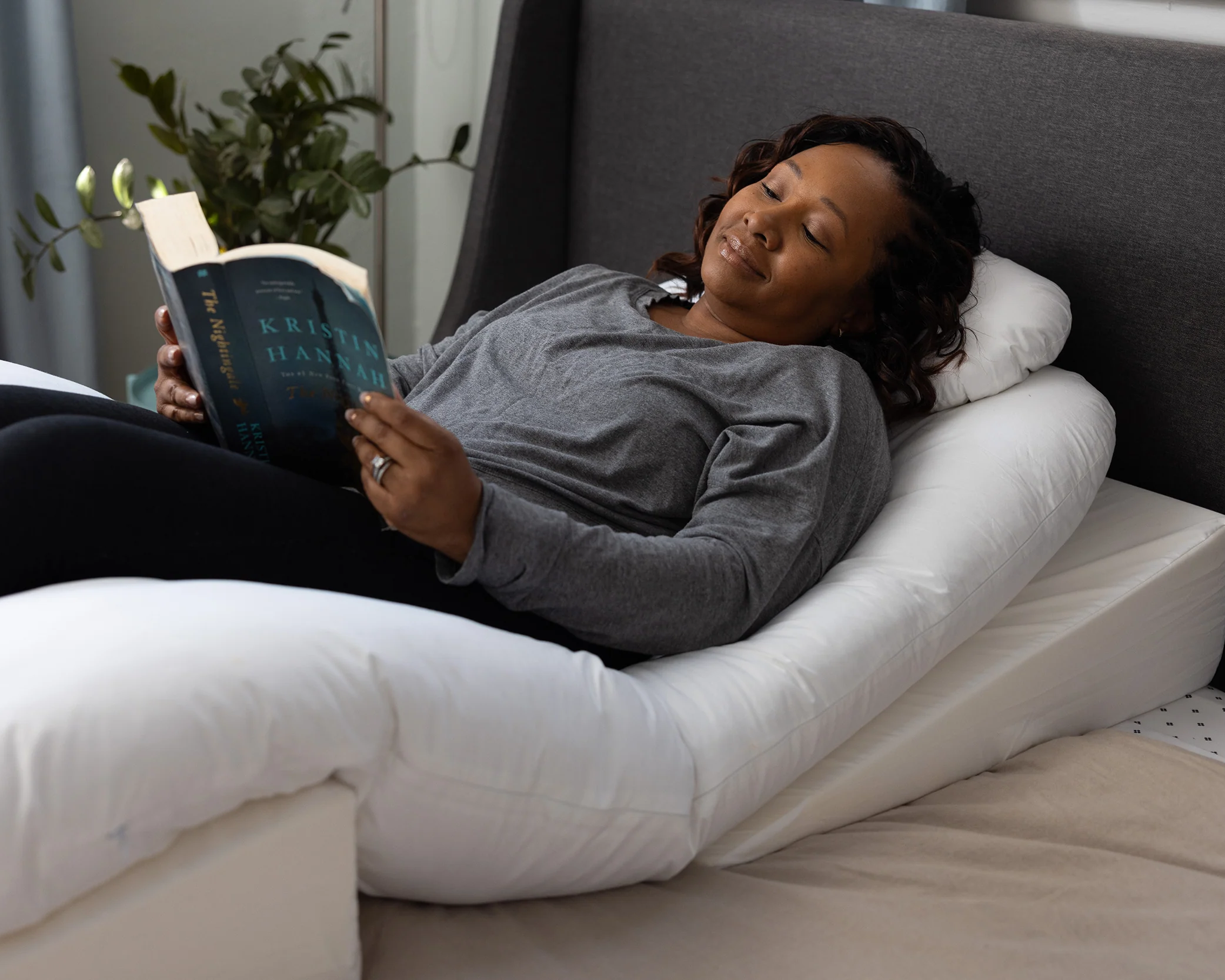
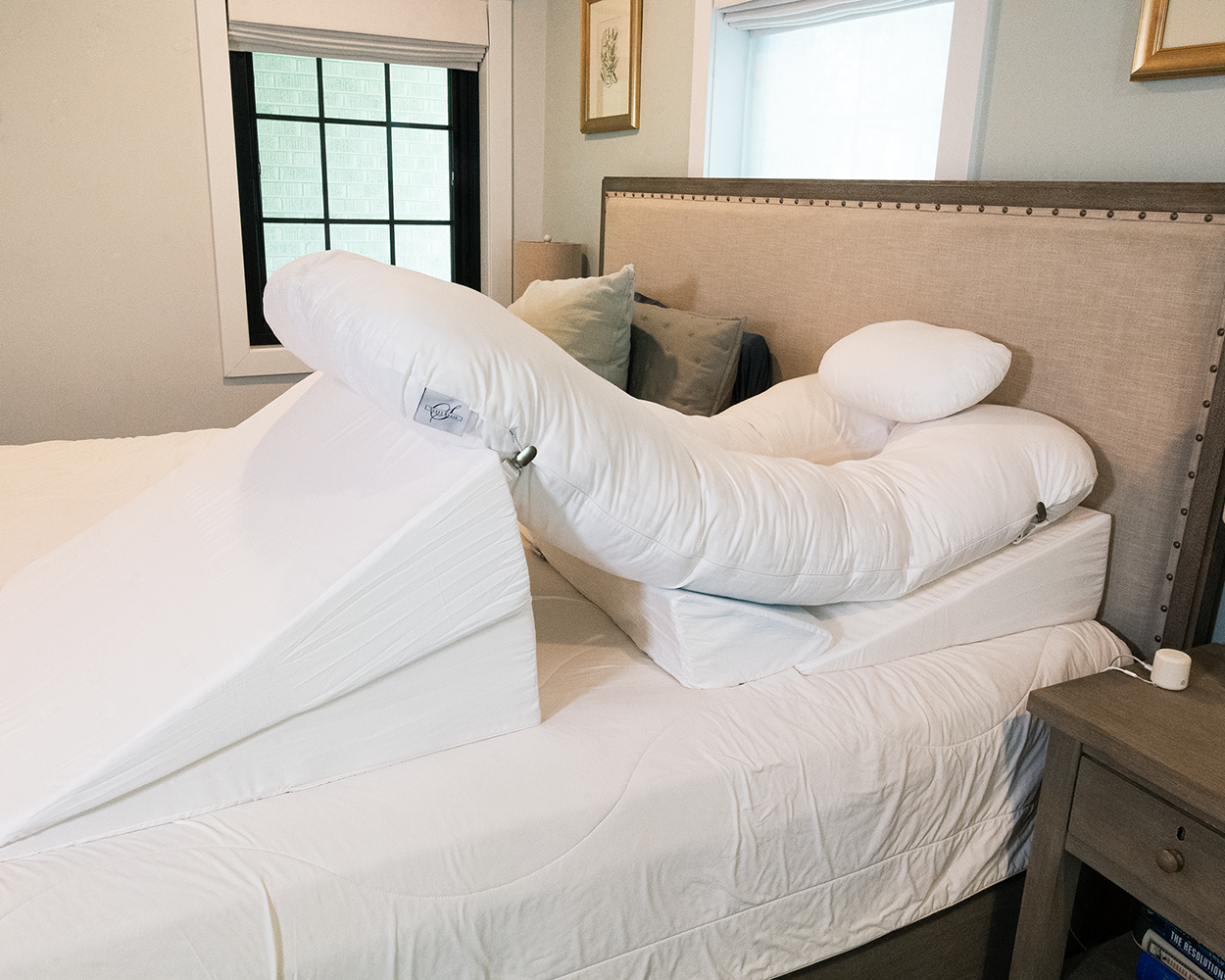
30 degrees (Therapeutic sweet spot): This moderate elevation delivers significant benefits for post-surgery recovery, respiratory, and cardiovascular health. It's the angle most commonly recommended for managing chronic conditions while remaining comfortable for 7-8 hours of sleep. A full-body pillow system for post-surgery recovery or an individual wedge pillow can provide this therapeutic incline.
35-45 degrees (Maximum elevation): This steeper angle is often recommended for severe acid reflux or significant respiratory challenges. While highly effective, this elevation requires more substantial positioning support. Using a full-body pillow system that includes two wedge pillows can help achieve this more dramatic effect.
Understanding these distinctions matters because the benefits you experience scale with the elevation angle you choose. A 15-degree incline will provide some advantages, but a 30-degree elevation typically delivers more comprehensive health benefits across multiple body systems.

The Science: Why Upright Sleep Works
The benefits of sleeping upright aren't mystical or anecdotal—they're grounded in basic physics and human physiology. Understanding the mechanisms helps explain why this simple intervention can produce such wide-ranging effects.
Fluid Dynamics and Gravity
Your body contains approximately 60% water, and gravity affects how this fluid distributes throughout your system. When you sleep completely flat, fluids can pool in areas where they don't belong, creating problems ranging from facial puffiness to internal pressure on organs.
Elevation harnesses gravity as a therapeutic tool. By positioning your upper body at an incline, you're essentially giving your circulatory and lymphatic systems a mechanical advantage. Fluids drain more efficiently from your head, neck, and upper torso, reducing swelling and pressure while improving overall circulation.
This gravitational assistance becomes particularly important for your digestive system. Your esophagus functions as a one-way valve, but when you're horizontal, stomach acid has an easier time flowing backward into the esophagus. Even a modest 15-20 degree elevation makes this backward flow significantly more difficult, providing relief from acid reflux and related symptoms.
Pressure Distribution and Organ Function
Flat sleeping creates specific pressure dynamics within your torso. Your abdominal contents push against your diaphragm, your lungs must work against gravity to expand fully, and your cardiovascular system must pump blood without gravitational assistance.
Upright positioning redistributes these pressures more favorably. Your diaphragm has more room to descend during breathing, your lungs can expand more easily, and your heart's pumping efficiency improves. These seemingly small mechanical advantages add up over the 7-9 hours you spend sleeping each night.
Cardiovascular Efficiency
Your heart is a remarkable pump, but it appreciates mechanical advantages. When you're elevated, blood return from your lower extremities gets a gravitational assist, reducing the workload on your cardiovascular system. This improved efficiency can translate to reduced swelling in your legs and feet, better overall circulation, and potentially improved blood pressure regulation.
The venous system—which returns blood to your heart—particularly benefits from elevation. Unlike arteries that have muscular walls to push blood along, veins rely heavily on gravity and muscle contractions. Sleeping upright gives your venous system the gravitational advantage it needs to function optimally.
SHOP THE BEST PILLOW FOR SLEEPING UPRIGHT
Comprehensive Health Benefits of Sleeping Upright
The advantages of elevated sleep extend across virtually every major body system. While most people initially explore upright sleeping to address a specific issue, they often discover unexpected benefits in areas they weren't even targeting.
Digestive System Benefits
Acid reflux reduction: Research indicates that sleeping at a 25-30 degree elevation can reduce nighttime acid reflux episodes by up to 67%. The mechanism is straightforward—gravity keeps stomach contents where they belong rather than allowing them to flow backward into your esophagus.
Improved esophageal healing: For people with existing esophageal damage from chronic reflux, upright sleeping creates the optimal conditions for tissue repair. The reduced acid exposure during sleep hours allows inflammation to decrease and tissues to heal.
Reduced nausea: Morning nausea often stems from nighttime acid reflux that you're not consciously aware of. By preventing this reflux, upright sleeping can eliminate the queasy feeling that plagues many people upon waking.
Better digestion: Elevation supports your digestive tract's natural downward flow, potentially improving overall digestive efficiency and reducing symptoms like bloating or indigestion.
Respiratory System Benefits
Sleep apnea improvement: Studies show that elevated sleeping can reduce sleep apnea episodes by 30-50% in many patients. The mechanism involves keeping airways more open and reducing the collapse that characterizes obstructive sleep apnea.
Snoring reduction: Snoring occurs when soft tissues in your throat vibrate during breathing. Upright positioning reduces the collapse of these tissues, often significantly decreasing snoring intensity and frequency.
Easier breathing for lung conditions: People with asthma, COPD, or other respiratory conditions often find breathing easier when elevated. The position allows for better lung expansion and reduces the work of breathing.
Sinus drainage: Elevation promotes natural sinus drainage, reducing the congestion and pressure that can make sleep uncomfortable and contribute to morning headaches.
Reduced respiratory infections: Better drainage and improved breathing mechanics may contribute to fewer respiratory infections, as your body can more effectively clear bacteria and irritants from airways.
Cardiovascular and Circulatory Benefits
Enhanced venous return: Elevation assists blood flow from your lower body back to your heart, reducing the pooling that contributes to varicose veins and leg swelling.
Reduced facial and eye puffiness: Morning puffiness results from fluid pooling in your face overnight. Upright sleeping significantly reduces this accumulation, leading to less swelling upon waking.
Improved lymphatic drainage: Your lymphatic system relies entirely on gravity and muscle movement to function. Sleeping upright gives this crucial system the gravitational advantage it needs to drain effectively.
Potential blood pressure benefits: While more research is needed, some evidence suggests that upright sleeping may help with blood pressure regulation, particularly for people with hypertension.
Musculoskeletal Benefits
Reduced back pain: Many people with chronic lower back pain find relief with upright sleeping. The position maintains the natural curve of your spine while reducing pressure on sensitive areas.
Decreased neck pain: Proper upright positioning with appropriate head support can reduce neck strain that often develops from poor sleeping posture.
Reduced morning stiffness: The improved circulation and reduced pressure that comes with upright sleeping often translates to less stiffness and easier mobility upon waking.
Shoulder pain relief: For people with shoulder issues, upright sleeping can reduce the compression that occurs when lying on your side, potentially decreasing nighttime pain.
Neurological and Cognitive Benefits
Reduced morning headaches: Many morning headaches stem from poor sleep positioning that affects circulation or causes sinus pressure. Upright sleeping addresses both issues simultaneously.
Improved sleep quality: While it may take a few nights to adjust, many people report deeper, more restorative sleep once they adapt to upright positioning.
Better cognitive function: Quality sleep supports cognitive function, and if upright sleeping helps you achieve better rest, the cognitive benefits follow naturally.
Long-Term Health and Prevention
Preventive health strategy: Even if you don't currently have specific health issues, upright sleeping may help prevent problems before they develop. This proactive approach to wellness aligns with the growing emphasis on prevention rather than treatment.
Aging support: Many age-related sleep challenges—from reflux to circulation issues to breathing difficulties—respond well to upright positioning. Starting this practice earlier may provide benefits that compound over time.
Post-surgical preparation: If you know you'll need surgery in the future, adapting to upright sleeping beforehand makes post-operative recovery significantly easier.

Who Benefits Most from Sleeping Upright?
While virtually anyone can experience advantages from upright sleeping, certain groups see particularly dramatic improvements.
People with Digestive Issues
If you deal with acid reflux, GERD, heartburn, nighttime nausea, or difficulty digesting evening meals, upright sleeping often provides immediate and substantial relief. The gravitational advantage directly addresses the root cause of these symptoms rather than just masking them with medication.
People with Respiratory Conditions
Individuals with asthma, COPD, chronic bronchitis, sleep apnea, chronic sinusitis, or seasonal allergies frequently find that upright positioning transforms their sleep quality. The improved breathing mechanics and drainage can be genuinely life-changing.
People with Circulation Issues
Those experiencing varicose veins, chronic leg swelling, lymphedema, or morning facial puffiness often see visible improvements within days of adopting upright sleeping. The enhanced circulatory efficiency addresses these issues at their source.
People with Chronic Pain
Individuals dealing with lower back pain, neck pain, shoulder issues, or arthritis may discover that upright positioning provides relief that medications alone couldn't achieve. The pressure distribution and reduced inflammation can significantly improve comfort.
Pregnant Women
Pregnancy creates a perfect storm of digestive, respiratory, and circulatory challenges. Upright sleeping addresses multiple pregnancy-related sleep issues simultaneously, often providing relief when few other interventions are safe or effective.
Aging Adults
As we age, the digestive, respiratory, and circulatory systems all become less efficient. Upright sleeping compensates for these changes, potentially improving quality of life across multiple dimensions simultaneously.
Proactive Health Optimizers
Even without specific health challenges, people interested in preventive health and wellness optimization often adopt upright sleeping as a strategy for supporting long-term health and potentially preventing issues before they develop.
Anyone Planning or Recovering from Surgery
Surgery often requires elevated sleeping for recovery. Starting this practice before a planned procedure makes the post-operative transition much easier and may support faster healing.
How to Create Effective Upright Sleep Positioning
Understanding the benefits of upright sleeping is one thing—actually implementing it comfortably and consistently is another. The approach you choose matters significantly for both comfort and effectiveness.
DIY Approaches and Their Limitations
Stacking regular pillows: This is the approach most people try first, using multiple household pillows to create elevation. While better than nothing, this method has significant drawbacks. Regular pillows compress 30-50% under body weight during sleep, gradually losing the elevation angle that provides therapeutic benefits. Most people wake up significantly flatter than they started, having lost the positioning advantages during the night. This approach typically requires 2-4 nightly readjustments as pillows shift and compress.
Wedge pillows: A step up from stacked pillows, wedge pillows provide more stable upper body elevation. However, they address only one component of upright sleeping—they elevate your torso but don't provide the leg support, side barriers, or comprehensive comfort needed for quality 7-8 hour sleep. Most people need additional pillows to create complete comfort.
Adjustable beds: The premium solution for elevation, adjustable beds offer precise angle control and stable positioning. However, they represent a significant investment ($1,000-$5,000+) and aren't portable. For people renting or who move frequently, this option isn't practical.
Professional Positioning Systems
For people seeking comprehensive solutions without the limitations of DIY approaches, professional positioning systems address every aspect of upright sleeping through integrated design.
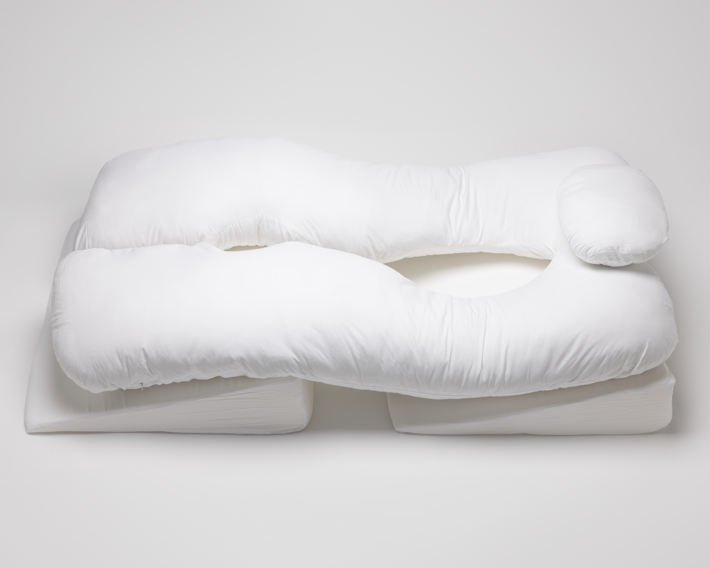
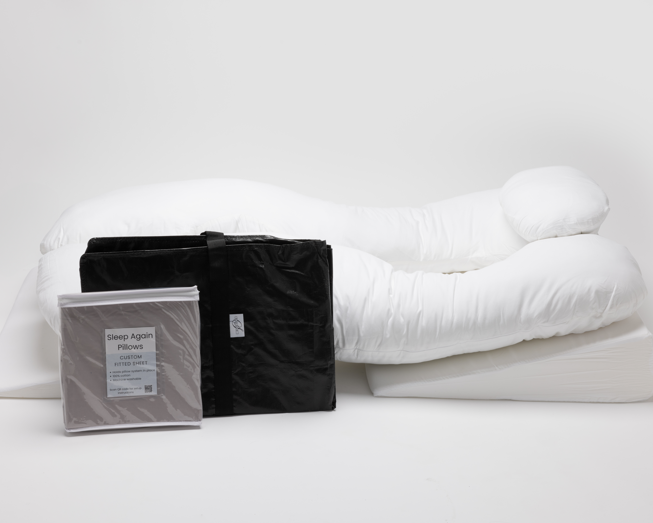
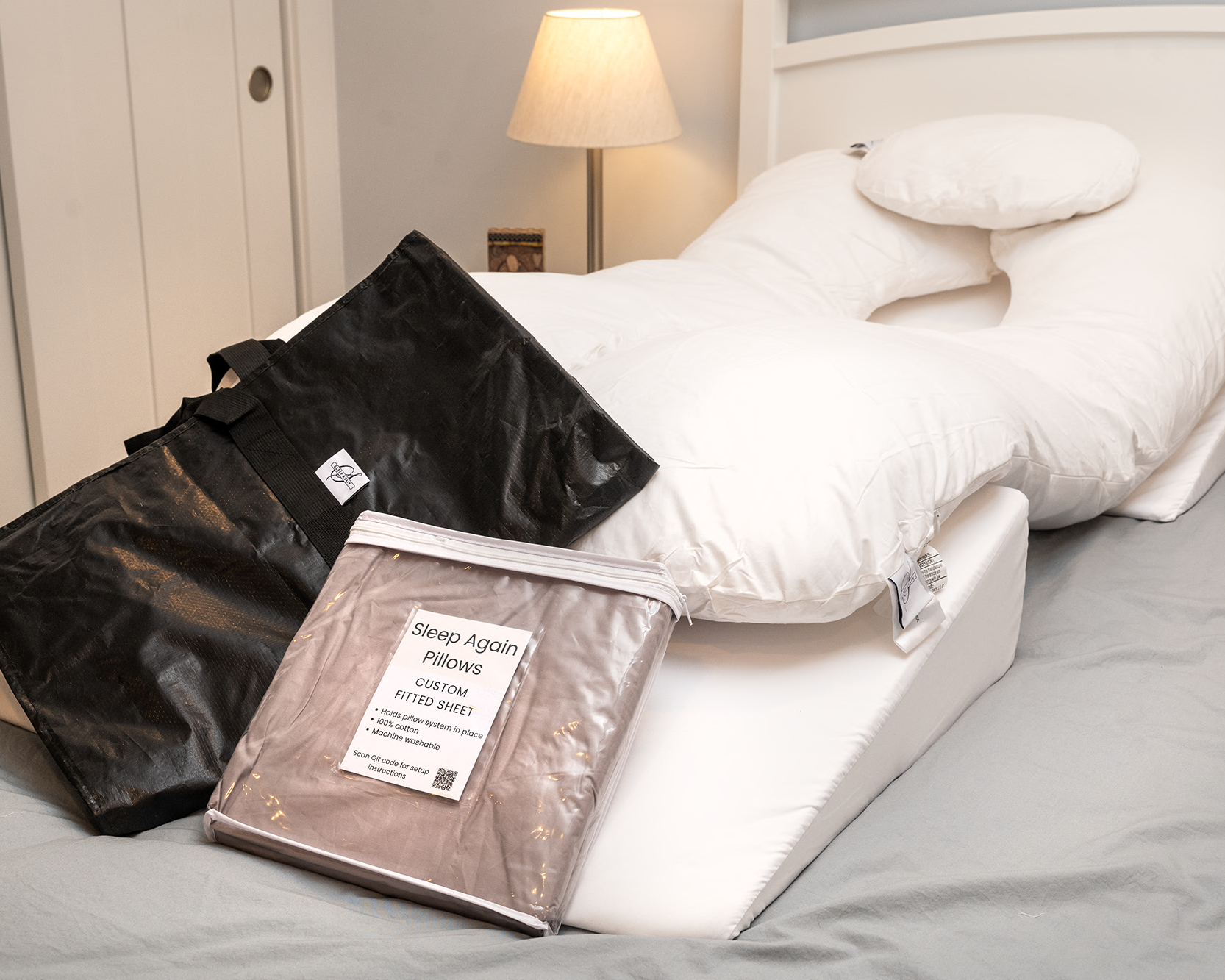
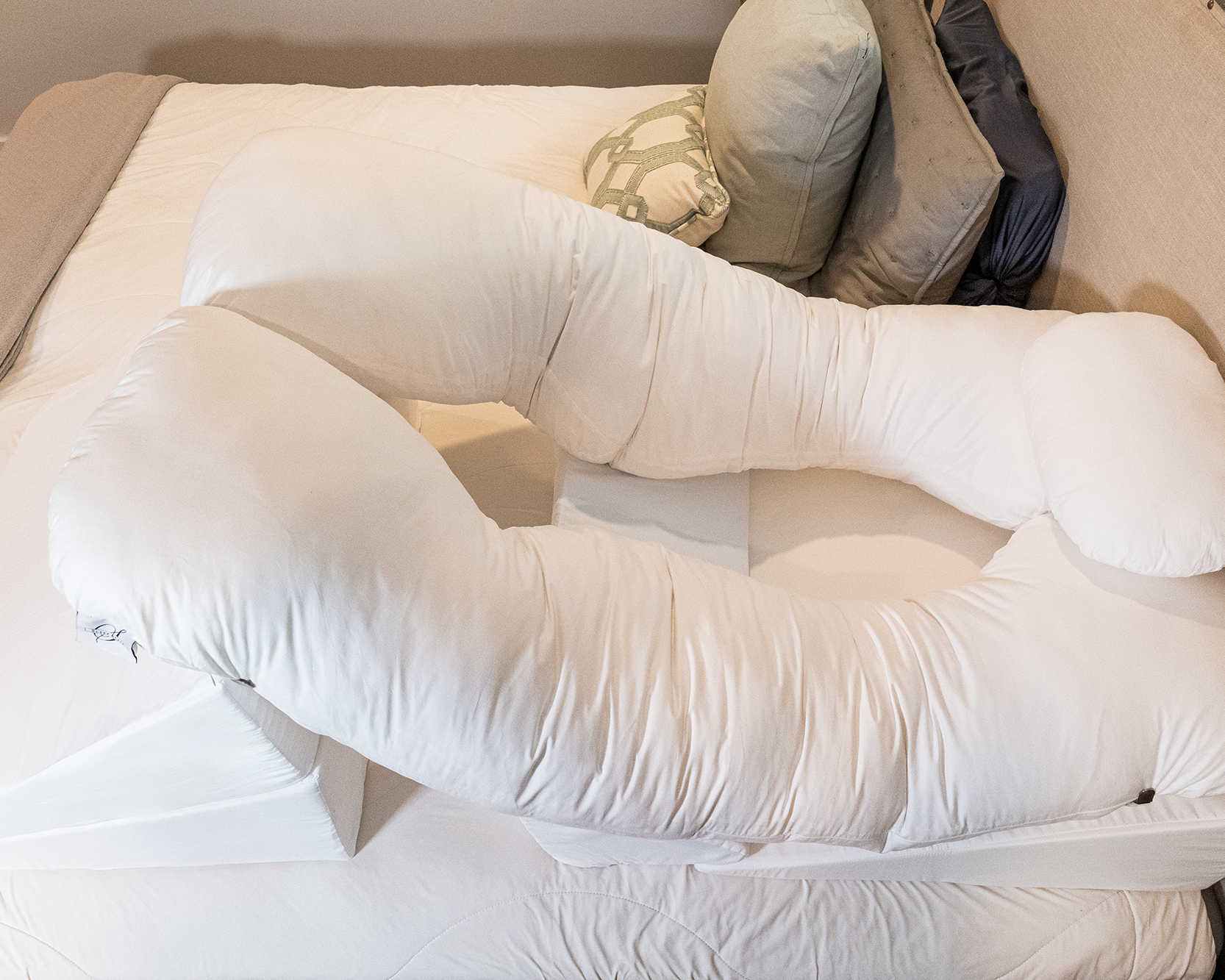
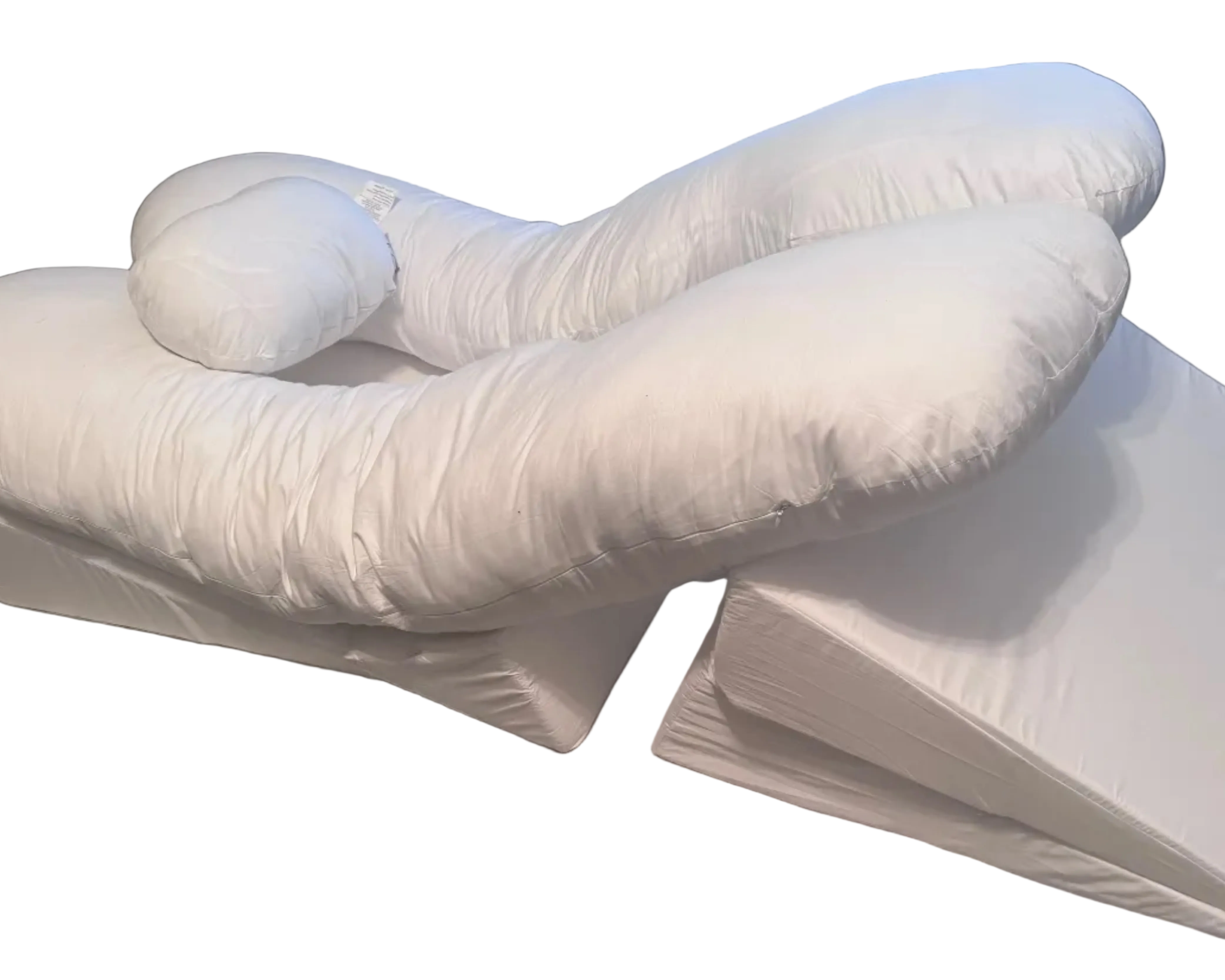
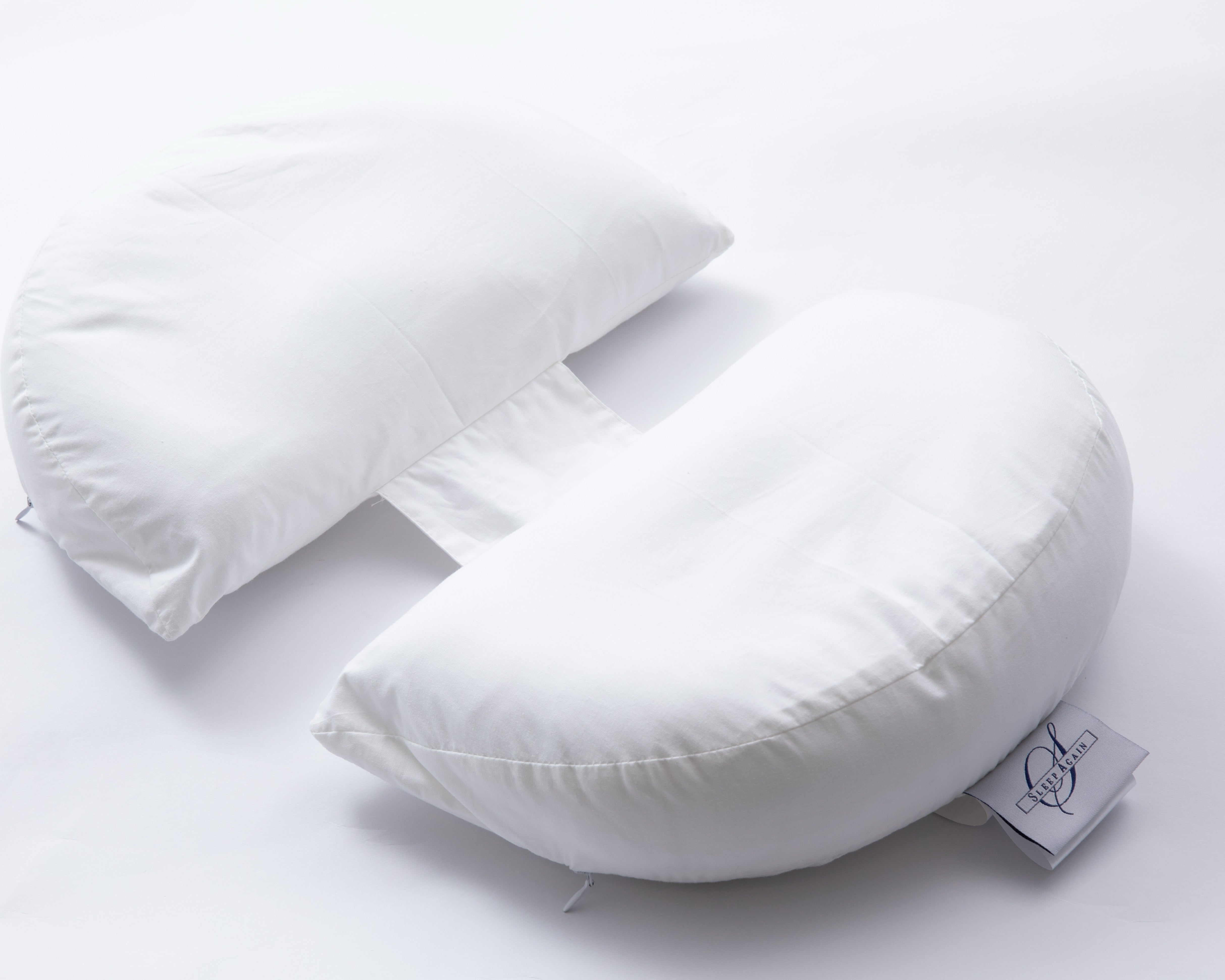
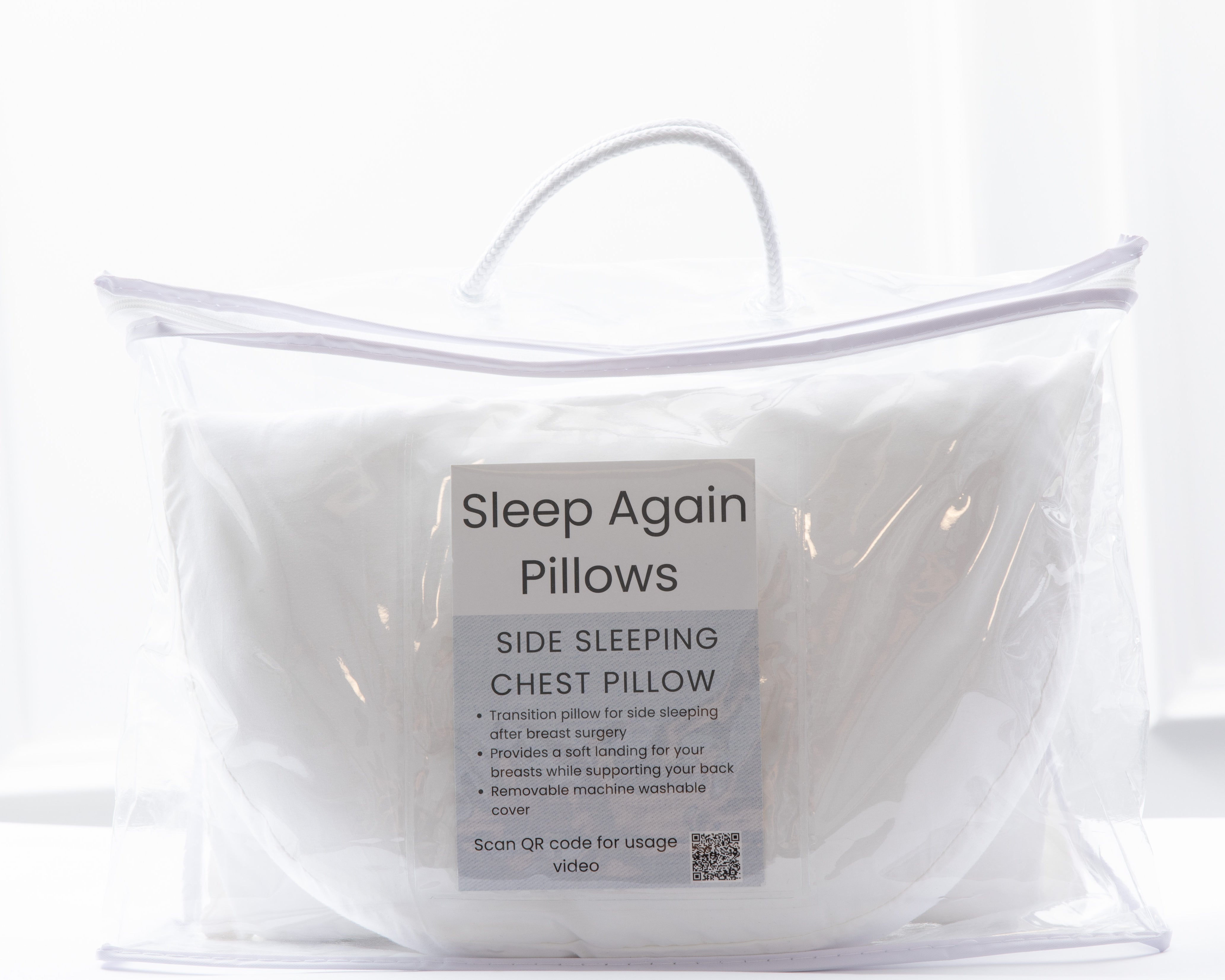
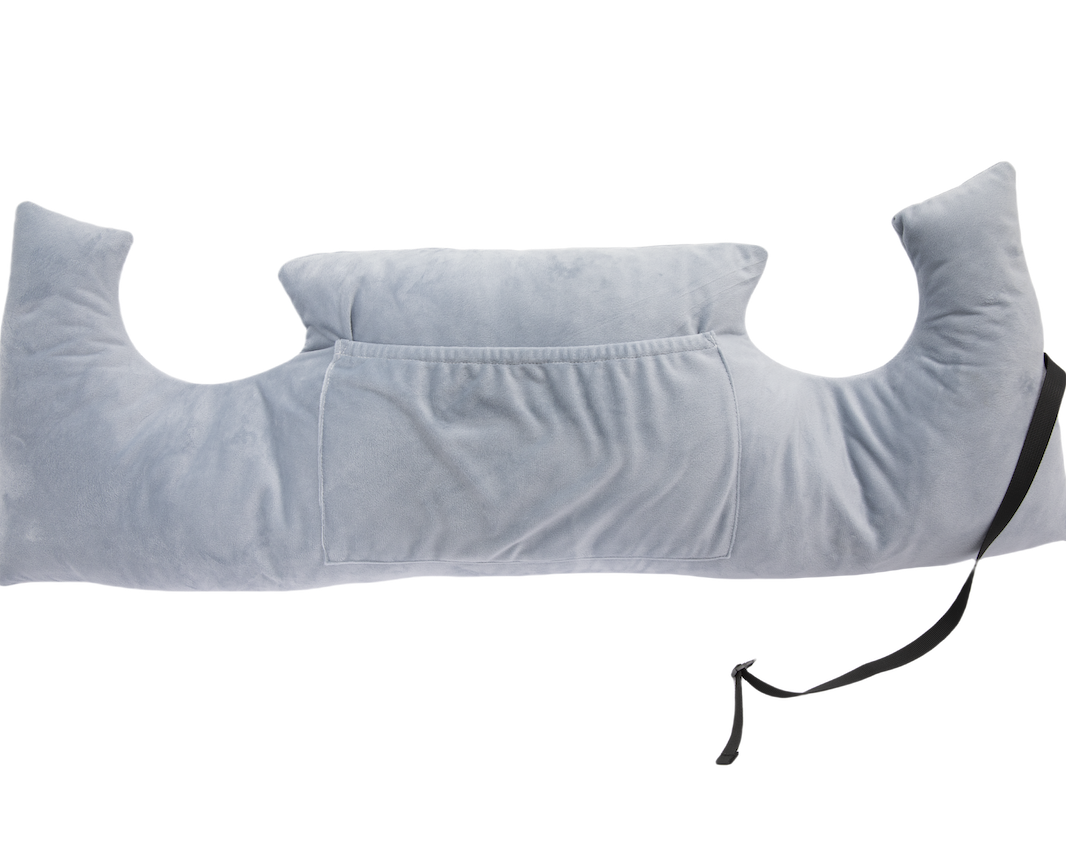
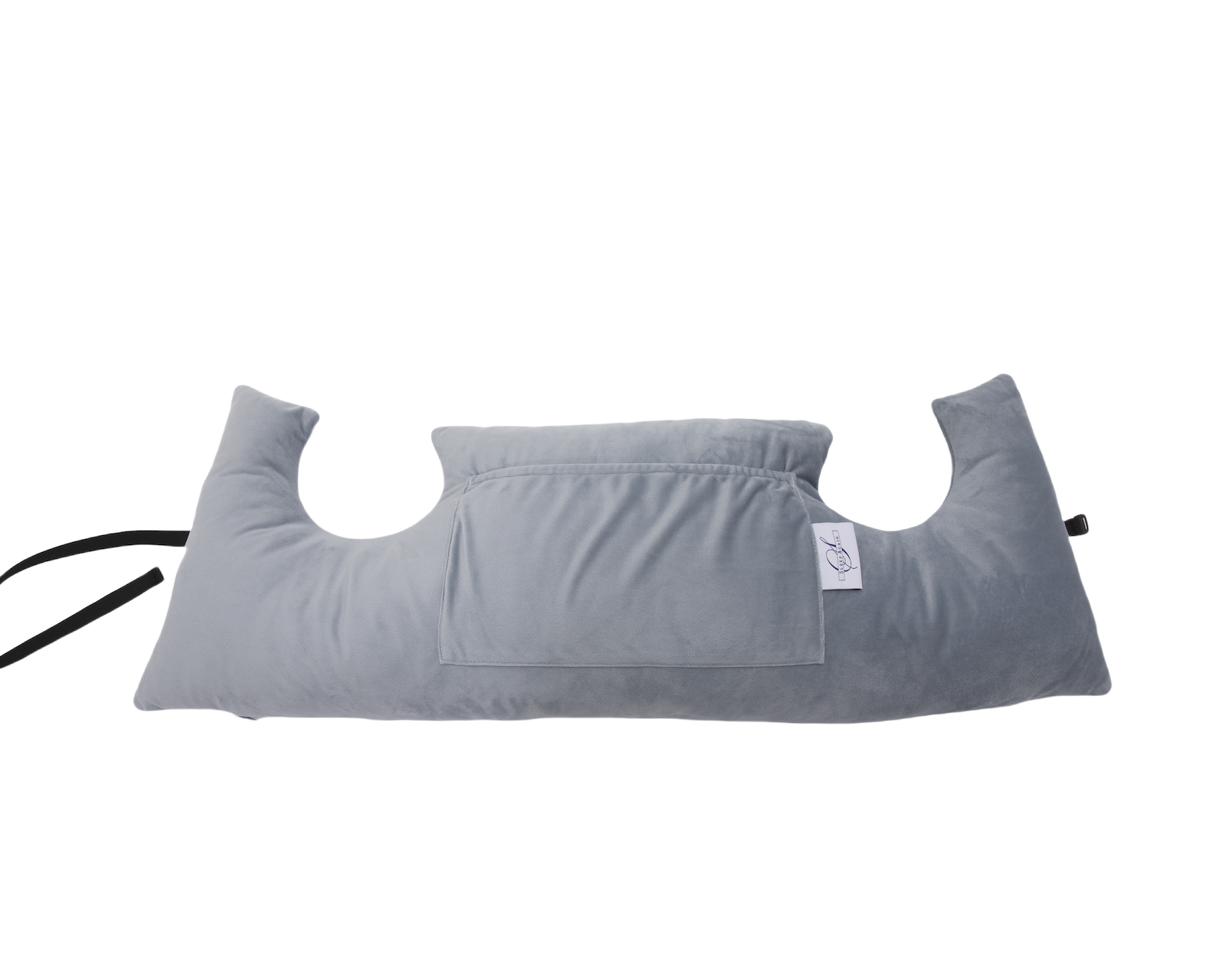
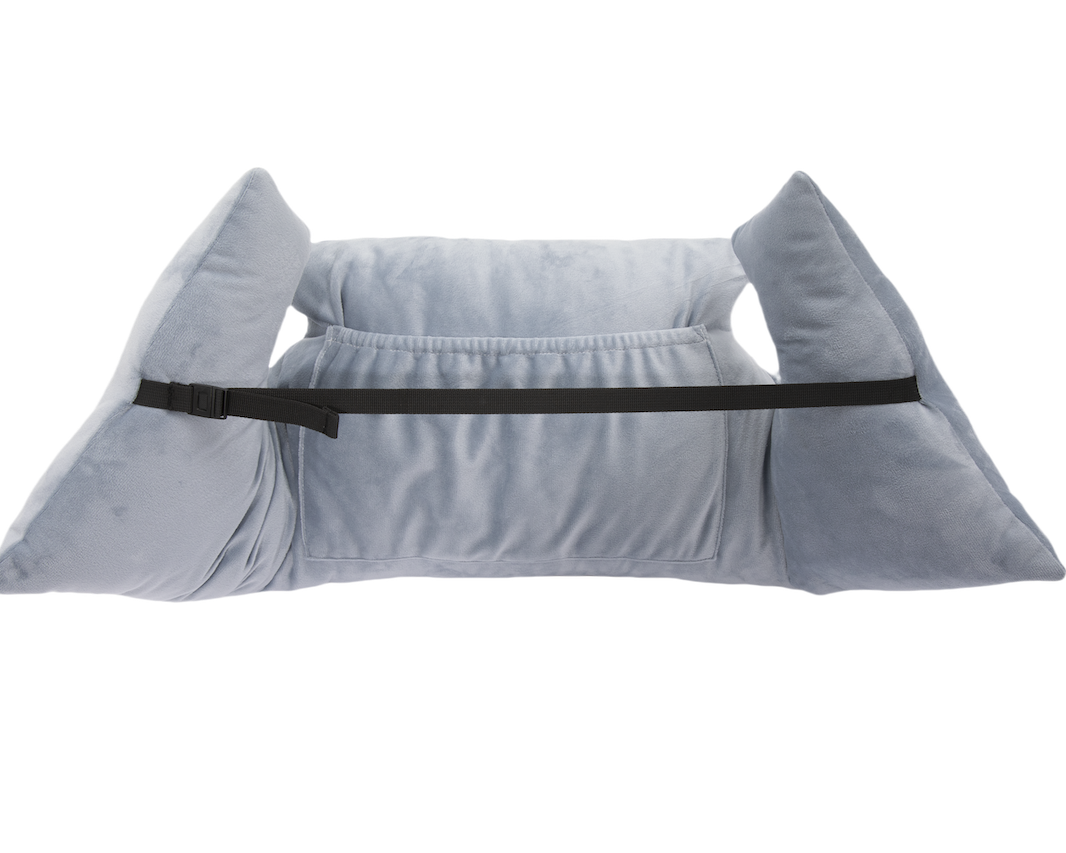
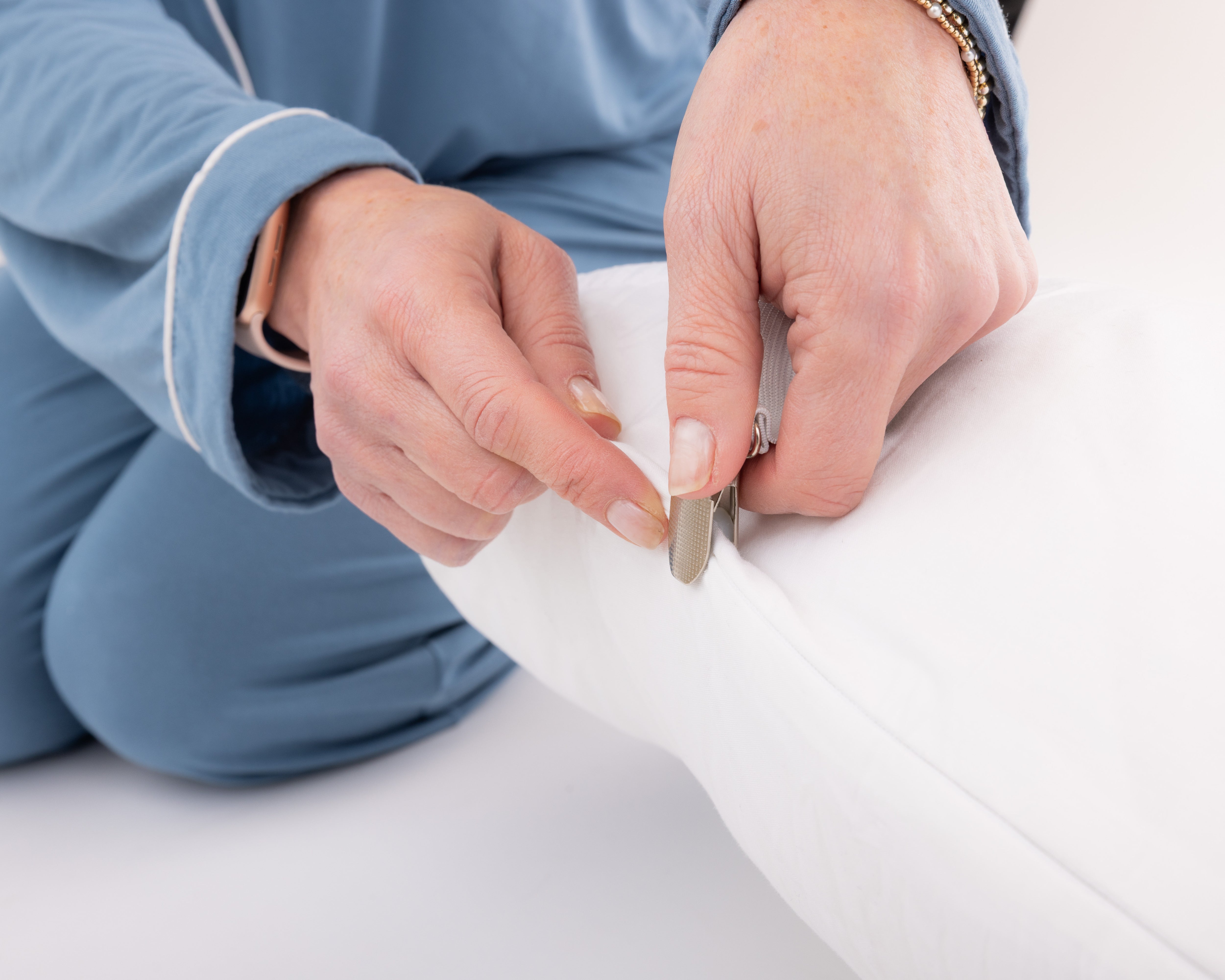
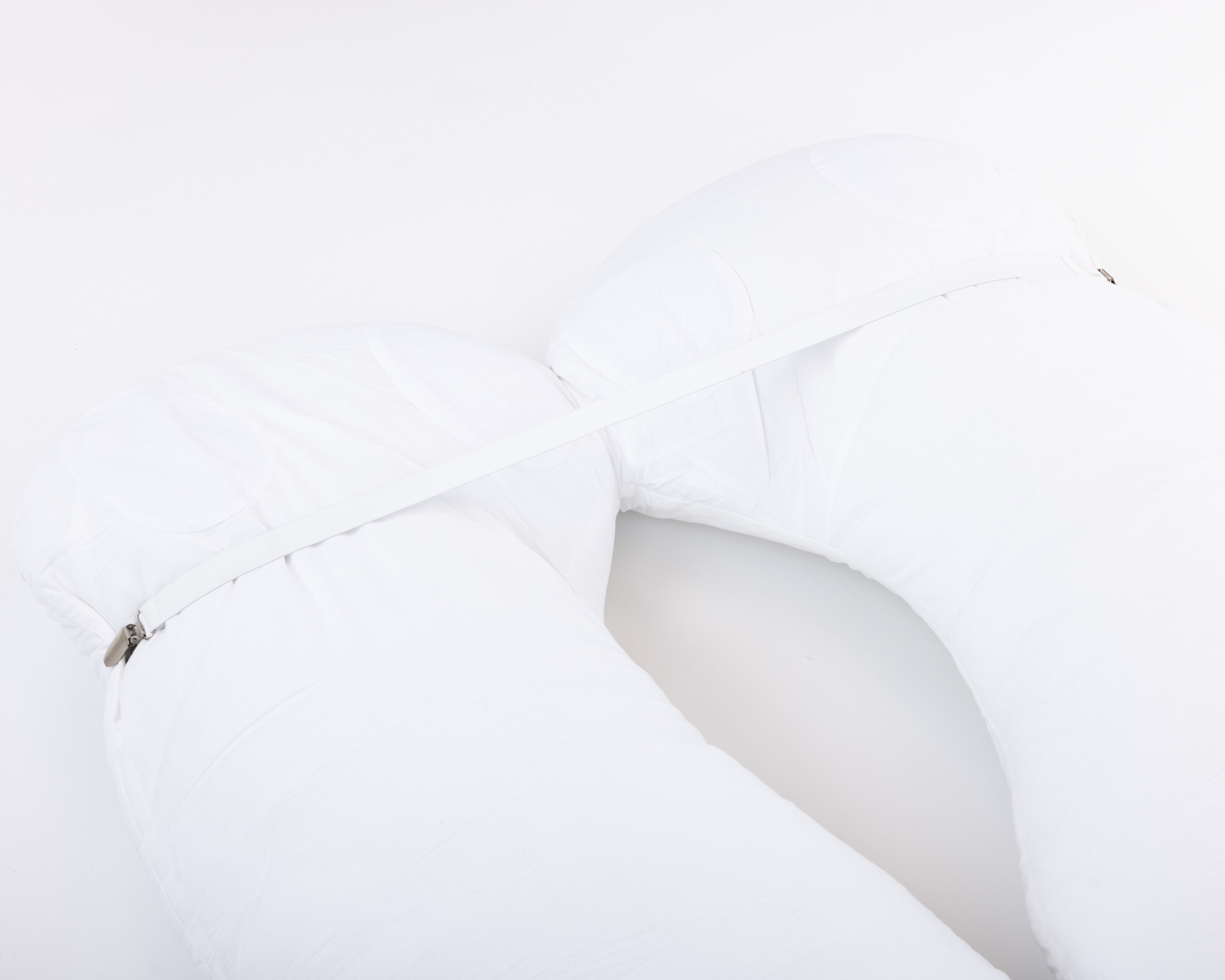
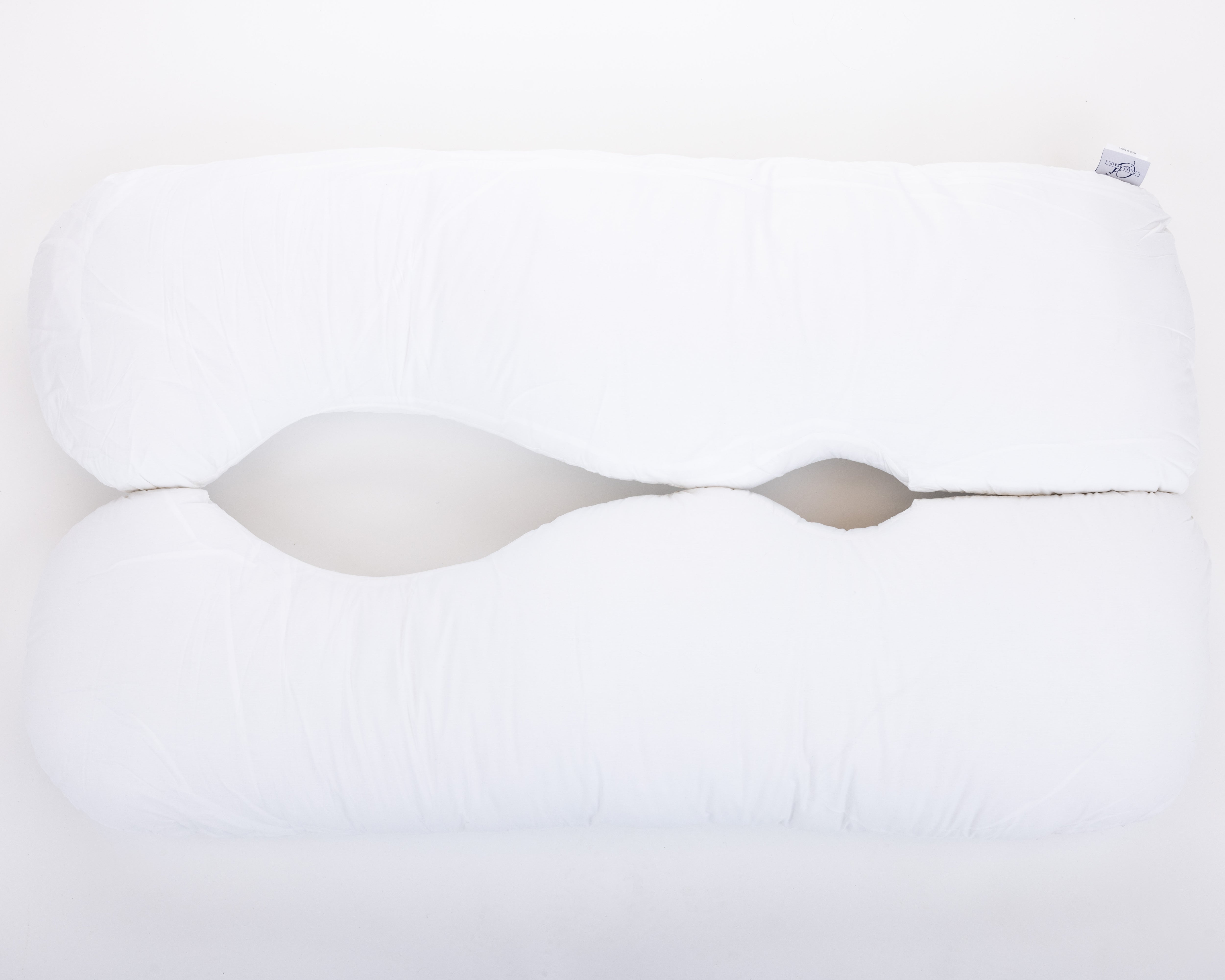
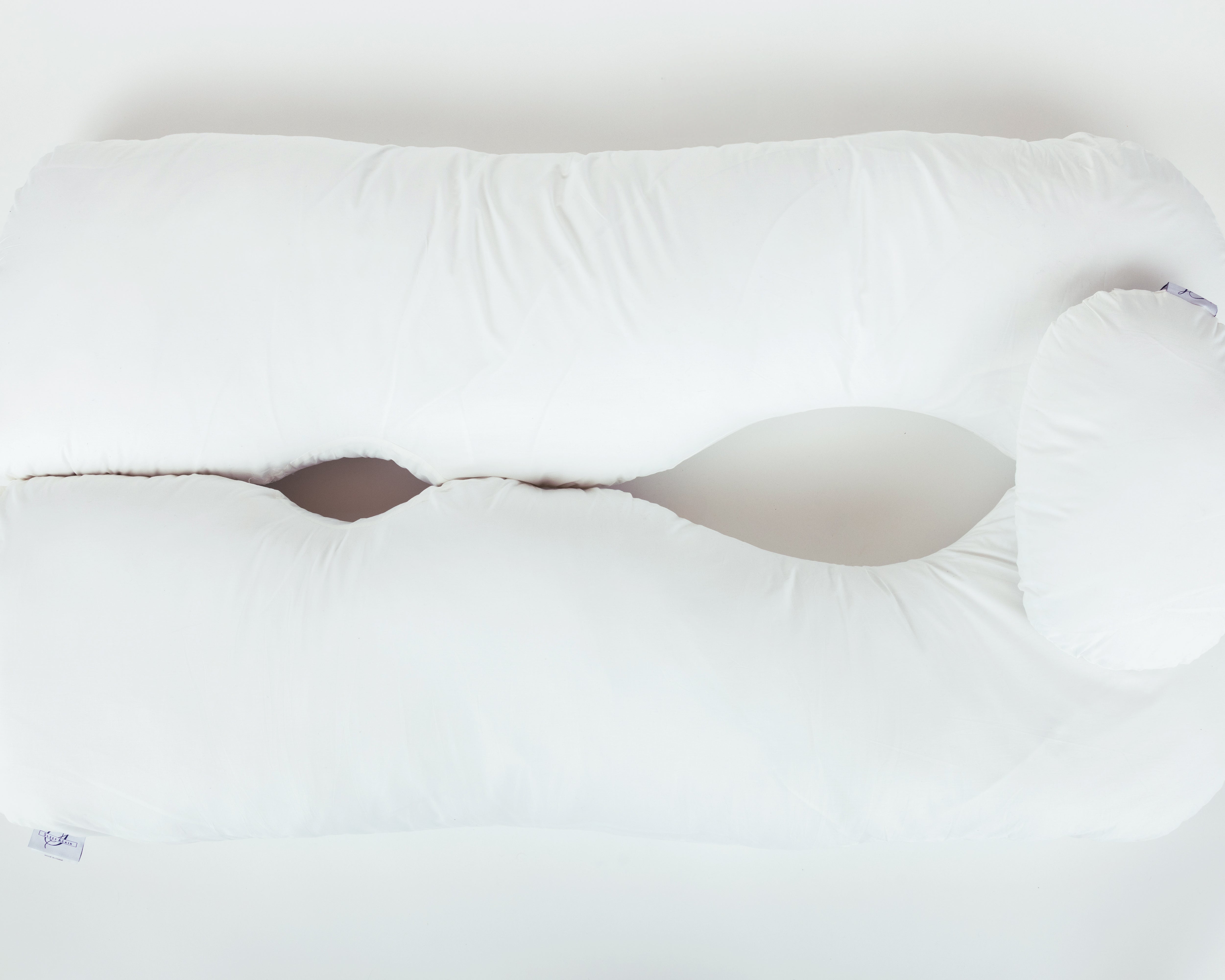
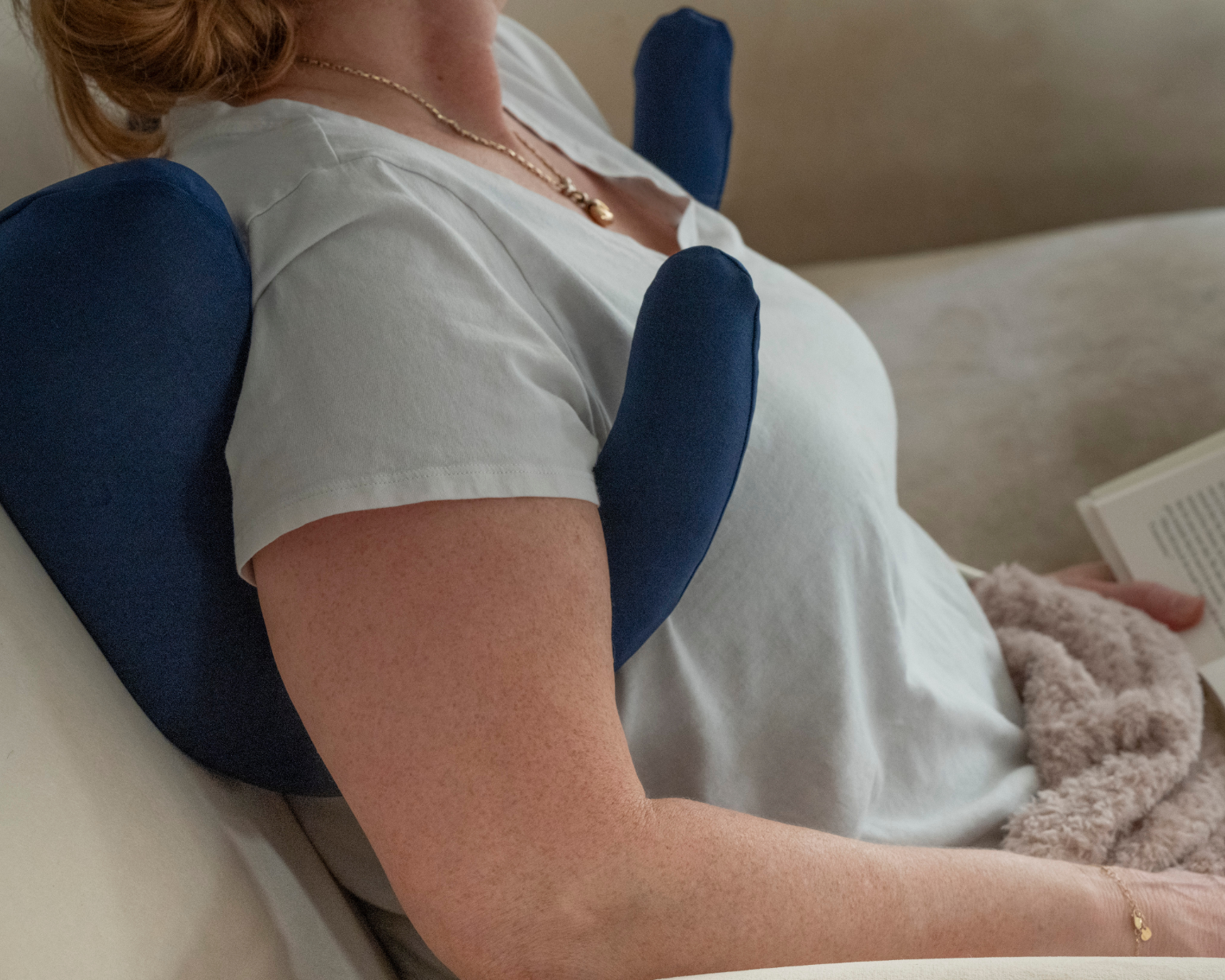
The Sleep Again Pillow System represents the only full-body pillow system designed specifically for surgery support, but its benefits extend far beyond surgical recovery to everyday health optimization.
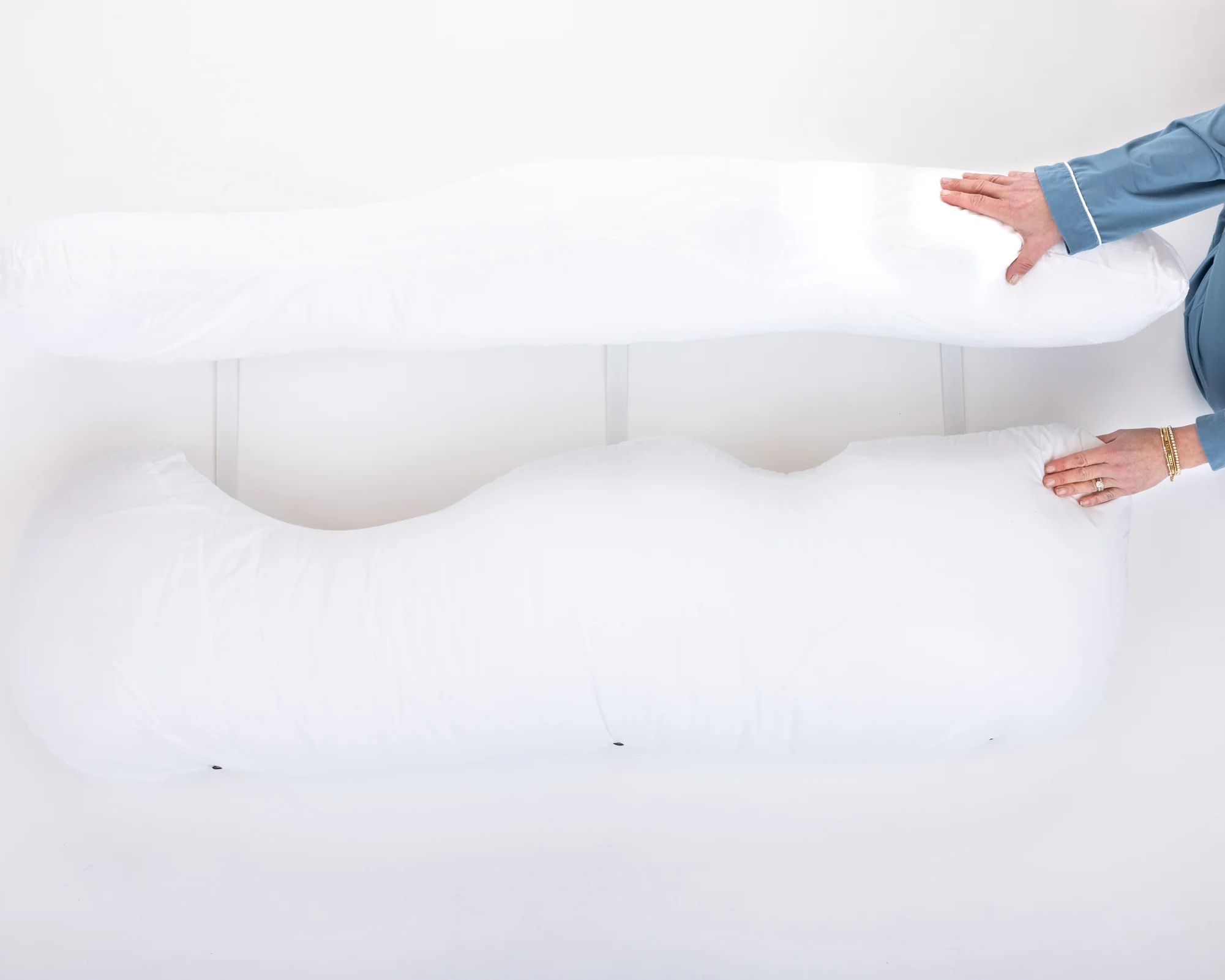
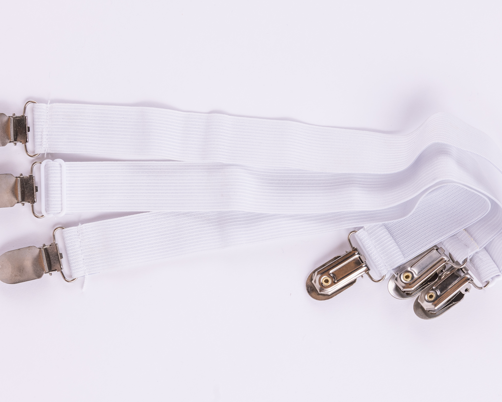
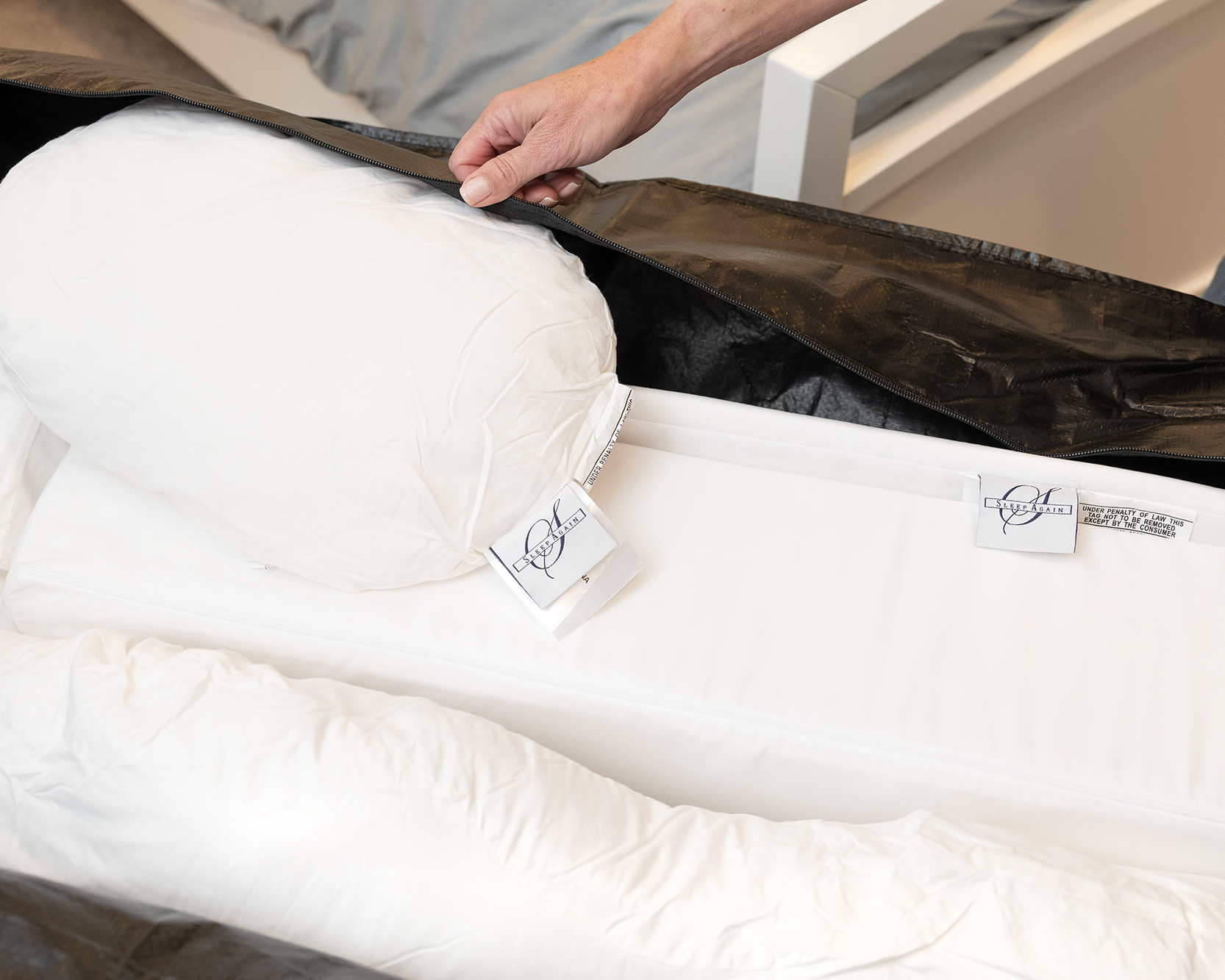
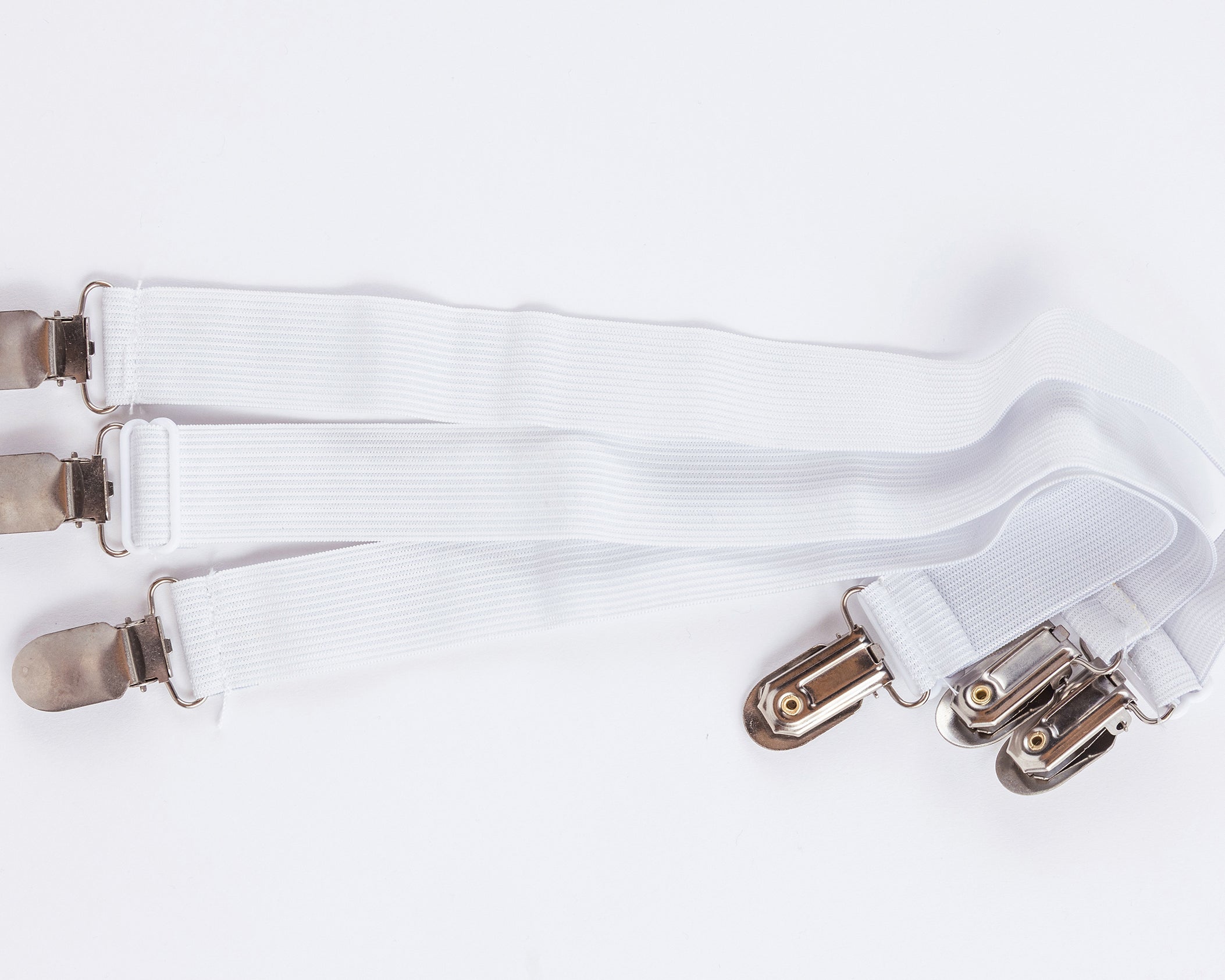
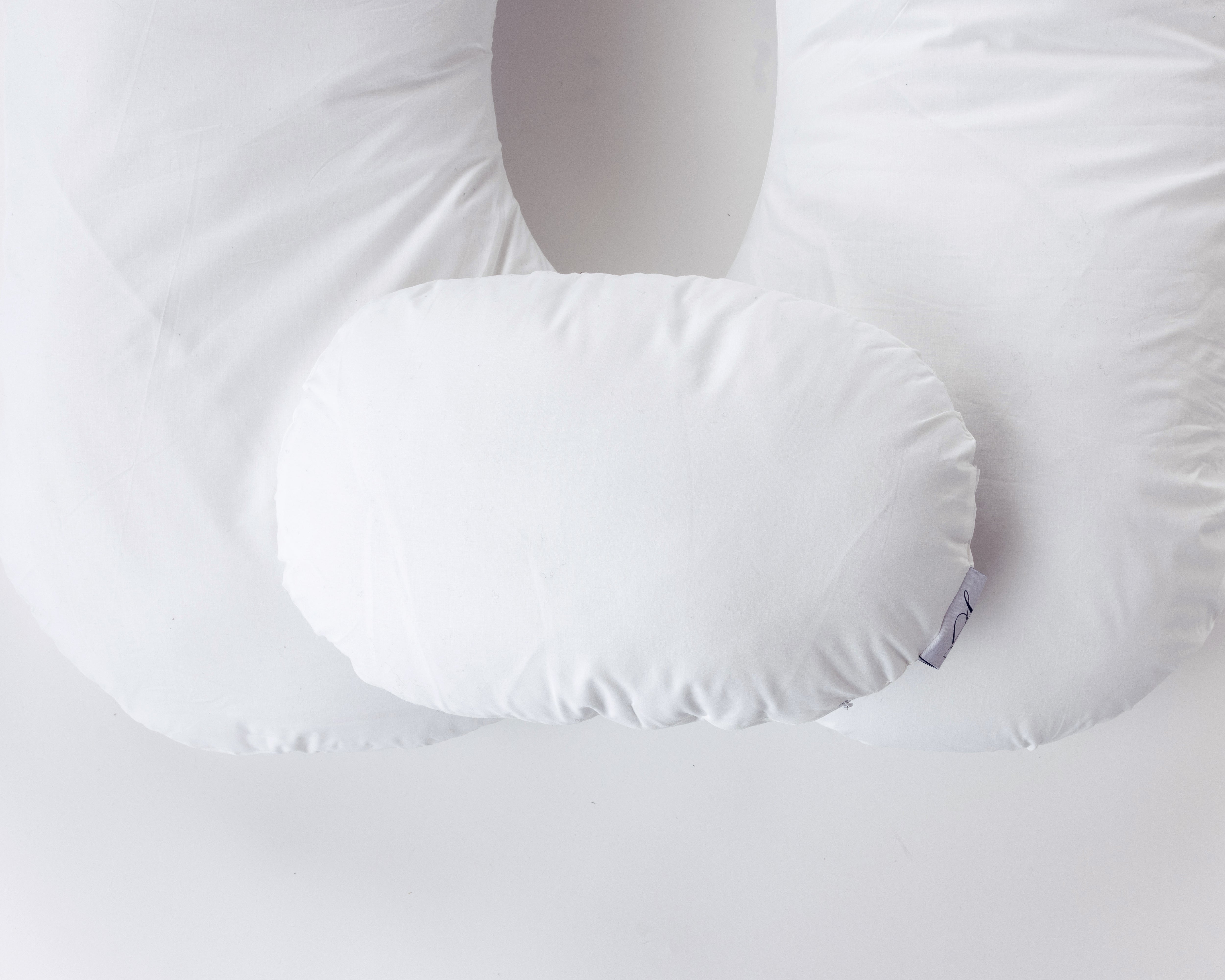
Every Sleep Again Pillow System includes:
-
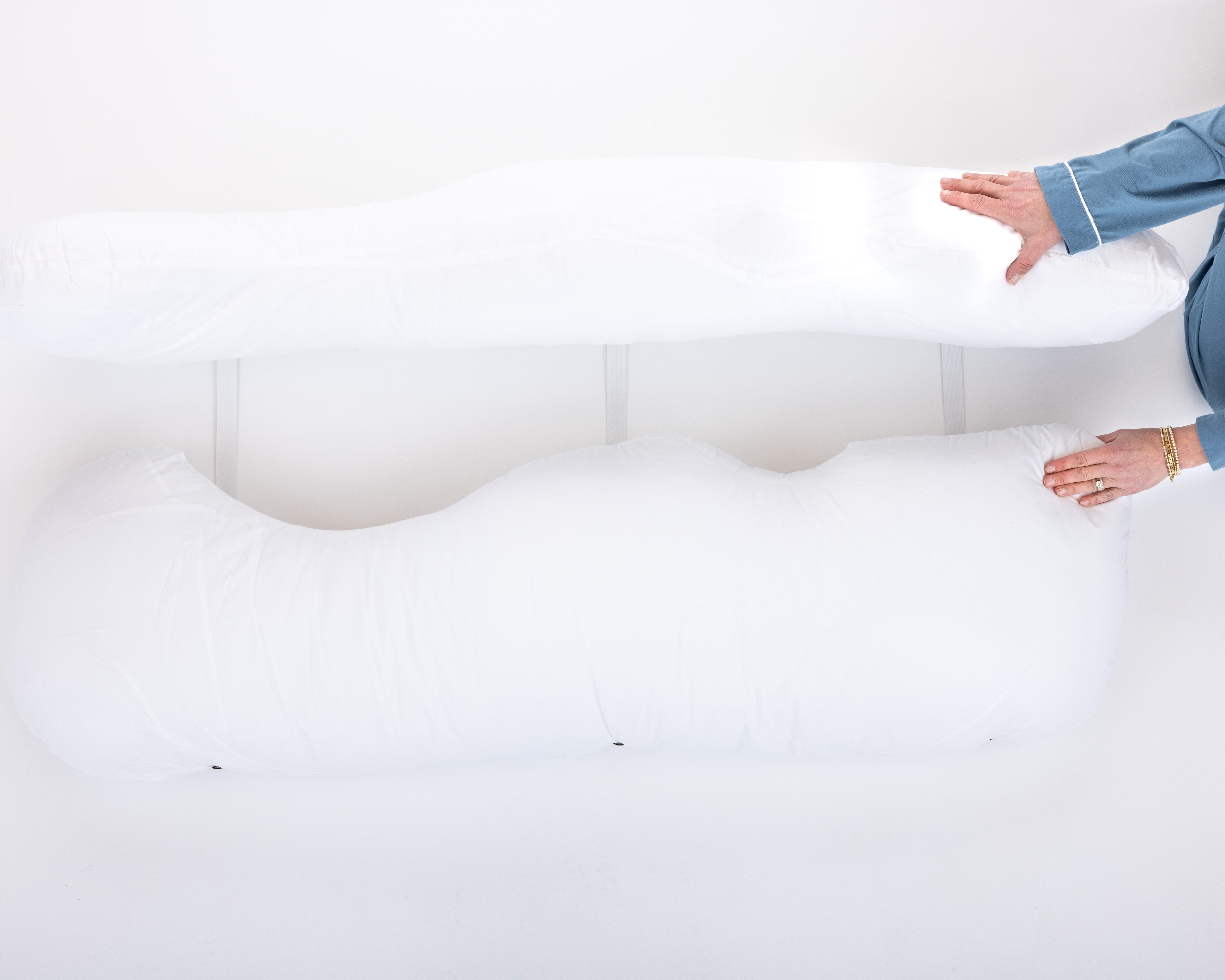
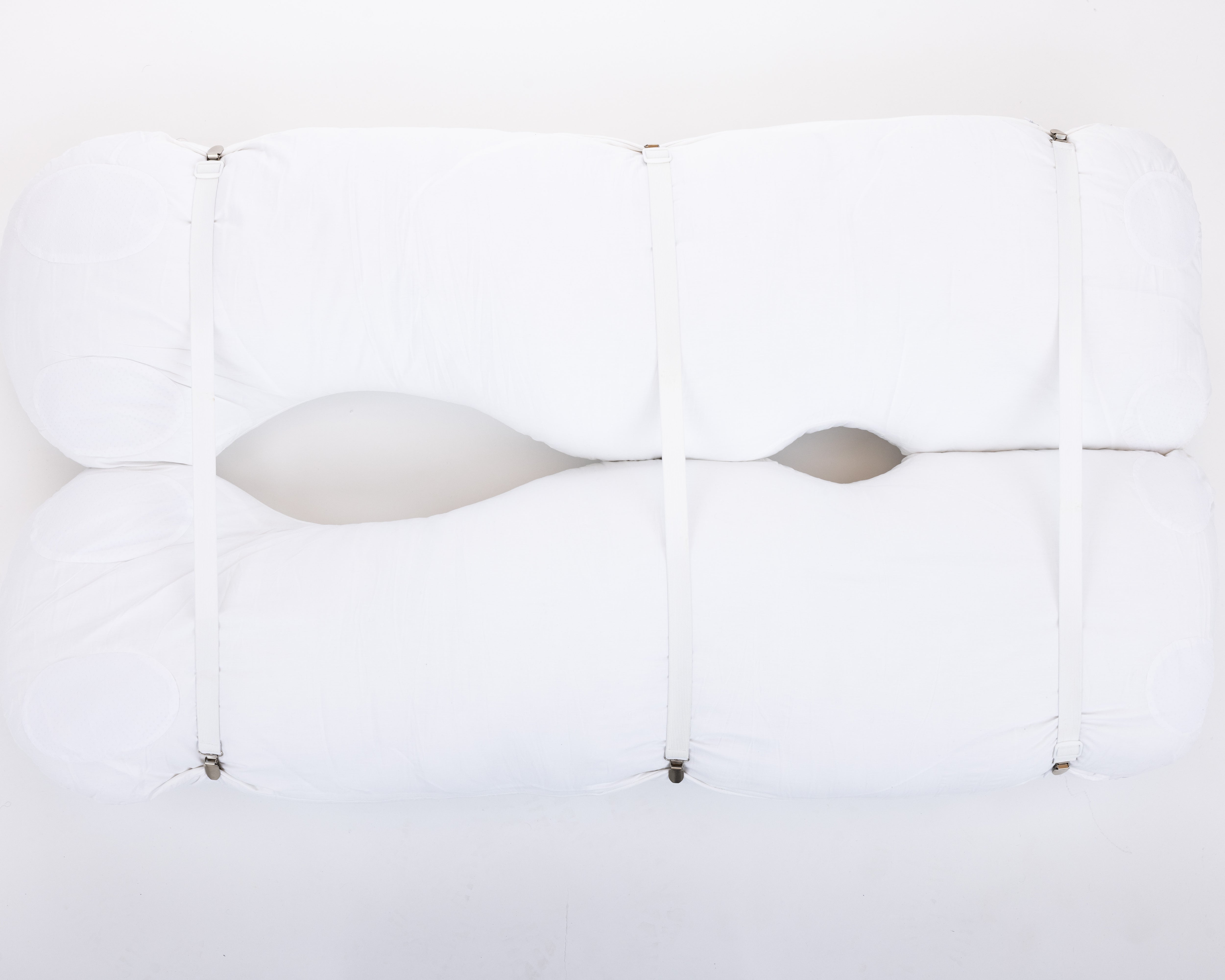
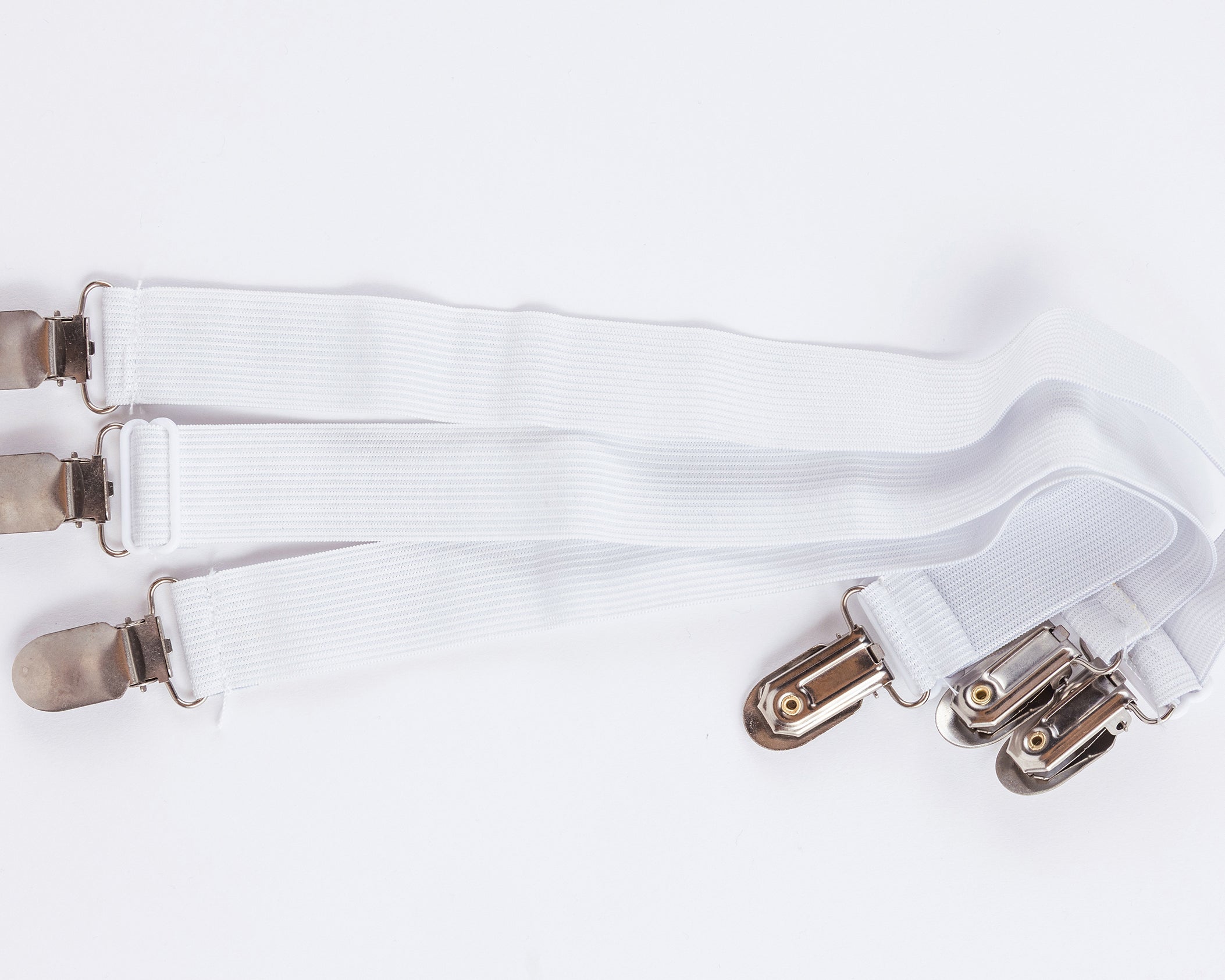
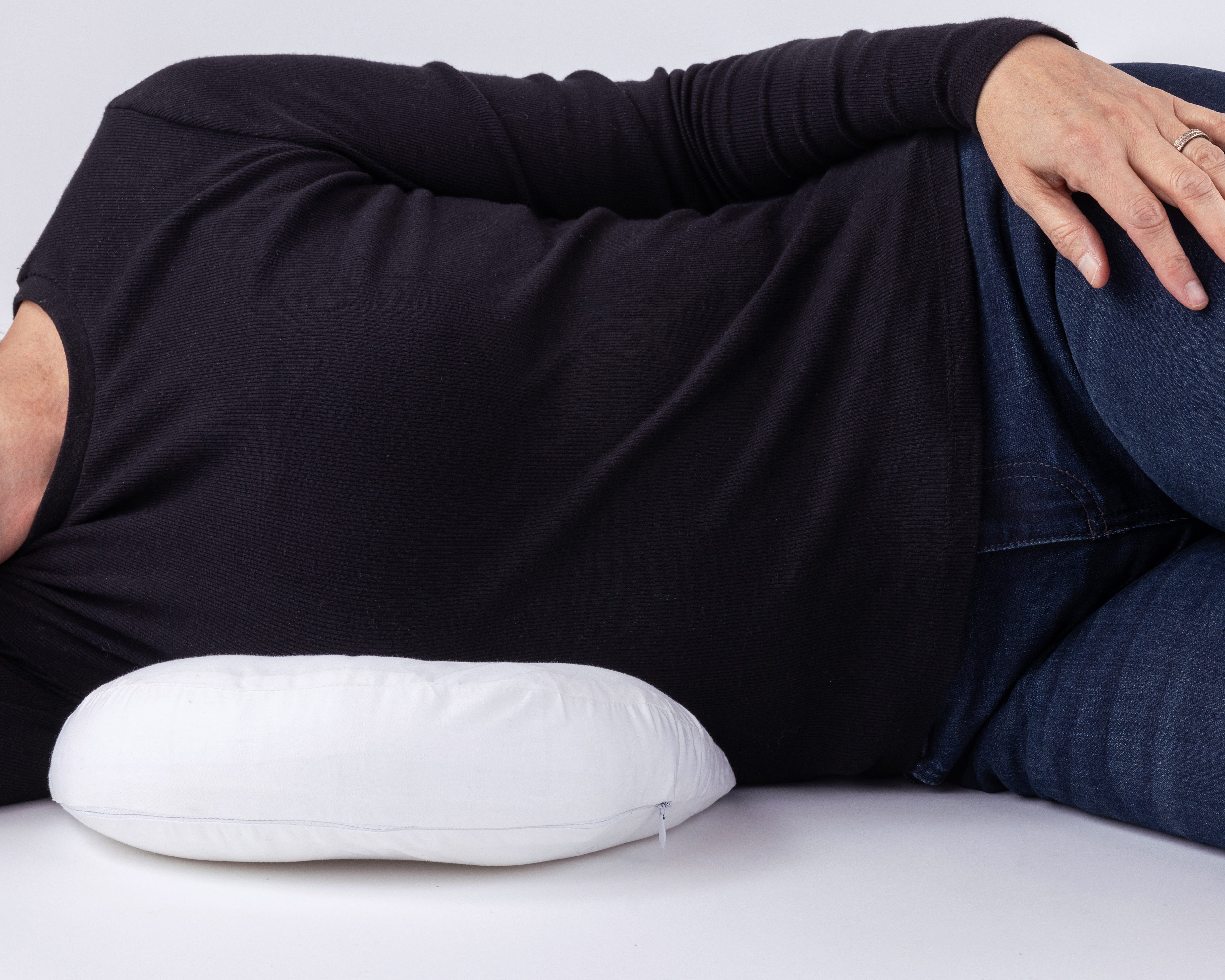
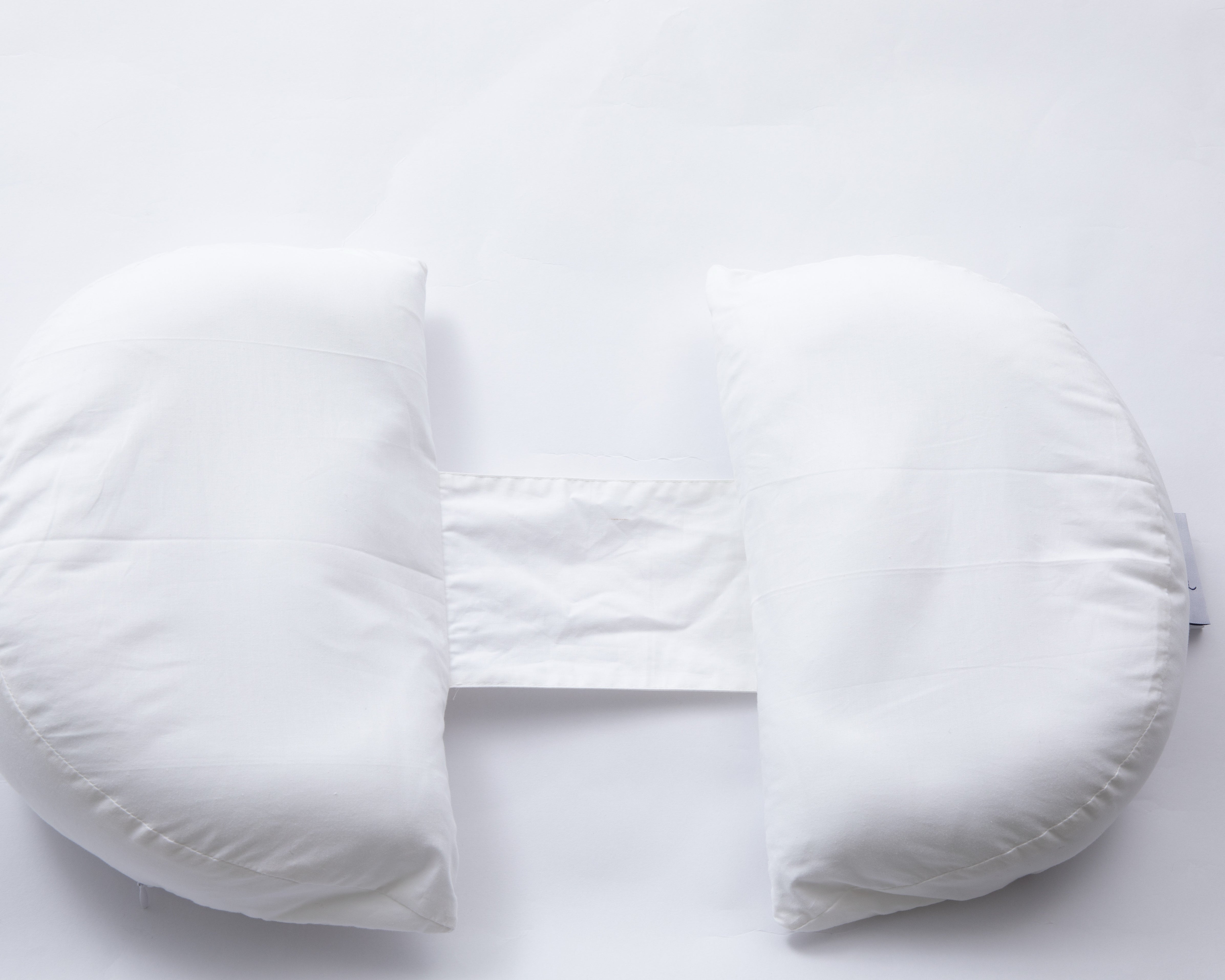
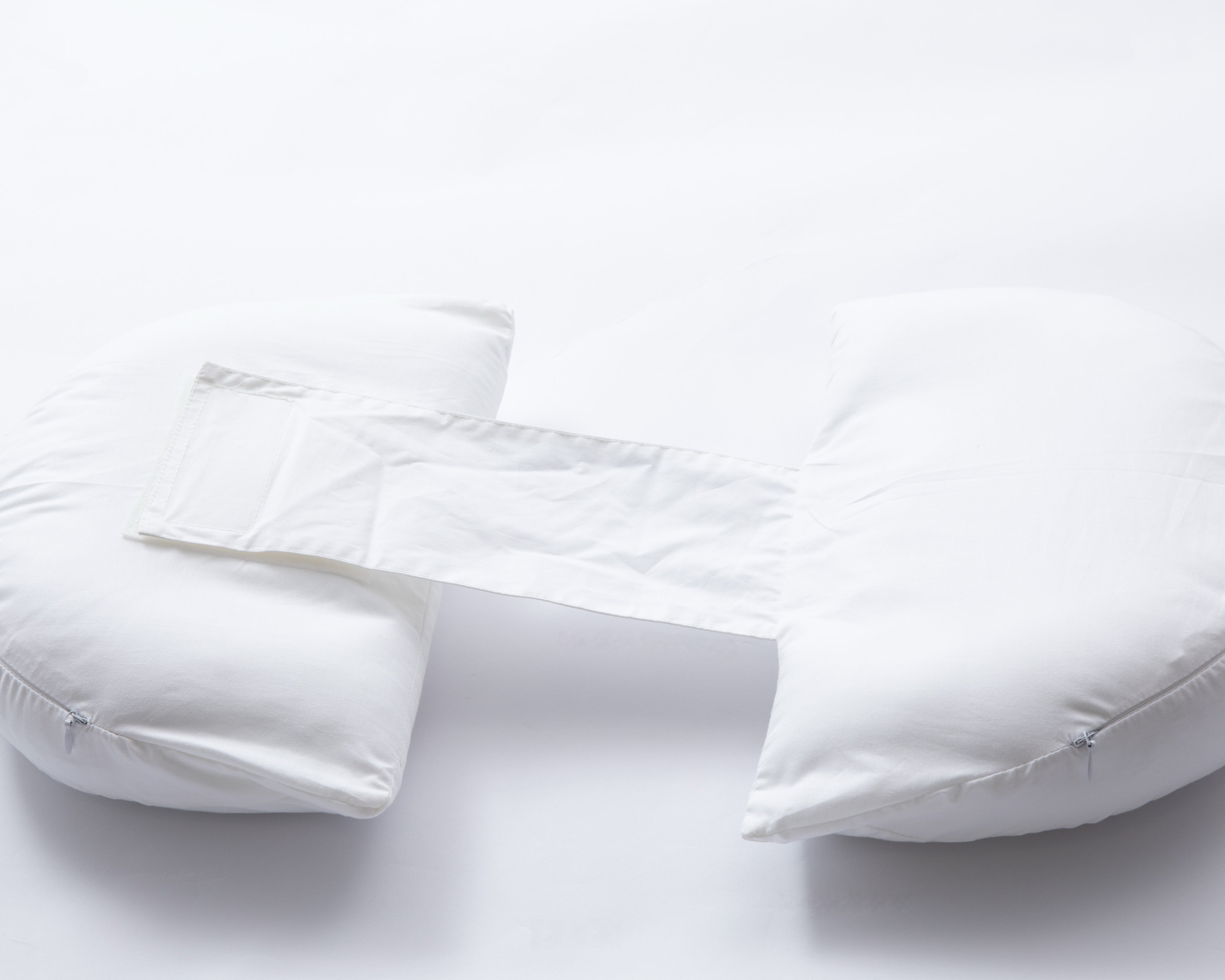
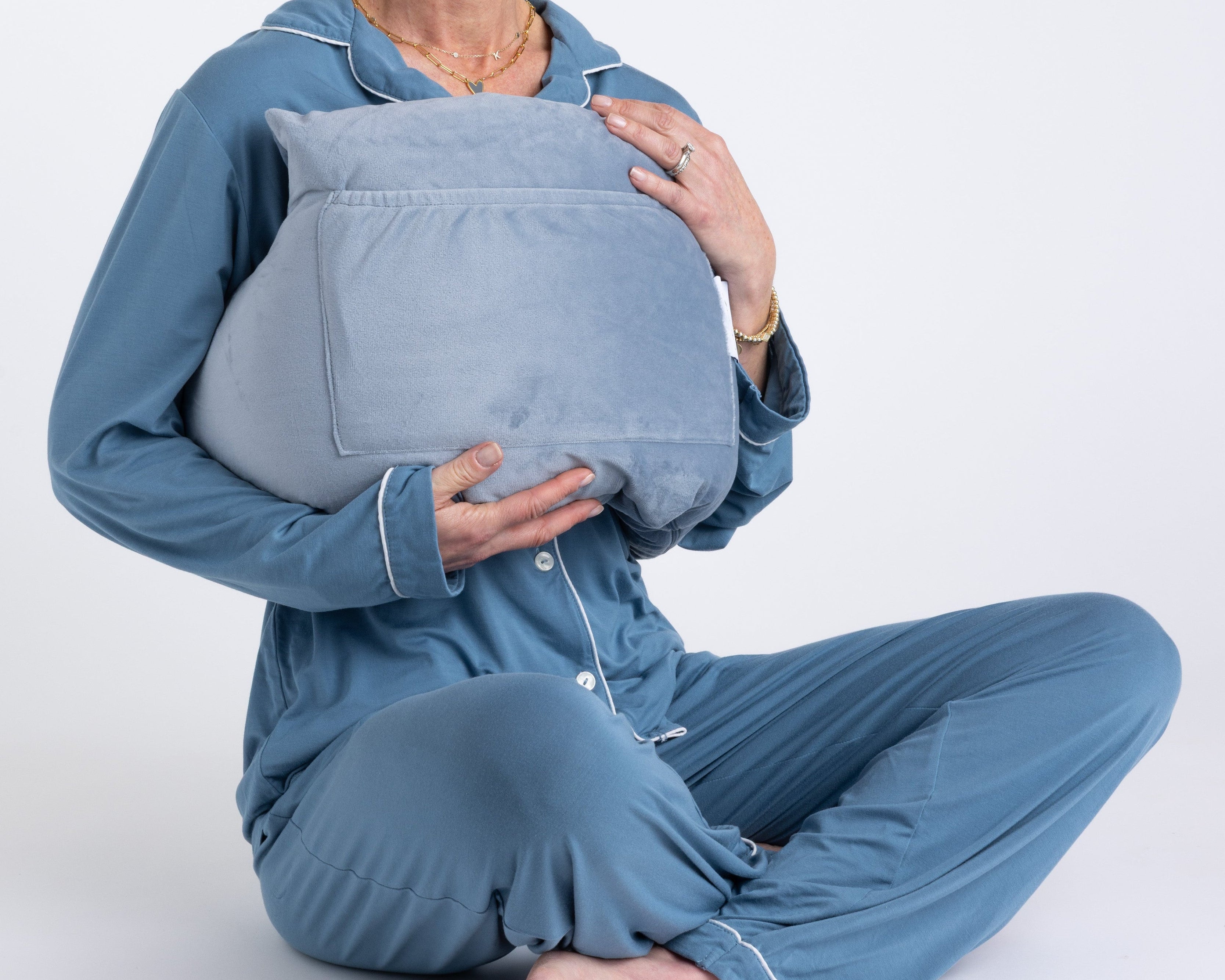
Two Contoured Side Pillows to cradle back and hips
-
Upper Body Wedge to create optimal upper body incline
-
Leg Support Wedge to gently elevate legs
-
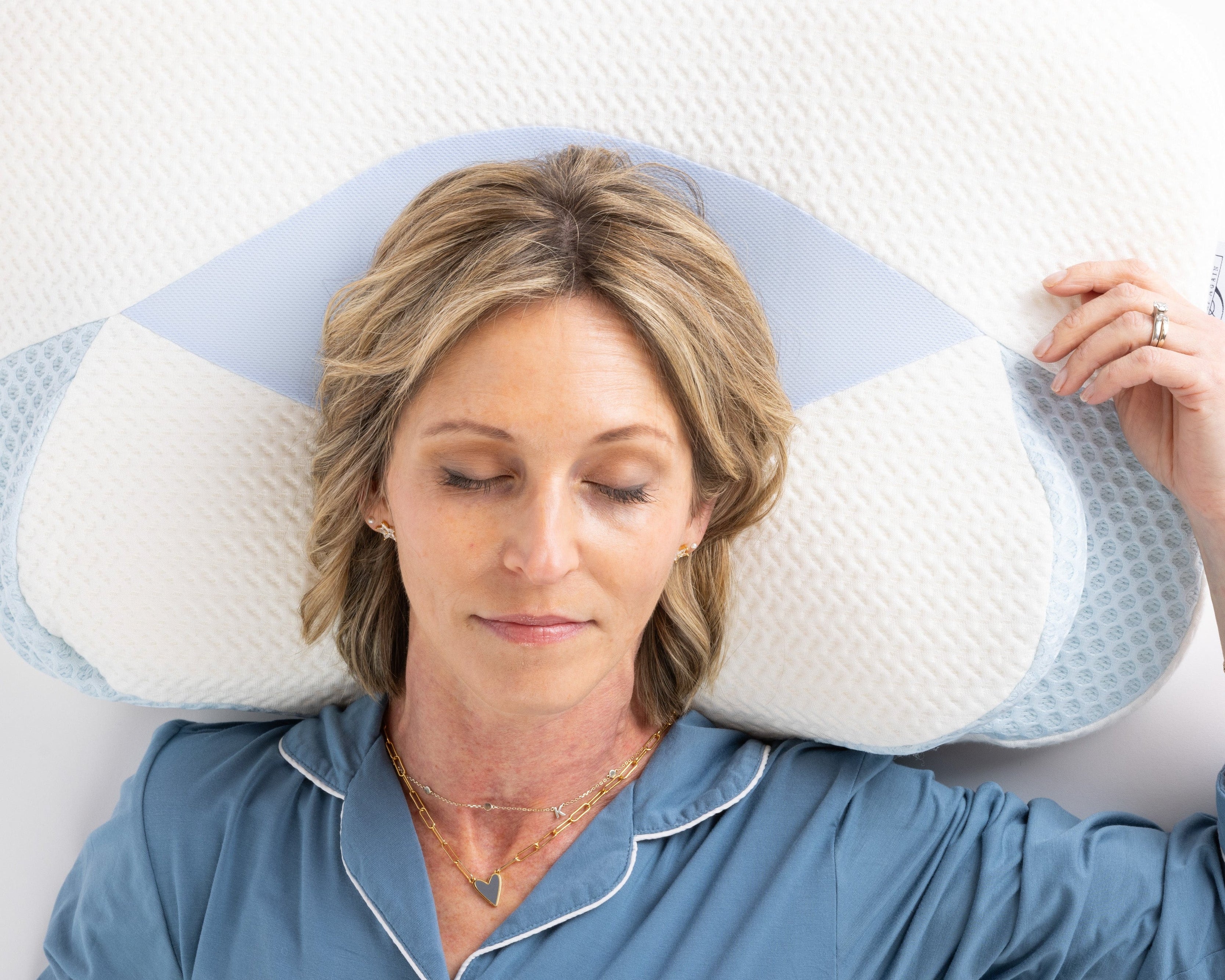
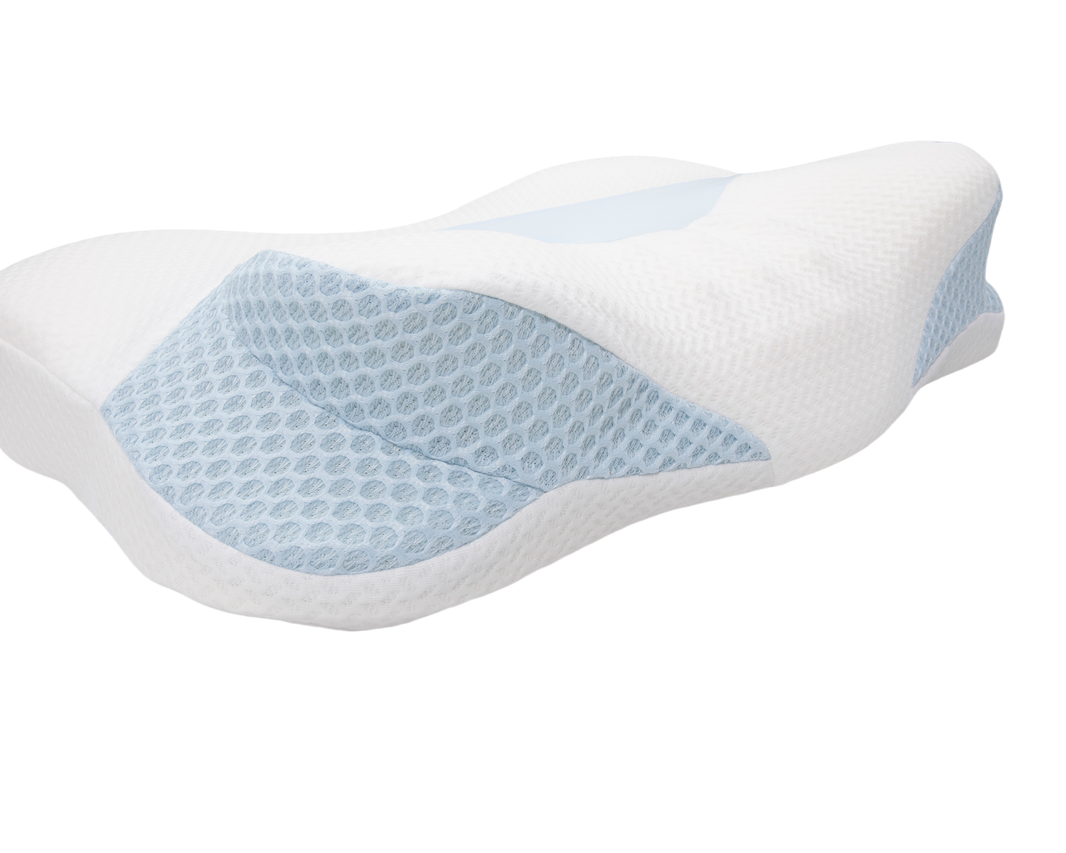
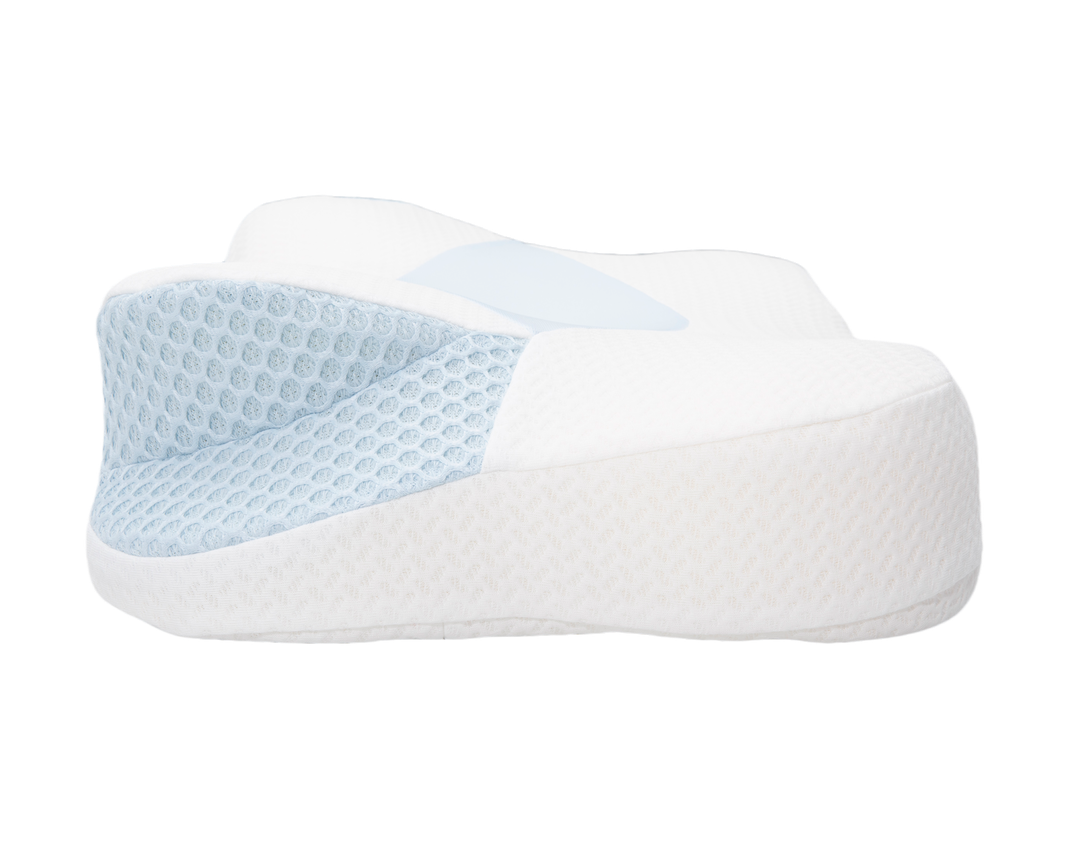
Head Pillow to provide head support and neck mobility
-
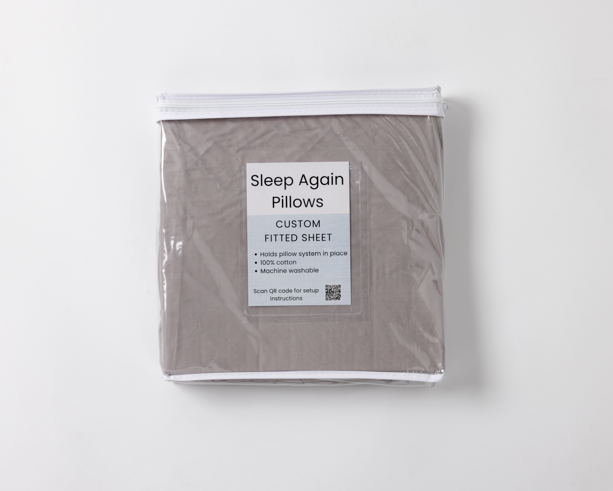
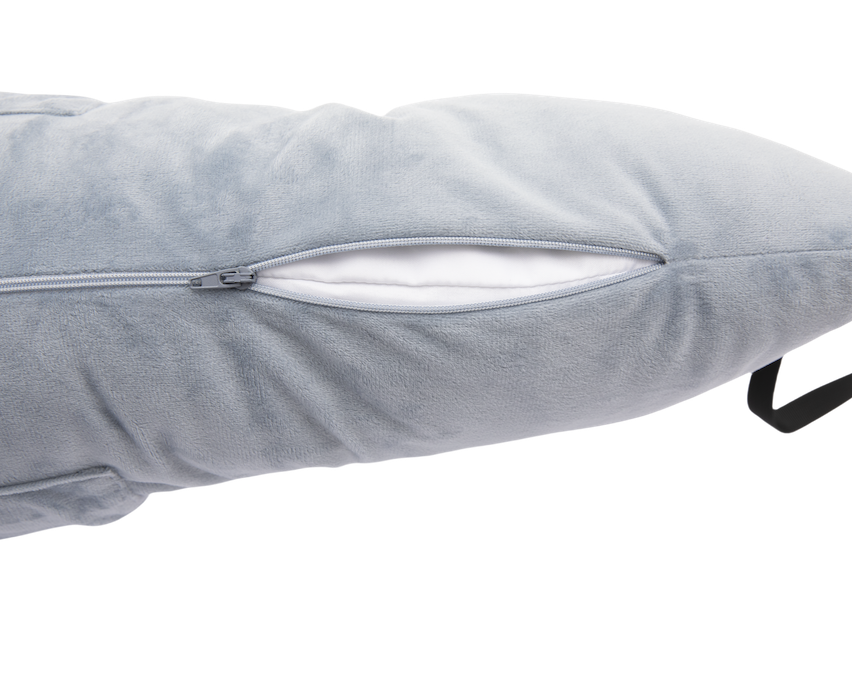
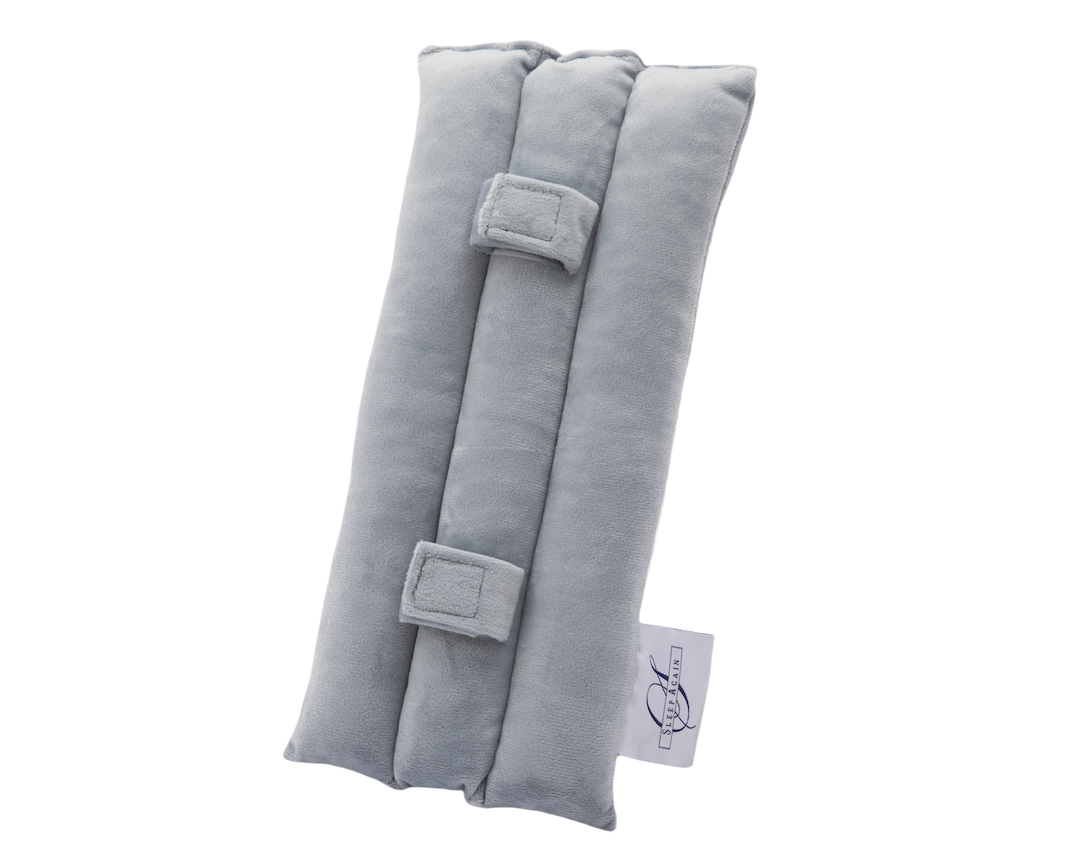
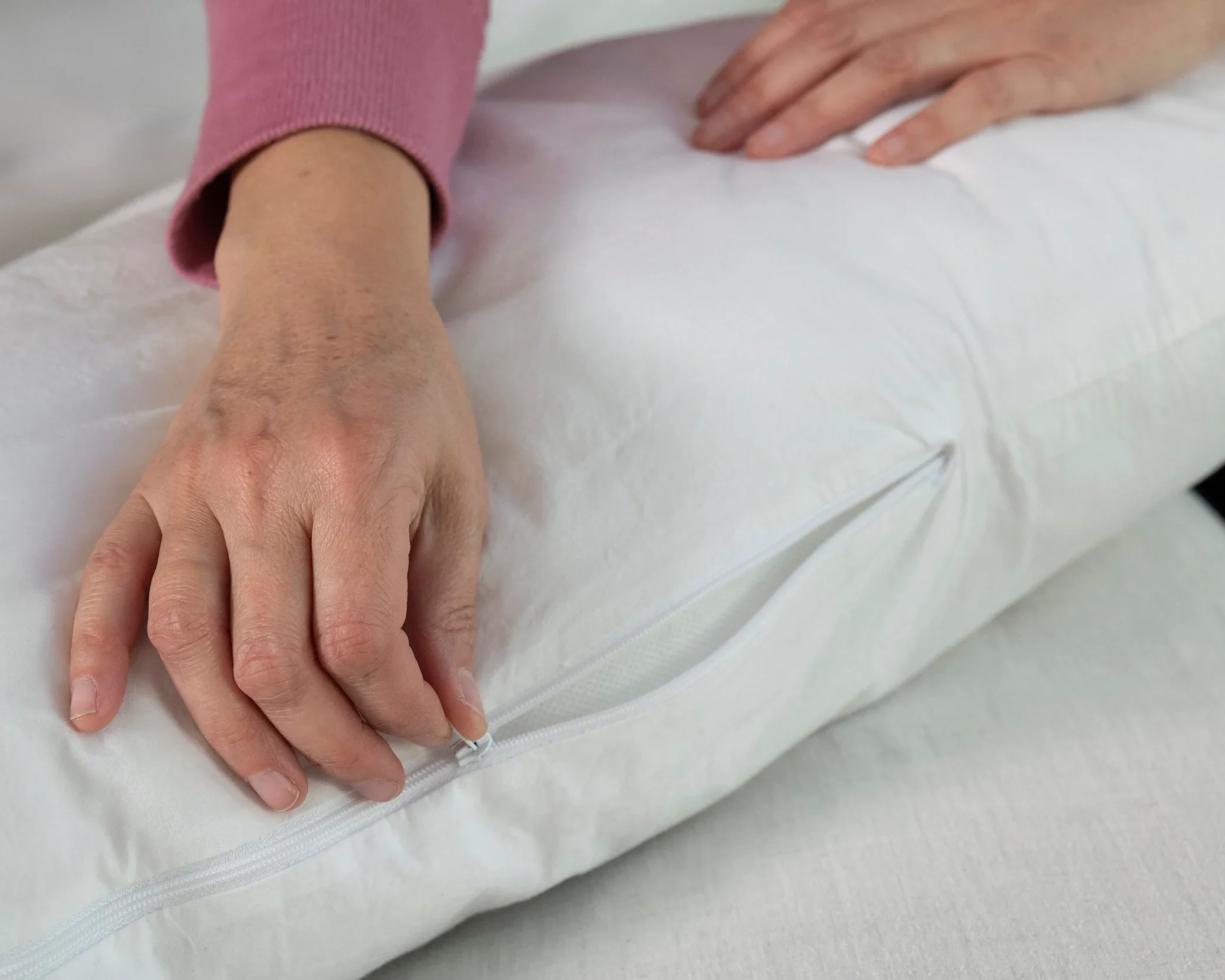
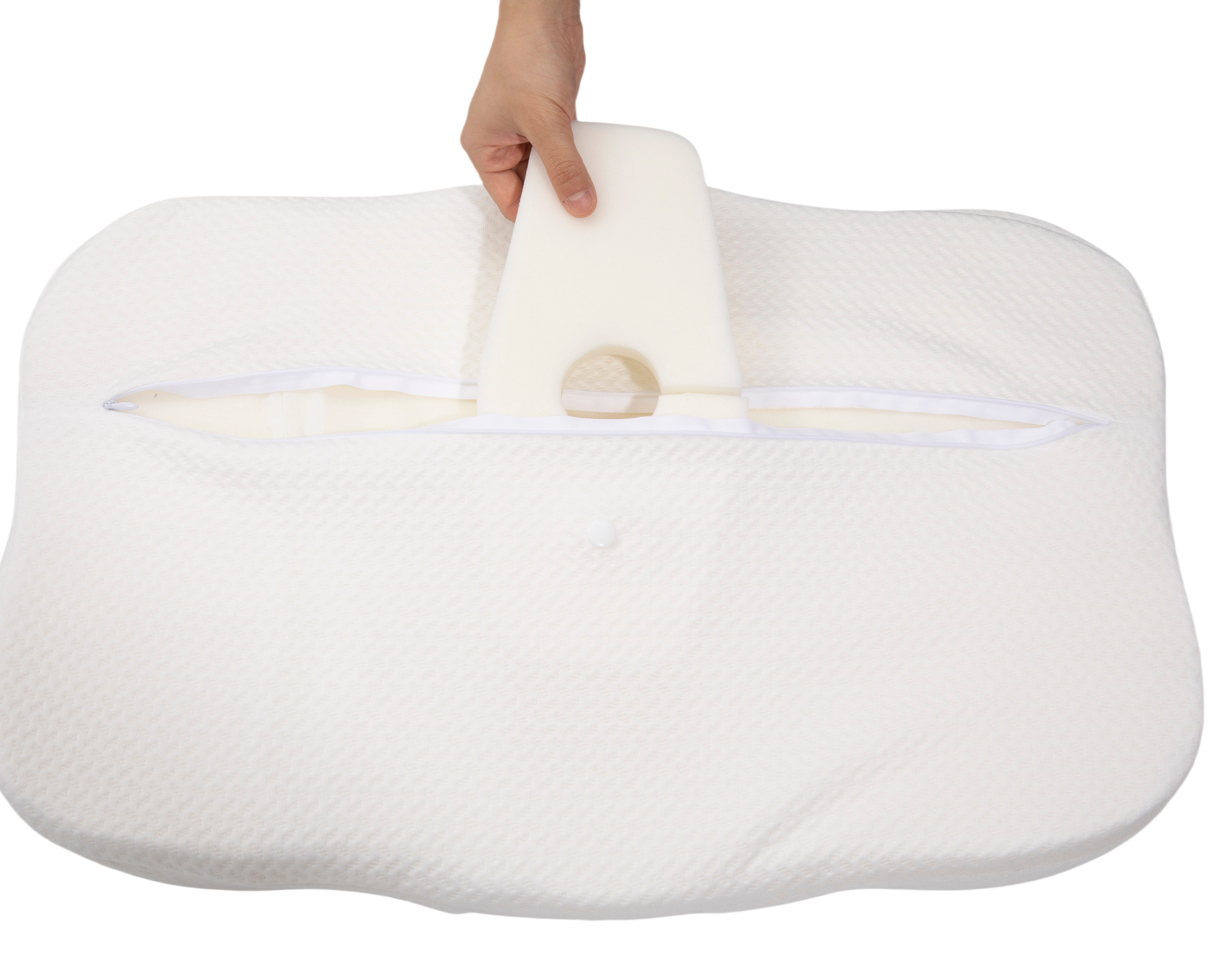
Removable, washable slipcovers for every piece

Why the Sleep Again Pillow System Excels for Upright Sleeping
Maintains consistent elevation: The Upper Body Wedge uses advanced foam technology that retains 95%+ of its shape throughout the night. While household pillows gradually compress and lose their therapeutic angle, the Sleep Again Pillow System maintains precise positioning when you need it most.
Provides full-body support: Upright sleeping isn't just about elevating your torso—your entire body needs proper support for genuine comfort. The integrated system ensures proper leg elevation, spinal alignment, and head positioning that work together seamlessly.
Offers adjustable configurations: The modular design allows you to adjust elevation angles based on your specific needs. Start with 15 degrees for general wellness, increase to 30 degrees for therapeutic benefits, or configure up to 45 degrees for maximum elevation—all with the same system.
Eliminates nightly setup frustration: DIY pillow arrangements typically require 15-20 minutes of nightly adjustment and testing. The Sleep Again Pillow System reduces this to 2-3 minutes once you're familiar with your preferred configuration.
Built for years of use: Unlike consumer pillows that need replacement every few months, the professional-grade construction maintains its positioning properties through years of nightly use, making it a long-term investment in sleep health.
Works for multiple sleep positions: While optimized for upright sleeping, the system accommodates side sleeping with proper support when you need positional variety or are transitioning your sleep habits.
Setup Comparison: DIY vs. Professional
DIY Stacked Pillows:
-
Initial cost: $60-150 for various pillows
-
Setup time: 15-20 minutes nightly
-
Position retention: 30-50% by morning
-
Nightly adjustments: 2-4 wake-ups for repositioning
-
Longevity: 2-4 months before compression requires replacement
-
Total annual cost: $300-600 with replacements
Sleep Again Pillow System:
-
Complete system: Professional-grade integrated solution
-
Setup time: 2-3 minutes once familiar
-
Position retention: 95%+ throughout night
-
Nightly adjustments: Minimal to none
-
Longevity: Years of consistent use
-
Long-term value: One-time investment with ongoing benefits
SHOP THE BEST PILLOW FOR SLEEPING UPRIGHT

Making the Transition to Upright Sleeping
Adapting to upright sleeping typically requires an adjustment period. Your body has spent years or decades sleeping flat, and changing this pattern takes patience and strategy.
The First Week: Adjustment Phase
Start gradually: Begin with the lowest elevation angle that provides noticeable benefits—often 15-20 degrees. This gentle introduction helps your body adapt without overwhelming your established sleep patterns.
Expect adaptation time: Most people need 3-7 nights to adjust to upright sleeping. During this period, you might experience some initial discomfort or fragmented sleep as your body recalibrates. This is completely normal and temporary.
Focus on consistency: Use the same elevation angle and positioning setup each night during the adaptation period. Consistency helps your body establish new sleep patterns more quickly.
Be patient with yourself: If upright sleeping feels uncomfortable initially, remind yourself that your body is learning a new pattern. The benefits typically begin emerging once you've adapted.
Weeks 2-4: Optimization Phase
Refine your angle: Once you've adapted to initial elevation, you can experiment with slightly different angles to find your personal sweet spot for maximum comfort and benefits.
Add positioning components: If you started with just upper body elevation, consider adding leg support or side barriers to enhance overall comfort and positioning stability.
Notice the benefits: By the second week, many people begin experiencing the health benefits that motivated their transition to upright sleeping. These positive changes often reinforce commitment to the new sleep pattern.
Long-Term Success
Maintain consistency: The benefits of upright sleeping accumulate over time with consistent use. Think of it as a nightly investment in your health rather than a temporary intervention.
Adjust as needed: Your optimal elevation angle might change based on health conditions, seasonal variations, or life circumstances. The flexibility to adjust is one advantage of modular positioning systems.
Extend to travel: Consider how to maintain upright positioning when traveling. Many people find that once they've experienced the benefits, sleeping flat during travel feels noticeably less comfortable.
SHOP THE BEST PILLOW FOR SLEEPING UPRIGHT
FAQs: Sleeping Upright
How long does it take to adjust to sleeping upright?
Most people adapt within 3-7 nights of consistent use. The first few nights might feel unfamiliar, but your body typically adjusts quickly once you find the right elevation angle and positioning support.
What elevation angle should I start with?
For general health and wellness, start with 15-20 degrees. For specific digestive issues like acid reflux, begin with 30 degrees. For respiratory challenges or post-surgical needs, 30-45 degrees is often recommended. Always consult your healthcare provider for personalized guidance.
Can I sleep on my side while elevated?
Yes, upright sleeping works well with side sleeping when you have proper support. The key is maintaining the elevation angle while providing comprehensive support for your hips, shoulders, and head in the side position.
Will I slide down during the night?
With proper positioning equipment, sliding is minimal. Quality wedge systems and full-body support prevent the gradual descent that occurs with stacked regular pillows. The Sleep Again Pillow System is specifically designed to prevent sliding through engineered angles and non-slip materials.
Is upright sleeping safe for everyone?
For most people, upright sleeping is completely safe and beneficial. However, individuals with certain spinal conditions, balance disorders, or specific medical situations should consult their healthcare provider before making significant sleep position changes.
How does upright sleeping compare to adjustable beds?
Upright sleeping with a quality pillow system provides similar benefits to adjustable beds at a fraction of the cost. Adjustable beds offer convenience and precise angle adjustment but typically cost $1,000-$5,000. Professional pillow systems deliver comparable positioning benefits with portability and significantly lower investment.
What if my partner doesn't want to sleep elevated?
Individual positioning systems allow one person to sleep elevated while their partner maintains their preferred flat position. The Sleep Again Pillow System and its modular design work on standard mattresses without affecting your partner's side of the bed.
Can upright sleeping help with weight management?
While not a weight loss solution itself, improved digestion, better sleep quality, and reduced acid reflux can support healthy eating patterns and metabolism. Quality sleep is increasingly recognized as an important factor in weight management.
Will upright sleeping cure my medical condition?
Upright sleeping is a supportive intervention that can significantly reduce symptoms and improve quality of life for many conditions. However, it should complement rather than replace medical treatment. Always work with your healthcare provider for comprehensive condition management.
How much should I invest in upright sleeping equipment?
This depends on your approach. DIY solutions cost $60-150 initially but often require frequent replacement and additional purchases. Professional systems like the Sleep Again Pillow System represent a higher upfront investment but provide years of consistent benefits and eliminate the trial-and-error costs of multiple inferior solutions.
Is there research supporting the benefits of sleeping upright?
Yes, substantial research supports upright sleeping benefits, particularly for acid reflux (studies showing 50-67% reduction in episodes), sleep apnea (30-50% improvement in many cases), and circulation (documented reduction in lower extremity swelling). The mechanisms are well-understood through basic physics and physiology.
Can children benefit from upright sleeping?
For children with specific conditions like severe reflux or respiratory issues, upright sleeping may be recommended by pediatricians. However, children without these conditions typically don't need elevation. Always consult your child's healthcare provider before changing sleep positions for children.
What's the difference between upright sleeping and sleeping in a recliner?
Recliners provide basic elevation but lack the comprehensive support needed for quality 7-8 hour sleep. They often create pressure points, don't support proper spinal alignment, and can lead to new discomfort issues. Purpose-designed upright sleep systems address these limitations while providing the elevation benefits.
The Bottom Line: Upright Sleep as Health Optimization
Sleeping upright represents one of the most accessible and effective interventions for improving both sleep quality and overall health. Unlike many wellness strategies that require expensive equipment, complicated protocols, or significant lifestyle changes, upright sleeping is remarkably straightforward—change the angle at which you sleep, and let physics do the rest.
The benefits extend across multiple body systems simultaneously. When you sleep upright, you're not just addressing one isolated issue—you're creating optimal conditions for your digestive, respiratory, cardiovascular, and musculoskeletal systems all at once. This multi-system approach is part of what makes upright sleeping such a powerful health strategy.
For people dealing with specific health challenges, upright sleeping often provides relief that medications alone couldn't achieve. The gravitational advantages address root causes rather than just masking symptoms, potentially reducing reliance on pharmaceutical interventions and their associated side effects.
For proactive health optimizers without current health issues, upright sleeping represents a preventive strategy that may help maintain wellness and prevent problems before they develop. Given that we spend approximately one-third of our lives sleeping, optimizing this time makes tremendous sense for long-term health.
The investment in proper positioning equipment pays dividends through improved sleep quality, reduced health symptoms, and potentially better long-term wellness. Whether you choose a DIY approach or invest in comprehensive systems like the Sleep Again Pillow System, the goal is creating sustainable upright positioning that works consistently night after night.
Most importantly, upright sleeping isn't an all-or-nothing proposition. You can start with modest elevation and adjust based on your experience and needs. The flexibility to customize elevation angles means this approach can adapt to changing health situations, seasonal variations, or specific challenges that arise.
Your body will tell you if upright sleeping is working—improved symptom relief, better morning energy, reduced nighttime disruptions, and overall enhanced sleep quality are the markers of success. For most people who commit to the adjustment period, the benefits become clear within the first few weeks and continue providing value indefinitely.
Consider upright sleeping as an investment in your most valuable asset: your health. The one-third of your life spent sleeping can either support optimal wellness or contribute to health challenges. With upright positioning, you're choosing to make those hours work in your favor, night after night, year after year.
Medical Disclaimer
This information is provided for educational purposes only and should not replace professional medical advice. The benefits of sleeping upright and at appropriate elevation angles vary based on individual health conditions, medical history, and specific circumstances.
Always consult with your healthcare provider before making significant changes to your sleep positioning, particularly if you have diagnosed medical conditions, take medications that might interact with position changes, or have concerns about how upright sleeping might affect your specific health situation.
While upright sleeping provides benefits for many people, it is not appropriate for everyone. Certain spinal conditions, balance disorders, or medical situations may require different sleep positioning approaches. Your healthcare provider can assess whether upright sleeping is appropriate for your individual circumstances.
The research and benefits described in this guide represent general findings and may not apply to every individual. Responses to upright sleeping vary, and what works effectively for one person may not provide the same benefits for another.