
Quick Answer: The best sleeping position after inguinal hernia surgery is elevated back sleeping at 30-45 degrees. This positioning reduces strain on your groin incision, minimizes swelling, improves circulation, and makes getting in and out of bed significantly easier during recovery.
Planning for inguinal hernia surgery requires preparing your sleep environment before surgery day. Most patients spend one-third of their recovery time sleeping. Without proper sleep positioning, these hours become cycles of discomfort and interrupted rest.
Your groin area undergoes significant surgical repair during inguinal hernia surgery. Sleep positioning directly impacts whether your body heals efficiently or whether complications extend your recovery timeline.
This guide provides specific information to create an effective sleep environment that supports optimal healing from day one.
Why Your Sleeping Position After Inguinal Hernia Surgery Matters More Than You Think
After inguinal hernia repair, your body works overtime to heal the repaired tissue in your lower abdomen and groin area. The position you maintain during sleep for several weeks directly impacts healing success.
The Three Critical Factors Your Sleep Position Controls
Surgical Site Protection
Your groin incision site requires zero pressure, zero stretching, and zero strain during healing. Poor positioning creates unnecessary tension on healing tissue, potentially compromising the repair and extending your recovery timeline.
Swelling Management
Fluid naturally accumulates in surgical areas. Gravity either assists drainage or causes fluid pooling, depending on your body position. The correct angle helps fluid drain away from the surgical site. Incorrect positioning creates swelling that increases pain and slows healing.
Mobility Requirements
Getting up to use the bathroom occurs 4-6 times per night during early recovery. Your sleep position determines whether each trip requires manageable effort or causes significant discomfort and strain on your healing incision.
What Happens When Sleep Positioning Is Inadequate
Poor sleep positioning after inguinal hernia surgery creates measurable problems: interrupted sleep cycles, increased pain levels, extended recovery timelines, and longer periods before returning to normal activities. Proper sleep positioning from the first post-surgical night prevents these complications.

What Is the Best Sleeping Position After Inguinal Hernia Surgery?
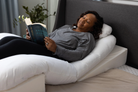
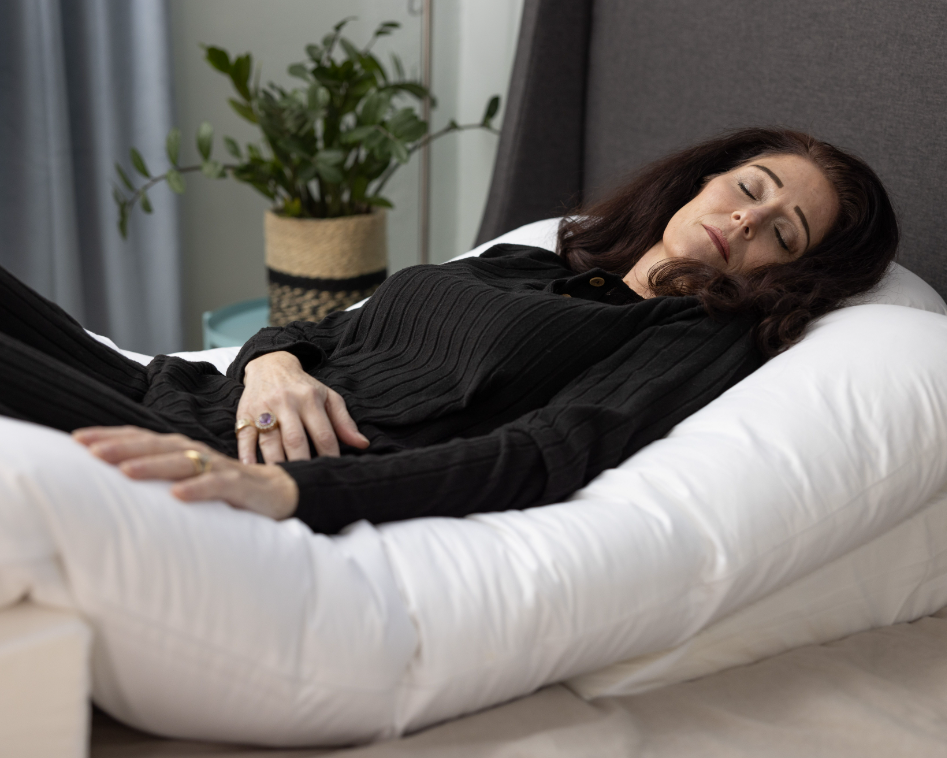
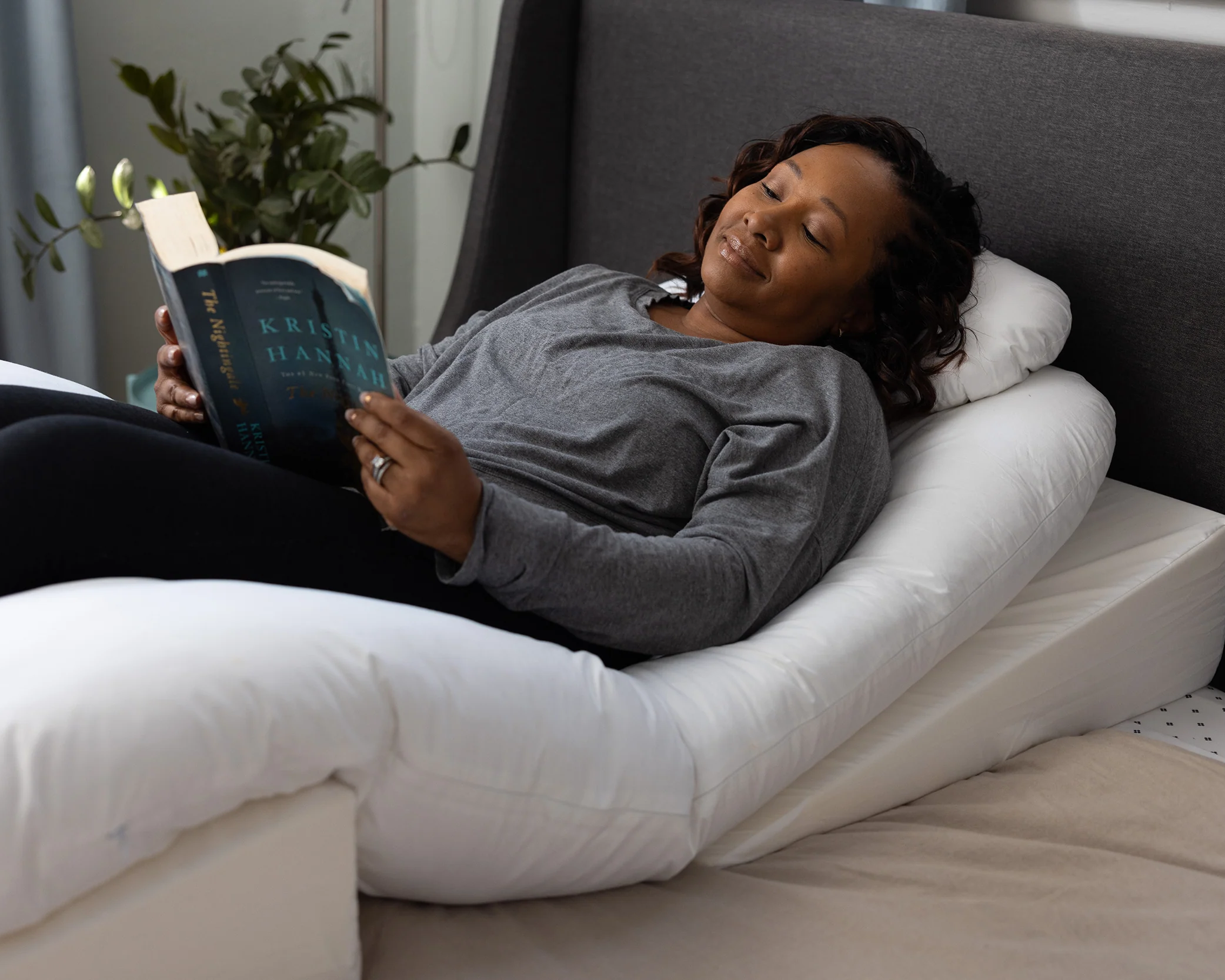
Elevated back sleeping at a 30-45 degree angle is the optimal position for inguinal hernia surgery recovery. This positioning strategy addresses every challenge your body faces during the healing process.
Why Elevated Back Sleeping Works
Reduces Groin Pressure
When reclined at the proper angle, your body weight distributes across your back and shoulders instead of concentrating in your lower abdomen and groin. This eliminates pressure on your incision site that occurs with flat sleeping.
Optimizes Drainage
The 30-45 degree angle creates ideal conditions for post-surgical fluid to drain away from your surgical site rather than pooling in your groin area. Reduced fluid accumulation means less swelling, which translates to less pain and faster healing.
Simplifies Mobility
Getting out of bed from an elevated position requires minimal core engagement compared to rising from a flat position. The elevated position places you already halfway to sitting, making bathroom trips manageable instead of painful.
Prevents Unconscious Rolling
Elevation naturally discourages rolling onto your sides during sleep. Side sleeping puts direct pressure on or near your groin incision, potentially disrupting healing and causing unnecessary pain.
Improves Breathing
Elevation opens airways and improves oxygen flow to healing tissues. Better oxygenation supports faster tissue repair and reduces the risk of respiratory complications.
Reduces Strain on Core Muscles
The elevated position minimizes engagement of abdominal muscles during position changes. This protection is critical during the first weeks when your groin repair needs minimal disturbance.
The 30-45 Degree Sweet Spot Explained
This specific angle range balances multiple recovery needs simultaneously.
Below 30 degrees: Drainage benefits decrease, and pressure on the groin area increases. The position becomes too flat to provide adequate protection.
Above 45 degrees: The angle becomes too steep for sustained comfort. Most people slide down from steeper angles throughout the night, which defeats the purpose of careful positioning.

How Do I Create the Perfect Elevated Back Sleeping Setup at Home?
Creating effective elevated back sleeping requires stable support that maintains the therapeutic angle throughout the night.
The Essential Components
Primary Elevation Support
This foundation element creates and maintains your 30-45 degree angle. Options include:
-
A wedge pillow specifically designed for post-surgical elevation
-
Adjustable bed bases that raise your upper body to precise angles
-
Full-body positioning systems designed for surgical recovery
Knee Support
Elevation without knee support creates lower back strain. Support under your knees prevents legs from straightening completely, maintaining spinal alignment and reducing tension.
Arm Positioning
Your arms need proper support to prevent shoulder tension. Side support prevents arms from hanging off the edge of your elevation setup.
Why Standard Household Pillows Create Problems
Regular bed pillows seem like a simple solution, but they typically cause issues:
Compression Over Time
Regular pillows compress under body weight, losing 30-40% of their elevation by 2-3 AM. Initial 40-degree positioning decreases to 25 degrees, reducing therapeutic benefits.
Stability Issues
Stacked pillows shift and separate during normal sleep movements. Time spent reconstructing pillow arrangements interrupts rest.
Inconsistent Support
Different pillow densities create uneven support that leads to pressure points and discomfort.

The Sleep Again Pillow System: Purpose-Built Inguinal Hernia Surgery Support
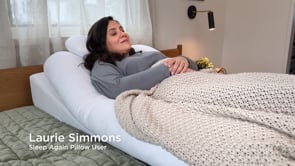
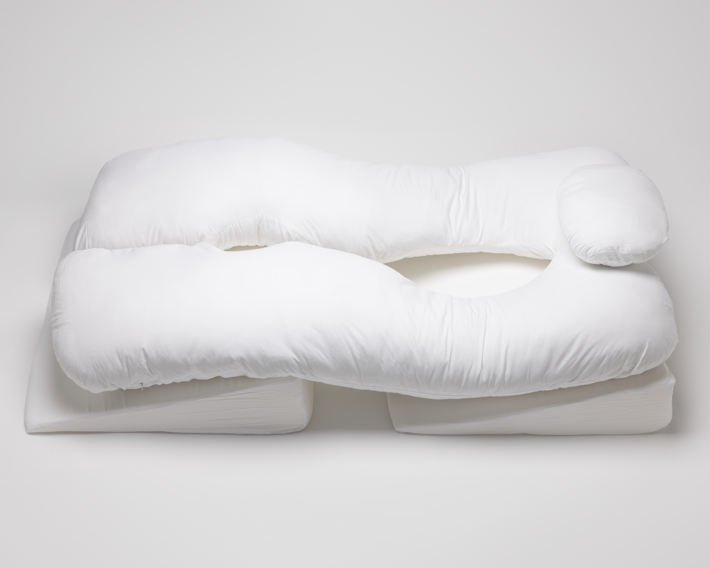
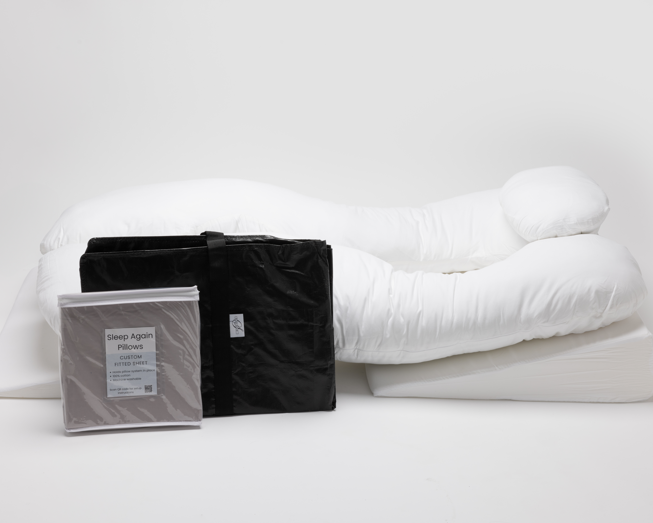
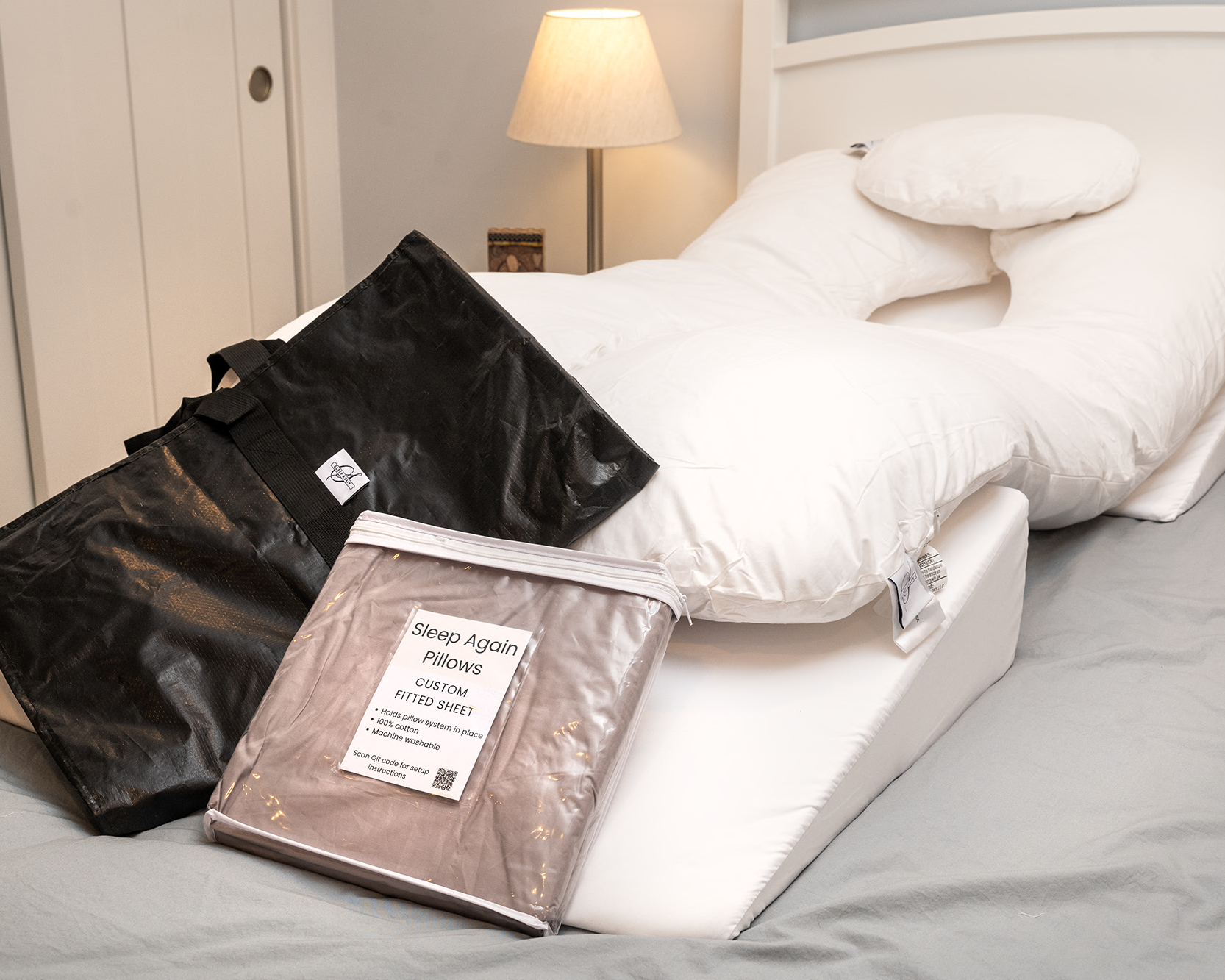
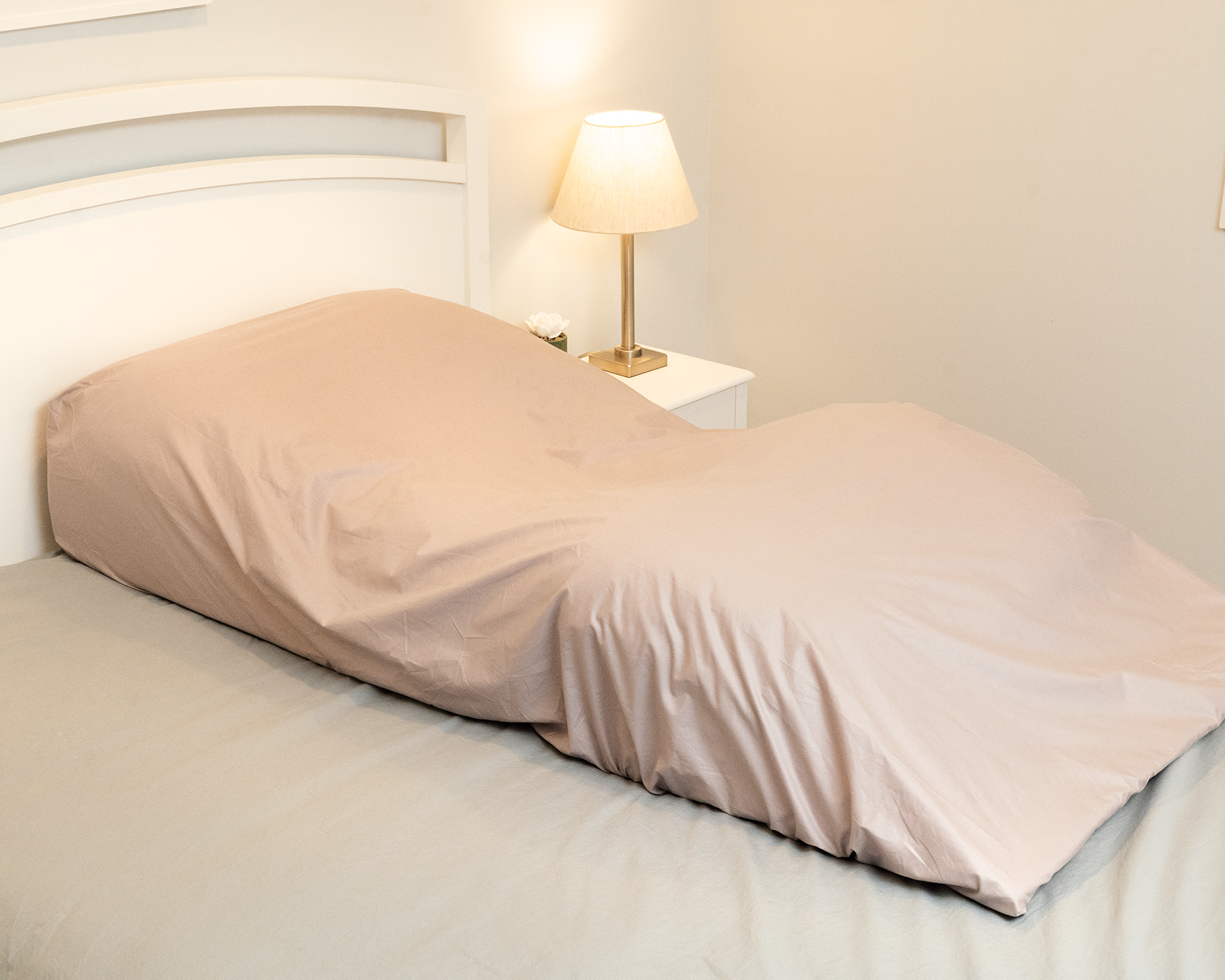
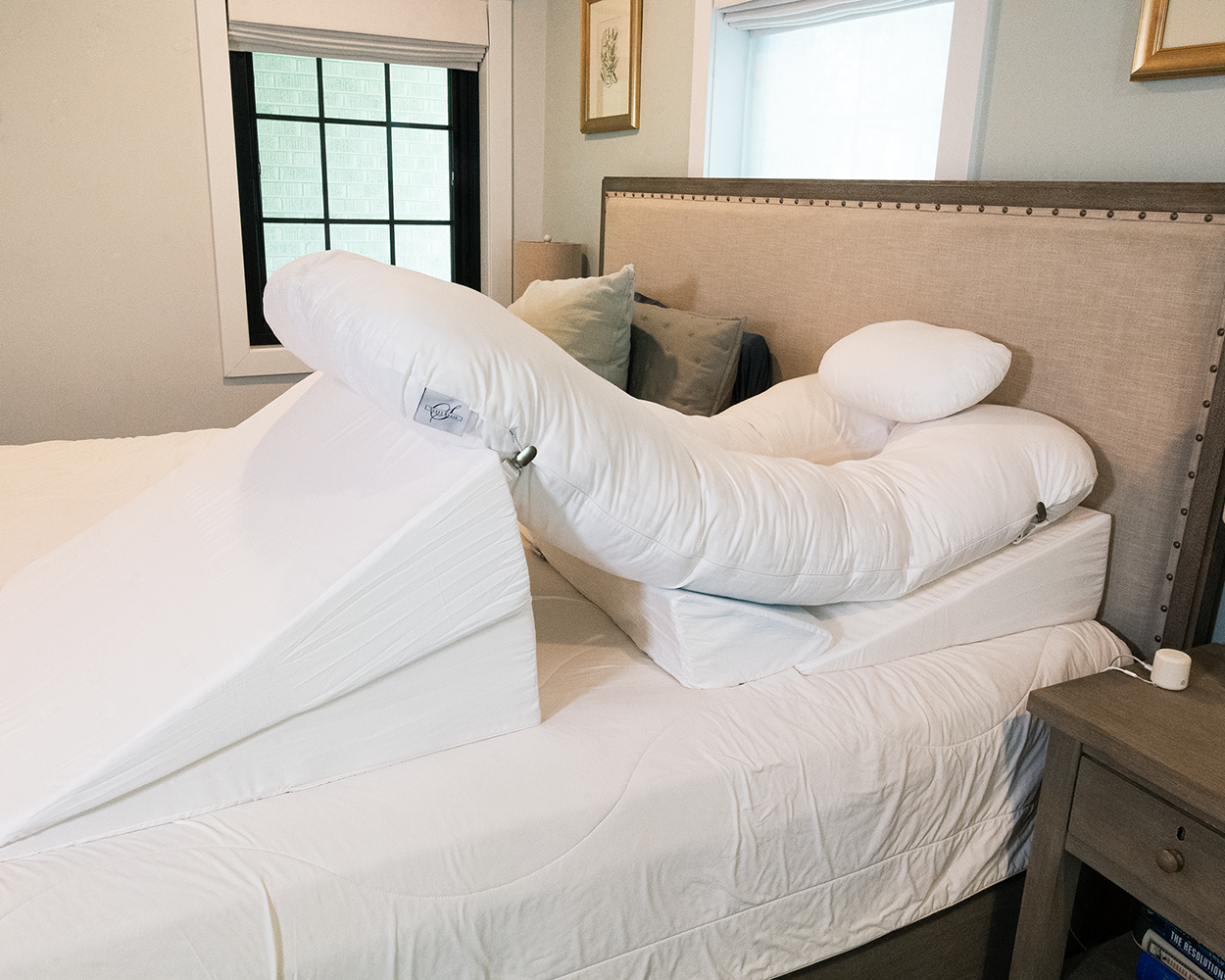
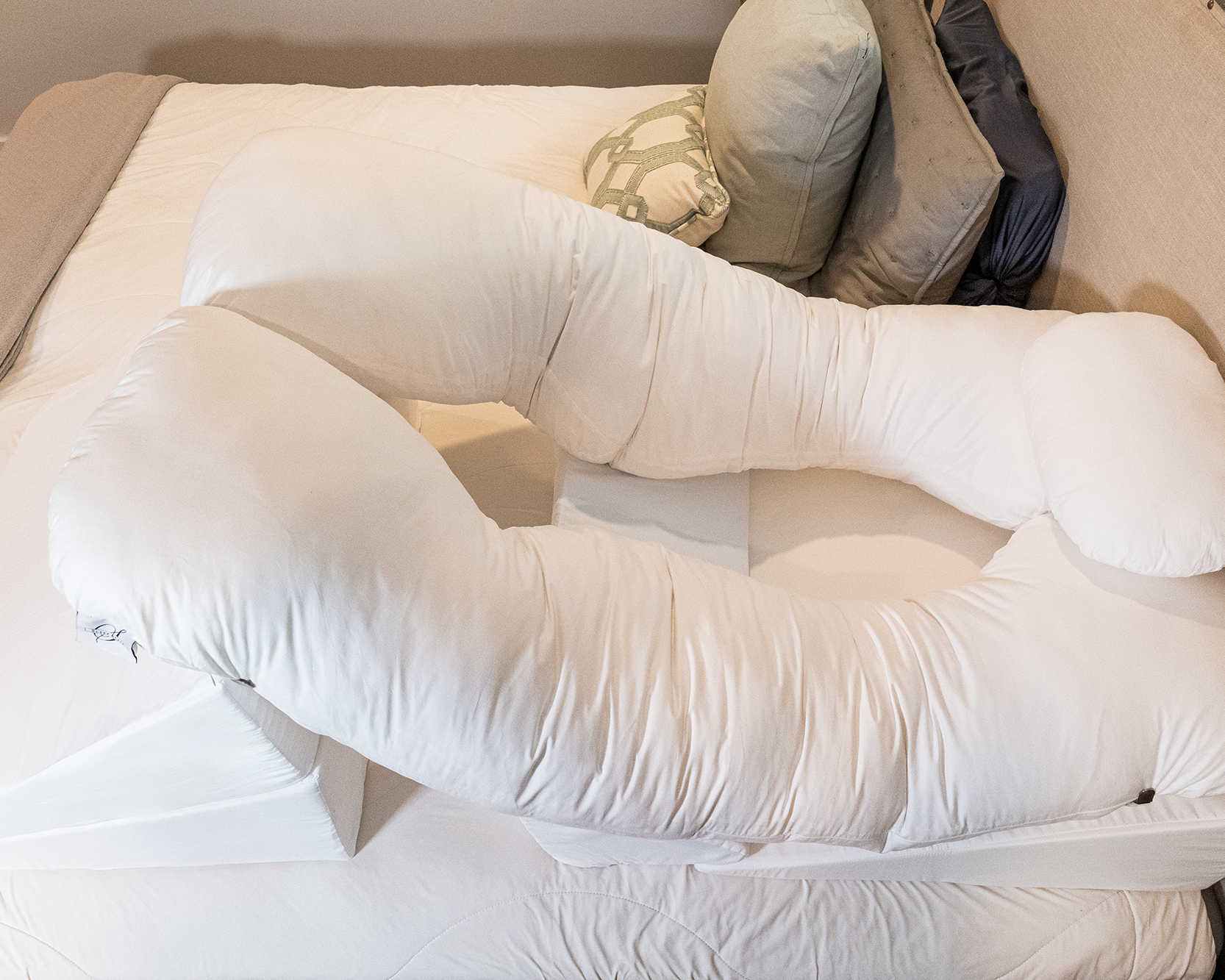
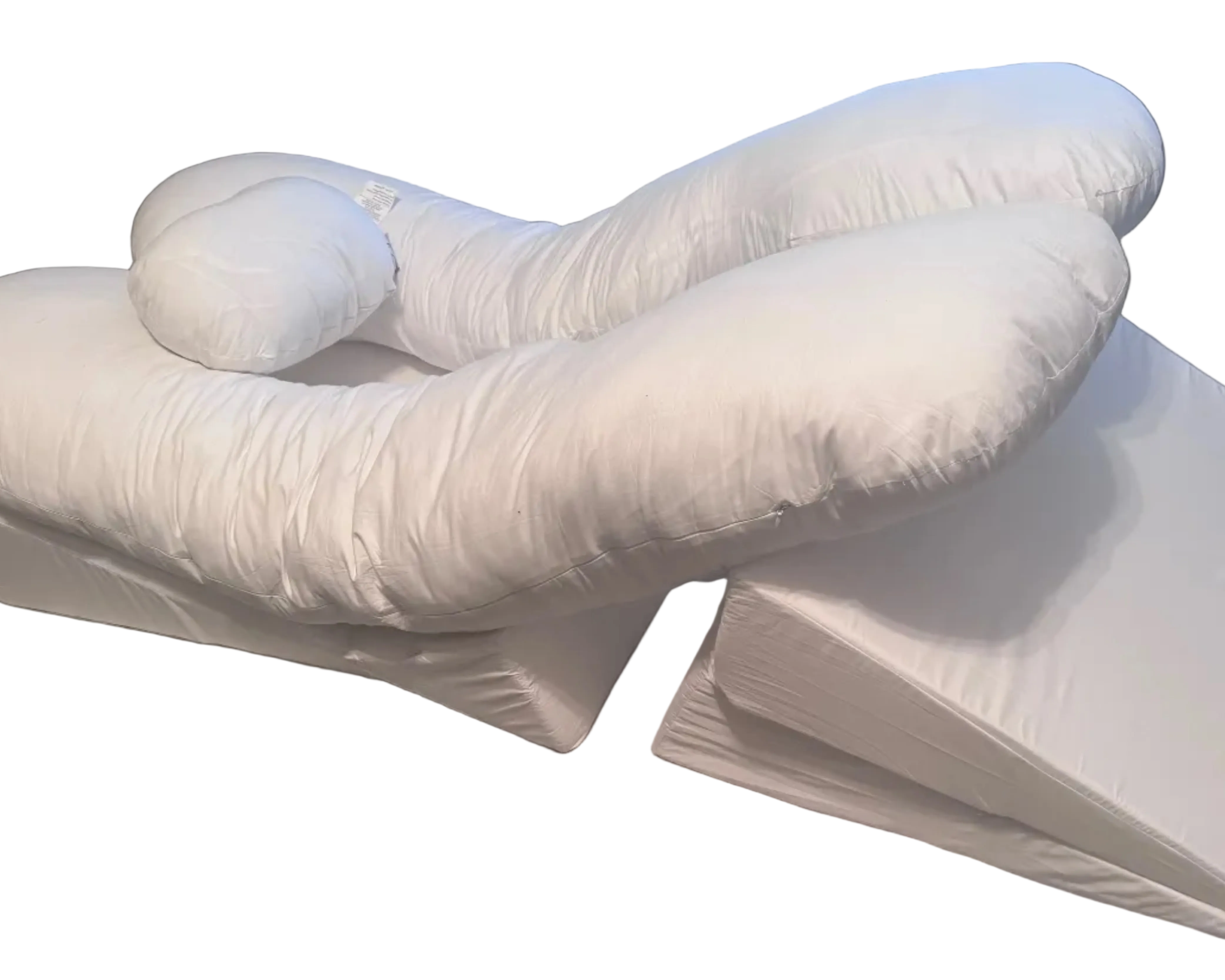
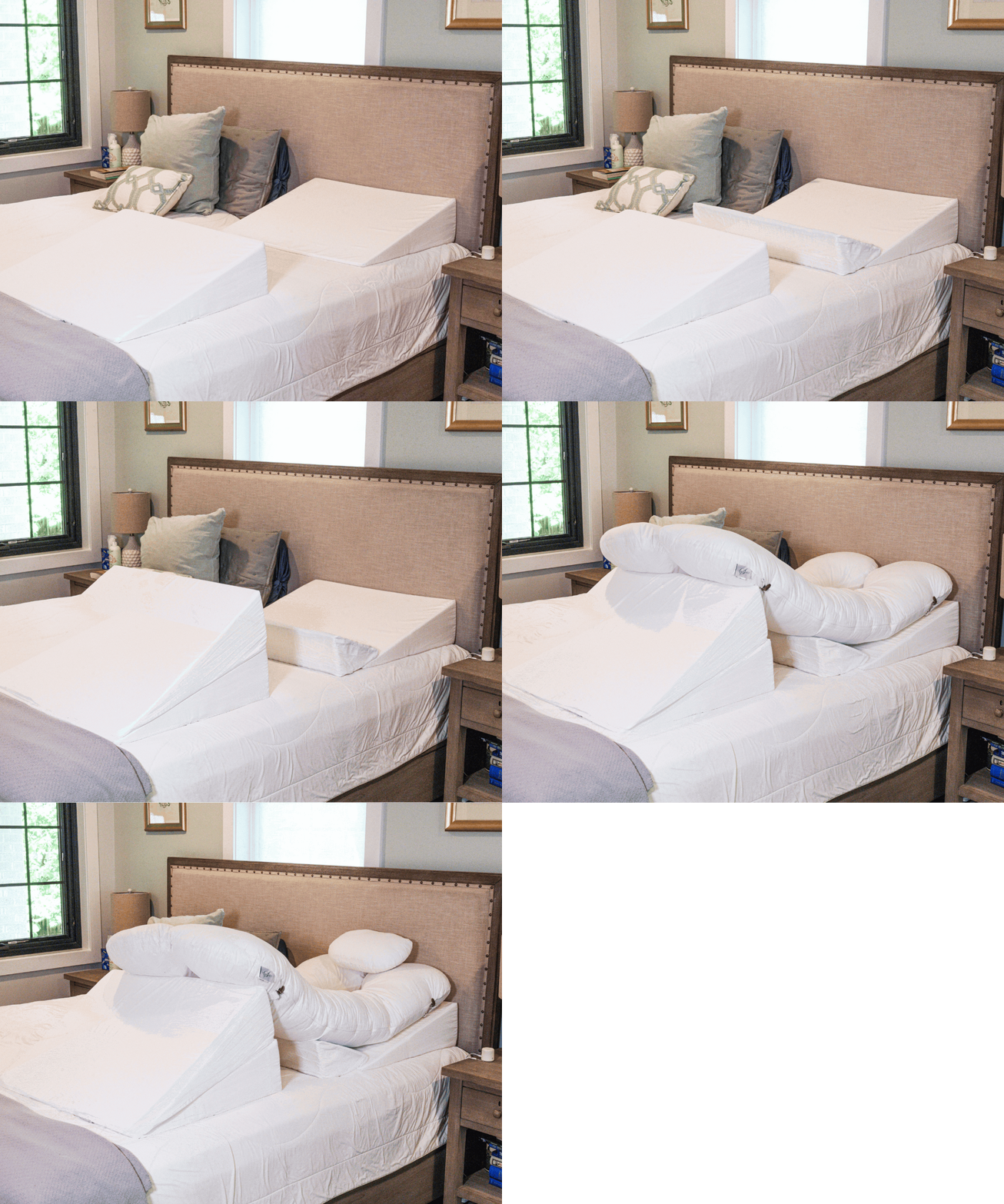
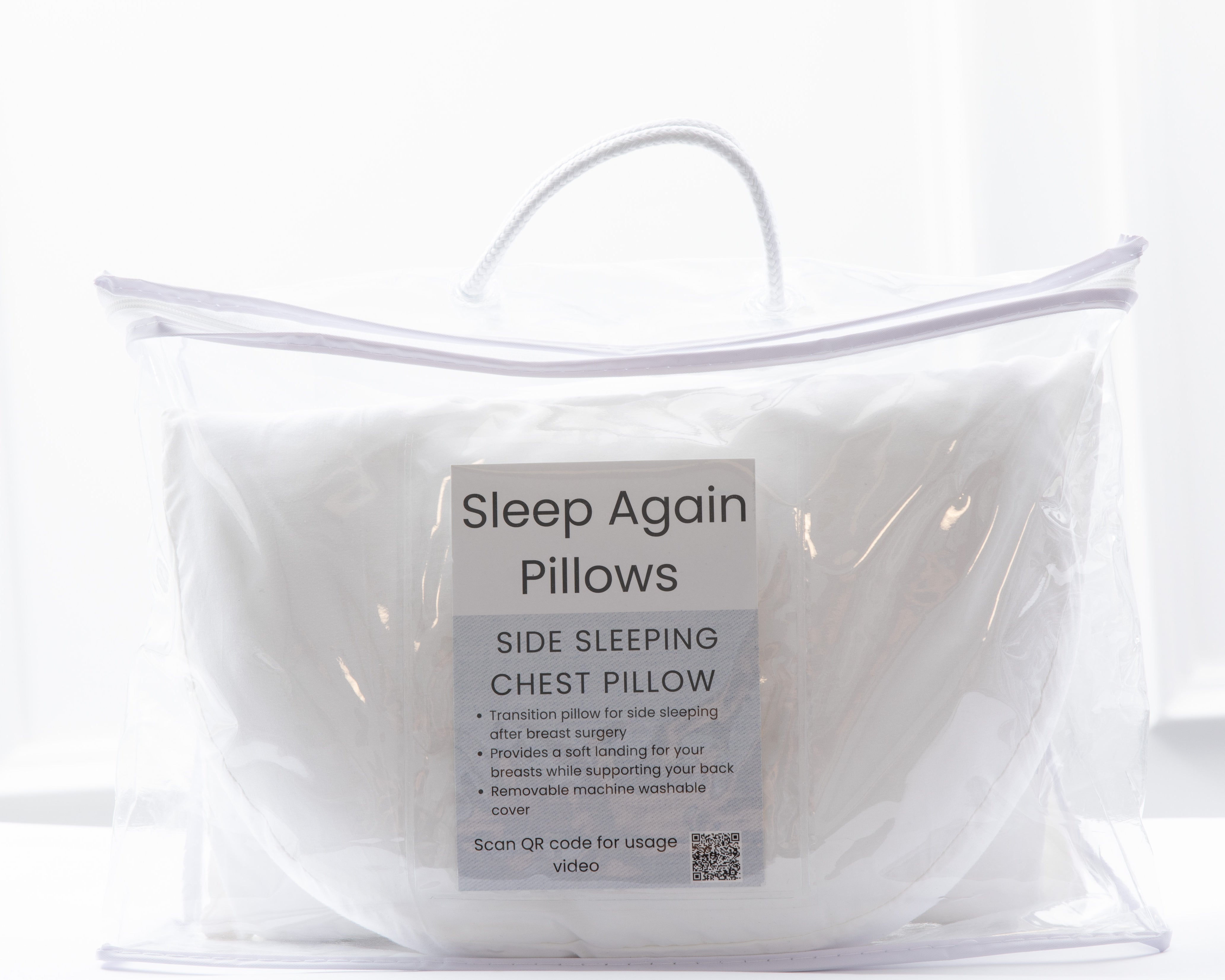
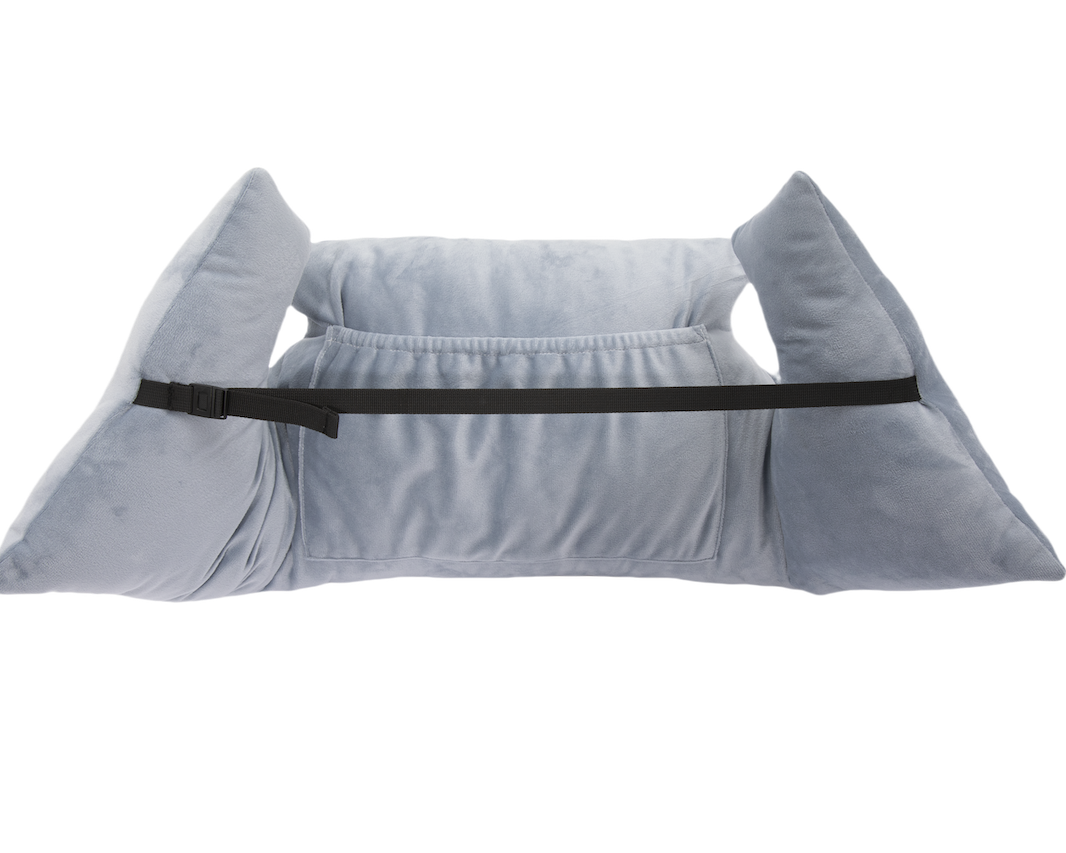
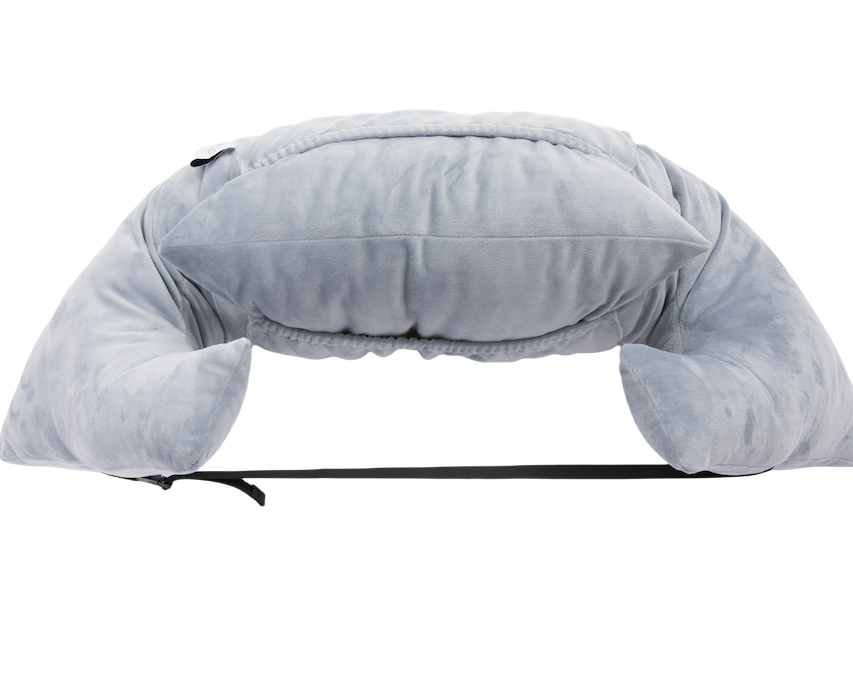
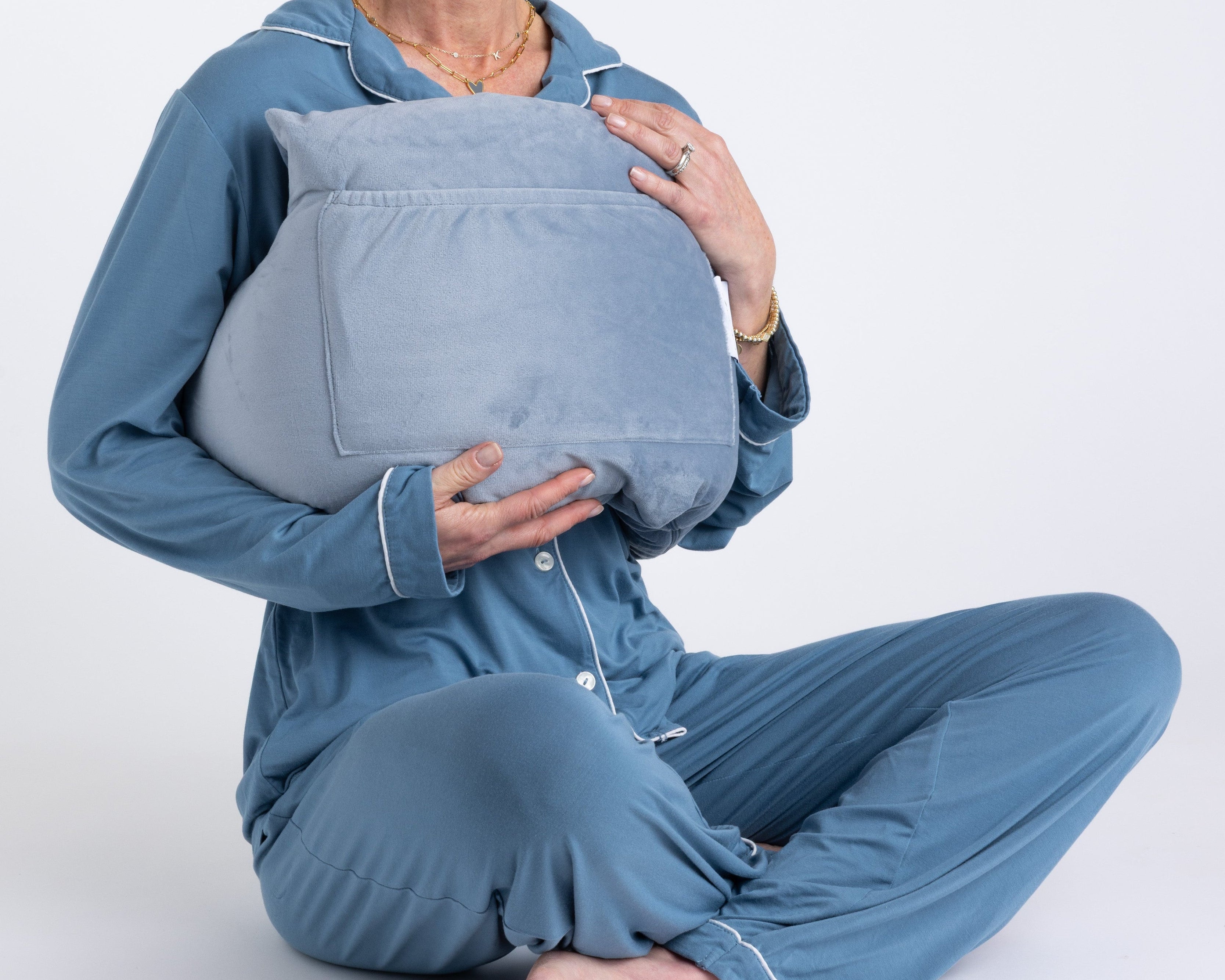
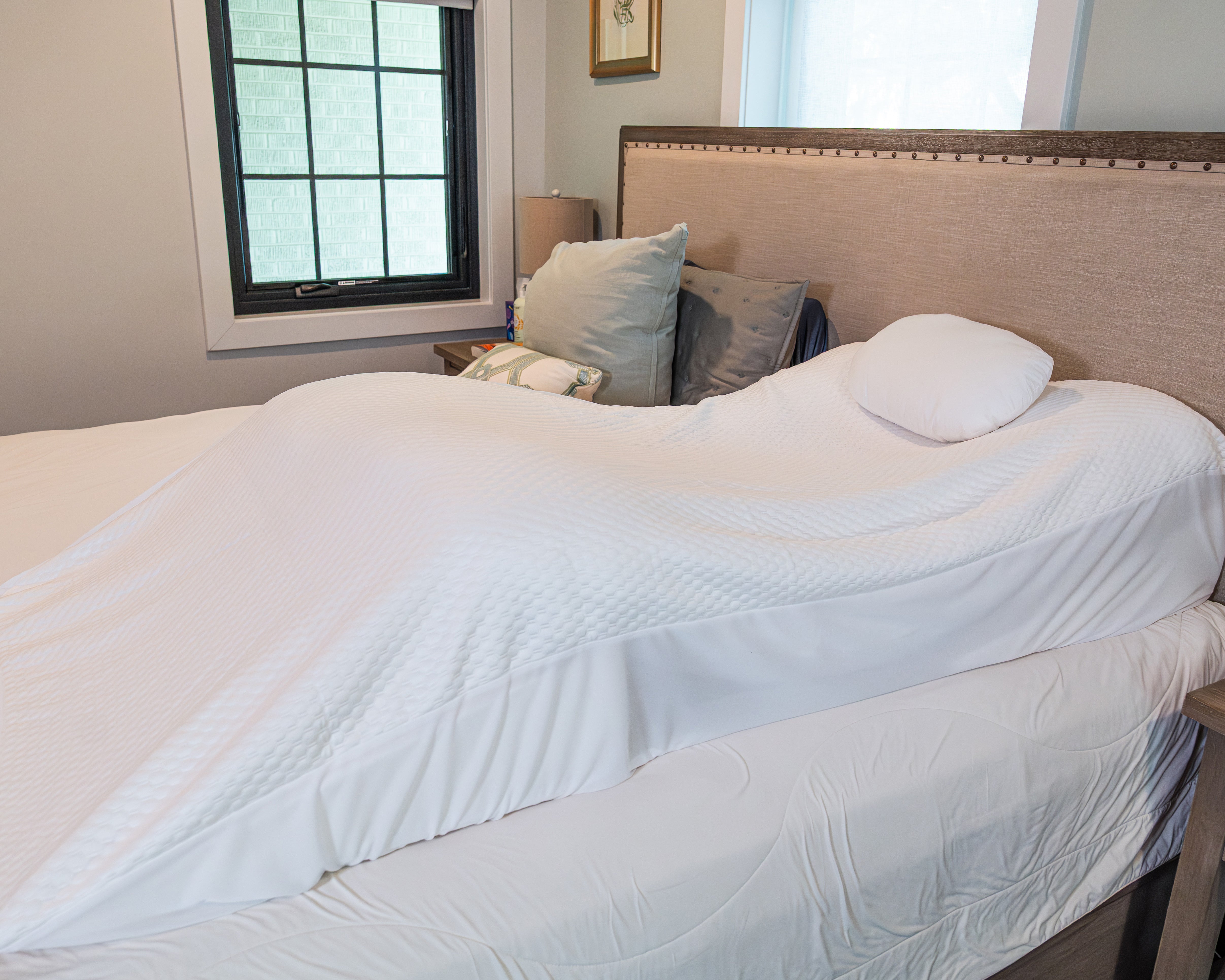
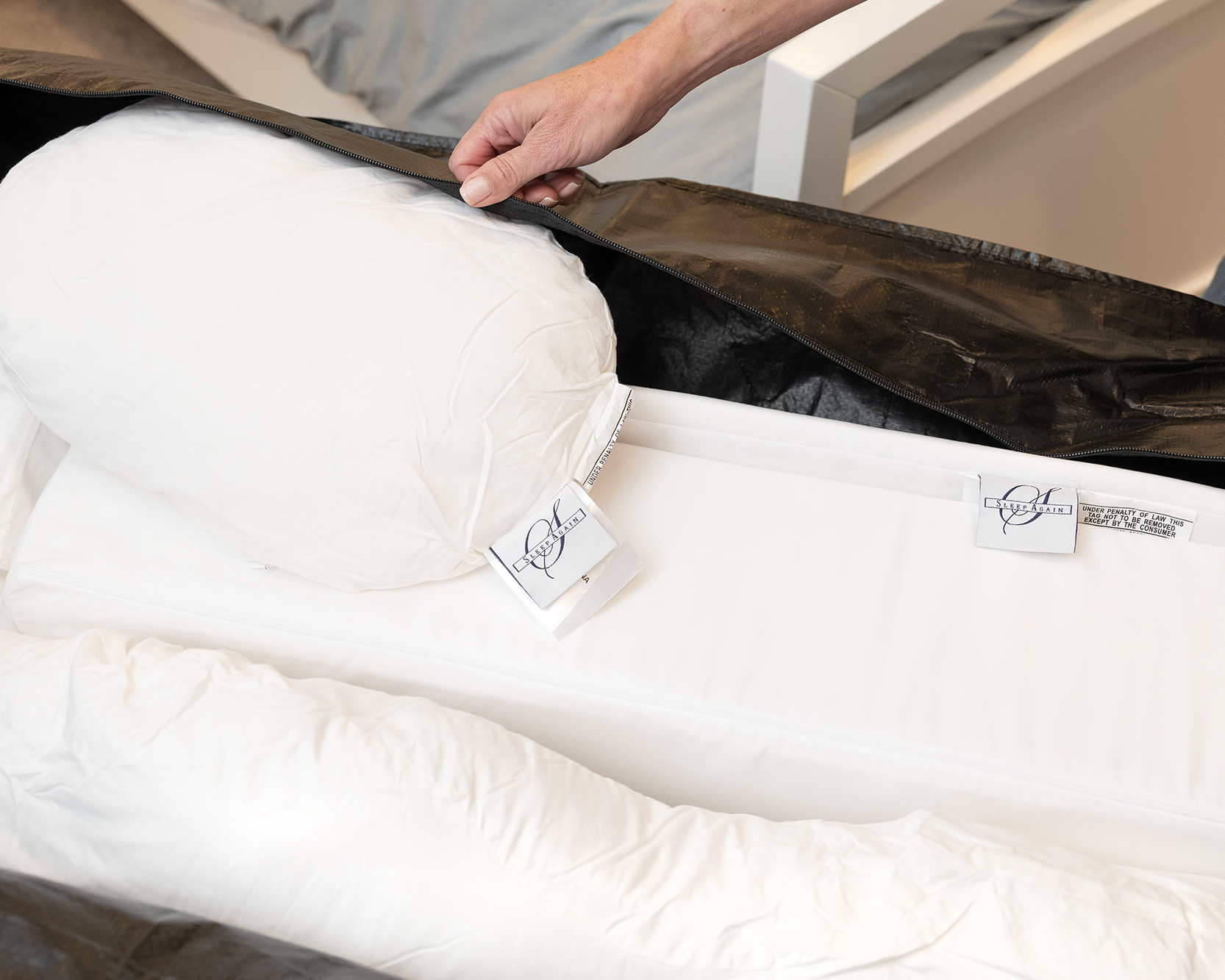
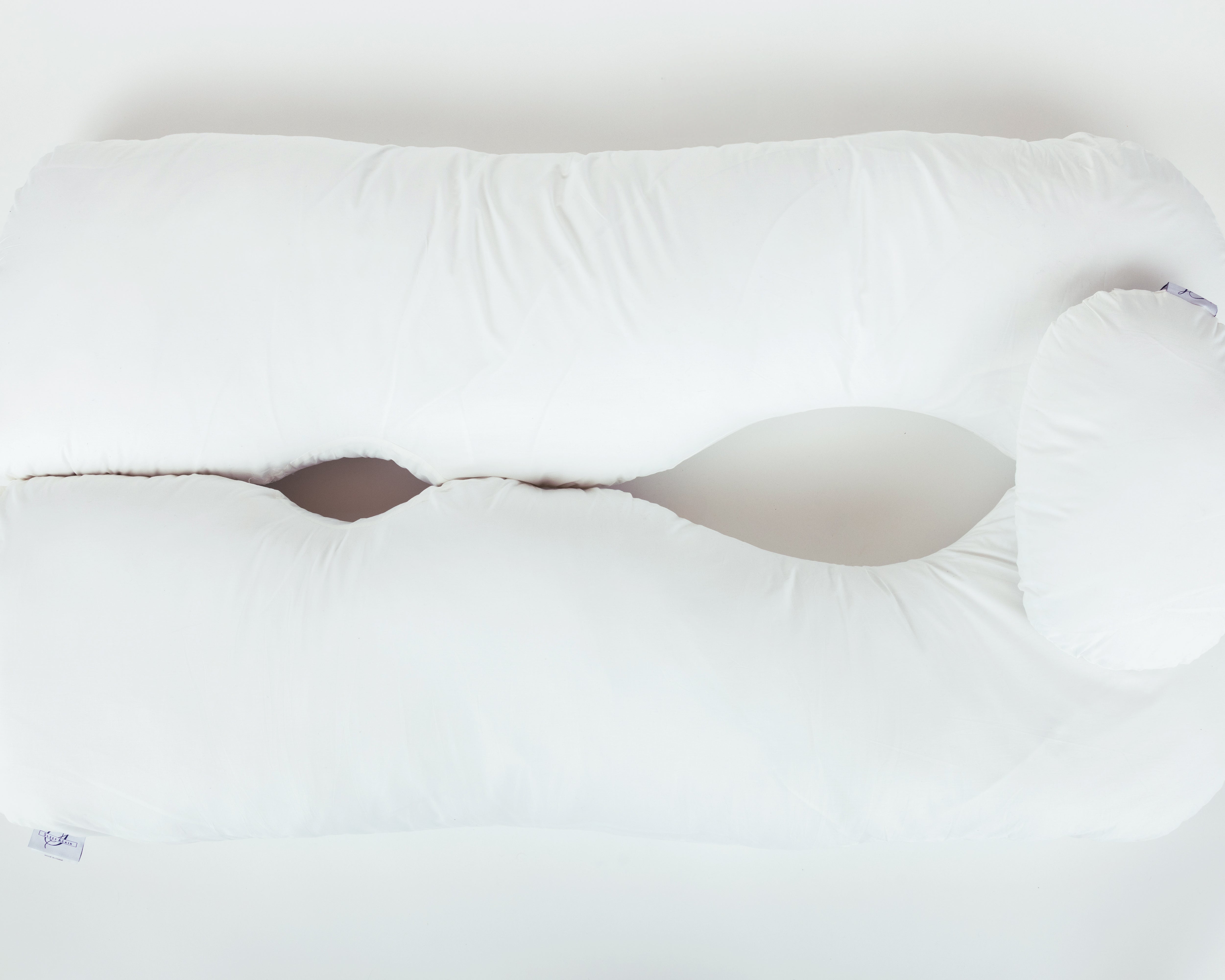
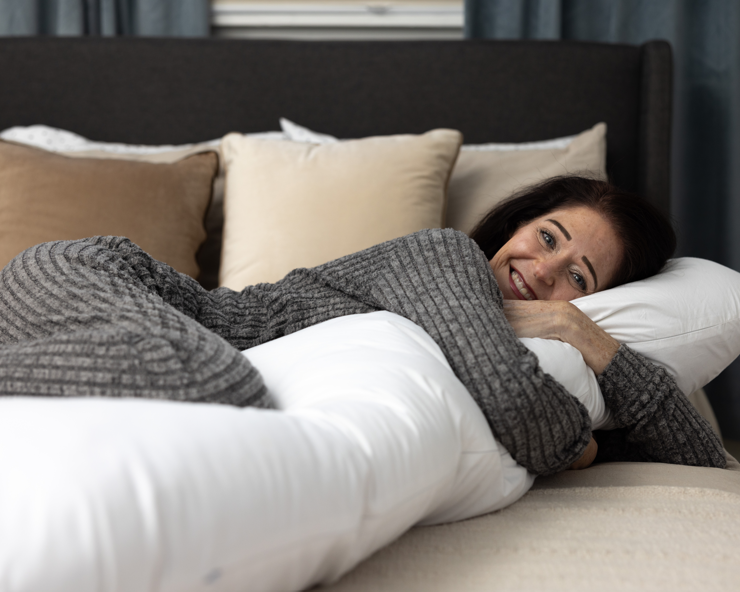
The Sleep Again Pillow System addresses the specific positioning challenges that inguinal hernia surgery patients face during recovery. This integrated system maintains consistent therapeutic angles throughout the night while providing comprehensive support that standard pillows cannot achieve.
System Components and Function
Every Sleep Again Pillow System includes:
-
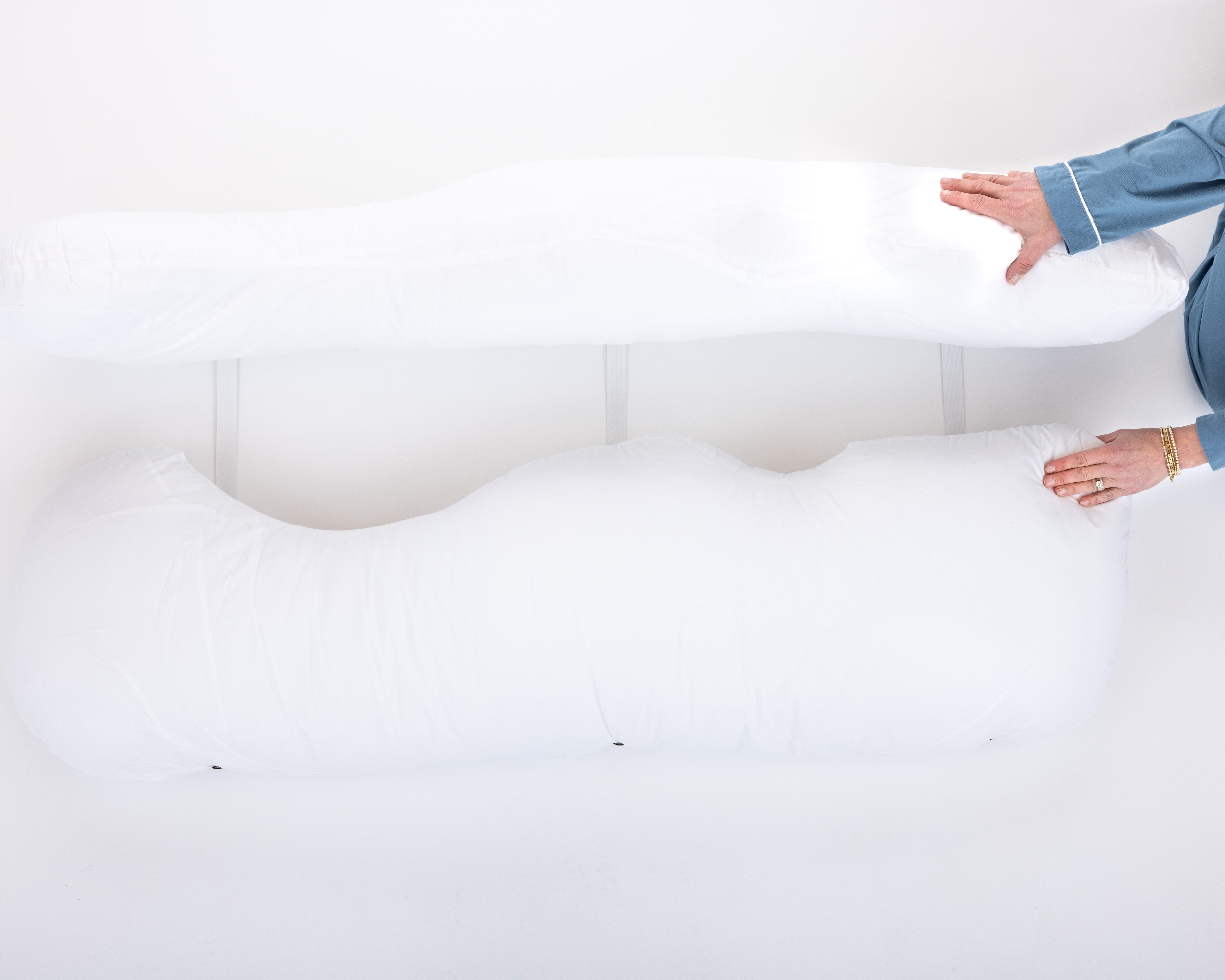
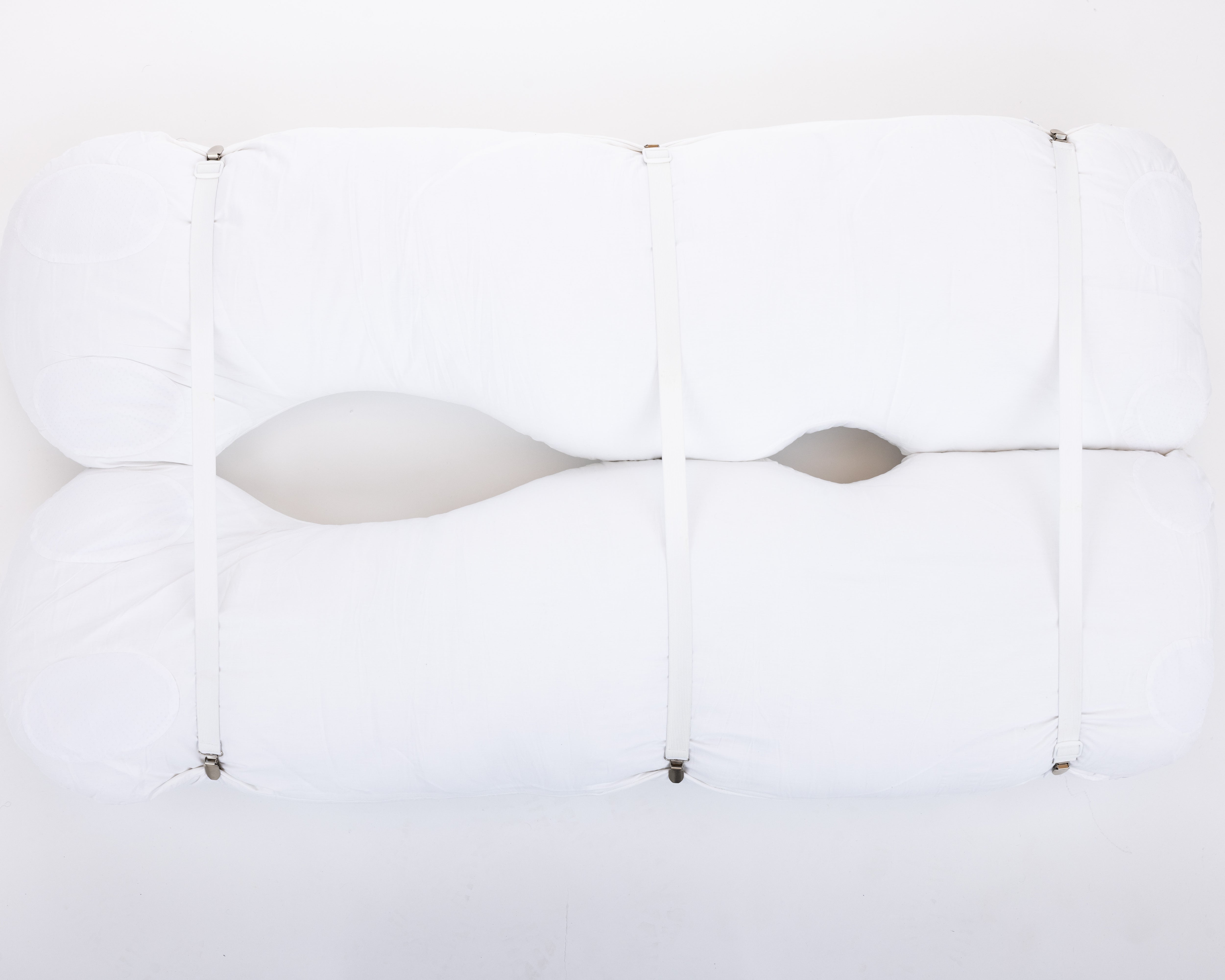
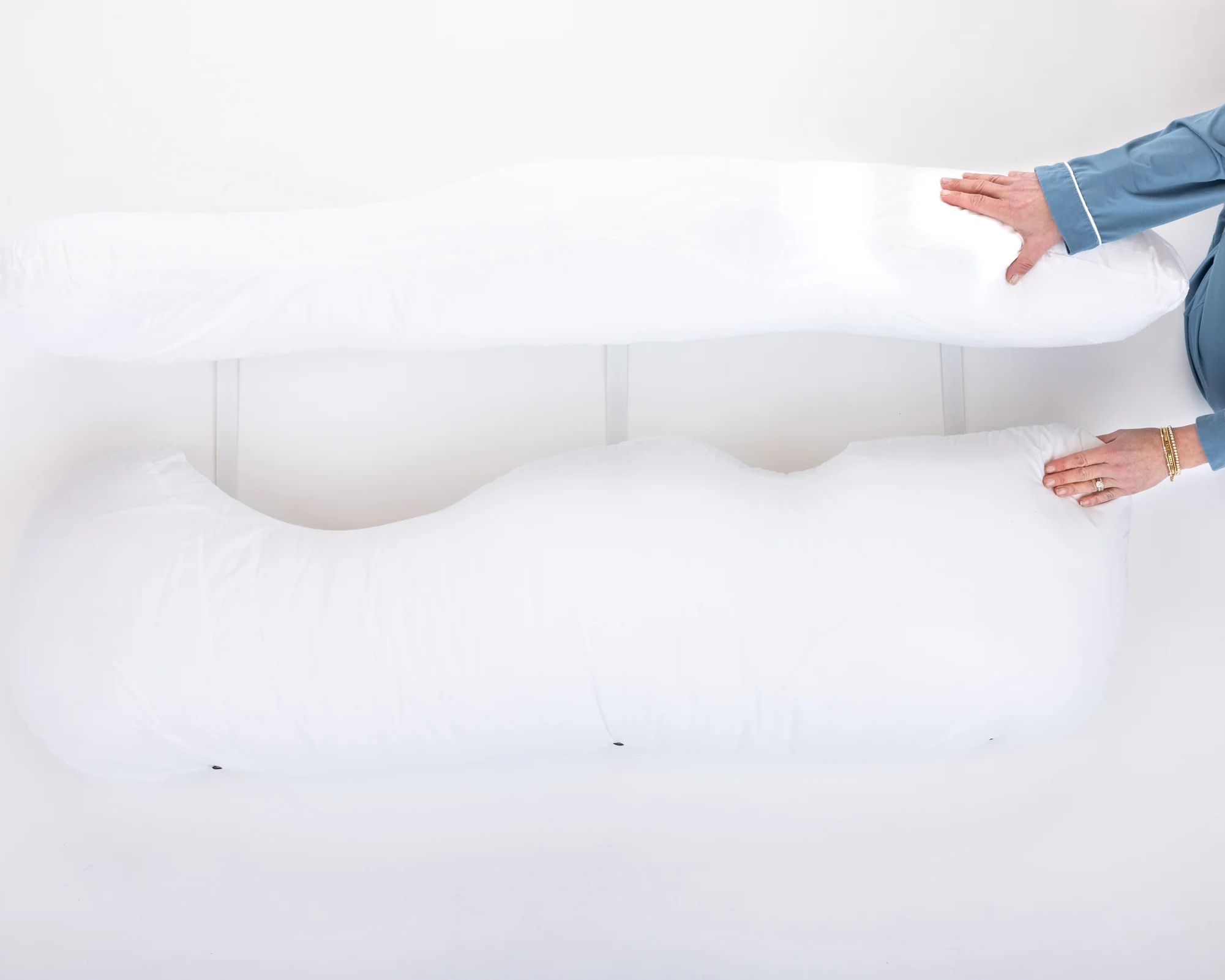
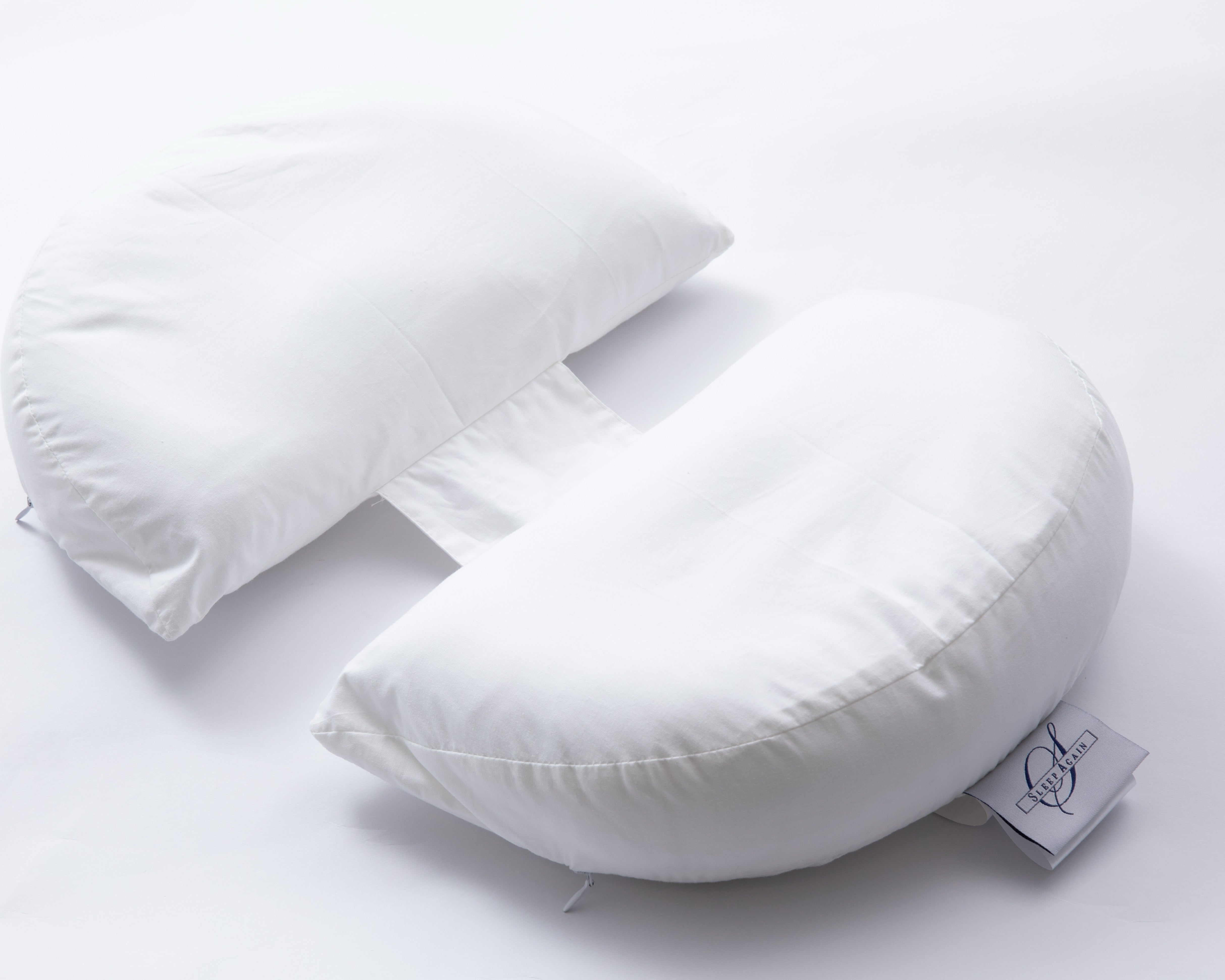
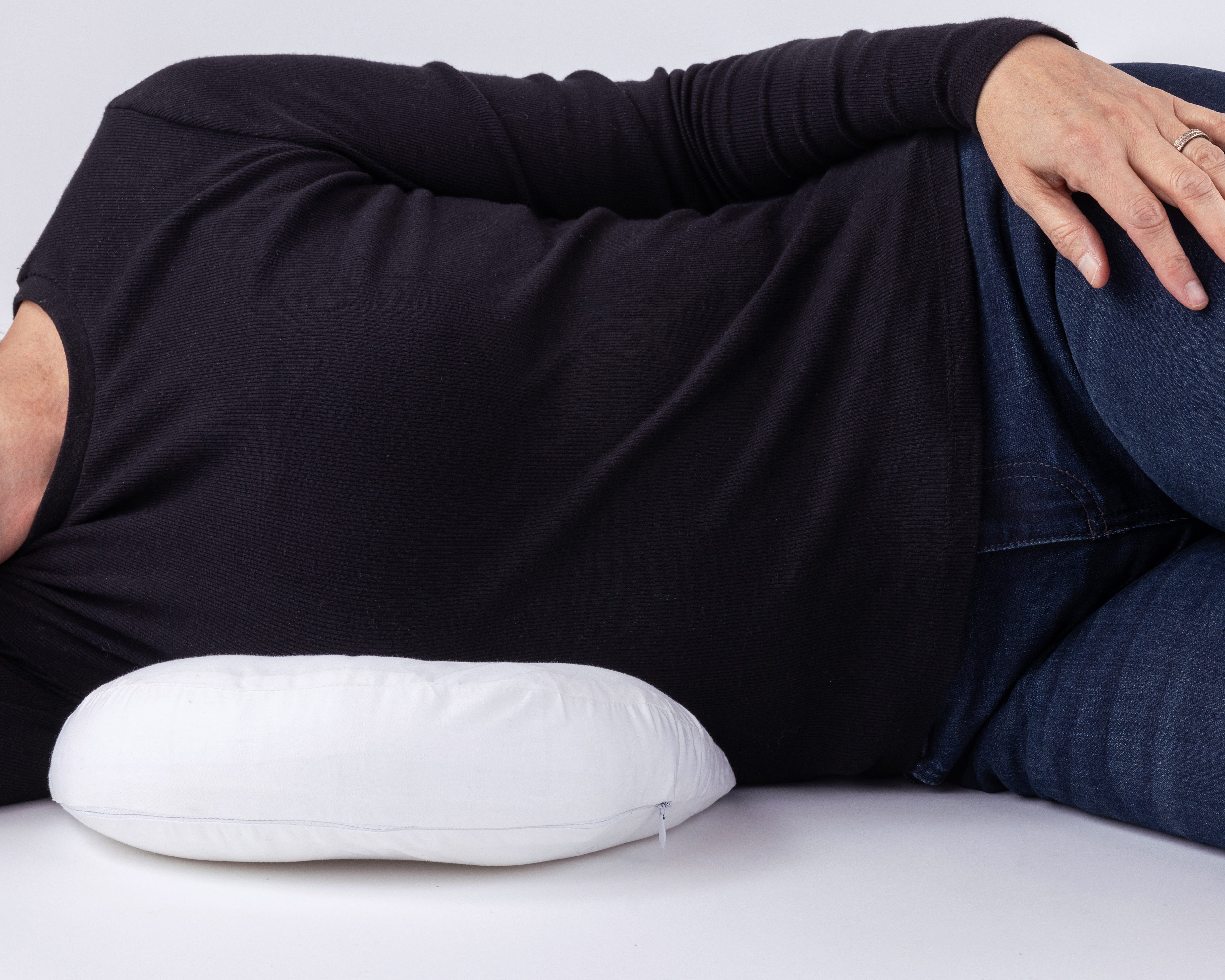
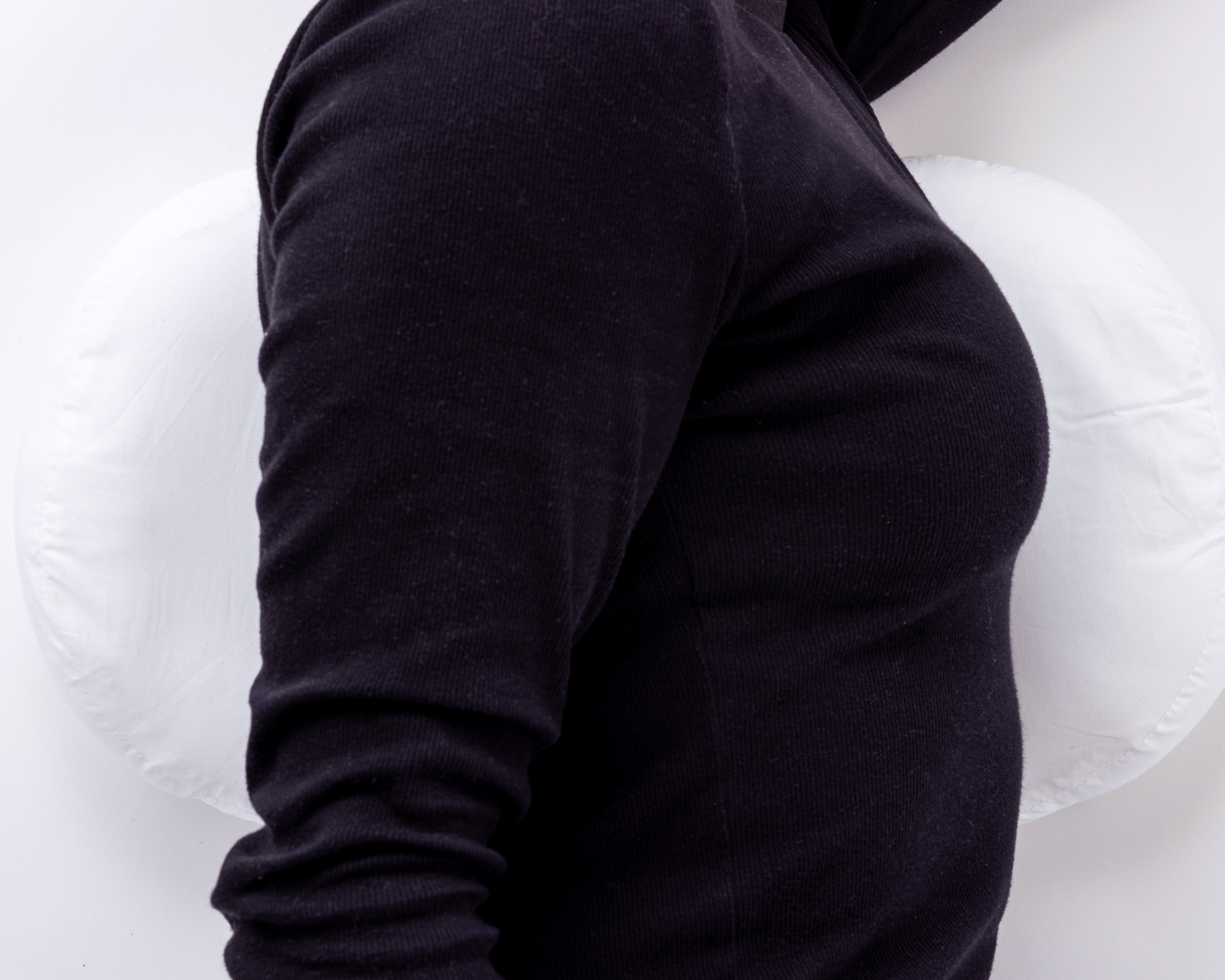
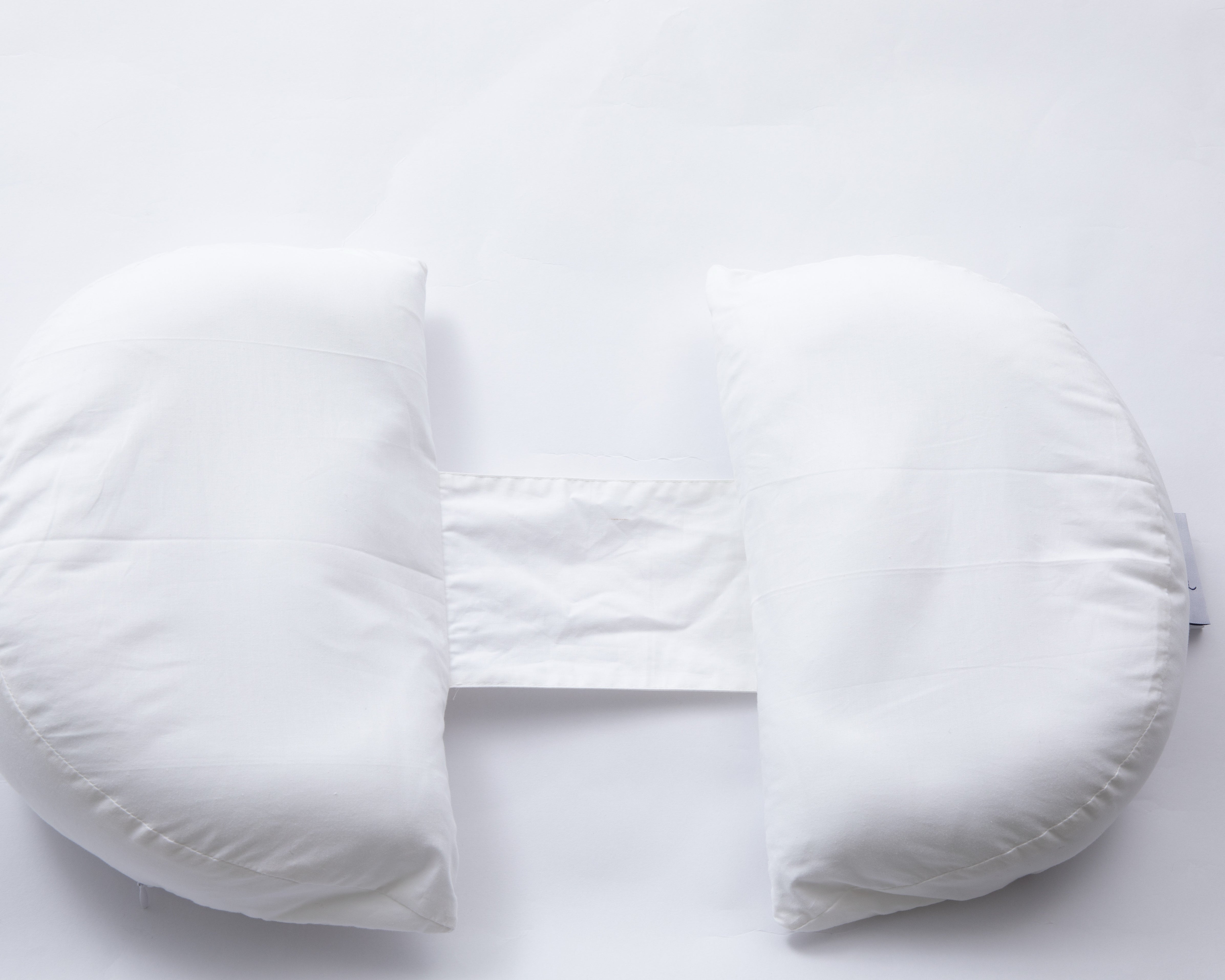
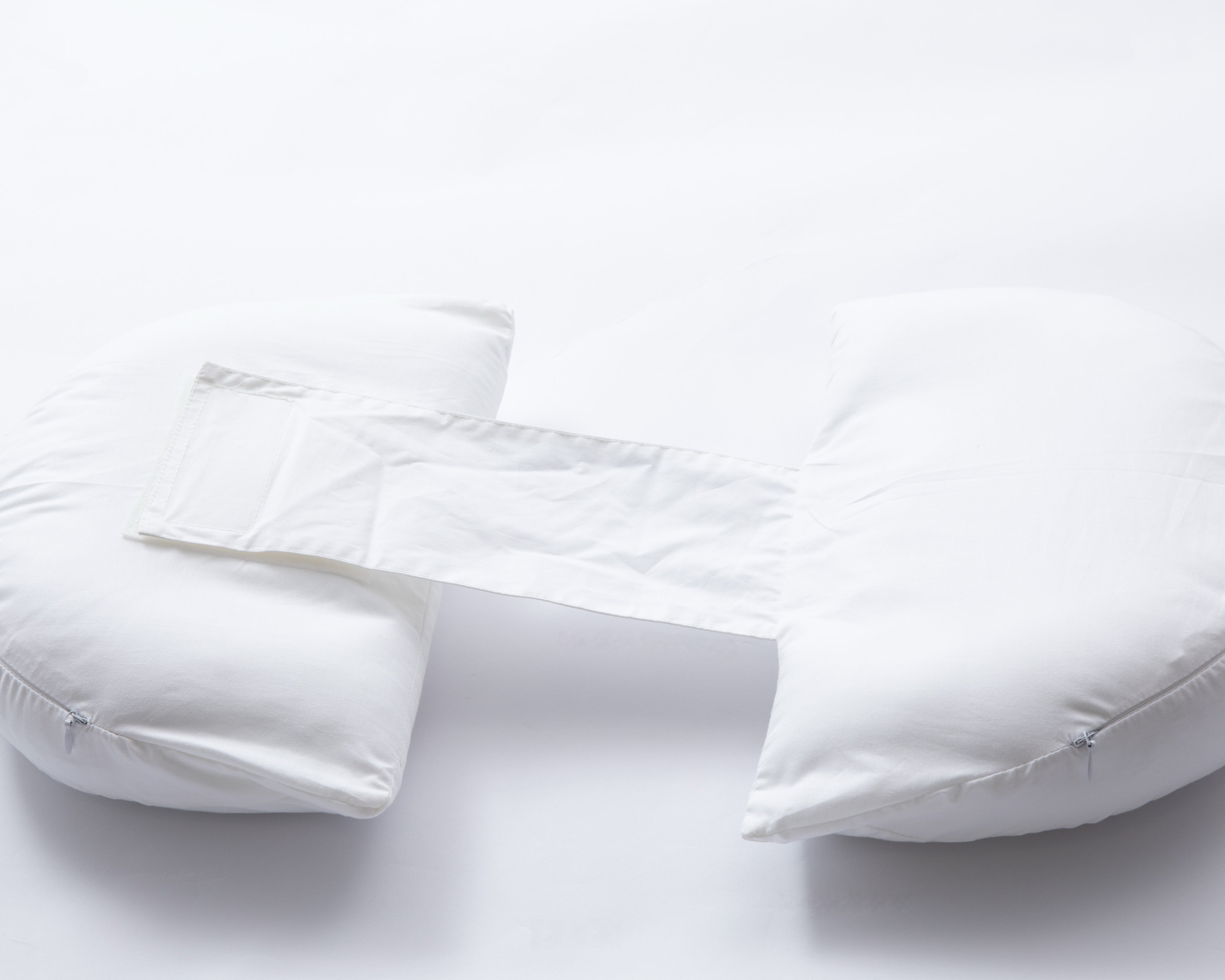
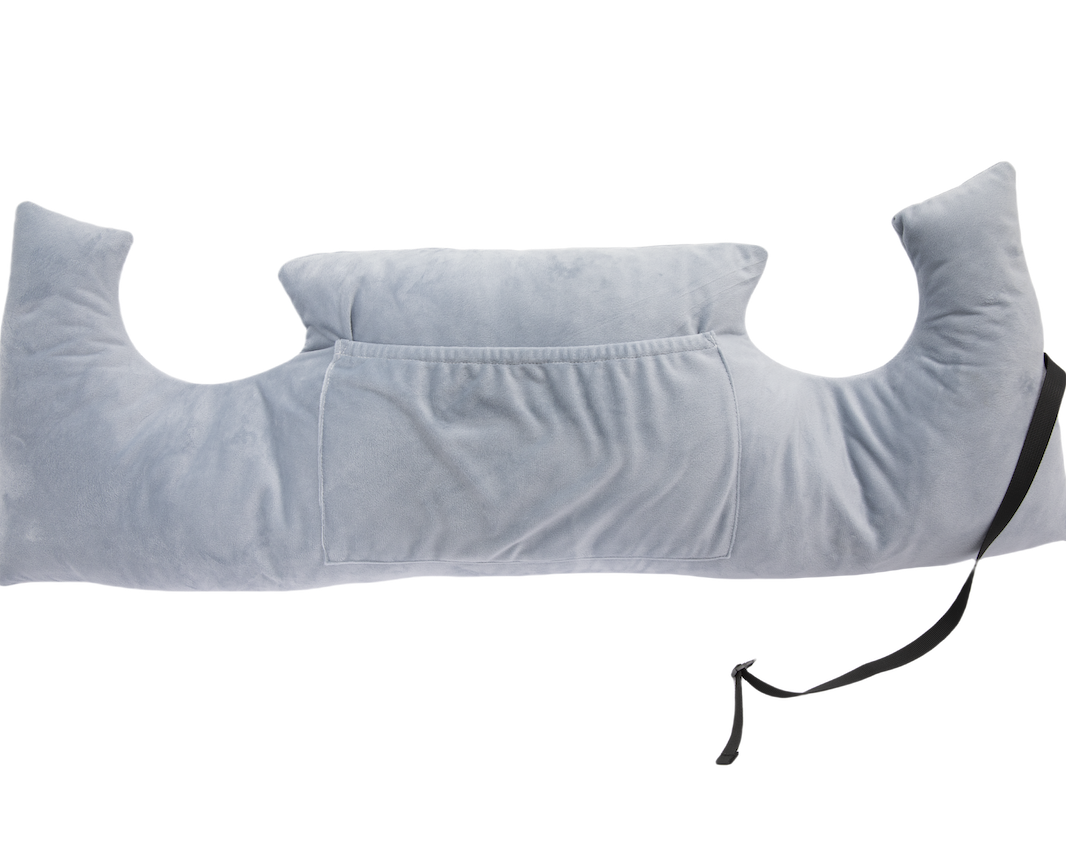
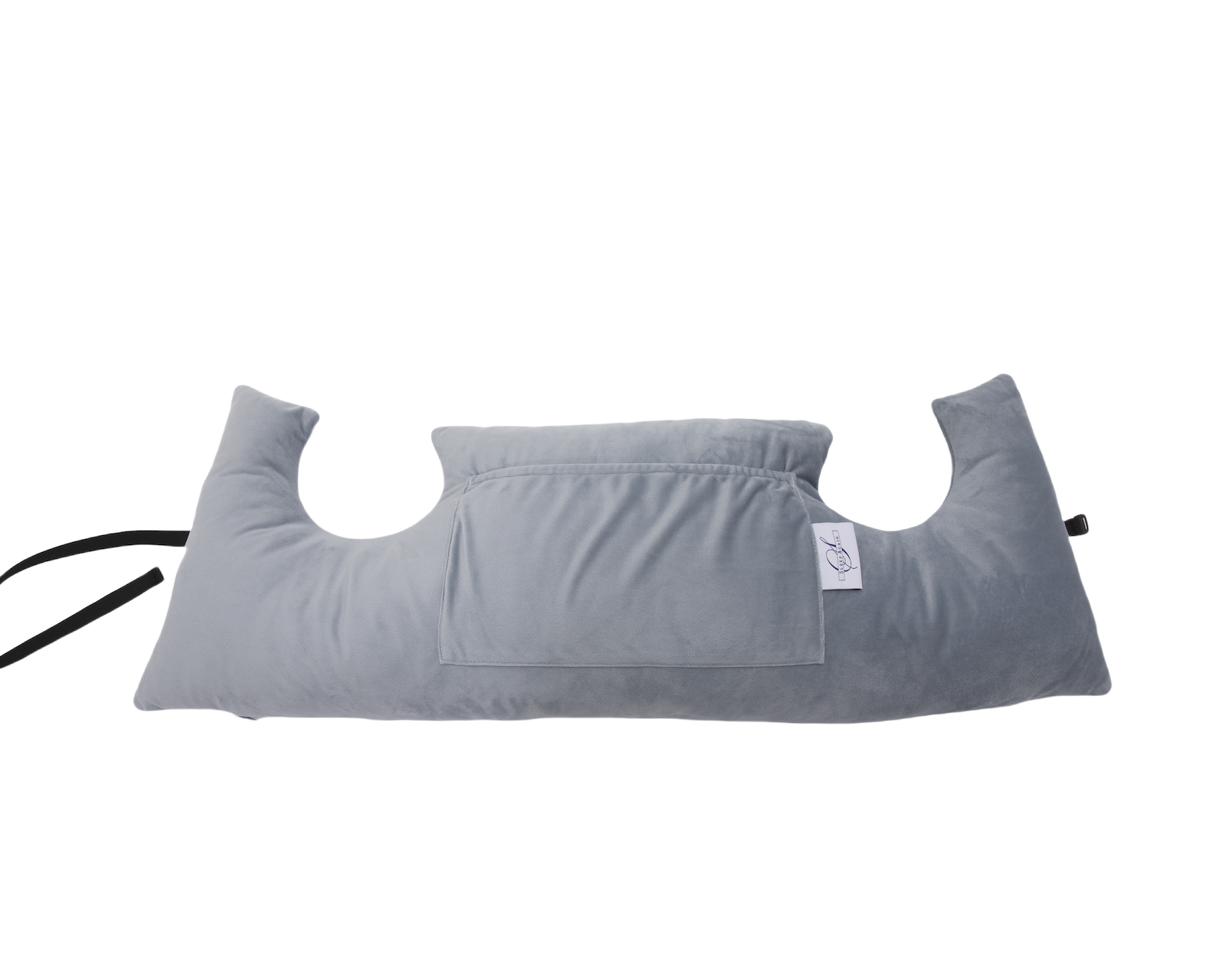
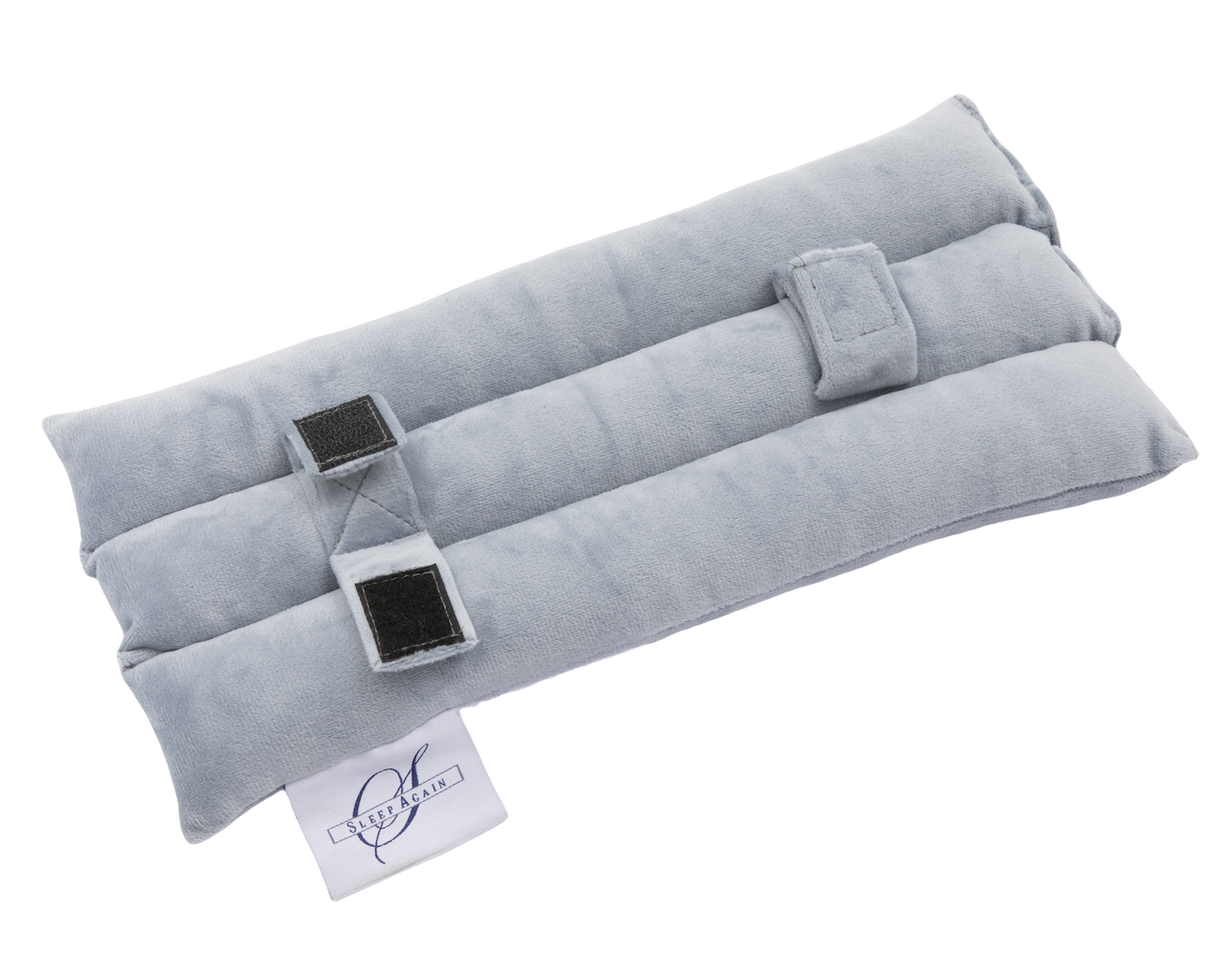
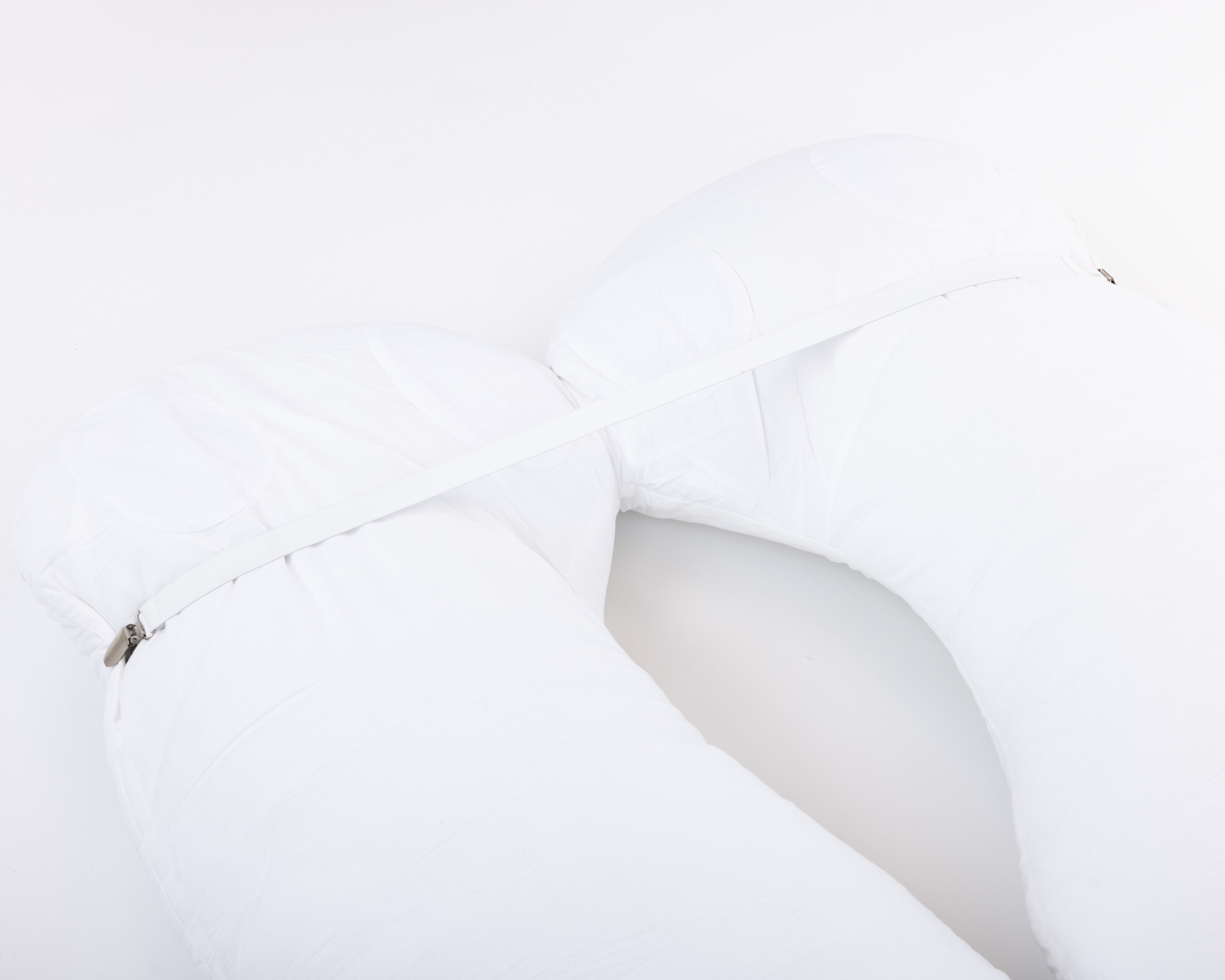
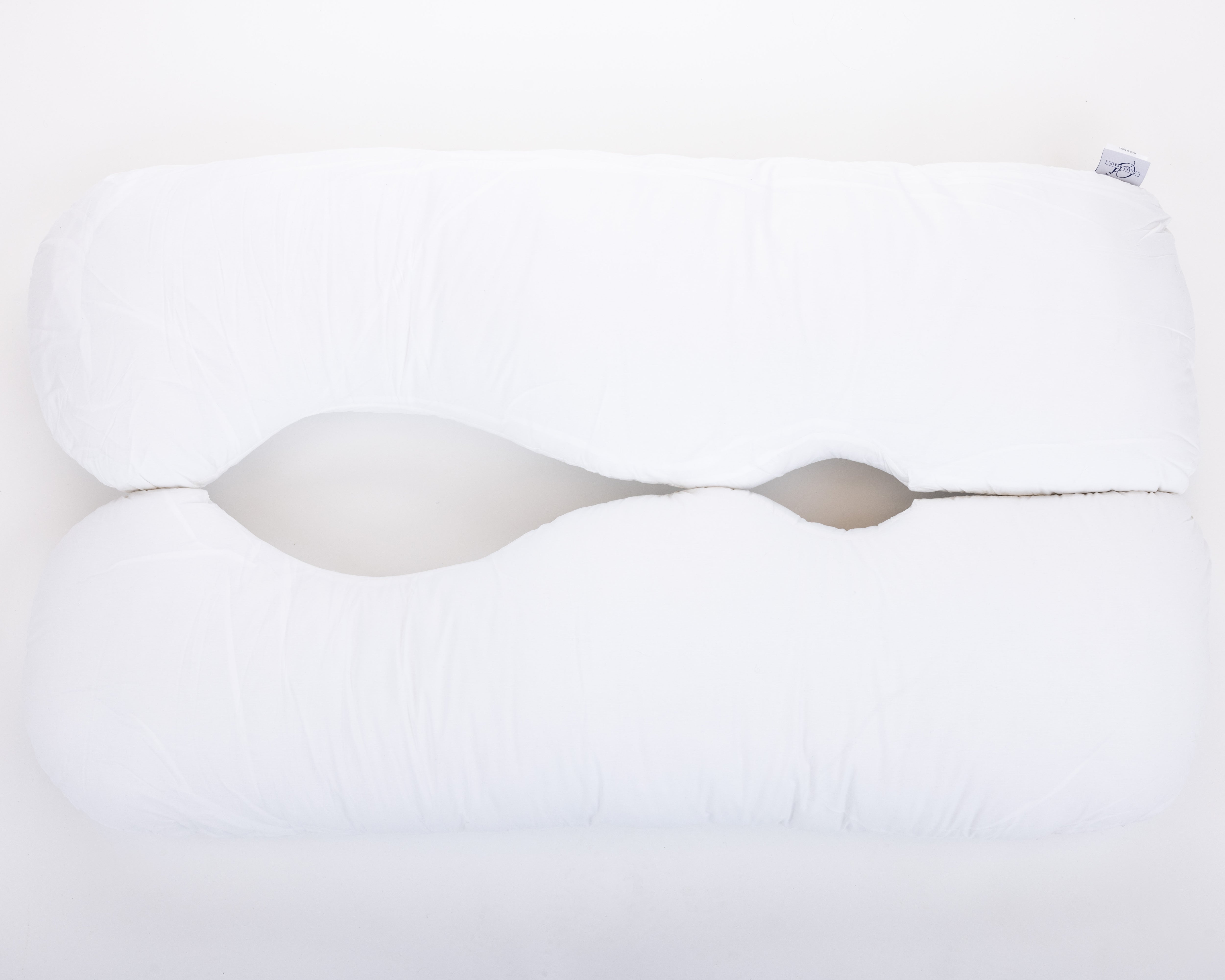
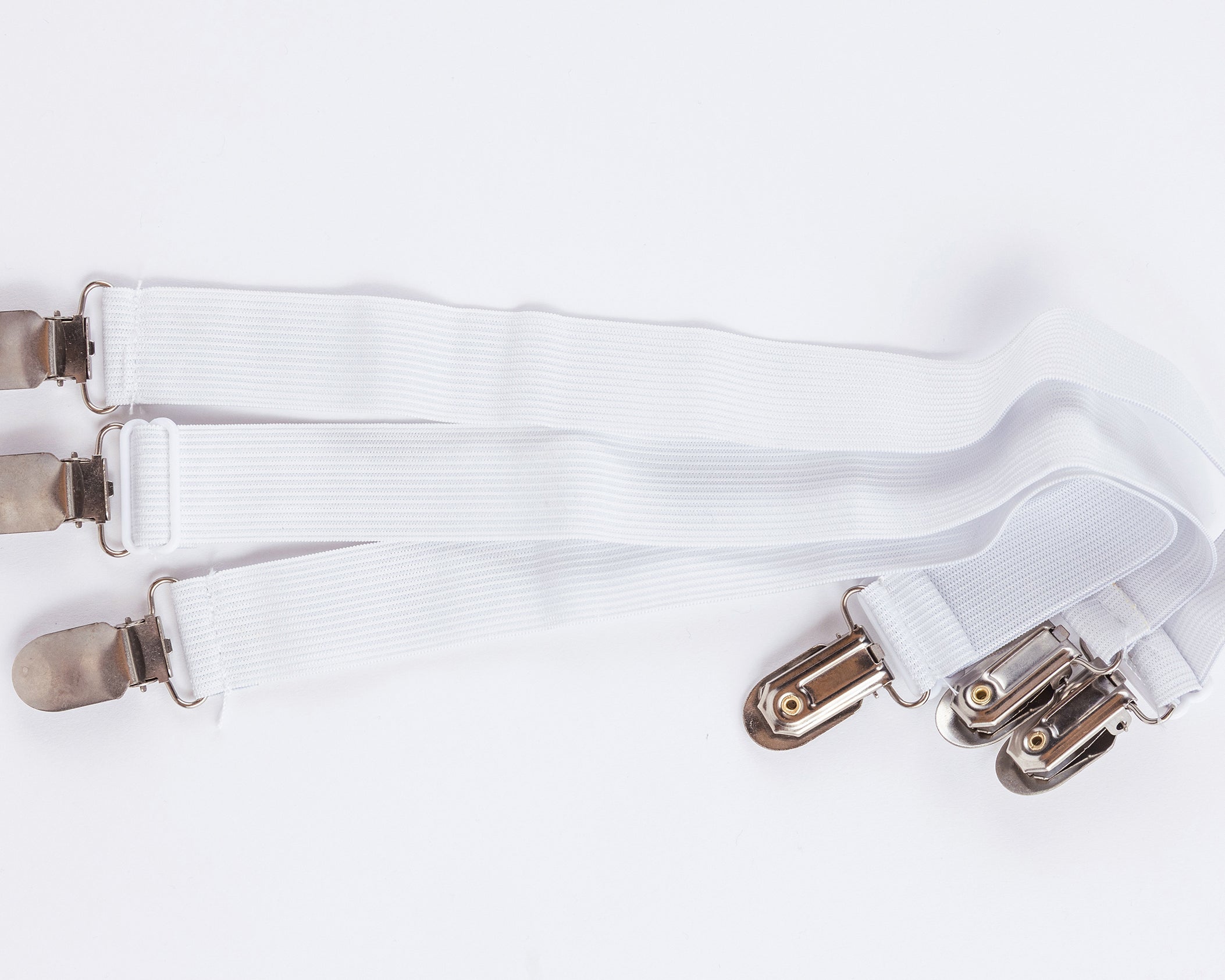
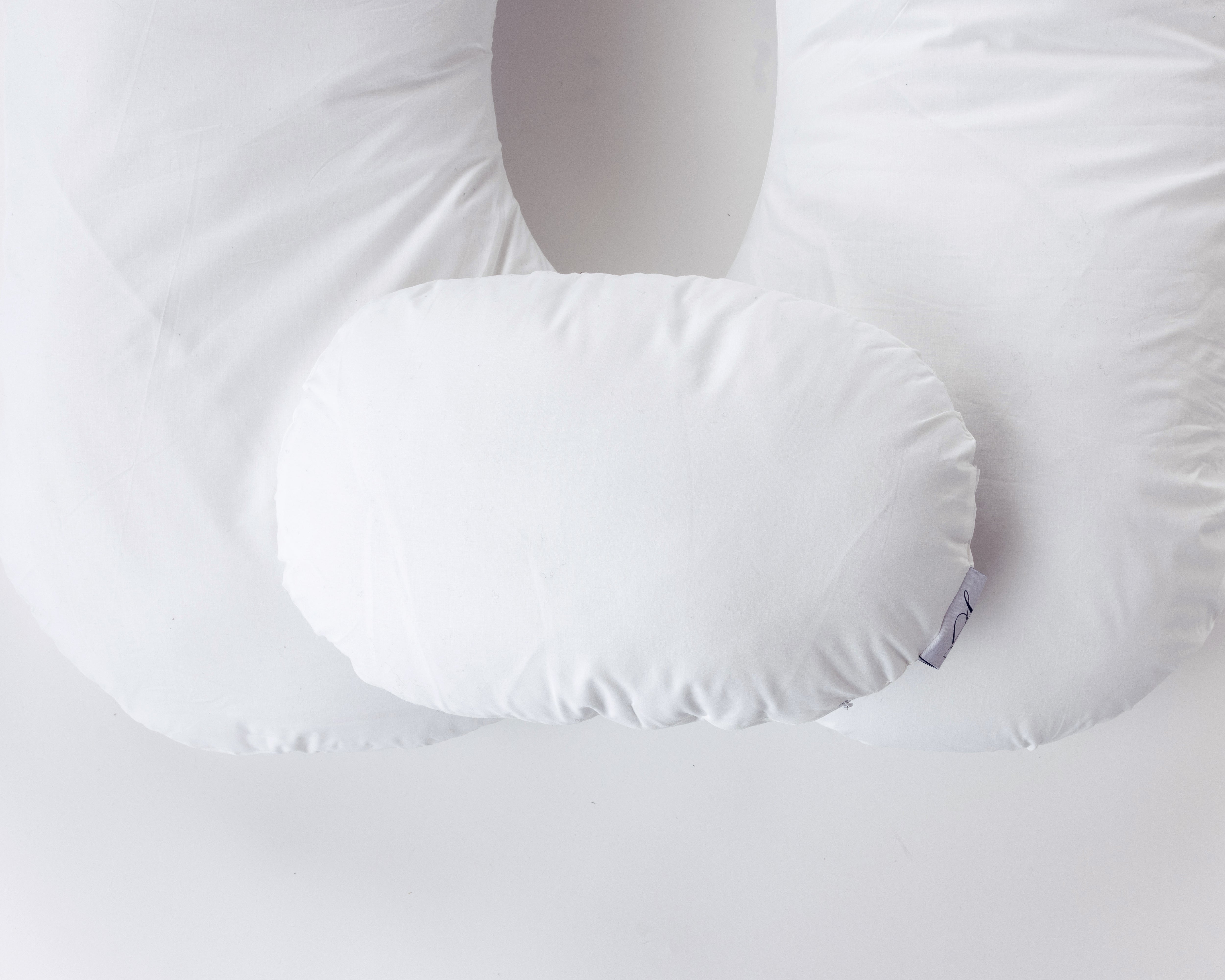
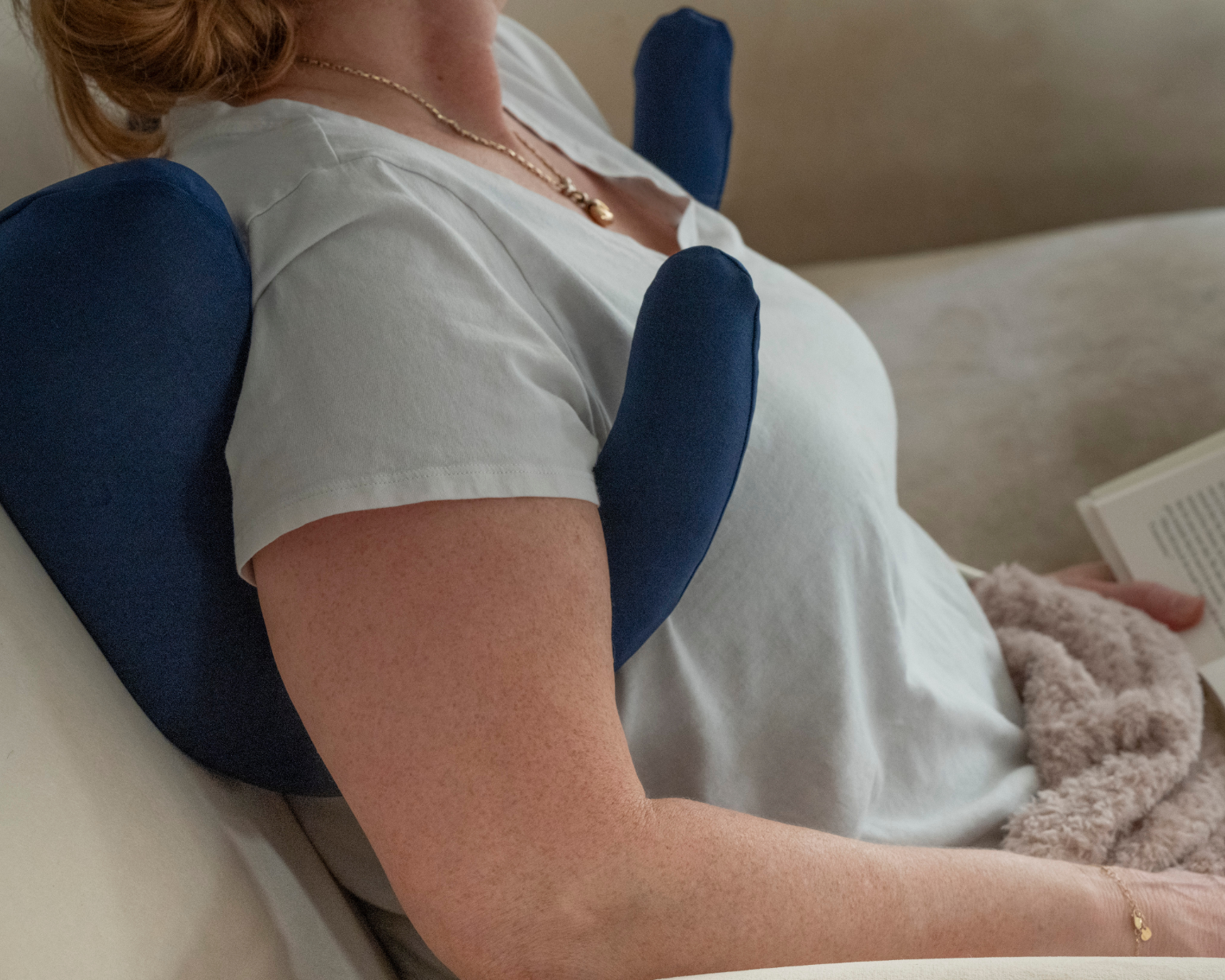
Two Contoured Side Pillows to cradle back and hips
-
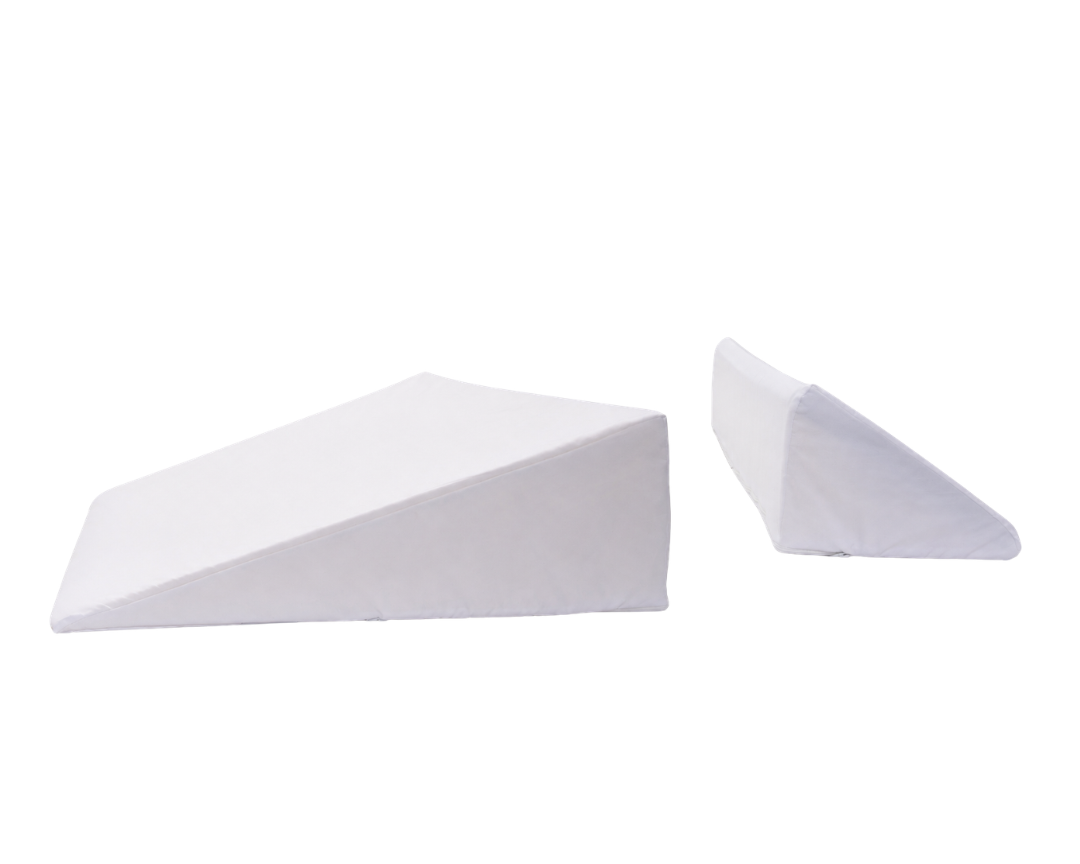
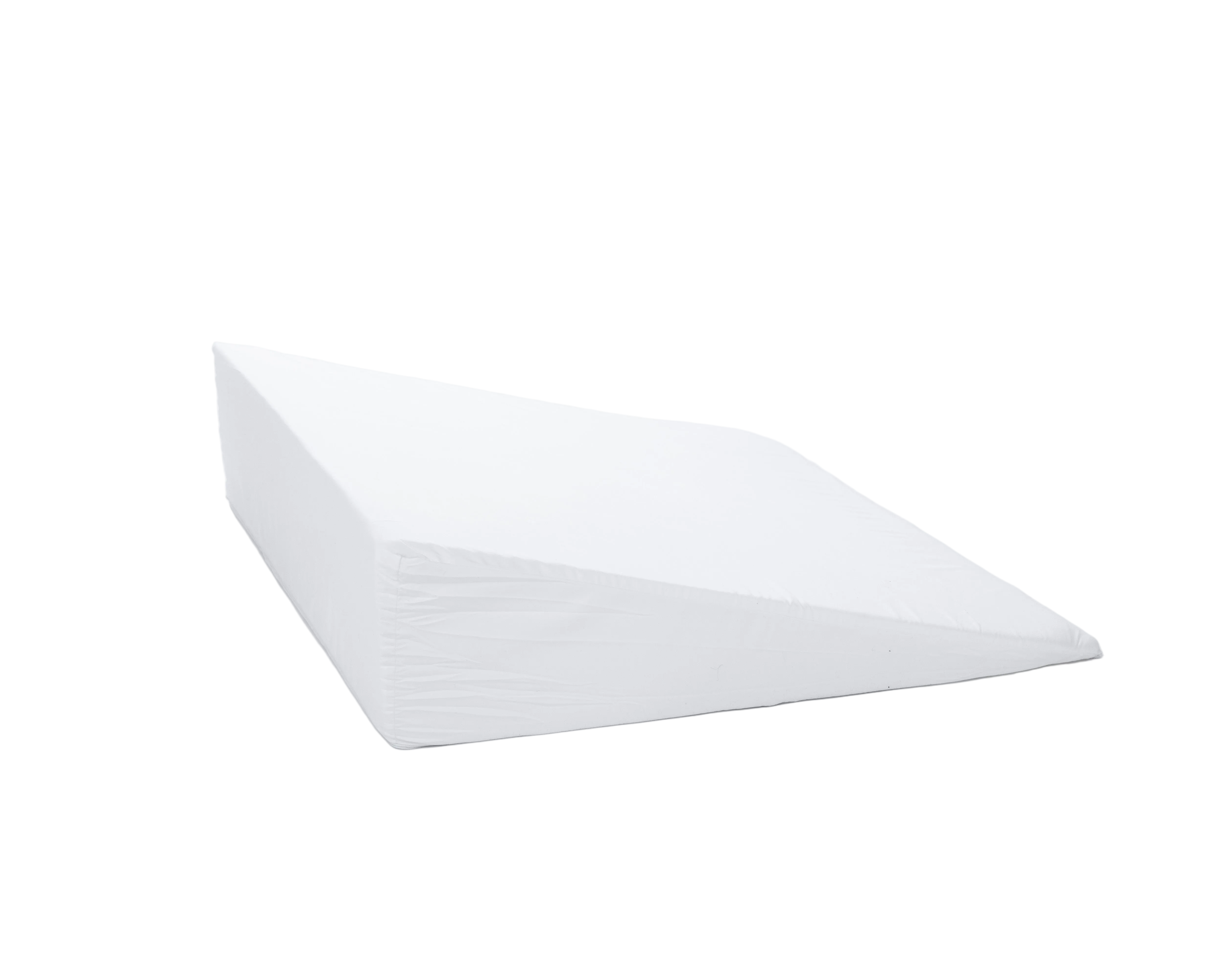
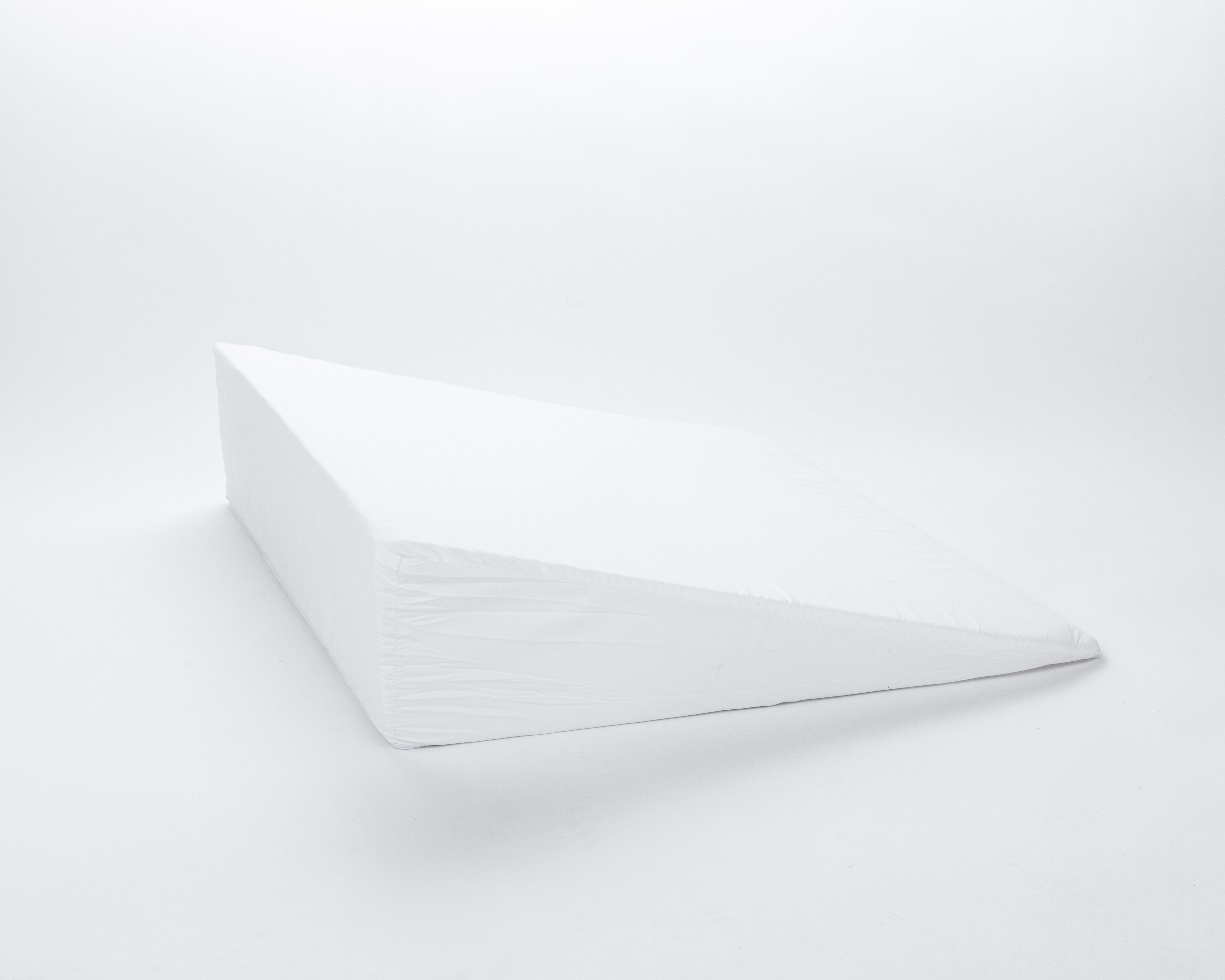
Upper Body Wedge to create optimal upper body incline
-
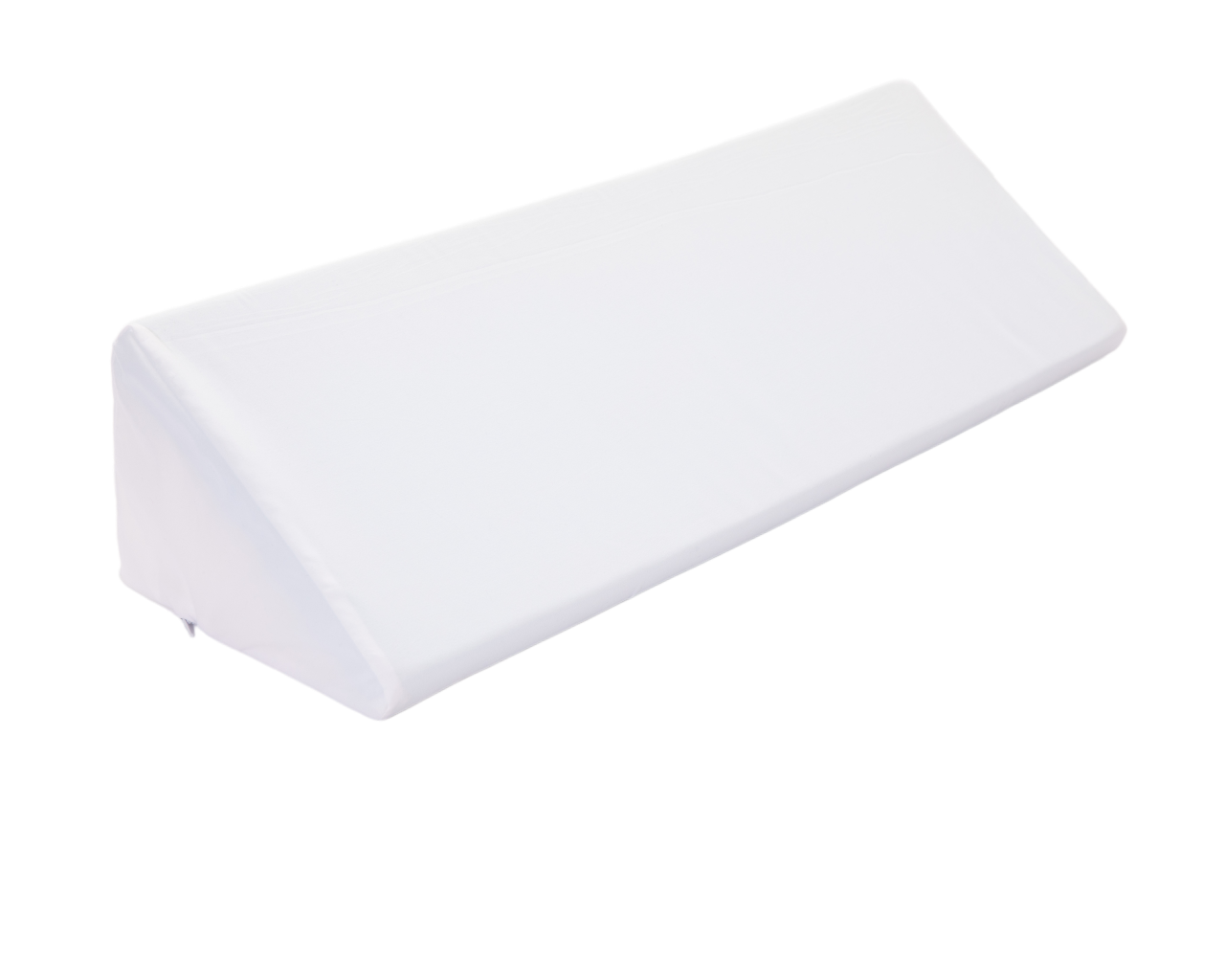
Leg Support Wedge to gently elevate legs
-
Head Pillow to provide head support and neck mobility
-
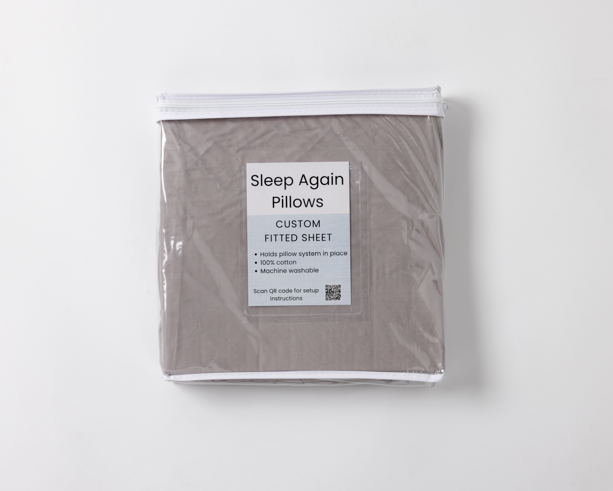
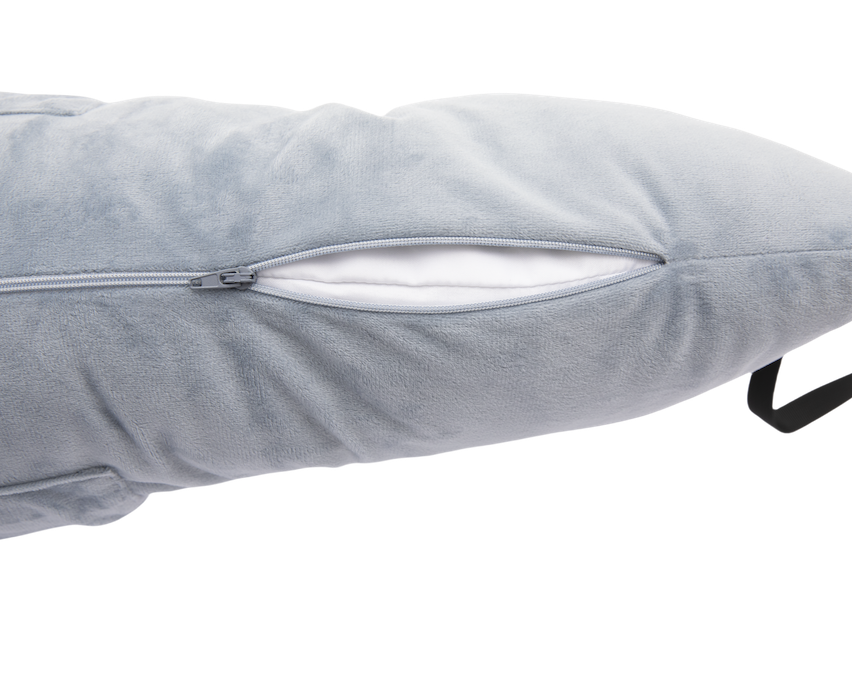
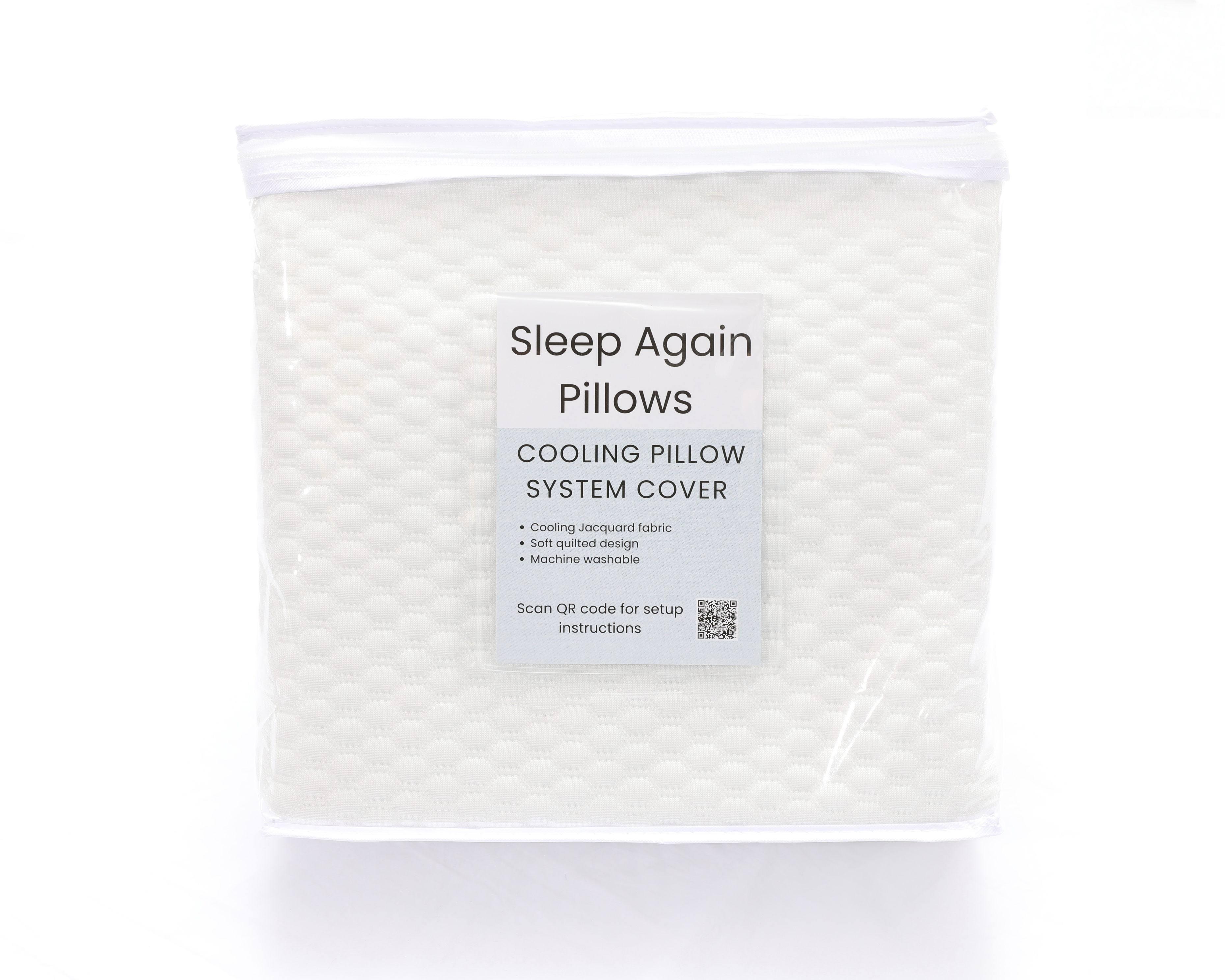
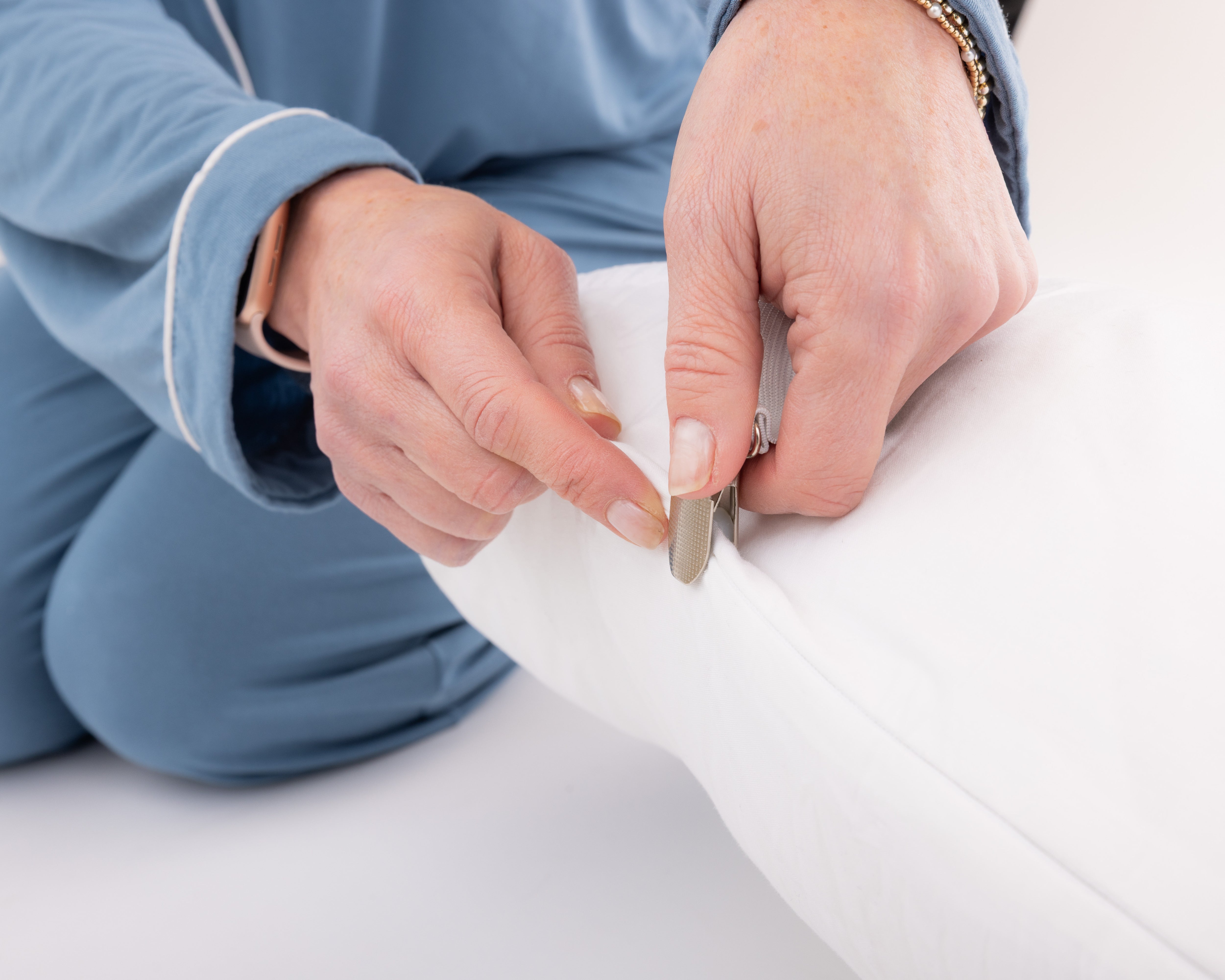
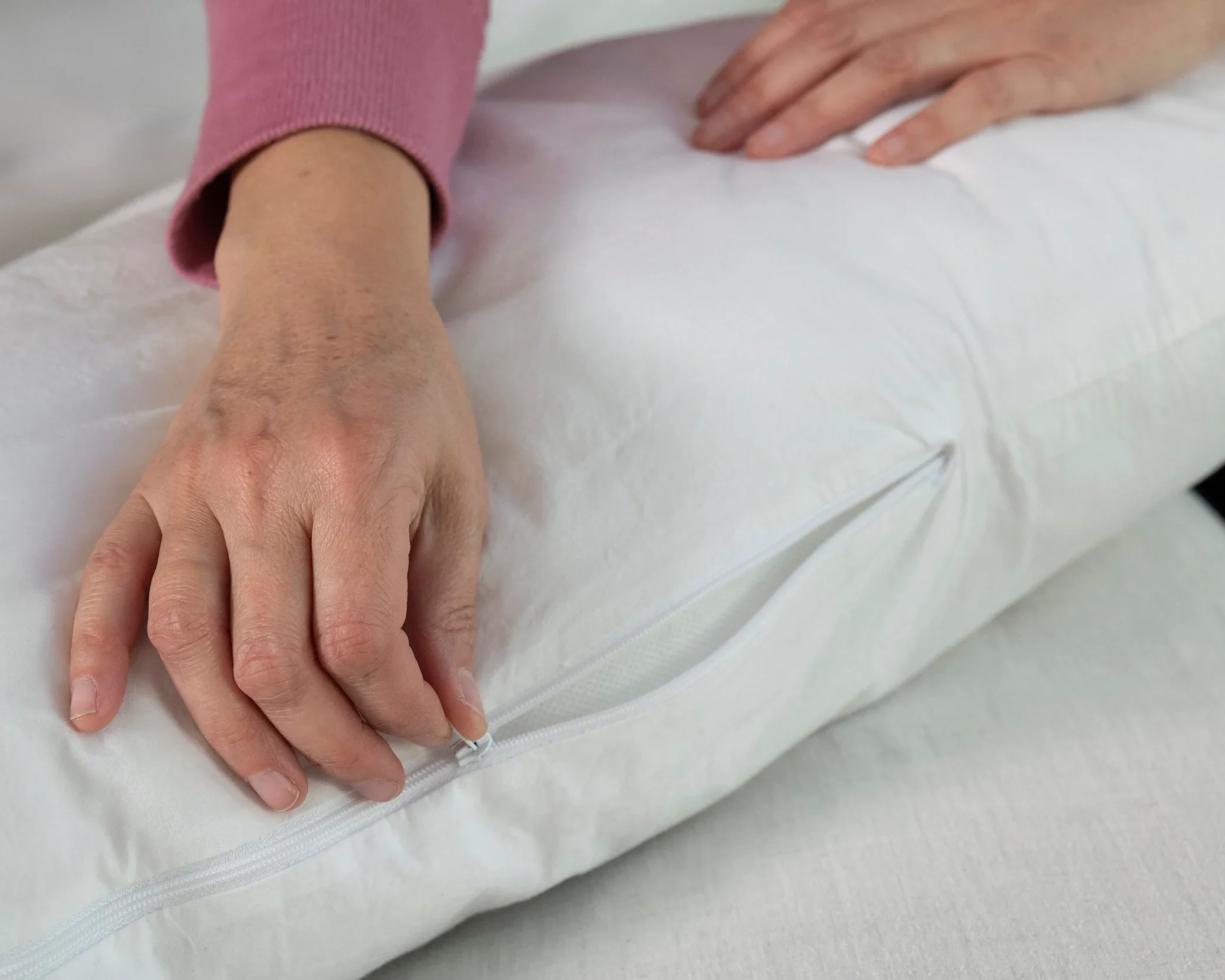
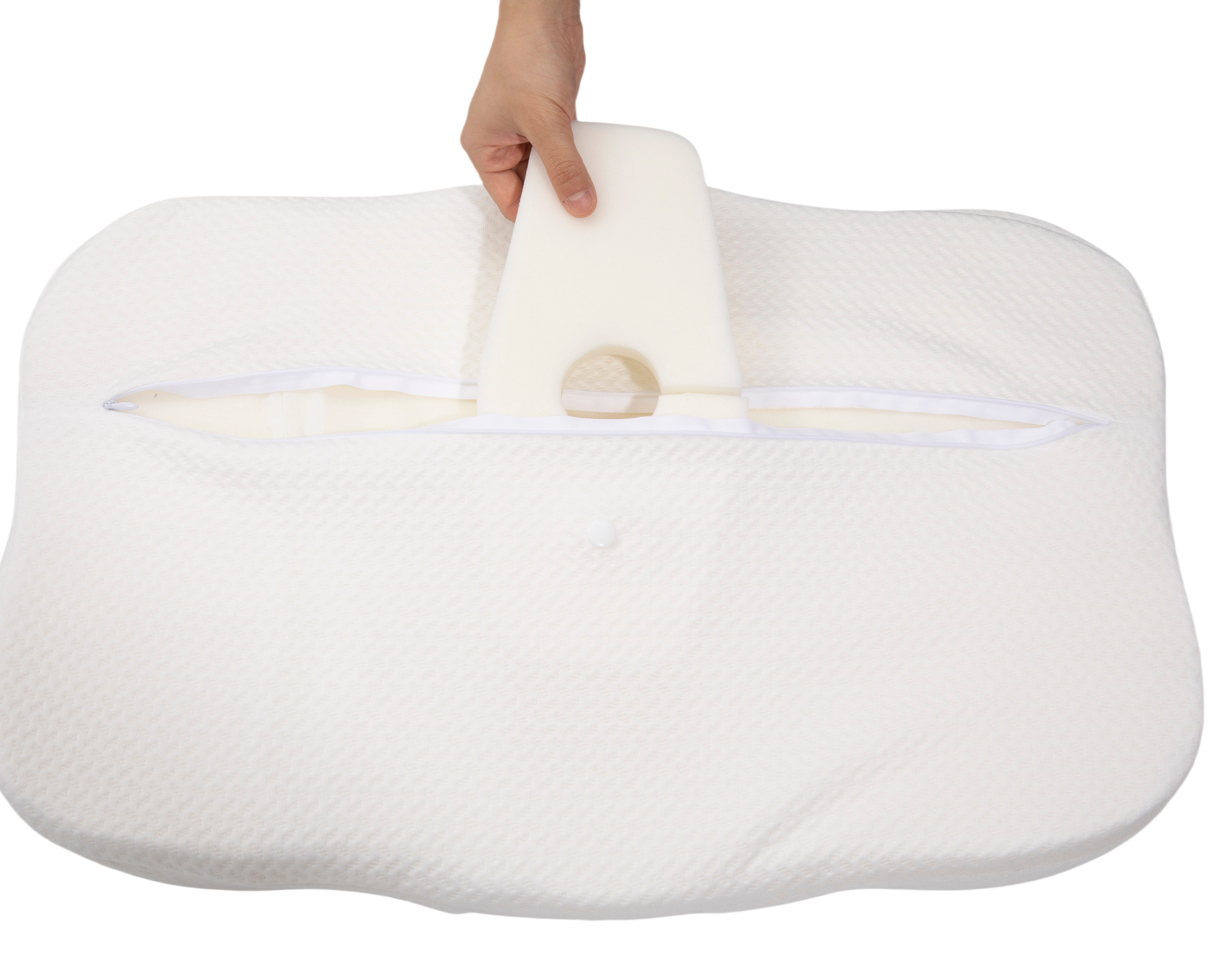
Removable, washable slipcovers for every piece

How the Sleep Again Pillow System Supports Inguinal Hernia Recovery
The Upper Body Wedge creates the precise 30-45 degree elevation angle recommended by surgeons for groin area protection. This wedge maintains consistent positioning throughout the night without the compression that occurs with standard pillows. The density and construction prevent the gradual flattening that undermines therapeutic positioning.
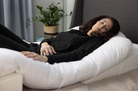
The Contoured Side Pillows prevent unwanted rolling onto your sides during sleep. These pillows create a secure positioning zone that protects your groin incision from pressure while supporting your back and hips. The contoured design works specifically with the elevated angle to create stable positioning that standard pillows cannot replicate.
The Leg Support Wedge maintains proper knee positioning to prevent lower back strain and reduce tension on your abdominal and groin areas. This elevation works in conjunction with upper body support to create optimal healing conditions. The precise angle prevents legs from straightening completely, which would create a pull on your core muscles.
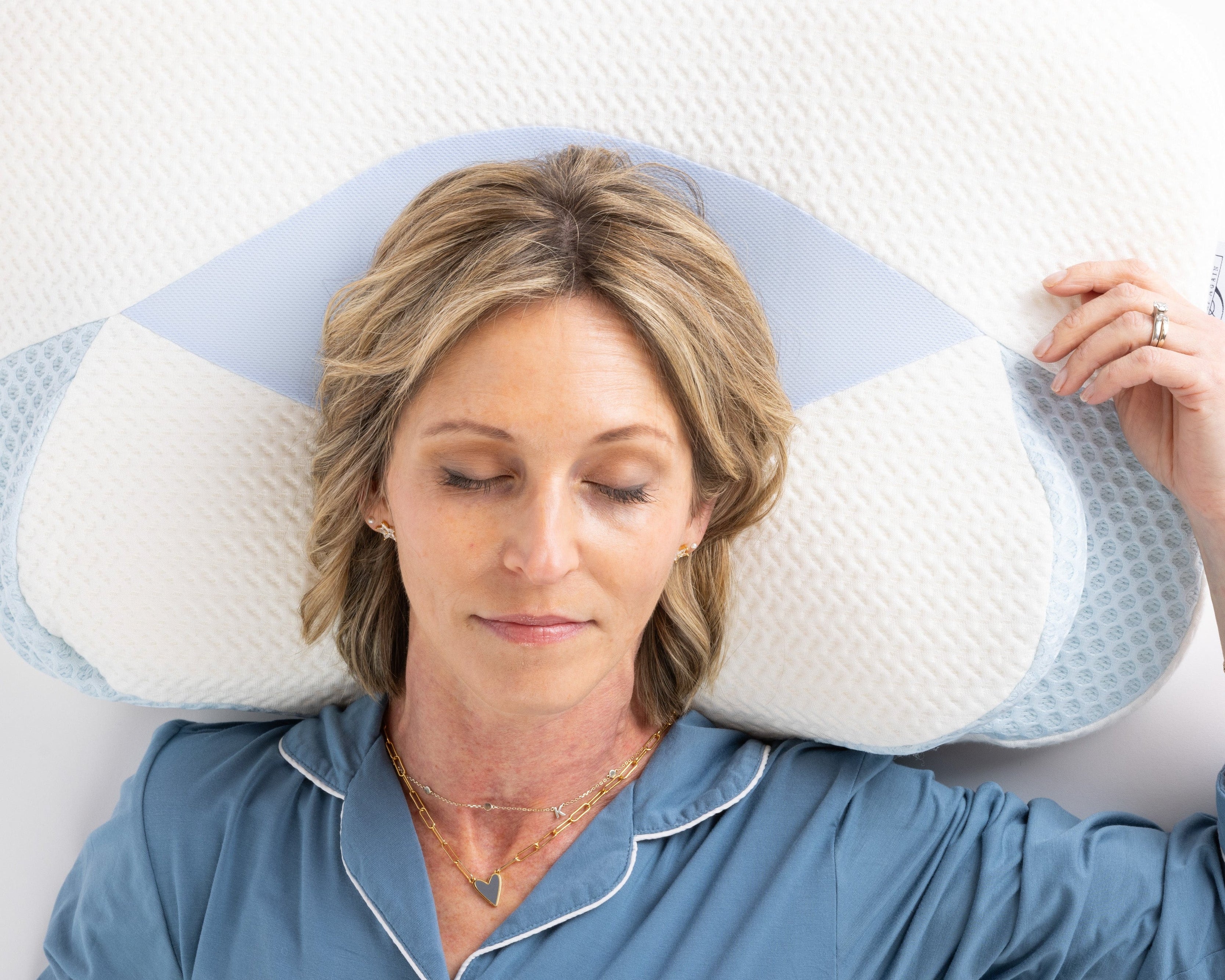
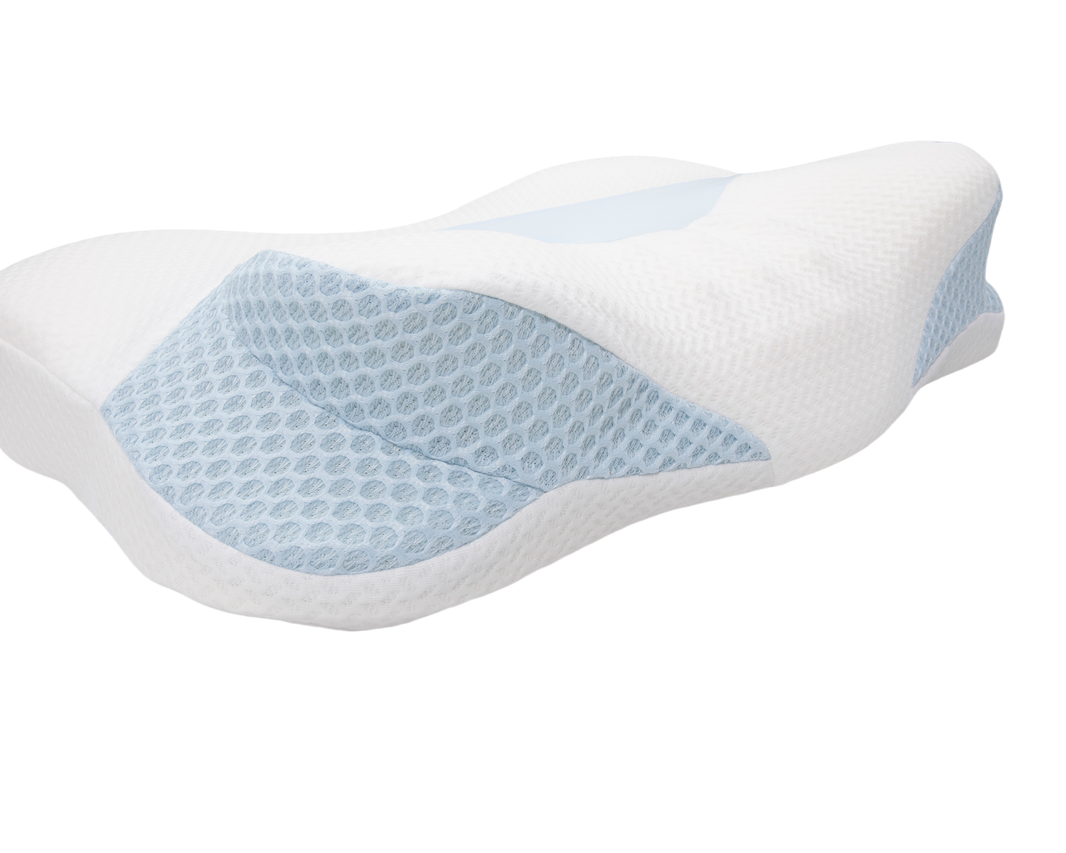
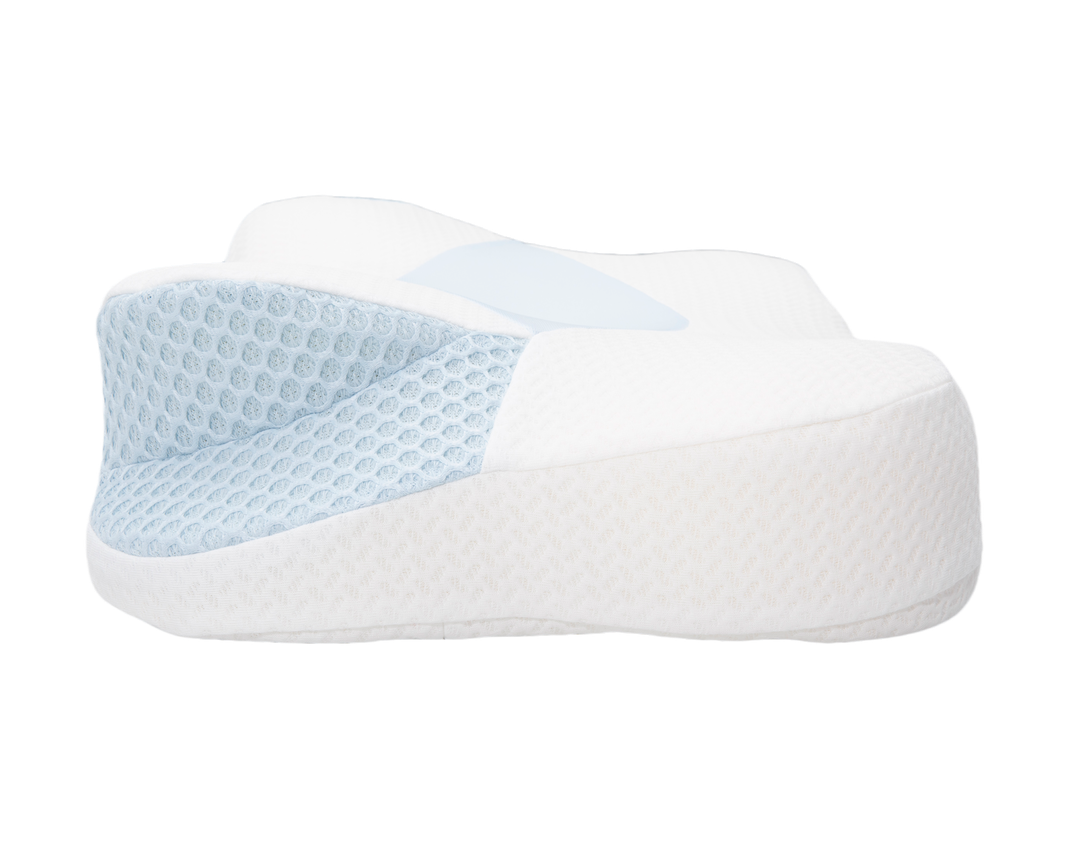
The Head Pillow provides adjustable support that works with the upper body wedge angle. Unlike standard pillows that create neck strain when combined with elevation, this pillow is designed specifically for elevated sleeping positions. The neck mobility it provides allows comfortable position adjustment without compromising the therapeutic angle.
Why Integration Matters for Recovery
The integrated design eliminates the stability problems and constant readjustment needs that standard pillow arrangements create. Each component works together to maintain therapeutic positioning without requiring middle-of-the-night reconstruction. The system stays in place through normal sleep movements, providing consistent support from the moment you settle in until morning.
For inguinal hernia surgery recovery, this consistency is critical. Every time household pillows shift and lose elevation, your groin area experiences increased pressure and strain. The Sleep Again Pillow System eliminates these positioning failures that compromise healing.
Time Savings and Recovery Impact
Most patients using household pillow arrangements spend 15-20 minutes each night rebuilding collapsed setups. Over the first recovery week, this represents 2+ hours spent on pillow management instead of sleeping. The Sleep Again Pillow System eliminates this time drain entirely.
More importantly, the consistent elevation the system provides means better sleep quality, reduced swelling, decreased pain levels, and faster progression through recovery milestones. Patients who invest in proper positioning equipment typically advance to expanded position options faster than those relying on household pillows.
Long-Term Value Beyond Recovery
Many patients continue using the Sleep Again Pillow System after surgical recovery concludes. The elevated sleeping position provides ongoing benefits for acid reflux management, breathing improvement, and overall sleep comfort. The system becomes a permanent sleep solution rather than temporary medical equipment.
Can I Sleep on My Side After Inguinal Hernia Surgery?
Side sleeping after inguinal hernia surgery is possible, but timing matters.
Week 1-2: Side sleeping is not recommended. Direct pressure on or near your groin incision can disrupt healing, increase swelling, create unnecessary pain, and potentially compromise the hernia repair.
Week 3-4: Some surgeons clear patients for careful side sleeping around week 3, but this varies based on individual healing.
The Side Sleeping Clearance Test:
-
Try the position for 15-20 minutes during the daytime
-
Monitor for increased pain or discomfort
-
Check for pressure on or near your incision site
-
Get explicit surgeon approval if uncertain
Start with your non-surgical side to create less direct pressure on the repair site.
Required Support: Pillow between knees for hip alignment, a small pillow supporting the groin area, and body pillow to prevent rolling fully onto the surgical side.
Red Flags: Sharp pain at the incision site, increased swelling the next morning, or difficulty changing positions means return to elevated back sleeping and consult your surgeon.
Should I Avoid Stomach Sleeping After Inguinal Hernia Surgery?
Stomach sleeping after inguinal hernia surgery directly conflicts with healing requirements.
Why Stomach Sleeping Is Prohibited: Lying face-down places your entire upper body weight directly on your lower abdomen and groin area, creating concentrated pressure on repaired tissue. The position also requires spinal arching that stretches abdominal muscles and restricts natural breathing patterns.
When Can Stomach Sleeping Resume? Most surgeons clear stomach sleeping around week 4-6, varying based on surgical technique, repair complexity, healing progress, and surgeon protocols.
Clearance Checklist: Zero tenderness when pressing on the incision area, ability to lie face-down for 30+ minutes without discomfort, no increase in swelling or pain after daytime testing, and explicit surgeon approval.
How Does Sleeping Position Affect Inguinal Hernia Surgery Recovery Speed?
Your sleeping position influences multiple factors that directly impact how quickly you recover from inguinal hernia surgery.
The Sleep-Healing Connection
Deep Sleep Phases: Your body conducts most tissue repair during deep sleep. Comfortable positioning allows you to reach these phases. Poor positioning keeps you in light sleep, reducing healing efficiency.
Inflammation Management: Proper elevation improves fluid drainage and circulation. Flat positioning allows fluid pooling that increases inflammation and extends recovery.
Pain Control Effectiveness: When your position supports your surgical site properly, pain medication works more effectively. Poor positioning creates additional pain sources that medication cannot address.
What Sleep Position Mistakes Should I Avoid After Inguinal Hernia Surgery?
Certain positioning mistakes consistently create problems for inguinal hernia surgery patients.
Skipping Elevation Entirely: Patients who avoid elevation may experience significantly increased groin pain and swelling, poor sleep quality, longer recovery timelines, and greater reliance on pain medication.
Creating Excessive Elevation: Angles steeper than 45 degrees cause constant sliding, neck and shoulder strain, and difficulty maintaining position throughout the night.
Switching Positions Too Early: Experimenting with side or stomach sleeping positions before surgeon clearance may lead to painful sleep, recovery setbacks, and increased swelling.
Relying Solely on Household Pillows: Standard pillows compress over time, shift during sleep, and require constant readjustment that interrupts rest.
How Should I Set Up My Bedroom Before Inguinal Hernia Surgery?
A strategic bedroom setup before surgery eliminates problems during recovery when you are least equipped to solve them.
Bedside Essentials: Keep water, pain medication, phone, small trash can, and night light within arm's reach.
Elevation System Installation: Set up your positioning system before surgery day. Test for stability, comfort for 30+ minutes, and ease of getting in and out. Make adjustments when feeling good rather than discovering problems post-surgery.
Environmental Optimization: Clear pathways to prevent tripping, set a comfortable room temperature, and arrange blackout curtains or an eye mask for uninterrupted rest.
First-Week Sleep Strategy: Take pain medication 30-45 minutes before sleep for maximum effectiveness. Use the bathroom before settling into an elevated position to minimize nighttime trips. Settle into elevation gradually, adjusting support until everything feels secure.
When Can I Return to My Normal Sleeping Position After Inguinal Hernia Surgery?
Most patients return to preferred sleeping positions around week 4-6, but individual timelines vary.
Week 1-2: Elevated back sleeping is essentially mandatory.
Week 3-4: Cleared side sleeping becomes comfortable for most patients. Some begin testing gentle back sleeping without elevation for short periods.
Week 5-6: Many patients receive clearance for all positions, including stomach sleeping.
Individual Factors Affecting Timeline:
-
Laparoscopic repairs typically allow faster position clearance (week 3-4)
-
Open repairs usually require longer restrictions (week 5-6)
-
Simple repairs follow standard timelines; complex or recurrent repairs need extended restrictions
-
Faster healers may get earlier clearance; slower healing requires extended restrictions
Never self-clear for position changes. Your surgeon evaluates incision healing status, absence of complications, pain levels, and overall recovery progress. Follow-up appointments typically occur around week 2 and week 4-6 to provide official clearance for position progression.
Frequently Asked Questions About Sleeping Positions After Inguinal Hernia Surgery
Can I sleep in a recliner after inguinal hernia surgery?
Recliners can be useful for rest during daytime hours, but they don't often provide the same support as a post-surgery pillow system designed to support the whole body in an elevated sleep position.
How long do I need to sleep elevated after inguinal hernia surgery?
Elevated back sleeping is often recommended and prescribed by doctors and surgeons for the first 2-3 weeks minimum.
What sleeping position is best if I have bilateral inguinal hernia surgery?
Bilateral repairs make elevated back sleeping even more critical since both groin areas need protection. Side sleeping becomes problematic regardless of which side you choose. Plan on strict elevated back sleeping for at least 2-3 weeks.
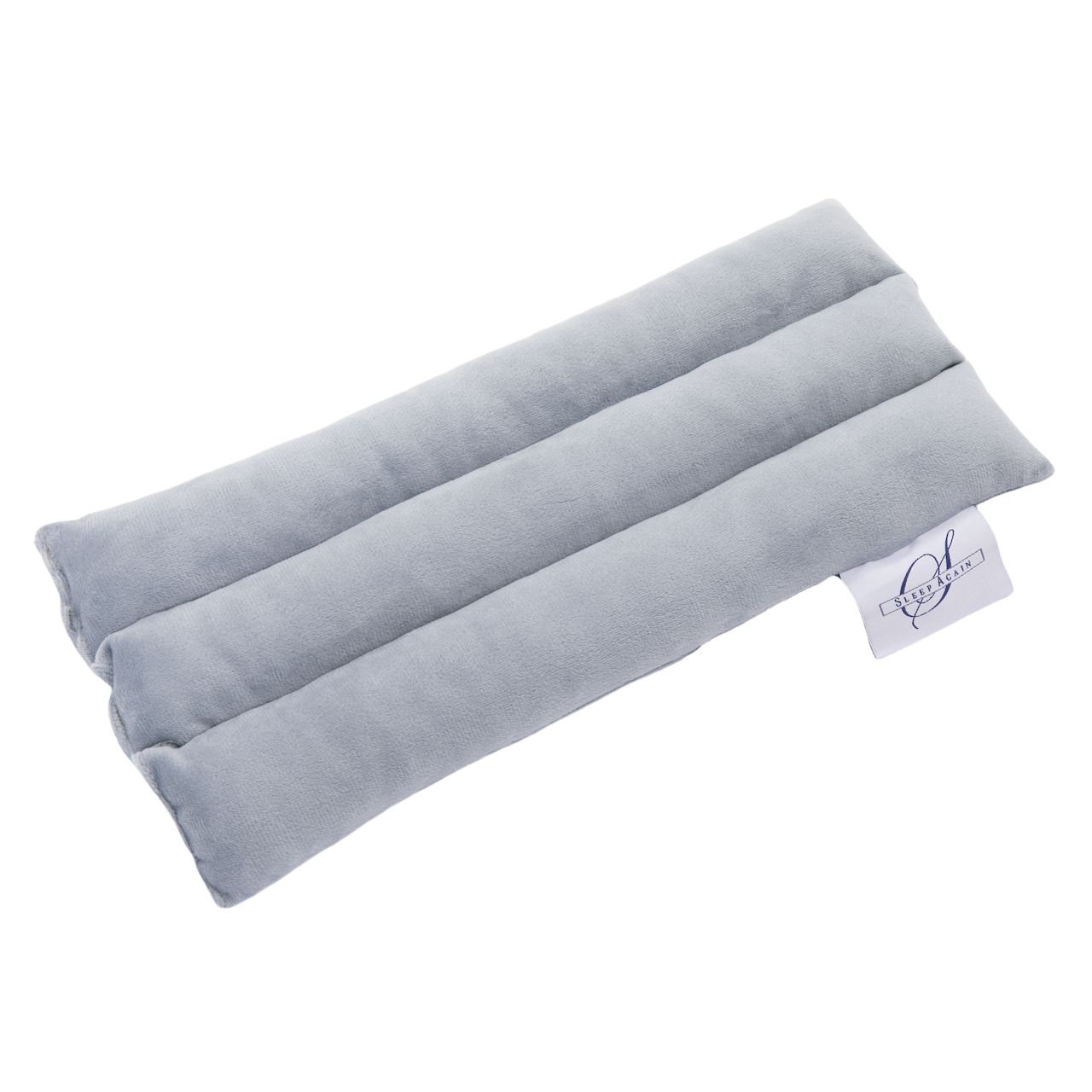
Can I use a heating pad while sleeping after inguinal hernia surgery?
No. Heating pads during sleep create burn risks, especially when pain medication reduces sensation. If your surgeon approves heat therapy, use it during awake hours only with timer limits.
How do I prevent rolling onto my side during sleep after hernia surgery?
Elevated back sleeping at 30-45 degrees can naturally prevent rolling onto the side on its own, but investing in a full-body pillow system with side support pillows to prevent rolling during the night may be your safest option.
Should I sleep with my knees bent or straight after inguinal hernia surgery?
Always sleep with your knees slightly bent and supported. Straight legs create lower back strain and pull on your abdominal muscles, which can affect your groin area. Bent knees maintain spinal alignment and reduce tension on healing tissue.
Can sleeping position affect hernia recurrence?
No direct evidence links sleeping position to hernia recurrence rates. However, proper positioning during recovery supports optimal healing. The bigger recurrence factors include surgical technique, mesh usage, returning to heavy activity too soon, and chronic coughing or straining.
How soon after surgery will I be able to sleep comfortably?
Comfort varies individually. Most patients report significant improvement by night 3-4 once acute post-surgical pain decreases. The first 48 hours typically involve restless sleep. By week two, most patients achieve near-normal sleep quality with proper elevation and pain management.
What if I accidentally roll onto my stomach during sleep after surgery?
Pain will likely wake you immediately. If this happens, carefully return to the elevated back position and monitor for increased pain or swelling. One accidental episode rarely causes problems, but repeated occurrences can disrupt healing.
Medical Disclaimer
The information provided on this page is for educational purposes only and should not replace professional medical advice from your healthcare provider. Sleep Again Pillows are positioning support products designed to help maintain sleep positions recommended by medical professionals during recovery and for therapeutic use.
Always follow your surgeon's or physician's specific post-operative instructions and positioning requirements. Medical guidance from your healthcare team takes precedence over any general information provided here. Recovery timelines, positioning angles, and product suitability vary based on individual surgical procedures, medical conditions, and patient-specific factors.
Consult your healthcare provider before purchasing positioning equipment if you have specific medical concerns or questions about whether these products are appropriate for your recovery or medical condition(s). Your medical team can provide personalized recommendations based on your unique situation.
Sleep Again Pillows do not diagnose, treat, cure, or prevent any medical condition. These products provide positioning support to help maintain sleep angles and positions as directed by your healthcare provider.