
You have scheduled your chin liposuction procedure, researched your surgeon, and prepared yourself for the transformation ahead. What you might not know is that your sleeping position for the next several weeks will significantly impact your recovery timeline and final results.
Proper sleep positioning after chin liposuction accelerates healing, reduces swelling, and prevents complications. Patients who plan their sleep strategy before surgery report faster recovery, better results, and fewer setbacks.
This guide covers everything you need to know about sleeping after chin liposuction, before you are managing compression garments, swelling, and post-surgical discomfort.
Why Your Sleep Position Matters for Chin Liposuction Recovery
The heavy lifting of your chin liposuction recovery happens during the eight hours you spend sleeping each night. Your sleep position directly affects swelling control, healing quality, and final results.
Gravity determines fluid drainage patterns. Sleeping with proper elevation and gravity helps drain fluids away from your face. Improper positioning causes gravity to pool fluids in the treatment area, creating excessive swelling that can delay your final results by weeks. This is why so many surgeons not just recommend but insist on elevated back sleeping following your procedure.
Pressure disrupts the healing process. Your face needs zero pressure on the treatment area during initial healing. Pillow contact on your chin can disrupt healing, cause bruising, and affect your final contour. Learning how to achieve the proper positioning eliminates all facial pressure throughout the night and can better protect your results.
This consistent positioning also helps prevent asymmetry. Patients who maintain proper elevation throughout recovery should see even healing patterns, with inconsistent positioning often causing uneven swelling and healing on different sides of the face.
Pre-surgery planning allows you to establish proper positioning before dealing with post-surgical discomfort and medication effects.
The Optimal Sleeping Position After Chin Liposuction
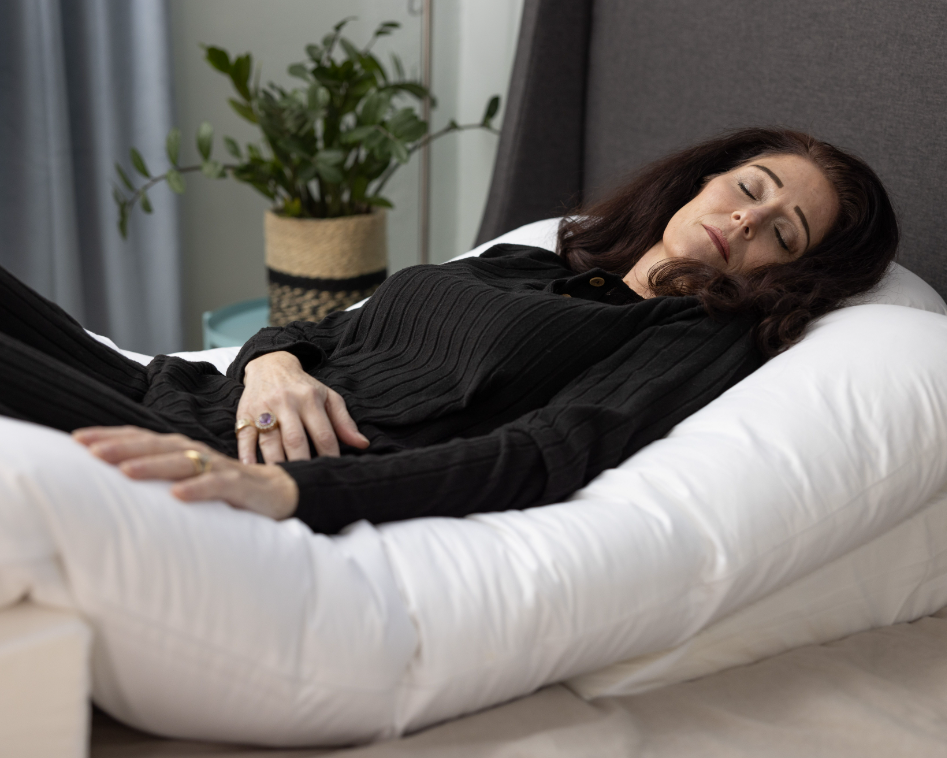
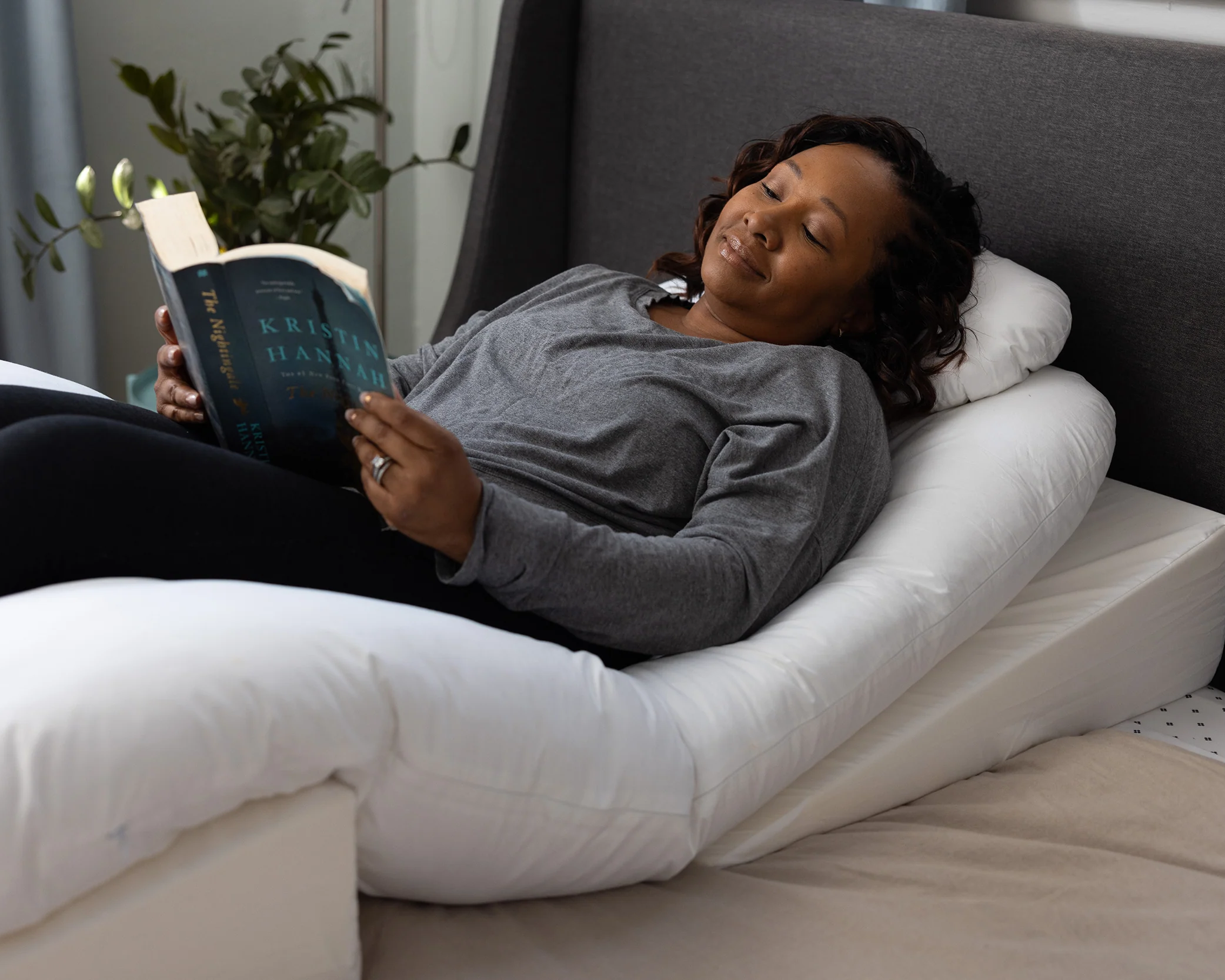
Elevated back sleeping at a 30-45 degree angle is the medically necessary position for chin liposuction recovery. This specific positioning provides multiple therapeutic benefits.
Elevation reduces facial swelling. When your head sits higher than your heart, gravity assists your lymphatic system in draining excess fluids away from your face and neck. Proper elevation can reduce your swelling timeline by several days compared to sleeping flat.
Zero facial pressure prevents complications. Back sleeping keeps your face completely off the pillow, eliminating pressure on your chin, jawline, and neck. This pressure-free environment allows your skin to properly reattach to underlying tissues without interference.
The angle supports breathing comfort. Chin liposuction often causes temporary neck stiffness and compression garment tightness. The elevated position opens your airway naturally, improving breathing comfort throughout the night.
Maintained positioning throughout sleep is essential. The challenge is not starting in the correct position but remaining there all night. Proper setup makes rolling over physically difficult while maintaining comfort for extended sleep periods.

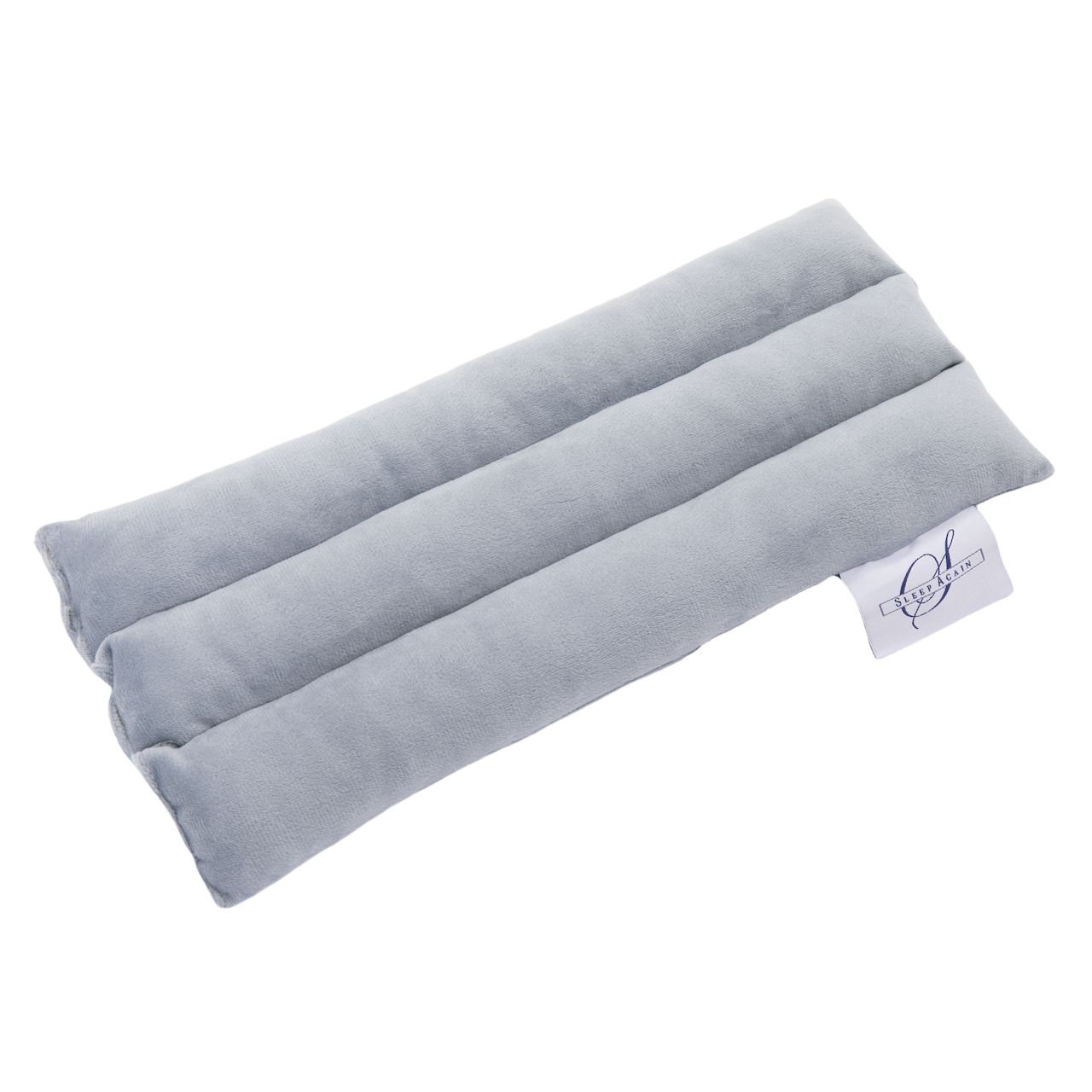
The Sleep Again Pillow System: Your Solution for Chin Liposuction Recovery
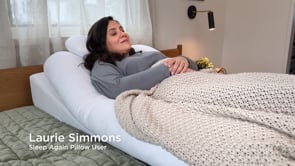
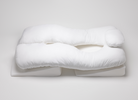
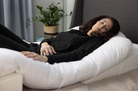
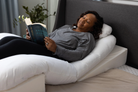
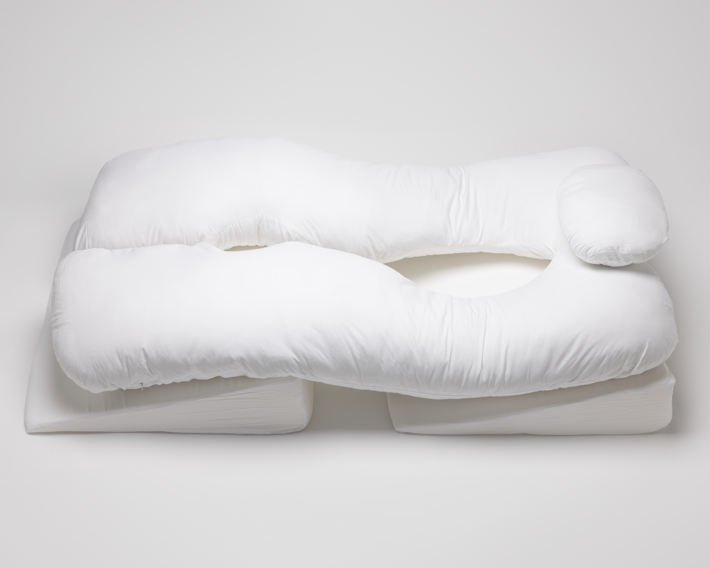
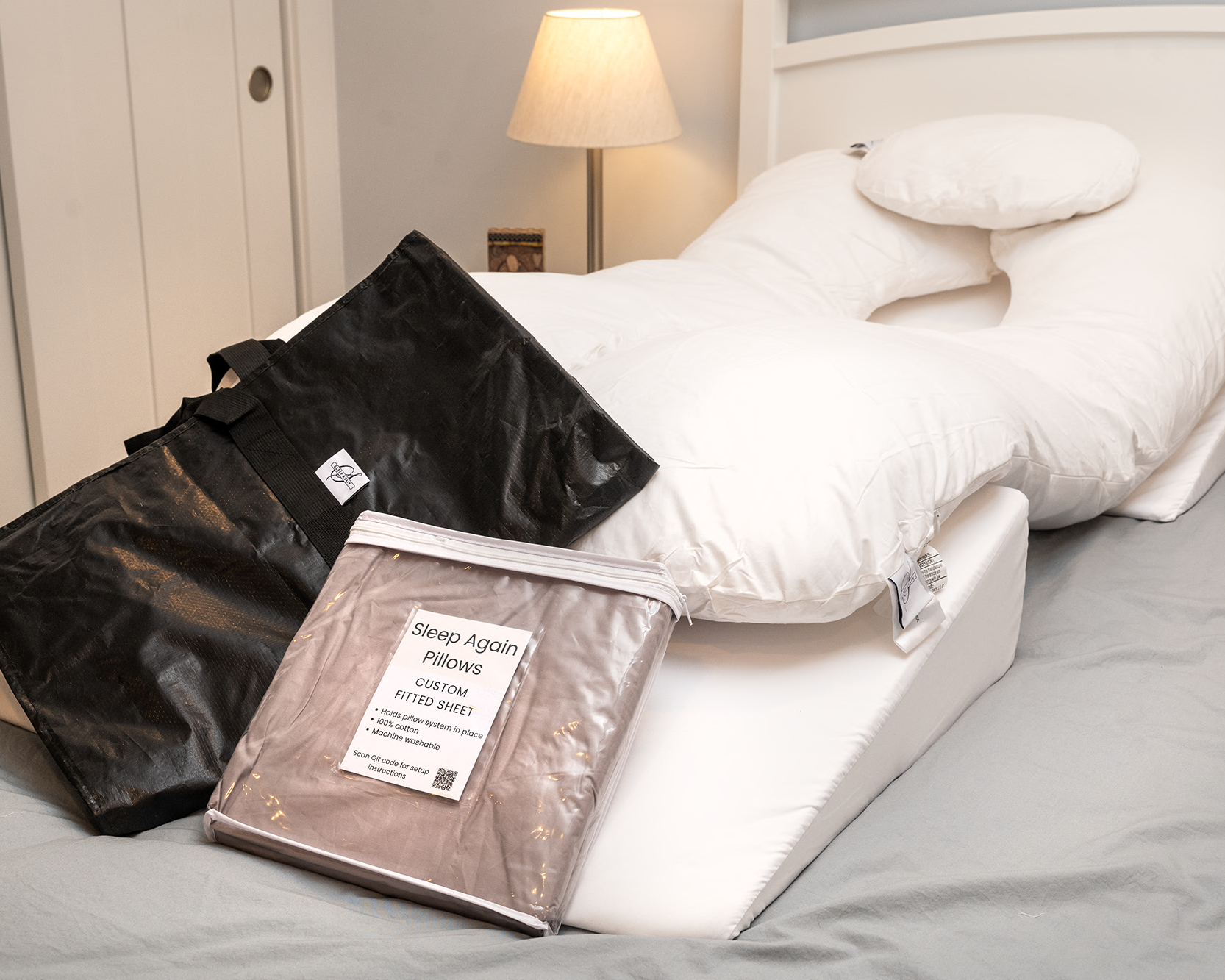
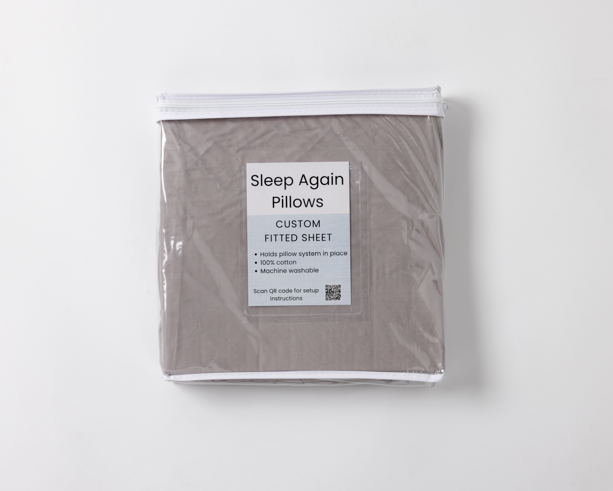
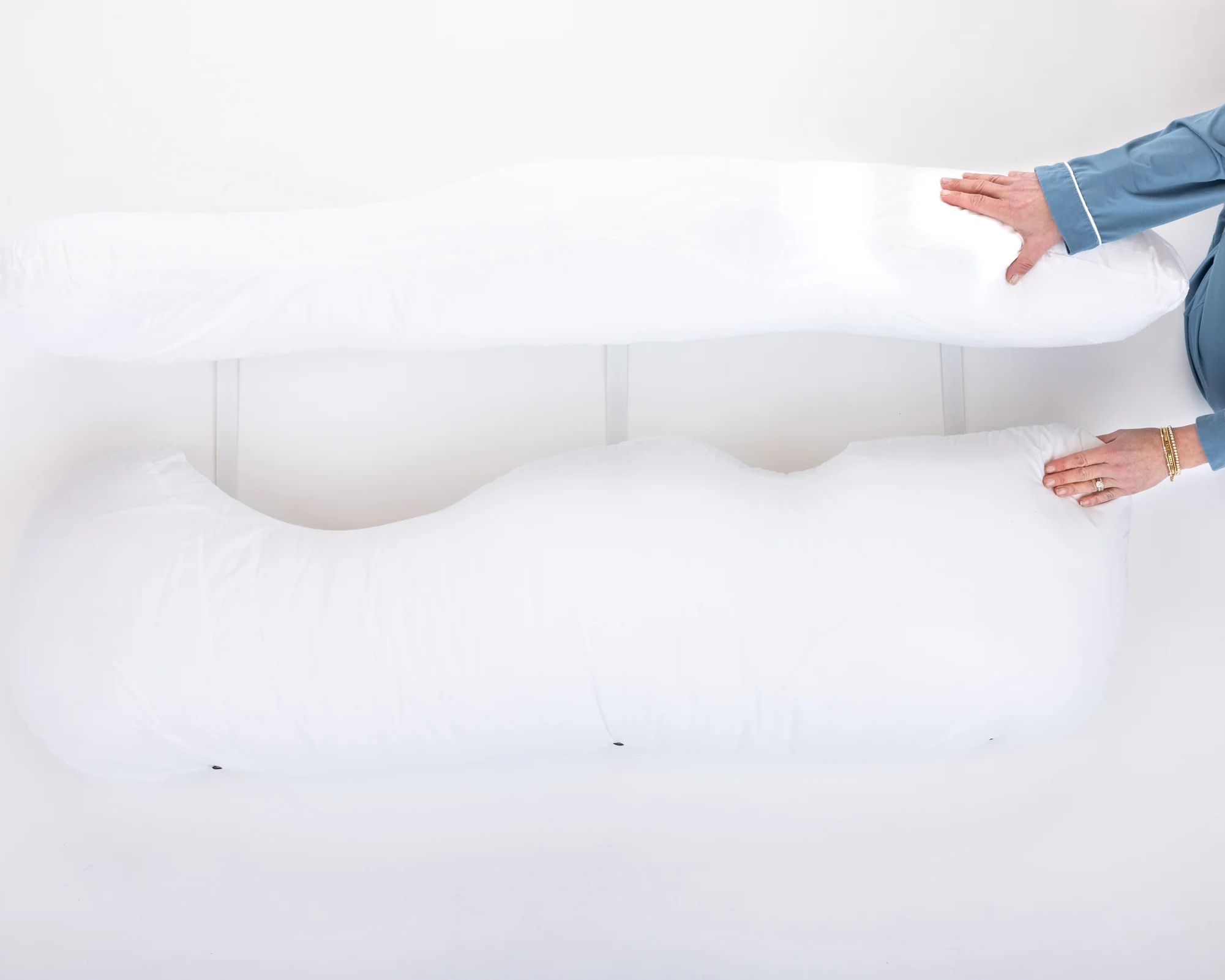
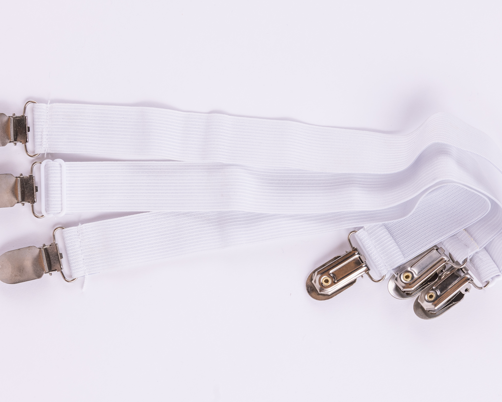
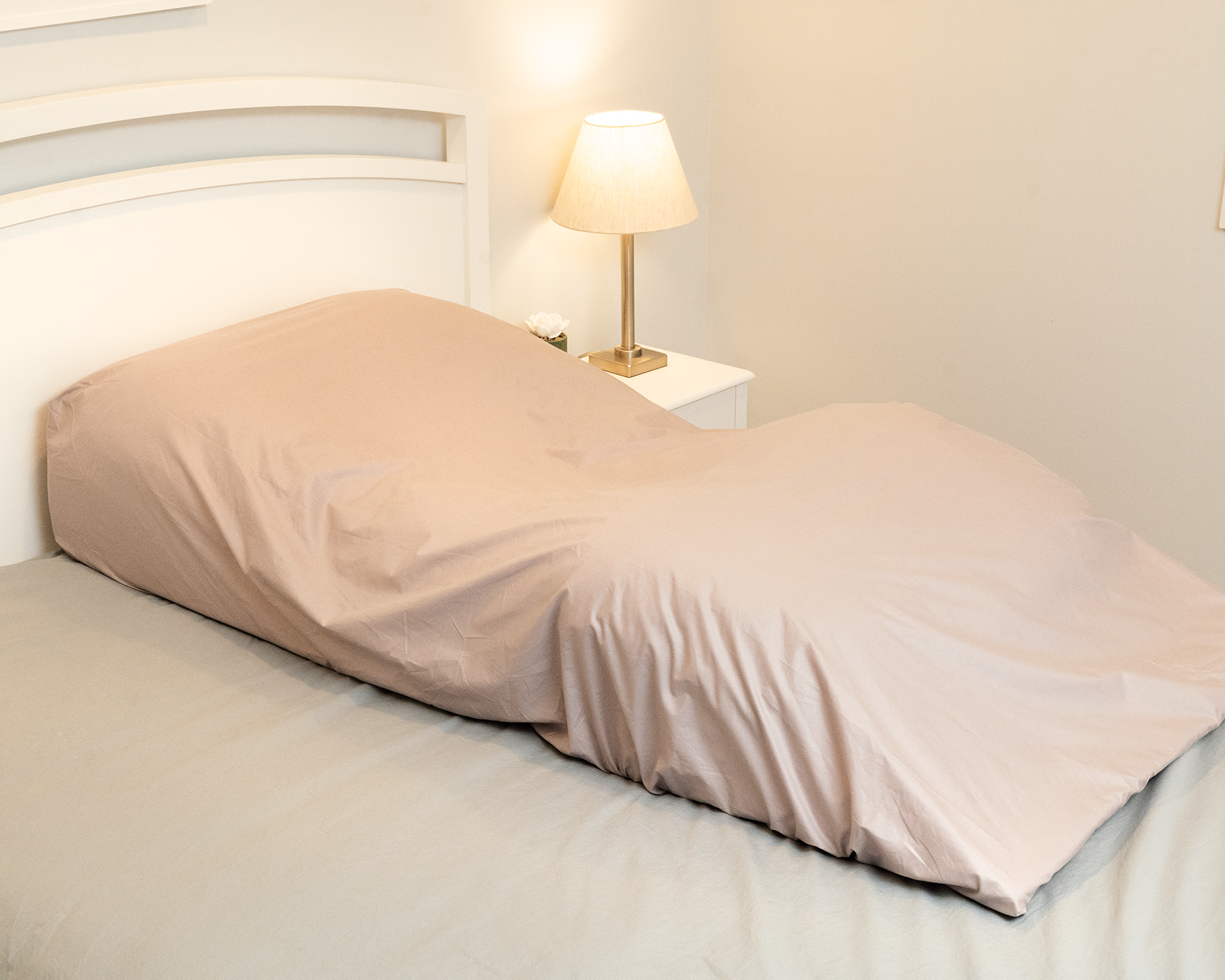
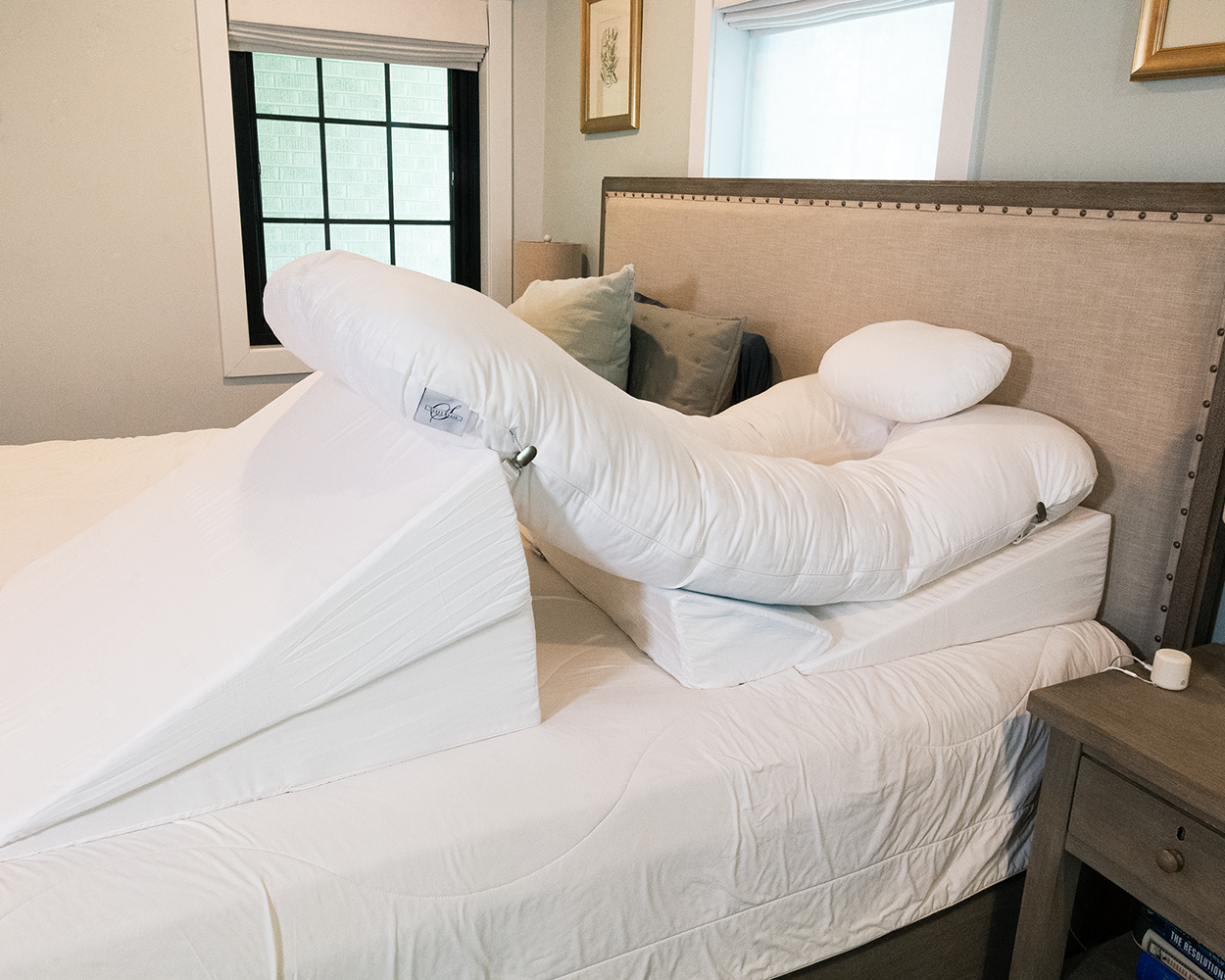
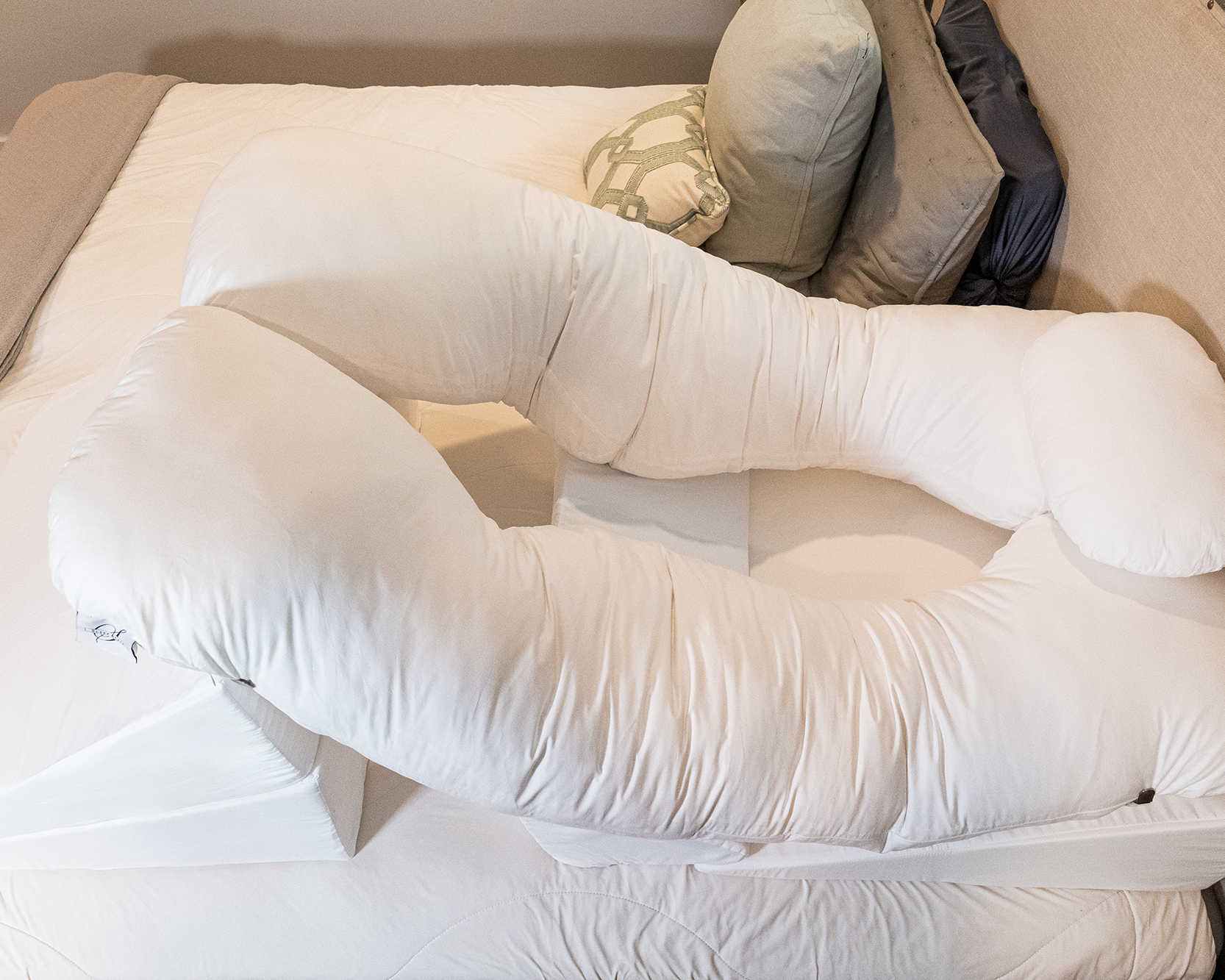
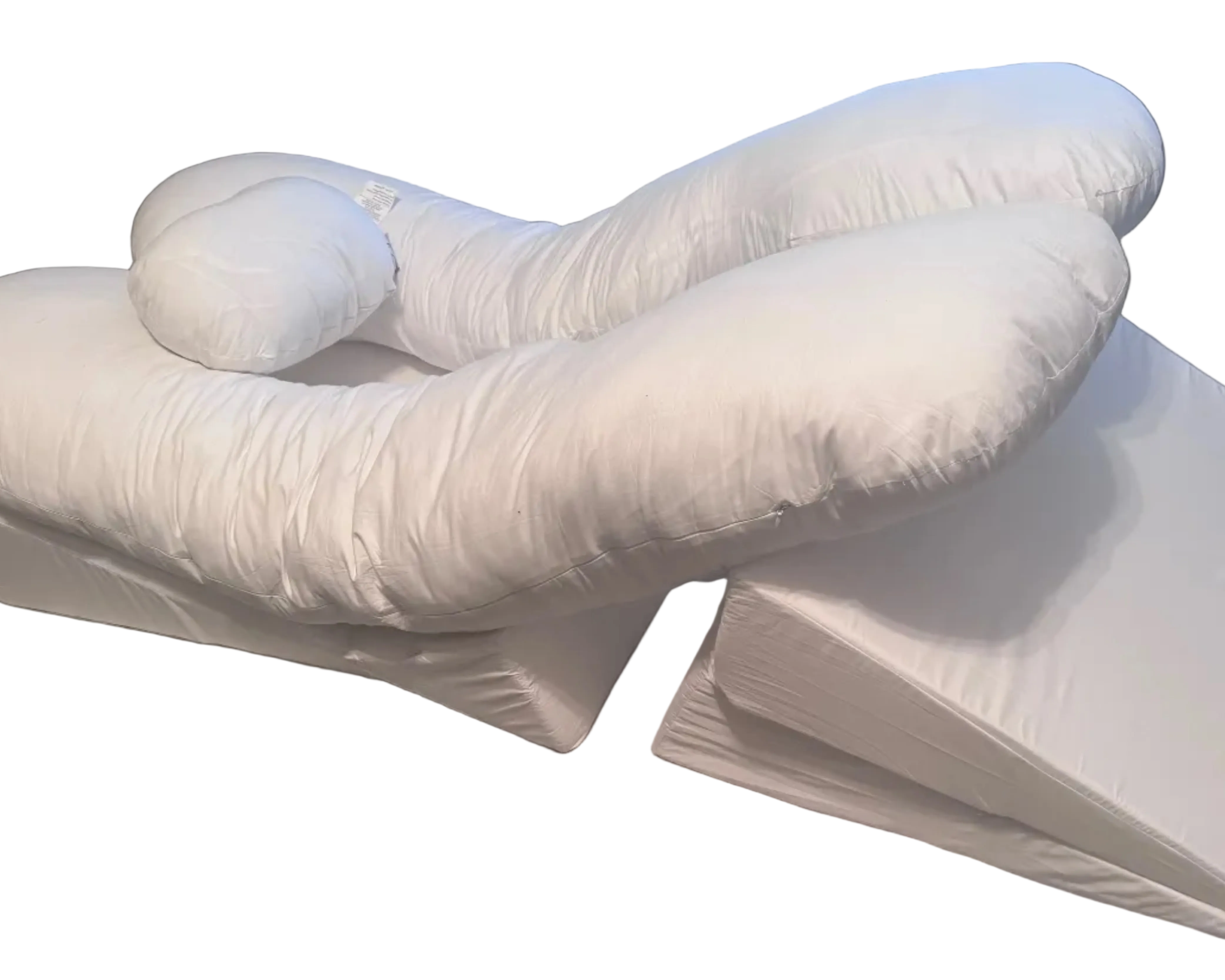
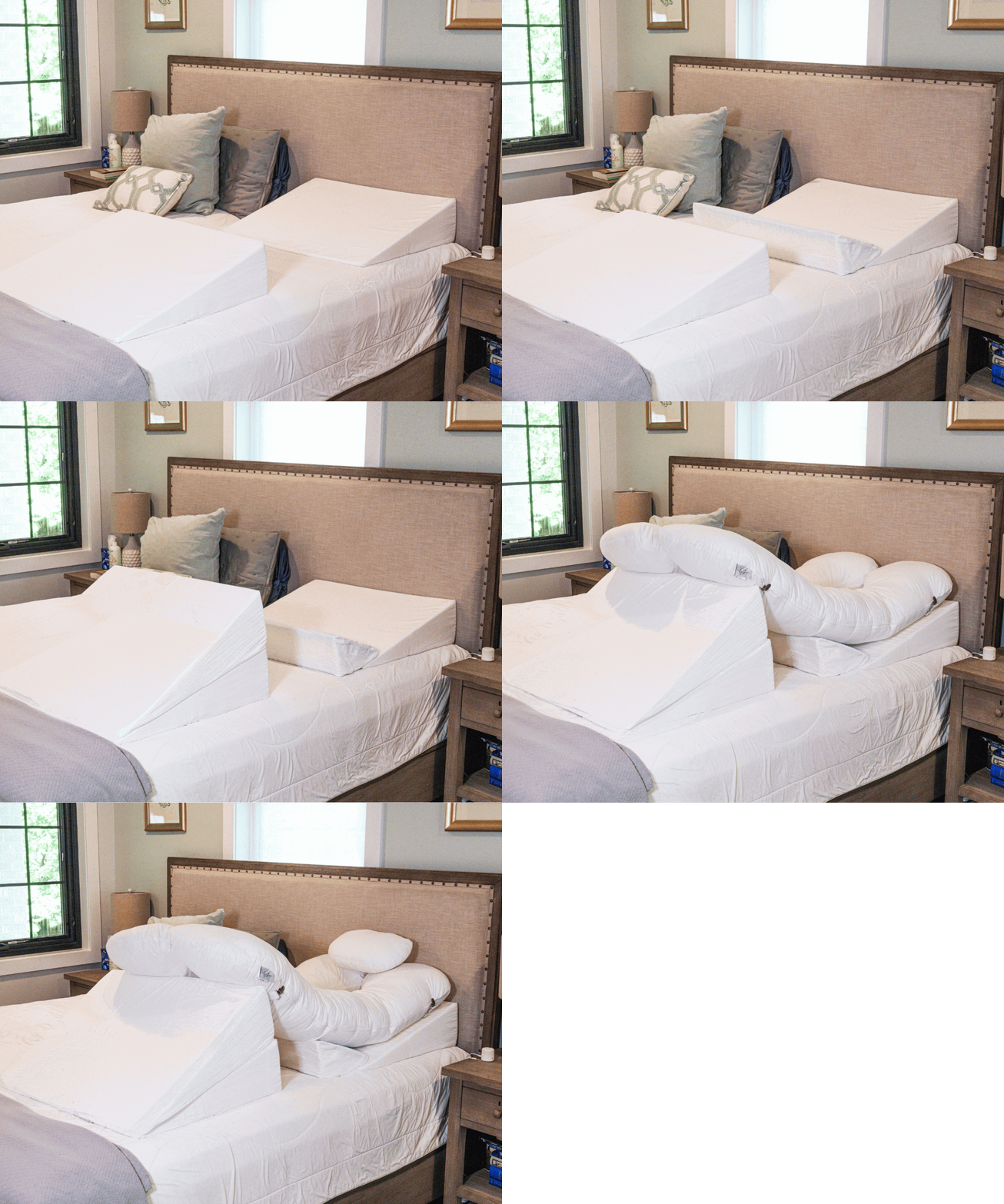
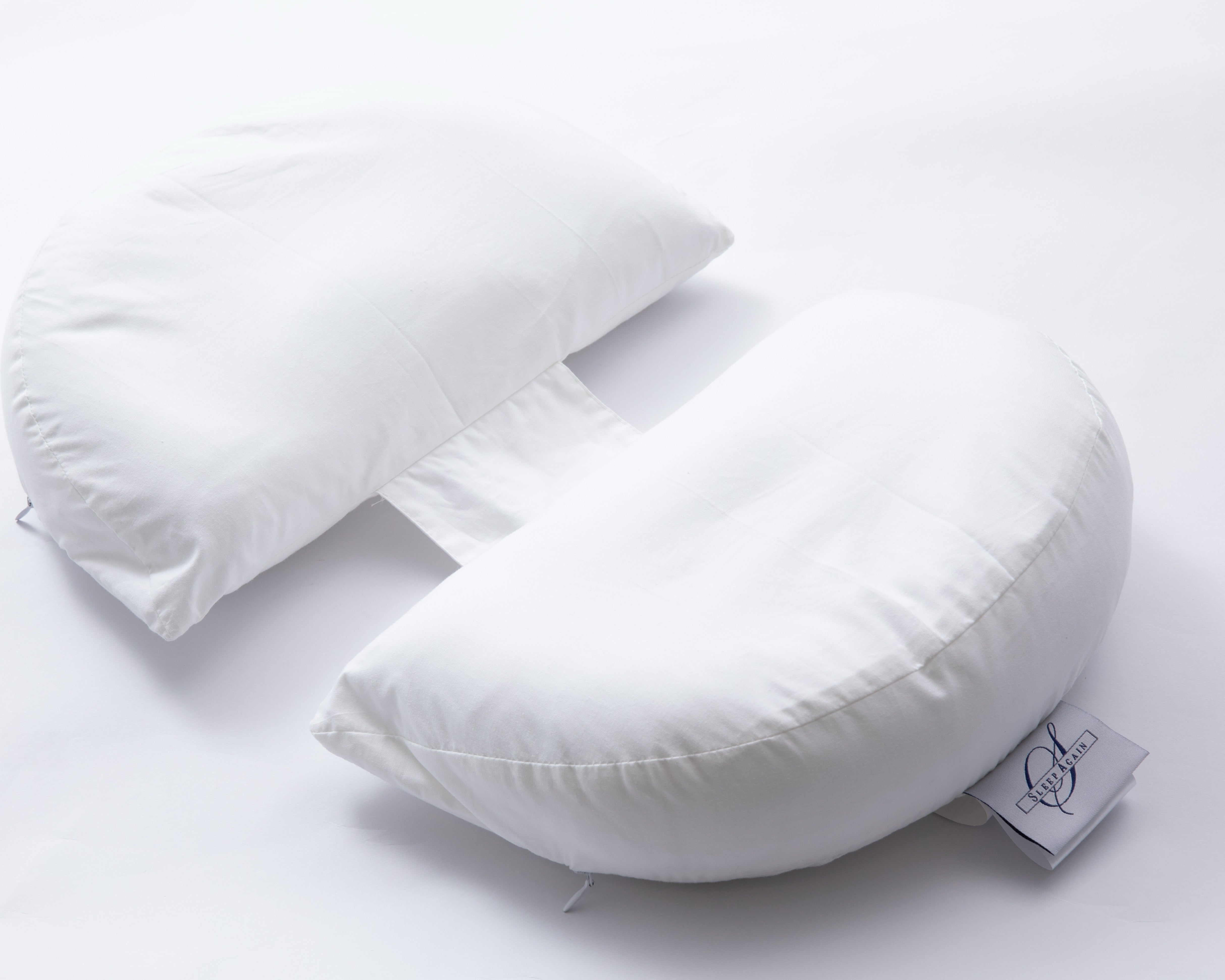
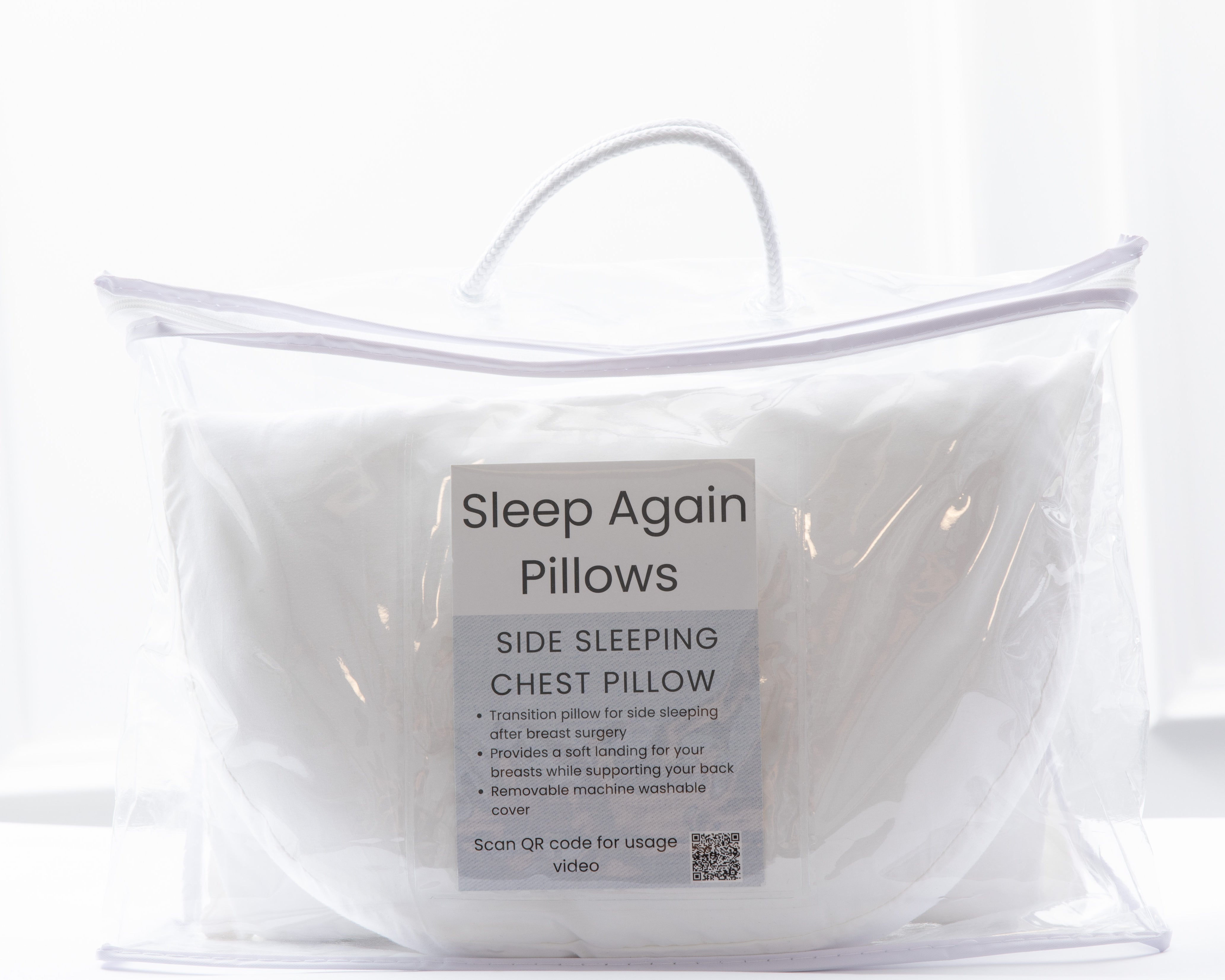
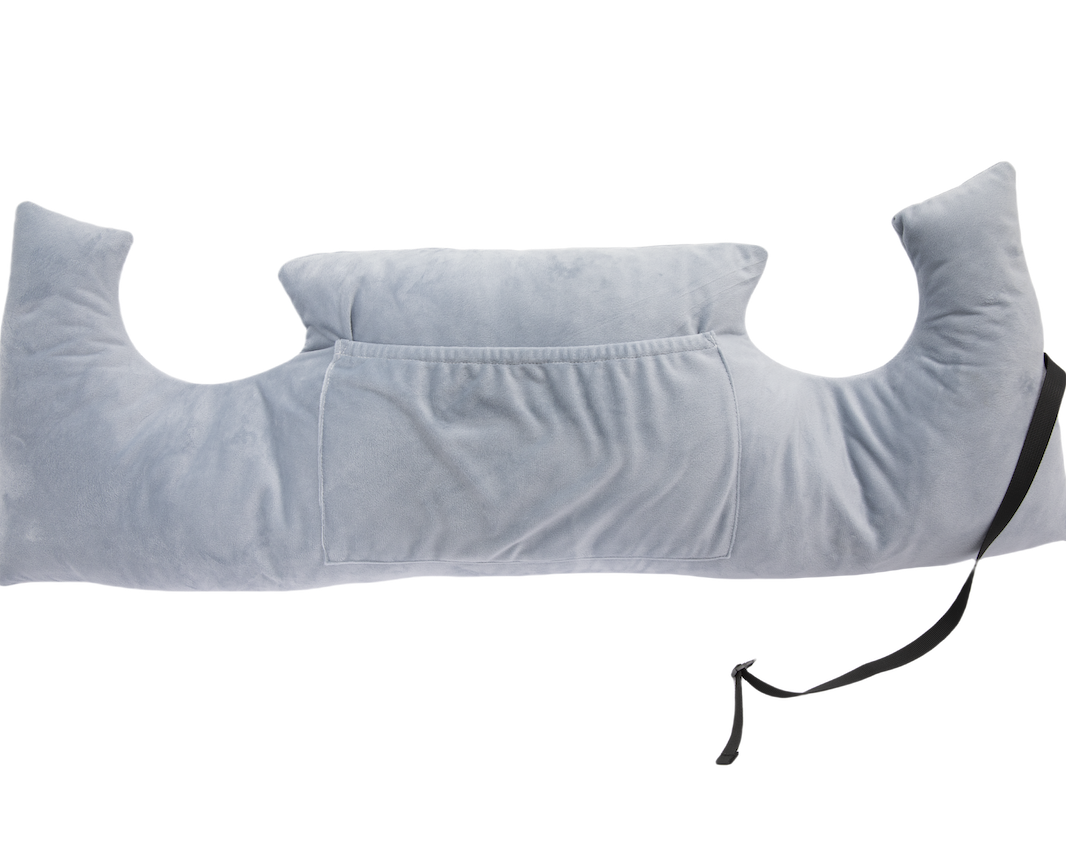
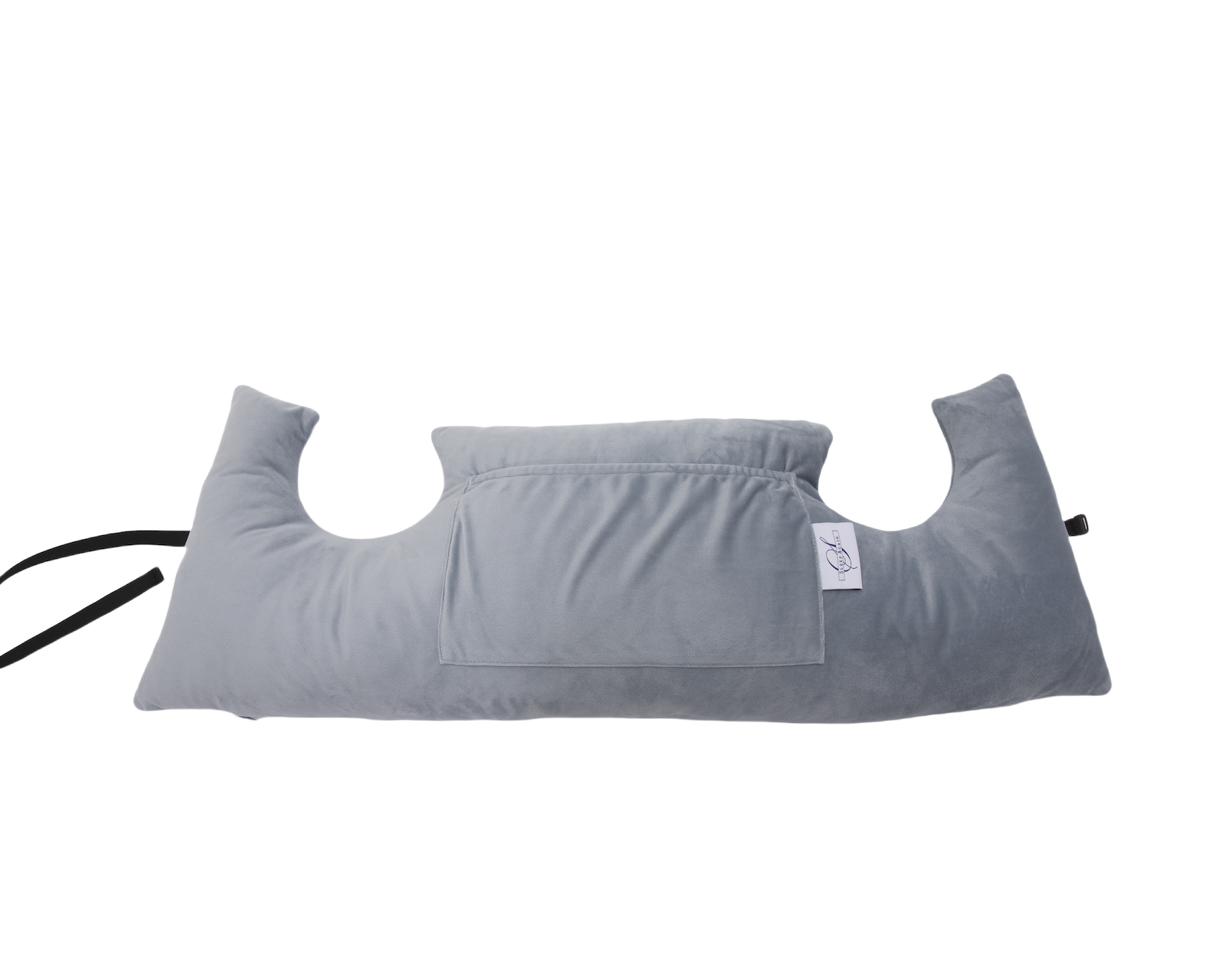
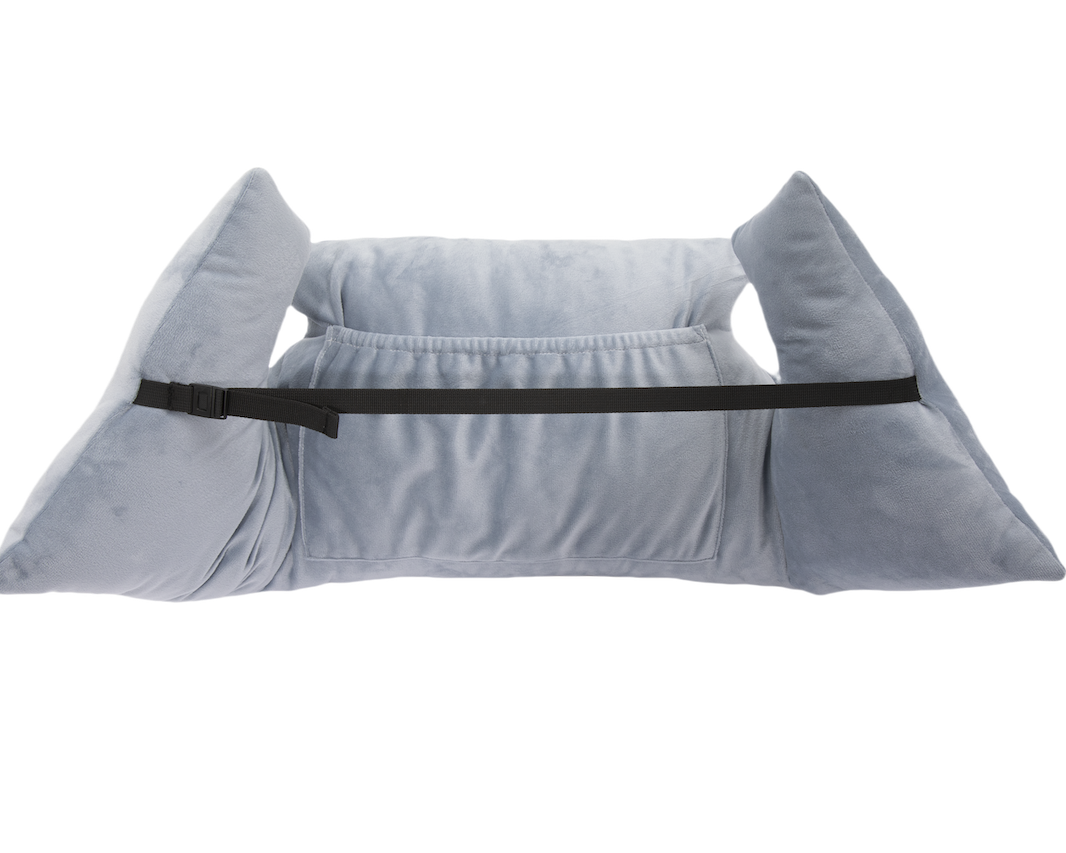
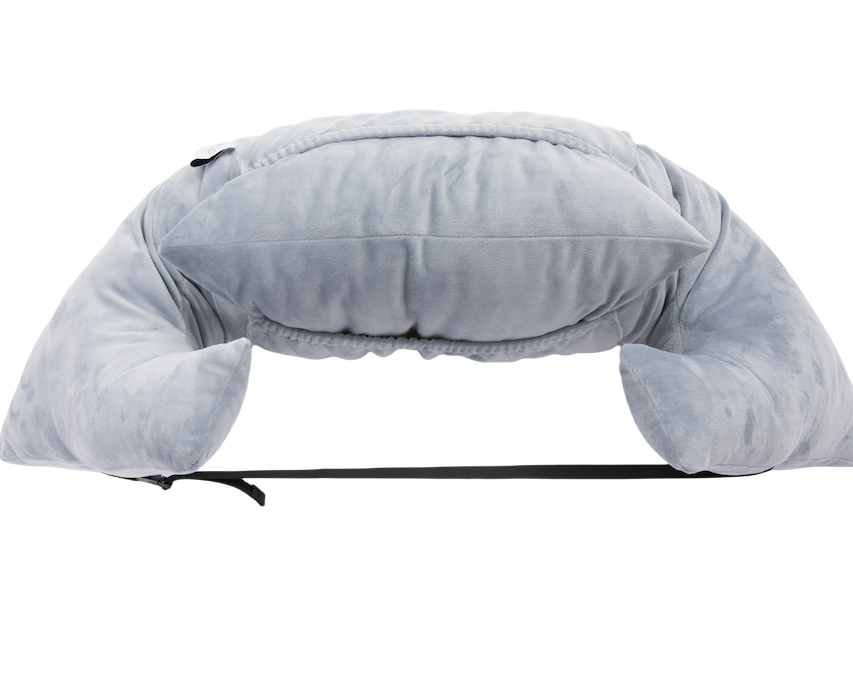
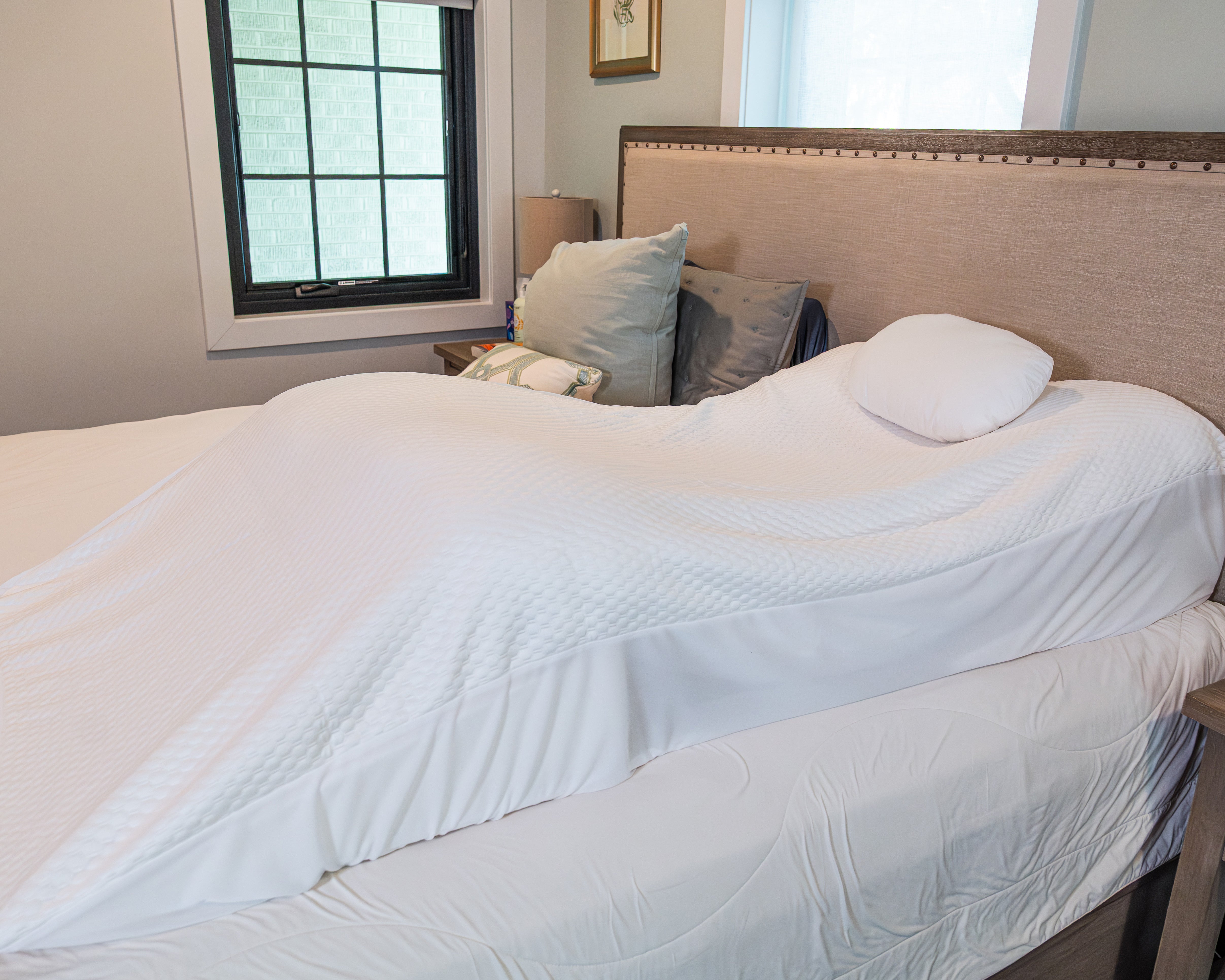
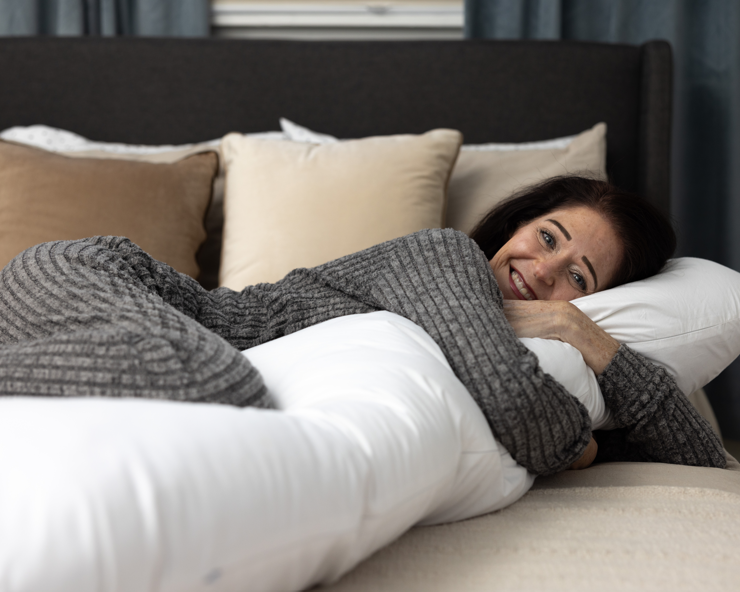
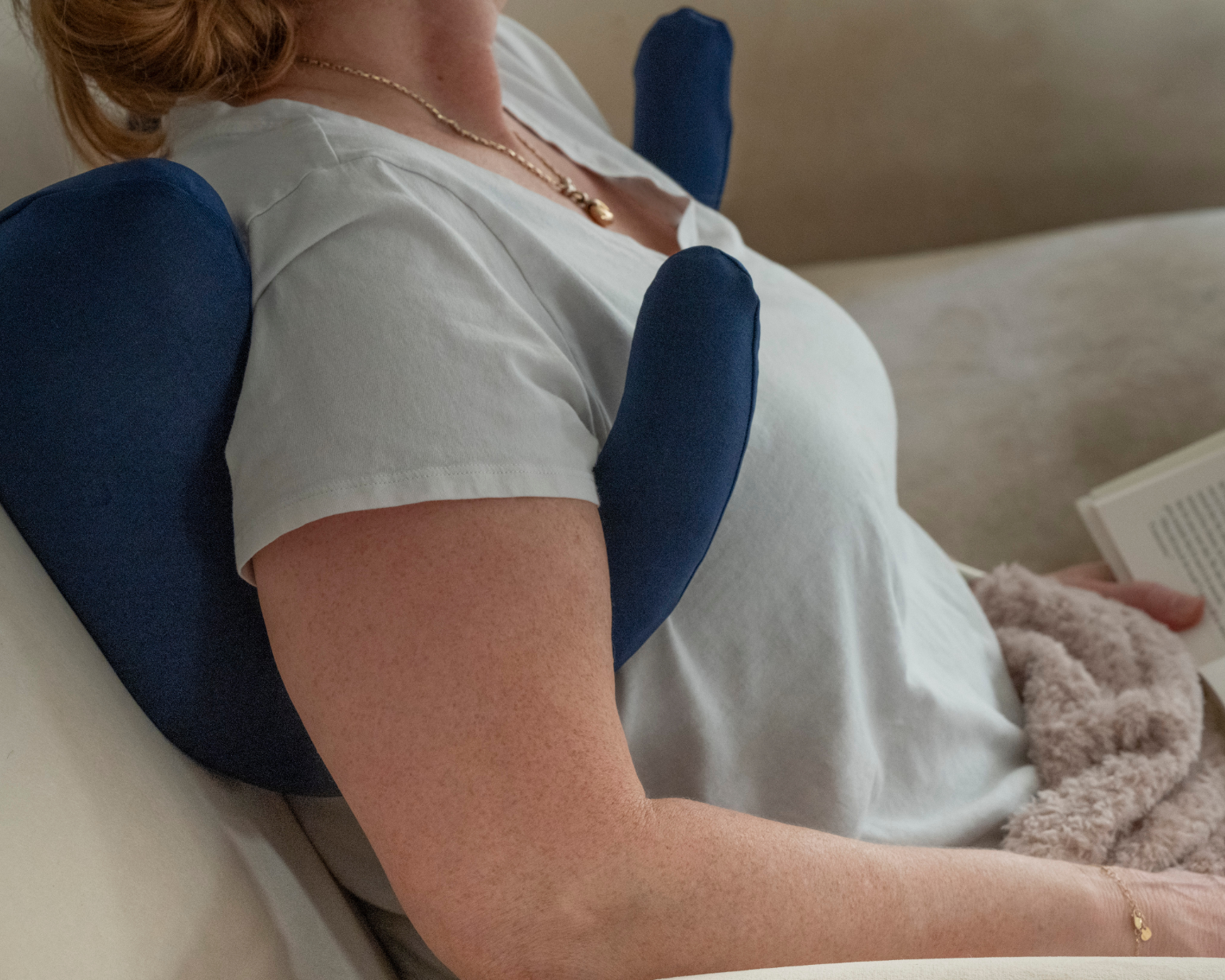
The Sleep Again Pillow System provides a complete positioning solution designed specifically for surgical recovery and elevated sleep needs.
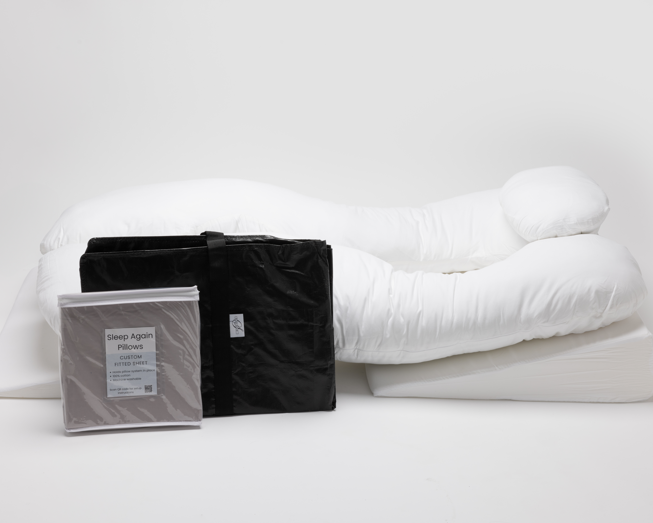
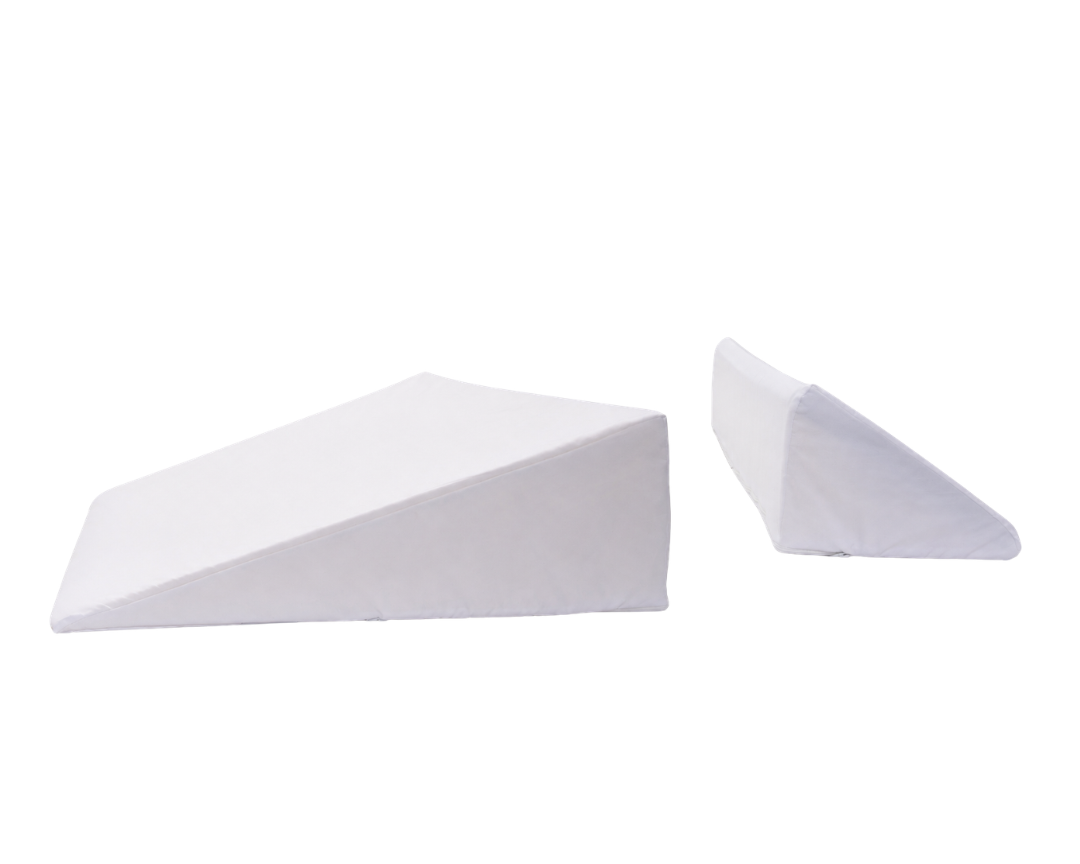
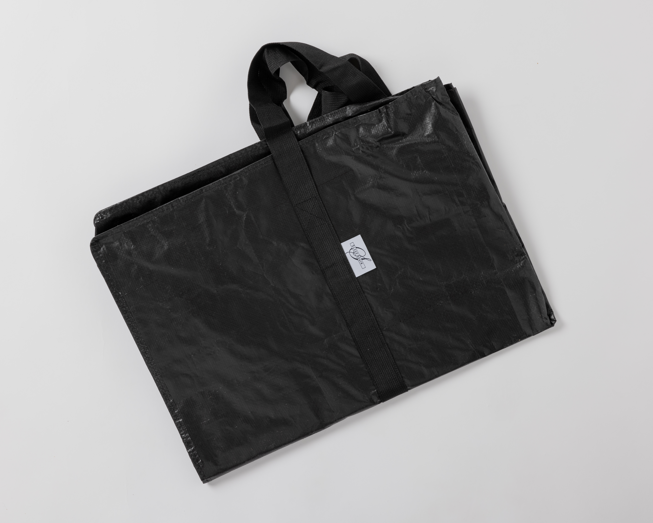
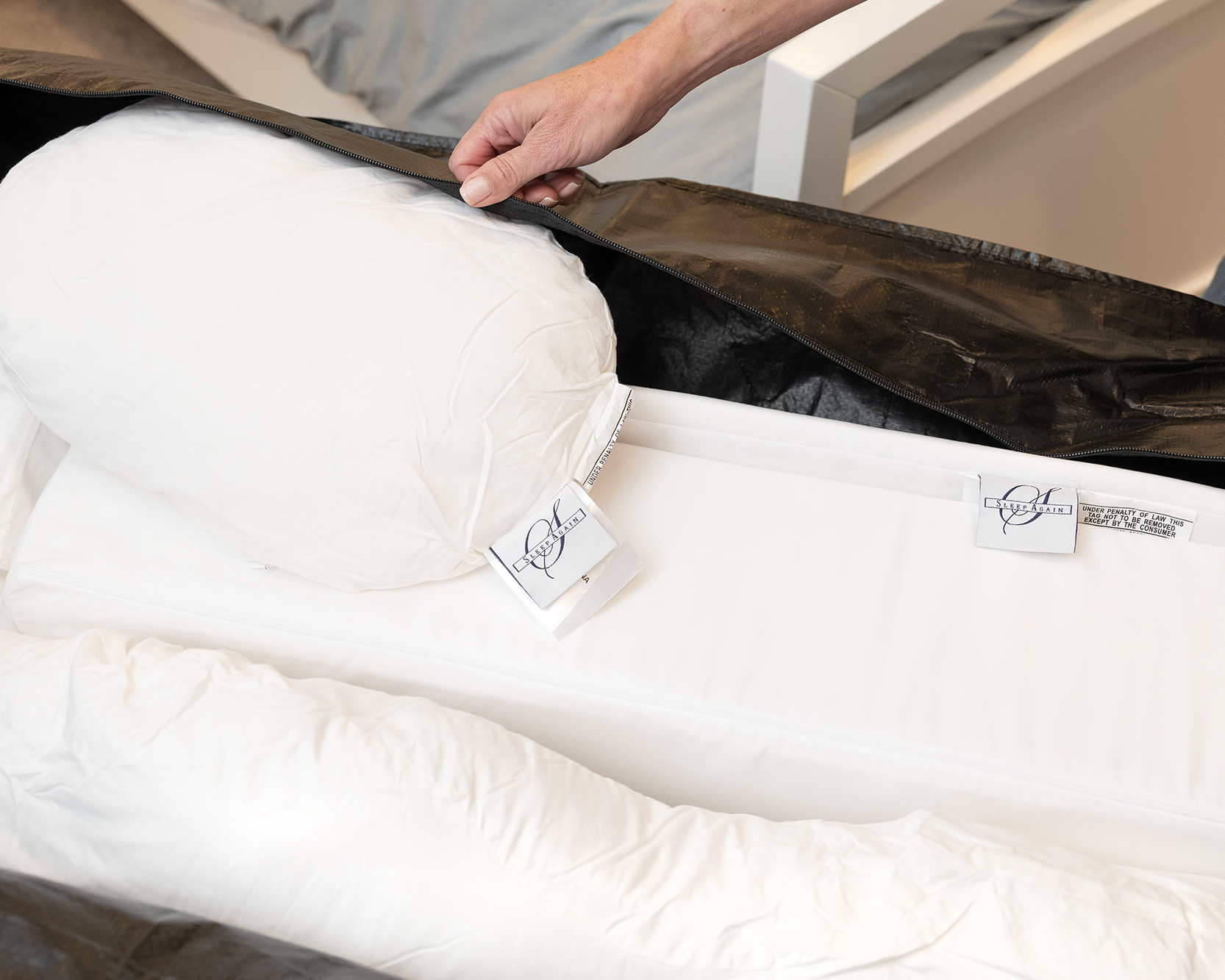
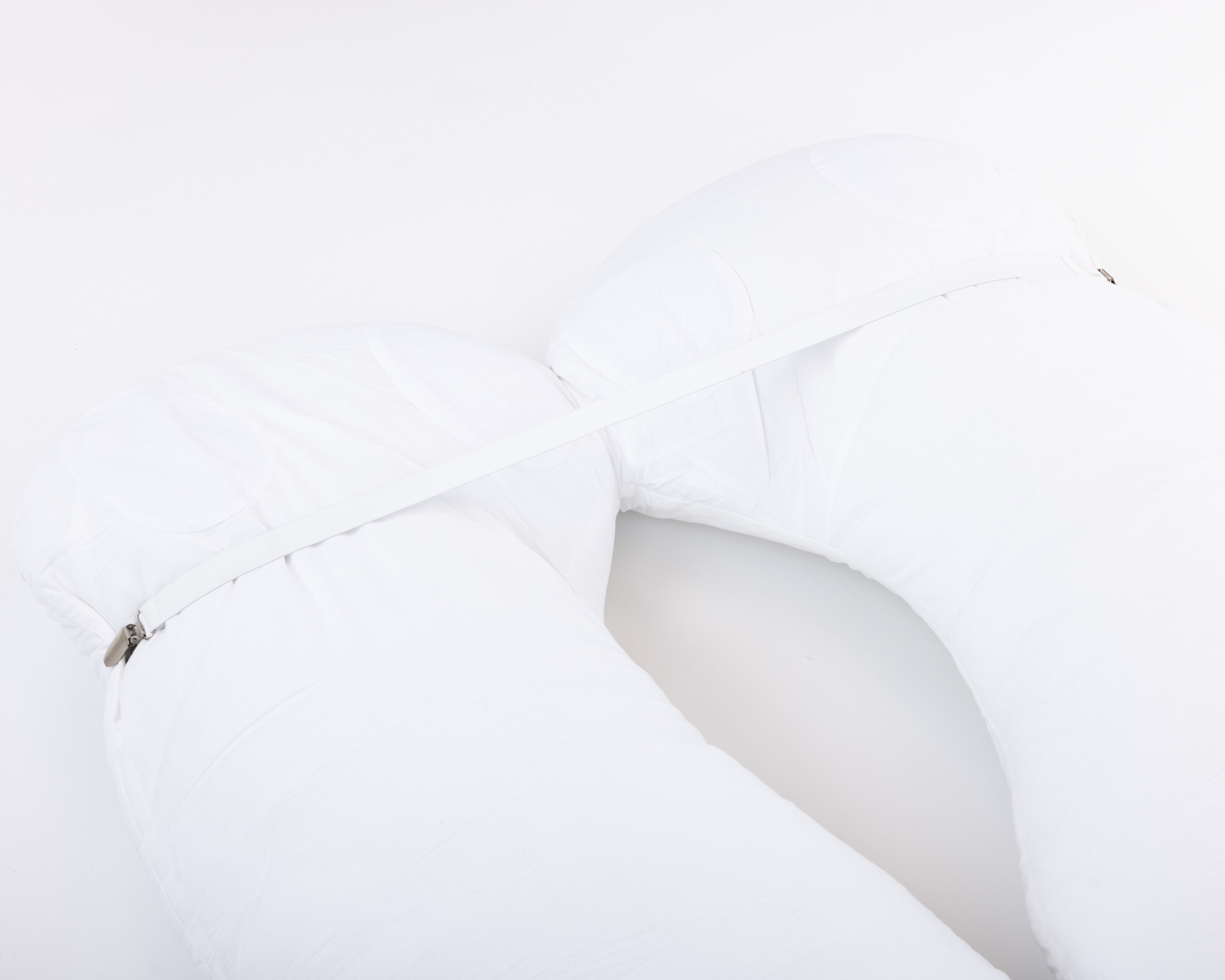
Every Sleep Again Pillow System includes:
-
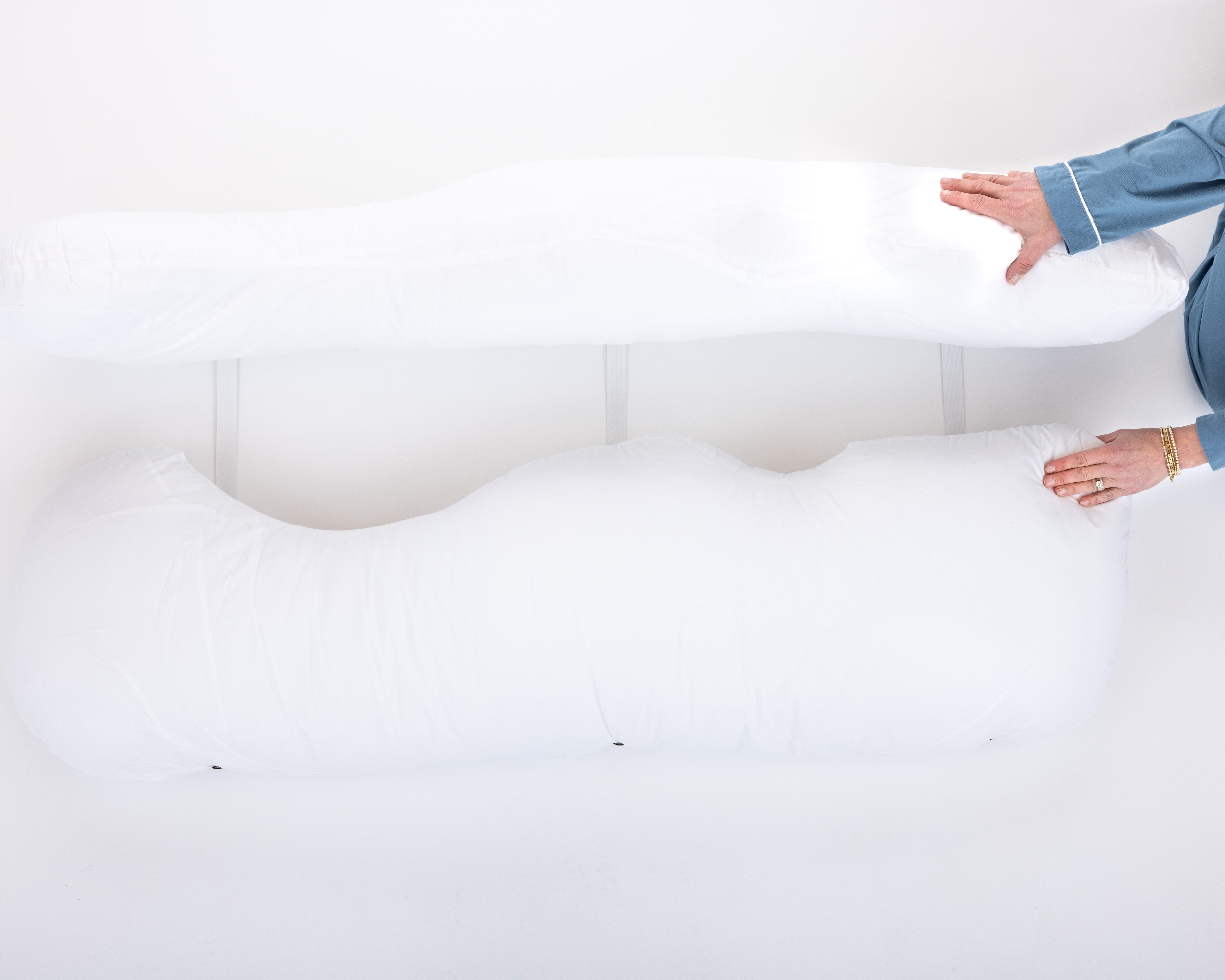
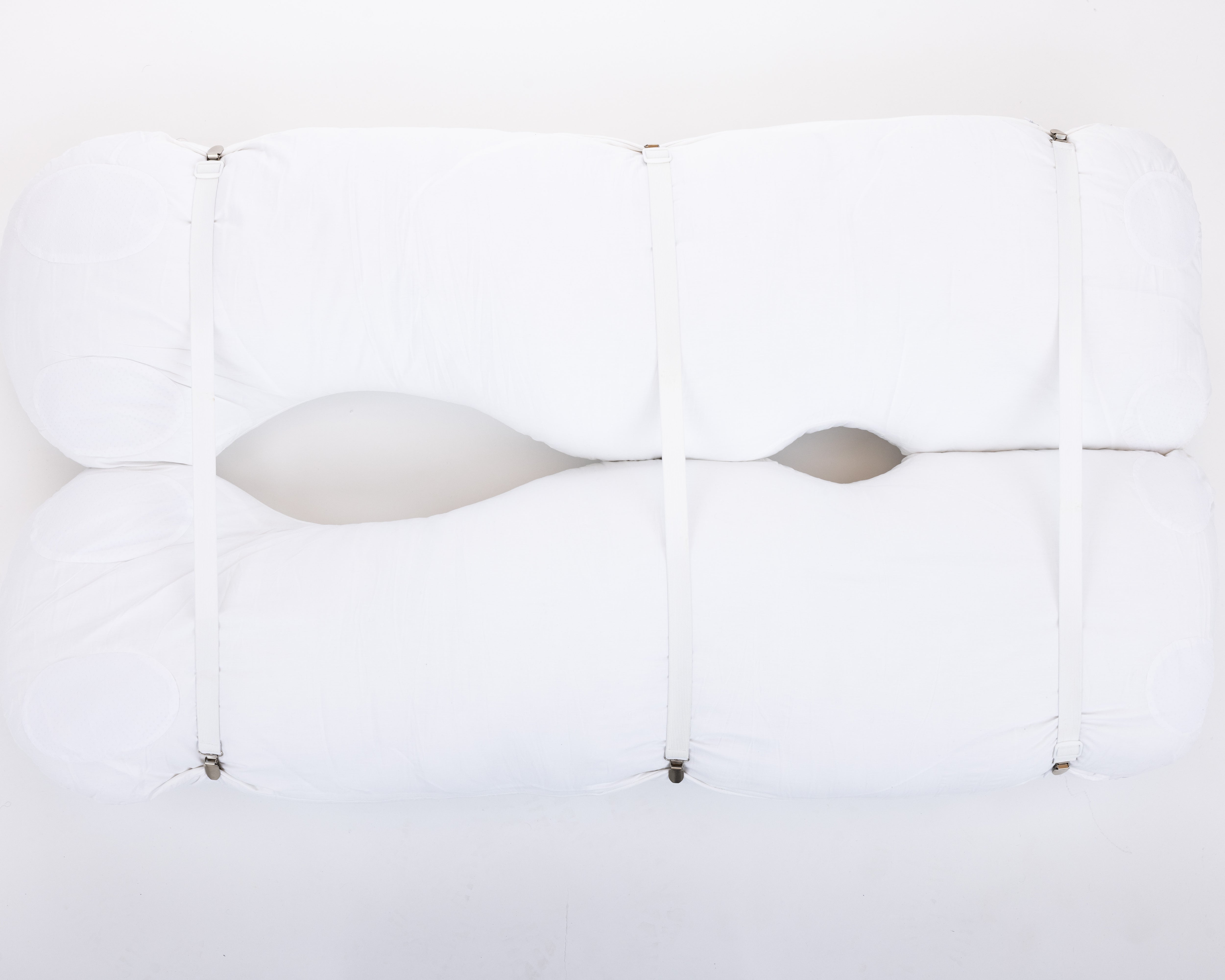
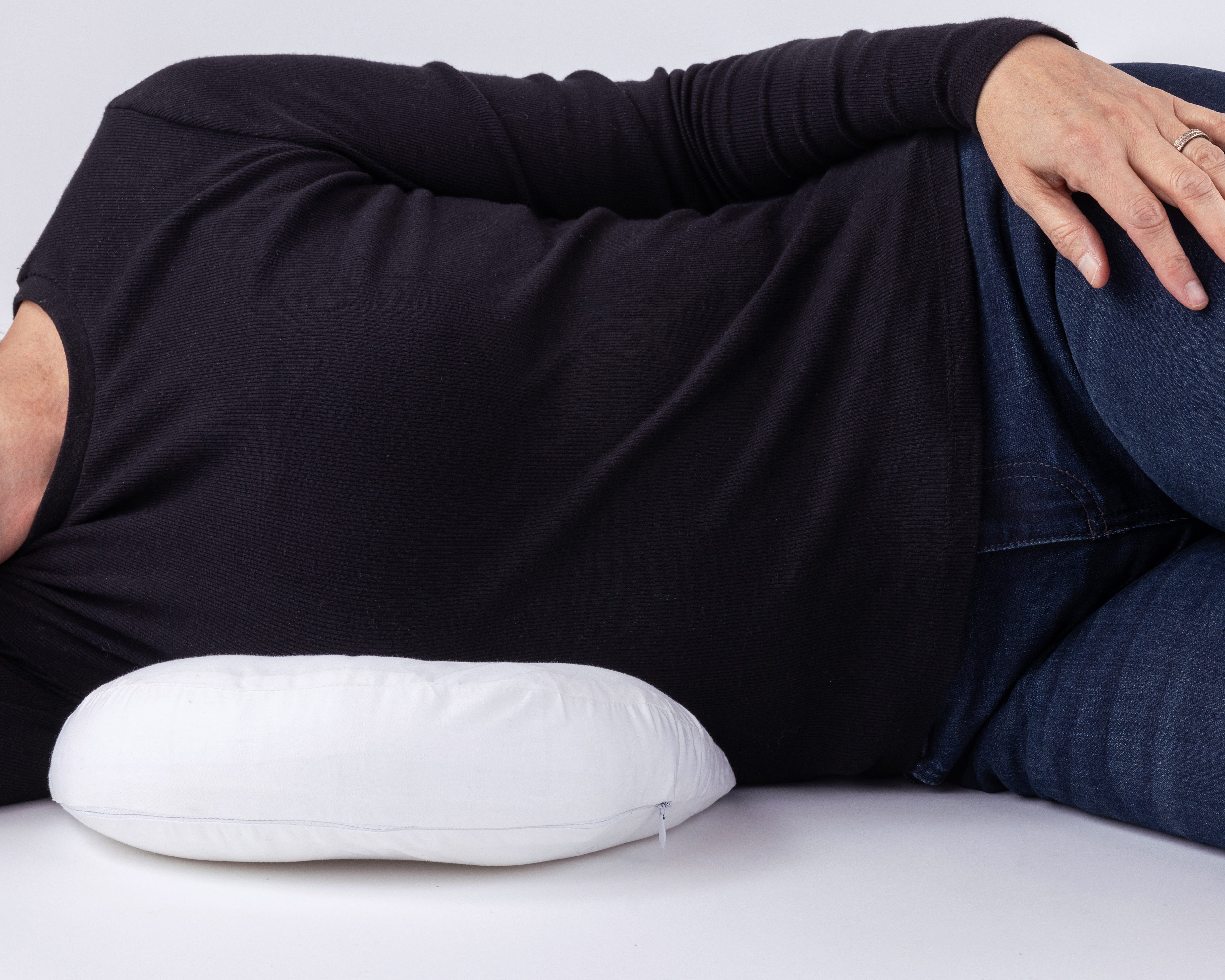
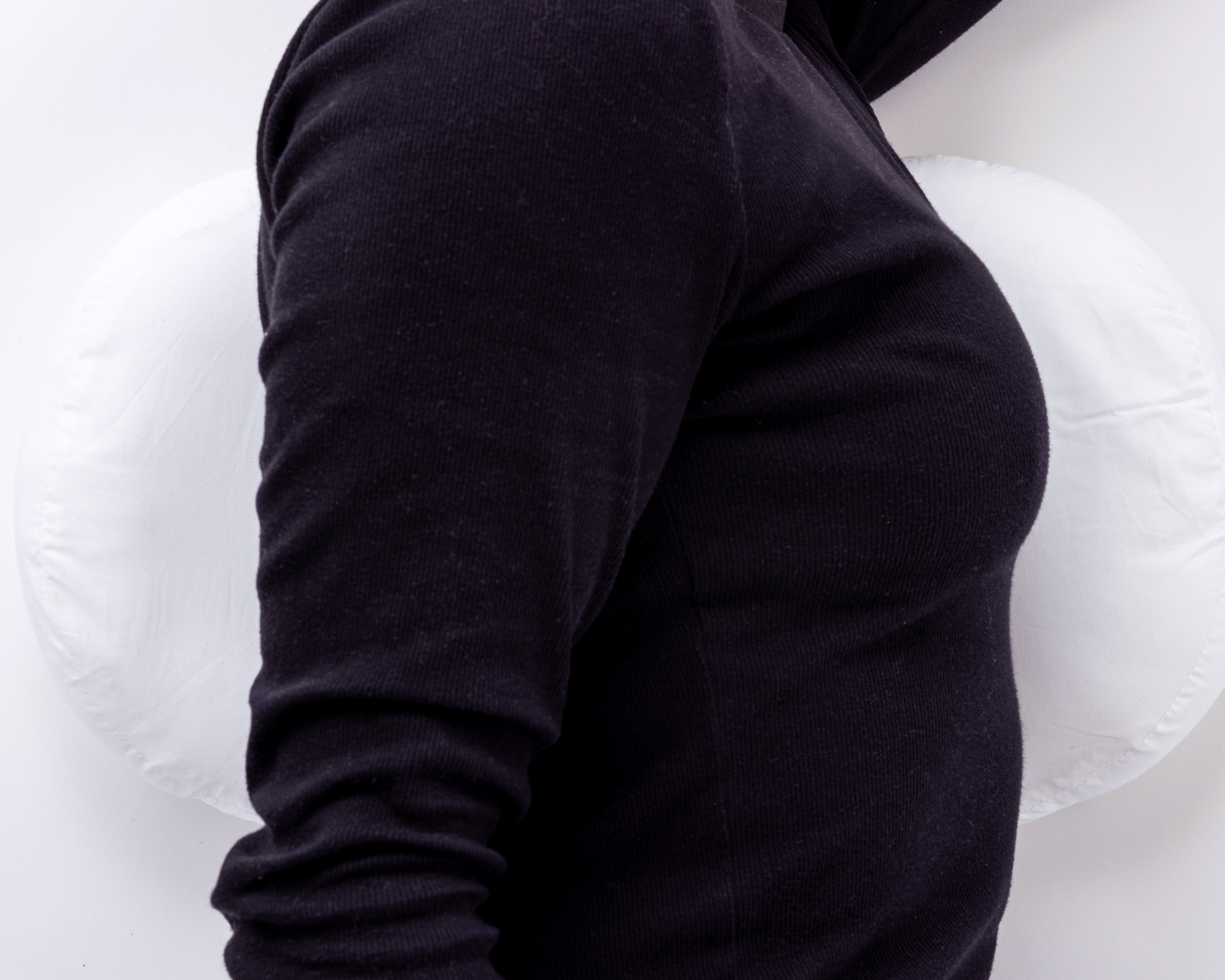
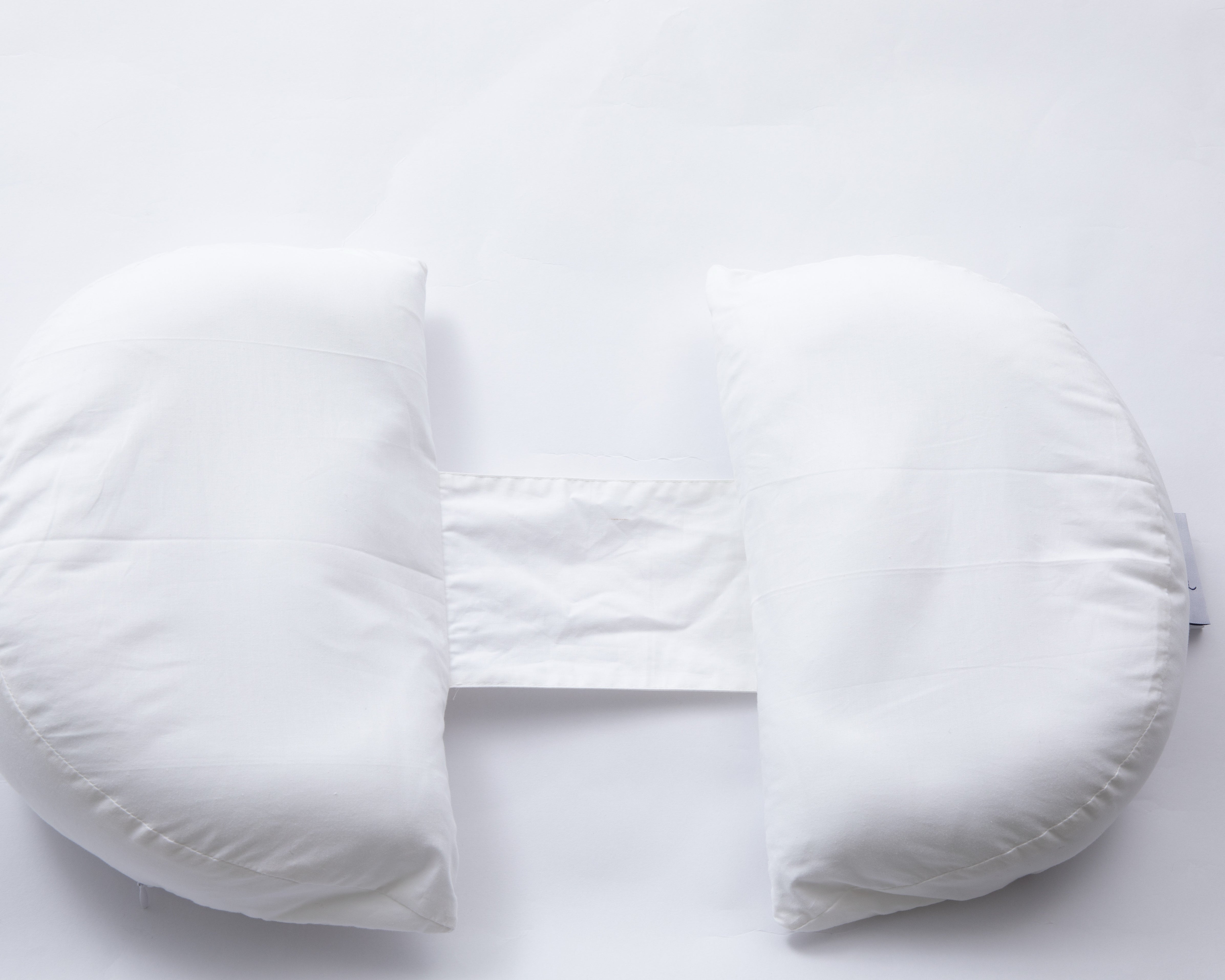
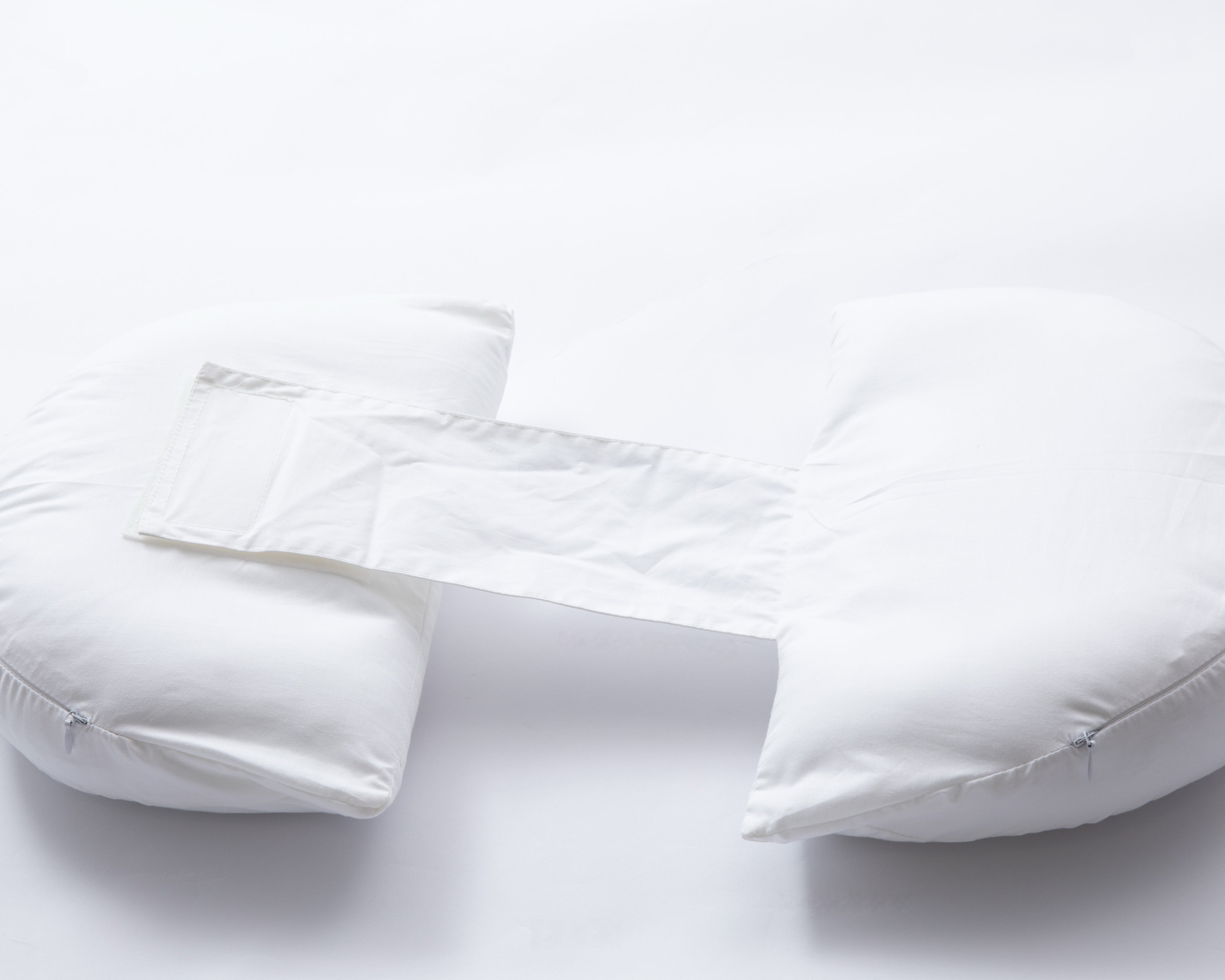
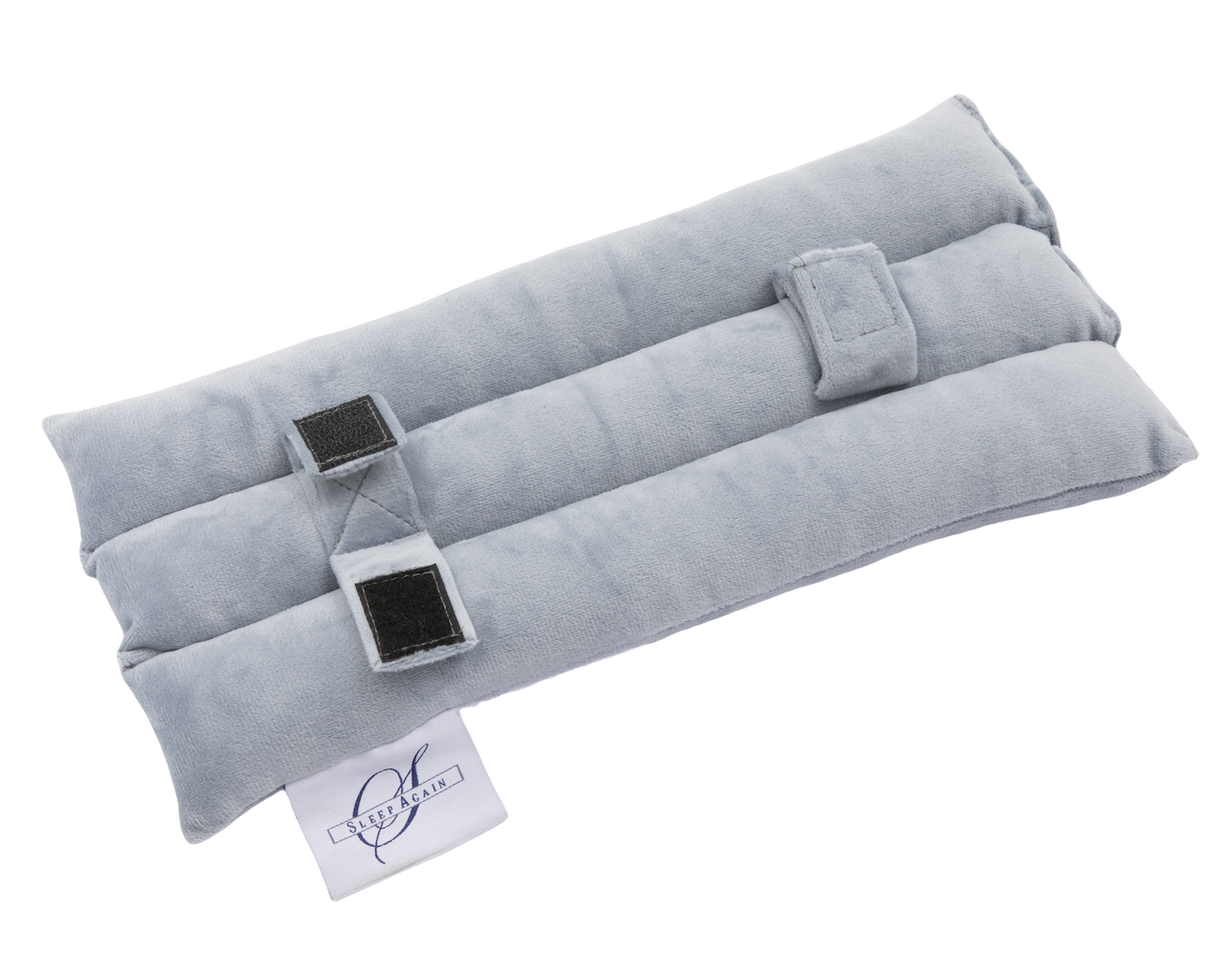
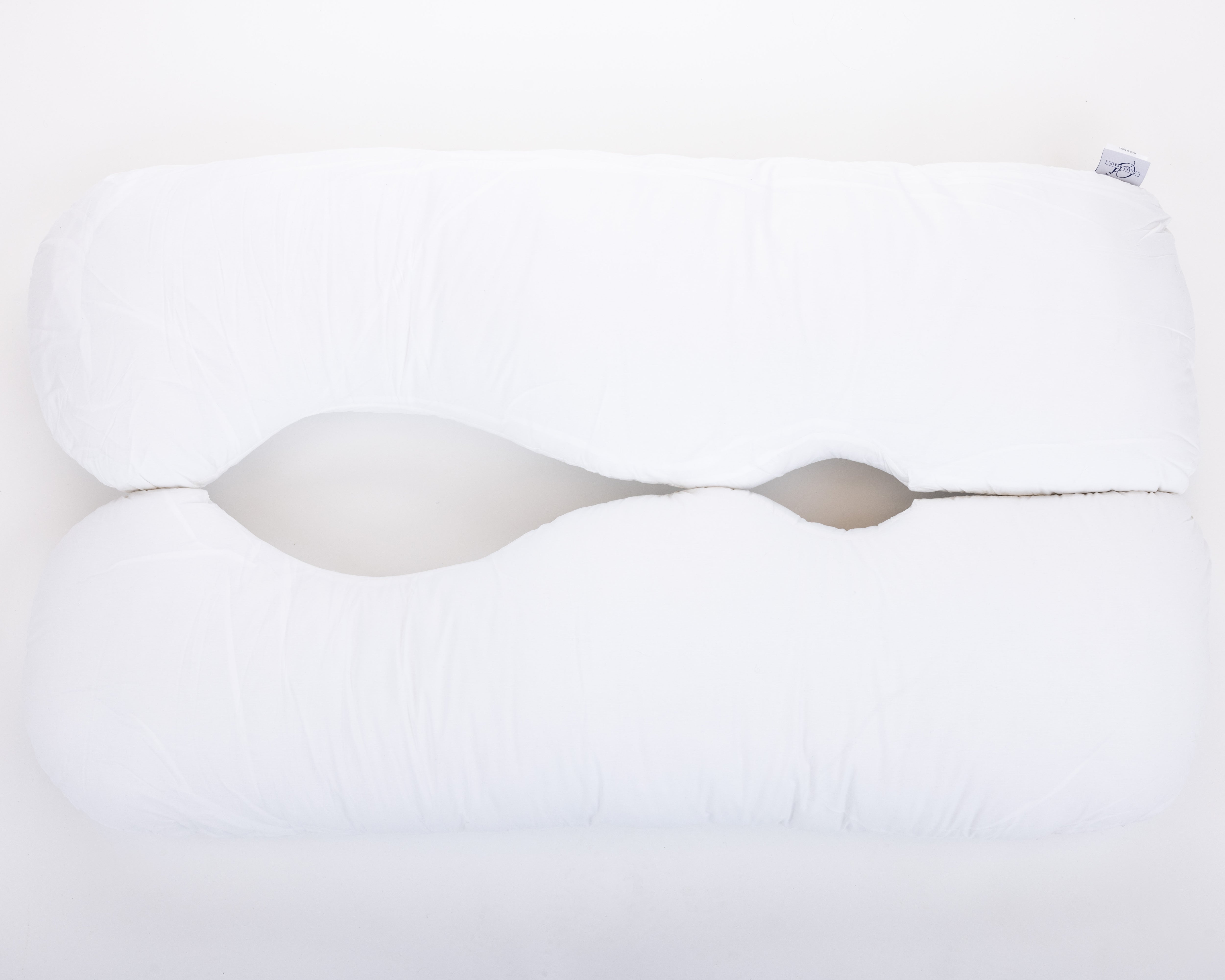
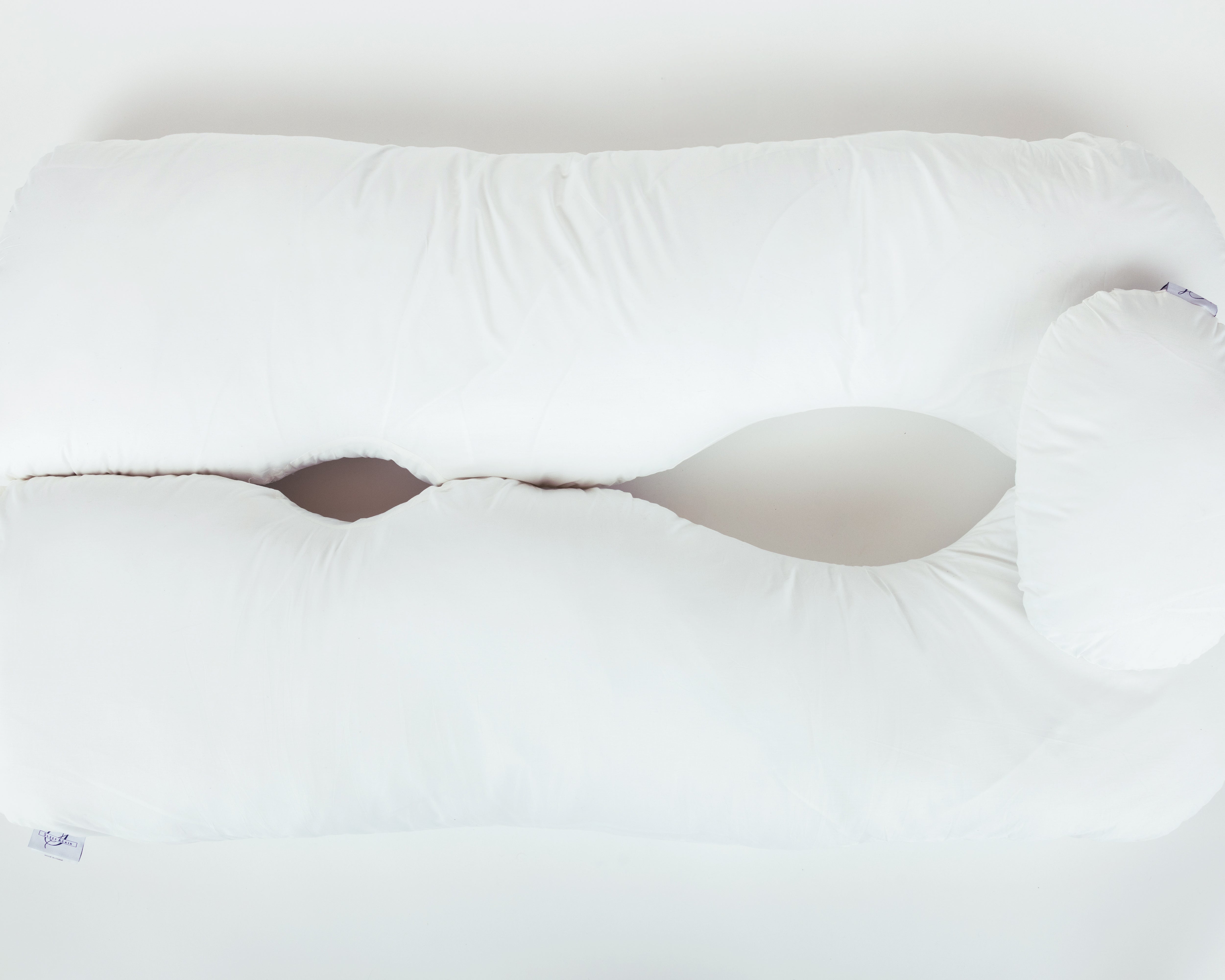
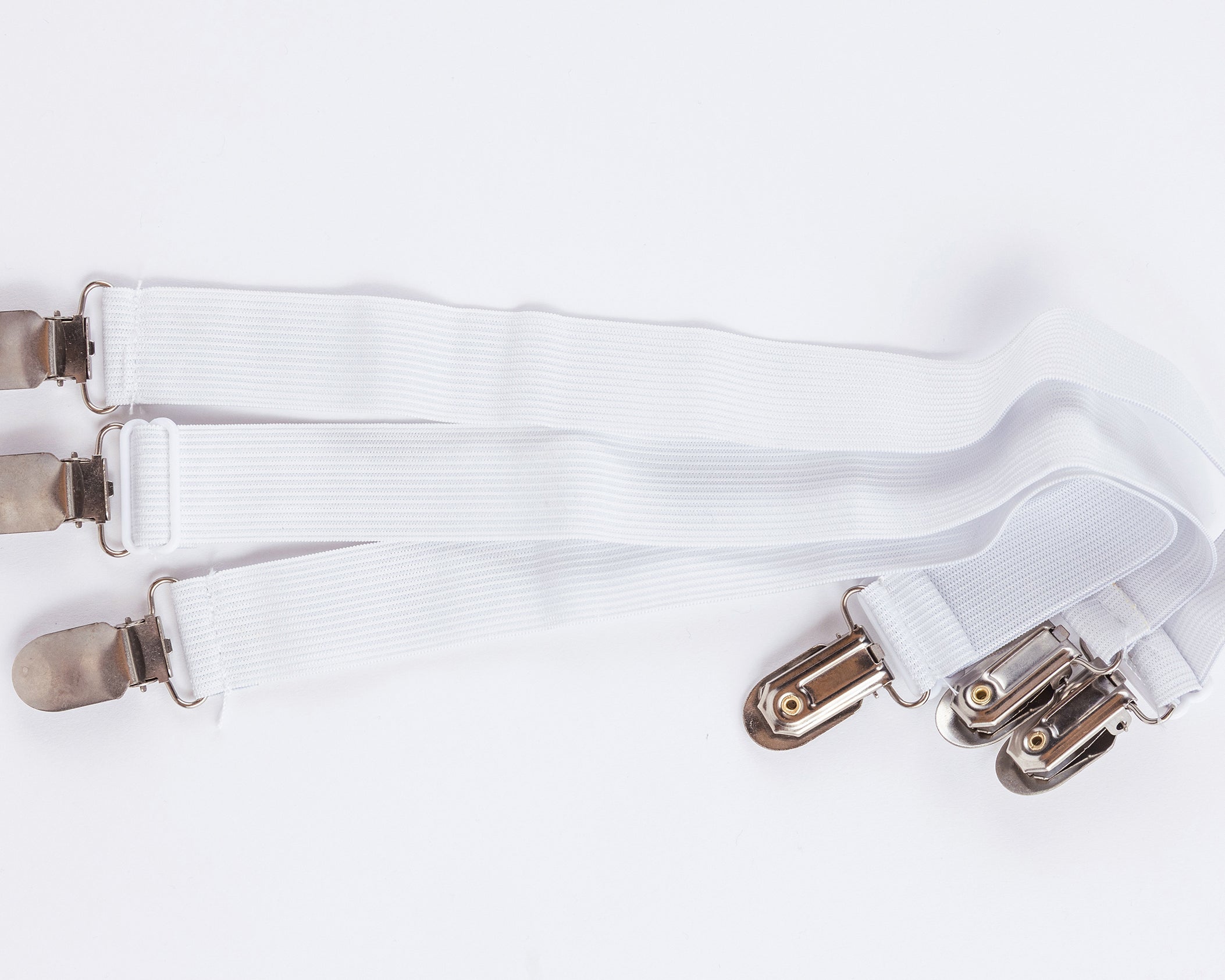
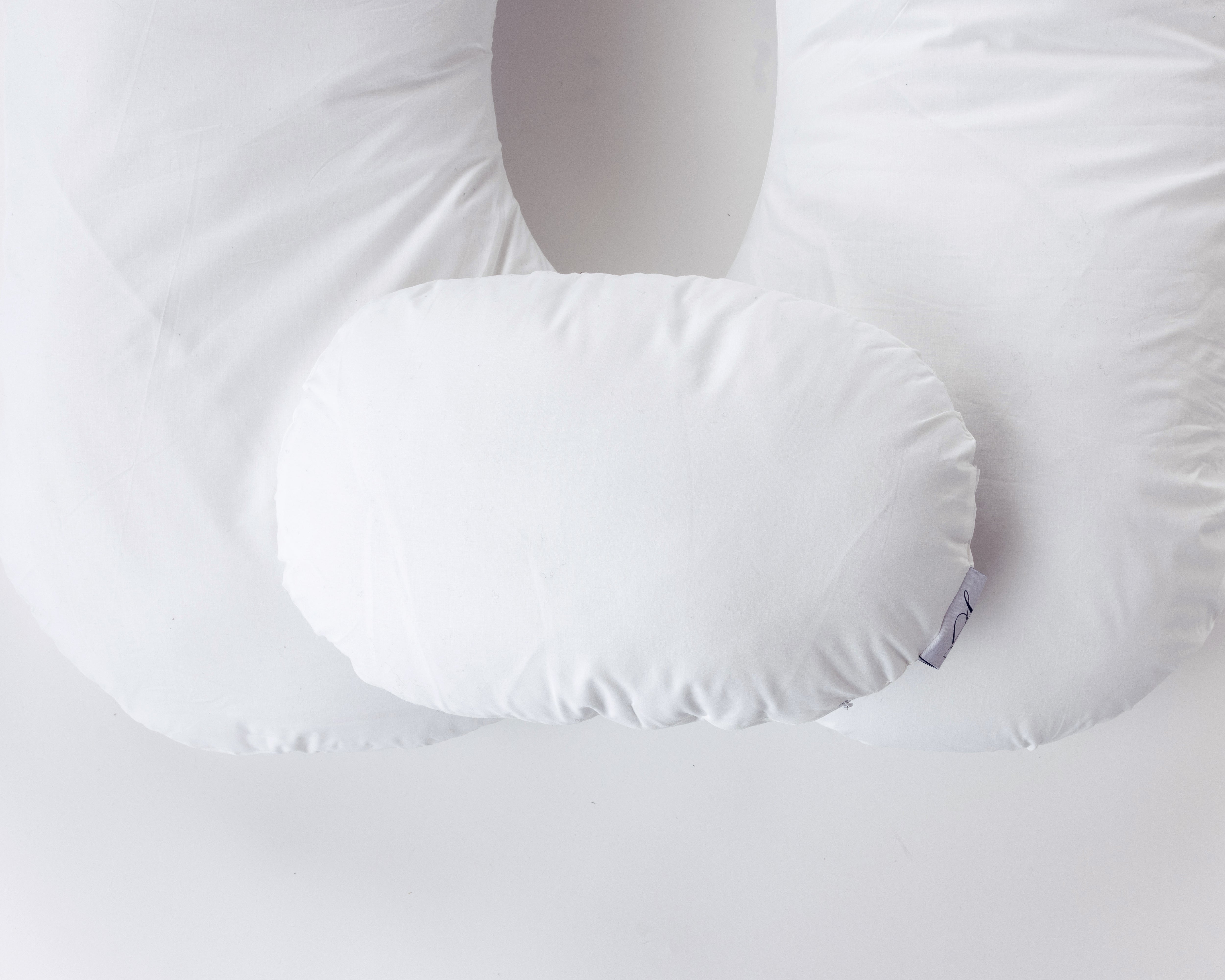
Two Contoured Side Pillows to cradle back and hips
-
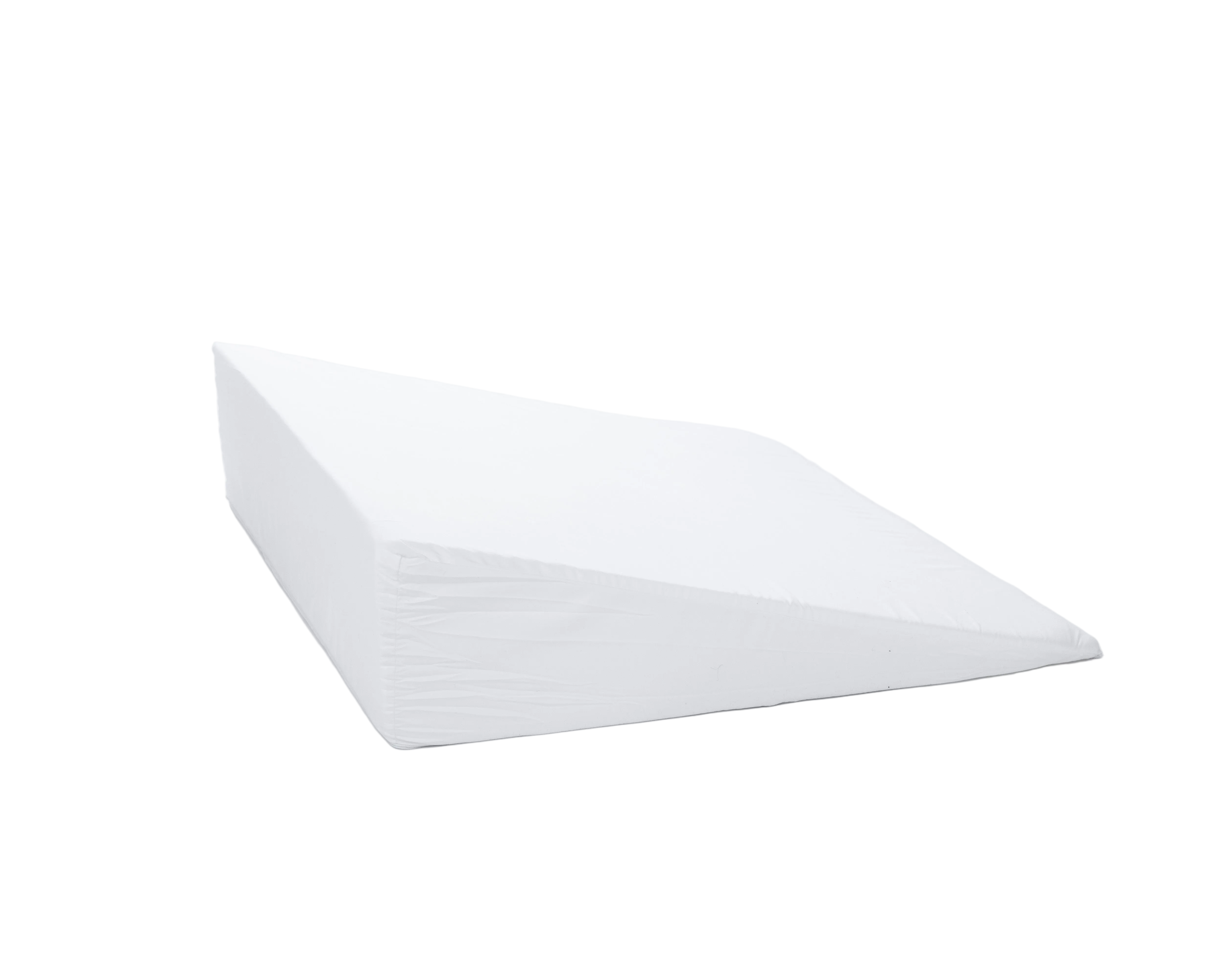
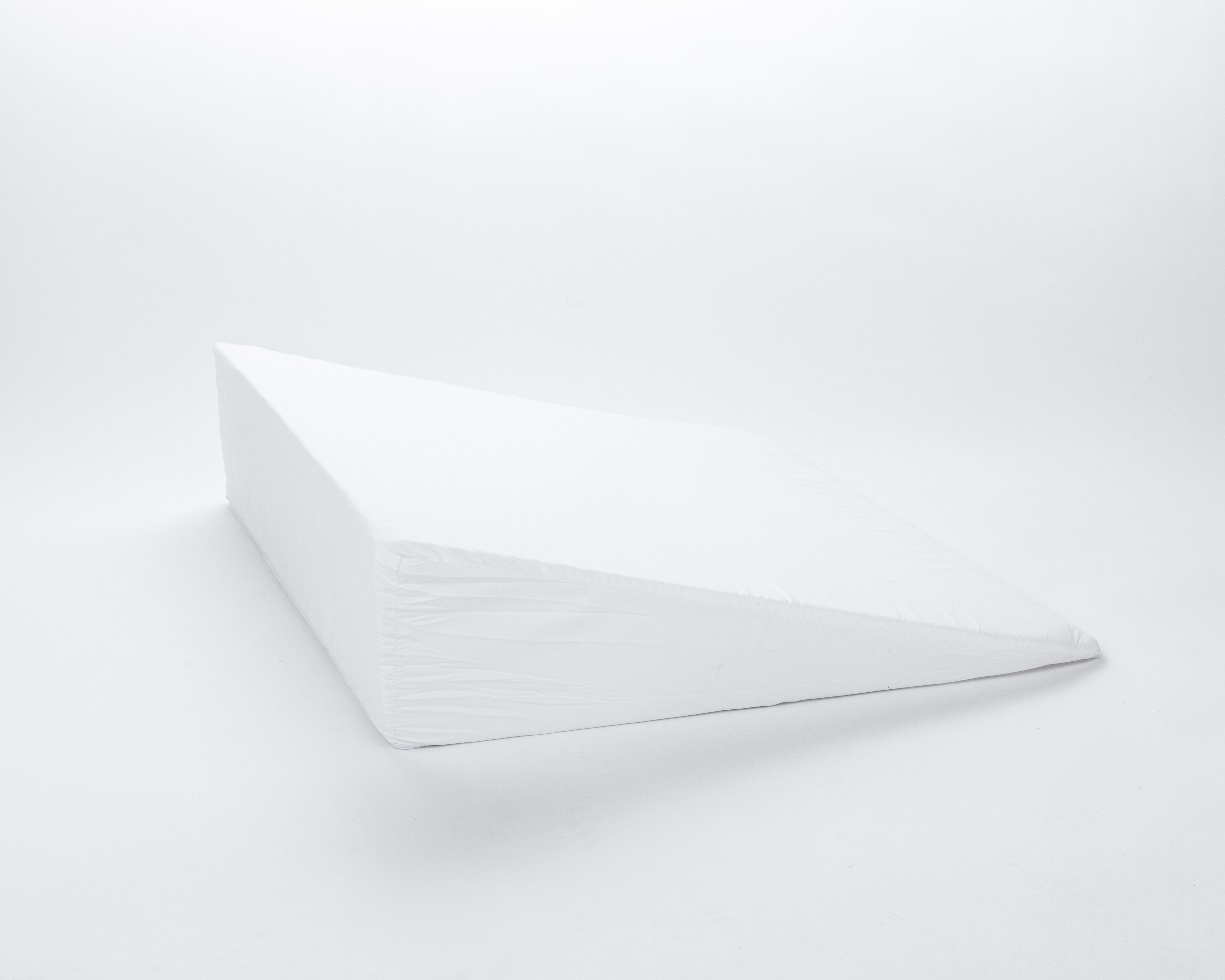
Upper Body Wedge to create optimal upper body incline
-
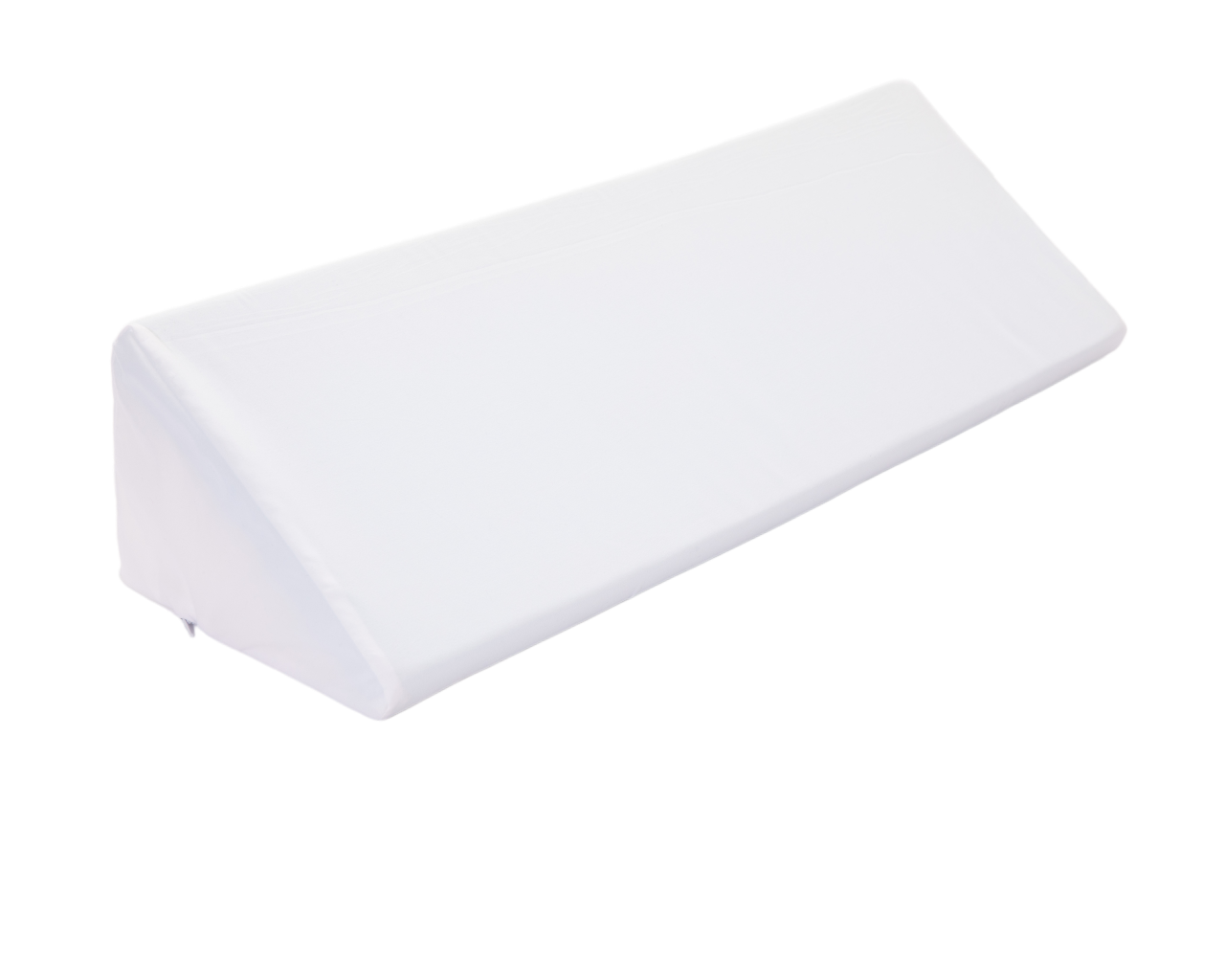
Leg Support Wedge to gently elevate legs
-
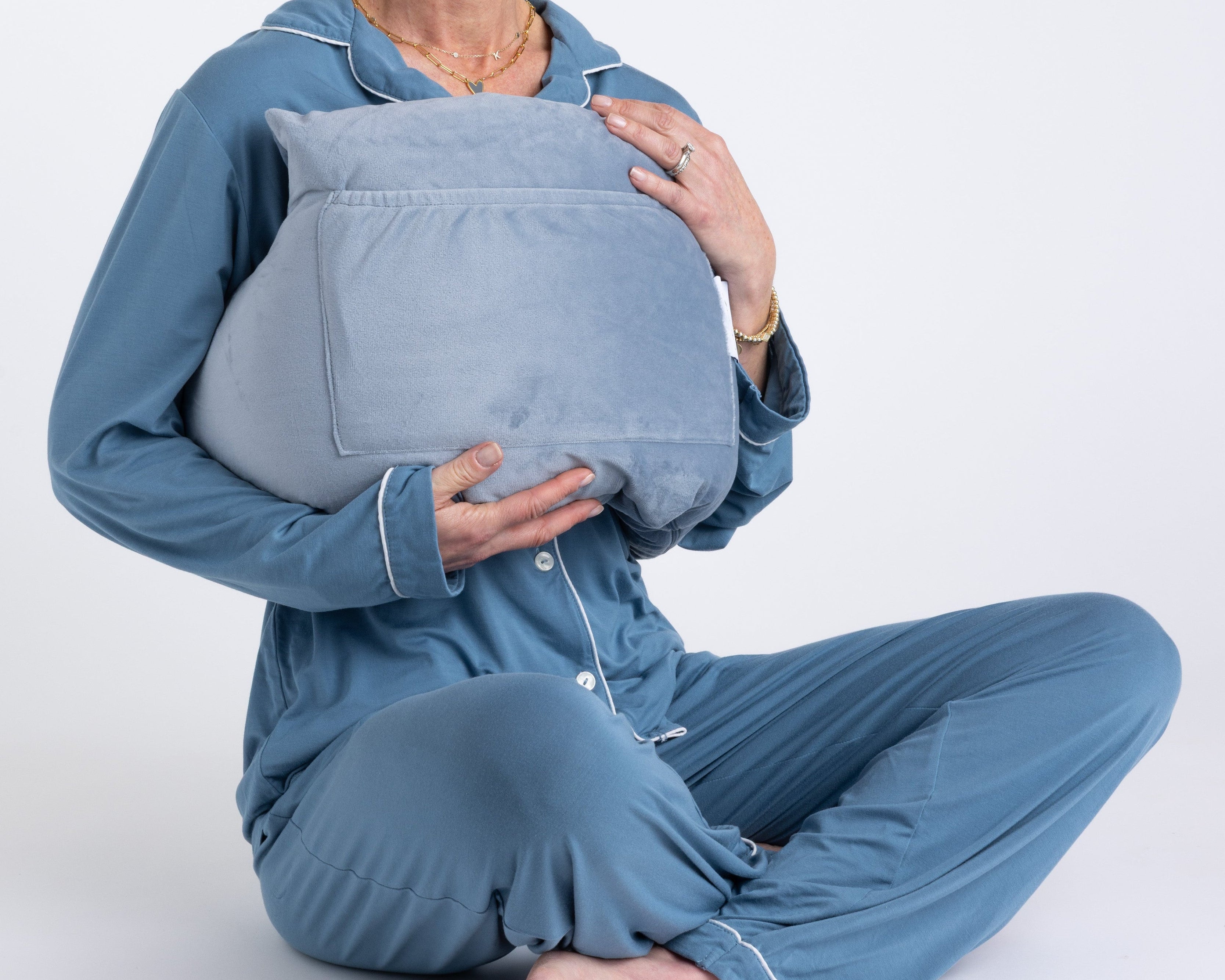
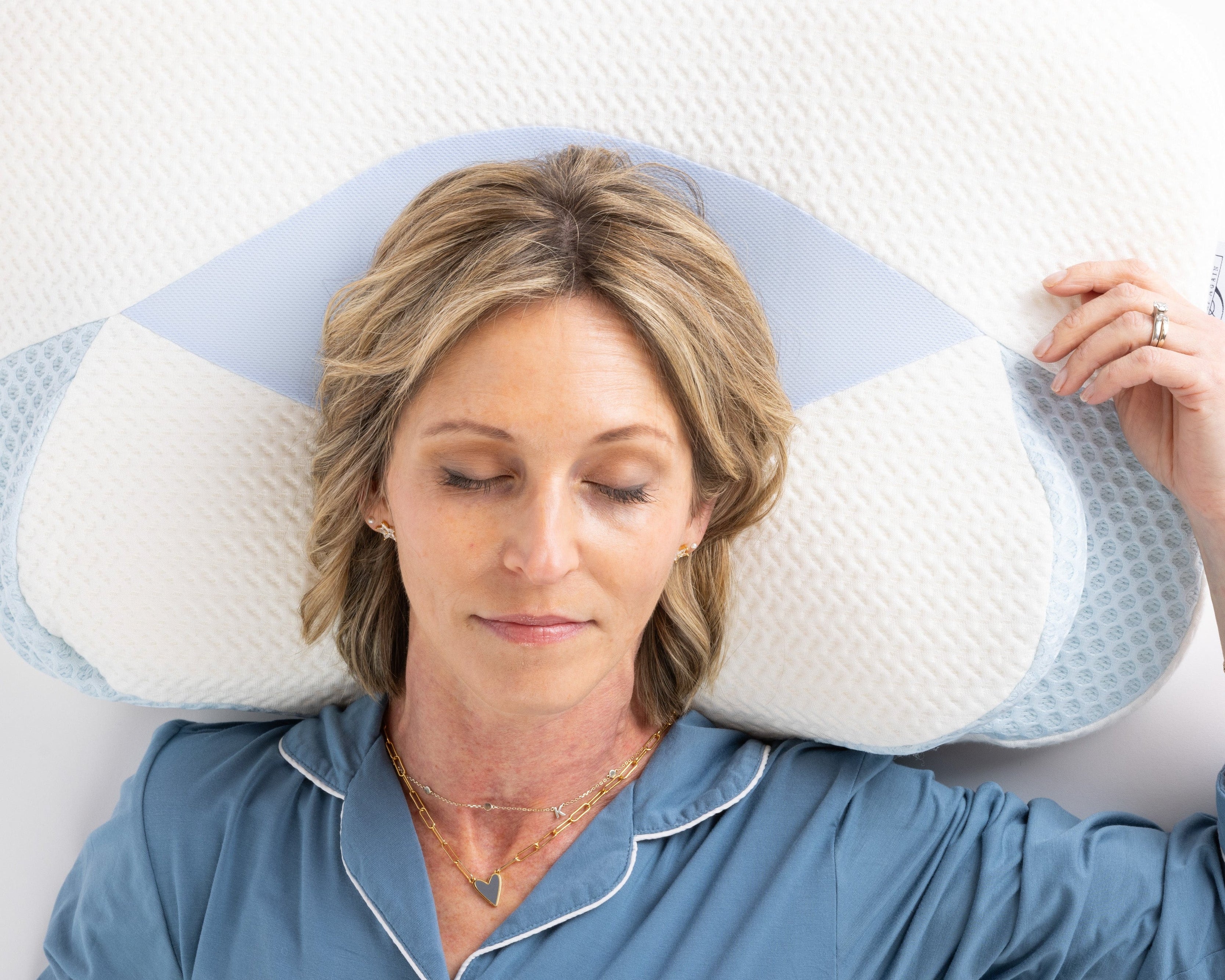
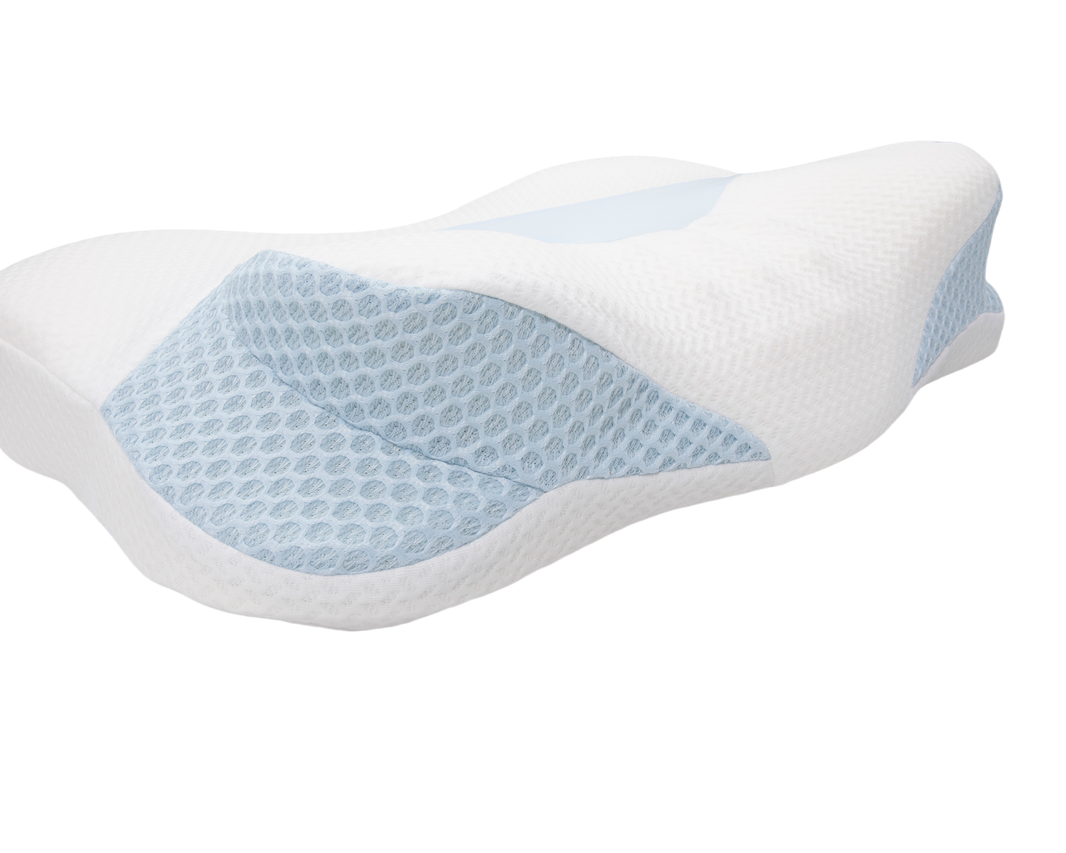
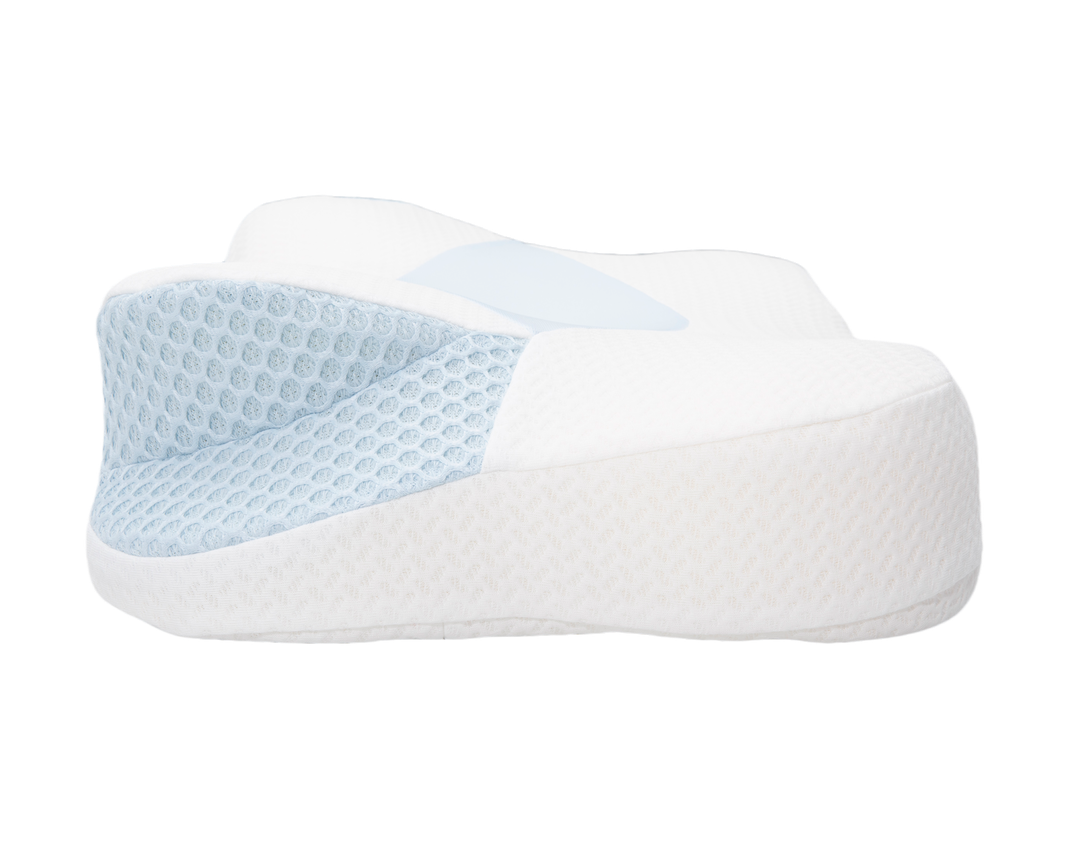
Head Pillow to provide head support and neck mobility
-
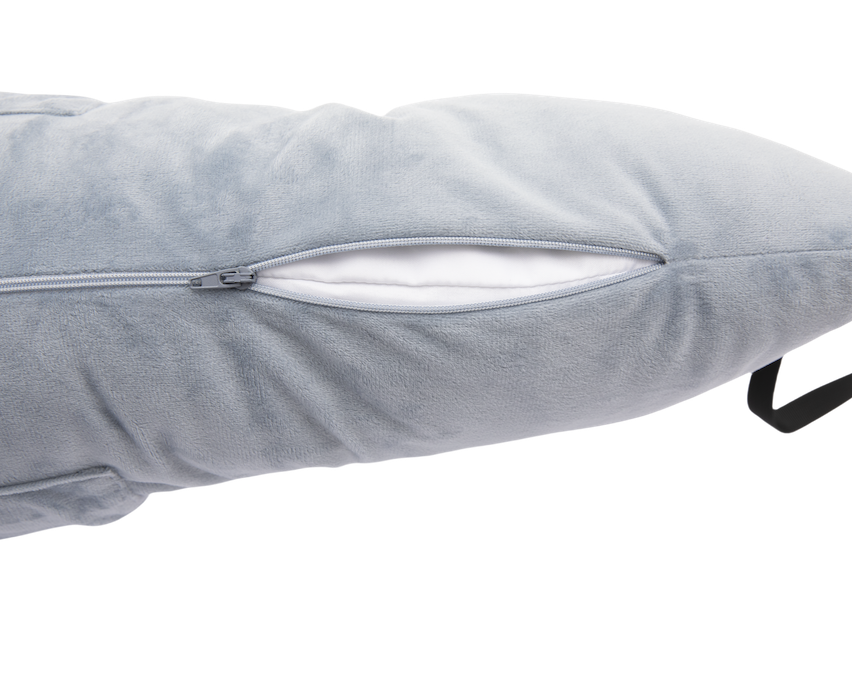
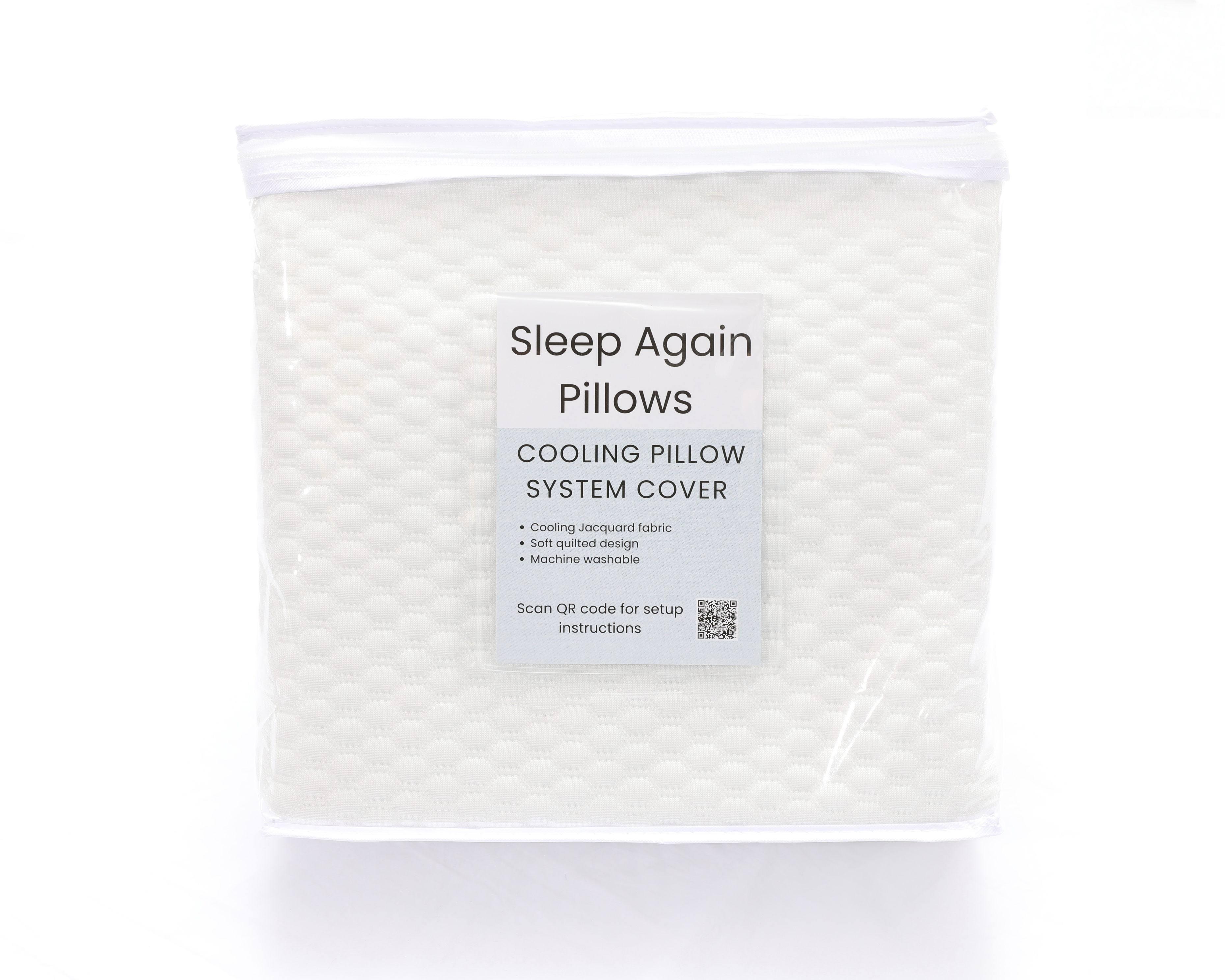
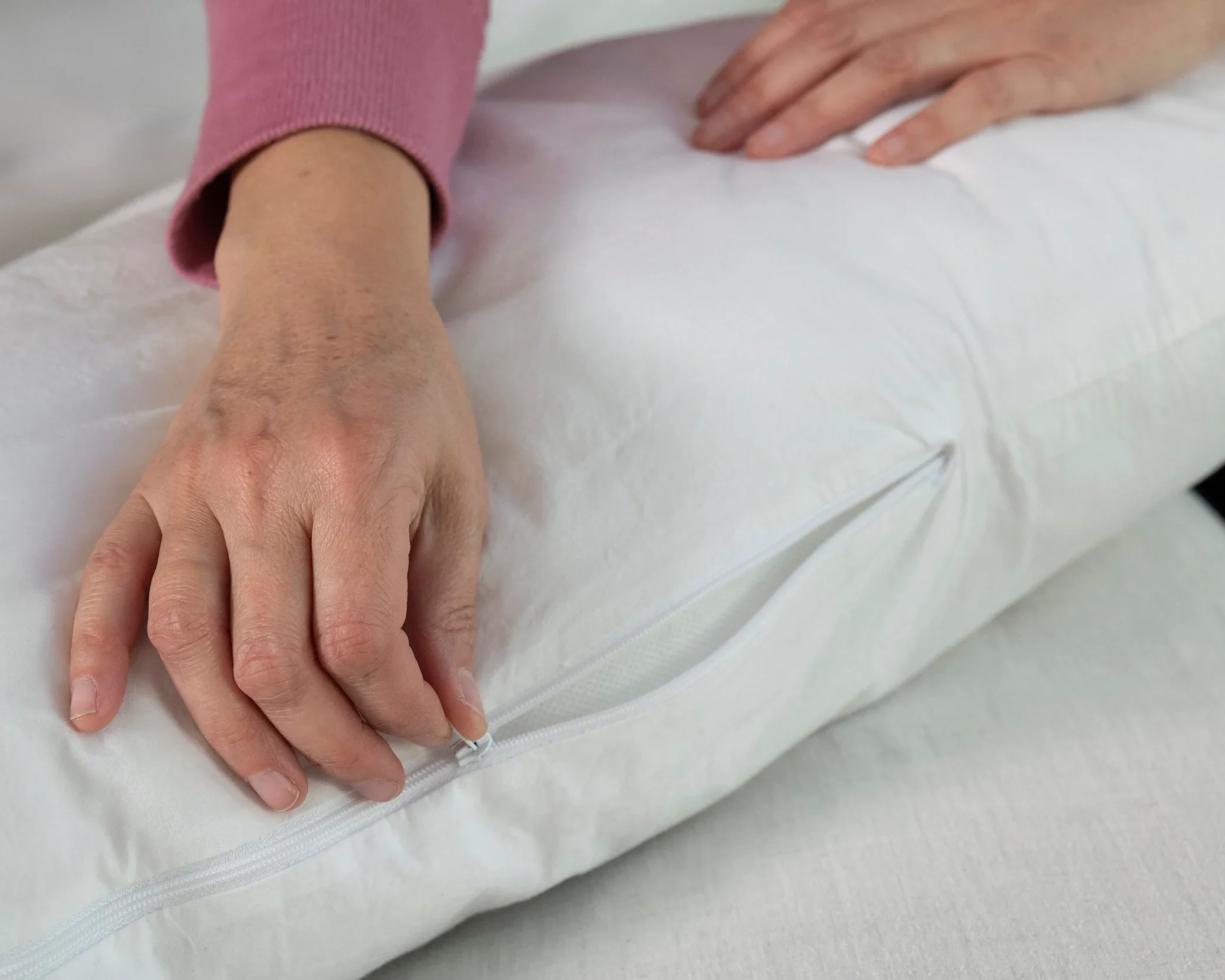
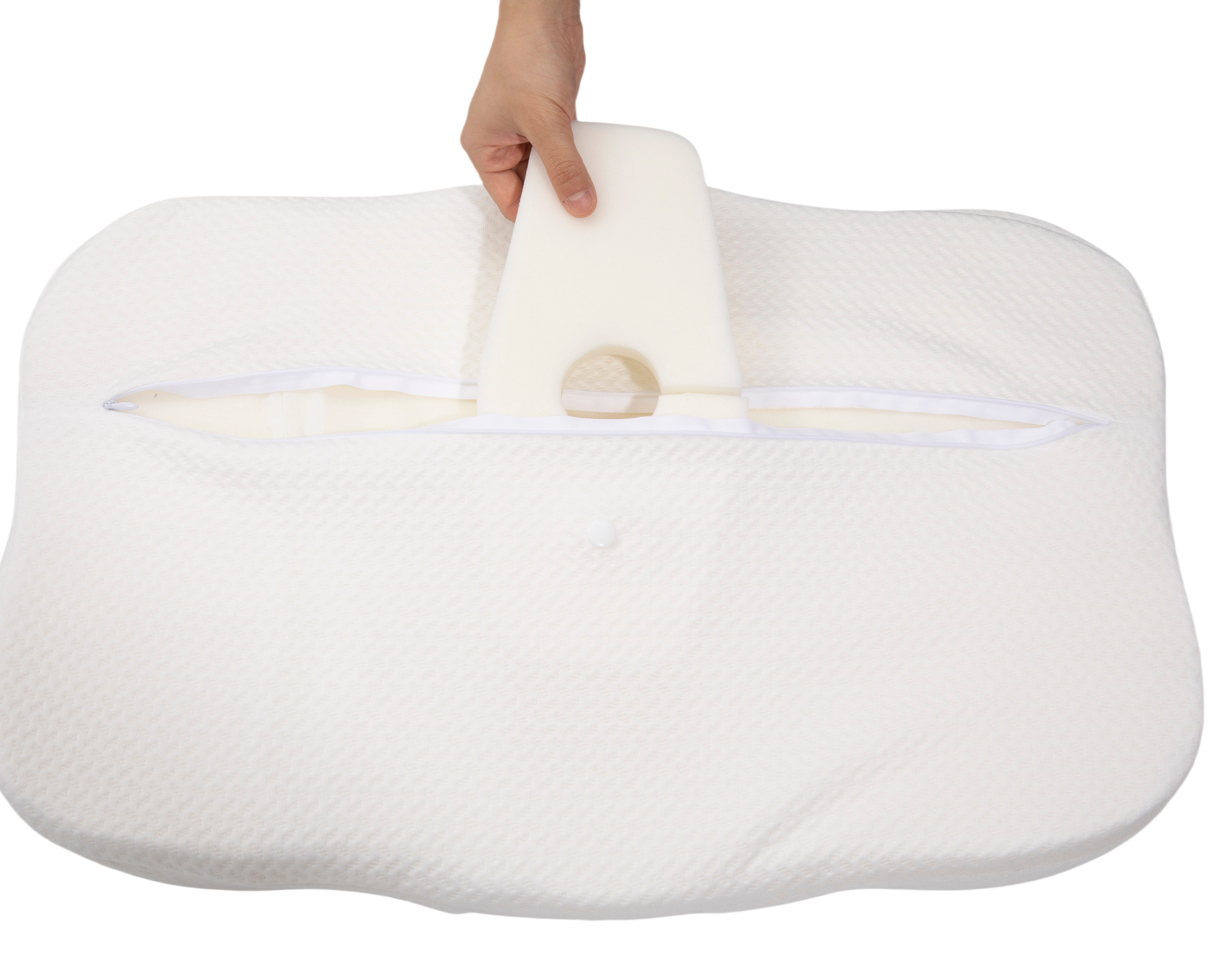
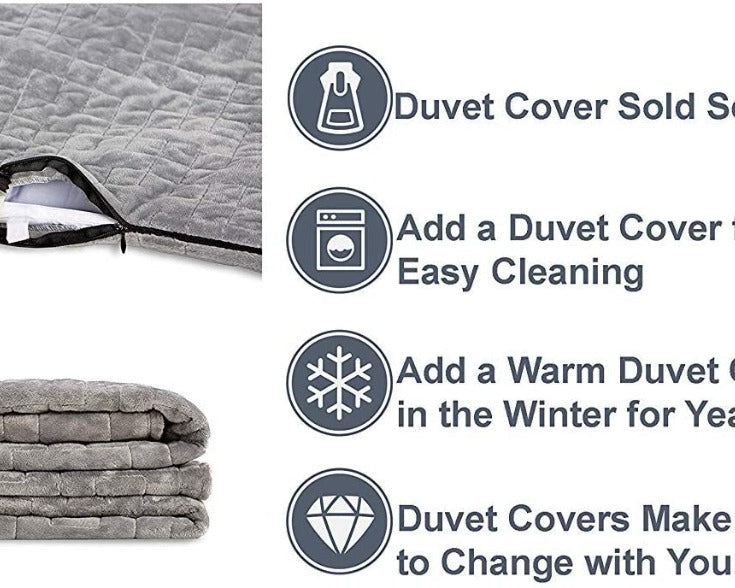
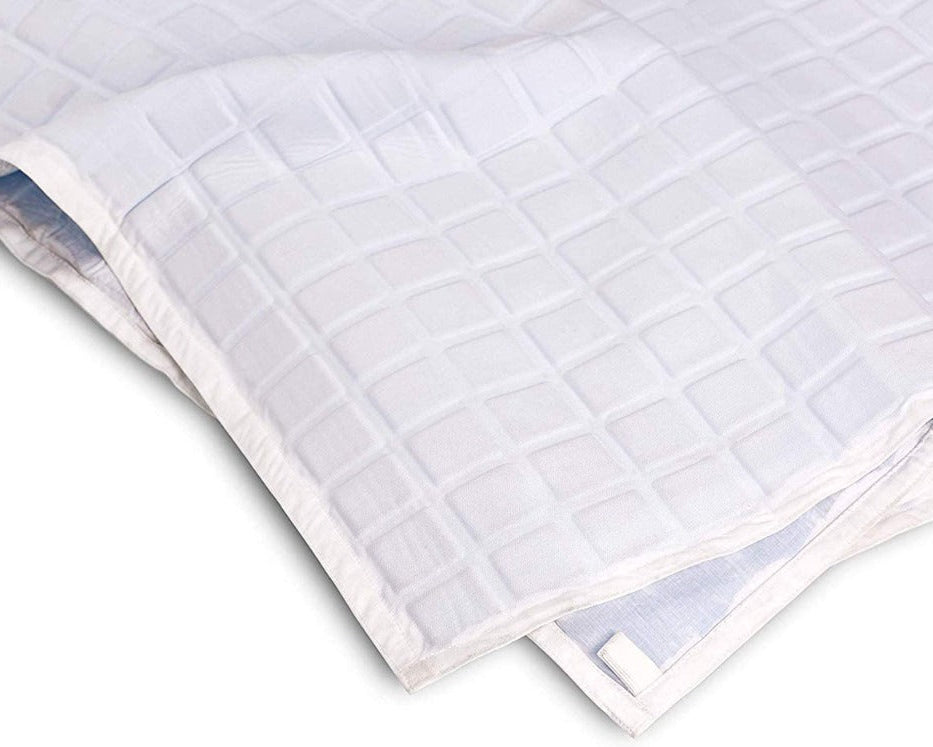
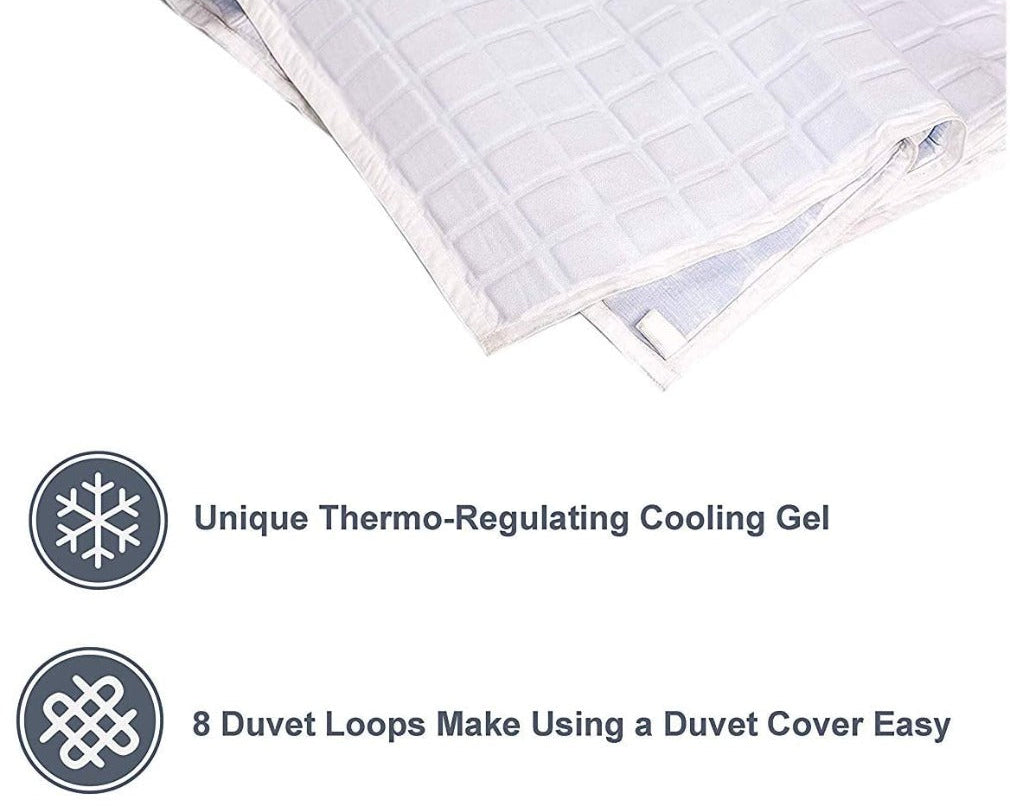
Removable, washable slipcovers for every piece
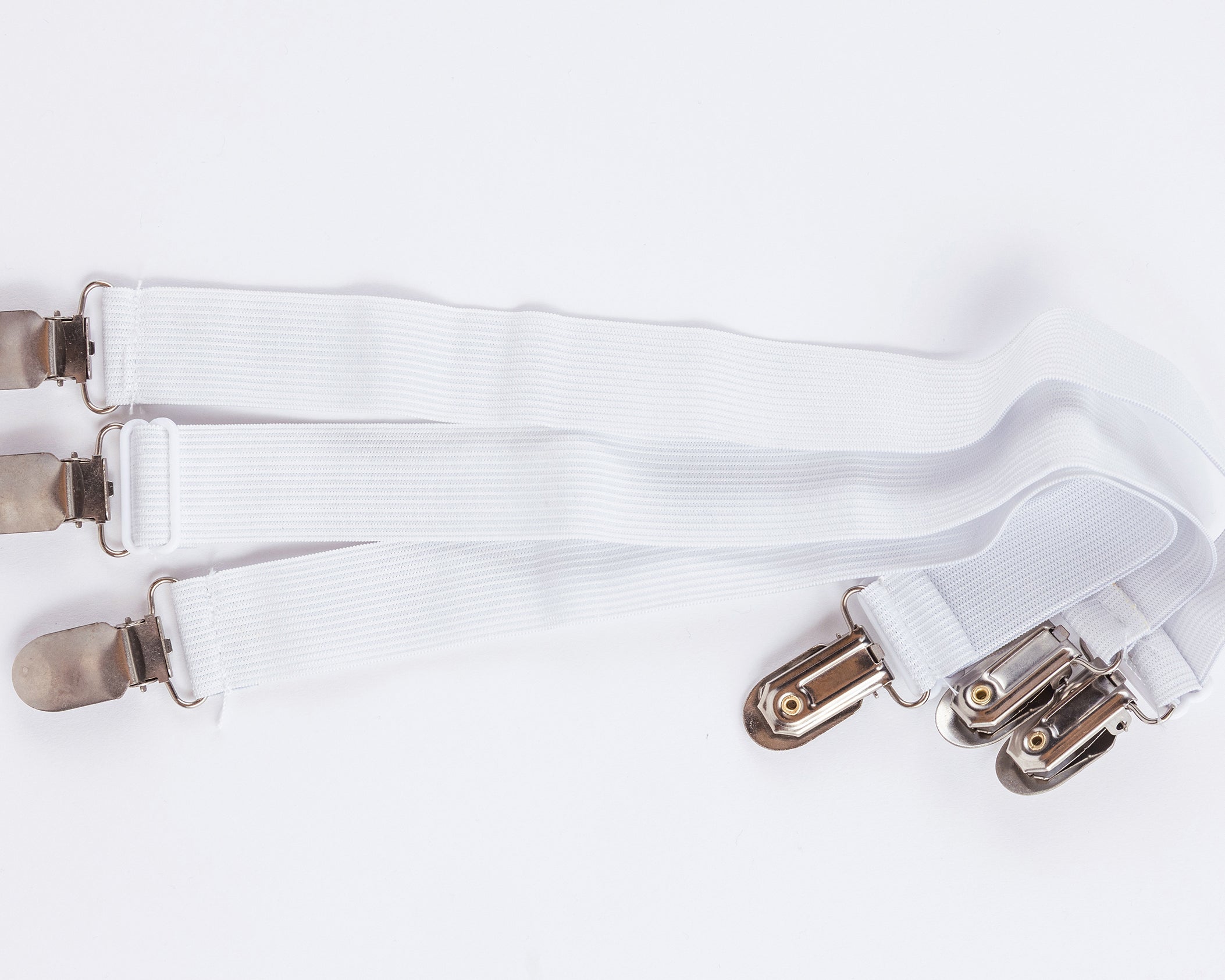
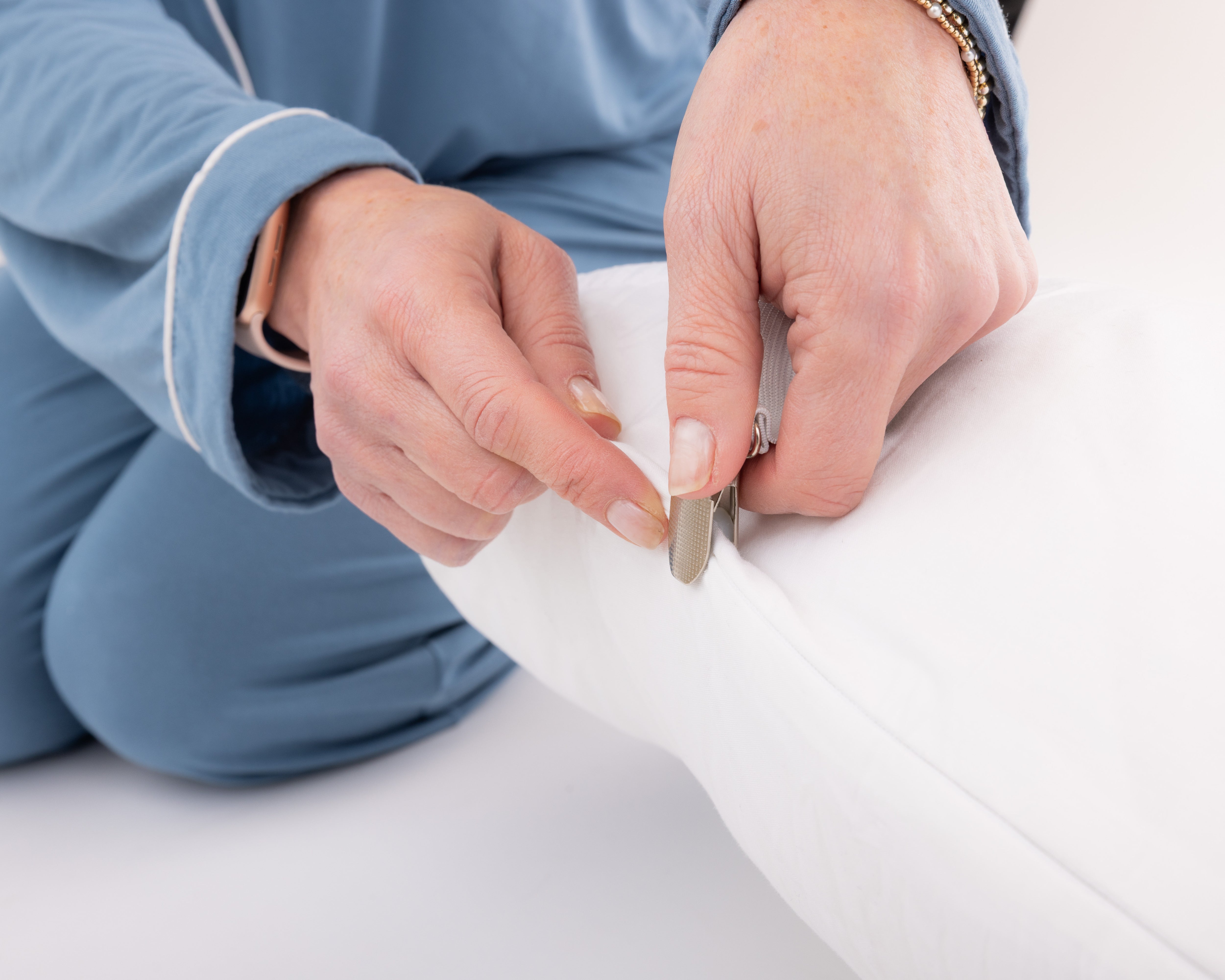
The integrated design maintains medical-grade 30-45 degree elevation throughout the night. Built-in side barriers prevent unconscious rolling while remaining comfortable for extended sleep periods. The firm, supportive construction eliminates the constant readjustment that standard pillows require.
For chin liposuction recovery, the system provides zero facial pressure, consistent neck support that reduces stiffness, positioning that accommodates compression garment wear comfortably, and adequate elevation to maximize lymphatic drainage and minimize swelling.
The system transitions through your recovery phases. Start at maximum elevation during week one, adjust to moderate elevation for weeks 2-6, and continue using reduced elevation during final healing if desired.
As durable medical equipment, the Sleep Again Pillow System is HSA/FSA eligible, making it a tax-advantaged investment in your recovery and sleep health.
Setting Up Your Pre-Surgery Sleep Space
Prepare your post-surgical sleep positioning before surgery. When your cognitive function is normal, you can test different setups without added discomfort.
Ideally, test your positioning two weeks before surgery. Spend at least one full night sleeping at the required 30-45 degree elevation.
Prepare your bedroom environment. Clear your nightstand and stock it with recovery essentials: extra pillows for adjustments, pain medication, water, tissues, phone charger, and a small flashlight. You want everything within arm's reach because bending forward or looking down strains your healing neck.
Talk about your sleeping needs with your partner before surgery. Elevated back sleeping requires more horizontal bed space than normal sleeping positions. Discuss sleeping arrangements with your partner before surgery, including temporary separate beds, a larger mattress, or strategic pillow placement.
Select your positioning equipment. You have three main options for creating the necessary elevation: multiple standard pillows stacked carefully, a medical-grade wedge pillow, or a comprehensive positioning system designed for post-surgical recovery.
The sad but true fact is that standard household pillows compress under body weight, shift during sleep, and lose their therapeutic angle when you need support most. Medical-grade positioning systems maintain consistent 30-45 degree elevation throughout the night without compression or shifting.
Patients who test and perfect their sleep setup before surgery report better first-week recovery experiences compared to those determining positioning while medicated and uncomfortable.
Common Sleep Position Mistakes to Avoid
Patients who understand positioning requirements often make these preventable mistakes that compromise recovery.
Testing Other Positions Too Early
Sleeping elevated for two weeks with improved swelling does not mean one night of side sleeping is safe. Single nights of improper positioning can cause noticeable setbacks in swelling control and healing progress.
Using Inadequate Pillow Support
Stacking household pillows to create elevation fails when pillows compress and shift during sleep. Standard pillows compress differently, shift at different rates, and create unstable support. What starts as a 45-degree angle becomes inadequate elevation by morning, eliminating the therapeutic benefit.
Poor Medication Timing
Taking pain medication immediately before attempting to sleep means lying down in discomfort, waiting for the medication to reach therapeutic levels. Time your medication so it reaches peak effectiveness as you are settling into sleep.
Relying on Willpower Instead of Physical Barriers
Unconscious movement during sleep is involuntary and cannot be controlled through determination or awareness. You need physical barriers and proper support to maintain your position throughout the night.

How Elevated Back Sleeping Speeds Your Chin Lipo Recovery
Elevated back sleeping provides specific benefits that extend beyond basic swelling control.
Accelerated lymphatic drainage. Your lymphatic system removes surgical fluids and waste products from the treatment area. The 30-45 degree elevation creates optimal drainage angles, allowing your lymphatic system to clear fluids faster than it could with flat positioning. Patients who maintain proper elevation typically see their final results 2-3 weeks sooner than those with inconsistent positioning.
Reduced bruising and discoloration. Elevated positioning minimizes blood pooling in facial tissues, which directly correlates to less visible bruising and faster resolution of discoloration. Proper elevation versus flat sleeping can mean the difference between returning to work in 10 days versus 14 days.
Improved breathing and reduced compression garment discomfort. Elevation opens your airway naturally and reduces the sensation of facial constriction, making the overall recovery experience more tolerable.
Enhanced pain medication effectiveness. Proper positioning reduces strain on healing tissues, which means your pain medications work more effectively at lower doses. Better pain control leads to better sleep quality, which accelerates healing through improved rest cycles.
Decreased risk of contour irregularities. Consistent pressure-free positioning allows your skin to reattach smoothly to your newly contoured jawline. Patients who maintain proper positioning throughout recovery see more consistent, even results with less risk of minor asymmetries that can occur with inconsistent healing patterns.

Preparing Your Sleep Space: The Complete Pre-Surgery Checklist
Transform your bedroom into a recovery environment before surgery day. This preparation eliminates decision-making stress when you are medicated and uncomfortable.
Essential bedside supplies: Pain medication with dosing instructions clearly visible, large water bottle with straw or sport cap for easy drinking while elevated, phone charger within easy reach, extra compression garments if provided, soft tissues, small flashlight for middle-of-night navigation, notebook for tracking medication times and concerns.
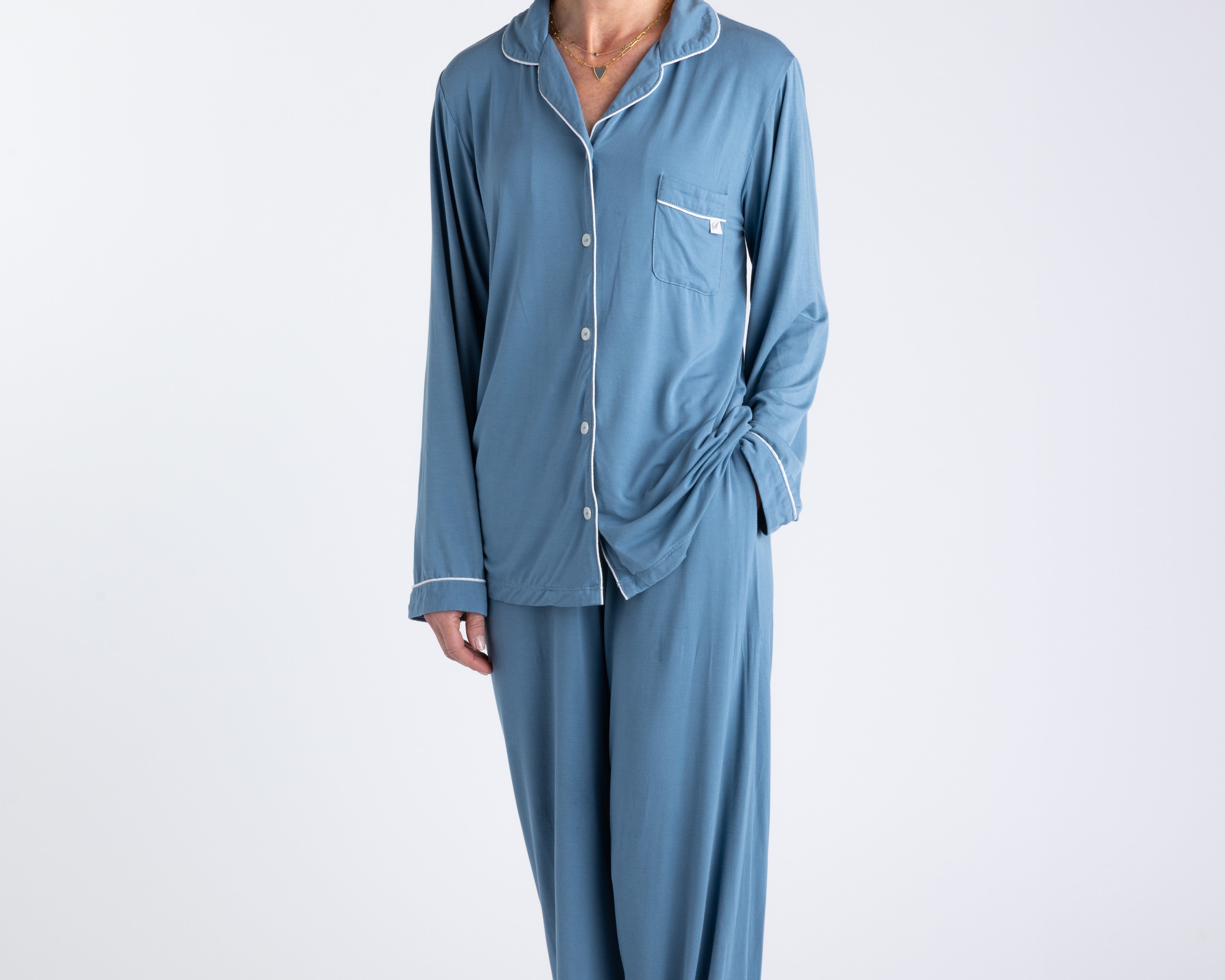
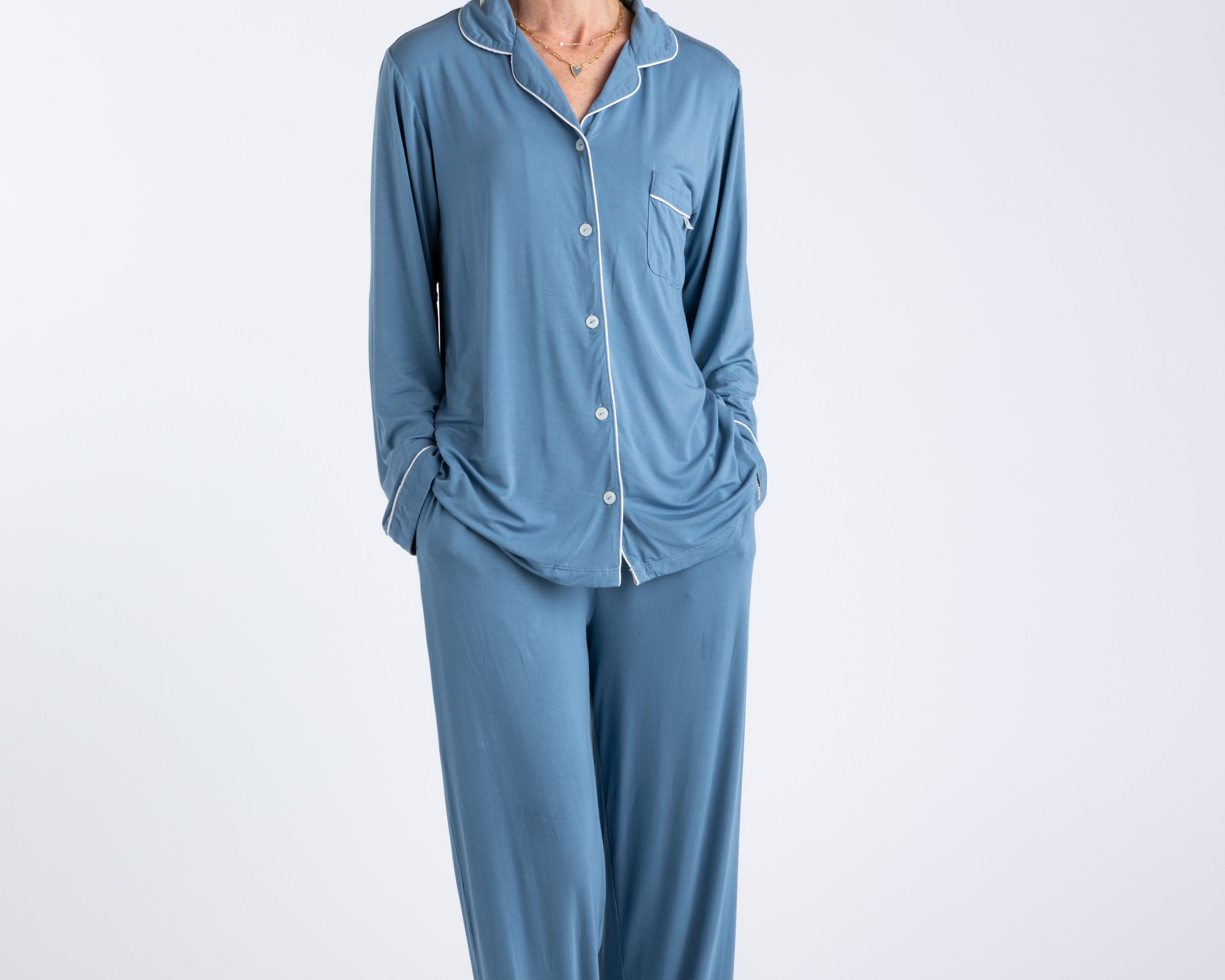
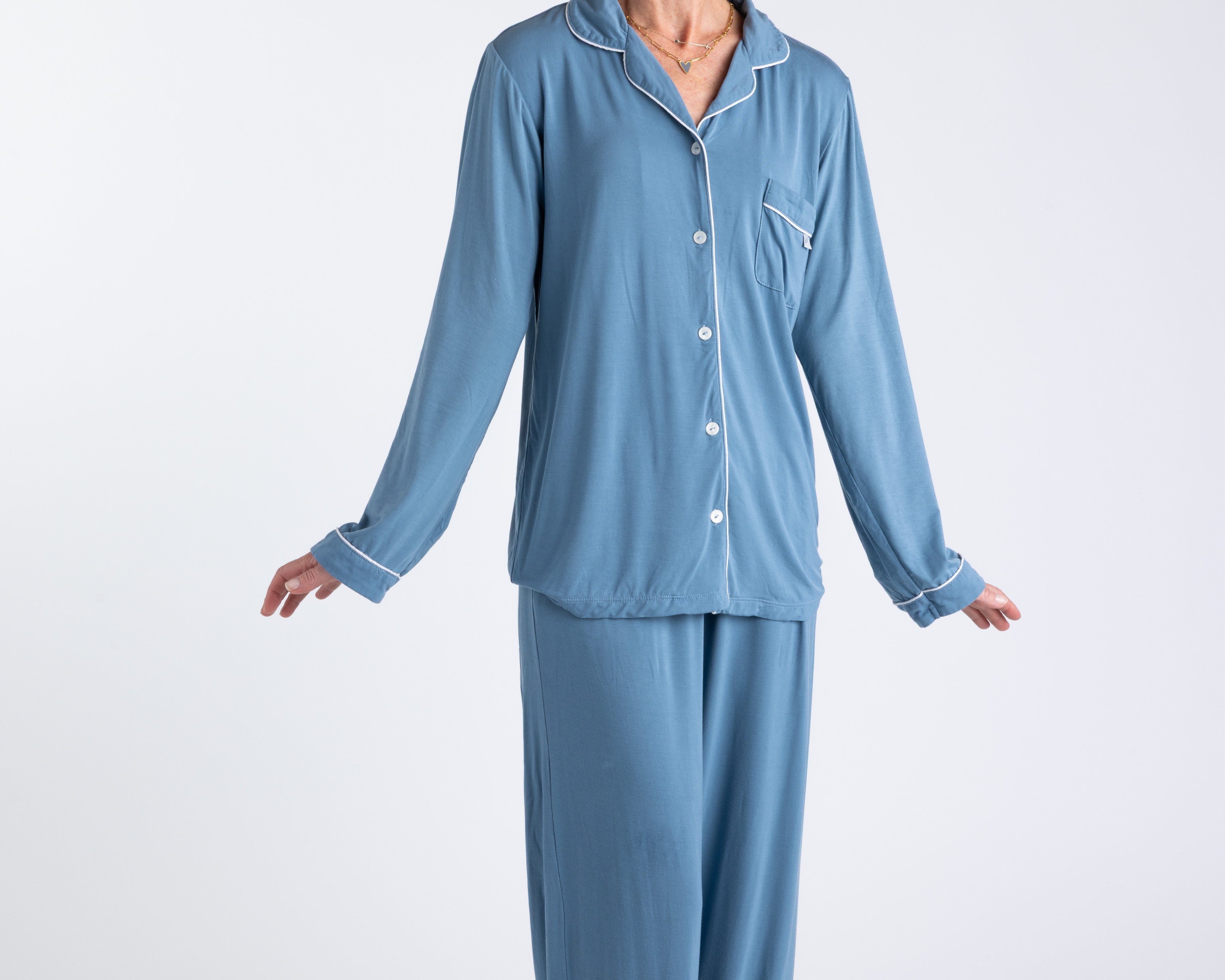
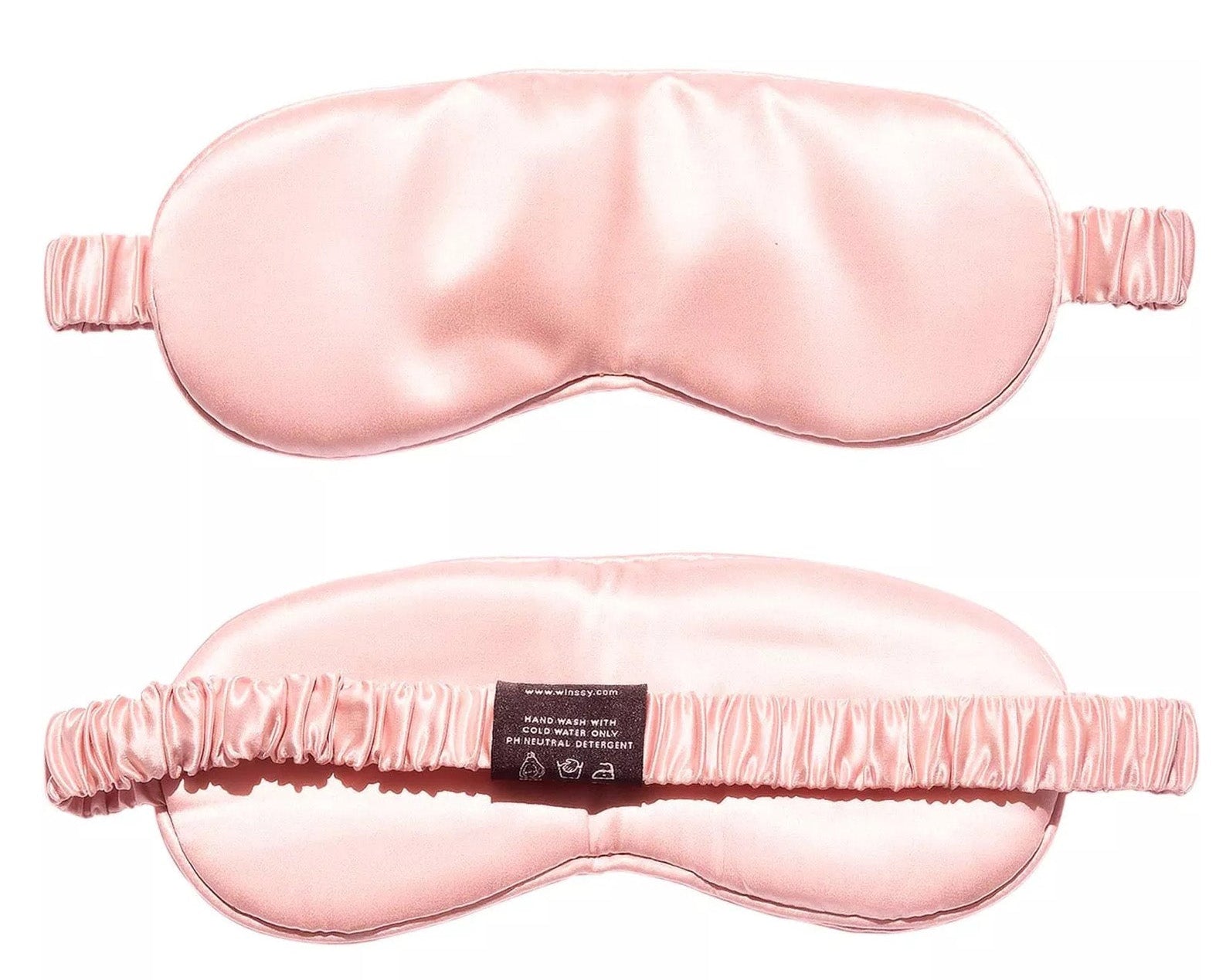
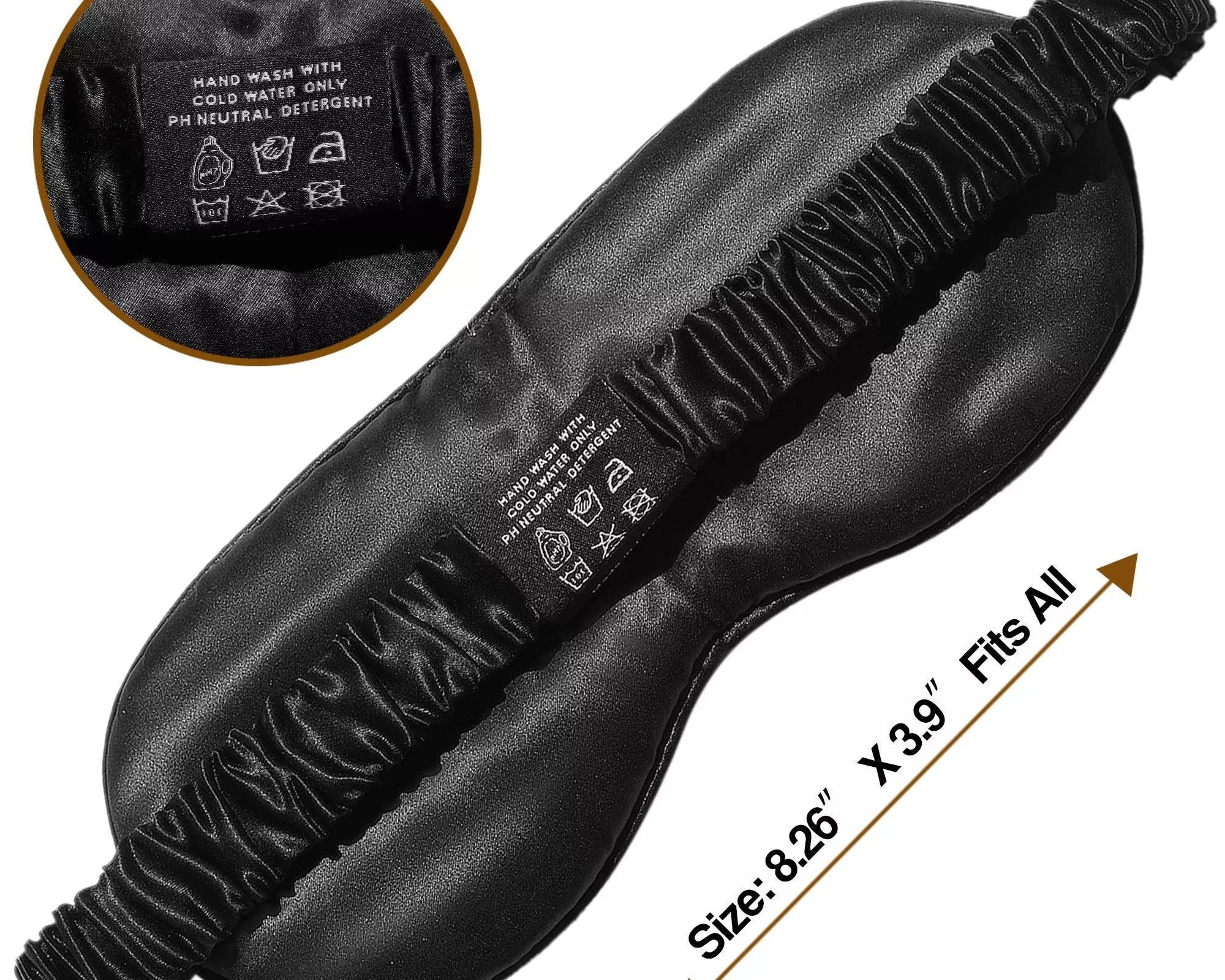
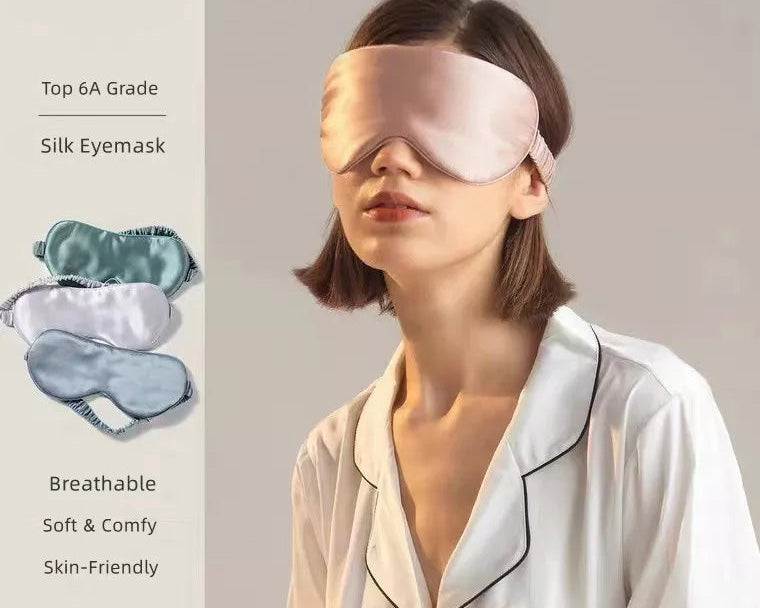
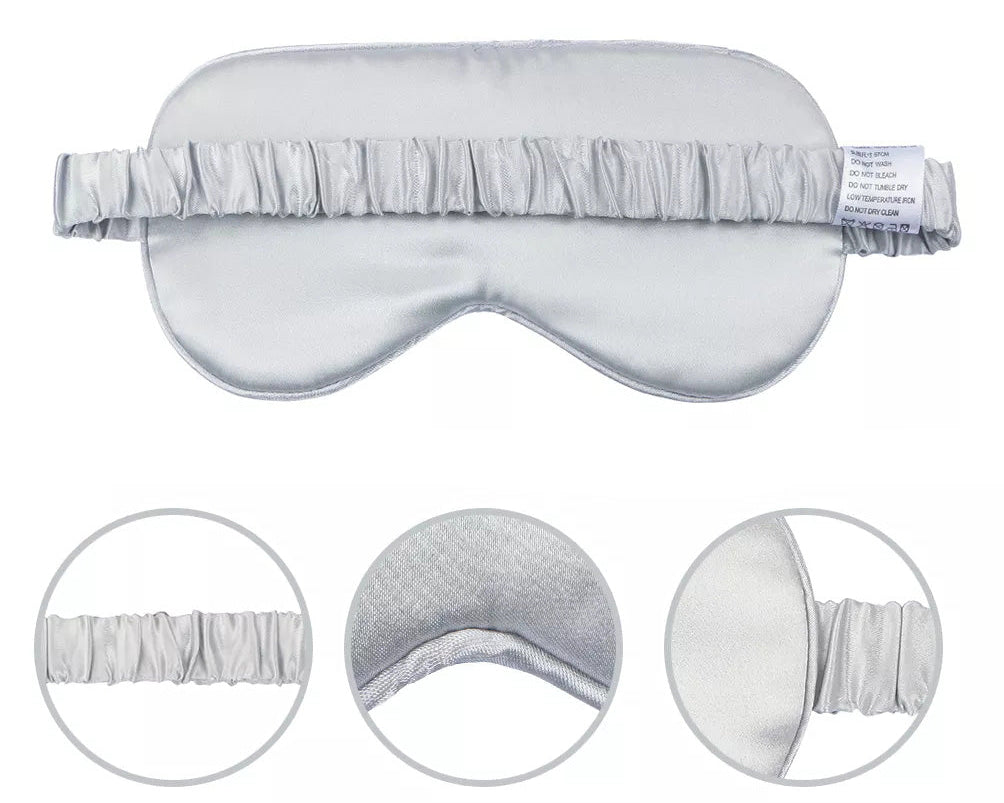
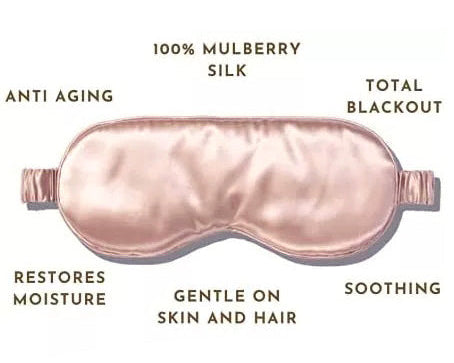
Comfort optimization elements: Blackout curtains or an eye mask for light control, a white noise machine or fan for consistent sound environment, extra blankets within reach for temperature regulation, cozy but cooling sleeping clothes that do not restrict the neck or face are all great considerations for increasing comfort.
Safety considerations: Clear path from bed to bathroom with adequate lighting, removal of trip hazards like rugs or cords, placement of frequently needed items within arm's reach to prevent bending or straining, phone programmed with surgeon's emergency contact readily accessible.
Partner accommodation planning: Discussion of sleep arrangements if sharing a bed, preparation of a temporary separate sleeping space if needed, understanding of when to wake you for medication or concerns, and an agreement on light and sound management during recovery nights.
Test run requirements: At least one full night of sleeping in your planned elevated position, verification that all essential items are truly within comfortable reach, confirmation that your positioning setup remains stable throughout the night, adjustment of room temperature and humidity for compression garment comfort.
This preparation ensures better recovery experiences for chin liposuction patients.
Additional Recovery Sleep Tips
These strategies enhance overall sleep quality during your chin liposuction recovery.
Time your last meal appropriately. Eating within three hours of bedtime while sleeping elevated can trigger acid reflux and discomfort. Plan your final meal or snack for at least four hours before bed, sticking to bland, easily digestible options.
Schedule medications strategically. Take pain medication 30-45 minutes before your target bedtime so it reaches peak effectiveness as you are falling asleep. If you are prescribed antibiotics, confirm with your surgeon whether timing matters, as some antibiotics interfere with sleep and should be taken earlier in the day.
Use a gentle facial massage before bed. Once your surgeon approves light lymphatic massage, typically after the first few weeks, gentle upward strokes for 5-10 minutes before bed can reduce overnight fluid accumulation and improve comfort. Never massage during the first week or without specific surgeon approval.
Control bedroom environment. Keep your room cooler than normal, between 65-68°F if possible, to compensate for compression garment warmth. Use a humidifier if your environment is dry, as mouth breathing with compression garments can cause uncomfortable dryness.
Maintain realistic sleep expectations. Your first week of sleep will be fragmented and imperfect. This is normal and temporary. Focus on getting healing rest rather than perfect sleep quality. Most patients notice significant sleep improvement by week two as discomfort decreases and their body adapts to the positioning requirements.
Chin Liposuction FAQs
How long will I need to sleep elevated after chin liposuction?
Most surgeons recommend maintaining a 30-45 degree elevation for at least 2-3 weeks post-surgery, with some requiring elevation for up to 6 weeks, depending on your healing progress and whether you had concurrent procedures. Your specific timeline depends on your individual healing rate, the extent of your procedure, your surgeon's preferred protocols, and whether you experienced any complications. Always follow your surgeon's specific instructions rather than generalizations.
Can I sleep on my side at all during recovery?
Side sleeping puts direct pressure on your jawline and neck, where you need zero pressure for optimal healing. Most surgeons prohibit any side sleeping for at least 2-3 weeks, and many recommend avoiding it for 4-6 weeks. Brief side sleeping can cause noticeable swelling asymmetry and potentially affect your final results.
What happens if I accidentally roll onto my stomach during sleep?
Unconscious movement during sleep is normal and demonstrates why you need physical barriers to prevent this. If you wake up on your stomach, immediately return to elevated back sleeping and monitor for increased swelling, bruising, or discomfort over the next 24 hours. Contact your surgeon if you notice significant changes. One brief episode likely will not cause permanent problems, but it demonstrates the need for better side barriers in your sleep setup.
Will I be able to sleep at all the first night after surgery?
First-night sleep is typically fragmented and light due to medication effects, compression garment discomfort, and general surgical stress. Most patients get 3-5 hours of total sleep broken into multiple periods. This improves by night 2-3 as your body adjusts to the positioning and initial discomfort decreases. Focus on resting rather than achieving perfect sleep.
How do I prevent my neck from getting stiff while sleeping elevated?
Ensure your pillow setup provides full neck support without creating a sharp angle where your neck meets the incline. The Sleep Again Pillow System specifically addresses neck support to prevent stiffness that occurs with poorly configured pillow stacks.
Can I use a recliner instead of my bed?
Recliners provide adequate elevation but often lack proper neck support and can create pressure points during extended use. If using a recliner, ensure it is comfortable for 6-8 hour periods and does not put pressure on your jaw or face when your head relaxes to the side. Most patients find properly configured bed positioning more comfortable for full-night sleep, but recliners can work well for daytime rest periods.
When can I stop wearing my compression garment at night?
Compression garment timelines vary significantly by surgeon and individual healing. Most protocols require 24/7 wear for the first week, then nighttime wear for an additional 1-2 weeks. Some surgeons recommend longer wear periods. Never discontinue compression garment use without specific surgeon approval, as premature removal can increase swelling and potentially affect your final contour.
What is the best position for daytime naps during recovery?
Maintain the same elevated back sleeping position for daytime naps as you use at night. Consistency in positioning throughout the entire healing period provides the best results. Short 20-30 minute naps in a recliner are acceptable, but anything longer should be done in your properly configured elevated bed setup.
How can I tell if my positioning is helping or hurting my recovery?
Good positioning results in symmetrical swelling that gradually decreases, comfortable sleep without excessive pain, consistent healing patterns on both sides, and reduced swelling after nighttime sleep. Poor positioning shows up as increased morning swelling, asymmetrical healing patterns, persistent discomfort despite medication, or worsening rather than improving swelling over days. If you notice these negative patterns, assess your positioning setup and contact your surgeon.
Is it worth investing in a professional positioning system?
Consider the total cost of alternatives: multiple pillows purchased to find the right configuration, potential delayed healing from inadequate positioning, and constant nighttime readjustment. Professional post-surgical sleep systems provide guaranteed therapeutic angles, elimination of positioning guesswork, better sleep quality throughout recovery, and continued use for general sleep health beyond surgical healing.
Medical Disclaimer
The information provided on this page is for educational purposes only and should not replace professional medical advice from your healthcare provider. Sleep Again Pillows are positioning support products designed to help maintain sleep positions recommended by medical professionals during recovery and for therapeutic use.
Always follow your surgeon's or physician's specific post-operative instructions and positioning requirements. Medical guidance from your healthcare team takes precedence over any general information provided here. Recovery timelines, positioning angles, and product suitability vary based on individual surgical procedures, medical conditions, and patient-specific factors.
Consult your healthcare provider before purchasing positioning equipment if you have specific medical concerns or questions about whether these products are appropriate for your recovery or medical condition(s). Your medical team can provide personalized recommendations based on your unique situation.
Sleep Again Pillows do not diagnose, treat, cure, or prevent any medical condition. These products provide positioning support to help maintain sleep angles and positions as directed by your healthcare provider.