
The short answer: Most plastic surgeons clear patients to begin side sleeping 6-8 weeks after breast augmentation, though the exact timing depends on your surgical technique, implant placement, and individual healing progress.
If you're a dedicated side sleeper counting down the days until you can return to your preferred position, the transition from mandatory back sleeping to comfortable side sleeping requires more than waiting for a specific date—it's about understanding the healing process and knowing how to support your body when clearance arrives.
The gap between medical clearance and actual comfort can feel frustrating. This discomfort during the transition phase is completely normal, and understanding why it happens can help you navigate it successfully.
Why Surgeons Require Back Sleeping After Breast Augmentation
Your plastic surgeon's insistence on back sleeping after breast augmentation isn't arbitrary—it's protecting your results during the critical healing period when implant position is still vulnerable.
Implant positioning stabilization: During the first 6-8 weeks after surgery, your breast tissue and surrounding structures are creating a stable "pocket" for your implants. Side sleeping applies pressure that can shift implants before this pocket fully forms, potentially causing asymmetry or displacement.
Incision healing requirements: Whether you had inframammary, periareolar, or transaxillary incisions, these surgical sites need time to close completely and develop tensile strength. Side sleeping can create tension along incision lines before they're ready to handle stress.
Capsule formation protection: Your body naturally forms a capsule of scar tissue around breast implants. This capsule needs to develop evenly during the first several weeks. Uneven pressure from side sleeping can contribute to capsule formation irregularities.
Swelling management: Back sleeping with elevation promotes optimal lymphatic drainage and reduces swelling more effectively than other positions. Side sleeping during early recovery can cause fluid to accumulate unevenly.
The Standard Timeline: When Can You Actually Side Sleep?
The timeline for returning to side sleeping varies based on multiple factors, but most patients follow a general progression.
Weeks 1-3: Strict Back Sleeping Only
What's happening: Your incisions are actively healing, internal sutures are holding everything in place, and implants are settling into their initial position. This is your body's most vulnerable healing phase.
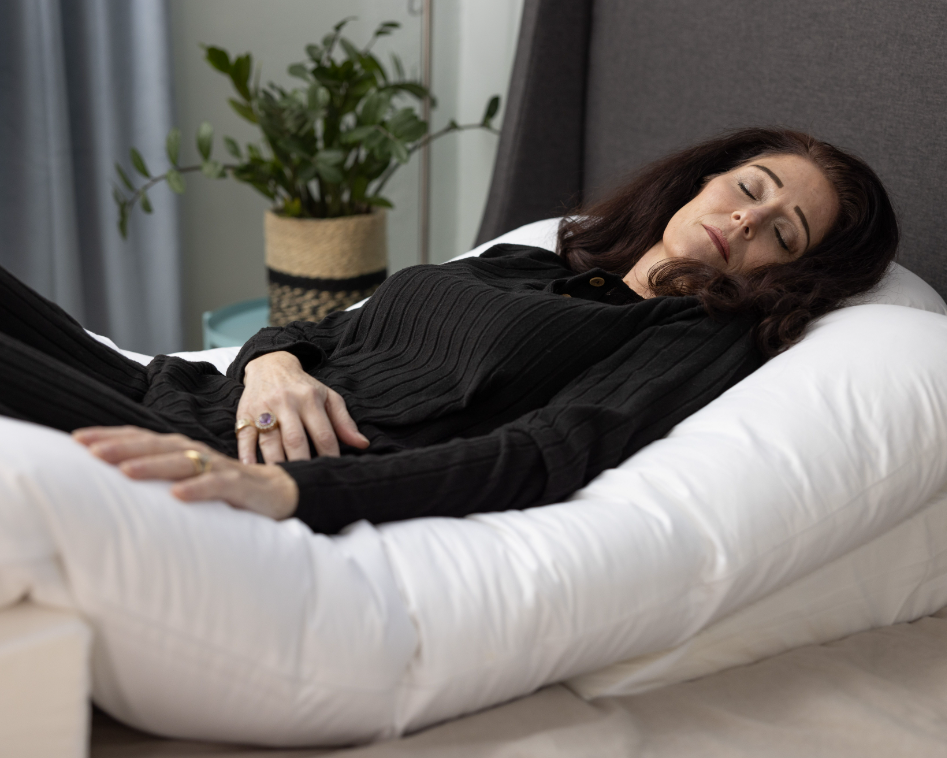
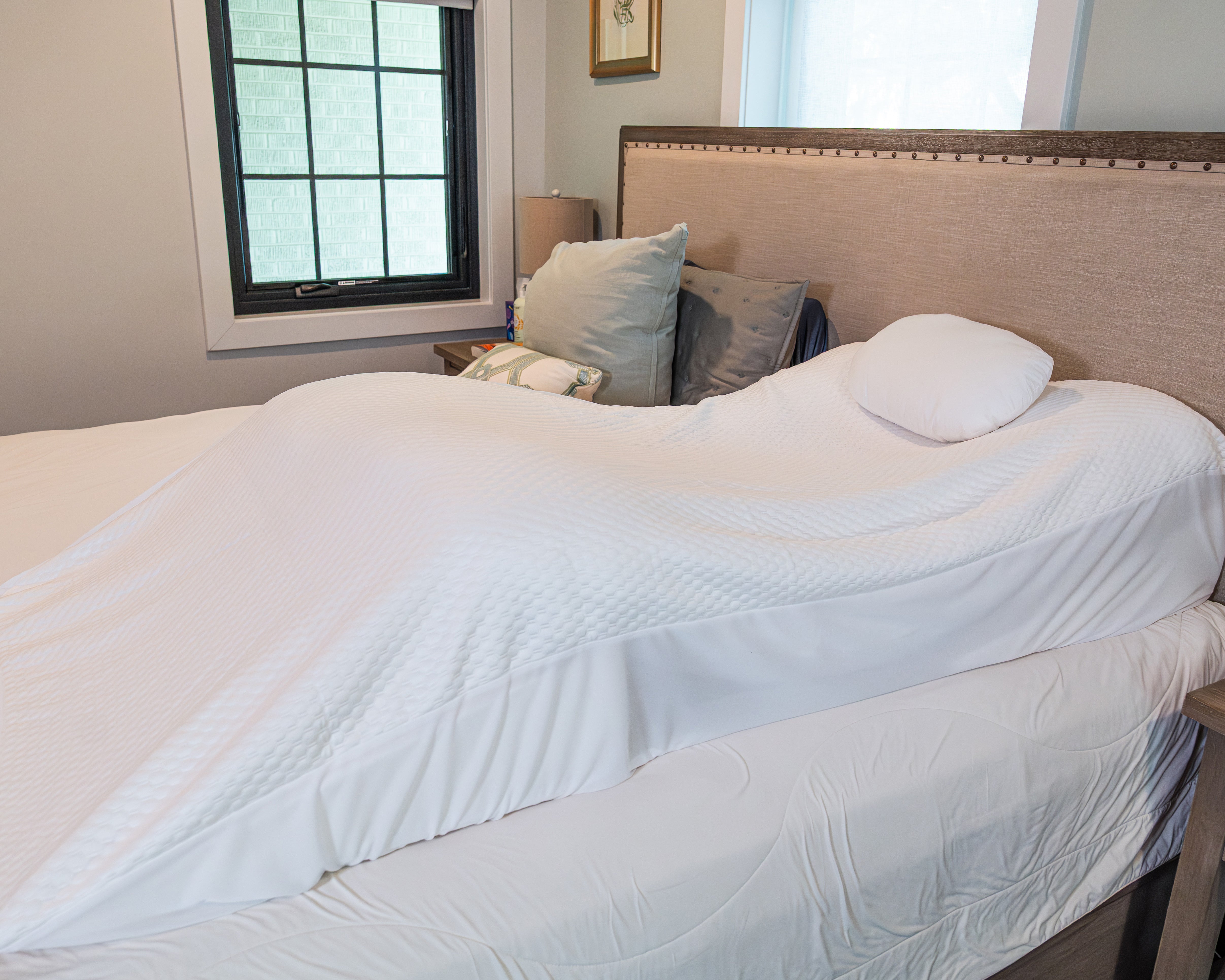
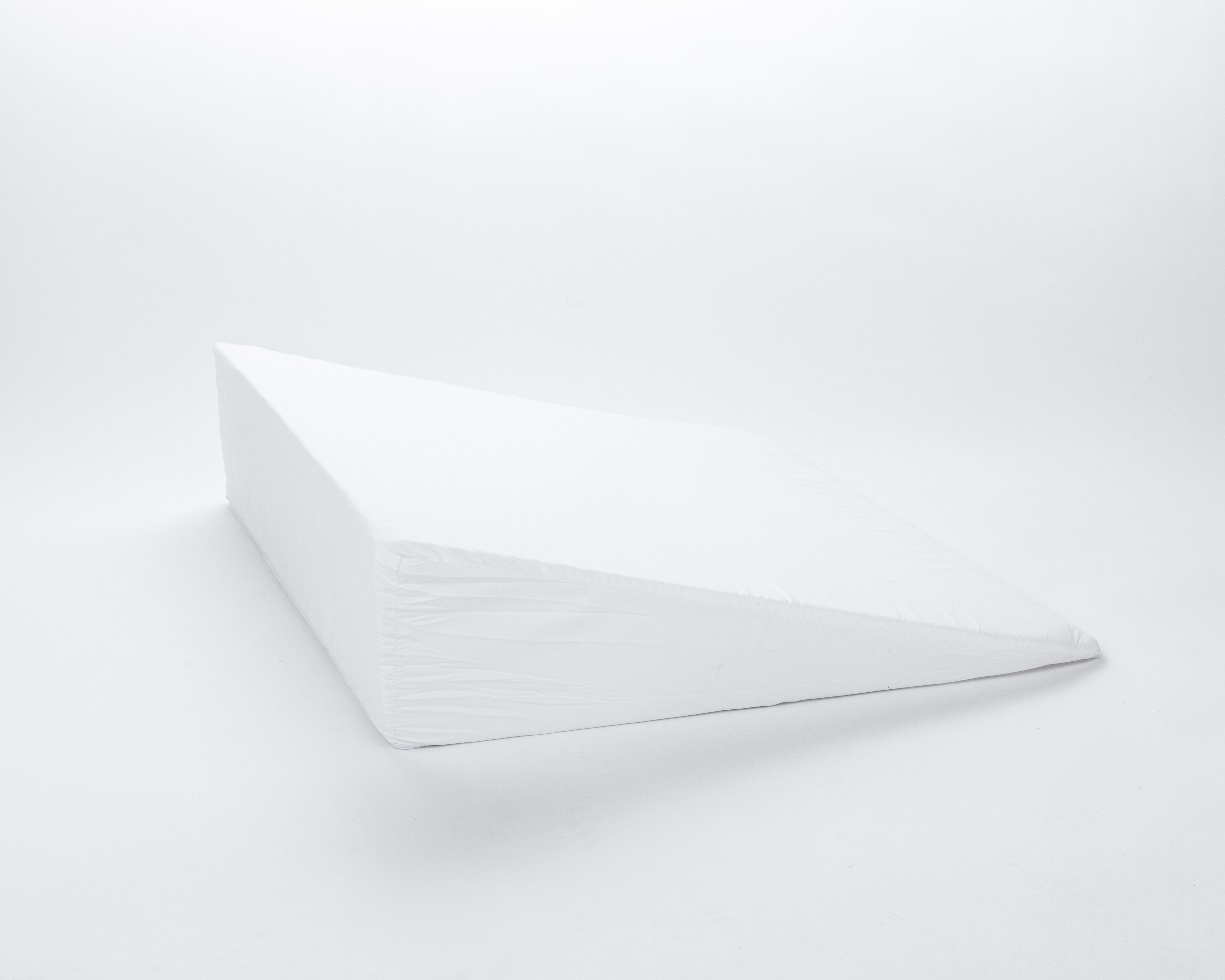
Position requirements: Sleep on your back with upper body elevation of 30-45 degrees. This elevation reduces swelling and takes pressure off incision sites.
What to avoid: Any position that places direct pressure on breast tissue, including side sleeping and stomach sleeping. Even brief periods can interfere with early healing.
Weeks 4-5: Continued Back Sleeping
What's happening: Incisions are closing but not yet at full strength. Your implants are beginning to settle, but capsule formation is still early-stage.
Position requirements: Maintained elevated back sleeping, though you may be able to reduce the elevation angle slightly if approved by your surgeon.
What to avoid: Side sleeping remains off-limits for most patients. This is often the most frustrating period because you feel better but must continue position restrictions.
Week 6: Potential Clearance for Side Sleeping
What's happening: Most patients reach the point where initial healing is sufficient for their surgeon to consider side sleeping clearance. Incisions have closed, and capsule formation is progressing.
Position requirements: Your surgeon will assess your specific healing progress at your 6-week follow-up. If cleared, you can begin careful side sleeping trials.
What to expect: Even with clearance, your first attempts may feel uncomfortable. Tenderness, unusual sensations, and difficulty finding comfortable positioning are normal.
Weeks 7-8: Gradual Side Sleeping Introduction
What's happening: You're building tolerance for side sleeping positions. Your body is adjusting to the new pressure distribution, and you're learning what support works best.
Position requirements: Start with short side sleeping periods. Many patients begin with their non-dominant side or alternate between sides to distribute pressure evenly.
What to expect: Progressive comfort improvement, though some tenderness may remain. This adjustment phase benefits significantly from proper support.
Week 8 and Beyond: Expanded Position Freedom
What's happening: Most patients can comfortably side sleep for full nights, assuming their healing has progressed normally.
Position requirements: Continue using supportive positioning, particularly during the critical 3-6 month period when final settling occurs.
What to expect: Increasing comfort and confidence in side sleeping positions.

The Side Sleeping Chest Pillow: Your New Best Friend for Sleeping on Your Side After a Breast Augmentation
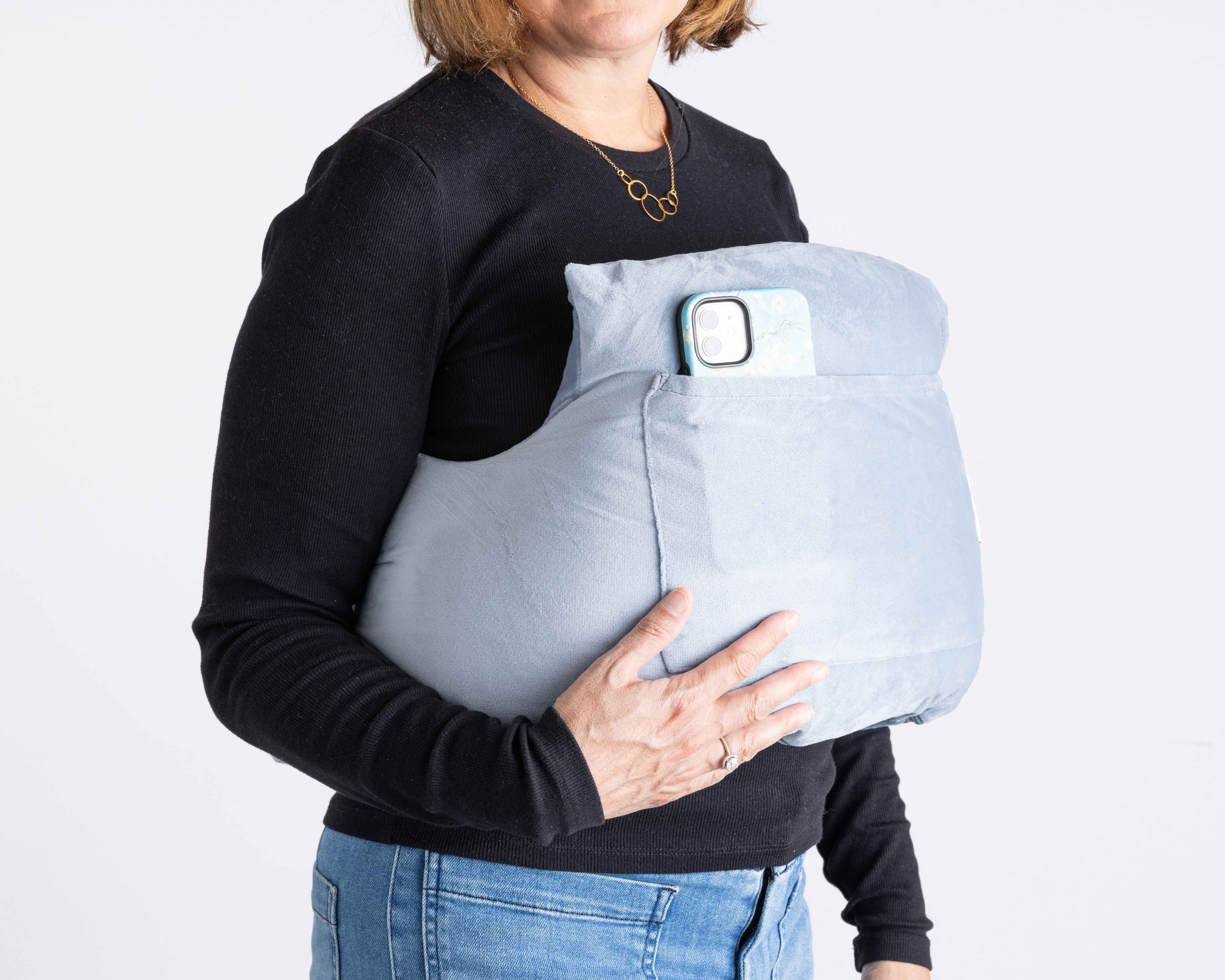
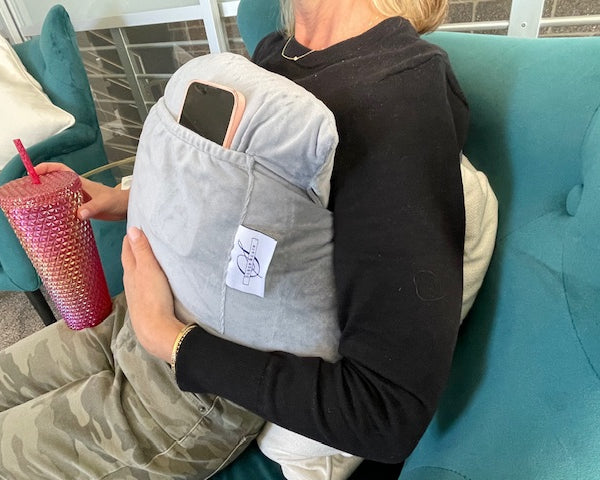
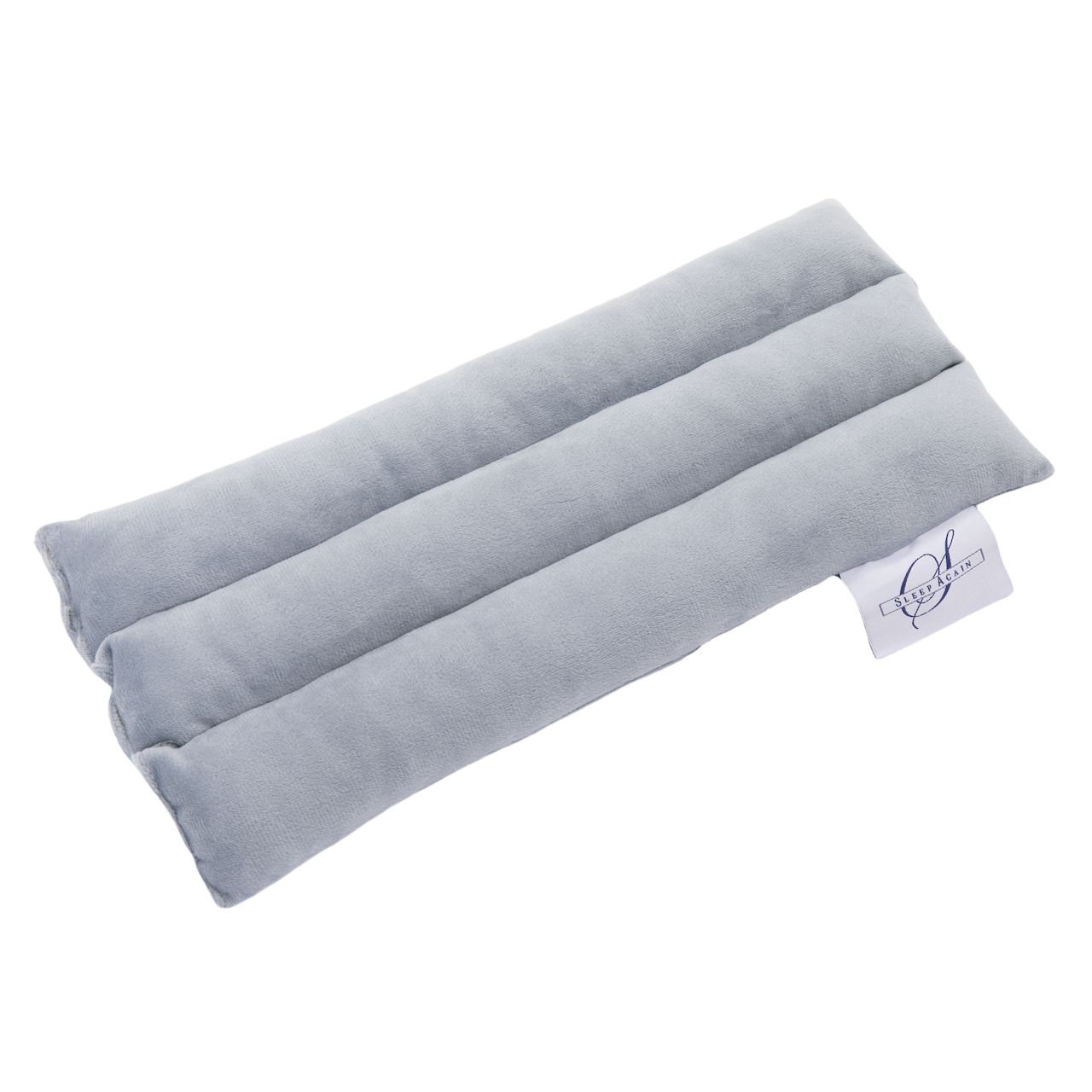
The transition from back sleeping to comfortable side sleeping after breast augmentation is where the Side Sleeping Chest Pillow becomes essential.
How the Side Sleeping Chest Pillow Works
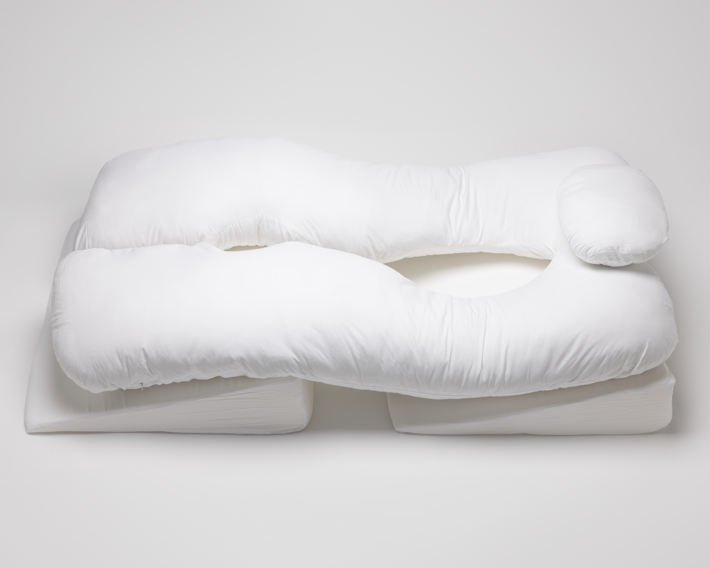
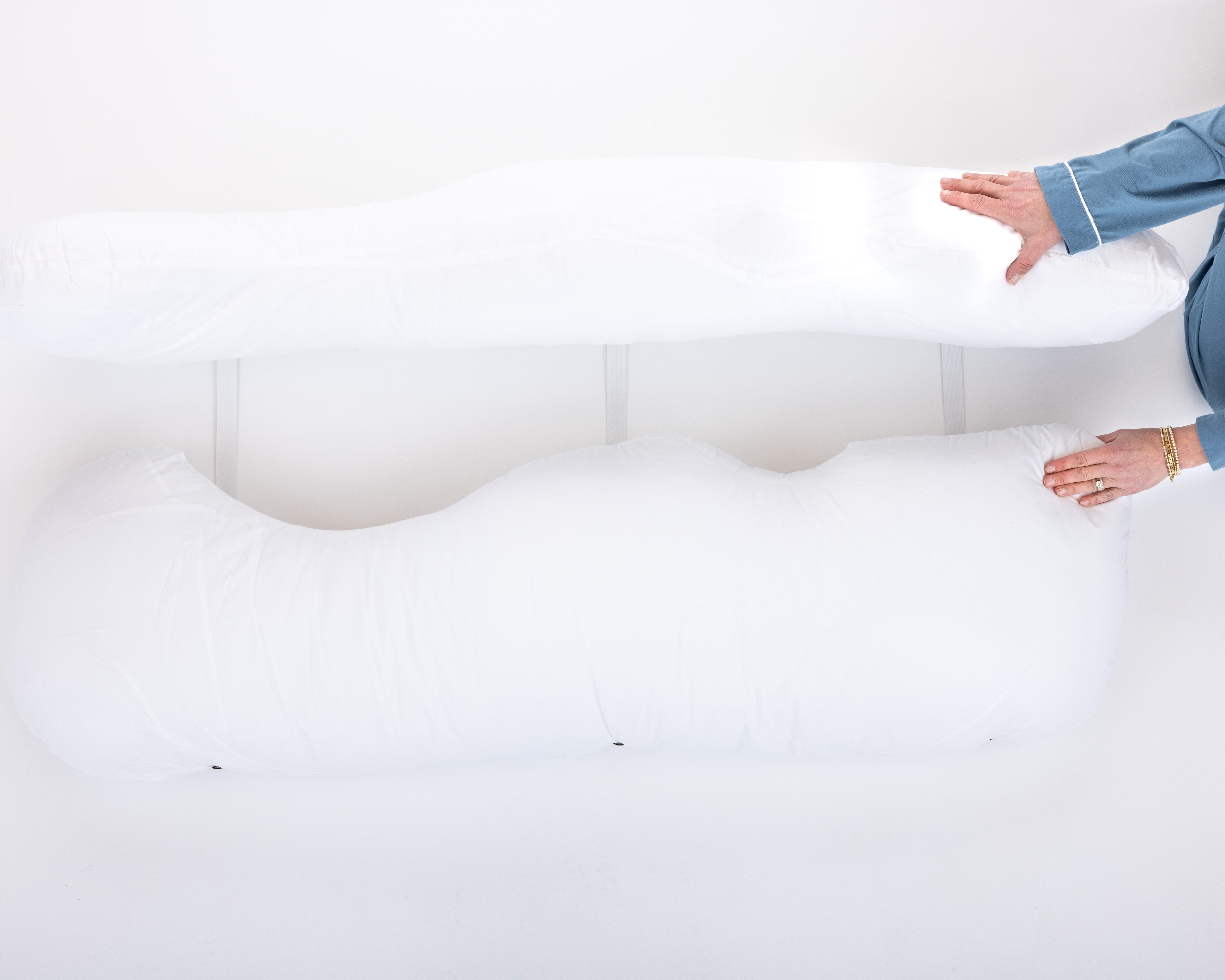
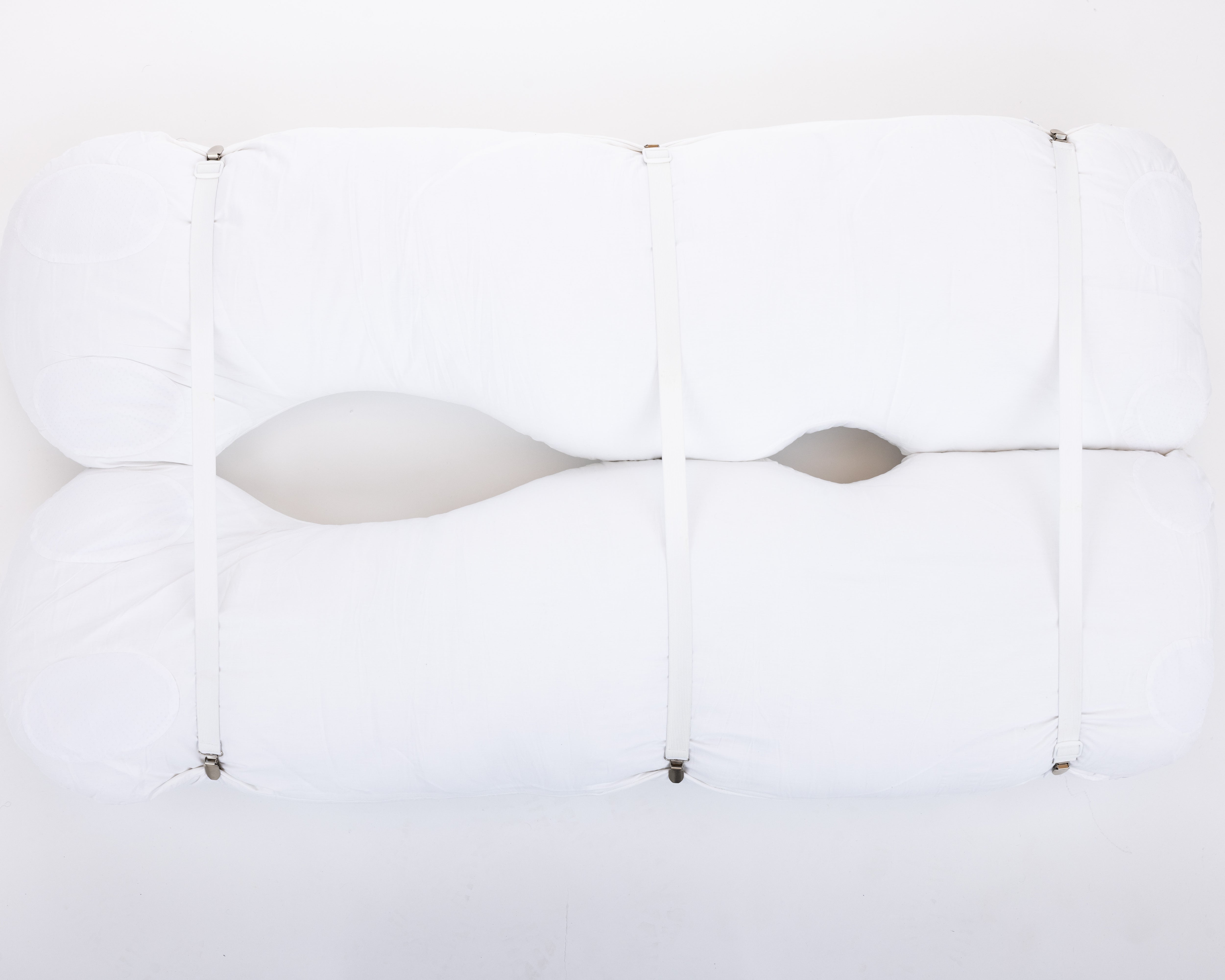
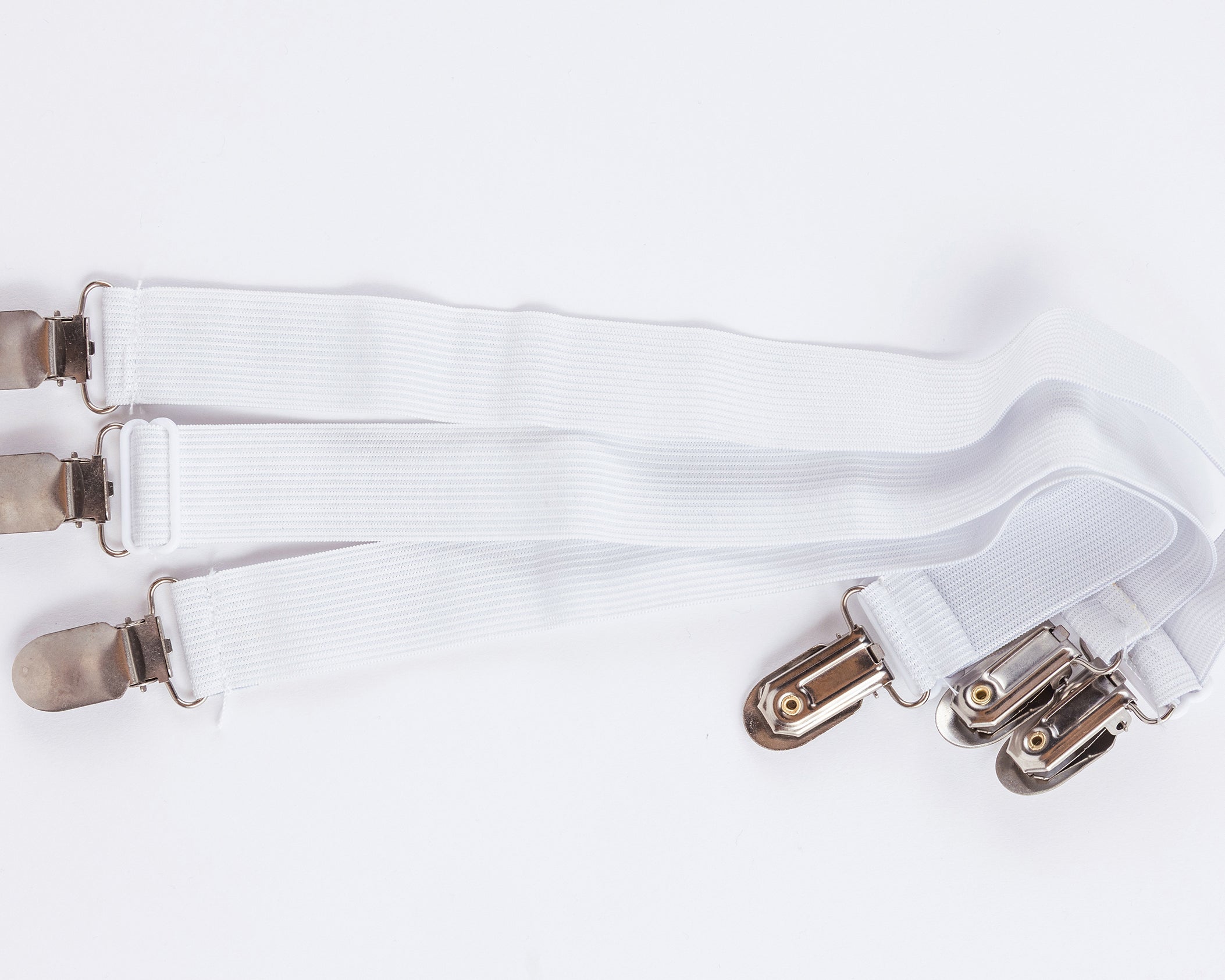
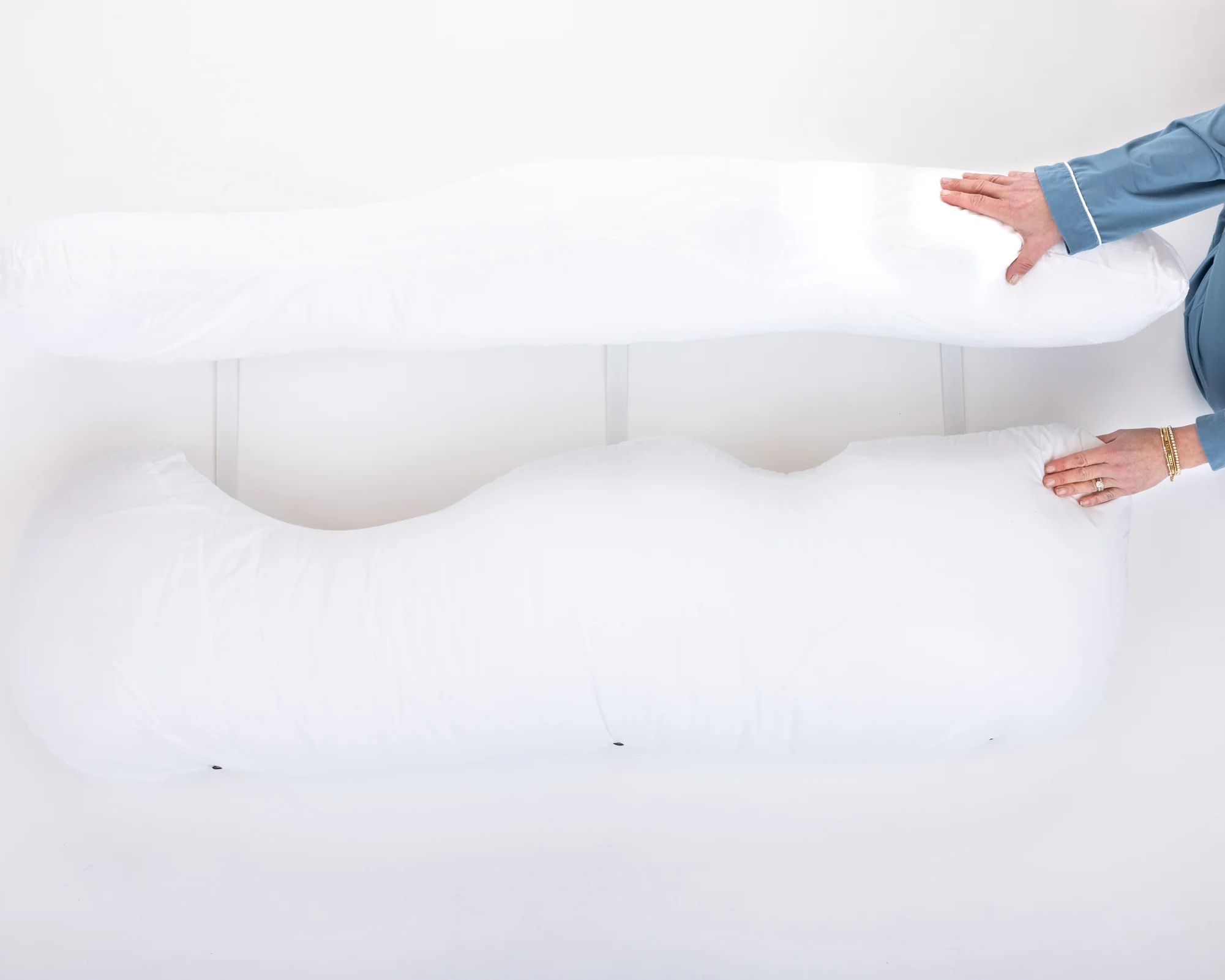
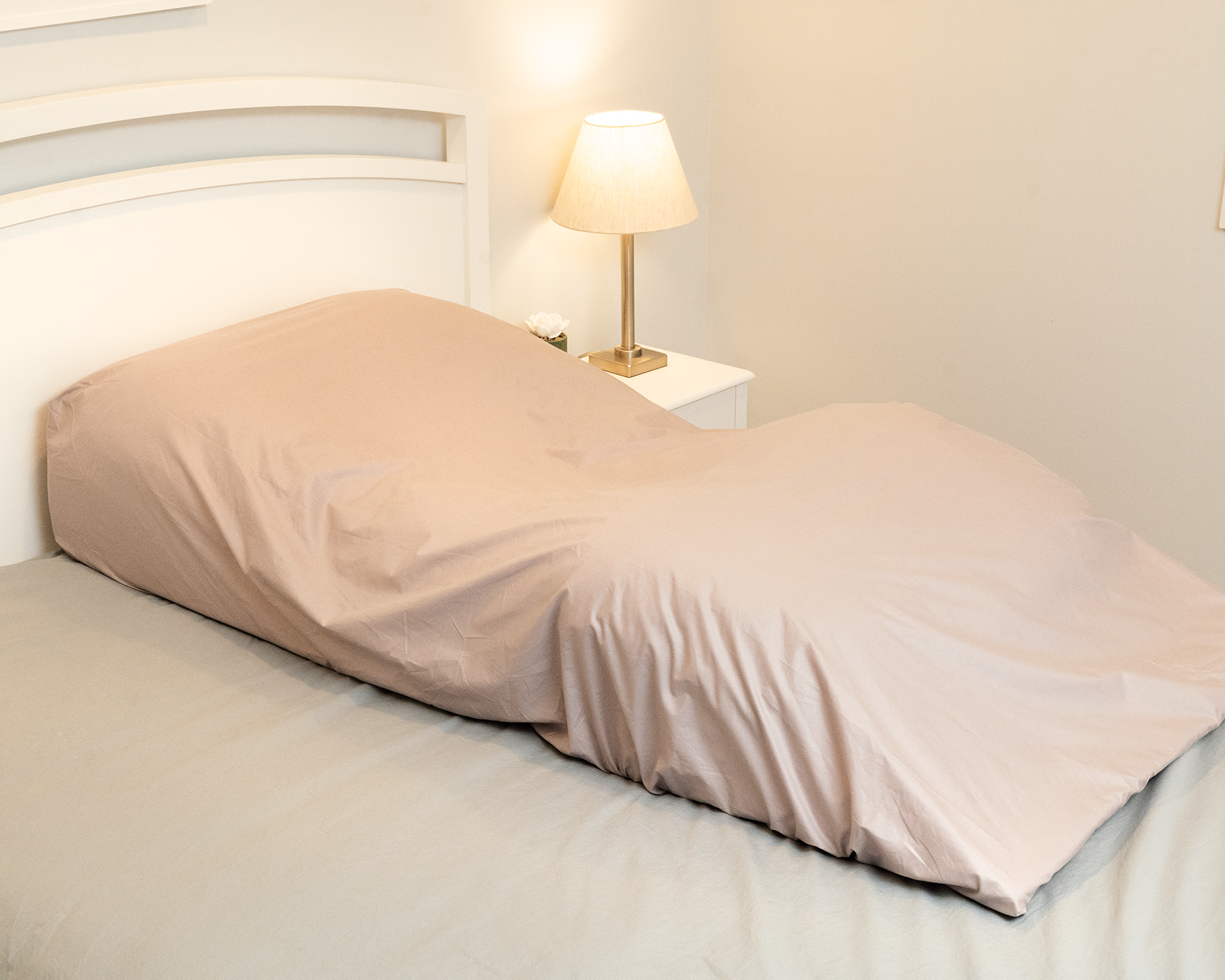
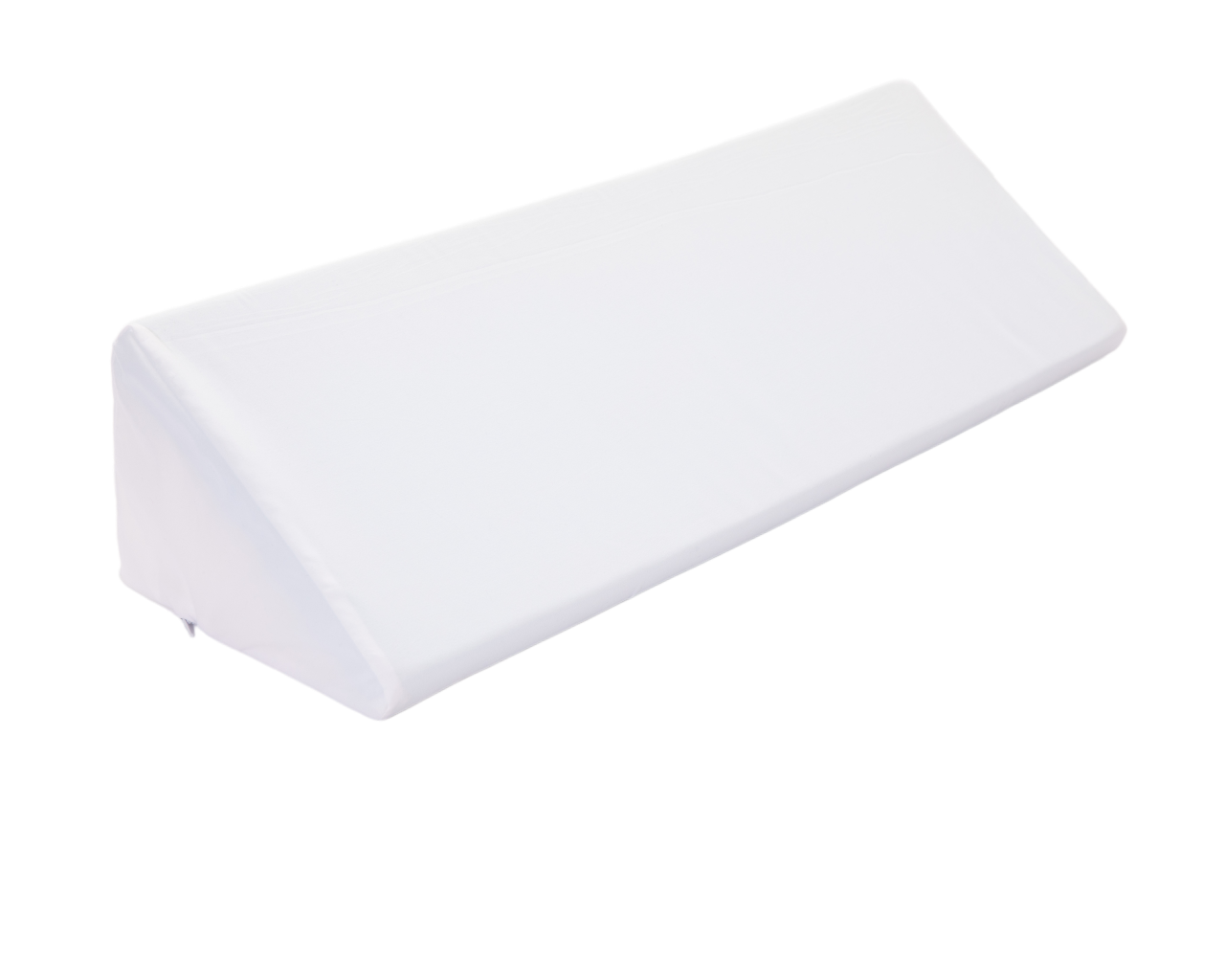
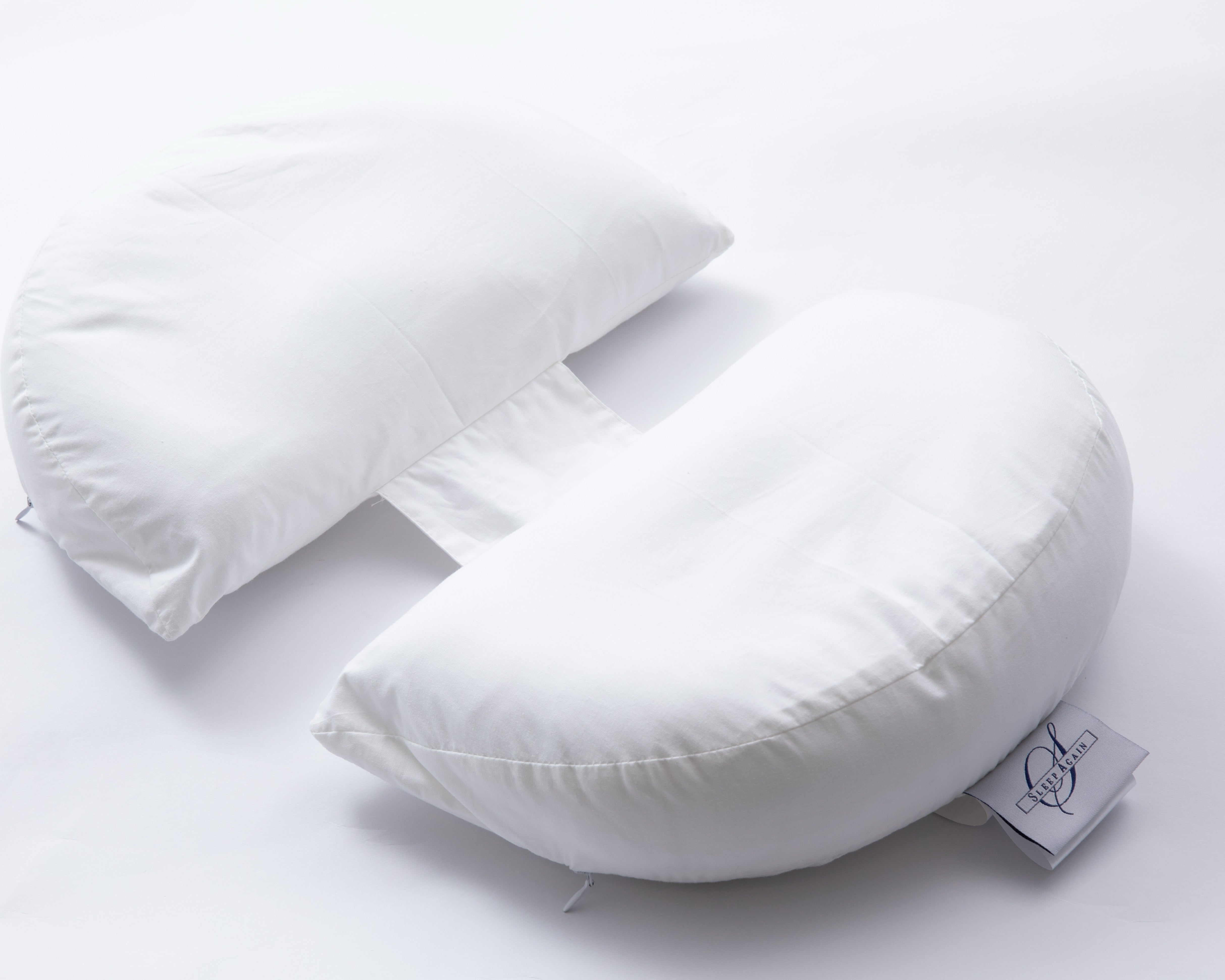
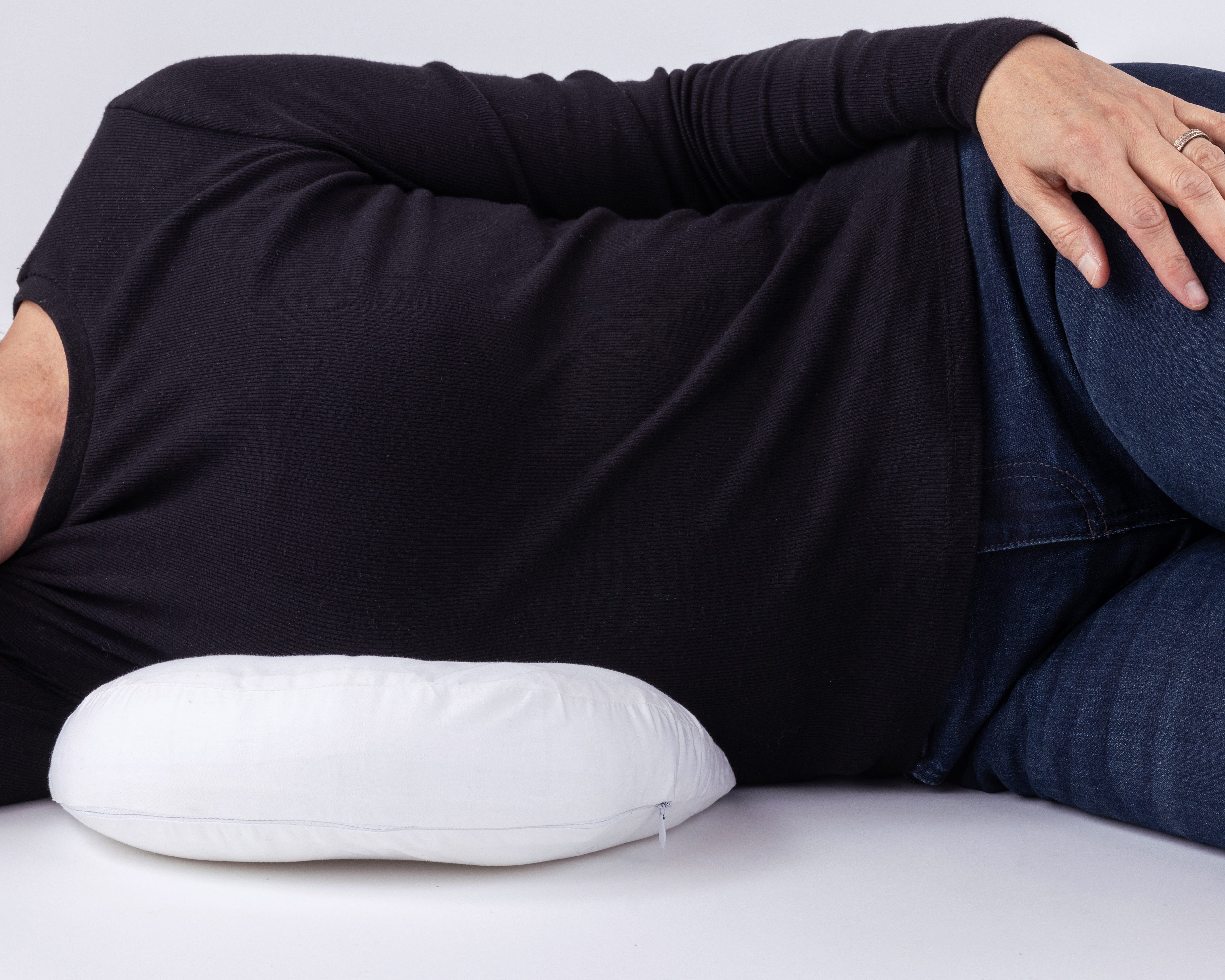
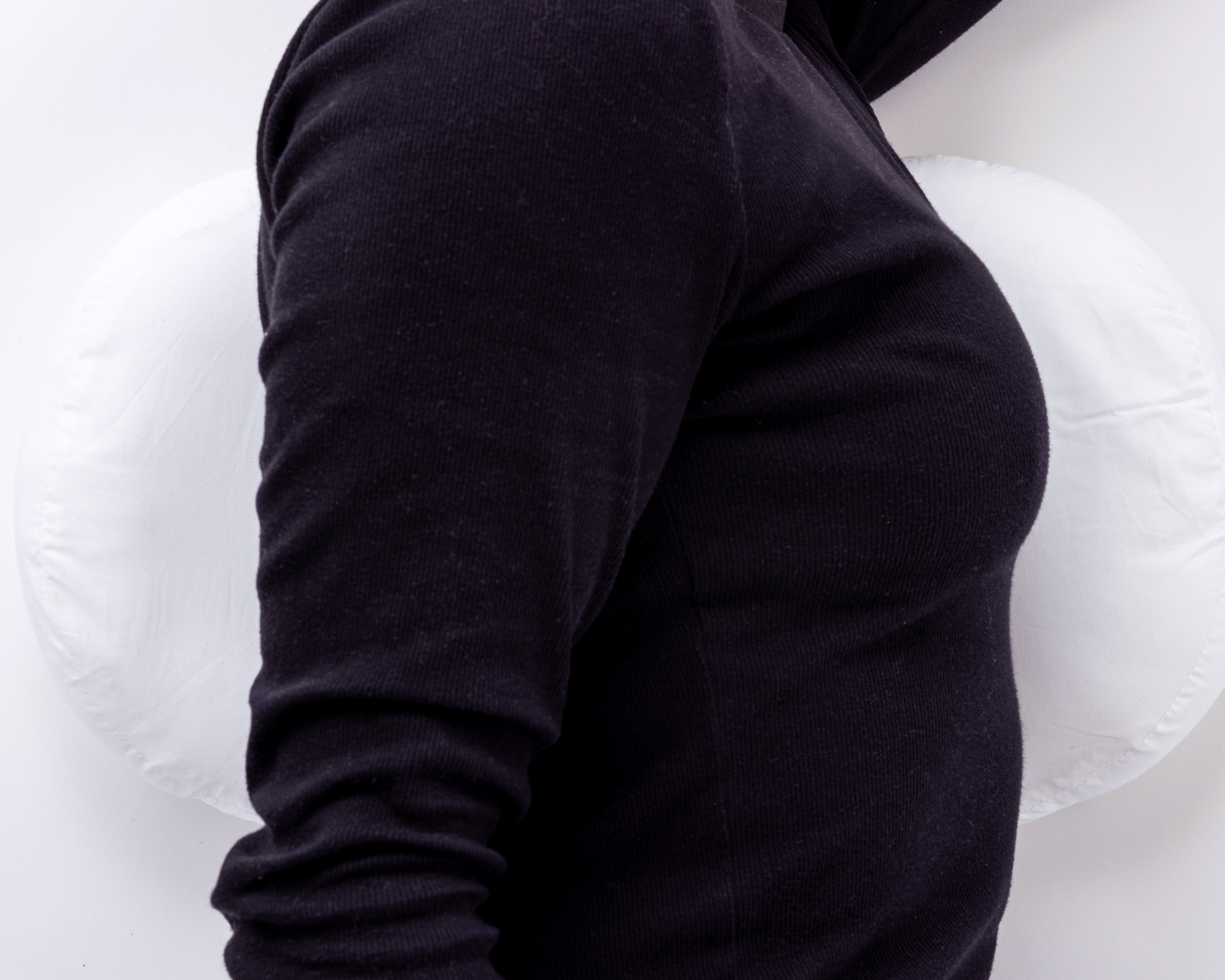
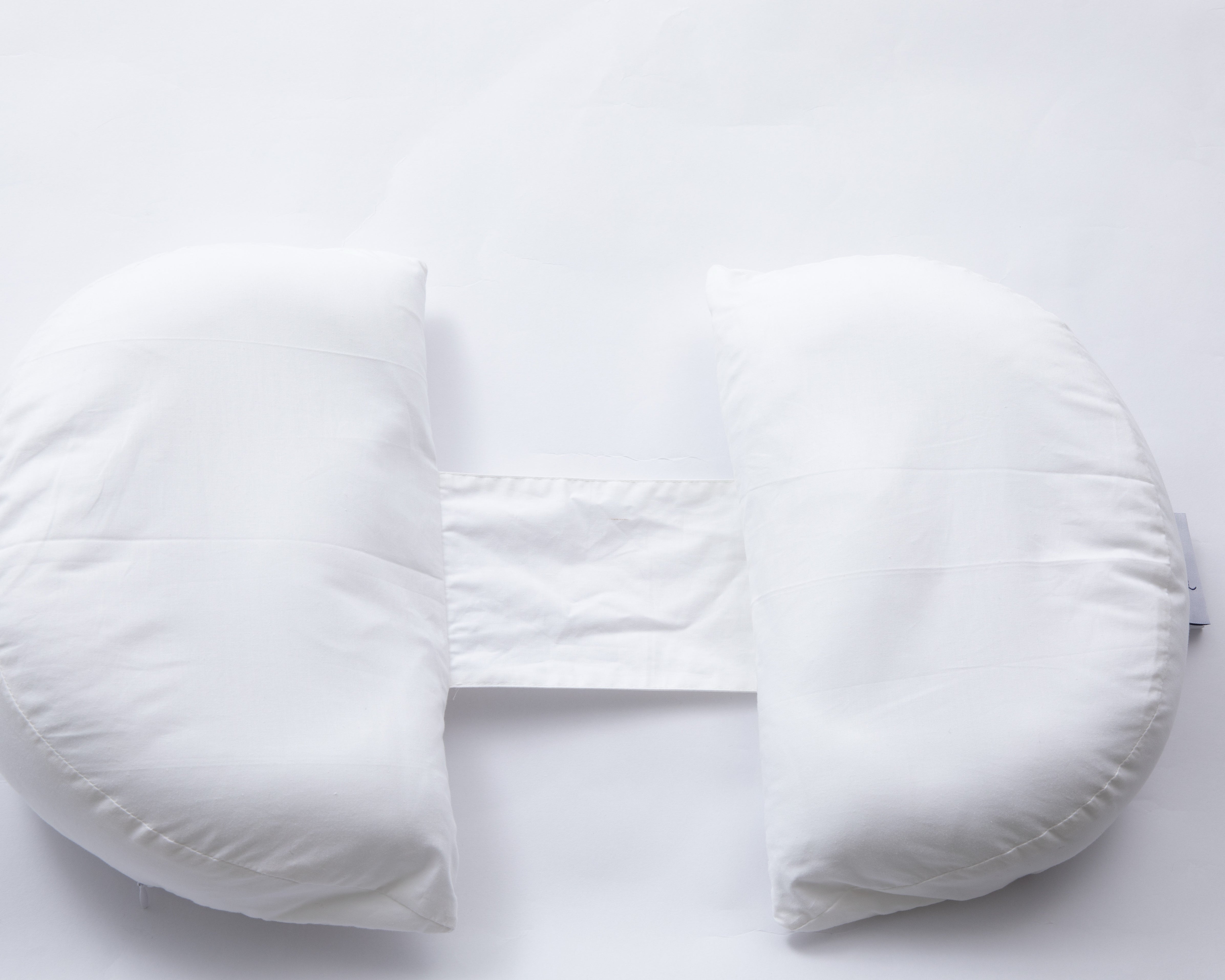
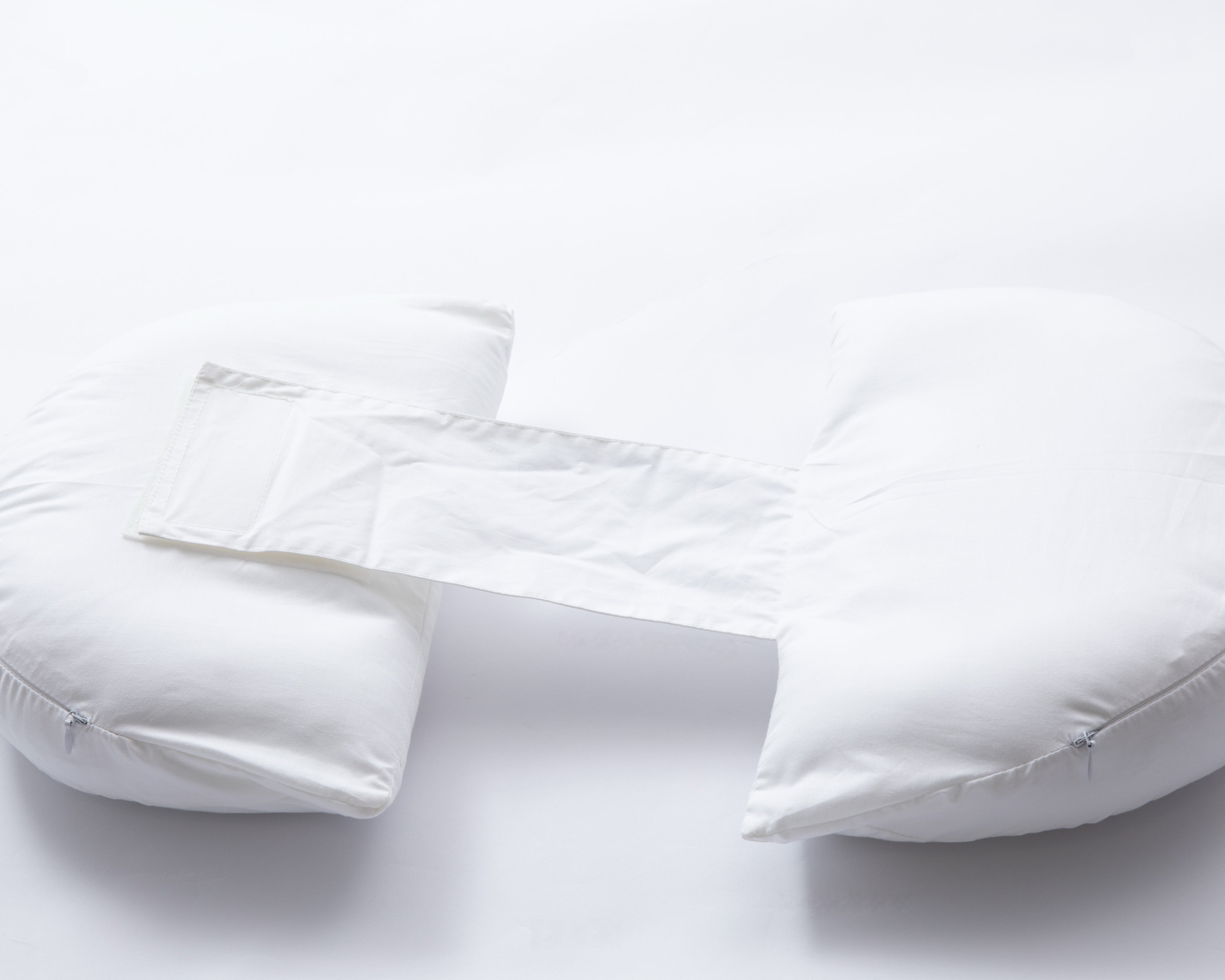
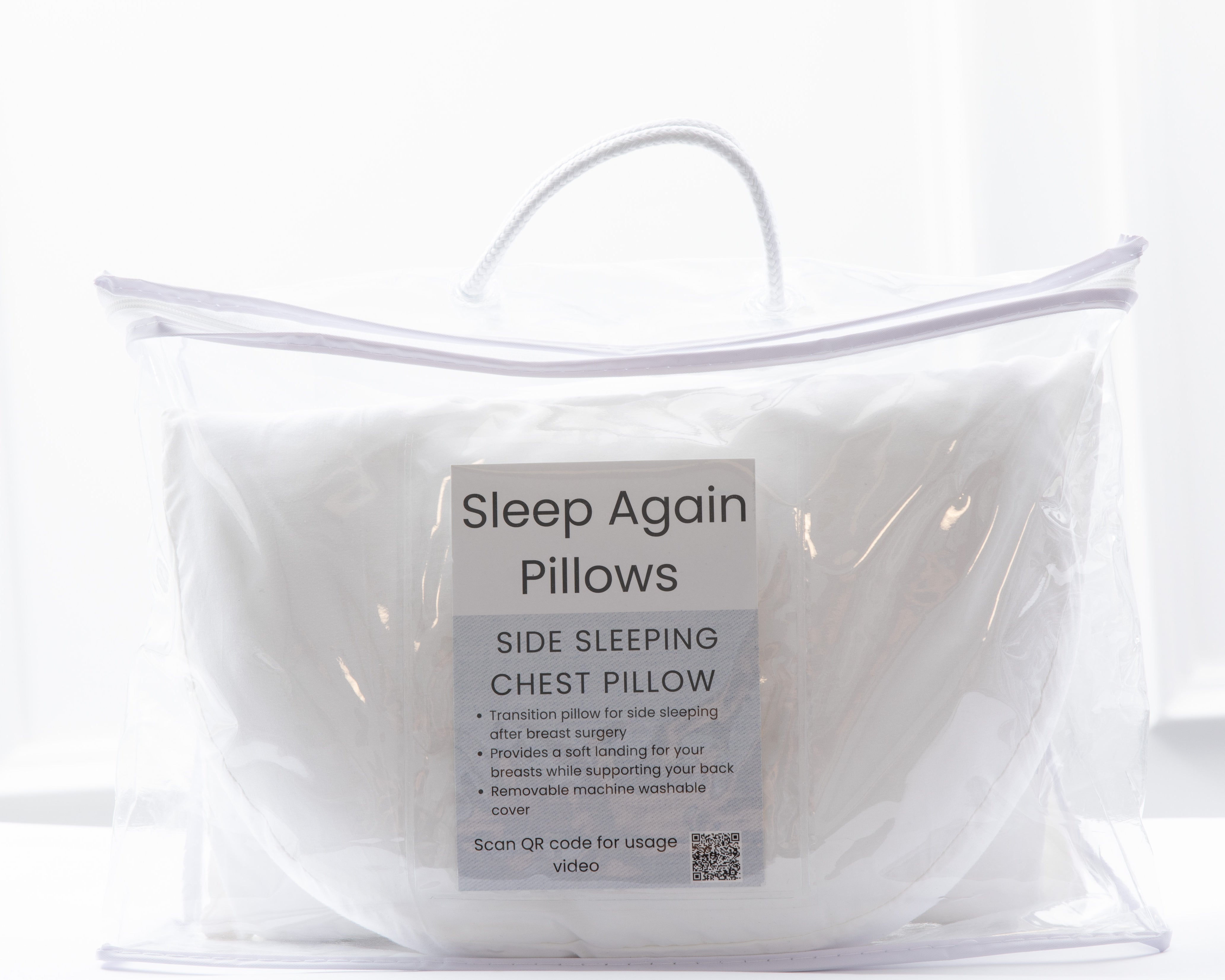
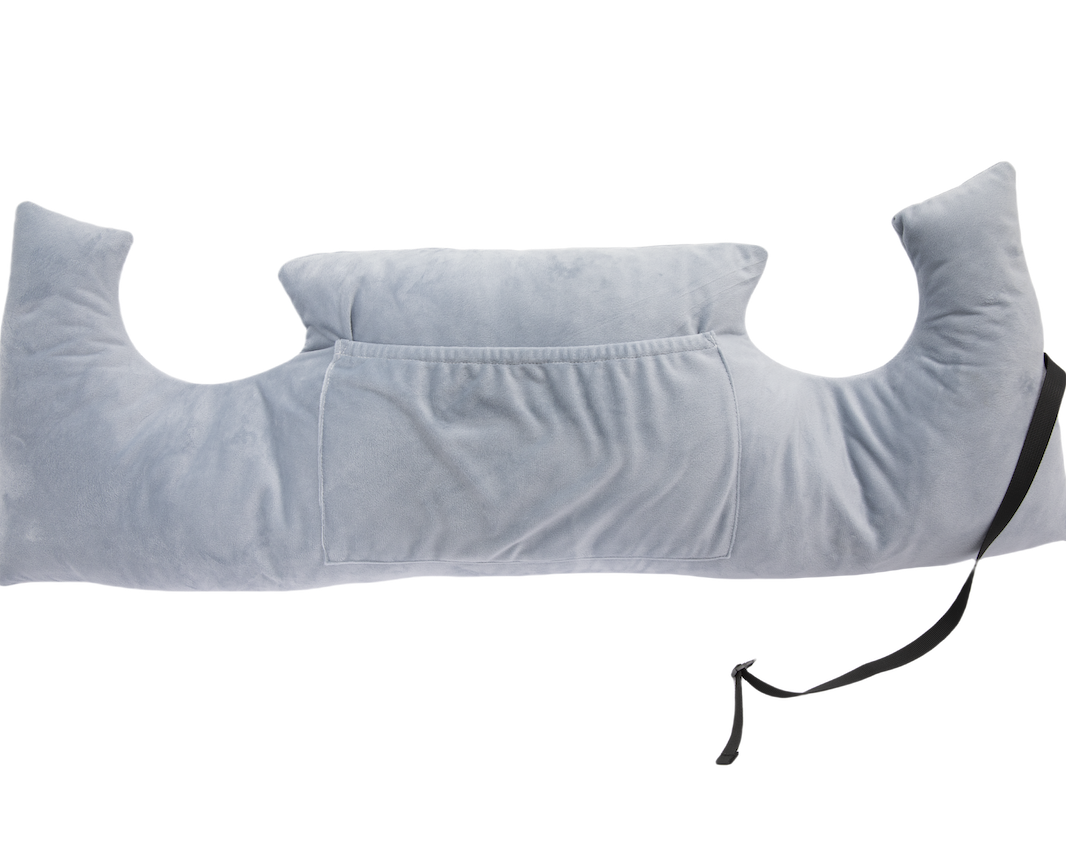
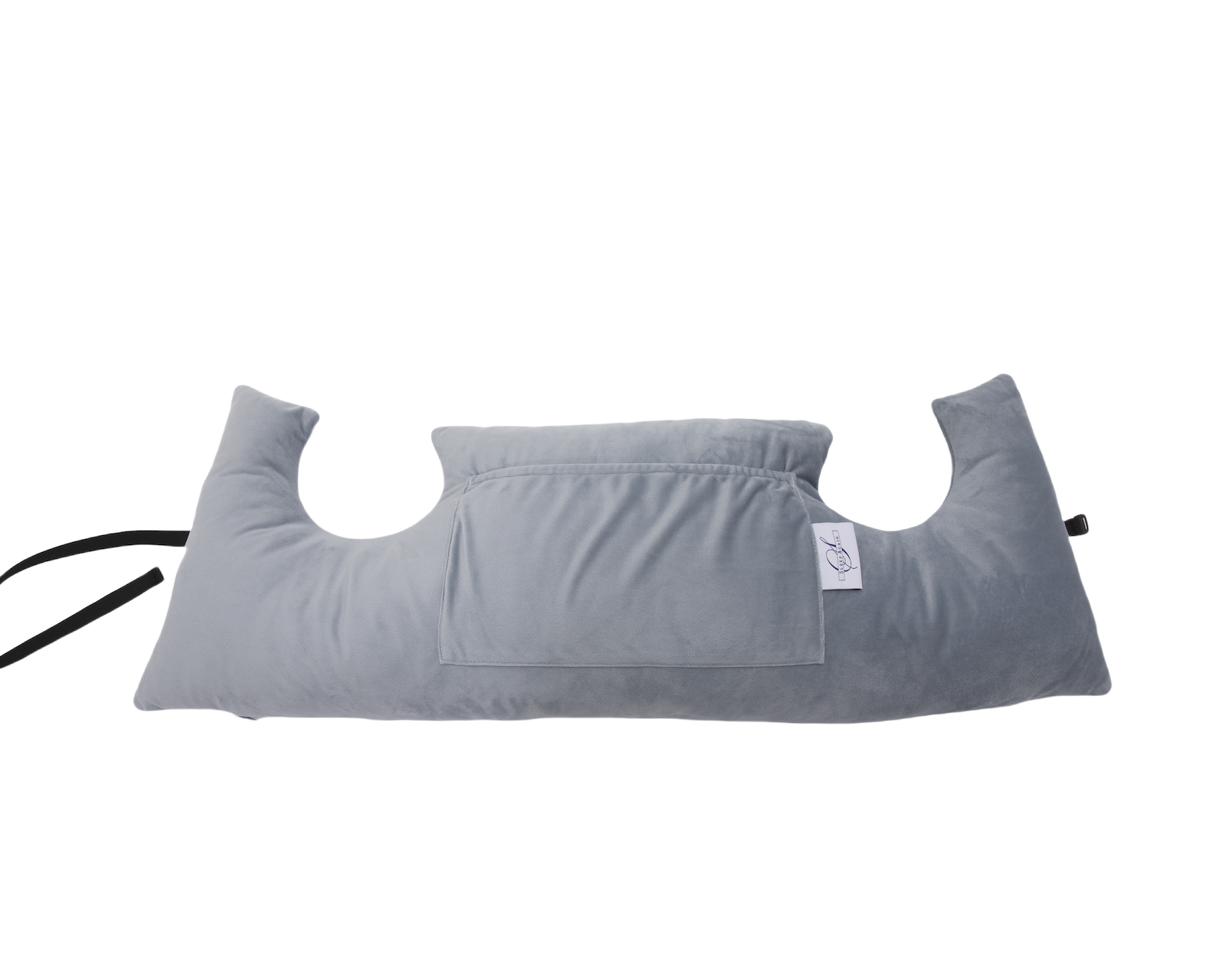
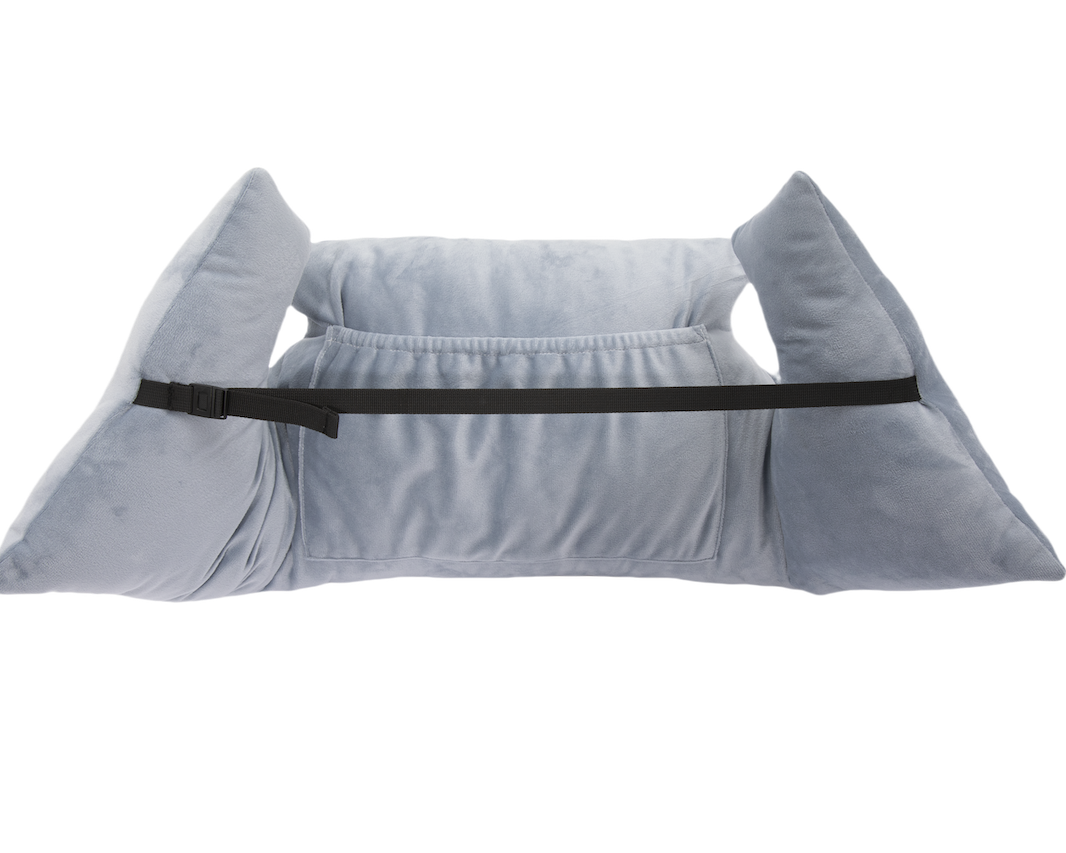
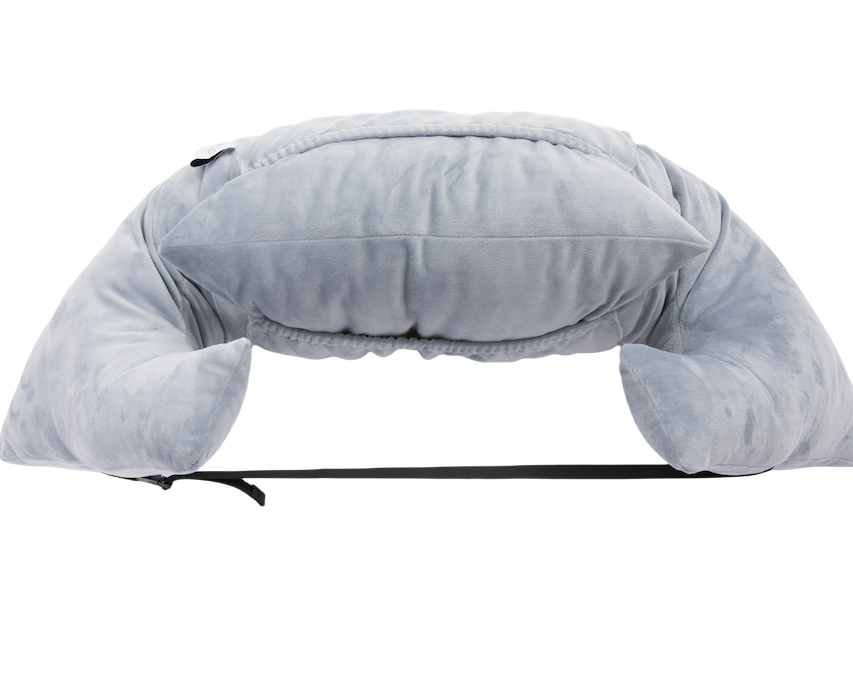
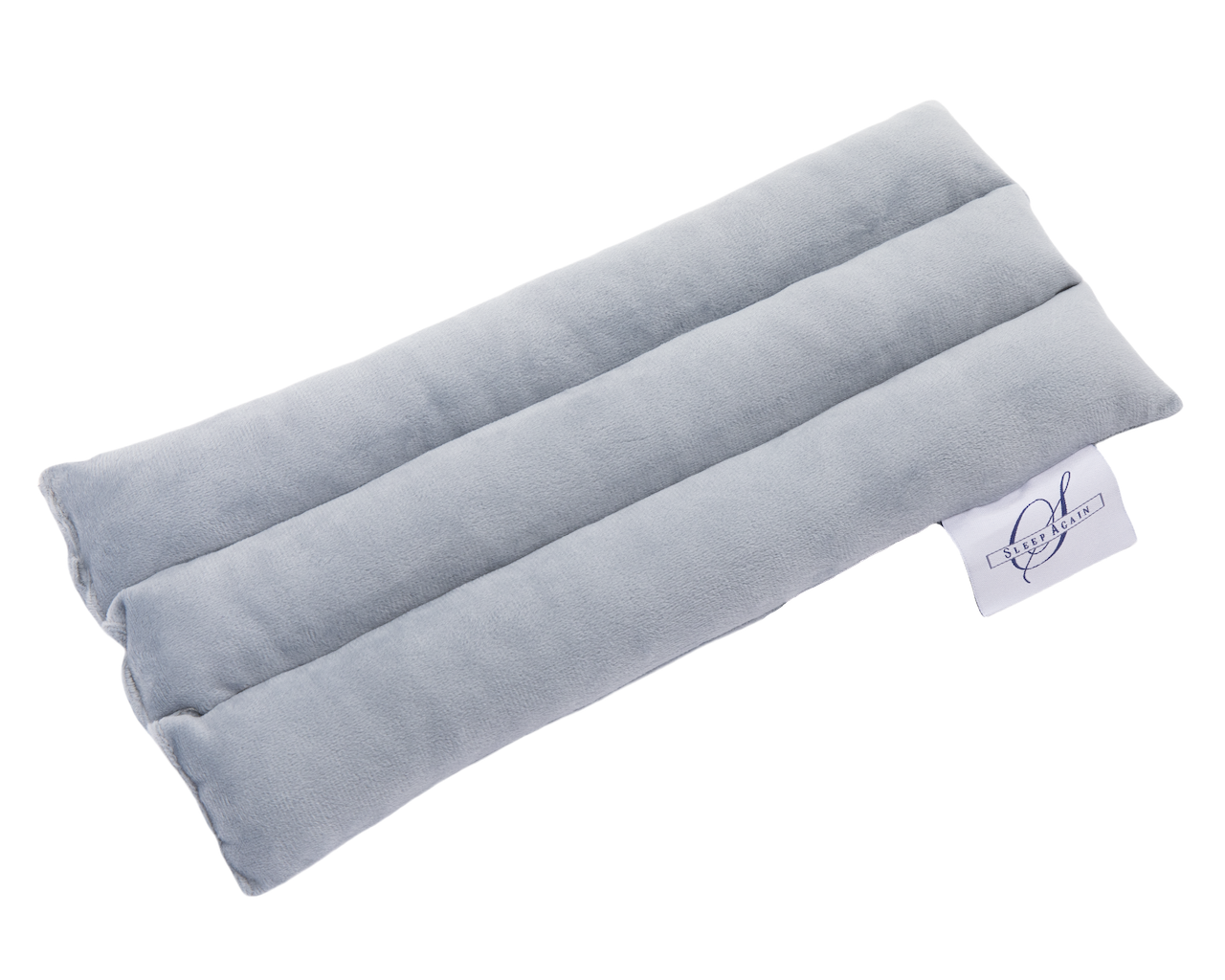
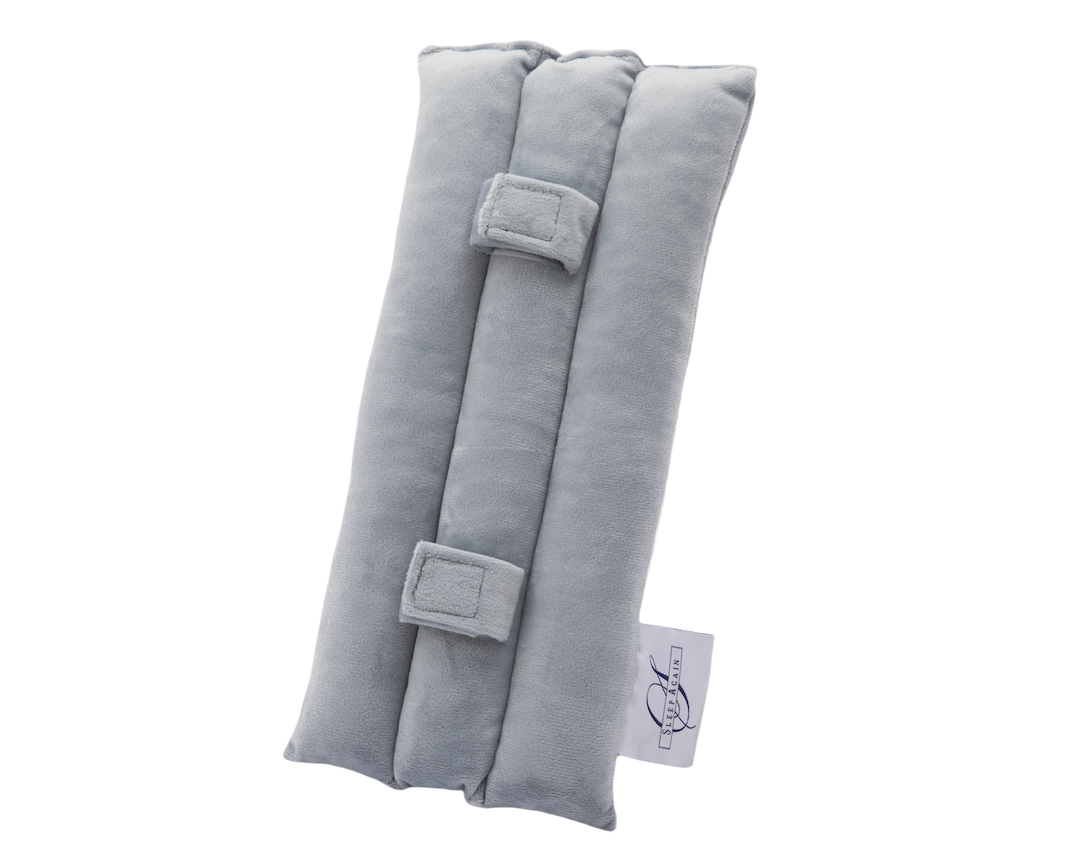
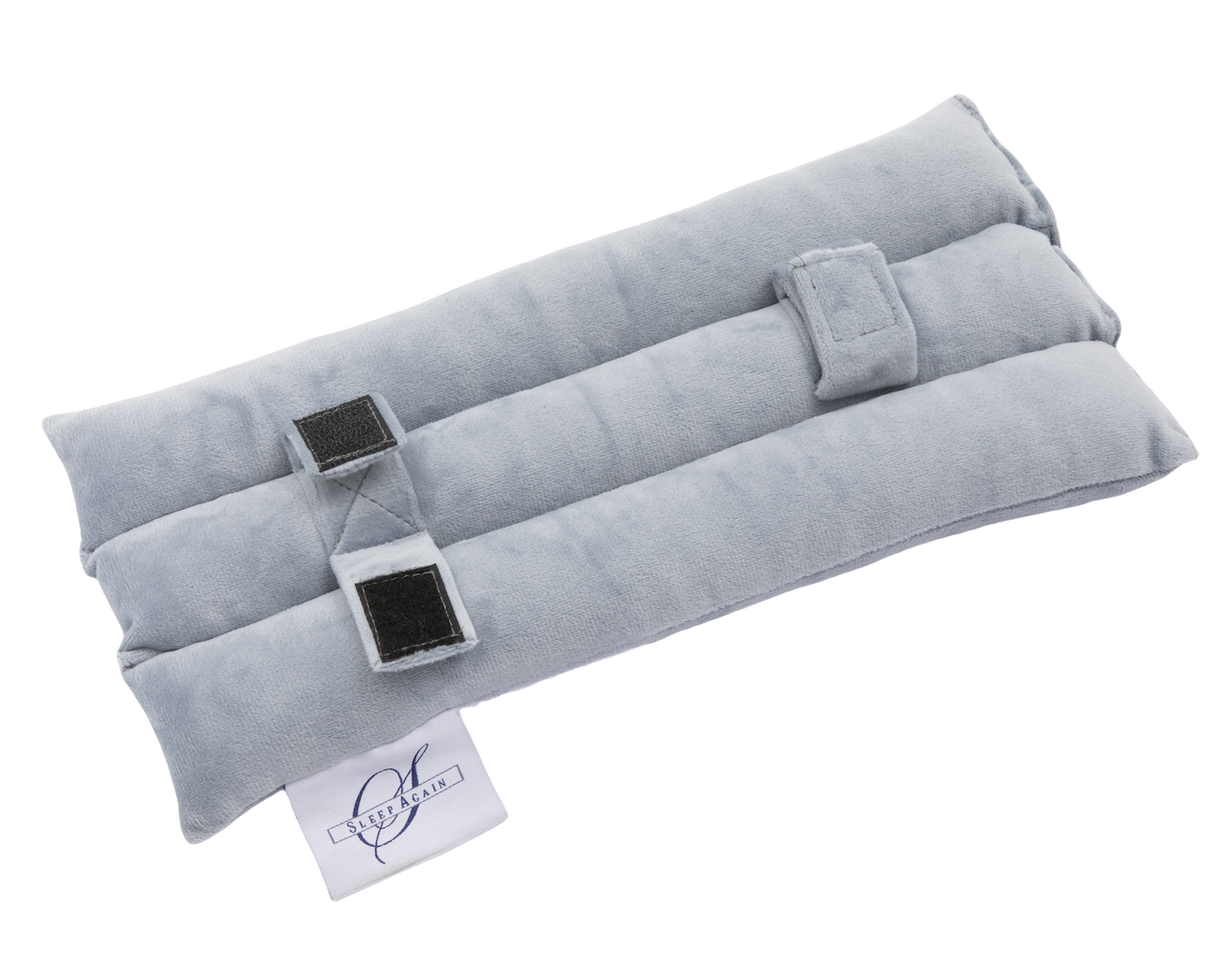
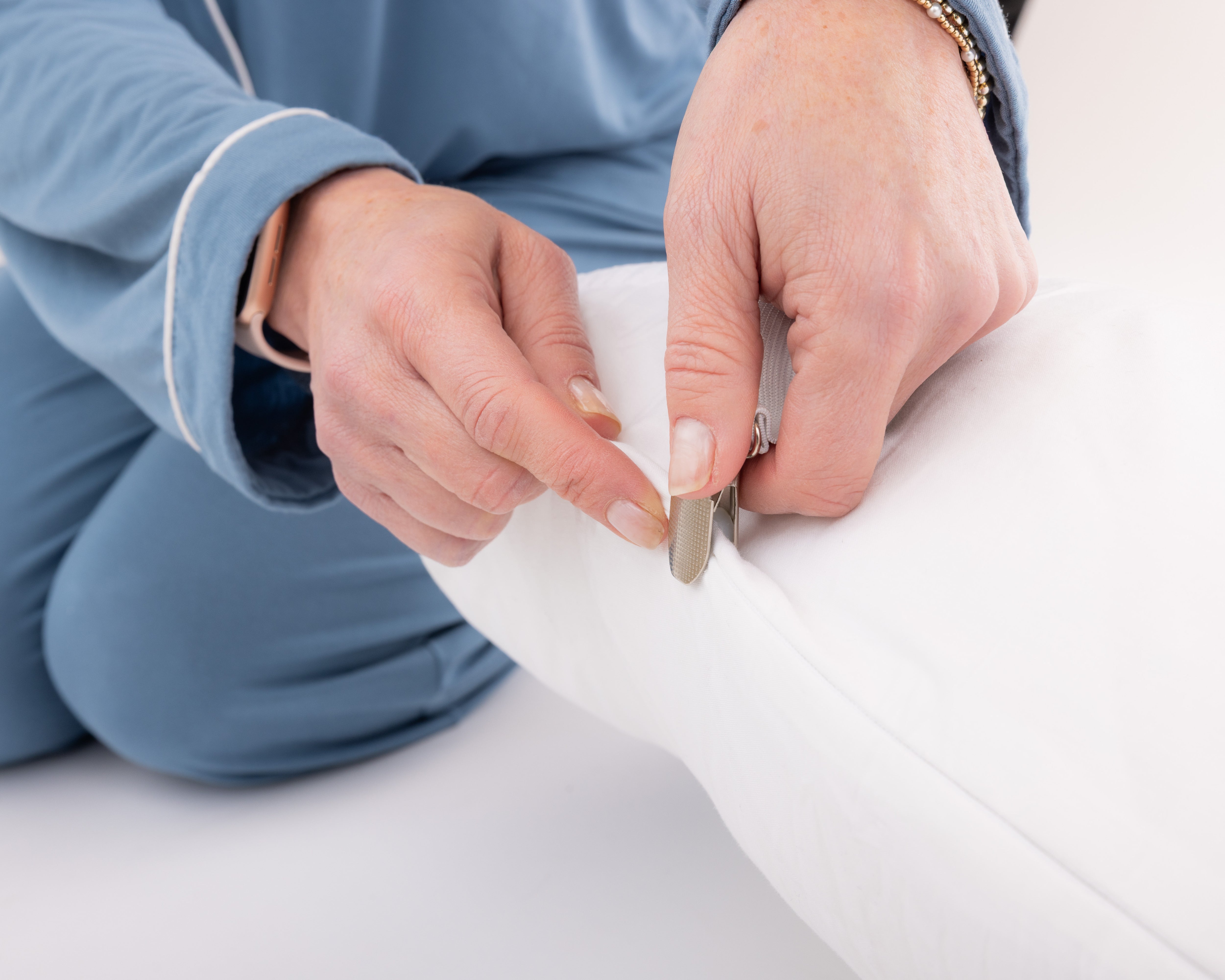
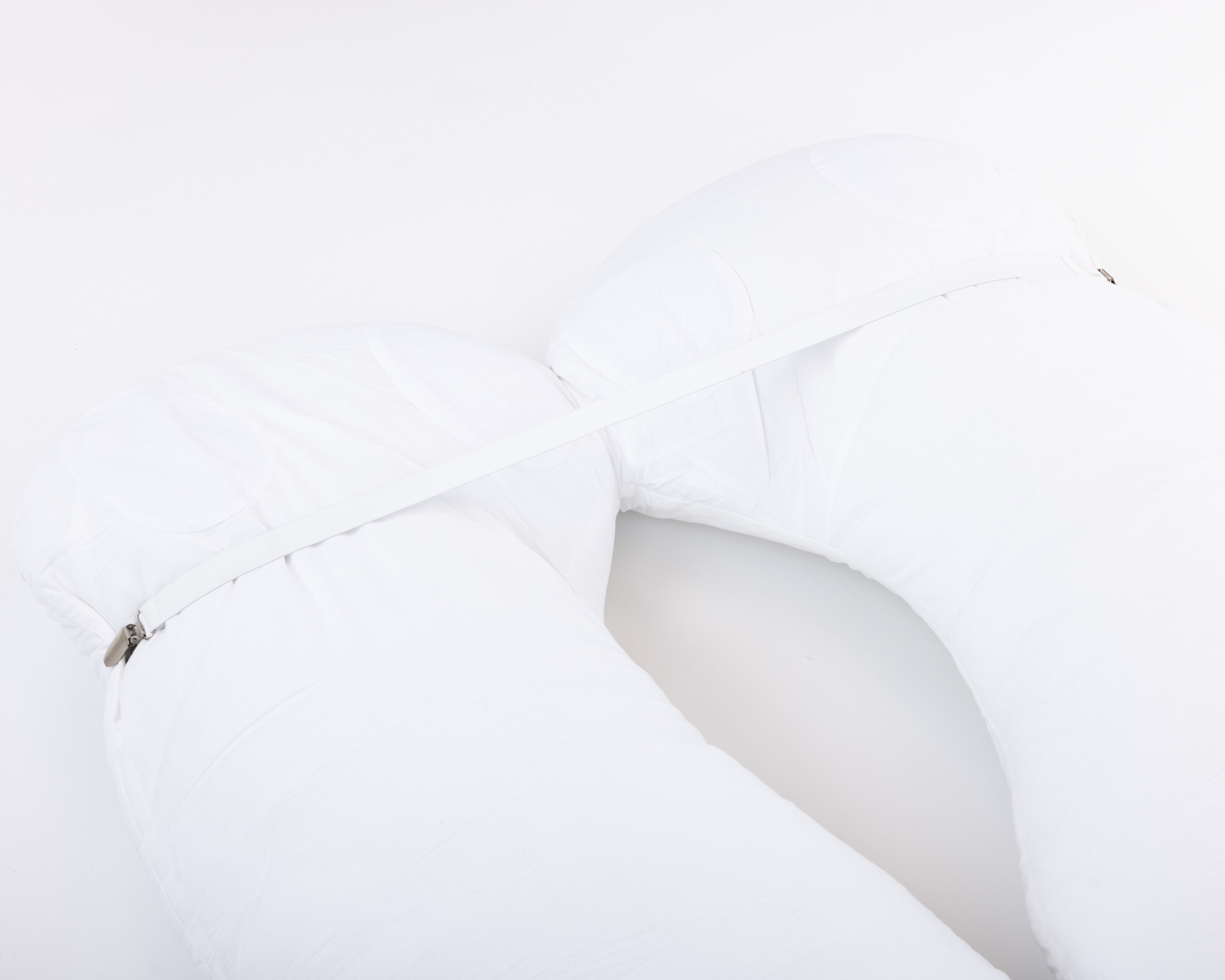
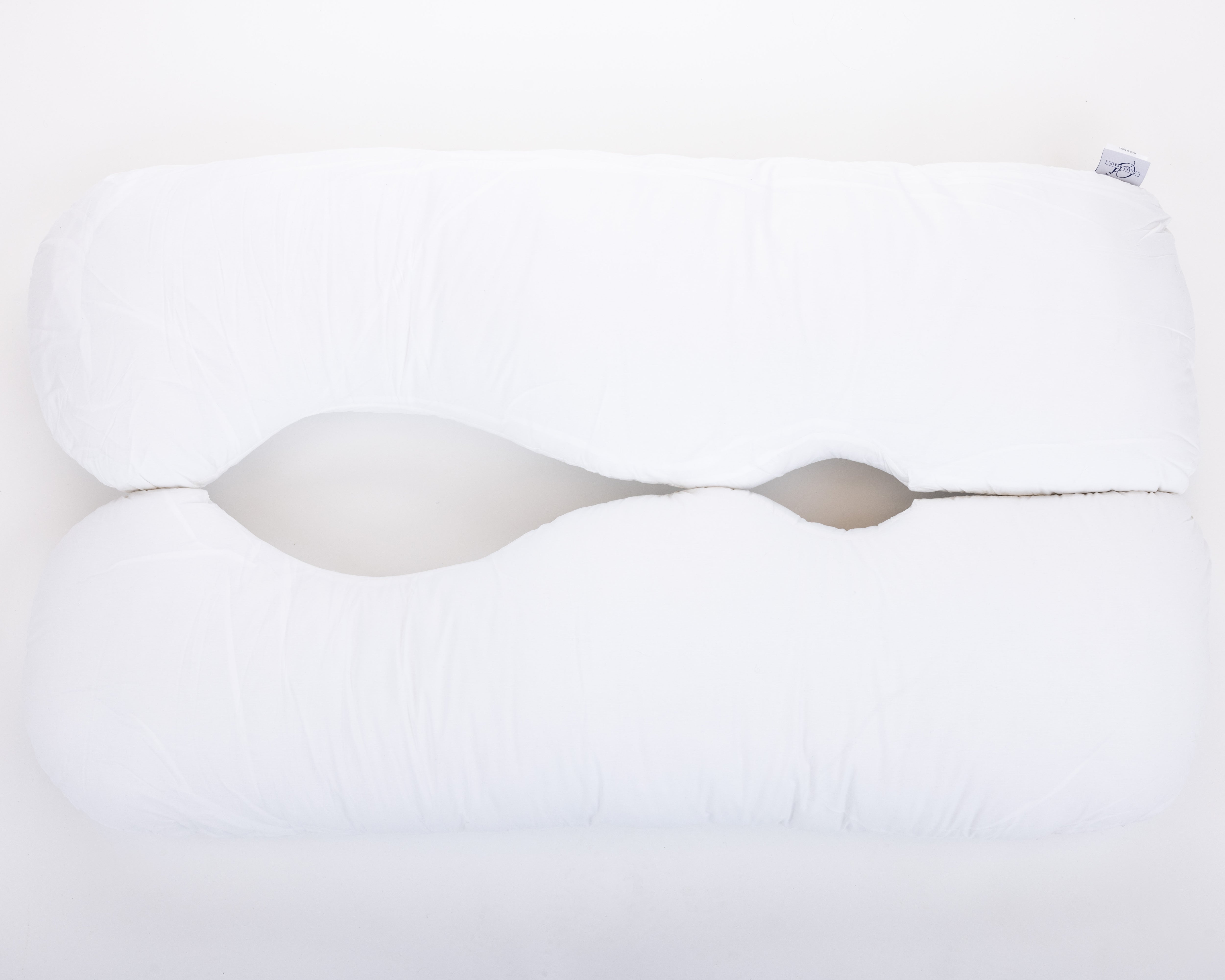
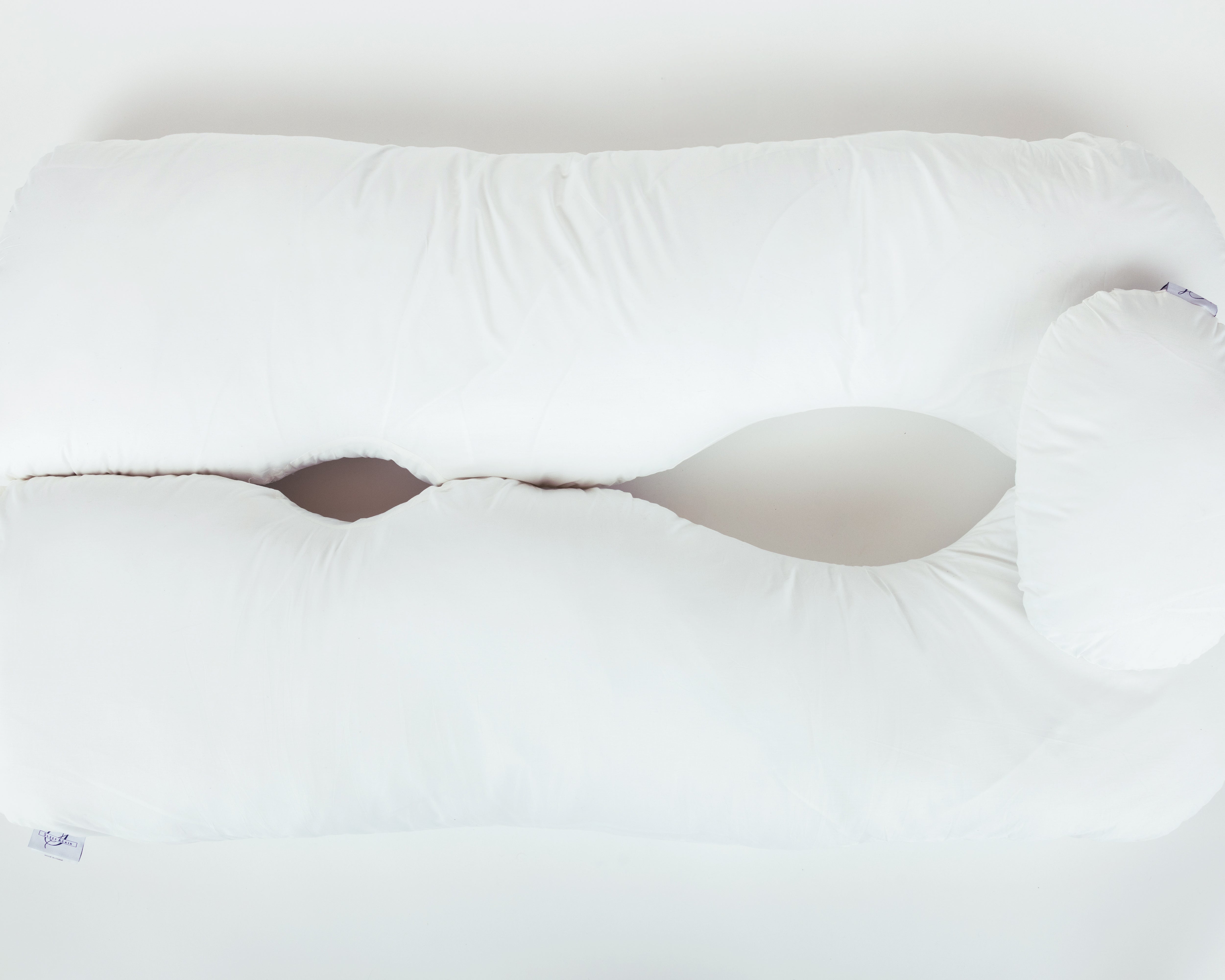
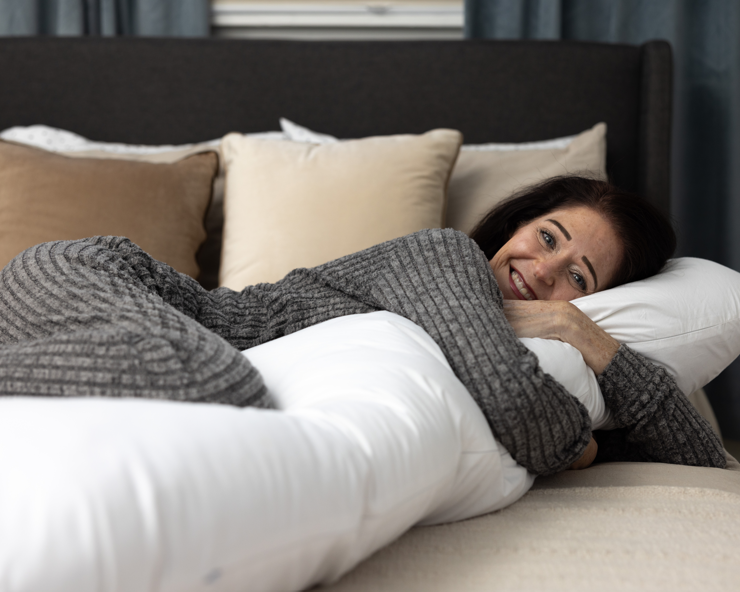
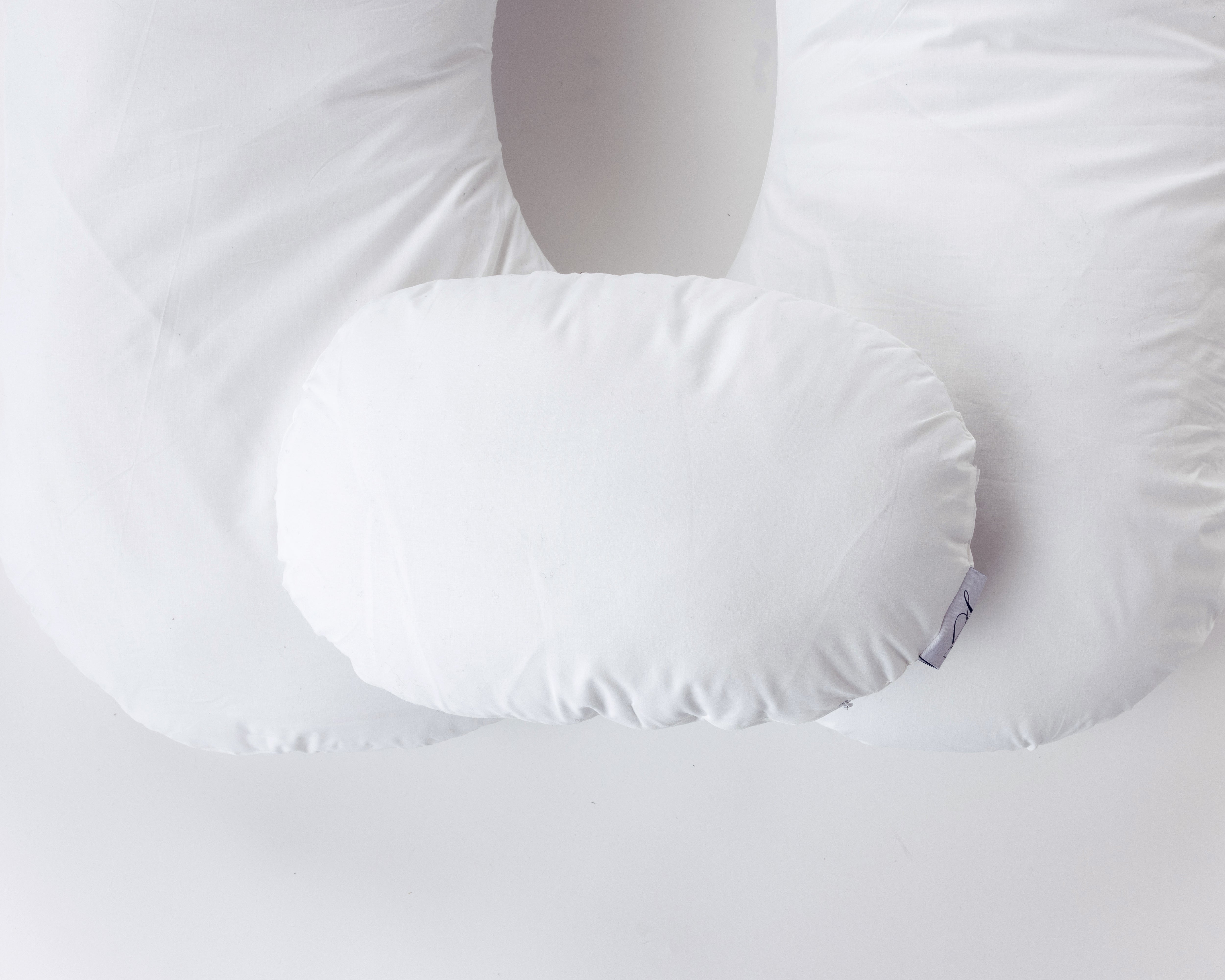
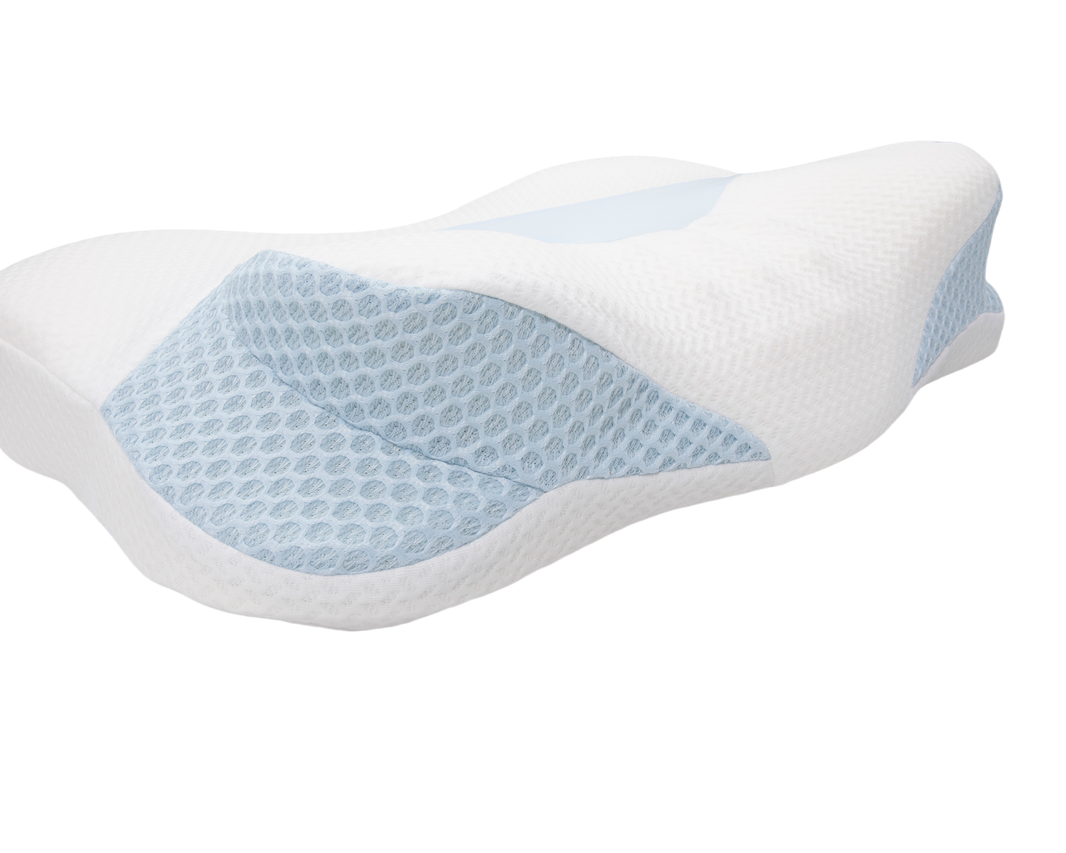
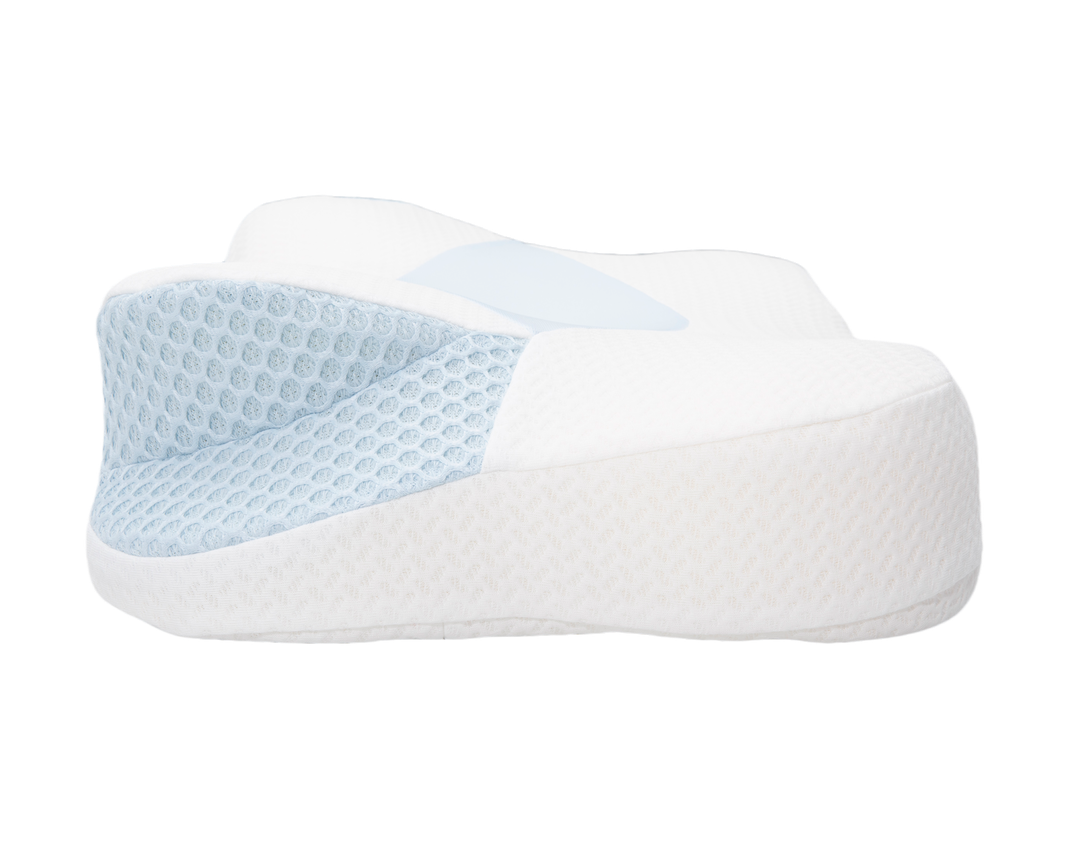
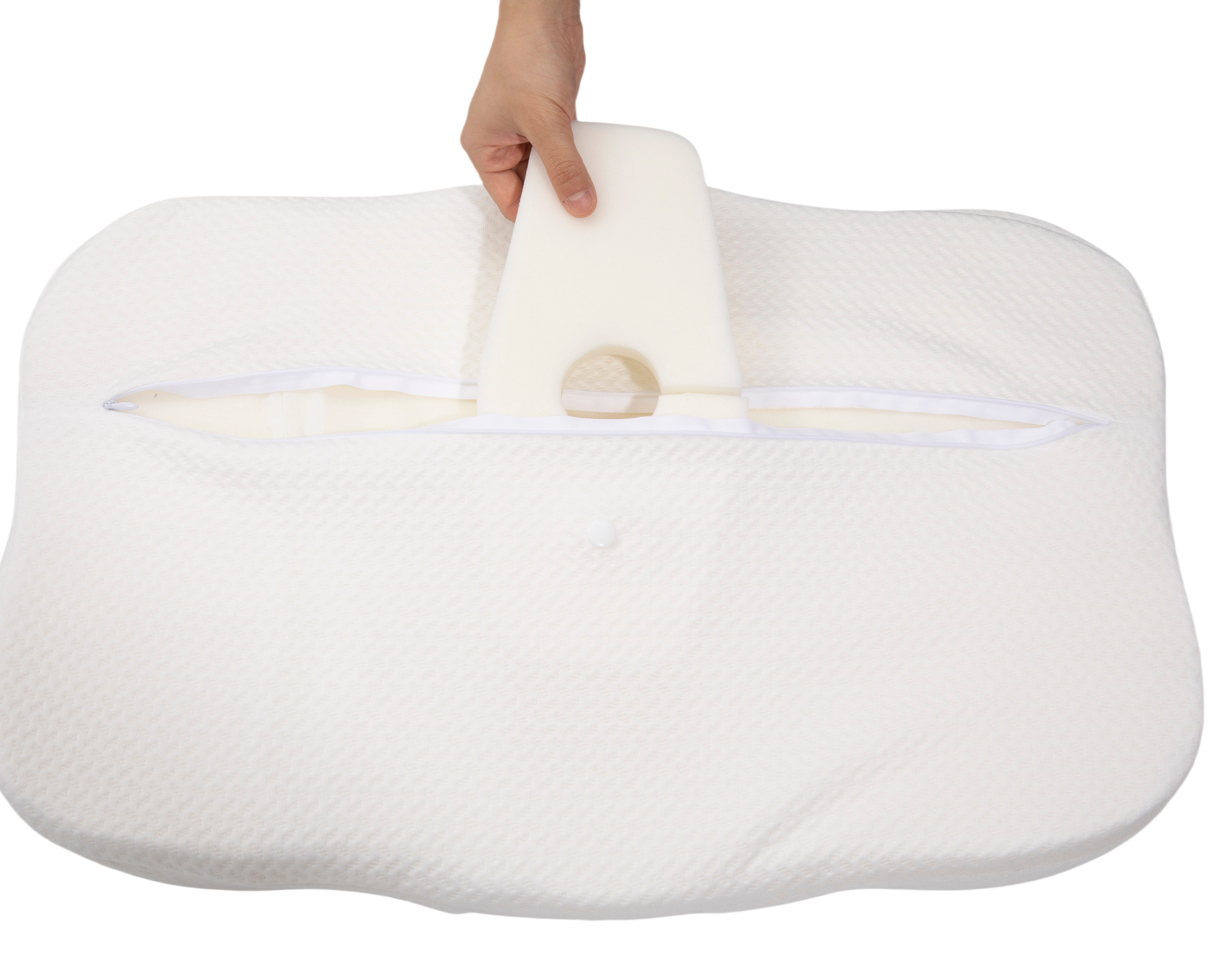
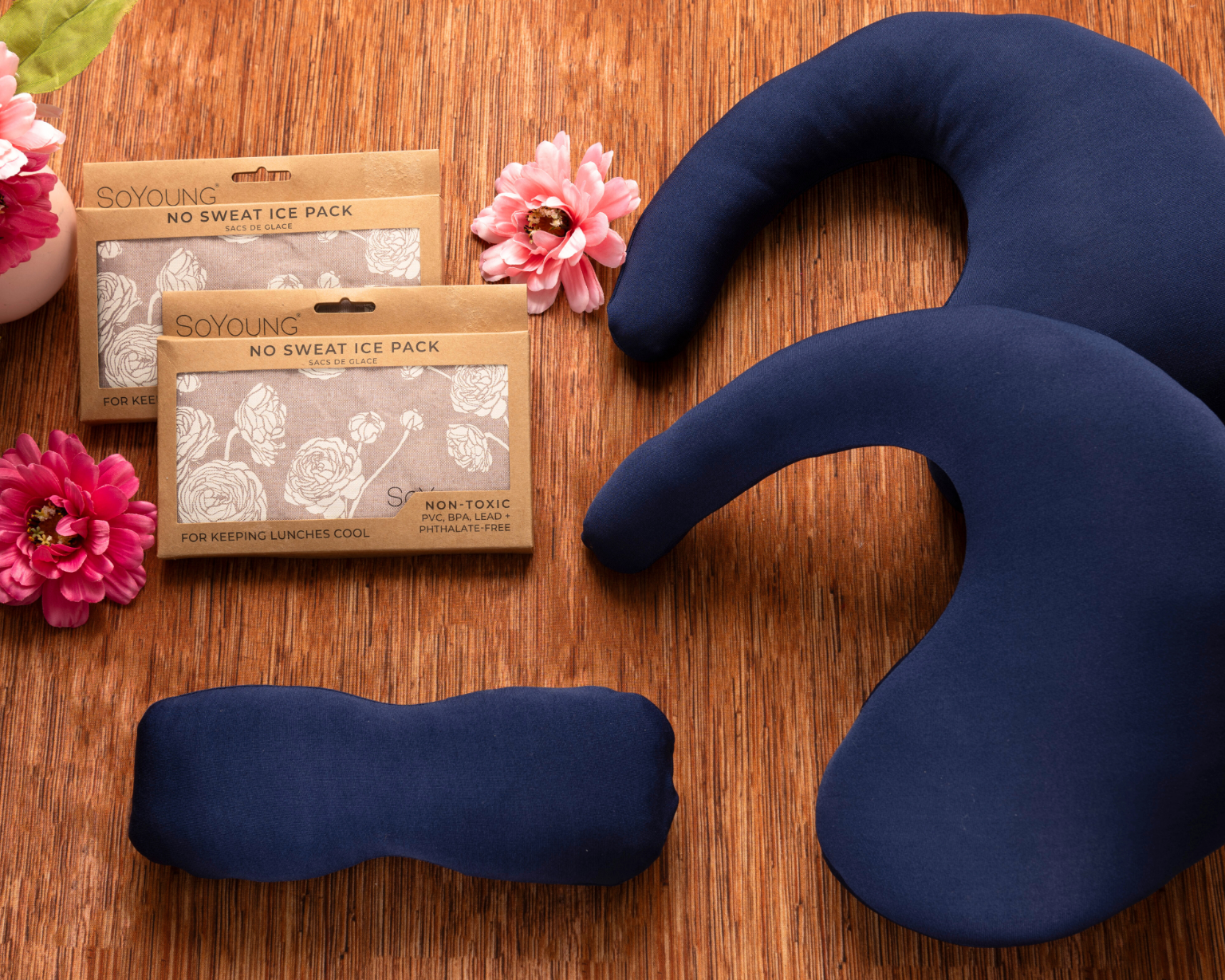
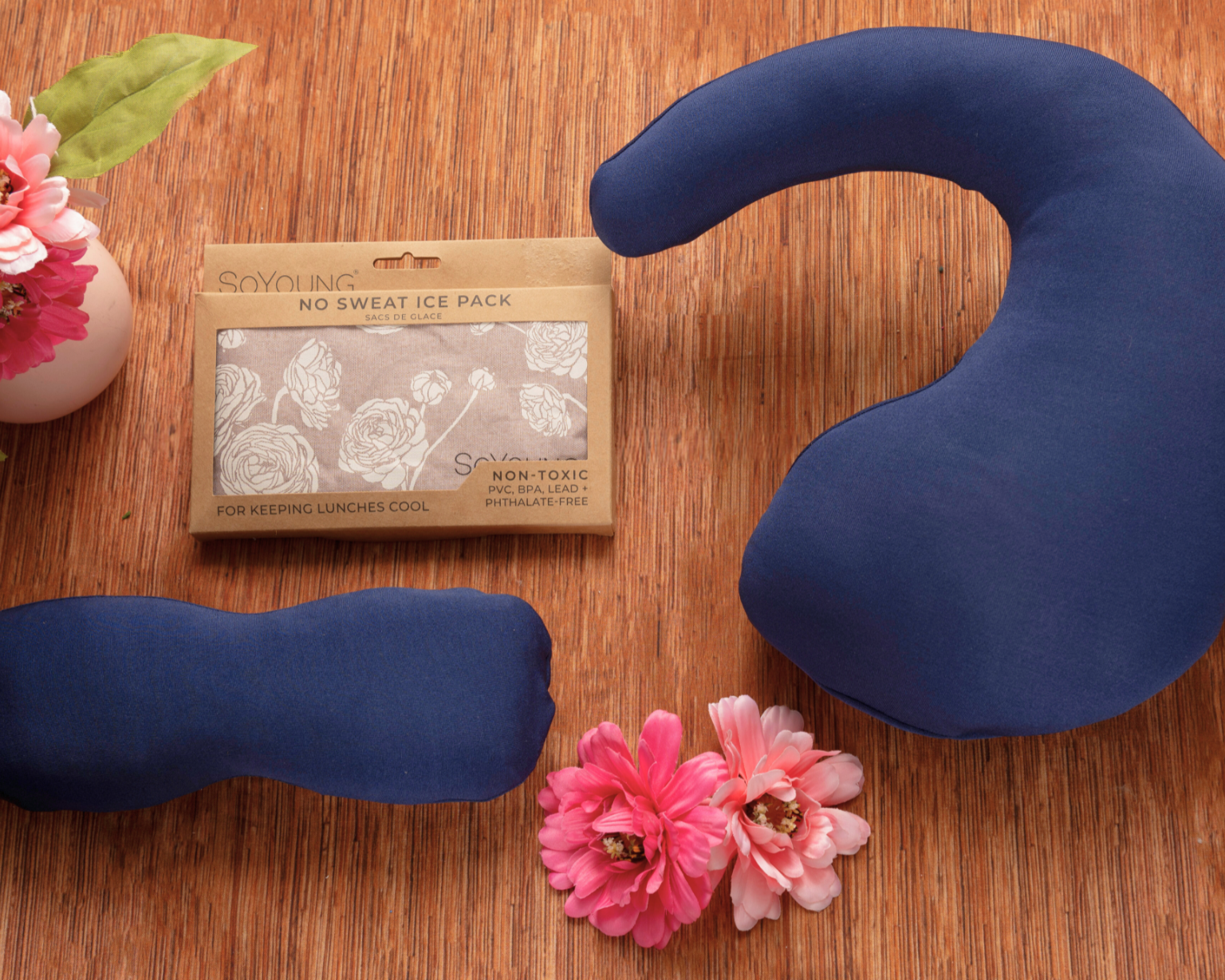
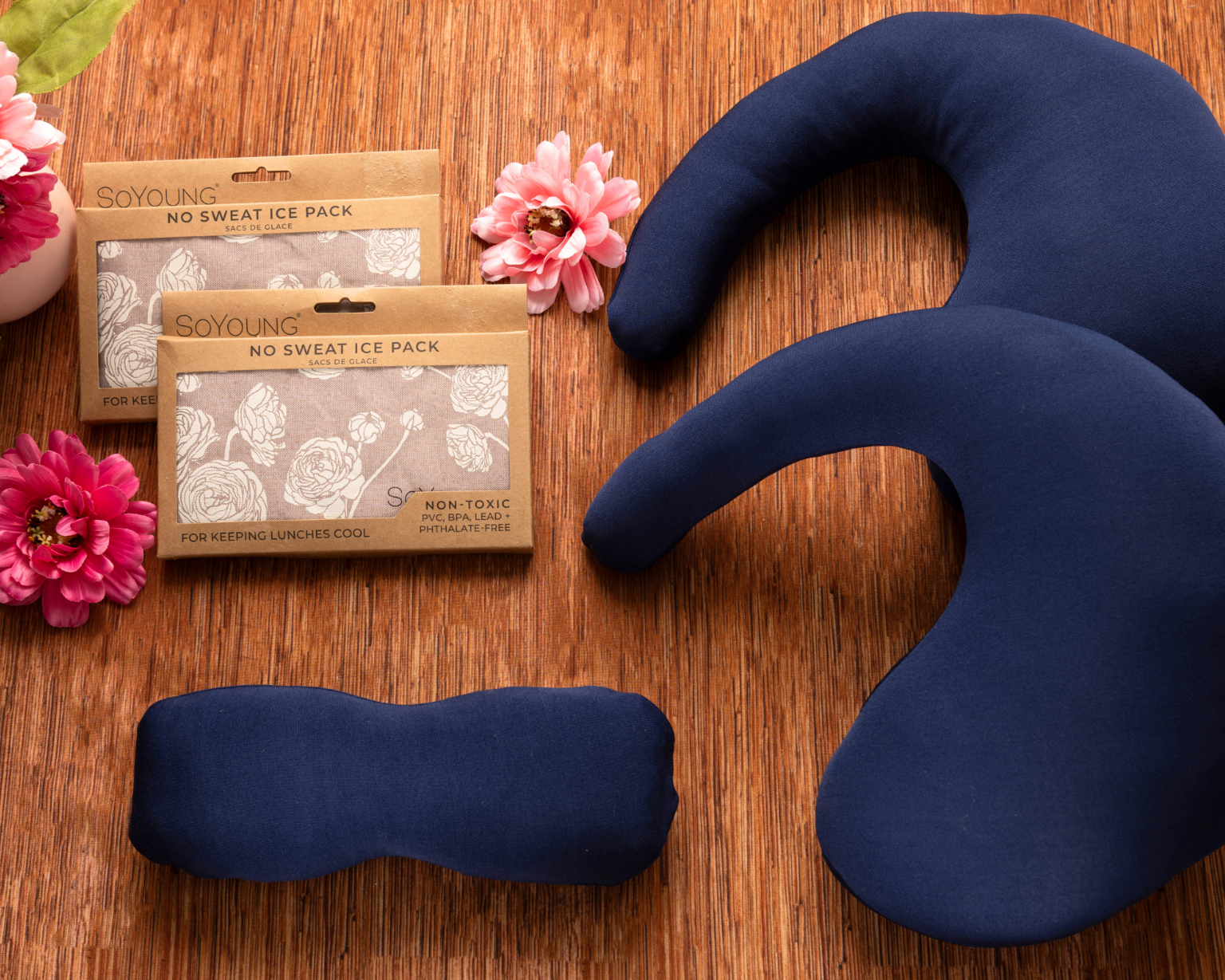
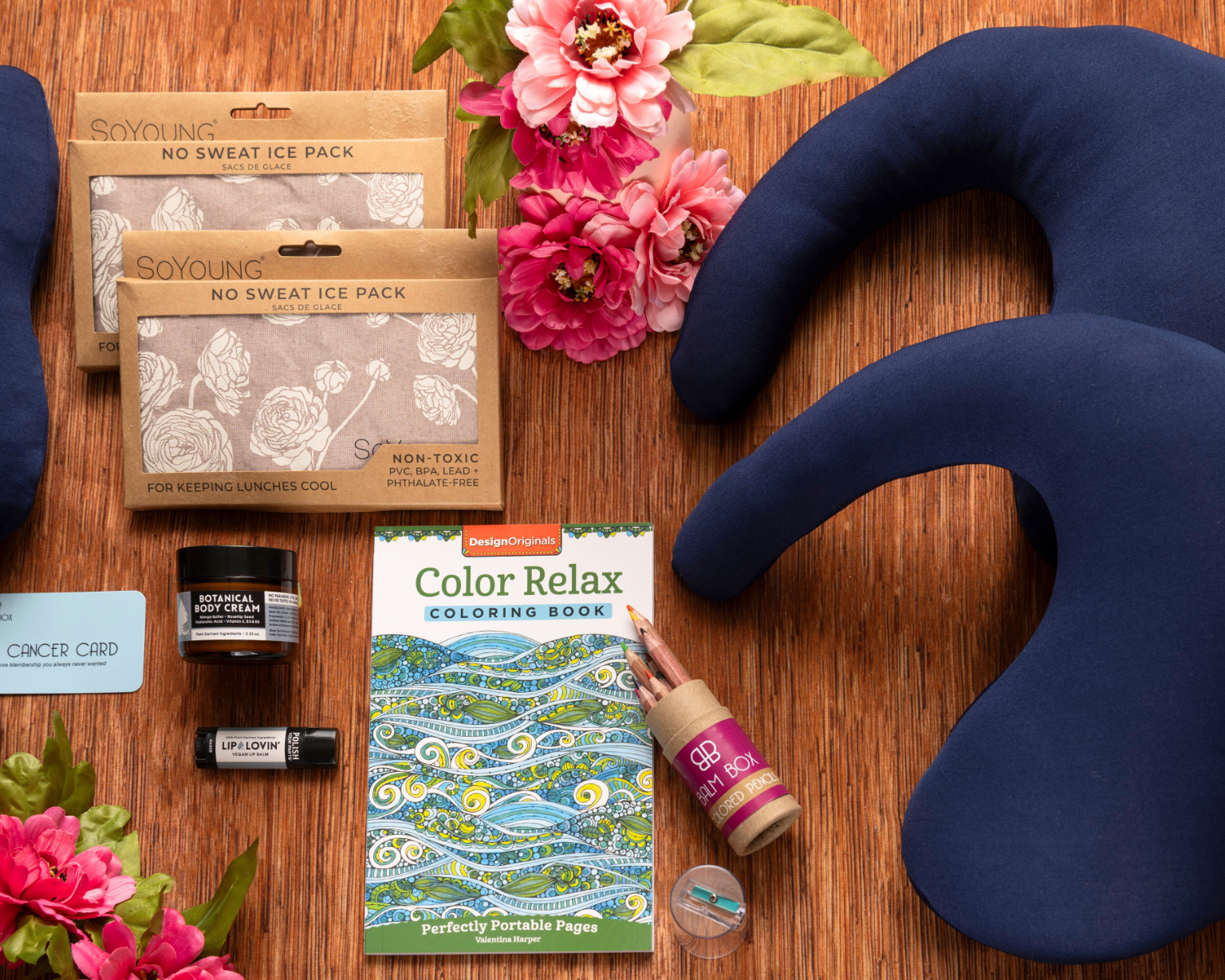
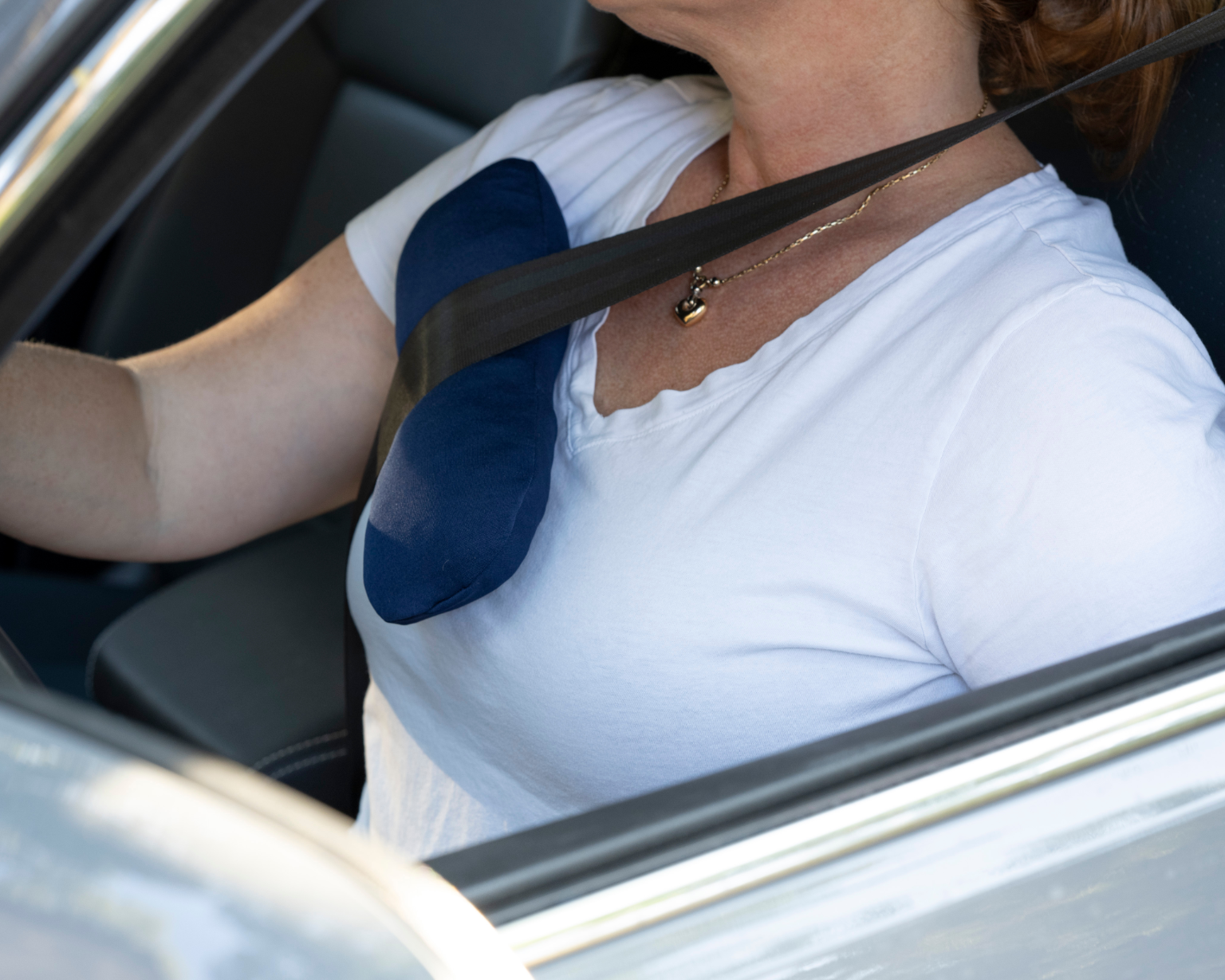
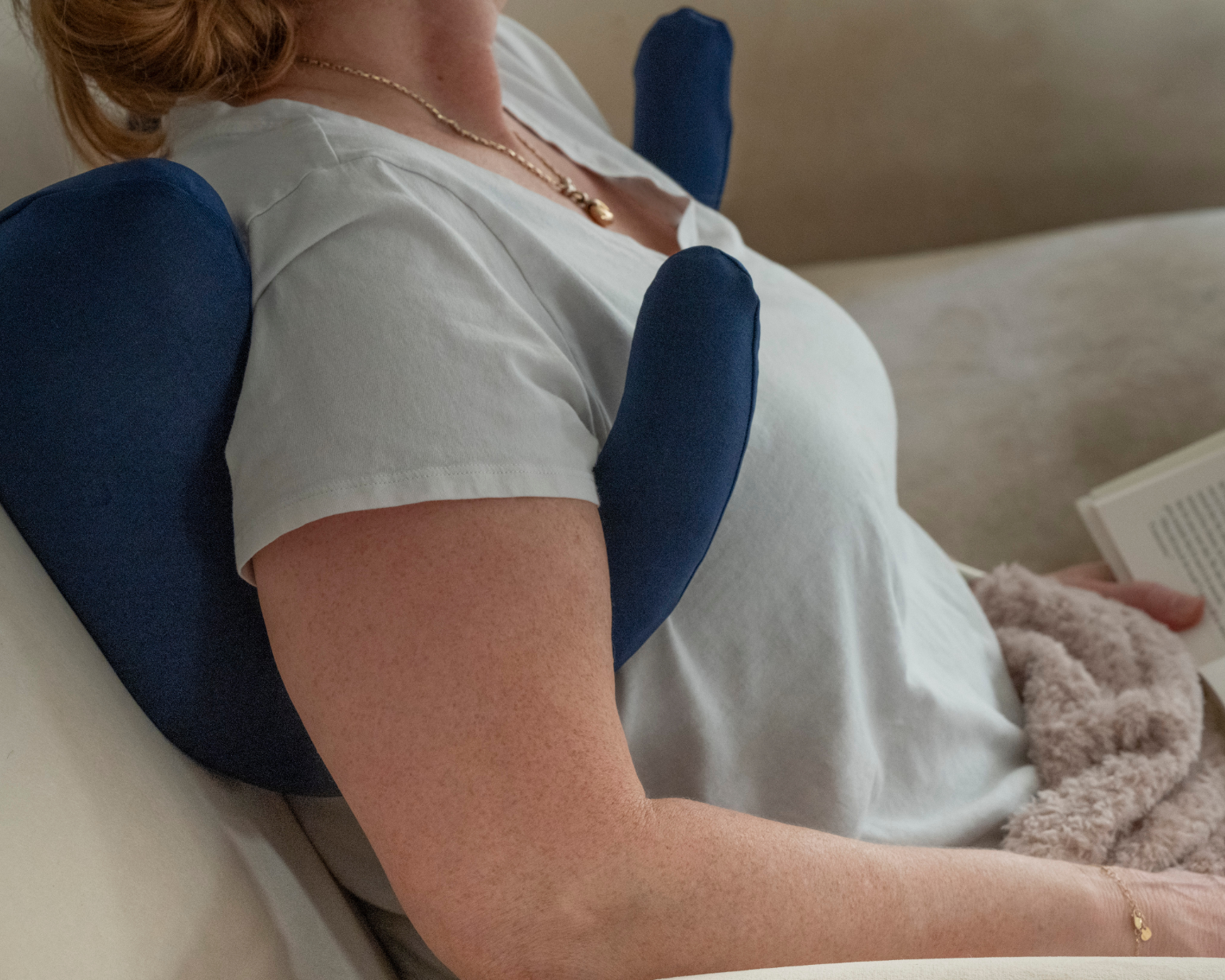
The pillow features an adjustable width design for customization based on your comfort needs and healing stage. The sides position to cradle your chest while providing back support—addressing pressure point concerns and positional stability during transition.
The symmetry of the pillow allows you to turn freely between sides during the night. Alternating sides reduces tenderness buildup, and having support that works equally well in either direction eliminates middle-of-the-night pillow rearrangement.
Addressing Common Transition Challenges
Incision site protection: Adjustable positioning creates support without pressing directly on incision lines while providing stable chest support.
Drainage accommodation: If you experience residual fluid accumulation during transition, customizable width allows support adjustment without creating pressure in sensitive areas.
Gradual adaptation: Start with wider positioning for gentler support during first attempts, then adjust to closer positioning as comfort increases.
Bilateral support: Symmetrical design provides consistent support on both sides, important for balanced healing.
SHOP THE SIDE SLEEPING CHEST PILLOW

Investment in Recovery Comfort
Many patients spend $200-400 on various pillows trying to find comfortable positioning after breast augmentation, sadly wasting money on products that simply aren't designed for post-surgical needs and don't work.
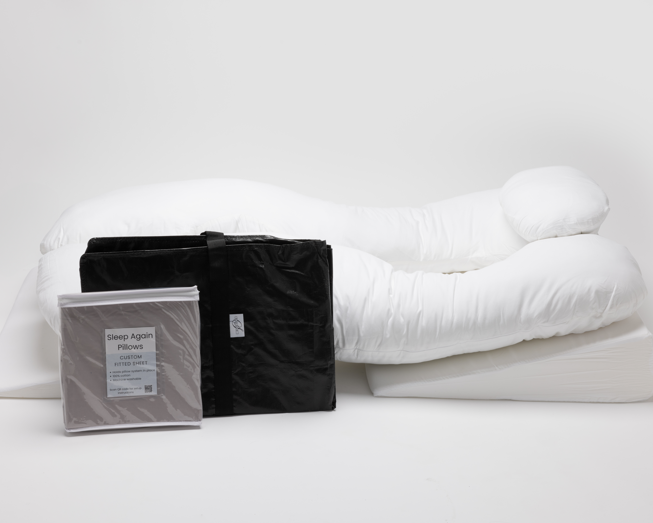
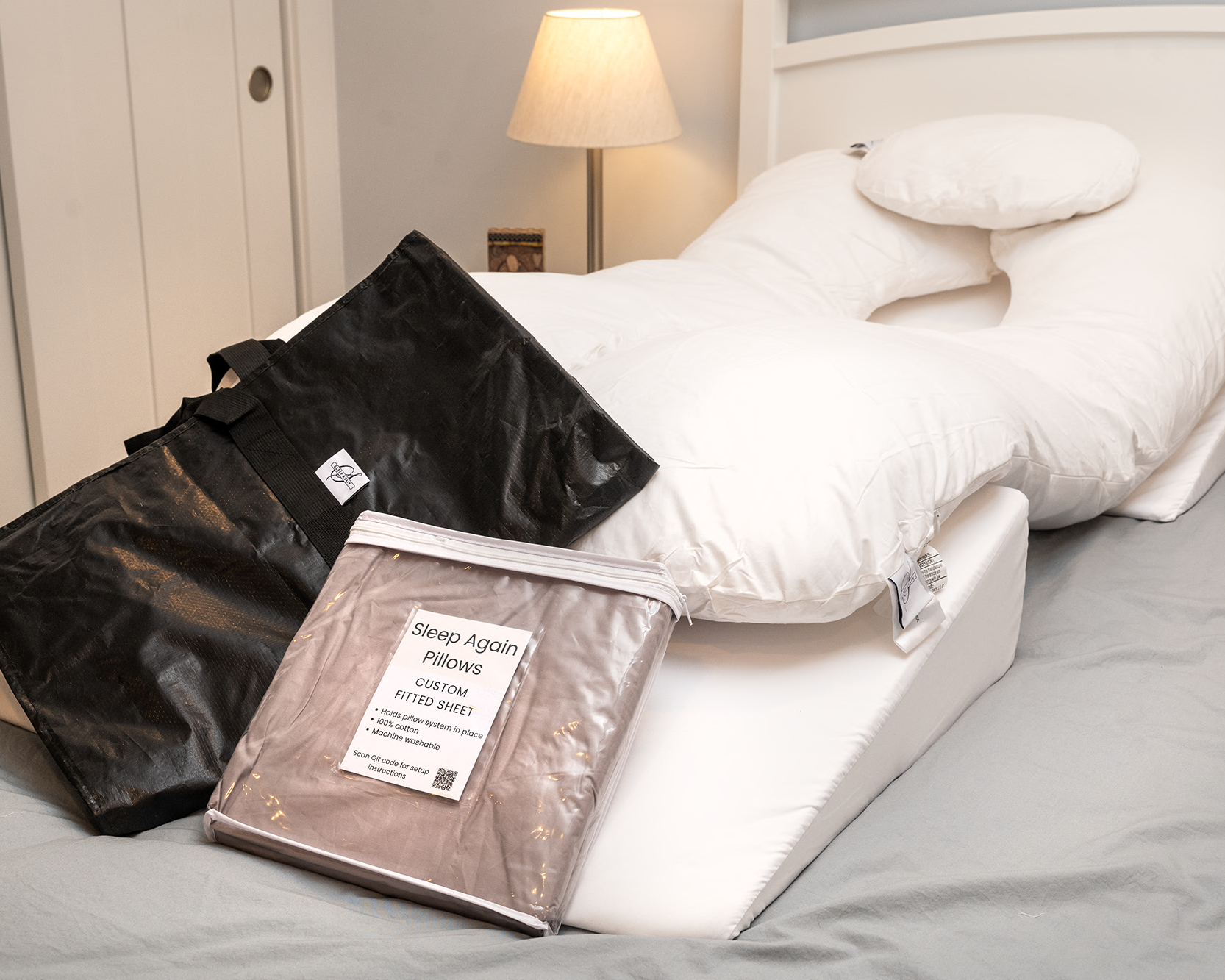
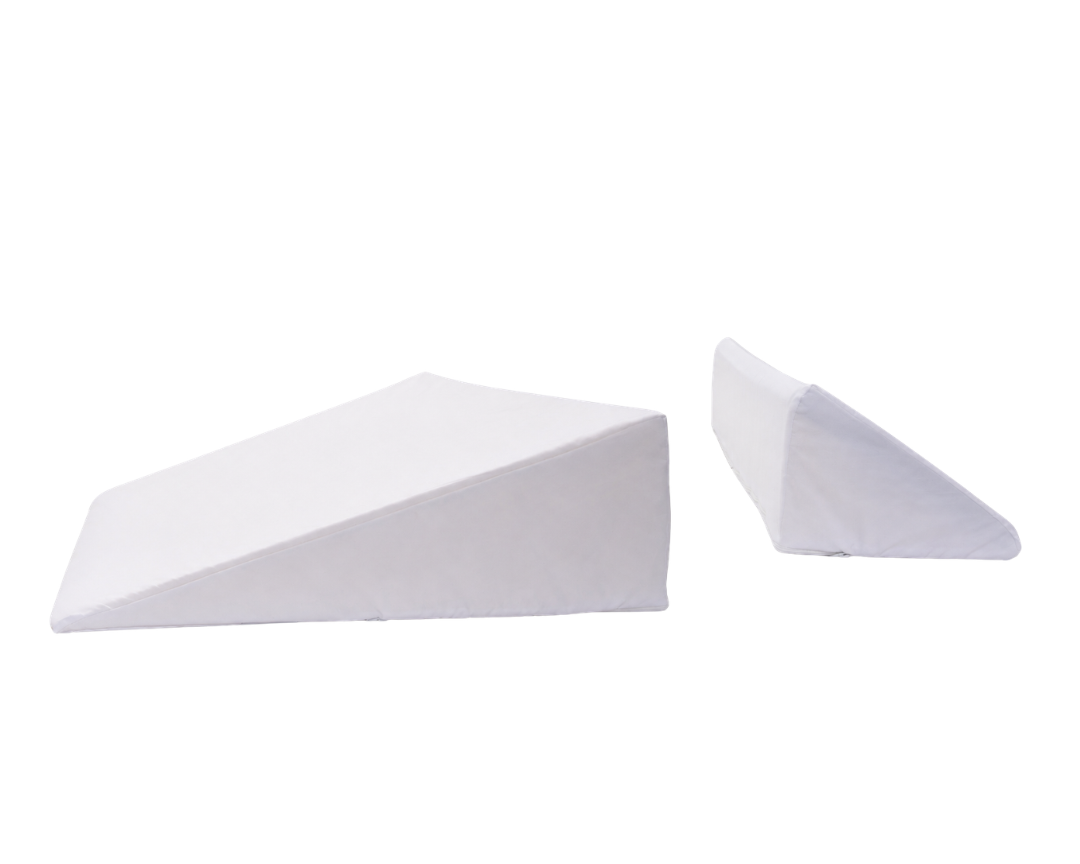
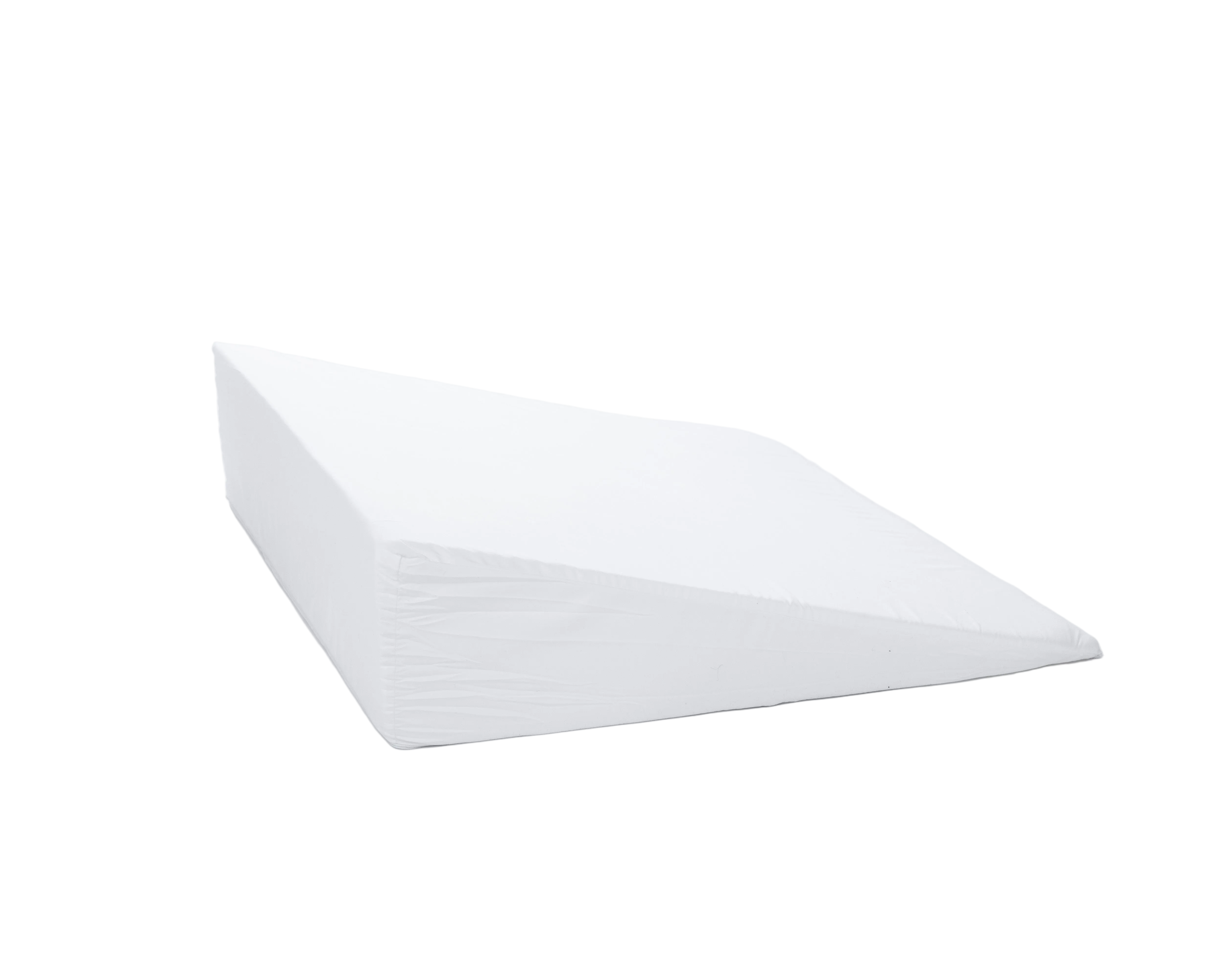
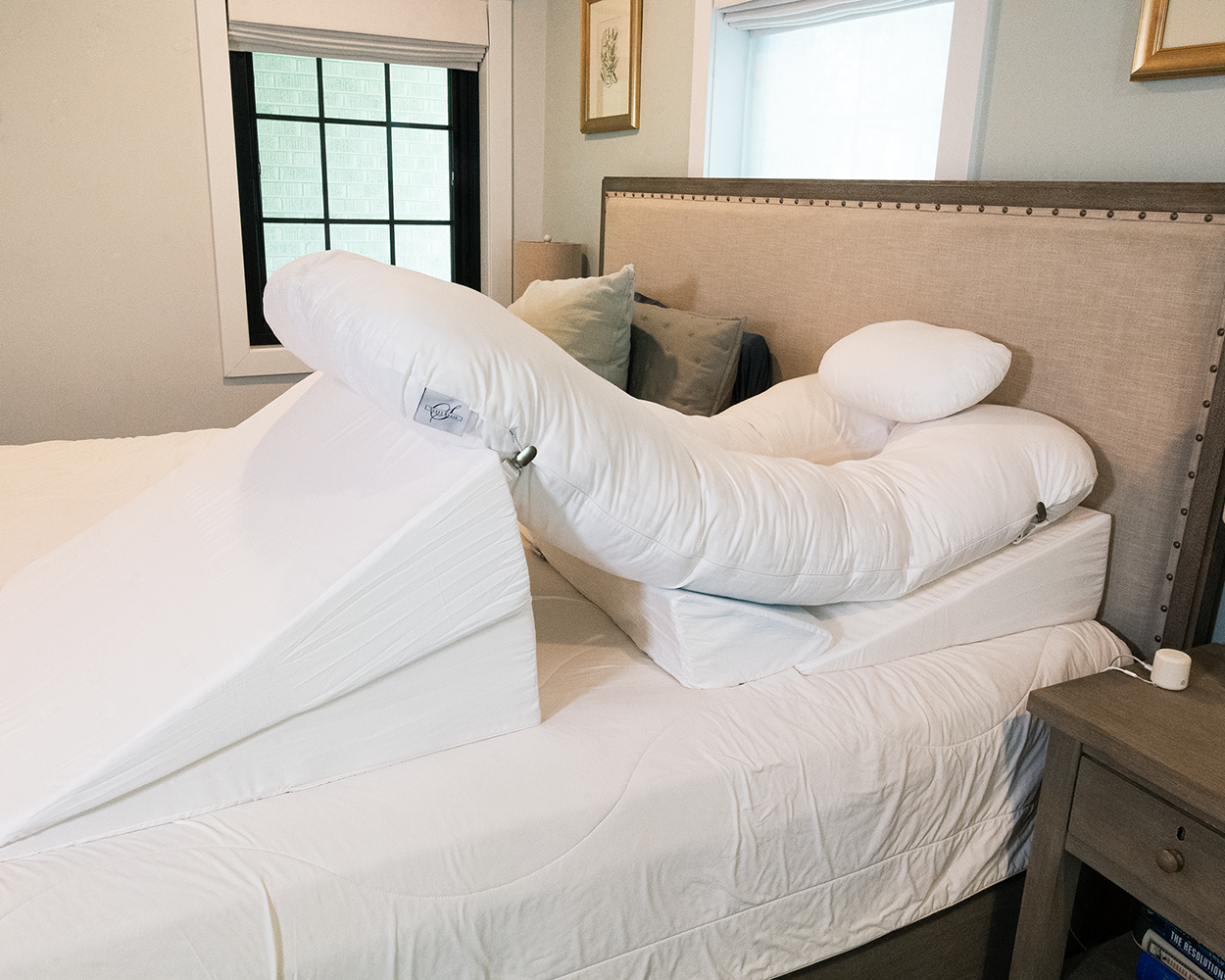
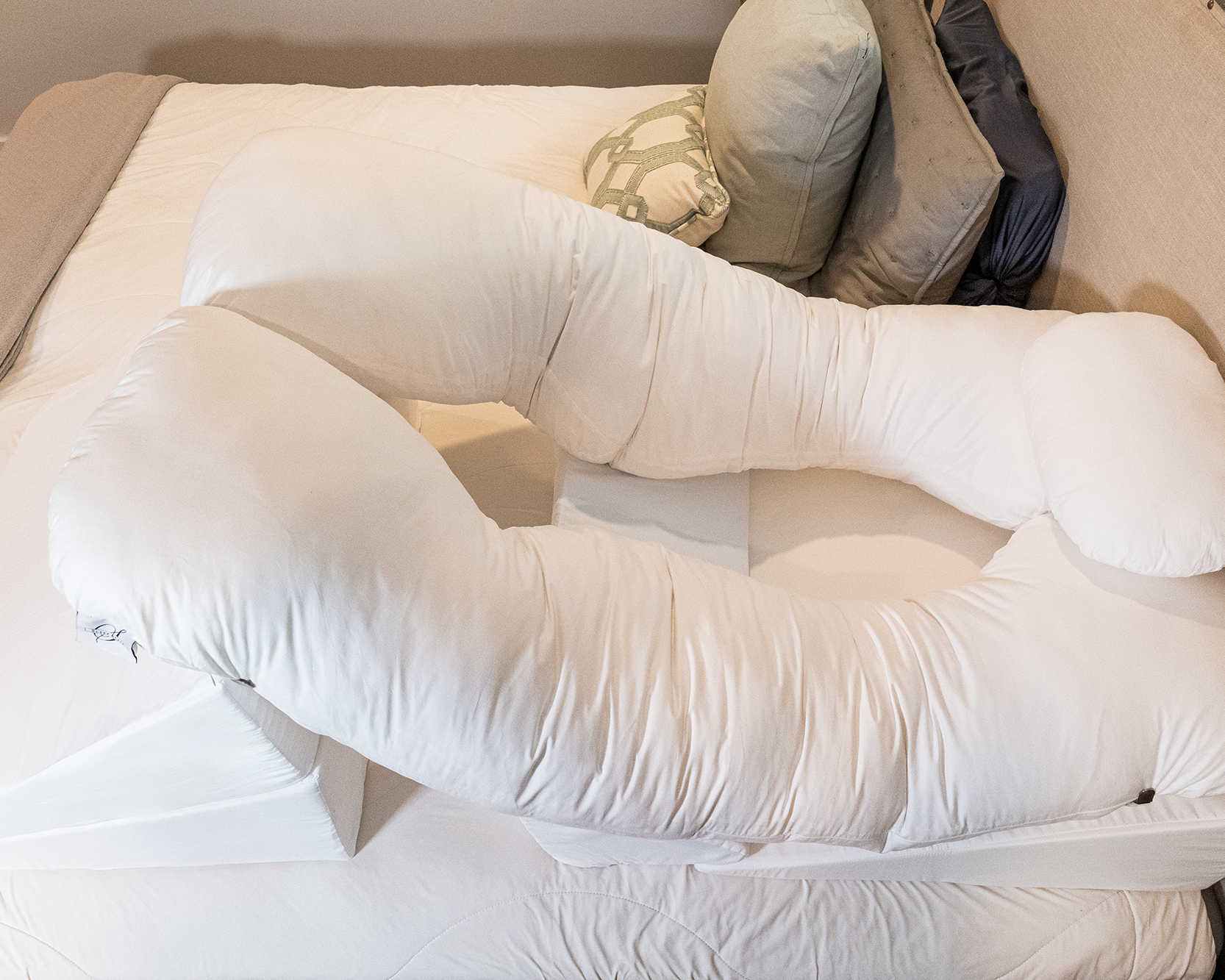
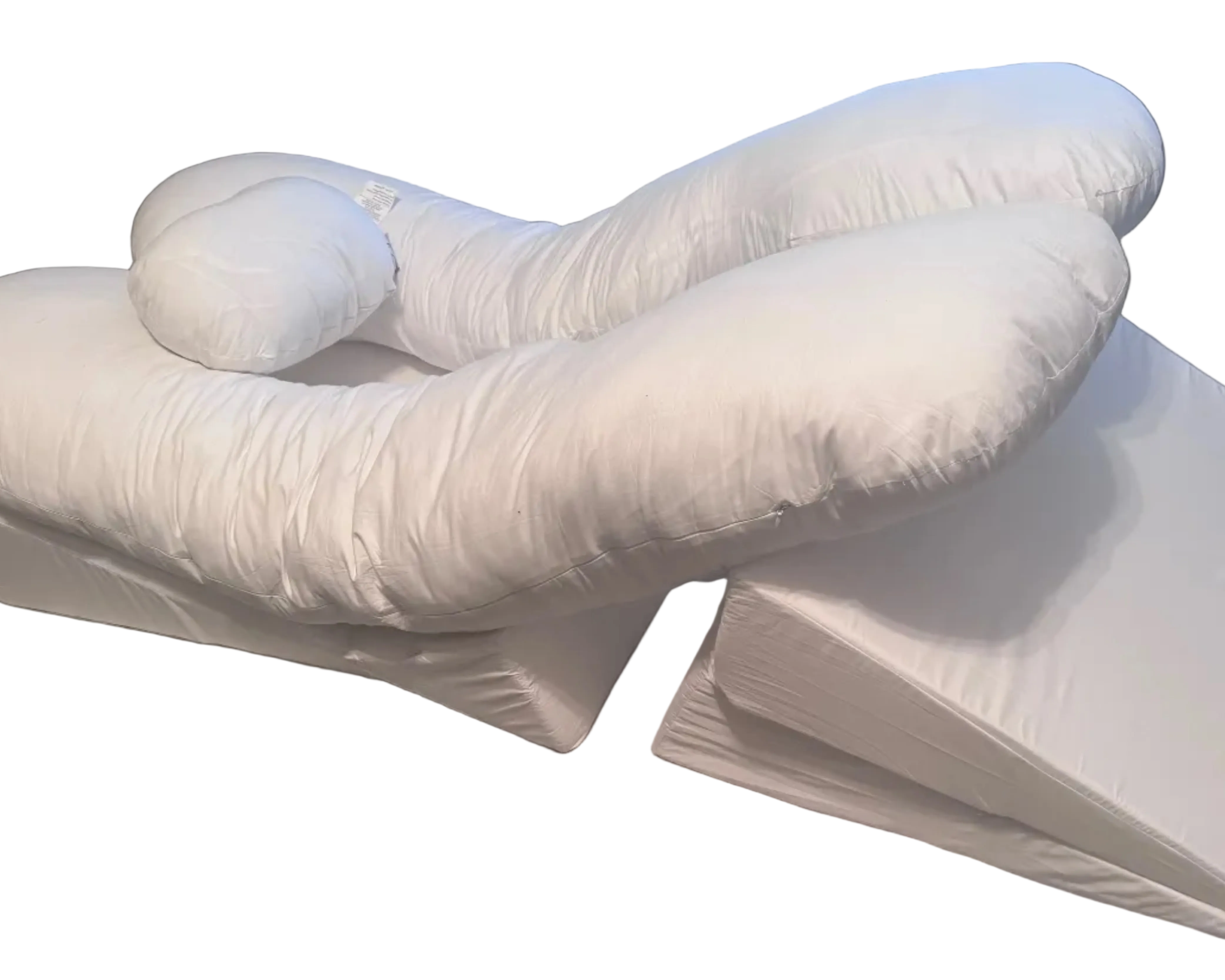
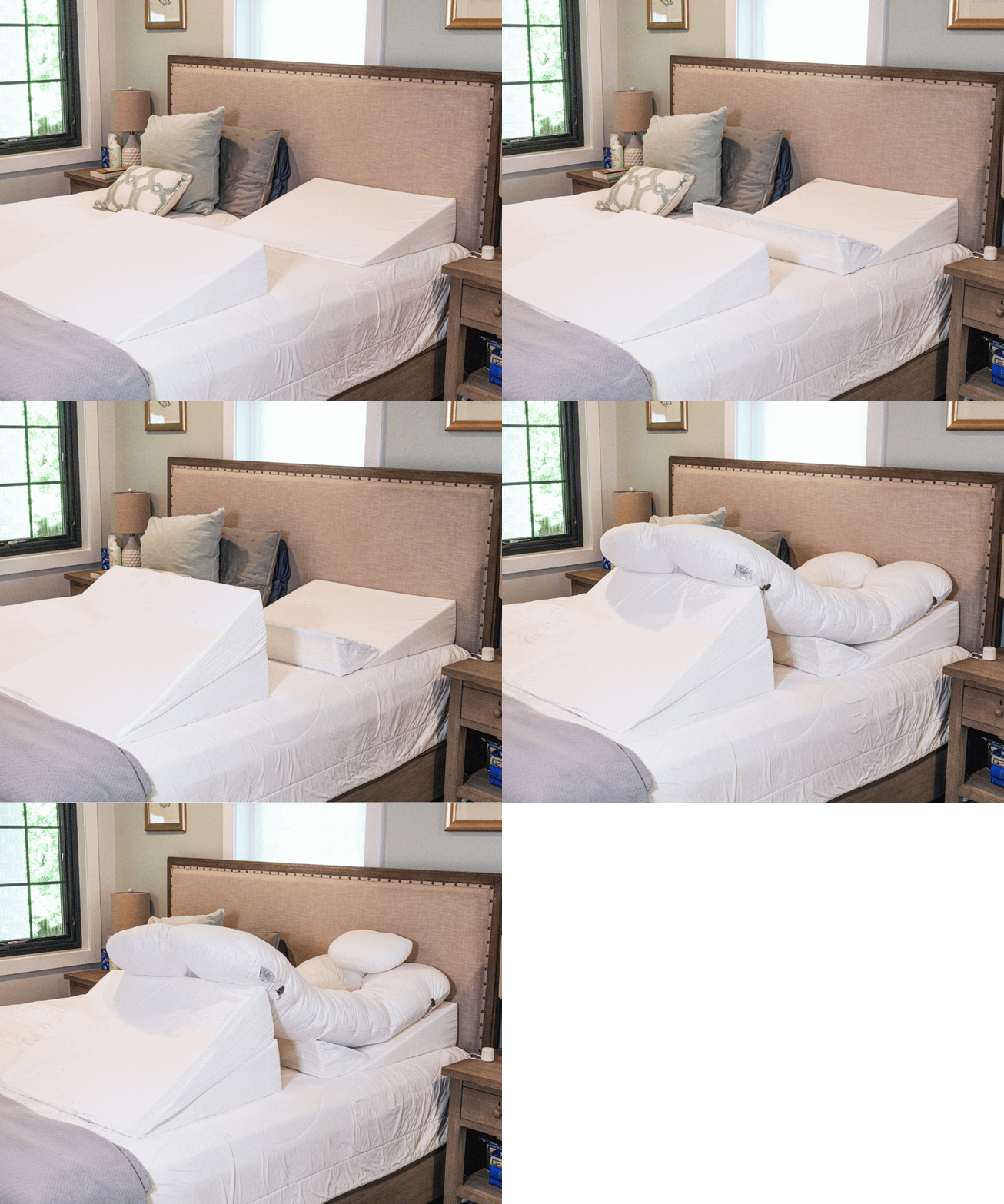
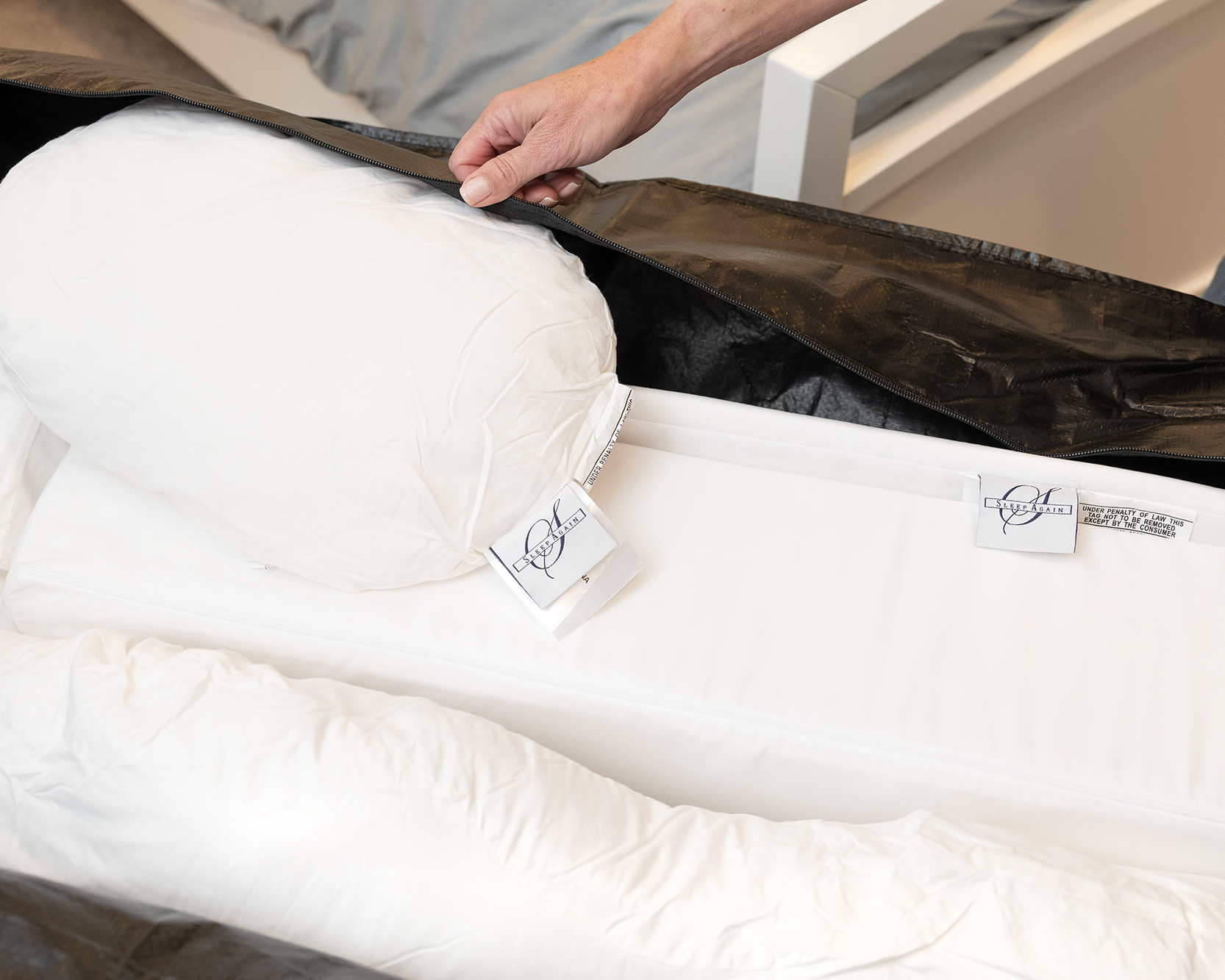
The Side Sleeping Chest Pillow for side sleeping after breast surgery and the Sleep Again Pillow System for elevated back sleeping after a wide range of surgery types address these challenges head-on with purpose-built design. They each provide targeted support without the trial-and-error expense of generic purchases.
What makes the Side Sleeping Chest Pillow different from standard options?
The engineering specifically addresses post-augmentation challenges that generic pillows cannot accommodate. Its adjustable width feature allows you to customize support based on your specific implant size, healing stage, and personal comfort preferences. During early transition when sensitivity is highest, you can position the sides wider for gentler support. As your tolerance increases, you can adjust to closer positioning that provides more targeted chest support without creating uncomfortable pressure points.
The symmetrical design eliminates the need to purchase separate pillows for left-side and right-side sleeping. Whether you prefer to alternate sides throughout the night or focus on one side initially, the consistent support structure works equally well in both directions. This bilateral functionality is particularly valuable for patients whose surgeons recommend alternating sides to promote balanced healing.
Fast shipping from the USA means you can prepare before your surgeon clears you for side sleeping.
Important note on returns: Due to federal regulations governing bedding products for hygiene and safety reasons, all sales are final.
SHOP THE SIDE SLEEPING CHEST PILLOW
Factors That Affect Your Side Sleeping Timeline
Implant placement location: Submuscular placement (under the pectoral muscle) typically requires longer back sleeping periods than subglandular placement (under breast tissue, above muscle). The muscle needs additional healing time.
Implant size: Larger implants create more tissue stretch and may require extended back sleeping to ensure proper settling before introducing side pressure.
Surgical technique: Incision location, surgical approach, and additional procedures can extend or shorten your timeline.
Individual healing speed: Some patients heal faster based on age, health, nutrition, and genetics.
Complications or concerns: Any healing complications or positioning issues may adjust your timeline.

Why the Transition to Side Sleeping Feels Uncomfortable
Even after medical clearance, many patients find their first side sleeping attempts surprisingly uncomfortable. Understanding why helps you manage expectations and choose appropriate support.
Tissue Sensitivity and Nerve Regeneration
Healing nerve endings: During surgery, small nerve pathways are disrupted. As these regenerate during weeks 6-12, you may experience heightened sensitivity, tingling, or unusual sensations when pressure is applied.
Stretching sensation: Your breast tissue has been stretched to accommodate implants. Side sleeping creates different tension patterns than back sleeping, which can feel strange even when harmless.
Incision site tenderness: While incisions may be healed externally, internal healing continues for months. The pressure and movement of side sleeping can create discomfort along incision lines even after surface healing is complete.
Implant Position Awareness
Settling continues: Your implants continue minor settling movements for 3-6 months post-surgery. Side sleeping makes you more aware of this movement, which can feel disconcerting.
Gravity shift: Side sleeping changes how gravity acts on your implants. This new sensation takes adjustment even when positioning is medically safe.
Asymmetry perception: Side sleeping may make you more aware of any subtle asymmetry between breasts, which is normal and expected during the settling phase.
Physical Support Gaps
Chest pressure points: Without proper support, side sleeping can create uncomfortable pressure points where breast tissue and implants press against the mattress or against each other.
Back strain: Your body may compensate for chest discomfort by adjusting your back position, potentially creating secondary discomfort in your spine or shoulders.
Arm positioning challenges: Finding comfortable arm placement that doesn't create additional chest pressure can be surprisingly difficult during the transition period.
SHOP THE SIDE SLEEPING CHEST PILLOW
How to Know You're Ready for Side Sleeping
Before attempting side sleeping, even at the typical timeline, watch for these readiness signs.
Medical Clearance Indicators
Surgeon approval: Your surgeon should explicitly clear you based on healing examination, not just reaching a specific week.
Incision assessment: All incision sites should be fully closed with no separation, drainage, or healing concerns.
Implant settling: Your surgeon will assess whether implants have settled sufficiently that side pressure won't interfere with final positioning.
Personal Comfort Signs
Natural position seeking: If you unconsciously attempt side sleeping during the night, your body may be signaling readiness.
Reduced sensitivity: Heightened sensitivity from early recovery should be diminishing, making touch and pressure more tolerable.
Confidence in movement: You feel comfortable with normal daily activities without anxiety about protecting your chest.
Preparing for Your Side Sleeping Transition
Before attempting your first side sleeping session after clearance, preparation can significantly improve your success and comfort level.
Optimize Your Sleep Environment
Temperature control: Keep your bedroom slightly cooler than normal (65-68°F) during the transition period. This reduces any inflammation-related discomfort and promotes better sleep quality when you're adjusting to new positions.
Lighting setup: Consider a small nightlight or keep a bedside lamp accessible. During the transition period, you may need to adjust your positioning during the night, and fumbling in darkness increases injury risk.
Physical Preparation Strategies
Daytime side-lying practice: Practice side-lying positions during the day when you're alert and can monitor comfort levels.
Arm positioning rehearsal: Experiment with different arm placements during practice. Some patients prefer the top arm positioned forward on a pillow, while others rest the arm along their body.
Mental Preparation
Manage expectations: Your first side sleeping attempts may feel strange even without pain.
Plan for adjustment time: Give yourself at least a week to adapt. Keep your back sleeping setup available as a backup.
Common Side Sleeping Mistakes to Avoid
Rushing the timeline: Wait for explicit surgeon approval even if you feel great at week 4. Attempting side sleeping before clearance can compromise your results.
Going unsupported: Proper support prevents the discomfort that makes you question whether you're ready.
Ignoring discomfort signals: Some tenderness is normal, but sharp pain, increasing swelling, or unusual sensations warrant contacting your surgeon.
Compressing chest tissue: Avoid positions creating significant compression. Proper support maintains comfortable positioning throughout the night.
Frequently Asked Questions About Side Sleeping After Breast Augmentation
Q: Can I sleep on one side but not the other after breast augmentation?
A: Some surgeons recommend starting with one side, particularly if you had asymmetric procedures or if one side is healing faster. However, most patients are cleared for bilateral side sleeping simultaneously. Your surgeon will provide specific guidance based on your individual healing.
Q: What if I accidentally roll onto my side during sleep before I'm cleared?
A: Brief, unconscious side sleeping during the early weeks usually doesn't cause harm, but consistent side sleeping can interfere with healing. Consider investing in the Sleep Again Pillow System, the #1 doctor-recommended full-body pillow supporting elevated back sleeping after surgery, to protect your results.
Q: Will side sleeping affect my final breast augmentation results?
A: Once you're medically cleared for side sleeping, this position won't negatively affect your final results. The critical period for implant positioning is the first 6-8 weeks when back sleeping is required.
Q: How long does it take to feel comfortable side sleeping after clearance?
A: Most patients need 1-3 weeks to fully adjust. Initial tenderness is normal during this transition period.
Q: Should I use the same support on both sides or adjust based on which side I'm sleeping on?
A: The symmetrical design of the Side Sleeping Chest Pillow provides consistent support on both sides, but you can adjust the width based on comfort preference for each side if needed.
Q: What if my breasts feel different on each side when I start side sleeping?
A: Some asymmetry in sensation is normal during healing. Different settling speeds, nerve regeneration patterns, and individual tissue responses can create temporary differences. If asymmetry increases or concerns you, contact your surgeon.
Q: Can I combine back sleeping and side sleeping during the transition?
A: Yes, alternating between back and side sleeping positions helps you gradually build side sleeping tolerance without overdoing it initially.
Q: Is stomach sleeping cleared at the same time as side sleeping?
A: Usually not. Stomach sleeping typically requires additional healing time because it places more direct pressure on breast tissue and implants. Expect stomach sleeping clearance several weeks after side sleeping approval.
Q: What if side sleeping causes my implants to feel like they're shifting?
A: Some awareness of implant movement is normal and expected. However, if you experience significant shifting, unusual positioning, or asymmetry development, contact your surgeon.
Q: Will the discomfort I feel when first side sleeping get better?
A: Most patients notice significant comfort gains within the first week, with continued improvement over the following weeks.
Q: Should I avoid side sleeping if I develop capsular contracture concerns?
A: If you have any concerns about capsular contracture development, discuss positioning with your surgeon. They may recommend specific sleeping positions based on your situation.
Q: Can I use regular pillows instead of specialized support for side sleeping after breast augmentation?
A: Regular pillows lack the adjustability and targeted design for post-augmentation challenges. The Side Sleeping Chest Pillow is engineered specifically for this transition period.
Q: How long should I continue using supportive positioning for side sleeping?
A: Many patients continue using support beyond the transition period for enhanced sleep comfort. Medical necessity typically ends around 3-6 months post-surgery, but continued use is a personal preference.
Q: What's the difference between tenderness and pain during side sleeping transition?
A: Tenderness gradually decreases with continued side sleeping. Pain is sharp, increasing, or accompanied by swelling—this warrants medical evaluation.
Your Side Sleeping Success Strategy
Returning to comfortable side sleeping after breast augmentation requires patience and appropriate support. Wait for medical clearance, use proper positioning tools to address post-augmentation challenges, and allow your body time to adjust. Protecting your surgical results during early healing ensures the best long-term outcomes and the beautiful results you worked with your surgeon to achieve.
Medical Disclaimer
The information provided on this page is for educational purposes only and should not replace professional medical advice from your healthcare provider. Sleep Again Pillows are positioning support products designed to help maintain sleep positions recommended by medical professionals during recovery and for therapeutic use.
Always follow your surgeon's or physician's specific post-operative instructions and positioning requirements. Medical guidance from your healthcare team takes precedence over any general information provided here. Recovery timelines, positioning angles, and product suitability vary based on individual surgical procedures, medical conditions, and patient-specific factors.
Consult your healthcare provider before purchasing positioning equipment if you have specific medical concerns or questions about whether these products are appropriate for your recovery or medical condition(s). Your medical team can provide personalized recommendations based on your unique situation.
Sleep Again Pillows do not diagnose, treat, cure, or prevent any medical condition. These products provide positioning support to help maintain sleep angles and positions as directed by your healthcare provider.