
Jaw reduction surgery promises a refined facial contour, but the path to that result involves a recovery period that will test your patience and your ability to get comfortable at night.
The first week post-surgery, you'll discover that simple activities such as sleeping become unexpectedly complex when your jaw is swollen, your mouth movement is restricted, and your head position directly impacts your healing. Understanding proper sleep positioning before surgery significantly improves your first-week comfort and overall recovery experience.
If you're preparing for jaw reduction surgery, you have a distinct advantage over patients who wait until recovery starts to address sleep positioning.
Pre-surgery planning eliminates the scramble to find comfortable positions while dealing with post-operative swelling and discomfort. This comprehensive guide focuses on helping you prepare before surgery and manage the recovery timeline with strategies that support both healing and actual rest.
Understanding Jaw Reduction Surgery Recovery Timeline
Jaw reduction surgery recovery follows a predictable pattern across four distinct phases, though individual experiences vary based on the surgical technique used, the extent of bone reduction, and your body's healing response.
Weeks 1-2: Acute Recovery Phase
Swelling peaks during the first 48-72 hours post-surgery, making proper sleep positioning absolutely critical for effectively managing facial fluid accumulation. Your jaw movement is severely restricted, eating requires liquid nutrition, and medication schedules interrupt normal sleep patterns throughout recovery. Most patients experience the worst sleep quality during this phase, not because of pain levels, but because finding comfortable positions feels impossible.
Weeks 3-4: Progressive Improvement Phase
Visible swelling begins to decrease noticeably, though internal healing continues. Jaw mobility gradually increases, allowing for soft food consumption. Sleep quality typically improves as initial discomfort subsides, but maintaining proper positioning remains important for preventing swelling setbacks.
Weeks 5-8: Stabilization Phase
External appearance shows significant improvement, though residual swelling can persist internally. Jaw function continues recovering, with most patients resuming modified normal eating. Sleep positioning restrictions can often relax during this phase, though elevated sleeping may still provide benefits.
Weeks 9-12: Final Recovery Phase
Most patients achieve their final aesthetic results as residual swelling resolves. Jaw function returns to normal or near-normal levels. Sleep positioning returns to personal preference, though some patients discover they prefer continued elevated sleeping for overall comfort.
Why Elevated Back Sleeping Transforms Jaw Reduction Recovery
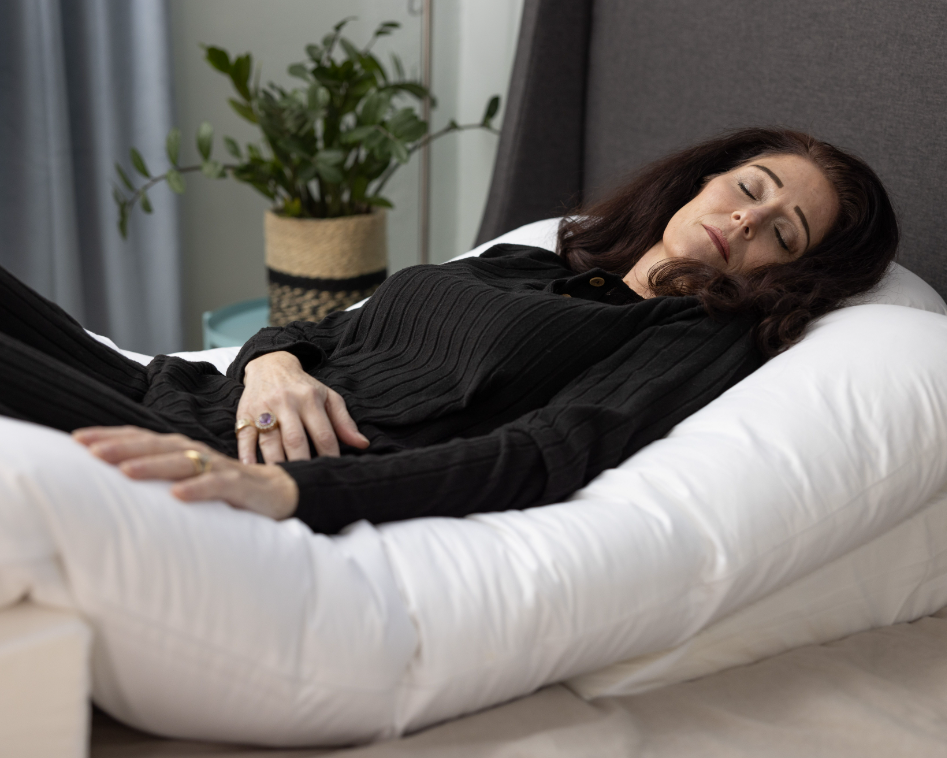
Elevated back sleeping at 30-45 degrees provides specific advantages for jaw reduction surgery recovery that flat sleeping cannot match.
Gravity-Assisted Swelling Reduction
When your head remains elevated above your heart, gravity naturally assists lymphatic drainage from your facial tissues. Fluid that accumulates in your jaw and cheek areas during surgery has a clear downward path for removal, reducing the duration and severity of post-operative swelling. Patients who maintain consistent elevation throughout the first two weeks typically experience less facial swelling compared to those who sleep flat.
Improved Breathing Mechanics
Jaw reduction surgery temporarily alters your oral anatomy, and swelling can further restrict nasal breathing passages. Elevated positioning opens airways more effectively than flat sleeping, reducing the sensation of congestion and improving oxygen intake during sleep. Better breathing means better sleep quality, which directly impacts healing speed.
Reduced Surgical Site Pressure
Flat sleeping creates direct pressure on healing bone and soft tissue as your head presses into the pillow. Elevated positioning distributes pressure across your upper back and shoulders instead, protecting the surgical sites from compression that could cause discomfort or potentially affect bone healing.
Enhanced Circulation Without Compromise
The 30-45 degree angle optimizes blood flow to healing tissues while preventing the pooling that occurs with flat positioning. Your cardiovascular system works more efficiently at this angle, delivering nutrients and oxygen to surgical sites while removing metabolic waste products.

The Sleep Again Pillow System for Jaw Reduction Recovery
Patients seeking comprehensive positioning solutions for jaw reduction recovery benefit from integrated systems designed specifically for medical recovery needs.
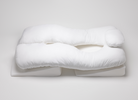
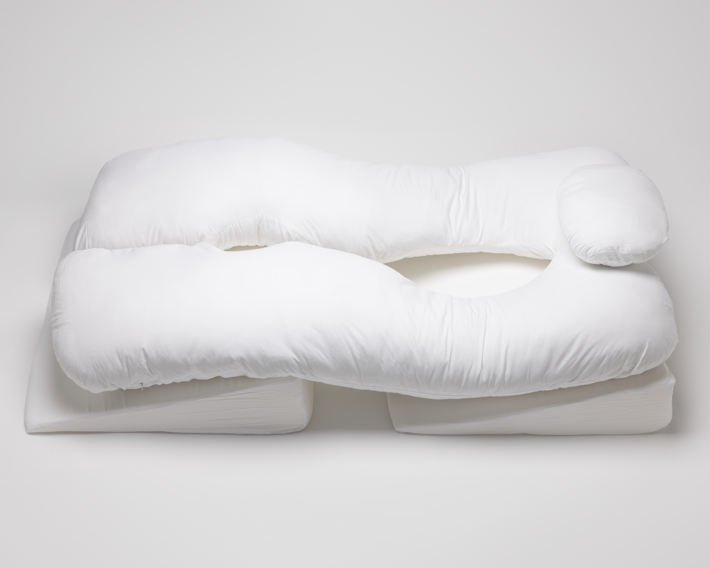
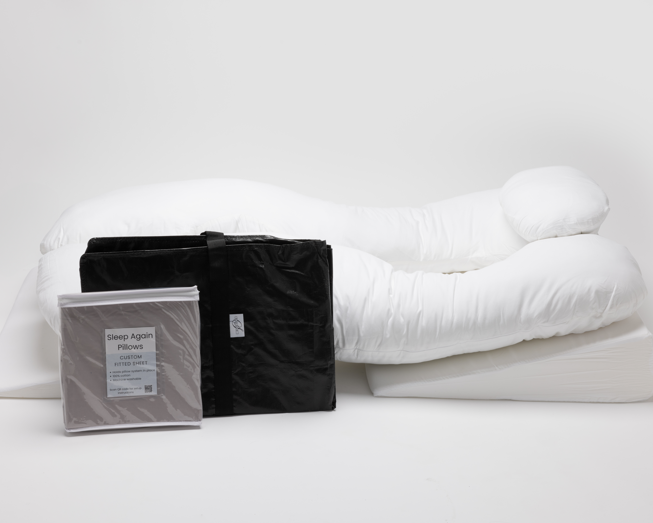
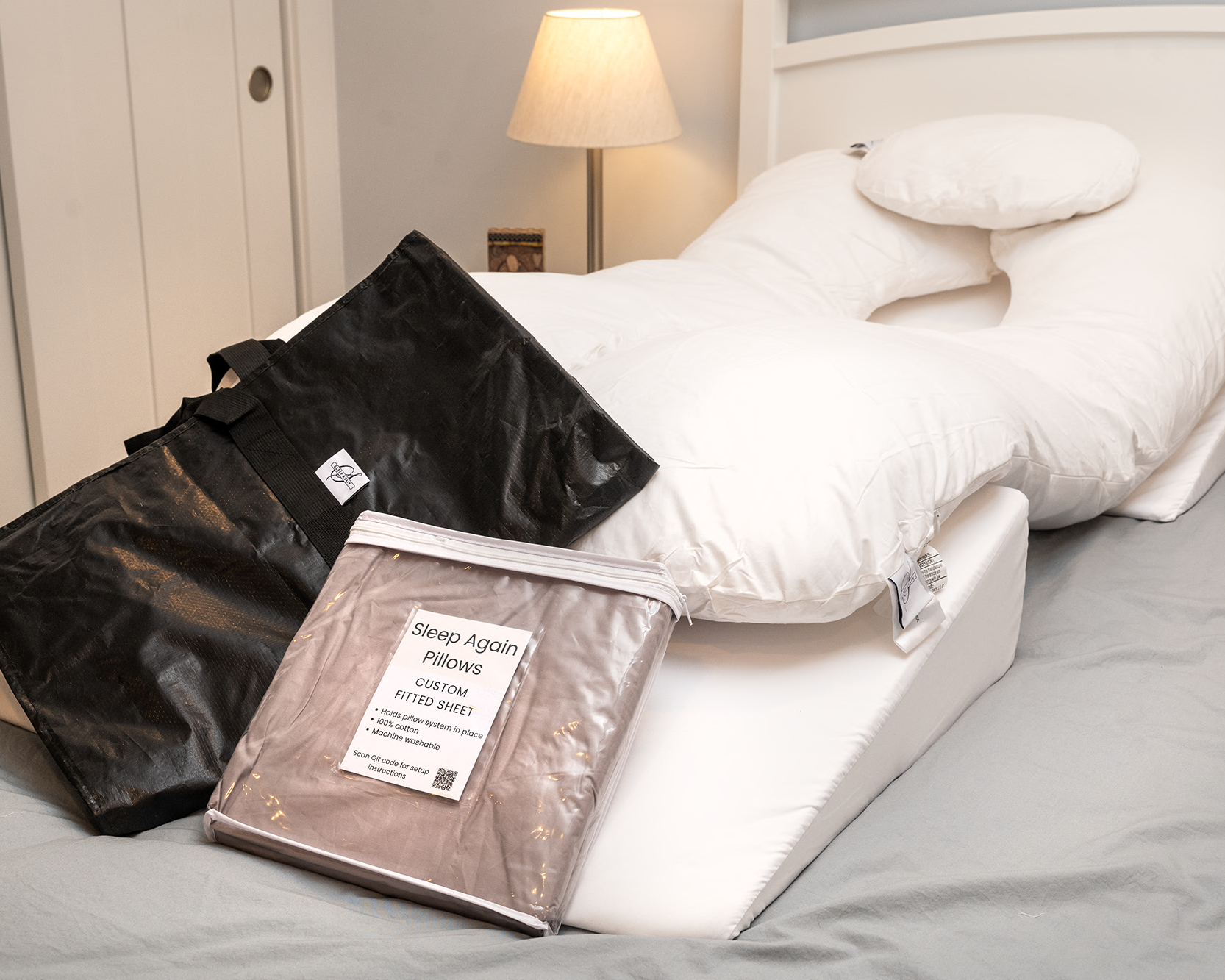
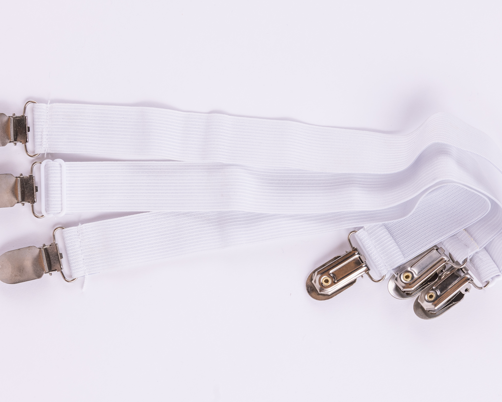
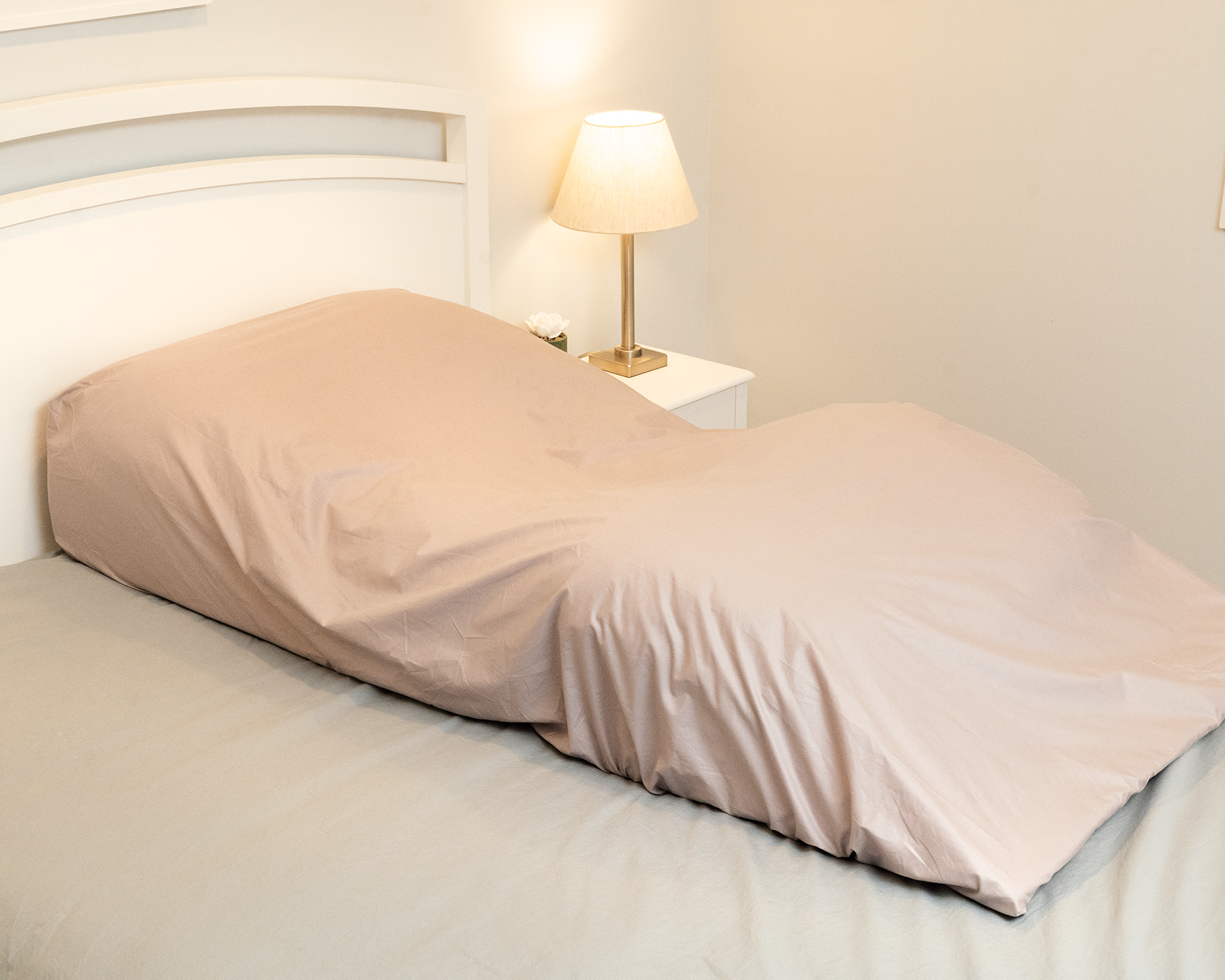
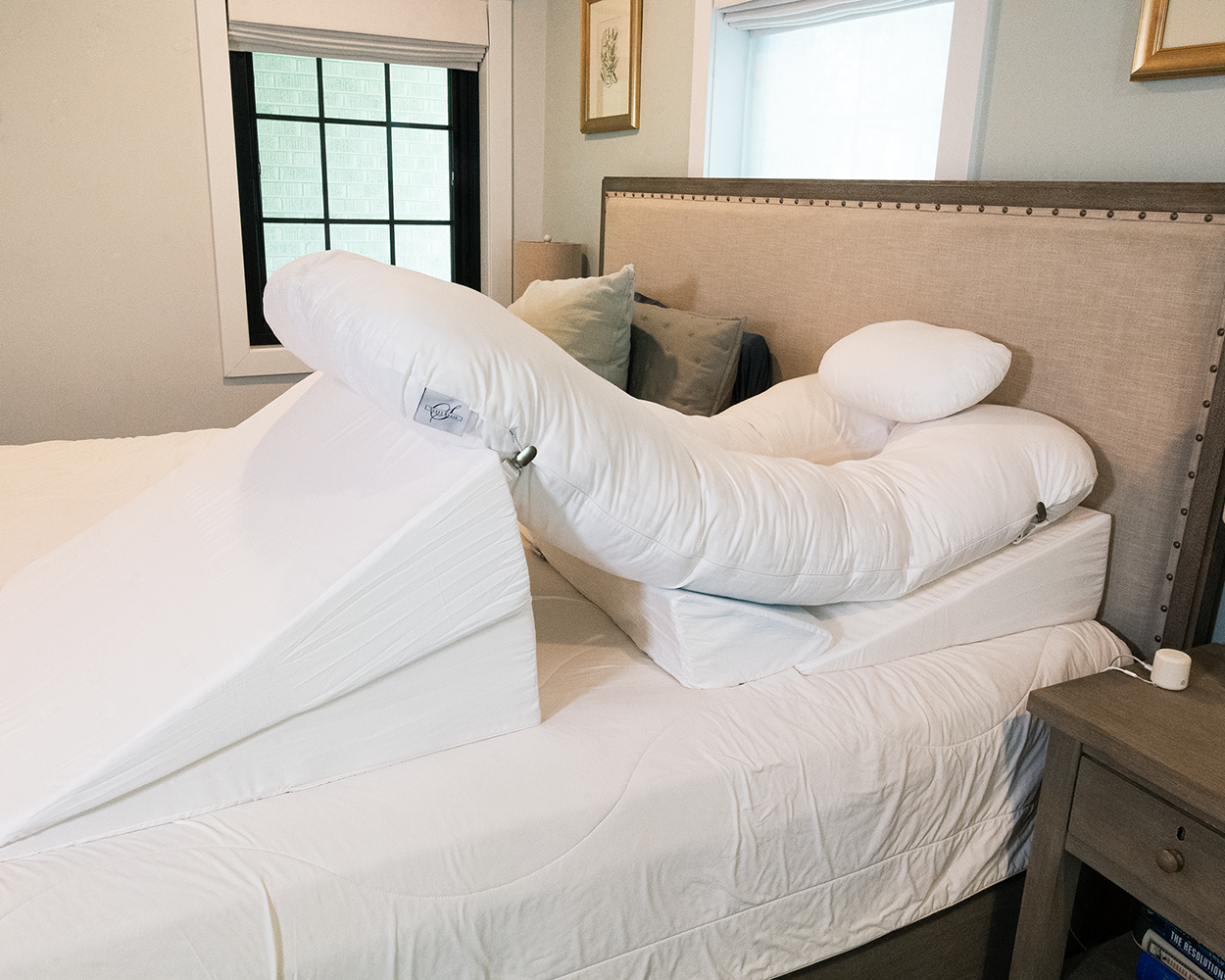
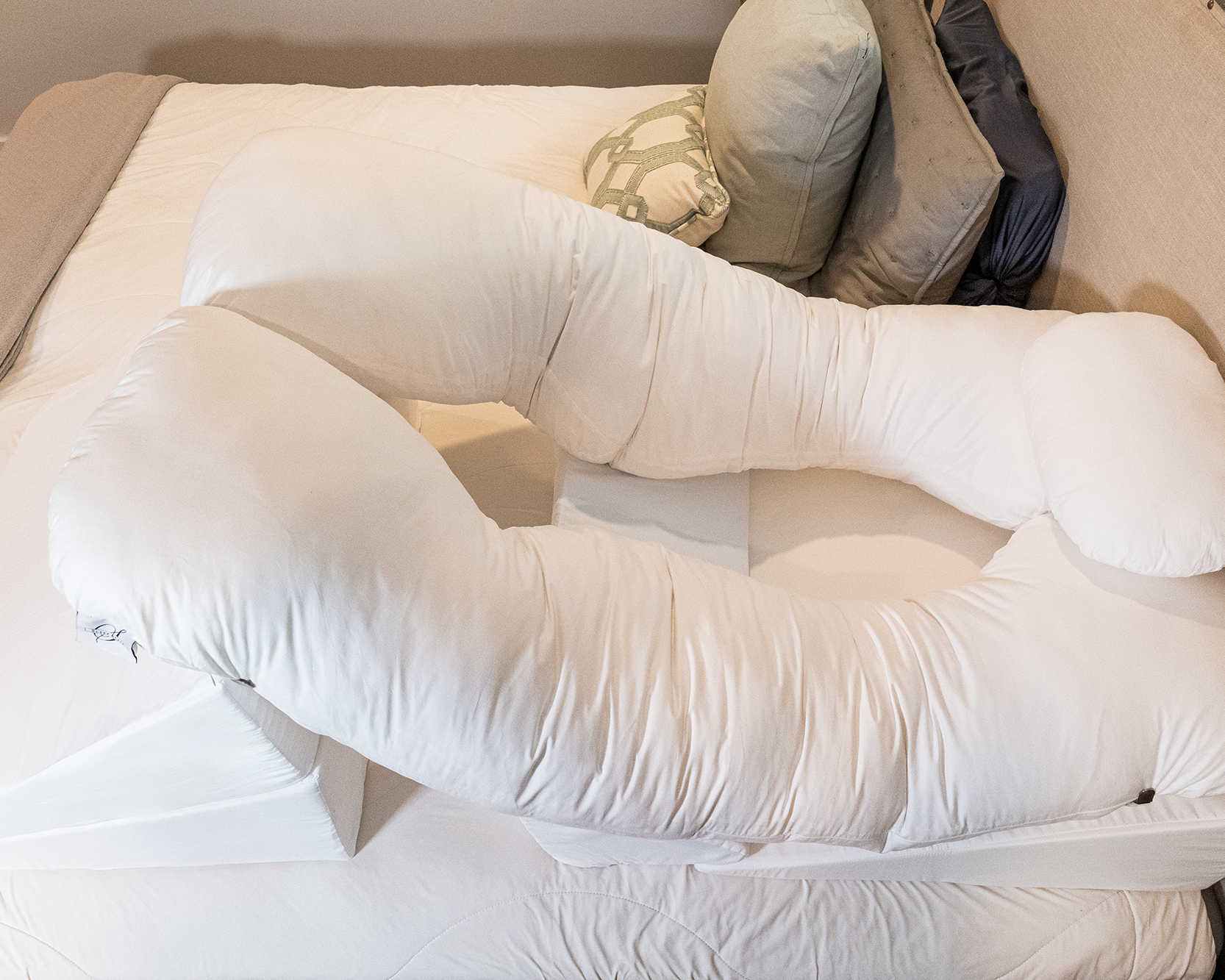
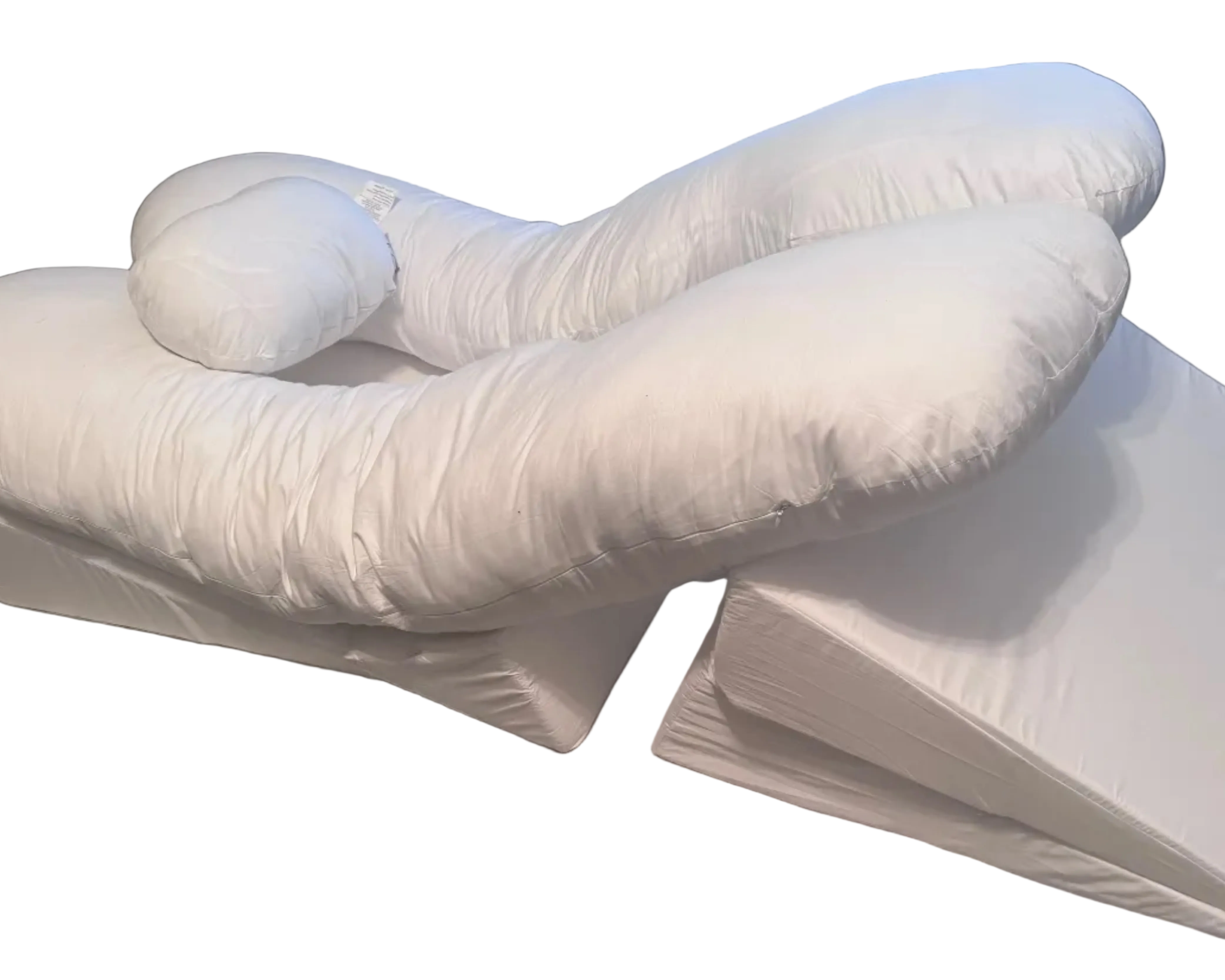
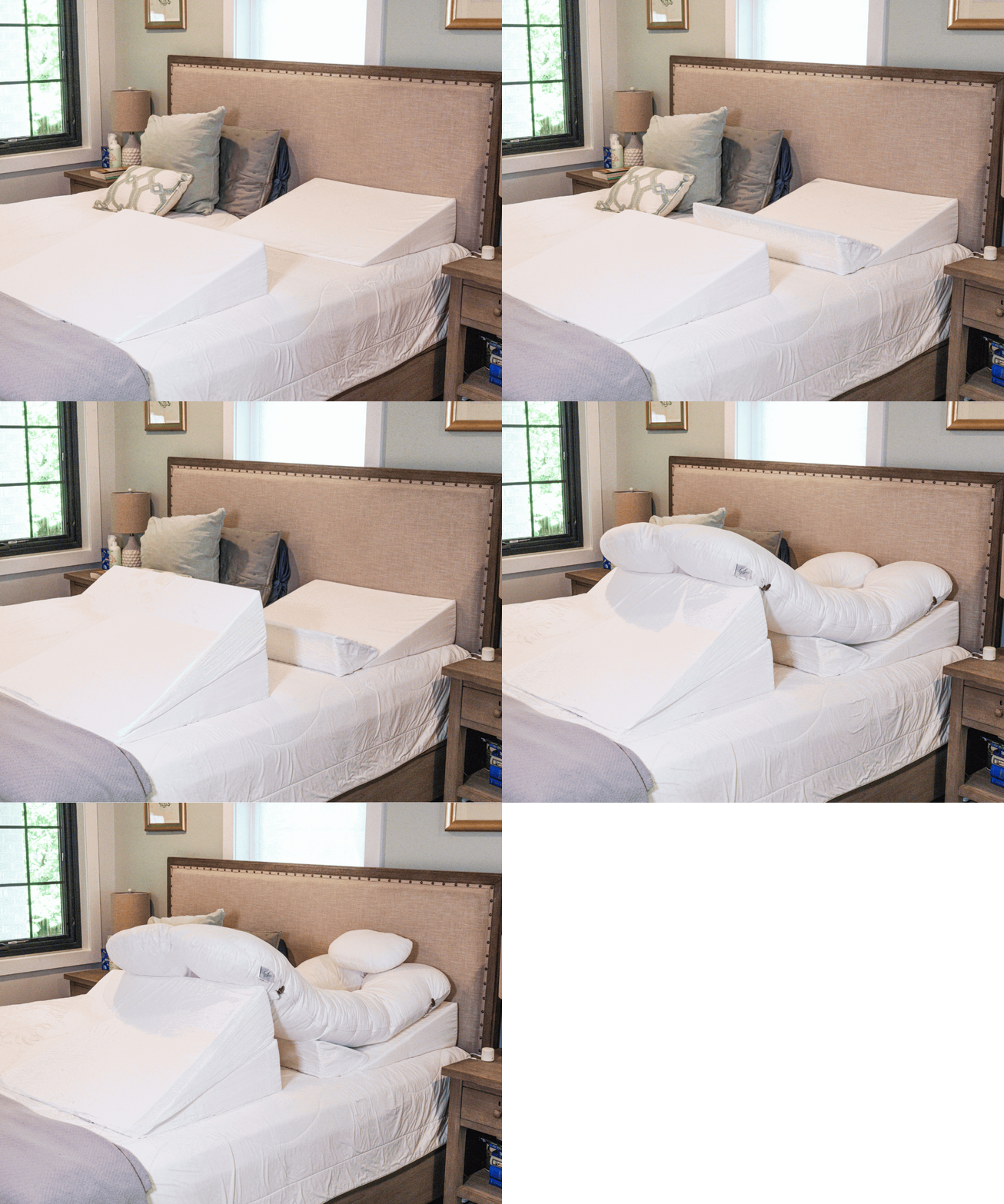
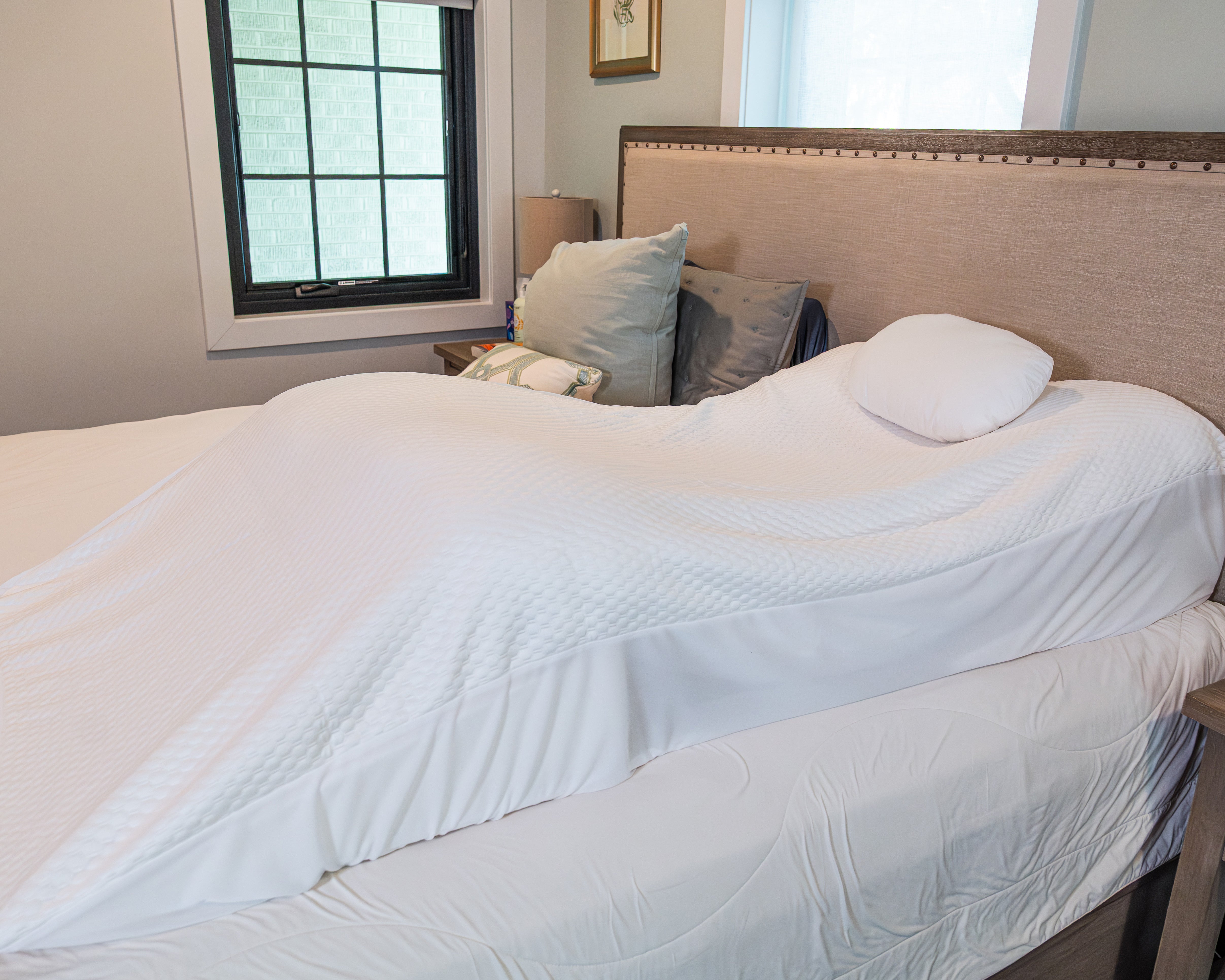
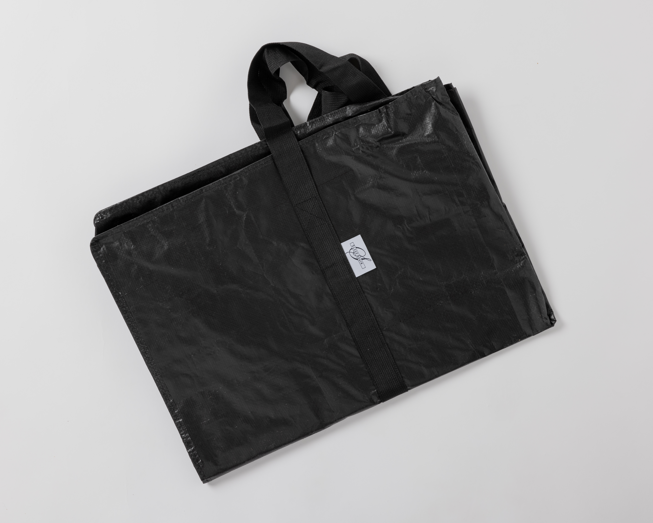
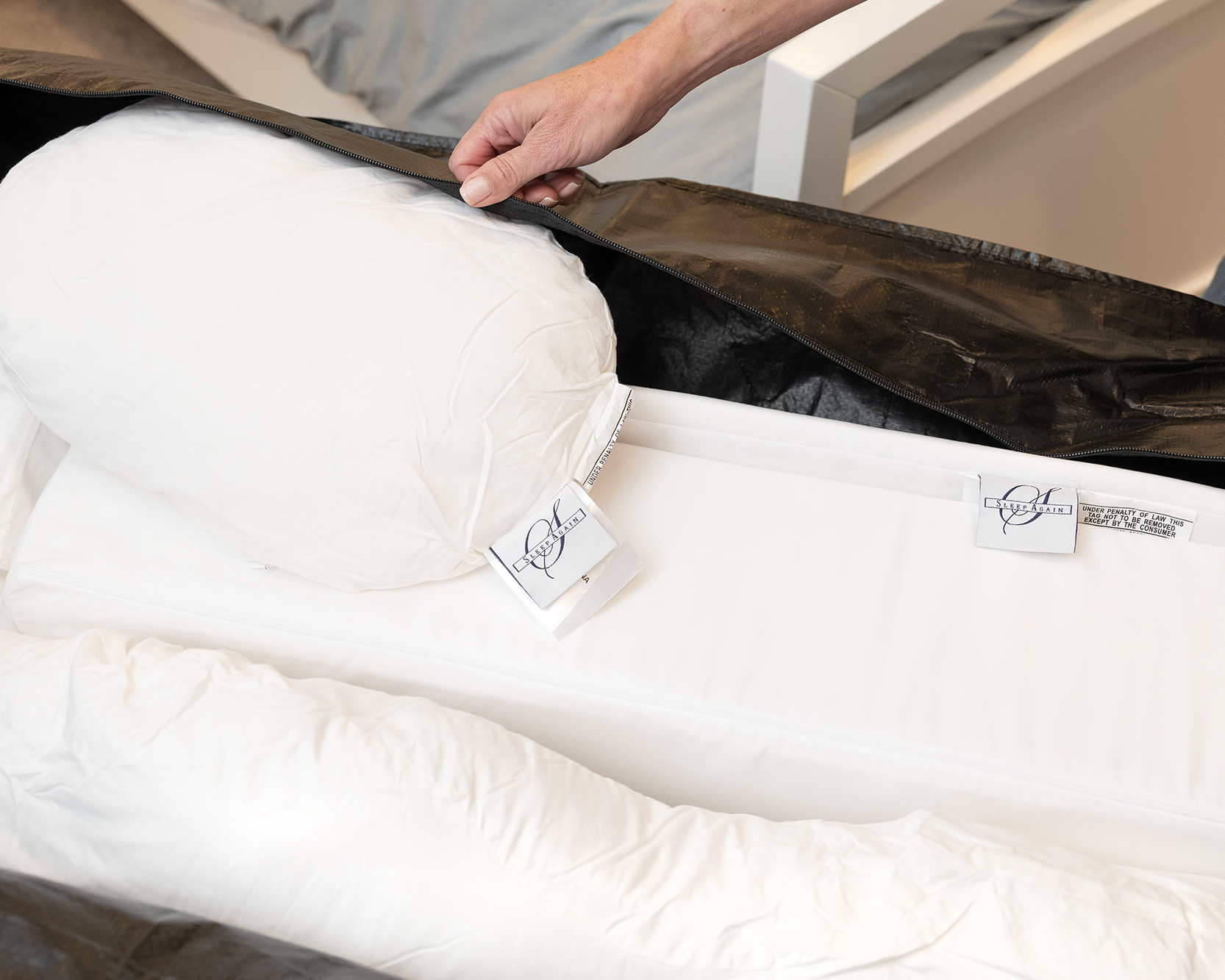
The Sleep Again Pillow System provides all the components necessary for effective elevated back sleeping without requiring multiple product purchases or pillow arrangement experiments.
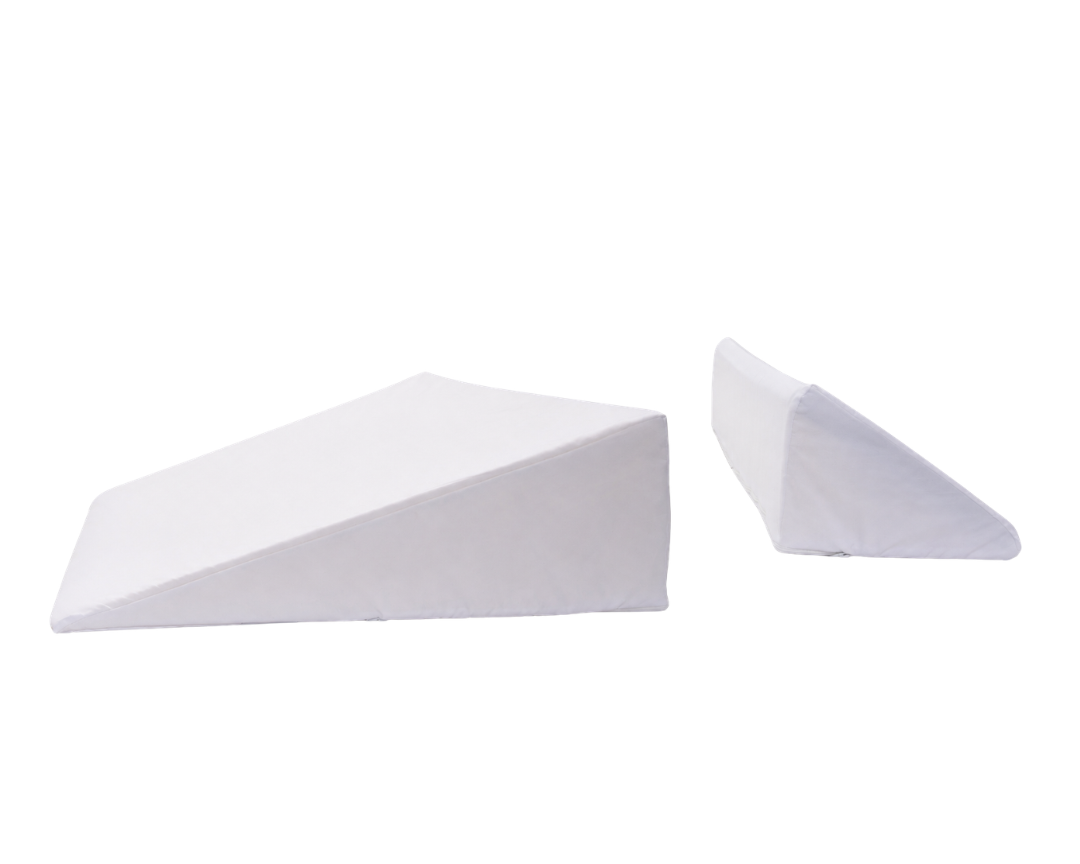
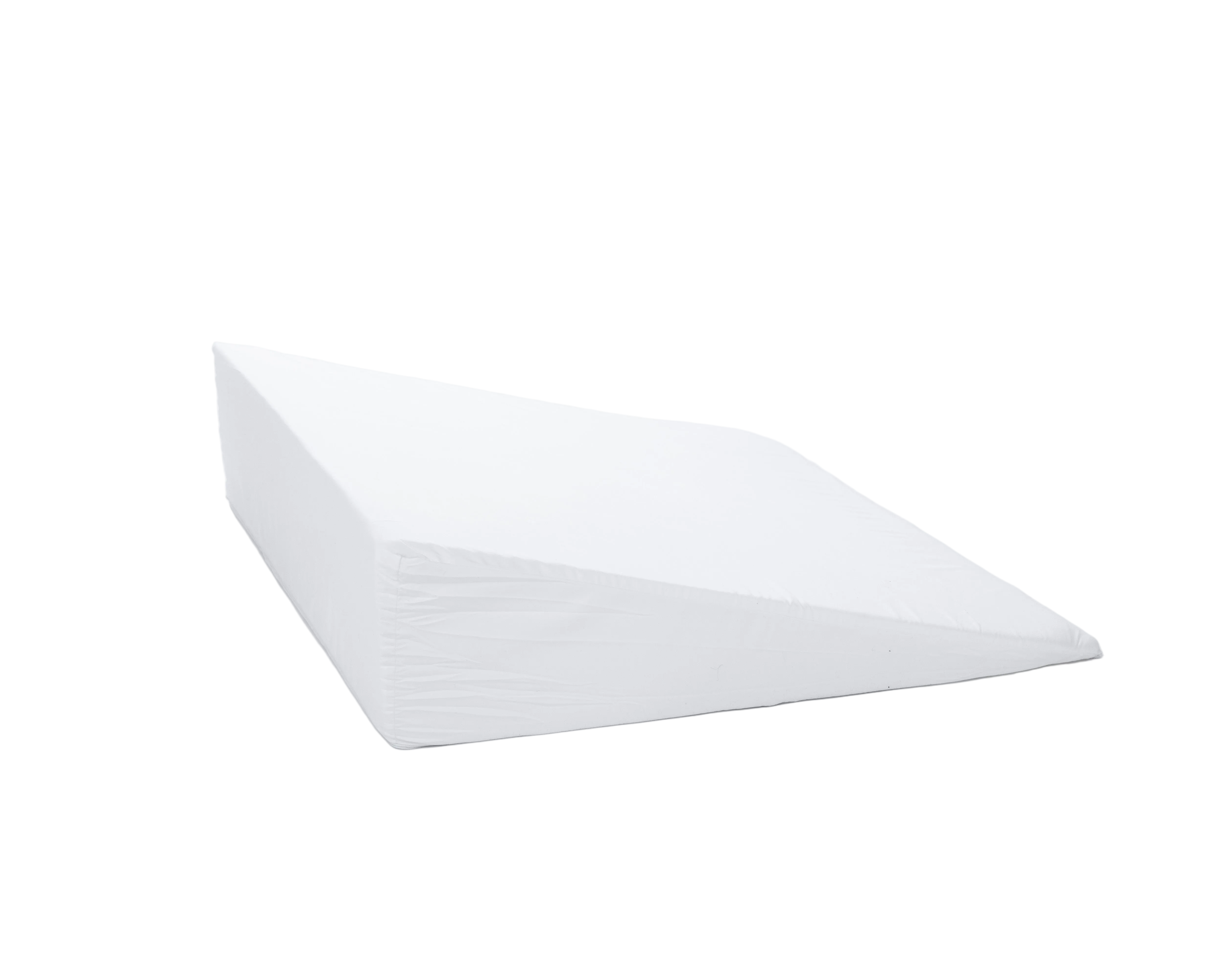
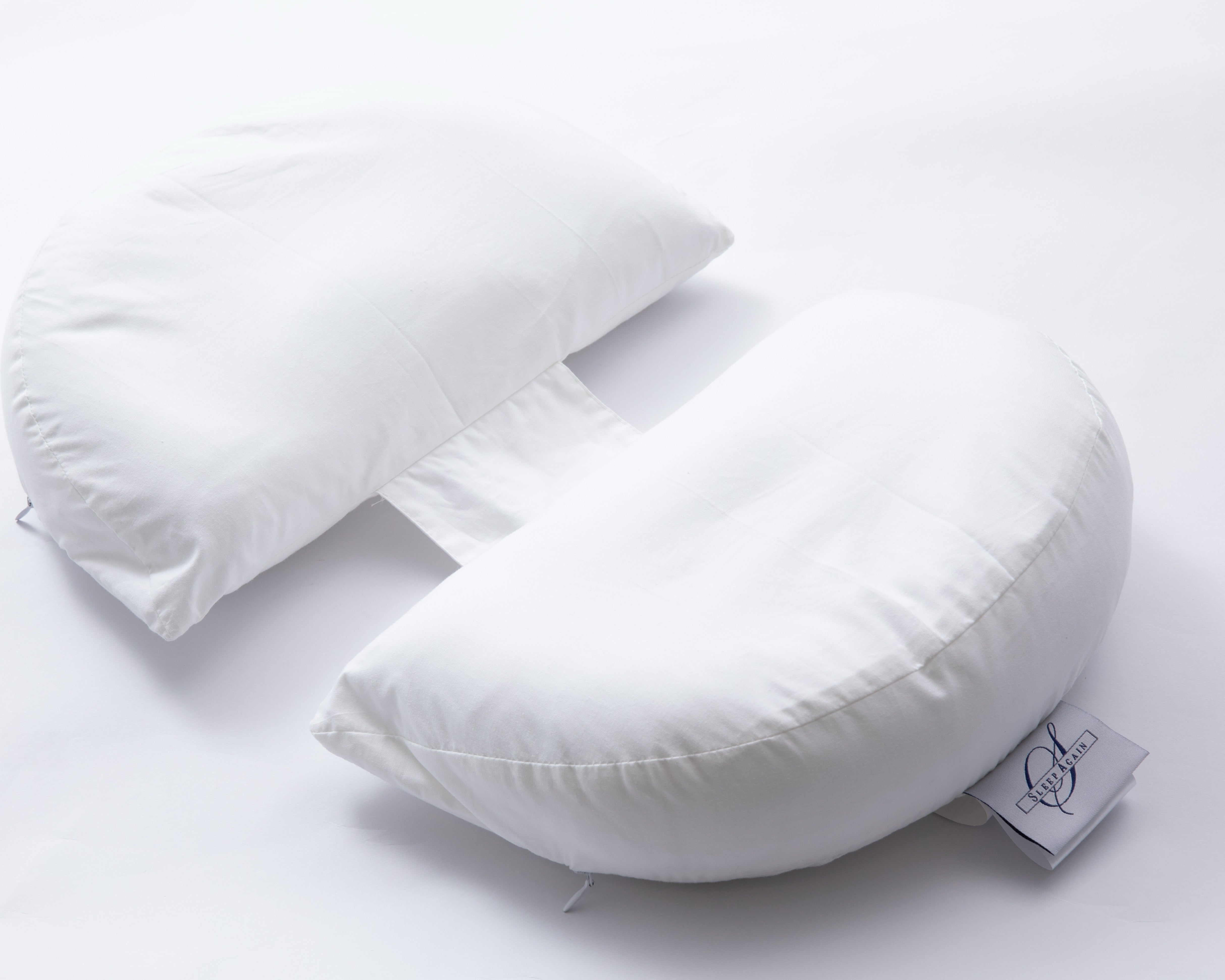
Every Sleep Again Pillow System includes:
-
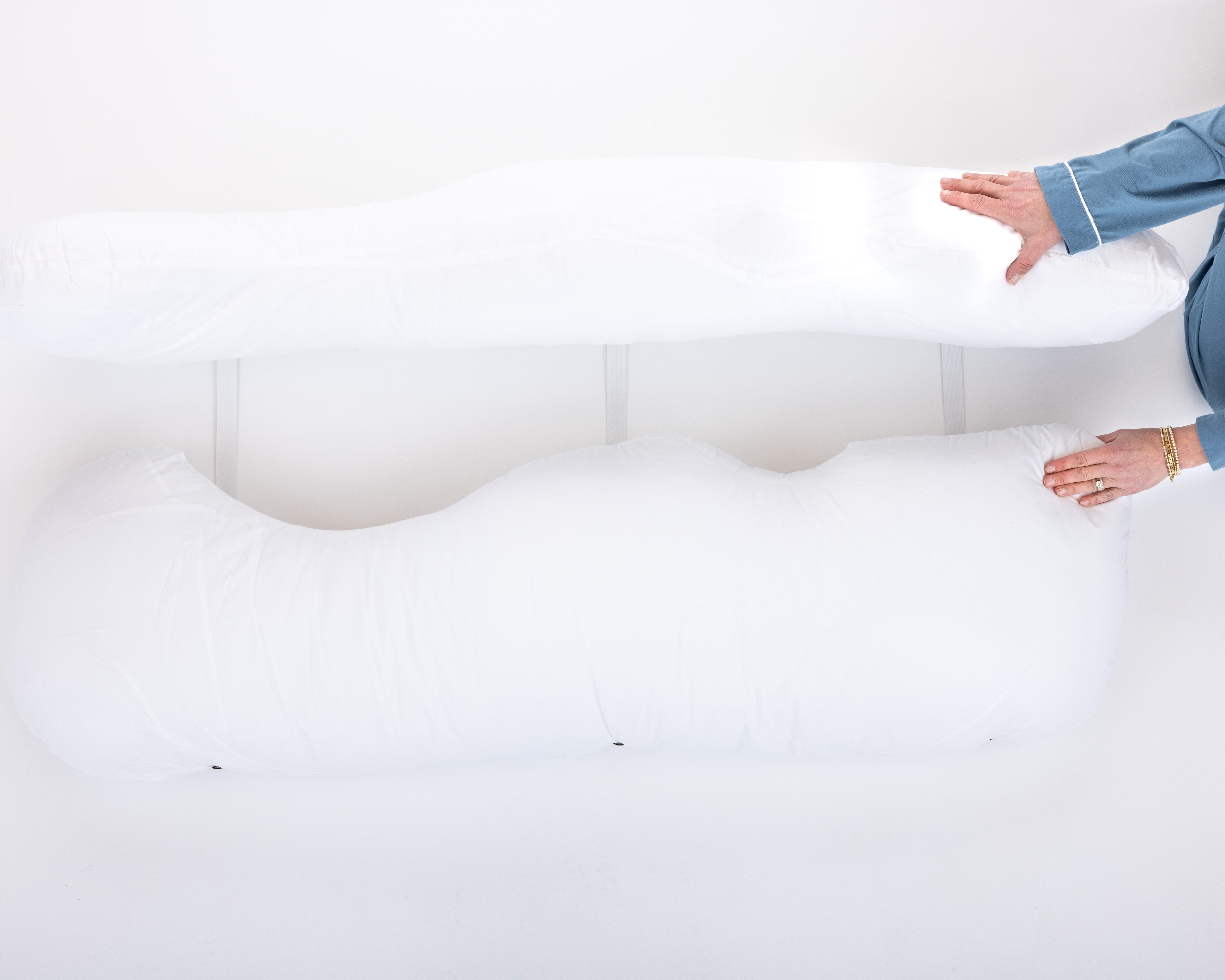
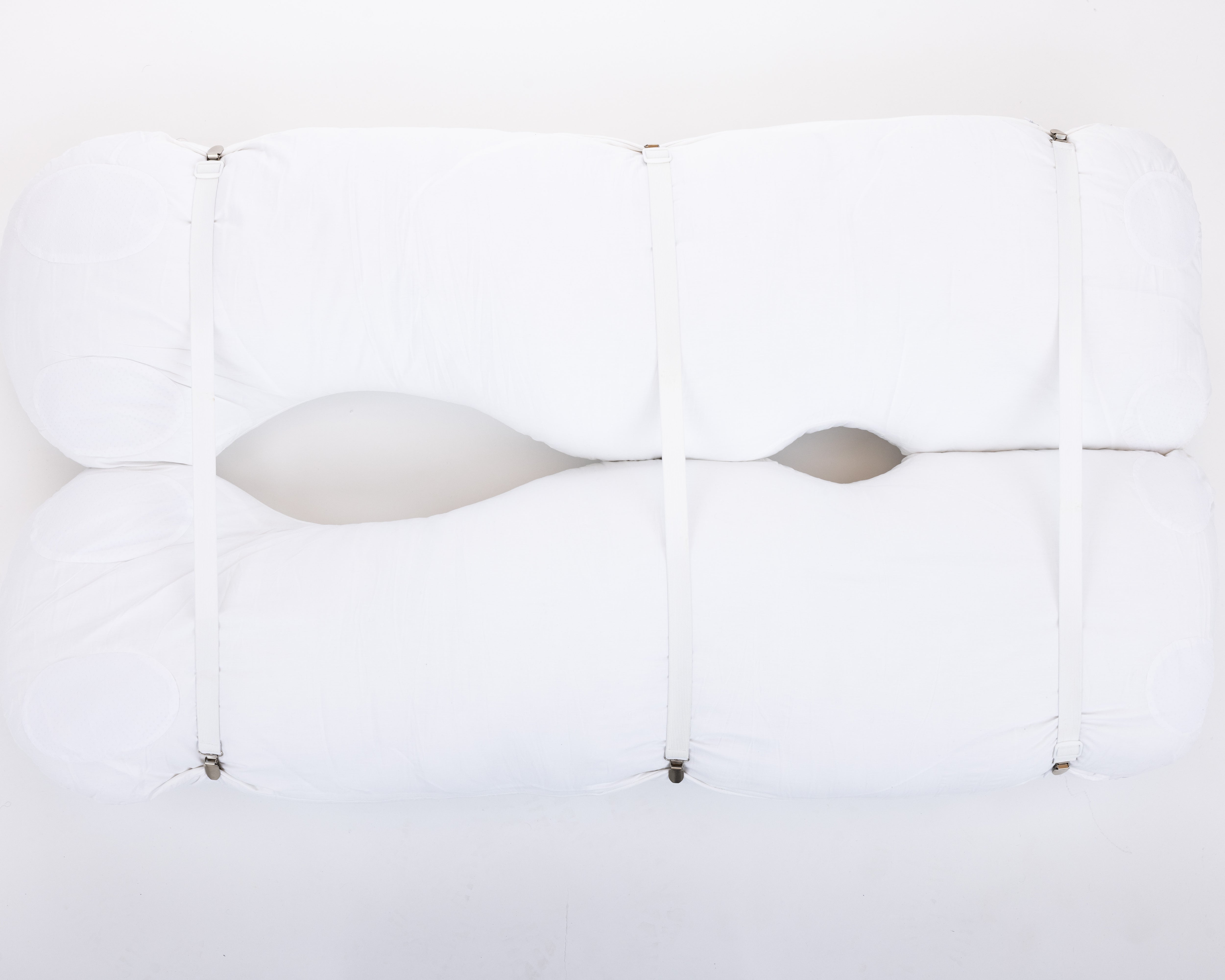
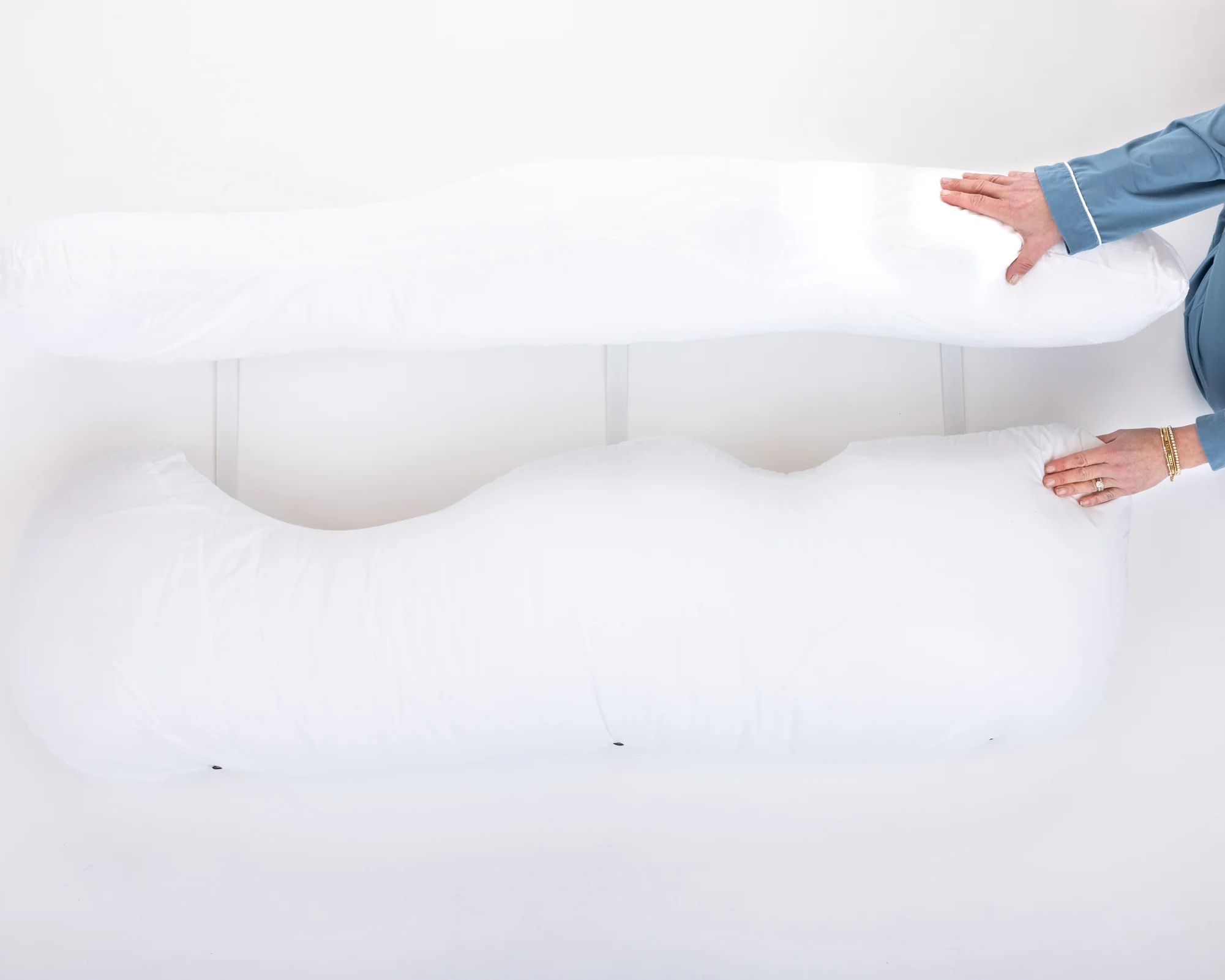
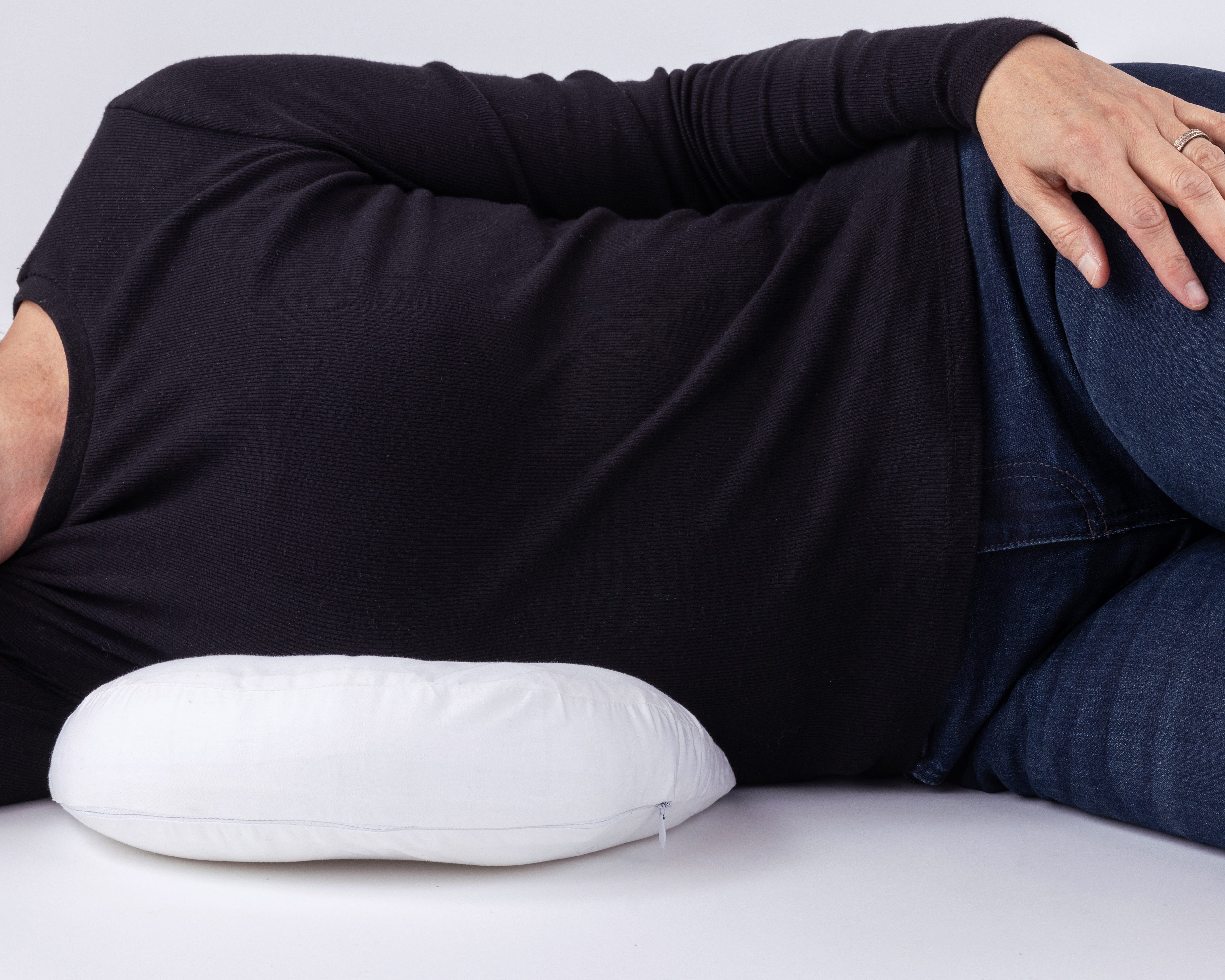
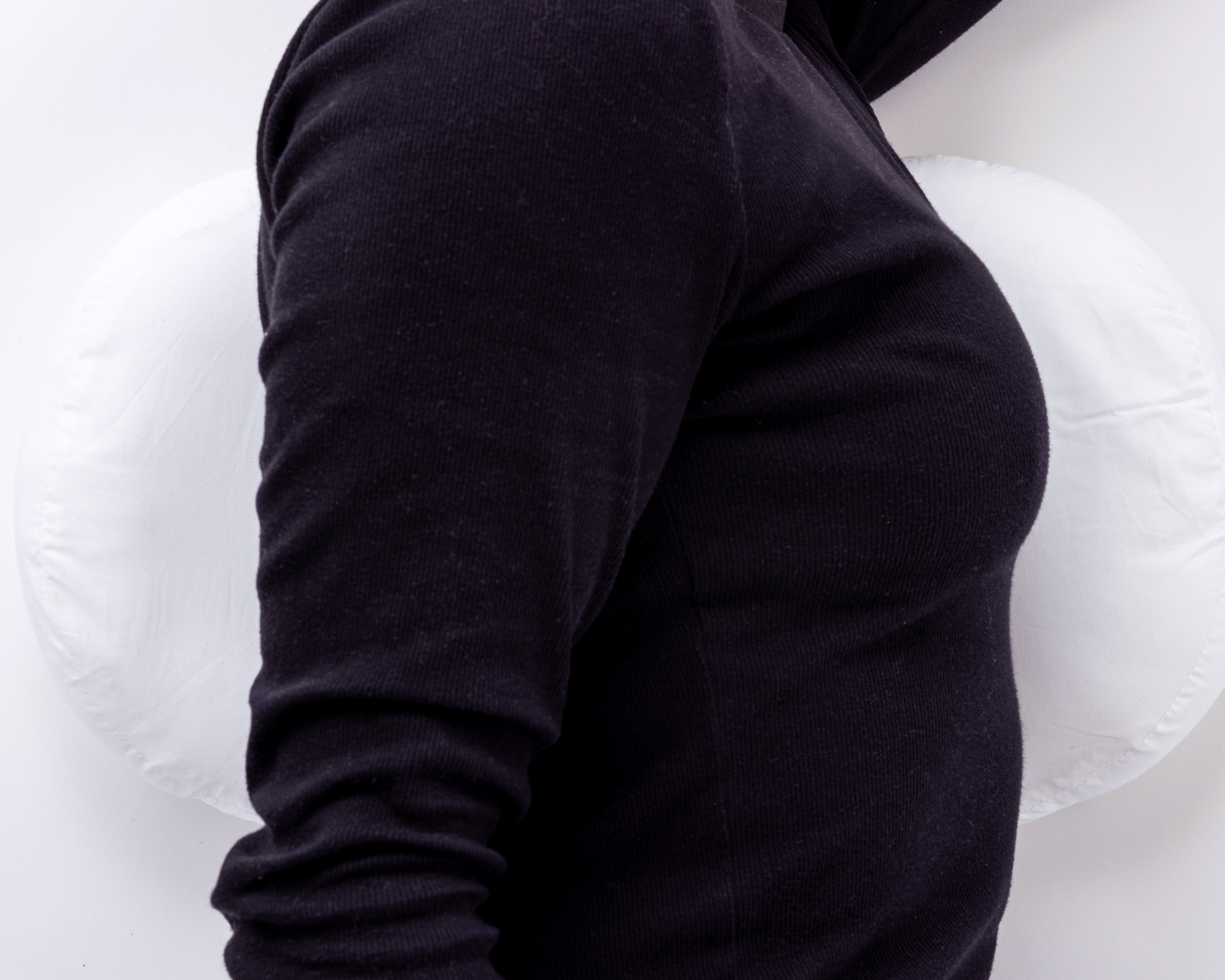
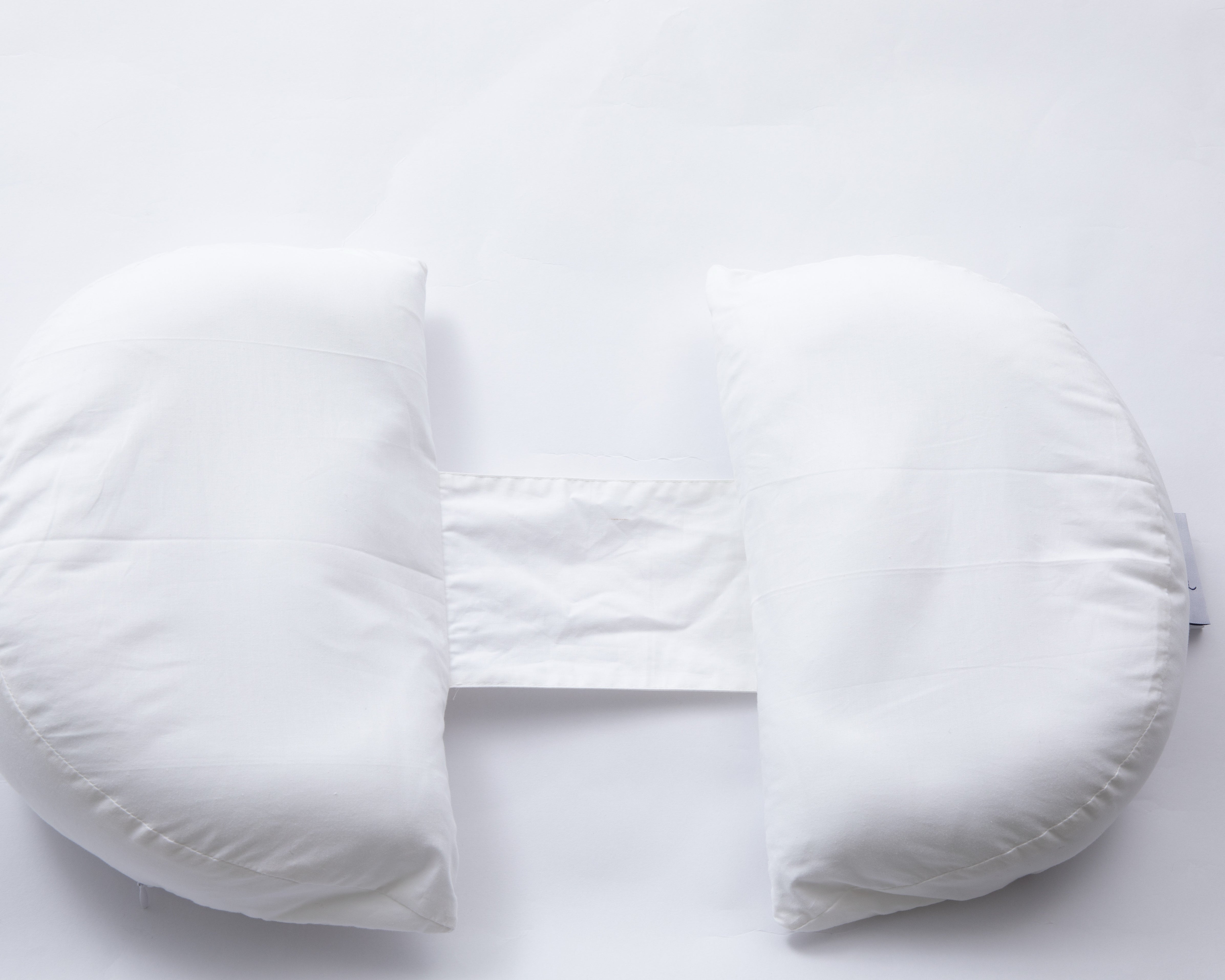
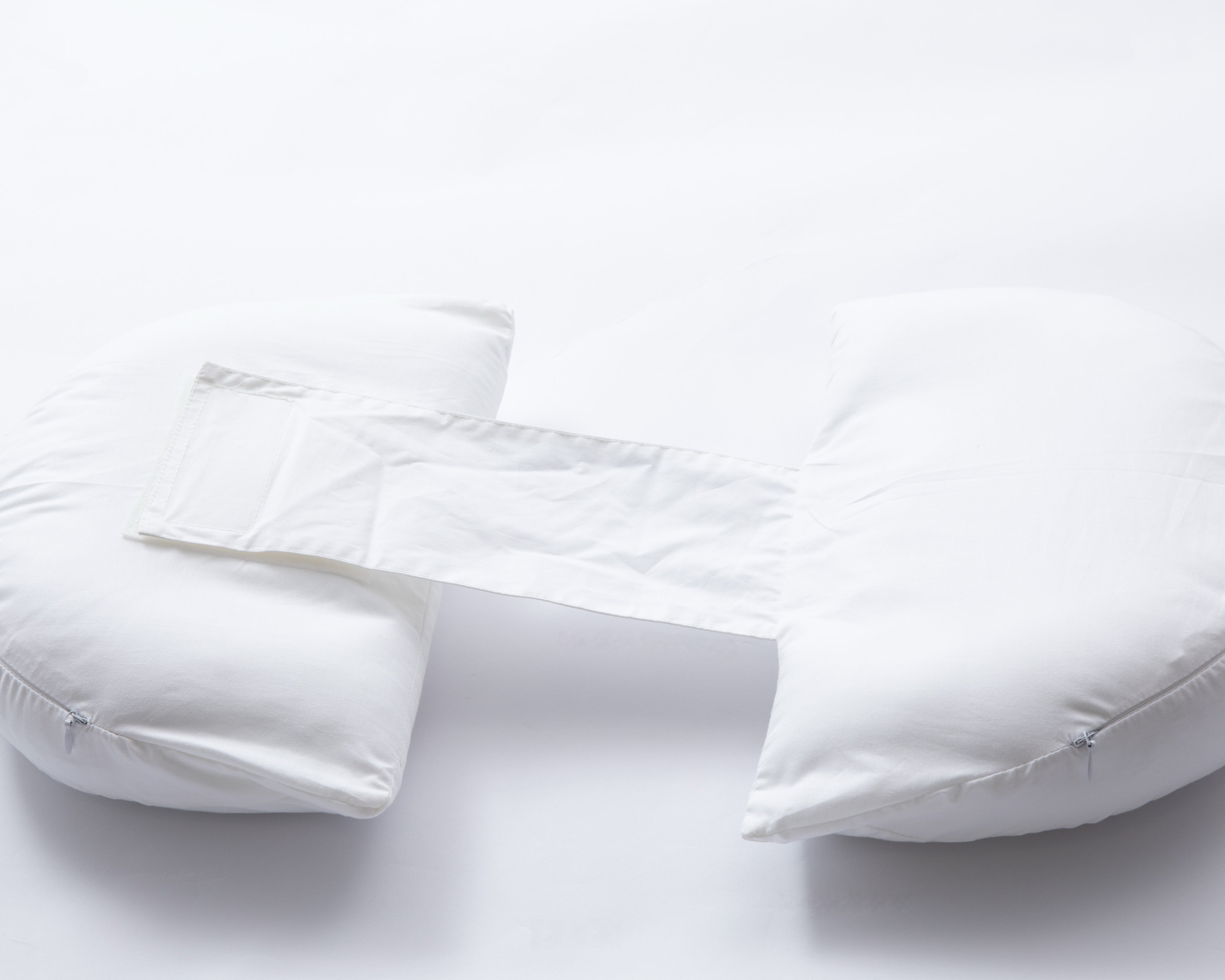
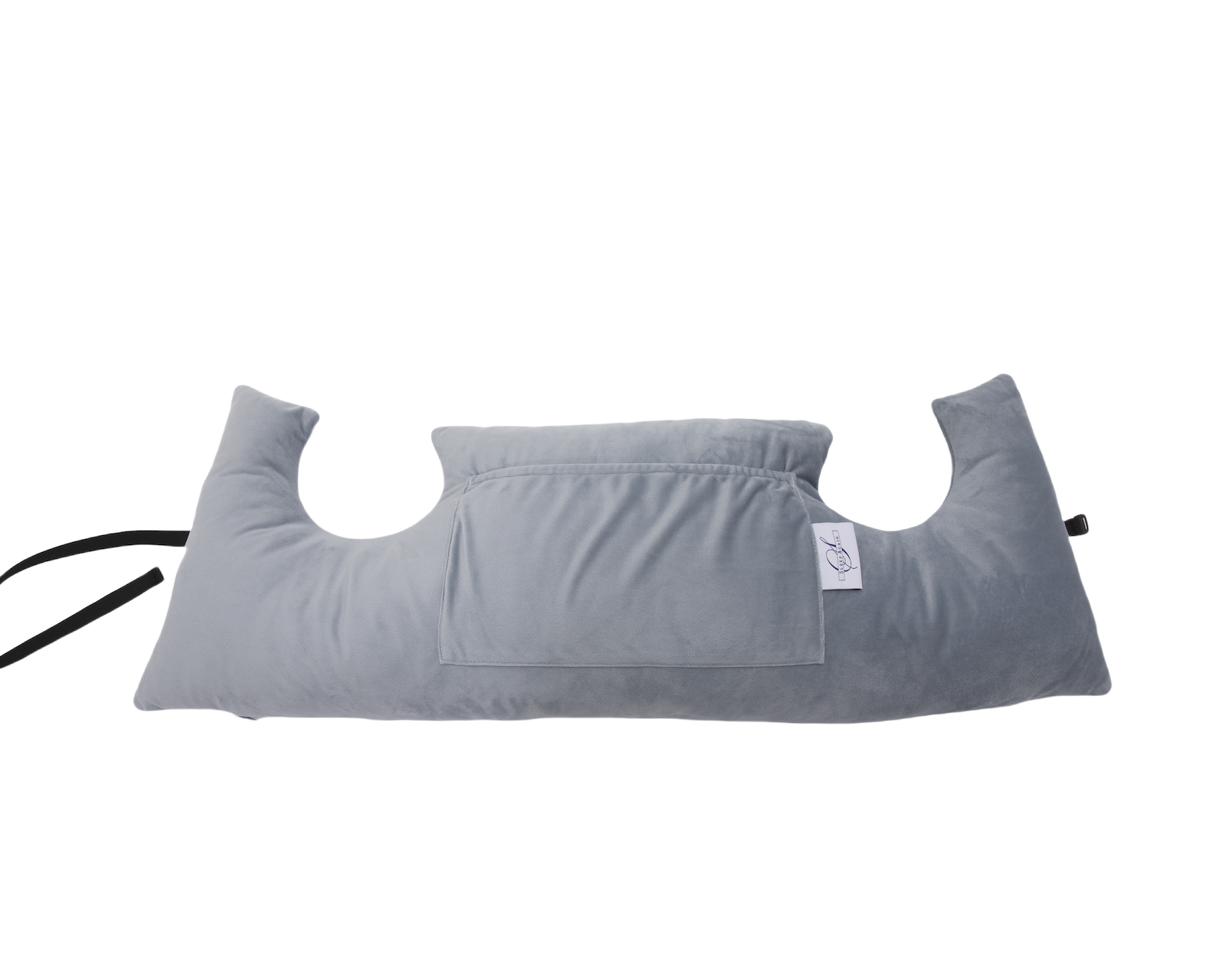
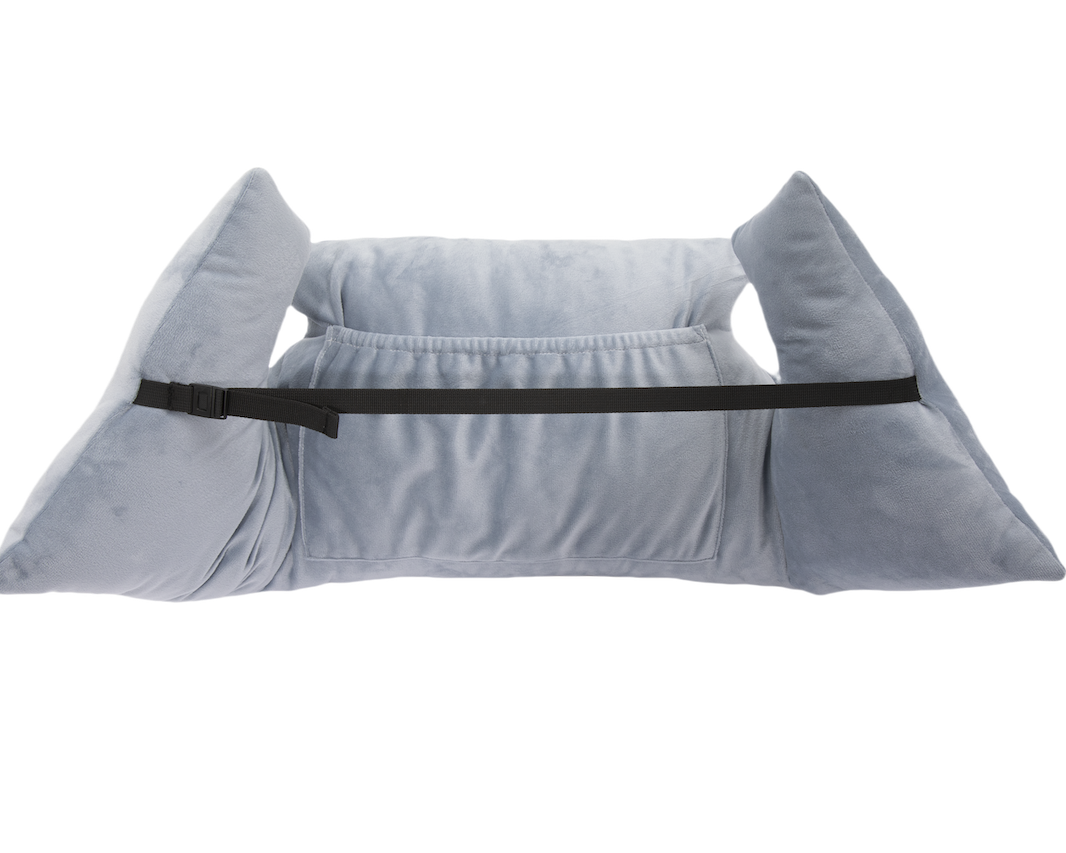
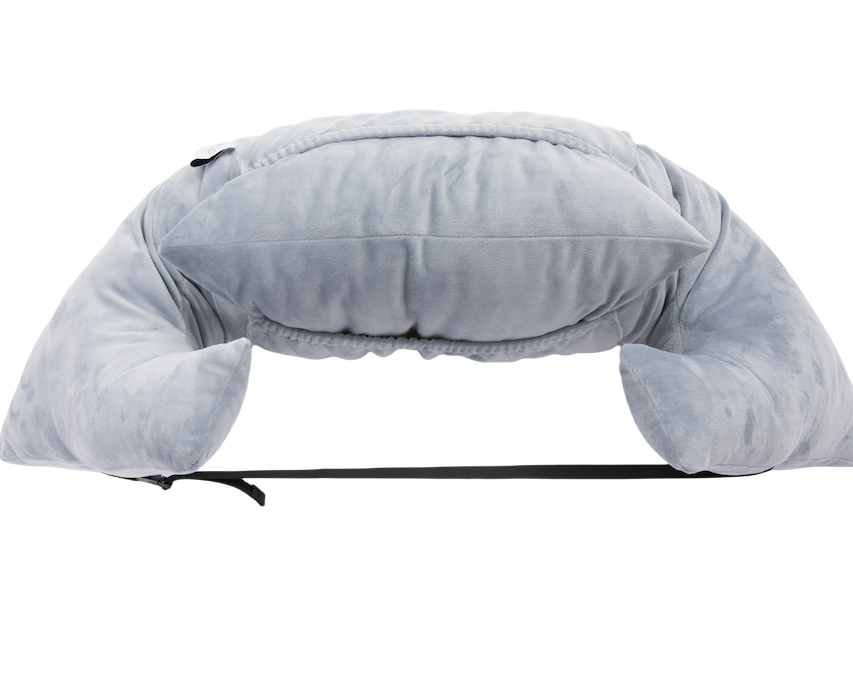
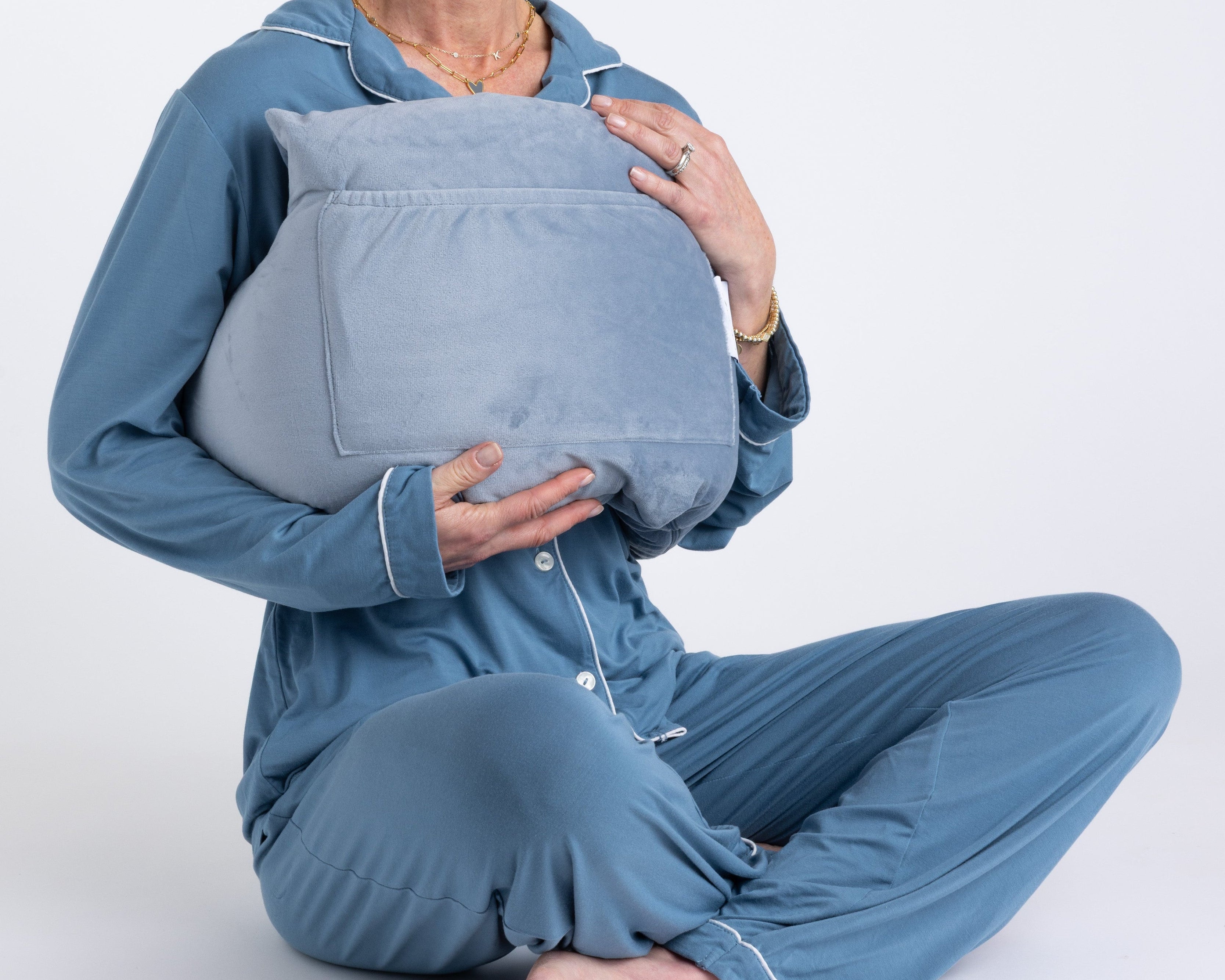
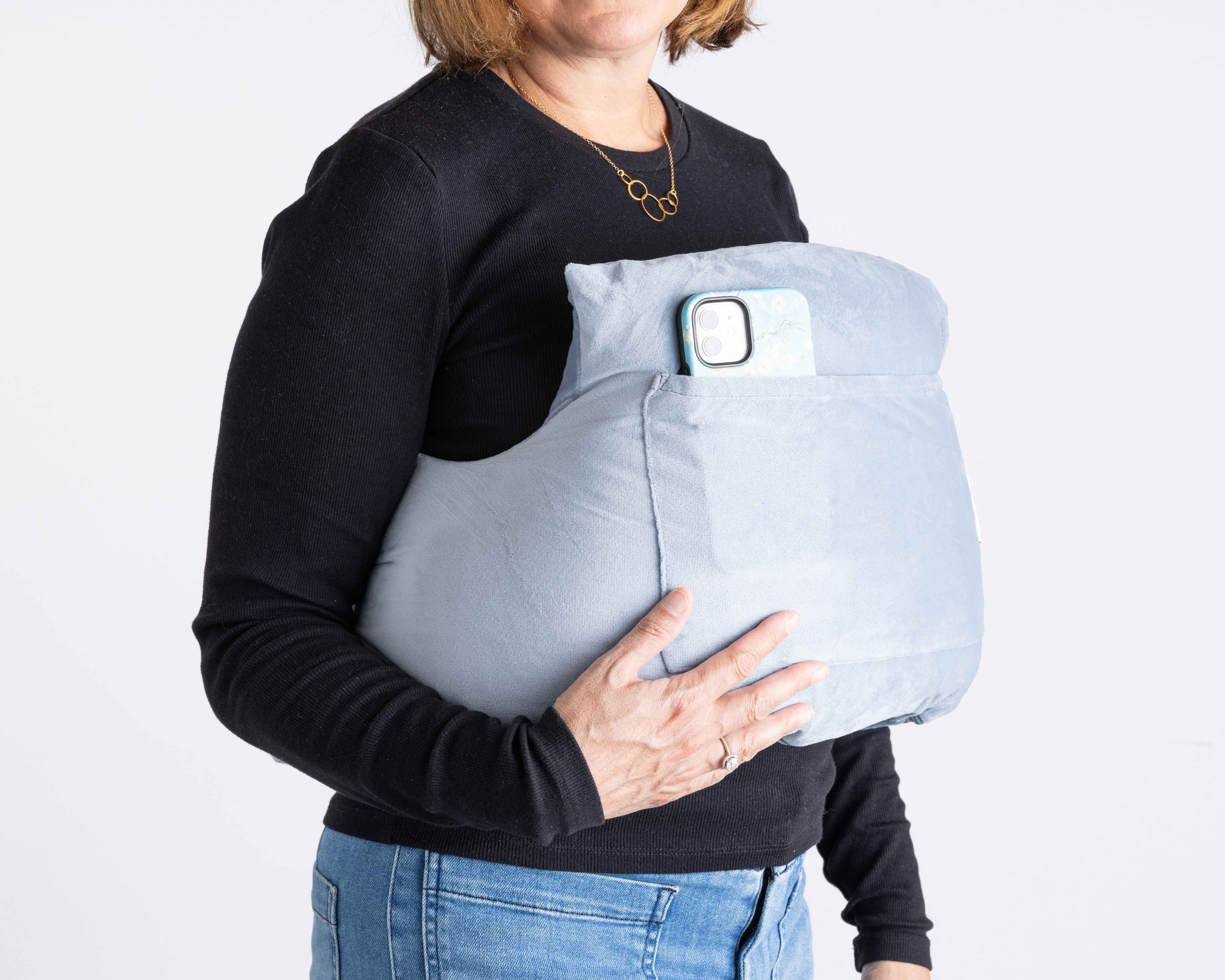
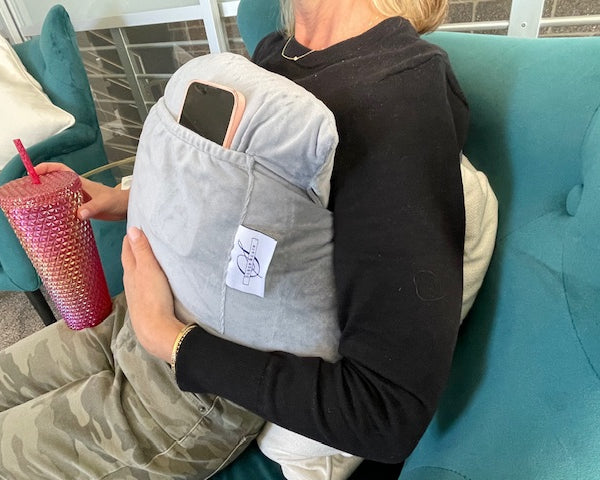
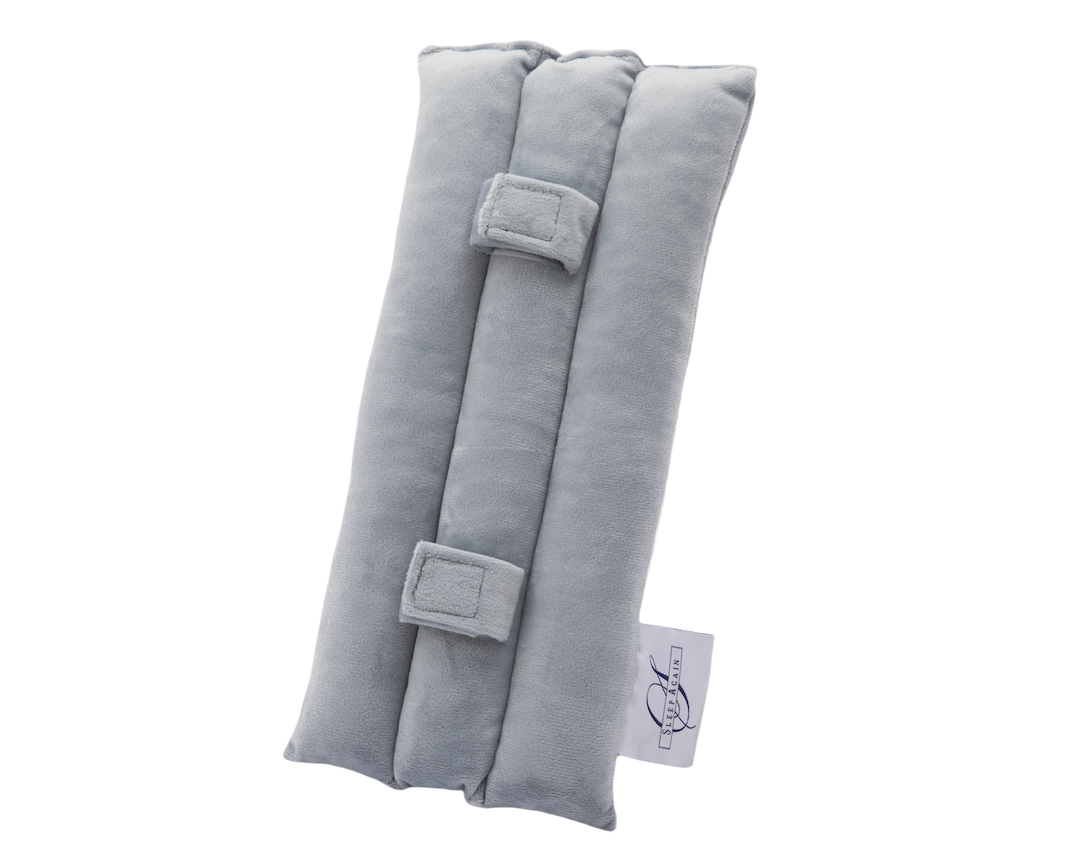
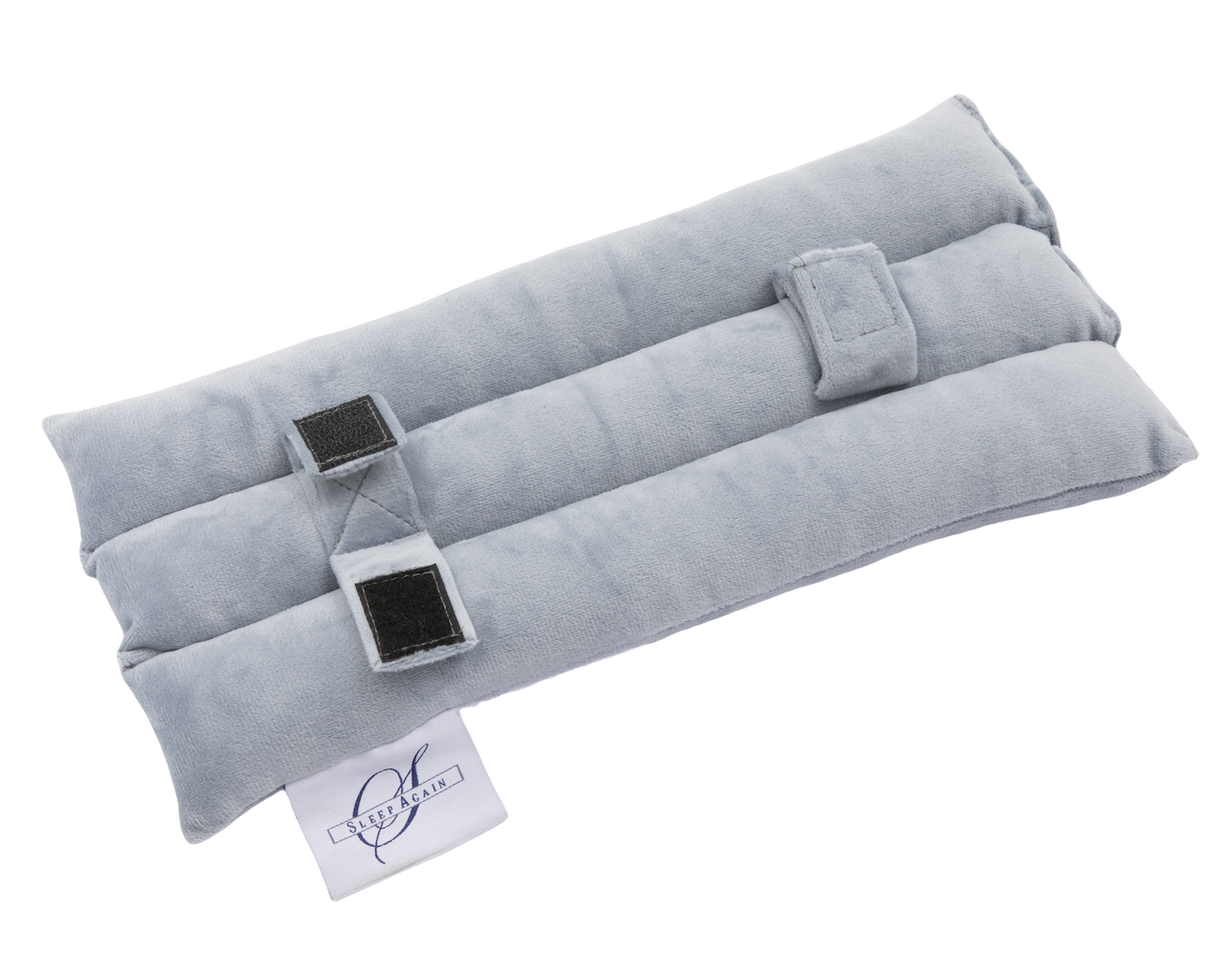
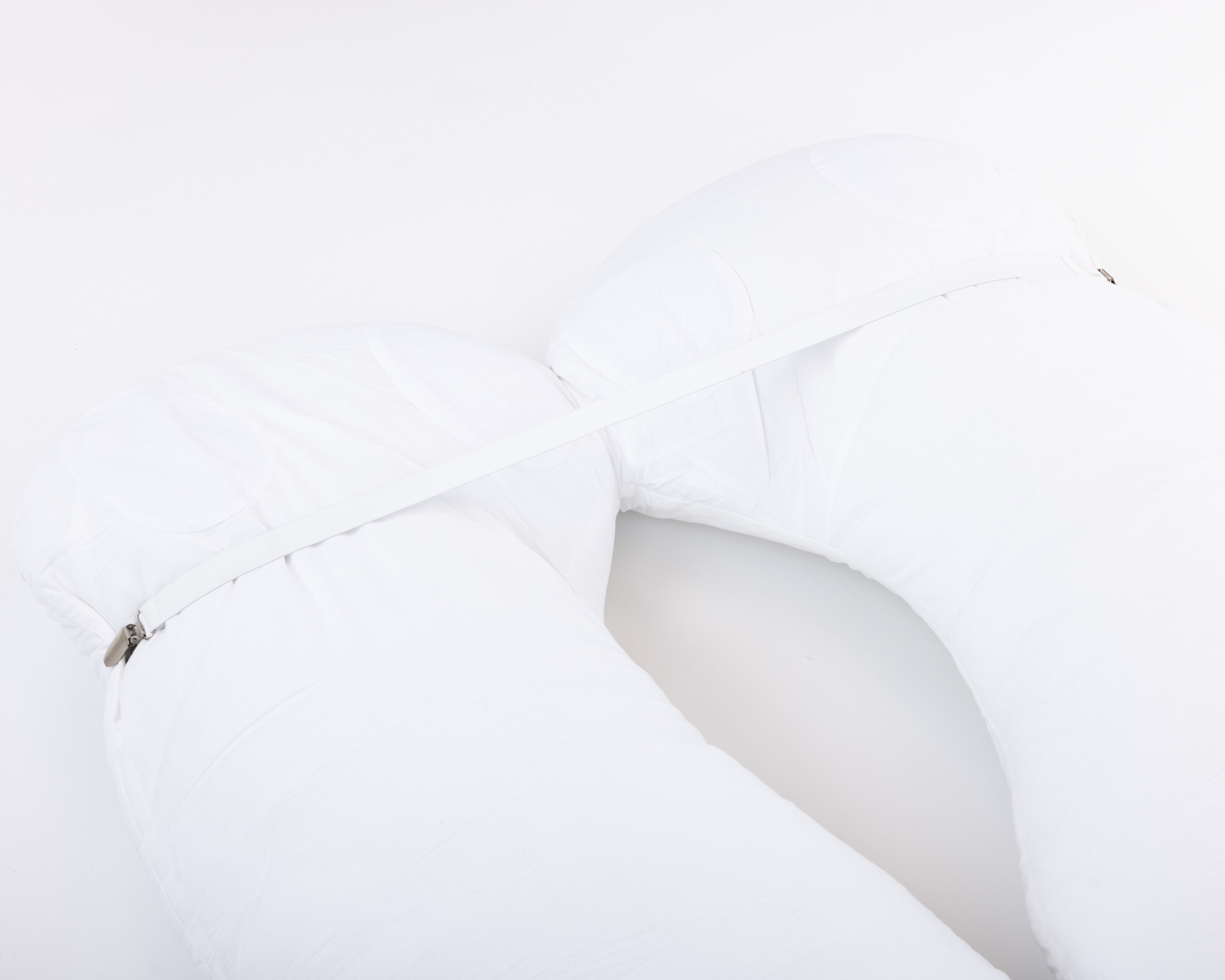
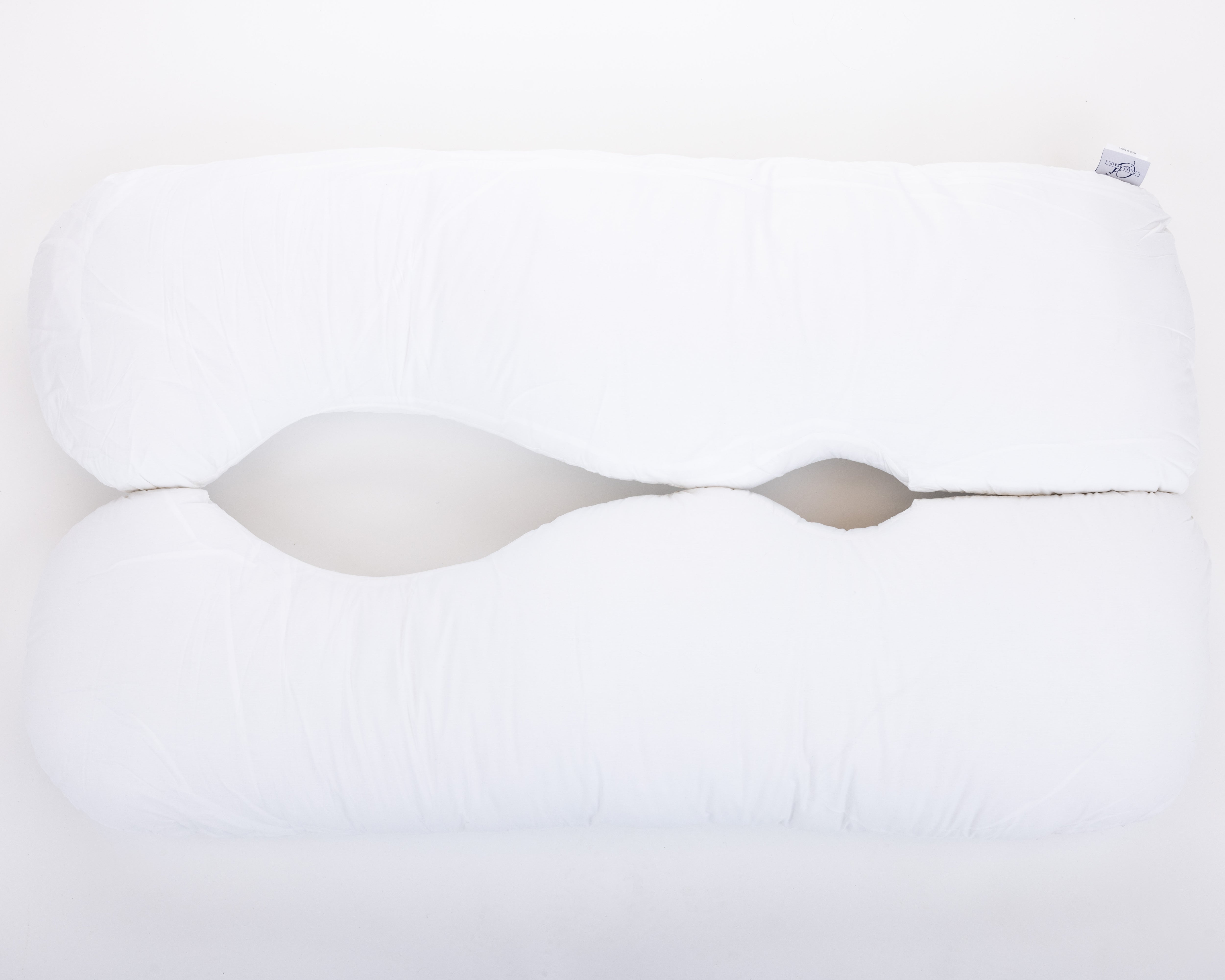
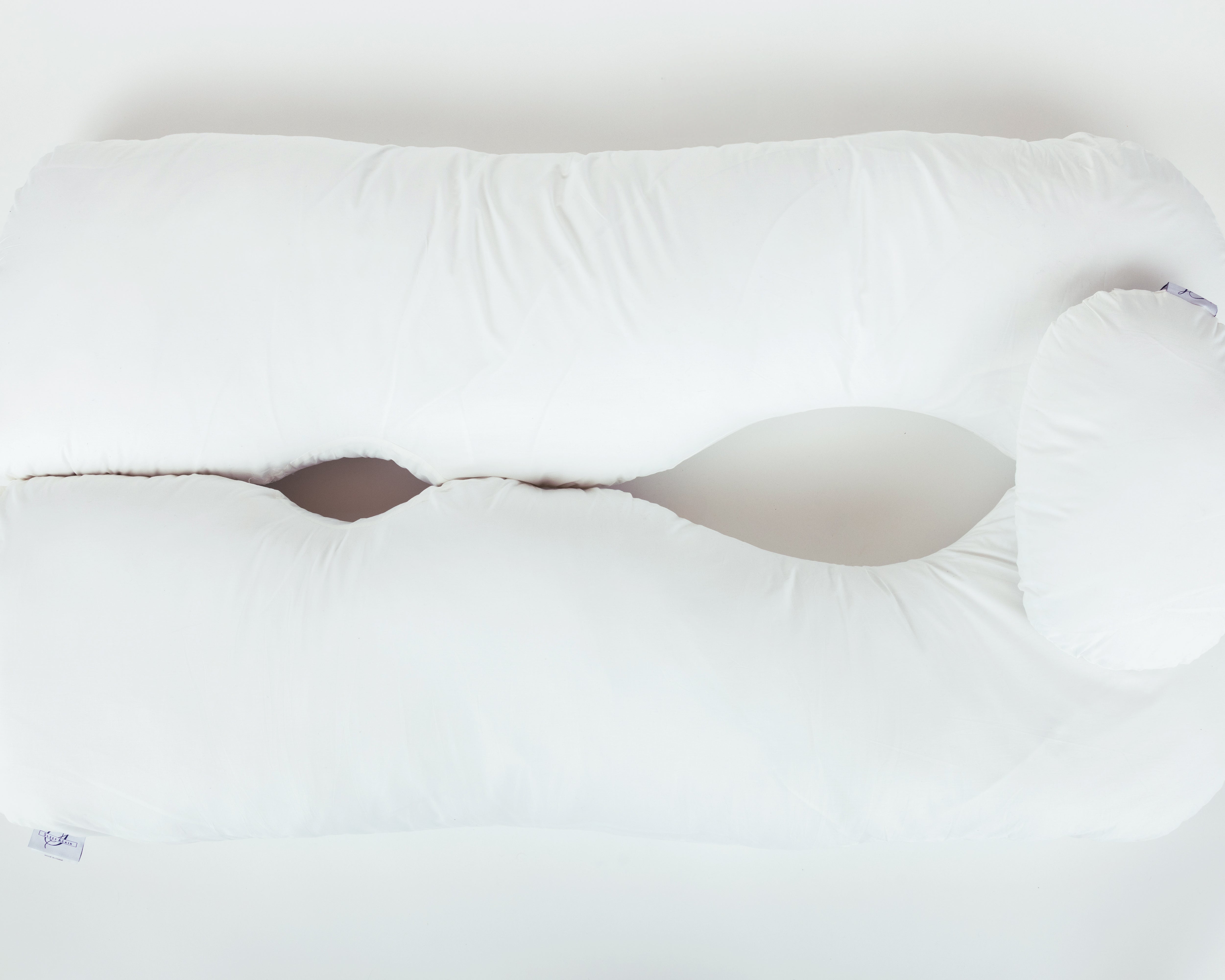
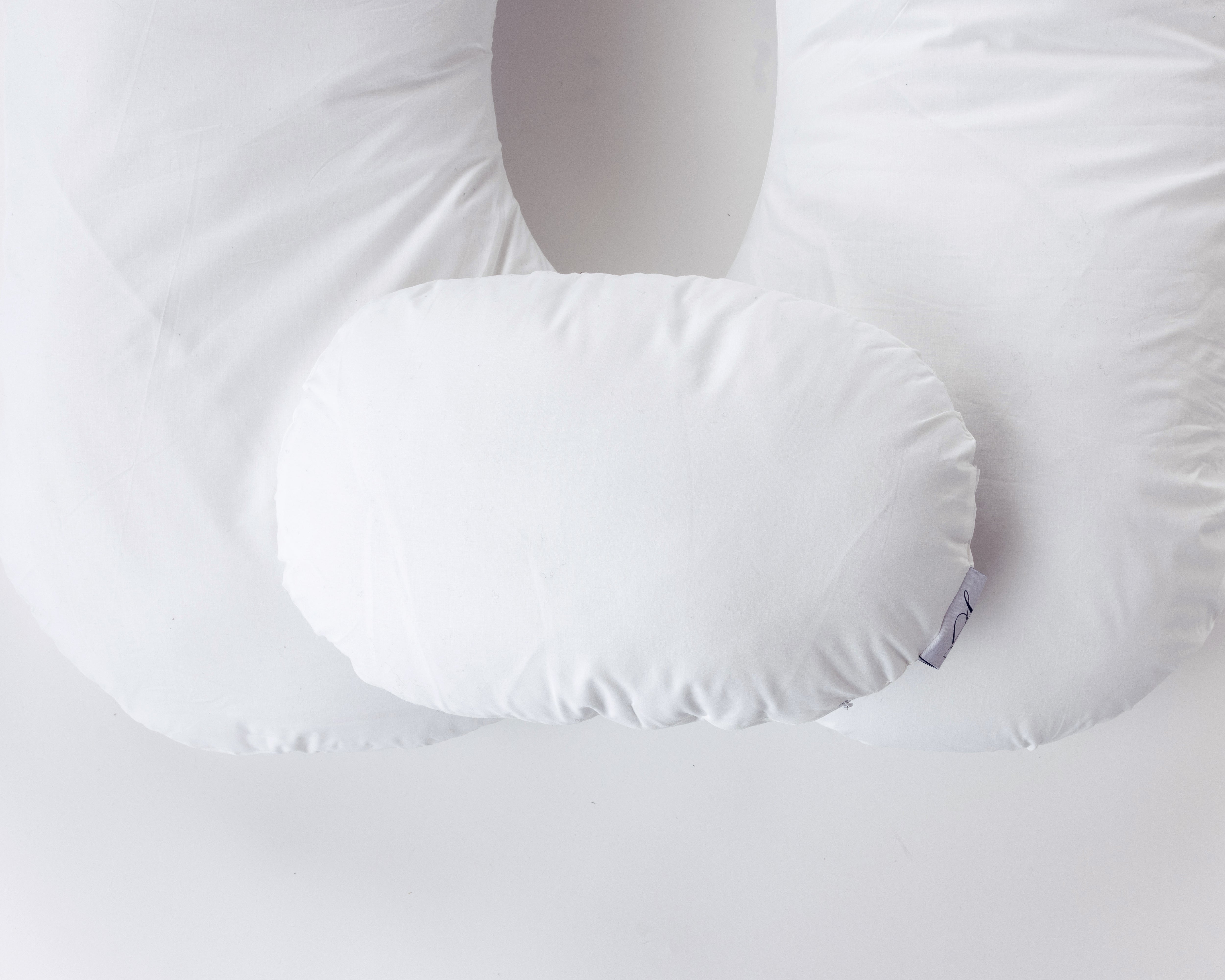
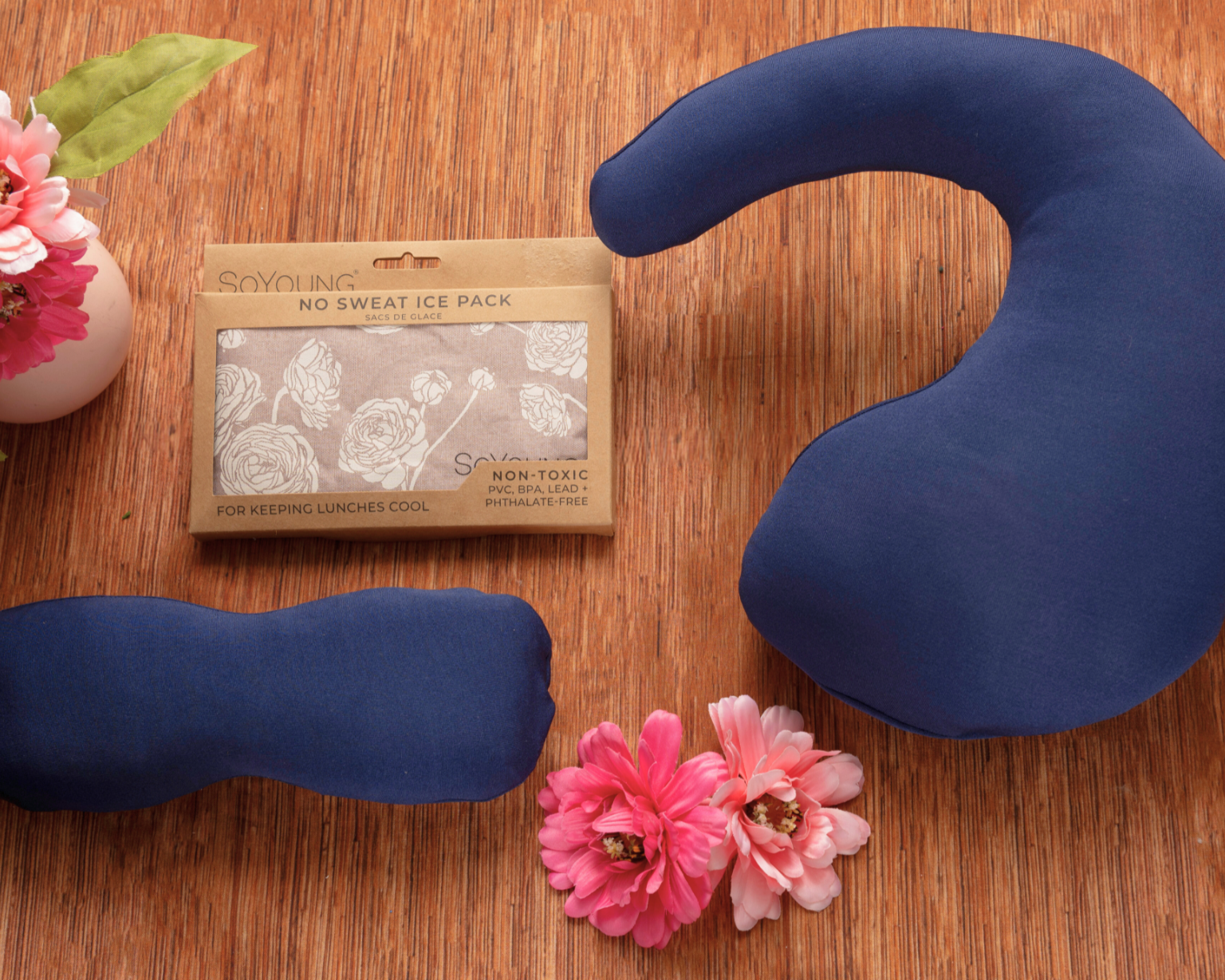
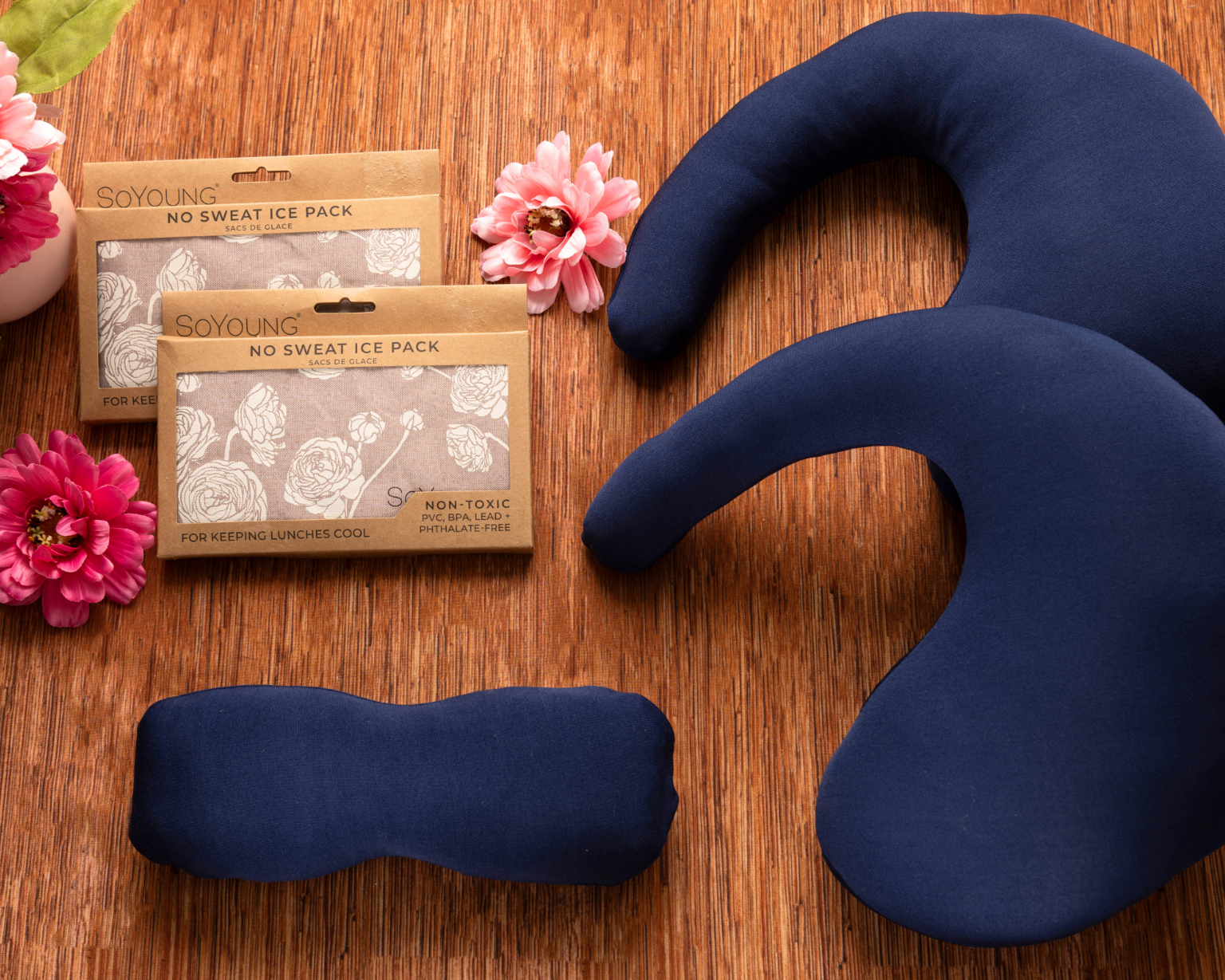
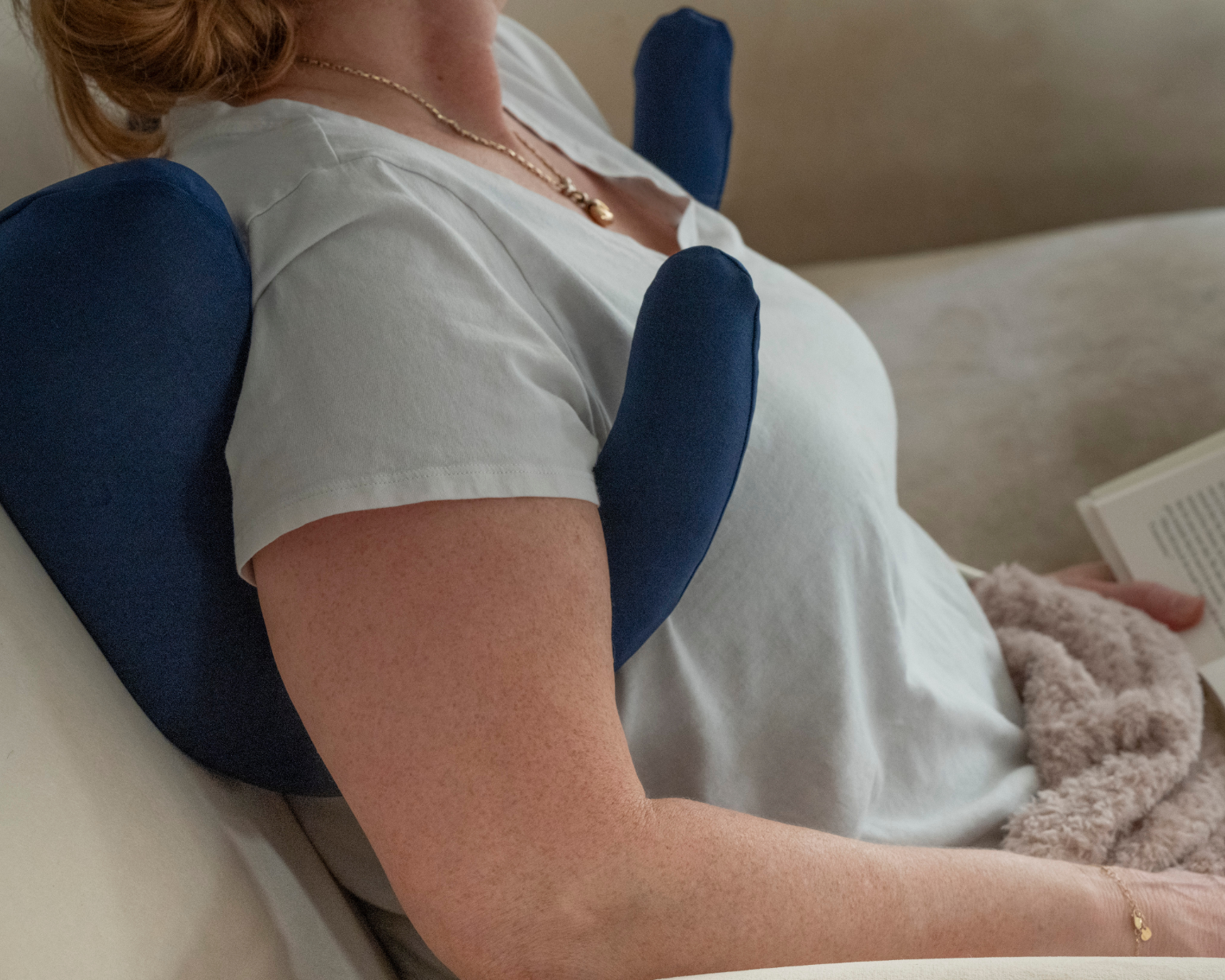
Two Contoured Side Pillows to cradle back and hips
-
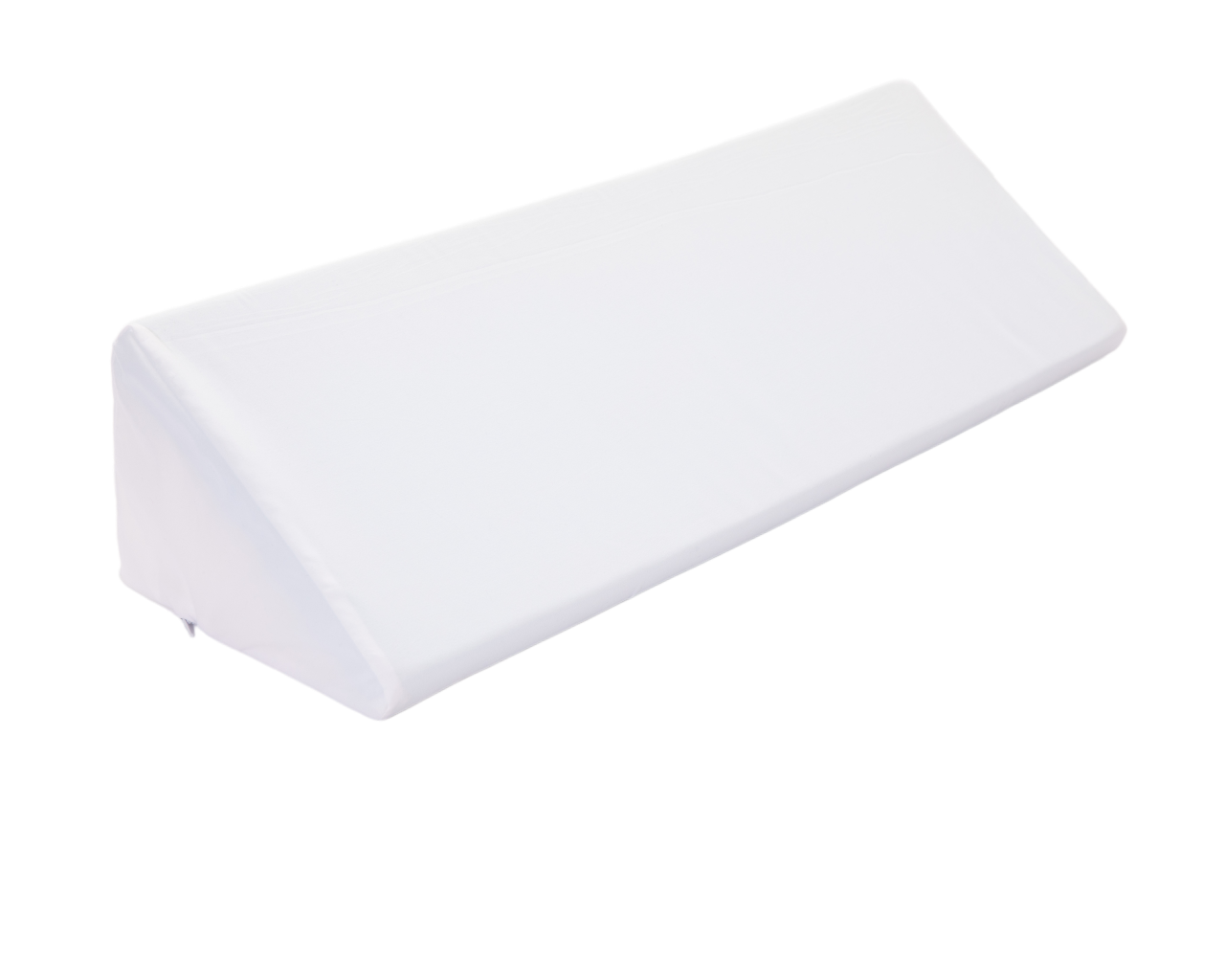
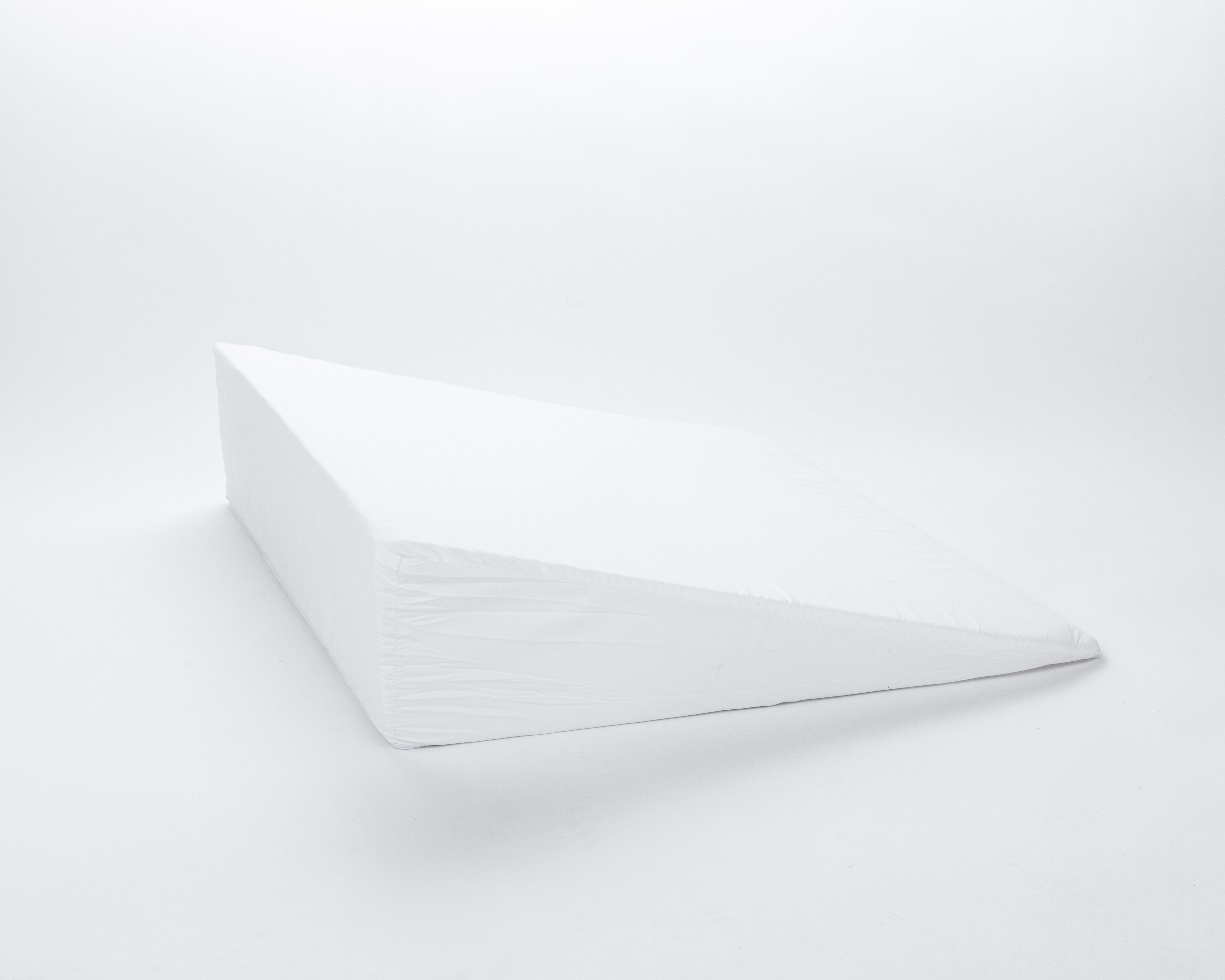
Upper Body Wedge to create optimal upper body incline
-
Leg Support Wedge to gently elevate legs
-
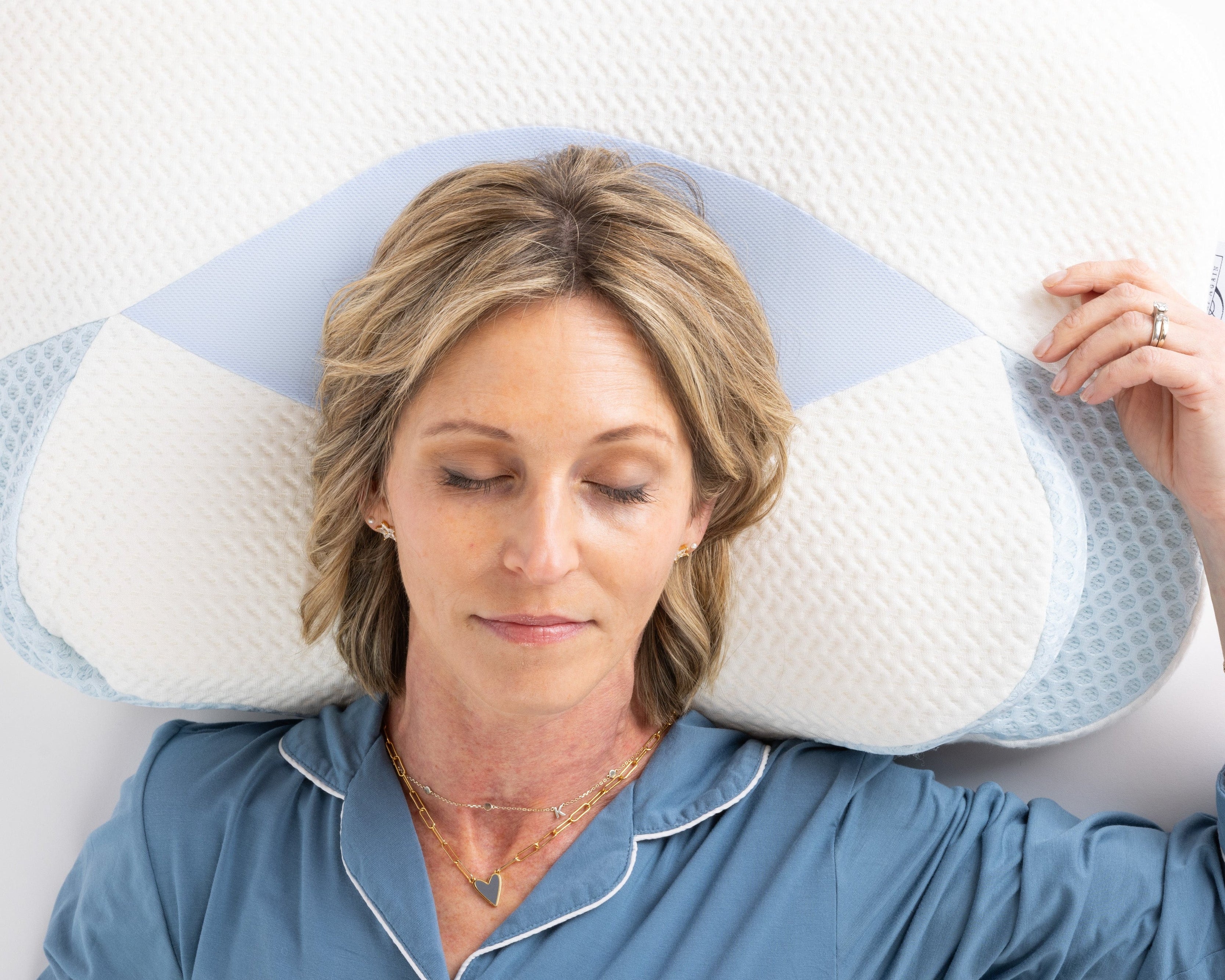
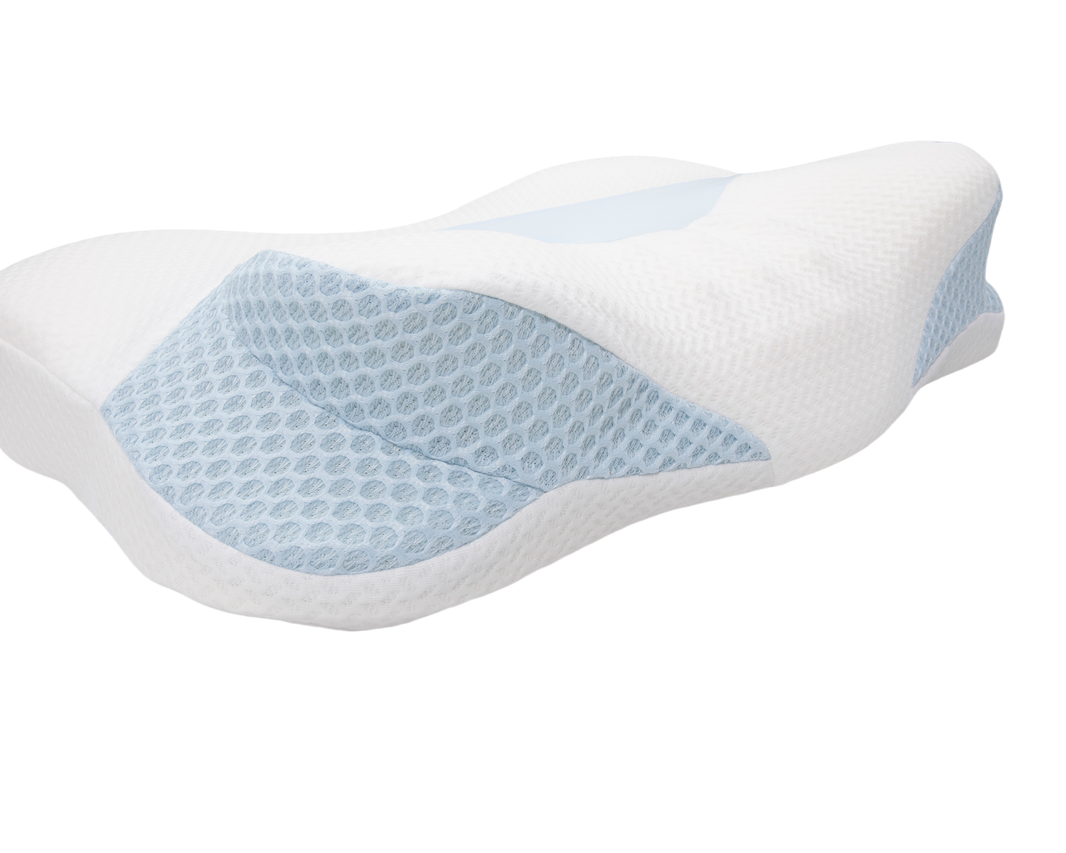
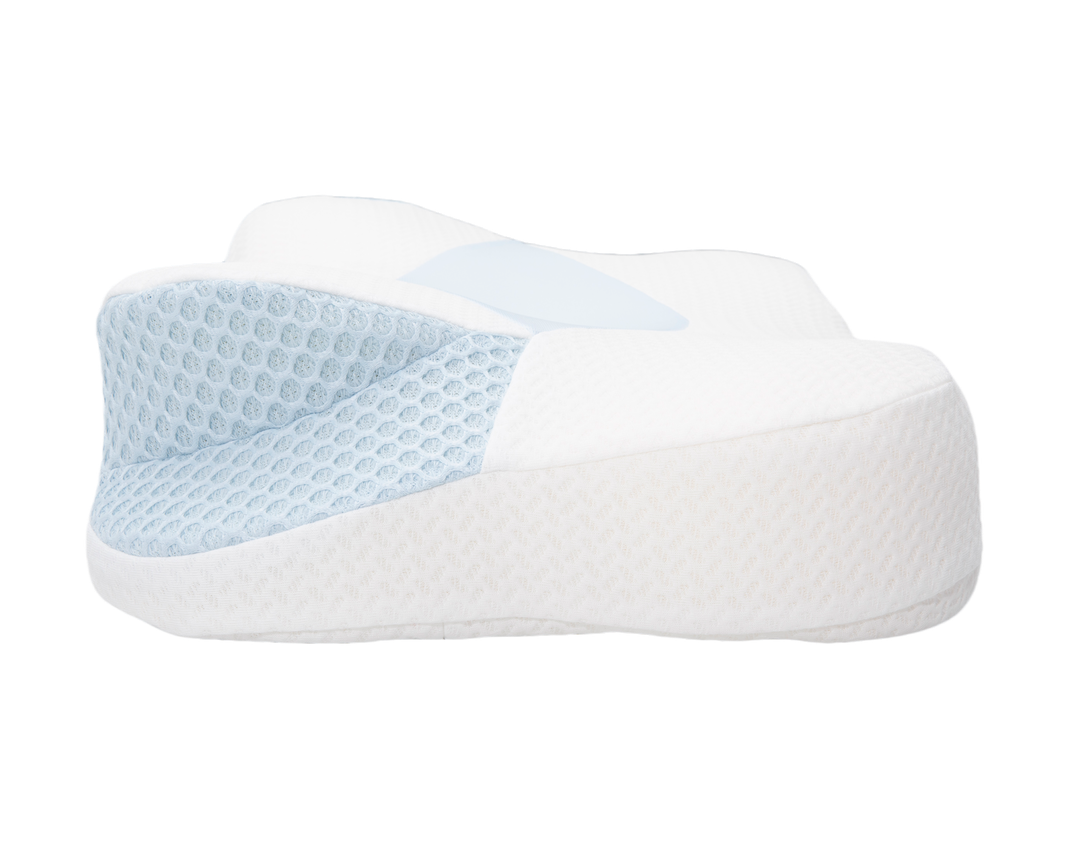
Head Pillow to provide head support and neck mobility
-
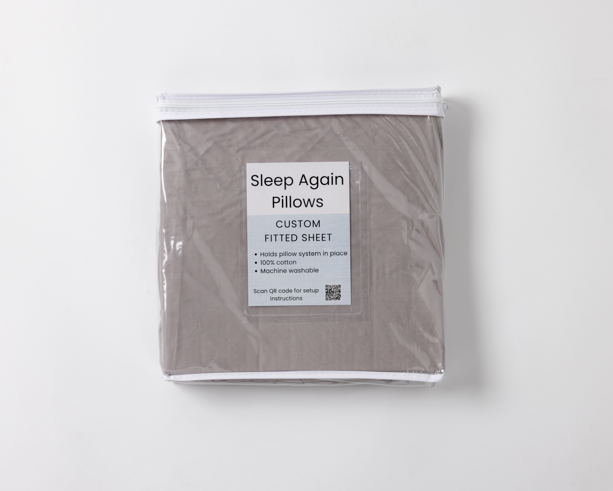
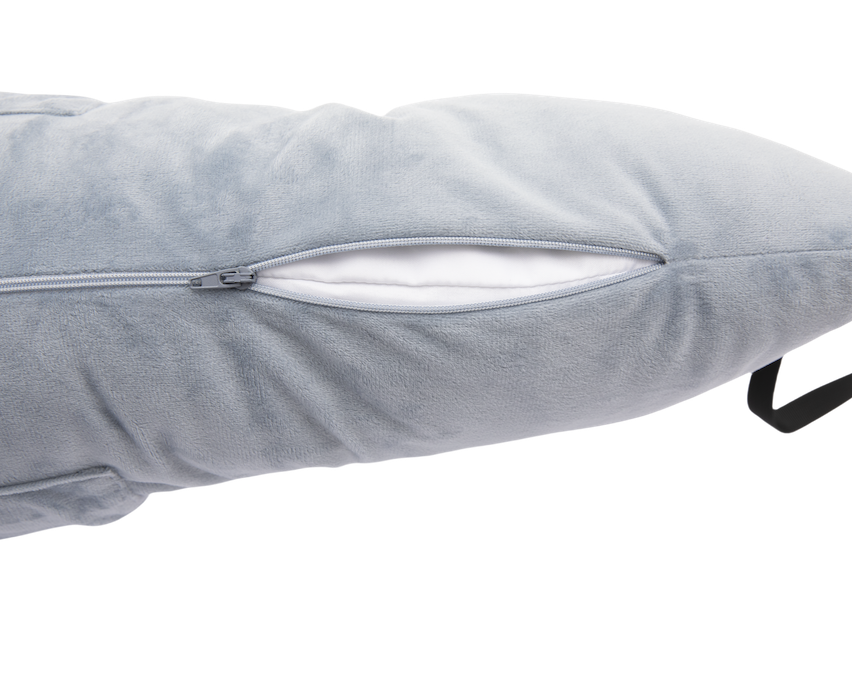
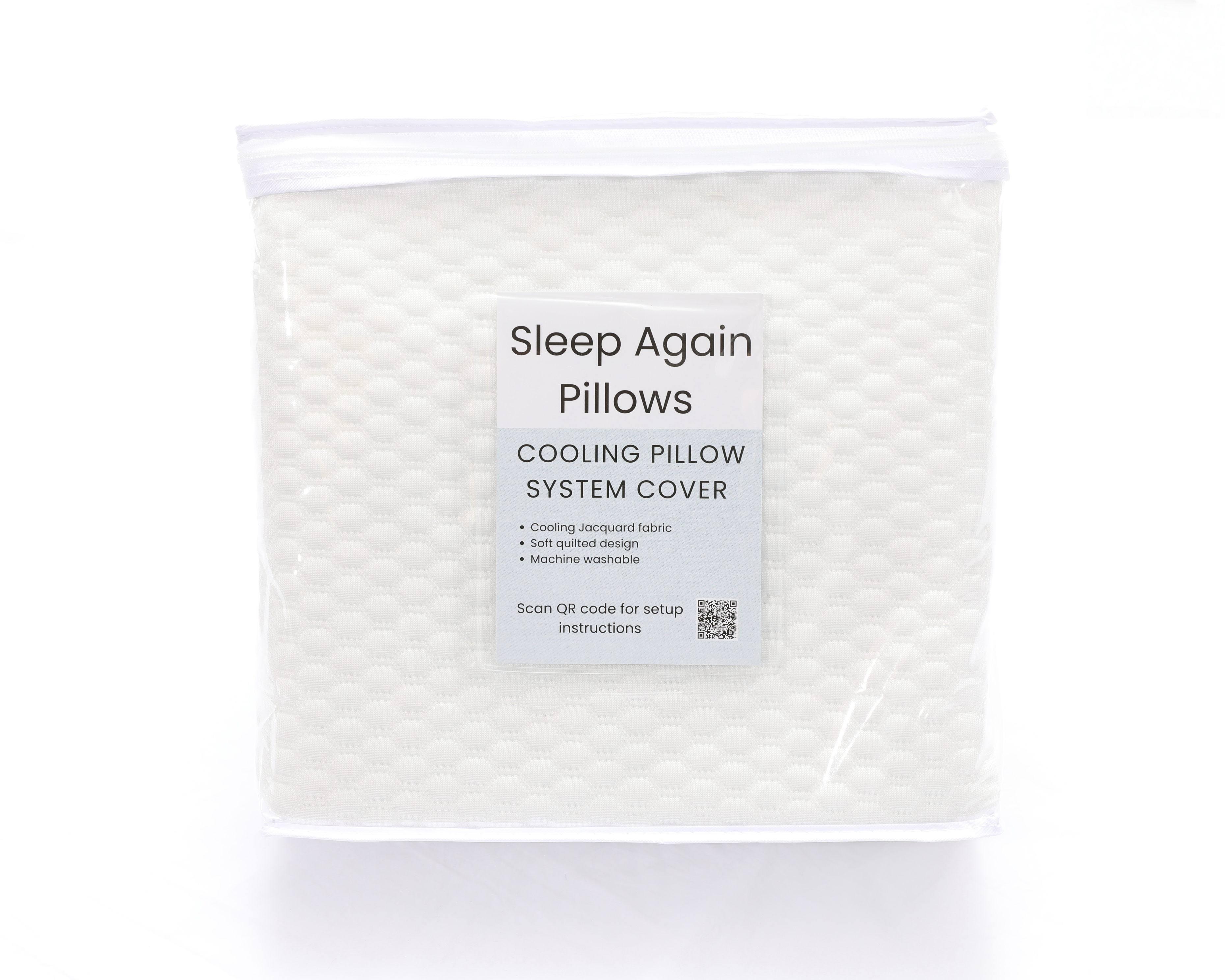
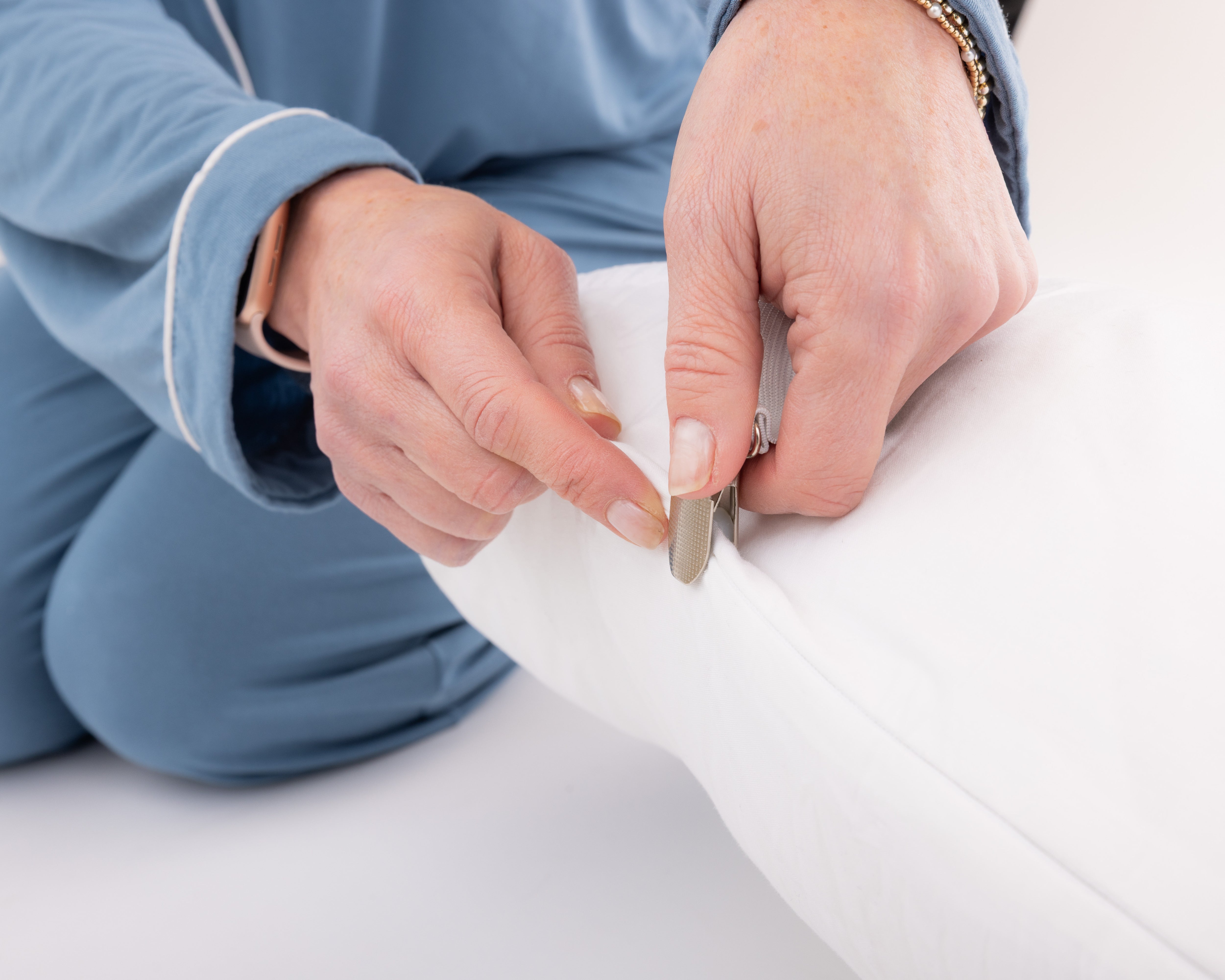
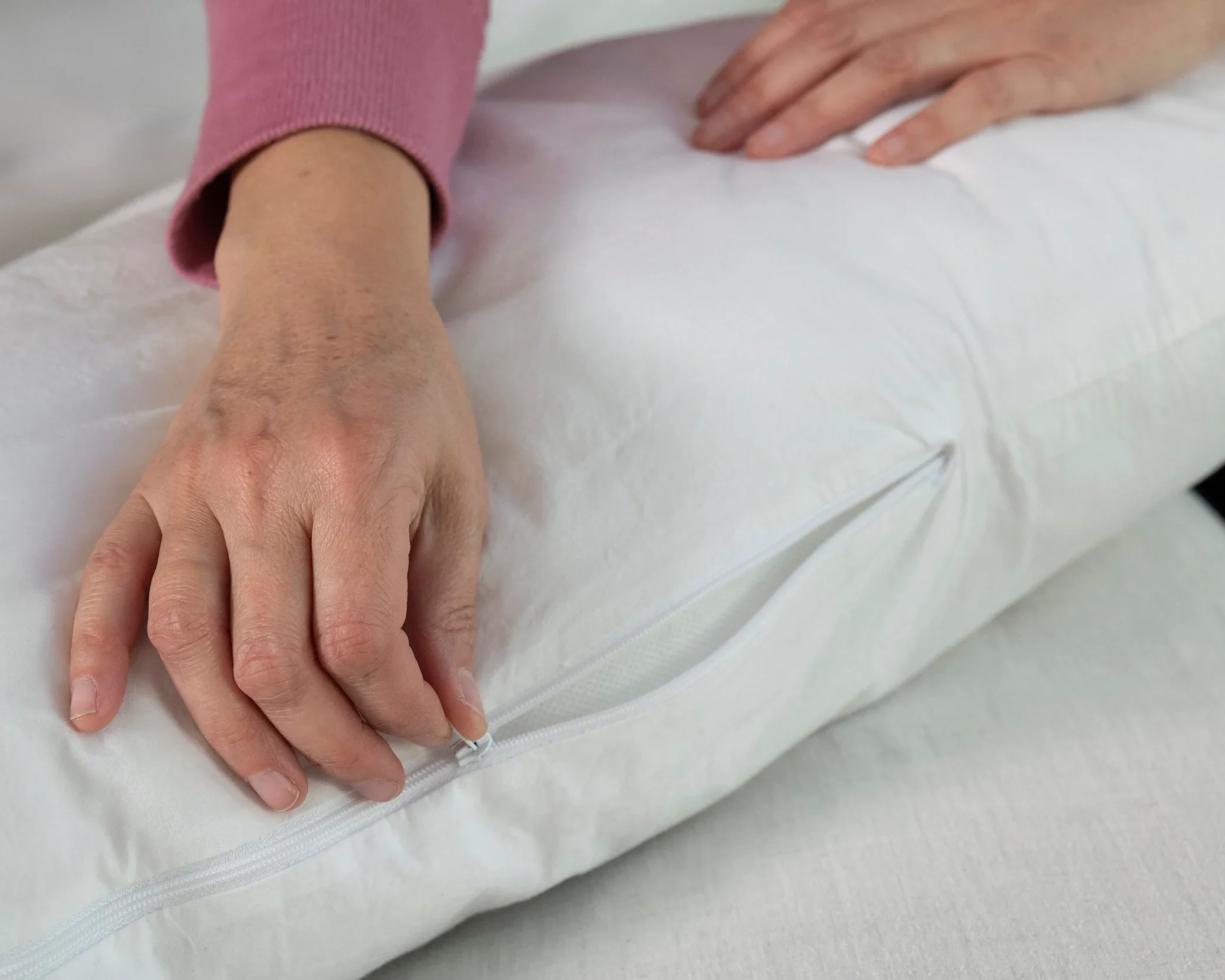
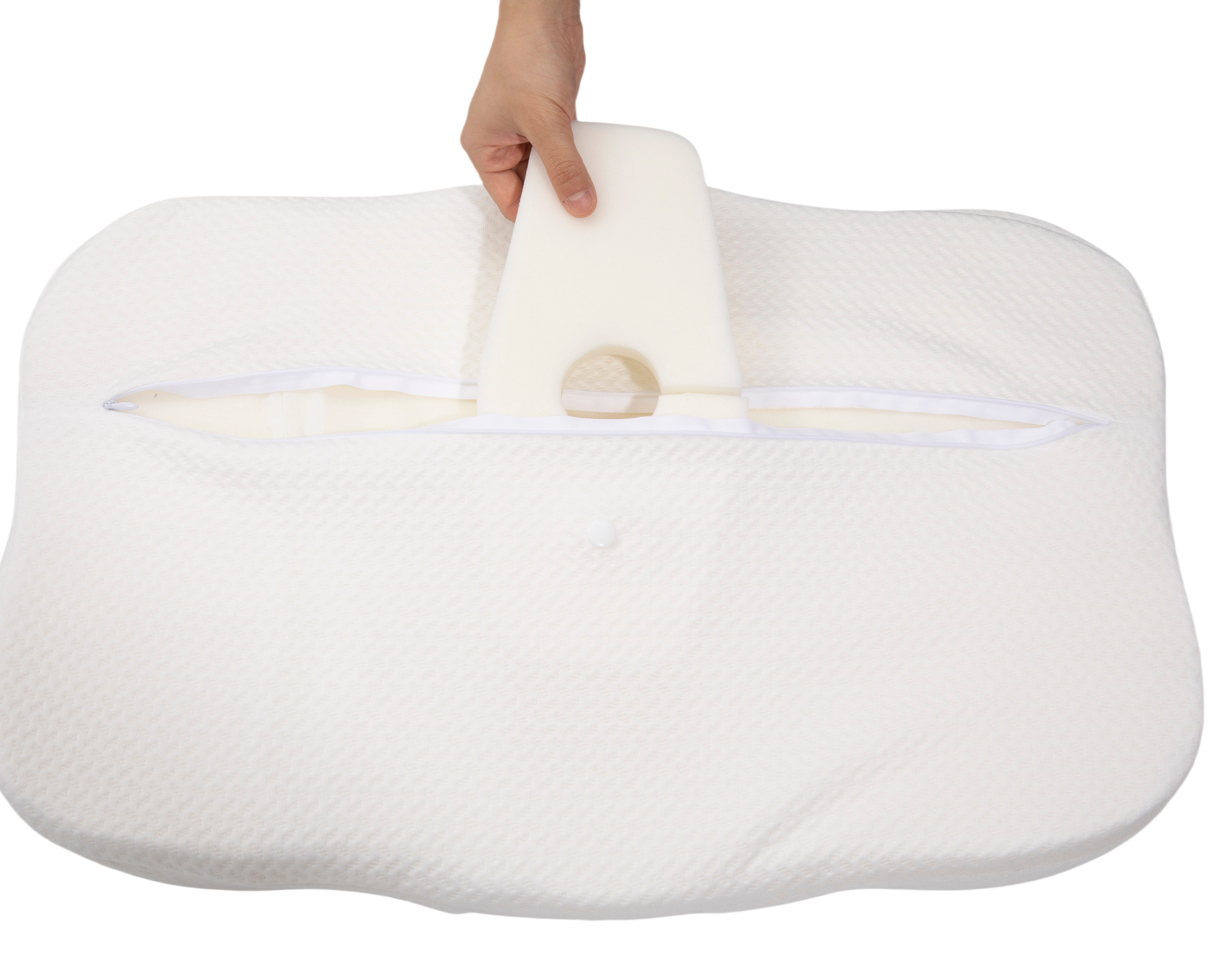
Removable, washable slipcovers for every piece

Why the Sleep Again Pillow System Excels for Jaw Reduction Recovery
The integrated design eliminates the positioning gaps and support inconsistencies that occur with mismatched individual pillows. Each component works with the others to create a stable, comfortable elevation that remains consistent throughout the night.
Superior Stability for Facial Surgery Recovery
Jaw reduction surgery requires specific positioning that protects healing bone and prevents pressure on surgical sites. The Sleep Again Pillow System's integrated components create a stable support environment that standard pillows cannot match. Users should experience fewer nighttime position disruptions compared to DIY pillow arrangements, leading to better sleep quality during the critical first two weeks of recovery.
Comprehensive Full-Body Support
The Upper Body Wedge maintains precise therapeutic angles without the compression that causes household pillows to flatten and lose effectiveness.
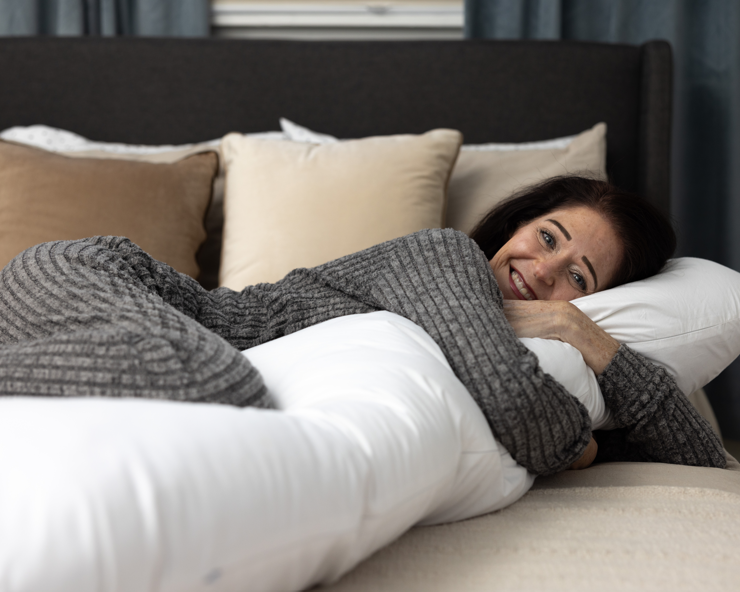
The Contoured Side Pillows serve dual purposes for jaw reduction patients. They prevent unconscious rolling that could put pressure on healing facial structures while providing lateral stability that standard pillows cannot match. This barrier function becomes particularly valuable during the first two weeks when position restrictions are most critical.
The integrated Leg Support Wedge addresses lower back strain that many patients experience when elevating only their upper body. This full-body approach to positioning creates sustainable comfort for extended sleep rather than temporary relief that requires constant readjustment.
Jaw reduction patients who maintain proper positioning throughout the night should experience faster swelling resolution and better overall recovery outcomes.
Medical-Grade Materials for Extended Recovery
Professional-grade materials maintain their structural integrity throughout the entire recovery timeline. Household pillows typically compress 40-60% under sustained body weight, gradually losing the elevation angles essential for swelling management and breathing support. The Sleep Again Pillow System maintains its original shape night after night, ensuring consistent therapeutic positioning when you need it most.
This durability becomes particularly important for jaw reduction recovery, which typically requires 4-8 weeks of strict positioning adherence. Standard pillows that begin compressing after the first week fail patients exactly when consistent elevation matters most for managing residual swelling and supporting proper healing.
Hygiene and Maintenance During Recovery
The removable, washable slipcovers provide practical advantages during recovery when medication side effects, nutritional drinks, or general healing processes can create hygiene challenges. Maintaining clean sleep surfaces supports overall recovery without requiring complete pillow replacement. Each component can be cleaned independently, ensuring your sleep environment remains fresh throughout the extended recovery period.
Investment Value for Recovery and Beyond
Unlike single-purpose recovery pillows that serve no function after healing completes, the Sleep Again Pillow System continues providing value long after jaw reduction recovery ends. Many patients discover they prefer elevated sleeping permanently for reduced facial puffiness, improved breathing, or better overall sleep quality. The professional construction ensures the system remains functional for years, making it an investment in long-term sleep health rather than a temporary recovery expense.
Pre-Surgery Sleep Positioning Preparation
Patients who prepare their sleep environment before surgery are poised to experience better first-week recovery experiences compared to those who address positioning needs after returning from the hospital.
Testing Your Setup Two Weeks Before Surgery
Sleep elevated at 30-45 degrees for at least three consecutive nights using your planned recovery setup. This reveals discomfort issues, equipment gaps, and positioning challenges before you're dealing with post-surgical complications. You'll discover whether your neck needs additional support, if your lower back protests the angle, or if your current pillow arrangement maintains elevation throughout the night.
Establishing Your Recovery Sleep Station
Designate a specific area where you'll spend recovery nights. This might be your regular bed with positioning equipment added or a guest room setup. Having a dedicated space prevents decision fatigue when you're exhausted and uncomfortable.
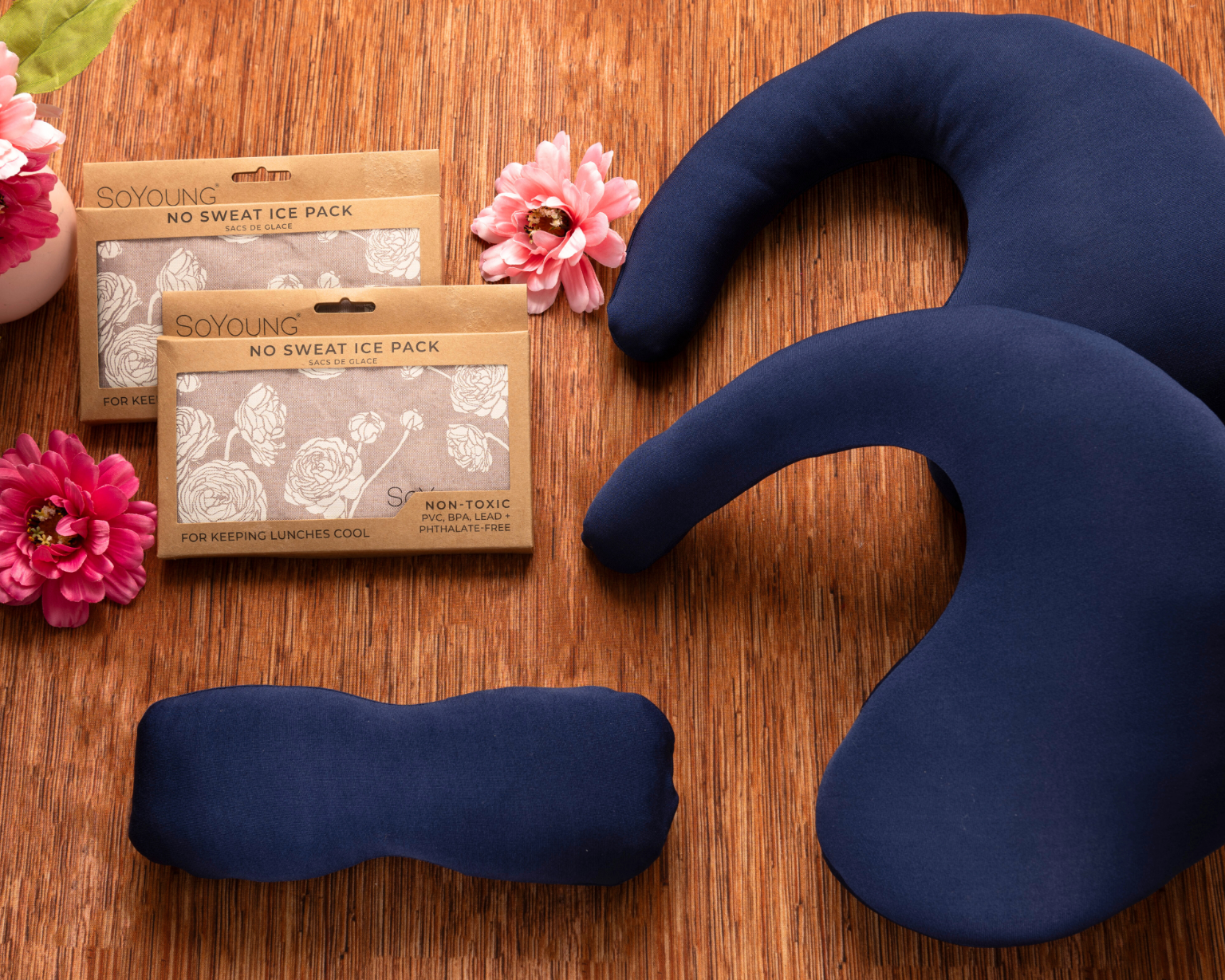
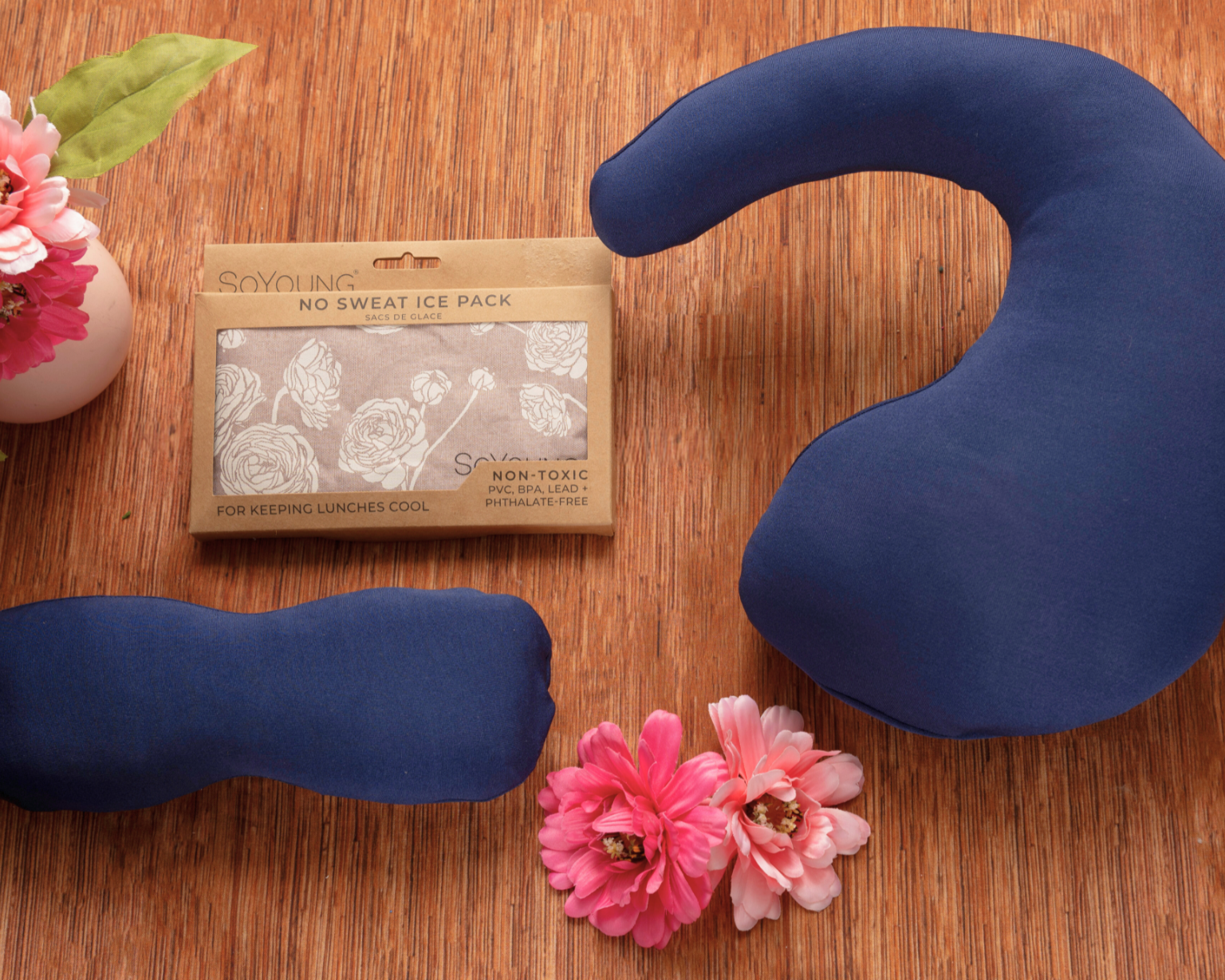
Place essential items within arm's reach: water bottles, medications, tissues, phone charger, ice packs, and nutritional drinks. Post-surgery movement requires effort, and reducing trips to other rooms improves rest quality.
Communicating With Sleep Partners
Jaw reduction recovery positioning requires more bed space than normal sleeping arrangements. Discuss modifications before surgery, whether that means temporarily sleeping separately, rearranging your shared space, or adjusting usual bedtime routines. These conversations are easier when you're thinking clearly rather than negotiating at 2 AM while uncomfortable.
Documenting Your Surgeon's Specific Instructions
General recovery advice provides a framework, but your surgeon's specific positioning requirements always take precedence. Ask during pre-operative appointments about elevation angles, side-sleeping restrictions, and the timeline for position modifications. Write down these instructions and keep them accessible during recovery.
Managing Common Jaw Reduction Sleep Challenges
Specific problems emerge during jaw reduction recovery that general sleep advice doesn't address.
Dry Mouth and Throat Discomfort
Jaw swelling, restricted mouth opening, and necessary mouth breathing create significant dryness that disrupts sleep. Keep water immediately accessible and take small sips whenever you wake. Some patients benefit from a bedroom humidifier during the first two weeks, particularly in dry climates or during winter months.
Medication-Induced Sleep Disruption
Pain medications, antibiotics, and anti-inflammatory drugs can affect sleep architecture even while making you drowsy. Take medications as prescribed but discuss timing adjustments with your surgeon if they're consistently causing sleep problems. Some patients find that moving certain medications to earlier in the day reduces nighttime disruption.
Jaw Tension and Clenching Concerns
Unconscious jaw tension during sleep can cause discomfort and potentially stress healing bone. Practice conscious relaxation before bed, focusing on keeping facial muscles loose. If you have a history of teeth grinding, discuss this with your surgeon before surgery for specific prevention strategies.
Temperature Regulation Issues
Elevated sleeping with additional pillows often creates more warmth than flat sleeping. Keep your bedroom cooler than usual (65-68°F) to compensate. Choose breathable, natural fiber bedding over synthetic materials that trap heat.
Supporting Your Recovery Sleep
Your sleep environment and daily habits influence recovery comfort. Keep your bedroom cool (65-68°F), use dim lighting for nighttime needs, and maintain gentle activity during the day to support natural sleep patterns. Stay hydrated throughout the day, but reduce fluid intake 90 minutes before bedtime to minimize sleep disruptions.

Frequently Asked Questions About Jaw Reduction Surgery Sleep Positioning
How long do I need to sleep elevated after jaw reduction surgery?
Most surgeons recommend maintaining a 30-45 degree elevation for 2-4 weeks minimum, with many patients choosing to continue for 6-8 weeks for optimal swelling control. Individual healing rates and surgical techniques affect specific timelines, so follow your surgeon's recommendations.
Can I ever sleep on my side after jaw reduction surgery?
Side sleeping typically becomes possible around weeks 3-4, starting with the non-surgical side if you had a unilateral reduction. Many surgeons recommend waiting 6-8 weeks before unrestricted side sleeping, particularly if you had bilateral jaw reduction.
What happens if I accidentally sleep flat during recovery?
Occasional flat sleeping typically doesn't cause permanent problems, though you may notice increased facial swelling the following day. Return to elevated positioning immediately and monitor for persistent swelling or discomfort that requires medical attention.
When can I return to sleeping on my stomach after jaw reduction surgery?
Stomach sleeping puts direct pressure on facial structures and is typically the last position cleared during recovery. Most surgeons recommend waiting 8-12 weeks before attempting stomach sleeping, with some recommending permanent avoidance if possible.
Can poor sleep positioning affect my surgical results?
Inadequate elevation can prolong swelling and potentially affect healing quality. While catastrophic results from poor positioning are rare, maintaining proper elevation supports optimal aesthetic outcomes and faster recovery.
Should I maintain elevated sleeping permanently after jaw reduction surgery?
Some patients choose to continue elevated sleeping after discovering benefits beyond recovery, including reduced facial puffiness and improved breathing. This remains a personal preference once medical restrictions end.
How do I manage dry mouth at night after jaw reduction surgery?
Keep water immediately accessible, take small sips when waking, and consider a bedroom humidifier. Some patients benefit from alcohol-free mouth rinses designed for dry mouth relief.
Medical Disclaimer
The information provided on this page is for educational purposes only and should not replace professional medical advice from your healthcare provider. Sleep Again Pillows are positioning support products designed to help maintain sleep positions recommended by medical professionals during recovery and for therapeutic use.
Always follow your surgeon's or physician's specific post-operative instructions and positioning requirements. Medical guidance from your healthcare team takes precedence over any general information provided here. Recovery timelines, positioning angles, and product suitability vary based on individual surgical procedures, medical conditions, and patient-specific factors.
Consult your healthcare provider before purchasing positioning equipment if you have specific medical concerns or questions about whether these products are appropriate for your recovery or medical condition(s). Your medical team can provide personalized recommendations based on your unique situation.
Sleep Again Pillows do not diagnose, treat, cure, or prevent any medical condition. These products provide positioning support to help maintain sleep angles and positions as directed by your healthcare provider.