
Finding the best sleeping position for neck pain is one of the most direct actions you can take to reduce cervical strain. It's also one of the most overlooked. The way you sleep — the angle, the support, the position of your cervical spine for six to eight uninterrupted hours — either compounds the problem or starts to correct it. Every night is either working for your neck or working against it.
This guide is designed for people who want to get ahead of neck pain, not just react to it. That means understanding why certain positions cause damage, and why elevated back sleeping is the most effective default position for cervical spine health.
Why Does Neck Pain Get Worse at Night?
The cervical spine is one of the most mechanically complex and vulnerable sections of the spine, and the position it holds during sleep has a direct effect on pain levels, inflammation, and recovery.
Nearly 10% of people have neck pain, and approximately 70% of people with chronic neck pain experience poor quality sleep. Those two figures are connected. The position the cervical spine holds during sleep determines how effectively the body recovers overnight, and an unsupported or misaligned position works against that process for hours at a time.
Your sleeping position determines how your cervical spine and shoulder joints are loaded for six to eight hours every night. Poor alignment creates sustained pressure on muscles, nerves, and joints. Over time, this leads to morning stiffness and pain that compounds rather than improves.
There are a few specific reasons why pain spikes at night:
Prolonged static positioning. During the day, you move constantly — shifting in your chair, turning your head, standing up. At night, you can stay in one compromised position for hours. Muscles that are already tight get tighter. Compressed structures stay compressed.
Inflammatory cycles. Inflammatory markers in the body tend to peak during nighttime hours. If your cervical spine is already irritated, that natural inflammatory rhythm can turn a mild ache into significant morning pain.
Loss of muscular support during sleep. When you're awake, your neck muscles actively maintain alignment. During deep sleep, those muscles relax, and whatever structural support was provided by your pillow setup (or wasn't) becomes the only thing keeping your cervical spine in or out of a healthy position.
The good news: your sleep position is fixable, and if your neck pain is worst in the morning, that's a strong signal that your sleep position is the problem — and also the solution.
What Is the Best Sleeping Position for Neck Pain?
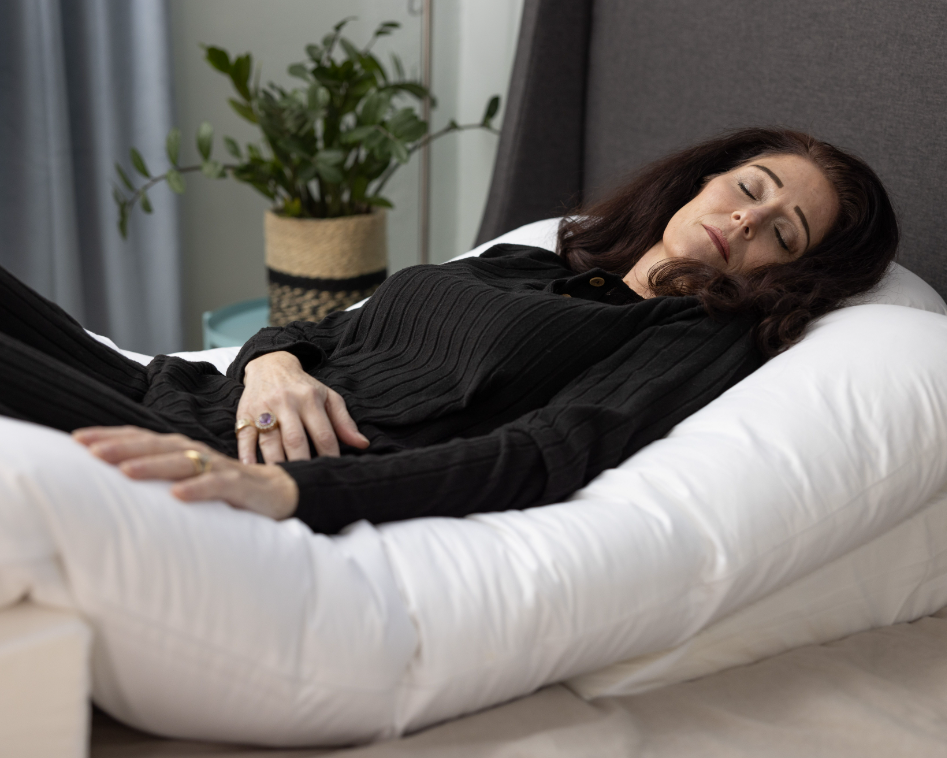
The short answer: on your back, with proper support under your neck, and ideally with your upper body gently elevated.
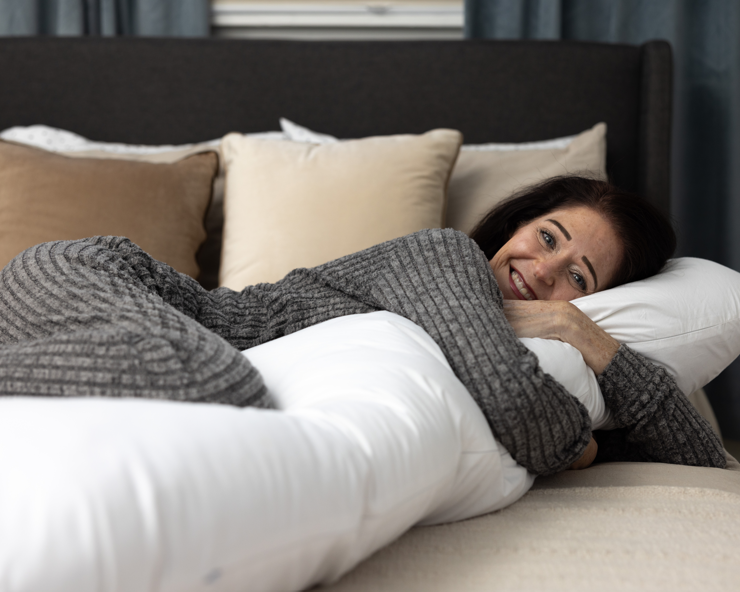
Sleeping flat on your back is the best sleeping position for neck and back pain. It evenly distributes your body weight and helps maintain the natural curve of your spine. It also prevents your neck from twisting at an awkward angle.
Back sleeping wins because it distributes the load symmetrically. Your head isn't forced to rotate. Your cervical spine can maintain its natural lordotic curve. Your shoulders sit evenly. Nothing is being torqued, compressed, or twisted for hours at a time, which is exactly the kind of sustained mechanical stress that drives neck pain.
The key variable is pillow placement. It is common for people to use pillows that are too thick when lying on their backs. This causes the neck to be placed in excessive flexion and puts the neck in a position that counteracts the normal lordotic curve of the cervical spine. In other words, a pillow that's too thick pushes your chin toward your chest, flattening the natural inward curve that distributes mechanical load and protects the cervical nerve roots.
The pillow should be positioned in a way to provide support from just above the shoulder blades and upper back to the top of the head, rather than only being placed under the head. This broader support zone is what allows the entire cervical region to decompress, rather than just the base of the skull.
For additional lower-body support, placing a pillow under the knees may help relax back muscles and maintain the curve of the lower back. Lower-body positioning is not separate from neck comfort — pelvic tilt and lumbar alignment affect the entire spinal column, including the cervical region. When the lower back is properly supported, the neck doesn't have to compensate.

Why Is Elevated Back Sleeping the Gold Standard for Neck Pain?
Flat back sleeping is good. Elevated back sleeping is better. And for people managing neck pain, it's the position most likely to make a measurable difference.
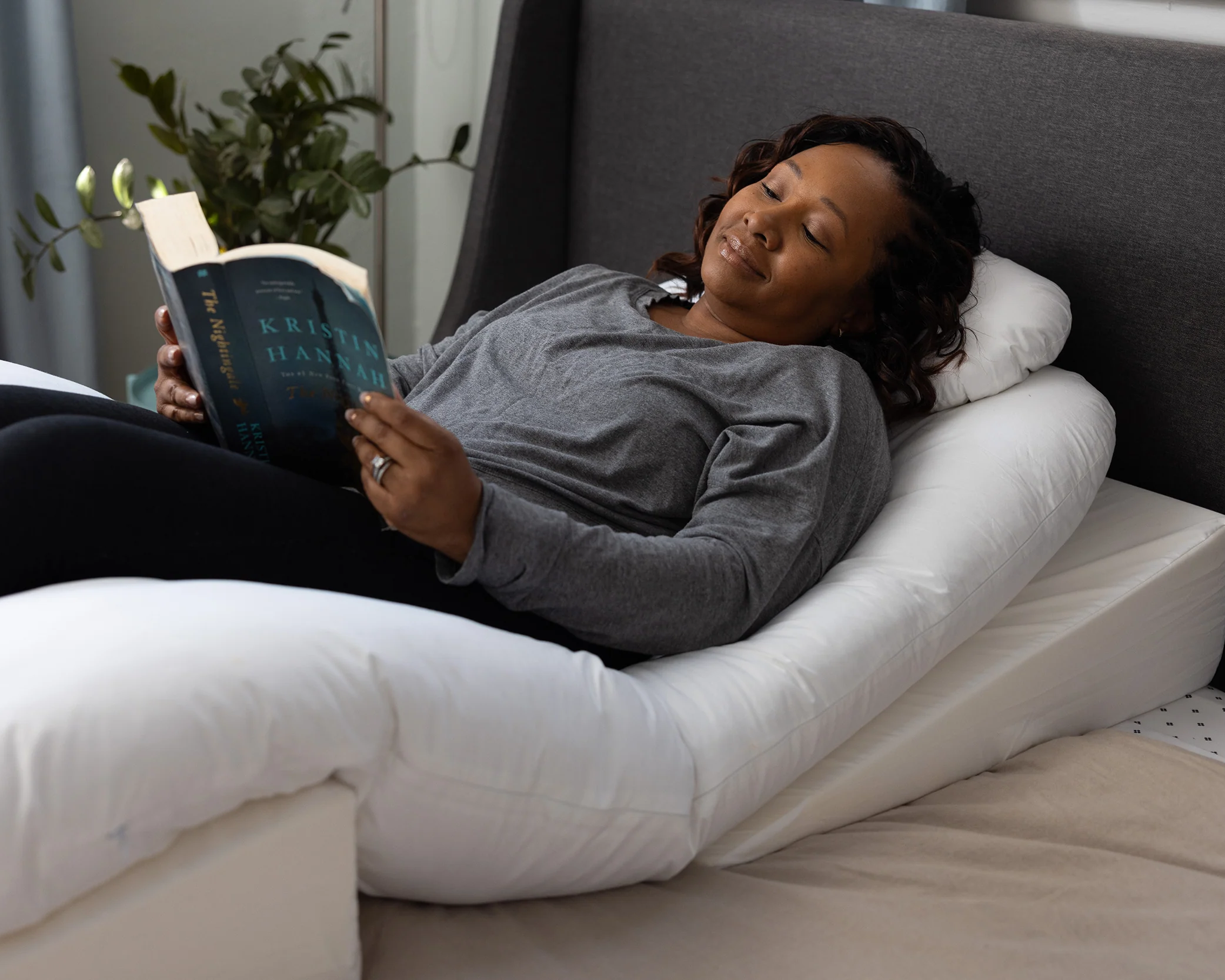
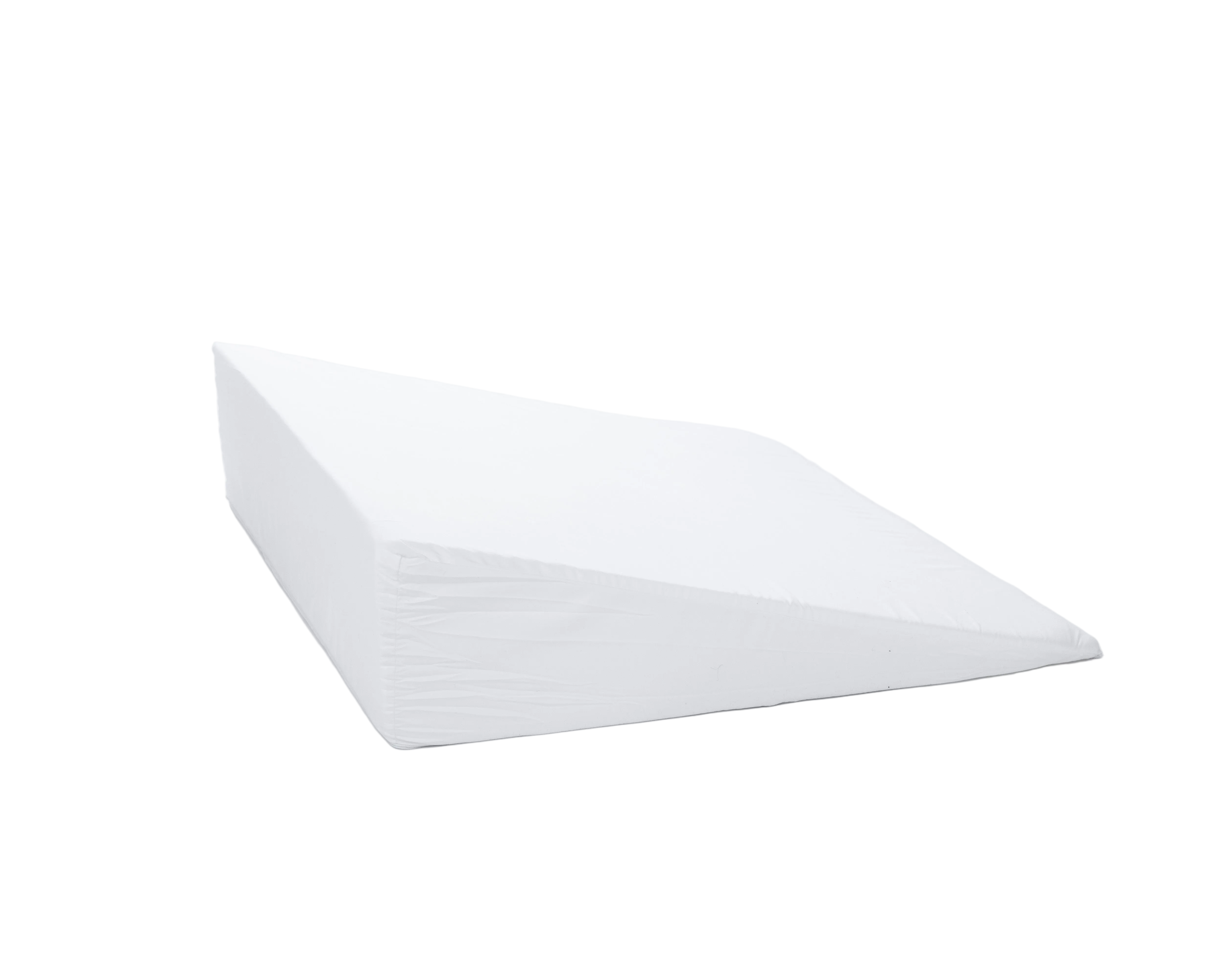
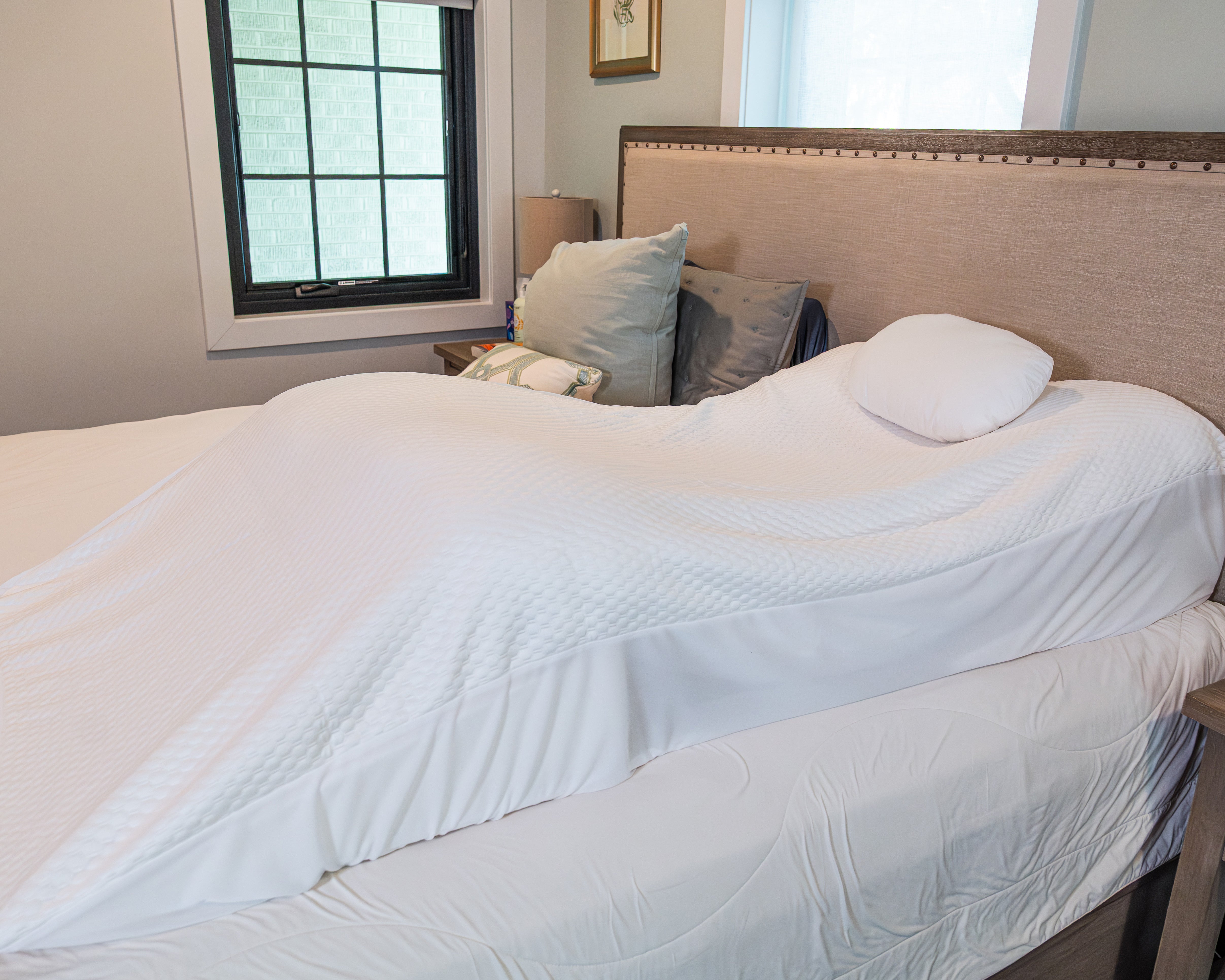
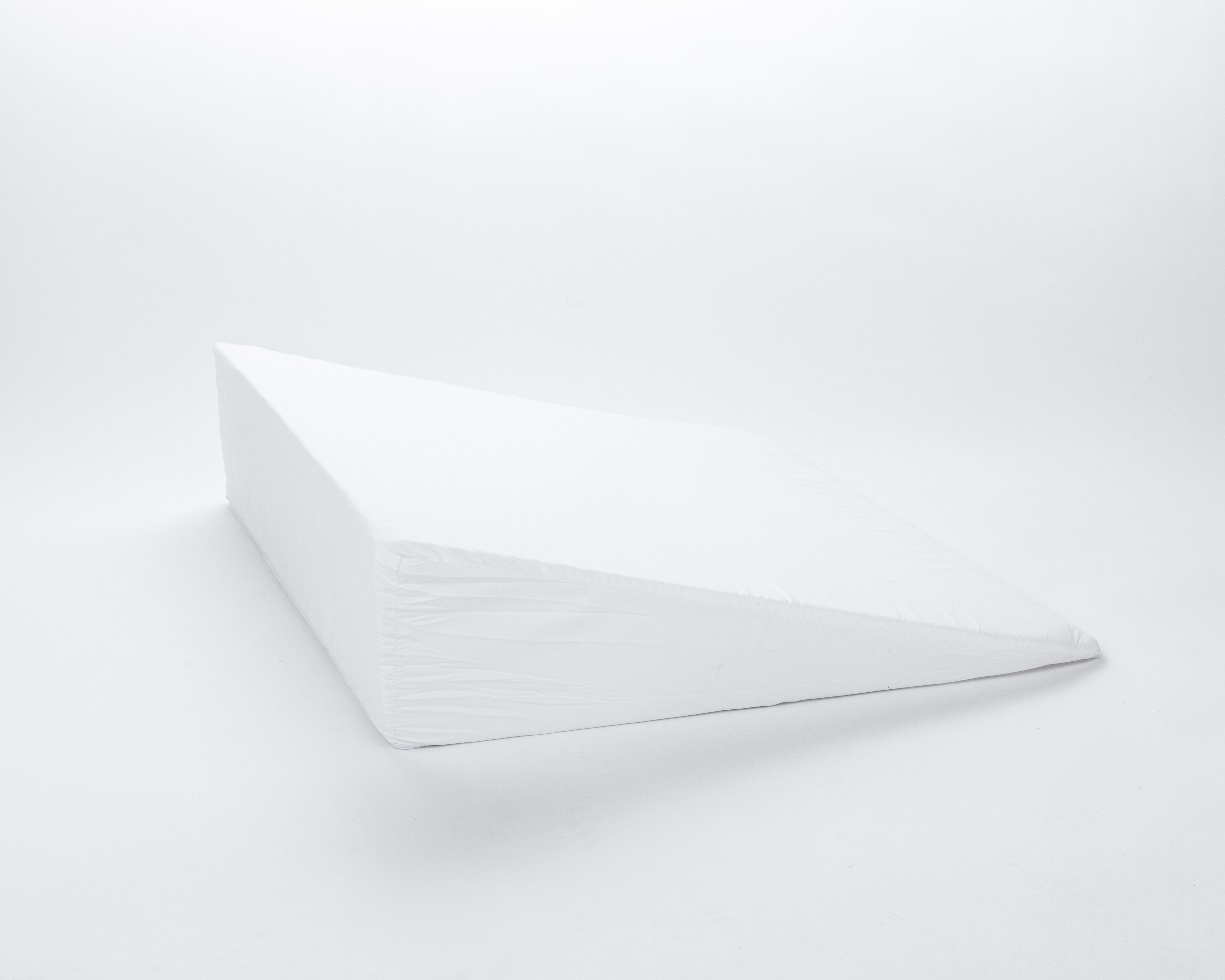
Many people find relief by sleeping in a slightly reclined position, which can reduce pressure on the neck. Using an adjustable bed or a wedge pillow to elevate the upper body can help keep the cervical spine in a more comfortable position, easing nerve pain and improving sleep quality.
Here's why elevation works as well as it does:
Reduced nerve root pressure. When the upper body is inclined, gentle spinal decompression occurs along the entire vertebral column, including the cervical spine.
Improved circulation and reduced inflammation. Elevation allows better drainage of inflammatory fluids from the cervical region. Better circulation means the biochemical irritants that drive nerve pain are cleared more efficiently overnight, rather than pooling and intensifying.
Gravity-assisted positioning. When you're elevated, gravity helps keep your head and neck aligned along the incline rather than allowing the head to roll sideways. This is especially helpful for people who tend to shift positions during sleep. Elevation creates a natural positional guide.
Reduced muscle activation. In a properly elevated position, the muscles of the neck and upper back can relax more fully. Flat back sleeping requires more muscular effort to maintain cervical alignment; elevation reduces that demand.
Acid reflux reduction. This one isn't purely about the neck, but it matters. Acid reflux frequently disrupts sleep, and the nighttime positioning it causes — propping yourself up with too many pillows in a rushed, improvised way — often creates the exact kind of cervical strain that makes neck pain worse. Elevating with a proper wedge system prevents the reflux from occurring in the first place, and you stay in a therapeutic position all night rather than a reactive one.
What Angle of Elevation Works Best for Neck Pain?
The therapeutic range for elevated back sleeping is 30 to 45 degrees. This is the zone where decompressive benefits are present, comfort is sustainable throughout the night, and you're not fighting the angle by sliding downward.
Below 30 degrees, the benefits are marginal. You're essentially flat. Above 45 degrees, the position becomes difficult to maintain and can create a different kind of cervical strain as your head pushes forward relative to your upper body.
For most people managing cervical pain, 30 to 35 degrees is a good starting point. If you're managing radicular symptoms (pain, tingling, or numbness that radiates into the arm or hand), you may find that a slightly higher elevation provides greater relief by creating more space at the nerve root level.
The critical piece is achieving that angle consistently. Relief depends on maintaining the angle through the night, not just at the point of falling asleep. A stacked arrangement of regular pillows loses height as the night progresses. An engineered pillow system holds its integrity all night long.
How Does Cervical Spine Alignment Factor In While Sleeping?
Cervical spine alignment is the single most important variable in neck pain sleep management, and it's the one most people get wrong.
The cervical spine has a natural inward curve called the lordosis. This curve distributes mechanical load across the vertebrae and protects the nerve roots that exit the spine and travel to the arms, hands, and shoulders. When this curve is disrupted during sleep — by a pillow that's too thick, too flat, or positioned incorrectly — the resulting misalignment causes the muscles, ligaments, and discs to bear the load the natural curve was designed to handle.
Hand position also affects cervical alignment more than most people realize. Research suggests that certain hand positions can activate muscles in the upper back and neck, causing the body to rotate and move the spine out of proper alignment. Back sleeping with the hands to the side or on the chest may reduce neck and back pain. Sleeping with arms raised — either overhead or with hands tucked under the pillow — creates subtle rotational forces that pull on the cervical musculature throughout the night, and can contribute to neck pain.

What Sleeping Positions Make Neck Pain Worse?
Understanding what to avoid is just as valuable as knowing what to do. Three positions consistently worsen neck pain:
Does sleeping on your stomach hurt your neck?
Yes — significantly. The trouble with sleeping on your stomach is that you have to twist your neck to keep your head on its side, which puts pressure on the nerves. There is no neutral stomach-sleeping position for the cervical spine. You must rotate your head 90 degrees in one direction to breathe. Sustaining that rotation for hours at a time creates compressive and torsional stress on the cervical facet joints, discs, and musculature. Stomach sleeping is one of the worst positions for the spine. It forces the neck muscles to twist unnaturally, which can strain the cervical spine and lead to neck pain.
If you're a lifelong stomach sleeper, transitioning to back sleeping takes deliberate practice, but it is achievable, and the payoff for cervical health is significant.
CHECK OUT OUR GUIDE ON TRAINING YOURSELF TO SLEEP ON YOUR BACK
Is side sleeping safe for neck pain?
Side sleeping can be managed with the right setup, but it requires more precision than back sleeping. Side sleeping works well if you maintain proper alignment. Your ear, shoulder, and hip should form a straight line. But side sleeping requires a higher pillow than back sleeping to fill the gap between your head and the mattress.
Without the right pillow height, the head drops toward the mattress or pushes upward, creating lateral cervical strain. Pillow height needs to match the distance between the ear and the outside of the shoulder, and that distance varies considerably from person to person.
Side sleeping also introduces rotational risk at the pelvis, which travels up the spinal column. Flexing your knees and having a pillow between your legs can help align your spine, pelvis, and hips, taking pressure off the spine. Without that pillow, the top leg pulls the pelvis into rotation, and the compensation moves upward, including to the cervical region.
Why does flat back sleeping sometimes still cause neck pain?
Flat back sleeping without proper support can flatten the lumbar curve, which creates compensatory tension up the entire spine. If the pillow is too thick, the cervical lordosis collapses into flexion. If the arms are positioned incorrectly, rotational forces activate the upper cervical musculature. All of these scenarios produce neck pain even though the overall position is categorized as "correct." Flat back sleeping requires attention to detail; elevated back sleeping with proper support is more forgiving and more consistently therapeutic.

The Sleep Again Pillow System: Supporting Elevated Back Sleeping, the Best Position for Reducing Neck Pain
For patients managing neck pain, having a positioning system that was engineered for this purpose makes a meaningful difference in both comfort and outcomes.
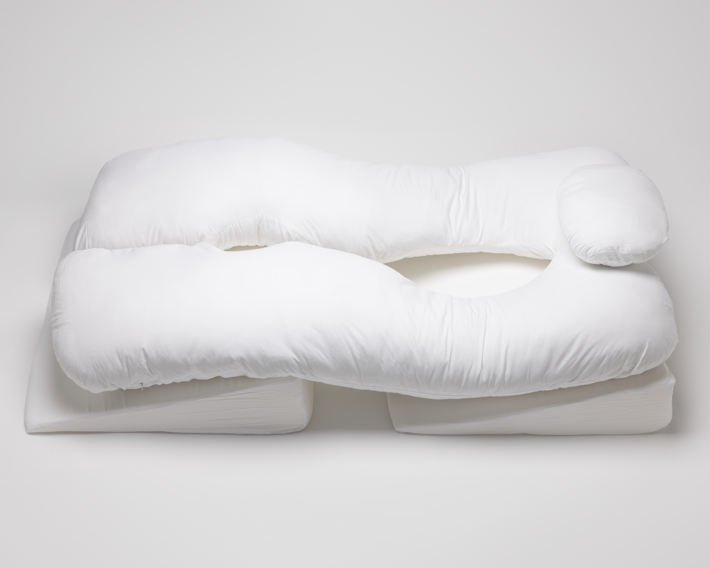
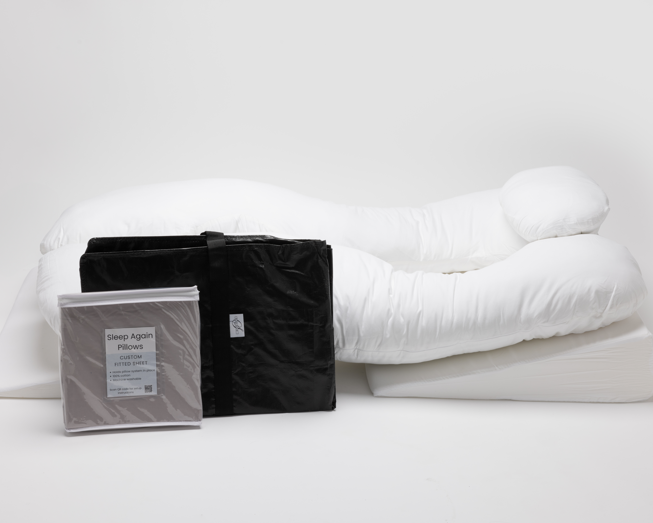
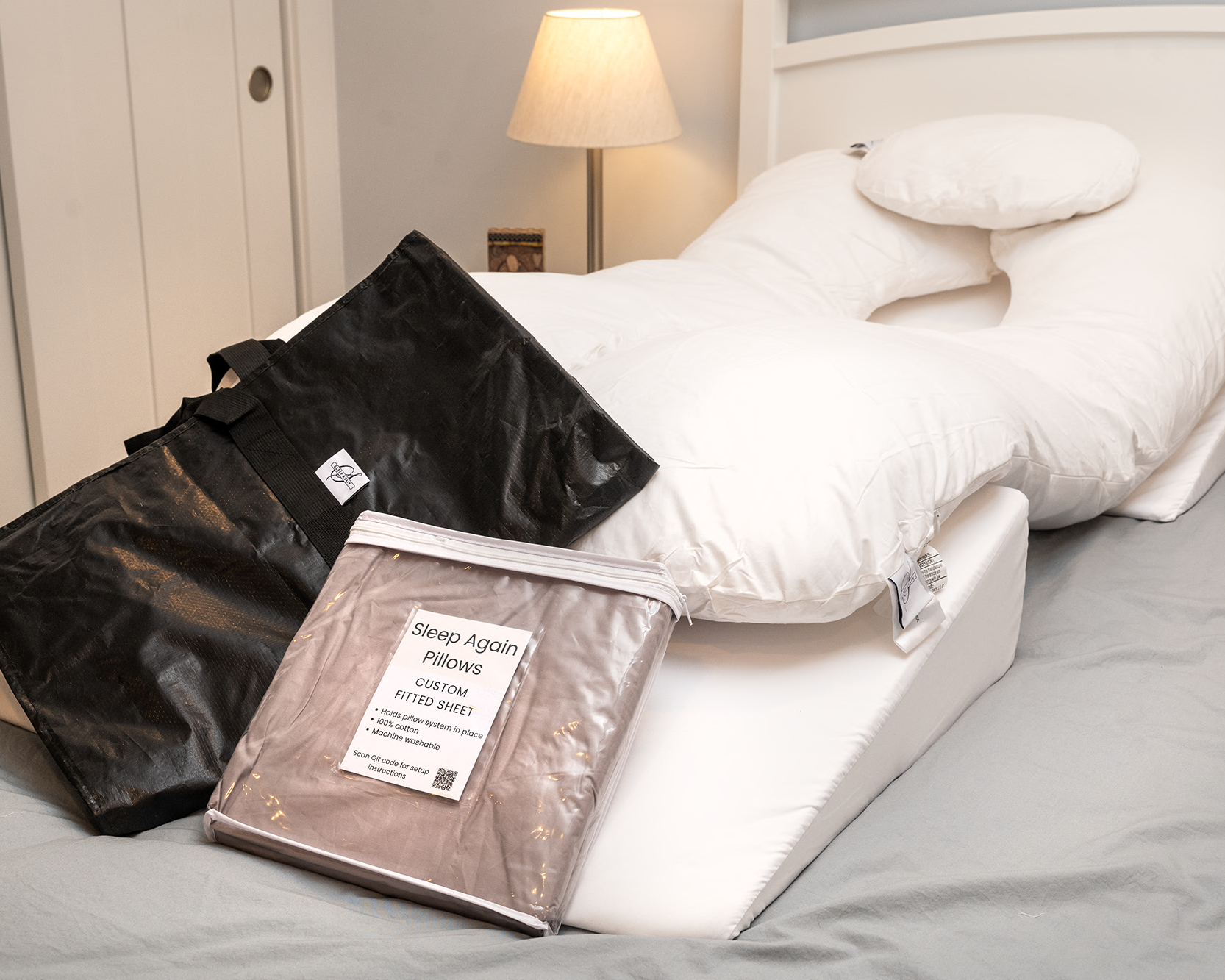
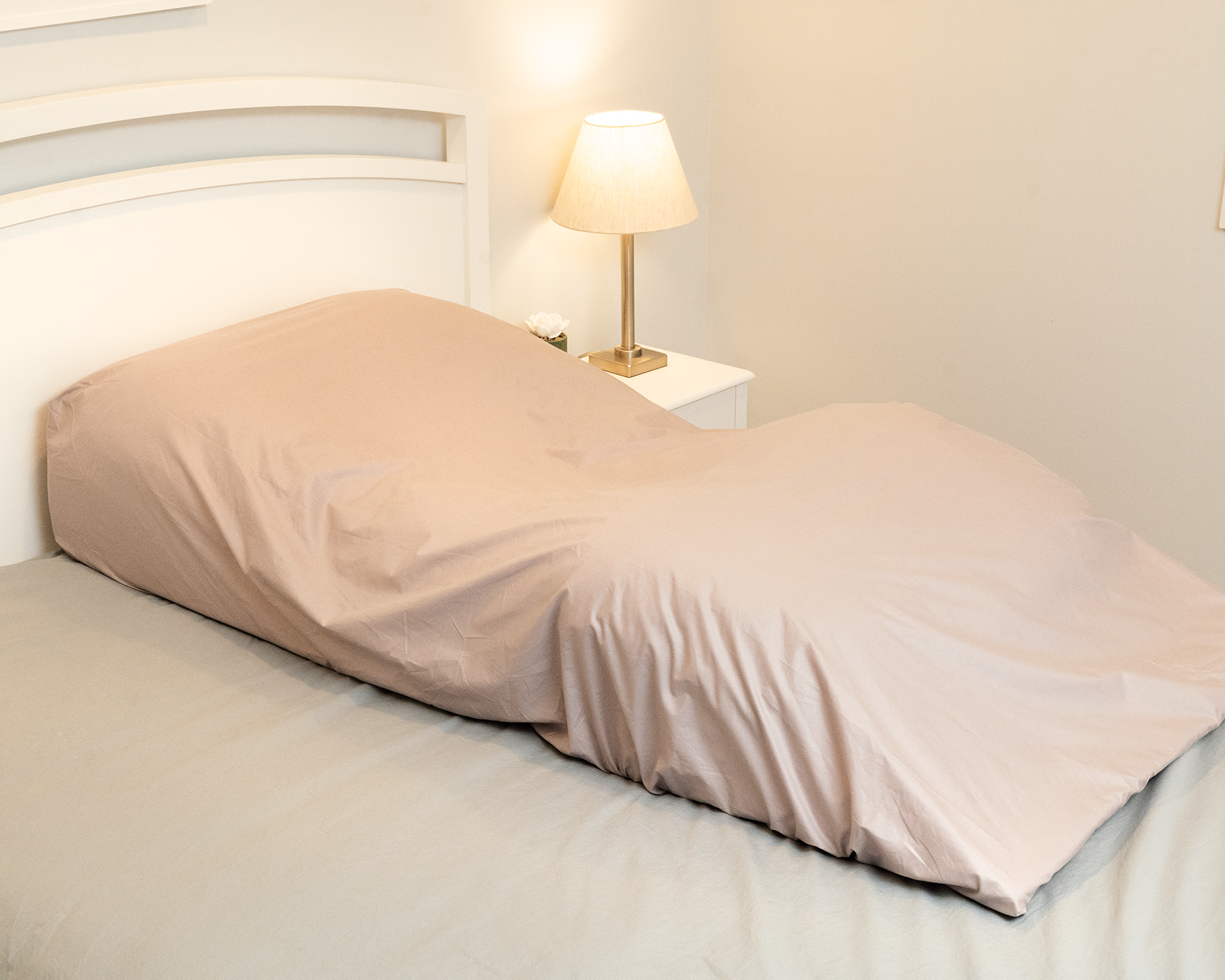
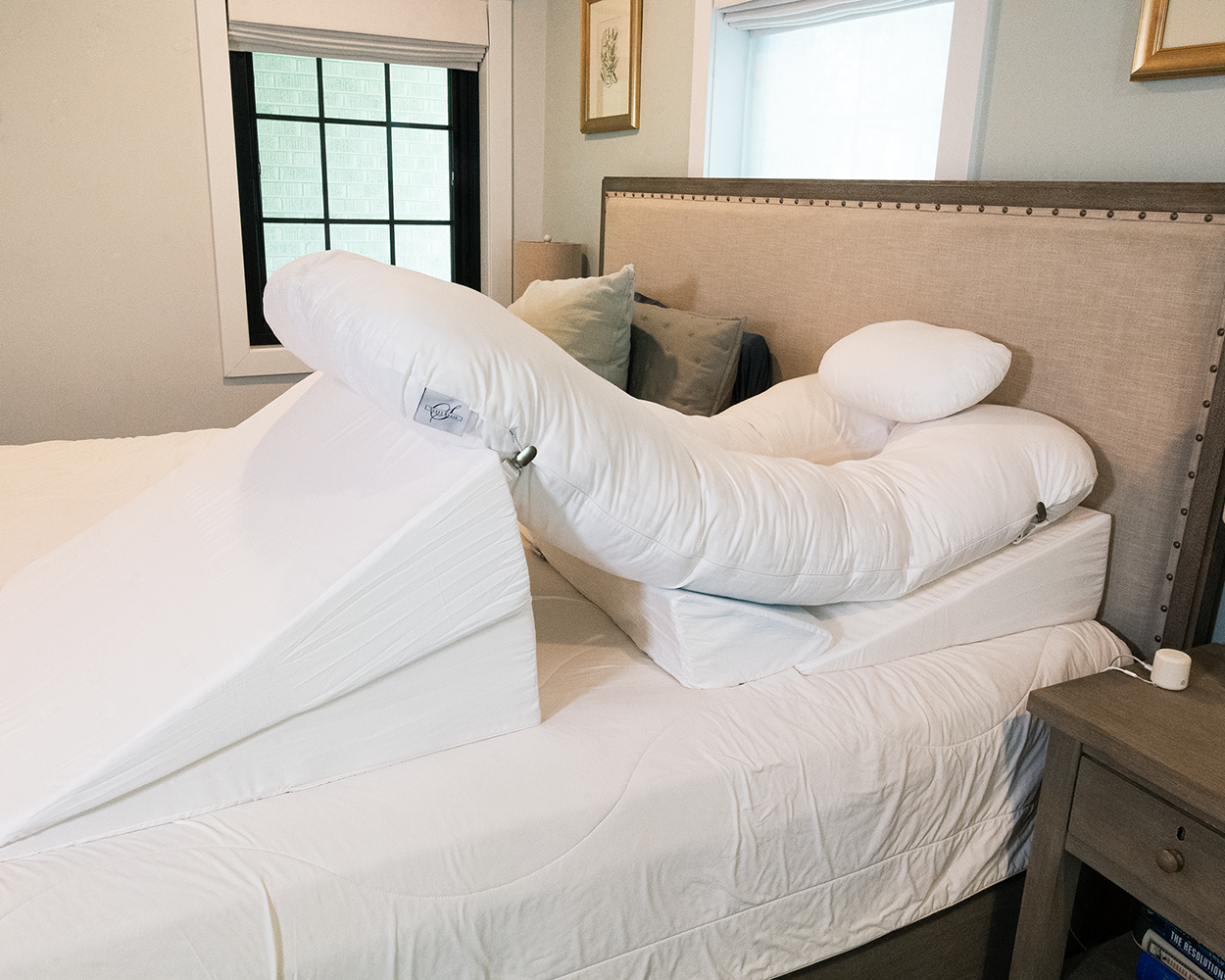
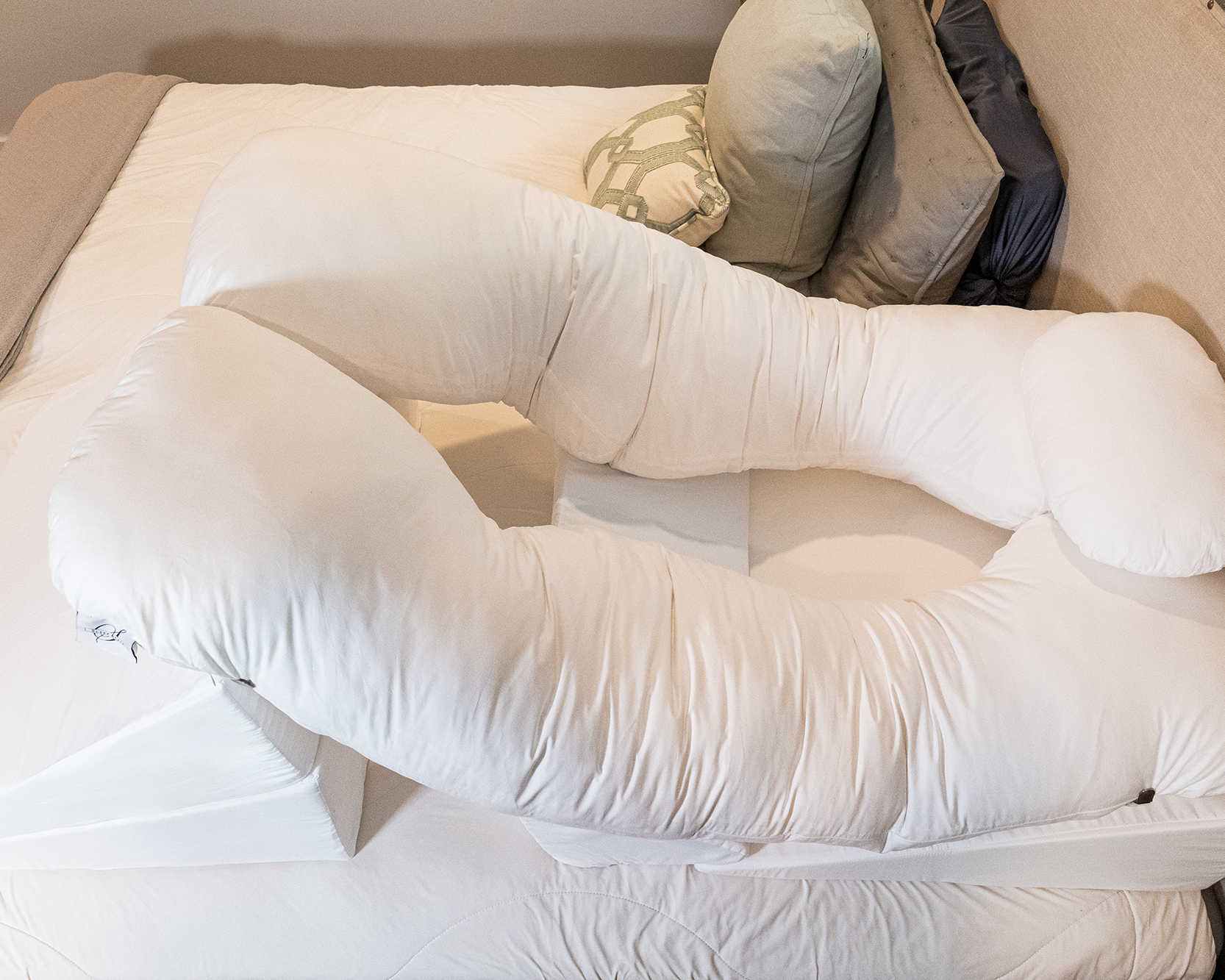
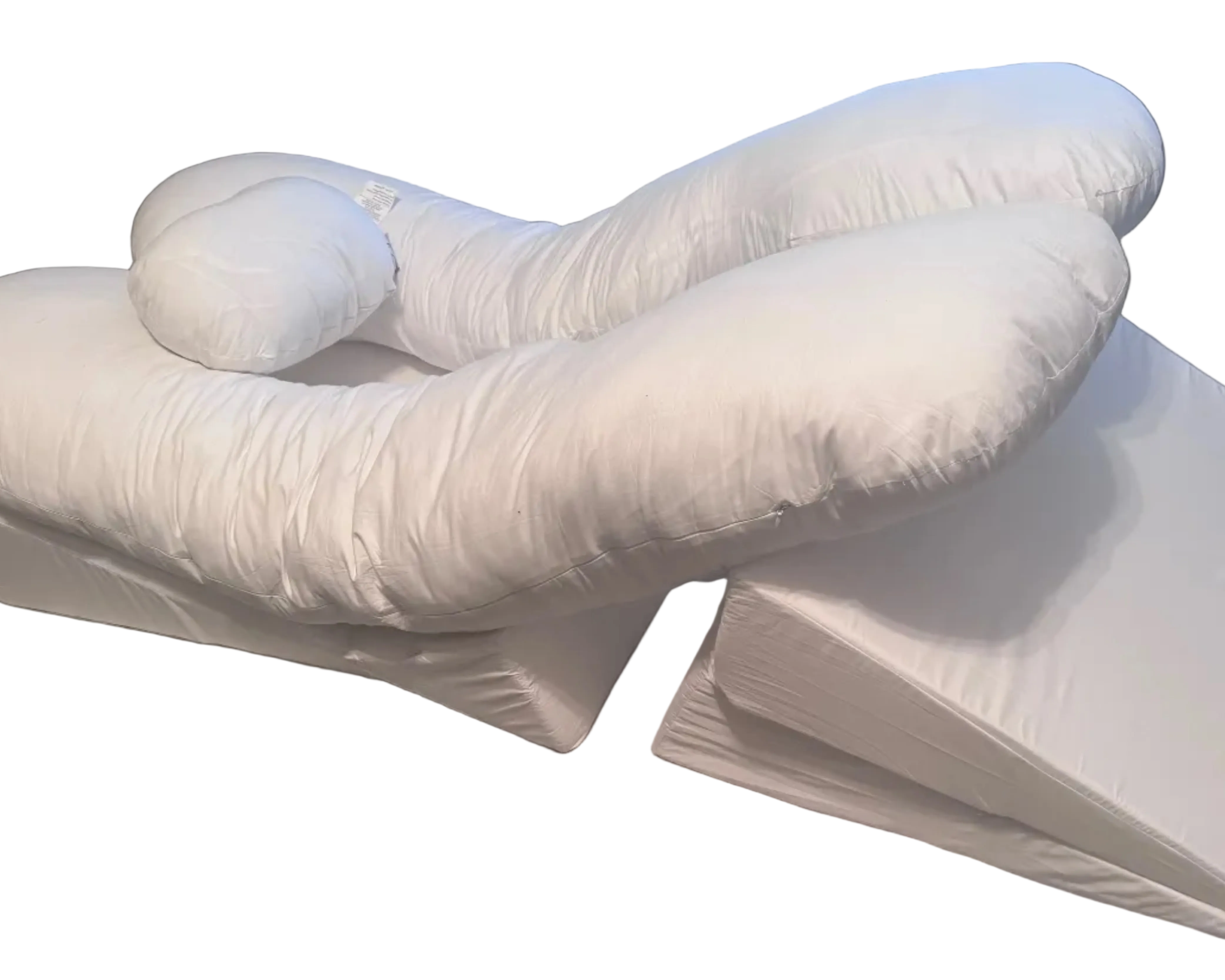
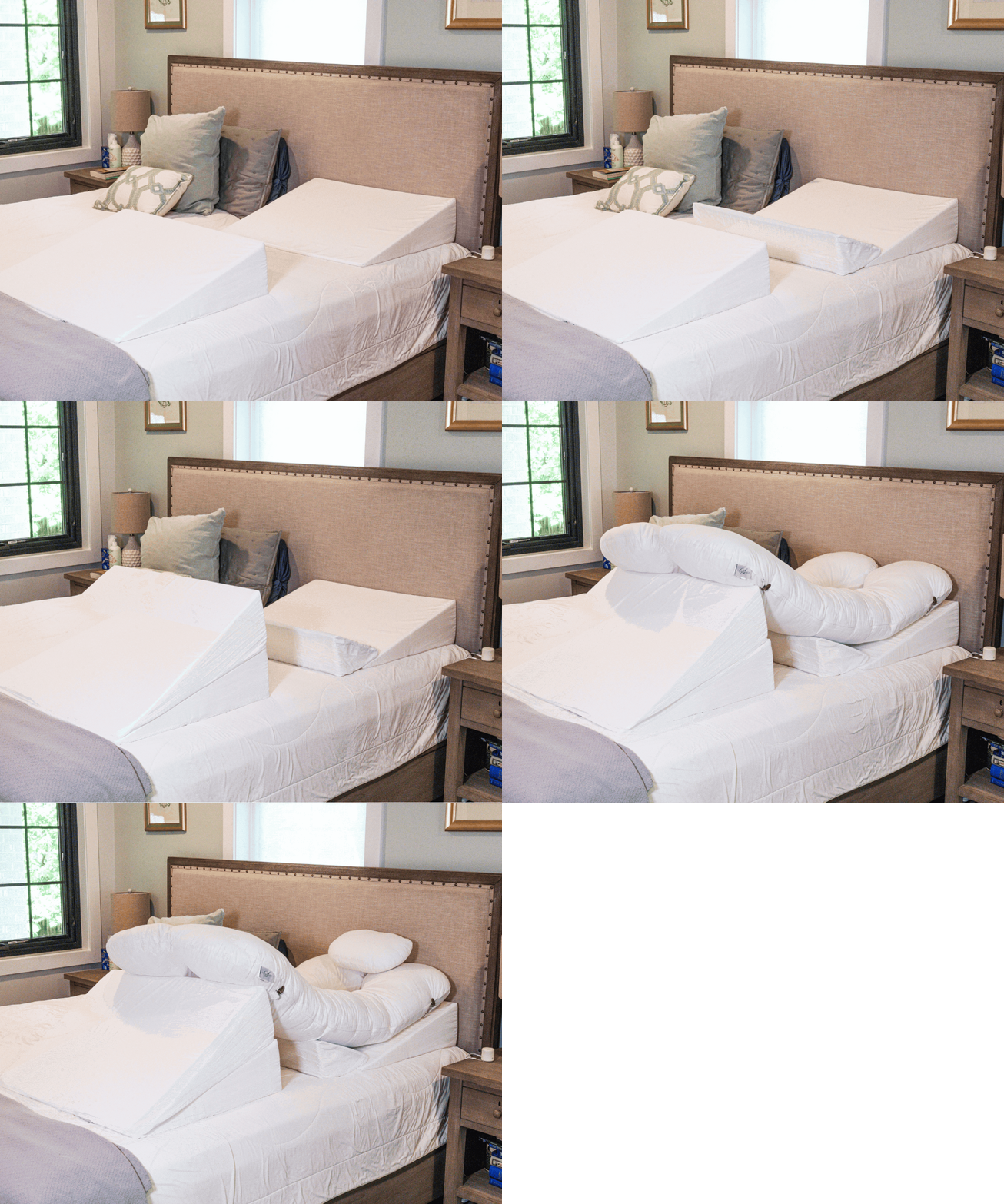
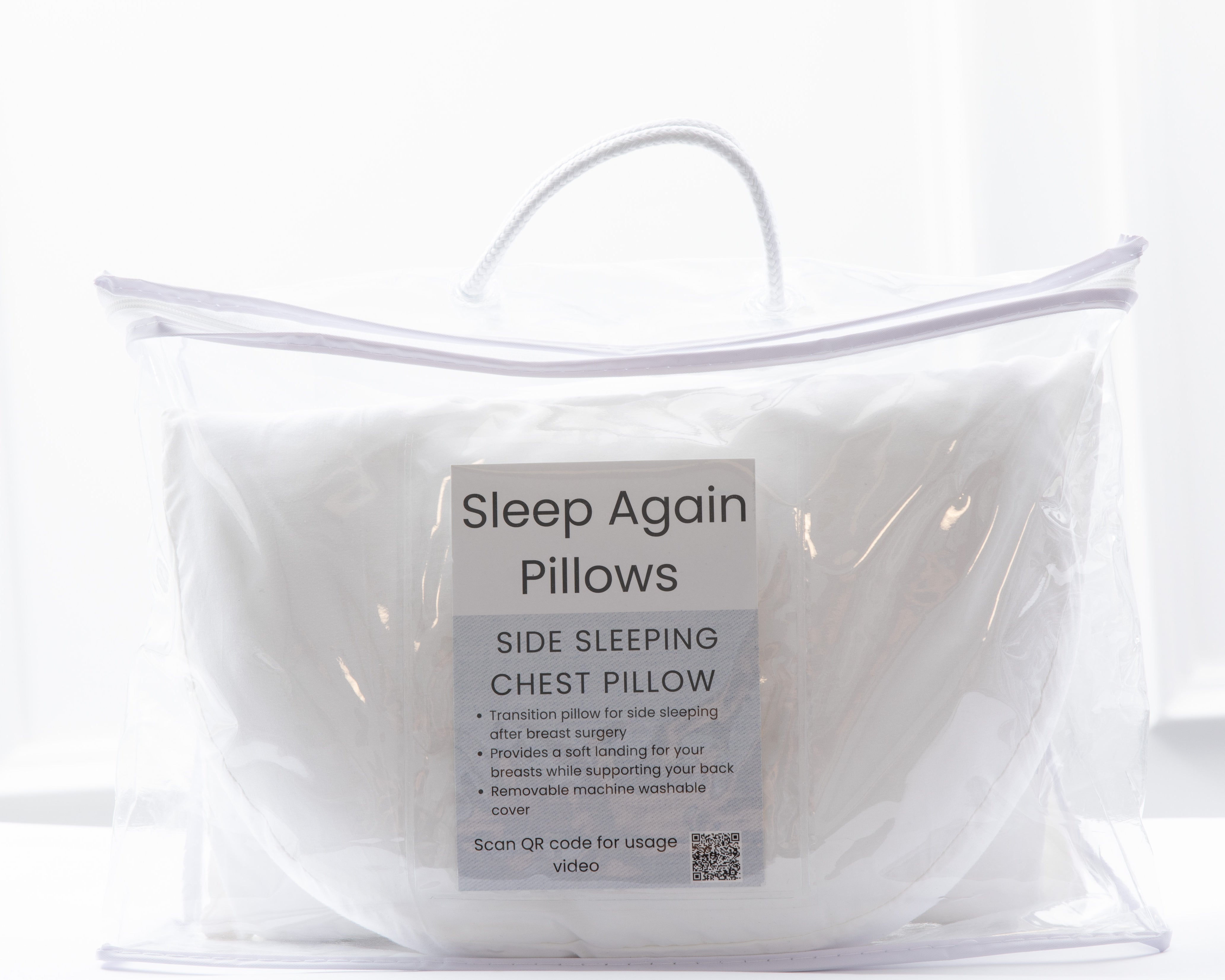
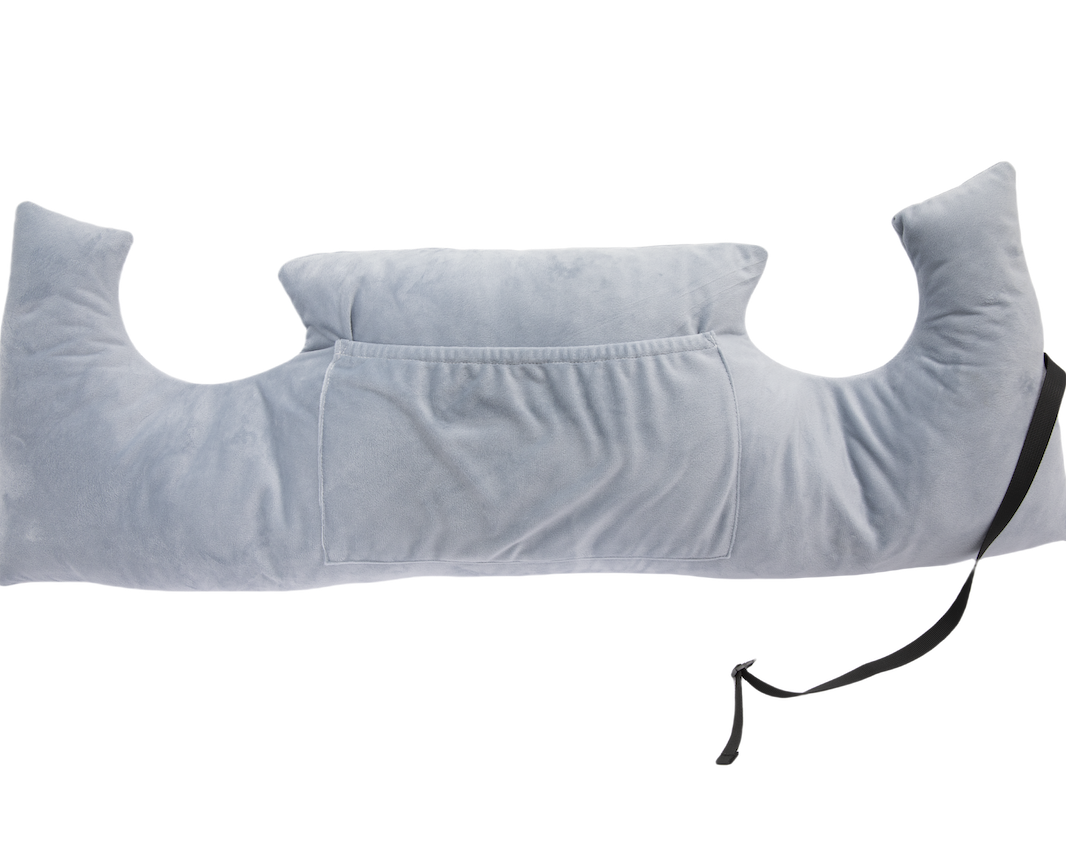
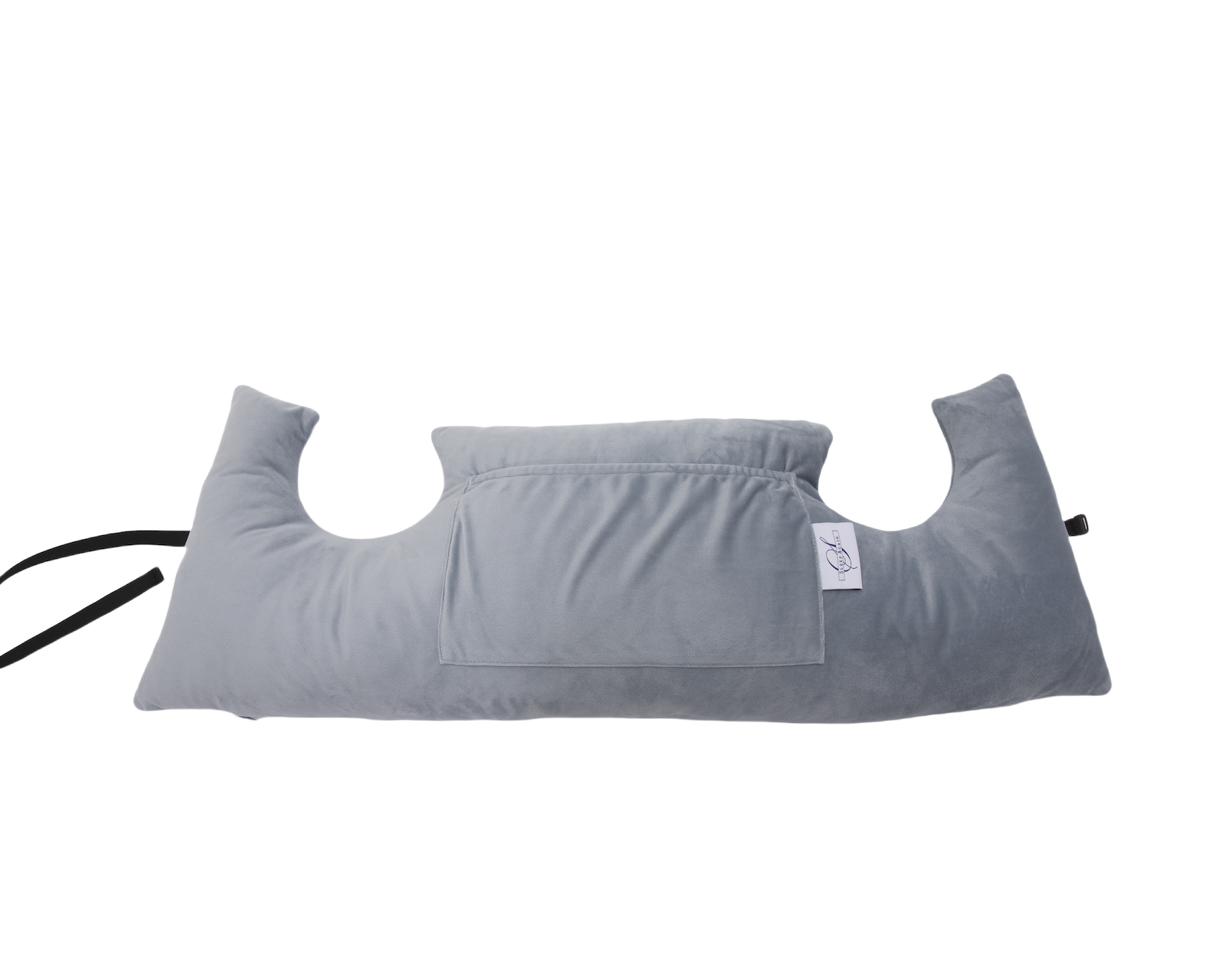
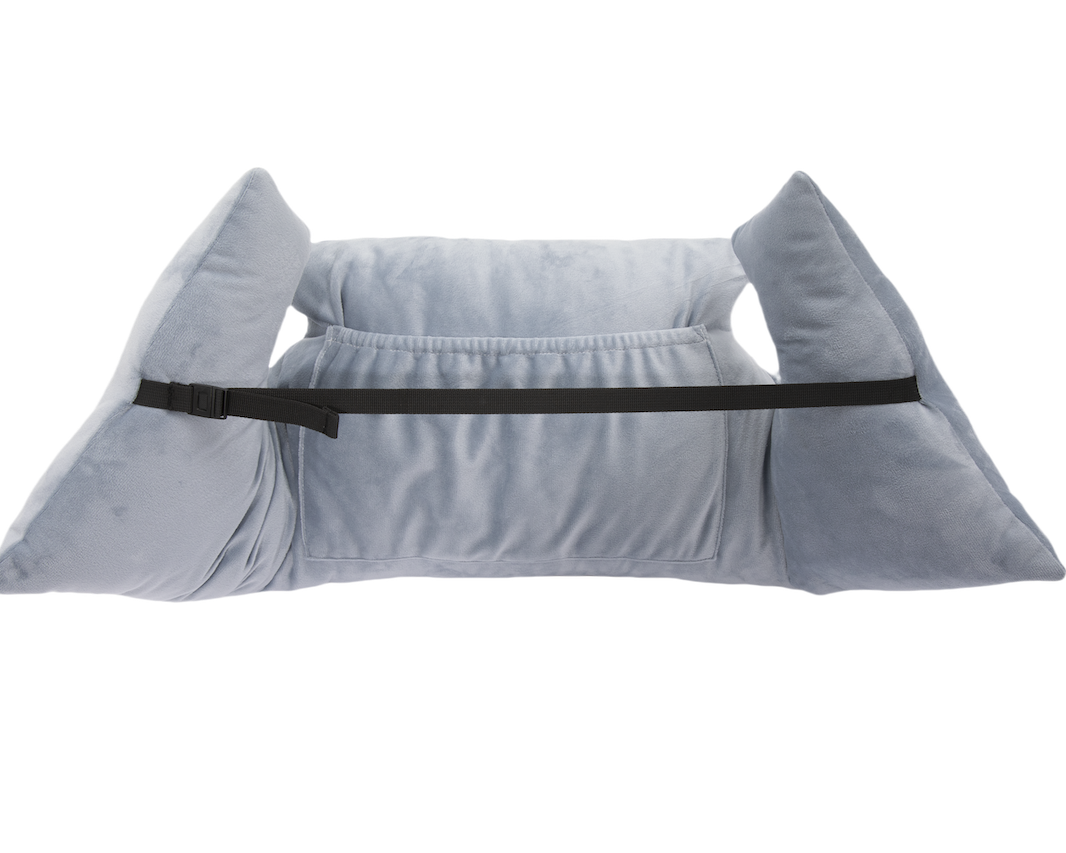
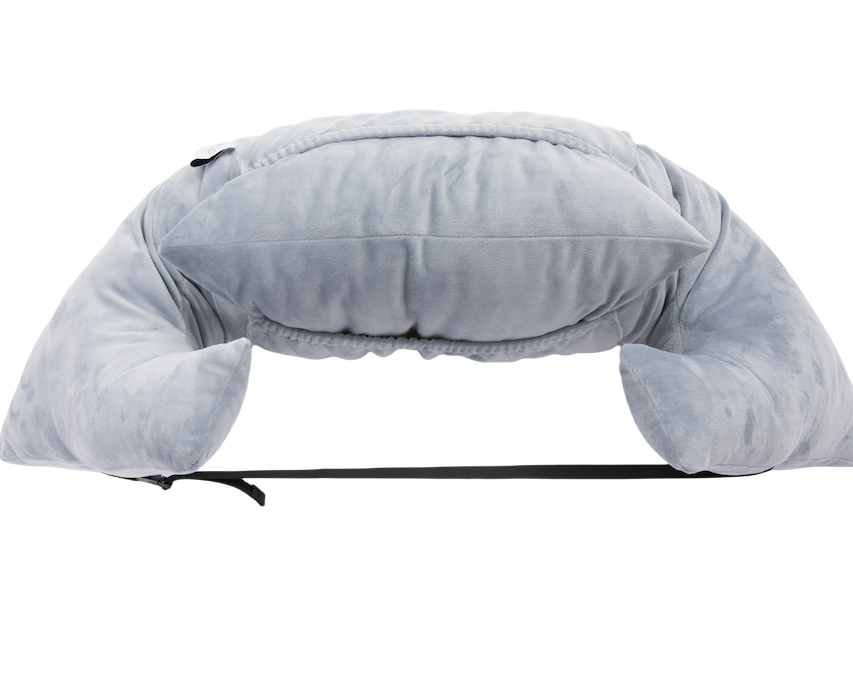
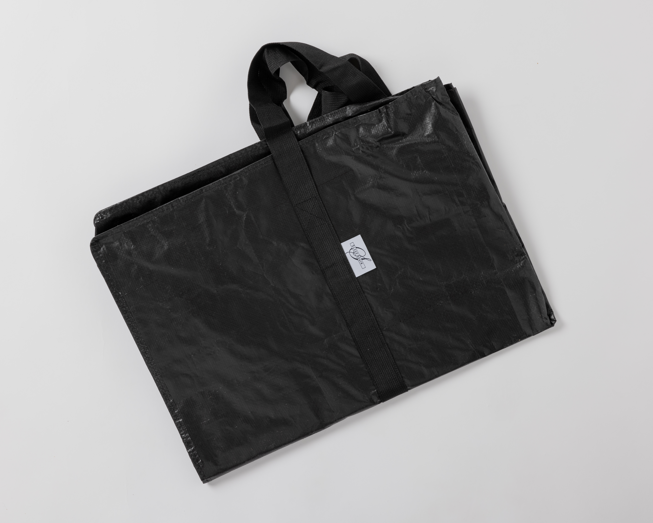
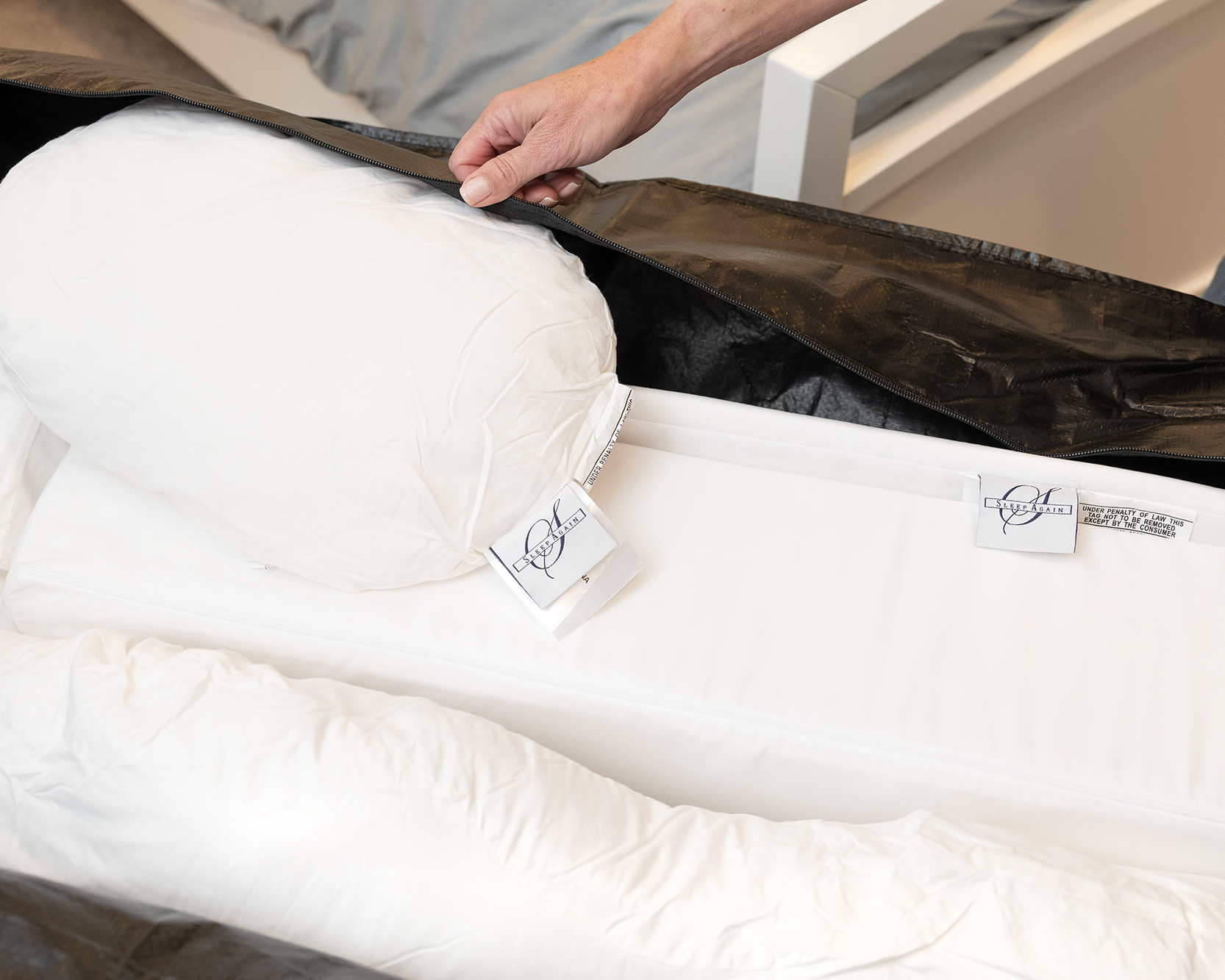
The Sleep Again Pillow System is a five-component full-body positioning system designed specifically for post-surgical recovery and therapeutic sleep positioning. It creates the consistent elevated back sleeping environment that individual pillows rarely achieve on their own, and it maintains that environment all night, not just at lights-out.
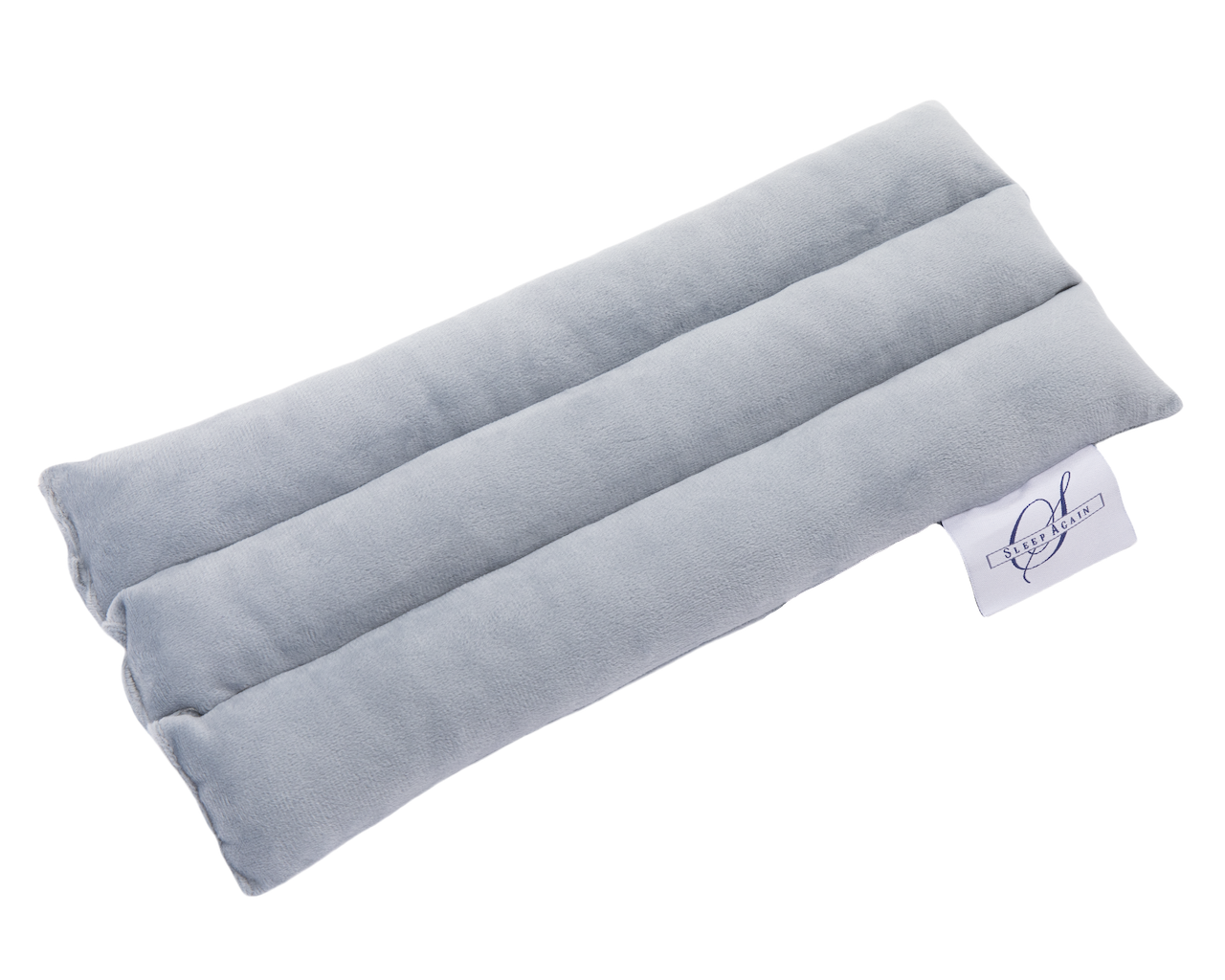
Every Sleep Again Pillow System includes:
-
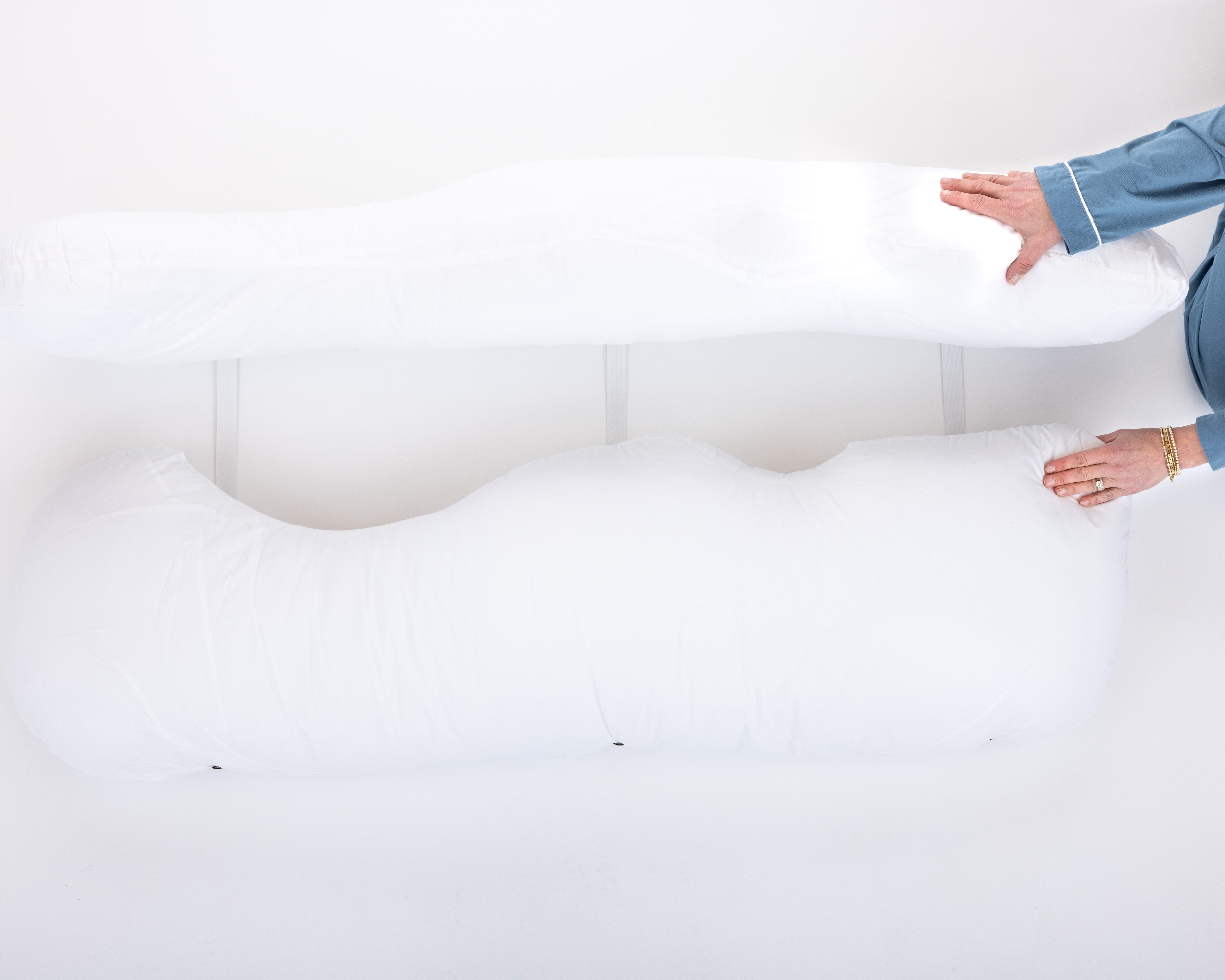
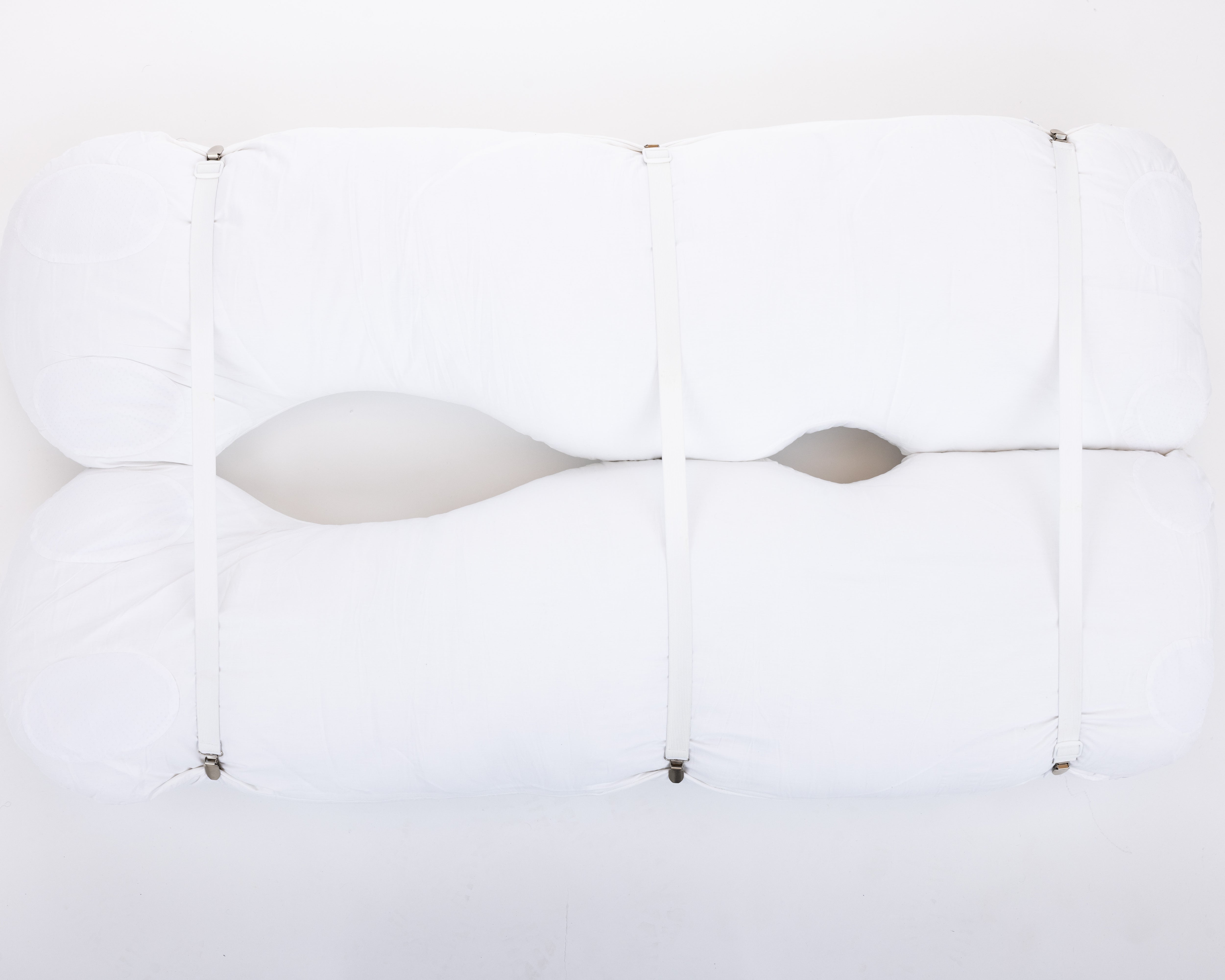
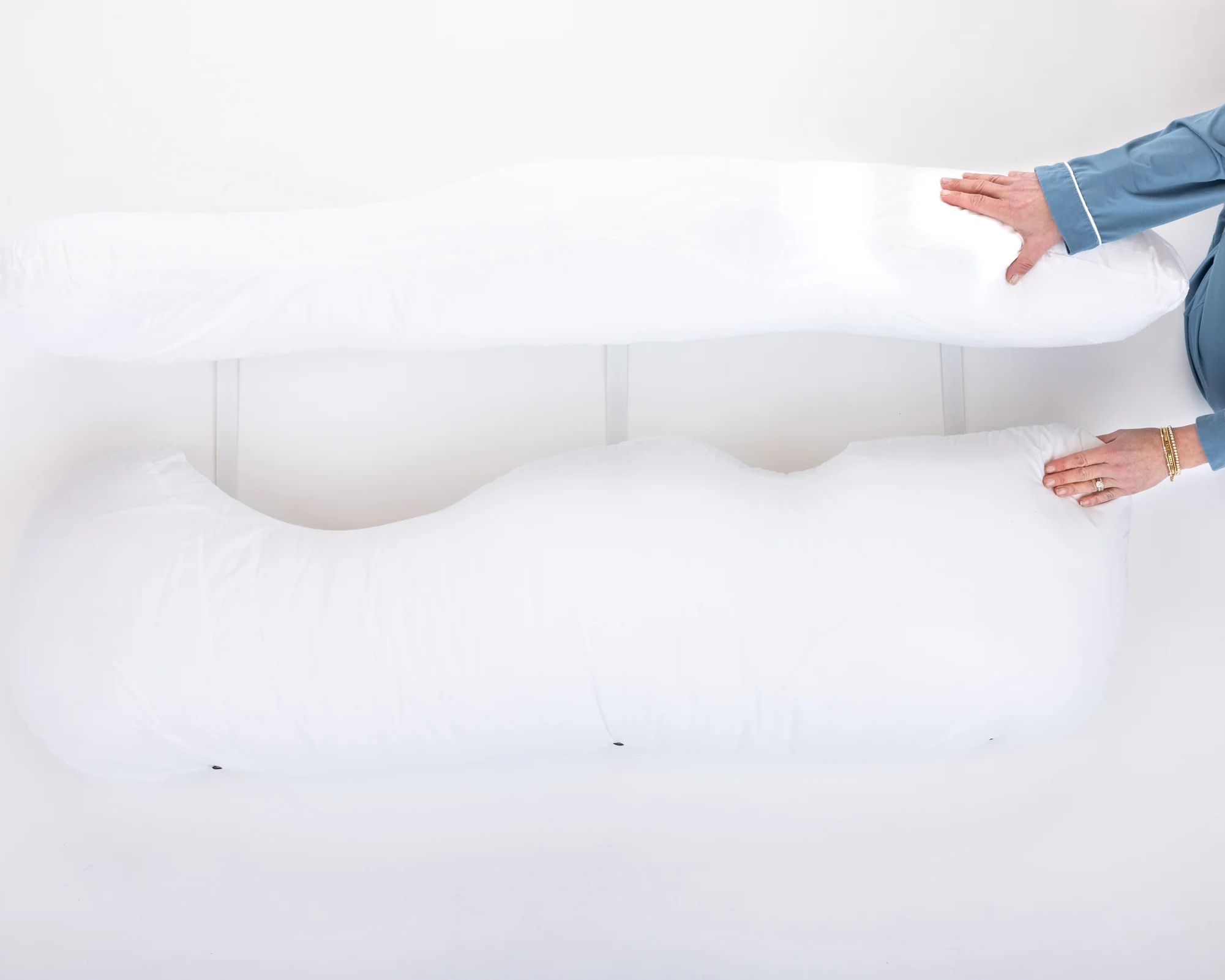
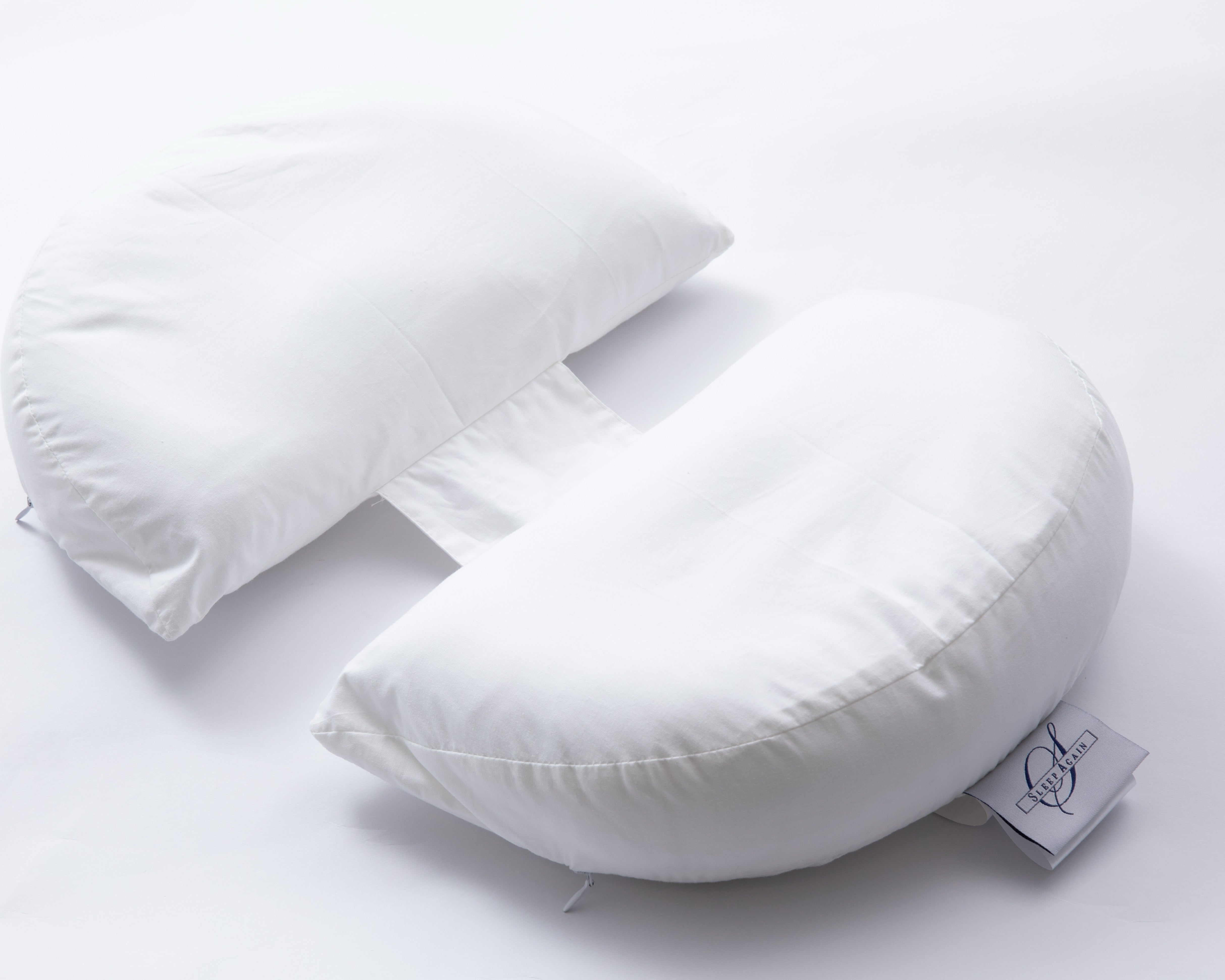
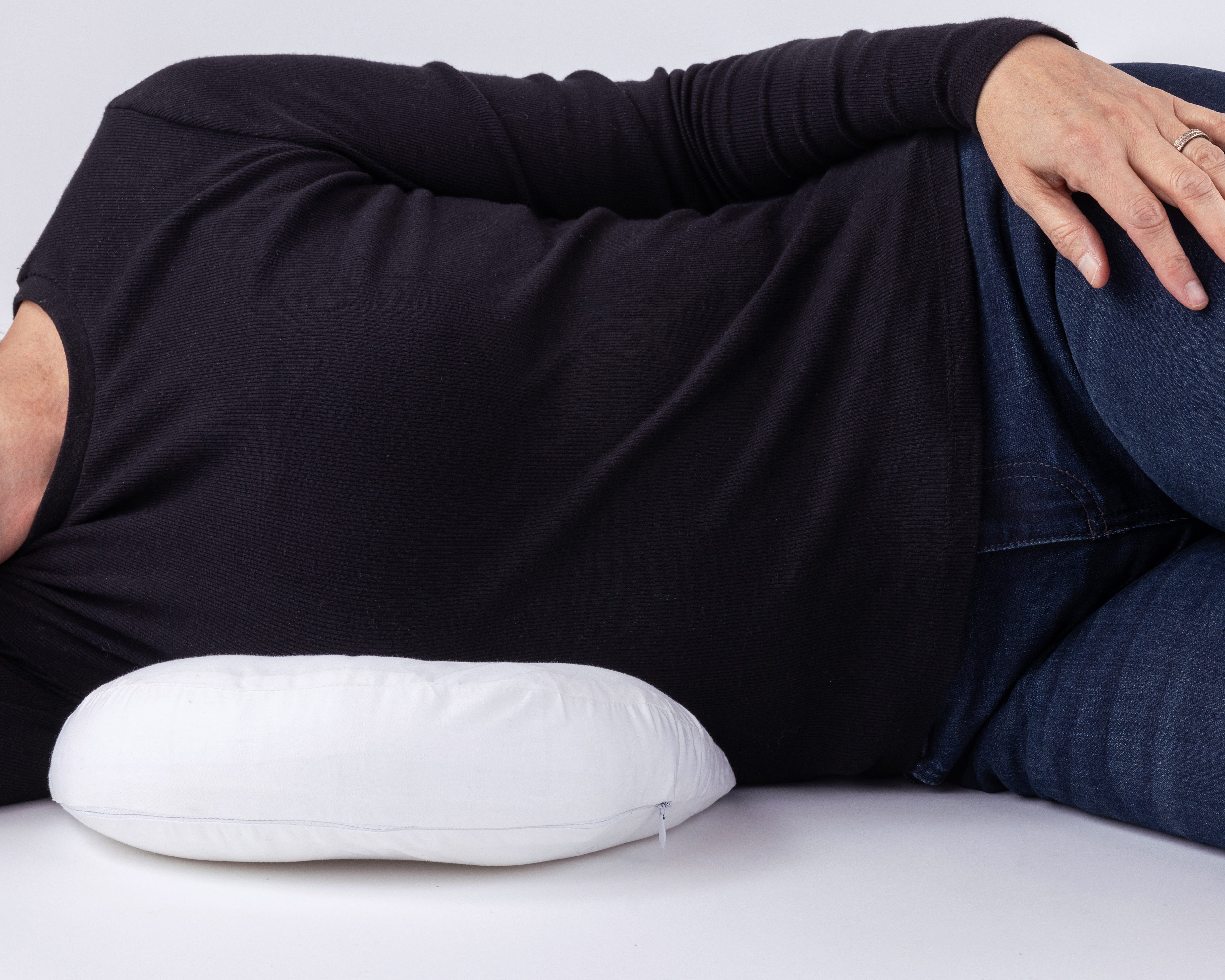
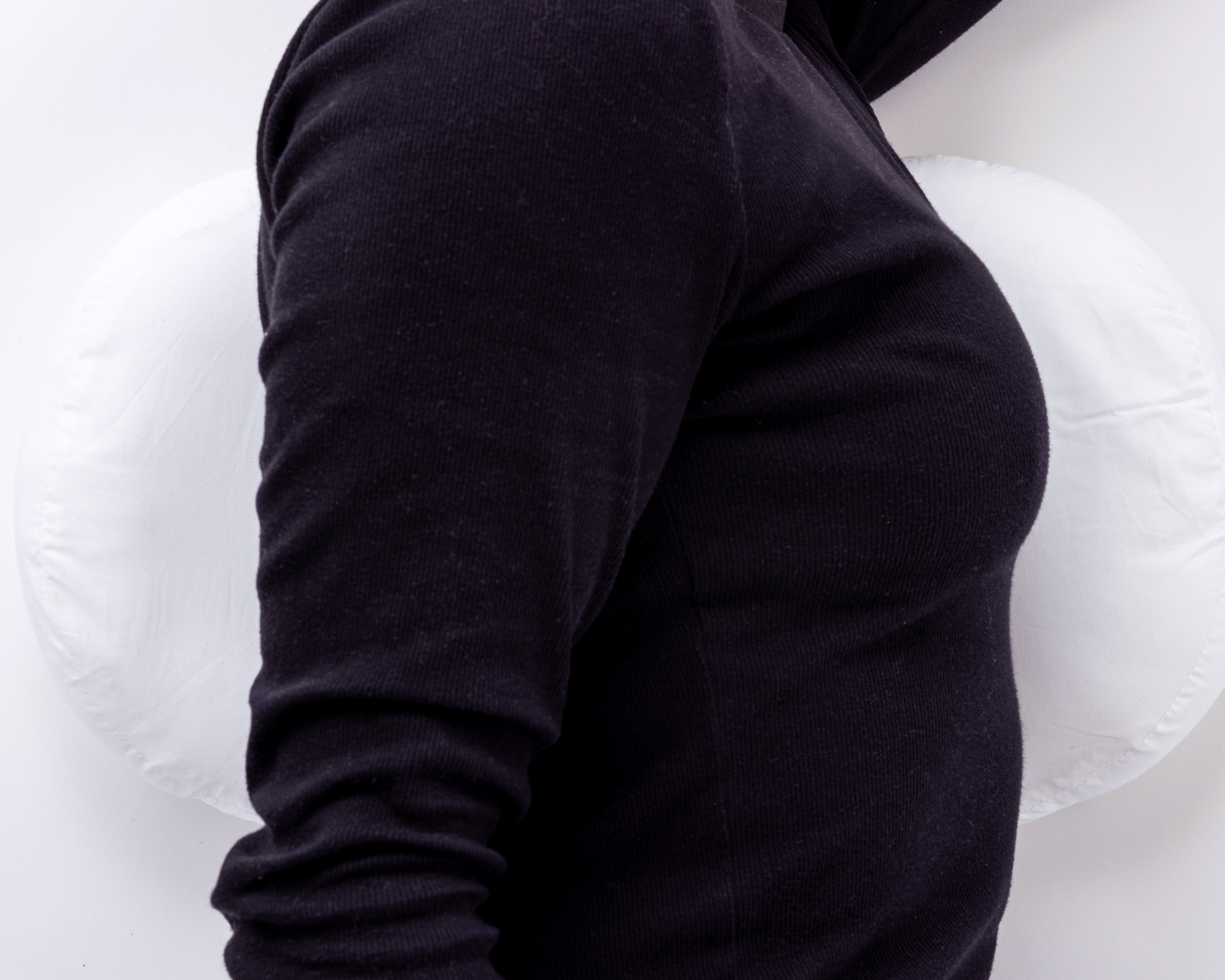
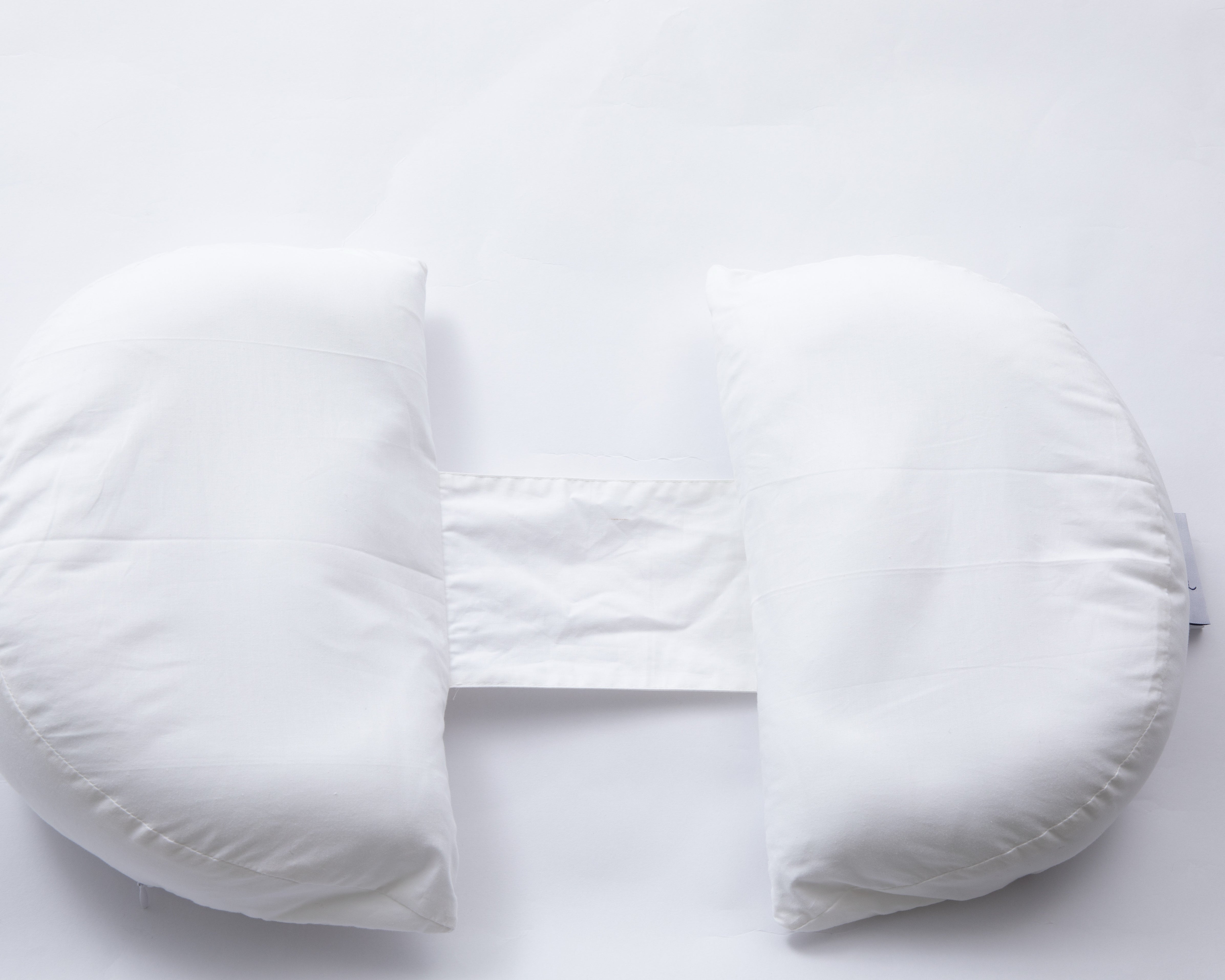
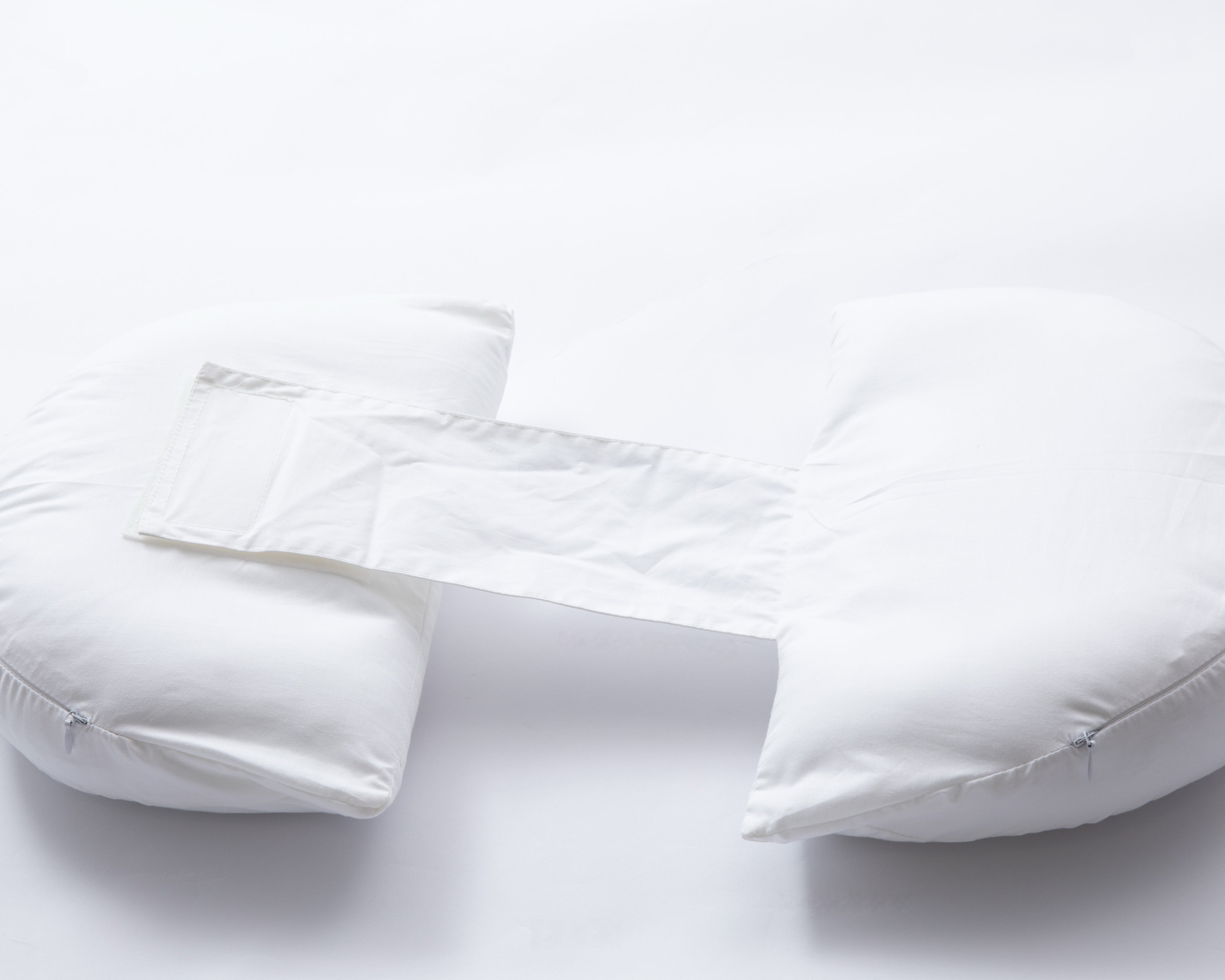
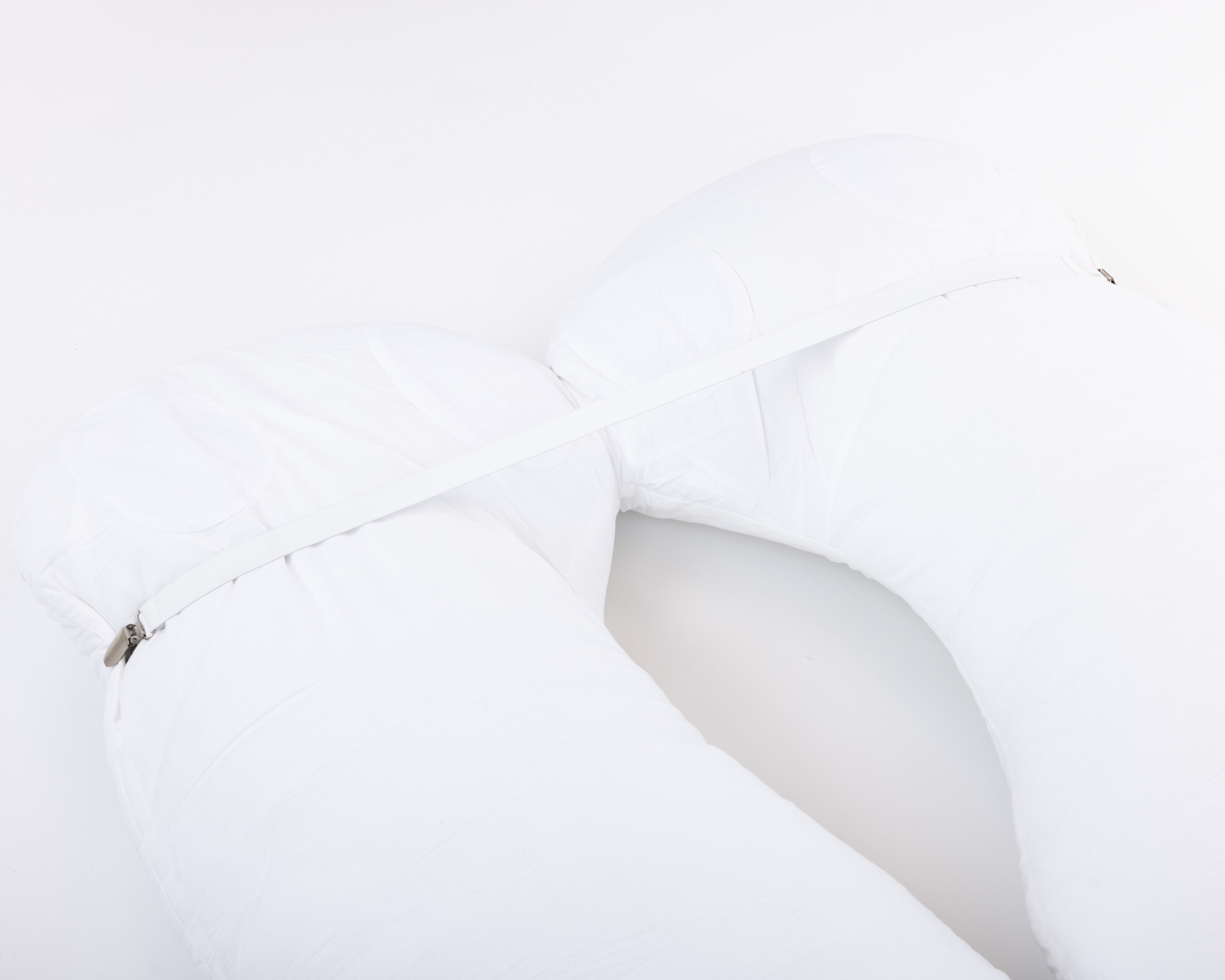
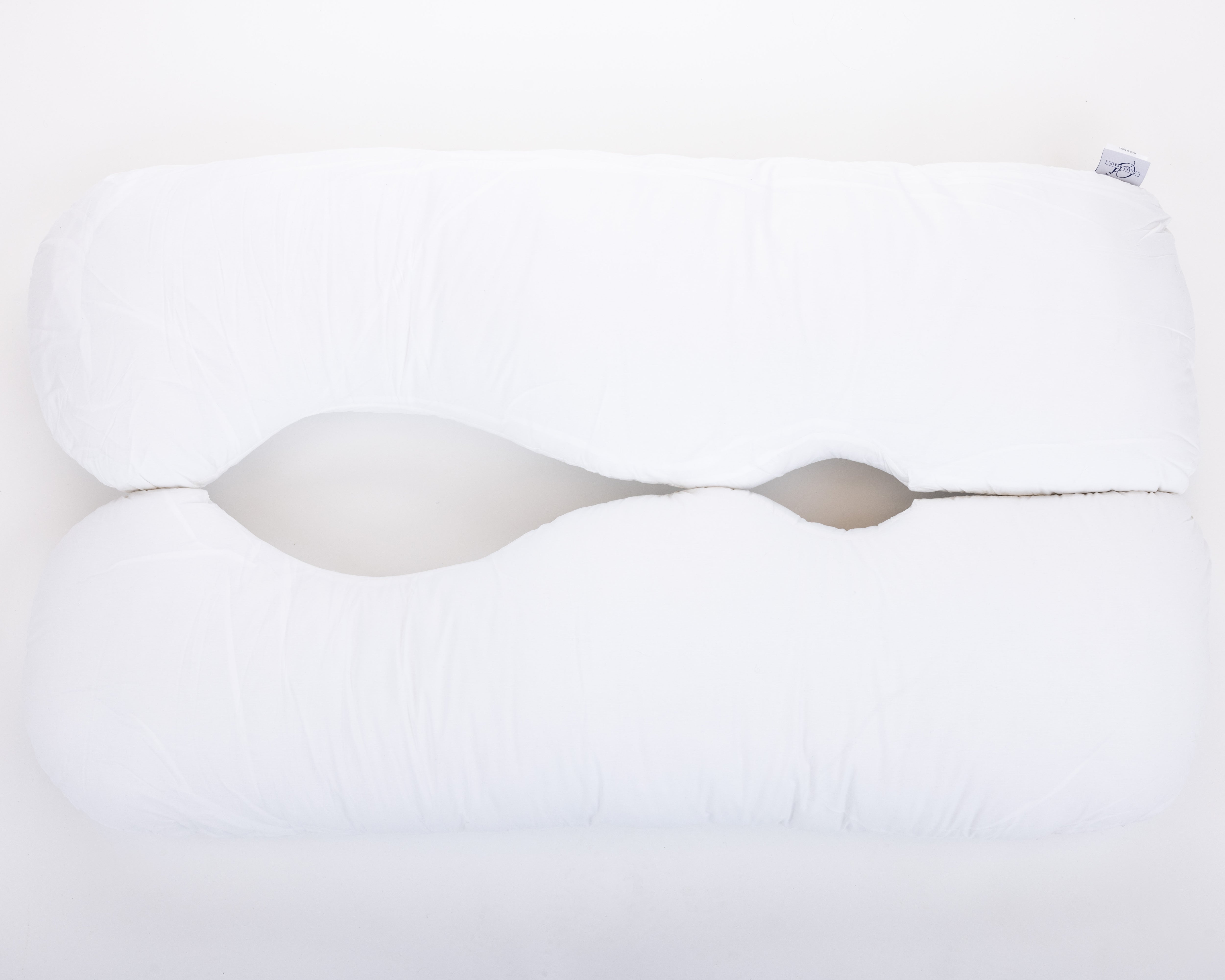
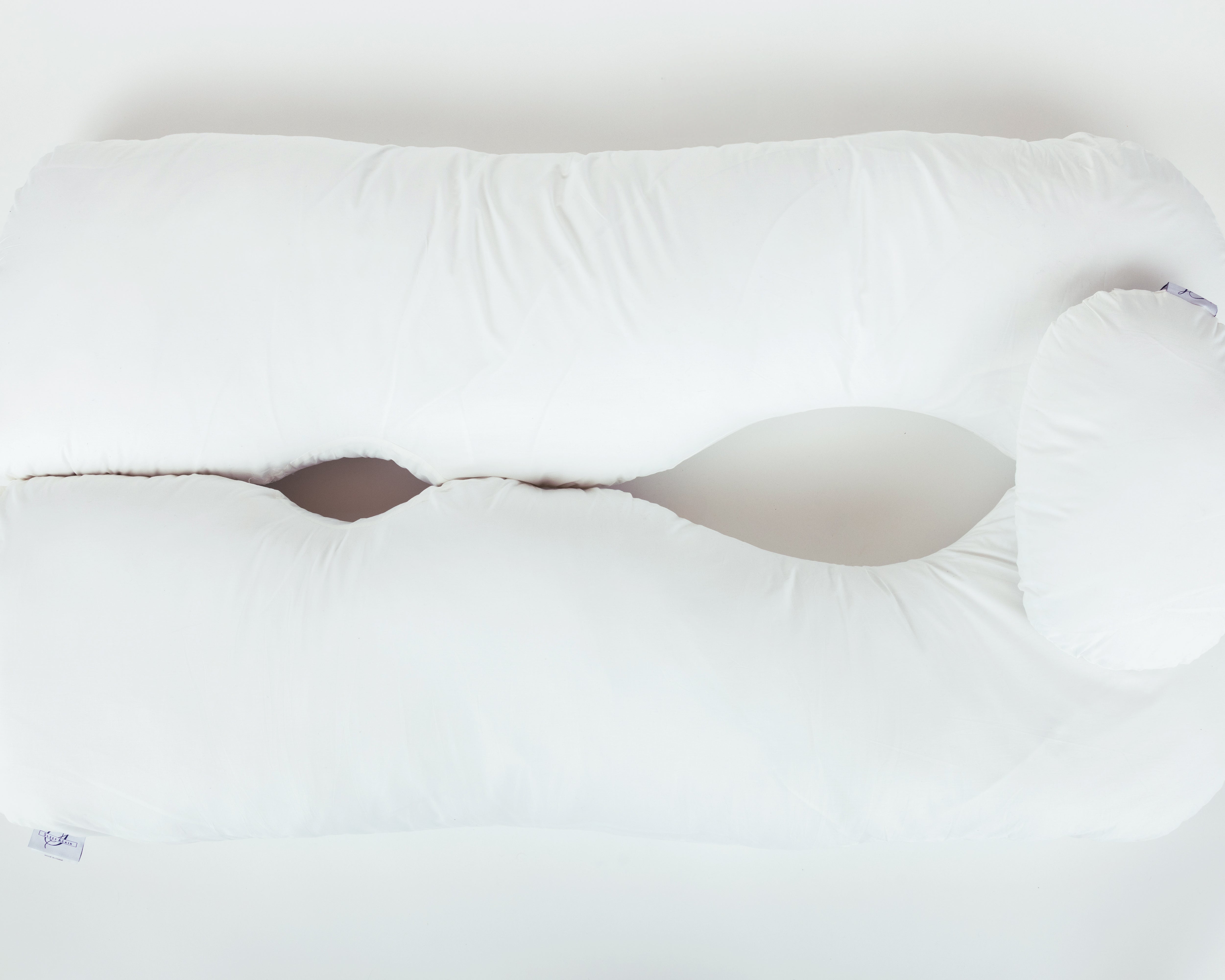
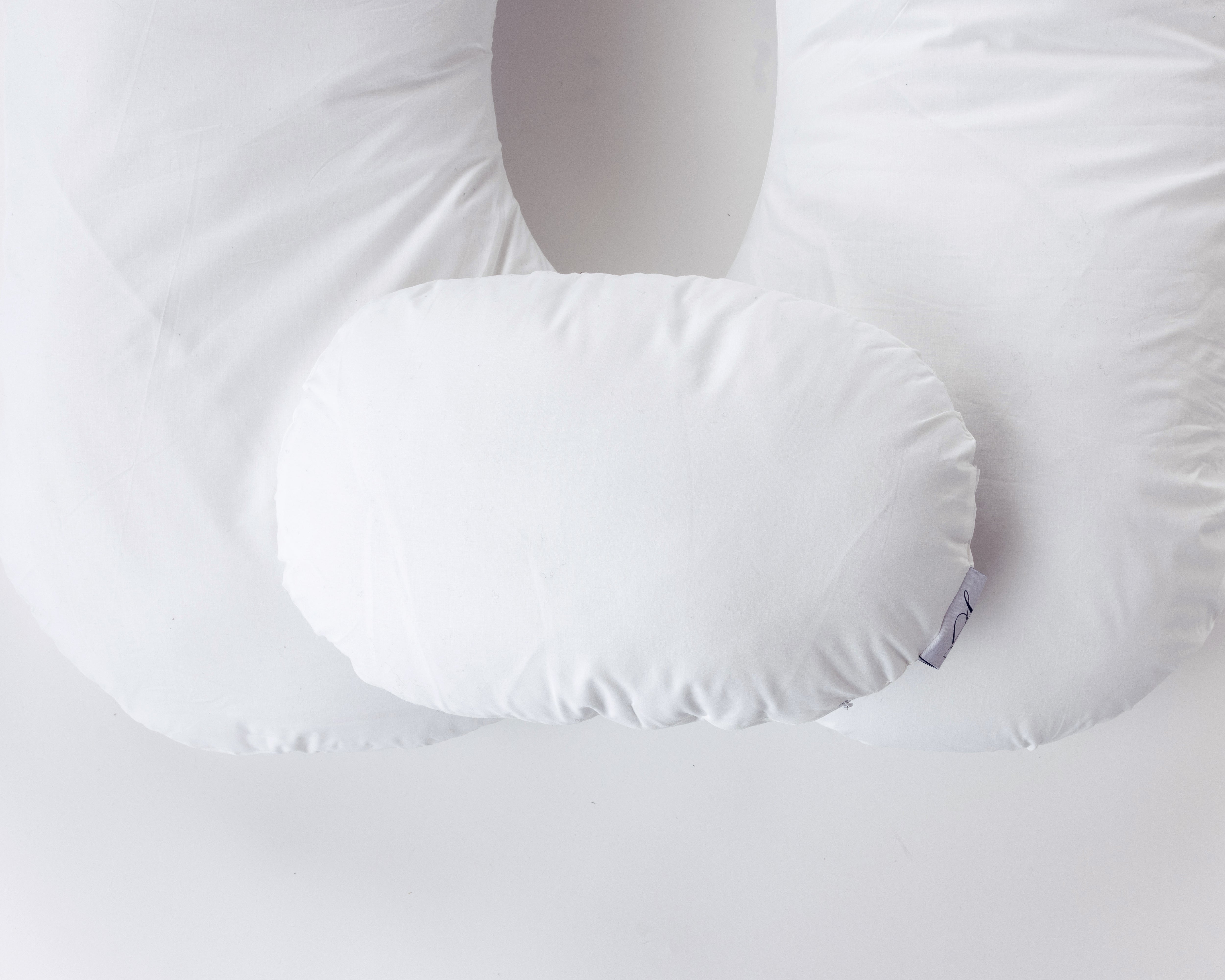
Two Contoured Side Pillows to cradle the back and hips
-
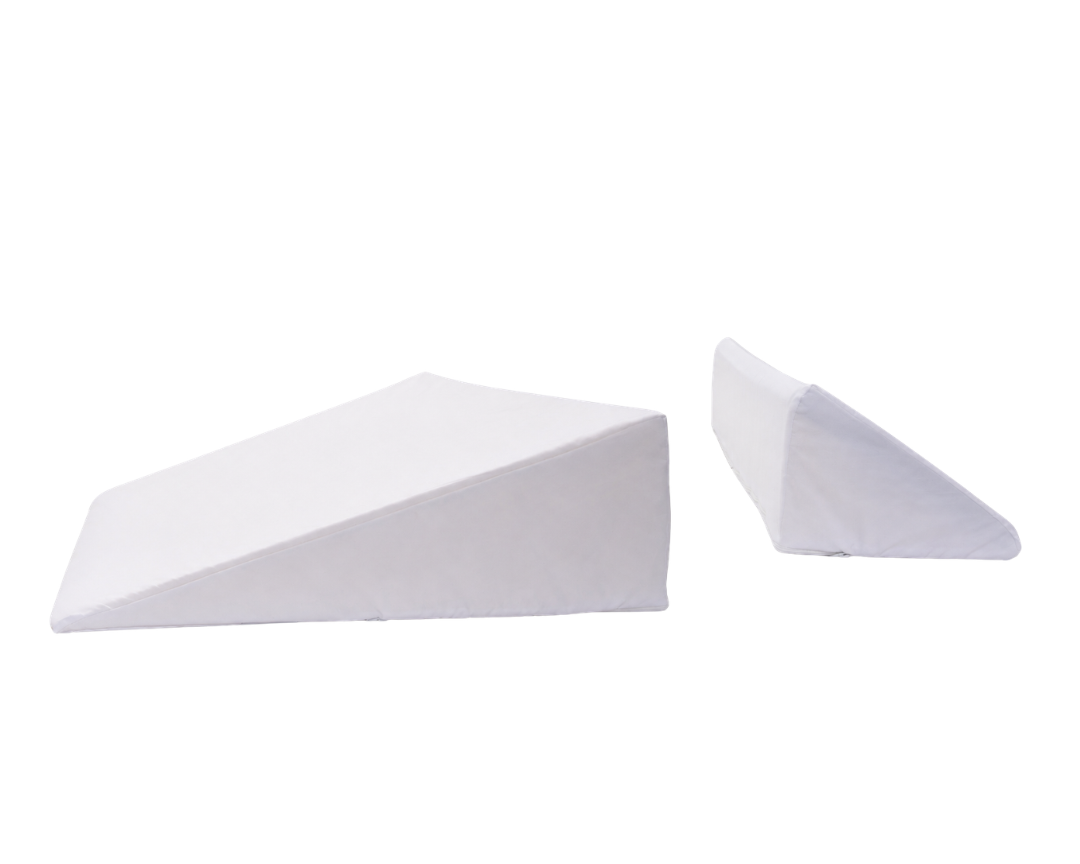
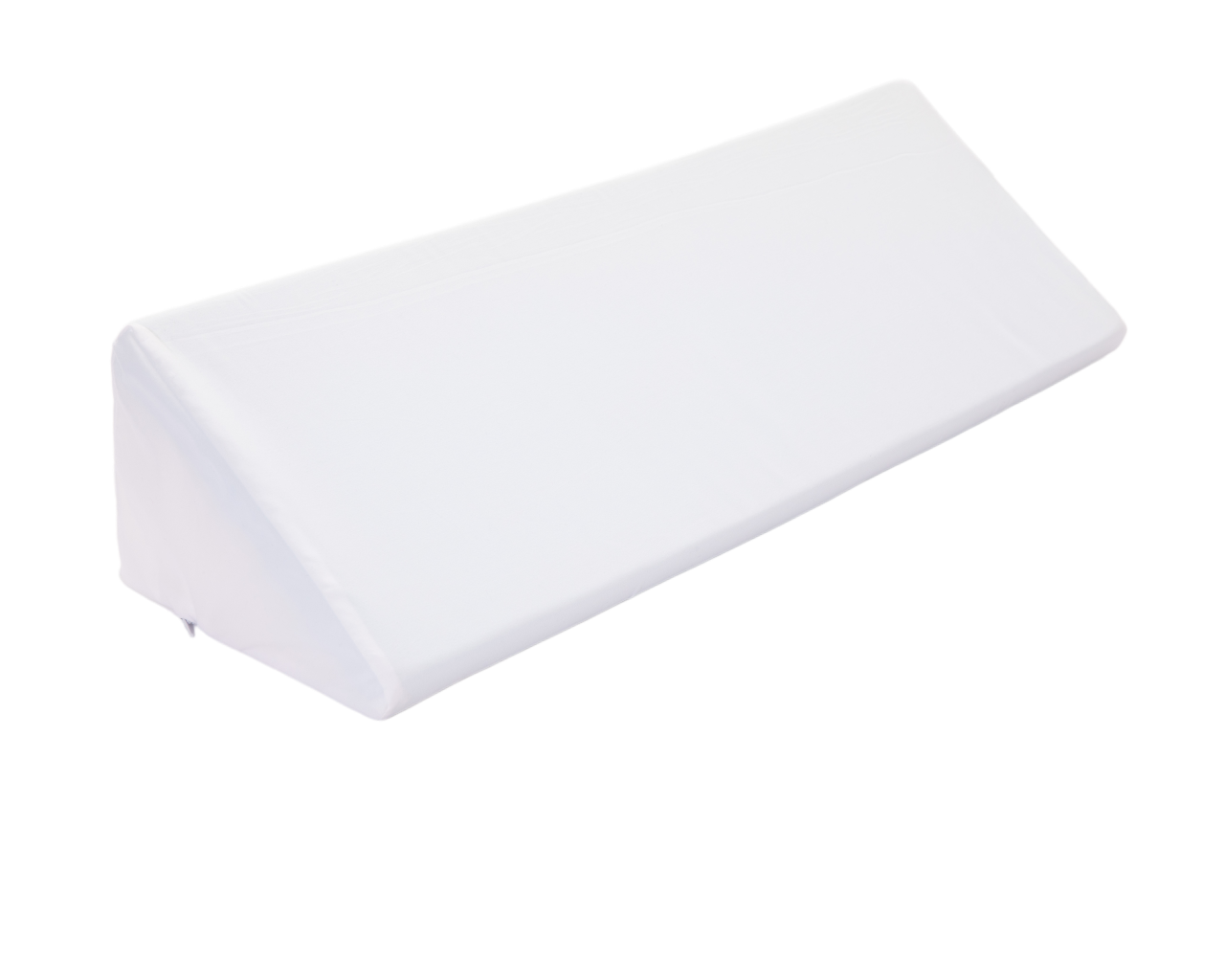
Upper Body Wedge to create an optimal upper body incline
-
Leg Support Wedge to gently elevate the legs
-
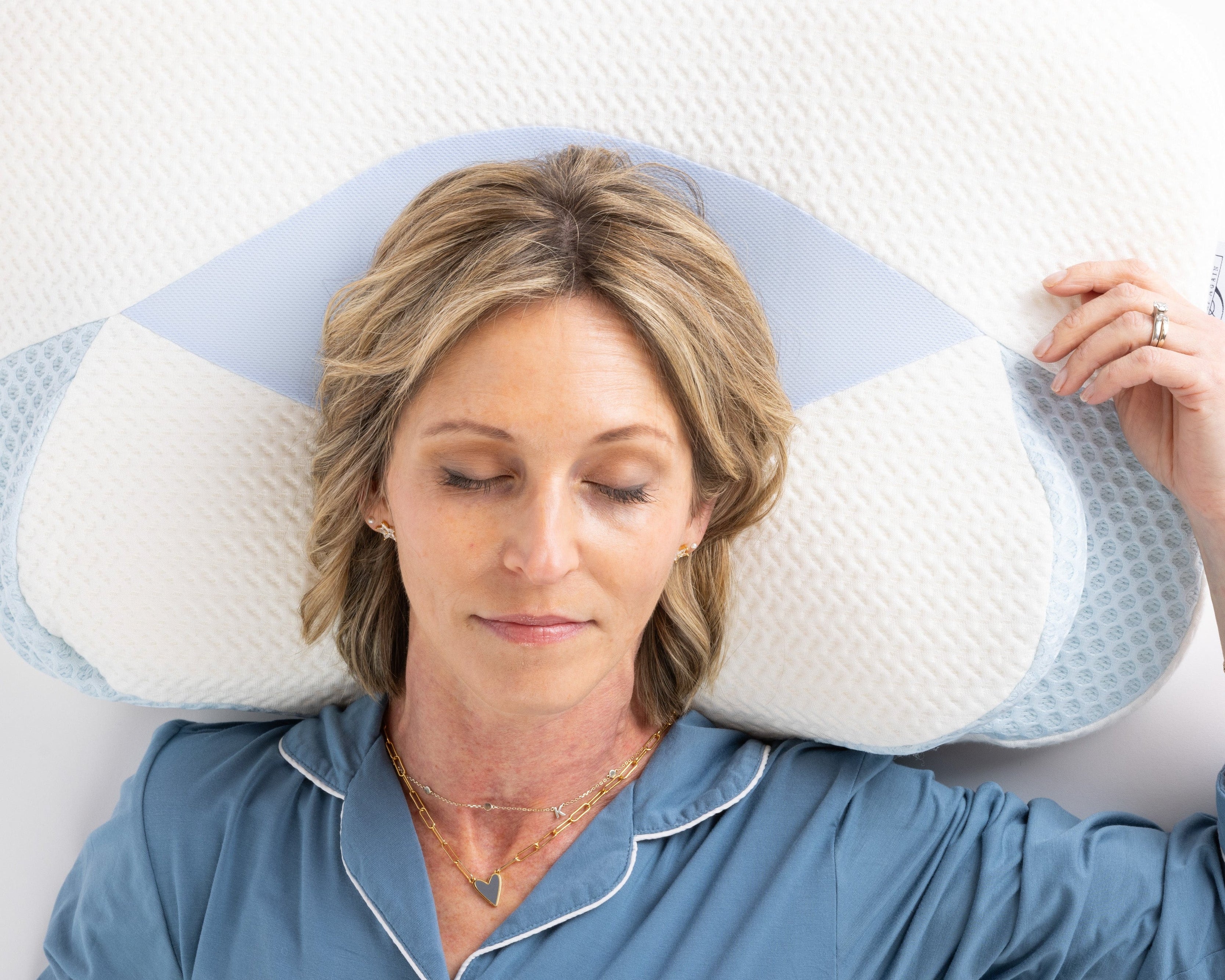
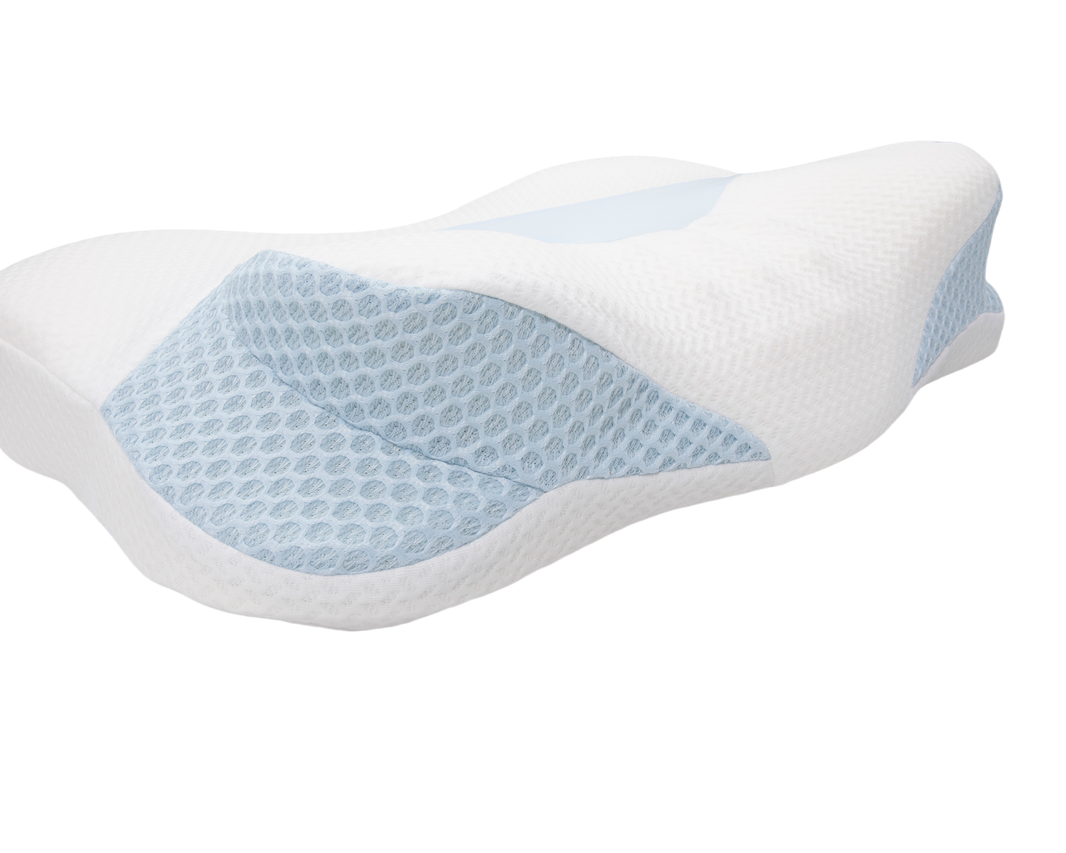
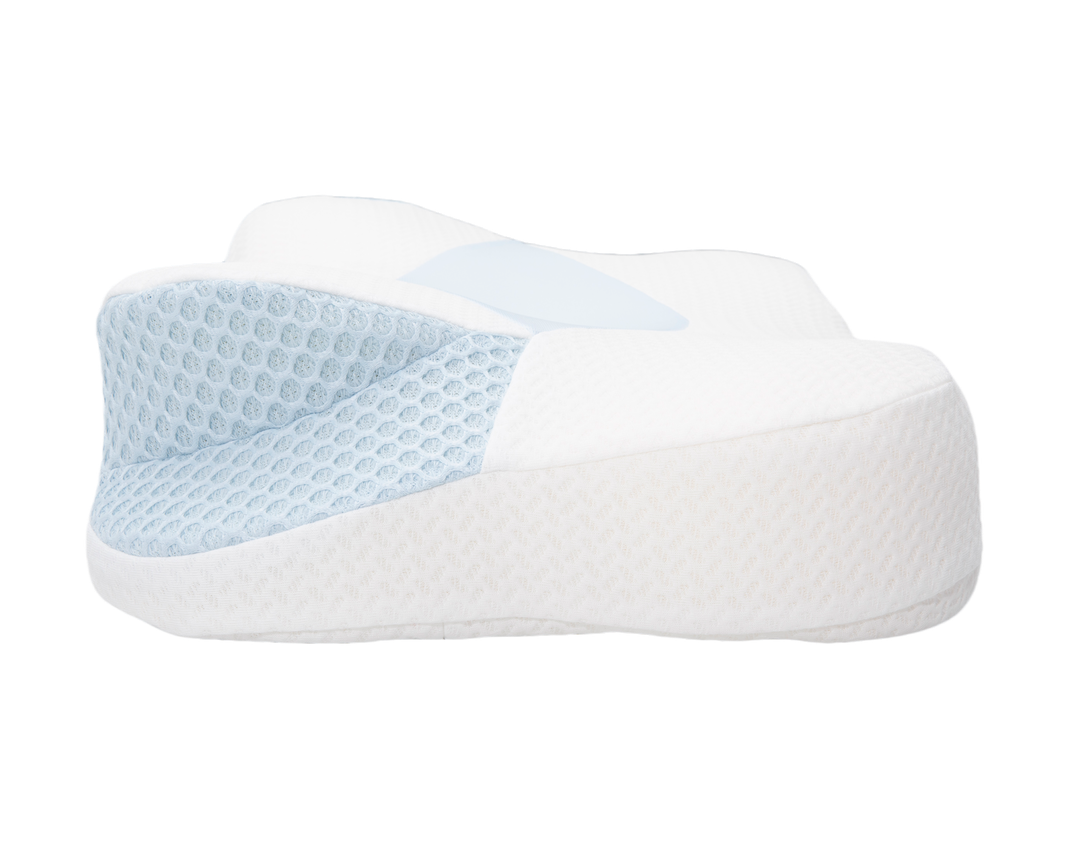
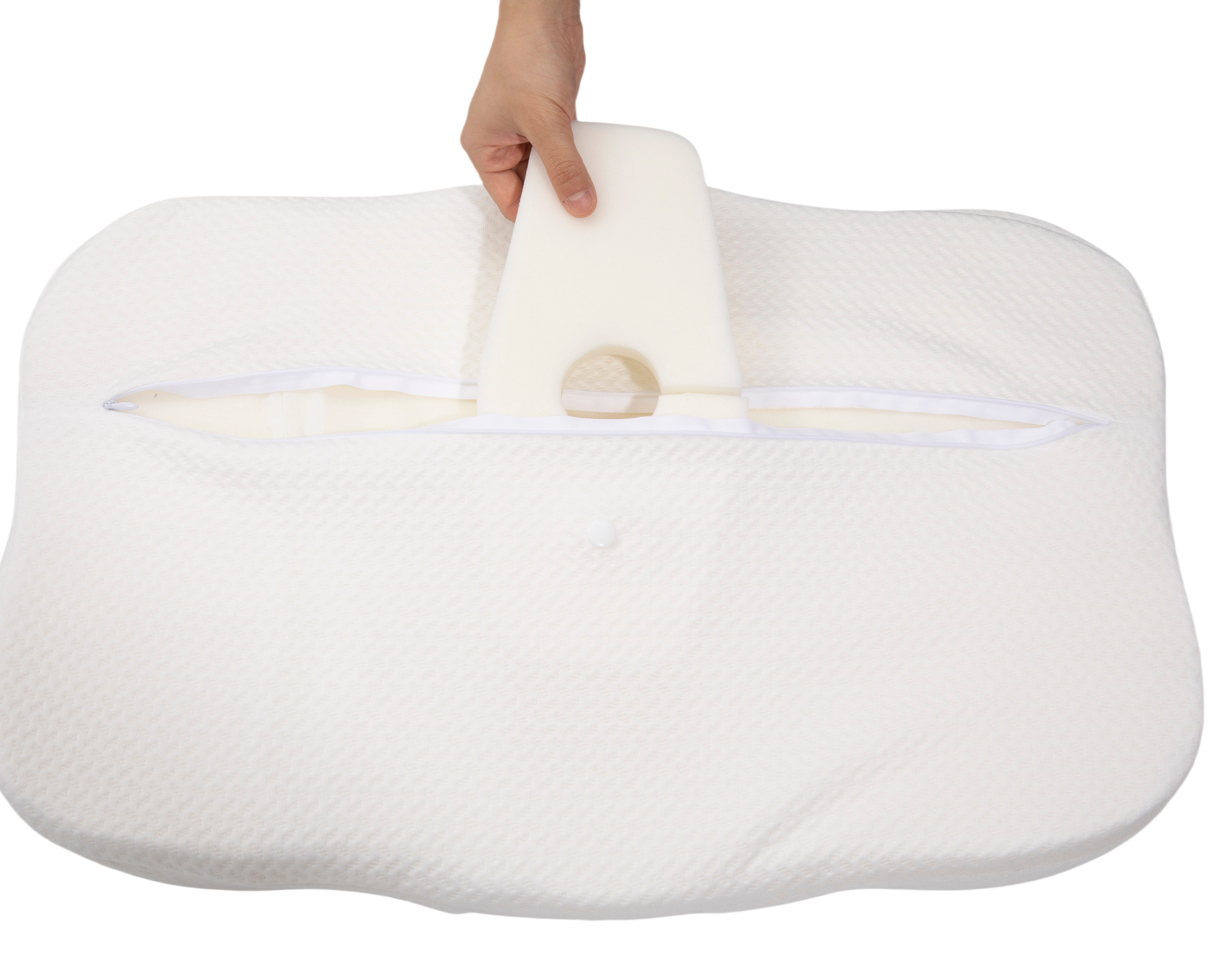
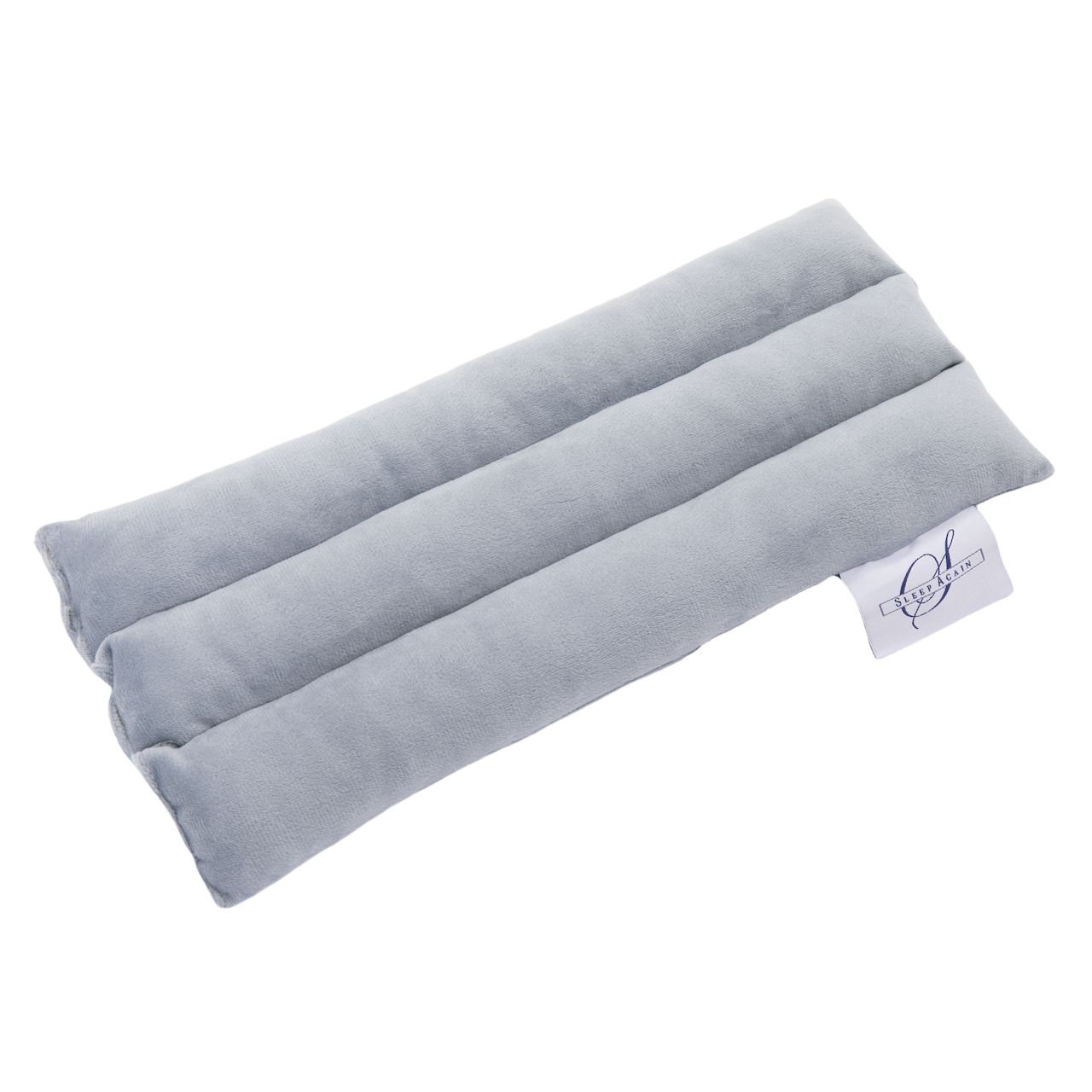
Head Pillow to provide head support and neck mobility
-
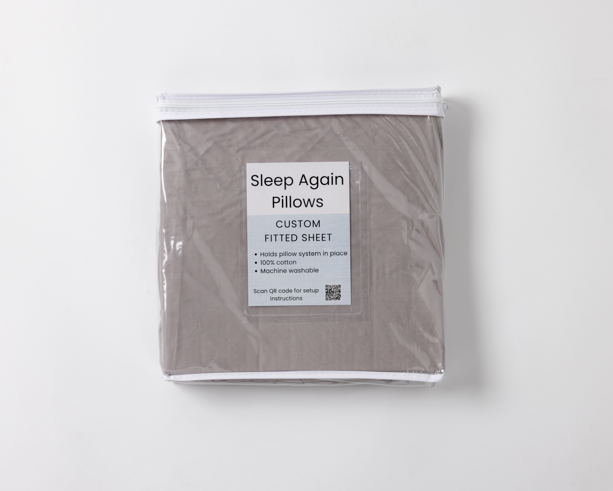
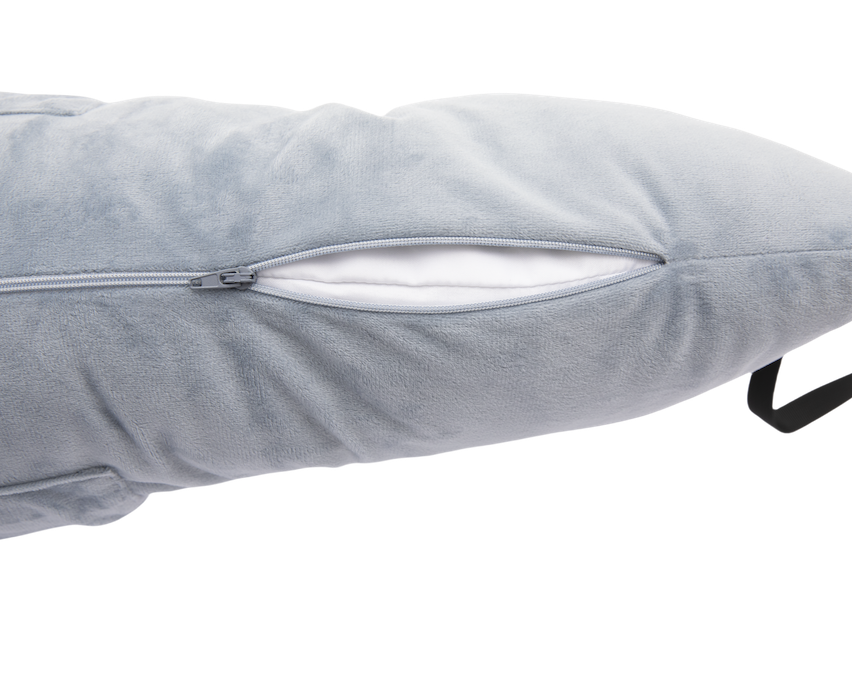
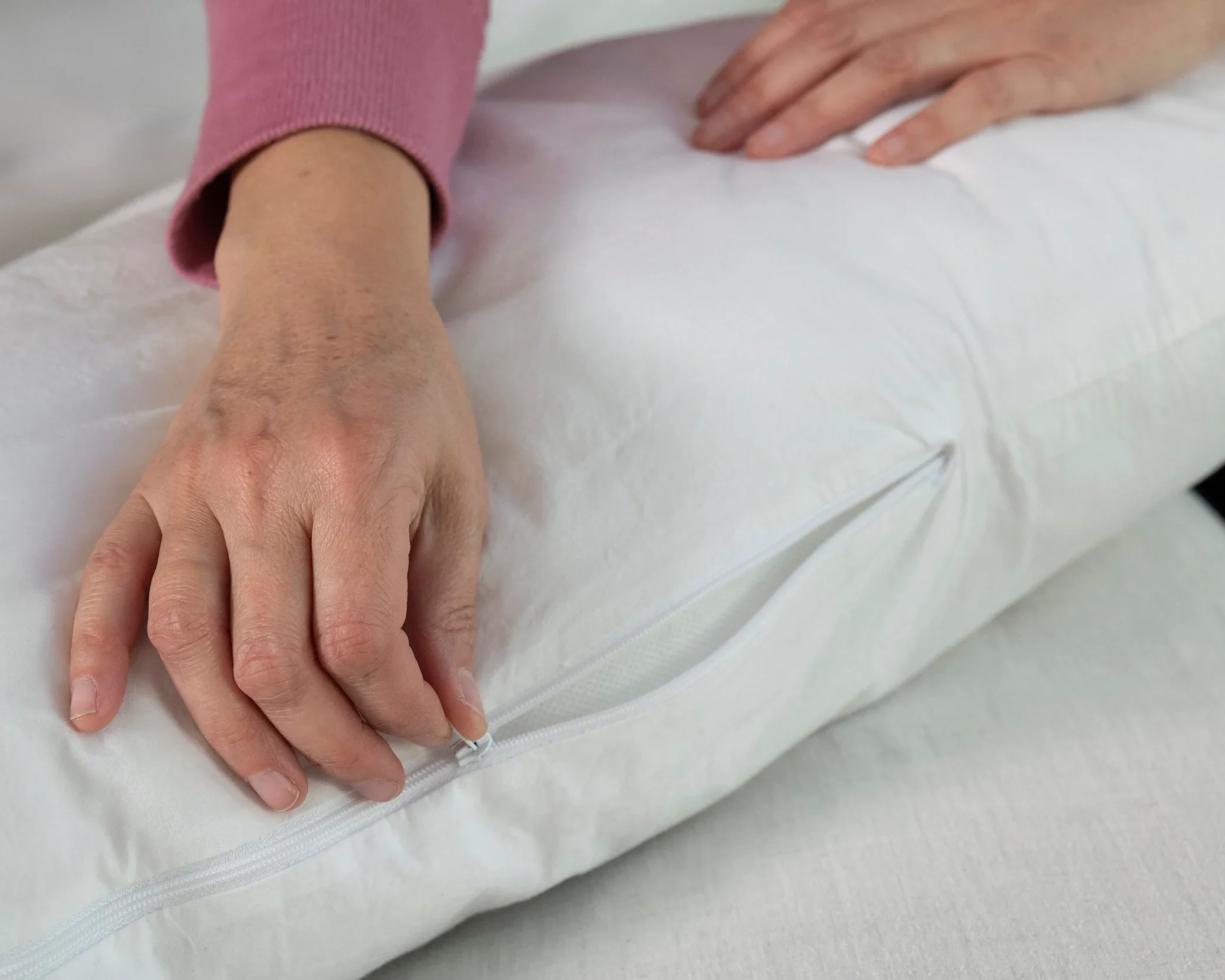
Removable, washable slipcovers for every piece
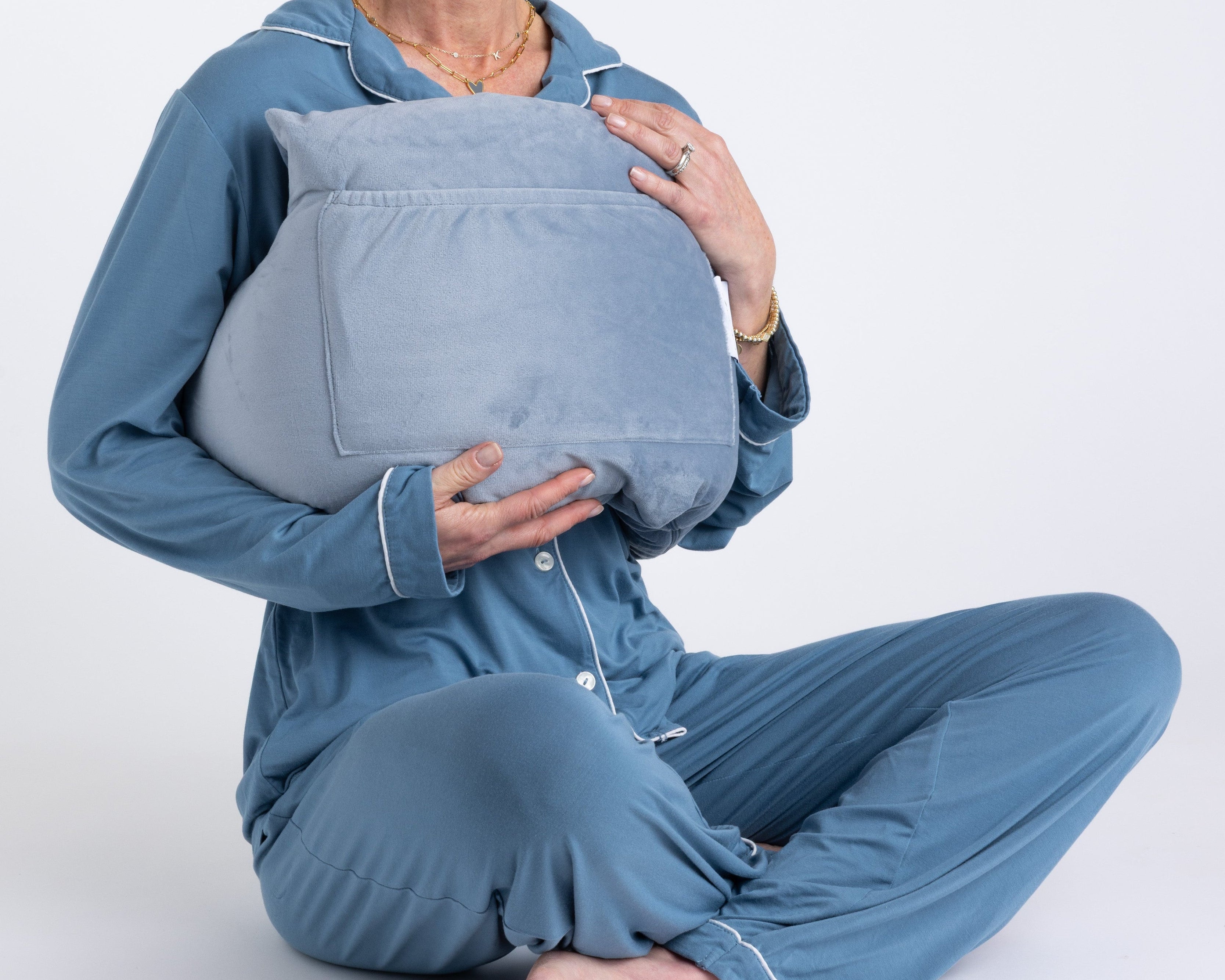
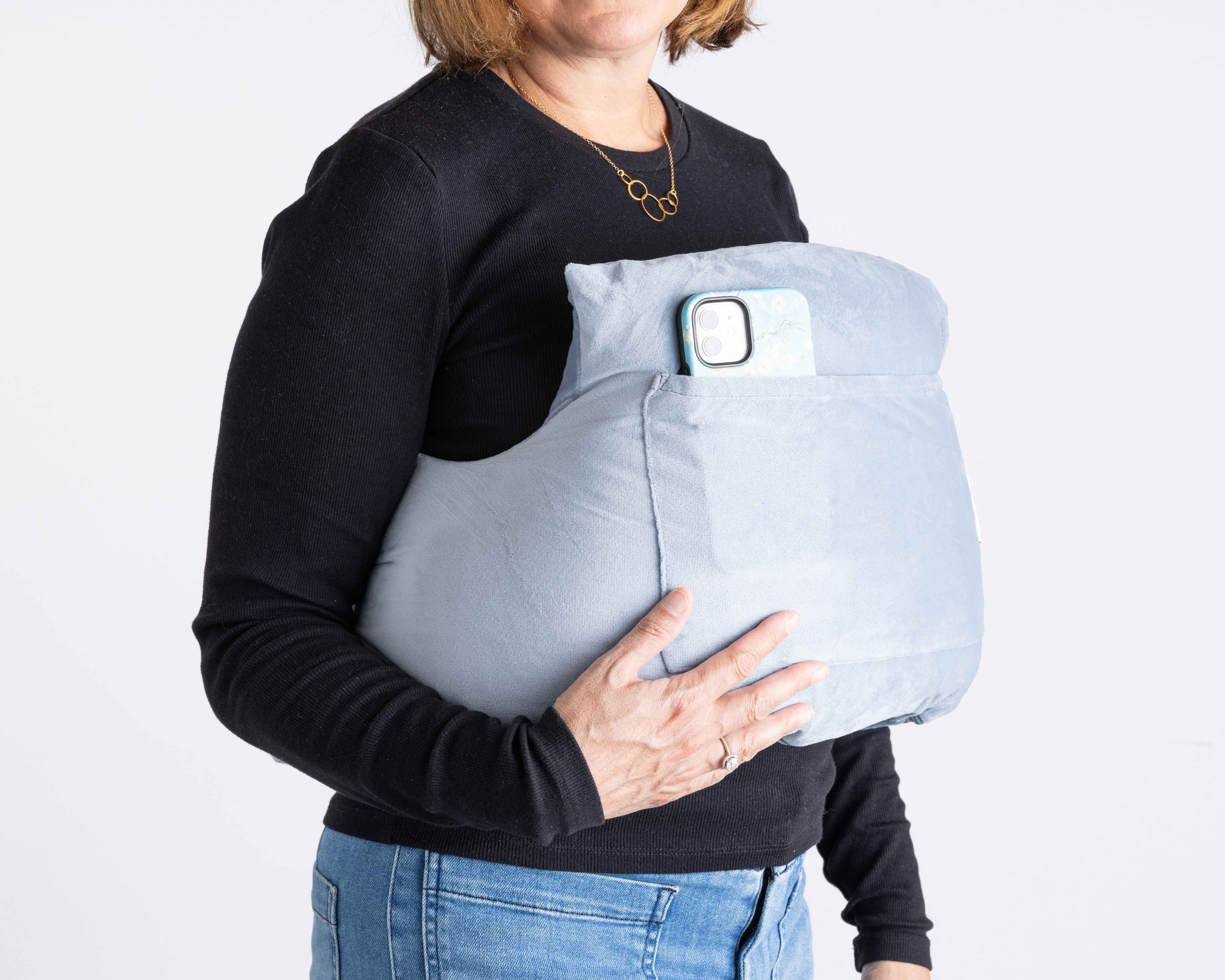
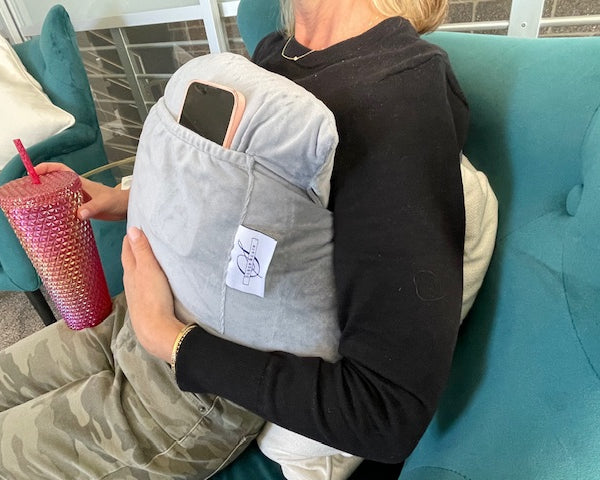
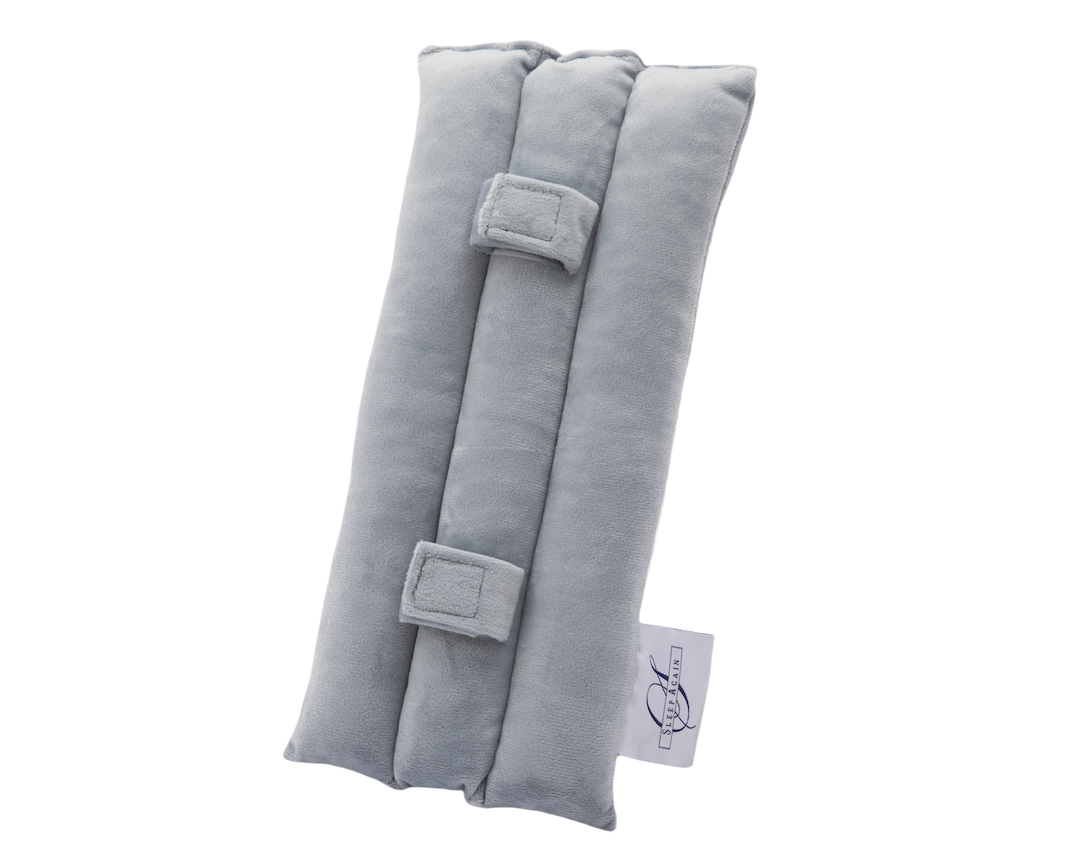
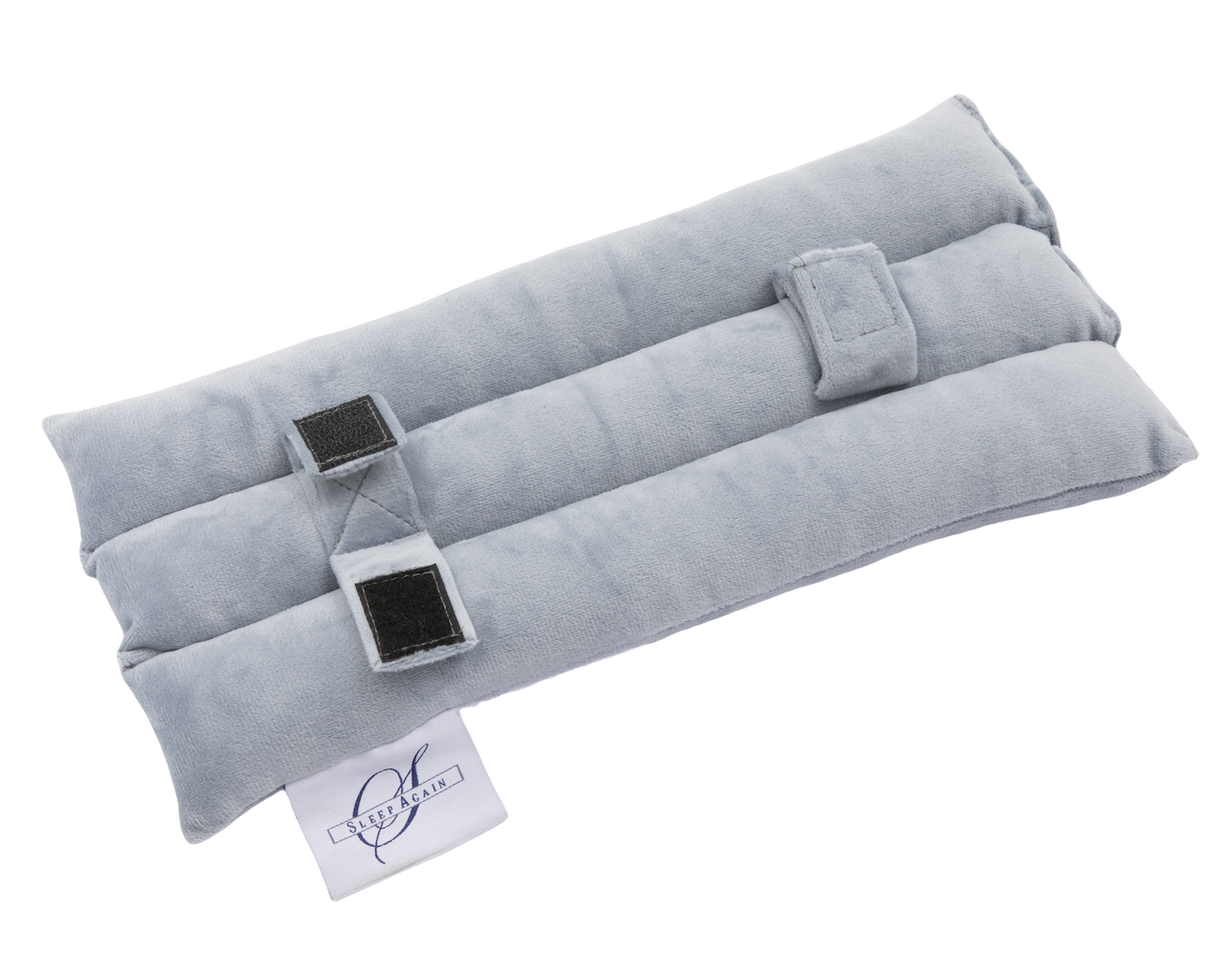
The Head Pillow is particularly relevant for cervical pain management. Rather than selecting a generic pillow and hoping the height is correct, the Head Pillow is designed to work in conjunction with the Upper Body Wedge, providing proper neck support at the exact elevation the system creates. The result is consistent cervical alignment at the therapeutic angle, not the hit-or-miss arrangement that comes from combining mismatched components.
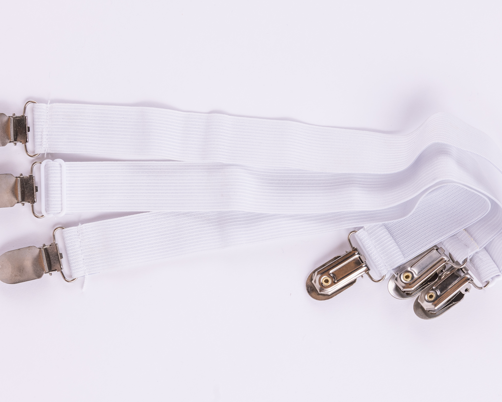
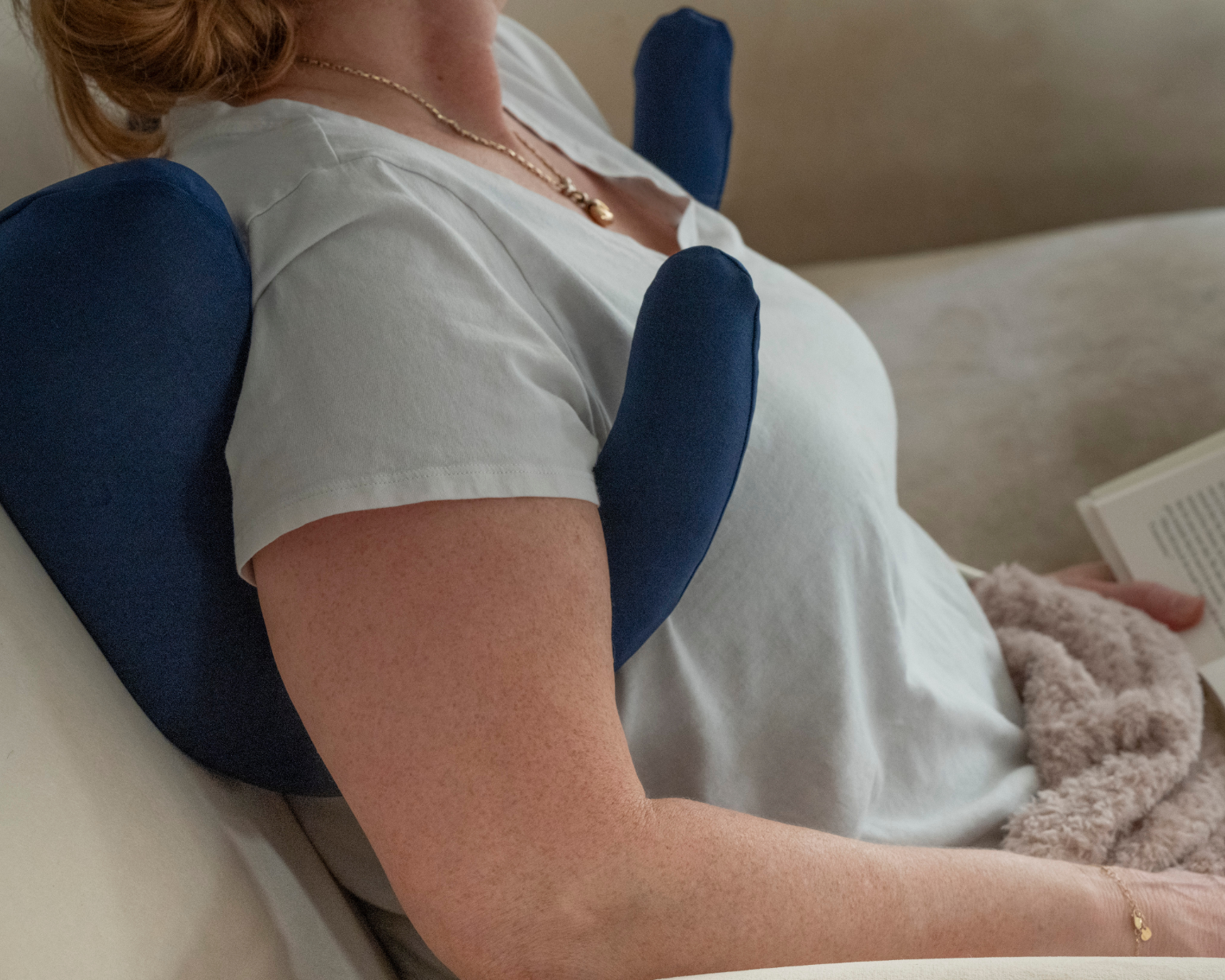
The Two Contoured Side Pillows serve a secondary but important function for neck pain patients. They stabilize the sleeping position and reduce the likelihood of rolling overnight. Positional drift is one of the primary reasons people wake up with neck pain after what seemed like a good setup at bedtime. The side pillows create a gentle boundary that keeps the body in the established position.
The Leg Support Wedge rounds out the system by addressing lower body positioning. As discussed earlier, knee and leg elevation reduces lower back tension, which reduces the compensatory strain that travels up the spine to the cervical region. Full-body positioning works together.
The Sleep Again Pillow System is eligible for FSA and HSA purchases. Making it a practical option for patients who are managing neck conditions as part of their healthcare spending. Please note that, in accordance with federal regulations, bedding products are not returnable and all sales are final.
SHOP THE BEST SLEEP SYSTEM FOR NECK PAIN RELIEF

Frequently Asked Questions: Neck Pain and Sleep Position
Is it possible to train myself to stop stomach sleeping?
Yes, and it's worth the effort. The most effective approach is positional training, using a system designed to prevent rolling while you sleep. Most people see meaningful habit change within two to four weeks of consistent effort.
Can neck pain from sleeping wrong go away on its own?
Minor positional neck pain — the kind that comes from one bad night — typically resolves within a day or two with movement, gentle stretching, and heat. Recurrent morning neck pain that occurs regularly is a signal that your sleep setup needs to change, and it will not resolve on its own if the underlying positional cause remains.
What is the best elevation angle for cervical radiculopathy?
Most patients with cervical radiculopathy find relief at 30 to 45 degrees. The elevation reduces nerve root pressure by creating mild decompression along the cervical spine. Your surgeon or physical therapist should guide your specific positioning protocol.
Does sleeping position affect herniated discs in the neck?
Yes. Cervical disc herniation is particularly sensitive to positional pressure. Stomach sleeping — which forces sustained cervical rotation — is typically the most damaging. Elevated back sleeping is generally the most protective position for herniated cervical discs because it reduces compressive forces on the disc and minimizes torsional stress.
What should I avoid putting under my neck when sleeping on my back?
Avoid stacking regular sleeping pillows as a substitute for a properly contoured cervical pillow. Stacked pillows create excessive flexion and an unstable support surface. Also, avoid placing a thick pillow only under the head rather than extending support through the upper back and neck. The support zone should span from the upper back to the top of the head.
Is the Sleep Again Pillow System appropriate for neck surgery recovery specifically?
The Sleep Again Pillow System is designed for post-surgical recovery and supports many surgery types; however, those recovering from spine surgery may have difficulty rolling out of the system due to the nature of its design and features specific to supporting elevated back sleeping. At this time, we don't recommend purchasing our system to support spine surgery recovery, though it can be used to provide relief to those with neck and back pain.
The Bottom Line: Neck Pain and Sleep Position
The cervical spine responds directly to how it is supported during sleep. A position that involves sustained rotation, excessive flexion, or unsupported lateral drop creates cumulative mechanical stress over weeks and months.
The solution isn't complicated. Back sleeping, with appropriate cervical support, and ideally with moderate upper body elevation, addresses the mechanical causes of sleep-related neck pain at its source. It maintains the natural lordotic curve. It reduces nerve root pressure. It allows the musculature to rest instead of compensating. And it creates conditions where the body's natural overnight healing processes can actually work.
If you're managing active neck pain, adopting elevated back sleeping can provide comfort and relief.
Important Medical Disclaimer
The information provided on this page is for educational purposes only and should not replace professional medical advice from your healthcare provider. Sleep Again Pillows are positioning support products designed to help maintain sleep positions recommended by medical professionals during recovery and for therapeutic use.
Always follow your surgeon's or physician's specific post-operative instructions and positioning requirements. Medical guidance from your healthcare team takes precedence over any general information provided here. Recovery timelines, positioning angles, and product suitability vary based on individual surgical procedures, medical conditions, and patient-specific factors.
Consult your healthcare provider before purchasing positioning equipment if you have specific medical concerns or questions about whether these products are appropriate for your recovery or medical condition(s). Your medical team can provide personalized recommendations based on your unique situation.
Sleep Again Pillows do not diagnose, treat, cure, or prevent any medical condition. These products provide positioning support to help maintain sleep angles and positions as directed by your healthcare provider.