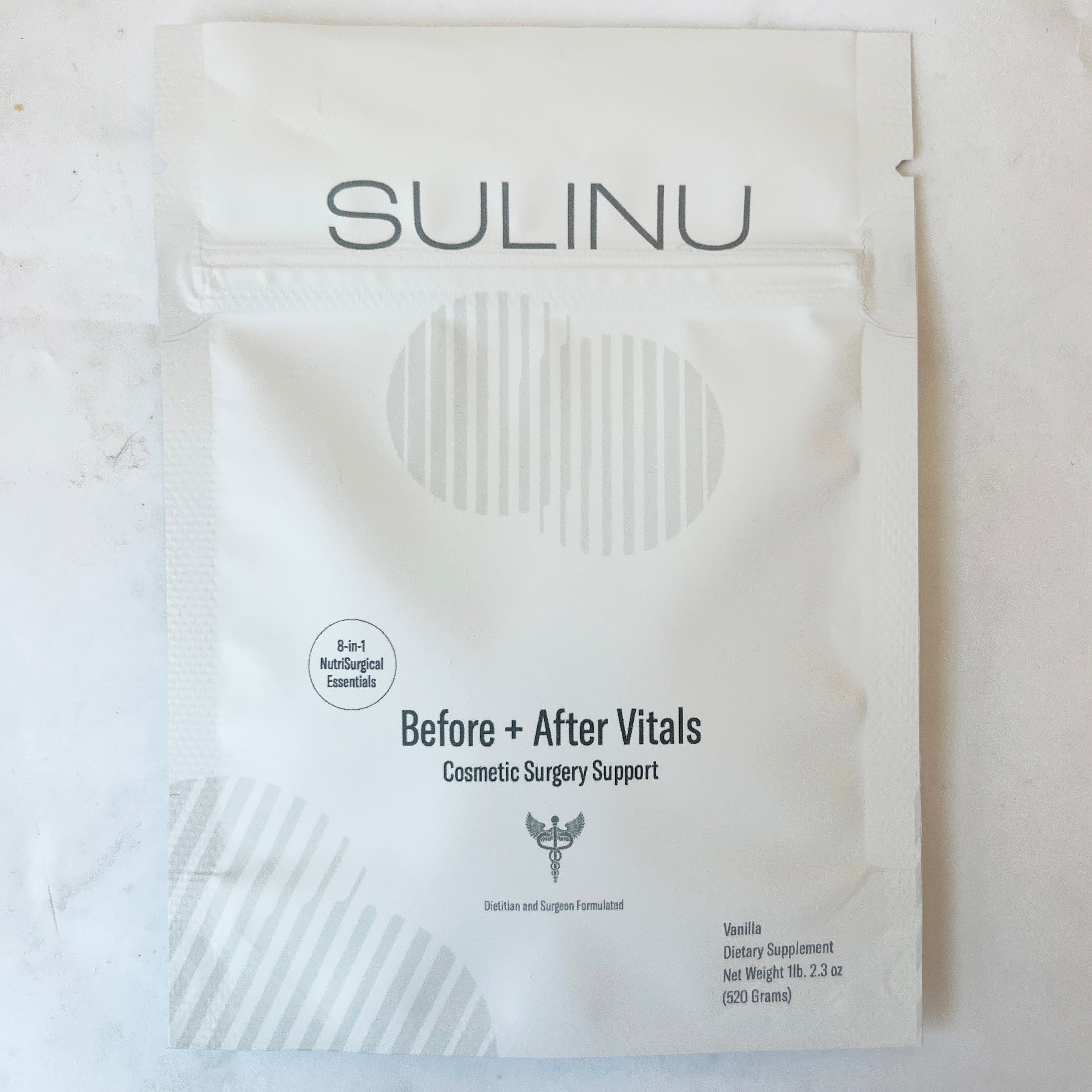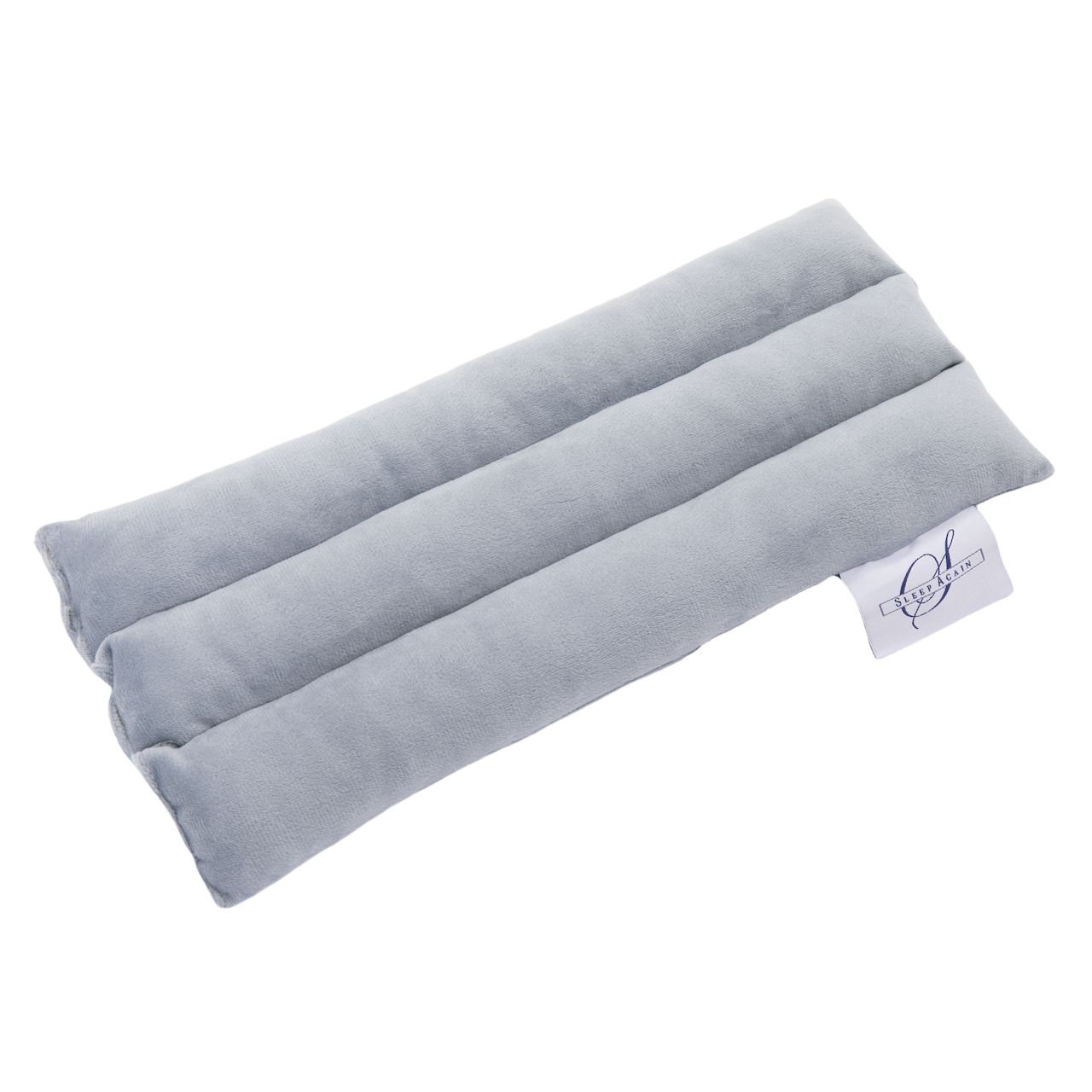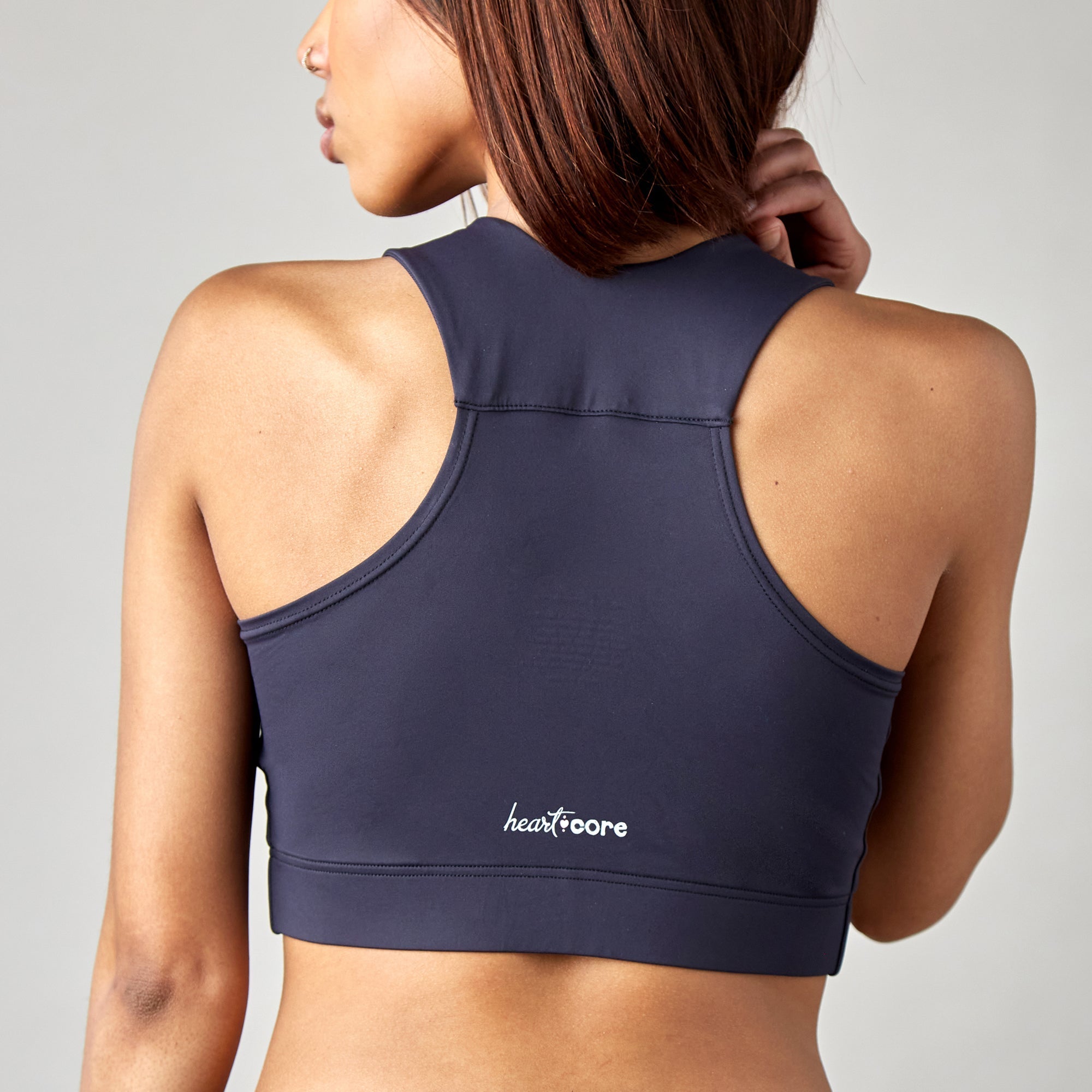

Your surgery date is circled on the calendar. Pre-op appointments are scheduled. Blood work is complete. But many patients don't realize that FSA or HSA balance sitting in your account could significantly reduce the cost of better post-surgical recovery equipment.
Most people wait until after surgery—when they're already uncomfortable, sleep-deprived, and struggling to find adequate positioning solutions. Planning ahead means using FSA funds or HSA allocations to set up your recovery sleep environment before anesthesia wears off.
The difference between struggling through recovery and actually sleeping through the night often comes down to decisions you make before entering the operating room.
Why Pre-Surgery Sleep Preparation Actually Matters
Over 80% of surgical patients report significant sleep disruption during recovery. Poor sleep quality directly impacts surgical outcomes, complication rates, and recovery speed. Your body does intensive healing during deep sleep phases—every night of poor positioning extends your recovery timeline.
Research shows that patients maintaining quality sleep experience faster wound healing, reduced infection rates, better pain management, and shorter recovery periods.
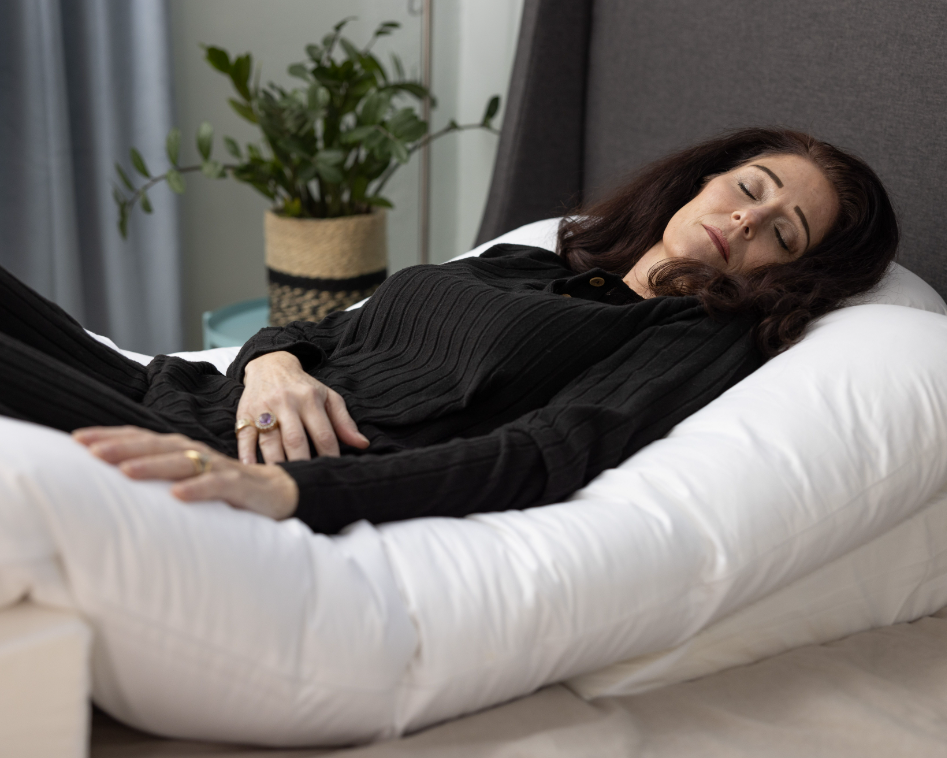
The science behind elevated back-sleeping: Most surgical recoveries require elevated positioning at 30-45 degrees, which isn't just about comfort. This specific angle provides critical therapeutic benefits: gravity-assisted lymphatic drainage that reduces swelling, decreased pressure on incision sites allowing optimal healing, improved respiratory function reducing pneumonia risk, minimized acid reflux protecting healing tissues, enhanced circulation preventing blood clots, and reduced need to engage core muscles when shifting position.
The typical post-surgery scenario: You arrive home exhausted. Pain medication causes drowsiness but not quality rest. Household pillows shift and collapse, making it impossible to maintain the therapeutic elevation your surgeon recommended. By week two, you've spent $200+ on equipment that doesn't work properly.
The prepared patient's experience: Recovery equipment is set up and ready. From night one, you achieve the 30-45 degree therapeutic positioning your body needs. Your focus stays on healing instead of fighting inadequate support.
Understanding Your FSA and HSA Benefits for Medical Equipment
Both FSAs and HSAs allow tax-advantaged dollars for qualified medical equipment, but the strategic advantages differ significantly.
Flexible Spending Accounts (FSAs): "Use it or lose it" accounts with annual limits around $3,200 for 2025. Many employers offer grace periods through mid-March or allow rolling over up to $640. If you're facing year-end with unused FSA balance and scheduled surgery, medical equipment represents an ideal qualified expense.
Health Savings Accounts (HSAs): These roll over indefinitely—excellent long-term medical savings. Contribution limits: $4,300 individuals or $8,550 families in 2025. Strategic planning around surgical recovery maximizes these tax-advantaged funds.
The tax advantage: FSA/HSA funds are pre-tax dollars, creating 20-37% savings depending on your bracket. For a $300 medical purchase, that's $60-110 in tax savings.
What Qualifies as Medical Equipment for FSA/HSA Purposes
Medical necessity is the key criterion. Equipment must primarily diagnose, treat, mitigate, or prevent a medical condition. When your surgeon recommends elevated back sleeping for recovery, positioning equipment becomes medically necessary rather than merely comfortable.
What typically qualifies:
-
Equipment prescribed or recommended by healthcare providers
-
Products designed for therapeutic or medical purposes
-
Items addressing specific medical conditions or recovery needs
What typically doesn't qualify:
-
General comfort items without medical application
-
Products primarily for non-medical purposes
-
Equipment purchased without medical documentation
The planning advantage: Discussing recovery positioning during pre-op appointments means requesting written recommendations. This strengthens FSA/HSA qualification and supports reimbursement requests.

The Therapeutic Science Behind Elevated Back-Sleeping
Understanding why elevated back-sleeping at 30-45 degrees provides significant recovery benefits helps you appreciate this positioning as medical necessity rather than comfort preference.
Lymphatic drainage optimization: When sleeping elevated, gravity assists your lymphatic system in moving fluid away from surgical sites. This natural drainage reduces swelling more effectively than flat positioning. Reduced swelling means less pressure on incisions, decreased pain, and faster healing.
Reduced incision tension: Surgical incisions heal best without constant tension. Elevated positioning reduces gravitational pull on chest, abdominal, and facial incisions. Decreased tension allows wound edges to approximate closely, promoting optimal healing.
Respiratory function improvement: The 30-45 degree angle opens airways more effectively than flat sleeping, reducing post-surgical pneumonia risk. Better oxygenation supports cellular healing throughout your body.
Circulatory enhancement: Elevated positioning improves venous return from the lower body while maintaining arterial flow to healing tissues. This reduces blood clot risk while ensuring surgical sites receive oxygen and nutrients needed for healing.
Reduced acid reflux risk: Many pain medications and surgical stress increase acid reflux. Elevated sleeping keeps stomach acid where it belongs, protecting healing tissues from additional irritation.
Core muscle protection: For abdominal and back surgeries, elevated positioning reduces the need to engage core muscles when adjusting position during sleep—critical during early healing when core muscle engagement could compromise incision integrity.
GET BETTER SLEEP AND USE YOUR FSA/HSA FUNDS TODAY
Common Surgical Procedures Requiring Elevated Back-Sleeping
While elevated back sleeping at 30-45 degrees benefits most surgical recoveries, understanding the specific therapeutic advantages for different procedures helps you appreciate why this positioning matters.
Breast surgeries (mastectomy, lumpectomy, reduction, augmentation): Elevated back-sleeping reduces fluid accumulation in chest tissues by utilizing gravity for lymphatic drainage. This positioning minimizes tension on incision lines and supports proper healing of delicate breast tissue. The 30-45 degree angle prevents shoulder strain while accommodating surgical drains. Recovery typically requires 4-8 weeks of consistent elevation.
Abdominal surgeries (hysterectomy, hernia repair, C-section, gastric sleeve): Elevated positioning protects healing core muscles by reducing intra-abdominal pressure. The angle prevents the need to engage abdominal muscles when adjusting position, which is critical for incision healing. Hip and leg support maintains proper spinal alignment without straining abdominal tissues. Most patients need 6-12 weeks of elevated sleeping for optimal healing.
Back and spine surgeries: These procedures demand precise elevated positioning to maintain proper spinal alignment throughout extended recovery. The 30-45 degree angle prevents compensatory strain on healing vertebral structures while supporting natural spinal curves. This positioning reduces pressure on surgical sites and promotes proper fusion or healing. Recovery positioning may be required 8-16 weeks depending on procedure complexity.
Shoulder and rotator cuff surgeries: Elevated back-sleeping with proper arm positioning prevents subluxation and supports healing rotator cuff tissues. The elevation angle helps manage swelling through improved circulation while preventing the surgical shoulder from bearing body weight during sleep. Bilateral side support prevents rolling onto the affected shoulder.
Facial and neck surgeries (septoplasty, rhinoplasty, thyroid surgery): Head and upper body elevation at 30-45 degrees reduces facial swelling and supports proper drainage of fluids from surgical sites. This positioning prevents blood pooling in facial tissues and reduces pressure on healing nasal or neck structures.
Pelvic surgeries and pudendal neuralgia: Elevated positioning provides crucial pressure relief while maintaining proper pelvic alignment. The angle reduces direct pressure on healing tissues while preventing nerve compression that could trigger pain responses or slow healing.
The Real Cost of Waiting Until After Surgery
Most patients start with household pillows, realize they don't provide adequate support, then order individual recovery products. The first wedge arrives without side support. A body pillow gets added but doesn't integrate. Total spending often reaches $150-250 across multiple purchases that never work together properly.
The hidden costs: Each night of inadequate positioning means poorer sleep quality and slower healing. Studies show surgical patients with disrupted sleep experience slower wound healing, higher pain levels, and increased complication risks.
The trial-and-error problem: The first two weeks post-surgery represent the most critical healing period—exactly when your body needs consistent therapeutic positioning most urgently.
The stress factor: Recovery should focus on healing, not troubleshooting pillow configurations and managing delivery logistics.

Smart FSA/HSA Strategies for Pre-Surgery Planning
End-of-year FSA planning: If you have unspent FSA balance and upcoming surgery, late-year equipment purchases use funds that would otherwise expire. Ensure your surgery and recovery fall within the FSA plan year.
HSA strategic allocation: While HSAs don't face "use it or lose it" pressure, allocating funds for surgical recovery before surgery helps financial planning.
Documentation timing: Requesting equipment recommendations during pre-op appointments creates paper trail documentation that strengthens medical necessity cases.
Reimbursement procedures: Some patients purchase equipment upfront then seek FSA/HSA reimbursement. Pre-surgery planning allows time to prepare comprehensive documentation with surgeon recommendations and equipment medical literature.
What Makes Professional Recovery Systems Worth the Investment
Understanding what separates medical-grade equipment from consumer comfort products helps you make investments that actually support healing.
Structural integrity: Household pillows and basic wedges compress within hours. Professional recovery systems employ dense, medical-grade foams that maintain precise angles throughout 8+ hour sleep periods.
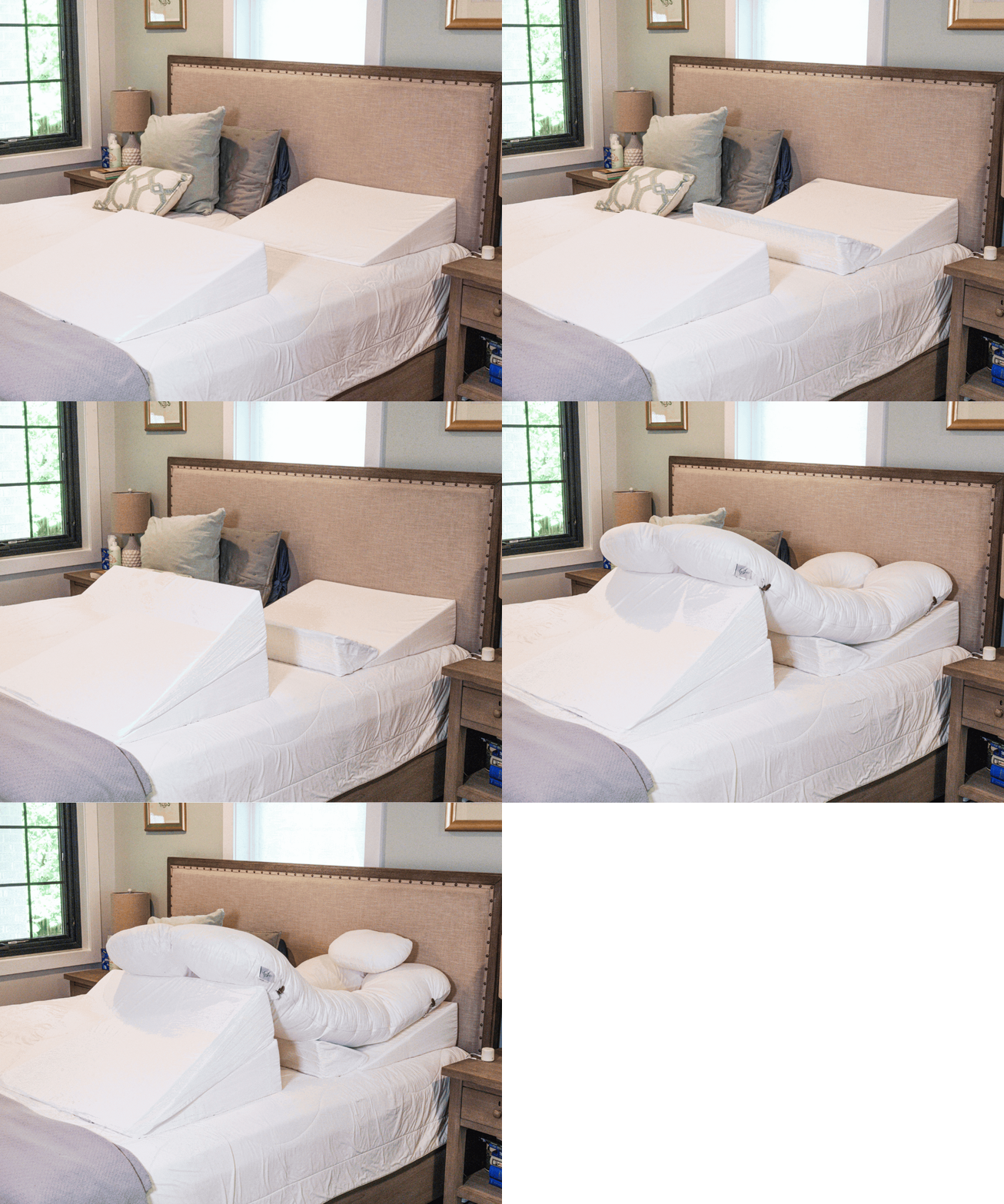
Integrated design: Recovery positioning requires multiple elements working together—upper body elevation, bilateral side support, leg elevation, cervical alignment. Individual pillows rarely integrate effectively. Professional systems design all components to work together.
Medical necessity documentation: Consumer comfort products face challenges with FSA/HSA qualification. Professional medical positioning systems designed for post-surgical recovery provide stronger documentation supporting HSA/FSA usage.
Long-term value: Quality positioning systems continue providing benefits beyond surgical recovery—improved acid reflux, circulation, and overall sleep quality.

The Sleep Again Pillow System: Engineered for Recovery
When patients ask what separates professional positioning equipment from household alternatives, the answer comes down to whether the system was designed with surgical recovery as its primary purpose or adapted from general comfort products.
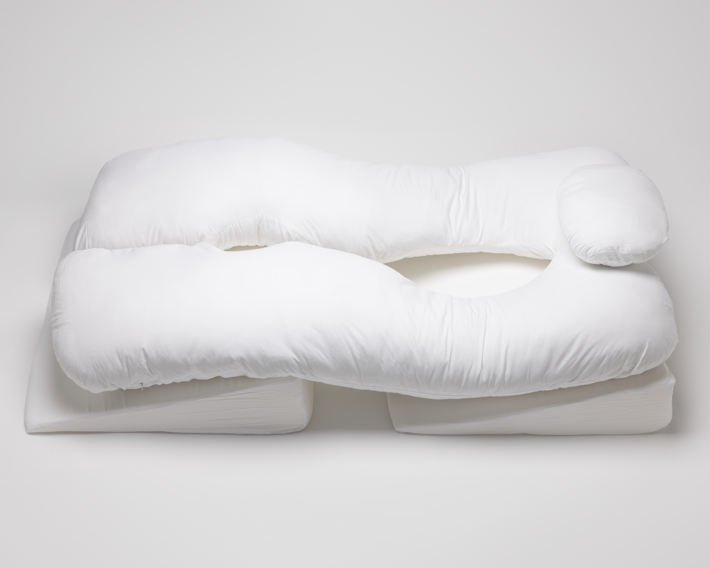
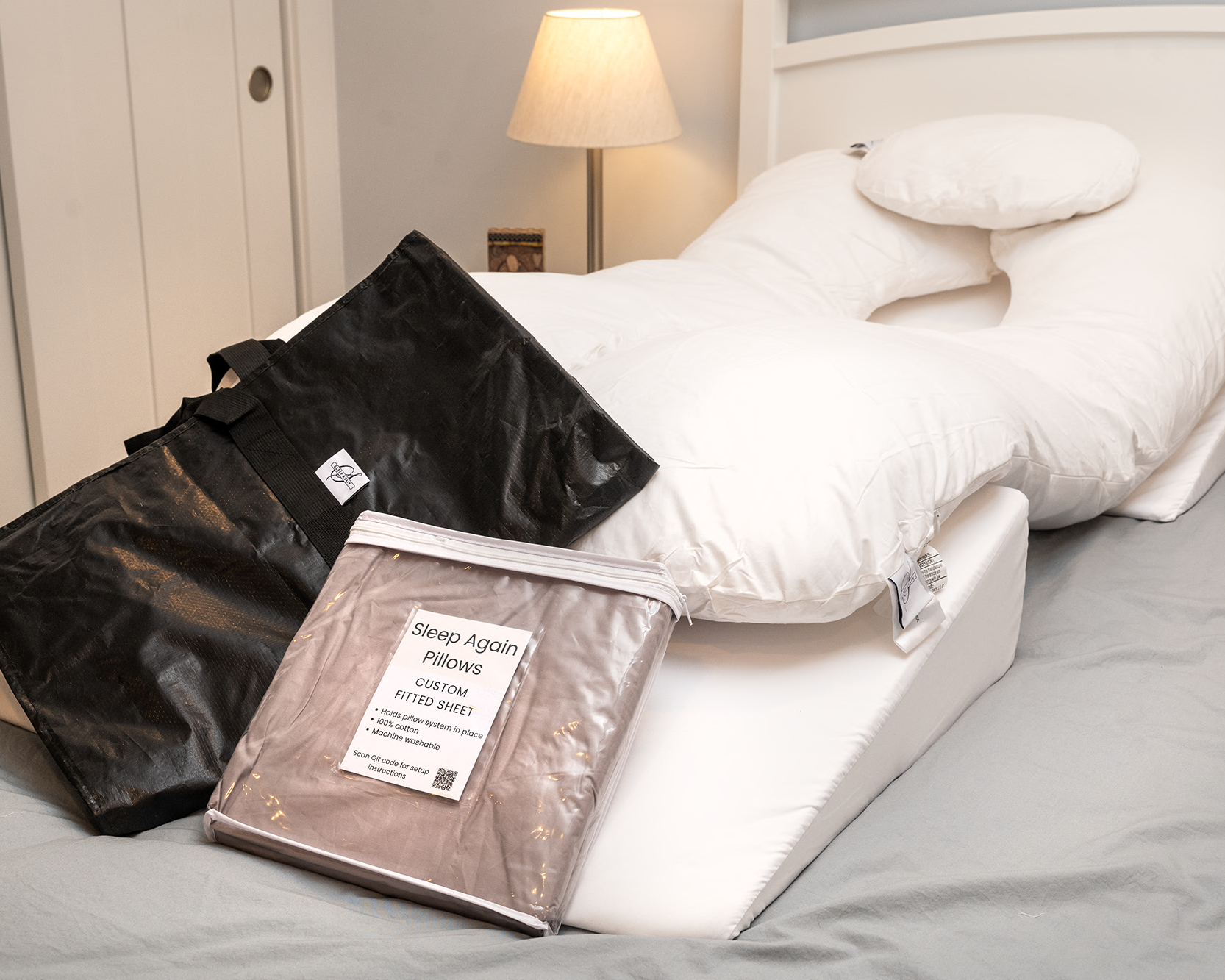
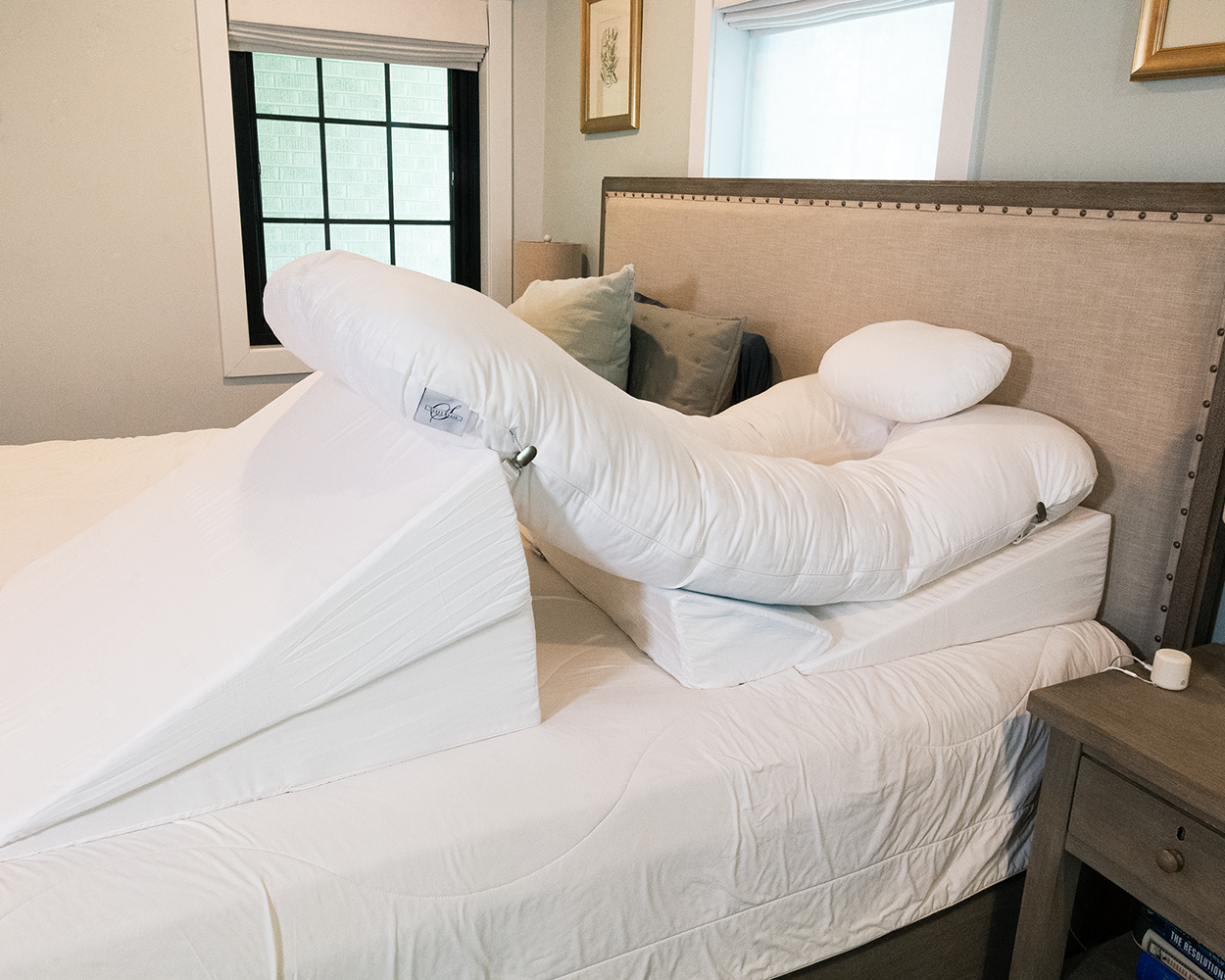
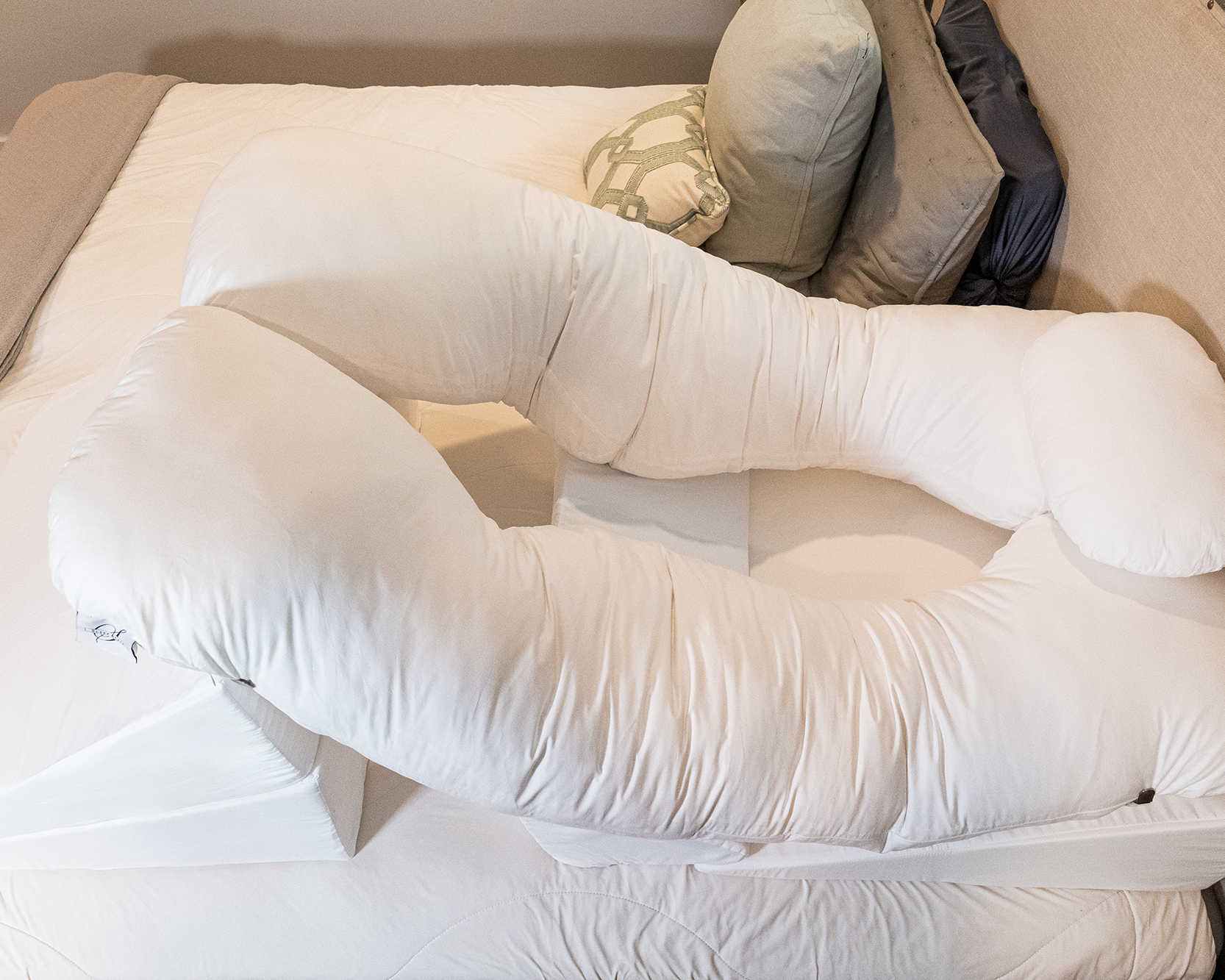
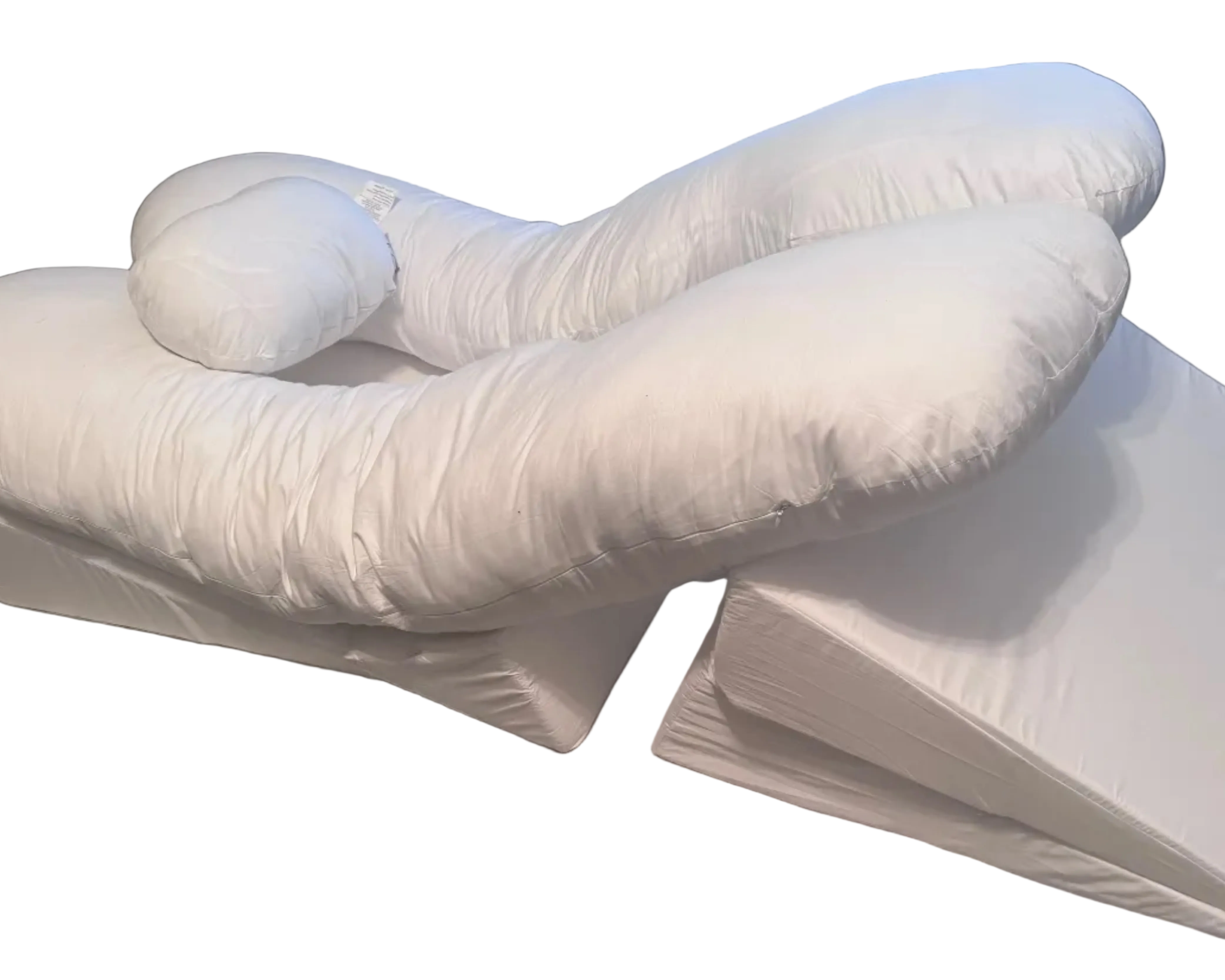
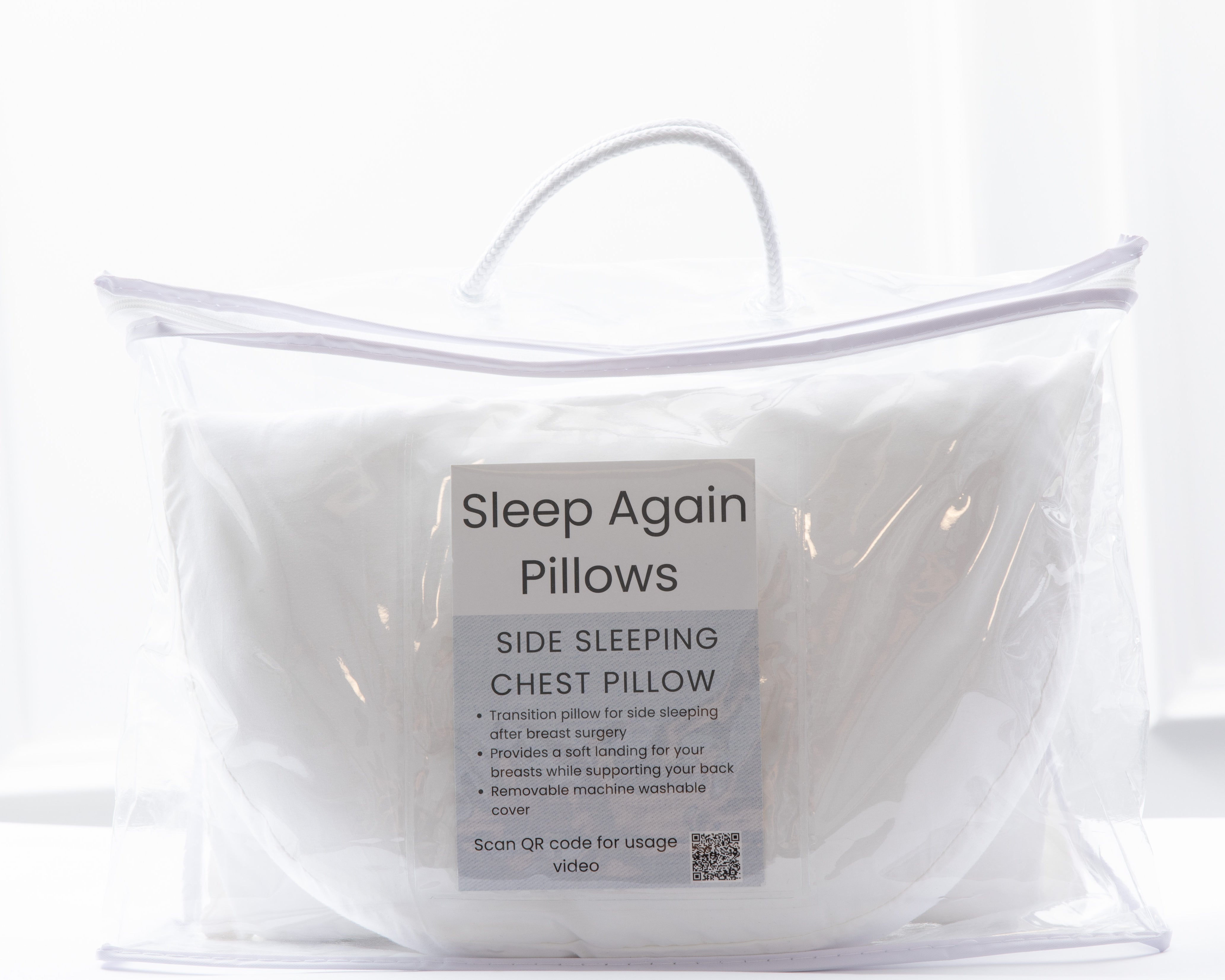
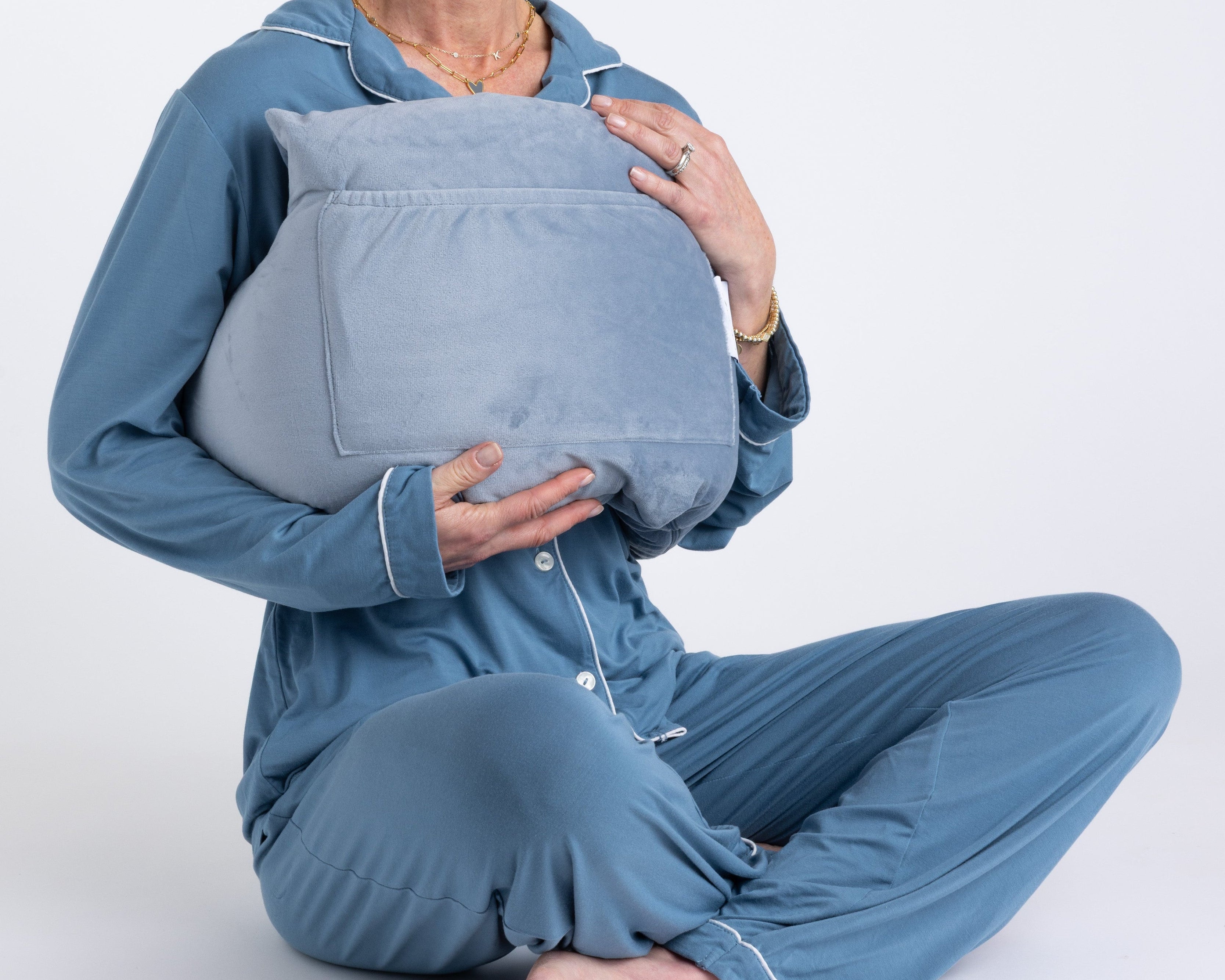
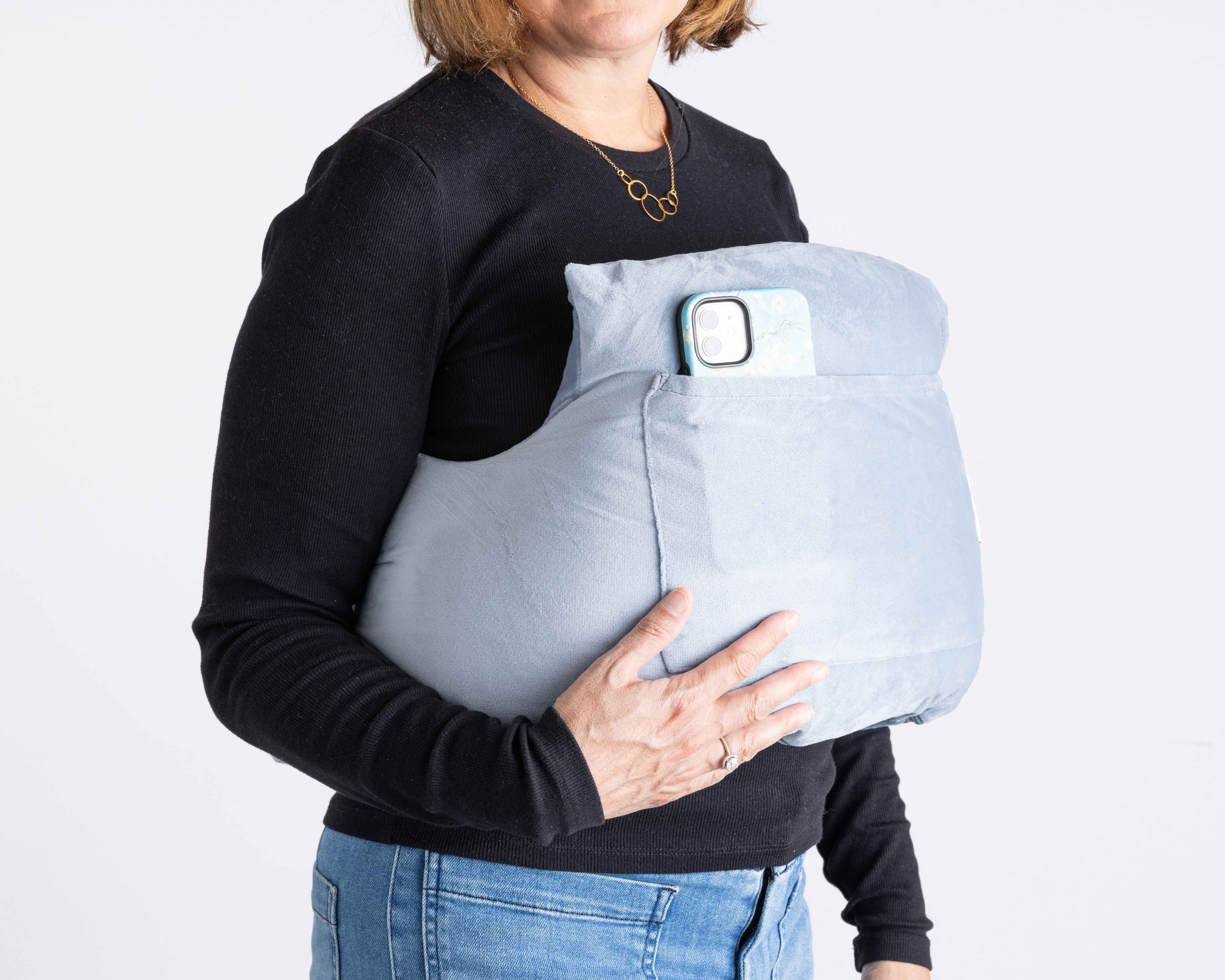
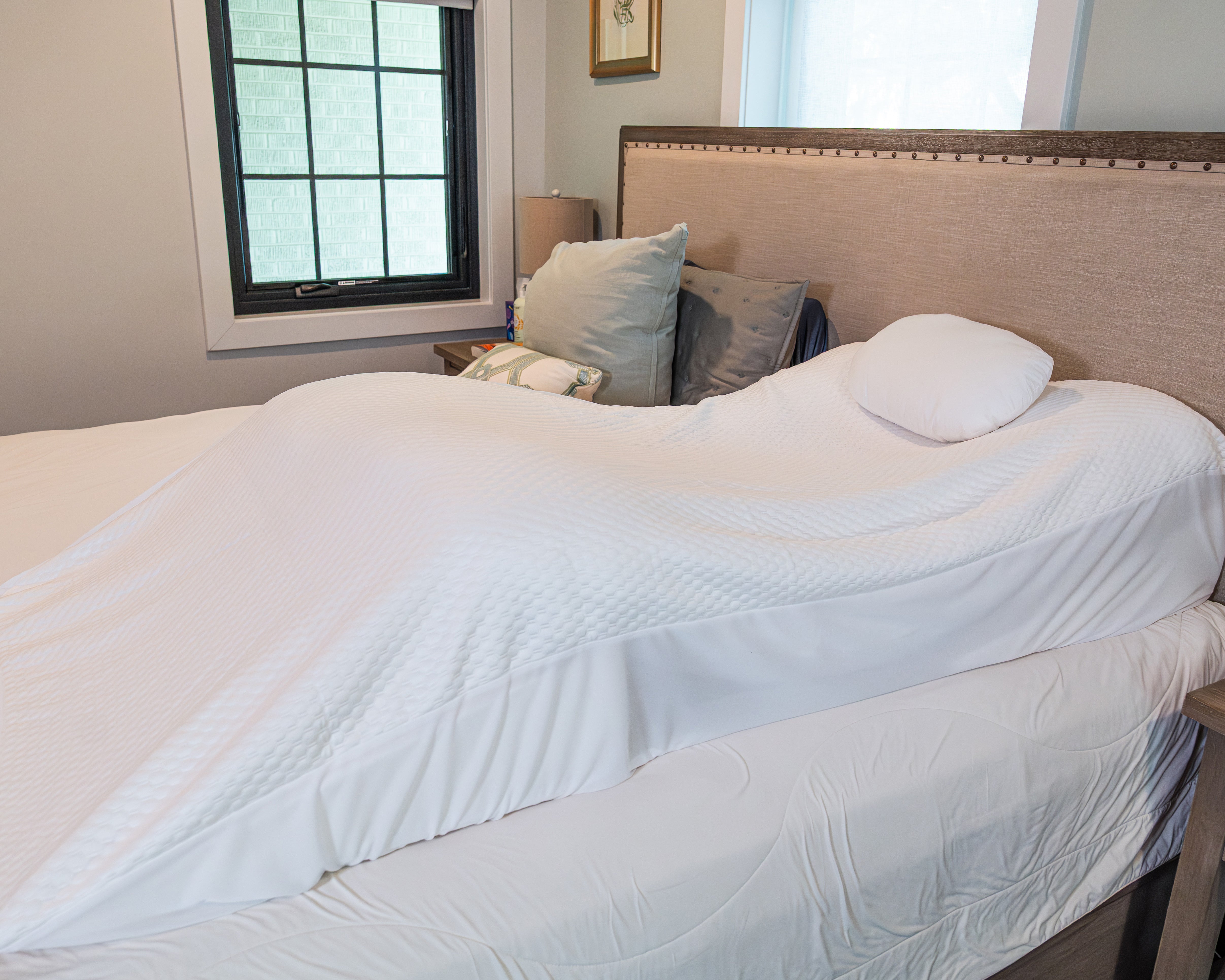
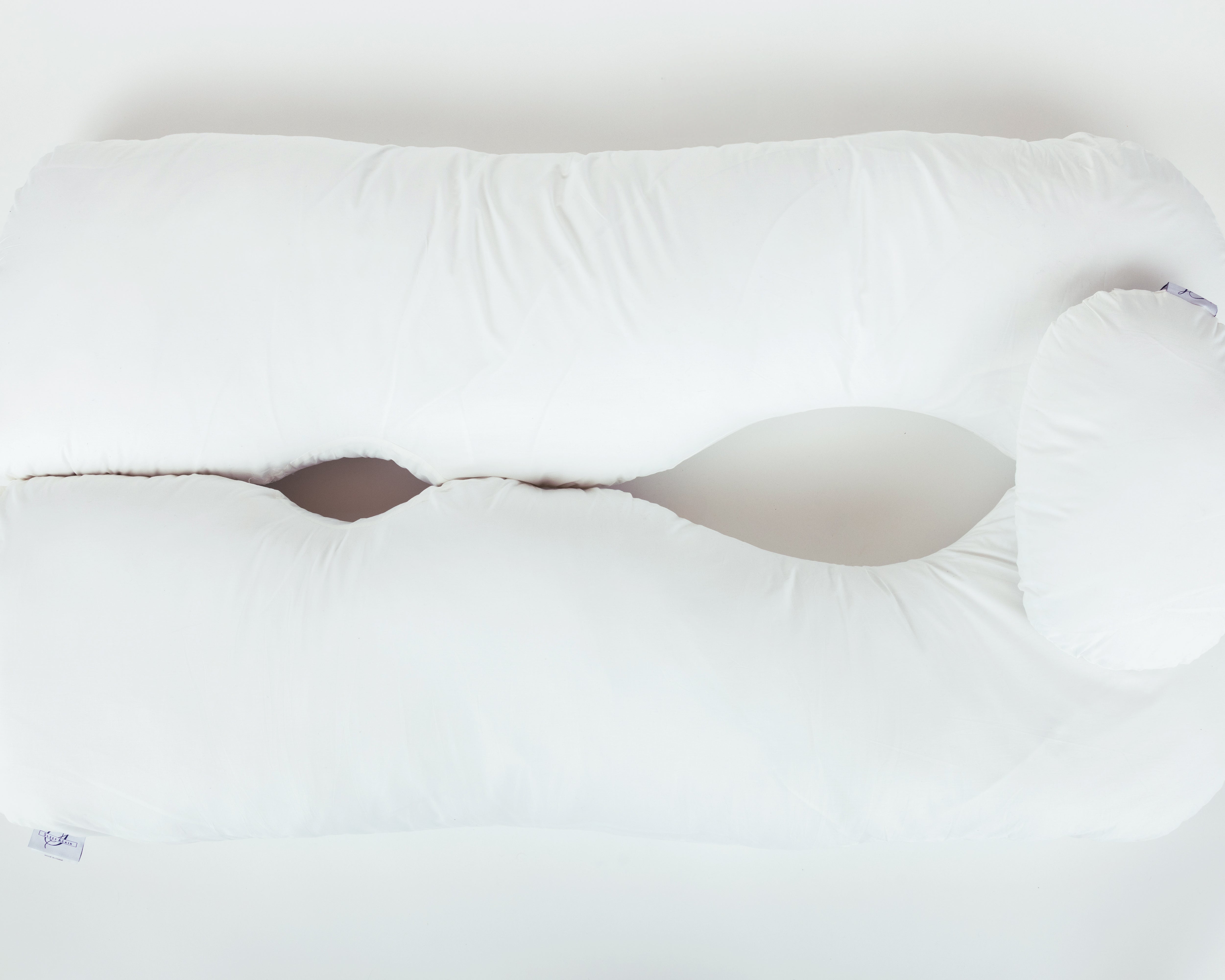
The Sleep Again Pillow System was developed specifically for post-surgical recovery positioning, engineered to address the precise therapeutic requirements surgeons recommend for optimal healing. As the only full-body pillow system designed specifically for surgery support, it provides the integrated positioning that addresses recovery needs from the first night home.
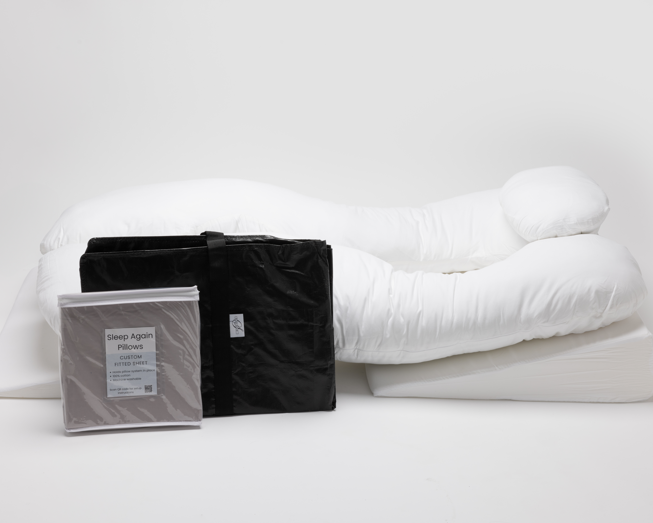
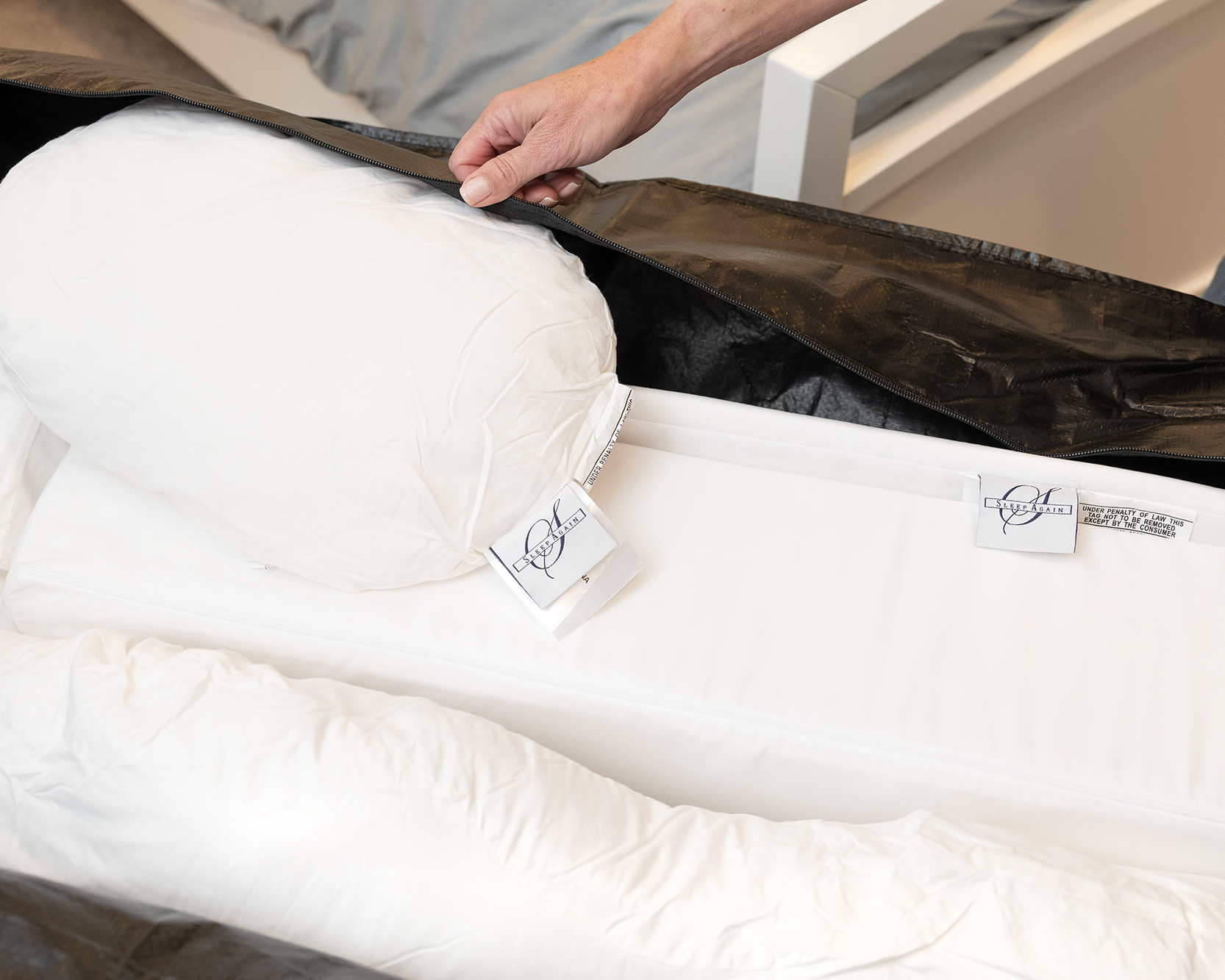
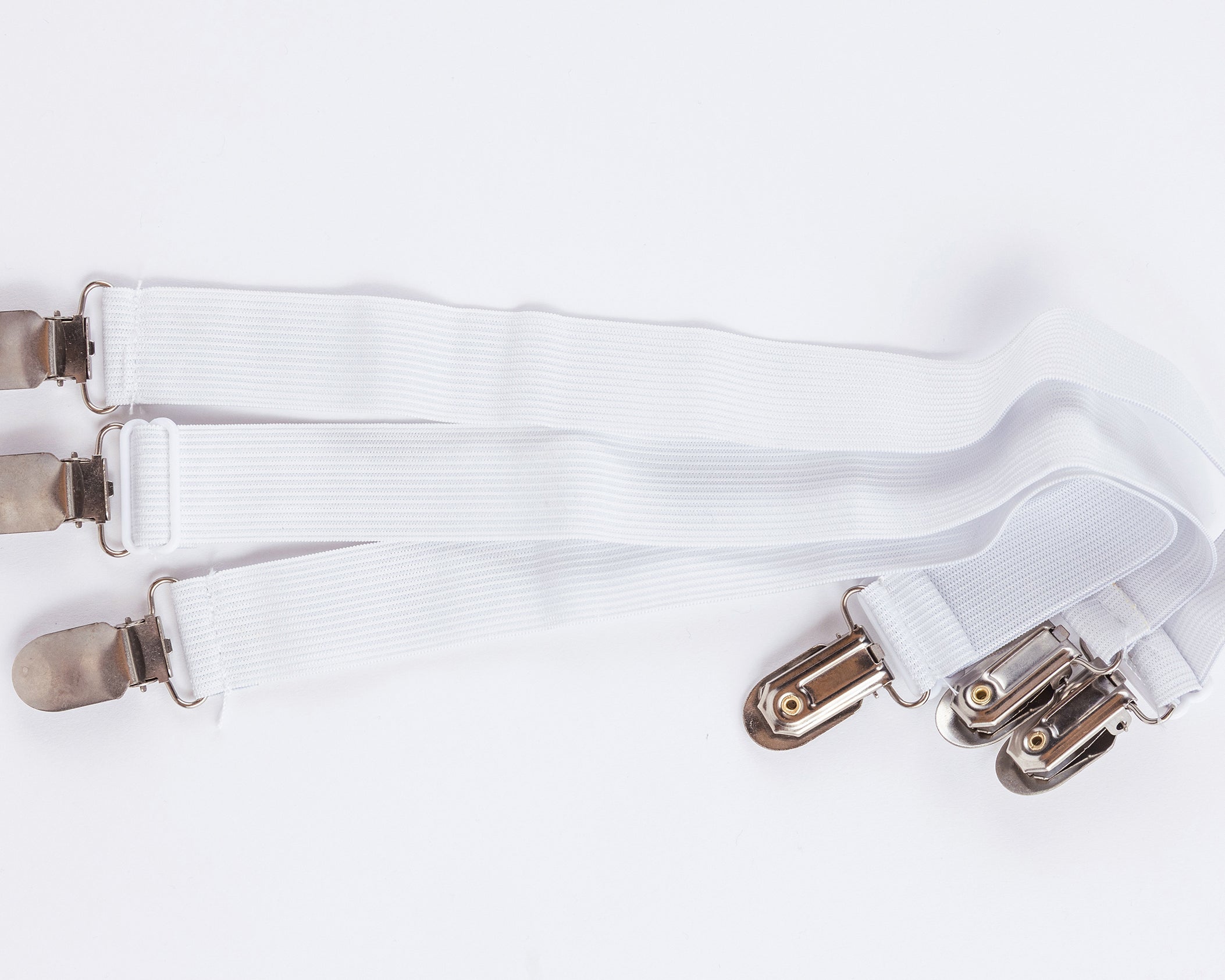
Complete System Components:
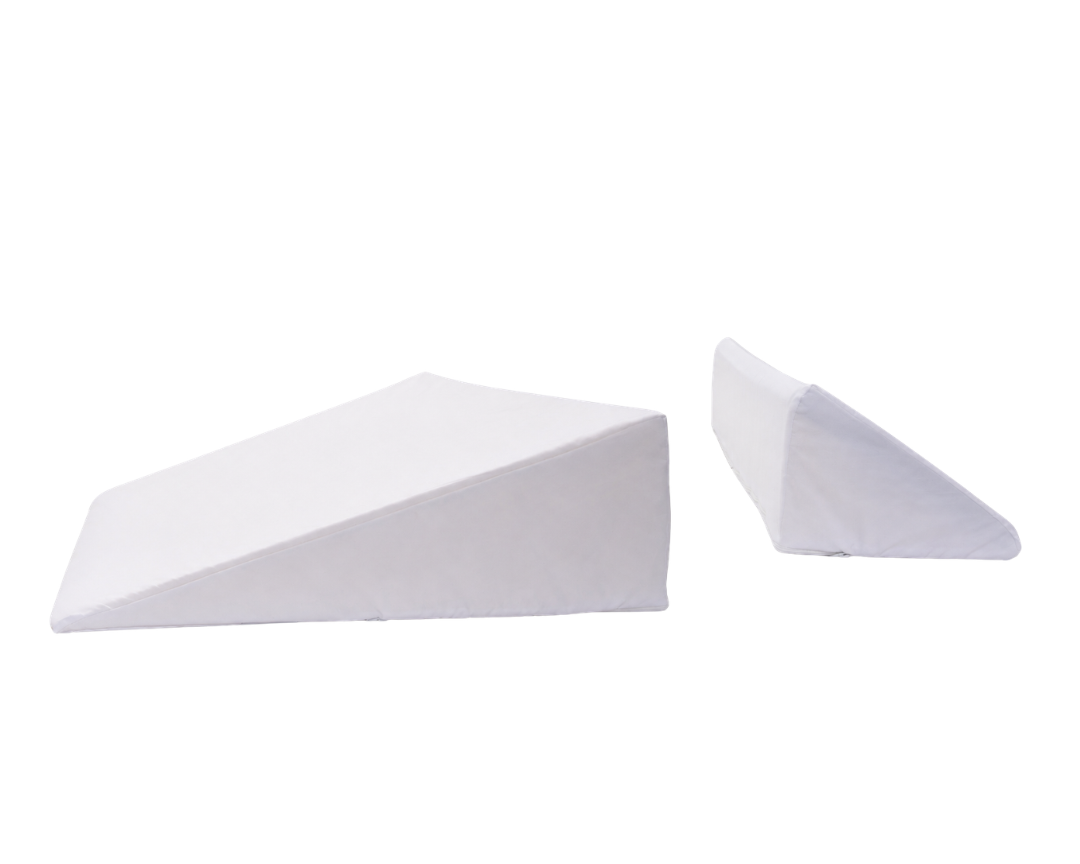
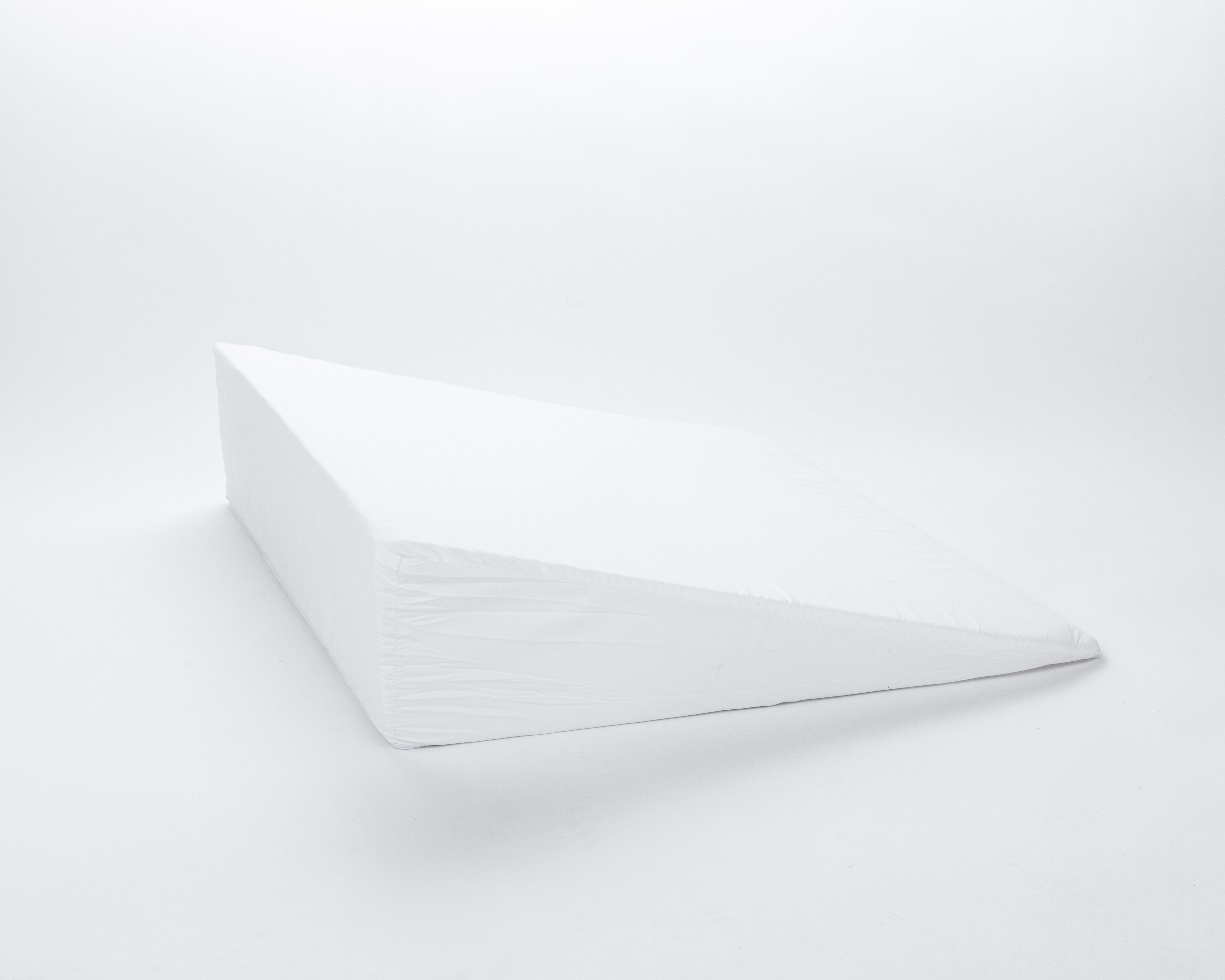
The Upper Body Wedge maintains 30-45 degree therapeutic elevation using advanced foam construction that doesn't compress under body weight. Unlike adapted comfort wedges that lose their positioning properties within days, this component is engineered specifically for the sustained positioning required during weeks of recovery sleep. The wedge's precise angle ensures optimal lymphatic drainage, respiratory function, and pressure relief on incision sites.
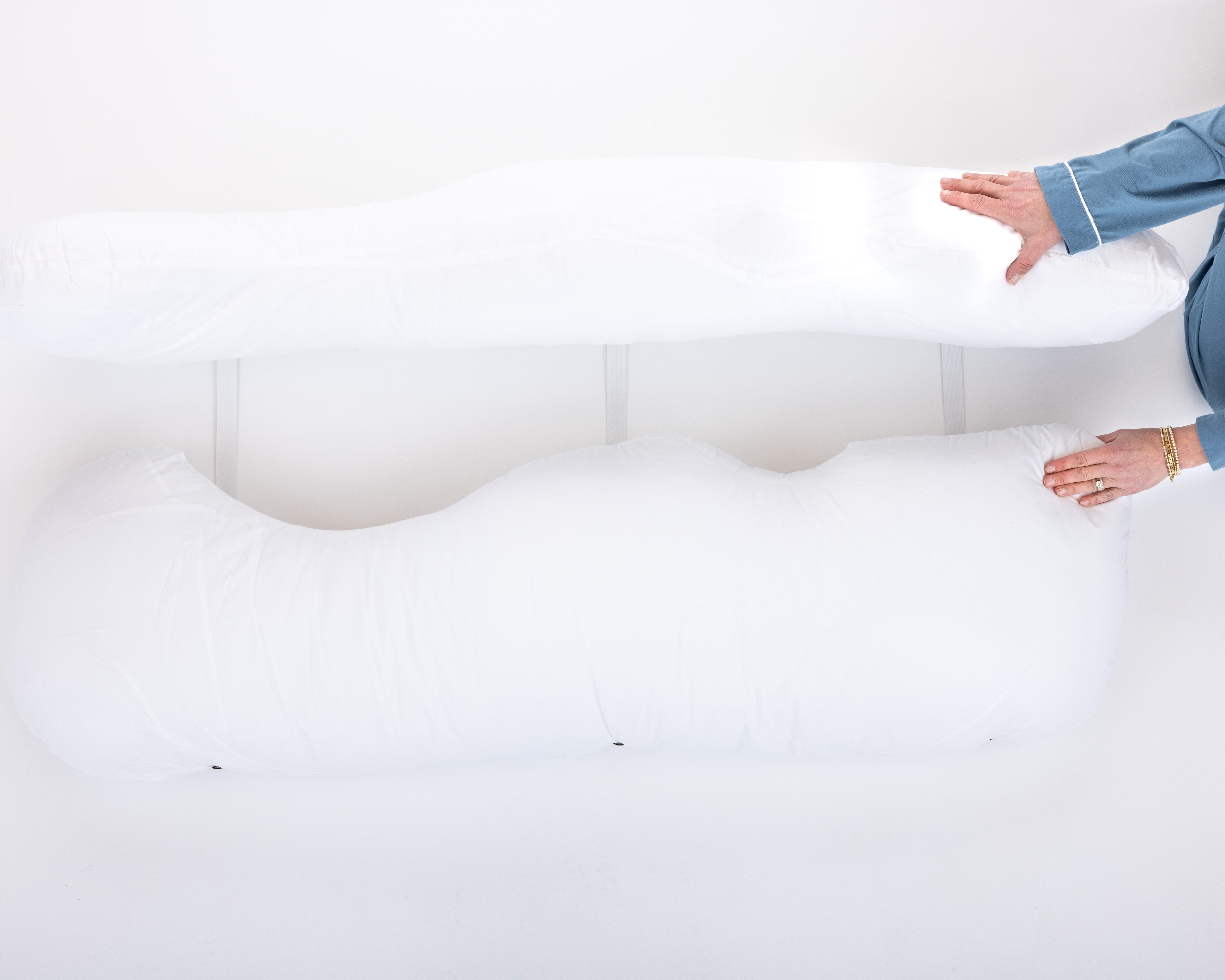
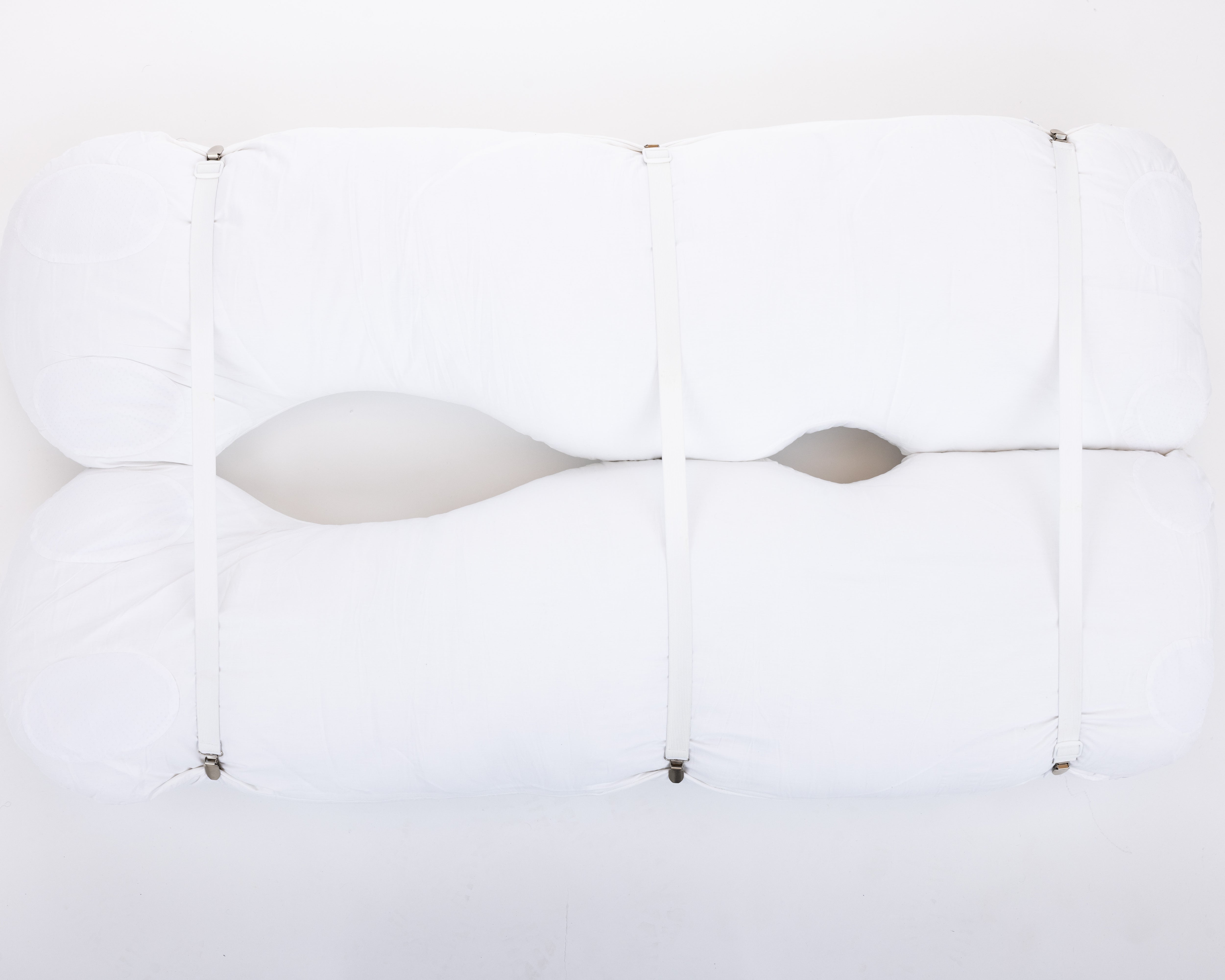
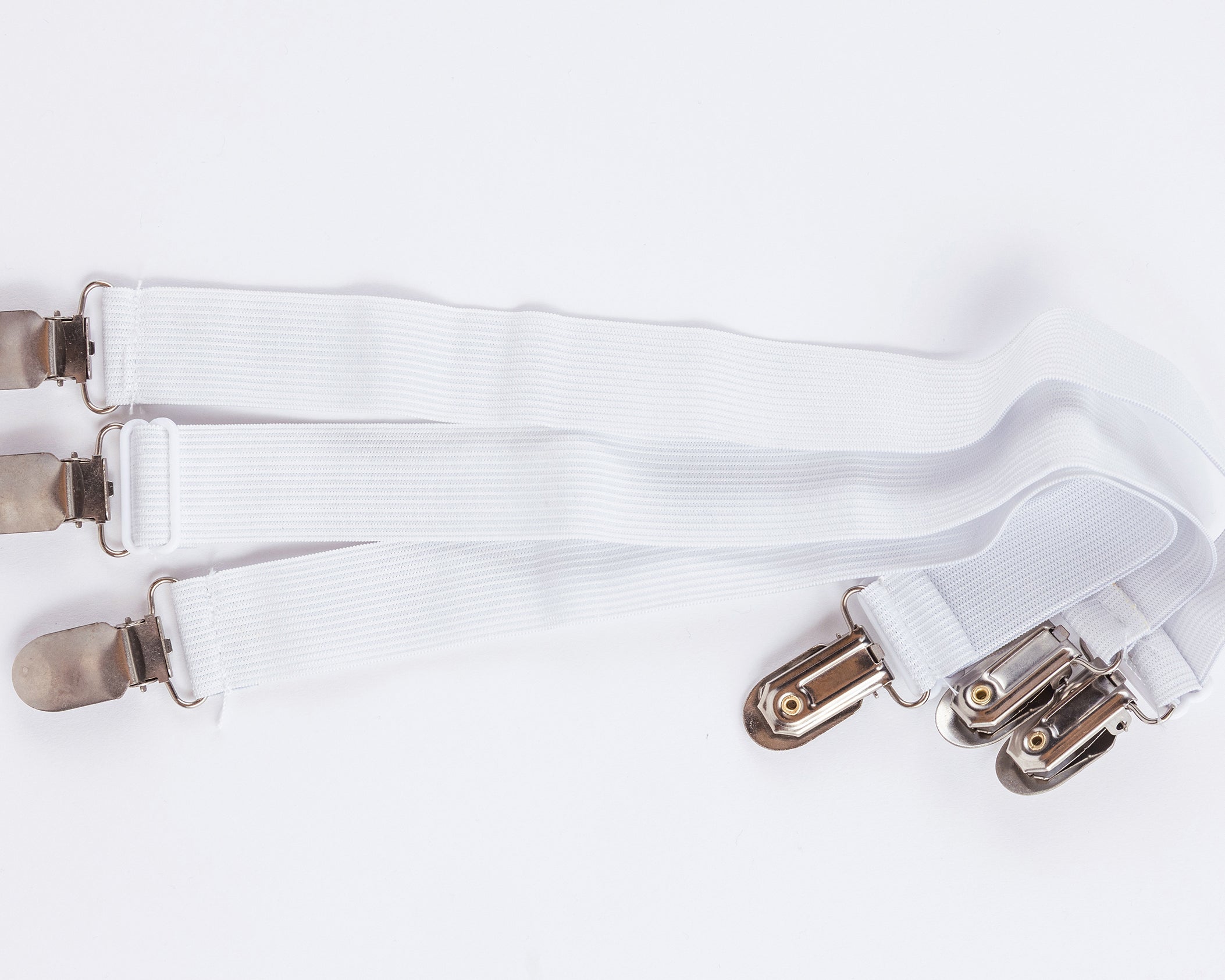
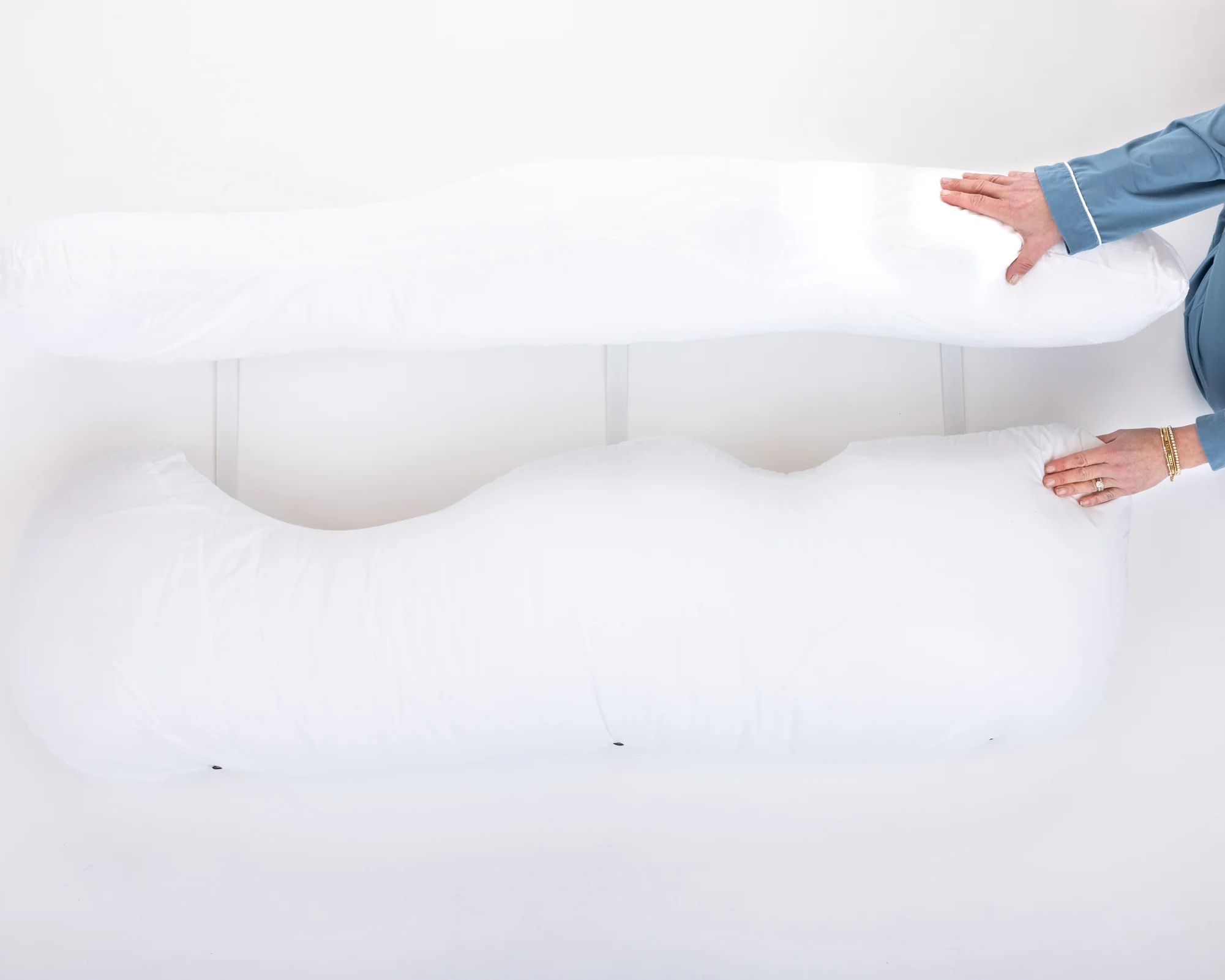
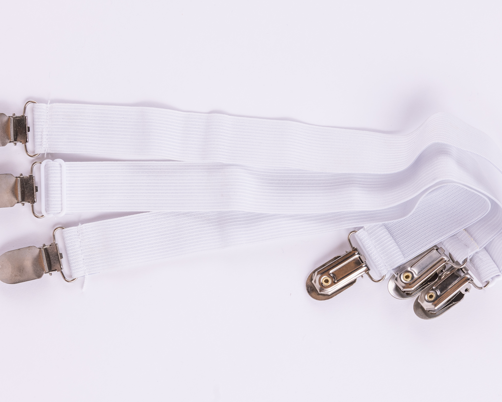
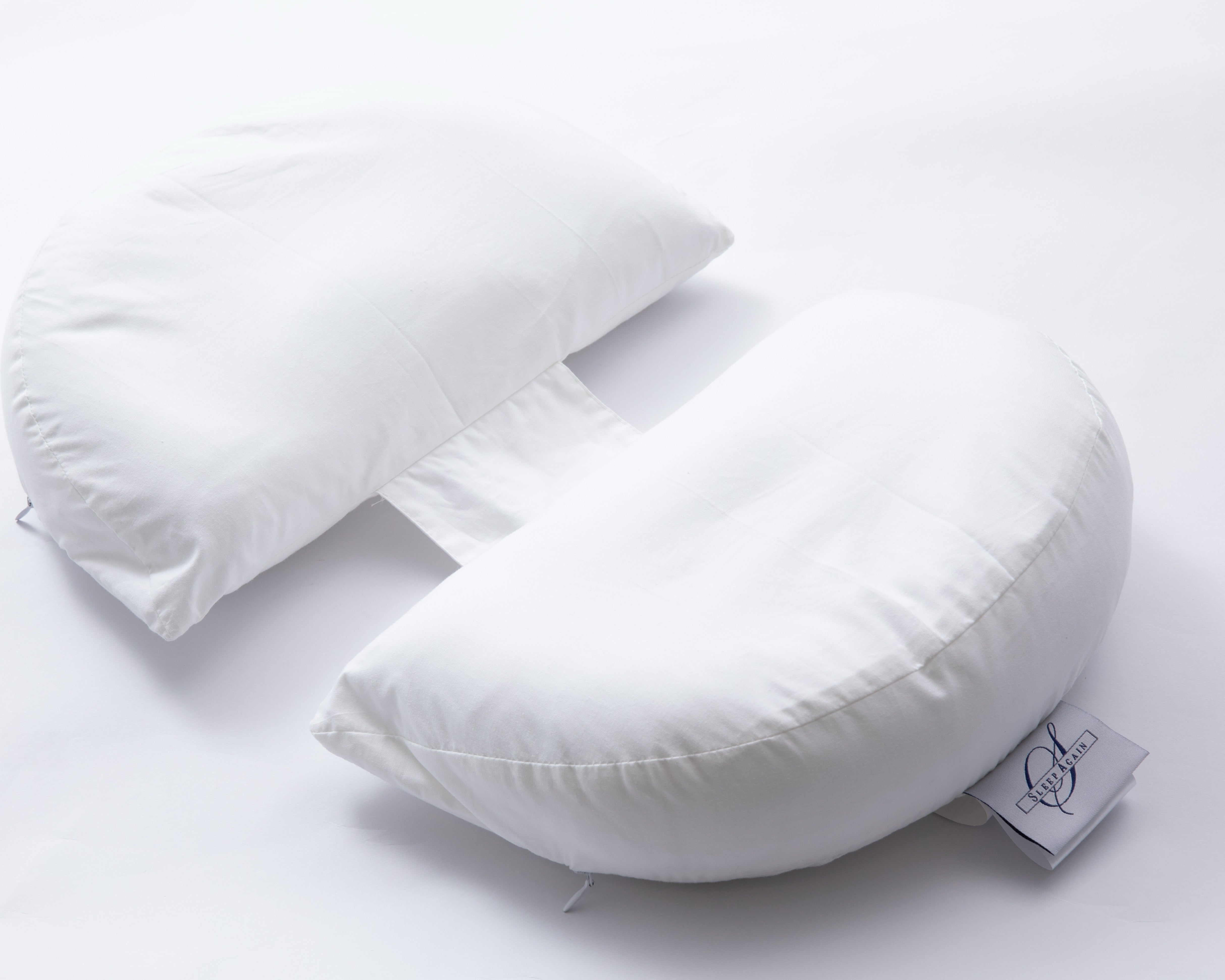
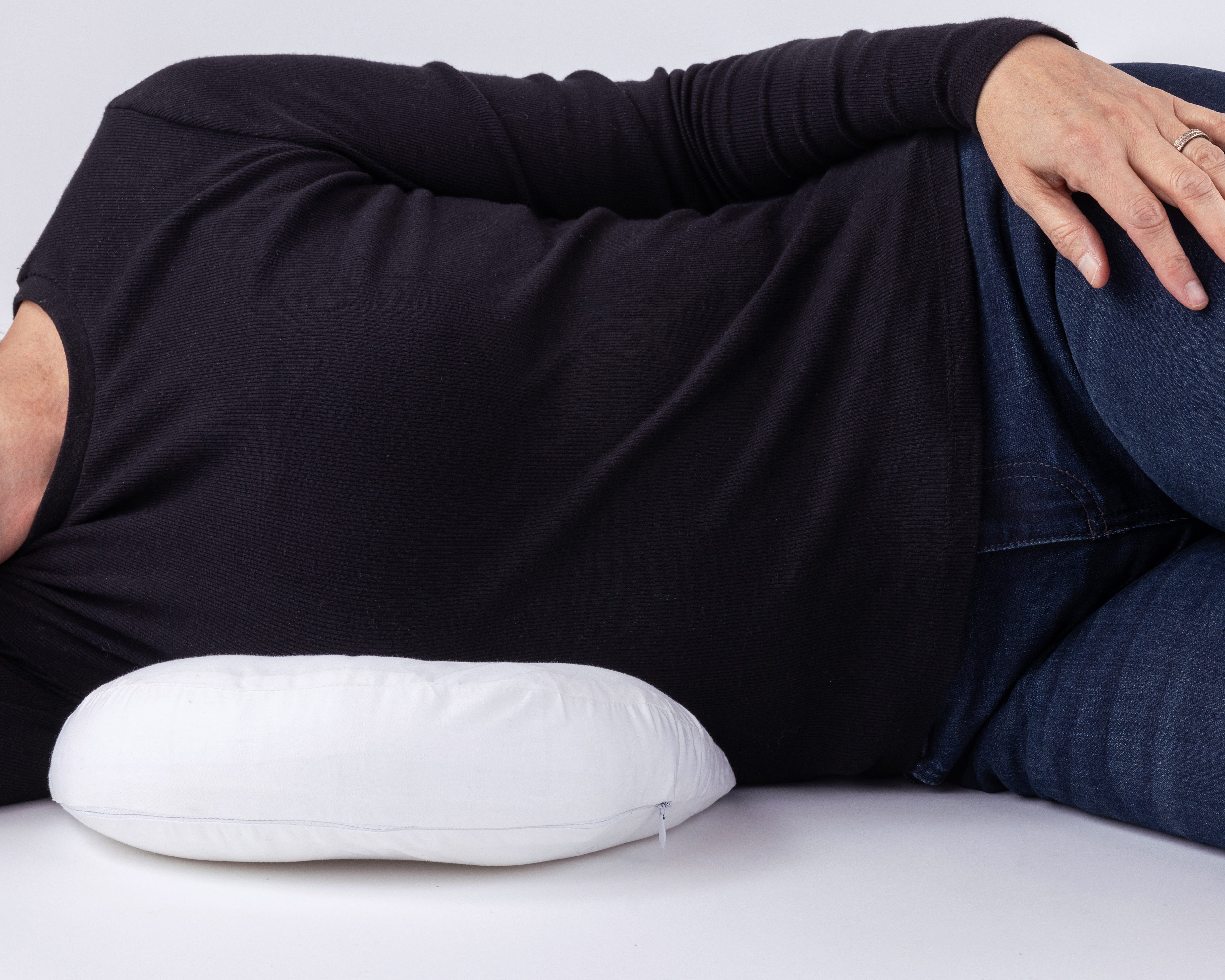
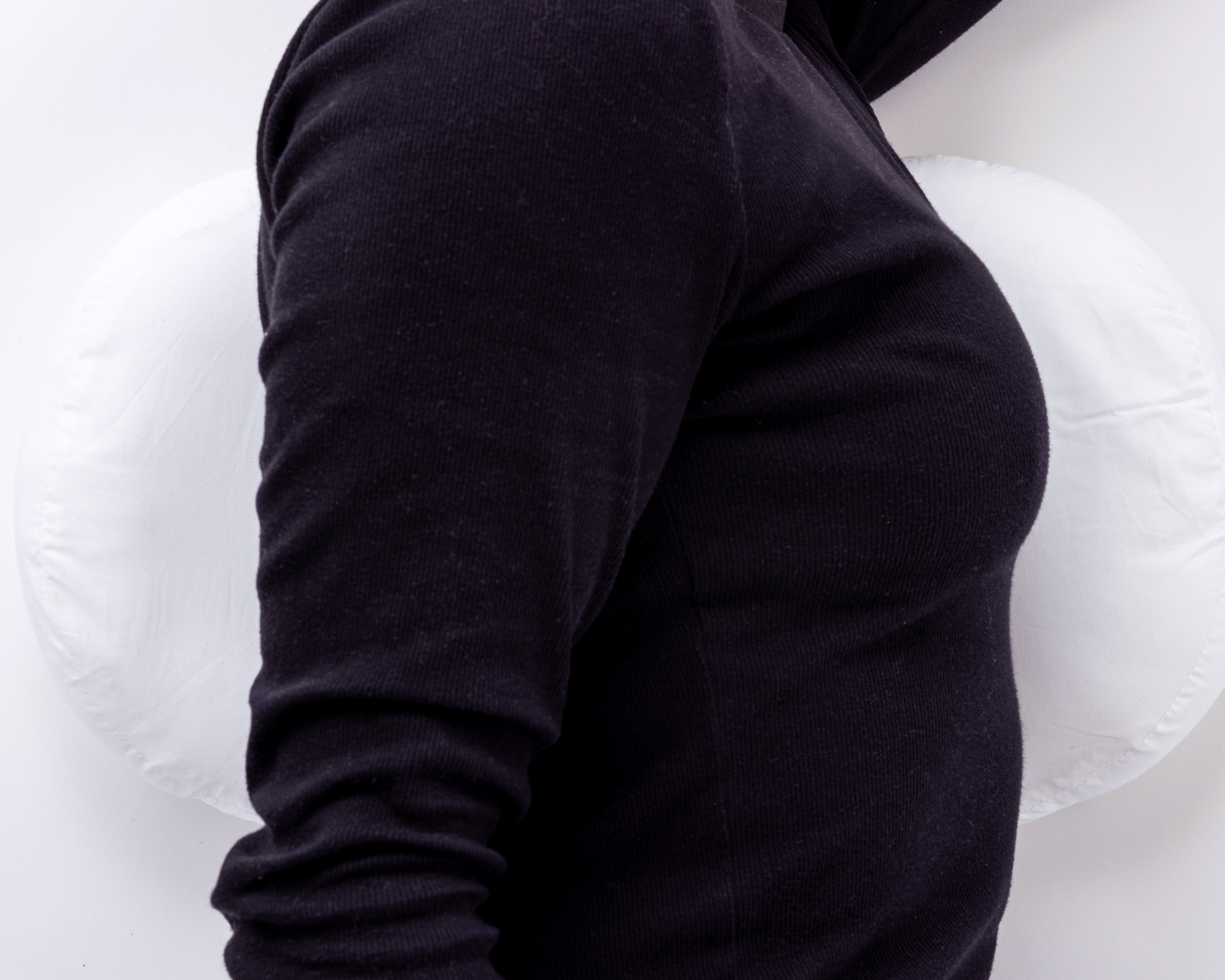
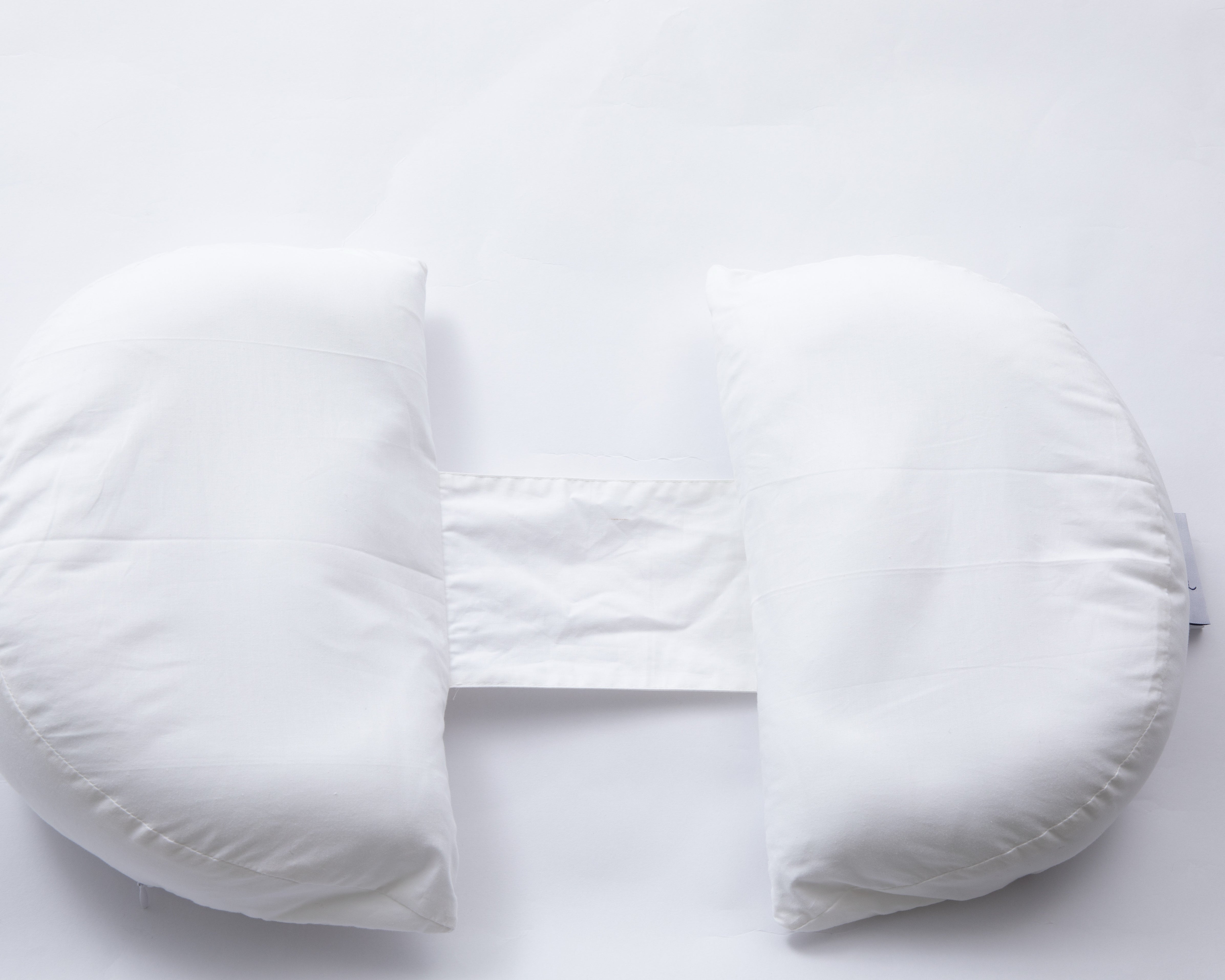
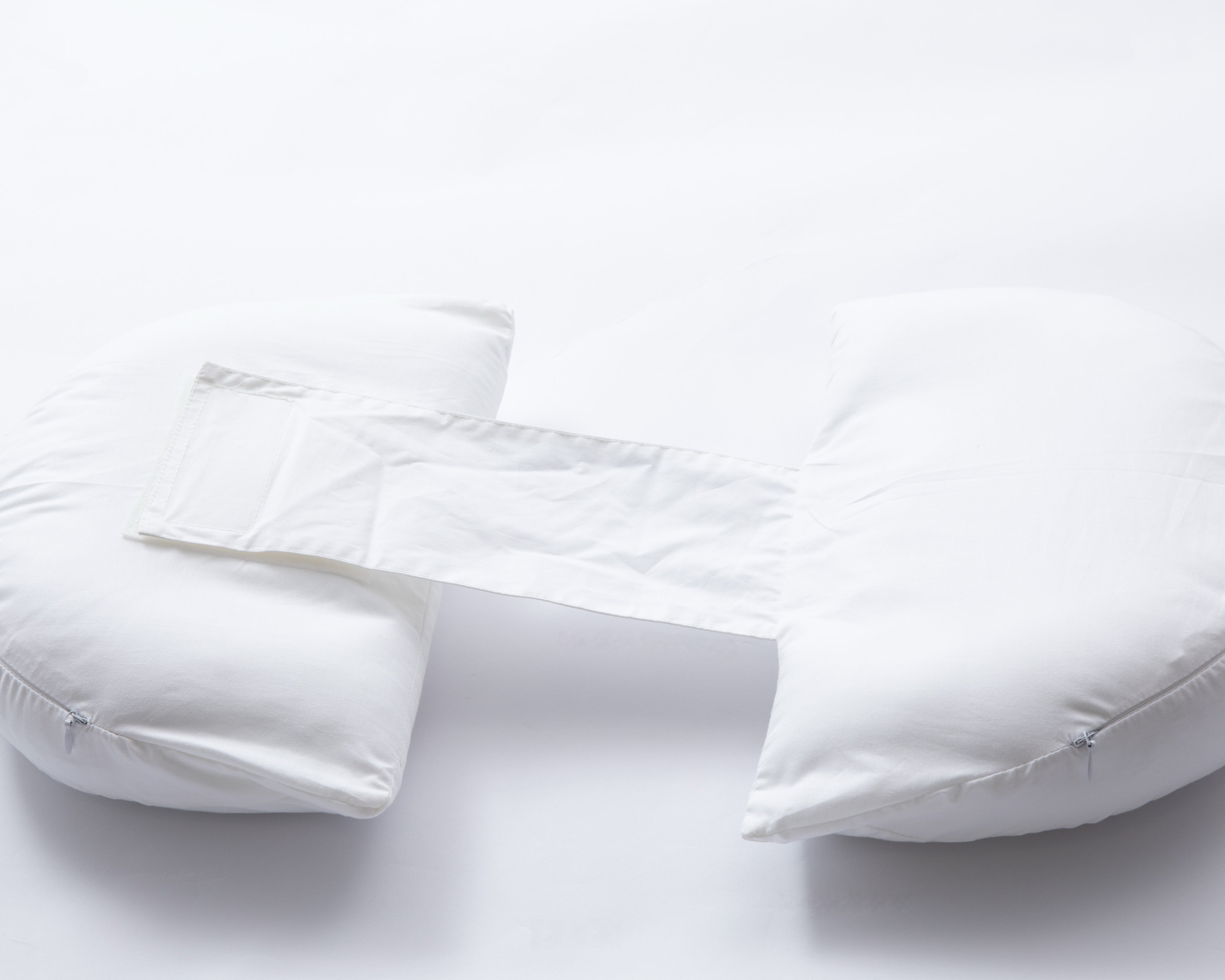
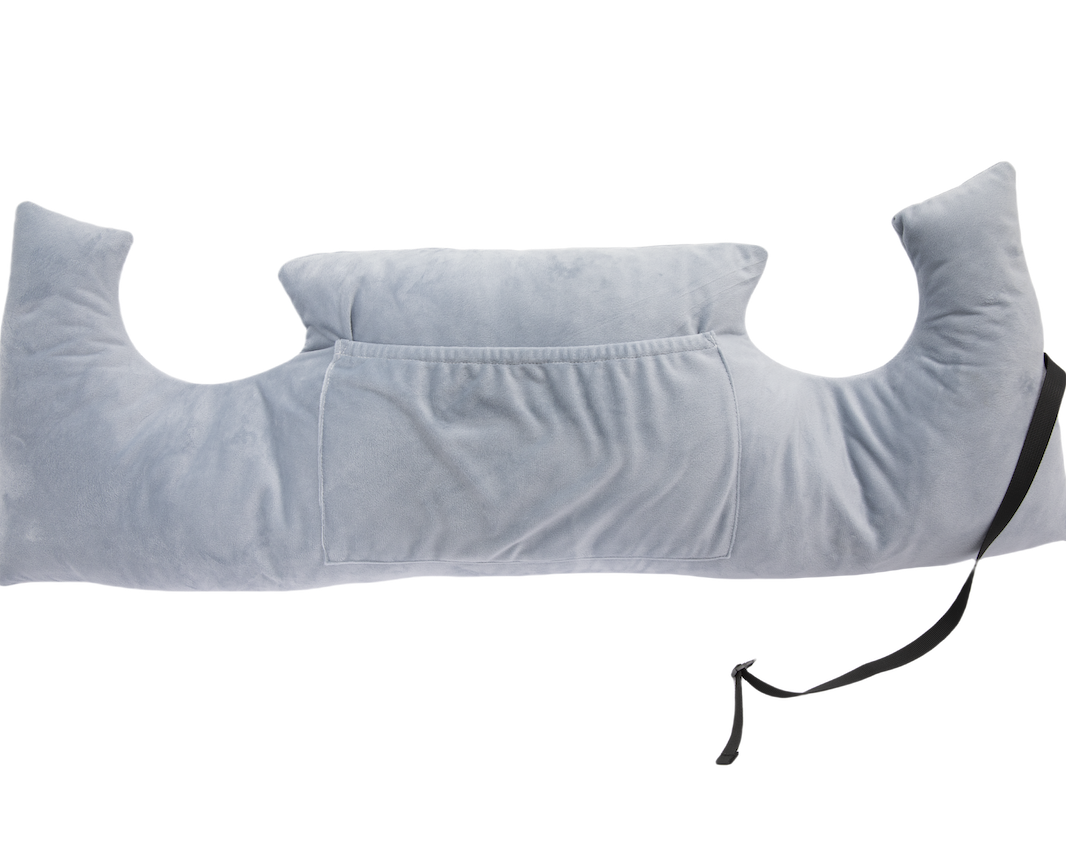
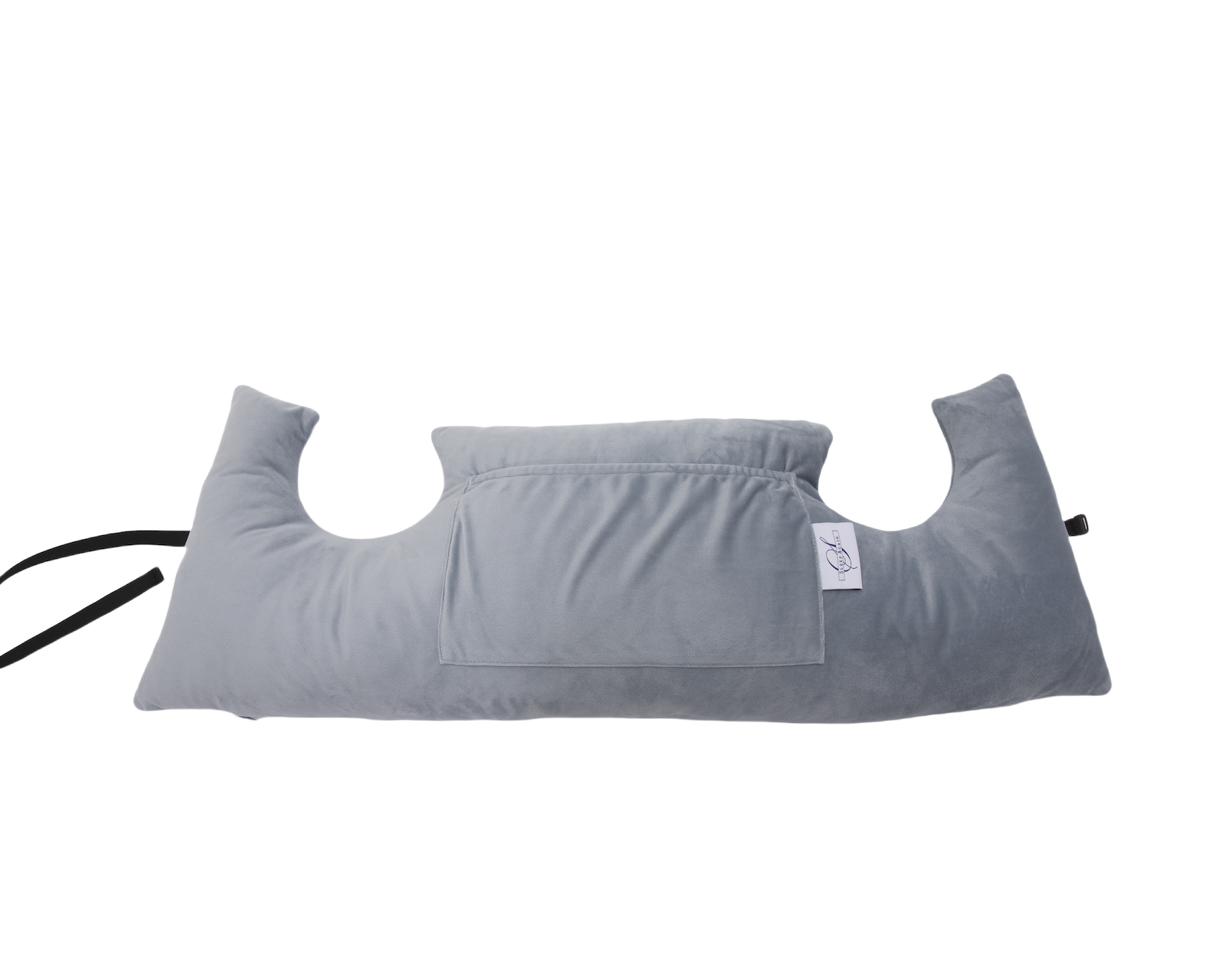
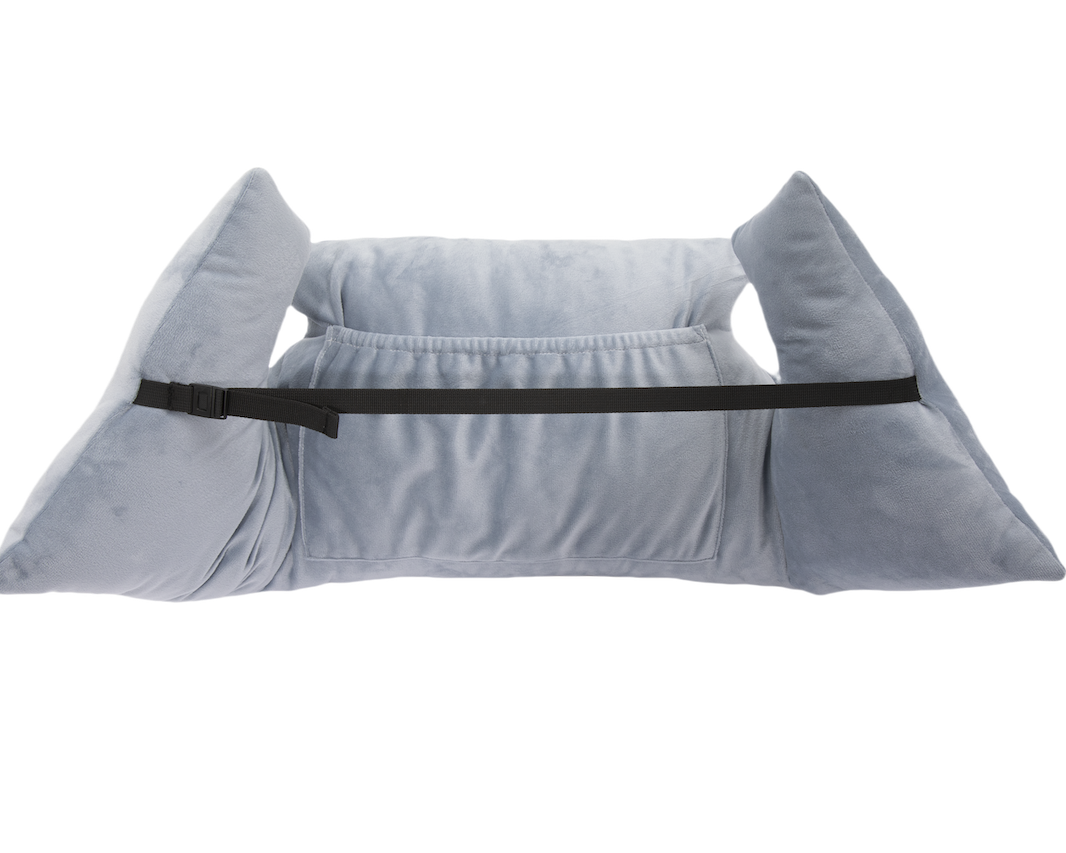
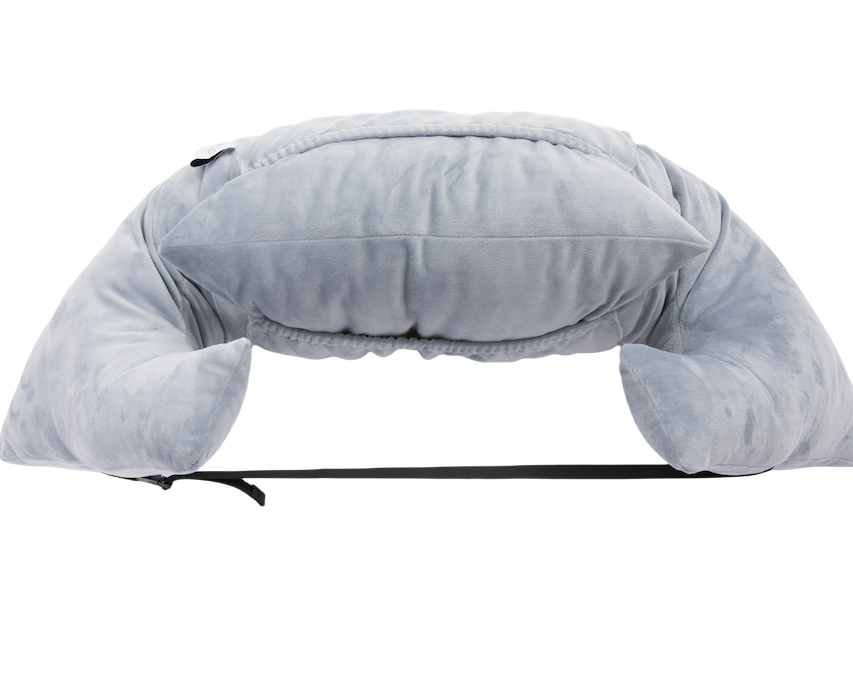
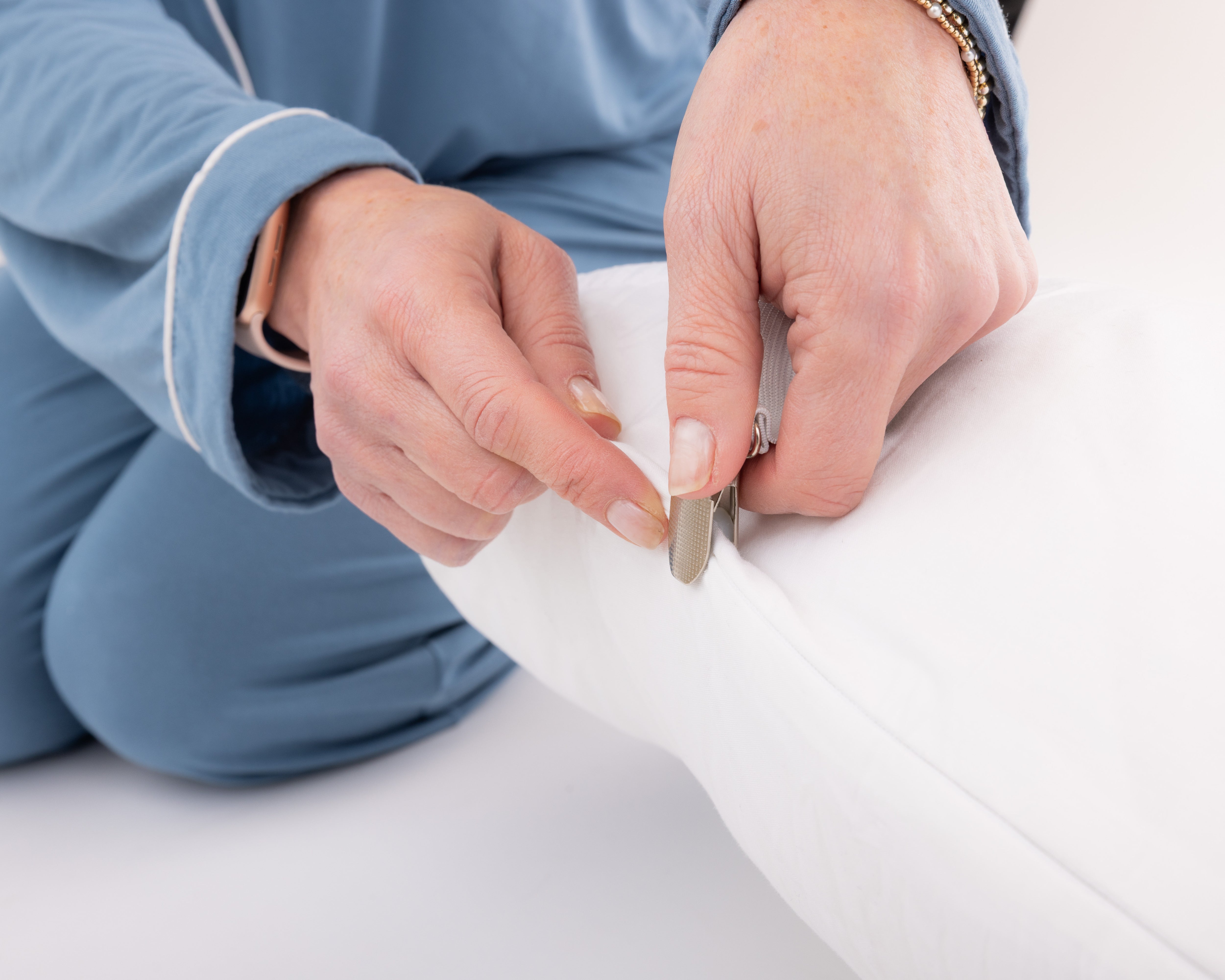
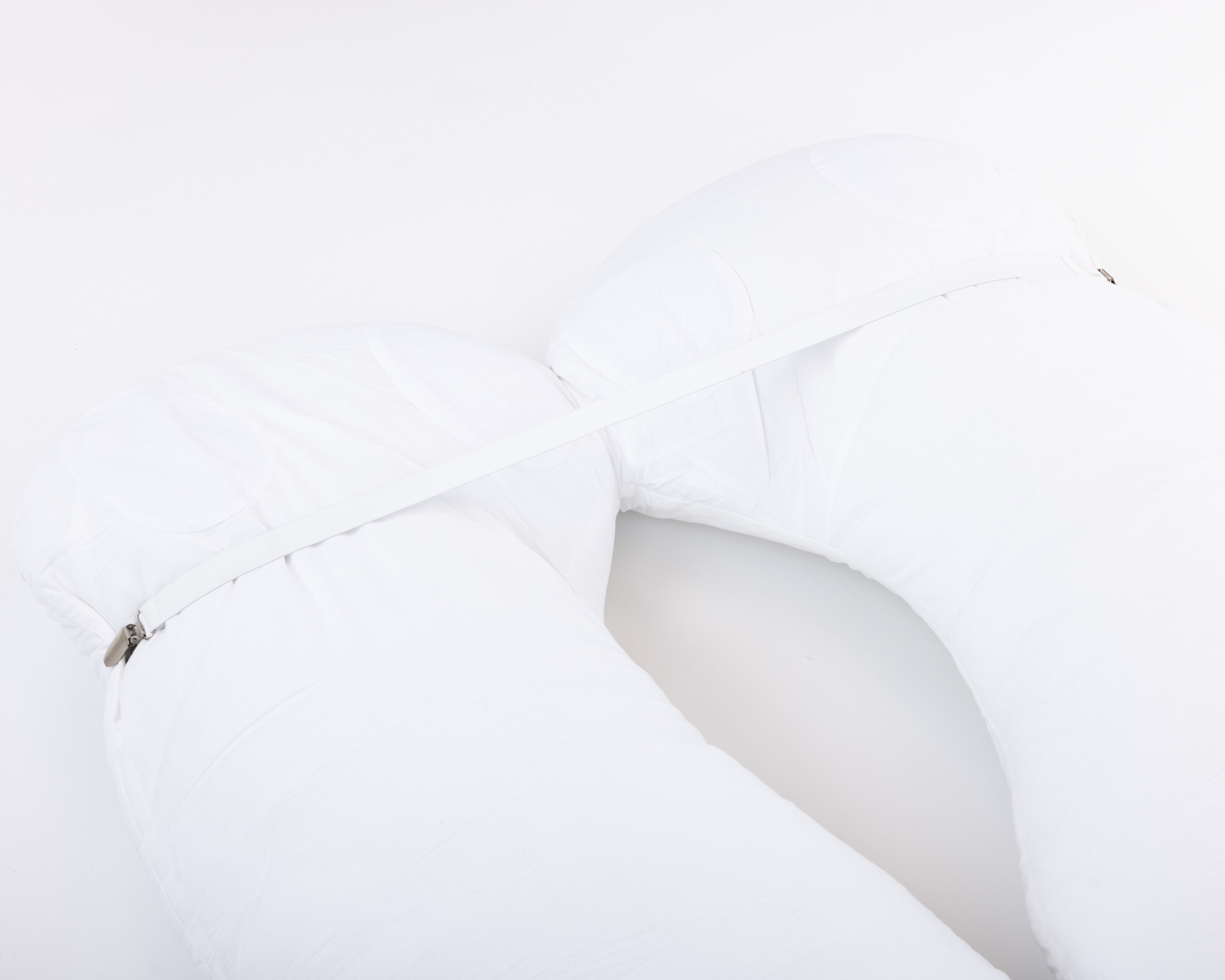
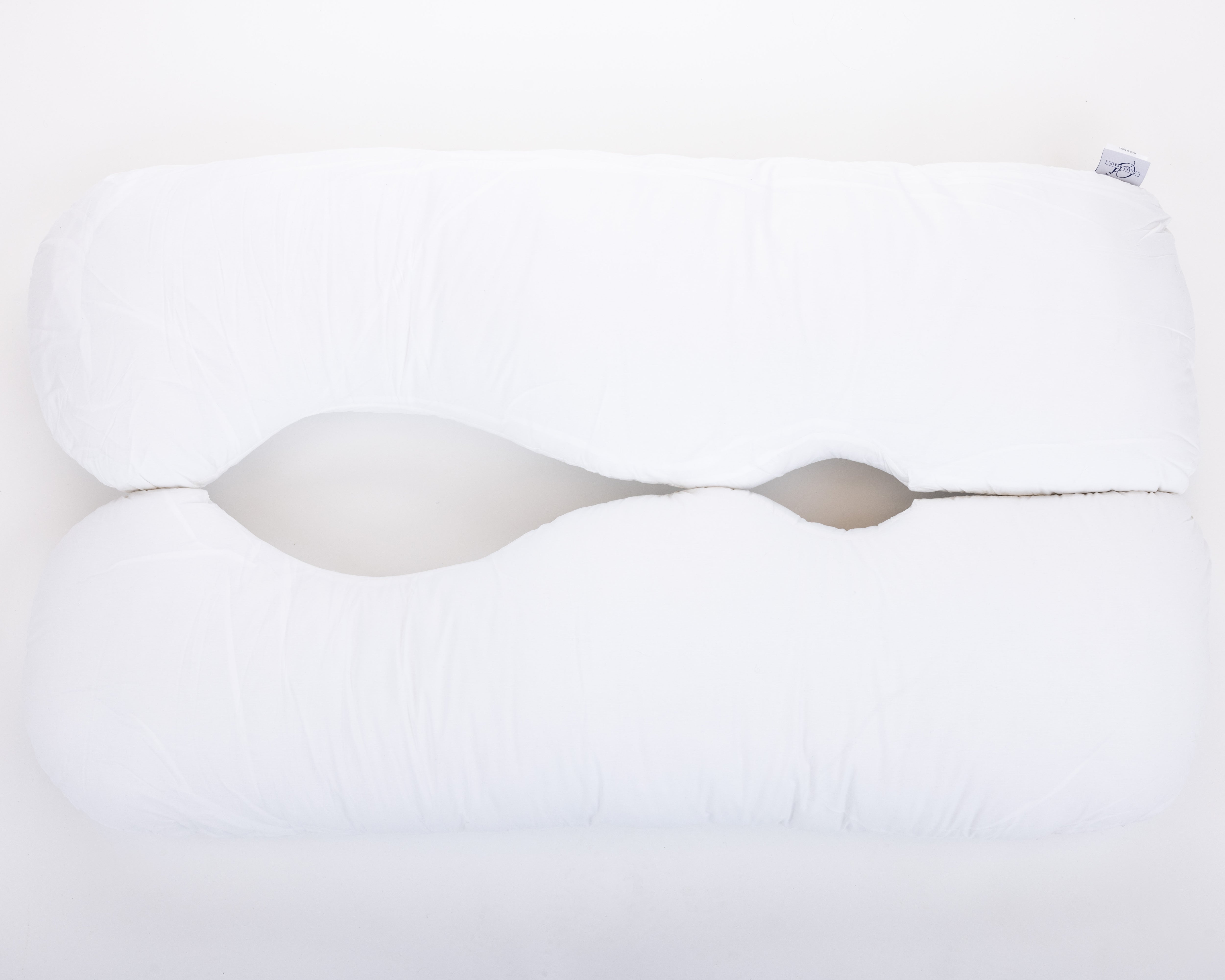
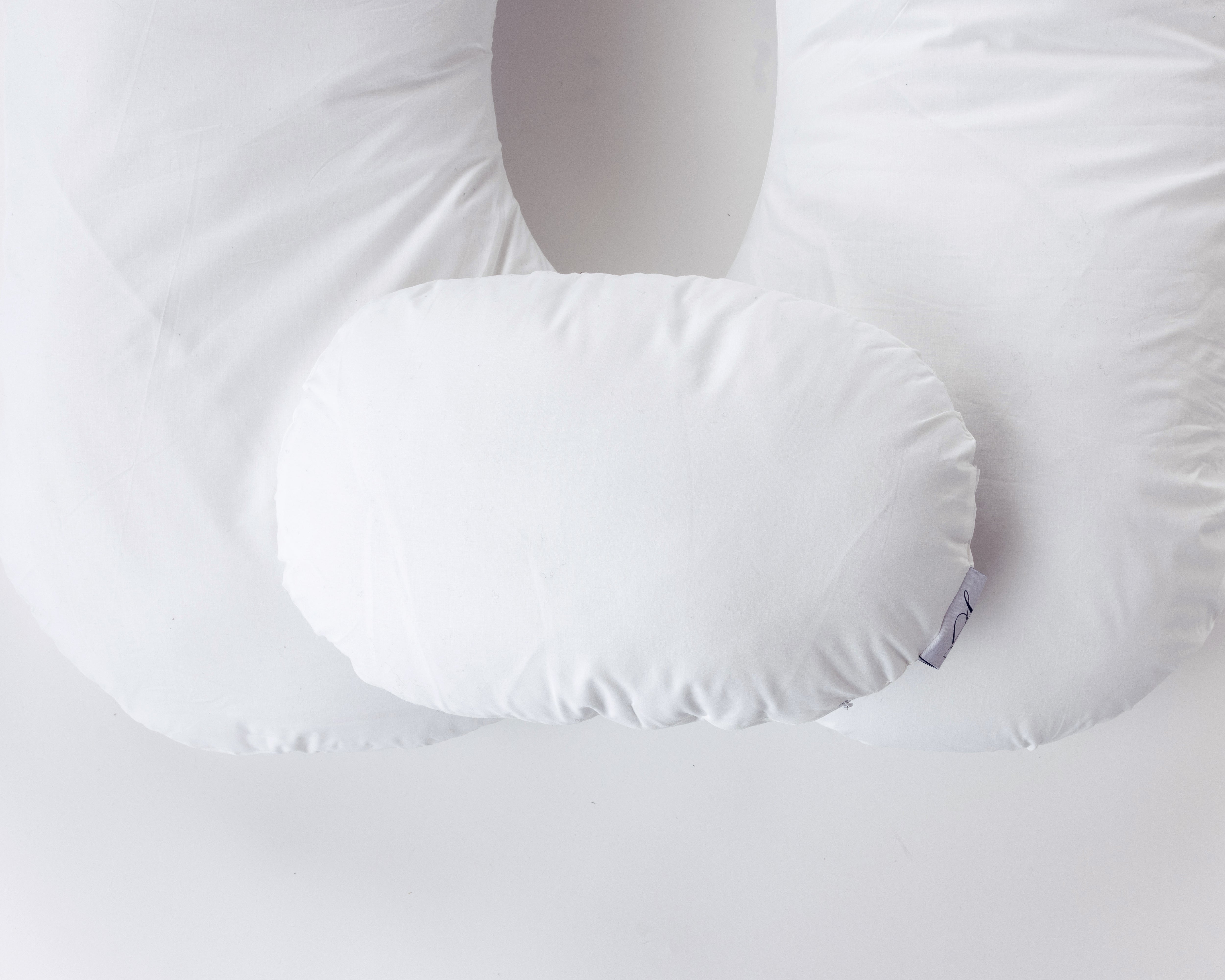
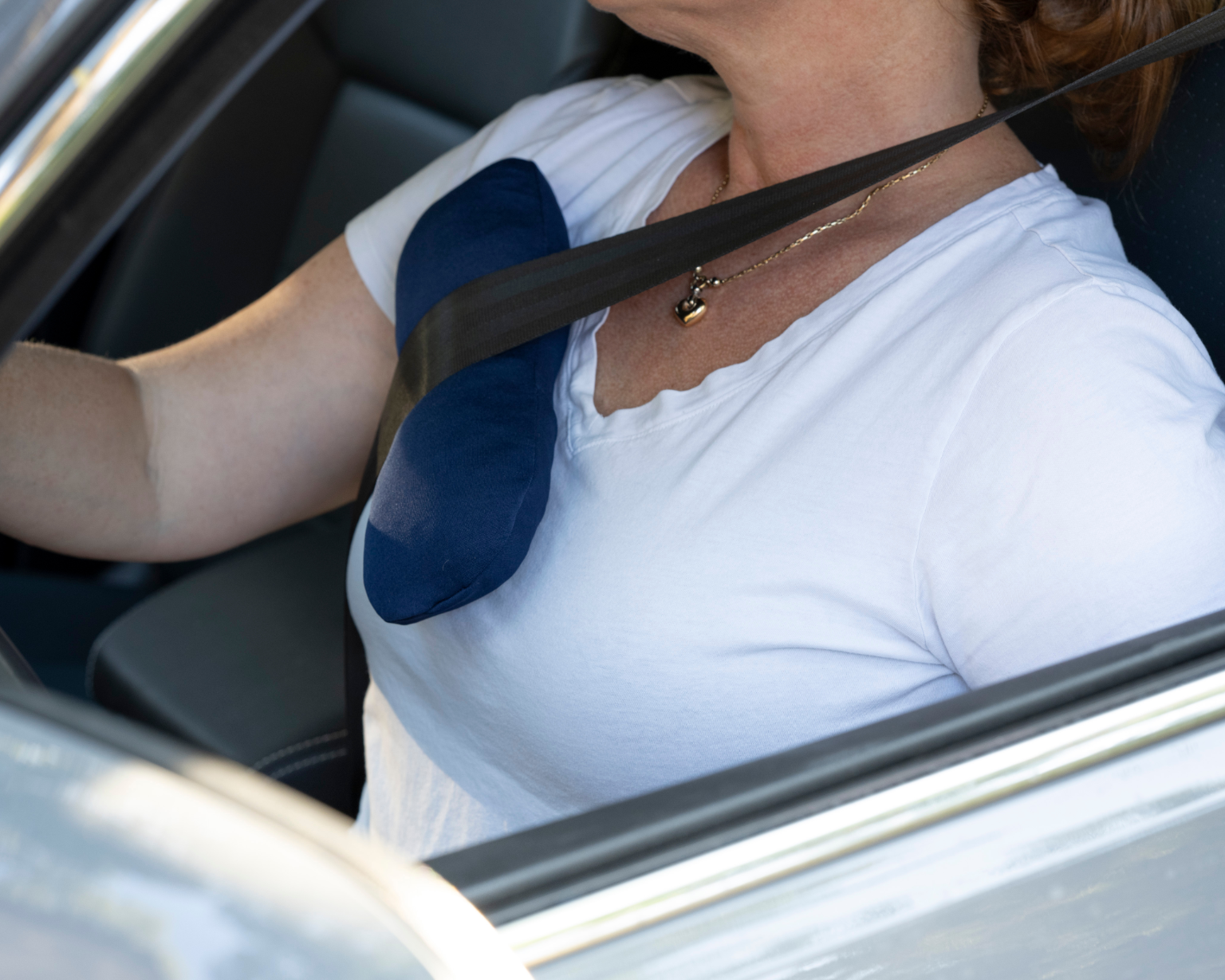
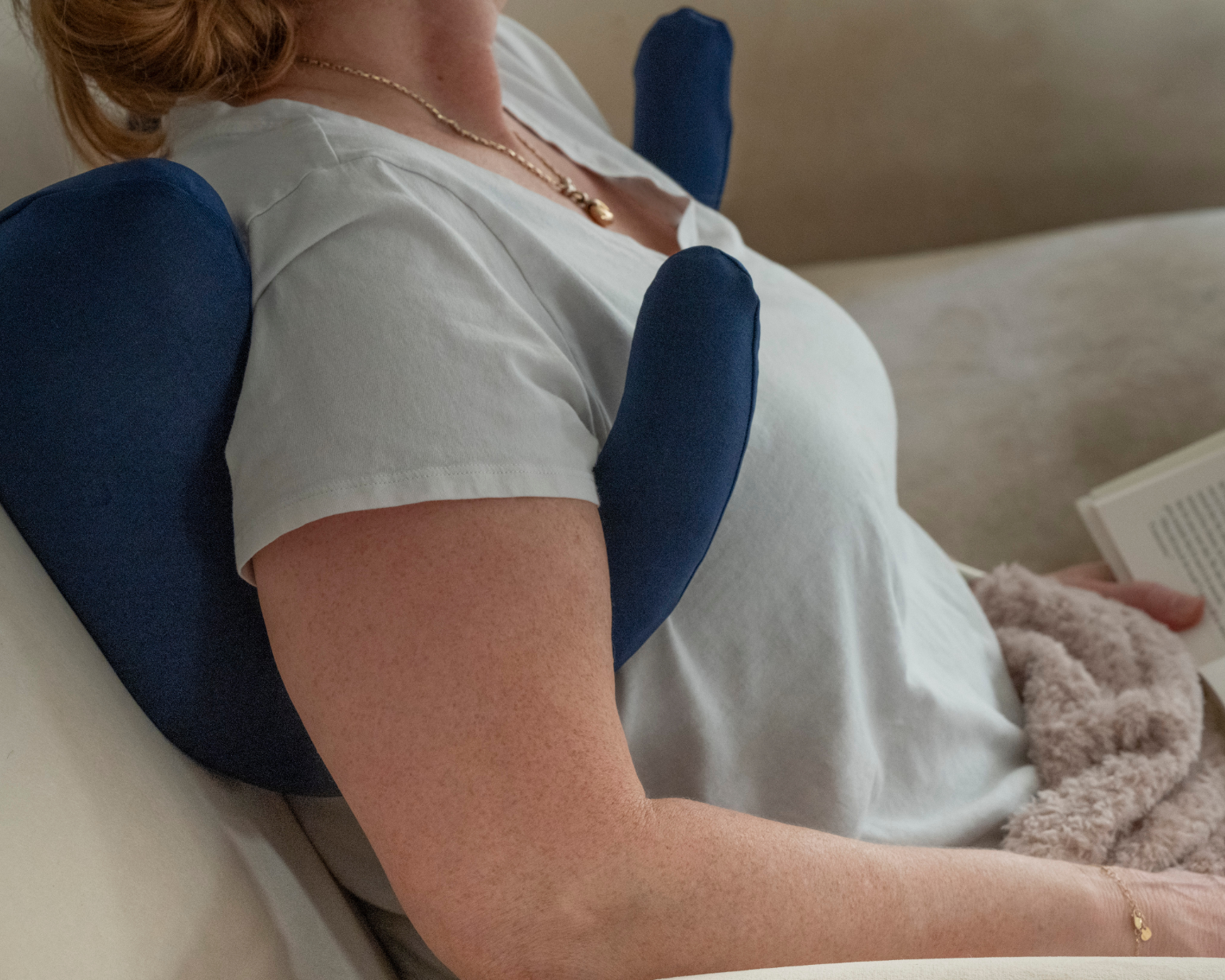
Two Contoured Side Pillows provide bilateral support that addresses multiple recovery needs simultaneously: chest protection for breast surgeries, arm positioning that prevents shoulder strain and accommodates surgical drains, side barriers that prevent rolling onto surgical sites during sleep, and seamless integration with the upper body wedge that eliminates the gaps typical of DIY pillow arrangements. These contoured pillows maintain their shape throughout recovery, providing consistent support that household pillows cannot replicate.
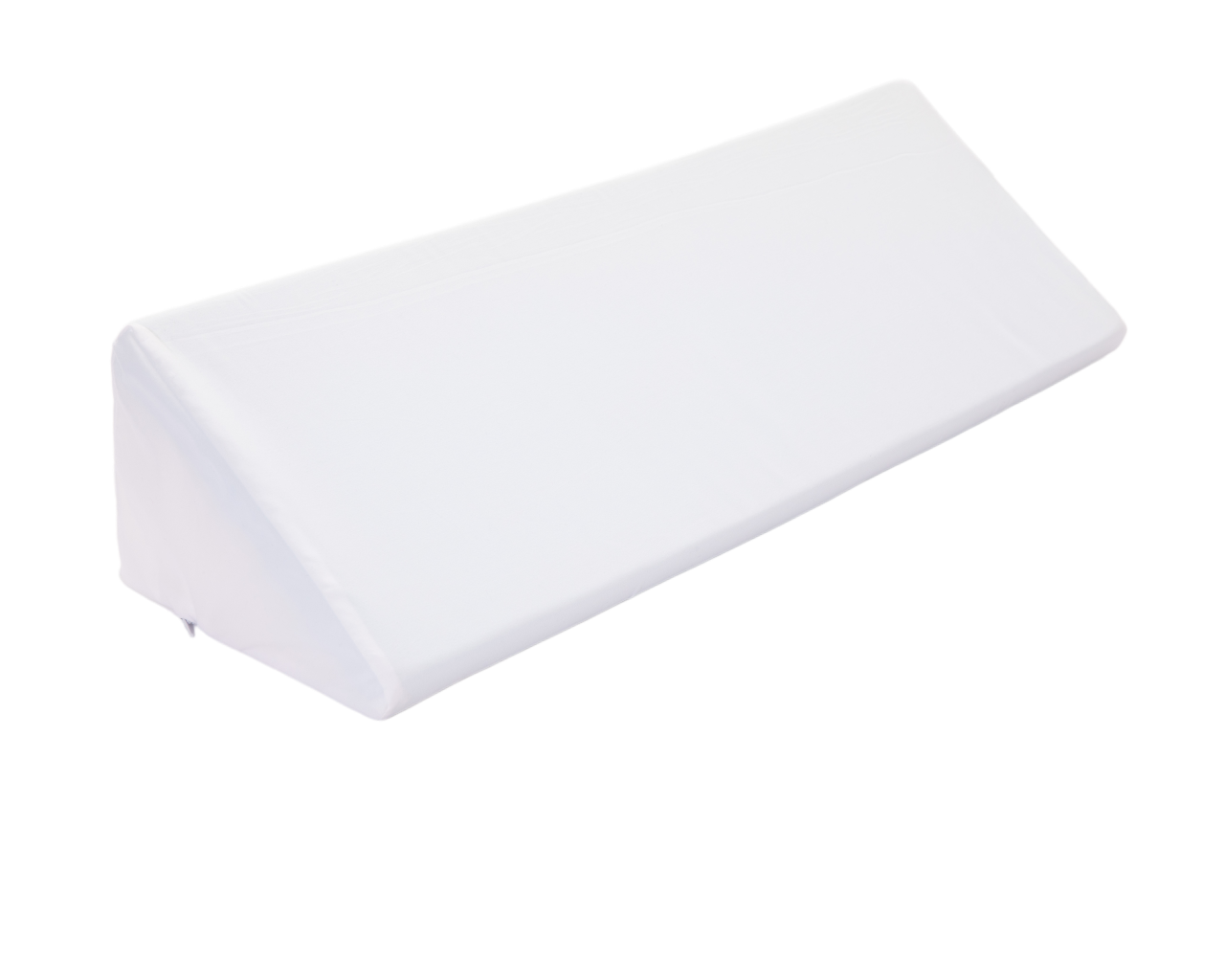
The Leg Support Wedge serves dual therapeutic purposes that most patients don't realize they need until it's missing. It prevents sliding down the upper body wedge—a common problem with improvised elevation systems—while maintaining proper spinal alignment throughout elevated positioning. This component is critical for preventing the lower back strain that often develops when using upper body elevation alone.
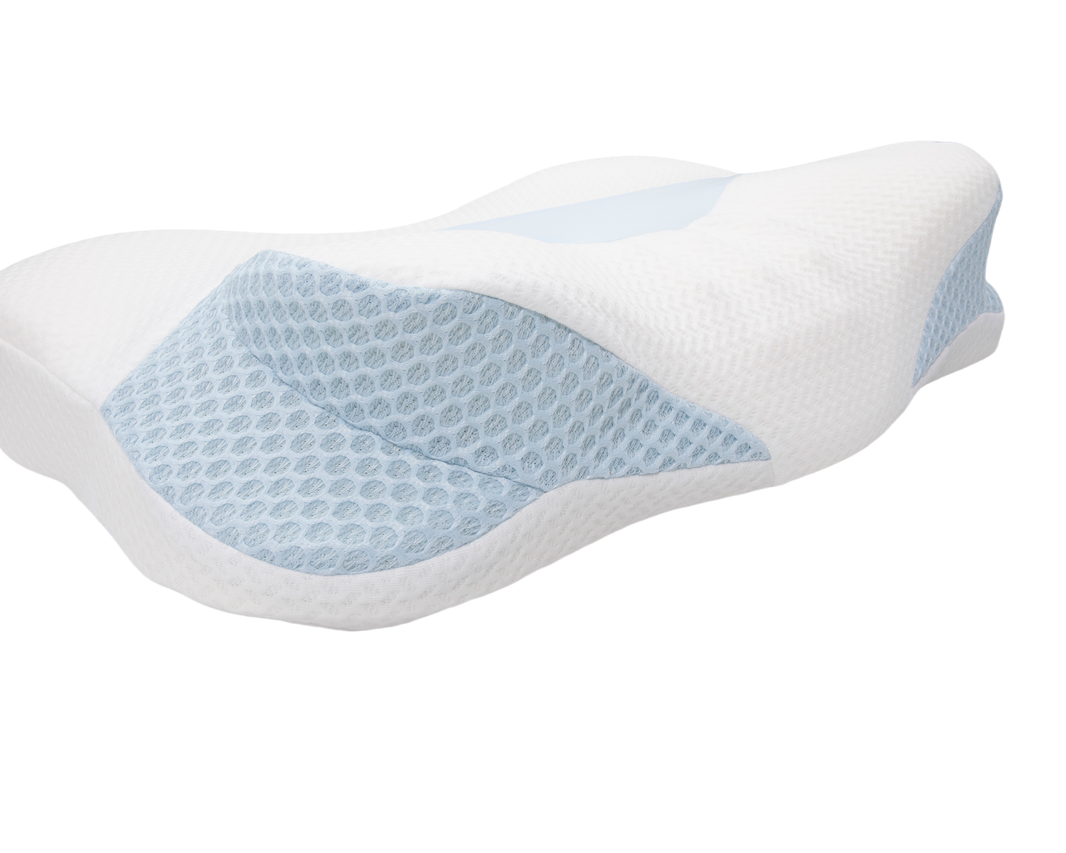
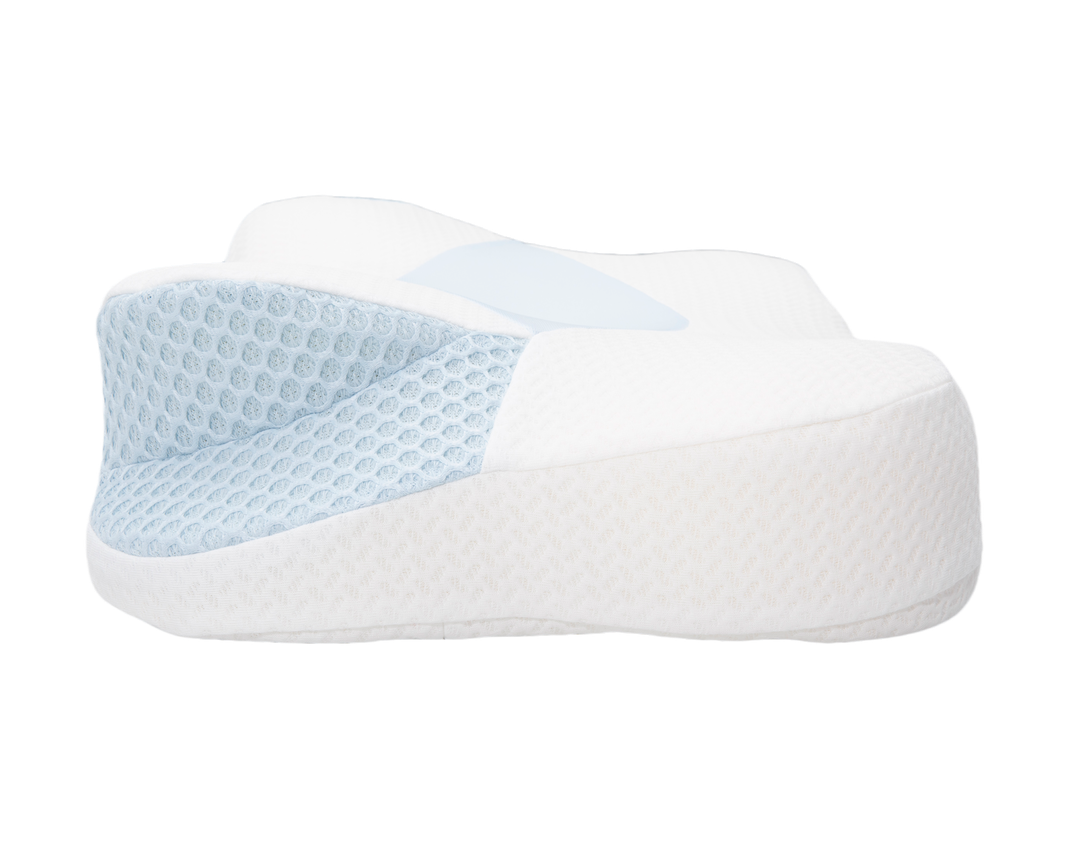
The Head Pillow ensures proper cervical support at elevation angles where standard pillows leave your neck unsupported or hyperextended. This specialized design prevents the neck pain that commonly disrupts sleep when using household pillows with wedge positioning.
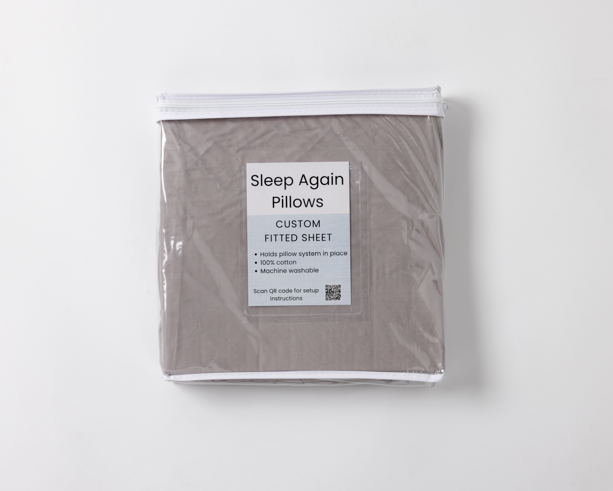
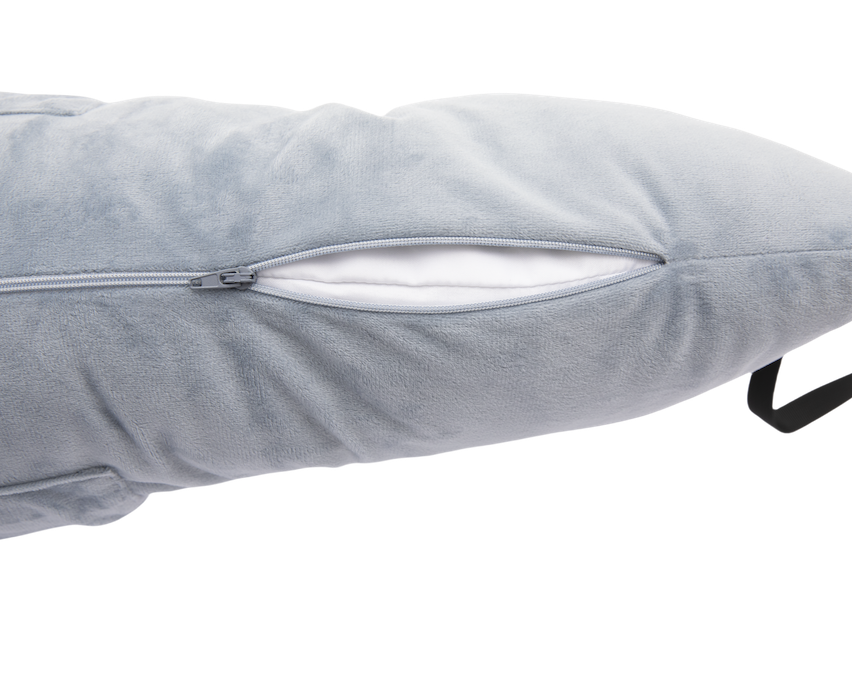
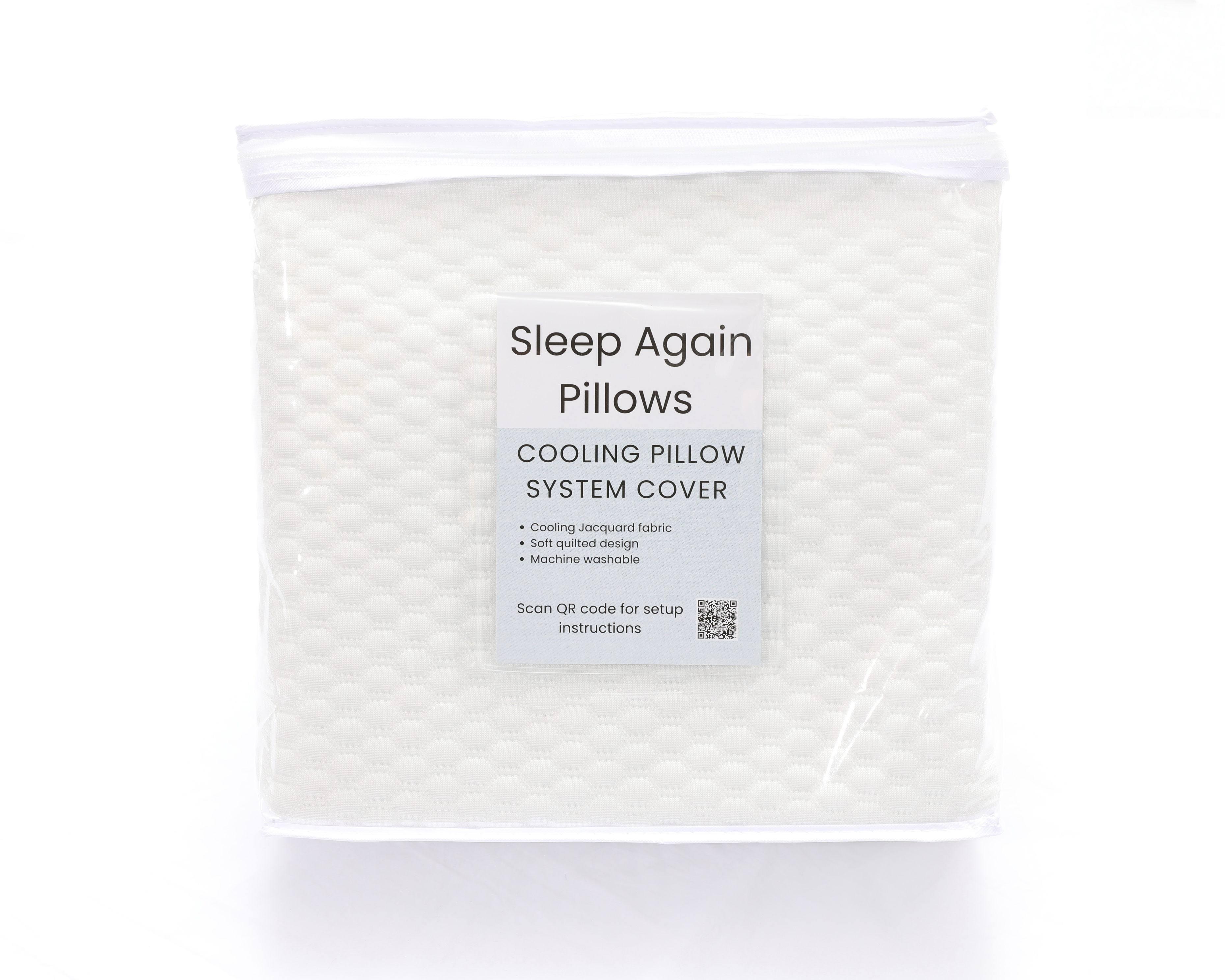
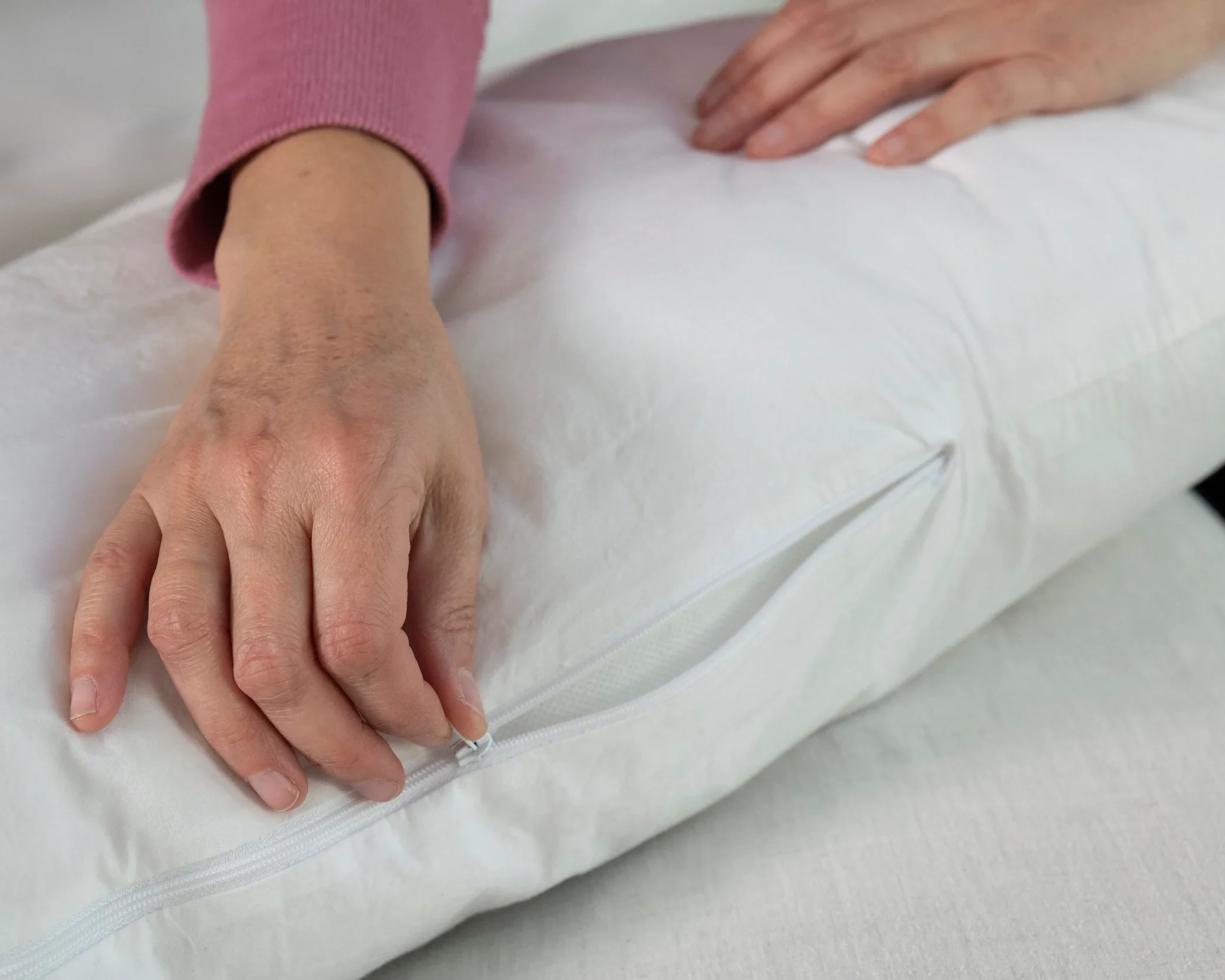
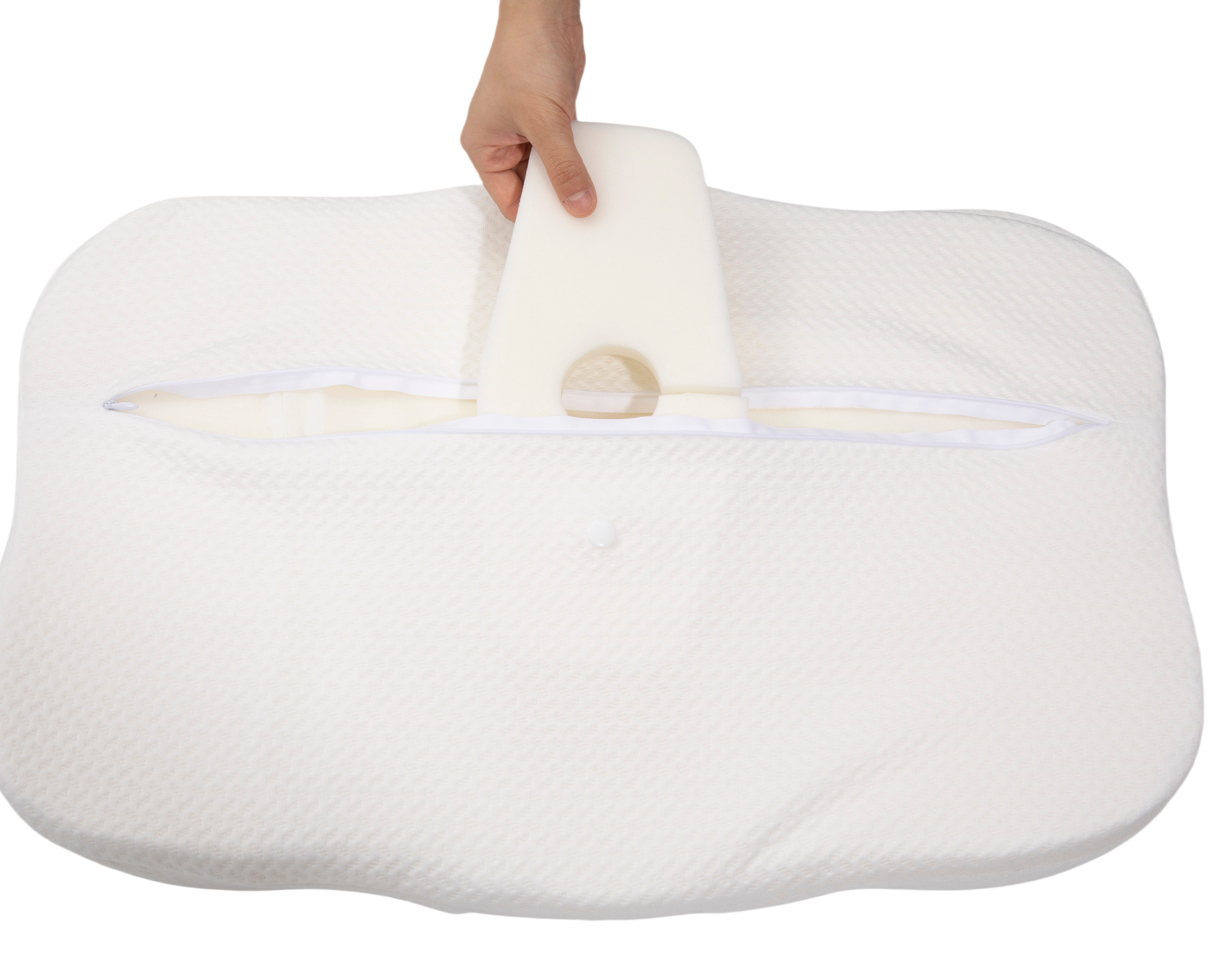
Washable Covers address the hygiene requirements of recovery sleep, allowing you to maintain clean sleeping surfaces throughout the healing period without compromising positioning. Medical-grade, removable covers are essential for managing the realities of post-surgical recovery.
Why the Sleep Again Pillow System qualifies for FSA/HSA usage: The system's design specifically for post-surgical recovery establishes clear medical necessity.
When your surgeon recommends elevated back sleeping, comprehensive lymphatic drainage support, or specific positioning angles, the Sleep Again Pillow System's integrated approach addresses these medical requirements directly. This medical purpose classification—rather than general comfort product status—provides a strong foundation for FSA/HSA qualification.
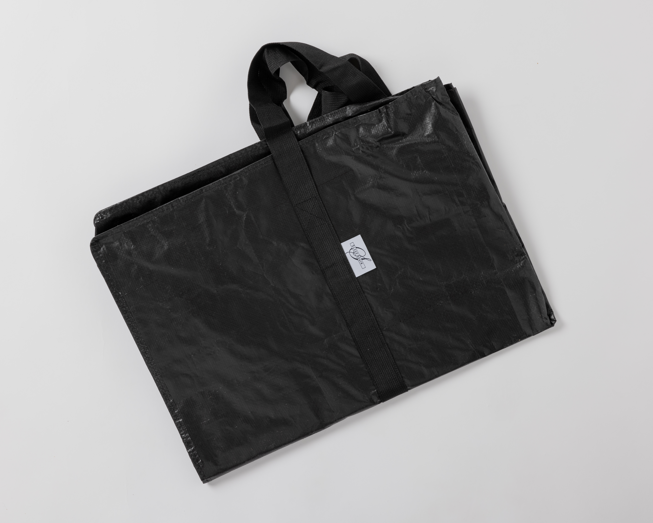
The pre-surgery setup advantage: Receiving the Sleep Again Pillow System before surgery means you can familiarize yourself with the components and optimal configuration while you're feeling well. By the time you come home from surgery, your recovery sleep environment is already optimized and ready. You skip the entire trial-and-error period and achieve therapeutic positioning from night one. This immediate access to proper positioning during the most critical healing window provides benefits that extend throughout your entire recovery.
The investment analysis: At $299.98 for the complete system, the Sleep Again Pillow System provides integrated positioning that would cost $400-600 if attempting to replicate with separate components—assuming you could find individual pieces that actually work together effectively.
When factoring HSA/FSA tax advantages, the effective cost drops 20-37% depending on your tax bracket, bringing the real expense well below comparable alternatives while providing superior therapeutic outcomes.
Many patients find that the system continues providing value for years beyond surgical recovery, with ongoing benefits for acid reflux, circulation, and general sleep quality that make the investment worthwhile long-term.
SHOP THE BEST HSA/FSA ELIGIBLE PILLOW TODAY
Setting Up Your Recovery Sleep Environment Before Surgery
Pre-surgery preparation means optimizing your entire recovery sleep environment while you're feeling well.
Bedroom logistics: Clear pathways from bed to bathroom. Remove trip hazards. Ensure adequate lighting for safe nighttime navigation. Consider bed height adjustments if needed.
Bedside organization: Set up everything within easy reach: medications with dosing schedules, water, phone charger, reading material, tissues, and medical supplies. Prevents frequent getting up or straining.
Temperature control: Post-surgical patients often experience temperature regulation challenges. Ensure easy climate control access. Have layered blankets available rather than single heavy comforters.
Partner communication: If you share a bed, discuss recovery sleeping arrangements before surgery. Recovery equipment occupies more space than normal sleeping. Having these conversations ahead prevents awkward middle-of-the-night negotiations.

Practicing With Your Recovery Positioning
Receiving positioning equipment before surgery allows you to practice achieving optimal configuration while feeling well. This familiarization makes enormous difference in how effectively you utilize equipment during recovery.
Initial setup: Spend several nights sleeping with your recovery system before surgery. Identify any adjustments needed for your body proportions and preferences. Learn how components work together without the challenge of managing post-surgical discomfort.
Testing configurations: While the basic elevated back-sleeping position remains consistent, small adjustments in arm placement, side pillow positioning, or head support angles significantly impact comfort. Experiment before surgery.
Building familiarity: Post-surgical positioning can feel awkward initially, especially for stomach or side sleepers. Pre-surgery practice helps you adapt gradually rather than forcing immediate adjustment while managing surgical recovery.
Identifying issues: Sometimes small factors—a nearby nightstand interfering with arm positioning, blanket weight creating pressure, or lighting disrupting sleep—only become apparent during overnight use. Discovering and addressing these before surgery prevents problems during critical early recovery.
Questions to Ask Your Medical Team During Pre-Op
Pre-operative appointments provide your best opportunity to gather positioning requirements and obtain documentation supporting FSA/HSA qualification.
Essential questions:
-
"How should I position myself during sleep after this procedure?"
-
"What are the medical benefits of proper elevated positioning during my recovery?"
-
"What complications can proper sleep positioning help prevent?"
-
"How long will I need to maintain specialized sleeping positions?"
-
"Can you provide written documentation of your positioning recommendations?"
Most surgeons have specific positioning protocols and readily provide written post-operative instructions. This documentation strengthens FSA/HSA qualification while ensuring you understand the therapeutic reasoning behind elevation requirements.
The Financial and Health ROI of Pre-Surgery Planning
Direct savings through FSA/HSA: Using pre-tax dollars creates immediate 20-37% savings depending on your bracket. For a $300 equipment purchase, that's $60-110 in tax savings.
Avoiding trial-and-error costs: Patients who wait typically spend $150-250 across multiple inadequate purchases while never achieving optimal setup. Pre-surgery planning costs less overall with superior results.
Complication prevention value: Better sleep quality means fewer complications, lower infection rates, and faster healing. Avoiding even one complication-related medical visit more than pays for recovery positioning equipment.
Reduced pain medication needs: Better positioning helps manage post-surgical discomfort, potentially reducing narcotic pain medication requirements.
Faster return to activities: Quality sleep accelerates healing, meaning earlier clearance to resume work, exercise, and daily activities.
Long-term benefits: Professional positioning systems often continue providing benefits beyond surgical recovery—improved acid reflux management, circulation, and general sleep comfort that justify the investment for years.
Frequently Asked Questions About FSA/HSA and Pre-Surgery Recovery Planning
Should I buy recovery equipment before knowing how I'll feel after surgery?
This is exactly why pre-surgery planning makes sense. You want positioning equipment ready rather than researching solutions while managing post-surgical discomfort.
Can I use my FSA/HSA if surgery isn't scheduled until next year?
FSA expenses must be incurred during the plan year. HSA funds can be used regardless of timing since these accounts don't expire.
How do I get documentation for FSA/HSA reimbursement?
Request written post-operative positioning recommendations from your surgeon during pre-op appointments. Combine with equipment receipts and medical literature. Most administrators accept these documentation packages.
Is professional positioning equipment worth it compared to household pillows?
Professional systems provide structural integrity and sustained positioning that household pillows cannot replicate. With HSA/FSA tax advantages, professional equipment often costs less than multiple inadequate alternatives.
Why is elevated back-sleeping important for surgical recovery?
Elevated positioning at 30-45 degrees provides multiple therapeutic benefits: reduced swelling through lymphatic drainage, decreased incision pressure, better respiratory function, improved circulation, and minimized core muscle engagement.
How long will I need to sleep elevated?
Varies by procedure: breast surgeries 4-8 weeks, abdominal surgeries 6-12 weeks, spine surgeries 8-16 weeks. Your surgeon provides specific timelines.
What elevation angle is medically recommended?
Most surgical protocols recommend 30-45 degrees. This range provides optimal therapeutic benefits without creating excessive strain.
Will my insurance cover recovery positioning equipment?
Some insurance plans provide partial or full coverage for prescribed durable medical equipment like the Sleep Again Pillow System. Contact your insurance provider before surgery to understand coverage options and documentation requirements.
Medical Disclaimer
This information is provided for educational purposes only and should not replace professional medical advice. FSA/HSA eligibility requirements and tax implications vary based on individual circumstances, and this article does not constitute financial, tax, or legal advice.
Always consult with your healthcare providers regarding the medical necessity of positioning equipment for your specific recovery needs. Discuss positioning recommendations during pre-operative appointments and follow your surgical team's specific recovery protocols.
Consult with qualified tax professionals regarding FSA/HSA usage and documentation requirements. The mention of specific products is for informational purposes only. Always maintain proper documentation and follow your FSA/HSA administrator's requirements for medical expense reimbursement or claims.
Individual recovery experiences vary significantly based on procedure type, overall health, age, and many other factors. The sleep positioning and recovery information provided here represents general educational guidance rather than specific medical recommendations for your situation.