
Brow lift patients tend to research everything. Surgeons, techniques, recovery timelines, and before-and-after photos. One thing that rarely makes the list: sleep.
Sleep isn't passive during brow lift recovery. It's one of the most active healing variables you can control. The position you sleep in, the angle of your head, and the stability of your support setup will directly influence your swelling, your comfort, and the quality of your results. Prepare the sleep piece before surgery, and you'll be in a stronger position when recovery begins.
This guide covers everything you need to know about brow lift recovery and sleep positioning: why it matters, what to set up in advance, how elevated back sleeping works for you, and what to expect week by week.
What Happens to Your Body After a Brow Lift?
A brow lift — also called a forehead lift — elevates the eyebrows and smooths the forehead, creating a more rested and youthful appearance. Depending on the technique (endoscopic, coronal, or temporal), incisions are made along or behind the hairline, and underlying tissues are repositioned.
Your body's immediate response to surgery is inflammation. Swelling, bruising, and tenderness are expected in the first several days, concentrated around the forehead, brows, and often extending to the eyes and upper cheeks. This is a normal tissue response.
What you do during this window can either support that inflammatory process or work against it. Sleeping flat allows fluid to pool in facial tissues. Sleeping on your side puts direct pressure near incision sites. Both outcomes extend swelling and discomfort unnecessarily.
That's exactly why surgeons consistently recommend the same thing: sleep on your back, with your head elevated.

Why Do Surgeons Recommend Elevated Back Sleeping After a Brow Lift?
Elevated back sleeping works through a straightforward mechanism. When your upper body is positioned at an angle — typically 30 to 45 degrees — gravity assists lymphatic and venous drainage away from the surgical site. Fluid moves down and away from your forehead rather than accumulating in tissues, where it extends bruising and swelling.
Back sleeping removes pressure from the face entirely. Unlike side or stomach sleeping, there's no contact between your incision area and the pillow, no lateral pulling on tissues, and no risk of inadvertently shifting surgical structures during the night.
The combination of these two factors — gravity-assisted drainage and zero facial pressure — is why elevated back sleeping is the universal post-brow-lift recommendation. It supports healing while reducing two of the most common early complaints: prolonged swelling and incision-site discomfort.
The 30-to-45-degree angle is the therapeutic target. Below 30 degrees, the drainage benefit diminishes significantly. Above 45 degrees, most patients report neck discomfort and difficulty maintaining the position through the night. This is what makes the 30 to 45 degree range the sweet spot where comfort and clinical benefits intersect.
How Long Will You Need to Sleep Elevated After a Brow Lift?
Most surgeons recommend elevated back sleeping for a minimum of two to four weeks following a brow lift. The first week is the most critical. Swelling peaks around days two through four, and position discipline during this window has the highest direct impact on outcome quality.
Days 1–3: Peak swelling and bruising. Head elevation at 30–45 degrees is non-negotiable. Dressings, a compression headband, or small drains may be in place depending on your surgeon's approach. Back sleeping eliminates any risk of disturbing these.
Days 4–7: Initial swelling begins to reduce. Many patients have dressings or the headband adjusted or removed. Elevated back sleeping continues consistently.
Weeks 2–3: Bruising and swelling diminish substantially. Most patients feel well enough to resume light activity and return to work. The position recommendation continues for the full two-to-four-week window.
Week 4 and Beyond: Many surgeons clear patients to transition back to preferred sleep positions once residual swelling has resolved. Follow your surgeon's specific timeline.
Building the positioning habit before surgery means it requires less adjustment once recovery begins.
What Makes Elevated Sleeping Challenging, and How Do You Solve It?
Most people aren't natural back sleepers, and sleeping at an angle adds another layer of challenge. Four specific problems come up consistently:
Angle collapse: Standard pillows compress under body weight. A stack that starts at 40 degrees typically ends the night below the therapeutic threshold, one of the most common reasons patients wake up with unexpected swelling.
Positional drift: Even committed back sleepers tend to shift during deep sleep. Without lateral support, rolling to one side is common and difficult to prevent consciously.
Neck tension: Sleeping at an incline without adequate neck support creates strain that accumulates over multiple hours, disrupting sleep and directly affecting healing quality.
Lower back discomfort: Elevating the upper body shifts load distribution in ways that generate lower back tension over extended periods. Leg support addresses this but requires its own setup.
The solution to all four problems is the same: intentional positioning before surgery. Setting up a reliable, stable sleep configuration in advance means you're not improvising under the pressure of early recovery.
What Are the Sleep Positions to Avoid After a Brow Lift?
Three positions create specific problems during brow lift recovery:
Stomach sleeping is the highest-risk option. It places direct pressure on the forehead and brow — exactly the tissue that was surgically repositioned — and puts unintended mechanical force on incision sites.
Side sleeping places lateral pressure on one side of the face. This can lead to uneven swelling and increased contact with pillow surfaces near incision sites.
Flat back sleeping (zero elevation) removes the gravity-assisted drainage benefit entirely. Fluid pools in the forehead and eye area, typically producing more significant morning swelling.
If you're a habitual stomach or side sleeper, starting to practice back sleeping before surgery reduces the adjustment challenge once recovery begins.
How Does Sleep Quality Affect Brow Lift Recovery?
Doctor-recommended sleep positioning is the foundation, but sleep quality is what determines how effectively your body uses the time it has.
During deep sleep phases, your body releases growth hormone, which drives tissue repair and cell regeneration. When positioning discomfort fragments sleep or prevents reaching those deeper stages, that biological repair process is interrupted. The result is slower healing, not just less comfortable nights.
Sleep also regulates the inflammatory response. Adequate deep sleep helps the body modulate inflammation appropriately, sustaining beneficial healing activity while avoiding the prolonged swelling that poorly managed recovery produces.
Pain threshold is sleep-dependent as well. Patients who sleep well consistently report lower perceived discomfort, even at similar healing stages. Sleep deprivation measurably reduces the pain threshold, which means positioning quality has a direct effect on how recovery feels day to day.
Investing in a sleep setup that delivers consistent, stable positioning isn't a comfort preference. It's a direct contribution to healing speed and outcome quality.

What Positioning System Works Best for Post-Brow-Lift Sleep Support?
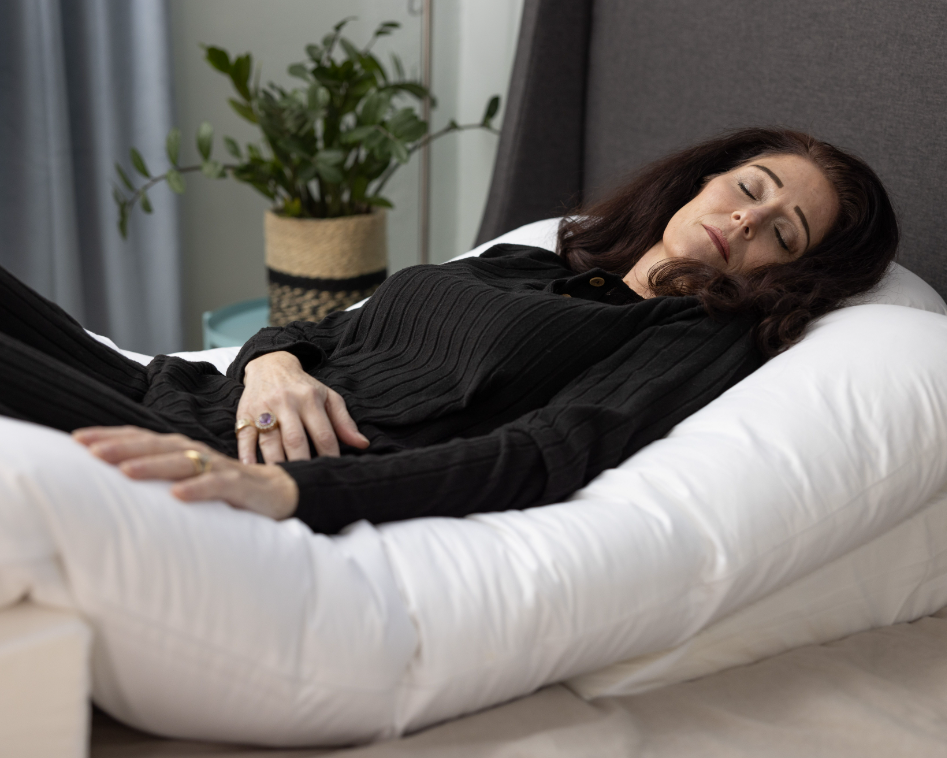
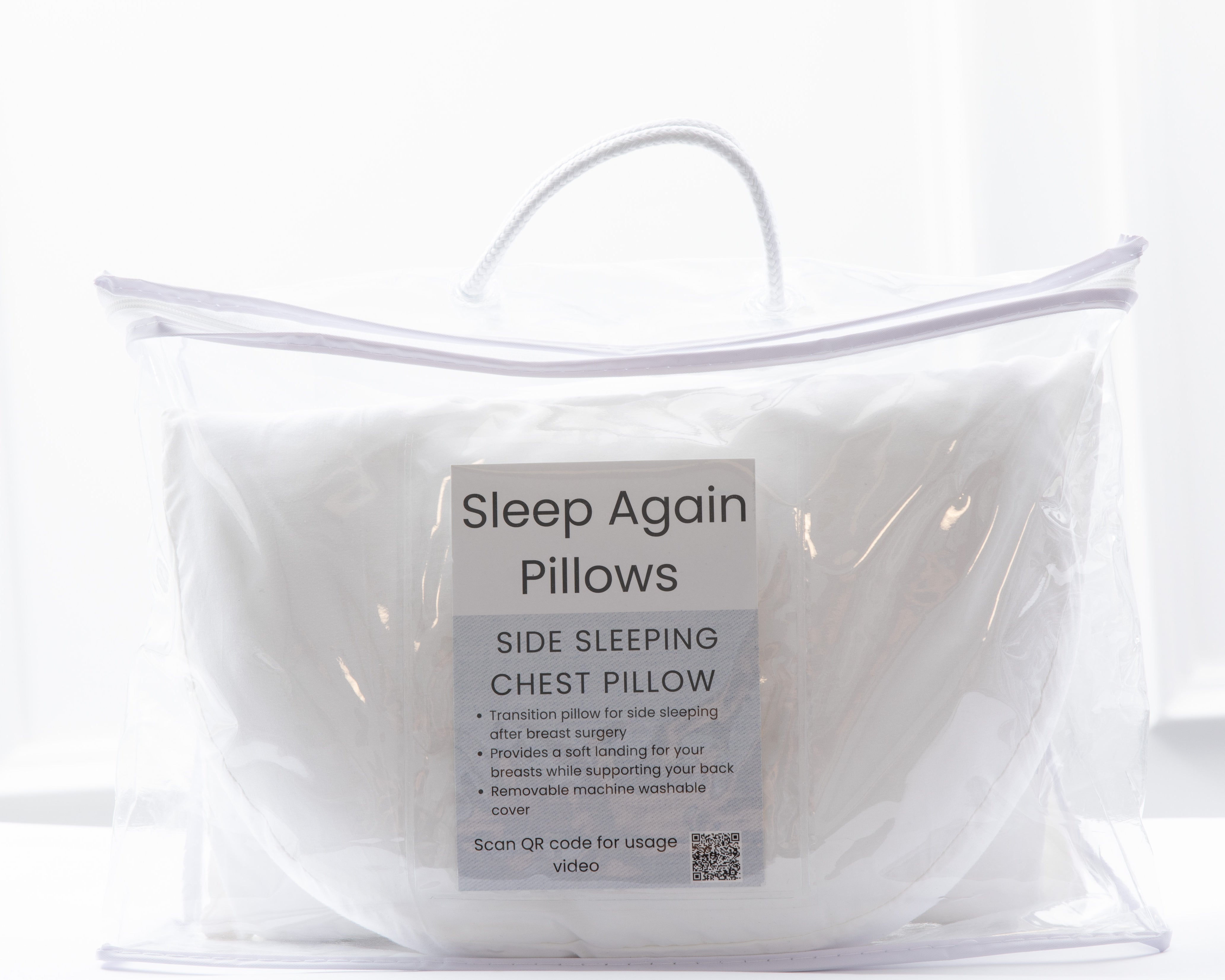
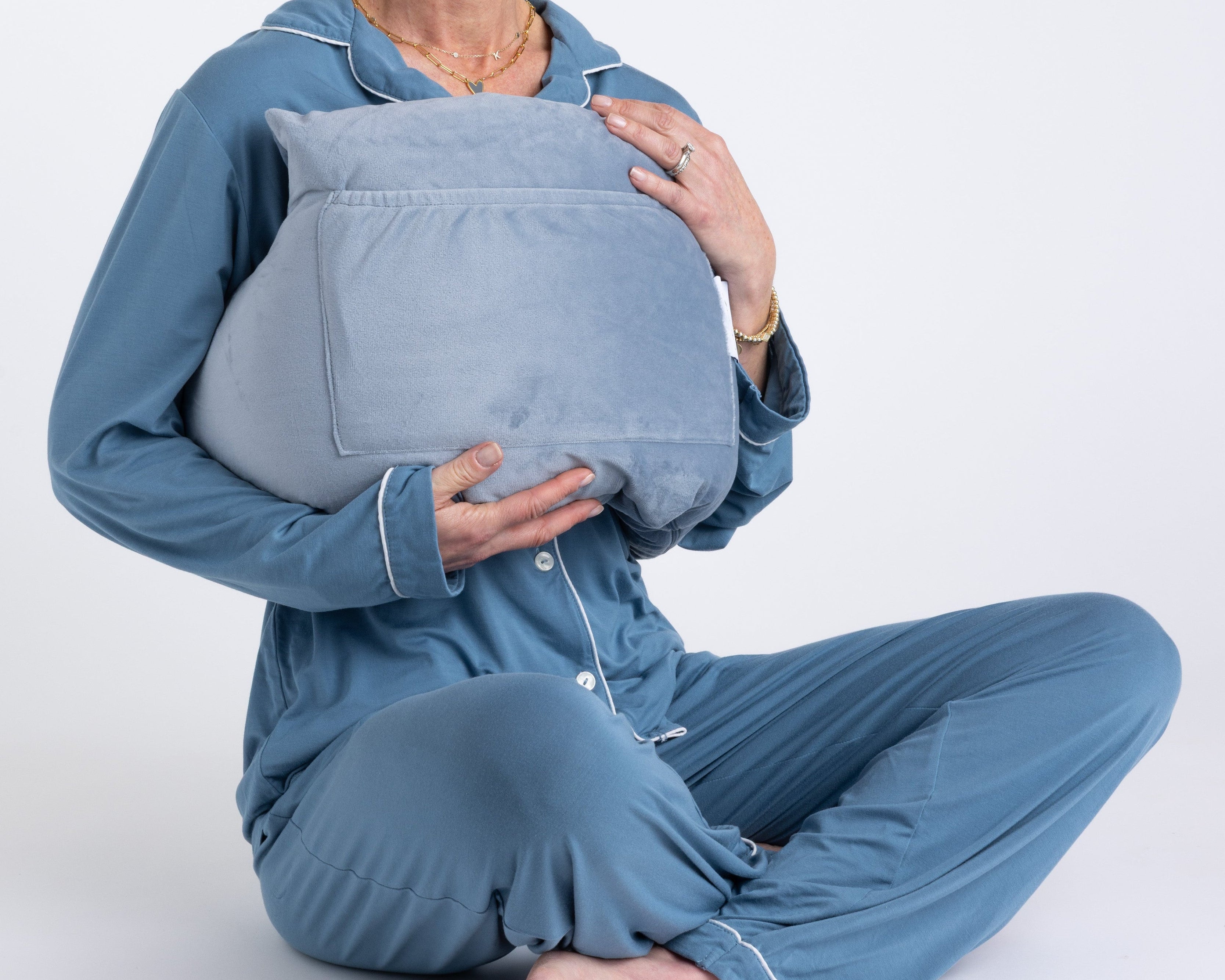
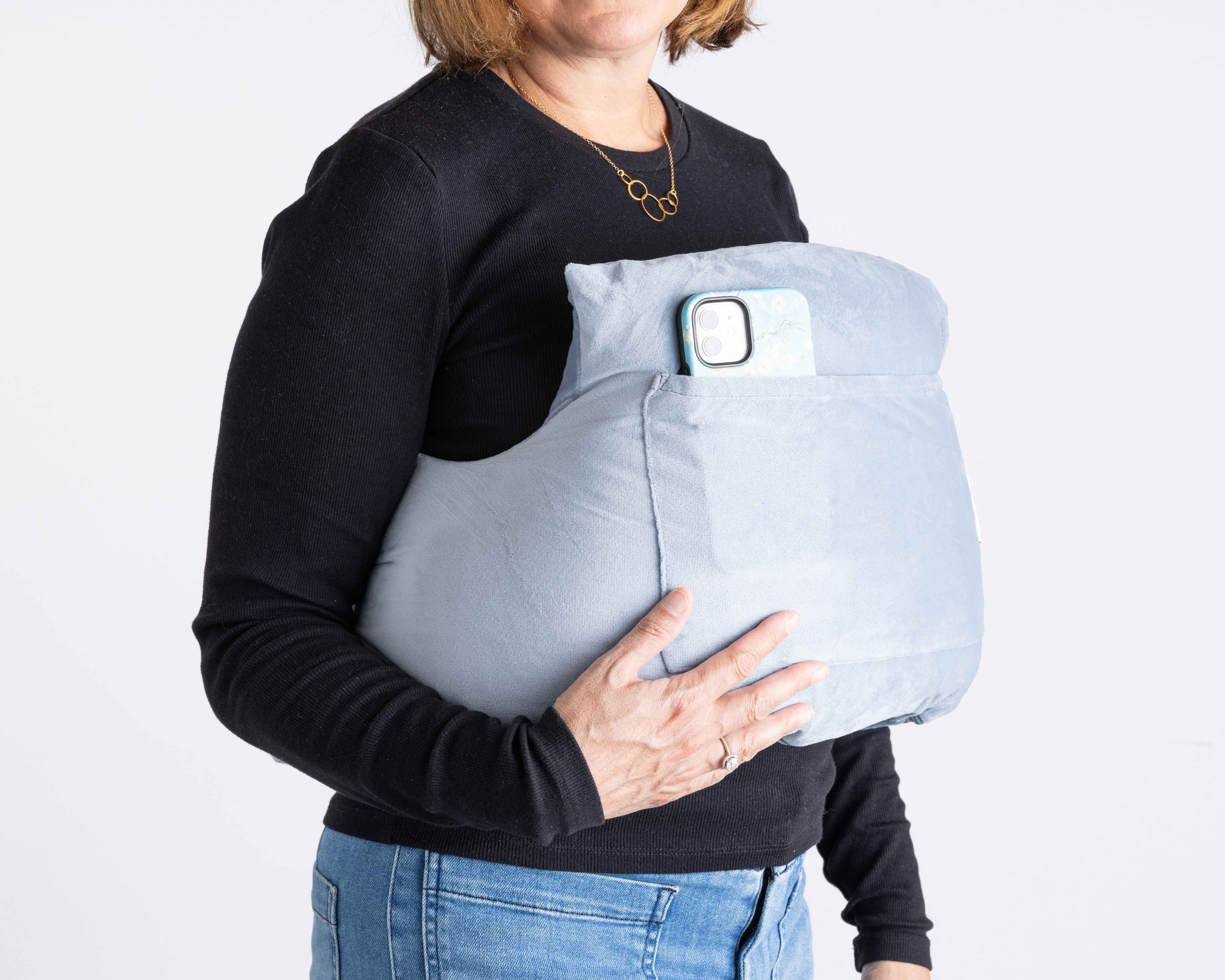
For patients who want a reliable, purpose-built solution rather than a trial-and-error approach, the Sleep Again Pillow System is the only full-body positioning system designed specifically for post-surgical recovery sleep.
The system was engineered to address the exact challenges that make post-brow-lift sleeping difficult: angle stability, lateral support, neck alignment, and lower body support — all in one integrated setup.

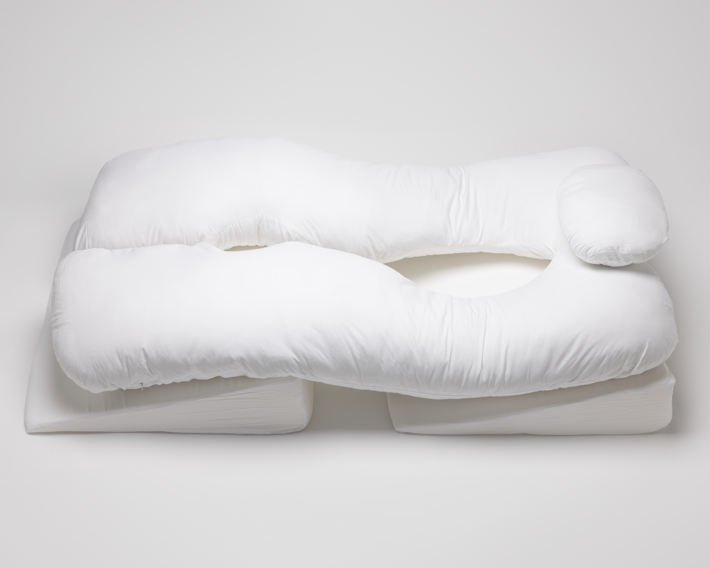
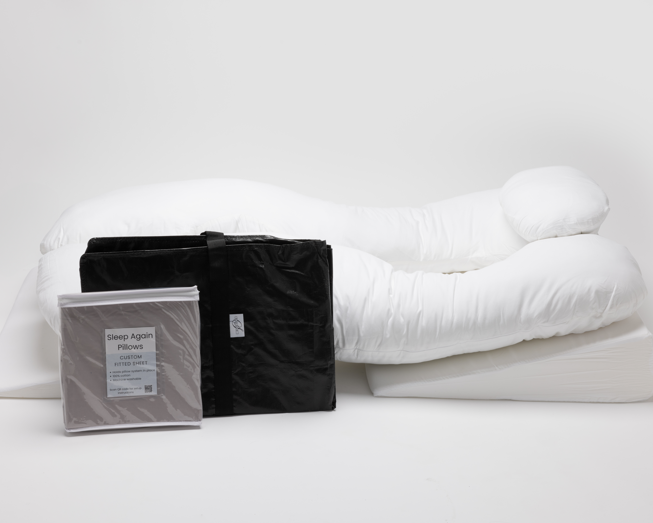
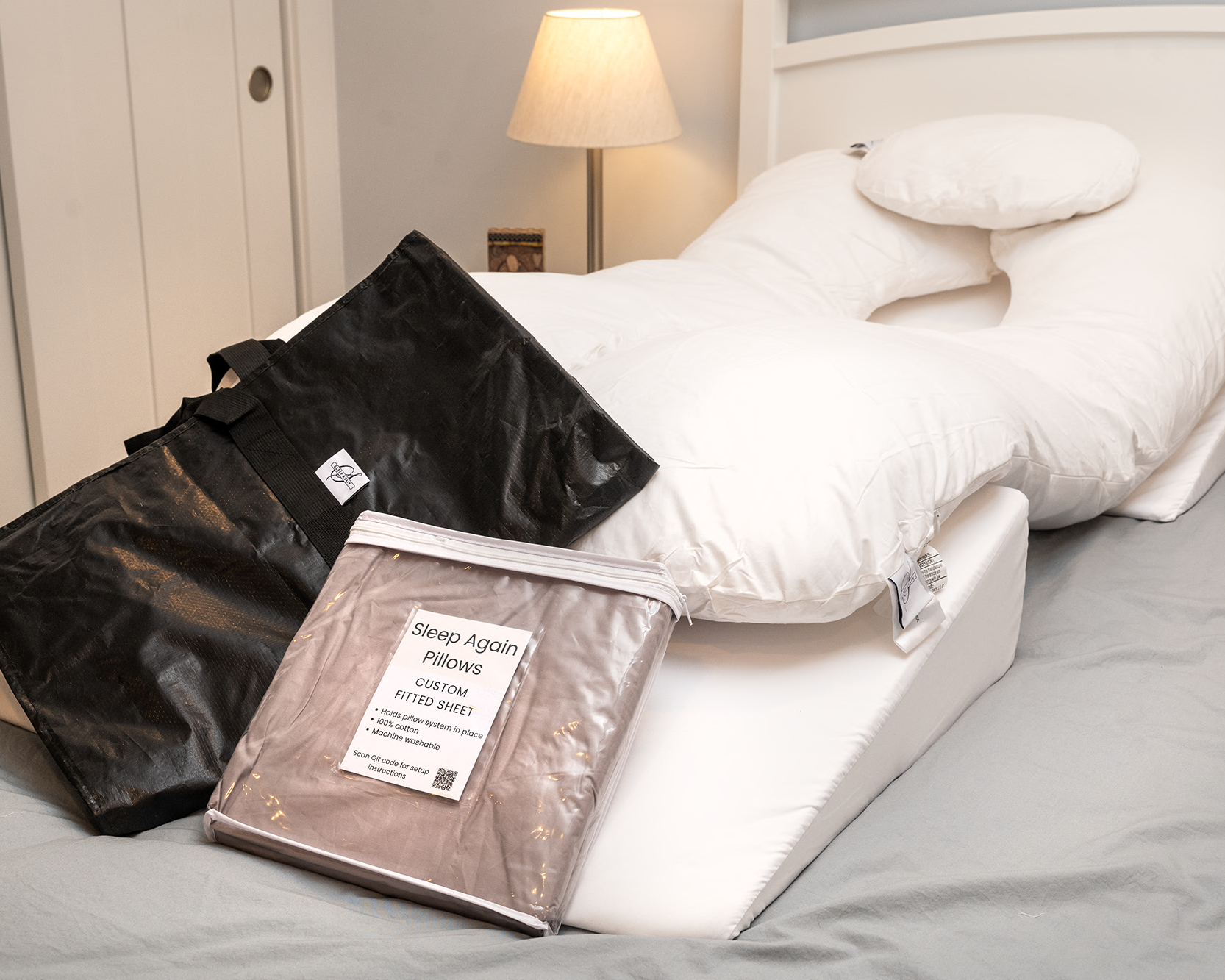
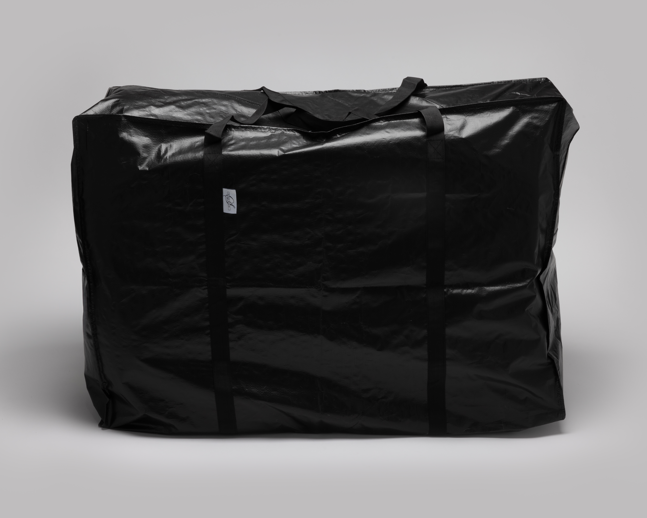
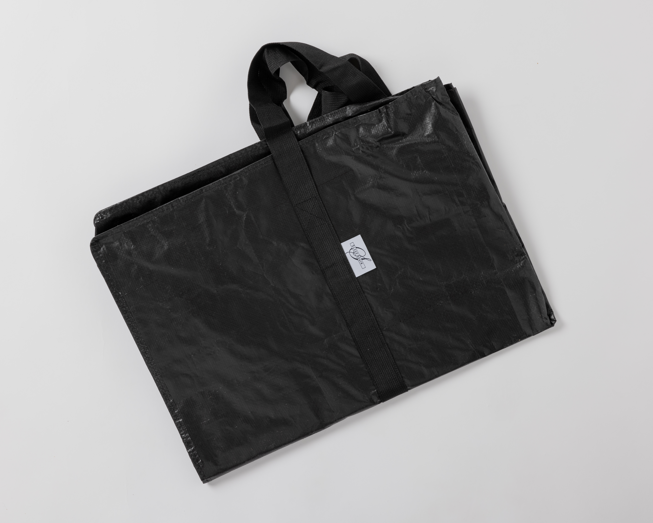
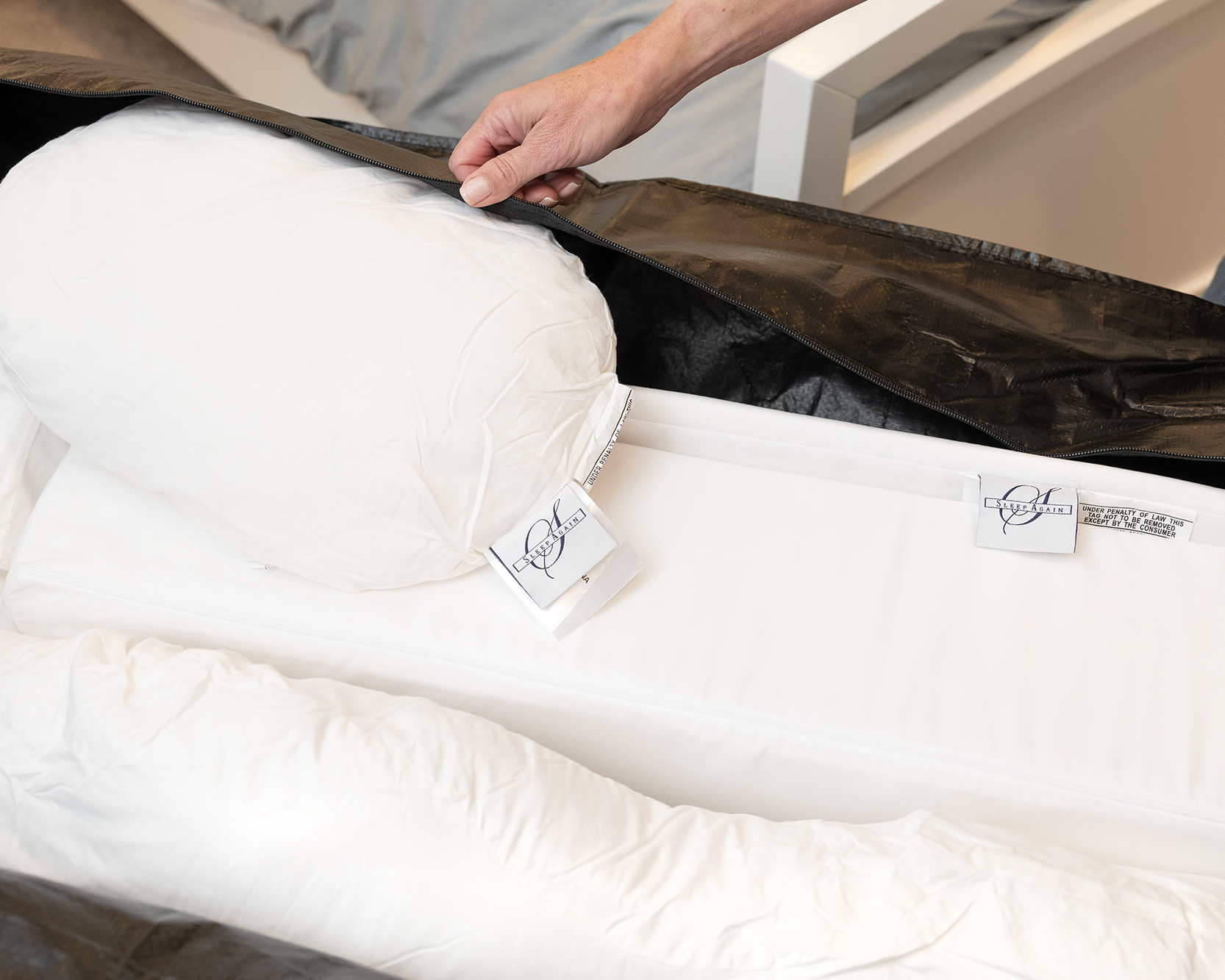
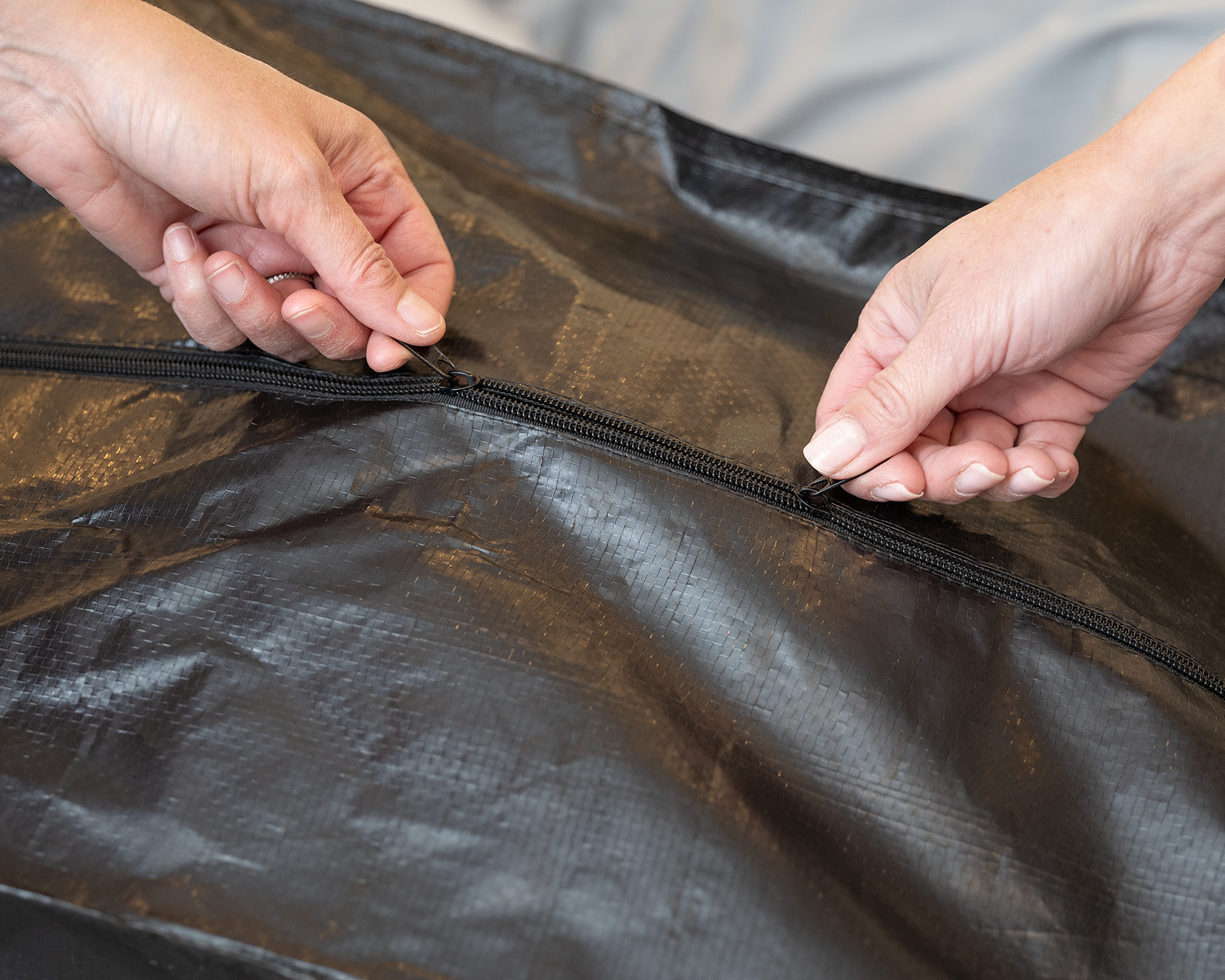
Every Sleep Again Pillow System includes:
-
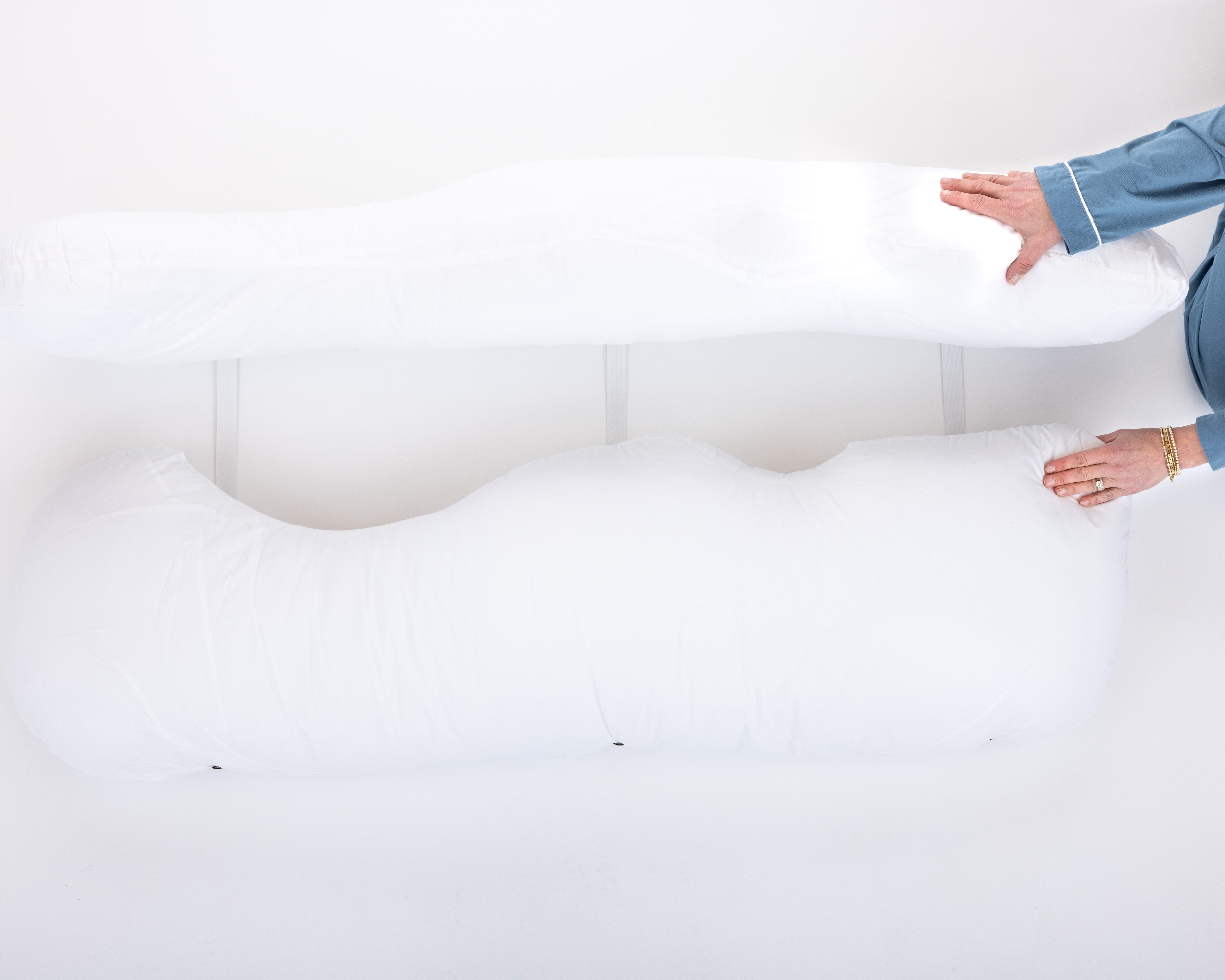
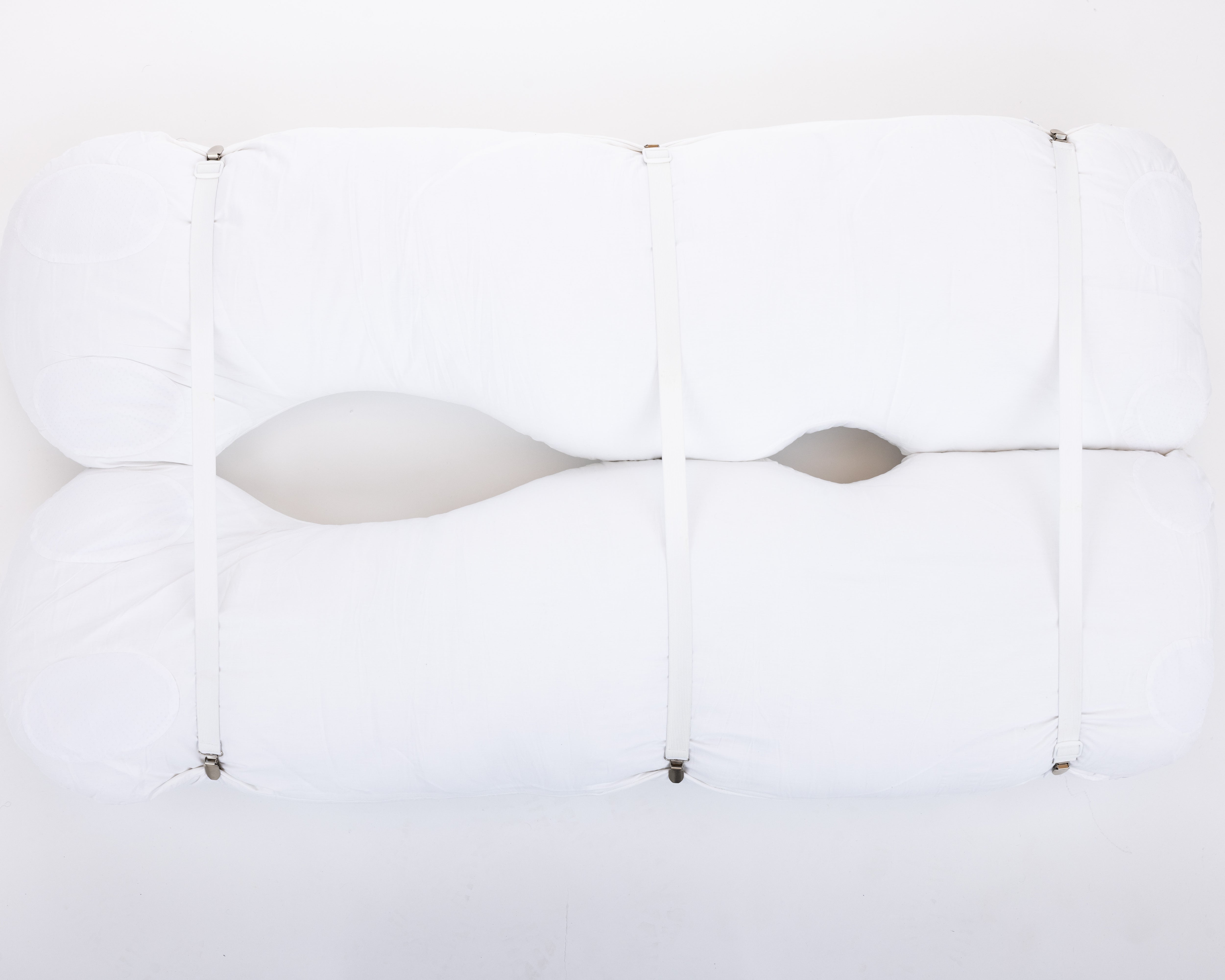
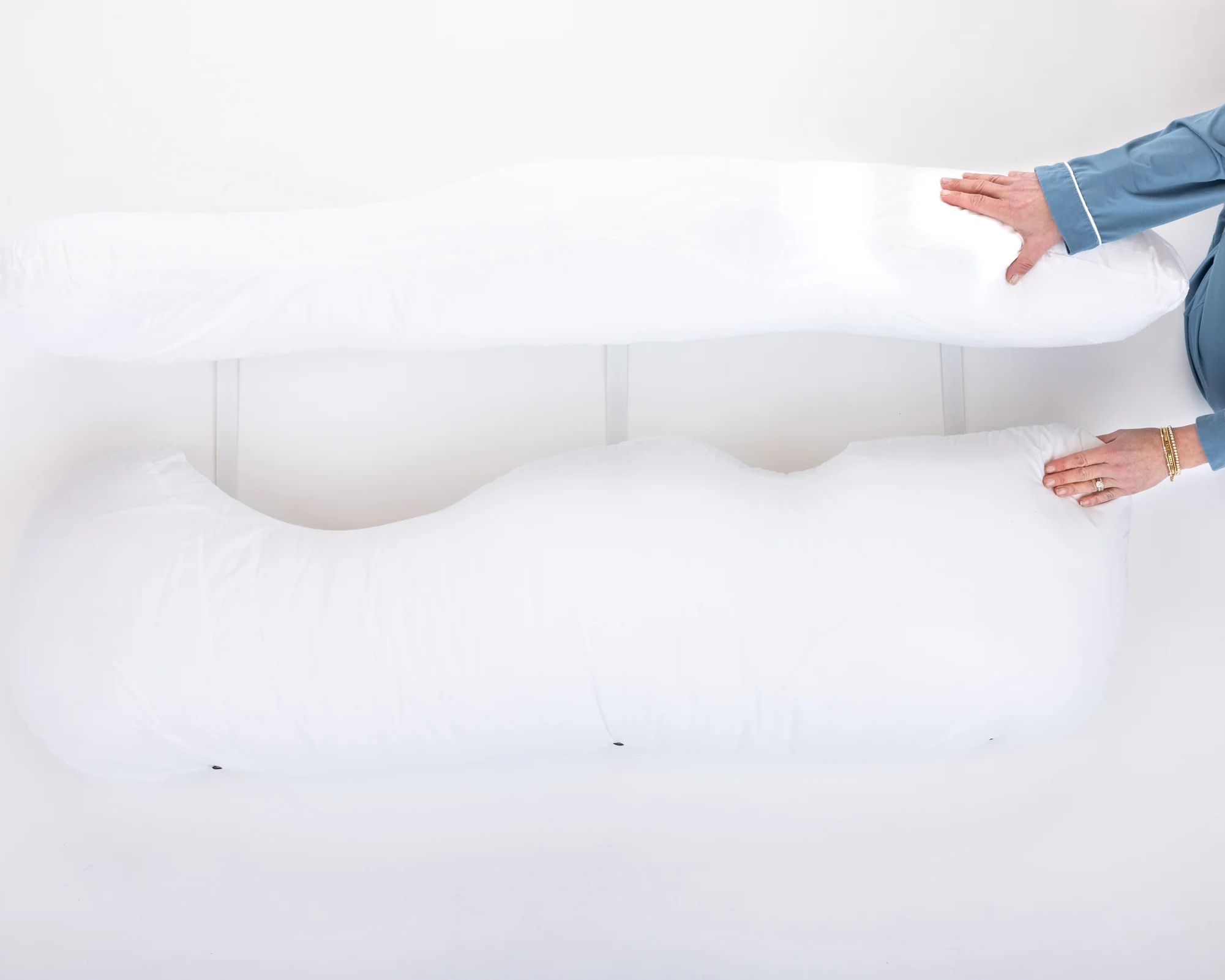
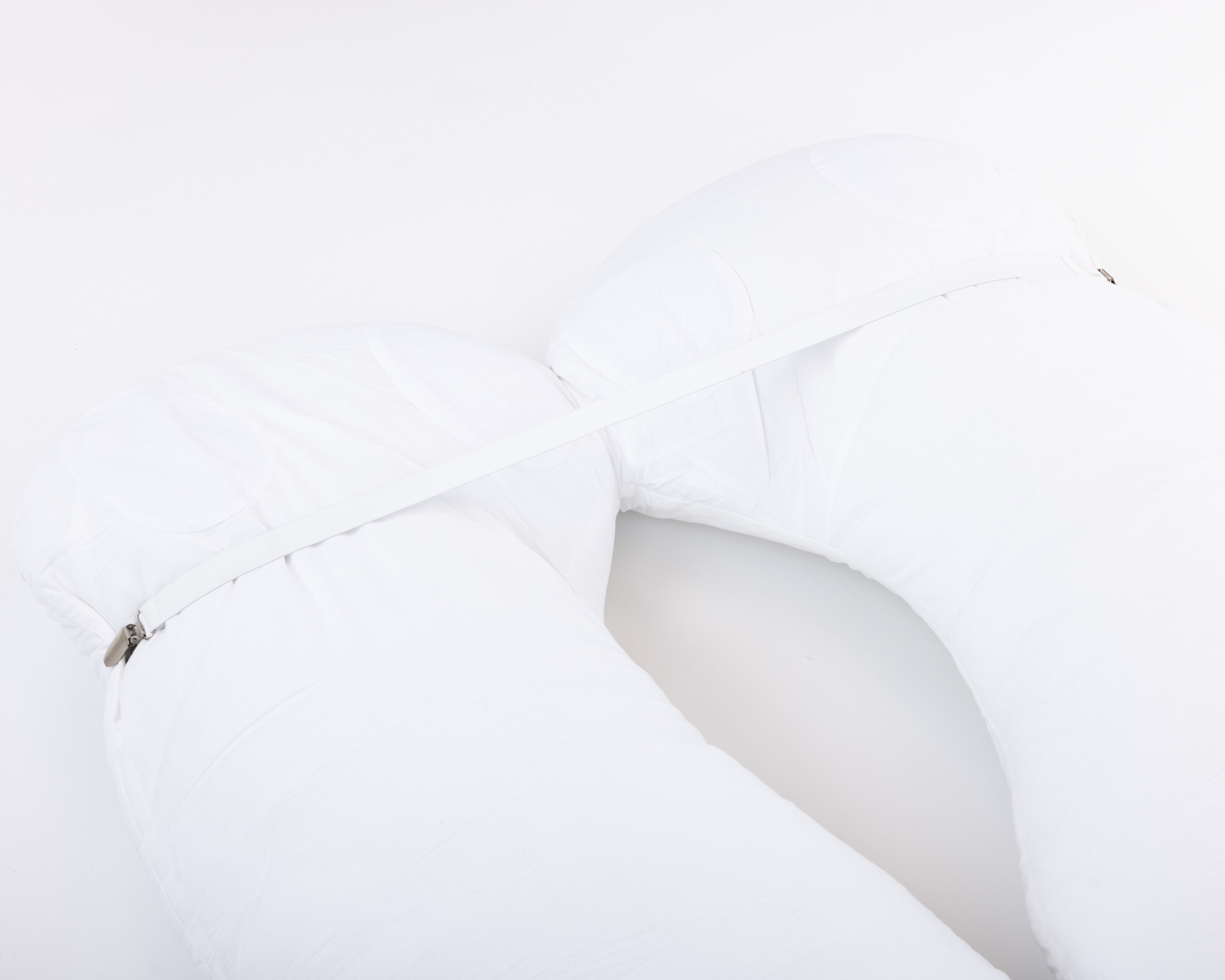
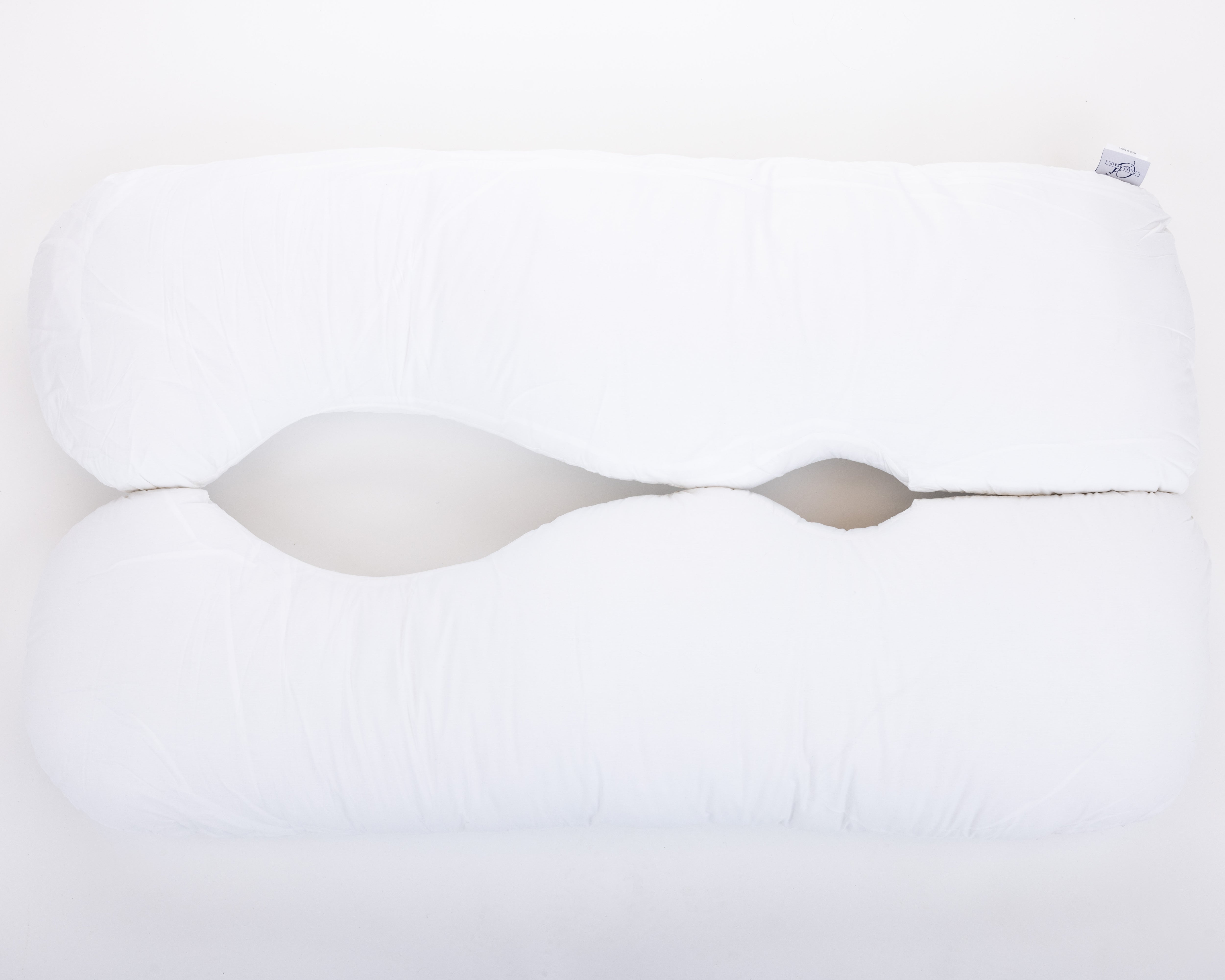
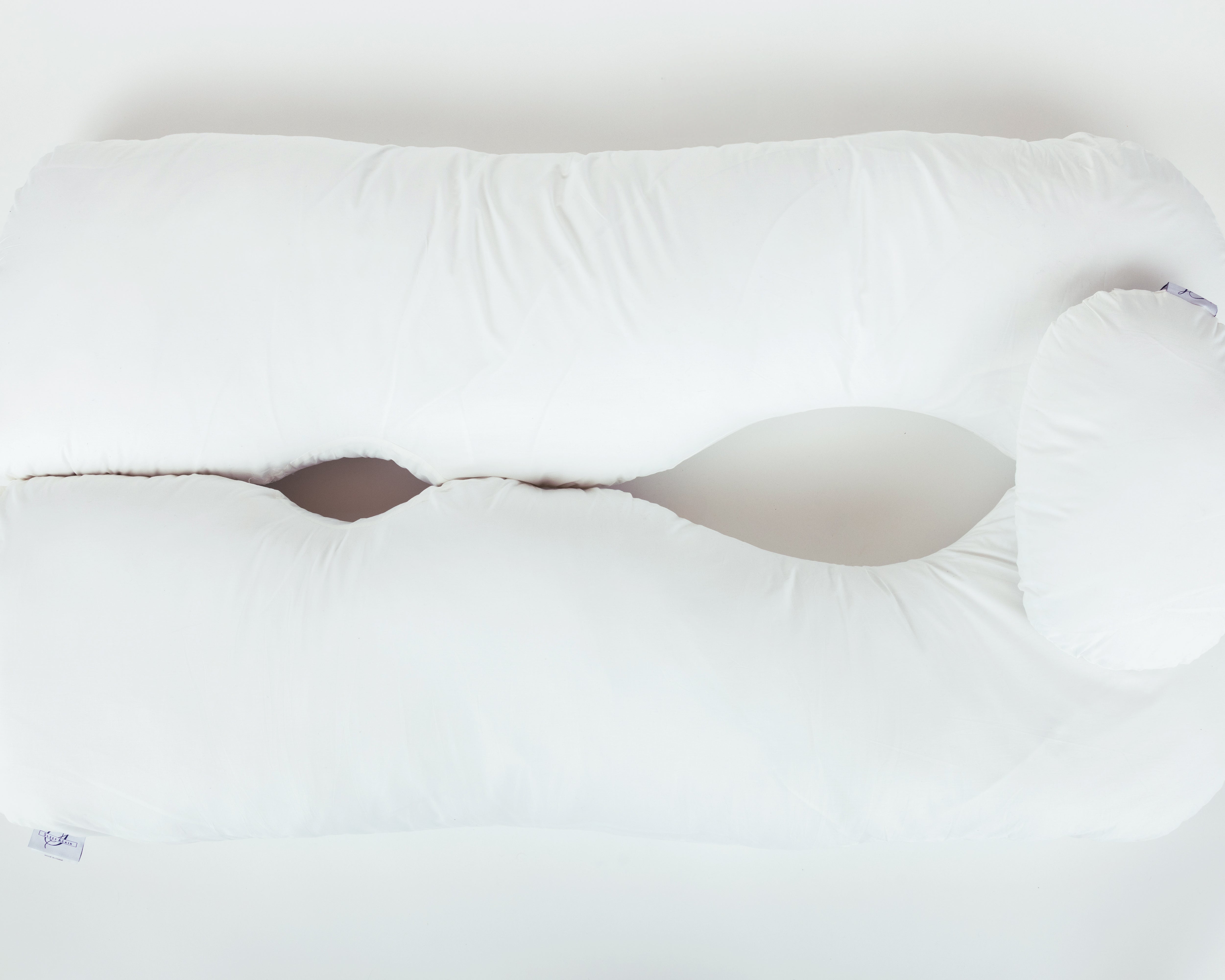
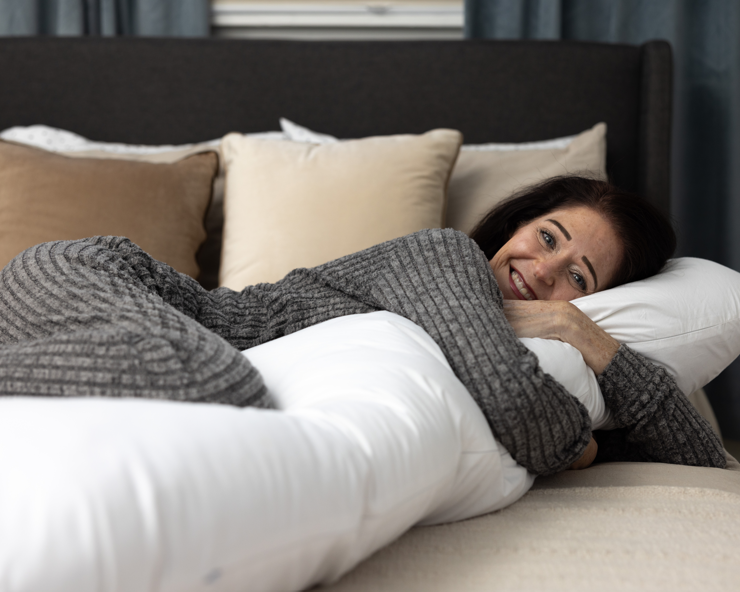
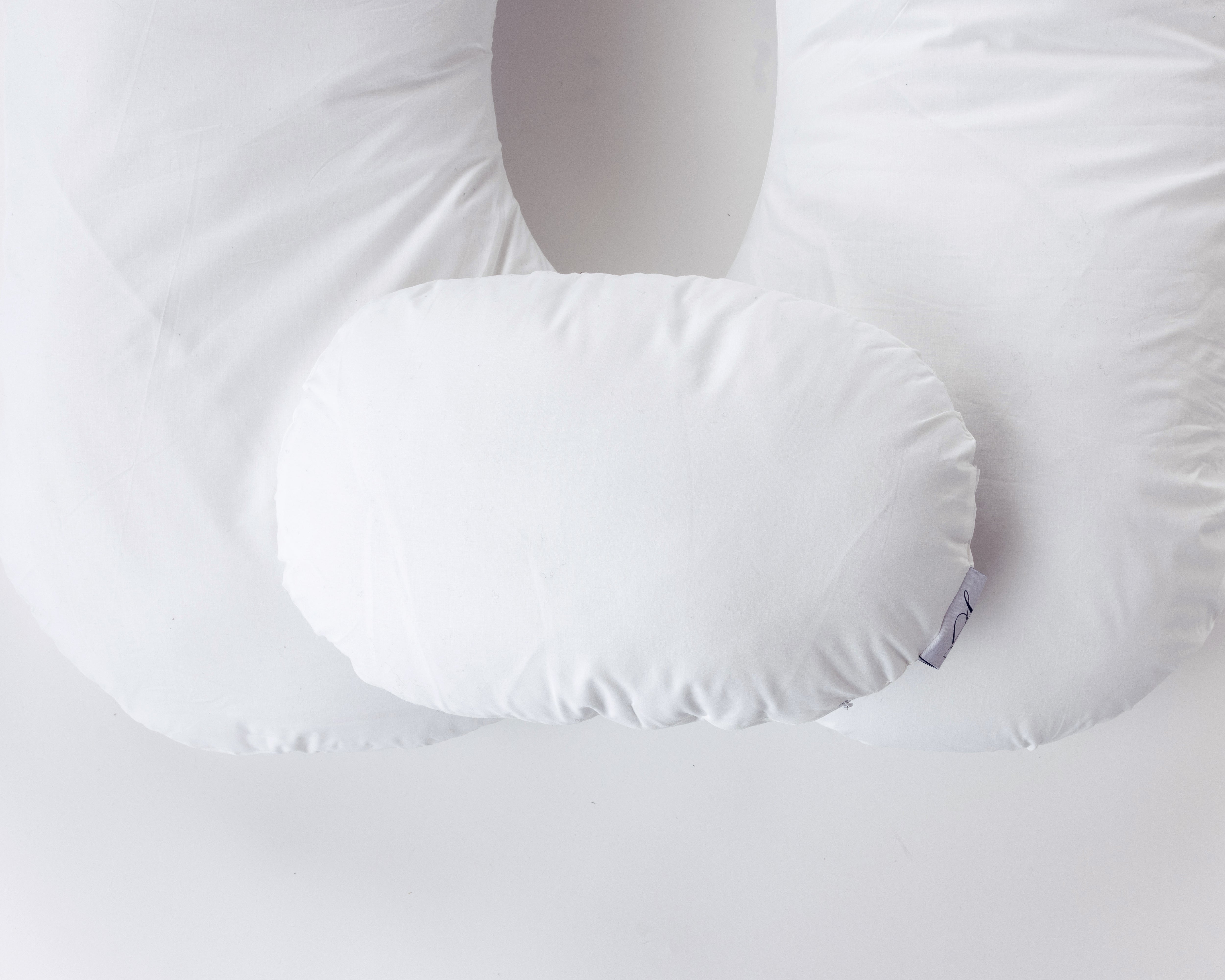
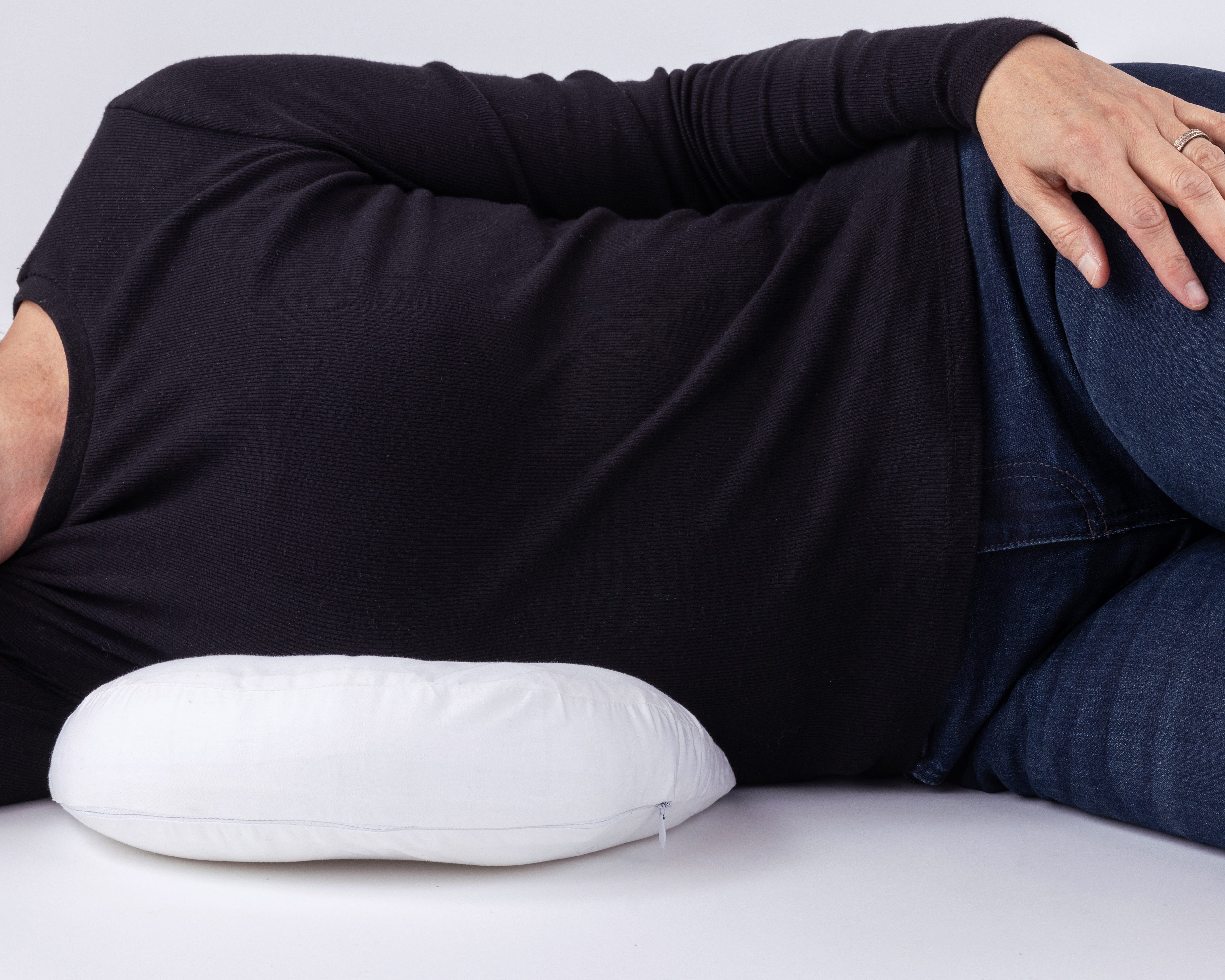
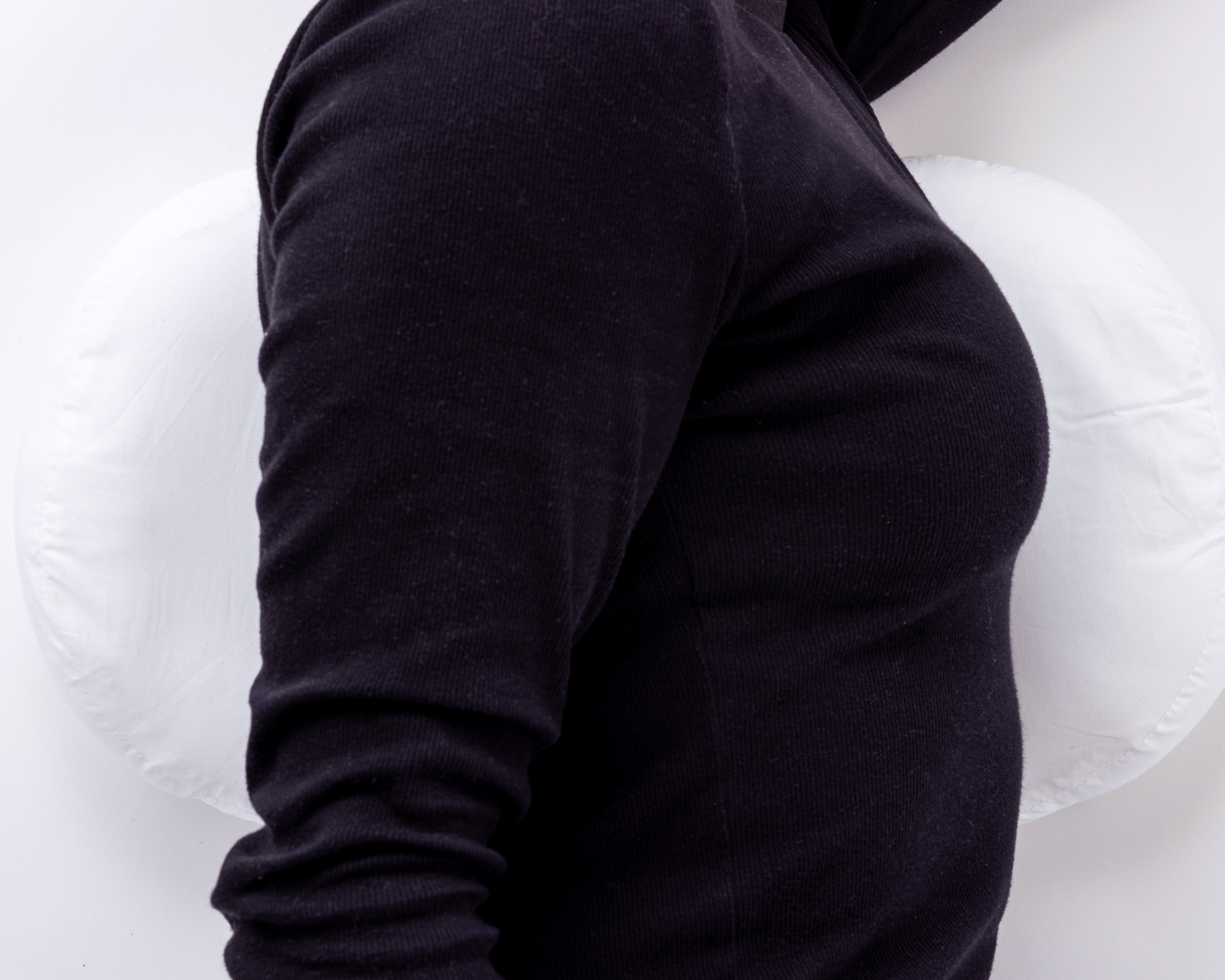
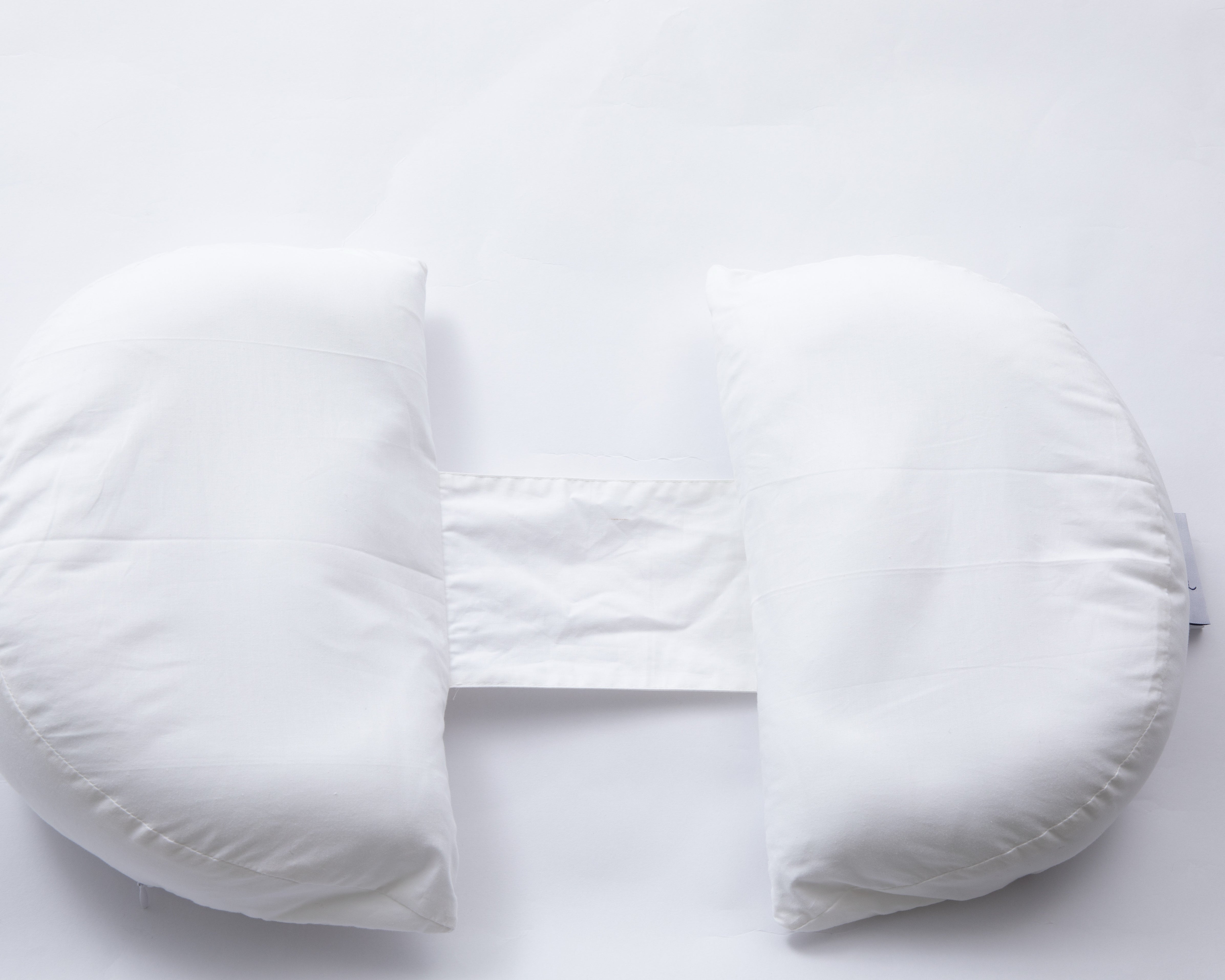
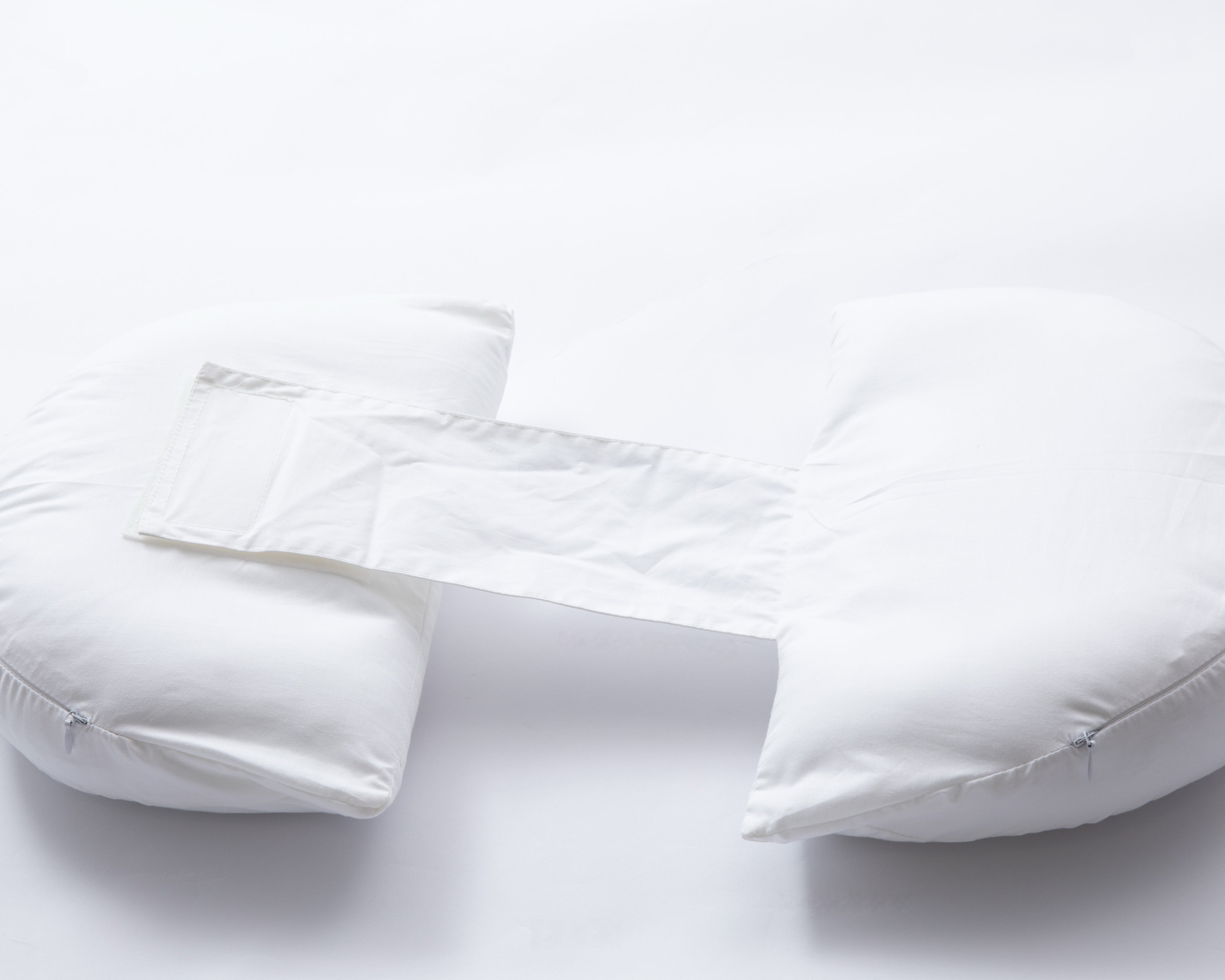
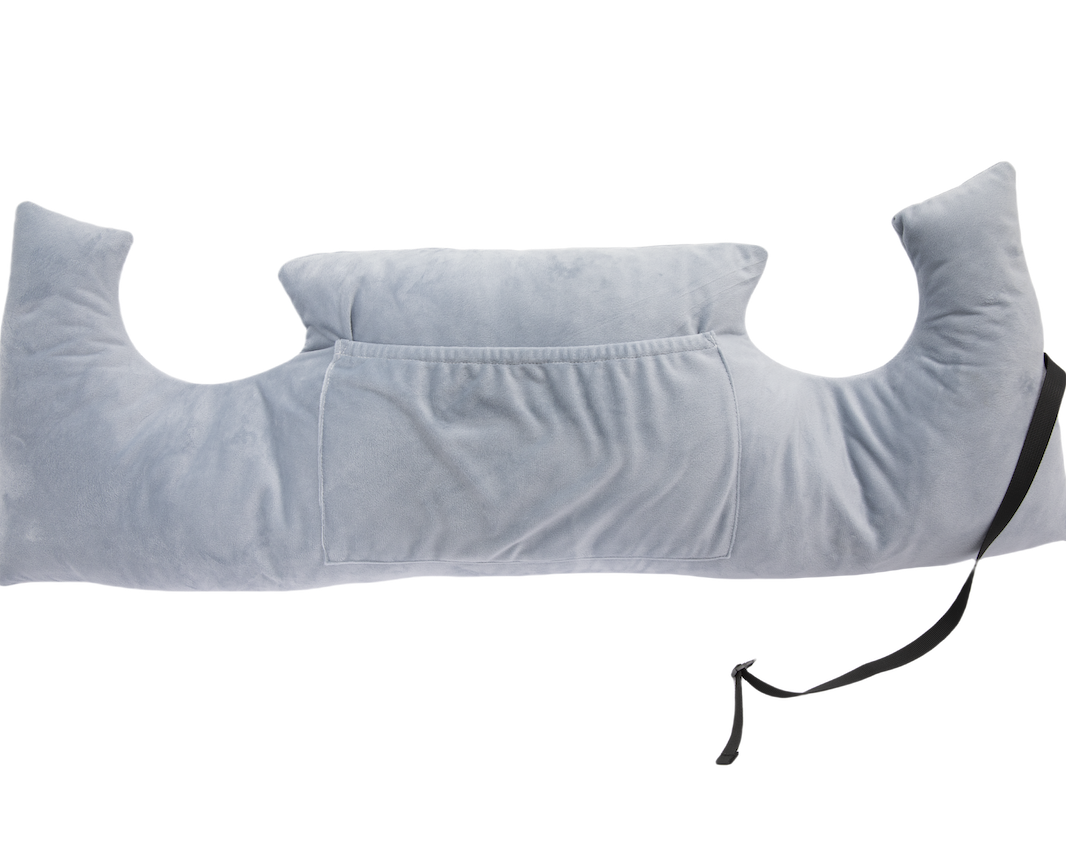
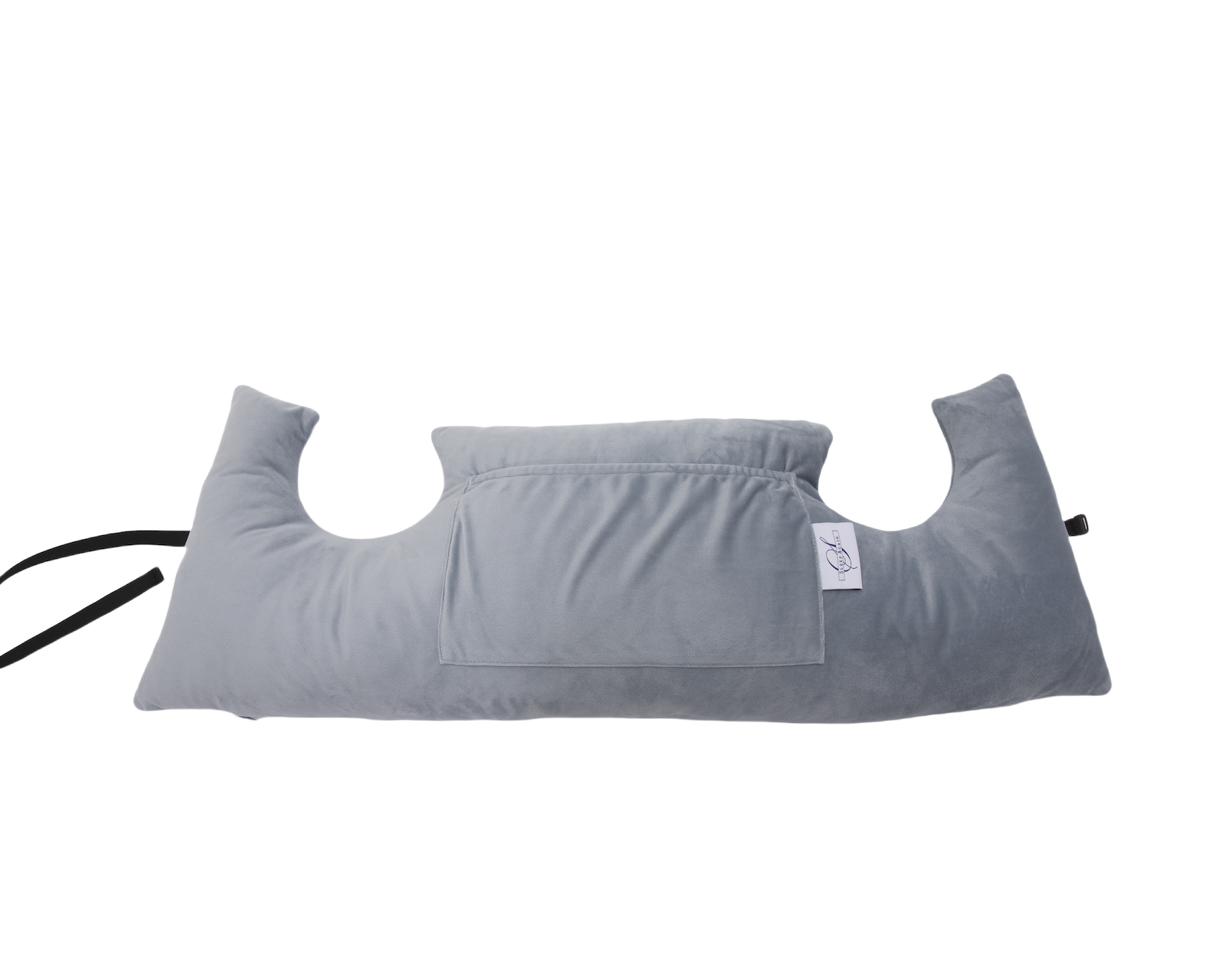
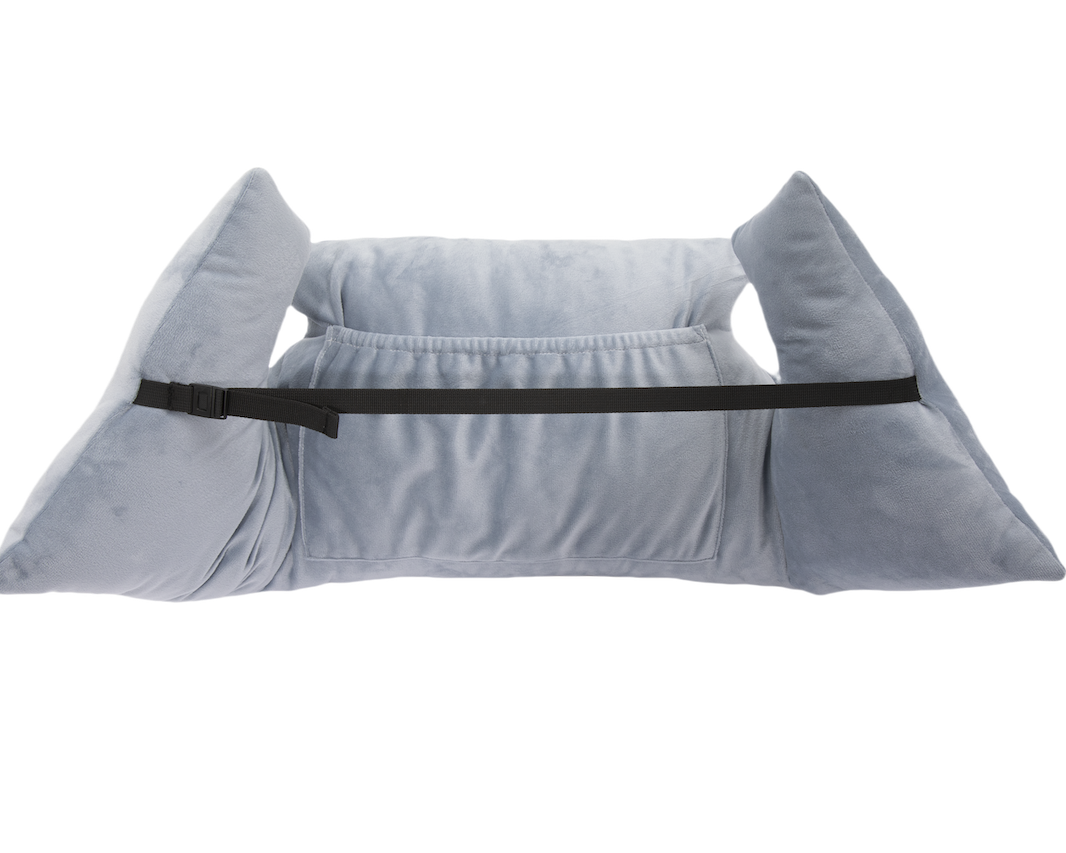
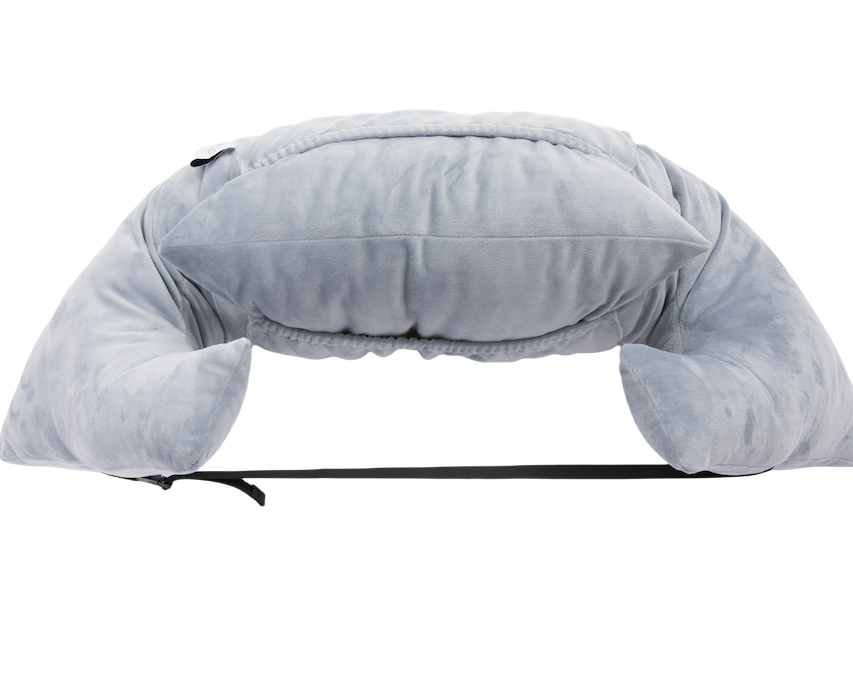
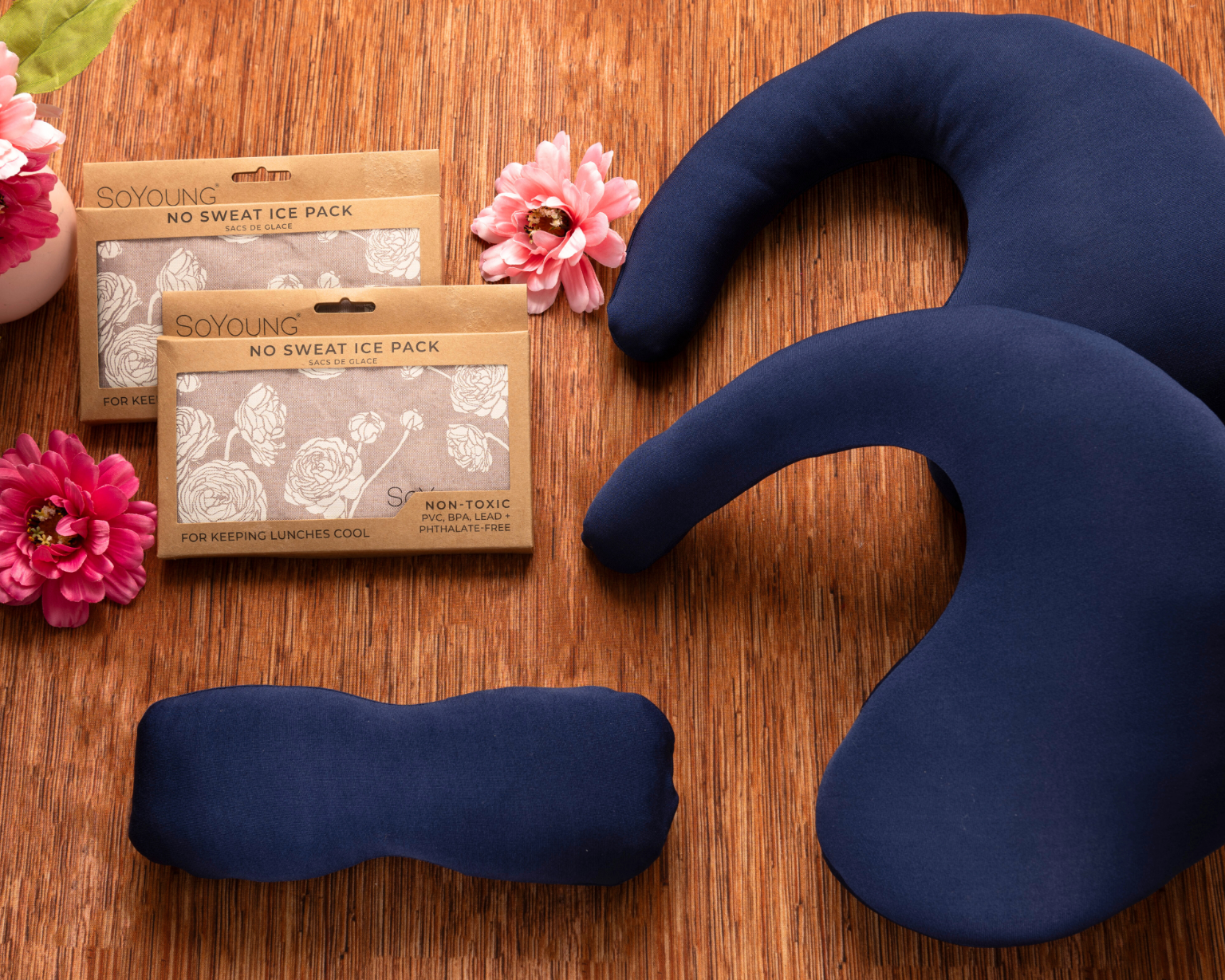
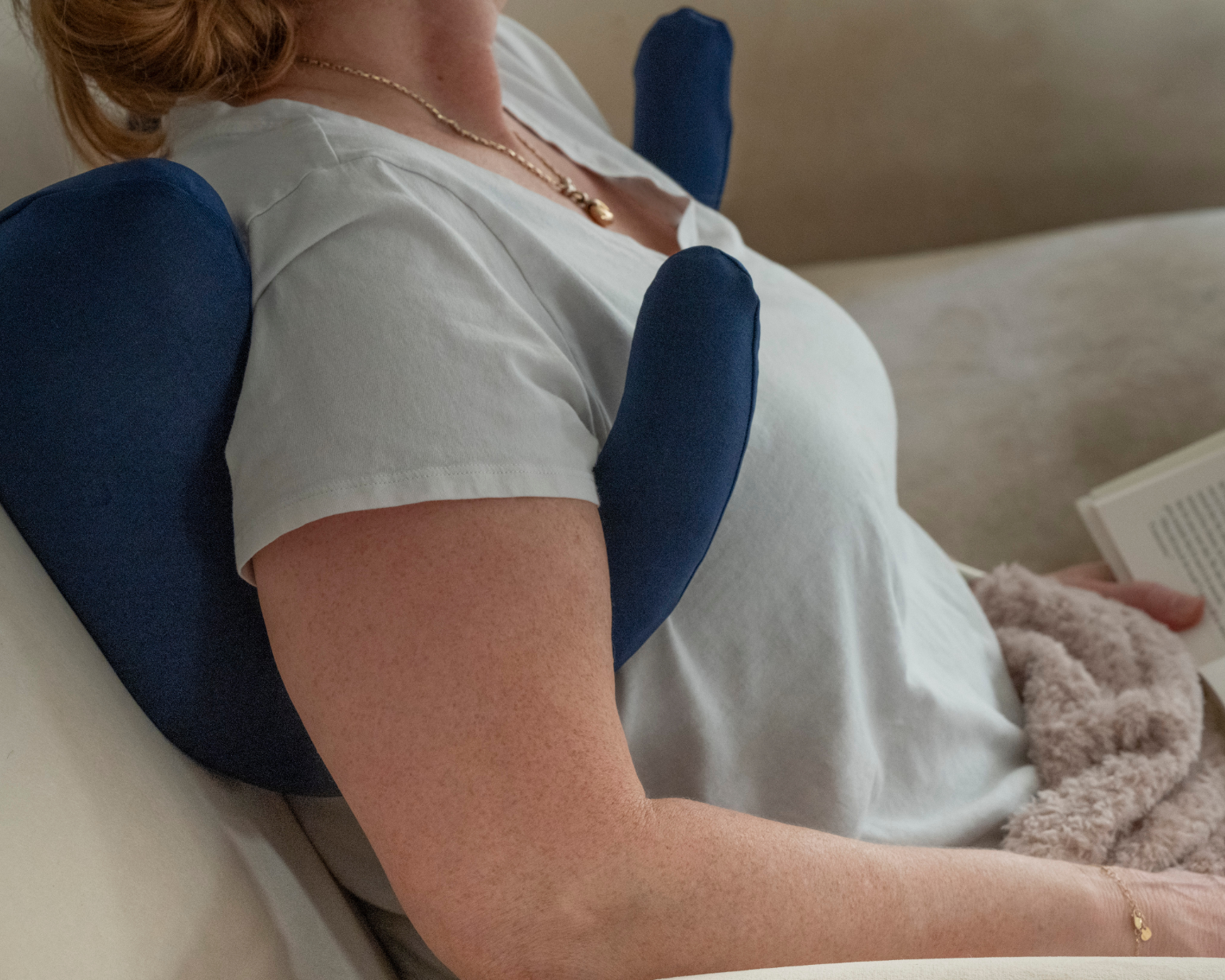
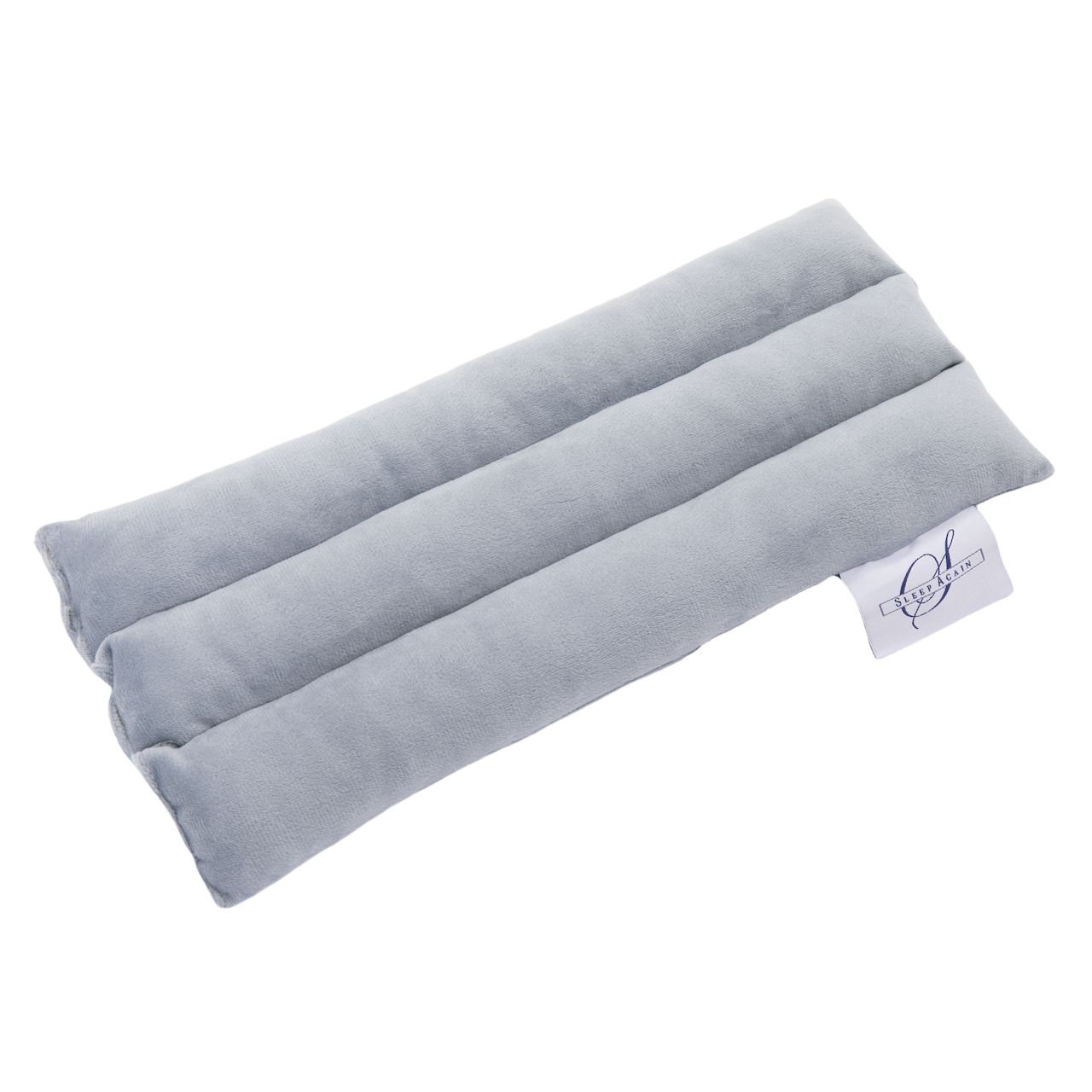
Two Contoured Side Pillows to cradle the back and hips and prevent rolling onto the side during the night
-
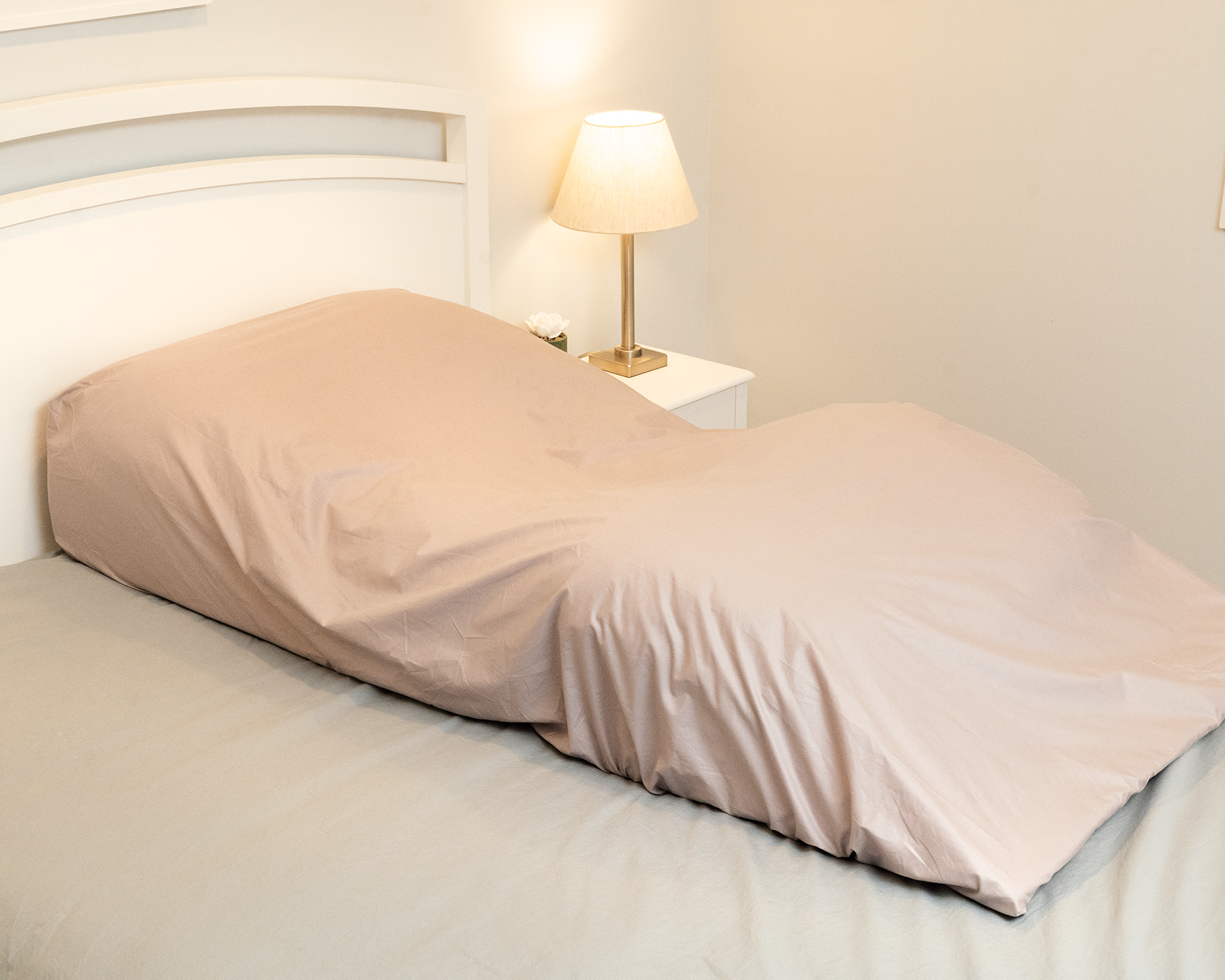
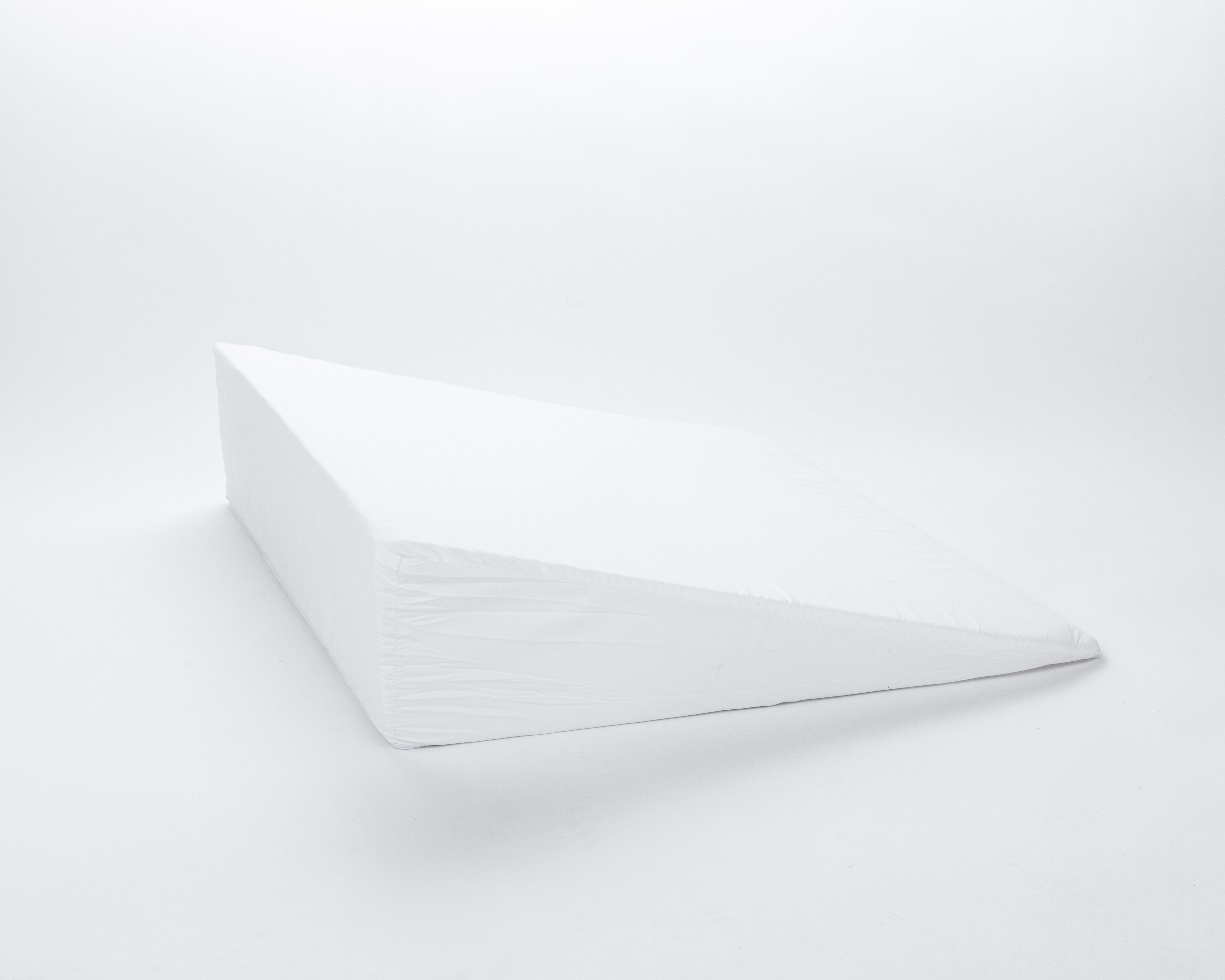
Upper Body Wedge to create optimal upper body incline
-
Leg Support Wedge to gently elevate legs
-
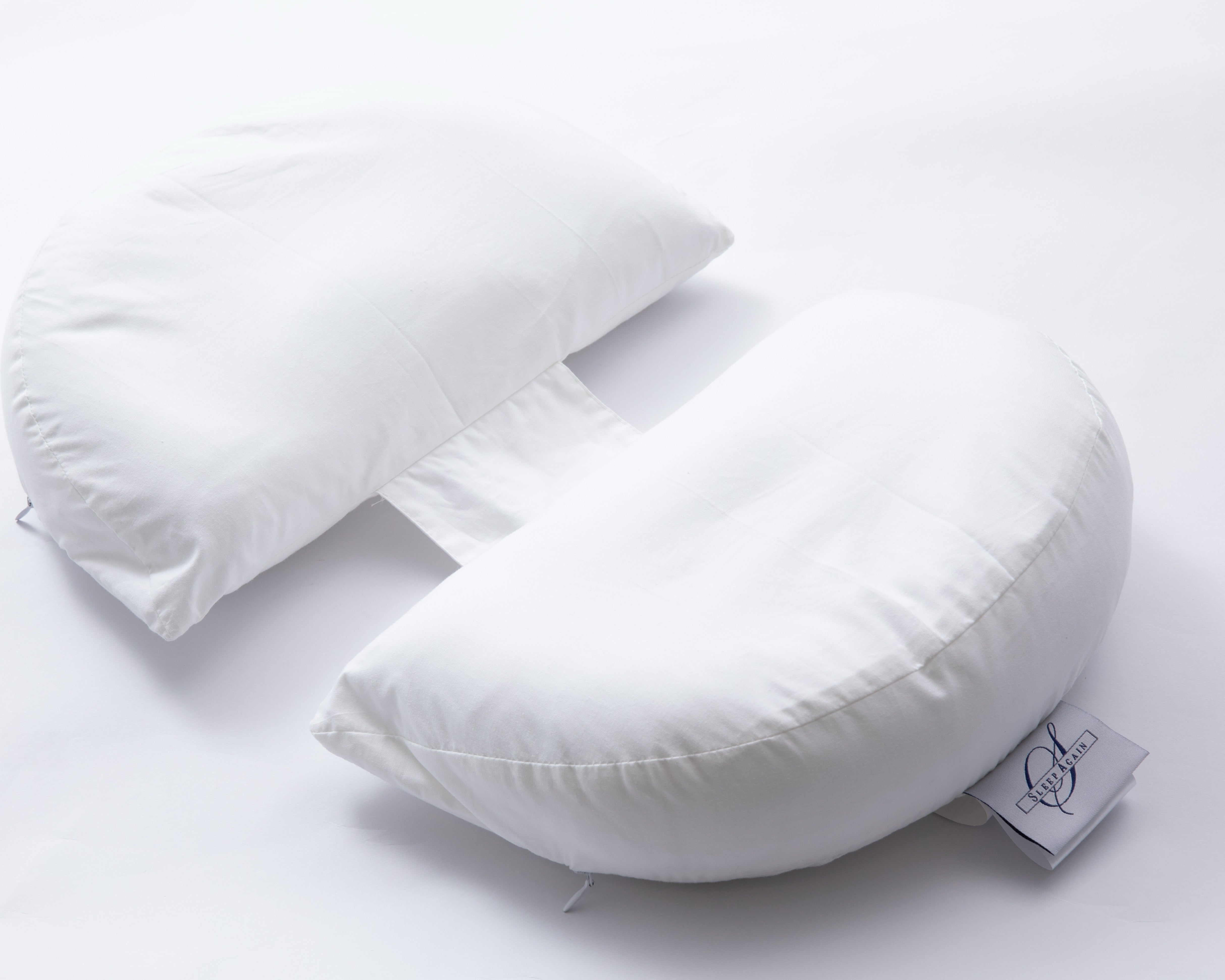
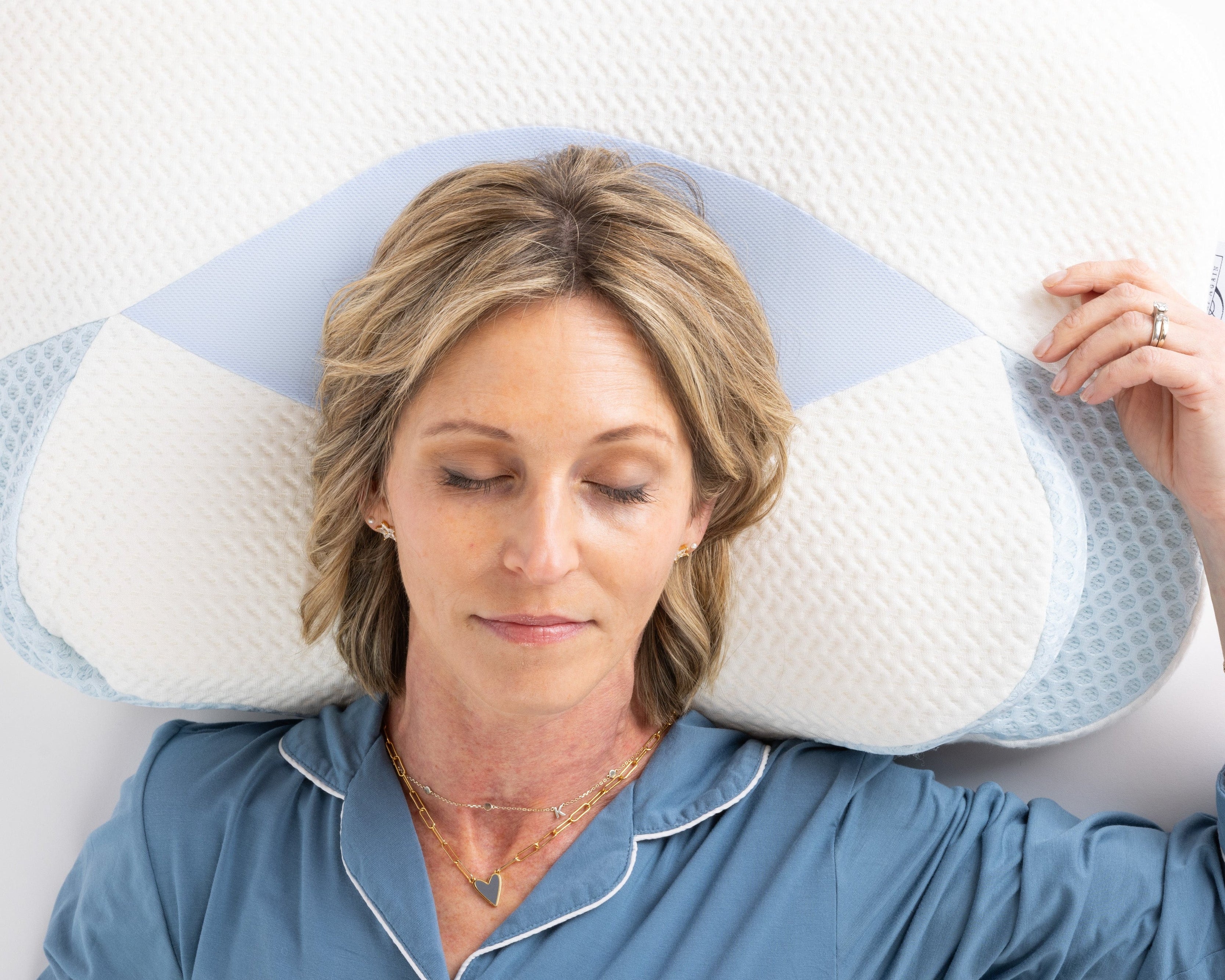
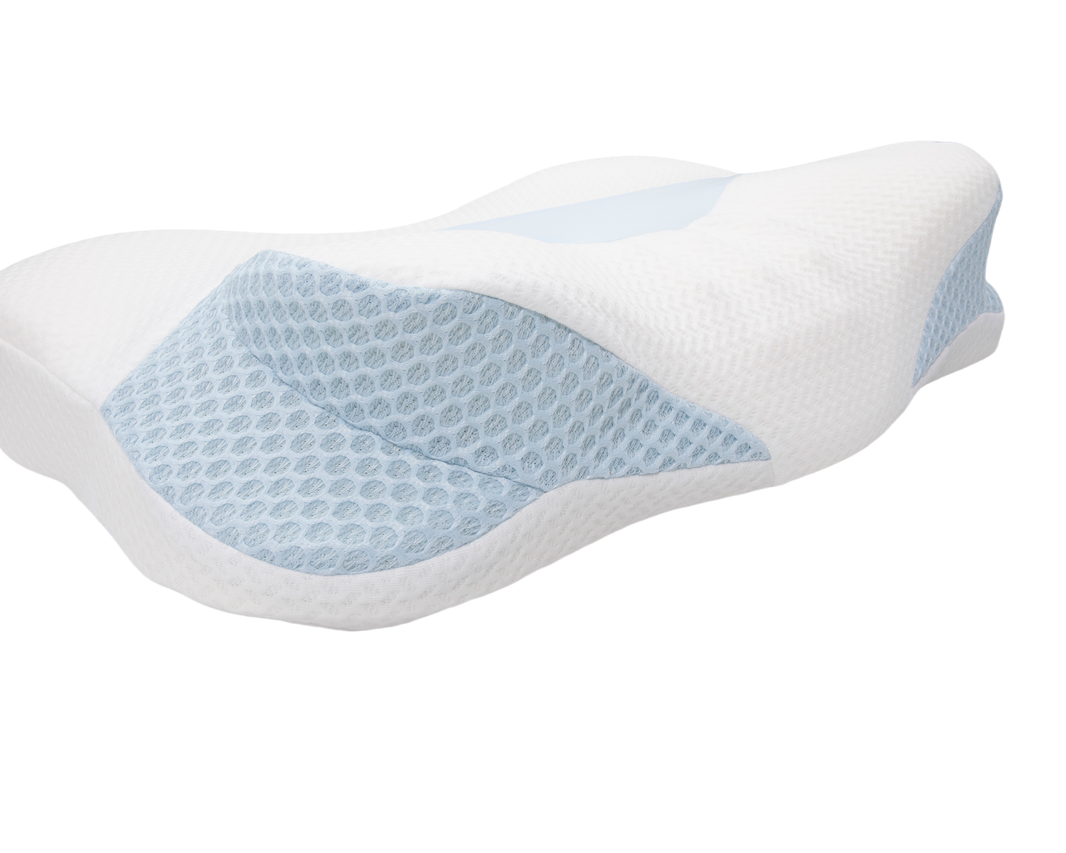
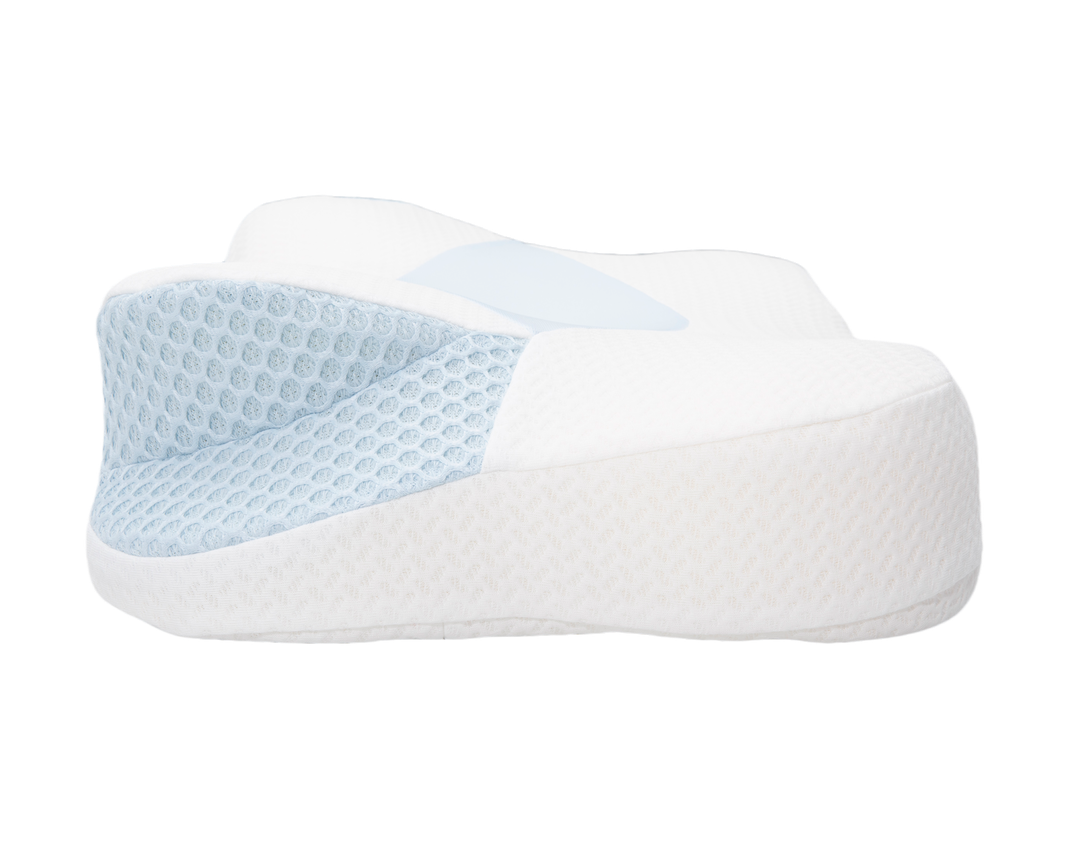
Head Pillow to provide head support and neck mobility
-
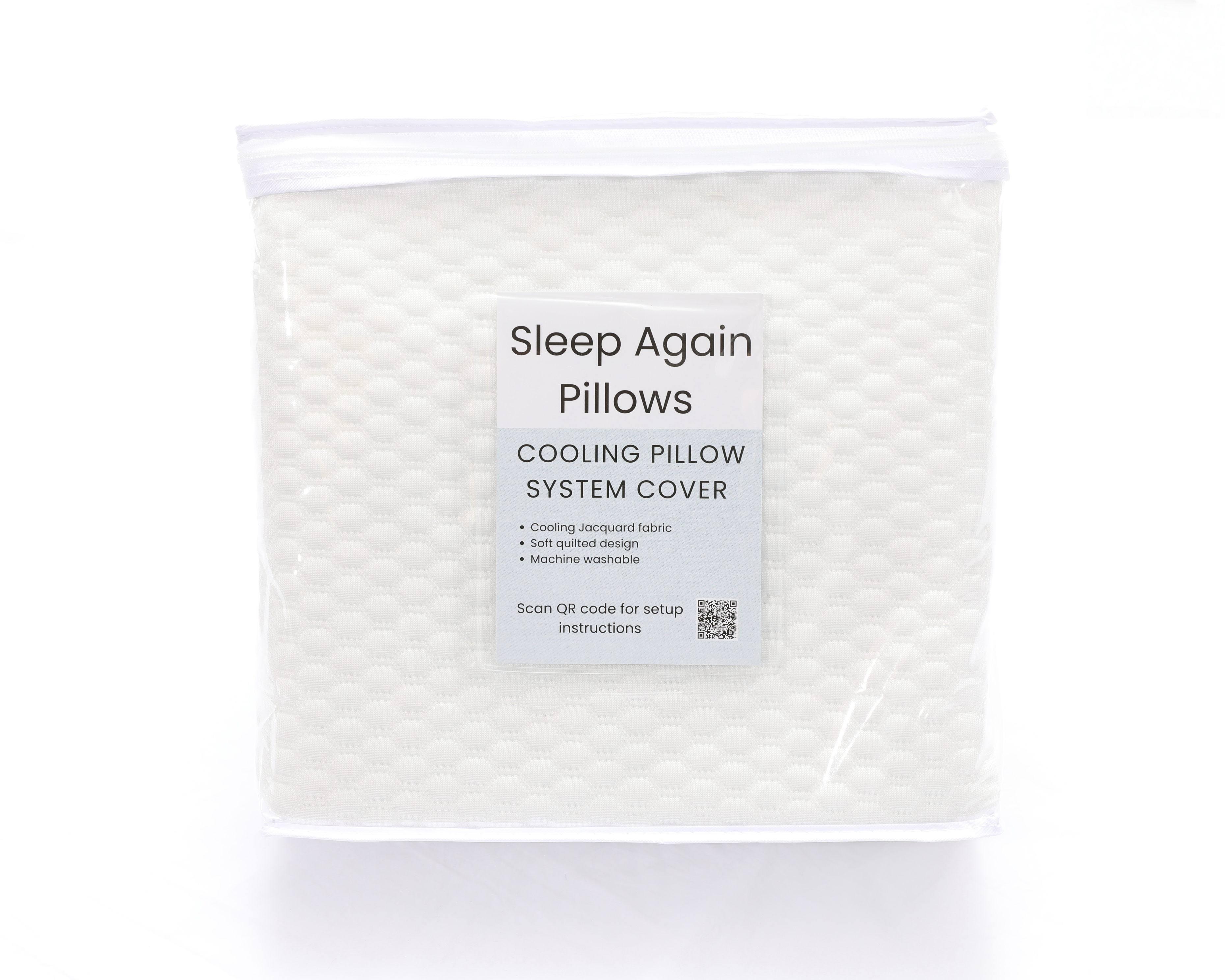
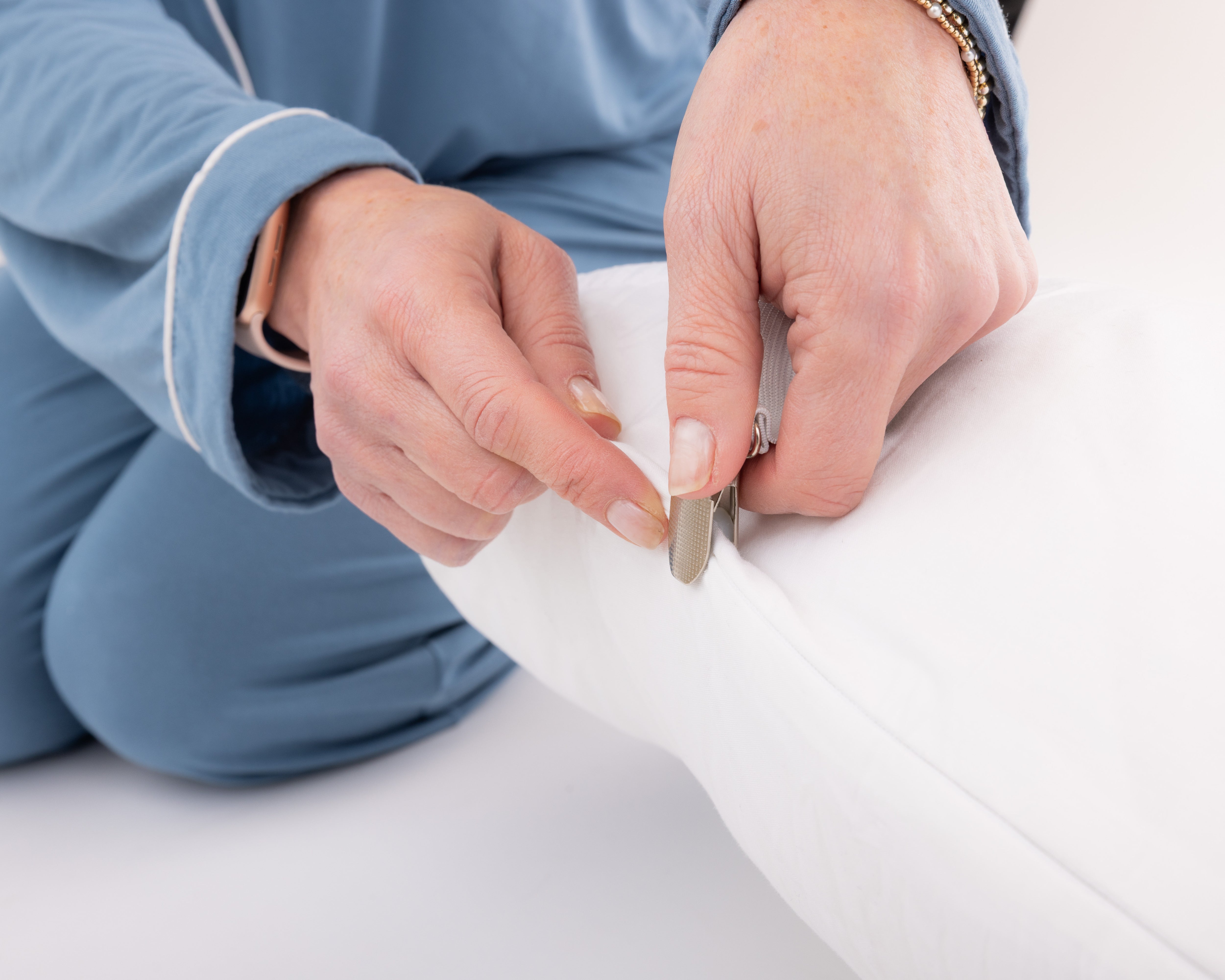
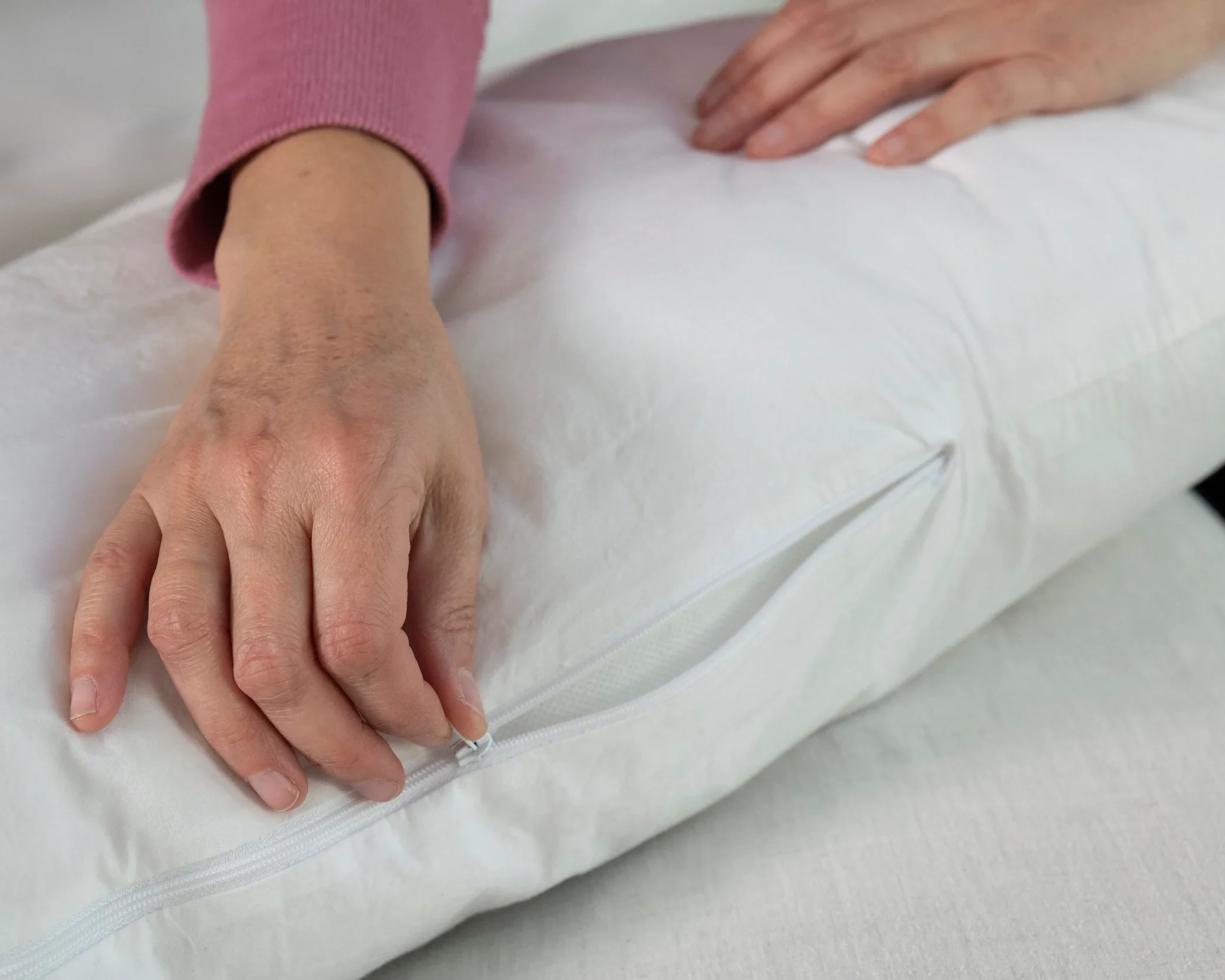
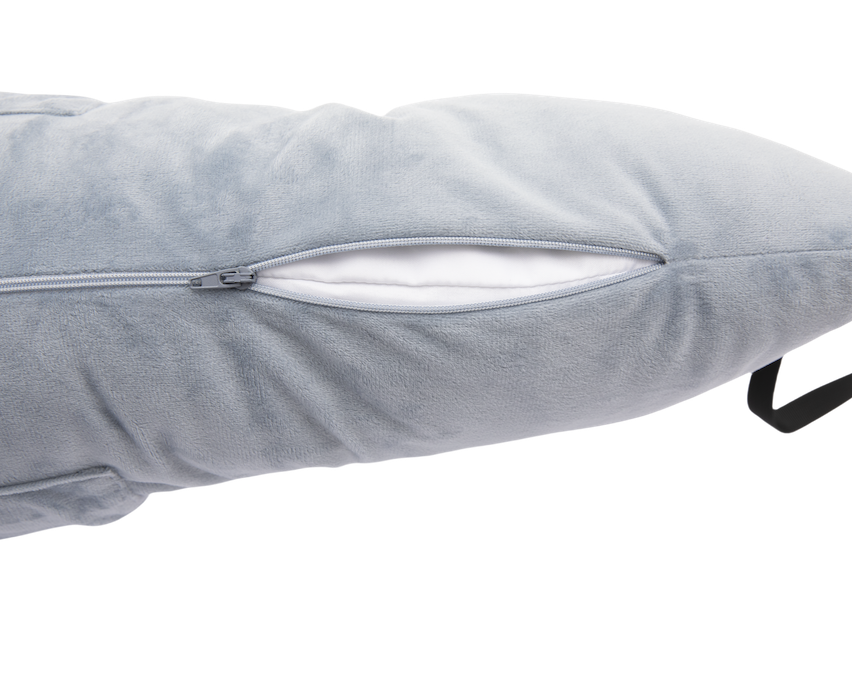
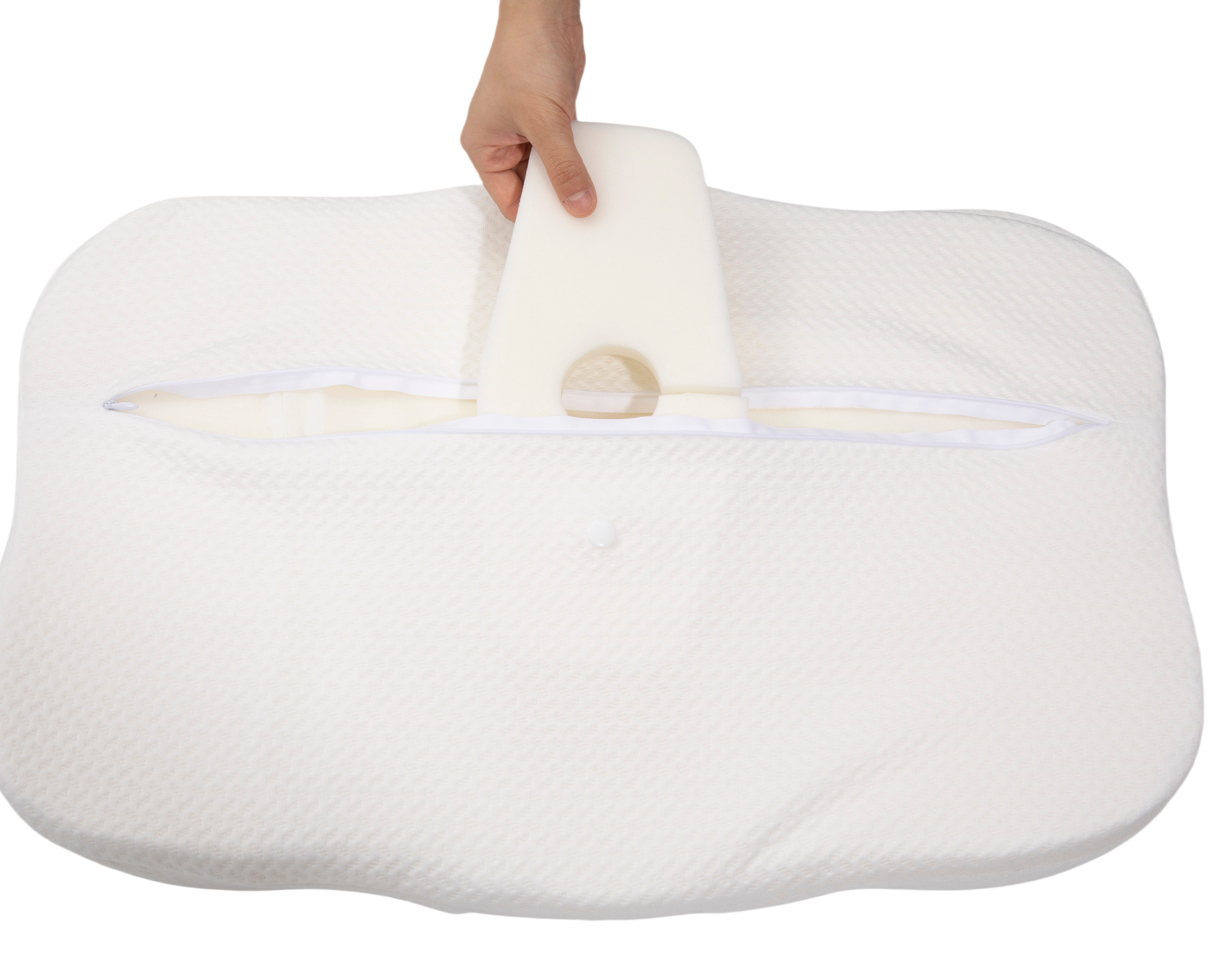
Removable, washable slipcovers for every piece
GET THE BEST SYSTEM FOR BROW LIFT RECOVERY
Here is how each component addresses the specific positioning challenges for brow lift recovery:
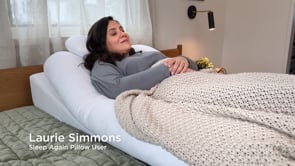
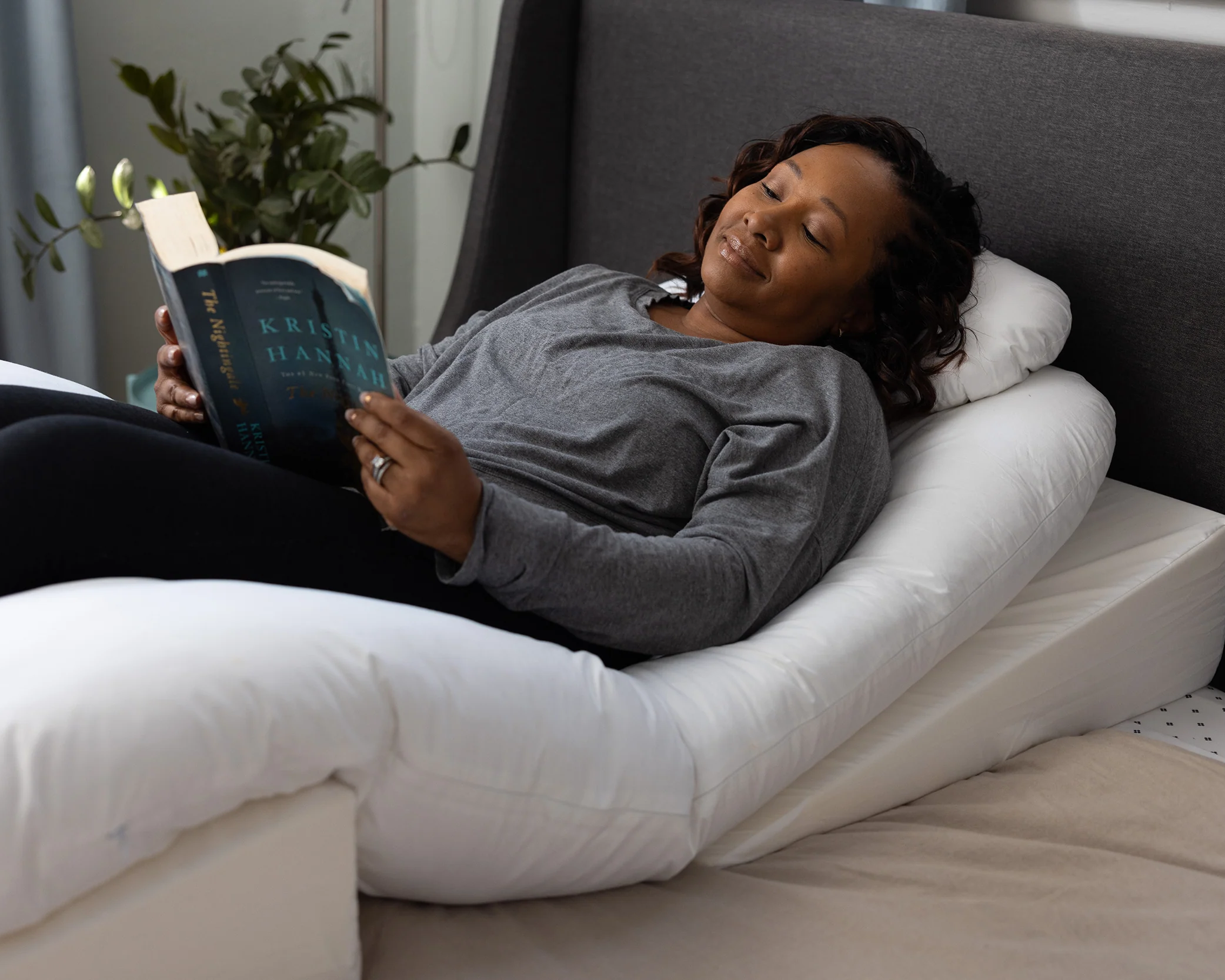
Upper Body Wedge: This is the centerpiece of the system. It creates and holds the 30-to-45-degree incline that post-brow-lift recovery requires — without the compression collapse that causes standard pillow stacks to lose elevation overnight. Consistent angle maintenance throughout eight or more hours of sleep is what delivers the gravity-assisted drainage benefit your forehead tissues need during the critical first week.
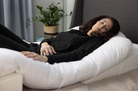
Two Contoured Side Pillows: These address positional drift directly. Placed on either side of the torso, they reduce rolling without creating any contact or pressure near facial incision sites. This is the structural solution to the rolling problem, and it works passively, without requiring conscious effort or manual repositioning during the night.
Leg Support Wedge: Extended inclined sleeping shifts load distribution in ways that create lower back tension — one of the most common reasons patients abandon their elevated positioning before recovery is complete. The Leg Support Wedge gently elevates the legs, redistributing that load and making the full inclined position sustainable across the entire recovery window.
Head Pillow: Standard pillows don't account for how neck geometry changes at a 30-to-45-degree incline. The Head Pillow provides appropriate neck support at the therapeutic angle, reducing the neck tension that disrupts sleep and makes elevated positioning uncomfortable over multiple hours.
Removable, washable slipcovers for every piece: Hygiene is an active concern during post-surgical recovery. Having removable, washable covers on every component makes the system practical for the full two-to-four-week recovery period — not just the first few nights.
The challenges outlined earlier in this guide — angle collapse, positional drift, neck tension, lower back discomfort — are precisely what the Sleep Again Pillow System was built to solve.

Each component is designed to complement the others, creating a cohesive sleep setup rather than a collection of individual pillows that shift independently. For brow lift recovery, where consistent elevation across a two-to-four-week window makes a measurable difference in swelling, comfort, and outcomes, a purpose-built system removes the variables that improvised setups introduce.
Because this guide is built around the pre-surgery planning approach, timing matters. Ordering the Sleep Again Pillow System before your procedure means it arrives configured and ready before you need it. There is no post-surgery trial-and-error, no assembling an improvised setup while managing discomfort, and no discovering mid-recovery that your pillow stack has lost its angle. The system is in place, tested, and working from night one. That preparation advantage is exactly what the pre-surgery planning window is for.
The Sleep Again Pillow System is eligible for purchase with HSA and FSA funds.
For patients already planning medical expenditures around their procedure, this makes the system a straightforward addition to the recovery budget — and one that directly supports the quality of the healing process.
Please note: Due to federal regulations, bedding products are not returnable, and all sales are final. Review product details carefully before purchasing.
What Other Factors Support Better Sleep During Brow Lift Recovery?
Positioning is the primary factor, but it's not the only one. A few additional factors can meaningfully improve sleep quality during recovery:
Temperature regulation. A slightly cooler room supports deeper sleep phases. Layer bedding for easy adjustment rather than relying on a fixed setup.
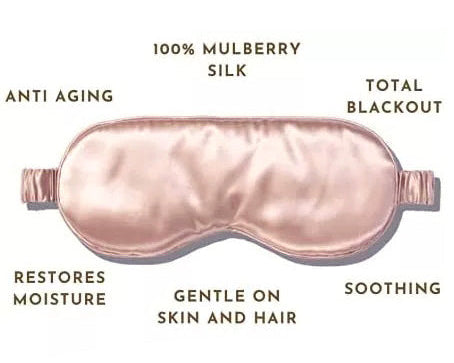
Light management. Post-surgical fatigue doesn't always mean easy sleep onset. Blackout curtains or a sleep mask support proper sleep drive, particularly during irregular rest hours in early recovery.
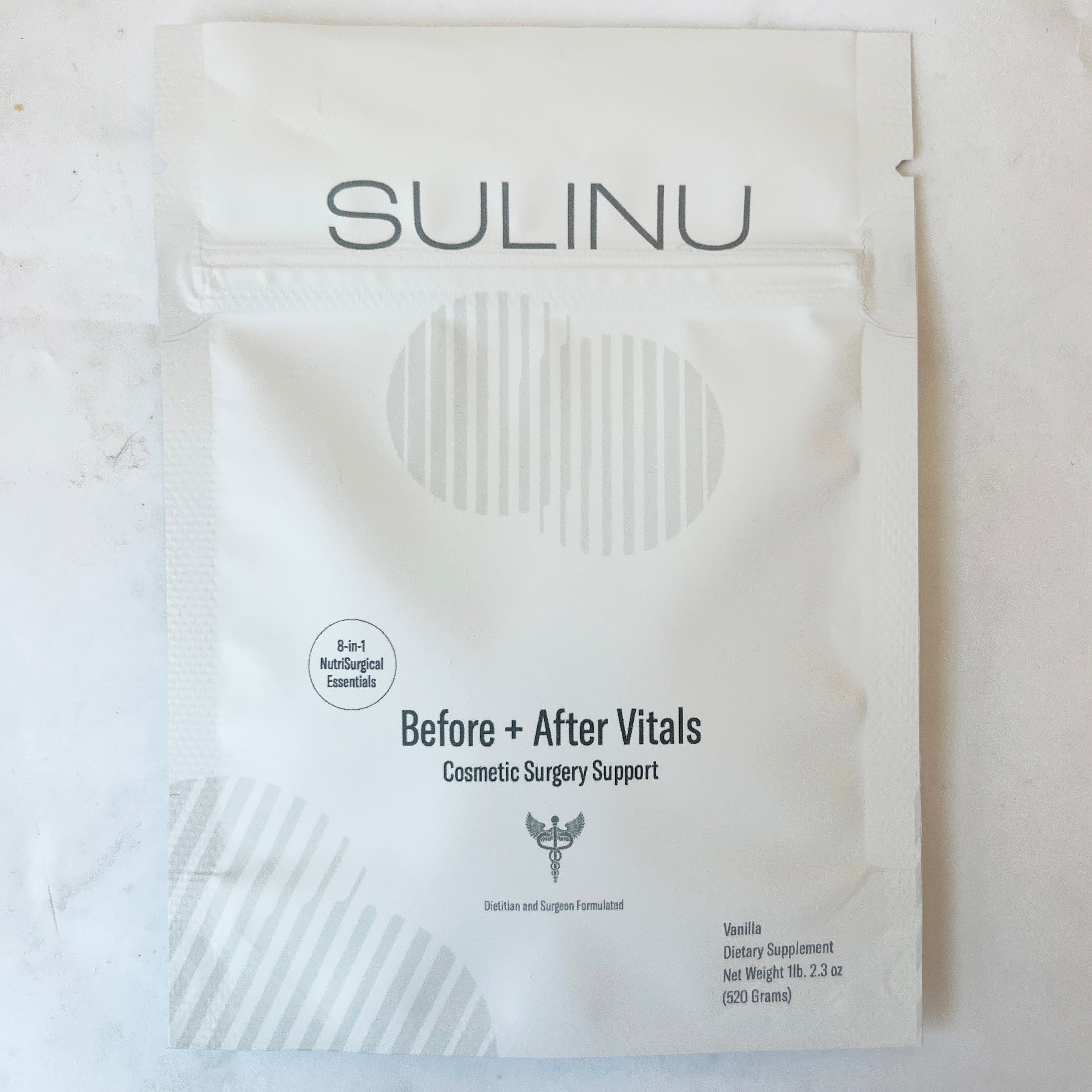
Nutrition Management. Using a supplement designed specifically for cosmetic surgery recovery can support overall healing, further protecting your investment and results.
Timing around medications. Prescribed pain medications often have specific timing relative to sleep. Work out that timing with your surgeon in advance to reduce nighttime disruption.
Daytime positioning. Head elevation applies equally during daytime rest, not just nighttime sleep. Consistent elevation throughout the day compounds the drainage benefit and reduces morning swelling.
Hydration. Adequate hydration supports lymphatic function and tissue repair. Establish this habit before surgery rather than trying to introduce it during recovery.
Q&A: Brow Lift Recovery and Sleep Positioning
How elevated does my head need to be after a brow lift?
The target range is 30 to 45 degrees of upper body incline. Below 30 degrees, the drainage benefit diminishes. Above 45 degrees, most patients experience neck discomfort that disrupts sleep. Most find the functional range between 35 and 45 degrees.
What if I accidentally roll onto my side during sleep?
One shift is unlikely to cause meaningful setbacks. The concern is sustained side sleeping over multiple hours, not brief movements. If you consistently wake up on your side, add firmer lateral support on both sides of your torso.
Can I use a recliner chair for the full recovery period?
Some doctors and surgeons may offer a recliner as an option for supporting elevated sleeping. There's no clinical reason you can't use one, provided it holds the 30-to-45-degree angle, and you're comfortable in it. But that's the thing: recliners aren't that comfortable for all-night sleep. Sleeping in your own bed using a positioning pillow system may provide much better sleep (and healing) during your recovery.
When can I sleep on my stomach again after a brow lift?
Stomach sleeping puts direct pressure on the forehead and brow — exactly the tissue that's healing. Most surgeons advise avoiding it for at least four weeks. Follow your surgeon's specific clearance.
Do I need to stay elevated during daytime naps, too?
Yes. The physiological rationale for elevation applies equally during daytime rest. Consistent elevation — day and night — supports drainage and reduces swelling more effectively than nighttime-only positioning.
Will sleeping elevated affect my final brow lift results?
Proper positioning won't guarantee specific outcomes, but it reduces the factors that can compromise them — prolonged swelling, incision disruption, and poor sleep quality during recovery all have measurable effects on healing. Consistent positioning removes those variables.
Is the Sleep Again Pillow System HSA/FSA eligible?
Yes. The Sleep Again Pillow System qualifies for purchase with HSA and FSA funds. For patients coordinating recovery expenses ahead of surgery, this makes it a practical and financially accessible addition to pre-surgical planning — purchased with pre-tax dollars alongside other procedure-related costs.
The Bottom Line: Plan Your Sleep Before You Plan Your Surgery Date
Brow lift results are influenced by the quality of surgical technique and by the quality of recovery that follows. You can't control every variable in recovery, but sleep positioning is one you can prepare for completely before surgery day arrives.
The framework is consistent across every credible clinical source: back sleeping at 30 to 45 degrees, maintained consistently for two to four weeks, with adequate lateral and lower-body support. Set this up before surgery. Test it. Make sure it works. Then maintain it consistently when recovery begins.
For patients who want a purpose-built solution, the Sleep Again Pillow System delivers everything covered in this guide — angle stability, lateral support, neck positioning, and lower body relief — in one integrated system designed specifically for post-surgical recovery. It is HSA and FSA eligible, arrives ready to use before your surgery date, and is built to maintain therapeutic positioning through the full recovery window. Order it as part of your pre-surgery preparation, set it up, test it, and have it in place before you need it.
Here's to better sleep and healing.