
Your lungs perform an extraordinary feat every single night—processing approximately 11,000 liters of air while you sleep, clearing out mucus and debris, and keeping your respiratory system functioning. When your lungs are compromised by congestion, inflammation, or illness, that nighttime maintenance becomes significantly more challenging.
If you've ever spent a night propped up on pillows trying to breathe easier, or woken up with severe chest congestion and breathing difficulty, you understand that sleeping position profoundly affects lung function. The question isn't whether position matters—it's which position works best to help your lungs clear efficiently while you rest.
The answer, supported by respiratory science and clinical practice, centers on one fundamental principle: elevation changes everything.
Why Your Sleeping Position Determines How Well Your Lungs Clear
The position you sleep in either facilitates your body's natural clearing process or creates obstacles that interfere with efficient lung function. Understanding how gravity, airway mechanics, and mucus dynamics interact with different positions reveals why some sleeping postures support respiratory health while others work against it.
Gravity's Role in Respiratory Function
Gravity affects lung mechanics, from how efficiently you inhale to how effectively your airways clear mucus. When you lie completely flat, gravity pulls fluid and secretions toward dependent lung areas—the portions resting against the mattress. This pooling creates congestion in lower lung regions.
Elevation changes this dynamic. By raising your upper body, you redistribute gravitational forces more evenly across your lungs. Mucus and secretions drain downward naturally toward your throat, where you can cough them out or swallow them away rather than settling into lower airways where they trigger coughing fits.
Airway Diameter and Positioning
Your airways aren't rigid tubes—they're flexible structures whose diameter changes based on positioning. When you lie flat, the weight of your chest wall and any abdominal pressure can narrow airways and make breathing more laborious.
Sleeping with your upper body elevated naturally opens airways by reducing chest pressure. This expanded airway diameter means easier breathing and more efficient clearing of irritants and secretions.
Mucus Production and Clearance Balance
Your lungs produce mucus continuously to keep airways moist and trap particles. The challenge comes when you produce more mucus than your body can efficiently clear—frequent during respiratory infections, allergies, or chronic lung conditions.
Different sleeping positions affect the balance between mucus production and clearance dramatically. Positions that restrict breathing can actually trigger increased mucus production as your body tries to protect irritated airways. Positions that optimize breathing reduce this defensive mucus production while improving your body's clearing ability.

The Elevated Back Sleep Position: Optimal Support for Lung Clearing
When it comes to clearing your lungs effectively during sleep, elevated back sleeping stands as the optimal position. This therapeutic positioning works with your respiratory system's natural design to maximize clearing efficiency.
Why Elevation Makes the Crucial Difference
The 30-45 degree elevation angle creates what respiratory therapists call "optimal gravitational drainage." At this angle, gravity assists your body's natural mucus-clearing mechanisms without creating the compression that occurs with flat sleeping. Secretions drain efficiently from the upper airways downward, following your bronchial tree toward your throat.
This positioning also reduces the work of breathing significantly. Your diaphragm—the primary breathing muscle—operates more efficiently when your upper body is elevated. The muscle doesn't have to work against abdominal pressure pushing up, and it can contract through its full range with less effort.
Elevation prevents the fluid redistribution that happens when you lie flat. When horizontal, blood and interstitial fluid can accumulate in your lungs due to gravity. This makes your lungs "heavier" and reduces gas exchange efficiency. By sleeping elevated, you minimize this fluid shift and keep your lungs functioning optimally throughout the night.
The Mechanics of Optimal Elevation
Creating the right elevation requires more than tossing a few pillows behind your back. The angle needs to be gradual and consistent—a gentle slope from your lower back to your head rather than a sharp bend at your waist.
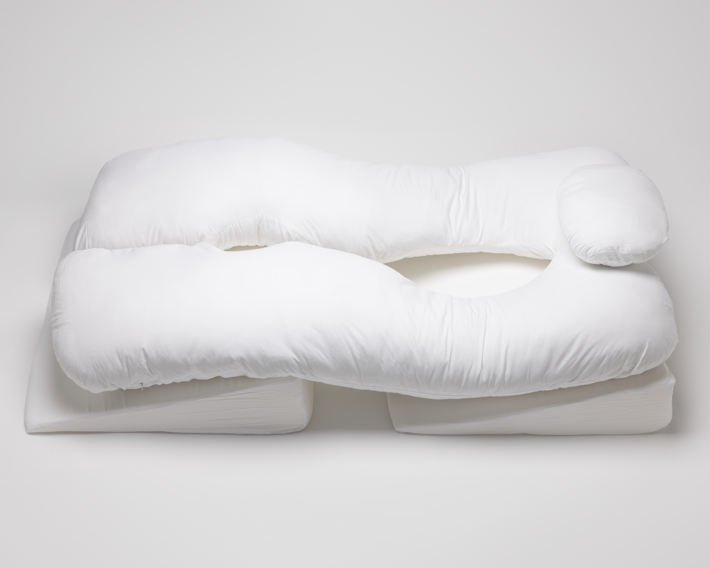
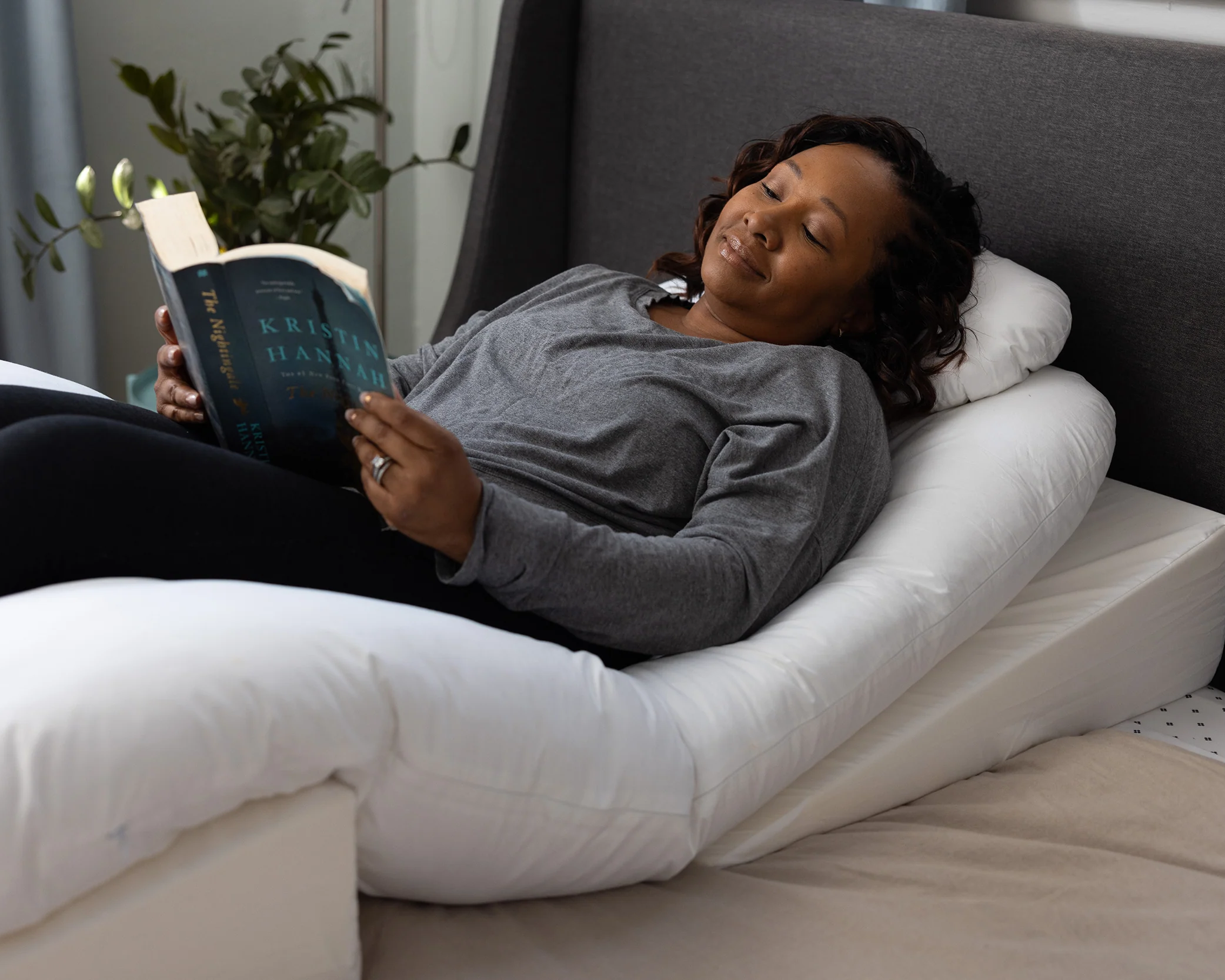
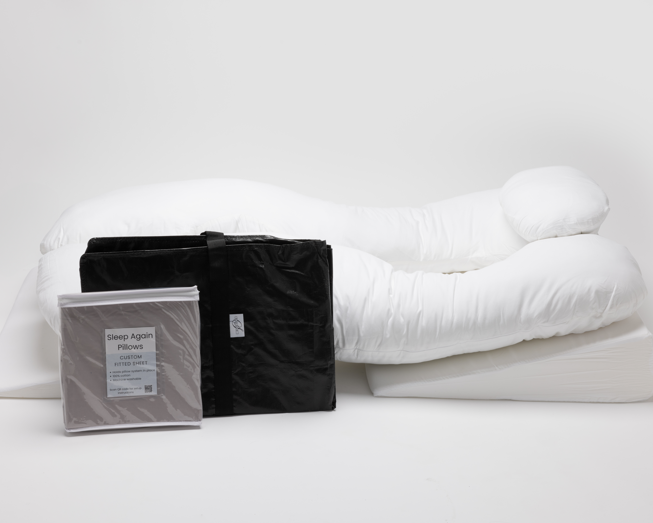
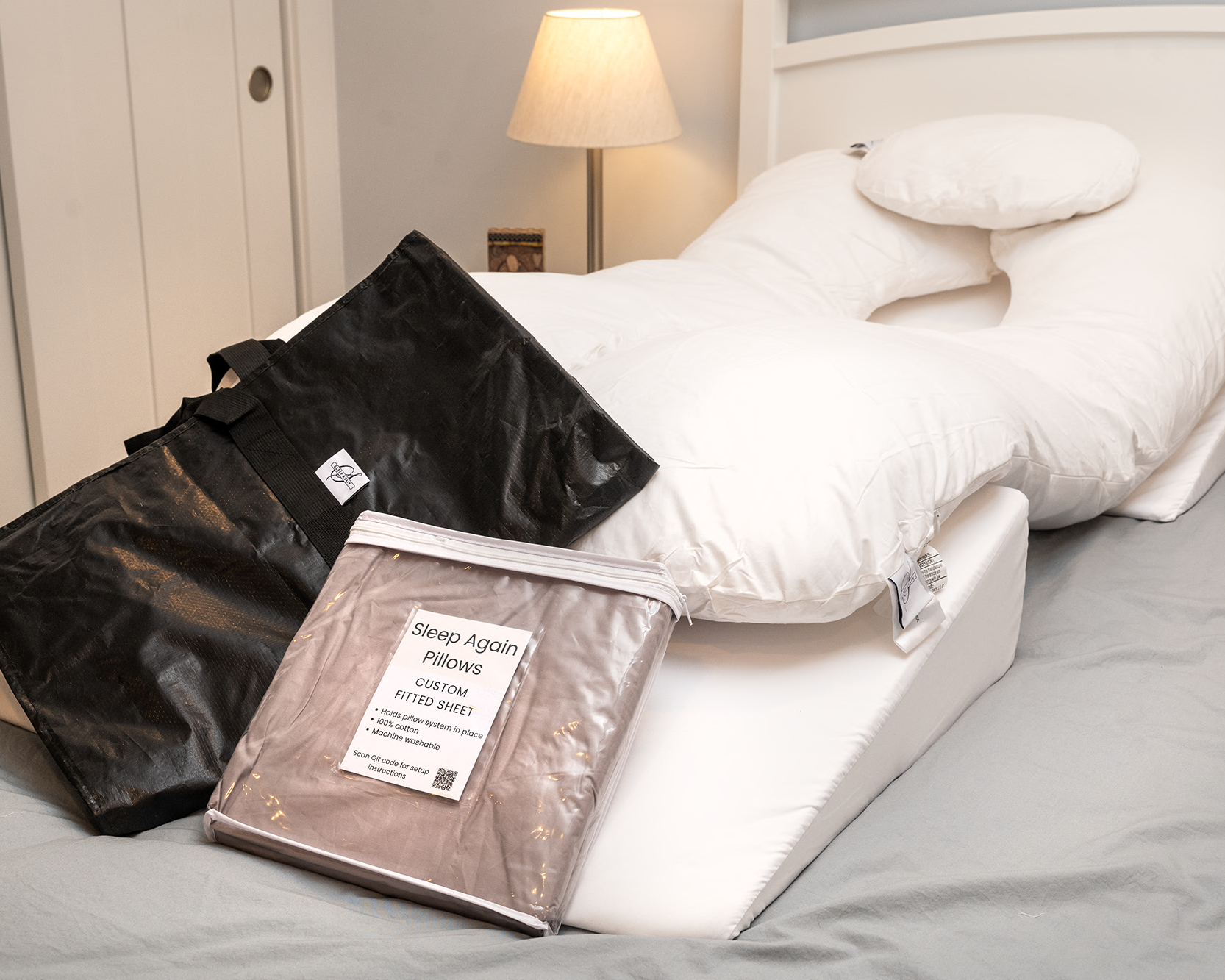
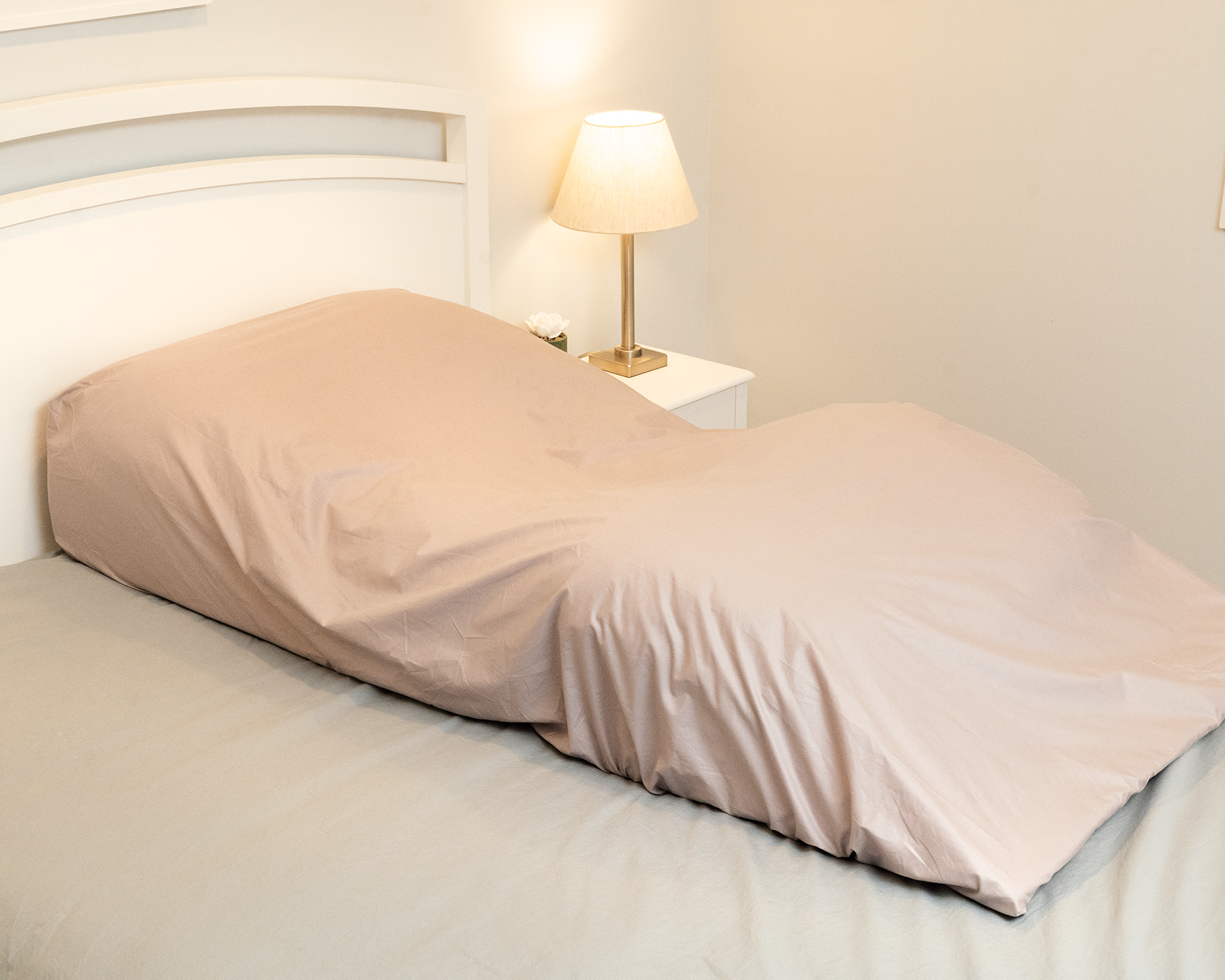
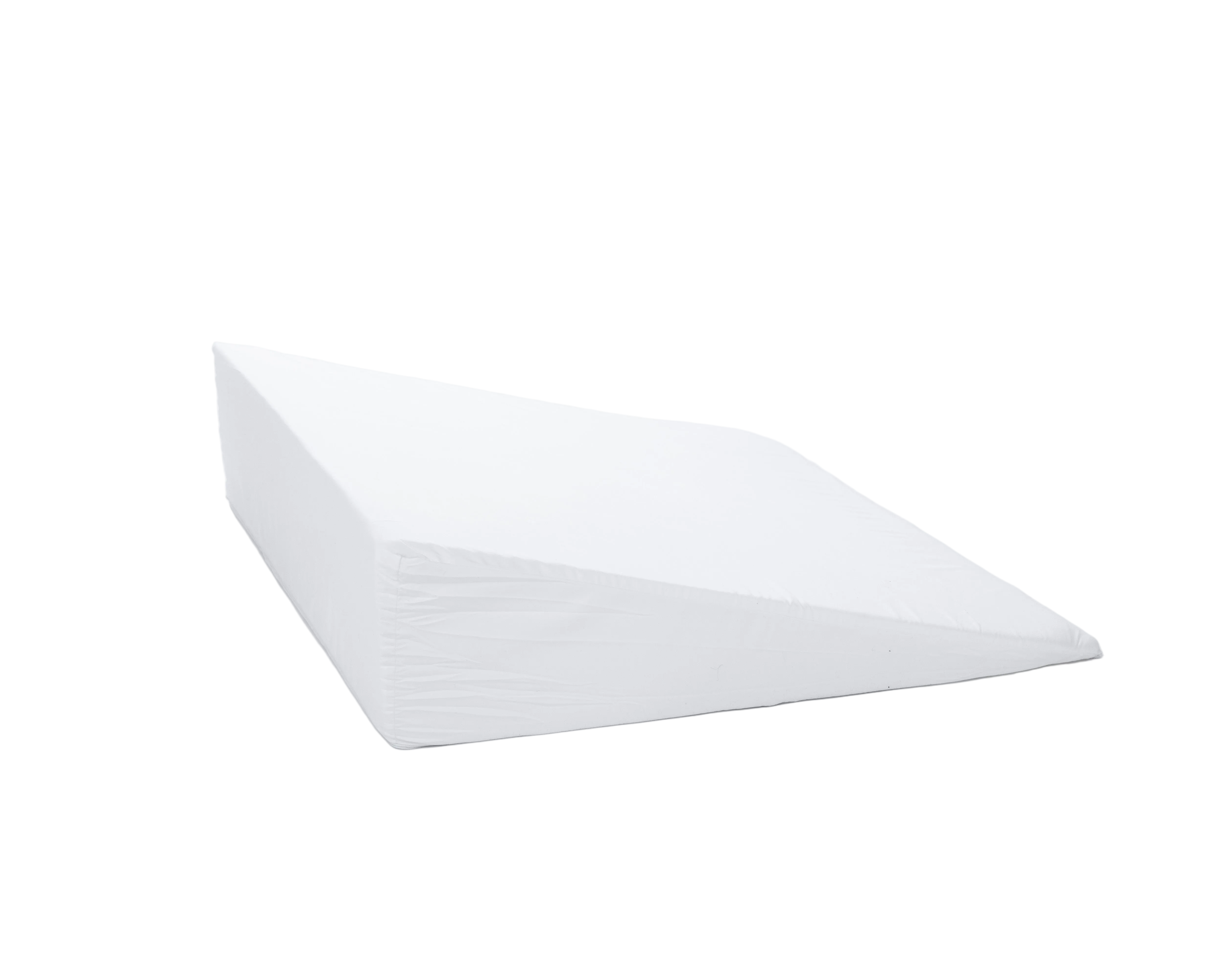
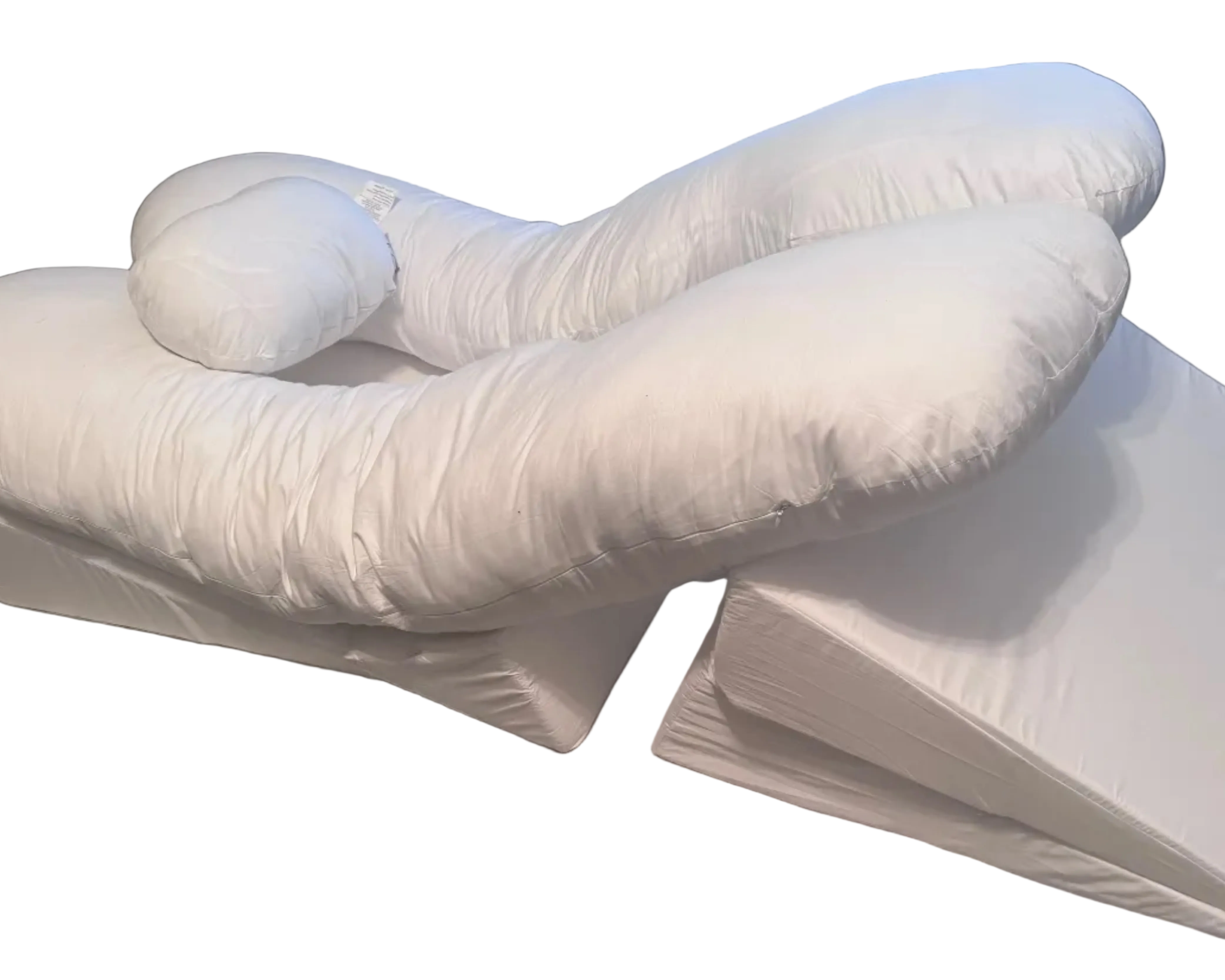
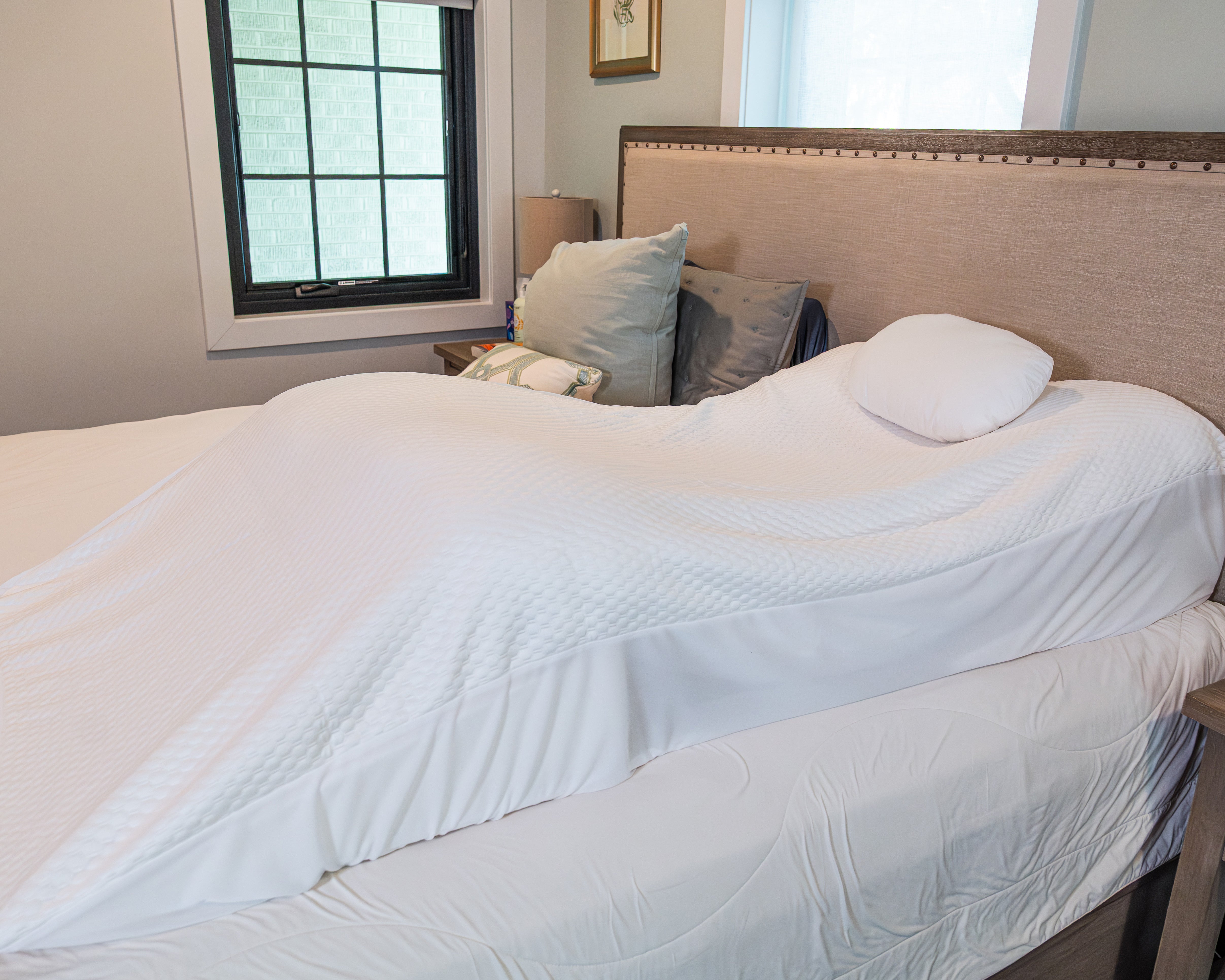
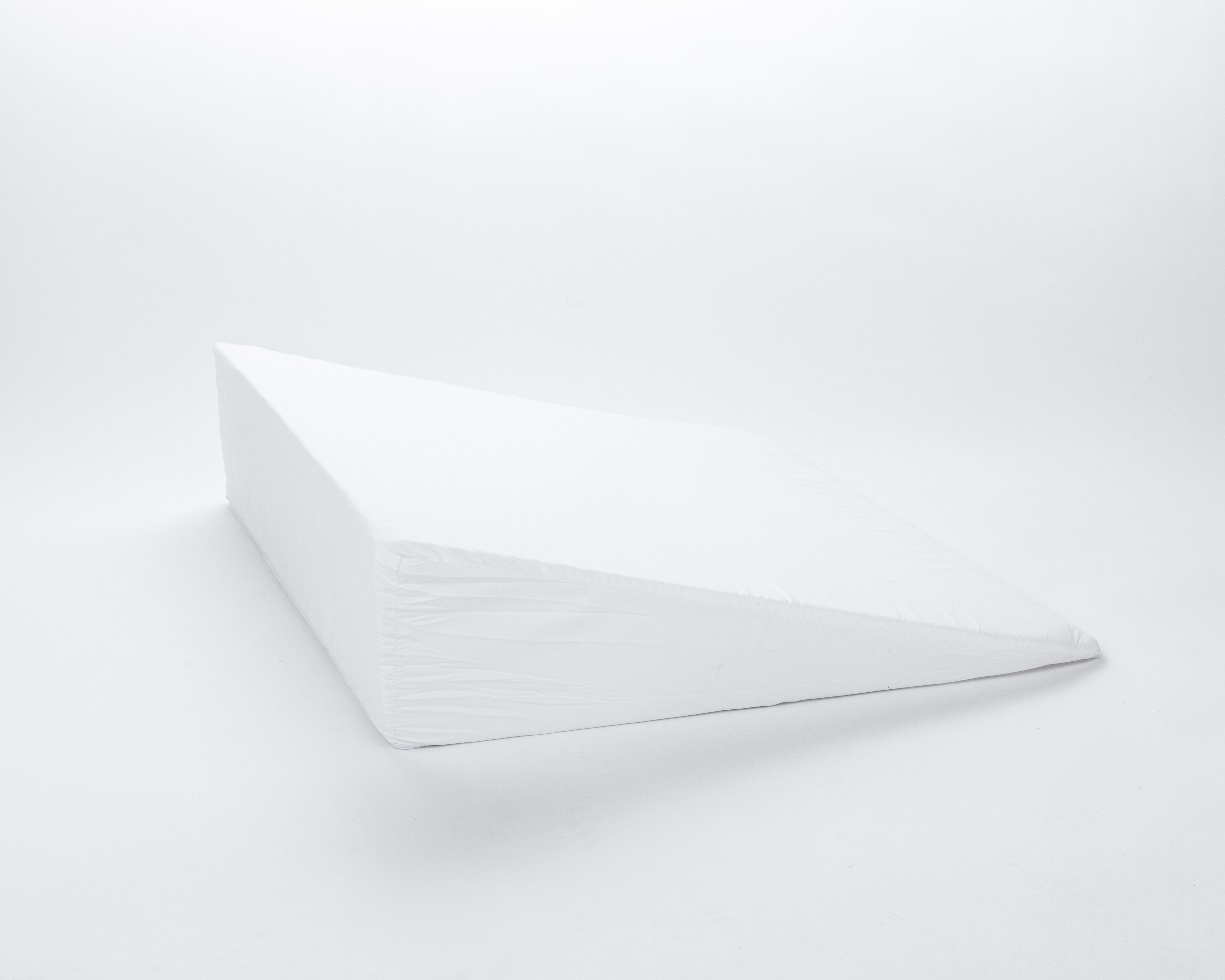
The Sleep Again Pillow System offers precisely engineered elevation designed for respiratory support. The upper body wedge creates that crucial 30-45 degree angle without creating pressure points or awkward gaps. Unlike stacked pillows that shift and compress overnight, professional positioning systems maintain consistent elevation throughout your entire sleep period.
Supporting Your Entire Body
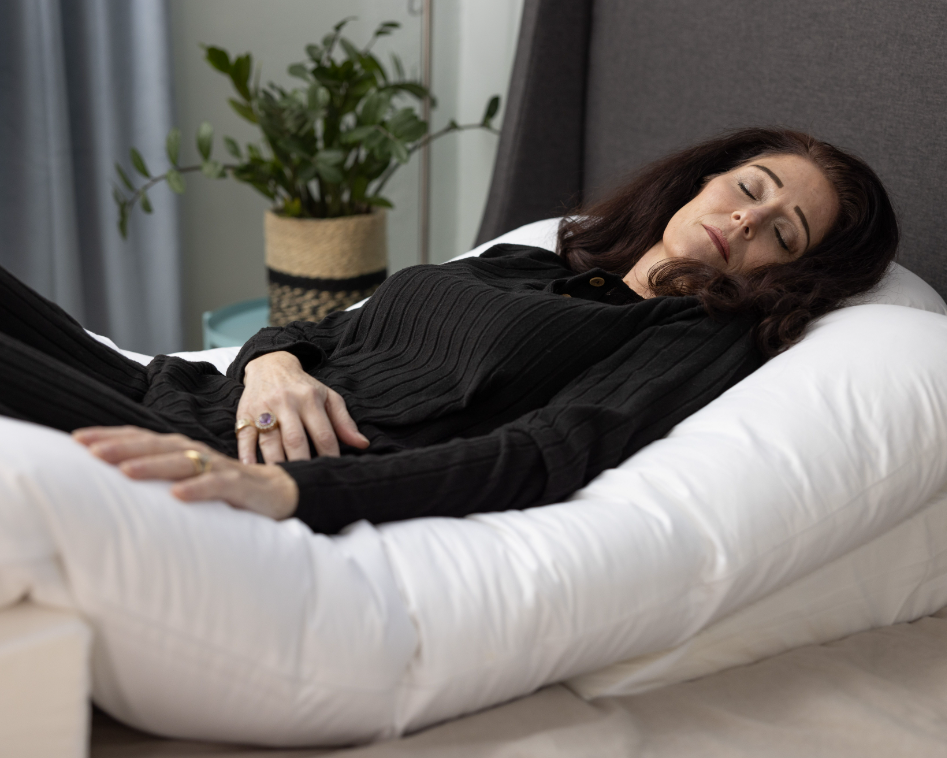
Successful elevated back sleeping requires full-body support. Your lower back needs support to prevent strain, your arms need comfortable positioning to avoid shoulder tension, and your legs require elevation to prevent lower back discomfort and promote circulation.
Place a pillow under your knees to maintain your spine's natural curve. This helps you maintain the position throughout the night rather than sliding down or shifting to less beneficial positions. Your arms should rest comfortably at your sides or on your abdomen. If your shoulders feel tense, you'll unconsciously shift during sleep, potentially compromising your elevated positioning.
Breathing Enhancement Techniques
Once positioned correctly, you can enhance respiratory benefits through strategic breathing practices before settling into sleep. Spend 5-10 minutes performing diaphragmatic breathing exercises—slow, deep breaths that engage your diaphragm fully.
This pre-sleep breathing practice helps clear secretions before you settle in for the night, relaxes your respiratory muscles, and establishes a deeper breathing pattern that often continues as you transition into sleep. Pair this with gentle coughing to clear any accumulated mucus before lying down.
Alternative Positions That Support Lung Clearing
While elevated back sleeping provides optimal benefits for most people, certain situations call for alternative positions that still support effective lung clearing.
The Semi-Reclined Position for Severe Congestion
When standard elevation isn't providing sufficient breathing relief—often during acute respiratory infections—the semi-reclined position offers enhanced support. This position increases the angle to 45-60 degrees, creating an almost-seated sleeping posture.
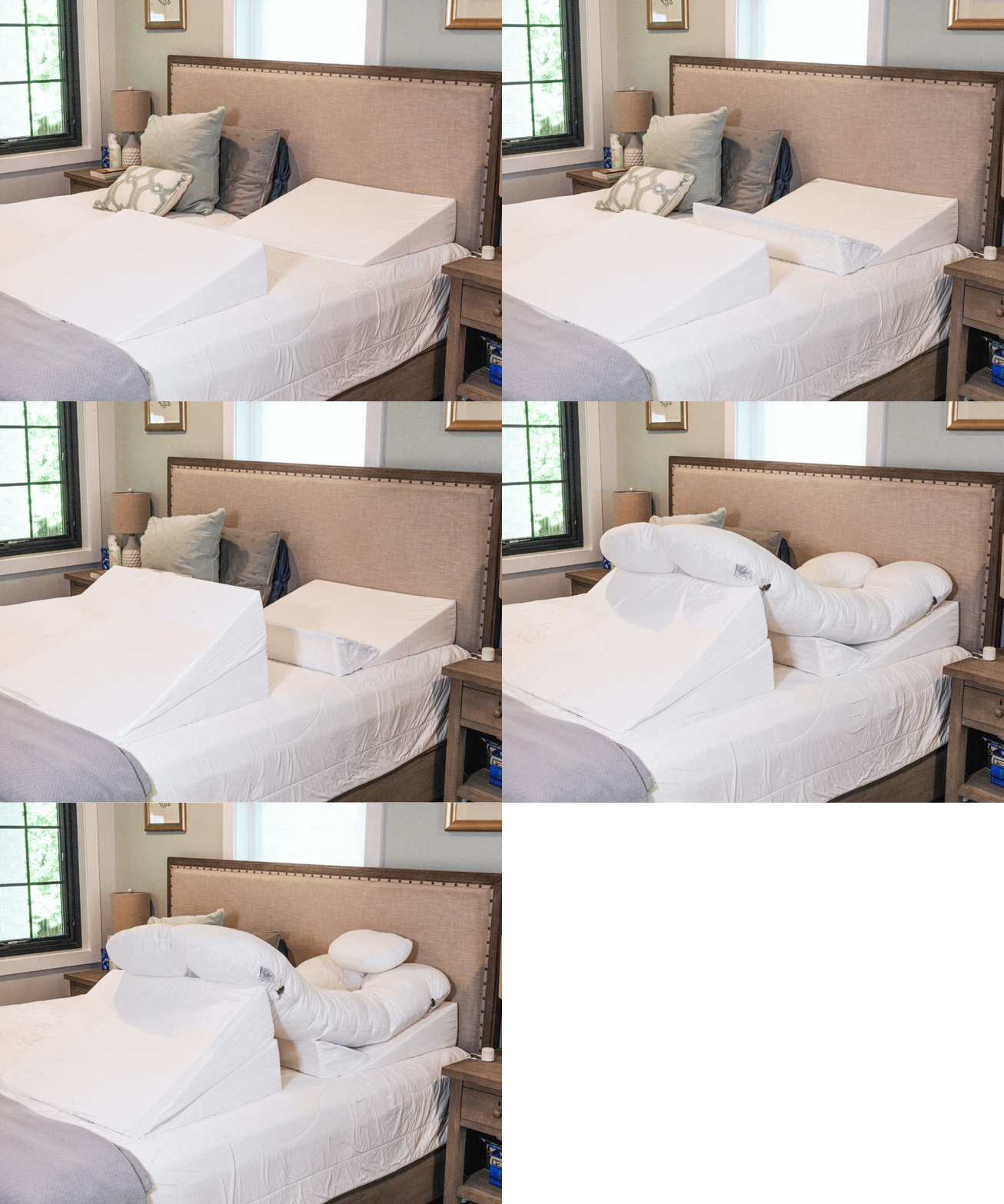
Set up this position by creating a steeper incline with two wedge pillows, an adjustable bed, or using the inclined bed therapy method. You'll need additional pillows to support your arms, and your head should be well-supported without your neck cranking forward. This position excels during the first few nights of respiratory illness when congestion is most severe.
Side-Lying with Upper Body Elevation
Side sleeping can support lung clearing when combined with upper body elevation. If one lung is more congested than the other, sleeping with your more affected lung uppermost can help drainage from the problematic side.
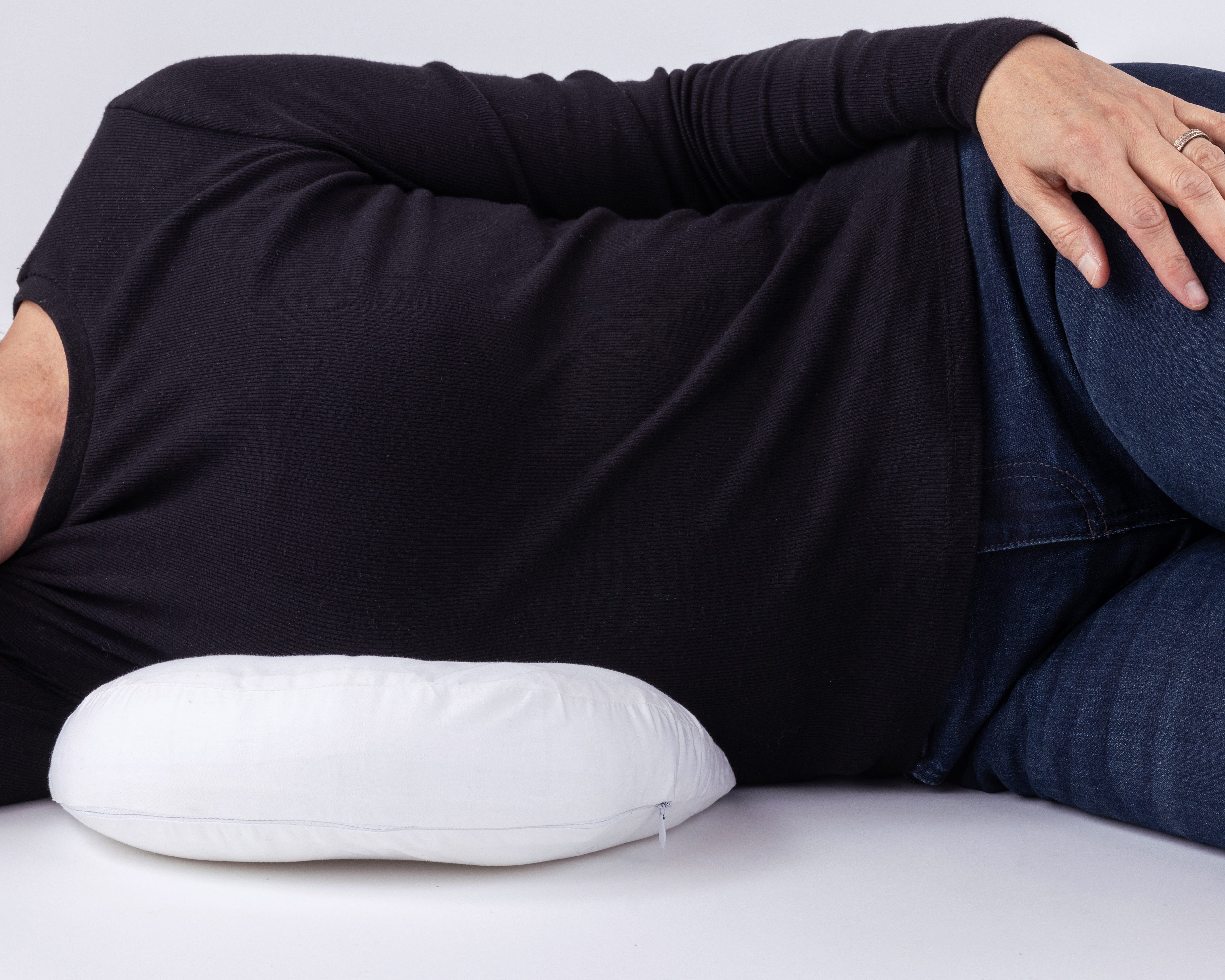
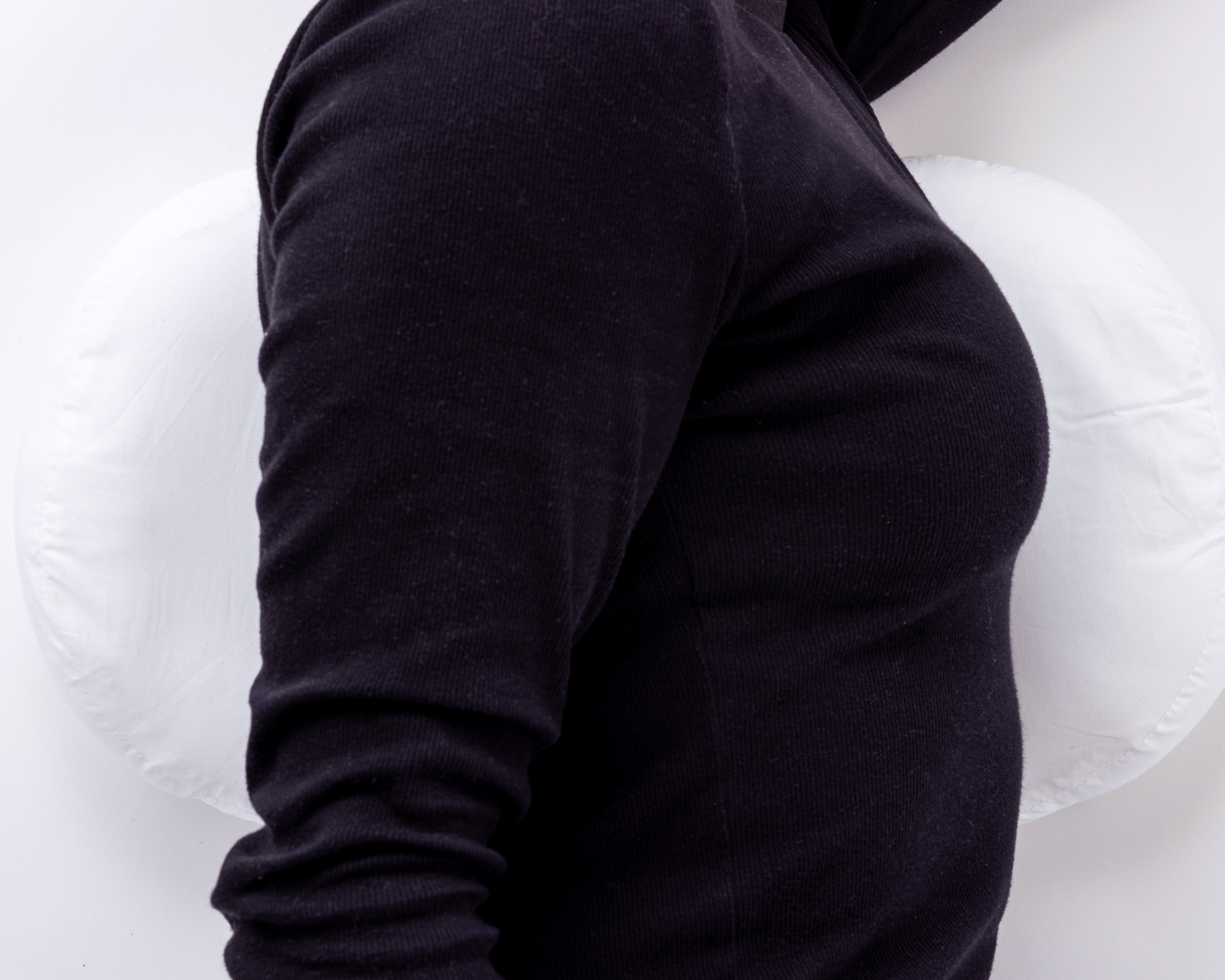
Create this position by placing a wedge pillow under your entire side to elevate your upper body while maintaining the lateral position. You'll need additional support—a pillow between your knees to keep your spine aligned, and a pillow to support the space between your waist and mattress.
Your upper arm should rest on a body pillow positioned in front of you, preventing it from compressing your chest. This front body pillow also serves as a barrier, preventing you from rolling onto your stomach, which would compromise breathing efficiency.
Positions That Work Against Lung Clearing
Understanding which positions to avoid is just as important as knowing which positions support lung clearing.
The Flat Back Problem
Sleeping completely flat creates several respiratory challenges. The flat position allows secretions to pool in dependent lung regions rather than draining efficiently, which can trigger coughing fits as mucus accumulates in airways.
Flat sleeping also increases the work of breathing by allowing abdominal contents to push up against your diaphragm. Your breathing muscle has to work harder to expand your lungs against this pressure, leading to shallower breathing and reduced lung expansion.
Stomach Sleeping: The Respiratory Restrictor
Stomach sleeping severely restricts lung expansion by compressing your chest against the mattress. Your lungs cannot expand to full capacity when fighting against both body weight and mattress resistance. The position also forces your head to turn to one side to breathe, which kinks your neck and can narrow airways. For anyone dealing with respiratory congestion or trying to optimize lung clearing, stomach sleeping should be avoided entirely.
Completely Flat Side Sleeping
While side sleeping with elevation can support lung clearing, completely flat side sleeping often creates problems. The dependent lung experiences compression that reduces expansion capacity and can trap secretions in the lower airways. This compression becomes particularly problematic if you remain on one side for extended periods.

Long-Term Elevated Sleeping Benefits for Respiratory Health
The respiratory benefits of elevated sleeping extend beyond clearing congestion during acute illness. Consistent elevated sleeping provides substantial long-term advantages for overall lung health.
Preventing Nighttime Respiratory Complications
When you sleep flat, secretions that pool in your lungs overnight create an environment where bacteria can flourish, increasing infection risk. Elevated sleeping prevents this pooling, significantly reducing the likelihood of developing secondary infections. The improved breathing efficiency also reduces respiratory stress that can contribute to complications over time.
Supporting Chronic Respiratory Conditions
People managing chronic conditions like COPD, asthma, or chronic bronchitis often find that consistent elevated sleeping becomes a crucial component of their disease management strategy. For COPD patients specifically, elevated sleeping can reduce the frequency of nighttime exacerbations and improve overall sleep quality, which positively affects daytime energy levels and quality of life.
Cardiovascular Benefits That Support Lung Function
Your cardiovascular and respiratory systems work in partnership. Elevated sleeping reduces the work your heart has to do to pump blood efficiently, particularly important when your lungs are compromised. The improved circulation helps deliver oxygen and nutrients to lung tissue more efficiently, supporting healing and maintenance of healthy lung function.
SHOP THE SLEEP AGAIN PILLOW SYSTEM AND BREATHE EASIER AT NIGHT

The Sleep Again Pillow System: Engineered Support for Respiratory Health
While you can create elevated sleeping positions with regular household pillows, maintaining consistent therapeutic angles throughout the night requires more robust support. The Sleep Again Pillow System represents a comprehensive solution specifically designed to provide the stable, comfortable elevation that optimizes respiratory function during sleep.
Precision Engineering for Therapeutic Angles
The Sleep Again Pillow System's upper body wedge delivers the precise 30-45 degree elevation angle for optimal respiratory support. Unlike stacked pillows that compress and shift under body weight, this wedge maintains consistent elevation from the moment you lie down until you wake in the morning.
This consistency matters tremendously for respiratory benefits. When your elevation angle changes during the night—as inevitably happens with regular pillows—you lose the gravitational drainage advantages and breathing efficiency gains you're seeking. Professional positioning systems eliminate this problem through density-engineered construction that resists compression while remaining comfortable for extended periods.
Full-Body Support System
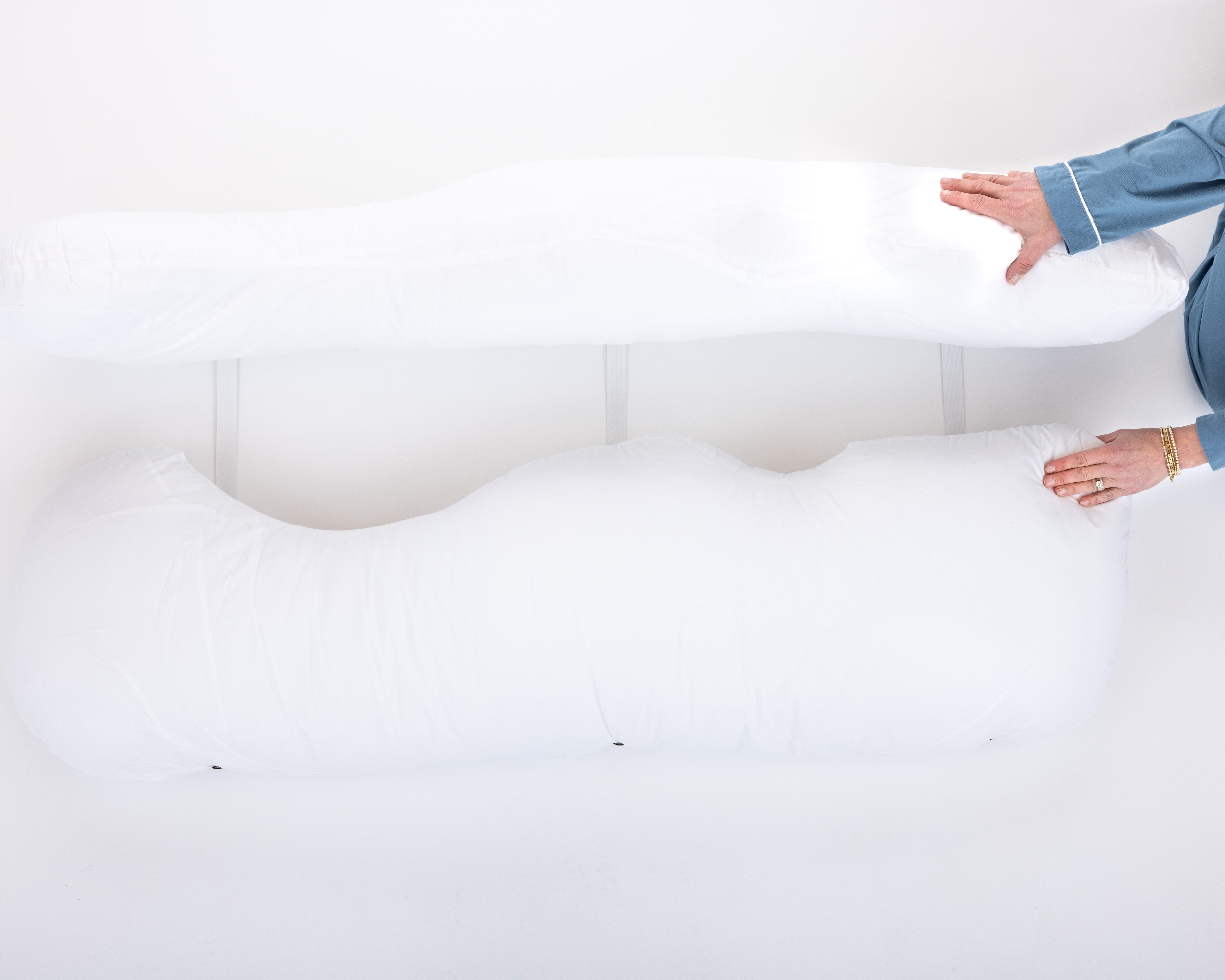
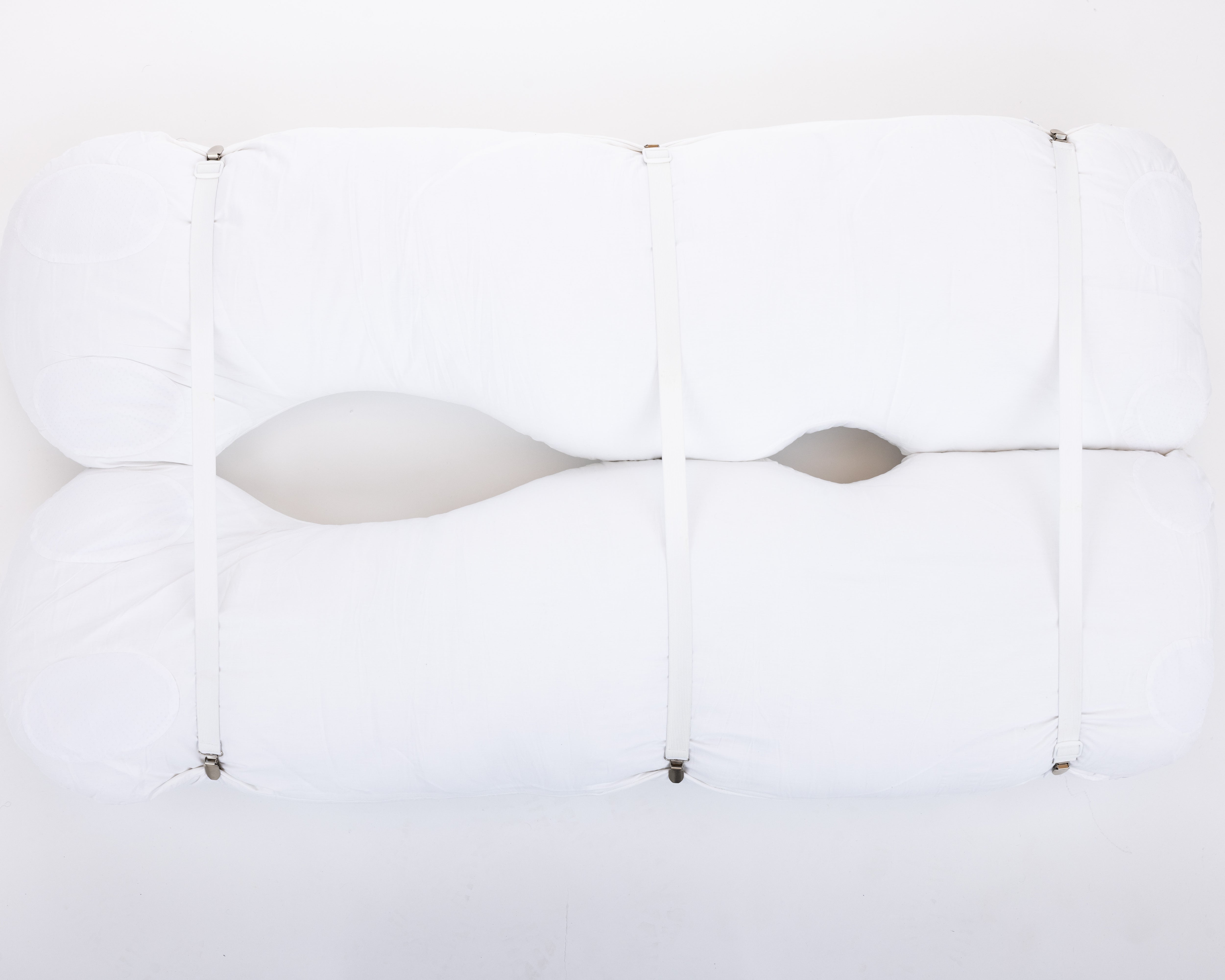
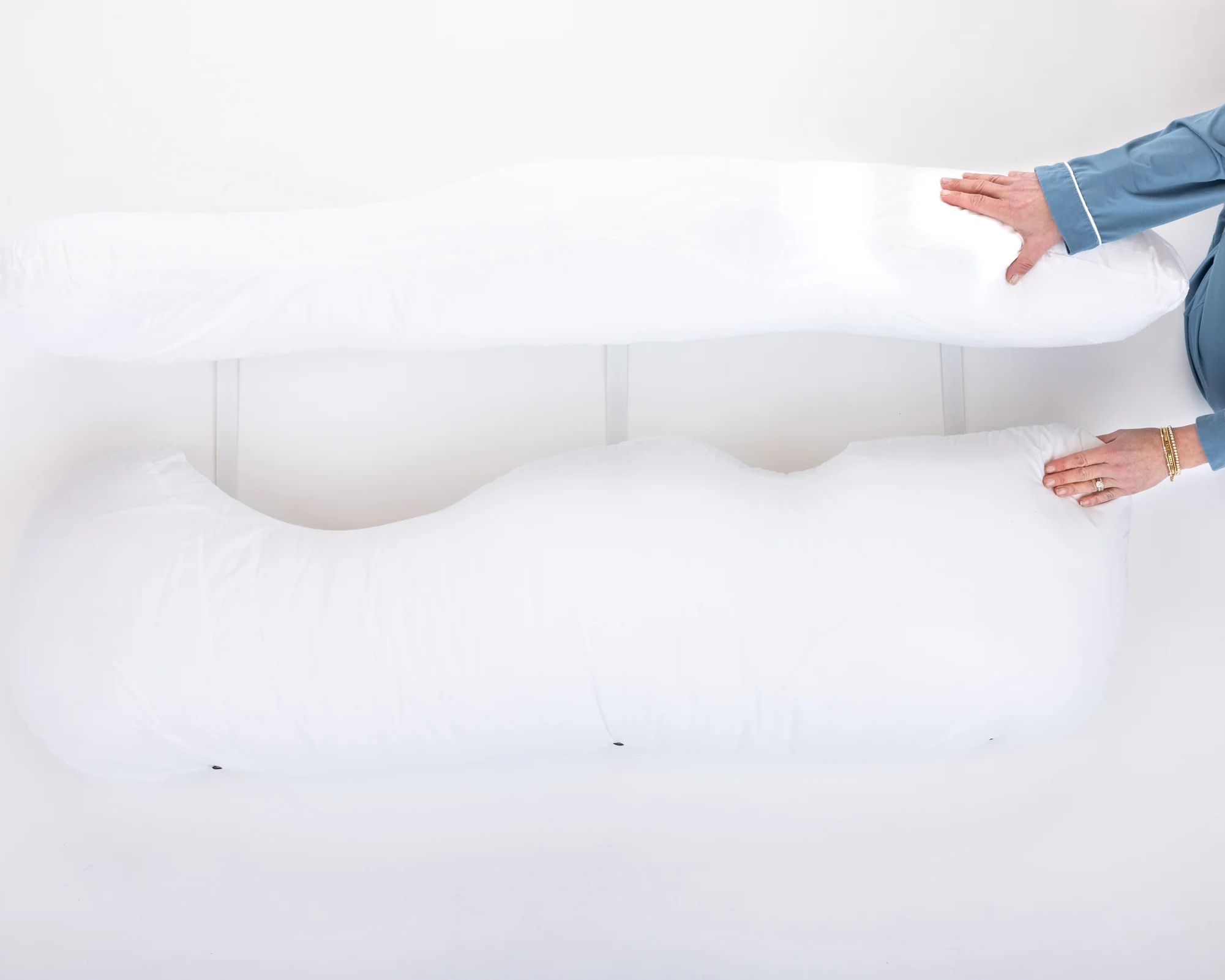
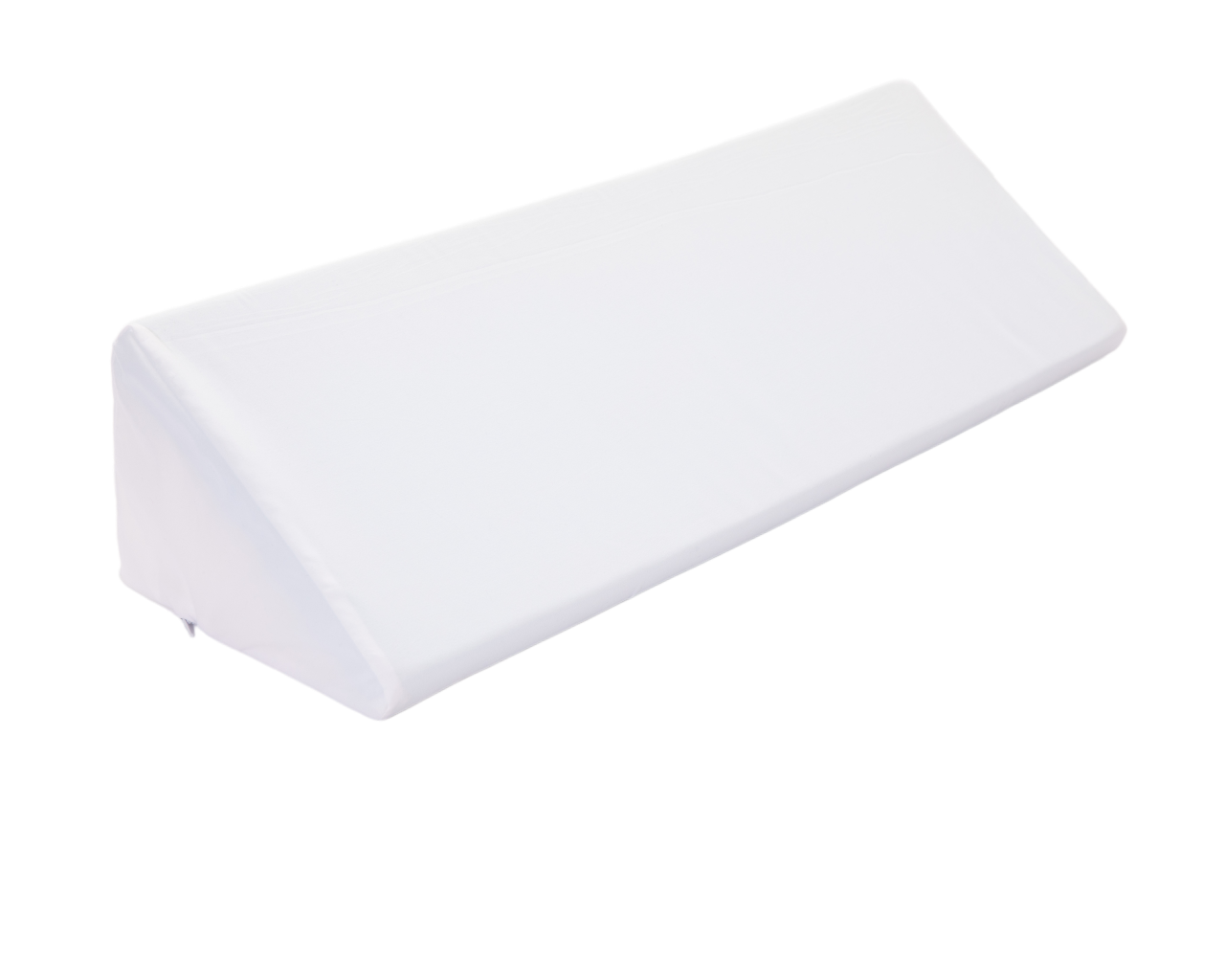
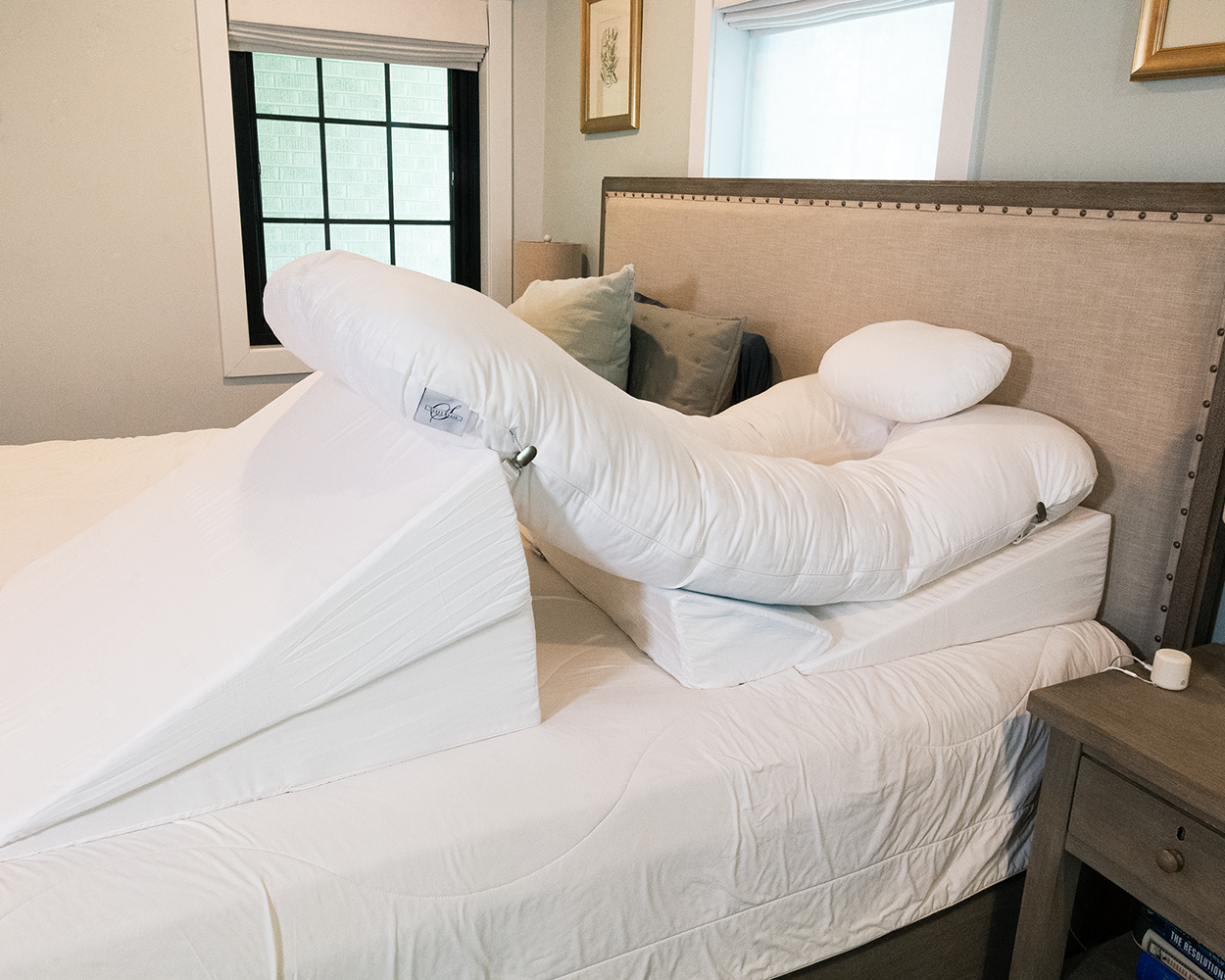
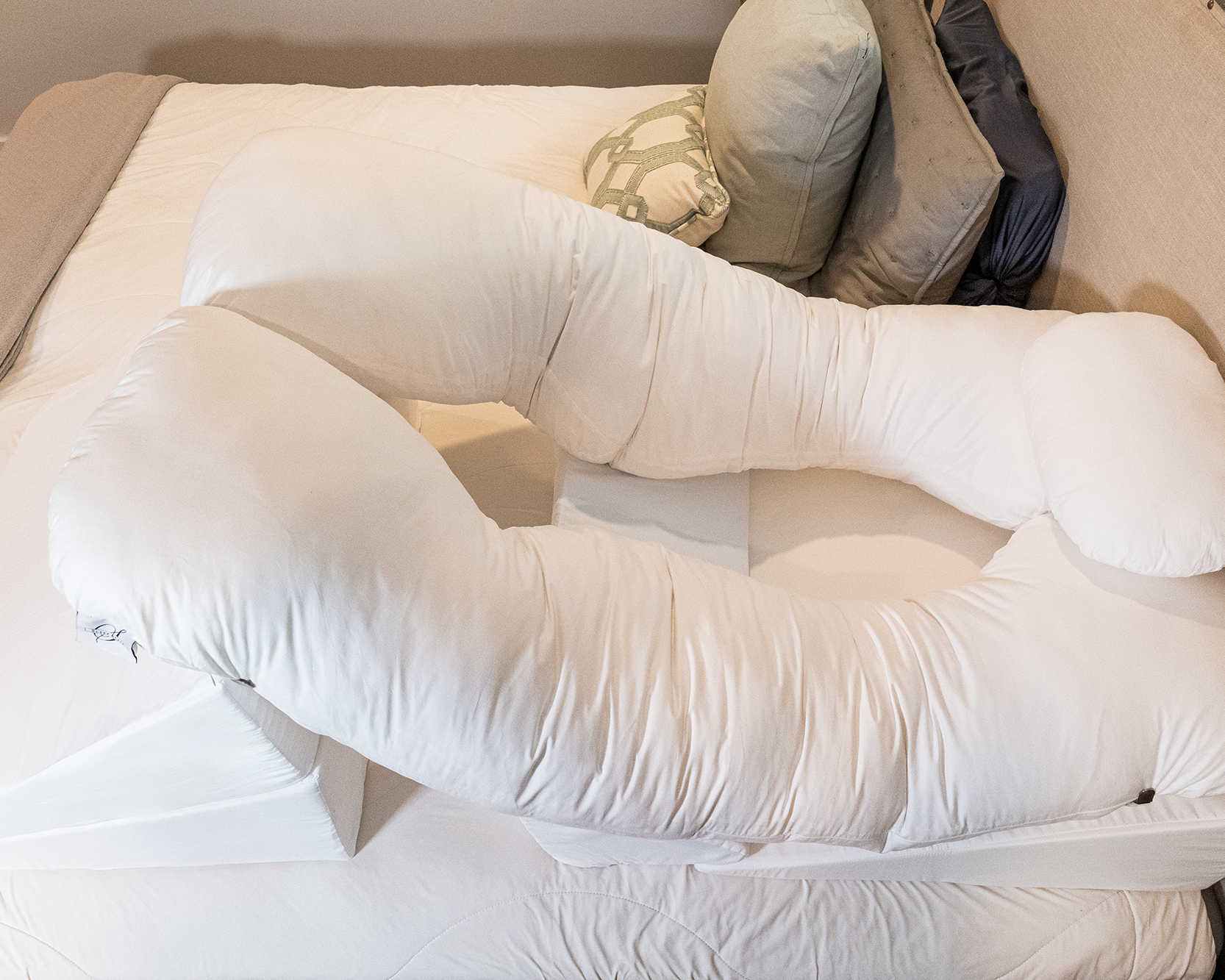
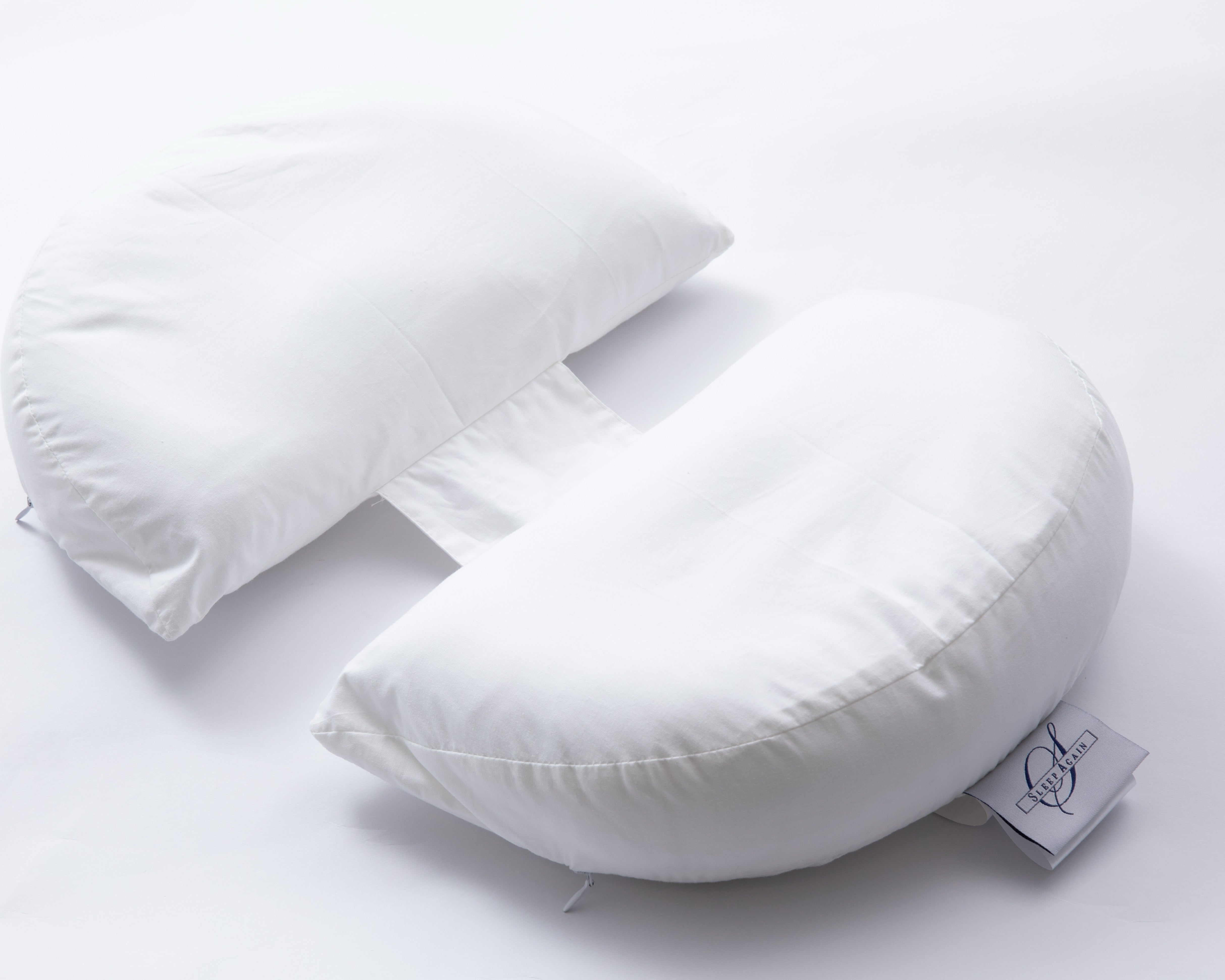
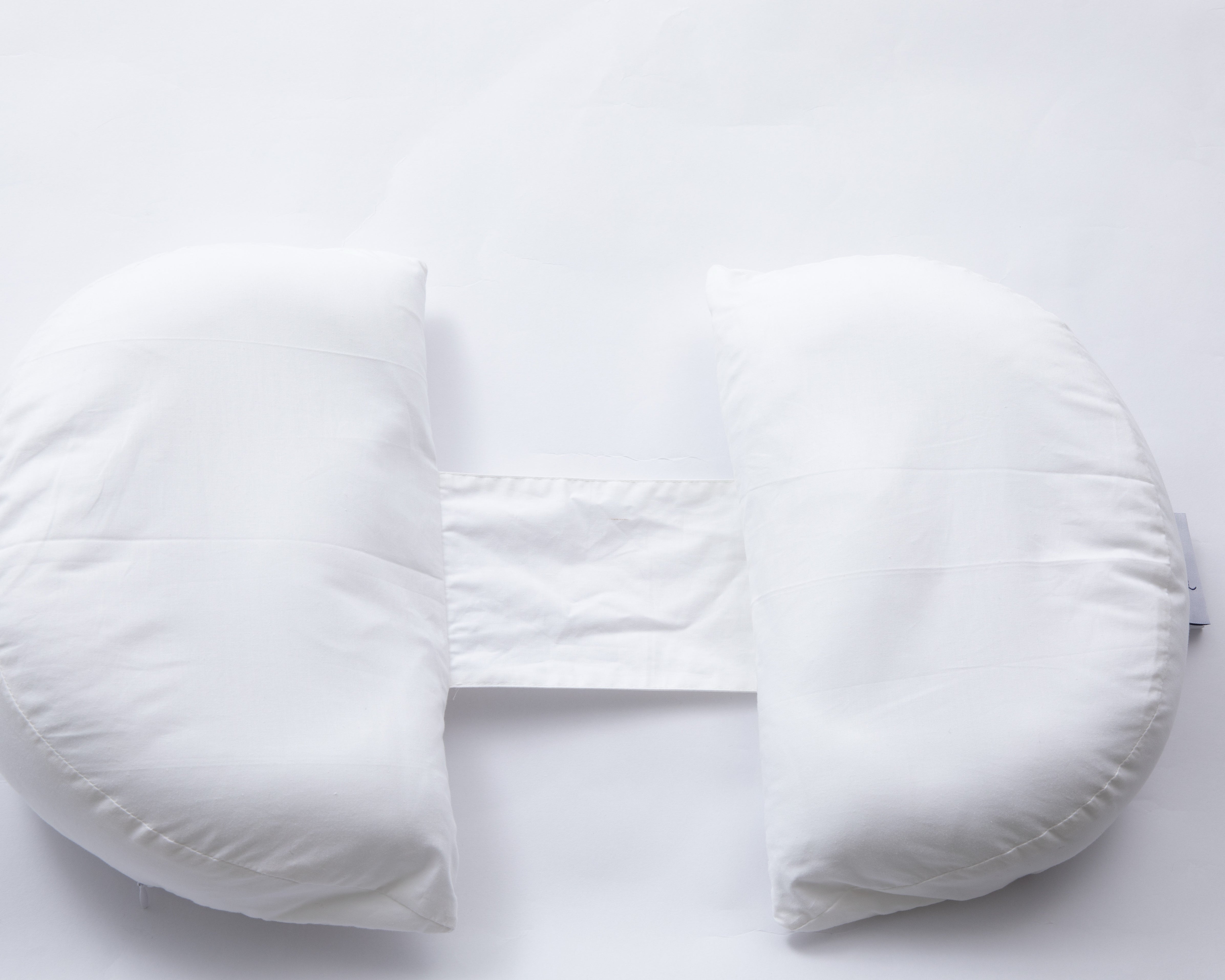
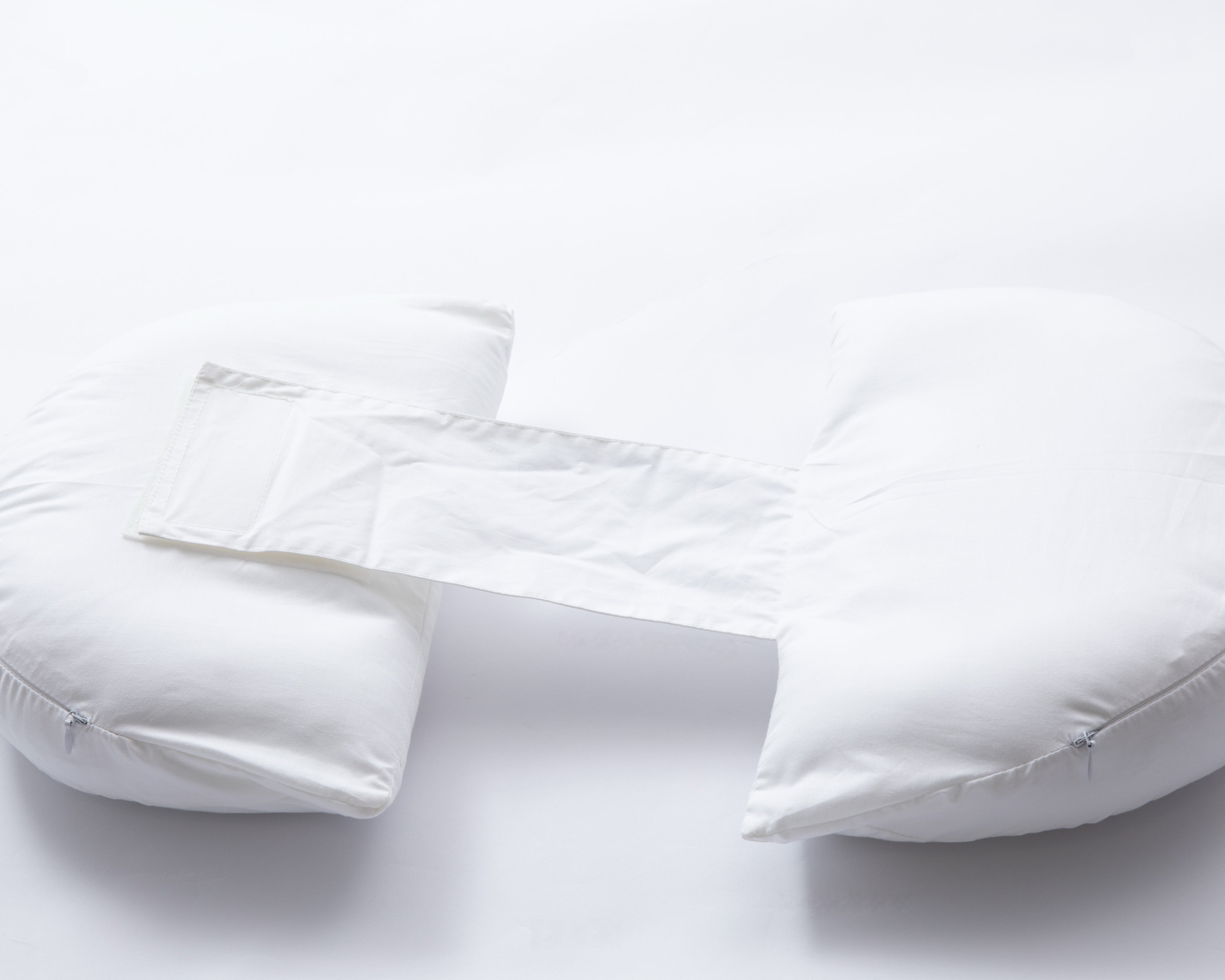
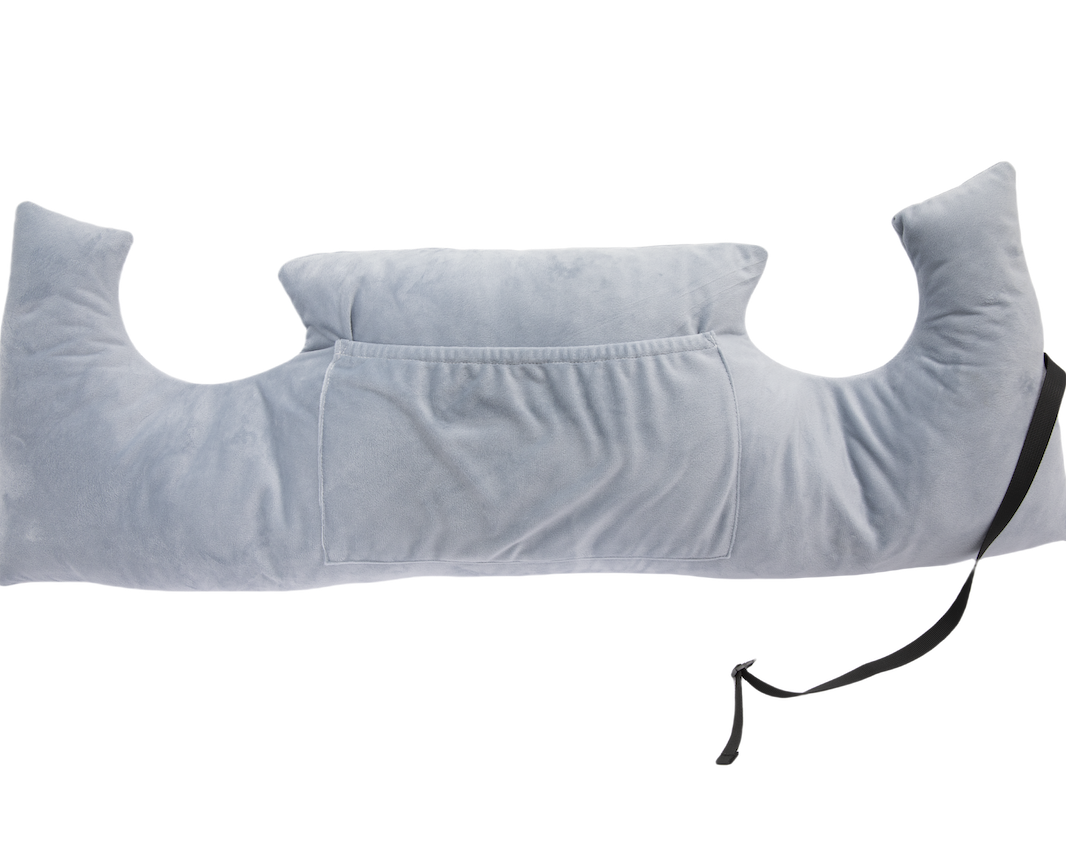
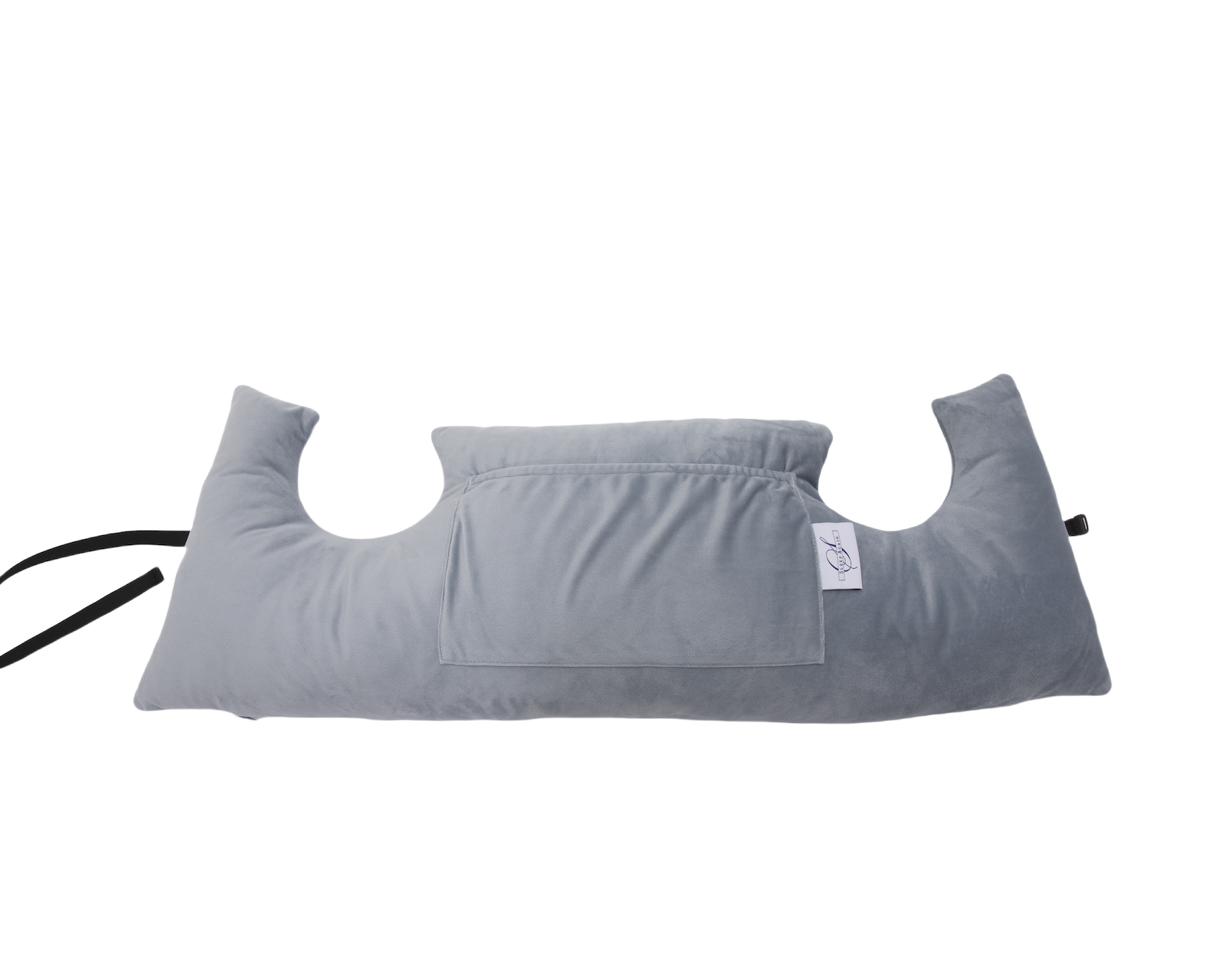
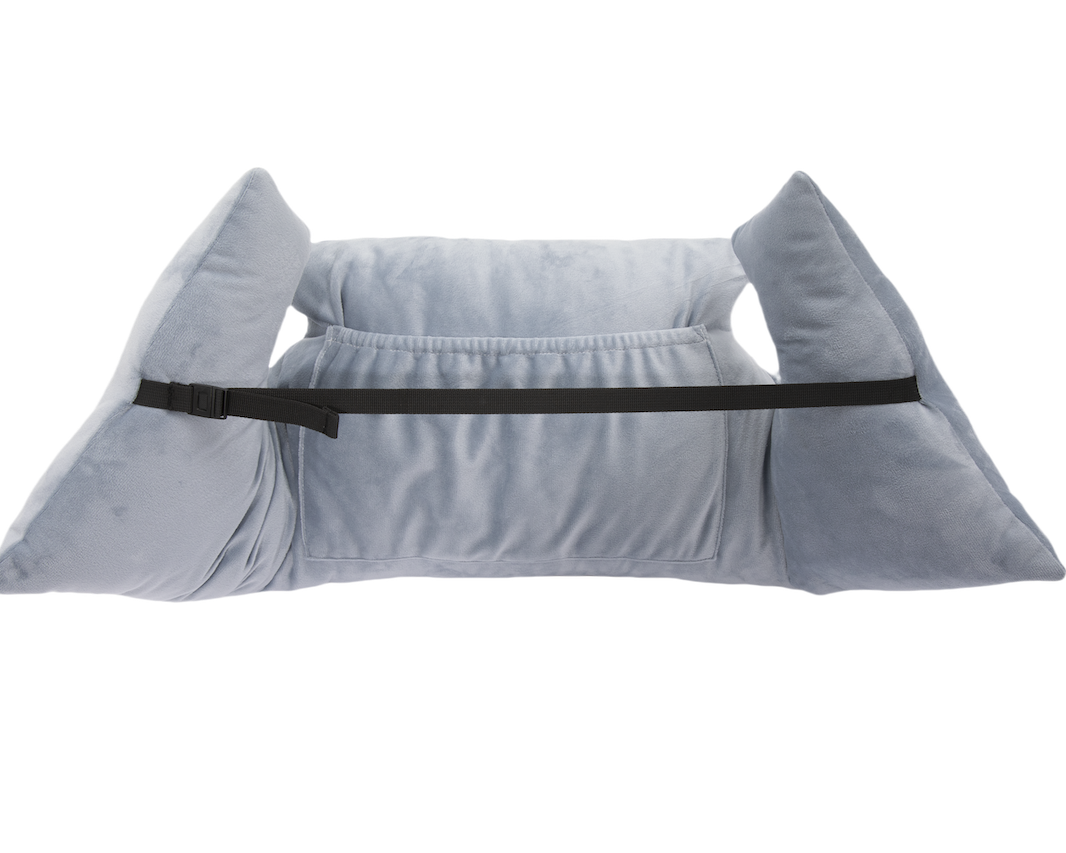
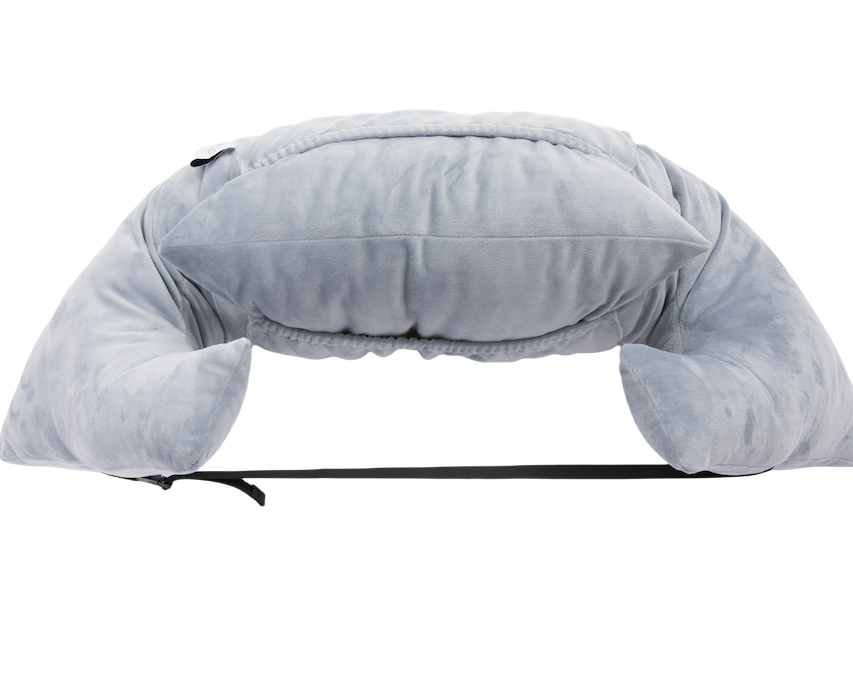
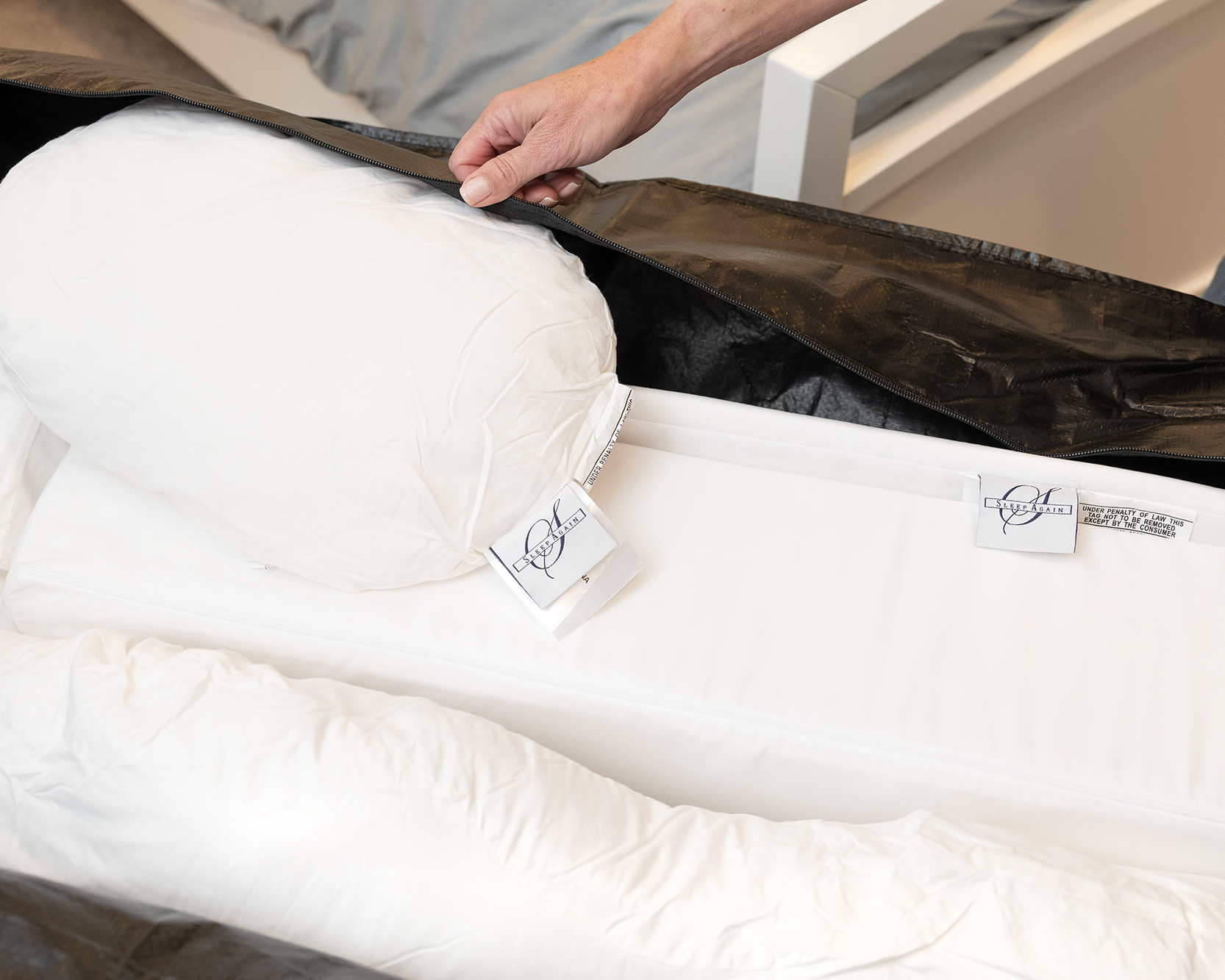
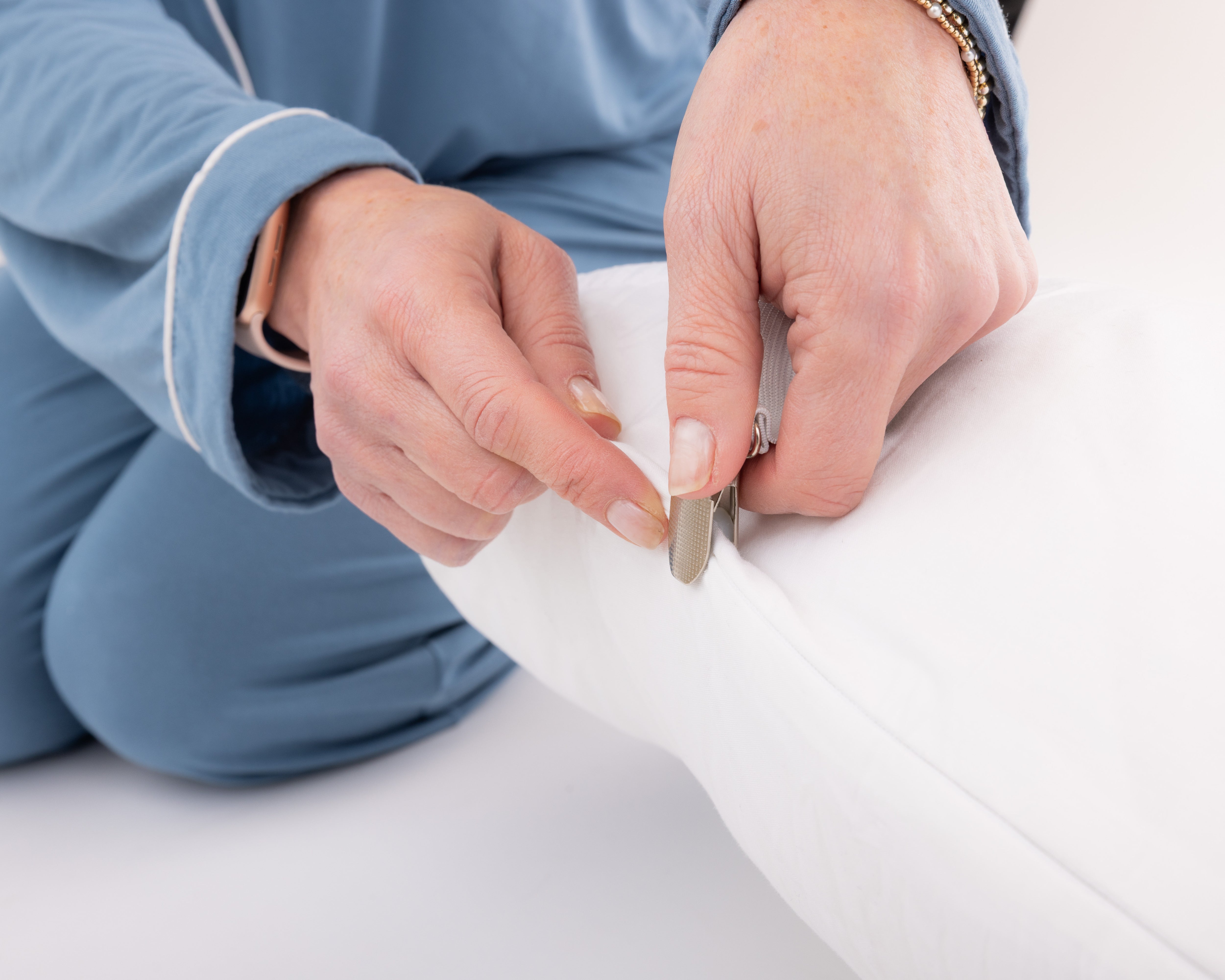
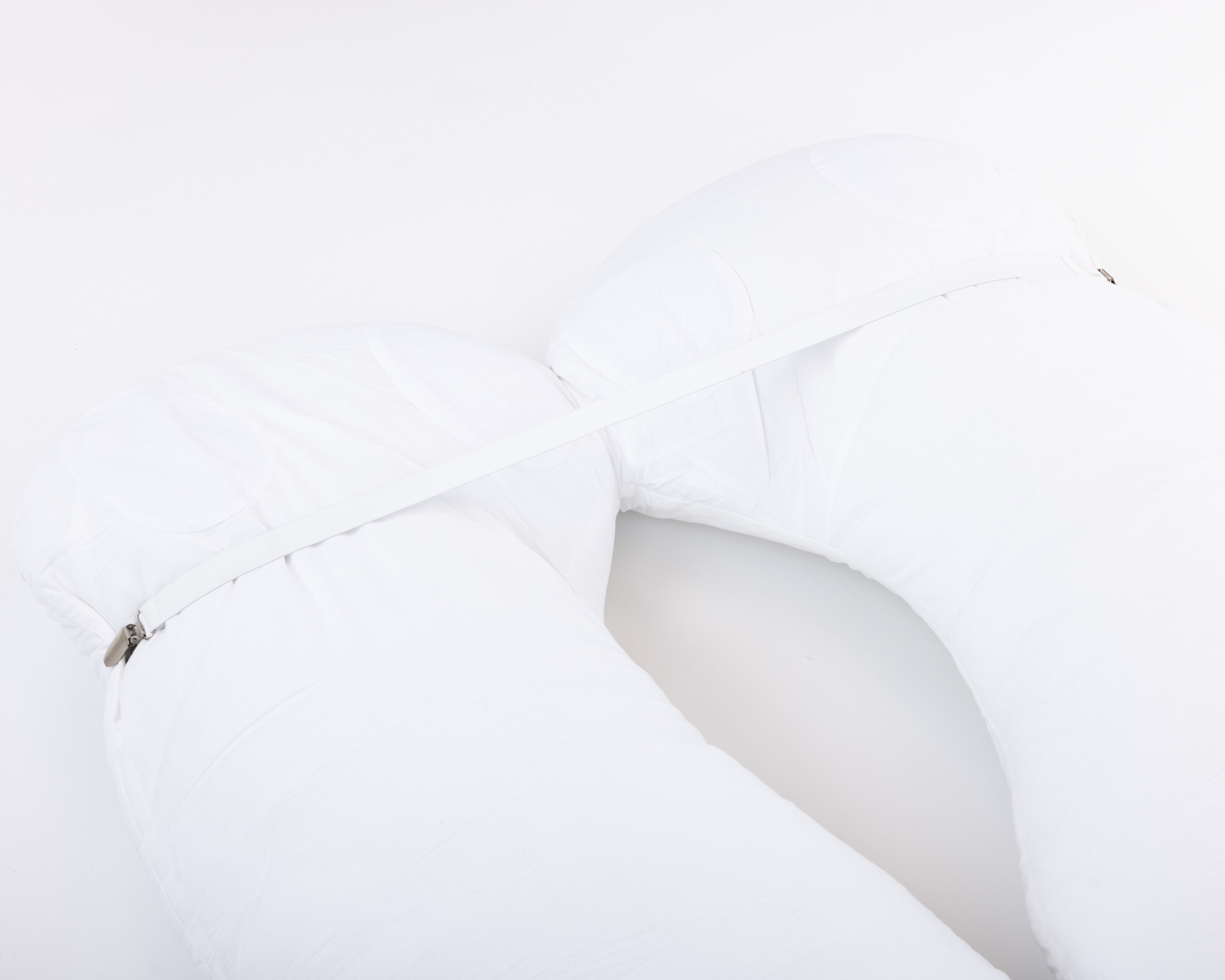
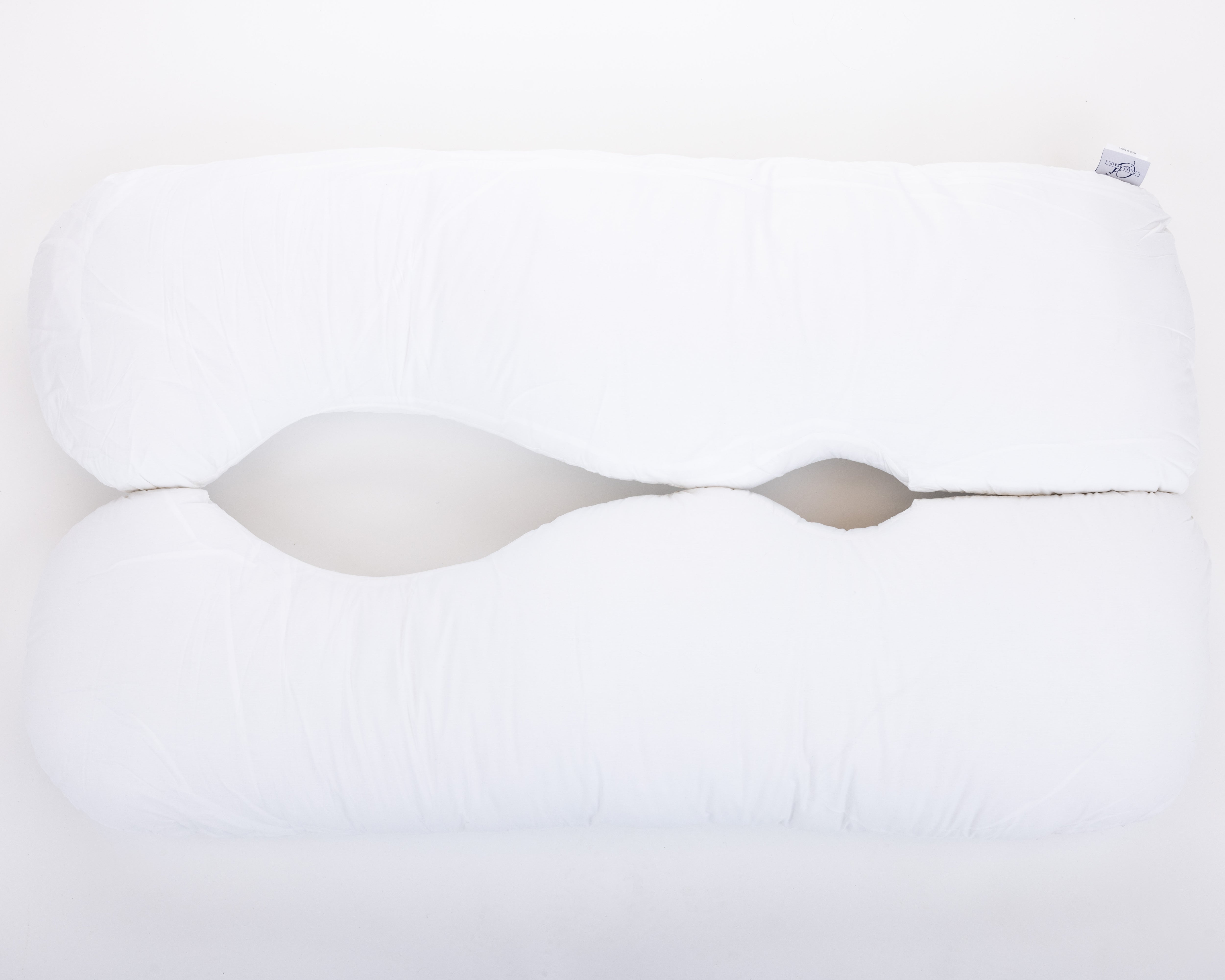
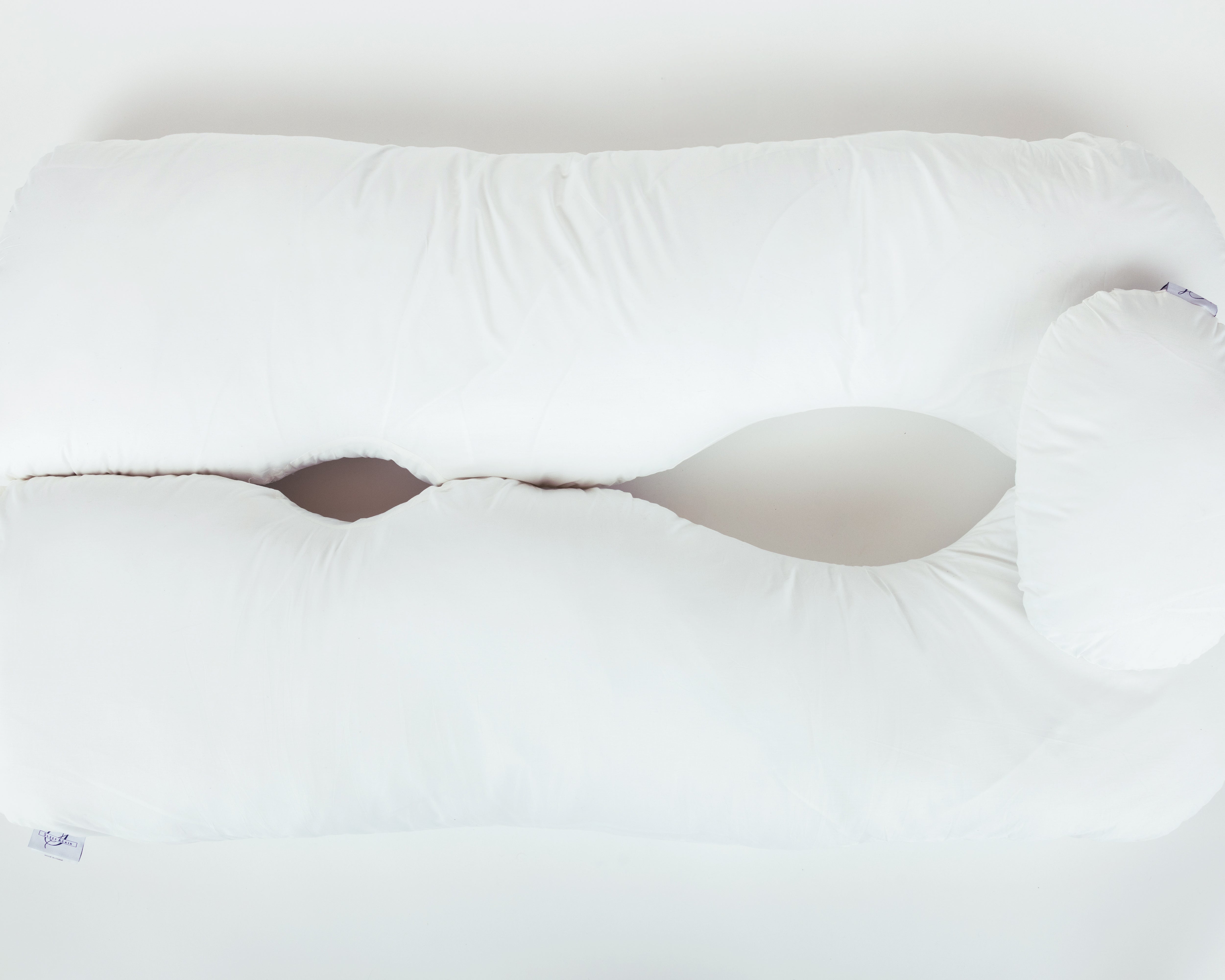
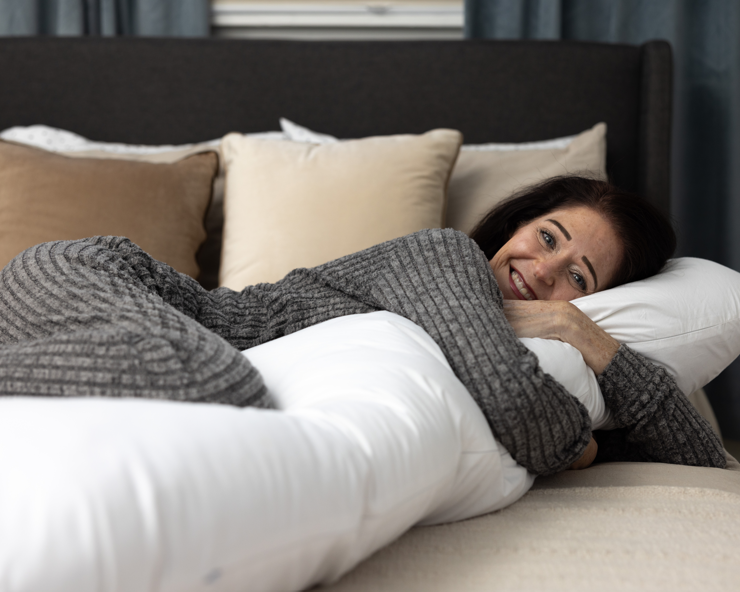
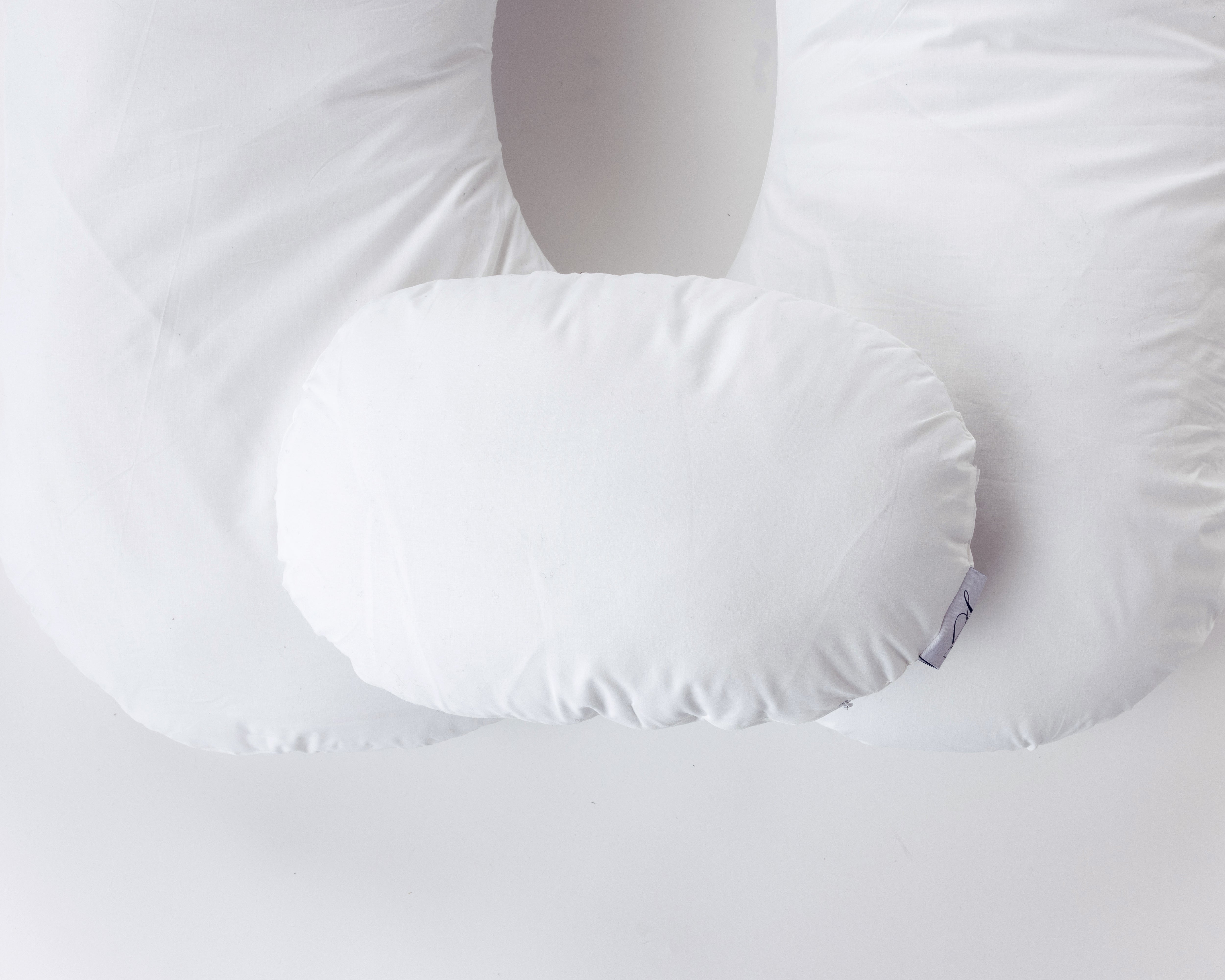
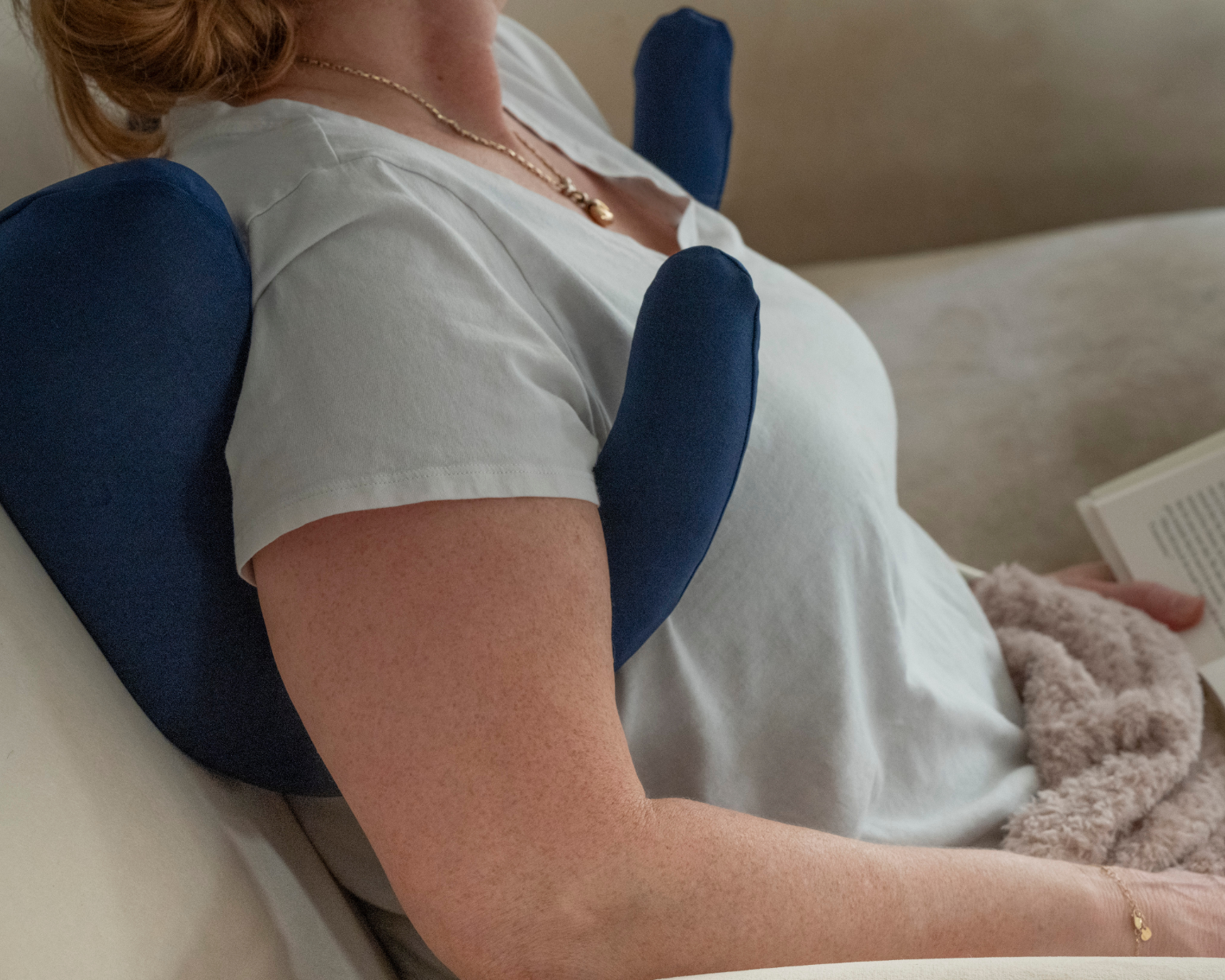
Effective elevated sleeping requires more than just propping up your upper body—it demands coordinated support for your entire body to maintain the position comfortably all night. The Sleep Again Pillow System includes contoured side pillows that support your arms and prevent rolling, a leg support wedge that maintains proper spinal alignment and reduces lower back strain, and a head pillow designed to work seamlessly with the wedge angle, preventing your neck from cranking forward or dropping backward.
Every Sleep Again Pillow System includes:
-
Two Contoured Side Pillows to cradle back and hips
-
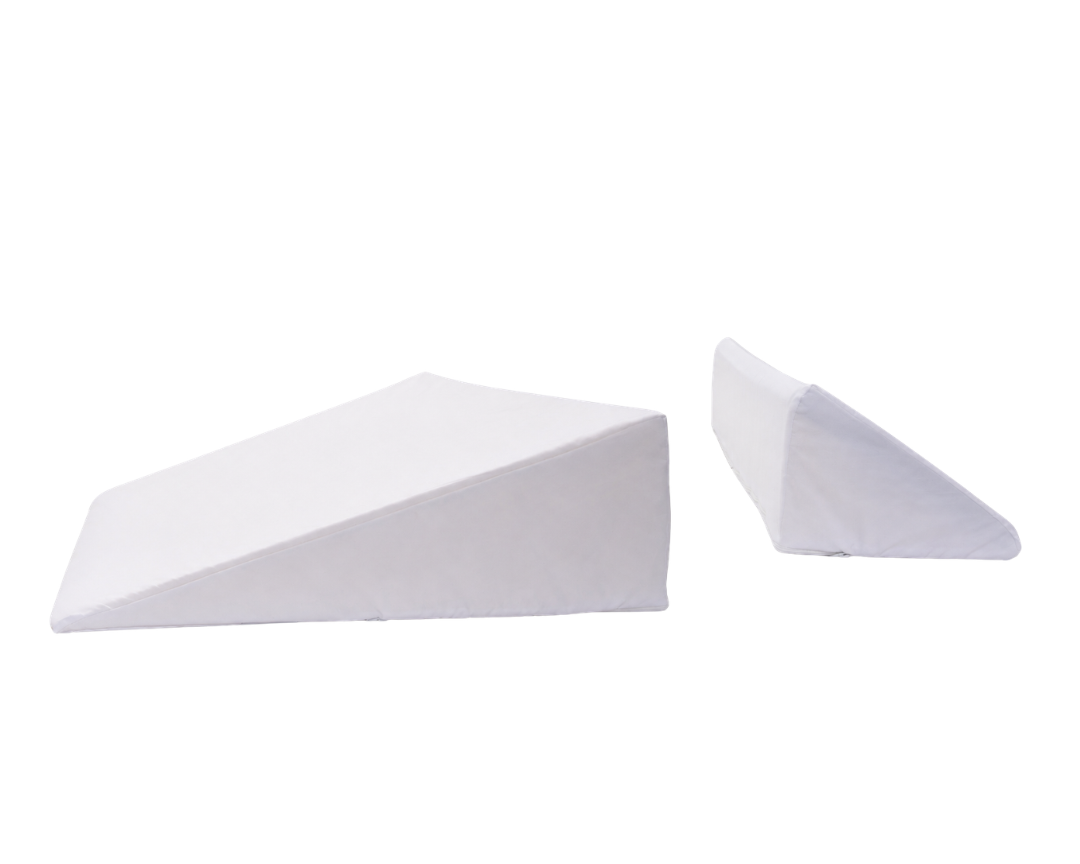
Upper Body Wedge to create optimal upper body incline
-
Leg Support Wedge to gently elevate legs
-
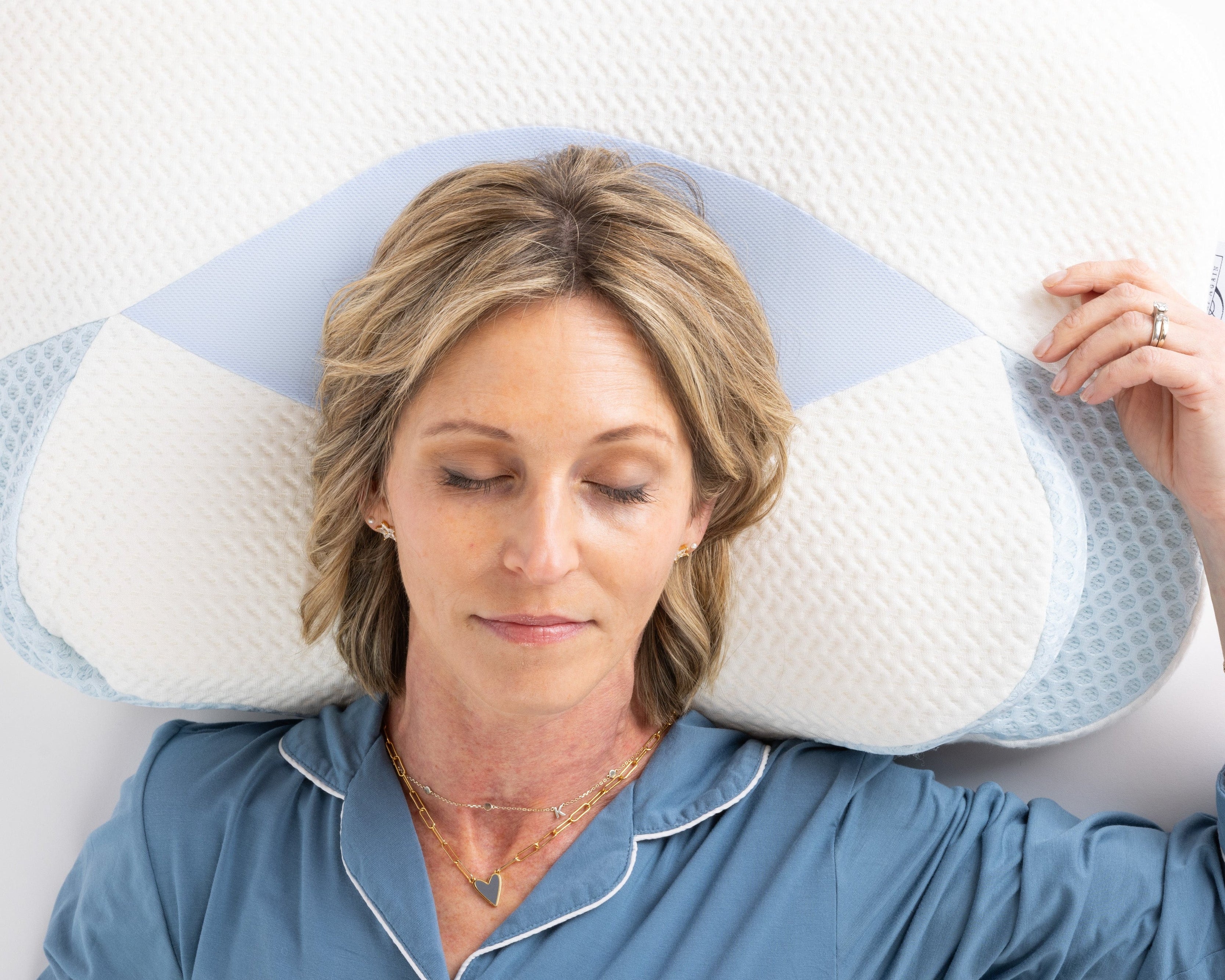
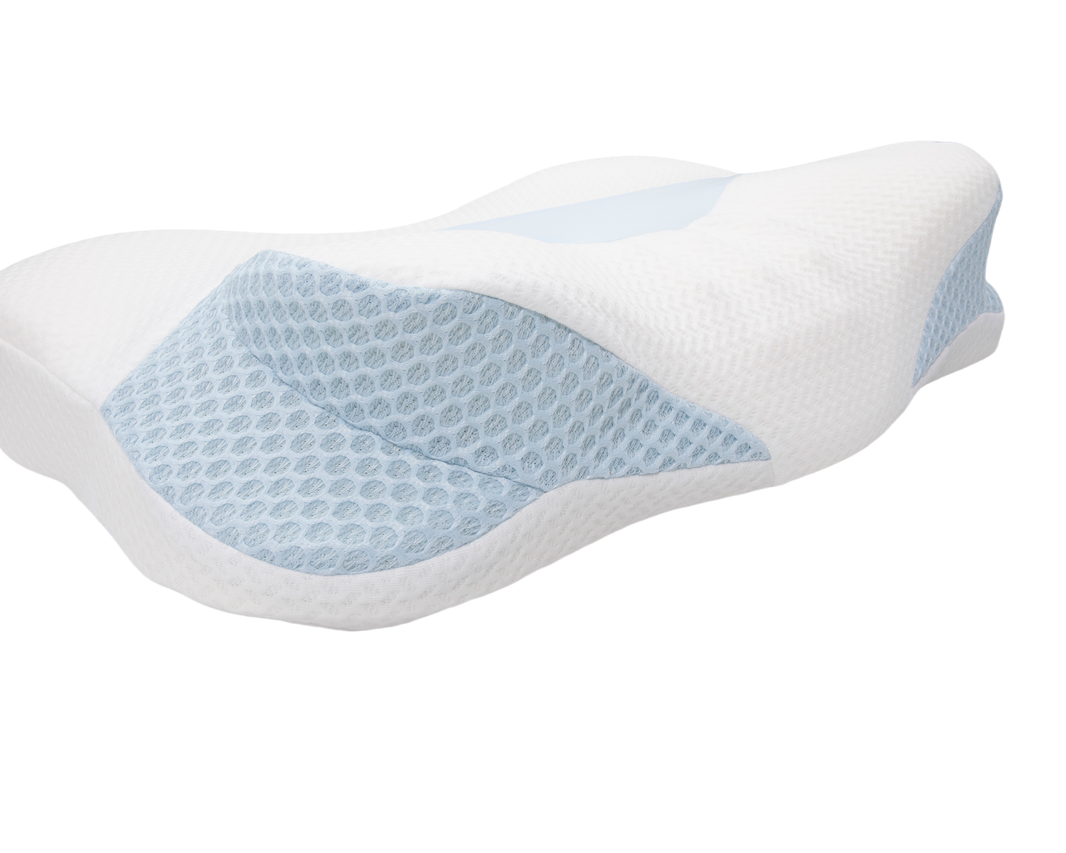
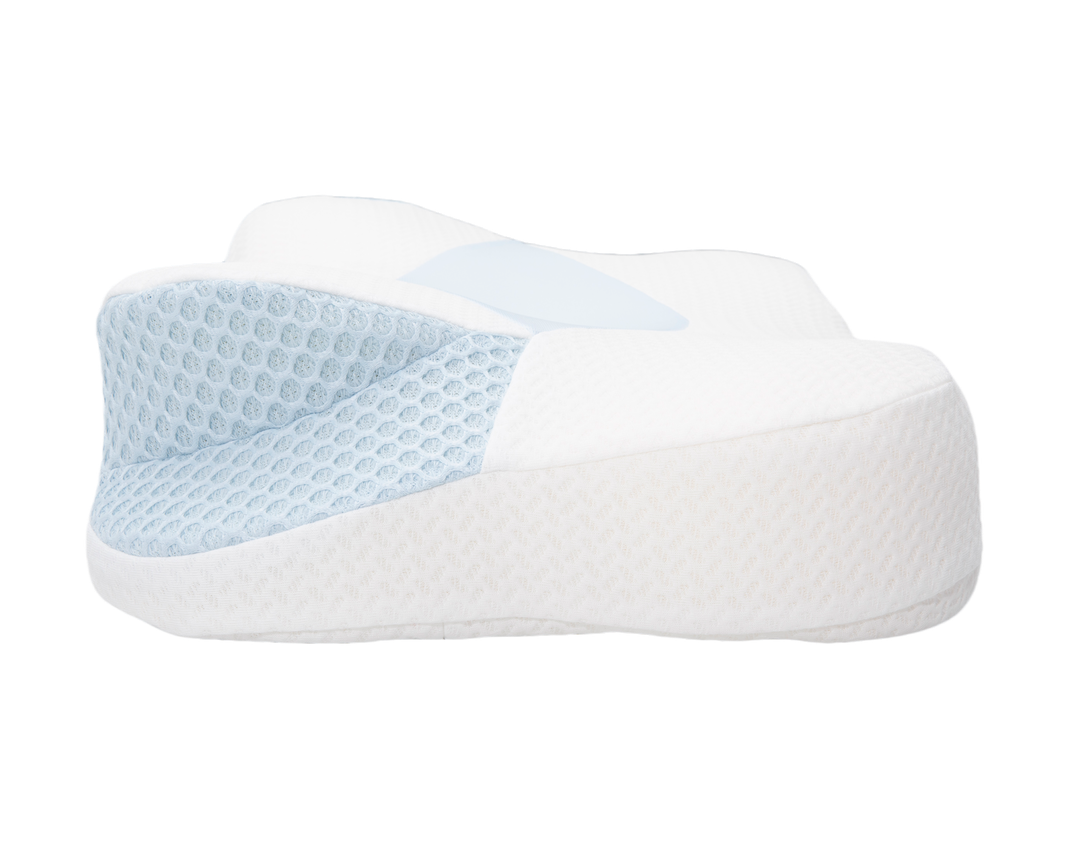
Head Pillow to provide head support and neck mobility
-
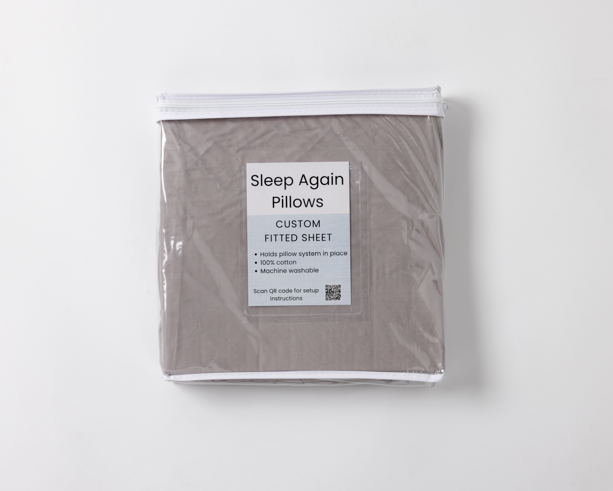
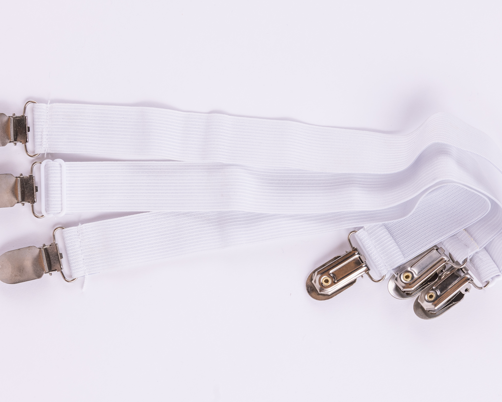
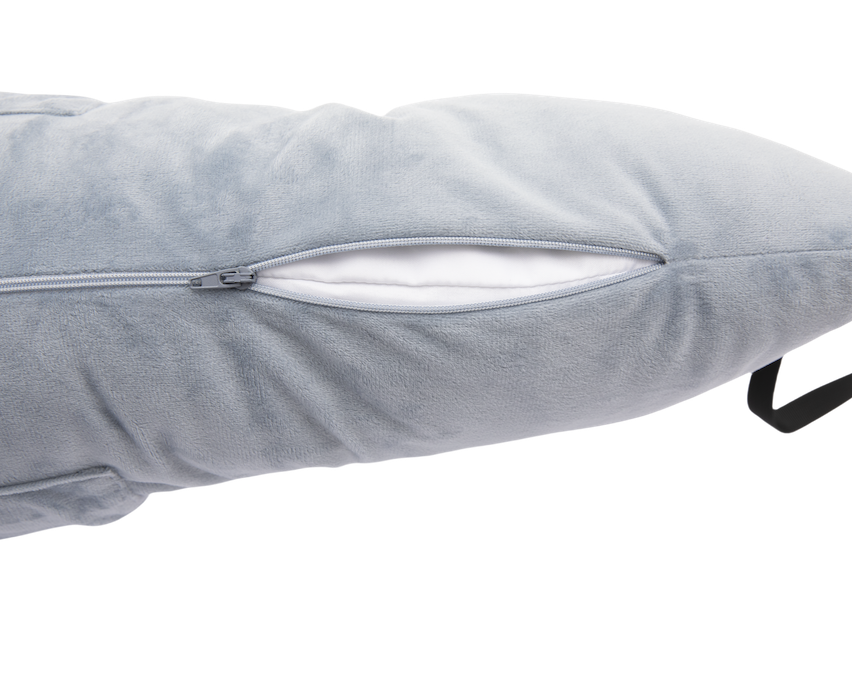
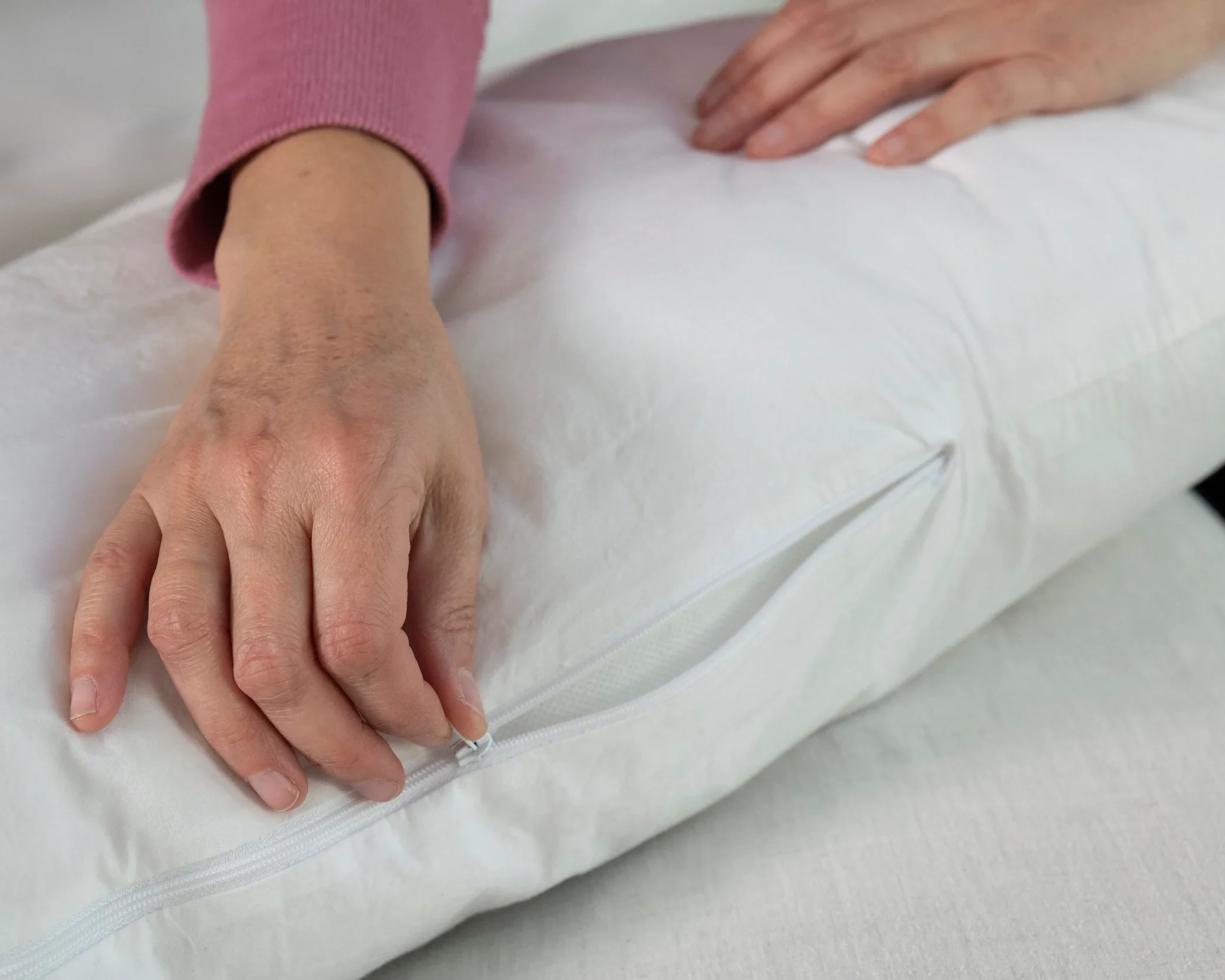
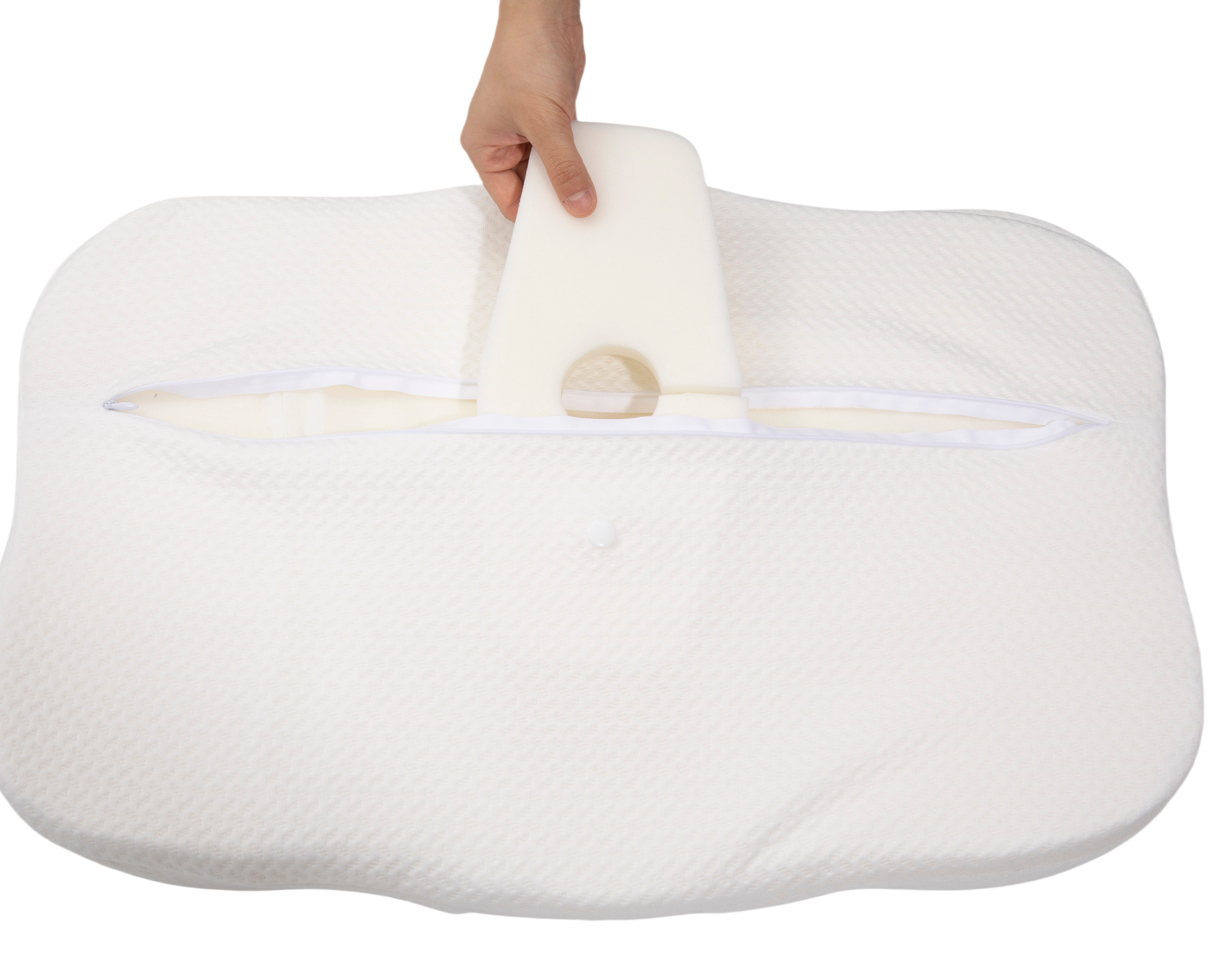
Removable, washable slipcovers for every piece
This comprehensive approach ensures you can maintain optimal positioning throughout your sleep period rather than shifting to less beneficial positions due to discomfort. When every part of your body feels supported and comfortable, you naturally maintain the elevated back position that provides maximum respiratory benefits.
Designed for Easy Breathing
Every component of the system considers respiratory function in its design. The gradual incline supports effortless breathing, the arm positioning reduces chest compression and allows for full lung expansion, and the overall system configuration promotes the relaxed, open posture that facilitates optimal airway diameter and efficient breathing mechanics.
For people managing chronic respiratory conditions or recovering from illness, this purpose-built support system can make the difference between struggling through the night and waking refreshed with clearer lungs and easier breathing.
SHOP THE SLEEP AGAIN PILLOW SYSTEM AND BREATHE EASIER AT NIGHT
Creating Your Optimal Sleep Environment for Respiratory Health
Your sleeping position forms the foundation of lung clearing during sleep, but environmental factors play crucial supporting roles.
Humidity and Your Airways
Dry air irritates respiratory passages and can thicken mucus, making it harder to clear from your lungs. Maintaining optimal humidity levels—typically between 40-50%—keeps airways moist and mucus at the right consistency for efficient clearing. Consider using a humidifier in your bedroom, particularly during winter months when indoor heating dries the air.
Temperature Optimization
Bedroom temperature affects respiratory comfort significantly. Overly warm air can feel stifling and make breathing feel laborious, while very cold air can irritate airways. Most respiratory specialists recommend bedroom temperatures between 65-68 degrees Fahrenheit for optimal breathing comfort.
Air Quality Considerations
The air you breathe while sleeping should be as clean and irritant-free as possible. Dust, pet dander, and airborne particles can trigger respiratory irritation and increased mucus production. Use high-quality air filters in your HVAC system and consider a bedroom air purifier with HEPA filtration. Wash bedding weekly in hot water to remove dust mites and allergens.
Pre-Sleep Respiratory Hygiene
Establish a pre-sleep routine that supports lung clearing: taking prescribed respiratory medications, performing breathing exercises, staying well-hydrated throughout the evening, and spending a few minutes in steam from a hot shower to help loosen secretions before settling into your elevated sleeping position.
SHOP THE SLEEP AGAIN PILLOW SYSTEM AND BREATHE EASIER AT NIGHT
Frequently Asked Questions About Sleeping Positions and Lung Clearing
What sleeping position is best for clearing mucus from lungs?
Elevated back sleeping at a 30-45 degree angle provides the most effective position for clearing mucus from lungs during sleep. This elevation uses gravity to drain secretions naturally while maintaining open airways and reducing the work of breathing. The position prevents mucus pooling in dependent lung areas and supports your body's natural clearing mechanisms throughout the night.
Can sleeping elevated really help with chronic lung conditions?
Yes, elevated sleeping provides significant benefits for chronic lung conditions including COPD, asthma, and bronchiectasis. The position improves breathing efficiency, reduces nighttime exacerbations, and supports better overall sleep quality. Many people with chronic respiratory conditions find that consistent elevated sleeping becomes an essential part of their long-term disease management strategy.
How long does it take to notice breathing improvements from elevated sleeping?
Most people notice easier breathing immediately when they adopt elevated sleeping positions. However, the full benefits for lung clearing and reduced congestion typically become apparent after 3-5 nights of consistent elevated sleeping as your respiratory system adapts to the improved positioning and begins clearing accumulated secretions more efficiently.
Should I sleep elevated every night or just when I'm congested?
While elevated sleeping provides immediate benefits during illness or acute congestion, consistent elevated sleeping offers long-term respiratory health advantages even when you're not sick. The improved breathing mechanics, better mucus clearance, and reduced respiratory stress benefit your lungs nightly, making elevated sleeping a worthwhile practice for ongoing respiratory wellness.
What's the best elevation angle for lung clearing during sleep?
The optimal elevation angle for most people falls between 30-45 degrees. This range provides maximum respiratory benefits while remaining comfortable for extended sleep periods. People with severe congestion or acute respiratory illness may benefit from steeper angles (45-60 degrees) temporarily, while those managing chronic conditions often find sustained comfort at the 30-35 degree range.
Will regular pillows work as well as a positioning system for elevated sleeping?
Regular pillows can create temporary elevation but typically compress and shift during sleep, gradually reducing your elevation angle and compromising respiratory benefits. Positioning systems specifically designed for elevated sleeping maintain consistent angles throughout the night, ensuring continuous therapeutic benefits rather than just temporary relief.
Can side sleeping help clear lungs?
Side sleeping with upper body elevation can support lung clearing, particularly if one lung is more congested than the other. Sleeping with the more congested lung uppermost can aid drainage, though elevated back sleeping generally provides more balanced and effective clearing for both lungs simultaneously.
Is it safe to sleep elevated if I have heart problems?
Elevated sleeping often benefits people with heart conditions by reducing the work your heart has to do to pump blood effectively. However, you should always consult your physician about optimal sleeping positions if you have cardiovascular disease, as individual circumstances may require specific positioning approaches.
How can I keep from sliding down when sleeping elevated?
Preventing sliding requires proper lower body support and a gradual incline rather than a sharp angle. Place a pillow under your knees to create slight leg elevation, which naturally prevents downward sliding. Professional positioning systems are designed with surface textures and angles that minimize sliding tendencies.
Do I need to sleep elevated forever after a respiratory illness?
Most acute respiratory illnesses resolve within days to weeks, and you can gradually reduce your elevation angle as symptoms improve. However, many people discover that elevated sleeping provides comfort and respiratory benefits worth maintaining even after illness resolves. The decision to continue elevated sleeping long-term is ultimately a personal choice based on how you feel.
Can children sleep in elevated positions for respiratory issues?
Children can benefit from elevated sleeping during respiratory illness, though the angle should be gentler and always supervised. Consult your pediatrician about appropriate positioning for your child's specific situation, as recommendations may vary based on age and the underlying respiratory condition.
Will elevated sleeping help with snoring or sleep apnea?
Elevated sleeping can reduce snoring and may help with mild sleep apnea by keeping airways more open during sleep. However, diagnosed sleep apnea requires medical treatment beyond positioning changes. If you suspect sleep apnea, consult a sleep specialist for proper evaluation and treatment.
Medical Disclaimer
This article provides general information about sleeping positions and respiratory health but does not constitute medical advice. Every person's respiratory situation is unique, and optimal sleeping positions may vary based on individual health conditions, medications, and specific medical circumstances.
Always consult with your physician or respiratory specialist before making significant changes to your sleeping position, particularly if you have diagnosed lung conditions, cardiovascular disease, or other health concerns that might be affected by positioning changes. Your healthcare provider can offer personalized guidance based on your complete medical history and current health status.
If you experience severe breathing difficulty, chest pain, or worsening respiratory symptoms, seek immediate medical attention rather than relying solely on positioning changes. Optimal sleeping position supports respiratory health but cannot replace appropriate medical treatment when needed.
The information in this article is based on general respiratory principles and should not be used as a substitute for professional medical evaluation and treatment. Your healthcare team remains your best resource for questions about managing respiratory conditions and optimizing your sleep environment for lung health.